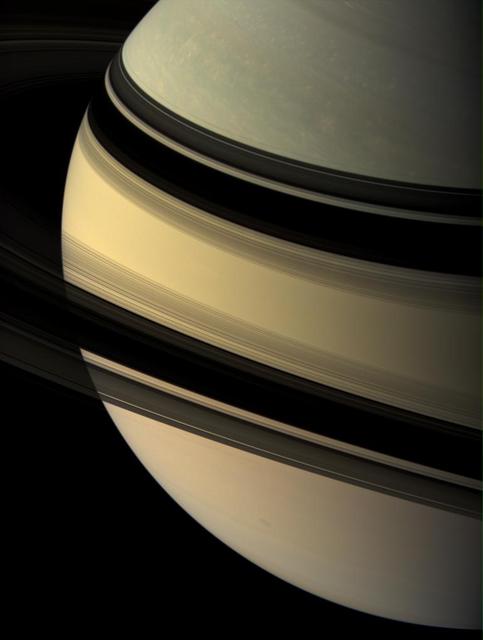
Grace and Beauty
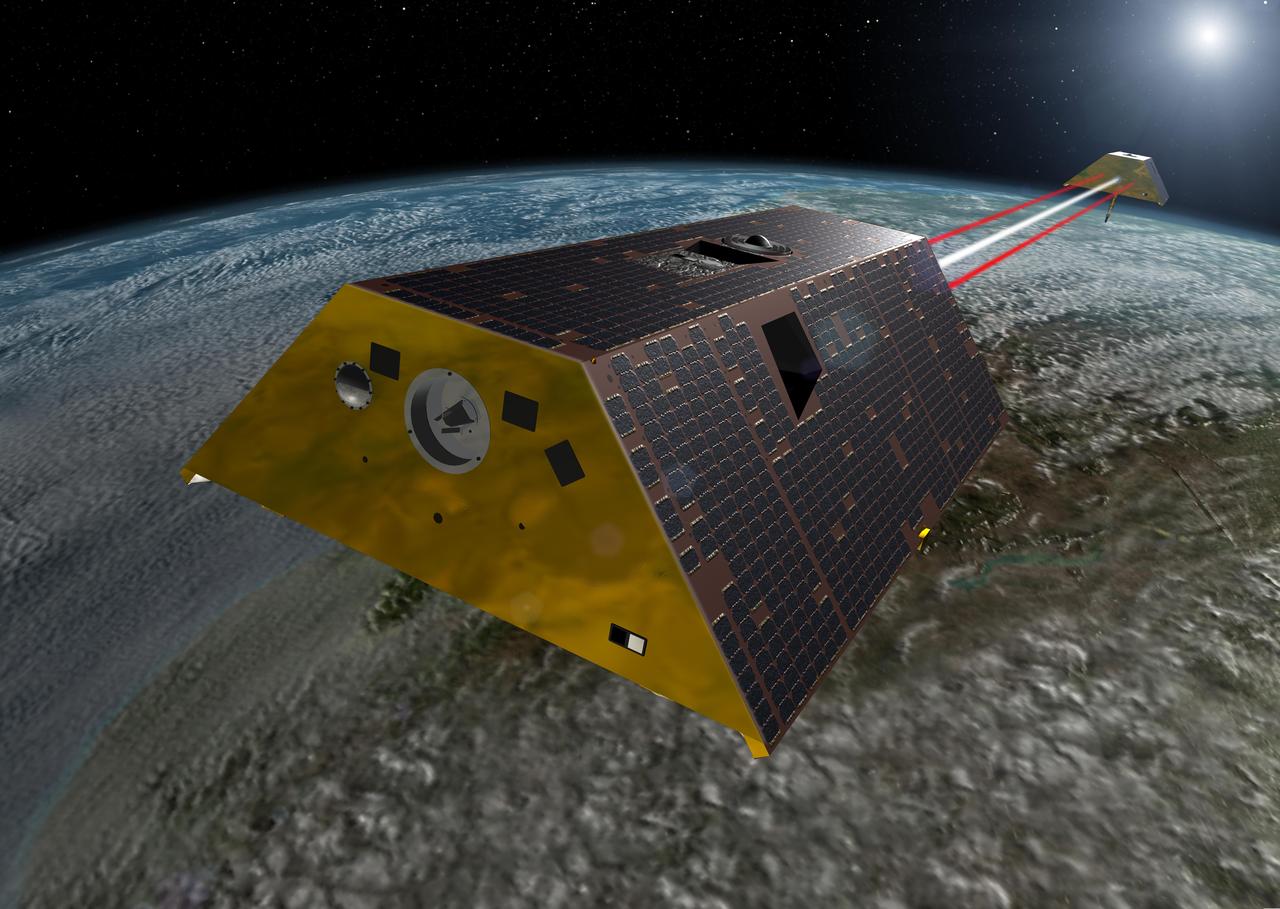
This artist's rendering shows the twin spacecraft of the Gravity Recovery and Climate Experiment Follow-On (GRACE-FO) mission, a partnership between NASA and the German Research Centre for Geosciences (GFZ). GRACE-FO is a successor to the original GRACE mission, which began orbiting Earth on March 17, 2002. GRACE-FO will carry on the extremely successful work of its predecessor while testing a new technology designed to dramatically improve the already remarkable precision of its measurement system. The GRACE missions measure variations in gravity over Earth's surface, producing a new map of the gravity field every 30 days. Thus, GRACE shows how the planet's gravity differs not only from one location to another, but also from one period of time to another. https://photojournal.jpl.nasa.gov/catalog/PIA21607

Illustration of the twin spacecraft of the NASA/German Research Centre for Geosciences (GFZ) Gravity Recovery and Climate Experiment Follow-On (GRACE-FO) mission. GRACE-FO will continue tracking the evolution of Earth's water cycle by monitoring changes in the distribution of mass on Earth. https://photojournal.jpl.nasa.gov/catalog/PIA22441

Illustration of the twin spacecraft of the NASA/German Research Centre for Geosciences (GFZ) Gravity Recovery and Climate Experiment Follow-On (GRACE-FO) mission. GRACE-FO will continue tracking the evolution of Earth's water cycle by monitoring changes in the distribution of mass on Earth. https://photojournal.jpl.nasa.gov/catalog/PIA22440
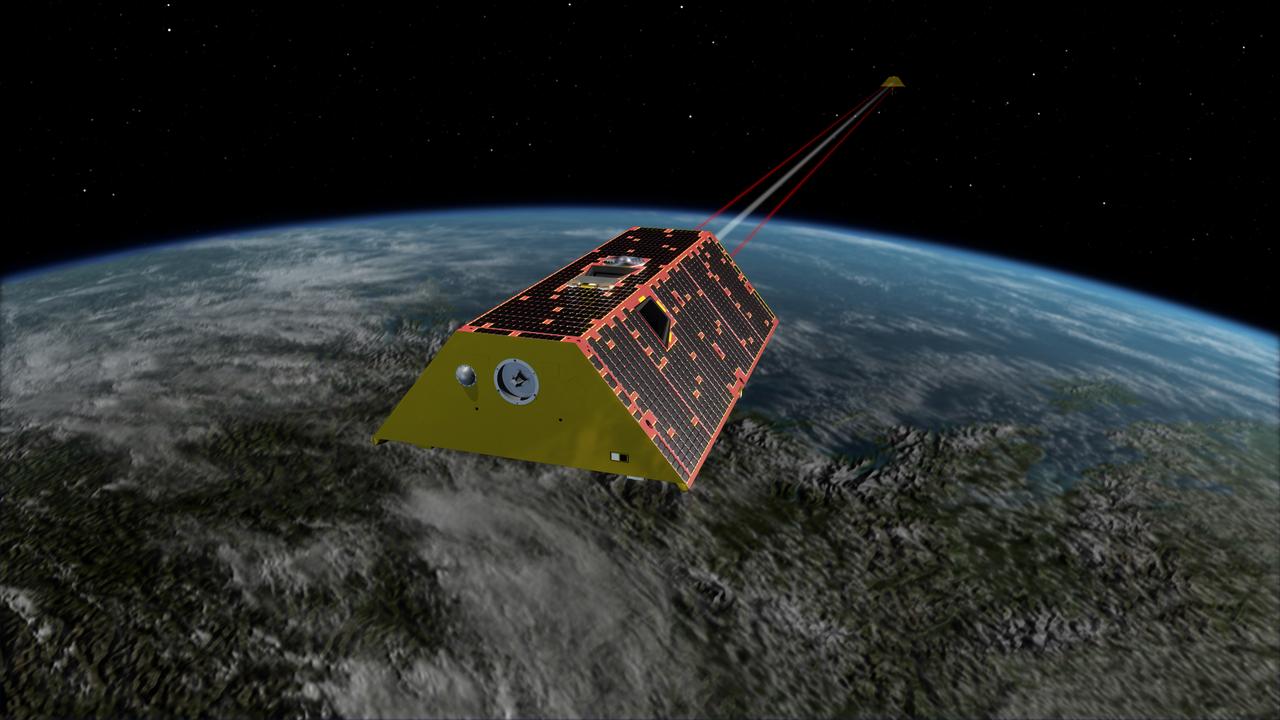
Artist's rendering of the twin spacecraft of the Gravity Recovery and Climate Experiment Follow-On (GRACE-FO) mission, scheduled to launch in May, 2018. GRACE-FO will track the evolution of Earth's water cycle by monitoring changes in the distribution of mass on Earth. https://photojournal.jpl.nasa.gov/catalog/PIA22431
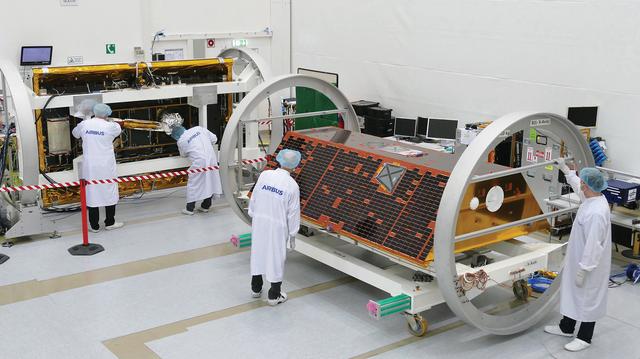
The Gravity Recovery and Climate Experiment Follow-on (GRACE-FO) mission is a partnership between NASA and the German Research Centre for Geosciences (GFZ). GRACE-FO is a successor to the original GRACE mission, which began orbiting Earth on March 17, 2002. GRACE-FO will carry on the extremely successful work of its predecessor while testing a new technology designed to dramatically improve the already remarkable precision of its measurement system. The GRACE missions measure variations in gravity over Earth's surface, producing a new map of the gravity field every 30 days. Thus, GRACE shows how the planet's gravity differs not only from one location to another, but also from one period of time to another. Airbus Defence and Space (Friedrichshafen/Germany) is the industrial prime contractor to build the satellites.
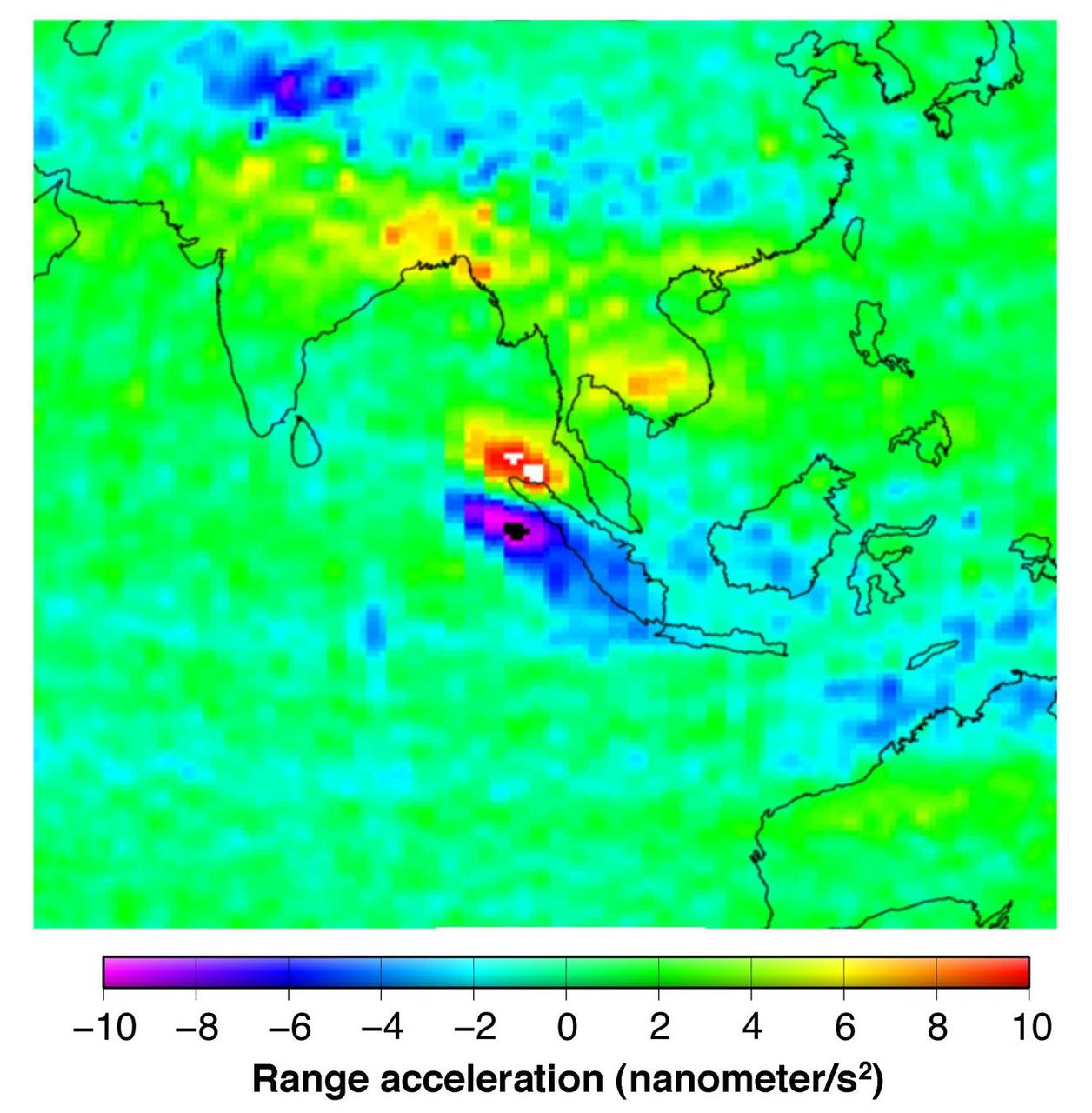
This figure shows the effect of the December 2004 great Sumatra earthquake on the Earth’s gravity field as observed by NASA GRACE.
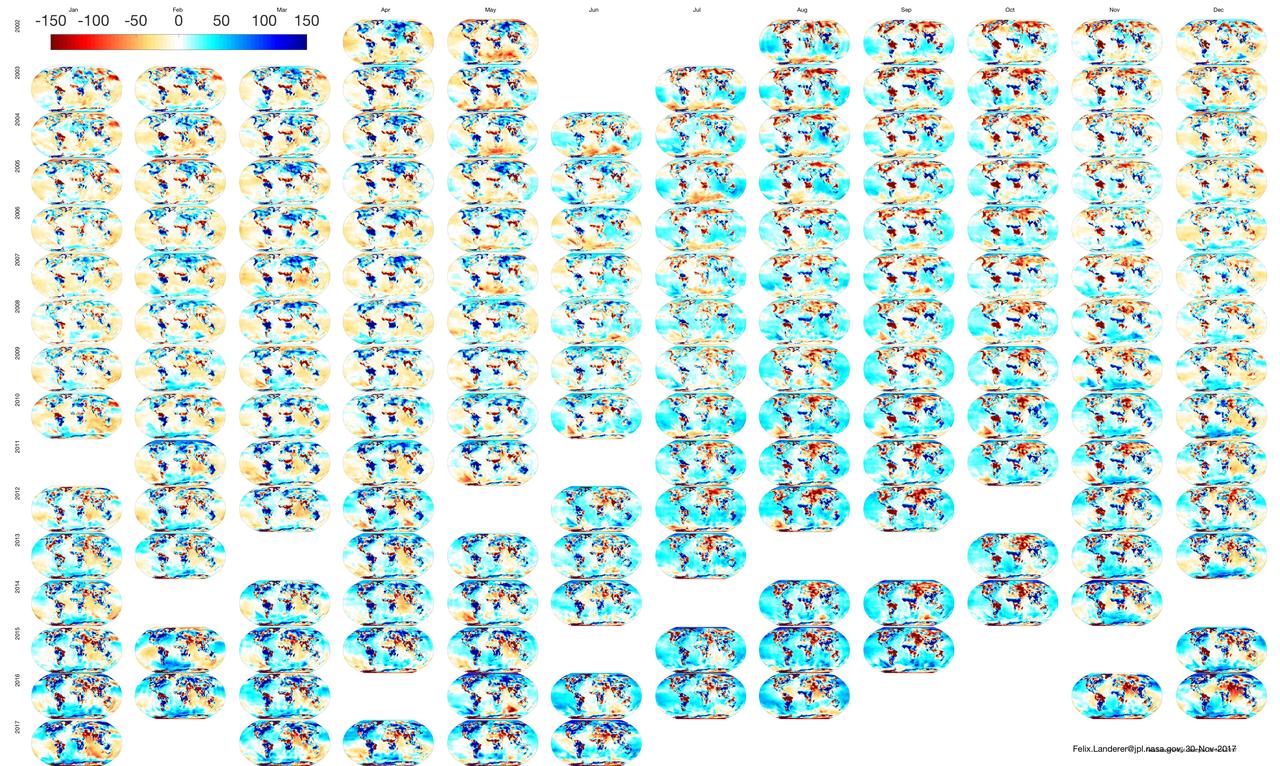
NASA's GRACE mission produced maps of anomalies in Earth's gravity field almost every month from April 2002 to June 2017. https://photojournal.jpl.nasa.gov/catalog/PIA22448
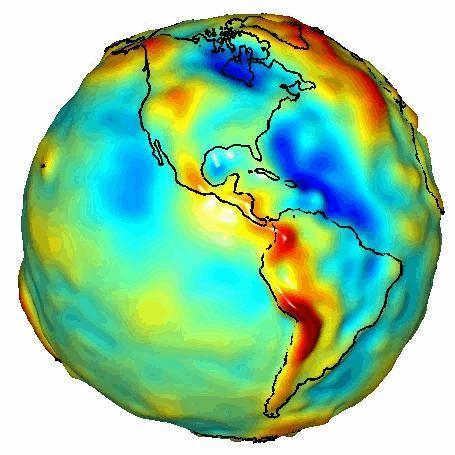
This visualization of a gravity model was created with data from NASA Gravity Recovery and Climate Experiment GRACE and shows variations in Earth’s gravity field.
Graceful Lanes of Ice

Illustration of the twin spacecraft of the NASA/German Research Centre for Geosciences (GFZ) Gravity Recovery and Climate Experiment Follow-On (GRACE-FO) mission. GRACE-FO will continue tracking the evolution of Earth's water cycle by monitoring changes in the distribution of mass on Earth. https://photojournal.jpl.nasa.gov/catalog/PIA22445
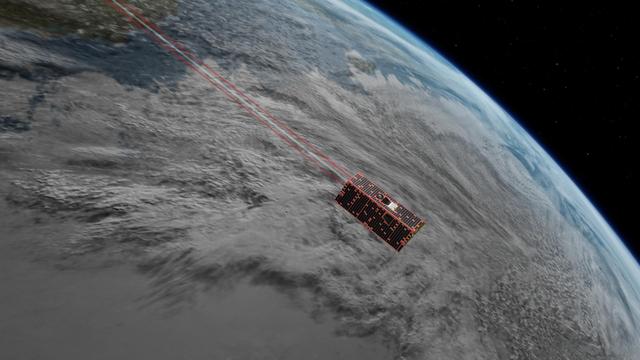
Illustration of the twin spacecraft of the NASA/German Research Centre for Geosciences (GFZ) Gravity Recovery and Climate Experiment Follow-On (GRACE-FO) mission. GRACE-FO will continue tracking the evolution of Earth's water cycle by monitoring changes in the distribution of mass on Earth. https://photojournal.jpl.nasa.gov/catalog/PIA22446
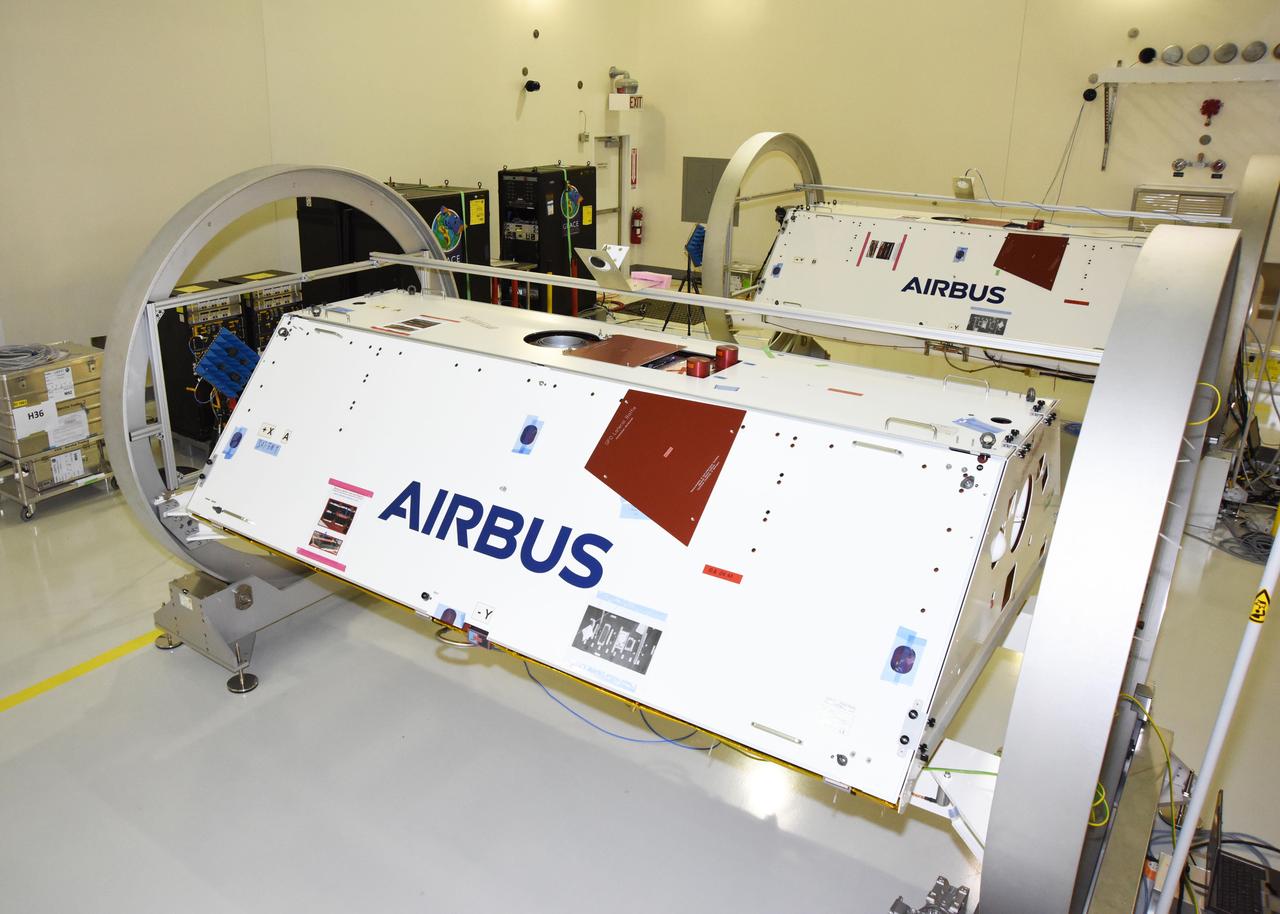
The Gravity Recovery and Climate Experiment Follow-On (GRACE-FO) twin satellites, attached to turntable fixtures, at the Astrotech Space Operations processing facility at Vandenberg Air Force Base, California. GRACE-FO will extend GRACE's legacy of scientific achievements, which range from tracking mass changes of Earth's polar ice sheets and estimating global groundwater changes, to measuring the mass changes of large earthquakes and inferring changes in deep ocean currents, a driving force in climate. To date, GRACE observations have been used in more than 4,300 research publications. Its measurements provide a unique view of the Earth system and have far-reaching benefits to society, such as providing insights into where global groundwater resources may be shrinking or growing and where dry soils are contributing to drought. GRACE-FO is planned to fly at least five years. https://photojournal.jpl.nasa.gov/catalog/PIA22341
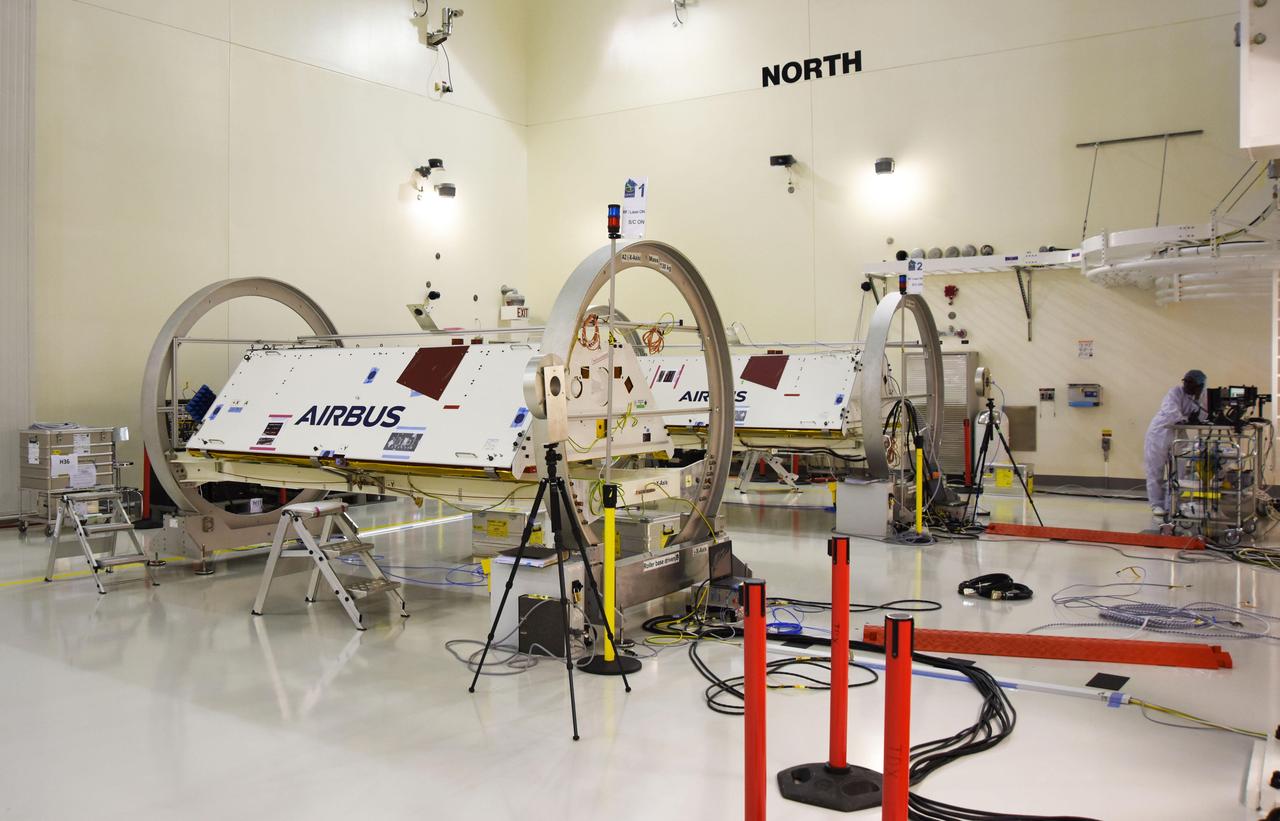
The Gravity Recovery and Climate Experiment Follow-On (GRACE-FO) twin satellites, attached to turntable fixtures, at the Astrotech Space Operations processing facility at Vandenberg Air Force Base, California. GRACE-FO will extend GRACE's legacy of scientific achievements, which range from tracking mass changes of Earth's polar ice sheets and estimating global groundwater changes, to measuring the mass changes of large earthquakes and inferring changes in deep ocean currents, a driving force in climate. To date, GRACE observations have been used in more than 4,300 research publications. Its measurements provide a unique view of the Earth system and have far-reaching benefits to society, such as providing insights into where global groundwater resources may be shrinking or growing and where dry soils are contributing to drought. GRACE-FO is planned to fly at least five years. https://photojournal.jpl.nasa.gov/catalog/PIA22338
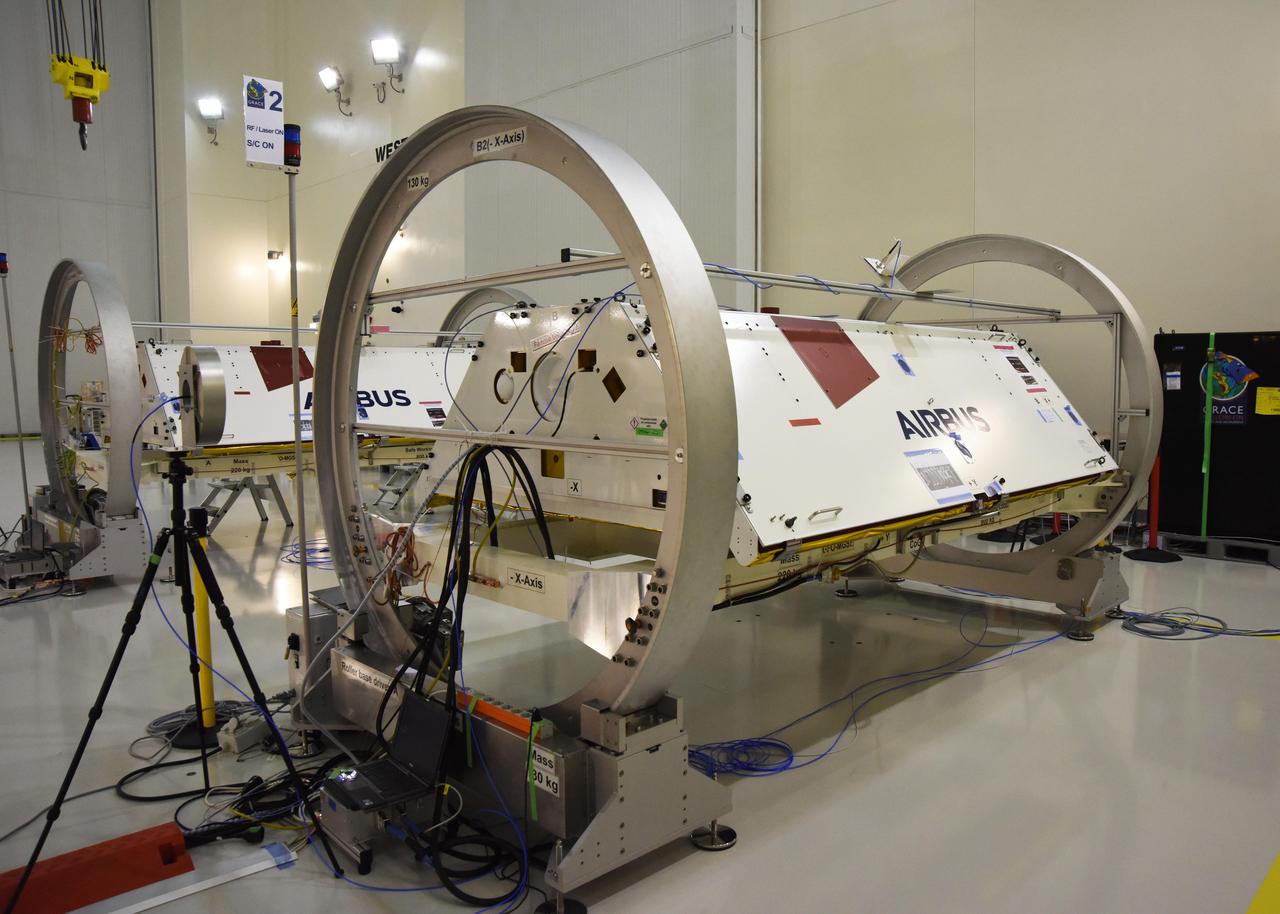
The Gravity Recovery and Climate Experiment Follow-On (GRACE-FO) twin satellites, attached to turntable fixtures, at the Astrotech Space Operations processing facility at Vandenberg Air Force Base, California. GRACE-FO will extend GRACE's legacy of scientific achievements, which range from tracking mass changes of Earth's polar ice sheets and estimating global groundwater changes, to measuring the mass changes of large earthquakes and inferring changes in deep ocean currents, a driving force in climate. To date, GRACE observations have been used in more than 4,300 research publications. Its measurements provide a unique view of the Earth system and have far-reaching benefits to society, such as providing insights into where global groundwater resources may be shrinking or growing and where dry soils are contributing to drought. GRACE-FO is planned to fly at least five years. https://photojournal.jpl.nasa.gov/catalog/PIA22340
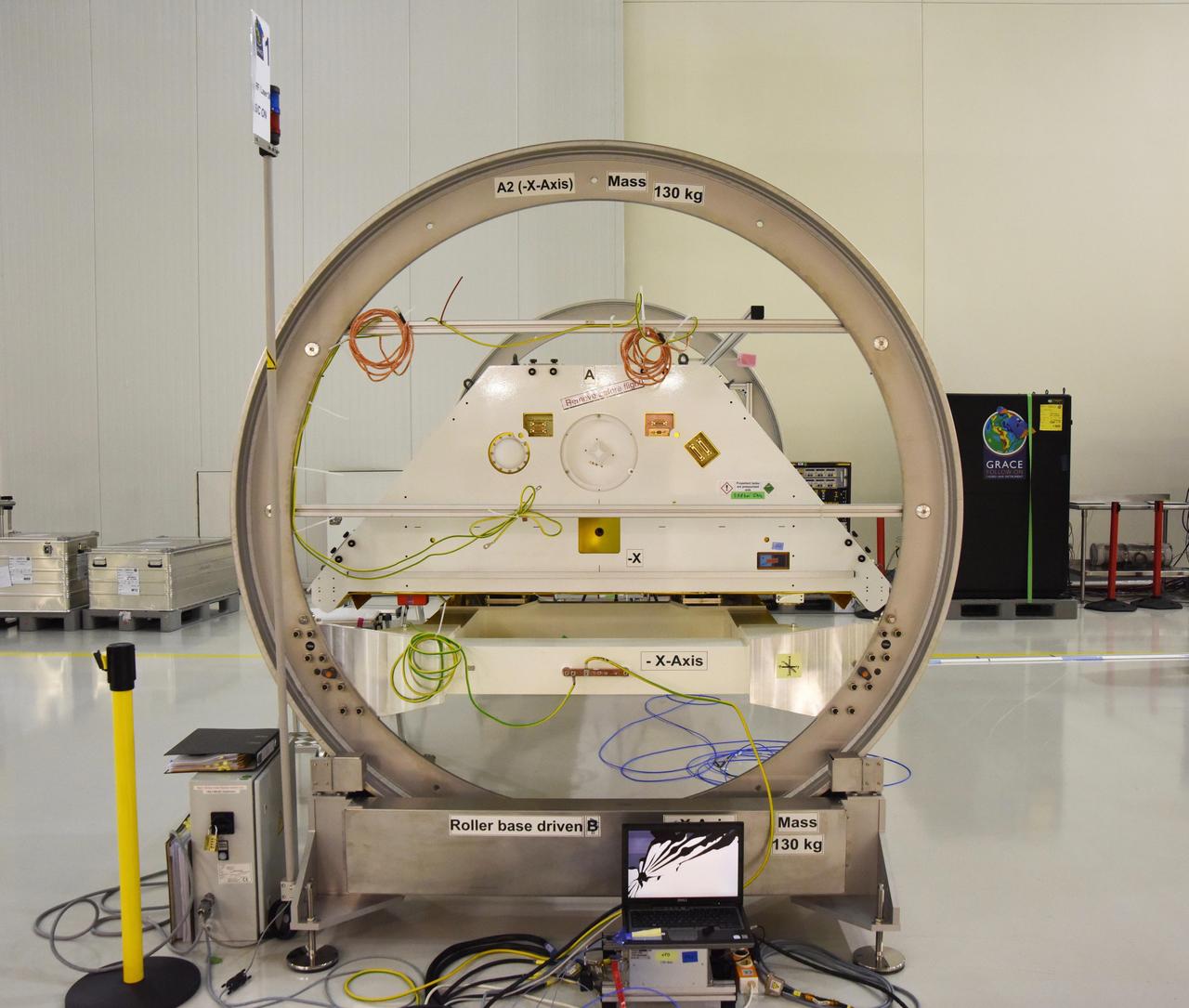
One of the two Gravity Recovery and Climate Experiment Follow-On (GRACE-FO) satellites and its turntable fixture at the Astrotech Space Operations processing facility at Vandenberg Air Force Base, California. GRACE-FO will extend GRACE's legacy of scientific achievements, which range from tracking mass changes of Earth's polar ice sheets and estimating global groundwater changes, to measuring the mass changes of large earthquakes and inferring changes in deep ocean currents, a driving force in climate. To date, GRACE observations have been used in more than 4,300 research publications. Its measurements provide a unique view of the Earth system and have far-reaching benefits to society, such as providing insights into where global groundwater resources may be shrinking or growing and where dry soils are contributing to drought. GRACE-FO is planned to fly at least five years. https://photojournal.jpl.nasa.gov/catalog/PIA22339
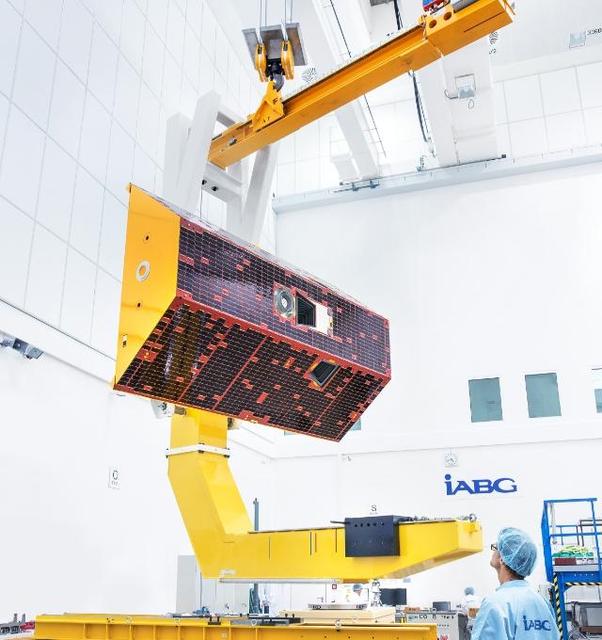
At the Harris Spaceport Systems facility at Vandenberg Air Force Base in California, the twin GRACE-FO satellites are integrated with the multi-satellite dispenser structure that will be used to deploy the satellites during launch on the SpaceX Falcon 9 launch vehicle. https://photojournal.jpl.nasa.gov/catalog/PIA22444

Groundwater storage trends around the United States as measured by the NASA/German Aerospace Center Gravity Recovery and Climate Experiment GRACE satellites between 2003 and 2012.
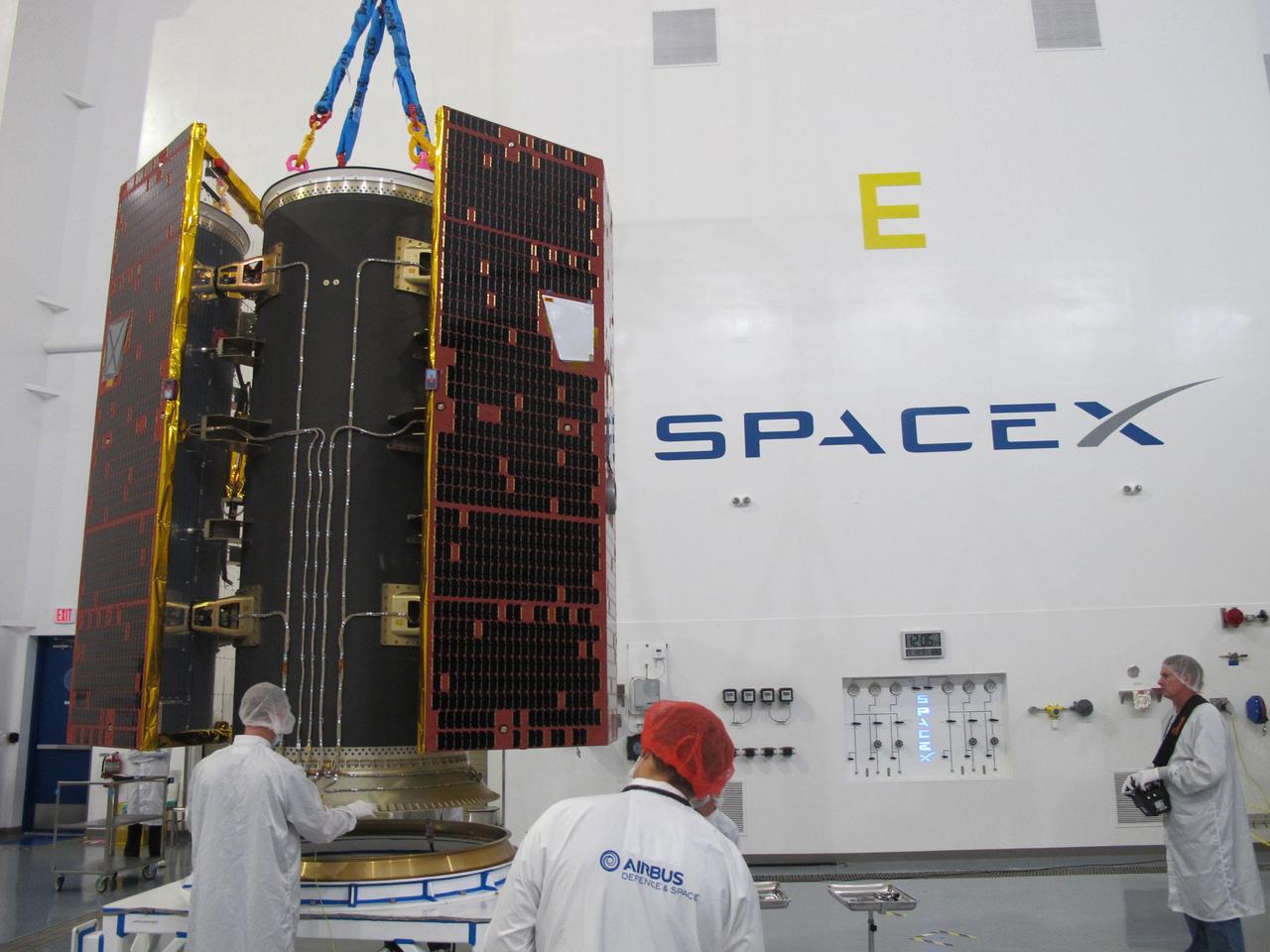
Technicians inspect the twin GRACE Follow-On satellites and their multi-satellite dispenser at the SpaceX facility at Vandenberg Air Force Base in California. The satellites were subsequently stacked atop another satellite dispenser containing the five Iridium NEXT communications satellites they will share a ride to orbit with. https://photojournal.jpl.nasa.gov/catalog/PIA22452

Illustration of the twin spacecraft of the NASA/German Research Centre for Geosciences (GFZ) Gravity Recovery and Climate Experiment Follow-On (GRACE-FO) mission. GRACE-FO will continue tracking the evolution of Earth's water cycle by monitoring changes in the distribution of mass on Earth. https://photojournal.jpl.nasa.gov/catalog/PIA22447
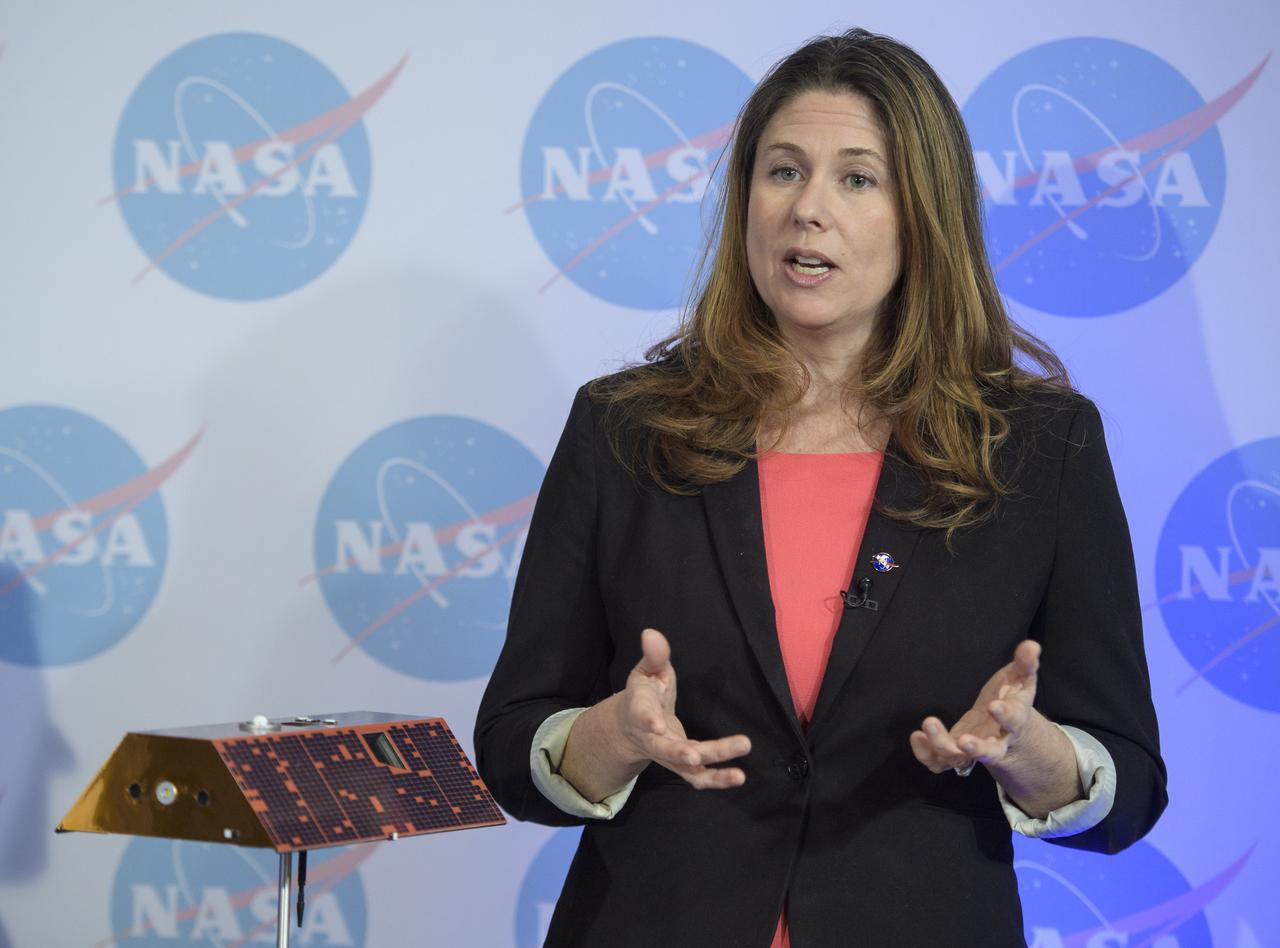
Karen Fox, of NASA's Office of Communications, introduces Michael Watkins, GRACE-FO science lead and director of NASA's Jet Propulsion Laboratory and Frank Webb, GRACE-FO project scientist at JPL, during a briefing on the upcoming launch of the Gravity Recovery and Climate Experiment Follow-On (GRACE-FO) mission, Monday, April 30, 2018 at NASA Headquarters in Washington. The twin GRACE-FO spacecraft will measure and monitor monthly changes in how mass is redistributed within and among Earth's atmosphere, oceans, land and ice sheets, as well as within Earth itself. Photo Credit: (NASA/Joel Kowsky)
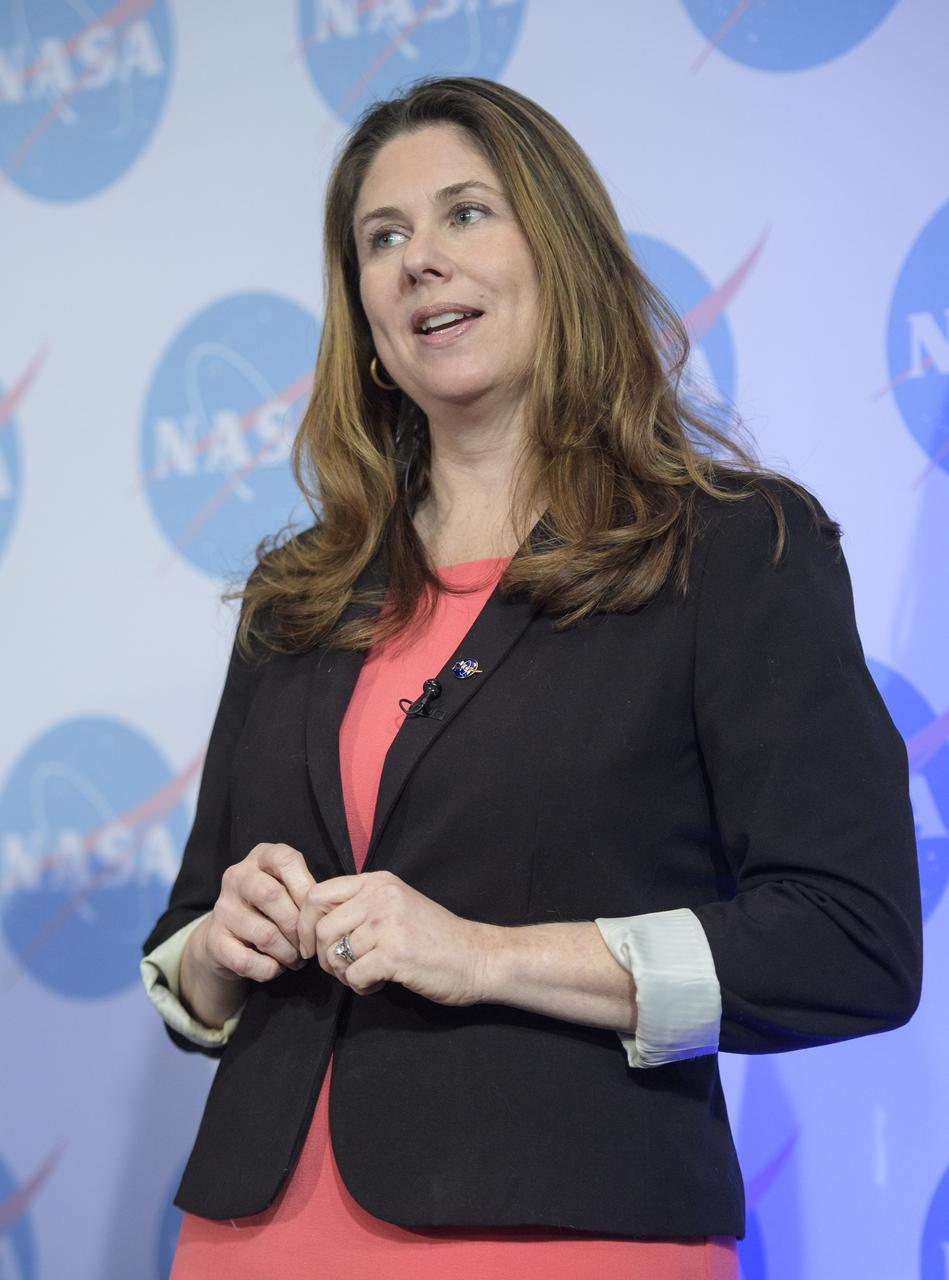
Karen Fox of NASA's Office of Communications, introduces David Jarrett, GRACE-FO program executive in the Earth Science Division at NASA Headquarters and Phil Morton, NASA GRACE-FO project manager at JPL, during a briefing on the upcoming launch of the Gravity Recovery and Climate Experiment Follow-On (GRACE-FO) mission, Monday, April 30, 2018 at NASA Headquarters in Washington. The twin GRACE-FO spacecraft will measure and monitor monthly changes in how mass is redistributed within and among Earth's atmosphere, oceans, land and ice sheets, as well as within Earth itself. Photo Credit: (NASA/Joel Kowsky)
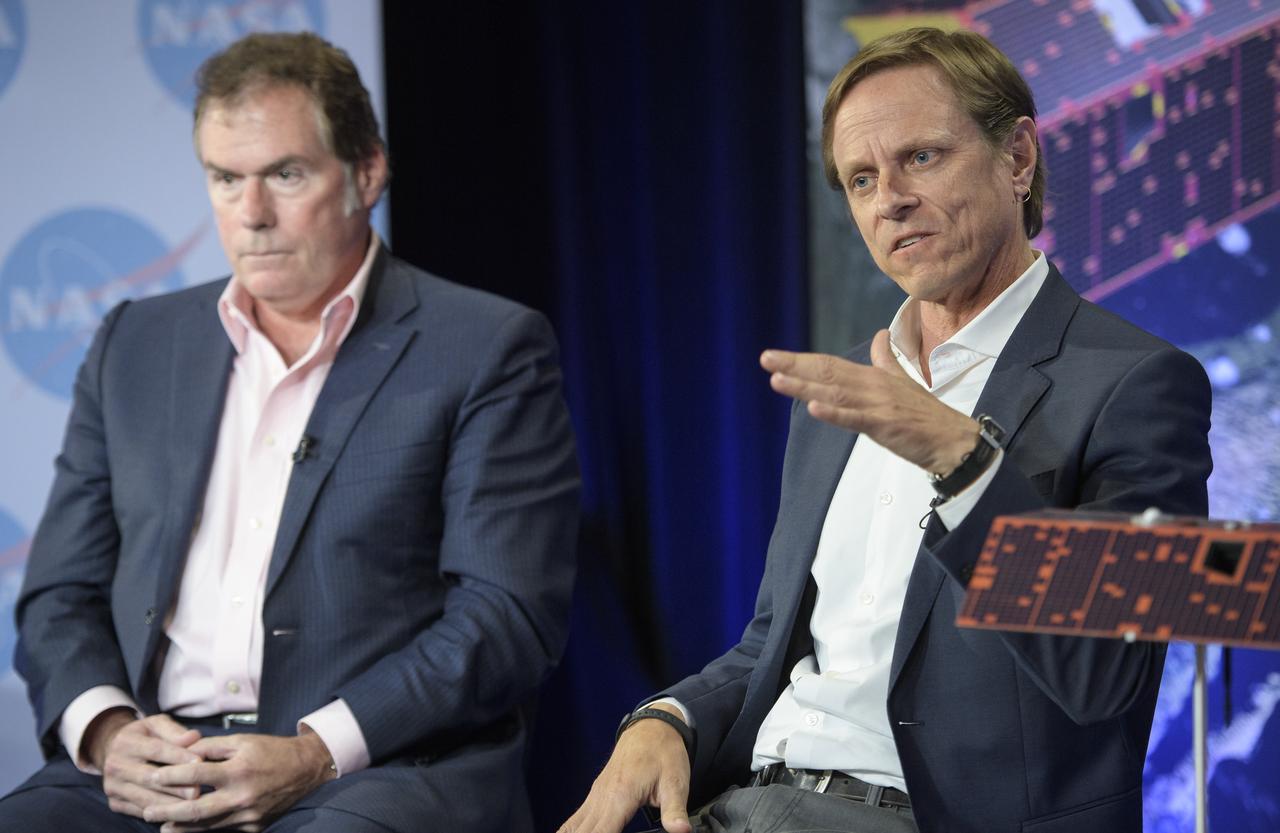
Frank Webb, GRACE-FO project scientist at JPL, discusses the upcoming launch of the Gravity Recovery and Climate Experiment Follow-On (GRACE-FO) mission, Monday, April 30, 2018 at NASA Headquarters in Washington. The twin GRACE-FO spacecraft will measure and monitor monthly changes in how mass is redistributed within and among Earth's atmosphere, oceans, land and ice sheets, as well as within Earth itself. Photo Credit: (NASA/Joel Kowsky)
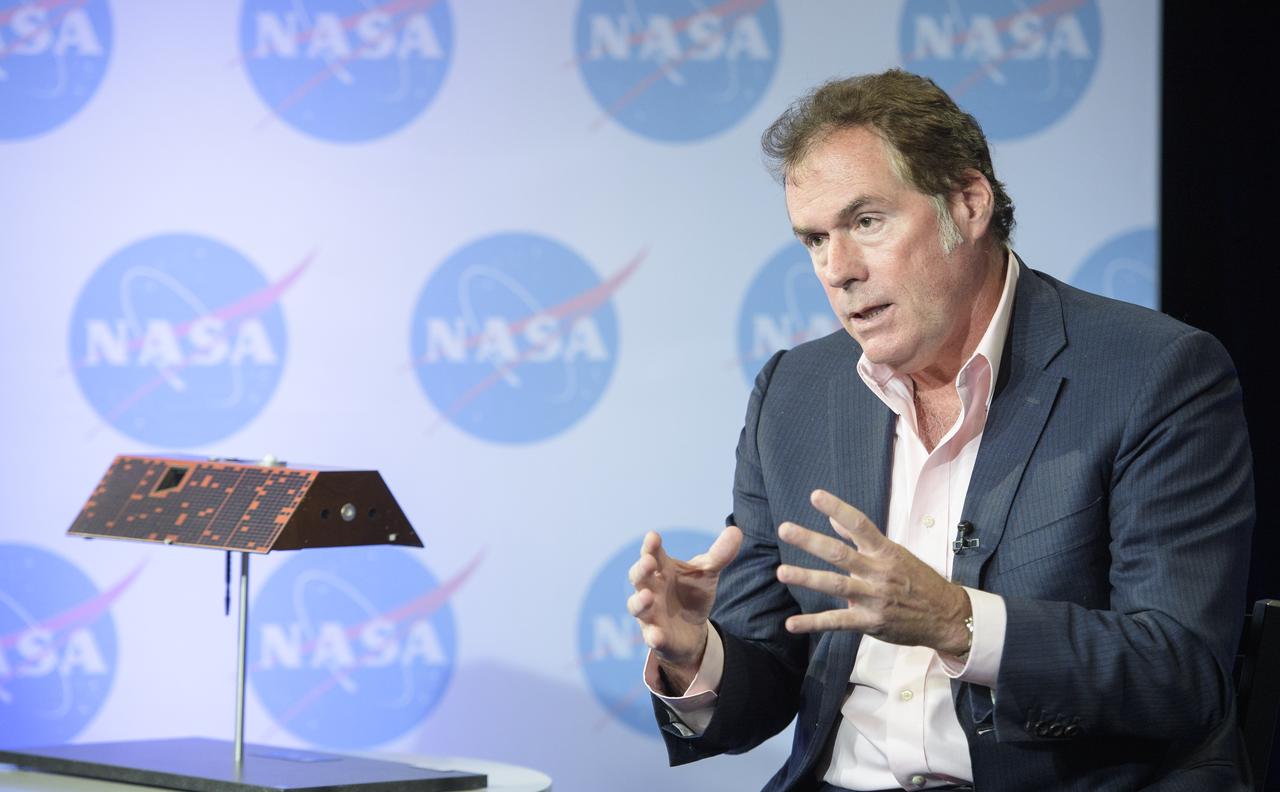
Michael Watkins, GRACE-FO science lead and director of NASA's Jet Propulsion Laboratory, discusses the upcoming launch of the Gravity Recovery and Climate Experiment Follow-On (GRACE-FO) mission, Monday, April 30, 2018 at NASA Headquarters in Washington. The twin GRACE-FO spacecraft will measure and monitor monthly changes in how mass is redistributed within and among Earth's atmosphere, oceans, land and ice sheets, as well as within Earth itself. Photo Credit: (NASA/Joel Kowsky)

Michael Watkins, GRACE-FO science lead and director of NASA's Jet Propulsion Laboratory, discusses the upcoming launch of the Gravity Recovery and Climate Experiment Follow-On (GRACE-FO) mission, Monday, April 30, 2018 at NASA Headquarters in Washington. The twin GRACE-FO spacecraft will measure and monitor monthly changes in how mass is redistributed within and among Earth's atmosphere, oceans, land and ice sheets, as well as within Earth itself. Photo Credit: (NASA/Joel Kowsky)
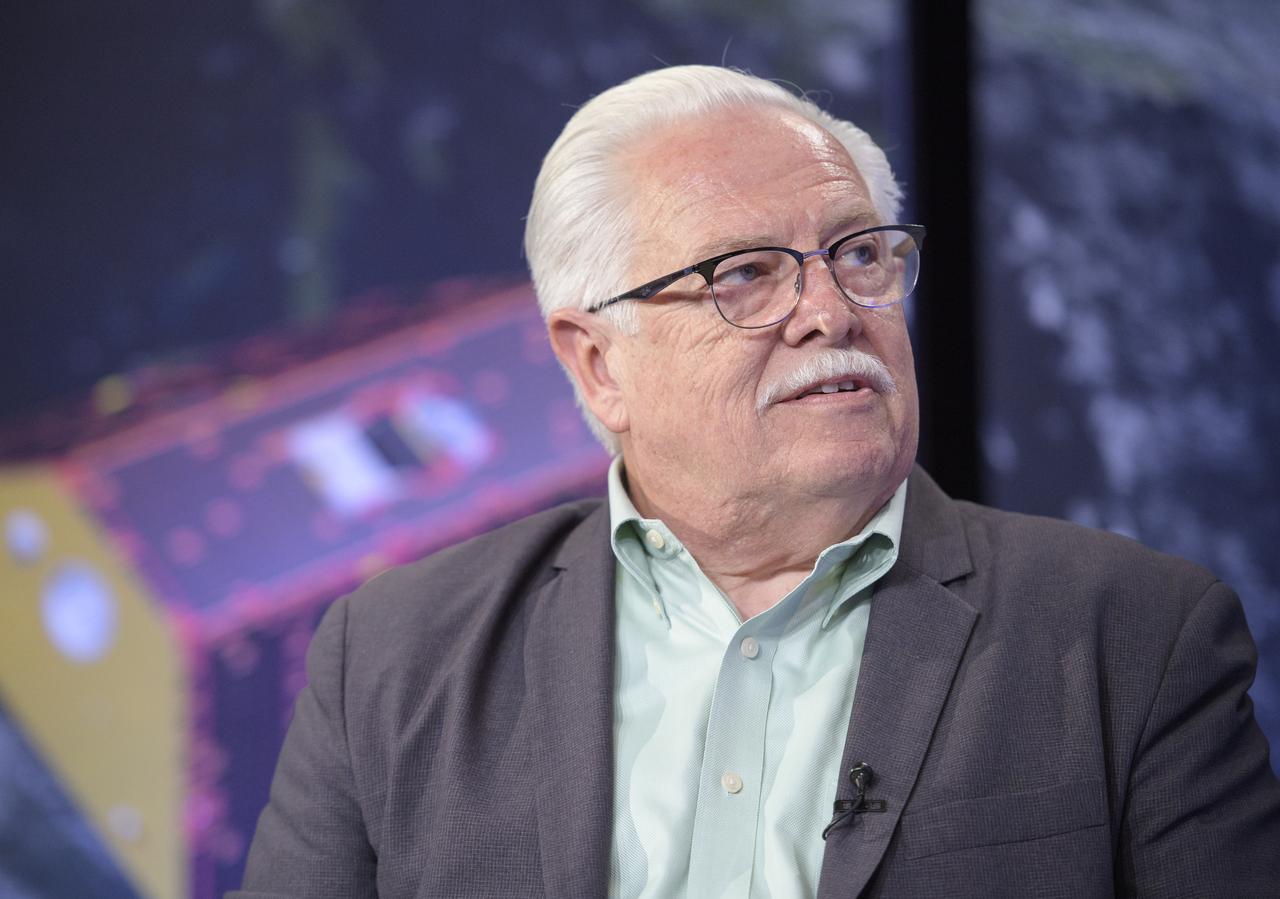
Phil Morton, NASA GRACE-FO project manager at JPL, discusses the upcoming launch of the Gravity Recovery and Climate Experiment Follow-On (GRACE-FO) mission, Monday, April 30, 2018 at NASA Headquarters in Washington. The twin GRACE-FO spacecraft will measure and monitor monthly changes in how mass is redistributed within and among Earth's atmosphere, oceans, land and ice sheets, as well as within Earth itself. Photo Credit: (NASA/Joel Kowsky)
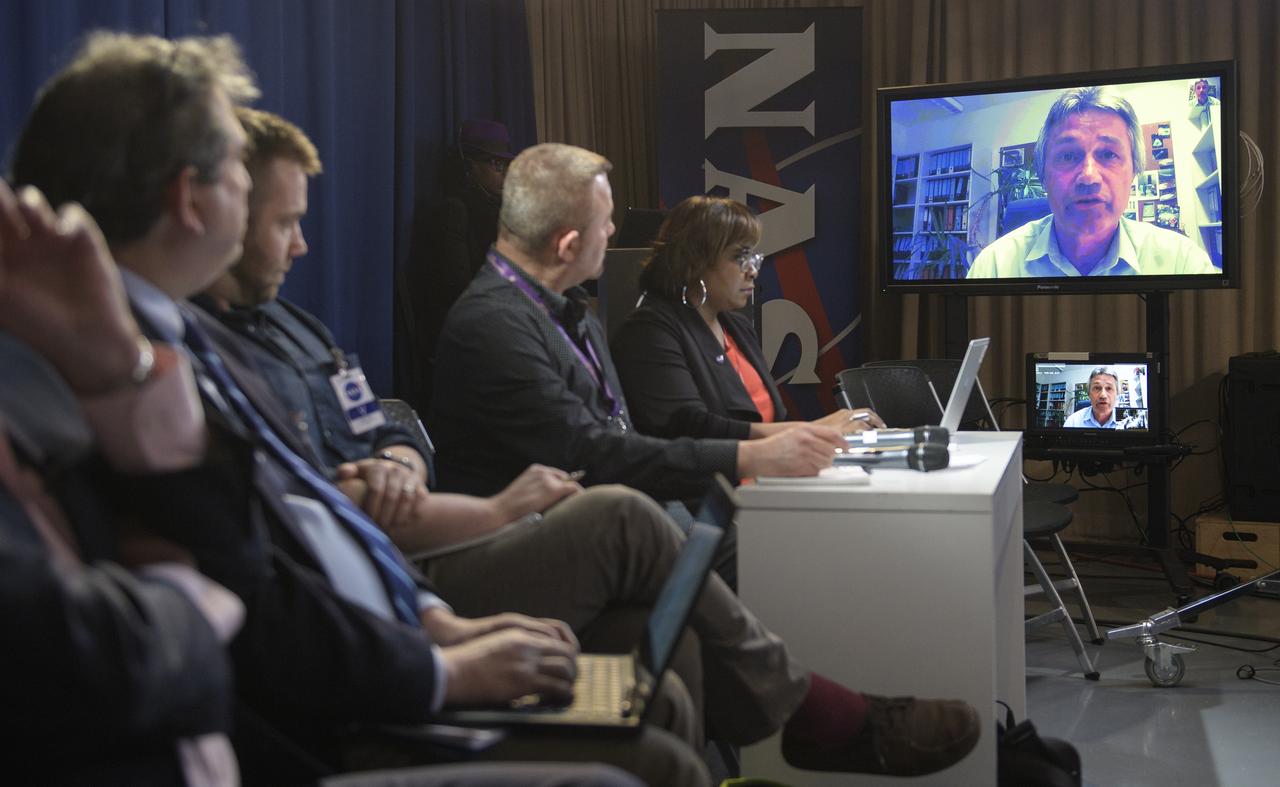
Frank Flechtner, GRACE-FO project manager for the German Research Centre for Geosciences (GFZ) in Potsdam, Germany, participates in a briefing on the upcoming launch of the Gravity Recovery and Climate Experiment Follow-On (GRACE-FO) mission via a remote video link, Monday, April 30, 2018 at NASA Headquarters in Washington. The twin GRACE-FO spacecraft will measure and monitor monthly changes in how mass is redistributed within and among Earth's atmosphere, oceans, land and ice sheets, as well as within Earth itself. Photo Credit: (NASA/Joel Kowsky)
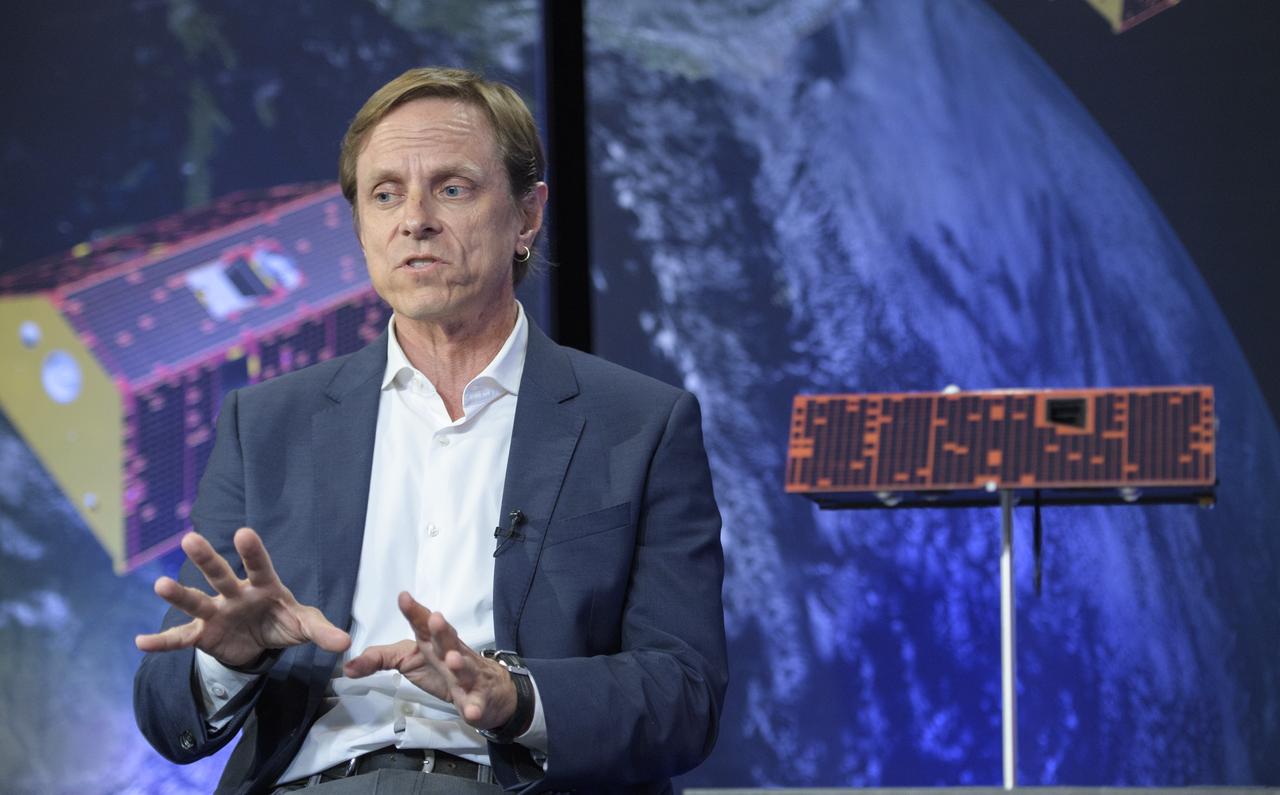
Frank Webb, GRACE-FO project scientist at JPL, discusses the upcoming launch of the Gravity Recovery and Climate Experiment Follow-On (GRACE-FO) mission, Monday, April 30, 2018 at NASA Headquarters in Washington. The twin GRACE-FO spacecraft will measure and monitor monthly changes in how mass is redistributed within and among Earth's atmosphere, oceans, land and ice sheets, as well as within Earth itself. Photo Credit: (NASA/Joel Kowsky)
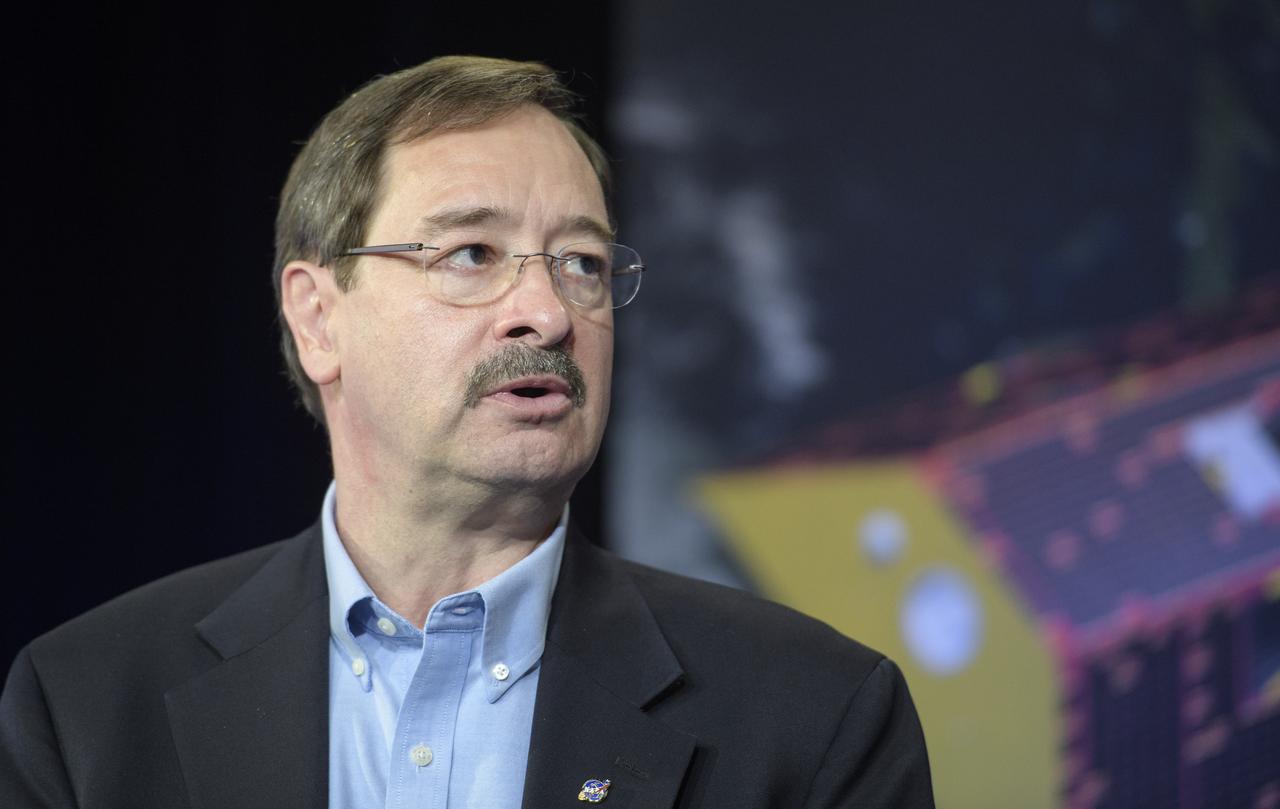
David Jarrett, GRACE-FO program executive in the Earth Science Division at NASA Headquarters, discusses the upcoming launch of the Gravity Recovery and Climate Experiment Follow-On (GRACE-FO) mission, Monday, April 30, 2018 at NASA Headquarters in Washington. The twin GRACE-FO spacecraft will measure and monitor monthly changes in how mass is redistributed within and among Earth's atmosphere, oceans, land and ice sheets, as well as within Earth itself. Photo Credit: (NASA/Joel Kowsky)
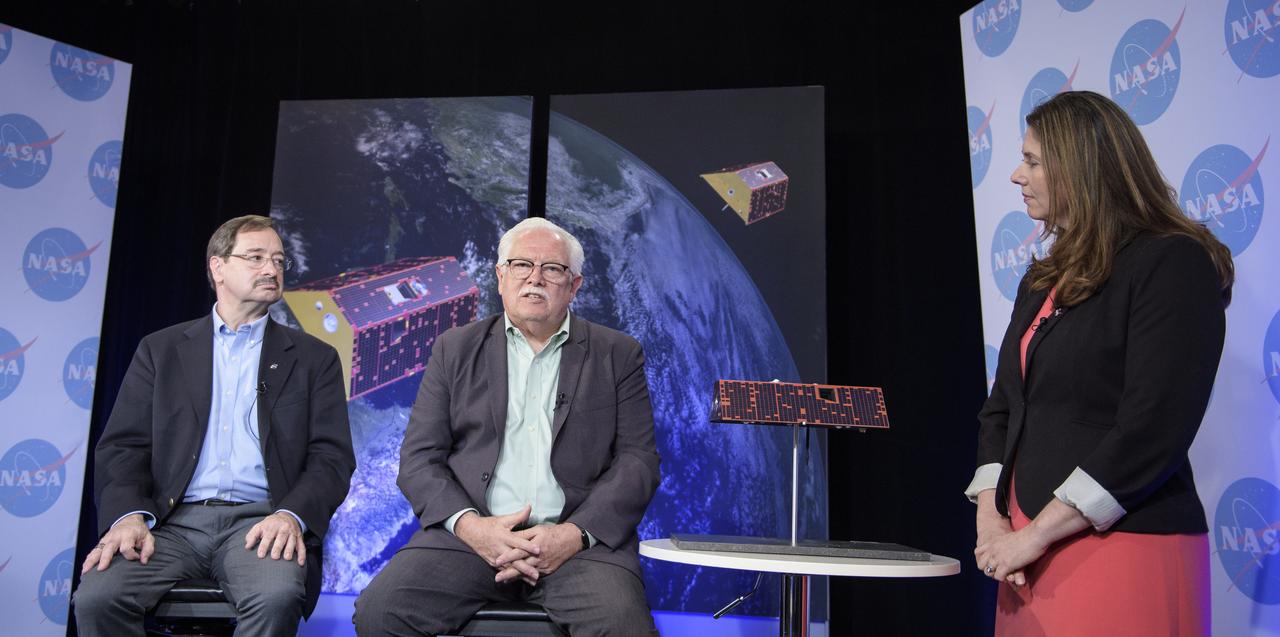
David Jarrett, GRACE-FO program executive in the Earth Science Division at NASA Headquarters, left, and Phil Morton, NASA GRACE-FO project manager at JPL, discuss the upcoming launch of the Gravity Recovery and Climate Experiment Follow-On (GRACE-FO) mission with Karen Fox of NASA's Office of Communications, Monday, April 30, 2018 at NASA Headquarters in Washington. The twin GRACE-FO spacecraft will measure and monitor monthly changes in how mass is redistributed within and among Earth's atmosphere, oceans, land and ice sheets, as well as within Earth itself. Photo Credit: (NASA/Joel Kowsky)
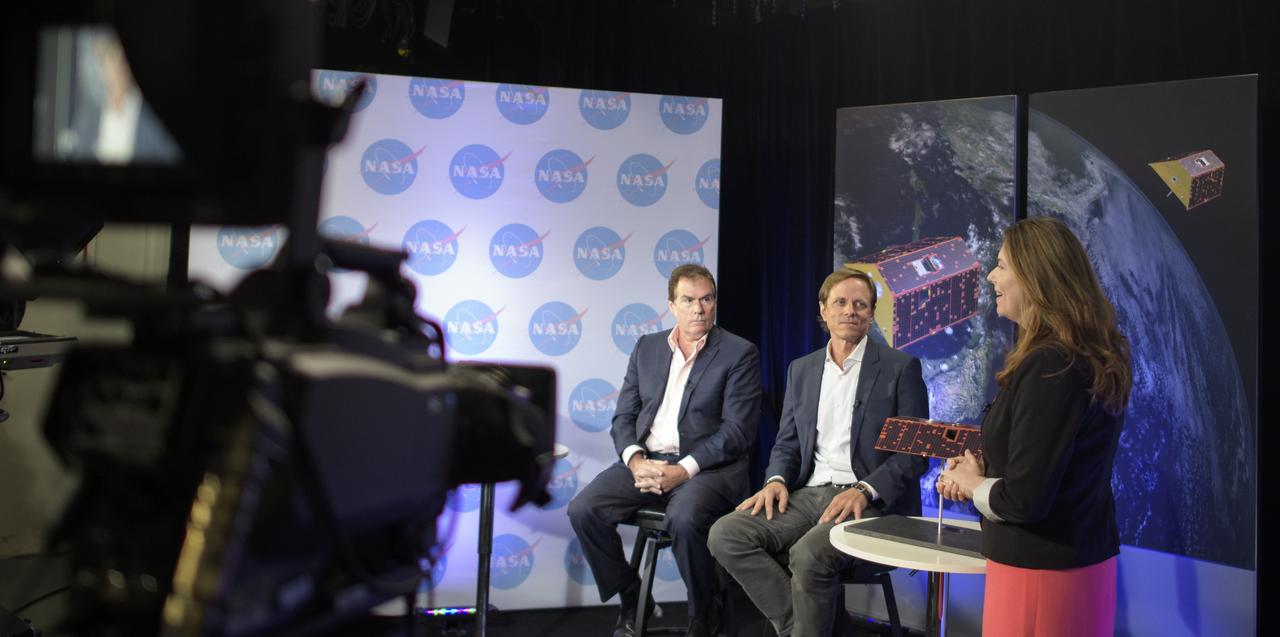
Karen Fox, of NASA's Office of Communications, right, discusses the upcoming launch of the Gravity Recovery and Climate Experiment Follow-On (GRACE-FO) mission with Michael Watkins, GRACE-FO science lead and director of NASA's Jet Propulsion Laboratory, left, and Frank Webb, GRACE-FO project scientist at JPL, Monday, April 30, 2018 at NASA Headquarters in Washington. The twin GRACE-FO spacecraft will measure and monitor monthly changes in how mass is redistributed within and among Earth's atmosphere, oceans, land and ice sheets, as well as within Earth itself. Photo Credit: (NASA/Joel Kowsky)

A model of one of the twin Gravity Recovery and Climate Experiment Follow-On (GRACE-FO) spacecraft is seen following a pre-launch briefing on the mission, Monday, April 30, 2018 at NASA Headquarters in Washington. The twin GRACE-FO spacecraft will measure and monitor monthly changes in how mass is redistributed within and among Earth's atmosphere, oceans, land and ice sheets, as well as within Earth itself. Photo Credit: (NASA/Joel Kowsky)
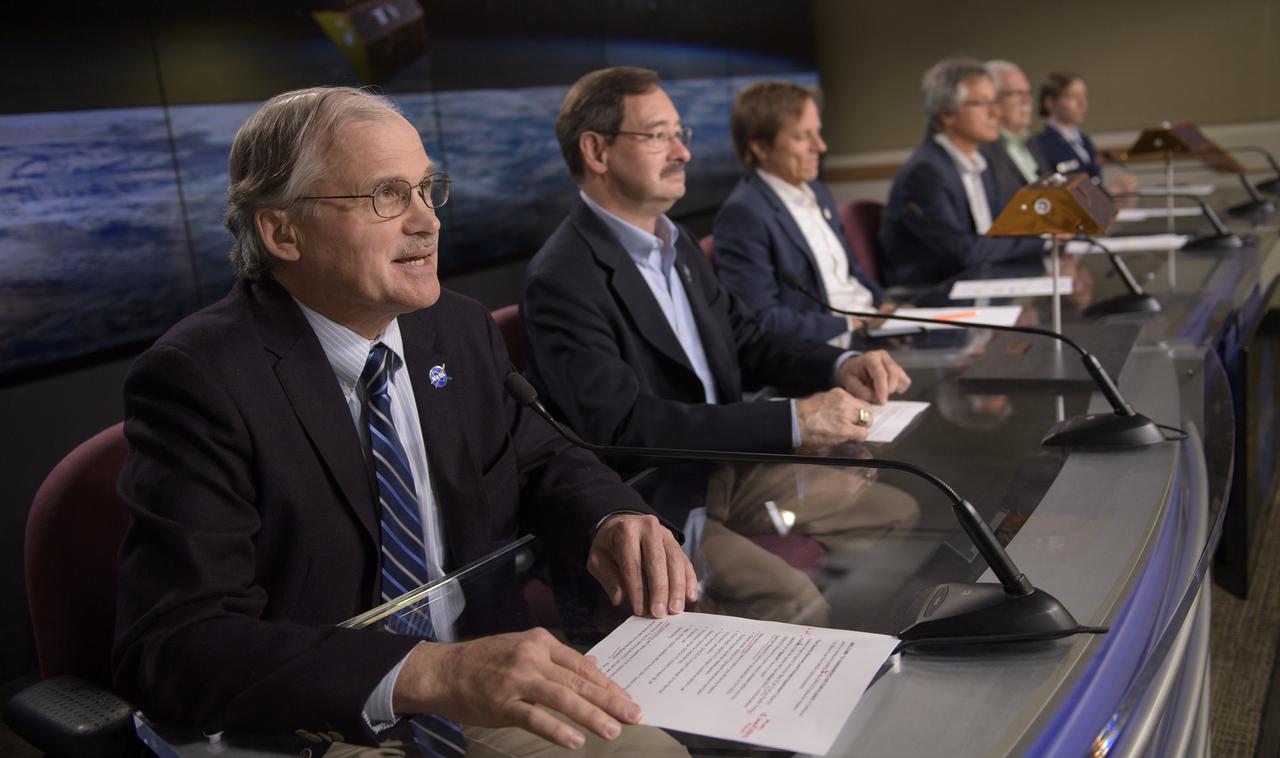
NASA Headquarters Public Affairs Officer Steve Cole, left, moderates the Gravity Recovery and Climate Experiment Follow-On (GRACE-FO) mission prelaunch media briefing with David Jarrett, GRACE-FO program executive in the Earth Science Division at NASA Headquarters; Frank Webb, GRACE-FO project scientist at JPL; Frank Flechtner, GRACE-FO project manager for the German Research Centre for Geosciences (GFZ) in Potsdam, Germany; Phil Morton, NASA GRACE-FO project manager at JPL; and Capt. Jennifer Haden, weather officer, 30th Space Wing, Vandenberg Air Force Base, right, Monday, May 21, 2018, at Vandenberg Air Force Base in California. The twin GRACE-FO spacecraft will measure changes in how mass is redistributed within and among Earth's atmosphere, oceans, land and ice sheets, as well as within Earth itself. Photo Credit: (NASA/Bill Ingalls)
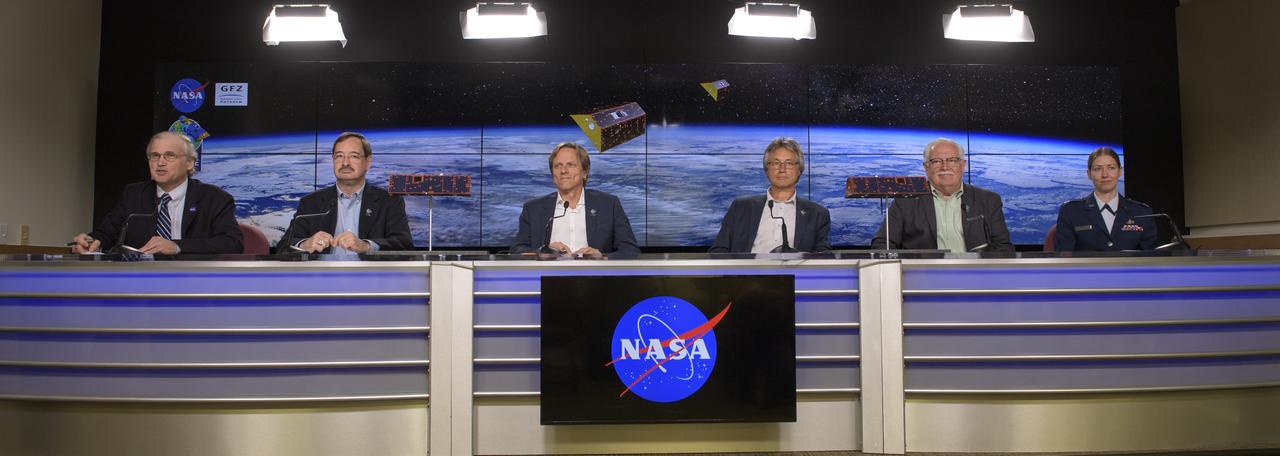
NASA Headquarters Public Affairs Officer Steve Cole, left, moderates the Gravity Recovery and Climate Experiment Follow-On (GRACE-FO) mission prelaunch media briefing with David Jarrett, GRACE-FO program executive in the Earth Science Division at NASA Headquarters; Frank Webb, GRACE-FO project scientist at JPL; Frank Flechtner, GRACE-FO project manager for the German Research Centre for Geosciences (GFZ) in Potsdam, Germany; Phil Morton, NASA GRACE-FO project manager at JPL; and Capt. Jennifer Haden, weather officer, 30th Space Wing, Vandenberg Air Force Base, right, Monday, May 21, 2018, at Vandenberg Air Force Base in California. The twin GRACE-FO spacecraft will measure changes in how mass is redistributed within and among Earth's atmosphere, oceans, land and ice sheets, as well as within Earth itself. Photo Credit: (NASA/Bill Ingalls)
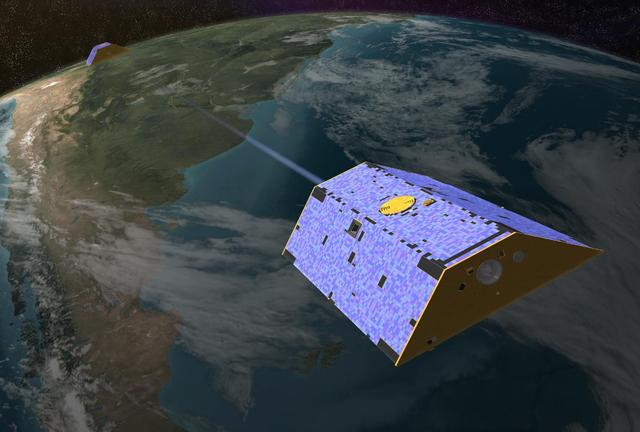
Artist concept of the Gravity Recovery and Climate Experiment GRACE from December 2002. http://photojournal.jpl.nasa.gov/catalog/PIA04236
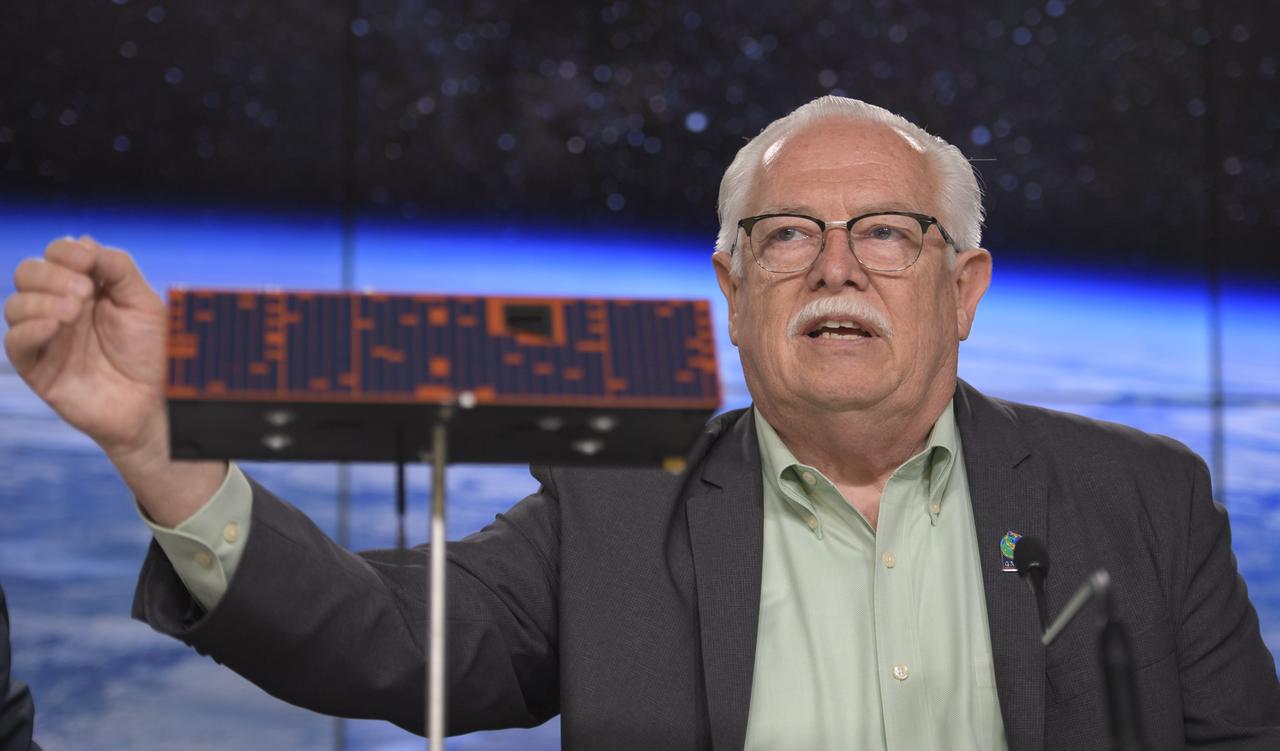
Phil Morton, NASA GRACE-FO project manager at JPL, discusses the Gravity Recovery and Climate Experiment Follow-On (GRACE-FO) mission during a prelaunch media briefing, Monday, May 21, 2018, at Vandenberg Air Force Base in California. The twin GRACE-FO spacecraft will measure changes in how mass is redistributed within and among Earth's atmosphere, oceans, land and ice sheets, as well as within Earth itself. Photo Credit: (NASA/Bill Ingalls)
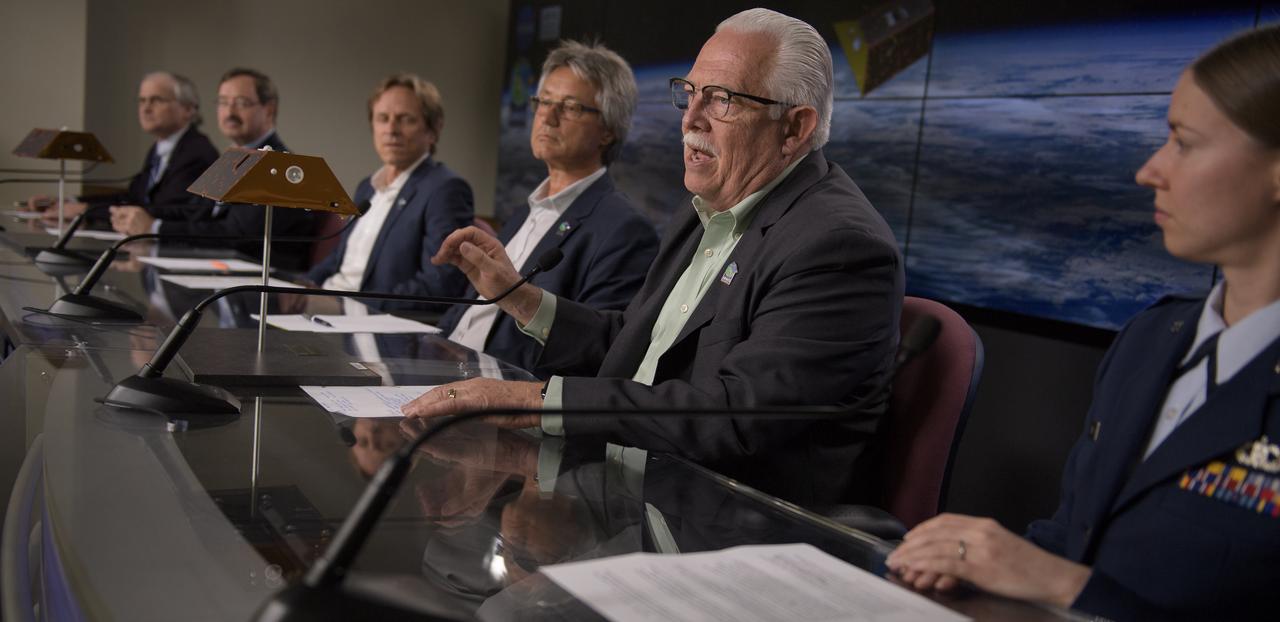
Phil Morton, NASA GRACE-FO project manager at JPL, second from right, discusses the Gravity Recovery and Climate Experiment Follow-On (GRACE-FO) mission during a prelaunch media briefing, Monday, May 21, 2018, at Vandenberg Air Force Base in California. The twin GRACE-FO spacecraft will measure changes in how mass is redistributed within and among Earth's atmosphere, oceans, land and ice sheets, as well as within Earth itself. Photo Credit: (NASA/Bill Ingalls)
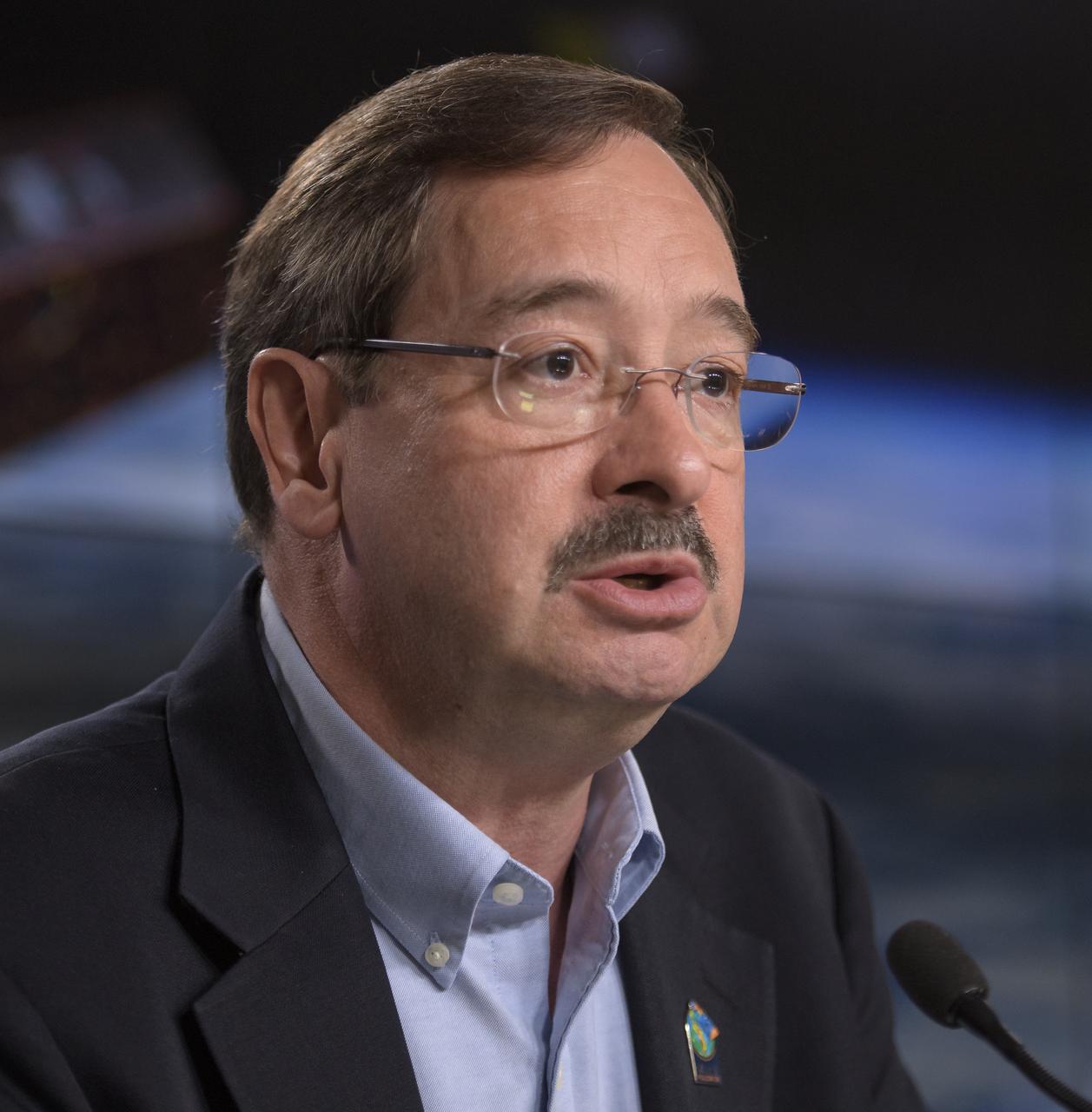
David Jarrett, GRACE-FO program executive in the Earth Science Division at NASA Headquarters, discusses the Gravity Recovery and Climate Experiment Follow-On (GRACE-FO) mission during a prelaunch media briefing, Monday, May 21, 2018, at Vandenberg Air Force Base in California. The twin GRACE-FO spacecraft will measure changes in how mass is redistributed within and among Earth's atmosphere, oceans, land and ice sheets, as well as within Earth itself. Photo Credit: (NASA/Bill Ingalls)
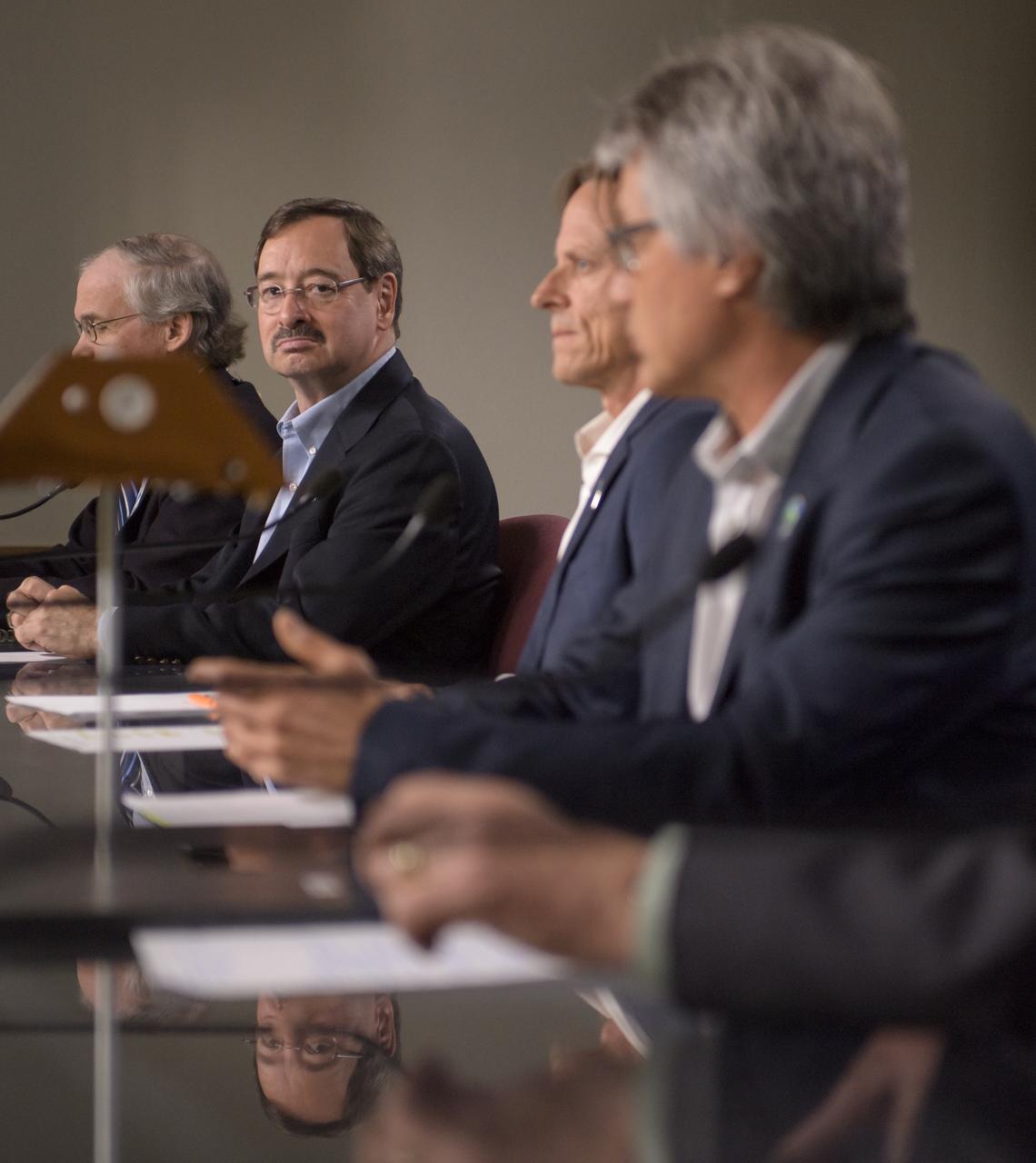
David Jarrett, GRACE-FO program executive in the Earth Science Division at NASA Headquarters is seen during a Gravity Recovery and Climate Experiment Follow-On (GRACE-FO) mission prelaunch media briefing, Monday, May 21, 2018, at Vandenberg Air Force Base in California. The twin GRACE-FO spacecraft will measure changes in how mass is redistributed within and among Earth's atmosphere, oceans, land and ice sheets, as well as within Earth itself. Photo Credit: (NASA/Bill Ingalls)
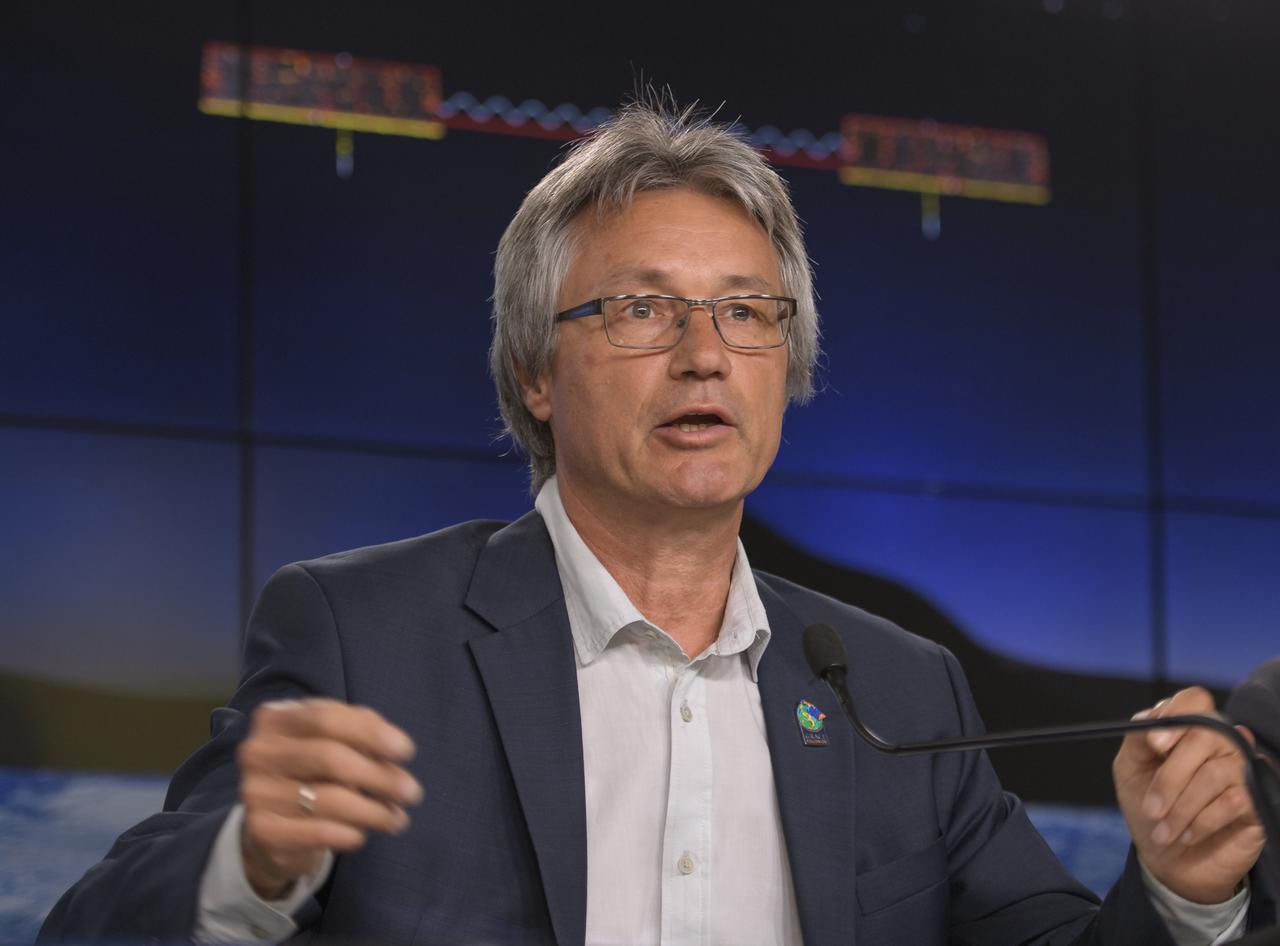
Frank Flechtner, GRACE-FO project manager for the German Research Centre for Geosciences (GFZ) in Potsdam, Germany, discusses the Gravity Recovery and Climate Experiment Follow-On (GRACE-FO) mission during a prelaunch media briefing, Monday, May 21, 2018, at Vandenberg Air Force Base in California. The twin GRACE-FO spacecraft will measure changes in how mass is redistributed within and among Earth's atmosphere, oceans, land and ice sheets, as well as within Earth itself. Photo Credit: (NASA/Bill Ingalls)
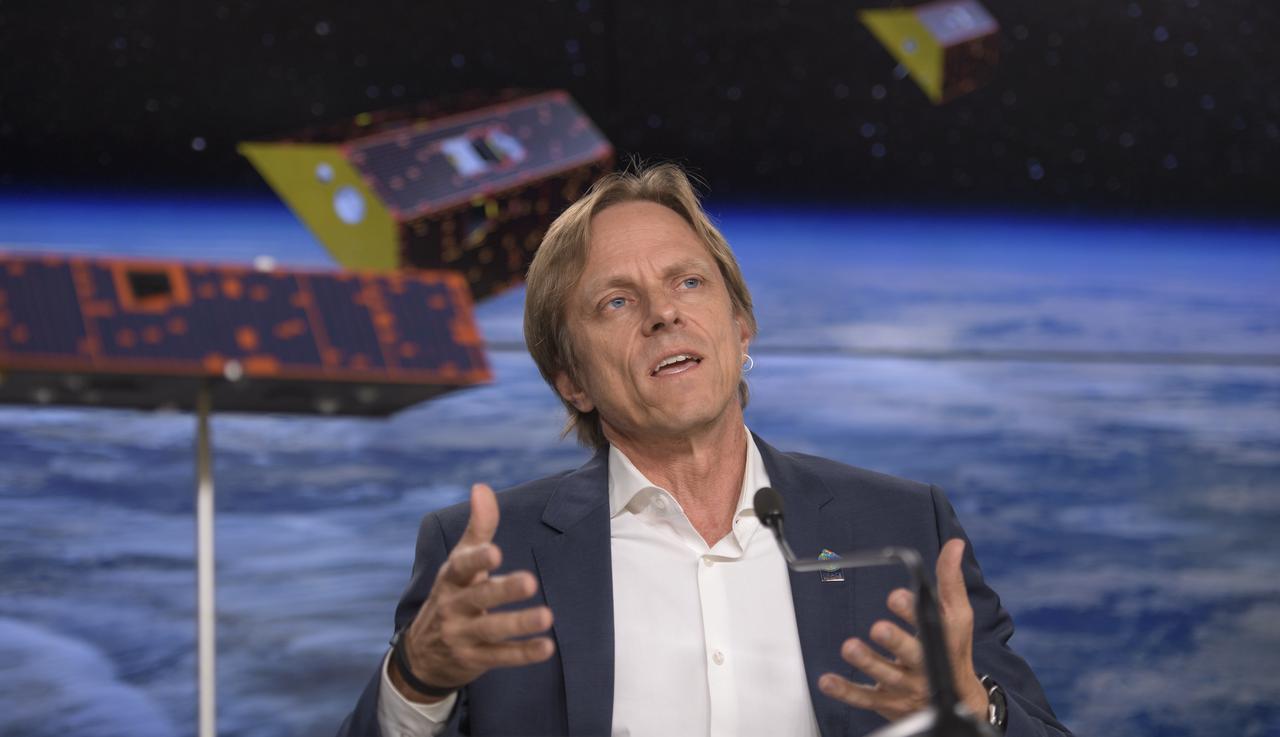
Frank Webb, GRACE-FO project scientist at JPL, discusses the Gravity Recovery and Climate Experiment Follow-On (GRACE-FO) mission during a prelaunch media briefing, Monday, May 21, 2018, at Vandenberg Air Force Base in California. The twin GRACE-FO spacecraft will measure changes in how mass is redistributed within and among Earth's atmosphere, oceans, land and ice sheets, as well as within Earth itself. Photo Credit: (NASA/Bill Ingalls)
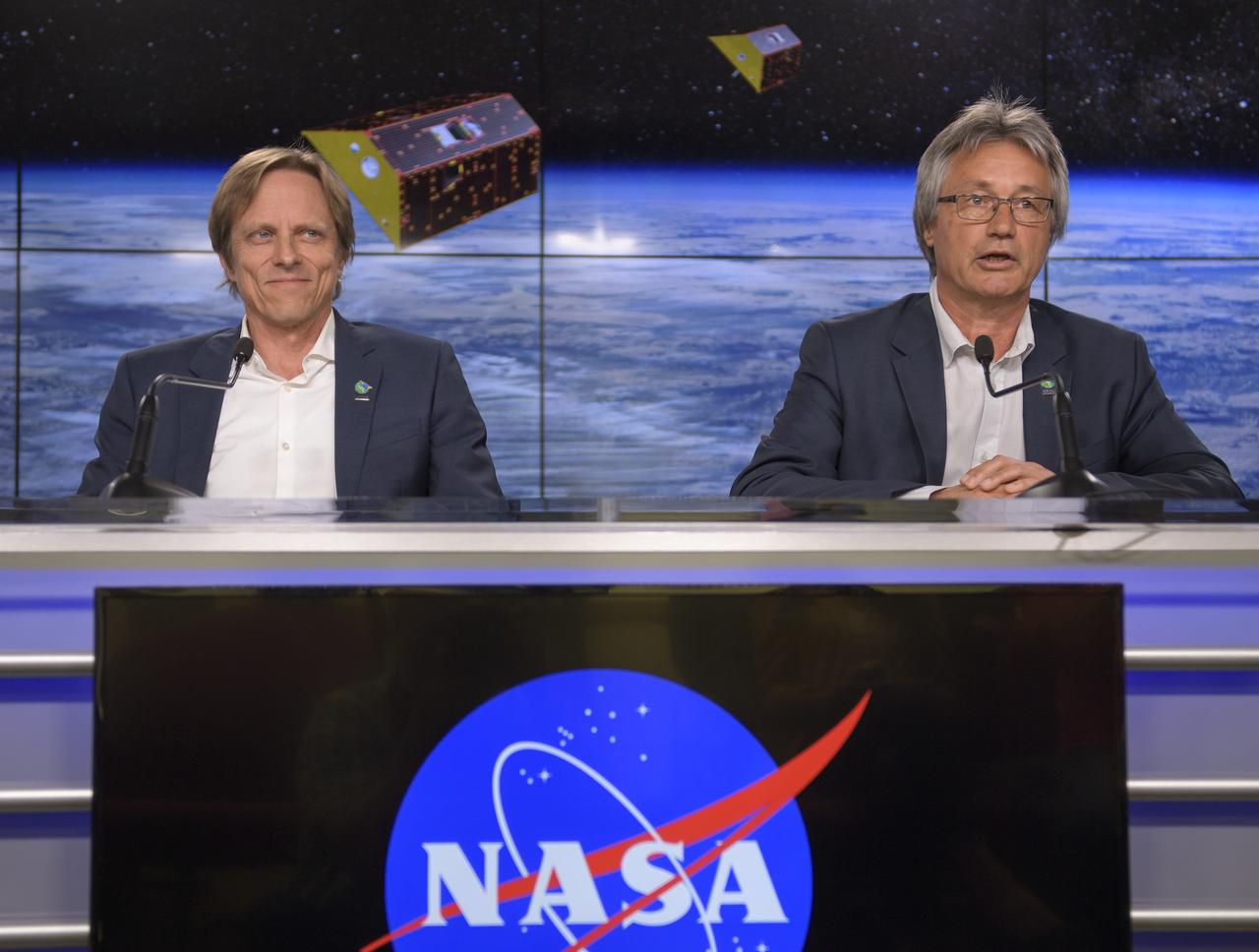
Frank Webb, GRACE-FO project scientist at JPL, left, and \Frank Flechtner, discuss the Gravity Recovery and Climate Experiment Follow-On (GRACE-FO) mission during a prelaunch media briefing, Monday, May 21, 2018, at Vandenberg Air Force Base in California. The twin GRACE-FO spacecraft will measure changes in how mass is redistributed within and among Earth's atmosphere, oceans, land and ice sheets, as well as within Earth itself. Photo Credit: (NASA/Bill Ingalls)
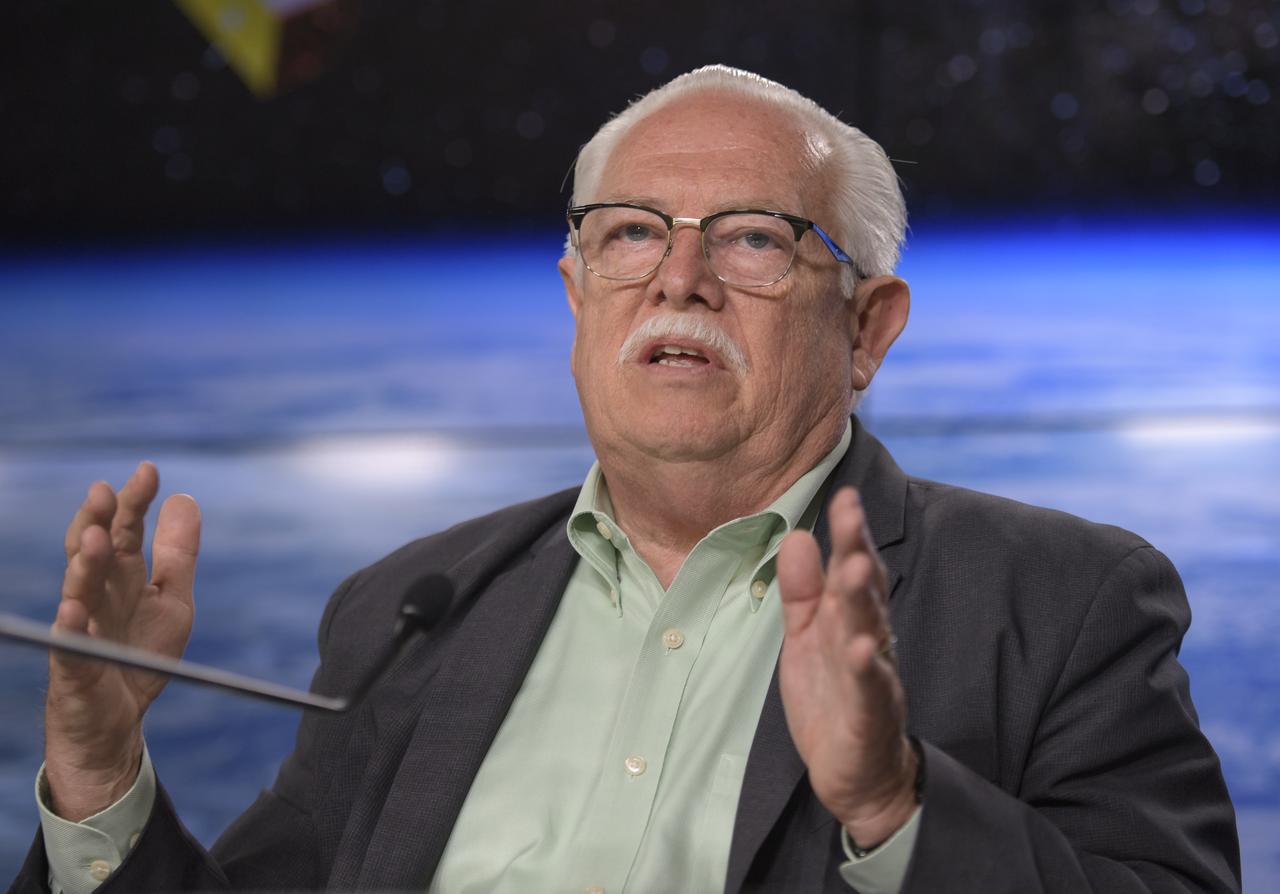
Phil Morton, NASA GRACE-FO project manager at JPL discusses the Gravity Recovery and Climate Experiment Follow-On (GRACE-FO) mission during a prelaunch media briefing, Monday, May 21, 2018, at Vandenberg Air Force Base in California. The twin GRACE-FO spacecraft will measure changes in how mass is redistributed within and among Earth's atmosphere, oceans, land and ice sheets, as well as within Earth itself. Photo Credit: (NASA/Bill Ingalls)
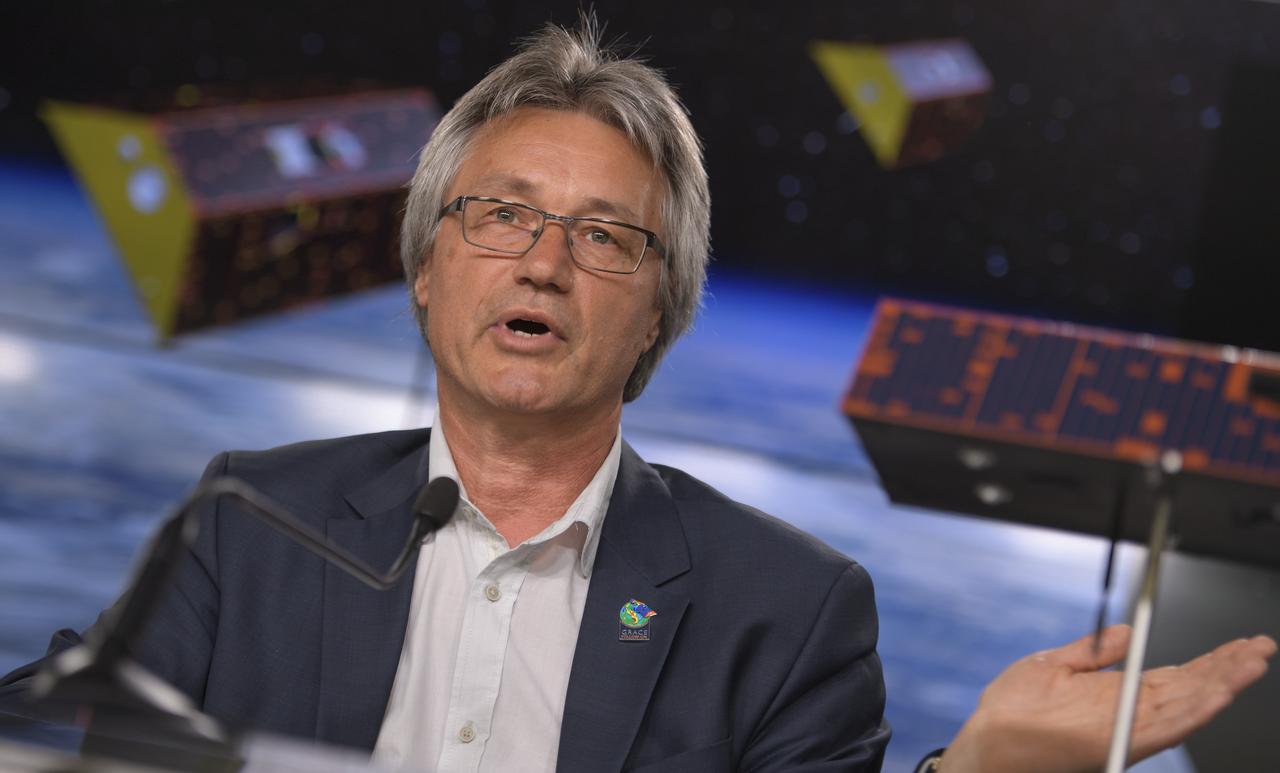
Frank Flechtner, GRACE-FO project manager for the German Research Centre for Geosciences (GFZ) in Potsdam, Germany, discusses the Gravity Recovery and Climate Experiment Follow-On (GRACE-FO) mission during a prelaunch media briefing, Monday, May 21, 2018, at Vandenberg Air Force Base in California. The twin GRACE-FO spacecraft will measure changes in how mass is redistributed within and among Earth's atmosphere, oceans, land and ice sheets, as well as within Earth itself. Photo Credit: (NASA/Bill Ingalls)

Dr. Nancy Grace Roman visits James Webb Space Telescope (JWST) and the Hubble Project Team.
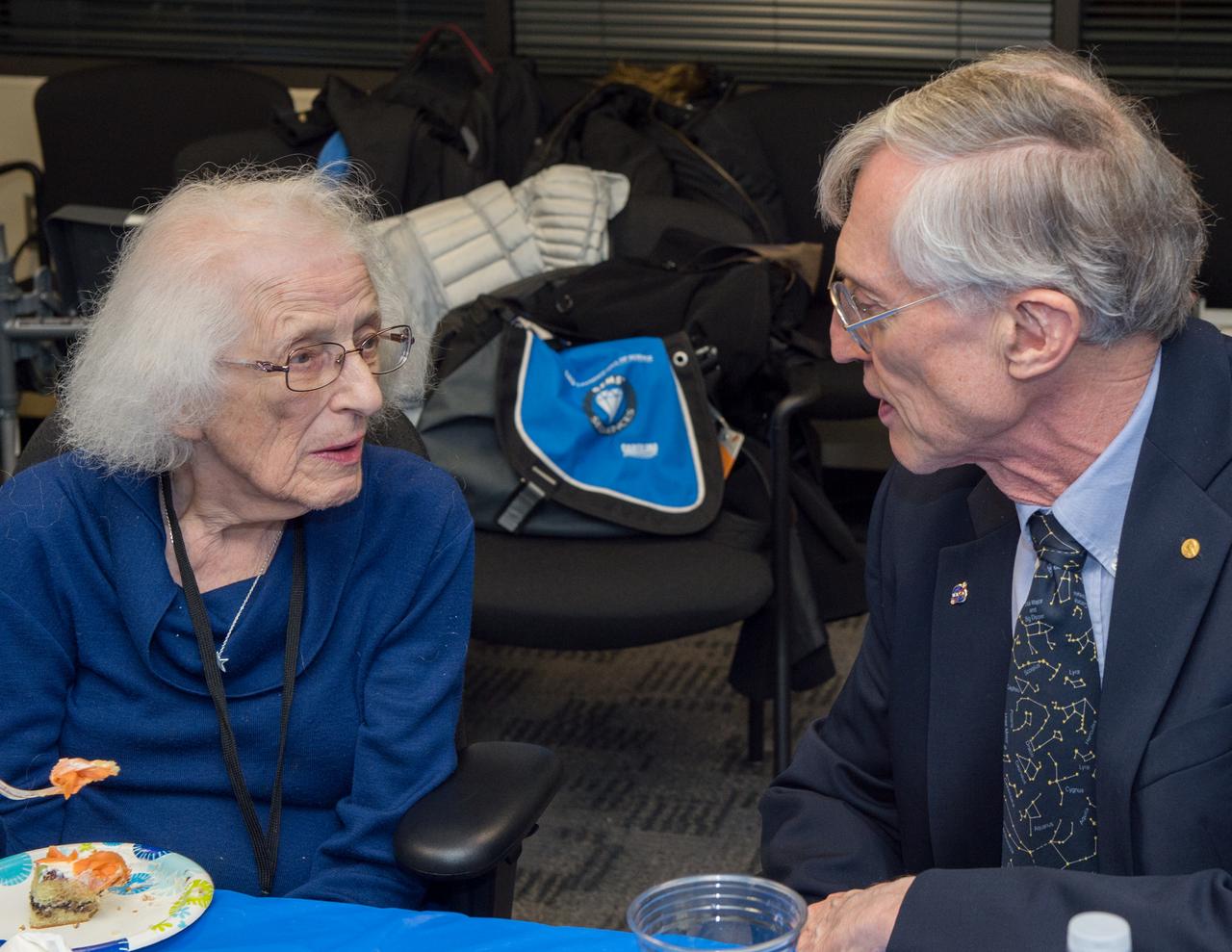
Dr. Nancy Grace Roman visits James Webb Space Telescope (JWST) and the Hubble Project Team. Dr. John Mather.

Dr. Nancy Grace Roman visits James Webb Space Telescope (JWST) and the Hubble Project Team.
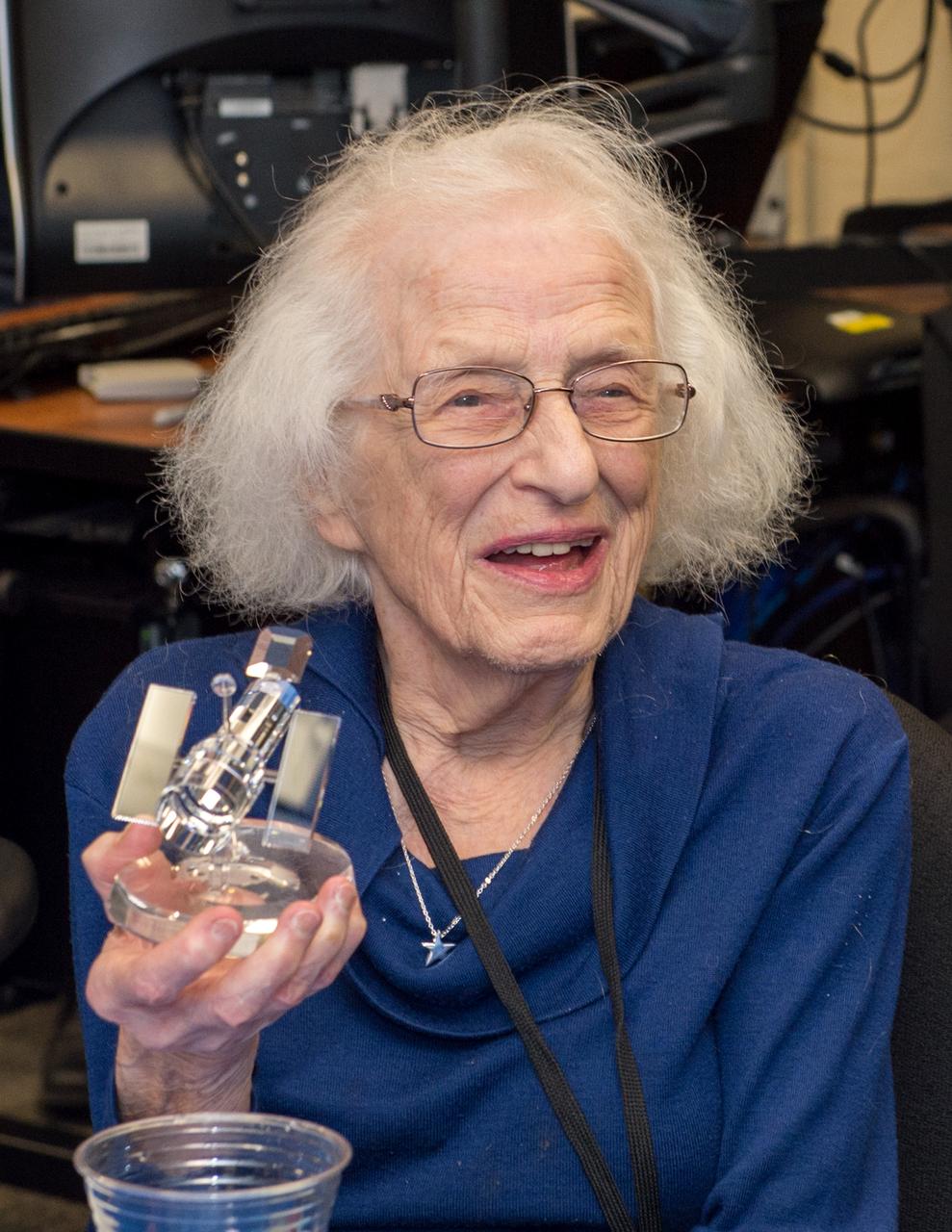
Dr. Nancy Grace Roman visits James Webb Space Telescope (JWST) and the Hubble Project Team.
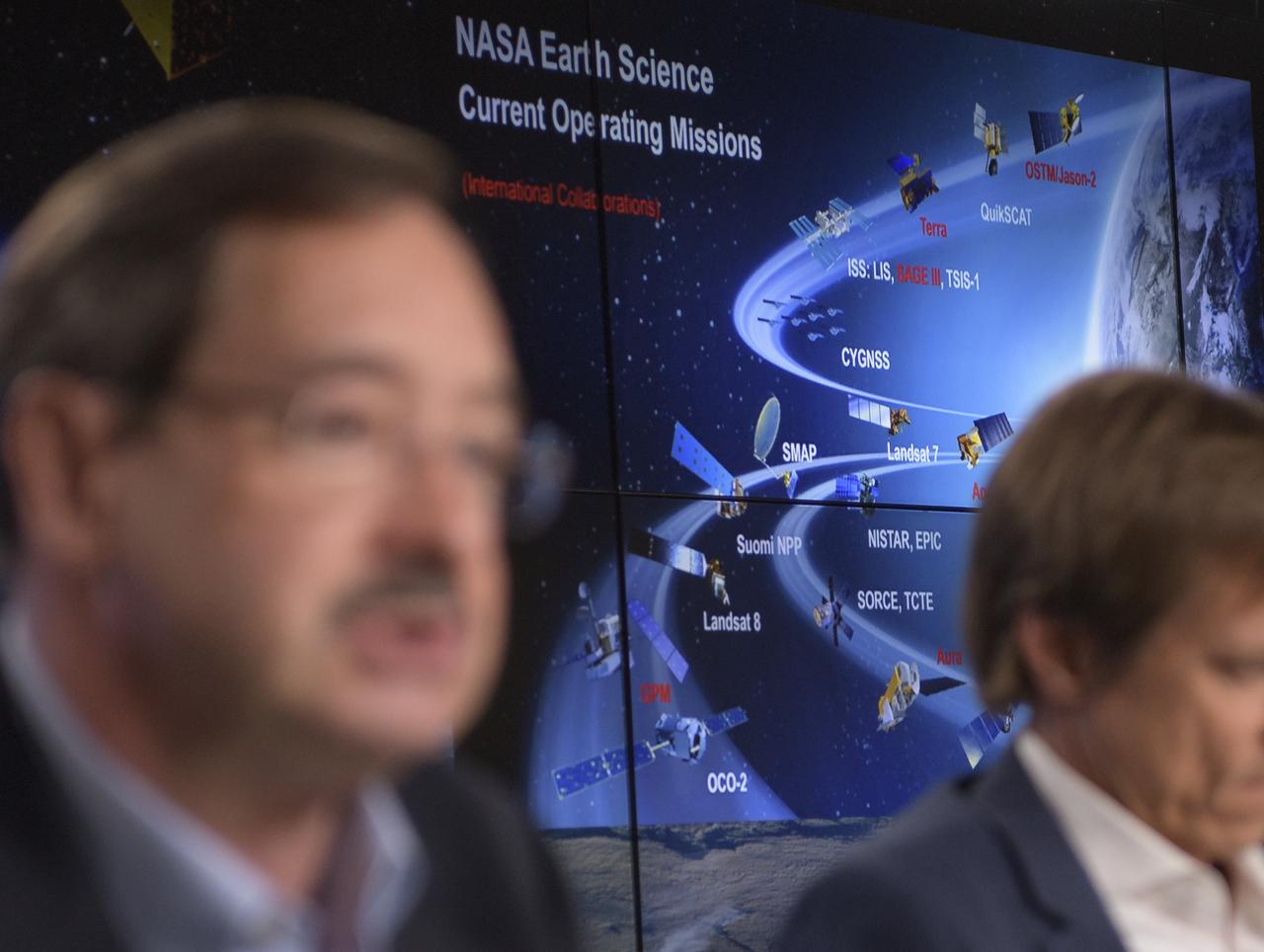
A graphic is shown as experts discuss the Gravity Recovery and Climate Experiment Follow-On (GRACE-FO) mission during a prelaunch media briefing, Monday, May 21, 2018, at Vandenberg Air Force Base in California. The twin GRACE-FO spacecraft will measure changes in how mass is redistributed within and among Earth's atmosphere, oceans, land and ice sheets, as well as within Earth itself. Photo Credit: (NASA/Bill Ingalls)
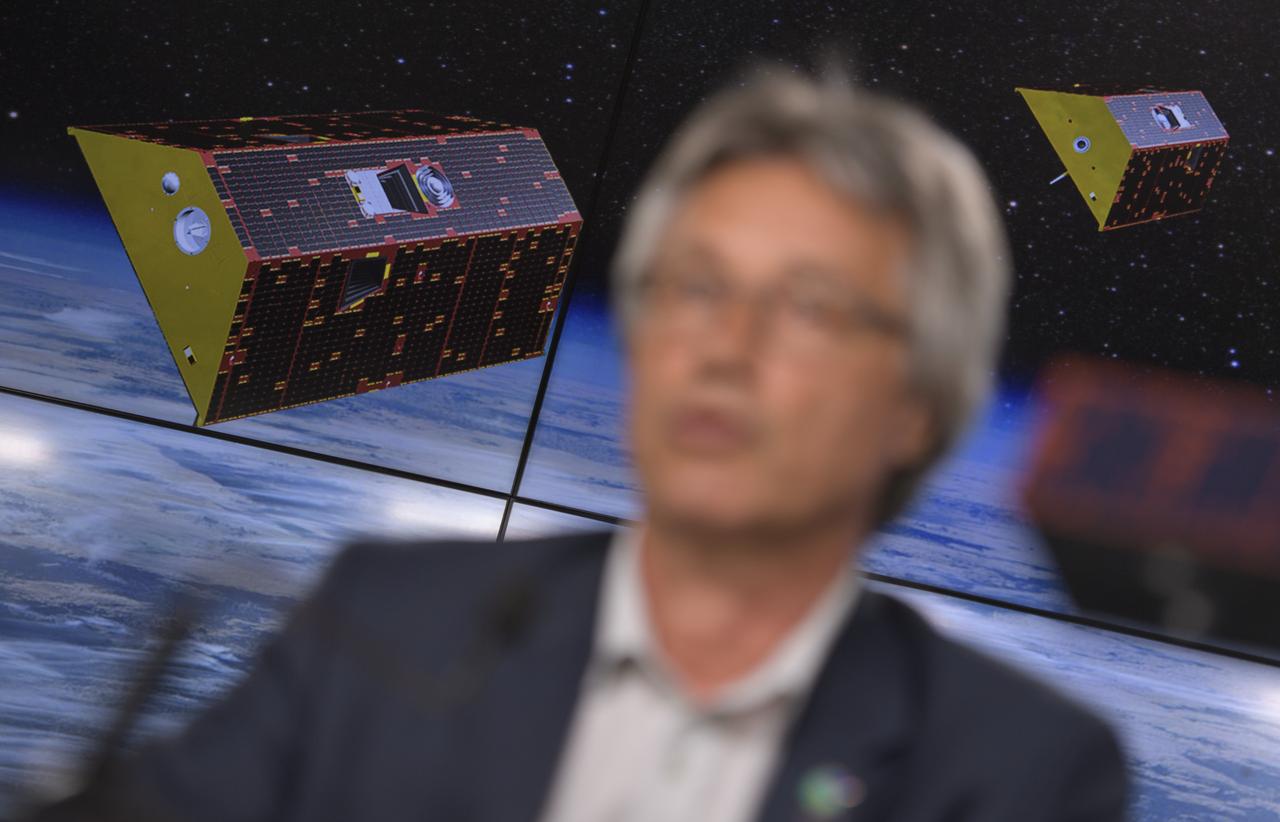
Experts discuss the Gravity Recovery and Climate Experiment Follow-On (GRACE-FO) mission during a prelaunch media briefing, Monday, May 21, 2018, at Vandenberg Air Force Base in California. The twin GRACE-FO spacecraft will measure changes in how mass is redistributed within and among Earth's atmosphere, oceans, land and ice sheets, as well as within Earth itself. Photo Credit: (NASA/Bill Ingalls)
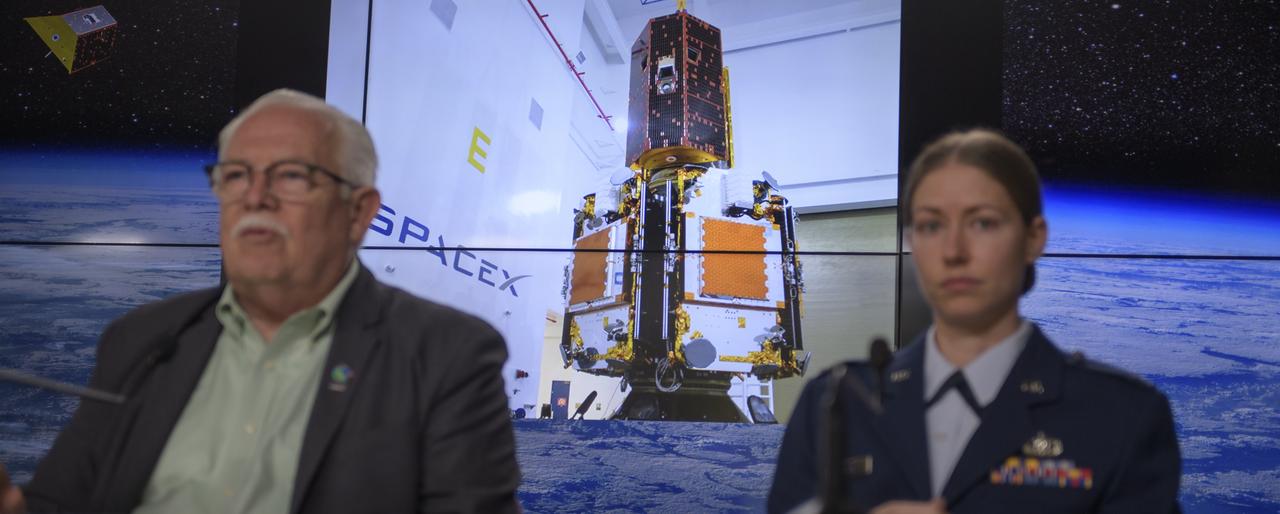
A photo showing the The twin GRACE-FO spacecraft installed on top of the five Iridium NEXT communications satellites is seen as experts discuss the Gravity Recovery and Climate Experiment Follow-On mission during a prelaunch media briefing, Monday, May 21, 2018, at Vandenberg Air Force Base in California. The twin GRACE-FO spacecraft will measure changes in how mass is redistributed within and among Earth's atmosphere, oceans, land and ice sheets, as well as within Earth itself. Photo Credit: (NASA/Bill Ingalls)
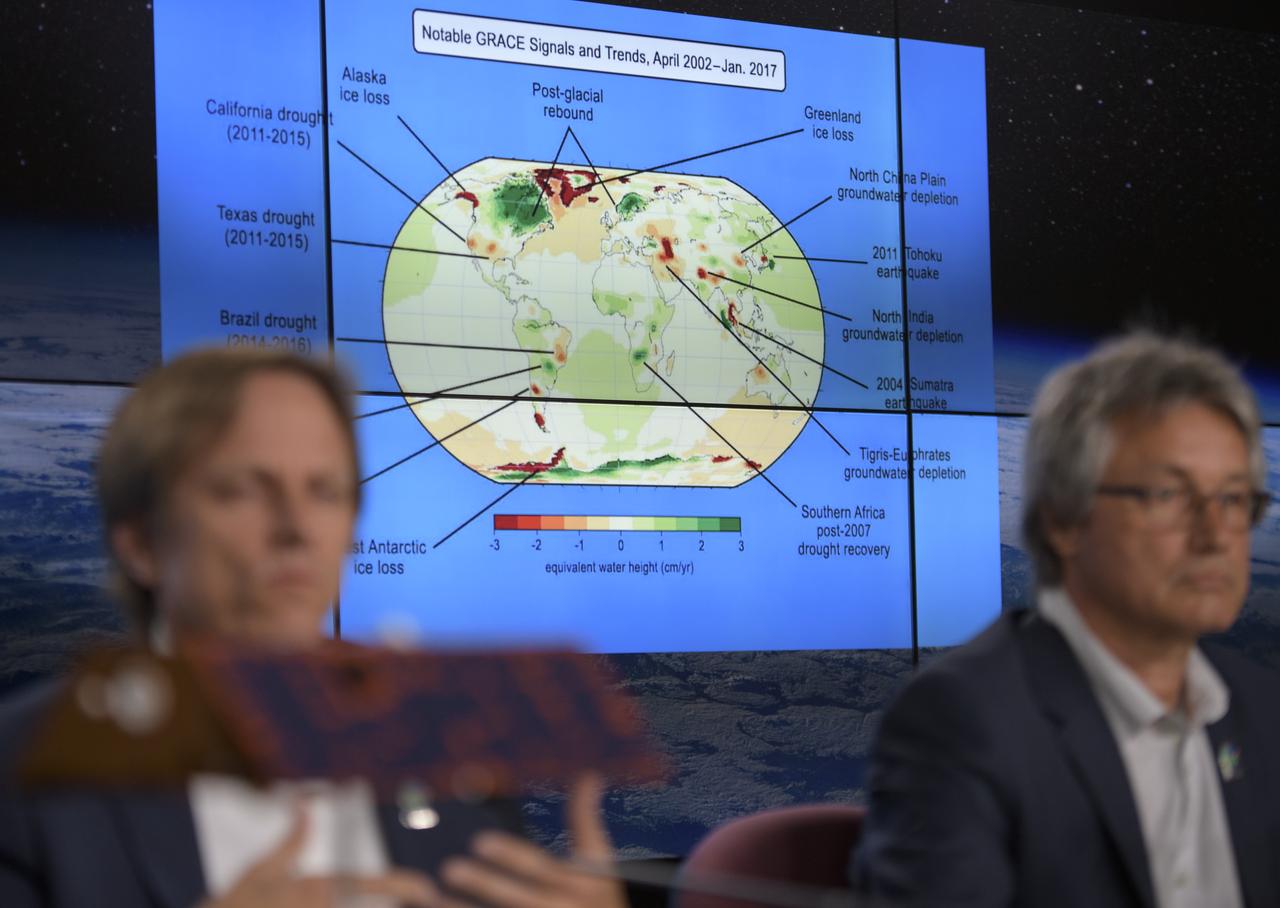
A graphic is shown as experts discuss the Gravity Recovery and Climate Experiment Follow-On (GRACE-FO) mission during a prelaunch media briefing, Monday, May 21, 2018, at Vandenberg Air Force Base in California. The twin GRACE-FO spacecraft will measure changes in how mass is redistributed within and among Earth's atmosphere, oceans, land and ice sheets, as well as within Earth itself. Photo Credit: (NASA/Bill Ingalls)
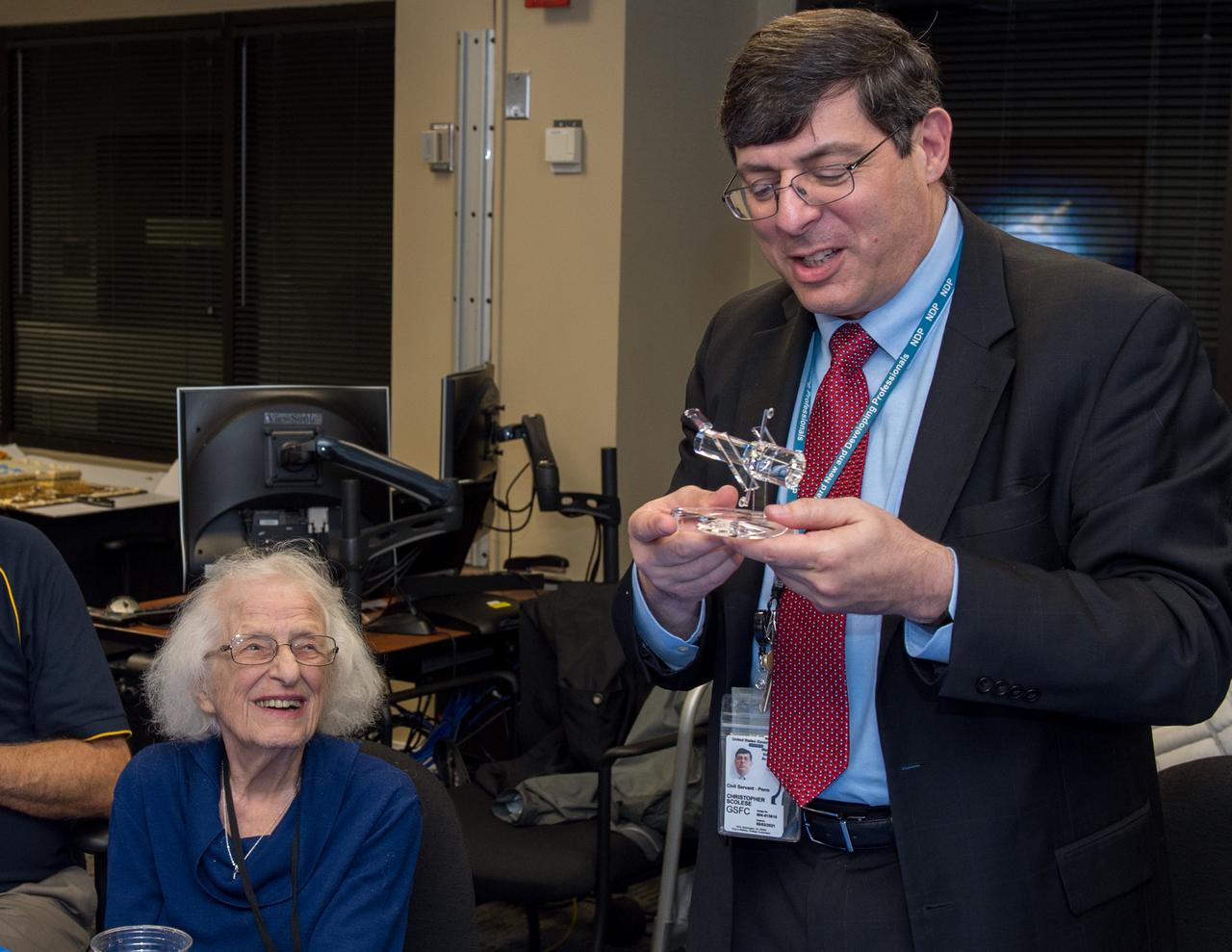
Dr. Nancy Grace Roman visits James Webb Space Telescope (JWST) and the Hubble Project Team. Center Director Chris Scolese
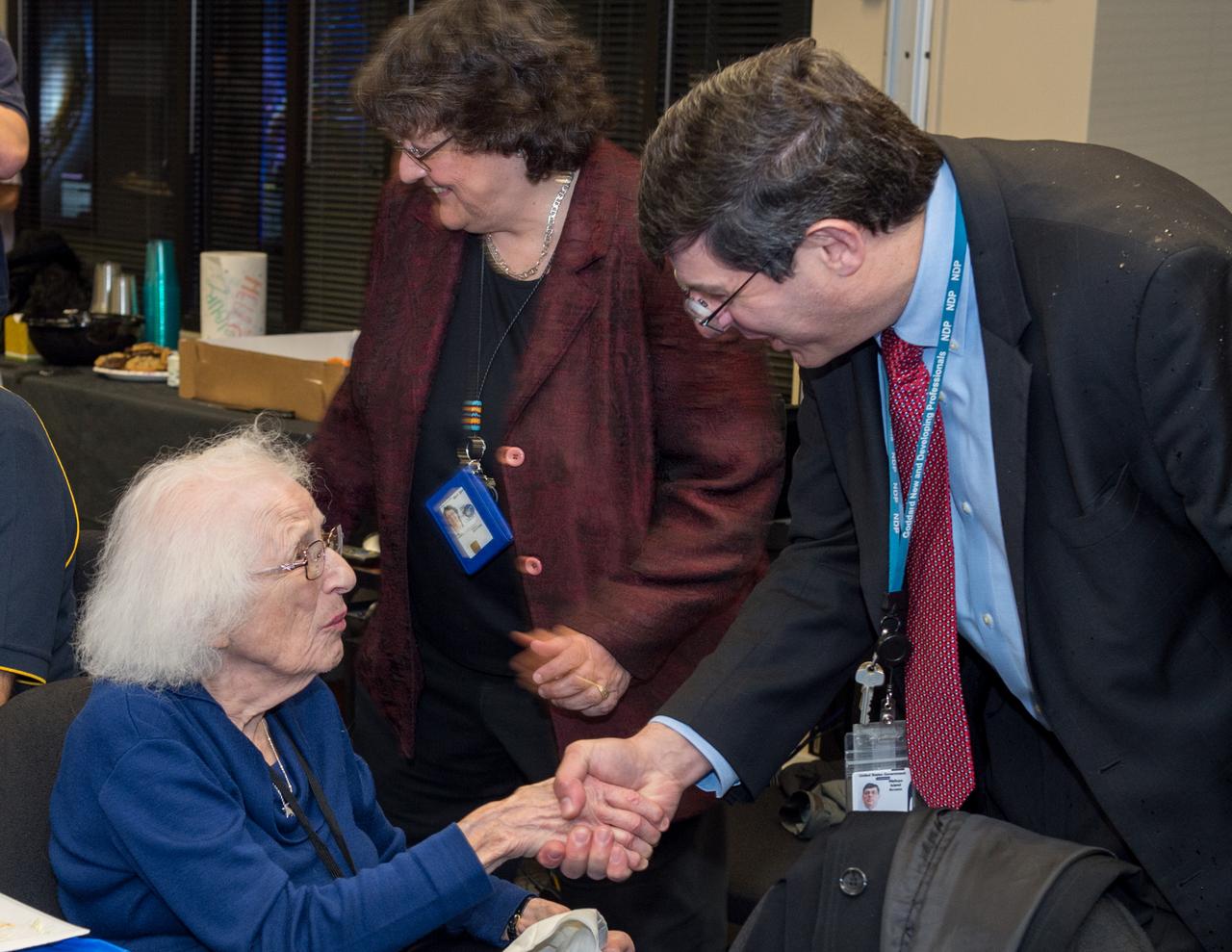
Dr. Nancy Grace Roman visits James Webb Space Telescope (JWST) and the Hubble Project Team. Center Director Chris Scolese
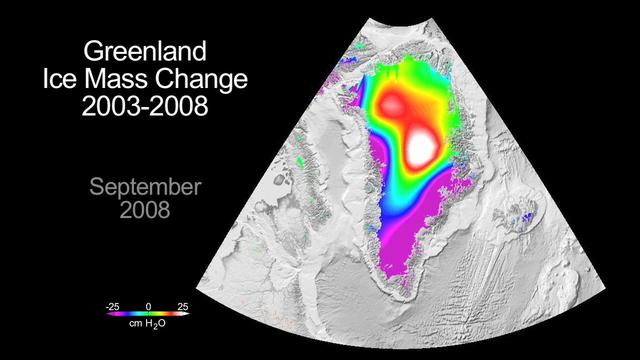
NASA GRACE mission has become a key source of knowledge about global ice mass changes. Studies of Greenland using GRACE and other data indicate that between 2000 and 2008 the Greenland ice sheet lost as much as 1,500 gigatons of mass.
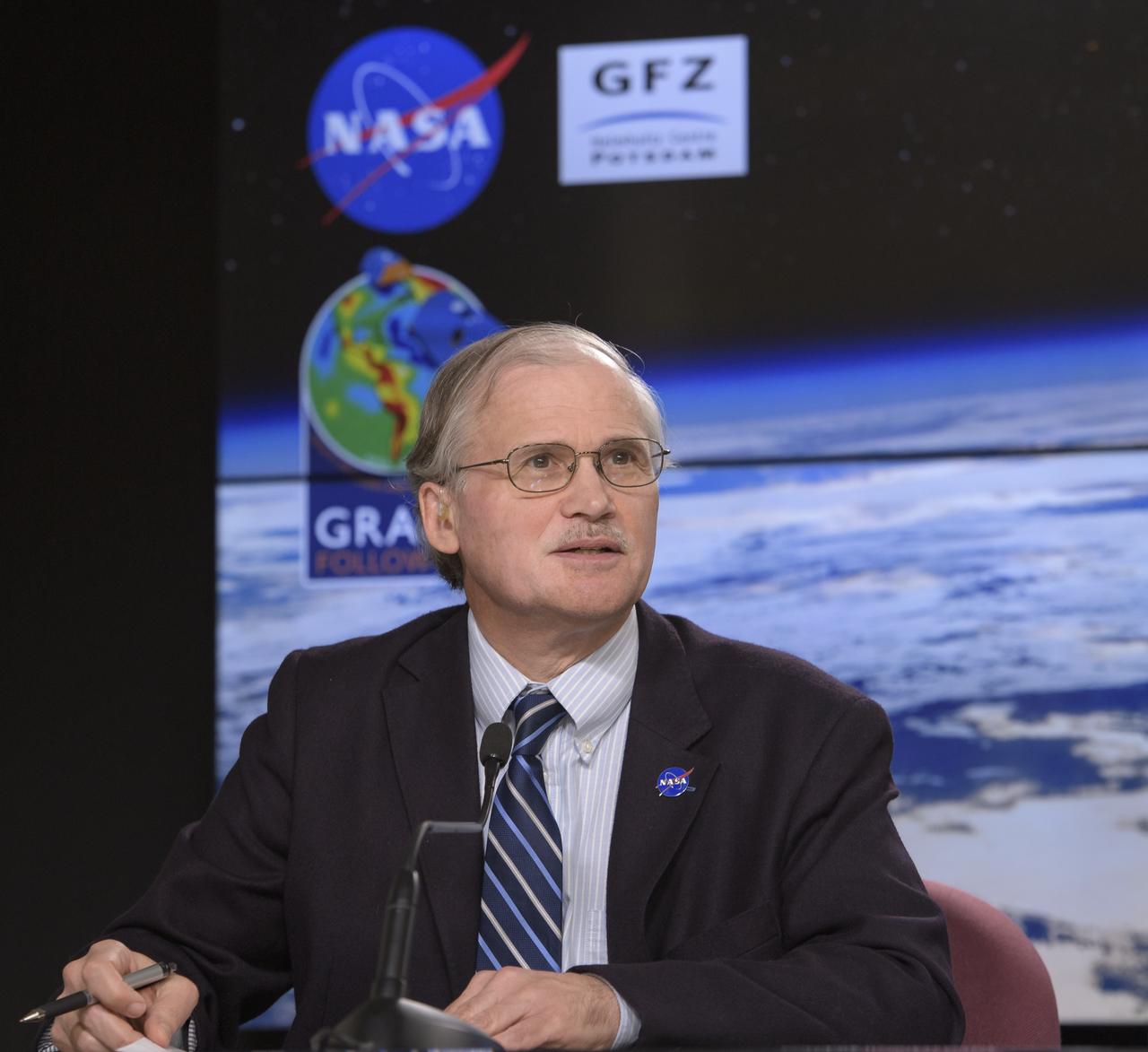
NASA Headquarters Public Affairs Officer Steve Cole moderates a Gravity Recovery and Climate Experiment Follow-On (GRACE-FO) mission prelaunch media briefing, Monday, May 21, 2018, at Vandenberg Air Force Base in California. The twin GRACE-FO spacecraft will measure changes in how mass is redistributed within and among Earth's atmosphere, oceans, land and ice sheets, as well as within Earth itself. Photo Credit: (NASA/Bill Ingalls)
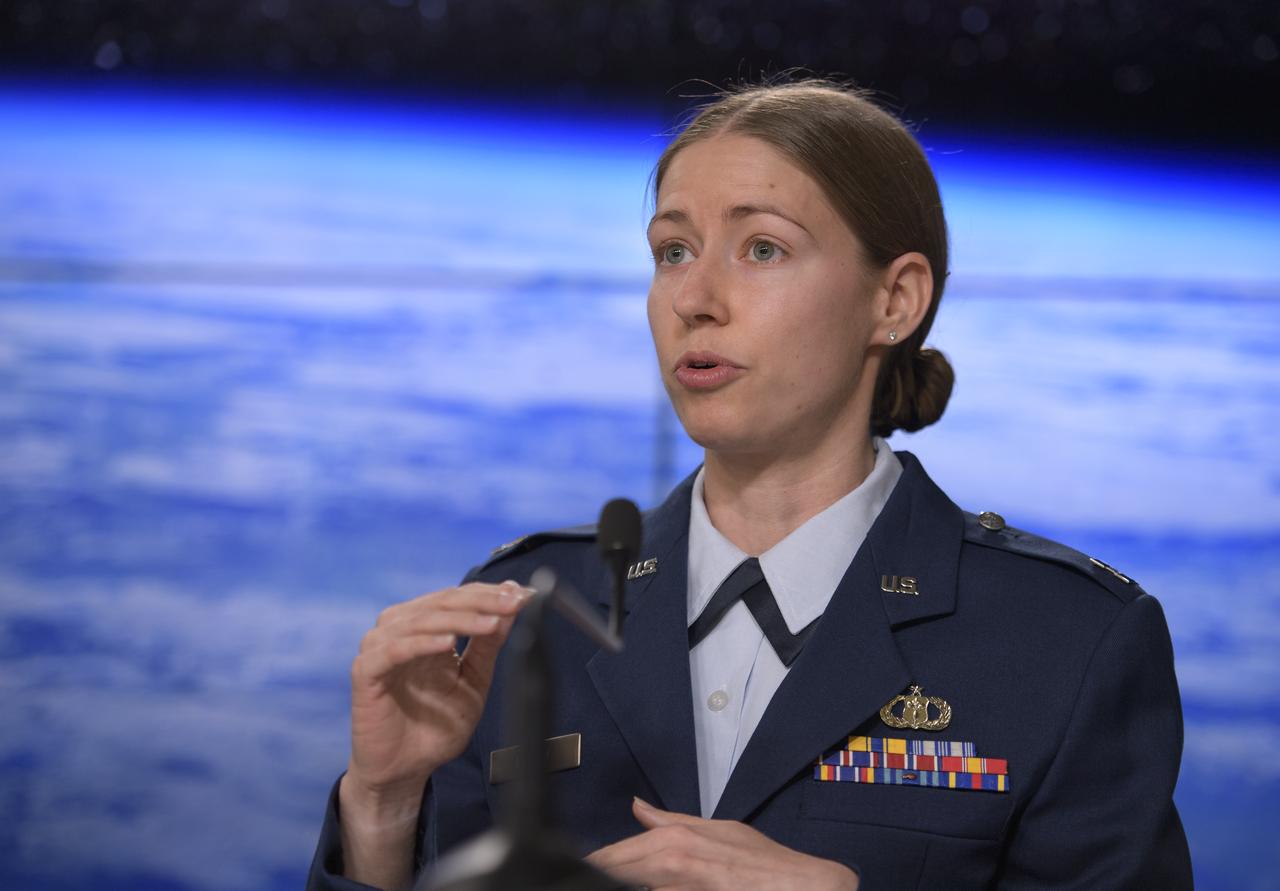
Capt. Jennifer Haden, weather officer, 30th Space Wing, Vandenberg Air Force Base, discusses the weather forecast during a Gravity Recovery and Climate Experiment Follow-On (GRACE-FO) mission prelaunch media briefing, Monday, May 21, 2018, at Vandenberg Air Force Base in California. The twin GRACE-FO spacecraft will measure changes in how mass is redistributed within and among Earth's atmosphere, oceans, land and ice sheets, as well as within Earth itself. Photo Credit: (NASA/Bill Ingalls)
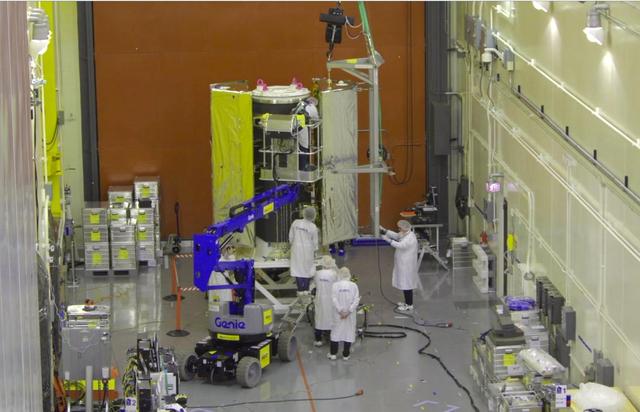
At the Harris Spaceport Systems facility at Vandenberg Air Force Base in California, the twin GRACE-FO satellites are integrated with the multi-satellite dispenser structure that will be used to deploy the satellites during launch on the SpaceX Falcon 9 launch vehicle. https://photojournal.jpl.nasa.gov/catalog/PIA22442
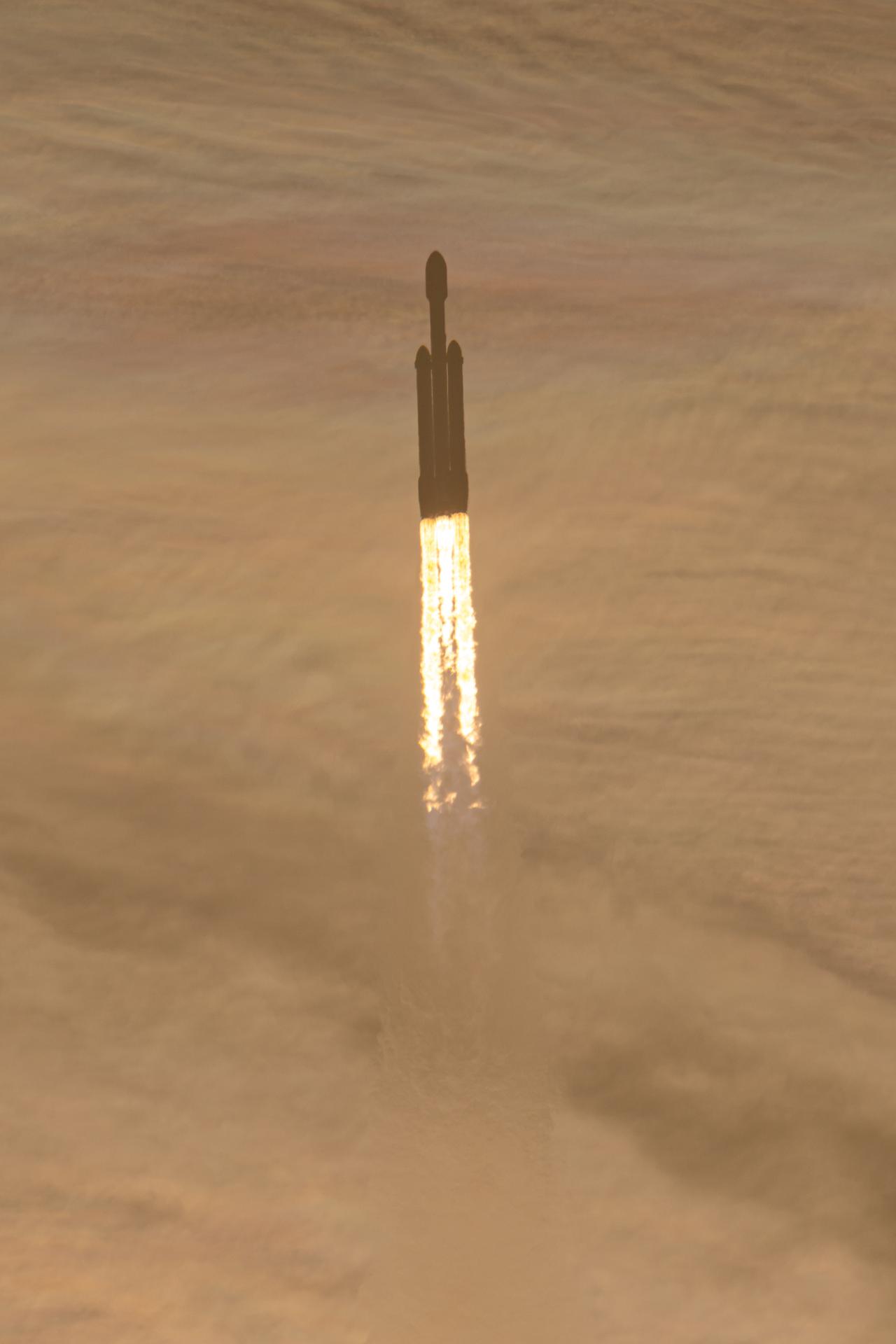
A SpaceX Falcon Heavy rocket with NASA’s Nancy Grace Roman Space Telescope on board launches from Launch Complex 39A, Sunday, Aug. 30, 2026, at NASA’s Kennedy Space Center in Florida. The Nancy Grace Roman Space Telescope, named after the agency’s first chief astronomer, will survey billions of stars and galaxies with a field of view far larger than Hubble’s, helping scientists study dark energy, exoplanets and the evolution of the universe. Photo Credit: (NASA/John Kraus)
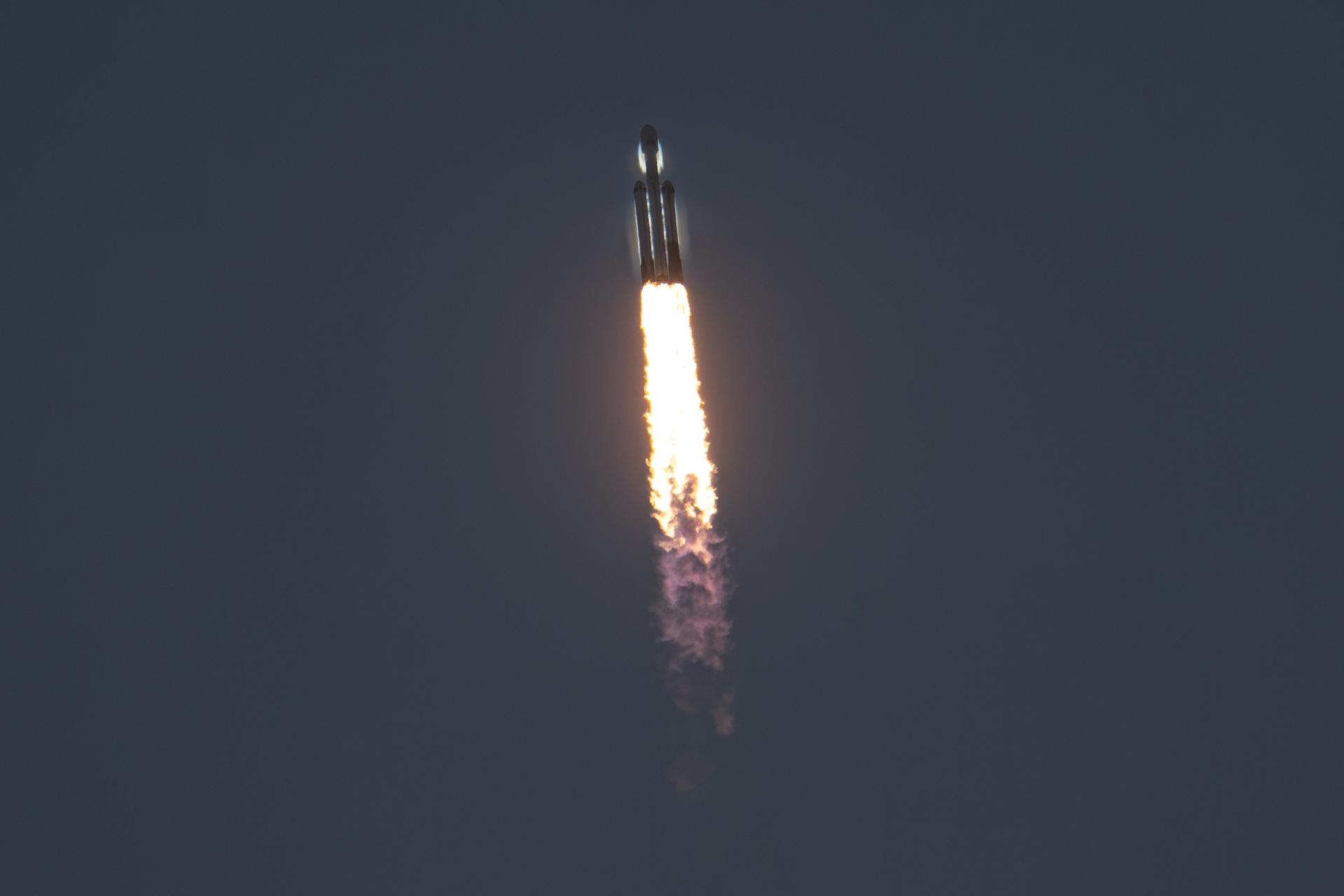
A SpaceX Falcon Heavy rocket with NASA’s Nancy Grace Roman Space Telescope on board launches from Launch Complex 39A, Sunday, Aug. 30, 2026, at NASA’s Kennedy Space Center in Florida. The Nancy Grace Roman Space Telescope, named after the agency’s first chief astronomer, will survey billions of stars and galaxies with a field of view far larger than Hubble’s, helping scientists study dark energy, exoplanets and the evolution of the universe. Photo Credit: (NASA/John Kraus)
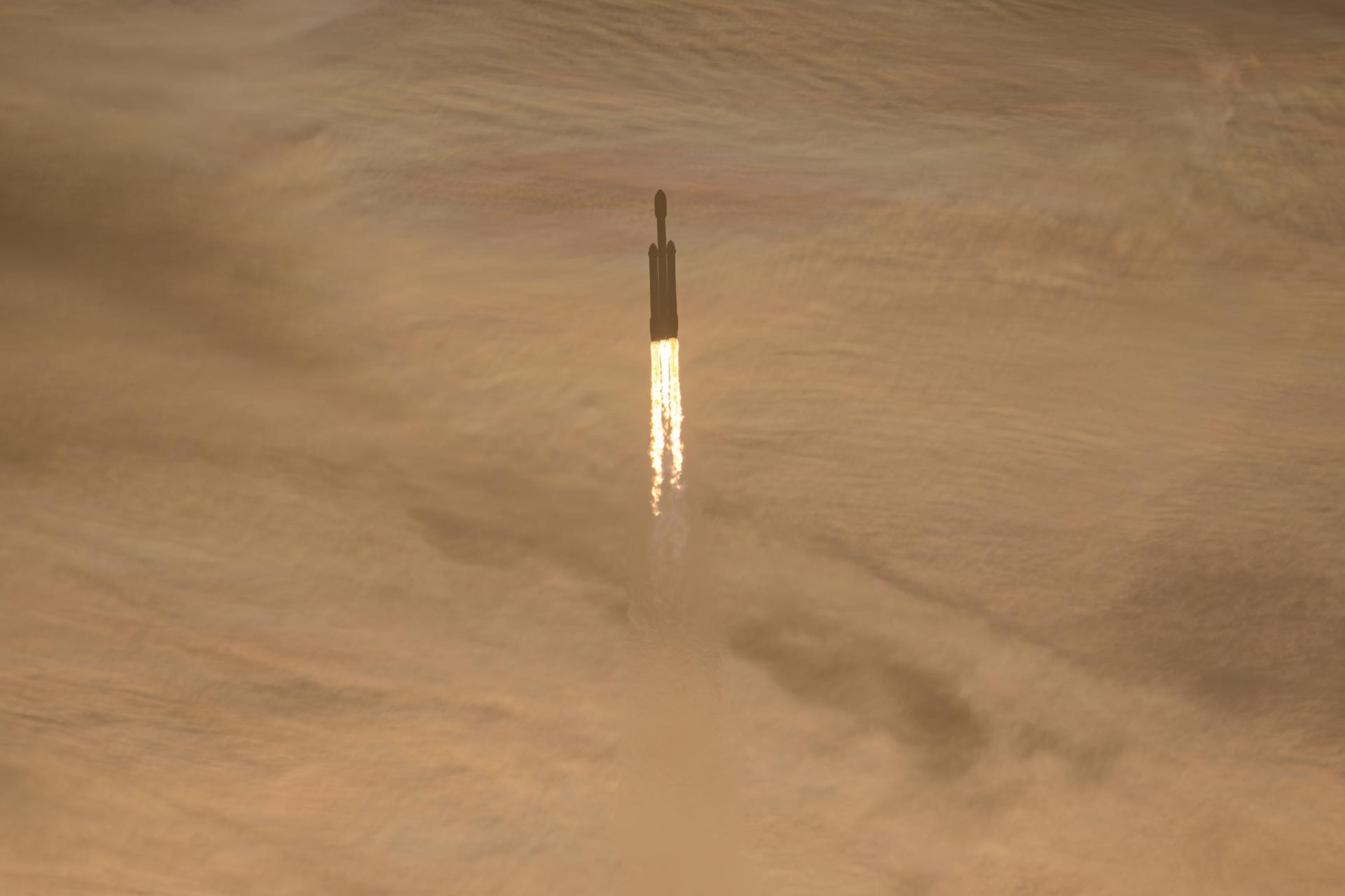
A SpaceX Falcon Heavy rocket with NASA’s Nancy Grace Roman Space Telescope on board launches from Launch Complex 39A, Sunday, Aug. 30, 2026, at NASA’s Kennedy Space Center in Florida. The Nancy Grace Roman Space Telescope, named after the agency’s first chief astronomer, will survey billions of stars and galaxies with a field of view far larger than Hubble’s, helping scientists study dark energy, exoplanets and the evolution of the universe. Photo Credit: (NASA/John Kraus)
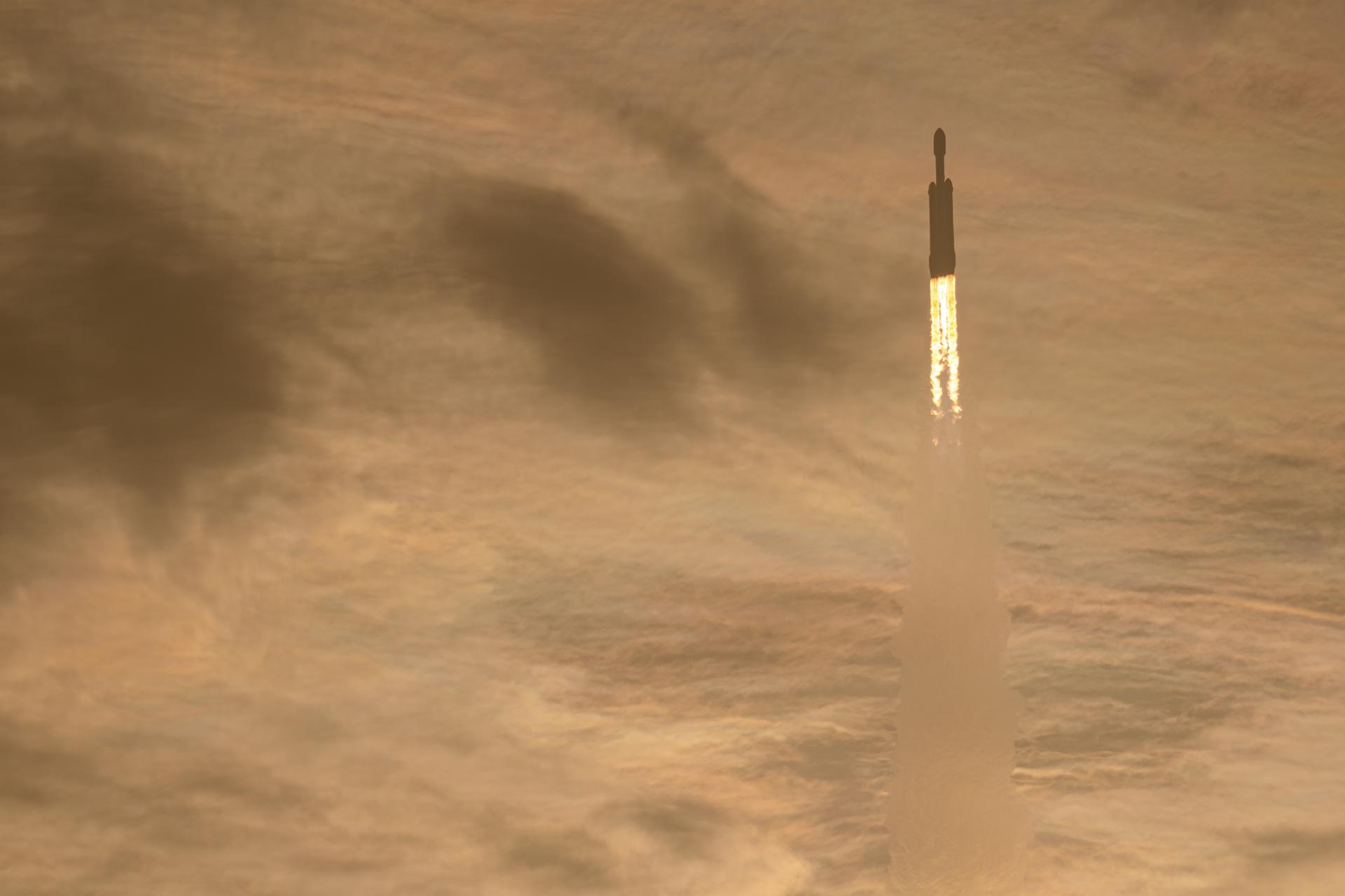
A SpaceX Falcon Heavy rocket with NASA’s Nancy Grace Roman Space Telescope on board launches from Launch Complex 39A, Sunday, Aug. 30, 2026, at NASA’s Kennedy Space Center in Florida. The Nancy Grace Roman Space Telescope, named after the agency’s first chief astronomer, will survey billions of stars and galaxies with a field of view far larger than Hubble’s, helping scientists study dark energy, exoplanets and the evolution of the universe. Photo Credit: (NASA/John Kraus)
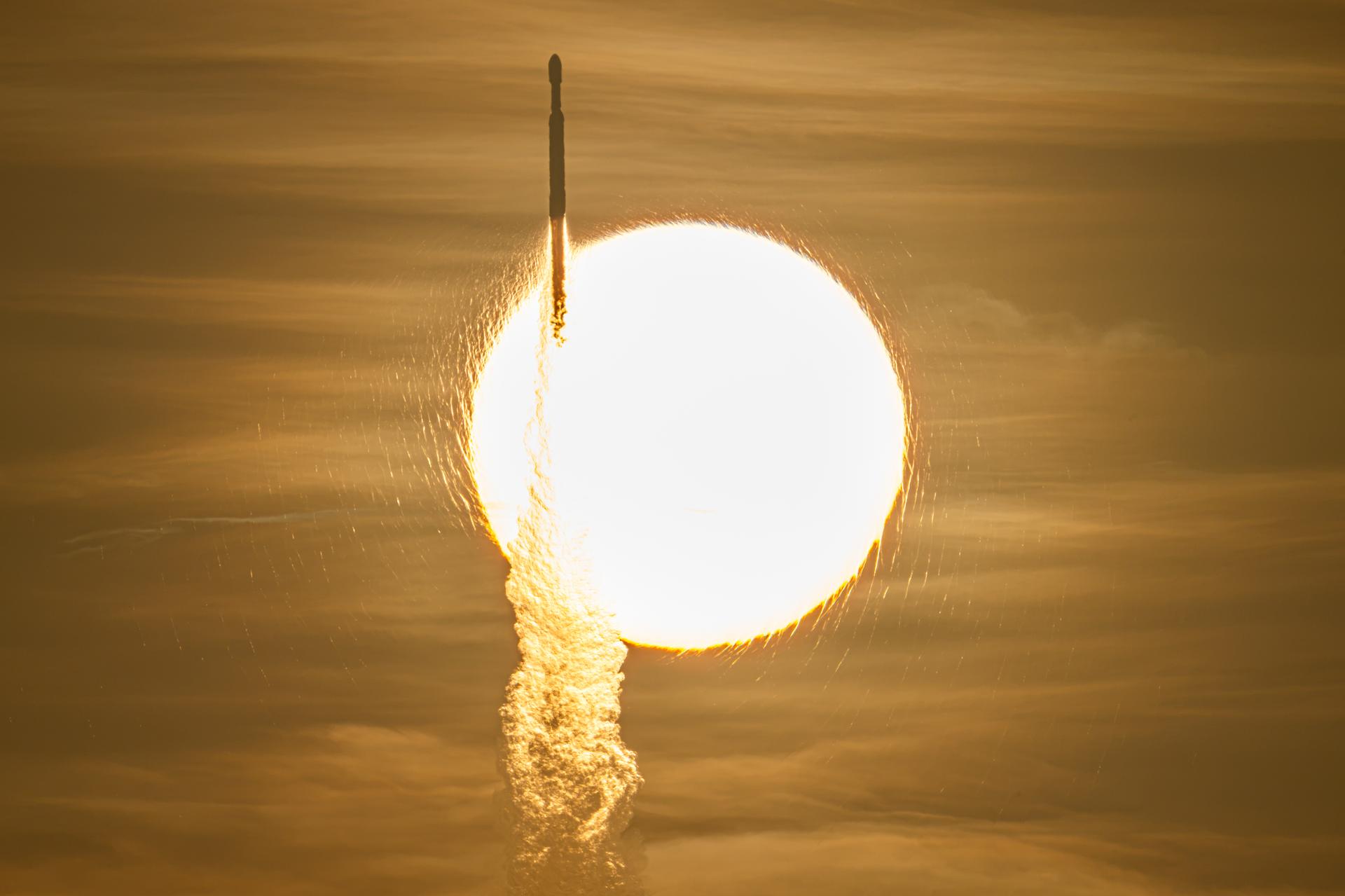
A SpaceX Falcon Heavy rocket with NASA’s Nancy Grace Roman Space Telescope on board is seen transiting the sun during launch from Launch Complex 39A, Sunday, Aug. 30, 2026, at NASA’s Kennedy Space Center in Florida. The Nancy Grace Roman Space Telescope, named after the agency’s first chief astronomer, will survey billions of stars and galaxies with a field of view far larger than Hubble’s, helping scientists study dark energy, exoplanets and the evolution of the universe. Photo Credit: (NASA/John Kraus)
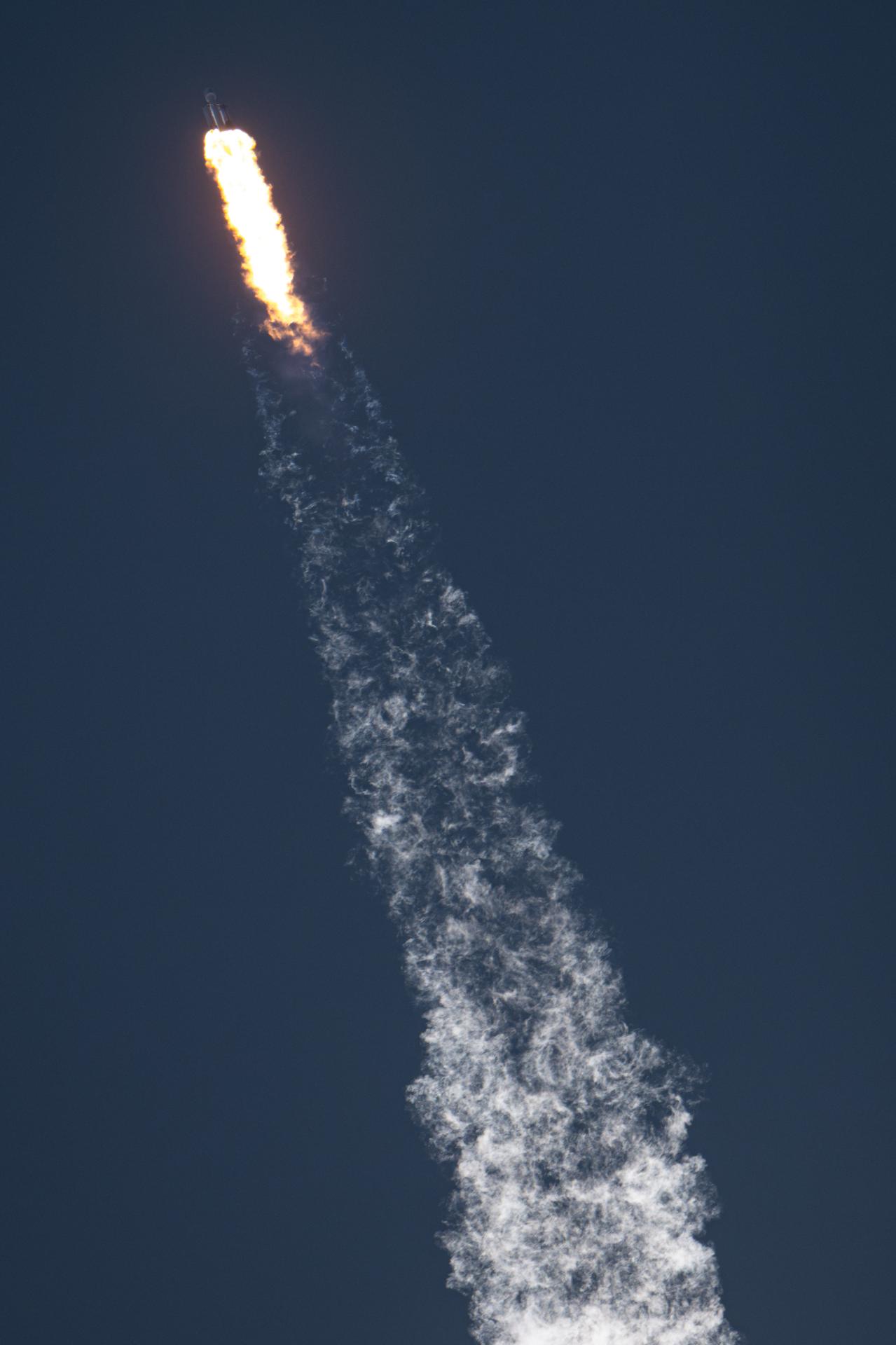
A SpaceX Falcon Heavy rocket with NASA’s Nancy Grace Roman Space Telescope on board launches from Launch Complex 39A, Sunday, Aug. 30, 2026, at NASA’s Kennedy Space Center in Florida. The Nancy Grace Roman Space Telescope, named after the agency’s first chief astronomer, will survey billions of stars and galaxies with a field of view far larger than Hubble’s, helping scientists study dark energy, exoplanets and the evolution of the universe. Photo Credit: (NASA/John Kraus)
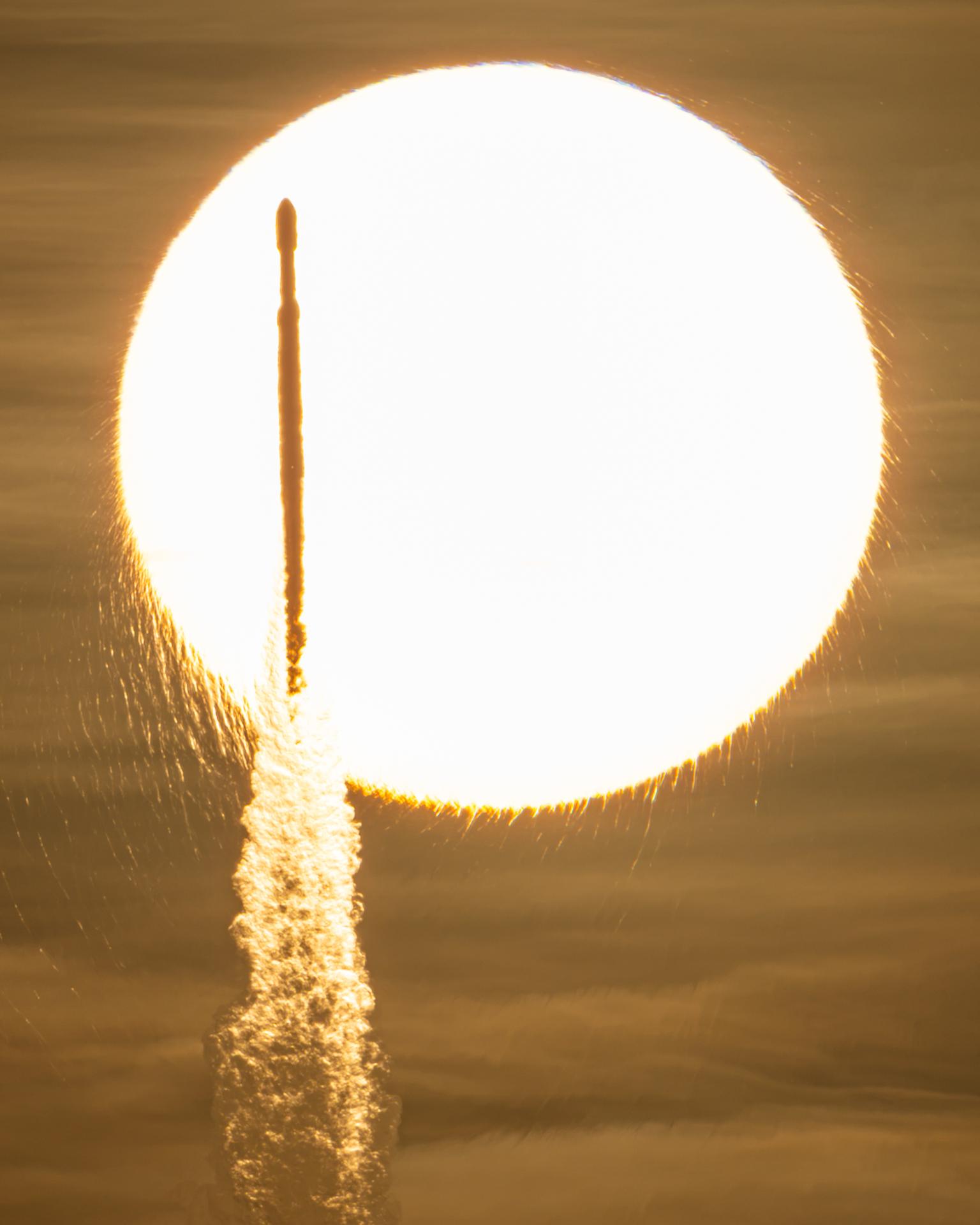
A SpaceX Falcon Heavy rocket with NASA’s Nancy Grace Roman Space Telescope on board is seen transiting the sun during launch from Launch Complex 39A, Sunday, Aug. 30, 2026, at NASA’s Kennedy Space Center in Florida. The Nancy Grace Roman Space Telescope, named after the agency’s first chief astronomer, will survey billions of stars and galaxies with a field of view far larger than Hubble’s, helping scientists study dark energy, exoplanets and the evolution of the universe. Photo Credit: (NASA/John Kraus)
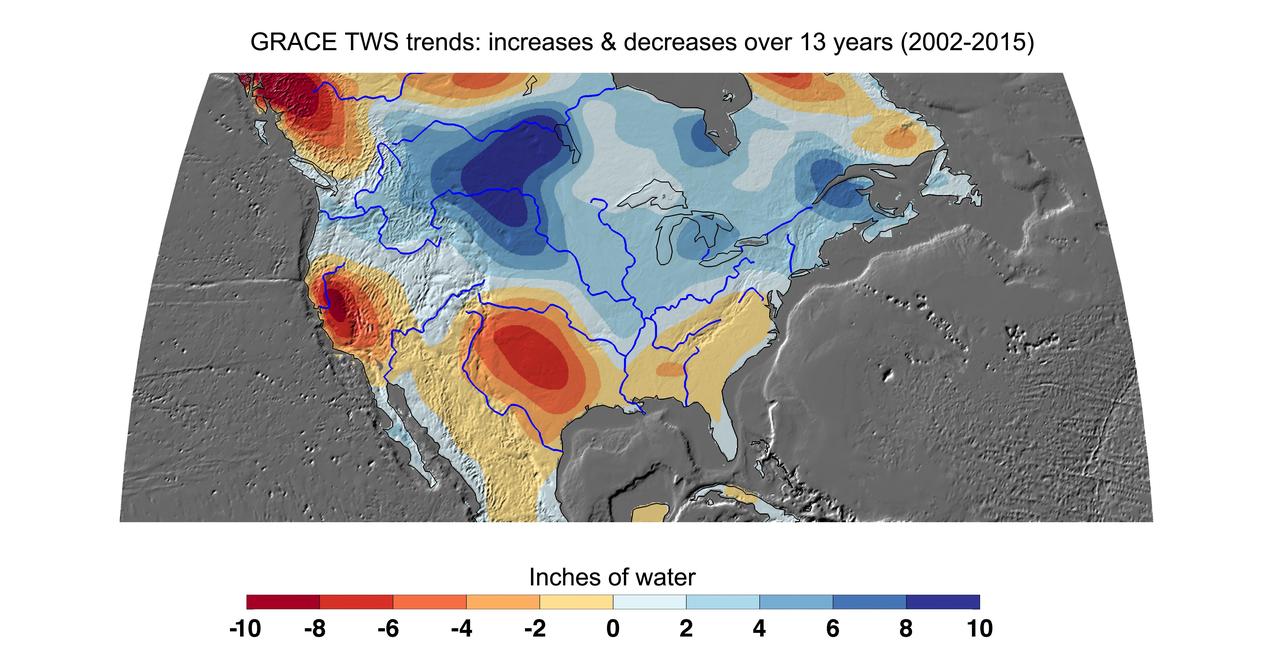
Cumulative total freshwater losses in the United States from 2002 to 2015 (in inches) observed by NASA's Gravity Recovery and Climate Experiment (GRACE) mission. Total water refers to all of the snow, surface water, soil water and groundwater combined. Much of the northern half of the country experienced increasing total water storage during this time period, while total water storage in the southern half decline. Areas where groundwater depletion strongly impacted total water losses include California's Central Valley, and the southern High Plains aquifer beneath the Texas and Oklahoma panhandles. Total water storage in the Upper Missouri River basin increased signficantly and contributed to considerable flooding during the 2002-15 time period. Image updated from Famiglietti and Rodell, 2013. Citation of Record: Famiglietti, J. S., and M. Rodell, Water in the Balance, Science, 340, 1300-1301. http://photojournal.jpl.nasa.gov/catalog/PIA20204
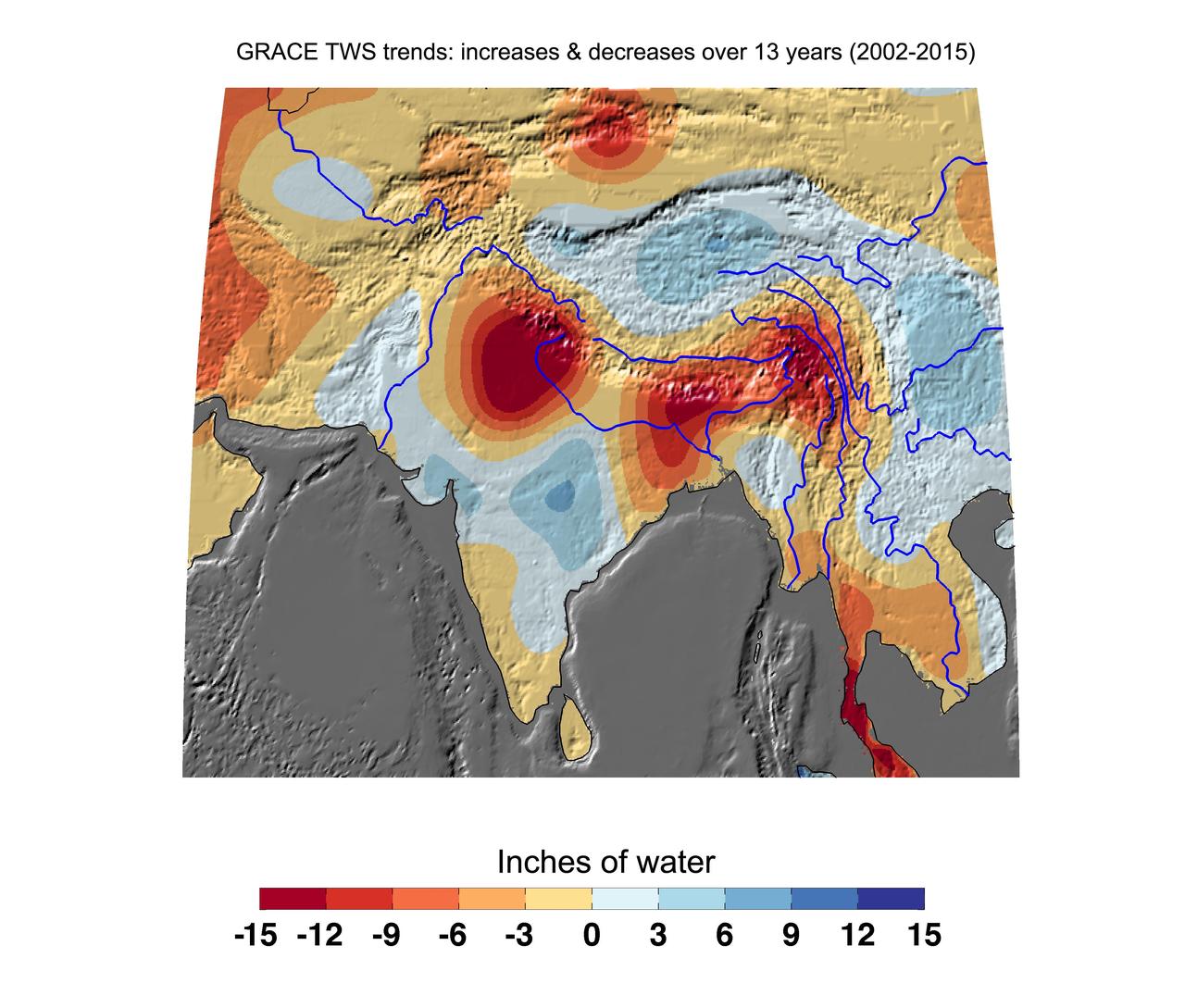
Cumulative total freshwater losses in South Asia from 2002 to 2015 (in inches) observed by NASA's Gravity Recovery and Climate Experiment (GRACE) mission. Total water refers to all of the snow, surface water, soil water and groundwater combined. Groundwater depletion in India and Bangladesh continue to dominate total water losses in the region. The persistent drought along the Malaysian Peninsula is also apparent. Regions of increasing total water experience strong interannual variations in the Asian monsoon. Image updated from Rodell et al., 2009. Citation of Record: Rodell, M., I. Velicogna and J. Famiglietti, Satellite-based estimates of groundwater depletion in India, Nature, doi:10.1038/nature08238. http://photojournal.jpl.nasa.gov/catalog/PIA20206
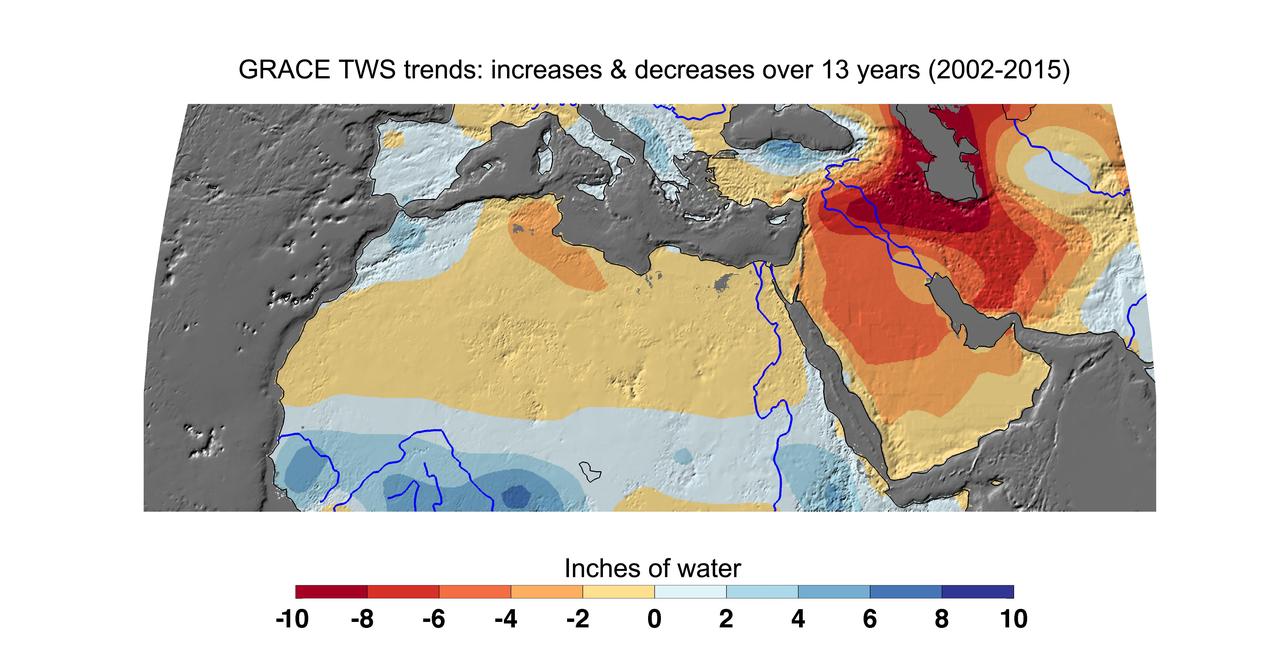
Cumulative total freshwater losses in North Africa and the Middle East from 2002 to 2015 (in inches) observed by NASA's Gravity Recovery and Climate Experiment (GRACE) mission. Total water refers to all of the snow, surface water, soil water and groundwater combined. Groundwater depletion in Turkey, Syria, Iraq and Iran, and along the Arabian Peninsula, are leading to large changes in total water storage in the region. Likewise, drought and groundwater pumping is contributing to the drying of the Caspian Sea Region. The Northwest Sahara Aquifer System, which underlies Tunisia and Libya, is also experiencing increasing water stress as shown in the map. Image updated from Voss et al., 2013. Citation of Record: Voss, K. A., J. S. Famiglietti, M. Lo, C. R. de Linage, M. Rodell and S. C. Swenson, Groundwater depletion in the Middle East from GRACE with Implications for Transboundary Water Management in the Tigris-Euphrates-Western Iran Region, Wat. Resour. Res., 49(2), 904-914, DOI: 10.1002/wrcr.20078. http://photojournal.jpl.nasa.gov/catalog/PIA20207

Long exposure photograph showing the NASA/German Research Centre for Geosciences GRACE Follow-On spacecraft launching onboard a SpaceX Falcon 9 rocket, Tuesday, May 22, 2018, from Space Launch Complex 4E at Vandenberg Air Force Base in California. The mission will measure changes in how mass is redistributed within and among Earth's atmosphere, oceans, land and ice sheets, as well as within Earth itself. GRACE-FO is sharing its ride to orbit with five Iridium NEXT communications satellites as part of a commercial rideshare agreement. Photo Credit: (NASA/Bill Ingalls)
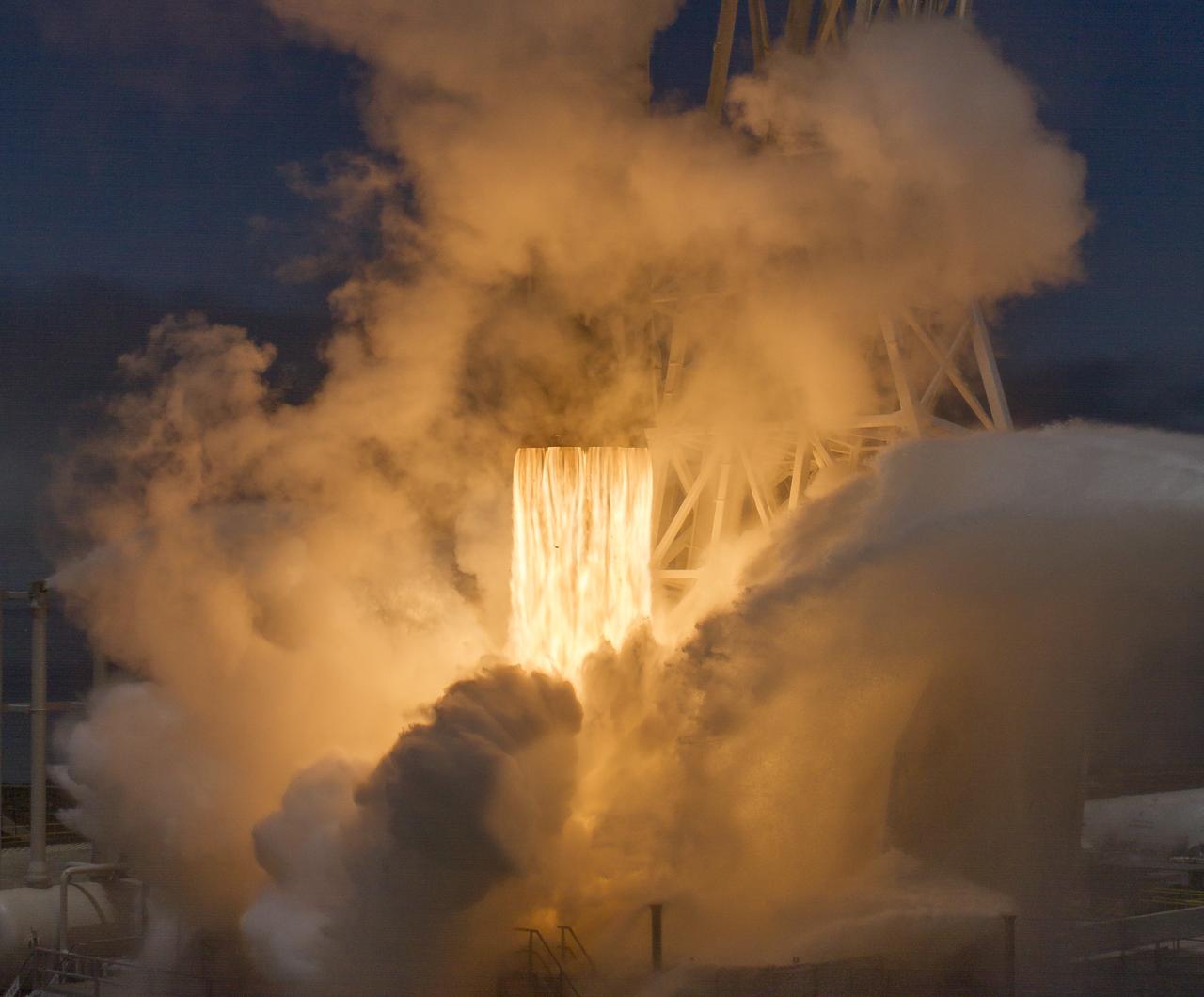
The NASA/German Research Centre for Geosciences GRACE Follow-On spacecraft launch onboard a SpaceX Falcon 9 rocket, Tuesday, May 22, 2018, from Space Launch Complex 4E at Vandenberg Air Force Base in California. The mission will measure changes in how mass is redistributed within and among Earth's atmosphere, oceans, land and ice sheets, as well as within Earth itself. GRACE-FO is sharing its ride to orbit with five Iridium NEXT communications satellites as part of a commercial rideshare agreement. Photo Credit: (NASA/Bill Ingalls)
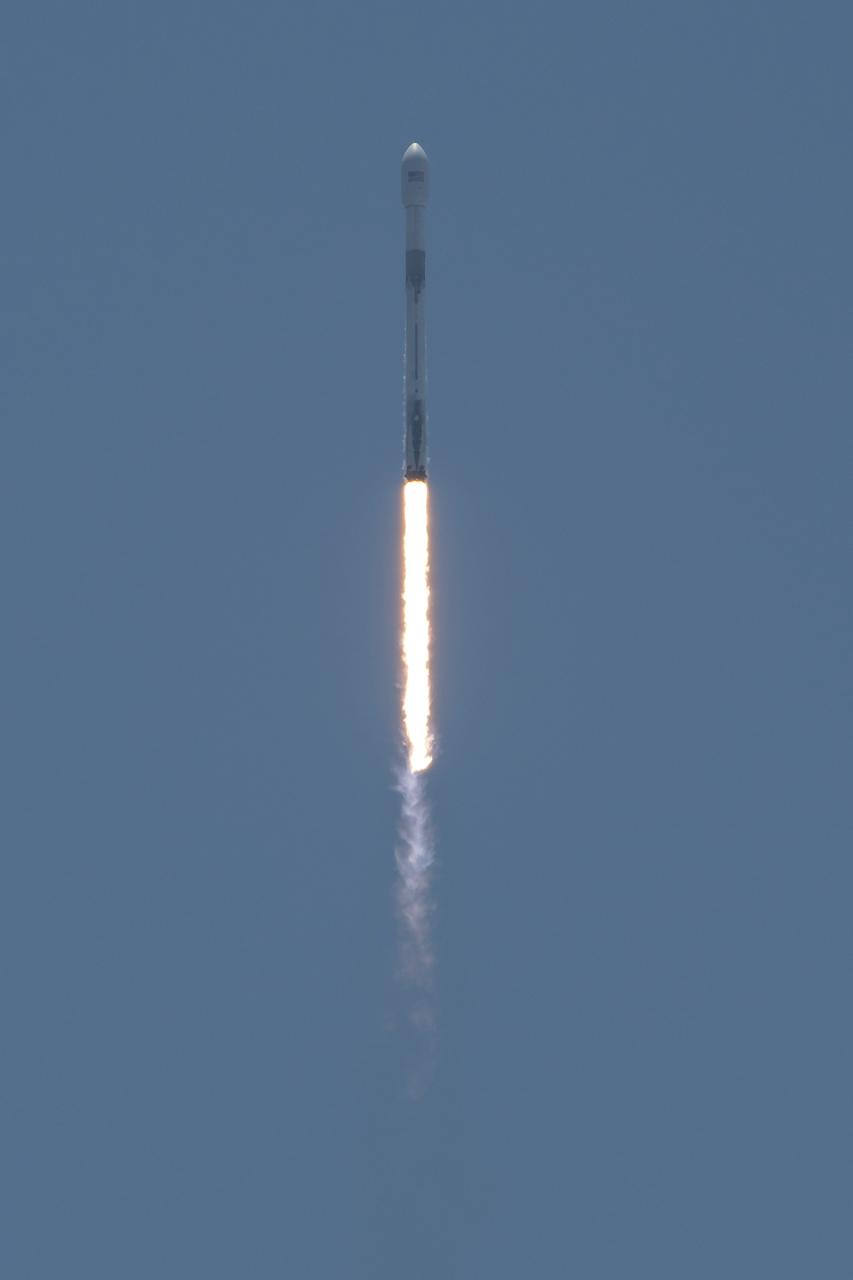
The NASA/German Research Centre for Geosciences GRACE Follow-On spacecraft launch onboard a SpaceX Falcon 9 rocket, Tuesday, May 22, 2018, from Space Launch Complex 4E at Vandenberg Air Force Base in California. The mission will measure changes in how mass is redistributed within and among Earth's atmosphere, oceans, land and ice sheets, as well as within Earth itself. GRACE-FO is sharing its ride to orbit with five Iridium NEXT communications satellites as part of a commercial rideshare agreement. Photo Credit: (NASA/Bill Ingalls)
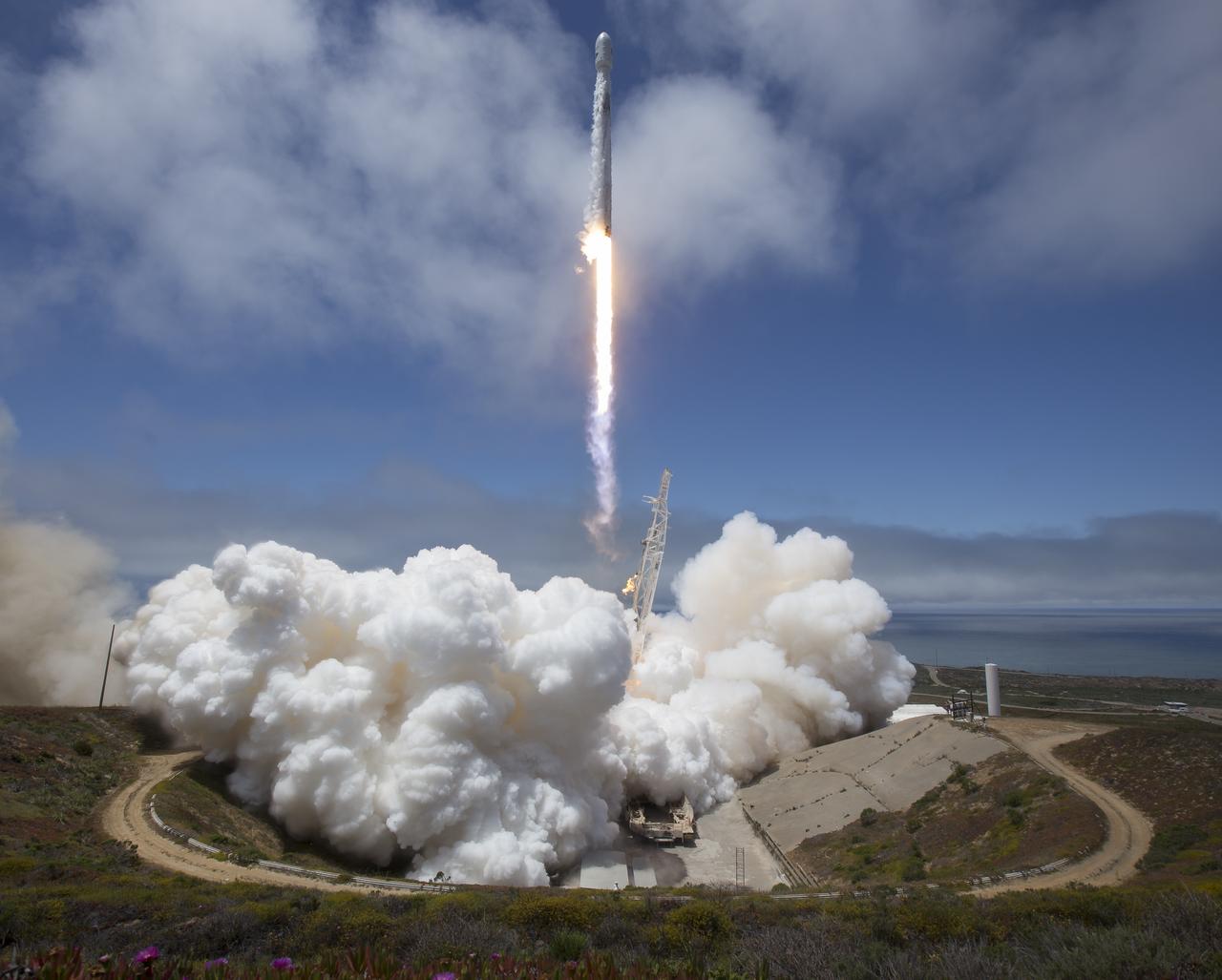
The NASA/German Research Centre for Geosciences GRACE Follow-On spacecraft launch onboard a SpaceX Falcon 9 rocket, Tuesday, May 22, 2018, from Space Launch Complex 4E at Vandenberg Air Force Base in California. The mission will measure changes in how mass is redistributed within and among Earth's atmosphere, oceans, land and ice sheets, as well as within Earth itself. GRACE-FO is sharing its ride to orbit with five Iridium NEXT communications satellites as part of a commercial rideshare agreement. Photo Credit: (NASA/Bill Ingalls)
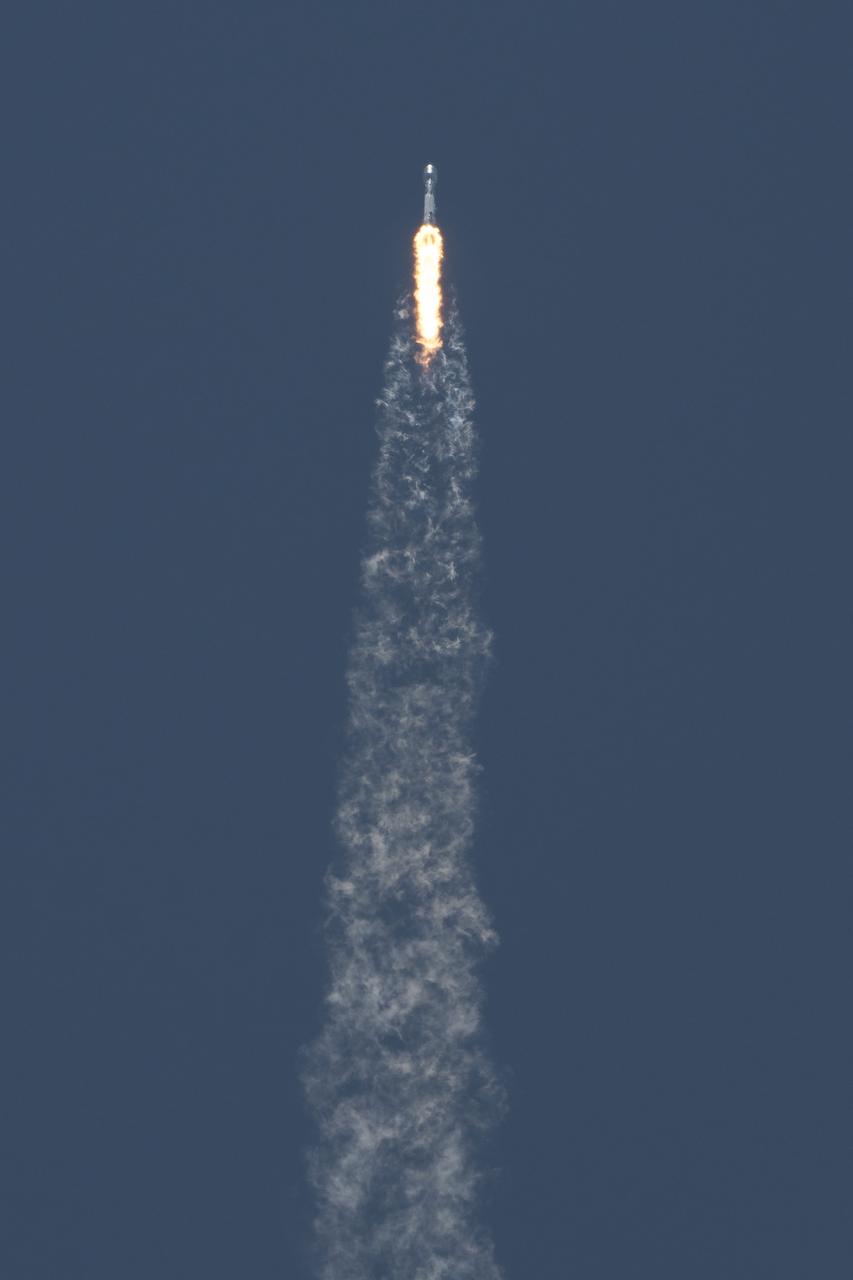
The NASA/German Research Centre for Geosciences GRACE Follow-On spacecraft launch onboard a SpaceX Falcon 9 rocket, Tuesday, May 22, 2018, from Space Launch Complex 4E at Vandenberg Air Force Base in California. The mission will measure changes in how mass is redistributed within and among Earth's atmosphere, oceans, land and ice sheets, as well as within Earth itself. GRACE-FO is sharing its ride to orbit with five Iridium NEXT communications satellites as part of a commercial rideshare agreement. Photo Credit: (NASA/Bill Ingalls)

The NASA/German Research Centre for Geosciences GRACE Follow-On spacecraft launch onboard a SpaceX Falcon 9 rocket, Tuesday, May 22, 2018, from Space Launch Complex 4E at Vandenberg Air Force Base in California. The mission will measure changes in how mass is redistributed within and among Earth's atmosphere, oceans, land and ice sheets, as well as within Earth itself. GRACE-FO is sharing its ride to orbit with five Iridium NEXT communications satellites as part of a commercial rideshare agreement. Photo Credit: (NASA/Bill Ingalls)
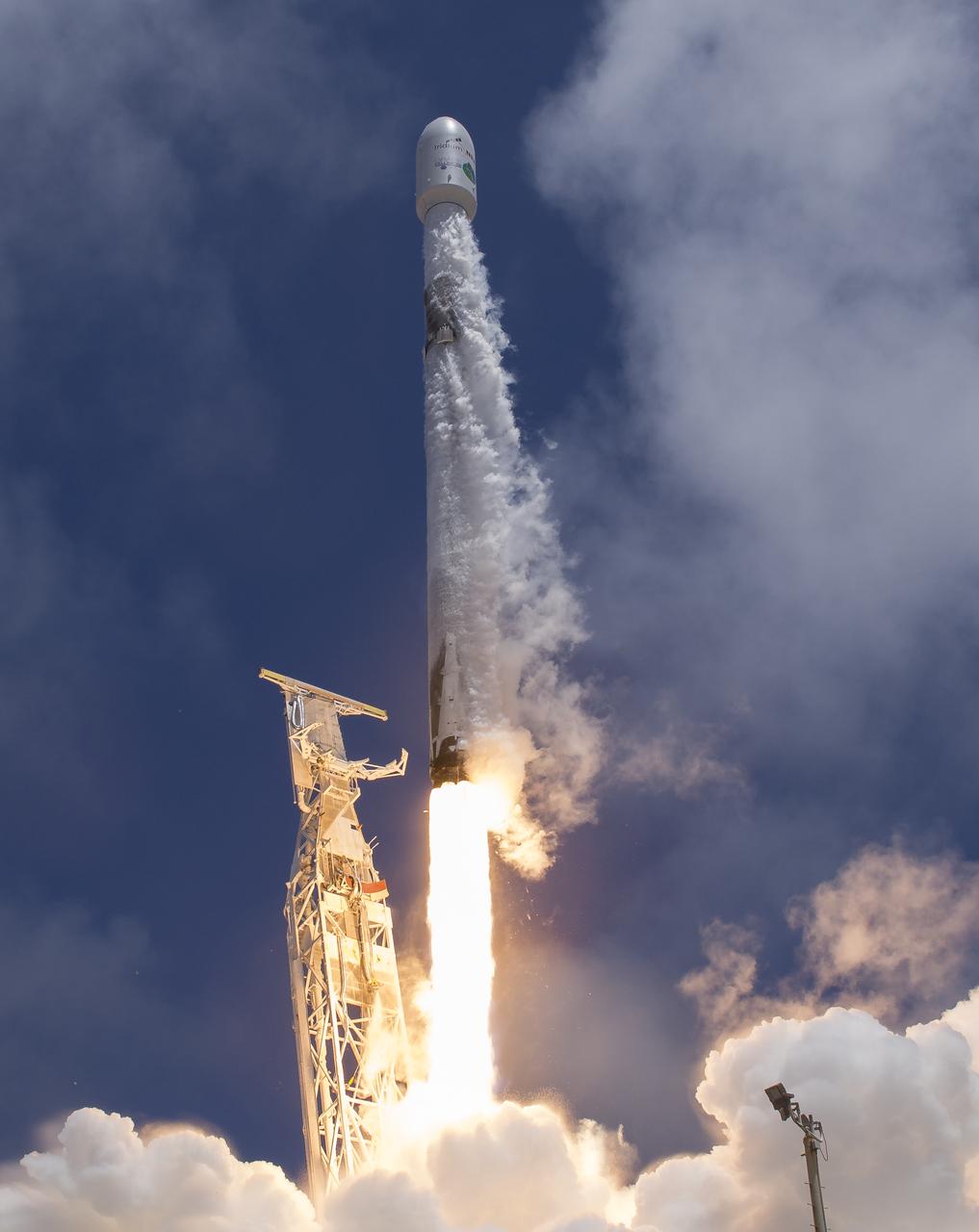
The NASA/German Research Centre for Geosciences GRACE Follow-On spacecraft launch onboard a SpaceX Falcon 9 rocket, Tuesday, May 22, 2018, from Space Launch Complex 4E at Vandenberg Air Force Base in California. The mission will measure changes in how mass is redistributed within and among Earth's atmosphere, oceans, land and ice sheets, as well as within Earth itself. GRACE-FO is sharing its ride to orbit with five Iridium NEXT communications satellites as part of a commercial rideshare agreement. Photo Credit: (NASA/Bill Ingalls)
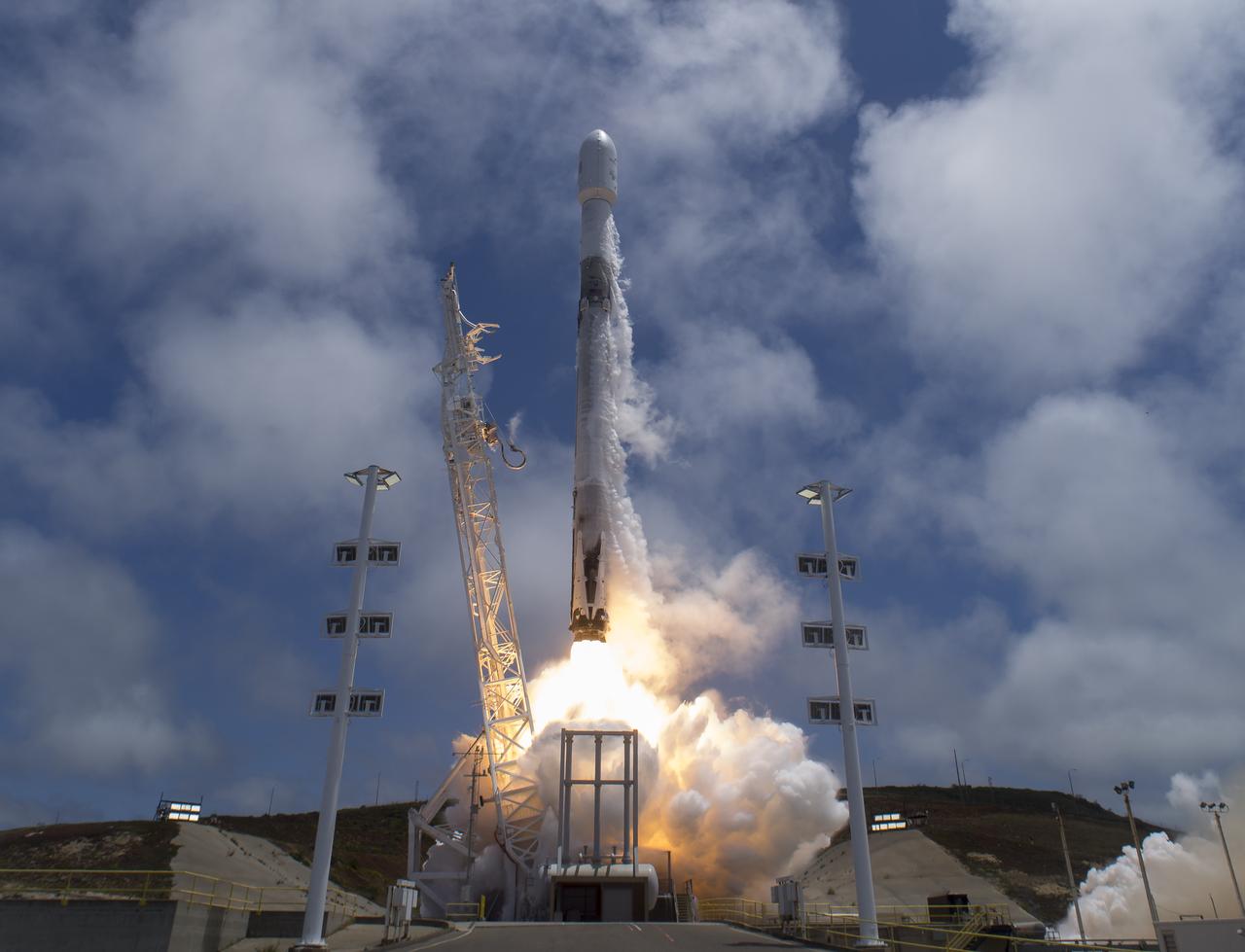
The NASA/German Research Centre for Geosciences GRACE Follow-On spacecraft launch onboard a SpaceX Falcon 9 rocket, Tuesday, May 22, 2018, from Space Launch Complex 4E at Vandenberg Air Force Base in California. The mission will measure changes in how mass is redistributed within and among Earth's atmosphere, oceans, land and ice sheets, as well as within Earth itself. GRACE-FO is sharing its ride to orbit with five Iridium NEXT communications satellites as part of a commercial rideshare agreement. Photo Credit: (NASA/Bill Ingalls)
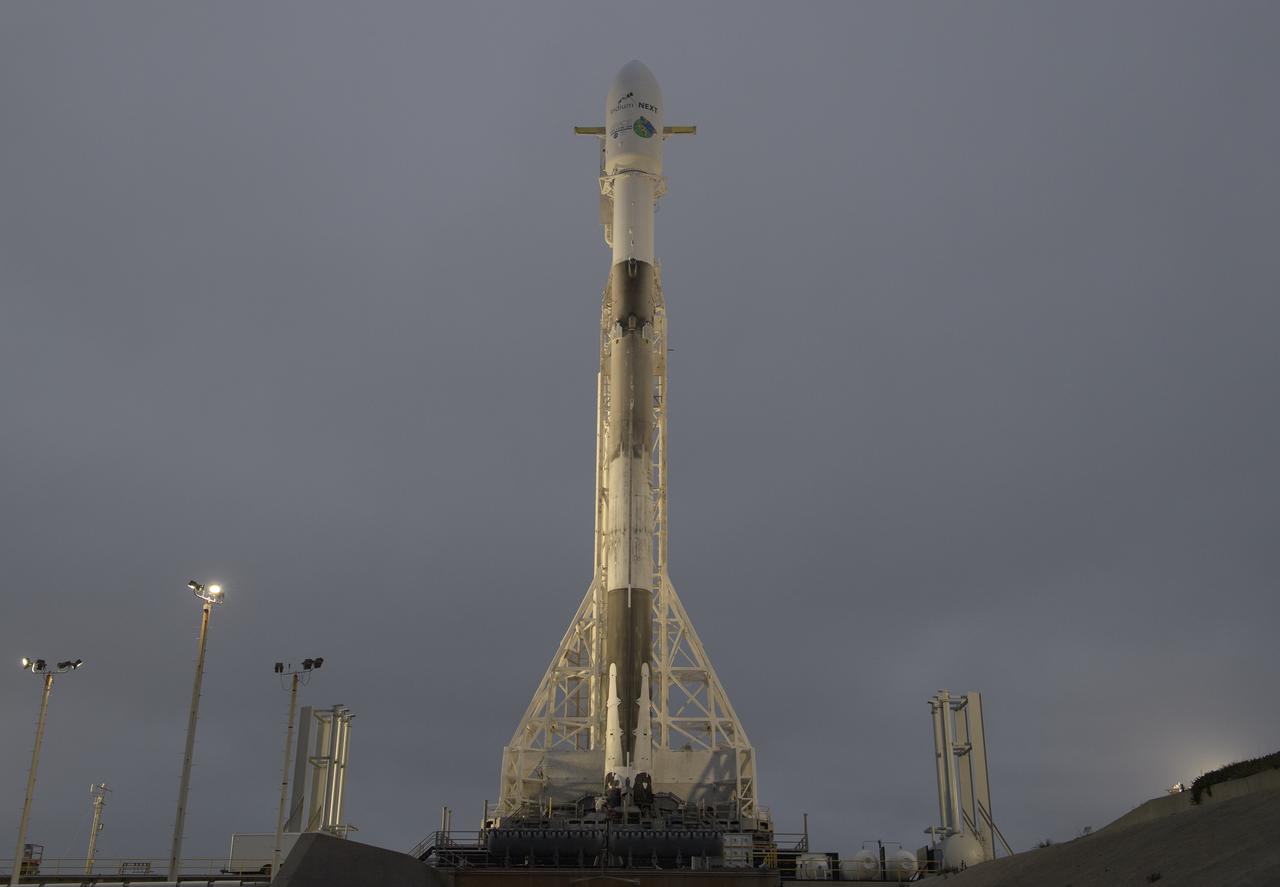
The SpaceX Falcon 9 rocket is seen with the NASA/German Research Centre for Geosciences GRACE Follow-On spacecraft onboard, Monday, May 21, 2018, at Space Launch Complex 4E at Vandenberg Air Force Base in California. The mission will measure changes in how mass is redistributed within and among Earth's atmosphere, oceans, land and ice sheets, as well as within Earth itself. GRACE-FO is sharing its ride to orbit with five Iridium NEXT communications satellites as part of a commercial rideshare agreement. Photo Credit: (NASA/Bill Ingalls)
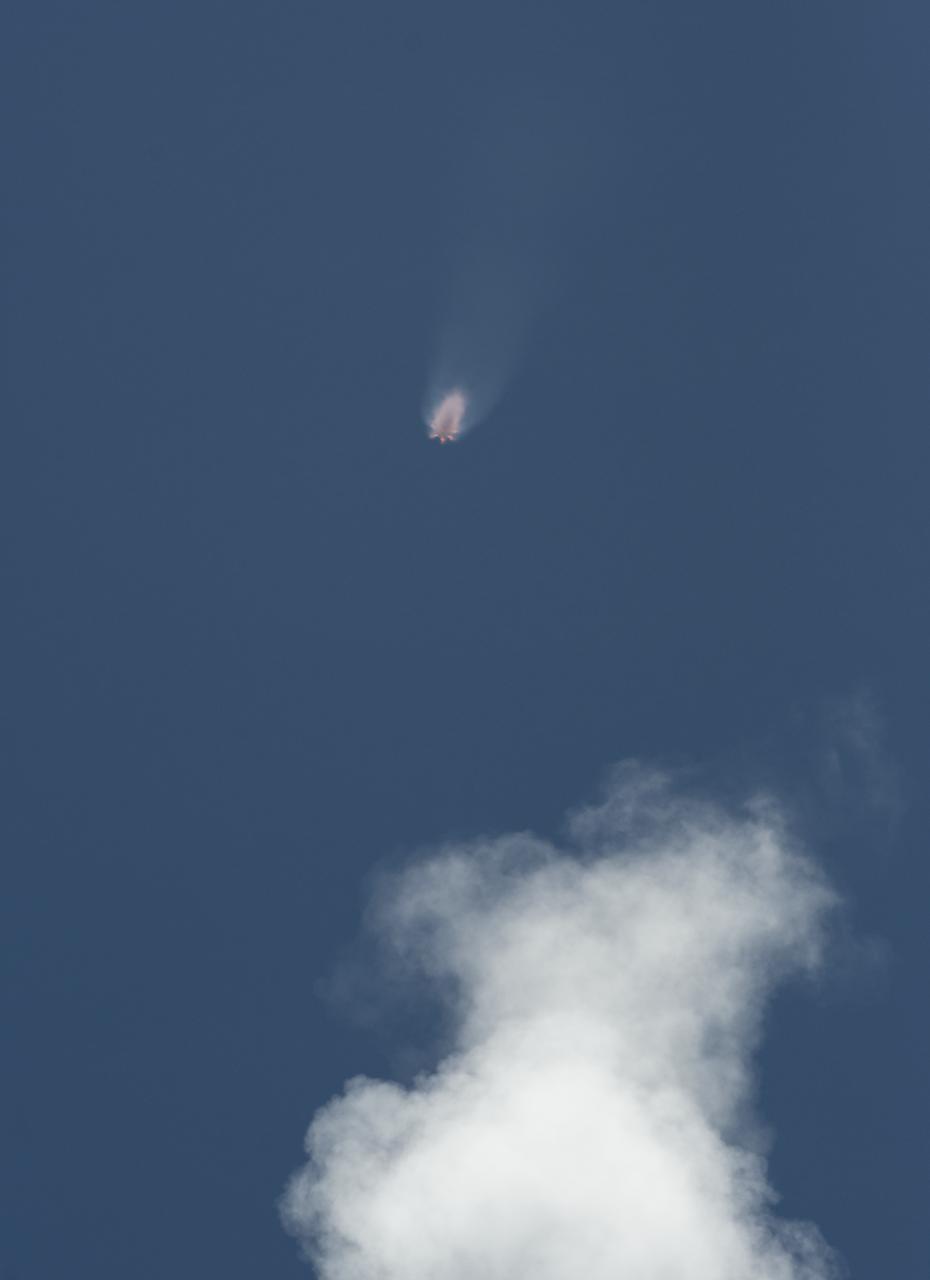
The NASA/German Research Centre for Geosciences GRACE Follow-On spacecraft launch onboard a SpaceX Falcon 9 rocket, Tuesday, May 22, 2018, from Space Launch Complex 4E at Vandenberg Air Force Base in California. The mission will measure changes in how mass is redistributed within and among Earth's atmosphere, oceans, land and ice sheets, as well as within Earth itself. GRACE-FO is sharing its ride to orbit with five Iridium NEXT communications satellites as part of a commercial rideshare agreement. Photo Credit: (NASA/Bill Ingalls)
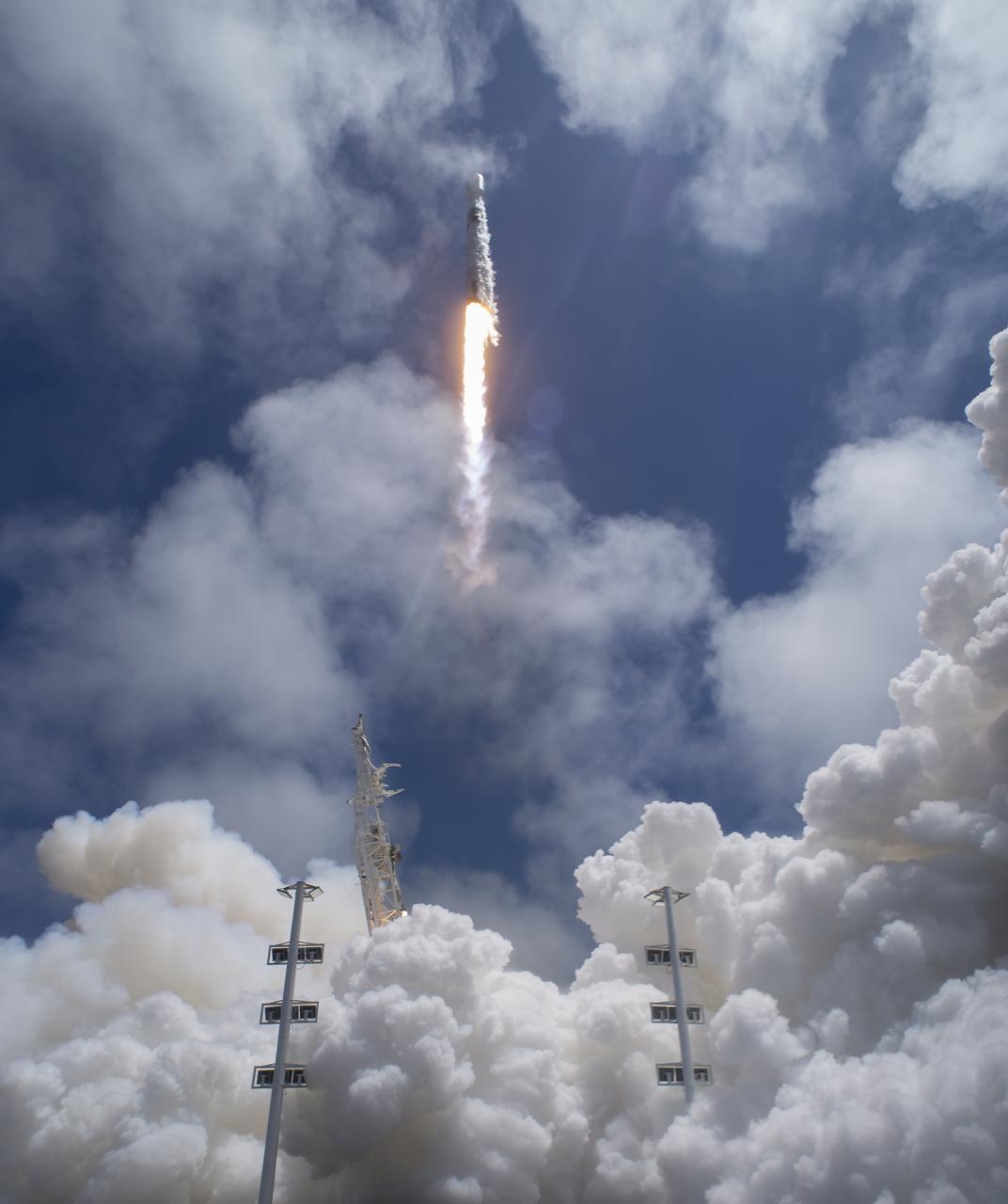
The NASA/German Research Centre for Geosciences GRACE Follow-On spacecraft launch onboard a SpaceX Falcon 9 rocket, Tuesday, May 22, 2018, from Space Launch Complex 4E at Vandenberg Air Force Base in California. The mission will measure changes in how mass is redistributed within and among Earth's atmosphere, oceans, land and ice sheets, as well as within Earth itself. GRACE-FO is sharing its ride to orbit with five Iridium NEXT communications satellites as part of a commercial rideshare agreement. Photo Credit: (NASA/Bill Ingalls)
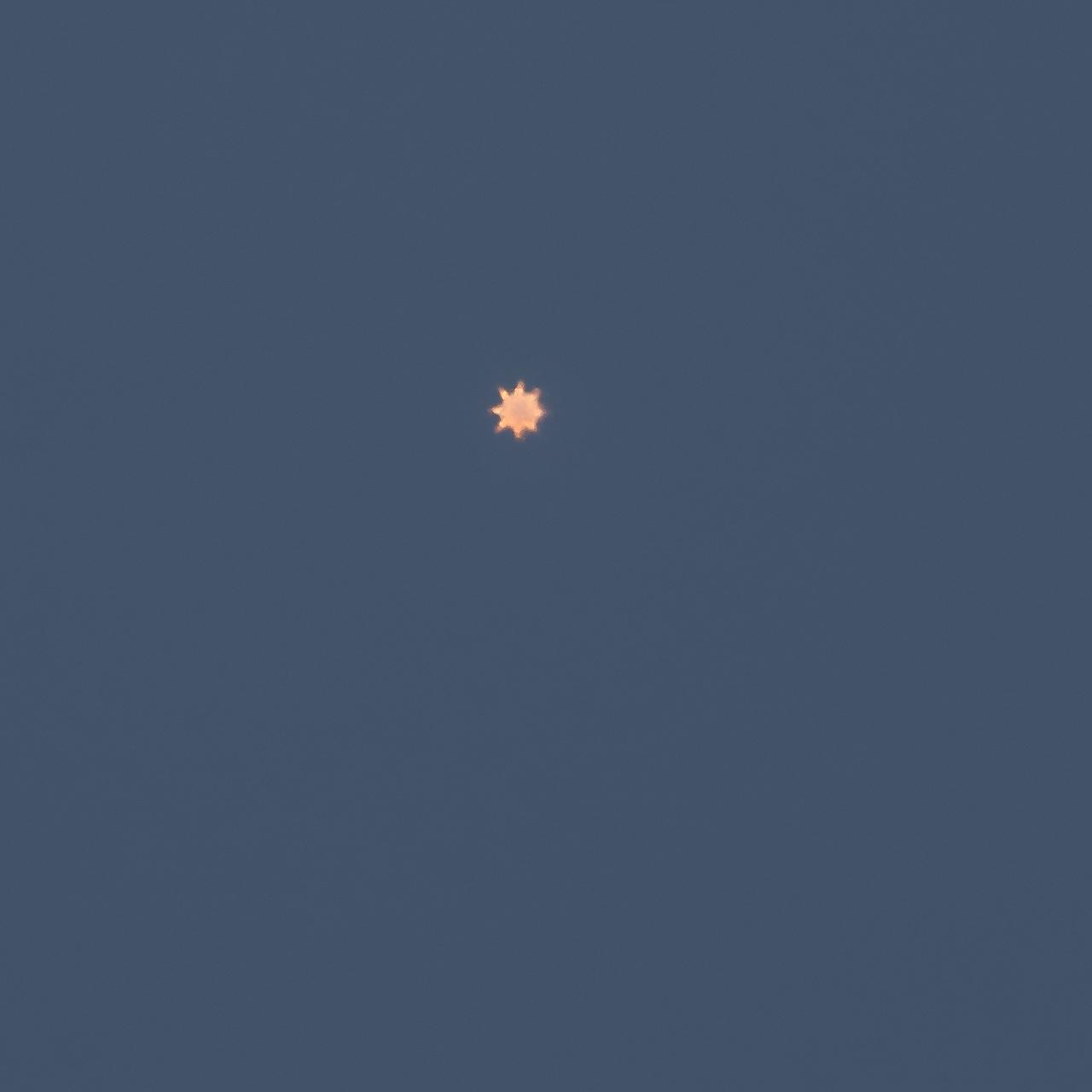
The NASA/German Research Centre for Geosciences GRACE Follow-On spacecraft launch onboard a SpaceX Falcon 9 rocket, Tuesday, May 22, 2018, from Space Launch Complex 4E at Vandenberg Air Force Base in California. The mission will measure changes in how mass is redistributed within and among Earth's atmosphere, oceans, land and ice sheets, as well as within Earth itself. GRACE-FO is sharing its ride to orbit with five Iridium NEXT communications satellites as part of a commercial rideshare agreement. Photo Credit: (NASA/Bill Ingalls)
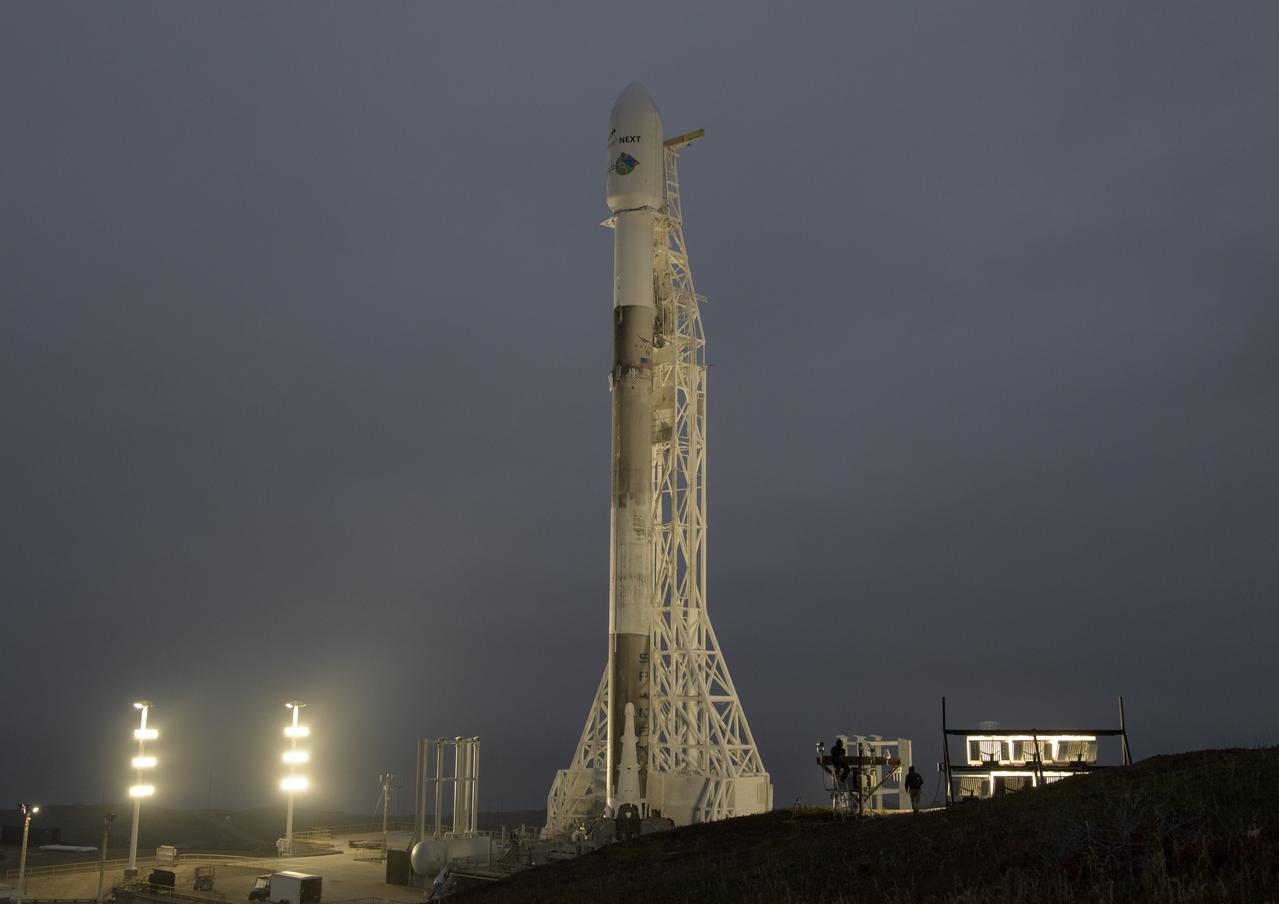
The SpaceX Falcon 9 rocket is seen with the NASA/German Research Centre for Geosciences GRACE Follow-On spacecraft onboard, Monday, May 21, 2018, at Space Launch Complex 4E at Vandenberg Air Force Base in California. The mission will measure changes in how mass is redistributed within and among Earth's atmosphere, oceans, land and ice sheets, as well as within Earth itself. GRACE-FO is sharing its ride to orbit with five Iridium NEXT communications satellites as part of a commercial rideshare agreement. Photo Credit: (NASA/Bill Ingalls)
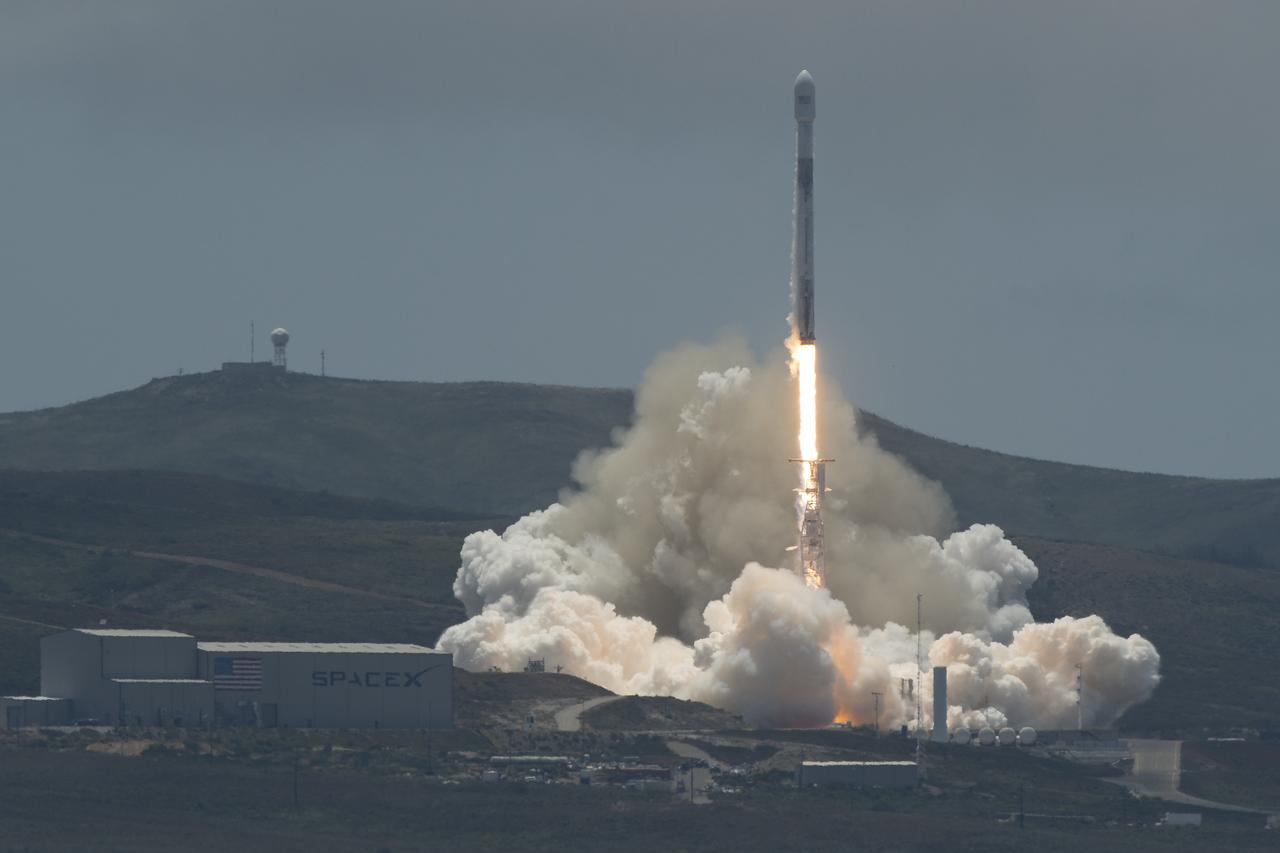
The NASA/German Research Centre for Geosciences GRACE Follow-On spacecraft launch onboard a SpaceX Falcon 9 rocket, Tuesday, May 22, 2018, from Space Launch Complex 4E at Vandenberg Air Force Base in California. The mission will measure changes in how mass is redistributed within and among Earth's atmosphere, oceans, land and ice sheets, as well as within Earth itself. GRACE-FO is sharing its ride to orbit with five Iridium NEXT communications satellites as part of a commercial rideshare agreement. Photo Credit: (NASA/Bill Ingalls)
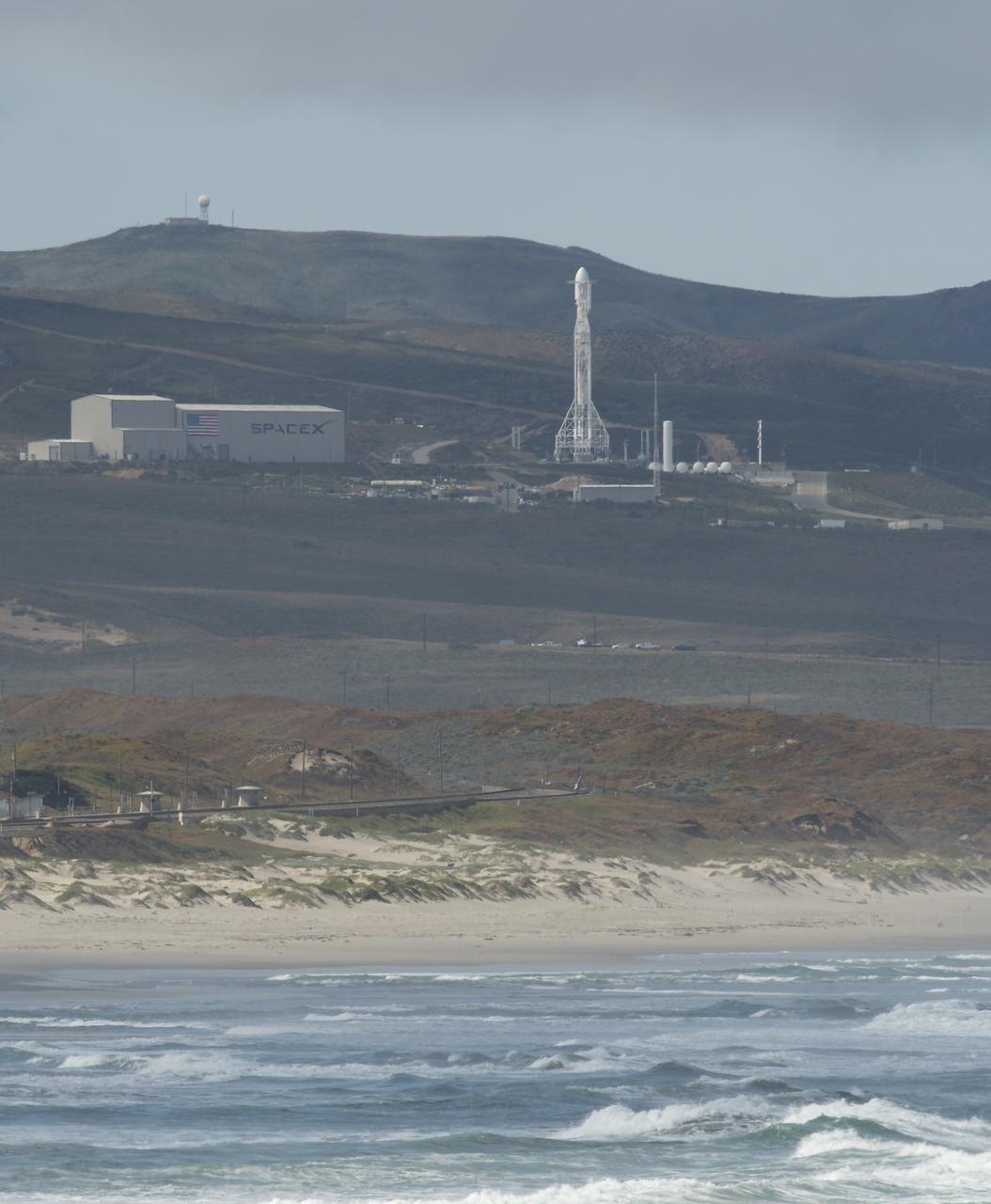
The SpaceX Falcon 9 rocket is seen with the NASA/German Research Centre for Geosciences GRACE Follow-On spacecraft onboard, Tuesday, May 22, 2018, at Space Launch Complex 4E at Vandenberg Air Force Base in California. The mission will measure changes in how mass is redistributed within and among Earth's atmosphere, oceans, land and ice sheets, as well as within Earth itself. GRACE-FO is sharing its ride to orbit with five Iridium NEXT communications satellites as part of a commercial rideshare agreement. Photo Credit: (NASA/Bill Ingalls)
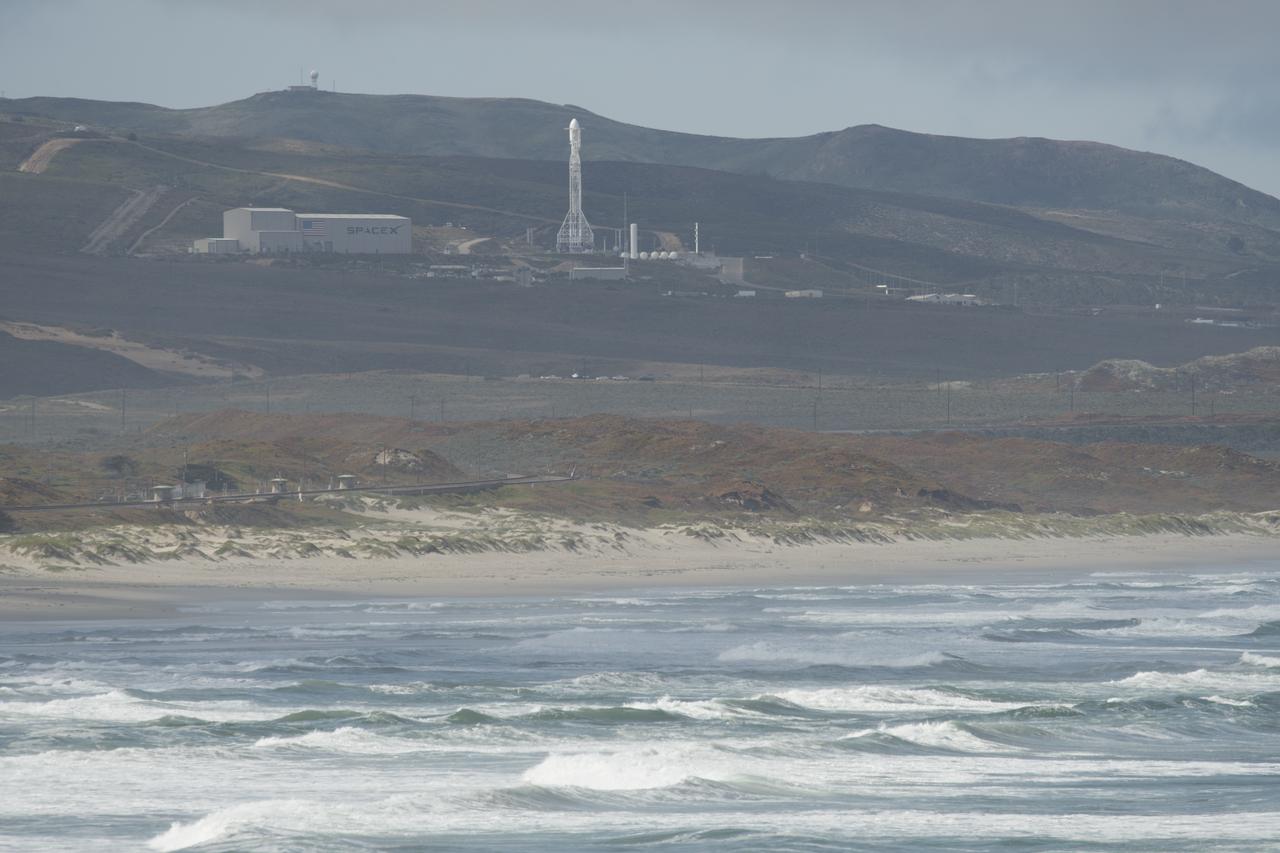
The SpaceX Falcon 9 rocket is seen with the NASA/German Research Centre for Geosciences GRACE Follow-On spacecraft onboard, Tuesday, May 22, 2018, at Space Launch Complex 4E at Vandenberg Air Force Base in California. The mission will measure changes in how mass is redistributed within and among Earth's atmosphere, oceans, land and ice sheets, as well as within Earth itself. GRACE-FO is sharing its ride to orbit with five Iridium NEXT communications satellites as part of a commercial rideshare agreement. Photo Credit: (NASA/Bill Ingalls)
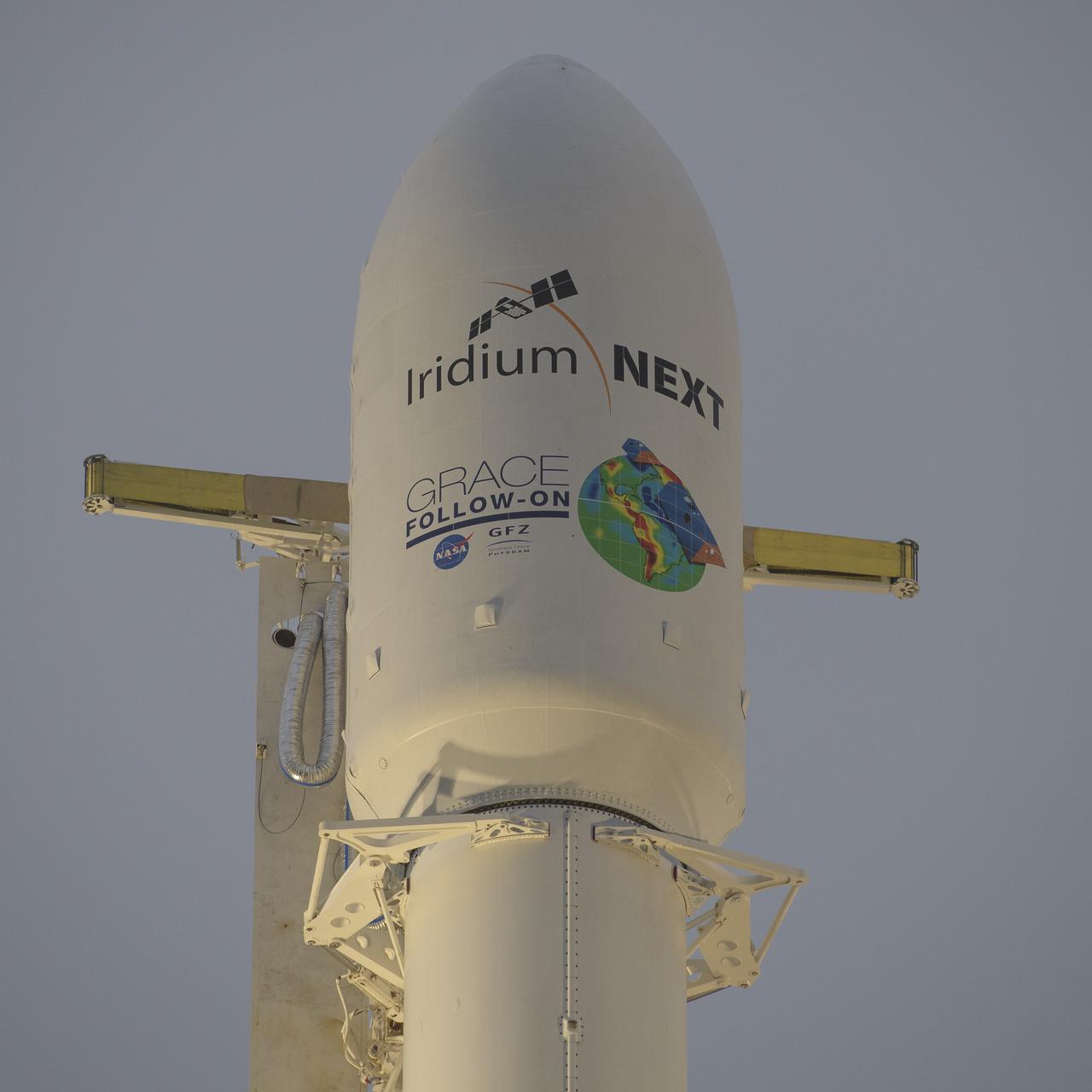
The SpaceX Falcon 9 rocket is seen with the NASA/German Research Centre for Geosciences GRACE Follow-On spacecraft onboard, Monday, May 21, 2018, at Space Launch Complex 4E at Vandenberg Air Force Base in California. The mission will measure changes in how mass is redistributed within and among Earth's atmosphere, oceans, land and ice sheets, as well as within Earth itself. GRACE-FO is sharing its ride to orbit with five Iridium NEXT communications satellites as part of a commercial rideshare agreement. Photo Credit: (NASA/Bill Ingalls)

The NASA/German Research Centre for Geosciences GRACE Follow-On spacecraft launch onboard a SpaceX Falcon 9 rocket, Tuesday, May 22, 2018, from Space Launch Complex 4E at Vandenberg Air Force Base in California. The mission will measure changes in how mass is redistributed within and among Earth's atmosphere, oceans, land and ice sheets, as well as within Earth itself. GRACE-FO is sharing its ride to orbit with five Iridium NEXT communications satellites as part of a commercial rideshare agreement. Photo Credit: (NASA/Bill Ingalls)
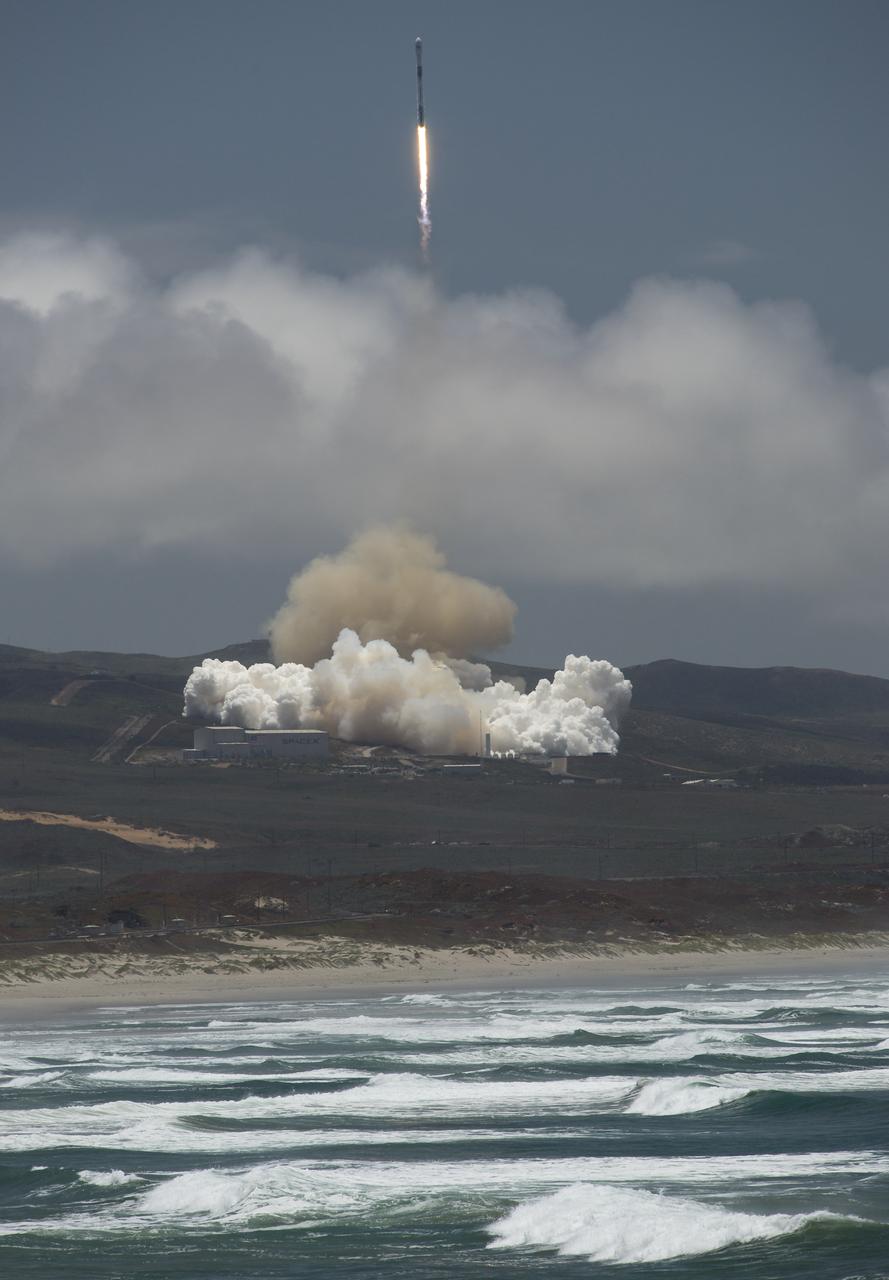
The NASA/German Research Centre for Geosciences GRACE Follow-On spacecraft launch onboard a SpaceX Falcon 9 rocket, Tuesday, May 22, 2018, from Space Launch Complex 4E at Vandenberg Air Force Base in California. The mission will measure changes in how mass is redistributed within and among Earth's atmosphere, oceans, land and ice sheets, as well as within Earth itself. GRACE-FO is sharing its ride to orbit with five Iridium NEXT communications satellites as part of a commercial rideshare agreement. Photo Credit: (NASA/Bill Ingalls)
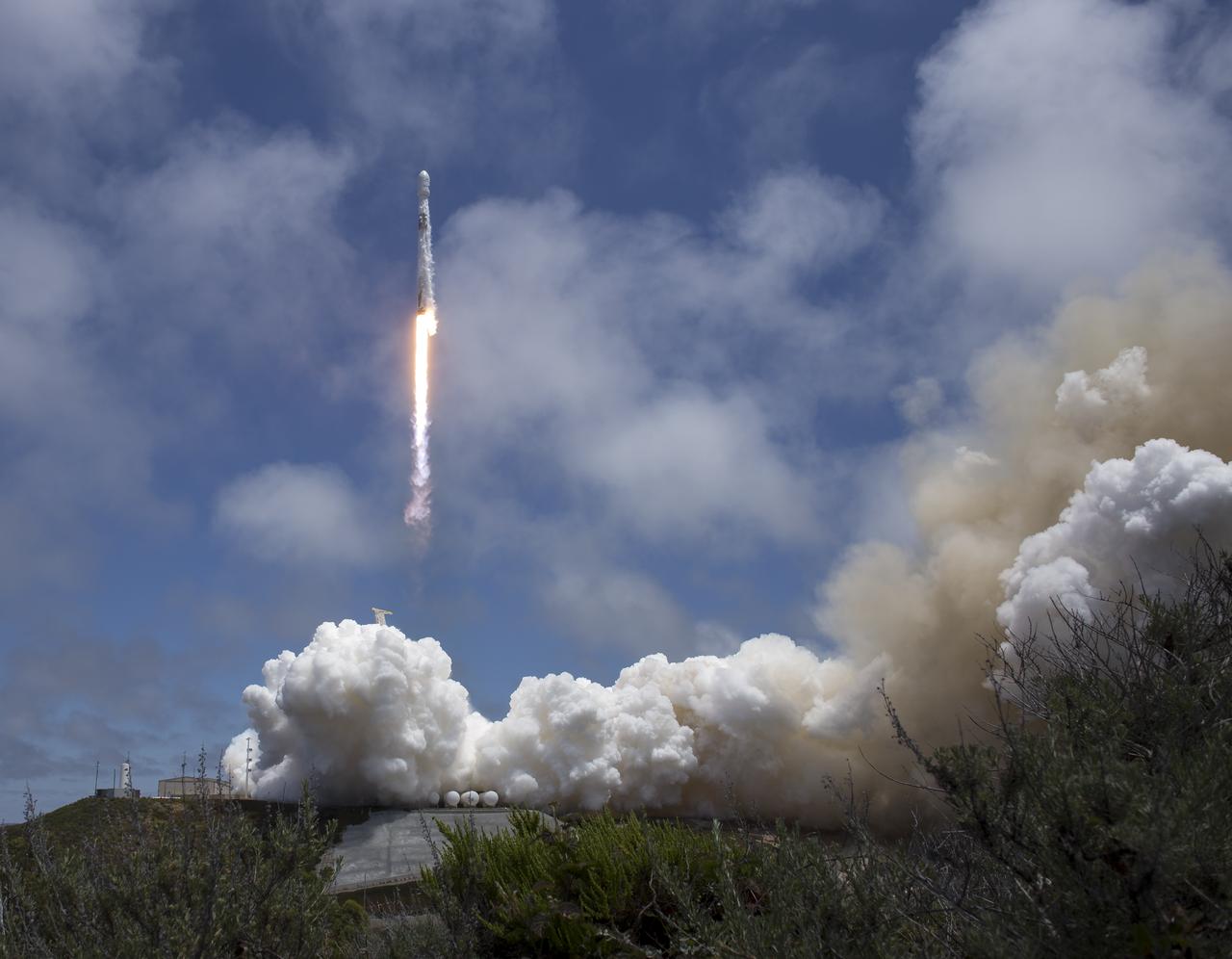
The NASA/German Research Centre for Geosciences GRACE Follow-On spacecraft launch onboard a SpaceX Falcon 9 rocket, Tuesday, May 22, 2018, from Space Launch Complex 4E at Vandenberg Air Force Base in California. The mission will measure changes in how mass is redistributed within and among Earth's atmosphere, oceans, land and ice sheets, as well as within Earth itself. GRACE-FO is sharing its ride to orbit with five Iridium NEXT communications satellites as part of a commercial rideshare agreement. Photo Credit: (NASA/Bill Ingalls)
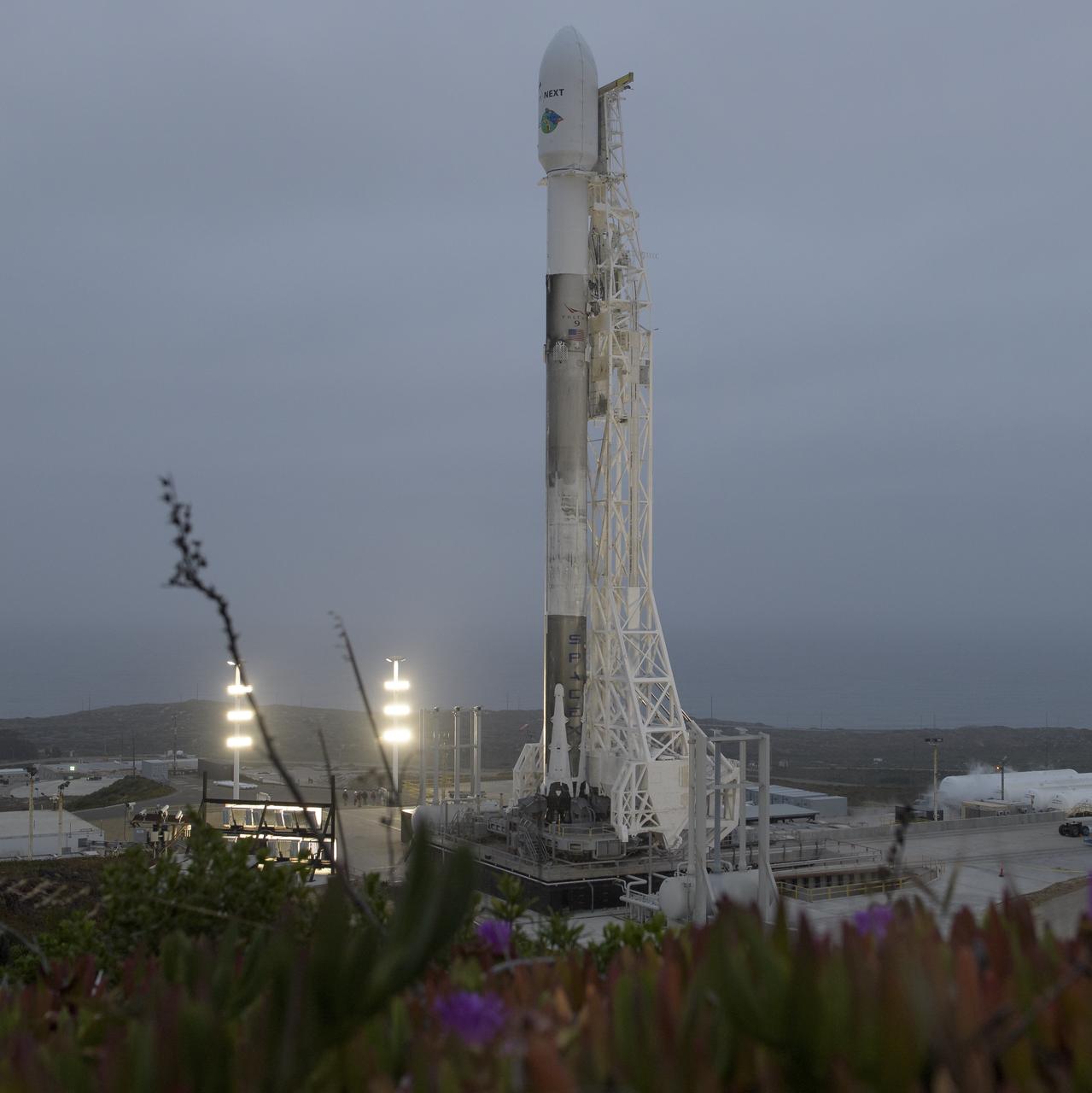
The SpaceX Falcon 9 rocket is seen with the NASA/German Research Centre for Geosciences GRACE Follow-On spacecraft onboard, Monday, May 21, 2018, at Space Launch Complex 4E at Vandenberg Air Force Base in California. The mission will measure changes in how mass is redistributed within and among Earth's atmosphere, oceans, land and ice sheets, as well as within Earth itself. GRACE-FO is sharing its ride to orbit with five Iridium NEXT communications satellites as part of a commercial rideshare agreement. Photo Credit: (NASA/Bill Ingalls)

The NASA/German Research Centre for Geosciences GRACE Follow-On spacecraft launch onboard a SpaceX Falcon 9 rocket, Tuesday, May 22, 2018, from Space Launch Complex 4E at Vandenberg Air Force Base in California. The mission will measure changes in how mass is redistributed within and among Earth's atmosphere, oceans, land and ice sheets, as well as within Earth itself. GRACE-FO is sharing its ride to orbit with five Iridium NEXT communications satellites as part of a commercial rideshare agreement. Photo Credit: (NASA/Bill Ingalls)
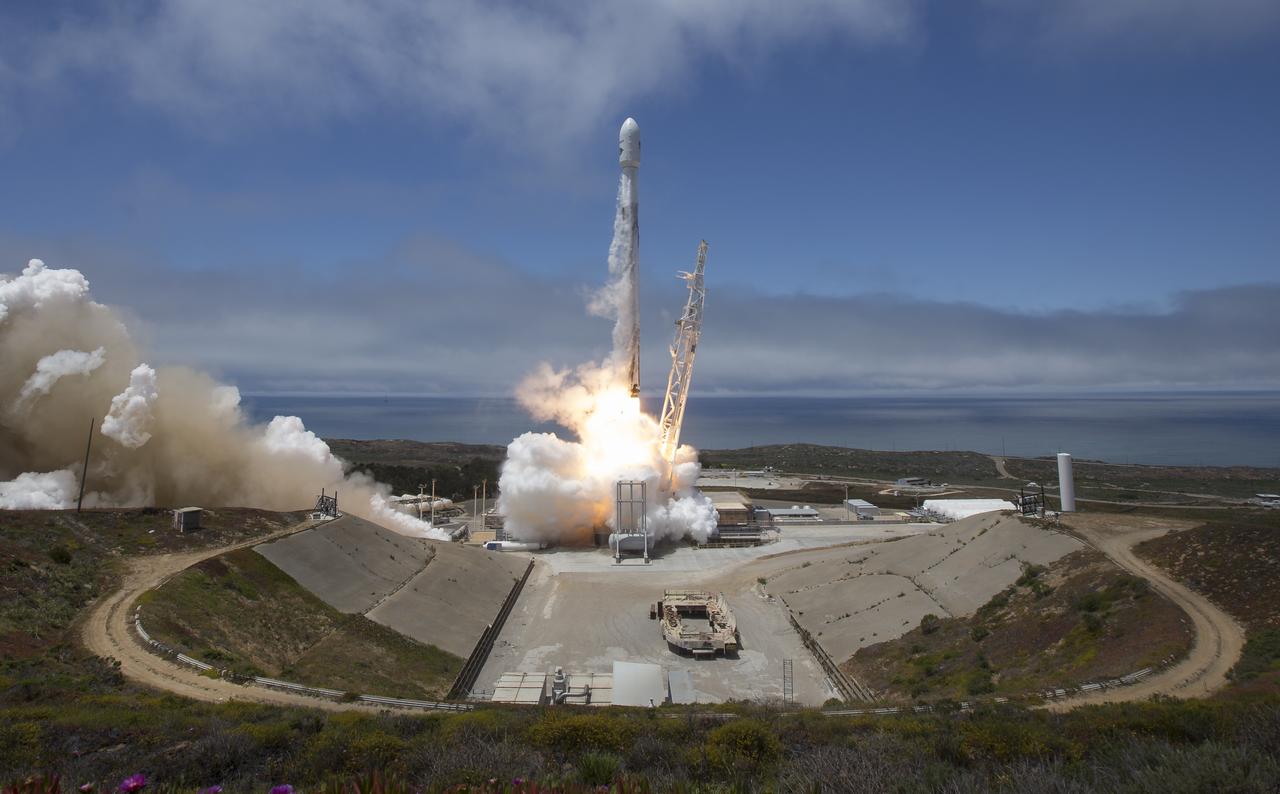
The NASA/German Research Centre for Geosciences GRACE Follow-On spacecraft launch onboard a SpaceX Falcon 9 rocket, Tuesday, May 22, 2018, from Space Launch Complex 4E at Vandenberg Air Force Base in California. The mission will measure changes in how mass is redistributed within and among Earth's atmosphere, oceans, land and ice sheets, as well as within Earth itself. GRACE-FO is sharing its ride to orbit with five Iridium NEXT communications satellites as part of a commercial rideshare agreement. Photo Credit: (NASA/Bill Ingalls)
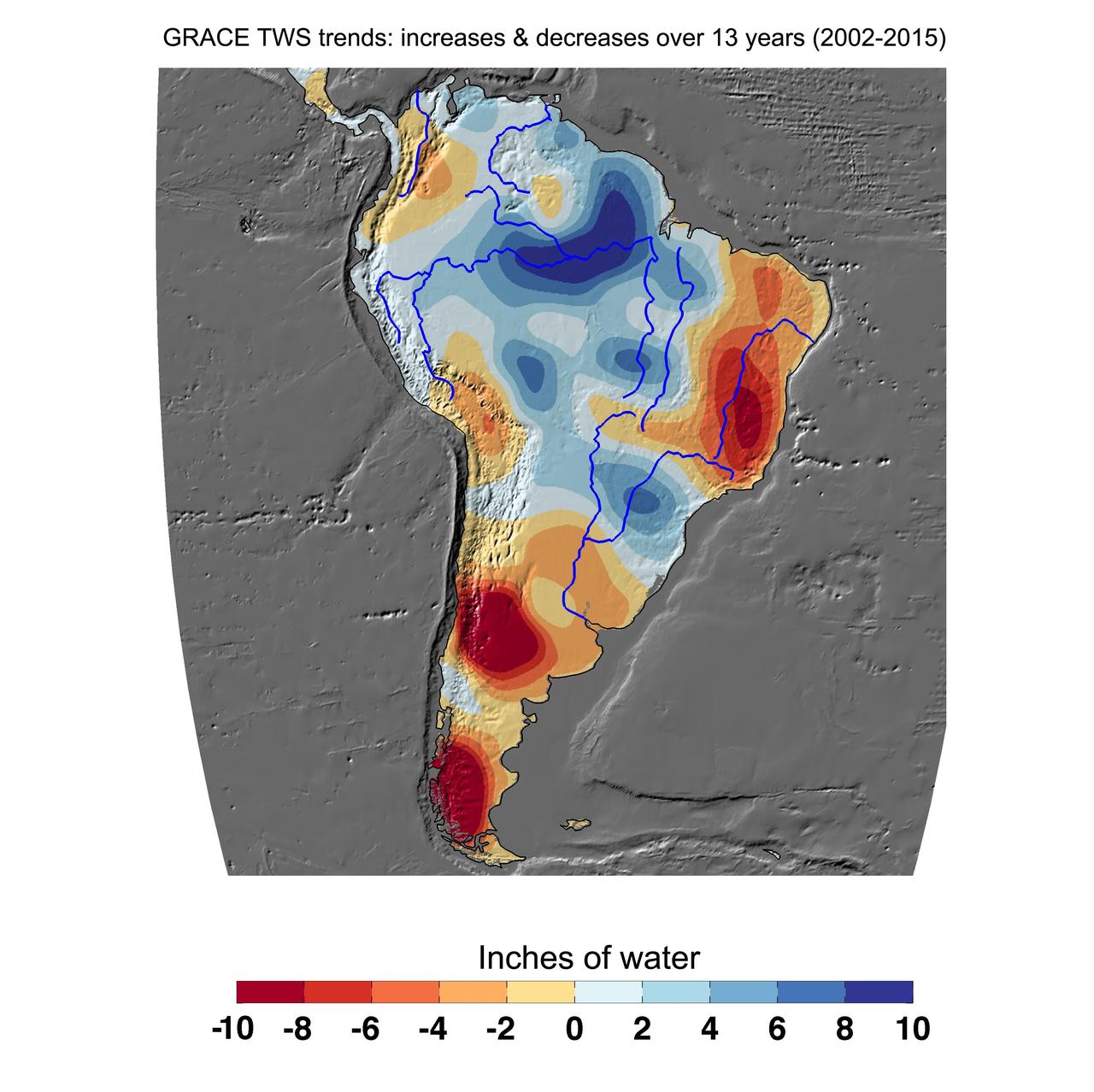
Cumulative total freshwater losses in South America from 2002 to 2015 (in inches) observed by NASA's Gravity Recovery and Climate Experiment (GRACE) mission. Total water refers to all of the snow, surface water, soil water and groundwater combined. Much of the Amazon River basin experienced increasing total water storage during this time period, though the persistent Brazilian drought is apparent to the east. Groundwater depletion strongly impacted total water losses in the Guarani aquifer of Argentina and neighboring countries. Significant water losses due to the melting ice fields of Patagonia are also observed. http://photojournal.jpl.nasa.gov/catalog/PIA20205
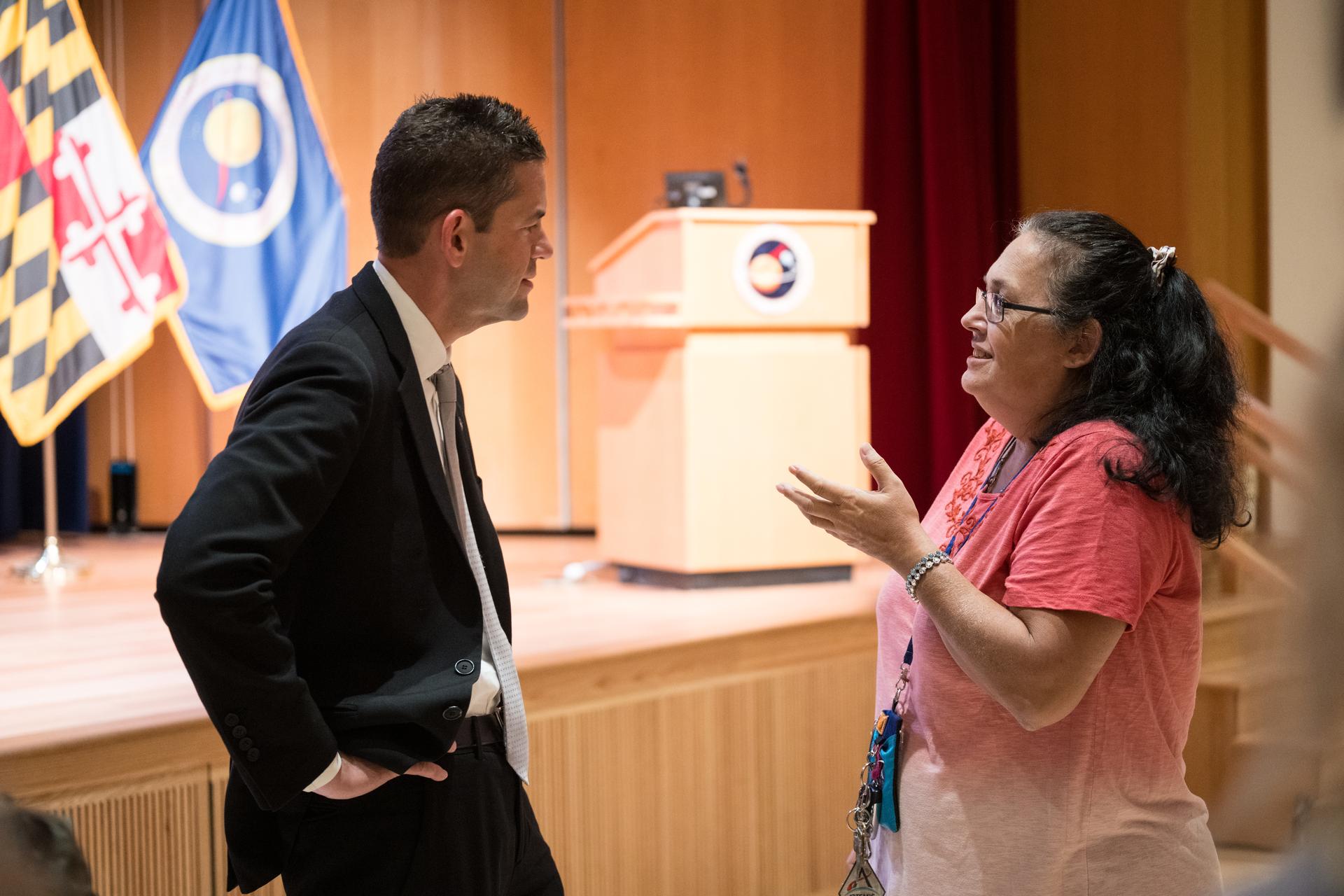
NASA Administrator Jared Isaacman speaks with employees over coffee and donuts during an event held to celebrate the launch of the Nancy Grace Roman Space Telescope, Tuesday, Sept. 1, 2026, at NASA’s Goddard Space Flight Center in Greenbelt, Maryland. Photo Credit: (NASA/Aubrey Gemignani)
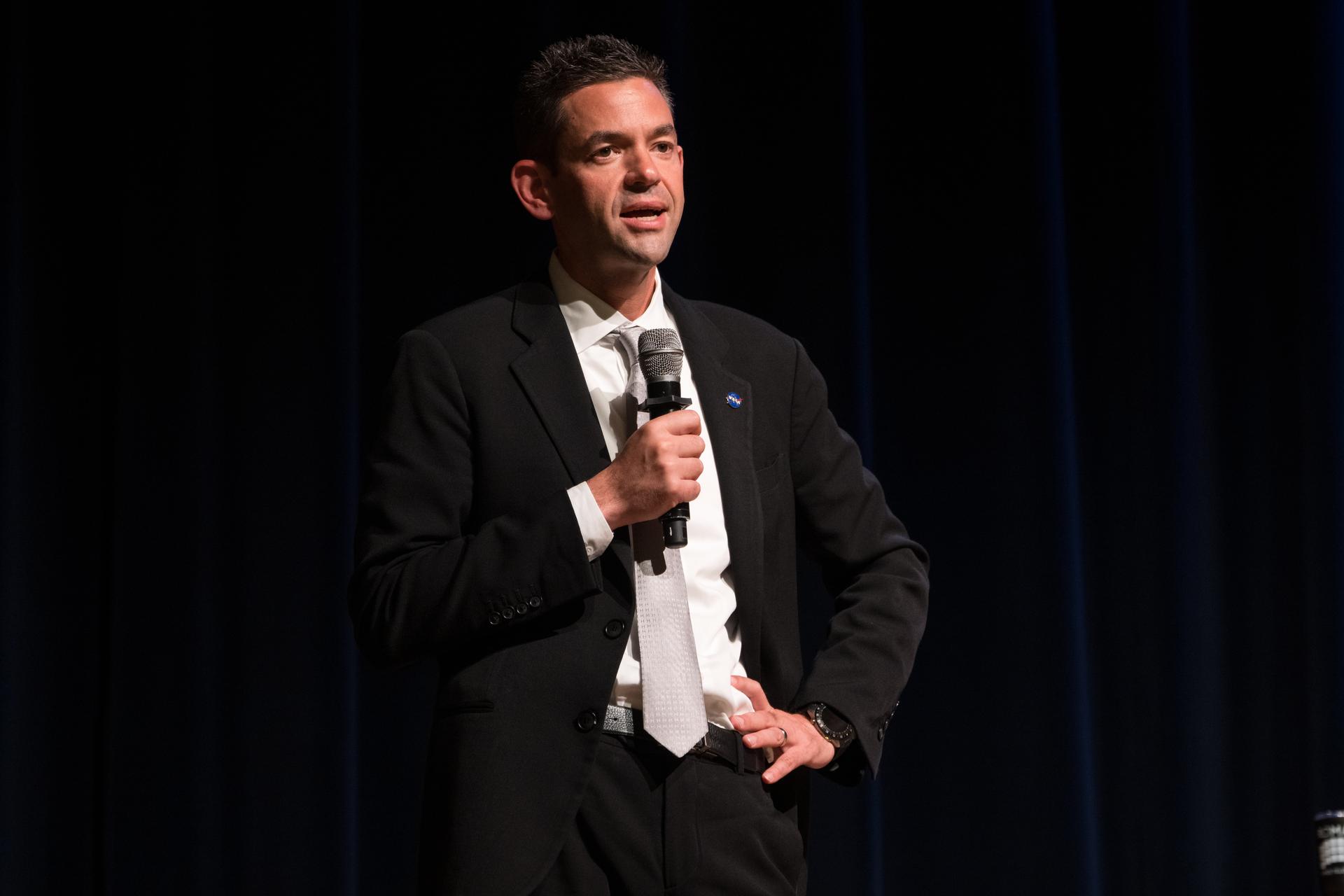
NASA Administrator Jared Isaacman provides remarks during an event held to celebrate the launch of the Nancy Grace Roman Space Telescope, Tuesday, Sept. 1, 2026, at NASA’s Goddard Space Flight Center in Greenbelt, Maryland. Photo Credit: (NASA/Aubrey Gemignani)
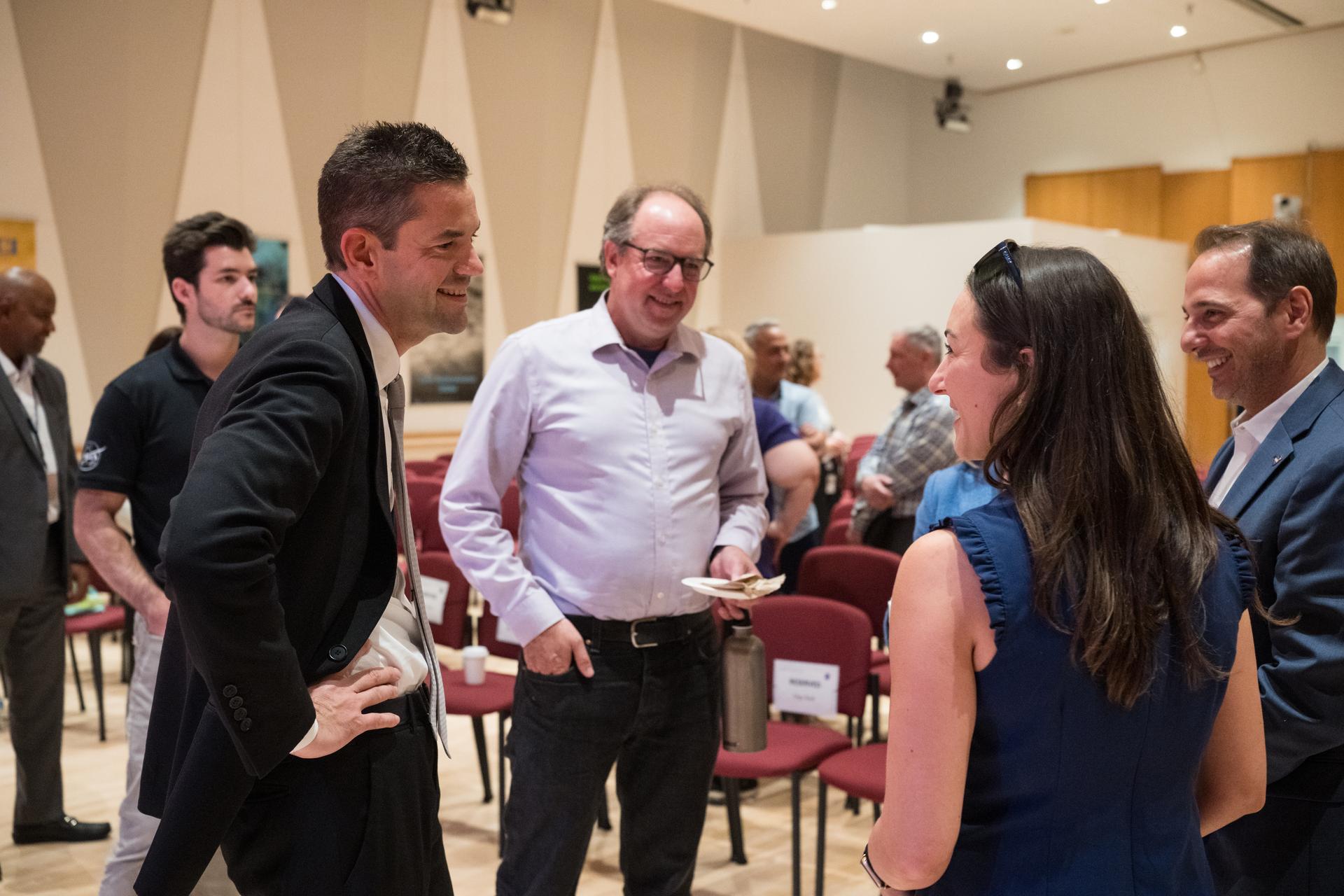
NASA Administrator Jared Isaacman speaks with employees over coffee and donuts during an event held to celebrate the launch of the Nancy Grace Roman Space Telescope, Tuesday, Sept. 1, 2026, at NASA’s Goddard Space Flight Center in Greenbelt, Maryland. Photo Credit: (NASA/Aubrey Gemignani)
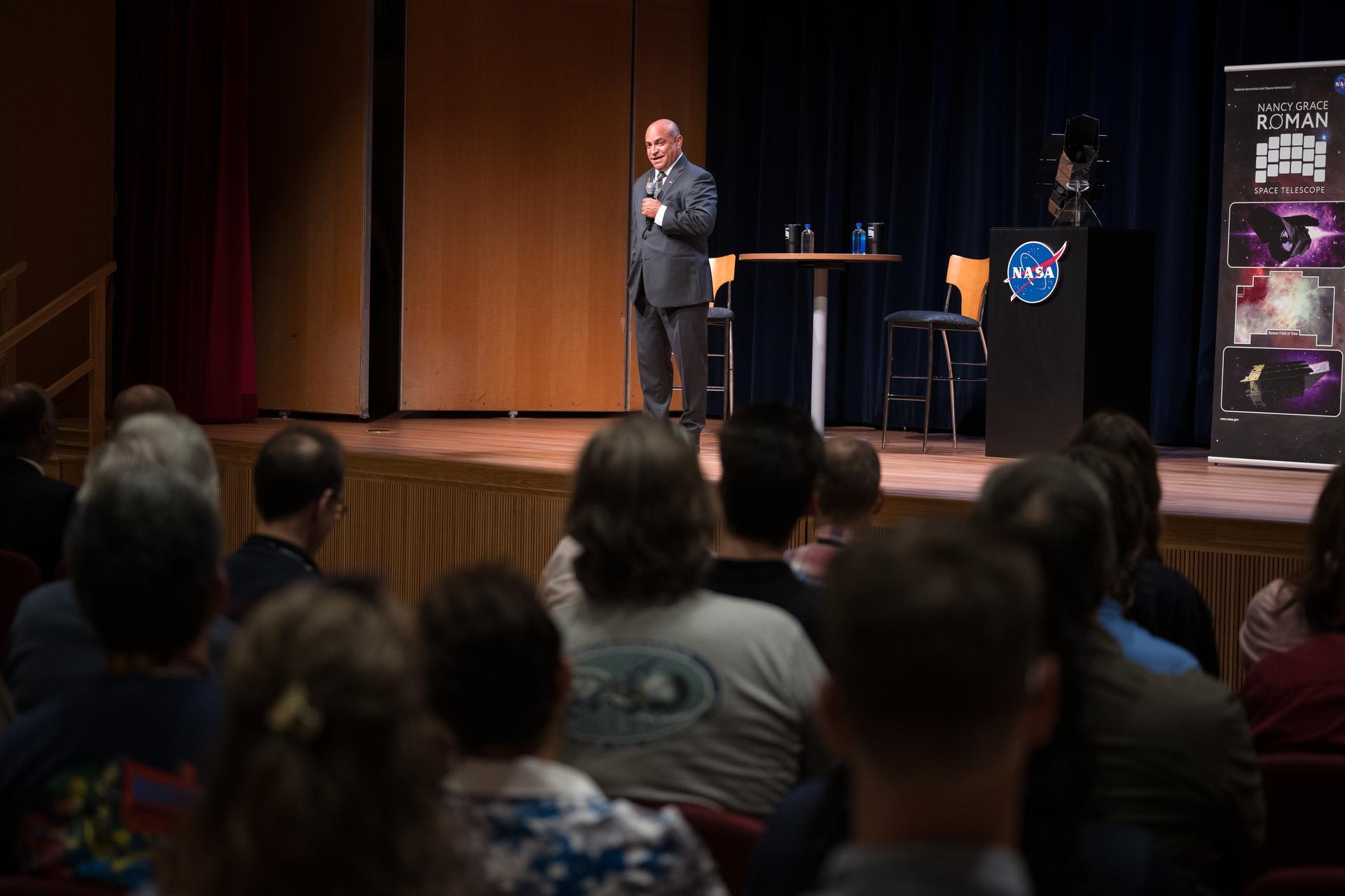
Goddard Space Flight Center director Jamie Dunn introduces NASA Administrator Jared Isaacman during an event held to celebrate the launch of NASA’s Nancy Grace Roman Space Telescope, Tuesday, Sept. 1, 2026, at NASA’s Goddard Space Flight Center in Greenbelt, Maryland. Photo Credit: (NASA/Aubrey Gemignani)
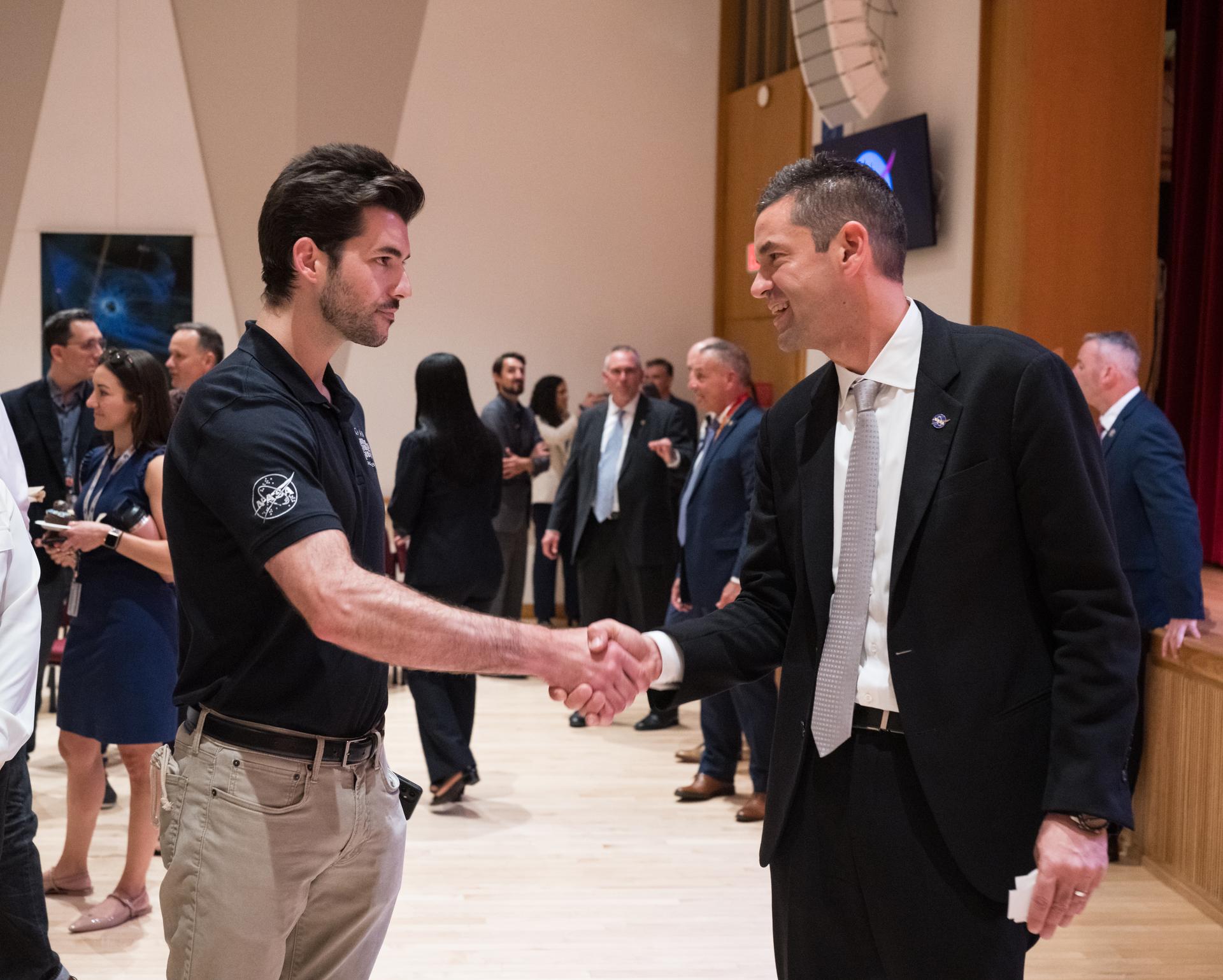
NASA Administrator Jared Isaacman speaks with employees over coffee and donuts during an event held to celebrate the launch of the Nancy Grace Roman Space Telescope, Tuesday, Sept. 1, 2026, at NASA’s Goddard Space Flight Center in Greenbelt, Maryland. Photo Credit: (NASA/Aubrey Gemignani)
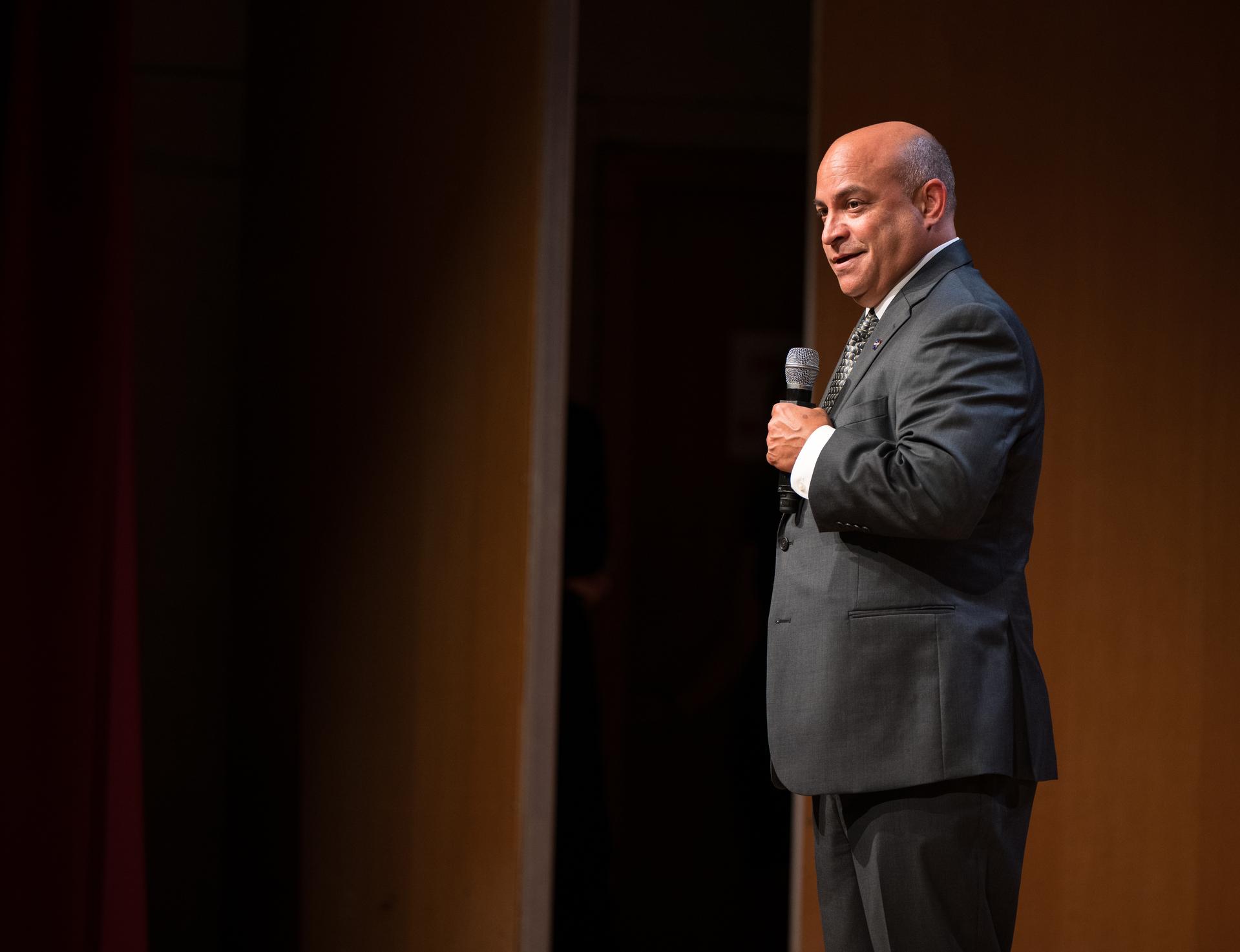
Goddard Space Flight Center director Jamie Dunn introduces NASA Administrator Jared Isaacman during an event held to celebrate the launch of NASA’s Nancy Grace Roman Space Telescope, Tuesday, Sept. 1, 2026, at NASA’s Goddard Space Flight Center in Greenbelt, Maryland. Photo Credit: (NASA/Aubrey Gemignani)
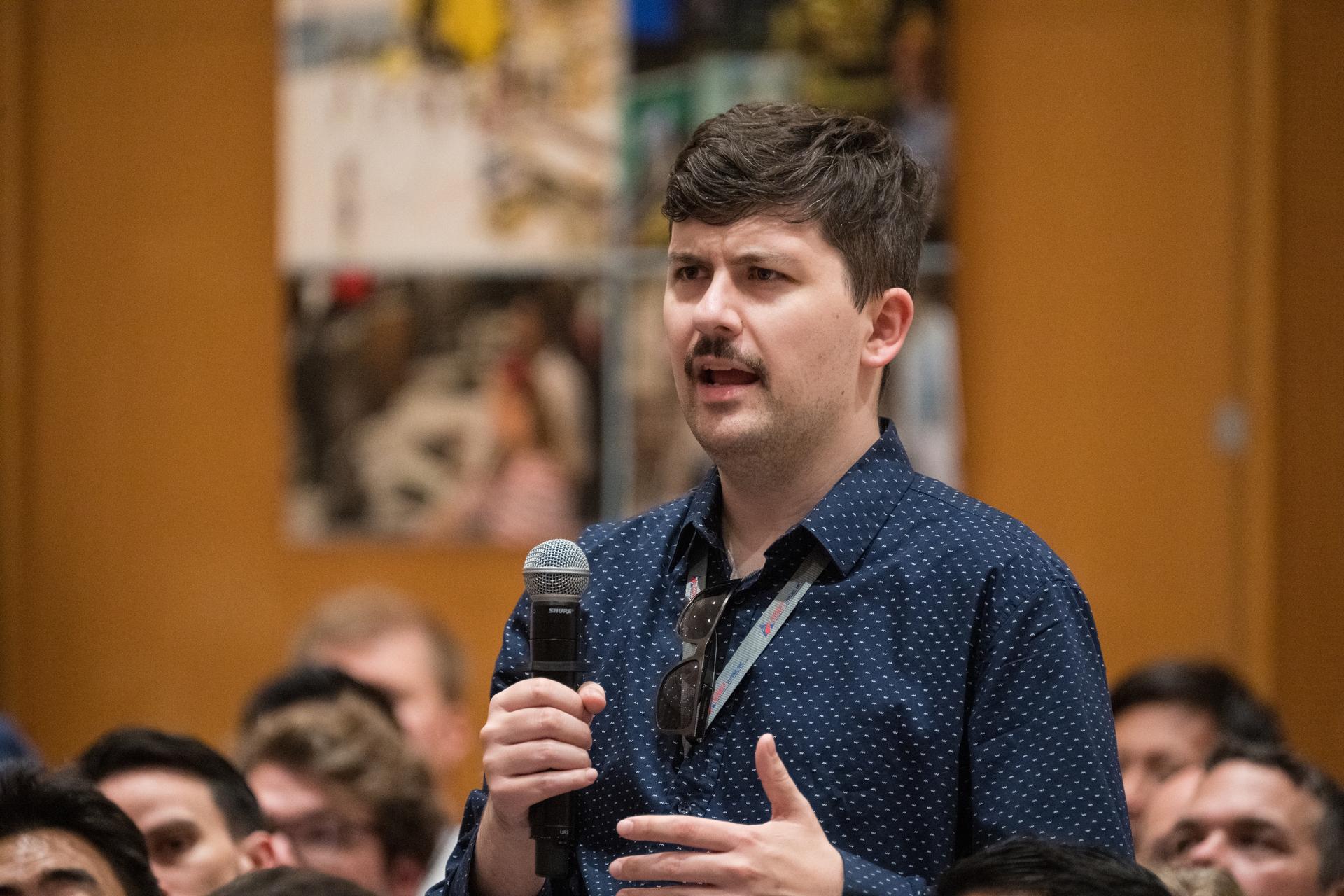
An audience member asks NASA Administrator Jared Isaacman a question during an event held to celebrate the launch of NASA’s Nancy Grace Roman Space Telescope, Tuesday, Sept. 1, 2026, at NASA’s Goddard Space Flight Center in Greenbelt, Maryland. Photo Credit: (NASA/Aubrey Gemignani)
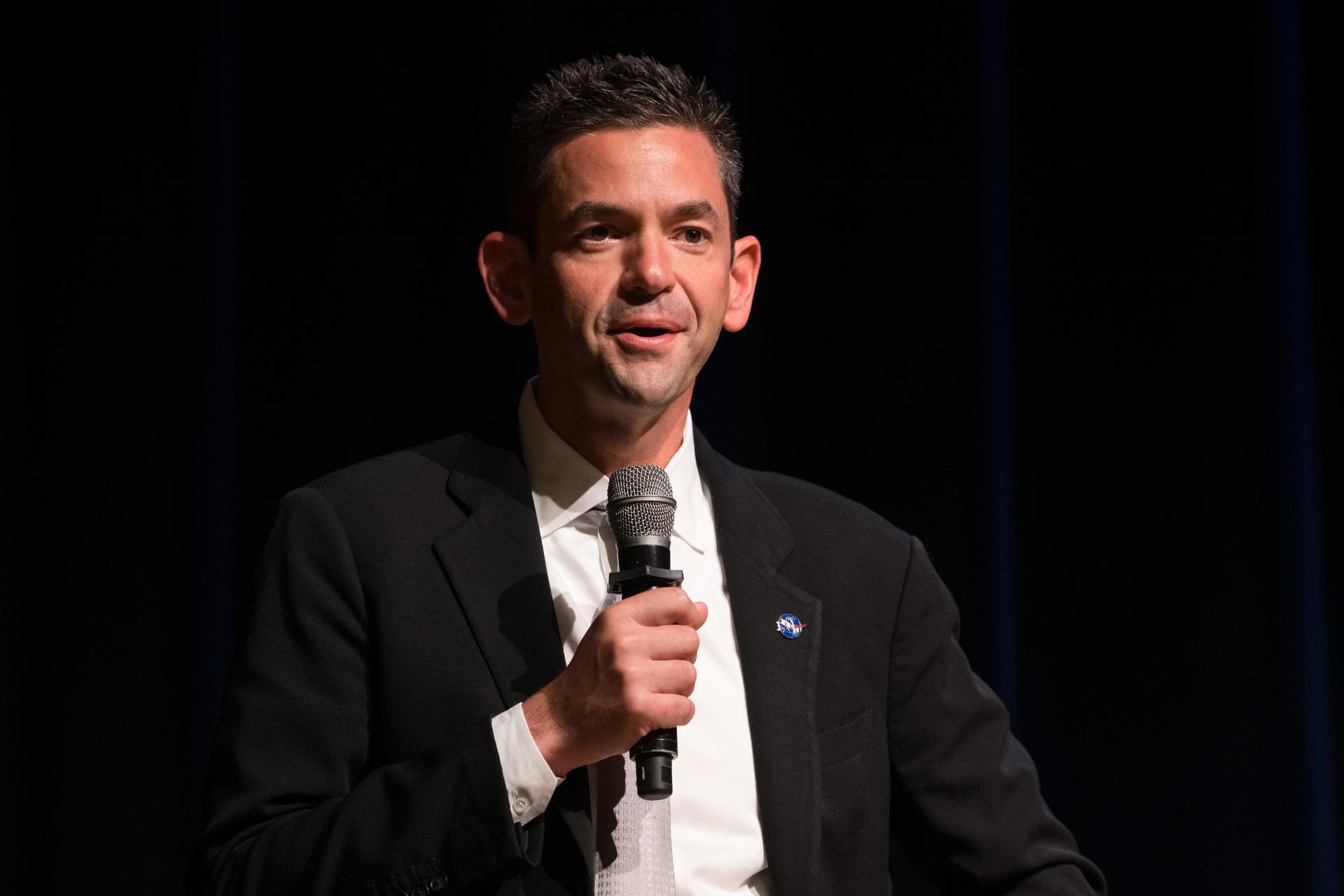
NASA Administrator Jared Isaacman provides remarks during an event held to celebrate the launch of the Nancy Grace Roman Space Telescope, Tuesday, Sept. 1, 2026, at NASA’s Goddard Space Flight Center in Greenbelt, Maryland. Photo Credit: (NASA/Aubrey Gemignani)