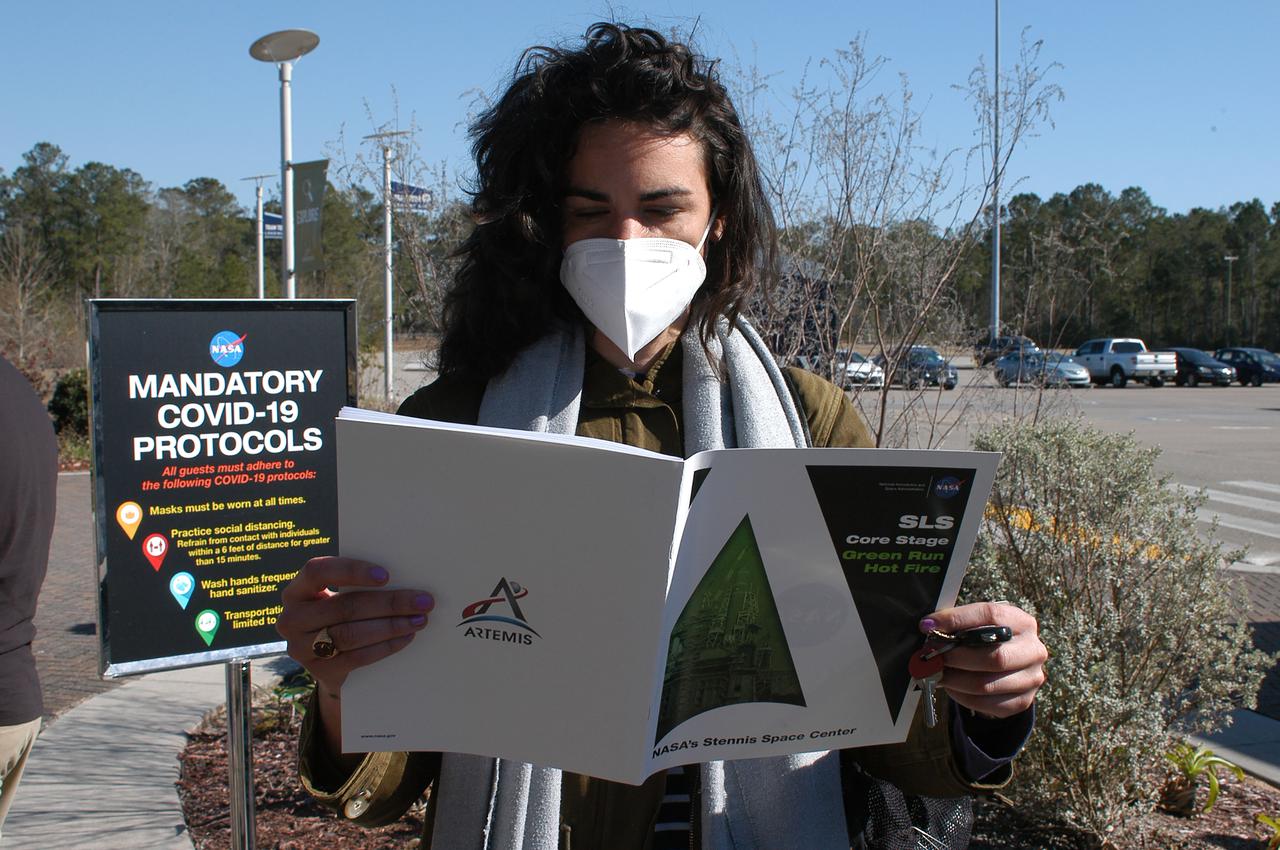
A guest reviews a commemorative Green Run booklet after arriving to view the Green Run hot fire test of the core stage for NASA’s Space Launch System (SLS) rocket at Stennis Space Center near Bay St. Louis, Mississippi, on Saturday, January 16, 2021. NASA conducted a hot fire test of the core stage’s four RS-25 engines on the B-2 Test Stand at Stennis. Scheduled for as long as eight minutes, the engines fired for a little more than one minute to generate a combined 1.6 million pounds of thrust, just as will occur during an actual launch. The hot fire is the final test of the Green Run test series, a comprehensive assessment of the SLS core stage prior to launching the Artemis I mission to the Moon.
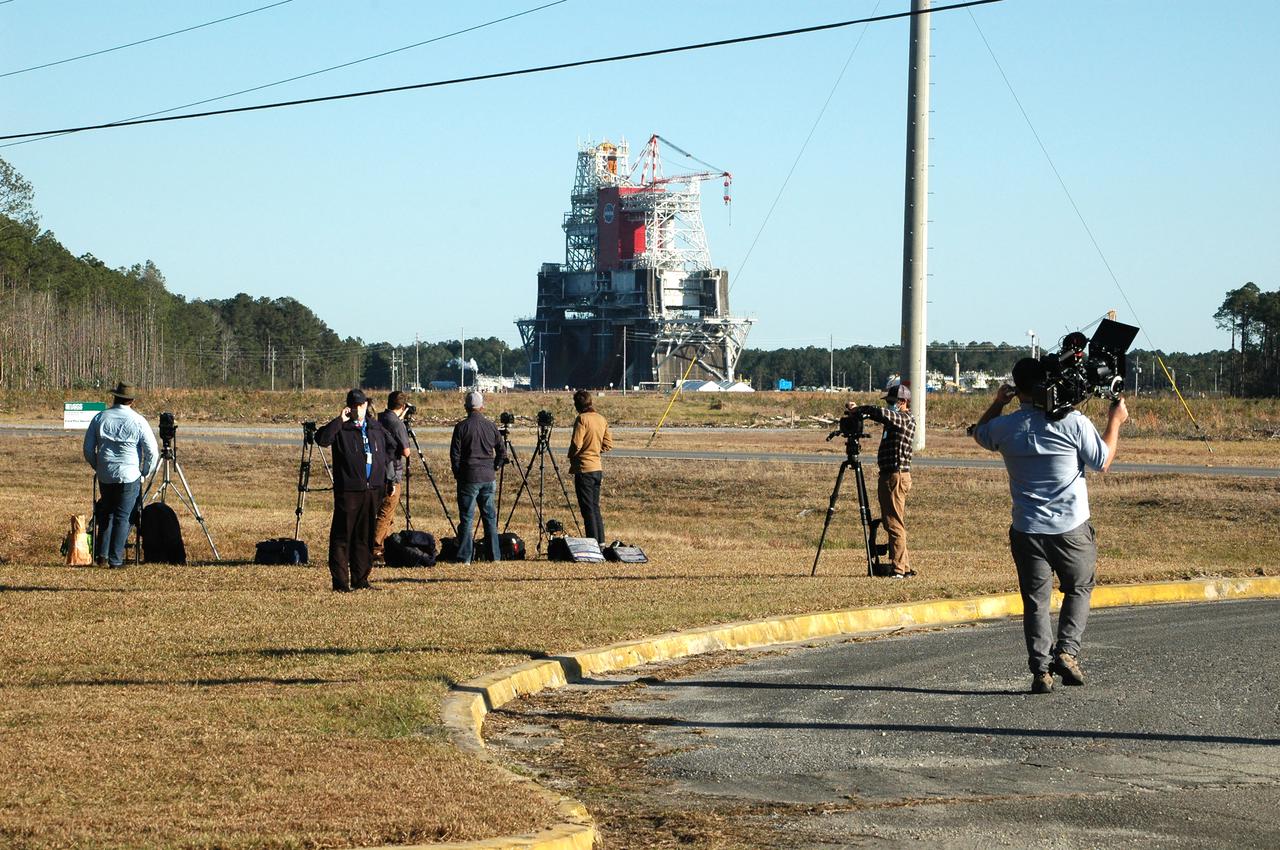
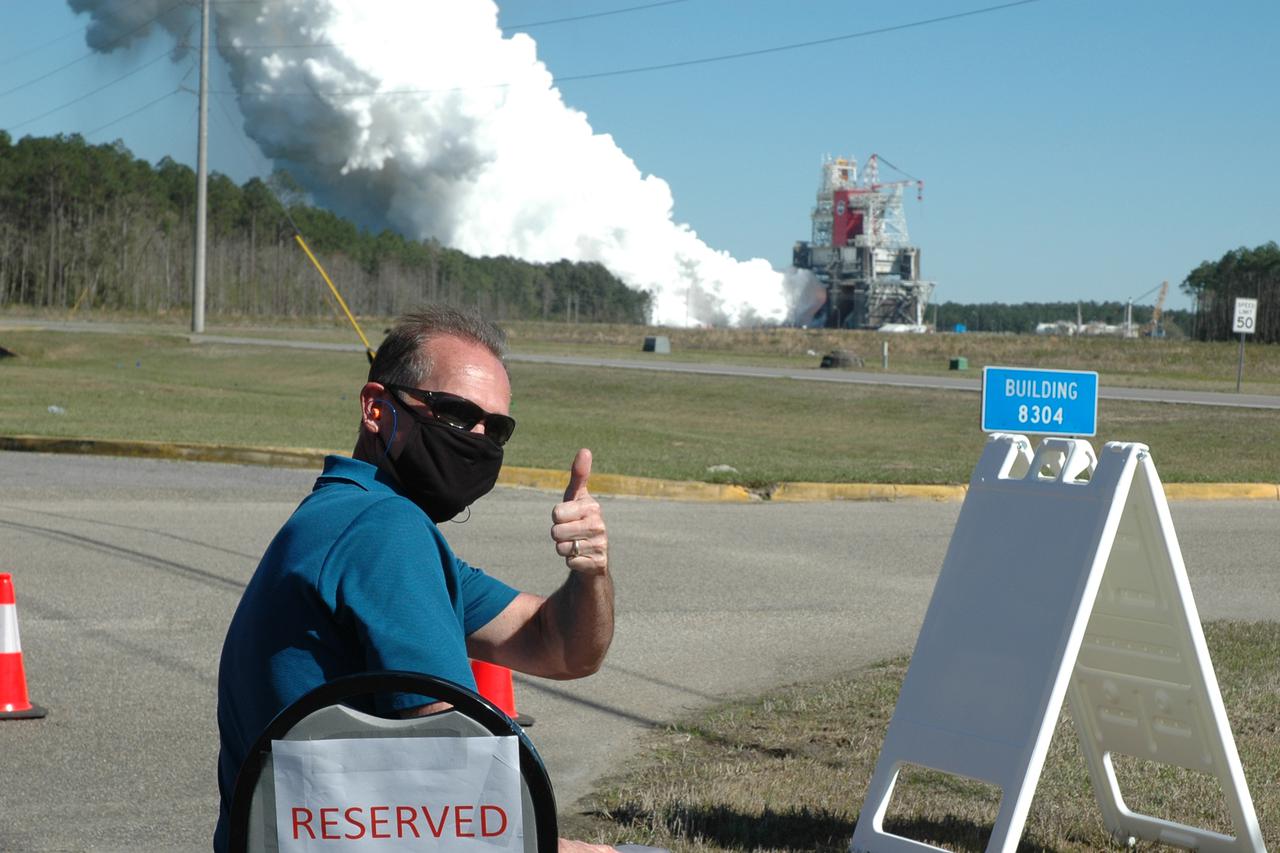
Members of the media stake out viewing spots prior to the Green Run hot fire test of the core stage for NASA’s Space Launch System (SLS) rocket at Stennis Space Center near Bay St. Louis, Mississippi, on Jan. 16, 2021. NASA conducted a hot fire test of the core stage’s four RS-25 engines on the B-2 Test Stand at Stennis. Scheduled for as long as eight minutes, the engines fired for a little more than one minute to generate a combined 1.6 million pounds of thrust, just as will occur during an actual launch. The hot fire is the final test of the Green Run test series, a comprehensive assessment of the SLS core stage prior to launching the Artemis I mission to the Moon.
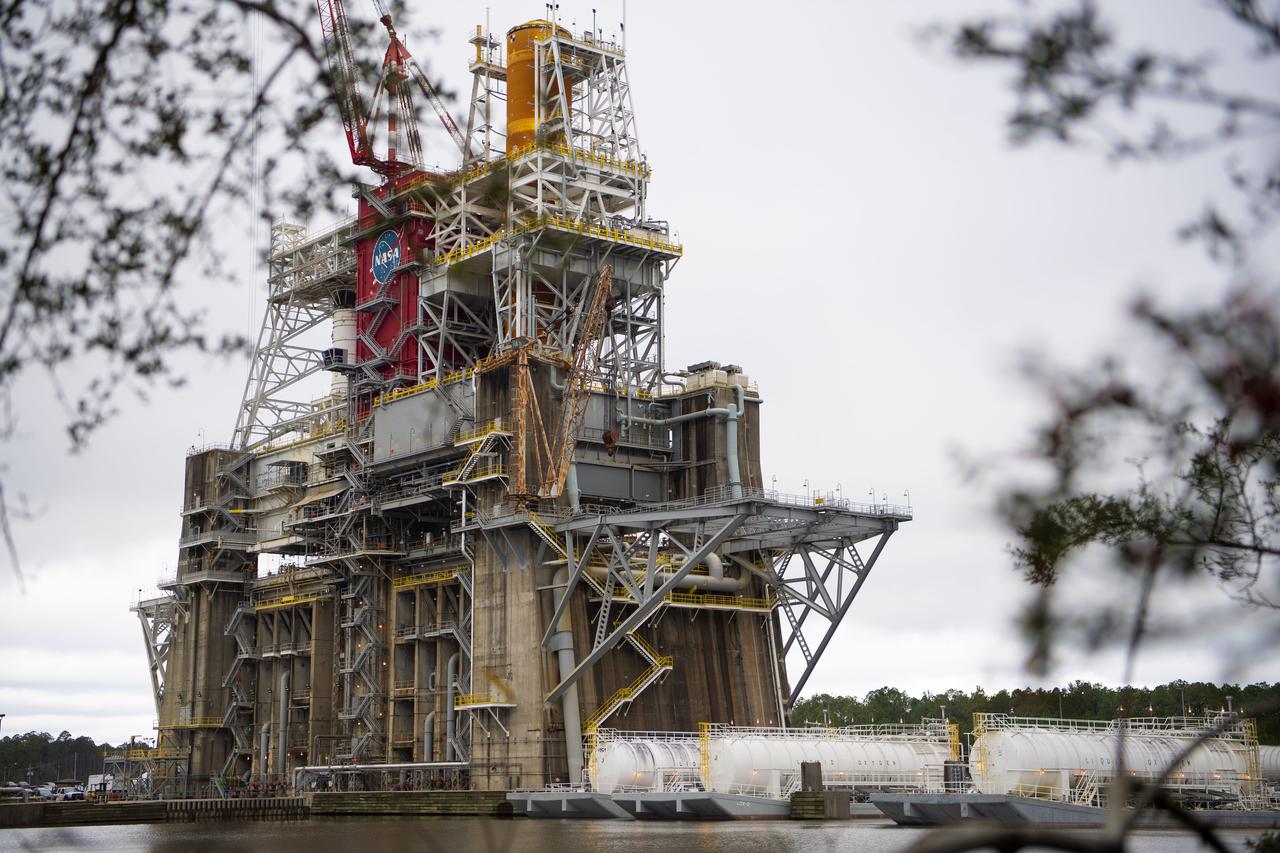
Barges are docked at the B-2 Test Stand at Stennis Space Center on Dec. 4, 2020, in preparation for upcoming Green Run test activities. Teams at the center have been performing Green Run tests of NASA’s Space Launch System core stage and its integrated systems throughout 2020. In mid-December, teams performed the seventh test of the Green Run series – a wet dress rehearsal of a countdown to hot fire. It marked the first time the stage tanks had been loaded with liquid oxygen and liquid hydrogen propellants supplied by the docked barges.
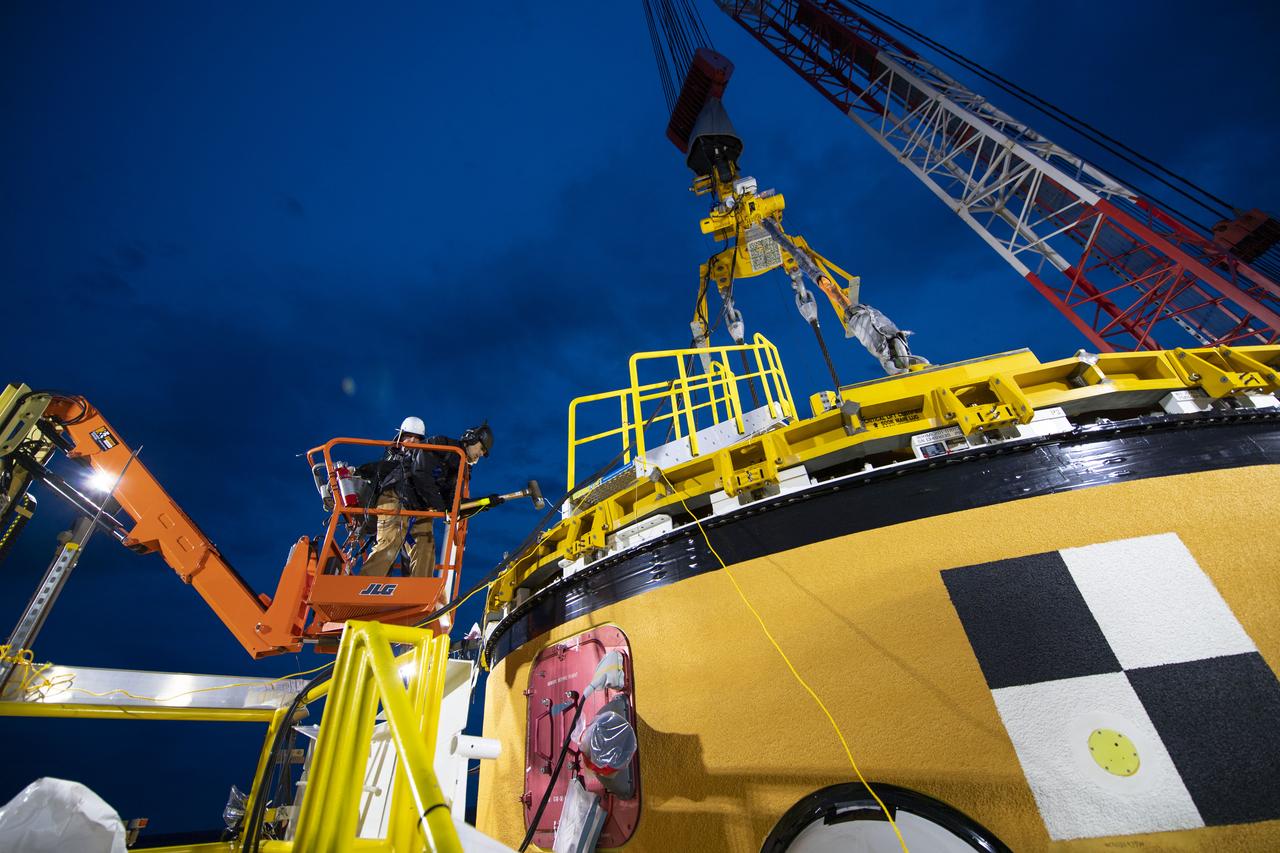
On Jan. 30, 2020, crews at Stennis Space Center successfully conducted modal testing of the first core stage of NASA’s new Space Launch System (SLS) rocket. Data from the modal test will be used to verify structural vibration modes and verify flight control parameters. The test is part of a Green Run series of testing that represents the first top-to-bottom integrated testing of the stage’s systems prior to its maiden Artemis I test mission.

On Jan. 30, 2020, crews at Stennis Space Center successfully conducted modal testing of the first core stage of NASA’s new Space Launch System (SLS) rocket. Data from the modal test will be used to verify structural vibration modes and verify flight control parameters. The test is part of a Green Run series of testing that represents the first top-to-bottom integrated testing of the stage’s systems prior to its maiden Artemis I test mission.
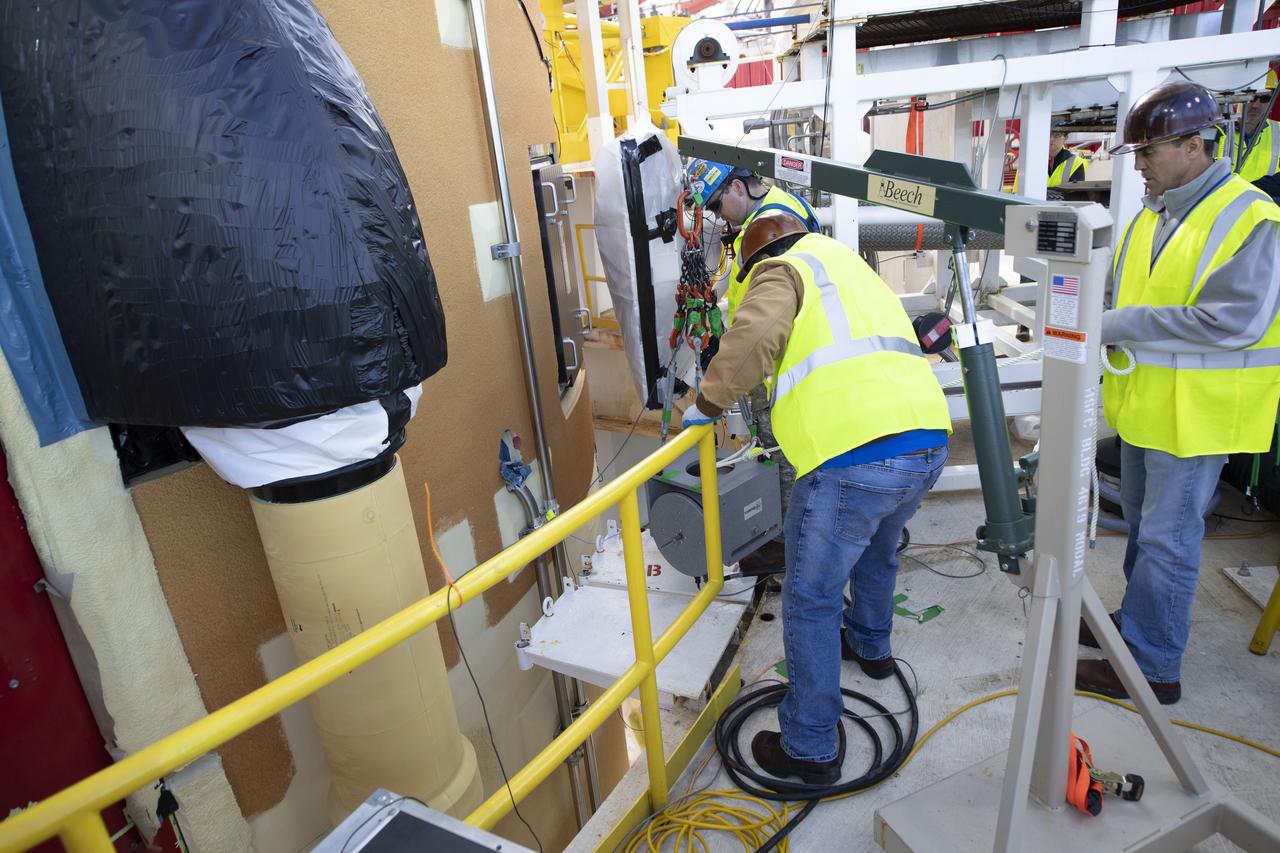
On Jan. 30, 2020, crews at Stennis Space Center successfully conducted modal testing of the first core stage of NASA’s new Space Launch System (SLS) rocket. Data from the modal test will be used to verify structural vibration modes and verify flight control parameters. The test is part of a Green Run series of testing that represents the first top-to-bottom integrated testing of the stage’s systems prior to its maiden Artemis I test mission.
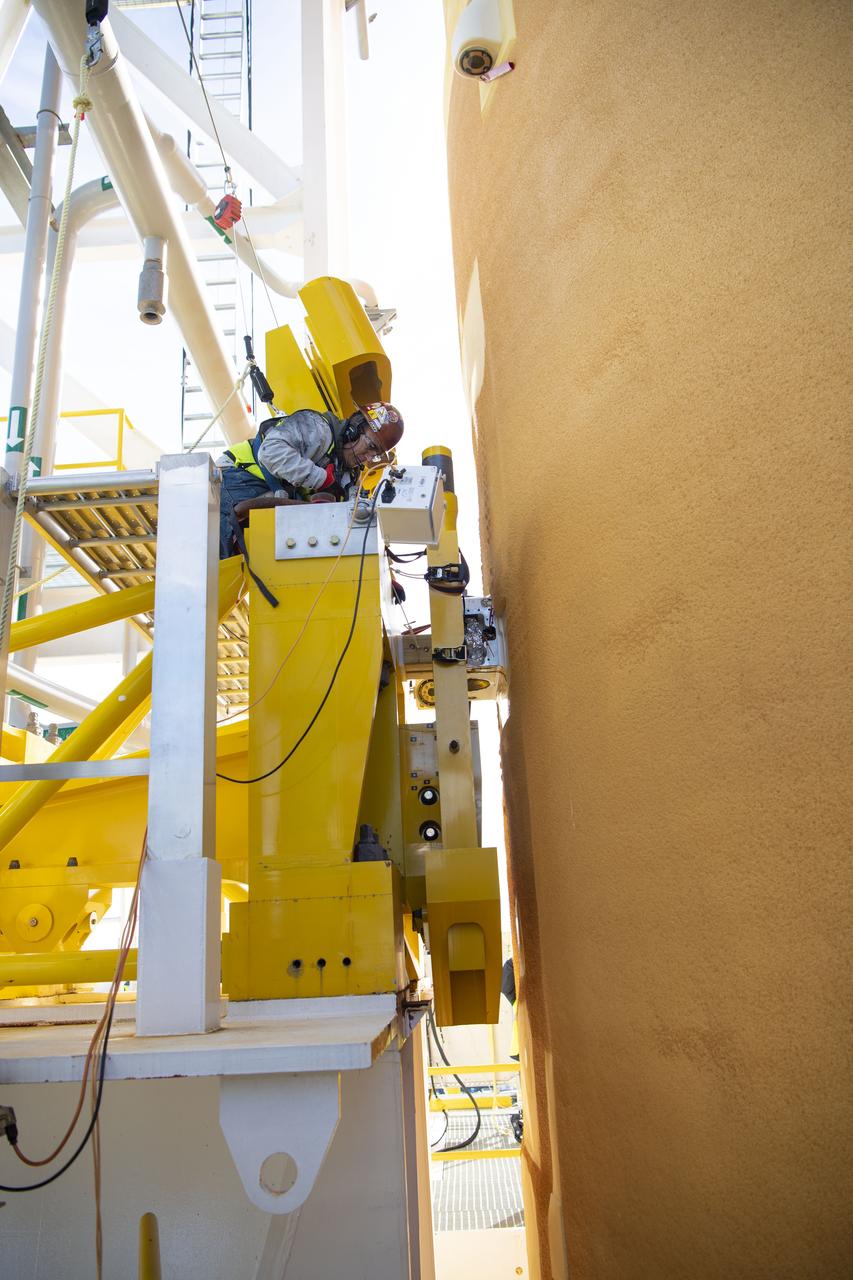
On Jan. 30, 2020, crews at Stennis Space Center successfully conducted modal testing of the first core stage of NASA’s new Space Launch System (SLS) rocket. Data from the modal test will be used to verify structural vibration modes and verify flight control parameters. The test is part of a Green Run series of testing that represents the first top-to-bottom integrated testing of the stage’s systems prior to its maiden Artemis I test mission.
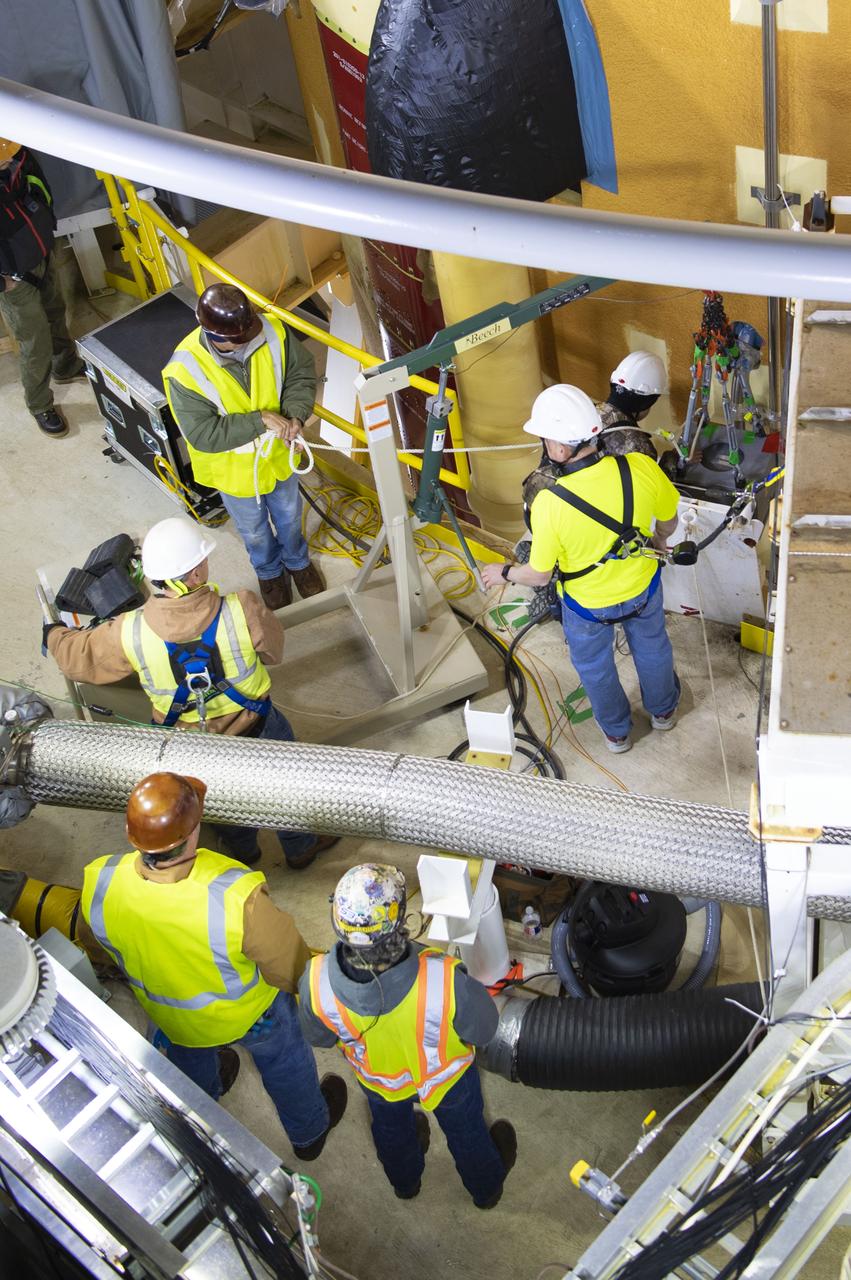
On Jan. 30, 2020, crews at Stennis Space Center successfully conducted modal testing of the first core stage of NASA’s new Space Launch System (SLS) rocket. Data from the modal test will be used to verify structural vibration modes and verify flight control parameters. The test is part of a Green Run series of testing that represents the first top-to-bottom integrated testing of the stage’s systems prior to its maiden Artemis I test mission.
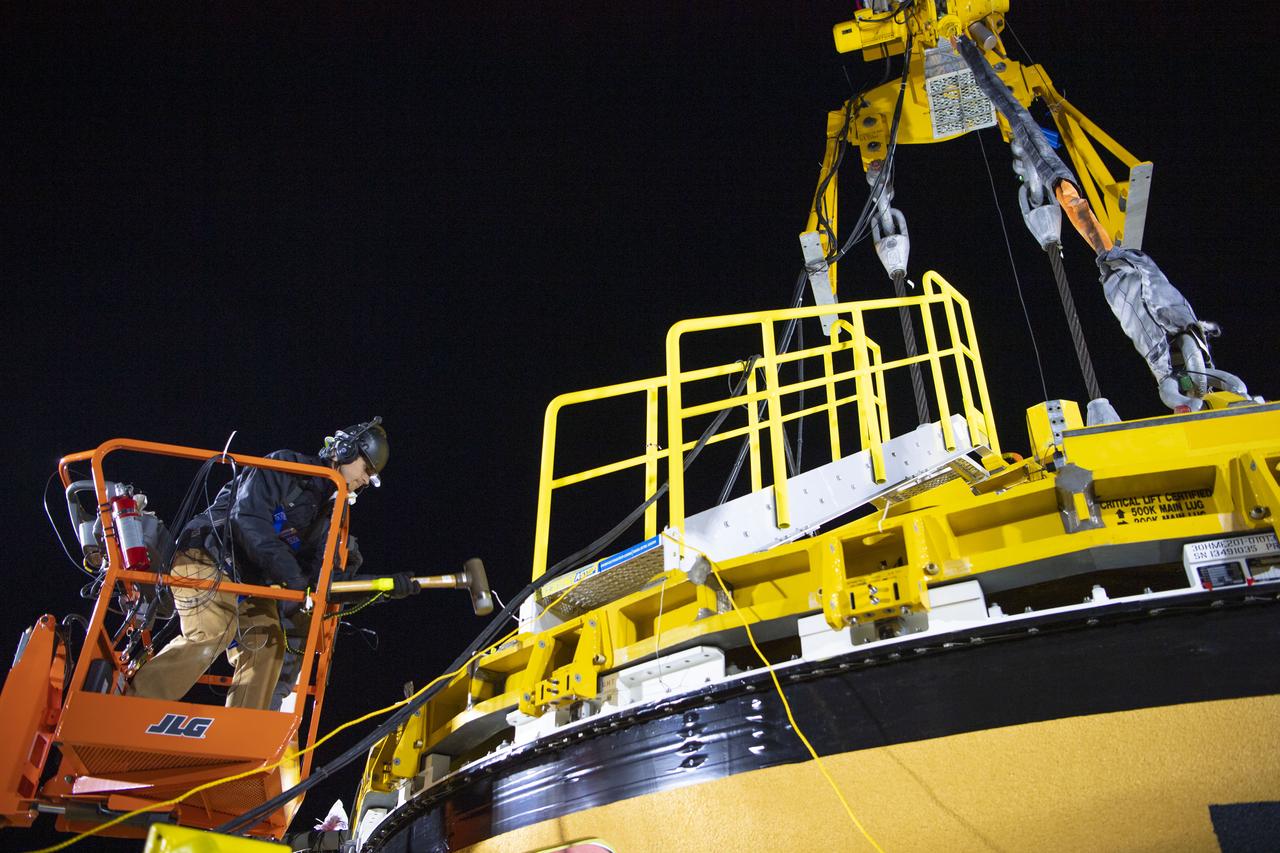
On Jan. 30, 2020, crews at Stennis Space Center successfully conducted modal testing of the first core stage of NASA’s new Space Launch System (SLS) rocket. Data from the modal test will be used to verify structural vibration modes and verify flight control parameters. The test is part of a Green Run series of testing that represents the first top-to-bottom integrated testing of the stage’s systems prior to its maiden Artemis I test mission.
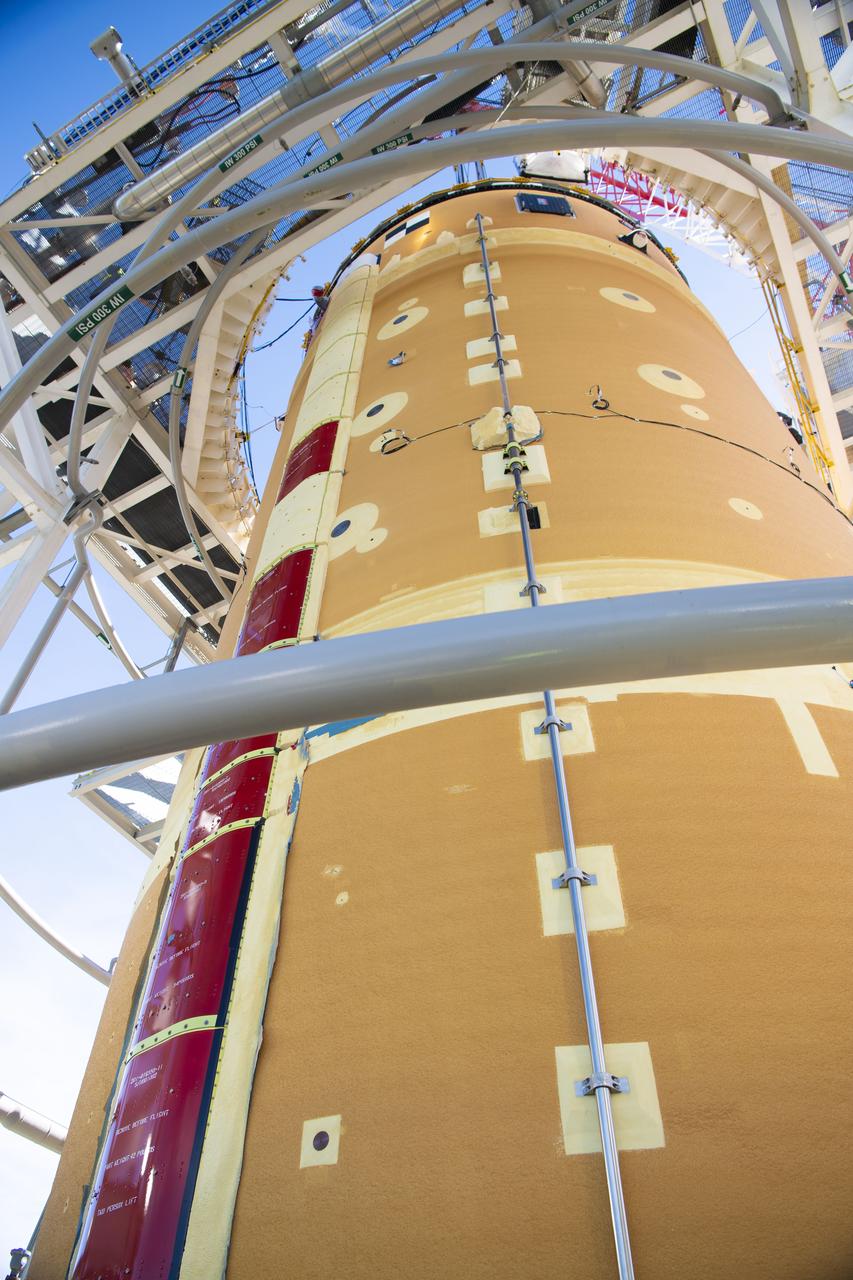
On Jan. 30, 2020, crews at Stennis Space Center successfully conducted modal testing of the first core stage of NASA’s new Space Launch System (SLS) rocket. Data from the modal test will be used to verify structural vibration modes and verify flight control parameters. The test is part of a Green Run series of testing that represents the first top-to-bottom integrated testing of the stage’s systems prior to its maiden Artemis I test mission.
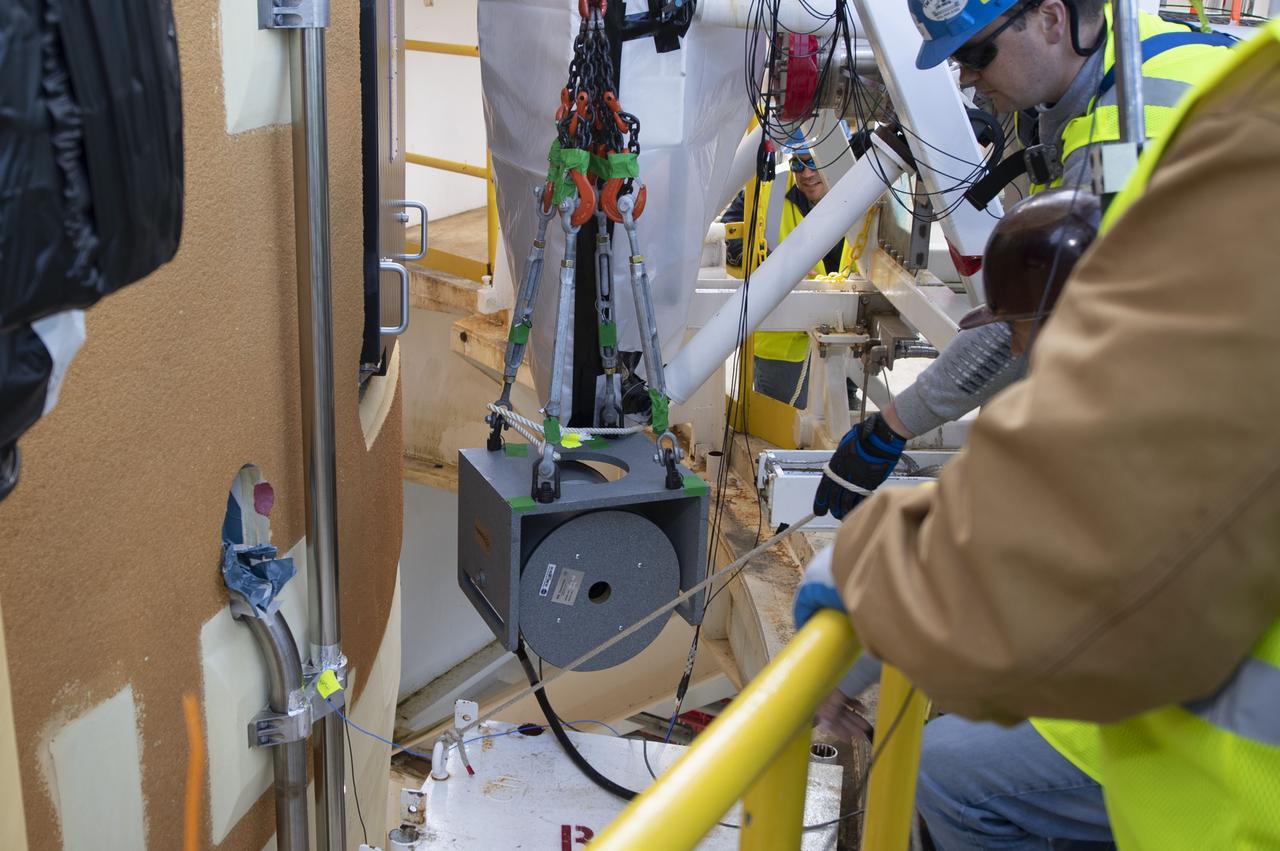
On Jan. 30, 2020, crews at Stennis Space Center successfully conducted modal testing of the first core stage of NASA’s new Space Launch System (SLS) rocket. Data from the modal test will be used to verify structural vibration modes and verify flight control parameters. The test is part of a Green Run series of testing that represents the first top-to-bottom integrated testing of the stage’s systems prior to its maiden Artemis I test mission.
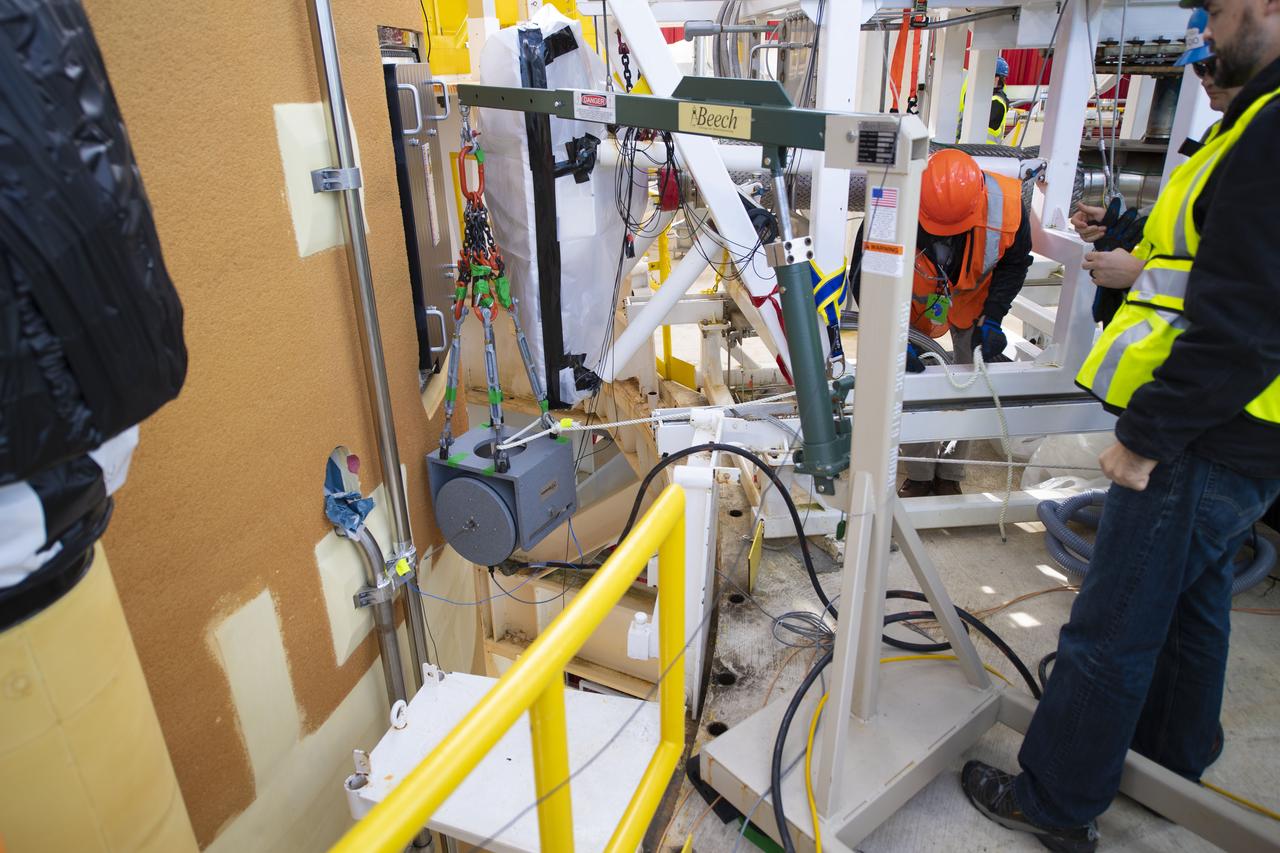
On Jan. 30, 2020, crews at Stennis Space Center successfully conducted modal testing of the first core stage of NASA’s new Space Launch System (SLS) rocket. Data from the modal test will be used to verify structural vibration modes and verify flight control parameters. The test is part of a Green Run series of testing that represents the first top-to-bottom integrated testing of the stage’s systems prior to its maiden Artemis I test mission.
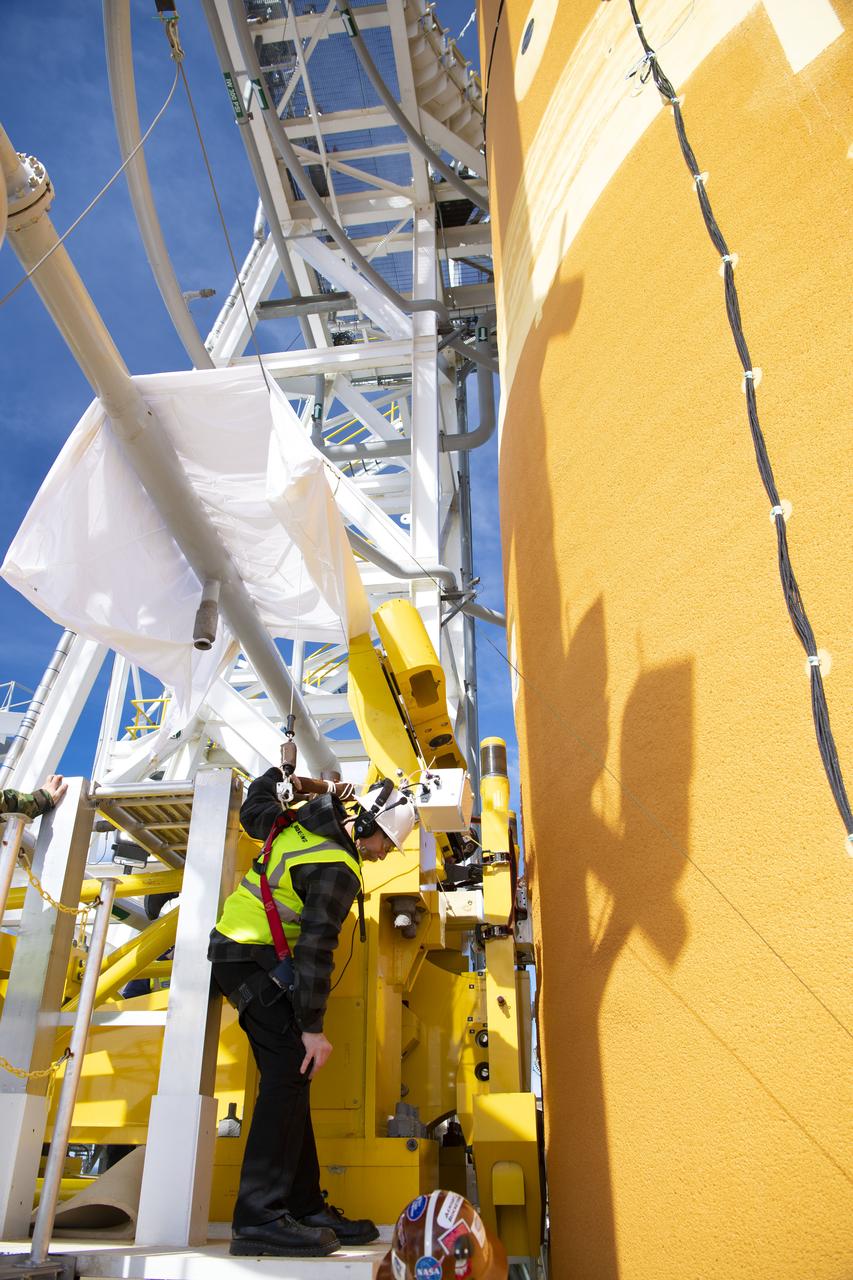
On Jan. 30, 2020, crews at Stennis Space Center successfully conducted modal testing of the first core stage of NASA’s new Space Launch System (SLS) rocket. Data from the modal test will be used to verify structural vibration modes and verify flight control parameters. The test is part of a Green Run series of testing that represents the first top-to-bottom integrated testing of the stage’s systems prior to its maiden Artemis I test mission.
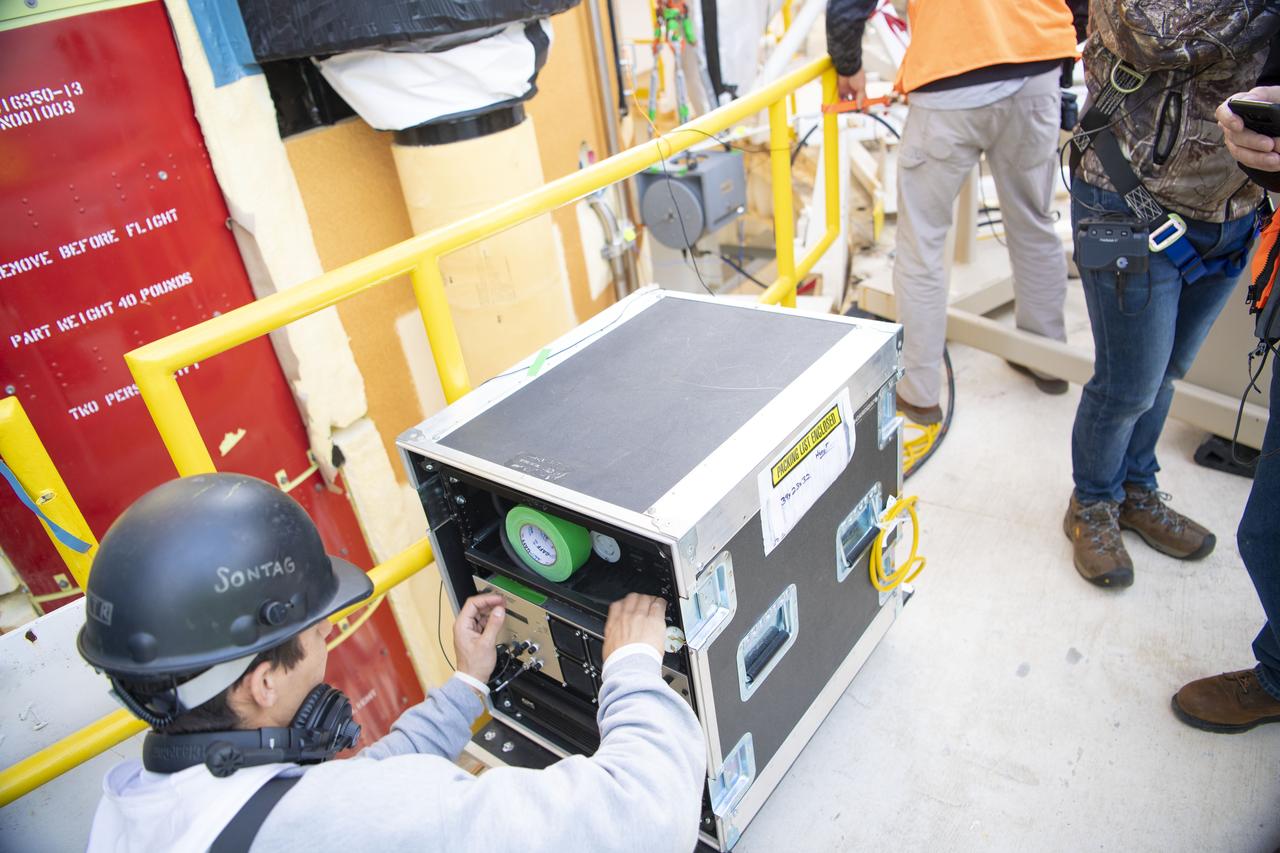
On Jan. 30, 2020, crews at Stennis Space Center successfully conducted modal testing of the first core stage of NASA’s new Space Launch System (SLS) rocket. Data from the modal test will be used to verify structural vibration modes and verify flight control parameters. The test is part of a Green Run series of testing that represents the first top-to-bottom integrated testing of the stage’s systems prior to its maiden Artemis I test mission.
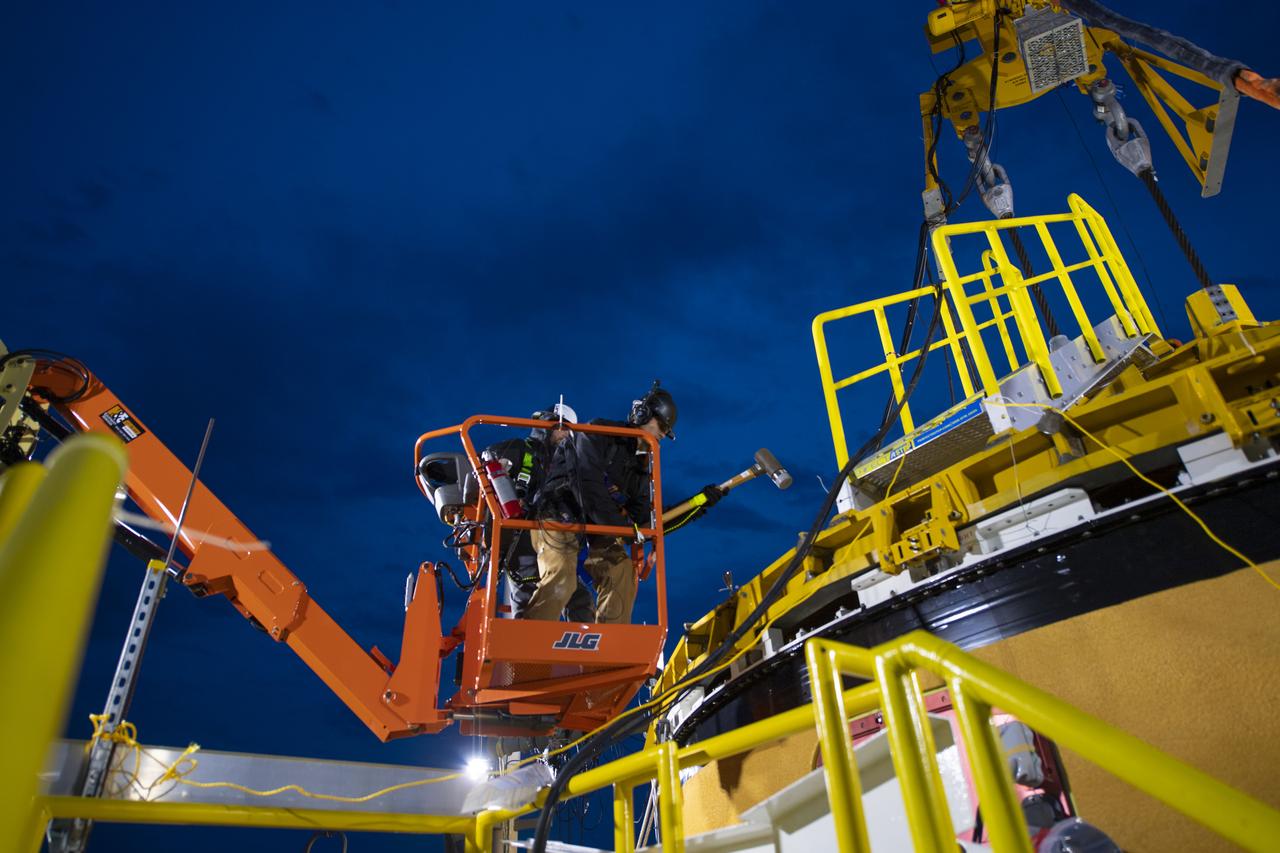
On Jan. 30, 2020, crews at Stennis Space Center successfully conducted modal testing of the first core stage of NASA’s new Space Launch System (SLS) rocket. Data from the modal test will be used to verify structural vibration modes and verify flight control parameters. The test is part of a Green Run series of testing that represents the first top-to-bottom integrated testing of the stage’s systems prior to its maiden Artemis I test mission.
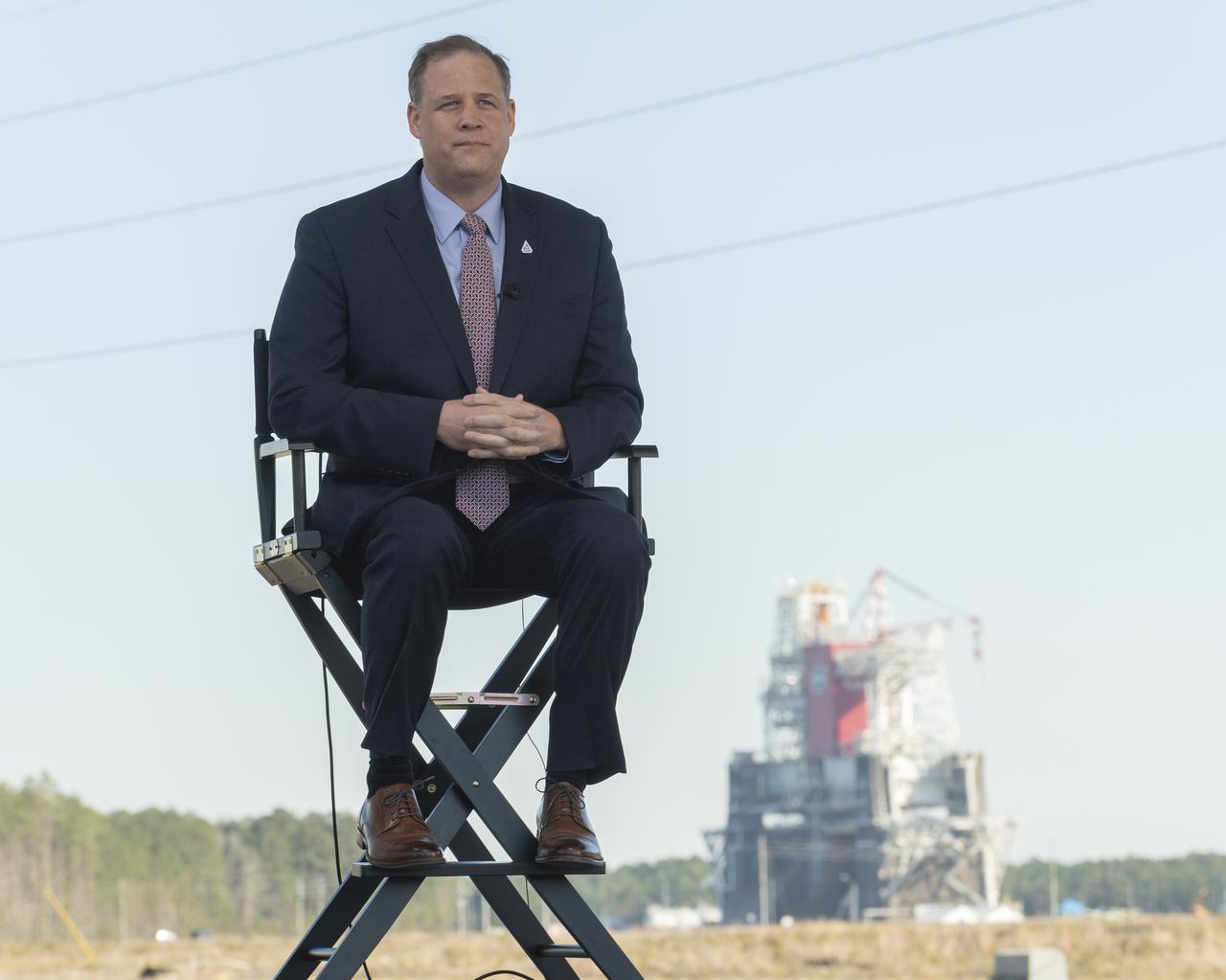
NASA Administrator Jim Bridenstine discusses the upcoming Green Run hot fire test on NASA television, Saturday, January 16, 2021, at NASA's Stennis Space Center near Bay St. Louis, Mississippi. In the background, the core stage for the first flight of NASA’s Space Launch System rocket is seen in the B-2 Test Stand ahead of a scheduled eight minute duration hot fire test. The hot fire test is the final stage of the Green Run test series, a comprehensive assessment of the Space Launch System’s core stage prior to launching the Artemis I mission to the Moon. Photo Credit: (NASA/Robert Markowitz)
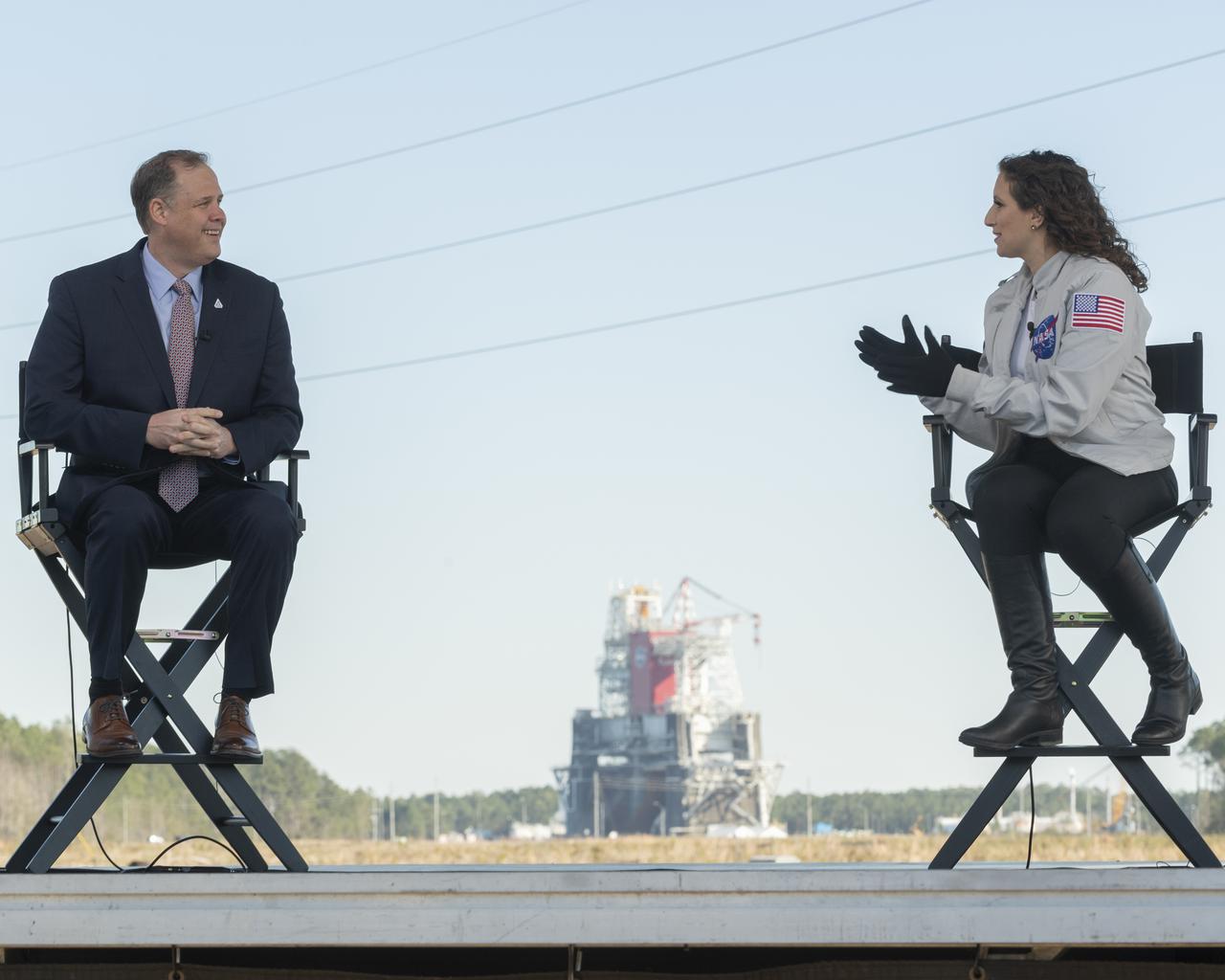
NASA Administrator Jim Bridenstine discusses the upcoming Green Run hot fire test on NASA television with Leigh D’Angelo of NASA, Saturday, January 16, 2021, at NASA's Stennis Space Center near Bay St. Louis, Mississippi. In the background, the core stage for the first flight of NASA’s Space Launch System rocket is seen in the B-2 Test Stand ahead of a scheduled eight minute duration hot fire test. The hot fire test is the final stage of the Green Run test series, a comprehensive assessment of the Space Launch System’s core stage prior to launching the Artemis I mission to the Moon. Photo Credit: (NASA/Robert Markowitz)
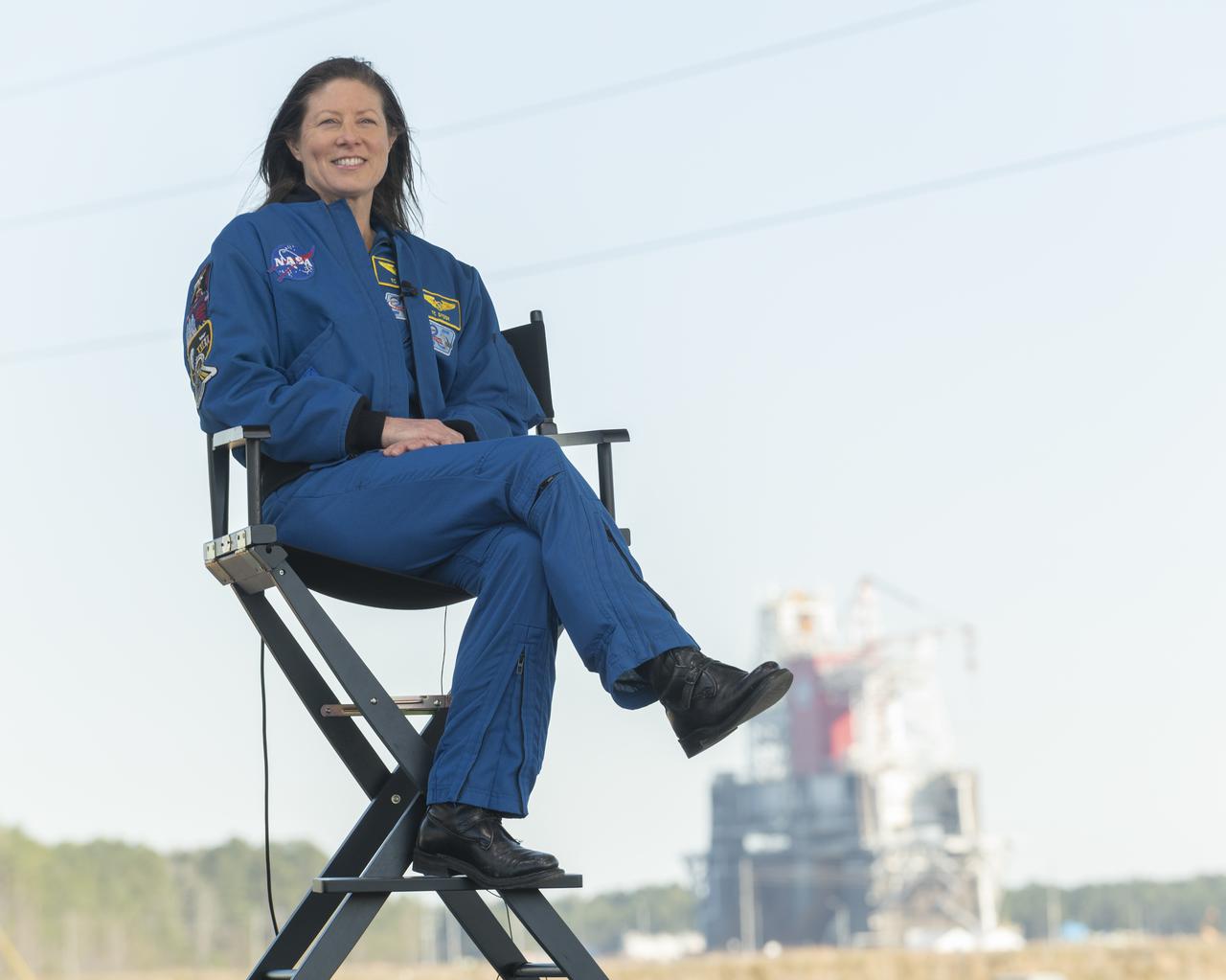
NASA astronaut Tracy Caldwell Dyson discusses the upcoming Green Run hot fire test on NASA television, Saturday, January 16, 2021, at NASA's Stennis Space Center near Bay St. Louis, Mississippi. In the background, the core stage for the first flight of NASA’s Space Launch System rocket is seen in the B-2 Test Stand ahead of a scheduled eight minute duration hot fire test. The hot fire test is the final stage of the Green Run test series, a comprehensive assessment of the Space Launch System’s core stage prior to launching the Artemis I mission to the Moon. Photo Credit: (NASA/Robert Markowitz)
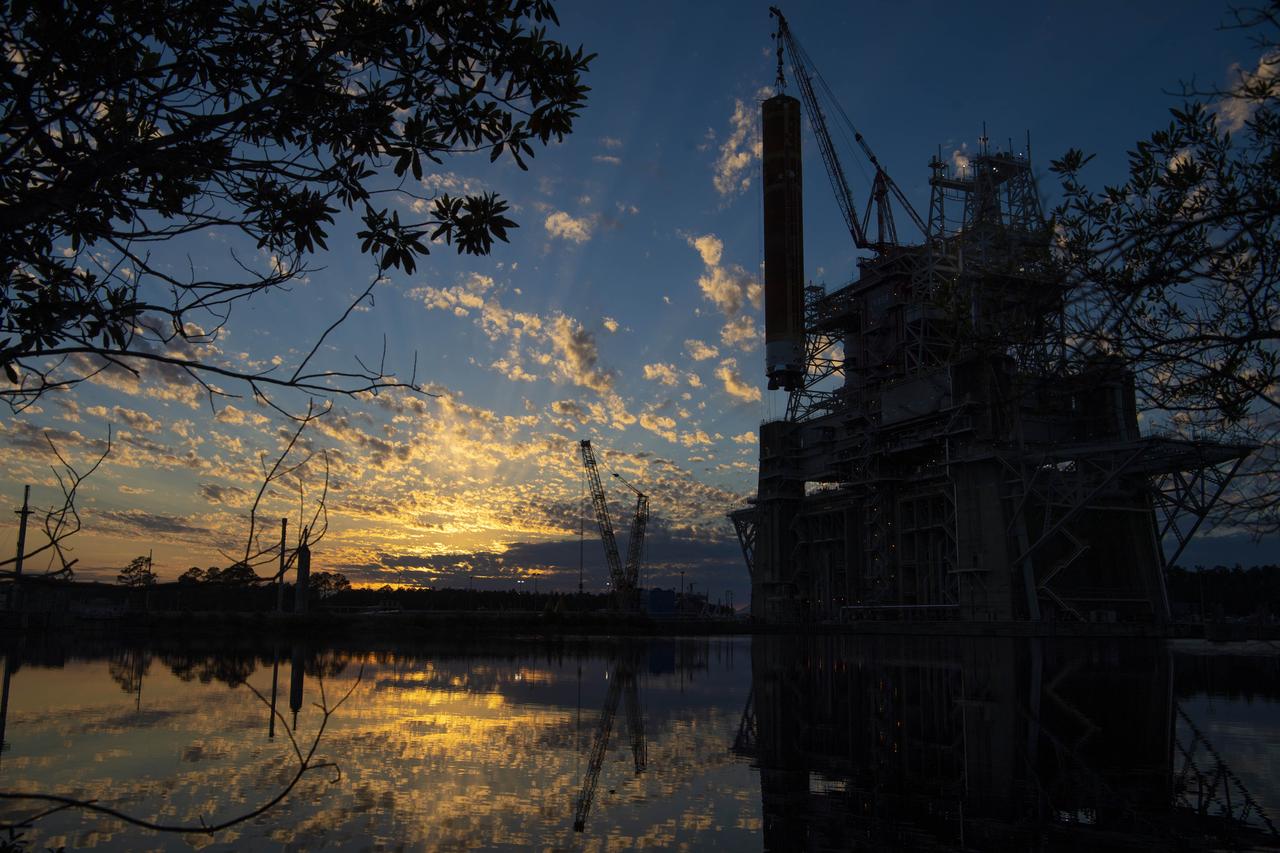
The first flight core stage of NASA’s Space Launch System rocket is removed from the B-2 Test Stand on April 19, 2021, following completion of a series of eight Green Run tests conducted at Stennis Space Center.
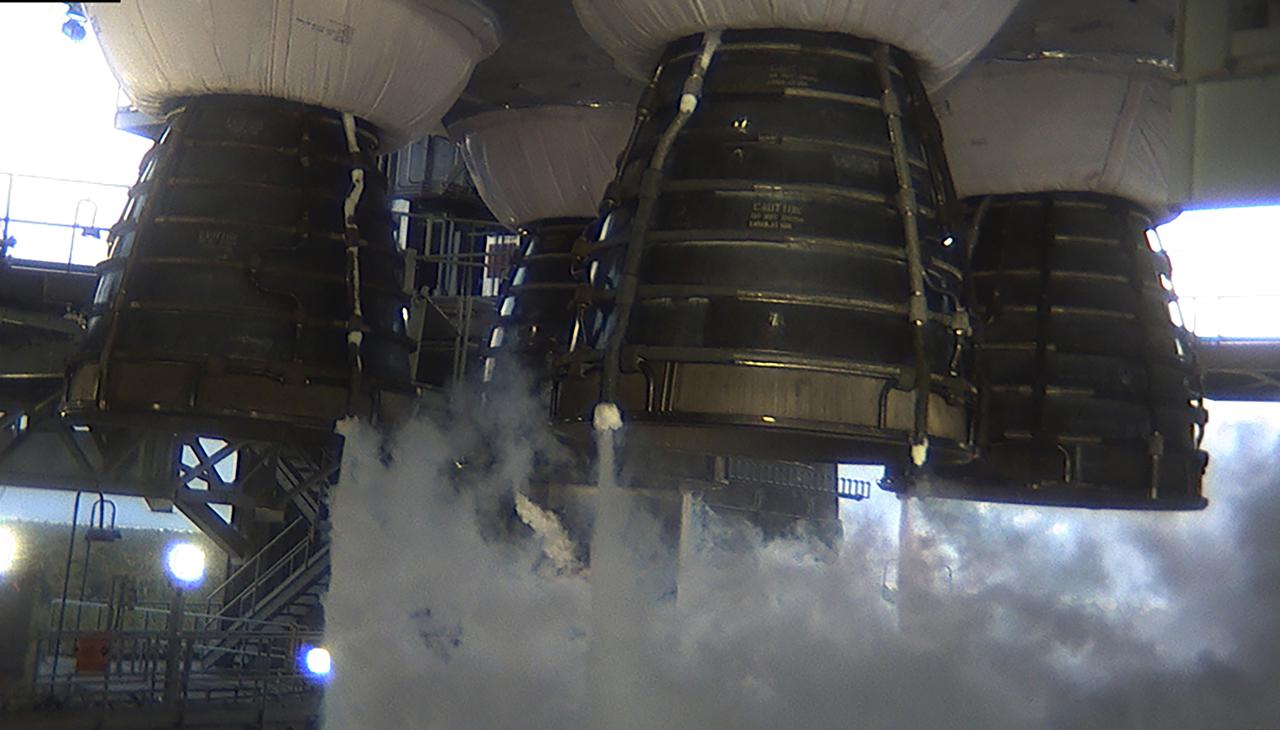
Teams at NASA’s Stennis Space Center performed a wet dress rehearsal exercise with the new Space Launch System core stage Dec. 20, 2020. The test – the seventh in an eight-test Green Run series – involved rehearsal of a countdown to hot fire of the stage’s engines, including the loading of 733,000 pounds of liquid hydrogen and liquid oxygen propellants. This image shows liquid oxygen as it naturally boils off and is vented from the four RS-25 engines that will be fired during the final core stage test.
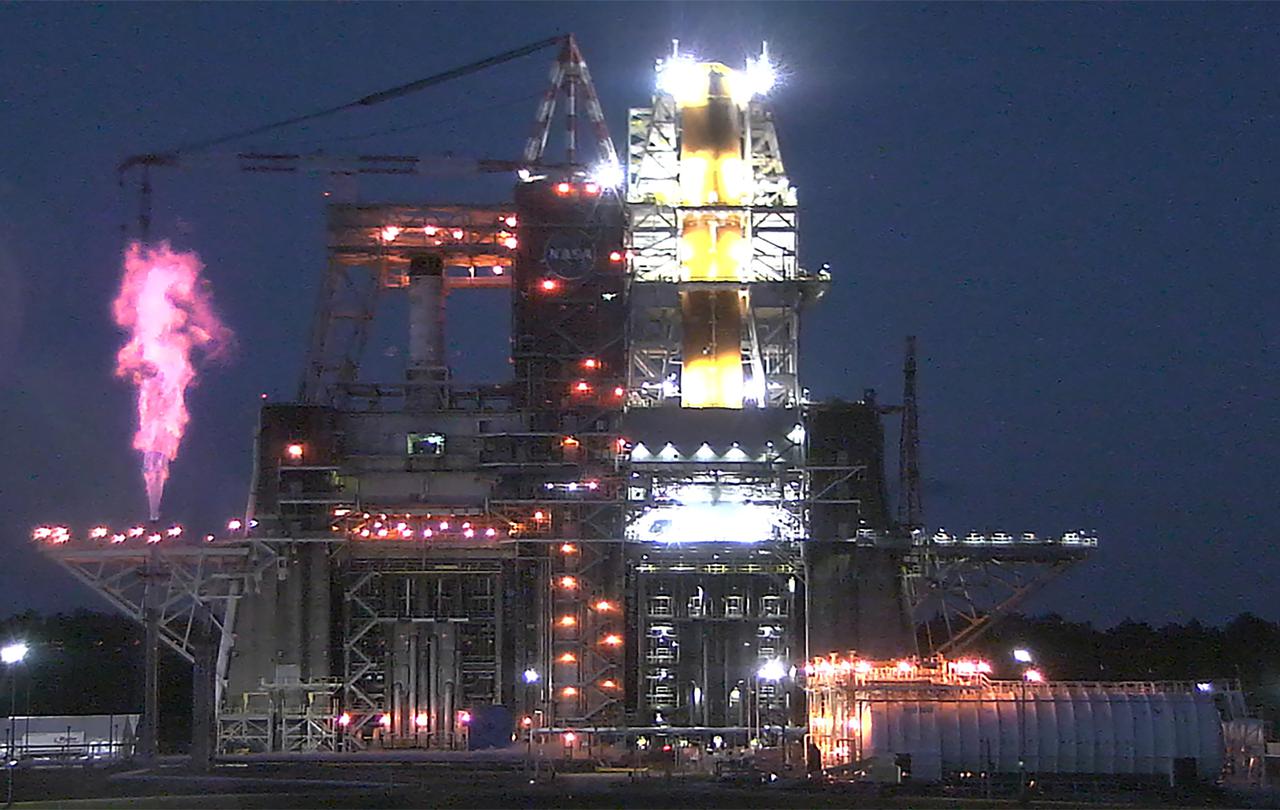
Teams at NASA’s Stennis Space Center performed a wet dress rehearsal exercise with the new Space Launch System core stage Dec. 20, 2020. The test – the seventh in an eight-test Green Run series – involved rehearsal of a countdown to hot fire of the stage’s engines, including the loading of 733,000 pounds of liquid hydrogen and liquid oxygen propellants. This image shows liquid hydrogen being safely vented and burned as it naturally warms and boils off.
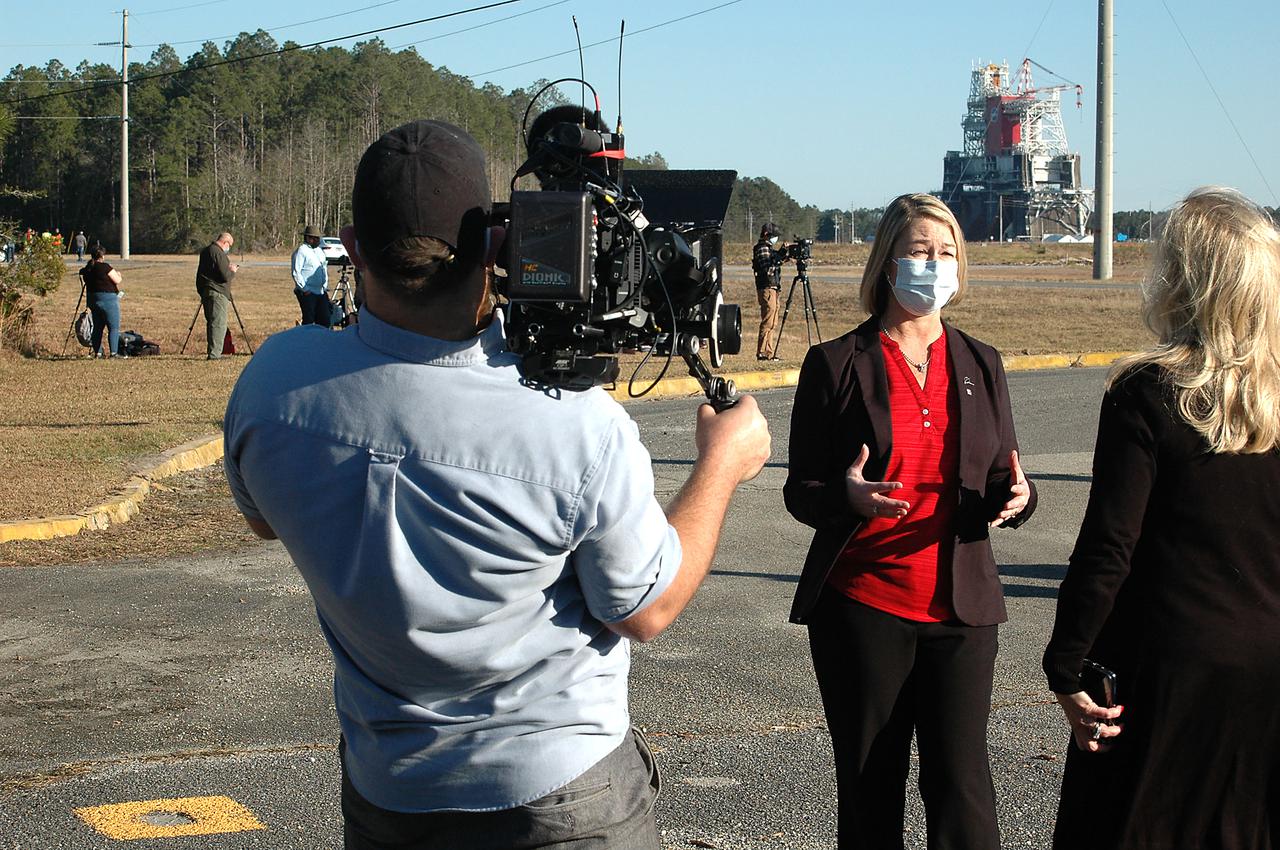
Jennifer Boland-Masterson, director of Boeing Operations at NASA’s Michoud Assembly Facility in New Orleans, talks with media prior to the Green Run hot fire test of the core stage for NASA’s Space Launch System (SLS) rocket at Stennis Space Center near Bay St. Louis, Mississippi, on Jan. 16, 2021. NASA conducted a hot fire test of the core stage’s four RS-25 engines on the B-2 Test Stand at Stennis. Scheduled for as long as eight minutes, the engines fired for a little more than one minute to generate a combined 1.6 million pounds of thrust, just as will occur during an actual launch. The hot fire is the final test of the Green Run test series, a comprehensive assessment of the SLS core stage prior to launching the Artemis I mission to the Moon.
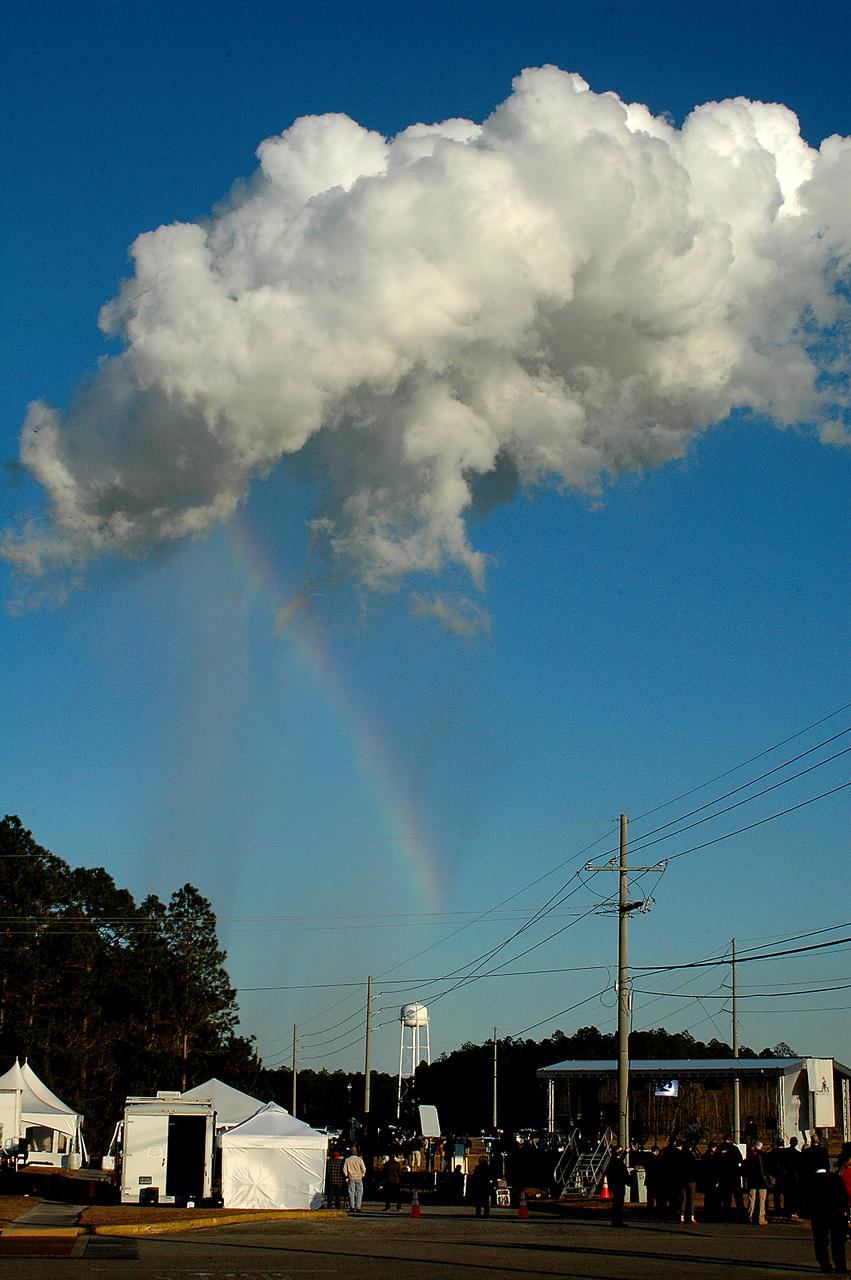
A rainbow appears as the steam cloud dissipates following the Green Run hot fire test of the core stage for NASA’s Space Launch System (SLS) rocket on Saturday, January 16, 2021. NASA conducted a hot fire test of the core stage’s four RS-25 engines on the B-2 Test Stand at Stennis Space Center near Bay St. Louis, Mississippi. Scheduled for as long as eight minutes, the engines fired for a little more than one minute to generate a combined 1.6 million pounds of thrust, just as will occur during an actual launch. The hot fire is the final test of the Green Run test series, a comprehensive assessment of the SLS core stage prior to launching the Artemis I mission to the Moon.
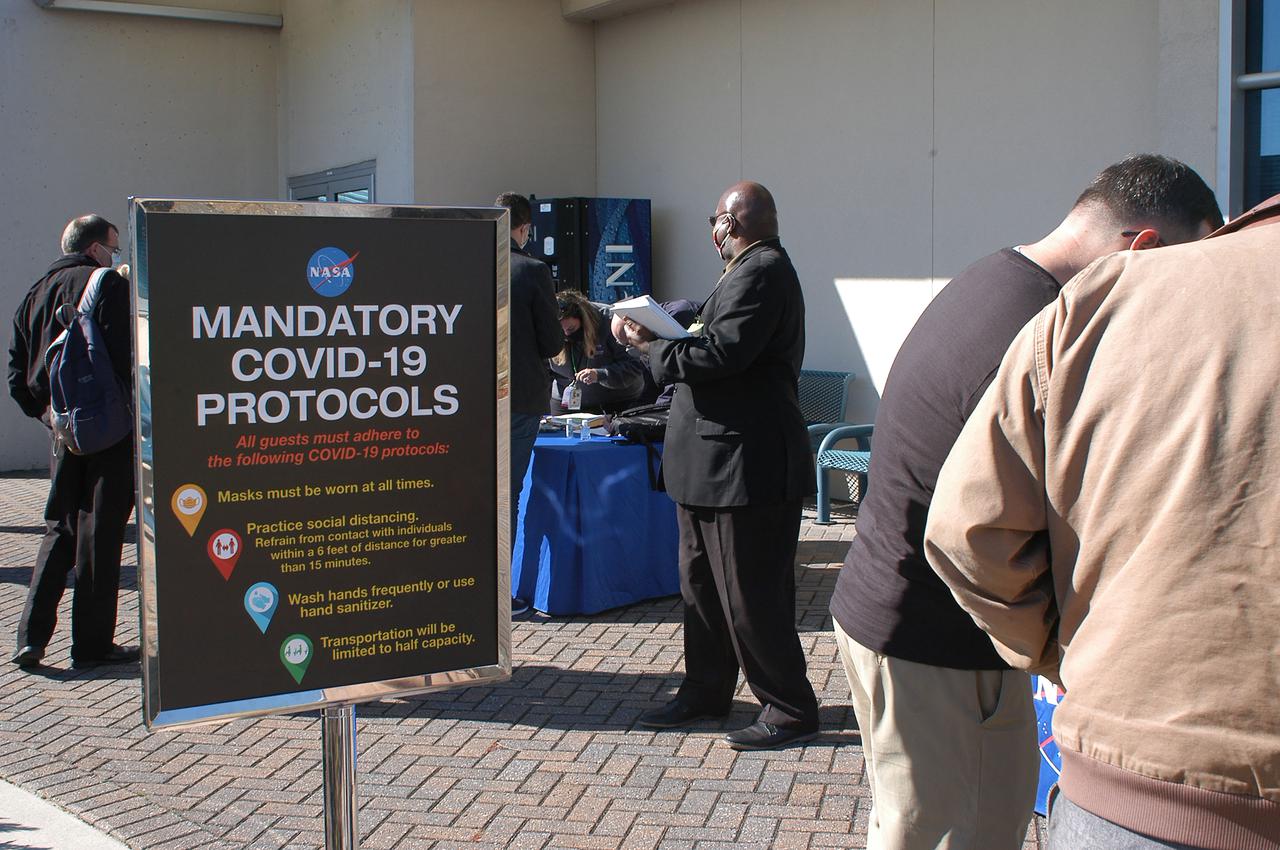
A posted sign outlines COVID-19 protocol for media and guests arriving to view the Green Run hot fire test of the core stage for NASA’s Space Launch System (SLS) rocket at Stennis Space Center near Bay St. Louis, Mississippi, on Saturday, January 16, 2021. NASA conducted a hot fire test of the core stage’s four RS-25 engines on the B-2 Test Stand at Stennis. Scheduled for as long as eight minutes, the engines fired for a little more than one minute to generate a combined 1.6 million pounds of thrust, just as will occur during an actual launch. The hot fire is the final test of the Green Run test series, a comprehensive assessment of the SLS core stage prior to launching the Artemis I mission to the Moon.
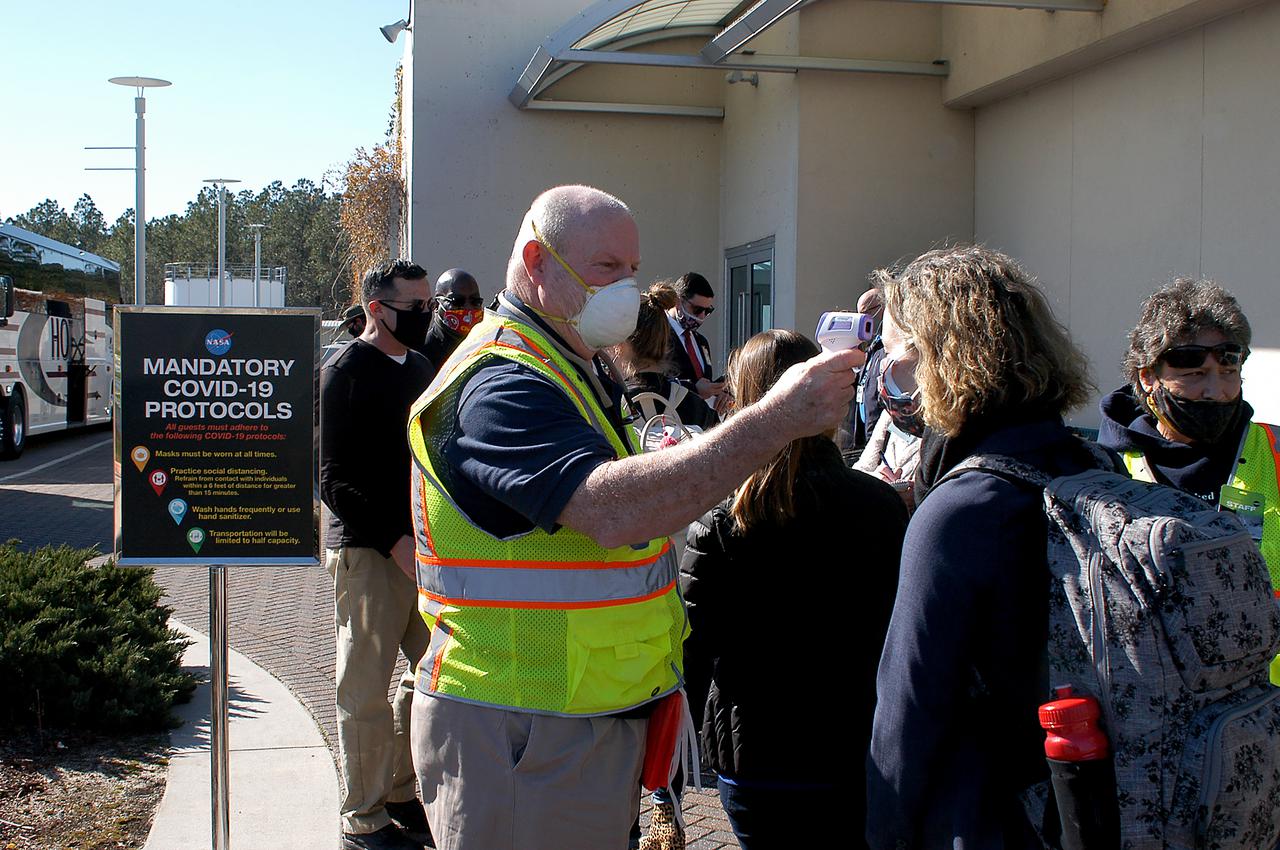
A staff member administers a COVID-19 temperature check to media and guests arriving to view the Green Run hot fire test of the core stage for NASA’s Space Launch System (SLS) rocket at Stennis Space Center near Bay St. Louis, Mississippi, on Saturday, January 16, 2021. NASA conducted a hot fire test of the core stage’s four RS-25 engines on the B-2 Test Stand at Stennis. Scheduled for as long as eight minutes, the engines fired for a little more than one minute to generate a combined 1.6 million pounds of thrust, just as will occur during an actual launch. The hot fire is the final test of the Green Run test series, a comprehensive assessment of the SLS core stage prior to launching the Artemis I mission to the Moon.
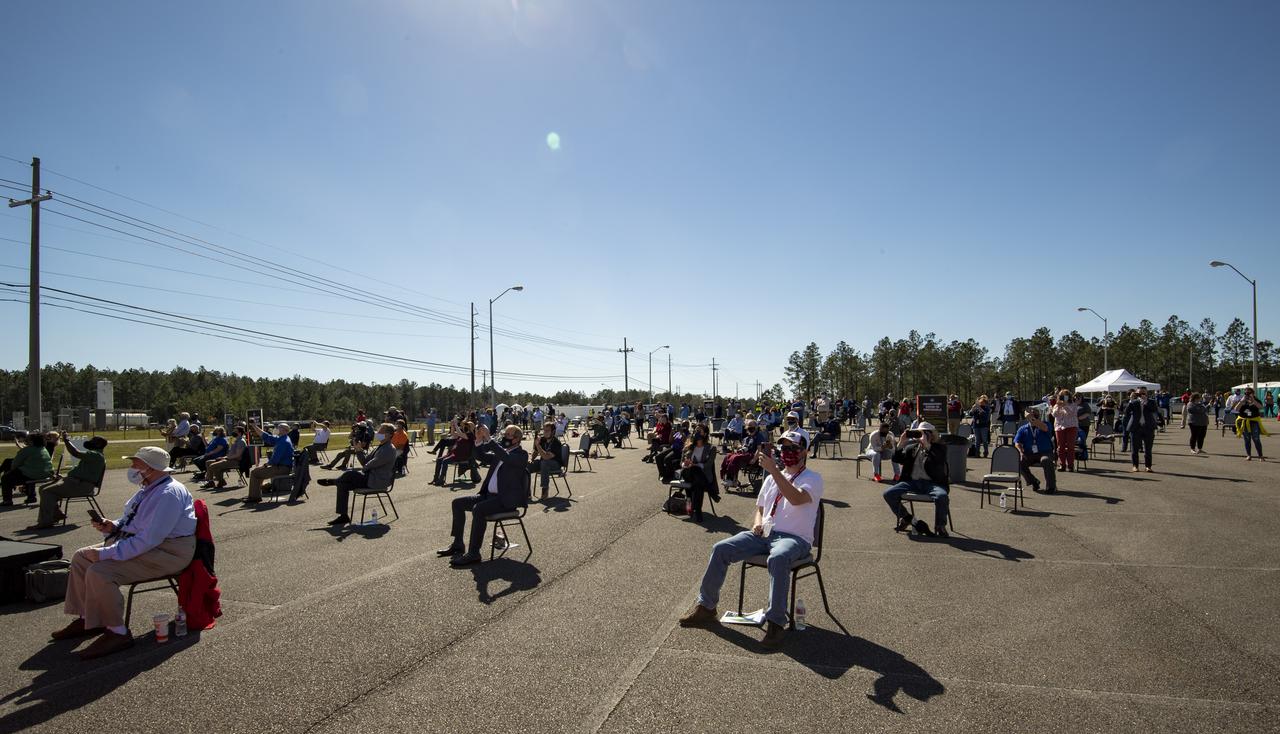
Invited guests watch as the core stage for the first flight of NASA’s Space Launch System rocket undergoes a second hot fire test in the B-2 Test Stand, Thursday, March 18, 2021, at NASA’s Stennis Space Center near Bay St. Louis, Mississippi. The four RS-25 engines fired for the full-duration of 8 minutes during the test and generated 1.6 million pounds of thrust. The hot fire test is the final stage of the Green Run test series, a comprehensive assessment of the Space Launch System’s core stage prior to launching the Artemis I mission to the Moon. Photo Credit: (NASA/Robert Markowitz)
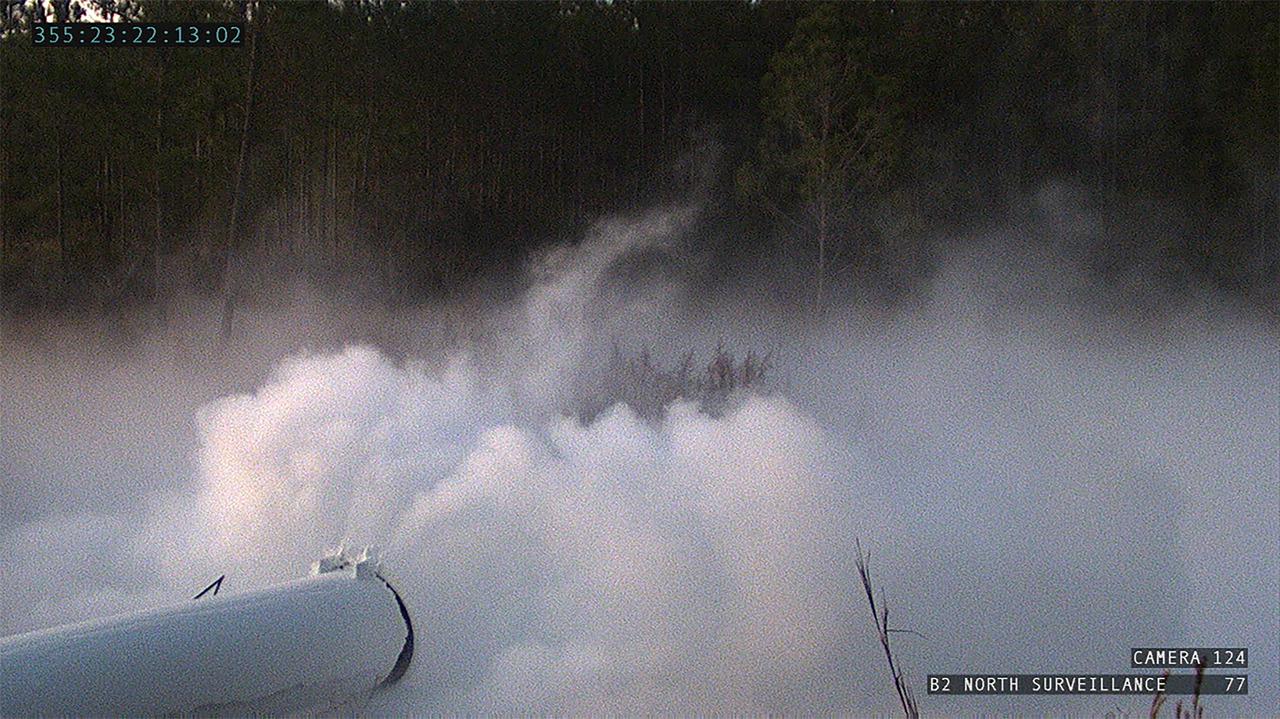
Operators at the B-2 Test Stand at Stennis Space Center near Bay St. Louis, Mississippi, conducted a wet dress rehearsal for the hot fire test of the core stage of NASA’s Space Launch System on Dec. 21, 2020. In this image, liquid oxygen can be seen venting from B-2 Test Stand piping. Following the wet dress rehearsal, operators will conduct a full hot fire test of the core stage and its four RS-25 engines. The hot fire will conclude a series of eight Green Run tests of all core stage systems before it is transported to Kennedy Space Center for launch on the Artemis I mission.
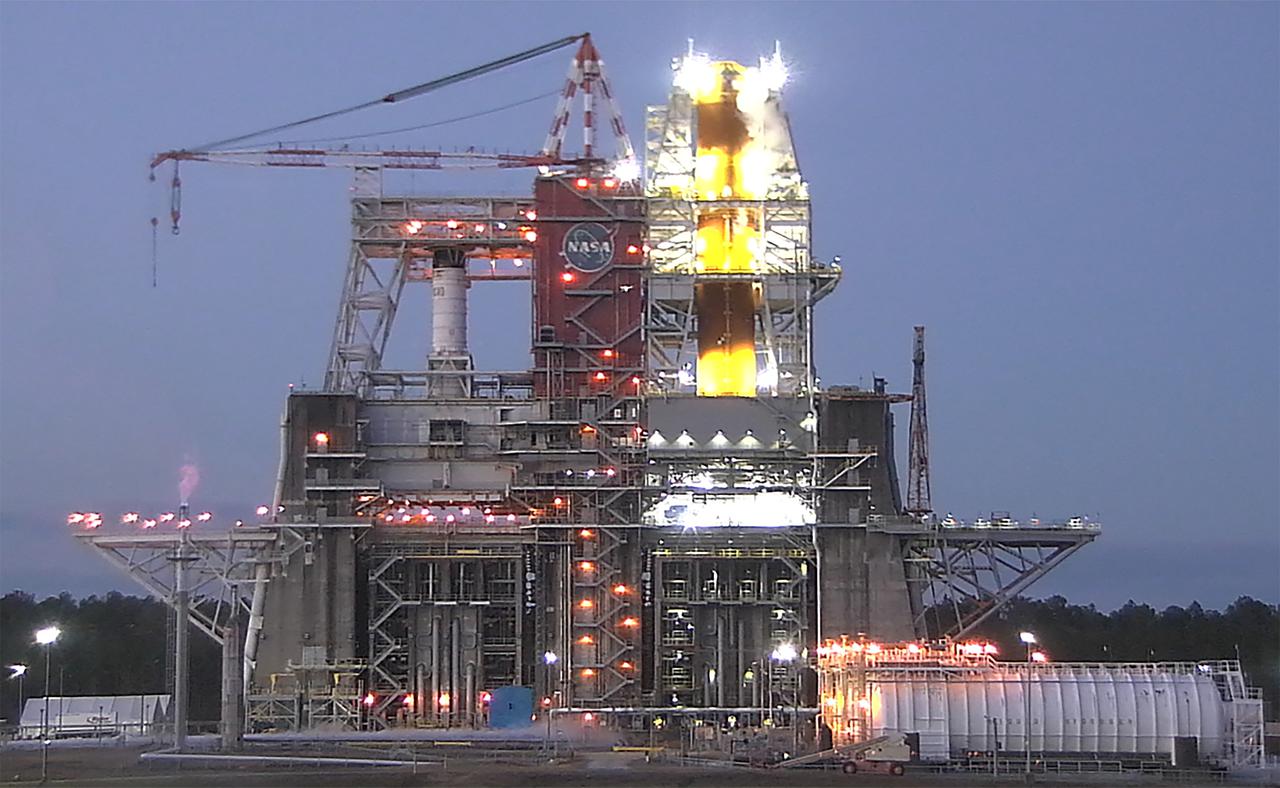
Operators at the B-2 Test Stand at Stennis Space Center near Bay St. Louis, Mississippi, conducted a wet dress rehearsal for the hot fire test of the core stage of NASA’s Space Launch System on Dec. 21, 2020. In this image, liquid oxygen can be seen venting near the top of the installed core stage. Following the wet dress rehearsal, operators will conduct a full hot fire test of the core stage and its four RS-25 engines. The hot fire will conclude a series of eight Green Run tests of all core stage systems before it is transported to Kennedy Space Center for launch on the Artemis I mission.
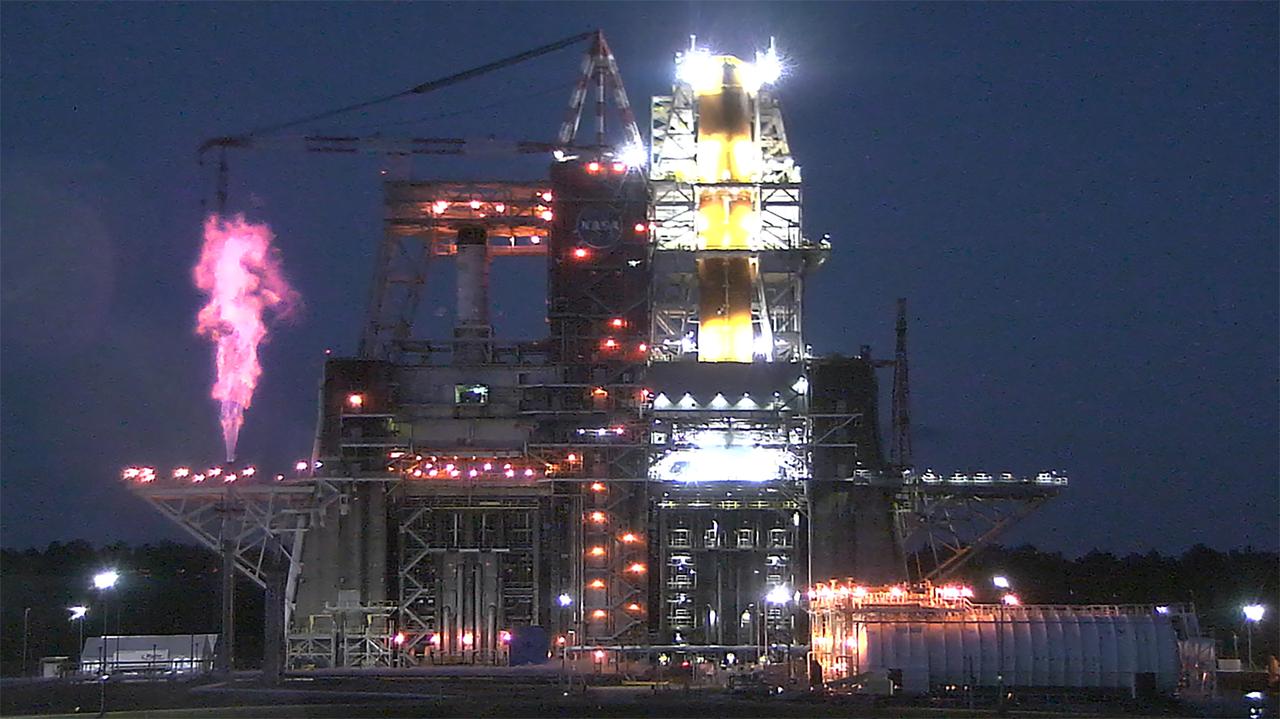
Operators at the B-2 Test Stand at Stennis Space Center near Bay St. Louis, Mississippi, conducted a wet dress rehearsal for the hot fire test of the core stage of NASA’s Space Launch System on Dec. 21, 2020. In this image, liquid oxygen can be seen venting near the top of the installed core stage. Following the wet dress rehearsal, operators will conduct a full hot fire test of the core stage and its four RS-25 engines. The hot fire will conclude a series of eight Green Run tests of all core stage systems before it is transported to Kennedy Space Center for launch on the Artemis I mission.
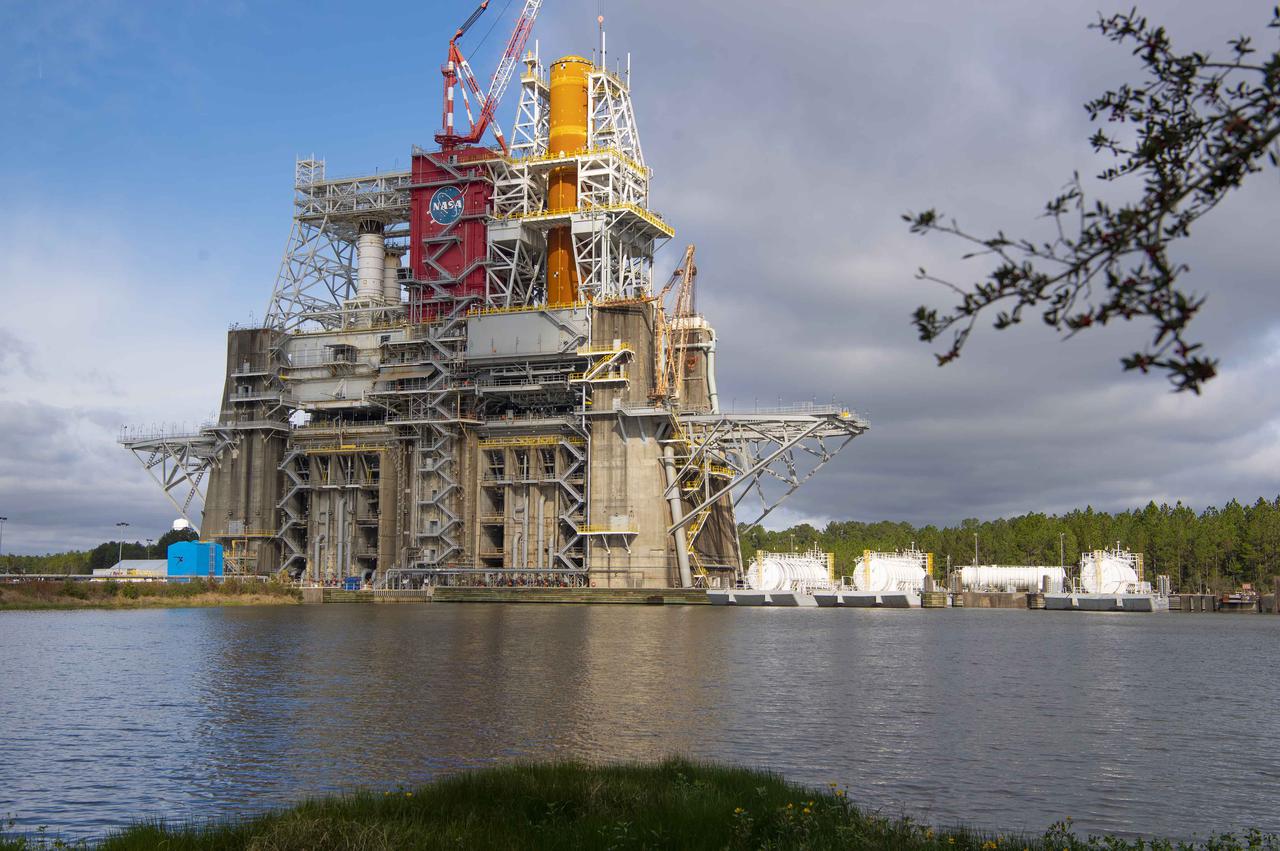
Barges are docked at the B-2 Test Stand at Stennis Space Center near Bay St. Louis, Mississippi, during preparations for a wet dress rehearsal exercise with the core stage of NASA’s Space Launch System rocket. During the wet dress rehearsal, operators will fully load the core stage’s propellant tanks for the first time and countdown just shy of engine ignition. The wet dress rehearsal is the seventh in a series of eight Green Run tests of the core stage’s integrated systems prior to its transport to Kennedy Space Center and launch on the Artemis I mission.
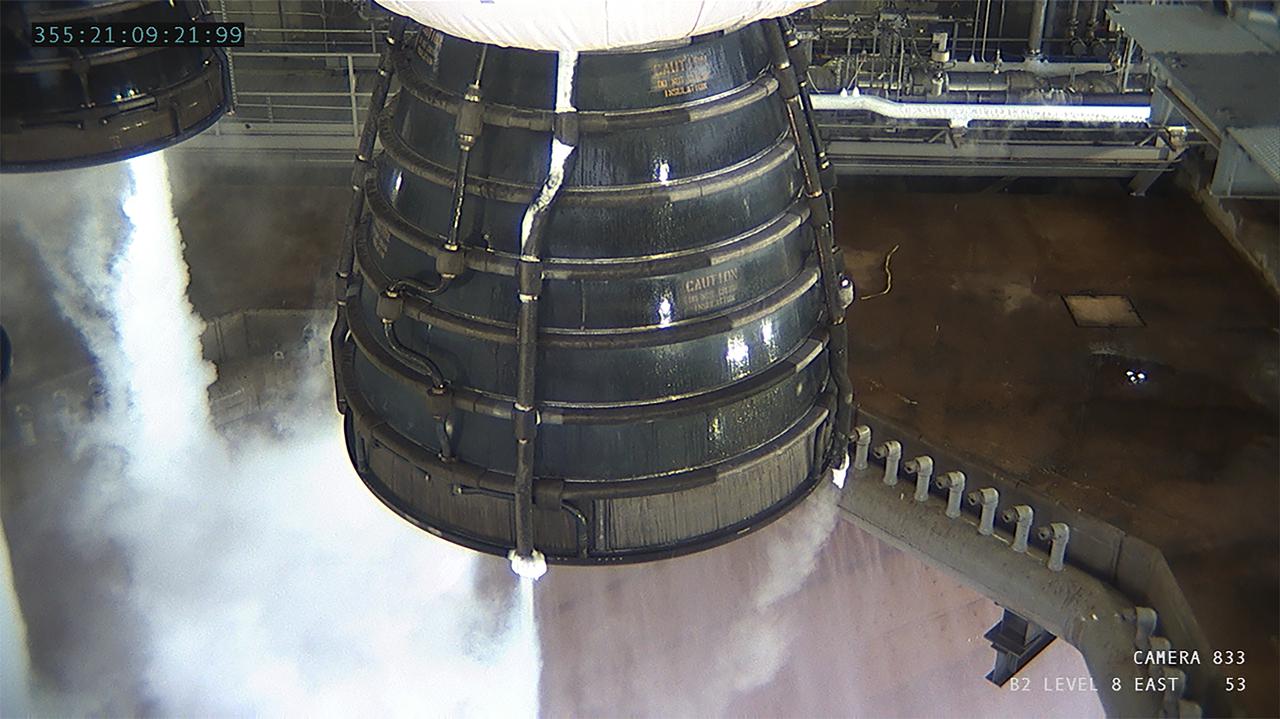
Operators at the B-2 Test Stand at Stennis Space Center near Bay St. Louis, Mississippi, conducted a wet dress rehearsal for the hot fire test of the core stage of NASA’s Space Launch System on Dec. 21, 2020. In this image, liquid oxygen vents from the four RS-25 engines that will ignite during the final hot fire test of the core stage. The hot fire will conclude a series of eight Green Run tests of all core stage systems before it is transported to Kennedy Space Center for launch on the Artemis I mission.
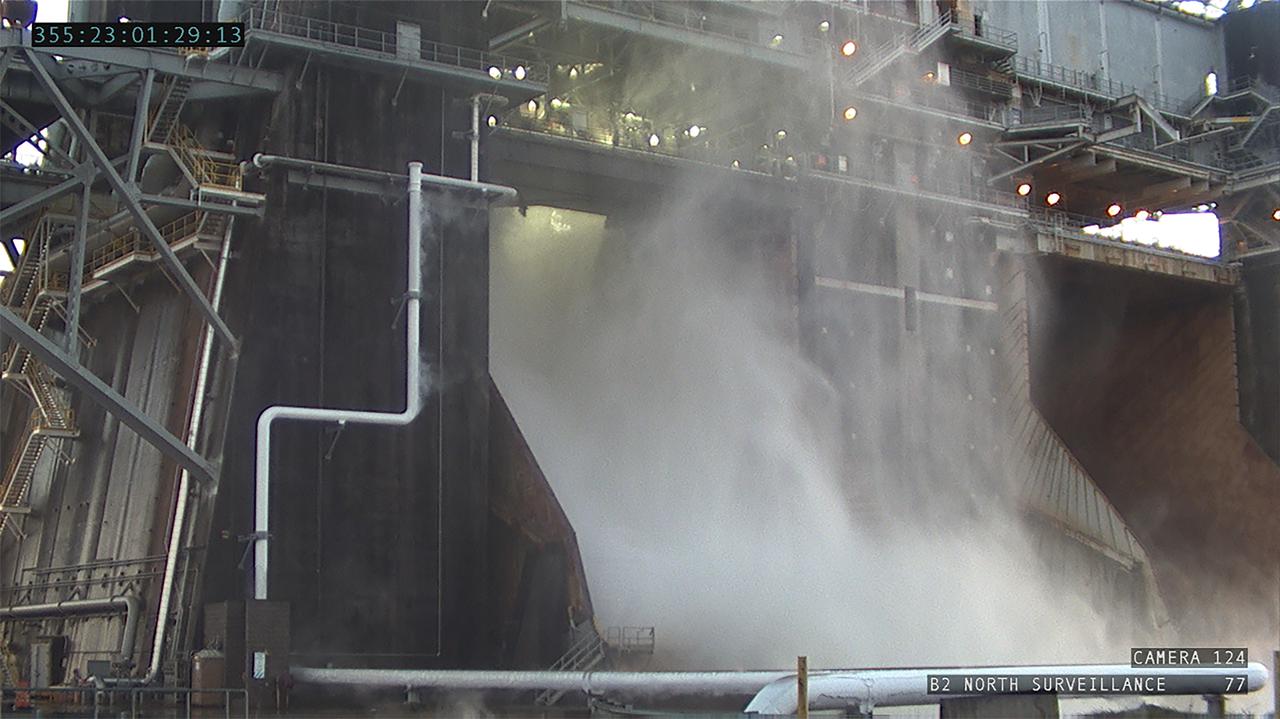
Operators at the B-2 Test Stand at Stennis Space Center near Bay St. Louis, Mississippi, conducted a wet dress rehearsal for the hot fire test of the core stage of NASA’s Space Launch System on Dec. 21, 2020. In this image, water flows from the B-2 Test Stand flame deflector, just as it will during an actual hot fire test. The hot fire will conclude a series of eight Green Run tests of all core stage systems before it is transported to Kennedy Space Center for launch on the Artemis I mission.
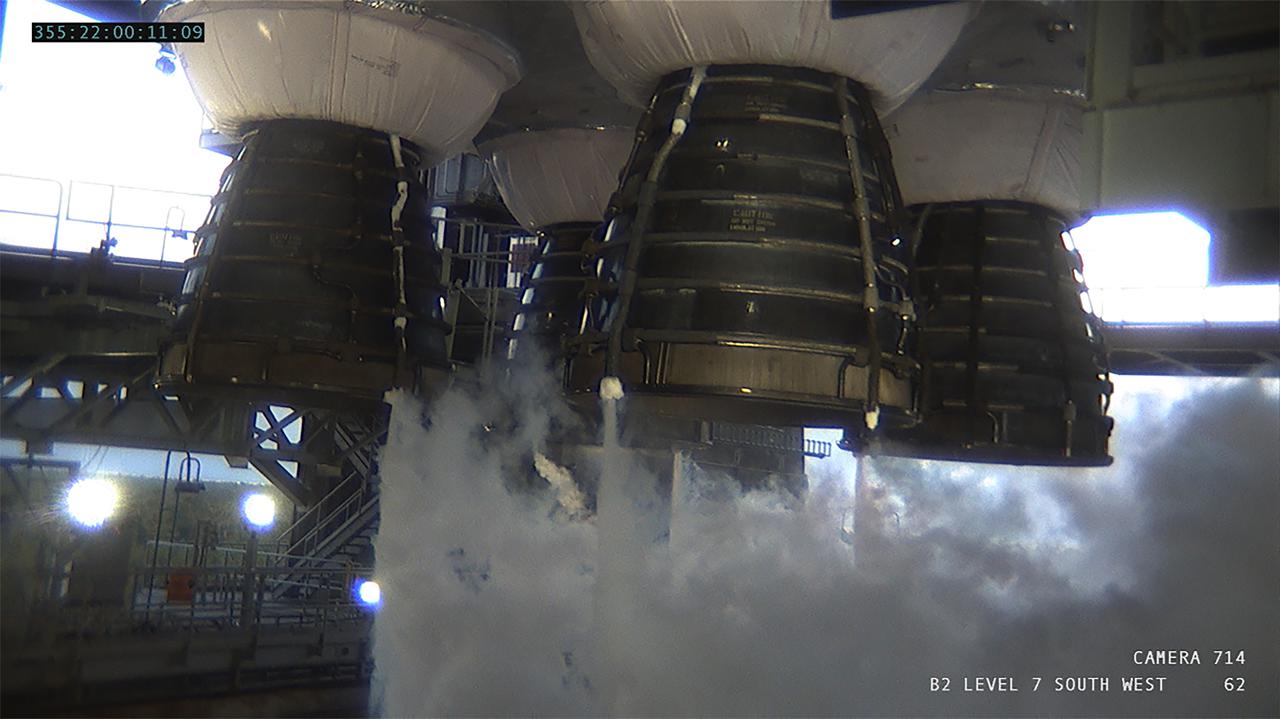
Operators at the B-2 Test Stand at Stennis Space Center near Bay St. Louis, Mississippi, conducted a wet dress rehearsal for the hot fire test of the core stage of NASA’s Space Launch System on Dec. 21, 2020. In this image, liquid oxygen vents from the four RS-25 engines that will ignite during the final hot fire test of the core stage. The hot fire will conclude a series of eight Green Run tests of all core stage systems before it is transported to Kennedy Space Center for launch on the Artemis I mission.
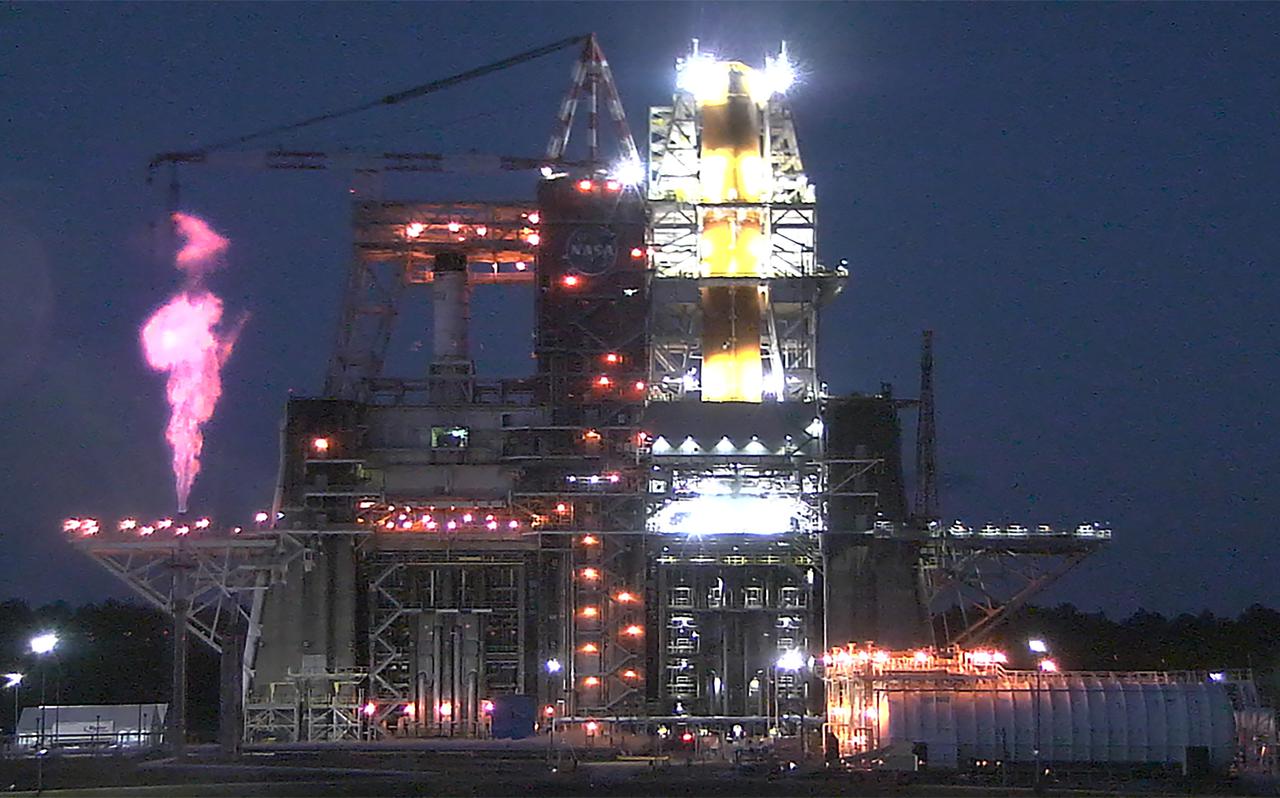
Operators at the B-2 Test Stand at Stennis Space Center near Bay St. Louis, Mississippi, conducted a wet dress rehearsal for the hot fire test of the core stage of NASA’s Space Launch System on Dec. 21, 2020. In this image, liquid oxygen can be seen venting near the top of the installed core stage. Following the wet dress rehearsal, operators will conduct a full hot fire test of the core stage and its four RS-25 engines. The hot fire will conclude a series of eight Green Run tests of all core stage systems before it is transported to Kennedy Space Center for launch on the Artemis I mission.
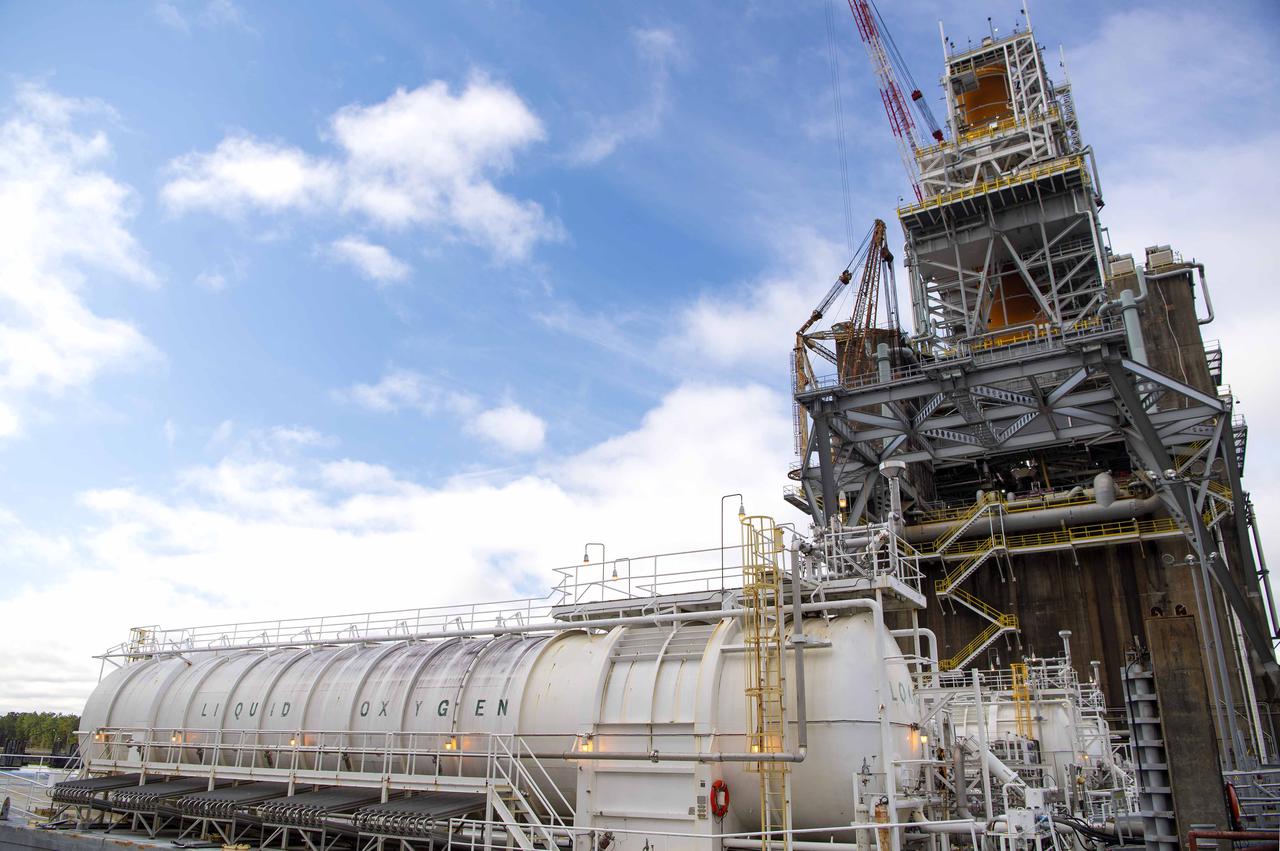
Barges are docked at the B-2 Test Stand at Stennis Space Center near Bay St. Louis, Mississippi, during preparations for a wet dress rehearsal exercise with the core stage of NASA’s Space Launch System rocket. During the wet dress rehearsal, operators will fully load the core stage’s propellant tanks for the first time and countdown just shy of engine ignition. The wet dress rehearsal is the seventh in a series of eight Green Run tests of the core stage’s integrated systems prior to its transport to Kennedy Space Center and launch on the Artemis I mission.
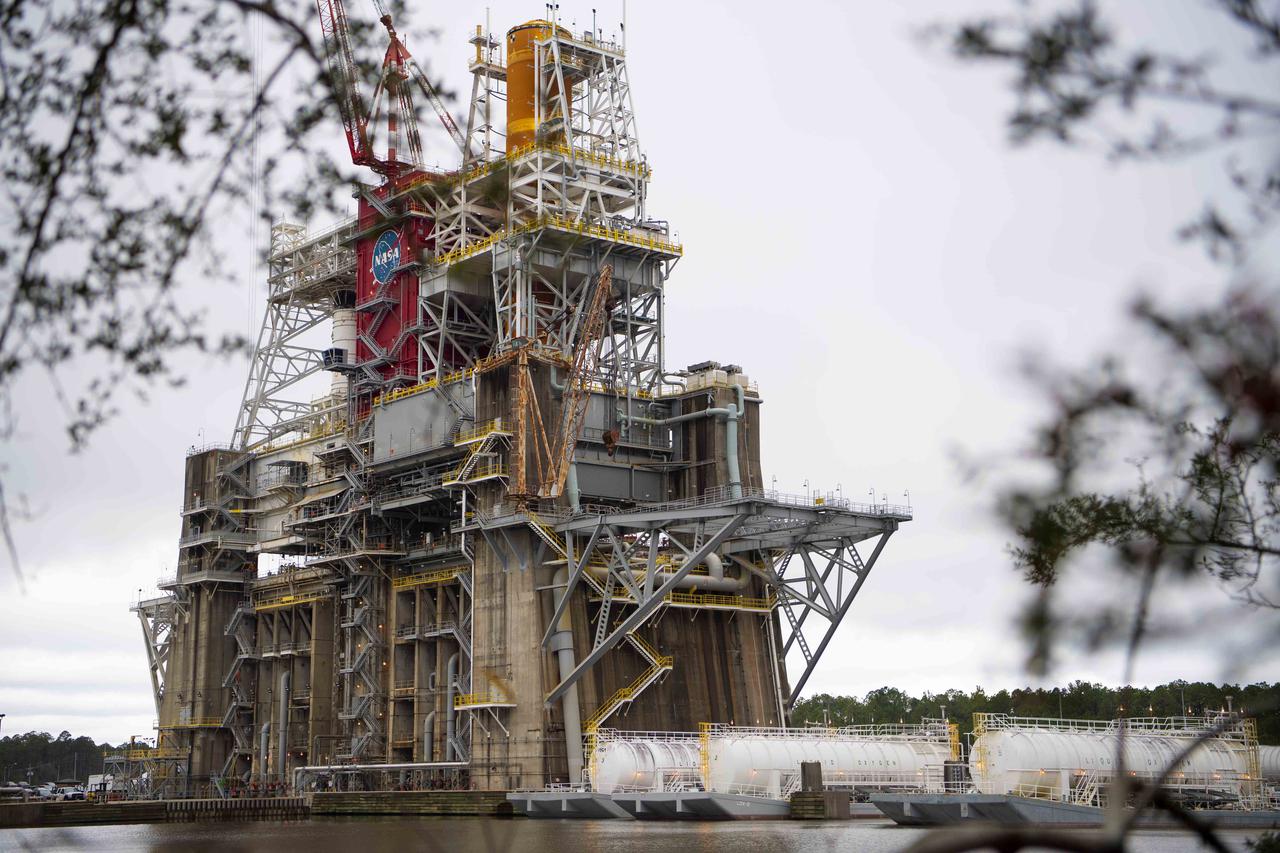
Barges are docked at the B-2 Test Stand at Stennis Space Center near Bay St. Louis, Mississippi, during preparations for a wet dress rehearsal exercise with the core stage of NASA’s Space Launch System rocket. During the wet dress rehearsal, operators will fully load the core stage’s propellant tanks for the first time and countdown just shy of engine ignition. The wet dress rehearsal is the seventh in a series of eight Green Run tests of the core stage’s integrated systems prior to its transport to Kennedy Space Center and launch on the Artemis I mission.
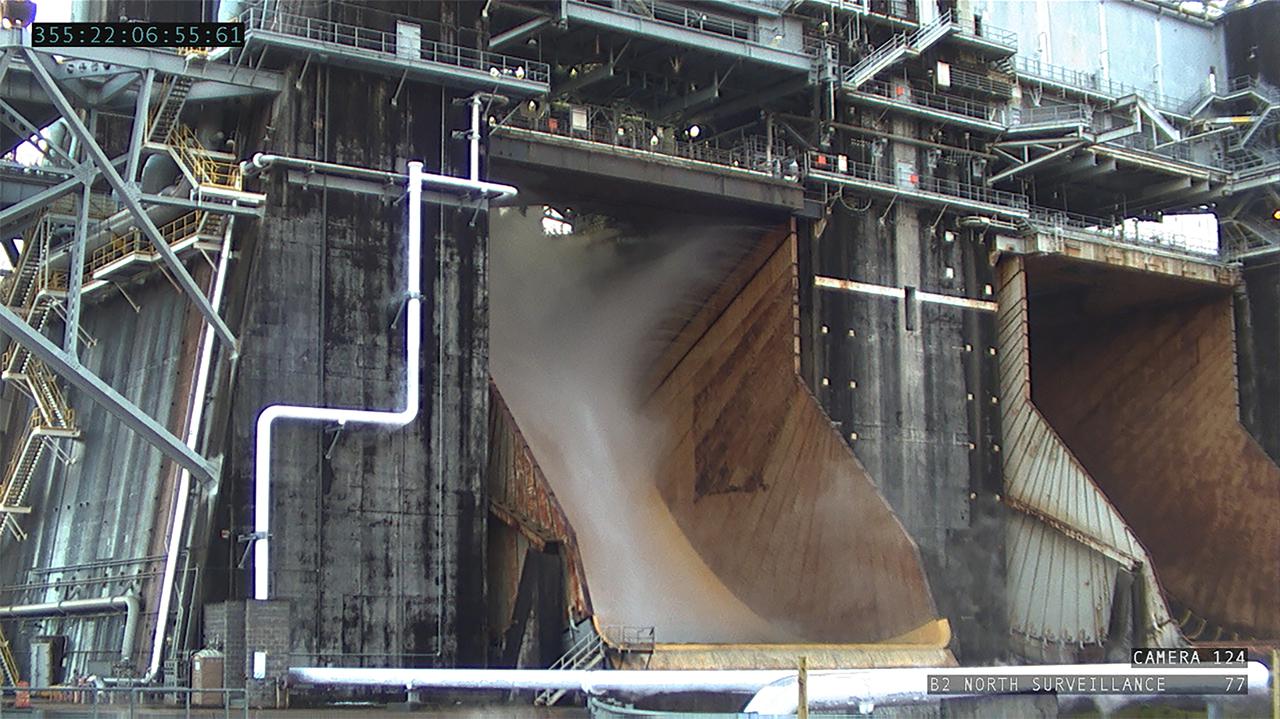
Operators at the B-2 Test Stand at Stennis Space Center near Bay St. Louis, Mississippi, conducted a wet dress rehearsal for the hot fire test of the core stage of NASA’s Space Launch System on Dec. 21, 2020. In this image, water flows from the B-2 Test Stand flame deflector, just as it will during an actual hot fire test. The hot fire will conclude a series of eight Green Run tests of all core stage systems before it is transported to Kennedy Space Center for launch on the Artemis I mission.

NASA conducts a hot fire test Jan. 16, 2021, of the core stage for the agency’s Space Launch System rocket on the B-2 Test Stand at Stennis Space Center near Bay St. Louis. The hot fire test of the stage’s four RS-25 engines generated a combined 1.6 million pounds of thrust, just as will occur during an actual launch. The hot fire is the final test of the Green Run test series, a comprehensive assessment of the SLS core stage prior to launching the Artemis I mission to the Moon.
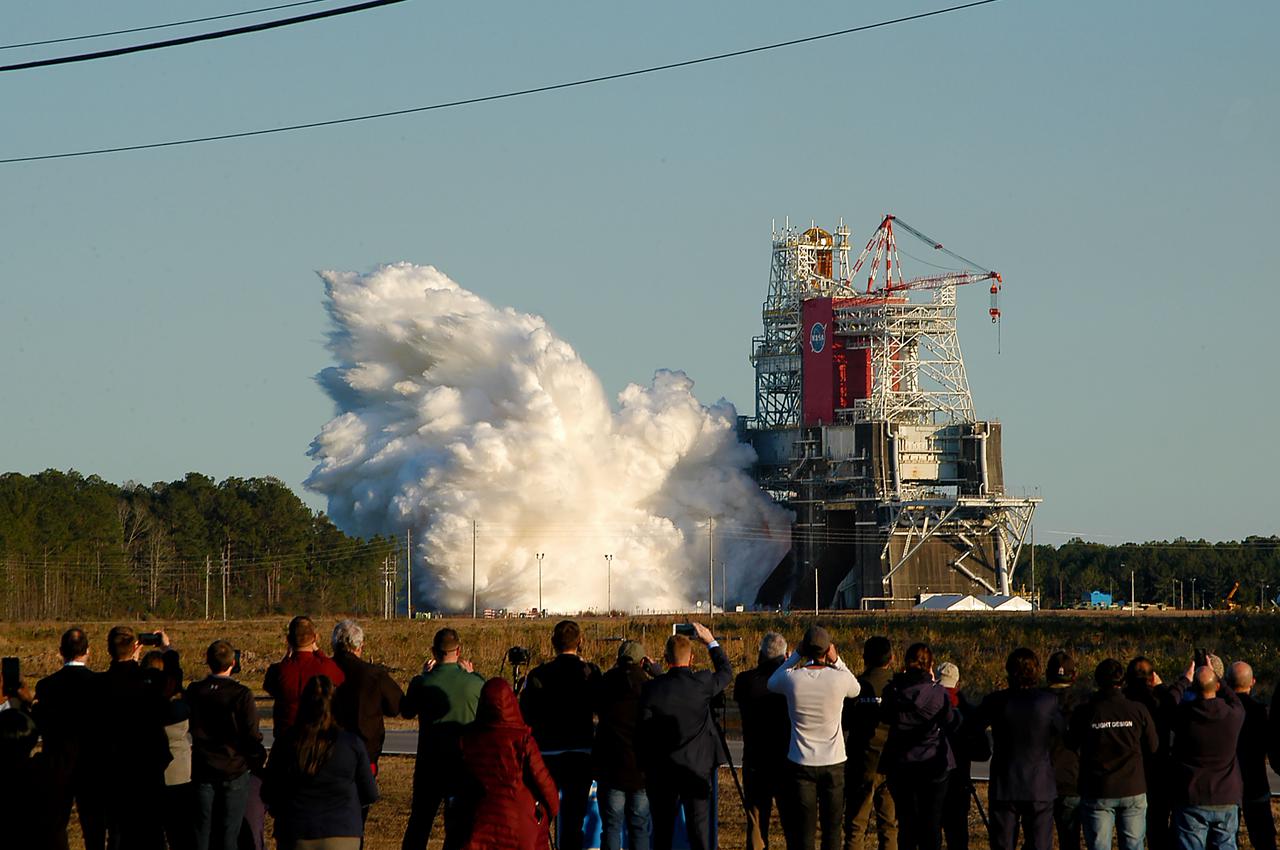
NASA conducts a hot fire test Jan. 16, 2021, of the core stage for the agency’s Space Launch System rocket on the B-2 Test Stand at Stennis Space Center near Bay St. Louis. The hot fire test of the stage’s four RS-25 engines generated a combined 1.6 million pounds of thrust, just as will occur during an actual launch. The hot fire is the final test of the Green Run test series, a comprehensive assessment of the SLS core stage prior to launching the Artemis I mission to the Moon.
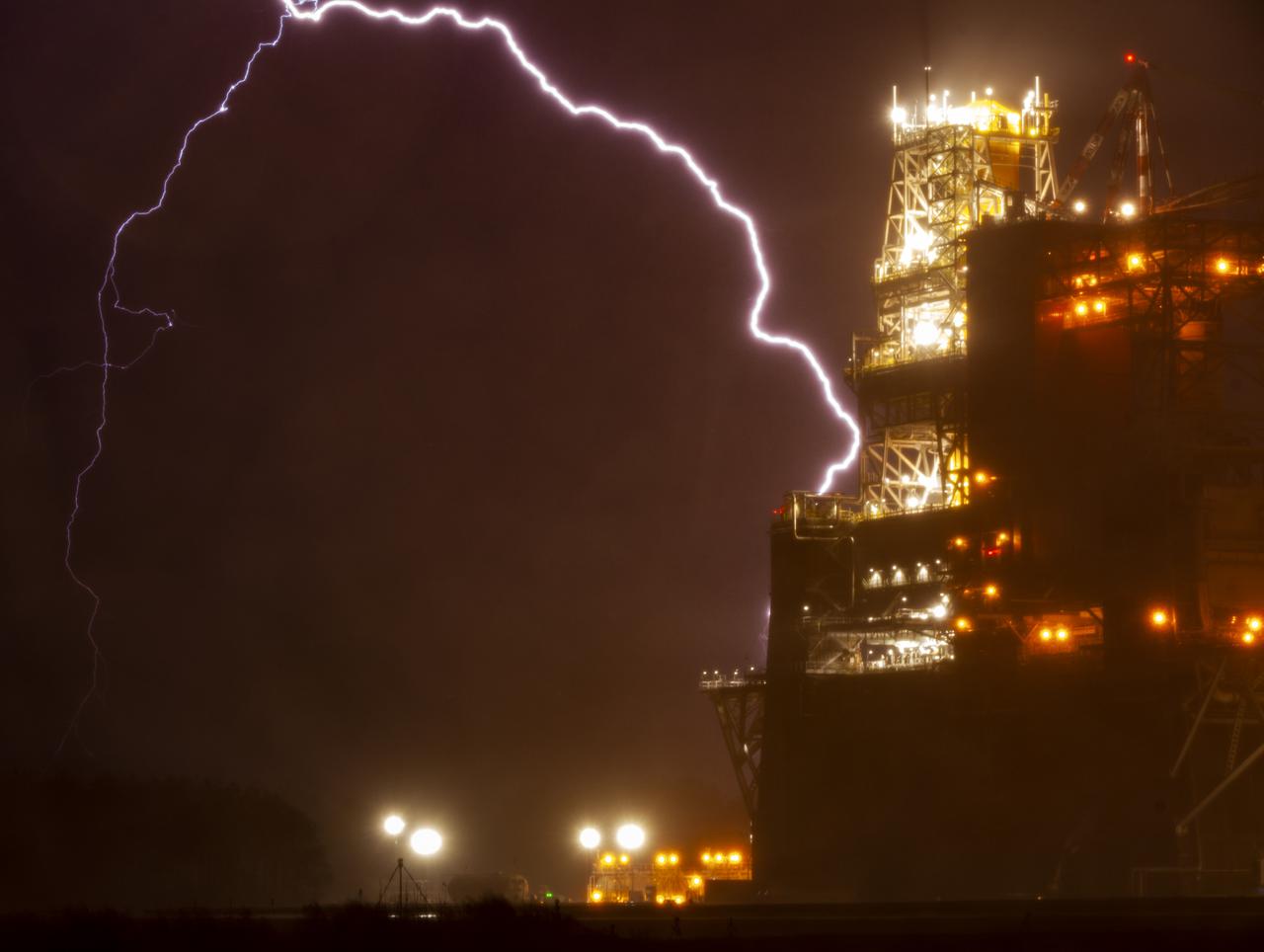
A bolt of lightning is seen near the B-2 Test Stand the night before a second hot fire test of the core stage for the first flight of NASA’s Space Launch System rocket, Wednesday, March 17, 2021 at NASA’s Stennis Space Center near Bay St. Louis, Mississippi. The hot fire test is the final stage of the Green Run test series, a comprehensive assessment of the Space Launch System’s core stage prior to launching the Artemis I mission to the Moon. Photo Credit: (NASA/Robert Markowitz)

The core stage for the first flight of NASA’s Space Launch System rocket is seen in the B-2 Test Stand ahead of a scheduled eight minute duration hot fire test, Friday, Jan. 15, 2021 at NASA’s Stennis Space Center near Bay St. Louis, Mississippi. The hot fire test is the final stage of the Green Run test series, a comprehensive assessment of the Space Launch System’s core stage prior to launching the Artemis I mission to the Moon. Photo Credit: (NASA/Robert Markowitz)
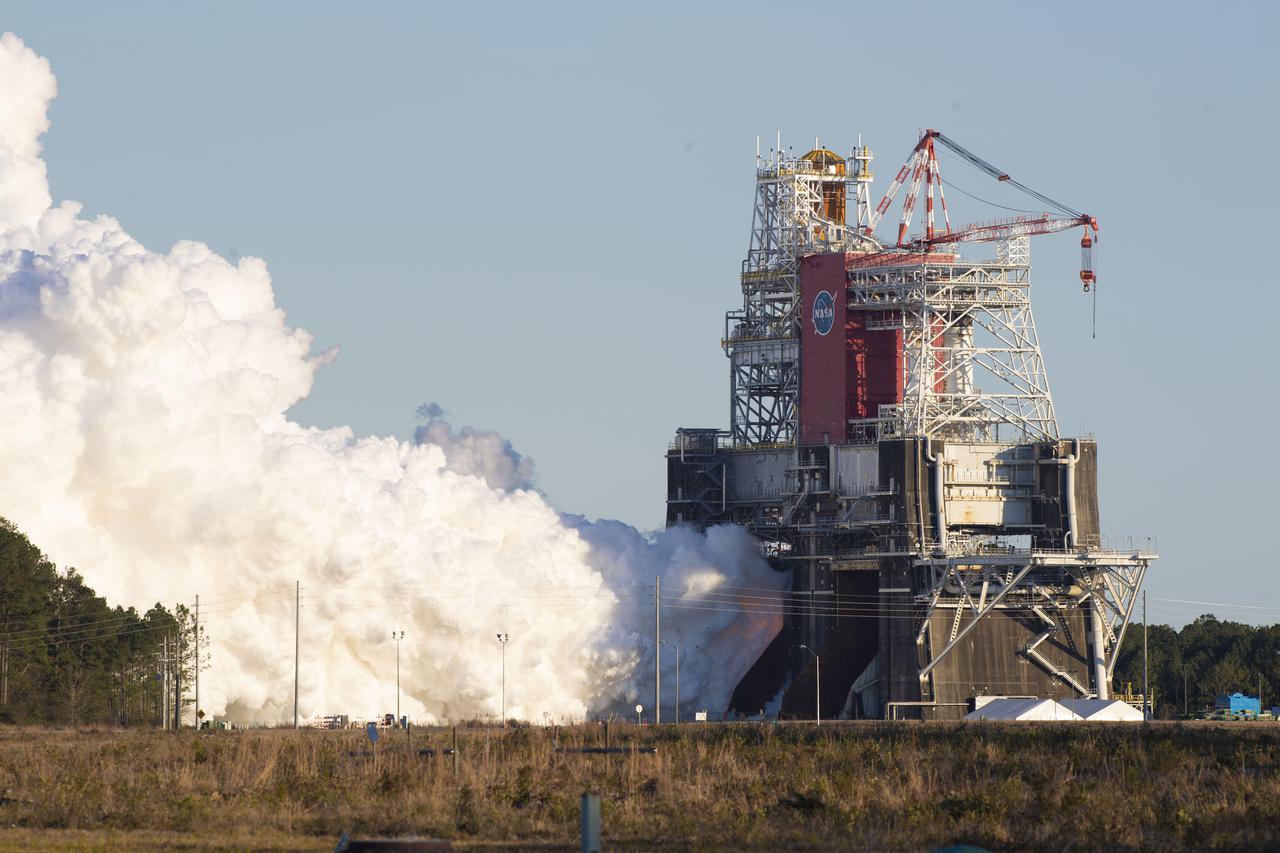
NASA conducts a hot fire test Jan. 16, 2021, of the core stage for the agency’s Space Launch System rocket on the B-2 Test Stand at Stennis Space Center near Bay St. Louis. The hot fire test of the stage’s four RS-25 engines generated a combined 1.6 million pounds of thrust, just as will occur during an actual launch. The hot fire is the final test of the Green Run test series, a comprehensive assessment of the SLS core stage prior to launching the Artemis I mission to the Moon.
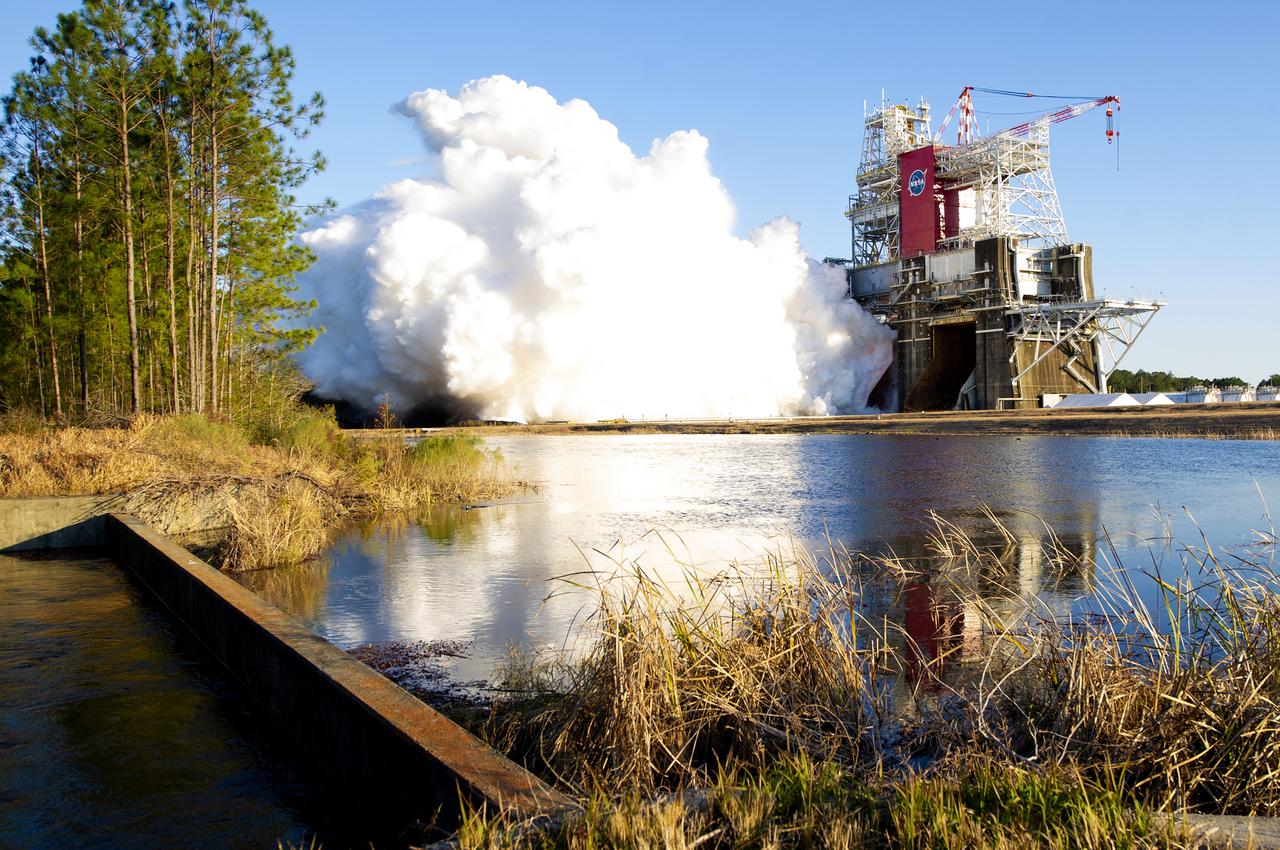
NASA conducts a hot fire test Jan. 16, 2021, of the core stage for the agency’s Space Launch System rocket on the B-2 Test Stand at Stennis Space Center near Bay St. Louis. The hot fire test of the stage’s four RS-25 engines generated a combined 1.6 million pounds of thrust, just as will occur during an actual launch. The hot fire is the final test of the Green Run test series, a comprehensive assessment of the SLS core stage prior to launching the Artemis I mission to the Moon.
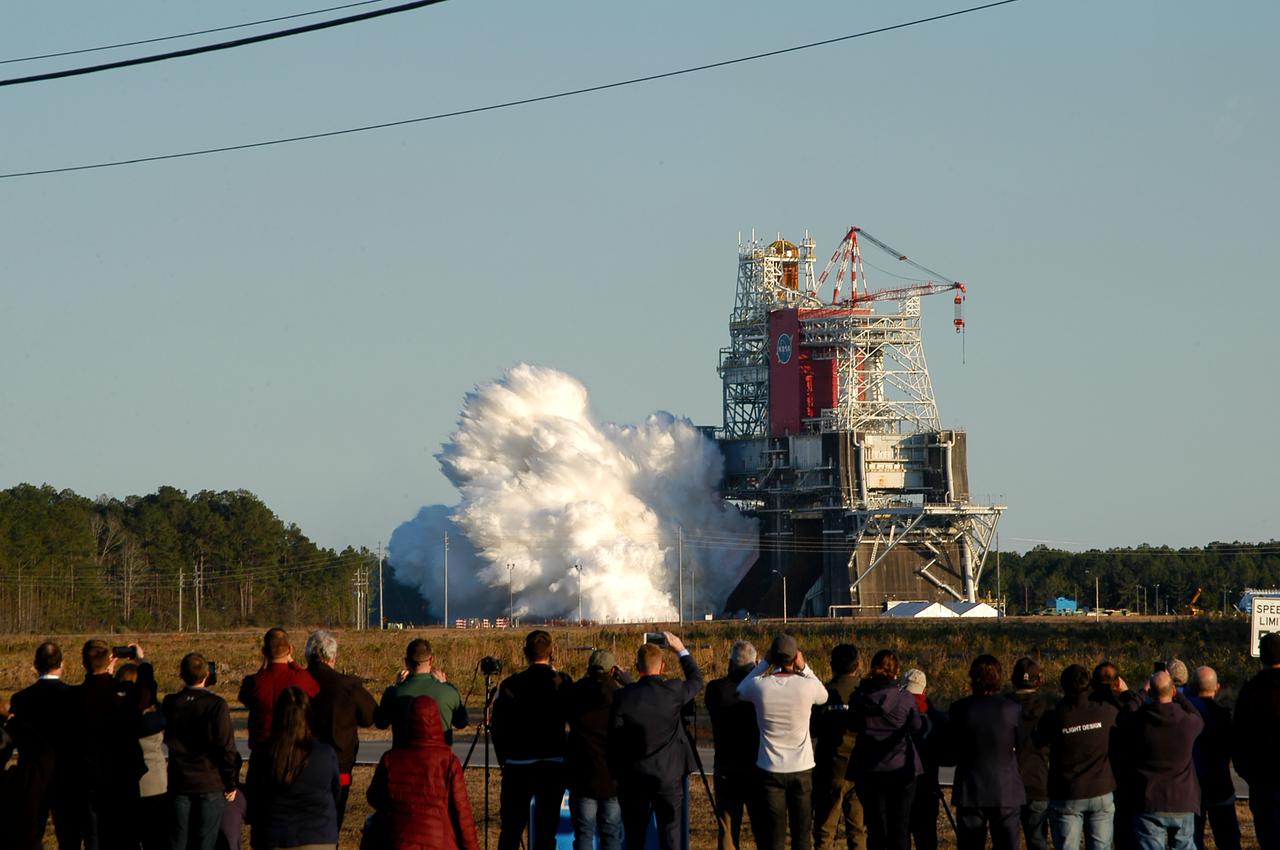
NASA conducts a hot fire test Jan. 16, 2021, of the core stage for the agency’s Space Launch System rocket on the B-2 Test Stand at Stennis Space Center near Bay St. Louis. The hot fire test of the stage’s four RS-25 engines generated a combined 1.6 million pounds of thrust, just as will occur during an actual launch. The hot fire is the final test of the Green Run test series, a comprehensive assessment of the SLS core stage prior to launching the Artemis I mission to the Moon.

NASA conducts a hot fire test Jan. 16, 2021, of the core stage for the agency’s Space Launch System rocket on the B-2 Test Stand at Stennis Space Center near Bay St. Louis. The hot fire test of the stage’s four RS-25 engines generated a combined 1.6 million pounds of thrust, just as will occur during an actual launch. The hot fire is the final test of the Green Run test series, a comprehensive assessment of the SLS core stage prior to launching the Artemis I mission to the Moon.
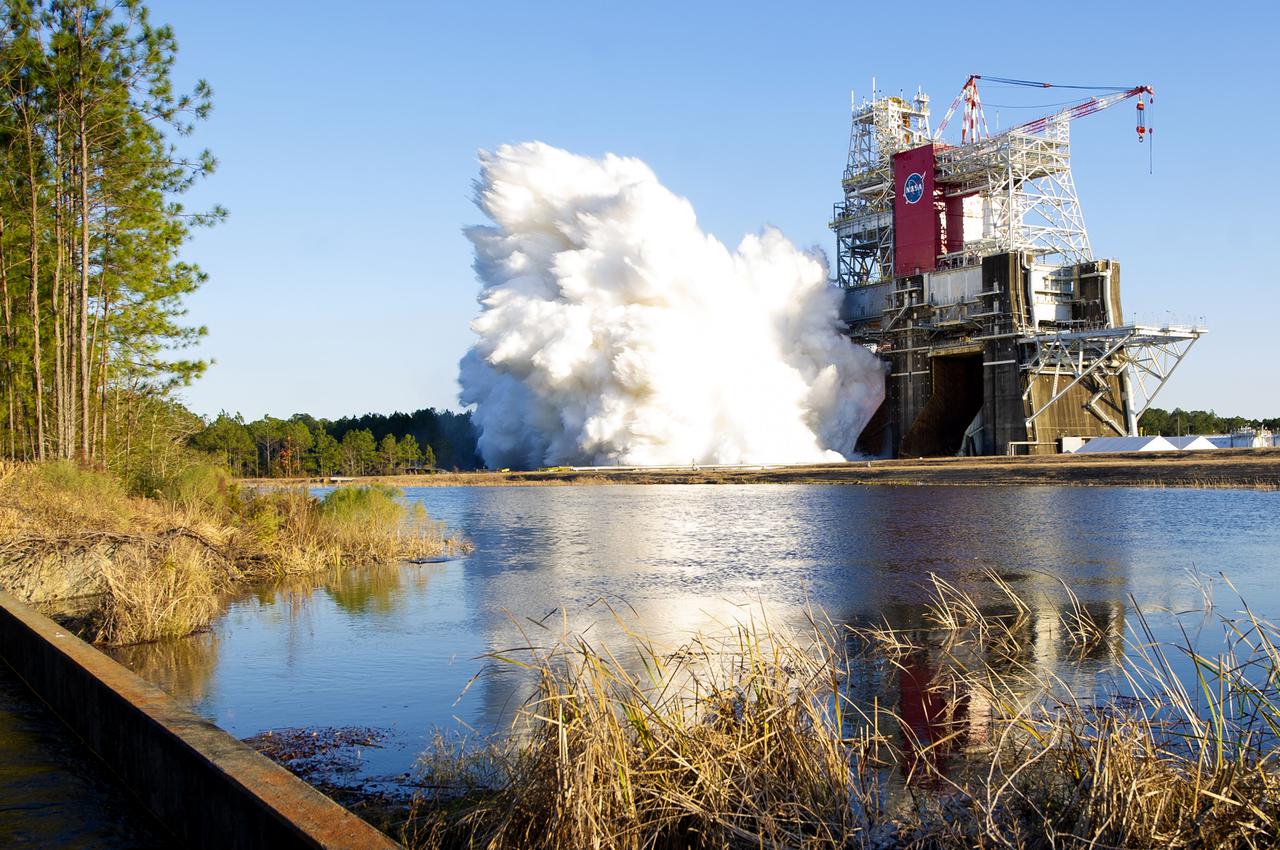
NASA conducts a hot fire test Jan. 16, 2021, of the core stage for the agency’s Space Launch System rocket on the B-2 Test Stand at Stennis Space Center near Bay St. Louis. The hot fire test of the stage’s four RS-25 engines generated a combined 1.6 million pounds of thrust, just as will occur during an actual launch The hot fire is the final test of the Green Run test series, a comprehensive assessment of the SLS core stage prior to launching the Artemis I mission to the Moon.
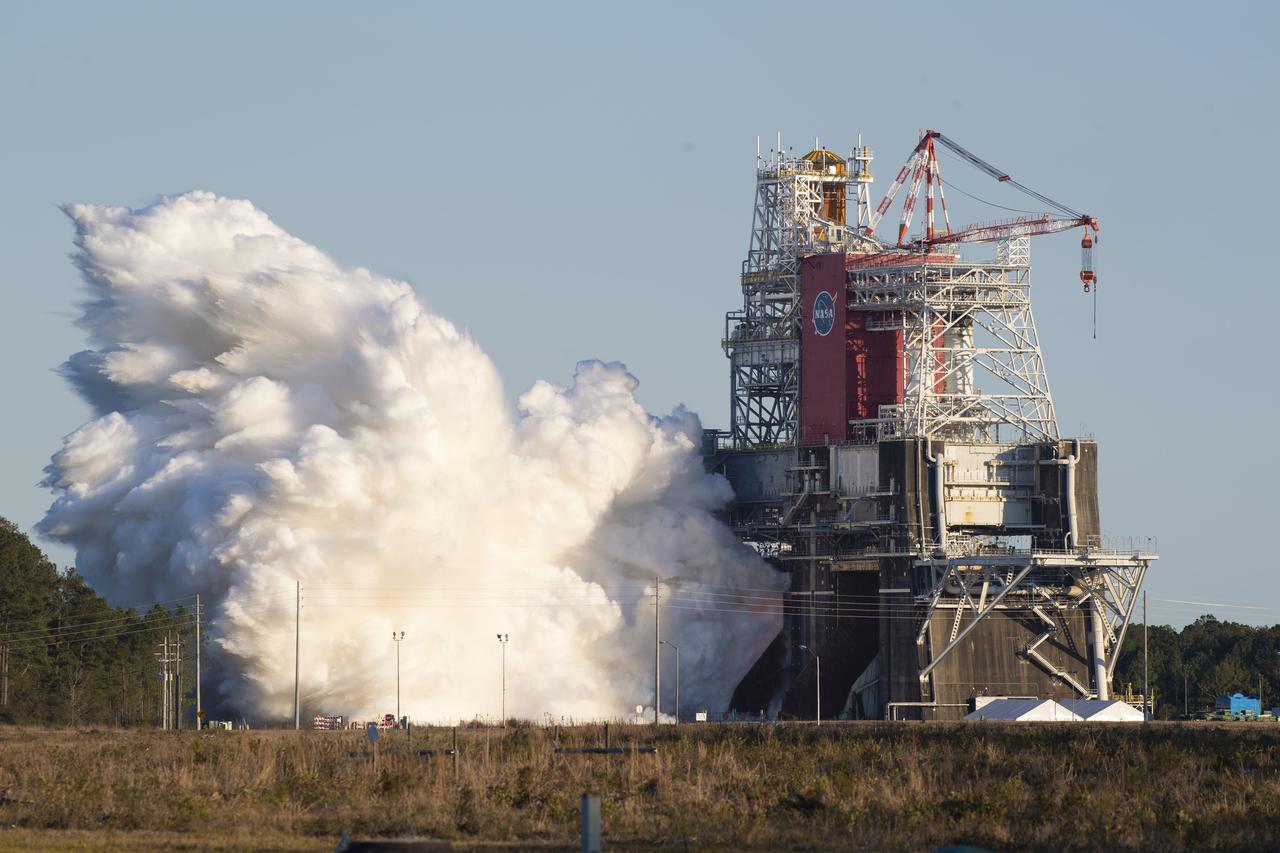
NASA conducts a hot fire test Jan. 16, 2021, of the core stage for the agency’s Space Launch System rocket on the B-2 Test Stand at Stennis Space Center near Bay St. Louis. The hot fire test of the stage’s four RS-25 engines generated a combined 1.6 million pounds of thrust, just as will occur during an actual launch. The hot fire is the final test of the Green Run test series, a comprehensive assessment of the SLS core stage prior to launching the Artemis I mission to the Moon.
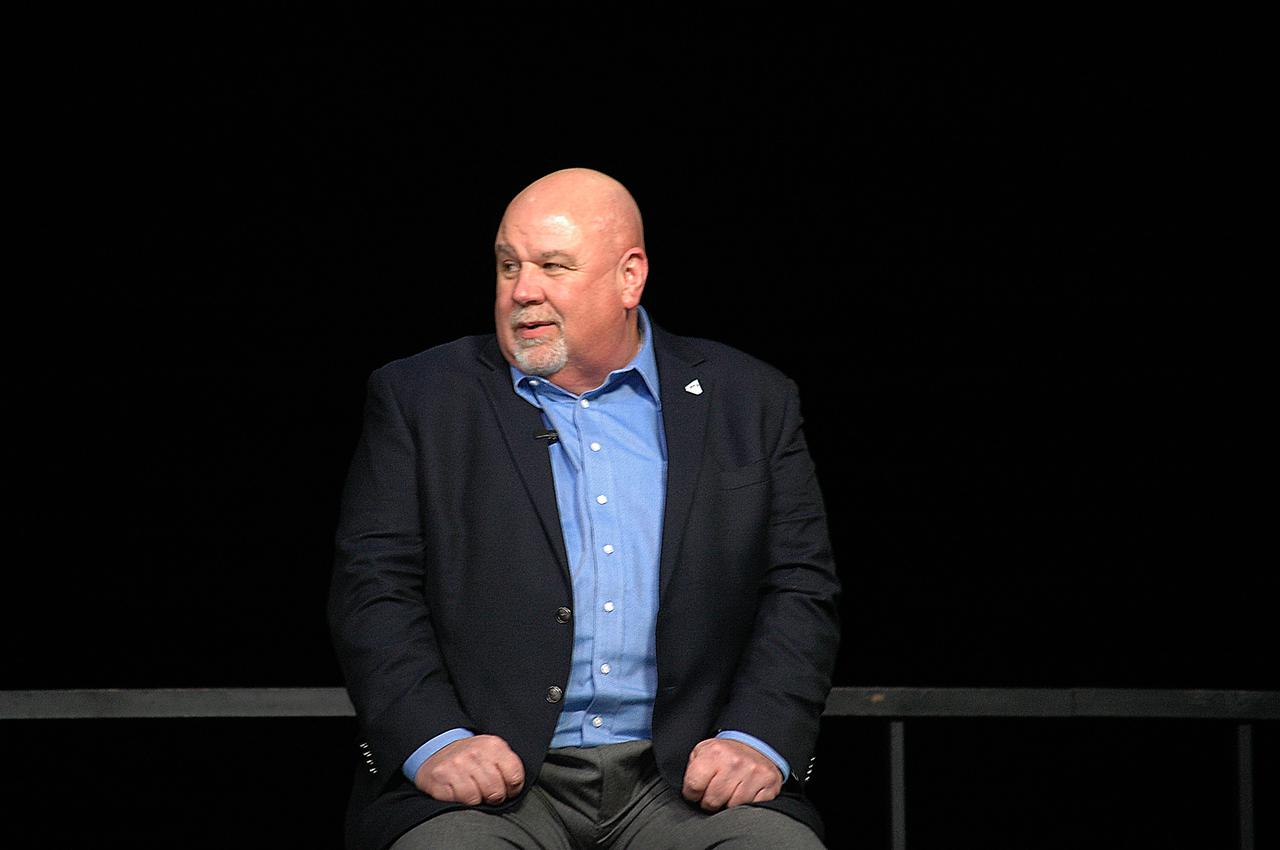
SLS Program Manager John Honeycutt from NASA’s Marshall Space Flight Center participates in a press conference following the Green Run hot fire test of the core stage for NASA’s Space Launch System (SLS) rocket on Saturday, January 16, 2021. NASA conducted a hot fire test of the core stage’s four RS-25 engines on the B-2 Test Stand at Stennis Space Center near Bay St. Louis, Mississippi. Scheduled for as long as eight minutes, the engines fired for a little more than one minute to generate a combined 1.6 million pounds of thrust, just as will occur during an actual launch. The hot fire is the final test of the Green Run test series, a comprehensive assessment of the SLS core stage prior to launching the Artemis I mission to the Moon.
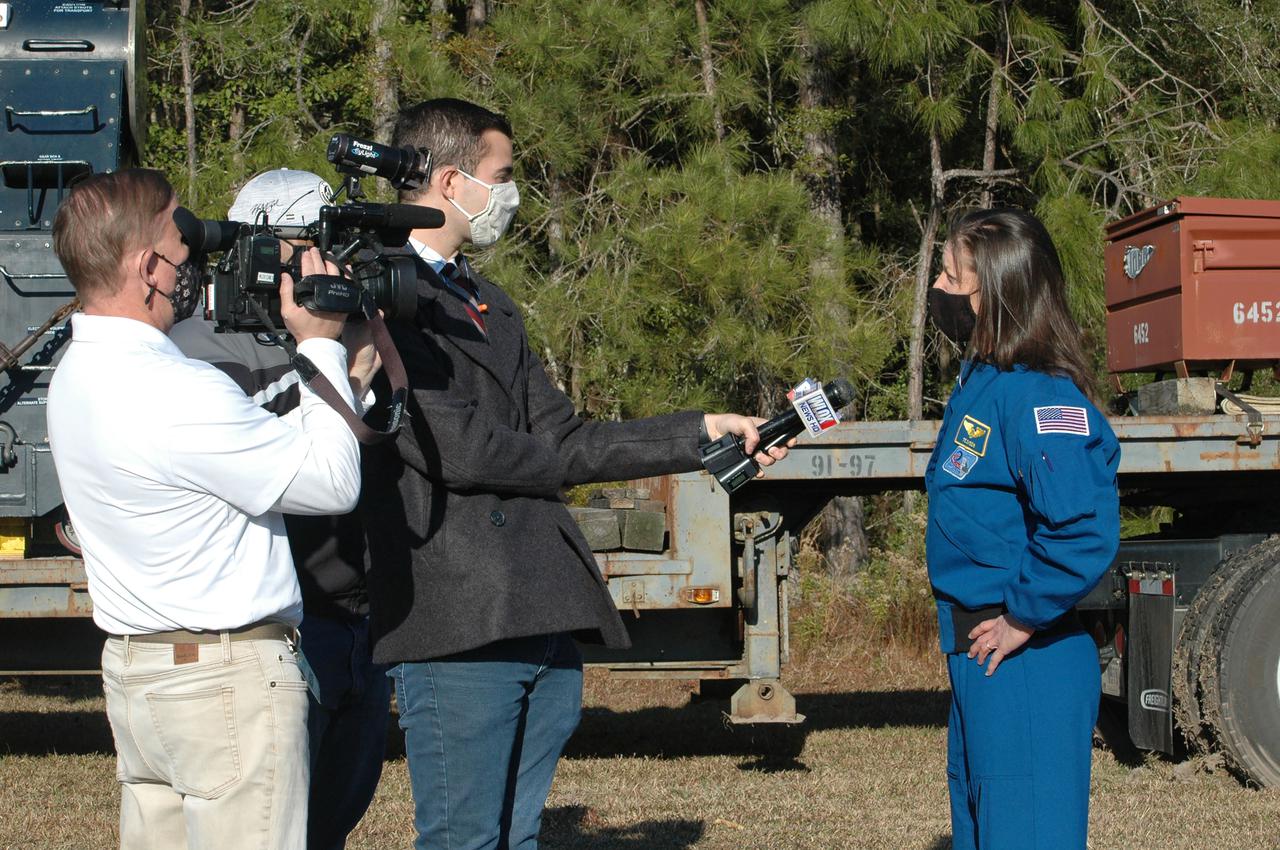
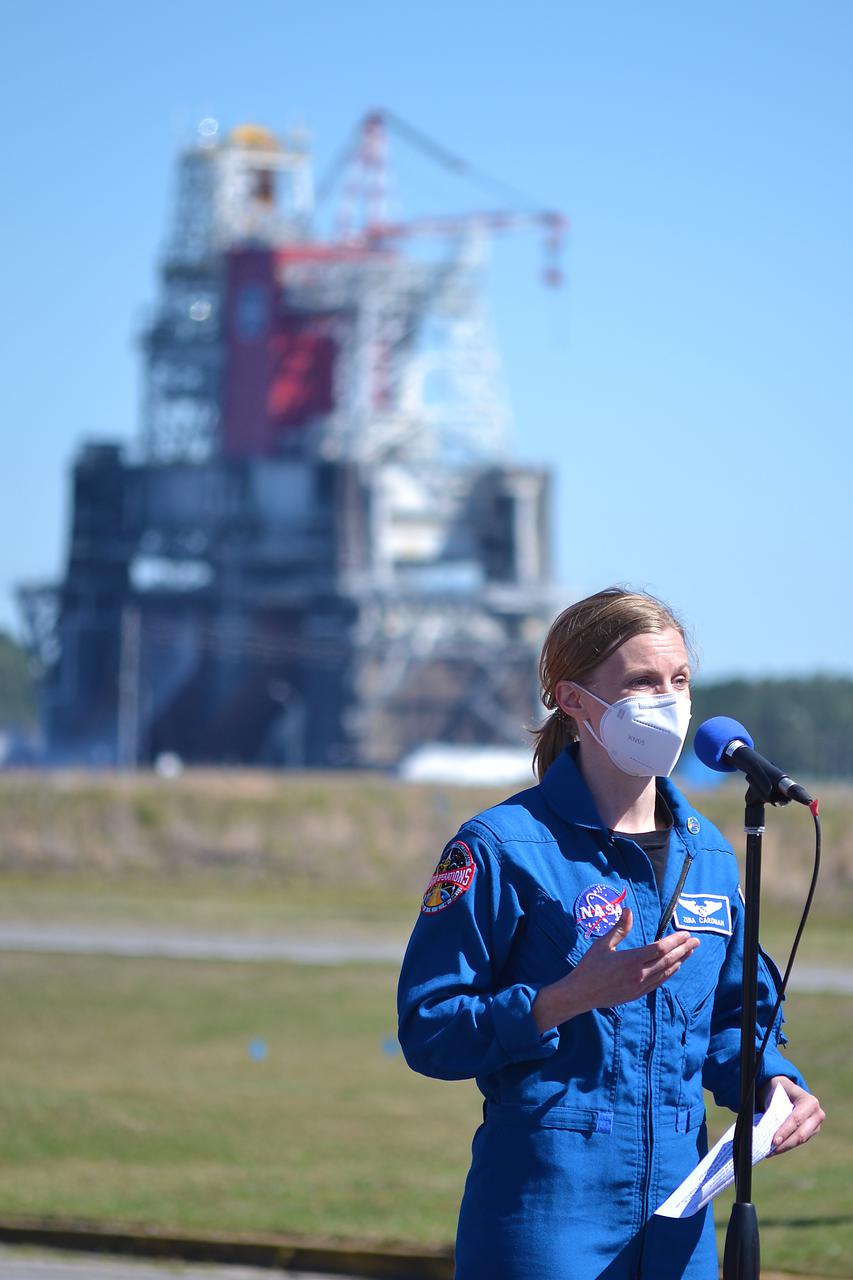
Astronaut Tracy Caldwell Dyson speaks with media representatives prior to the Green Run hot fire test of the core stage for NASA’s Space Launch System (SLS) rocket at Stennis Space Center near Bay St. Louis, Mississippi, on Saturday, January 16, 2021. NASA conducted a hot fire test of the core stage’s four RS-25 engines on the B-2 Test Stand at Stennis. Scheduled for as long as eight minutes, the engines fired for a little more than one minute to generate a combined 1.6 million pounds of thrust, just as will occur during an actual launch. The hot fire is the final test of the Green Run test series, a comprehensive assessment of the SLS core stage prior to launching the Artemis I mission to the Moon.
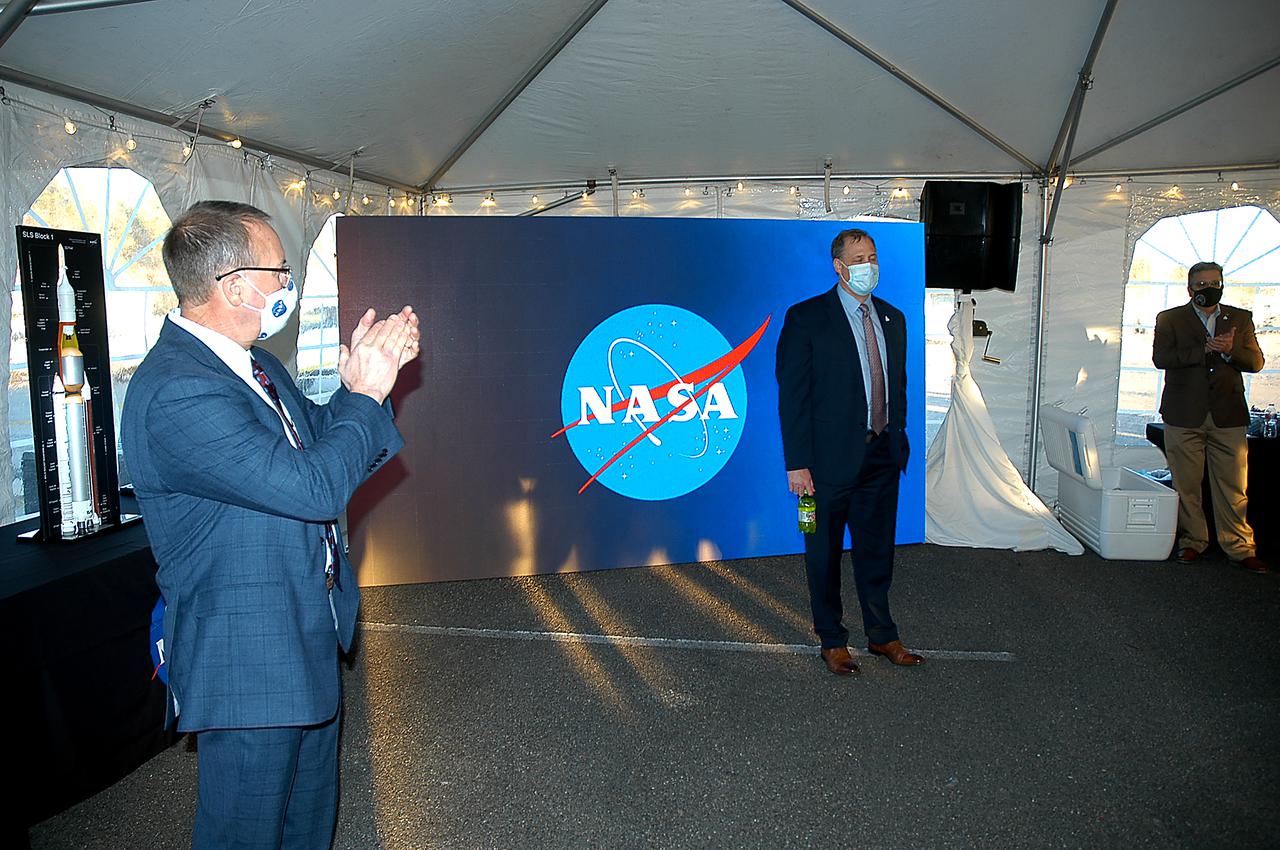
Outgoing NASA Administrator Jim Bridenstine (right) receives a round of applause from Stennis Director Rick Gilbrech and guests for comments following the Green Run hot fire test of the core stage for NASA’s Space Launch System (SLS) rocket at Stennis Space Center near Bay St. Louis, Mississippi, on Saturday, January 16, 2021. NASA conducted a hot fire test of the core stage’s four RS-25 engines on the B-2 Test Stand at Stennis. Scheduled for as long as eight minutes, the engines fired for a little more than one minute to generate a combined 1.6 million pounds of thrust, just as will occur during an actual launch. The hot fire is the final test of the Green Run test series, a comprehensive assessment of the SLS core stage prior to launching the Artemis I mission to the Moon. (NASA/Michael Badon)
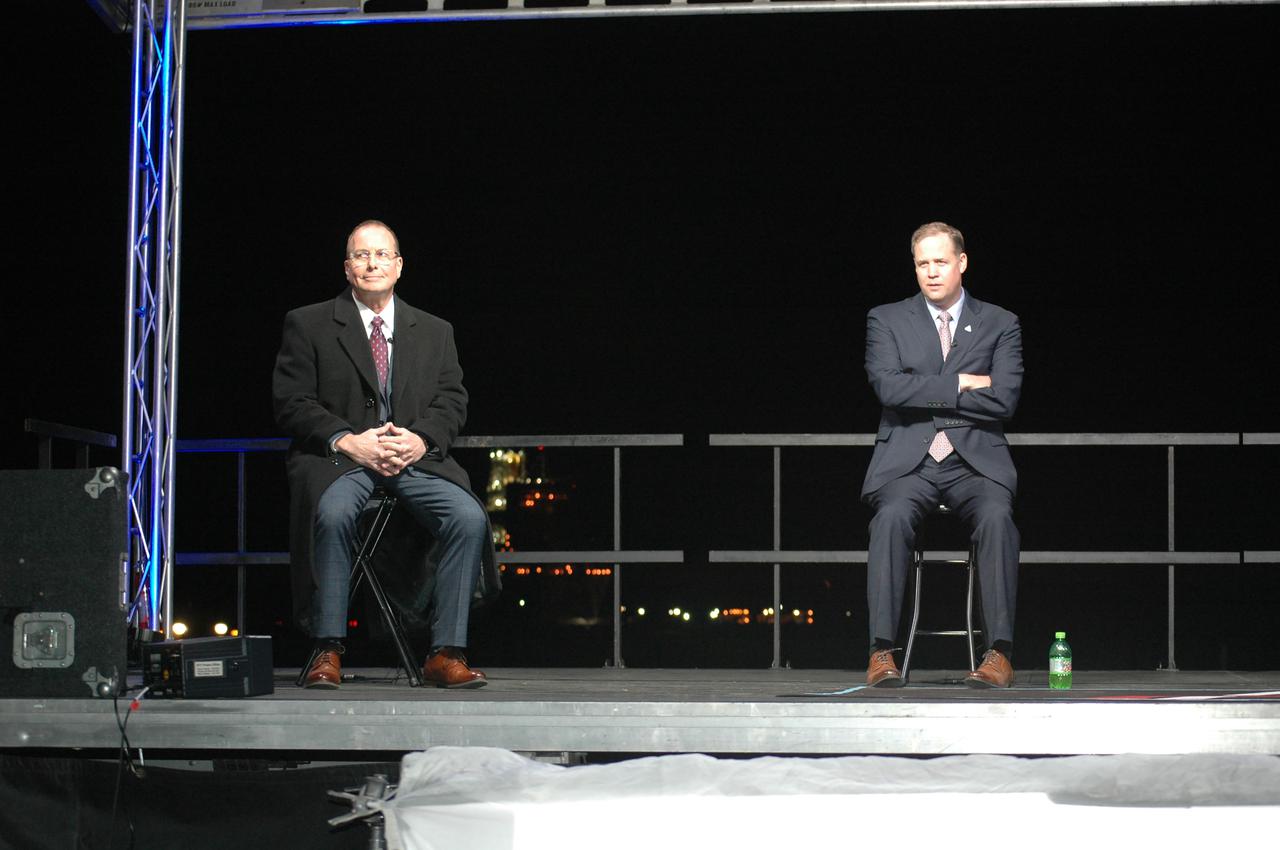
Outgoing NASA Administrator Jim Bridenstine (right) and Stennis Space Center Director Rick Gilbrech participate in a press conference following the Green Run hot fire test of the core stage for NASA’s Space Launch System (SLS) rocket on Saturday, January 16, 2021. NASA conducted a hot fire test of the core stage’s four RS-25 engines on the B-2 Test Stand at Stennis Space Center near Bay St. Louis, Mississippi. Scheduled for as long as eight minutes, the engines fired for a little more than one minute to generate a combined 1.6 million pounds of thrust, just as will occur during an actual launch. The hot fire is the final test of the Green Run test series, a comprehensive assessment of the SLS core stage prior to launching the Artemis I mission to the Moon.
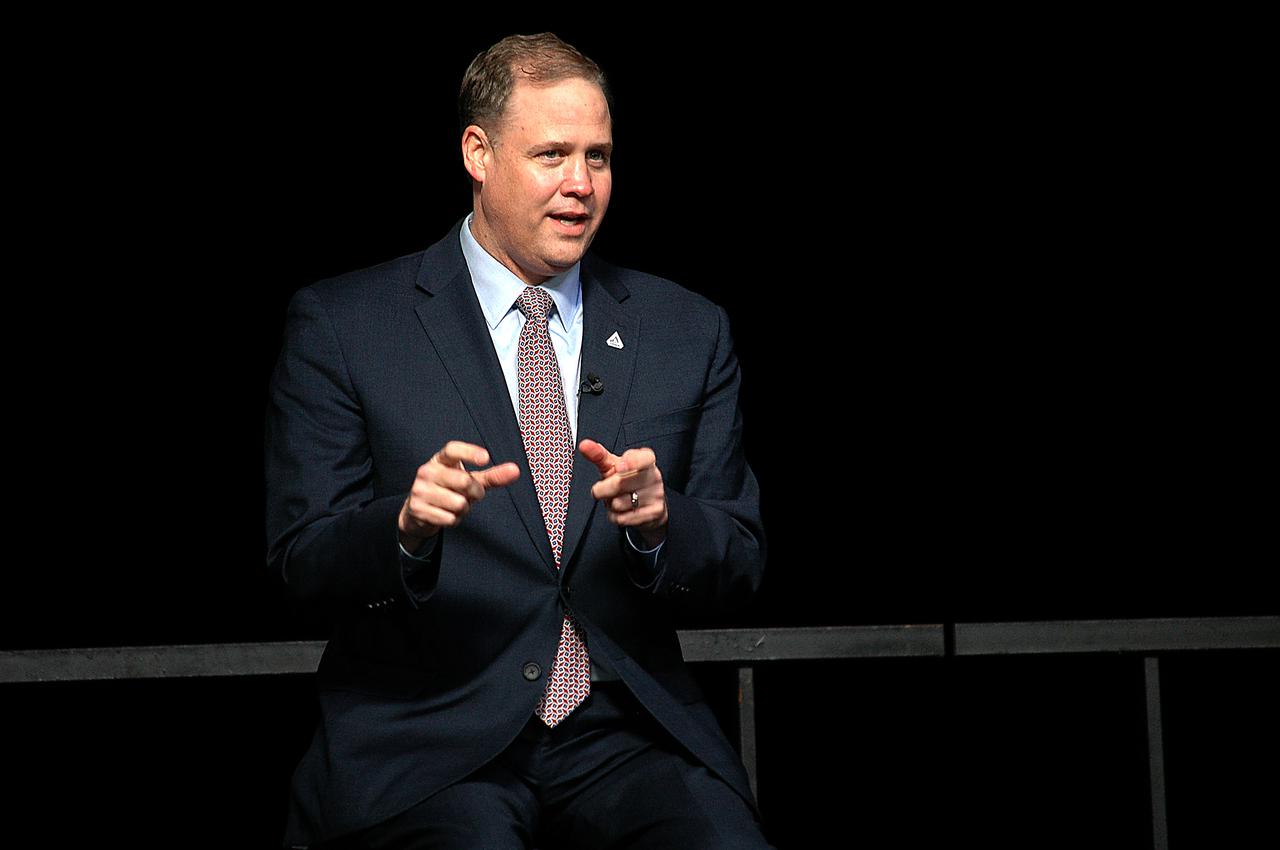
Outgoing NASA Administrator Jim Bridenstine participates in a press conference following the Green Run hot fire test of the core stage for NASA’s Space Launch System (SLS) rocket on Saturday, January 16, 2021. NASA conducted a hot fire test of the core stage’s four RS-25 engines on the B-2 Test Stand at Stennis Space Center near Bay St. Louis, Mississippi. Scheduled for as long as eight minutes, the engines fired for a little more than one minute to generate a combined 1.6 million pounds of thrust, just as will occur during an actual launch. The hot fire is the final test of the Green Run test series, a comprehensive assessment of the SLS core stage prior to launching the Artemis I mission to the Moon.
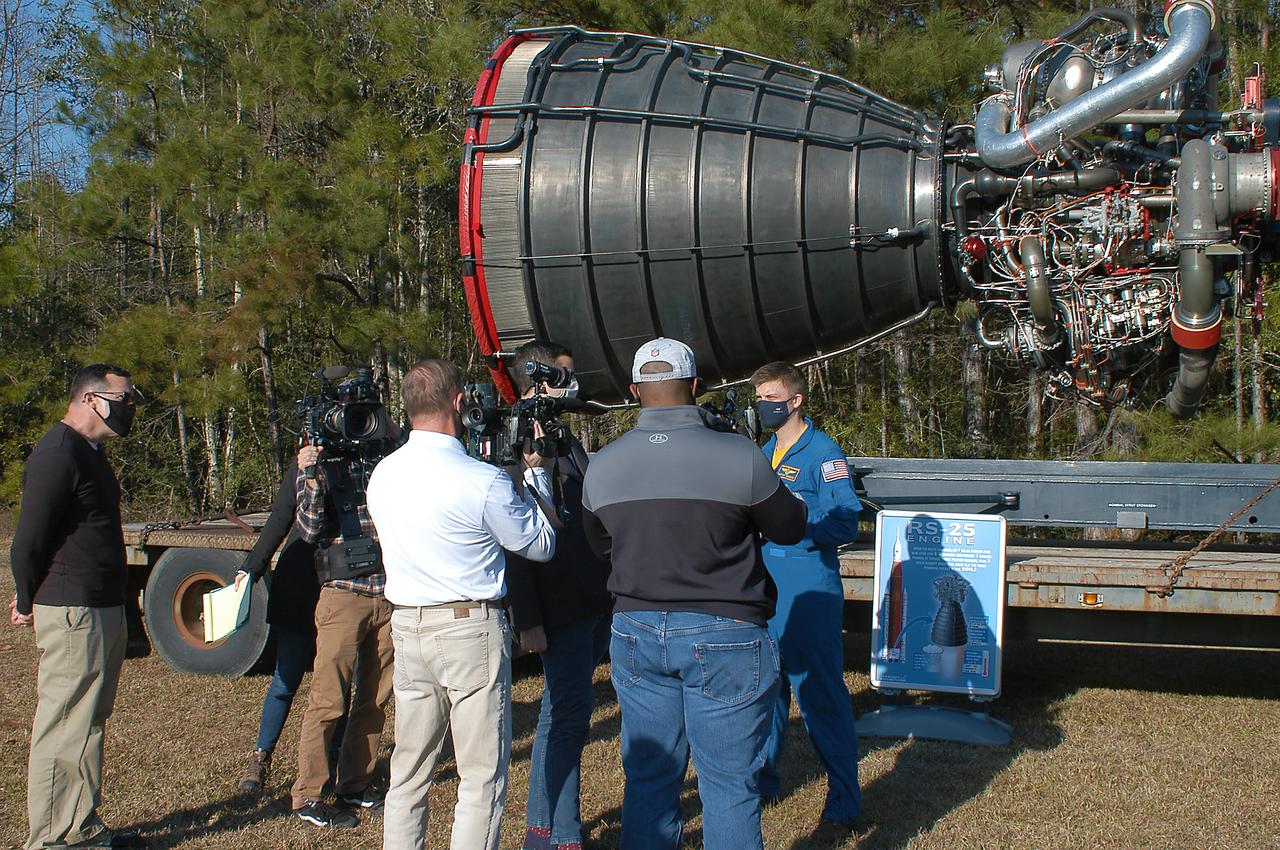
Astronaut Matthew Dominick speaks with media representatives prior to the Green Run hot fire test of the core stage for NASA’s Space Launch System (SLS) rocket at Stennis Space Center near Bay St. Louis, Mississippi, on Saturday, January 16, 2021. NASA conducted a hot fire test of the core stage’s four RS-25 engines on the B-2 Test Stand at Stennis. Scheduled for as long as eight minutes, the engines fired for a little more than one minute to generate a combined 1.6 million pounds of thrust, just as will occur during an actual launch. The hot fire is the final test of the Green Run test series, a comprehensive assessment of the SLS core stage prior to launching the Artemis I mission to the Moon.
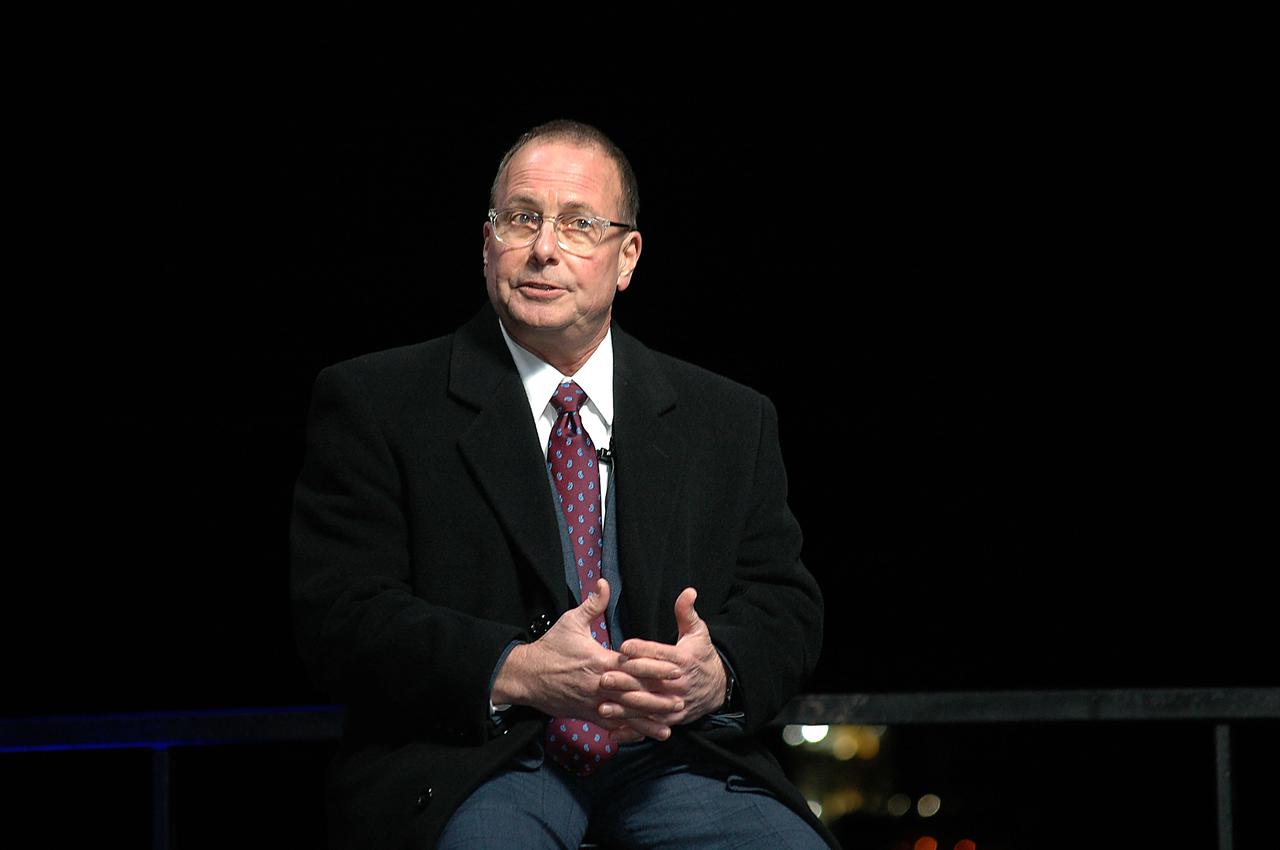
Stennis Space Center Director Rick Gilbrech participates in a press conference following the Green Run hot fire test of the core stage for NASA’s Space Launch System (SLS) rocket on Saturday, January 16, 2021. NASA conducted a hot fire test of the core stage’s four RS-25 engines on the B-2 Test Stand at Stennis Space Center near Bay St. Louis, Mississippi. Scheduled for as long as eight minutes, the engines fired for a little more than one minute to generate a combined 1.6 million pounds of thrust, just as will occur during an actual launch. The hot fire is the final test of the Green Run test series, a comprehensive assessment of the SLS core stage prior to launching the Artemis I mission to the Moon.
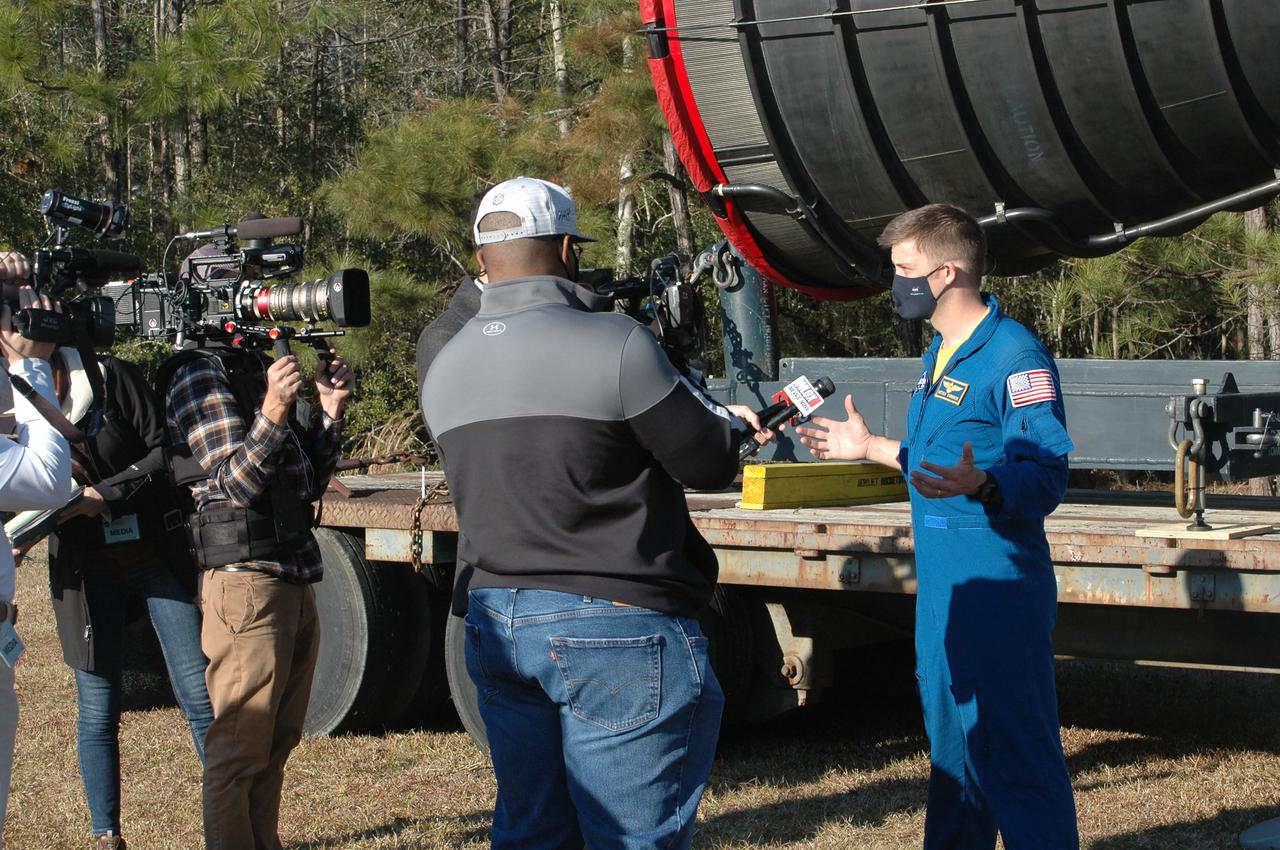
Astronaut Matthew Dominick speaks with media representatives prior to the Green Run hot fire test of the core stage for NASA’s Space Launch System (SLS) rocket at Stennis Space Center near Bay St. Louis, Mississippi, on Saturday, January 16, 2021. NASA conducted a hot fire test of the core stage’s four RS-25 engines on the B-2 Test Stand at Stennis. Scheduled for as long as eight minutes, the engines fired for a little more than one minute to generate a combined 1.6 million pounds of thrust, just as will occur during an actual launch. The hot fire is the final test of the Green Run test series, a comprehensive assessment of the SLS core stage prior to launching the Artemis I mission to the Moon.
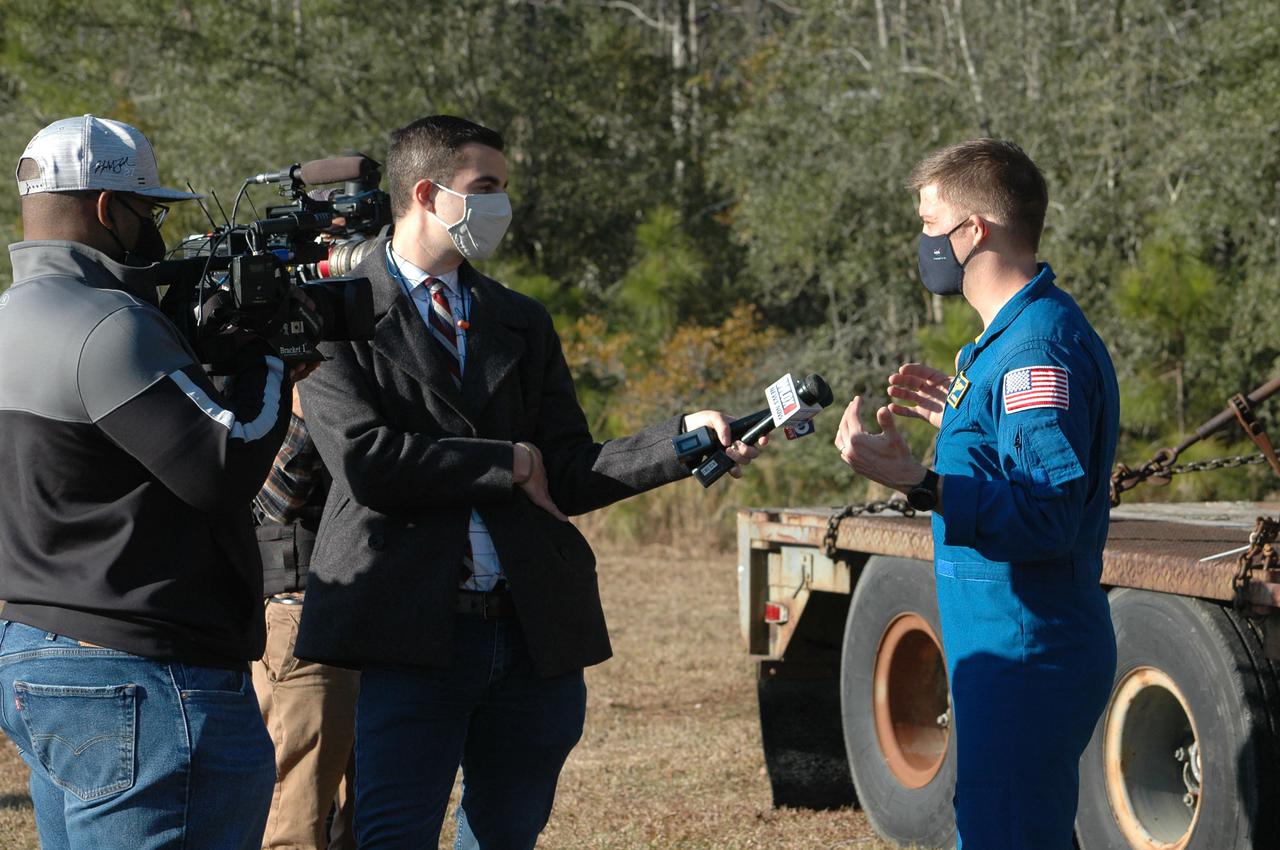
Astronaut Matthew Dominick speaks with media representatives prior to the Green Run hot fire test of the core stage for NASA’s Space Launch System (SLS) rocket at Stennis Space Center near Bay St. Louis, Mississippi, on Saturday, January 16, 2021. NASA conducted a hot fire test of the core stage’s four RS-25 engines on the B-2 Test Stand at Stennis. Scheduled for as long as eight minutes, the engines fired for a little more than one minute to generate a combined 1.6 million pounds of thrust, just as will occur during an actual launch. The hot fire is the final test of the Green Run test series, a comprehensive assessment of the SLS core stage prior to launching the Artemis I mission to the Moon.
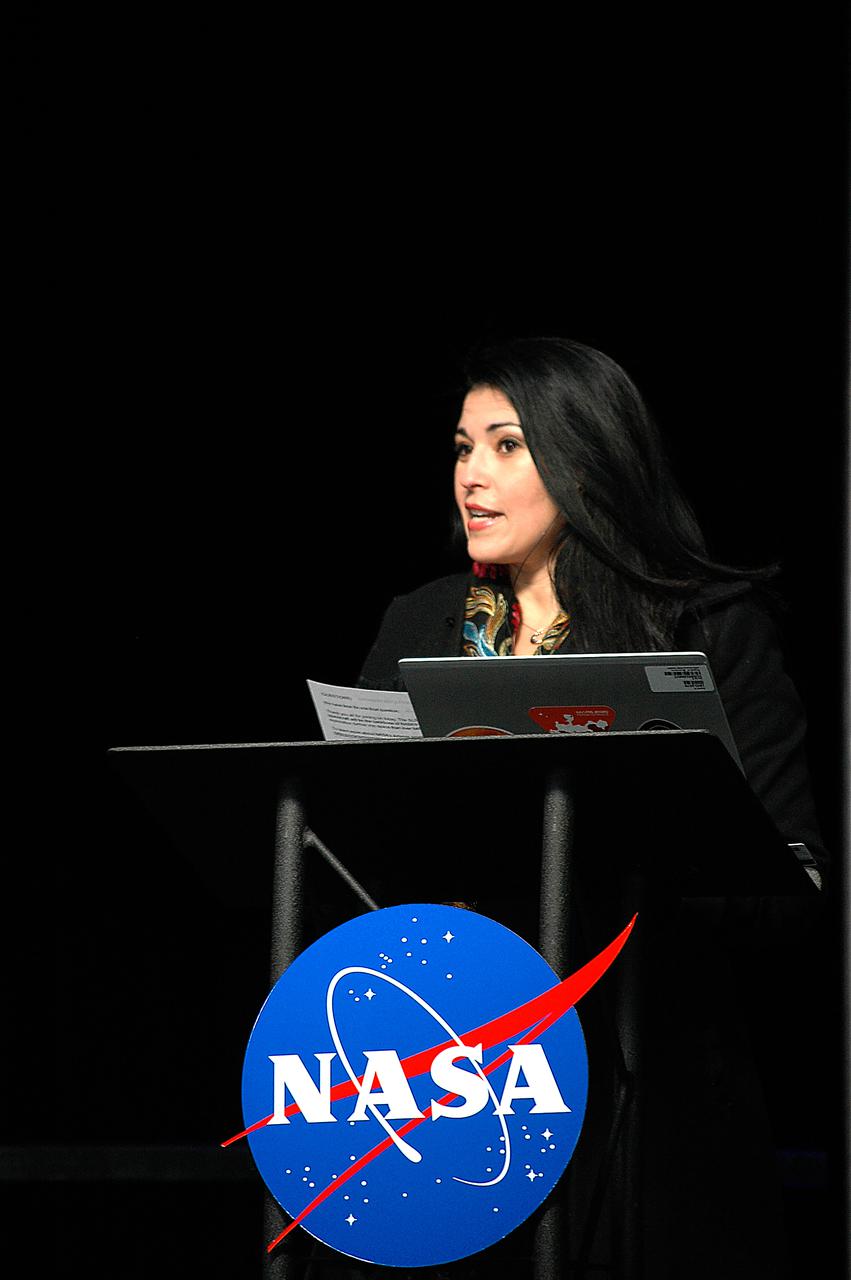
Outgoing NASA Associate Administrator for Communications Bettina Inclan hosts a press conference following the Green Run hot fire test of the core stage for NASA’s Space Launch System (SLS) rocket on Saturday, January 16, 2021. NASA conducted a hot fire test of the core stage’s four RS-25 engines on the B-2 Test Stand at Stennis Space Center near Bay St. Louis, Mississippi. Scheduled for as long as eight minutes, the engines fired for a little more than one minute to generate a combined 1.6 million pounds of thrust, just as will occur during an actual launch. The hot fire is the final test of the Green Run test series, a comprehensive assessment of the SLS core stage prior to launching the Artemis I mission to the Moon.
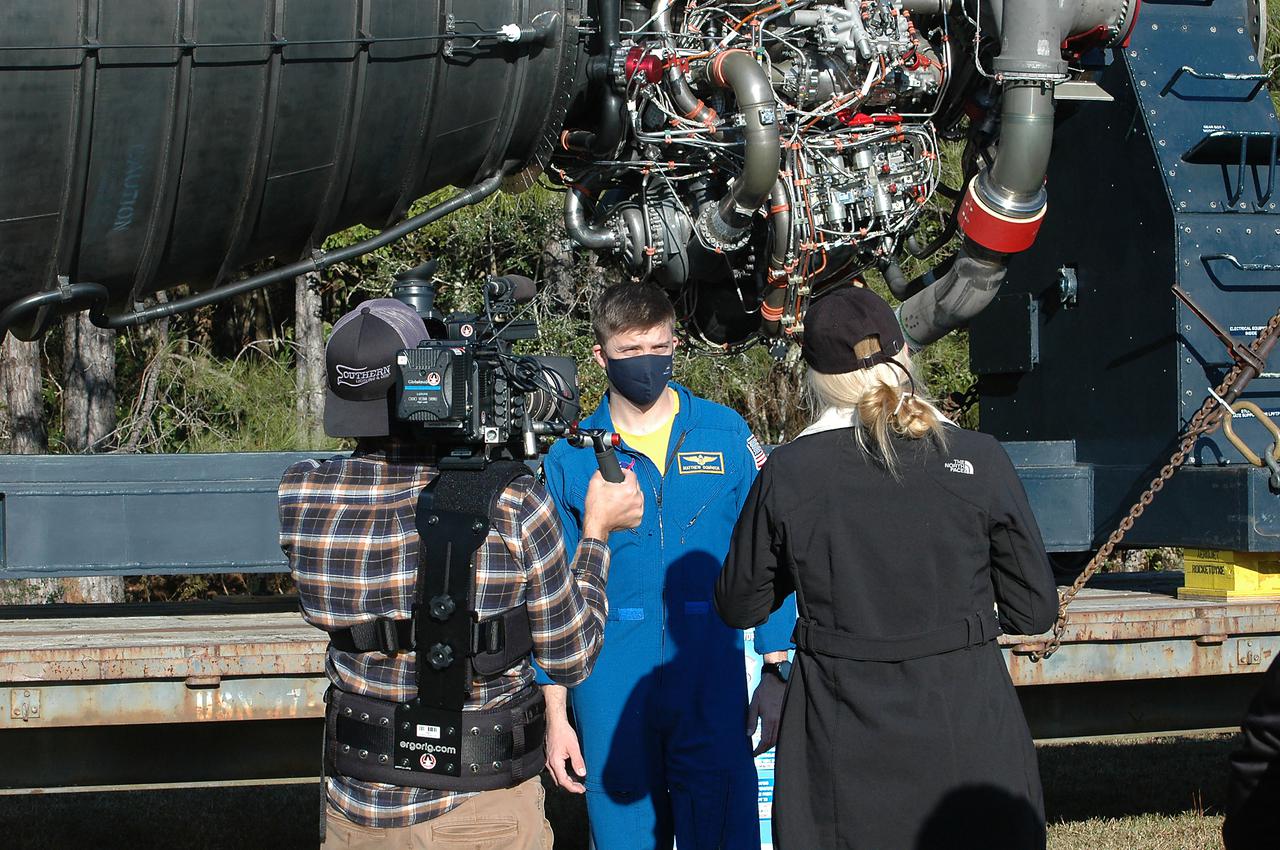
Astronaut Matthew Dominick speaks with media representatives prior to the Green Run hot fire test of the core stage for NASA’s Space Launch System (SLS) rocket at Stennis Space Center near Bay St. Louis, Mississippi, on Saturday, January 16, 2021. NASA conducted a hot fire test of the core stage’s four RS-25 engines on the B-2 Test Stand at Stennis. Scheduled for as long as eight minutes, the engines fired for a little more than one minute to generate a combined 1.6 million pounds of thrust, just as will occur during an actual launch. The hot fire is the final test of the Green Run test series, a comprehensive assessment of the SLS core stage prior to launching the Artemis I mission to the Moon.
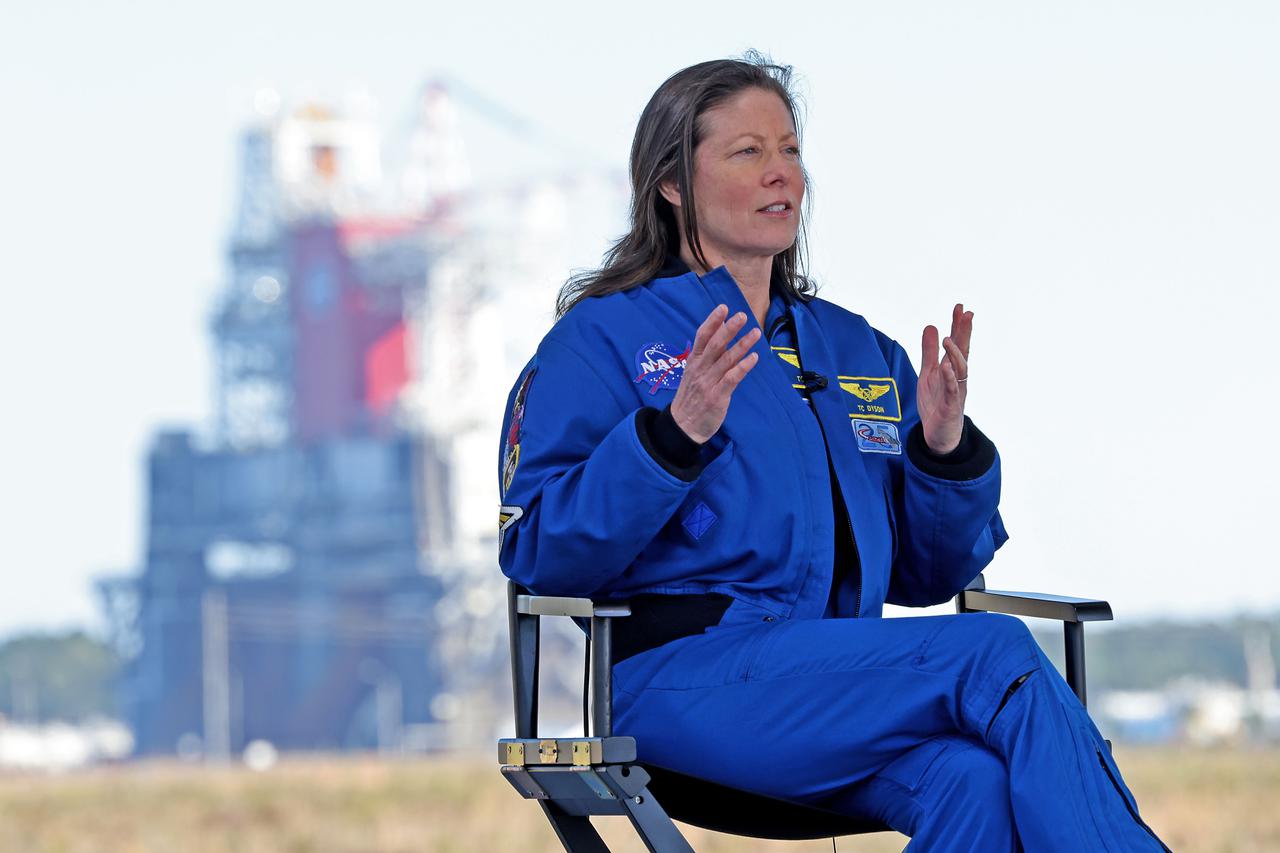
Astronaut Tracy Caldwell Dyson speaks on NASA TV prior to the Green Run hot fire test of the core stage for NASA’s Space Launch System (SLS) rocket at Stennis Space Center near Bay St. Louis, Mississippi, on Saturday, January 16, 2021. NASA conducted a hot fire test of the core stage’s four RS-25 engines on the B-2 Test Stand at Stennis. Scheduled for as long as eight minutes, the engines fired for a little more than one minute to generate a combined 1.6 million pounds of thrust, just as will occur during an actual launch. The hot fire is the final test of the Green Run test series, a comprehensive assessment of the SLS core stage prior to launching the Artemis I mission to the Moon.
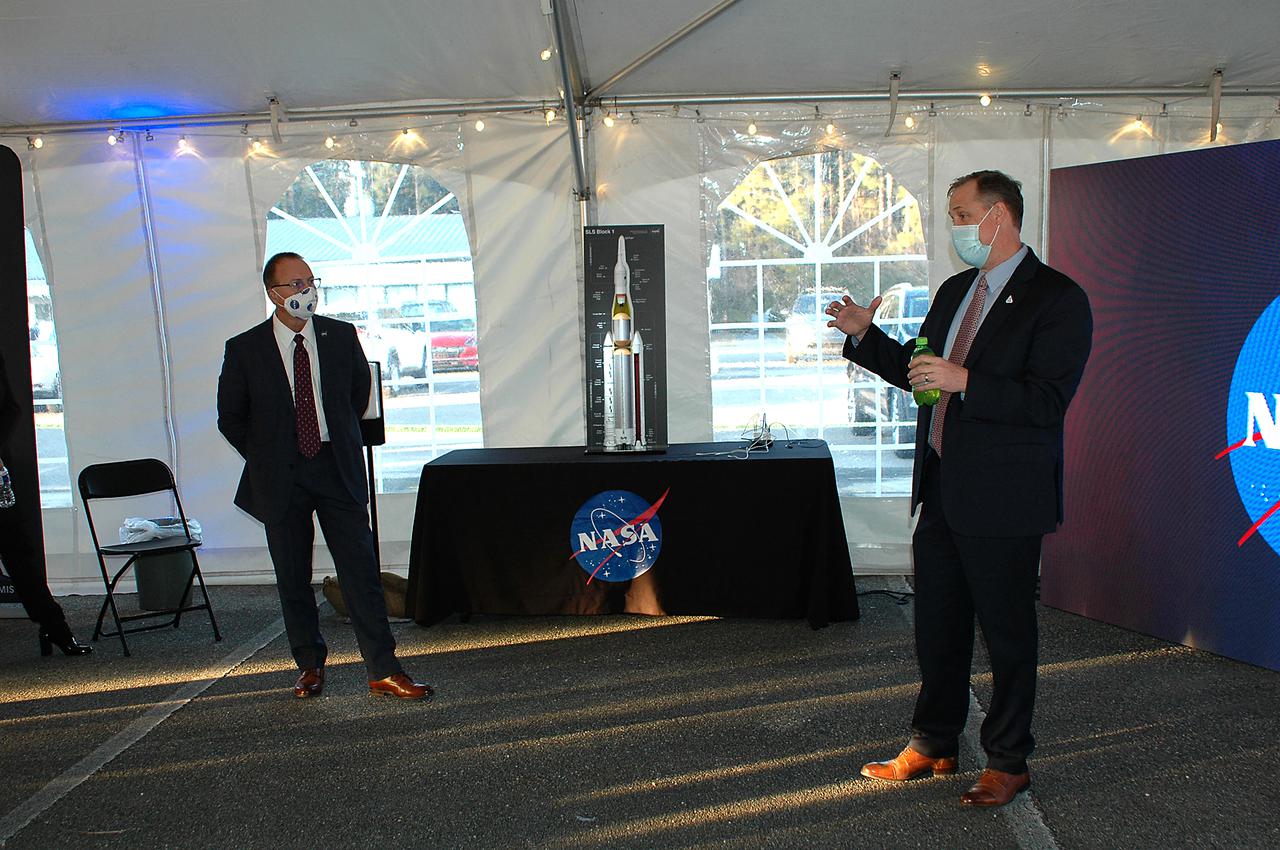
Outgoing NASA Administrator Jim Bridenstine (right), as Stennis Director Rick Gilbrech looks on, speaks to guests following the Green Run hot fire test of the core stage for NASA’s Space Launch System (SLS) rocket at Stennis Space Center near Bay St. Louis, Mississippi, on Saturday, January 16, 2021. NASA conducted a hot fire test of the core stage’s four RS-25 engines on the B-2 Test Stand at Stennis. Scheduled for as long as eight minutes, the engines fired for a little more than one minute to generate a combined 1.6 million pounds of thrust, just as will occur during an actual launch. The hot fire is the final test of the Green Run test series, a comprehensive assessment of the SLS core stage prior to launching the Artemis I mission to the Moon.
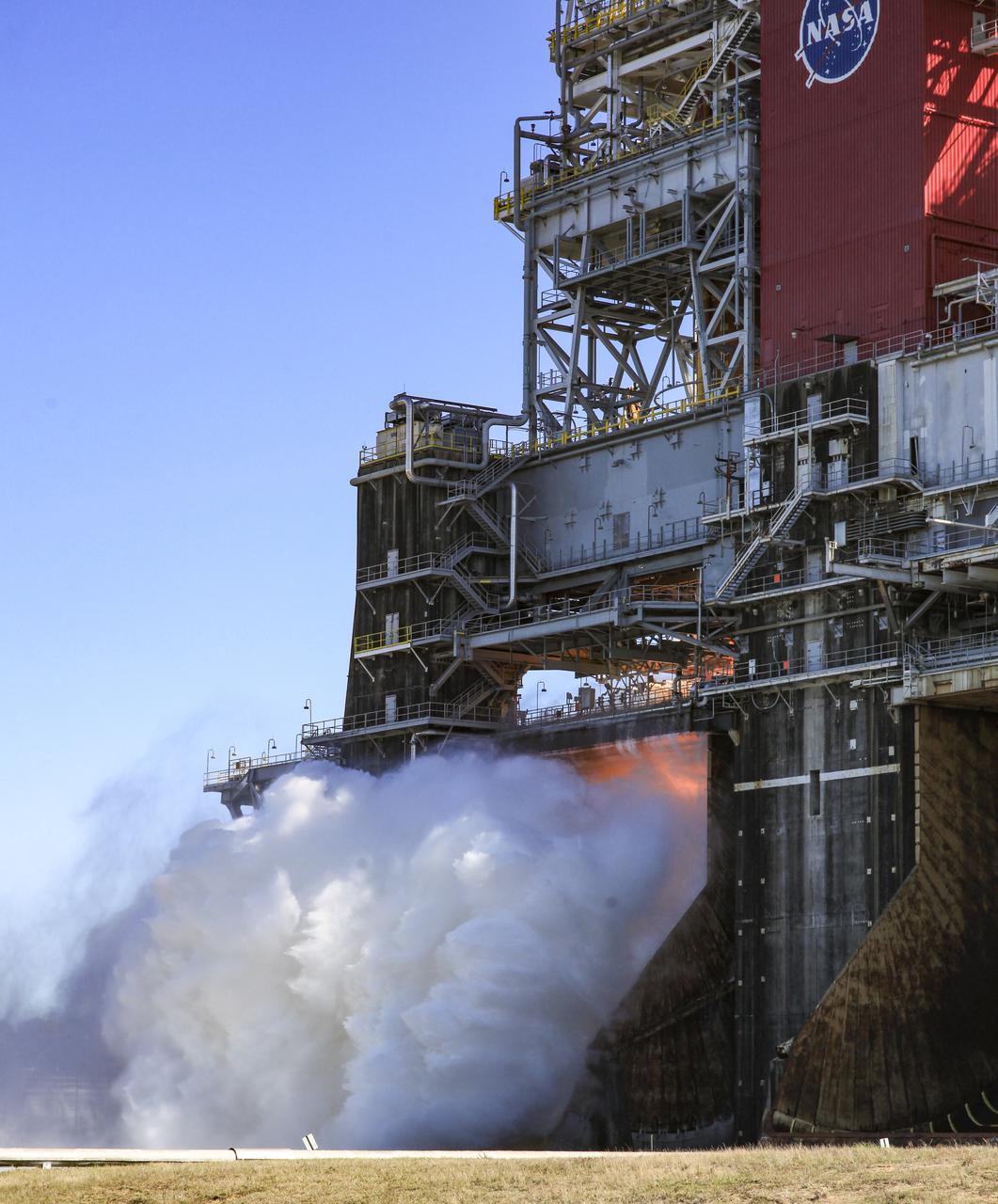
The core stage for the first flight of NASA’s Space Launch System rocket is seen in the B-2 Test Stand during a second hot fire test, Thursday, March 18, 2021, at NASA’s Stennis Space Center near Bay St. Louis, Mississippi. The four RS-25 engines fired for the full-duration of 8 minutes during the test and generated 1.6 million pounds of thrust. The hot fire test is the final stage of the Green Run test series, a comprehensive assessment of the Space Launch System’s core stage prior to launching the Artemis I mission to the Moon. Photo Credit: (NASA/Robert Markowitz)

NASA conducts a hot fire test March 18, 2021, of the core stage for the agency’s Space Launch System rocket on the B-2 Test Stand at Stennis Space Center near Bay St. Louis, Mississippi. The hot fire test of the stage’s four RS-25 engines generated a combined 1.6 million pounds of thrust, just as will occur during an actual launch. The hot fire is the final test of the Green Run test series, which represents a comprehensive assessment of the core stage and its integrated systems prior to its launch on the Artemis I mission to the Moon.
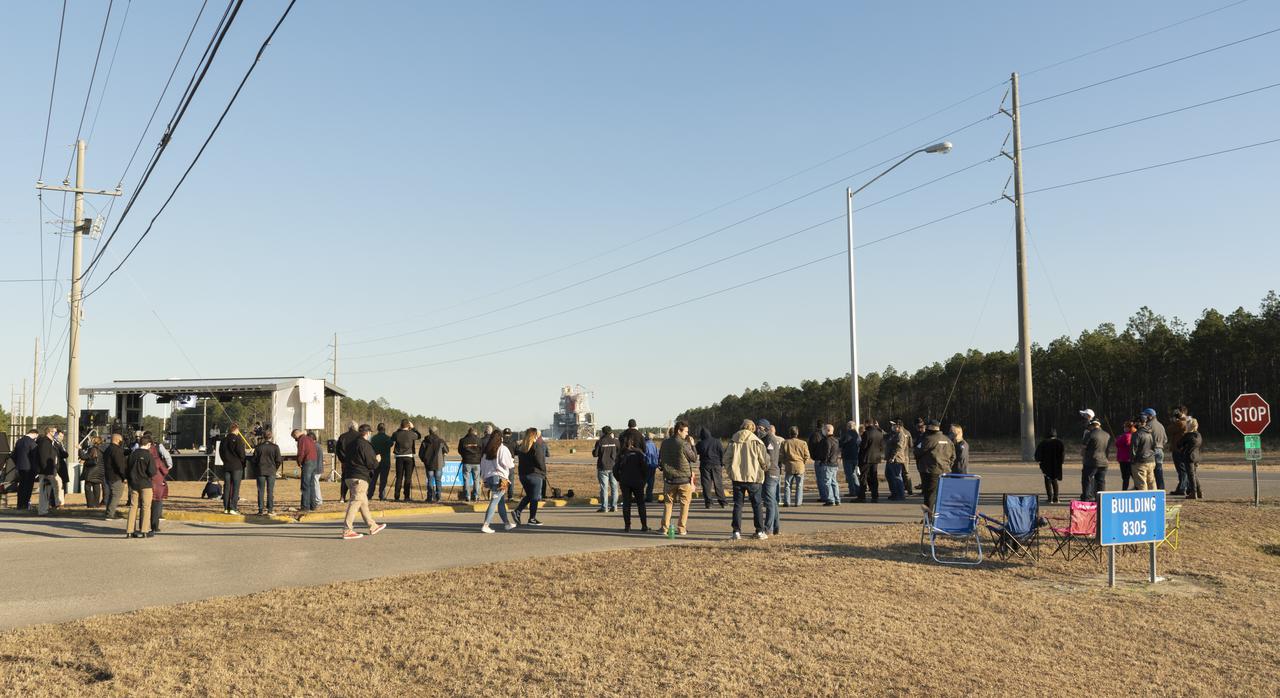
NASA guests gather to watch as the core stage for the first flight of NASA's Space Launch System rocket undergoes a scheduled eight minute duration hot fire test in the B-2 Test Stand, January 16, 2021, at NASA's Stennis Space Center near Bay St. Louis, Mississippi. The four RS-25 engines fired for a little more than one minute and generated 1.6 million pounds of thrust. The hot fire is the final test of the Green Run test series, a comprehensive assessment of the Space Launch System’s core stage prior to launching the Artemis I mission to the Moon. Photo Credit: (NASA/Robert Markowitz)
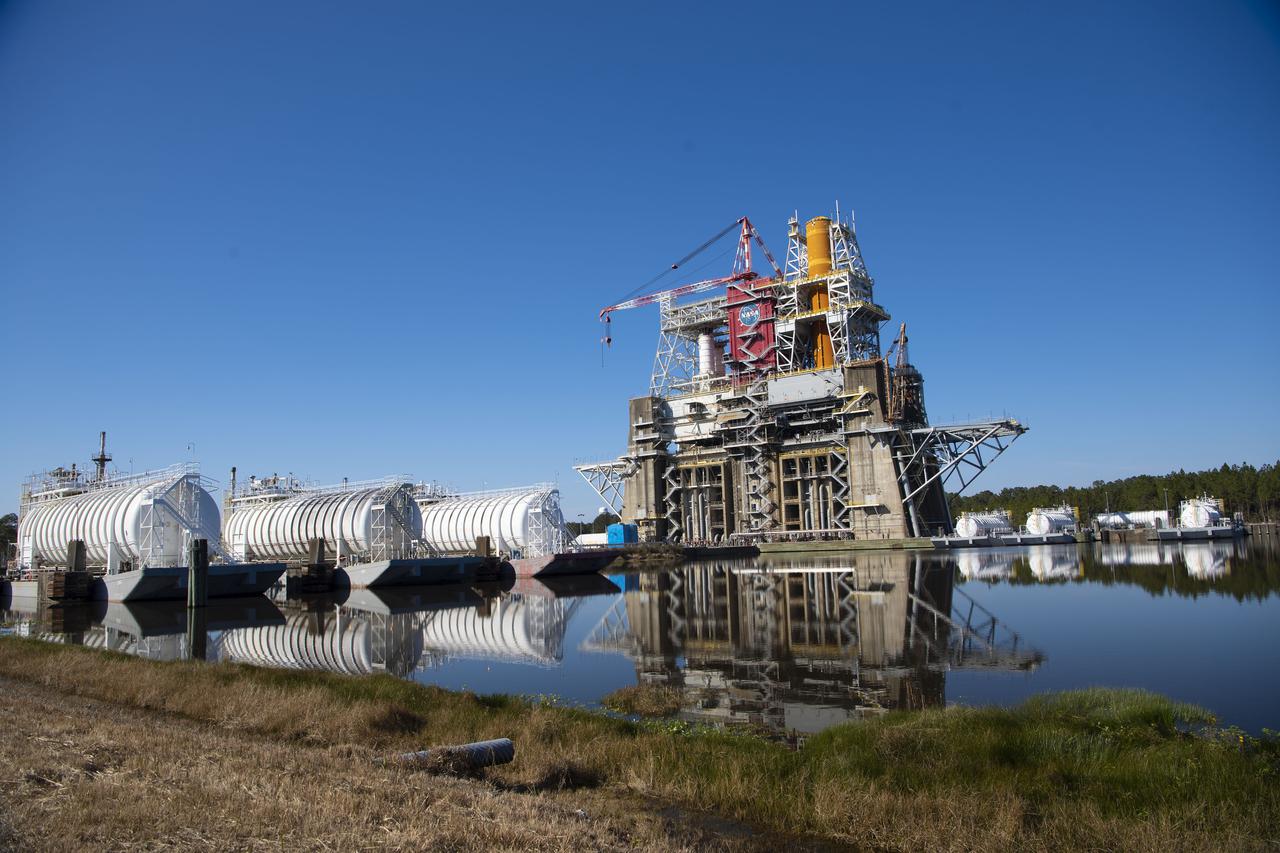
Propellant barges are docked at the B-2 Test Stand at NASA’s Stennis Space Center near Bay St. Louis, Mississippi, prior the hot fire test of the core stage for the agency’s Space Launch System rocket. The hot fire test Jan. 16, 2021 of the stage’s four RS-25 engines generated a combined 1.6 million pounds of thrust, just as will occur during an actual launch. The hot fire is the final test of the Green Run test series, a comprehensive assessment of the SLS core stage prior to launching the Artemis I mission to the Moon.
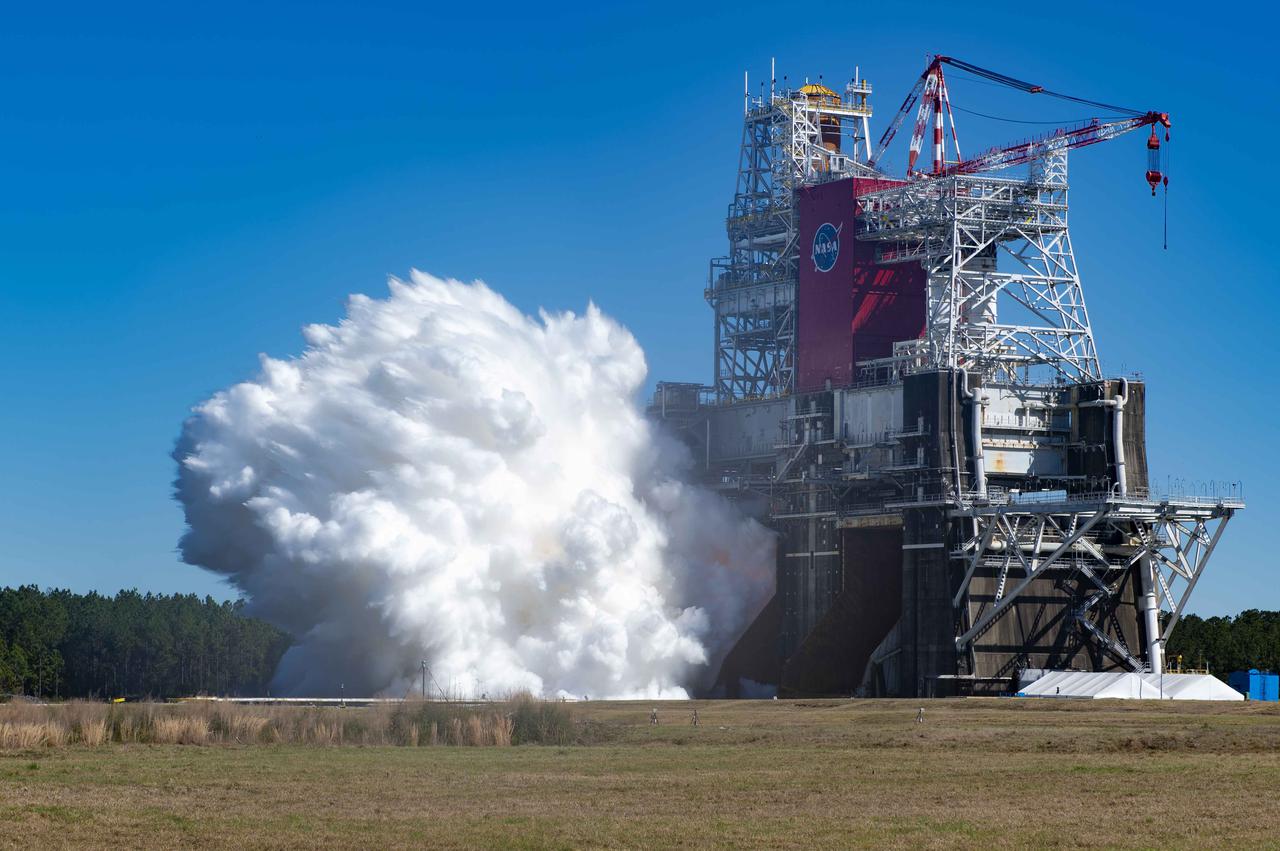
NASA conducts a hot fire test March 18, 2021, of the core stage for the agency’s Space Launch System rocket on the B-2 Test Stand at Stennis Space Center near Bay St. Louis, Mississippi. The hot fire test of the stage’s four RS-25 engines generated a combined 1.6 million pounds of thrust, just as will occur during an actual launch. The hot fire is the final test of the Green Run test series, which represents a comprehensive assessment of the core stage and its integrated systems prior to its launch on the Artemis I mission to the Moon.
The core stage for the first flight of NASA’s Space Launch System rocket is seen in the B-2 Test Stand during a second hot fire test, Thursday, March 18, 2021, at NASA’s Stennis Space Center near Bay St. Louis, Mississippi. The four RS-25 engines fired for the full-duration of 8 minutes during the test and generated 1.6 million pounds of thrust. The hot fire test is the final stage of the Green Run test series, a comprehensive assessment of the Space Launch System’s core stage prior to launching the Artemis I mission to the Moon. Photo Credit: (NASA/Robert Markowitz)
NASA conducts a hot fire test March 18, 2021, of the core stage for the agency’s Space Launch System rocket on the B-2 Test Stand at Stennis Space Center near Bay St. Louis, Mississippi. The hot fire test of the stage’s four RS-25 engines generated a combined 1.6 million pounds of thrust, just as will occur during an actual launch. The hot fire is the final test of the Green Run test series, which represents a comprehensive assessment of the core stage and its integrated systems prior to its launch on the Artemis I mission to the Moon.
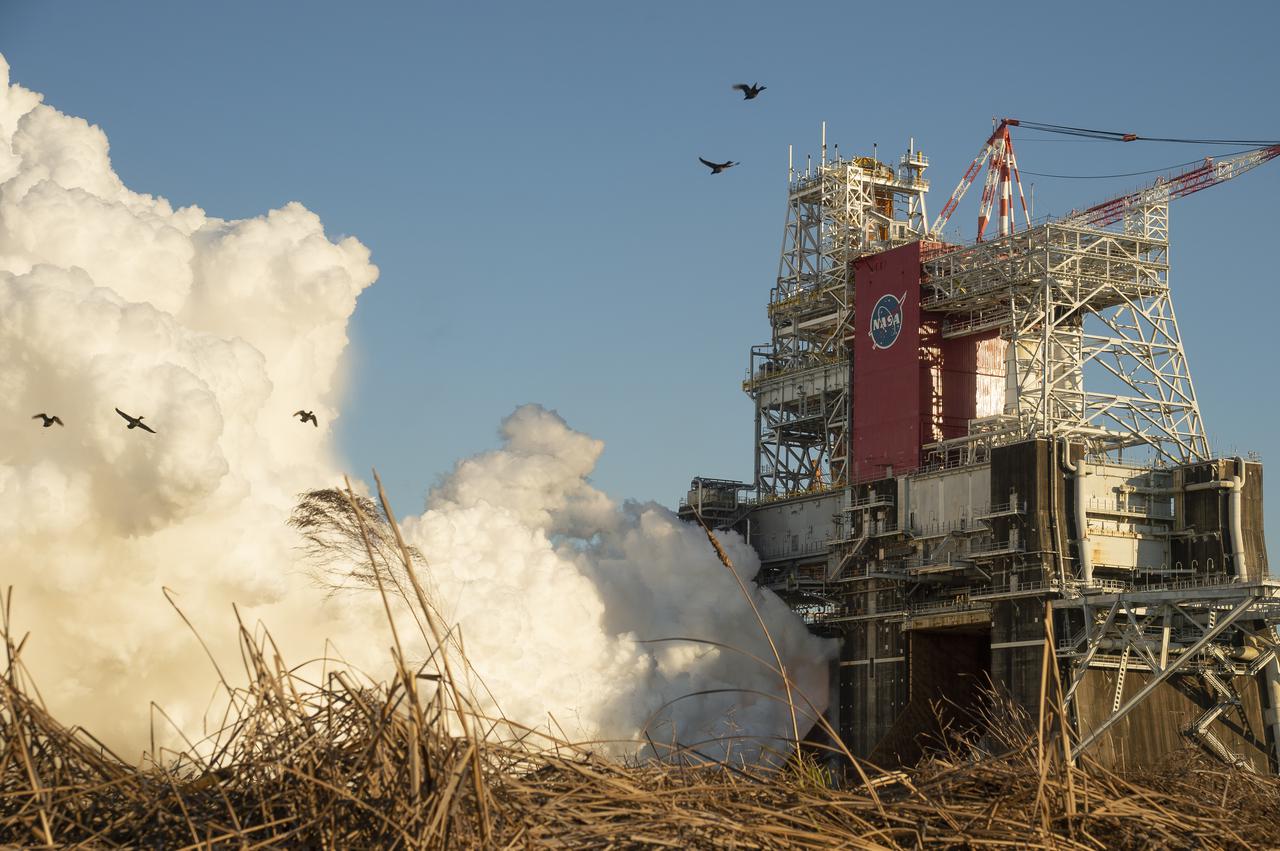
The core stage for the first flight of NASA’s Space Launch System rocket is seen in the B-2 Test Stand during a scheduled eight minute duration hot fire test, Saturday, Jan. 16, 2021, at NASA’s Stennis Space Center near Bay St. Louis, Mississippi. The four RS-25 engines fired for a little more than one minute and generated 1.6 million pounds of thrust. The hot fire is the final test of the Green Run test series, a comprehensive assessment of the Space Launch System’s core stage prior to launching the Artemis I mission to the Moon. Photo Credit: (NASA/Robert Markowitz)
NASA conducts a hot fire test March 18, 2021, of the core stage for the agency’s Space Launch System rocket on the B-2 Test Stand at Stennis Space Center near Bay St. Louis, Mississippi. The hot fire test of the stage’s four RS-25 engines generated a combined 1.6 million pounds of thrust, just as will occur during an actual launch. The hot fire is the final test of the Green Run test series, which represents a comprehensive assessment of the core stage and its integrated systems prior to its launch on the Artemis I mission to the Moon.
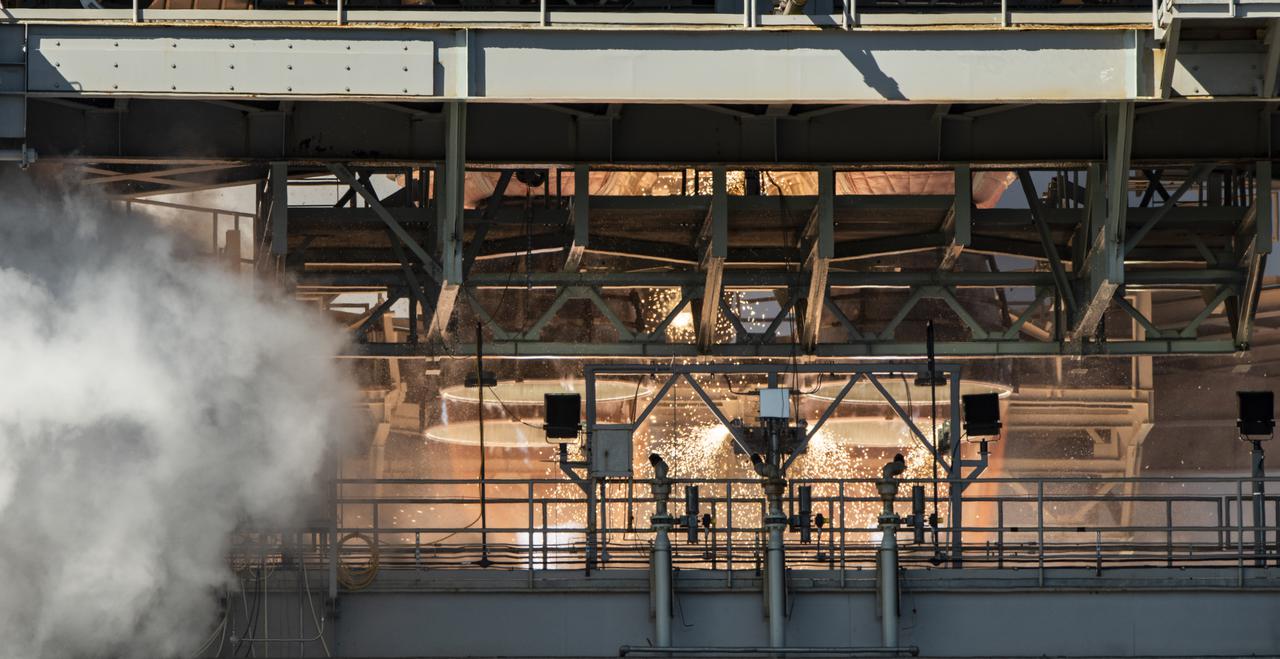
The core stage for the first flight of NASA’s Space Launch System rocket is seen in the B-2 Test Stand during a second hot fire test, Thursday, March 18, 2021, at NASA’s Stennis Space Center near Bay St. Louis, Mississippi. The four RS-25 engines fired for the full-duration of 8 minutes during the test and generated 1.6 million pounds of thrust. The hot fire test is the final stage of the Green Run test series, a comprehensive assessment of the Space Launch System’s core stage prior to launching the Artemis I mission to the Moon. Photo Credit: (NASA/Robert Markowitz)
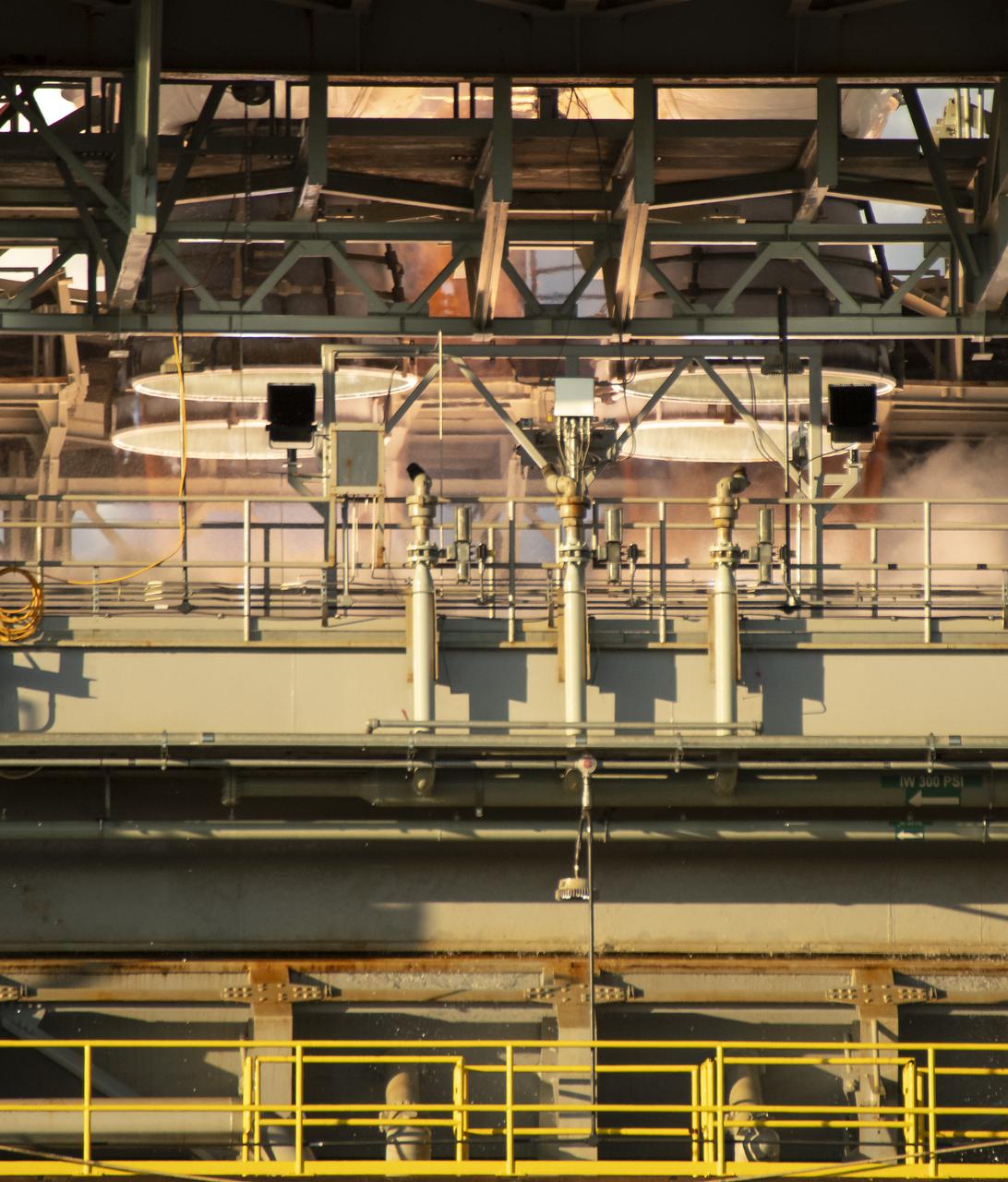
The core stage for the first flight of NASA’s Space Launch System rocket is seen in the B-2 Test Stand during a scheduled eight minute duration hot fire test, Saturday, Jan. 16, 2021, at NASA’s Stennis Space Center near Bay St. Louis, Mississippi. The four RS-25 engines fired for a little more than one minute and generated 1.6 million pounds of thrust. The hot fire is the final test of the Green Run test series, a comprehensive assessment of the Space Launch System’s core stage prior to launching the Artemis I mission to the Moon. Photo Credit: (NASA/Robert Markowitz)
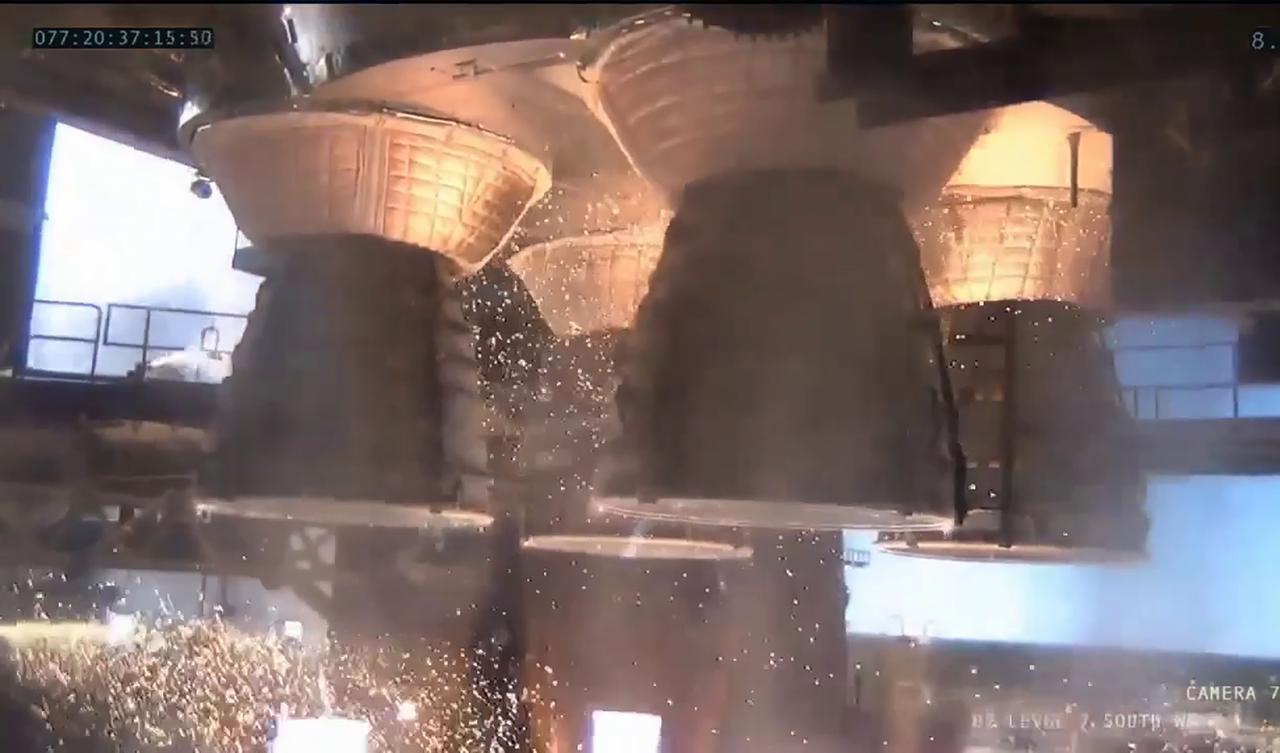
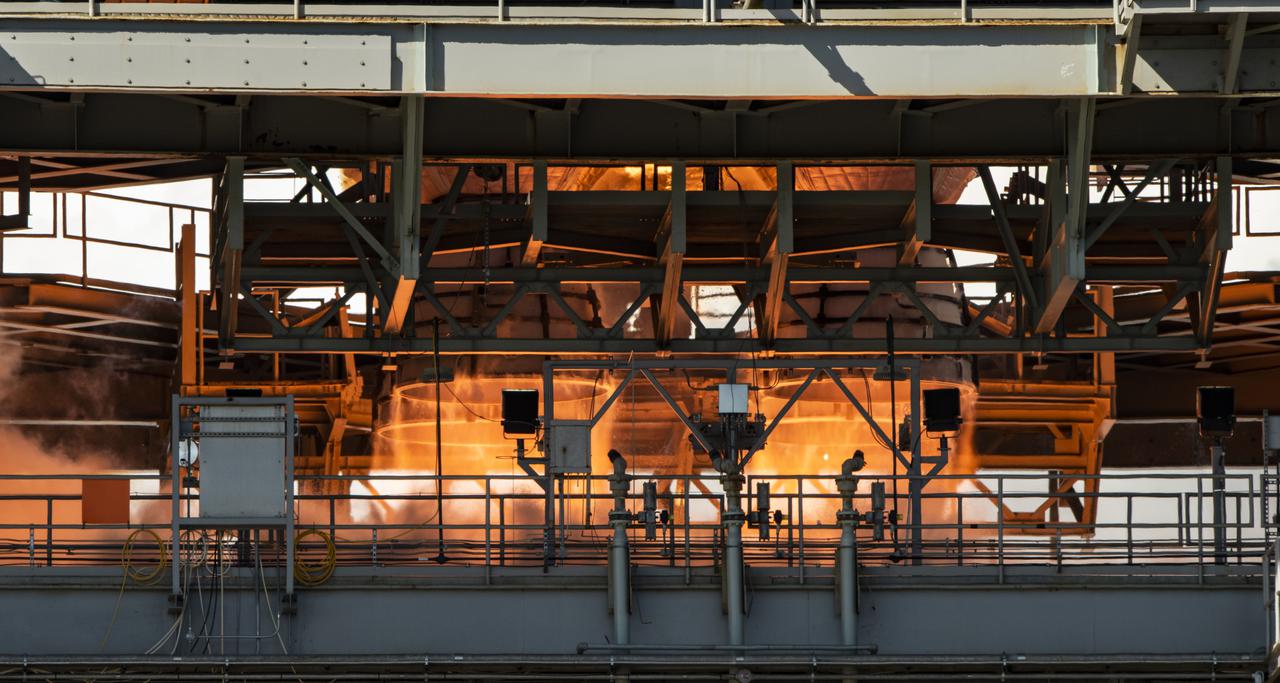
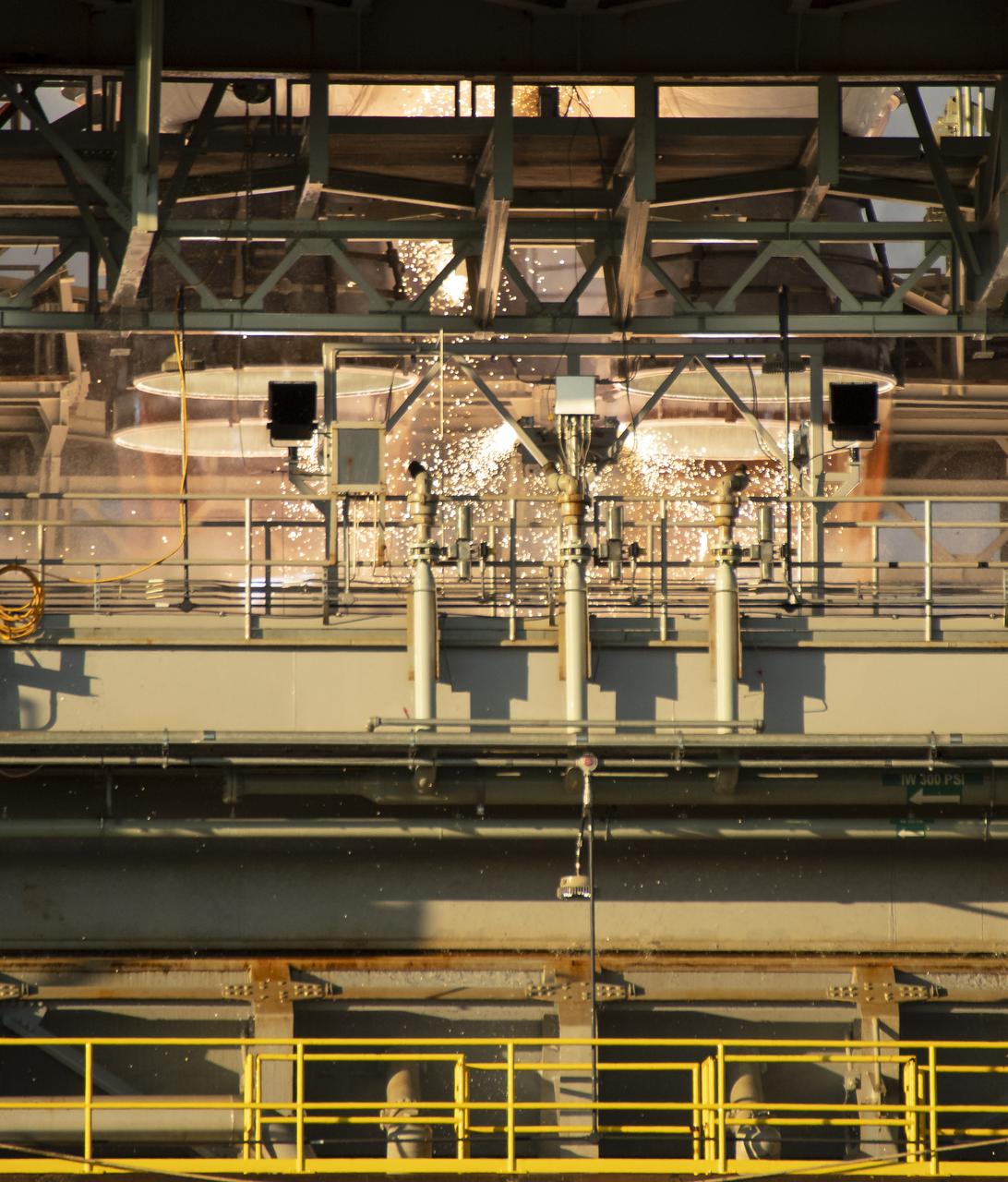
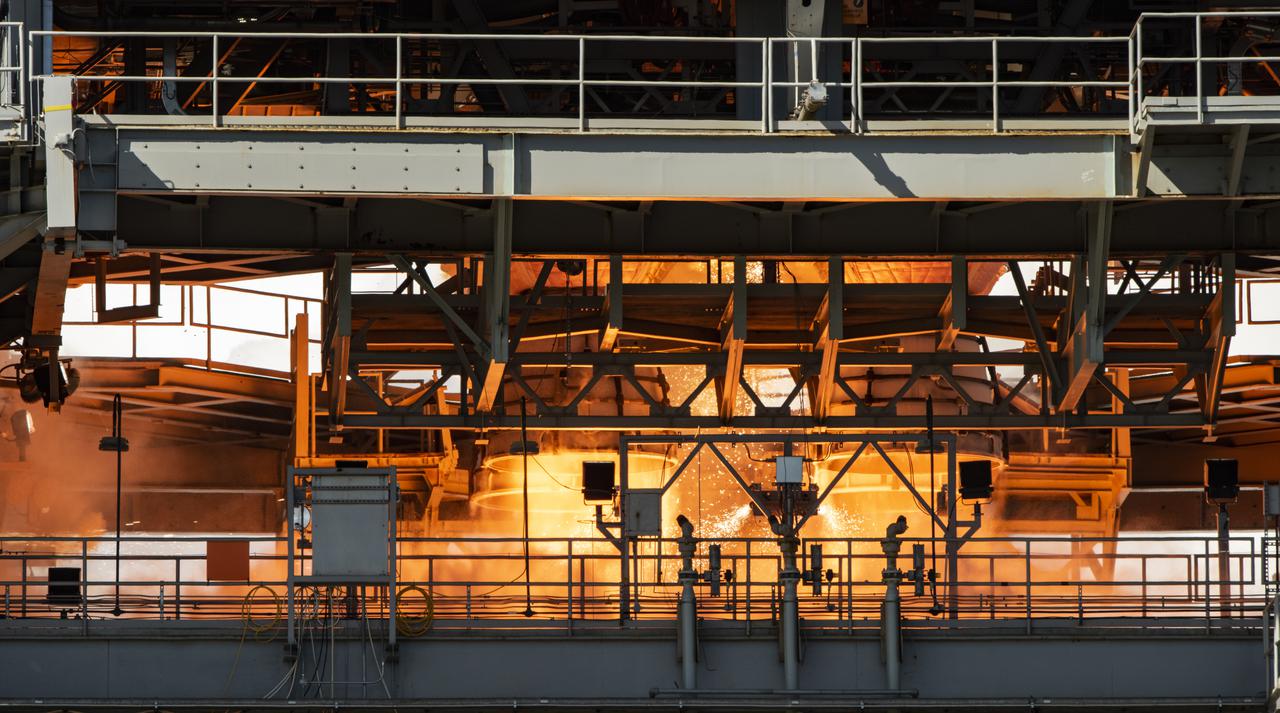
A on-stand camera offers a close-up view as NASA conducts a hot fire test March 18, 2021, of the core stage for the agency’s Space Launch System rocket on the B-2 Test Stand at Stennis Space Center near Bay St. Louis, Mississippi. The hot fire test of the stage’s four RS-25 engines shown in the photo generated a combined 1.6 million pounds of thrust, just as will occur during an actual launch. The hot fire is the final test of the Green Run test series, which represents a comprehensive assessment of the core stage and its integrated systems prior to its launch on the Artemis I mission to the Moon.
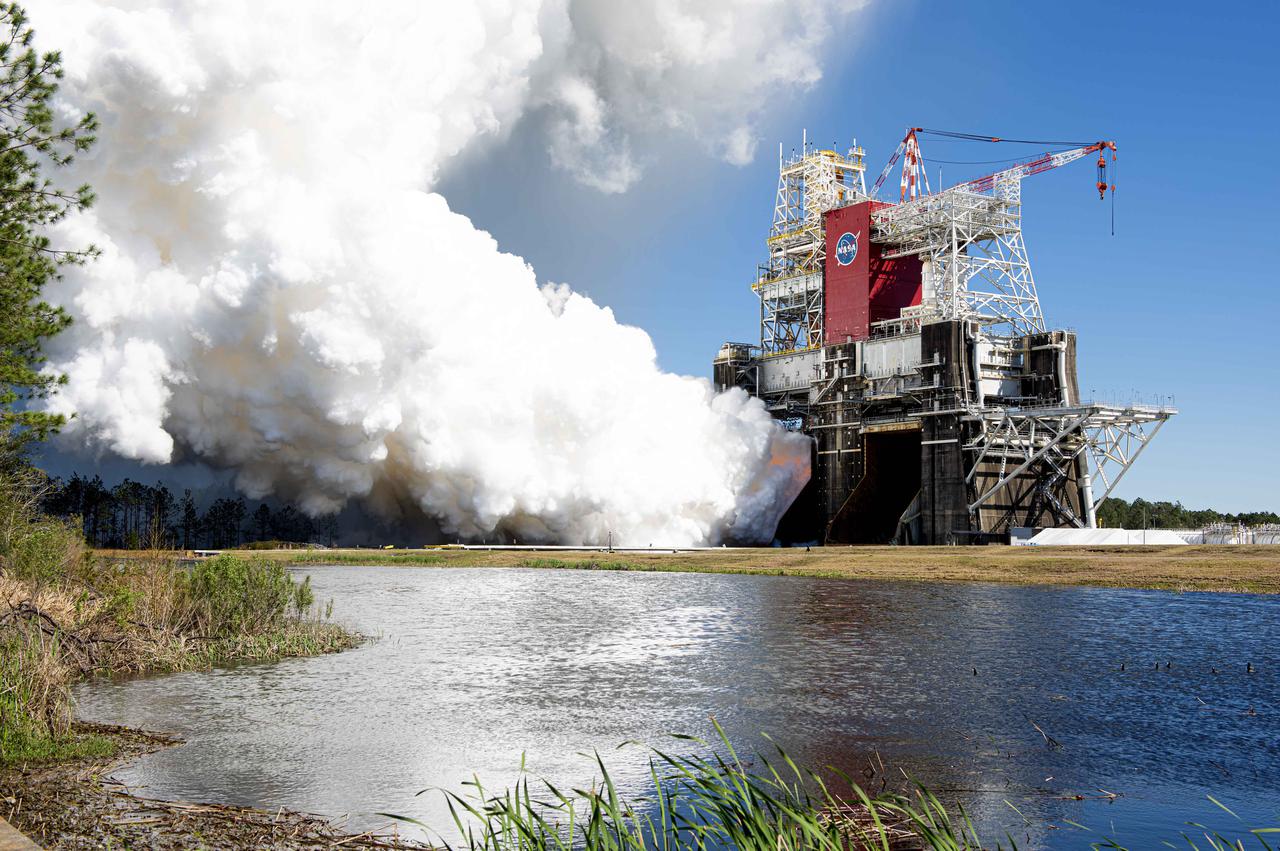
NASA conducts a hot fire test March 18, 2021, of the core stage for the agency’s Space Launch System rocket on the B-2 Test Stand at Stennis Space Center near Bay St. Louis, Mississippi. The hot fire test of the stage’s four RS-25 engines generated a combined 1.6 million pounds of thrust, just as will occur during an actual launch. The hot fire is the final test of the Green Run test series, which represents a comprehensive assessment of the core stage and its integrated systems prior to its launch on the Artemis I mission to the Moon.
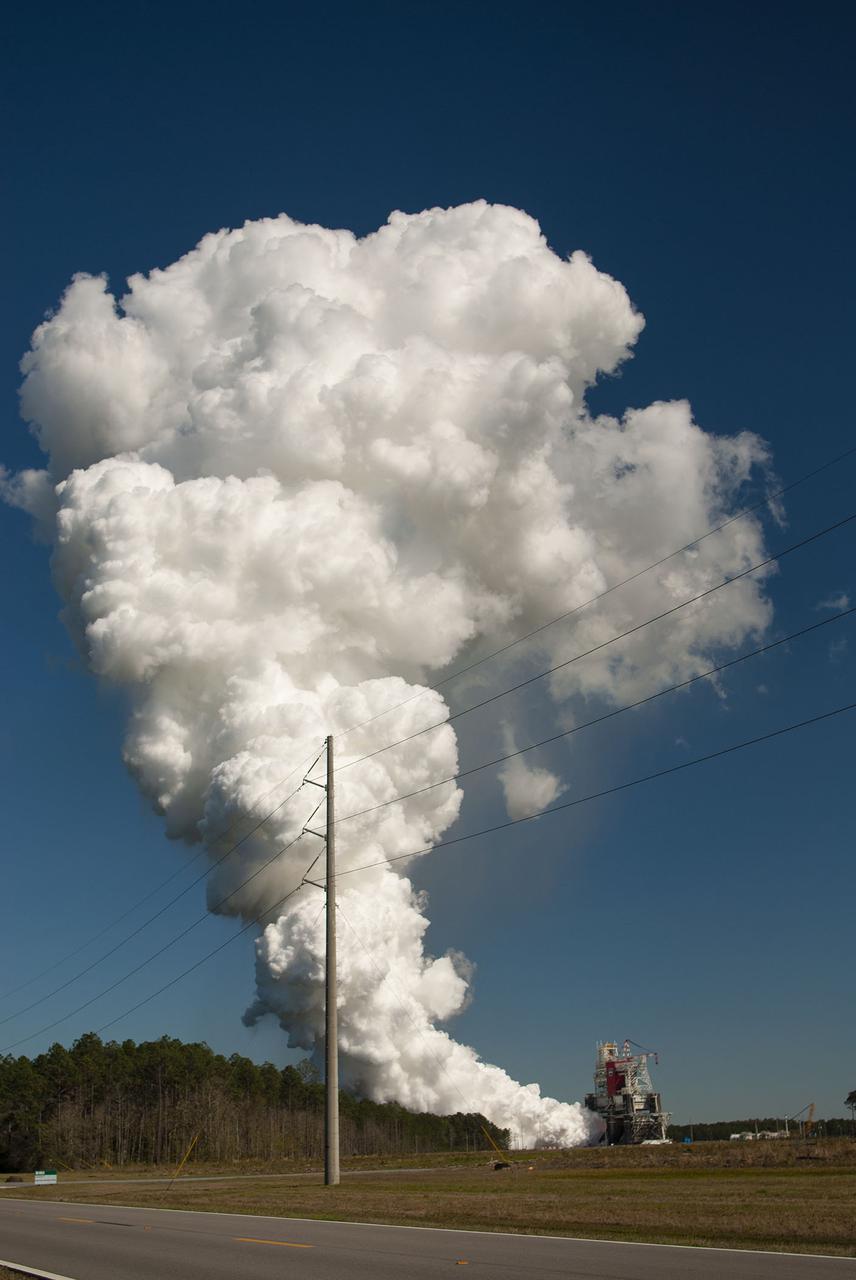
NASA conducts a hot fire test March 18, 2021, of the core stage for the agency’s Space Launch System rocket on the B-2 Test Stand at Stennis Space Center near Bay St. Louis, Mississippi. The hot fire test of the stage’s four RS-25 engines generated a combined 1.6 million pounds of thrust, just as will occur during an actual launch. The hot fire is the final test of the Green Run test series, which represents a comprehensive assessment of the core stage and its integrated systems prior to its launch on the Artemis I mission to the Moon.
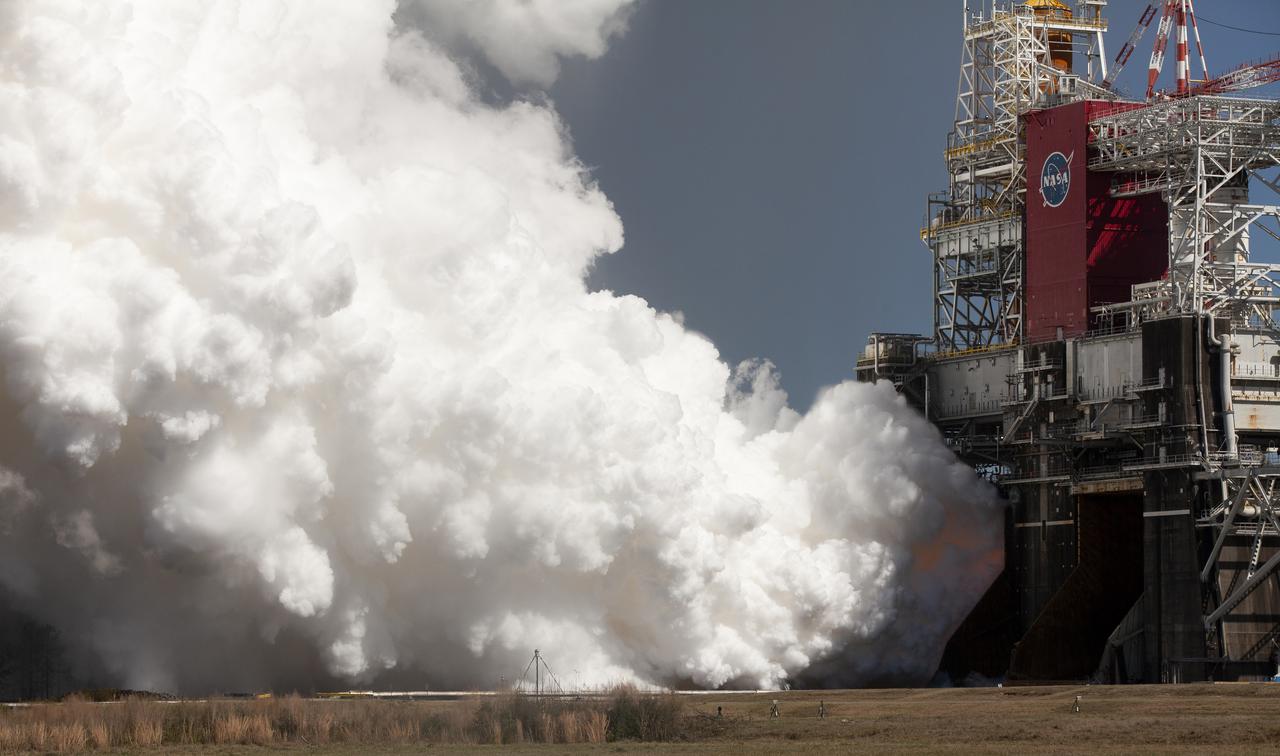
The core stage for the first flight of NASA’s Space Launch System rocket is seen in the B-2 Test Stand during a second hot fire test, Thursday, March 18, 2021, at NASA’s Stennis Space Center near Bay St. Louis, Mississippi. The four RS-25 engines fired for the full-duration of 8 minutes during the test and generated 1.6 million pounds of thrust. The hot fire test is the final stage of the Green Run test series, a comprehensive assessment of the Space Launch System’s core stage prior to launching the Artemis I mission to the Moon. Photo Credit: (NASA/Robert Markowitz)
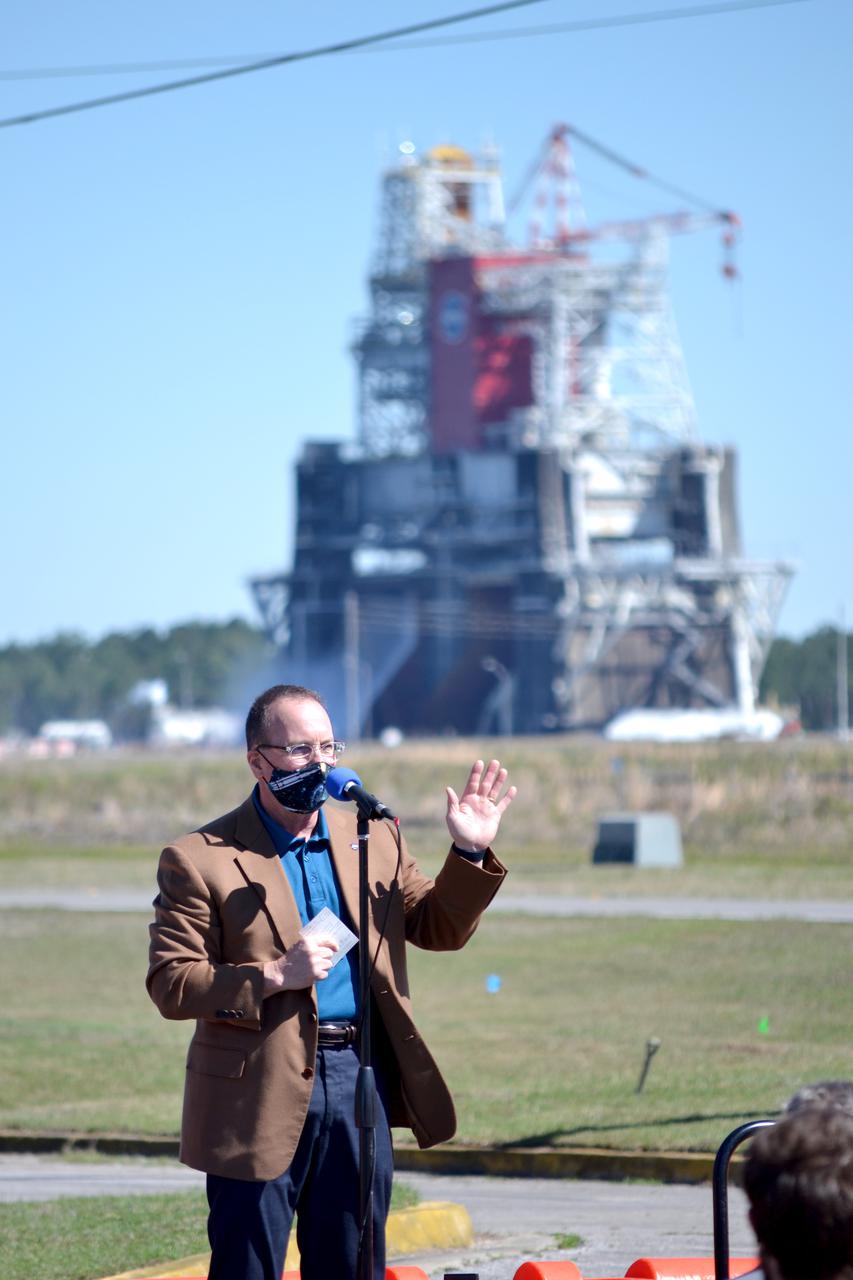
NASA conducts a hot fire test March 18, 2021, of the core stage for the agency’s Space Launch System rocket on the B-2 Test Stand at Stennis Space Center near Bay St. Louis, Mississippi. The hot fire test of the stage’s four RS-25 engines generated a combined 1.6 million pounds of thrust, just as will occur during an actual launch. The hot fire is the final test of the Green Run test series, which represents a comprehensive assessment of the core stage and its integrated systems prior to its launch on the Artemis I mission to the Moon.
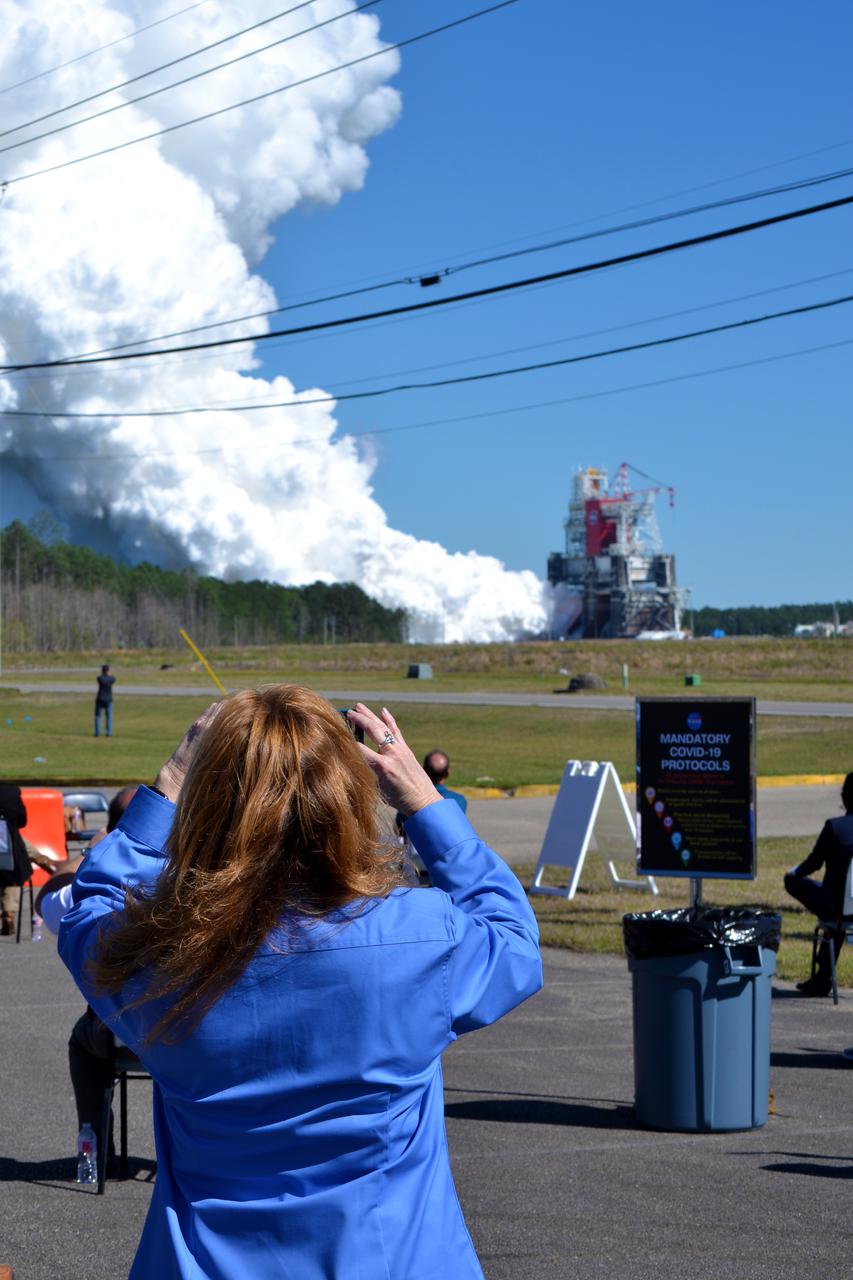
NASA conducts a hot fire test March 18, 2021, of the core stage for the agency’s Space Launch System rocket on the B-2 Test Stand at Stennis Space Center near Bay St. Louis, Mississippi. The hot fire test of the stage’s four RS-25 engines generated a combined 1.6 million pounds of thrust, just as will occur during an actual launch. The hot fire is the final test of the Green Run test series, which represents a comprehensive assessment of the core stage and its integrated systems prior to its launch on the Artemis I mission to the Moon.
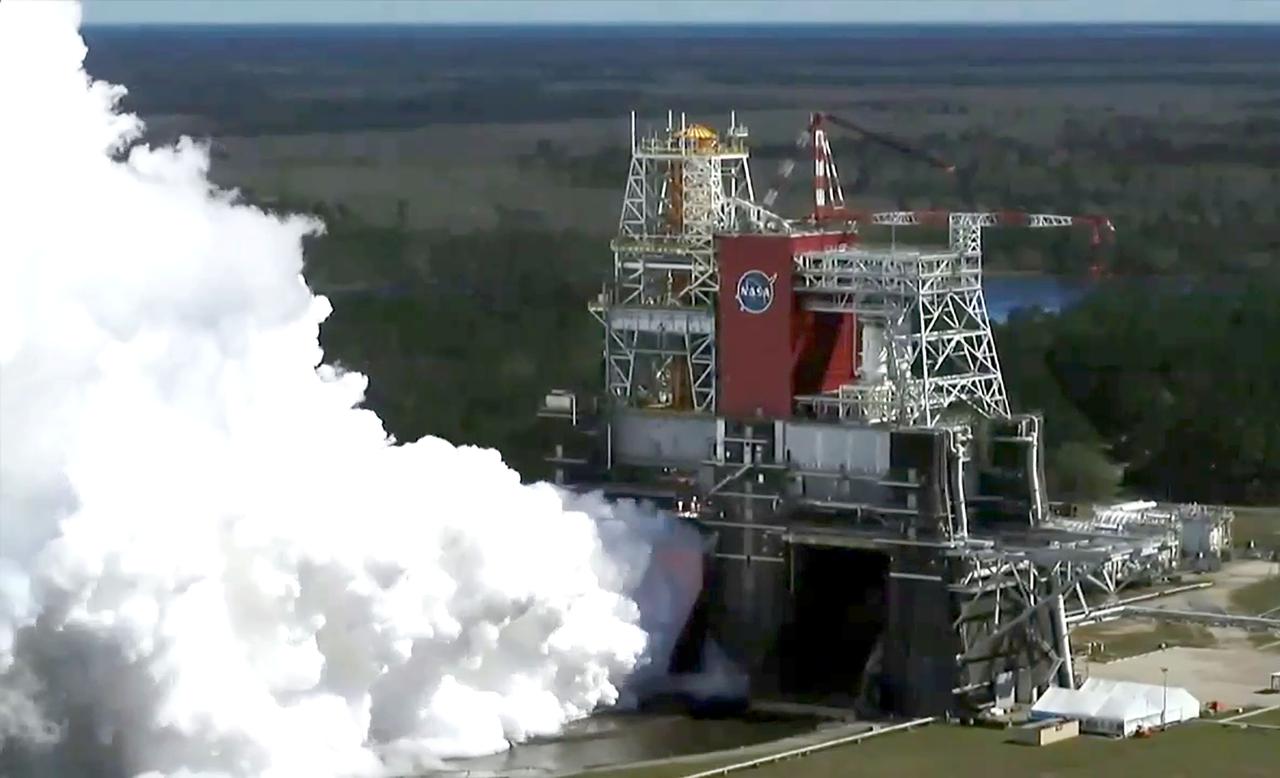
A drone camera offers a bird’s-eye view as NASA conducts a hot fire test March 18, 2021, of the core stage for the agency’s Space Launch System rocket on the B-2 Test Stand at Stennis Space Center near Bay St. Louis, Mississippi. The hot fire test of the stage’s four RS-25 engines generated a combined 1.6 million pounds of thrust, just as will occur during an actual launch. The hot fire is the final test of the Green Run test series, which represents a comprehensive assessment of the core stage and its integrated systems prior to its launch on the Artemis I mission to the Moon.
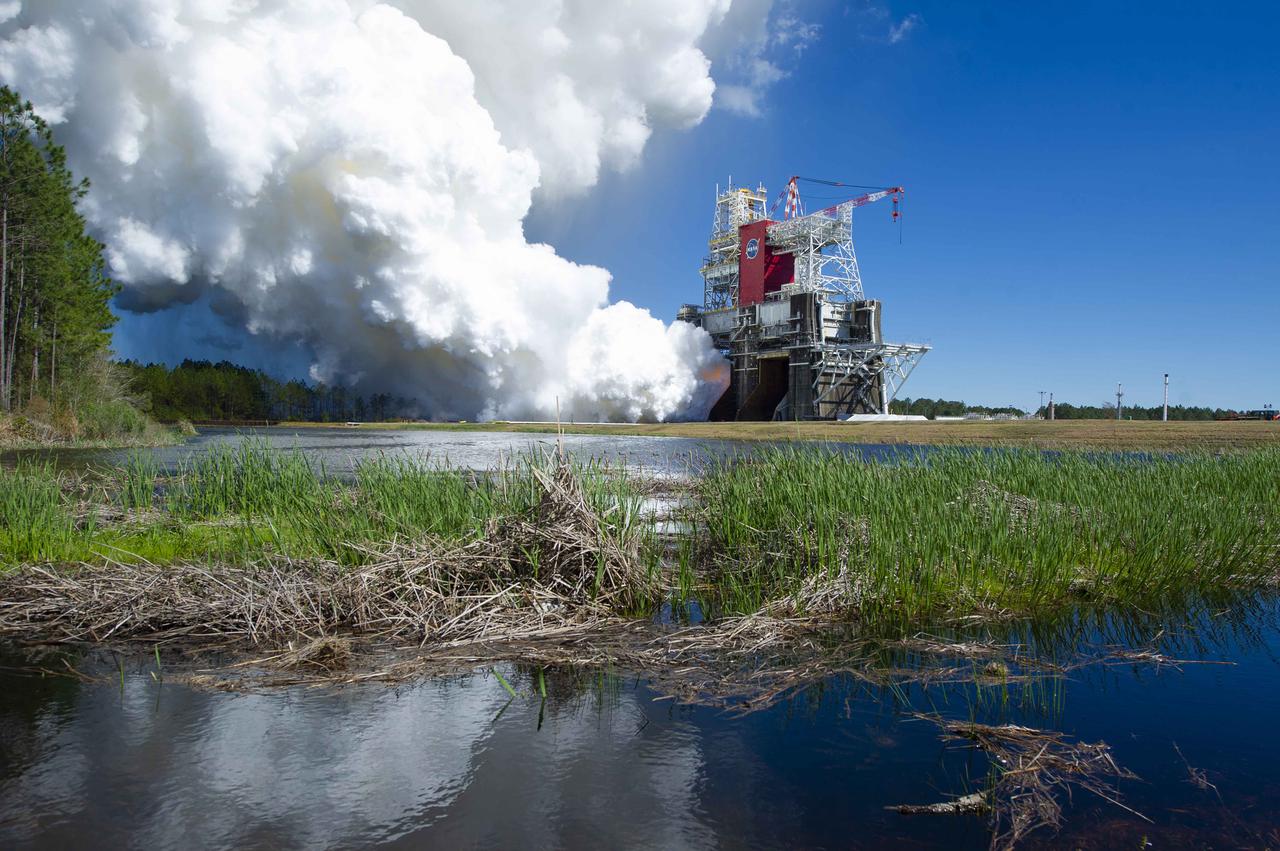
NASA conducts a hot fire test March 18, 2021, of the core stage for the agency’s Space Launch System rocket on the B-2 Test Stand at Stennis Space Center near Bay St. Louis, Mississippi. The hot fire test of the stage’s four RS-25 engines generated a combined 1.6 million pounds of thrust, just as will occur during an actual launch. The hot fire is the final test of the Green Run test series, which represents a comprehensive assessment of the core stage and its integrated systems prior to its launch on the Artemis I mission to the Moon.
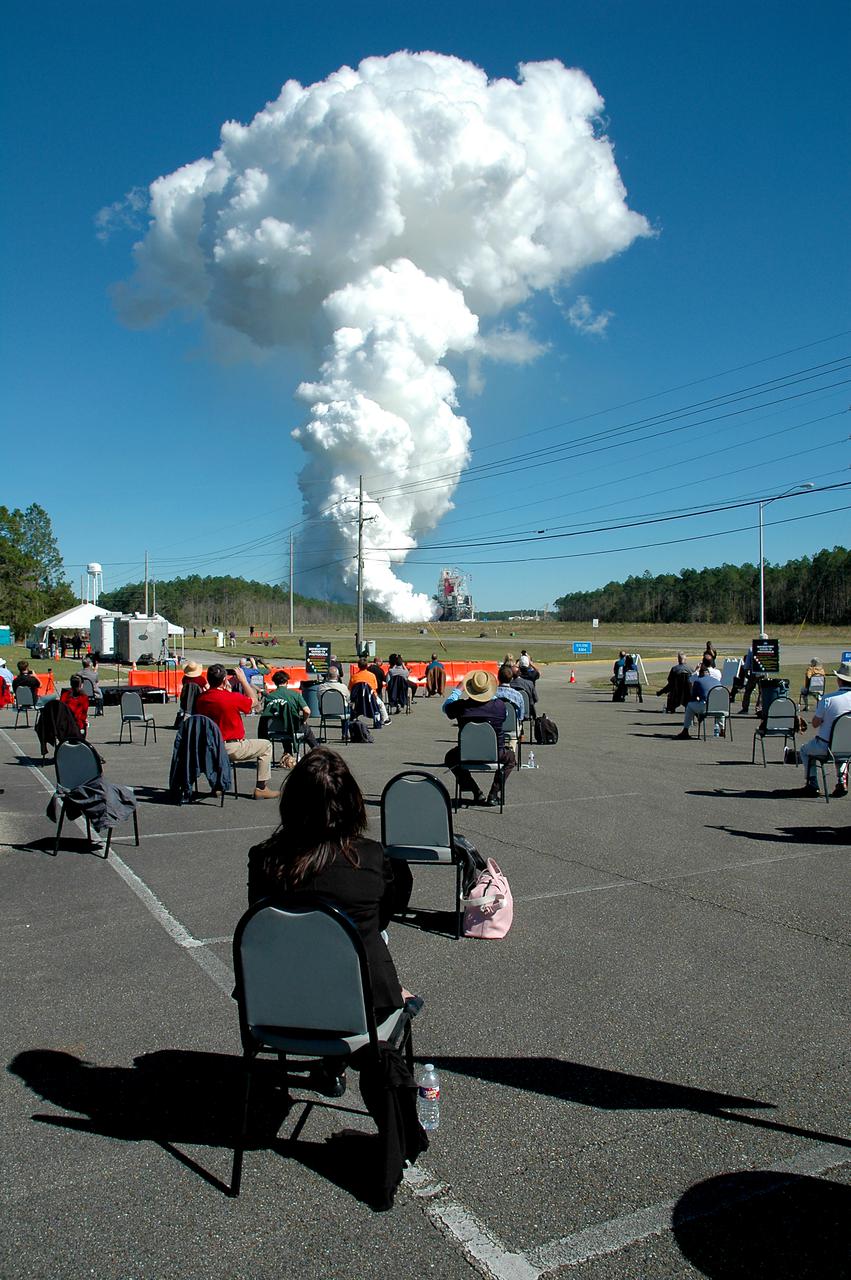
NASA conducts a hot fire test March 18, 2021, of the core stage for the agency’s Space Launch System rocket on the B-2 Test Stand at Stennis Space Center near Bay St. Louis, Mississippi. The hot fire test of the stage’s four RS-25 engines generated a combined 1.6 million pounds of thrust, just as will occur during an actual launch. The hot fire is the final test of the Green Run test series, which represents a comprehensive assessment of the core stage and its integrated systems prior to its launch on the Artemis I mission to the Moon.
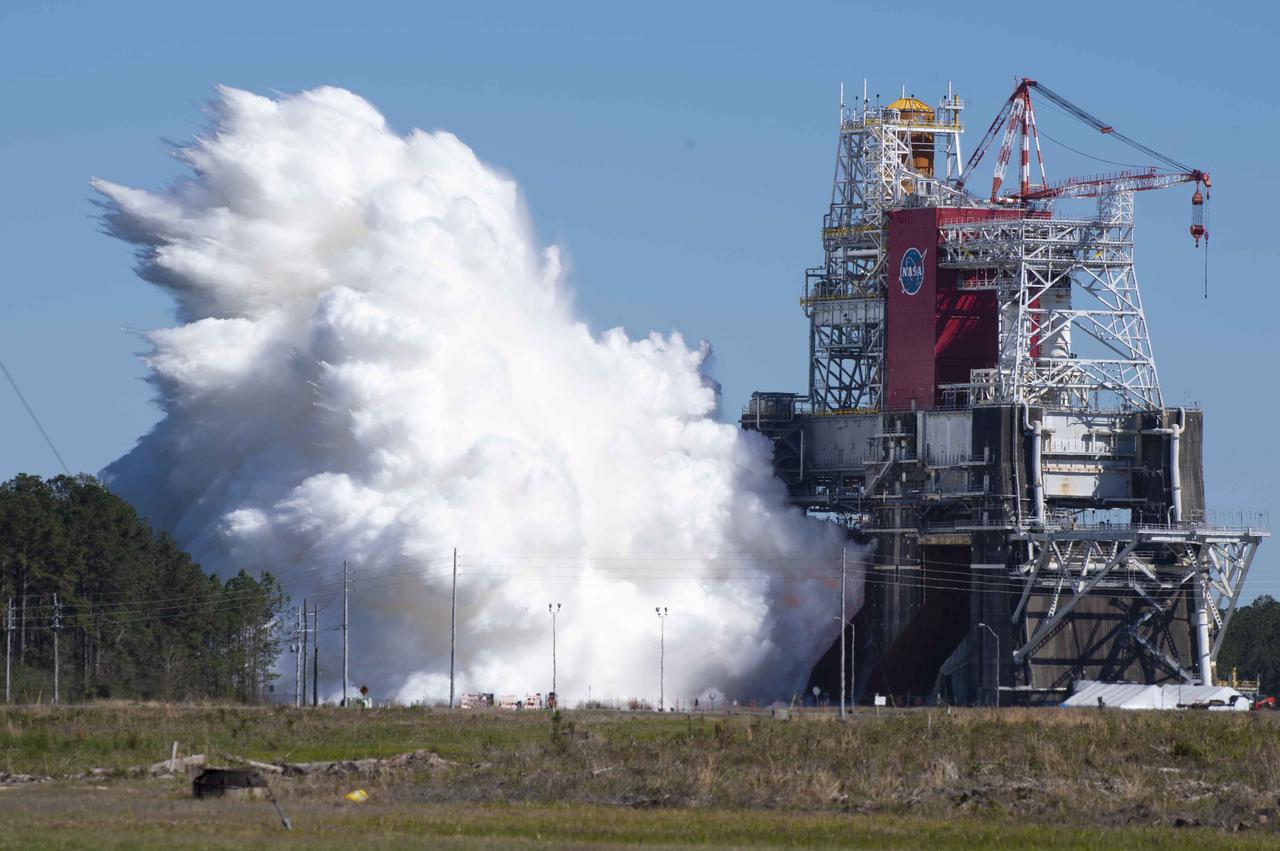
NASA conducts a hot fire test March 18, 2021, of the core stage for the agency’s Space Launch System rocket on the B-2 Test Stand at Stennis Space Center near Bay St. Louis, Mississippi. The hot fire test of the stage’s four RS-25 engines generated a combined 1.6 million pounds of thrust, just as will occur during an actual launch. The hot fire is the final test of the Green Run test series, which represents a comprehensive assessment of the core stage and its integrated systems prior to its launch on the Artemis I mission to the Moon.
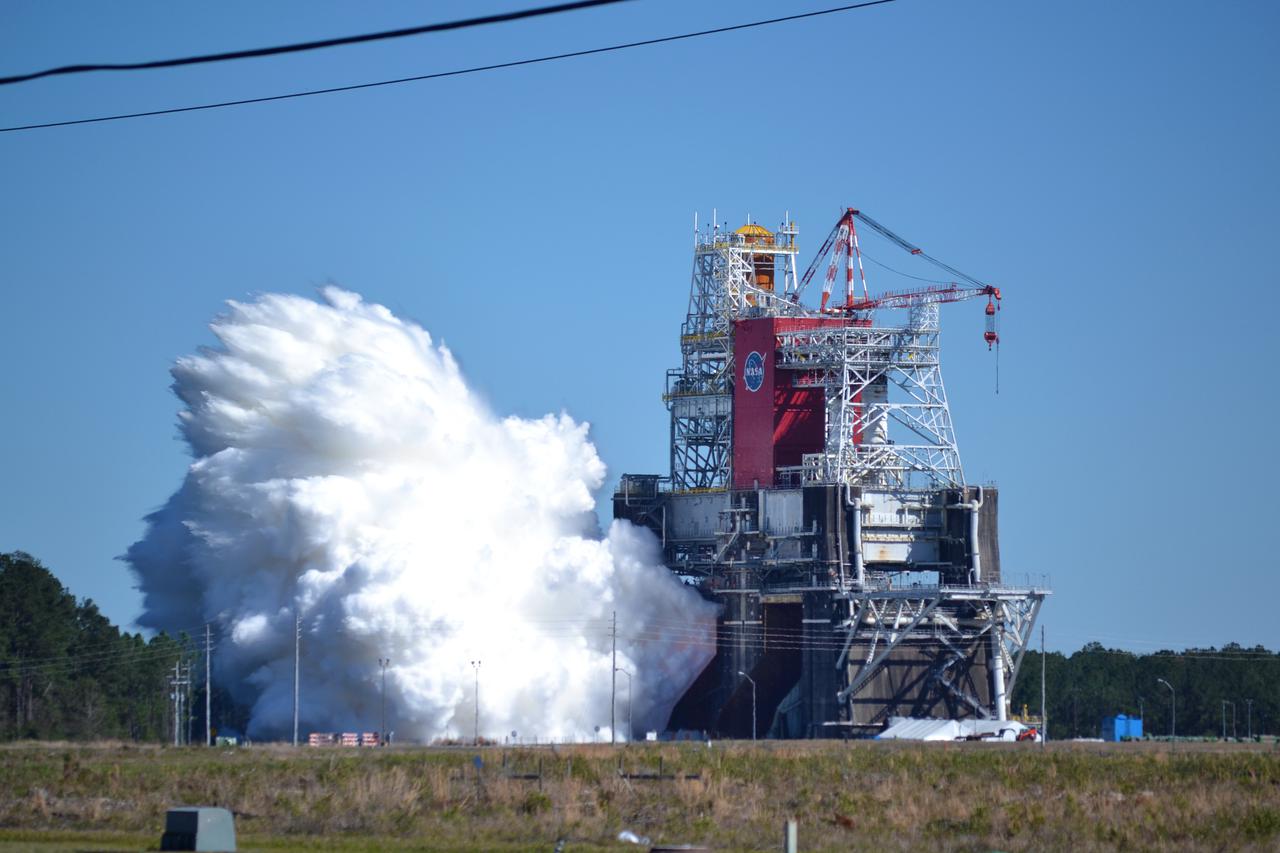
NASA conducts a hot fire test March 18, 2021, of the core stage for the agency’s Space Launch System rocket on the B-2 Test Stand at Stennis Space Center near Bay St. Louis, Mississippi. The hot fire test of the stage’s four RS-25 engines generated a combined 1.6 million pounds of thrust, just as will occur during an actual launch. The hot fire is the final test of the Green Run test series, which represents a comprehensive assessment of the core stage and its integrated systems prior to its launch on the Artemis I mission to the Moon.
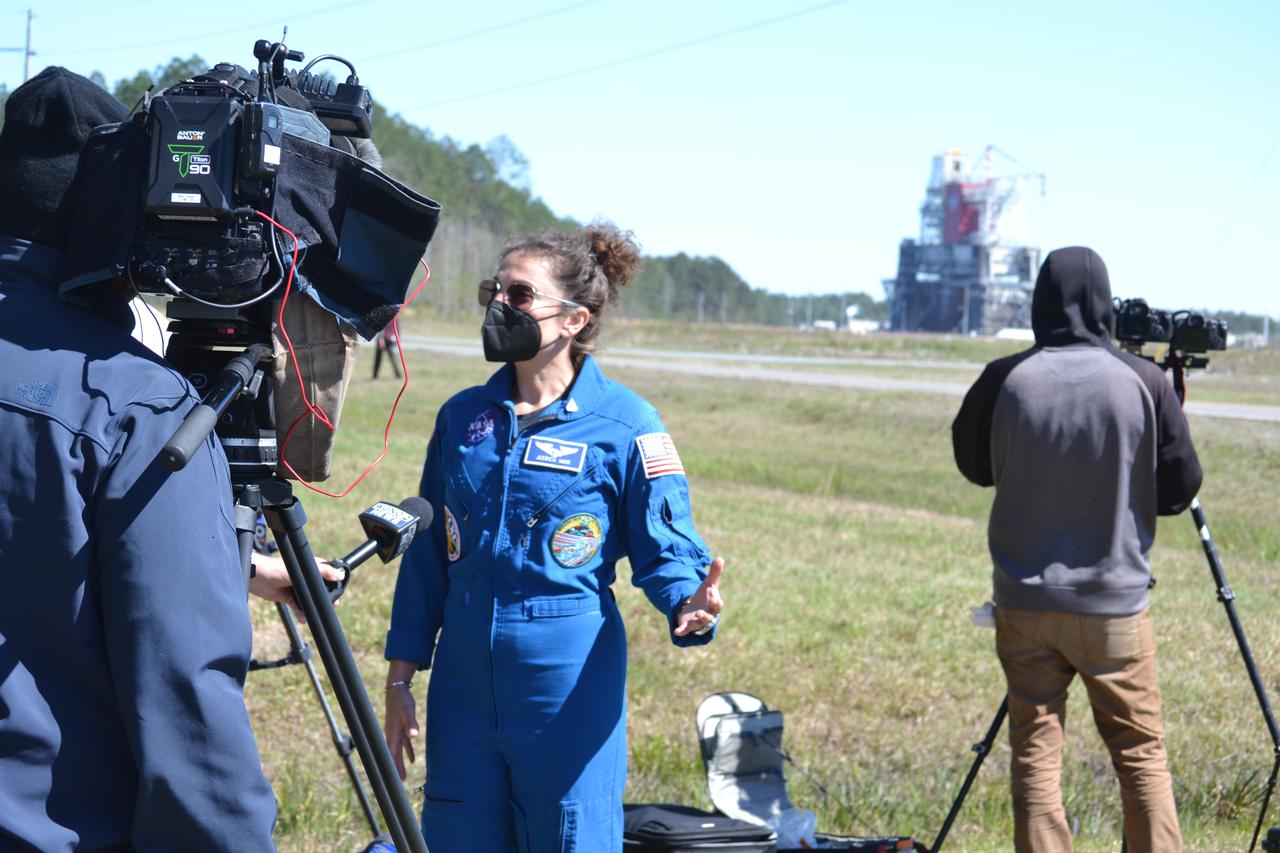
NASA conducts a hot fire test March 18, 2021, of the core stage for the agency’s Space Launch System rocket on the B-2 Test Stand at Stennis Space Center near Bay St. Louis, Mississippi. The hot fire test of the stage’s four RS-25 engines generated a combined 1.6 million pounds of thrust, just as will occur during an actual launch. The hot fire is the final test of the Green Run test series, which represents a comprehensive assessment of the core stage and its integrated systems prior to its launch on the Artemis I mission to the Moon.
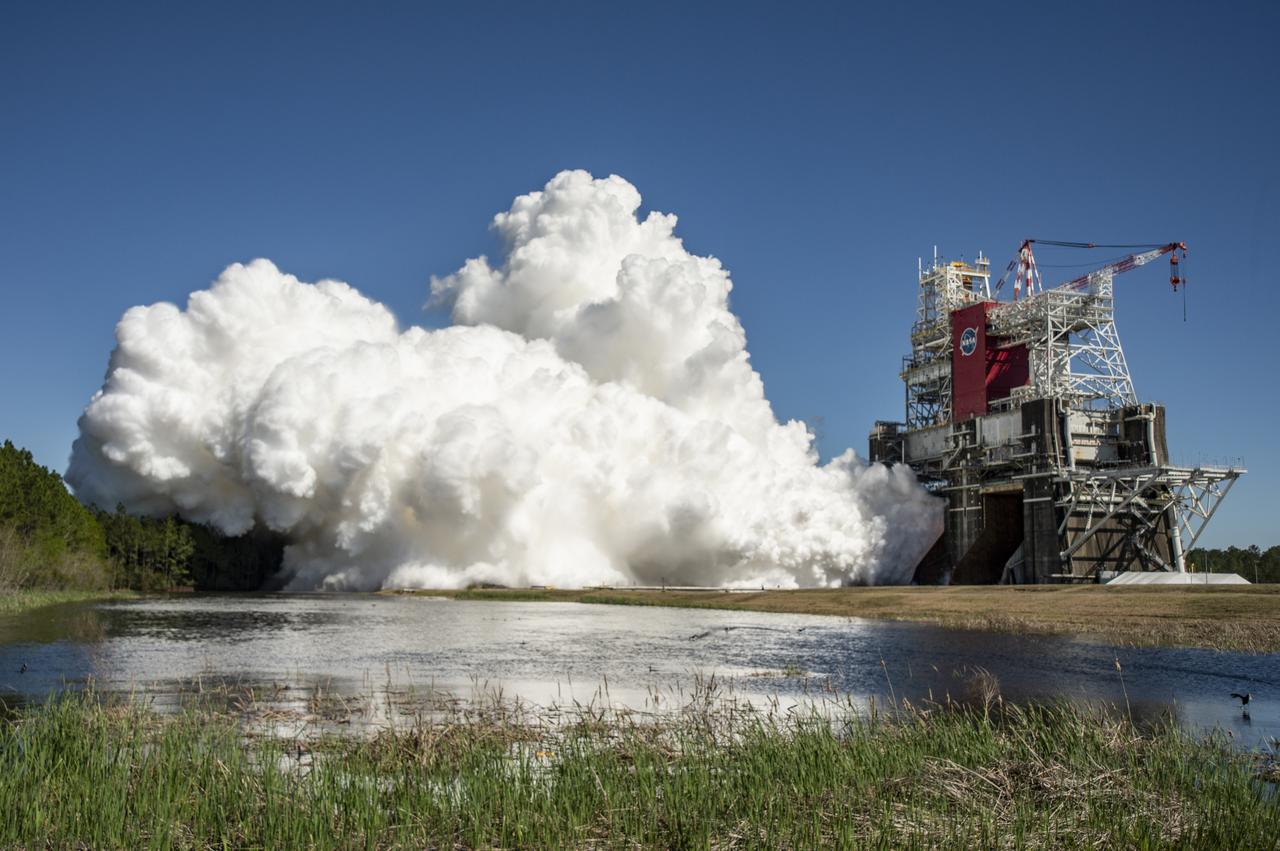
The core stage for the first flight of NASA’s Space Launch System rocket is seen in the B-2 Test Stand during a second hot fire test, Thursday, March 18, 2021, at NASA’s Stennis Space Center near Bay St. Louis, Mississippi. The four RS-25 engines fired for the full-duration of 8 minutes during the test and generated 1.6 million pounds of thrust. The hot fire test is the final stage of the Green Run test series, a comprehensive assessment of the Space Launch System’s core stage prior to launching the Artemis I mission to the Moon. Photo Credit: (NASA/Robert Markowitz)
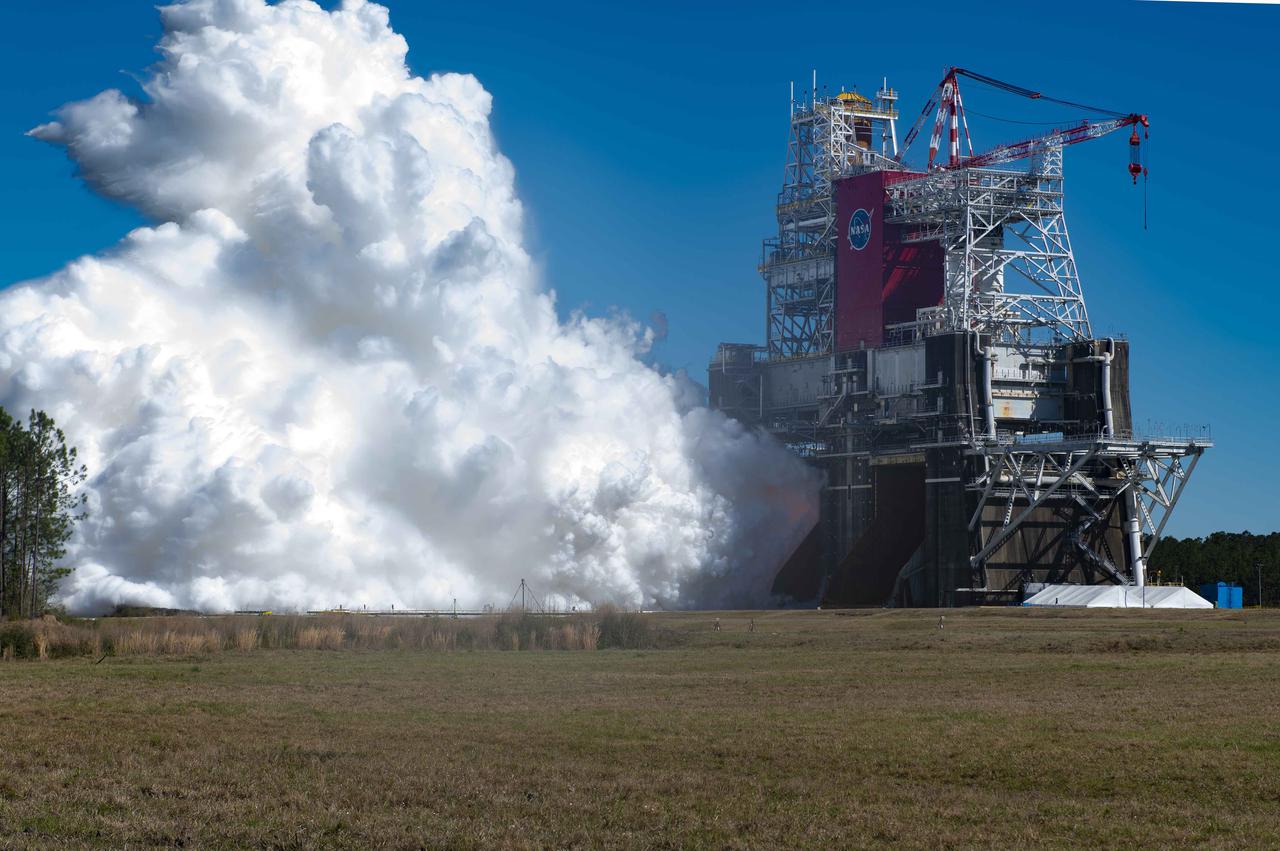
NASA conducts a hot fire test March 18, 2021, of the core stage for the agency’s Space Launch System rocket on the B-2 Test Stand at Stennis Space Center near Bay St. Louis, Mississippi. The hot fire test of the stage’s four RS-25 engines generated a combined 1.6 million pounds of thrust, just as will occur during an actual launch. The hot fire is the final test of the Green Run test series, which represents a comprehensive assessment of the core stage and its integrated systems prior to its launch on the Artemis I mission to the Moon.
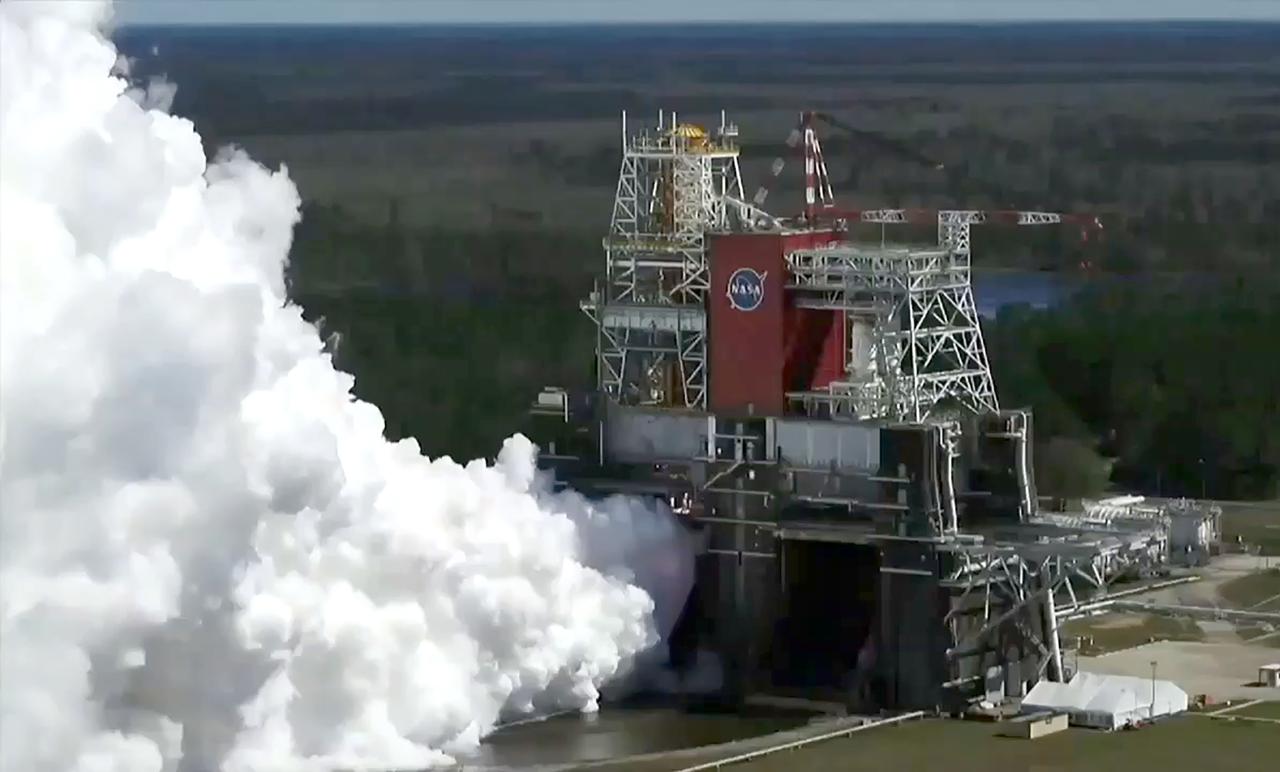
A drone camera offers a bird’s-eye view as NASA conducts a hot fire test March 18, 2021, of the core stage for the agency’s Space Launch System rocket on the B-2 Test Stand at Stennis Space Center near Bay St. Louis, Mississippi. The hot fire test of the stage’s four RS-25 engines generated a combined 1.6 million pounds of thrust, just as will occur during an actual launch. The hot fire is the final test of the Green Run test series, which represents a comprehensive assessment of the core stage and its integrated systems prior to its launch on the Artemis I mission to the Moon.
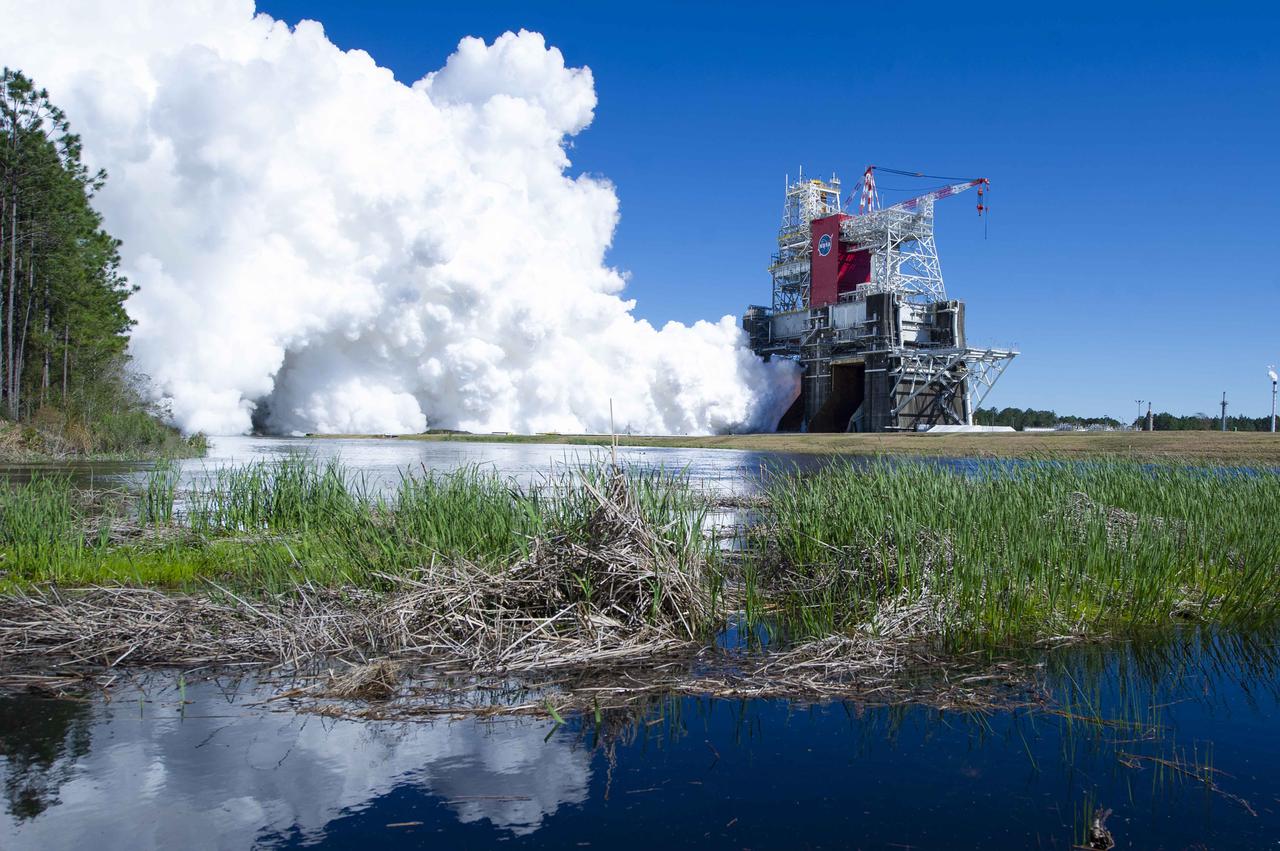
The core stage for the first flight of NASA’s Space Launch System rocket is seen in the B-2 Test Stand during a scheduled eight minute duration hot fire test, Saturday, Jan. 16, 2021, at NASA’s Stennis Space Center near Bay St. Louis, Mississippi. The four RS-25 engines fired for a little more than one minute and generated 1.6 million pounds of thrust. The hot fire is the final test of the Green Run test series, a comprehensive assessment of the Space Launch System’s core stage prior to launching the Artemis I mission to the Moon. Photo Credit: (NASA/Robert Markowitz)
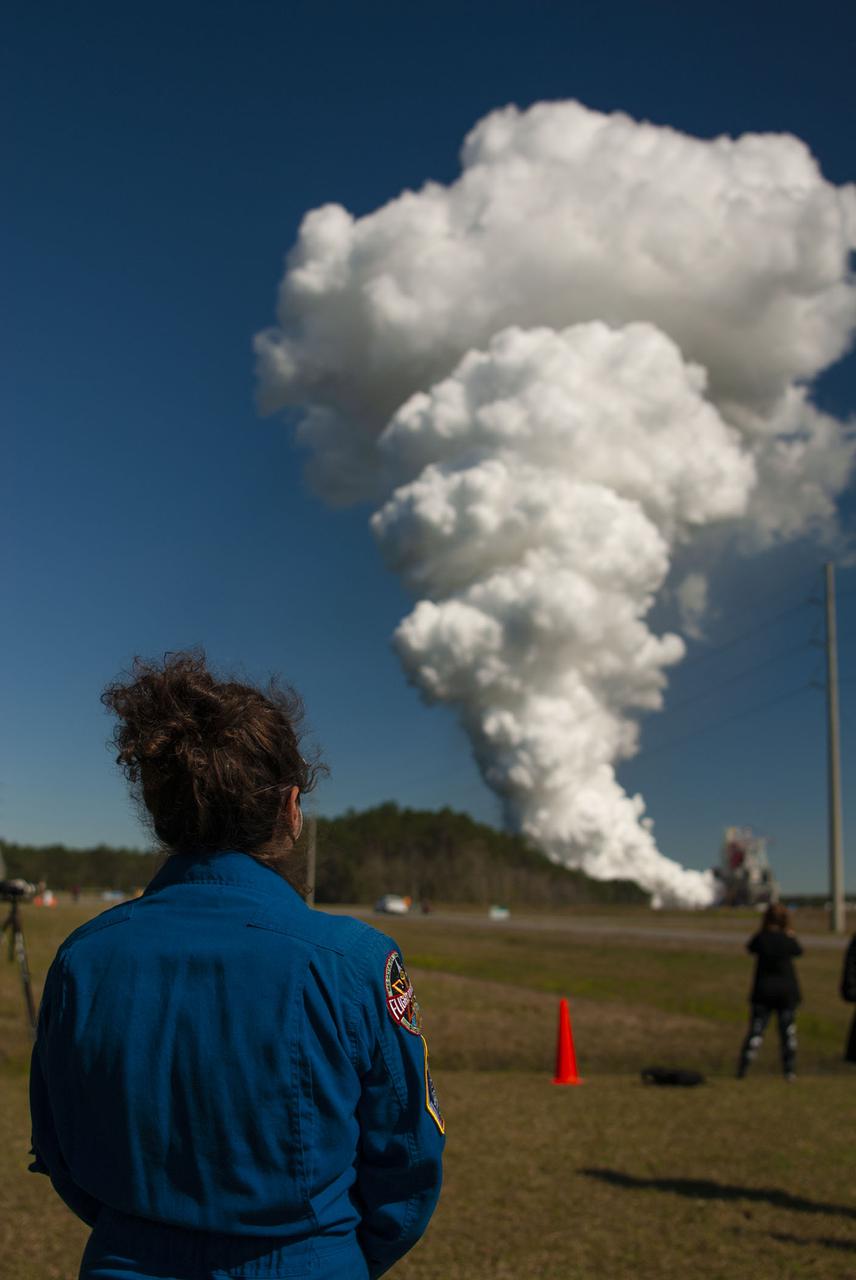
NASA conducts a hot fire test March 18, 2021, of the core stage for the agency’s Space Launch System rocket on the B-2 Test Stand at Stennis Space Center near Bay St. Louis, Mississippi. The hot fire test of the stage’s four RS-25 engines generated a combined 1.6 million pounds of thrust, just as will occur during an actual launch. The hot fire is the final test of the Green Run test series, which represents a comprehensive assessment of the core stage and its integrated systems prior to its launch on the Artemis I mission to the Moon.
NASA conducts a hot fire test March 18, 2021, of the core stage for the agency’s Space Launch System rocket on the B-2 Test Stand at Stennis Space Center near Bay St. Louis, Mississippi. The hot fire test of the stage’s four RS-25 engines generated a combined 1.6 million pounds of thrust, just as will occur during an actual launch. The hot fire is the final test of the Green Run test series, which represents a comprehensive assessment of the core stage and its integrated systems prior to its launch on the Artemis I mission to the Moon.

The core stage for the first flight of NASA’s Space Launch System rocket is seen in the B-2 Test Stand during a scheduled eight minute duration hot fire test, Saturday, Jan. 16, 2021, at NASA’s Stennis Space Center near Bay St. Louis, Mississippi. The four RS-25 engines fired for a little more than one minute and generated 1.6 million pounds of thrust. The hot fire is the final test of the Green Run test series, a comprehensive assessment of the Space Launch System’s core stage prior to launching the Artemis I mission to the Moon. Photo Credit: (NASA/Robert Markowitz)
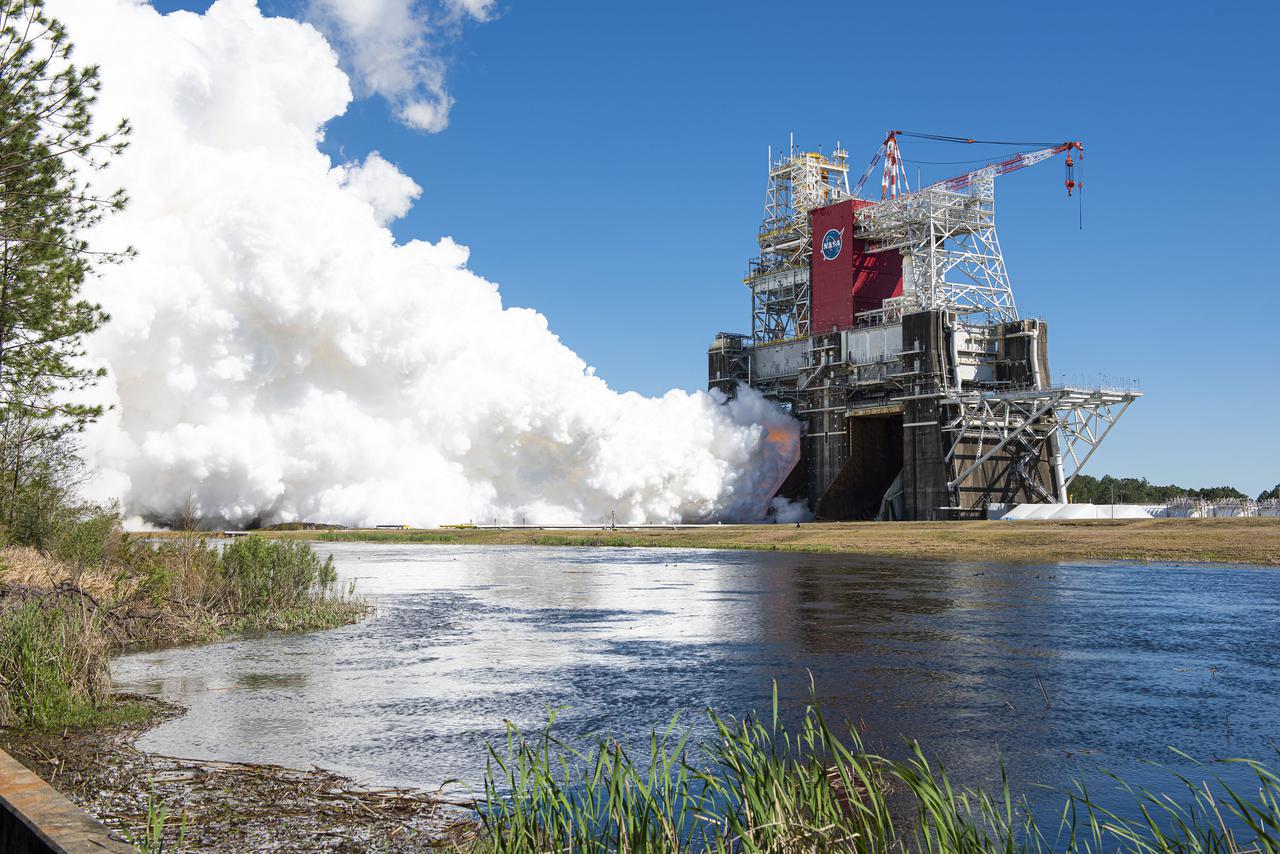
NASA conducts a hot fire test March 18, 2021, of the core stage for the agency’s Space Launch System rocket on the B-2 Test Stand at Stennis Space Center near Bay St. Louis, Mississippi. The hot fire test of the stage’s four RS-25 engines generated a combined 1.6 million pounds of thrust, just as will occur during an actual launch. The hot fire is the final test of the Green Run test series, which represents a comprehensive assessment of the core stage and its integrated systems prior to its launch on the Artemis I mission to the Moon.

The core stage for the first flight of NASA's Space Launch System rocket is seen in the B-2 Test Stand behind NASA Administrator Jim Bridenstine ahead of a scheduled eight minute duration hot fire test, January 16, 2021, at NASA's Stennis Space Center near Bay St. Louis, Mississippi. The hot fire test is the final stage of the Green Run test series, a comprehensive assessment of the Space Launch System's core stage prior to launching the Artemis I mission to the Moon. Photo Credit: (NASA/Robert Markowitz)
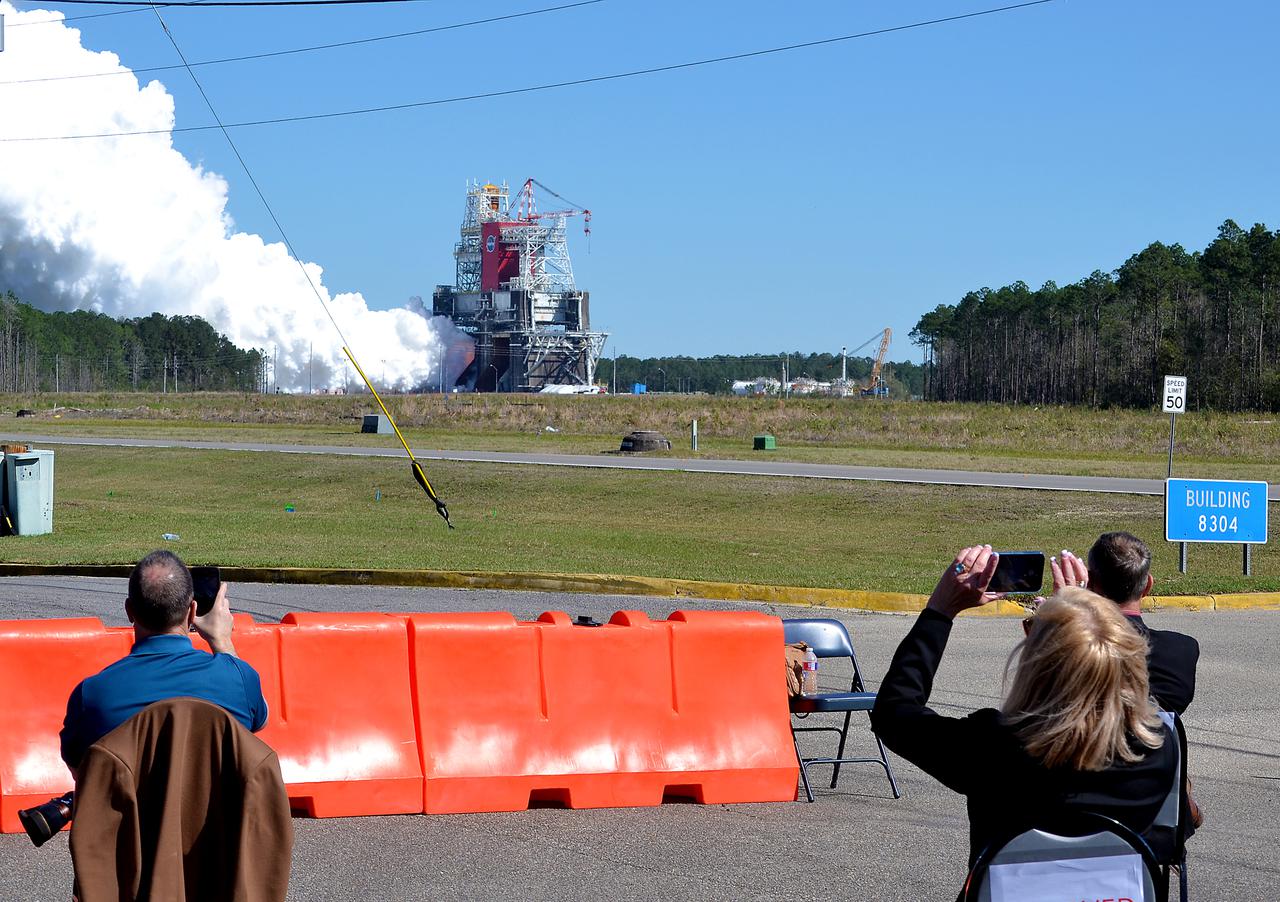
NASA conducts a hot fire test March 18, 2021, of the core stage for the agency’s Space Launch System rocket on the B-2 Test Stand at Stennis Space Center near Bay St. Louis, Mississippi. The hot fire test of the stage’s four RS-25 engines generated a combined 1.6 million pounds of thrust, just as will occur during an actual launch. The hot fire is the final test of the Green Run test series, which represents a comprehensive assessment of the core stage and its integrated systems prior to its launch on the Artemis I mission to the Moon.
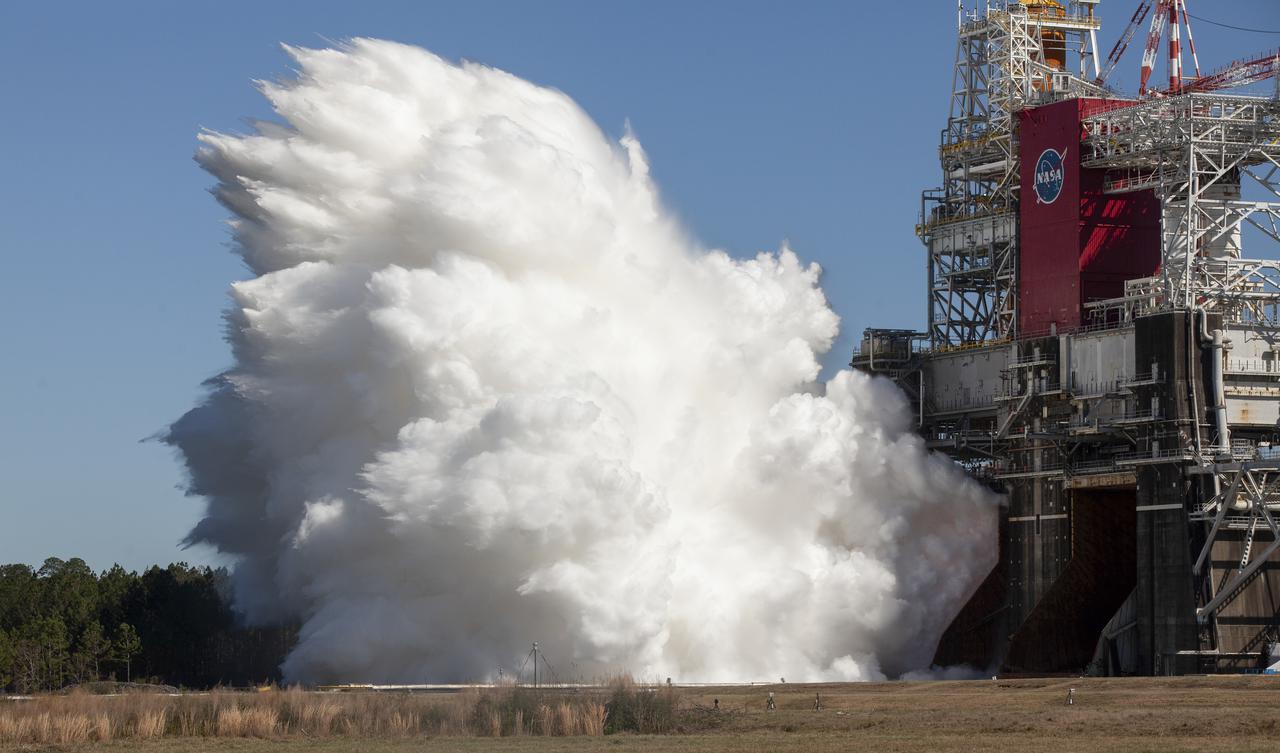
The core stage for the first flight of NASA’s Space Launch System rocket is seen in the B-2 Test Stand during a second hot fire test, Thursday, March 18, 2021, at NASA’s Stennis Space Center near Bay St. Louis, Mississippi. The four RS-25 engines fired for the full-duration of 8 minutes during the test and generated 1.6 million pounds of thrust. The hot fire test is the final stage of the Green Run test series, a comprehensive assessment of the Space Launch System’s core stage prior to launching the Artemis I mission to the Moon. Photo Credit: (NASA/Robert Markowitz)
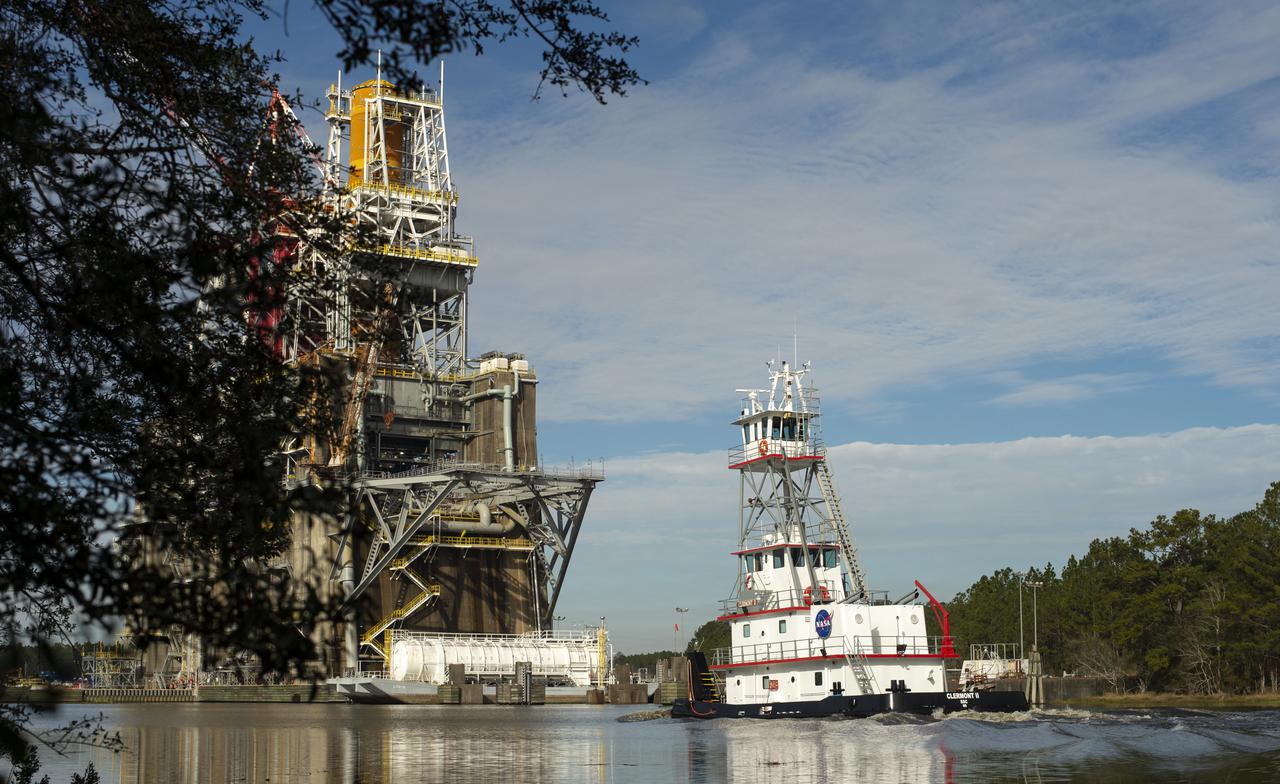
NASA tugboat Clermont II arrives at the B-2 Test Stand the day after a hot fire test of the core stage for the first flight of NASA’s Space Launch System rocket, Saturday, Jan. 16, 2021, at NASA’s Stennis Space Center near Bay St. Louis, Mississippi. During the test the four RS-25 engines fired for a little more than one minute and generated 1.6 million pounds of thrust. The hot fire is the final test of the Green Run test series, a comprehensive assessment of the Space Launch System’s core stage prior to launching the Artemis I mission to the Moon. Photo Credit: (NASA/Robert Markowitz)
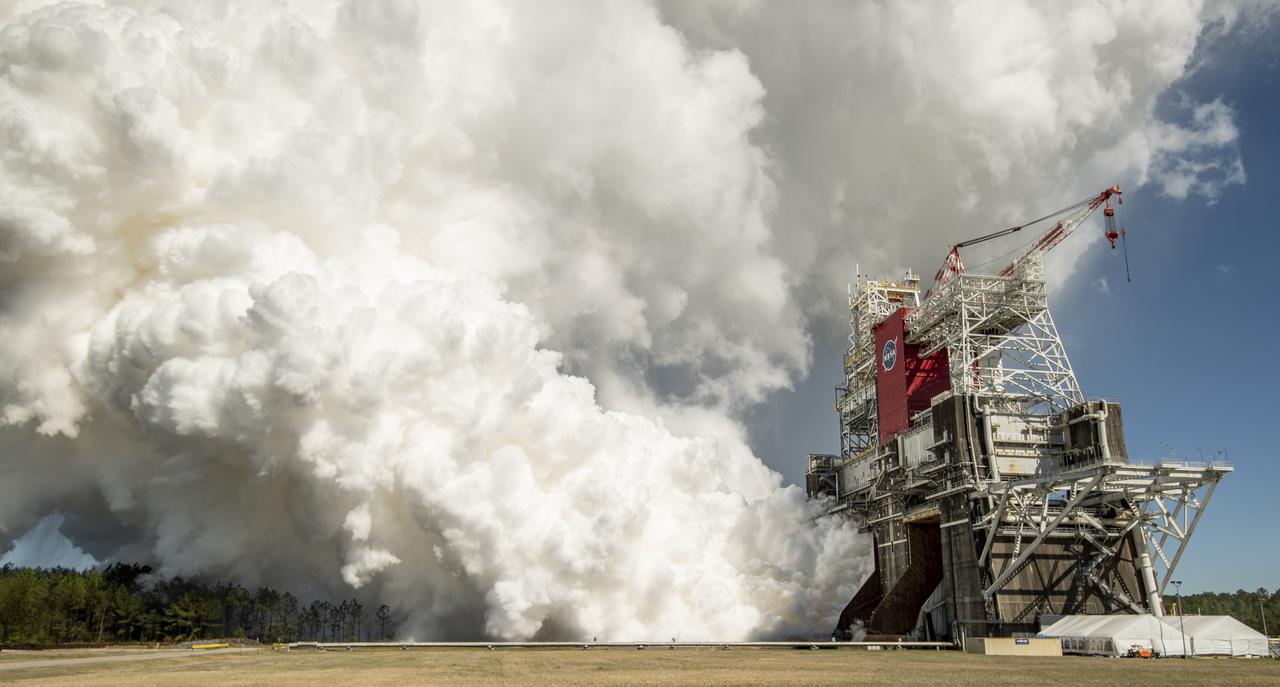
The core stage for the first flight of NASA’s Space Launch System rocket is seen in the B-2 Test Stand during a second hot fire test, Thursday, March 18, 2021, at NASA’s Stennis Space Center near Bay St. Louis, Mississippi. The four RS-25 engines fired for the full-duration of 8 minutes during the test and generated 1.6 million pounds of thrust. The hot fire test is the final stage of the Green Run test series, a comprehensive assessment of the Space Launch System’s core stage prior to launching the Artemis I mission to the Moon. Photo Credit: (NASA/Robert Markowitz)
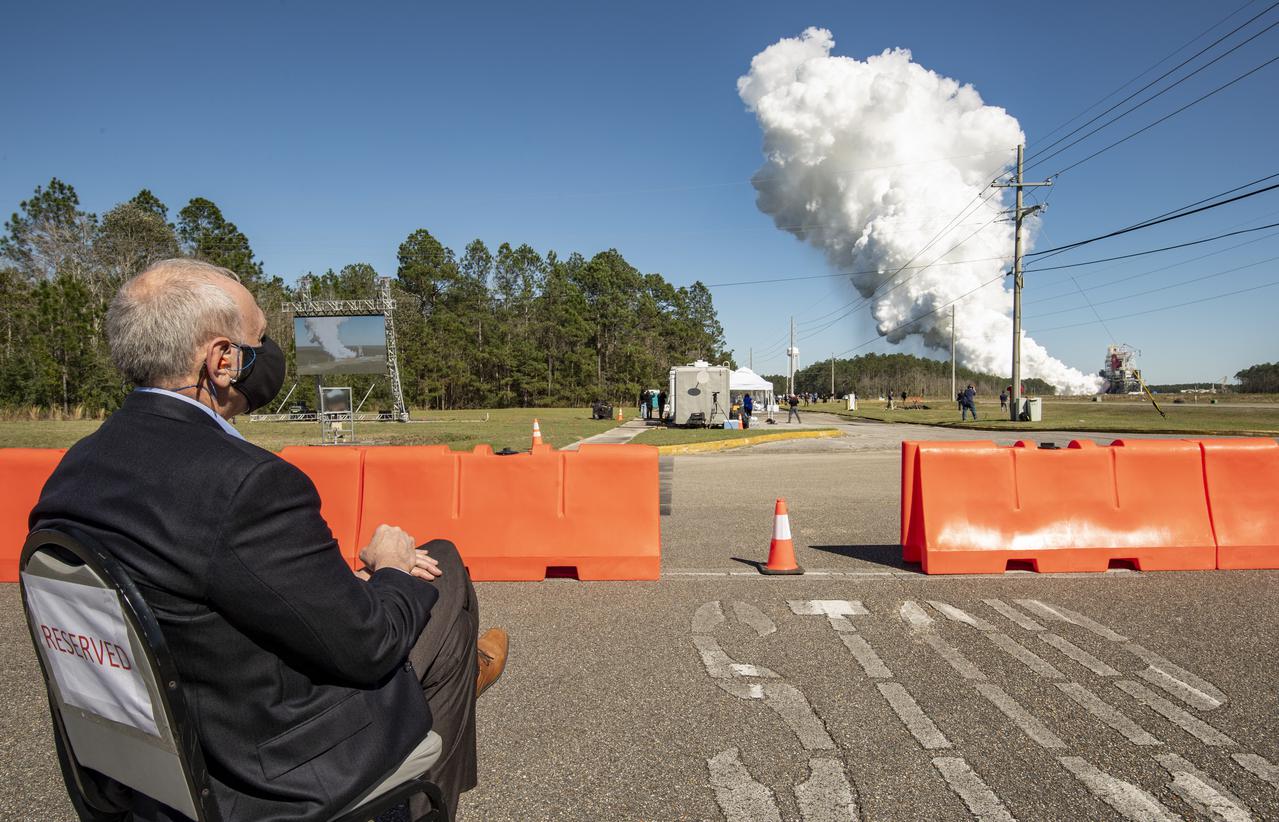
Acting NASA Administrator Steve Jurczyk watches as the core stage for the first flight of NASA’s Space Launch System rocket undergoes a second hot fire test in the B-2 Test Stand, Thursday, March 18, 2021, at NASA’s Stennis Space Center near Bay St. Louis, Mississippi. The four RS-25 engines fired for the full-duration of 8 minutes during the test and generated 1.6 million pounds of thrust. The hot fire test is the final stage of the Green Run test series, a comprehensive assessment of the Space Launch System’s core stage prior to launching the Artemis I mission to the Moon. Photo Credit: (NASA/Robert Markowitz)
The core stage for the first flight of NASA’s Space Launch System rocket is seen in the B-2 Test Stand during a second hot fire test, Thursday, March 18, 2021, at NASA’s Stennis Space Center near Bay St. Louis, Mississippi. The four RS-25 engines fired for the full-duration of 8 minutes during the test and generated 1.6 million pounds of thrust. The hot fire test is the final stage of the Green Run test series, a comprehensive assessment of the Space Launch System’s core stage prior to launching the Artemis I mission to the Moon. Photo Credit: (NASA/Robert Markowitz)
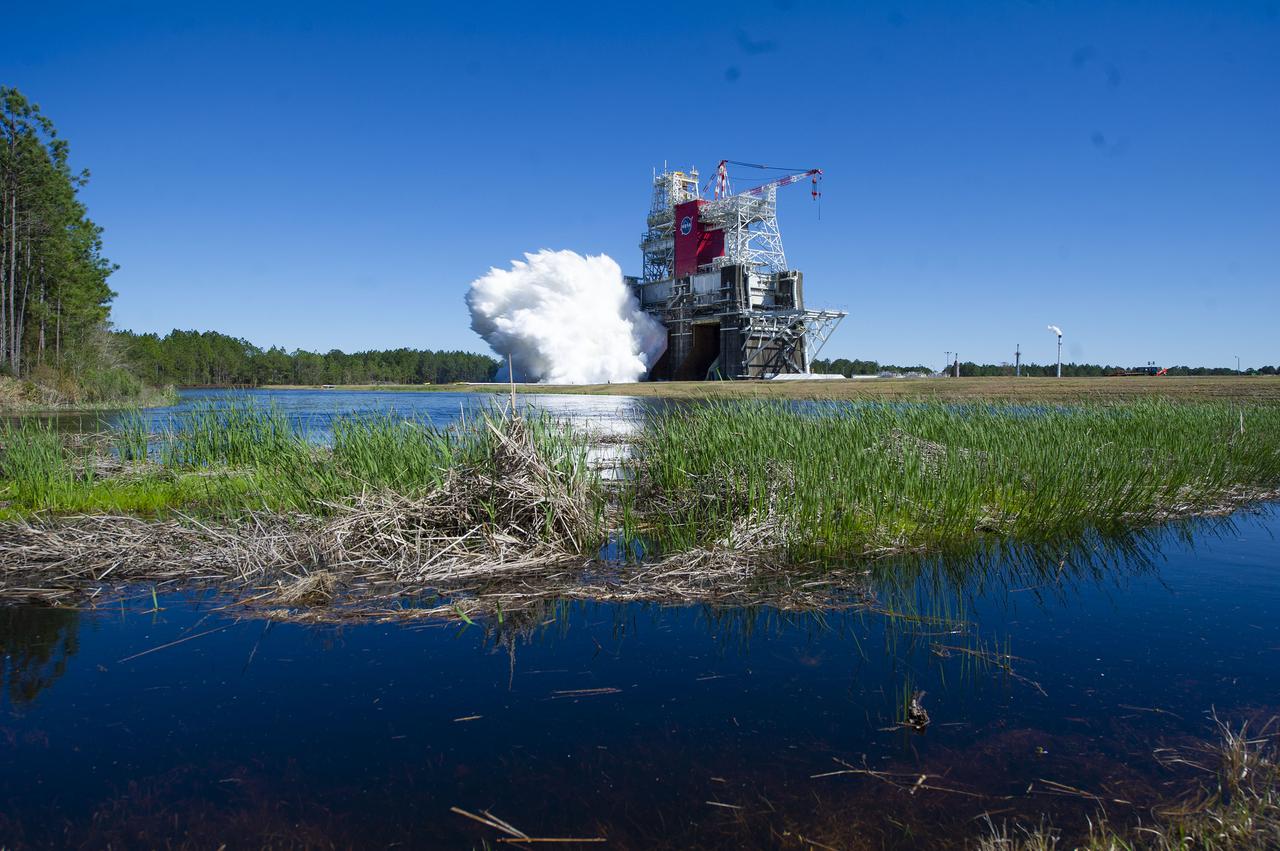
NASA conducts a hot fire test March 18, 2021, of the core stage for the agency’s Space Launch System rocket on the B-2 Test Stand at Stennis Space Center near Bay St. Louis, Mississippi. The hot fire test of the stage’s four RS-25 engines generated a combined 1.6 million pounds of thrust, just as will occur during an actual launch. The hot fire is the final test of the Green Run test series, which represents a comprehensive assessment of the core stage and its integrated systems prior to its launch on the Artemis I mission to the Moon.
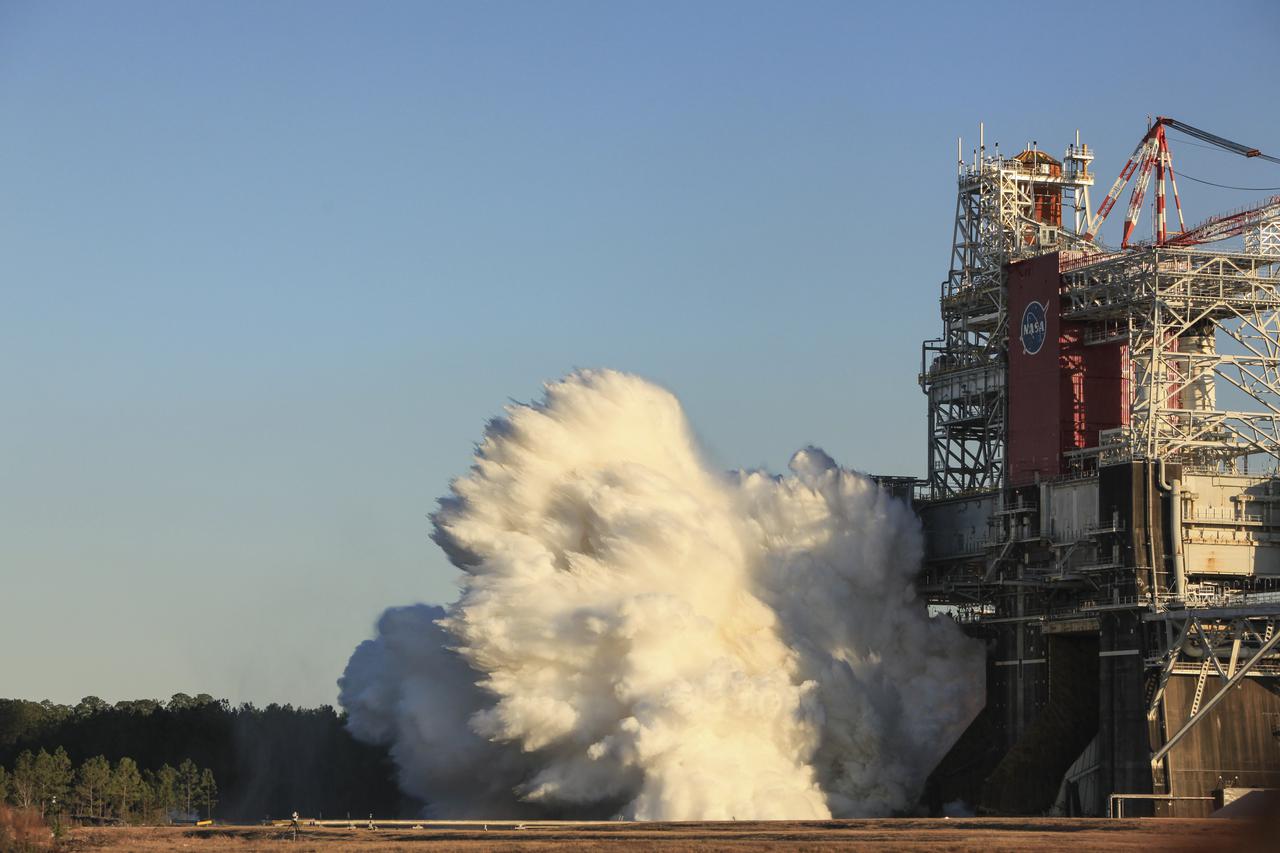
The core stage for the first flight of NASA’s Space Launch System rocket is seen in the B-2 Test Stand during a scheduled eight minute duration hot fire test, Saturday, Jan. 16, 2021, at NASA’s Stennis Space Center near Bay St. Louis, Mississippi. The four RS-25 engines fired for a little more than one minute and generated 1.6 million pounds of thrust. The hot fire is the final test of the Green Run test series, a comprehensive assessment of the Space Launch System’s core stage prior to launching the Artemis I mission to the Moon. Photo Credit: (NASA/Robert Markowitz)