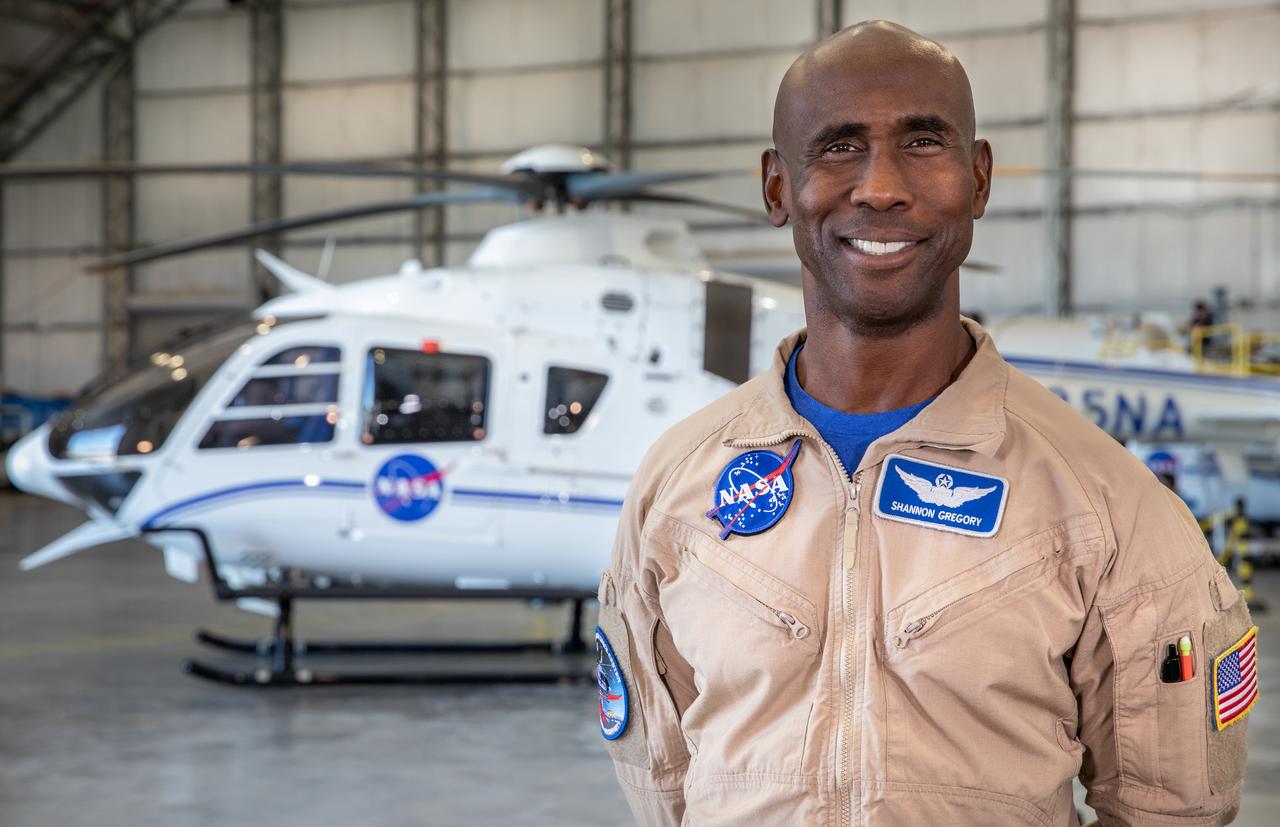
Shannon Gregory, chief of Flight Operations at NASA’s Kennedy Space Center, stands in front of one of the agency’s Airbus H135 (T3) helicopters inside a hangar at Kennedy’s Launch and Landing Facility in Florida on Tuesday, Oct. 17, 2023. Gregory leads his team to provide support at launches and recoveries, securing the airspace, shooting video, and coordinating with mission control.
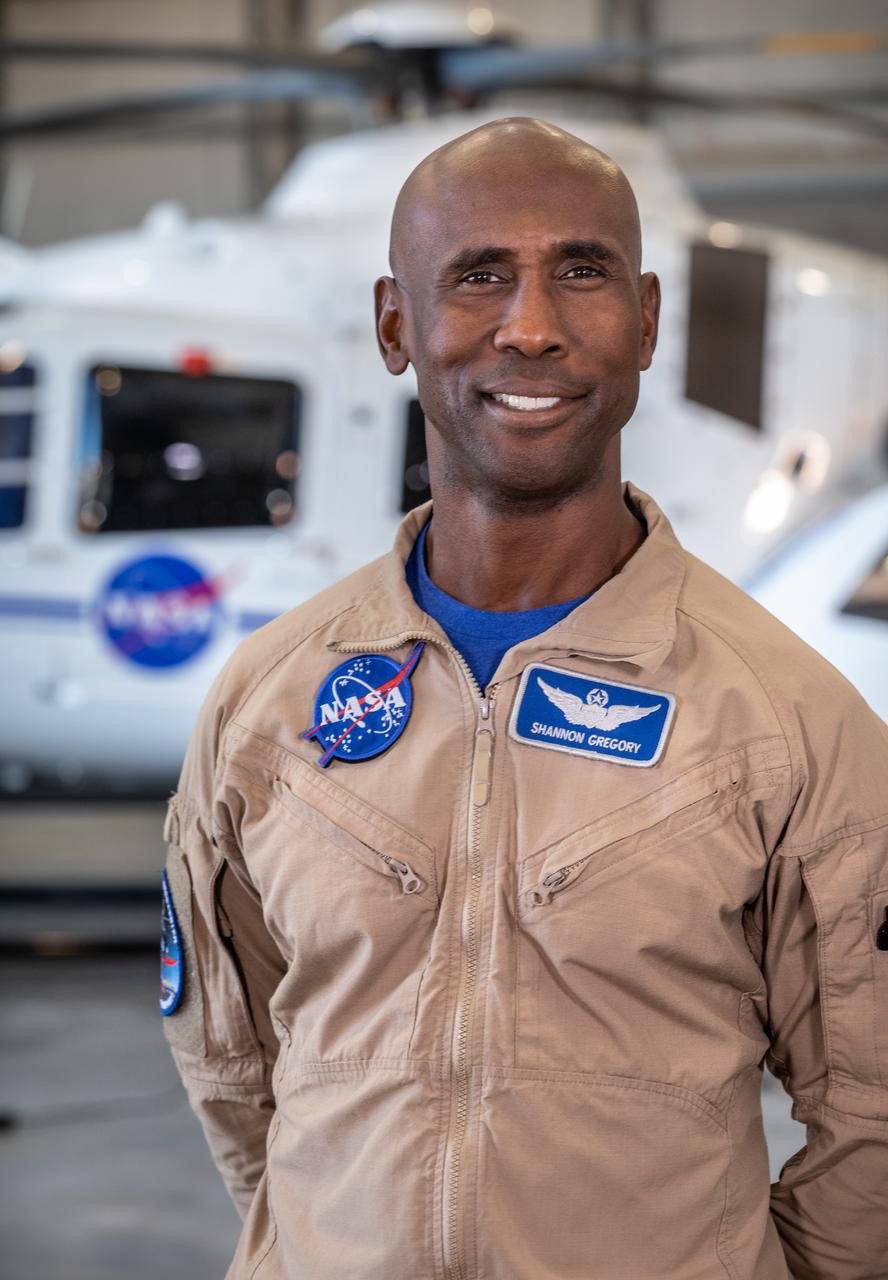
Shannon Gregory, chief of Flight Operations at NASA’s Kennedy Space Center, stands in front of one of the agency’s Airbus H135 (T3) helicopters inside a hangar at Kennedy’s Launch and Landing Facility in Florida on Tuesday, Oct. 17, 2023. Gregory leads his team to provide support at launches and recoveries, securing the airspace, shooting video, and coordinating with mission control.
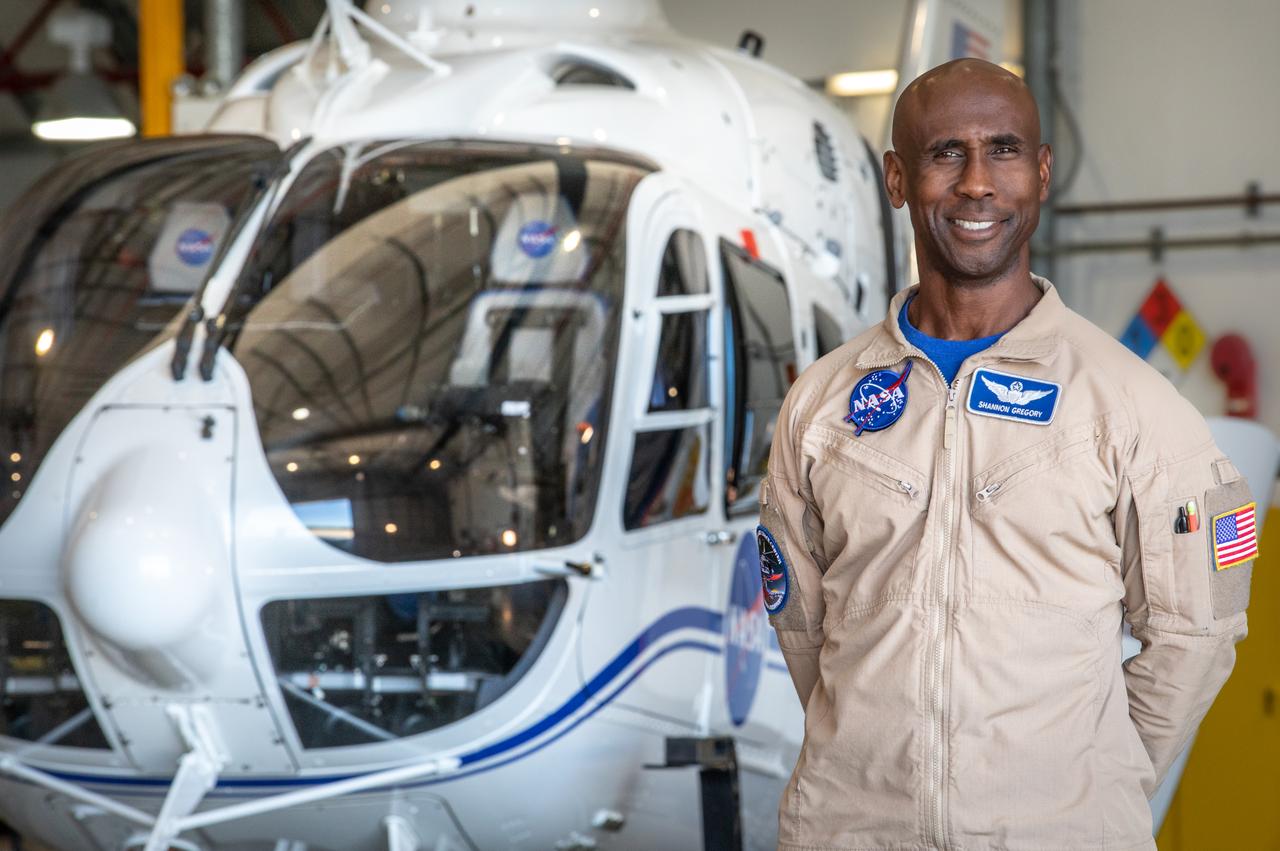
Shannon Gregory, chief of Flight Operations at NASA’s Kennedy Space Center, stands in front of one of the agency’s Airbus H135 (T3) helicopters inside a hangar at Kennedy’s Launch and Landing Facility in Florida on Tuesday, Oct. 17, 2023. Gregory leads his team to provide support at launches and recoveries, securing the airspace, shooting video, and coordinating with mission control.
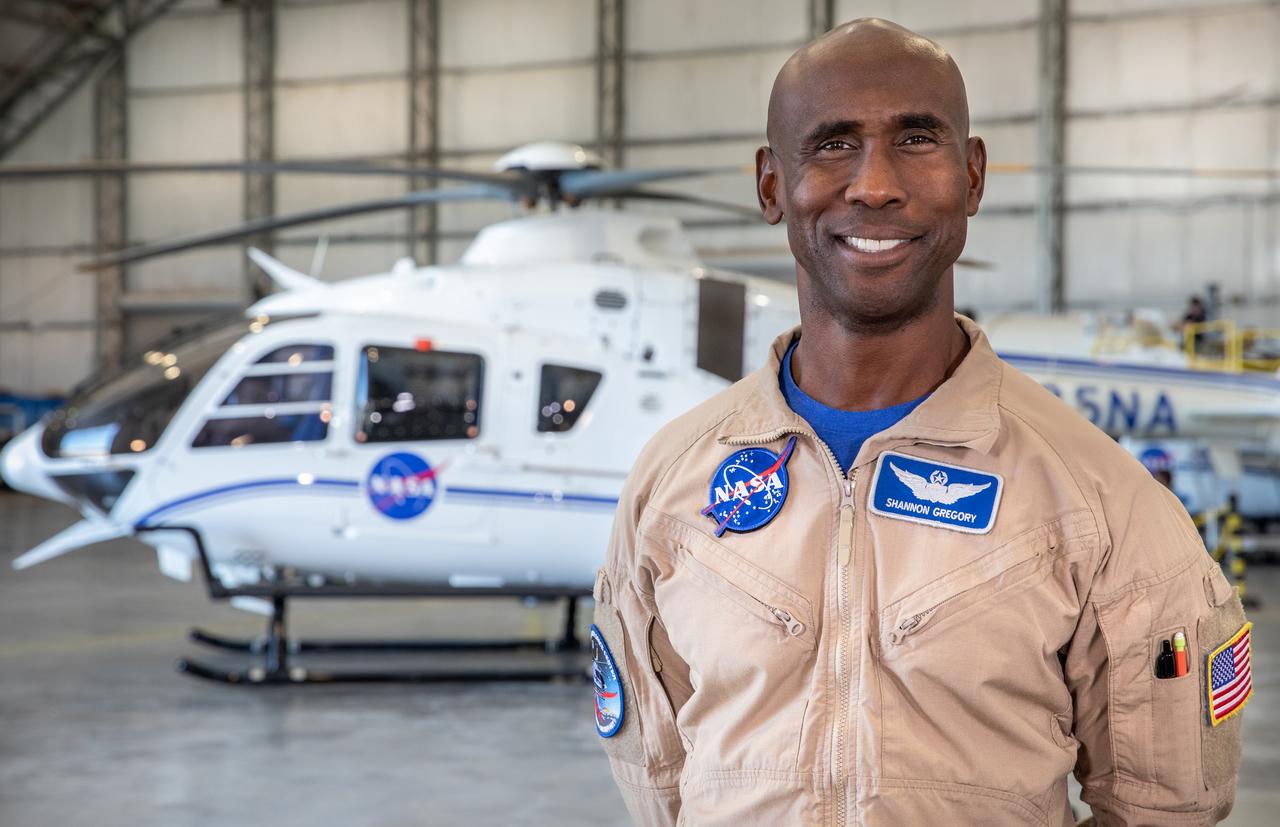
Shannon Gregory, chief of Flight Operations at NASA’s Kennedy Space Center, stands in front of one of the agency’s Airbus H135 (T3) helicopters inside a hangar at Kennedy’s Launch and Landing Facility in Florida on Tuesday, Oct. 17, 2023. Gregory leads his team to provide support at launches and recoveries, securing the airspace, shooting video, and coordinating with mission control.
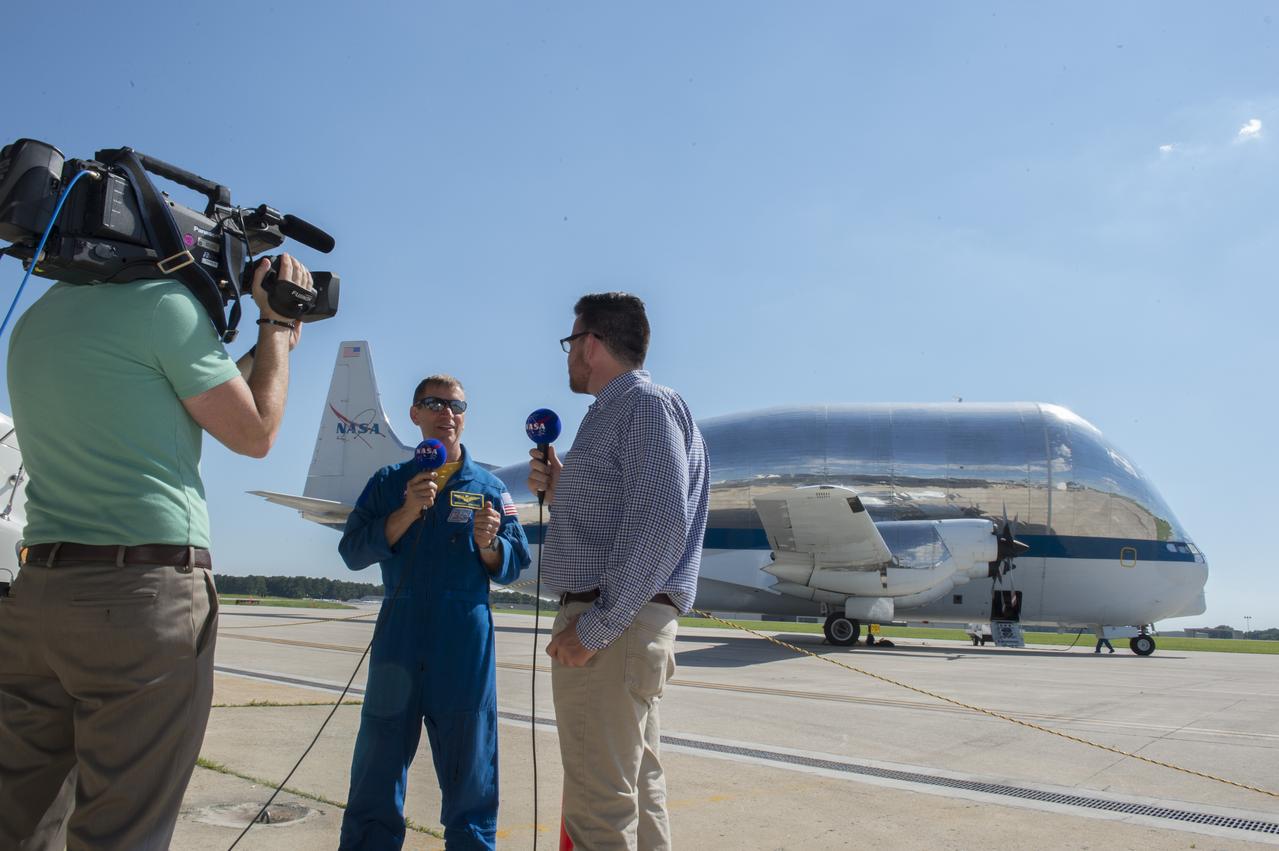
Marshall Space Flight Center public affairs officer, Brian Massey, interviews Gregory Johnson, NASA's Super Guppie pilot, after the arrival of the aircraft to ferry the Orion stage adapter to Denver, Colorado for further testing.
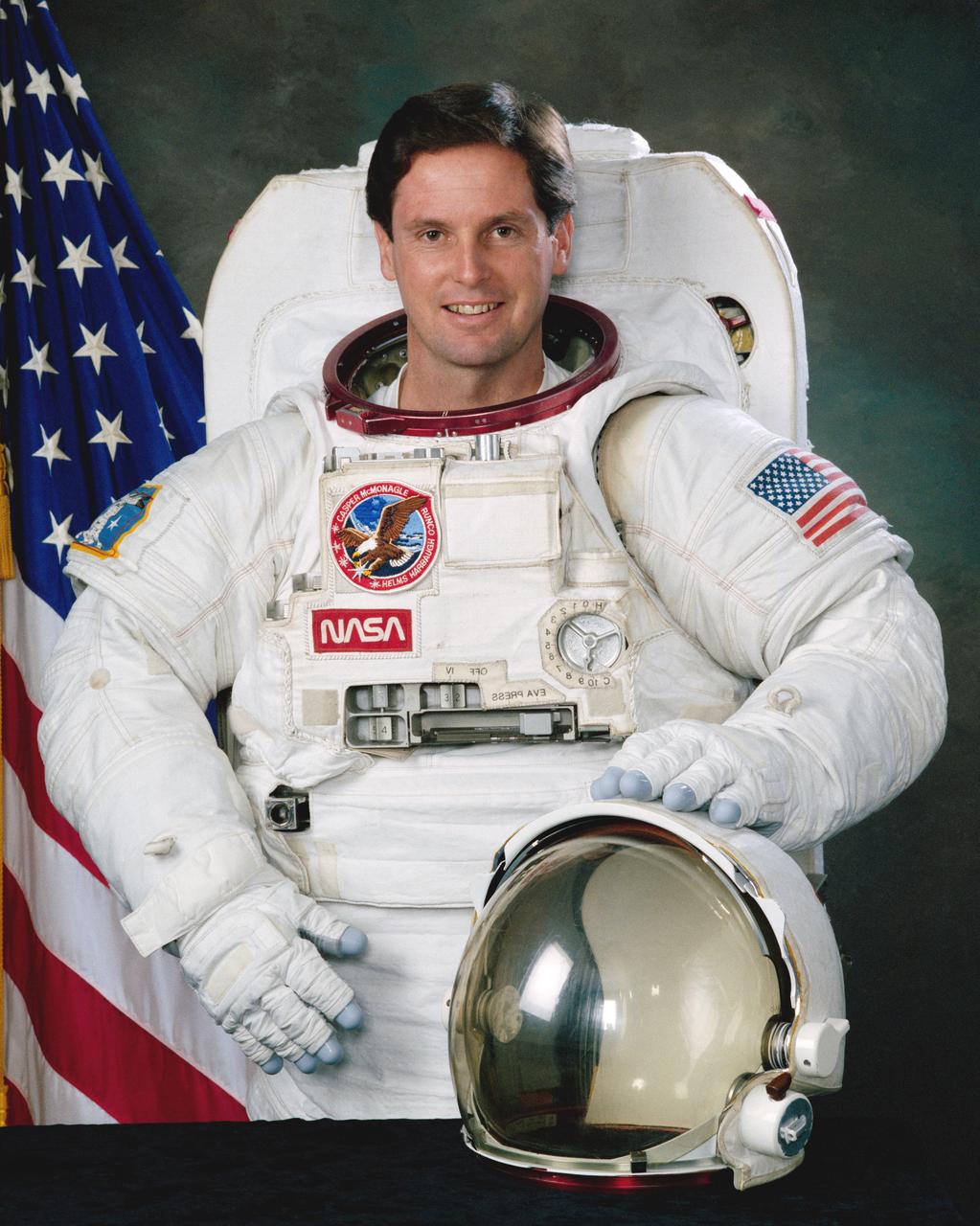
S93-32841 (27 April 1993) --- Astronaut Gregory J. Harbaugh. Photo credit: NASA
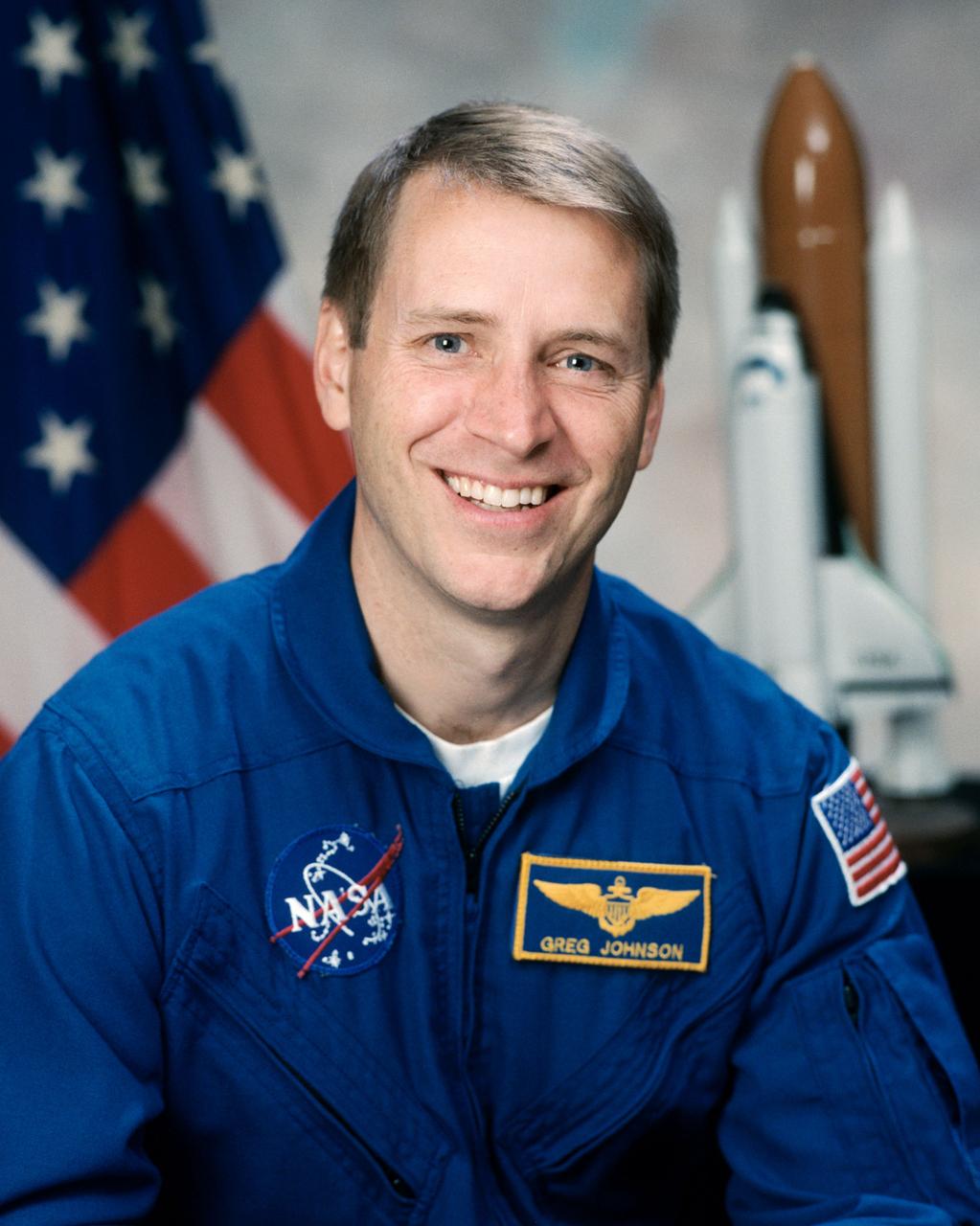
S98-16776 (October 1998) --- Astronaut Gregory C. Johnson, pilot.
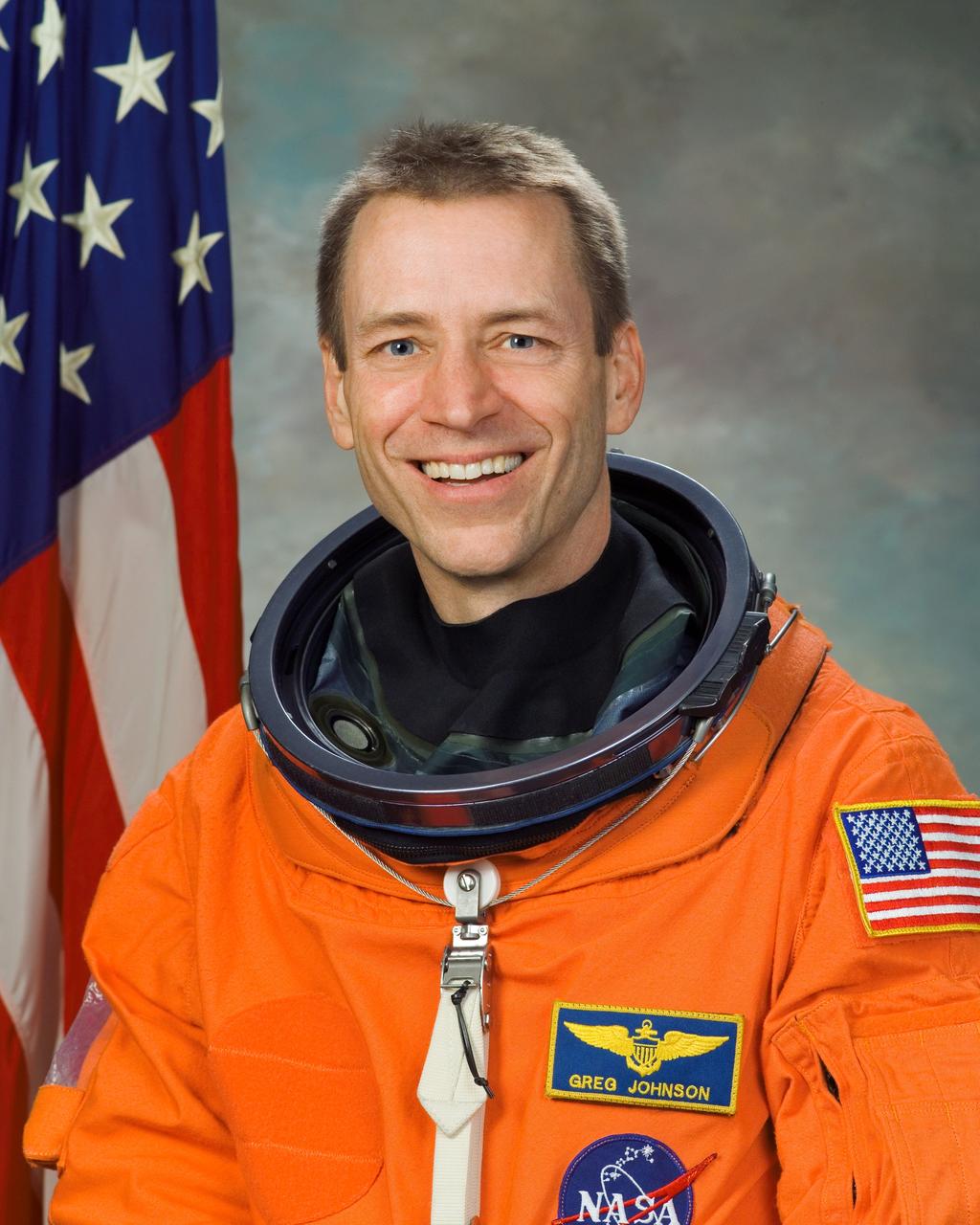
JSC2006-E-11466 (19 Jan. 2006) --- Astronaut Gregory C. Johnson, pilot
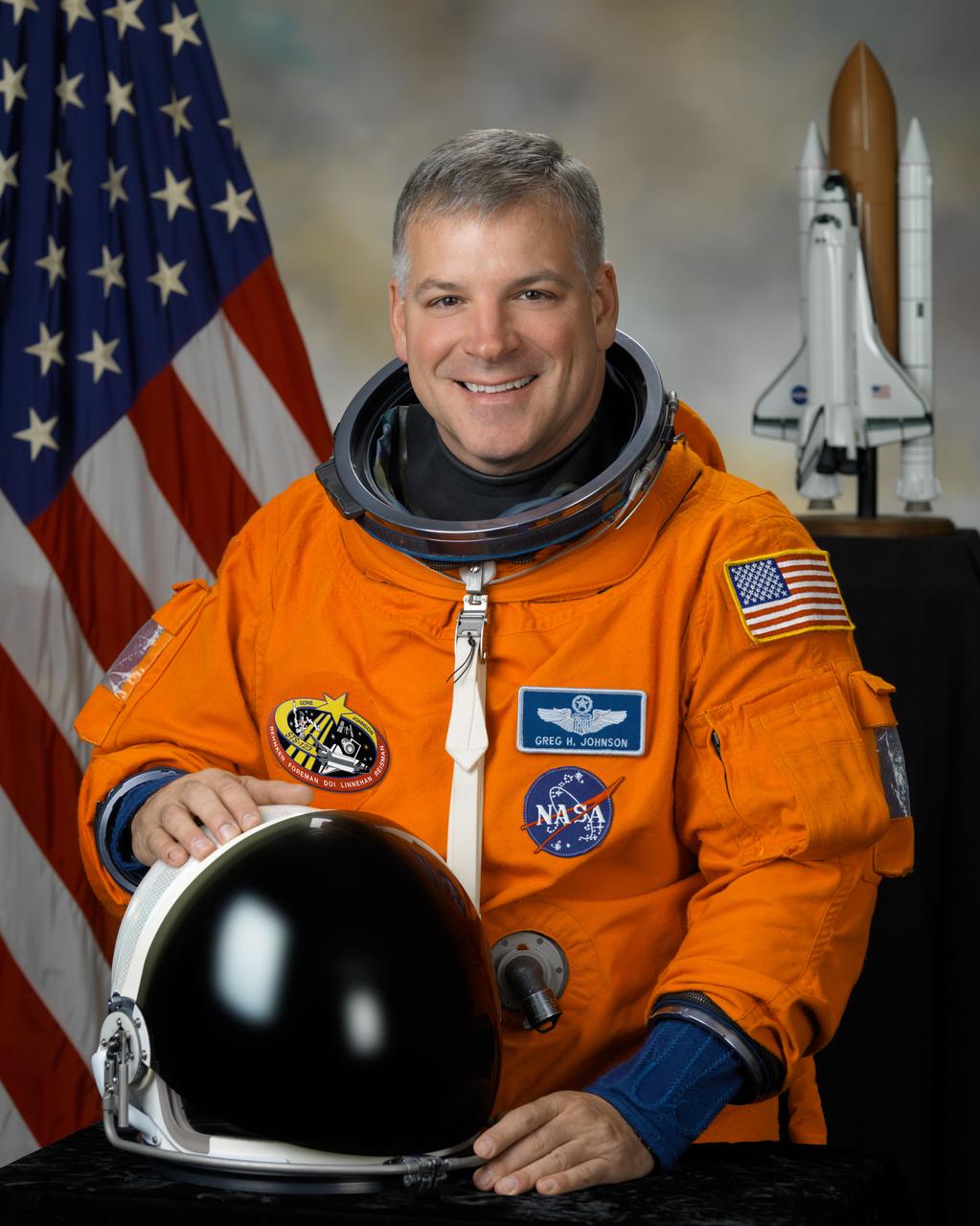
JSC2008-E-000184 (24 Oct. 2007) --- NASA astronaut Gregory H. Johnson, pilot. Photo credit: NASA or National Aeronautics and Space Administration
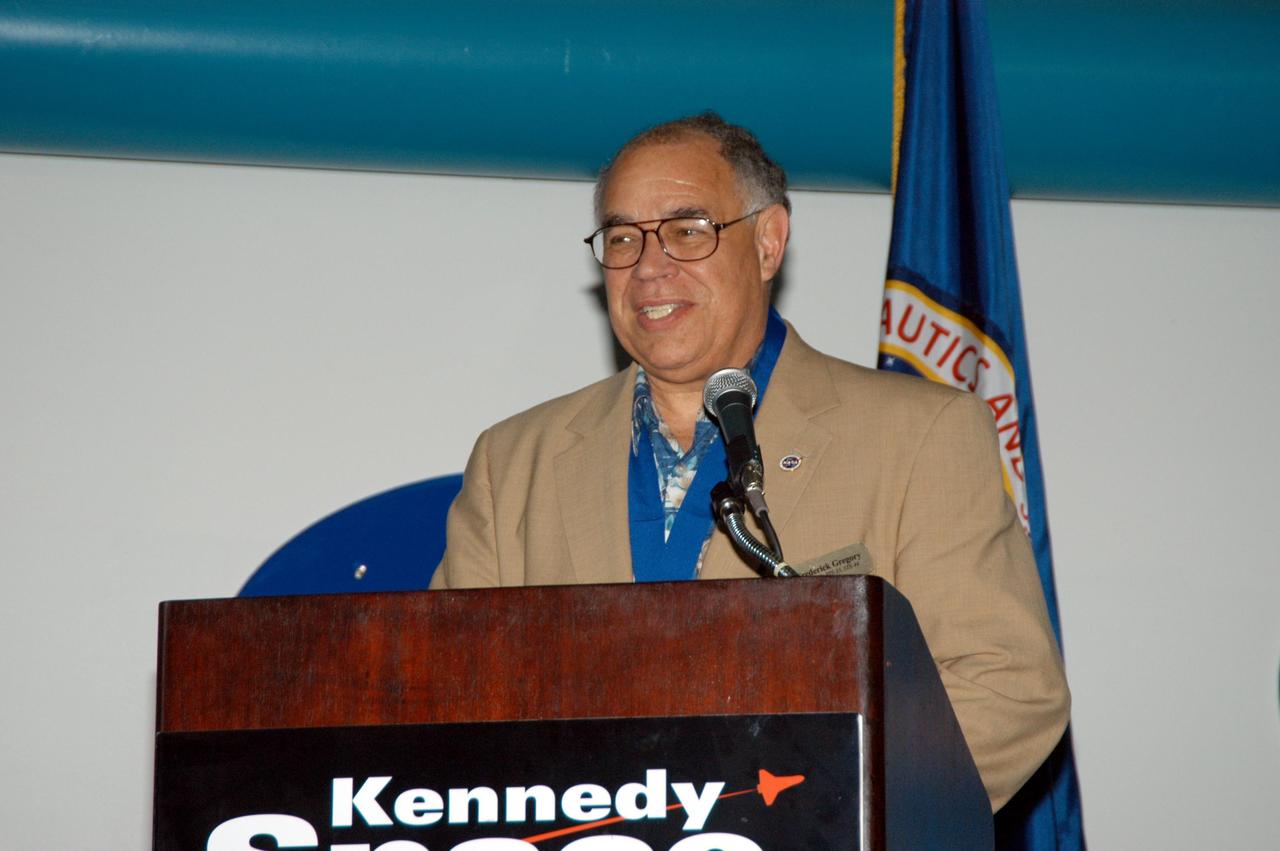
KENNEDY SPACE CENTER, FLA. -- At the Kennedy Space Center Visitor Complex, NASA Deputy Administrator Frederick D. Gregory is inducted into the U.S. Astronaut Hall of Fame. Gregory was the first African-American to command a space mission. Also chosen for this honor in 2004 are Kathryn D. Sullivan, the first American woman to walk in space; Richard O. Covey, commander of the Hubble Space Telescope repair mission; Norman E. Thagard, the first American to occupy Russia's Mir space station; and the late Francis R. "Dick" Scobee, commander of the ill-fated 1986 Challenger mission. The U.S. Astronaut Hall of Fame opened in 1990 to provide a place where space travelers could be remembered for their participation and accomplishments in the U.S. space program. To be eligible for induction, an individual must have been a U.S. citizen, a NASA astronaut, and out of the active astronaut corps at least five years. The five inductees join 52 previously honored astronauts from the ranks of the Gemini, Apollo, Skylab, Apollo-Soyuz, and Space Shuttle programs.
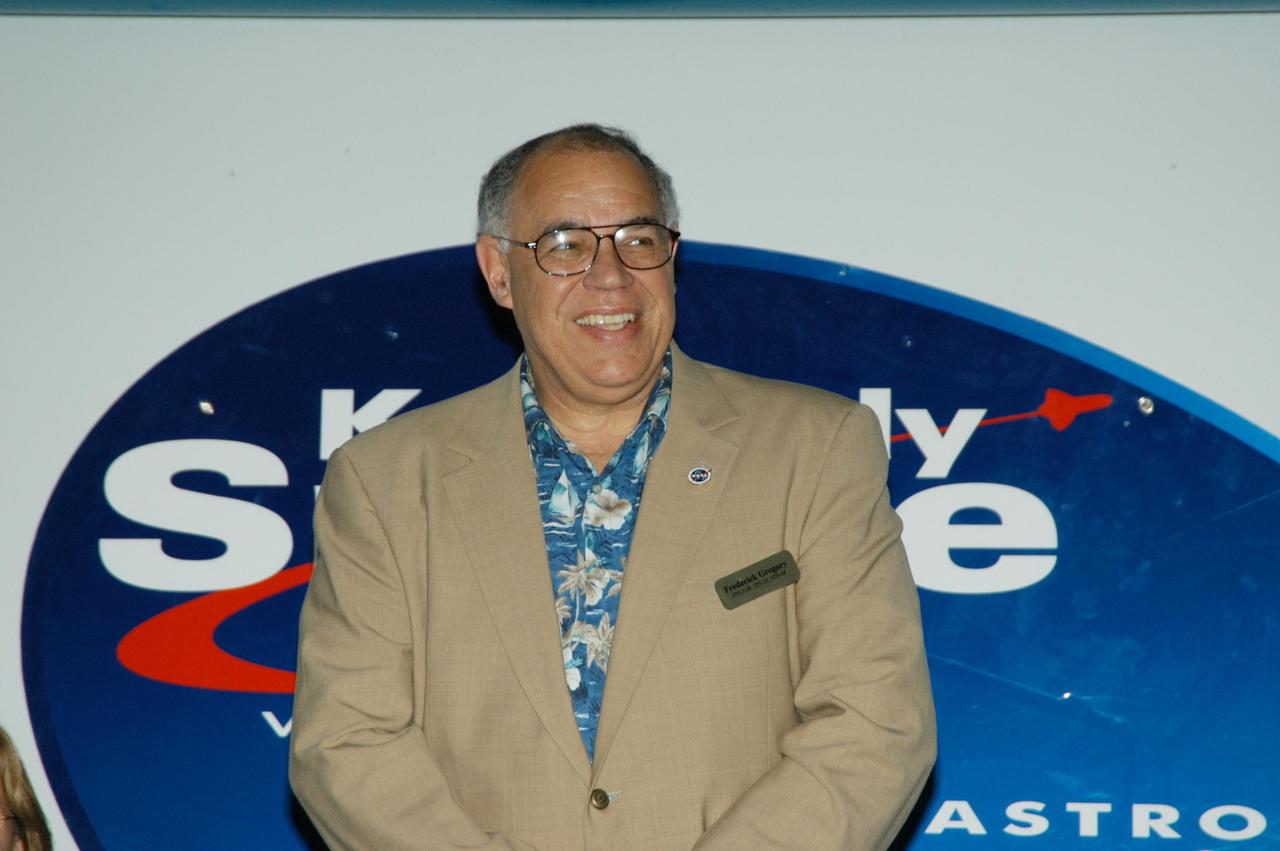
KENNEDY SPACE CENTER, FLA. -- At the Kennedy Space Center Visitor Complex, NASA Deputy Administrator Frederick D. Gregory is inducted into the U.S. Astronaut Hall of Fame. Gregory was the first African-American to command a space mission. Also chosen for this honor in 2004 are Kathryn D. Sullivan, the first American woman to walk in space; Richard O. Covey, commander of the Hubble Space Telescope repair mission; Norman E. Thagard, the first American to occupy Russia's Mir space station; and the late Francis R. "Dick" Scobee, commander of the ill-fated 1986 Challenger mission. The U.S. Astronaut Hall of Fame opened in 1990 to provide a place where space travelers could be remembered for their participation and accomplishments in the U.S. space program. To be eligible for induction, an individual must have been a U.S. citizen, a NASA astronaut, and out of the active astronaut corps at least five years. The five inductees join 52 previously honored astronauts from the ranks of the Gemini, Apollo, Skylab, Apollo-Soyuz, and Space Shuttle programs.
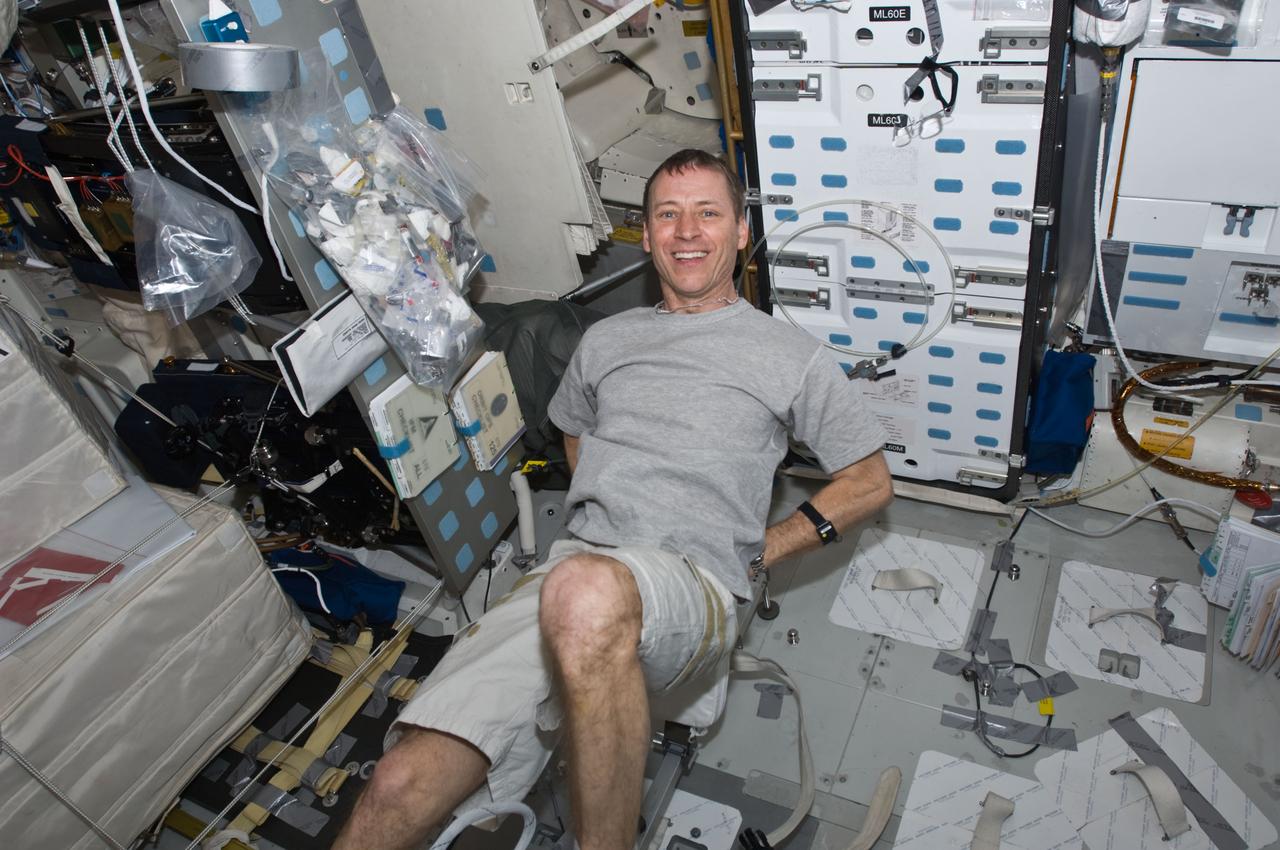
S125-E-009943 (18 May 2009) --- Astronaut Gregory C. Johnson, STS-125 pilot, exercises on the bicycle ergometer on the middeck of the Earth-orbiting Space Shuttle Atlantis.
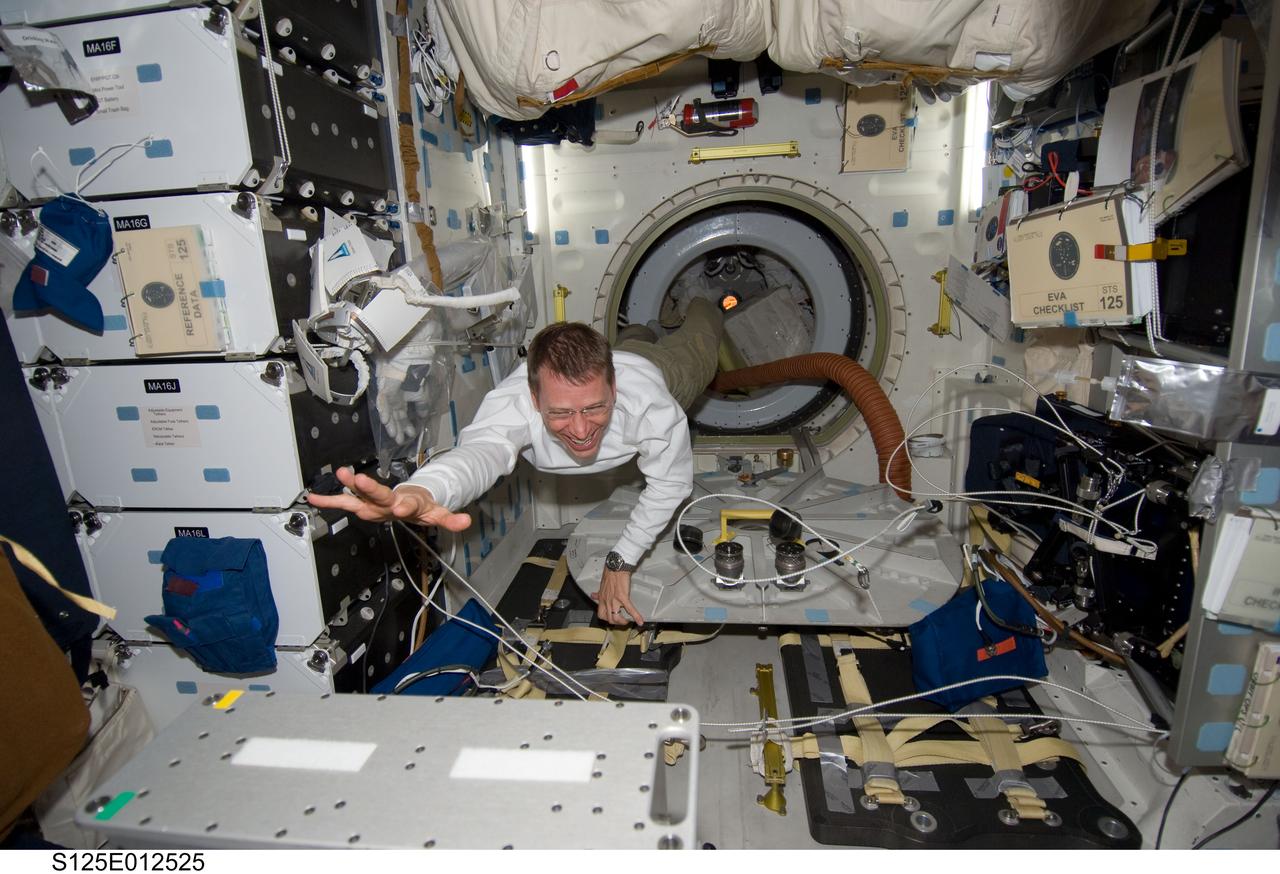
S125-E-012525 (19 May 2009) --- Astronaut Gregory C. Johnson, STS-125 pilot, floats on the middeck of the Earth-orbiting Space Shuttle Atlantis during flight day nine activities.
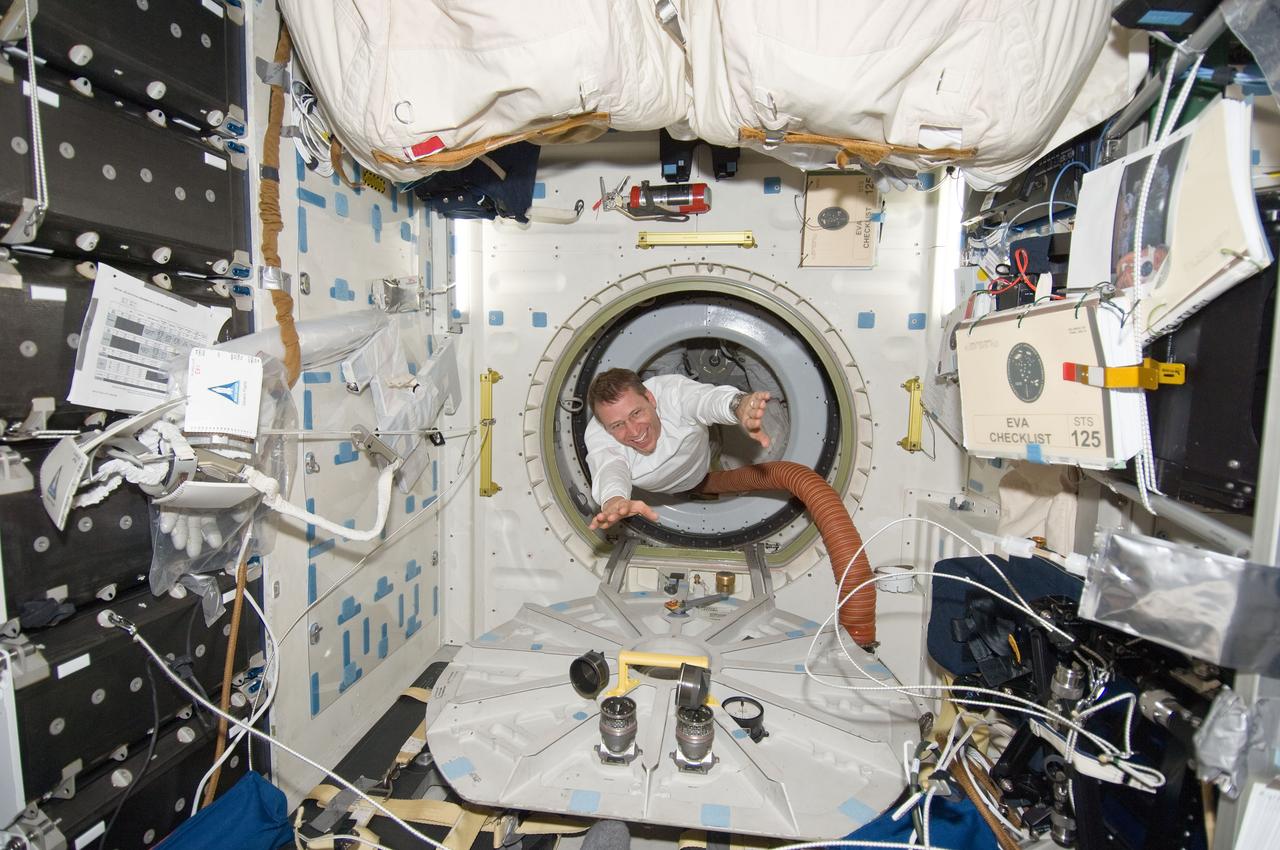
S125-E-012523 (19 May 2009) --- Astronaut Gregory C. Johnson, STS-125 pilot, floats through a hatch on the middeck of the Earth-orbiting Space Shuttle Atlantis during flight day nine activities.
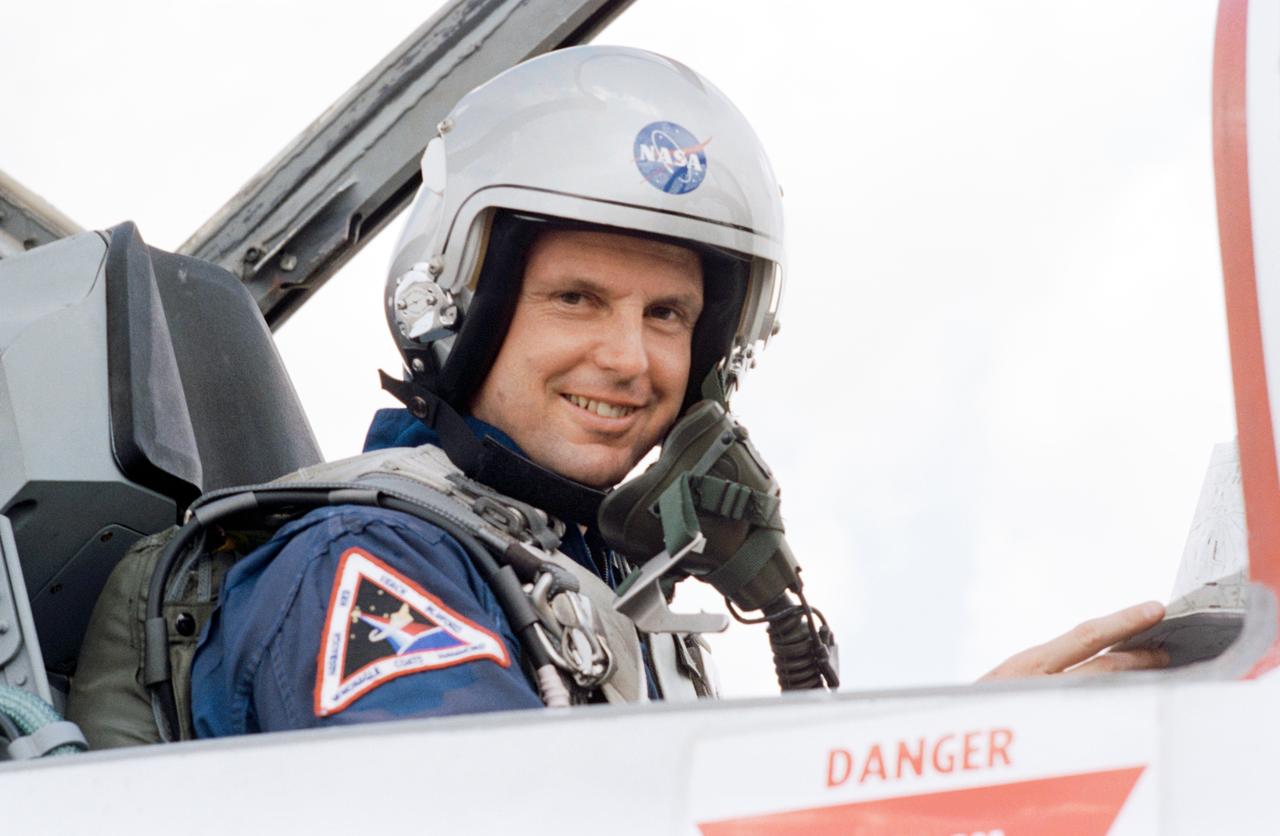
S94-36123 (June 1994) --- Astronaut Gregory J. Harbaugh, STS-71 mission specialist, sits in the rear station of a NASA T-38 jet trainer at Ellington Field. Harbaugh is in training for the STS-71 mission scheduled aboard the space shuttle Atlantis next year.
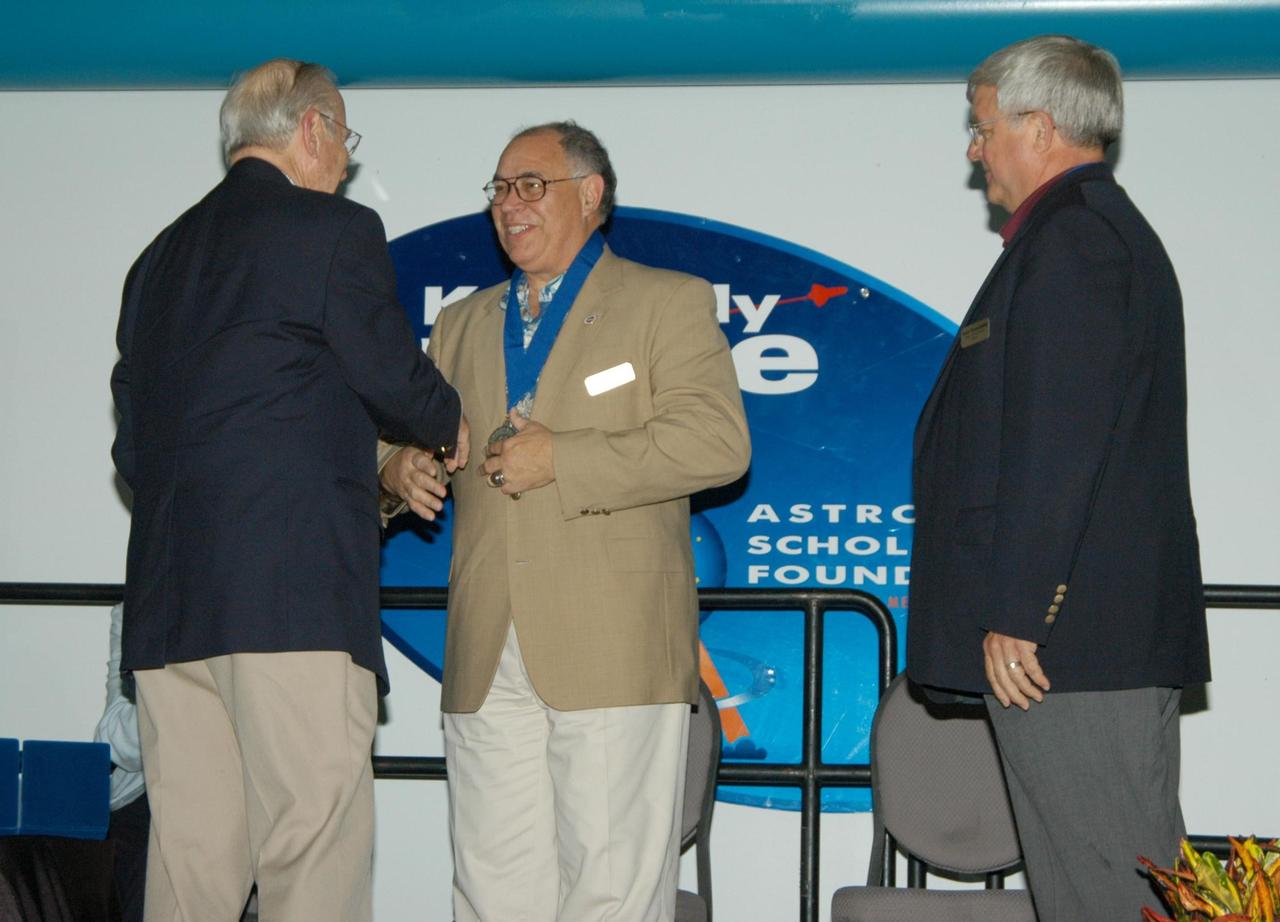
KENNEDY SPACE CENTER, FLA. -- At the Kennedy Space Center Visitor Complex, NASA Deputy Administrator Frederick D. Gregory (center) is congratulated by former NASA astronaut James A. Lovell Jr. at his induction into the U.S. Astronaut Hall of Fame, as former NASA astronaut Daniel C. Brandenstein looks on. Gregory was the first African-American to command a space mission. Also chosen for this honor in 2004 are Kathryn D. Sullivan, the first American woman to walk in space; Richard O. Covey, commander of the Hubble Space Telescope repair mission; Norman E. Thagard, the first American to occupy Russia's Mir space station; and the late Francis R. "Dick" Scobee, commander of the ill-fated 1986 Challenger mission. The U.S. Astronaut Hall of Fame opened in 1990 to provide a place where space travelers could be remembered for their participation and accomplishments in the U.S. space program. To be eligible for induction, an individual must have been a U.S. citizen, a NASA astronaut, and out of the active astronaut corps at least five years. The five inductees join 52 previously honored astronauts from the ranks of the Gemini, Apollo, Skylab, Apollo-Soyuz, and Space Shuttle programs.
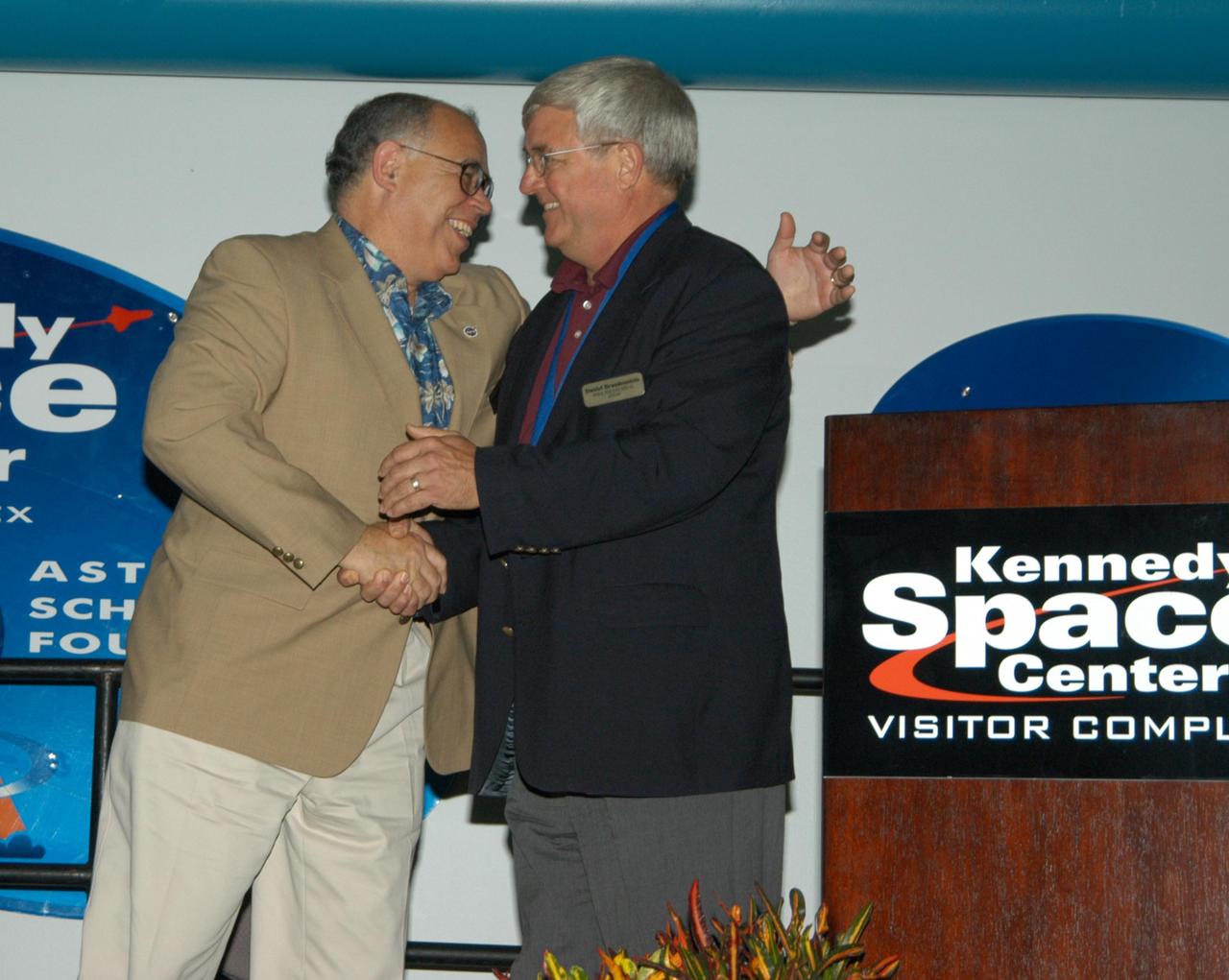
KENNEDY SPACE CENTER, FLA. -- At the Kennedy Space Center Visitor Complex, NASA Deputy Administrator Frederick D. Gregory (left) is congratulated by former NASA astronaut Daniel C. Brandenstein at his induction into the U.S. Astronaut Hall of Fame. Gregory was the first African-American to command a space mission. Also chosen for this honor in 2004 are Kathryn D. Sullivan, the first American woman to walk in space; Richard O. Covey, commander of the Hubble Space Telescope repair mission; Norman E. Thagard, the first American to occupy Russia's Mir space station; and the late Francis R. "Dick" Scobee, commander of the ill-fated 1986 Challenger mission. The U.S. Astronaut Hall of Fame opened in 1990 to provide a place where space travelers could be remembered for their participation and accomplishments in the U.S. space program. To be eligible for induction, an individual must have been a U.S. citizen, a NASA astronaut, and out of the active astronaut corps at least five years. The five inductees join 52 previously honored astronauts from the ranks of the Gemini, Apollo, Skylab, Apollo-Soyuz, and Space Shuttle programs.
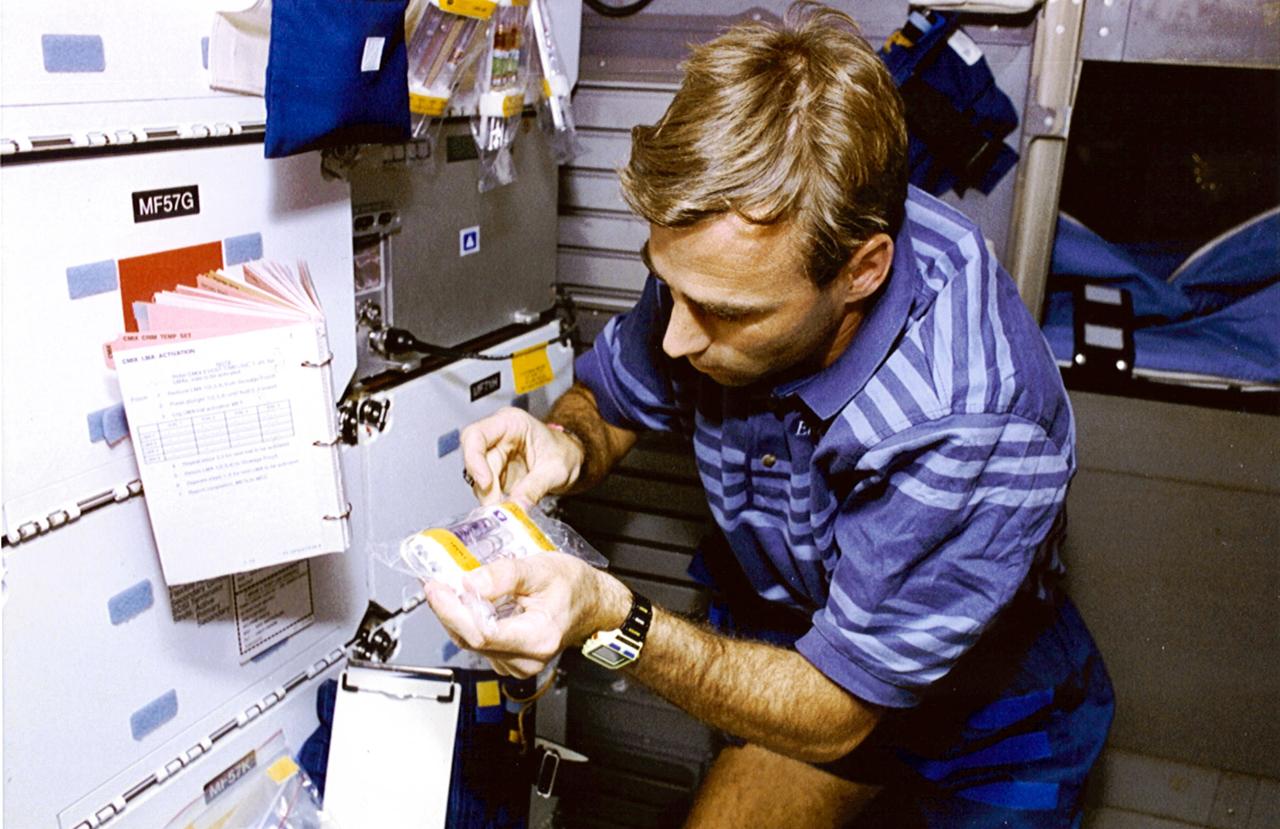
Experiments to seek solutions for a range of biomedical issues are at the heart of several investigations that will be hosted by the Commercial Instrumentation Technology Associates (ITA), Inc. Biomedical Experiments (CIBX-2) payload. CIBX-2 is unique, encompassing more than 20 separate experiments including cancer research, commercial experiments, and student hands-on experiments from 10 schools as part of ITA's ongoing University Among the Stars program. Astronaut William G. Gregory activates Liquids Mixing Apparatus (LMA) vials during STS-67. Other LMAs hang at top on the face of the middeck locker array. The experiments are sponsored under NASA's Space Product Development Program (SPD).
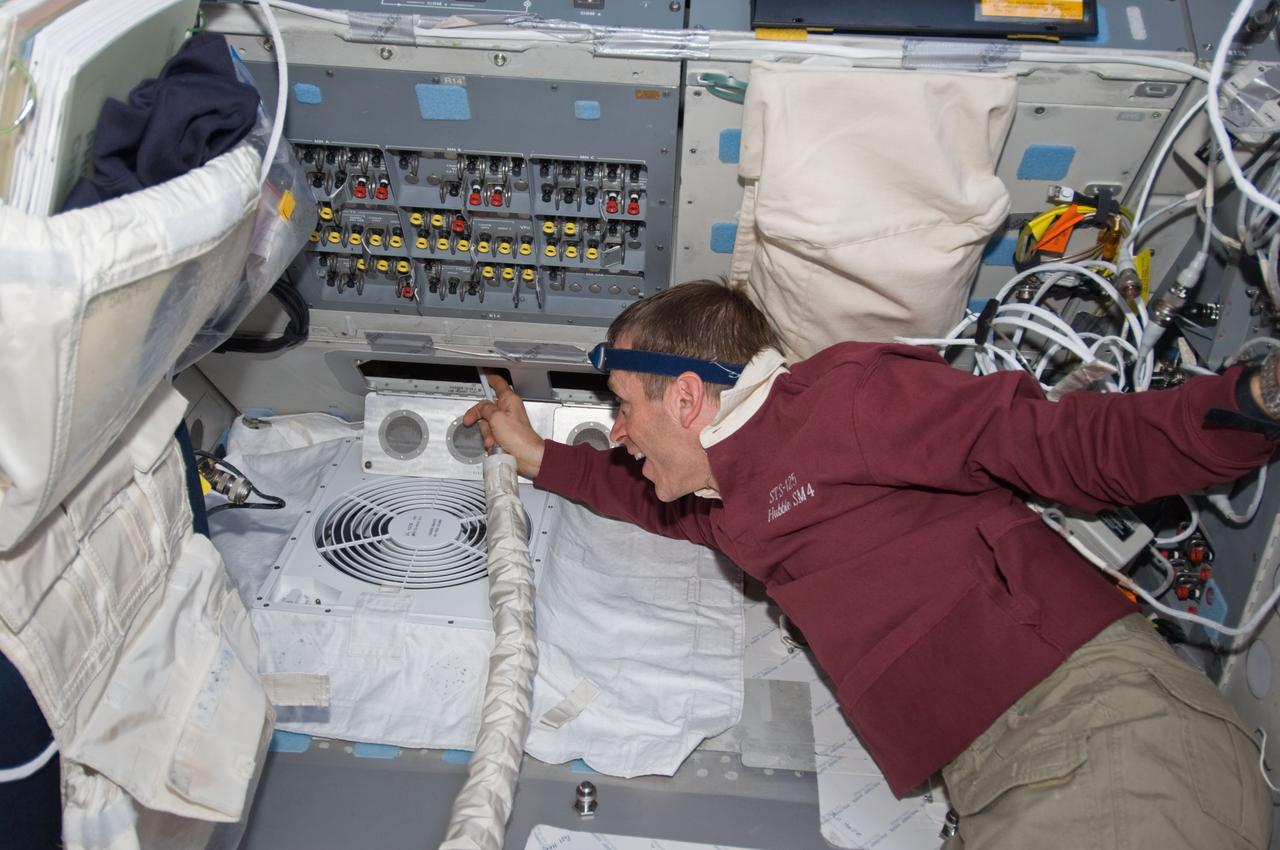
S125-E-013369 (21 May 2009) --- Astronaut Gregory C. Johnson, STS-125 pilot, uses a vacuum cleaner to remove dust particles from the air filter system on the flight deck of Space Shuttle Atlantis.
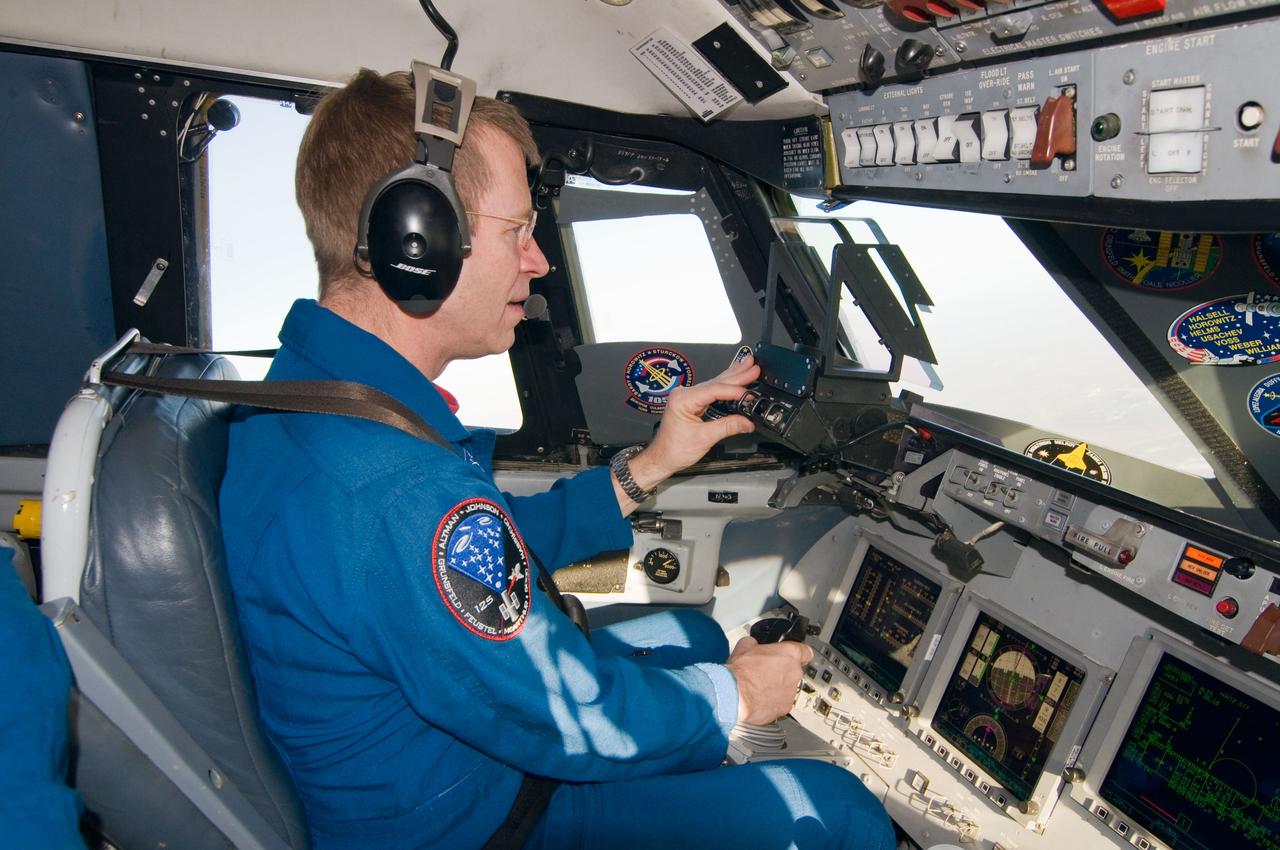
JSC2009-E-084158 (16 April 2009) --- Astronaut Gregory C. Johnson, STS-125 pilot, flies a Shuttle Training Aircraft (STA) over Edwards Air Force Base, California, during a training session.
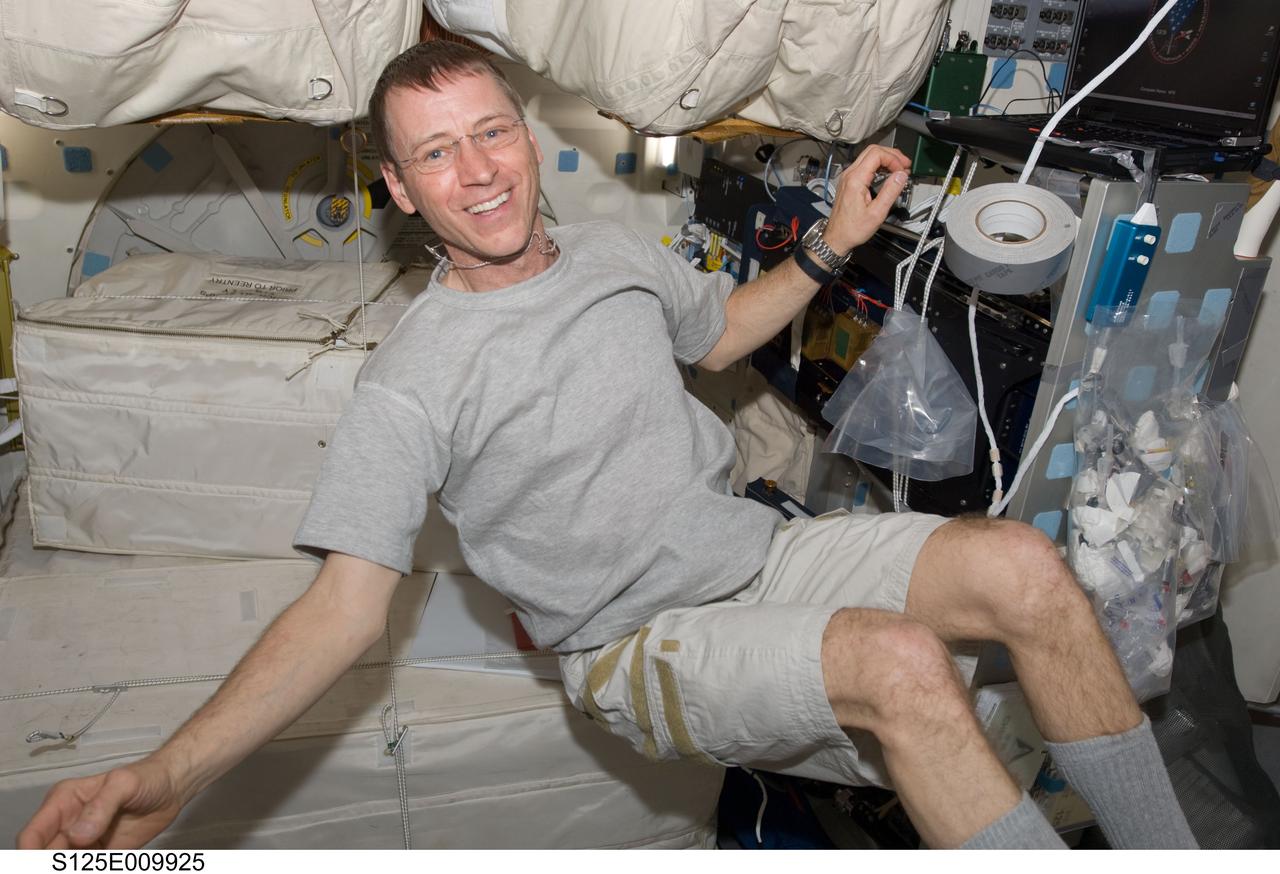
S125-E-009925 (18 May 2009) --- Astronaut Gregory C. Johnson, STS-125 pilot, is pictured on the middeck of the Earth-orbiting Space Shuttle Atlantis during flight day eight activities.

JSC2009-E-084157 (16 April 2009) --- Astronaut Gregory C. Johnson, STS-125 pilot, flies a Shuttle Training Aircraft (STA) over Edwards Air Force Base, California, during a training session.
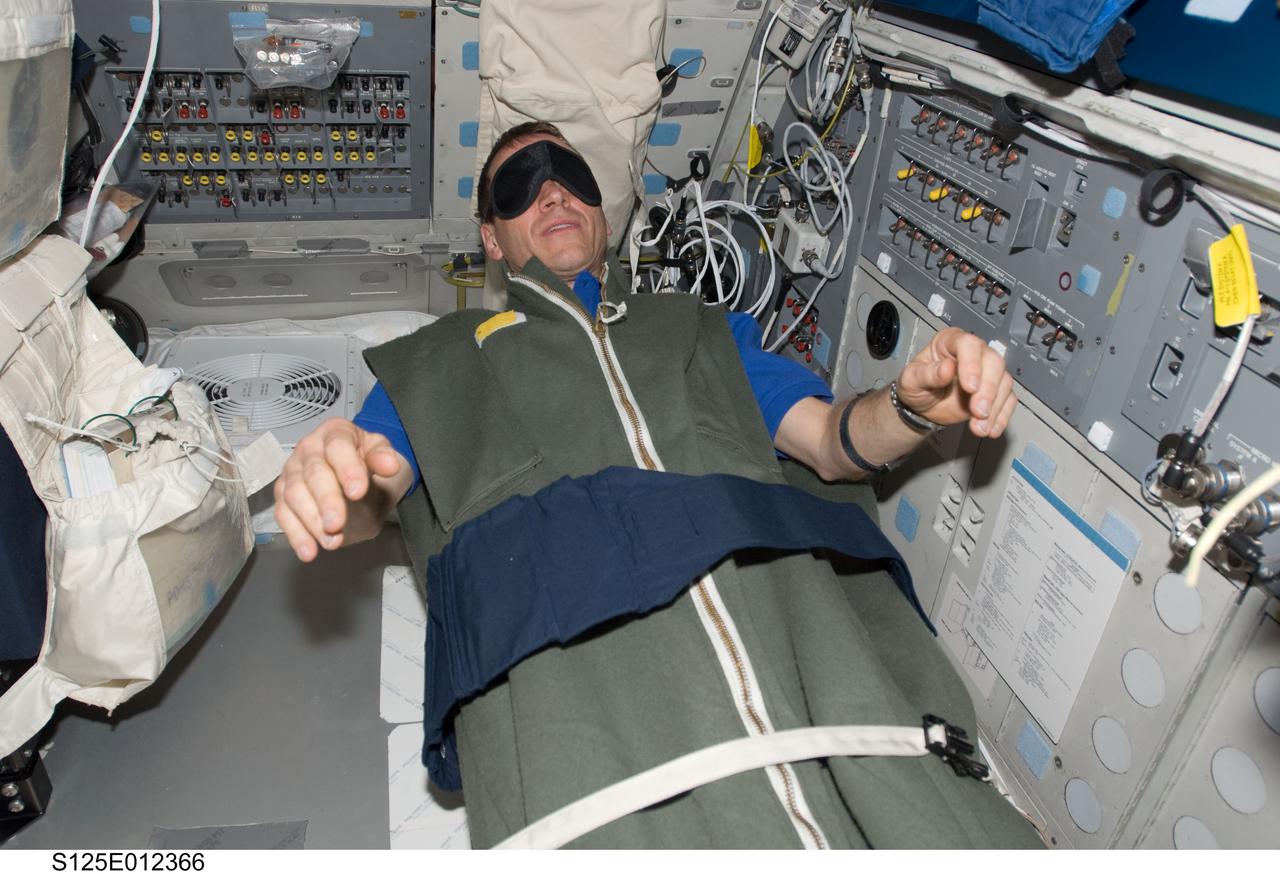
S125-E-012366 (20 May 2009) --- Astronaut Gregory C. Johnson, STS-125 pilot, rests in his sleeping bag on the flight deck of the Earth-orbiting Space Shuttle Atlantis at the end of flight day 10.

S85-25624 (1985) --- Astronaut Gregory B. Jarvis, payload specialist. Photo credit: NASA (NOTE: Since this portrait was taken, Jarvis died in the STS-51L space shuttle Challenger explosion, on Jan. 28, 1986.)
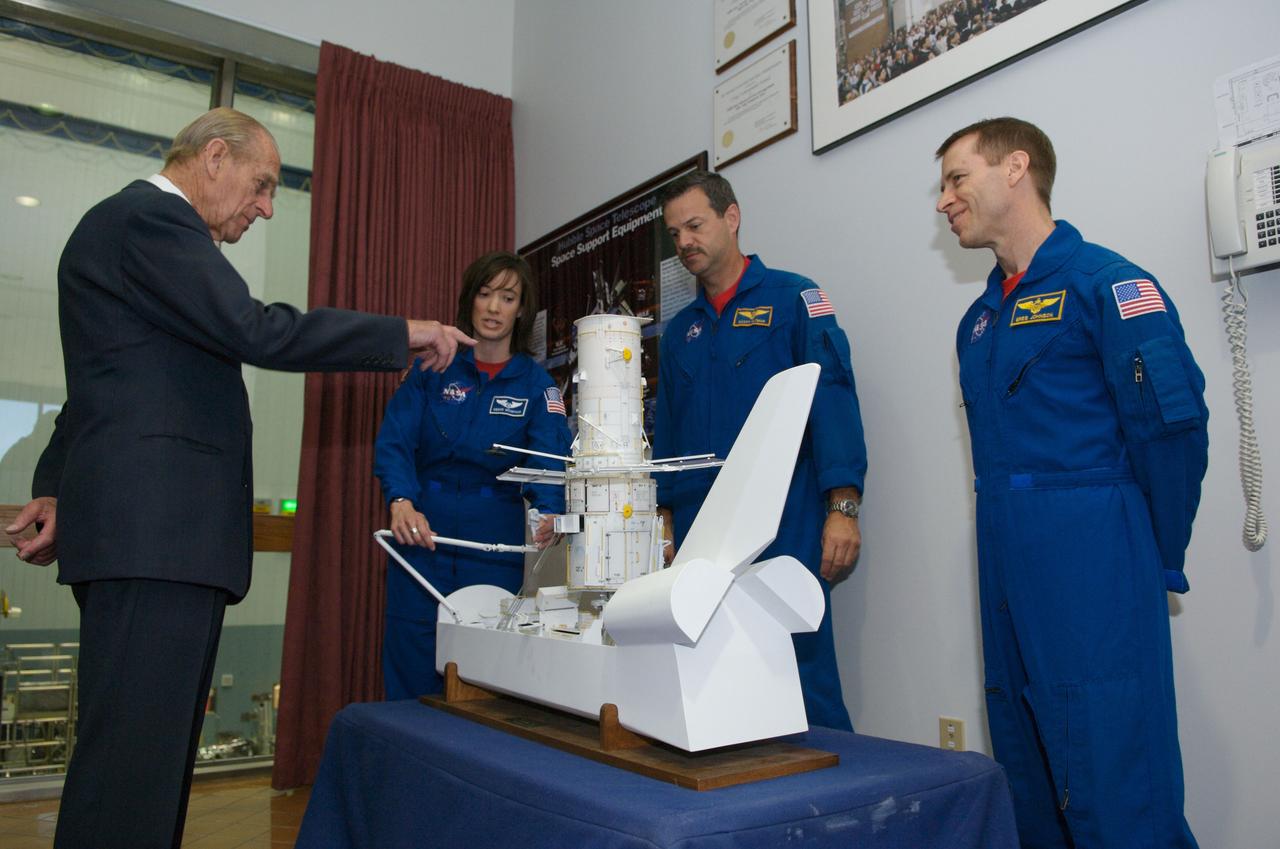
Prince Philip, left, asks astronauts K. Megan McArthur, Commander Scott D. Altman and Gregory C. Johnson, pilot details about the STS-125 mission. Photo Credit: (NASA/Chris Gunn)
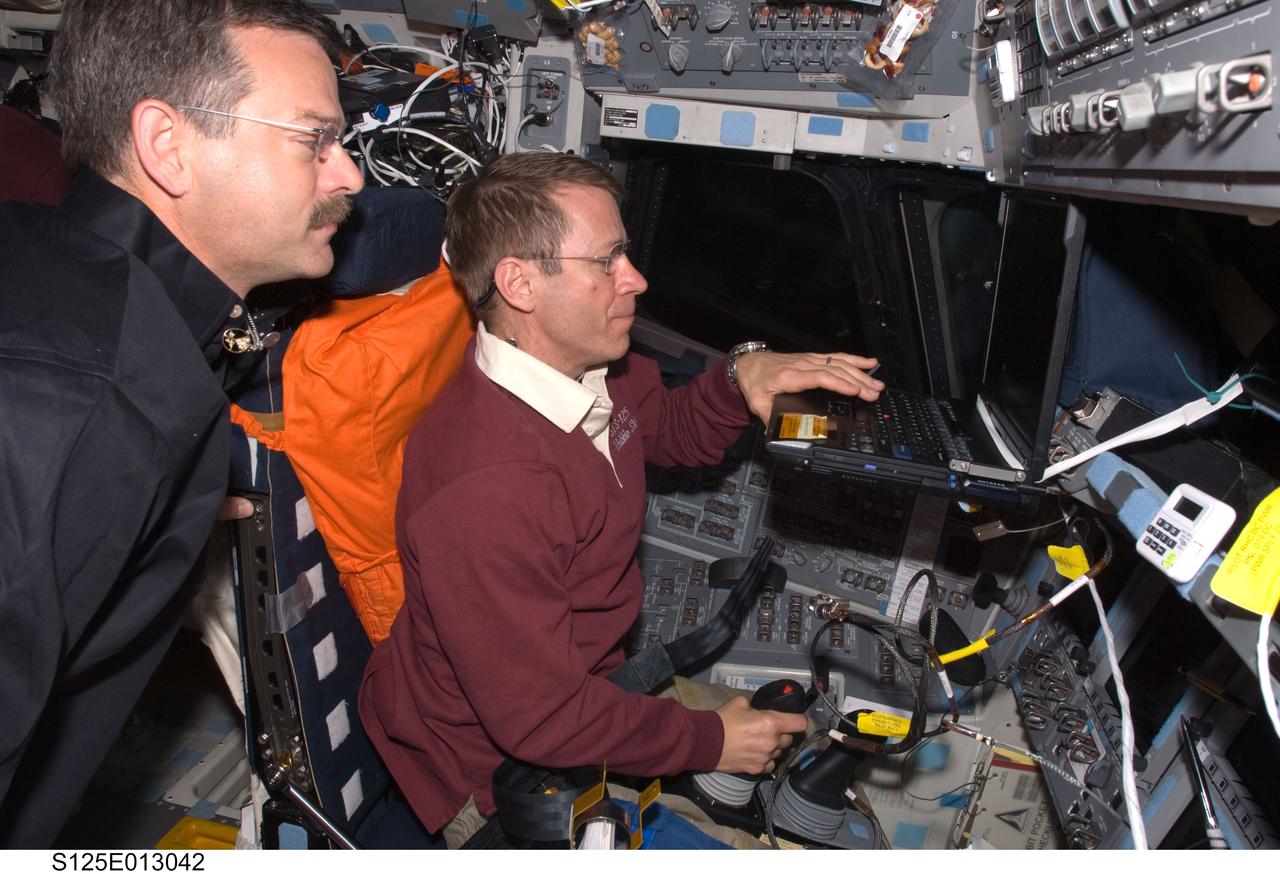
S125-E-013042 (21 May 2009) --- Occupying the commander?s station, astronaut Gregory C. Johnson, STS-125 pilot, uses the Portable In-Flight Landing Operations Trainer (PILOT) on the flight deck of the Earth-orbiting Space Shuttle Atlantis. PILOT consists of a laptop computer and a joystick system, which helps to maintain a high level of proficiency for the end-of-mission approach and landing tasks required to bring the shuttle safely back to Earth. Astronaut Scott Altman, commander, looks on.
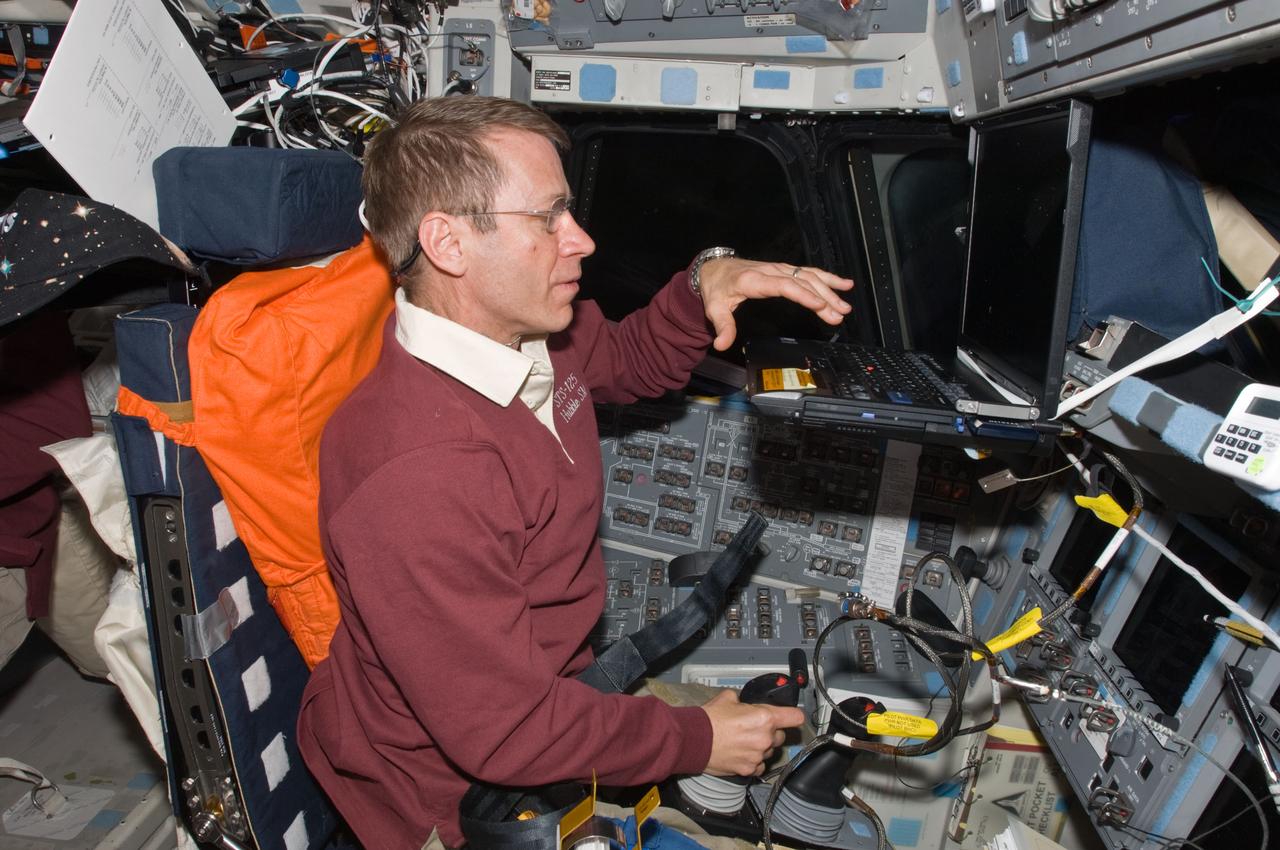
S125-E-013040 (21 May 2009) --- Occupying the commander?s station, astronaut Gregory C. Johnson, STS-125 pilot, uses the Portable In-Flight Landing Operations Trainer (PILOT) on the flight deck of the Earth-orbiting Space Shuttle Atlantis. PILOT consists of a laptop computer and a joystick system, which helps to maintain a high level of proficiency for the end-of-mission approach and landing tasks required to bring the shuttle safely back to Earth.
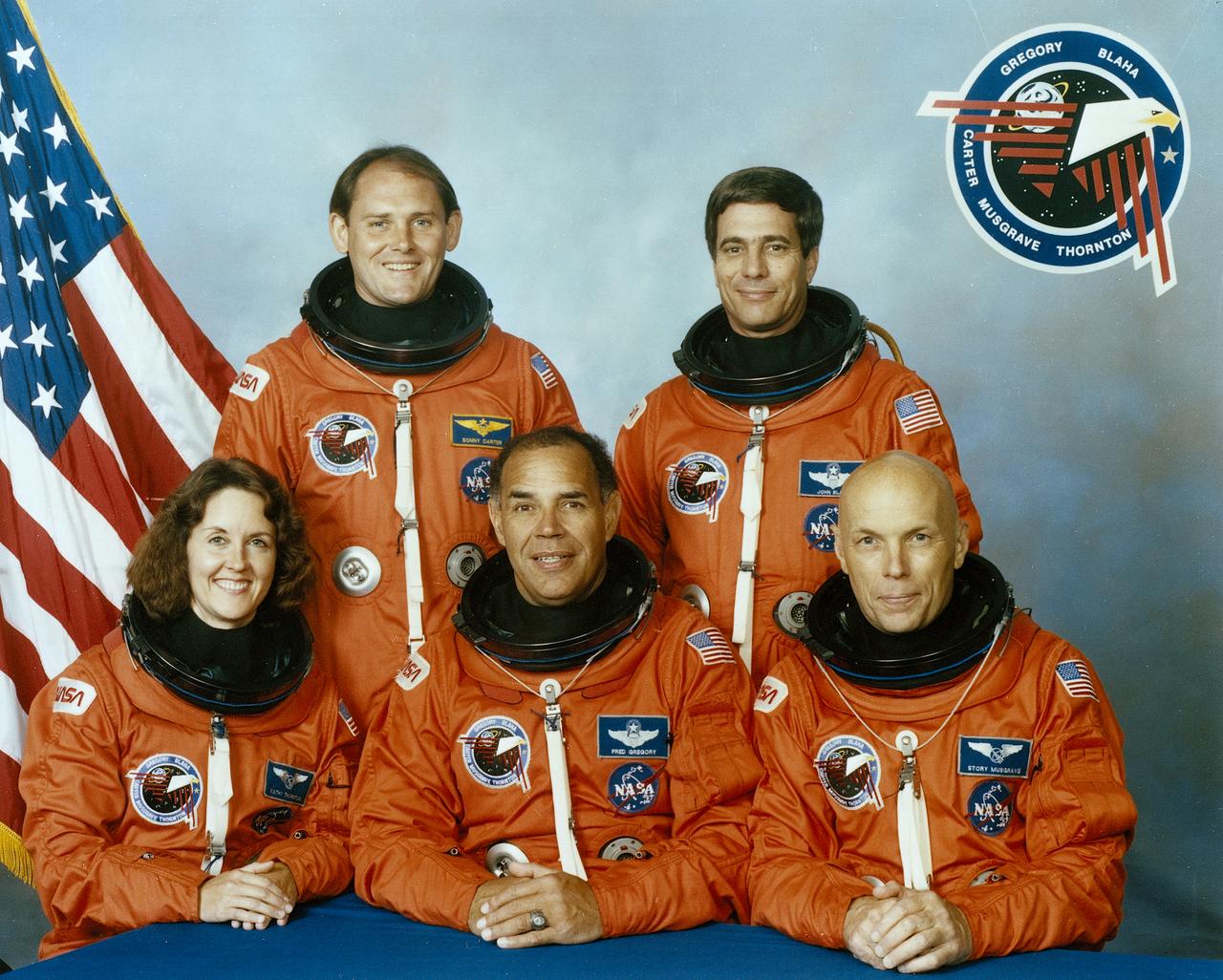
On November 22, 1989, at 7:23:30pm (EST), 5 astronauts were launched into space aboard the Space Shuttle Orbiter Discovery for the 5th Department of Defense mission, STS-33. Photographed from left to right are Kathryn C. Thornton, mission specialist 3; Manley L. (Sonny) Carter, mission specialist 2; Frederick D. Gregory, commander; John E. Blaha, pilot; and F. Story Musgrave, mission specialist 1.
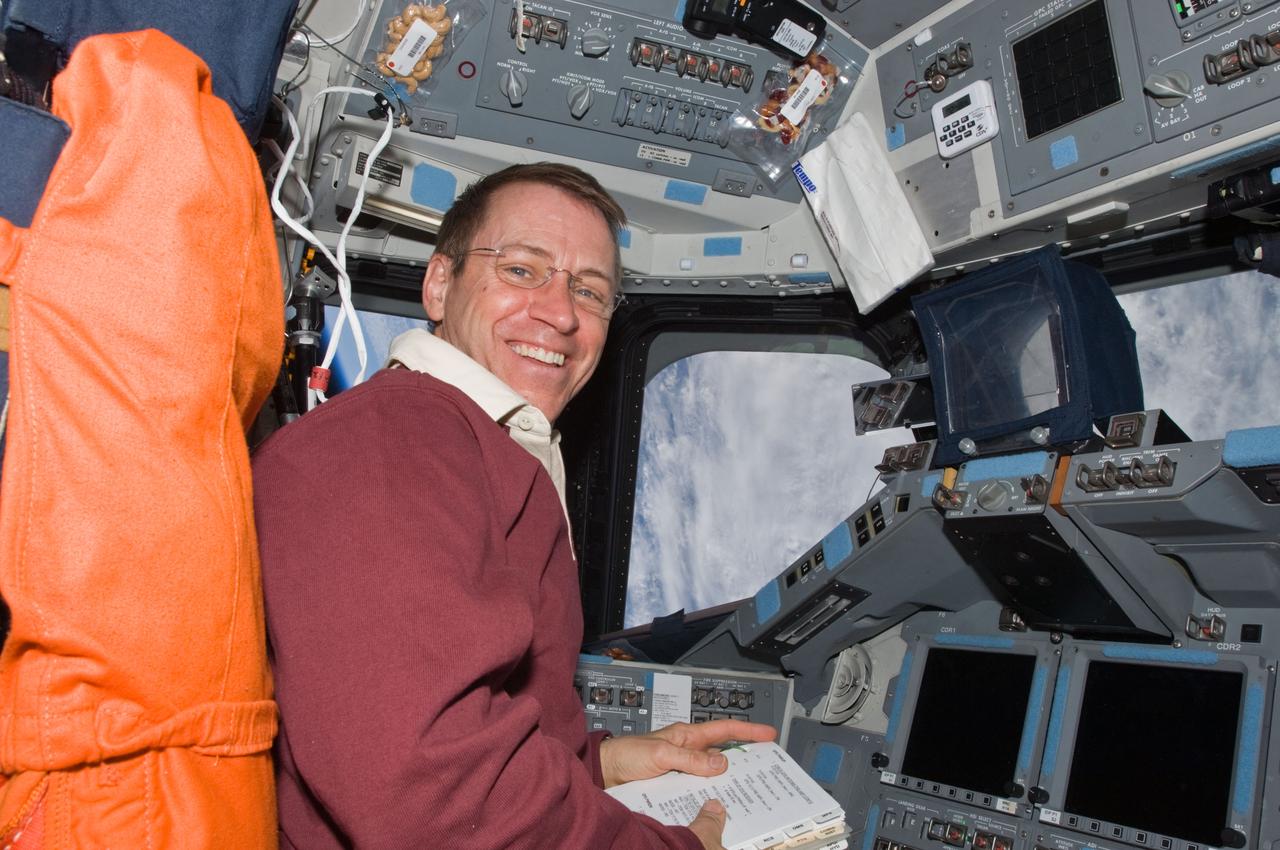
S125-E-013038 (21 May 2009) --- Astronaut Gregory C. Johnson, STS-125 pilot, occupies the commander?s station on the flight deck of the Earth-orbiting Space Shuttle Atlantis during flight day 11 activities.
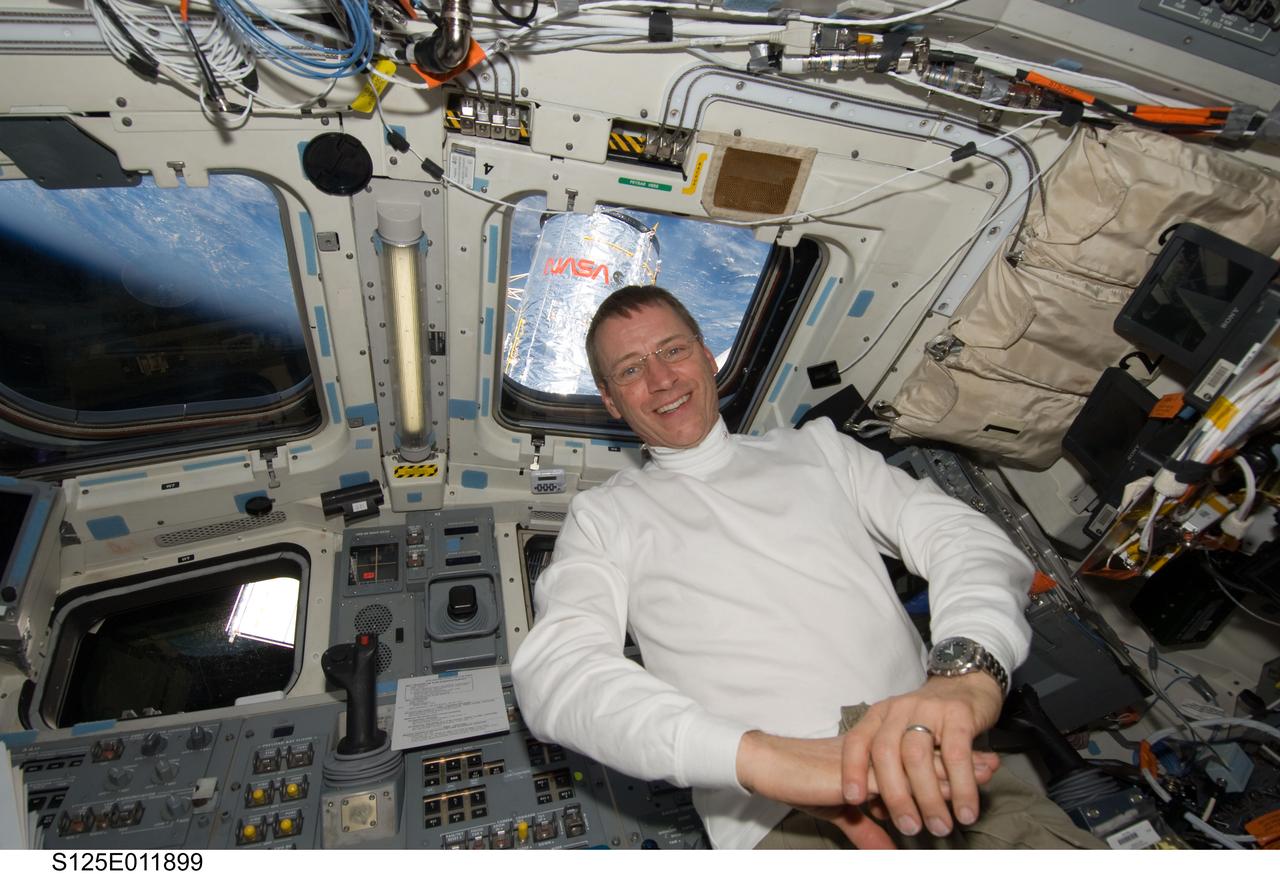
S125-E-011899 (19 May 2009) --- Astronaut Gregory C. Johnson, STS-125 pilot, is pictured on the aft flight deck of the Earth-orbiting Space Shuttle Atlantis during flight day nine activities. A portion of the Hubble Space Telescope and Earth?s horizon are visible through the overhead windows.
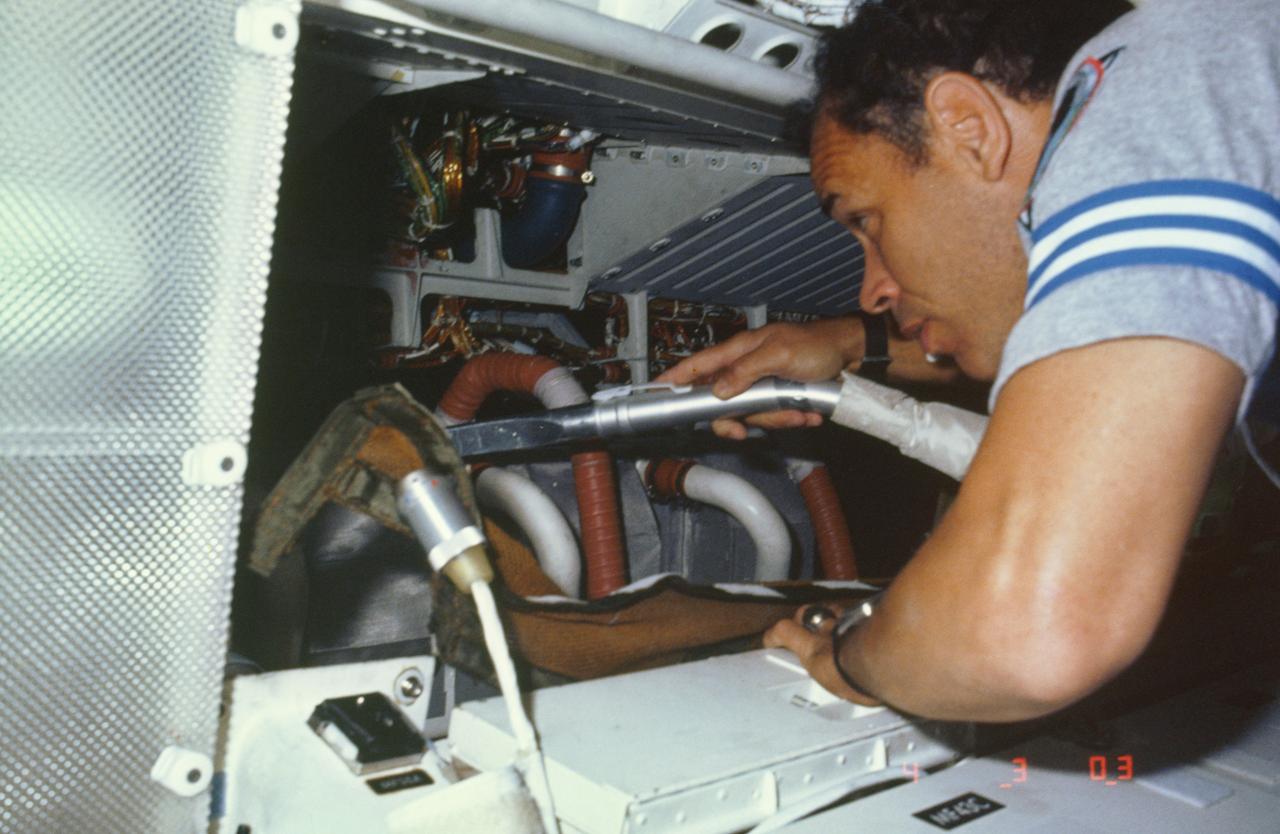
51B-13-008 (29 April-6 May 1985) --- Astronaut Frederick D. Gregory vacuums air filters in avionics bay. The 51-B pilot is physically located in the overhead area of the middeck on Challenger, but his activity is only a few meters away from the flight deck.
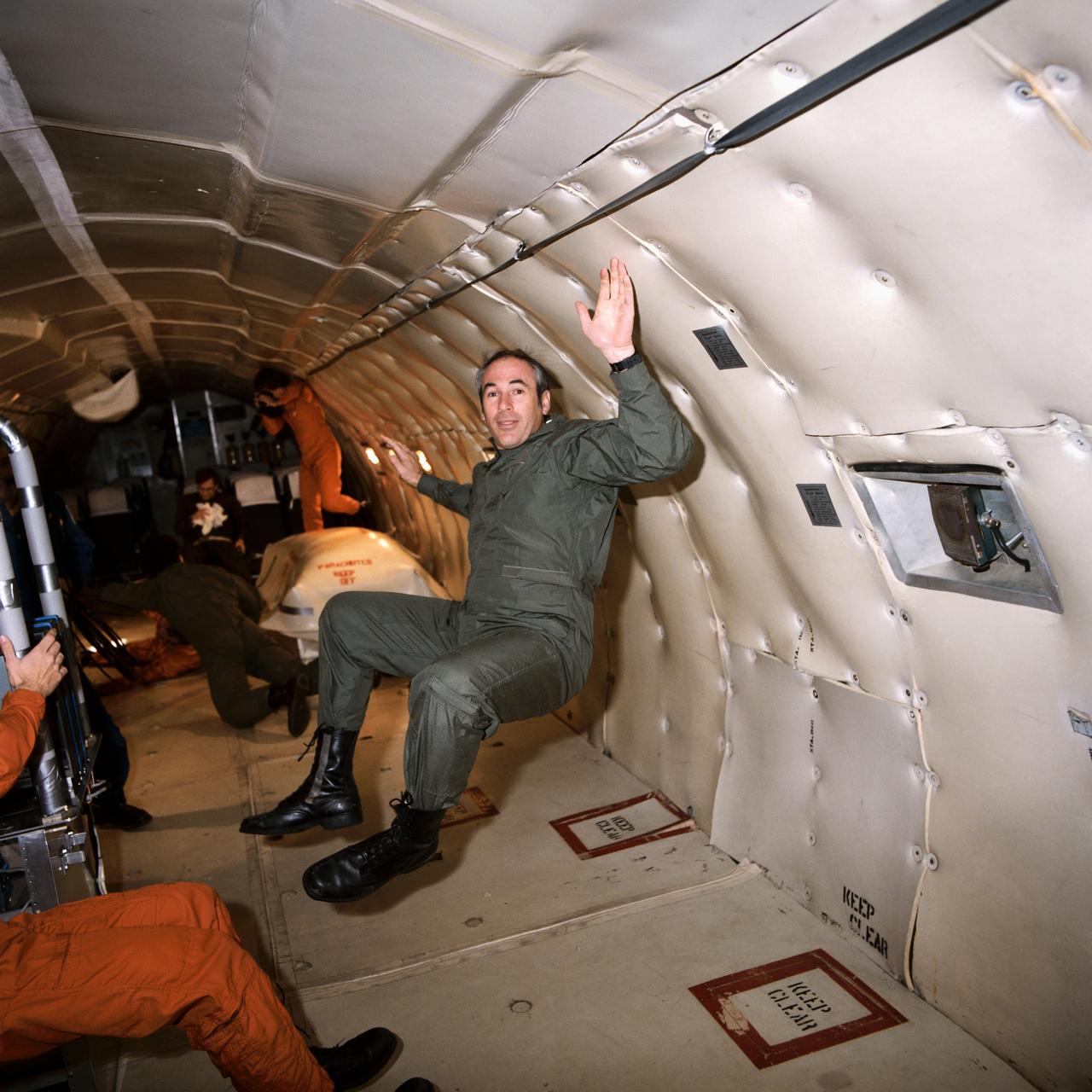
S85-26106 (25 Jan. 1985) --- Astronaut Gregory Jarvis gets a familiarization session in weightlessness aboard a KC-135 "zero gravity" aircraft. Jarvis was originally assigned as payload specialist to STS-51D but was reassigned to STS-51L. Photo credit: NASA
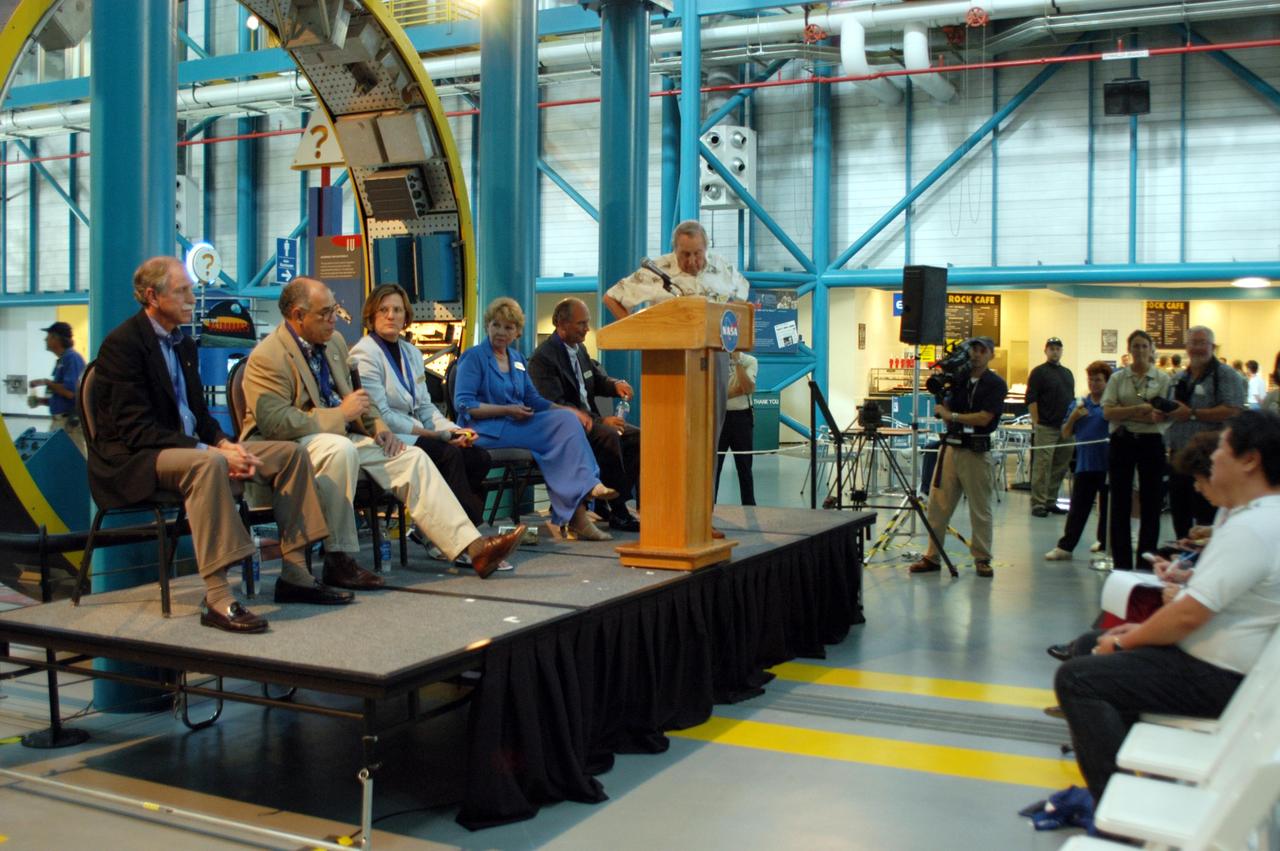
KENNEDY SPACE CENTER, FLA. -- Frederick D. Gregory (second from left), the first African-American to command a space mission and the current NASA deputy administrator, responds to a reporter’s question at a press conference in the Apollo/Saturn V Center following the induction ceremony of five space program heroes into the Astronaut Hall of Fame. Seated (left to right) with him on the platform are Richard O. Covey, commander of the Hubble Space Telescope repair mission; Gregory; Kathryn D. Sullivan, the first American woman to walk in space; June Scobee, representing her late husband Francis R. "Dick" Scobee, commander of the ill-fated 1986 Challenger mission; and Norman E. Thagard, the first American to occupy Russia’s Mir space station. The U.S. Astronaut Hall of Fame opened in 1990 to provide a place where space travelers could be remembered for their participation and accomplishments in the U.S. space program. To be eligible for induction, an individual must have been a U.S. citizen, a NASA astronaut, and out of the active astronaut corps at least five years. The five inductees join 52 previously honored astronauts from the ranks of the Gemini, Apollo, Skylab, Apollo-Soyuz, and Space Shuttle programs.
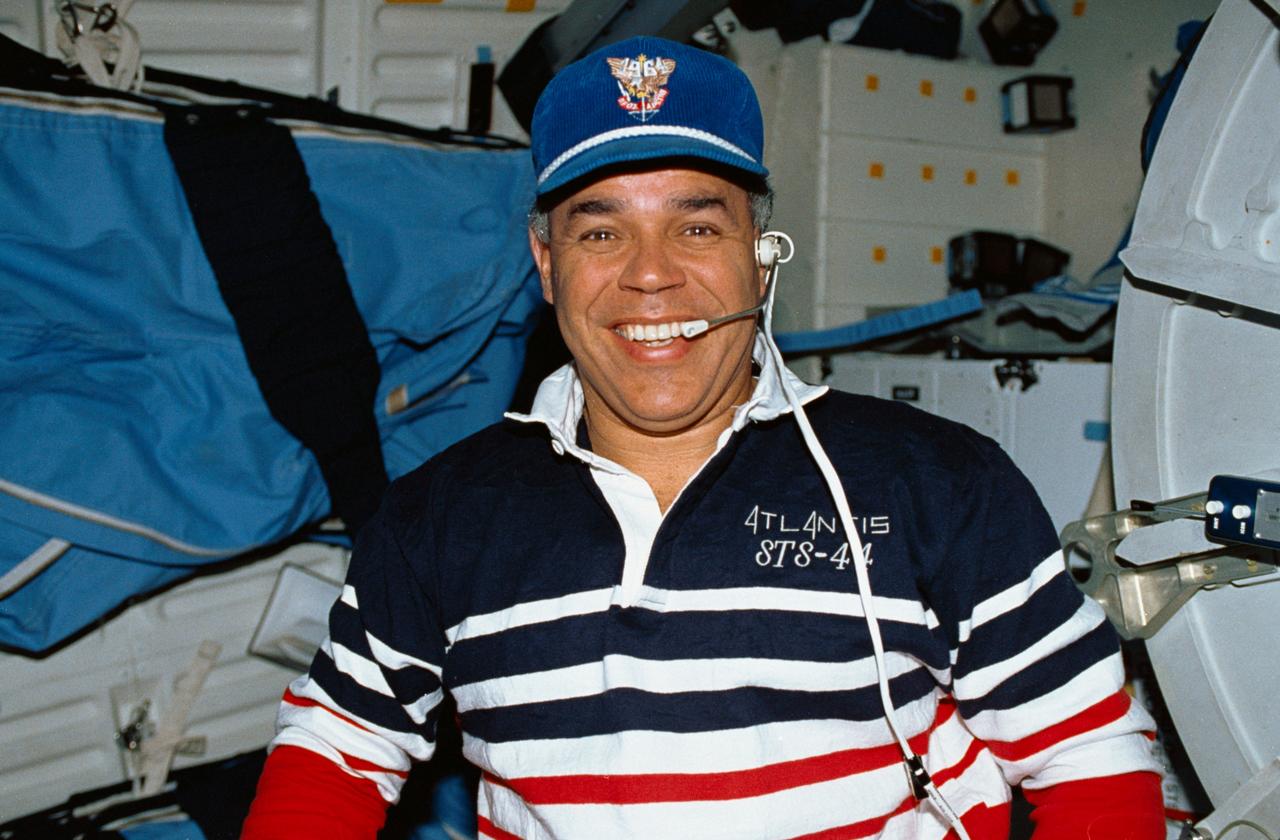
STS044-32-030 (24 Nov-1 Dec 1991) --- STS-44 Commander Frederick D. Gregory wears a cap honoring his alma mater, the United States Air Force (USAF) Academy, on the middeck of Atlantis, Orbiter Vehicle (OV) 104. Gregory, who also has his lightweight headset on, was photographed while talking to ground controllers.
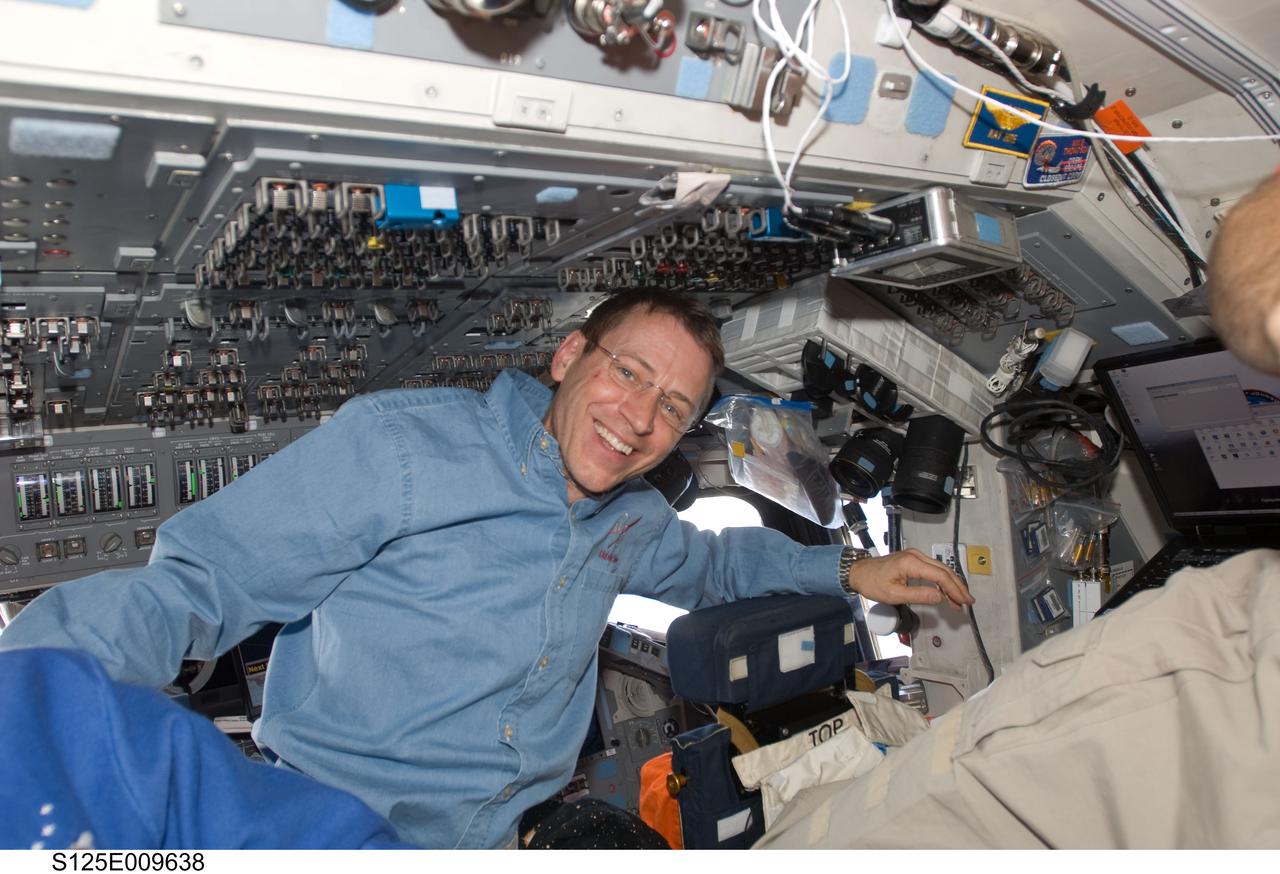
S125-E-009638 (18 May 2009) --- Astronaut Gregory C. Johnson, STS-125 pilot, is pictured on the flight deck of the Earth-orbiting Space Shuttle Atlantis during flight day eight activities.
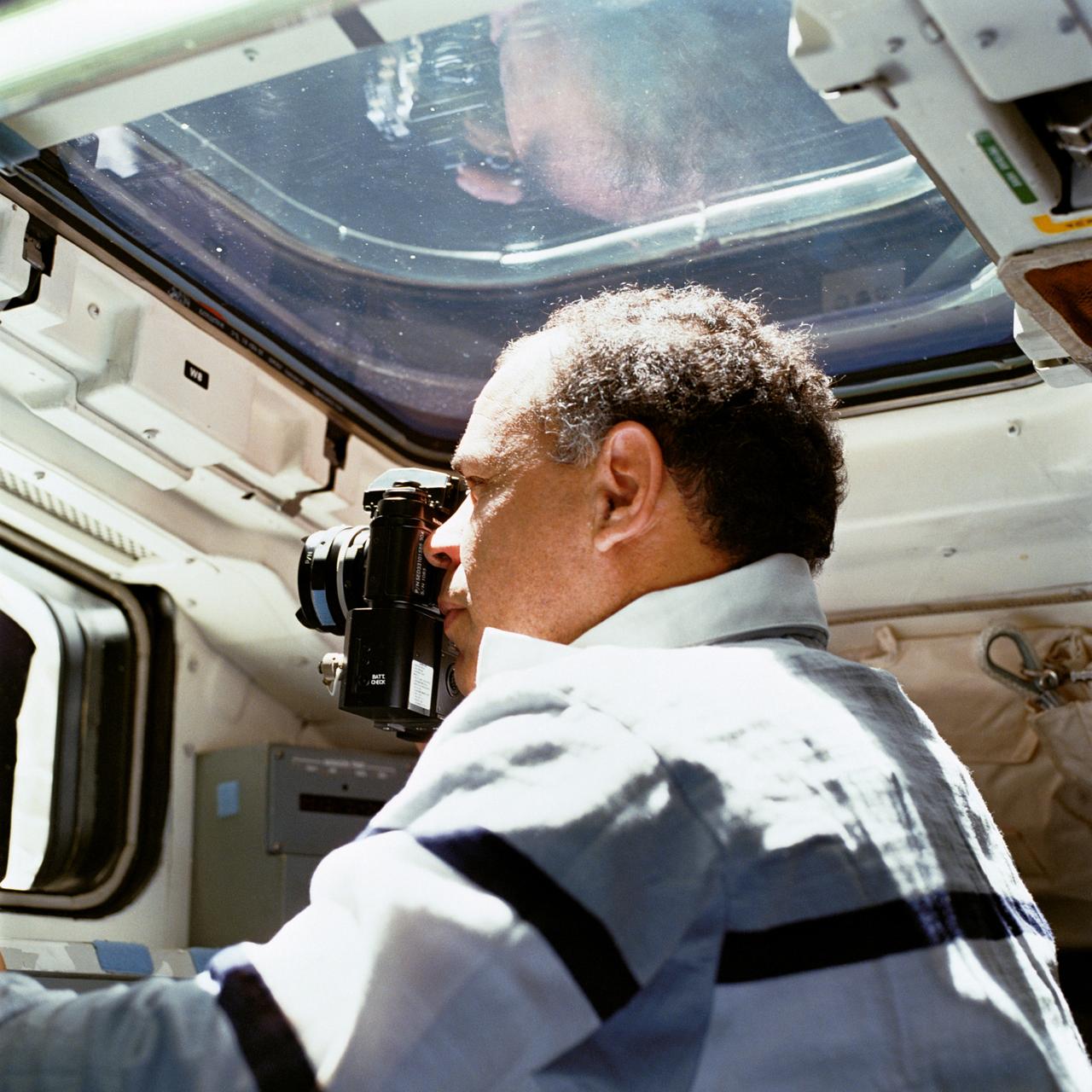
STS033-93-036 (22-27 Nov. 1989) --- Astronaut Frederick D. Gregory, STS-33 commander, aims a 35mm camera out an aft flight deck viewing window while onboard the Space Shuttle Discovery.
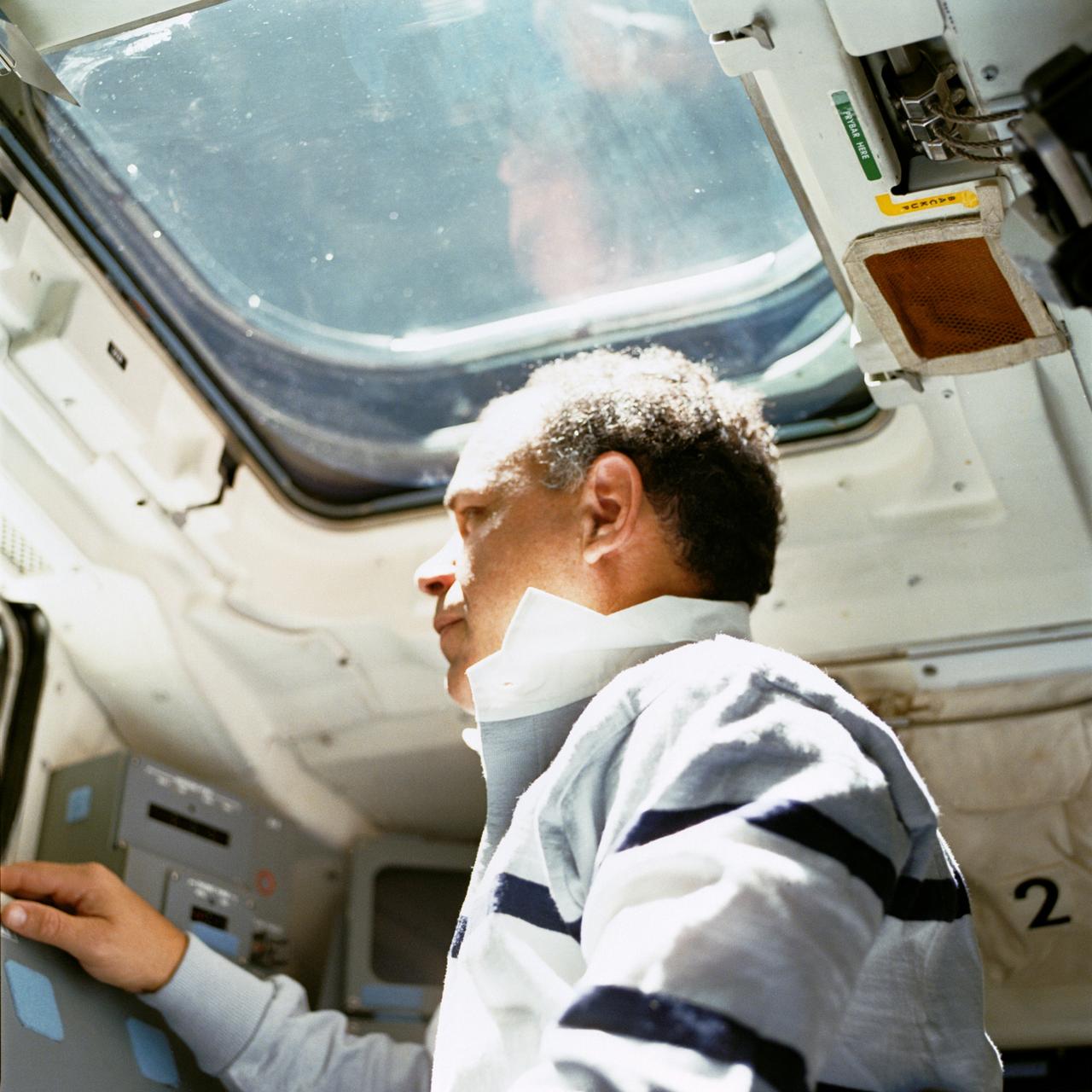
STS033-93-034 (22-27 Nov. 1989) --- Astronaut Frederick D. Gregory, STS-33 commander looks through aft flight deck viewing window while onboard the Space Shuttle Discovery.
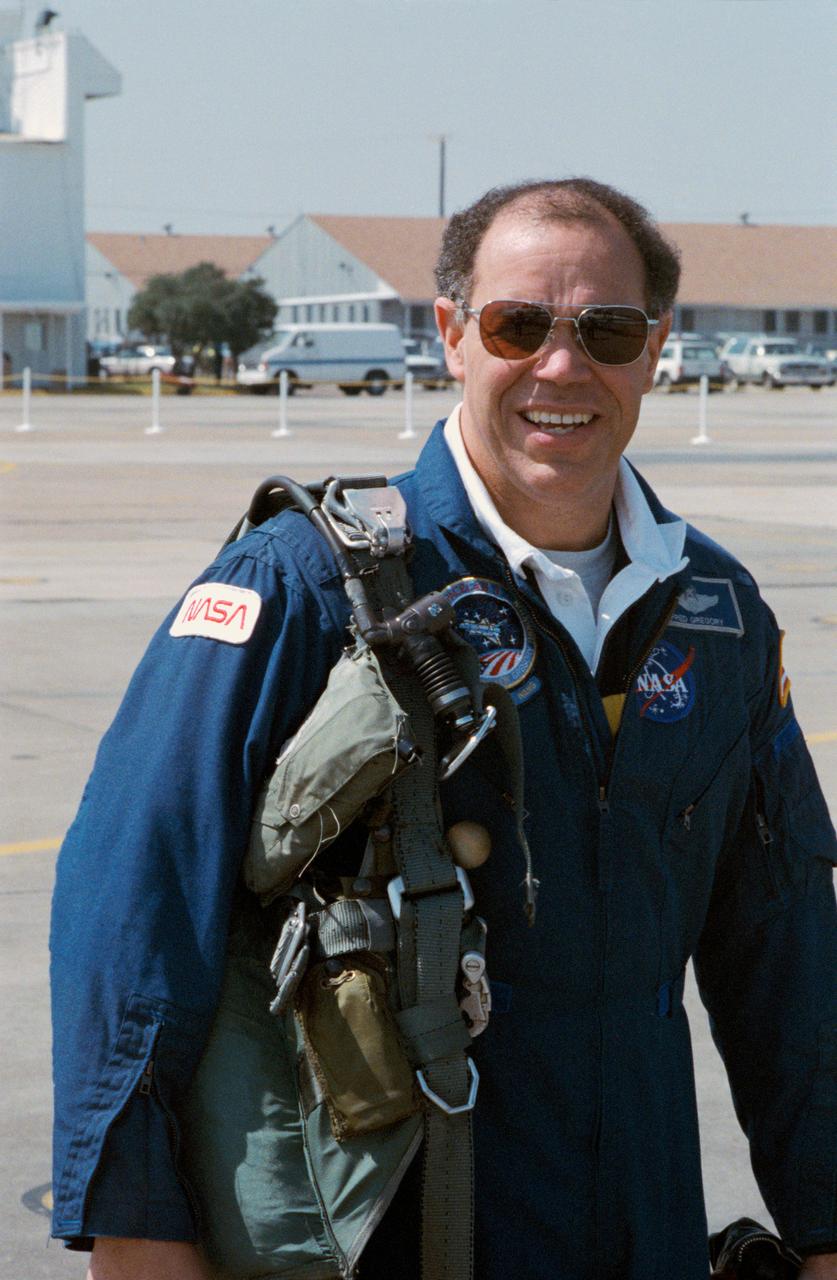
STS029-S-001 (10 March 1989) --- Astronaut Frederick Gregory, STS-33 mission commander, prepares to climb aboard a NASA T-38 jet aircraft. He's part of a group of JSC personnel who, in various NASA aircraft, will accompany the flight crew en route to the Kennedy Space Center (KSC) launch facility. The second post-Challenger flight of Discovery is scheduled for a 8:07 a.m. (EST) launch on March 13, 1989.
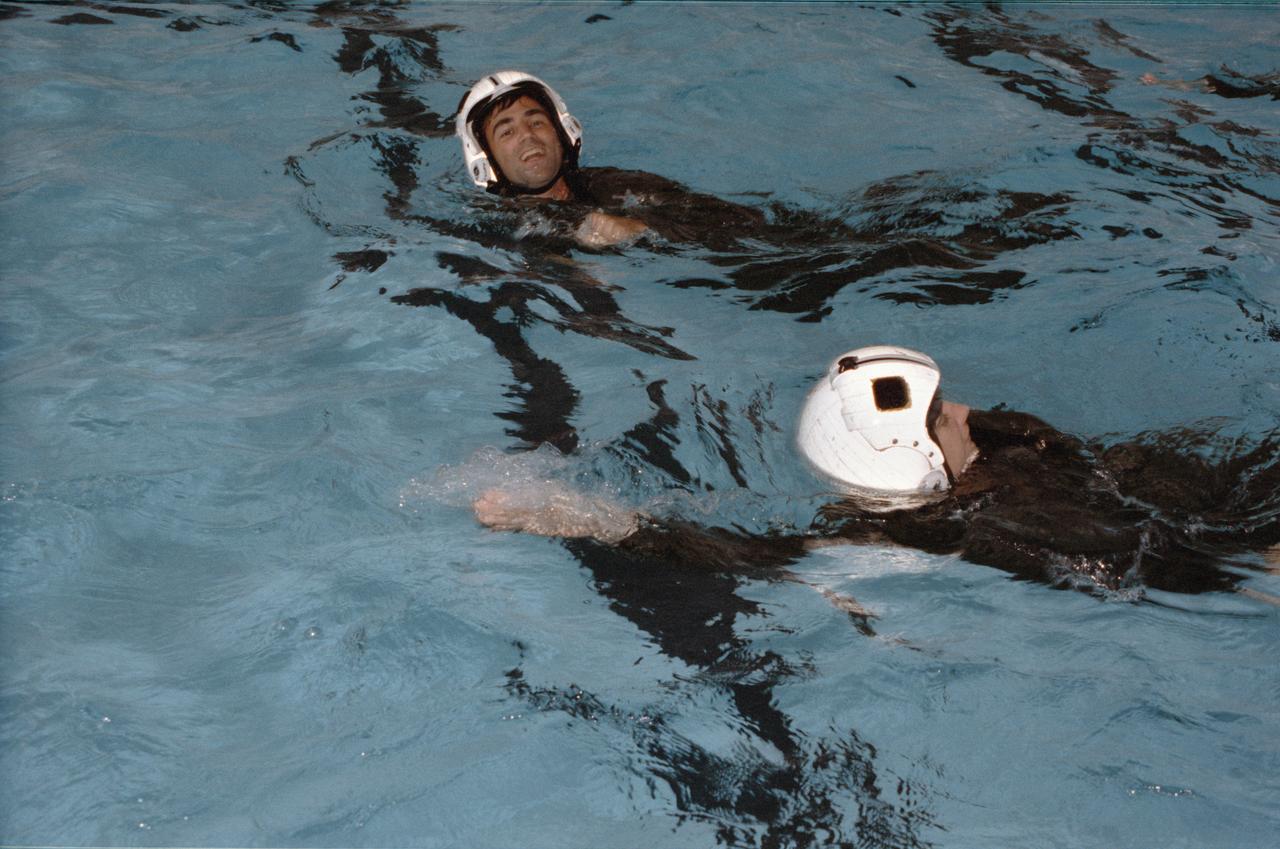
1990 Group 13 Astronaut Candidates (ASCANs) Susan J. Helms (foreground) and William G. Gregory, wearing helmets and flight suits, swim in pool at Elgin Air Force Base (AFB) in Pensacola, Florida, during water survival exercises. The training familiarized the candidates with survival techniques necessary in the event of a water landing. ASCANs participated in the exercises from 08-14-90 through 08-17-90.
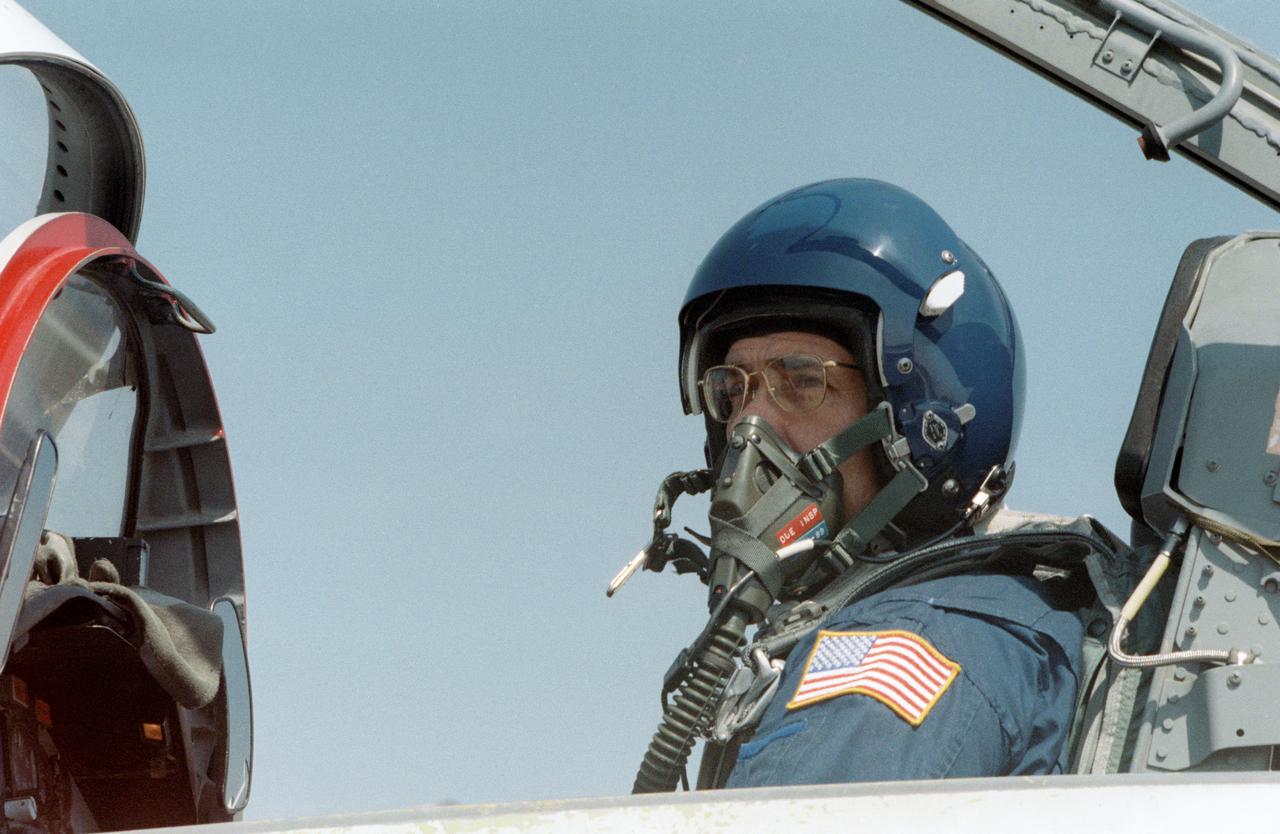
STS029–S-002 (10 March 1989) --- Astronaut Frederick Gregory, STS-33 mission commander, prepares to fly to Florida in a NASA T-38 jet aircraft. He's part of a group of JSC personnel in various NASA aircraft, accompanying the flight crew en route to the Kennedy Space Center launch facility. The second post-Challenger flight of Discovery is scheduled for a 8:07 a.m. (EST) launch on March 13.
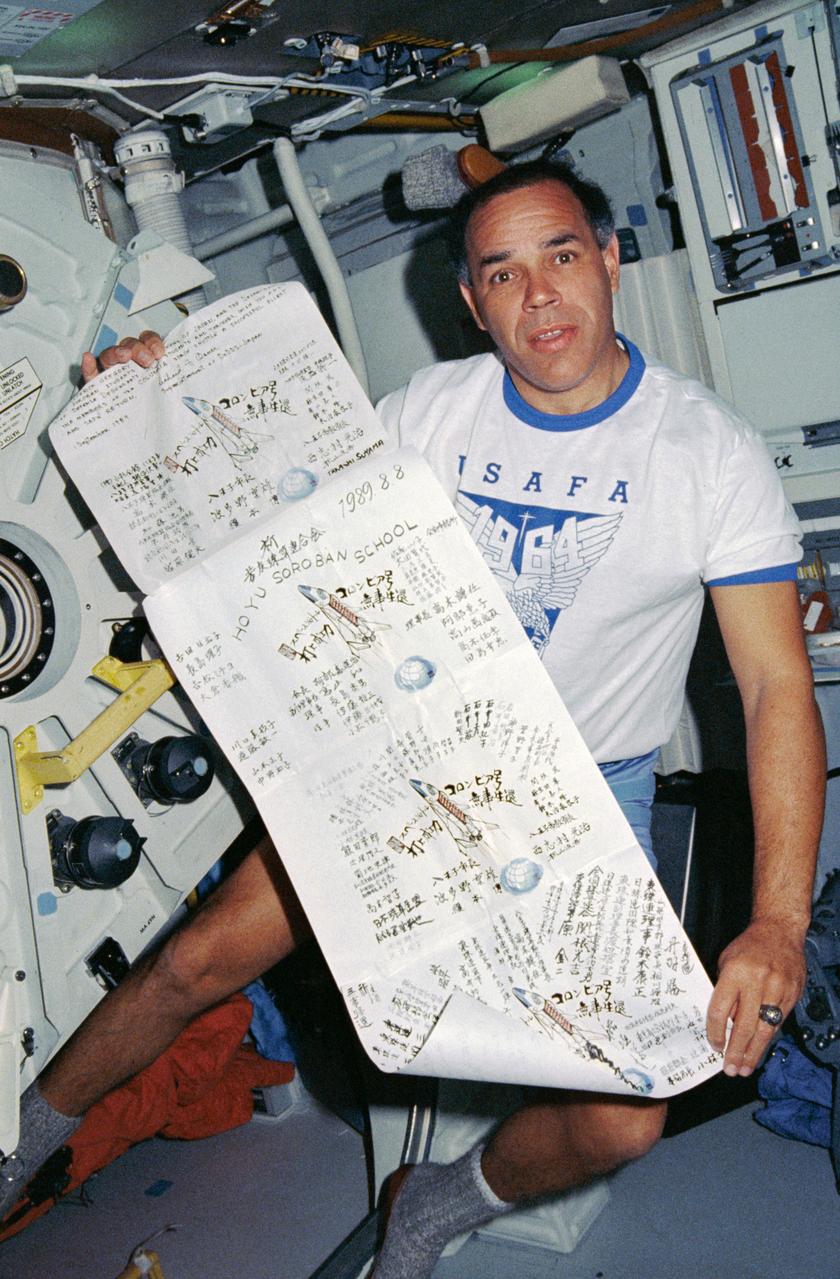
STS033-03-008 (22-27 Nov 1989) --- Astronaut Frederick D. Gregory, STS-33 commander, displays a letter from a special group of well-wishers. The letter is signed by the superintendent of Department of Defense Dependents School in Japan. It was carried onboard Discovery for the five-day DOD-devoted mission.

NASA Deputy Administrator Frederick D. Gregory, left and Chief of the Russian Federal Space Agency Anatoly Perminov celebrate the successful launch of the Soyuz TMA-5 spacecraft, Thursday, Oct. 14, 2004, in Baikonur, Kazakhstan. The Soyuz TMA-5 spacecraft blasted off from the Baikonur Cosmodrome carrying Expedition 10 Commander Leroy Chiao, Flight Engineer and Soyuz Commander Salizhan Sharipov and Russian Space Forces cosmonaut Yuri Shargin to the International Space Station. The crew will dock to the Station on October 16, and Chiao and Sharipov will replace the current Station crewmembers, Gennady Padalka and Mike Fincke, who will return to Earth October 24 with Shargin. Photo Credit: (NASA/Bill Ingalls)
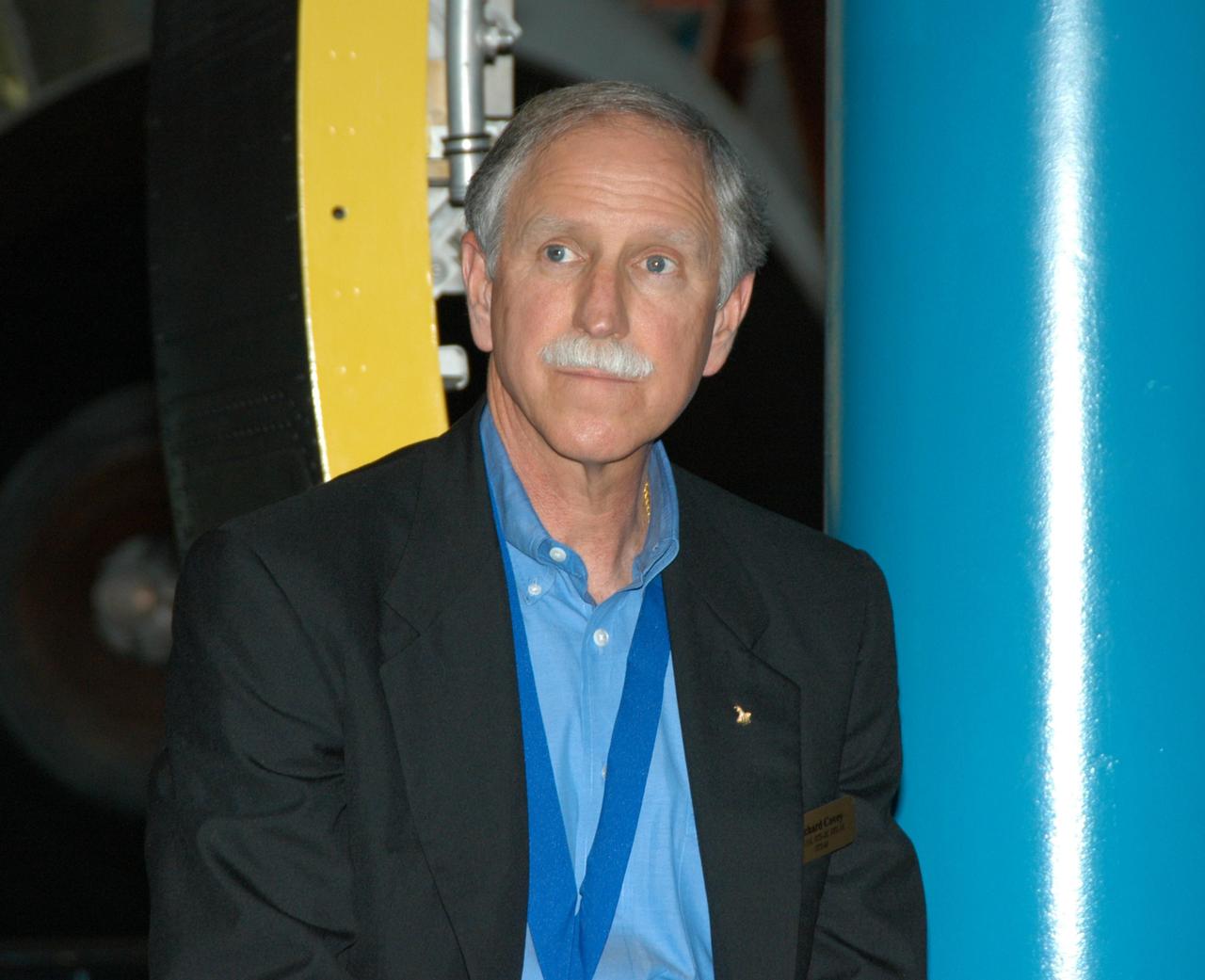
KENNEDY SPACE CENTER, FLA. -- At the Kennedy Space Center Visitor Complex, Richard O. Covey, commander of the Hubble Space Telescope repair mission, is one of five space program heroes inducted into the U.S. Astronaut Hall of Fame. Other inductees were Norman E. Thagard, the first American to occupy Russia’s Mir space station; the late Francis R. "Dick" Scobee, commander of the ill-fated 1986 Challenger mission; Kathryn D. Sullivan, the first American woman to walk in space; and Frederick D. Gregory, the first African-American to command a space mission and the current NASA deputy administrator. The U.S. Astronaut Hall of Fame opened in 1990 to provide a place where space travelers could be remembered for their participation and accomplishments in the U.S. space program. To be eligible for induction, an individual must have been a U.S. citizen, a NASA astronaut, and out of the active astronaut corps at least five years. The five inductees join 52 previously honored astronauts from the ranks of the Gemini, Apollo, Skylab, Apollo-Soyuz, and Space Shuttle programs.
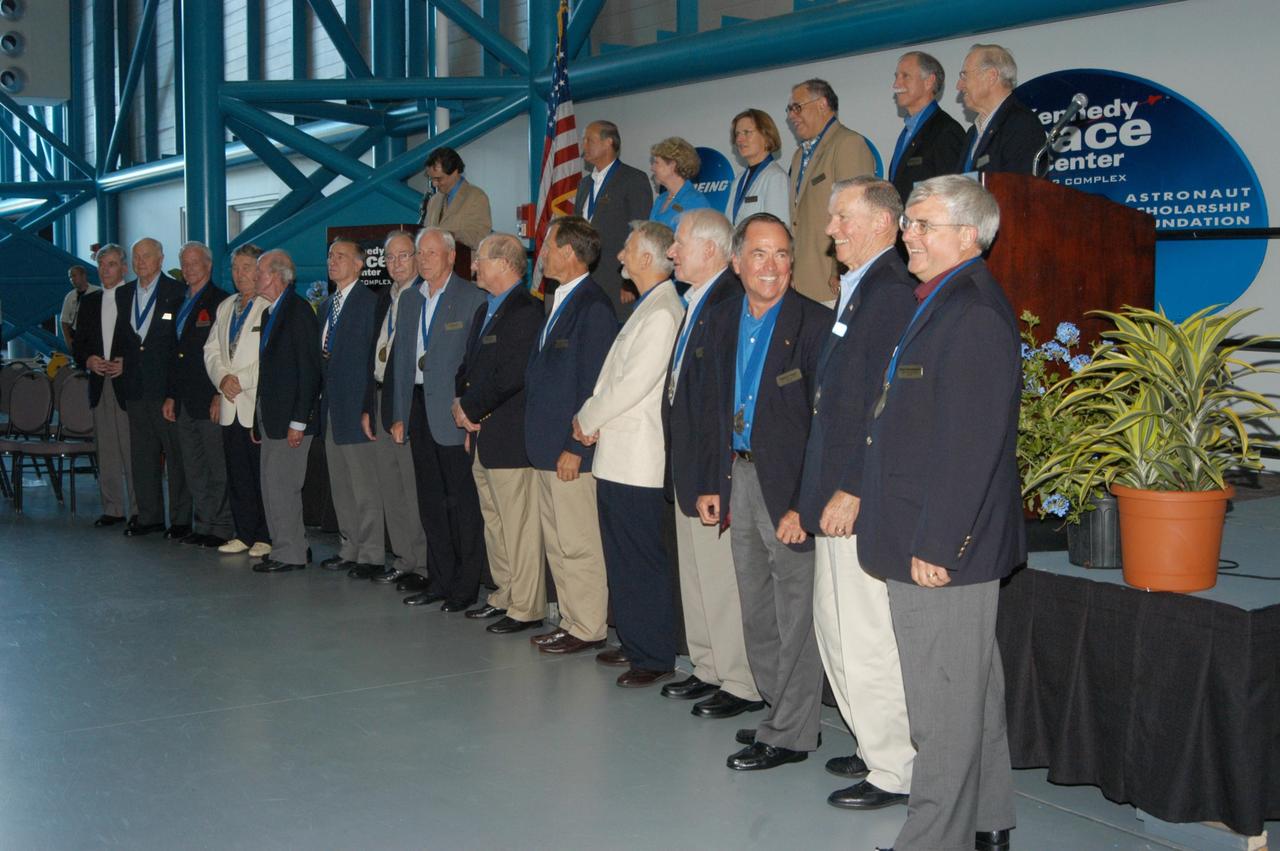
KENNEDY SPACE CENTER, FLA. -- Following the induction ceremony welcoming five new space program heroes in the U.S. Astronaut Hall of Fame, the members line up for a commemorative photo. From left, in front, are John Young, John Glenn Jr., Scott Carpenter, Wally Schirra, Gordon Cooper, Walt Cunningham, Ed Mitchell, Al Worden, Rick Hauck, Ed Gibson, Owen Garriott, Vance Brand, Robert Crippen, Joe Engle, Dan Brandenstein. In back are space author Andrew Chaikin, at the podium; and Norm Thagard, June Scobee representing her late husband Dick Scobee, Kathryn Sullivan, Fred Gregory, Richard Covey and Jim Lovell. The induction ceremony was held at the Apollo/Saturn V Center at KSC. The U.S. Astronaut Hall of Fame opened in 1990 to provide a place where space travelers could be remembered for their participation and accomplishments in the U.S. space program. The five inductees join 52 previously honored astronauts from the ranks of the Gemini, Apollo, Skylab, Apollo-Soyuz, and Space Shuttle programs.
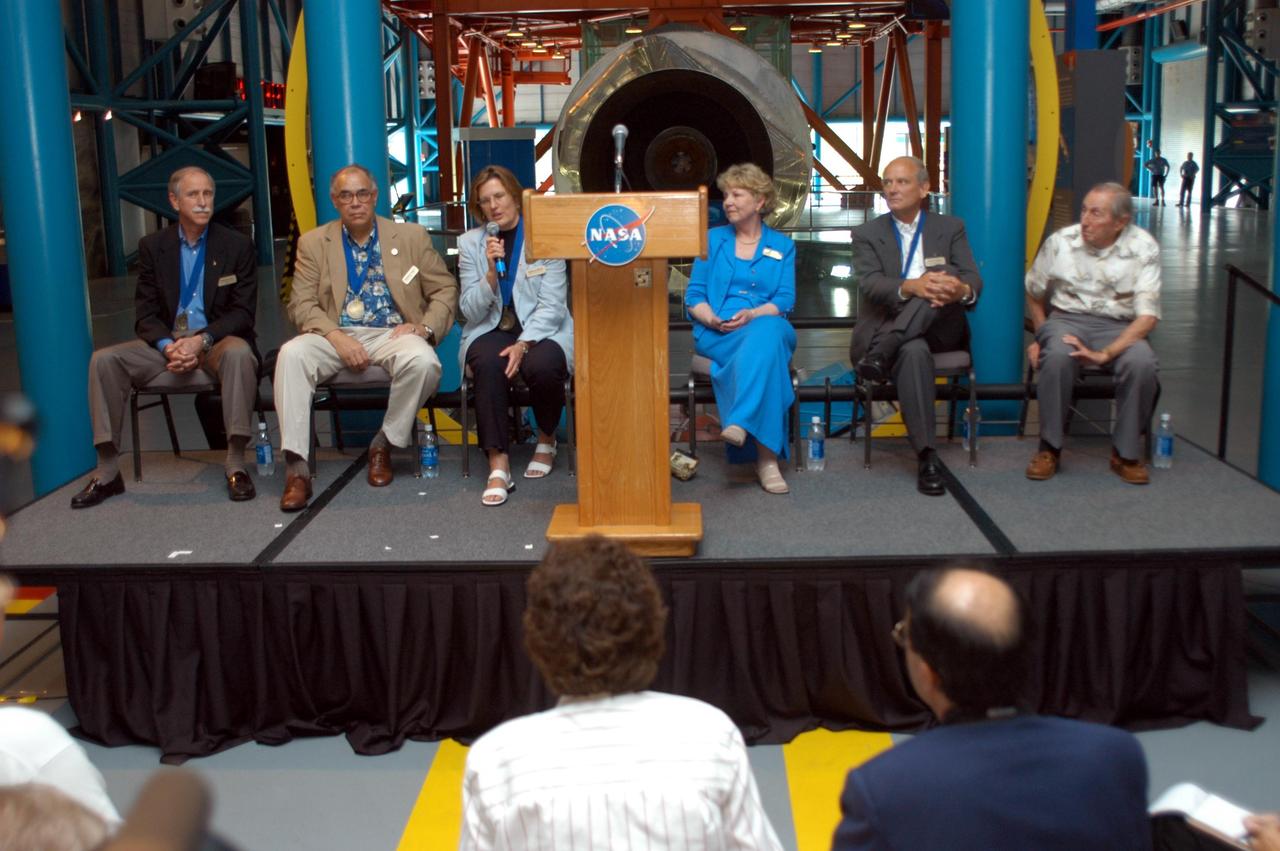
KENNEDY SPACE CENTER, FLA. -- Kathryn D. Sullivan, the first American woman to walk in space, responds to a reporter’s question at a press conference in the Apollo/Saturn V Center following the induction ceremony of five space program heroes into the Astronaut Hall of Fame. Seated (left to right) with her are Richard O. Covey, commander of the Hubble Space Telescope repair mission; Frederick D. Gregory (second from left), the first African-American to command a space mission and the current NASA deputy administrator; Sullivan; June Scobee, representing her late husband Francis R. "Dick" Scobee, commander of the ill-fated 1986 Challenger mission; and Norman E. Thagard, the first American to occupy Russia’s Mir space station. The U.S. Astronaut Hall of Fame opened in 1990 to provide a place where space travelers could be remembered for their participation and accomplishments in the U.S. space program. To be eligible for induction, an individual must have been a U.S. citizen, a NASA astronaut, and out of the active astronaut corps at least five years. The five inductees join 52 previously honored astronauts from the ranks of the Gemini, Apollo, Skylab, Apollo-Soyuz, and Space Shuttle programs.
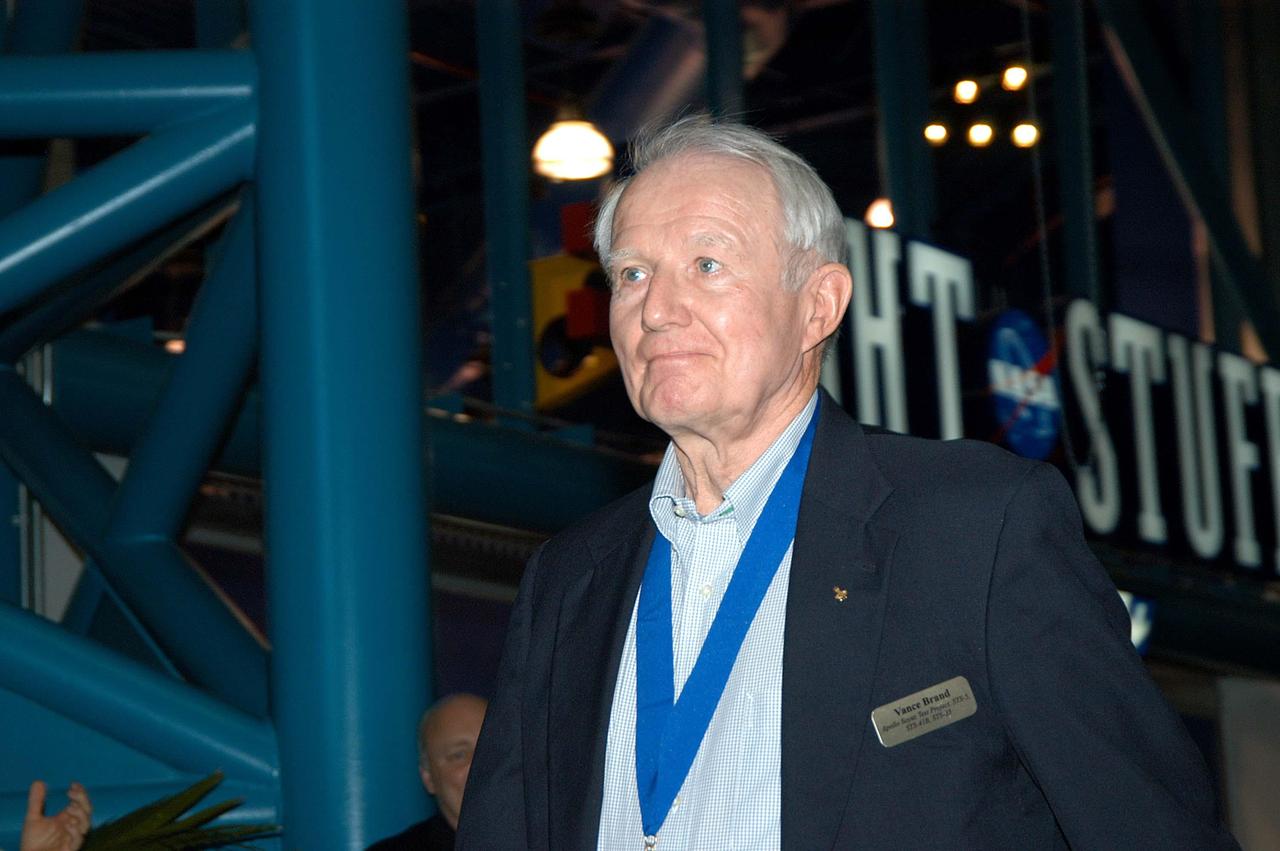
KENNEDY SPACE CENTER, FLA. -- Former astronaut Vance Brand is introduced as a previous inductee into the U.S. Astronaut Hall of Fame. He and other Hall of Fame members were present for the induction of five new space program heroes into the U.S. Astronaut Hall of Fame: Richard O. Covey, commander of the Hubble Space Telescope repair mission; Norman E. Thagard, the first American to occupy Russia’s Mir space station; the late Francis R. "Dick" Scobee, commander of the ill-fated 1986 Challenger mission; Kathryn D. Sullivan, the first American woman to walk in space; and Frederick D. Gregory, the first African-American to command a space mission and the current NASA deputy administrator. Brand was Command Module Pilot on the 1975 Apollo-Soyuz Test Project, the first linkup in orbit between spaceships of the United States and Soviet Union, and he later commanded three Space Shuttle missions. The induction ceremony was held at the Apollo/Saturn V Center at KSC. The U.S. Astronaut Hall of Fame opened in 1990 to provide a place where space travelers could be remembered for their participation and accomplishments in the U.S. space program. The five inductees join 52 previously honored astronauts from the ranks of the Gemini, Apollo, Skylab, Apollo-Soyuz, and Space Shuttle programs.
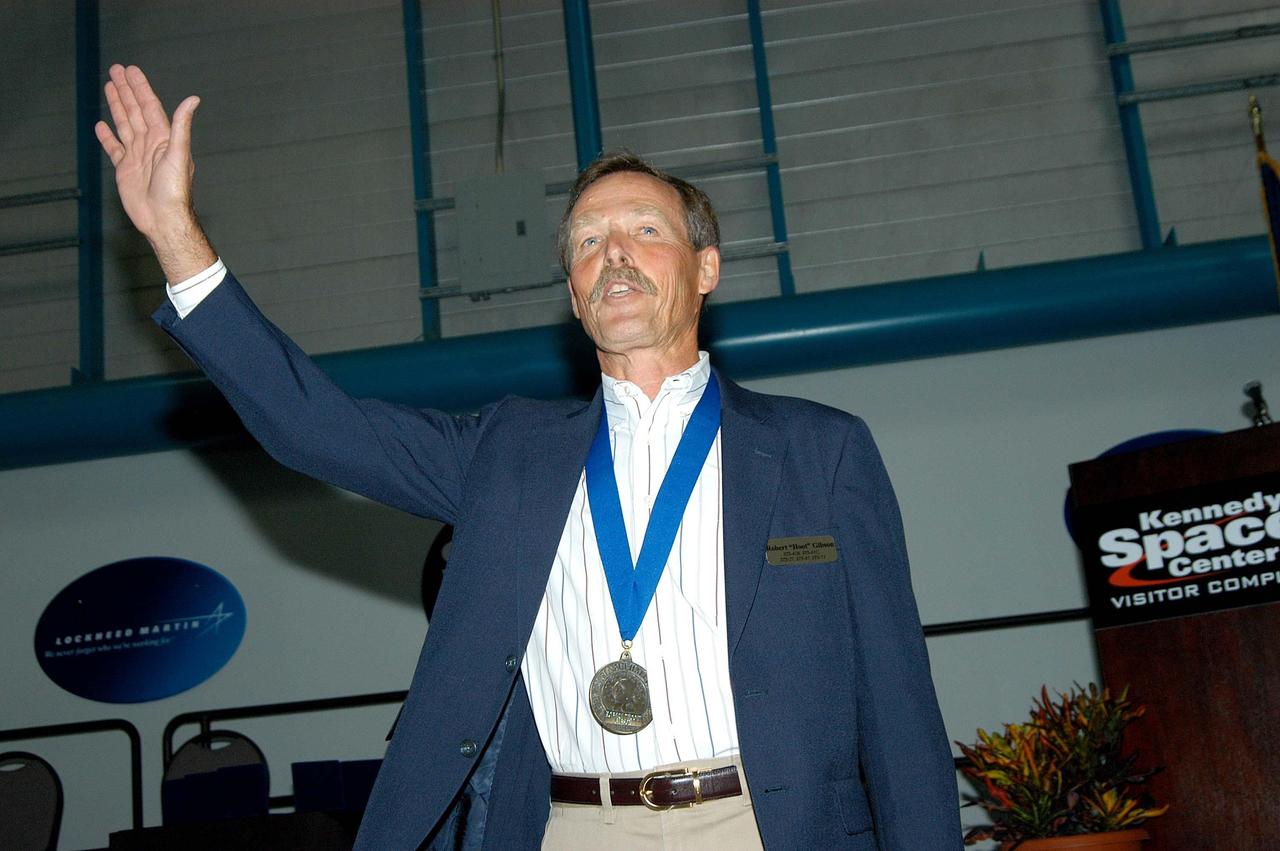
KENNEDY SPACE CENTER, FLA. -- Former astronaut Ed Gibson acknowledges the warm response to his introduction as a previous inductee into the U.S. Astronaut Hall of Fame. He and other Hall of Fame members were present for the induction of five new space program heroes into the U.S. Astronaut Hall of Fame: Richard O. Covey, commander of the Hubble Space Telescope repair mission; Norman E. Thagard, the first American to occupy Russia’s Mir space station; the late Francis R. "Dick" Scobee, commander of the ill-fated 1986 Challenger mission; Kathryn D. Sullivan, the first American woman to walk in space; and Frederick D. Gregory, the first African-American to command a space mission and the current NASA deputy administrator. Gibson orbited the Earth for 84 days during the final manned flight of the Skylab Space Station in 1973 and 1974. The induction ceremony was held at the Apollo/Saturn V Center at KSC. The U.S. Astronaut Hall of Fame opened in 1990 to provide a place where space travelers could be remembered for their participation and accomplishments in the U.S. space program. The five inductees join 52 previously honored astronauts from the ranks of the Gemini, Apollo, Skylab, Apollo-Soyuz, and Space Shuttle programs.
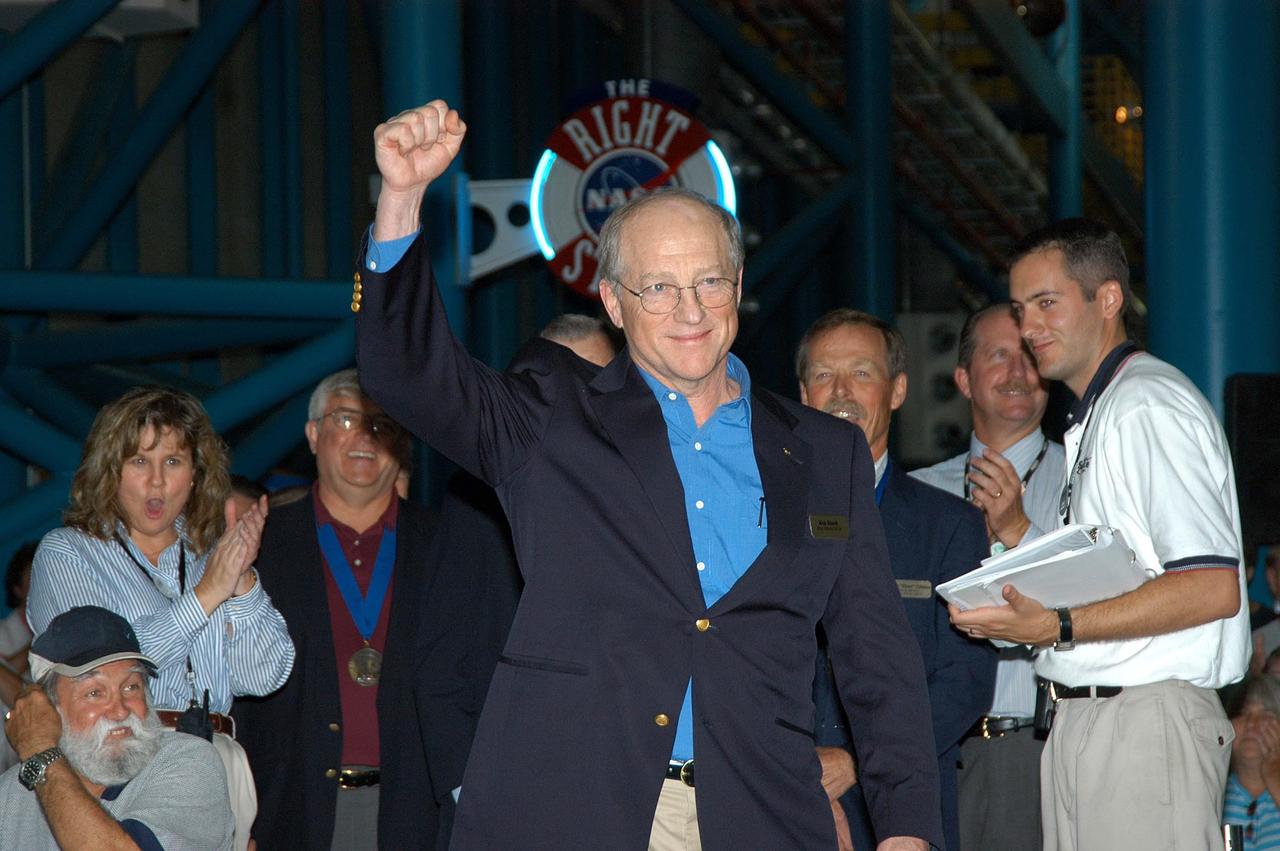
KENNEDY SPACE CENTER, FLA. -- Former astronaut Frederick (Rick) Hauck acknowledges the warm response to his introduction as a previous inductee into the U.S. Astronaut Hall of Fame. He and other Hall of Fame members were present for the induction of five new space program heroes into the U.S. Astronaut Hall of Fame: Richard O. Covey, commander of the Hubble Space Telescope repair mission; Norman E. Thagard, the first American to occupy Russia’s Mir space station; the late Francis R. "Dick" Scobee, commander of the ill-fated 1986 Challenger mission; Kathryn D. Sullivan, the first American woman to walk in space; and Frederick D. Gregory, the first African-American to command a space mission and the current NASA deputy administrator. Hauck flew on three Space Shuttle missions, including command of the redesigned spaceship on its critical first flight after the explosion of Challenger. The induction ceremony was held at the Apollo/Saturn V Center at KSC. The U.S. Astronaut Hall of Fame opened in 1990 to provide a place where space travelers could be remembered for their participation and accomplishments in the U.S. space program. The five inductees join 52 previously honored astronauts from the ranks of the Gemini, Apollo, Skylab, Apollo-Soyuz, and Space Shuttle programs.
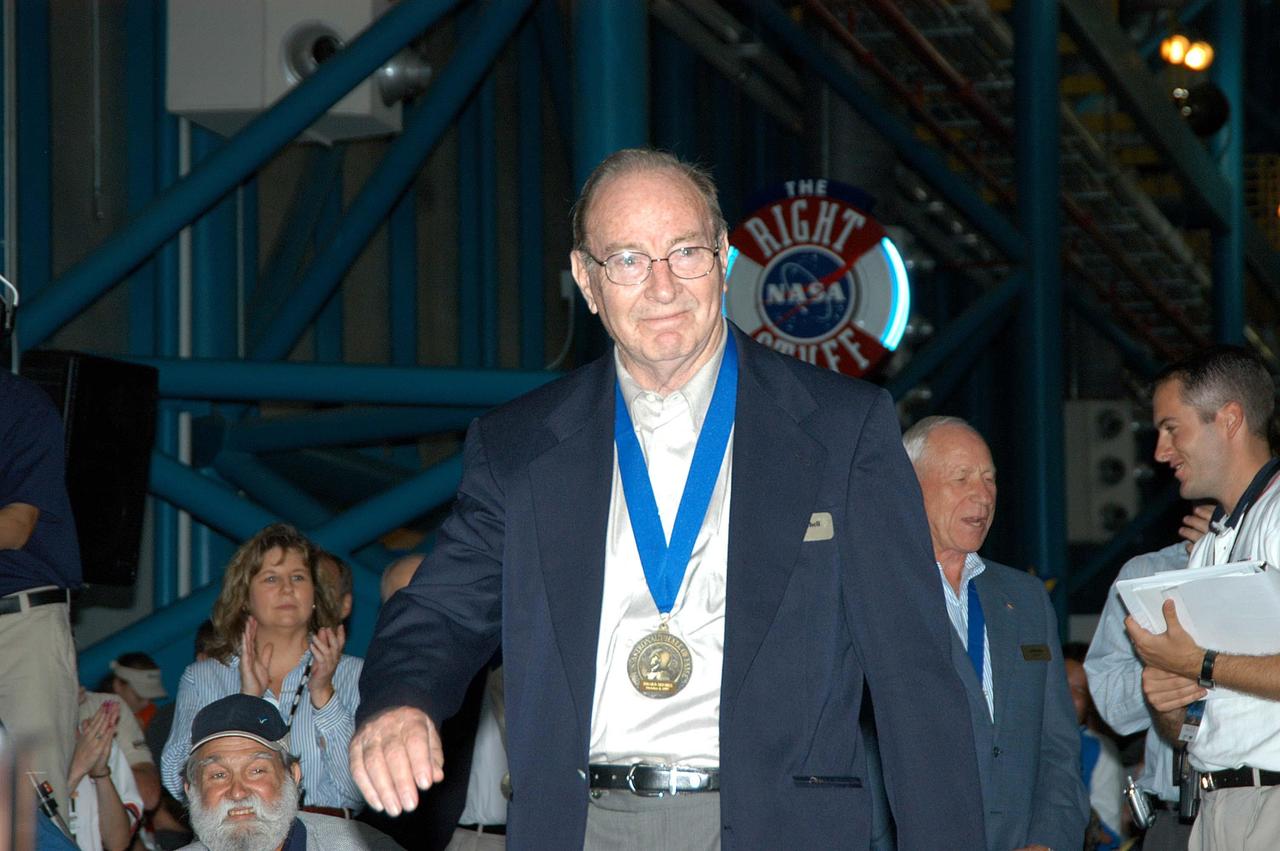
KENNEDY SPACE CENTER, FLA. -- Before the induction ceremony of five space program heroes into the U.S. Astronaut Hall of Fame, former astronaut Ed Mitchell is introduced as a previous inductee. Mitchell explored the Moon's hilly Fra Mauro region with Alan B. Shepard during the 1971 Apollo 14 mission. The ceremony was held at the Apollo/Saturn V Center at KSC. New inductees are Richard O. Covey, commander of the Hubble Space Telescope repair mission; Norman E. Thagard, the first American to occupy Russia’s Mir space station; the late Francis R. "Dick" Scobee, commander of the ill-fated 1986 Challenger mission; Kathryn D. Sullivan, the first American woman to walk in space; and Frederick D. Gregory, the first African-American to command a space mission and the current NASA deputy administrator. The U.S. Astronaut Hall of Fame opened in 1990 to provide a place where space travelers could be remembered for their participation and accomplishments in the U.S. space program. The five inductees join 52 previously honored astronauts from the ranks of the Gemini, Apollo, Skylab, Apollo-Soyuz, and Space Shuttle programs.

KENNEDY SPACE CENTER, FLA. -- Former astronaut Al Worden acknowledges the applause as he is introduced as a previous inductee into the U.S. Astronaut Hall of Fame. He and other Hall of Fame members were present for the induction of five new space program heroes into the U.S. Astronaut Hall of Fame: Richard O. Covey, commander of the Hubble Space Telescope repair mission; Norman E. Thagard, the first American to occupy Russia’s Mir space station; the late Francis R. "Dick" Scobee, commander of the ill-fated 1986 Challenger mission; Kathryn D. Sullivan, the first American woman to walk in space; and Frederick D. Gregory, the first African-American to command a space mission and the current NASA deputy administrator. Worden served as Command Module pilot on the 1971 Apollo 15 moon mission, during which he orbited the Moon and took a space walk 200,000 miles from Earth. The induction ceremony was held at the Apollo/Saturn V Center at KSC. The U.S. Astronaut Hall of Fame opened in 1990 to provide a place where space travelers could be remembered for their participation and accomplishments in the U.S. space program. The five inductees join 52 previously honored astronauts from the ranks of the Gemini, Apollo, Skylab, Apollo-Soyuz, and Space Shuttle programs.
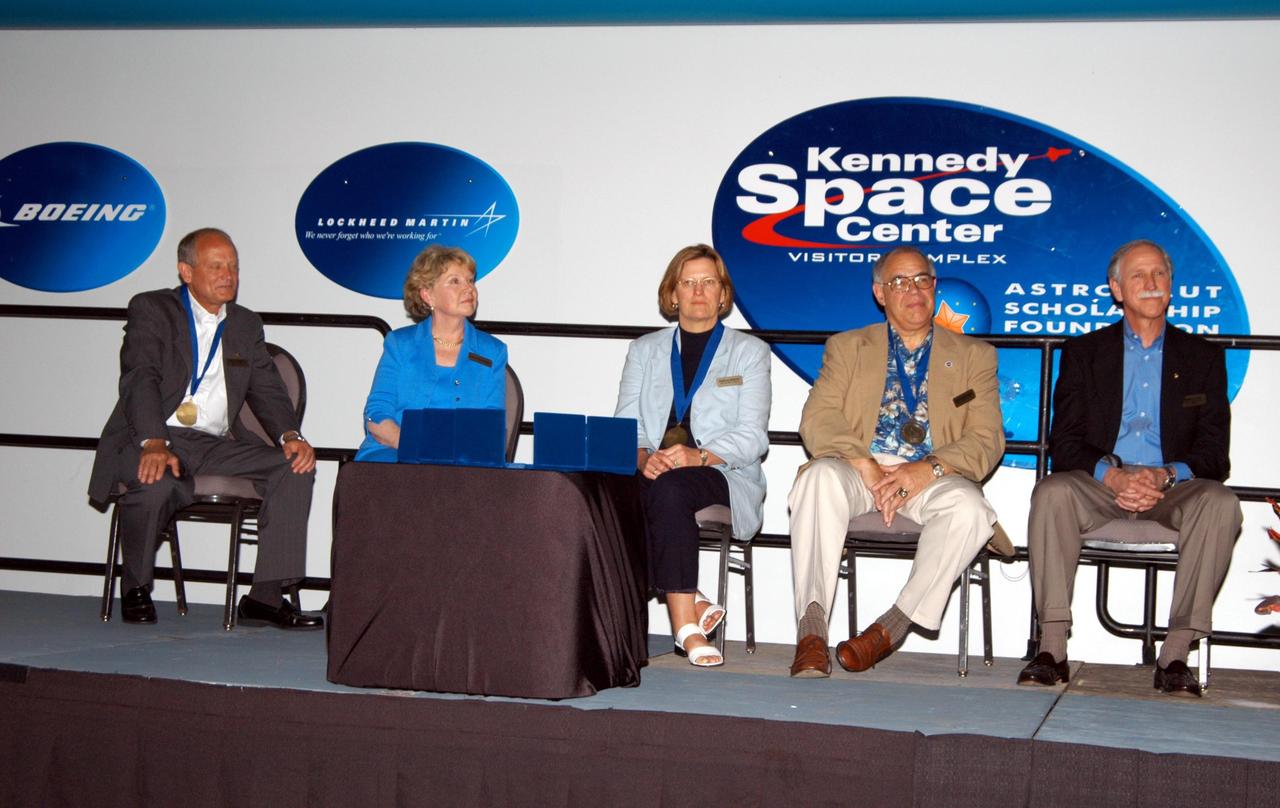
KENNEDY SPACE CENTER, FLA. -- At the Kennedy Space Center Visitor Complex, five space heroes are being inducted into the U.S. Astronaut Hall of Fame. From left, they are Norman E. Thagard, the first American to occupy Russia's Mir space station; June Scobee, representing her late husband Francis R. "Dick" Scobee, commander of the ill-fated 1986 Challenger mission; Kathryn D. Sullivan, the first American woman to walk in space; Frederick D. Gregory, the first African-American to command a space mission and the current NASA Deputy Administrator; and Richard O. Covey, commander of the Hubble Space Telescope repair mission. The U.S. Astronaut Hall of Fame opened in 1990 to provide a place where space travelers could be remembered for their participation and accomplishments in the U.S. space program. To be eligible for induction, an individual must have been a U.S. citizen, a NASA astronaut, and out of the active astronaut corps at least five years. The five inductees join 52 previously honored astronauts from the ranks of the Gemini, Apollo, Skylab, Apollo-Soyuz, and Space Shuttle programs.
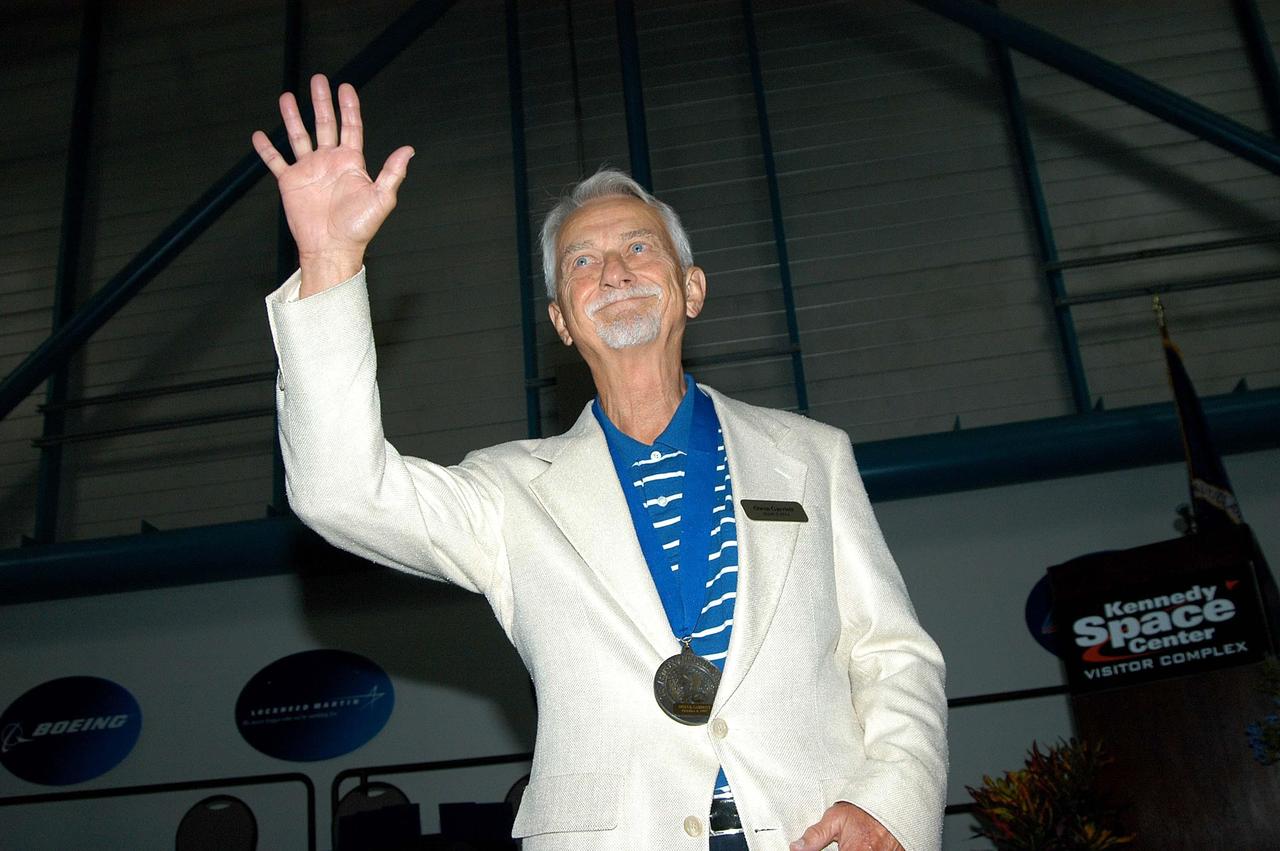
KENNEDY SPACE CENTER, FLA. -- Former astronaut Owen Garriott acknowledges the applause as he is introduced as a previous inductee into the U.S. Astronaut Hall of Fame. He and other Hall of Fame members were present for the induction of five new space program heroes into the U.S. Astronaut Hall of Fame: Richard O. Covey, commander of the Hubble Space Telescope repair mission; Norman E. Thagard, the first American to occupy Russia’s Mir space station; the late Francis R. "Dick" Scobee, commander of the ill-fated 1986 Challenger mission; Kathryn D. Sullivan, the first American woman to walk in space; and Frederick D. Gregory, the first African-American to command a space mission and the current NASA deputy administrator. Garriott exercised his expertise as a solar physicist on two space missions, the 59-day Skylab 3 flight in 1973, and an 11-day trip aboard the Space Shuttle Columbia a decade later. The induction ceremony was held at the Apollo/Saturn V Center at KSC. The U.S. Astronaut Hall of Fame opened in 1990 to provide a place where space travelers could be remembered for their participation and accomplishments in the U.S. space program. The five inductees join 52 previously honored astronauts from the ranks of the Gemini, Apollo, Skylab, Apollo-Soyuz, and Space Shuttle programs.
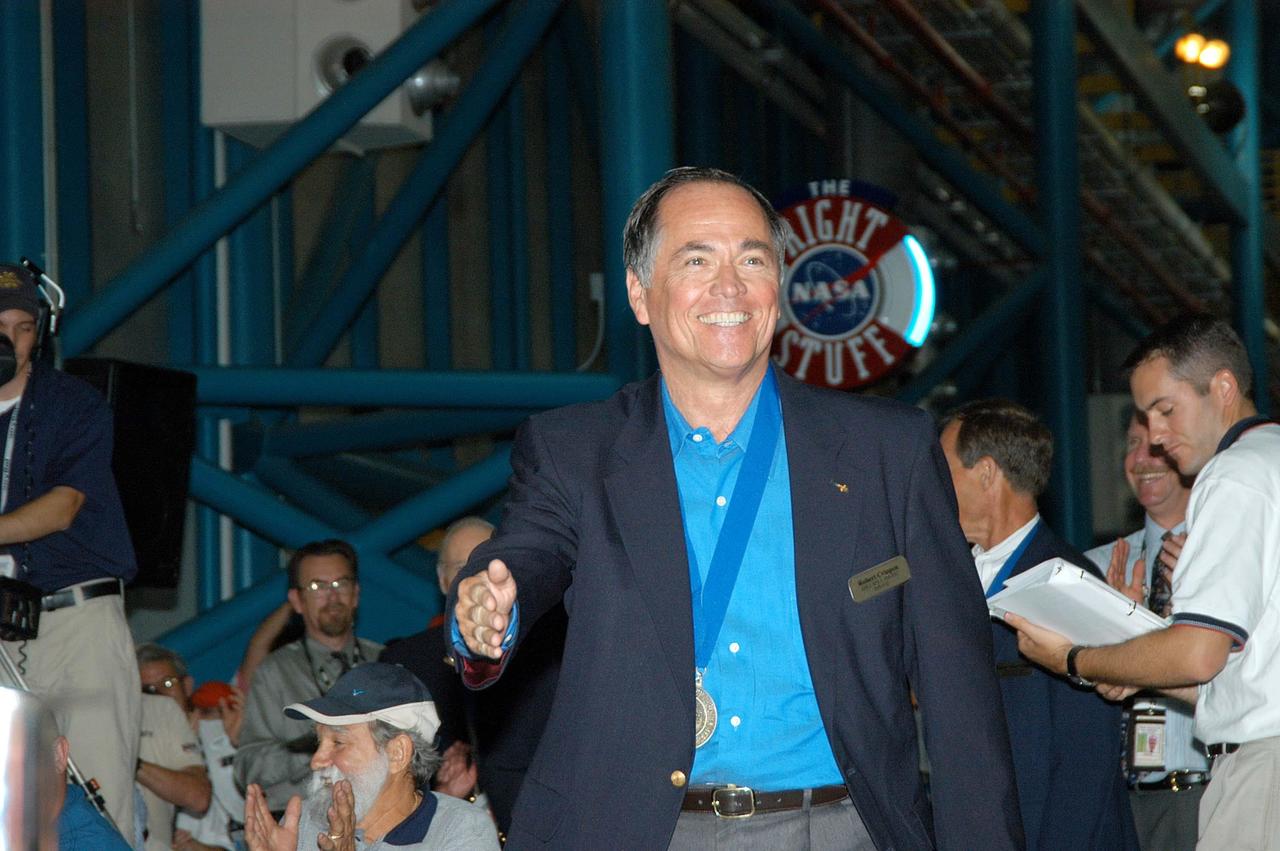
KENNEDY SPACE CENTER, FLA. -- Former astronaut Robert Crippen smiles at the warm greeting he is receiving when introduced as a previous inductee into the U.S. Astronaut Hall of Fame. He and other Hall of Fame members were present for the induction of five new space program heroes into the U.S. Astronaut Hall of Fame: Richard O. Covey, commander of the Hubble Space Telescope repair mission; Norman E. Thagard, the first American to occupy Russia’s Mir space station; the late Francis R. "Dick" Scobee, commander of the ill-fated 1986 Challenger mission; Kathryn D. Sullivan, the first American woman to walk in space; and Frederick D. Gregory, the first African-American to command a space mission and the current NASA deputy administrator. Crippen piloted the first Space Shuttle flight in 1981 and commanded three other Shuttle missions in the next 3-1/2 years. In the early 1990s he served as director of NASA’s Kennedy Space Center. The induction ceremony was held at the Apollo/Saturn V Center at KSC. The U.S. Astronaut Hall of Fame opened in 1990 to provide a place where space travelers could be remembered for their participation and accomplishments in the U.S. space program. The five inductees join 52 previously honored astronauts from the ranks of the Gemini, Apollo, Skylab, Apollo-Soyuz, and Space Shuttle programs.
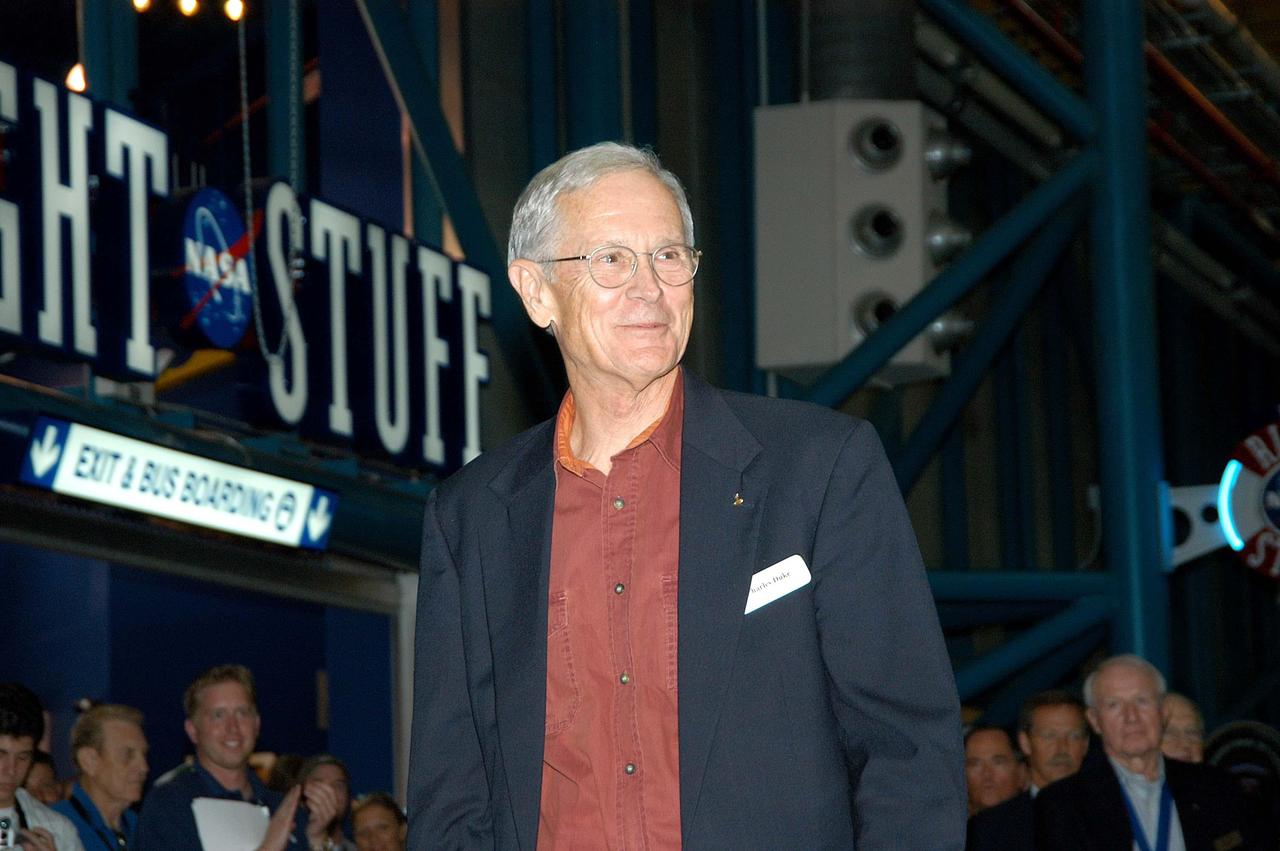
KENNEDY SPACE CENTER, FLA. -- Former astronaut Charles Duke receives a warm welcome as he is introduced as a previous inductee into the U.S. Astronaut Hall of Fame. He and other Hall of Fame members were present for the induction of five new space program heroes into the U.S. Astronaut Hall of Fame: Richard O. Covey, commander of the Hubble Space Telescope repair mission; Norman E. Thagard, the first American to occupy Russia’s Mir space station; the late Francis R. "Dick" Scobee, commander of the ill-fated 1986 Challenger mission; Kathryn D. Sullivan, the first American woman to walk in space; and Frederick D. Gregory, the first African-American to command a space mission and the current NASA deputy administrator. Duke explored the rugged highlands of the Moon’s Descartes region with John Young during the Apollo 16 mission in April 1972. The induction ceremony was held at the Apollo/Saturn V Center at KSC. The U.S. Astronaut Hall of Fame opened in 1990 to provide a place where space travelers could be remembered for their participation and accomplishments in the U.S. space program. The five inductees join 52 previously honored astronauts from the ranks of the Gemini, Apollo, Skylab, Apollo-Soyuz, and Space Shuttle programs.
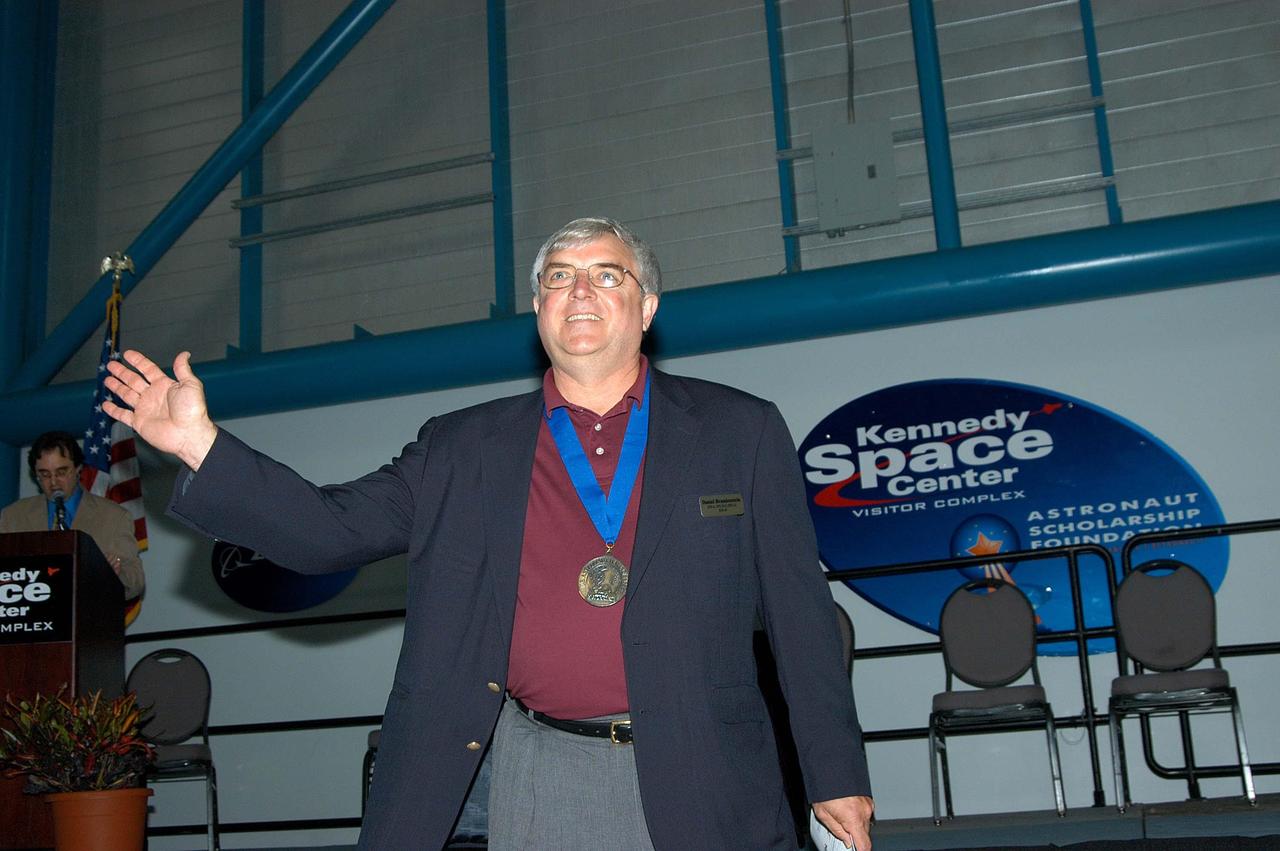
KENNEDY SPACE CENTER, FLA. -- Former astronaut Dan Brandenstein acknowledges the applause as he is introduced as a previous inductee into the U.S. Astronaut Hall of Fame. He and other Hall of Fame members were present for the induction of five new space program heroes into the U.S. Astronaut Hall of Fame: Richard O. Covey, commander of the Hubble Space Telescope repair mission; Norman E. Thagard, the first American to occupy Russia’s Mir space station; the late Francis R. "Dick" Scobee, commander of the ill-fated 1986 Challenger mission; Kathryn D. Sullivan, the first American woman to walk in space; and Frederick D. Gregory, the first African-American to command a space mission and the current NASA deputy administrator. Brandenstein piloted one Space Shuttle mission and commanded three others, including the maiden flight of Endeavour, and later served as chief of the Astronaut Office. The induction ceremony was held at the Apollo/Saturn V Center at KSC. The U.S. Astronaut Hall of Fame opened in 1990 to provide a place where space travelers could be remembered for their participation and accomplishments in the U.S. space program. The five inductees join 52 previously honored astronauts from the ranks of the Gemini, Apollo, Skylab, Apollo-Soyuz, and Space Shuttle programs.
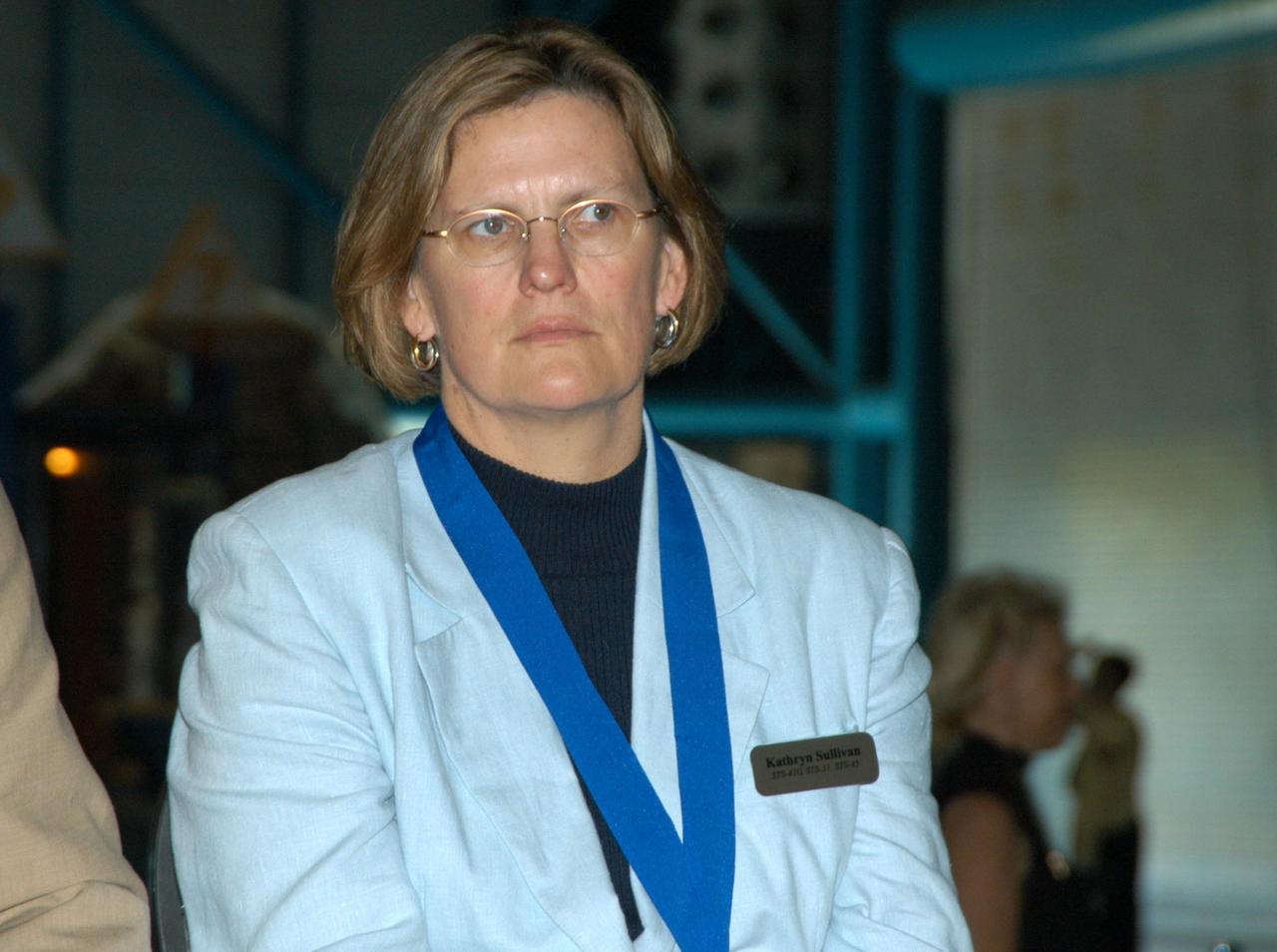
KENNEDY SPACE CENTER, FLA. -- At the Kennedy Space Center Visitor Complex, Kathryn D. Sullivan, the first American woman to walk in space, is one of five space program heroes inducted into the U.S. Astronaut Hall of Fame. Other inductees were Norman E. Thagard, the first American to occupy Russia’s Mir space station; the late Francis R. "Dick" Scobee, commander of the ill-fated 1986 Challenger mission; Richard O. Covey, commander of the Hubble Space Telescope repair mission; and Frederick D. Gregory, the first African-American to command a space mission and the current NASA deputy administrator. The U.S. Astronaut Hall of Fame opened in 1990 to provide a place where space travelers could be remembered for their participation and accomplishments in the U.S. space program. To be eligible for induction, an individual must have been a U.S. citizen, a NASA astronaut, and out of the active astronaut corps at least five years. The five inductees join 52 previously honored astronauts from the ranks of the Gemini, Apollo, Skylab, Apollo-Soyuz, and Space Shuttle programs.
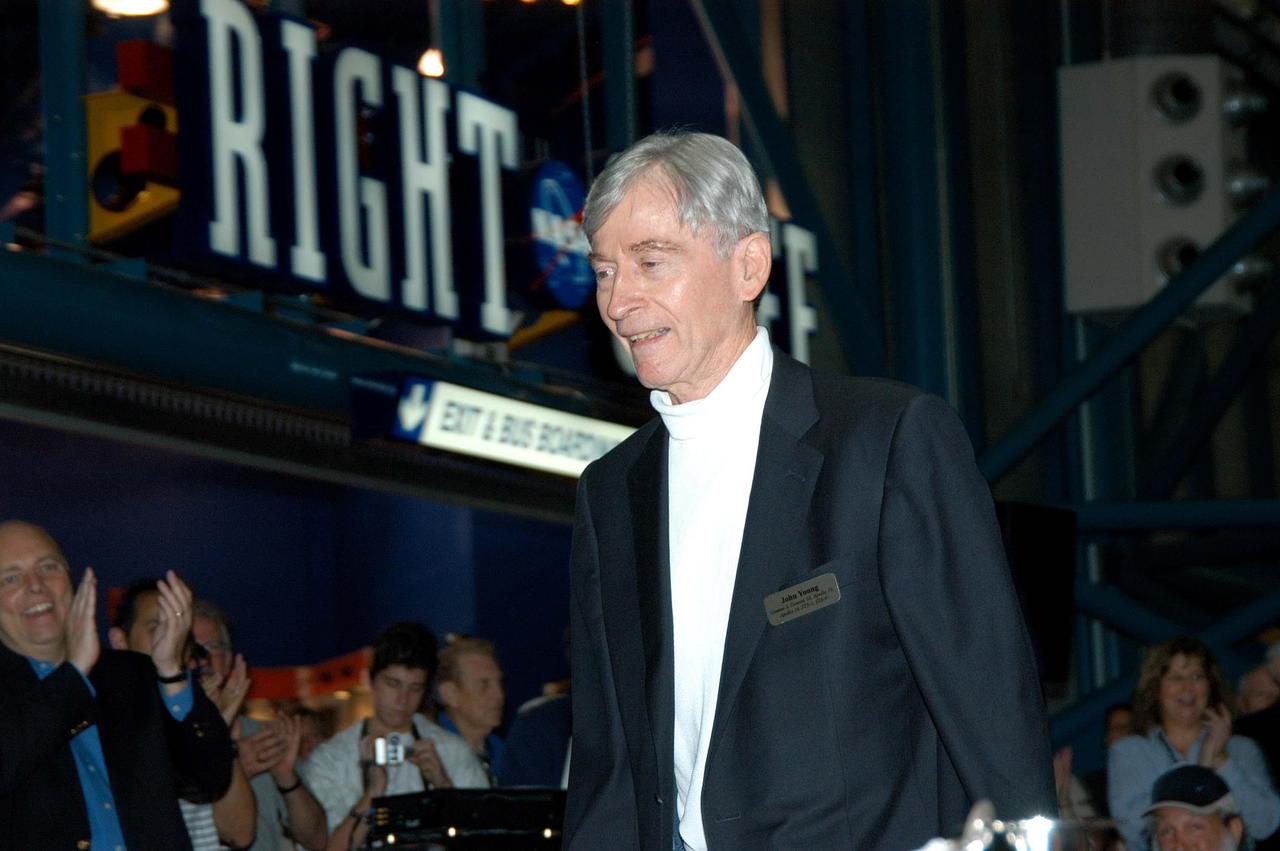
KENNEDY SPACE CENTER, FLA. -- Before the induction ceremony of five space program heroes into the U.S. Astronaut Hall of Fame, astronaut John Young is warmly greeted as he is introduced as a previous inductee. Co-holder of a record for the most space flights, six, he flew on Gemini 3 and 10, orbited the Moon on Apollo 10, walked on the Moon on Apollo 16, and commanded two space shuttle missions, STS-1 and STS-9. Young currently serves as associate director, technical, at Johnson Space Center. The induction ceremony was held at the Apollo/Saturn V Center at KSC. New inductees are Richard O. Covey, commander of the Hubble Space Telescope repair mission; Norman E. Thagard, the first American to occupy Russia’s Mir space station; the late Francis R. "Dick" Scobee, commander of the ill-fated 1986 Challenger mission; Kathryn D. Sullivan, the first American woman to walk in space; and Frederick D. Gregory, the first African-American to command a space mission and the current NASA deputy administrator. The U.S. Astronaut Hall of Fame opened in 1990 to provide a place where space travelers could be remembered for their participation and accomplishments in the U.S. space program. The five inductees join 52 previously honored astronauts from the ranks of the Gemini, Apollo, Skylab, Apollo-Soyuz, and Space Shuttle programs.
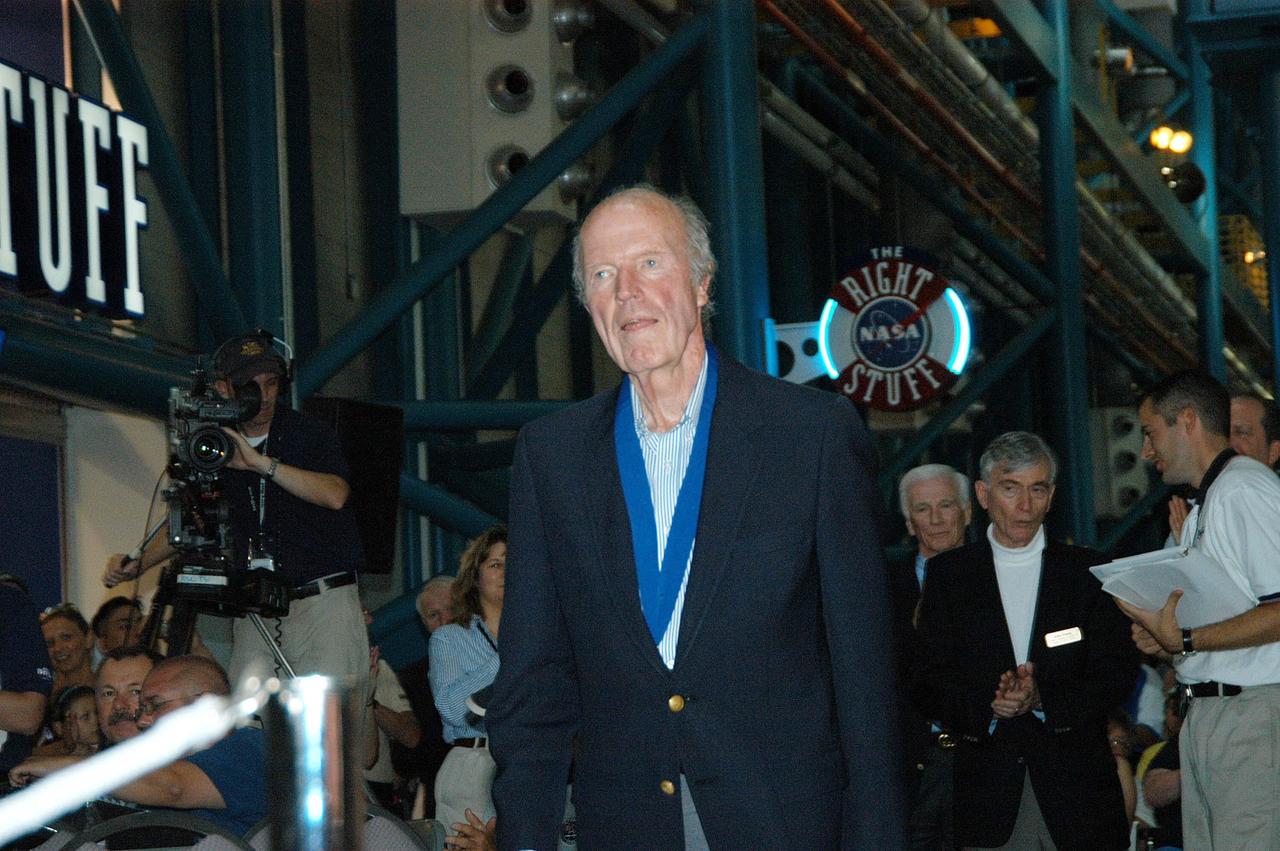
KENNEDY SPACE CENTER, FLA. -- Before the induction ceremony of five space program heroes into the U.S. Astronaut Hall of Fame, former astronaut Gordon Cooper is introduced as a previous inductee. One of America’s original Mercury Seven astronauts, Cooper flew the last and longest Project Mercury orbital mission and spent eight days in space aboard Gemini 5. The ceremony was held at the Apollo/Saturn V Center at KSC. New inductees are Richard O. Covey, commander of the Hubble Space Telescope repair mission; Norman E. Thagard, the first American to occupy Russia’s Mir space station; the late Francis R. "Dick" Scobee, commander of the ill-fated 1986 Challenger mission; Kathryn D. Sullivan, the first American woman to walk in space; and Frederick D. Gregory, the first African-American to command a space mission and the current NASA deputy administrator. The U.S. Astronaut Hall of Fame opened in 1990 to provide a place where space travelers could be remembered for their participation and accomplishments in the U.S. space program. The five inductees join 52 previously honored astronauts from the ranks of the Gemini, Apollo, Skylab, Apollo-Soyuz, and Space Shuttle programs.
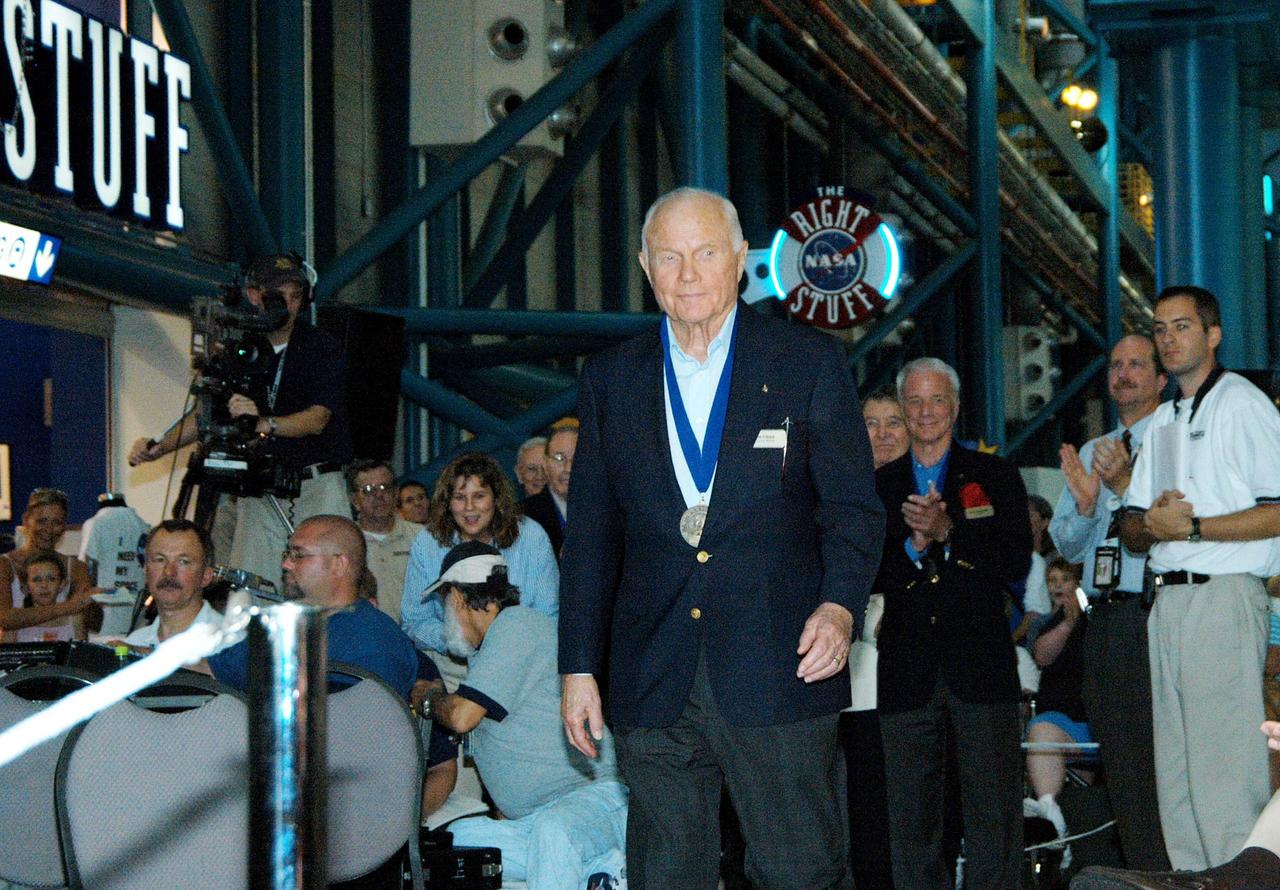
KENNEDY SPACE CENTER, FLA. -- Before the induction ceremony of five space program heroes into the U.S. Astronaut Hall of Fame, former astronaut John Glenn Jr. is greeted with applause as he is introduced as a previous inductee. One of America's original Mercury Seven astronauts, in 1962 he became the first American to orbit the Earth. Twenty-six years later, at age 77, he spent nine days in space aboard Space Shuttle Discovery. The ceremony was held at the Apollo/Saturn V Center at KSC. New inductees are Richard O. Covey, commander of the Hubble Space Telescope repair mission; Norman E. Thagard, the first American to occupy Russia’s Mir space station; the late Francis R. "Dick" Scobee, commander of the ill-fated 1986 Challenger mission; Kathryn D. Sullivan, the first American woman to walk in space; and Frederick D. Gregory, the first African-American to command a space mission and the current NASA deputy administrator. The U.S. Astronaut Hall of Fame opened in 1990 to provide a place where space travelers could be remembered for their participation and accomplishments in the U.S. space program. The five inductees join 52 previously honored astronauts from the ranks of the Gemini, Apollo, Skylab, Apollo-Soyuz, and Space Shuttle programs.
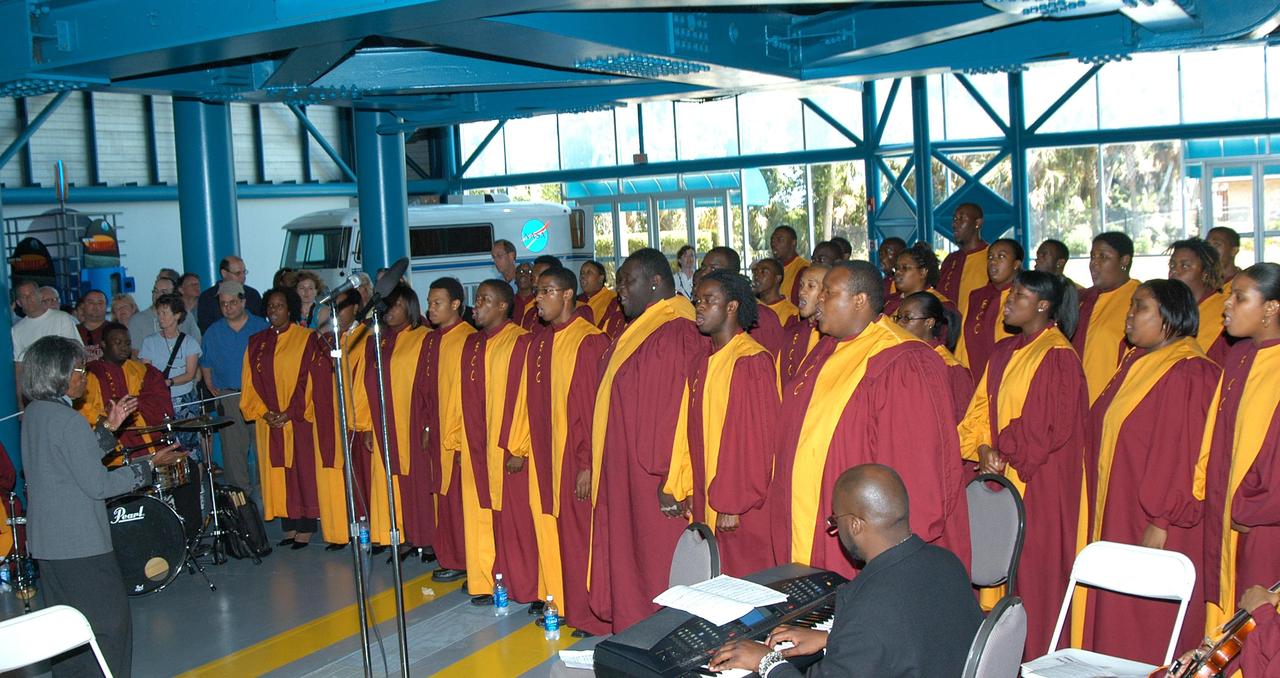
KENNEDY SPACE CENTER, FLA. -- Inside the Apollo/Saturn V Center at the Kennedy Space Center Visitor Complex, the Bethune-Cookman Choir performs prior to the induction ceremony of five space program heroes into the U.S. Astronaut Hall of Fame. New inductees are Richard O. Covey, commander of the Hubble Space Telescope repair mission; Norman E. Thagard, the first American to occupy Russia’s Mir space station; the late Francis R. "Dick" Scobee, commander of the ill-fated 1986 Challenger mission; Kathryn D. Sullivan, the first American woman to walk in space; and Frederick D. Gregory, the first African-American to command a space mission and the current NASA deputy administrator. The U.S. Astronaut Hall of Fame opened in 1990 to provide a place where space travelers could be remembered for their participation and accomplishments in the U.S. space program. To be eligible for induction, an individual must have been a U.S. citizen, a NASA astronaut, and out of the active astronaut corps at least five years. The five inductees join 52 previously honored astronauts from the ranks of the Gemini, Apollo, Skylab, Apollo-Soyuz, and Space Shuttle programs.
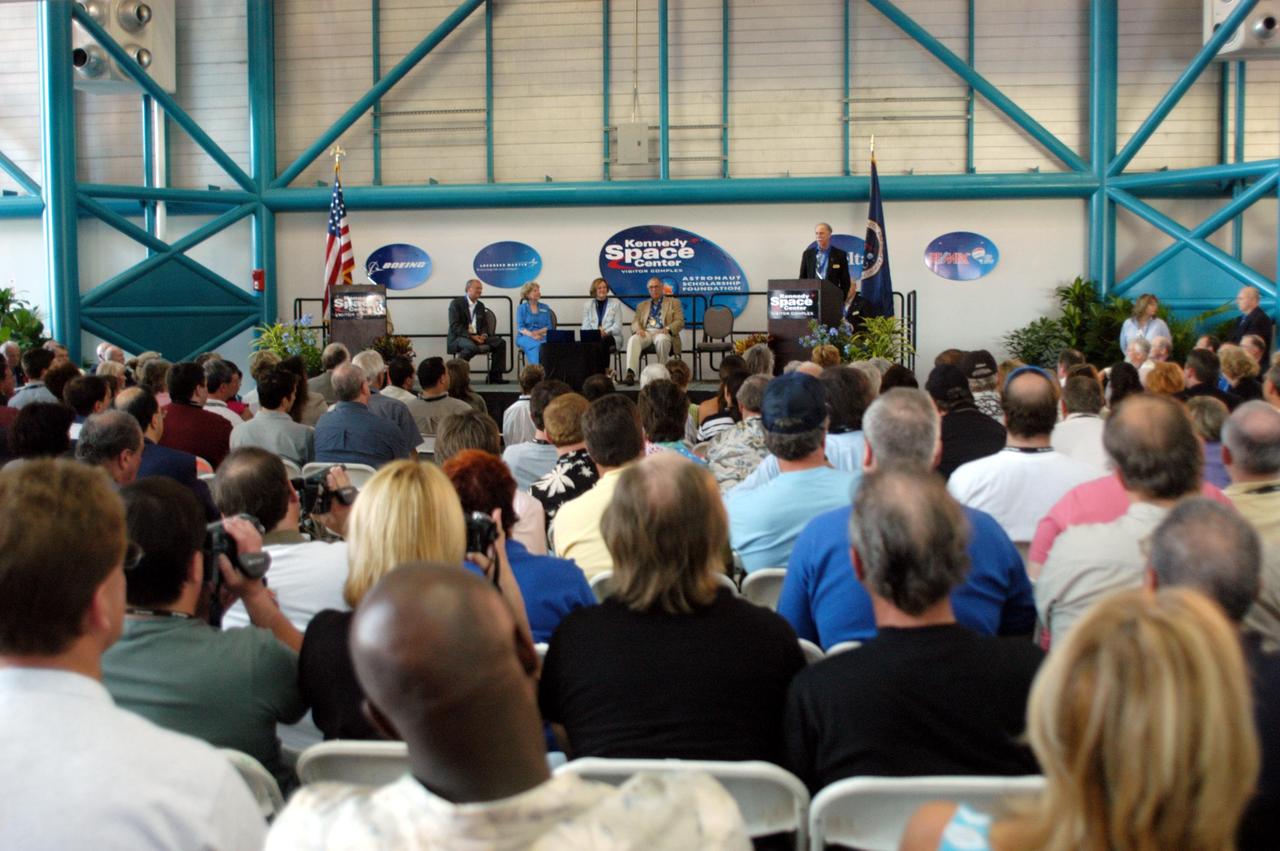
KENNEDY SPACE CENTER, FLA. -- At the Kennedy Space Center Visitor Complex, Richard O. Covey, commander of the Hubble Space Telescope repair mission, speaks to guests at the induction of five space program heroes into the U.S. Astronaut Hall of Fame. Seated from left, they are Norman E. Thagard, the first American to occupy Russia’s Mir space station; June Scobee, on behalf of her late husband Francis R. "Dick" Scobee, commander of the ill-fated 1986 Challenger mission; Kathryn D. Sullivan, the first American woman to walk in space; and Frederick D. Gregory, the first African-American to command a space mission and the current NASA deputy administrator. The U.S. Astronaut Hall of Fame opened in 1990 to provide a place where space travelers could be remembered for their participation and accomplishments in the U.S. space program. To be eligible for induction, an individual must have been a U.S. citizen, a NASA astronaut, and out of the active astronaut corps at least five years. The five inductees join 52 previously honored astronauts from the ranks of the Gemini, Apollo, Skylab, Apollo-Soyuz, and Space Shuttle programs.
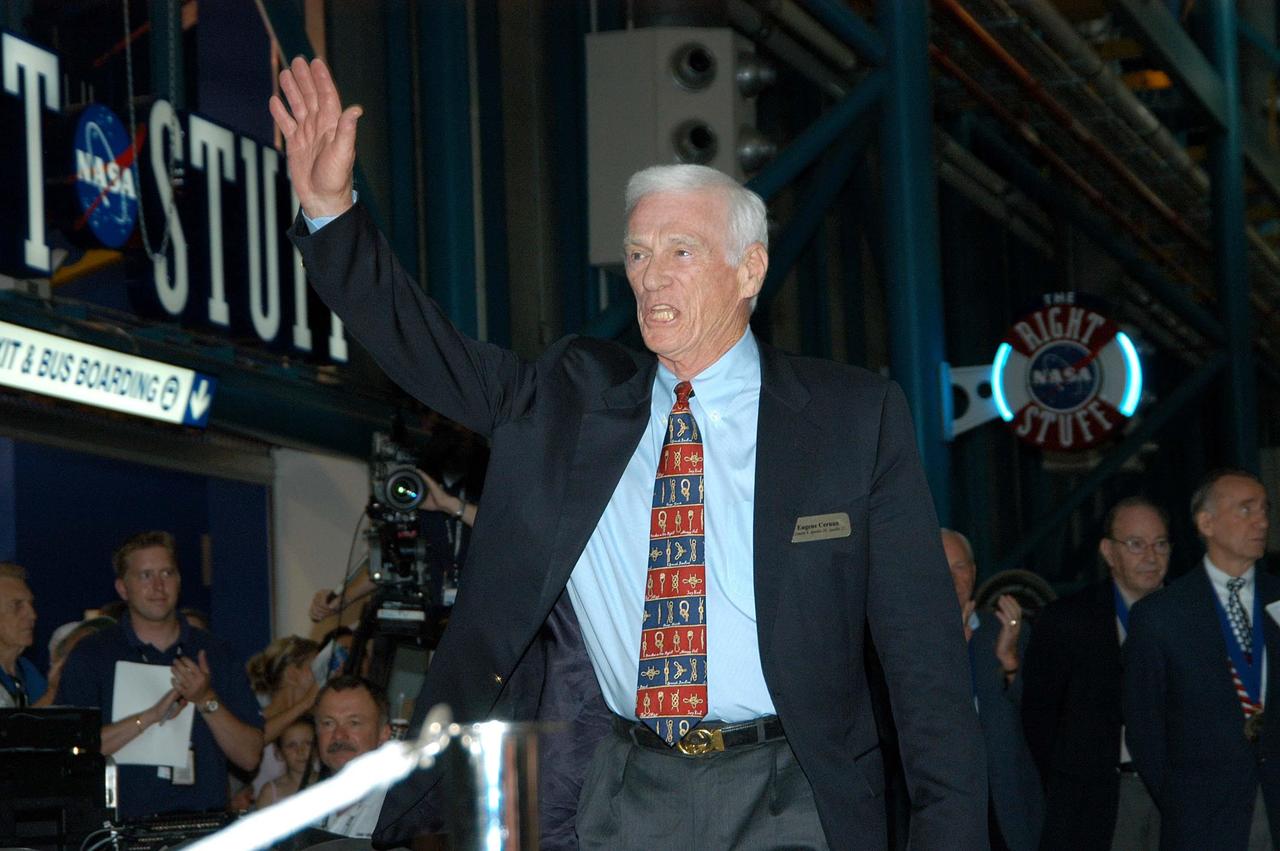
KENNEDY SPACE CENTER, FLA. -- Before the induction ceremony of five space program heroes into the U.S. Astronaut Hall of Fame, former astronaut Gene Cernan waves to guests as he is introduced as a previous inductee. He walked in space on Gemini 9, orbited the Moon on Apollo 10 and walked on the Moon as commander of Apollo 17. The ceremony was held at the Apollo/Saturn V Center at KSC. New inductees are Richard O. Covey, commander of the Hubble Space Telescope repair mission; Norman E. Thagard, the first American to occupy Russia’s Mir space station; the late Francis R. "Dick" Scobee, commander of the ill-fated 1986 Challenger mission; Kathryn D. Sullivan, the first American woman to walk in space; and Frederick D. Gregory, the first African-American to command a space mission and the current NASA deputy administrator. The U.S. Astronaut Hall of Fame opened in 1990 to provide a place where space travelers could be remembered for their participation and accomplishments in the U.S. space program. The five inductees join 52 previously honored astronauts from the ranks of the Gemini, Apollo, Skylab, Apollo-Soyuz, and Space Shuttle programs.
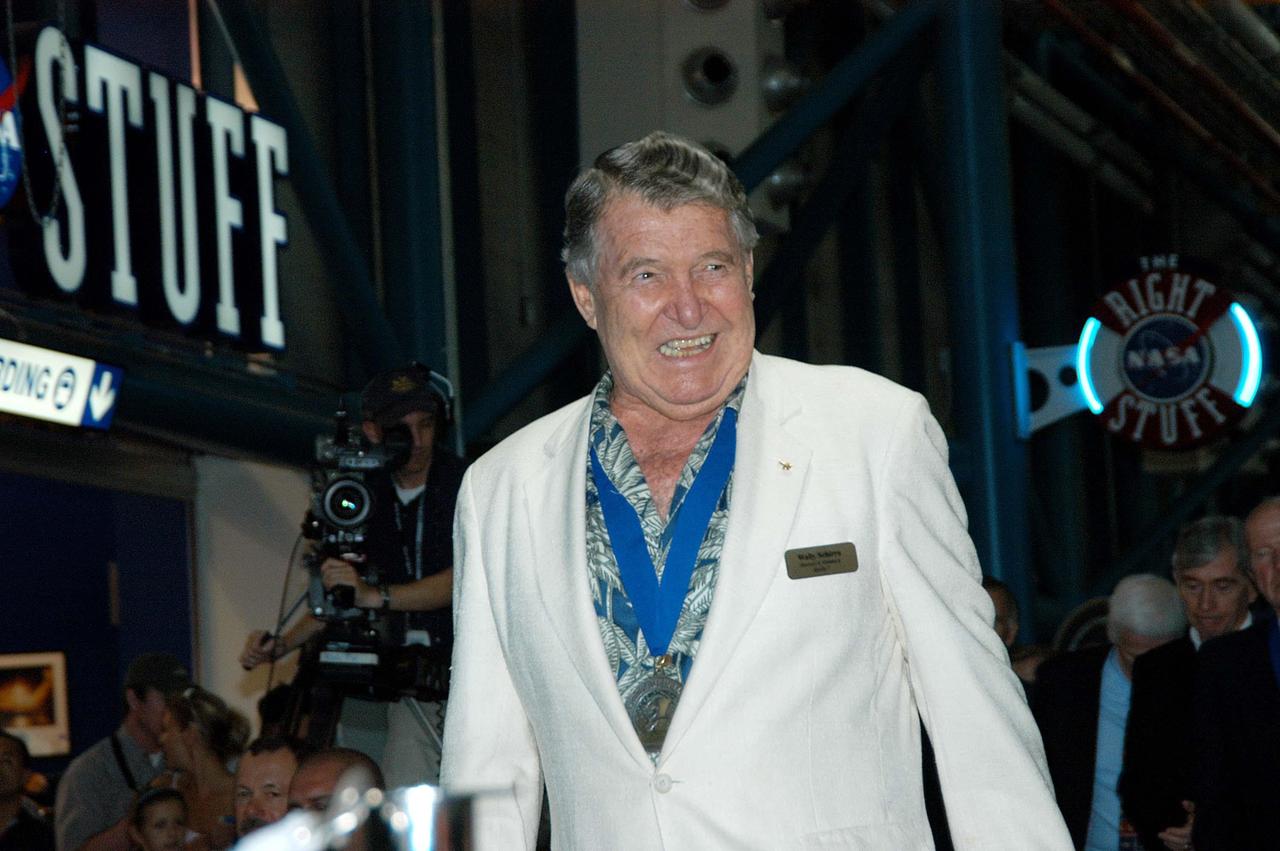
KENNEDY SPACE CENTER, FLA. -- Before the induction ceremony of five space program heroes into the U.S. Astronaut Hall of Fame, former astronaut Wally Schirra is greeted with applause as he is introduced as a previous inductee. One of America's original Mercury Seven astronauts, Schirra is the only one who flew in all three of the nation's pioneering space programs, Mercury, Gemini, and Apollo. The ceremony was held at the Apollo/Saturn V Center at KSC. New inductees are Richard O. Covey, commander of the Hubble Space Telescope repair mission; Norman E. Thagard, the first American to occupy Russia’s Mir space station; the late Francis R. "Dick" Scobee, commander of the ill-fated 1986 Challenger mission; Kathryn D. Sullivan, the first American woman to walk in space; and Frederick D. Gregory, the first African-American to command a space mission and the current NASA deputy administrator. The U.S. Astronaut Hall of Fame opened in 1990 to provide a place where space travelers could be remembered for their participation and accomplishments in the U.S. space program. The five inductees join 52 previously honored astronauts from the ranks of the Gemini, Apollo, Skylab, Apollo-Soyuz, and Space Shuttle programs.
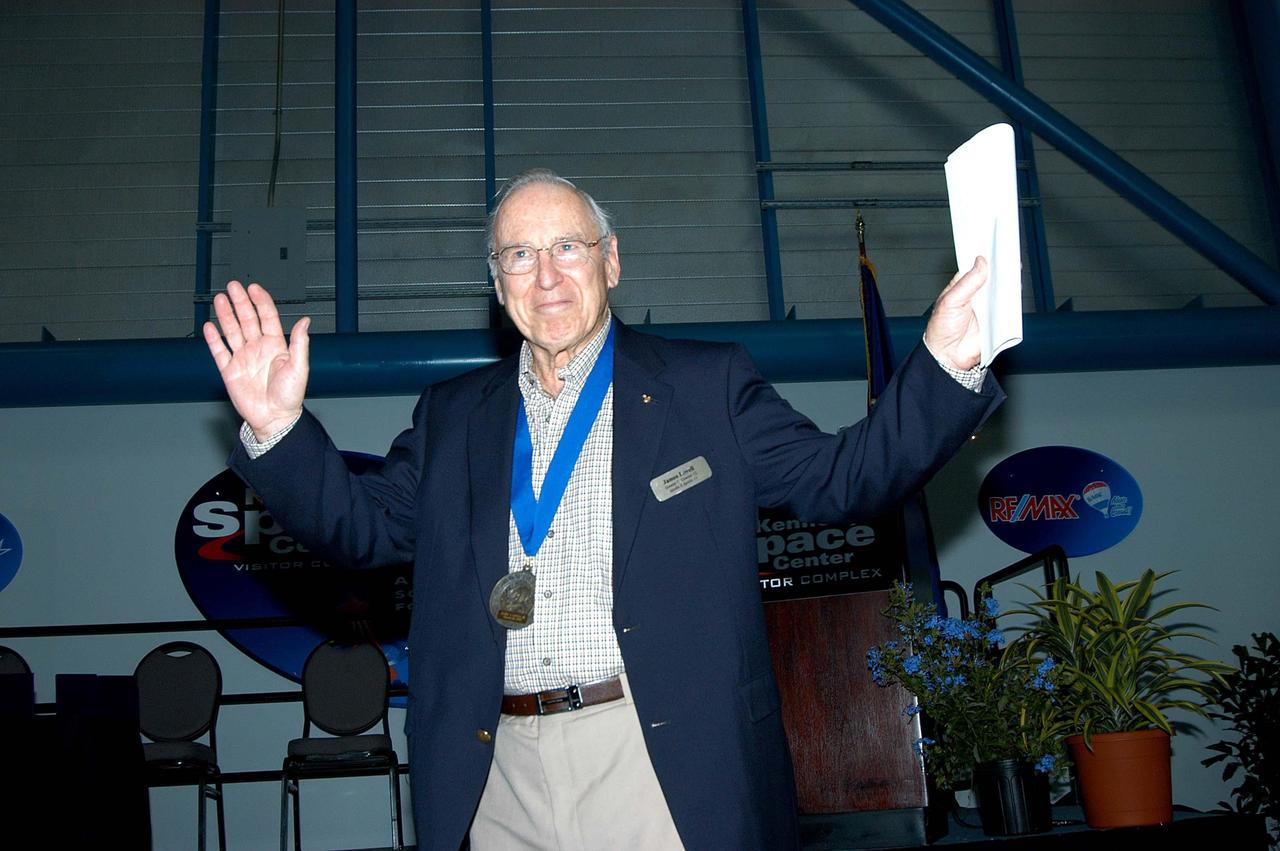
KENNEDY SPACE CENTER, FLA. -- Former astronaut Jim Lovell acknowledges the applause as he is introduced as a previous inductee into the U.S. Astronaut Hall of Fame. He and other Hall of Fame members were present for the induction of five new space program heroes into the U.S. Astronaut Hall of Fame: Richard O. Covey, commander of the Hubble Space Telescope repair mission; Norman E. Thagard, the first American to occupy Russia’s Mir space station; the late Francis R. "Dick" Scobee, commander of the ill-fated 1986 Challenger mission; Kathryn D. Sullivan, the first American woman to walk in space; and Frederick D. Gregory, the first African-American to command a space mission and the current NASA deputy administrator. Lovell piloted Gemini 7, commanded Gemini 12, orbited the Moon on Apollo 8 and commanded the aborted Apollo 13 moon flight. The induction ceremony was held at the Apollo/Saturn V Center at KSC. The U.S. Astronaut Hall of Fame opened in 1990 to provide a place where space travelers could be remembered for their participation and accomplishments in the U.S. space program. The five inductees join 52 previously honored astronauts from the ranks of the Gemini, Apollo, Skylab, Apollo-Soyuz, and Space Shuttle programs.
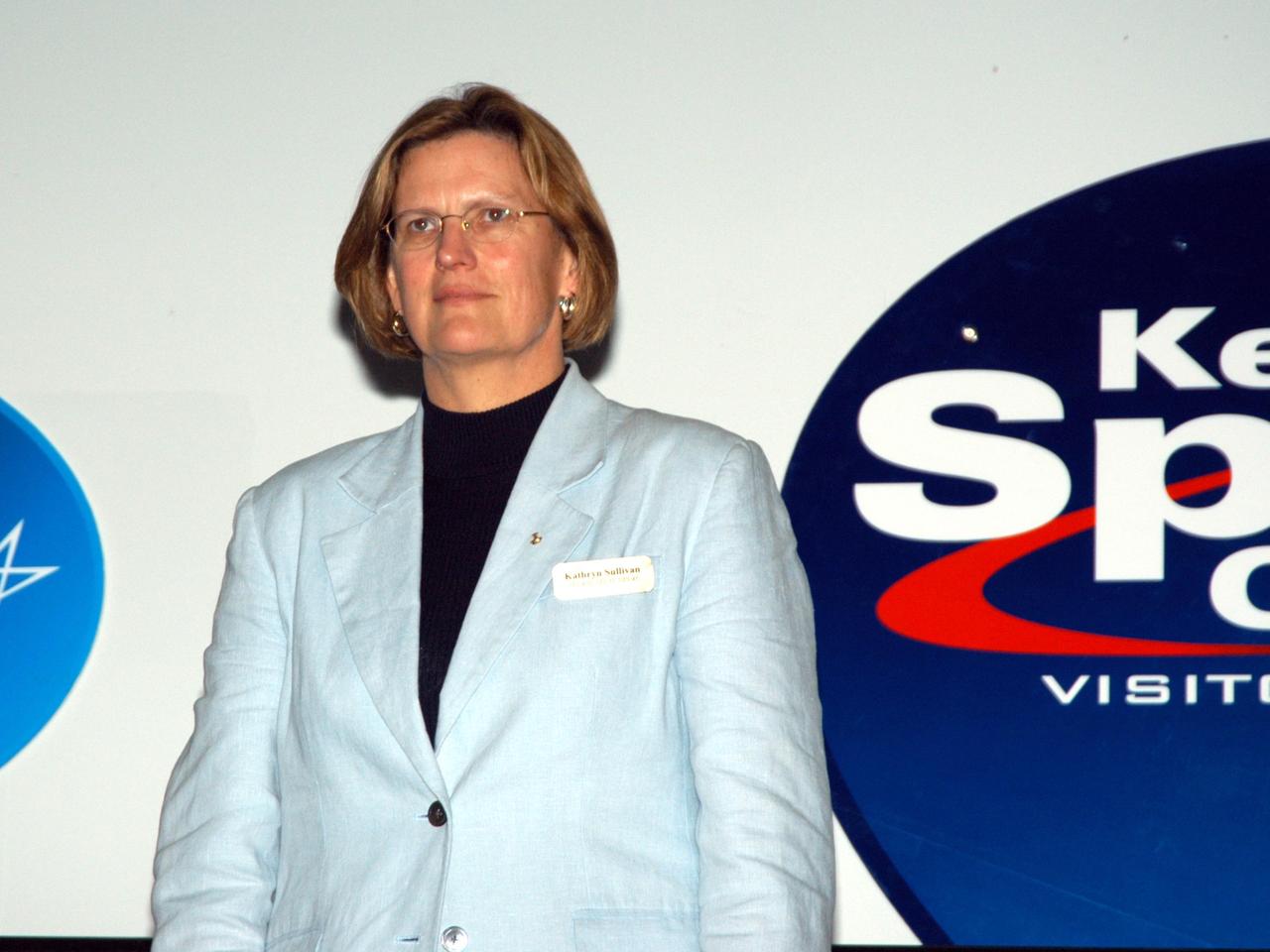
KENNEDY SPACE CENTER, FLA. -- At the Kennedy Space Center Visitor Complex, Dr. Kathryn D. Sullivan, the first American woman to walk in space, is inducted into the U.S. Astronaut Hall of Fame. Also chosen for this honor in 2004 are Richard O. Covey, commander of the Hubble Space Telescope repair mission; Frederick D. Gregory, the first African-American to command a space mission; Norman E. Thagard, the first American to occupy Russia's Mir space station; and the late Francis R. "Dick" Scobee, commander of the ill-fated 1986 Challenger mission. The U.S. Astronaut Hall of Fame opened in 1990 to provide a place where space travelers could be remembered for their participation and accomplishments in the U.S. space program. To be eligible for induction, an individual must have been a U.S. citizen, a NASA astronaut, and out of the active astronaut corps at least five years. The five inductees join 52 previously honored astronauts from the ranks of the Gemini, Apollo, Skylab, Apollo-Soyuz, and Space Shuttle programs.
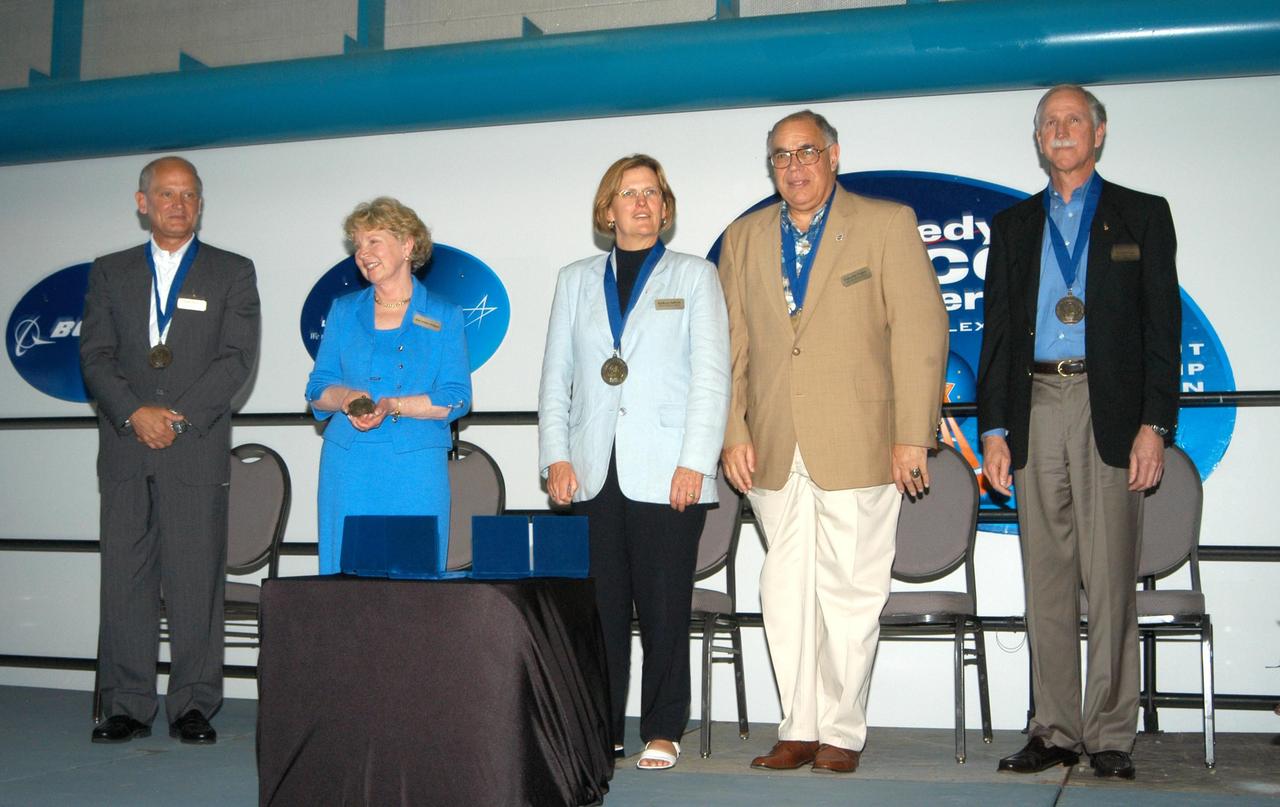
KENNEDY SPACE CENTER, FLA. -- At the Kennedy Space Center Visitor Complex, five space program heroes accept the accolades of the crowd attending their induction into the U.S. Astronaut Hall of Fame. From left, they are Norman E. Thagard, the first American to occupy Russia's Mir space station; June Scobee, on behalf of her late husband Francis R. "Dick" Scobee, commander of the ill-fated 1986 Challenger mission; Kathryn D. Sullivan, the first American woman to walk in space; Frederick D. Gregory, the first African-American to command a space mission and the current NASA Deputy Administrator; and Richard O. Covey, commander of the Hubble Space Telescope repair mission. The U.S. Astronaut Hall of Fame opened in 1990 to provide a place where space travelers could be remembered for their participation and accomplishments in the U.S. space program. To be eligible for induction, an individual must have been a U.S. citizen, a NASA astronaut, and out of the active astronaut corps at least five years. The five inductees join 52 previously honored astronauts from the ranks of the Gemini, Apollo, Skylab, Apollo-Soyuz, and Space Shuttle programs.
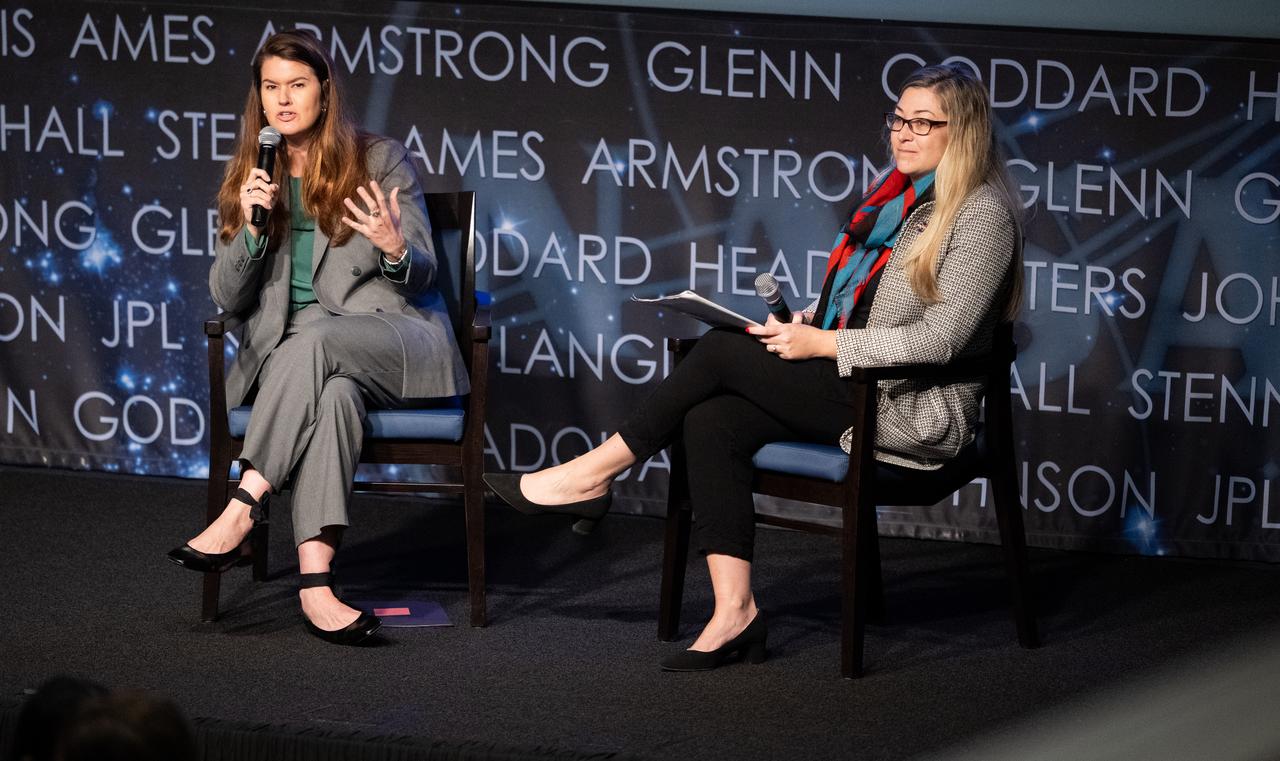
NASA Deputy Associate Administrator Casey Swails, left, and Jessica Gregory from NASA’s Office of Legislative and Intergovernmental Affairs, speak to delegates of the U.S. Senate Youth Program during a fireside chat, Wednesday, March 5, 2025 at the Mary W. Jackson NASA Headquarters Building in Washington. Photo Credit: (NASA/Joel Kowsky)
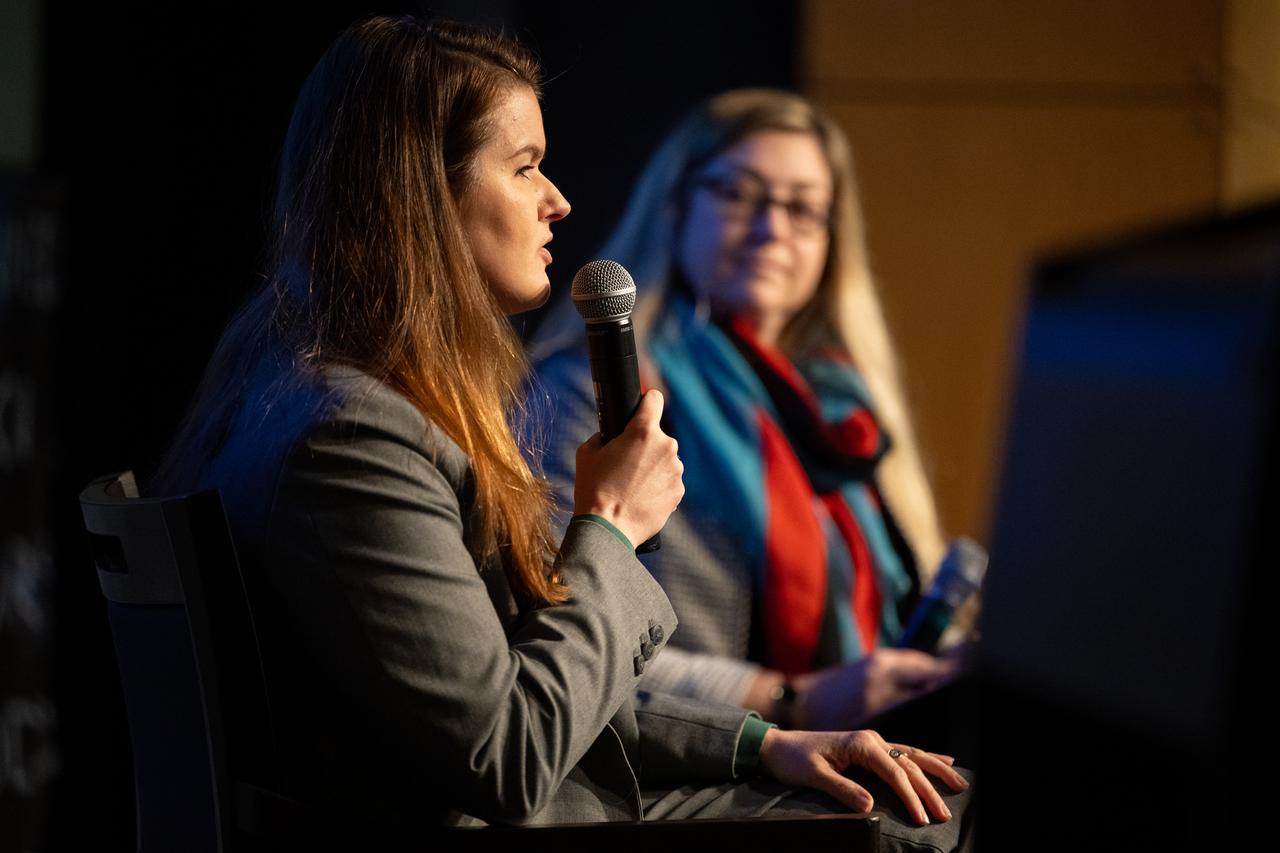
NASA Deputy Associate Administrator Casey Swails, left, and Jessica Gregory from NASA’s Office of Legislative and Intergovernmental Affairs, speak to delegates of the U.S. Senate Youth Program during a fireside chat, Wednesday, March 5, 2025 at the Mary W. Jackson NASA Headquarters Building in Washington. Photo Credit: (NASA/Joel Kowsky)
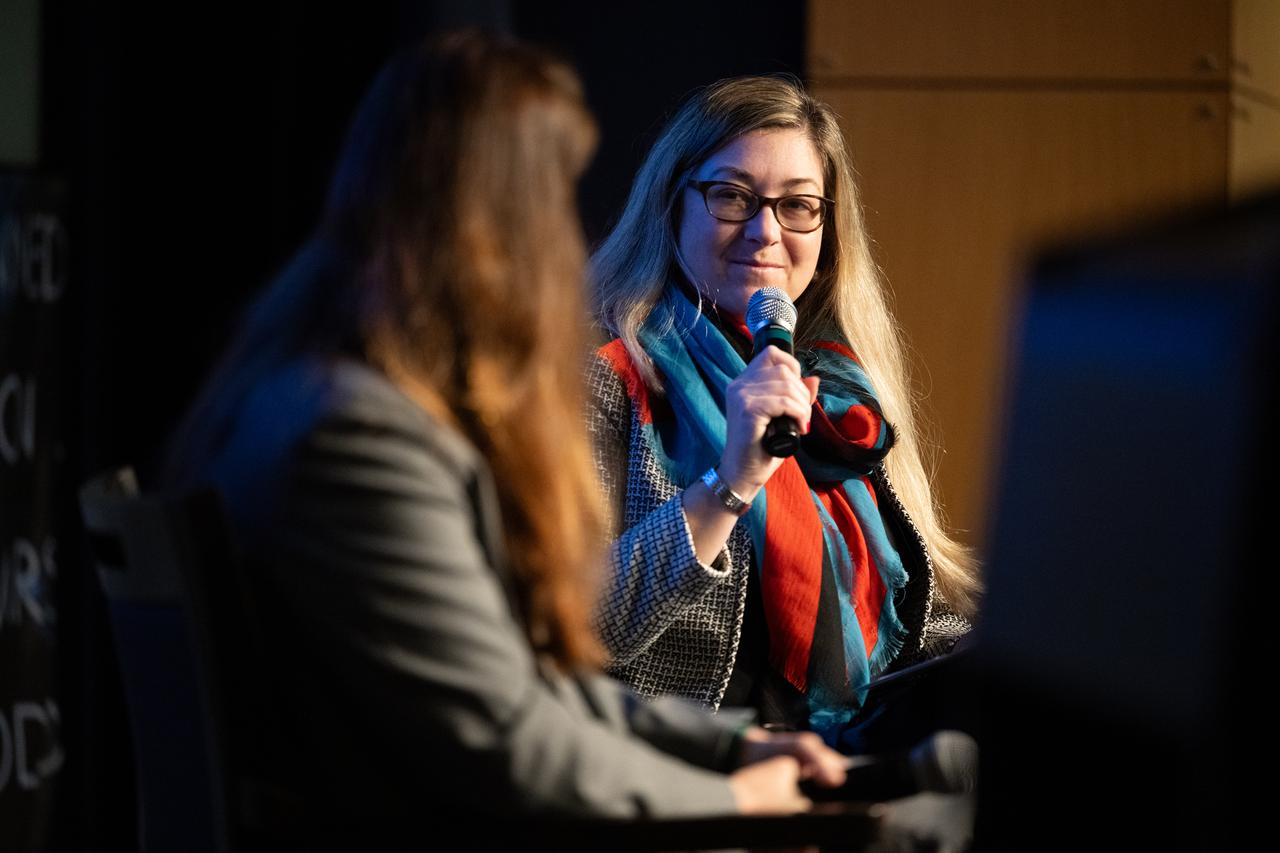
Jessica Gregory, from NASA’s Office of Legislative and Intergovernmental Affairs, and NASA Deputy Associate Administrator Casey Swails speak to delegates of the U.S. Senate Youth Program during a fireside chat, Wednesday, March 5, 2025 at the Mary W. Jackson NASA Headquarters Building in Washington. Photo Credit: (NASA/Joel Kowsky)
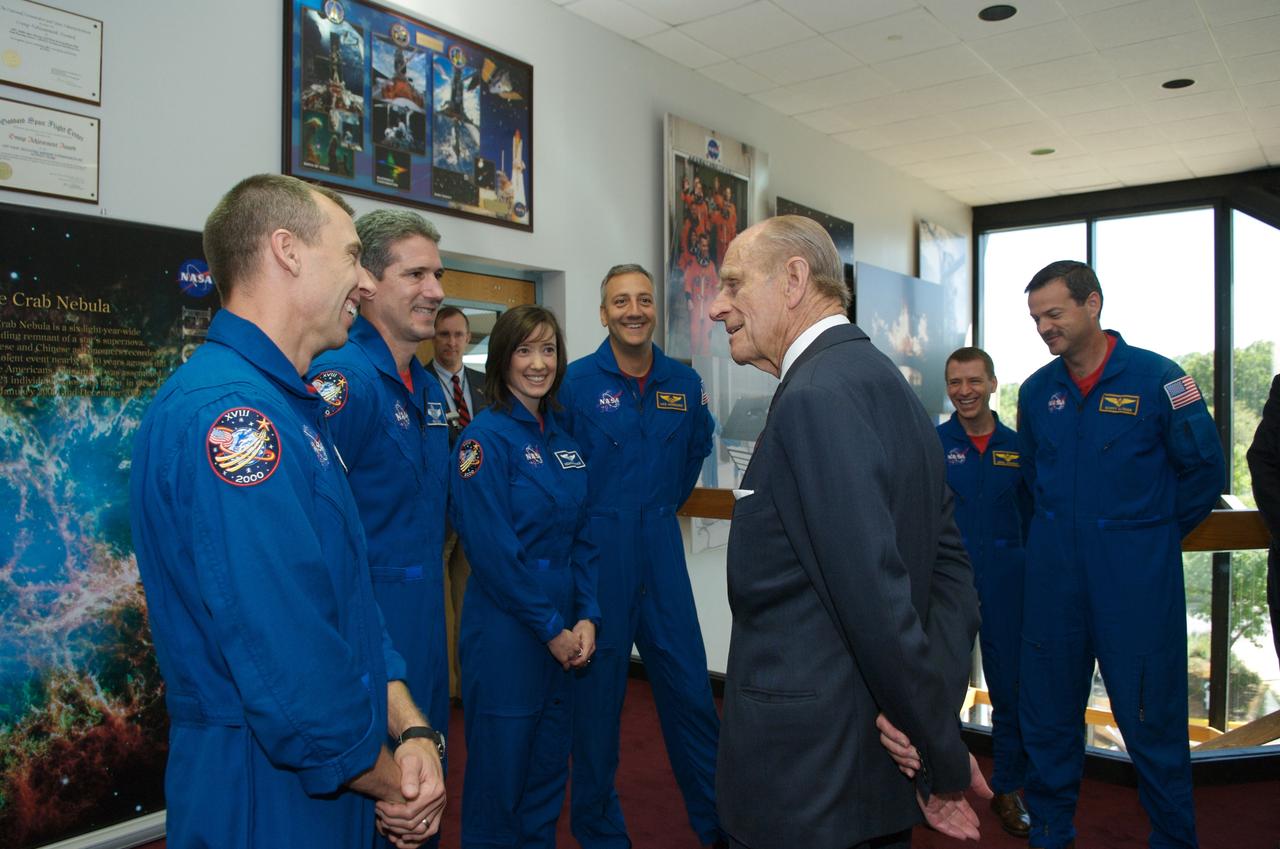
Prince Philip greets astronauts from STS-125 L to R Andrew J Feustel, Michael T Goode, K. Megan McArthur, Michael J. Massimino, Gregory C. Johnson, and Commander Scott D. Altman. Photo Credit: (NASA/Chris Gunn)
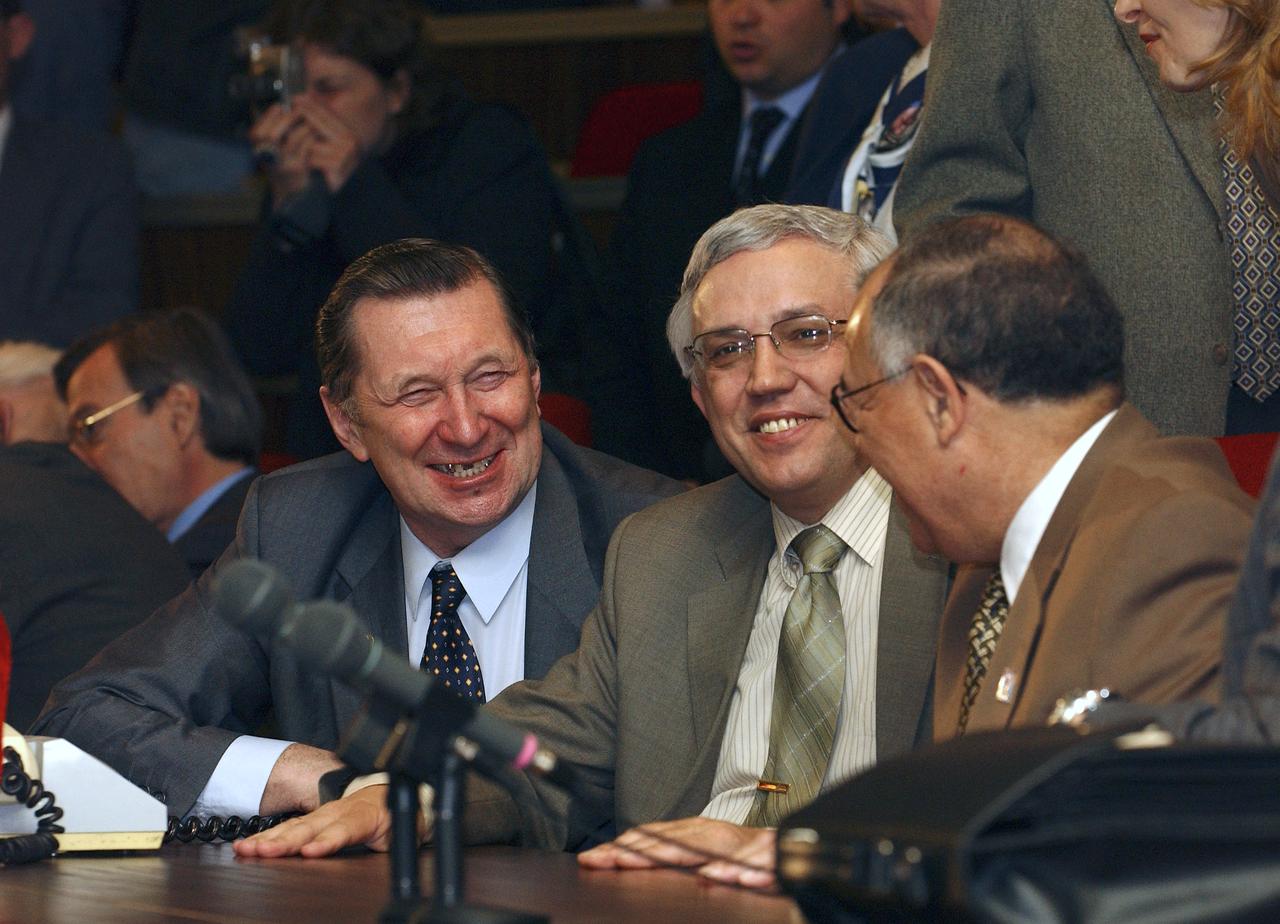
NASA Deputy Administrator Fred Gregory, right, and Nikolai Moiseev, Deputy General-Director of the Russian Federal Space Agency, center, share a light-hearted moment at the Russian Mission Control Center outside Moscow, Wednesday, April 21, 2004, following the successful docking of a Russian Soyuz spacecraft to the International Space Station. The Soyuz brought the new Expedition 9 crew and a European Space Agency researcher to the Station following their launch from the Baikonur Cosmodrome in Kazakhstan. Photo Credit: (NASA/Bill Ingalls)
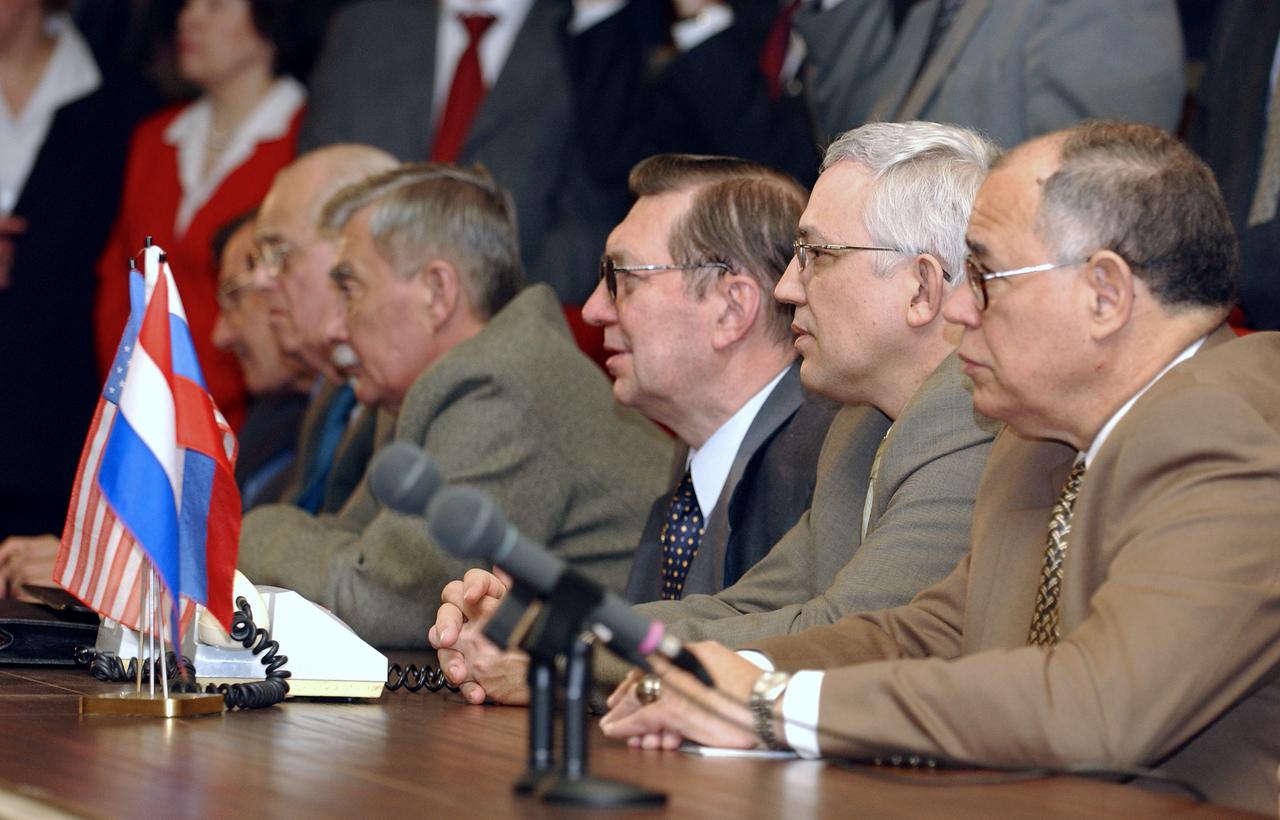
NASA Deputy Administrator Fred Gregory, far right, and Russian Federal Space Agency Deputy General-Director Nikolai Moiseev, second from right, answer questions from reporters along with other Russian space officials at a news conference, Wednesday, April 21, 2004, at the Russian Mission Control Center outside Moscow following the docking of the Expedition 9 crew and a European Space Agency astronaut to the International Space Station in a Russian Soyuz spacecraft. Photo Credit: (NASA/Bill Ingalls)
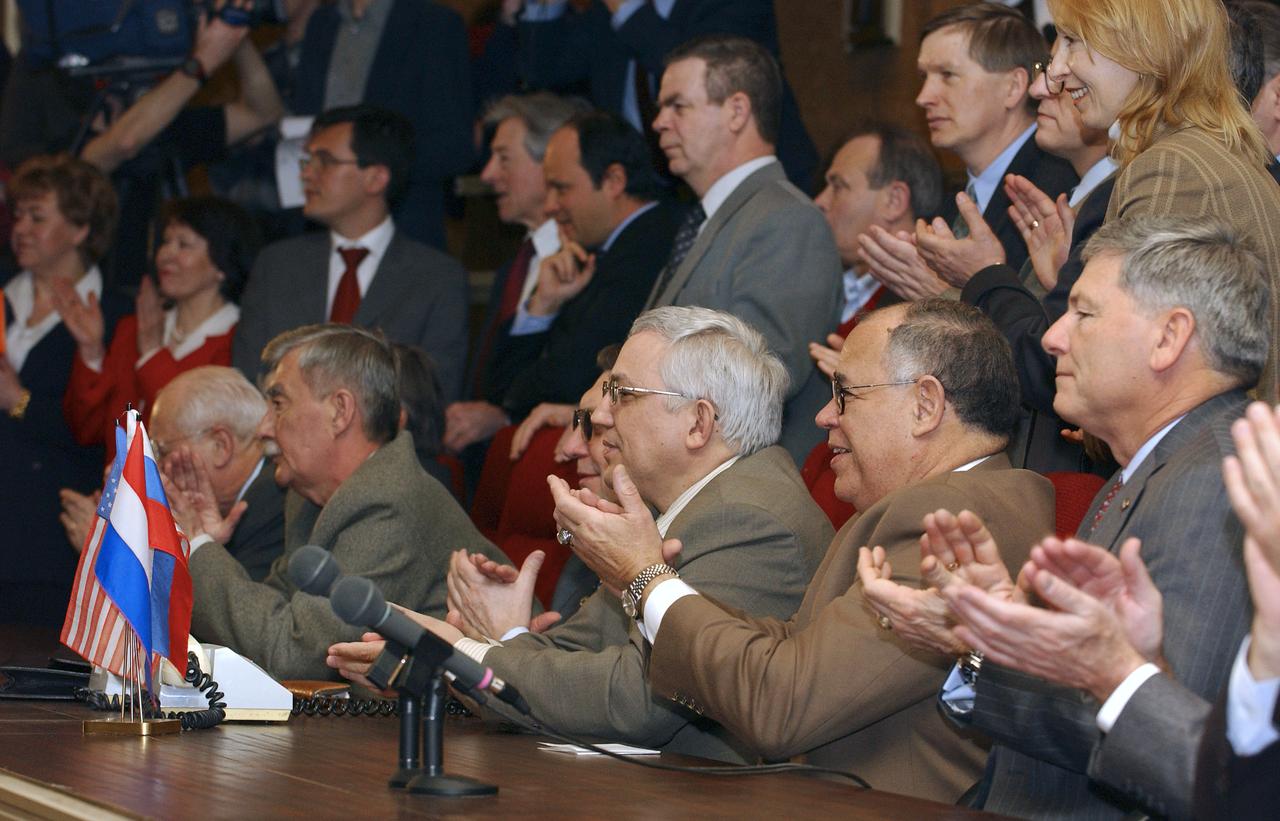
NASA Deputy Administrator Fred Gregory, second from right, and Russian Federal Space Agency Deputy General-Director Nikolai Moiseev, center, answer questions from reporters along with other Russian space officials at a news conference, Wednesday, April 21, 2004, at the Russian Mission Control Center outside Moscow following the docking of the Expedition 9 crew and a European Space Agency astronaut to the International Space Station in a Russian Soyuz spacecraft. Photo Credit: (NASA/Bill Ingalls)
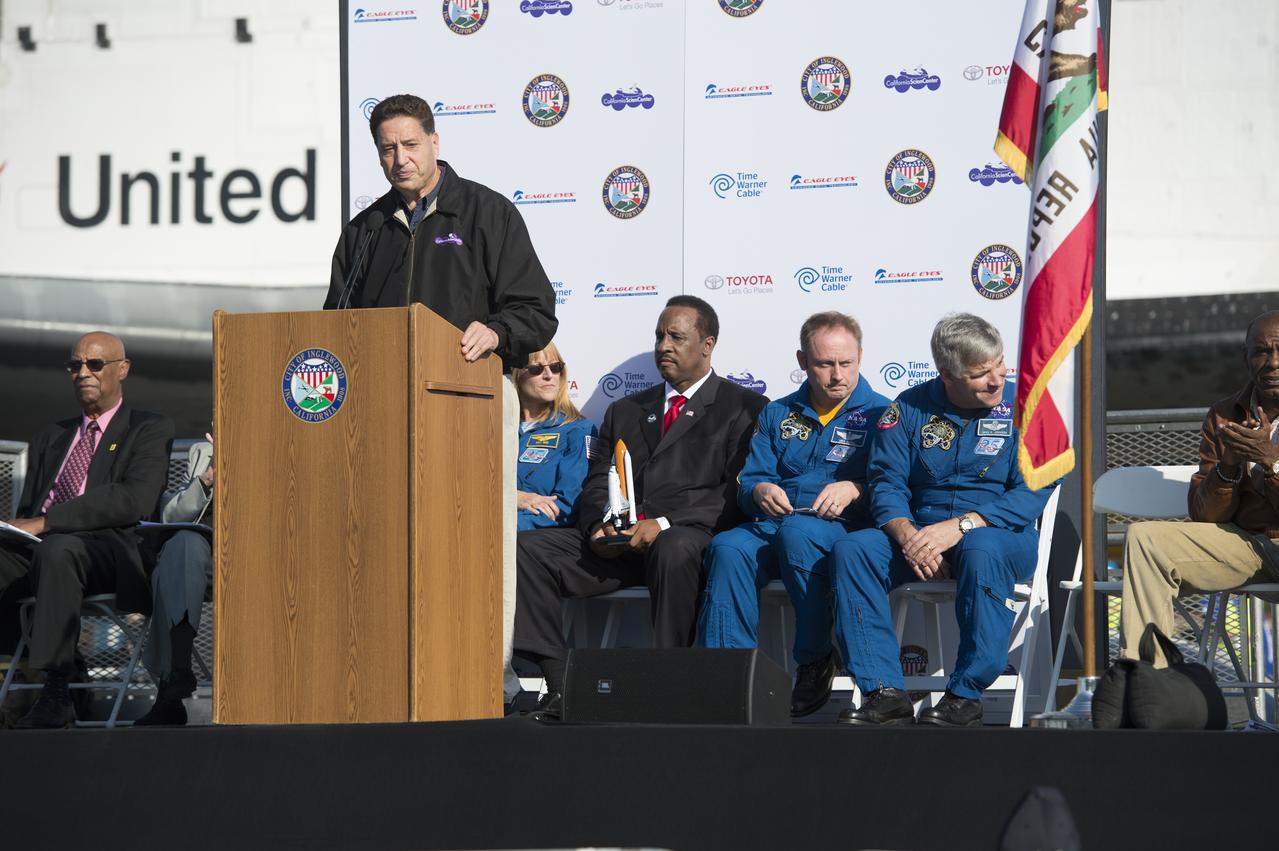
Jeffrey Rudolph, President and CEO, California Science Center speaks at the Endeavour Kick-Off Ceremony at The Forum in Inglewood, Saturday, Oct. 13, 2012. Behind him are seen Hildreth Walker, Founder of A-Man Inc. STEM International Science Center, far left; James T. Butts, Jr., Mayor of Inglewood; NASA astronauts Michael Fincke and Gregory Johnson, far right. Endeavour, built as a replacement for space shuttle Challenger, completed 25 missions, spent 299 days in orbit, and orbited Earth 4,671 times while traveling 122,883,151 miles. Beginning Oct. 30, the shuttle will be on display in the CSC’s Samuel Oschin Space Shuttle Endeavour Display Pavilion, embarking on its new mission to commemorate past achievements in space and educate and inspire future generations of explorers. Photo Credit: (NASA/Carla Cioffi)
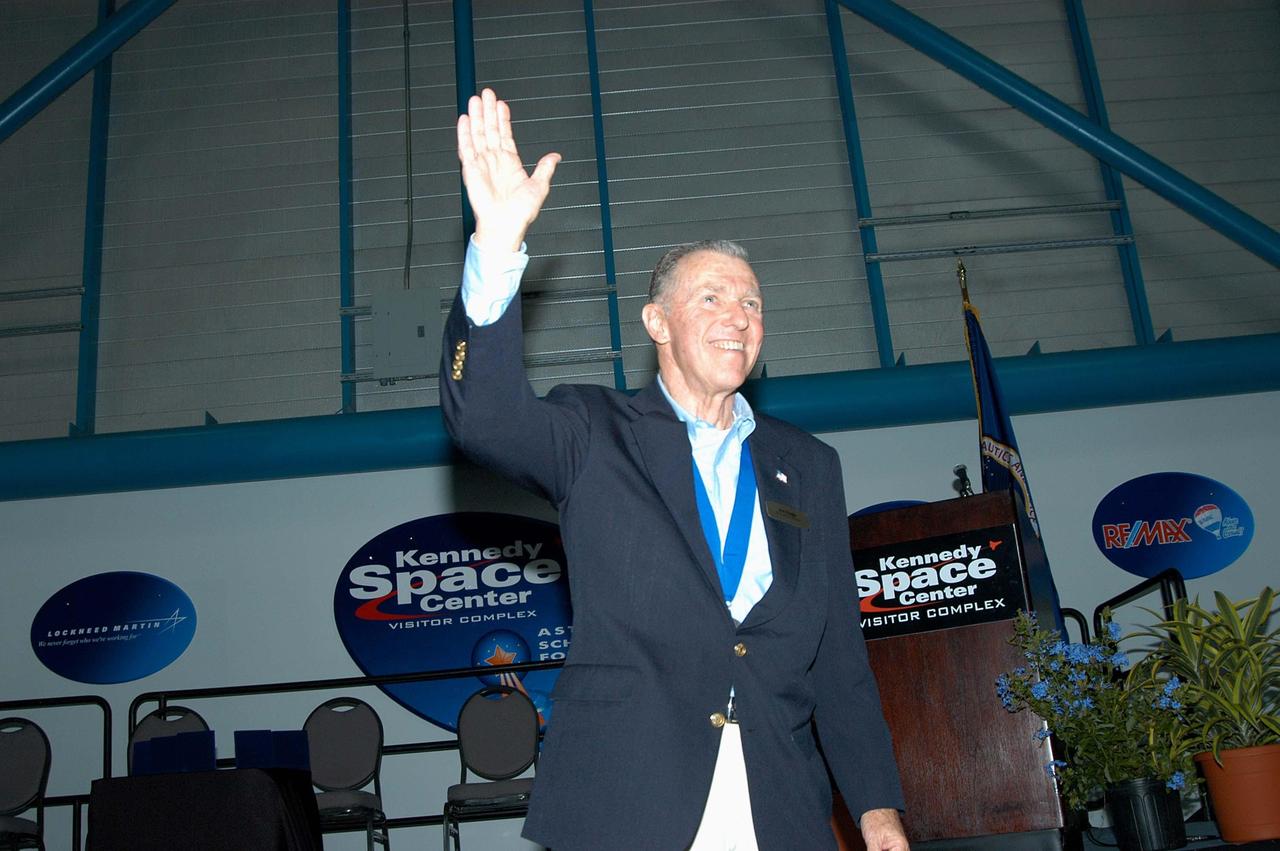
KENNEDY SPACE CENTER, FLA. -- Former astronaut Joe Engle acknowledges the applause as he is introduced as a previous inductee into the U.S. Astronaut Hall of Fame. He and other Hall of Fame members were present for the induction of five new space program heroes into the U.S. Astronaut Hall of Fame: Richard O. Covey, commander of the Hubble Space Telescope repair mission; Norman E. Thagard, the first American to occupy Russia’s Mir space station; the late Francis R. "Dick" Scobee, commander of the ill-fated 1986 Challenger mission; Kathryn D. Sullivan, the first American woman to walk in space; and Frederick D. Gregory, the first African-American to command a space mission and the current NASA deputy administrator. Engle made 16 flights in the X-15 rocket plane before he became a NASA astronaut and flew two Space Shuttle missions. In 1981, he commanded the second flight of Columbia, the first manned spacecraft to be reflown in space, and in 1985 he commanded a five-man crew on the 20th shuttle flight, a satellite-deploy and repair mission. The induction ceremony was held at the Apollo/Saturn V Center at KSC. The U.S. Astronaut Hall of Fame opened in 1990 to provide a place where space travelers could be remembered for their participation and accomplishments in the U.S. space program. The five inductees join 52 previously honored astronauts from the ranks of the Gemini, Apollo, Skylab, Apollo-Soyuz, and Space Shuttle programs.

NASA Deputy Administrator Fred Gregory, left, joins Russian Federal Space Agency Deputy General-Director Nikolai Moiseev, Wednesday, April 21, 2004, at the Russian Mission Control Center outside Moscow to view the docking of the Expedition 9 crew to the International Space Station in a Russian Soyuz spacecraft. Photo Credit: (NASA/Bill Ingalls)
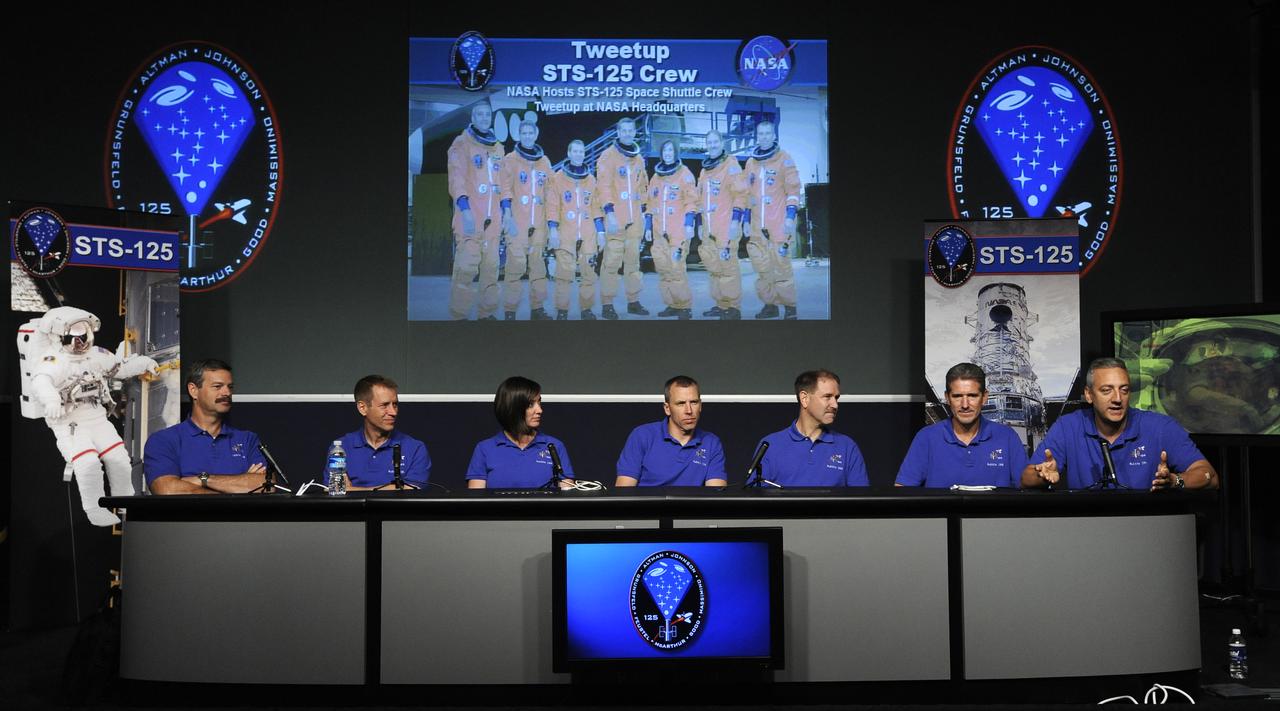
STS-125 shuttle mission crew members, from left, Scott Altman, Gregory Johnson, Megan McArthur, Andrew Feustel, John Grunsfeld, Michael Good and Michael Massimino, give a presentation at the NASA Tweetup event held at NASA Headquarters, July 21, 2009 in Washington. Nearly 200 of NASA's Twitter followers are in attendance, which featured a presentation and a question and answer session with the crew of the STS-125 shuttle mission to repair the Hubble Space Telescope. Photo Credit: (Carla Cioffi)

From left to right are seen Apollo 7 astronaut Walter Cunningham (second from right), NASA astronaut Kay Hire, Hildreth Walker, Founder of A-MAN Inc. STEM International Science Center; NASA astronauts Michael Fincke and Gregory Johnson at the Endeavour Kick-Off Ceremony, Saturday, Oct. 13, 2012 in Inglewood. Endeavour, built as a replacement for space shuttle Challenger, completed 25 missions, spent 299 days in orbit, and orbited Earth 4,671 times while traveling 122,883,151 miles. Beginning Oct. 30, the shuttle will be on display in the CSC’s Samuel Oschin Space Shuttle Endeavour Display Pavilion, embarking on its new mission to commemorate past achievements in space and educate and inspire future generations of explorers. Photo Credit: (NASA/Carla Cioffi)
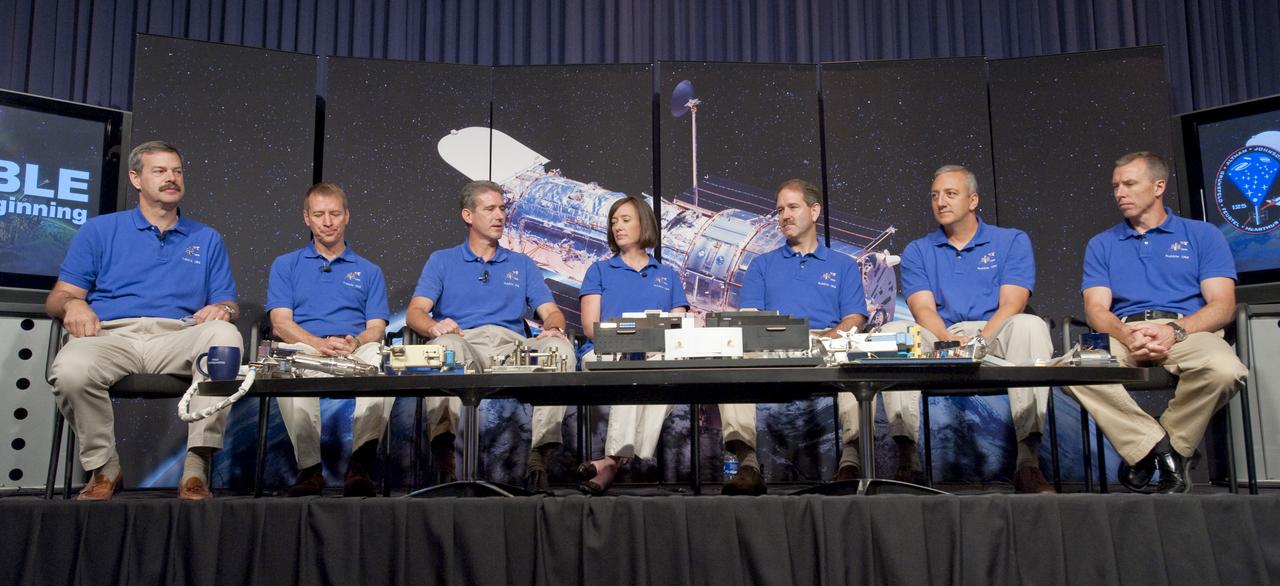
STS-125 crew members from left, Commander Scott Altman, Pilot Gregory Johnson, Mission Specialist Michael Good, Mission Specialist Megan McArthur, Mission Specialist John Grunsfeld, Mission Specialist Michael Massimino and Mission Specialist Andrew Feustel, are seen during a press conference, Wednesday, Sept. 9, 2009, after astronomers declared the NASA's Hubble Space Telescope a fully rejuvenated observatory with the release Wednesday of observations from four of its six operating science instruments at NASA Headquarters in Washington. Photo Credit: (NASA/Paul E. Alers)
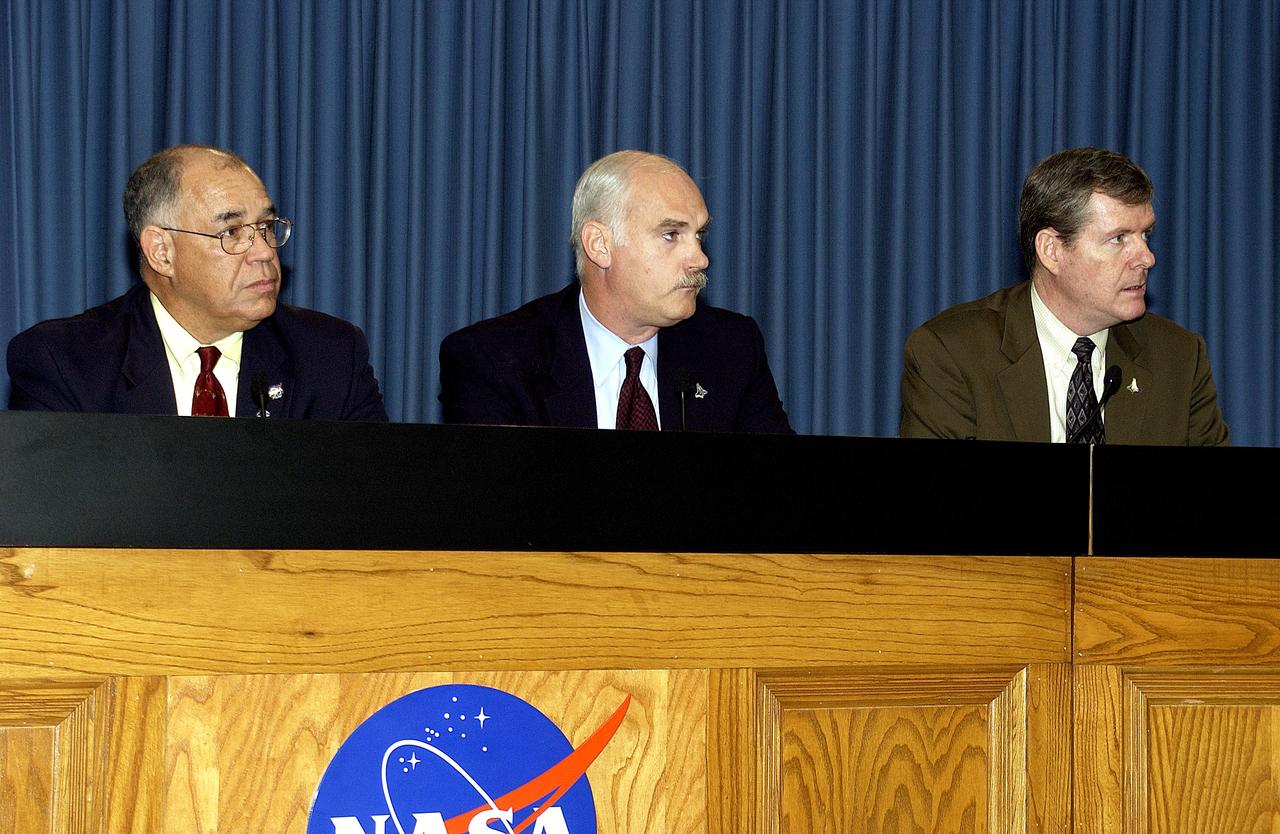
KENNEDY SPACE CENTER, FLA. - NASA officials brief the media at KSC about the agency’s human space flight program. On the panel (left to right) are NASA Deputy Administrator Fred Gregory, Associate Administrator for Space Flight Bill Readdy and Associate Administrator for Safety and Mission Assurance Bryan O’Connor.
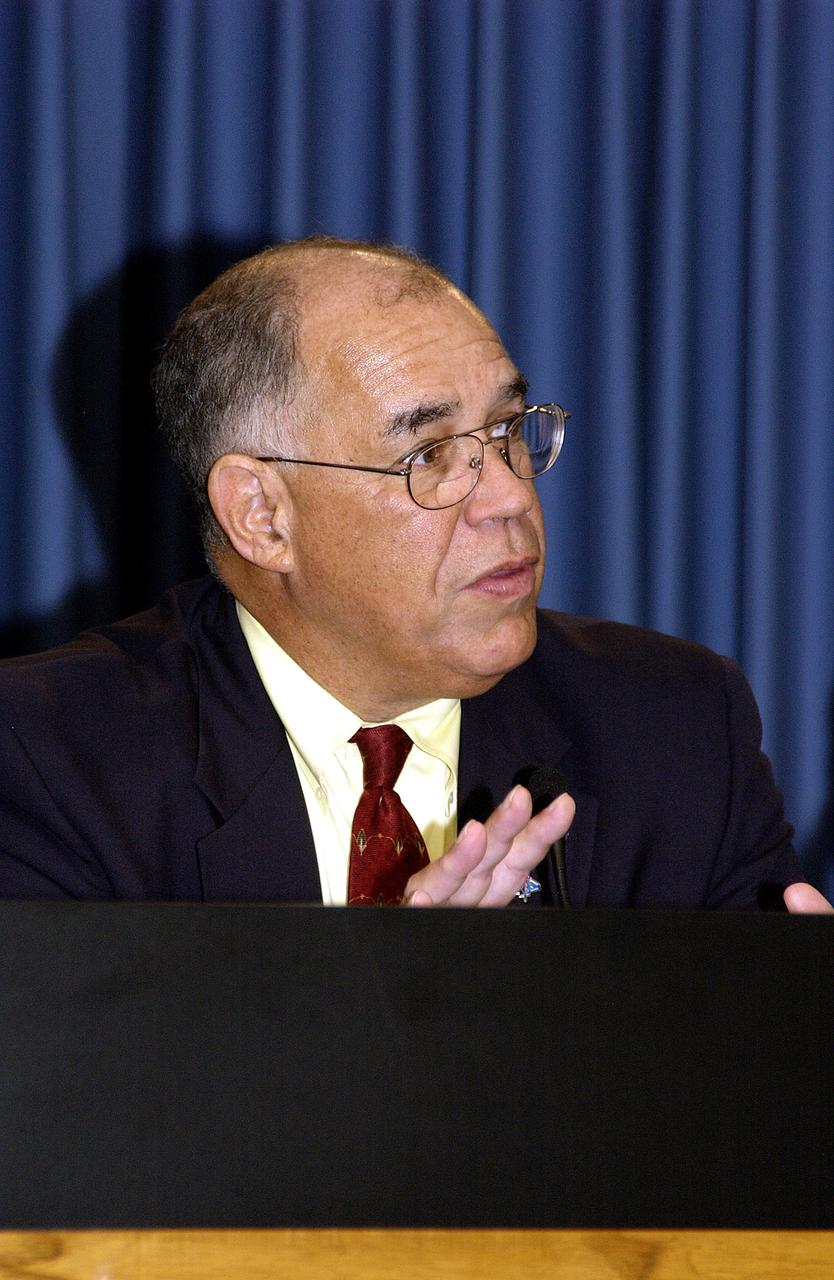
KENNEDY SPACE CENTER, FLA. - Associate Administrator for Safety and Mission Assurance Bryan O’Connor speaks at a media briefing at KSC. NASA officials discussed the agency’s human space flight program. Others on the panel were NASA Deputy Administrator Fred Gregory and Associate Administrator for Space Flight Bill Readdy
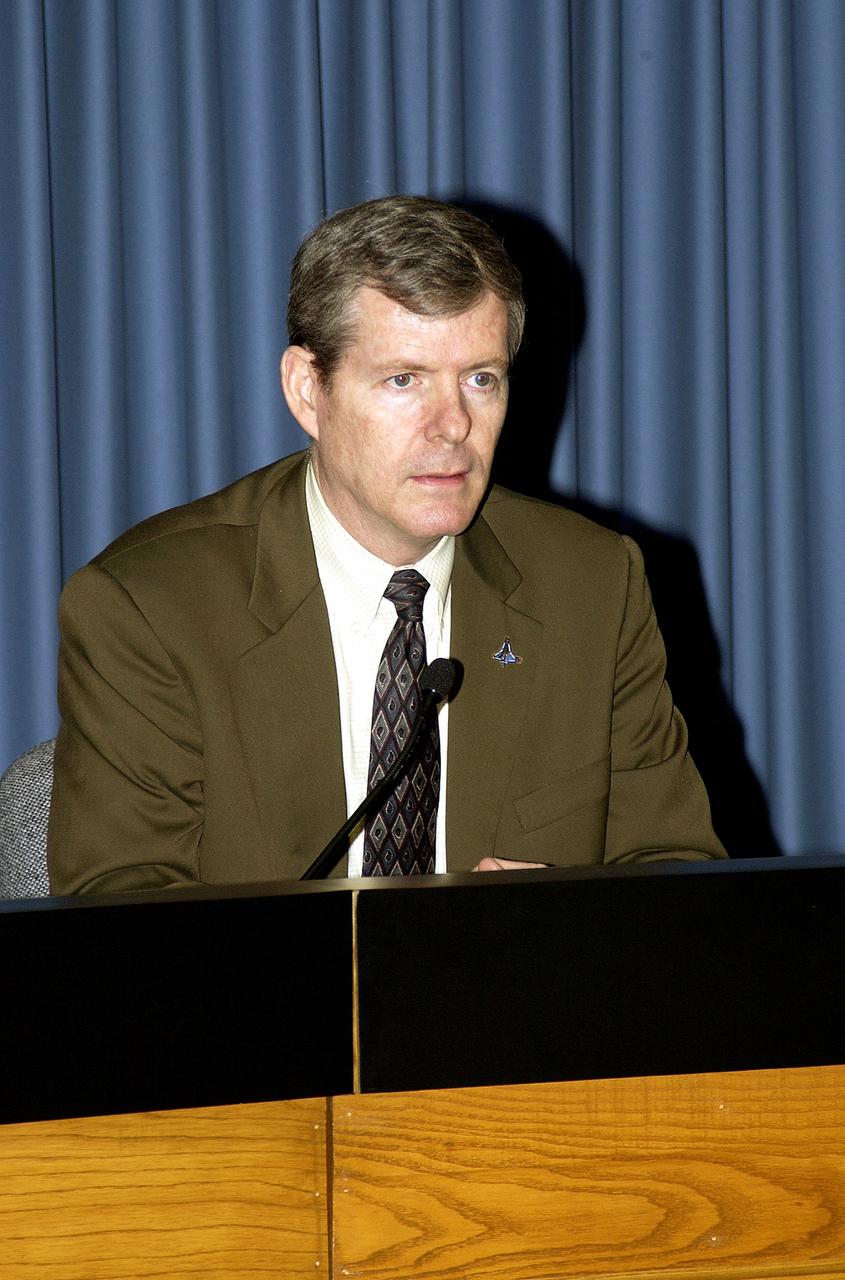
KENNEDY SPACE CENTER, FLA. - NASA Deputy Administrator Fred Gregory speaks at a media briefing at KSC. NASA officials discussed the agency’s human space flight program. Others on the panel were Associate Administrator for Space Flight Bill Readdy and Associate Administrator for Safety and Mission Assurance Bryan O’Connor.
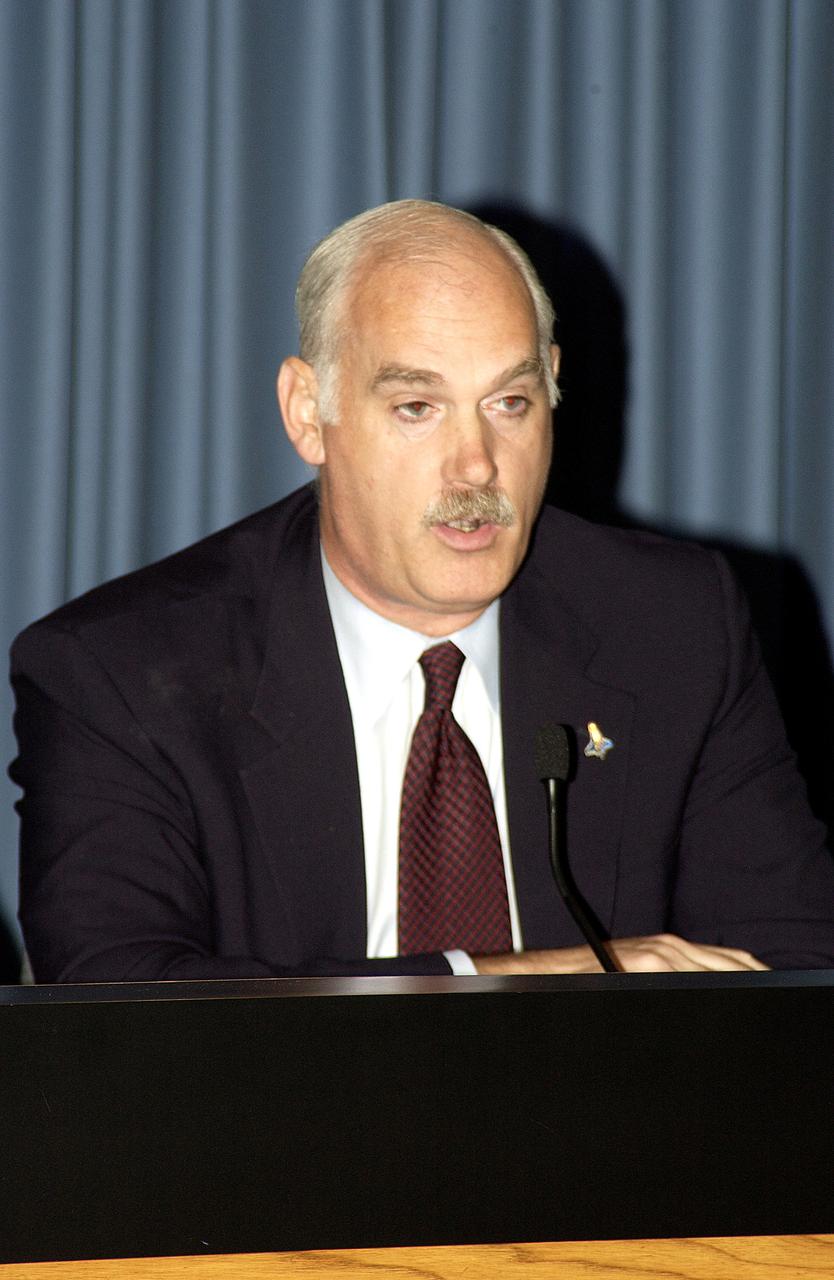
KENNEDY SPACE CENTER, FLA. - Associate Administrator for Space Flight Bill Readdy speaks at a media briefing at KSC. NASA officials discussed the agency’s human space flight program. Others on the panel were NASA Deputy Administrator Fred Gregory and Associate Administrator for Safety and Mission Assurance Bryan O’Connor.
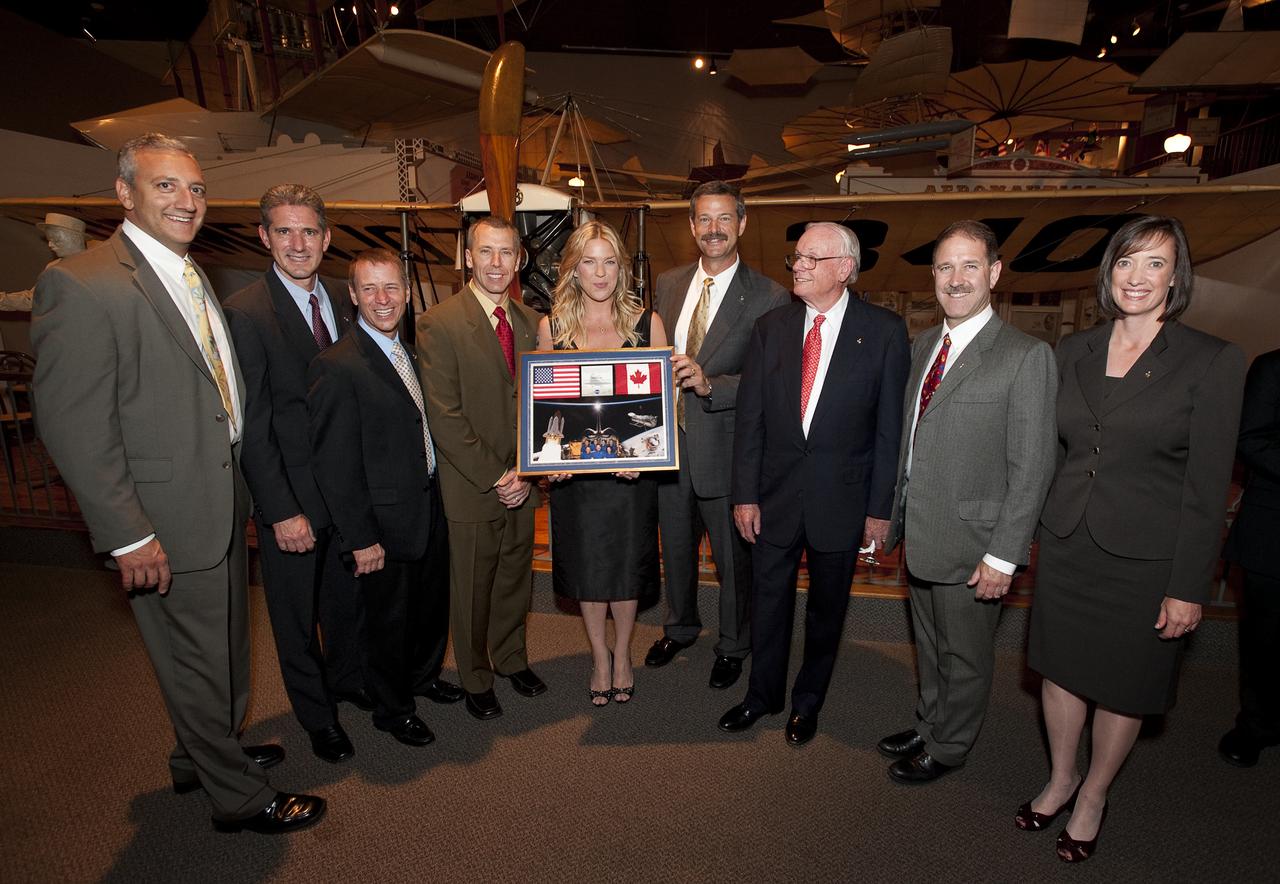
Jazz pianist and singer Diana Krall holds a montage given to her by the STS-125 space shuttle crew along with Apollo 11 Astronaut Neil Armstrong at the Apollo 40th anniversary celebration held at the National Air and Space Museum, Monday, July 20, 2009 in Washington. From left, Michael J. Massimino, Michael T. Good, Gregory C. Johnson, Andrew J. Feustel, Krall, Scott D. Altman, Neil Armstrong, John M. Grunsfeld and Megan McArthur. Photo Credit: (NASA/Bill Ingalls)
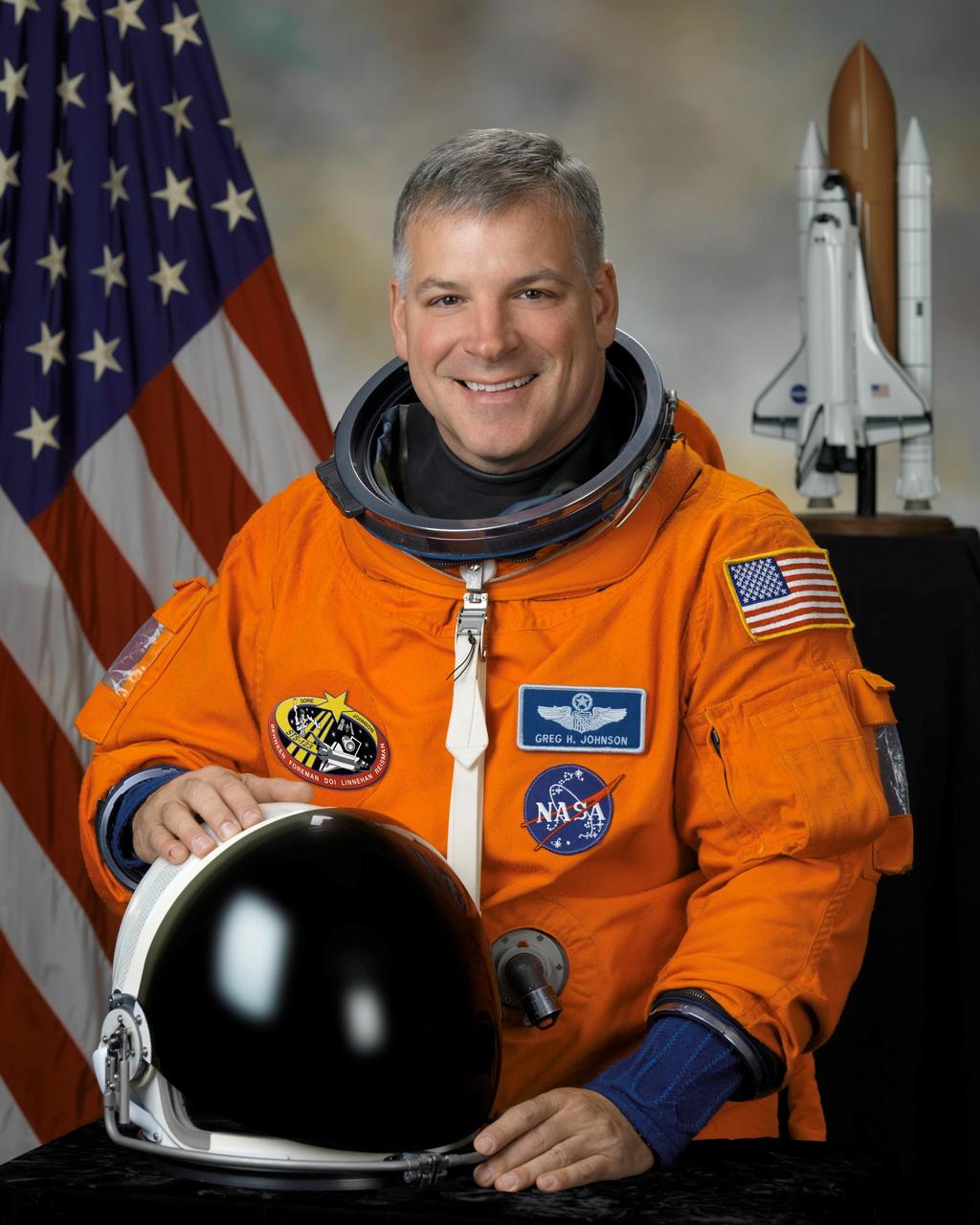
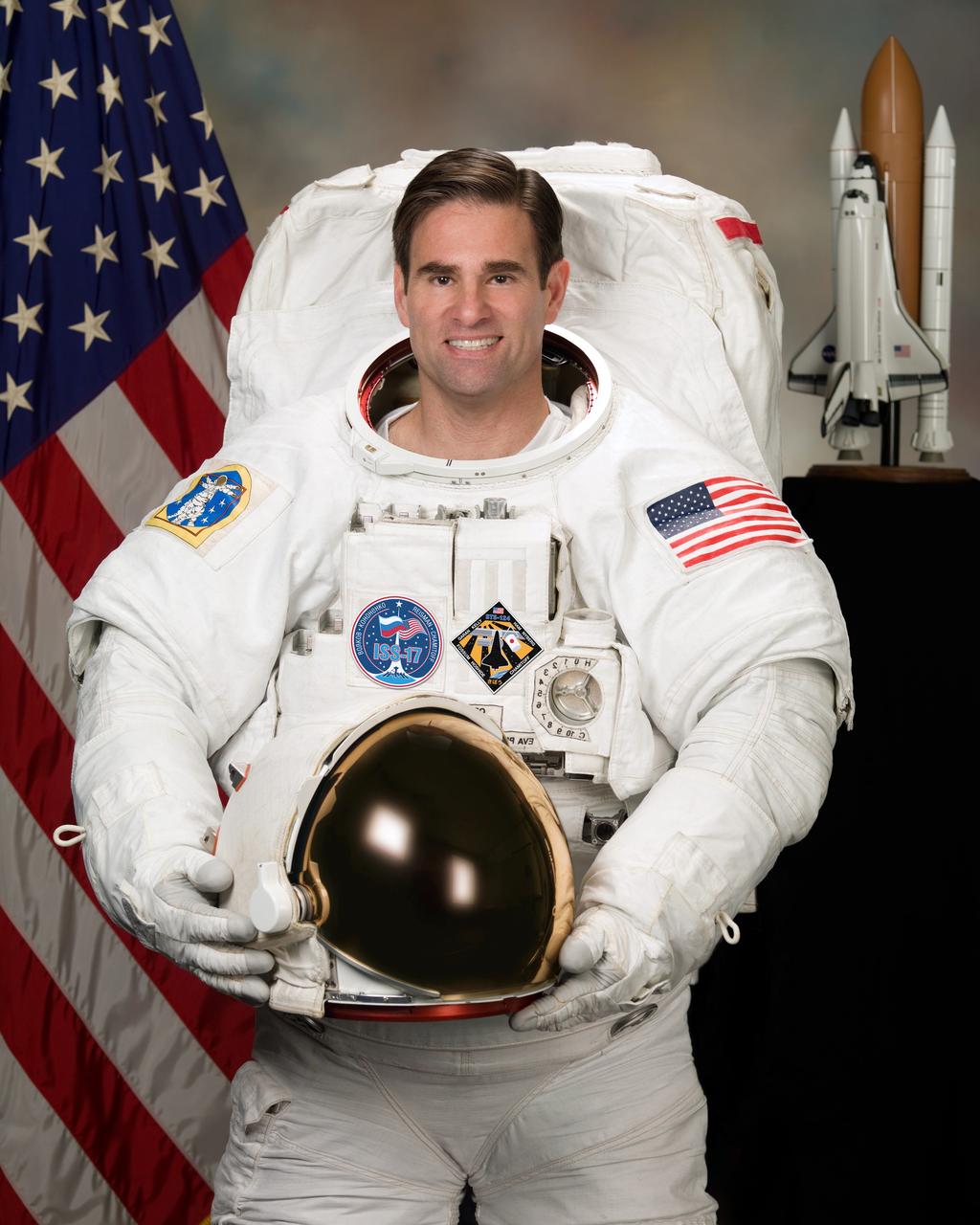
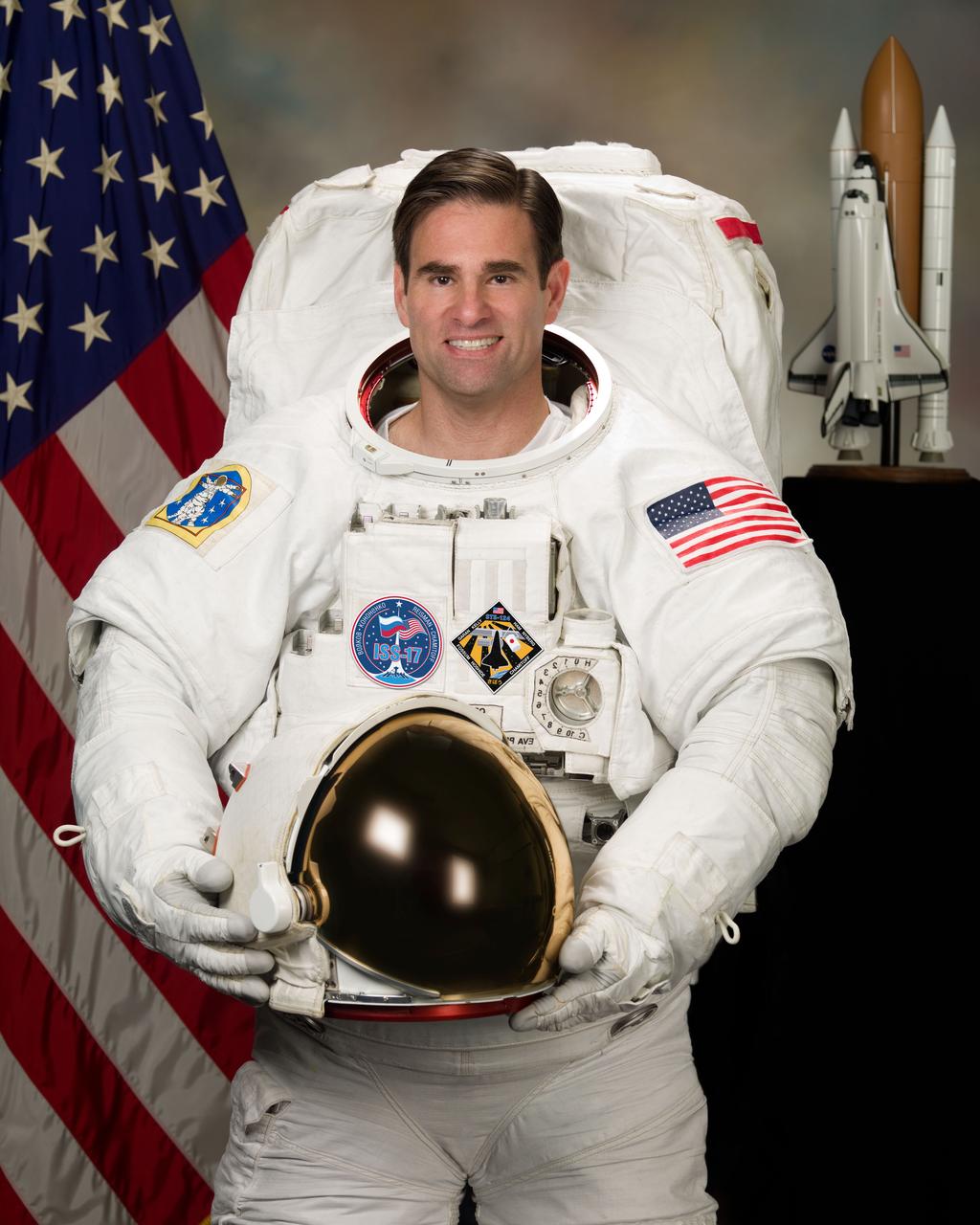
JOHNSON SPACE CENTER, HOUSTON -- JSC2008-E-000184-- Astronaut Gregory H. Johnson, pilot
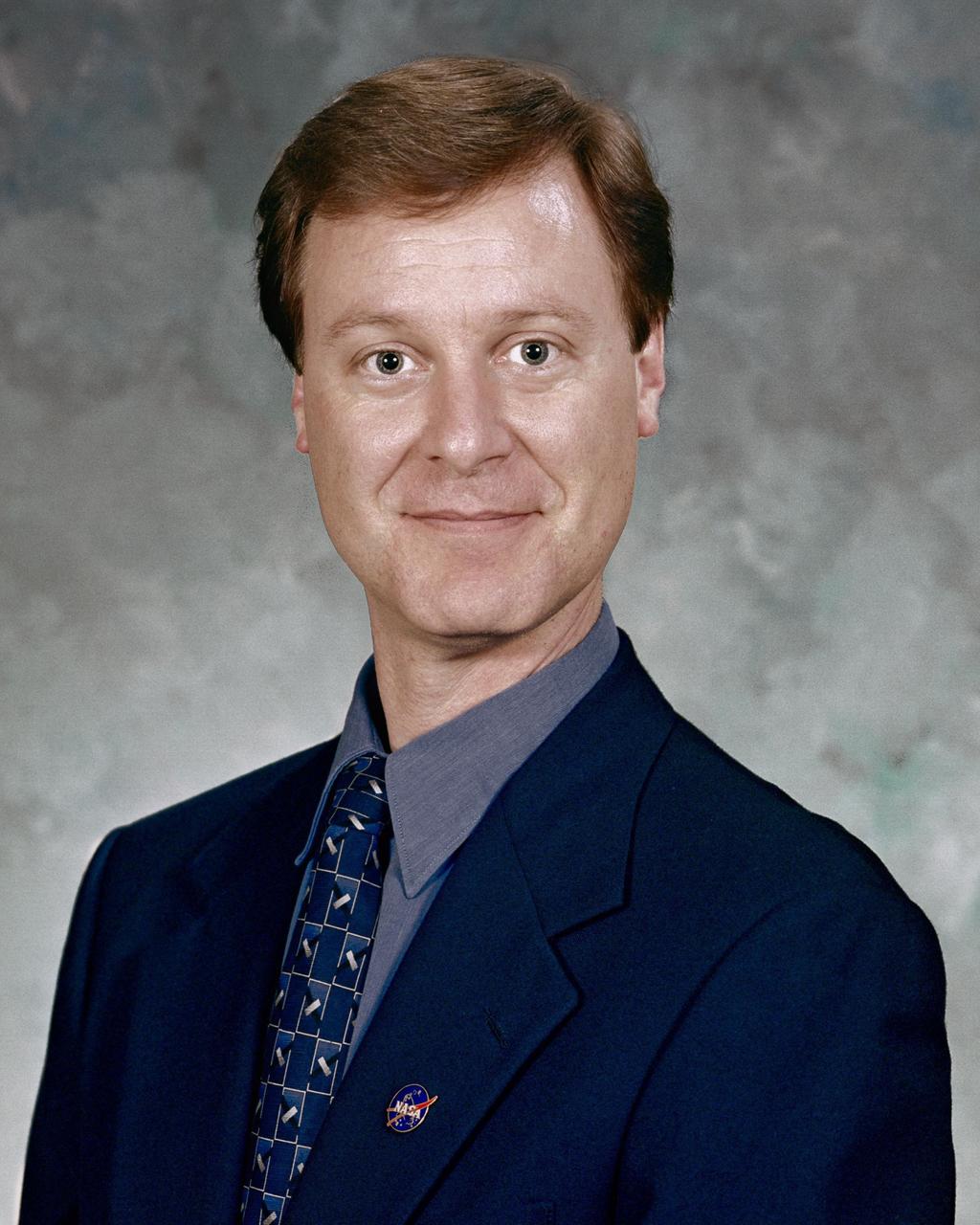
KENNEDY SPACE CENTER, FLA. - Official portrait of Gregory N. Katnik, manager, Space Shuttle KSC Integration Office.
JOHNSON SPACE CENTER, Houston --- JSC2008-E-001967 --- Astronaut Gregory E. Chamitoff, flight engineer

JOHNSON SPACE CENTER, Houston, Texas --- JSC2006-E-11466 -- Astronaut Gregory C. Johnson, pilot
JSC2008-E-001967 (15 Nov. 2007) --- NASA astronaut Gregory E. Chamitoff, mission specialist. Photo credit: NASA or National Aeronautics and Space Administration
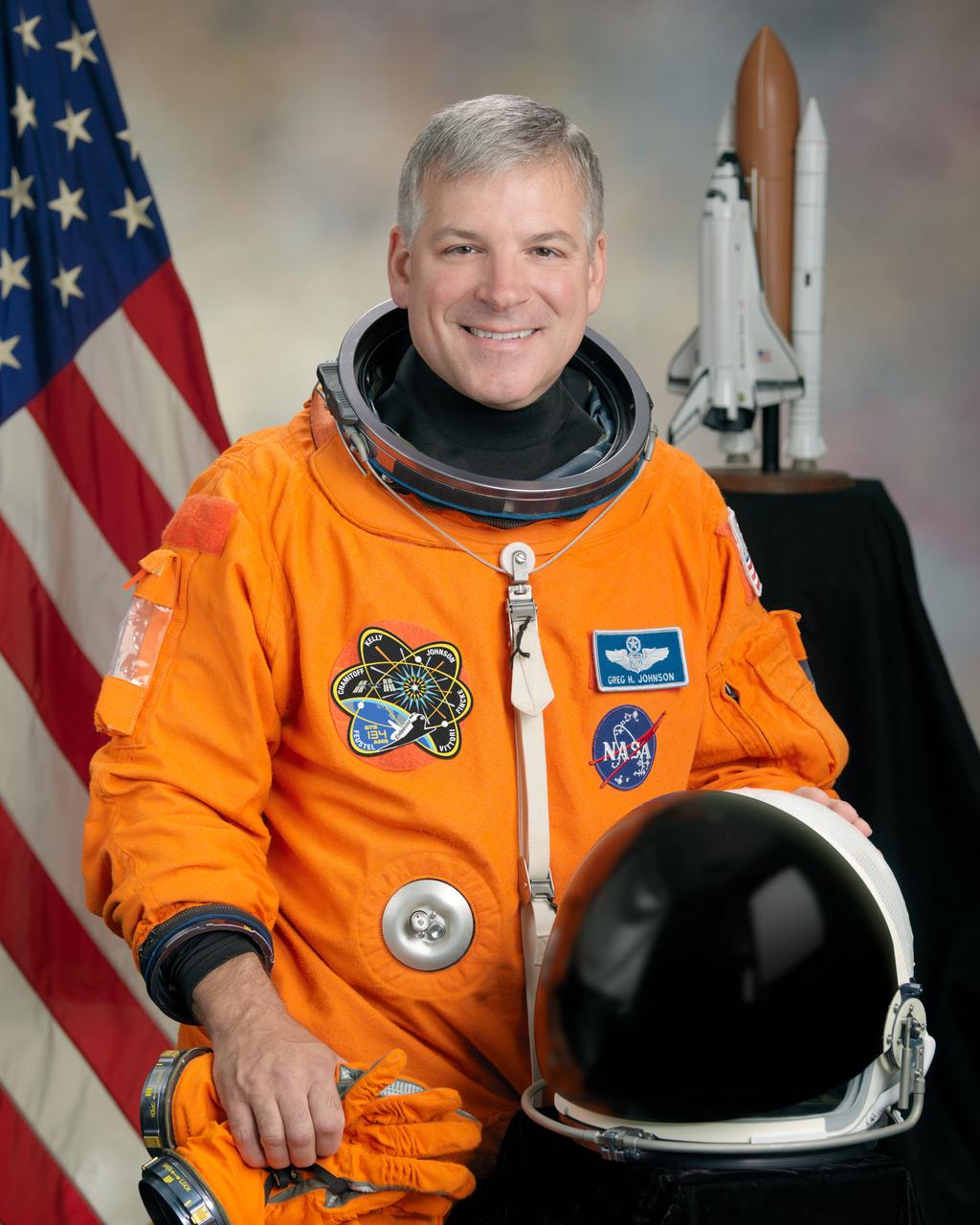
JSC2011-E-017047 (27 July 2010) --- NASA astronaut Gregory H. Johnson, pilot. Photo credit: NASA or National Aeronautics and Space Administration
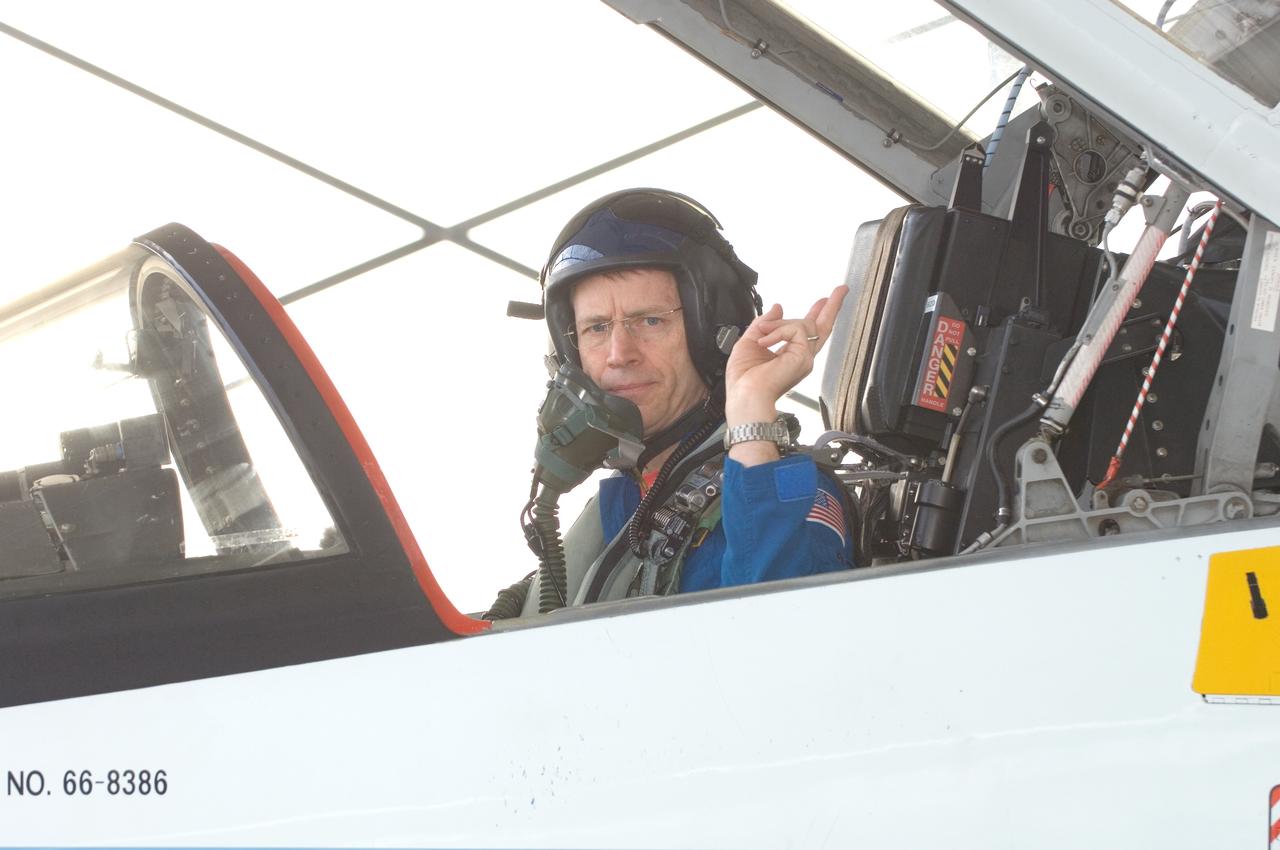
JSC2008-E-035366 (17 April 2008) --- Astronaut Gregory C. Johnson, STS-125 pilot, prepares for a flight in a NASA T-38 trainer jet at Ellington Field near NASA's Johnson Space Center.
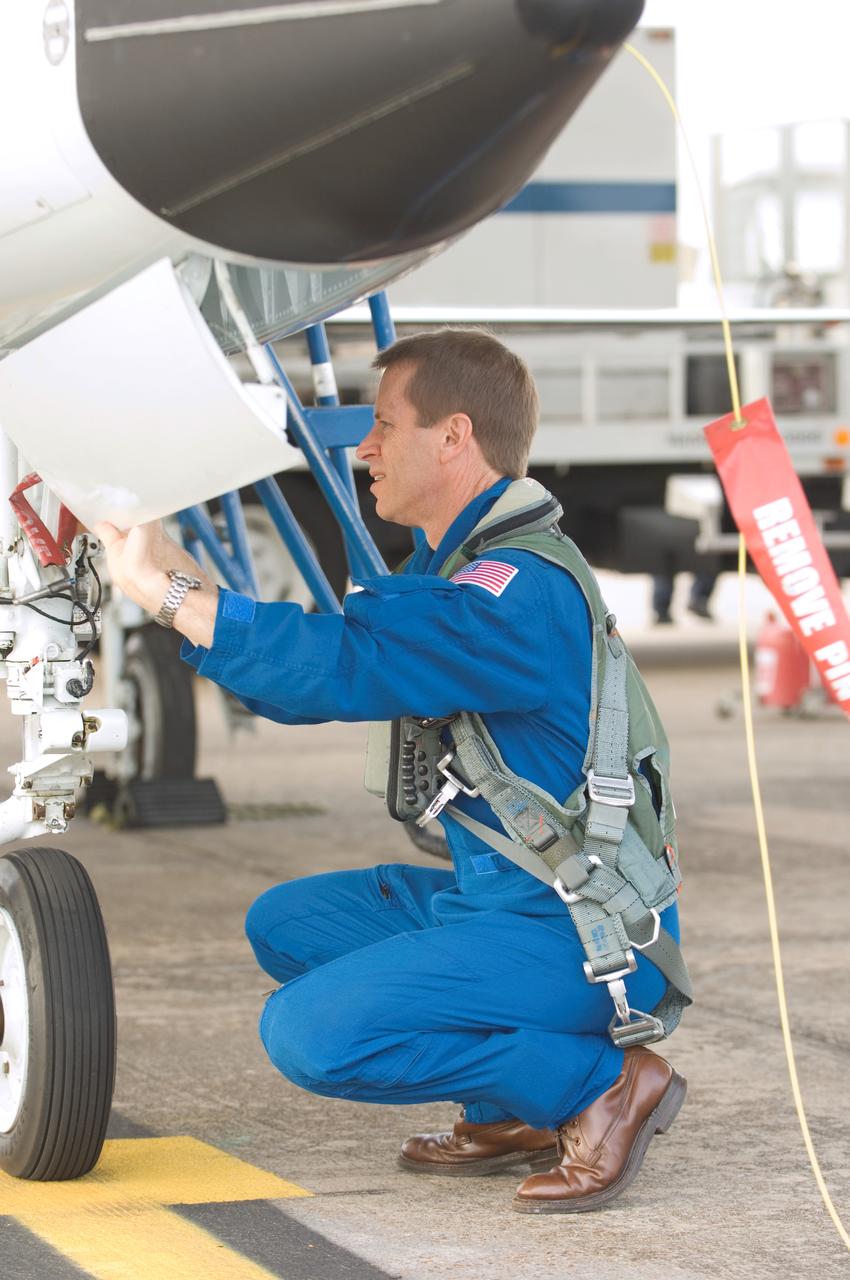
JSC2008-E-035360 (17 April 2008) --- Astronaut Gregory C. Johnson, STS-125 pilot, prepares for a flight in a NASA T-38 trainer jet at Ellington Field near NASA's Johnson Space Center.
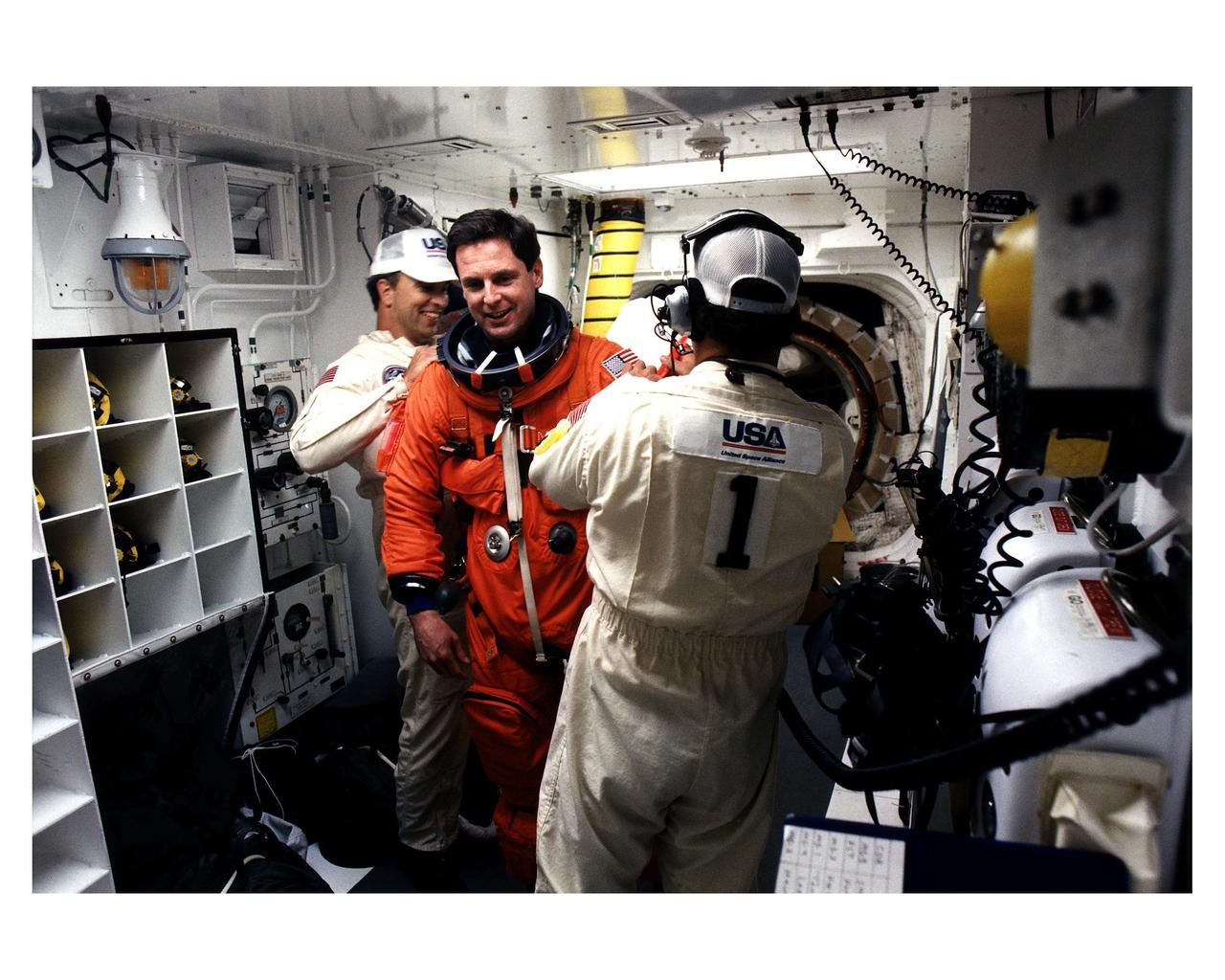
STS-82 Mission Specialist Gregory J. Harbaugh prepares to enter the Space Shuttle Discovery at Launch Pad 39A, with the assistance of white room closeout crew members Dave Law, at left, and Travis Thompson
![JSC2011-E-017048 (27 July 2010) --- NASA astronaut Gregory H. Johnson, pilot. Photo credit: NASA or National Aeronautics and Space Administration [alternate portrait]](https://images-assets.nasa.gov/image/jsc2011e017048/jsc2011e017048~medium.jpg)
JSC2011-E-017048 (27 July 2010) --- NASA astronaut Gregory H. Johnson, pilot. Photo credit: NASA or National Aeronautics and Space Administration [alternate portrait]
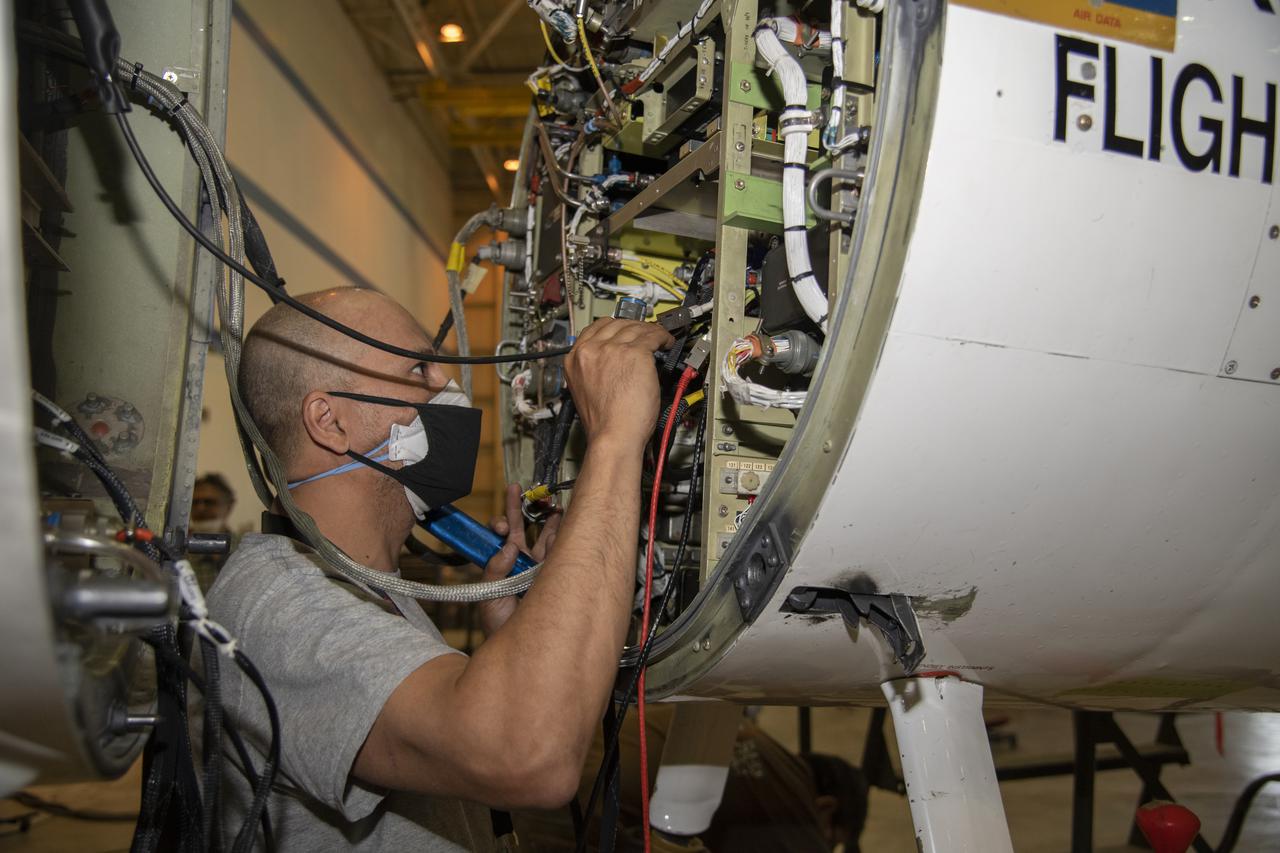
NASA’s Armstrong Flight Research Center ER-2 #809 high-altitude aircraft maintained by avionics technician Gregory Bantalin for Dynamics and Chemistry of the Summer Stratosphere (DCOTSS) science flights.
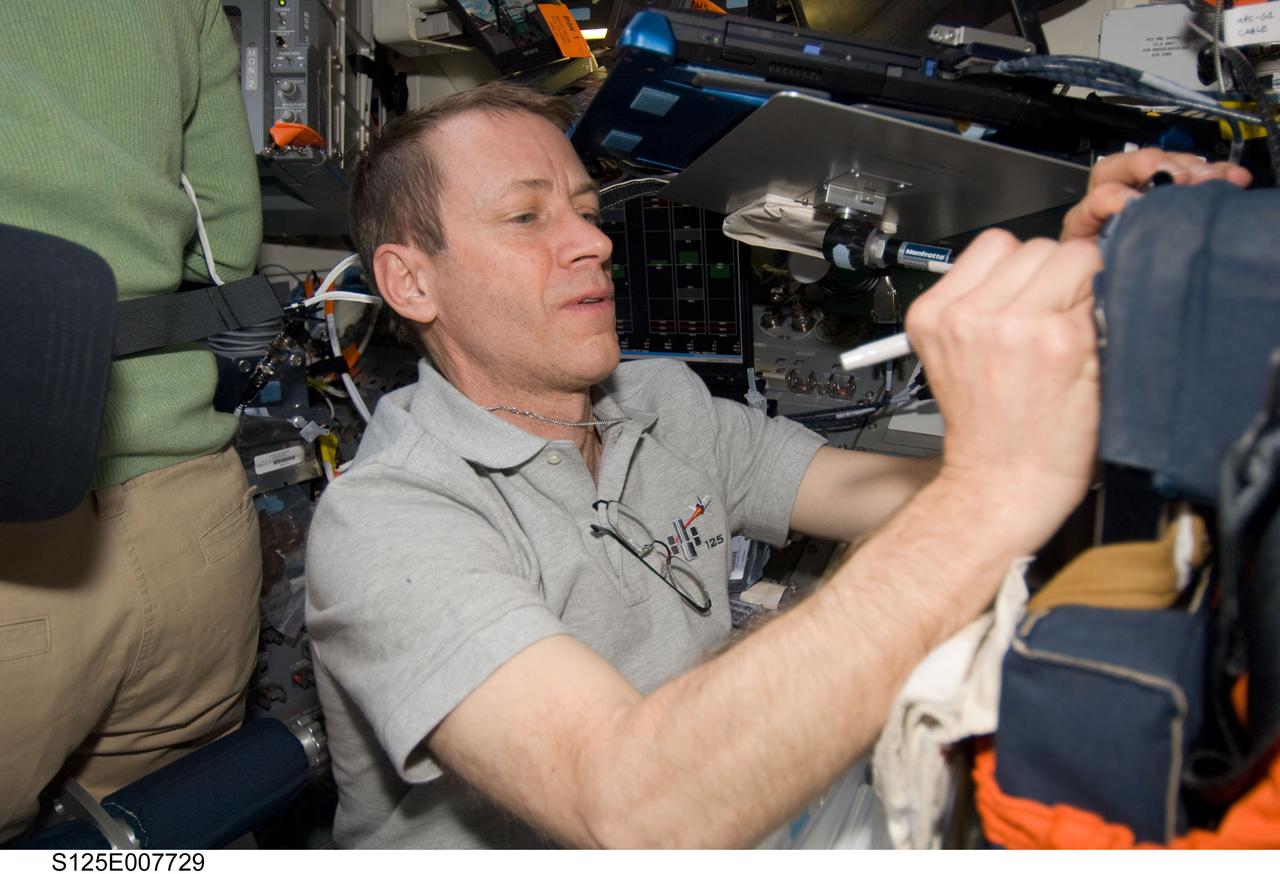
S125-E-007729 (15 May 2009) --- Astronaut Gregory C. Johnson, SS-125 pilot, scribbles a note on Atlantis' flight deck while two of crewmates perform a space walk to work on the Hubble Space Telescope.
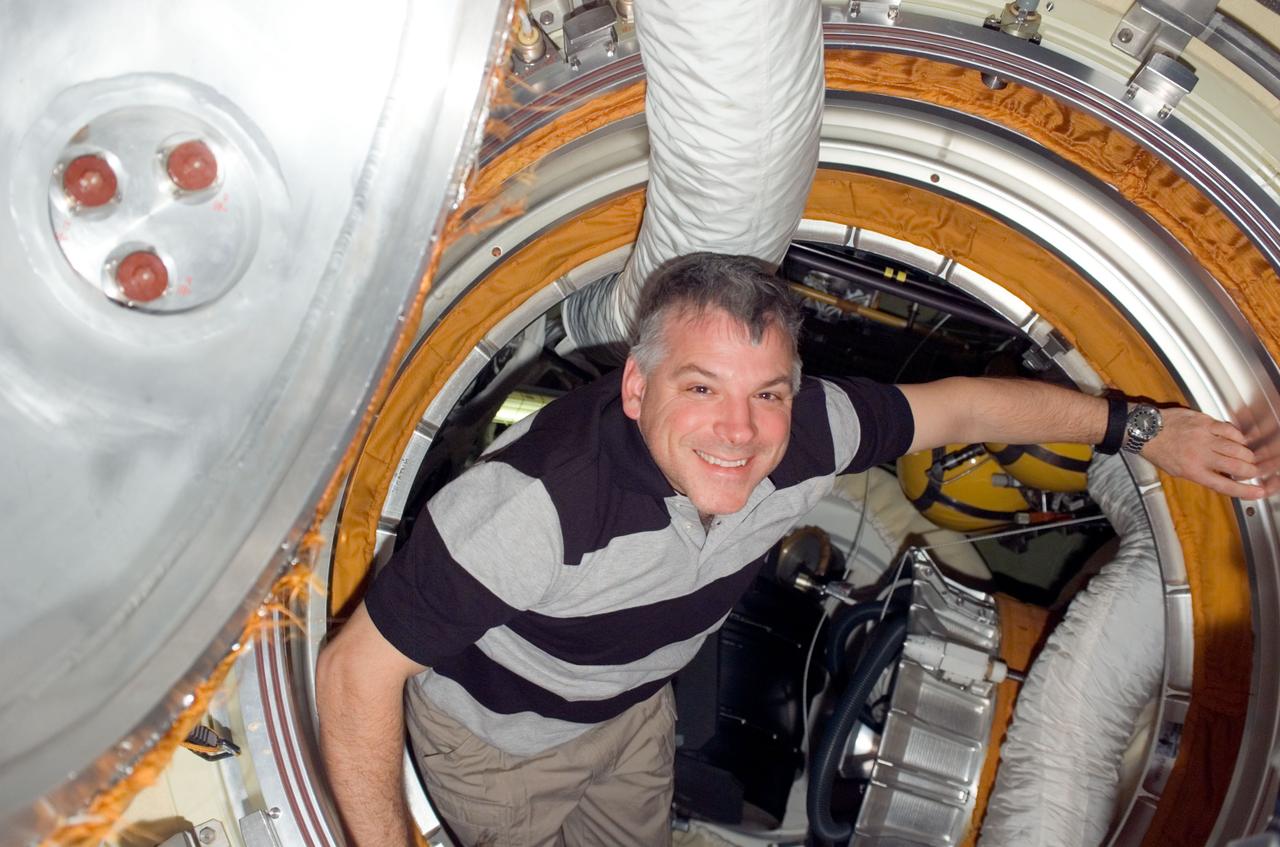
S123-E-008341 (21 March 2008) --- Astronaut Gregory H. Johnson, STS-123 pilot, is pictured in the Pirs Docking Compartment of the International Space Station while Space Shuttle Endeavour is docked with the station.
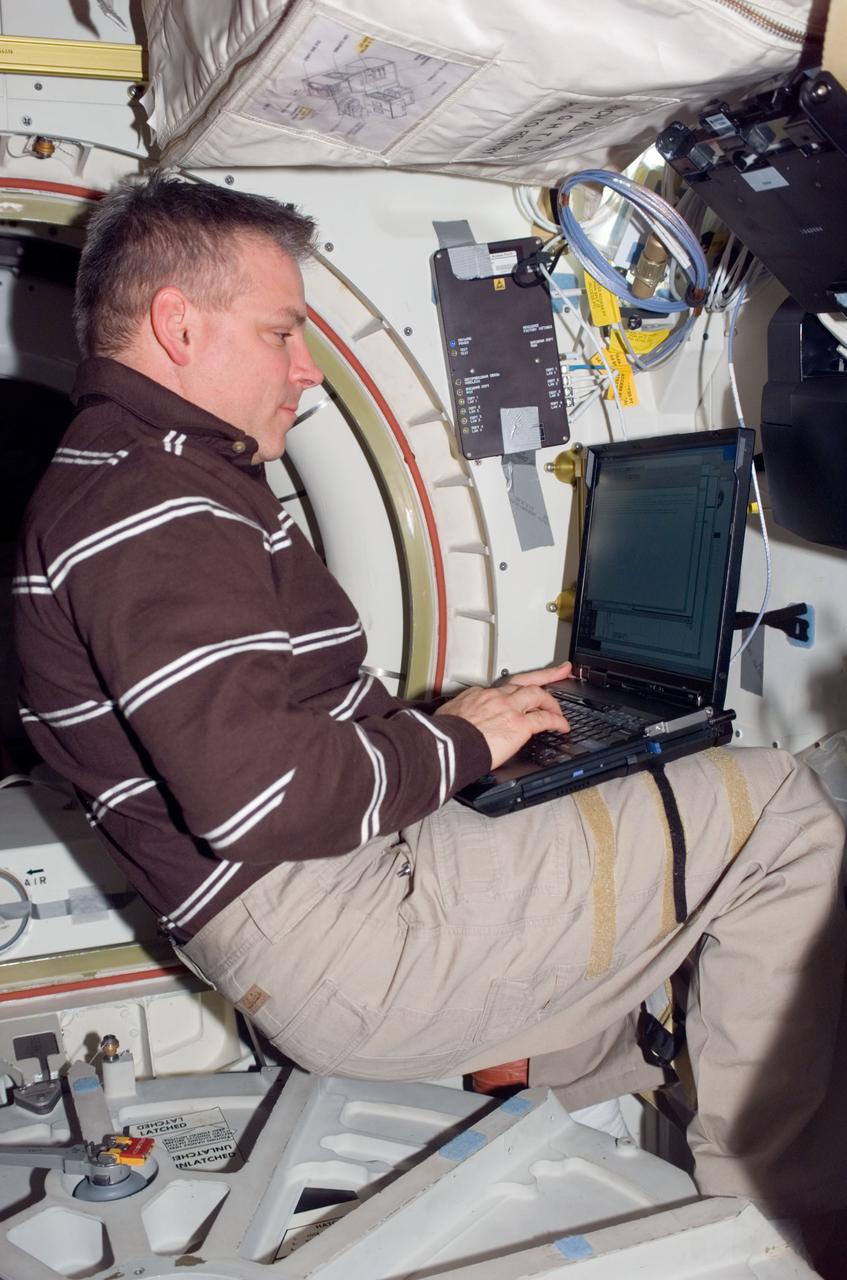
S123-E-008728 (22 March 2008) --- Astronaut Gregory H. Johnson, STS-123 pilot, uses a computer on the middeck of Space Shuttle Endeavour while docked with the International Space Station.
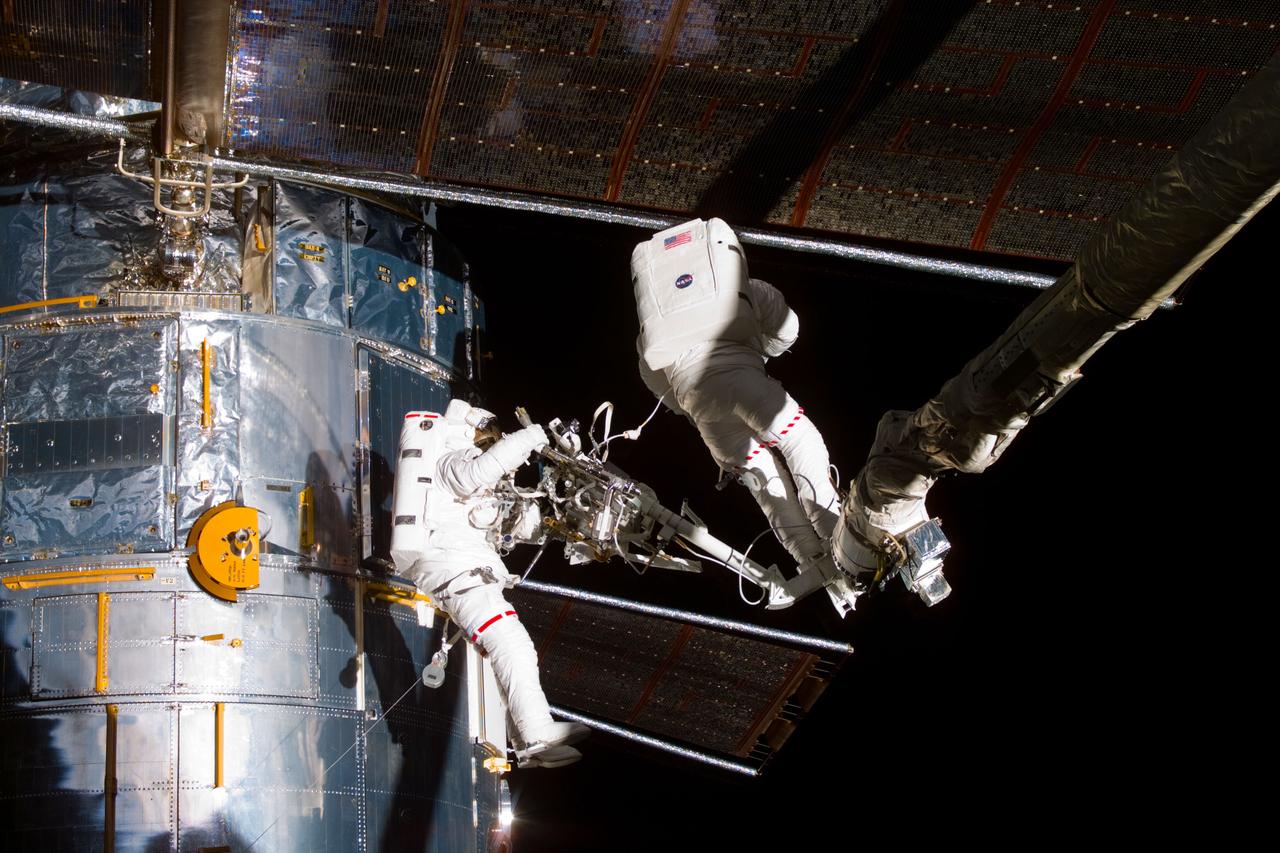
S82-E-5422 (15 Feb. 1997) --- Astronauts Gregory J. Harbaugh (left) and Joseph R. Tanner (right) during Mobile Foot Restraint (MFR) exchange. This view was taken with an Electronic Still Camera (ESC).
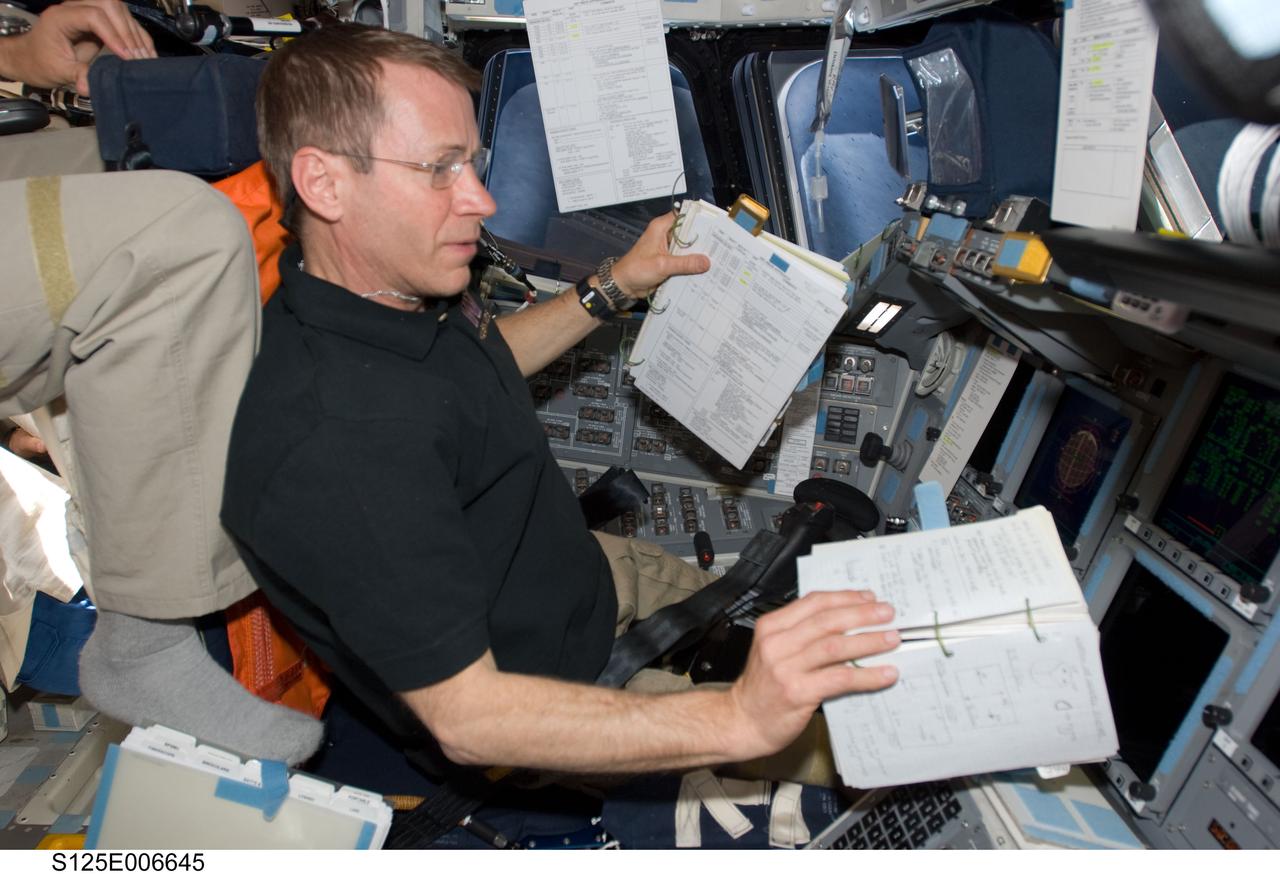
S125-E-006645 (13 May 2009) --- Astronaut Gregory C. Johnson, STS-125 pilot, occupies the commander?s station on the flight deck of Space Shuttle Atlantis during flight day three activities.