
S78-35306 (31 Jan. 1978) --- Astronaut S. David Griggs. (NOTE: He died on June 17, 1989, near Earle, Arkansas, in the crash of a vintage World War II airplane.)

51D-04-025 (16 April 1985) --- Bearing a maze of interesting reflections, this aquarium-like scene came during one of the lighter moments of emergency extravehicular activity (EVA) aboard the Earth-orbiting Space Shuttle Discovery. Astronaut S. David Griggs, waving from the cargo bay into the flight deck, earlier participated with astronaut Jeffrey A. Hoffman in the successful attachment of two special tools to the end of the Canadian-built Remote Manipulator System (RMS) arm. The Earth's horizon appears both in the background of the scene and in the reflection in Griggs' helmet visor.

The crew assigned to the STS-51D mission included (front left to right) Karol J. Bobko, commander; Donald E. Williams, pilot; M. Rhea Seddon, mission specialist; and Jeffrey A. Hoffman, mission specialist. On the back row, left to right, are S. David Griggs, mission specialist; and payload specialists Charles D. Walker, and E. Jake Garn (Republican Utah Senator). Launched aboard the Space Shuttle Discovery on April 12, 1985 at 8:59:05 am (EST), the STS-51D mission’s primary payloads were the TELESAT-1 (ANIK-C) communications satellite and the SYNCOM IV-3 (also known as LEASAT-3).
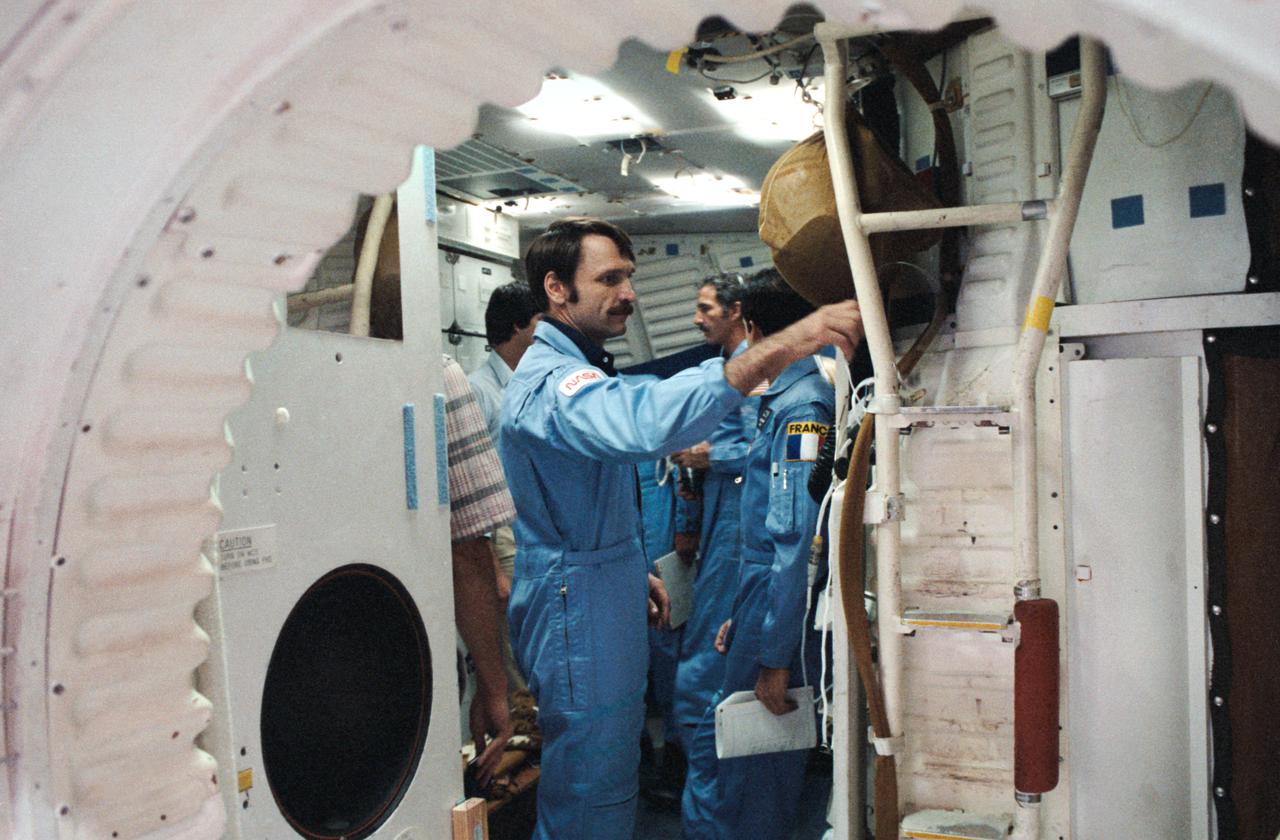
STS 51-E crew is briefed on the Shuttle full fuselage trainer. Astronauts Dave Griggs (foreground), Jean Loup Chretien (behind Griggs) and Jeff Hoffman are being shown the workings of the trainer by flight instructors.
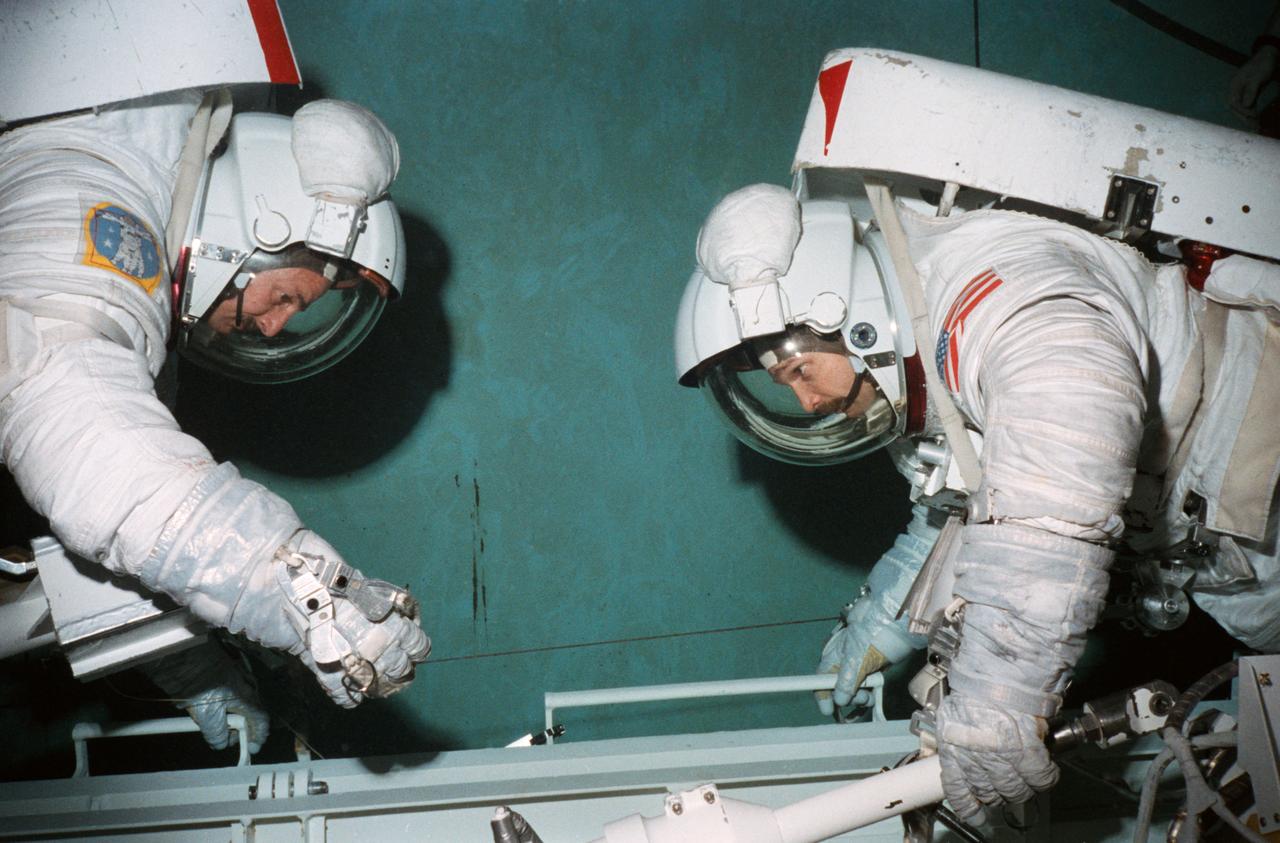
Astronauts David Griggs and Jeffrey Hoffman in Egress Training. 1. ASTRONAUT GRIGGS, DAVID - STS-51E 2. STS-51E - CREW TRAINING JSC, HOUSTON, TX
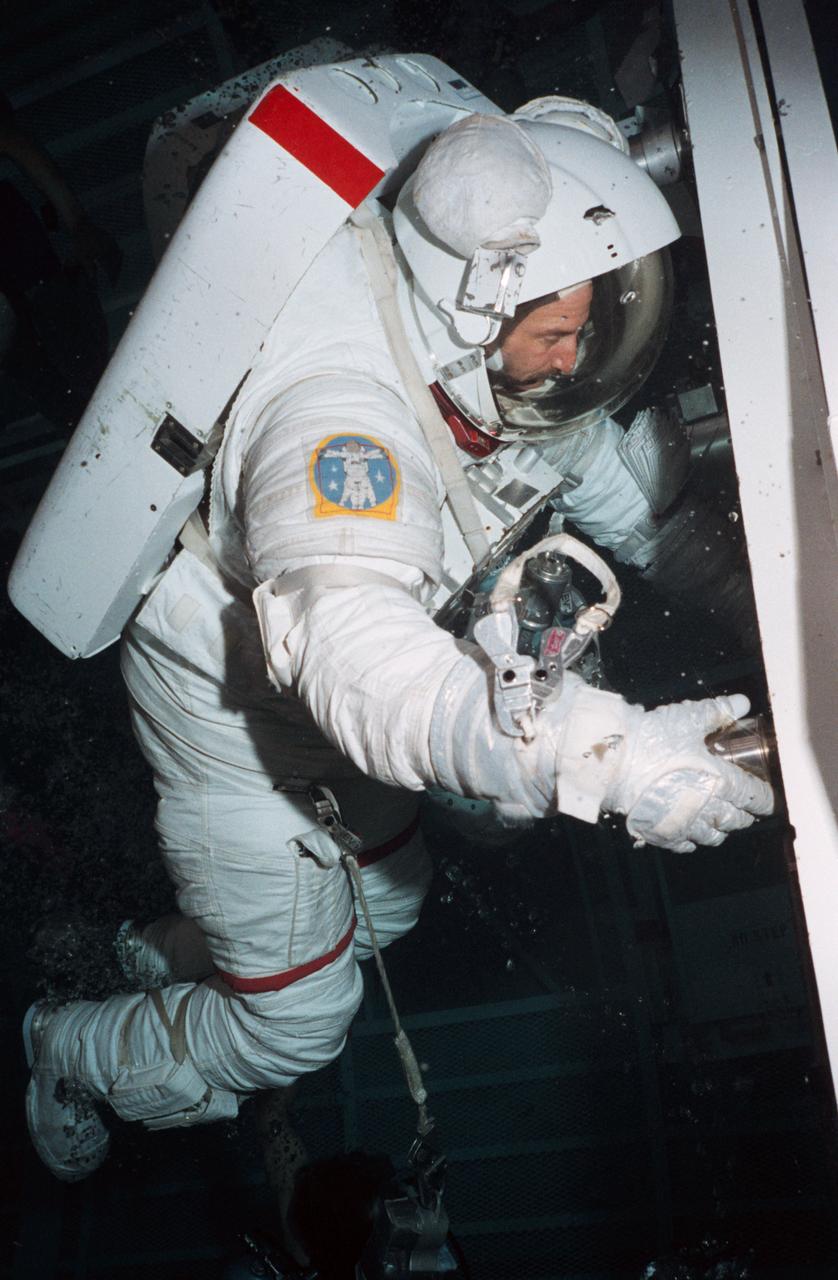
Astronauts Jeffrey Hoffman and David Griggs in Egress Training. 1. STS-51E - CREW TRAINING JSC, Houston, Texas

View of the Syncom-IV (LEASAT) satellite from the flight deck window taken by Astronaut S. David Griggs.
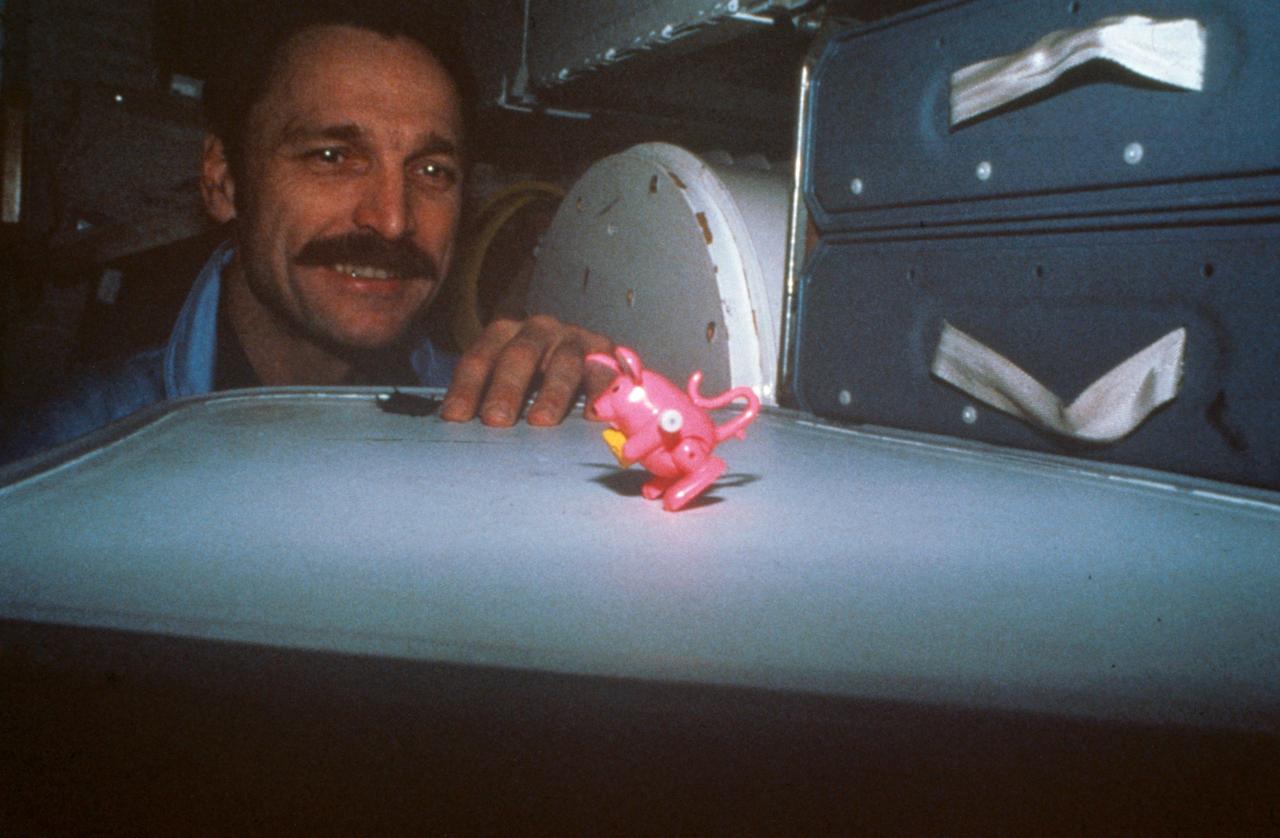
S85-26475 (1 February 1985) --- Astronaut David Griggs, 51-D mission specialist, monitors the behavior of a pink plastic flipping toy, nicknamed "Rat Stuff." The small toy is part of the "Toys in Space" project for NASA's 51-D mission.

S85-28647 (28 Feb 1985) --- The seven members of the STS-51D mission are pictured in the midst of a busy training schedule in preparation for NASA's 16th Space Shuttle flight, currently planned for April of this year. The crewmembers are (front row, left to right), Karol J. Bobko, commander; Donald E. Williams, pilot; Rhea Seddon and Jeffrey A. Hoffman, mission specialists; and (back row) S. David Griggs, mission specialist; and Charles D. Walker and United States Senator Jake Garn (Republican - Utah) both payload specialists. Walker represents McDonnell-Douglas Corporation. EDITOR'S NOTE: Mission specialist S. David Griggs died June 17, 1989, near Earle, Arkansas, in the crash of a World-War-II-era training plane.

51D-9089 (S23-9089) (12 April 1985) --- The Space Shuttle mission 51-D crewmembers gather to eat breakfast prior to leaving for the launch pad to climb aboard Discovery for liftoff. From left to right Rhea Seddon, Donald E. Williams, Charles D. Walker, Karol J. Bobko, Jeffrey A. Hoffman, S. David Griggs and U.S. Sen. E.J. (Jake) Garn discuss phases of the upcoming flight. Desert for the yet-to-be served breakfast is the pictured decorate 51-D cake.
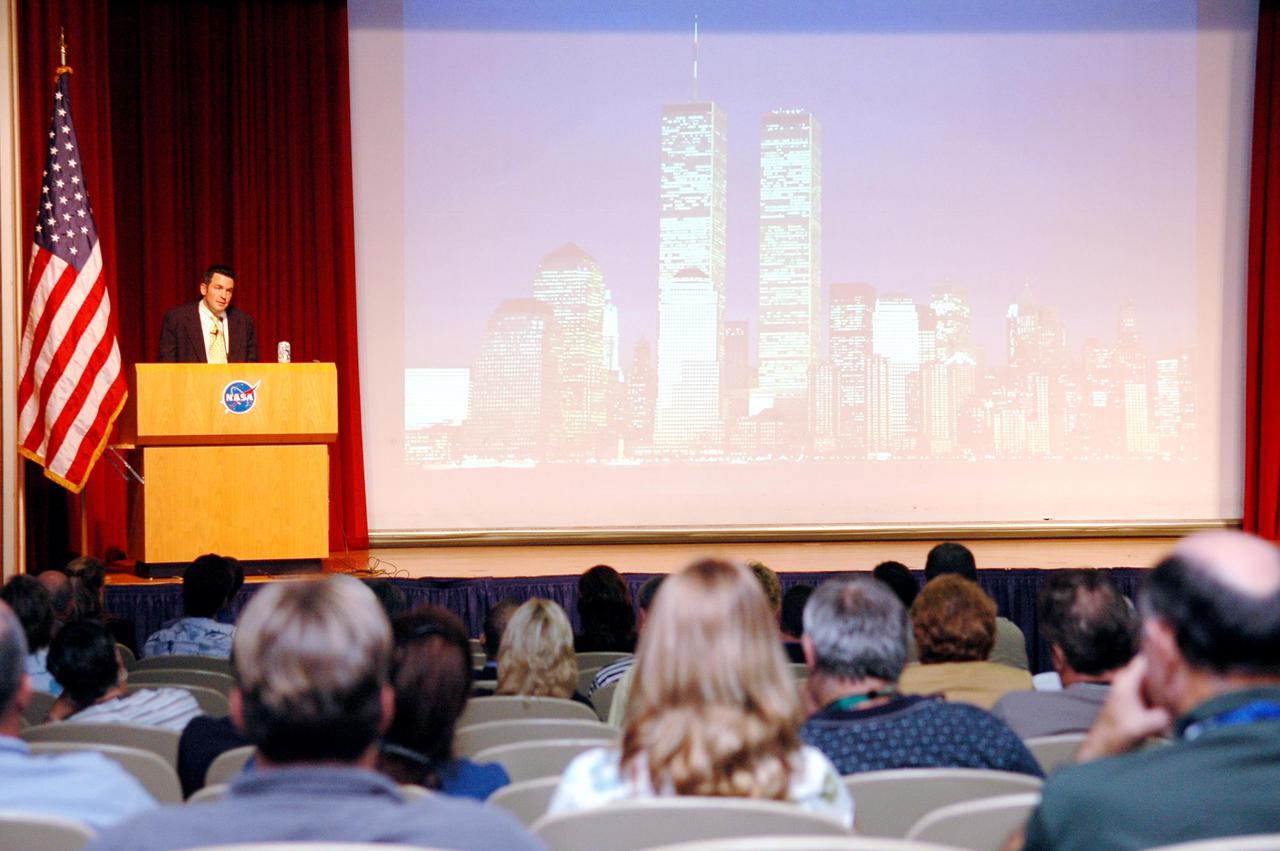
KENNEDY SPACE CENTER, FLA. - Gary Grigg, a survivor of the World Trade Center attack on Sept. 11, 2001, relates his experience as part of KSC’s Spaceport Super Safety and Health Day. The event included other guest speakers Dr. Pamela Peeke, Navy Com. Stephen E. Iwanowicz, NASA’s Dr. Kristine Calderon and Olympic-great Bruce Jenner. In addition, many vendors’ exhibits were on display for employees. Super Safety and Health Day was initiated at KSC in 1998 to increase awareness of the importance of safety and health among the government and contractor workforce. The theme for this year’s event was “Safety and Health: A Winning Combination.”

51D-9091 (S23-9091) (12 April 1985) --- The Space Shuttle mission 51-D crewmembers depart the Kennedy Space Center's operations and checkout building on their way to the launch pad for an early morning launch of Discovery. Leading the seven are Karol J. Bobko (center of frame), commander; and Donald E. Williams (right), pilot. Following are Rhea Seddon, Jeffrey A. Hoffman, S. David Griggs--all mission specialists--Charles D. Walker and U.S. Sen. E. J. (Jake) Garn (partly obscured behind Walker), both payload specialists. Partly visible in the doorway are Astronaut John W. Young and George W.S. Abbey, director of flight crew operations.
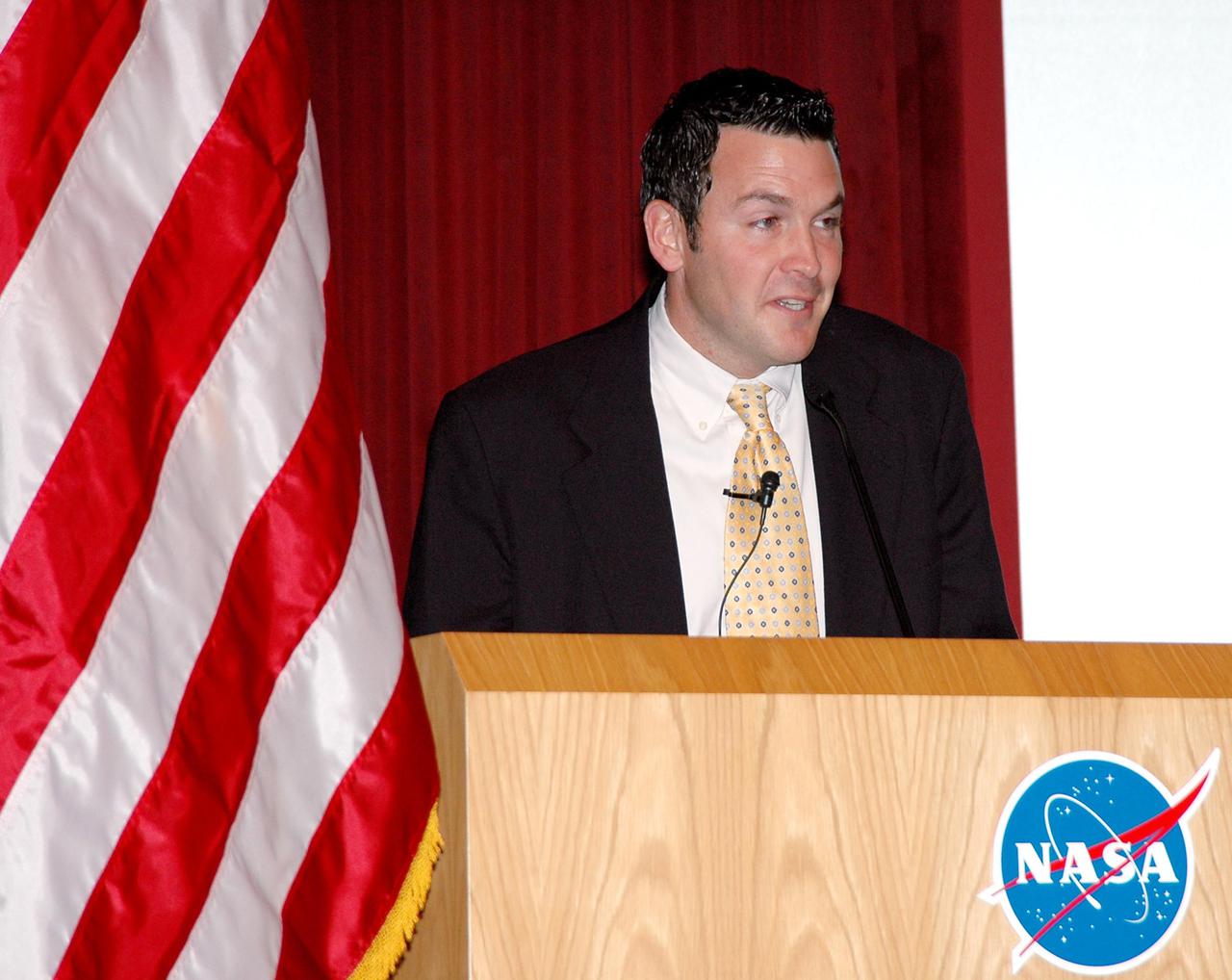
KENNEDY SPACE CENTER, FLA. - Gary Grigg, a survivor of the World Trade Center attack on Sept. 11, 2001, relates his experience as part of KSC’s Spaceport Super Safety and Health Day. The event included other guest speakers Dr. Pamela Peeke, Navy Com. Stephen E. Iwanowicz, NASA’s Dr. Kristine Calderon and Olympic-great Bruce Jenner. In addition, many vendors’ exhibits were on display for employees. Super Safety and Health Day was initiated at KSC in 1998 to increase awareness of the importance of safety and health among the government and contractor workforce. The theme for this year’s event was “Safety and Health: A Winning Combination.”

51D-09-034 (12-19 April 1985) --- The seven crew members of STS-51D take time, during a busy full week in space, to pose for a "star-burst" type in-space portrait. Hold picture with astronaut Rhea Seddon at bottom center. Counter-clockwise from the bottom left are Jeffrey A. Hoffman, mission specialist; Dr. Seddon, mission specialist; Charles D. Walker, payload specialist; U. S. Senator E. J. (Jake) Garn, payload specialist; S. David Griggs, mission specialist; Karol J. Bobko, mission commander; and Donald W. Williams, pilot. A pre-set 35mm camera exposed the frame in the mid-deck of the Earth-orbiting Space Shuttle Discovery. The crew launched at 8:59 a.m. (EST), April 12, 1985 and landed at 8:54 a.m. (EST), April 19, 1985 spending five minutes less than a full week on the busy mission.
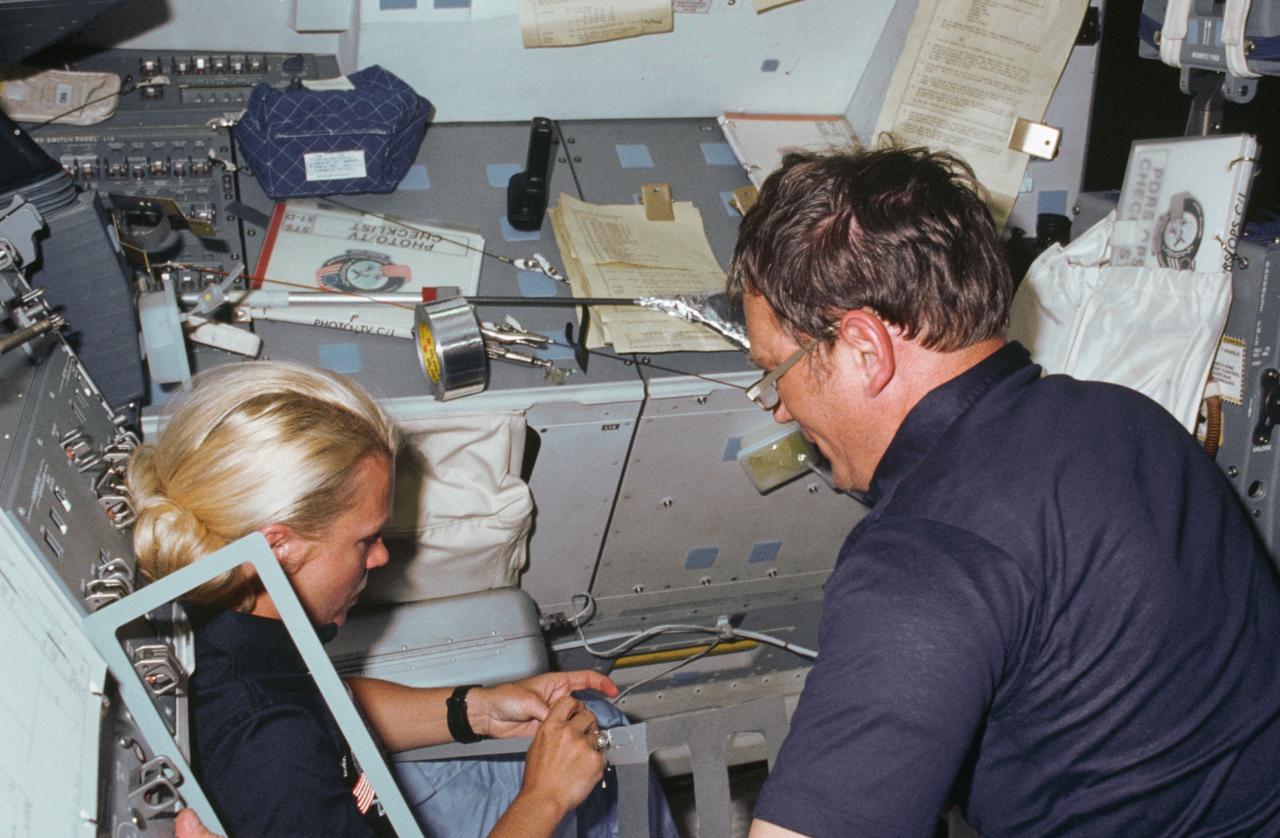
51D-04-015 (15 April 1985) --- Astronaut Rhea Seddon and Karol J. Bobko continue work on snag-type extension for the Remote Manipulator System (RMS) as part of an effort to activate a lever on a troubled communications satellite. Since the crew learned soon after deployment of the Syncom IV (LEASAT) spacecraft that it was not functioning properly plans were formulated for a rendezvous in space between the Discovery and the satellite. A fly swatter-like extension and another resembling a LaCrosse stick were fashioned from onboard supplies and furnishings. Stowage lockers nearby serve as a work bench for the two. At various times during the seven-day mission, the majority of the seven-member crew participated in the tool-making and preparations for an extravehicular activity (EVA) by the flights other two mission specialists -- Jeffrey A. Hoffman and S. David Griggs -- to connect the two tools to the RMS. Bobko is mission commander and Dr. Seddon, a mission specialist.

S85-30878 (15 April 1985) --- Astronaut Jerry L. Ross, left, and Astronaut candidate Mark C. Lee rehearse the deployment of two specially designed flyswatter like tools on the end of the orbiter's remote manipulator system (RMS) arm. Their "dry" run of a planned Discovery STS 51-D extravehicular activity (EVA) is actually not so dry, since it is held in a 25 ft. deep pool, part of the Johnson Space Center's (JSC) weightless environment test facility (WET-F). Astronauts Jeffrey A. Hoffman and S. David Griggs, two 51-D mission specialists, have been assigned the task of April 16's EVA. A rendezvous with the troubled Syncom IV (LEASAT) satellite has been scheduled for the day after the EVA, and an attempt will be made by the arm to trip an important lever on the troubled communications satellite.
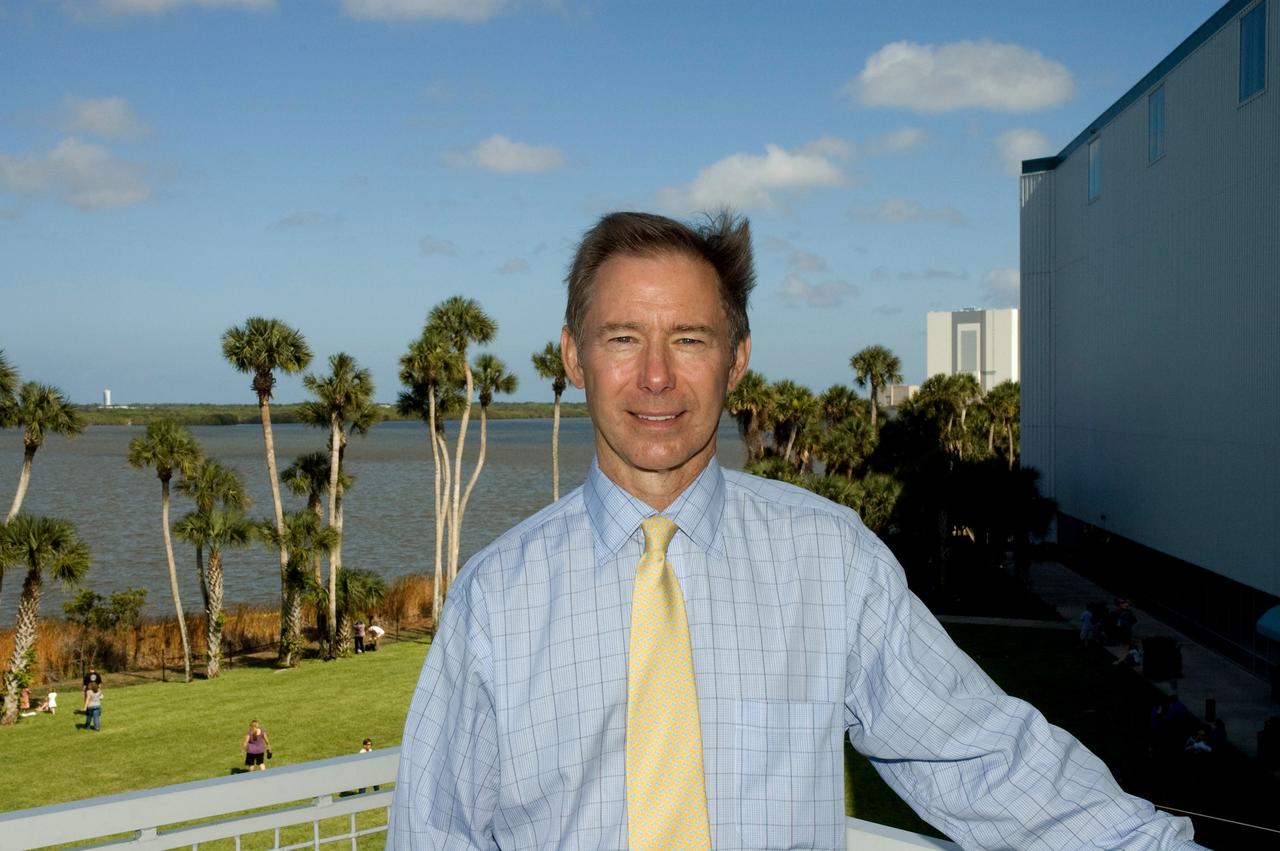
CAPE CANAVERAL, Fla. -- Brewster Shaw is a former astronaut from the first graduating class of astronauts after the Apollo program. He and others from the class were guests at NASA's Kennedy Space Center for the launch of space shuttle Discovery on its STS-124 mission. Shaw is Vice President and General Manager, Space Exploration, for Integrated Defense Systems, The Boeing Company. In 1978 a new group of 35 astronauts was selected after nine years without new astronauts. The pilots were Daniel Brandenstein, Michael Coats, Richard Covey, John Creighton, Robert Gibson, Frederick D. Gregory, Frederick Hauck, Jon McBride, Francis "Dick" Scobee, Brewster Shaw, Loren Shriver, David Walker and Donald Williams. The mission specialists were Guion Bluford, James Buchli, John Fabian, Anna Fisher, Dale Gardner, S. David Griggs, Terry Hart, Steven Hawley, Jeffrey Hoffman, Shannon Lucid, Ronald McNair, Richard Mullane, Steven Nagel, George Nelson, Ellison Onizuka, Judith Resnik, Sally Ride, Rhea Seddon, Robert Stewart, Kathryn D. Sullivan, Norman Thagard and James van Hoften. Since then, a new group has been selected roughly every two years. Photo credit: NASA/Jim Grossmann

CAPE CANAVERAL, Fla. -- A group from the first graduating class of astronauts after the Apollo program gathers at the Banana River viewing site at NASA's Kennedy Space Center before the launch of space shuttle Discovery on its STS-124 mission. In 1978 a new group of 35 astronauts was selected after nine years without new astronauts. The pilots were Daniel Brandenstein, Michael Coats, Richard Covey, John Creighton, Robert Gibson, Frederick D. Gregory, Frederick Hauck, Jon McBride, Francis "Dick" Scobee, Brewster Shaw, Loren Shriver, David Walker and Donald Williams. The mission specialists were Guion Bluford, James Buchli, John Fabian, Anna Fisher, Dale Gardner, S. David Griggs, Terry Hart, Steven Hawley, Jeffrey Hoffman, Shannon Lucid, Ronald McNair, Richard Mullane, Steven Nagel, George Nelson, Ellison Onizuka, Judith Resnik, Sally Ride, Rhea Seddon, Robert Stewart, Kathryn D. Sullivan, Norman Thagard and James van Hoften. Since then, a new group has been selected roughly every two years. Photo credit: NASA/Jim Grossmann

S78-26481 (January 1978) --- This is a montage of the individual portraits of the 35-member 1978 class of astronaut candidates. From left to right are Guion S. Bluford, Daniel C. Brandenstein, James F. Buchli, Michael L. Coats, Richard O. Covey, John O. Creighton, John M. Fabian, Anna L. Fisher, Dale A. Gardner, Robert L. Gibson, Frederick D. Gregory, S. David Griggs, Terry J. Hart, Frederick H. (Rick) Hauck, Steven A. Hawley, Jeffrey A. Hoffman, Shannon W. Lucid, Jon A. McBride, Ronald E. McNair, Richard M. (Mike) Mullane, Steven R. Nagel, George D. Nelson, Ellison S. Onizuka, Judith A. Resnik, Sally K. Ride, Francis R. (Dick) Scobee, Rhea Seddon, Brewster H. Shaw Jr., Loren J. Shriver, Robert L. Stewart, Kathryn D. Sullivan, Norman E. Thagard, James D. Van Hoften, David M. Walker and Donald E. Williams. Photo credit: NASA or National Aeronautics and Space Administration
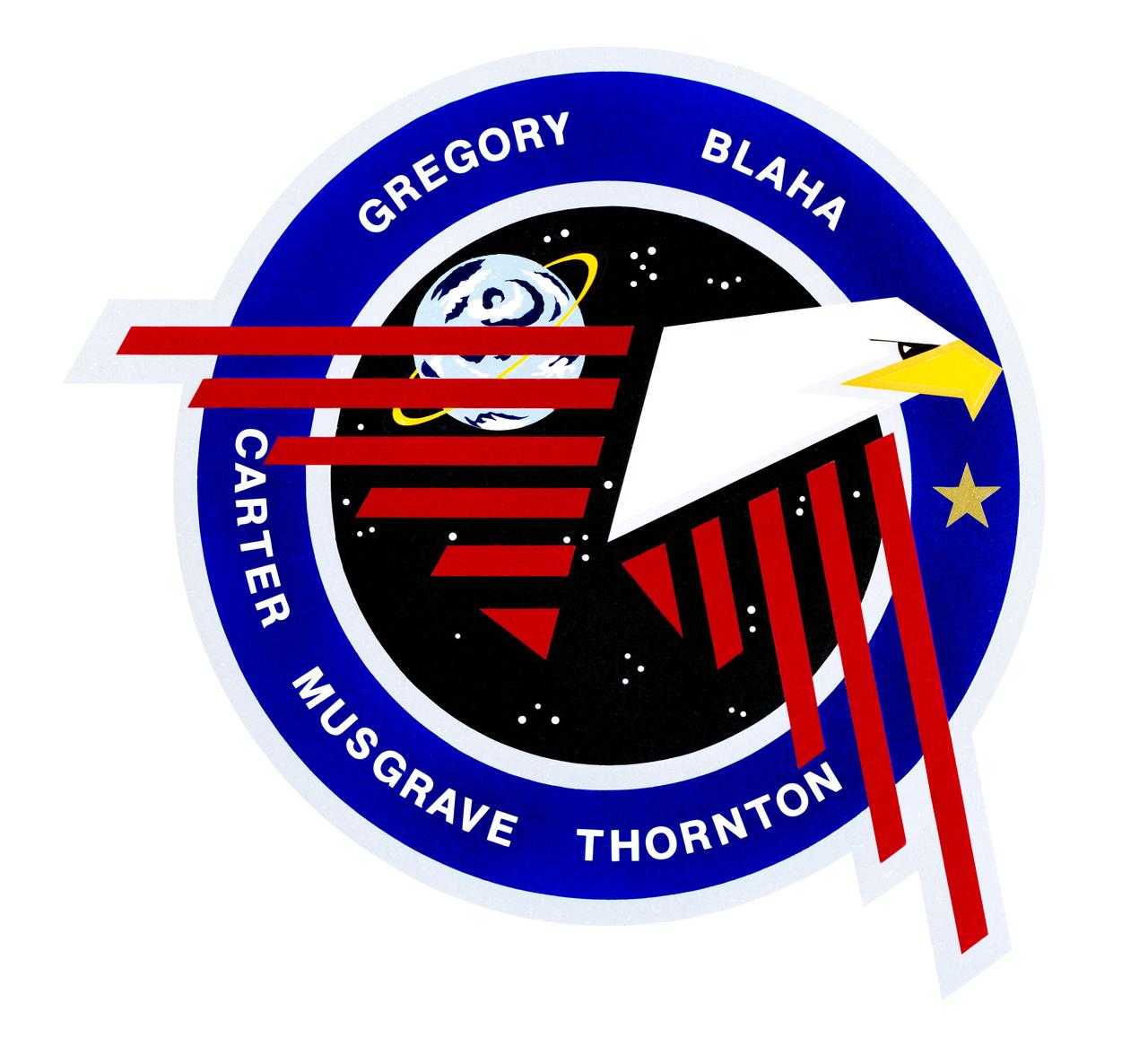
S89-39195 (July 1989) --- This is the crew patch for STS-33, designed by the five crew members. It features a stylized falcon soaring into space to represent America's commitment to manned spaceflight. The crew members feel the falcon symbolizes courage, intelligence, tenacity, and love of flight. They intend the orbit around Earth to represent the falcon's lofty domain; however, the bird, with its keen vision and natural curiosity, is depicted looking forward beyond that domain to challenge the edge of the universe. The bold red feathers of the wings drawn from the American flag overlaying the random field of stars illustrate the determination to expand the boundaries of knowledge by American presence in space. The single gold star on a field of blue honors the memory of the late Rear Admiral S. David Griggs, originally assigned to this crew. The NASA insignia design for space shuttle flights is reserved for use by the astronauts and for other official use as the NASA Administrator may authorize. Public availability has been approved only in the forms of illustrations by the various news media. When and if there is any change in this policy, which is not anticipated, the change will be publicly announced. Photo credit: NASA
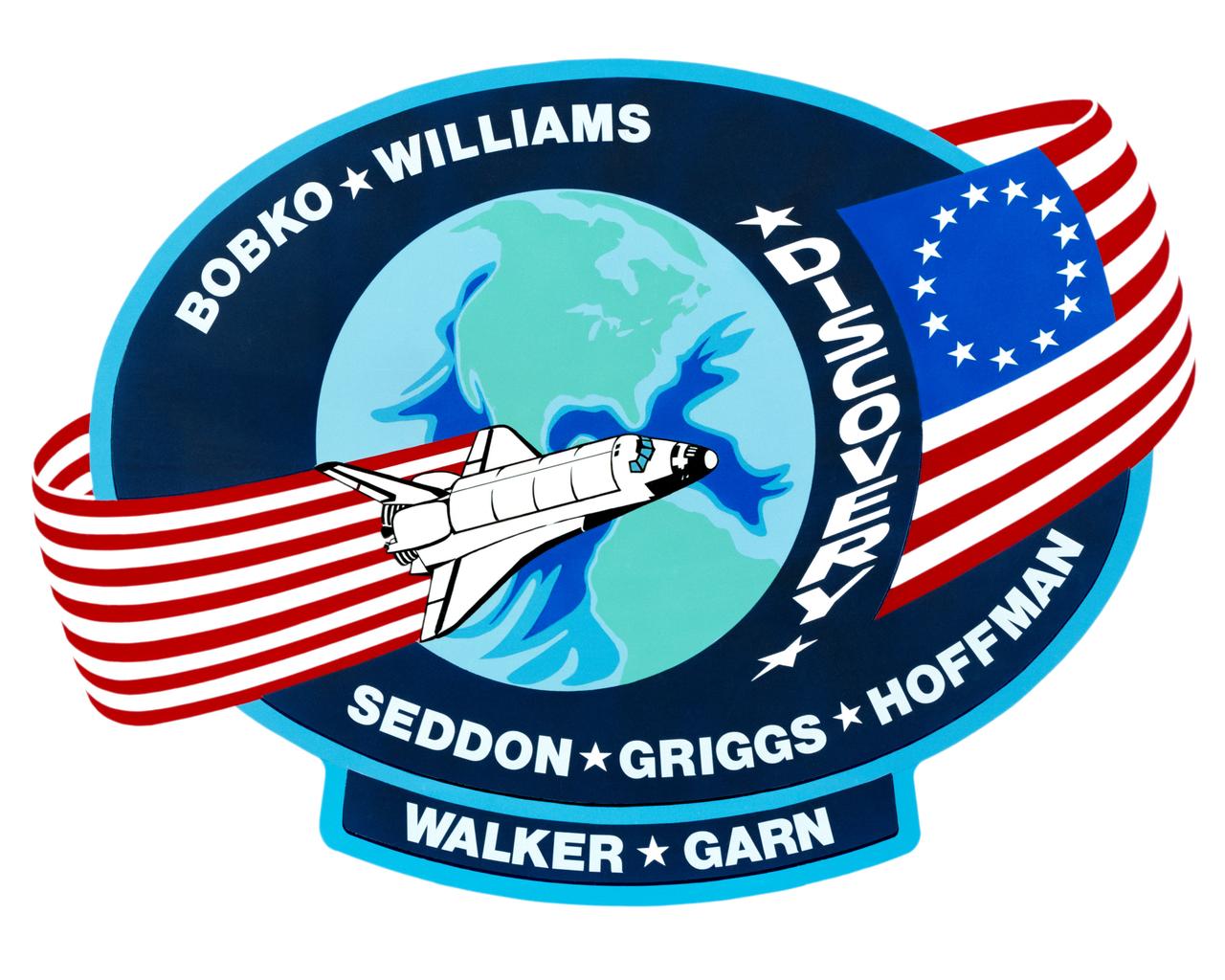
S85-28989 (March 1985) --- The dominant features of the STS-51D emblem are an orbit formed by a Colonial American flag and a space shuttle. The flag in orbit signifies the U.S. flag to indicate that it comes from this country and the American people. The original 13-star flag is used to symbolize a continuity of technical achievement and progress since colonial times. The name Discovery preceding the flag represents the spirit of Discovery and exploration of new frontiers which have been a hallmark of American people even before they were formed together as a nation. The crew members are Karol J. Bobko, Donald E. Williams, Rhea Seddon, S. David Griggs and Jeffrey A. Hoffman of NASA; and Charles D. Walker, representing McDonnell Douglas Corporation; and U. S. Senator Jake Garn. The NASA insignia design for space shuttle flights is reserved for use by the astronauts and for other official use as the NASA Administrator may authorize. Public availability has been approved only in the forms of illustrations by the various news media. When and if there is any change in this policy, which is not anticipated, the change will be publicly announced. Photo credit: NASA
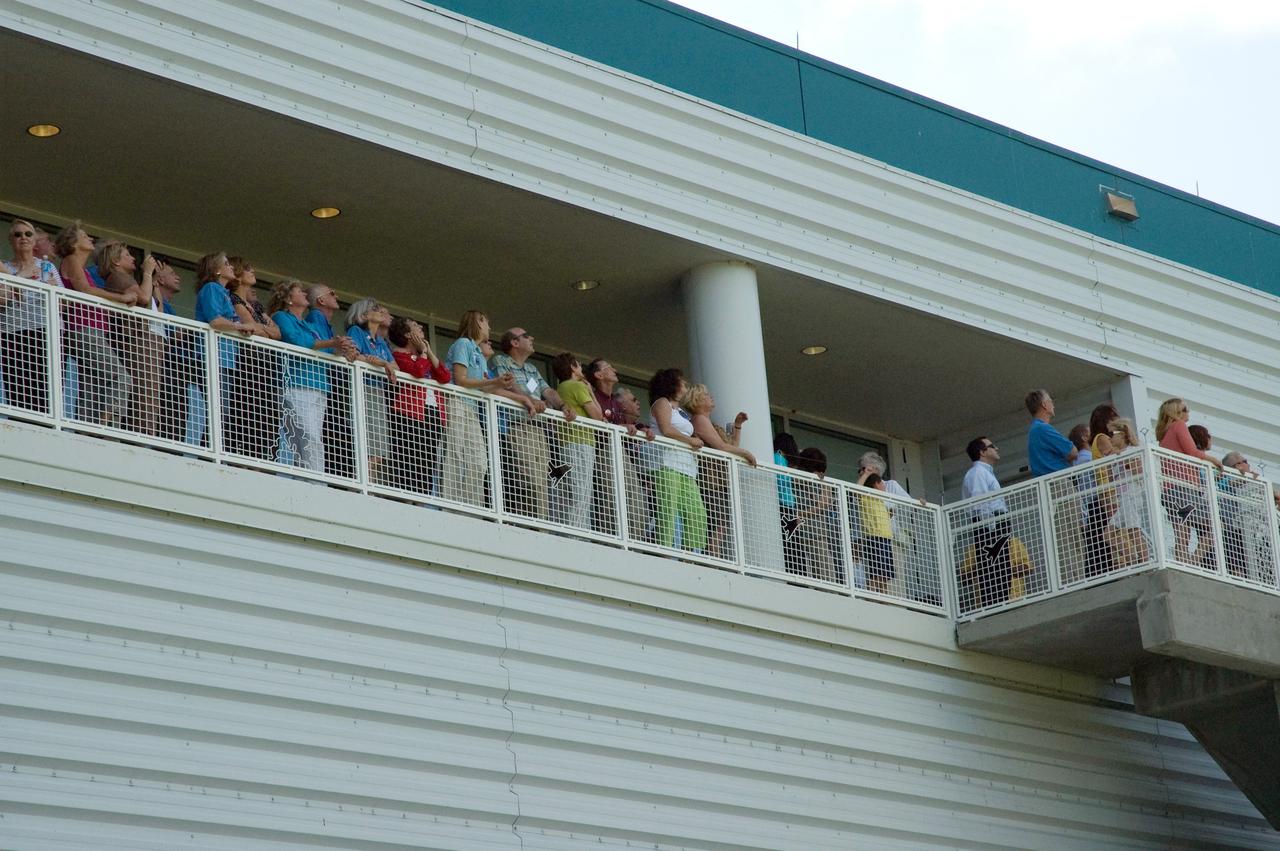
CAPE CANAVERAL, Fla. -- All eyes look skyward as space shuttle Discovery launches on its STS-124 mission. The group gathered here at the Banana River viewing site at NASA's Kennedy Space Center are members of the first graduating class of astronauts after the Apollo program. In 1978 a new group of 35 astronauts was selected after nine years without new astronauts. The pilots were Daniel Brandenstein, Michael Coats, Richard Covey, John Creighton, Robert Gibson, Frederick D. Gregory, Frederick Hauck, Jon McBride, Francis "Dick" Scobee, Brewster Shaw, Loren Shriver, David Walker and Donald Williams. The mission specialists were Guion Bluford, James Buchli, John Fabian, Anna Fisher, Dale Gardner, S. David Griggs, Terry Hart, Steven Hawley, Jeffrey Hoffman, Shannon Lucid, Ronald McNair, Richard Mullane, Steven Nagel, George Nelson, Ellison Onizuka, Judith Resnik, Sally Ride, Rhea Seddon, Robert Stewart, Kathryn D. Sullivan, Norman Thagard and James van Hoften. Since then, a new group has been selected roughly every two years. Photo credit: NASA/Jim Grossmann
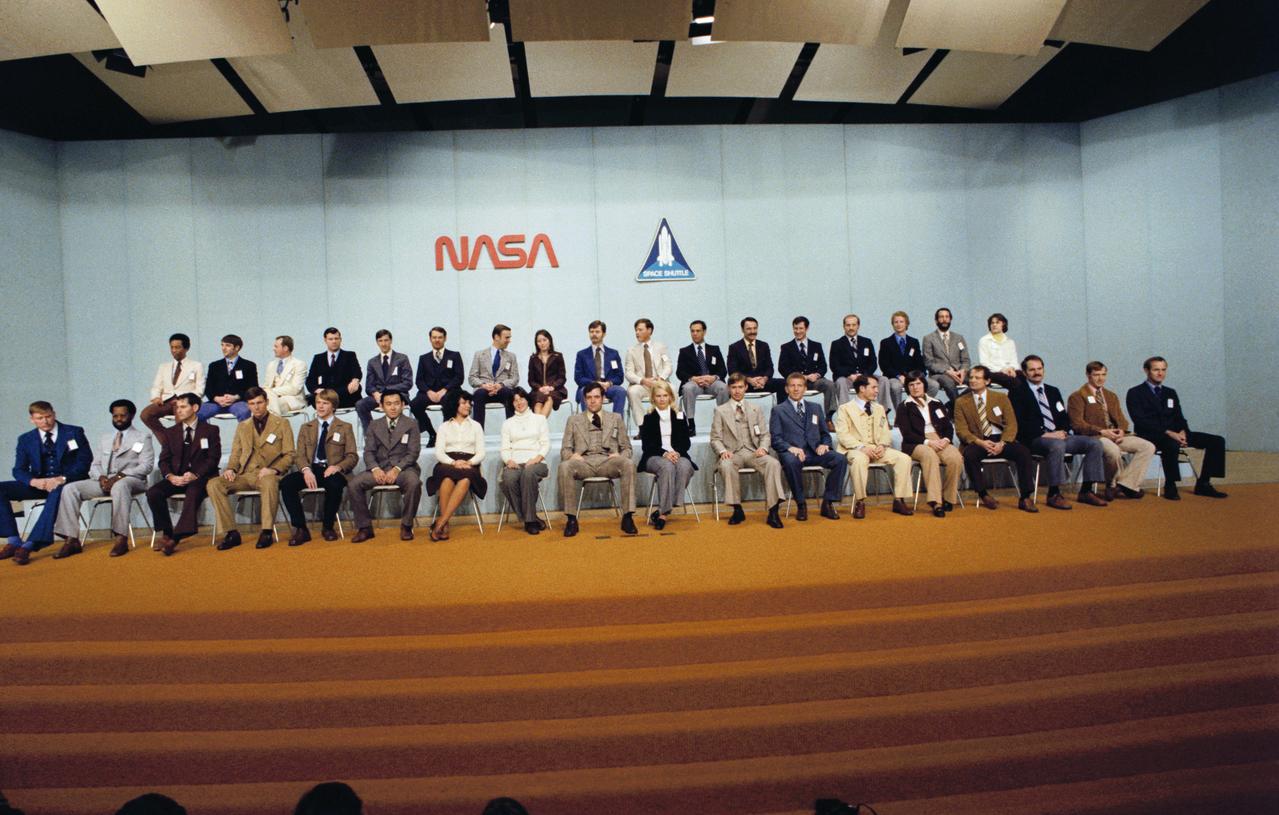
S78-26569 (31 Jan. 1978) --- The 35 new astronaut candidates, presented Jan. 31, 1978, in the Building 2 auditorium at NASA's Johnson Space Center, pose for photographers. They are arranged in alphabetical order with top left as beginning point and bottom right as stopping point. They are Guion S. Bluford, Daniel C. Brandenstein, James F. Buchli, Michael L. Coats, Richard O. Covey, John O. Creighton, John M. Fabian, Anna L. Fisher, Dale A. Gardner, Robert L. Gibson, Frederick D. Gregory, S. David Griggs, Terry J. Hart, Frederick H. (Rick) Hauck, Steven A. Hawley, Jeffrey A. Hoffman, Shannon W. Lucid, Jon A. McBride, Ronald E. McNair, Richard M. (Mike) Mullane, Steven R. Nagel, George D. Nelson, Ellison S. Onizuka, Judith A. Resnik, Sally K. Ride, Francis R. (Dick) Scobee, Rhea Seddon, Brewster H. Shaw Jr., Loren J. Shriver, Robert L. Stewart, Kathryn D. Sullivan, Norman E. Thagard, James D. van Hoften, David M. Walker and Donald E. Williams. Photo credit: NASA or National Aeronautics and Space Administration
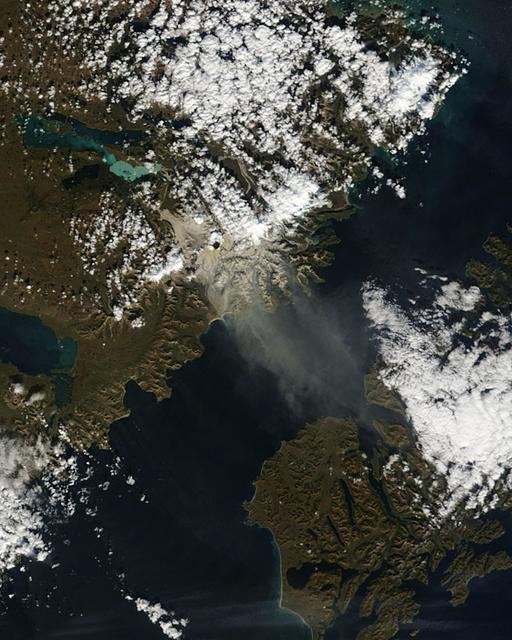
The Valley of Ten Thousand Smokes, located in Katmai National Park, forms a unique and ashen landscape. Encircled by volcanoes – both active and inactive – it has served as a perfect collection area for huge amounts of volcanic ash. According to the Alaska Historical Society (AHS), 2012 marked the centennial anniversary of the volcanic eruption that formed the valley, and led to the establishment, in 1918, of Katmai National Park. A massive eruption rocked the region on June 6, 1912 as the then-unknown volcano, Novarupta, became suddenly and violently active. According to the AHS, it erupted with “such force that mountains collapsed, ash darkened summer skies, earthquakes rocked population centers and were recorded as far away as Washington, D.C.” Glowing hot ash was reported to have smothered an area covering 40 square miles, and up to 700 feet deep. While the active volcanoes surrounding the valley - Novarupta, Mt. Mageik, Trident Volcano, Mt. Griggs, Mt. Martin and Mt. Katmai - have remained relatively quiescent, their ashen legacy continues to affect the landscape – and air traffic - even a century after it was laid down. The Moderate Resolution Imaging Spectroradiometer (MODIS) aboard NASA’s Terra satellite captured this true-color image on September 29, 2014. Volcanic ash from the Katmai region has been lifted aloft by strong winds, and is blowing to the southeast, over Shelikof Strait, Kodiak Island, and the Gulf of Alaska. Although such clouds are not from active volcanoes, the remobilized volcanic ash still provides a potential hazard to aircraft flying through the region. Credit: NASA/GSFC/Jeff Schmaltz/MODIS Land Rapid Response Team <b><a href="http://www.nasa.gov/audience/formedia/features/MP_Photo_Guidelines.html" rel="nofollow">NASA image use policy.</a></b> <b><a href="http://www.nasa.gov/centers/goddard/home/index.html" rel="nofollow">NASA Goddard Space Flight Center</a></b> enables NASA’s mission through four scientific endeavors: Earth Science, Heliophysics, Solar System Exploration, and Astrophysics. Goddard plays a leading role in NASA’s accomplishments by contributing compelling scientific knowledge to advance the Agency’s mission. <b>Follow us on <a href="http://twitter.com/NASAGoddardPix" rel="nofollow">Twitter</a></b> <b>Like us on <a href="http://www.facebook.com/pages/Greenbelt-MD/NASA-Goddard/395013845897?ref=tsd" rel="nofollow">Facebook</a></b> <b>Find us on <a href="http://instagram.com/nasagoddard?vm=grid" rel="nofollow">Instagram</a></b>