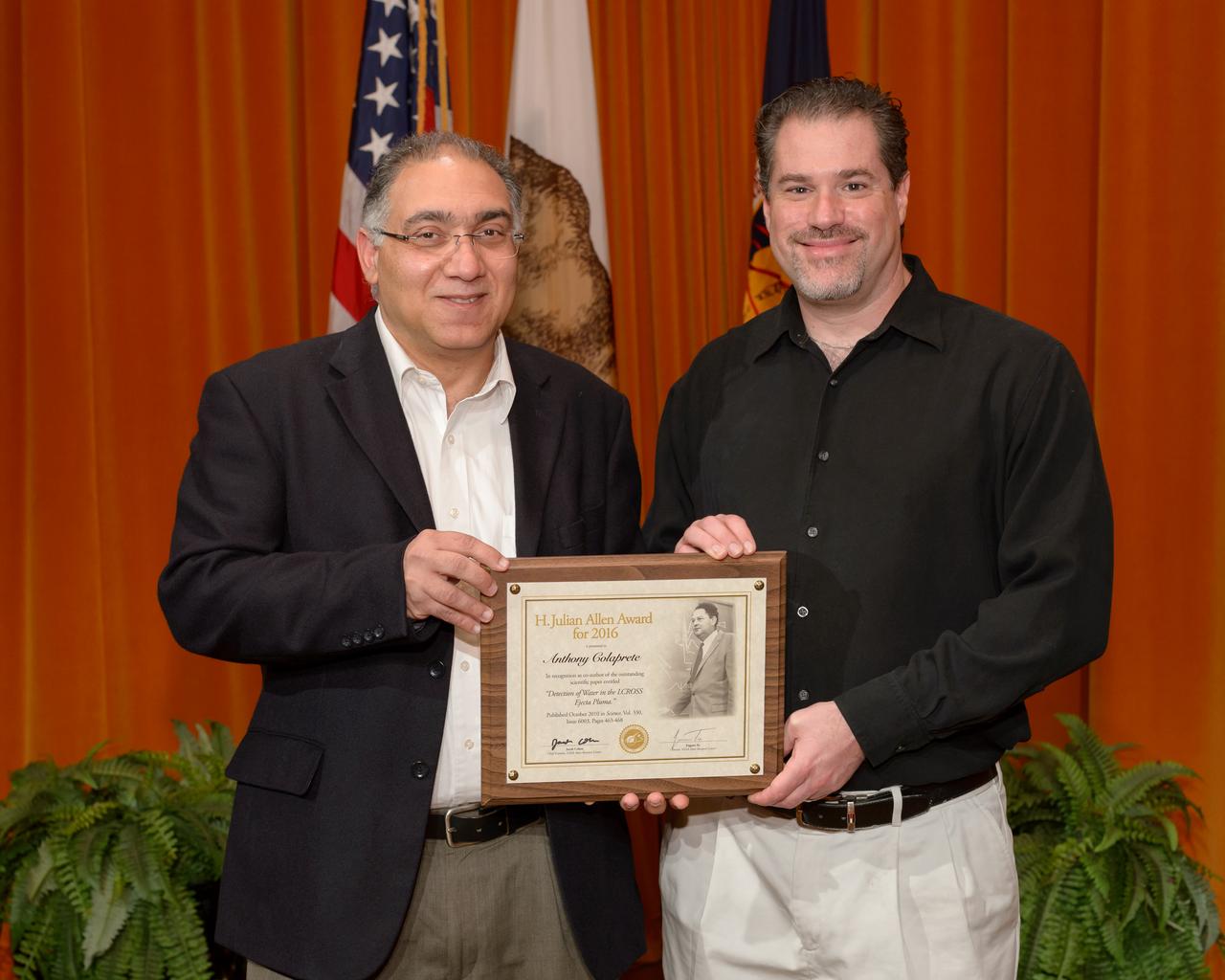
Dr. Jacob Cohen Director Office of Chief Scientist with Dr. Anthony Colaprete recipient of the H. Julian Allen Award In recognition as co-author of the outstanding scientific paper entitled "Detection of Water in the LCROSS Ejecta Pluma." Shown here Dr. Jacob Cohen presents the H. Julian Allen award to Anthony Colaprete.
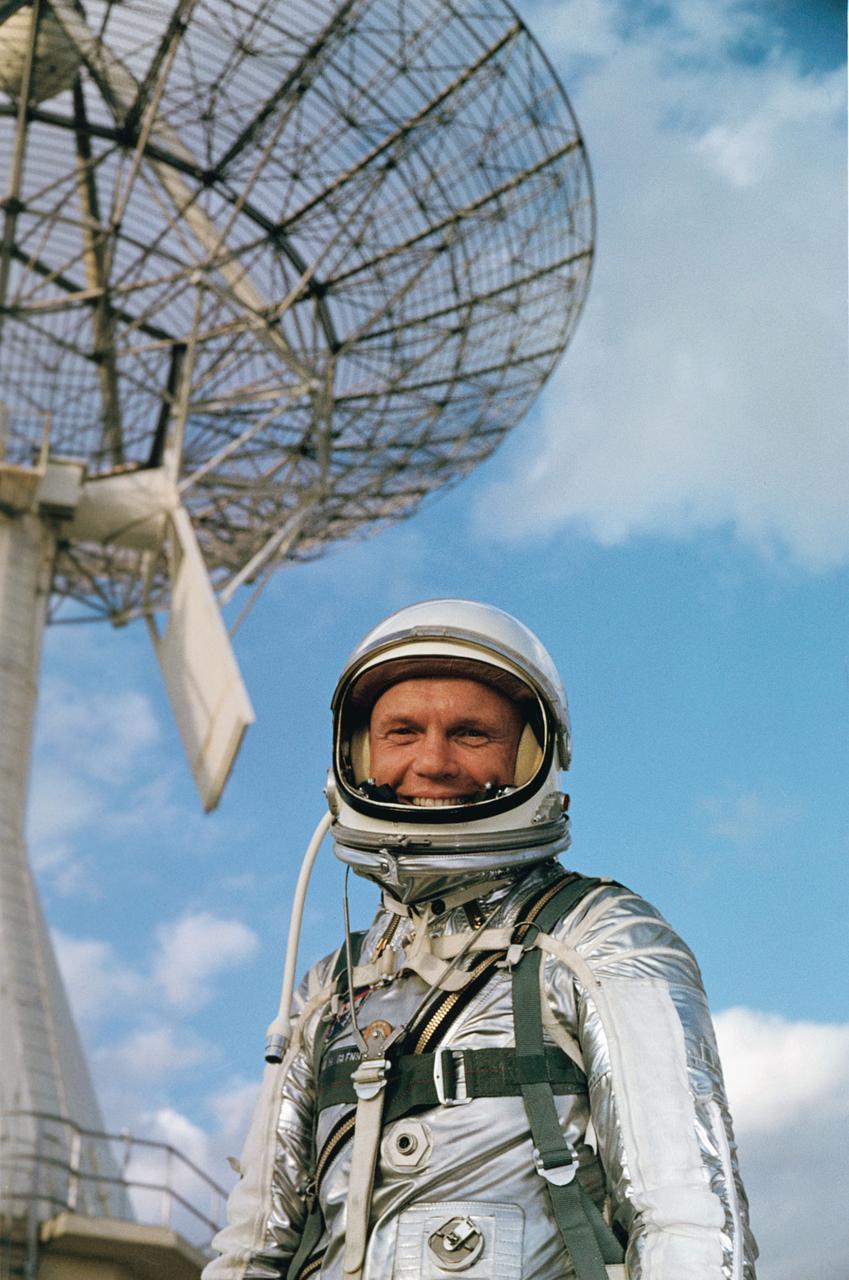
January 1962 -- Project Mercury Astronaut John H. Glenn Jr., prime pilot for the MA-6 mission.
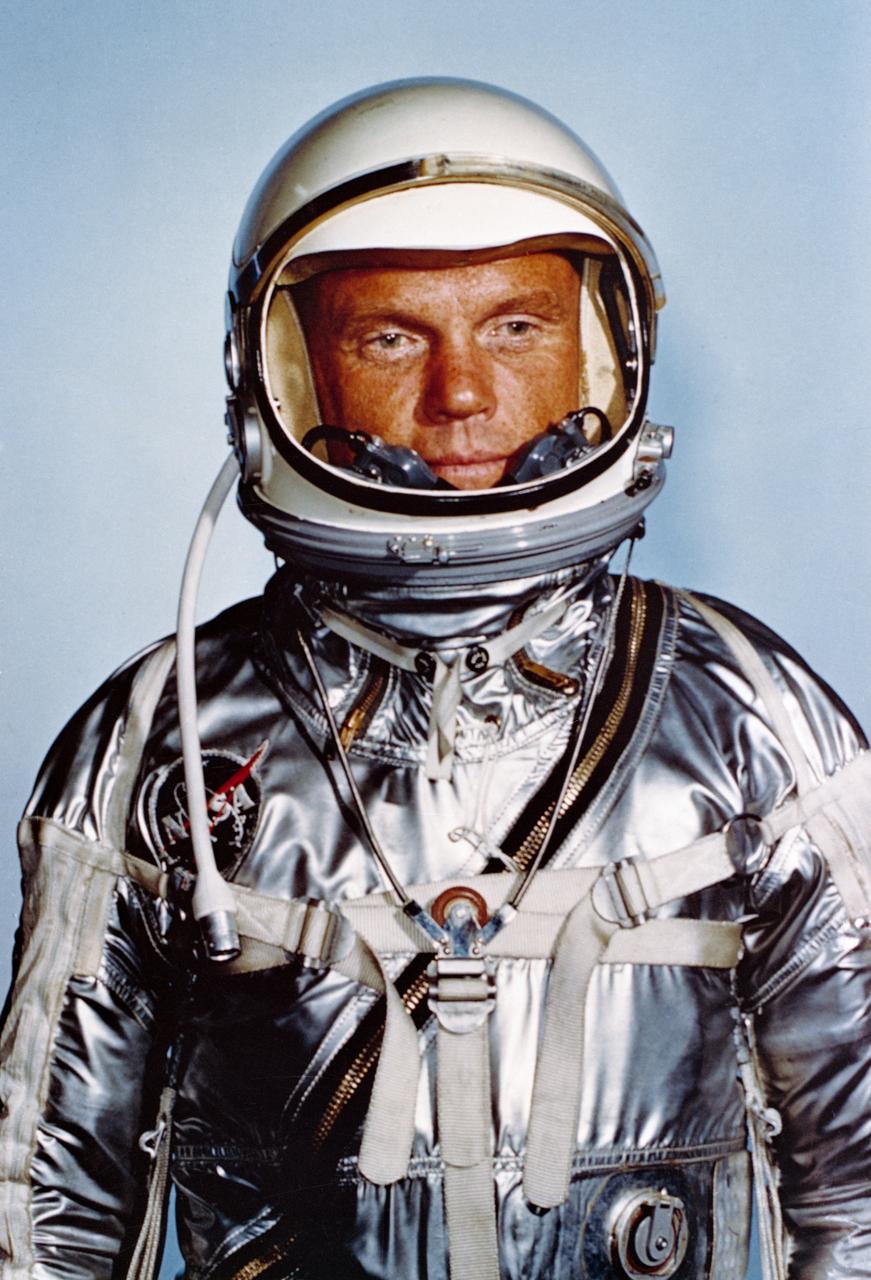
February 1962 -- Astronaut John H. Glenn Jr., Mercury-Atlas 6 pilot.
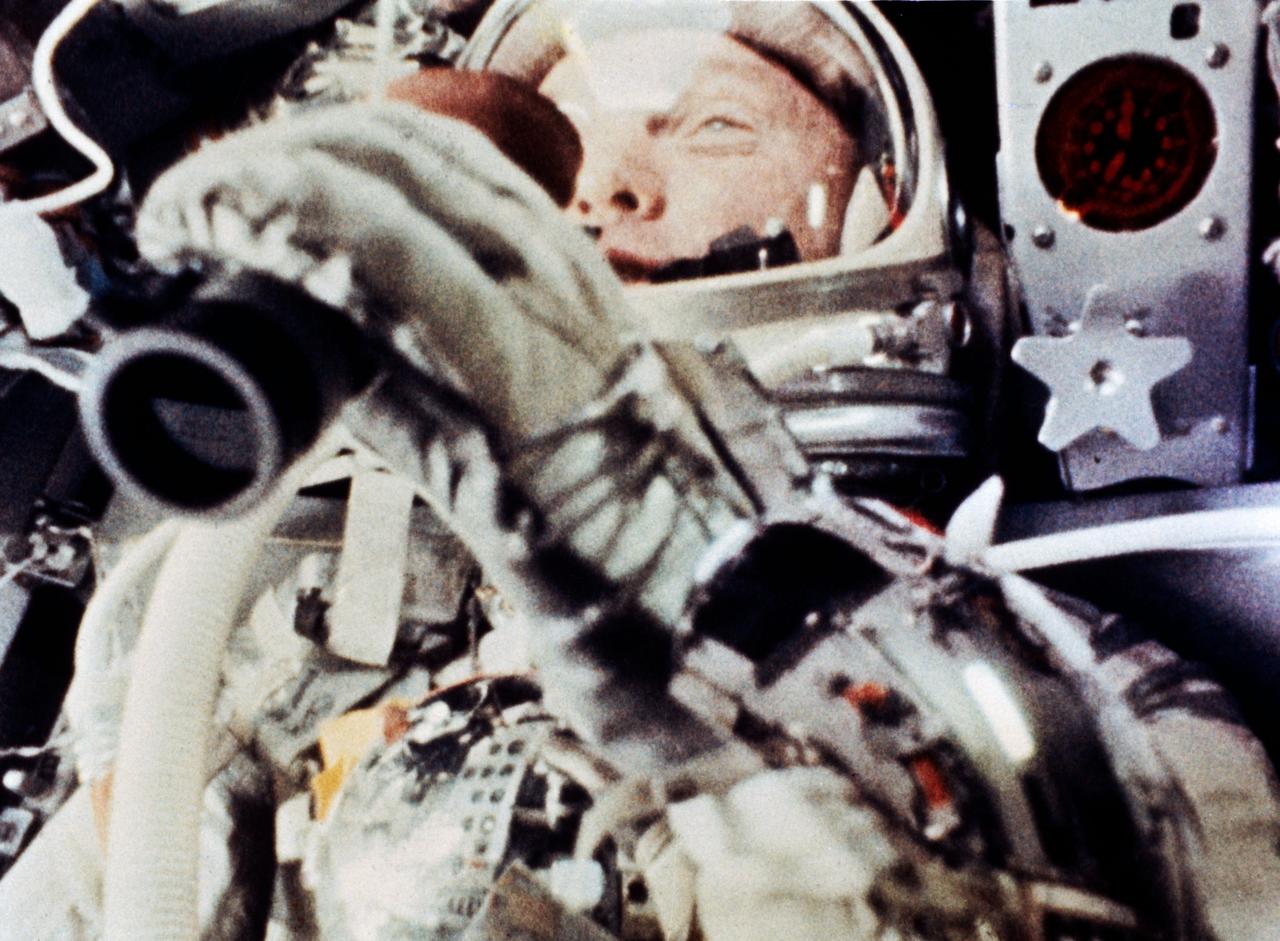
Astronaut John H. Glenn Jr. uses binoculars to view the Earth through the window of the Mercury-Atlas (MA-6) Friendship 7 capsule during the U.S.'s initial orbital flight.
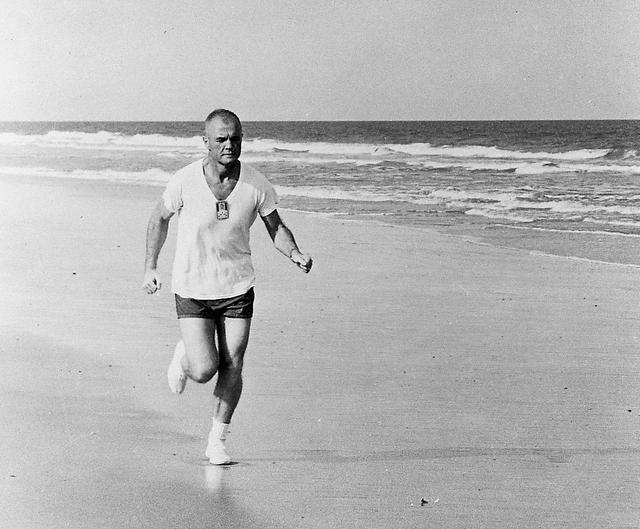
1962 -- Running along the beach at Cape Canaveral, Florida, astronaut John H. Glenn Jr., pilot of the Mercury-Atlas 6 mission, participates in a strict physical training program, as he exemplifies by frequent running.
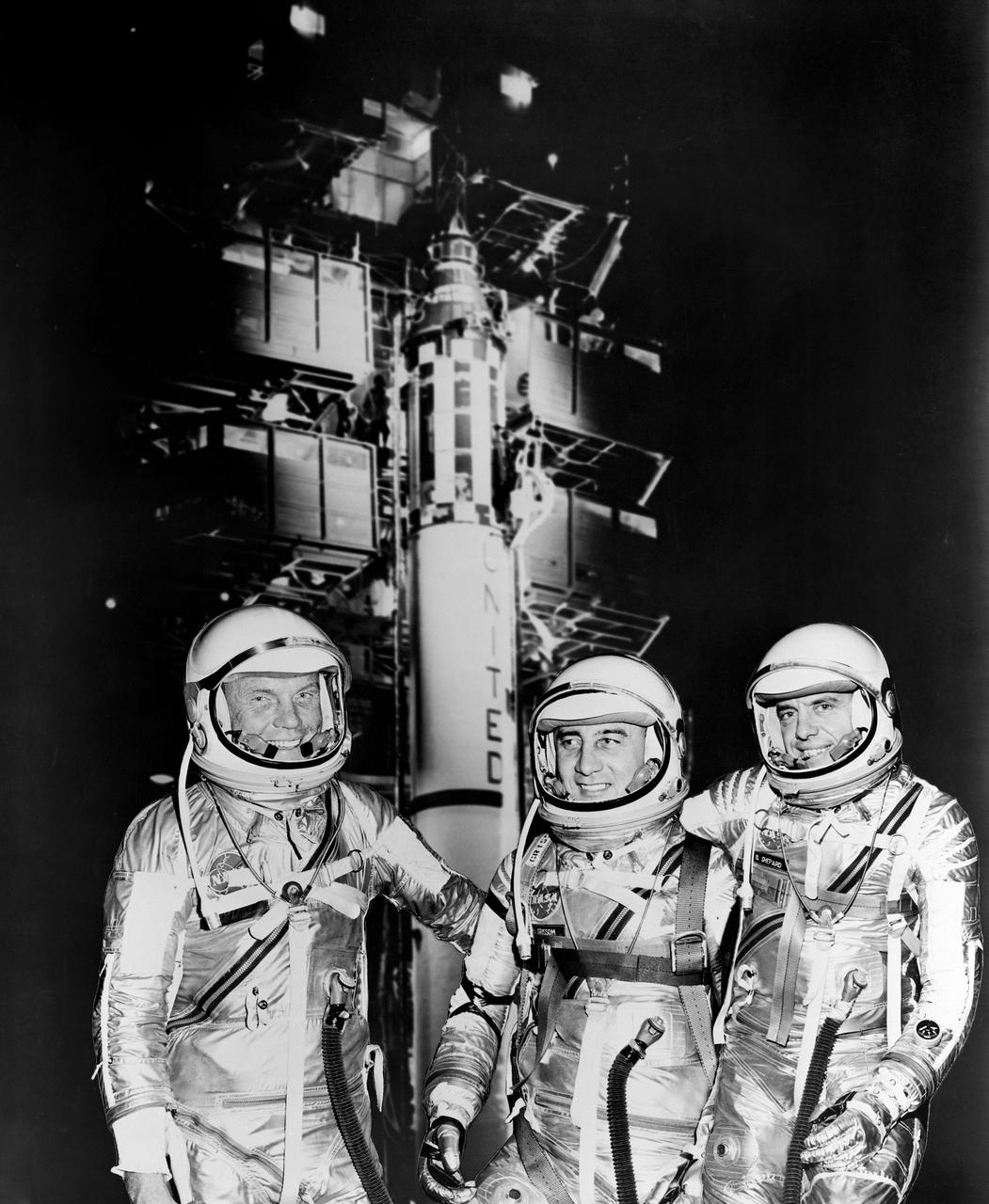
1961 -- The first three Americans in space, Mercury astronauts, from the left, John H. Glenn Jr., Virgil I. (Gus) Grissom and Alan B. Shepard Jr. standing by Redstone rocket in their spacesuits.
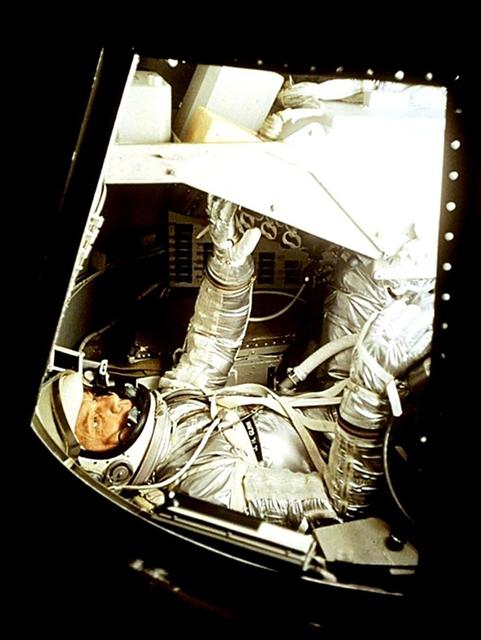
January 1962 -- Project Mercury Astronaut John H. Glenn Jr., prime pilot for the MA-6 mission, takes a work-out in the procedures trainer in preparation for the flight.
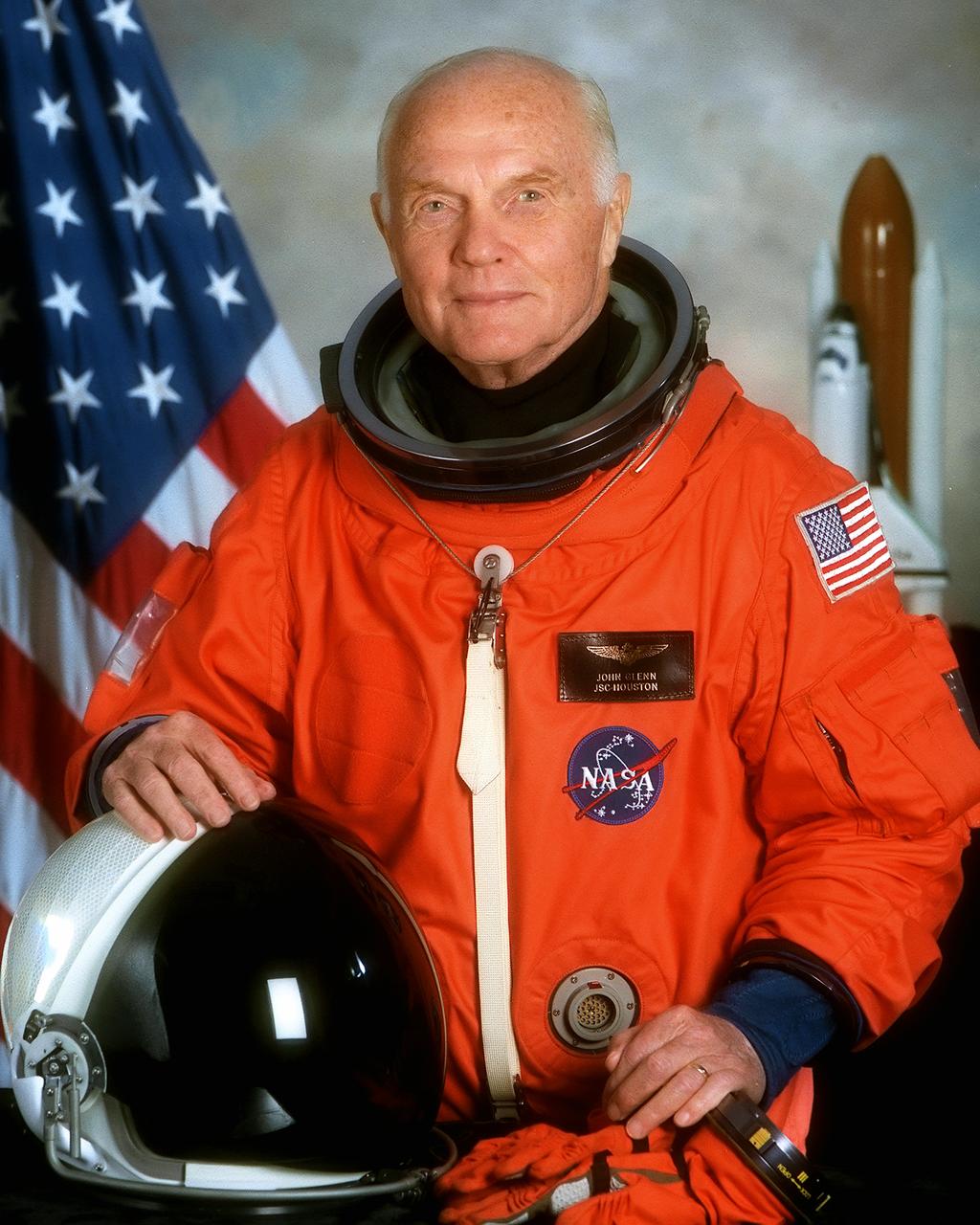
1998 -- John H. Glenn Jr. is a former American astronaut, Marine Corps fighter pilot, and United States Senator. He was the third American to fly in space and the first American to orbit the Earth. This photo for his second space flight on Oct. 29, 1998, on Space Shuttle Discovery's STS-95.
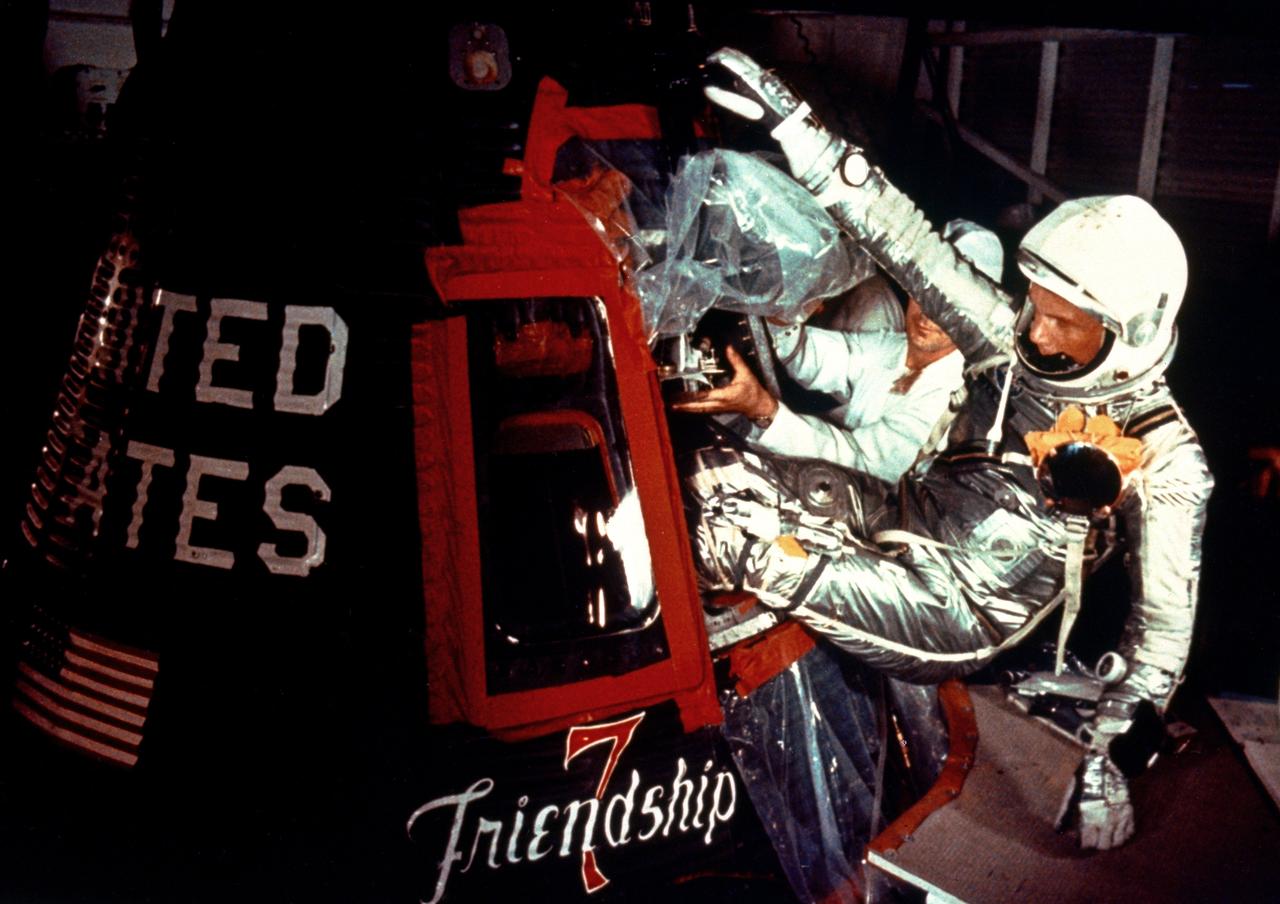
Project Mercury astronaut John H. Glenn Jr., enters the Friendship 7 spacecraft during the last part of the countdown on Feb. 20, 1962. At 9:47 a.m. EST, the Atlas launch vehicle lifted the spacecraft into orbit for a three-orbit mission lasting four hours, 55 minutes and 23 seconds. Glenn and his spacecraft were recovered by the destroyer Noa just 21 minutes after landing in the Atlantic near Grand Turk Island, to successfully complete the nation's first manned orbital flight.
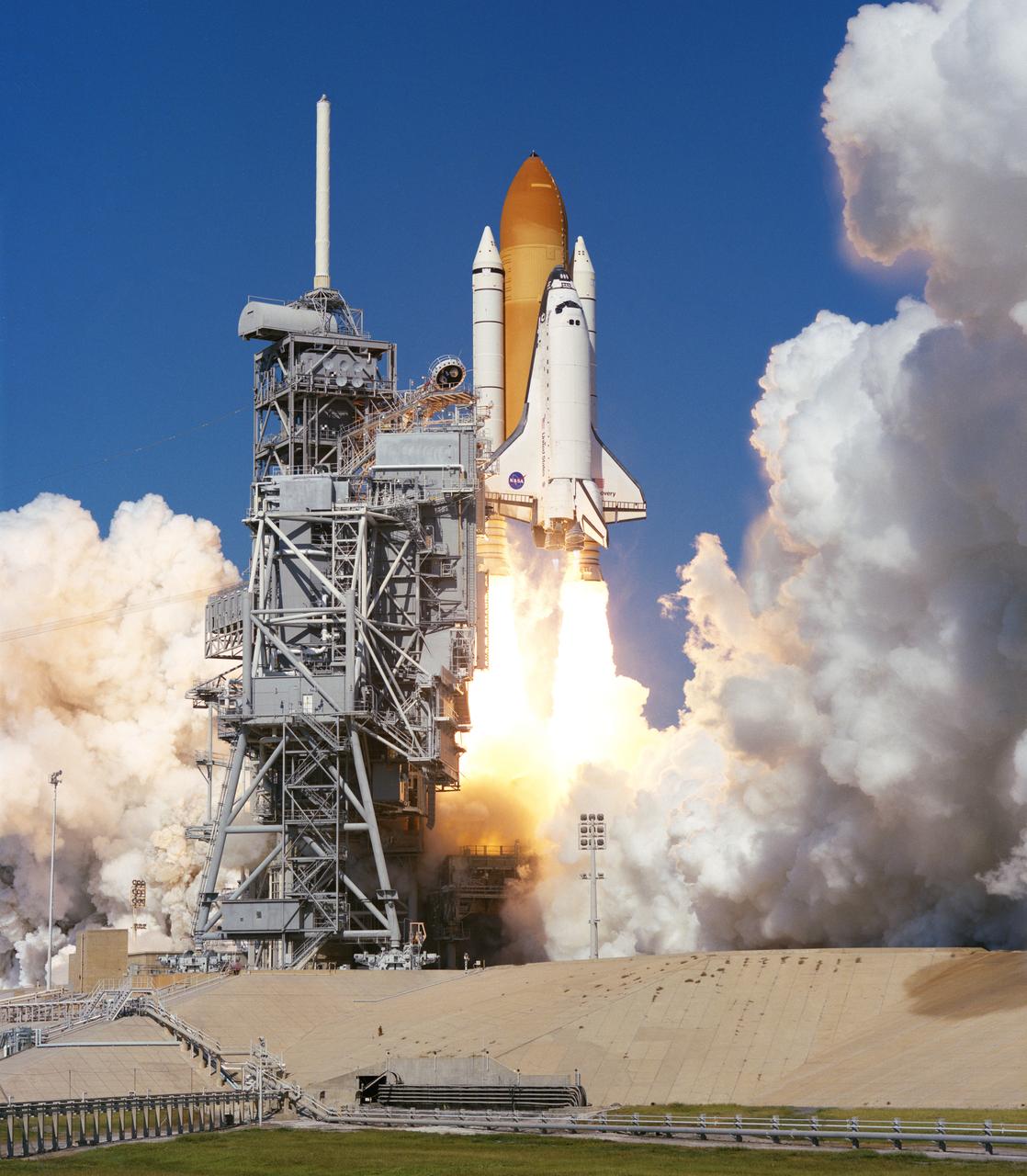
The space shuttle Discovery lifts off Launch Pad 39B to begin a nine-day mission in Earth-orbit. Launch was at 2:19 p.m. EST, Oct. 29, 1998. Onboard were Curtis L. Brown Jr., Steven W. Lindsey, Scott F. Parazynski, Steven K. Robinson, Pedro Duque, United States Senator John H. Glenn Jr. and Chiaki Naito-Mukai. Duque is a mission specialist representing the European Space Agency (ESA) and Mukai is a payload specialist representing Japan's National Space Development Agency (NASDA). Glenn, making his second spaceflight but his first in 36 years, joins Mukai as a payload specialist on the mission.
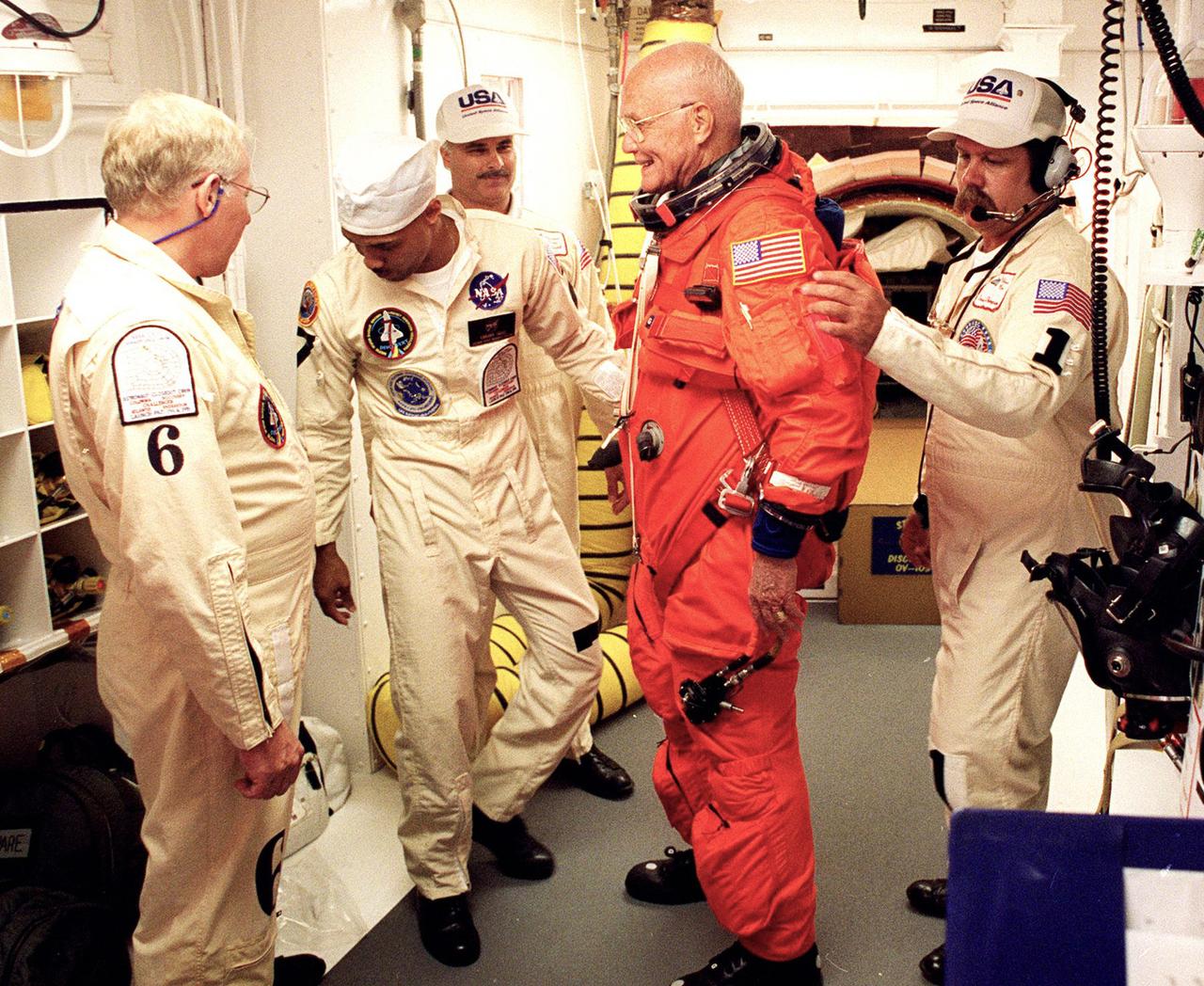
In the white room at the Kenndy Space Center's Launch Pad 39B, STS-95 Payload Specialist John H. Glenn Jr., senator from Ohio, is prepared by closeout room crew members Danny Wyatt (left to right), Carlous Gillis, Jim Kelly and Travis Thompson for entry into the Space Shuttle Discovery for his second flight into space after 36 years. The STS-95 mission, targeted for launch at 2 p.m. EST on Oct. 29, is expected to last 8 days, 21 hours and 49 minutes, and return to KSC at 11:49 a.m. EST on Nov. 7.
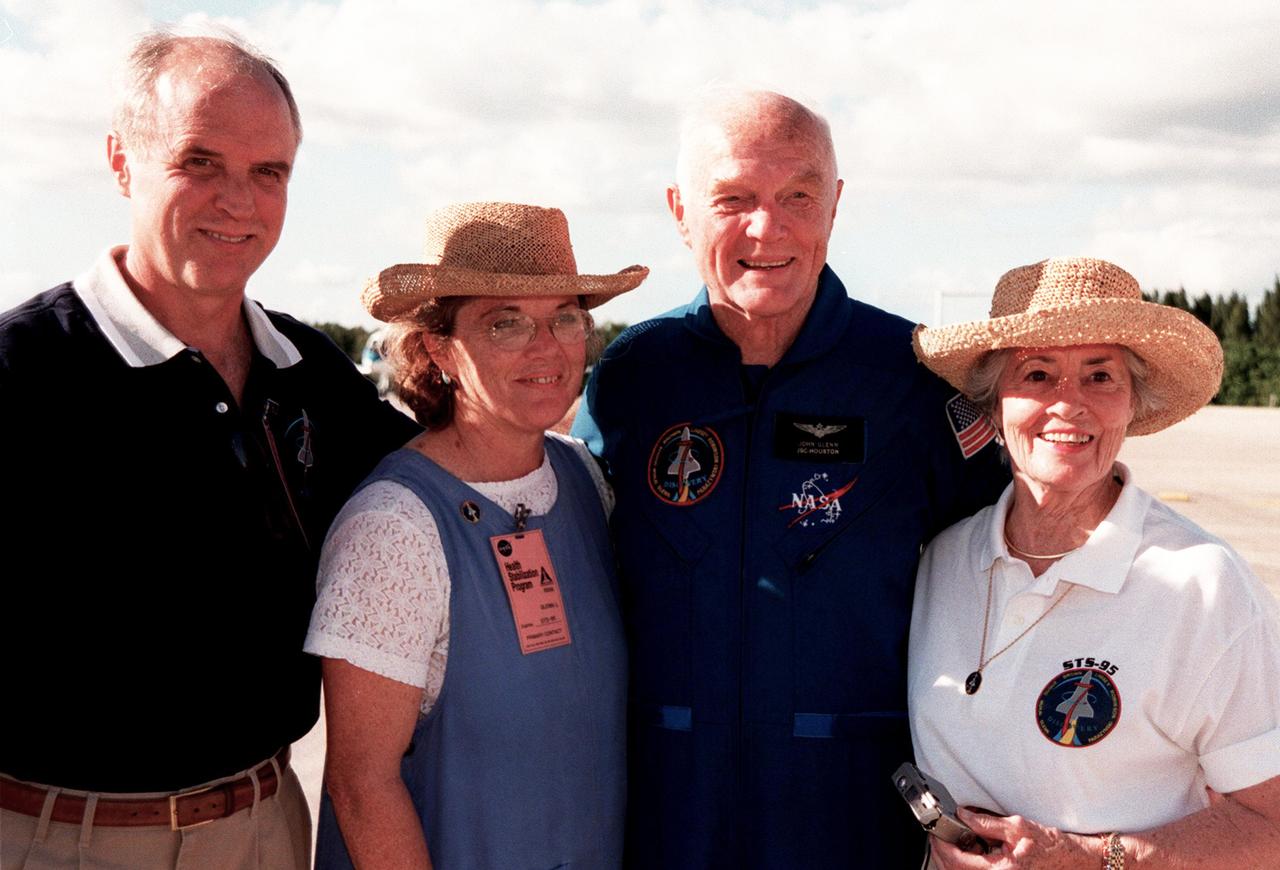
STS-95 Payload Specialist John H. Glenn Jr. (second from right), senator from Ohio, poses (left to right) with his son, David, daughter, Lyn, and (far right) his wife, Annie, after landing at Kennedy Space Center's Shuttle Landing Facility aboard a T-38 jet. Glenn and other crewmembers flew into KSC to make final preparations for launch. Targeted for liftoff at 2 p.m. on Oct. 29, the STS-95 mission includes research payloads such as the Spartan solar-observing deployable spacecraft, the Hubble Space Telescope Orbital Systems Test Platform, the International Extreme Ultraviolet Hitchhiker, as well as the SPACEHAB single module with experiments on space flight and the aging process.
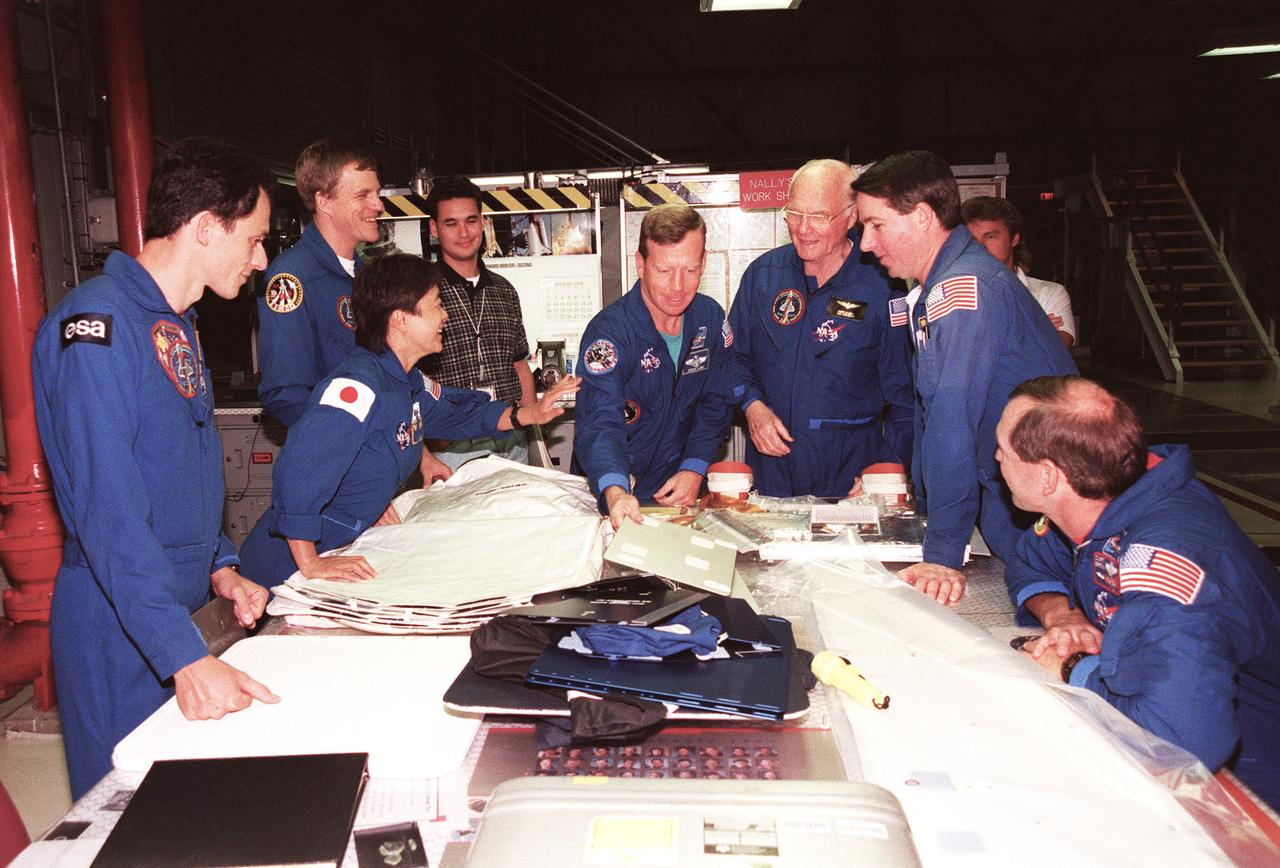
Around a table in Bay 2 Orbiter Processing Facility at NASA's Kennedy Space Center in Florida, STS-95 crew members look over equipment during the Crew Equipment Interface Test (CEIT) for their mission. From left, they are Mission Specialist Pedro Duque, of the European Space Agency; Payload Specialist Chiaki Mukai, of the National Space Development Agency of Japan (NASDA); Mission Specialist Scott E. Parazynski, M.D.; Pilot Steven W. Lindsey; Payload Specialist John H. Glenn Jr., senator form Ohio; Mission Specialist Stephen K. Robinson; and Mission Commander Curtis L. Brown Jr. The CEIT gives astronauts an opportunity for a hands-on look at the payloads and equipment with which they will be working on orbit. The launch of the STS-95 mission, aboard Space Shuttle Discovery, is scheduled for Oct. 29, 1998. The mission includes research payloads such as the Spartan solar-observing deployable spacecraft, the Hubble Space Telescope Orbital Systems Test Platform, the International Extreme Ultraviolet Hitchhiker, as well as the SPACEHAB single module with experiments on space flight and the aging process.
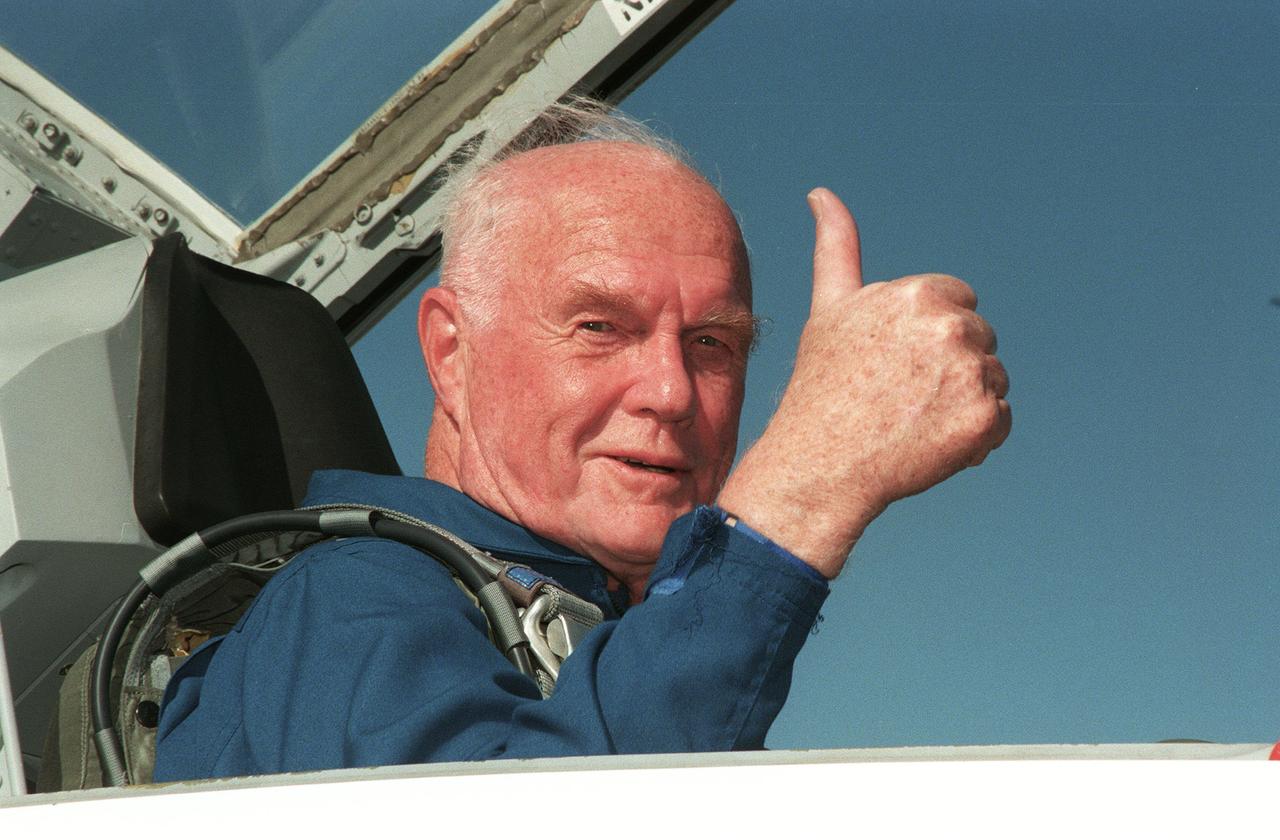
STS-95 Payload Specialist John H. Glenn Jr., senator from Ohio, gives a thumbs up on his arrival at Kennedy Space Center's Shuttle Landing Facility aboard a T-38 jet. He and other crewmembers will be making final preparations for launch, targeted for liftoff at 2 p.m. on Oct. 29. The STS-95 mission includes research payloads such as the Spartan solar-observing deployable spacecraft, the Hubble Space Telescope Orbital Systems Test Platform, the International Extreme Ultraviolet Hitchhiker, as well as the SPACEHAB single module with experiments on space flight and the aging process. The mission is expected to last 8 days, 21 hours and 49 minutes, and return to KSC on Nov. 7. The other STS-95 crew members are Mission Commander Curtis L. Brown Jr., Pilot Steven W. Lindsey, Mission Specialist Scott E. Parazynski, Mission Specialist Stephen K. Robinson, Mission Specialist Pedro Duque, with the European Space Agency (ESA), and Payload Specialist Chiaki Mukai, with the National Space Development Agency of Japan (NASDA).
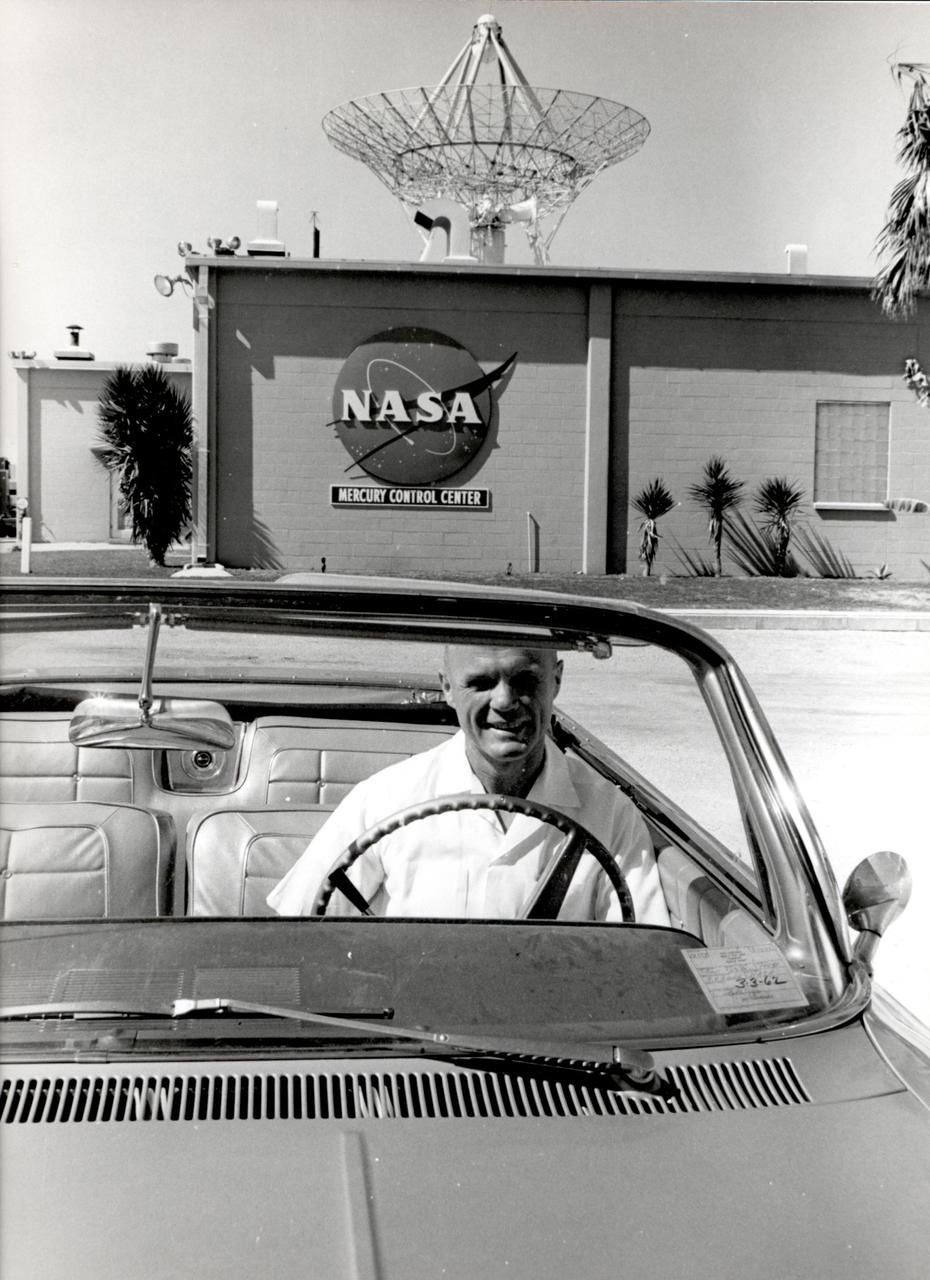
Astronaut John H. Glenn sits in a car in front of the east side of the Mercury Mission Control building. Glenn was the pilot for the Mercury-Atlas 6 mission aboard Friendship 7, which launched Feb. 20, 1962.
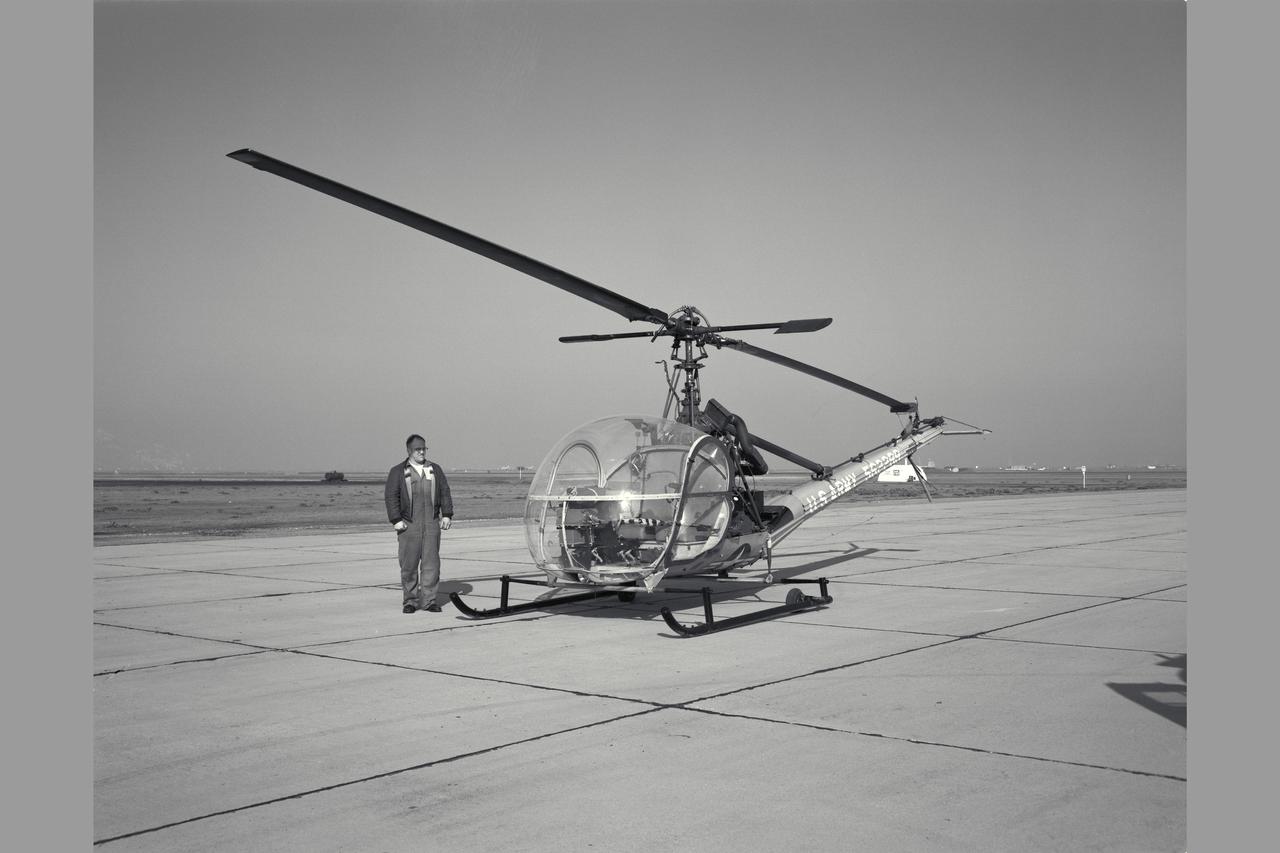
3/4 FRONT VIEW OF HILLER H-23C (USA 56-2288). USE OF THE HILLER H-23 HELICOPTER AS AN AID IN ESTABLISHING SATISFACTORY FLYING QUALITIES & REQUIREMENTS FOR VTOL AIRCRAFT. Rotocraft Research. NASA SP Flight Research at Ames: 57 Years of Development and Validation of Aeronautical Technology
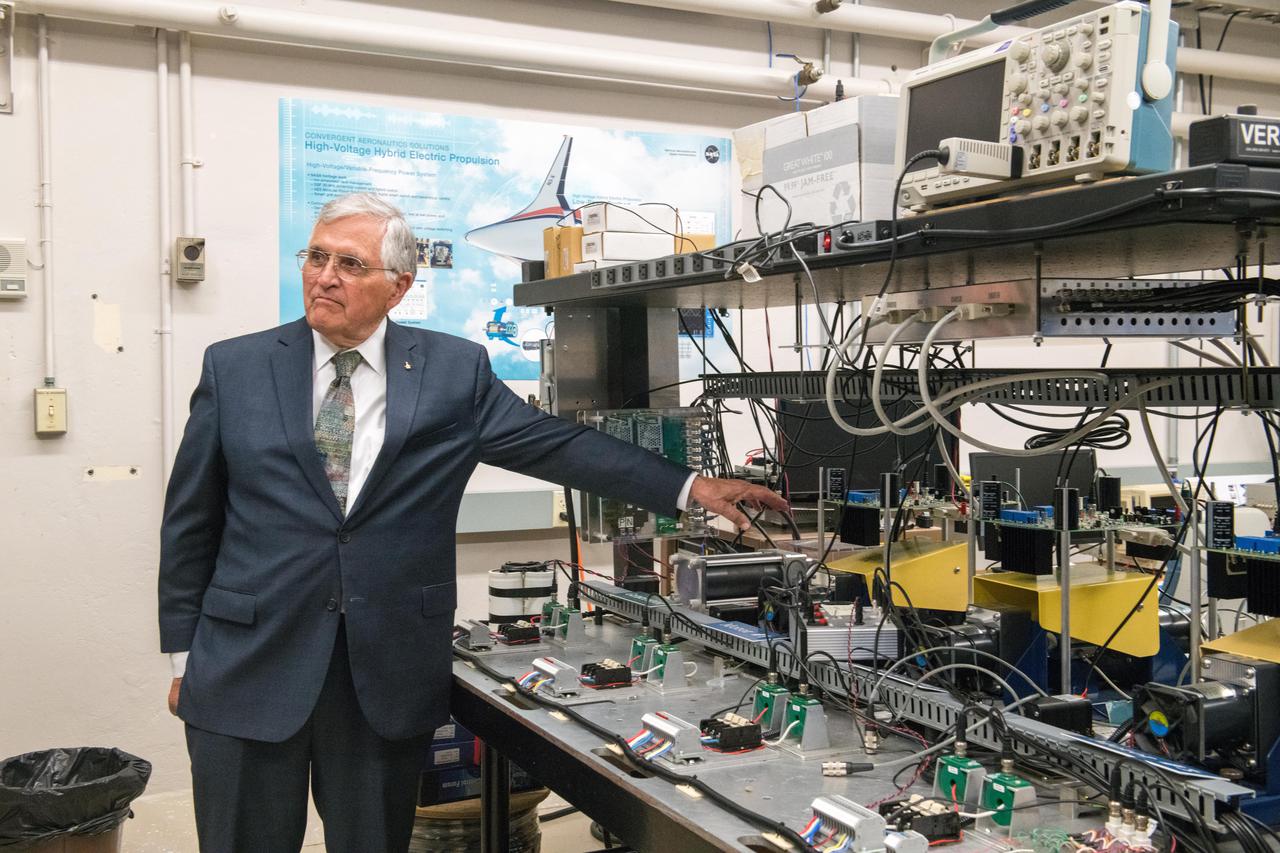
Visit by Dr. Harrison H. Schmitt, Apollo 17 Astronaut
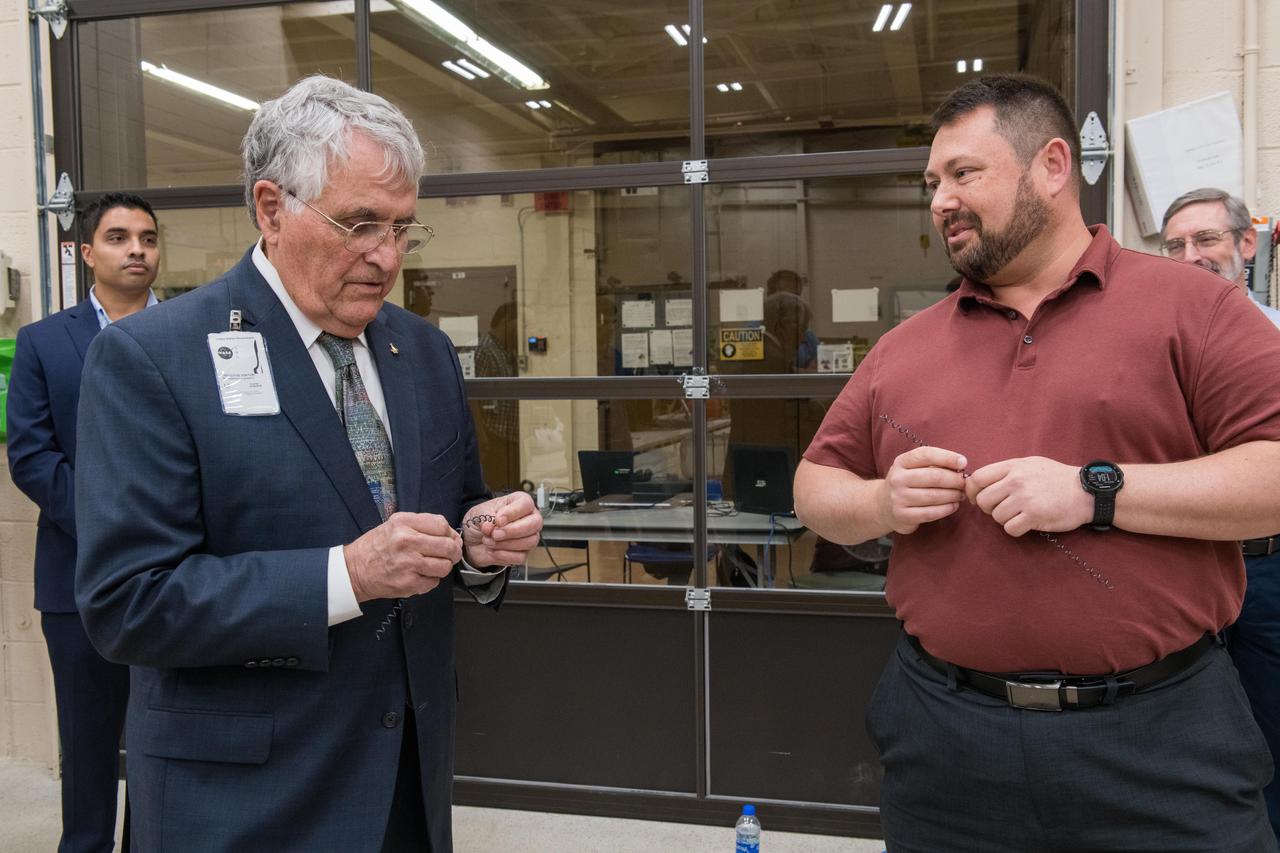
Visit by Dr. Harrison H. Schmitt, Apollo 17 Astronaut
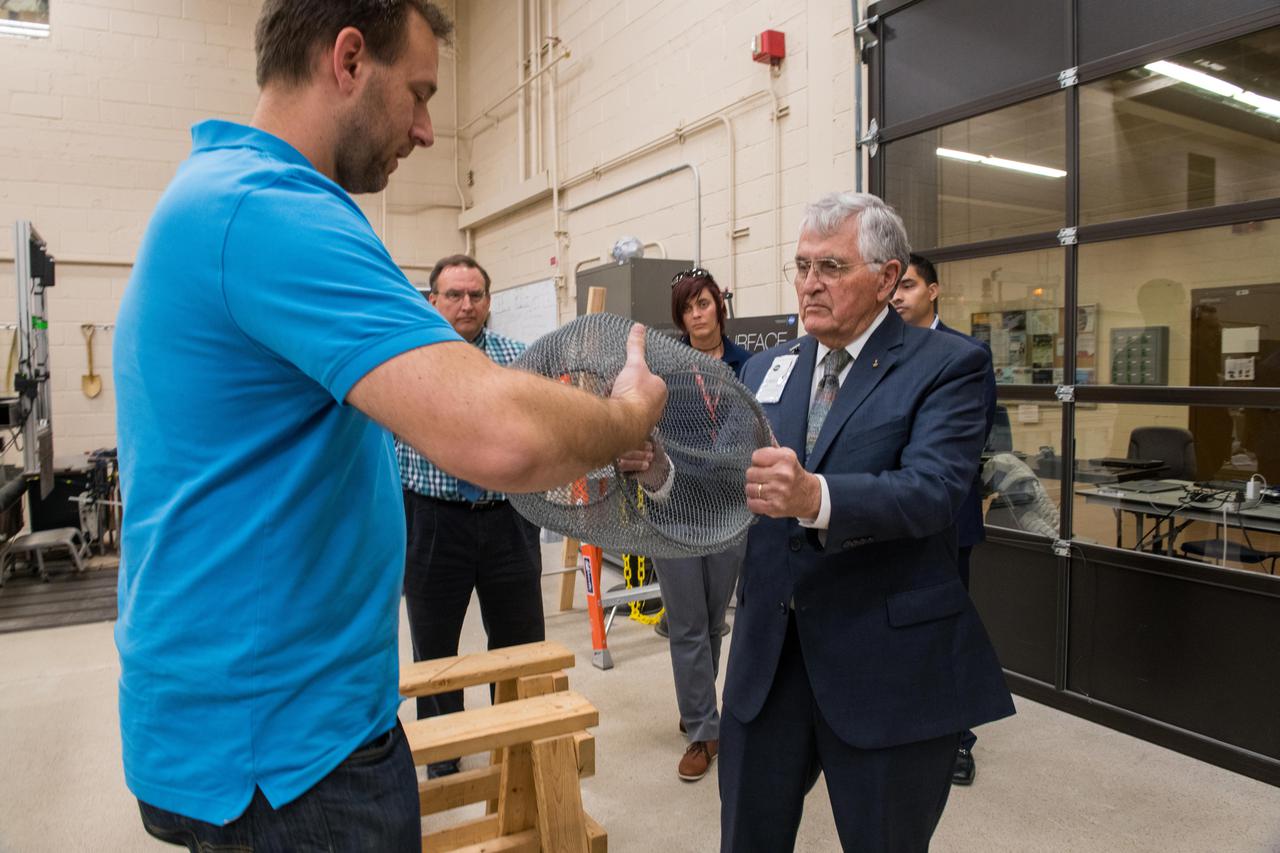
Visit by Dr. Harrison H. Schmitt, Apollo 17 Astronaut
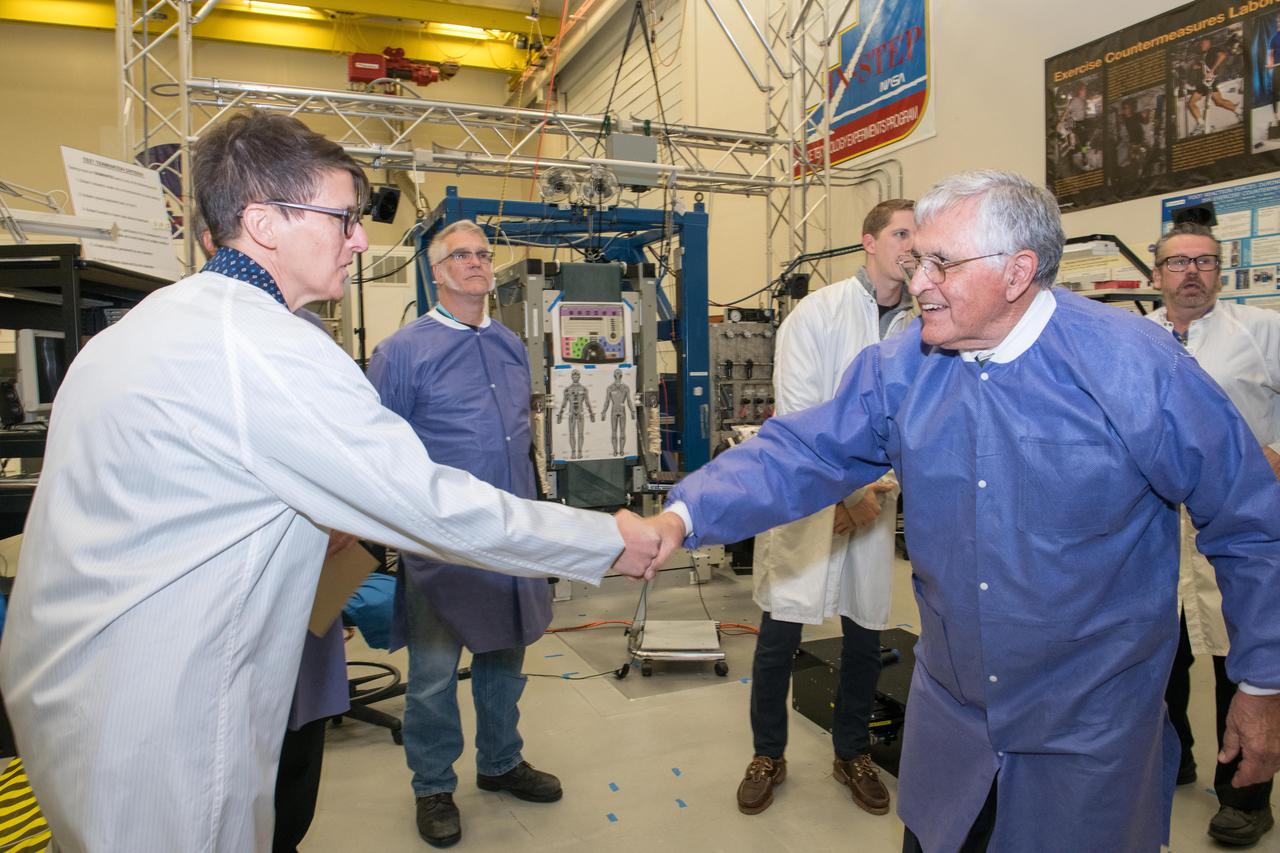
Visit by Dr. Harrison H. Schmitt, Apollo 17 Astronaut
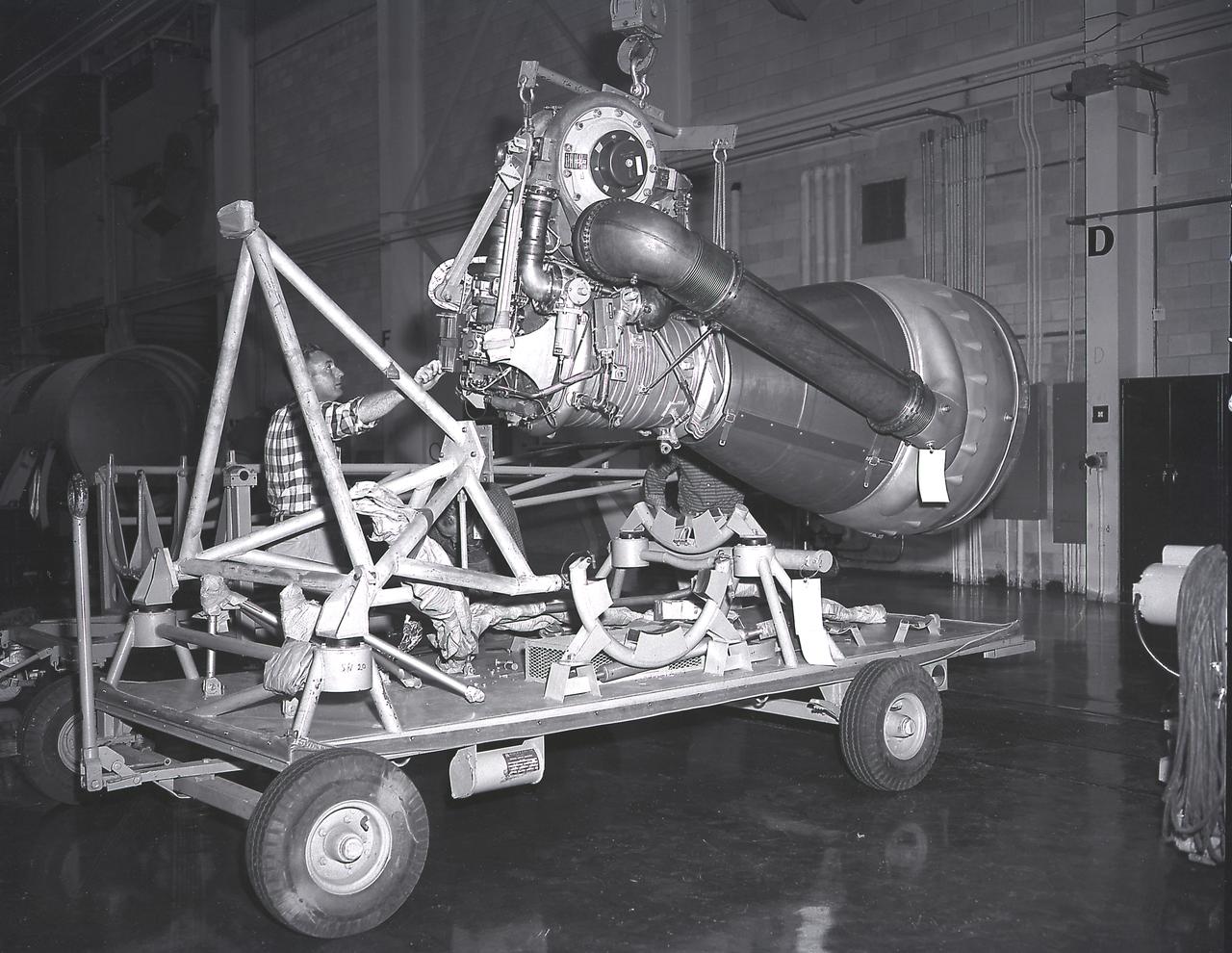
Alignment of the H-1 engine performed in the Army Ballistic Missile Agency (ABMA ), building 4708, in February 1960. A cluster of eight H-1 engines were used to thrust the first stage of the Saturn I launch vehicle. The H-1 engine was developed under the direction of the Marshall Space Flight Center.
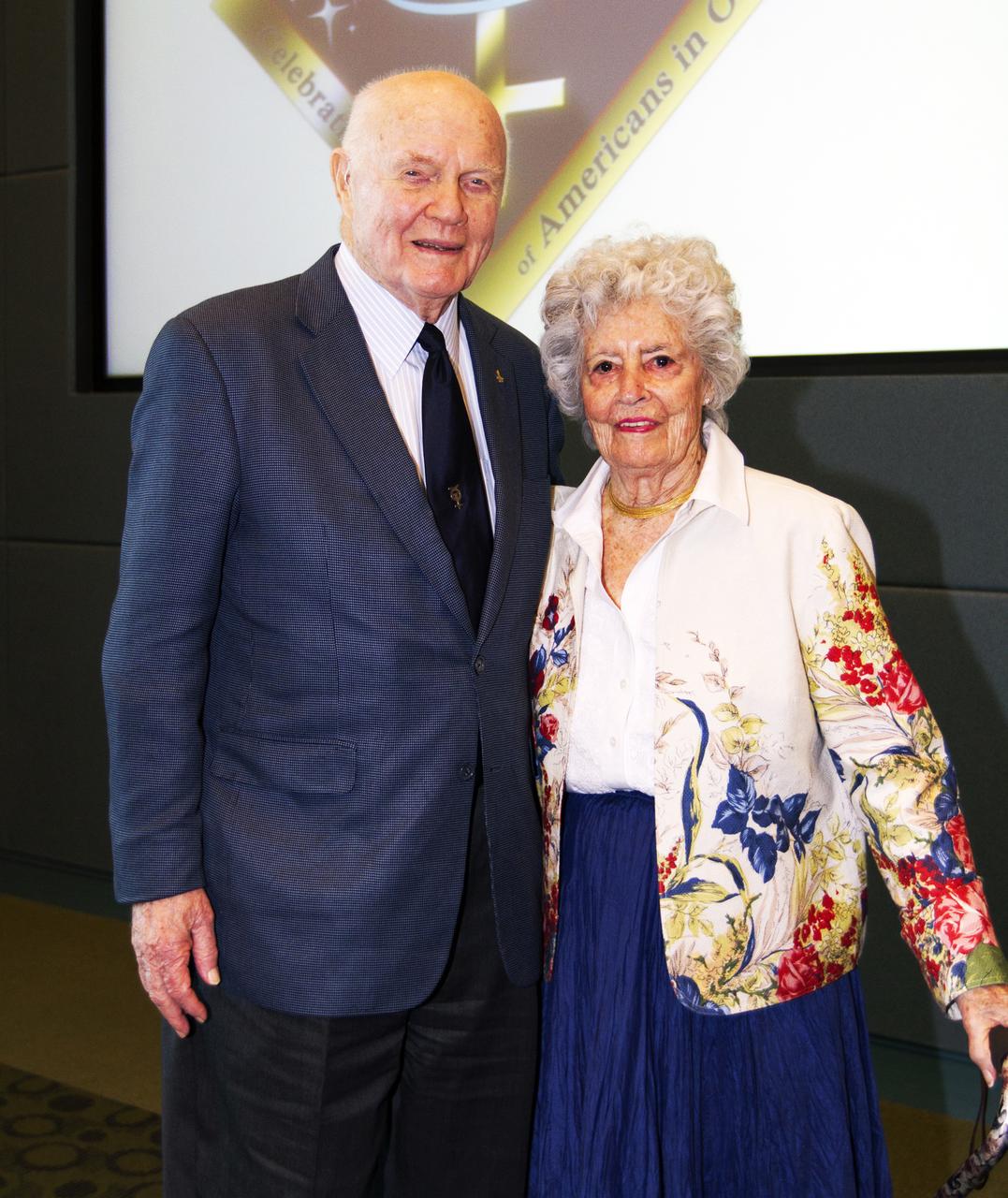
Mercury astronaut John Glenn and his wife, Annie, pose during a luncheon Feb. 17, 2012, celebrating 50 years of Americans in orbit, an era which began with Glenn's Mercury mission MA-6, on Feb. 20, 1962. Glenn's launch aboard an Atlas rocket took with it the hopes of an entire nation and ushered in a new era of space travel that eventually led to Americans walking on the moon by the end of the 1960s. Glenn soon was followed into orbit by Scott Carpenter, Walter Schirra and Gordon Cooper. Their fellow Mercury astronauts Alan Shepard and Virgil "Gus" Grissom flew earlier suborbital flights. Deke Slayton, a member of NASA's original Mercury 7 astronauts, was grounded by a medical condition until the Apollo-Soyuz Test Project in 1975.
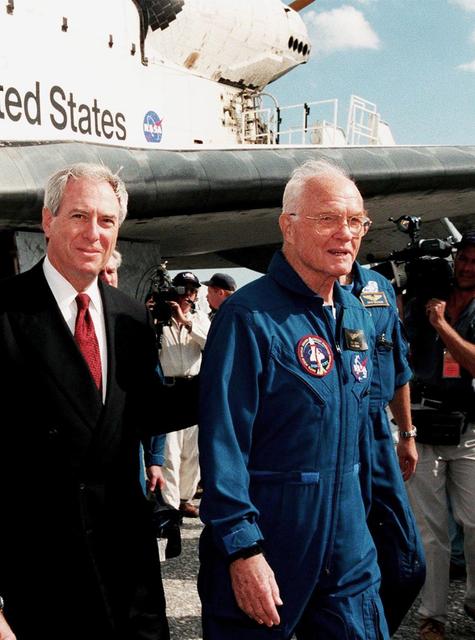
NASA Administrator Dan Goldin, left, walks with Sen. John Glenn (D-Ohio) on Nov. 7, 1998. Glenn had just returned to Earth following the STS-95 space shuttle mission. Glenn's initial trip into space on Feb. 20, 1962 aboard Mercury 6 made him the first American in orbit.
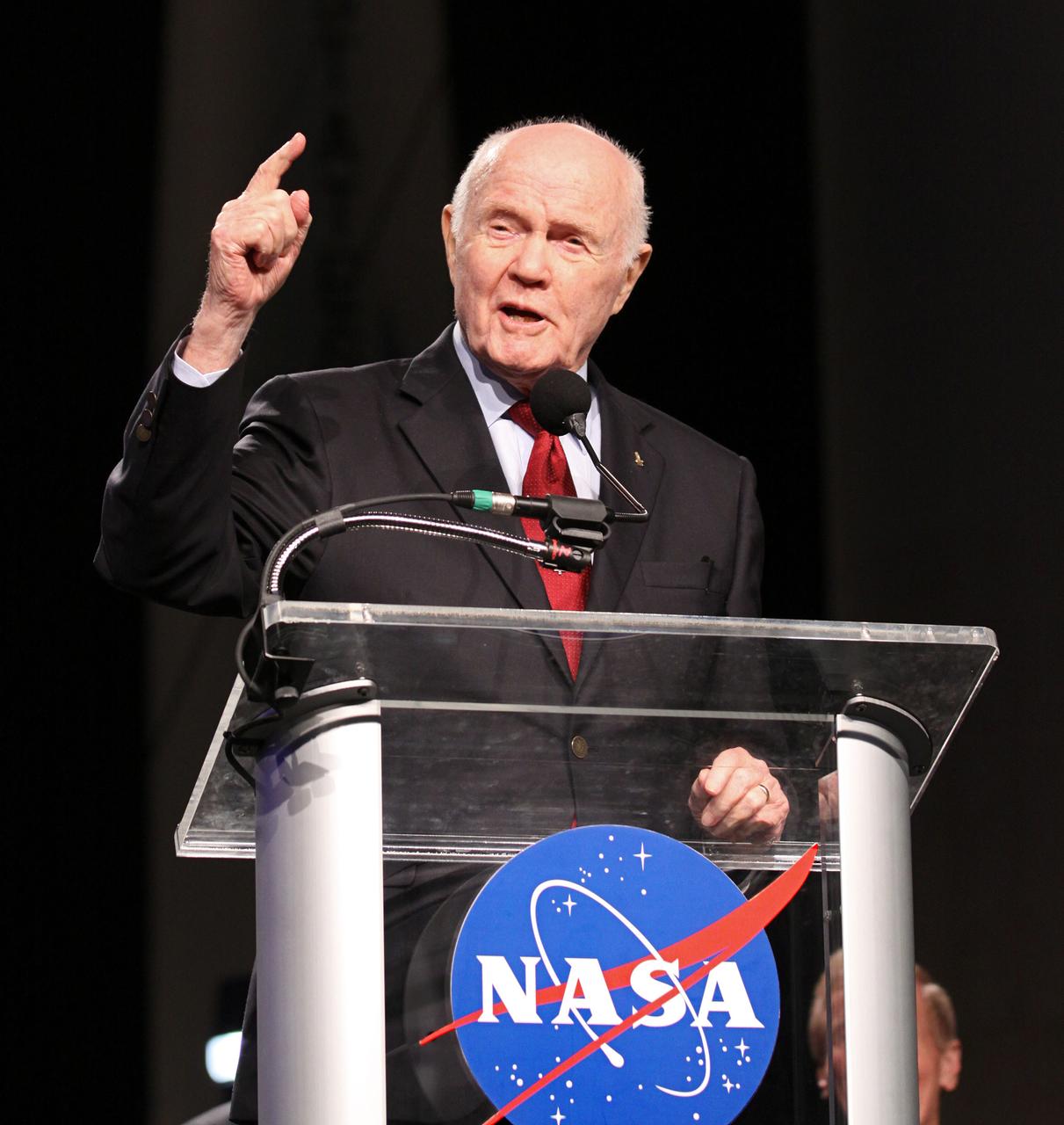
Mercury astronaut John Glenn speaks during the "On Shoulders of Giants" program celebrating 50 years of Americans in orbit, an era which began with Glenn's MA-6 mission on Feb. 20, 1962. The event was conducted in the Rocket Garden at the Kennedy Space Center Visitor Complex in Florida a few miles from the launch pad where Glenn and Scott Carpenter took flight in Mercury spacecraft. Glenn's launch aboard an Atlas rocket took with it the hopes of an entire nation and ushered in a new era of space travel that eventually led to Americans walking on the moon by the end of the 1960s. Glenn soon was followed into orbit by Scott Carpenter, Walter Schirra and Gordon Cooper. Their fellow Mercury astronauts Alan Shepard and Virgil "Gus" Grissom flew earlier suborbital flights. Deke Slayton, a member of NASA's original Mercury 7 astronauts, was grounded by a medical condition until the Apollo-Soyuz Test Project in 1975.
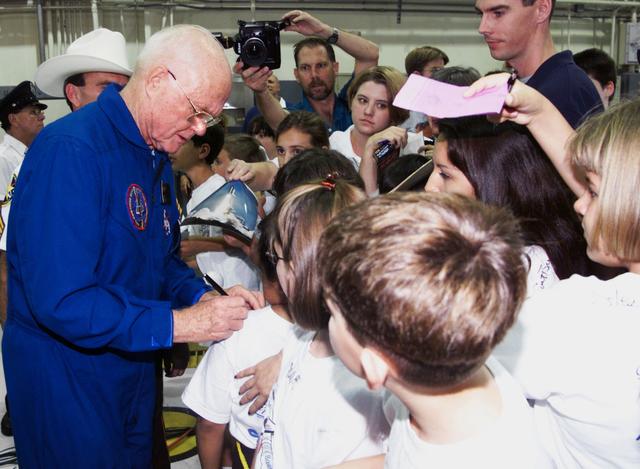
John Glenn signs autographs for school children following his STS-95 flight aboard the space shuttle Discovery.
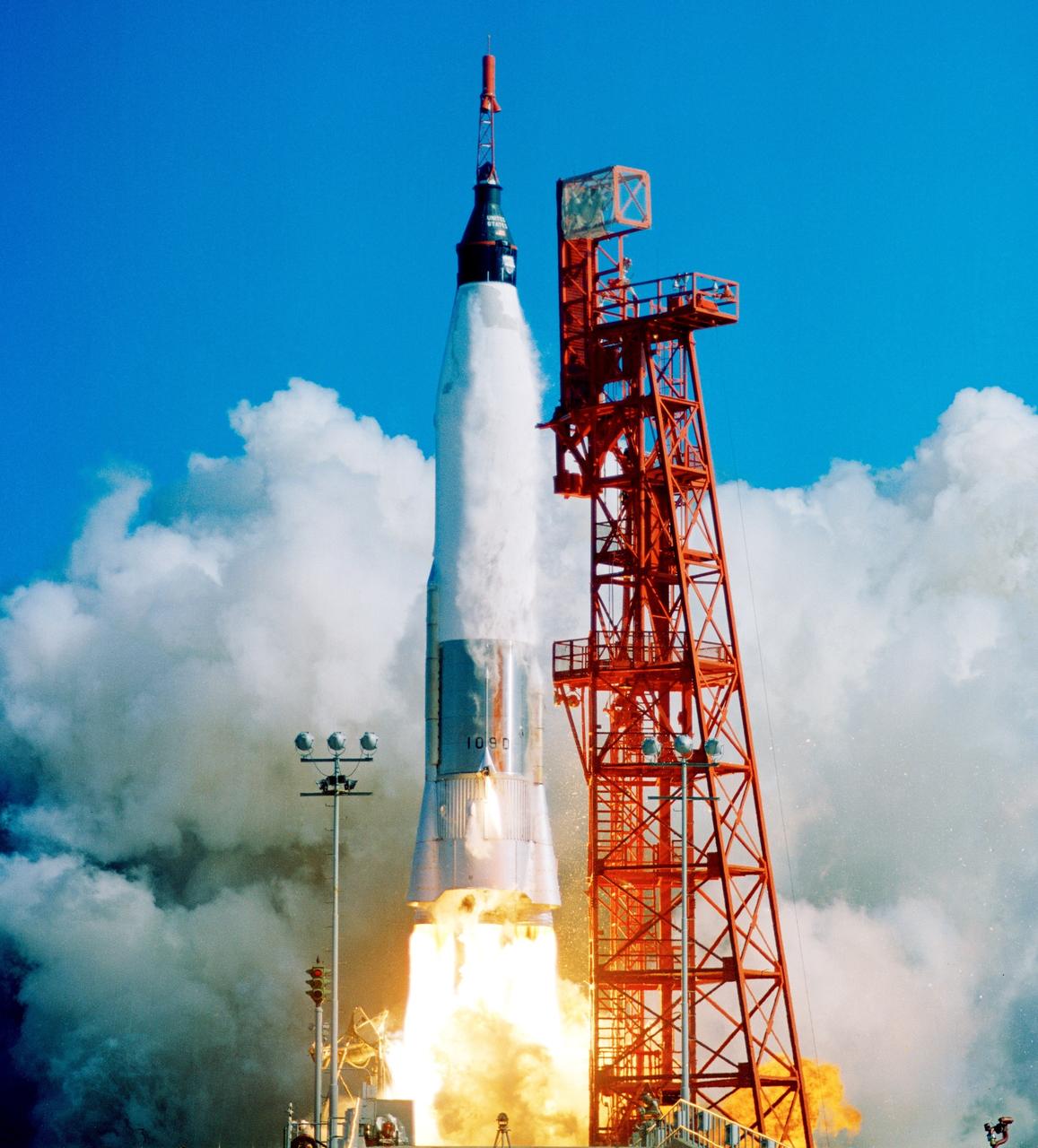
Mercury Atlas-6 lifts off on Feb. 20, 1962 carrying astronaut John Glenn on America's first orbital spaceflight.
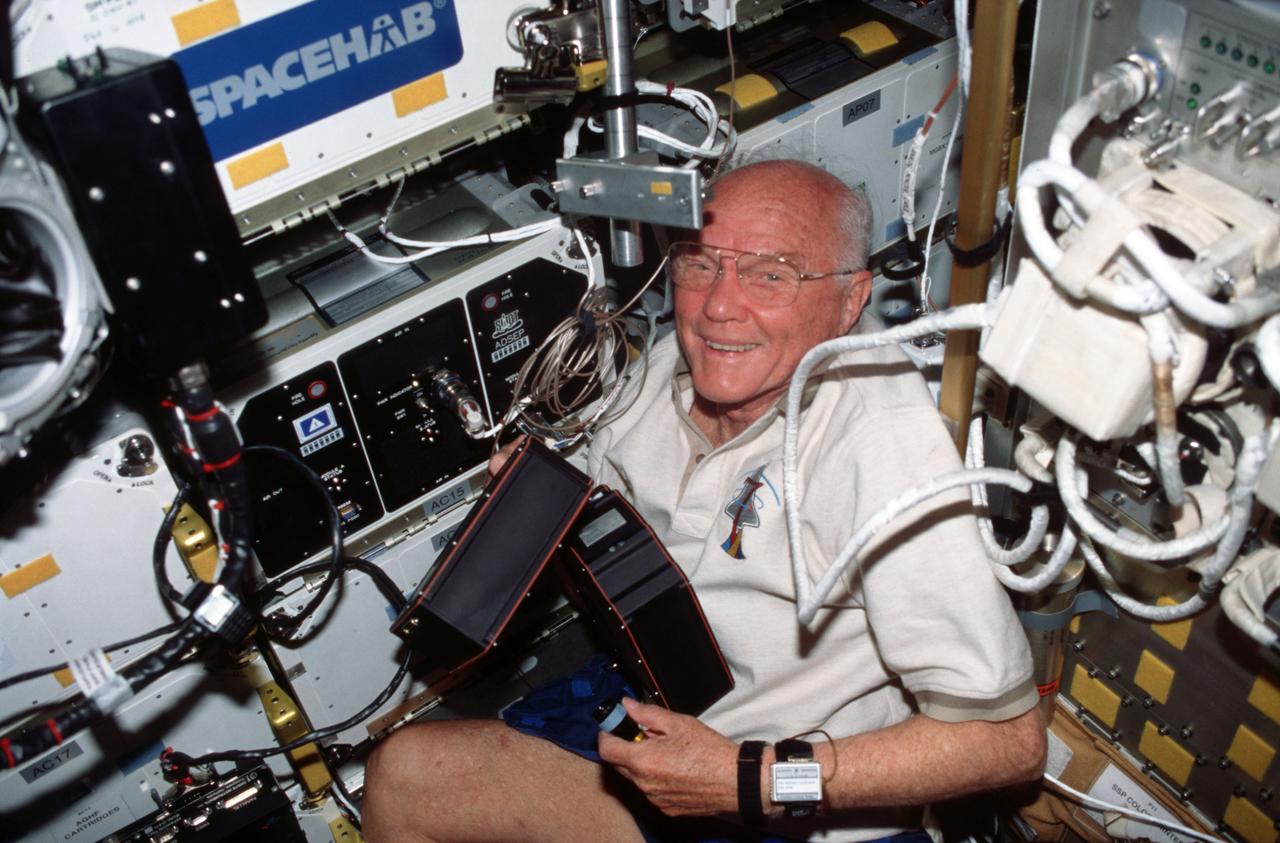
Oct. 1998 -- STS-95 payload specialist John Glenn removes the Advanced Organic Separation (ADSEP) cartridges and moves them to the Spacehab module.
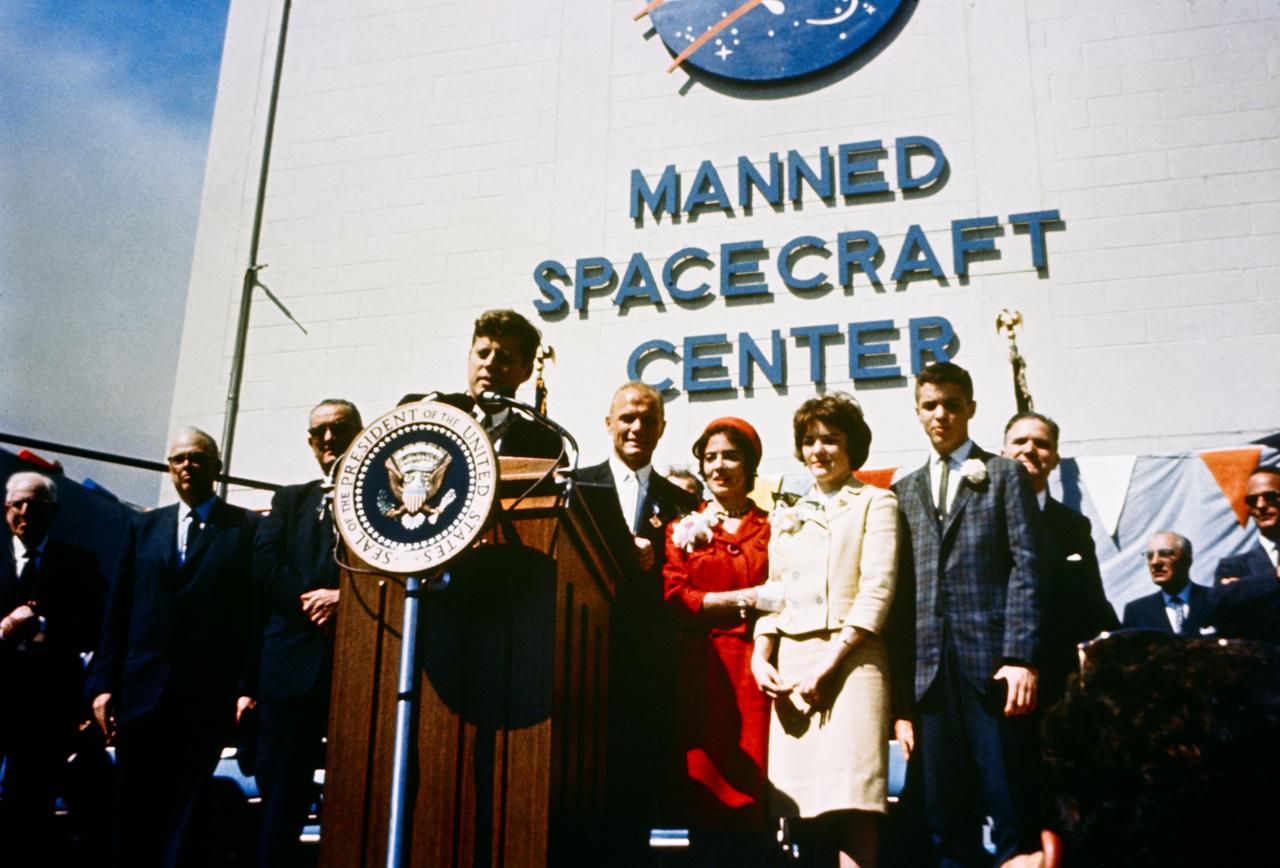
Astronaut John Glenn Jr. is honored by President John F. Kennedy after Glenn's historical first manned orbital flight, Mercury-Atlas 6. The ceremony was held in front of Hangar S at Cape Canaveral Air Force Station. To Glenn's left are his wife, Annie, daughter, Lyn, and his son, David.
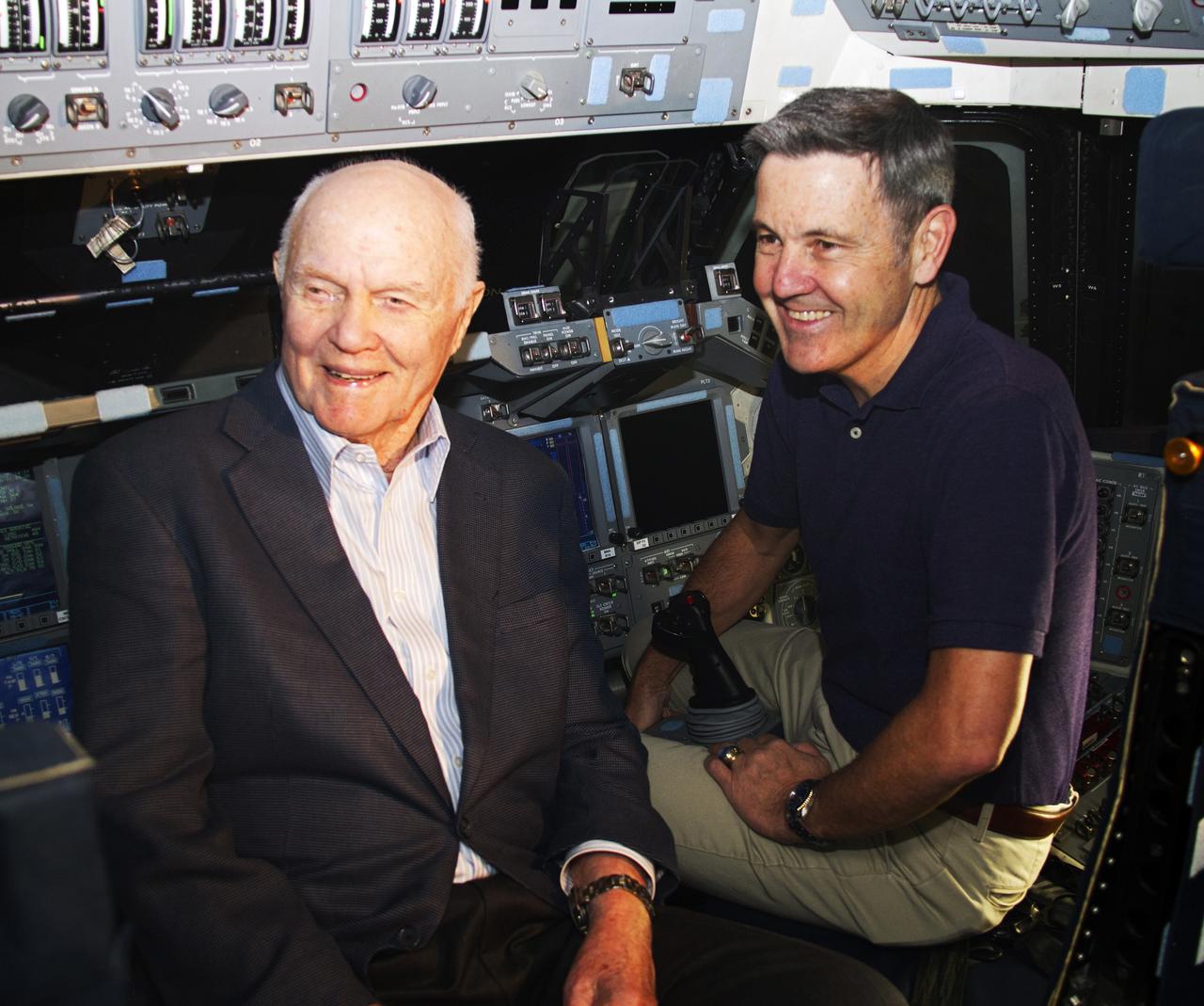
John Glenn and NASA Kennedy Space Center Director Bob Cabana sit in the flight deck of space shuttle Discovery in Bay 1 of the Orbiter Processing Facility at NASA's Kennedy Space Center in Florida. Glenn is at the space center to mark the 50th anniversary of being the first American astronaut to orbit the Earth inside the NASA Mercury Project's Friendship 7 capsule on Feb. 20, 1962. Glenn later returned to space in October 1998 as a payload specialist aboard Discovery's STS-95 mission. Glenn's launch aboard an Atlas rocket took with it the hopes of an entire nation and ushered in a new era of space travel that eventually led to Americans walking on the moon by the end of the 1960s. Glenn soon was followed into orbit by Scott Carpenter, Walter Schirra and Gordon Cooper. Their fellow Mercury astronauts Alan Shepard and Virgil "Gus" Grissom flew earlier suborbital flights. Deke Slayton, a member of NASA's original Mercury 7 astronauts, was grounded by a medical condition until the Apollo-Soyuz Test Project in 1975. Shuttle Discovery currently is being prepared for display at Smithsonian’s National Air and Space Museum, Steven F. Udvar-Hazy Center in Chantilly, Virginia.
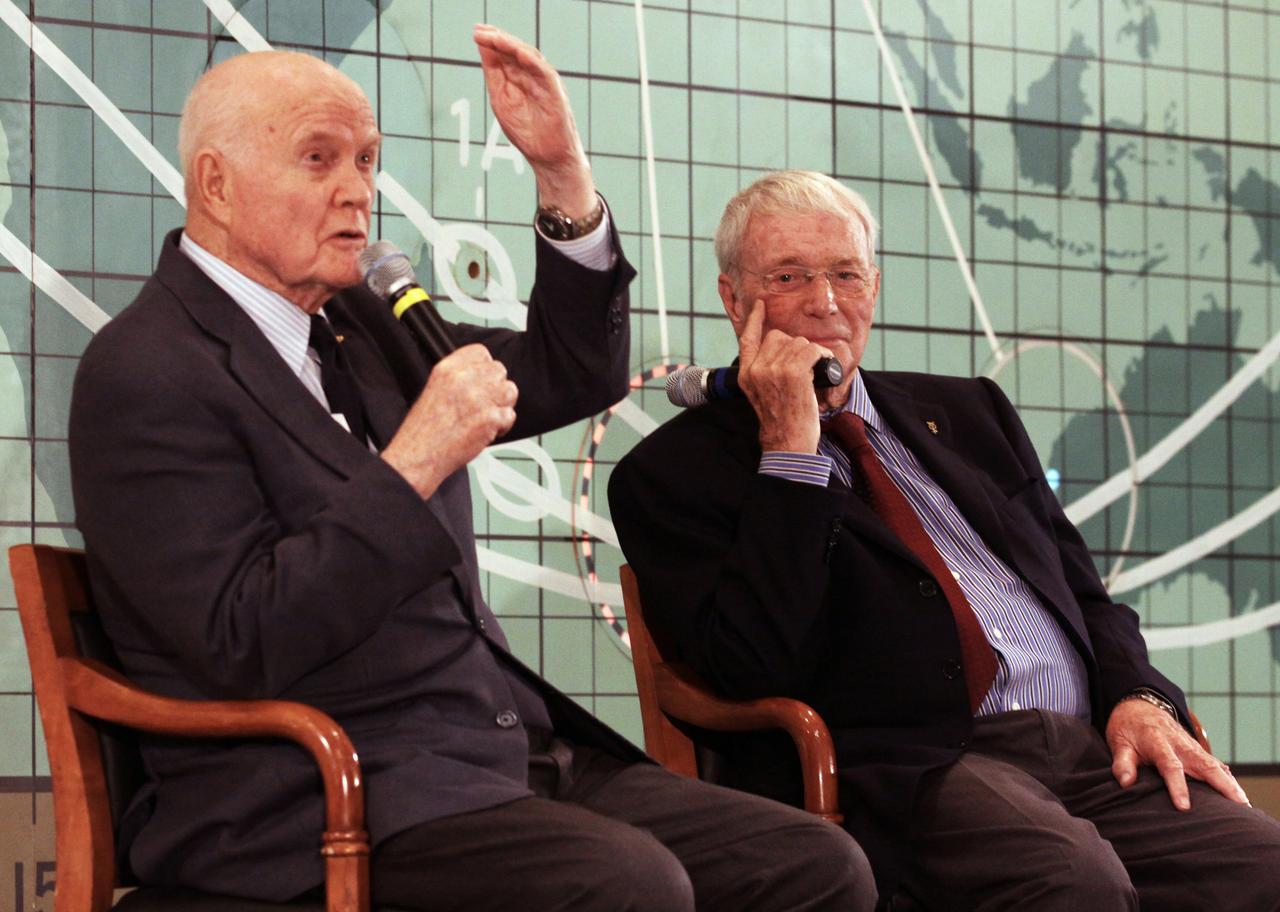
Mercury astronauts John Glenn, left, and Scott Carpenter sit in front of the plot board from the Mercury control center on display at the Kennedy Space Center Visitor Complex. The astronauts, part of the original class of seven astronauts chosen by NASA, were taking part in a question-and-answer session with the media as part of events celebrating 50 years of Americans in orbit, an era which began with John Glenn's Mercury mission MA-6, on Feb. 20, 1962. Glenn's launch aboard an Atlas rocket took with it the hopes of an entire nation and ushered in a new era of space travel that eventually led to Americans walking on the moon by the end of the 1960s. Glenn soon was followed into orbit by Carpenter, Walter Schirra and Gordon Cooper. Their fellow Mercury astronauts Alan Shepard and Virgil "Gus" Grissom flew earlier suborbital flights. Deke Slayton was grounded by a medical condition until the Apollo-Soyuz Test Project in 1975.
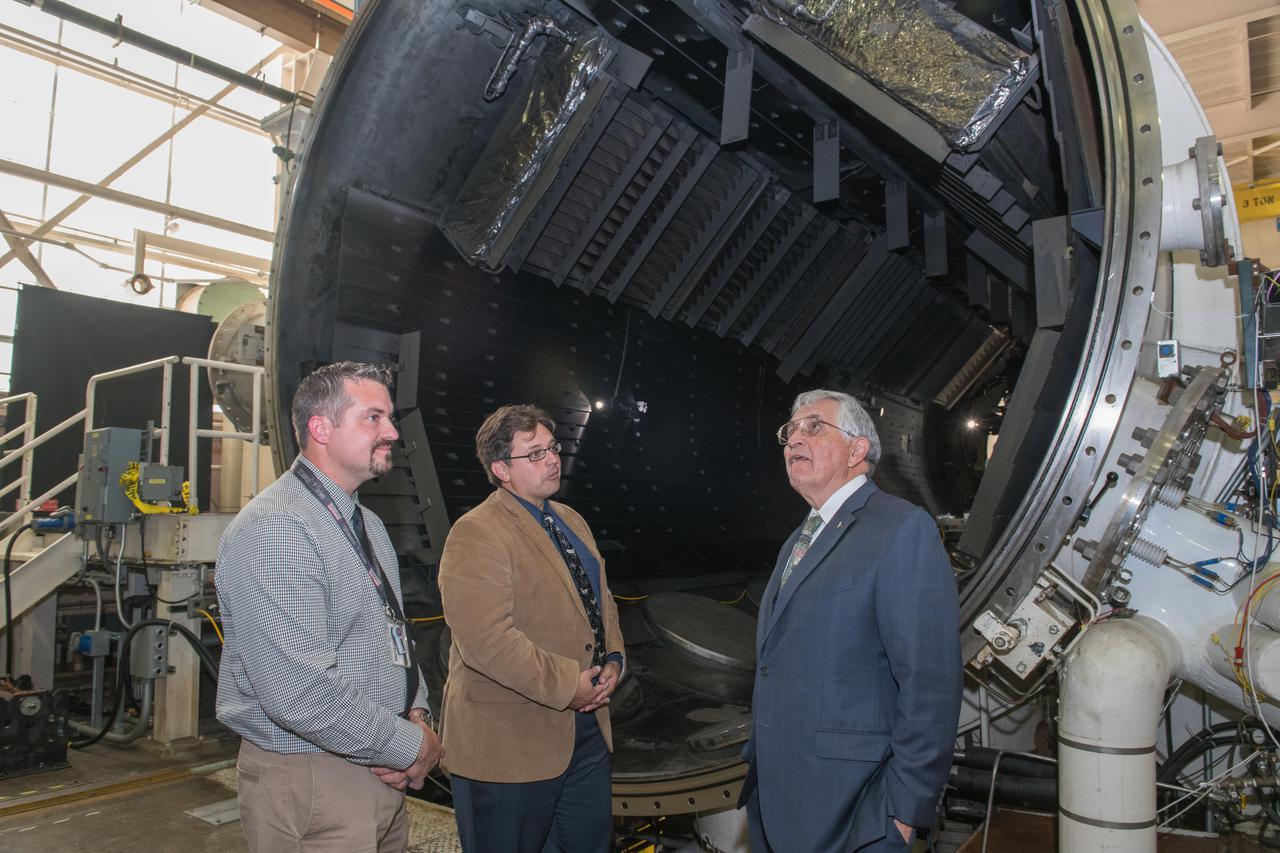
Visit by Dr. Harrison H. Schmitt, Apollo 17 Astronaut
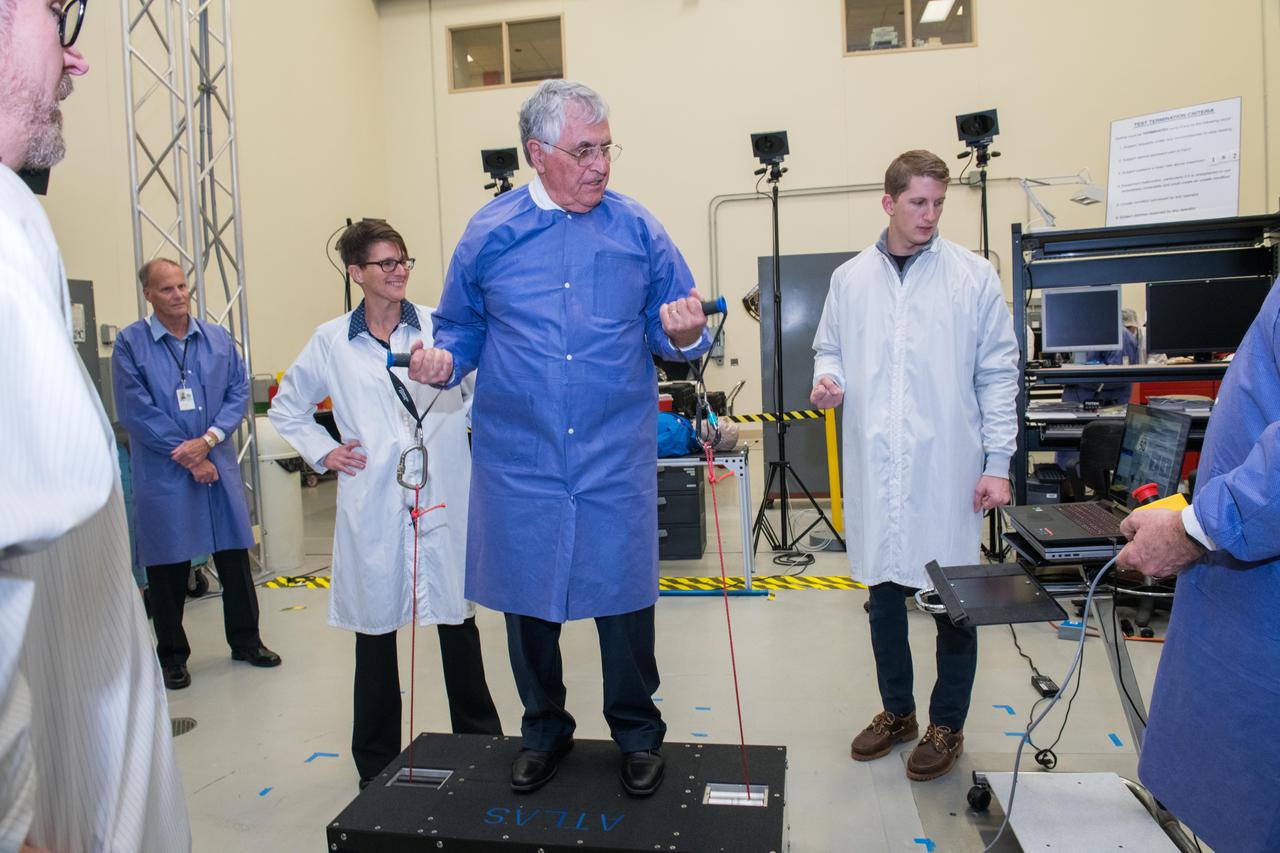
Visit by Dr. Harrison H. Schmitt, Apollo 17 Astronaut
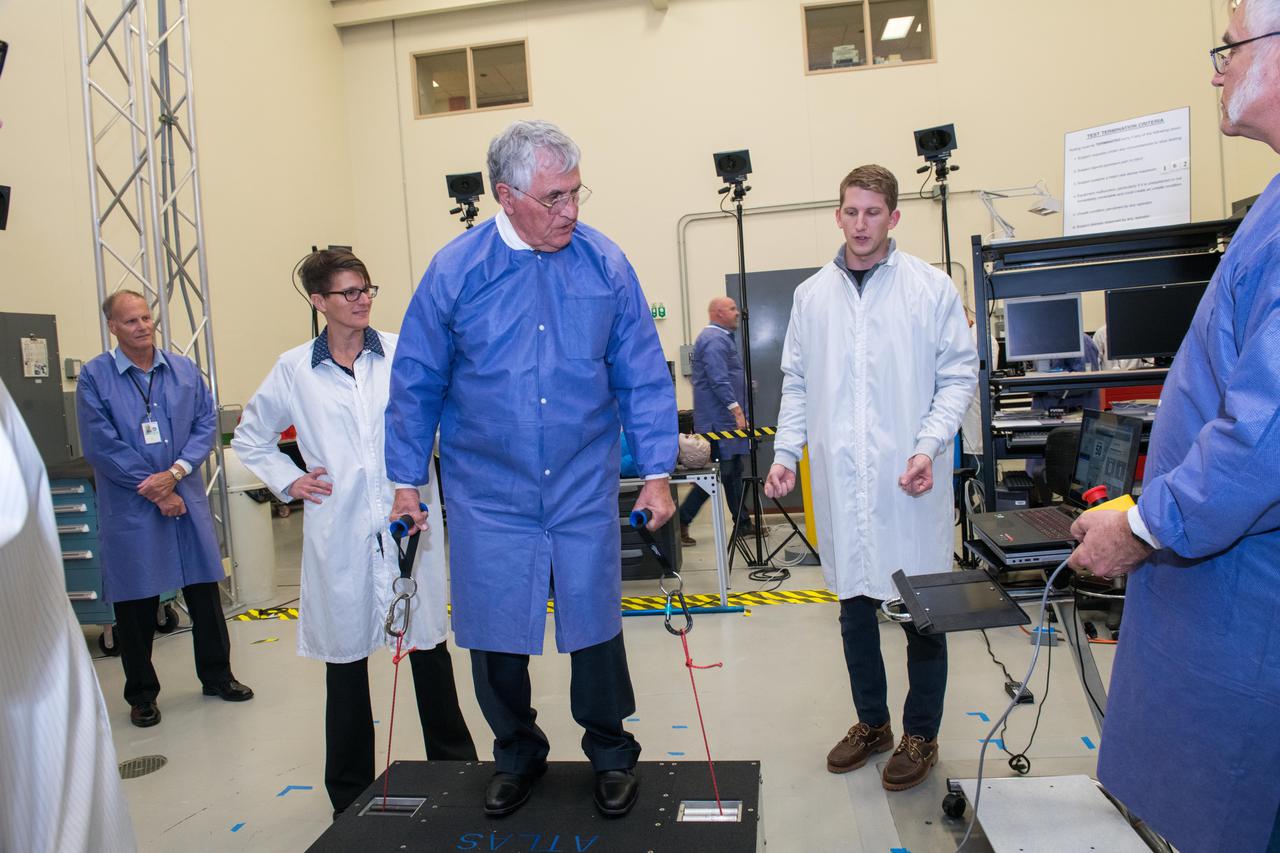
Visit by Dr. Harrison H. Schmitt, Apollo 17 Astronaut
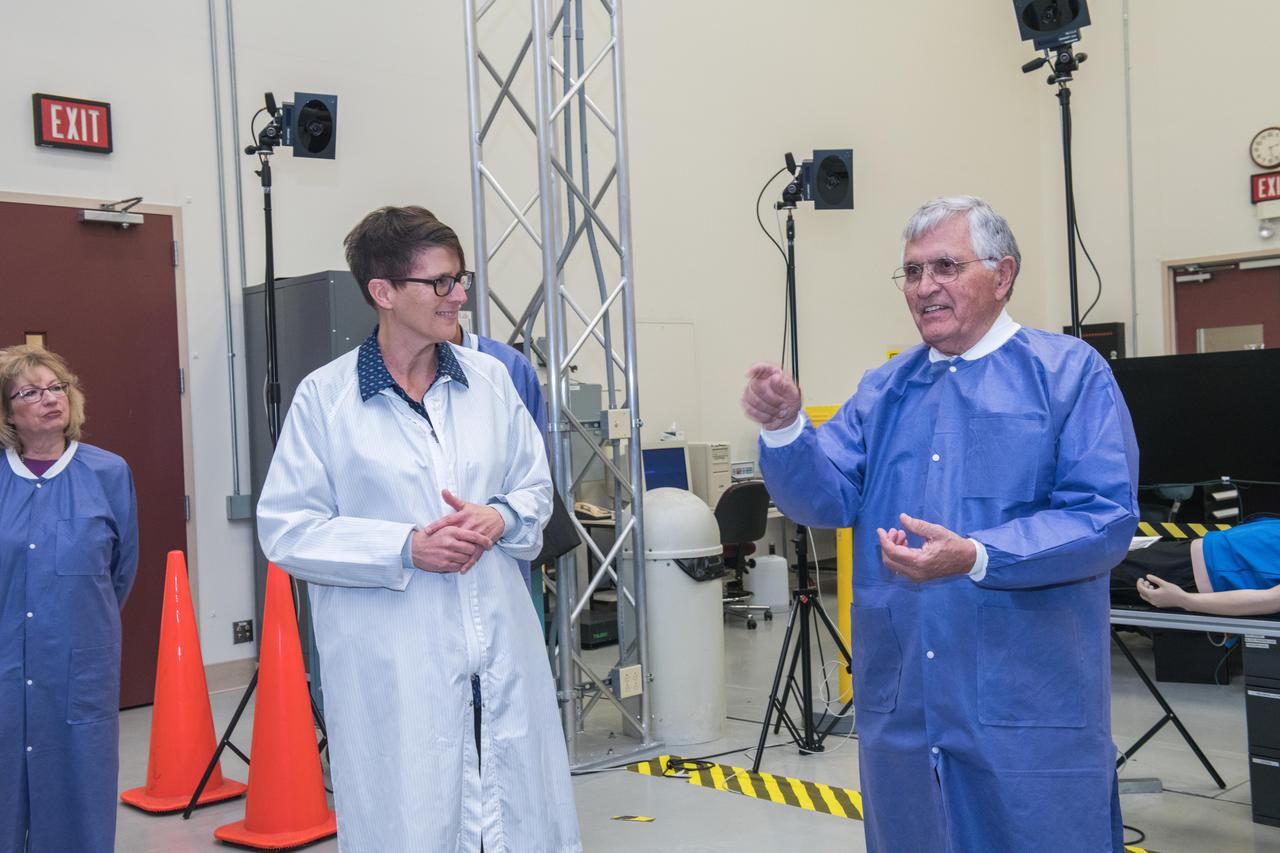
Visit by Dr. Harrison H. Schmitt, Apollo 17 Astronaut
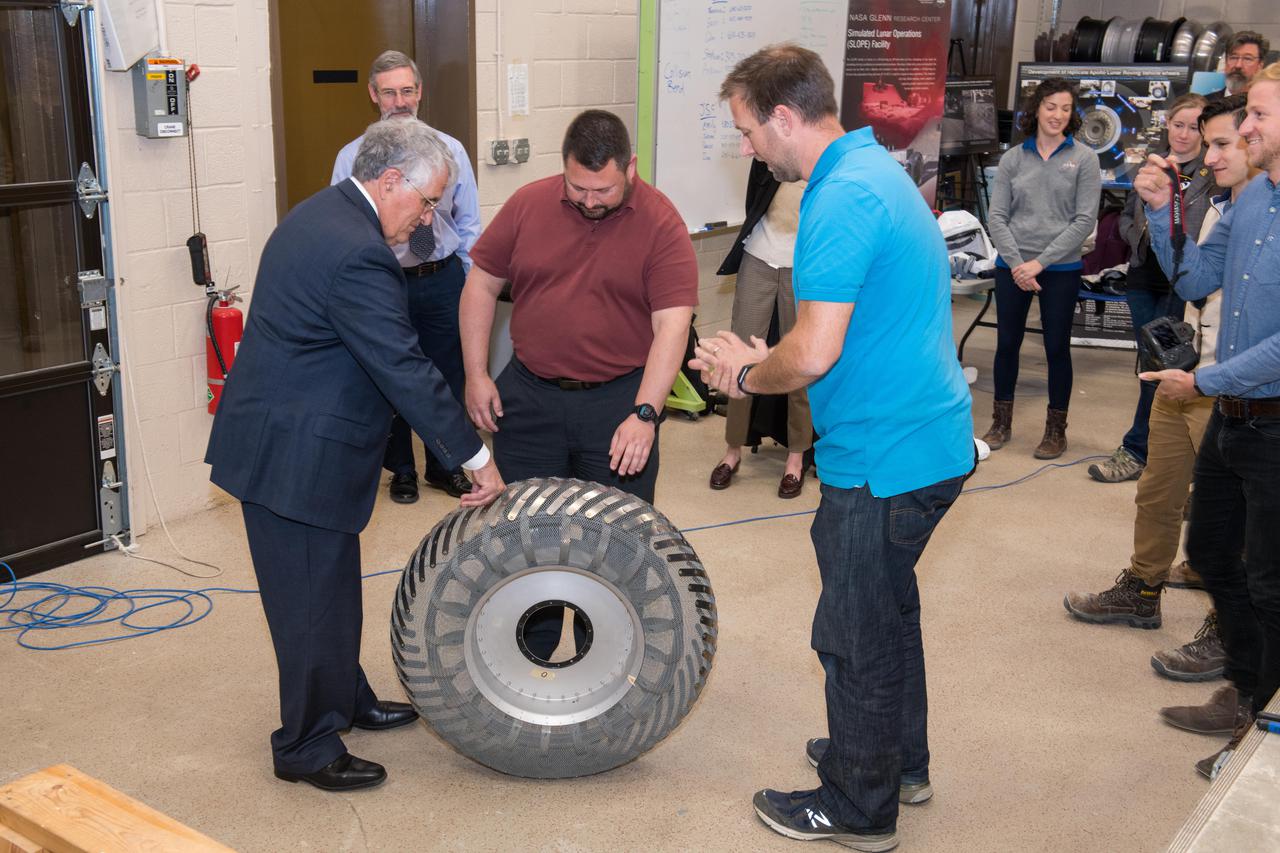
Visit by Dr. Harrison H. Schmitt, Apollo 17 Astronaut
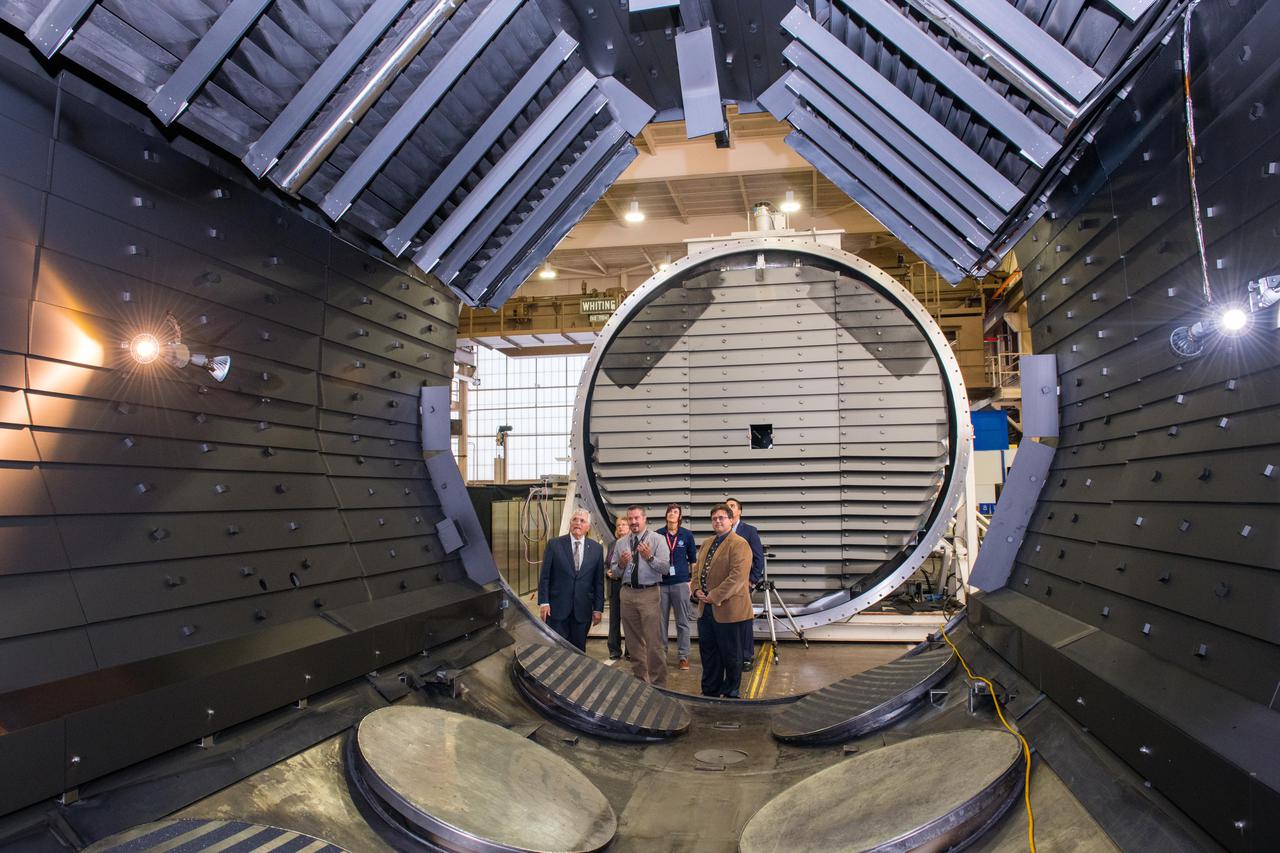
Visit by Dr. Harrison H. Schmitt, Apollo 17 Astronaut
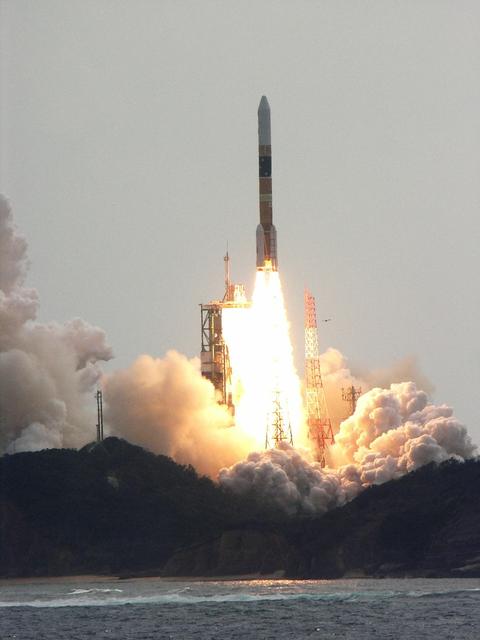
The Japanese H-IIA rocket will be launching the GPM Core Observatory into orbit in 2014. Credit: JAXA The Global Precipitation Measurement (GPM) mission is an international partnership co-led by NASA and the Japan Aerospace Exploration Agency (JAXA) that will provide next-generation global observations of precipitation from space. GPM will study global rain, snow and ice to better understand our climate, weather, and hydrometeorological processes. As of Novermber 2013 the GPM Core Observatory is in the final stages of testing at NASA Goddard Space Flight Center. The satellite will be flown to Japan in the fall of 2013 and launched into orbit on an HII-A rocket in early 2014. For more on the GPM mission, visit <a href="http://gpm.gsfc.nasa.gov/" rel="nofollow">gpm.gsfc.nasa.gov/</a>. <b><a href="http://www.nasa.gov/audience/formedia/features/MP_Photo_Guidelines.html" rel="nofollow">NASA image use policy.</a></b> <b><a href="http://www.nasa.gov/centers/goddard/home/index.html" rel="nofollow">NASA Goddard Space Flight Center</a></b> enables NASA’s mission through four scientific endeavors: Earth Science, Heliophysics, Solar System Exploration, and Astrophysics. Goddard plays a leading role in NASA’s accomplishments by contributing compelling scientific knowledge to advance the Agency’s mission. <b>Follow us on <a href="http://twitter.com/NASA_GoddardPix" rel="nofollow">Twitter</a></b> <b>Like us on <a href="http://www.facebook.com/pages/Greenbelt-MD/NASA-Goddard/395013845897?ref=tsd" rel="nofollow">Facebook</a></b> <b>Find us on <a href="http://instagram.com/nasagoddard?vm=grid" rel="nofollow">Instagram</a></b>
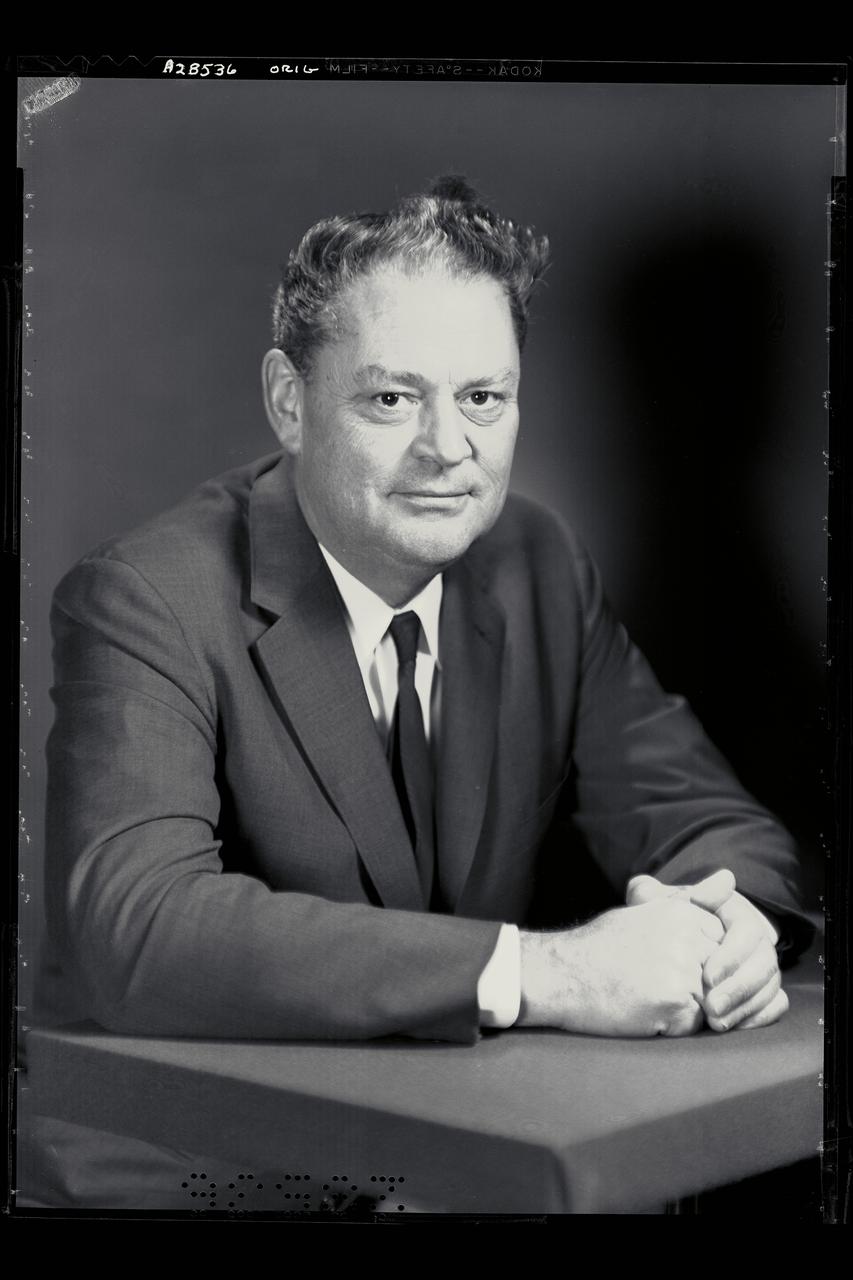
Portrait: Ames Director H Julian Allen (1965 - 1969)
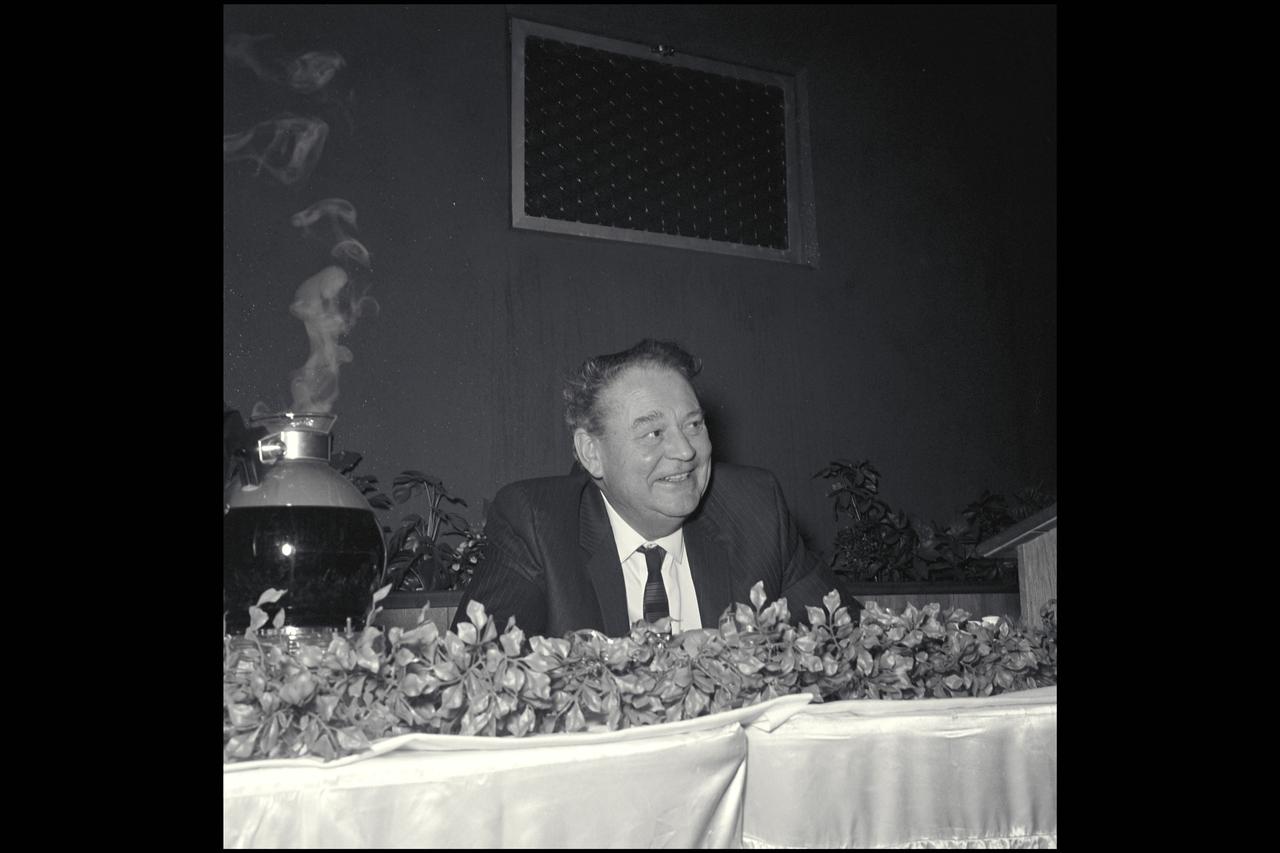
H. Julian 'Harvey' Allen at his retirement party in the hangar
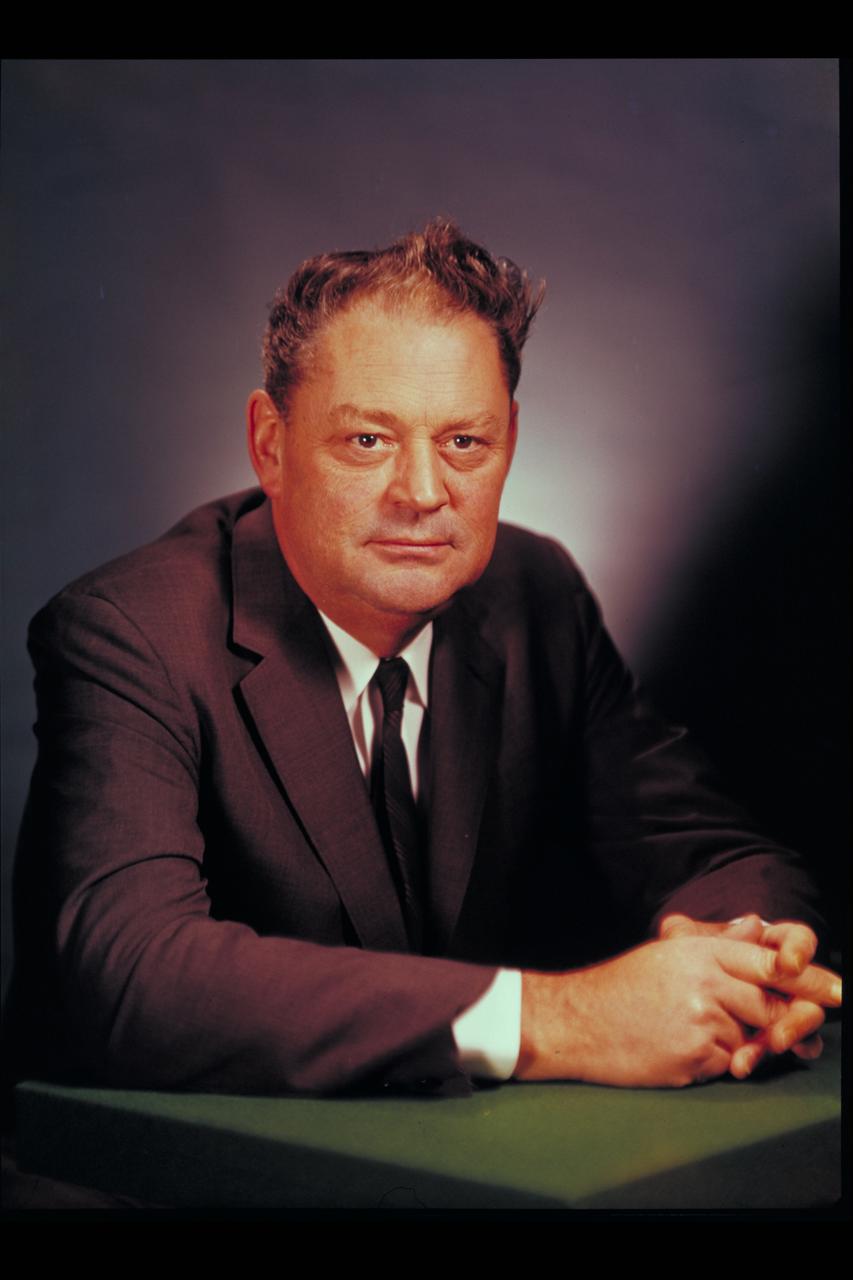
Portrait: Ames Director H Julian Allen (1965 - 1969)
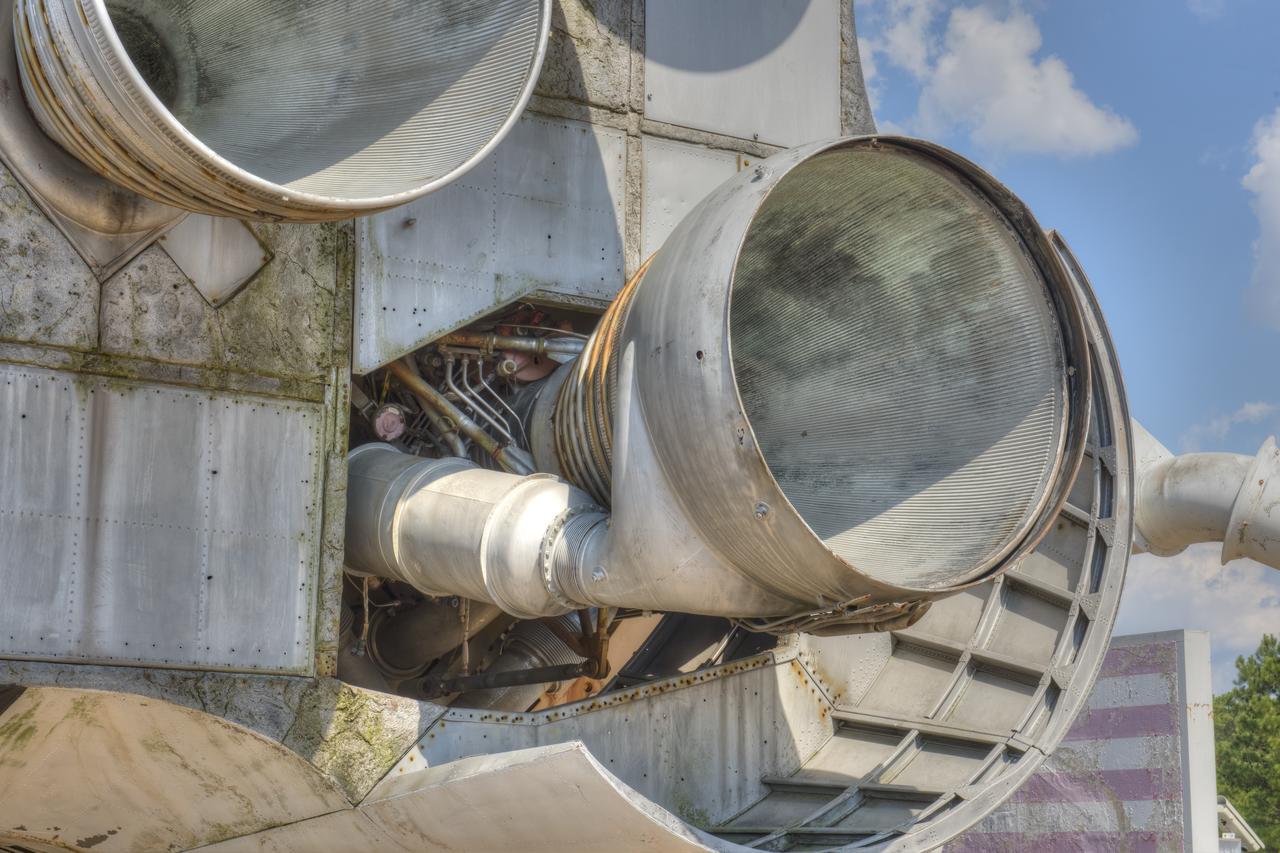
CLOSE-UP OF H-1 ENGINE INSTALLED ON SATURN S-1B STAGE (SA-T) NEAR PROPULSION AND STRUCTURAL TEST FACILITY (BUILDING 4572) AT THE GEORGE C. MARSHALL SPACE FLIGHT CENTER.
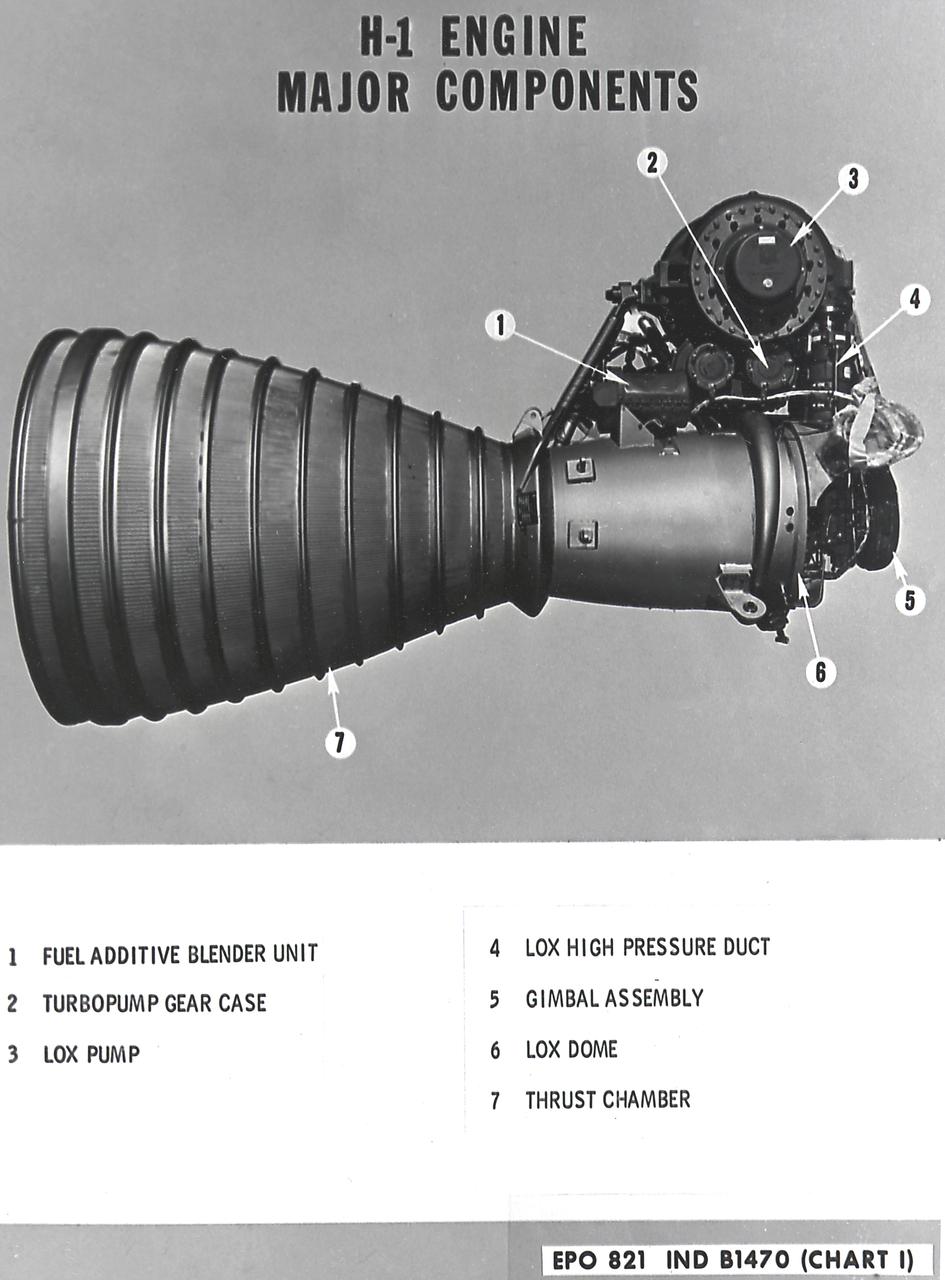
H-1 Engine major components with callouts (chart 1): The H-1 engine was used in a cluster of eight on the the first stage of Saturn I (S-I stage) and Saturn IB (S-IB stage). The engines were arranged in a double pattern: four engines, located inboard, were fixed in a square pattern around the stage axis, while the remaining four engines were located outboard in a larger square pattern and each outer engine was gimbaled. Each H-1 engine had a thrust of 188,000 pounds for a combined thrust of over 1,500,000 pounds.
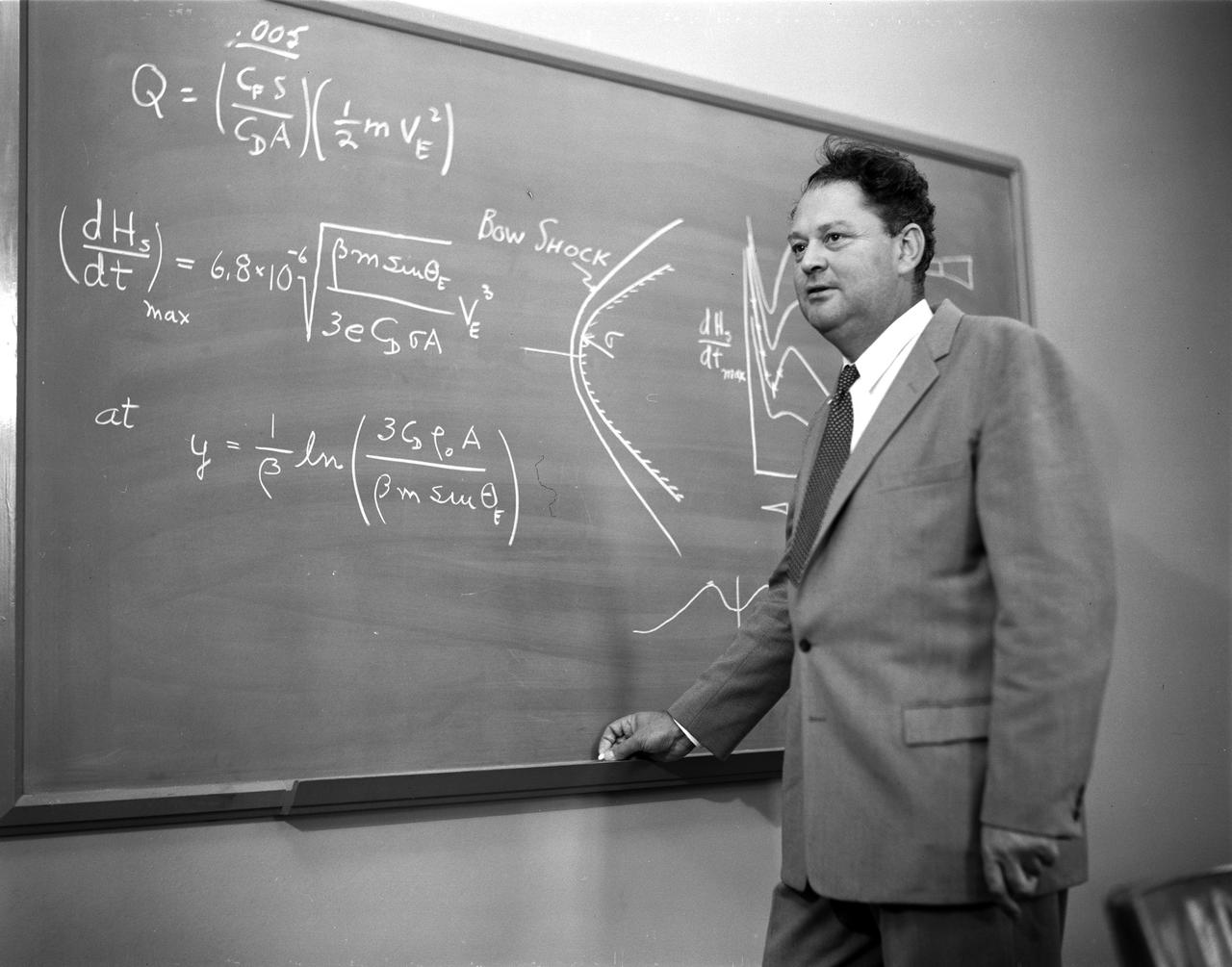
Portrait of NASA Ames Engineer H. Julian 'Harvey' Allen explaining blunt nose principle.
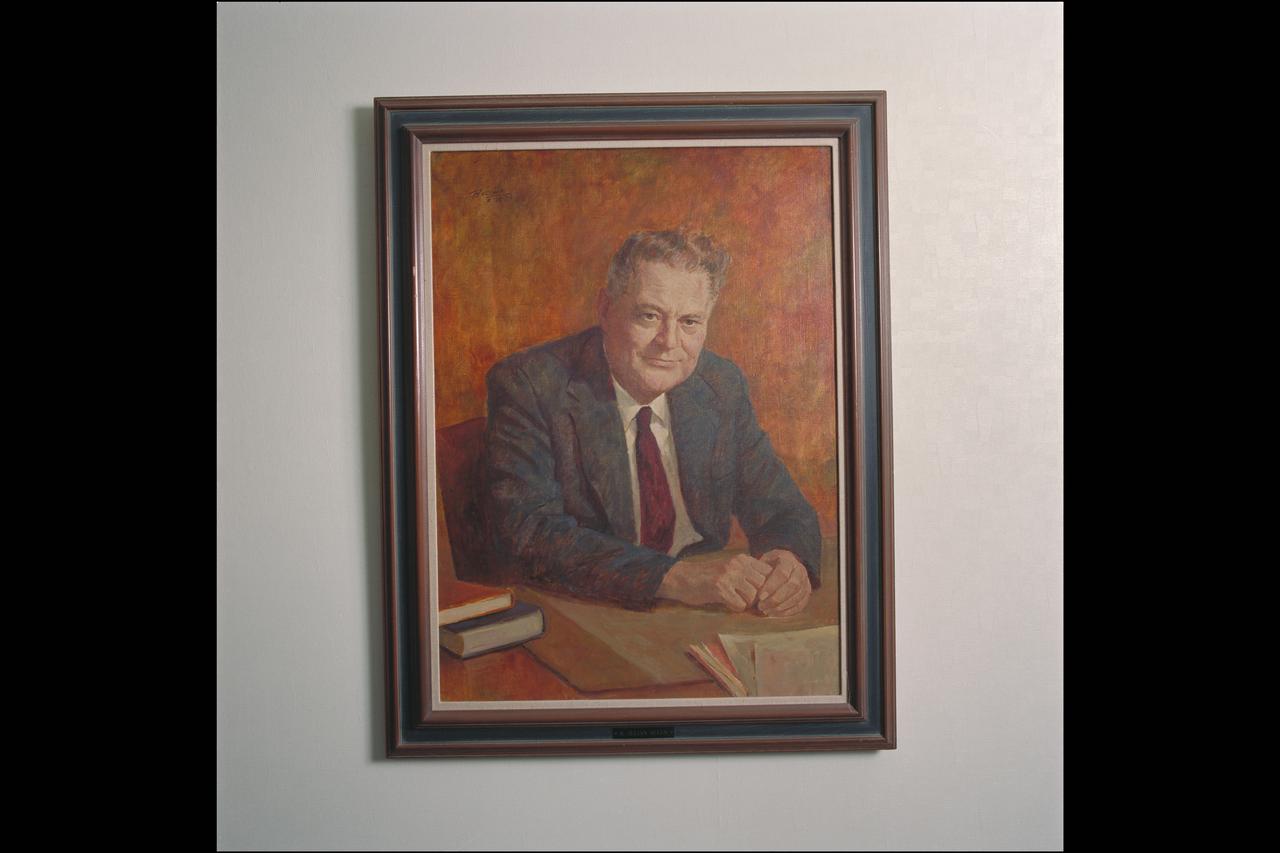
Oil Portrait: H. Julian Allen, Ames Director from 1965 thru 1969
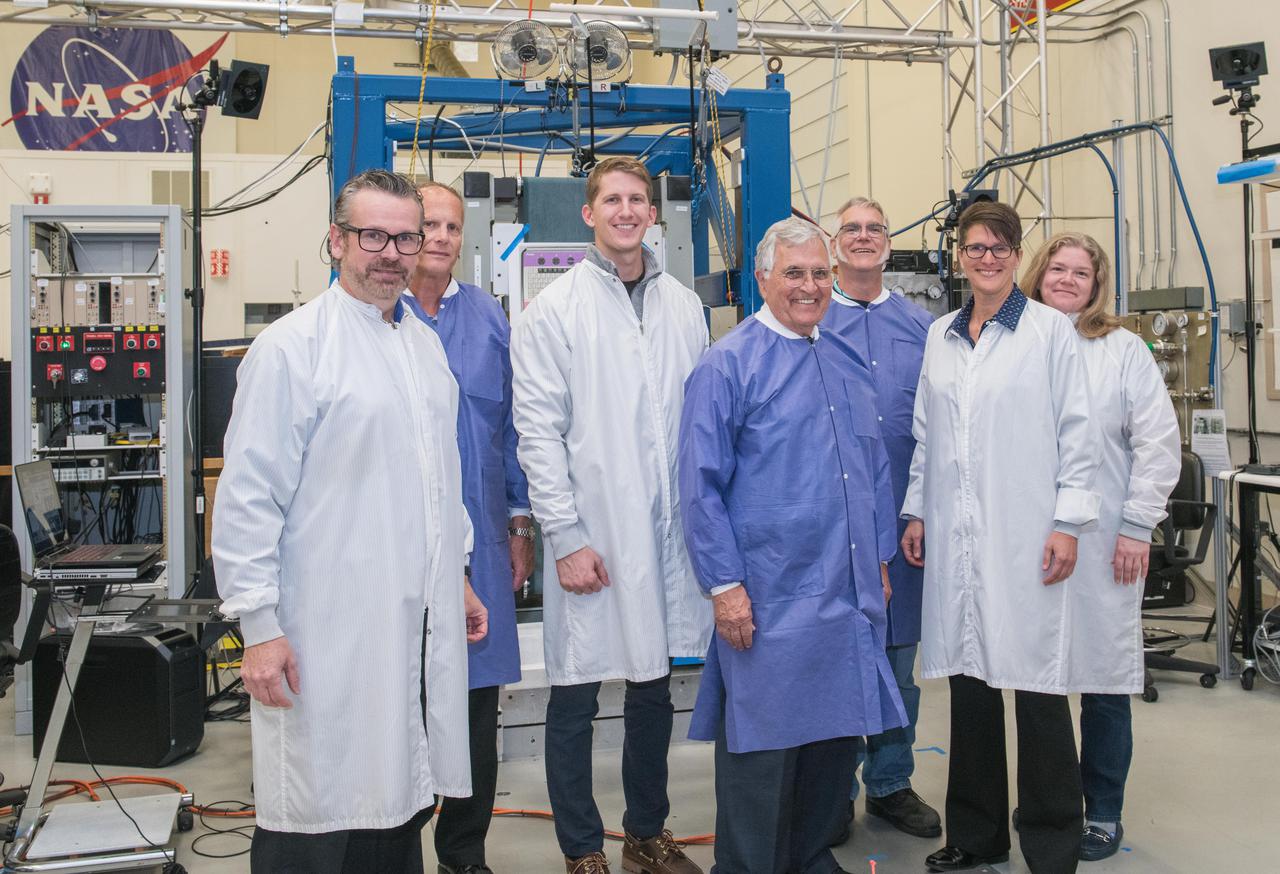
Visit by Dr. Harrison H. Schmitt, Apollo 17 Astronaut
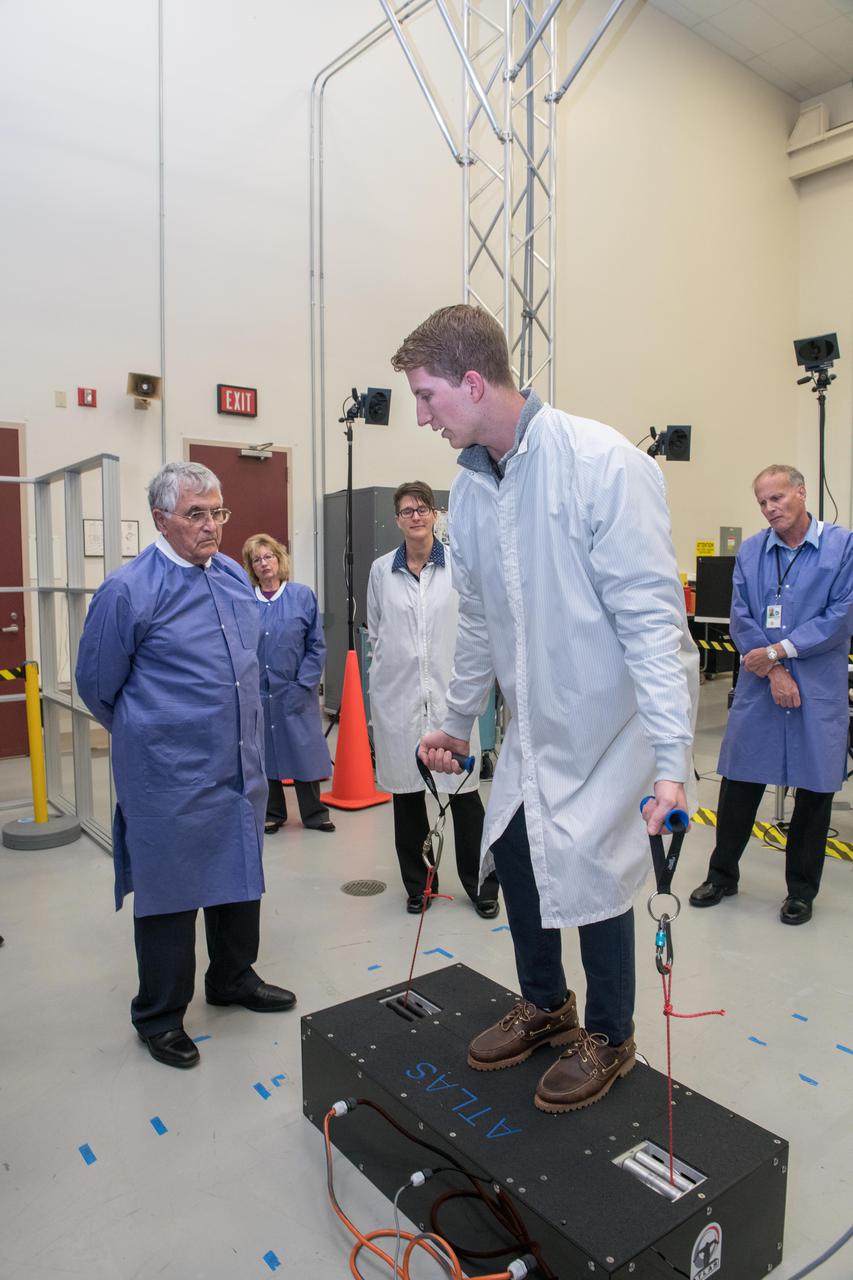
Visit by Dr. Harrison H. Schmitt, Apollo 17 Astronaut
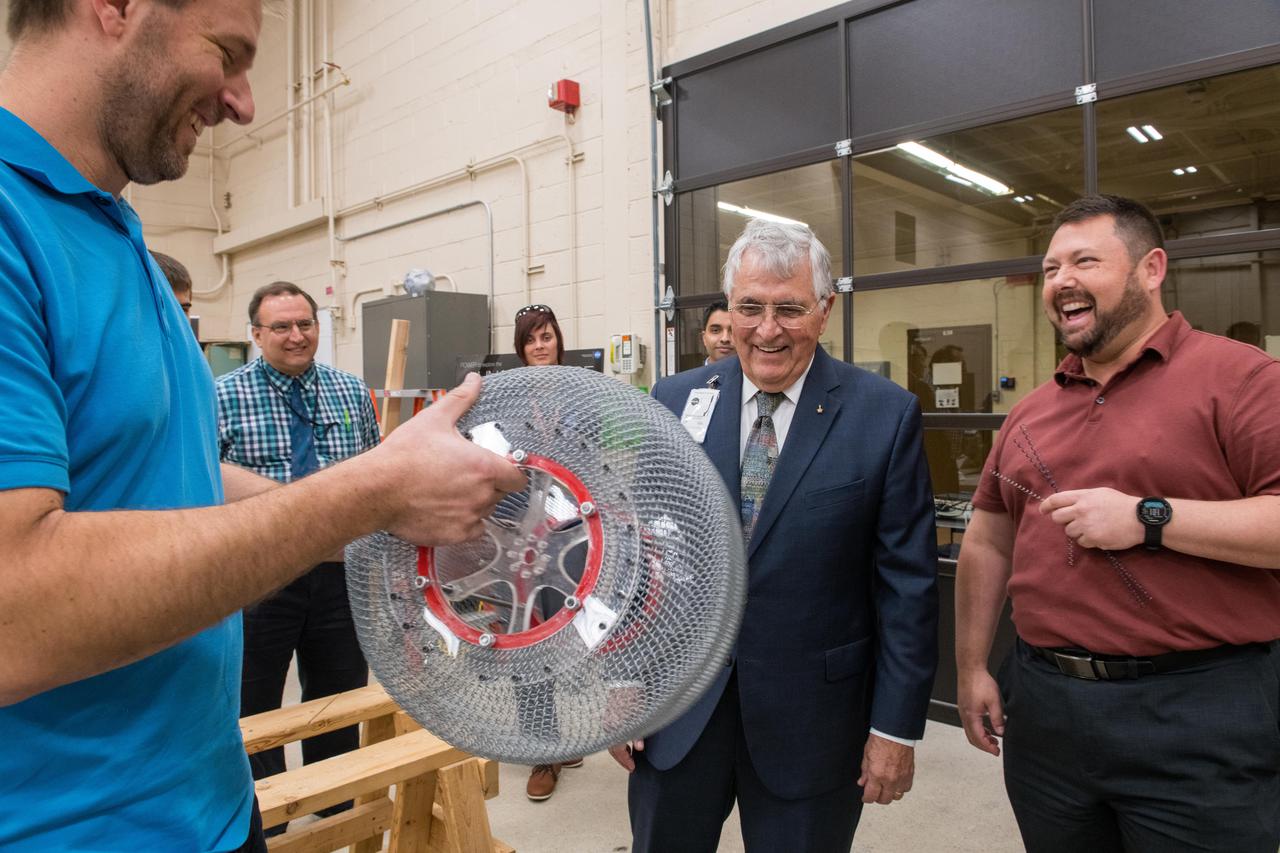
Visit by Dr. Harrison H. Schmitt, Apollo 17 Astronaut
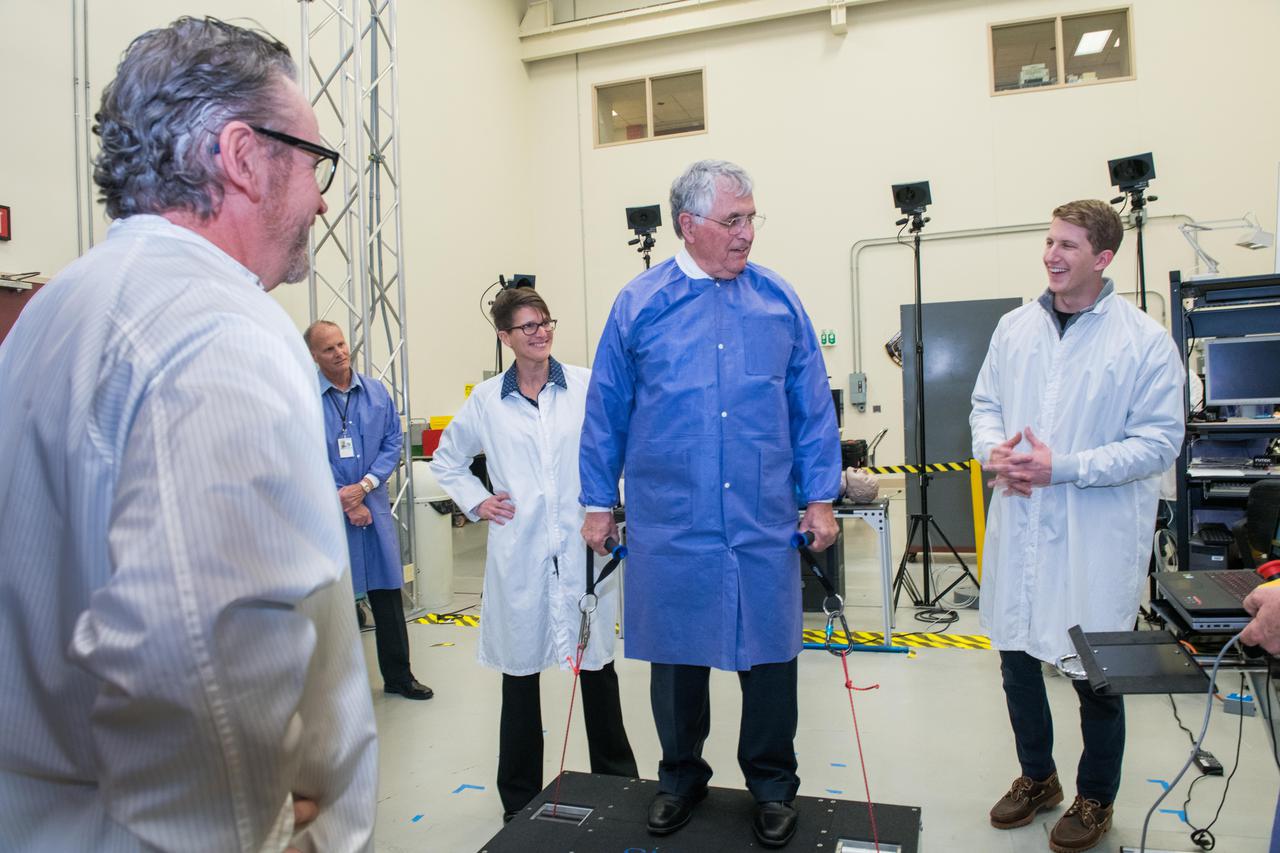
Visit by Dr. Harrison H. Schmitt, Apollo 17 Astronaut
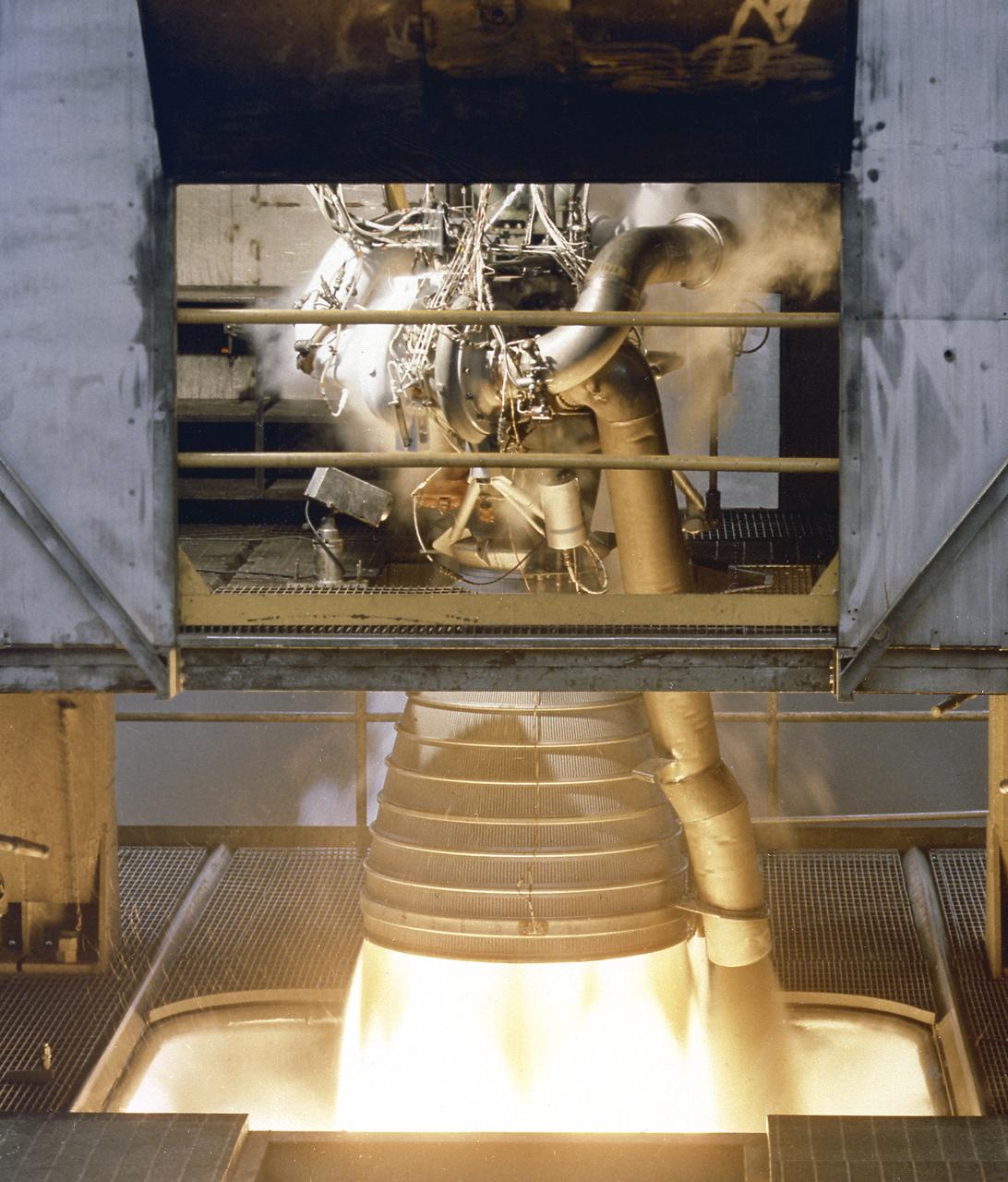
A close-up image of the single H-1 engine was test-fired at Canoga Park, California. Initial development of testing for the H-1 engine took place in the engineering facilities at Rocketdyne's main plant in Canoga Park, California.
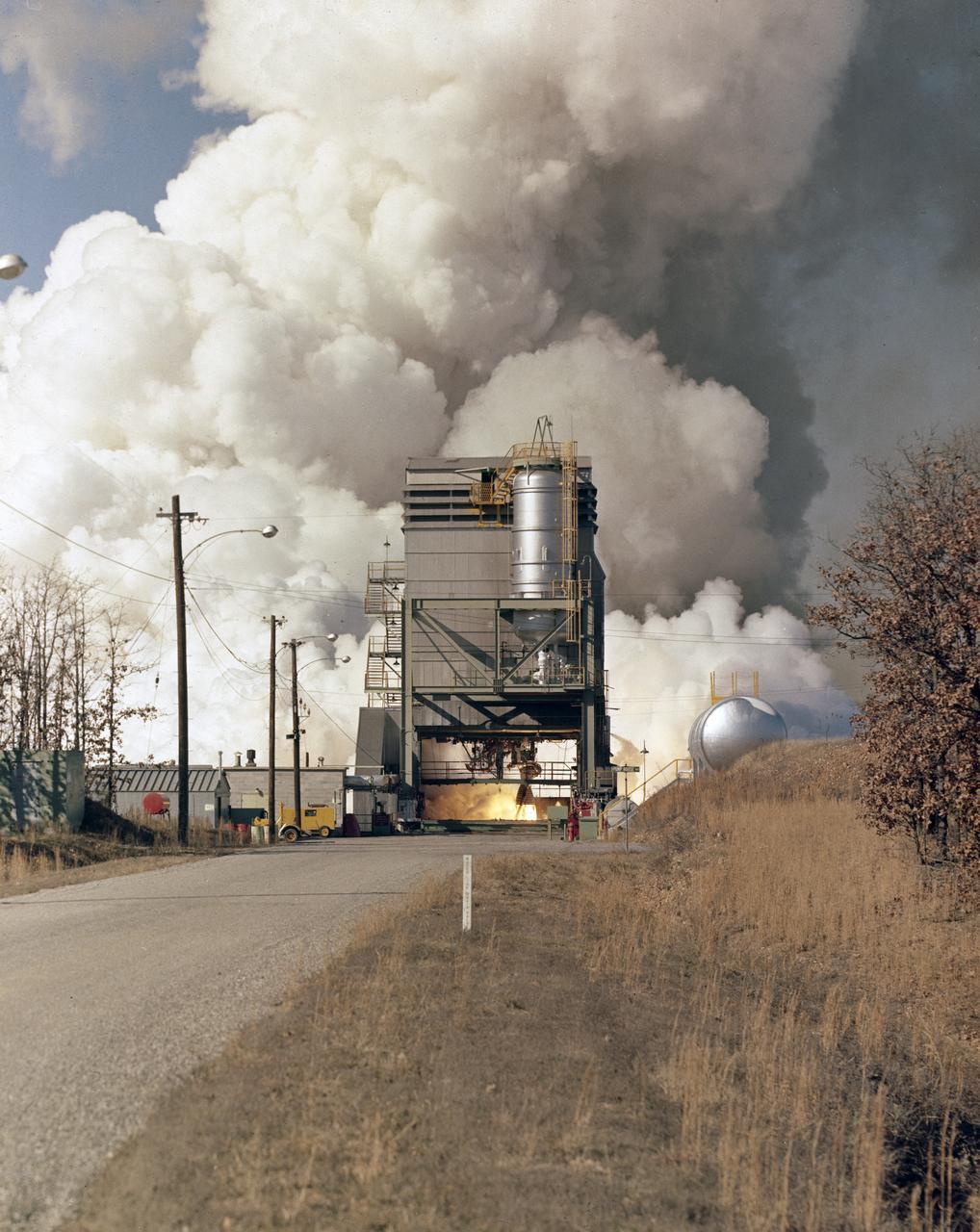
In this photograph, the single H-1 engine was test-fired at Canoga Park, California. Initial development of testing for the H-1 engine took place in the engineering facilities at Rocketdyne's main plant in Canoga Park, California.
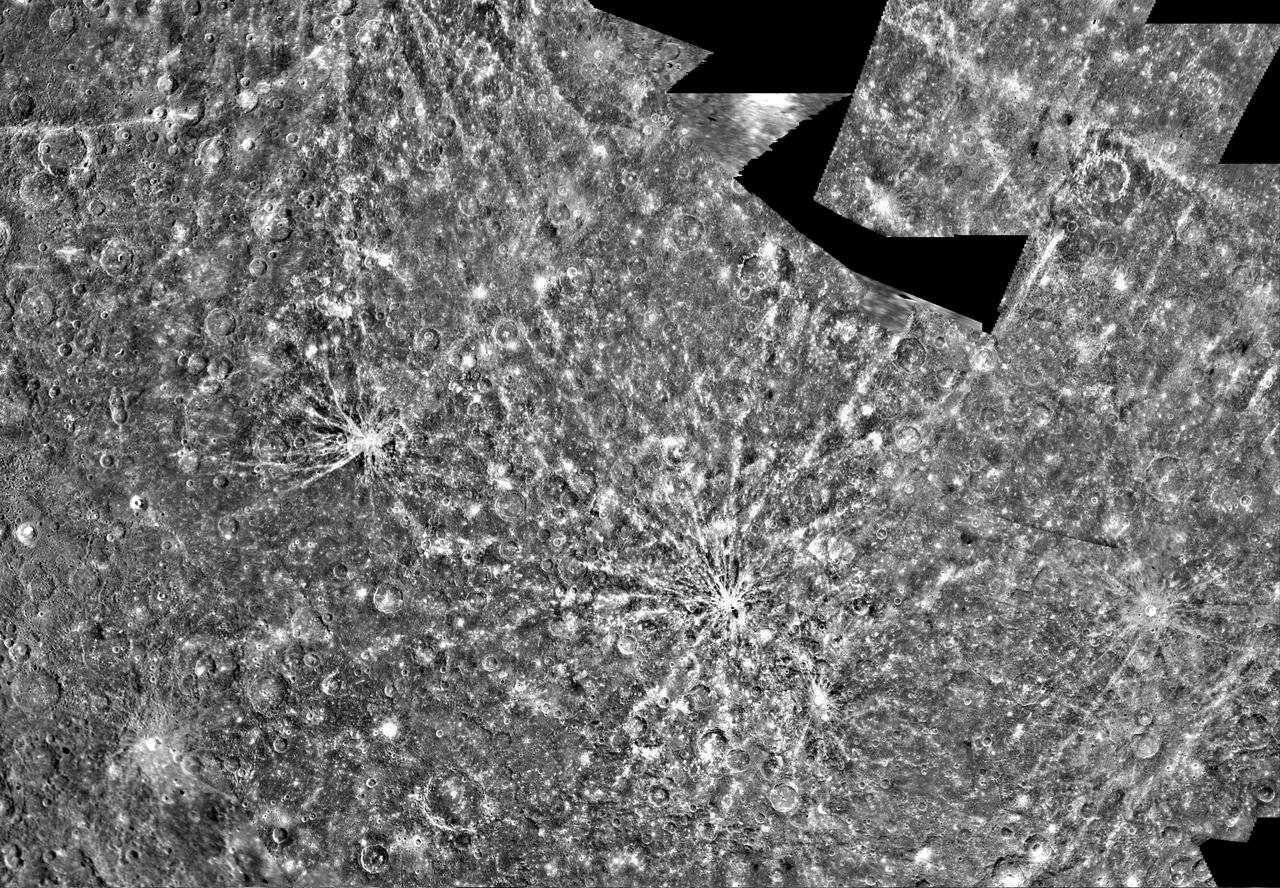
This image, from NASA Mariner 10 spacecraft which launched in 1974, is of the H-7 Beethoven Quadrangle, and lies in Mercury Equatorial Mercator. NASA Mariner 10 spacecraft imaged the region during its initial flyby of the planet.
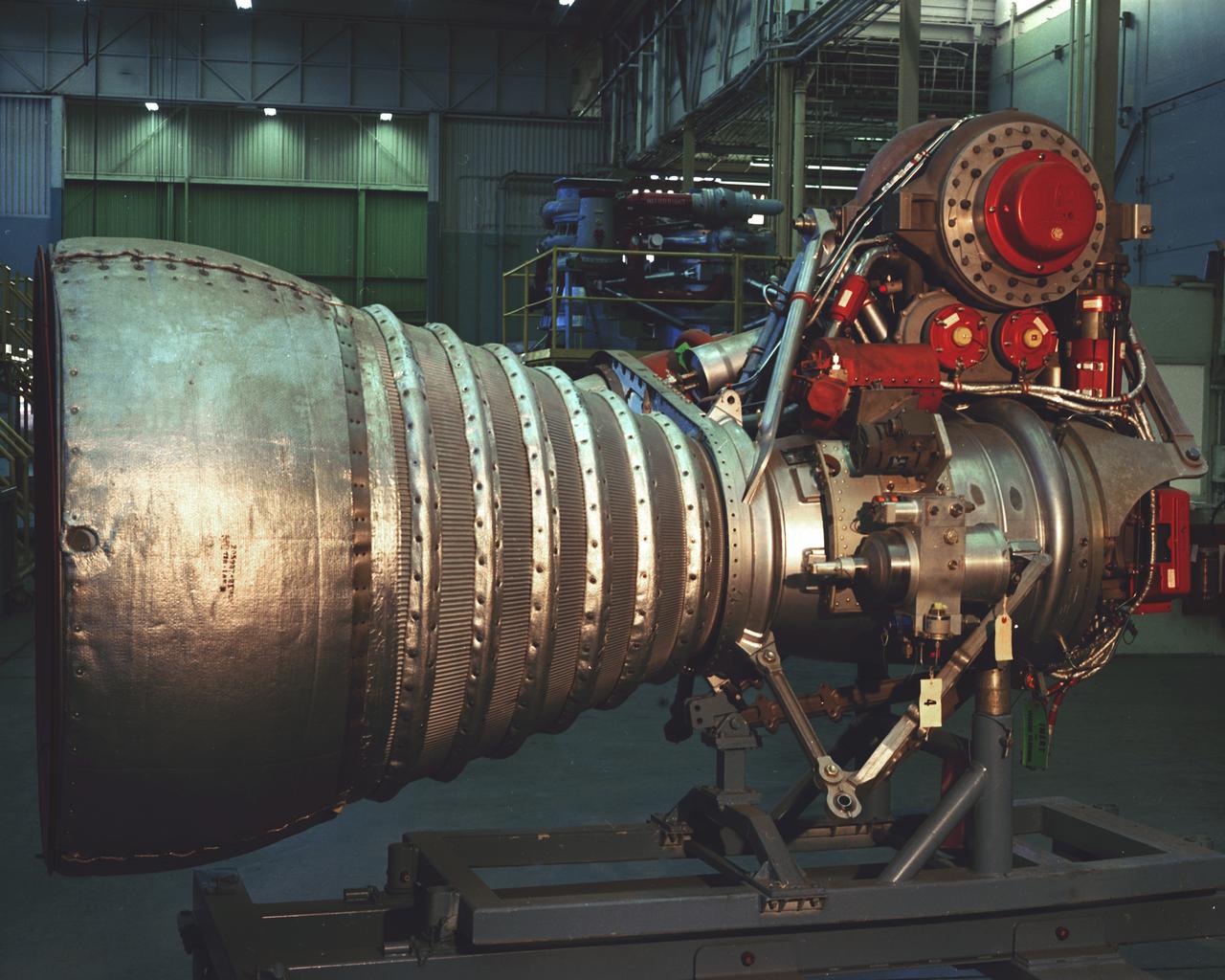
A cluster of eight H-1 engines were used to thrust the first stage of Saturn I (S-I stage) and Saturn IB (S-IB stage). The engines were arranged in a double pattern. Four engines, located inboard, were fixed in a square pattern around the stage axis, while the remaining four engines were located outboard in a larger square pattern and each outer engine was gimbaled. Each H-1 engine, fueled with liquid oxygen (LOX) and kerosene (RP-1), initially had a thrust of 188,000 pounds each for a combined thrust of over 1,500,000 pounds. Later, the H-1 engine was upgraded to 205,000 pounds of thrust and a combined total thrust of 1,650,000 pounds for the Saturn IB program. This photo depicts a single modified H-1 engine. The H-1 engine was developed under the direction of Marshall Space Flight Center (MSFC).
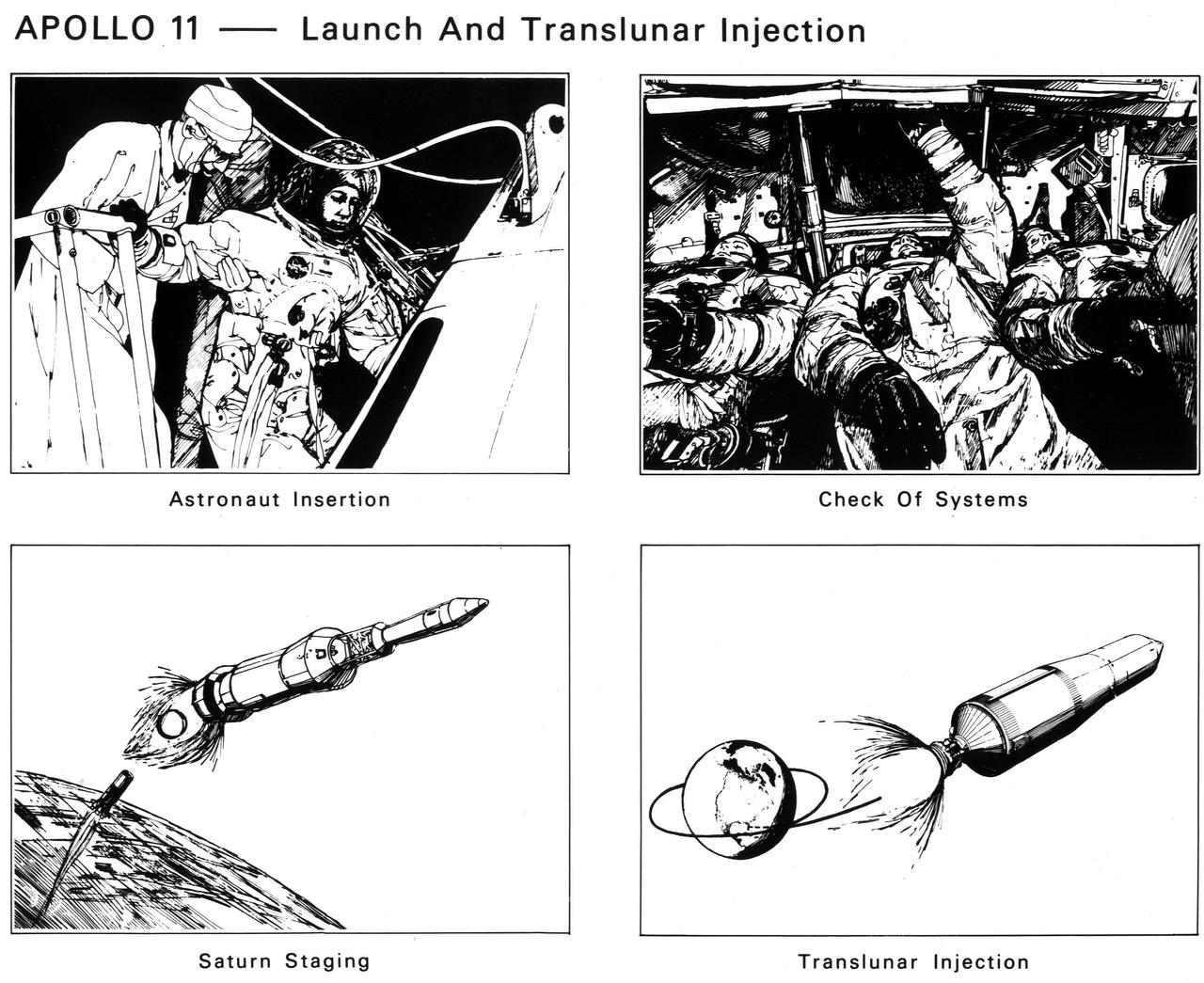
The astronauts enter the spacecraft. After launch and Saturn V first-stage burnout and jettison, the S-II second stage ignites. The crew checks spacecraft systems in Earth orbit before the S-IVB third stage ignites the second time to send Apollo 11 to the Moon
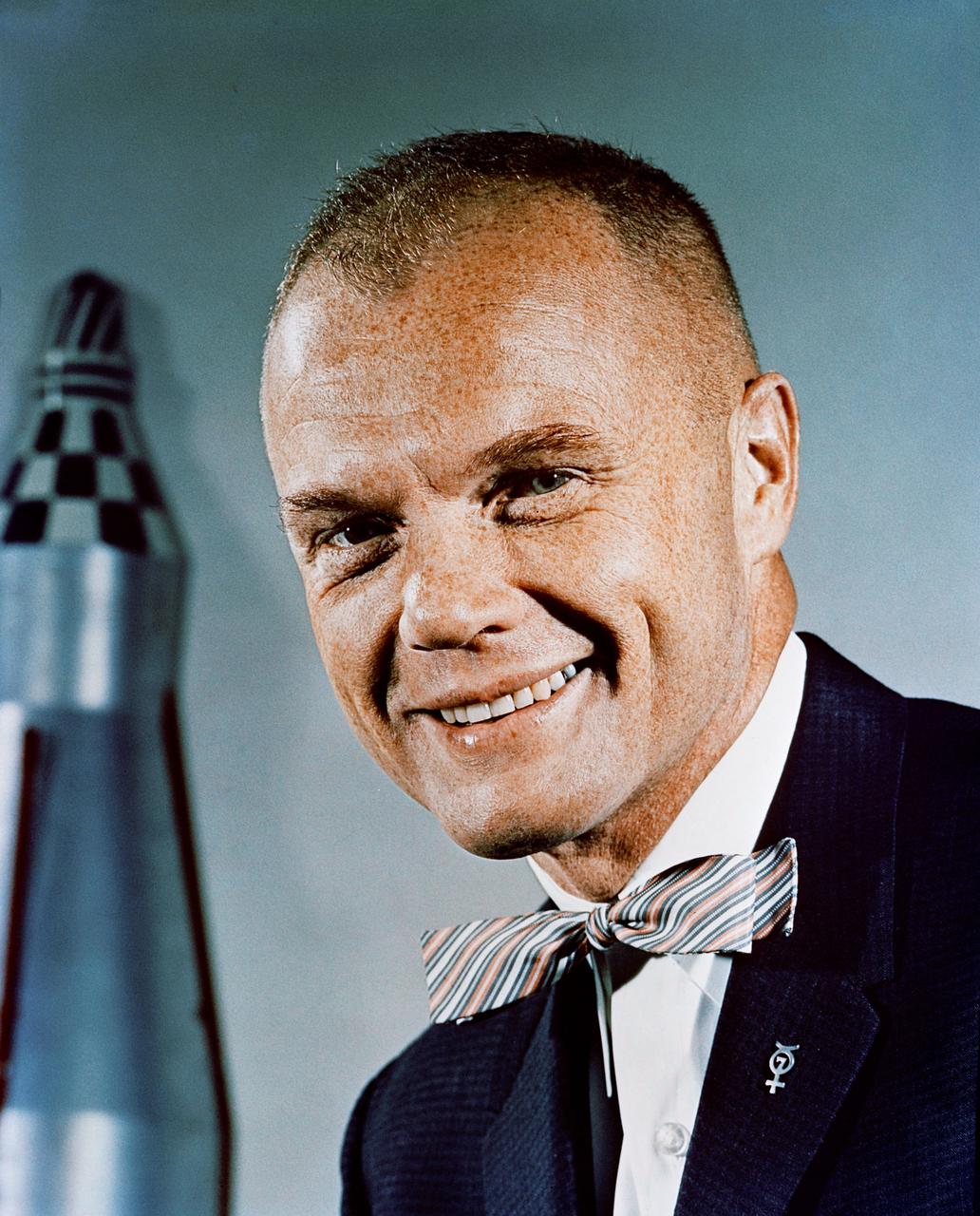
G60-02739 (May 1960) --- Astronaut John H. Glenn Jr.
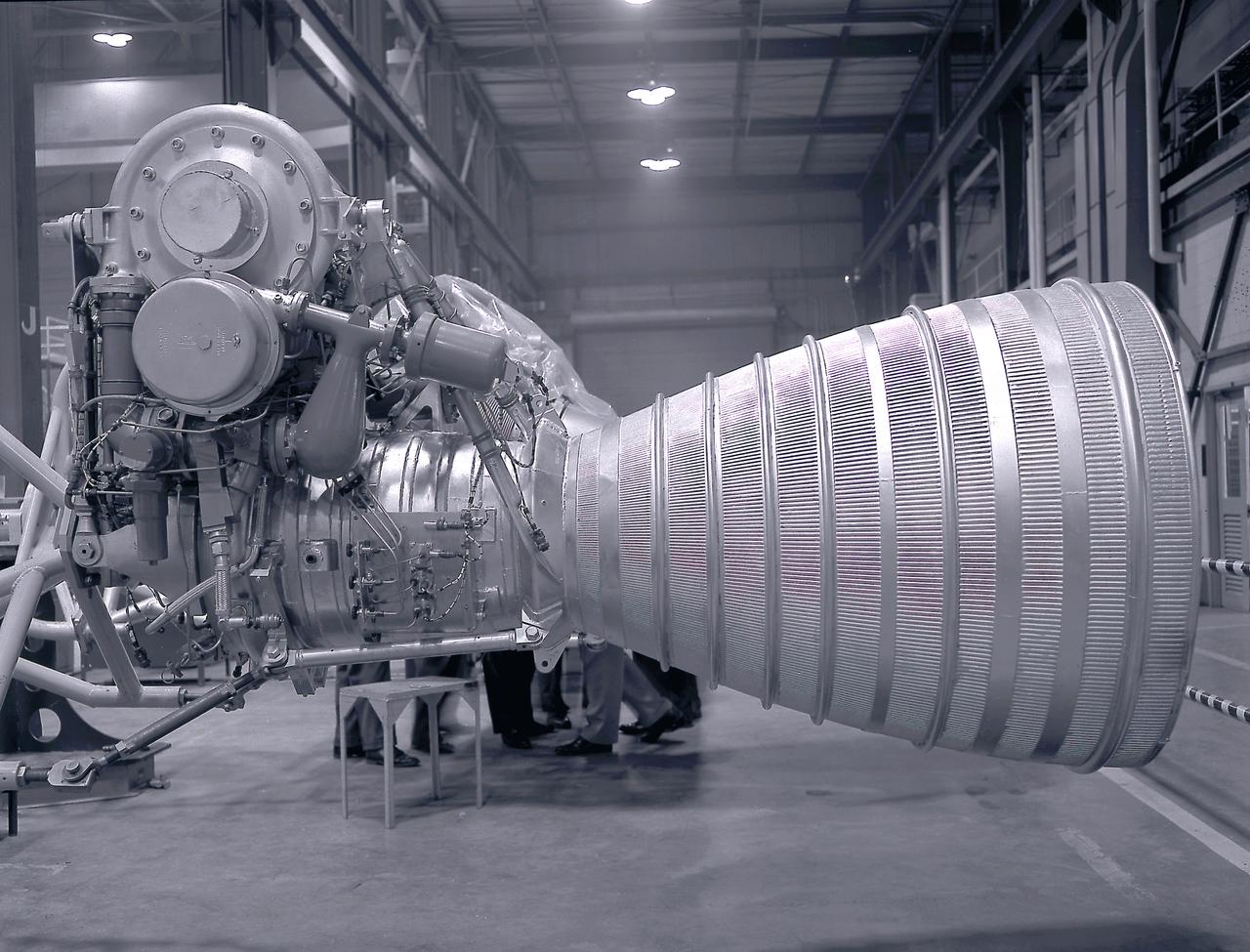
A Cluster of eight H-1 engines were used to thrust the first stage of Saturn I (S-I stage) and Saturn IB (S-IB stage). The engines were arranged in a double pattern. Four engines, located inboard, were fixed in a square pattern around the stage axis, while the remaining four engines were located outboard in a larger square pattern and each outer engine was gimbaled. The H-1 engine, fueled with liquid oxygen (LOX) and kerosene (RP-1), had a thrust of 188,000 pound each for a combined thrust of over 1,500,000 pounds. Each H-1 engine was developed under the direction of Marshall Space Flight Center (MSFC).
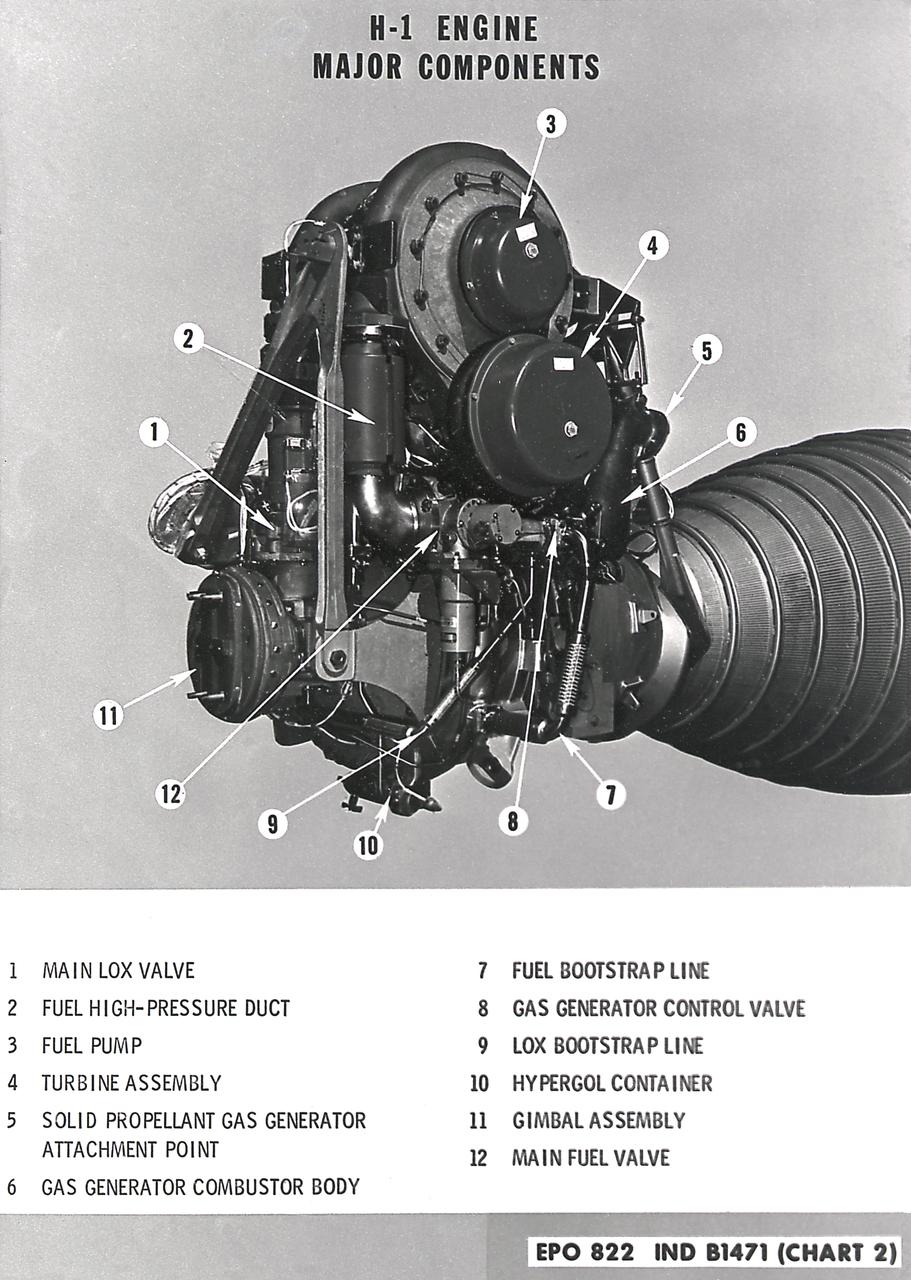
H-1 engine major components with callouts (chart 1). The H-1 engine was used in a cluster of eight on the the first stage of Saturn I (S-I stage) and Saturn IB (S-IB stage). The engines were arranged in a double pattern: four engines, located inboard, were fixed in a square pattern around the stage axis, while the remaining four engines were located outboard in a larger square pattern and each outer engine was gimbaled. Each H-1 engine had a thrust of 188,000 pounds for a combined thrust of over 1,500,000 pounds.
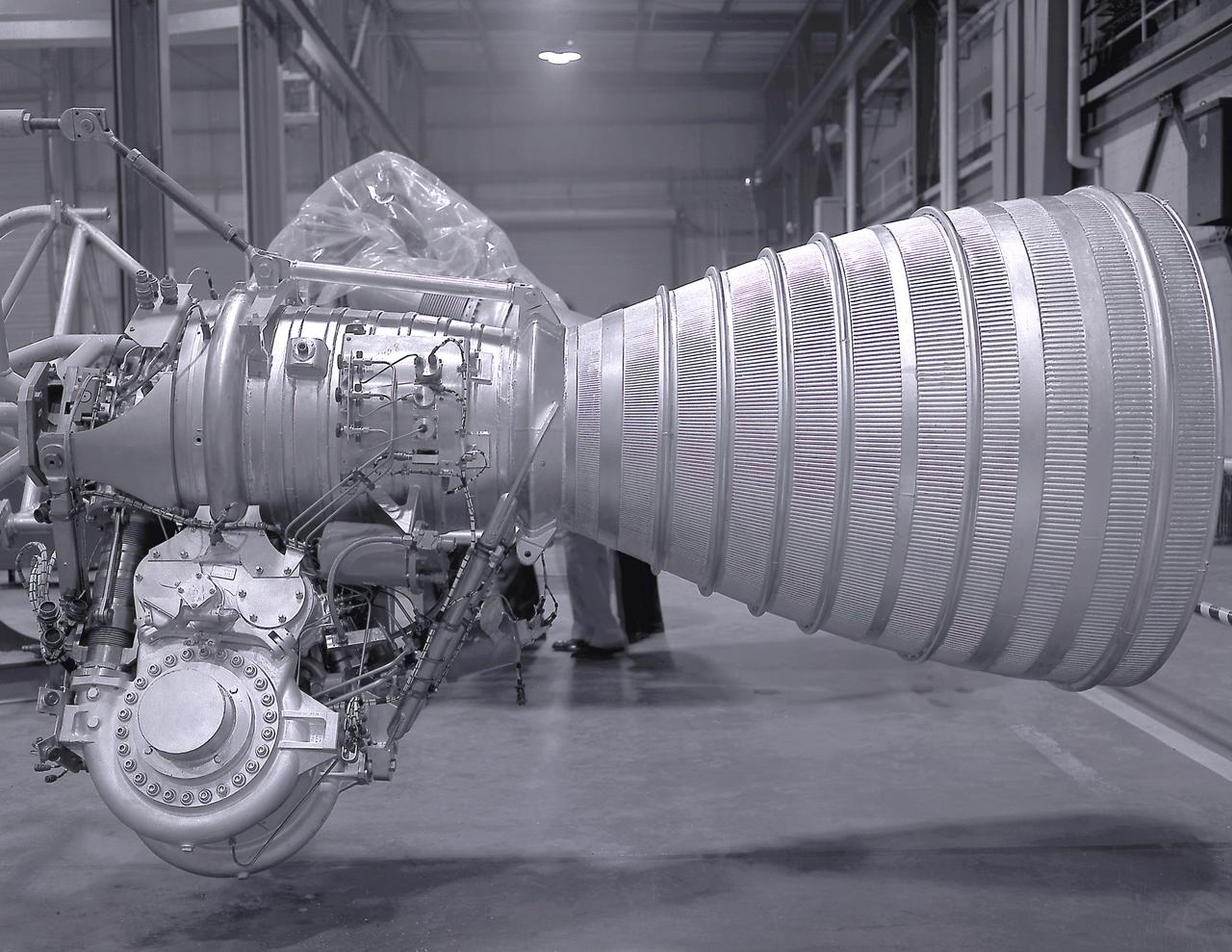
A Cluster of eight H-1 engines were used to thrust the first stage of Saturn I (S-I stage) and Saturn IB (S-IB stage). The engines were arranged in a double pattern. Four engines, located inboard, were fixed in a square pattern around the stage axis, while the remaining four engines were located outboard in a larger square pattern and each outer engine was gimbaled. Each H-1 engine, fueled with liquid oxygen (LOX) and kerosene (RP-1), had a thrust of 188,000 pound each for a combined thrust of over 1,500,000 pounds. The H-1 engine was developed under the direction of Marshall Space Flight Center (MSFC).
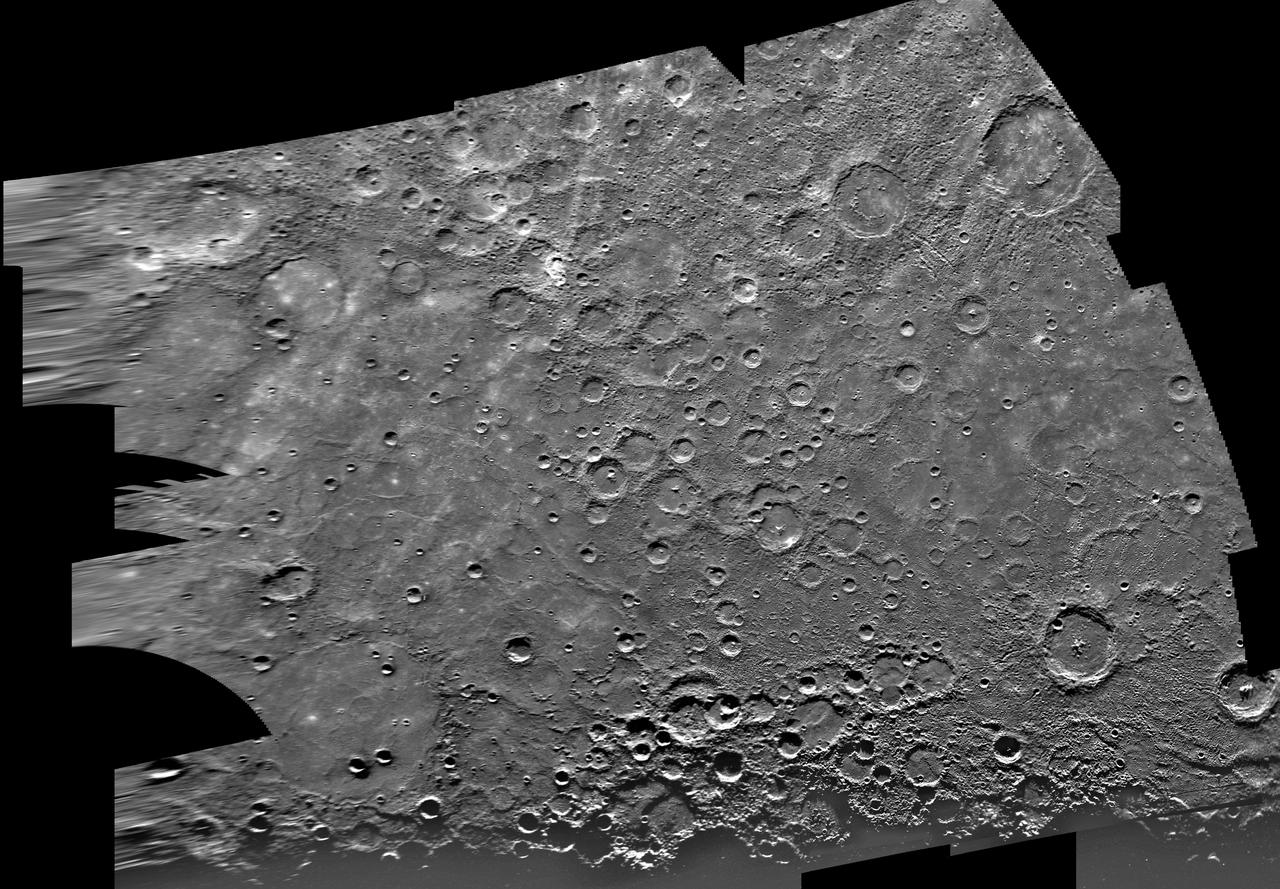
This image, from NASA Mariner 10 spacecraft which launched in 1974, is of the Borealis area H-1, located in Mercury northern hemisphere. The north pole is visible at the top of the image.
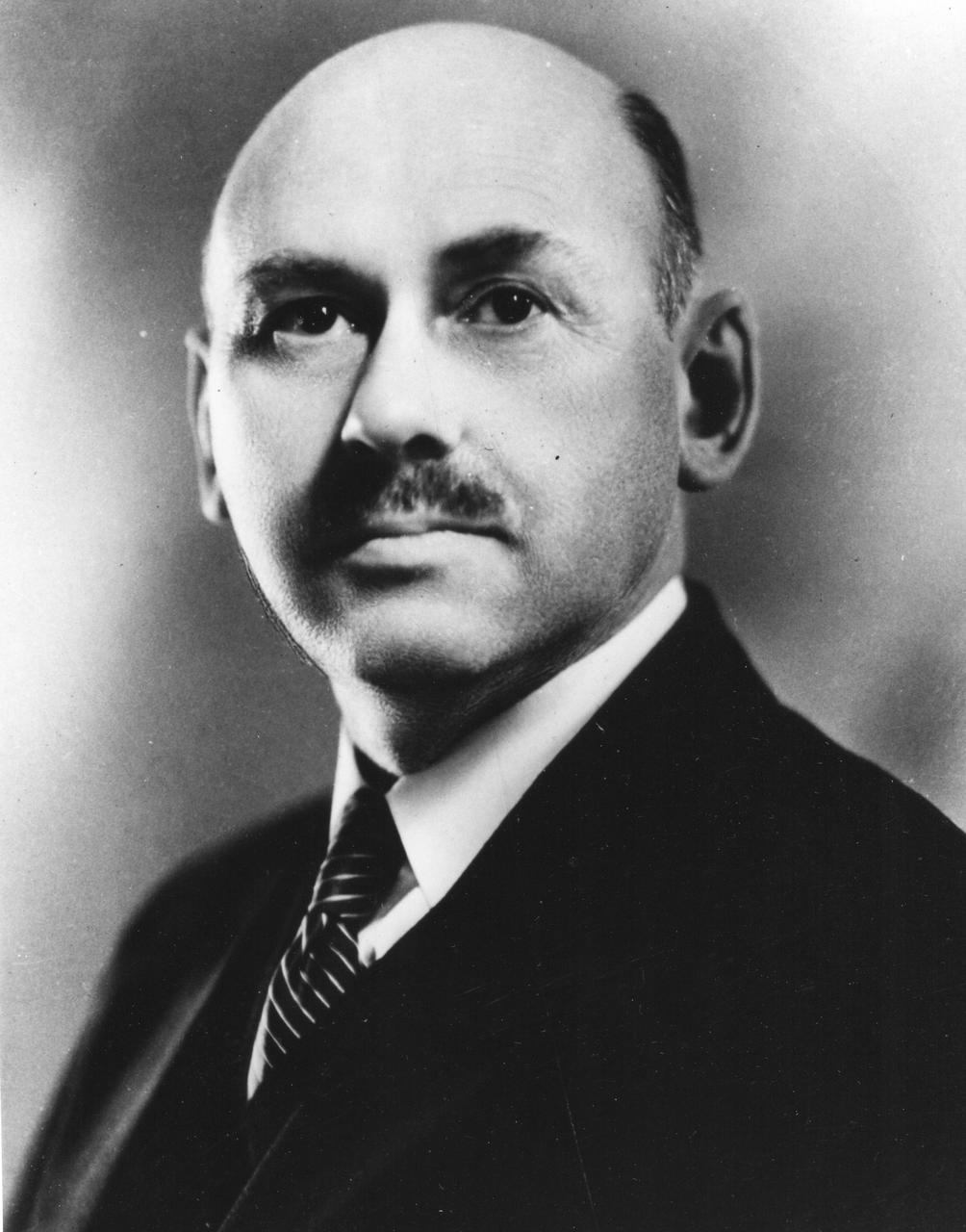
Dr. Robert Hutchings Goddard (1882-1945). Dr. Goddard has been recognized as the father of American rocketry and as one of the pioneers in the theoretical exploration of space. Robert Hutchings Goddard, born in Worcester, Massachusetts, on October 5, 1882, was theoretical scientist as well as a practical engineer. His dream was the conquest of the upper atmosphere and ultimately space through the use of rocket propulsion. Dr. Goddard, died in 1945, but was probably as responsible for the dawning of the Space Age as the Wrights were for the beginning of the Air Age. Yet his work attracted little serious attention during his lifetime. However, when the United States began to prepare for the conquest of space in the 1950's, American rocket scientists began to recognize the debt owed to the New England professor. They discovered that it was virtually impossible to construct a rocket or launch a satellite without acknowledging the work of Dr. Goddard. More than 200 patents, many of which were issued after his death, covered this great legacy. <b><a href="http://www.nasa.gov/centers/goddard/home/index.html" rel="nofollow">NASA Goddard Space Flight Center</a></b> enables NASA’s mission through four scientific endeavors: Earth Science, Heliophysics, Solar System Exploration, and Astrophysics. Goddard plays a leading role in NASA’s accomplishments by contributing compelling scientific knowledge to advance the Agency’s mission. <b>Follow us on <a href="http://twitter.com/NASA_GoddardPix" rel="nofollow">Twitter</a></b> <b>Join us on <a href="http://www.facebook.com/pages/Greenbelt-MD/NASA-Goddard/395013845897?ref=tsd" rel="nofollow">Facebook</a></b>
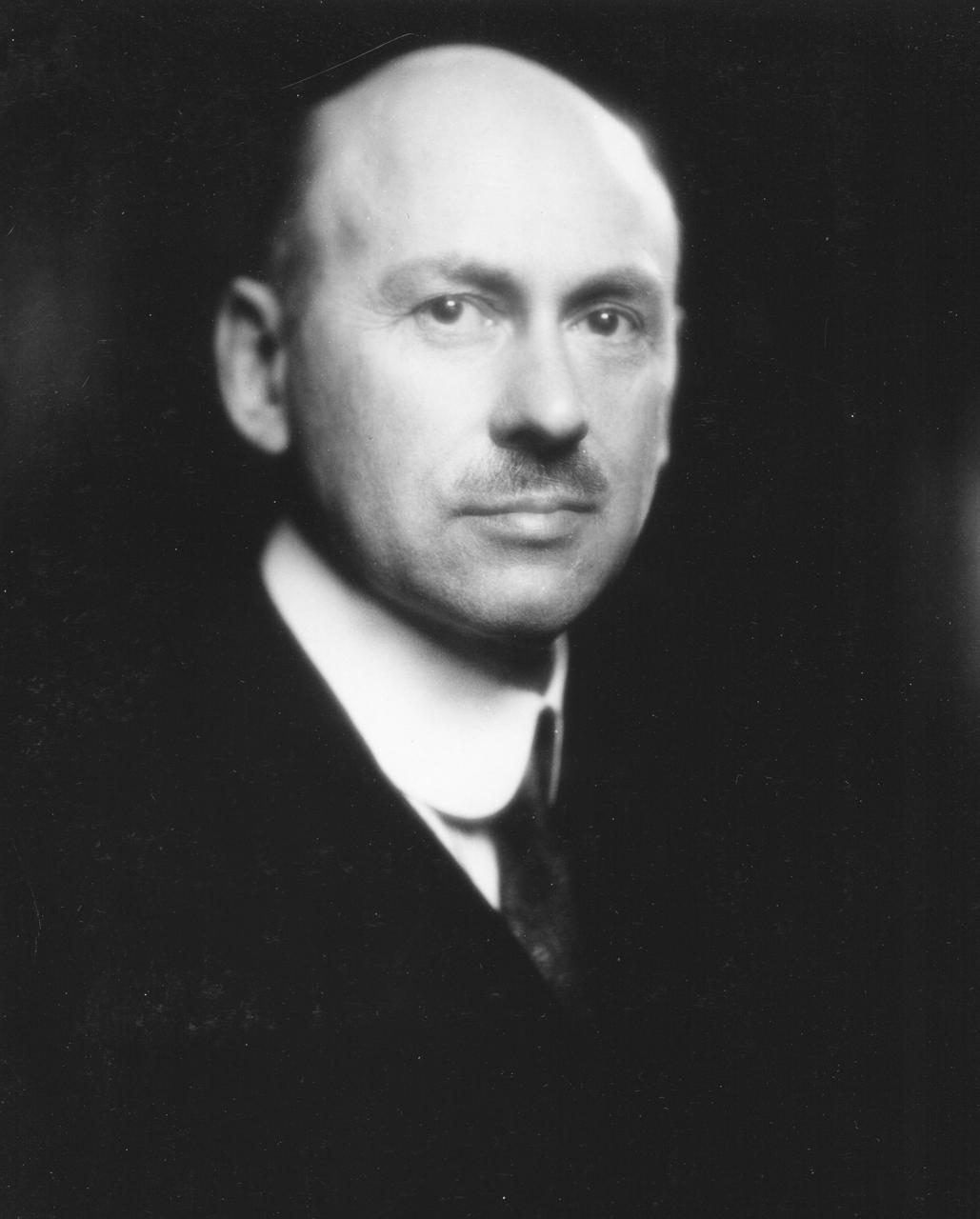
Dr. Robert Hutchings Goddard (1882-1945). Dr. Goddard has been recognized as the father of American rocketry and as one of the pioneers in the theoretical exploration of space. Robert Hutchings Goddard, born in Worcester, Massachusetts, on October 5, 1882, was theoretical scientist as well as a practical engineer. His dream was the conquest of the upper atmosphere and ultimately space through the use of rocket propulsion. Dr. Goddard, died in 1945, but was probably as responsible for the dawning of the Space Age as the Wrights were for the beginning of the Air Age. Yet his work attracted little serious attention during his lifetime. However, when the United States began to prepare for the conquest of space in the 1950's, American rocket scientists began to recognize the debt owed to the New England professor. They discovered that it was virtually impossible to construct a rocket or launch a satellite without acknowledging the work of Dr. Goddard. More than 200 patents, many of which were issued after his death, covered this great legacy. <b><a href="http://www.nasa.gov/centers/goddard/home/index.html" rel="nofollow">NASA Goddard Space Flight Center</a></b> enables NASA’s mission through four scientific endeavors: Earth Science, Heliophysics, Solar System Exploration, and Astrophysics. Goddard plays a leading role in NASA’s accomplishments by contributing compelling scientific knowledge to advance the Agency’s mission. <b>Follow us on <a href="http://twitter.com/NASA_GoddardPix" rel="nofollow">Twitter</a></b> <b>Join us on <a href="http://www.facebook.com/pages/Greenbelt-MD/NASA-Goddard/395013845897?ref=tsd" rel="nofollow">Facebook</a></b>
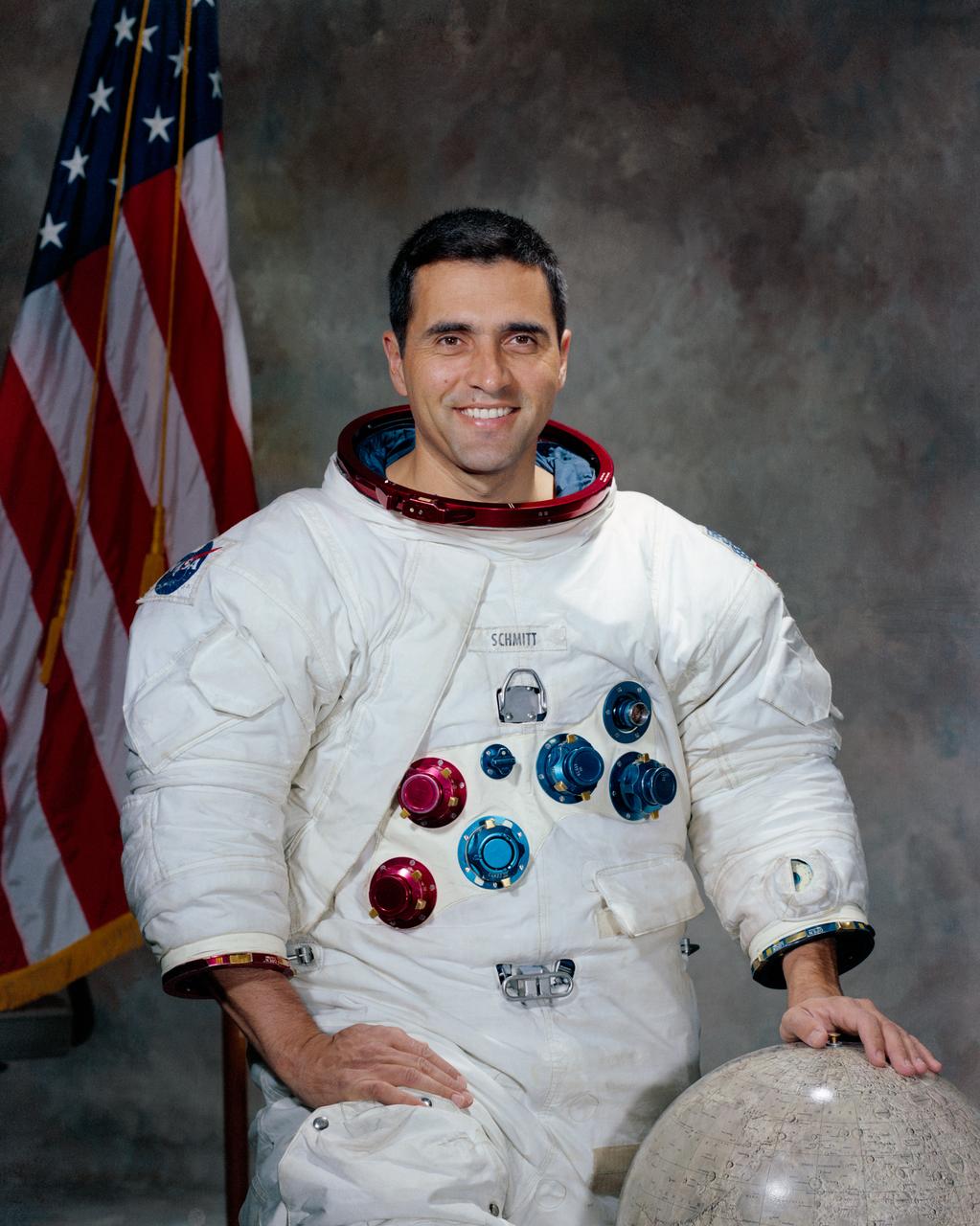
S71-52260 (1971) --- Astronaut Harrison H. Schmitt
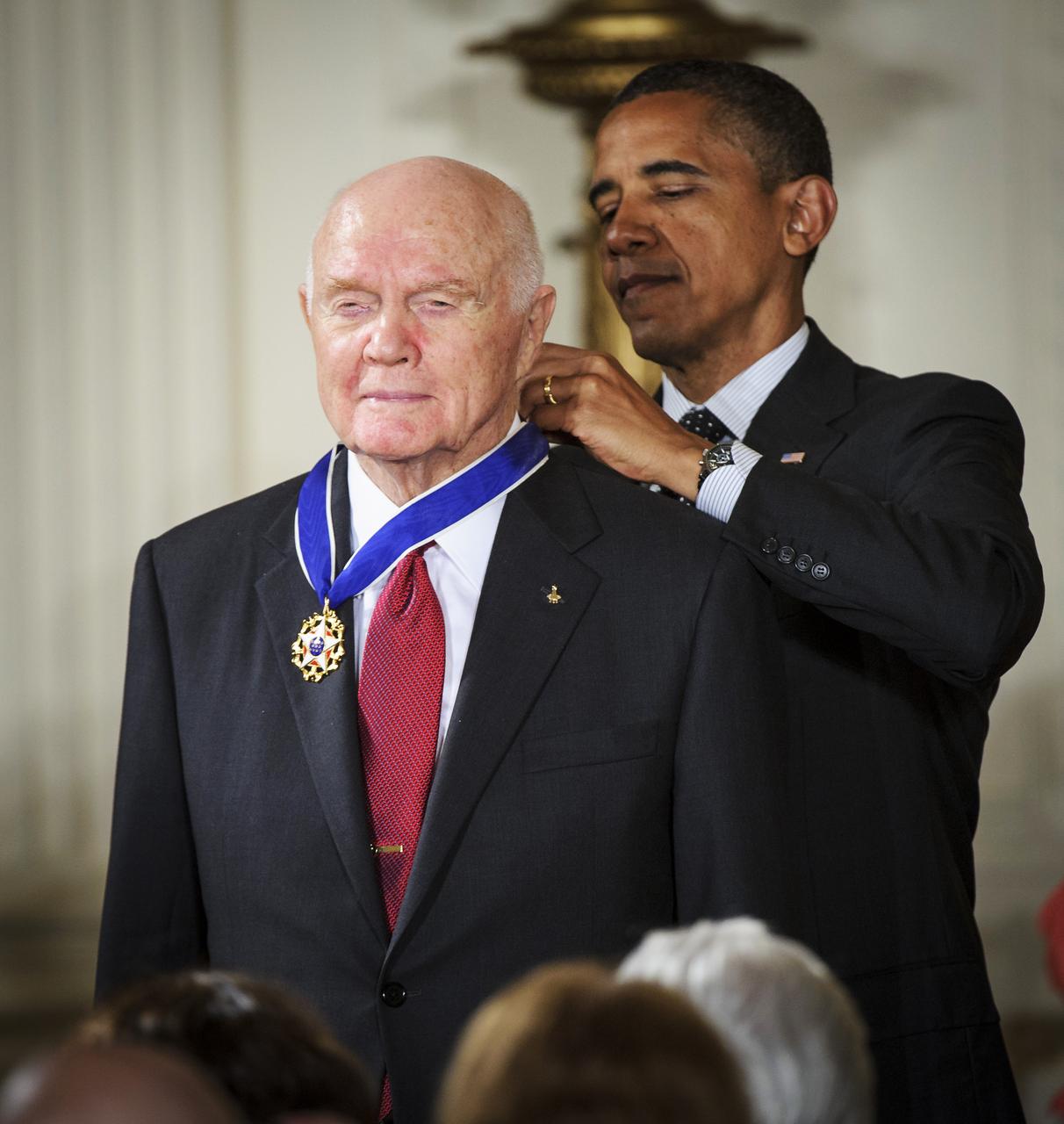
President Barack Obama presents former United States Marine Corps pilot, astronaut and United States Senator John Glenn with a Medal of Freedom, Tuesday, May 29, 2012, during a ceremony at the White House in Washington.
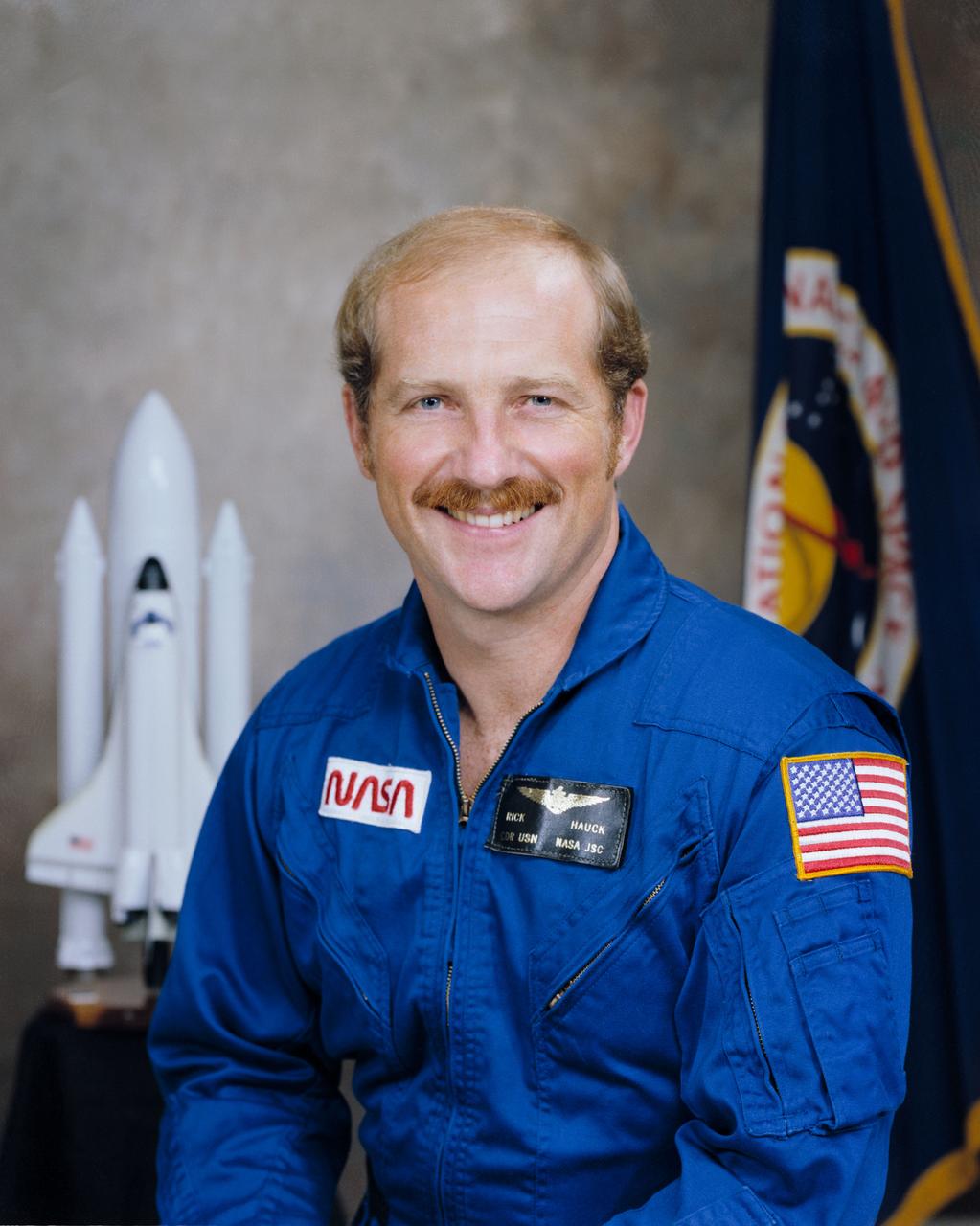
S78-35289 (20 Sept 1978) --- Astronaut Frederick H. Hauck.
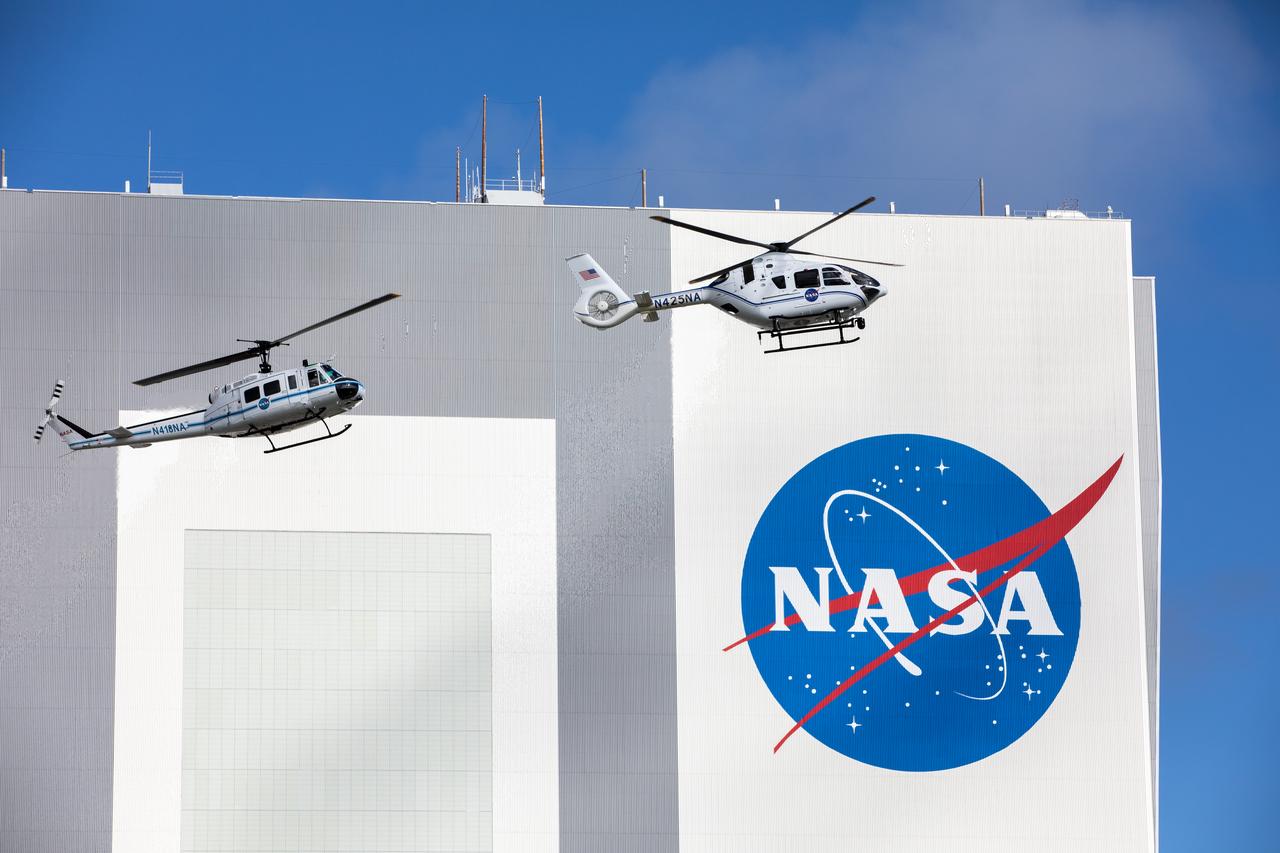
On Oct. 27, 2020, in front of the iconic Vehicle Assembly Building at NASA’s Kennedy Space Center, the Bell Huey 2 (left) and Airbus H135 helicopters used for security operations at the Florida spaceport perform one flight together before the Hueys are retired from their service. The Airbus H135s are replacing the three Bell Huey 2 aircraft maintained by Kennedy’s Flight Operations team. Kennedy received two of the H135 aircraft on Sept. 30, and the third is expected to arrive in spring 2021. These new helicopters provide a number of technological and safety advantages over the Hueys, such as more lifting power, greater stability in the air, and expanded medical capabilities.
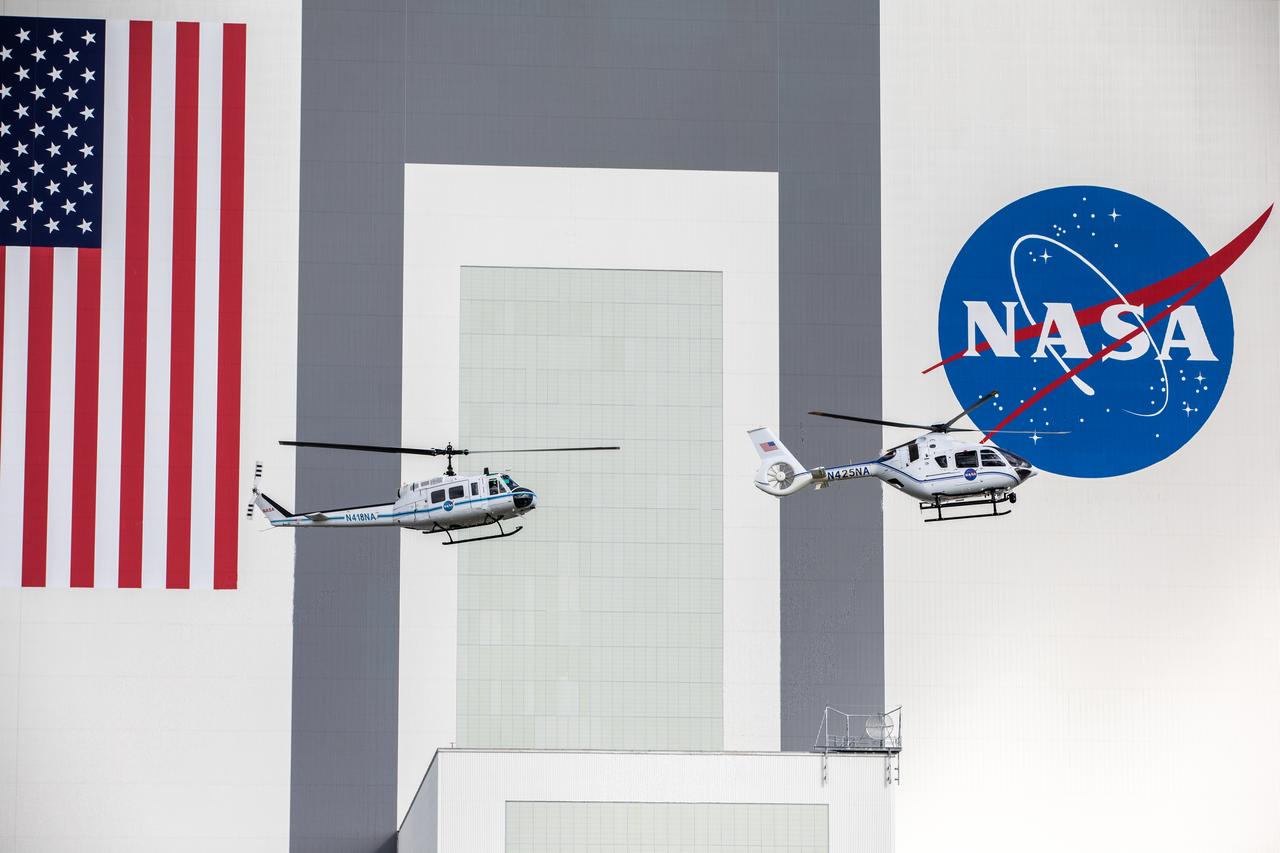
On Oct. 27, 2020, in front of the iconic Vehicle Assembly Building at NASA’s Kennedy Space Center, the Bell Huey 2 (left) and Airbus H135 helicopters used for security operations at the Florida spaceport perform one flight together before the Hueys are retired from their service. The Airbus H135s are replacing the three Bell Huey 2 aircraft maintained by Kennedy’s Flight Operations team. Kennedy received two of the H135 aircraft on Sept. 30, and the third is expected to arrive in spring 2021. These new helicopters provide a number of technological and safety advantages over the Hueys, such as more lifting power, greater stability in the air, and expanded medical capabilities.
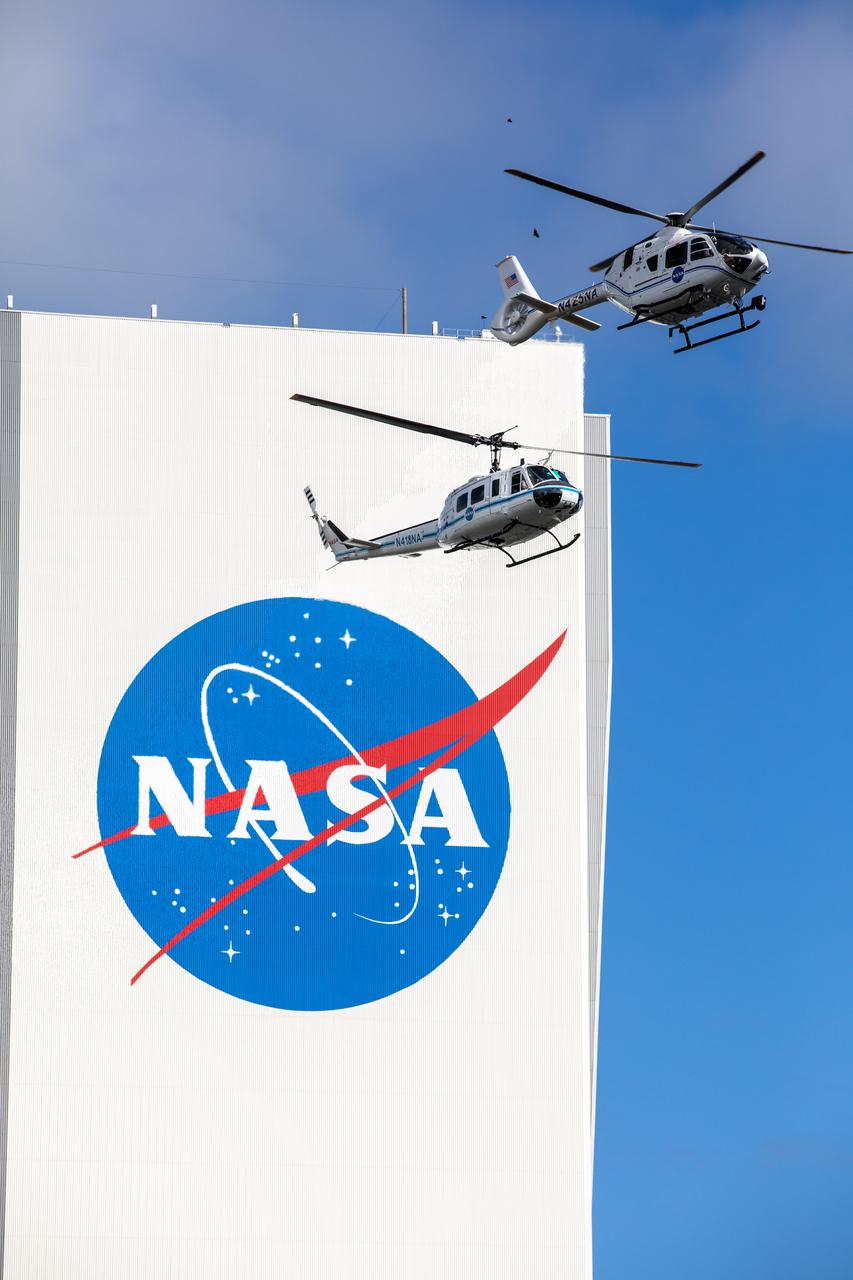
On Oct. 27, 2020, in front of the iconic Vehicle Assembly Building at NASA’s Kennedy Space Center, the Bell Huey 2 (left) and Airbus H135 helicopters used for security operations at the Florida spaceport perform one flight together before the Hueys are retired from their service. The Airbus H135s are replacing the three Bell Huey 2 aircraft maintained by Kennedy’s Flight Operations team. Kennedy received two of the H135 aircraft on Sept. 30, and the third is expected to arrive in spring 2021. These new helicopters provide a number of technological and safety advantages over the Hueys, such as more lifting power, greater stability in the air, and expanded medical capabilities.
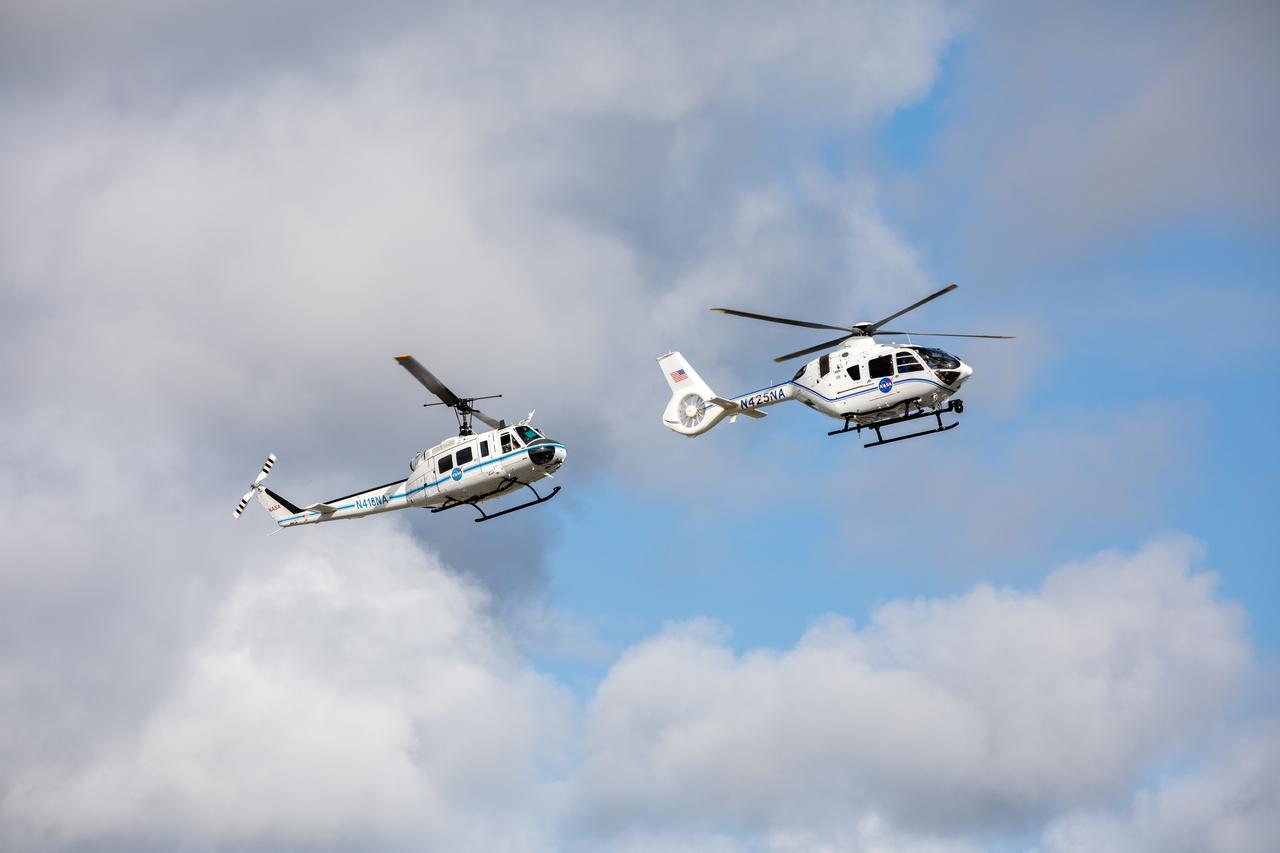
The Bell Huey 2 (left) and Airbus H135 helicopters used for security operations at NASA’s Kennedy Space Center in Florida perform one flight together on Oct. 27, 2020, before the Hueys are retired from their service. The Airbus H135s are replacing the three Bell Huey 2 aircraft maintained by Kennedy’s Flight Operations team. Kennedy received two of the H135 aircraft on Sept. 30, and the third is expected to arrive in spring 2021. These new helicopters provide a number of technological and safety advantages over the Hueys, such as more lifting power, greater stability in the air, and expanded medical capabilities.
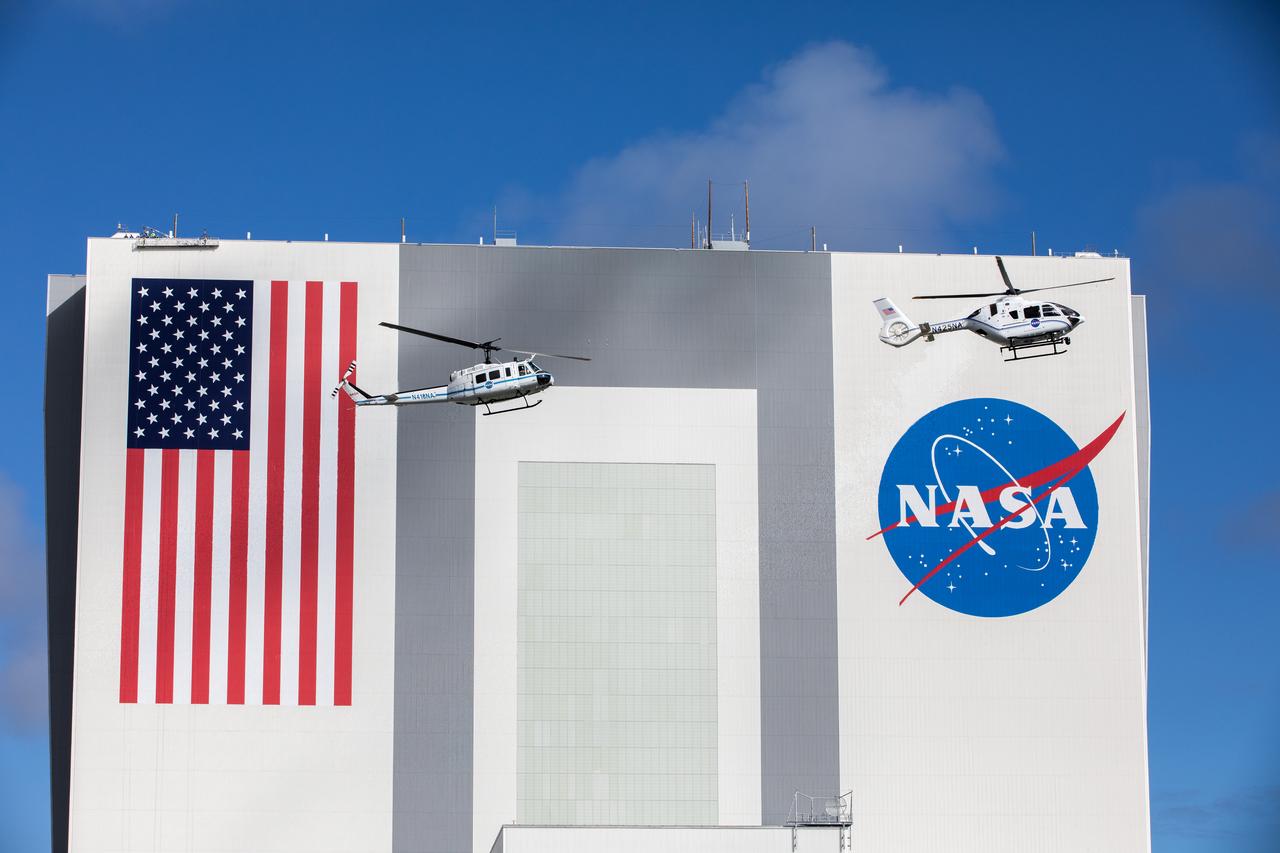
On Oct. 27, 2020, in front of the iconic Vehicle Assembly Building at NASA’s Kennedy Space Center, the Bell Huey 2 (left) and Airbus H135 helicopters used for security operations at the Florida spaceport perform one flight together before the Hueys are retired from their service. The Airbus H135s are replacing the three Bell Huey 2 aircraft maintained by Kennedy’s Flight Operations team. Kennedy received two of the H135 aircraft on Sept. 30, and the third is expected to arrive in spring 2021. These new helicopters provide a number of technological and safety advantages over the Hueys, such as more lifting power, greater stability in the air, and expanded medical capabilities.
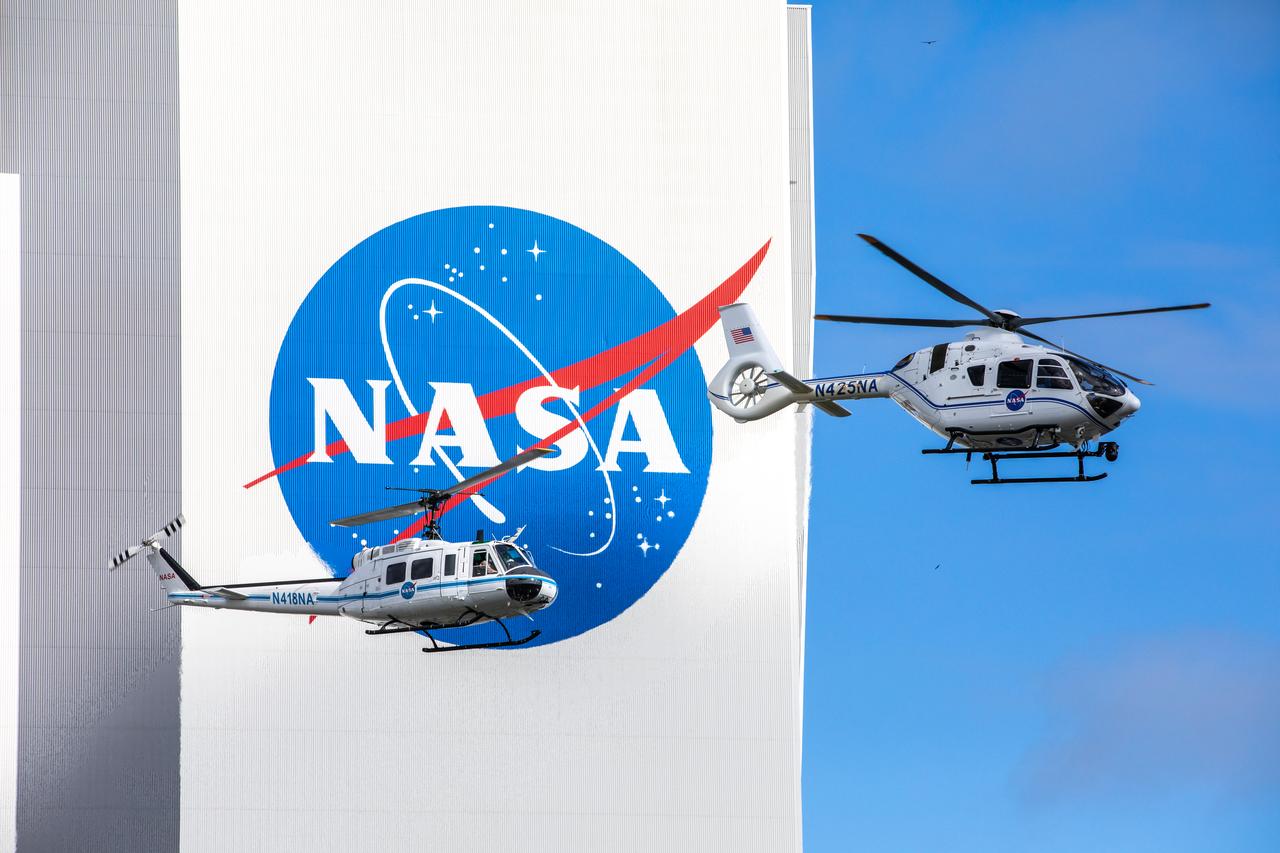
On Oct. 27, 2020, in front of the iconic Vehicle Assembly Building at NASA’s Kennedy Space Center, the Bell Huey 2 (left) and Airbus H135 helicopters used for security operations at the Florida spaceport perform one flight together before the Hueys are retired from their service. The Airbus H135s are replacing the three Bell Huey 2 aircraft maintained by Kennedy’s Flight Operations team. Kennedy received two of the H135 aircraft on Sept. 30, and the third is expected to arrive in spring 2021. These new helicopters provide a number of technological and safety advantages over the Hueys, such as more lifting power, greater stability in the air, and expanded medical capabilities.
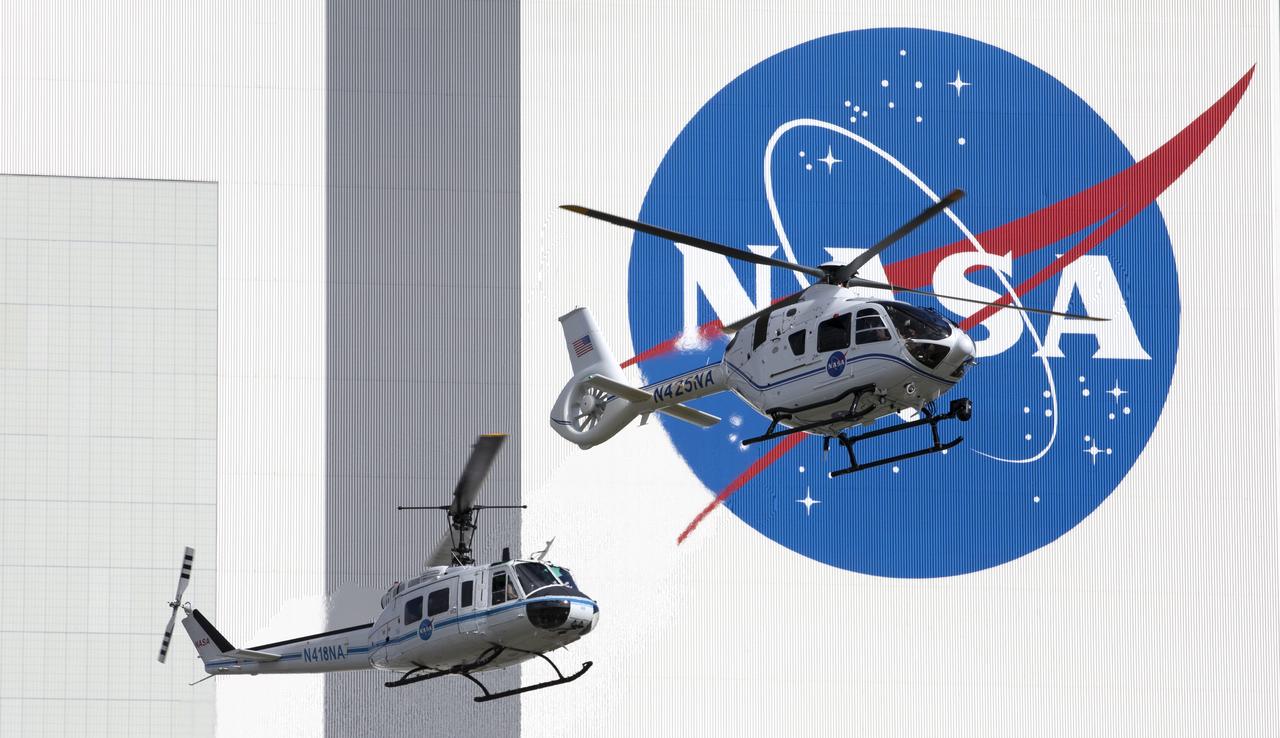
On Oct. 27, 2020, in front of the iconic Vehicle Assembly Building at NASA’s Kennedy Space Center, the Bell Huey 2 (left) and Airbus H135 helicopters used for security operations at the Florida spaceport perform one flight together before the Hueys are retired from their service. The Airbus H135s are replacing the three Bell Huey 2 aircraft maintained by Kennedy’s Flight Operations team. Kennedy received two of the H135 aircraft on Sept. 30, and the third is expected to arrive in spring 2021. These new helicopters provide a number of technological and safety advantages over the Hueys, such as more lifting power, greater stability in the air, and expanded medical capabilities.
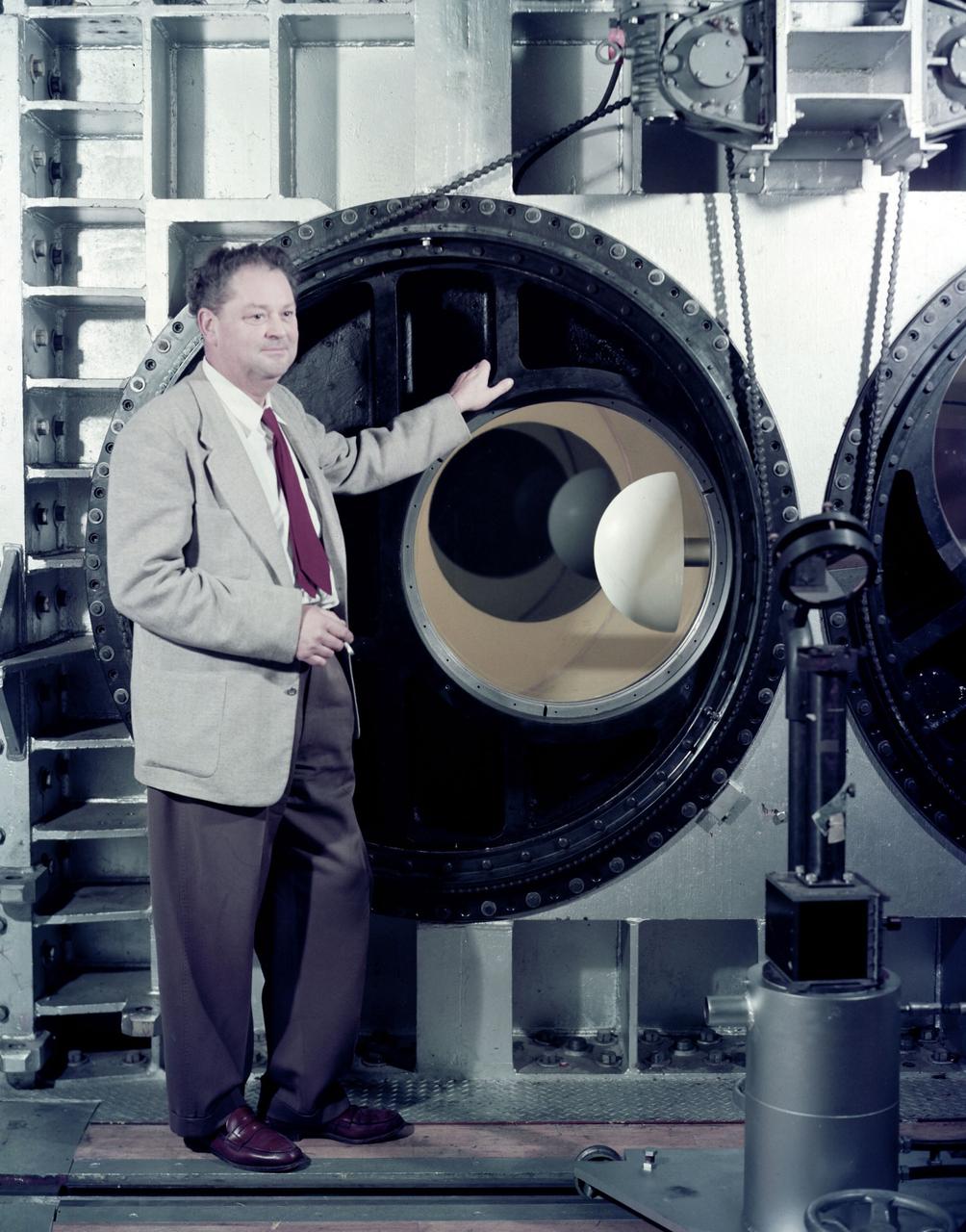
H. Julian 'Harvey' Allen in front of the NASA Ames 8_x_7 foot Supersonic Wind Tunnel test section. A blunt body model mounted in the test section is ready for testing . The 8_X_7_foot is part of the Unitary Plan WInd Tunnel Complex Note: printed in 60 year at NASA Ames Research Center by Glenn Bugos NASA SP-2000-4314
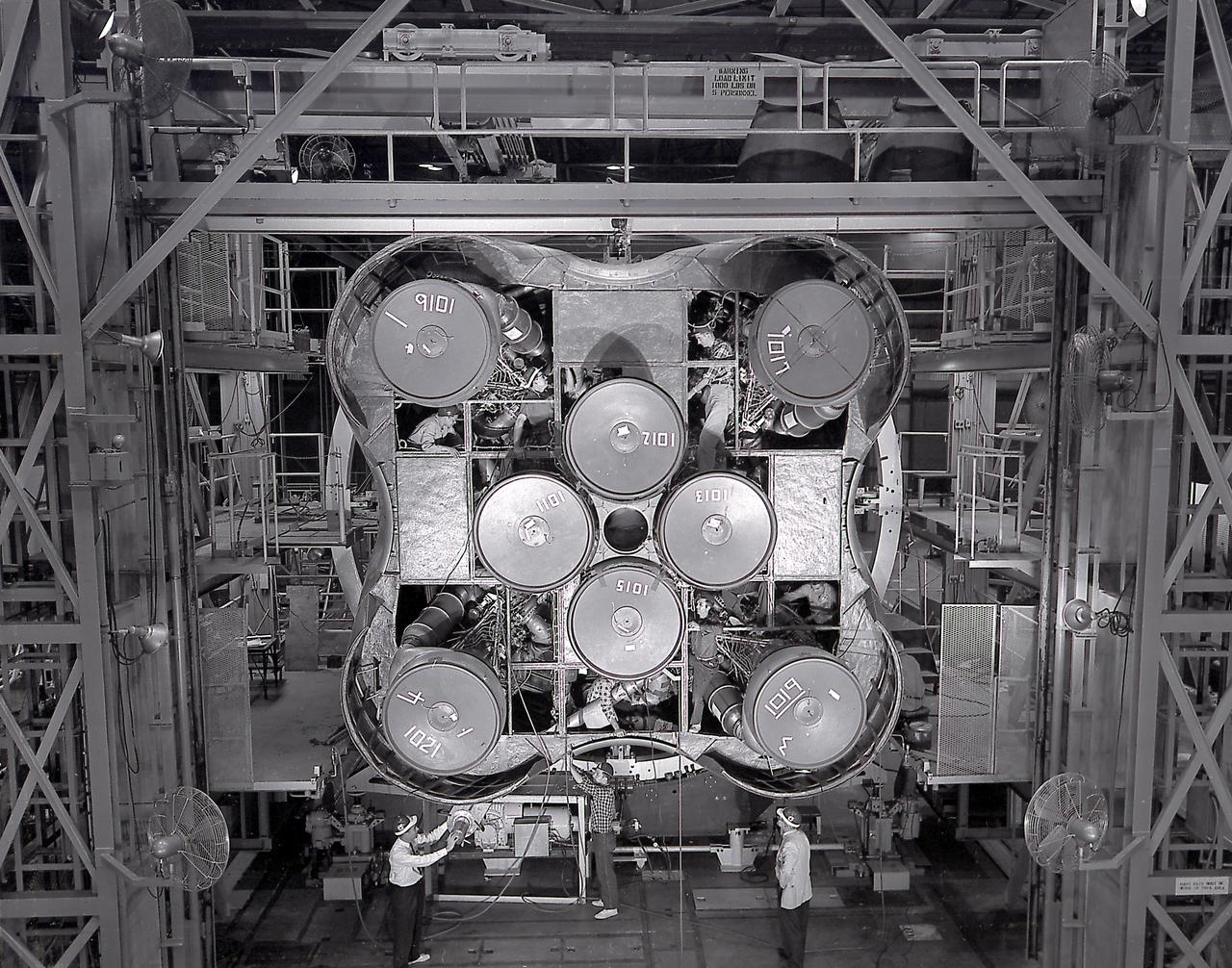
The Saturn I S-I stage with eight H-1 engines, located in Marshall Space Flight Center building 4705, showing the positioning of eight H-1 engines. The Saturn I S-I stage had eight H-1 engines clustered, using liquid oxygen/kerosene-1 (LOX/RP-1) propellants capable of producing a total of 1,500,000 pounds of thrust.
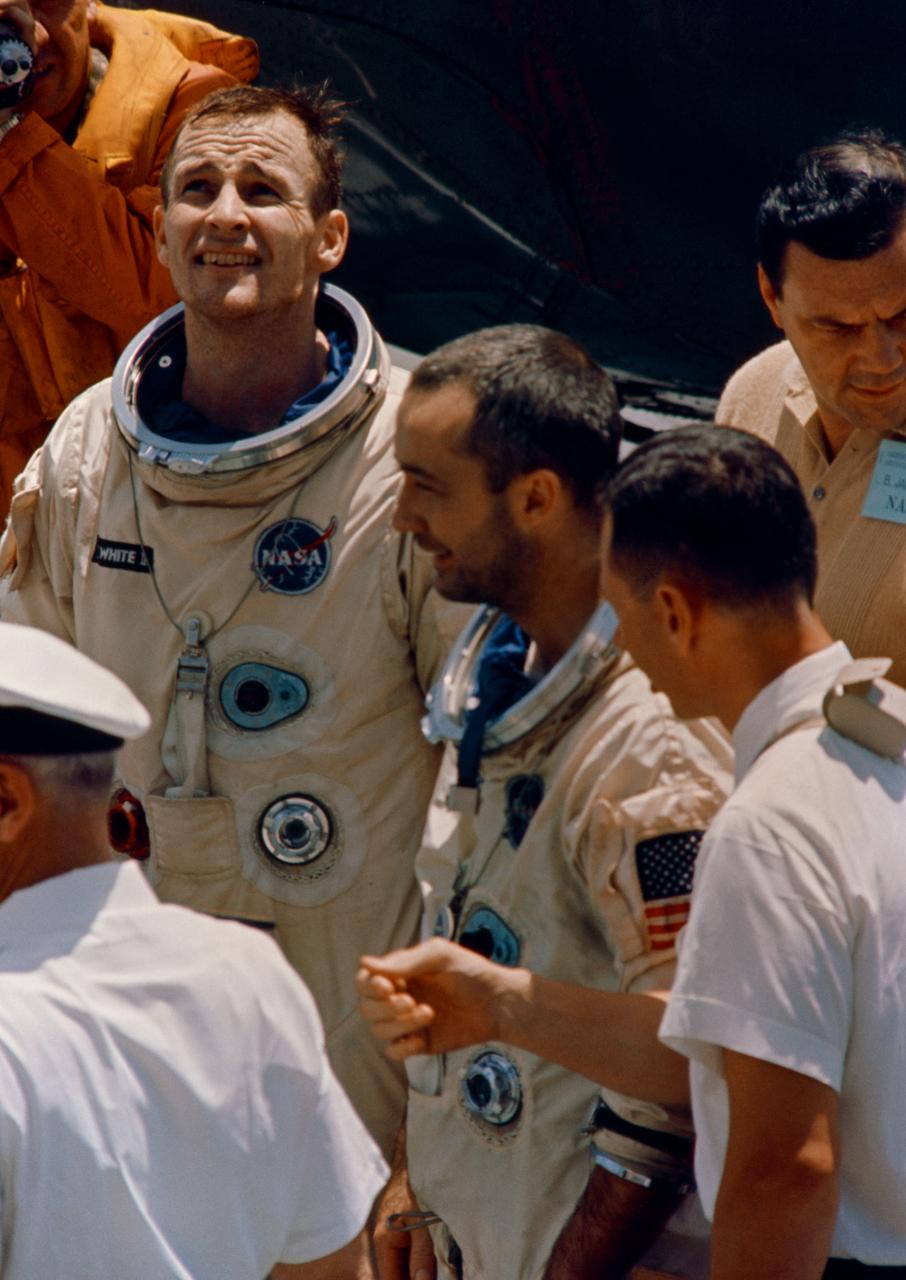
S65-32993 (7 June 1965) --- Astronauts James A. McDivitt (left), Gemini-Titan 4 command pilot; and Edward H. White II, pilot, are seen talking to personnel on the recovery ship USS Wasp.
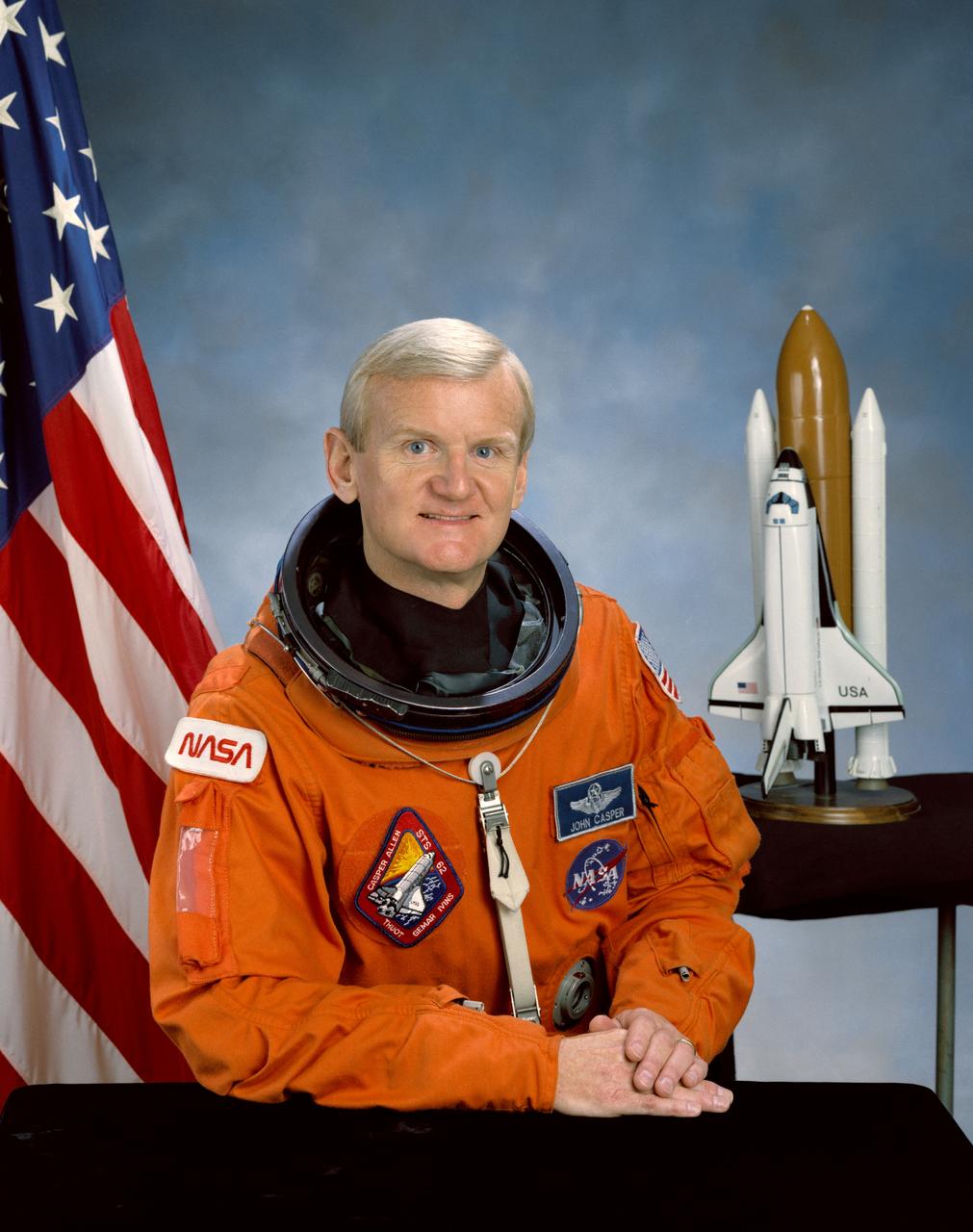
S94-25739 (16 Dec. 1989) --- Astronaut John H. Casper. Photo credit: NASA
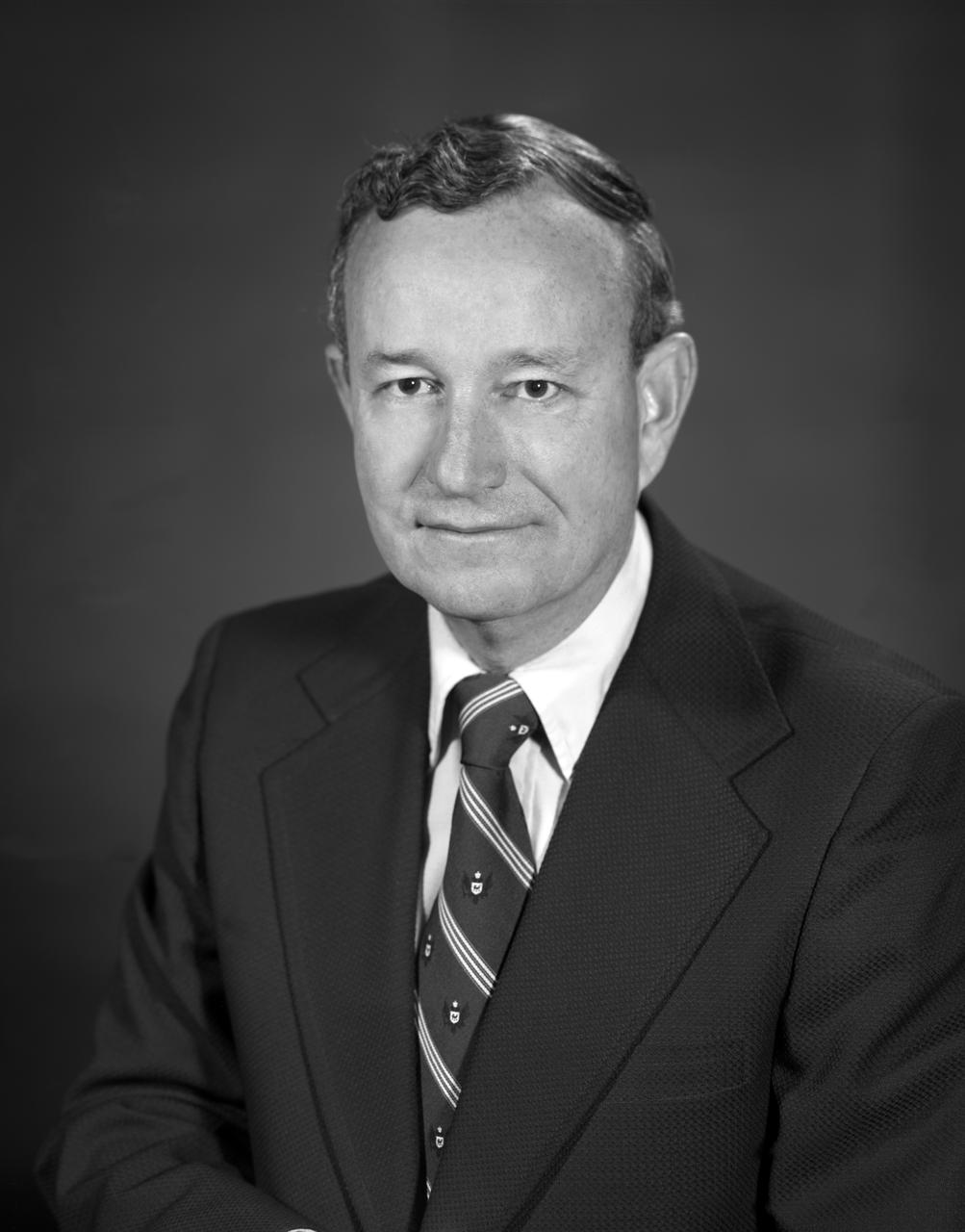
Portrait of Dr. William H. Michael, Jr.

S71-52272 (1971) --- Astronaut Joe H. Engle
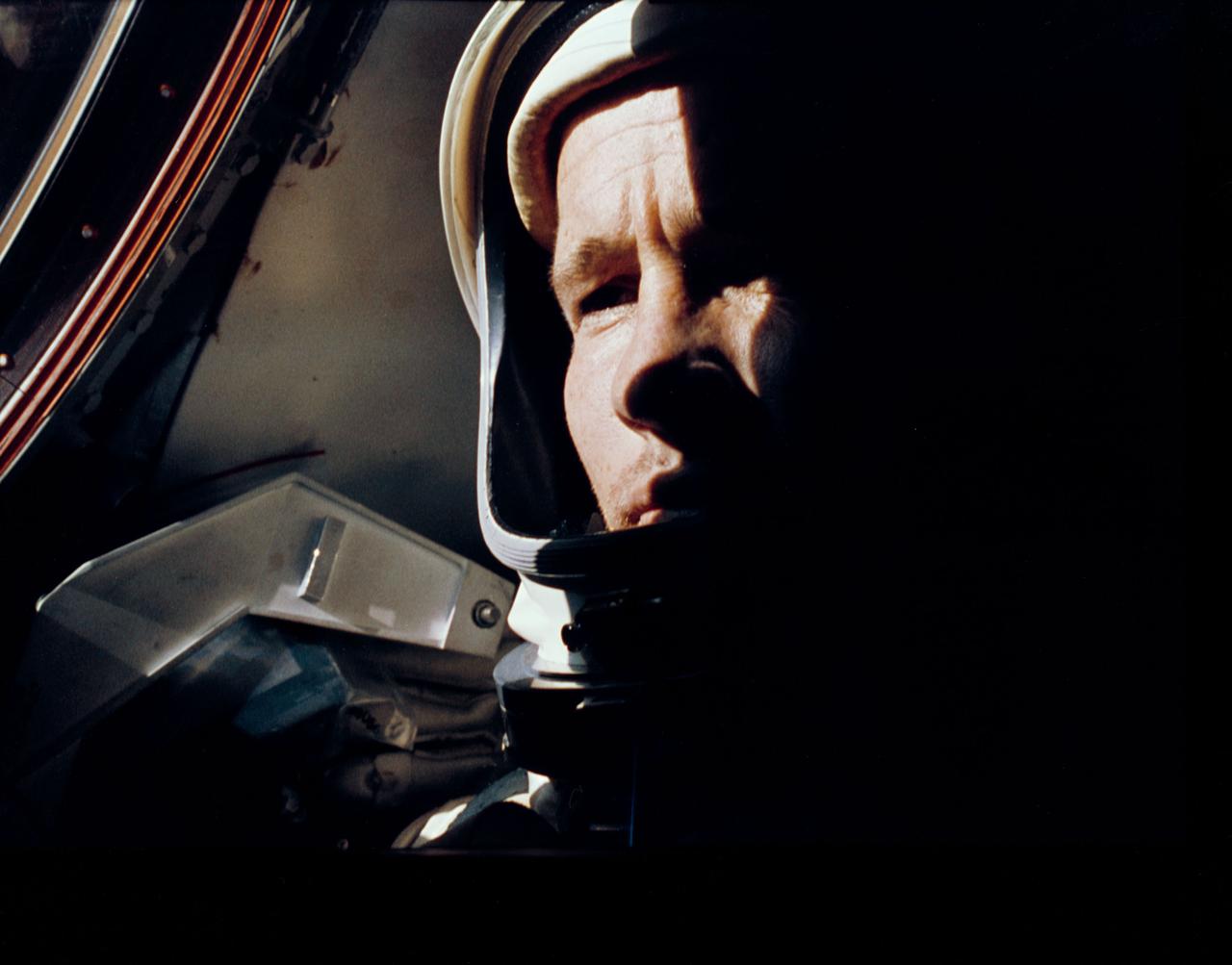
S65-30548 (3-7 June 1965) --- Astronaut Edward H. White II, Gemini IV pilot, is photographed onboard the Gemini-Titan 4 spacecraft during the four-day Earth-orbital mission. Photo credit: NASA
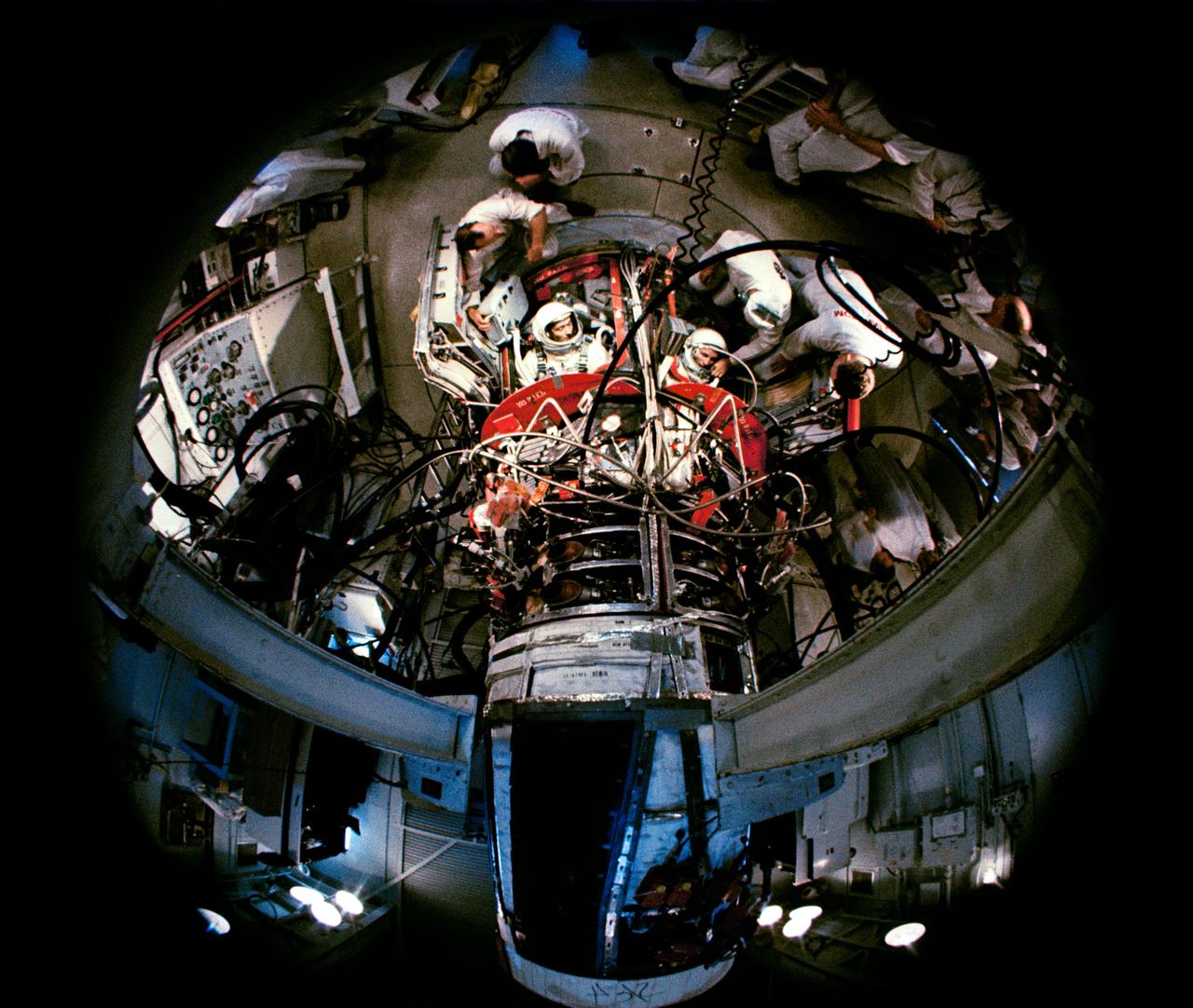
S65-29650 (3 June 1965) --- Fisheye view of astronauts James A. McDivitt and Edward H. White II inside the Gemini-4 spacecraft during simulated exercises at pad 19, Cape Kennedy, Florida. NASA Headquarters alternative photo number is 65-H-274.

S86-26417 (Feb. 1986) --- Astronaut Joe H. Engle.
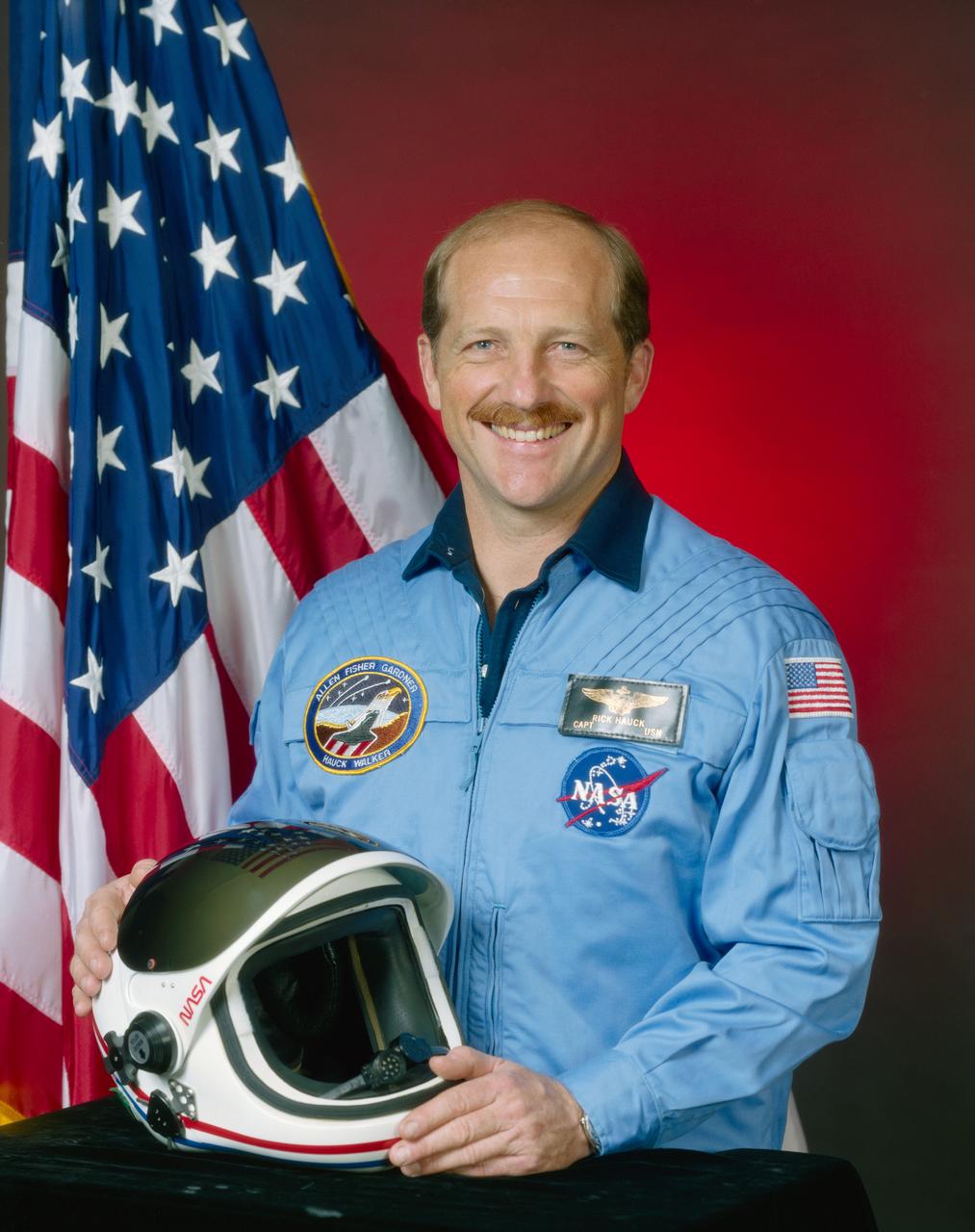
S85-36058 (1985) --- Astronaut Frederick H. "Rick" Hauck
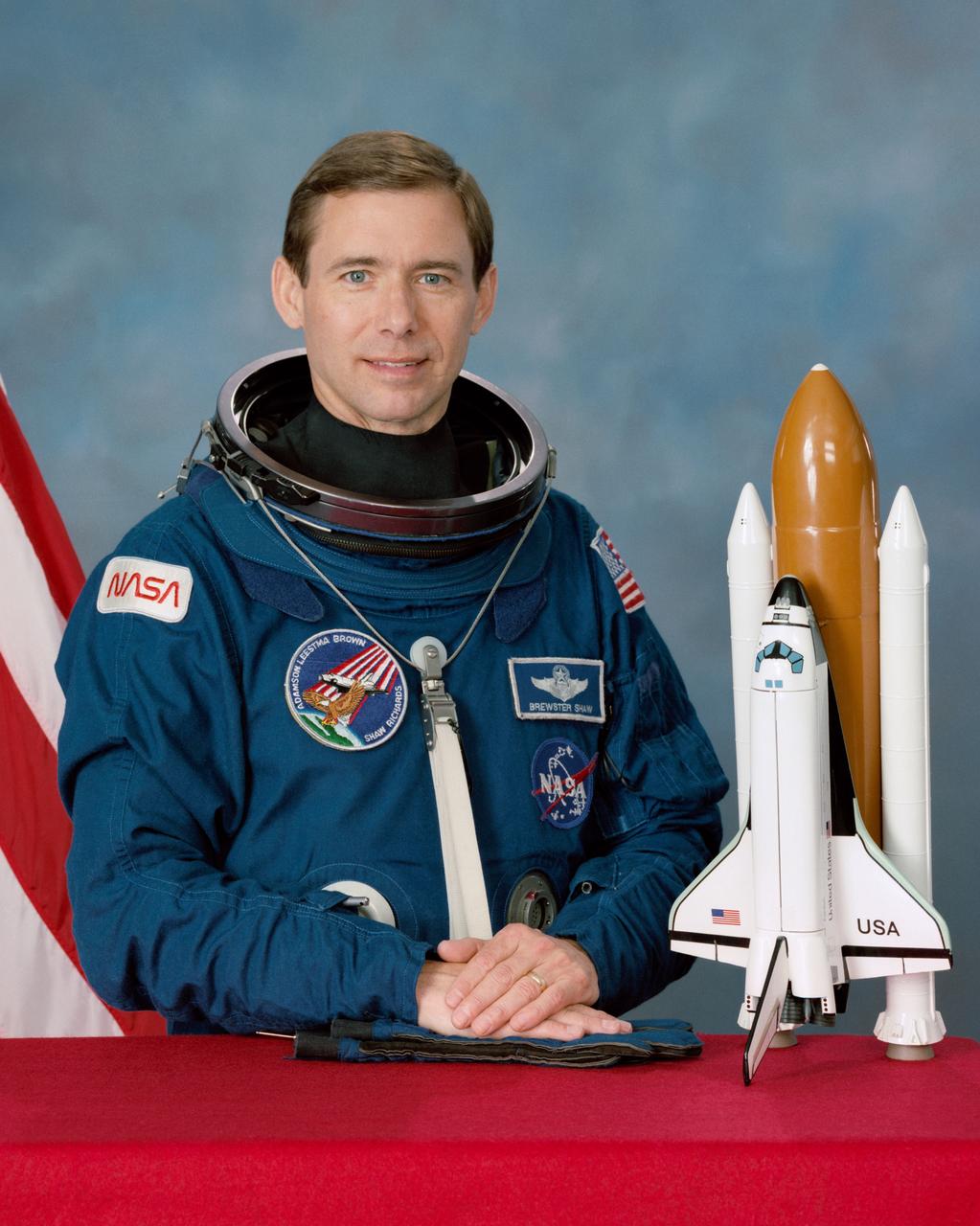
S89-29371 (19 March 1989) --- Astronaut Brewster H. Shaw, Jr.
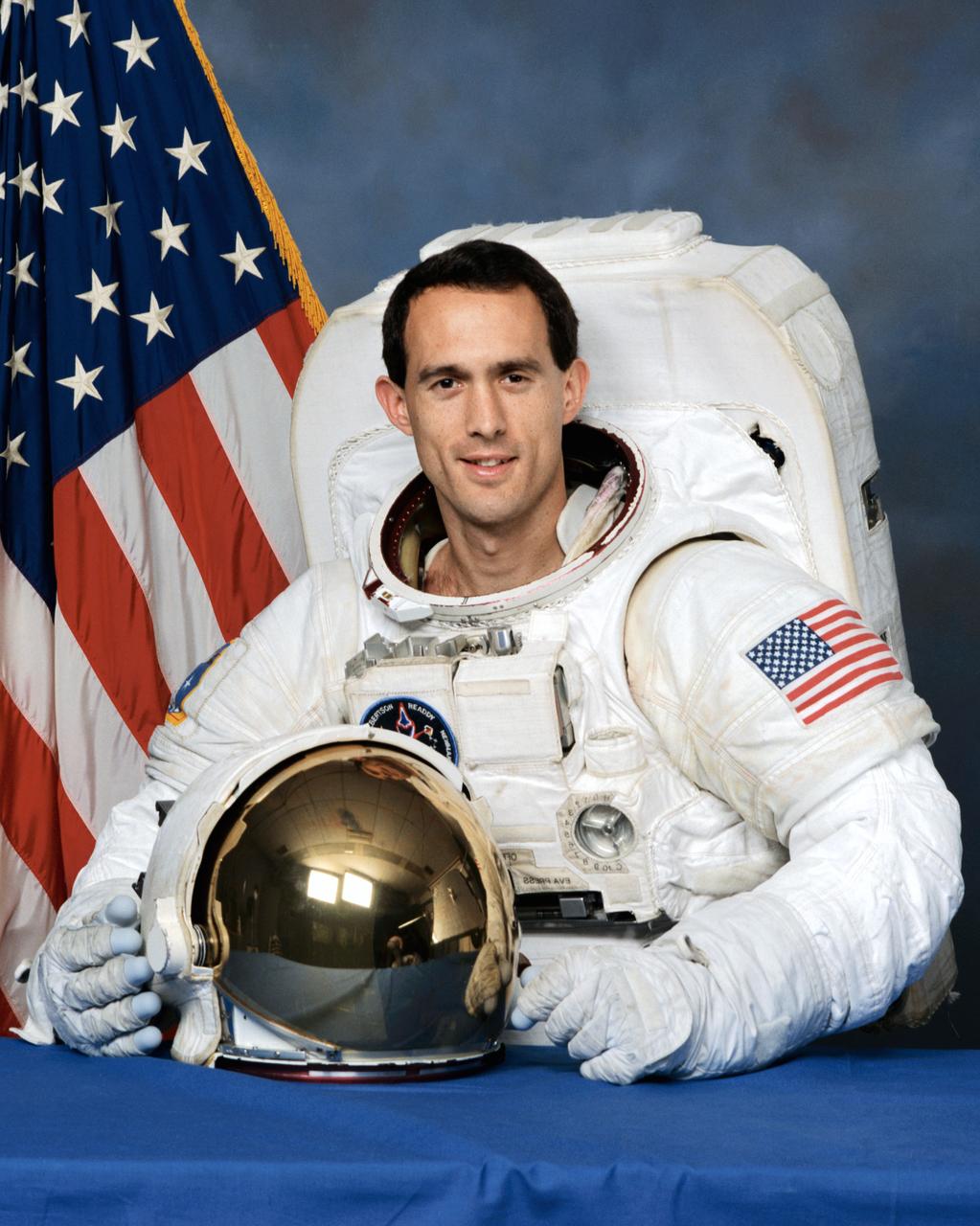
S95-14660 (July 1995) --- Astronaut James H. Newman, mission specialist.
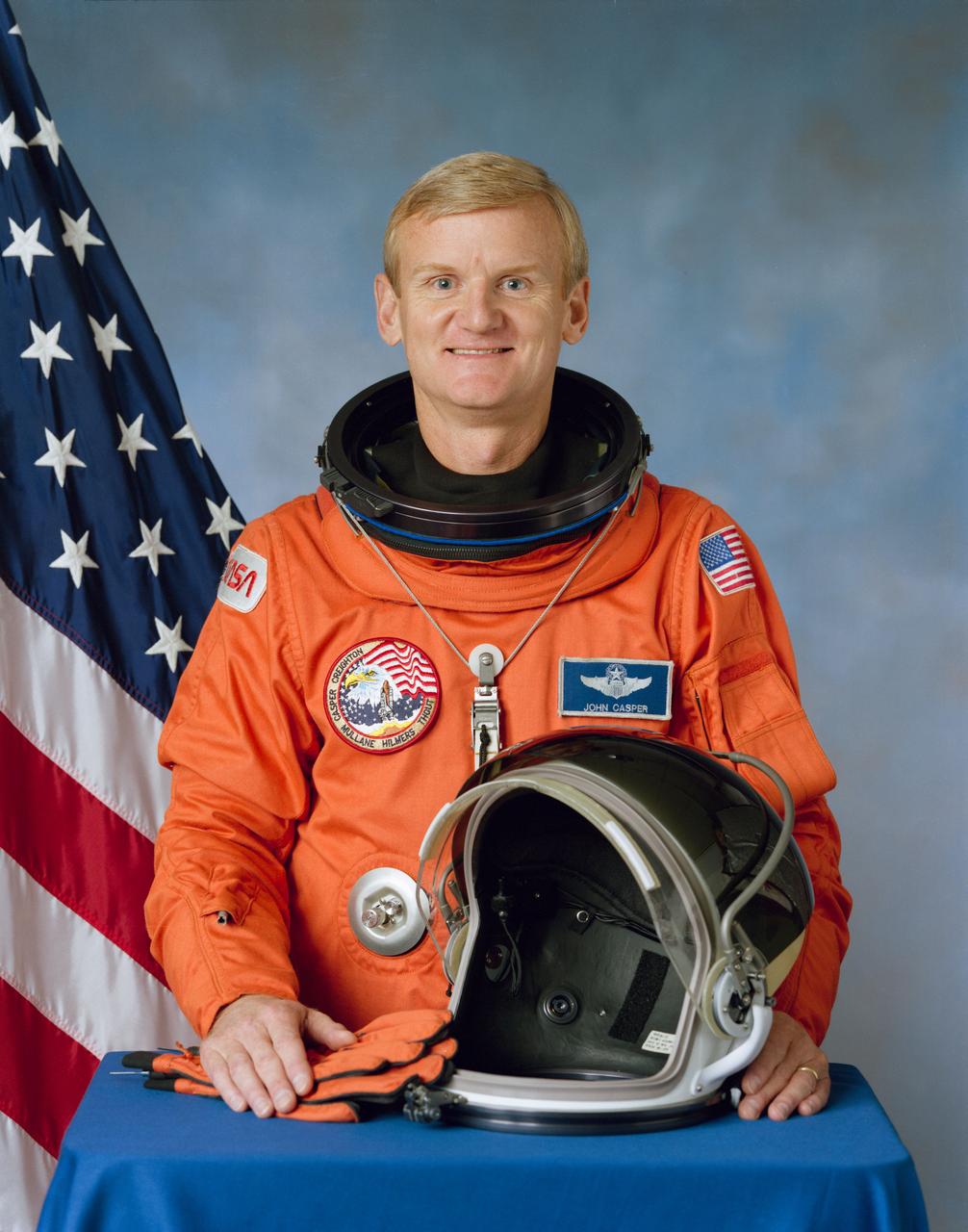
S89-51923 (16 Dec 1989) --- Astronaut John H. Casper.
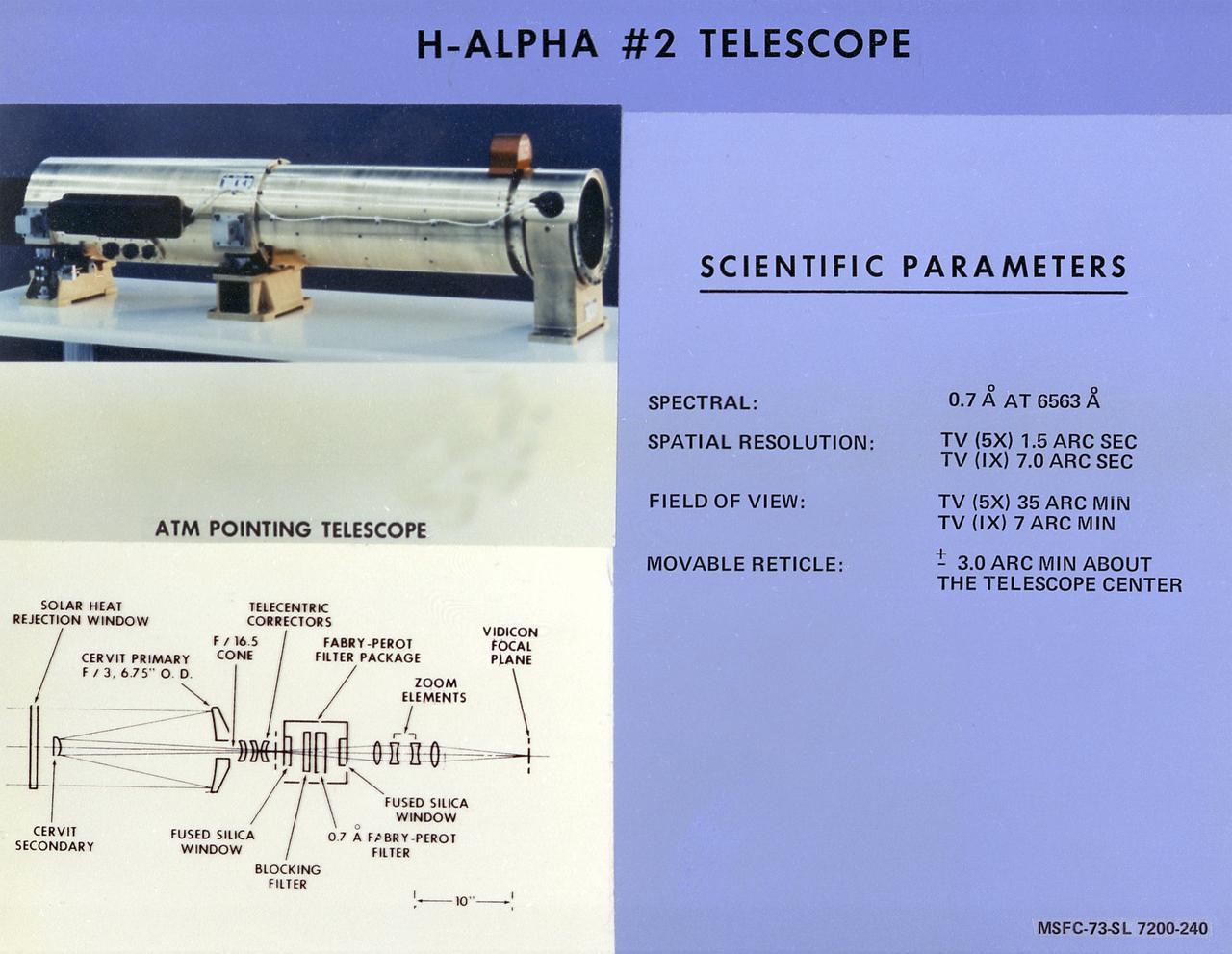
This chart describes the Hydrogen-Alpha (H-Alpha) #2 Telescope, one of eight major solar study facilities on the Skylab Apollo Telescope Mount (ATM). There were two H-Alpha telescopes on the ATM that were used primarily to point the ATM and keep a continuous photographic record during solar observation periods. Both telescopes gave the Skylab astronauts a real-time picture of the Sun in the red light of the H-Alpha spectrum through a closed-circuit television. The H-Alpha #1 telescope provided simultaneous photographic and ultraviolet (UV) pictures, while the #2 telescope operated only in the TV mode. The Marshall Space Flight Center was responsible for development of the H-Alpha Telescopes.
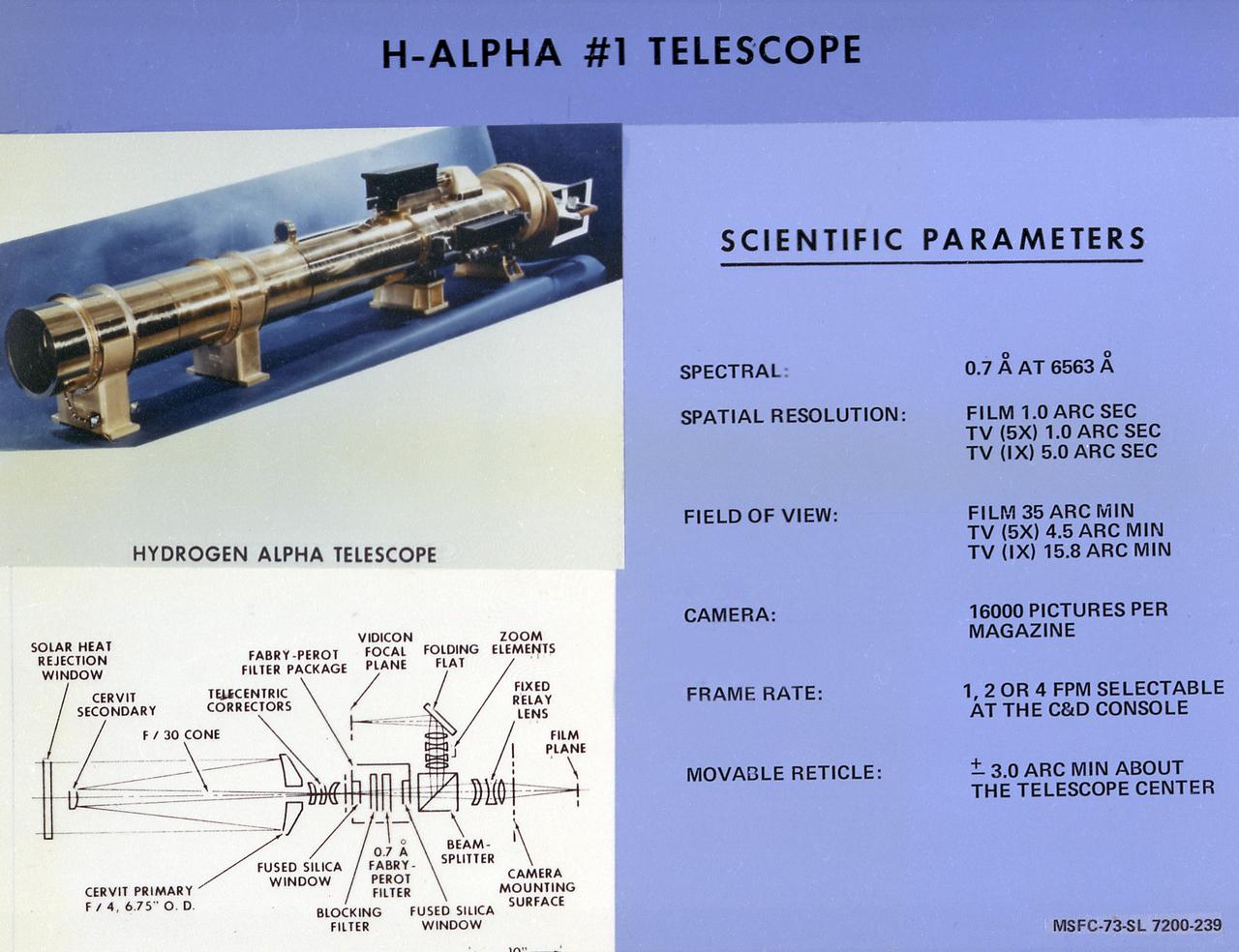
This chart describes the Hydrogen-Alpha (H-Alpha) #1 Telescope, one of eight major solar study facilities on the Skylab Apollo Telescope Mount (ATM). There were two H-Alpha telescopes on the ATM that were used primarily to point the ATM and keep a continuous photographic record during the solar observation periods. Both telescopes gave the Skylab astronauts a real-time picture of the Sun in the red light of the H-Alpha spectrum through a closed-circuit television. The H-Alpha #1 Telescope provided simultaneous photographic and ultraviolet (UV) pictures, while the #2 Telescope operated only in the TV mode. The Marshall Space Flight Center was responsible for development of the H-Alpha Telescopes.

S64-31631 (10 Sept. 1964) --- Astronaut Edward H. White II. (EDITOR'S NOTE: Astronaut White died in the Apollo/Saturn 204 fire accident at Cape Kennedy on Jan. 27, 1967.)
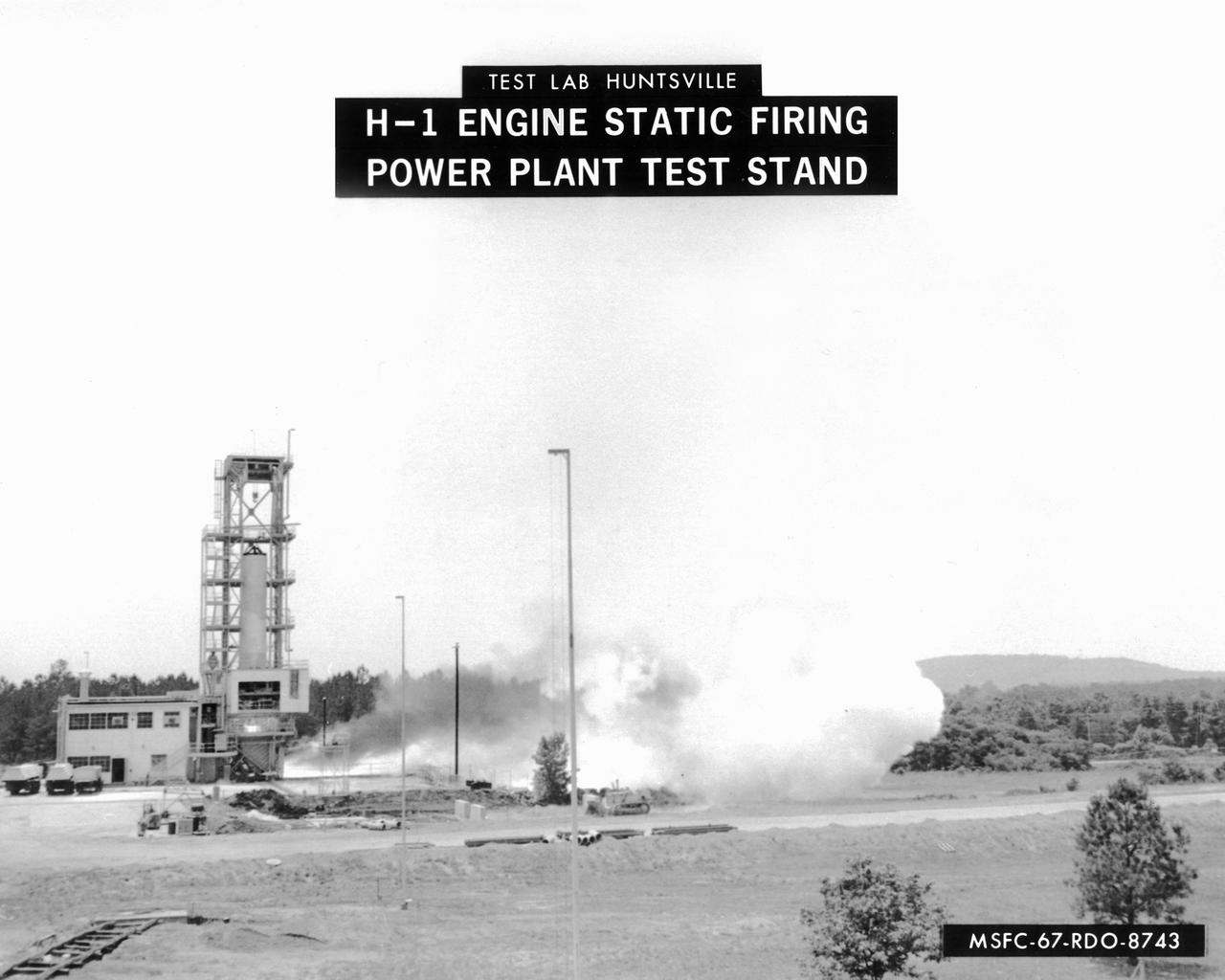
This image depicts a firing of a single H-1 engine at the Marshall Space Flight Center’s (MSFC’s) Power Plant test stand. This 1950s test stand, inherited from the Army, was used to test fire engines until the Test Area was completed in the latter 1960s. The H-1 engine was the workhorse of the first Saturn launch vehicles and used in the Saturn I, Block 1 and II, and in the Saturn IB. The eight H-1 engines were attached to a thrust frame on the vehicle’s aft end in two different ways. Four engines are rigidly attached to the inboard position and canted at a three degree angle to the long axis of the booster. The other four engines, mounted in the outboard position, are canted at six degrees.
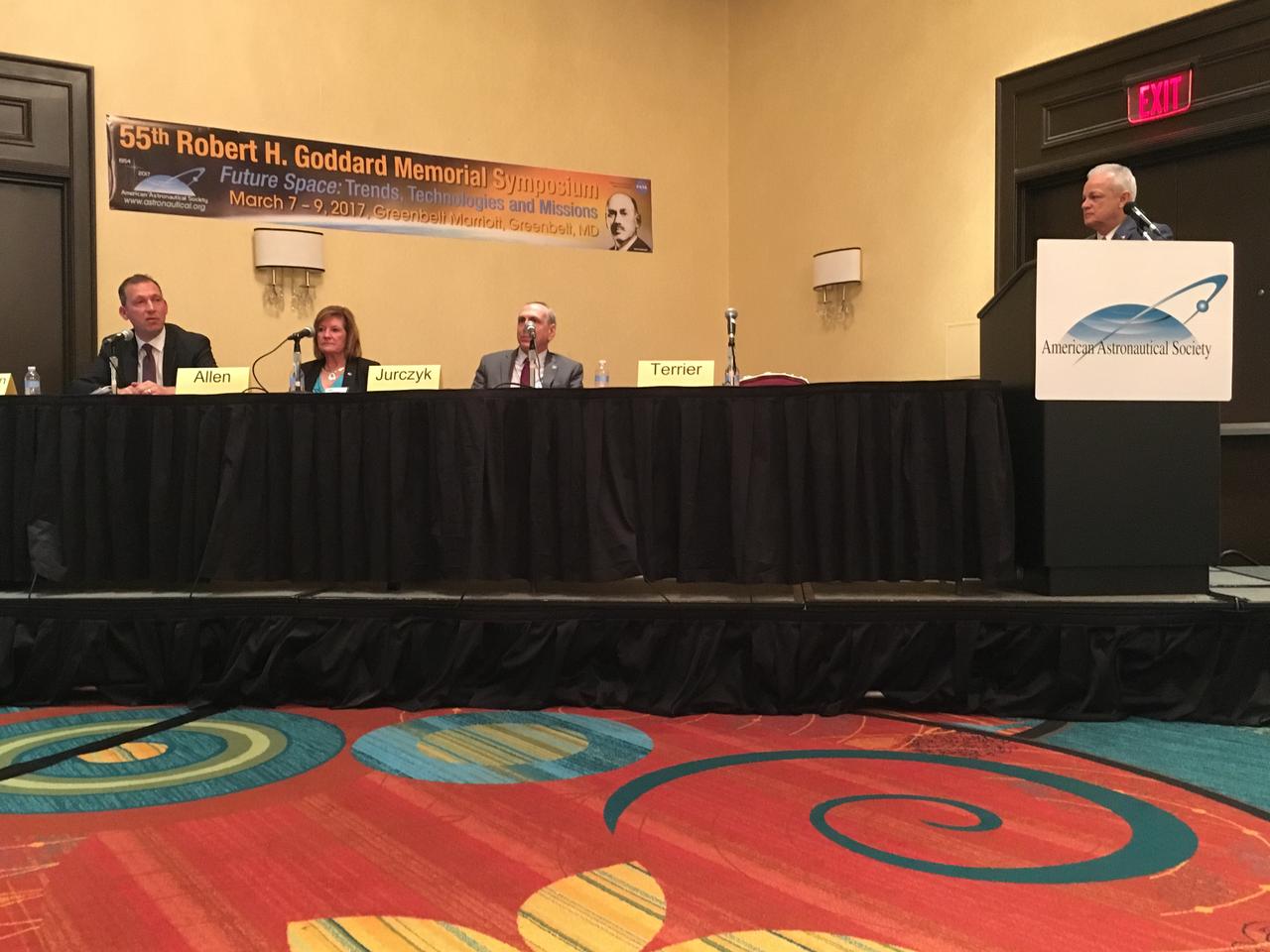
NASA Chief Technologist Douglas Terrier moderated the discussion “NASA Leadership in the Future of Science and Technology" during the AAS 55th Robert H. Goddard Memorial Symposium on March 8, 2017. Terrier was joined by Associate Administrator for Space Technology Steve Jurczyk, Chief Scientist Gale Allen and Associate Administrator for Science Thomas Zurbuchen.
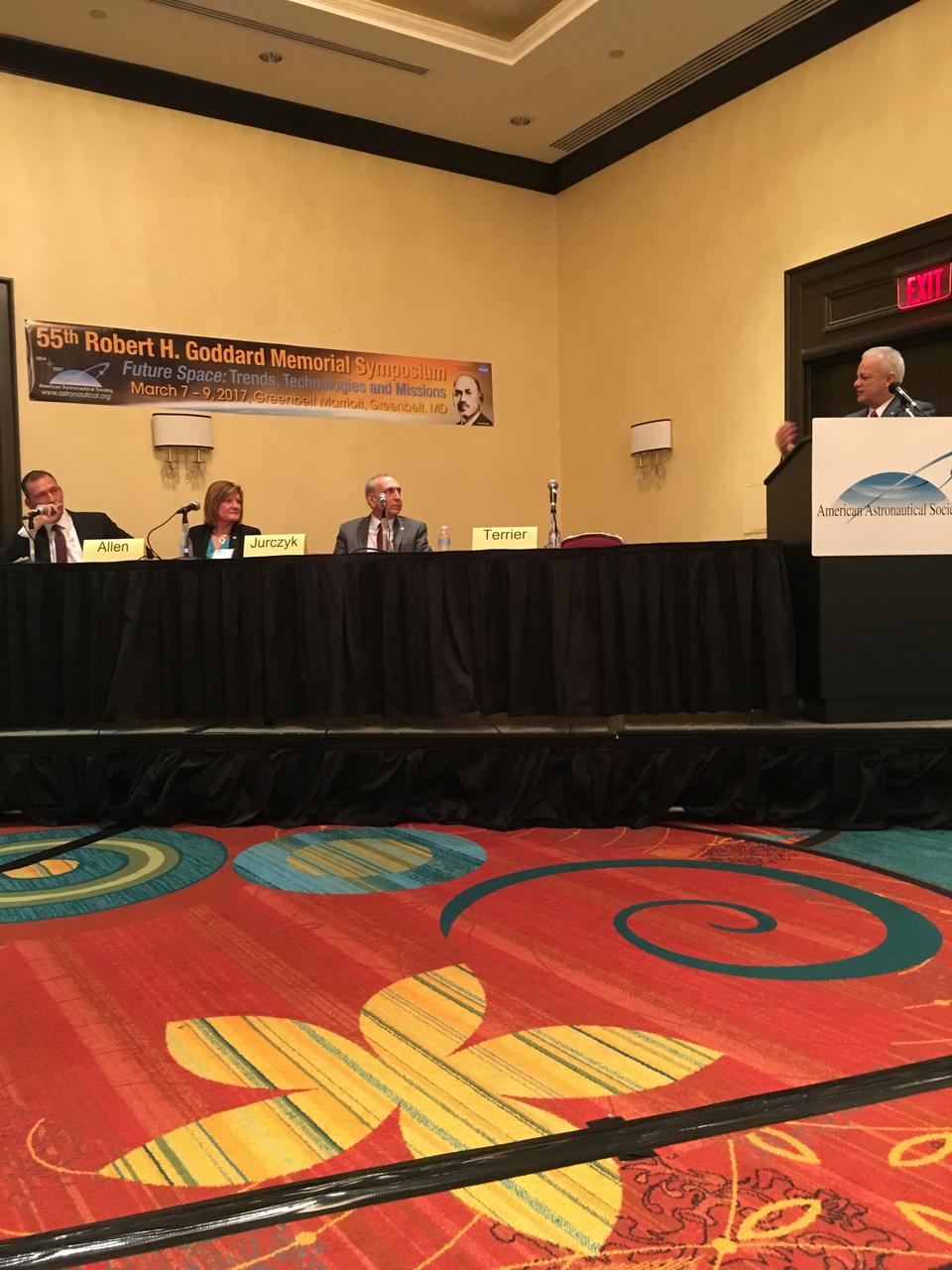
NASA Chief Technologist Douglas Terrier moderated the discussion “NASA Leadership in the Future of Science and Technology" during the AAS 55th Robert H. Goddard Memorial Symposium on March 8, 2017. Terrier was joined by Associate Administrator for Space Technology Steve Jurczyk, Chief Scientist Gale Allen and Associate Administrator for Science Thomas Zurbuchen.
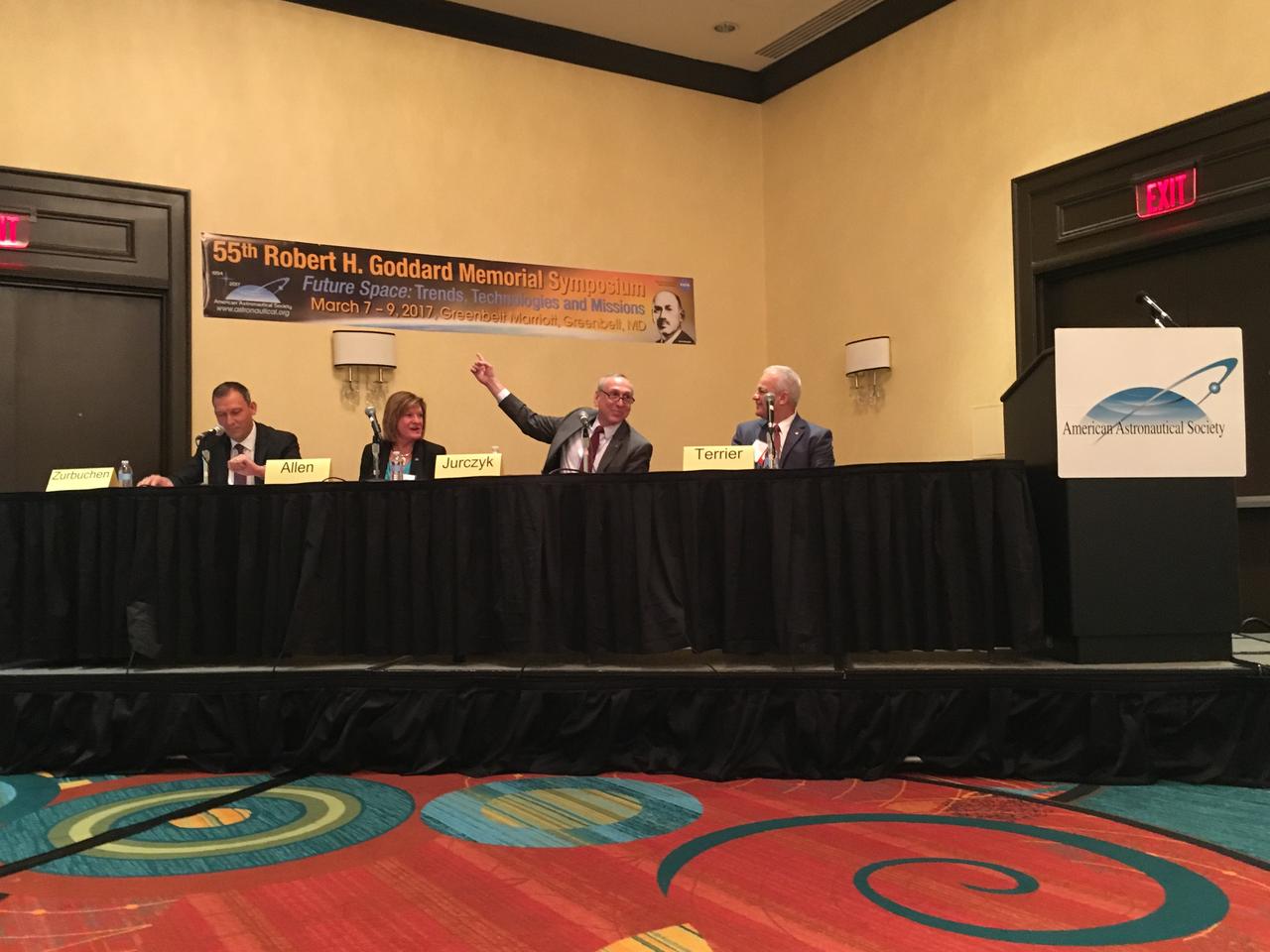
NASA Chief Technologist Douglas Terrier moderated the discussion “NASA Leadership in the Future of Science and Technology" during the AAS 55th Robert H. Goddard Memorial Symposium on March 8, 2017. Terrier was joined by Associate Administrator for Space Technology Steve Jurczyk, Chief Scientist Gale Allen and Associate Administrator for Science Thomas Zurbuchen.
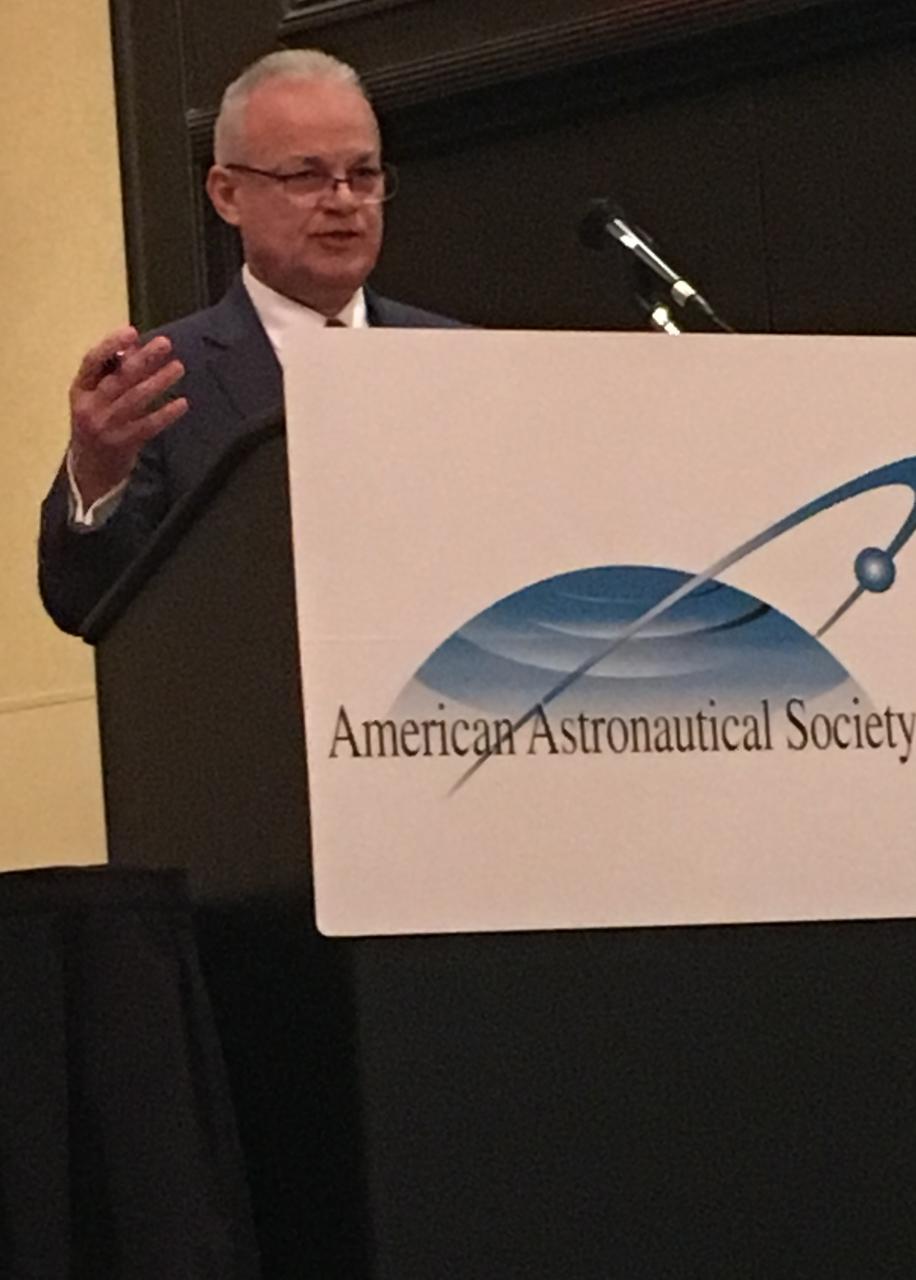
NASA Chief Technologist Douglas Terrier moderated the discussion “NASA Leadership in the Future of Science and Technology" during the AAS 55th Robert H. Goddard Memorial Symposium on March 8, 2017. Terrier was joined by Associate Administrator for Space Technology Steve Jurczyk, Chief Scientist Gale Allen and Associate Administrator for Science Thomas Zurbuchen.
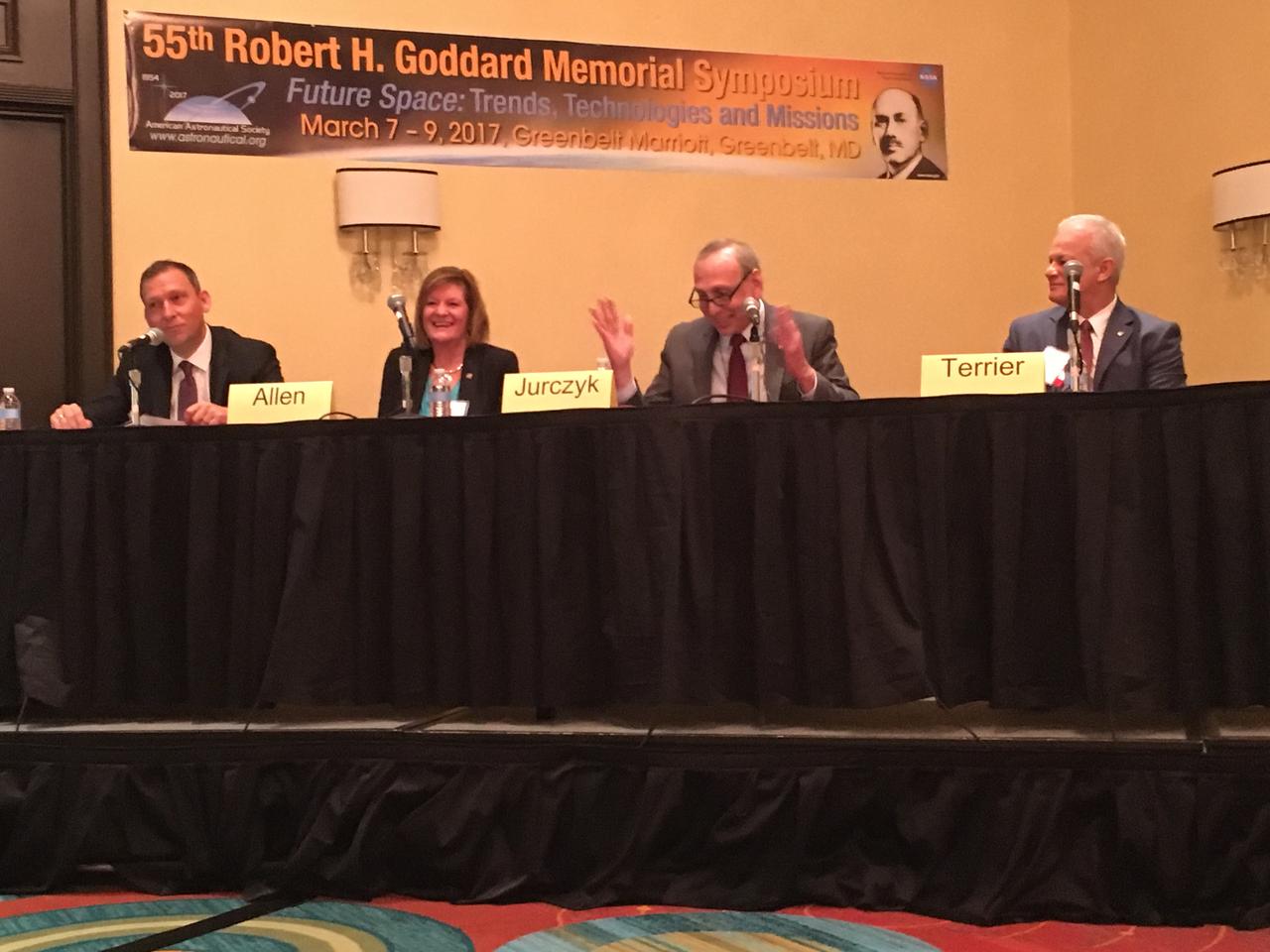
NASA Chief Technologist Douglas Terrier moderated the discussion “NASA Leadership in the Future of Science and Technology" during the AAS 55th Robert H. Goddard Memorial Symposium on March 8, 2017. Terrier was joined by Associate Administrator for Space Technology Steve Jurczyk, Chief Scientist Gale Allen and Associate Administrator for Science Thomas Zurbuchen.
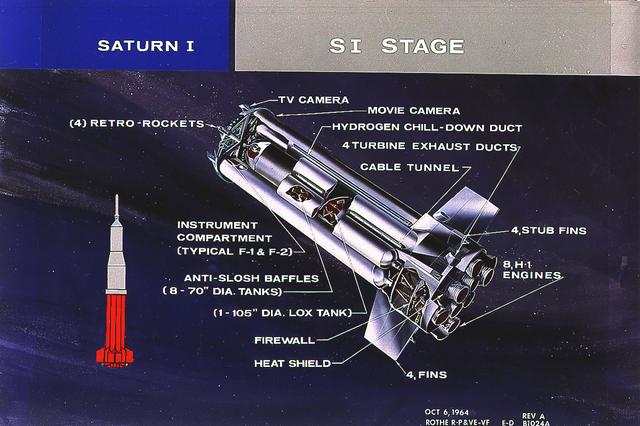
This cutaway illustrates the S-I stage, the first stage of the Saturn I vehicle developed by the Marshall Space Flight Center (MSFC). The stage was propelled by a cluster of eight H-1 engines, capable of producing 1,500,000 pounds of thrust.
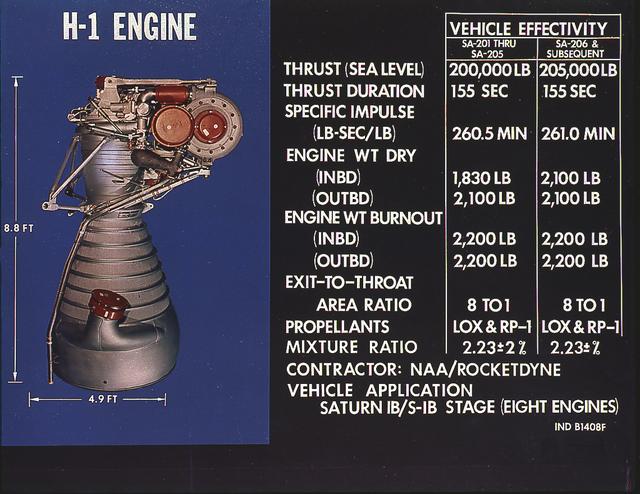
H-1 engine characteristics: The H-1 engine was developed under the management of the Marshall Space Flight Center (MSFC). The cluster of eight H-1 engines was used to power the first stage of the Saturn I (S-I stage) and Saturn IB (S-IVB stage) launch vehicles, and produced 188,00 pounds of thrust, a combined thrust of 1,500,000 pounds, later uprated to 205,000 pounds of thrust and a combined total thrust of 1,650,000 pounds for the Saturn IB program.
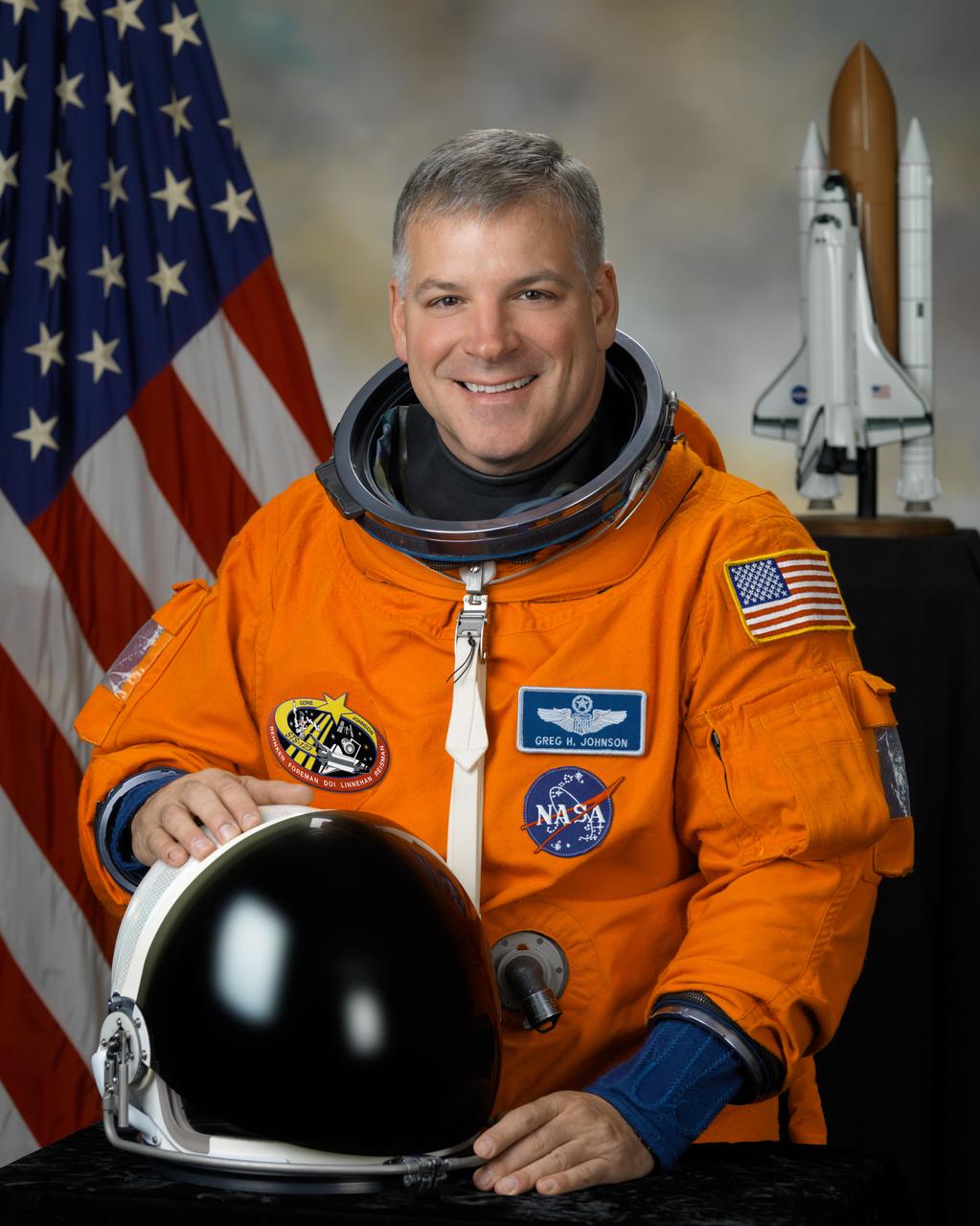
JSC2008-E-000184 (24 Oct. 2007) --- NASA astronaut Gregory H. Johnson, pilot. Photo credit: NASA or National Aeronautics and Space Administration

Portrait photograph, Astronaut Joe H. Engle, selected as official portrait for the STS-2 Mission. JSC, HOUSTON, TX. ( S81-34642 );
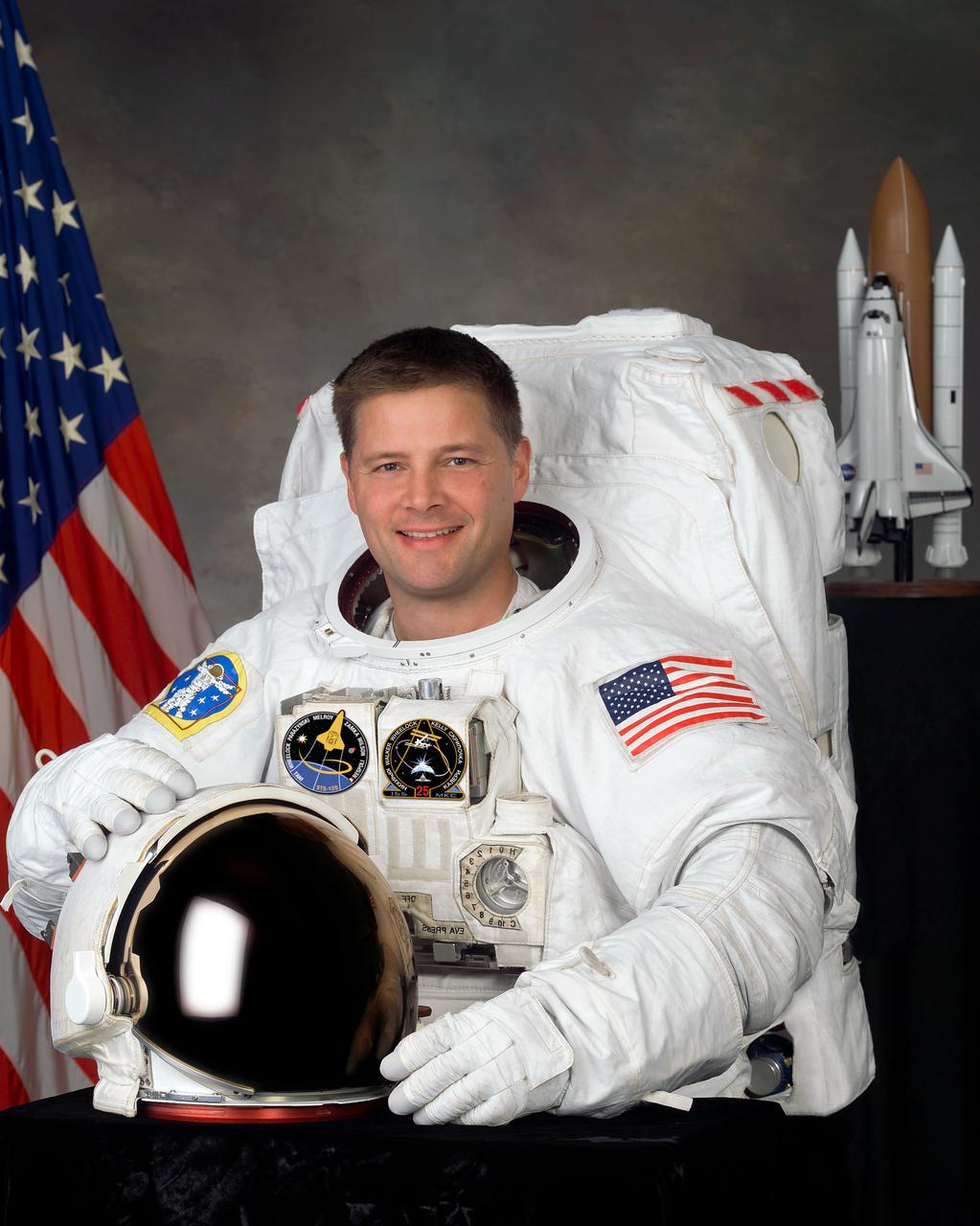
JSC2010-E-132513 (5 Dec. 2006) --- NASA astronaut Douglas H. Wheelock, ISS commander. Photo credit: NASA or National Aeronautics and Space Administration
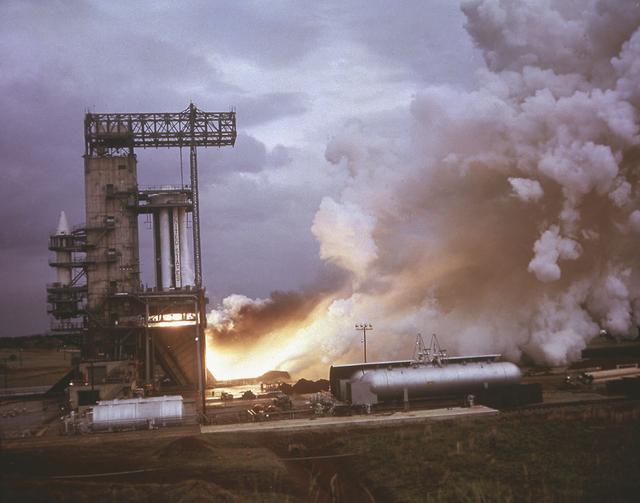
Marshall Space Flight Center (MSFC) was the birthplace of the United States' rocket program. In the early 1960s, most of the rocket development and testing were done at the MSFC. Pictured is an example of what the test engineers would have seen from the pillbox as eight H-1 engines for the first stage of the Saturn I rocket were test fired.
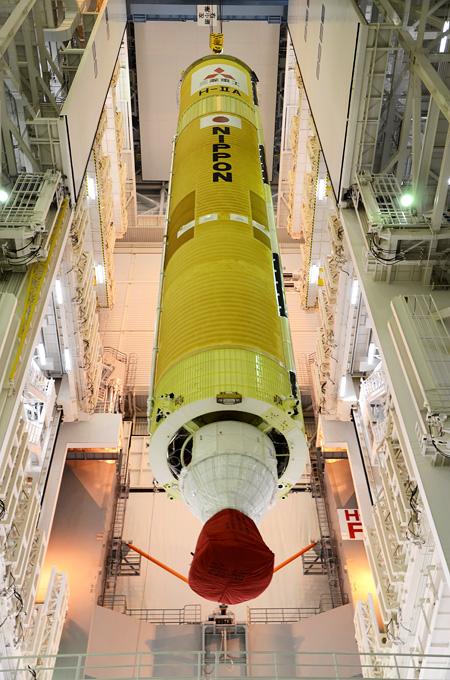
GPM's launch vehicle, the H-IIA No.23, first stage VOS (Vehicle On Stand). GPM is a joint mission between NASA and the Japan Aerospace Exploration Agency (JAXA). The Core Observatory will link data from a constellation of current and planned satellites to produce next-generation global measurements of rainfall and snowfall from space. The GPM mission is the first coordinated international satellite network to provide near real-time observations of rain and snow every three hours anywhere on the globe. The GPM Core Observatory anchors this network by providing observations on all types of precipitation. The observatory's data acts as the measuring stick by which partner observations can be combined into a unified data set. The data will be used by scientists to study climate change, freshwater resources, floods and droughts, and hurricane formation and tracking. Credit: Mitsubishi Heavy Industries <b><a href="http://www.nasa.gov/audience/formedia/features/MP_Photo_Guidelines.html" rel="nofollow">NASA image use policy.</a></b> <b><a href="http://www.nasa.gov/centers/goddard/home/index.html" rel="nofollow">NASA Goddard Space Flight Center</a></b> enables NASA’s mission through four scientific endeavors: Earth Science, Heliophysics, Solar System Exploration, and Astrophysics. Goddard plays a leading role in NASA’s accomplishments by contributing compelling scientific knowledge to advance the Agency’s mission. <b>Follow us on <a href="http://twitter.com/NASAGoddardPix" rel="nofollow">Twitter</a></b> <b>Like us on <a href="http://www.facebook.com/pages/Greenbelt-MD/NASA-Goddard/395013845897?ref=tsd" rel="nofollow">Facebook</a></b> <b>Find us on <a href="http://instagram.com/nasagoddard?vm=grid" rel="nofollow">Instagram</a></b>
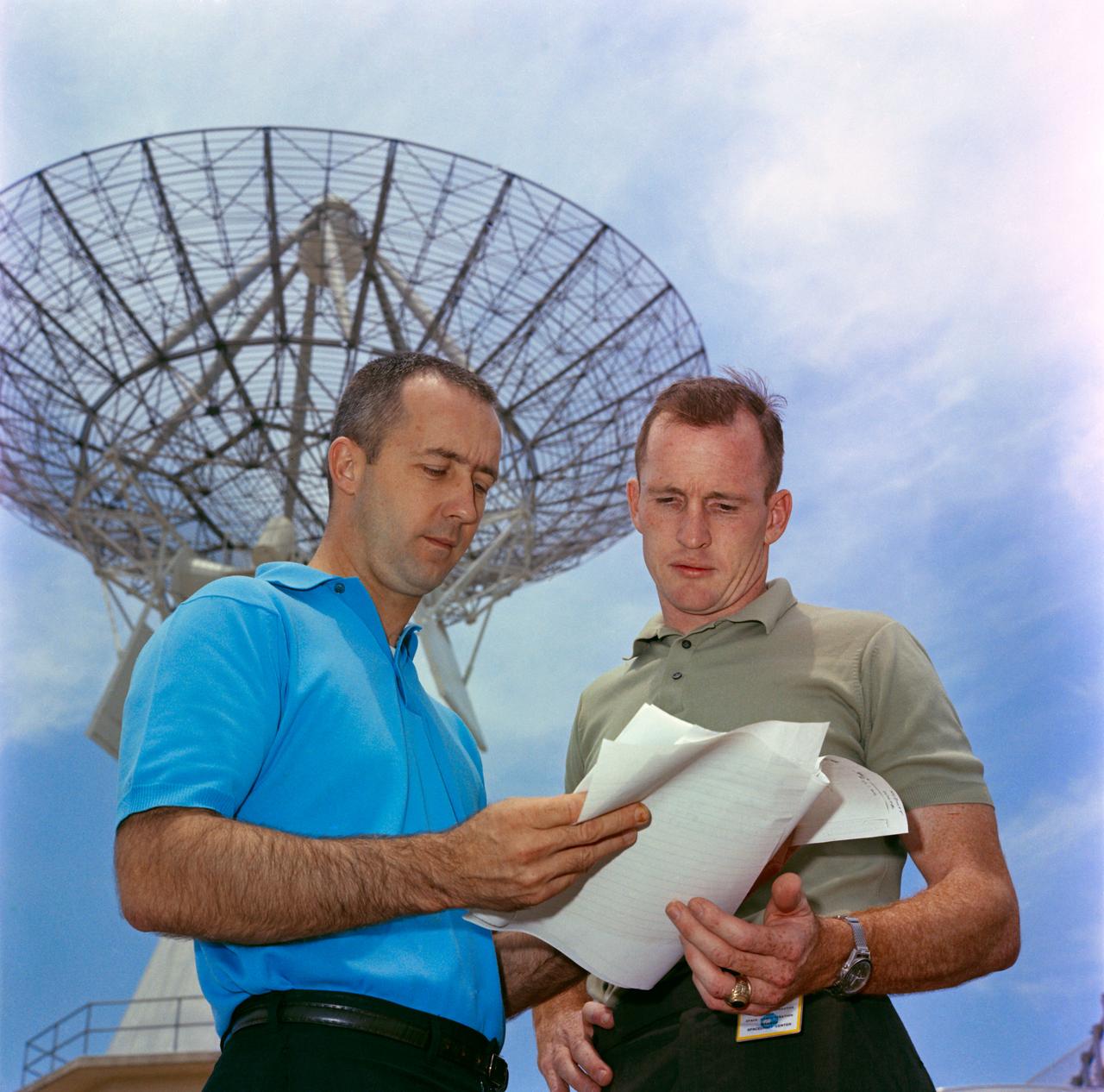
S65-29655 (7 May 1965) --- Astronauts James A. McDivitt (left) and Edward H. White II, Gemini-4 prime crew, are shown looking over training plans at Cape Kennedy during prelaunch preparations. The NASA Headquarters alternative photo number is 65-H-275.