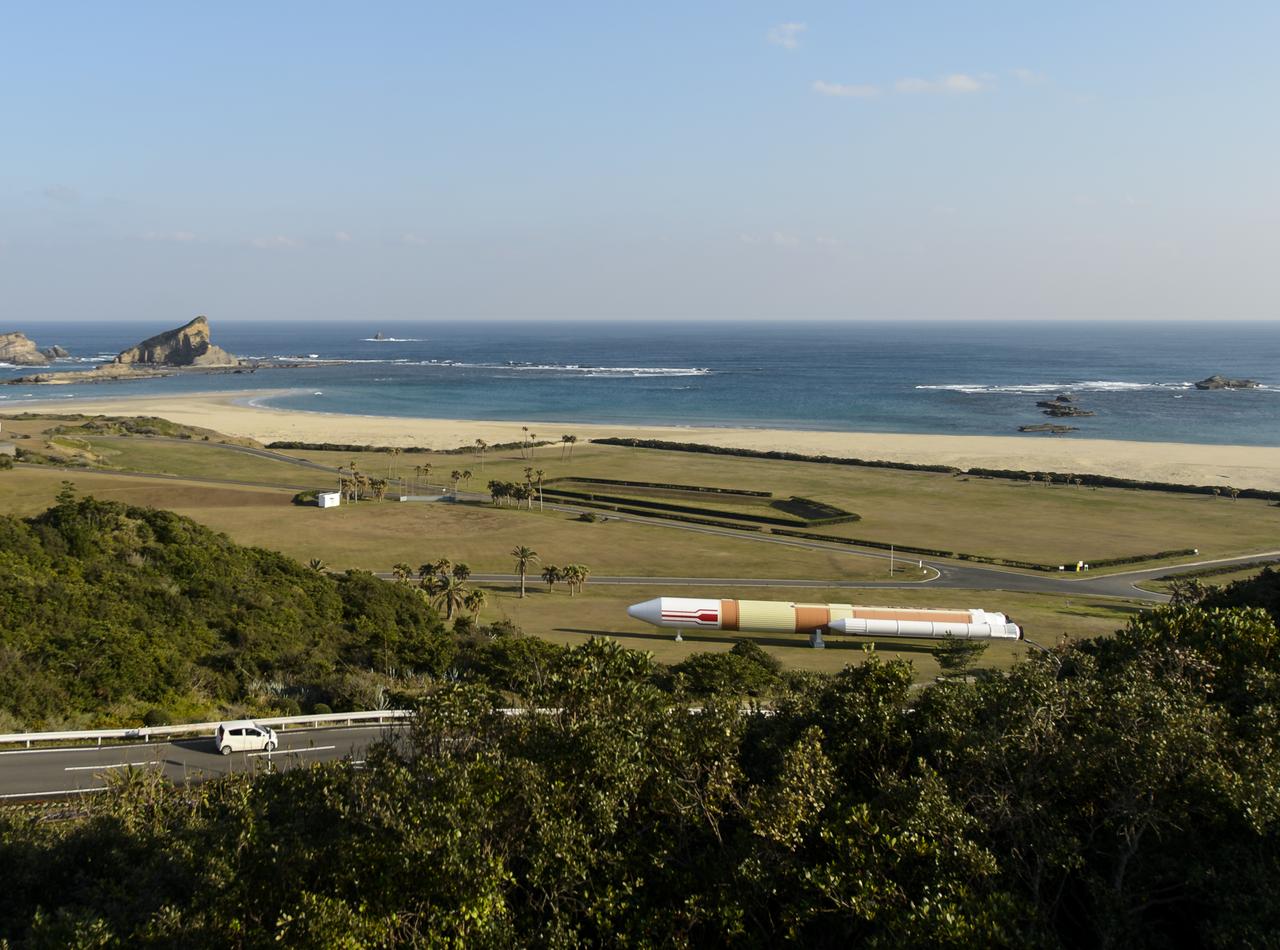
A full size model of an H-II rocket is seen at the Japan Aerospace Exploration Agency’s (JAXA) Tanegashima Space Center (TNSC) visitors center a week ahead of the planned launch of an H-IIA rocket carrying the Global Precipitation Measurement (GPM) Core Observatory, Friday, Feb. 21, 2014, Tanegashima Island, Japan. The NASA-JAXA GPM spacecraft will collect information that unifies data from an international network of existing and future satellites to map global rainfall and snowfall every three hours. Photo Credit: (NASA/Bill Ingalls)
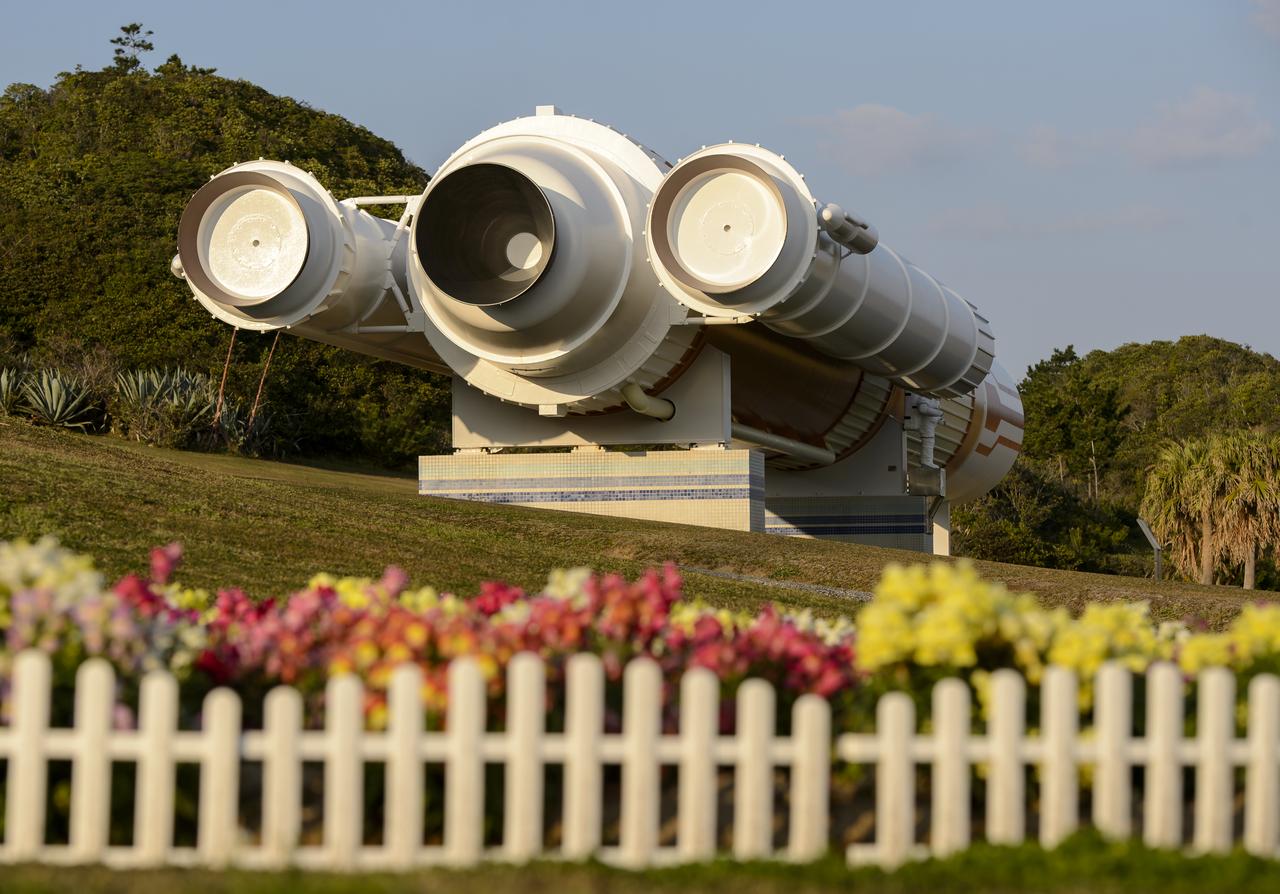
A full size model of an H-II rocket is seen at the Japan Aerospace Exploration Agency’s (JAXA) Tanegashima Space Center (TNSC) visitors center a week ahead of the planned launch of an H-IIA rocket carrying the Global Precipitation Measurement (GPM) Core Observatory, Friday, Feb. 21, 2014, Tanegashima Island, Japan. The NASA-JAXA GPM spacecraft will collect information that unifies data from an international network of existing and future satellites to map global rainfall and snowfall every three hours. Photo Credit: (NASA/Bill Ingalls)
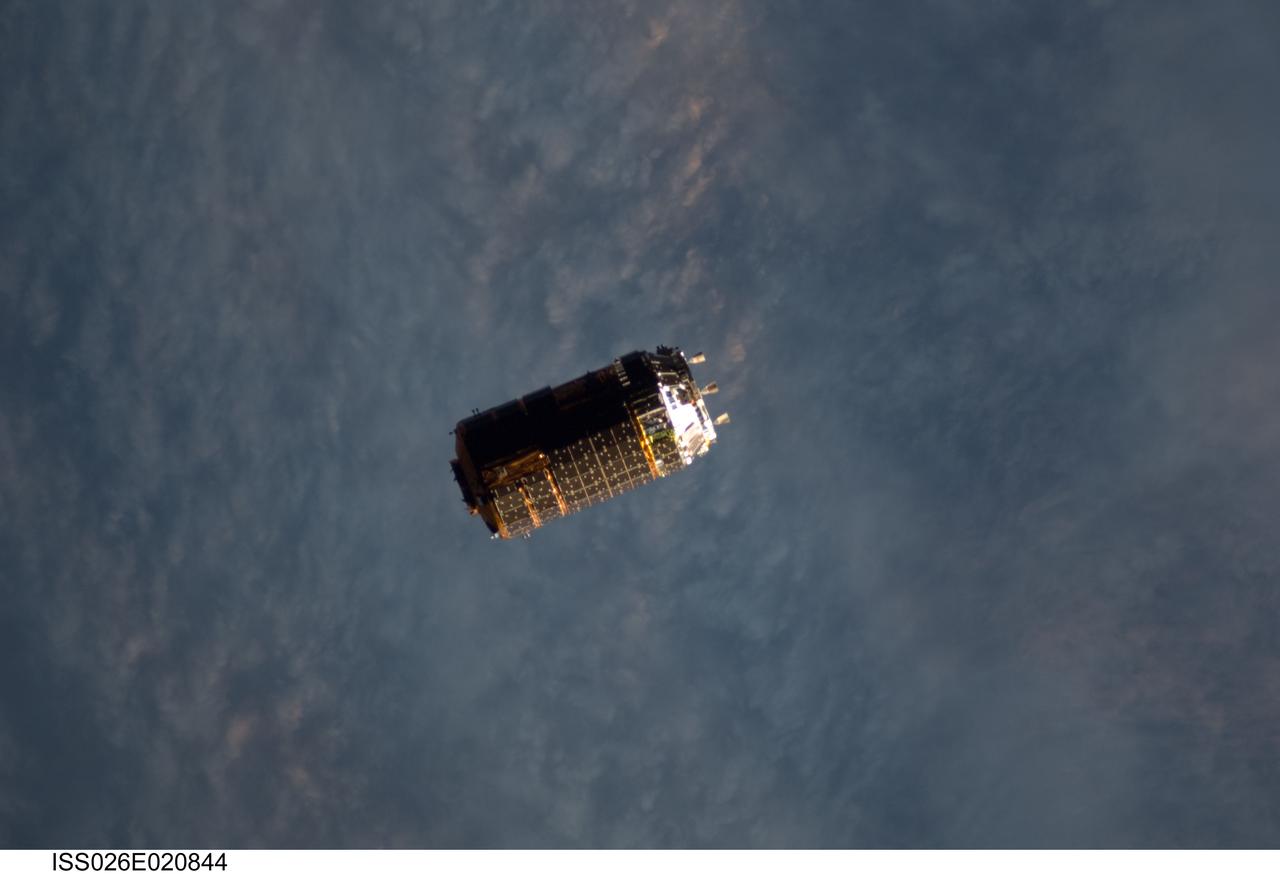
ISS026-E-020844 (27 Jan. 2011) --- The unpiloted Japanese Kounotori2 H-II Transfer Vehicle (HTV2) approaches the International Space Station. The Japan Aerospace Exploration Agency (JAXA) launched HTV2 aboard an H-IIB rocket from the Tanegashima Space Center in southern Japan at 12:37 a.m. (EST) (2:27 p.m. Japan time) on Jan. 22, 2011. HTV2 is the second unpiloted cargo ship launched by JAXA to the station and will deliver more than four tons of food and supplies to the station and its crew members.
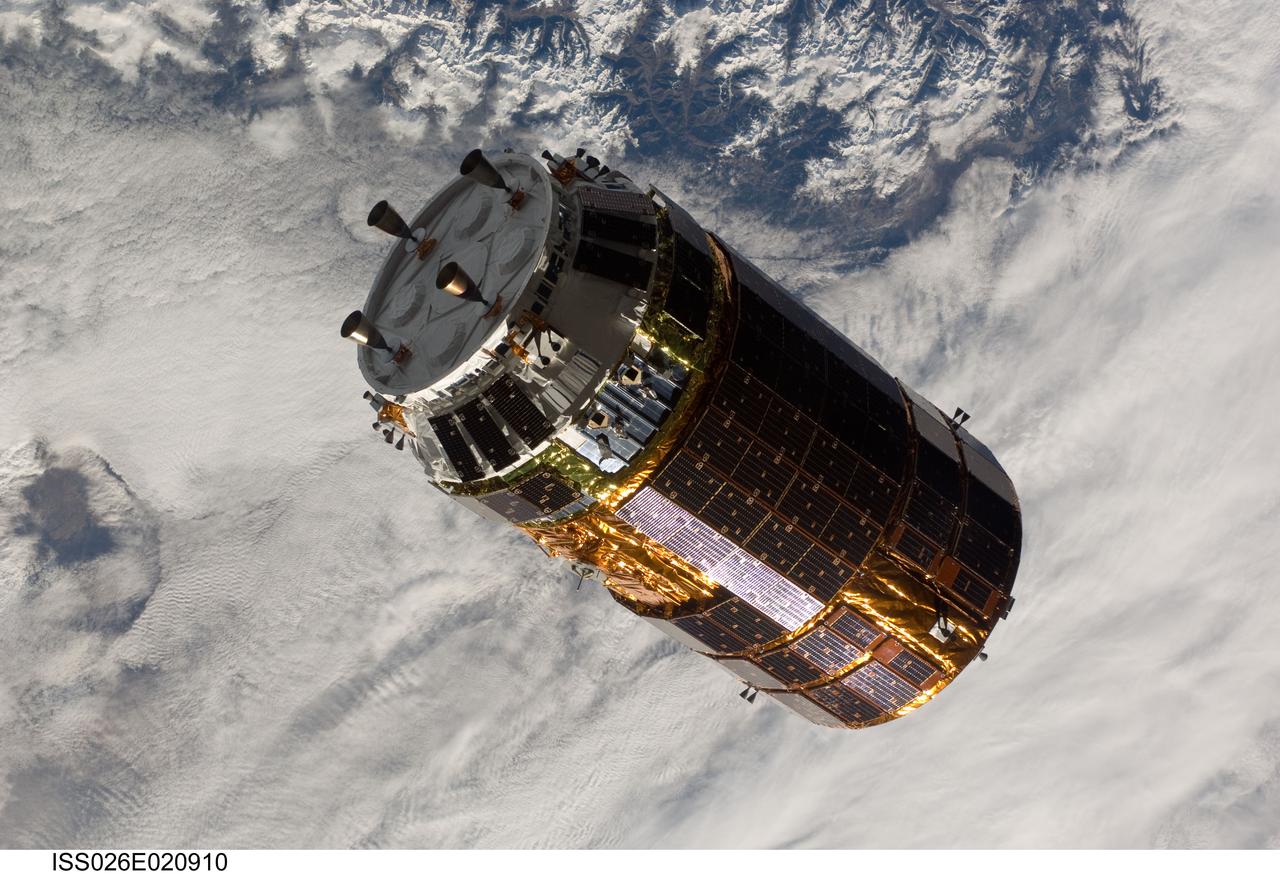
ISS026-E-020910 (27 Jan. 2011) --- Backdropped by a cloud-covered part of Earth, the unpiloted Japanese Kounotori2 H-II Transfer Vehicle (HTV2) approaches the International Space Station. The Japan Aerospace Exploration Agency (JAXA) launched HTV2 aboard an H-IIB rocket from the Tanegashima Space Center in southern Japan at 12:37 a.m. (EST) (2:27 p.m. Japan time) on Jan. 22, 2011. HTV2 is the second unpiloted cargo ship launched by JAXA to the station and will deliver more than four tons of food and supplies to the space station and its crew members.
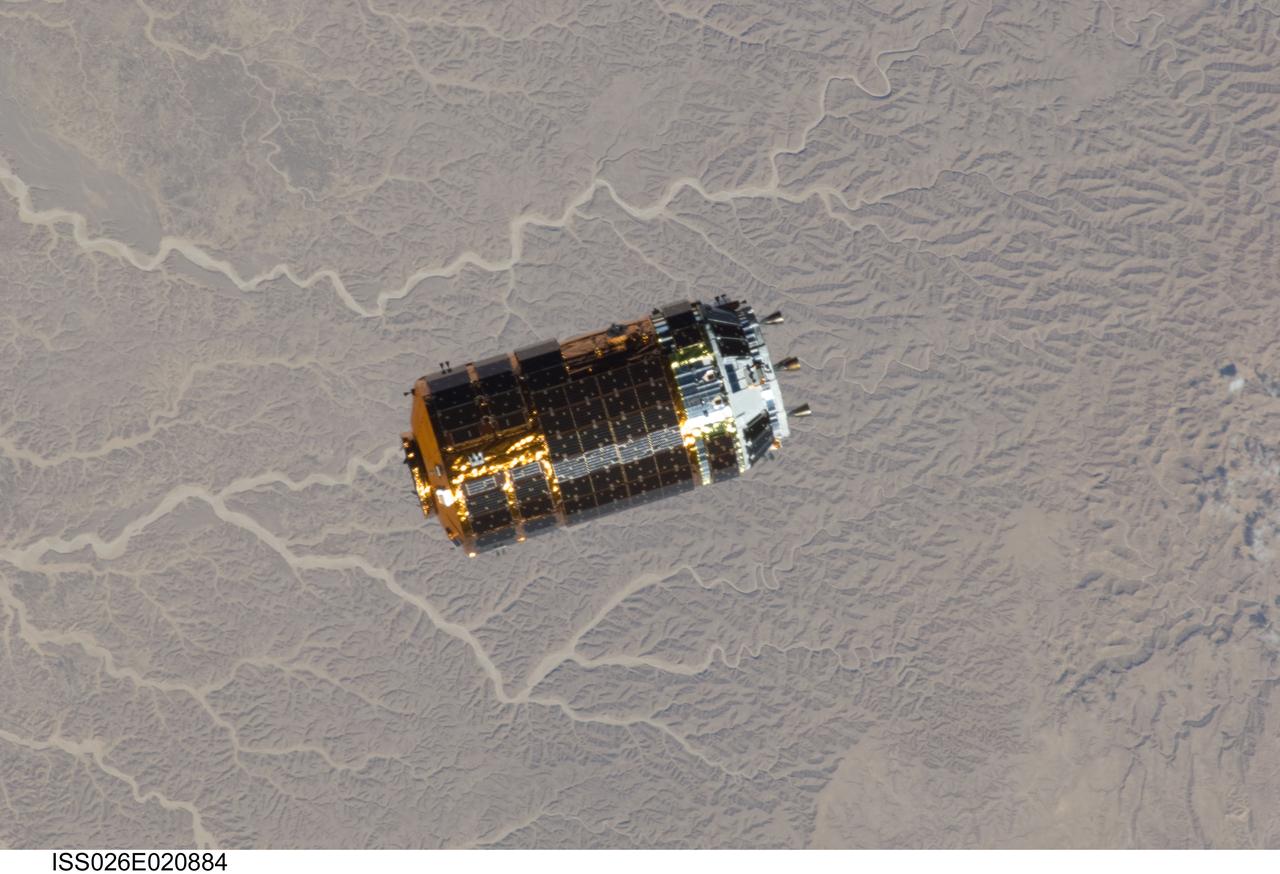
ISS026-E-020884 (27 Jan. 2011) --- Backdropped by rugged Earth terrain, the unpiloted Japanese Kounotori2 H-II Transfer Vehicle (HTV2) approaches the International Space Station. The Japan Aerospace Exploration Agency (JAXA) launched HTV2 aboard an H-IIB rocket from the Tanegashima Space Center in southern Japan at 12:37 a.m. (EST) (2:27 p.m. Japan time) on Jan. 22, 2011. HTV2 is the second unpiloted cargo ship launched by JAXA to the station and will deliver more than four tons of food and supplies to the space station and its crew members.
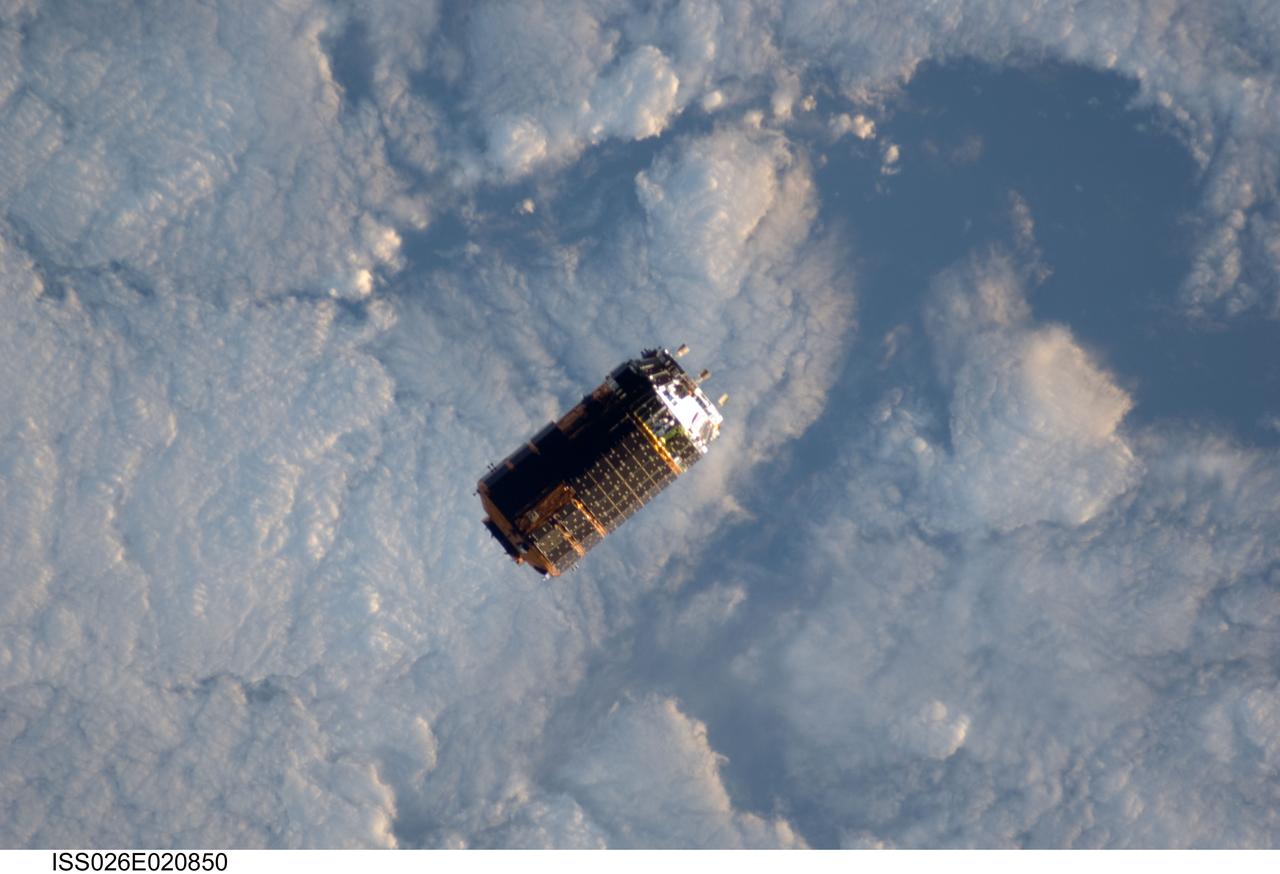
ISS026-E-020850 (27 Jan. 2011) --- Backdropped by a cloud-covered part of Earth, the unpiloted Japanese Kounotori2 H-II Transfer Vehicle (HTV2) approaches the International Space Station. The Japan Aerospace Exploration Agency (JAXA) launched HTV2 aboard an H-IIB rocket from the Tanegashima Space Center in southern Japan at 12:37 a.m. (EST) (2:27 p.m. Japan time) on Jan. 22, 2011. HTV2 is the second unpiloted cargo ship launched by JAXA to the station and will deliver more than four tons of food and supplies to the space station and its crew members.
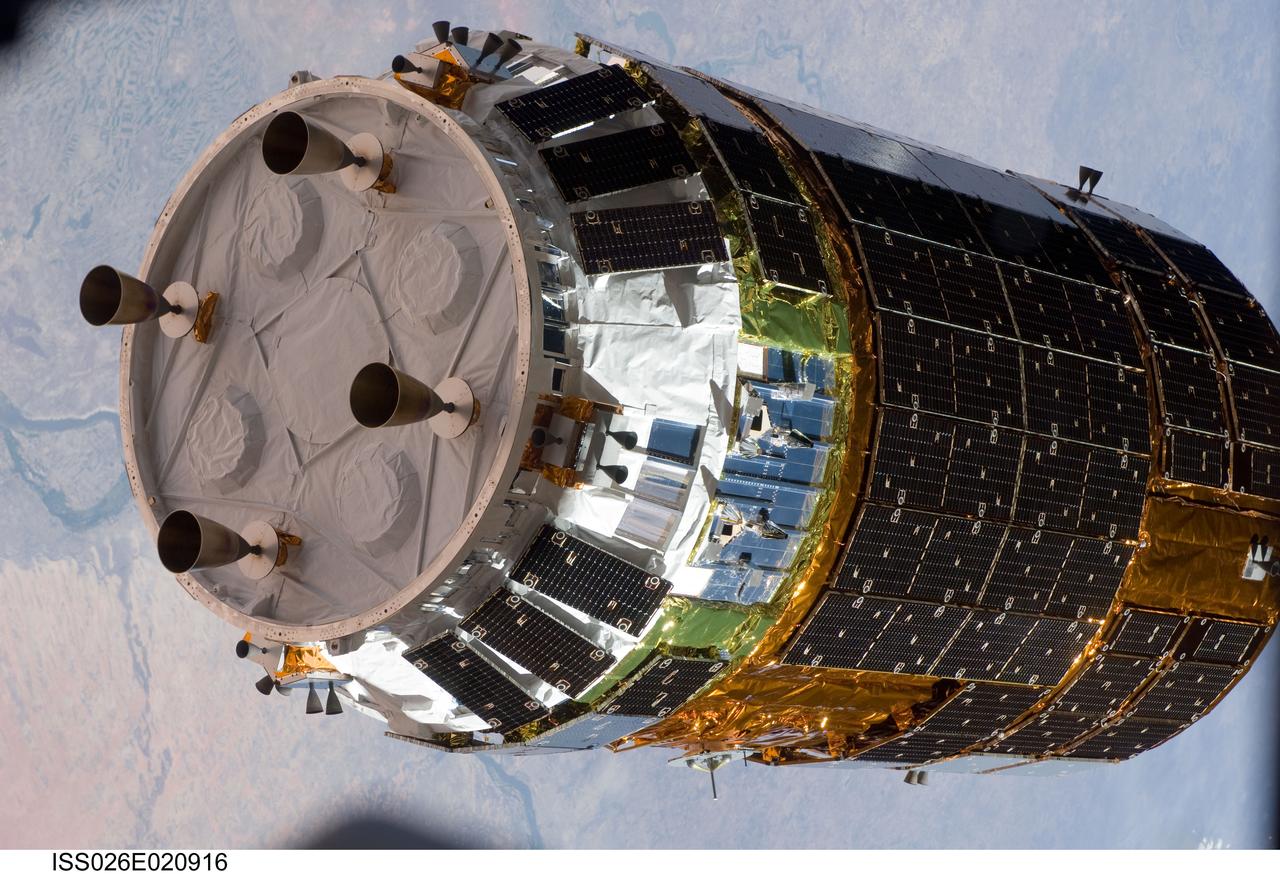
ISS026-E-020916 (27 Jan. 2011) --- The unpiloted Japanese Kounotori2 H-II Transfer Vehicle (HTV2) approaches the International Space Station. The Japan Aerospace Exploration Agency (JAXA) launched HTV2 aboard an H-IIB rocket from the Tanegashima Space Center in southern Japan at 12:37 a.m. (EST) (2:27 p.m. Japan time) on Jan. 22, 2011. HTV2 is the second unpiloted cargo ship launched by JAXA to the station and will deliver more than four tons of food and supplies to the space station and its crew members.
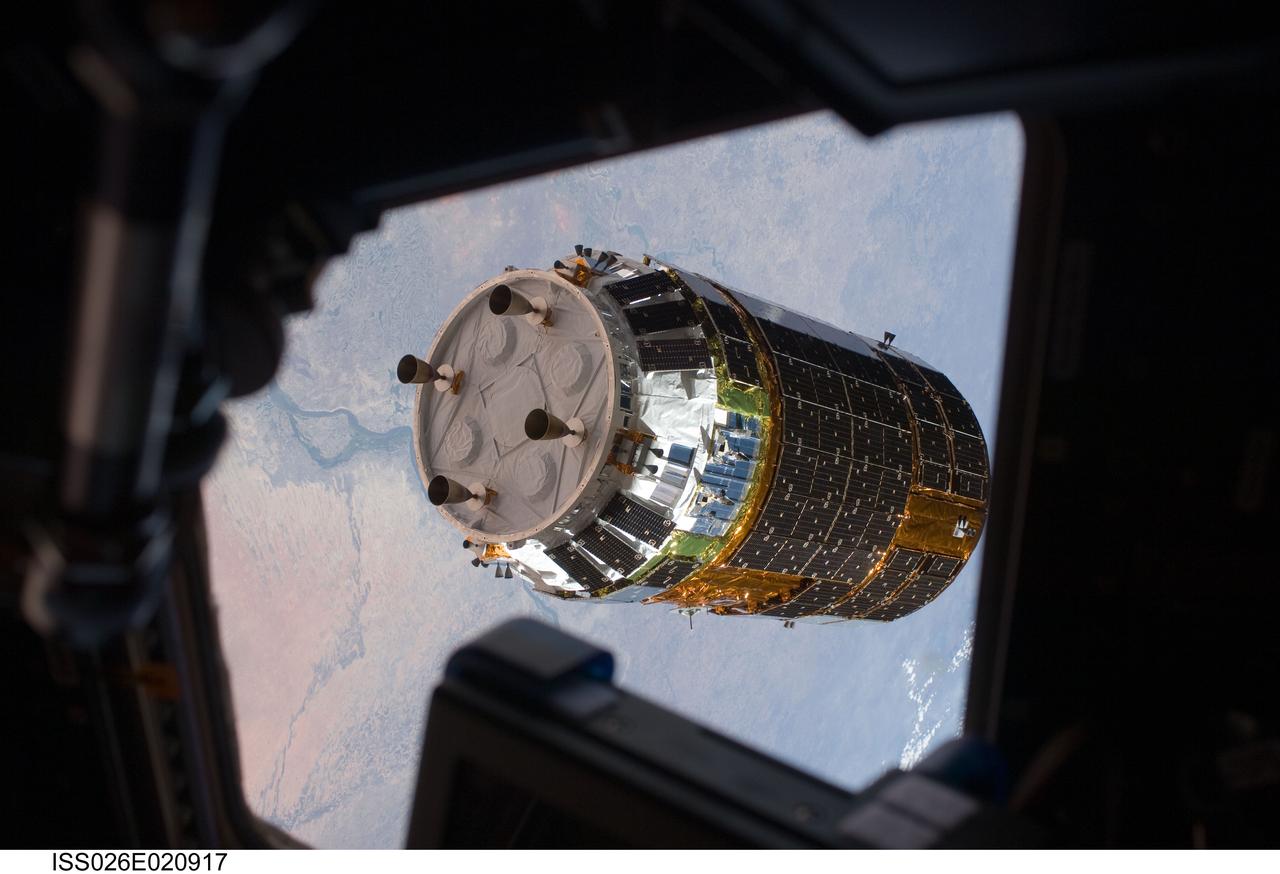
ISS026-E-020917 (27 Jan. 2011) --- Photographed from a Cupola window, the unpiloted Japanese Kounotori2 H-II Transfer Vehicle (HTV2) approaches the International Space Station. The Japan Aerospace Exploration Agency (JAXA) launched HTV2 aboard an H-IIB rocket from the Tanegashima Space Center in southern Japan at 12:37 a.m. (EST) (2:27 p.m. Japan time) on Jan. 22, 2011. HTV2 is the second unpiloted cargo ship launched by JAXA to the station and will deliver more than four tons of food and supplies to the space station and its crew members.
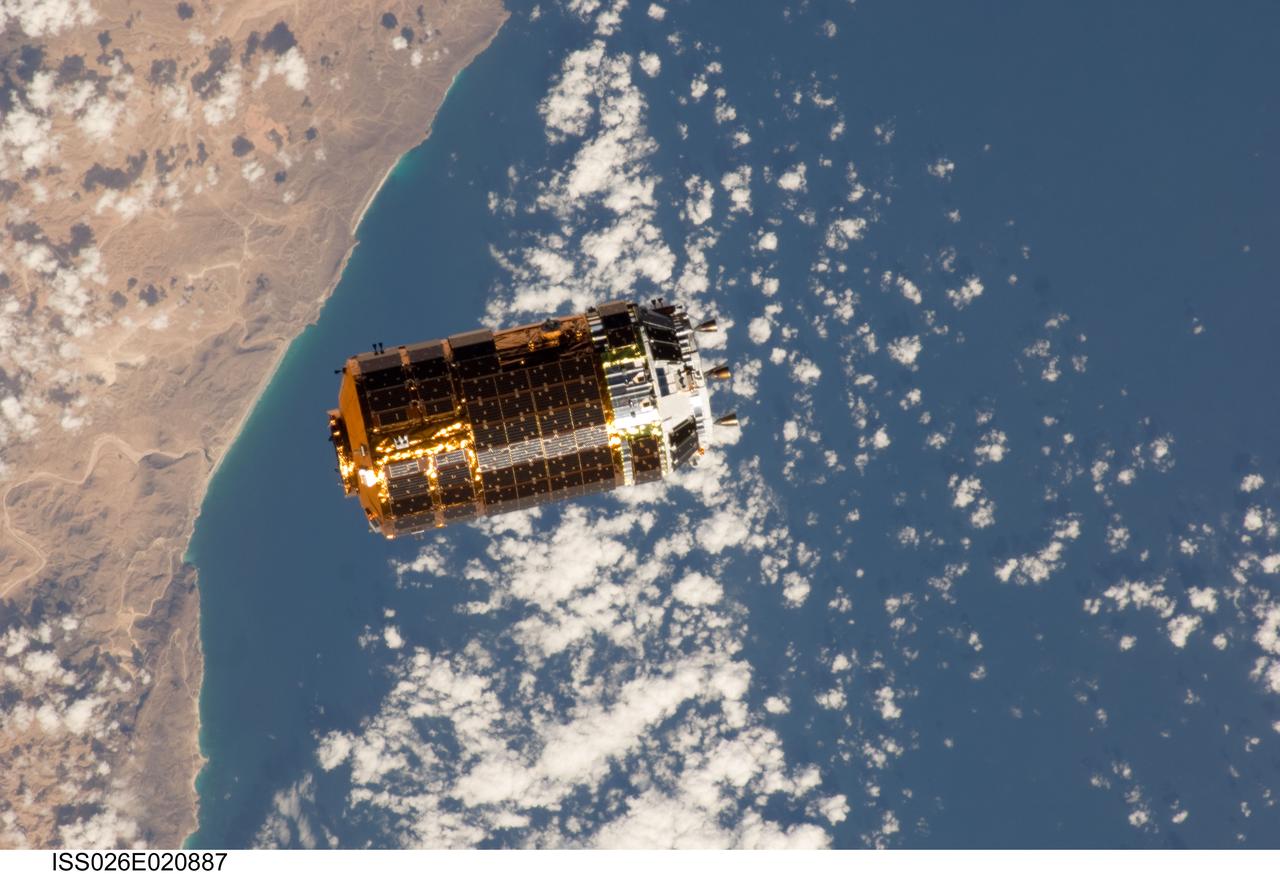
ISS026-E-020887 (27 Jan. 2011) --- Backdropped by a colorful part of Earth, the unpiloted Japanese Kounotori2 H-II Transfer Vehicle (HTV2) approaches the International Space Station. The Japan Aerospace Exploration Agency (JAXA) launched HTV2 aboard an H-IIB rocket from the Tanegashima Space Center in southern Japan at 12:37 a.m. (EST) (2:27 p.m. Japan time) on Jan. 22, 2011. HTV2 is the second unpiloted cargo ship launched by JAXA to the station and will deliver more than four tons of food and supplies to the space station and its crew members.
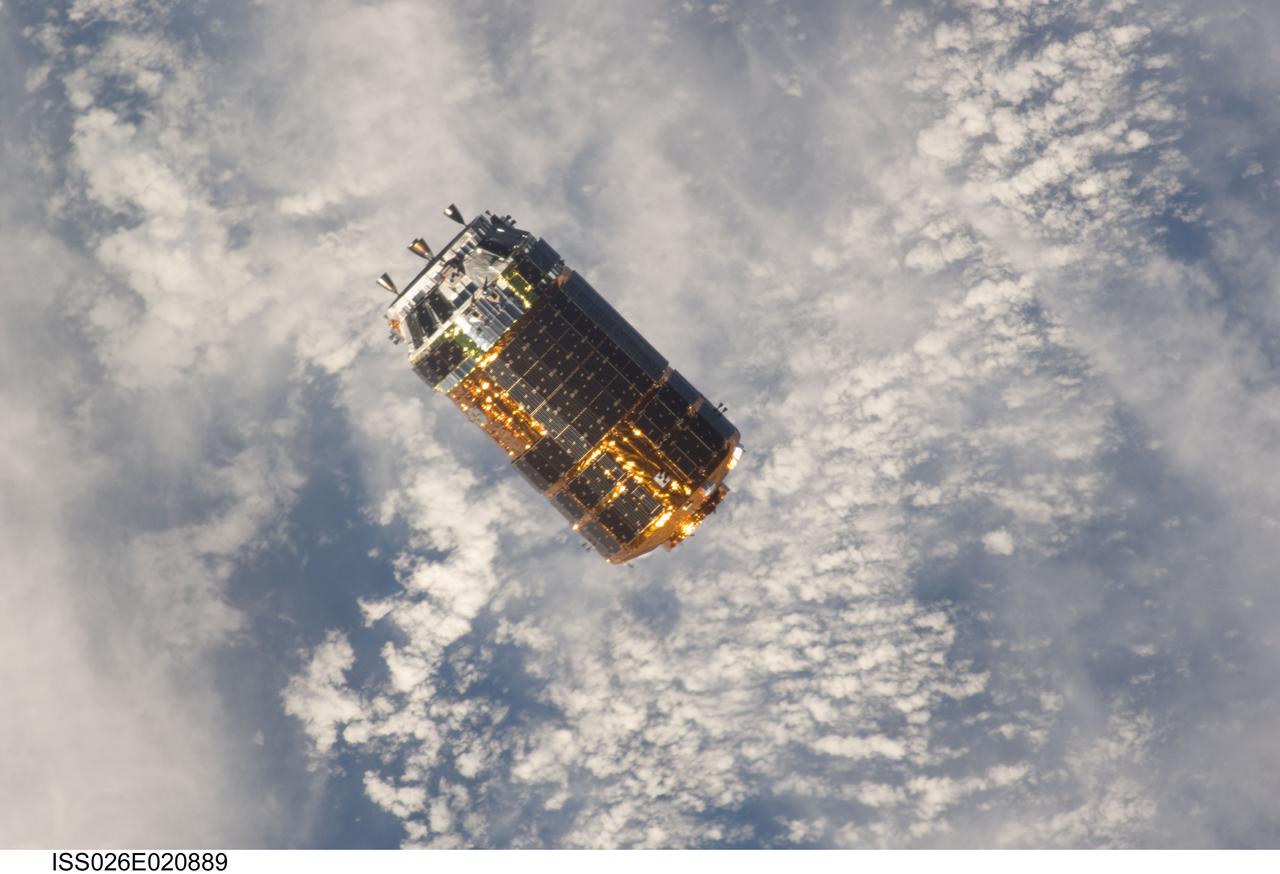
ISS026-E-020889 (27 Jan. 2011) --- Backdropped by a cloud-covered part of Earth, the unpiloted Japanese Kounotori2 H-II Transfer Vehicle (HTV2) approaches the International Space Station. The Japan Aerospace Exploration Agency (JAXA) launched HTV2 aboard an H-IIB rocket from the Tanegashima Space Center in southern Japan at 12:37 a.m. (EST) (2:27 p.m. Japan time) on Jan. 22, 2011. HTV2 is the second unpiloted cargo ship launched by JAXA to the station and will deliver more than four tons of food and supplies to the space station and its crew members.
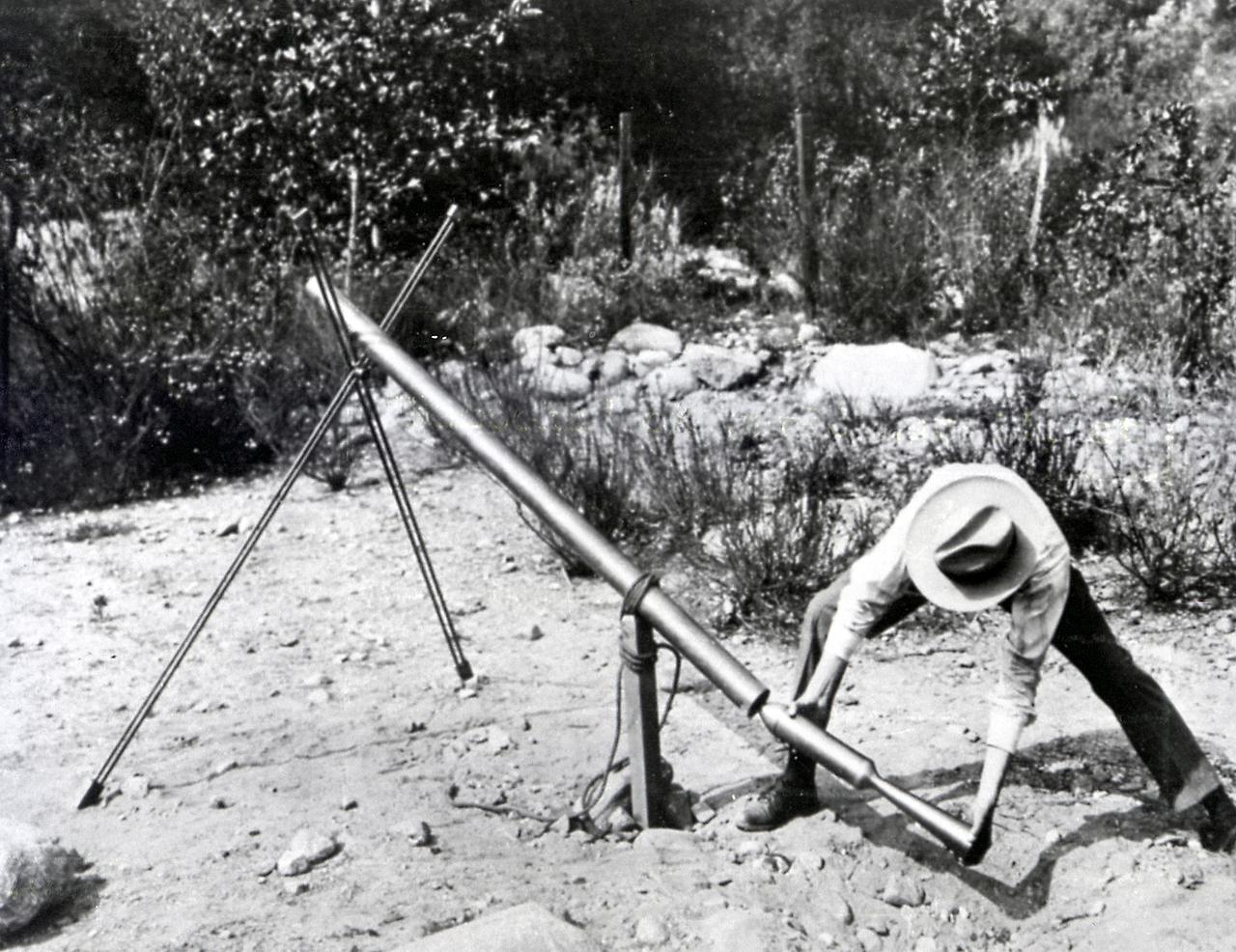
Dr. Robert H. Goddard loading a 1918 version of the Bazooka of World War II. From 1930 to 1941, Dr. Goddard made substantial progress in the development of progressively larger rockets, which attained altitudes of 2400 meters, and refined his equipment for guidance and control, his techniques of welding, and his insulation, pumps, and other associated equipment. In many respects, Dr. Goddard laid the essential foundations of practical rocket technology
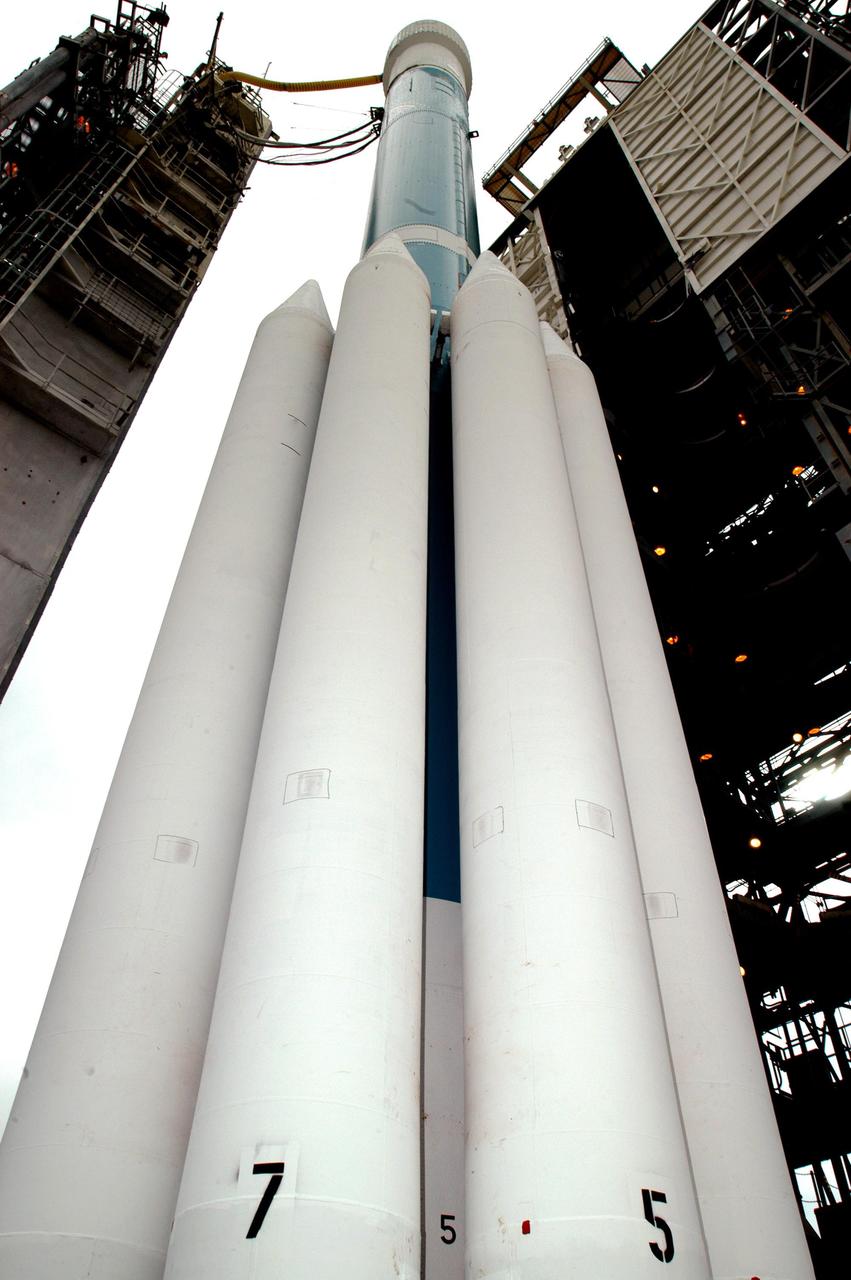
KENNEDY SPACE CENTER, FLA. - On Launch Pad 17-B at Cape Canaveral Air Force Station, the Mobile Service Tower is rolled back from the pad, revealing the MESSENGER (MErcury Surface, Space ENvironment, GEochemistry and Ranging) spacecraft aboard a Delta II rocket. The nine solid booster rockets on this Delta model 7925-H provide it with heavy lift capability. MESSENGER is ready for liftoff on Aug. 2 at 2:16 a.m. EDT and is expected to enter Mercury orbit in March 2011. MESSENGER was built for NASA by the Johns Hopkins University Applied Physics Laboratory in Laurel, Md.
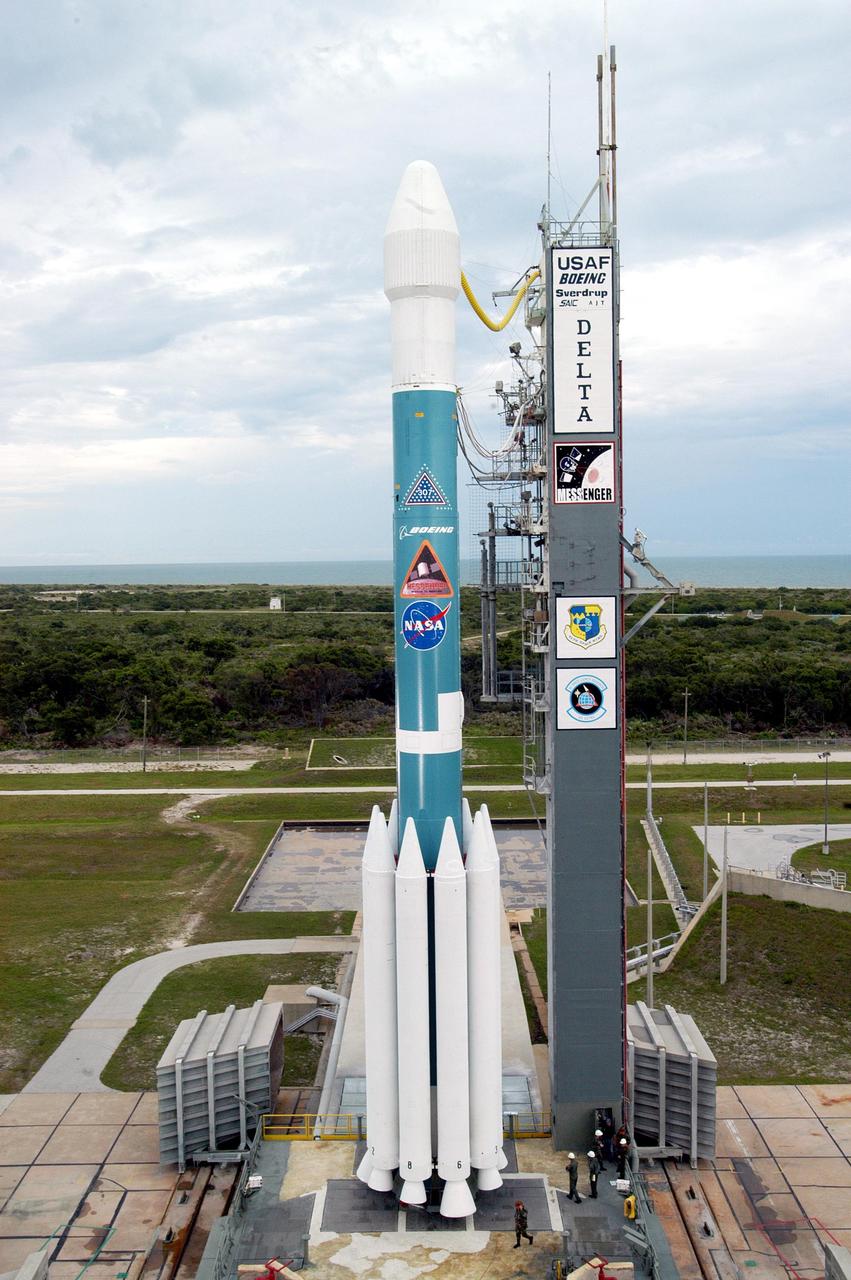
KENNEDY SPACE CENTER, FLA. - On Launch Pad 17-B at Cape Canaveral Air Force Station, the Mobile Service Tower has been removed from around the MESSENGER (MErcury Surface, Space ENvironment, GEochemistry and Ranging) spacecraft aboard a Delta II rocket. The nine solid booster rockets on this Delta model 7925-H provide it with heavy lift capability. MESSENGER is ready for liftoff on Aug. 2 at 2:16 a.m. EDT and is expected to enter Mercury orbit in March 2011. MESSENGER was built for NASA by the Johns Hopkins University Applied Physics Laboratory in Laurel, Md.
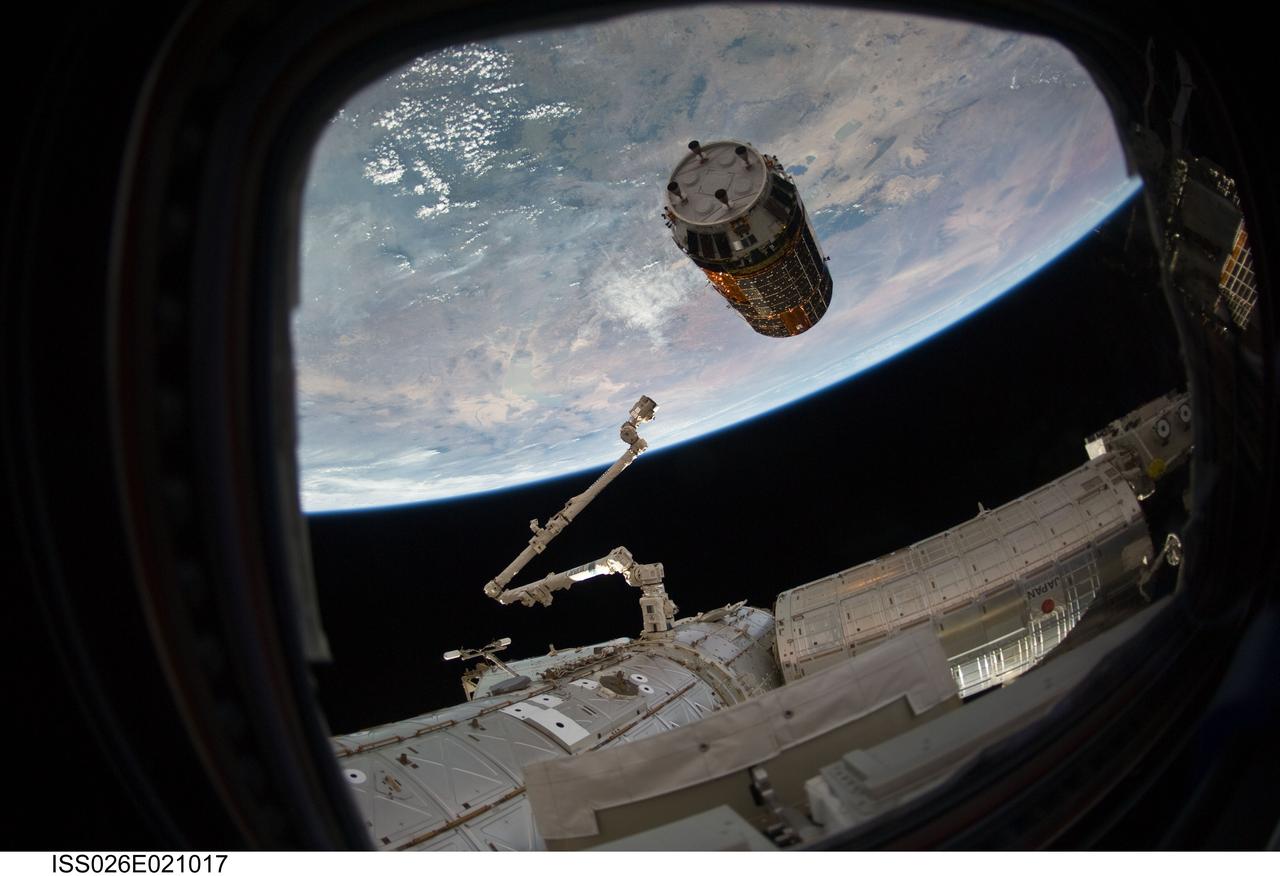
ISS026-E-021017 (27 Jan. 2011) --- The unpiloted Japanese Kounotori2 H-II Transfer Vehicle (HTV2) approaches the International Space Station, delivering more than four tons of food and supplies to the space station and its crew members. The Japan Aerospace Exploration Agency (JAXA) launched HTV2 aboard an H-IIB rocket from the Tanegashima Space Center in southern Japan at 12:37 a.m. (EST) (2:27 p.m. Japan time) on Jan. 22, 2011. NASA astronaut Catherine (Cady) Coleman and European Space Agency astronaut Paolo Nespoli, both Expedition 26 flight engineers, used the station’s robotic Canadarm2 to attach the HTV2 to the Earth-facing port of the Harmony node. The attachment was completed at 9:51 a.m. (EST) on Jan. 27, 2011.
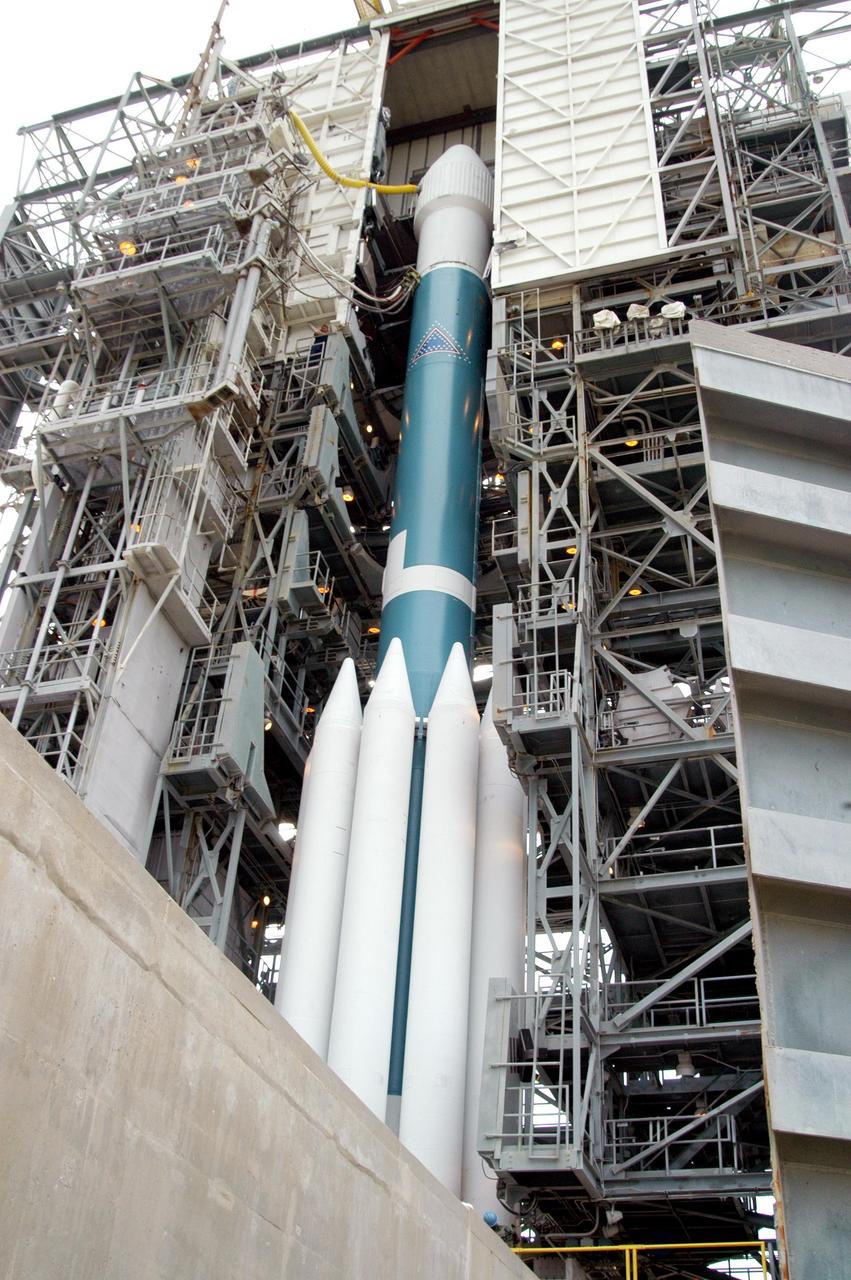
KENNEDY SPACE CENTER, FLA. - On Launch Pad 17-B at Cape Canaveral Air Force Station, the Mobile Service Tower begins to roll back from the pad, revealing the MESSENGER (MErcury Surface, Space ENvironment, GEochemistry and Ranging) spacecraft aboard a Delta II rocket, Model 7925-H with heavy lift capability. MESSENGER is ready for liftoff on Aug. 2 at 2:16 a.m. EDT and is expected to enter Mercury orbit in March 2011. MESSENGER was built for NASA by the Johns Hopkins University Applied Physics Laboratory in Laurel, Md.

KENNEDY SPACE CENTER, FLA. - On Launch Pad 17-B at Cape Canaveral Air Force Station, preparations are made to roll the Mobile Service Tower back from the MESSENGER (MErcury Surface, Space ENvironment, GEochemistry and Ranging) spacecraft aboard a Delta II rocket, Model 7925-H with heavy lift capability. MESSENGER is ready for liftoff on Aug. 2 at 2:16 a.m. EDT and is expected to enter Mercury orbit in March 2011. MESSENGER was built for NASA by the Johns Hopkins University Applied Physics Laboratory in Laurel, Md.
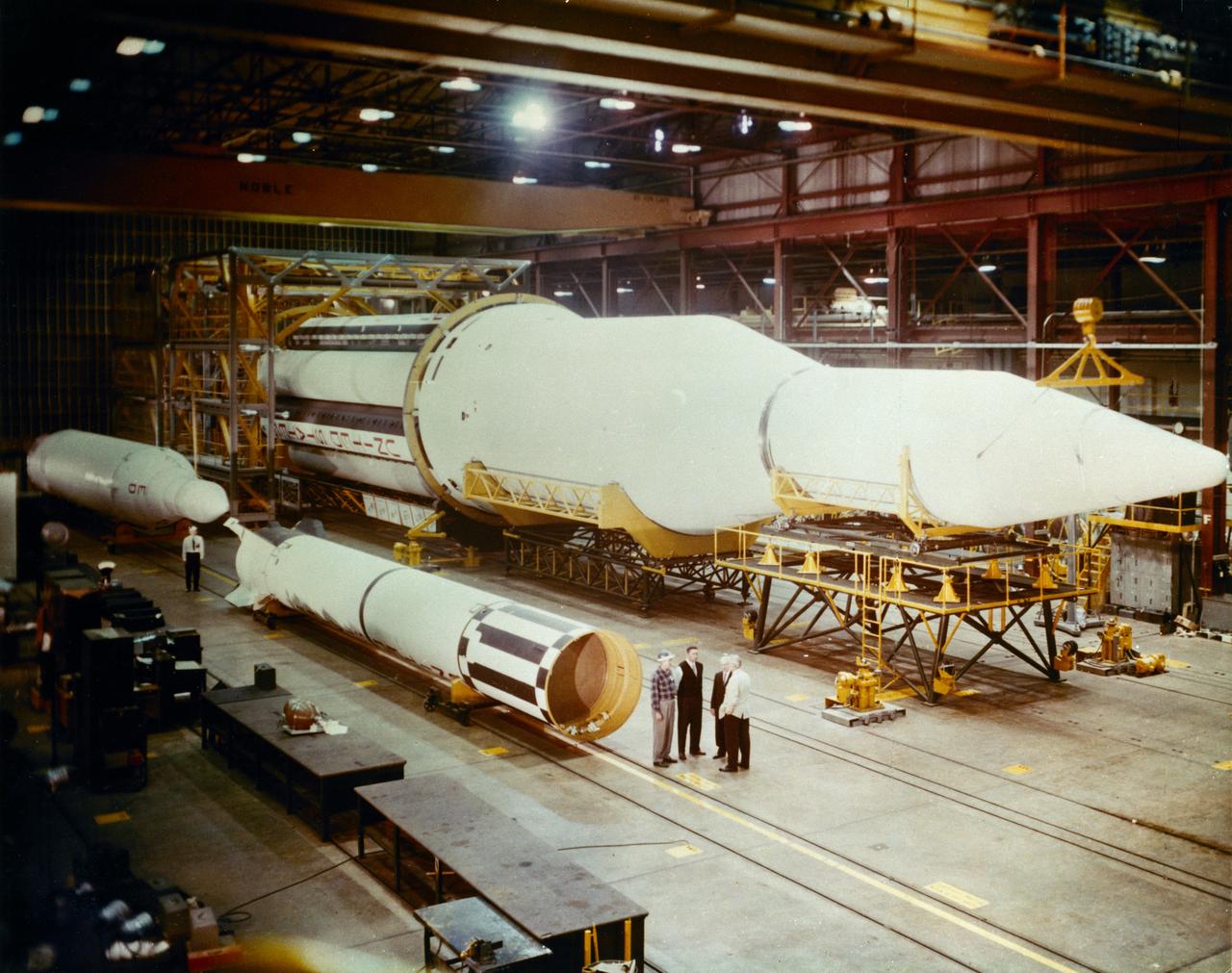
Progress in the Saturn program, depicted below, was described by Dr. Wernher von Braun, Marshall Space Flight Center (MSFC) Director, in an appearance before the Senate Committee of Aeronautical and Space Sciences. "The flight configuration of the giant three-stage Saturn C-1 rocket (later called Saturn I Block I) is seen in the Fabrication and Assembly Engineering Division at MSFC. Dwarfed by the 180-foot C-1 are a Juno II rocket (left rear) and a Mercury-Redstone rocket (front foreground). The C-1 (first version of the Saturn rocket) is composed of an S-1 first stage or booster (rear), powered by eight H-1 engines having a thrust of 1,500,000 pounds, followed by a dummy S-IV second stage and a dummy S-V third stage. The "live" S-IV for later flights, under development by Douglas Aircraft Co., will be powered by four Pratt Whitney LR-119 engines having 17,500,000 pounds thrust each. The live S-V, under development by Convair Division of General Dynamics Corp., will use two LR-119 engines. With all three stages live, the C-1 will be capable of placing 19,000 pounds into a 300-mile Earth orbit, sending 5,000 pounds to escape velocity, or lofting 2,500 pounds to Mars or Venus. The second version Saturn C-2 (later called Saturn 1 Block II) would double these capabilities. Early C-1 flights will employ a live S-1 with dummy upper stages. The first such flight is scheduled late this year."
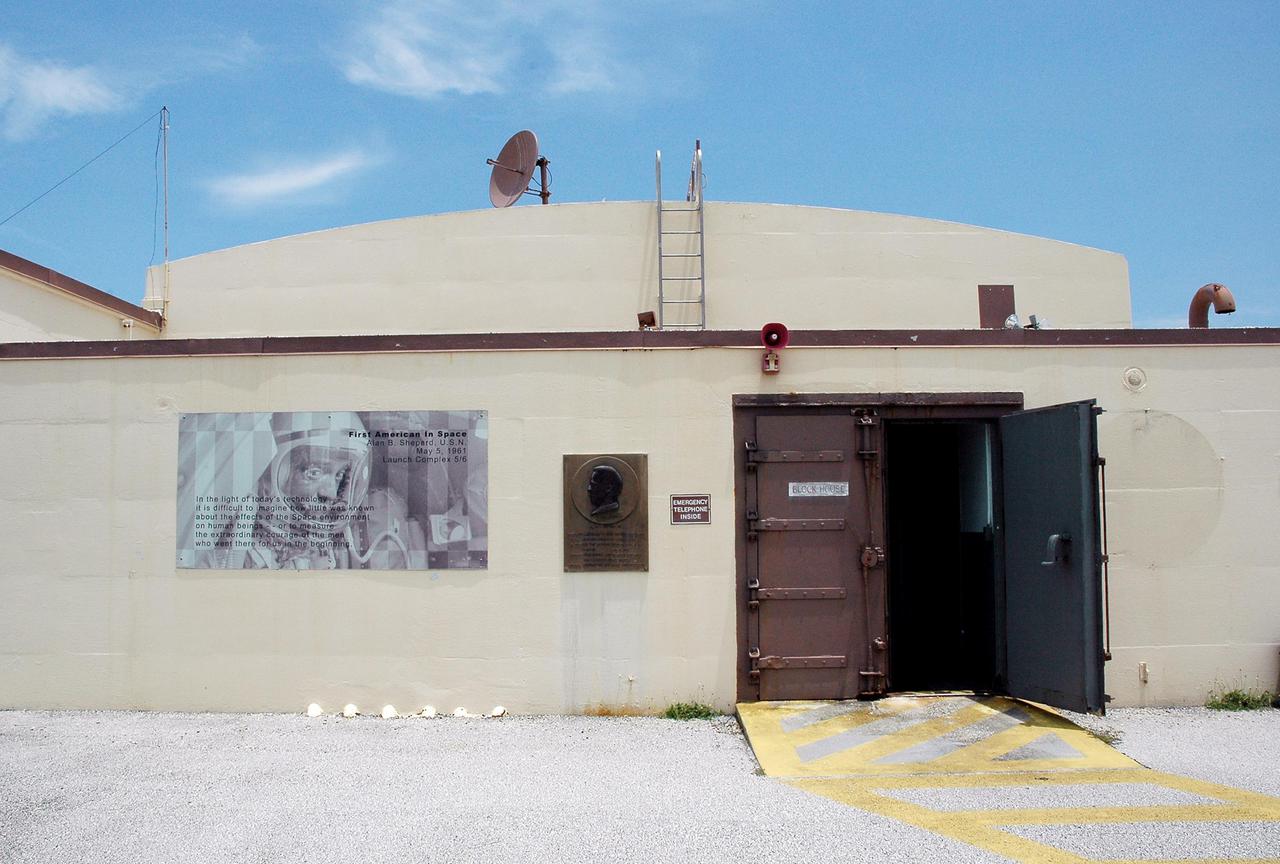
KENNEDY SPACE CENTER, FLA. - This is Launch Complex 5_6 blockhouse, now a museum at the Cape Canaveral Air Force Station (CCAFS) in Florida, where long-lost space suits were found. A recent venture into a long-locked room at CCAFS uncovered interesting artifacts of a bygone era: retired space suits from Americans who trained in the 1960s to be astronauts aboard an Air Force orbiting reconnaissance laboratory. Two security officers were doing a check of a facility at Launch Complex 5_6 blockhouse. NASA Special Agent Dan E. Oakland and Security Manager Henry Butler, who is with Delaware North Parks and Resorts, the company that oversees the museum, discovered a locked room. Space suits from the Air Force’s planned Manned Orbiting Laboratory (MOL) program were found in the room Begun in 1964, the MOL program was an Air Force initiative that would have sent Air Force astronauts to a space station in a Gemini capsule. After spending a few weeks in orbit, the crew would undock and return to Earth. A test launch from Complex 40 on Nov. 30, 1966, of a MOL was conducted with an unmanned Gemini capsule. The MOL was constructed from tankage of a Titan II rocket. The operational MOL was planned to be launched into a polar orbit from Vandenberg Air Force Base in California. The Air Force abandoned the program in 1969, but the program produced a great deal of technological development, and three groups of military officers trained to be MOL astronauts. When the program was cancelled, seven of the younger astronauts were transferred to the agency’s human space flight program and went on to have standout careers. Among them were Robert Crippen, pilot of the first Space Shuttle mission, and Richard H. 'Dick' Truly, who later became NASA Administrator.
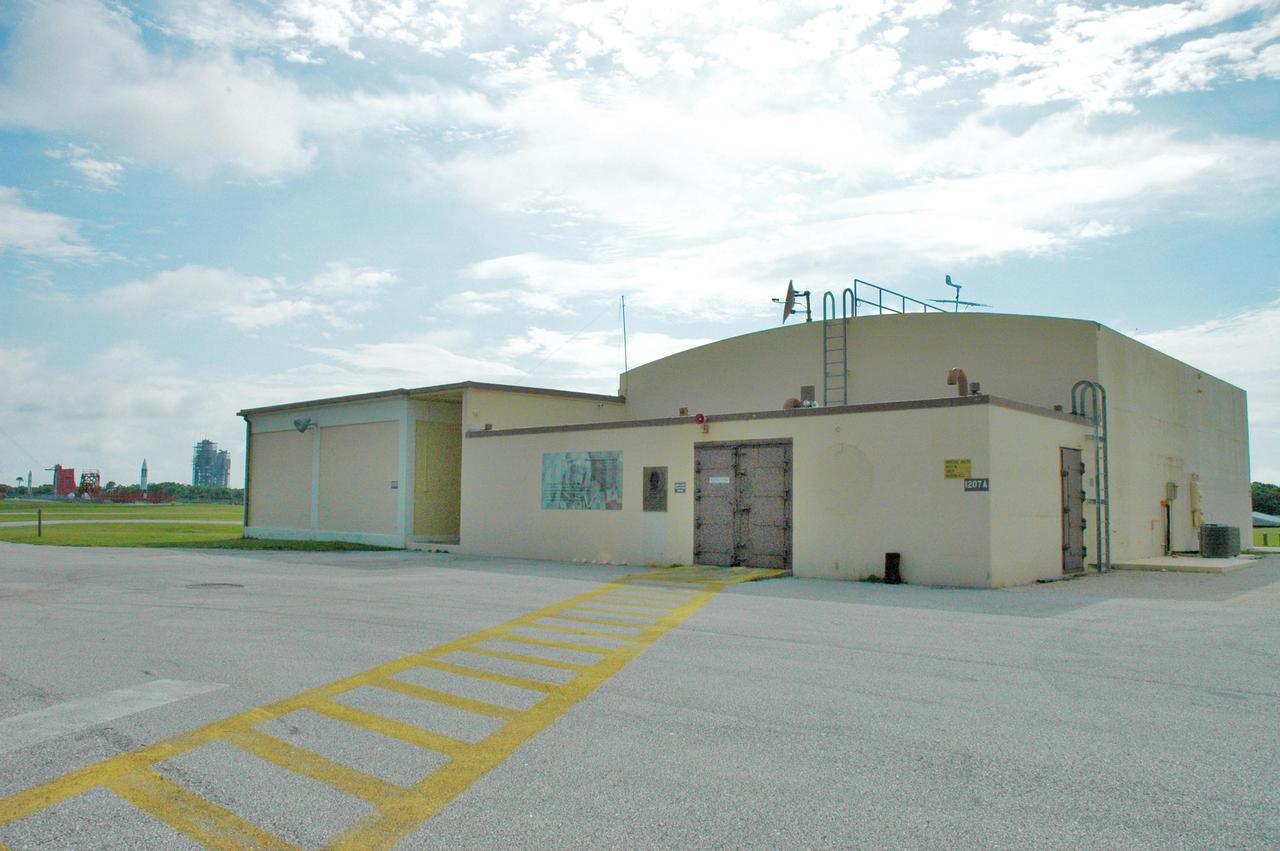
KENNEDY SPACE CENTER, FLA. - This is Launch Complex 5_6 blockhouse, now a museum at the Cape Canaveral Air Force Station (CCAFS) in Florida, where long-lost spacesuits were found. A recent venture into a long-locked room at CCAFS uncovered interesting artifacts of a bygone era: retired space suits from Americans who trained in the 1960s to be astronauts aboard an Air Force orbiting reconnaissance laboratory. Two security officers were doing a check of a facility at Launch Complex 5_6 blockhouse. NASA Special Agent Dan E. Oakland and Security Manager Henry Butler, with Delaware North Parks and Resorts, which oversees the museum, discovered a locked room. Space suits from the Air Force’s planned Manned Orbiting Laboratory (MOL) program were found in the room Begun in 1964, the MOL program was an Air Force initiative that would have sent Air Force astronauts to a space station in a Gemini capsule. After spending a few weeks in orbit, the crew would undock and return to Earth. A test launch from Complex 40 on Nov. 30, 1966, of a MOL was conducted with an unmanned Gemini capsule. The MOL was constructed from tankage of a Titan II rocket. The operational MOL was planned to be launched into a polar orbit from Vandenberg Air Force Base in California. The Air Force abandoned the program in 1969, but the program produced a great deal of technological development, and three groups of military officers trained to be MOL astronauts. When the program was cancelled, seven of the younger astronauts were transferred to the agency’s human space flight program and went on to have standout careers. Among them were Robert Crippen, pilot of the first Space Shuttle mission, and Richard H. 'Dick' Truly, who later became NASA Administrator.
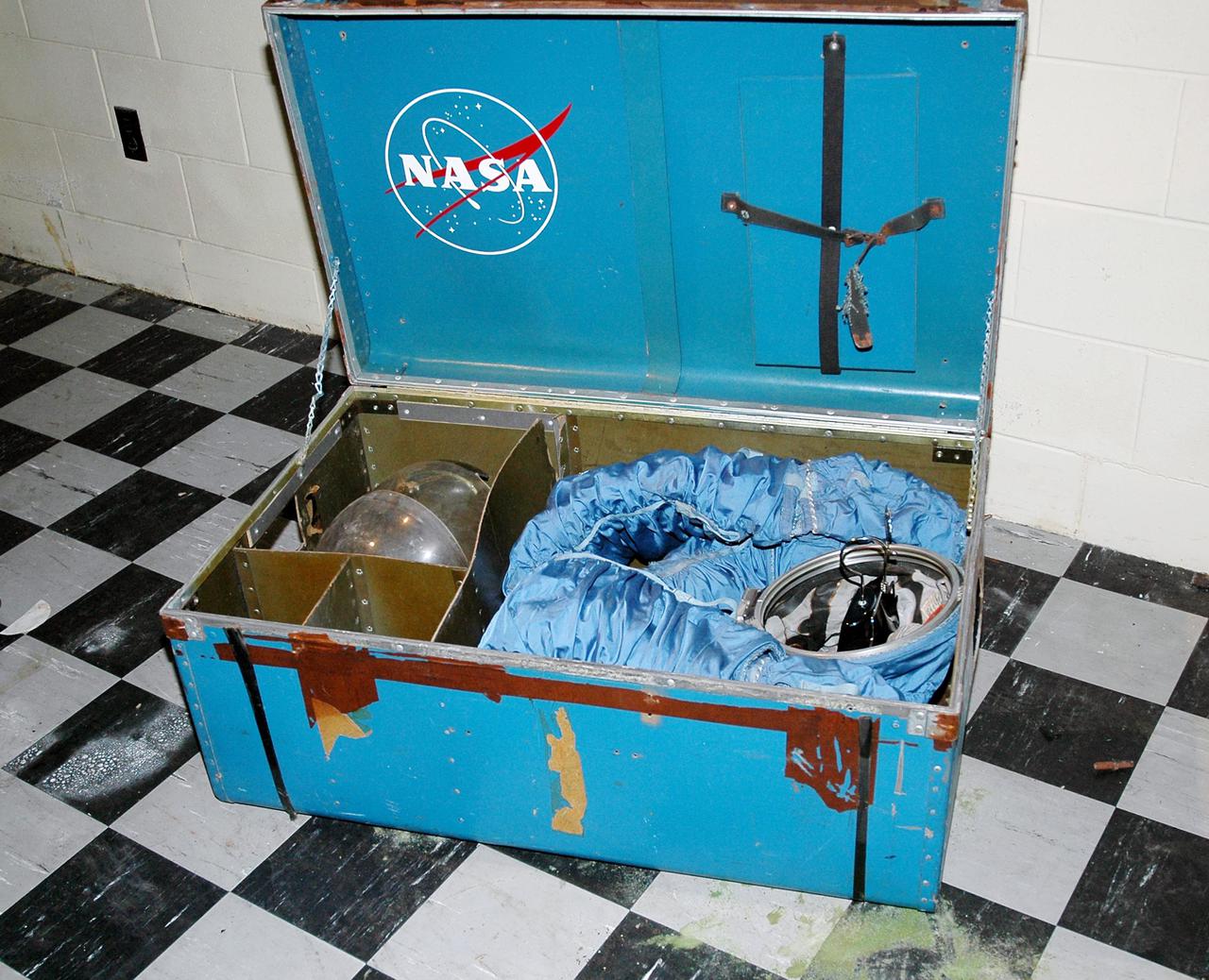
KENNEDY SPACE CENTER, FLA. - This locker reveals a long-lost spacesuit recently uncovered at the Cape Canaveral Air Force Station (CCAFS) in Florida. A recent venture into a long-locked room at CCAFS uncovered interesting artifacts of a bygone era: retired space suits from Americans who trained in the 1960s to be astronauts aboard an Air Force orbiting reconnaissance laboratory. Two security officers were doing a check of a facility at Launch Complex 5_6 blockhouse. NASA Special Agent Dan E. Oakland and Security Manager Henry Butler, who is with Delaware North Parks and Resorts, the company that oversees the museum, discovered a locked room. Space suits from the Air Force’s planned Manned Orbiting Laboratory (MOL) program were found in the room Begun in 1964, the MOL program was an Air Force initiative that would have sent Air Force astronauts to a space station in a Gemini capsule. After spending a few weeks in orbit, the crew would undock and return to Earth. A test launch from Complex 40 on Nov. 30, 1966, of a MOL was conducted with an unmanned Gemini capsule. The MOL was constructed from tankage of a Titan II rocket. The operational MOL was planned to be launched into a polar orbit from Vandenberg Air Force Base in California. The Air Force abandoned the program in 1969, but the program produced a great deal of technological development, and three groups of military officers trained to be MOL astronauts. When the program was cancelled, seven of the younger astronauts were transferred to the agency’s human space flight program and went on to have standout careers. Among them were Robert Crippen, pilot of the first Space Shuttle mission, and Richard H. 'Dick' Truly, who later became NASA Administrator.
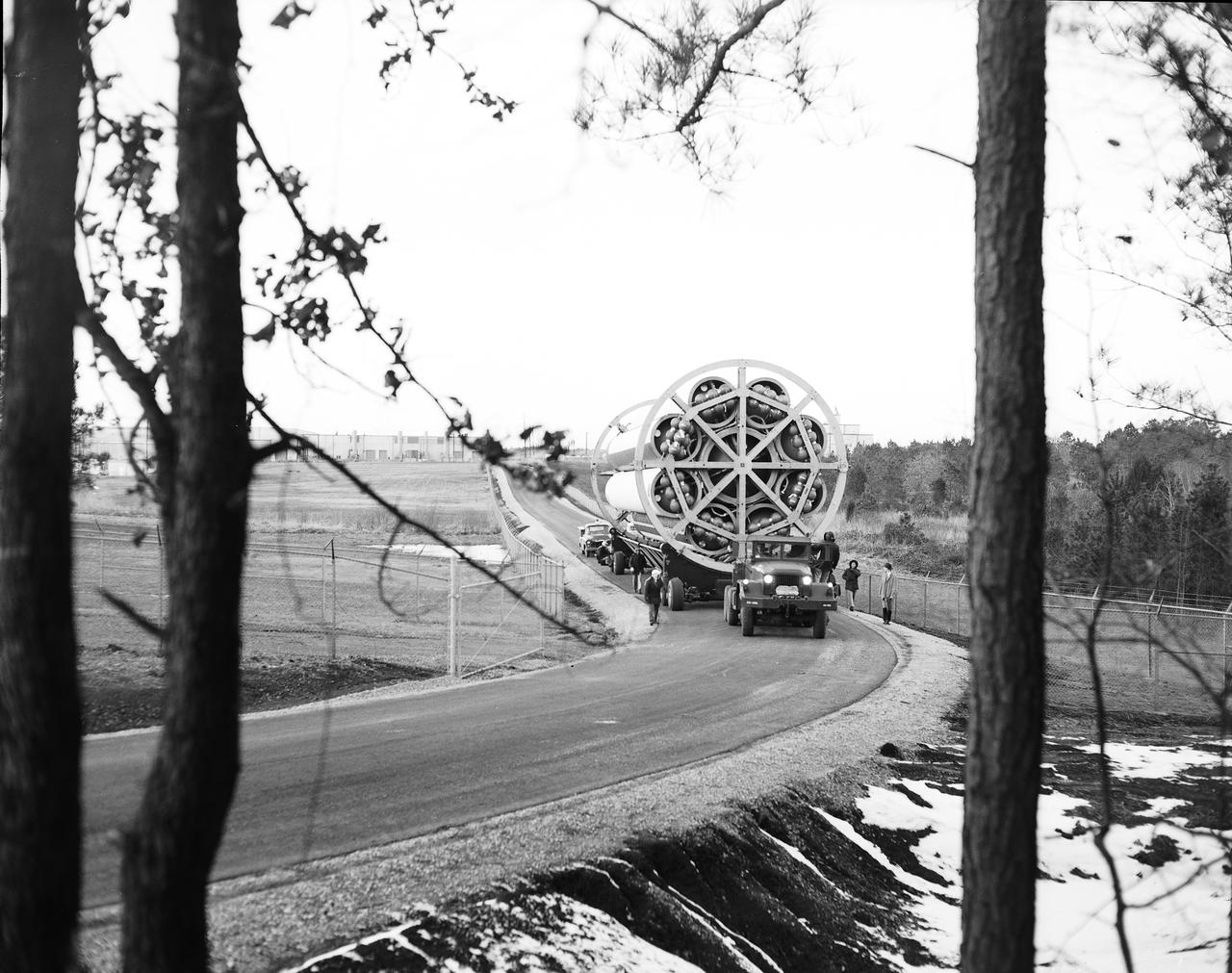
This photograph shows the Saturn-I first stage (S-1 stage) being transported to the test stand for a static test firing at the Marshall Space Flight Center. Soon after NASA began operations in October 1958, it was evident that sending people and substantial equipment beyond the Earth's gravitational field would require launch vehicles with weight-lifting capabilities far beyond any developed to that time. In early 1959, NASA accepted the proposal of Dr. Wernher von Braun for a multistage rocket, with a number of engines clustered in one or more of the stages to provide a large total thrust. The initiation of the Saturn launch vehicle program ultimately led to the study and preliminary plarning of many different configurations and resulted in production of three Saturn launch vehicles, the Saturn-I, Saturn I-B, and Saturn V. The Saturn family of launch vehicles began with the Saturn-I, a two-stage vehicle originally designated C-1. The research and development program was planned in two phases, or blocks: one for first stage development (Block I) and the second for both first and second stage development (Block-II). Saturn I had a low-earth-orbit payload capability of approximately 25,000 pounds. The design of the first stage (S-1 stage) used a cluster of propellant tanks containing liquid oxygen (LOX) and kerosene (RP-1), and eight H-1 engines, yielding a total thrust of 1,500,000 pounds. Of the ten Saturn-Is planned, the first eight were designed and built at the Marshall Space Flight Center, and the remaining two were built by the Chrysler Corporation.
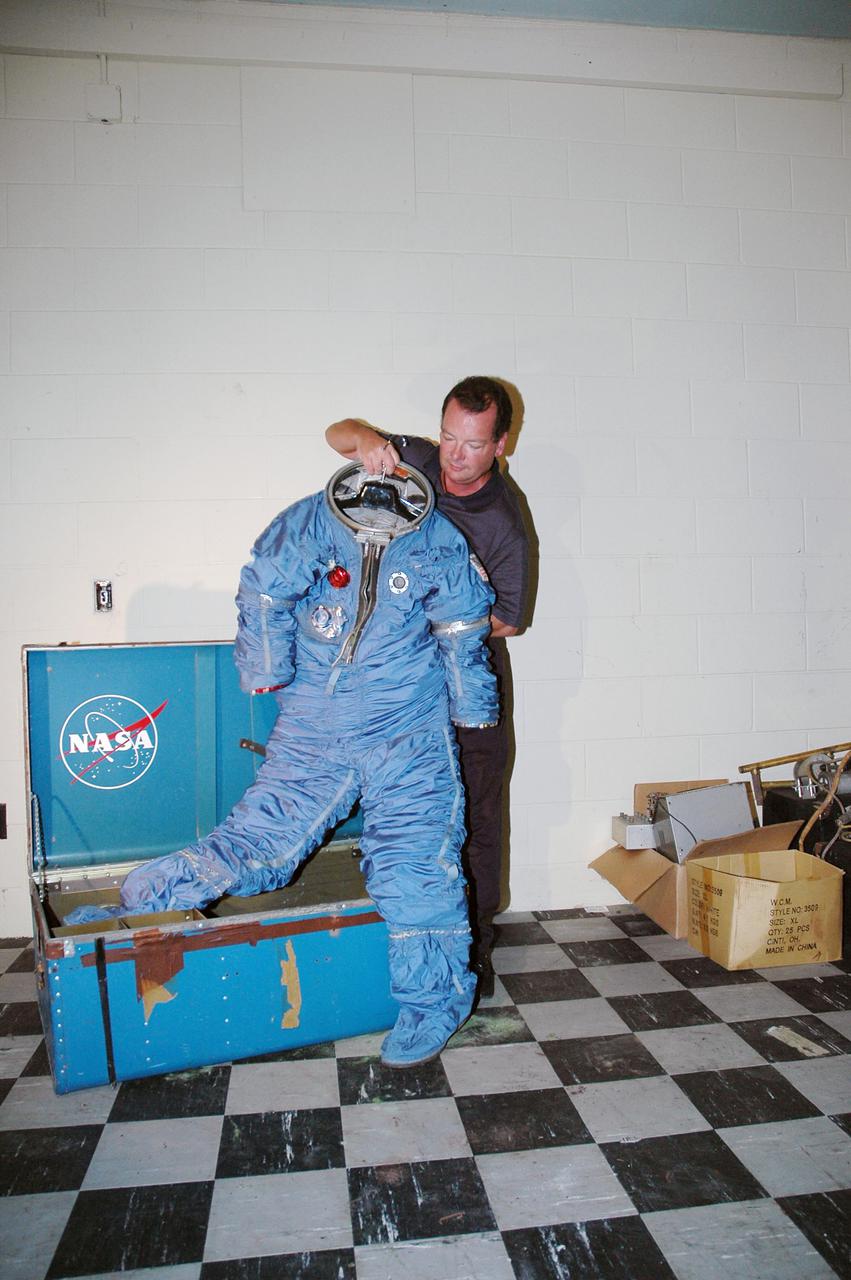
KENNEDY SPACE CENTER, FLA. - NASA Special Agent Dan Oakland holds up a long-lost spacesuit recently uncovered at the Cape Canaveral Air Force Station (CCAFS) in Florida. A recent venture into a long-locked room at CCAFS uncovered interesting artifacts of a by-gone era: retired space suits from Americans who trained in the 1960s to be astronauts aboard an Air Force orbiting reconnaissance laboratory. Two security officers were doing a check of a facility at Launch Complex 5_6 blockhouse. Oakland and Security Manager Henry Butler, who is with Delaware North Parks and Resorts, the company that oversees the museum, discovered a locked room. Space suits from the Air Force’s planned Manned Orbiting Laboratory (MOL) program were found in the room Begun in 1964, the MOL program was an Air Force initiative that would have sent Air Force astronauts to a space station in a Gemini capsule. After spending a few weeks in orbit, the crew would undock and return to Earth. A test launch from Complex 40 on Nov. 30, 1966, of a MOL was conducted with an unmanned Gemini capsule. The MOL was constructed from tankage of a Titan II rocket. The operational MOL was planned to be launched into a polar orbit from Vandenberg Air Force Base in California. The Air Force abandoned the program in 1969, but the program produced a great deal of technological development, and three groups of military officers trained to be MOL astronauts. When the program was cancelled, seven of the younger astronauts were transferred to the agency’s human space flight program and went on to have standout careers. Among them were Robert Crippen, pilot of the first Space Shuttle mission, and Richard H. 'Dick' Truly, who later became NASA Administrator.