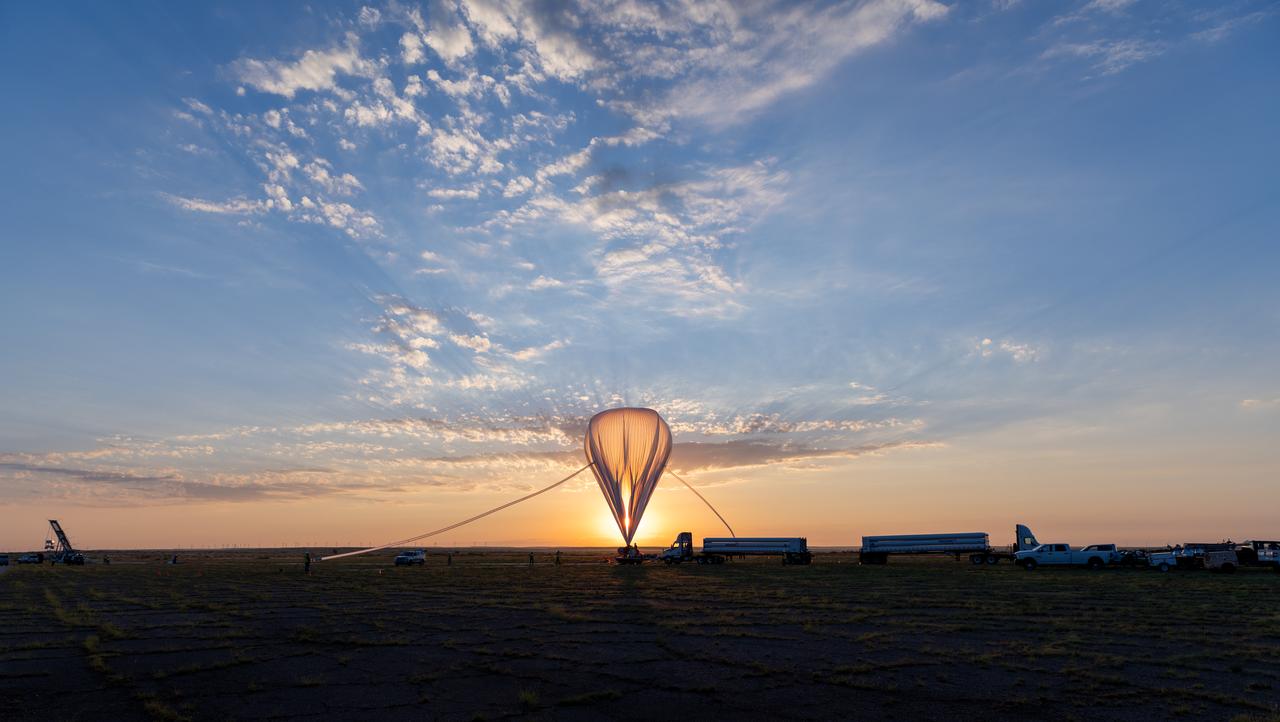
The Scientific balloon eclipses the sun as it fills with helium, and the High Altitude Student Platform awaits launch. On August 28, 2024, the student-run mission launched from a 4-million-cubic-foot balloon for its second flight.
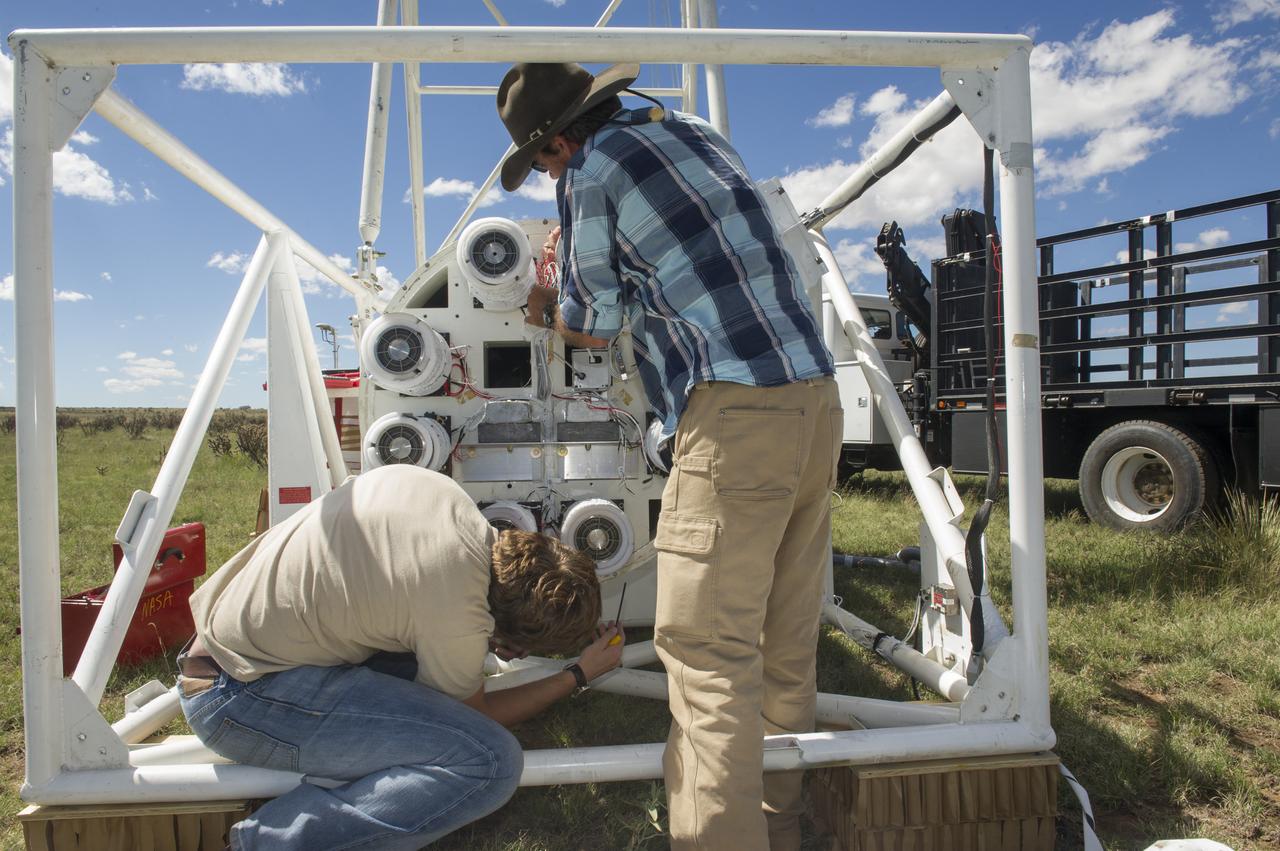
HEROES PAYLOAD AWAITS LAUNCH AS HELIUM BALLOON INFLATES IN BACKGROUND, FORT SUMNER, NEW MEXICO, SEPTEMBER 21, 2013
HEROES PAYLOAD AWAITS LAUNCH AS HELIUM BALLOON INFLATES IN BACKGROUND, FORT SUMNER, NEW MEXICO, SEPTEMBER 21, 2013
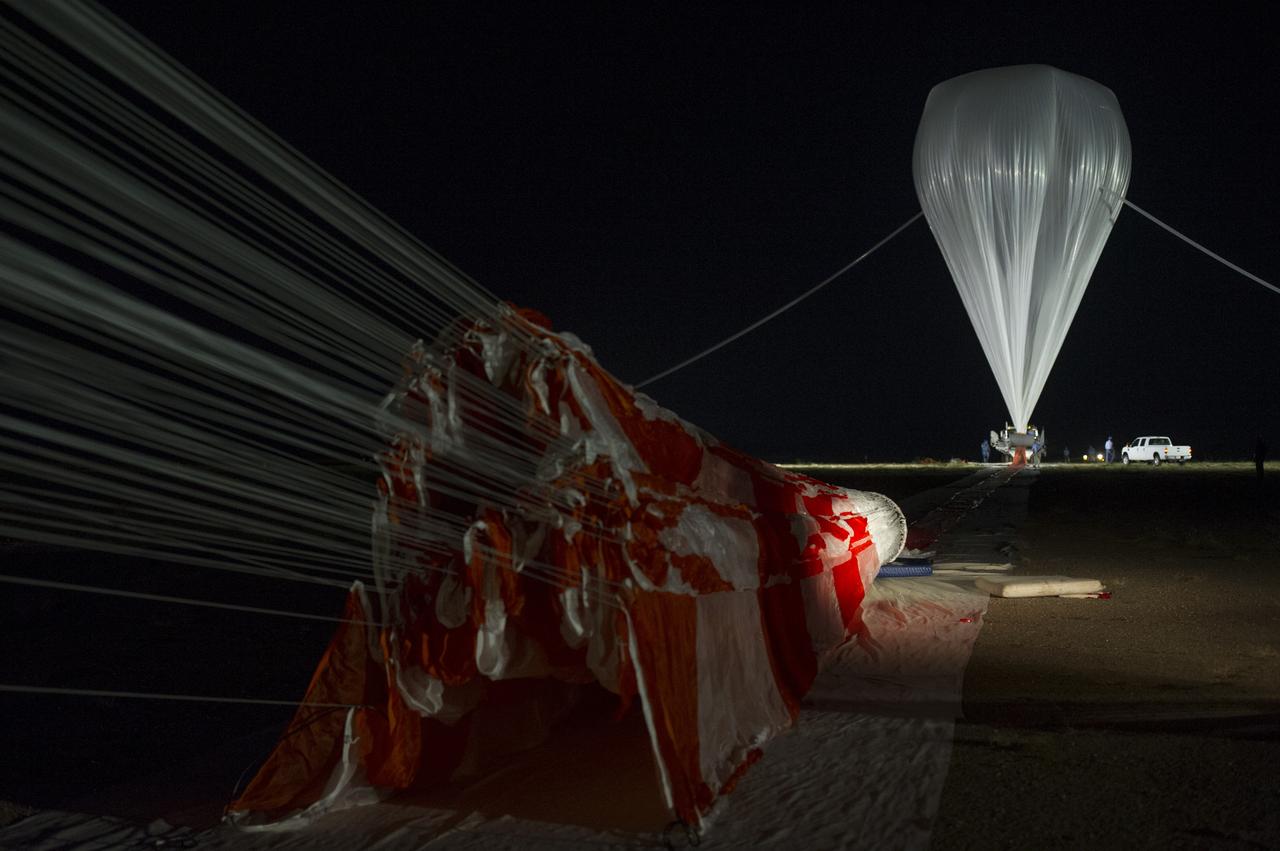
HEROES PAYLOAD AWAITS LAUNCH AS HELIUM BALLOON INFLATES IN BACKGROUND, FORT SUMNER, NEW MEXICO, SEPTEMBER 21, 2013
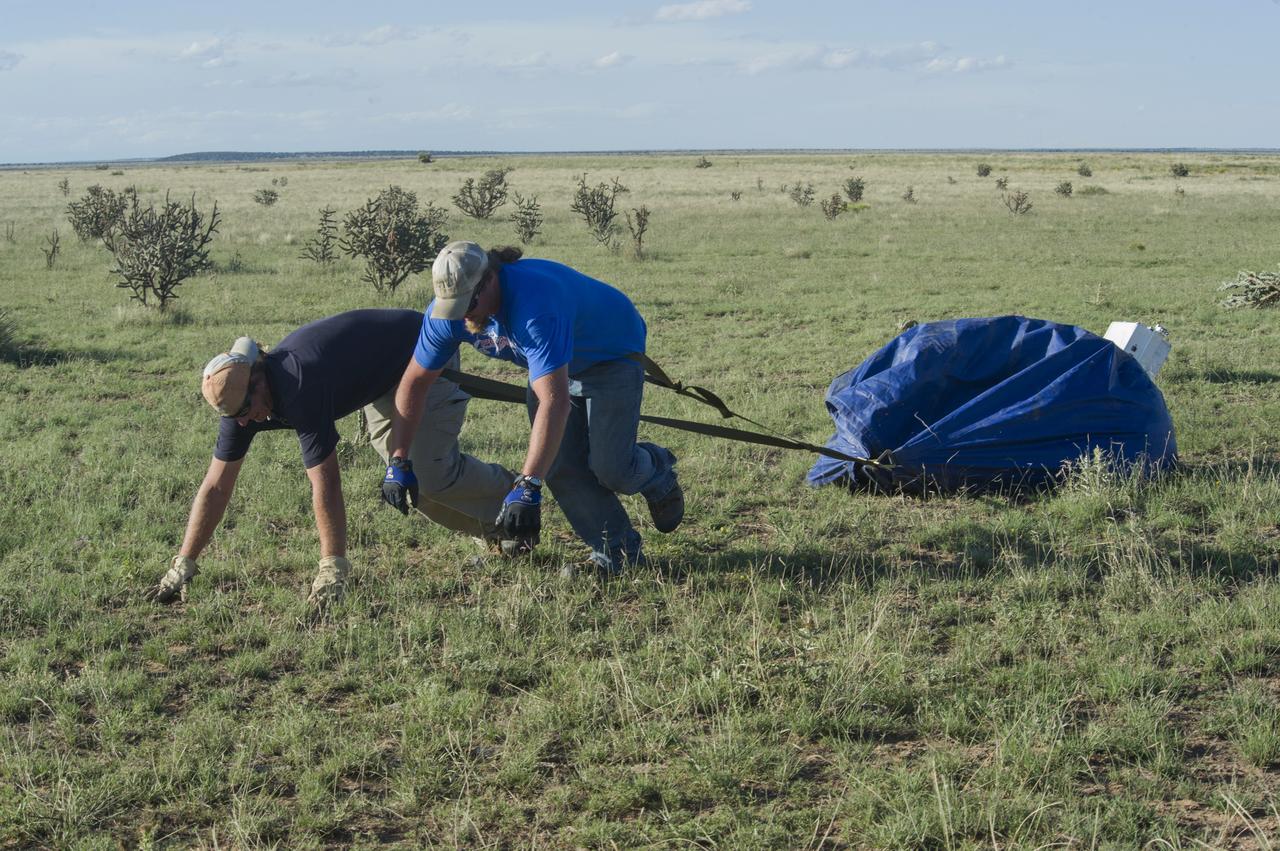
HEROES PAYLOAD AWAITS LAUNCH AS HELIUM BALLOON INFLATES IN BACKGROUND, FORT SUMNER, NEW MEXICO, SEPTEMBER 21, 2013
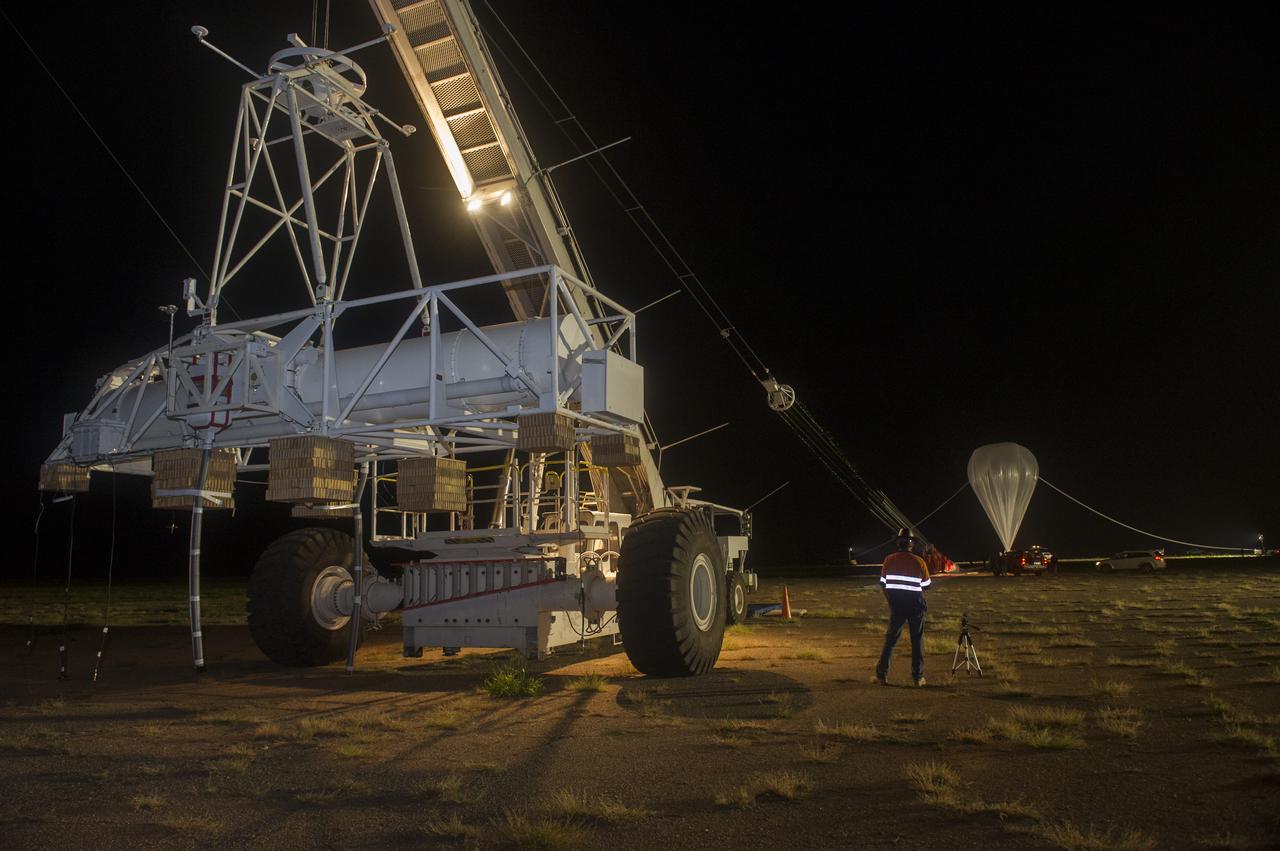
HEROES PAYLOAD AWAITS LAUNCH AS HELIUM BALLOON INFLATES IN BACKGROUND, FORT SUMNER, NEW MEXICO, SEPTEMBER 21, 2013
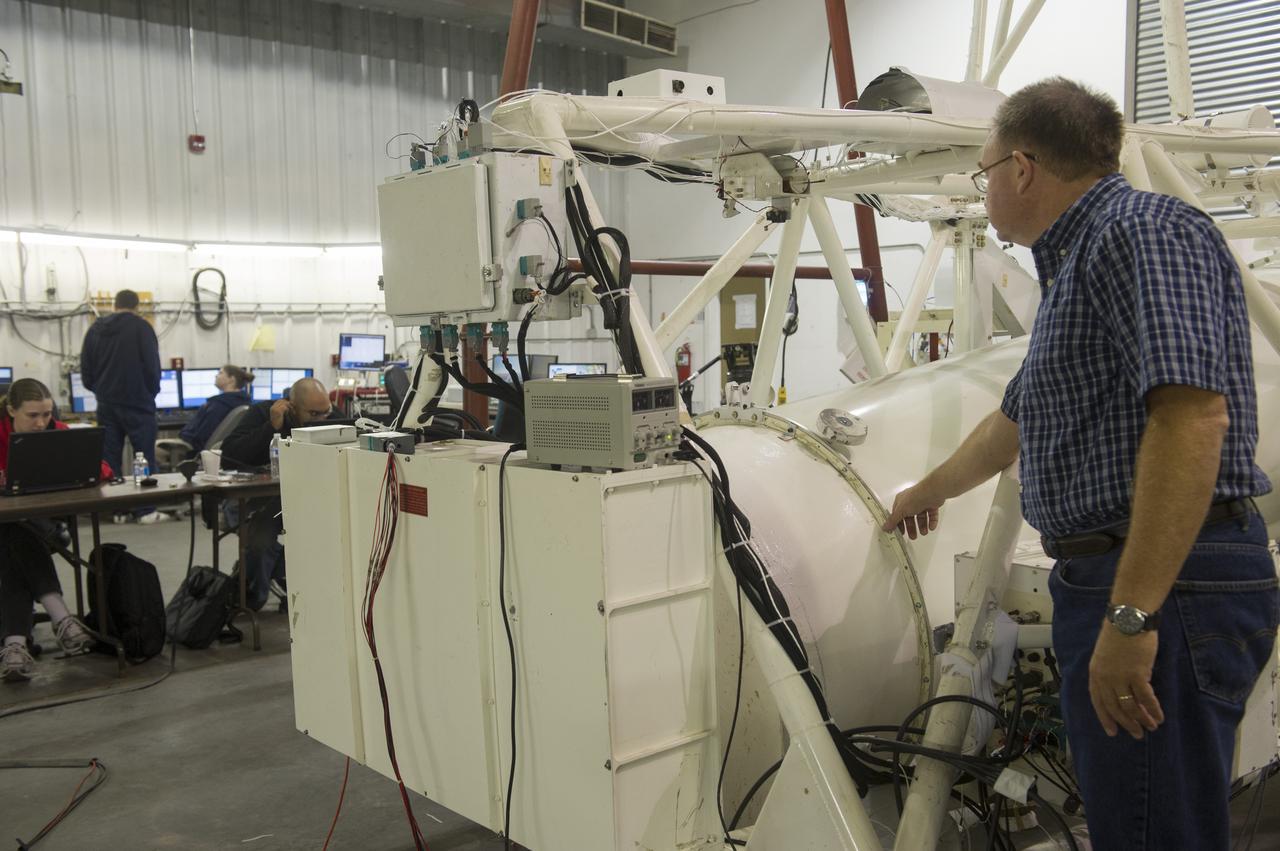
HEROES PAYLOAD AWAITS LAUNCH AS HELIUM BALLOON INFLATES IN BACKGROUND, FORT SUMNER, NEW MEXICO, SEPTEMBER 21, 2013
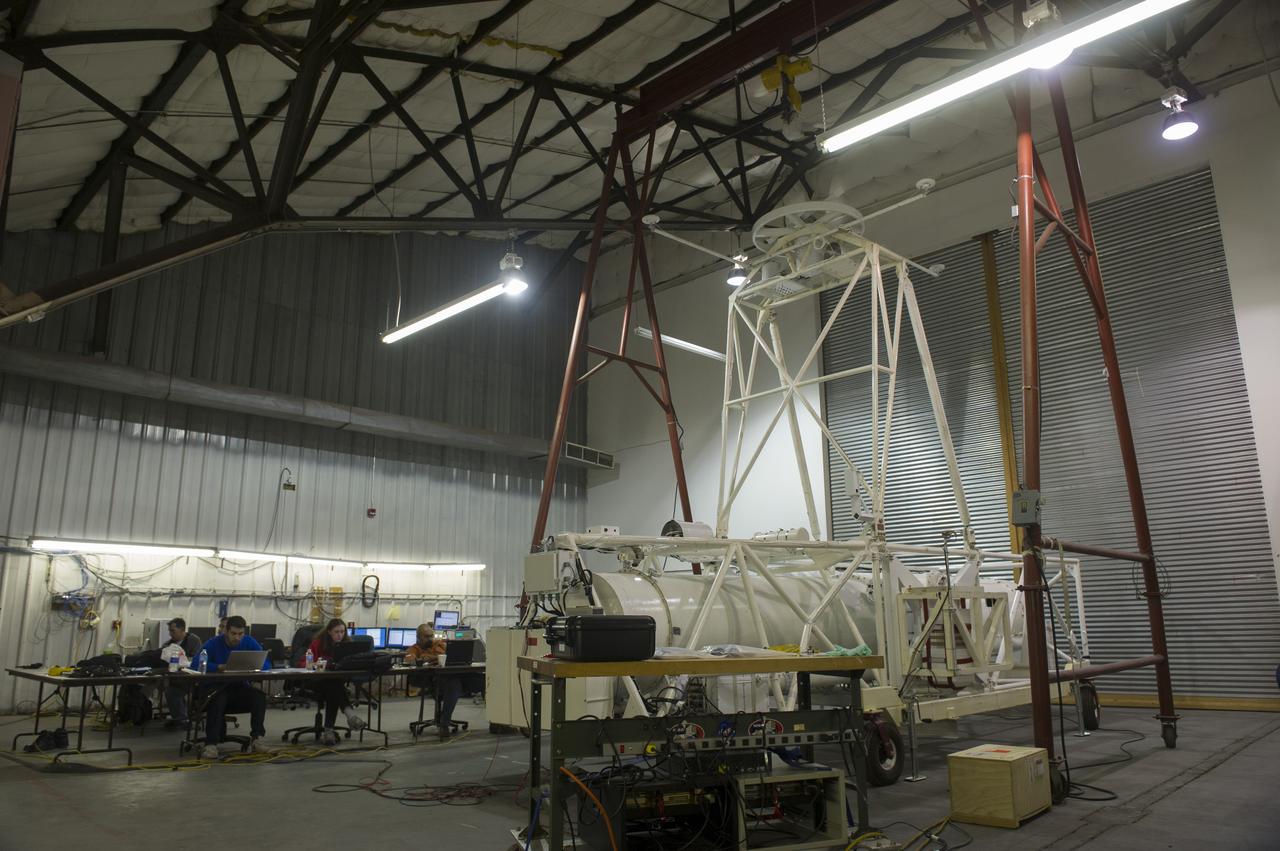
HEROES PAYLOAD AWAITS LAUNCH AS HELIUM BALLOON INFLATES IN BACKGROUND, FORT SUMNER, NEW MEXICO, SEPTEMBER 21, 2013
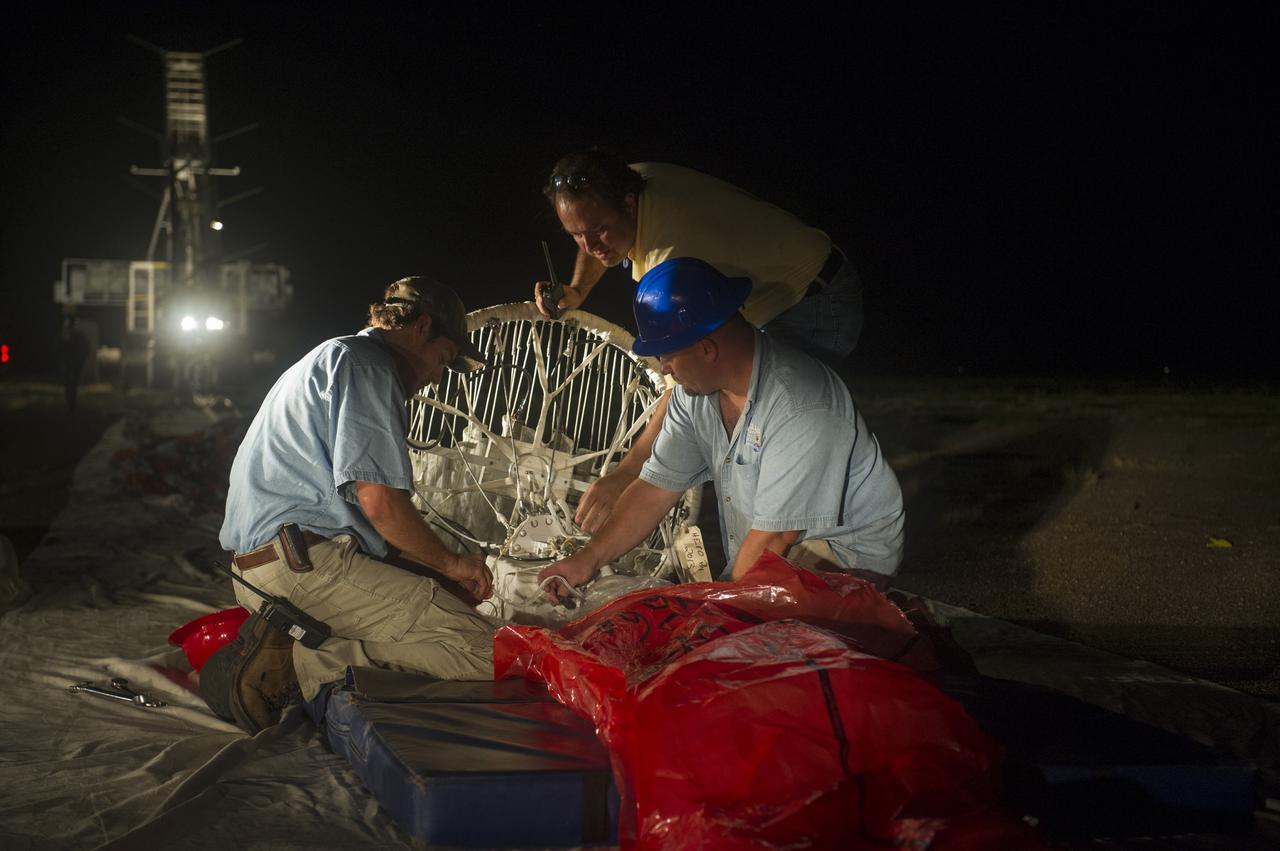
HEROES PAYLOAD AWAITS LAUNCH AS HELIUM BALLOON INFLATES IN BACKGROUND, FORT SUMNER, NEW MEXICO, SEPTEMBER 21, 2013
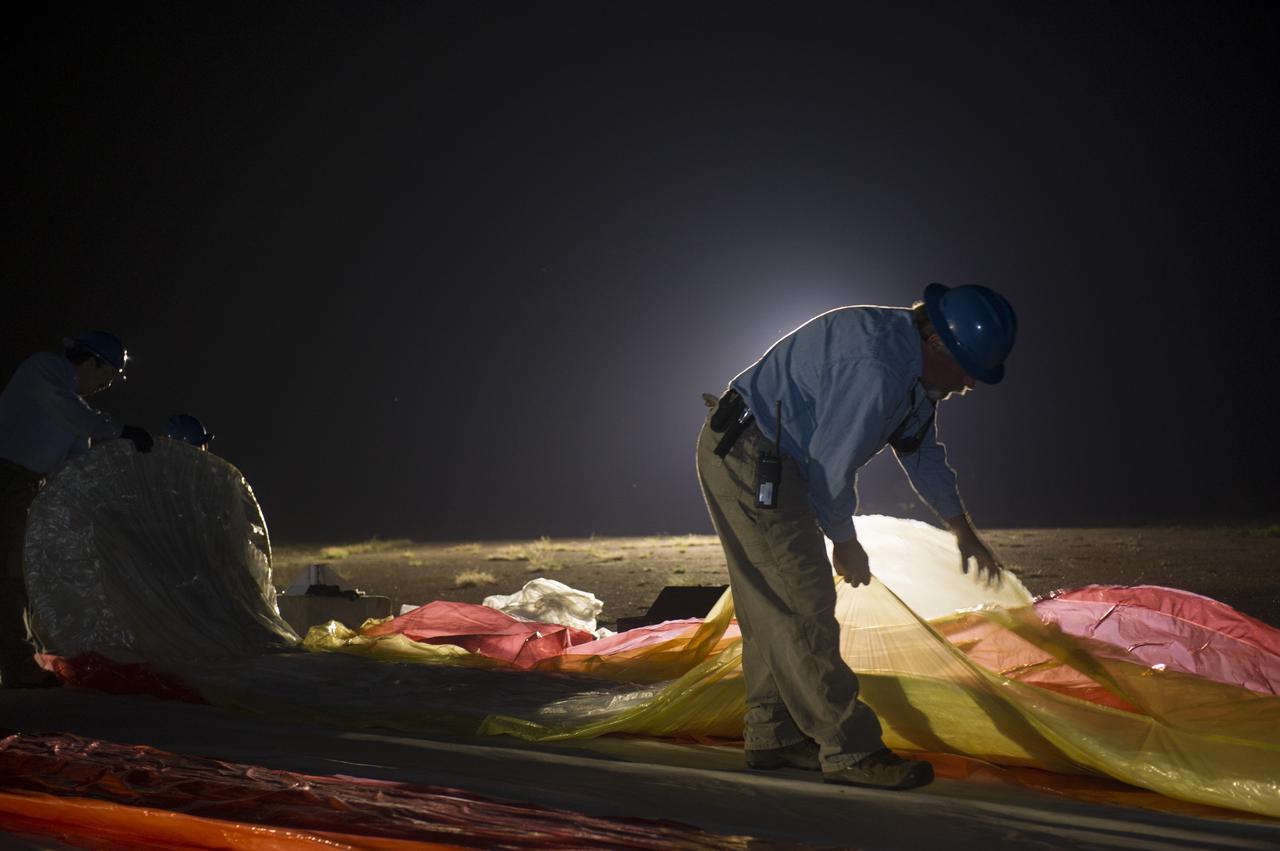
HEROES PAYLOAD AWAITS LAUNCH AS HELIUM BALLOON INFLATES IN BACKGROUND, FORT SUMNER, NEW MEXICO, SEPTEMBER 21, 2013
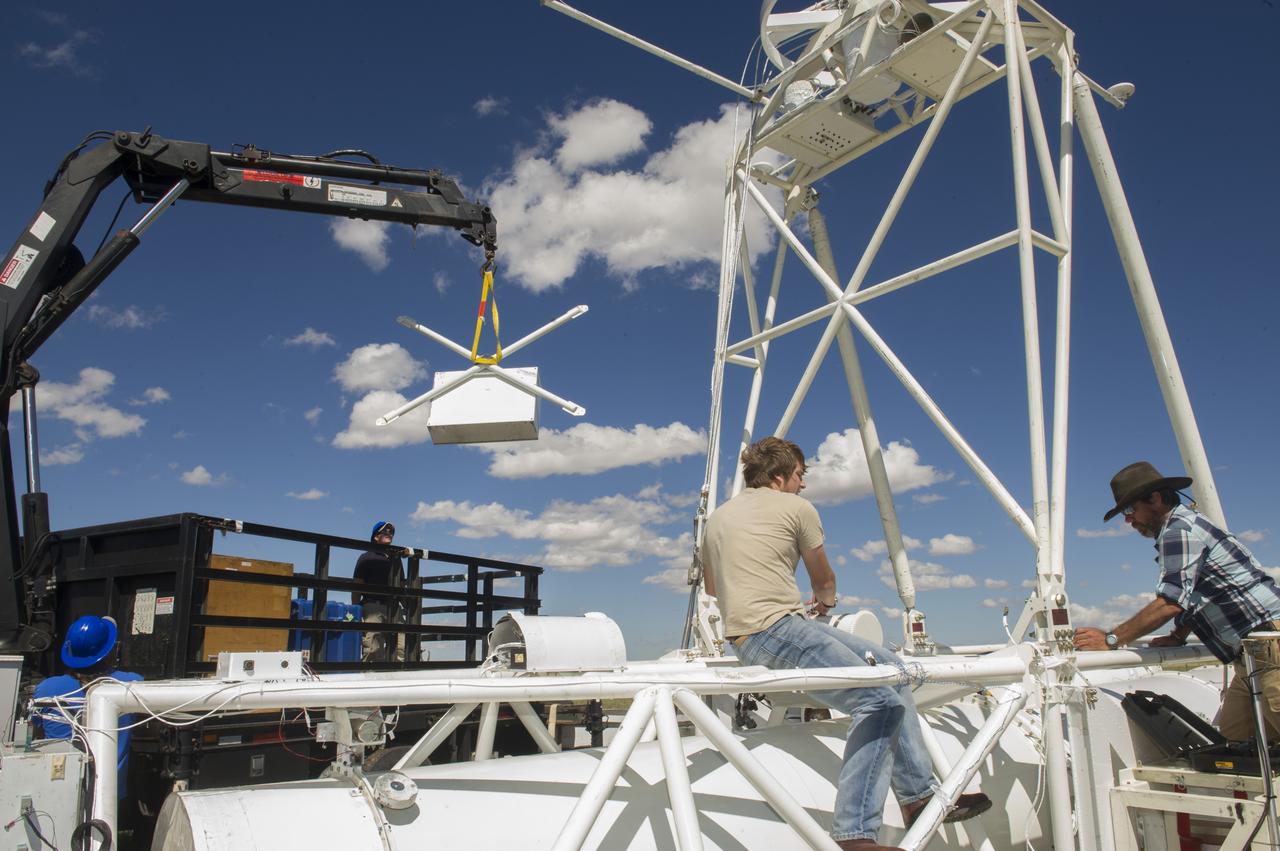
HEROES PAYLOAD AWAITS LAUNCH AS HELIUM BALLOON INFLATES IN BACKGROUND, FORT SUMNER, NEW MEXICO, SEPTEMBER 21, 2013
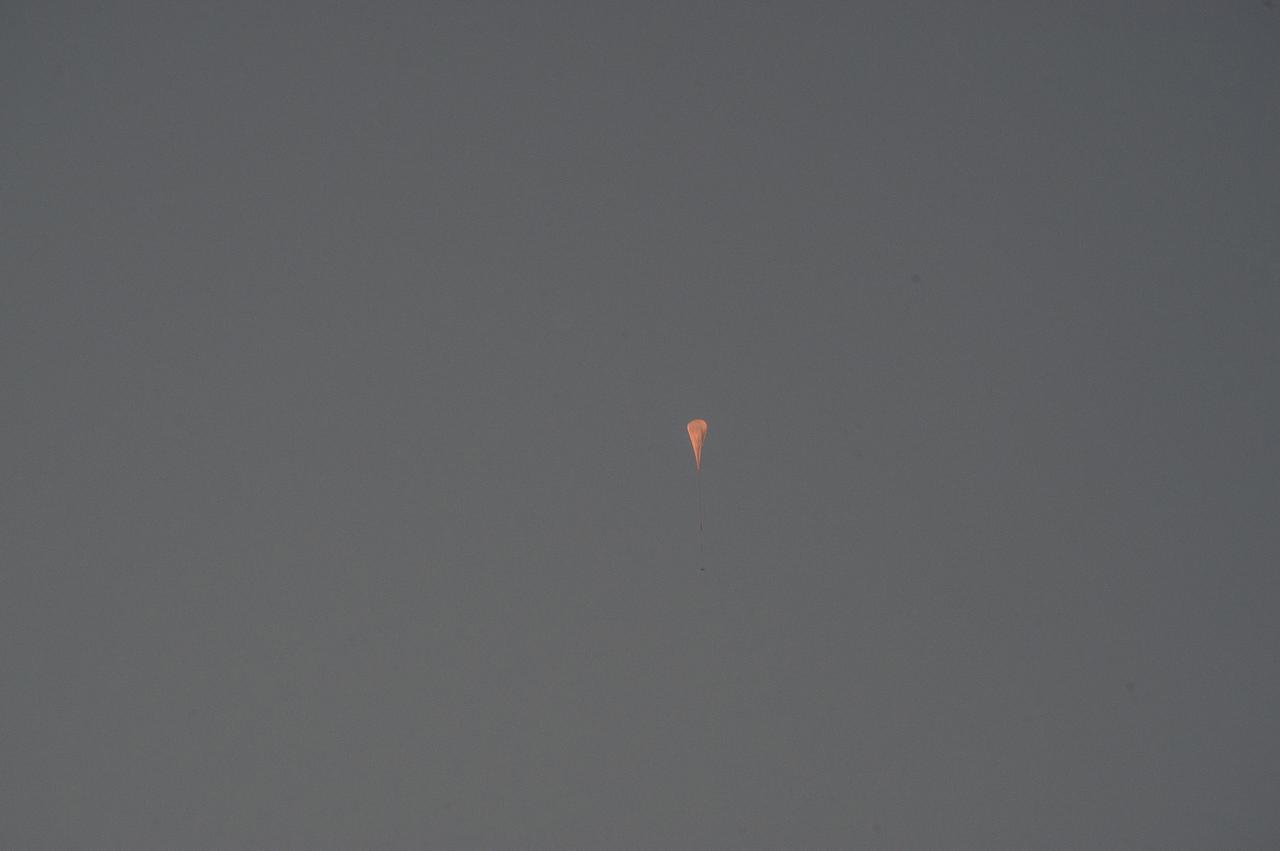
HEROES PAYLOAD AWAITS LAUNCH AS HELIUM BALLOON INFLATES IN BACKGROUND, FORT SUMNER, NEW MEXICO, SEPTEMBER 21, 2013
HEROES PAYLOAD AWAITS LAUNCH AS HELIUM BALLOON INFLATES IN BACKGROUND, FORT SUMNER, NEW MEXICO, SEPTEMBER 21, 2013
HEROES PAYLOAD AWAITS LAUNCH AS HELIUM BALLOON INFLATES IN BACKGROUND, FORT SUMNER, NEW MEXICO, SEPTEMBER 21, 2013
HEROES PAYLOAD AWAITS LAUNCH AS HELIUM BALLOON INFLATES IN BACKGROUND, FORT SUMNER, NEW MEXICO, SEPTEMBER 21, 2013
HEROES PAYLOAD AWAITS LAUNCH AS HELIUM BALLOON INFLATES IN BACKGROUND, FORT SUMNER, NEW MEXICO, SEPTEMBER 21, 2013
HEROES PAYLOAD AWAITS LAUNCH AS HELIUM BALLOON INFLATES IN BACKGROUND, FORT SUMNER, NEW MEXICO, SEPTEMBER 21, 2013
HEROES PAYLOAD AWAITS LAUNCH AS HELIUM BALLOON INFLATES IN BACKGROUND, FORT SUMNER, NEW MEXICO, SEPTEMBER 21, 2013
HEROES PAYLOAD AWAITS LAUNCH AS HELIUM BALLOON INFLATES IN BACKGROUND, FORT SUMNER, NEW MEXICO, SEPTEMBER 21, 2013
HEROES PAYLOAD AWAITS LAUNCH AS HELIUM BALLOON INFLATES IN BACKGROUND, FORT SUMNER, NEW MEXICO, SEPTEMBER 21, 2013
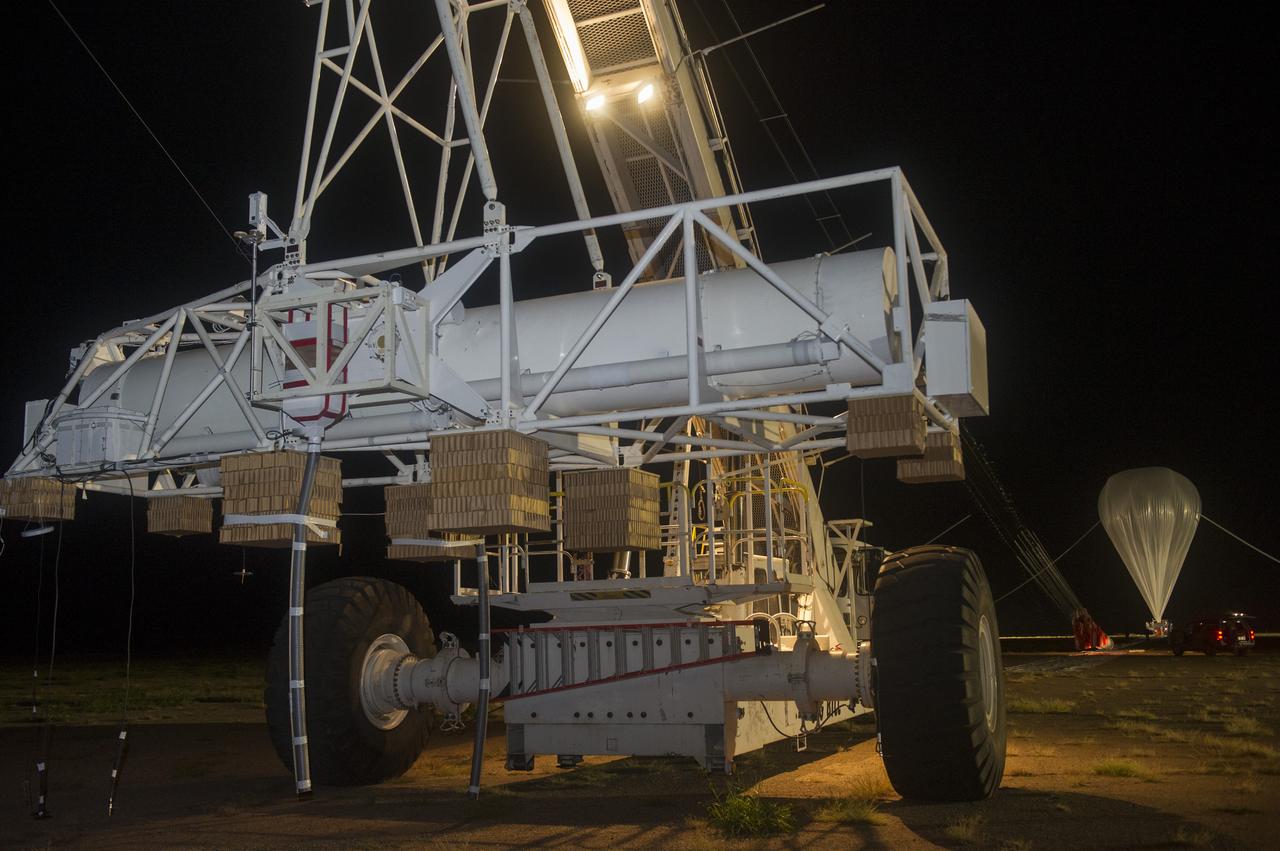
HEROES PAYLOAD AWAITS LAUNCH AS HELIUM BALLOON INFLATES IN BACKGROUND, FORT SUMNER, NEW MEXICO, SEPTEMBER 21, 2013
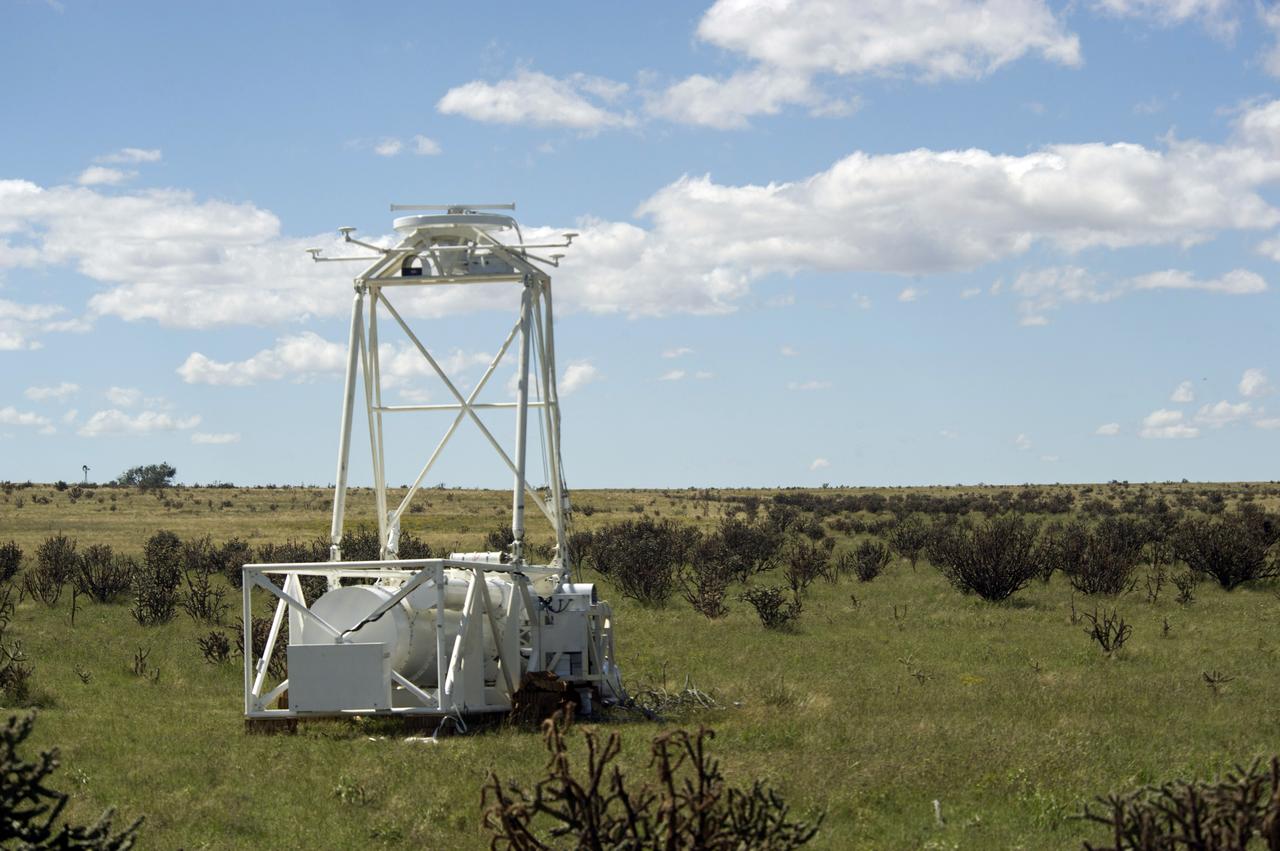
HEROES PAYLOAD AWAITS LAUNCH AS HELIUM BALLOON INFLATES IN BACKGROUND, FORT SUMNER, NEW MEXICO, SEPTEMBER 21, 2013

HEROES PAYLOAD AWAITS LAUNCH AS HELIUM BALLOON INFLATES IN BACKGROUND, FORT SUMNER, NEW MEXICO, SEPTEMBER 21, 2013
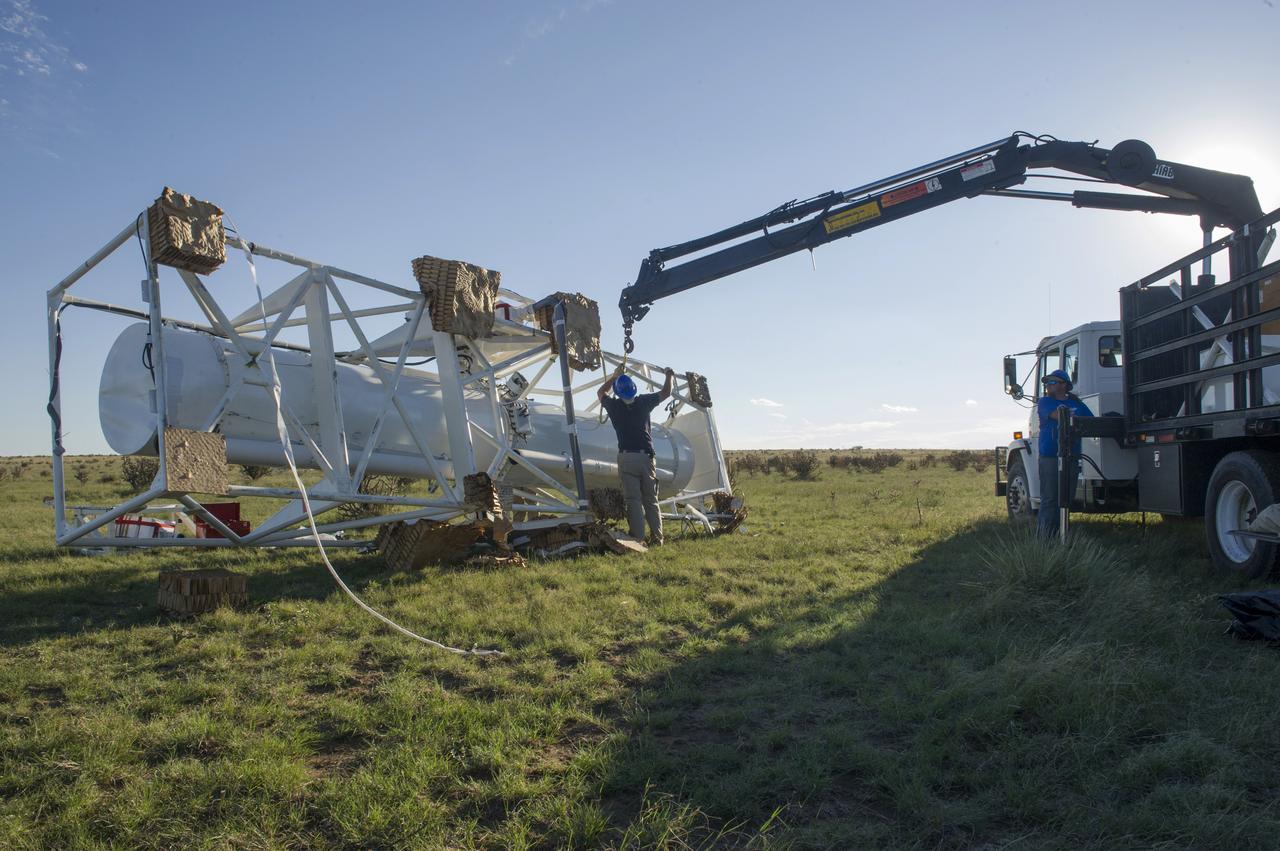
HEROES PAYLOAD AWAITS LAUNCH AS HELIUM BALLOON INFLATES IN BACKGROUND, FORT SUMNER, NEW MEXICO, SEPTEMBER 21, 2013

HEROES PAYLOAD AWAITS LAUNCH AS HELIUM BALLOON INFLATES IN BACKGROUND, FORT SUMNER, NEW MEXICO, SEPTEMBER 21, 2013
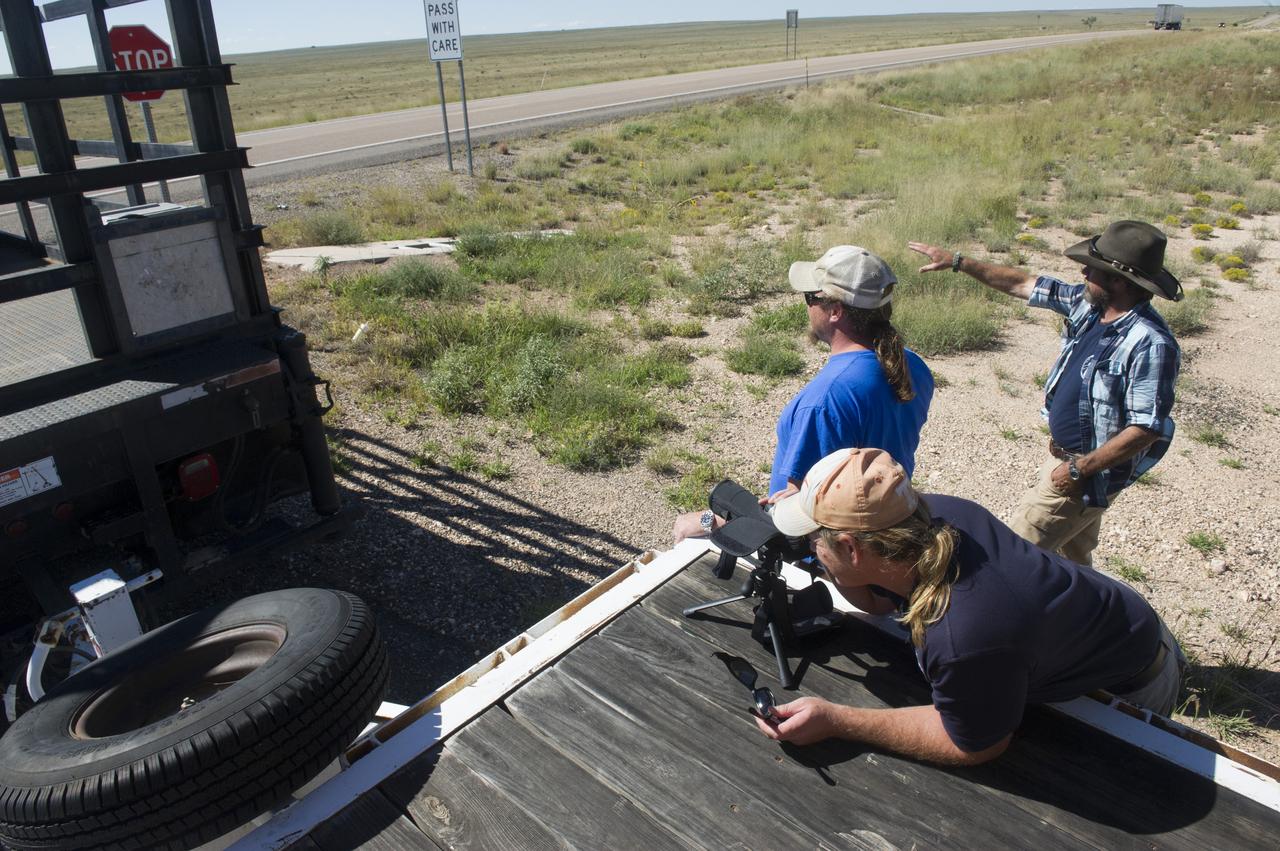
HEROES PAYLOAD AWAITS LAUNCH AS HELIUM BALLOON INFLATES IN BACKGROUND, FORT SUMNER, NEW MEXICO, SEPTEMBER 21, 2013
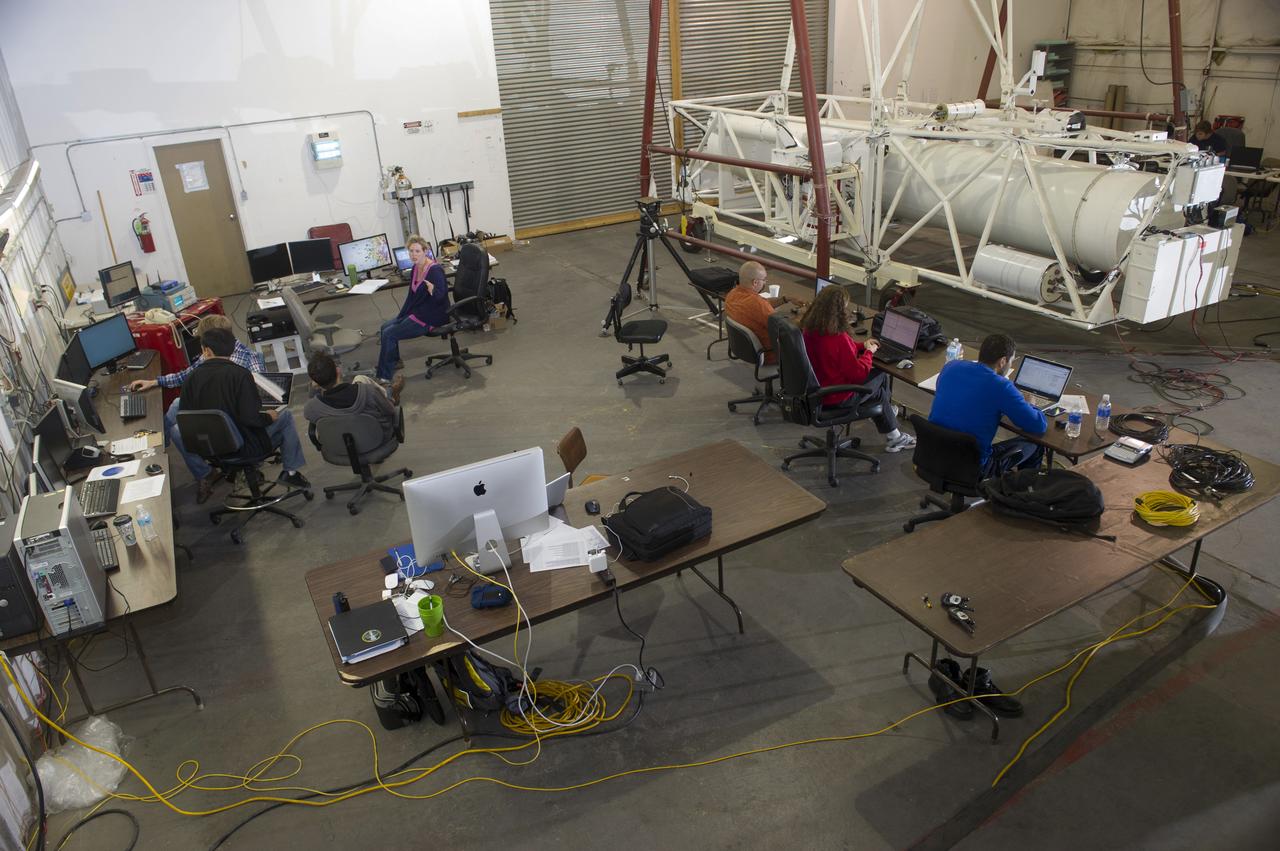
HEROES PAYLOAD AWAITS LAUNCH AS HELIUM BALLOON INFLATES IN BACKGROUND, FORT SUMNER, NEW MEXICO, SEPTEMBER 21, 2013
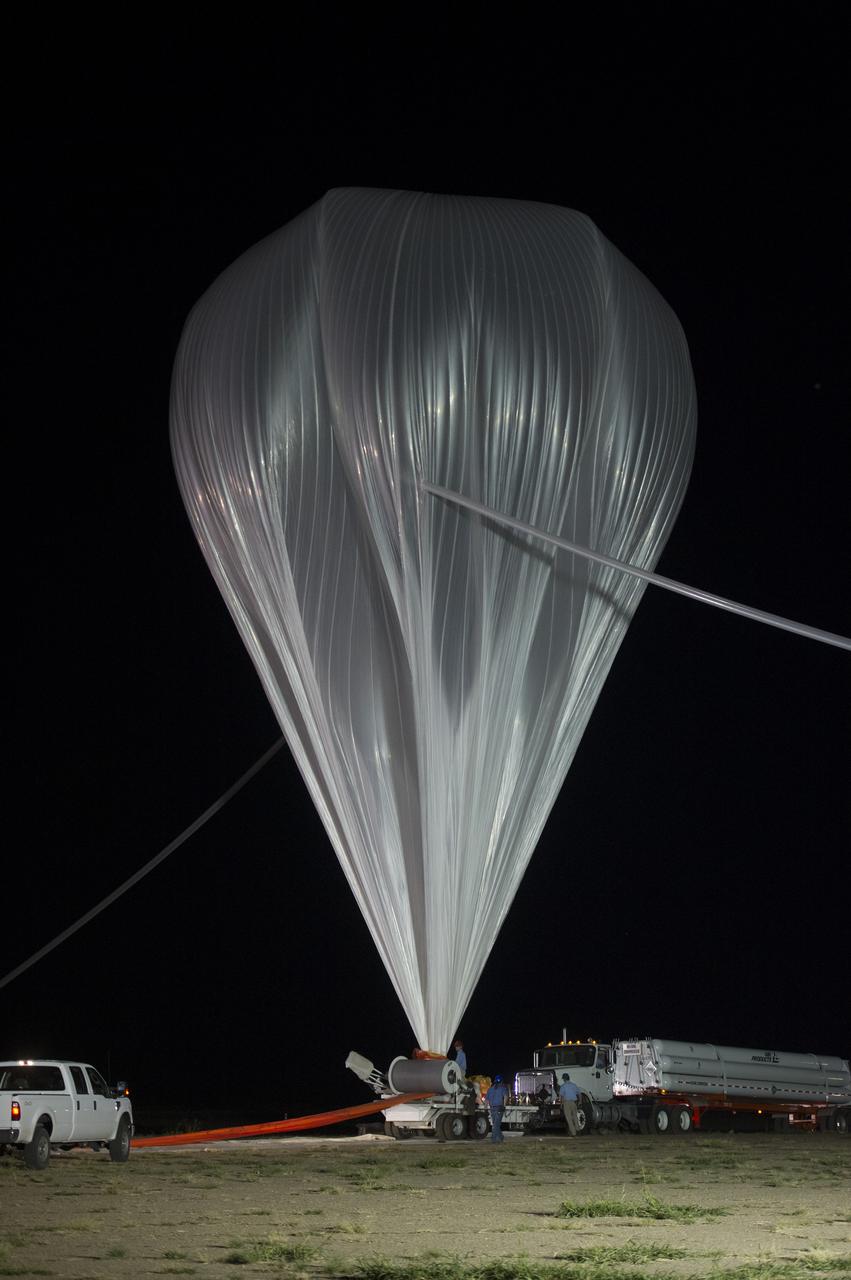
HEROES PAYLOAD AWAITS LAUNCH AS HELIUM BALLOON INFLATES IN BACKGROUND, FORT SUMNER, NEW MEXICO, SEPTEMBER 21, 2013
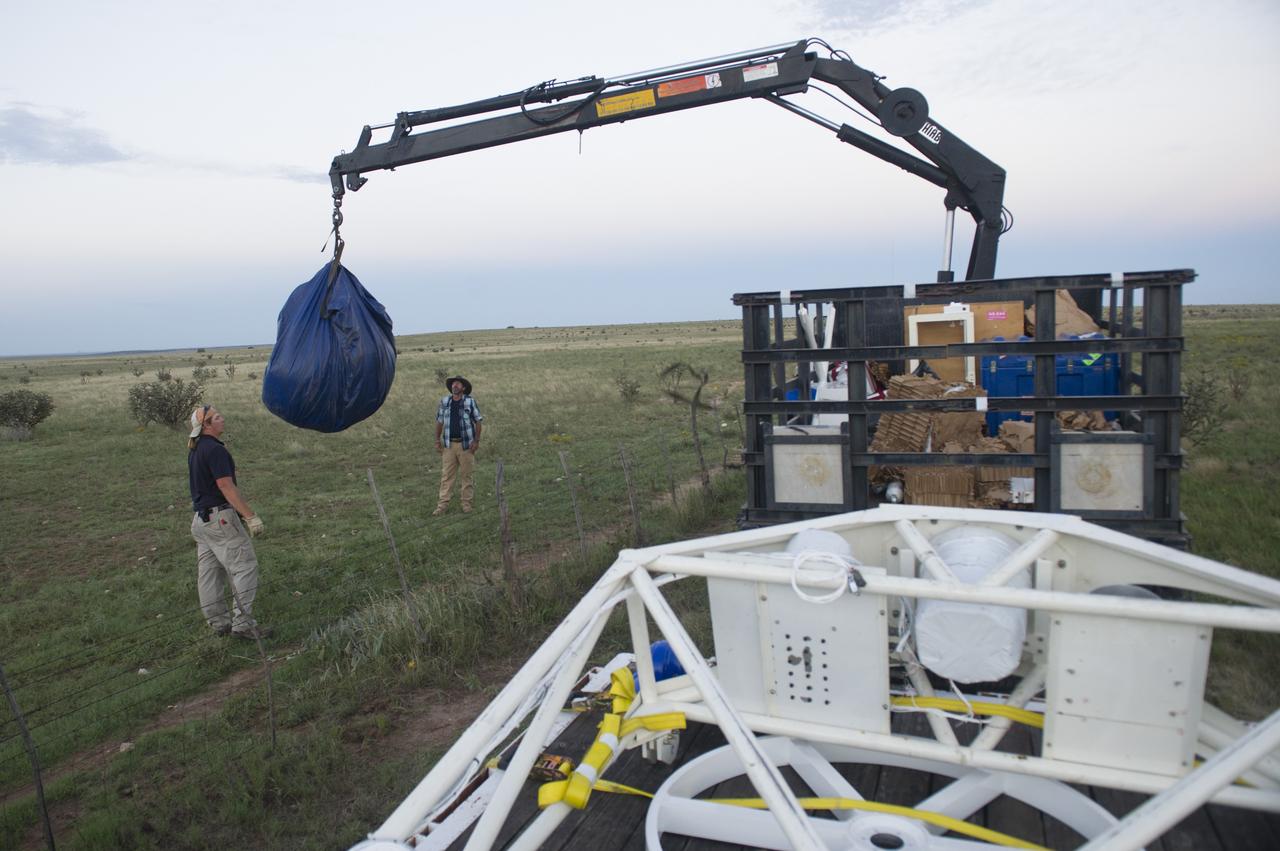
HEROES PAYLOAD AWAITS LAUNCH AS HELIUM BALLOON INFLATES IN BACKGROUND, FORT SUMNER, NEW MEXICO, SEPTEMBER 21, 2013
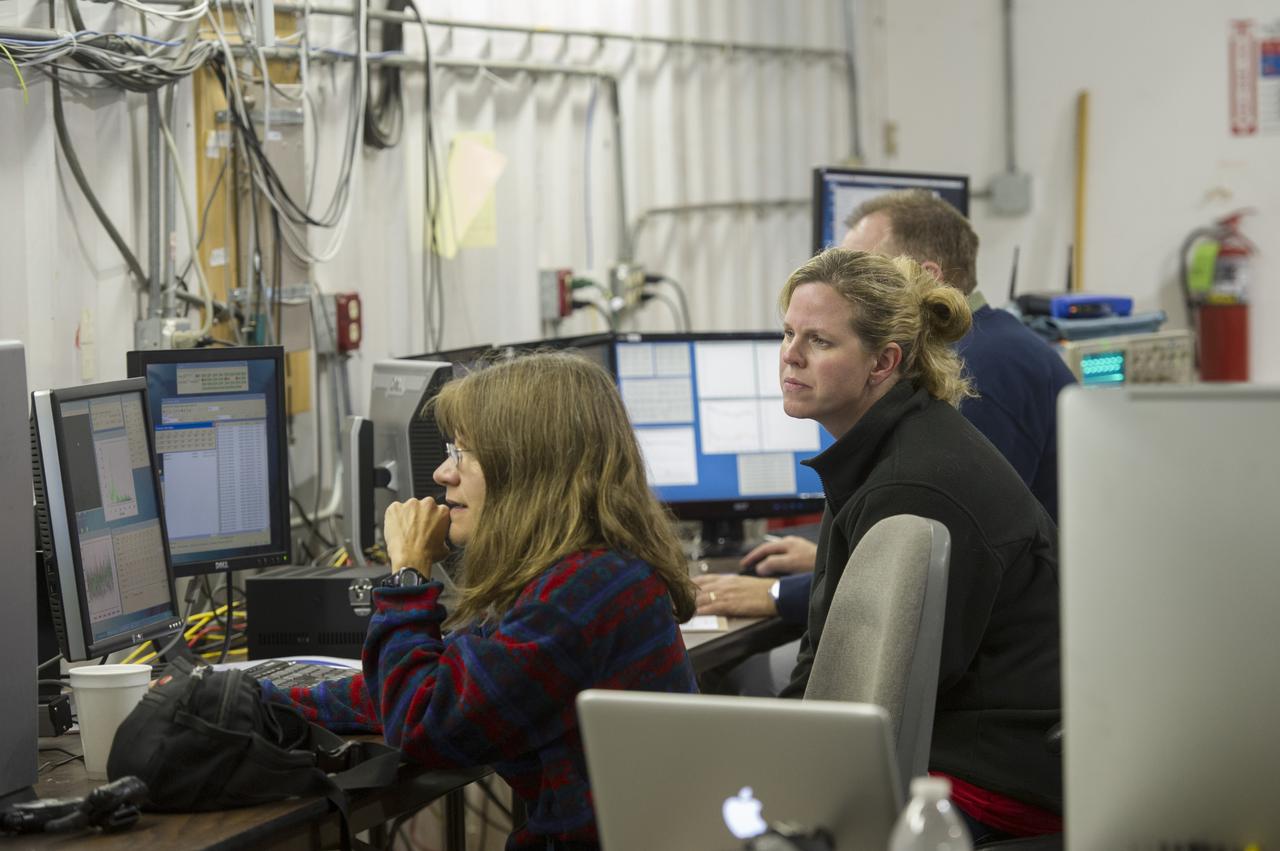
HEROES PAYLOAD AWAITS LAUNCH AS HELIUM BALLOON INFLATES IN BACKGROUND, FORT SUMNER, NEW MEXICO, SEPTEMBER 21, 2013
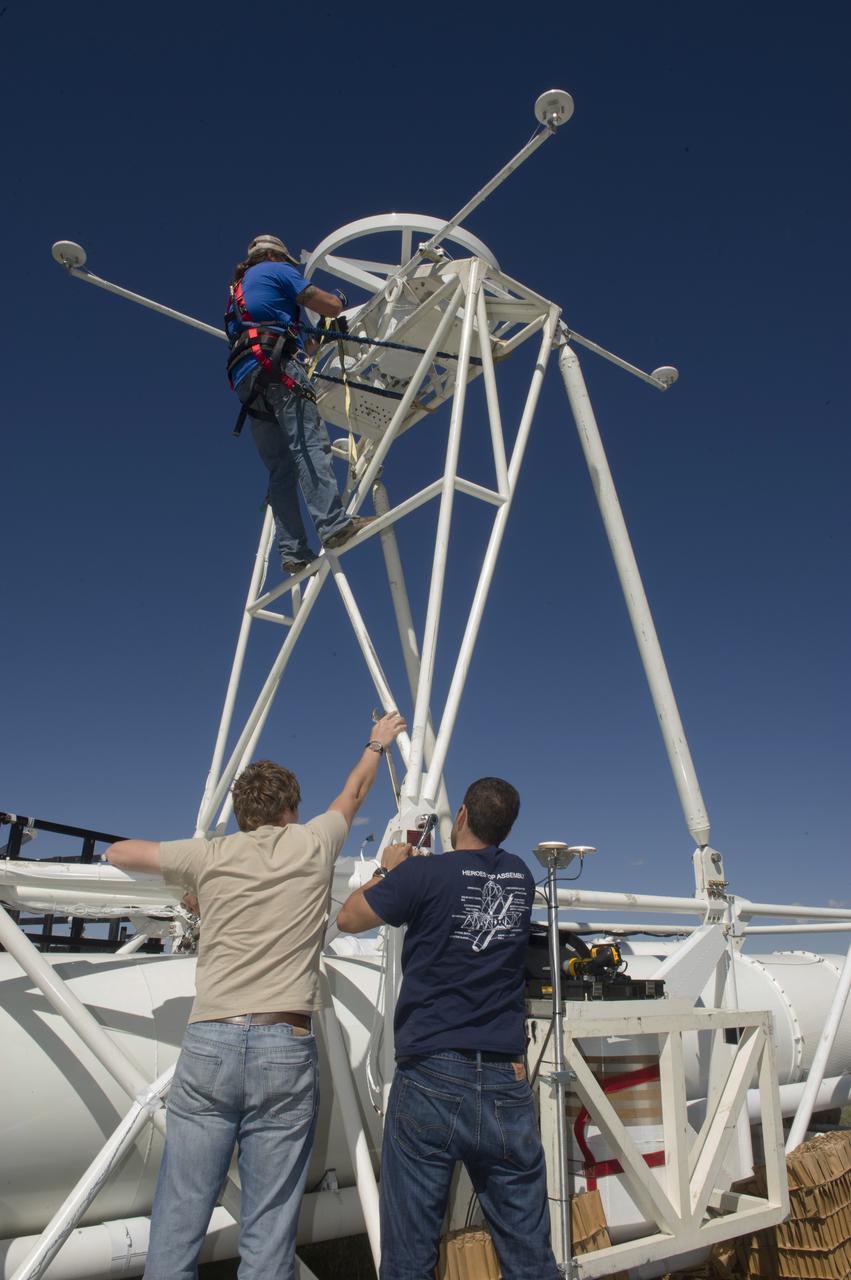
HEROES PAYLOAD AWAITS LAUNCH AS HELIUM BALLOON INFLATES IN BACKGROUND, FORT SUMNER, NEW MEXICO, SEPTEMBER 21, 2013
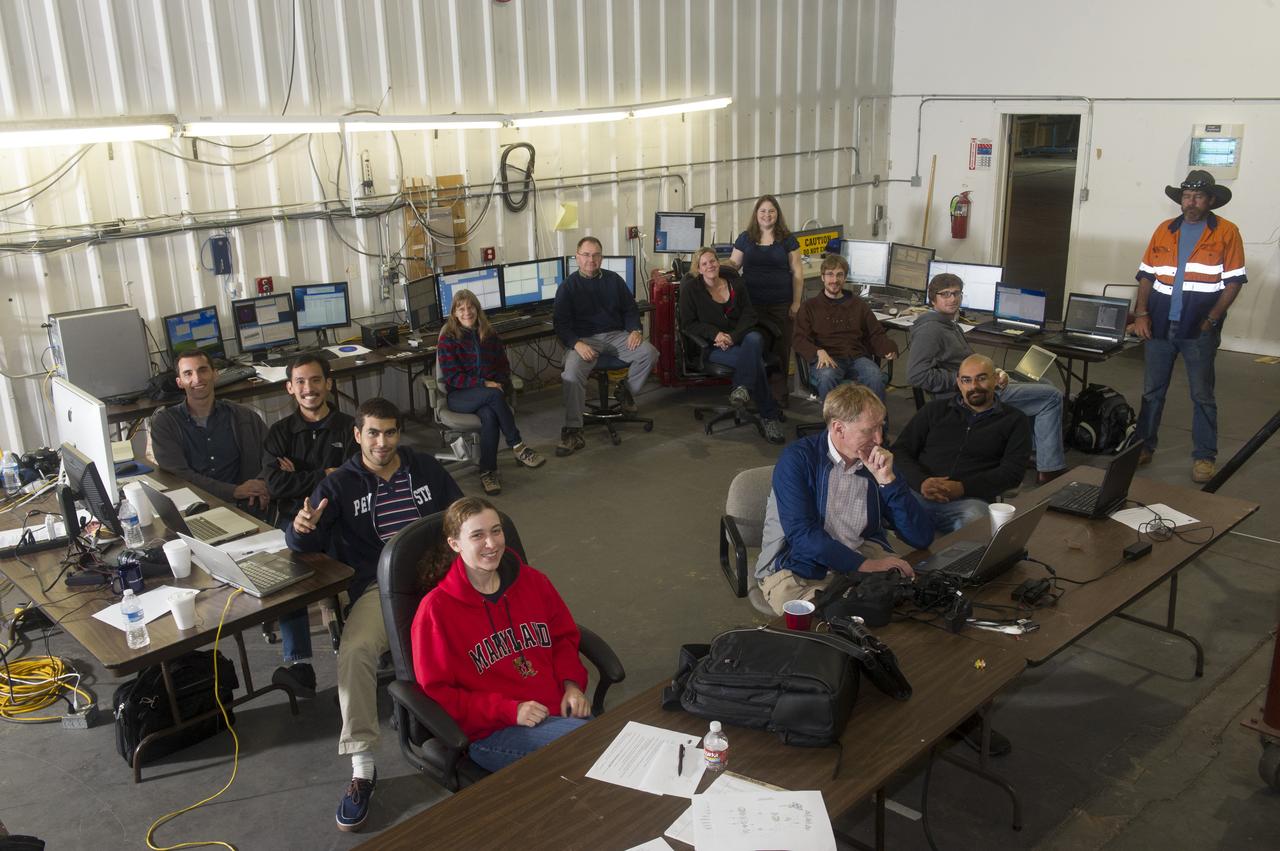
HEROES PAYLOAD AWAITS LAUNCH AS HELIUM BALLOON INFLATES IN BACKGROUND, FORT SUMNER, NEW MEXICO, SEPTEMBER 21, 2013
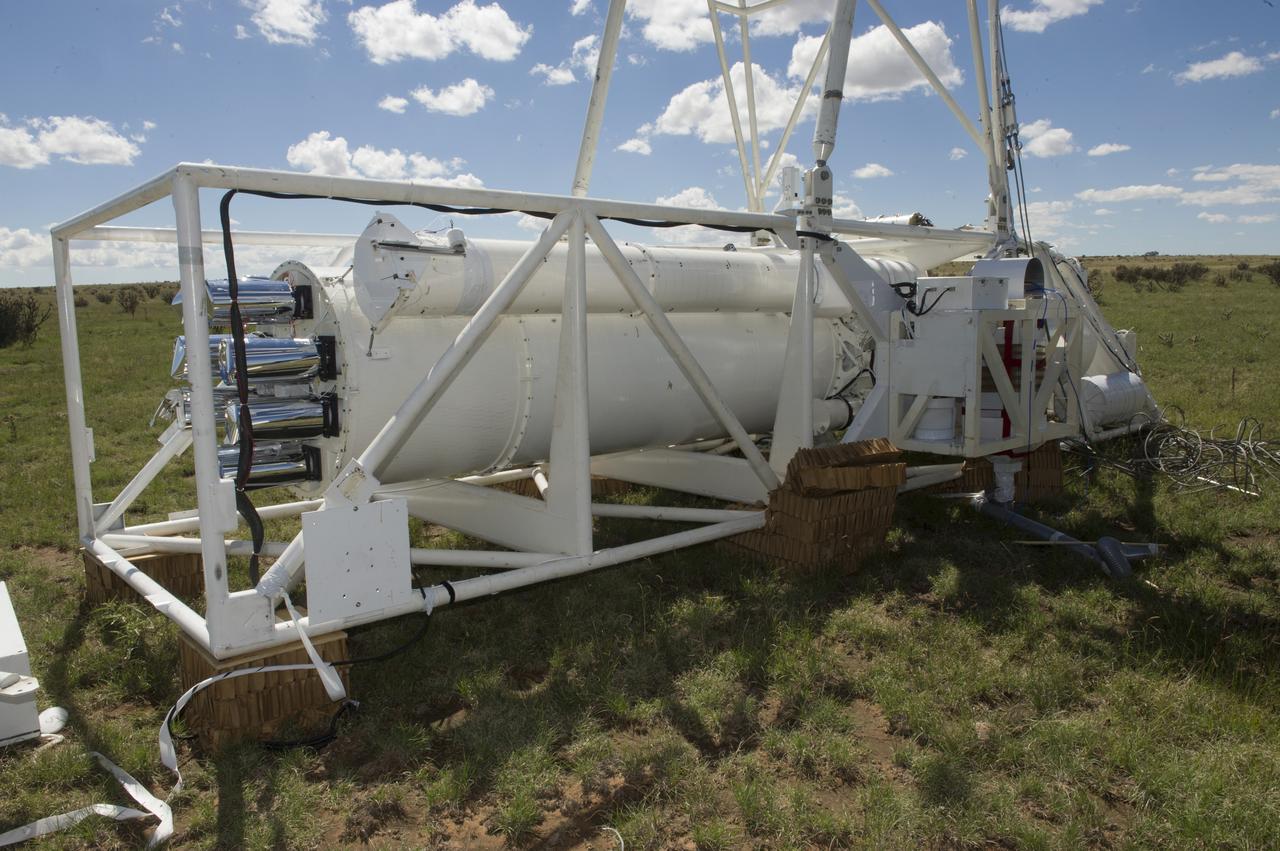
HEROES PAYLOAD AWAITS LAUNCH AS HELIUM BALLOON INFLATES IN BACKGROUND, FORT SUMNER, NEW MEXICO, SEPTEMBER 21, 2013
HEROES PAYLOAD AWAITS LAUNCH AS HELIUM BALLOON INFLATES IN BACKGROUND, FORT SUMNER, NEW MEXICO, SEPTEMBER 21, 2013
HEROES PAYLOAD AWAITS LAUNCH AS HELIUM BALLOON INFLATES IN BACKGROUND, FORT SUMNER, NEW MEXICO, SEPTEMBER 21, 2013

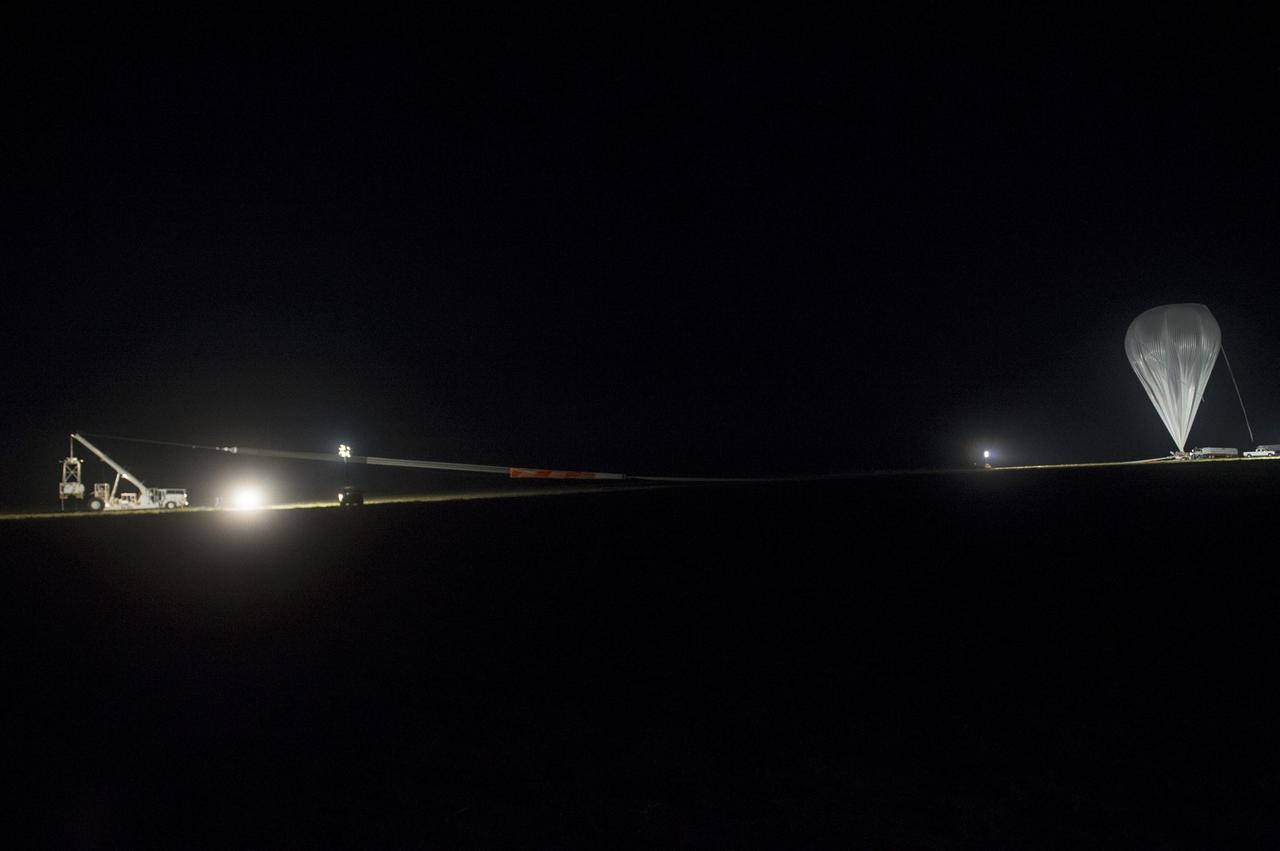
Filling a 4 million cubic foot balloon with Helium for the High Altitude Student Platform 2.0 Mission (HASP).
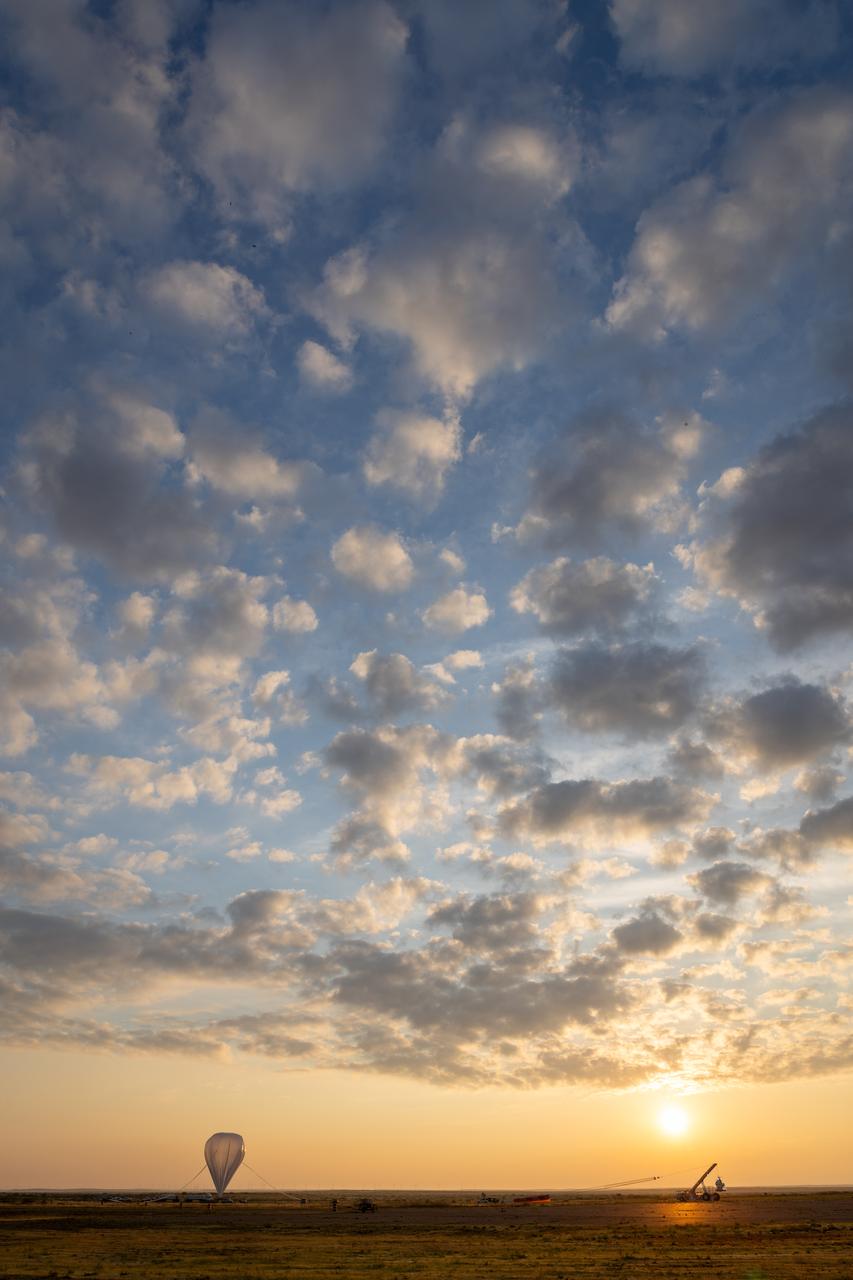
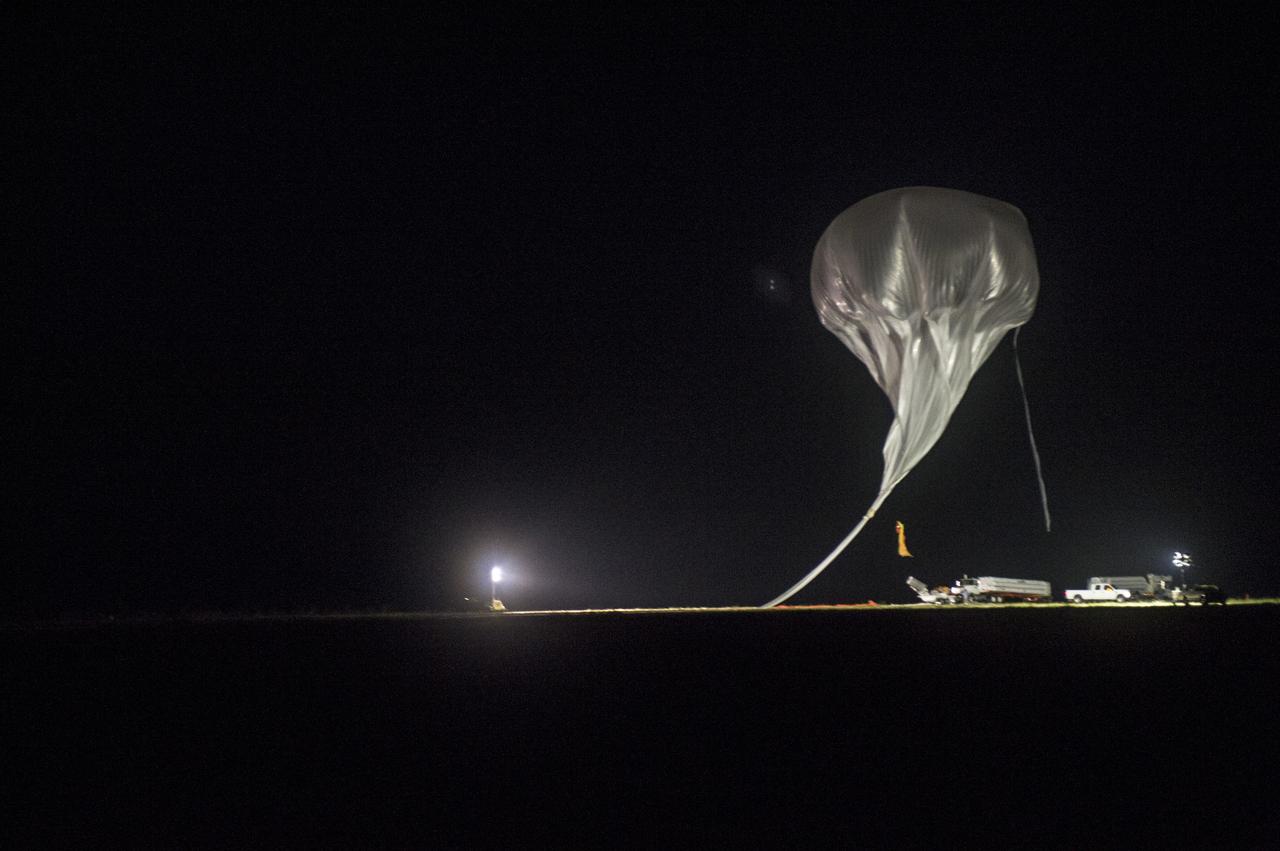
It takes around an hour to fill a 39-million-cubic-foot scientific balloon with helium. The EXCITE telescope is poised for launch as the day breaks on August 31st, 2024.
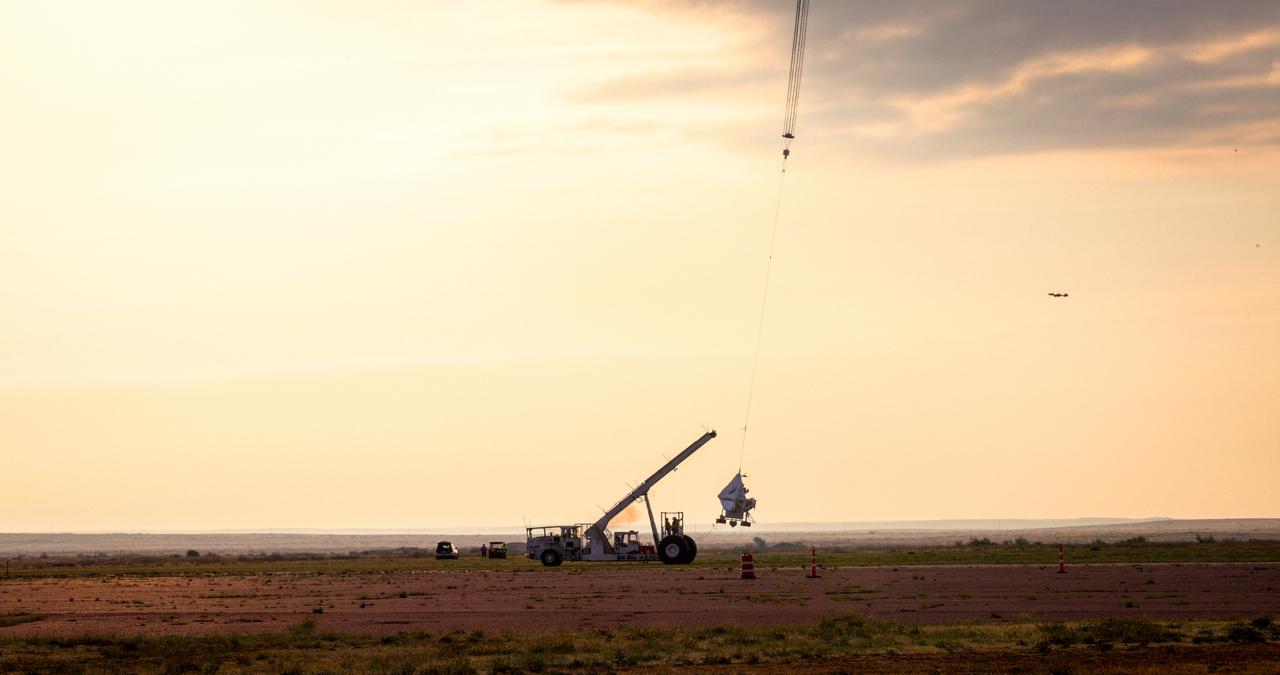
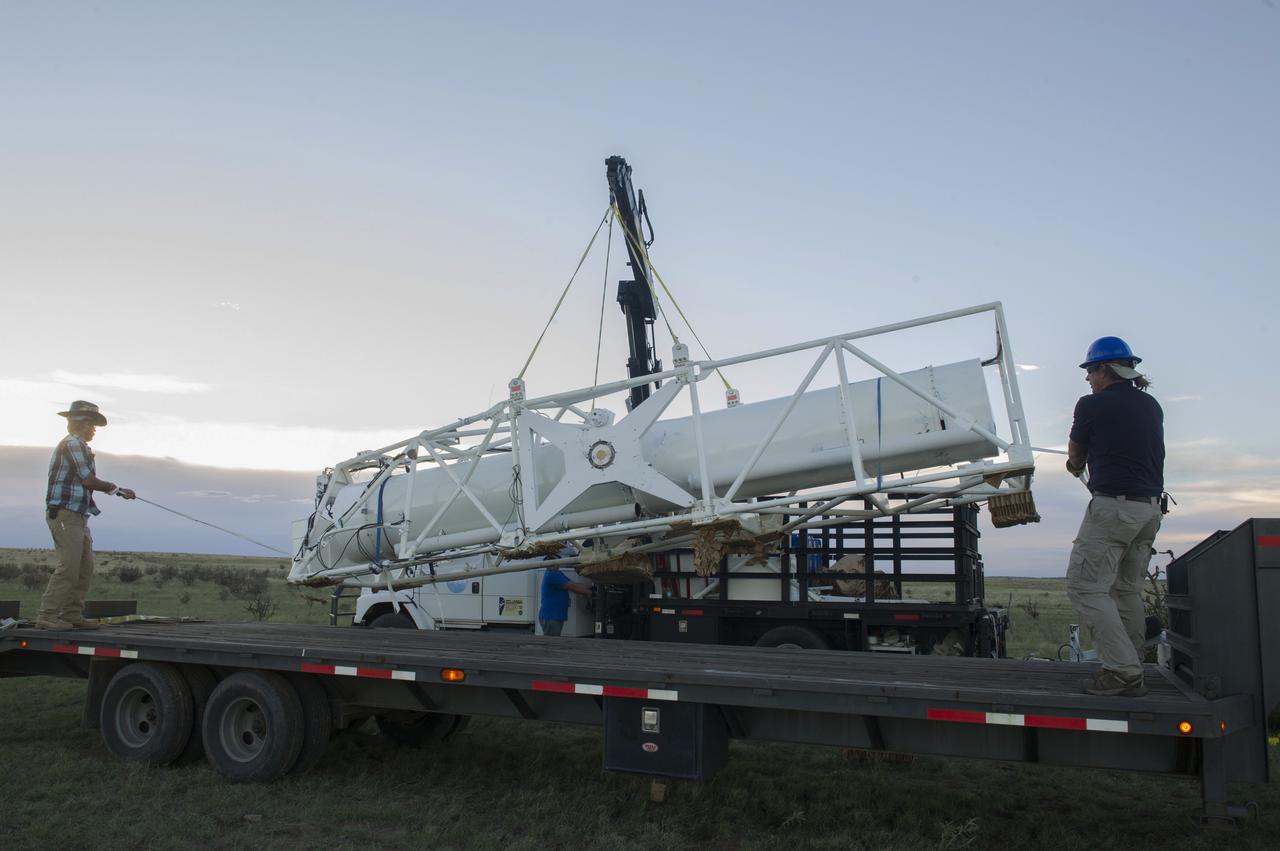
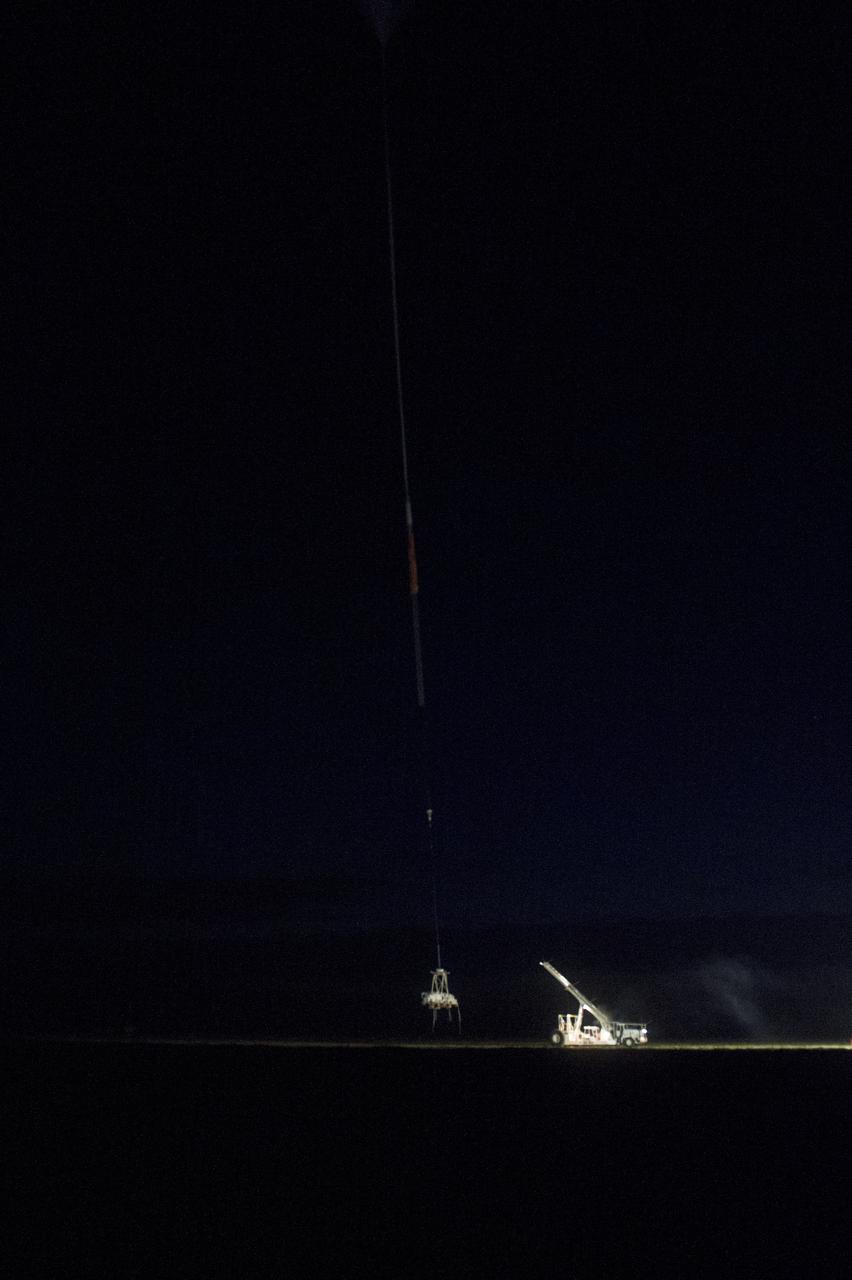
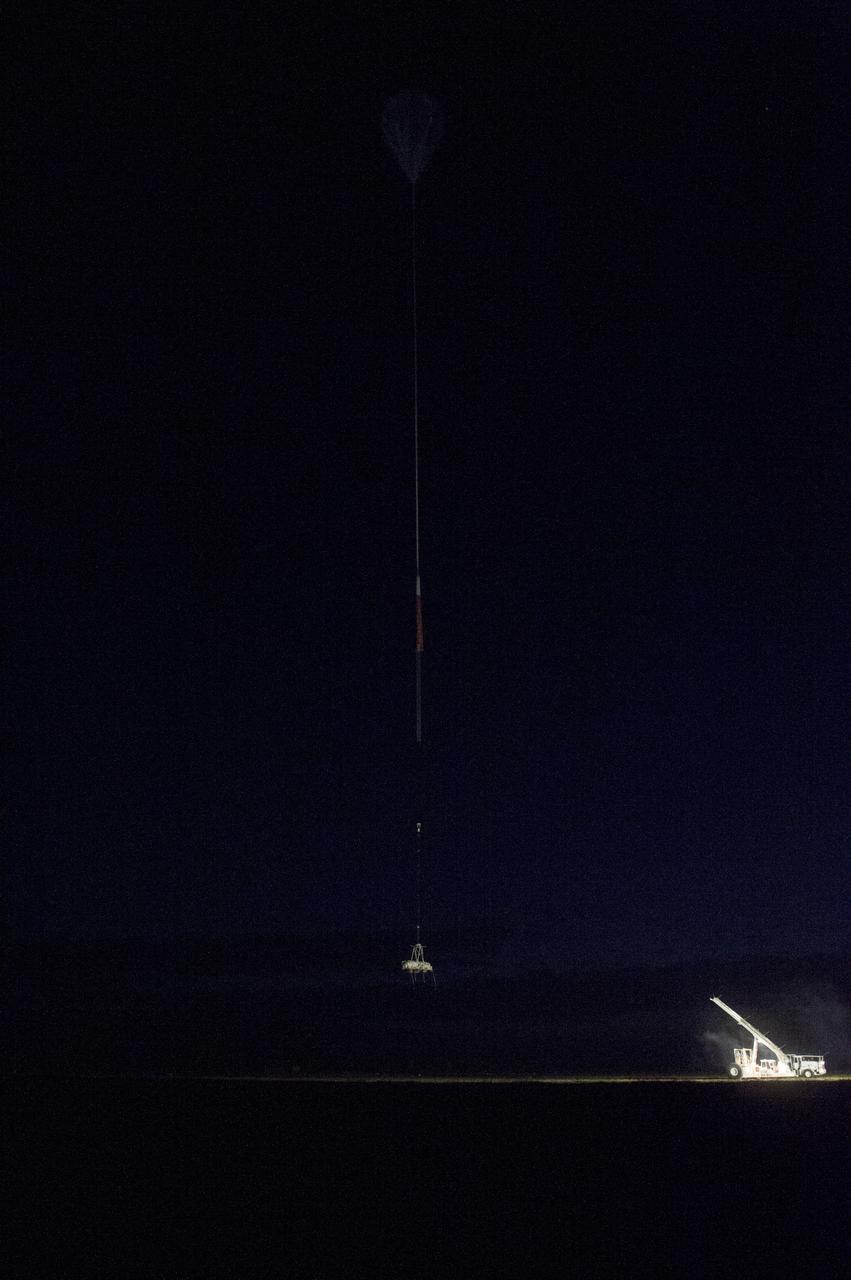
This is EXCITE’s moment of release. On August 31, 2024, the EXCITE (EXoplanet Climate Infrared TElescope) team conducted a test flight of their telescope from NASA’s Columbia Scientific Balloon Facility in Fort Sumner, New Mexico. This photo was taken moments after the telescope was released from the tractor vehicle (called Big Bill). Unseen above is the helium-filled scientific balloon that carried the telescope to the edge of space.
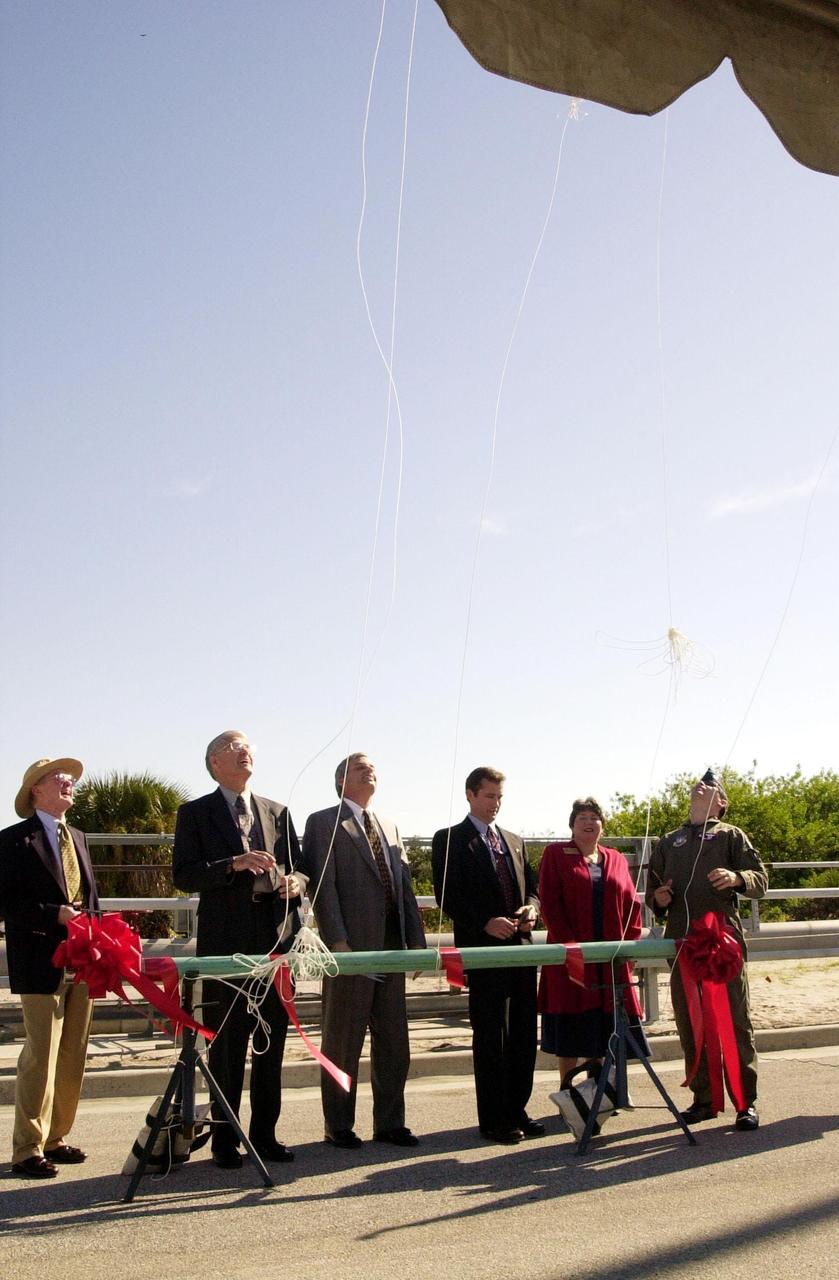
At the commissioning of a new high-pressure helium pipeline at Kennedy Space Center, participants watch as helium-filled balloons take to the sky after their lines were cut. From left, they are Center Director Roy Bridges; Michael Butchko, president, SGS; Pierre Dufour, president and CEO, Air Liquide America Corporation; David Herst, director, Delta IV Launch Sites; Pamela Gillespie, executive administrator, office of Congressman Dave Weldon; and Col. Samuel Dick, representative of the 45th Space Wing. The nine-mile-long buried pipeline will service launch needs at the new Delta IV Complex 37 at Cape Canaveral Air Force Station. It will also serve as a backup helium resource for Shuttle launches. Nearly one launch’s worth of helium will be available in the pipeline to support a Shuttle pad in an emergency. The line originates at the Helium Facility on KSC and terminates in a meter station at the perimeter of the Delta IV launch pad. Others at the ceremony were Jerry Jorgensen, pipeline project manager, Space Gateway Support (SGS), and Ramon Lugo, acting executive director, JPMO
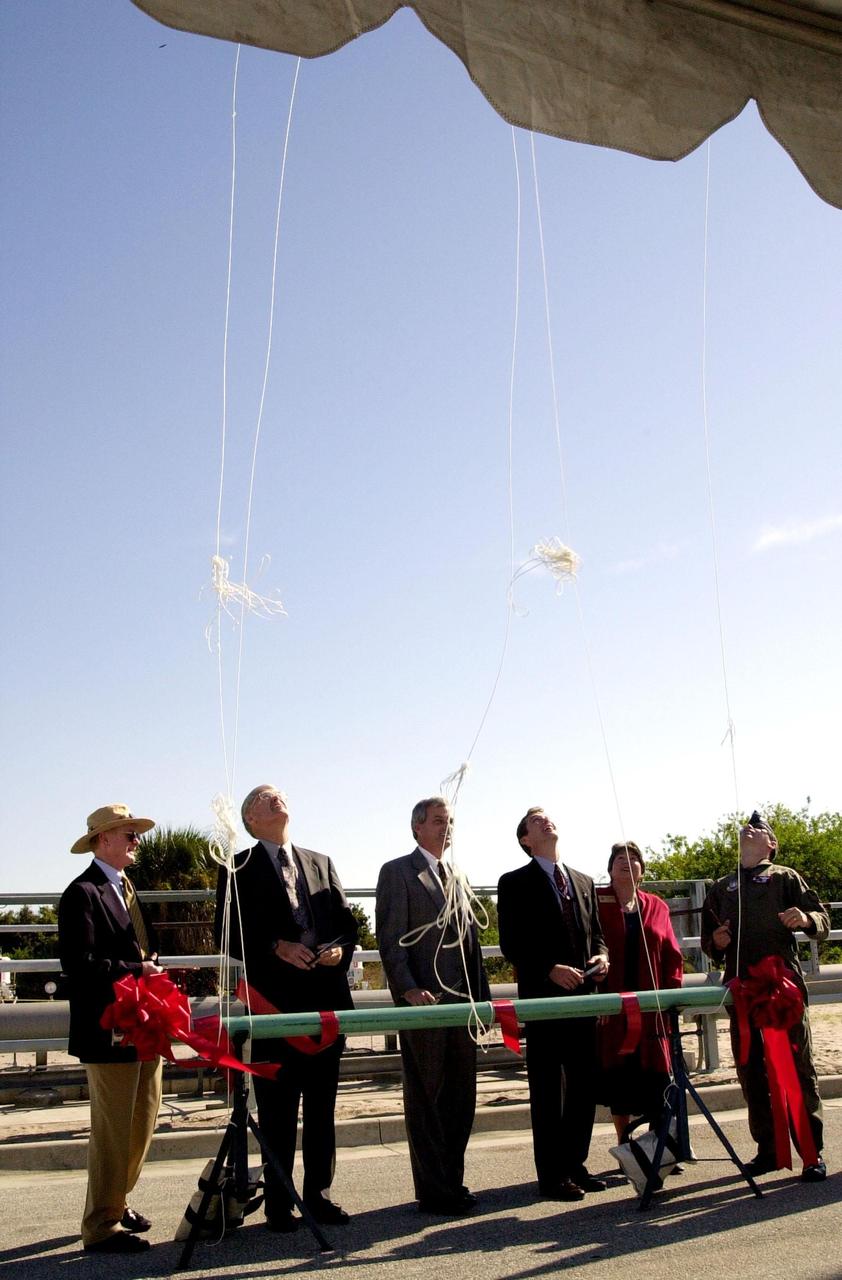
At the commissioning of a new high-pressure helium pipeline at Kennedy Space Center, participants cut the lines to helium-filled balloons. From left, they are Center Director Roy Bridges; Michael Butchko, president, SGS; Pierre Dufour, president and CEO, Air Liquide America Corporation; David Herst, director, Delta IV Launch Sites; Pamela Gillespie, executive administrator, office of Congressman Dave Weldon; and Col. Samuel Dick, representative of the 45th Space Wing. The nine-mile-long buried pipeline will service launch needs at the new Delta IV Complex 37 at Cape Canaveral Air Force Station. It will also serve as a backup helium resource for Shuttle launches. Nearly one launch’s worth of helium will be available in the pipeline to support a Shuttle pad in an emergency. The line originates at the Helium Facility on KSC and terminates in a meter station at the perimeter of the Delta IV launch pad. Others at the ceremony were Jerry Jorgensen, pipeline project manager, Space Gateway Support (SGS), and Ramon Lugo, acting executive director, JPMO
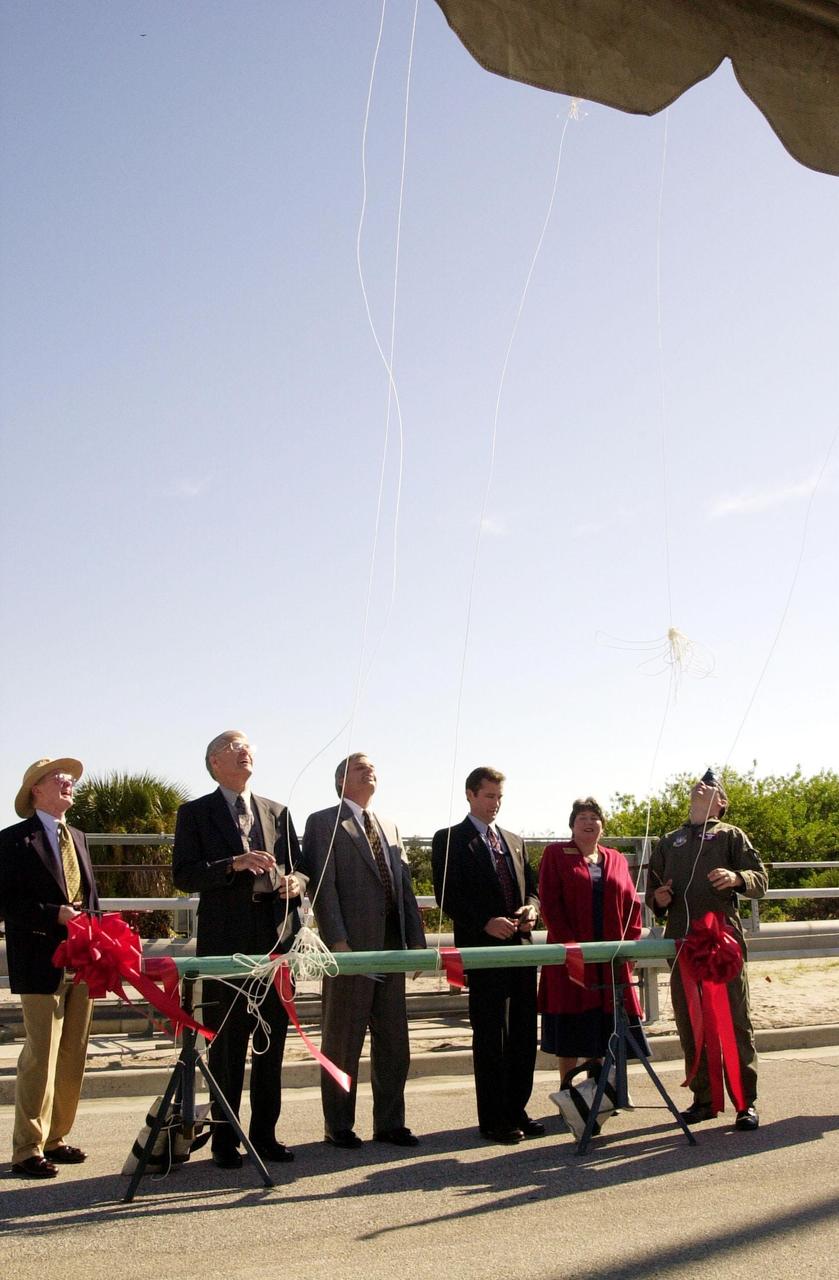
At the commissioning of a new high-pressure helium pipeline at Kennedy Space Center, participants watch as helium-filled balloons take to the sky after their lines were cut. From left, they are Center Director Roy Bridges; Michael Butchko, president, SGS; Pierre Dufour, president and CEO, Air Liquide America Corporation; David Herst, director, Delta IV Launch Sites; Pamela Gillespie, executive administrator, office of Congressman Dave Weldon; and Col. Samuel Dick, representative of the 45th Space Wing. The nine-mile-long buried pipeline will service launch needs at the new Delta IV Complex 37 at Cape Canaveral Air Force Station. It will also serve as a backup helium resource for Shuttle launches. Nearly one launch’s worth of helium will be available in the pipeline to support a Shuttle pad in an emergency. The line originates at the Helium Facility on KSC and terminates in a meter station at the perimeter of the Delta IV launch pad. Others at the ceremony were Jerry Jorgensen, pipeline project manager, Space Gateway Support (SGS), and Ramon Lugo, acting executive director, JPMO

BARREL researchers get ready to release the top part of the balloon, called the bubble, as it fills with enough helium to support itself. Only the top part of the balloon is inflated before launch since the helium expands as the balloon ascends. Credit: NASA/Goddard/BARREL/Nicky Knox Read more: <a href="http://www.nasa.gov/content/goddard/nasas-barrel-returns-successful-from-antarctica" rel="nofollow">www.nasa.gov/content/goddard/nasas-barrel-returns-success...</a> -- Three months, 20 balloons, and one very successful campaign. The team for NASA's BARREL – short for Balloon Array for Radiation belt Relativistic Electron Losses -- mission returned from Antarctica in March 2014. BARREL's job is to help unravel the mysterious Van Allen belts, two gigantic donuts of radiation that surround Earth, which can shrink and swell in response to incoming energy and particles from the sun and sometimes expose satellites to harsh radiation. While in Antarctica, the team launched 20 balloons carrying instruments that sense charged particles that are scattered into the atmosphere from the belts, spiraling down the magnetic fields near the South Pole. Each balloon traveled around the pole for up to three weeks. The team will coordinate the BARREL data with observations from NASA's two Van Allen Probes to better understand how occurrences in the belts relate to bursts of particles funneling down toward Earth. BARREL team members will be on hand at the USA Science and Engineering Festival in DC on April 26 and 27, 2014 for the exhibit Space Balloons: Exploring the Extremes of Space Weather. <b><a href="http://www.nasa.gov/audience/formedia/features/MP_Photo_Guidelines.html" rel="nofollow">NASA image use policy.</a></b> <b><a href="http://www.nasa.gov/centers/goddard/home/index.html" rel="nofollow">NASA Goddard Space Flight Center</a></b> enables NASA’s mission through four scientific endeavors: Earth Science, Heliophysics, Solar System Exploration, and Astrophysics. Goddard plays a leading role in NASA’s accomplishments by contributing compelling scientific knowledge to advance the Agency’s mission. <b>Follow us on <a href="http://twitter.com/NASAGoddardPix" rel="nofollow">Twitter</a></b> <b>Like us on <a href="http://www.facebook.com/pages/Greenbelt-MD/NASA-Goddard/395013845897?ref=tsd" rel="nofollow">Facebook</a></b> <b>Find us on <a href="http://instagram.com/nasagoddard?vm=grid" rel="nofollow">Instagram</a></b>
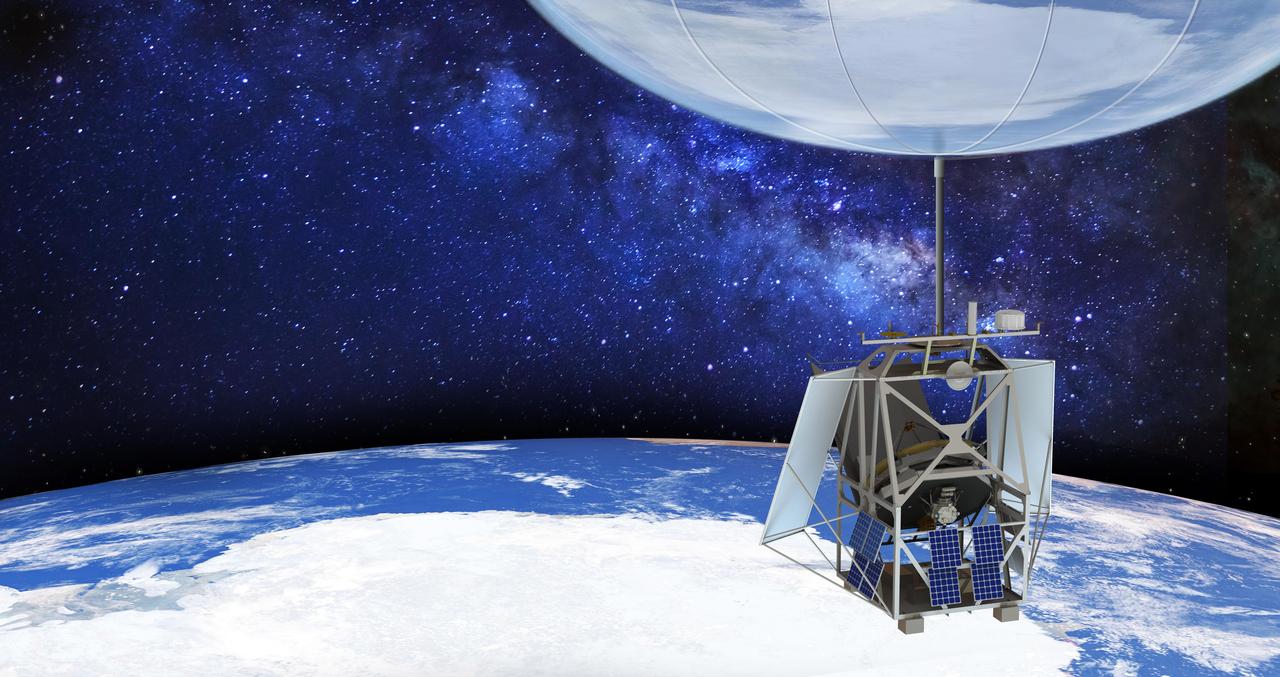
NASA's Astrophysics Stratospheric Telescope for High Spectral Resolution Observations at Submillimeter-wavelengths (ASTHROS), seen in this illustration, is a high-altitude balloon mission for studying astrophysical phenomena. Scheduled to launch no earlier than December 2023 from the agency's Long Duration Balloon Camp near McMurdo Station in Antarctica, ASTHROS will aim to fly for 21 to 28 days at an altitude of about 130,000 feet (24.6 miles or 40 kilometers). At that altitude, ASTHROS can observe wavelengths of light blocked by Earth's atmosphere. When fully inflated, the 40 million-cubic-foot helium balloon will be about 400 feet (150 meters) wide, or roughly the size of a football stadium. The ASTHROS telescope features a lightweight 8.4-foot (2.5-meter) primary mirror to collect far-infrared light – one of the largest to ever fly on a high-altitude balloon mission. Balloon missions typically cost less than space missions and take less time to move from early planning to deployment. They also employ new technologies that can then be used on future space missions. The mission's main science goal is to study stellar feedback, the process by which living stars disperse and reshape clouds of gas and dust that may eventually form new stars. Feedback regulates star formation in many galaxies, and too much can halt star formation entirely. ASTHROS will look at several star-forming regions in our galaxy where feedback takes place, and at distant galaxies containing millions of stars to see how feedback plays out at large scales and in different environments. https://photojournal.jpl.nasa.gov/catalog/PIA25168

Pumping helium into the first BARREL balloon to launch from Halley Research Satation. Credit: NASA --- In Antarctica in January, 2013 – the summer at the South Pole – scientists launched 20 balloons up into the air to study an enduring mystery of space weather: when the giant radiation belts surrounding Earth lose material, where do the extra particles actually go? The mission is called BARREL (Balloon Array for Radiation belt Relativistic Electron Losses) and it is led by physicist Robyn Millan of Dartmouth College in Hanover, NH. Millan provided photographs from the team’s time in Antarctica. The team launched a balloon every day or two into the circumpolar winds that circulate around the pole. Each balloon floated for anywhere from 3 to 40 days, measuring X-rays produced by fast-moving electrons high up in the atmosphere. BARREL works hand in hand with another NASA mission called the Van Allen Probes, which travels through the Van Allen radiation belts surrounding Earth. The belts wax and wane over time in response to incoming energy and material from the sun, sometimes intensifying the radiation through which satellites must travel. Scientists wish to understand this process better, and even provide forecasts of this space weather, in order to protect our spacecraft. As the Van Allen Probes were observing what was happening in the belts, BARREL tracked electrons that precipitated out of the belts and hurtled down Earth’s magnetic field lines toward the poles. By comparing data, scientists will be able to track how what’s happening in the belts correlates to the loss of particles – information that can help us understand this mysterious, dynamic region that can impact spacecraft. Having launched balloons in early 2013, the team is back at home building the next set of payloads. They will launch 20 more balloons in 2014. <b><a href="http://www.nasa.gov/audience/formedia/features/MP_Photo_Guidelines.html" rel="nofollow">NASA image use policy.</a></b> <b><a href="http://www.nasa.gov/centers/goddard/home/index.html" rel="nofollow">NASA Goddard Space Flight Center</a></b> enables NASA’s mission through four scientific endeavors: Earth Science, Heliophysics, Solar System Exploration, and Astrophysics. Goddard plays a leading role in NASA’s accomplishments by contributing compelling scientific knowledge to advance the Agency’s mission. <b>Follow us on <a href="http://twitter.com/NASA_GoddardPix" rel="nofollow">Twitter</a></b> <b>Like us on <a href="http://www.facebook.com/pages/Greenbelt-MD/NASA-Goddard/395013845897?ref=tsd" rel="nofollow">Facebook</a></b> <b>Find us on <a href="http://instagram.com/nasagoddard?vm=grid" rel="nofollow">Instagram</a></b>

Getting ready to lay out a BARREL balloon to prepare for inflation. The helium stillages used to fill the balloon can be seen in the background. Credit: NASA/Goddard/BARREL/Brett Anderson Read more: <a href="http://www.nasa.gov/content/goddard/nasas-barrel-returns-successful-from-antarctica" rel="nofollow">www.nasa.gov/content/goddard/nasas-barrel-returns-success...</a> -- Three months, 20 balloons, and one very successful campaign. The team for NASA's BARREL – short for Balloon Array for Radiation belt Relativistic Electron Losses -- mission returned from Antarctica in March 2014. BARREL's job is to help unravel the mysterious Van Allen belts, two gigantic donuts of radiation that surround Earth, which can shrink and swell in response to incoming energy and particles from the sun and sometimes expose satellites to harsh radiation. While in Antarctica, the team launched 20 balloons carrying instruments that sense charged particles that are scattered into the atmosphere from the belts, spiraling down the magnetic fields near the South Pole. Each balloon traveled around the pole for up to three weeks. The team will coordinate the BARREL data with observations from NASA's two Van Allen Probes to better understand how occurrences in the belts relate to bursts of particles funneling down toward Earth. BARREL team members will be on hand at the USA Science and Engineering Festival in DC on April 26 and 27, 2014 for the exhibit Space Balloons: Exploring the Extremes of Space Weather. <b><a href="http://www.nasa.gov/audience/formedia/features/MP_Photo_Guidelines.html" rel="nofollow">NASA image use policy.</a></b> <b><a href="http://www.nasa.gov/centers/goddard/home/index.html" rel="nofollow">NASA Goddard Space Flight Center</a></b> enables NASA’s mission through four scientific endeavors: Earth Science, Heliophysics, Solar System Exploration, and Astrophysics. Goddard plays a leading role in NASA’s accomplishments by contributing compelling scientific knowledge to advance the Agency’s mission. <b>Follow us on <a href="http://twitter.com/NASAGoddardPix" rel="nofollow">Twitter</a></b> <b>Like us on <a href="http://www.facebook.com/pages/Greenbelt-MD/NASA-Goddard/395013845897?ref=tsd" rel="nofollow">Facebook</a></b> <b>Find us on <a href="http://instagram.com/nasagoddard?vm=grid" rel="nofollow">Instagram</a></b>
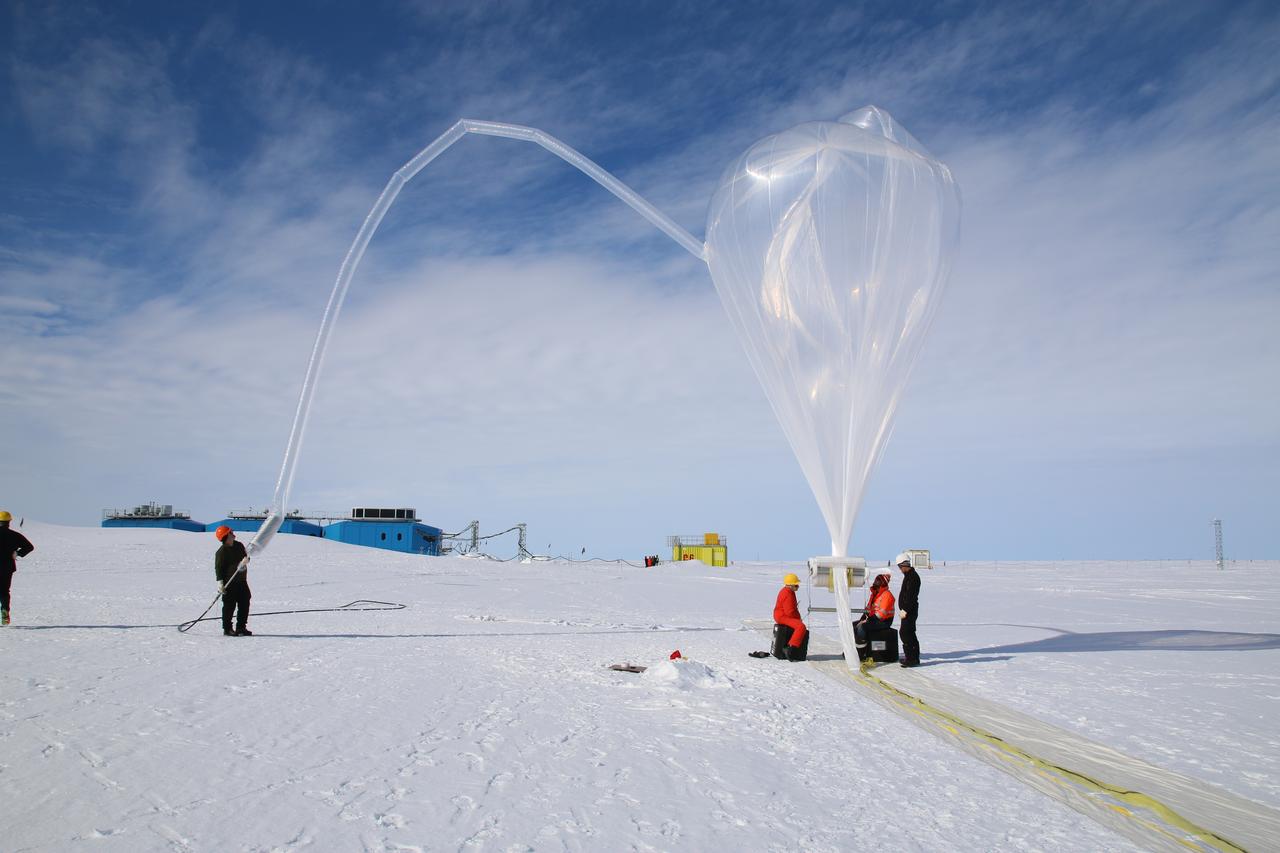
The BARREL team at Halley Research Station in Antarctica, work to inflate a balloon. The long tube on the left is the inflation tube used to fill the top of the balloon with helium. Credit: NASA/Goddard/BARREL Read more: <a href="http://www.nasa.gov/content/goddard/nasas-barrel-returns-successful-from-antarctica" rel="nofollow">www.nasa.gov/content/goddard/nasas-barrel-returns-success...</a> -- Three months, 20 balloons, and one very successful campaign. The team for NASA's BARREL – short for Balloon Array for Radiation belt Relativistic Electron Losses -- mission returned from Antarctica in March 2014. BARREL's job is to help unravel the mysterious Van Allen belts, two gigantic donuts of radiation that surround Earth, which can shrink and swell in response to incoming energy and particles from the sun and sometimes expose satellites to harsh radiation. While in Antarctica, the team launched 20 balloons carrying instruments that sense charged particles that are scattered into the atmosphere from the belts, spiraling down the magnetic fields near the South Pole. Each balloon traveled around the pole for up to three weeks. The team will coordinate the BARREL data with observations from NASA's two Van Allen Probes to better understand how occurrences in the belts relate to bursts of particles funneling down toward Earth. BARREL team members will be on hand at the USA Science and Engineering Festival in DC on April 26 and 27, 2014 for the exhibit Space Balloons: Exploring the Extremes of Space Weather. <b><a href="http://www.nasa.gov/audience/formedia/features/MP_Photo_Guidelines.html" rel="nofollow">NASA image use policy.</a></b><b><a href="http://www.nasa.gov/centers/goddard/home/index.html" rel="nofollow">NASA Goddard Space Flight Center</a></b> enables NASA’s mission through four scientific endeavors: Earth Science, Heliophysics, Solar System Exploration, and Astrophysics. Goddard plays a leading role in NASA’s accomplishments by contributing compelling scientific knowledge to advance the Agency’s mission.<b>Follow us on <a href="http://twitter.com/NASAGoddardPix" rel="nofollow">Twitter</a></b><b>Like us on <a href="http://www.facebook.com/pages/Greenbelt-MD/NASA-Goddard/395013845897?ref=tsd" rel="nofollow">Facebook</a></b><b>Find us on <a href="http://instagram.com/nasagoddard?vm=grid" rel="nofollow">Instagram</a></b>

Getting fuller! A BARREL balloon is filled with helium during the 2013-2014 mission campaign in Antarctica. Credit: NASA/Goddard/BARREL Read more: <a href="http://www.nasa.gov/content/goddard/nasas-barrel-returns-successful-from-antarctica" rel="nofollow">www.nasa.gov/content/goddard/nasas-barrel-returns-success...</a> -- Three months, 20 balloons, and one very successful campaign. The team for NASA's BARREL – short for Balloon Array for Radiation belt Relativistic Electron Losses -- mission returned from Antarctica in March 2014. BARREL's job is to help unravel the mysterious Van Allen belts, two gigantic donuts of radiation that surround Earth, which can shrink and swell in response to incoming energy and particles from the sun and sometimes expose satellites to harsh radiation. While in Antarctica, the team launched 20 balloons carrying instruments that sense charged particles that are scattered into the atmosphere from the belts, spiraling down the magnetic fields near the South Pole. Each balloon traveled around the pole for up to three weeks. The team will coordinate the BARREL data with observations from NASA's two Van Allen Probes to better understand how occurrences in the belts relate to bursts of particles funneling down toward Earth. BARREL team members will be on hand at the USA Science and Engineering Festival in DC on April 26 and 27, 2014 for the exhibit Space Balloons: Exploring the Extremes of Space Weather. <b><a href="http://www.nasa.gov/audience/formedia/features/MP_Photo_Guidelines.html" rel="nofollow">NASA image use policy.</a></b><b><a href="http://www.nasa.gov/centers/goddard/home/index.html" rel="nofollow">NASA Goddard Space Flight Center</a></b> enables NASA’s mission through four scientific endeavors: Earth Science, Heliophysics, Solar System Exploration, and Astrophysics. Goddard plays a leading role in NASA’s accomplishments by contributing compelling scientific knowledge to advance the Agency’s mission.<b>Follow us on <a href="http://twitter.com/NASAGoddardPix" rel="nofollow">Twitter</a></b><b>Like us on <a href="http://www.facebook.com/pages/Greenbelt-MD/NASA-Goddard/395013845897?ref=tsd" rel="nofollow">Facebook</a></b><b>Find us on <a href="http://instagram.com/nasagoddard?vm=grid" rel="nofollow">Instagram</a></b>
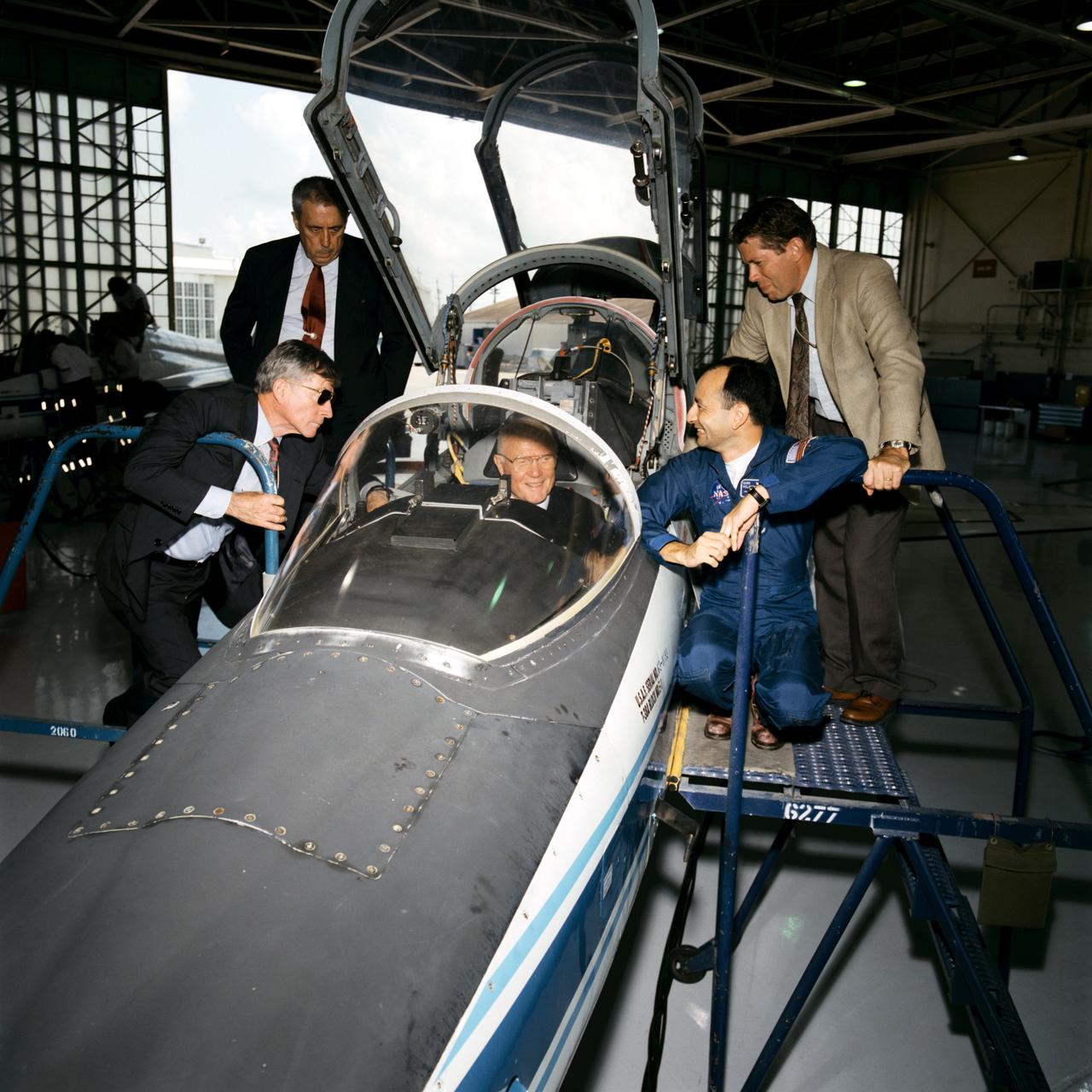
Senator John Glenn visit to Johnson Space Center (JSC). Views of Glenn sitting in cockpit of T-38 in Hangar 276 with John Young, George Abbey, David Leestma and Mark Polansky observing (11150). An engineer explains SPIFEX experiment hardware to Abby, Young and Glenn in Bldg 13 (11151, 11153). Glenn talks with astronaut Terrence T. Henricks and employees in Bldg 9C, Virtual reality lab (11152). Lunch in Bldg 17 Flight Crew support division with Dr. Ellen Baker, Robert "Hoot" Gibson and John Glenn (11154). Linda Godwin, Robert Cabana, Abbey, Young, Baker, Gibson and Glenn at lunch (11155). Astronaut Mark Lee shows Glenn and his aide how to use the virtural reality helmets (11156-7). Glenn shakes the hand of Franklin Chang-Diaz with his plasma rocket in the background in the Sonny Carter Training Facility (SCTF) (11158). Glenn in the Manipulator Development Facility (MDF) Remote Manipulator System (RMS) station mock-up in Bldg 9A with Abbey, Young and aide (11159, 11186). Glenn signs a book for Thomas D. Jones as Frederick Sturckow and Linda Godwin look on (11160). Glenn inside visual-vestibular trainer in Bldg 9B (11161). In conference room meeting with astronaut corps in Bldg 4S, Glenn shakes Robert Cabana's hand (11162). John Glenn and John Young pose for a group shot with Bldg 17 Food lab personnel (11163). Glenn thanks the food lab personnel (11164). Glenn visits Bldg 5 Fixed Base (FB) middeck simulator with astronauts Terrence Henricks and Mary Ellen Weber (11165). Glenn with Charles T. Bourland (11166). STS-70 crew Donald Thomas, Terrence Henricks, Mary Ellen Weber, Nancy Currie and Kevin Kregel with Glenn's advisor (11167). STS-70 crew Thomas, Henricks, Weber, Currie and Kregel with John Glenn (11175). Glenn with Thomas, Kregel, Weber, Henricks and trainer (11176-7). David J. Homan assists Glenn's aide with virtual reality goggles (11168) and Glenn (11174). John Young in Bldg 9C equilibrium trainer (11169). Glenn with Carl Walz in flight deck mock-up of MDF in Bldg 9NE (11170, 11187). Young, Abbey, aides, Glenn and Walz examine helium balloon in MDF (11171-2). Chang-Diaz shows Glenn's tour group the plasma rocket (11173). Glenn's presentation to astronaut corps (11178-81, 11184-5). Glenn is presented with framed picture of Sonny Carter Training Facility (SCTF) (11182) and framed picture of space station (11183).
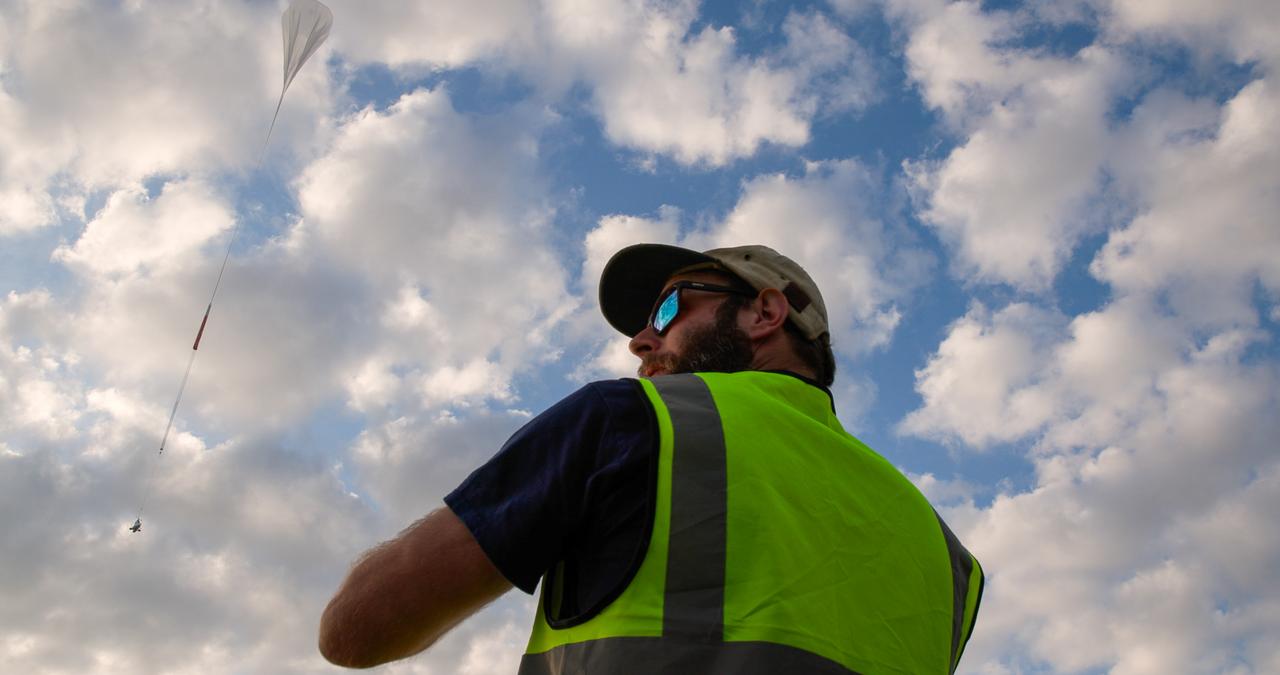
On August 31, 2024, the EXCITE (EXoplanet Climate Infrared TElescope) team conducted a test flight of their telescope from NASA’s Columbia Scientific Balloon Facility in Fort Sumner, New Mexico. Here, EXCITE’s Principal Investigator, Peter Nagler, watches his mission take flight.