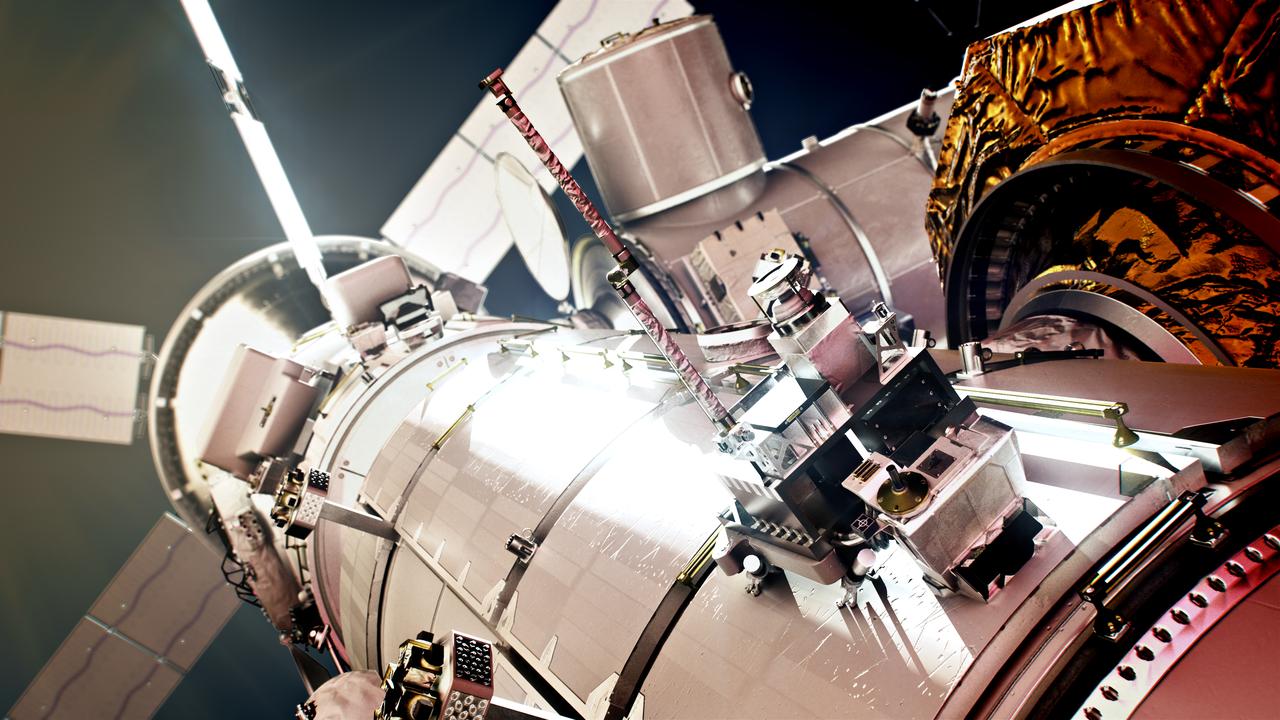
The Heliophysics Environmental and Radiation Measurement Experiment Suite (HERMES) is one of the first three science payloads selected to fly on Gateway. HERMES will study solar and cosmic radiation to help the scientific community better understand how to keep people and hardware safe during deep space travels.
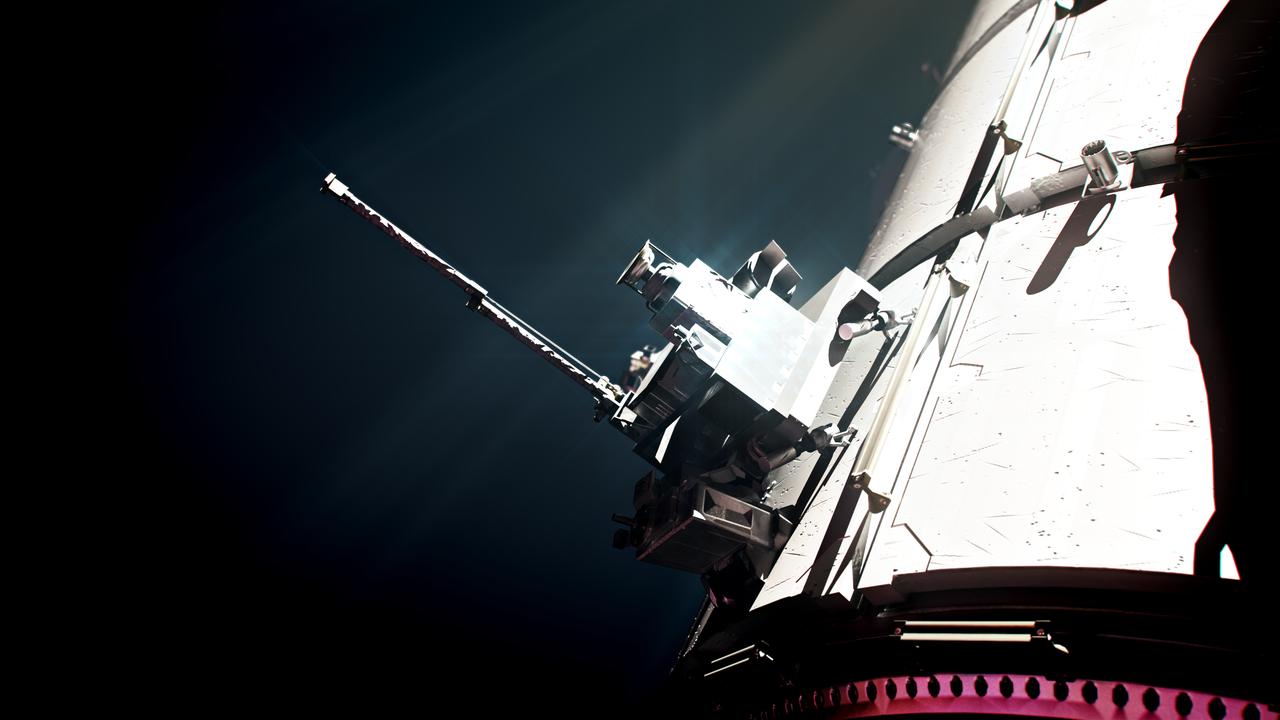
The Heliophysics Environmental and Radiation Measurement Experiment Suite (HERMES) is one of the first three science payloads selected to fly on Gateway. HERMES will study solar and cosmic radiation to help the scientific community better understand how to keep people and hardware safe during deep space travels.
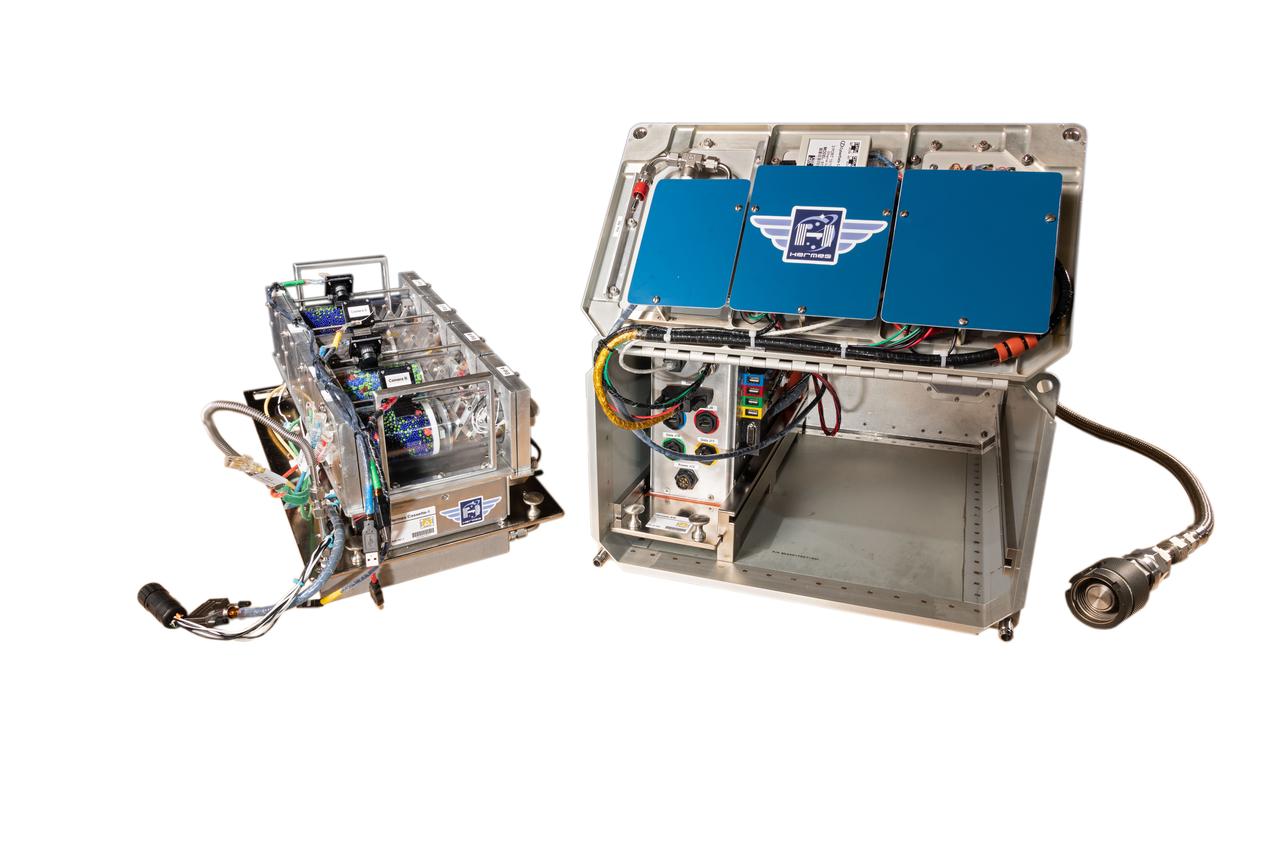
jsc2019e014139_alt (3/8/2019) --- Photo documentation of the Hermes facility. Hermes is a research facility on the ISS aimed at regolith and granular material investigations with applications to asteroids, planetary science, and exploration. It is a reconfigurable on-orbit facility capable of accommodating up to four user-configurable experiment volumes at a time. The facility provides long duration exposure to microgravity, vacuum, power, lighting, cameras and customizable experiment tools with ground commanding capability.
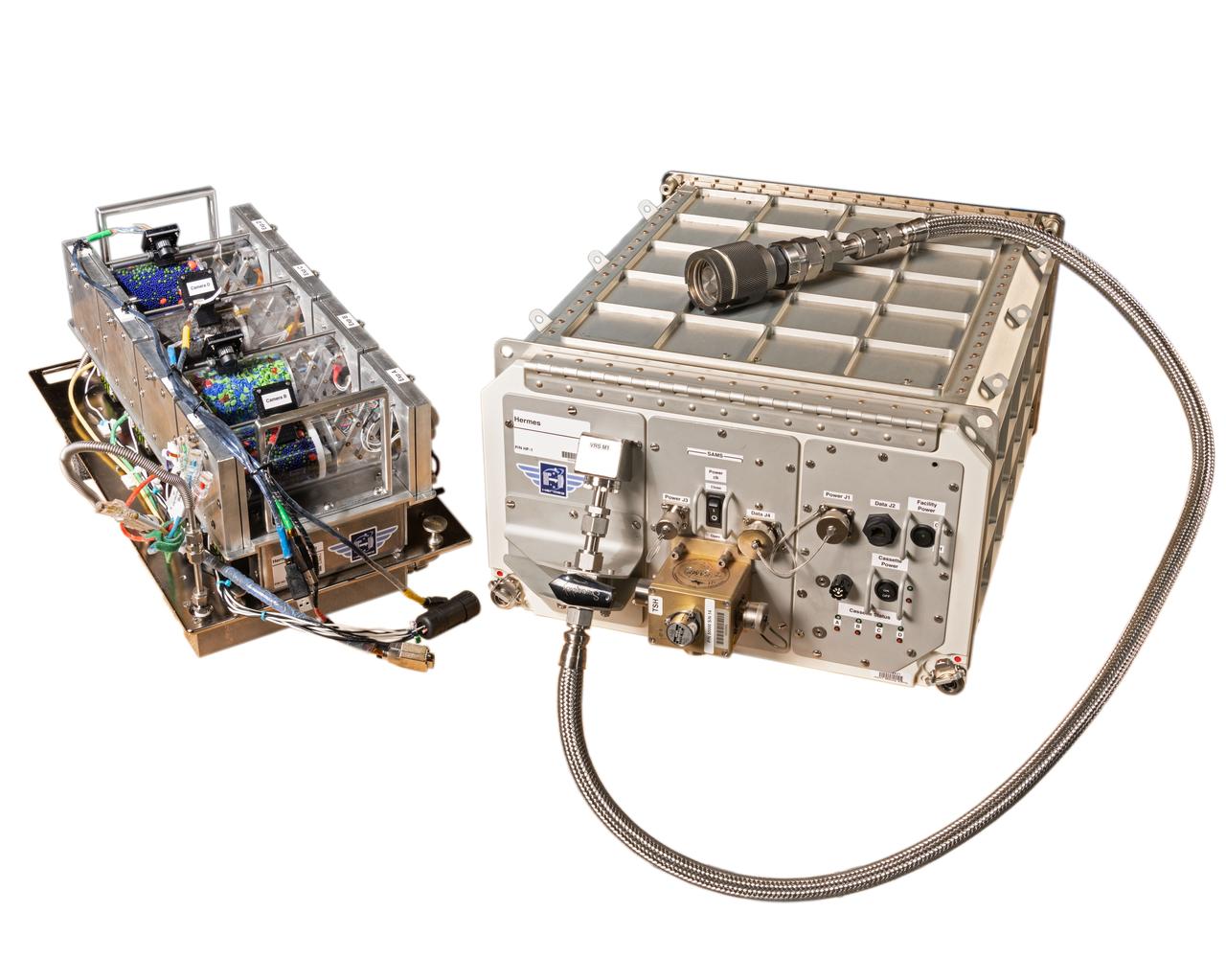
jsc2019e014137_alt (3/8/20419) --- Photo documentation of the Hermes facility. Hermes is a research facility on the ISS aimed at regolith and granular material investigations with applications to asteroids, planetary science, and exploration. It is a reconfigurable on-orbit facility capable of accommodating up to four user-configurable experiment volumes at a time. The facility provides long duration exposure to microgravity, vacuum, power, lighting, cameras and customizable experiment tools with ground commanding capability.

iss060e008906 (7/17/2019) --- Photo documentation of the Hermes Cassette-1 investigation aboard the International Space Station (ISS). Hermes Cassette-1 is the the first set of experiments in the Hermes Facility, it explores the dynamics and properties of material on the surface of small asteroids, including regolith. Regolith creates a loosely aggregated surface on airless bodies and researchers expect it is dominated by interactions between individual grains of the material. Results improve understanding of asteroid and small body dynamics and validate and improve small body models, essential for future crewed and robotic missions to these small bodies.
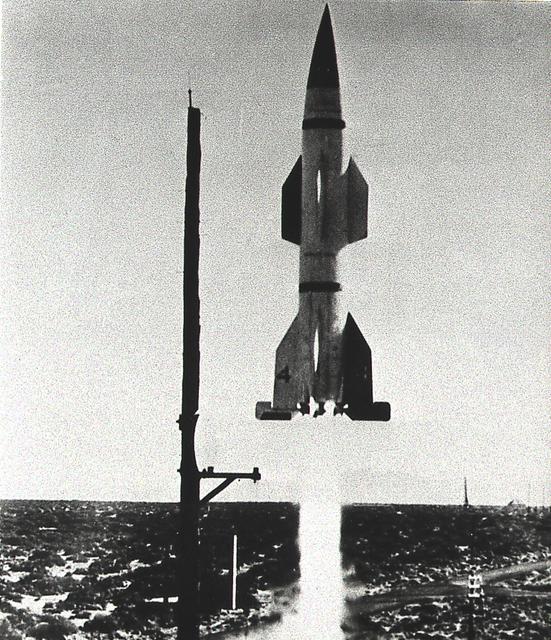
The Hermes A-1 rocket was designed by the U. S. Army after capturing the V-2 rocket from the German army at the conclusion of the Second World War. The Hermes A-1 is a modified V-2 rocket; it utilized the German aerodynamic configuration; however, internally it was a completely new design. This rocket was the first designed by the German Rocket Team at Redstone Arsenal in Huntsville, AL.
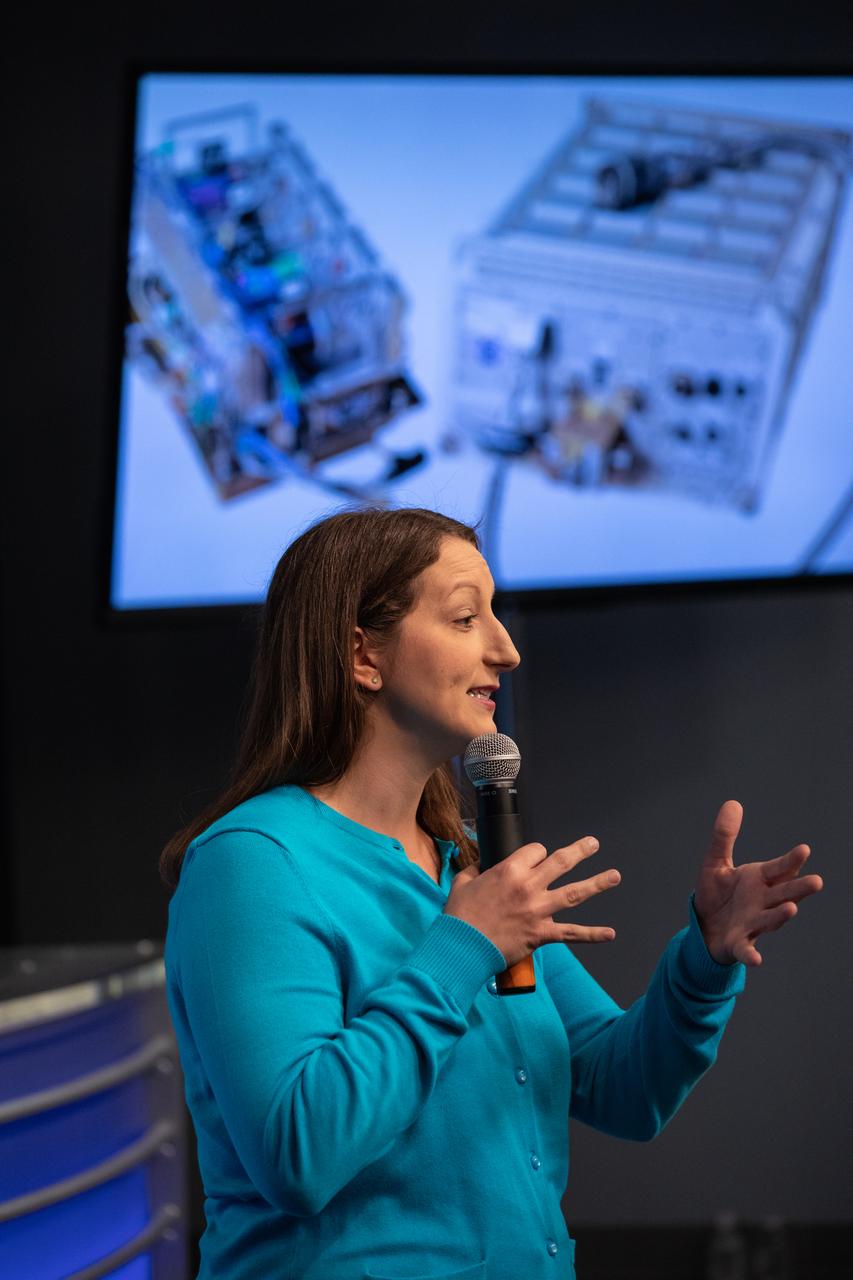
Dr. Kristen John, principal investigator for Hermes at NASA’s Johnson Space Center in Houston, talks to NASA Social participants during a What’s On Board science briefing at the agency’s Kennedy Space Center in Florida on April 29, 2019. The briefing was held for SpaceX’s 17th Commercial Resupply Services (CRS-17) mission to the International Space Station. John presented on the Hermes Facility, an experimental microgravity facility that enables science experiments, microgravity exposure testing, testing of engineering components and CubeSats and any payloads that can fit in the Hermes design and operations constraints. NASA’s Orbiting Carbon Observatory-3 (OCO-3) and Space Test Program-Houston 6 (STP-H6) are two of the experiments that also will be delivered to the space station on CRS-17. The SpaceX Falcon 9 rocket and Dragon cargo module are scheduled to launch no earlier than May 3, 2019, from Space Launch Complex 40 on Cape Canaveral Air Force Station in Florida.
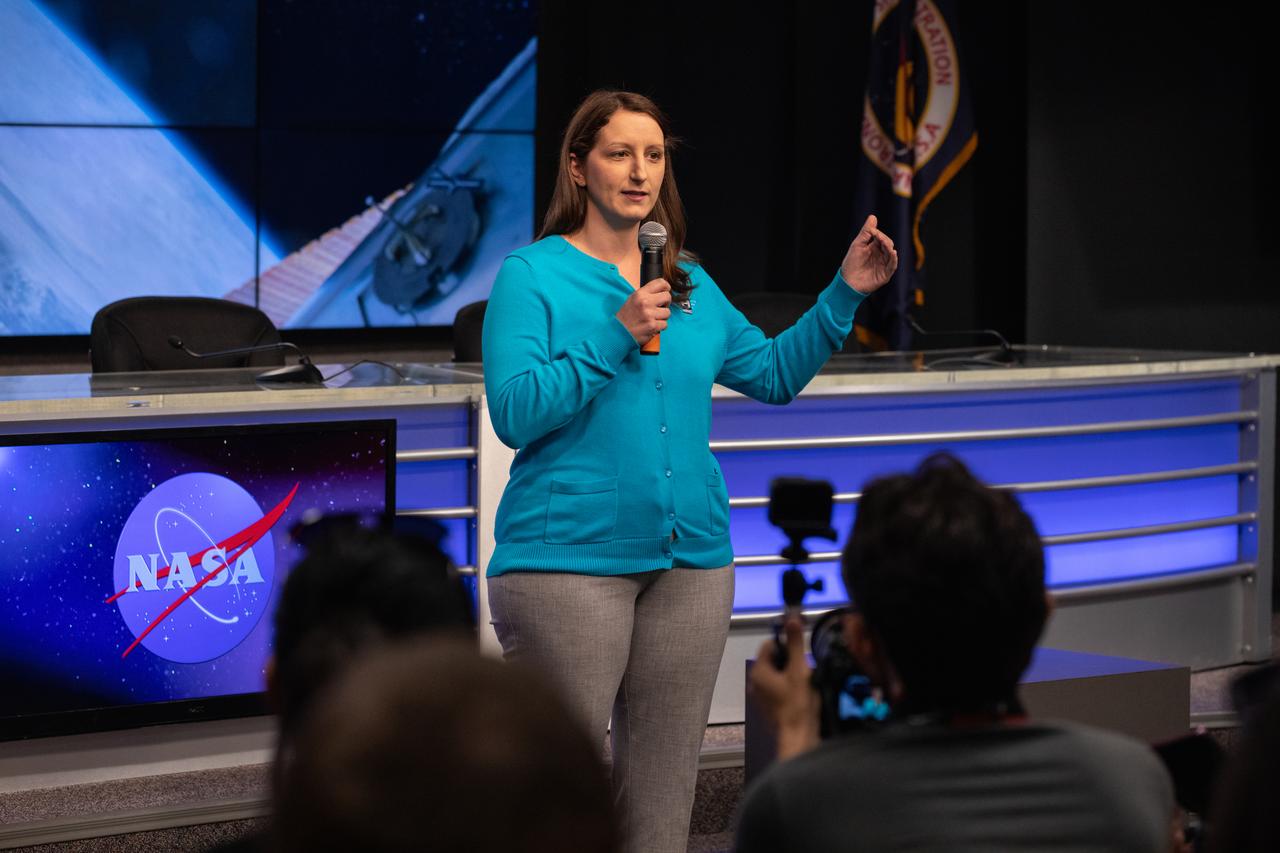
Dr. Kristen John, principal investigator for Hermes at NASA’s Johnson Space Center in Houston, talks to NASA Social participants during a What’s On Board science briefing at the agency’s Kennedy Space Center in Florida on April 29, 2019. The briefing was held for SpaceX’s 17th Commercial Resupply Services (CRS-17) mission to the International Space Station. John presented on the Hermes Facility, an experimental microgravity facility that enables science experiments, microgravity exposure testing, testing of engineering components and CubeSats and any payloads that can fit in the Hermes design and operations constraints. NASA’s Orbiting Carbon Observatory-3 (OCO-3) and Space Test Program-Houston 6 (STP-H6) are two of the experiments that also will be delivered to the space station on CRS-17. The SpaceX Falcon 9 rocket and Dragon cargo module are scheduled to launch no earlier than May 3, 2019, from Space Launch Complex 40 on Cape Canaveral Air Force Station in Florida.
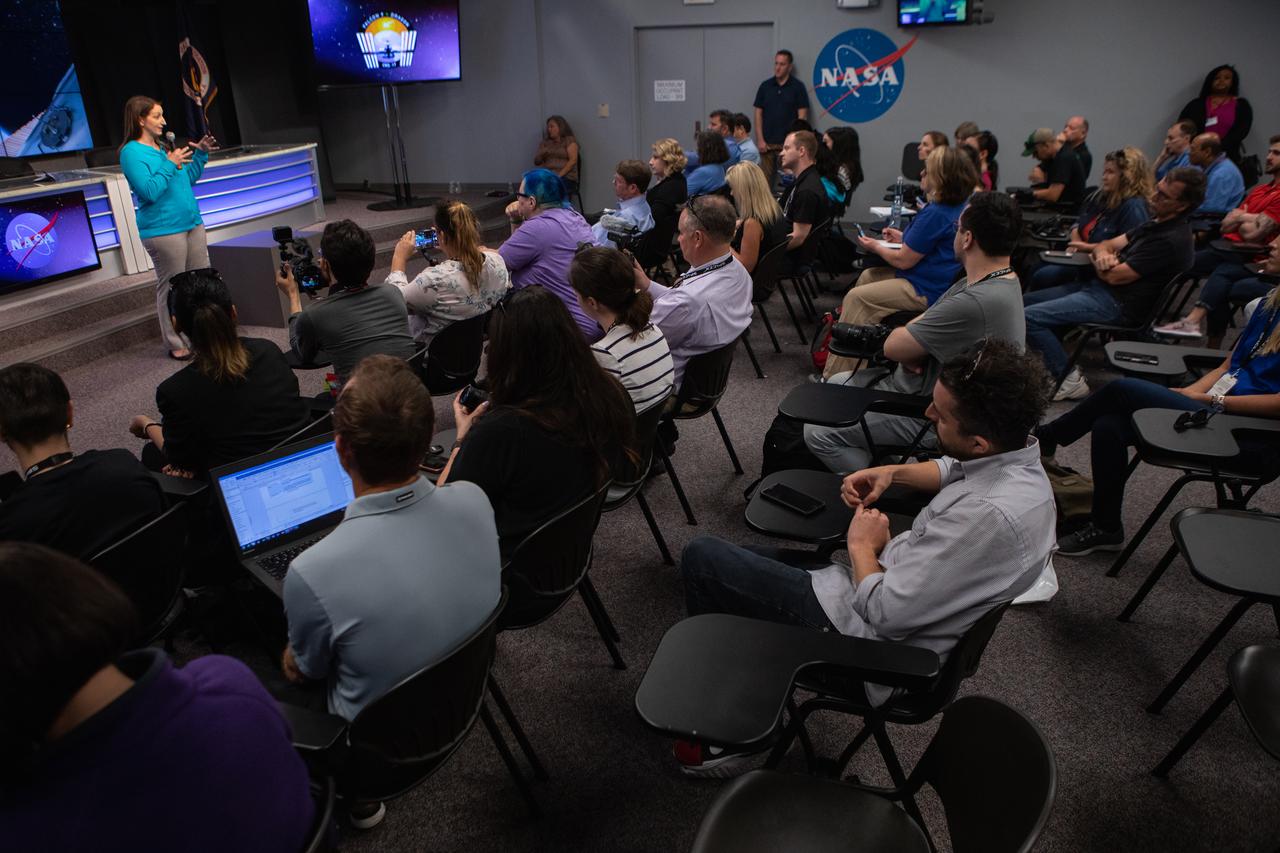
Dr. Kristen John, principal investigator for Hermes at NASA’s Johnson Space Center in Houston, talks to NASA Social participants during a What’s On Board science briefing at the agency’s Kennedy Space Center in Florida on April 29, 2019. The briefing was held for SpaceX’s 17th Commercial Resupply Services (CRS-17) mission to the International Space Station. John presented on the Hermes Facility, an experimental microgravity facility that enables science experiments, microgravity exposure testing, testing of engineering components and CubeSats and any payloads that can fit in the Hermes design and operations constraints. NASA’s Orbiting Carbon Observatory-3 (OCO-3) and Space Test Program-Houston 6 (STP-H6) are two of the experiments that also will be delivered to the space station on CRS-17. The SpaceX Falcon 9 rocket and Dragon cargo module are scheduled to launch no earlier than May 3, 2019, from Space Launch Complex 40 on Cape Canaveral Air Force Station in Florida.
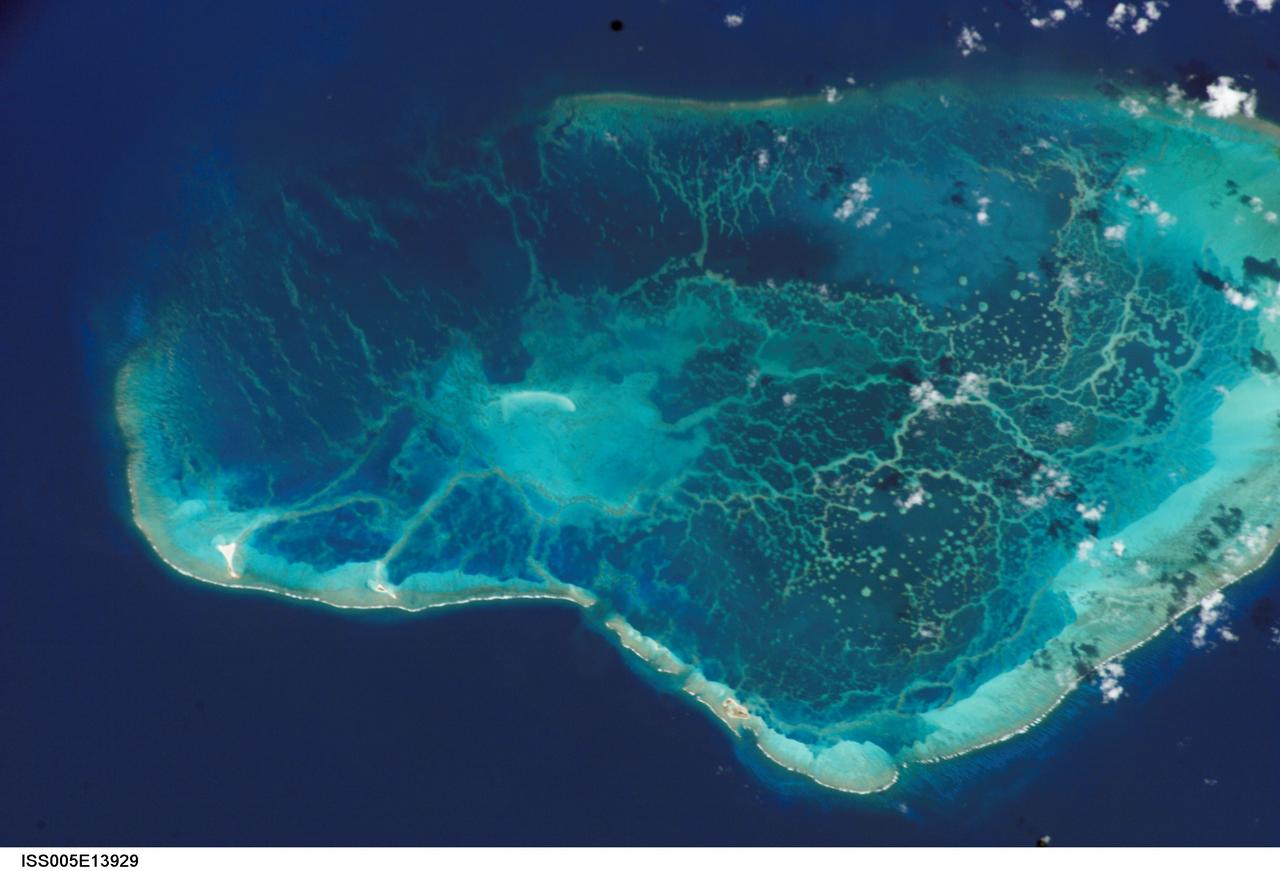
ISS005-E-13929 (12 September 2002) --- Pearl and Hermes Reef, northwest Hawaii, are featured in this image photographed by an Expedition 5 crewmember onboard the International Space Station (ISS). A new technique developed by NOAA scientists has made it possible to plot the depths of lagoon features using digital astronaut photography from the ISS.
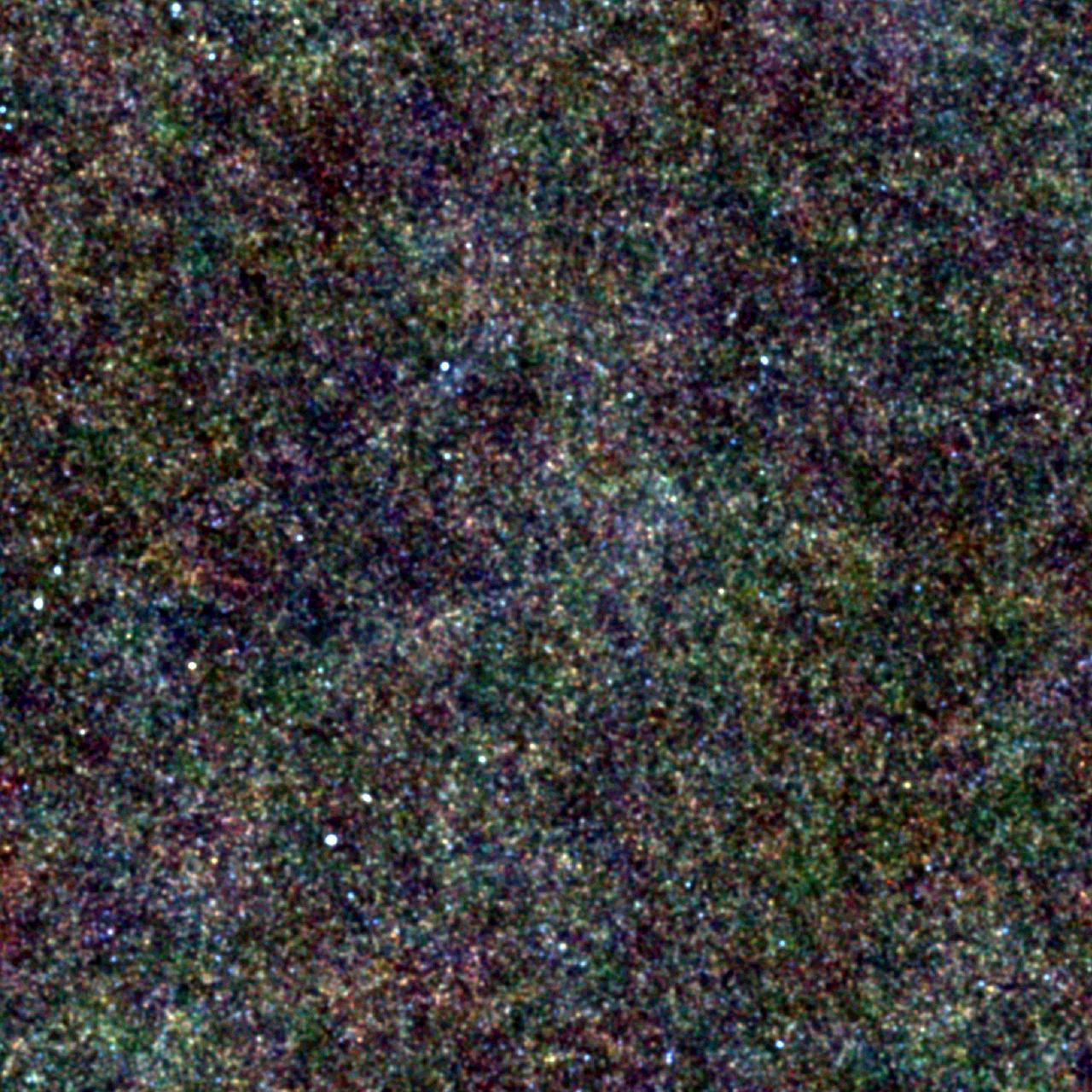
A region of the sky called the Lockman Hole, located in the constellation of Ursa Major, is one of the areas surveyed in infrared light by the Herschel Space Observatory.