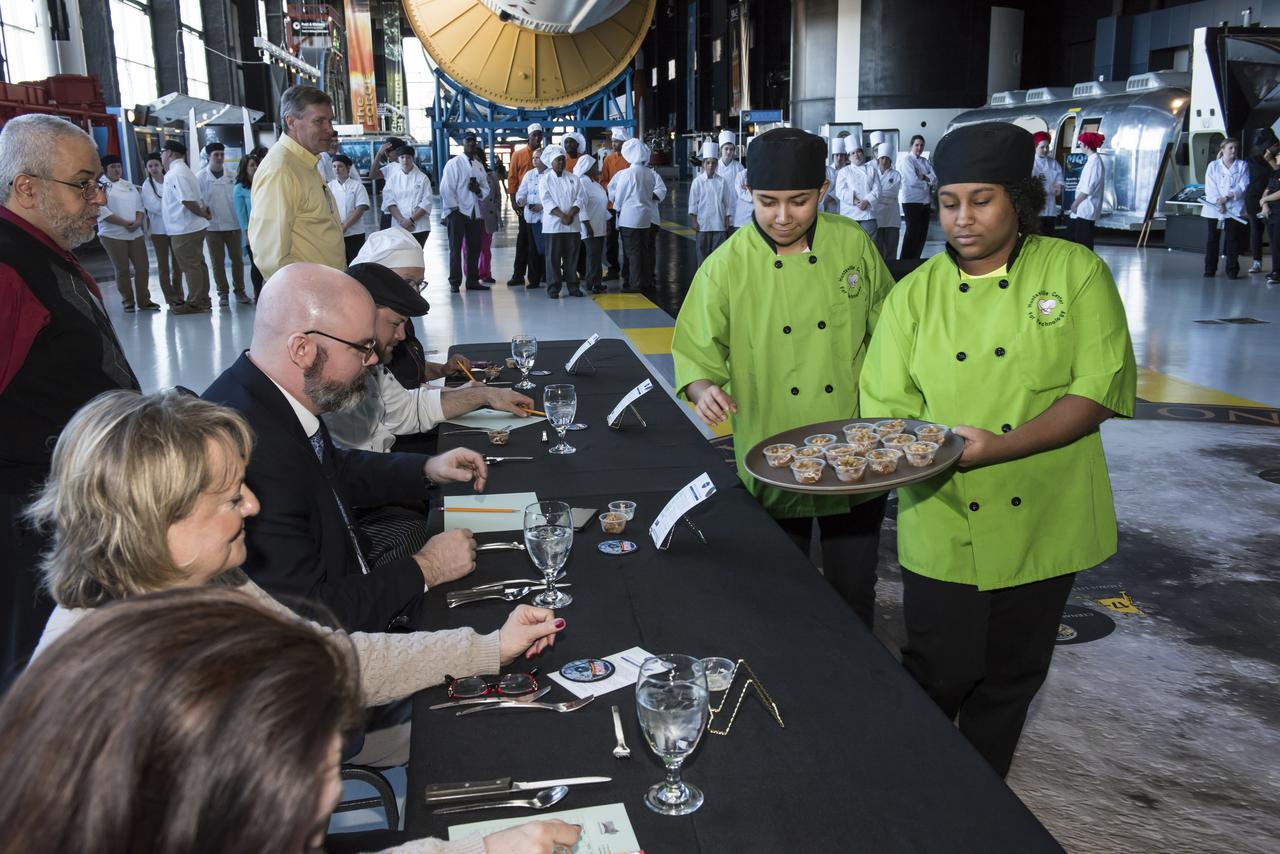
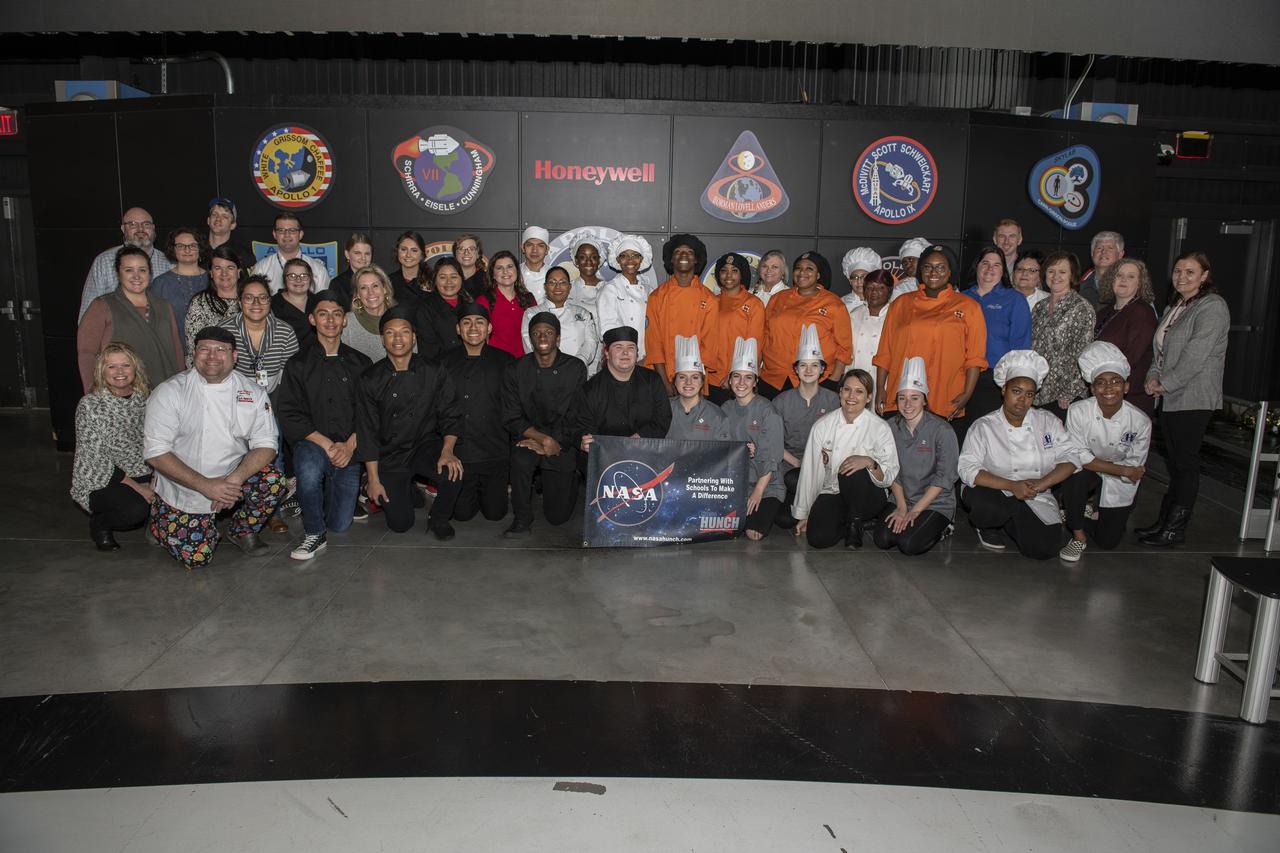
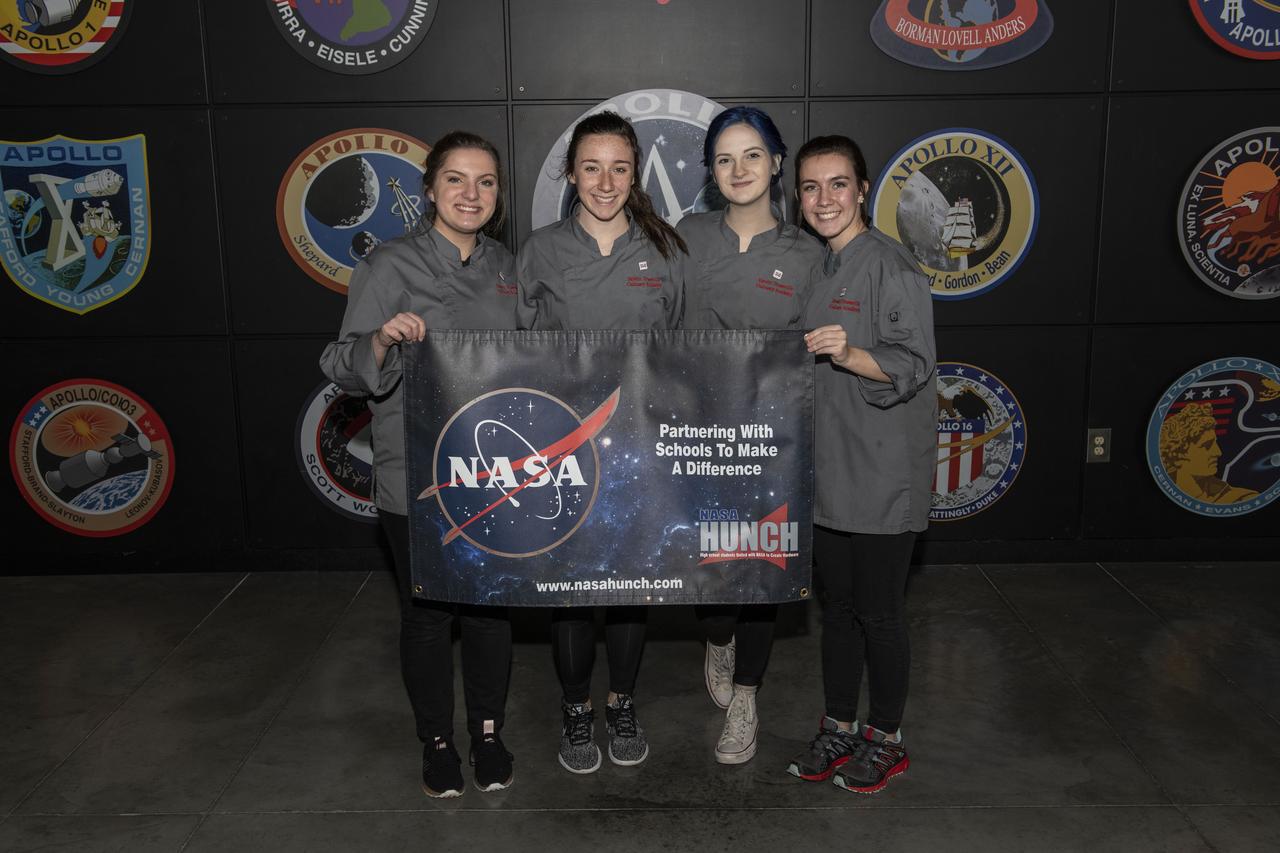
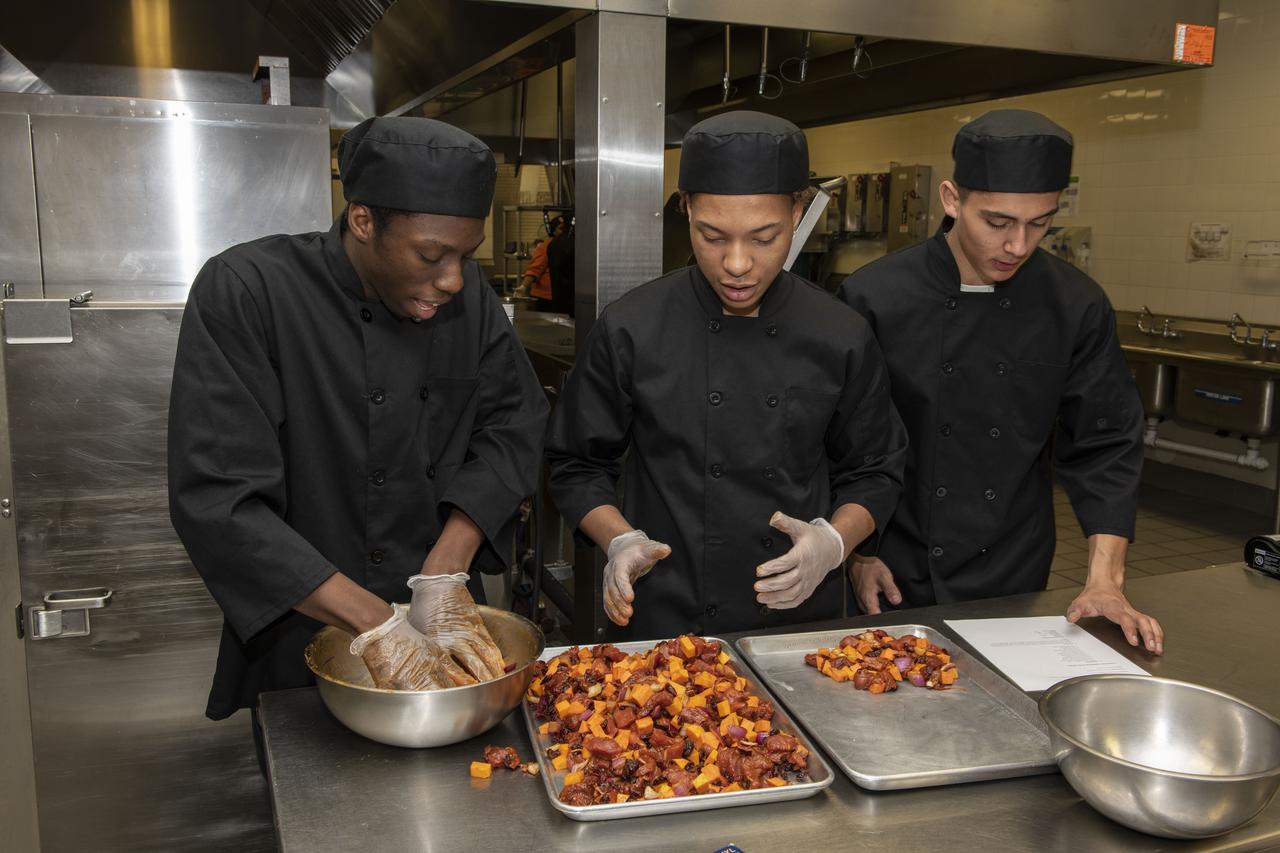
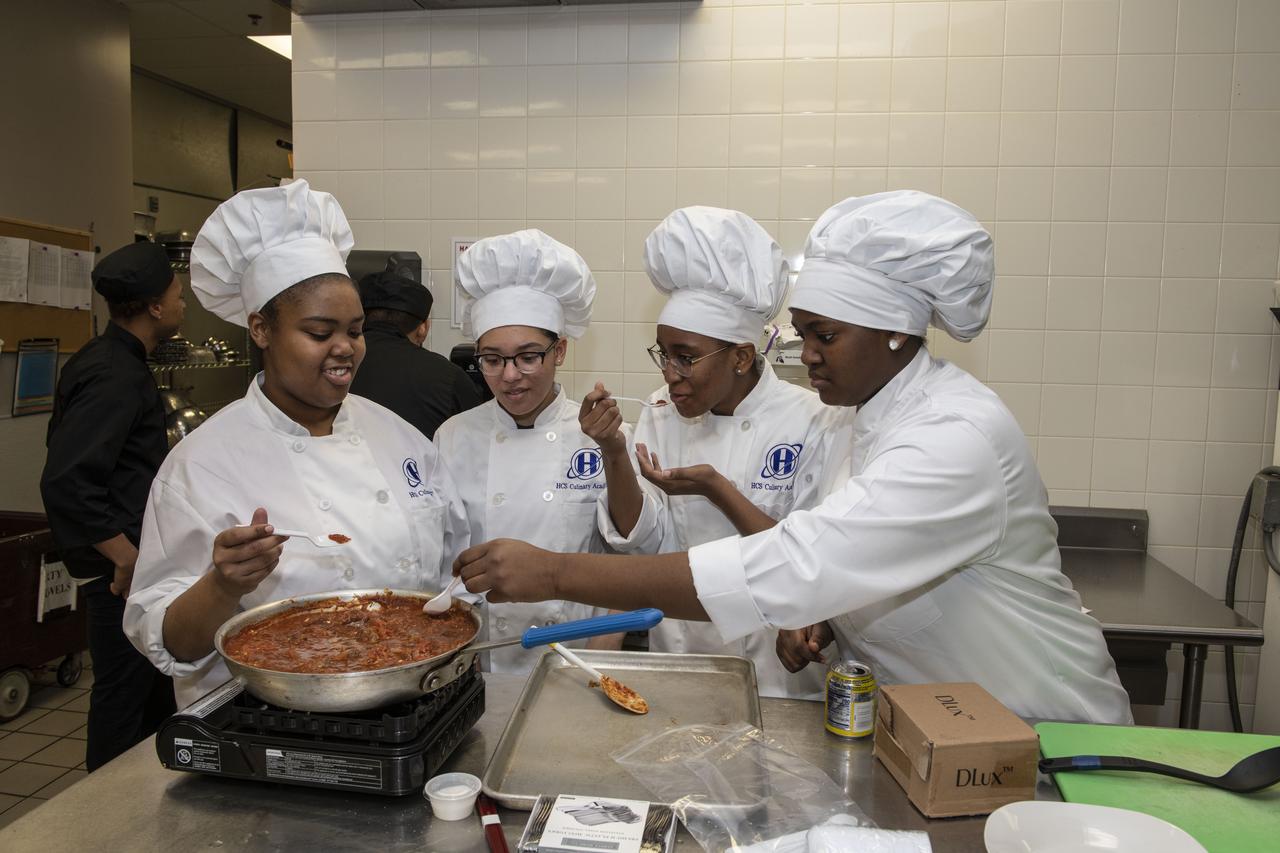
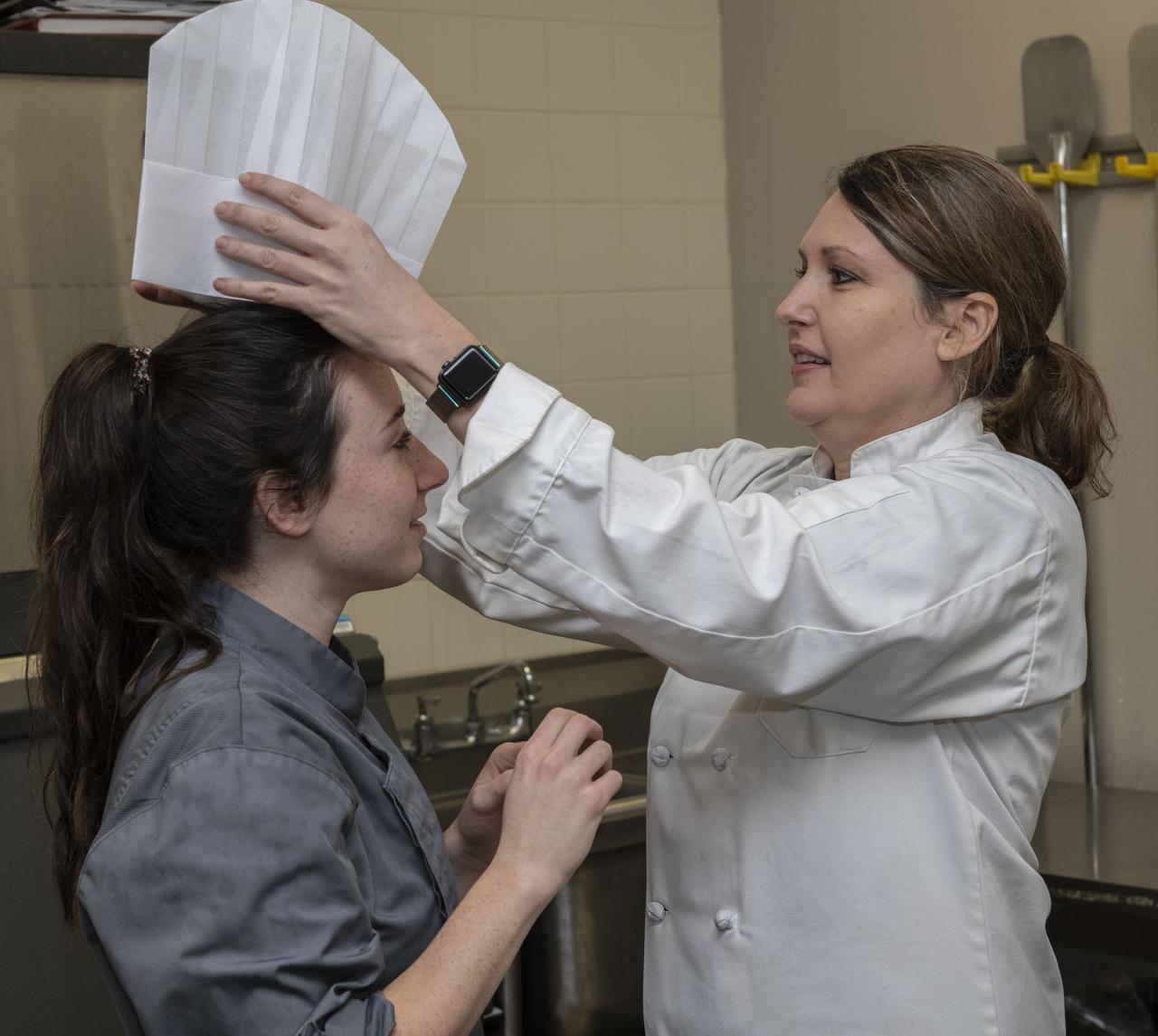
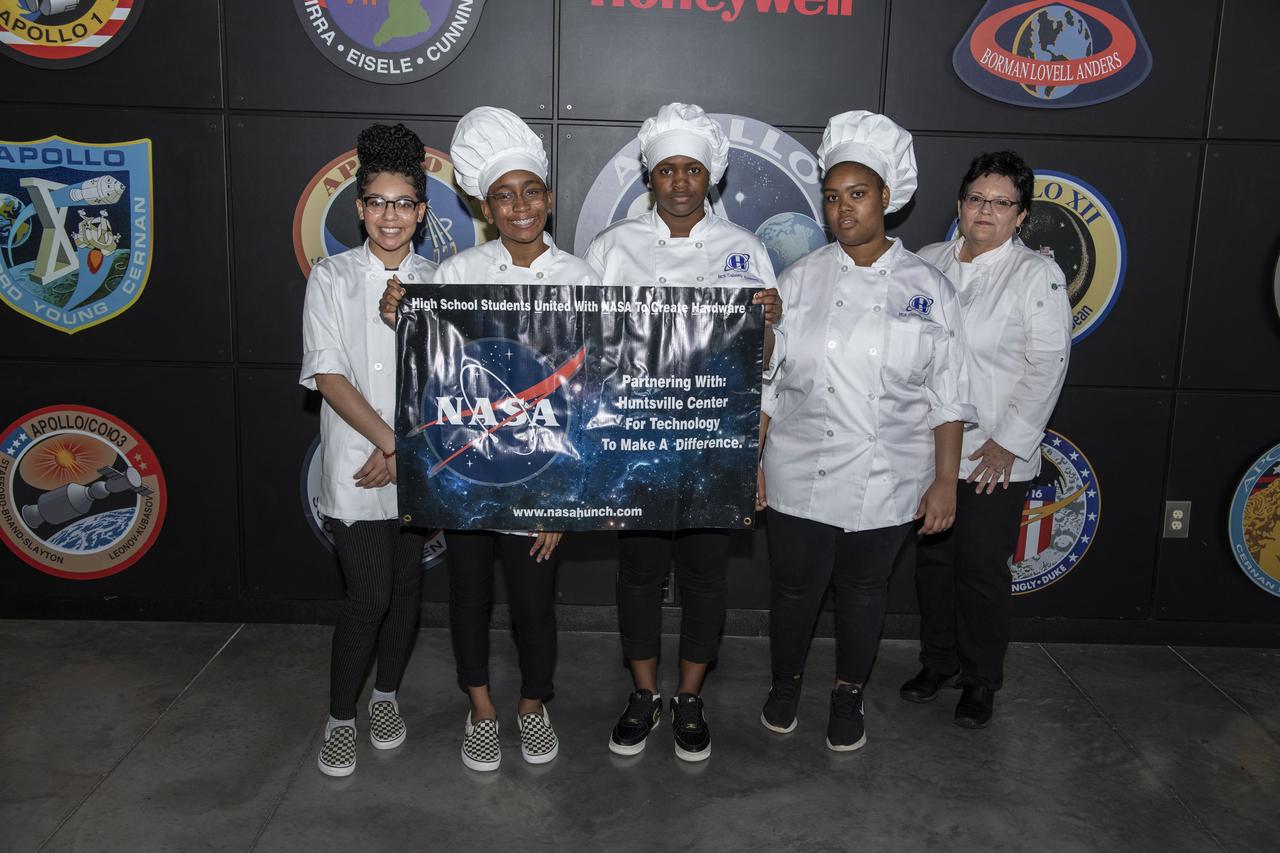
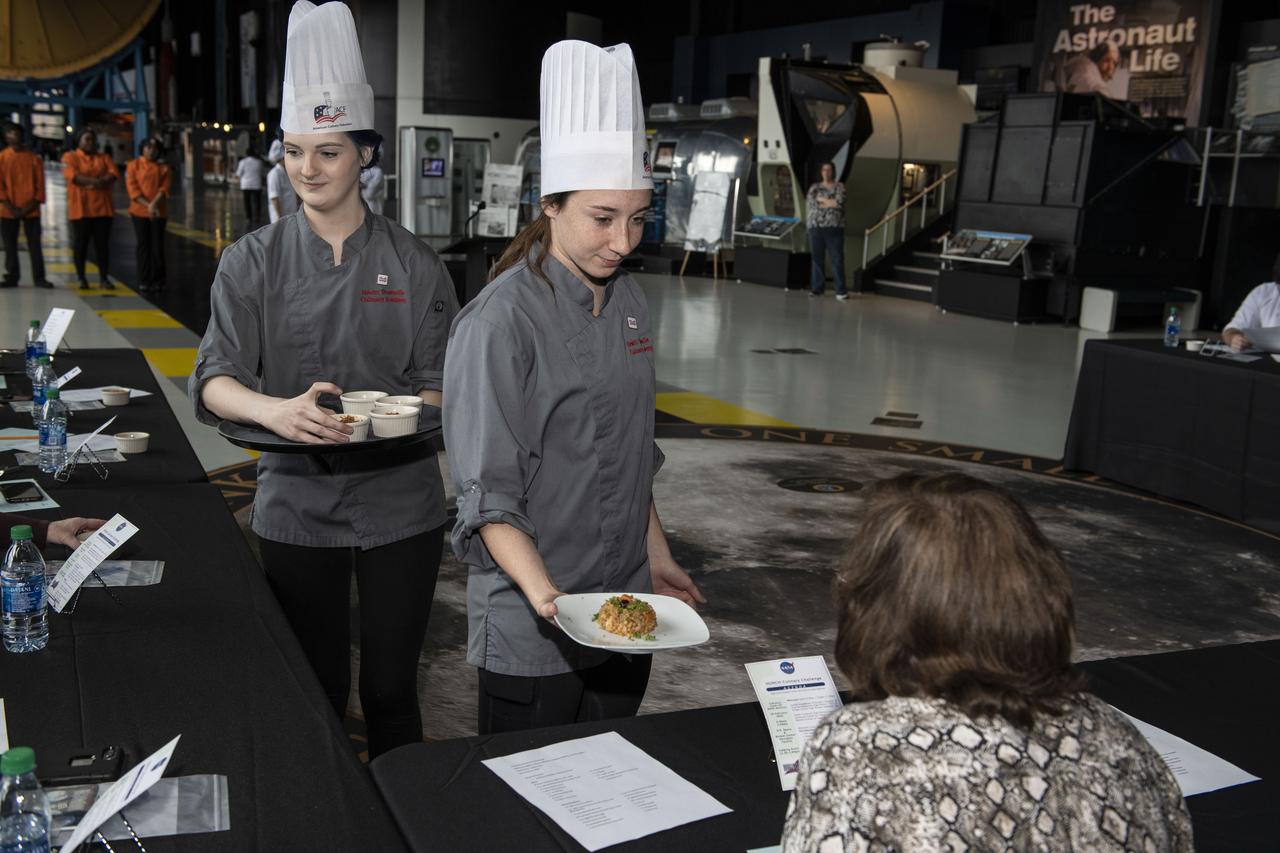
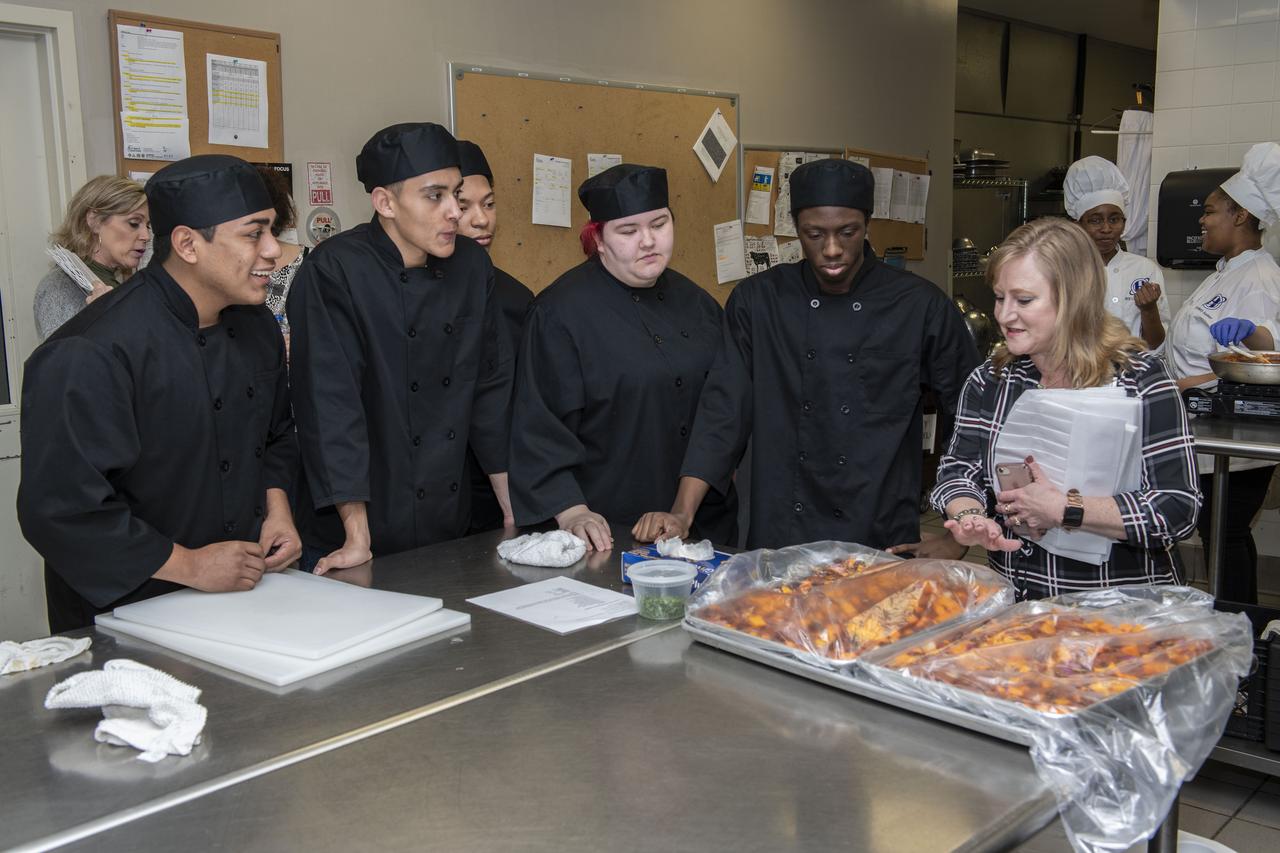
2017 "HIGH SCHOOL STUDENTS UNITED WITH NASA TO CREATE HARDWARE" (HUNCH) STUDENT CULINARY COMPETITION AT THE U.S. SPACE AND ROCKET CENTER. THE STUDENTS DEVELOPED RECIPES FOR DESSERT TREATS FOR ASTRONAUTS IN SPACE
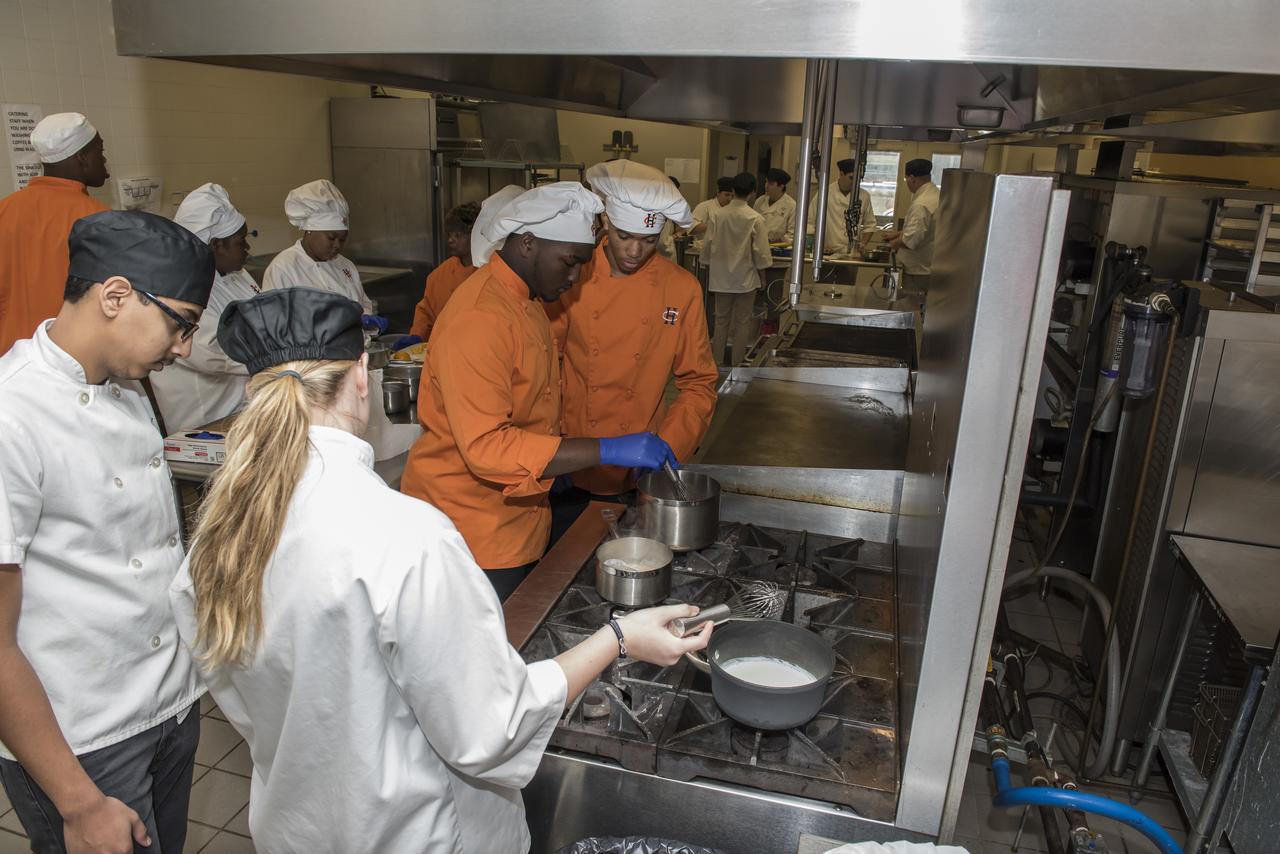
2017 "HIGH SCHOOL STUDENTS UNITED WITH NASA TO CREATE HARDWARE" (HUNCH) STUDENT CULINARY COMPETITION AT THE U.S. SPACE AND ROCKET CENTER. THE STUDENTS DEVELOPED RECIPES FOR DESSERT TREATS FOR ASTRONAUTS IN SPACE
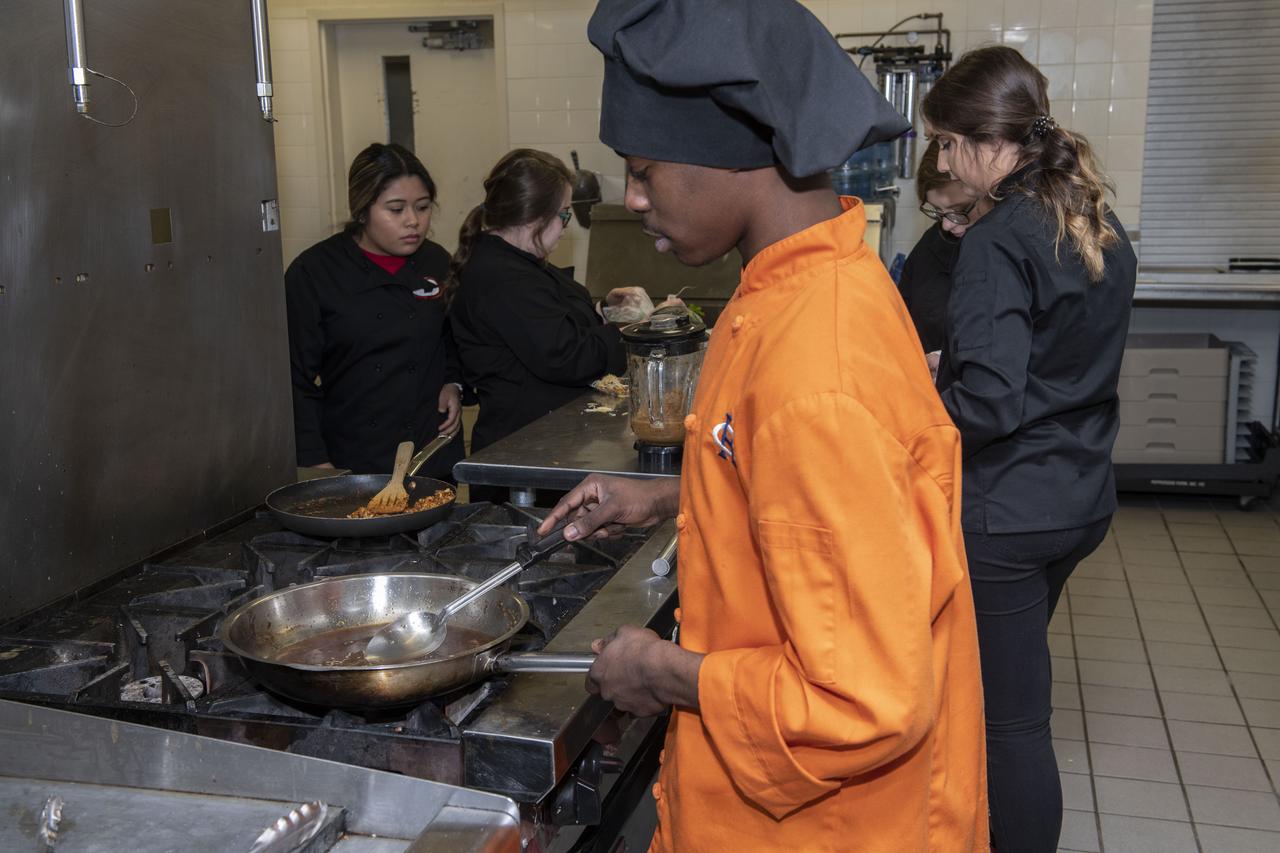
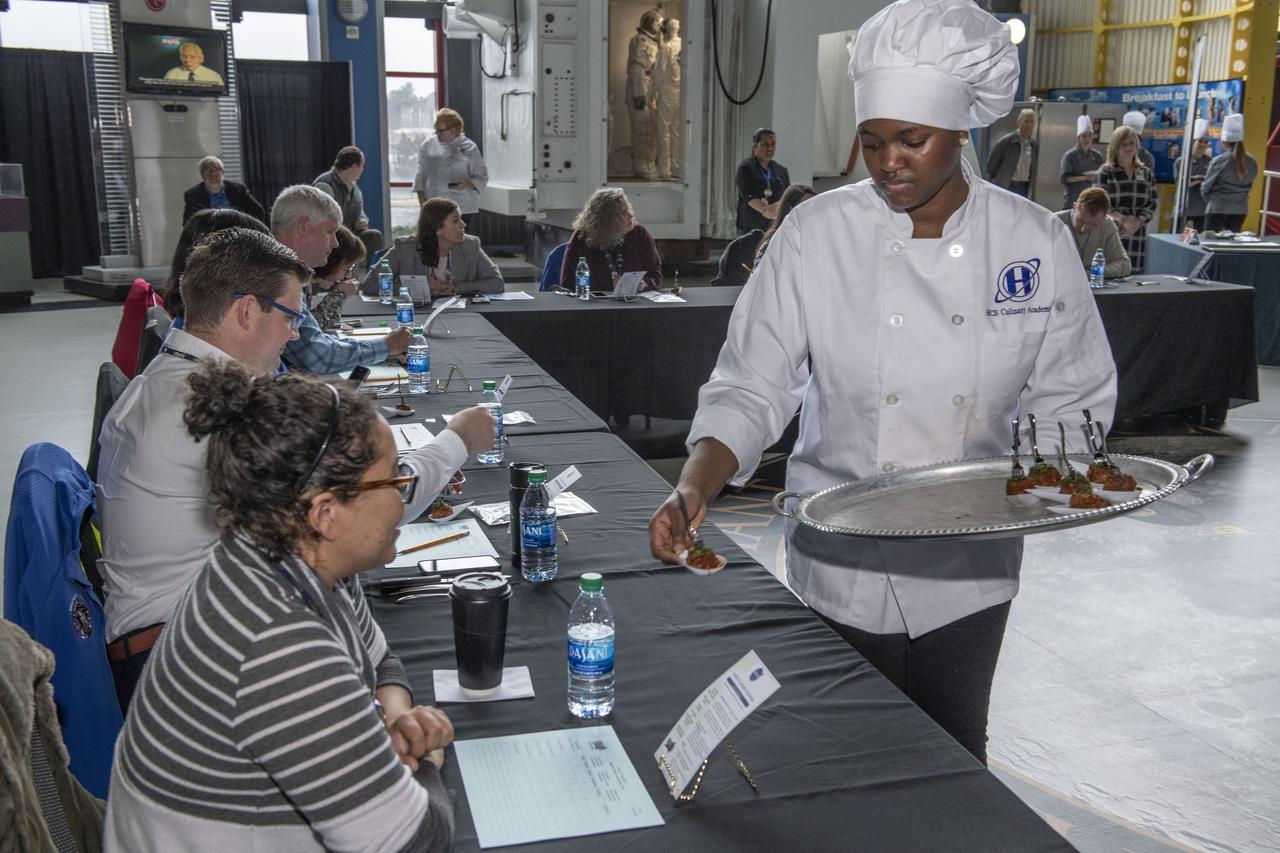
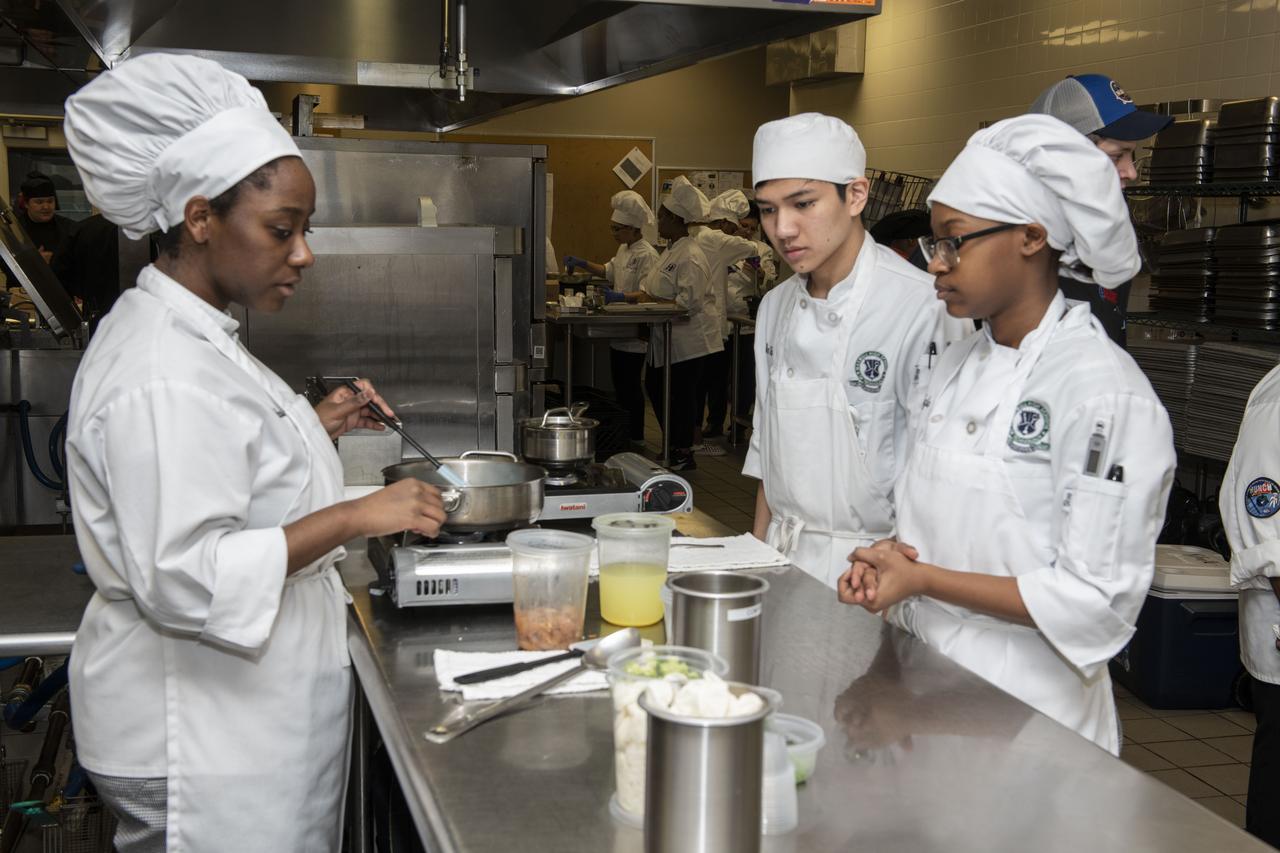
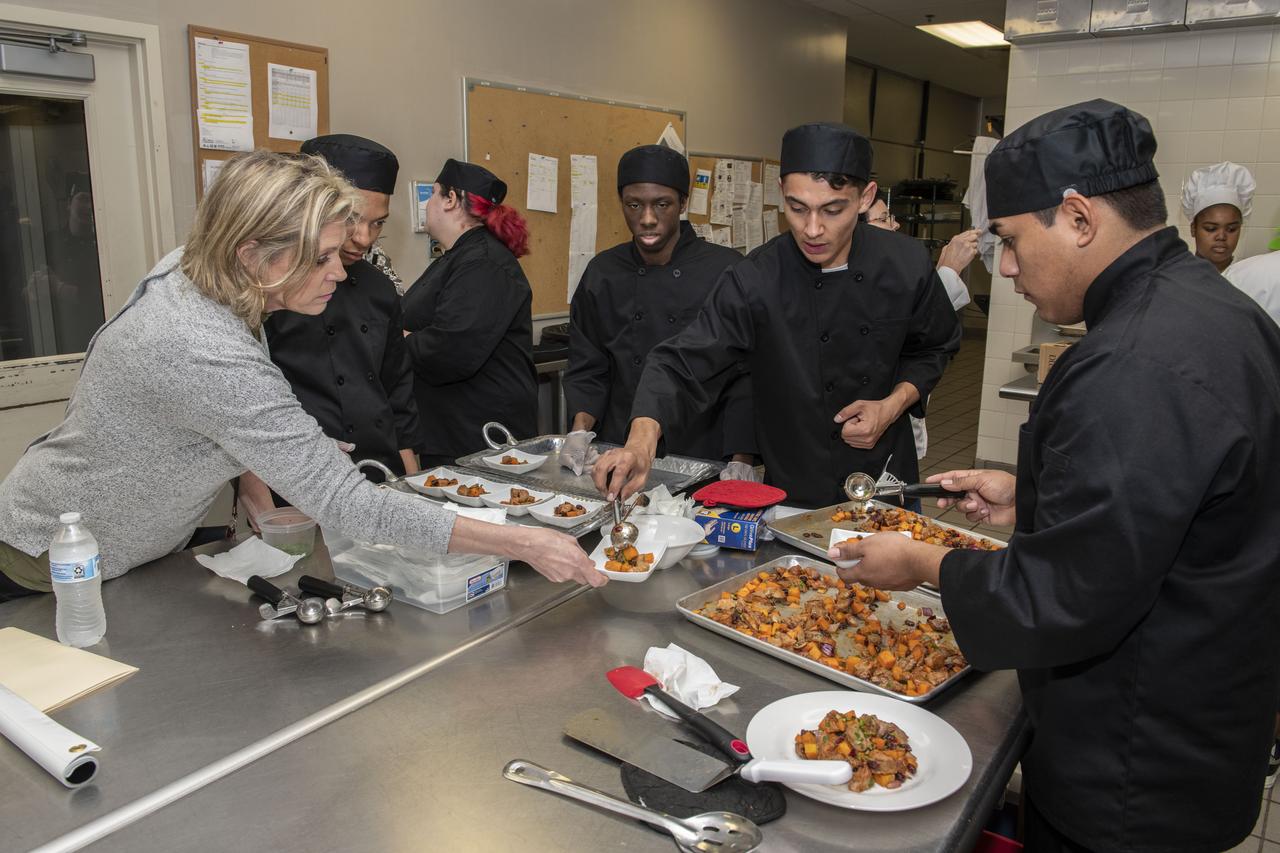
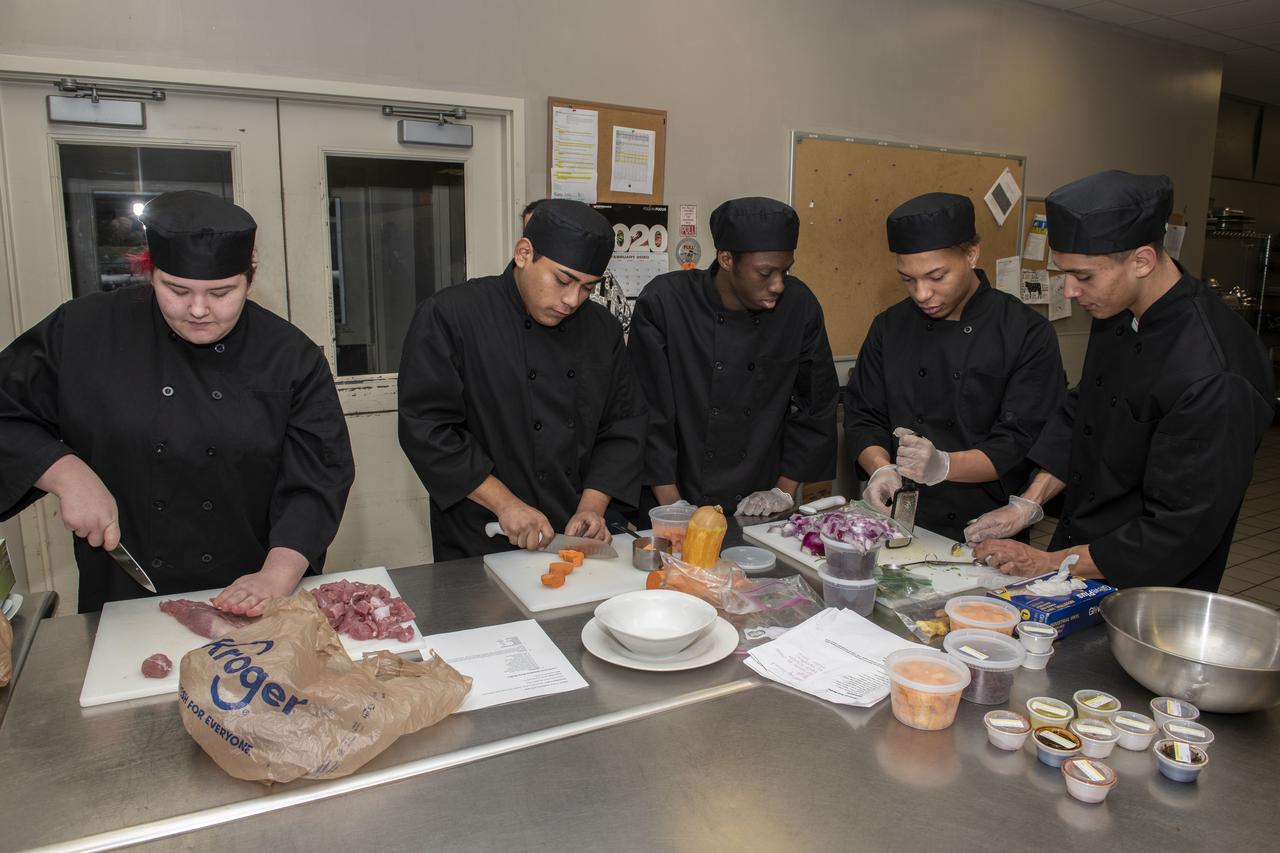
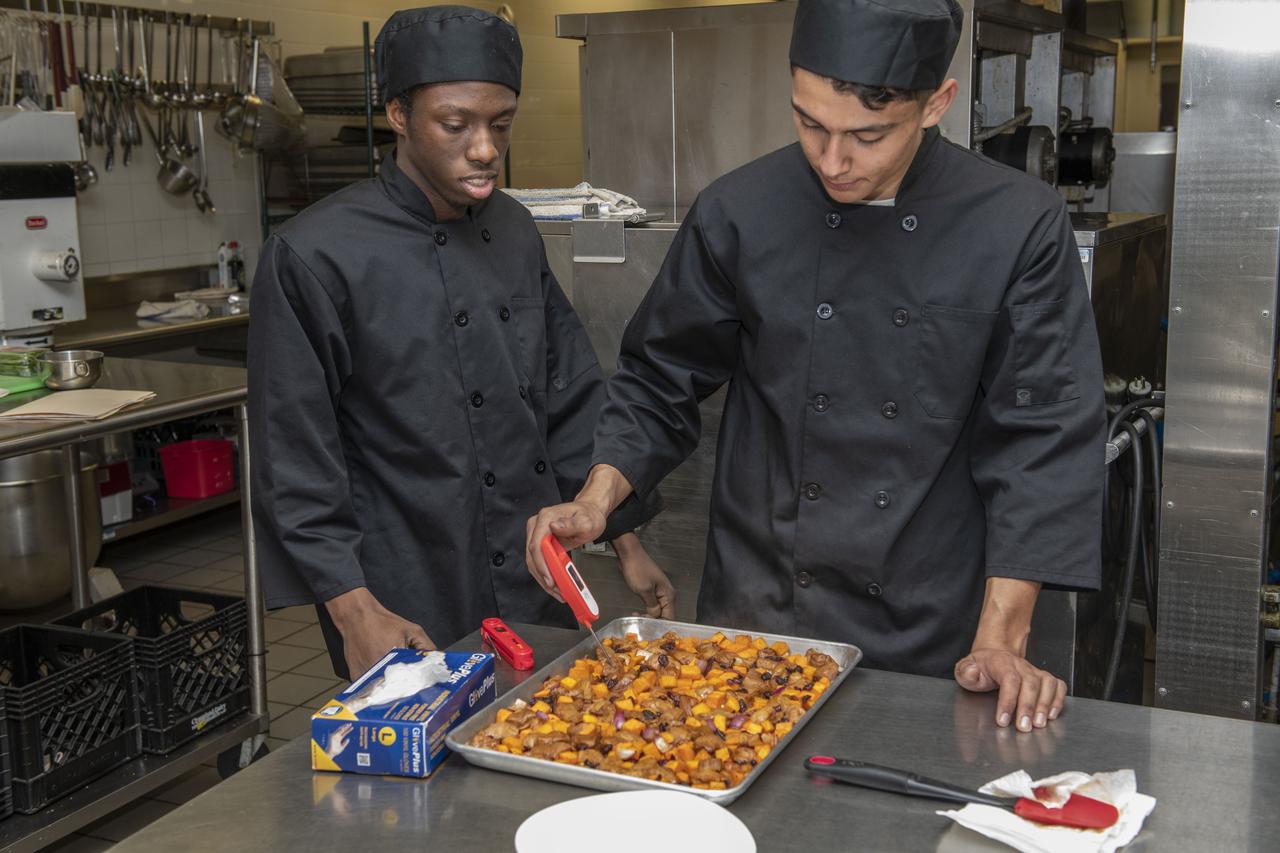
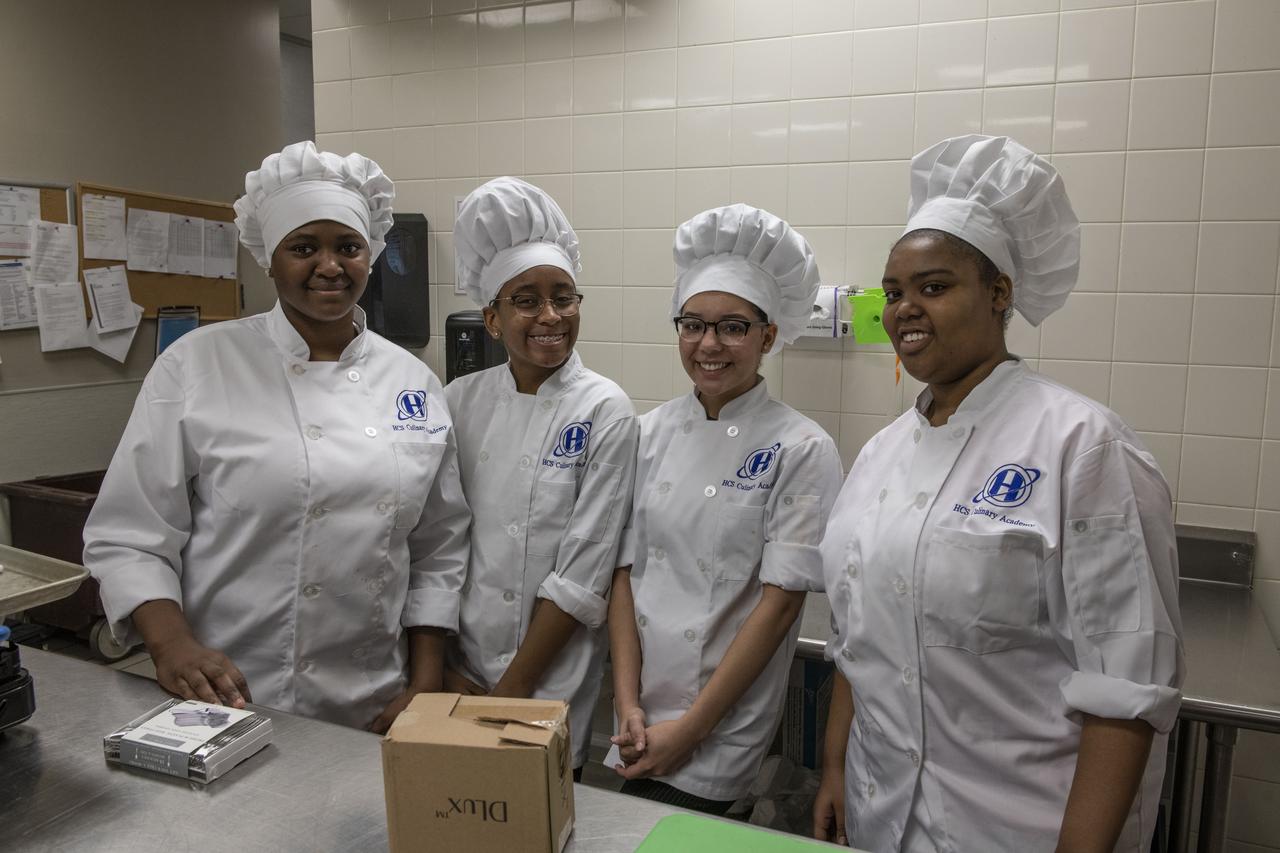
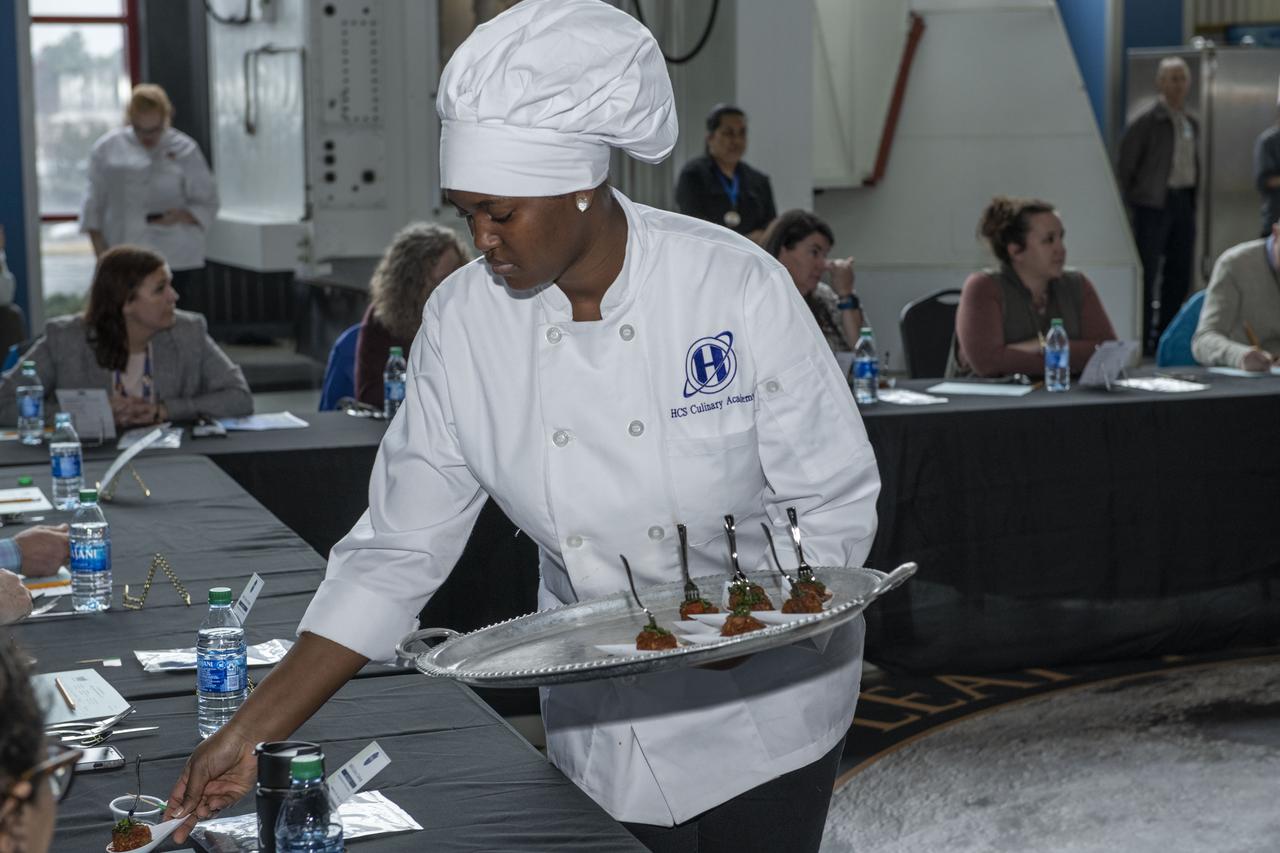
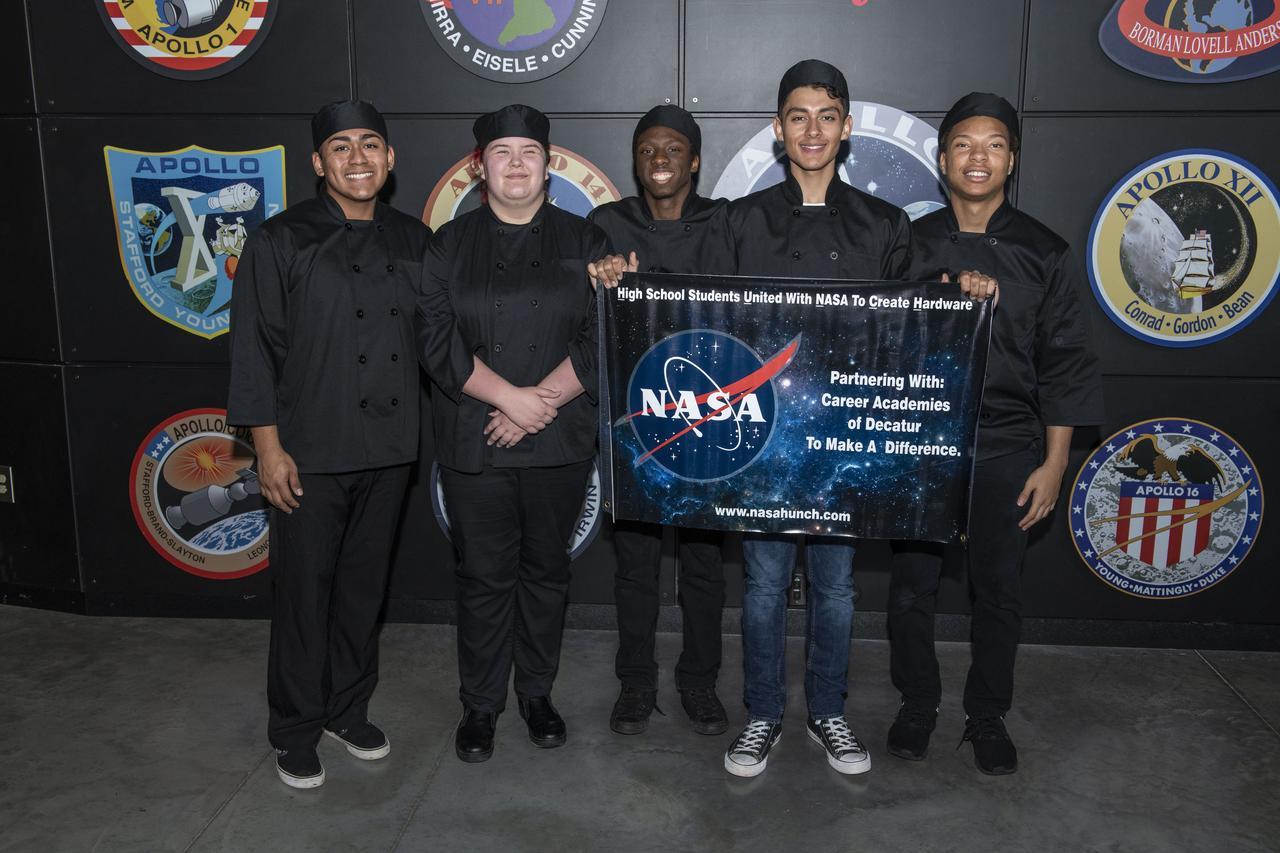
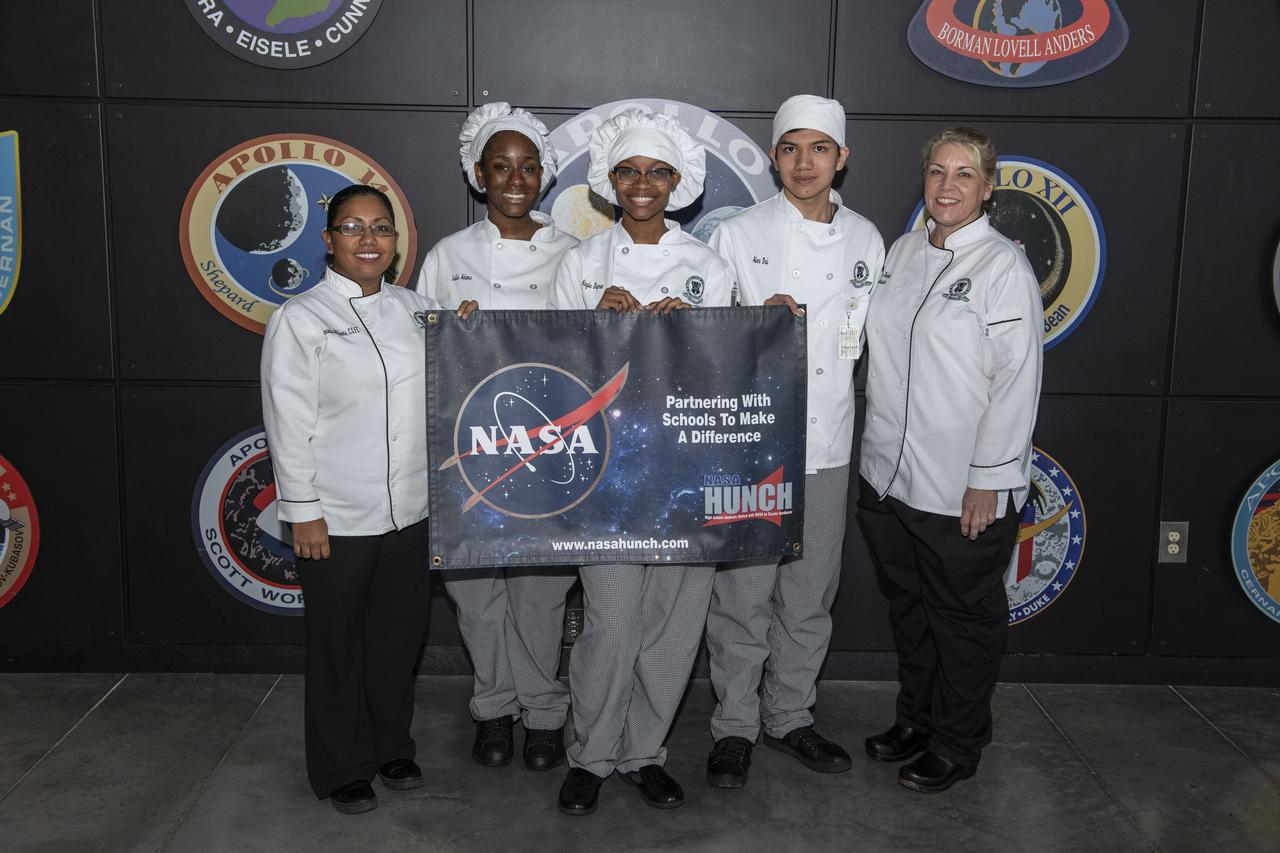
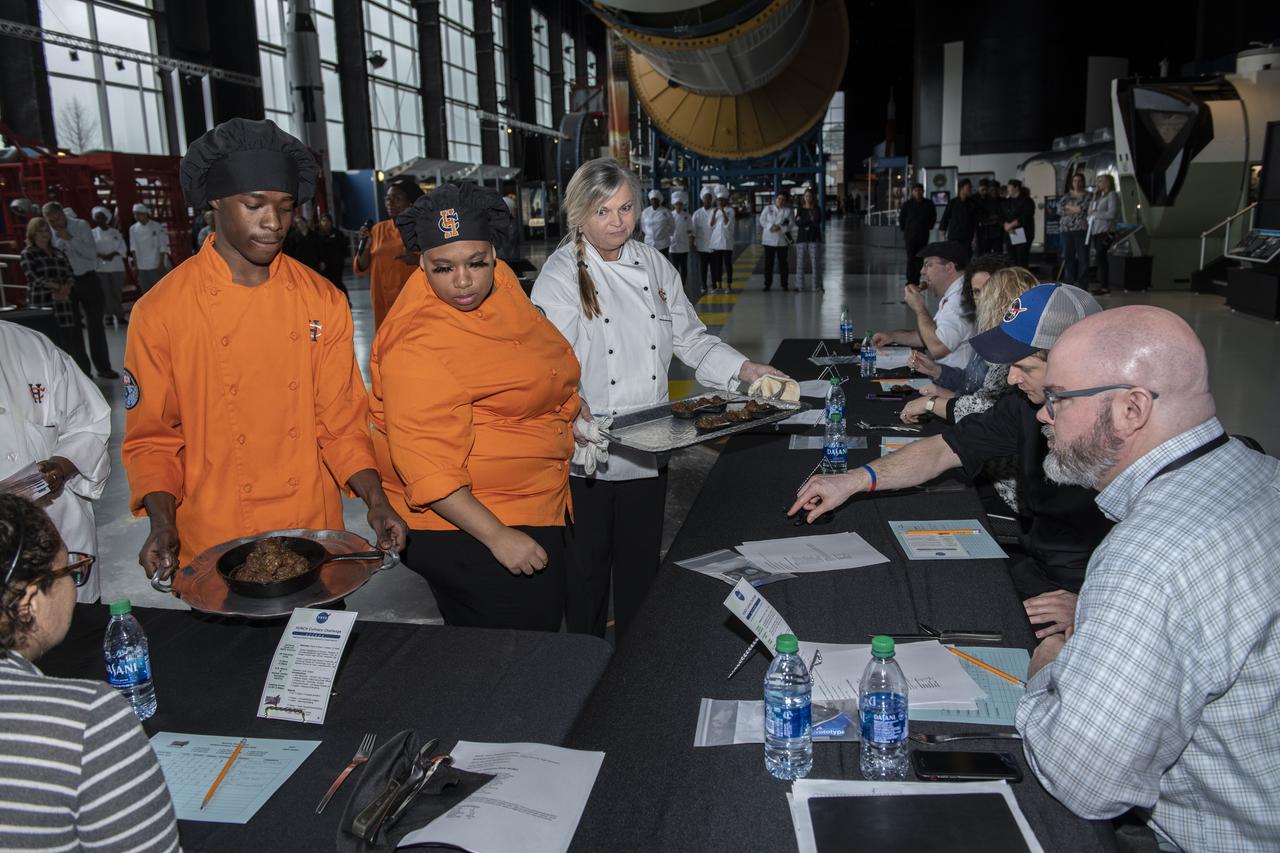
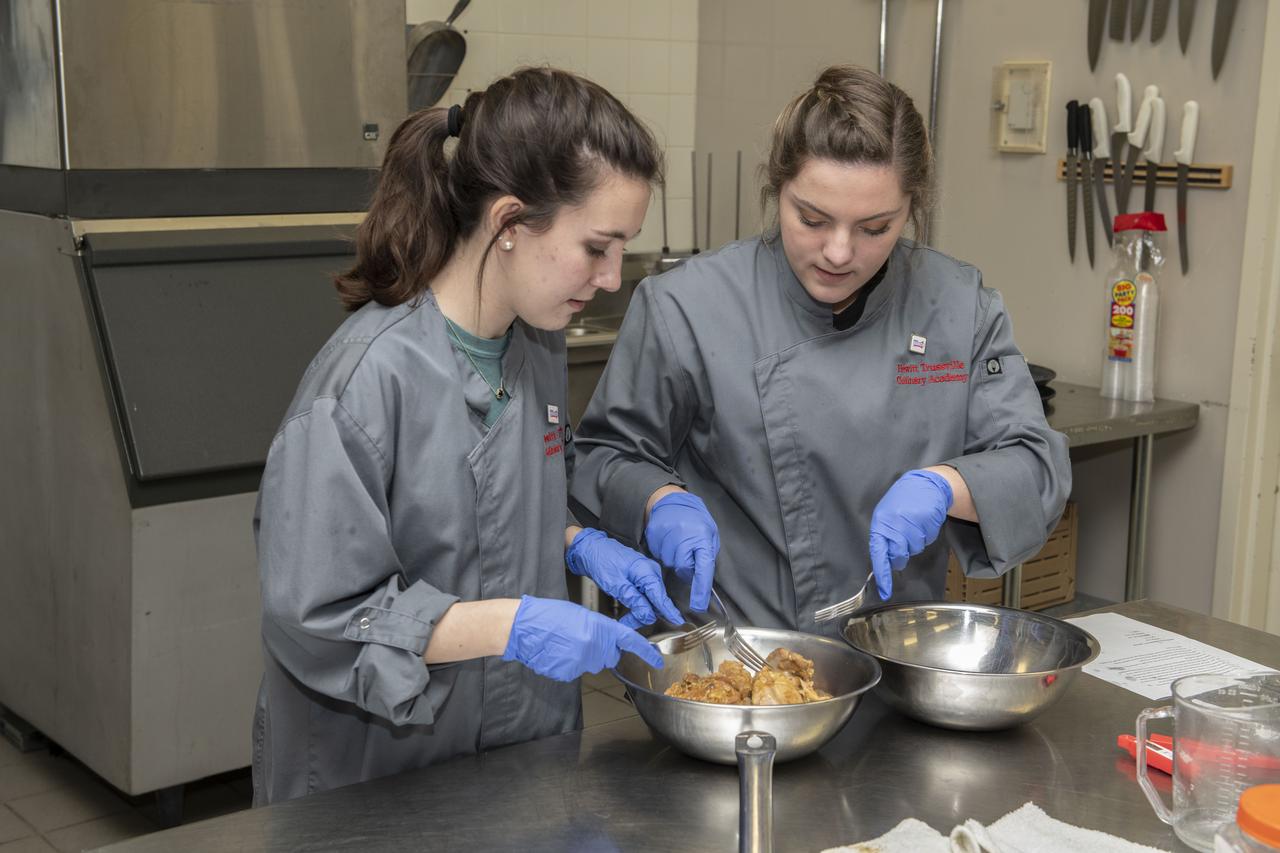
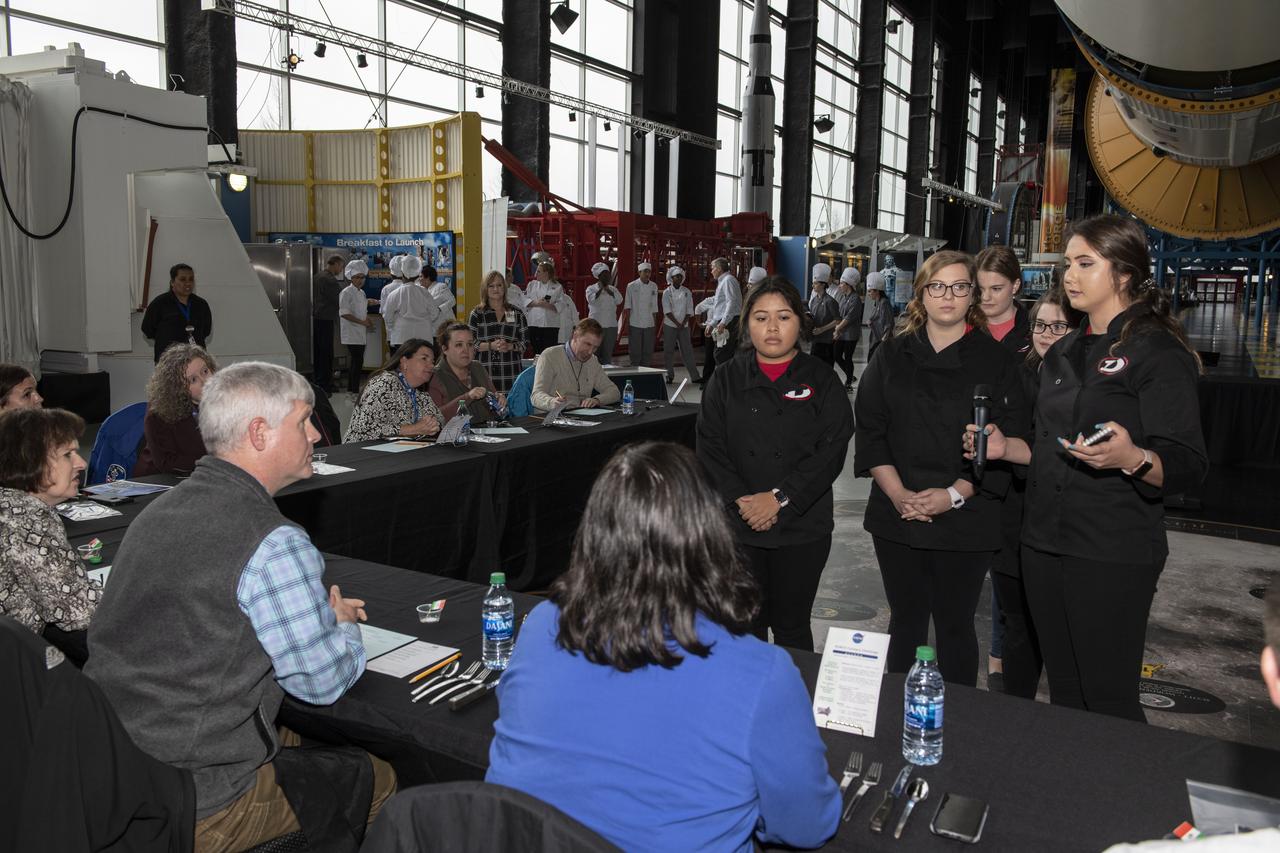
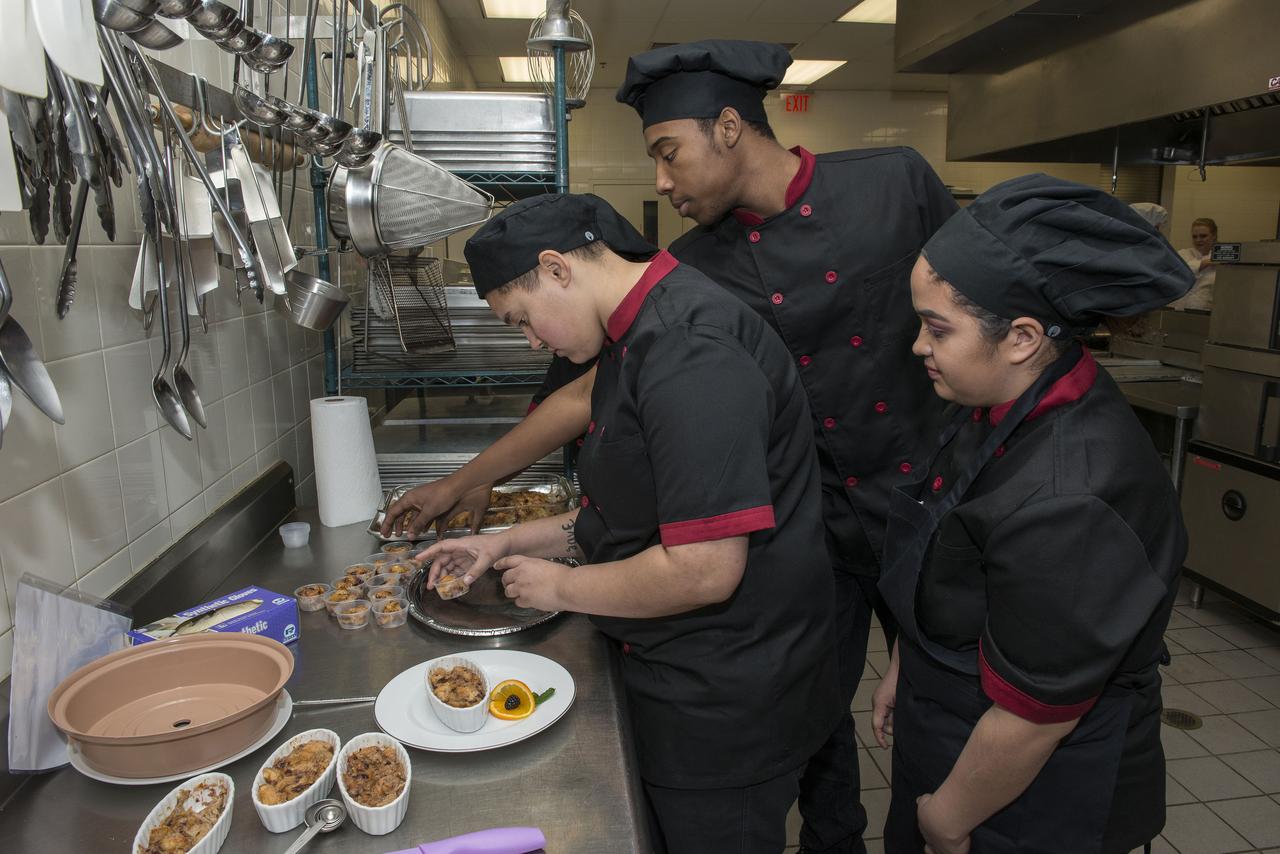
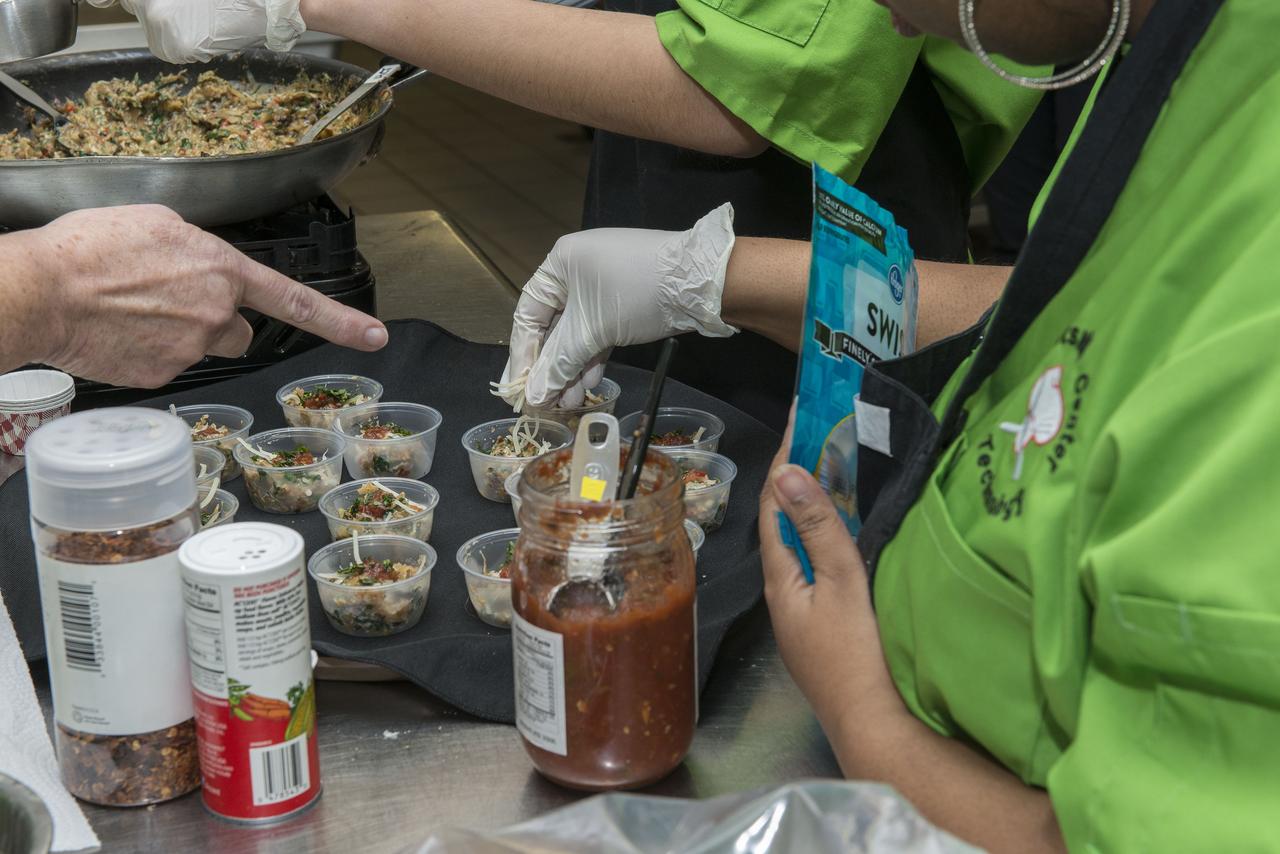
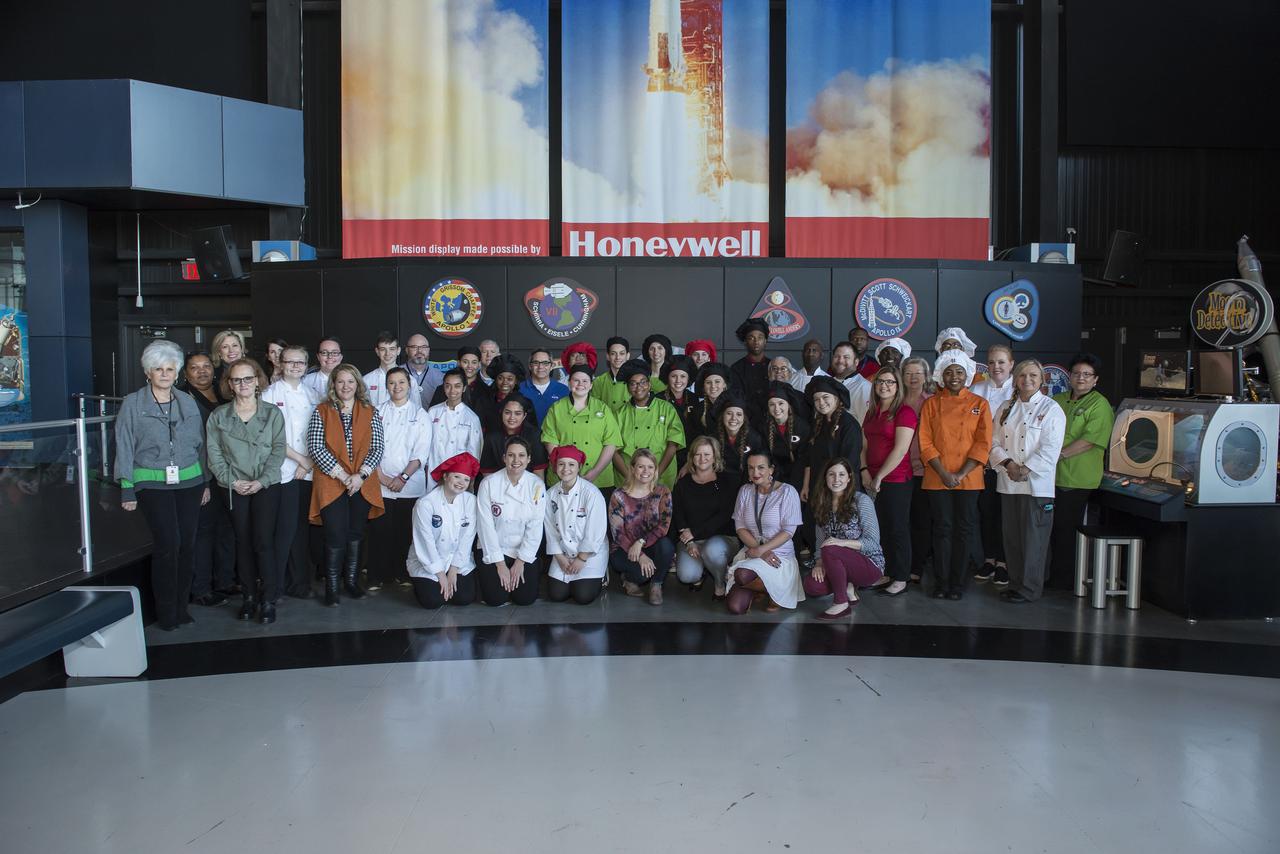
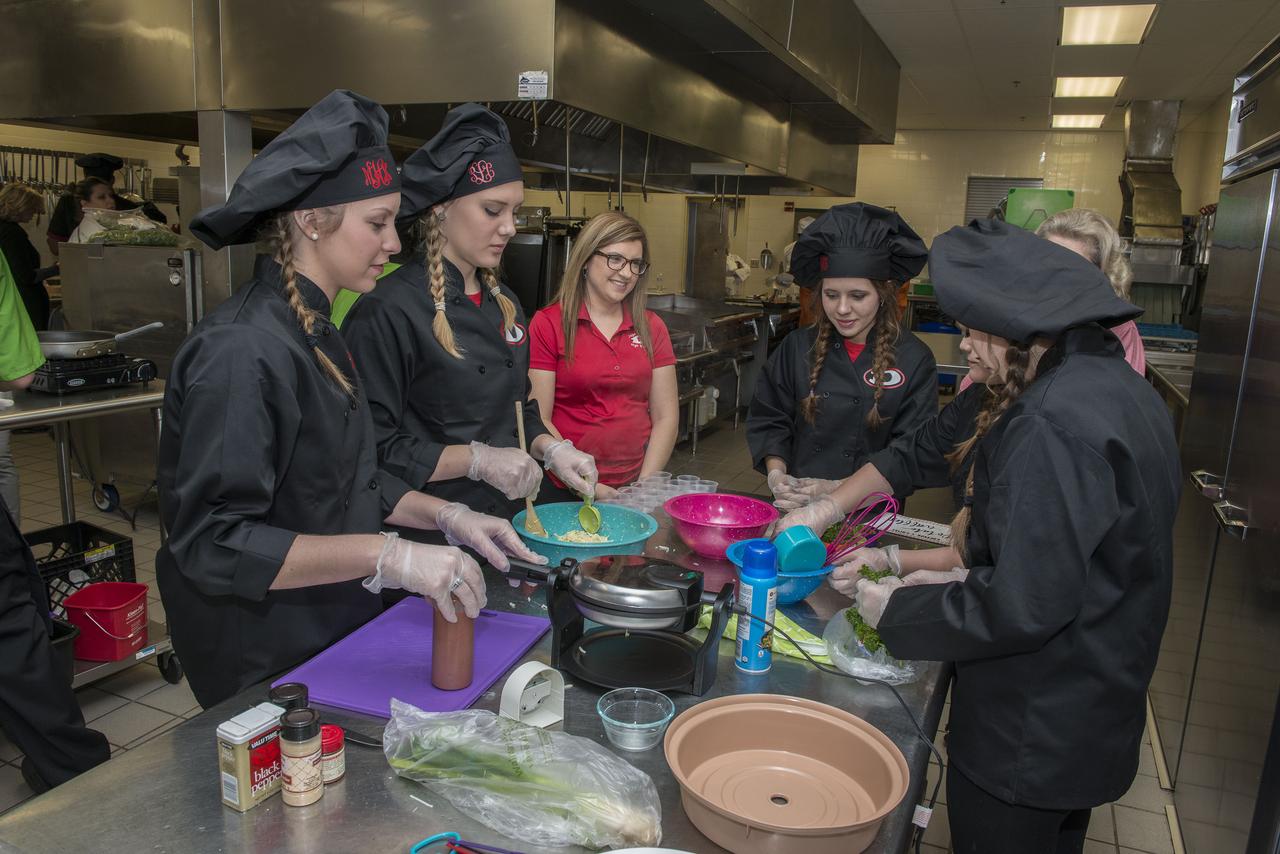
HUNCH (High School Students United with NASA to Create Hardware) students came together at the U.Sl Space and Rocket Center (USSRC) in a competition to create recipes for food to feed astronauts in space. Six teams from North Alabama and George participated. The winner will compete with students from competitions at other NASA centers later at the Johnson Space Flight Center.
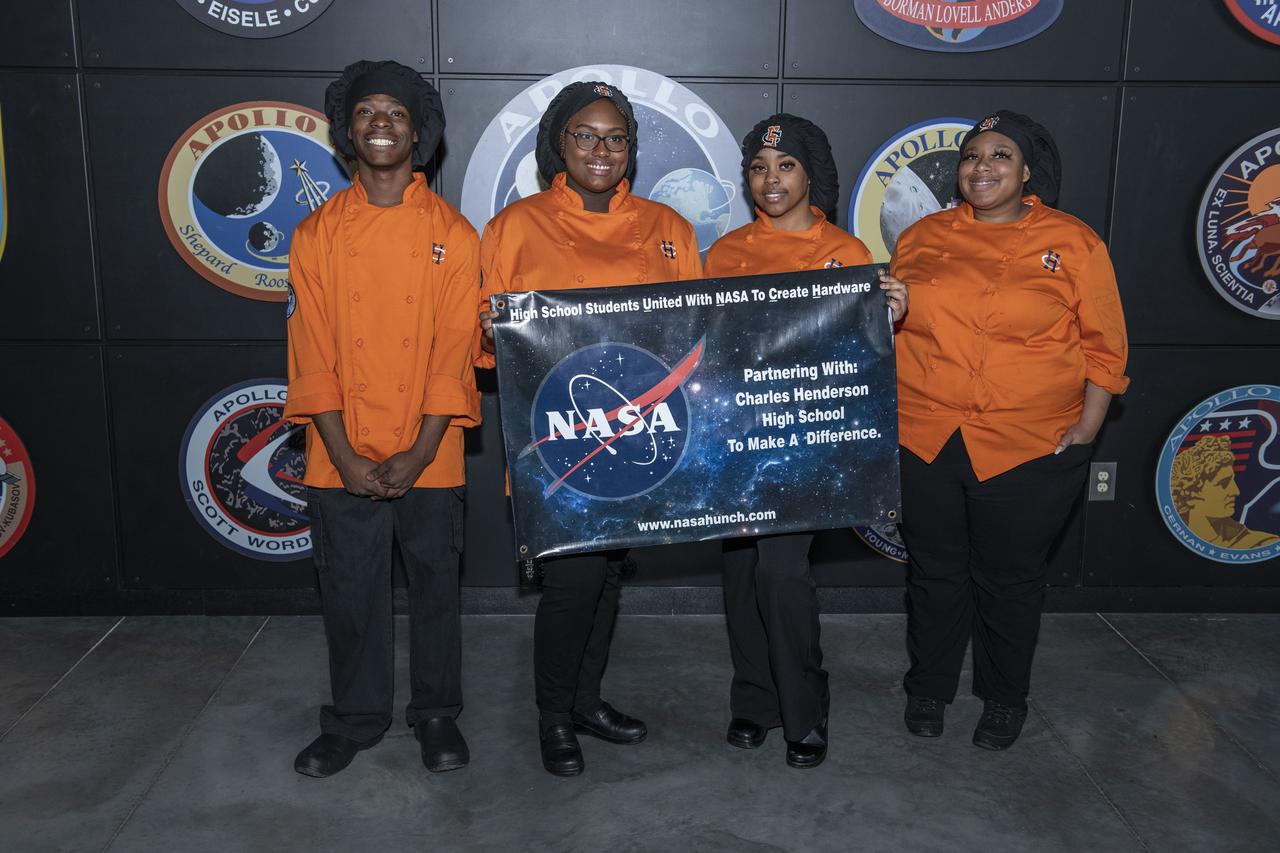
HUNCH (High School Students United with NASA to Create Hardware) students came together at the U.Sl Space and Rocket Center (USSRC) in a competition to create recipes for food to feed astronauts in space. Six teams from North Alabama and George participated. The winner will compete with students from competitions at other NASA centers later at the Johnson Space Flight Center.
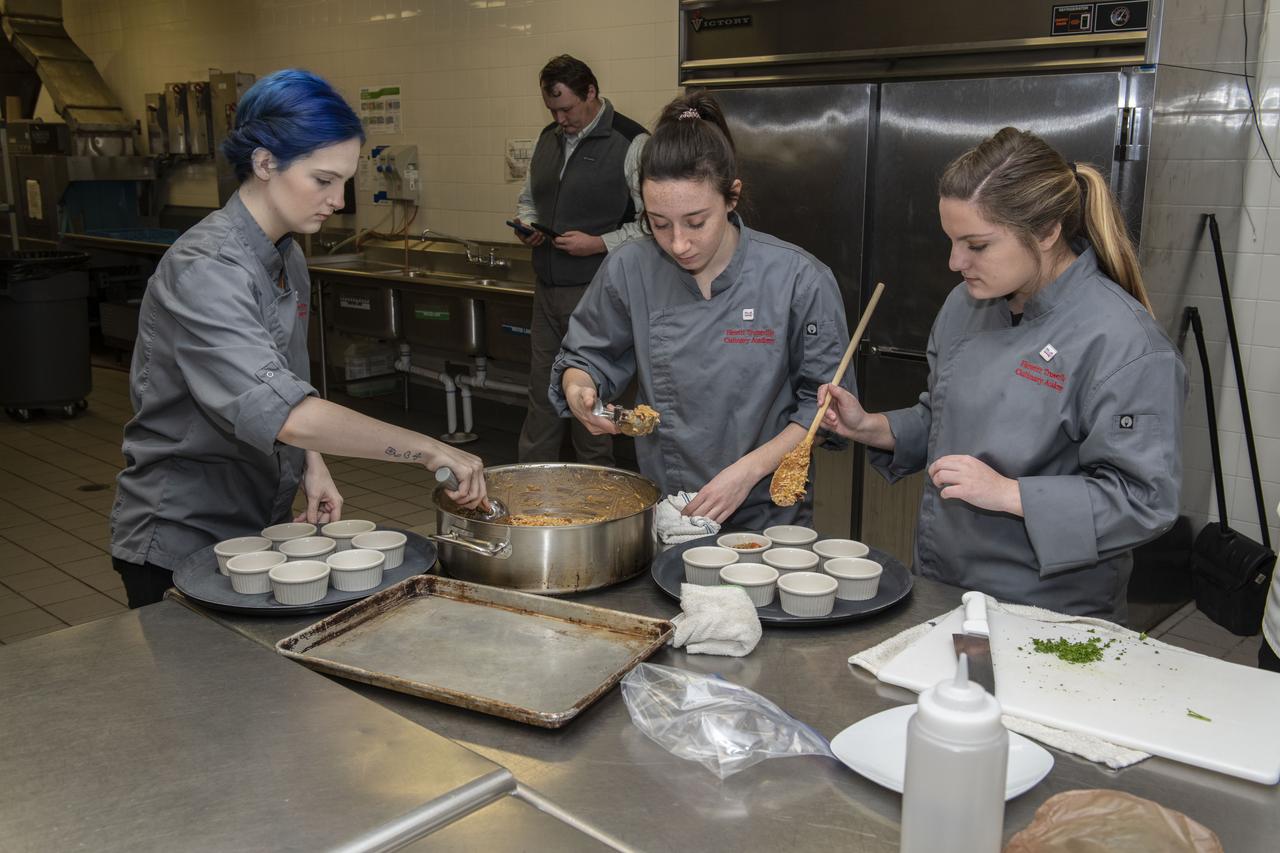
HUNCH (High School Students United with NASA to Create Hardware) students came together at the U.Sl Space and Rocket Center (USSRC) in a competition to create recipes for food to feed astronauts in space. Six teams from North Alabama and George participated. The winner will compete with students from competitions at other NASA centers later at the Johnson Space Flight Center.
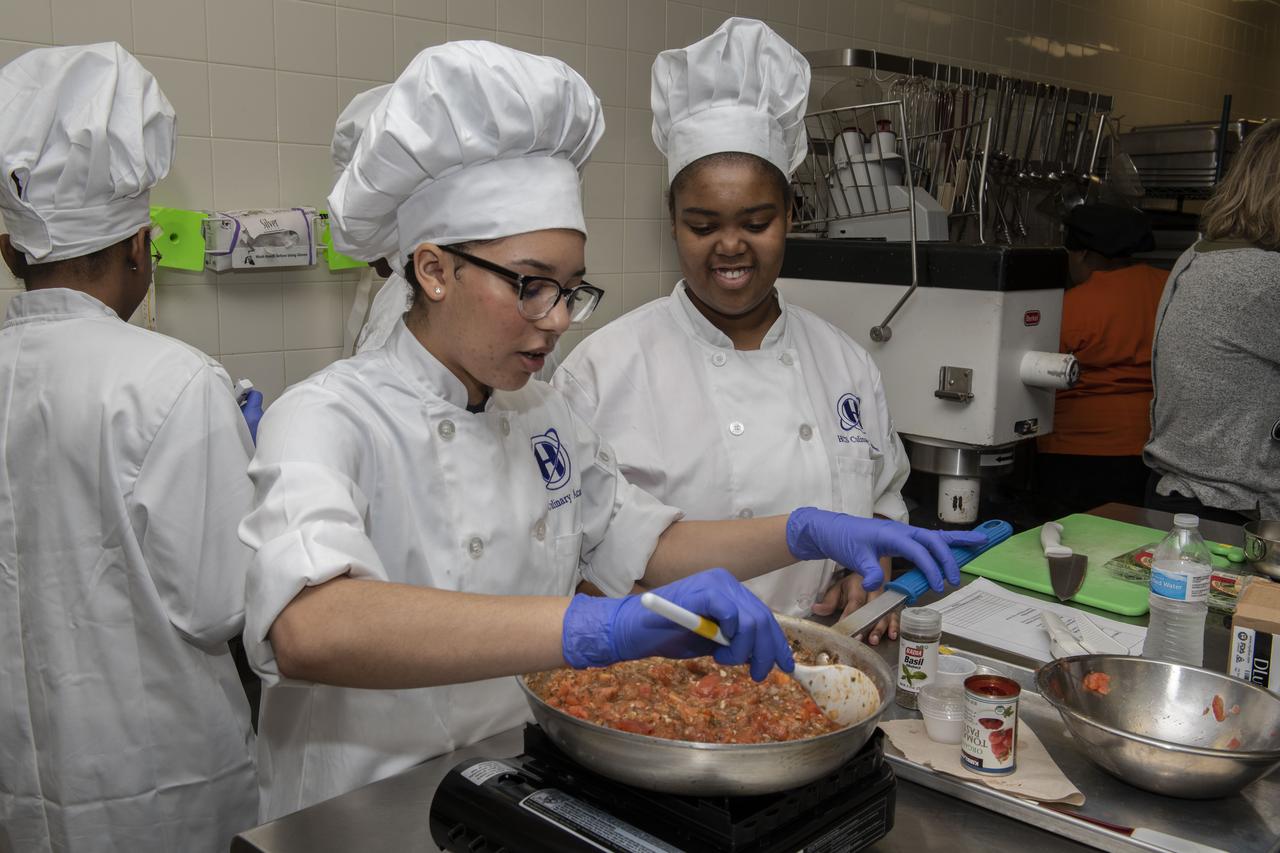
HUNCH (High School Students United with NASA to Create Hardware) students came together at the U.Sl Space and Rocket Center (USSRC) in a competition to create recipes for food to feed astronauts in space. Six teams from North Alabama and George participated. The winner will compete with students from competitions at other NASA centers later at the Johnson Space Flight Center.
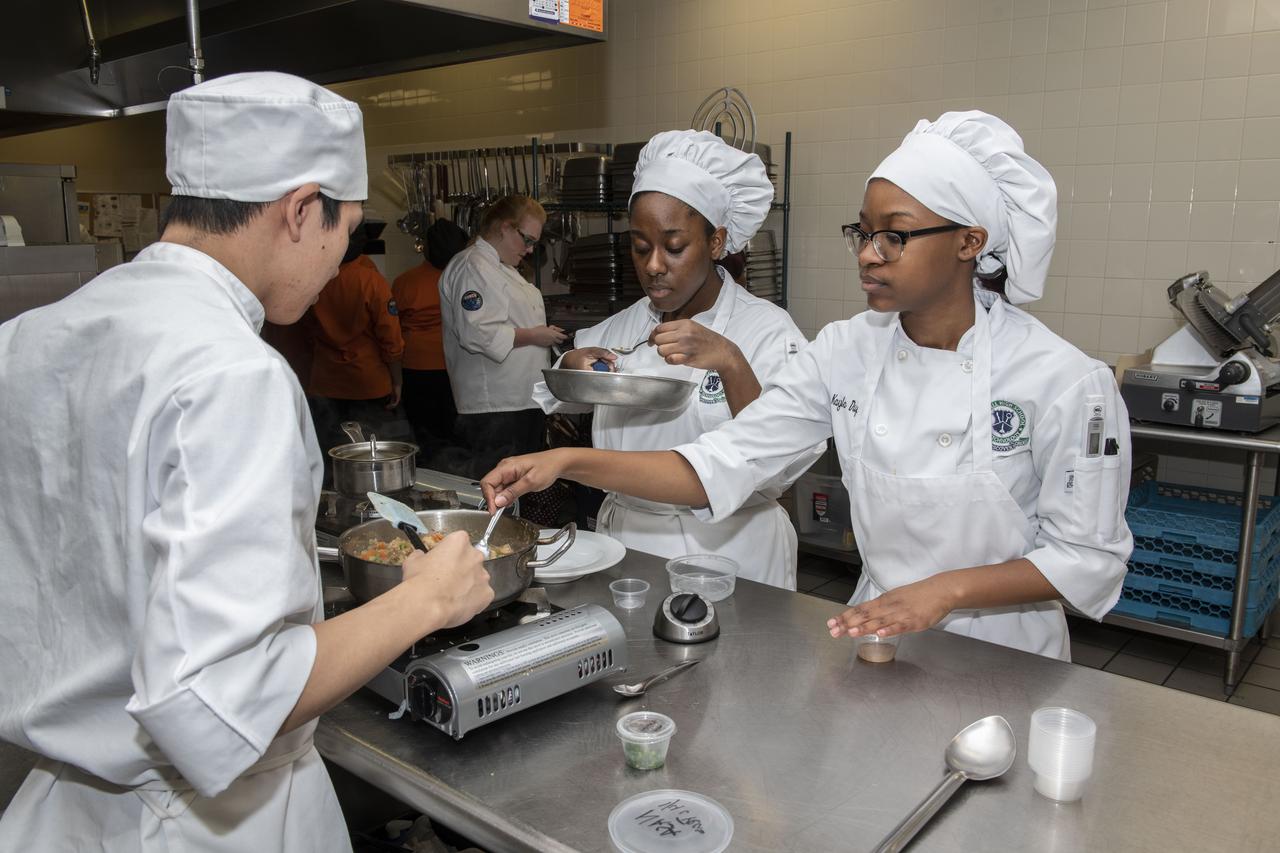
HUNCH (High School Students United with NASA to Create Hardware) students came together at the U.Sl Space and Rocket Center (USSRC) in a competition to create recipes for food to feed astronauts in space. Six teams from North Alabama and George participated. The winner will compete with students from competitions at other NASA centers later at the Johnson Space Flight Center.
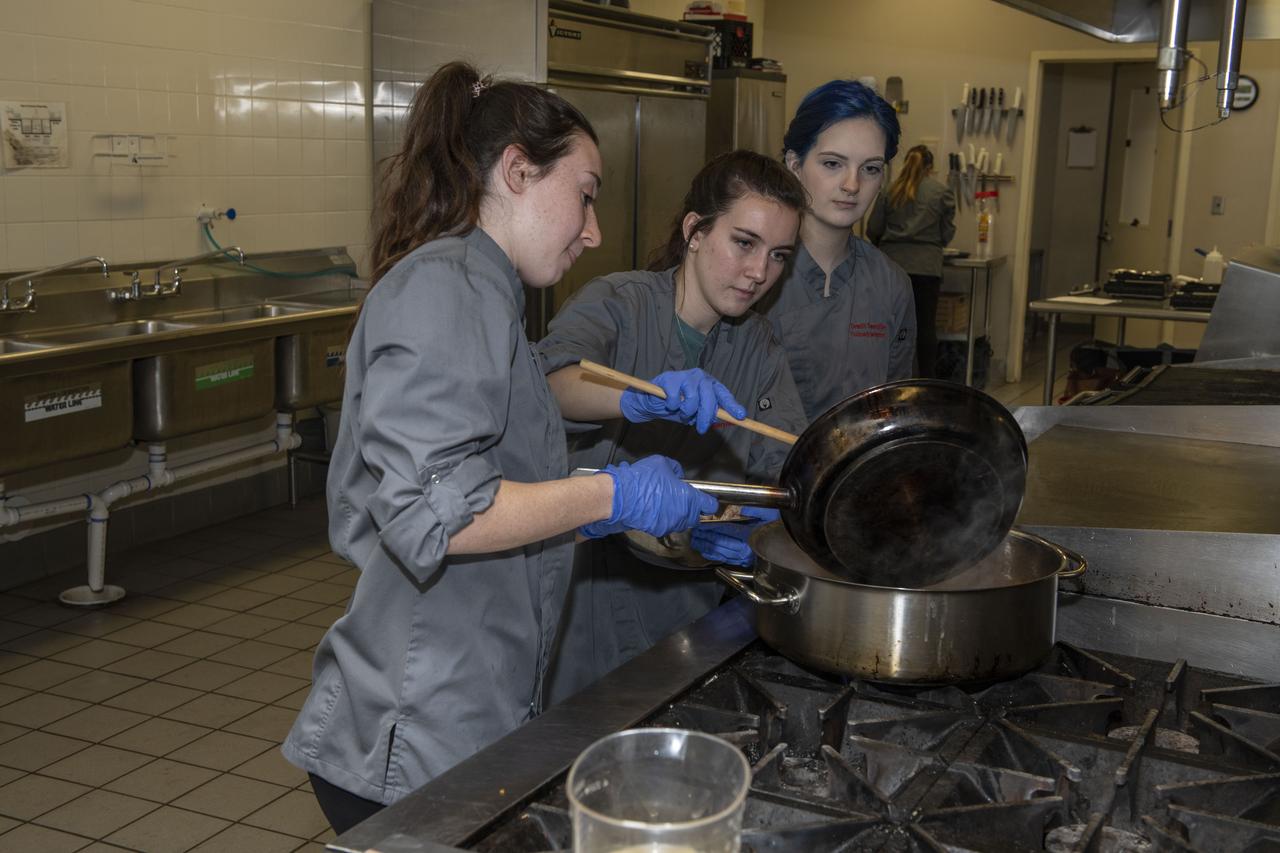
HUNCH (High School Students United with NASA to Create Hardware) students came together at the U.Sl Space and Rocket Center (USSRC) in a competition to create recipes for food to feed astronauts in space. Six teams from North Alabama and George participated. The winner will compete with students from competitions at other NASA centers later at the Johnson Space Flight Center.
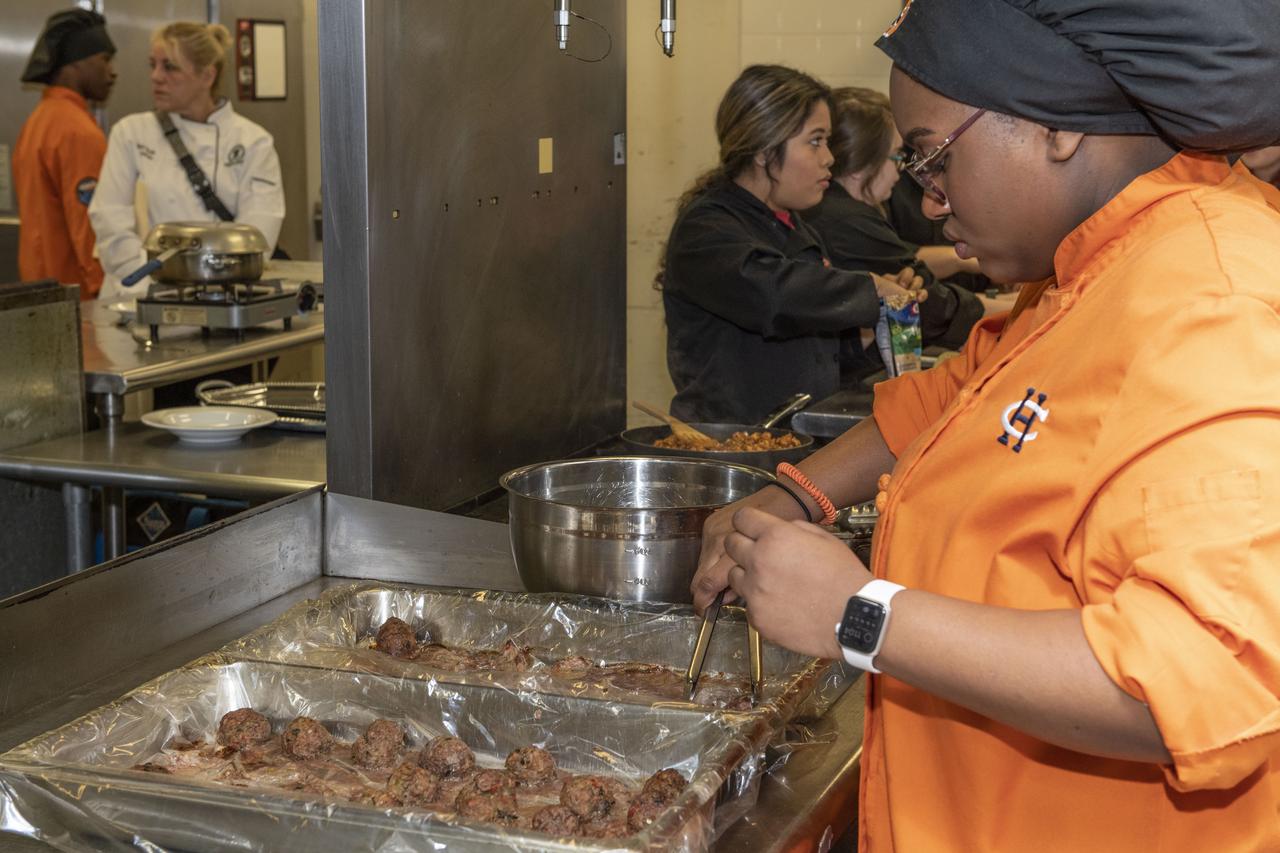
HUNCH (High School Students United with NASA to Create Hardware) students came together at the U.Sl Space and Rocket Center (USSRC) in a competition to create recipes for food to feed astronauts in space. Six teams from North Alabama and George participated. The winner will compete with students from competitions at other NASA centers later at the Johnson Space Flight Center.
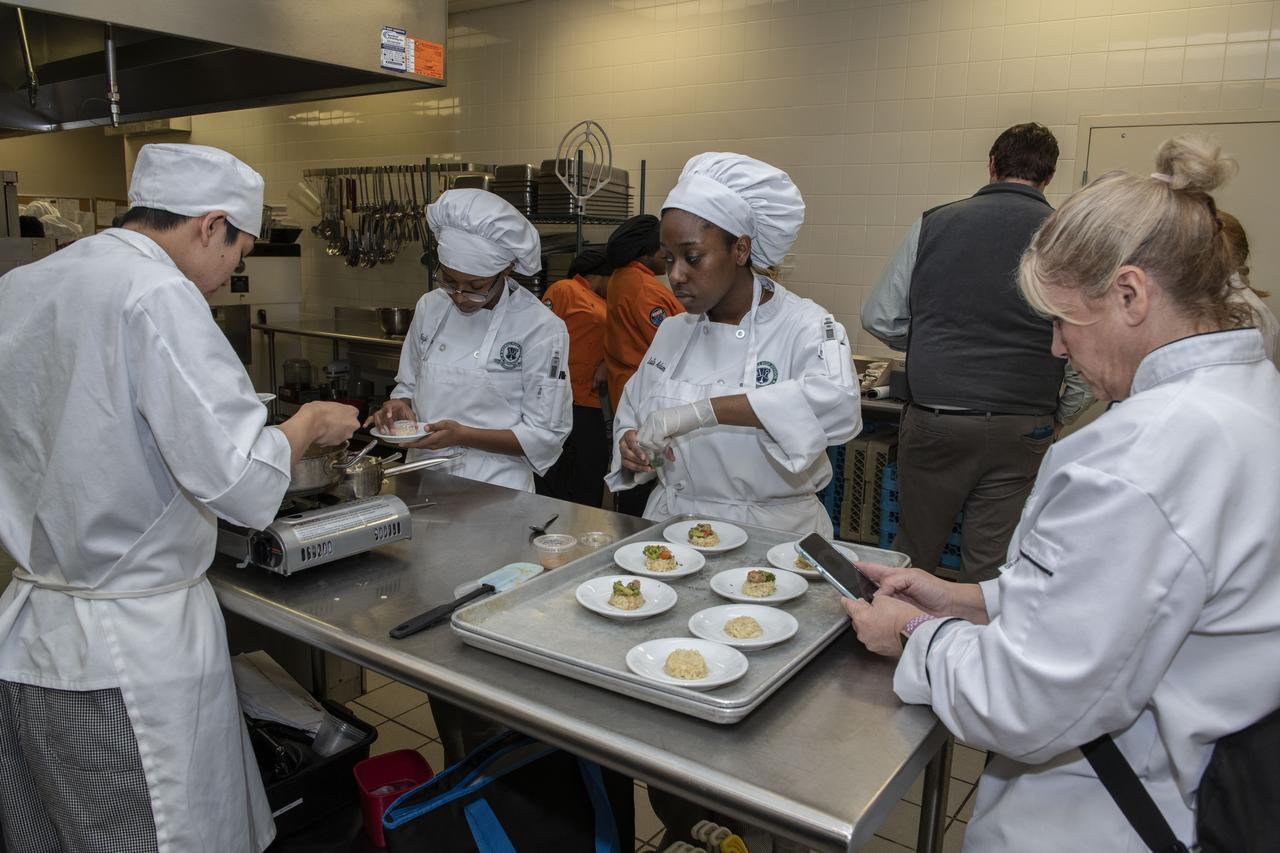
HUNCH (High School Students United with NASA to Create Hardware) students came together at the U.Sl Space and Rocket Center (USSRC) in a competition to create recipes for food to feed astronauts in space. Six teams from North Alabama and George participated. The winner will compete with students from competitions at other NASA centers later at the Johnson Space Flight Center.
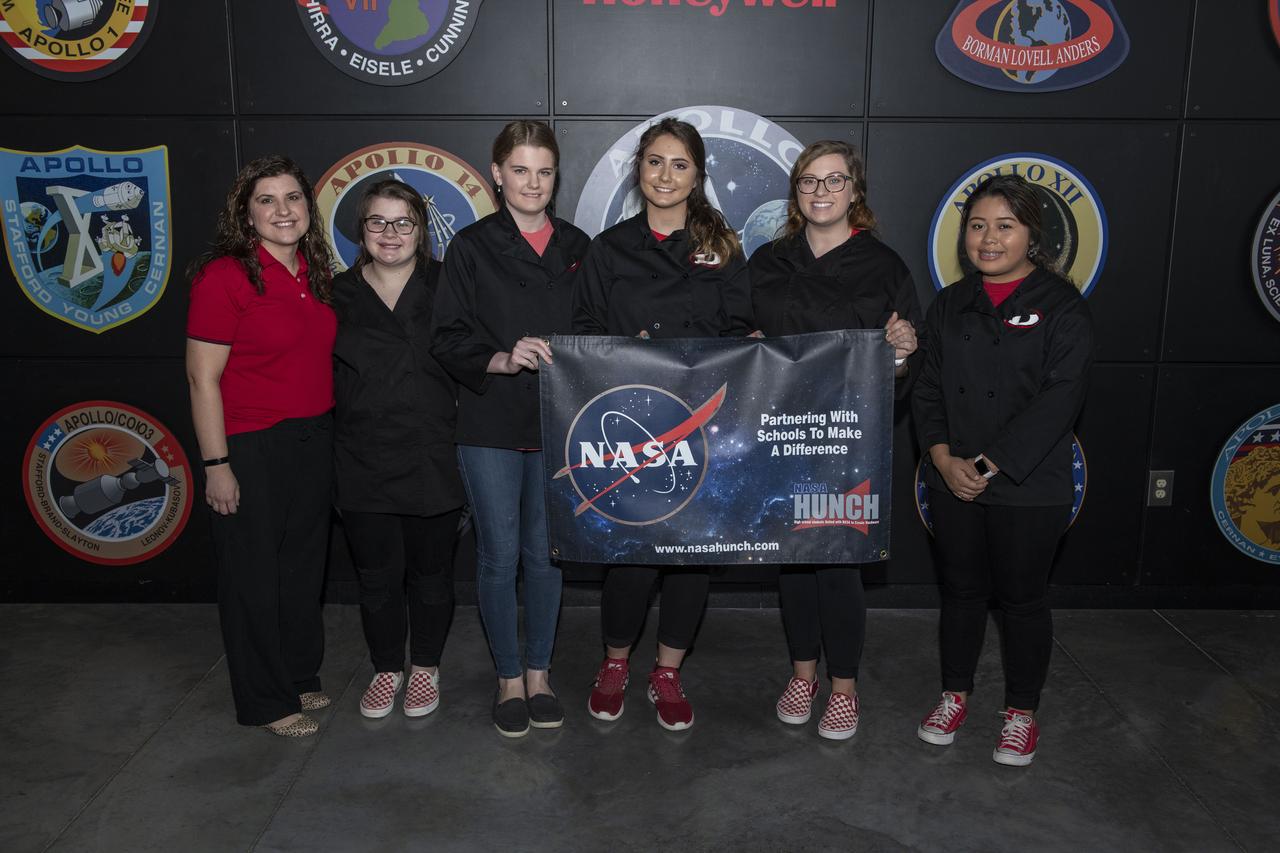
HUNCH (High School Students United with NASA to Create Hardware) students came together at the U.Sl Space and Rocket Center (USSRC) in a competition to create recipes for food to feed astronauts in space. Six teams from North Alabama and George participated. The winner will compete with students from competitions at other NASA centers later at the Johnson Space Flight Center.
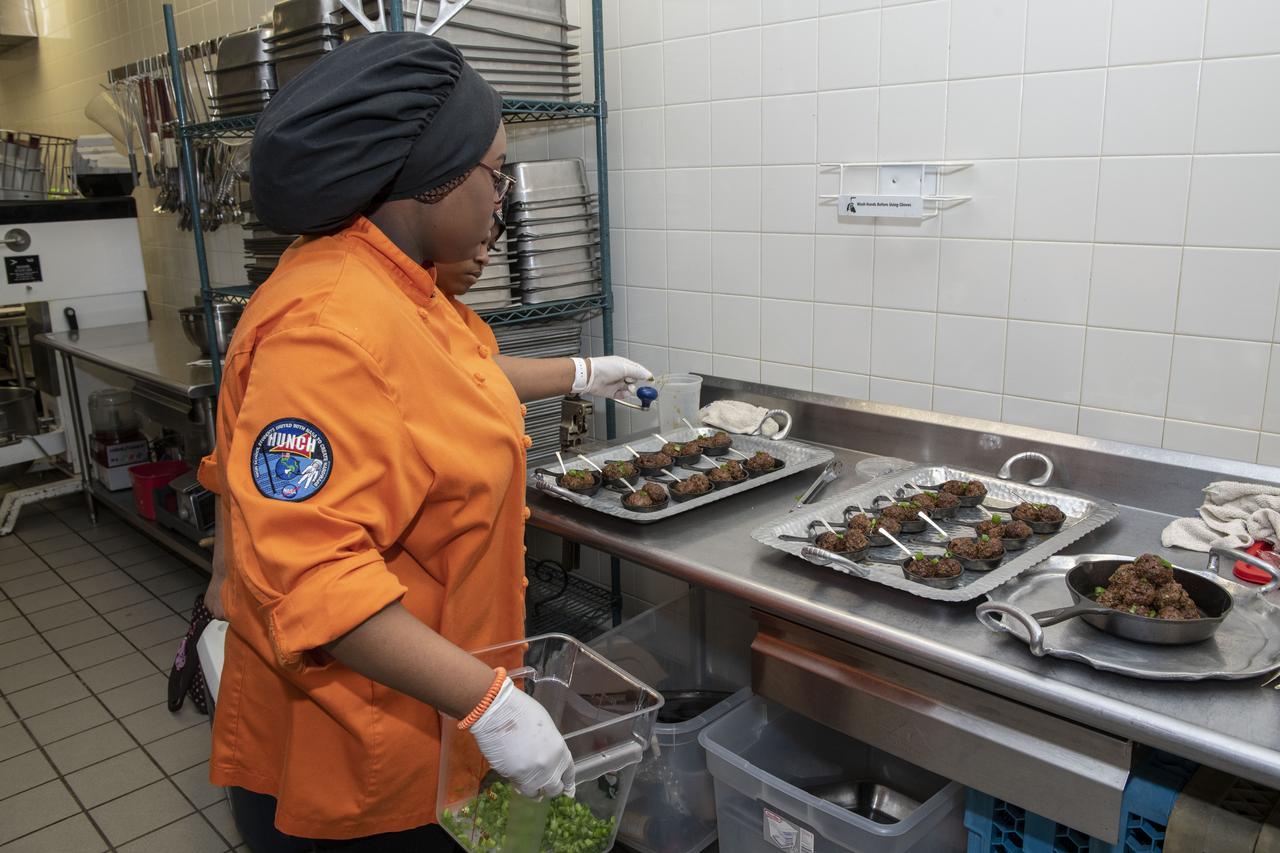
HUNCH (High School Students United with NASA to Create Hardware) students came together at the U.Sl Space and Rocket Center (USSRC) in a competition to create recipes for food to feed astronauts in space. Six teams from North Alabama and George participated. The winner will compete with students from competitions at other NASA centers later at the Johnson Space Flight Center.
HUNCH (High School Students United with NASA to Create Hardware) students came together at the U.Sl Space and Rocket Center (USSRC) in a competition to create recipes for food to feed astronauts in space. Six teams from North Alabama and George participated. The winner will compete with students from competitions at other NASA centers later at the Johnson Space Flight Center.
HUNCH (High School Students United with NASA to Create Hardware) students came together at the U.Sl Space and Rocket Center (USSRC) in a competition to create recipes for food to feed astronauts in space. Six teams from North Alabama and George participated. The winner will compete with students from competitions at other NASA centers later at the Johnson Space Flight Center.
HUNCH (High School Students United with NASA to Create Hardware) students came together at the U.Sl Space and Rocket Center (USSRC) in a competition to create recipes for food to feed astronauts in space. Six teams from North Alabama and George participated. The winner will compete with students from competitions at other NASA centers later at the Johnson Space Flight Center.
HUNCH (High School Students United with NASA to Create Hardware) students came together at the U.Sl Space and Rocket Center (USSRC) in a competition to create recipes for food to feed astronauts in space. Six teams from North Alabama and George participated. The winner will compete with students from competitions at other NASA centers later at the Johnson Space Flight Center.
HUNCH (High School Students United with NASA to Create Hardware) students came together at the U.Sl Space and Rocket Center (USSRC) in a competition to create recipes for food to feed astronauts in space. Six teams from North Alabama and George participated. The winner will compete with students from competitions at other NASA centers later at the Johnson Space Flight Center.
HUNCH (High School Students United with NASA to Create Hardware) students came together at the U.Sl Space and Rocket Center (USSRC) in a competition to create recipes for food to feed astronauts in space. Six teams from North Alabama and George participated. The winner will compete with students from competitions at other NASA centers later at the Johnson Space Flight Center.
HUNCH (High School Students United with NASA to Create Hardware) students came together at the U.Sl Space and Rocket Center (USSRC) in a competition to create recipes for food to feed astronauts in space. Six teams from North Alabama and George participated. The winner will compete with students from competitions at other NASA centers later at the Johnson Space Flight Center.
HUNCH (High School Students United with NASA to Create Hardware) students came together at the U.Sl Space and Rocket Center (USSRC) in a competition to create recipes for food to feed astronauts in space. Six teams from North Alabama and George participated. The winner will compete with students from competitions at other NASA centers later at the Johnson Space Flight Center.
HUNCH (High School Students United with NASA to Create Hardware) students came together at the U.Sl Space and Rocket Center (USSRC) in a competition to create recipes for food to feed astronauts in space. Six teams from North Alabama and George participated. The winner will compete with students from competitions at other NASA centers later at the Johnson Space Flight Center.
HUNCH (High School Students United with NASA to Create Hardware) students came together at the U.Sl Space and Rocket Center (USSRC) in a competition to create recipes for food to feed astronauts in space. Six teams from North Alabama and George participated. The winner will compete with students from competitions at other NASA centers later at the Johnson Space Flight Center.
HUNCH (High School Students United with NASA to Create Hardware) students came together at the U.Sl Space and Rocket Center (USSRC) in a competition to create recipes for food to feed astronauts in space. Six teams from North Alabama and George participated. The winner will compete with students from competitions at other NASA centers later at the Johnson Space Flight Center.
HUNCH (High School Students United with NASA to Create Hardware) students came together at the U.Sl Space and Rocket Center (USSRC) in a competition to create recipes for food to feed astronauts in space. Six teams from North Alabama and George participated. The winner will compete with students from competitions at other NASA centers later at the Johnson Space Flight Center.
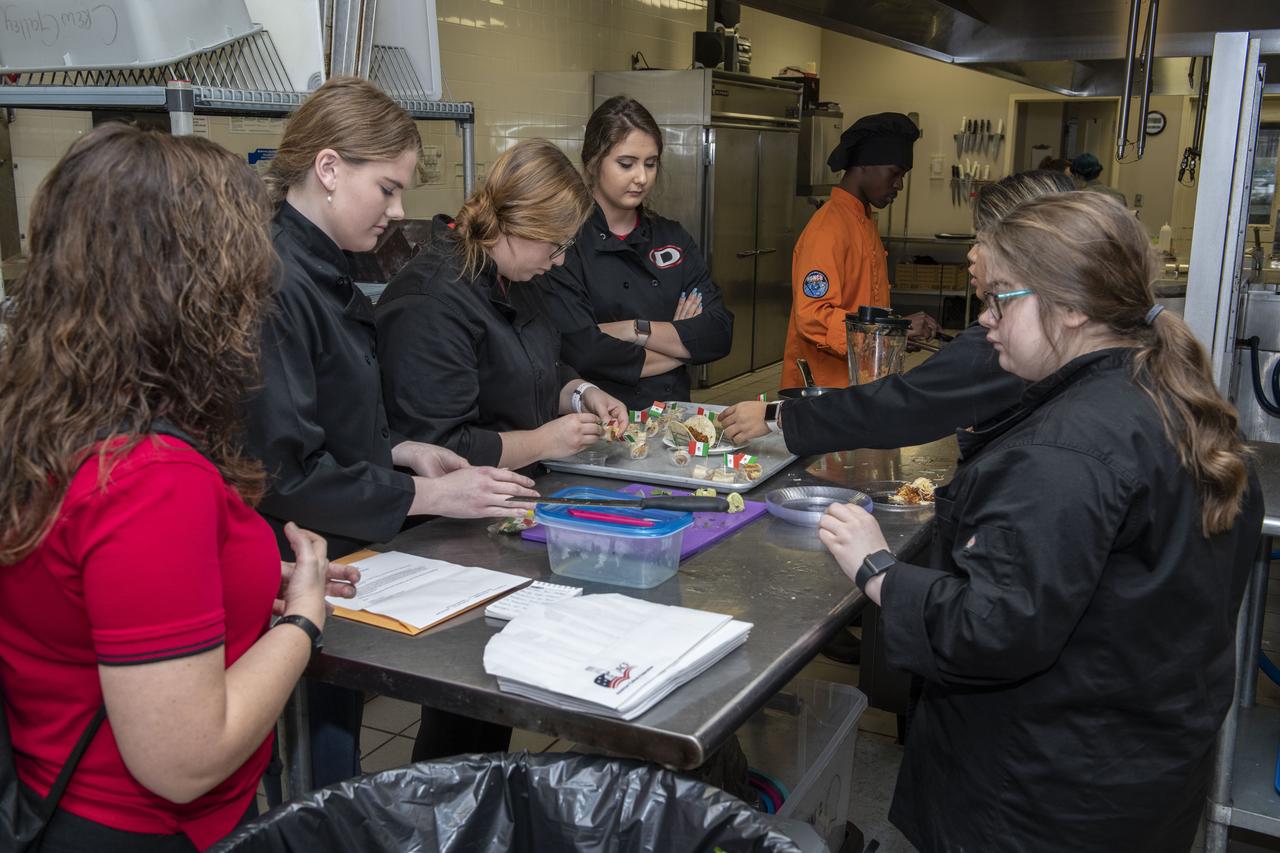
HUNCH (High School Students United with NASA to Create Hardware) students came together at the U.Sl Space and Rocket Center (USSRC) in a competition to create recipes for food to feed astronauts in space. Six teams from North Alabama and George participated. The winner will compete with students from competitions at other NASA centers later at the Johnson Space Flight Center.
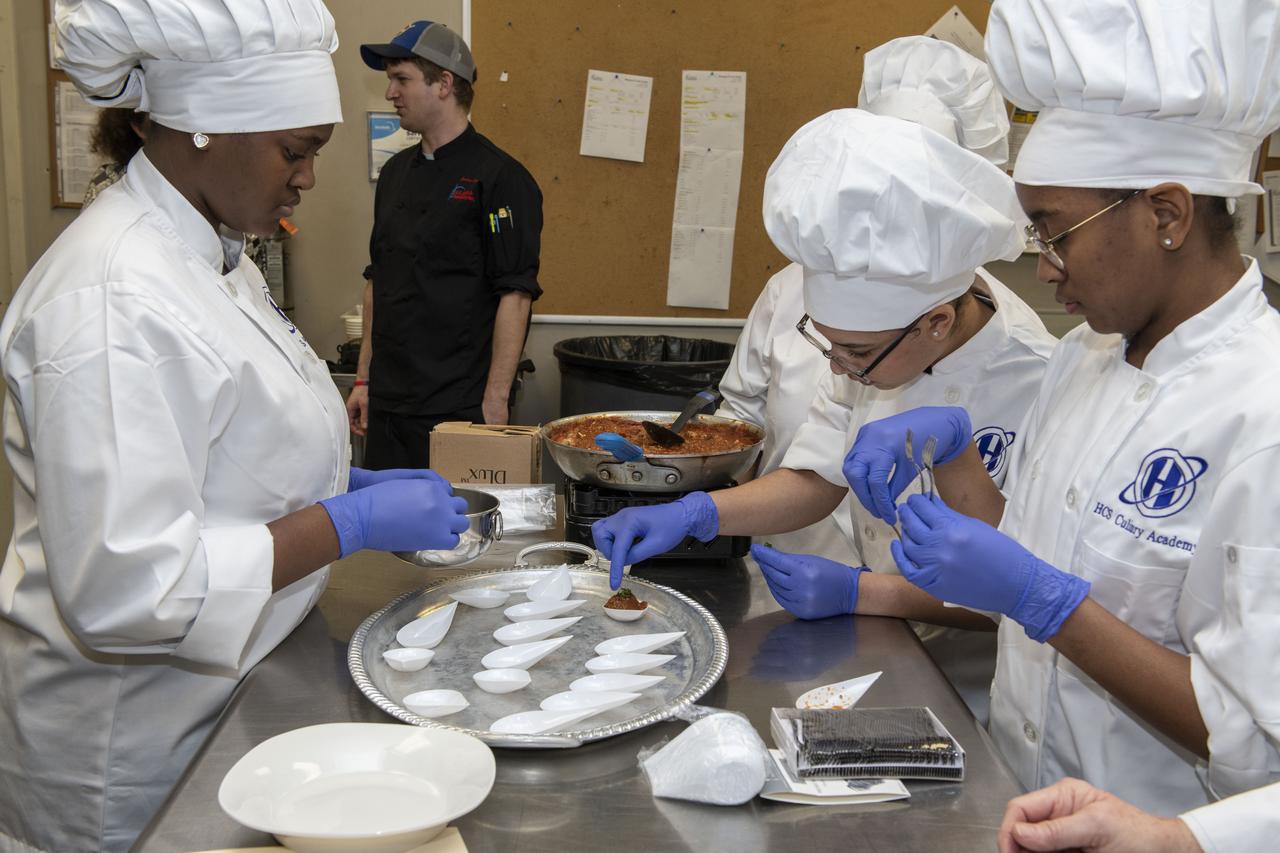
HUNCH (High School Students United with NASA to Create Hardware) students came together at the U.Sl Space and Rocket Center (USSRC) in a competition to create recipes for food to feed astronauts in space. Six teams from North Alabama and George participated. The winner will compete with students from competitions at other NASA centers later at the Johnson Space Flight Center.
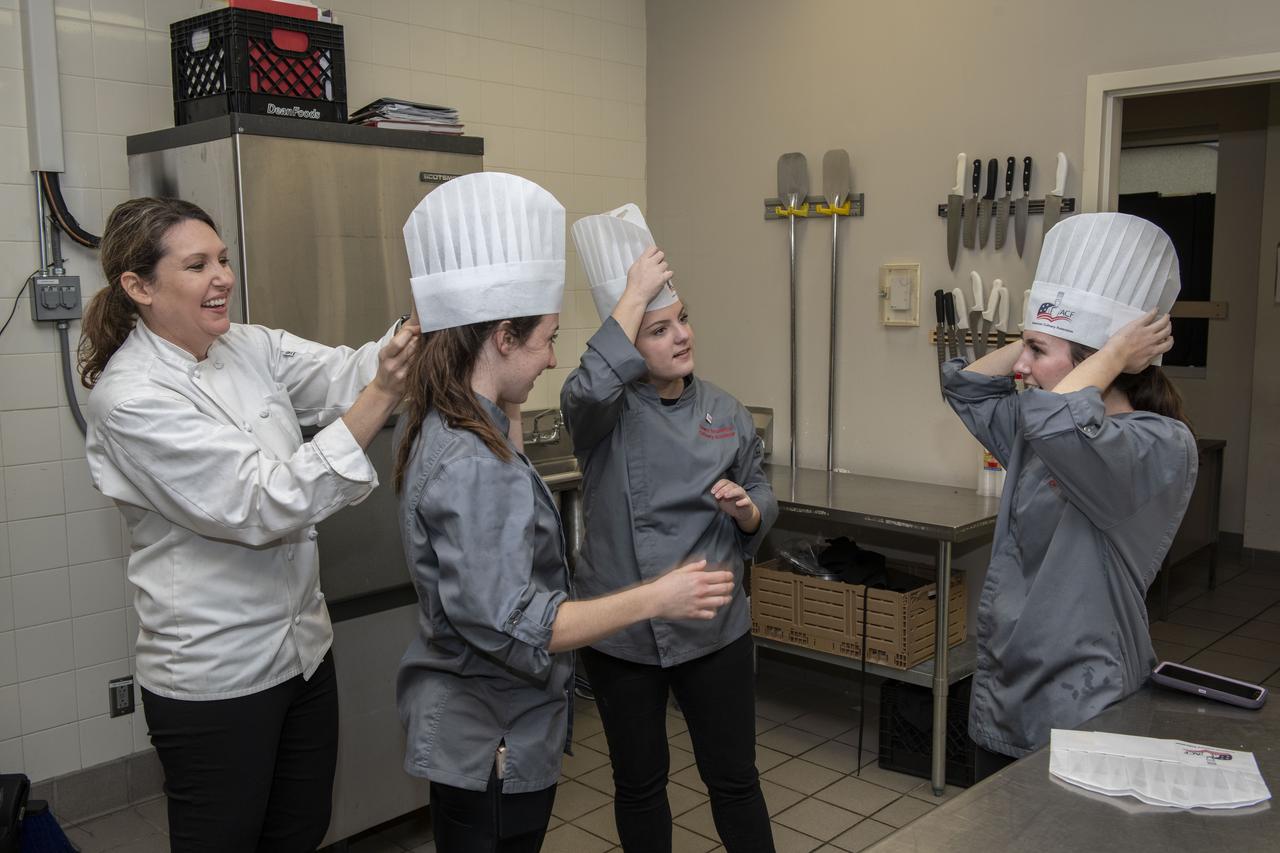
HUNCH (High School Students United with NASA to Create Hardware) students came together at the U.Sl Space and Rocket Center (USSRC) in a competition to create recipes for food to feed astronauts in space. Six teams from North Alabama and George participated. The winner will compete with students from competitions at other NASA centers later at the Johnson Space Flight Center.
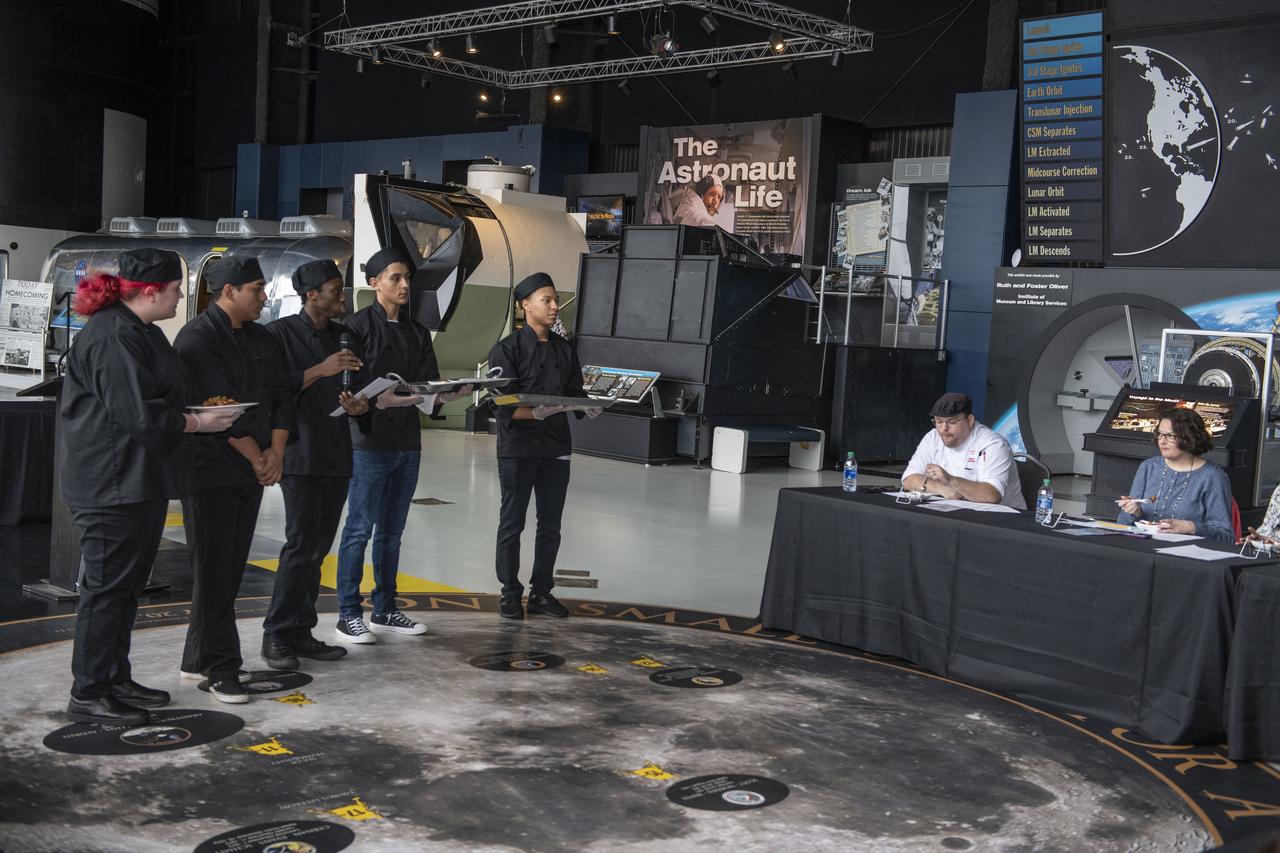
HUNCH (High School Students United with NASA to Create Hardware) students came together at the U.Sl Space and Rocket Center (USSRC) in a competition to create recipes for food to feed astronauts in space. Six teams from North Alabama and George participated. The winner will compete with students from competitions at other NASA centers later at the Johnson Space Flight Center.
HUNCH (High School Students United with NASA to Create Hardware) students came together at the U.Sl Space and Rocket Center (USSRC) in a competition to create recipes for food to feed astronauts in space. Six teams from North Alabama and George participated. The winner will compete with students from competitions at other NASA centers later at the Johnson Space Flight Center.
HUNCH (High School Students United with NASA to Create Hardware) students came together at the U.Sl Space and Rocket Center (USSRC) in a competition to create recipes for food to feed astronauts in space. Six teams from North Alabama and George participated. The winner will compete with students from competitions at other NASA centers later at the Johnson Space Flight Center.
HUNCH (High School Students United with NASA to Create Hardware) students came together at the U.Sl Space and Rocket Center (USSRC) in a competition to create recipes for food to feed astronauts in space. Six teams from North Alabama and George participated. The winner will compete with students from competitions at other NASA centers later at the Johnson Space Flight Center.
HUNCH (High School Students United with NASA to Create Hardware) students came together at the U.Sl Space and Rocket Center (USSRC) in a competition to create recipes for food to feed astronauts in space. Six teams from North Alabama and George participated. The winner will compete with students from competitions at other NASA centers later at the Johnson Space Flight Center.
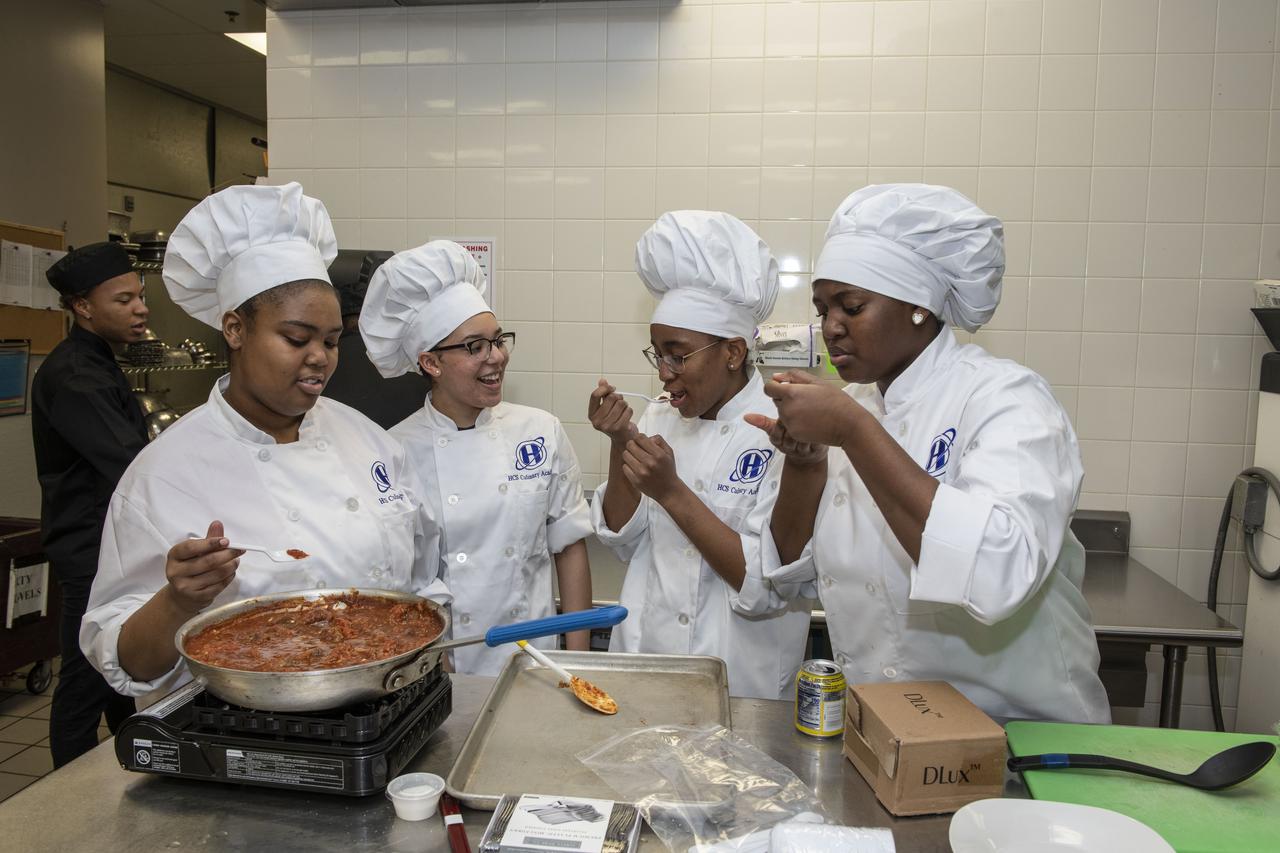
HUNCH (High School Students United with NASA to Create Hardware) students came together at the U.Sl Space and Rocket Center (USSRC) in a competition to create recipes for food to feed astronauts in space. Six teams from North Alabama and George participated. The winner will compete with students from competitions at other NASA centers later at the Johnson Space Flight Center.
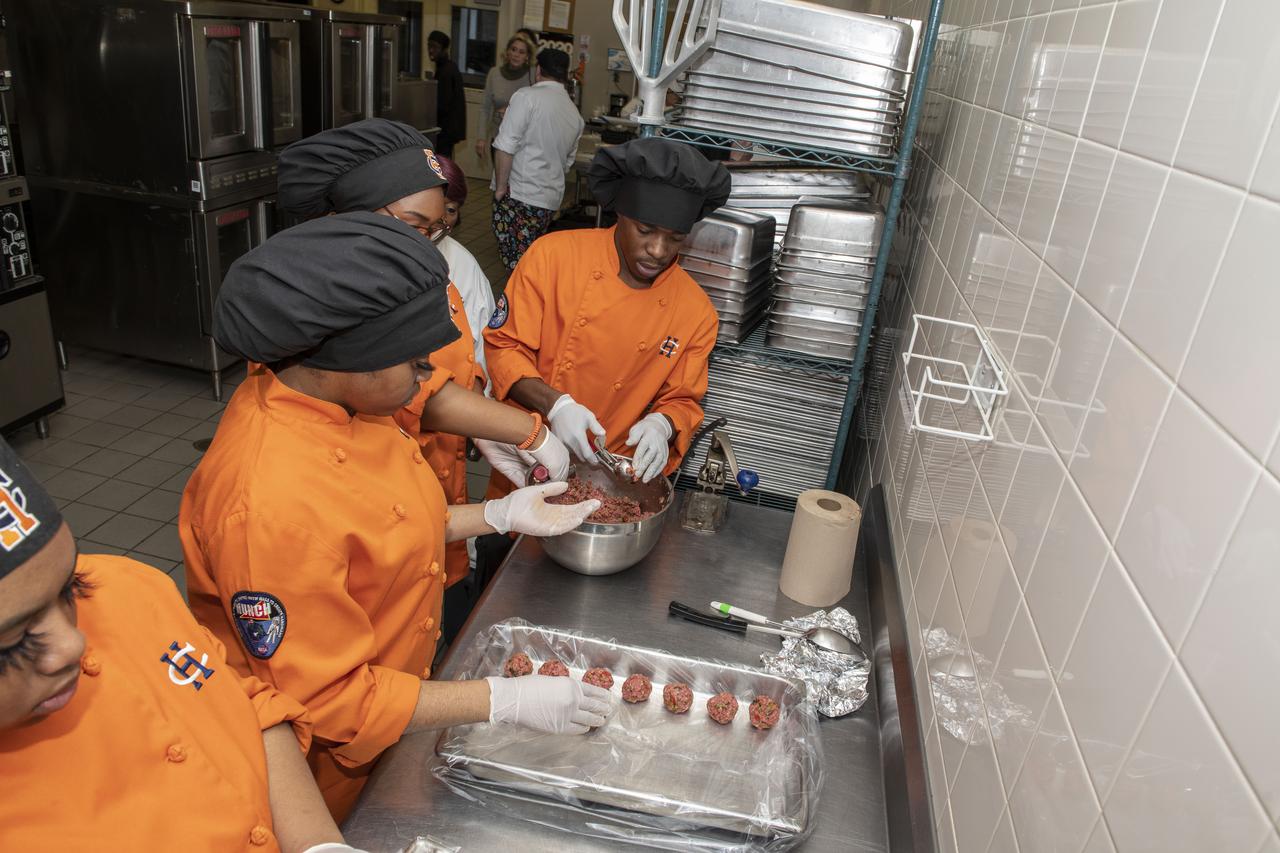
HUNCH (High School Students United with NASA to Create Hardware) students came together at the U.Sl Space and Rocket Center (USSRC) in a competition to create recipes for food to feed astronauts in space. Six teams from North Alabama and George participated. The winner will compete with students from competitions at other NASA centers later at the Johnson Space Flight Center.
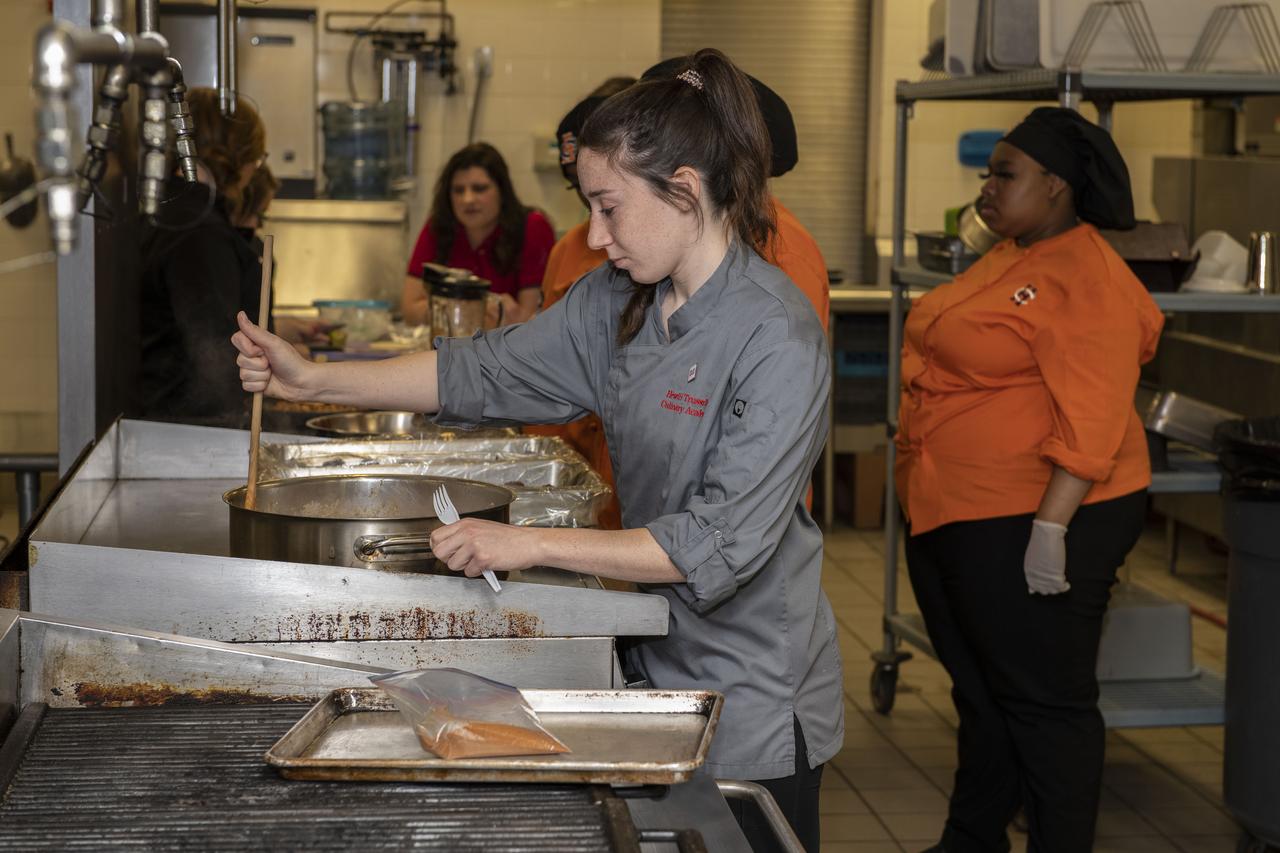
HUNCH (High School Students United with NASA to Create Hardware) students came together at the U.Sl Space and Rocket Center (USSRC) in a competition to create recipes for food to feed astronauts in space. Six teams from North Alabama and George participated. The winner will compete with students from competitions at other NASA centers later at the Johnson Space Flight Center.

HUNCH (High School Students United with NASA to Create Hardware) students came together at the U.Sl Space and Rocket Center (USSRC) in a competition to create recipes for food to feed astronauts in space. Six teams from North Alabama and George participated. The winner will compete with students from competitions at other NASA centers later at the Johnson Space Flight Center.
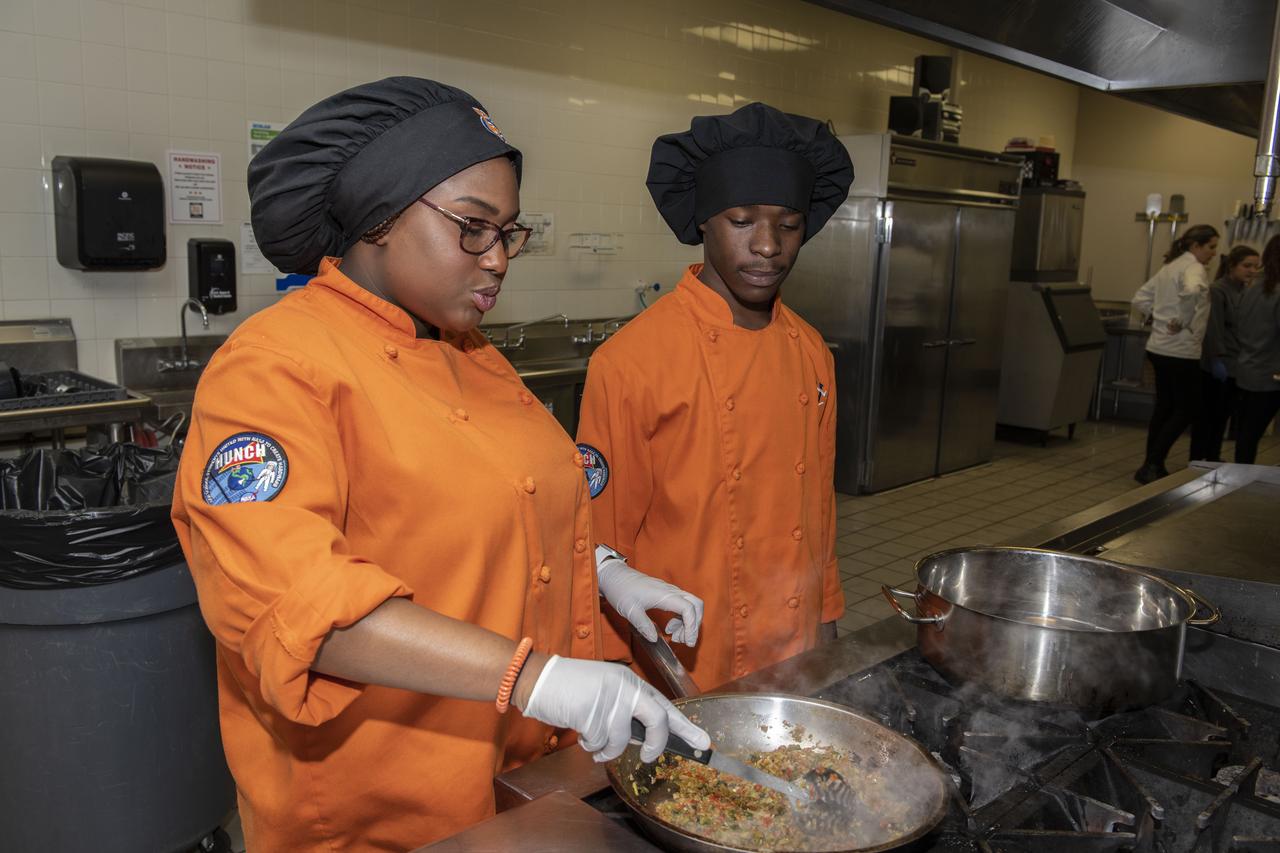
HUNCH (High School Students United with NASA to Create Hardware) students came together at the U.Sl Space and Rocket Center (USSRC) in a competition to create recipes for food to feed astronauts in space. Six teams from North Alabama and George participated. The winner will compete with students from competitions at other NASA centers later at the Johnson Space Flight Center.
HUNCH (High School Students United with NASA to Create Hardware) students came together at the U.Sl Space and Rocket Center (USSRC) in a competition to create recipes for food to feed astronauts in space. Six teams from North Alabama and George participated. The winner will compete with students from competitions at other NASA centers later at the Johnson Space Flight Center.
HUNCH (High School Students United with NASA to Create Hardware) students came together at the U.Sl Space and Rocket Center (USSRC) in a competition to create recipes for food to feed astronauts in space. Six teams from North Alabama and George participated. The winner will compete with students from competitions at other NASA centers later at the Johnson Space Flight Center.
HUNCH (High School Students United with NASA to Create Hardware) students came together at the U.Sl Space and Rocket Center (USSRC) in a competition to create recipes for food to feed astronauts in space. Six teams from North Alabama and George participated. The winner will compete with students from competitions at other NASA centers later at the Johnson Space Flight Center.
HUNCH (High School Students United with NASA to Create Hardware) students came together at the U.Sl Space and Rocket Center (USSRC) in a competition to create recipes for food to feed astronauts in space. Six teams from North Alabama and George participated. The winner will compete with students from competitions at other NASA centers later at the Johnson Space Flight Center.
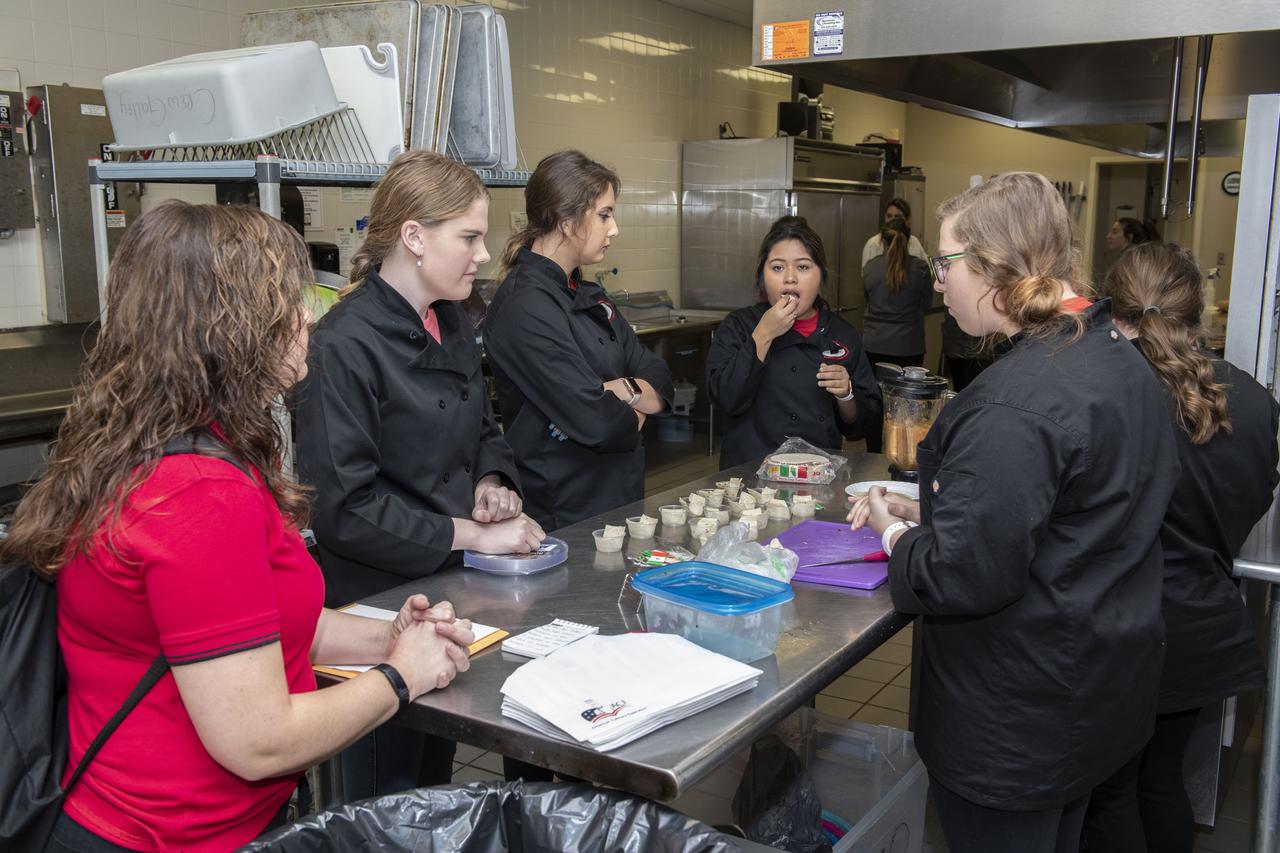
HUNCH (High School Students United with NASA to Create Hardware) students came together at the U.Sl Space and Rocket Center (USSRC) in a competition to create recipes for food to feed astronauts in space. Six teams from North Alabama and George participated. The winner will compete with students from competitions at other NASA centers later at the Johnson Space Flight Center.
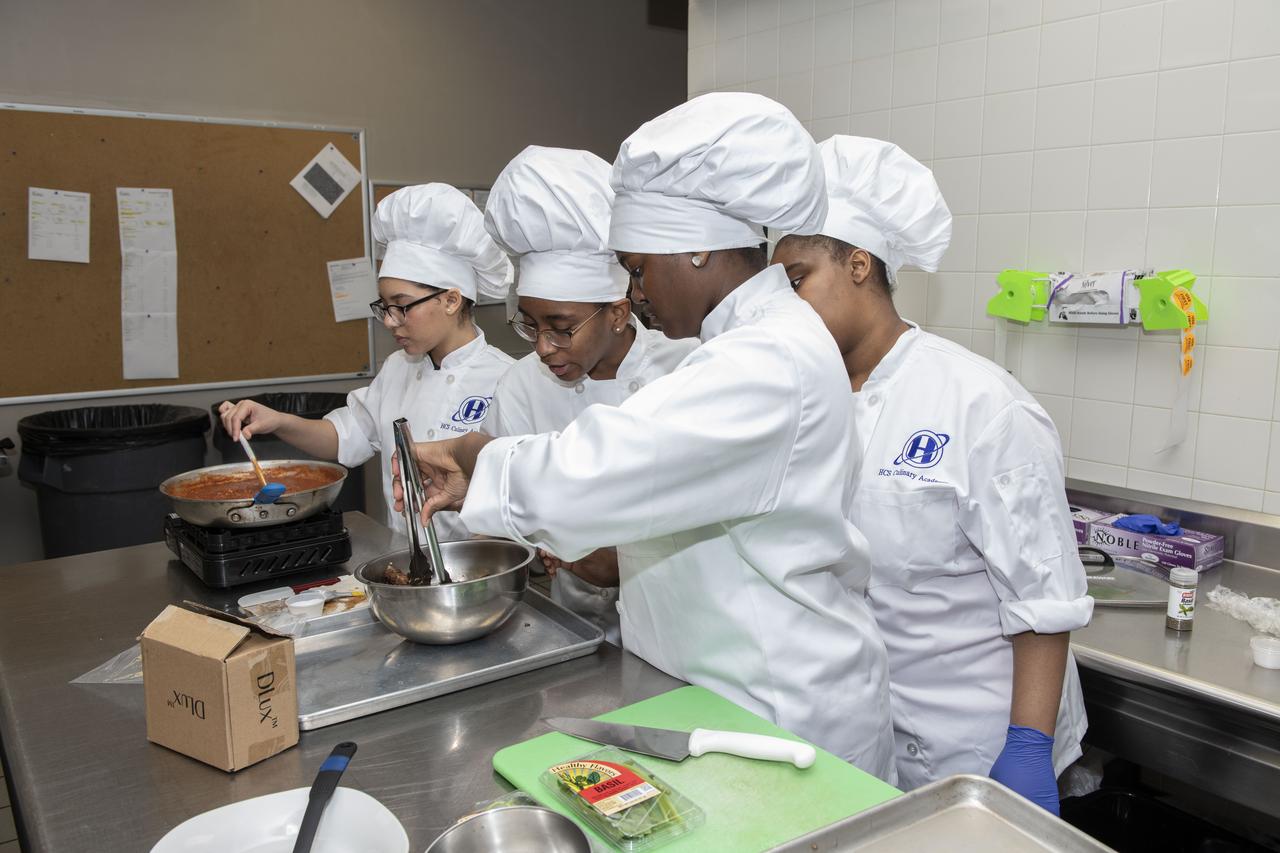
HUNCH (High School Students United with NASA to Create Hardware) students came together at the U.Sl Space and Rocket Center (USSRC) in a competition to create recipes for food to feed astronauts in space. Six teams from North Alabama and George participated. The winner will compete with students from competitions at other NASA centers later at the Johnson Space Flight Center.
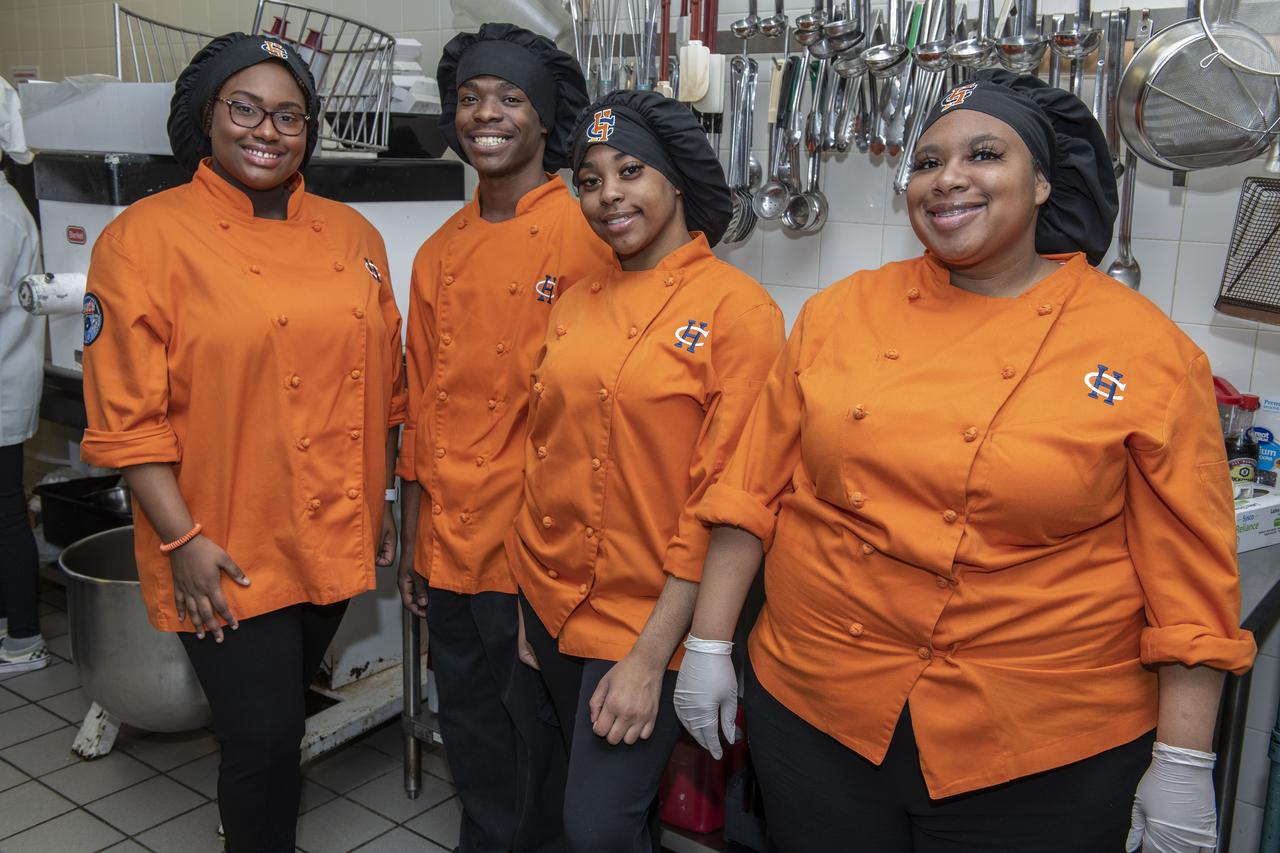
HUNCH (High School Students United with NASA to Create Hardware) students came together at the U.Sl Space and Rocket Center (USSRC) in a competition to create recipes for food to feed astronauts in space. Six teams from North Alabama and George participated. The winner will compete with students from competitions at other NASA centers later at the Johnson Space Flight Center.
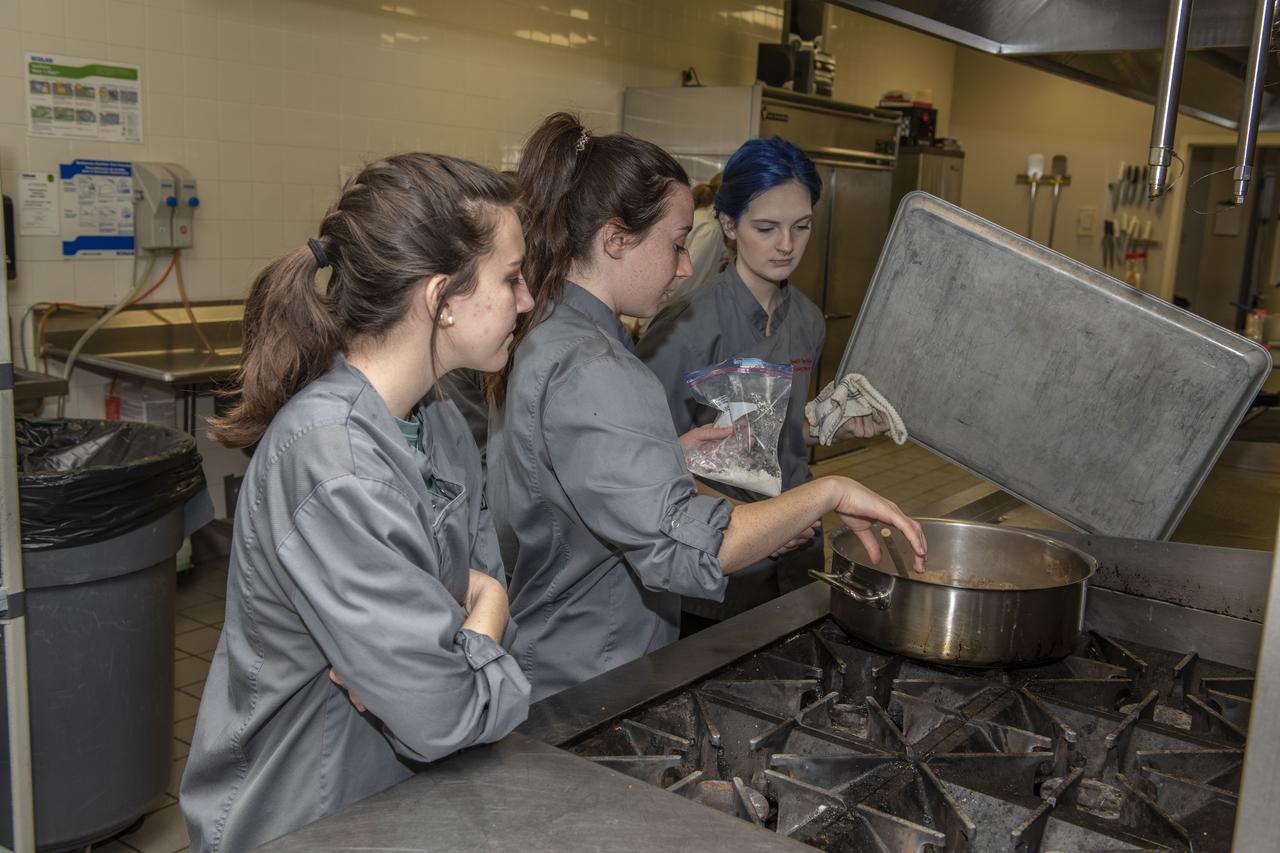
HUNCH (High School Students United with NASA to Create Hardware) students came together at the U.Sl Space and Rocket Center (USSRC) in a competition to create recipes for food to feed astronauts in space. Six teams from North Alabama and George participated. The winner will compete with students from competitions at other NASA centers later at the Johnson Space Flight Center.
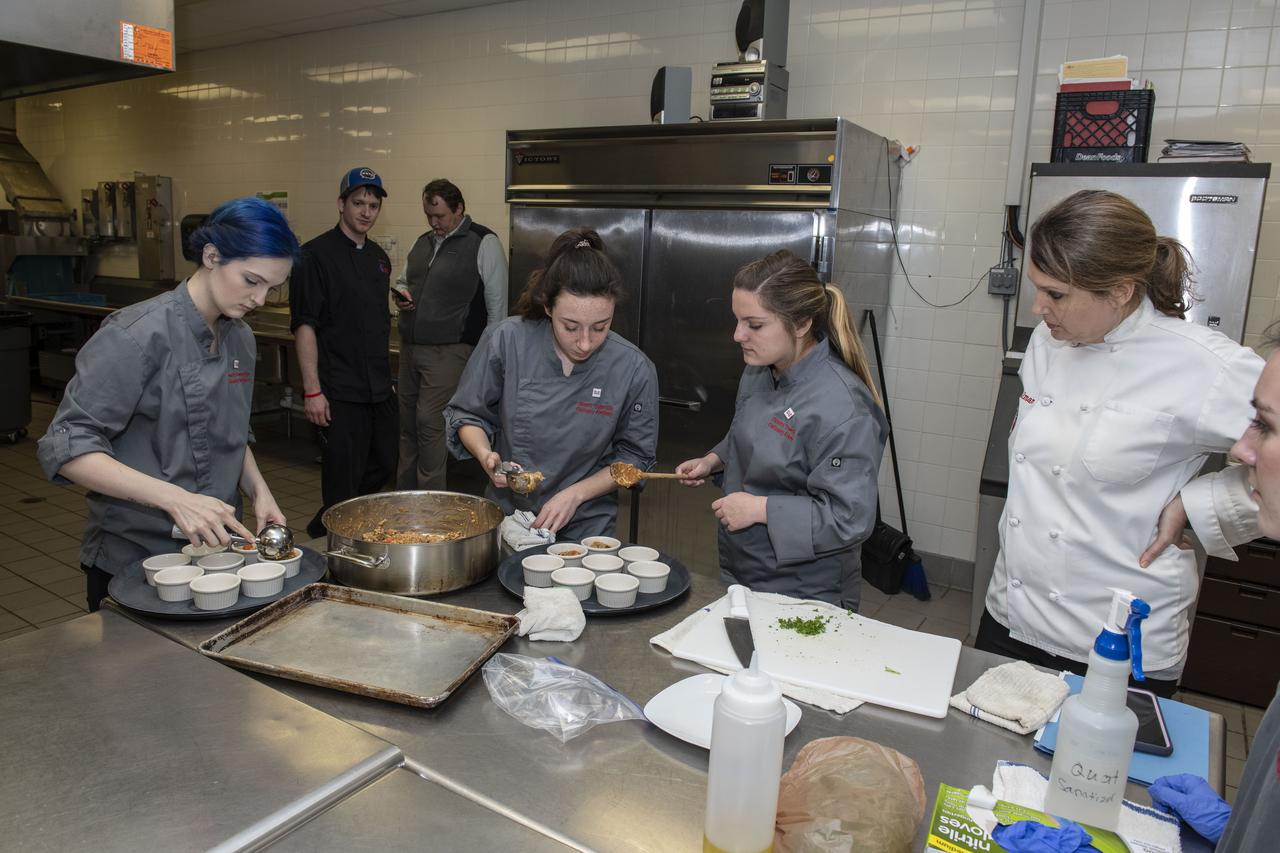
HUNCH (High School Students United with NASA to Create Hardware) students came together at the U.Sl Space and Rocket Center (USSRC) in a competition to create recipes for food to feed astronauts in space. Six teams from North Alabama and George participated. The winner will compete with students from competitions at other NASA centers later at the Johnson Space Flight Center.
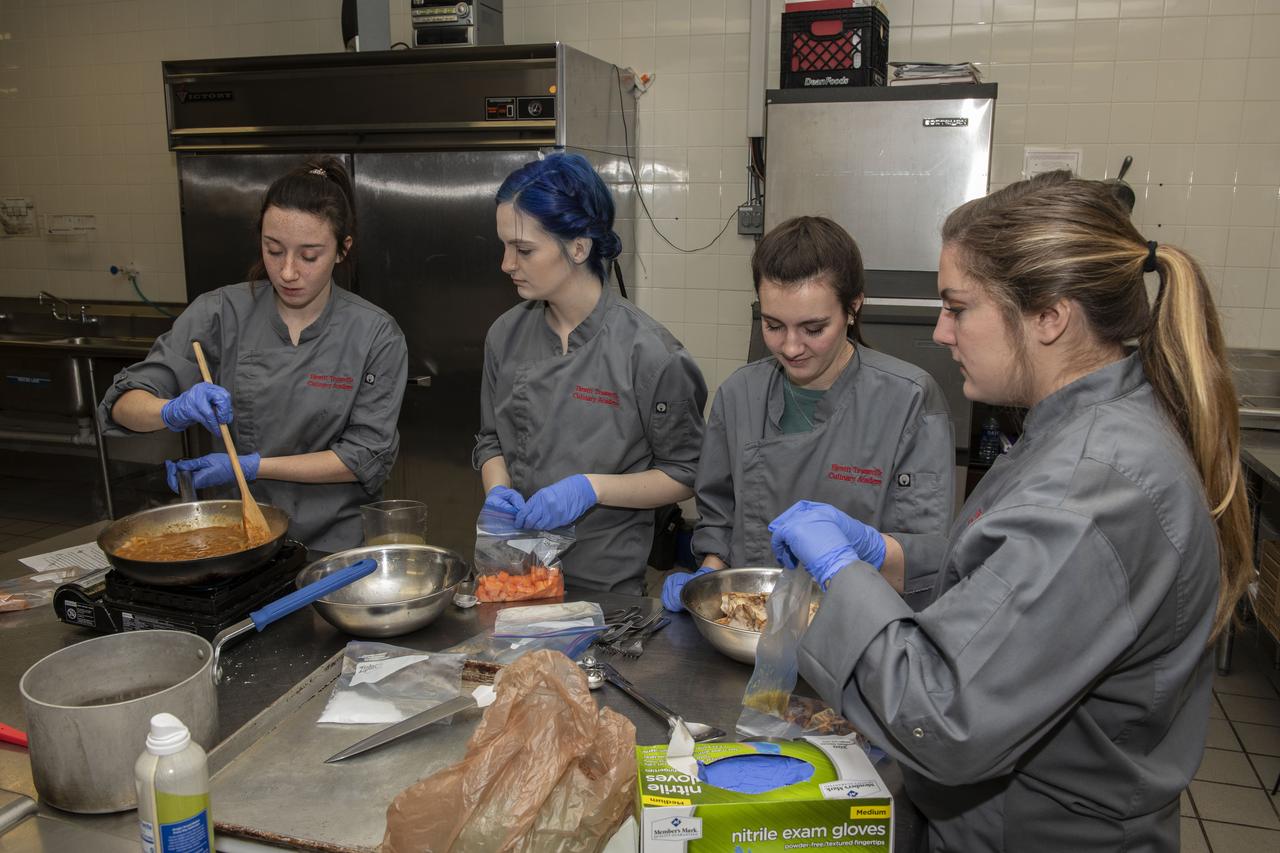
HUNCH (High School Students United with NASA to Create Hardware) students came together at the U.Sl Space and Rocket Center (USSRC) in a competition to create recipes for food to feed astronauts in space. Six teams from North Alabama and George participated. The winner will compete with students from competitions at other NASA centers later at the Johnson Space Flight Center.
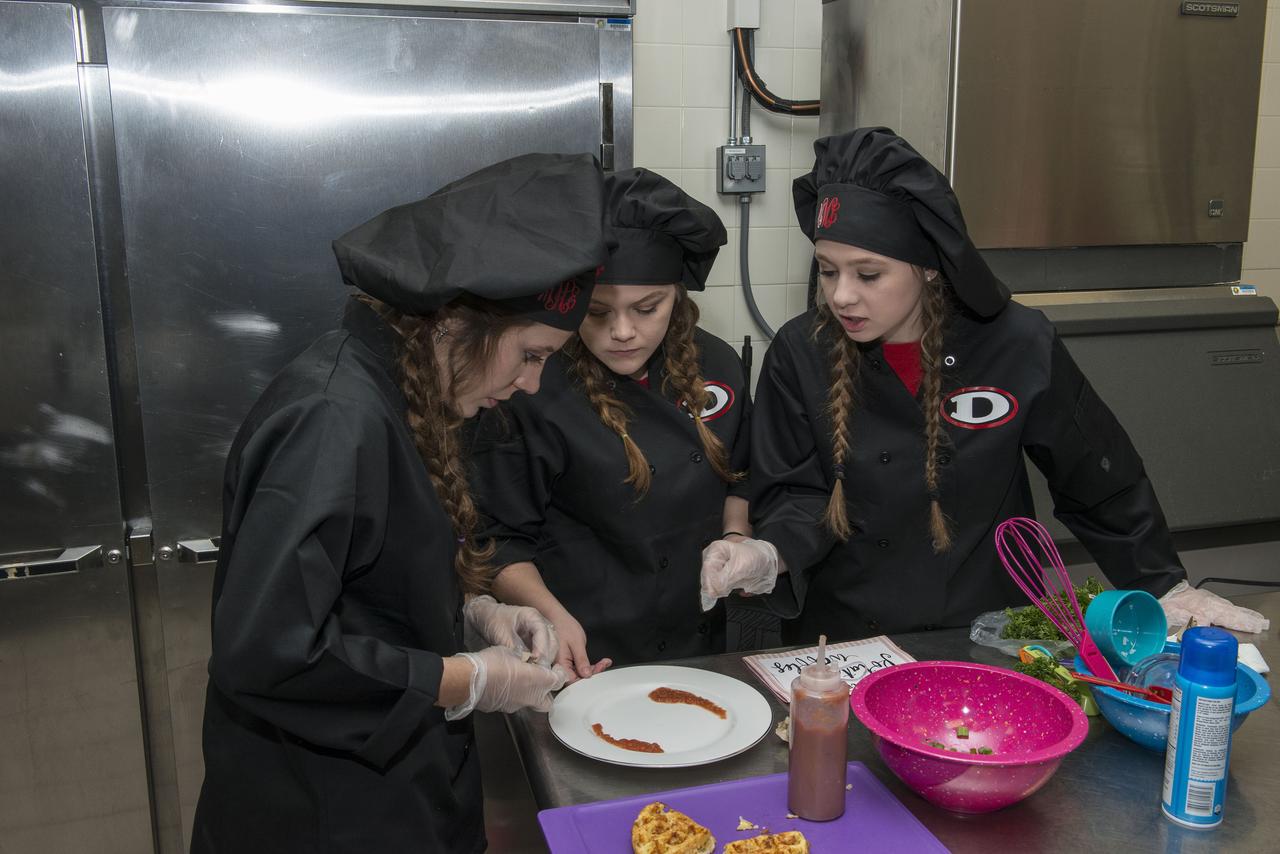
High Schools United with NASA to Create Hardware (HUNCH) students from 6 schools meet at the U.S. Space and Rocket center in order to participate in the annual culinary challenge where students create meals suitable for astronaut use in space. Students in 2018 created different dishes for breakfast dining. Other NASA centers also participate in this program with the top 10 voted recipes being judged at Johnson Space Center.
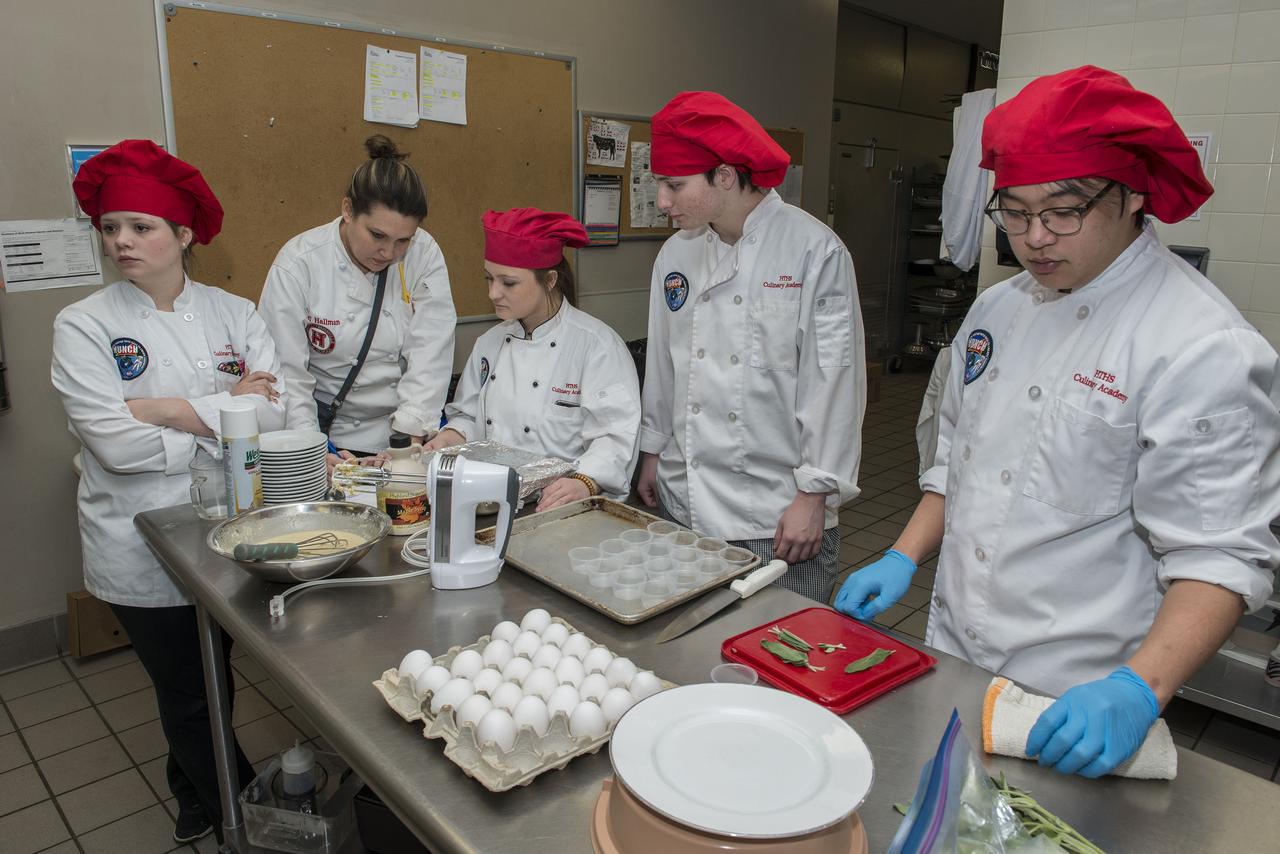
High Schools United with NASA to Create Hardware (HUNCH) students from 6 schools meet at the U.S. Space and Rocket center in order to participate in the annual culinary challenge where students create meals suitable for astronaut use in space. Students in 2018 created different dishes for breakfast dining. Other NASA centers also participate in this program with the top 10 voted recipes being judged at Johnson Space Center.
High Schools United with NASA to Create Hardware (HUNCH) students from 6 schools meet at the U.S. Space and Rocket center in order to participate in the annual culinary challenge where students create meals suitable for astronaut use in space. Students in 2018 created different dishes for breakfast dining. Other NASA centers also participate in this program with the top 10 voted recipes being judged at Johnson Space Center.
High Schools United with NASA to Create Hardware (HUNCH) students from 6 schools meet at the U.S. Space and Rocket center in order to participate in the annual culinary challenge where students create meals suitable for astronaut use in space. Students in 2018 created different dishes for breakfast dining. Other NASA centers also participate in this program with the top 10 voted recipes being judged at Johnson Space Center.
High Schools United with NASA to Create Hardware (HUNCH) students from 6 schools meet at the U.S. Space and Rocket center in order to participate in the annual culinary challenge where students create meals suitable for astronaut use in space. Students in 2018 created different dishes for breakfast dining. Other NASA centers also participate in this program with the top 10 voted recipes being judged at Johnson Space Center.
High Schools United with NASA to Create Hardware (HUNCH) students from 6 schools meet at the U.S. Space and Rocket center in order to participate in the annual culinary challenge where students create meals suitable for astronaut use in space. Students in 2018 created different dishes for breakfast dining. Other NASA centers also participate in this program with the top 10 voted recipes being judged at Johnson Space Center.
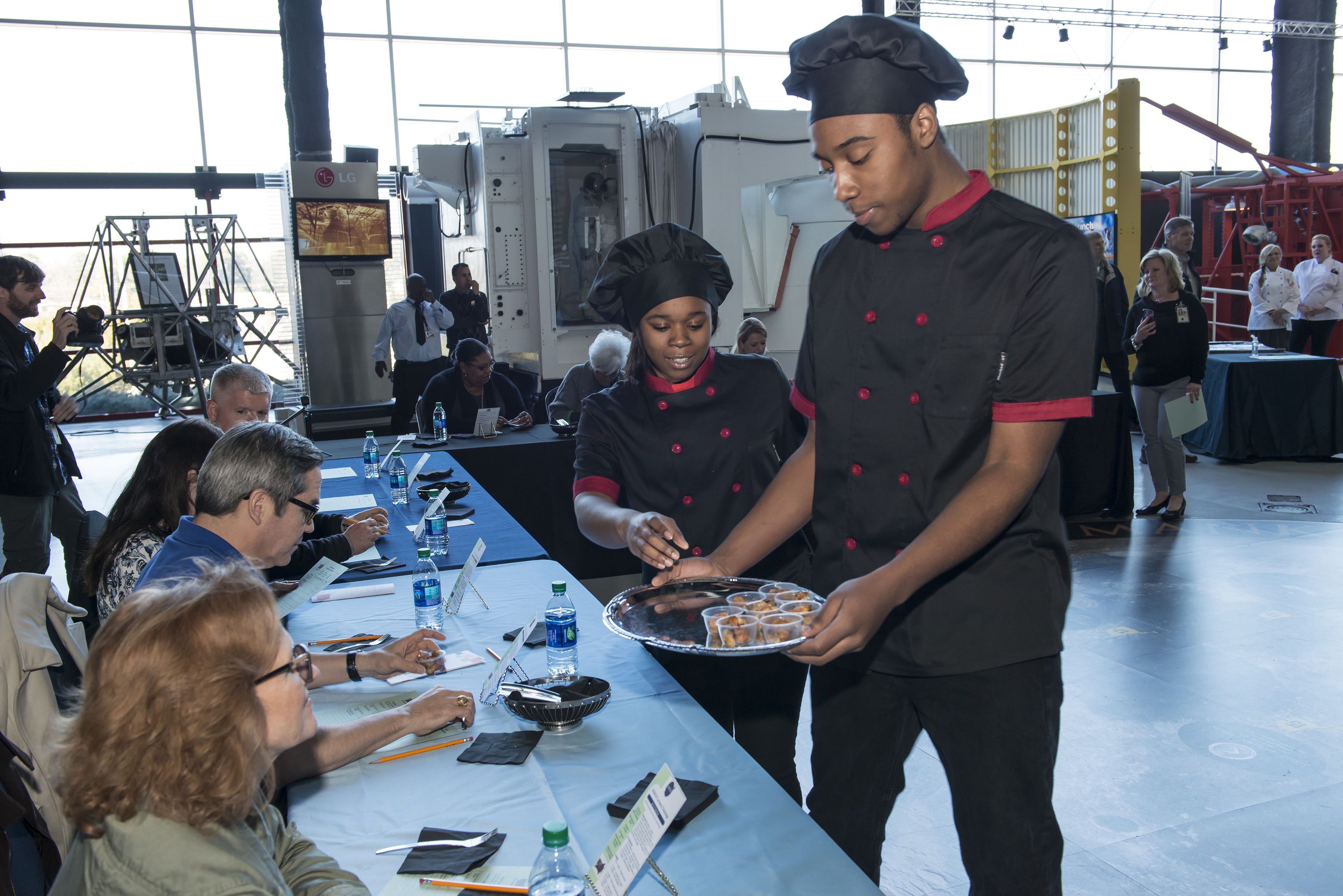
High Schools United with NASA to Create Hardware (HUNCH) students from 6 schools meet at the U.S. Space and Rocket center in order to participate in the annual culinary challenge where students create meals suitable for astronaut use in space. Students in 2018 created different dishes for breakfast dining. Other NASA centers also participate in this program with the top 10 voted recipes being judged at Johnson Space Center.
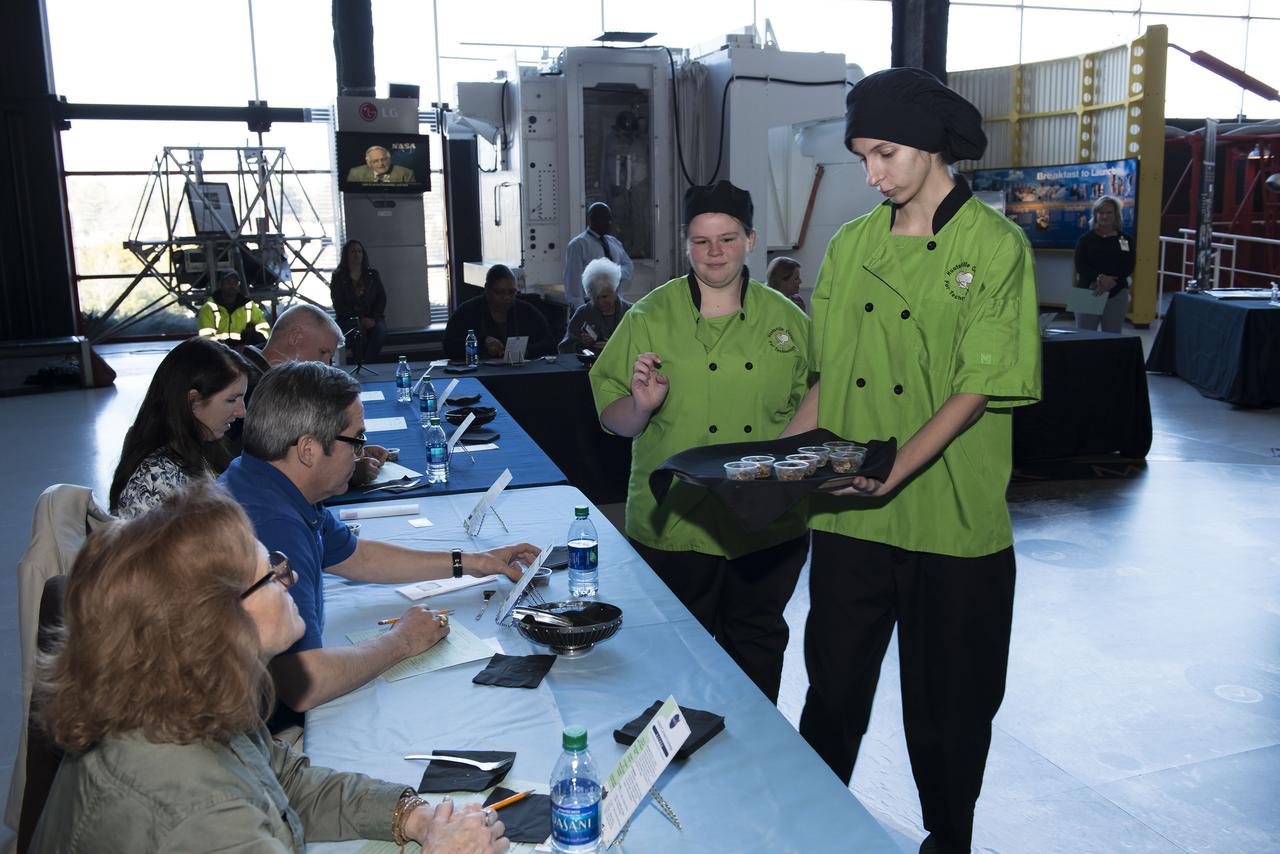
High Schools United with NASA to Create Hardware (HUNCH) students from 6 schools meet at the U.S. Space and Rocket center in order to participate in the annual culinary challenge where students create meals suitable for astronaut use in space. Students in 2018 created different dishes for breakfast dining. Other NASA centers also participate in this program with the top 10 voted recipes being judged at Johnson Space Center.
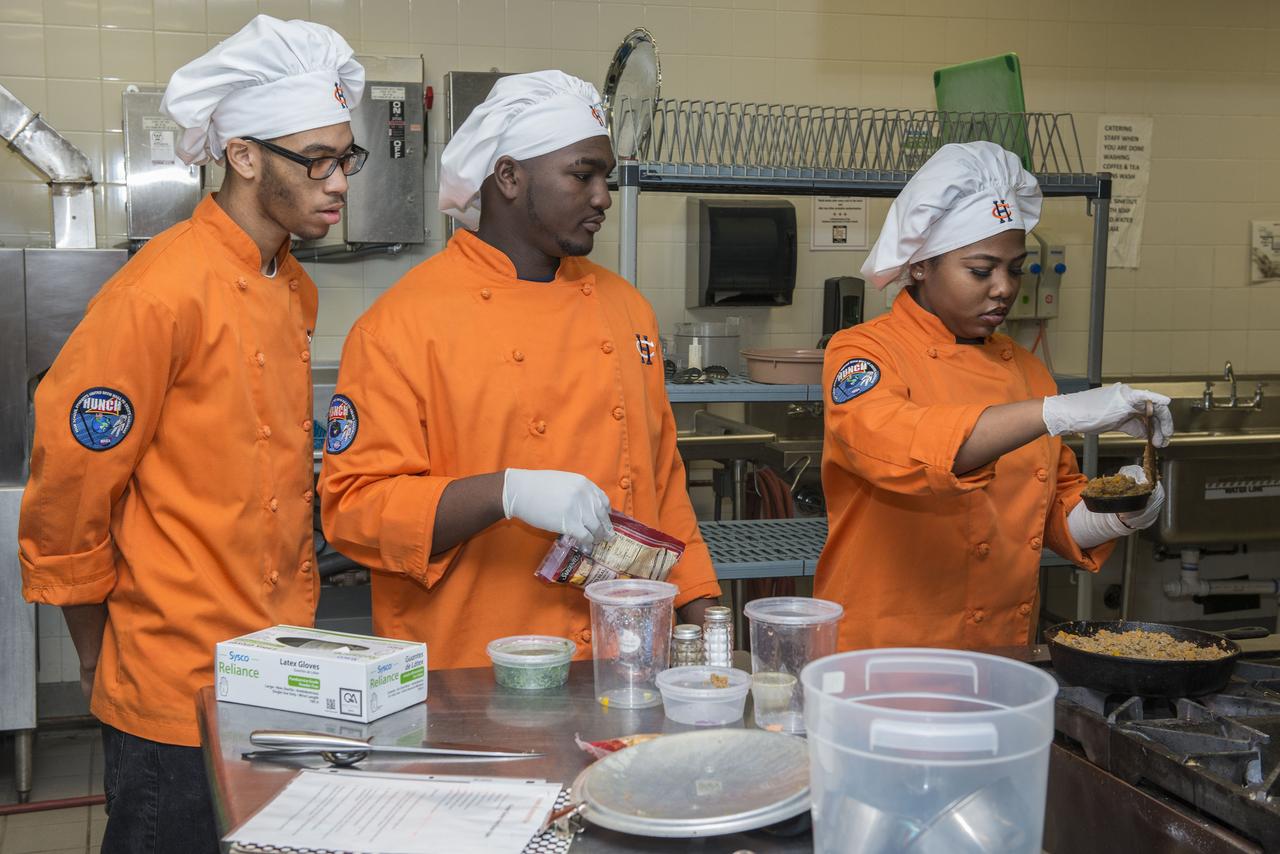
High Schools United with NASA to Create Hardware (HUNCH) students from 6 schools meet at the U.S. Space and Rocket center in order to participate in the annual culinary challenge where students create meals suitable for astronaut use in space. Students in 2018 created different dishes for breakfast dining. Other NASA centers also participate in this program with the top 10 voted recipes being judged at Johnson Space Center.
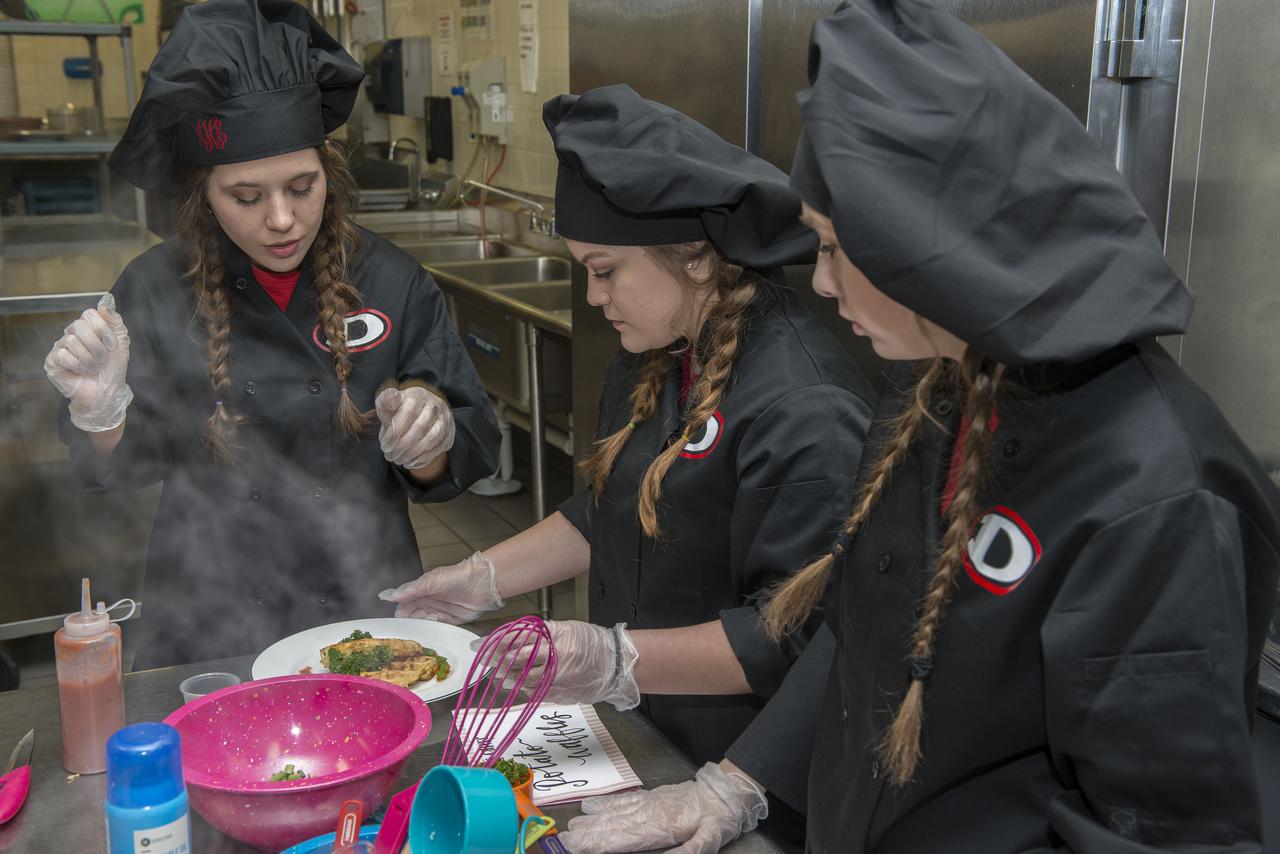
High Schools United with NASA to Create Hardware (HUNCH) students from 6 schools meet at the U.S. Space and Rocket center in order to participate in the annual culinary challenge where students create meals suitable for astronaut use in space. Students in 2018 created different dishes for breakfast dining. Other NASA centers also participate in this program with the top 10 voted recipes being judged at Johnson Space Center.
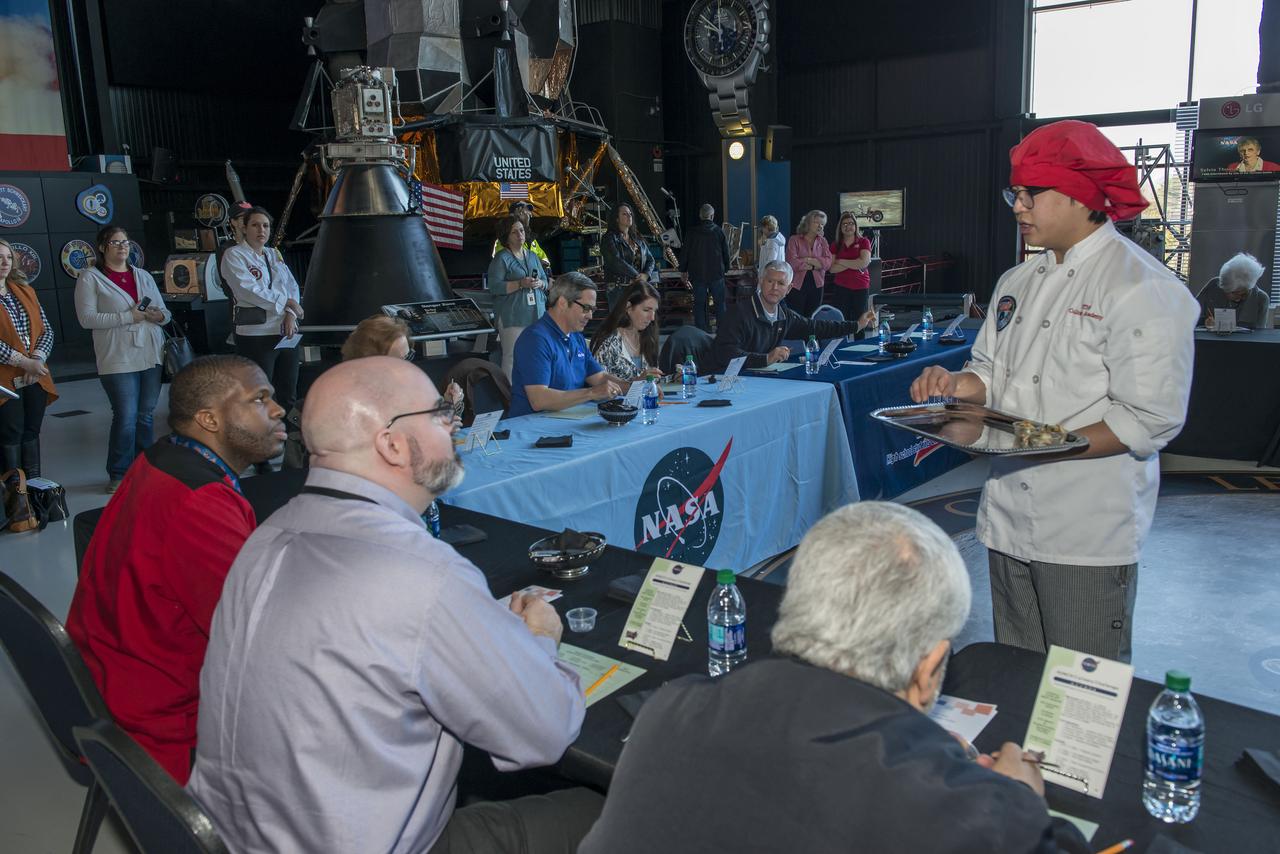
High Schools United with NASA to Create Hardware (HUNCH) students from 6 schools meet at the U.S. Space and Rocket center in order to participate in the annual culinary challenge where students create meals suitable for astronaut use in space. Students in 2018 created different dishes for breakfast dining. Other NASA centers also participate in this program with the top 10 voted recipes being judged at Johnson Space Center.
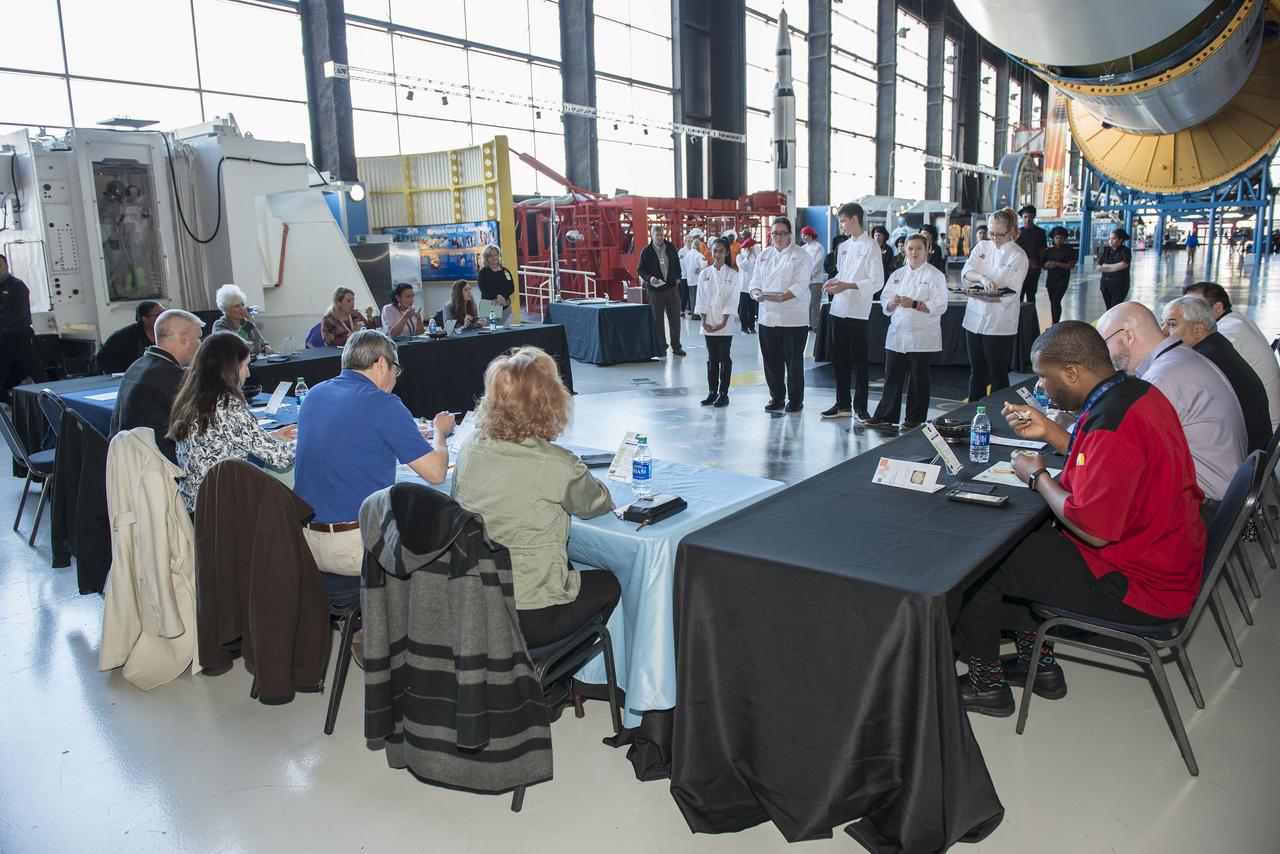
High Schools United with NASA to Create Hardware (HUNCH) students from 6 schools meet at the U.S. Space and Rocket center in order to participate in the annual culinary challenge where students create meals suitable for astronaut use in space. Students in 2018 created different dishes for breakfast dining. Other NASA centers also participate in this program with the top 10 voted recipes being judged at Johnson Space Center.
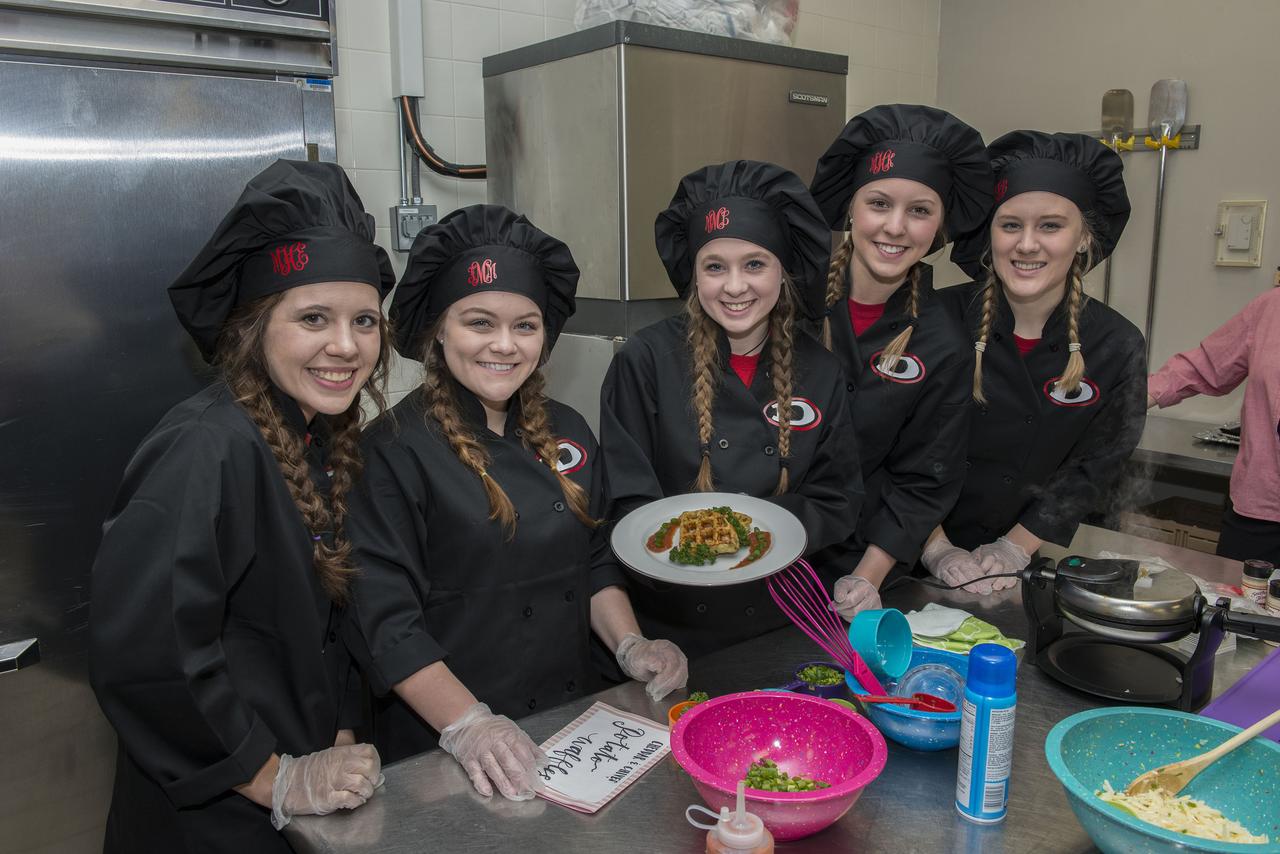
High Schools United with NASA to Create Hardware (HUNCH) students from 6 schools meet at the U.S. Space and Rocket center in order to participate in the annual culinary challenge where students create meals suitable for astronaut use in space. Students in 2018 created different dishes for breakfast dining. Other NASA centers also participate in this program with the top 10 voted recipes being judged at Johnson Space Center.
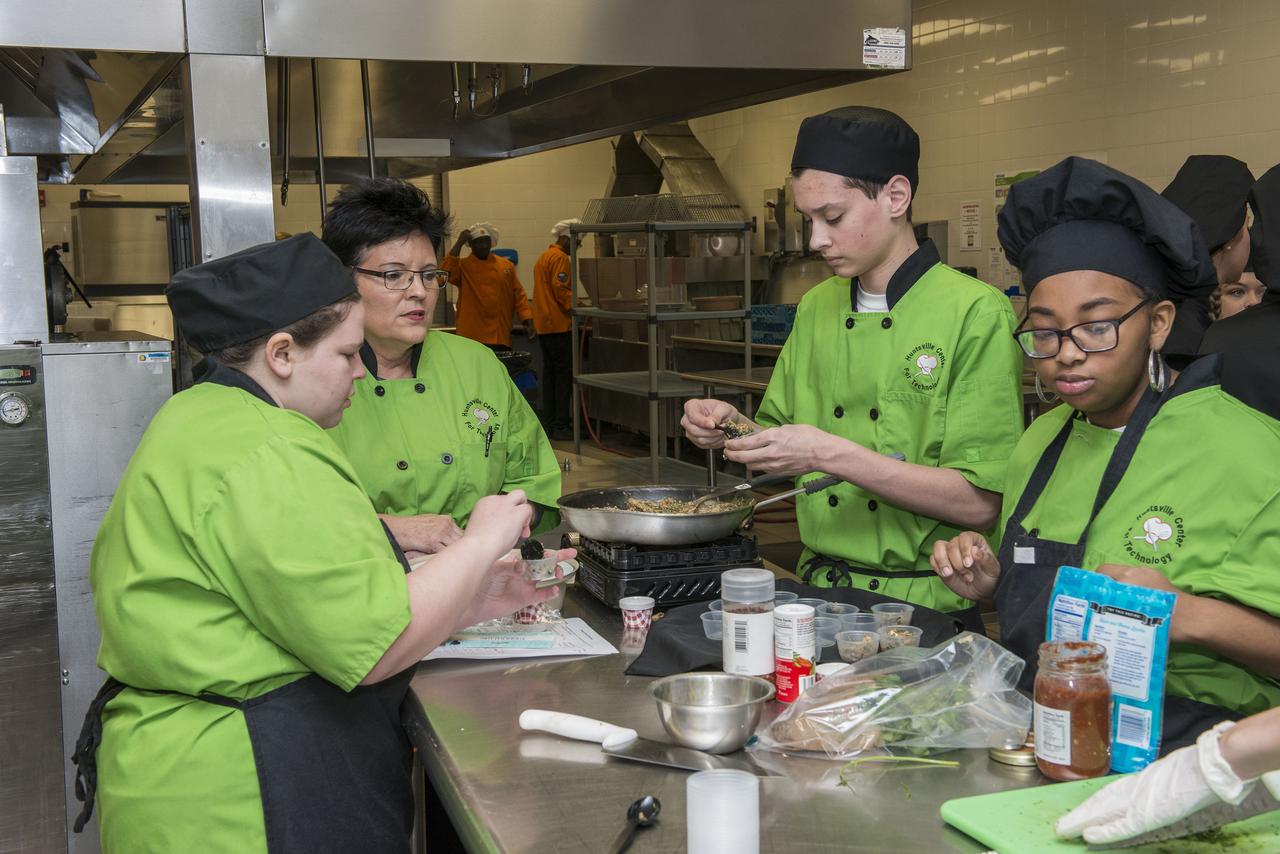
High Schools United with NASA to Create Hardware (HUNCH) students from 6 schools meet at the U.S. Space and Rocket center in order to participate in the annual culinary challenge where students create meals suitable for astronaut use in space. Students in 2018 created different dishes for breakfast dining. Other NASA centers also participate in this program with the top 10 voted recipes being judged at Johnson Space Center.
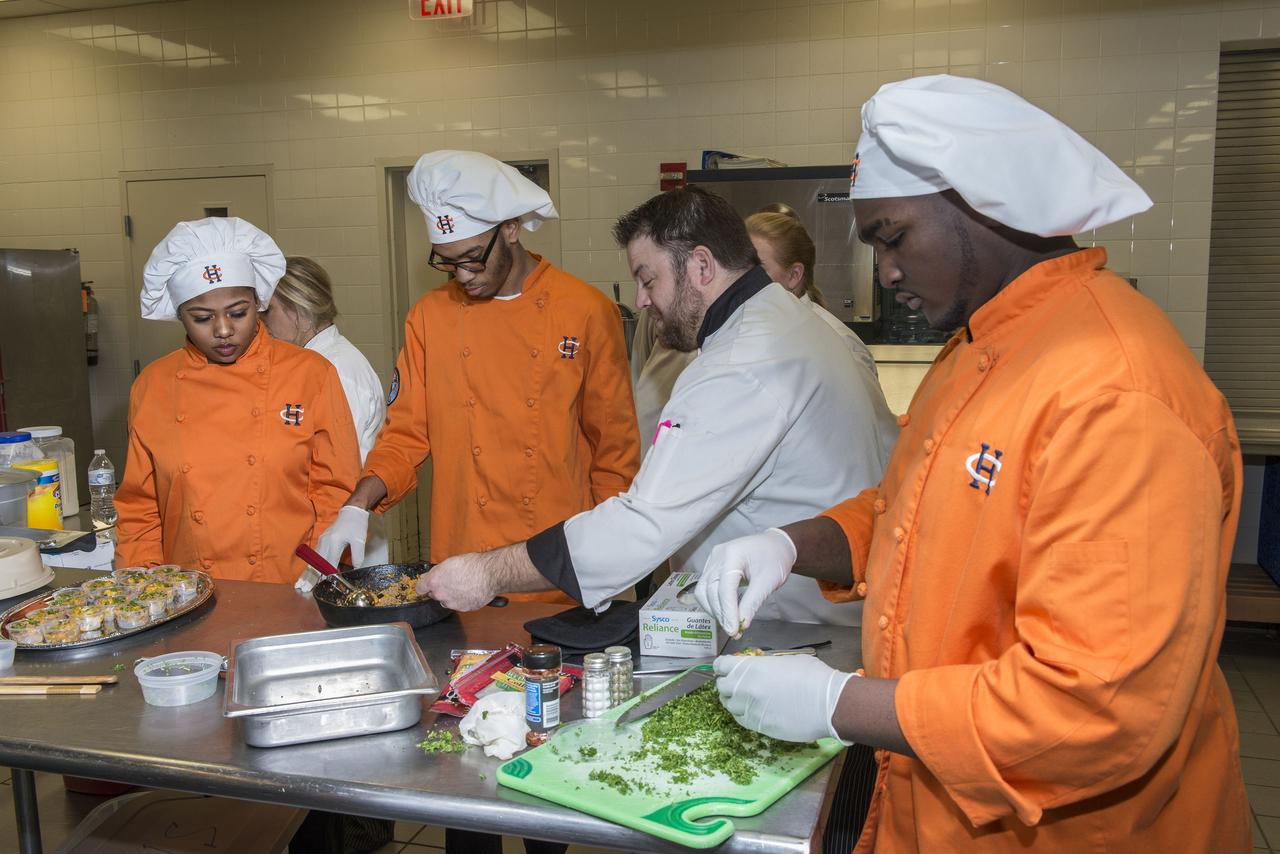
High Schools United with NASA to Create Hardware (HUNCH) students from 6 schools meet at the U.S. Space and Rocket center in order to participate in the annual culinary challenge where students create meals suitable for astronaut use in space. Students in 2018 created different dishes for breakfast dining. Other NASA centers also participate in this program with the top 10 voted recipes being judged at Johnson Space Center.
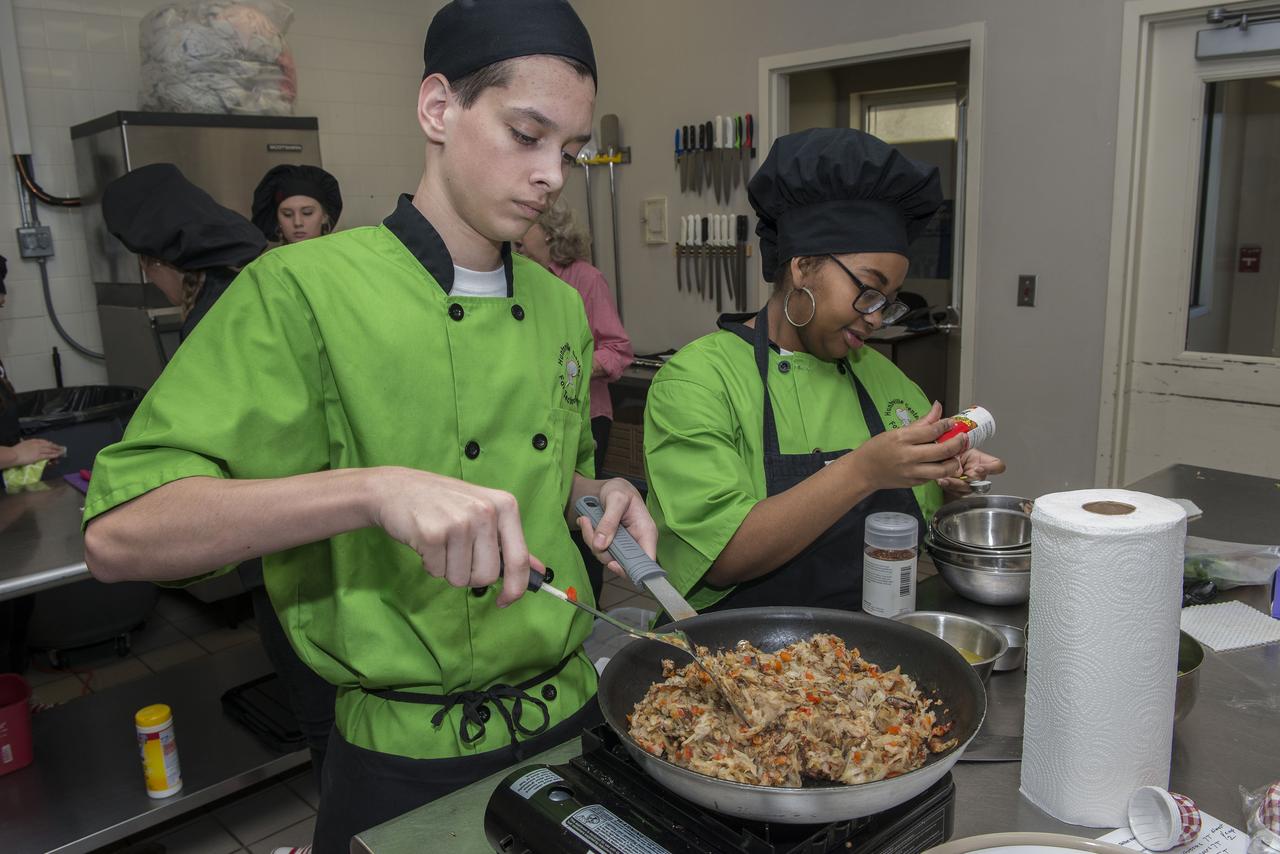
High Schools United with NASA to Create Hardware (HUNCH) students from 6 schools meet at the U.S. Space and Rocket center in order to participate in the annual culinary challenge where students create meals suitable for astronaut use in space. Students in 2018 created different dishes for breakfast dining. Other NASA centers also participate in this program with the top 10 voted recipes being judged at Johnson Space Center.
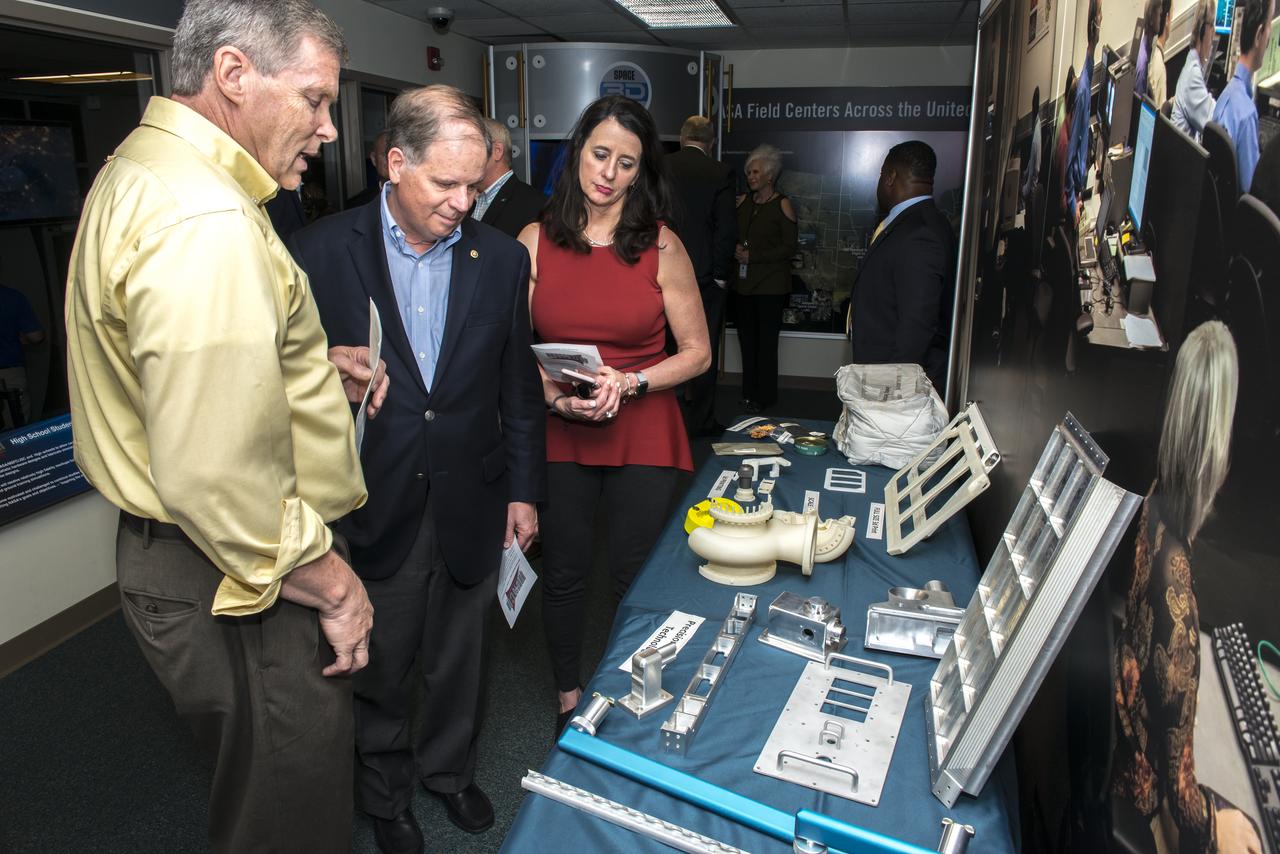
During Senator Doug Jones (D-Al.) tour of MSFC facilities Marshall engineer Bob Zeek explains the High School Students United with NASA to Create Hardware (HUNCH) program to Senator Jones and his wife, Louise.
jsc2023e010181 (2/28/2023) --- The High school students United with NASA to Create Hardware (HUNCH) Ball Clamp Monopod (HUNCH Ball Clamp Monopod) investigation aims to test a temporary but stable platform for holding cameras, making camera operations easier and faster for the International Space Station crew. Flight elements were programmed and fabricated by skilled HUNCH machining schools using CNC machinery and HUNCH additive manufacturing schools produced the components for the ball clamp and inserts. Image courtesy of HUNCH.
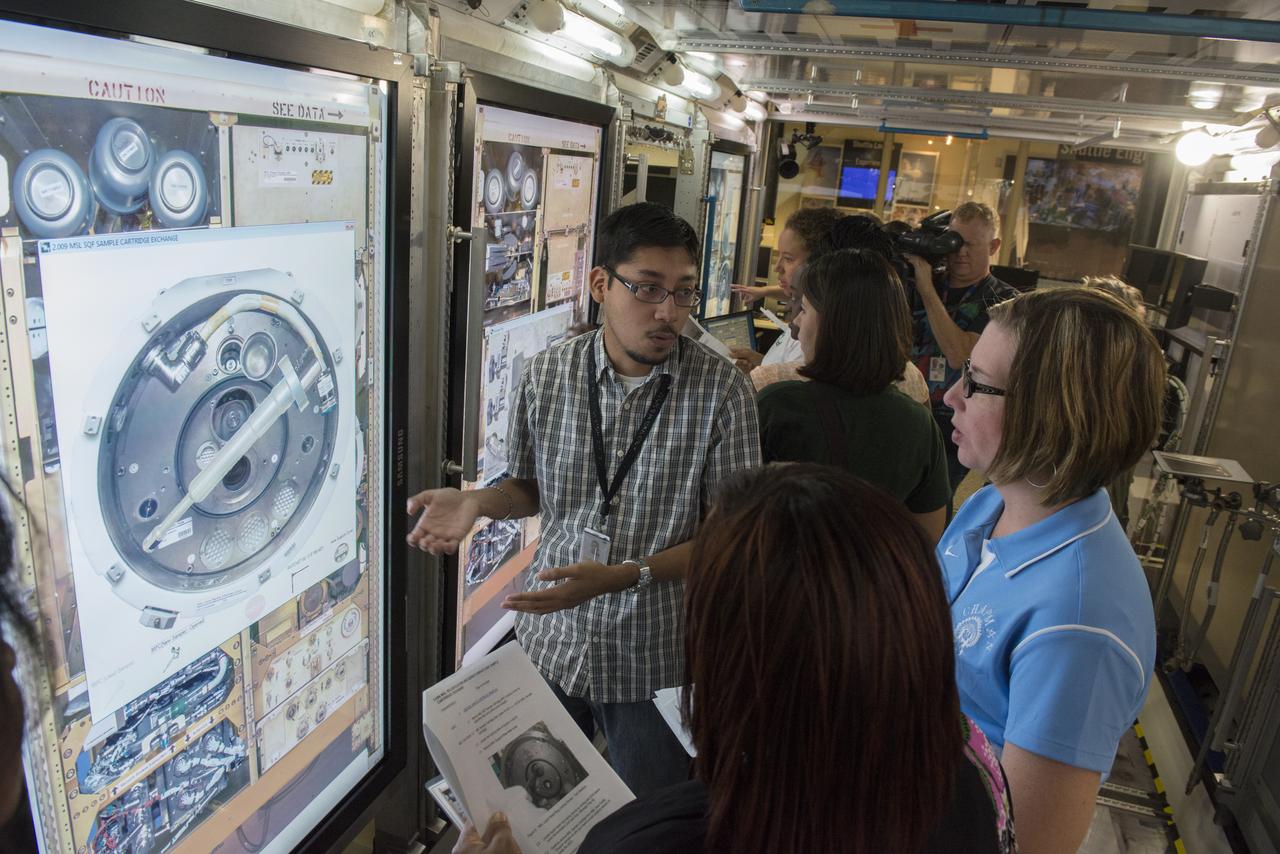
VINCENT VIDAURRI, CENTER, A TECHNICAL SPECIALIST WITH TELEDYNE BROWN ENGINEERING SUPPORTING MISSION OPERATIONS AT THE MARSHALL SPACE FLIGHT CENTER, PROVIDES DETAILS ABOUT A MOCK-UP OF THE INTERNATIONAL SPACE STATION SCIENCE LAB TO A GROUP OF AREA TEACHERS AS PART OF "BACK-2-SCHOOL DAY." TEAM REDSTONE -- WHICH INCLUDES THE MARSHALL SPACE FLIGHT CENTER AND U.S. ARMY ORGANIZATIONS ON REDSTONE ARSENAL -- INVITED 50 TEACHERS TO TOUR REDSTONE ARSENAL AUG. 15, GIVING THEM AN OPPORTUNITY TO LEARN OF AND SEE RESOURCES AVAILABLE TO THEM AND THEIR STUDENTS. THE TOUR FOCUSED ON SITES AVAILABLE FOR FIELD TRIPS FOR STUDENTS STUDYING MATH, SCIENCE, TECHNOLOGY AND ENGINEERING. STOPS INCLUDED MARSHALL'S PAYLOAD OPERATIONS INTEGRATION CENTER AND THE HIGH SCHOOLS UNITED WITH NASA TO CREATE HARDWARE LAB, OR HUNCH, BOTH LOCATED IN BUILDING 4663. THE PROGRAM GIVES HIGH SCHOOL STUDENTS THE CHANCE TO WORK WITH NASA ENGINEERS TO DESIGN AND BUILD HARDWARE FOR USE ON THE INTERNATIONAL SPACE STATION. THE TEACHERS ALSO VISITED THE ARMY AVIATION & MISSILE RESEARCH DEVELOPMENT & ENGINEERING CENTER AND THE REDSTONE TEST CENTER

jsc2023e010182 (2/28/2023) --- The High school students United with NASA to Create Hardware (HUNCH) Ball Clamp Monopod (HUNCH Ball Clamp Monopod) investigation aims to test a temporary but stable platform for holding cameras, making camera operations easier and faster for the International Space Station crew. This prefllight image shows the five units that were assembled and certified by HUNCH team members. Image courtesy of HUNCH.
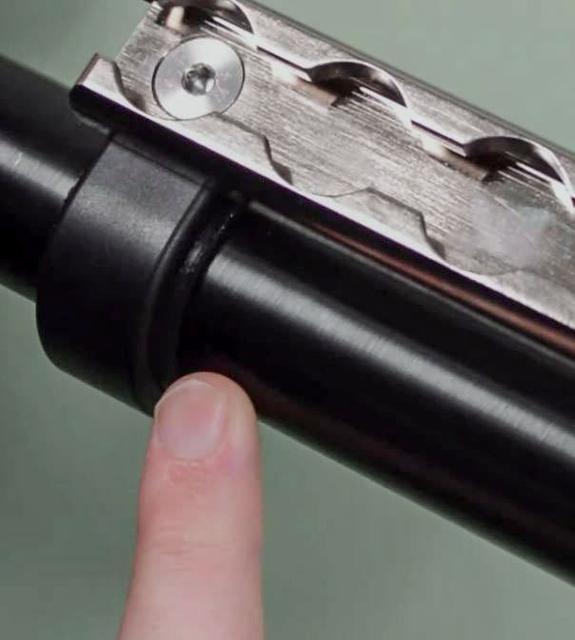
jsc2023e010183 (2/28/2023) --- The High school students United with NASA to Create Hardware (HUNCH) Ball Clamp Monopod (HUNCH Ball Clamp Monopod) investigation aims to test a temporary but stable platform for holding cameras, making camera operations easier and faster for the International Space Station crew. This hardware was designed and developed by HUNCH students using engineering design processes. They produced elements such as Computer Aided Design (CAD) drawings, CAD study models, and 3D printed engineering evaluation units on parts such as this insert that allow the seat track clamp to be positioned. Image courtesy of HUNCH.

jsc2025e047417 (5/27/2025) --- The High school Students United with NASA to Create Hardware (HUNCH) has designed a device to replace Bogen arms aboard the International Space Station. The HUNCH Utility Bracket (HUB) can be attached to frames and rails and can hold cameras, iPads, and other equipment. The HUB has a jointed design that allows ample range of movement and flexibility. This device aims to aid crew members with tasks such as recording videos and holding iPads to increase efficiency of operations aboard space station. (Image courtesy of HUNCH)

iss064e039528 (3/4/2021) --- A view of the High school students United with NASA to Create Hardware (HUNCH) Tape Dispenser (HUNCH Tape Dispenser) aboard the International Space Station (ISS). The dispenser enables one-handed operation for crew members. Crew members regularly use tape for mundane and critical tasks, but the tape must be cut with scissors, requiring two hands. The HUNCH Tape Dispenser is expected to improve efficiency of operations and scientific research on the space station.
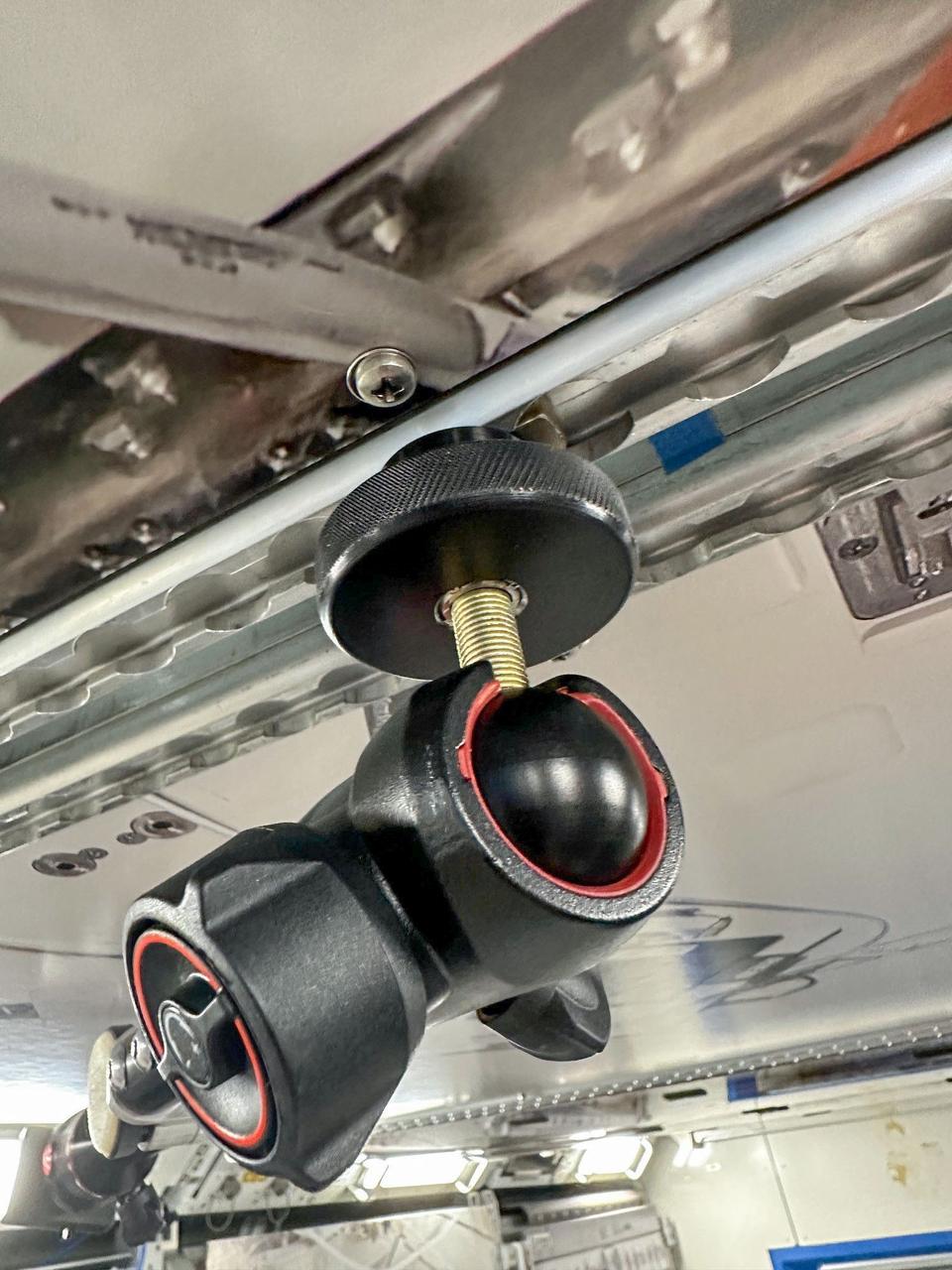
jsc2025e047411 (5/27/2025) --- The High school Students United with NASA to Create Hardware (HUNCH) has designed a device to replace Bogen arms aboard the International Space Station. The HUNCH Utility Bracket (HUB) can be attached to frames and rails and can hold cameras, iPads, and other equipment. The HUB has a jointed design that allows ample range of movement and flexibility. This device aims to aid crew members with tasks such as recording videos and holding iPads to increase efficiency of operations aboard space station. (Image courtesy of HUNCH)
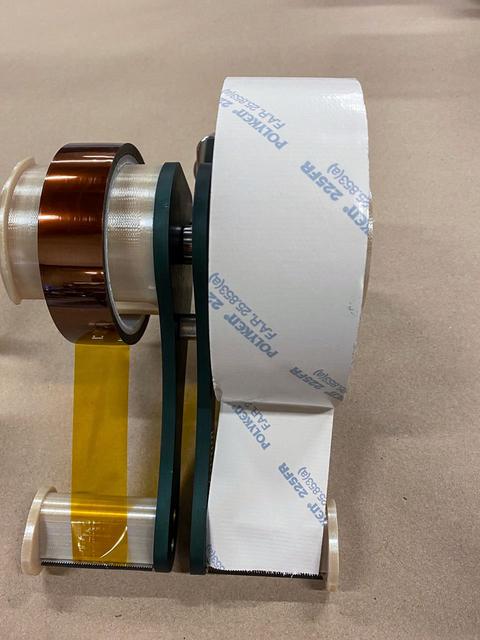
jsc2020e045054 (8/19/2020) --- Preflight bench review imagery of the High school students United with NASA to Create Hardware (HUNCH) Tape Dispenser (HUNCH Tape Dispenser). The dispenser enables one-handed operation for crew members. Crew members regularly use tape for mundane and critical tasks, but the tape must be cut with scissors, requiring two hands. The HUNCH Tape Dispenser is expected to improve efficiency of operations and scientific research on the space station.

iss064e039529 (3/4/2021) --- A view of the High school students United with NASA to Create Hardware (HUNCH) Tape Dispenser (HUNCH Tape Dispenser) aboard the International Space Station (ISS). The dispenser enables one-handed operation for crew members. Crew members regularly use tape for mundane and critical tasks, but the tape must be cut with scissors, requiring two hands. The HUNCH Tape Dispenser is expected to improve efficiency of operations and scientific research on the space station.
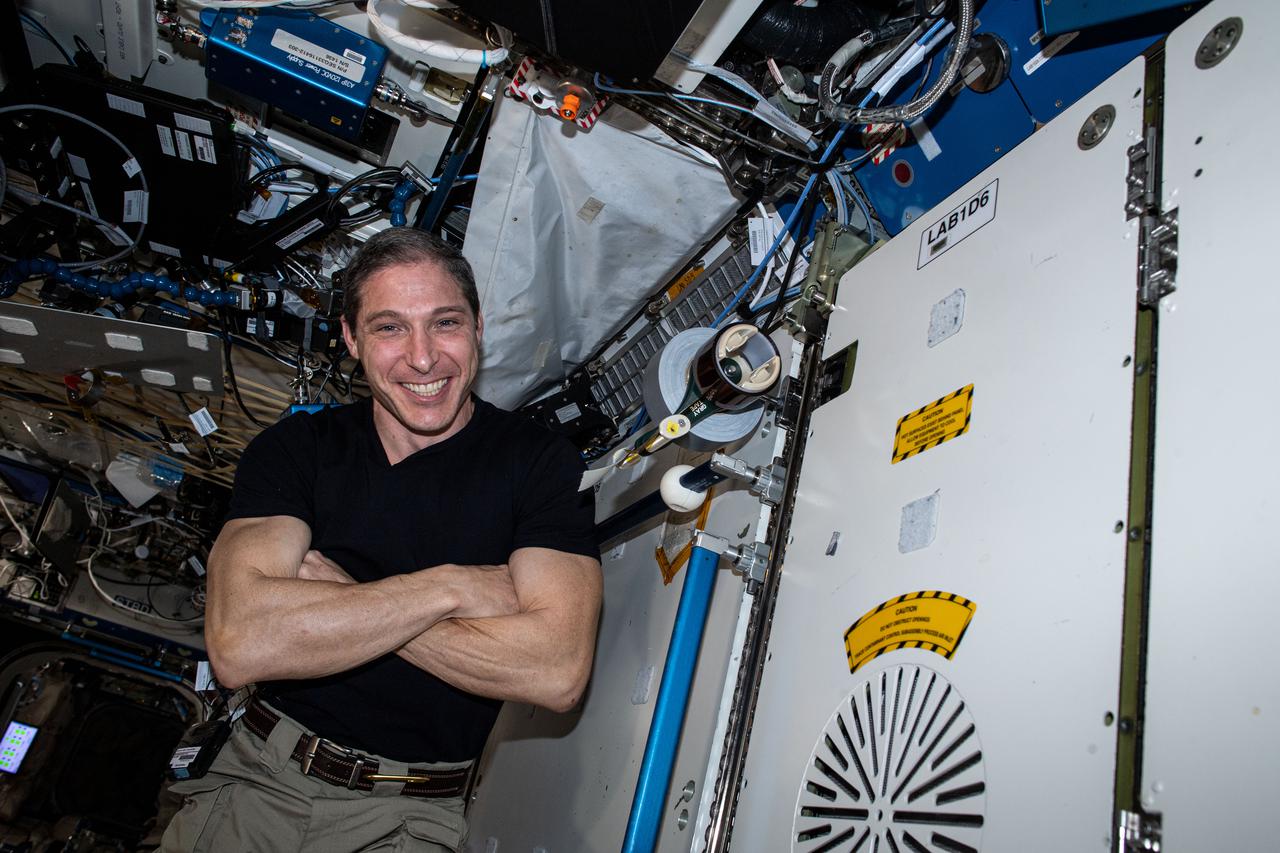
iss064e039526 (3/4/2021) --- NASA Astronaut Mike Hopkins is shown with the High school students United with NASA to Create Hardware (HUNCH) Tape Dispenser (HUNCH Tape Dispenser) aboard the International Space Station (ISS). The dispenser enables one-handed operation for crew members. Crew members regularly use tape for mundane and critical tasks, but the tape must be cut with scissors, requiring two hands. The HUNCH Tape Dispenser is expected to improve efficiency of operations and scientific research on the space station.
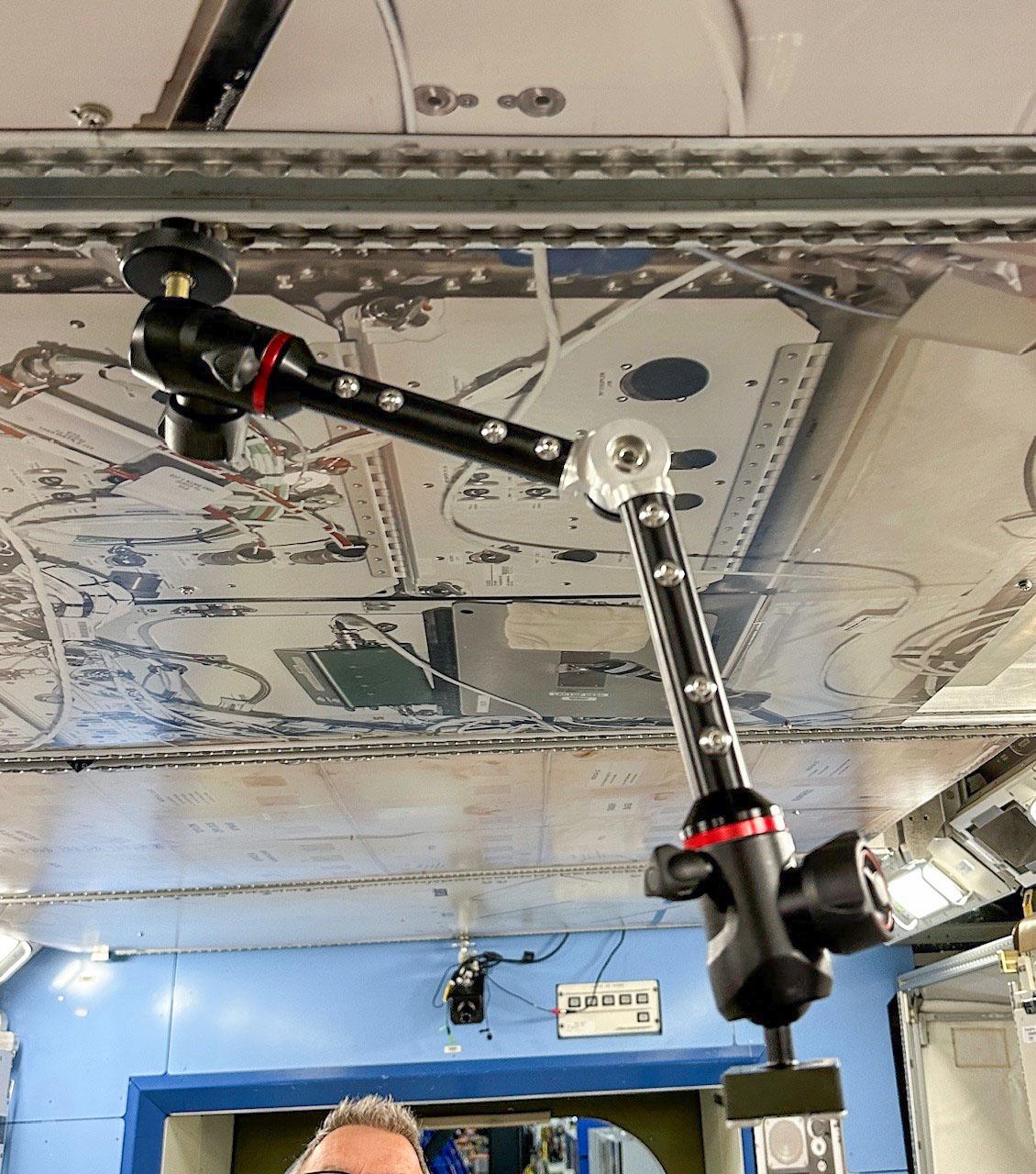
jsc2025e047412 (5/27/2025) --- The High school Students United with NASA to Create Hardware (HUNCH) has designed a device to replace Bogen arms aboard the International Space Station. The HUNCH Utility Bracket (HUB) can be attached to frames and rails and can hold cameras, iPads, and other equipment. The HUB has a jointed design that allows ample range of movement and flexibility. This device aims to aid crew members with tasks such as recording videos and holding iPads to increase efficiency of operations aboard space station. (Image courtesy of HUNCH)
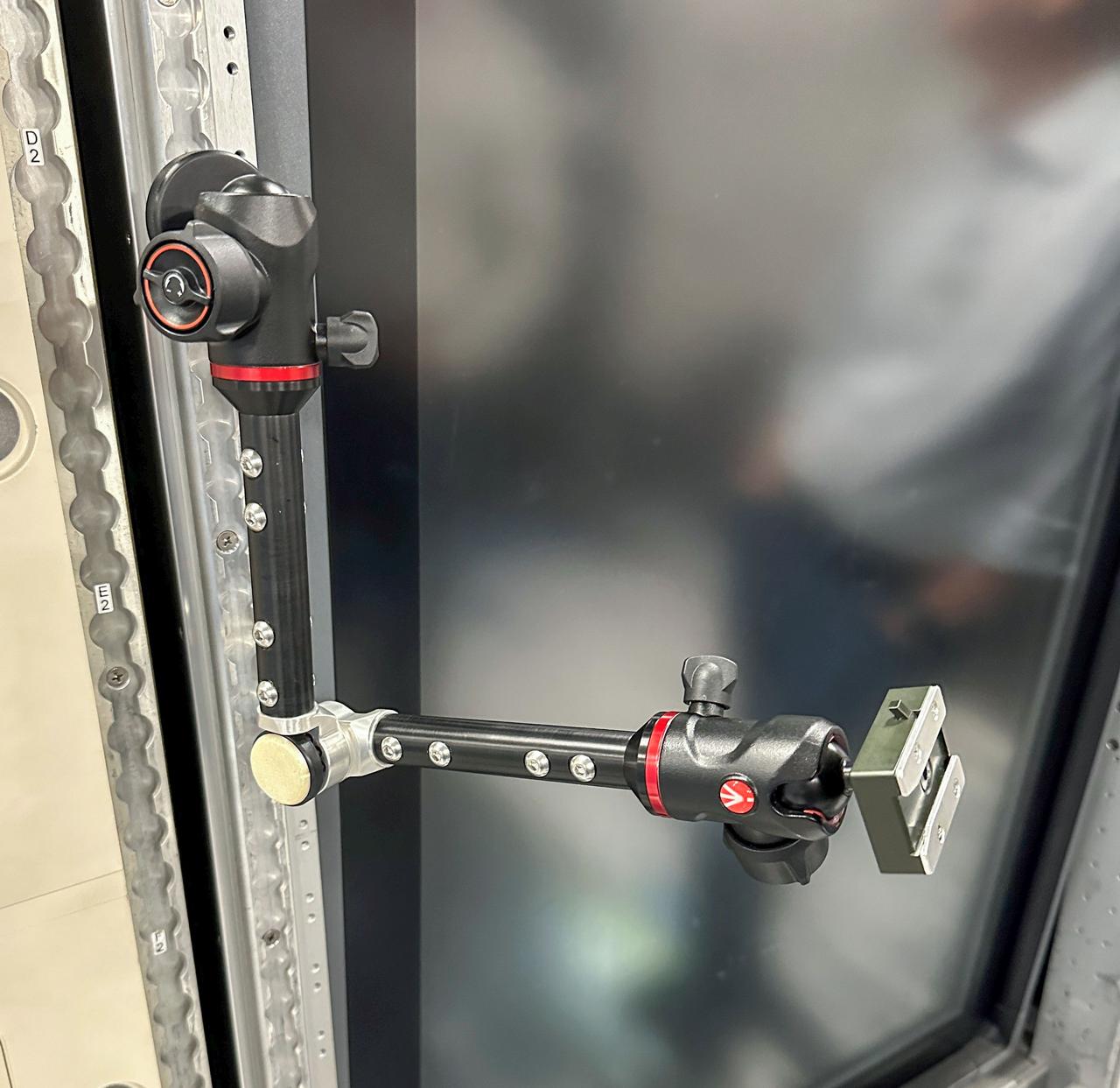
jsc2025e047414 (5/27/2025) --- The High school Students United with NASA to Create Hardware (HUNCH) has designed a device to replace Bogen arms aboard the International Space Station. The HUNCH Utility Bracket (HUB) can be attached to frames and rails and can hold cameras, iPads, and other equipment. The HUB has a jointed design that allows ample range of movement and flexibility. This device aims to aid crew members with tasks such as recording videos and holding iPads to increase efficiency of operations aboard space station. (Image courtesy of HUNCH)
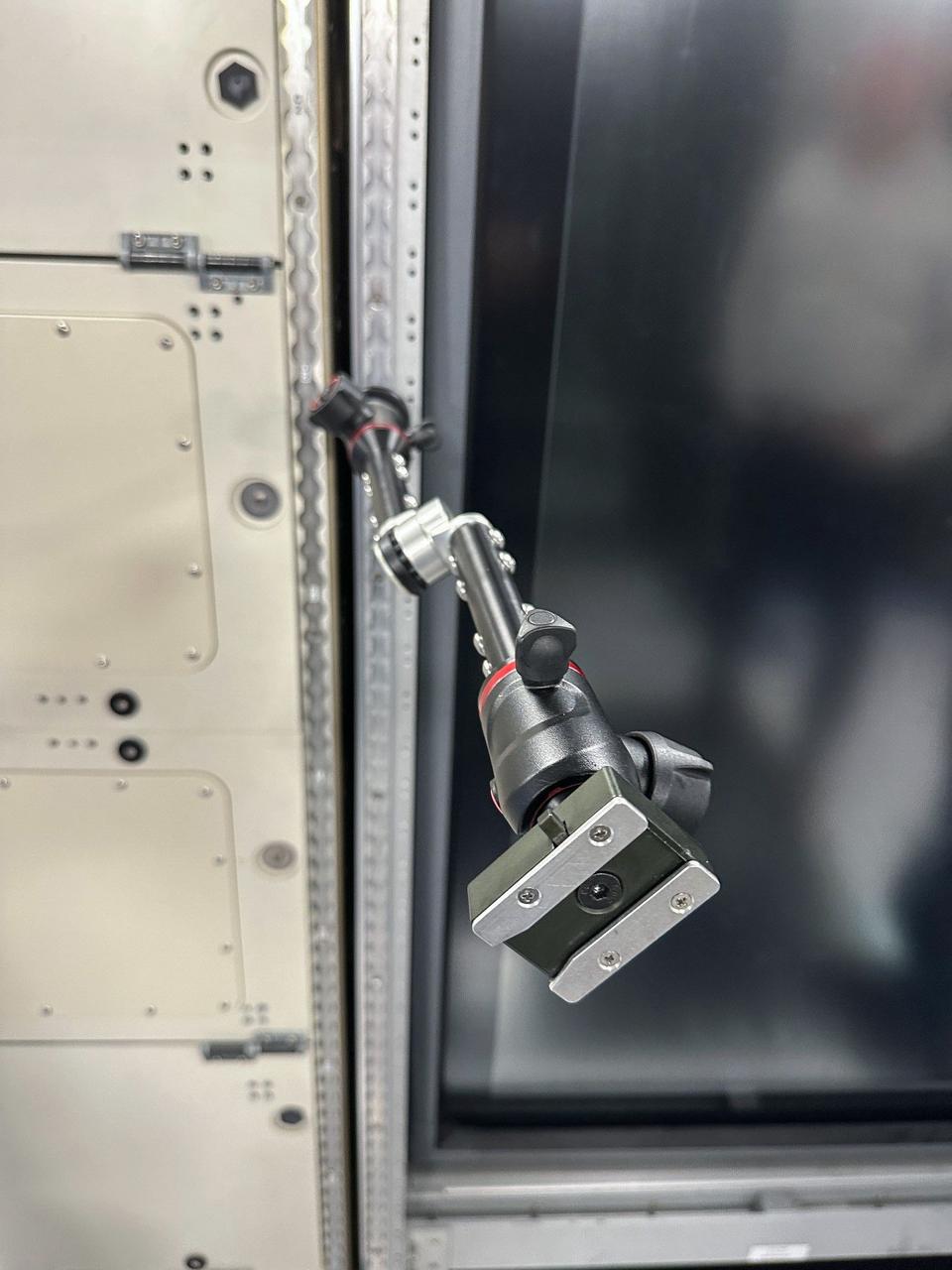
jsc2025e047413 (5/27/2025) --- The High school Students United with NASA to Create Hardware (HUNCH) has designed a device to replace Bogen arms aboard the International Space Station. The HUNCH Utility Bracket (HUB) can be attached to frames and rails and can hold cameras, iPads, and other equipment. The HUB has a jointed design that allows ample range of movement and flexibility. This device aims to aid crew members with tasks such as recording videos and holding iPads to increase efficiency of operations aboard space station. (Image courtesy of HUNCH)
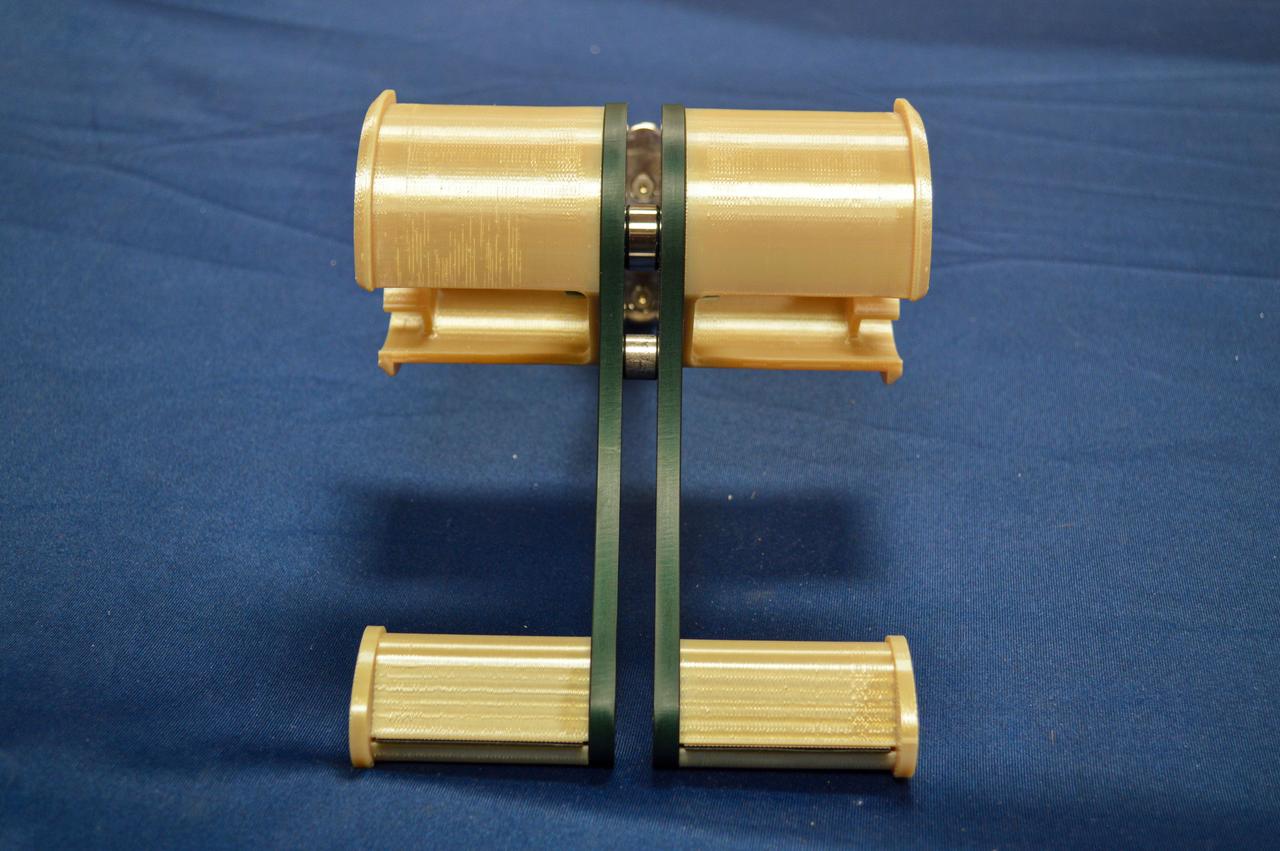
jsc2020e045049 (8/19/2020) --- Preflight bench review imagery of the High school students United with NASA to Create Hardware (HUNCH) Tape Dispenser (HUNCH Tape Dispenser). The dispenser enables one-handed operation for crew members. Crew members regularly use tape for mundane and critical tasks, but the tape must be cut with scissors, requiring two hands. The HUNCH Tape Dispenser is expected to improve efficiency of operations and scientific research on the space station.
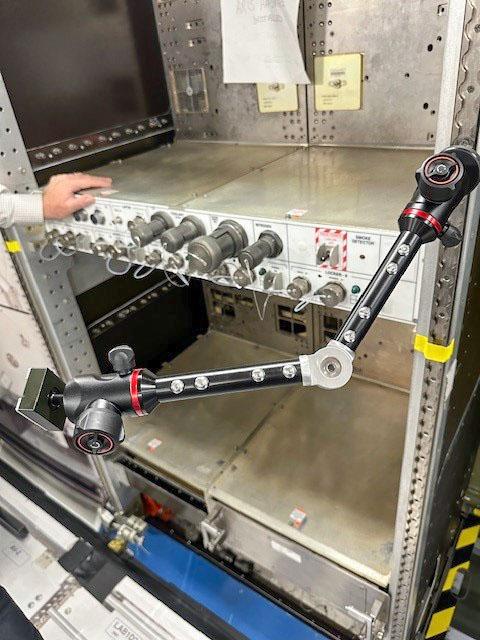
jsc2025e047418 (5/27/2025) --- The High school Students United with NASA to Create Hardware (HUNCH) has designed a device to replace Bogen arms aboard the International Space Station. The HUNCH Utility Bracket (HUB) can be attached to frames and rails and can hold cameras, iPads, and other equipment. The HUB has a jointed design that allows ample range of movement and flexibility. This device aims to aid crew members with tasks such as recording videos and holding iPads to increase efficiency of operations aboard space station. (Image courtesy of HUNCH)
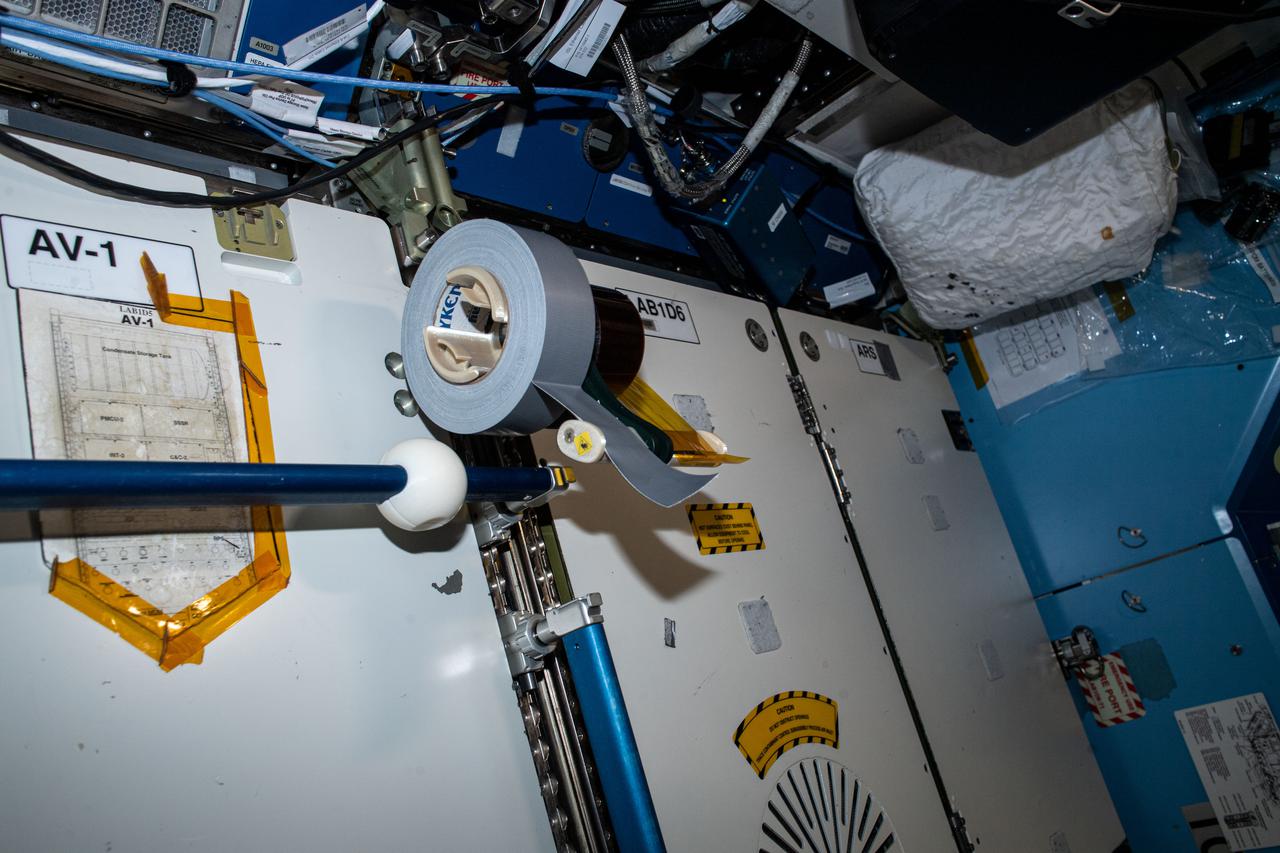
iss064e039530 (3/4/2021) --- A view of the High school students United with NASA to Create Hardware (HUNCH) Tape Dispenser (HUNCH Tape Dispenser) aboard the International Space Station (ISS). The dispenser enables one-handed operation for crew members. Crew members regularly use tape for mundane and critical tasks, but the tape must be cut with scissors, requiring two hands. The HUNCH Tape Dispenser is expected to improve efficiency of operations and scientific research on the space station.
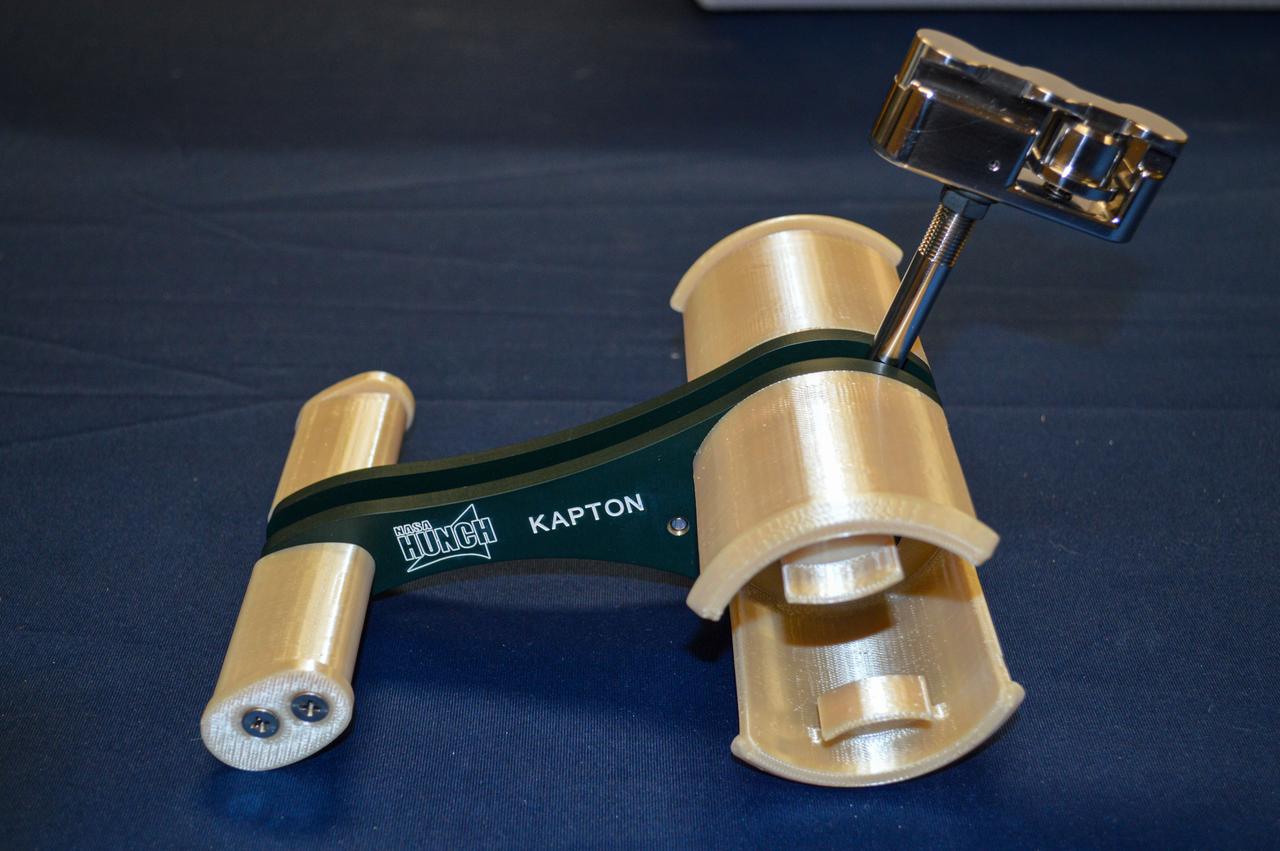
jsc2020e045036 (8/19/2020) --- Preflight bench review imagery of the High school students United with NASA to Create Hardware (HUNCH) Tape Dispenser (HUNCH Tape Dispenser). The dispenser enables one-handed operation for crew members. Crew members regularly use tape for mundane and critical tasks, but the tape must be cut with scissors, requiring two hands. The HUNCH Tape Dispenser is expected to improve efficiency of operations and scientific research on the space station.
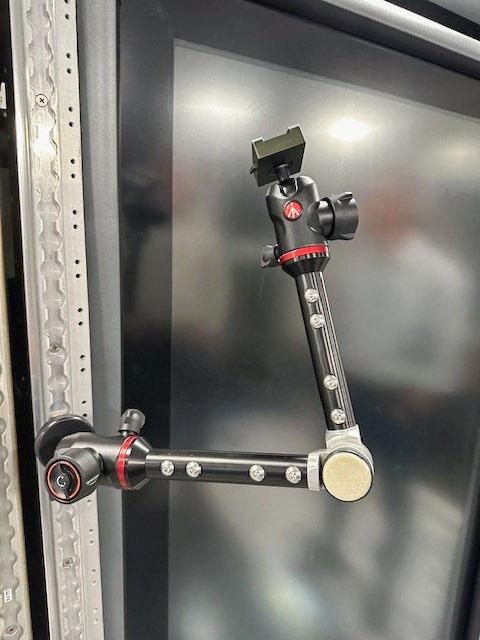
jsc2025e047415 (5/27/2025) --- The High school Students United with NASA to Create Hardware (HUNCH) has designed a device to replace Bogen arms aboard the International Space Station. The HUNCH Utility Bracket (HUB) can be attached to frames and rails and can hold cameras, iPads, and other equipment. The HUB has a jointed design that allows ample range of movement and flexibility. This device aims to aid crew members with tasks such as recording videos and holding iPads to increase efficiency of operations aboard space station. (Image courtesy of HUNCH)
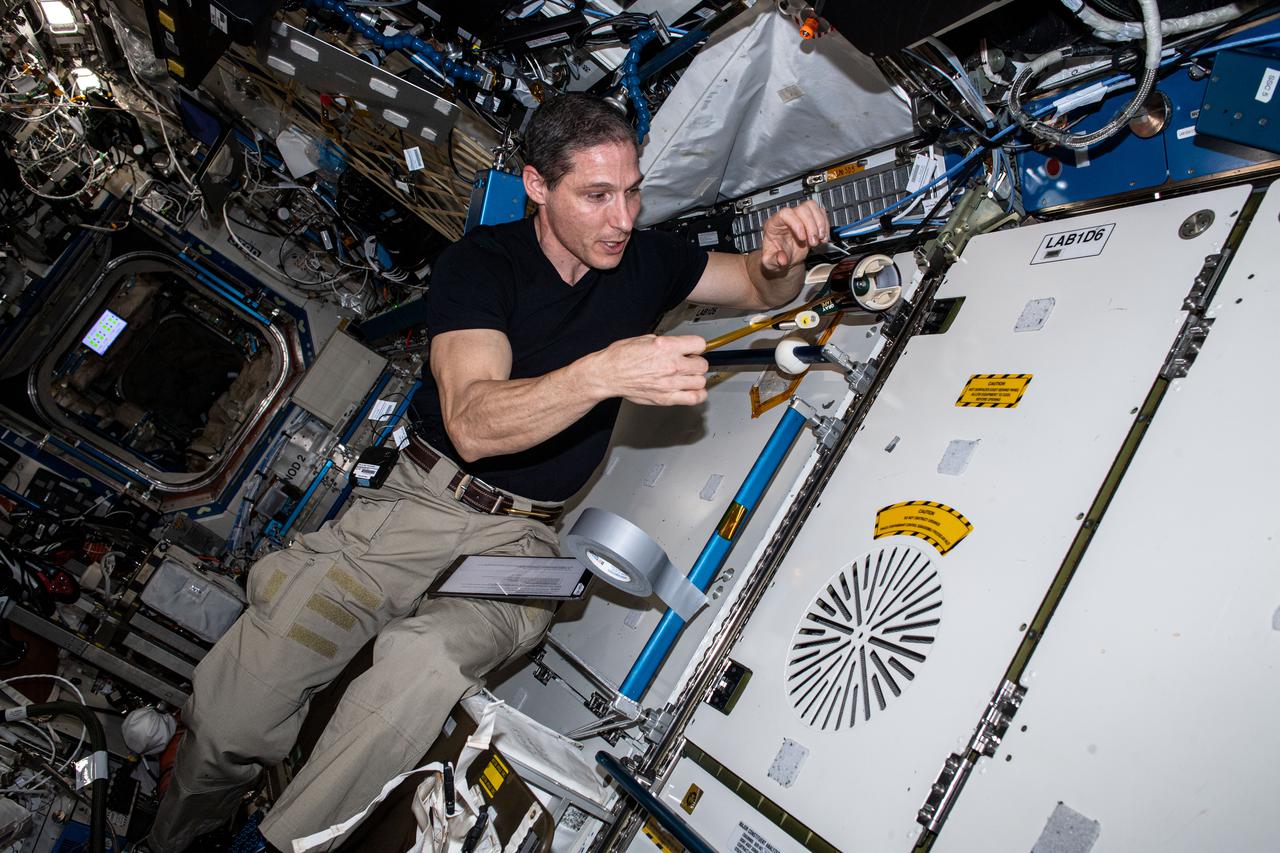
iss064e039521 (3/4/2021) --- NASA Astronaut Mike Hopkins is shown using the High school students United with NASA to Create Hardware (HUNCH) Tape Dispenser (HUNCH Tape Dispenser) aboard the International Space Station (ISS). The dispenser enables one-handed operation for crew members. Crew members regularly use tape for mundane and critical tasks, but the tape must be cut with scissors, requiring two hands. The HUNCH Tape Dispenser is expected to improve efficiency of operations and scientific research on the space station.
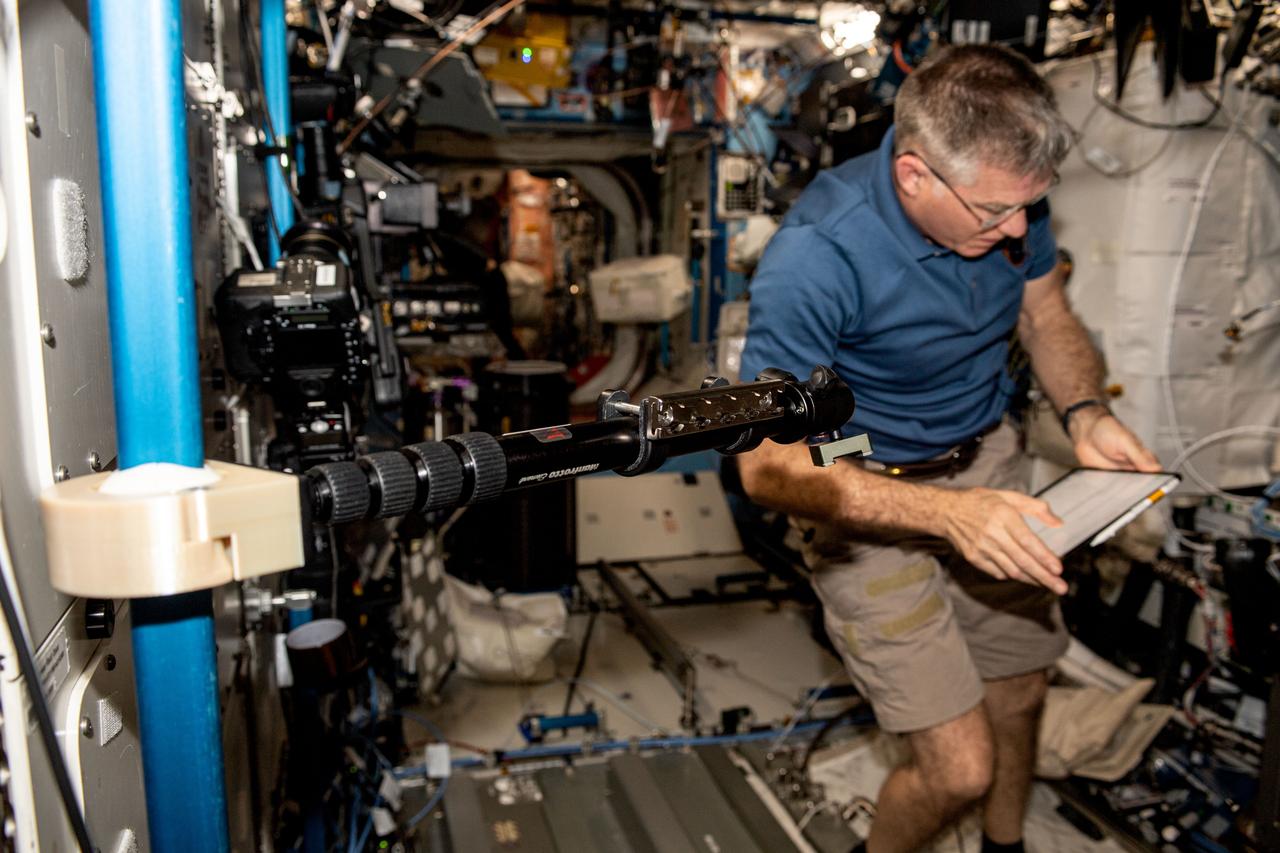
iss069e009786 (May 9, 2023) --- NASA astronaut and Expedition 69 Flight Engineer Stephen Bowen installs student-made hardware next to the Destiny laboratory module's Microgravity Science Glovebox. The High school students United with NASA to Create Hardware (HUNCH) Ball Clamp Monopod (HUNCH Ball Clamp Monopod) investigation tests a platform for holding cameras used to track targets on the ground or take images and video within space station modules
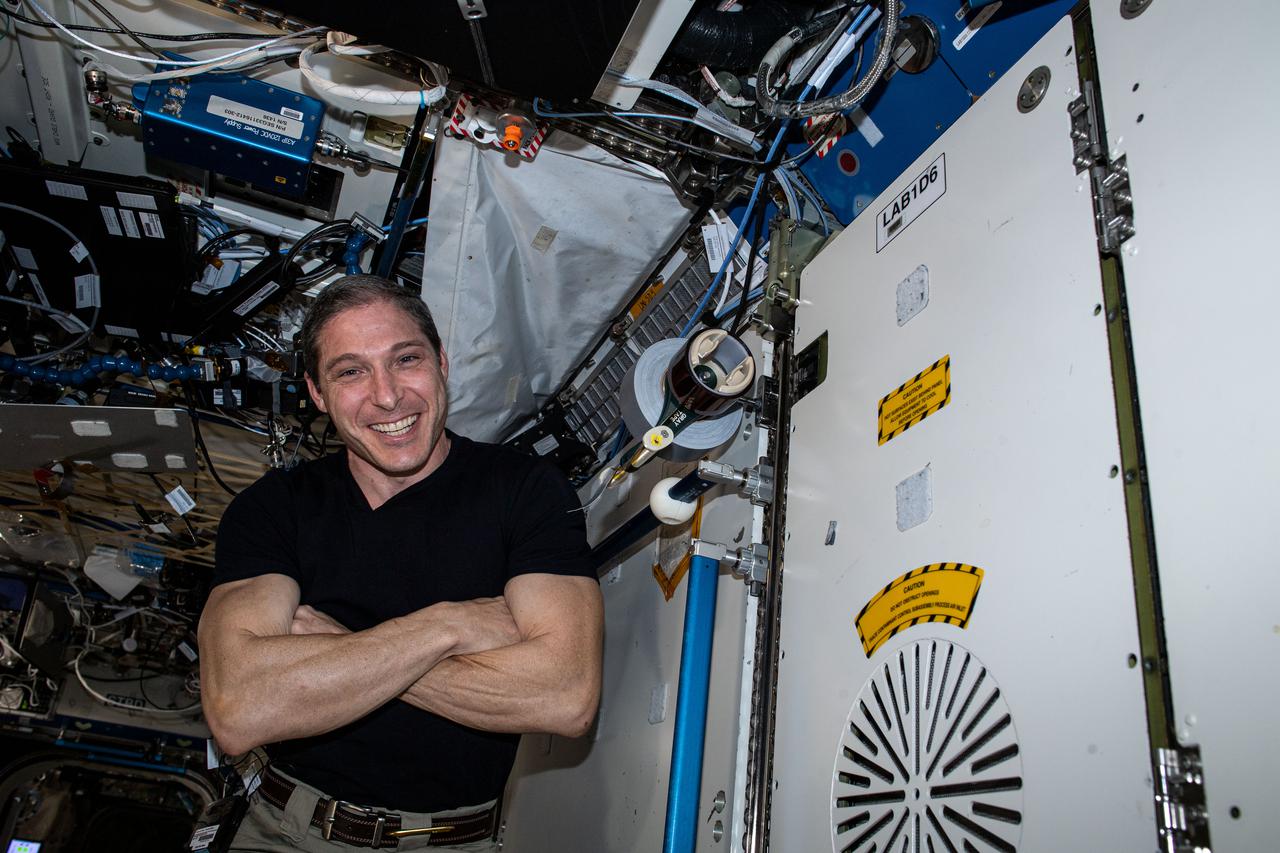
Working in microgravity creates new challenges, even for simple tasks. Next to a floating Hopkins is a HUNCH Tape Dispenser specialized for operations in microgravity. This tape dispenser, developed by high school students through the NASA HUNCH (High Schools United with NASA to Create Hardware) program, requires only one hand to cut pieces of tap. This improves crew efficiency and addresses human factors that must be considered when working in the microgravity environment.
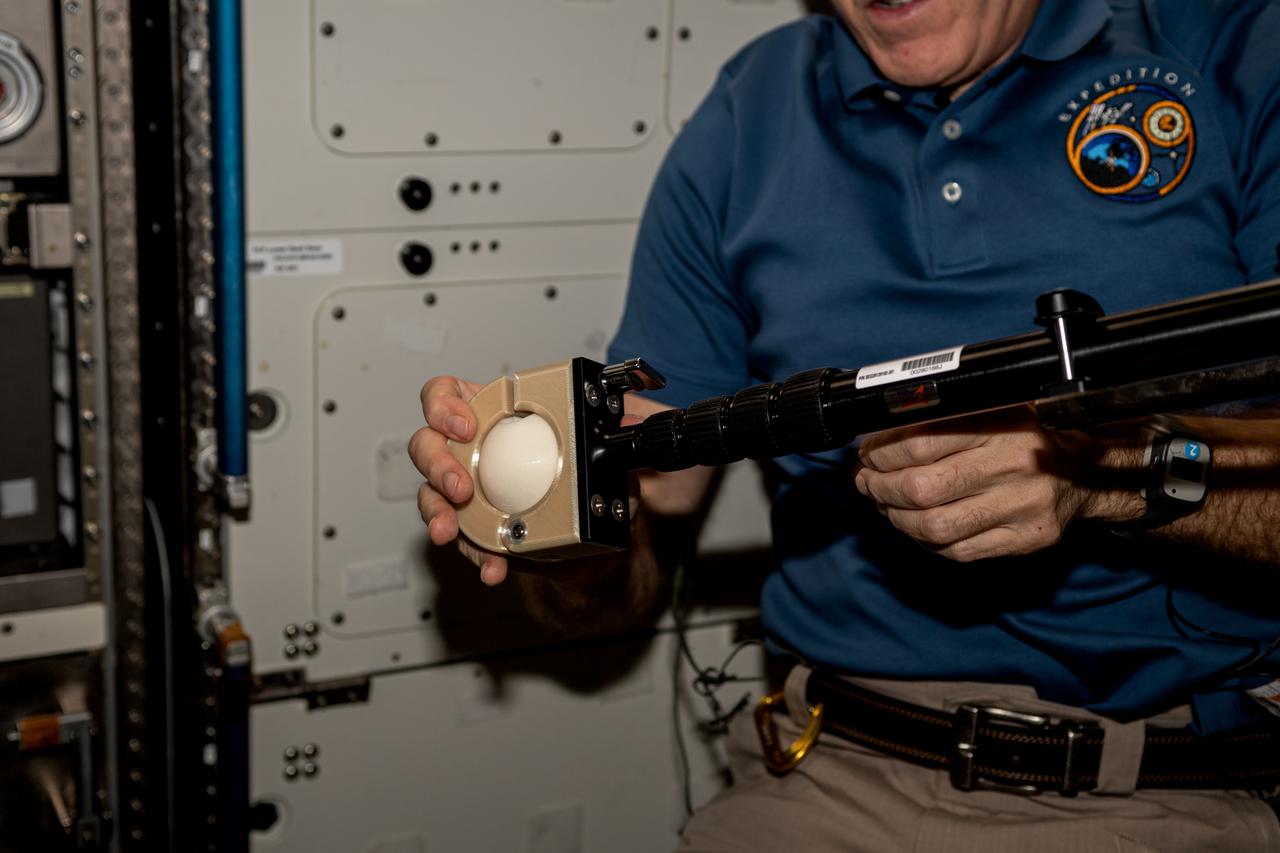
iss069e009795 (May 9, 2023) --- NASA astronaut and Expedition 69 Flight Engineer Stephen Bowen installs student-made hardware next to the Destiny laboratory module's Microgravity Science Glovebox. The High school students United with NASA to Create Hardware (HUNCH) Ball Clamp Monopod (HUNCH Ball Clamp Monopod) investigation tests a platform for holding cameras used to track targets on the ground or take images and video within space station modules

iss069e009796 (May 9, 2023) --- NASA astronaut and Expedition 69 Flight Engineer Stephen Bowen installs student-made hardware next to the Destiny laboratory module's Microgravity Science Glovebox. The High school students United with NASA to Create Hardware (HUNCH) Ball Clamp Monopod (HUNCH Ball Clamp Monopod) investigation tests a platform for holding cameras used to track targets on the ground or take images and video within space station modules
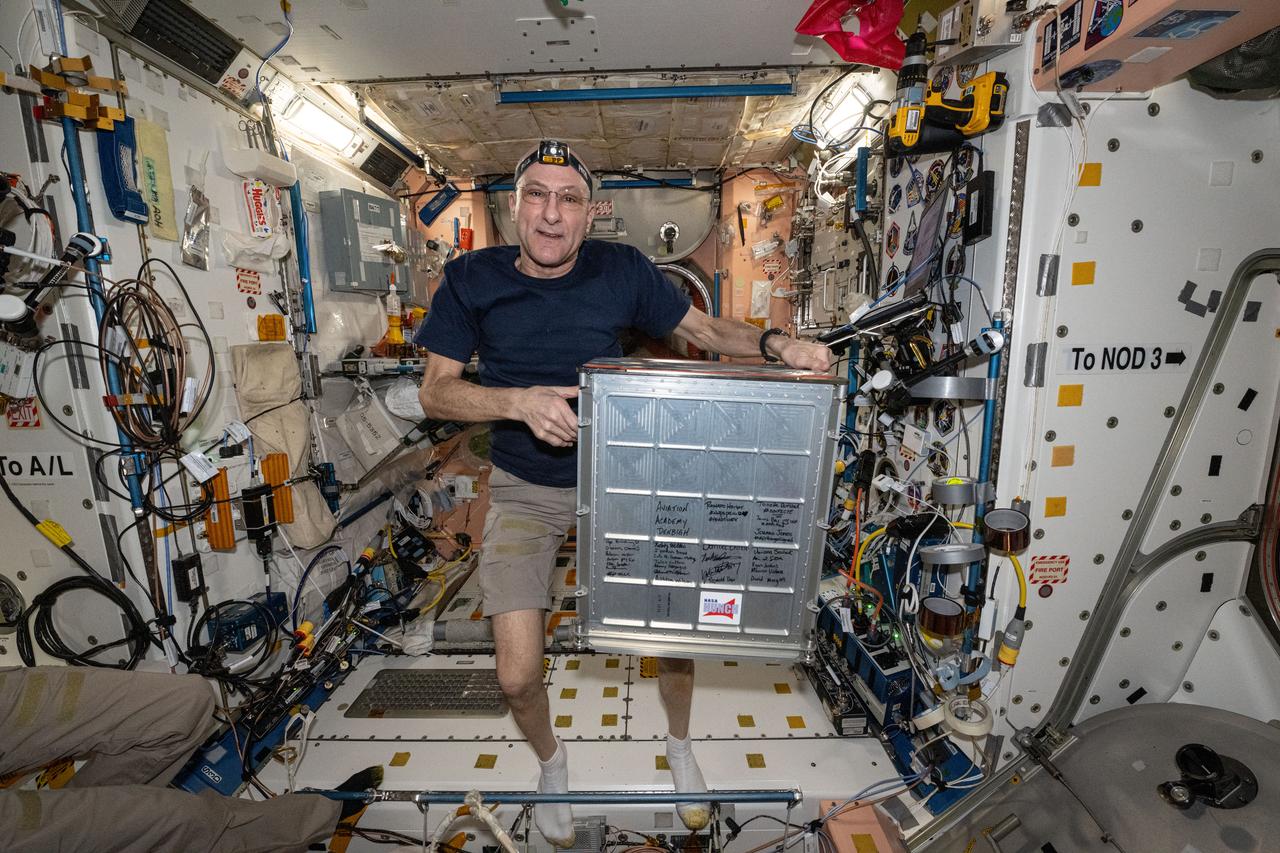
iss072e517816 (Jan. 21, 2025) --- NASA astronaut and Expedition 72 Flight Engineer Don Pettit displays HUNCH (High school students United with NASA to Create Hardware) gear inside the International Space Station's Unity module. The HUNCH mission empowers and inspires high school students to learn 21st-century skills and particpate in the design and fabrication of real-world tools for NASA.
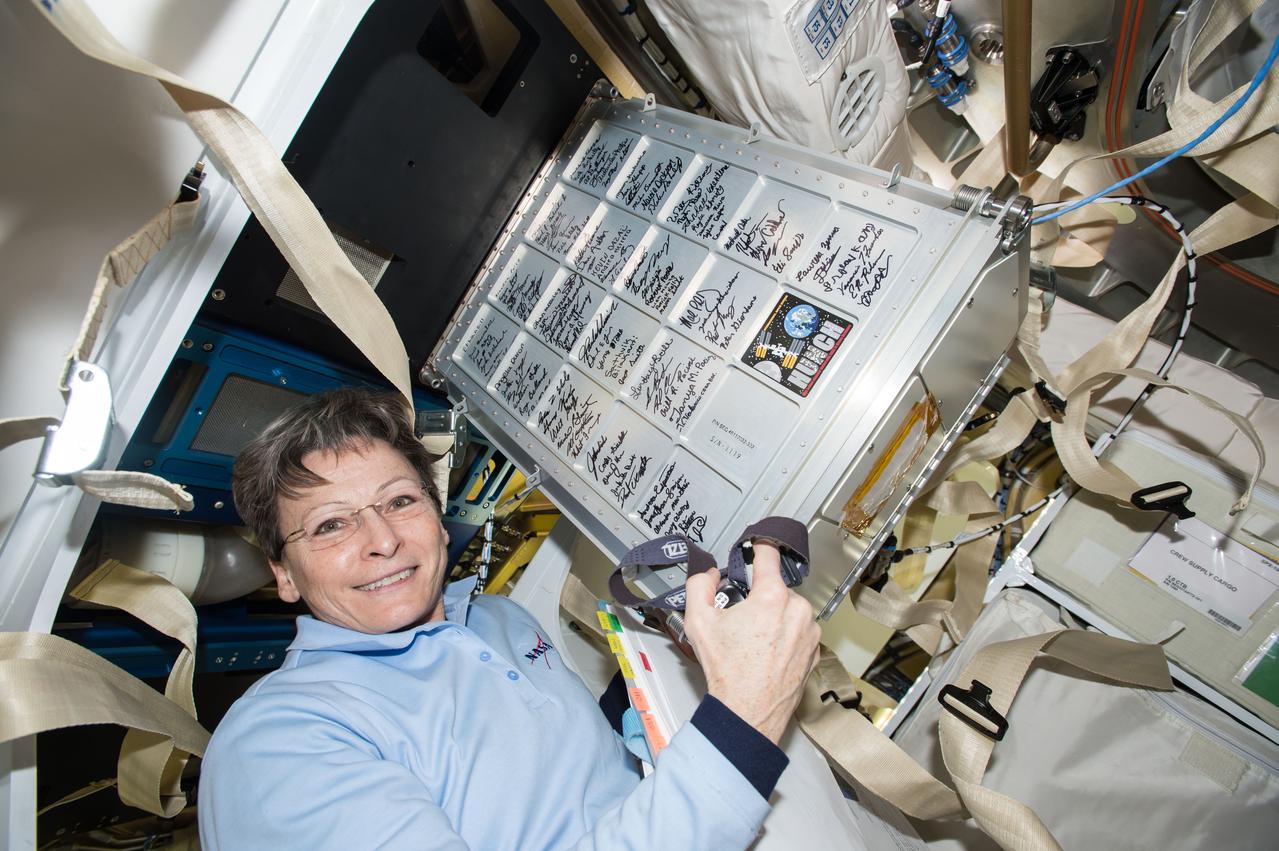
iss050e056553 (03/09/2017) --- NASA astronaut Peggy Whitson unloads spaceflight hardware delivered on SpaceX CRS-10 that was built as part of the NASA High School Students United with NASA to Create Hardware (HUNCH) program. Students in the HUNCH program receive valuable experience creating goods for NASA from hardware to the culinary arts, while NASA receives the creativity of the High School students.
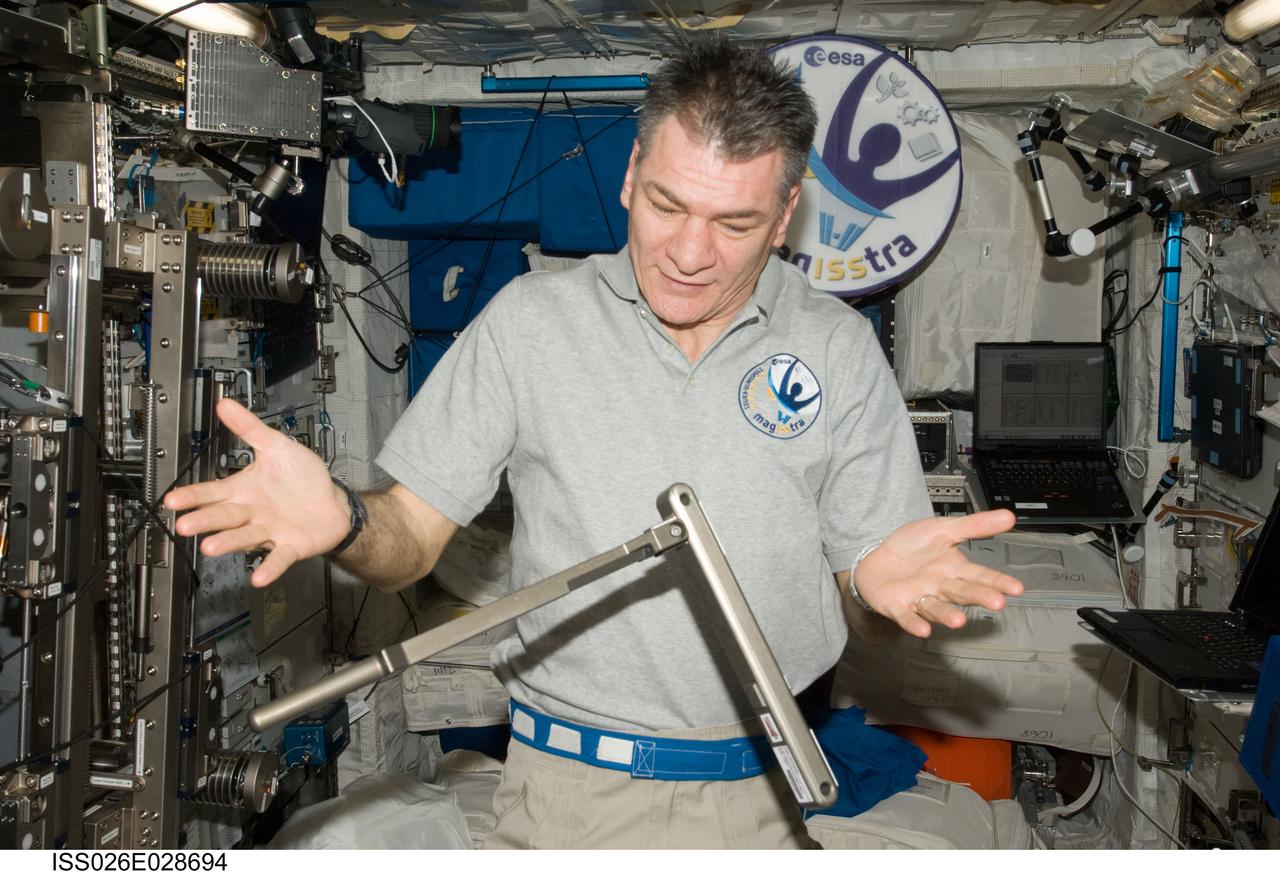
ISS026-E-028694 (22 Feb. 2011) --- European Space Agency astronaut Paolo Nespoli, Expedition 26 flight engineer, is pictured with a can crusher tool floating freely in the Columbus laboratory of the International Space Station. The tool was built by the High school students United with NASA to Create Hardware (HUNCH).
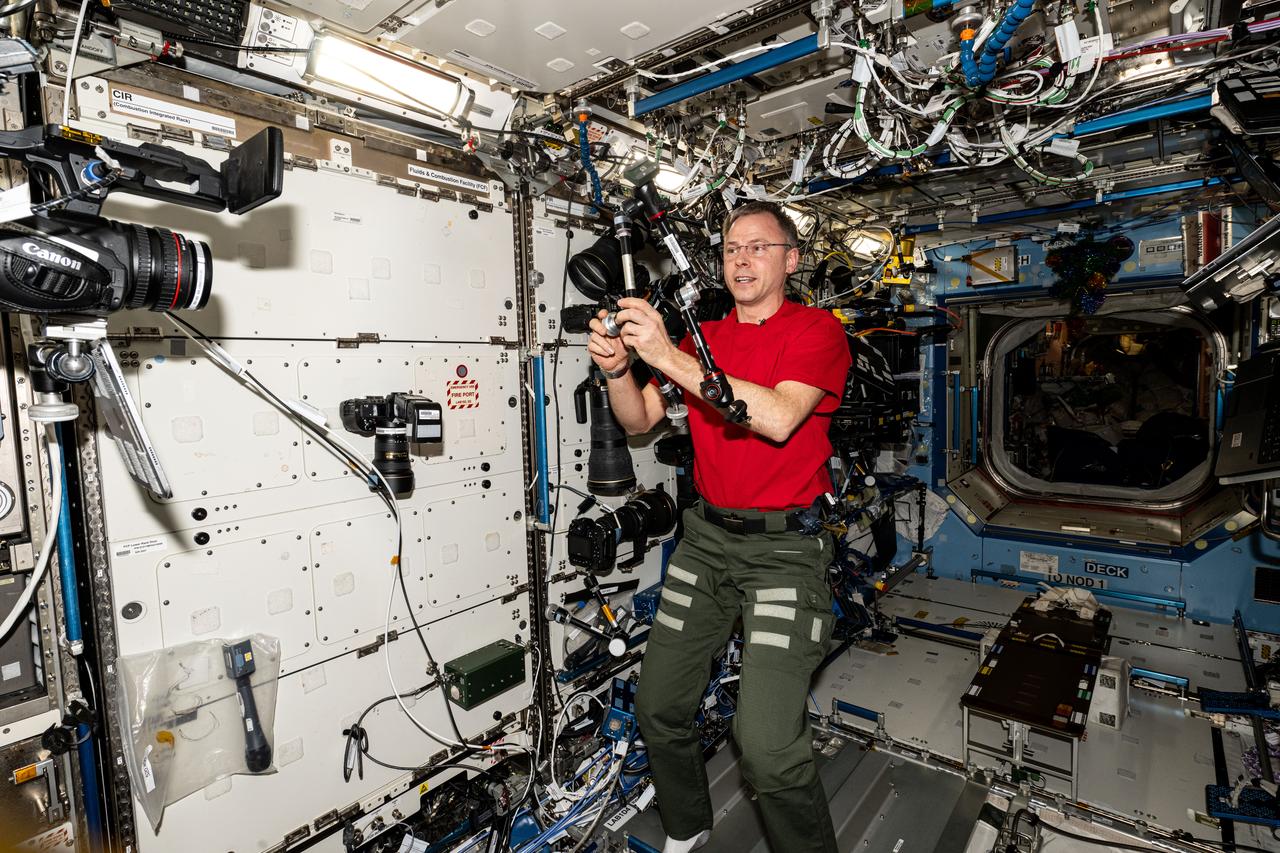
iss072e391290 (Dec. 17, 2024) --- NASA astronaut and Expedition 72 Flight Engineer Nick Hague demonstrates the range of motion and stability of student-designed space hardware aboard the International Space Station's Destiny laboratory module. Hague was testing the HUNCH (High school students United with NASA to Create Hardware) Utility Bracket for its ability to hold and position cameras, computer tablets, and other tools astronauts use daily.
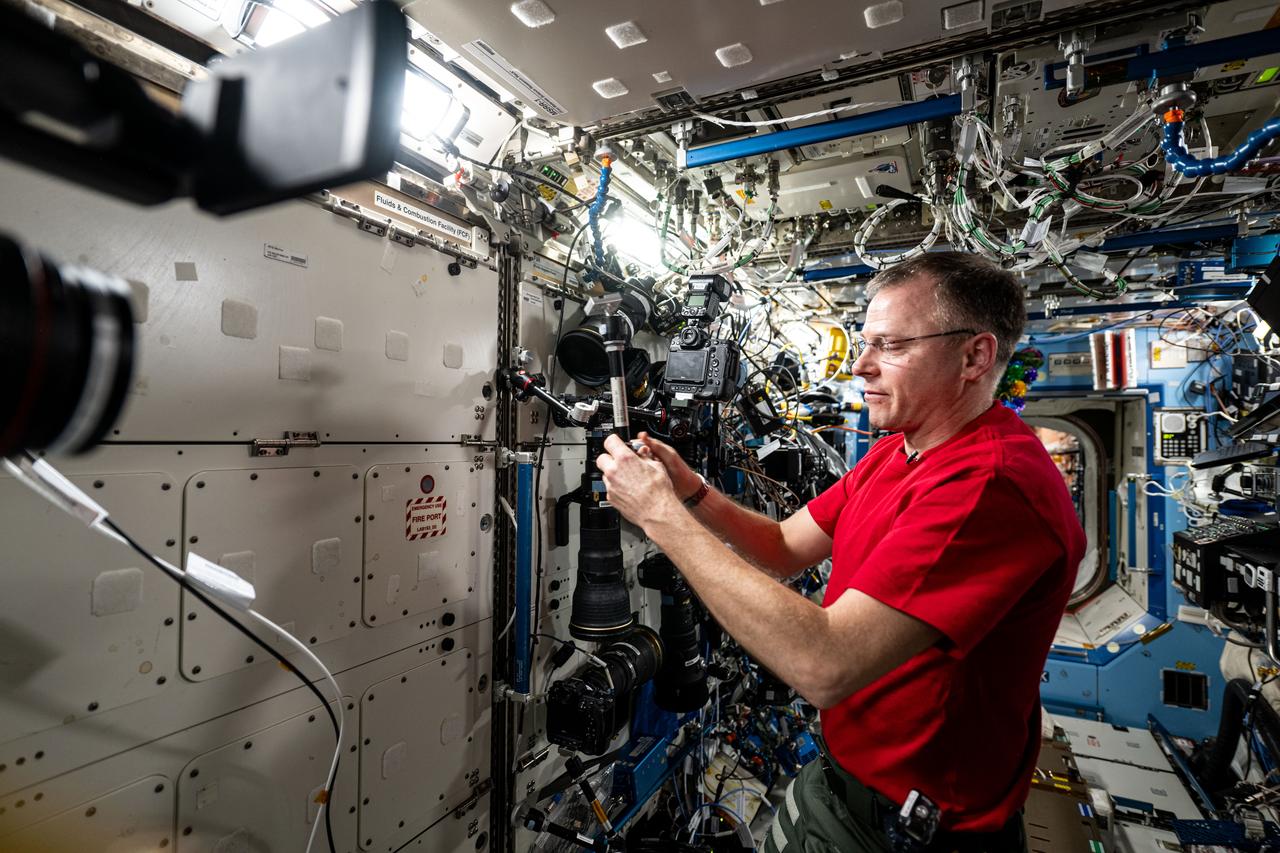
iss072e391307 (Dec. 17, 2024) --- NASA astronaut and Expedition 72 Flight Engineer Nick Hague demonstrates the range of motion and stability of student-designed space hardware aboard the International Space Station's Destiny laboratory module. Hague was testing the HUNCH (High school students United with NASA to Create Hardware) Utility Bracket for its ability to hold and position cameras, computer tablets, and other tools astronauts use daily.
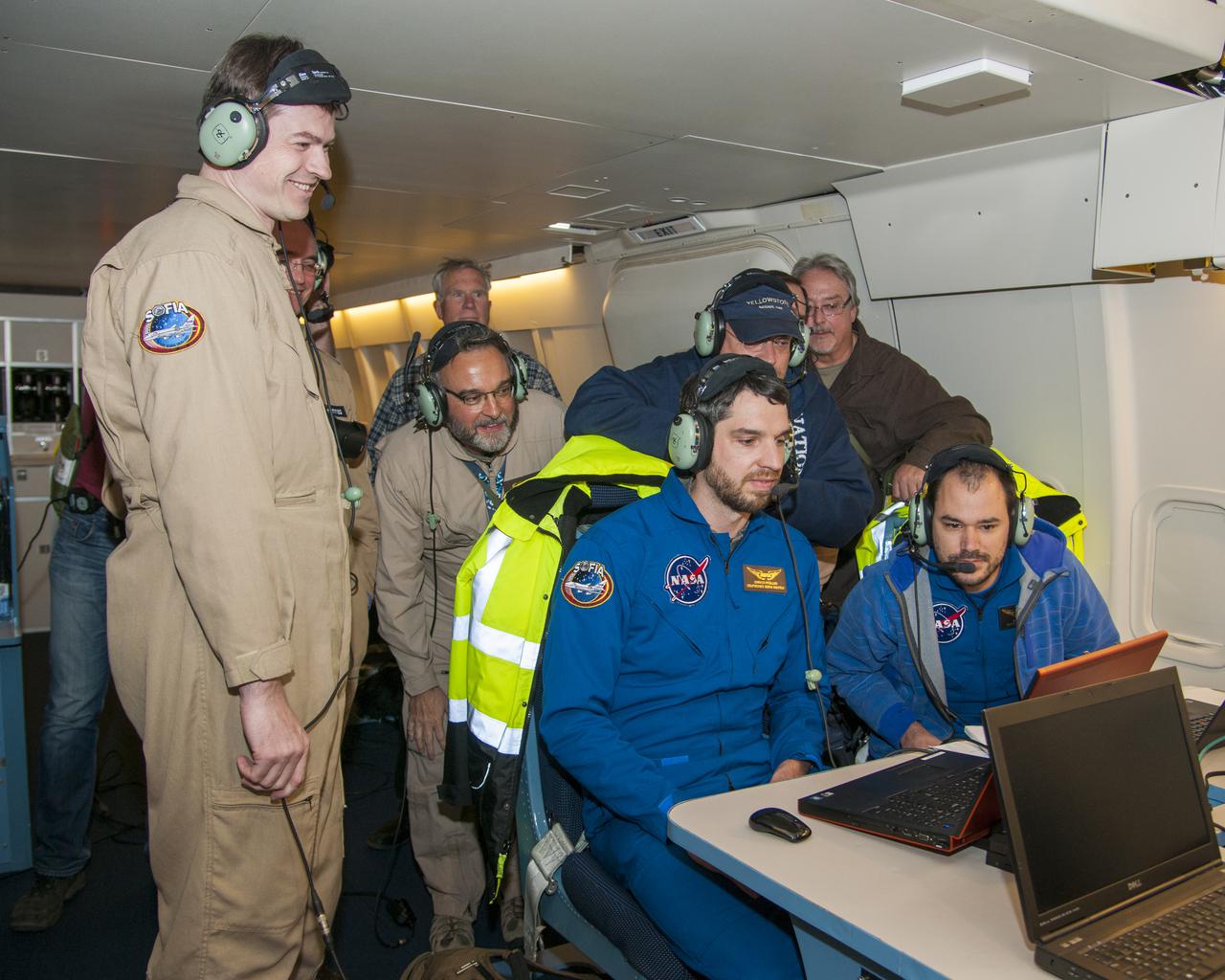
Scientists onboard SOFIA watch data come in from Pluto’s atmosphere as SOFIA flies into the shadow the dwarf planet cast on Earth’s surface during an eclipse-like event called an occultation. (Left to right standing): Holger Jakob, Thomas Roellig, (unknown who is hunched over), Jürgen Wolf, Nicholas Veronico (Left to right seated): Enrico Pfüller, Manuel Wiedemann
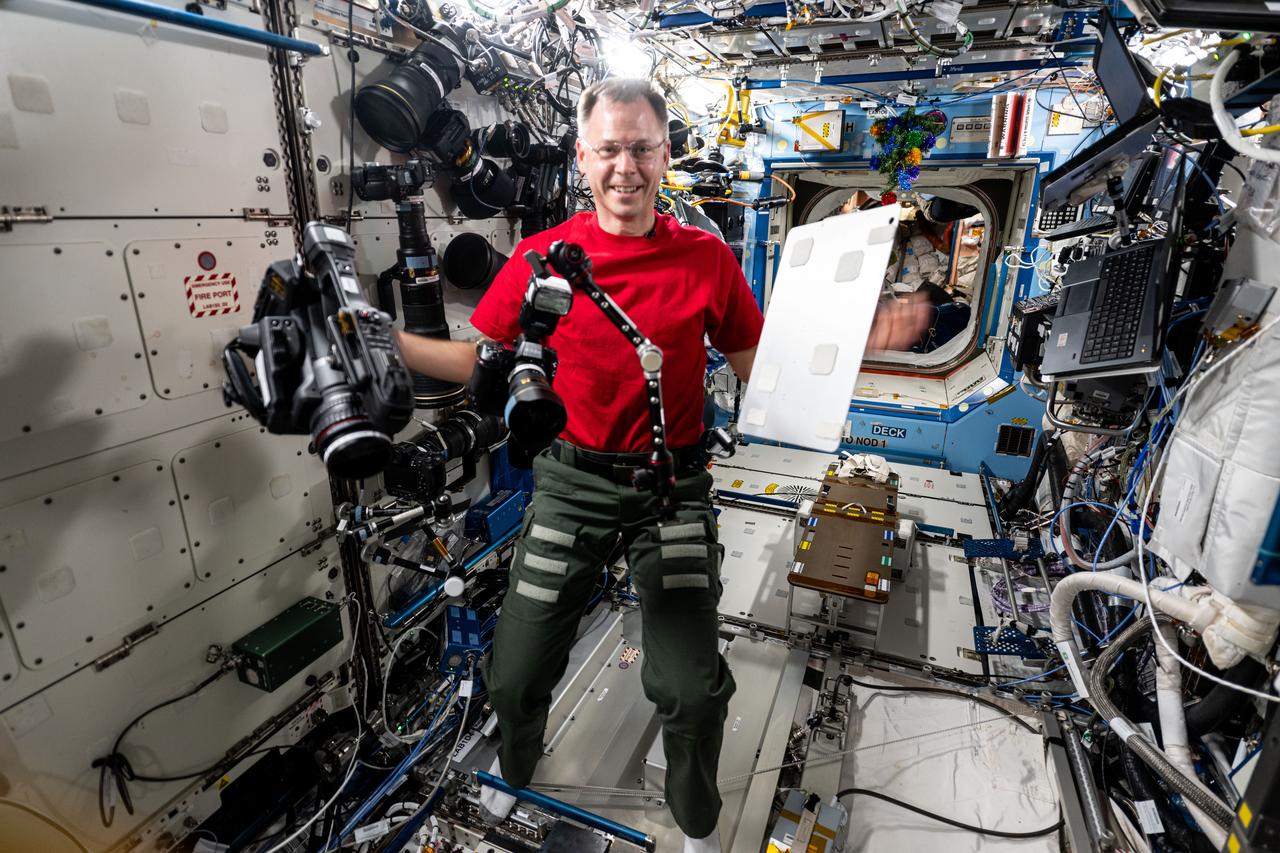
iss072e391353 (Dec. 17, 2024) --- NASA astronaut and Expedition 72 Flight Engineer Nick Hague demonstrates the range of motion and stability of student-designed space hardware aboard the International Space Station's Destiny laboratory module. Hague was testing the HUNCH (High school students United with NASA to Create Hardware) Utility Bracket for its ability to hold and position cameras, computer tablets, and other tools astronauts use daily.
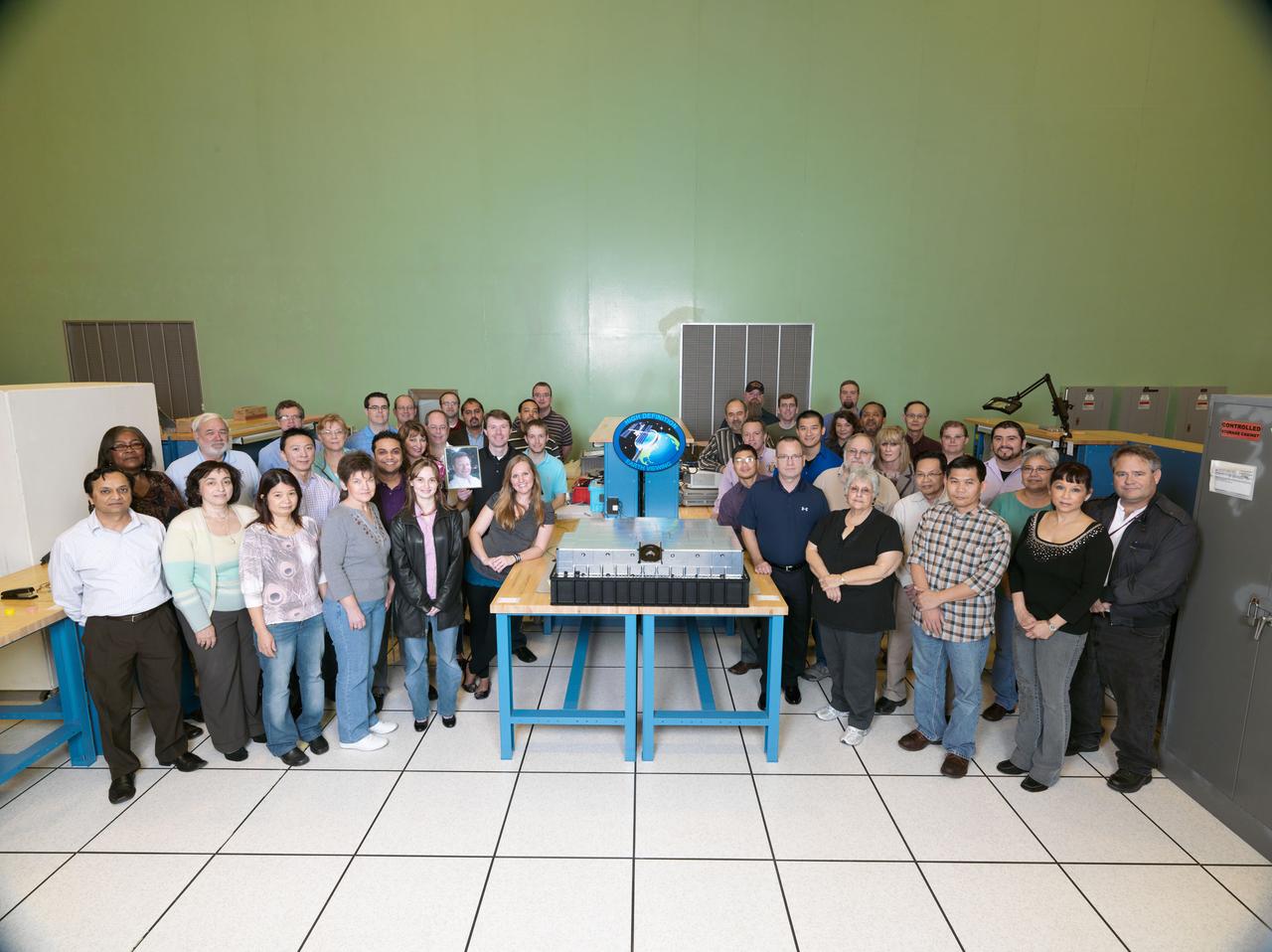
jsc2012e030007 (2-23-2012) --- The High Definition Earth Viewing (HDEV) development team. The HDEV experiment places four commercially available HD cameras on the exterior of the space station and uses them to stream live video of Earth for viewing online. The cameras are enclosed in a temperature specific housing and are exposed to the harsh radiation of space. Analysis of the effect of space on the video quality, over the time HDEV is operational, may help engineers decide which cameras are the best types to use on future missions. High school students helped design some of the cameras' components, through the High Schools United with NASA to Create Hardware (HUNCH) program, and student teams operate the experiment.
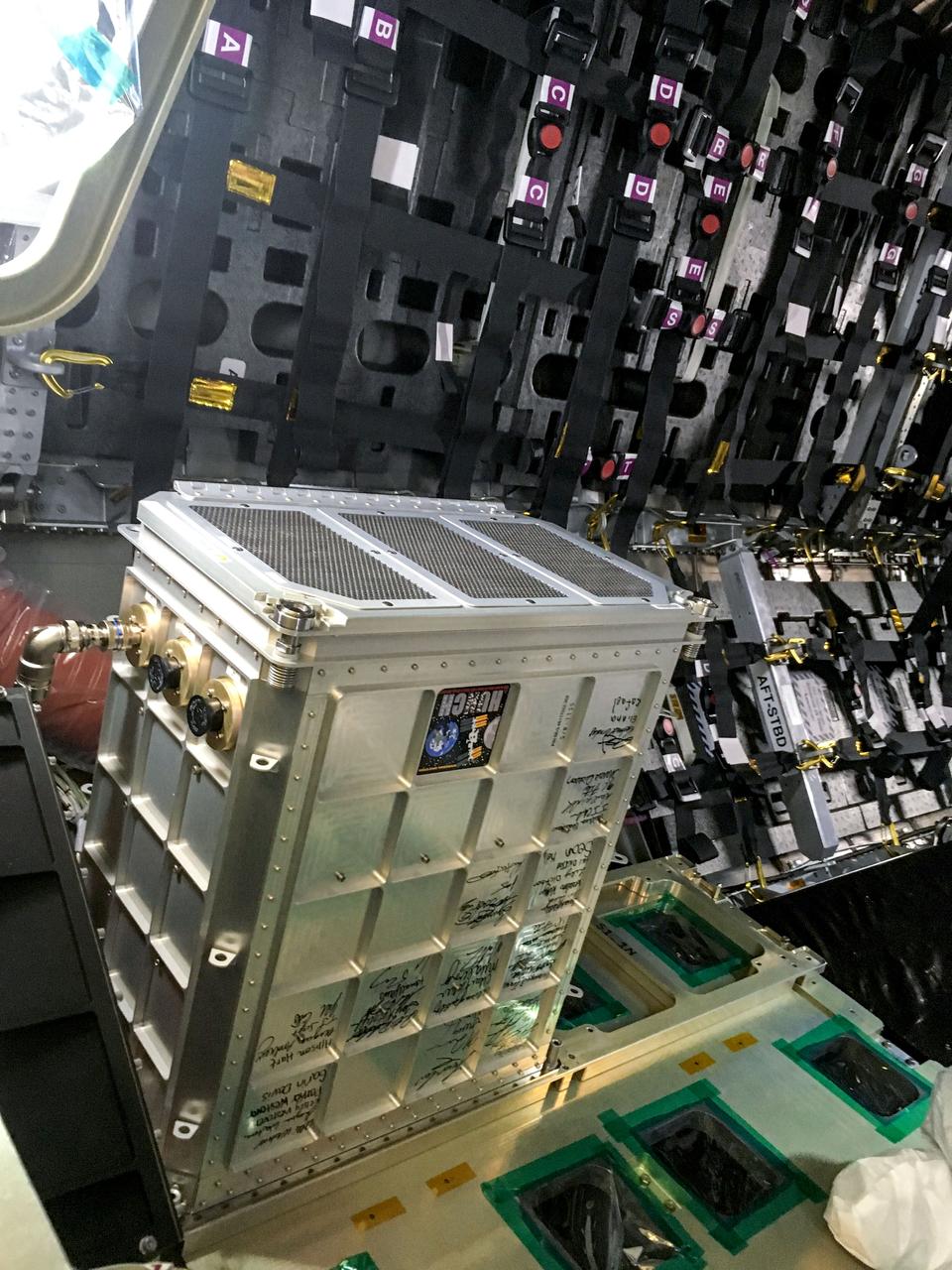
jsc2023e046376 (12/12/2019) --- The Far-Field Diagnostic (FFD) hardware for Spacecraft Fire Experiment-VI (Saffire-VI) is pictured aboard Cygnus before launch. This package contains the Smoke Eater and CO scrubbers, a prototype Combustion Product Monitor to be used on Orion, particulate sensors, and sensors for CO, CO2, and oxygen gases. The containers for the FFD were fabricated by HUNCH (High school students United with NASA to Create Hardware). Their signatures are shown on the side of the FFD. The Saffire series helps researchers to understand realistic fire spread scenarios on spacecraft and generate advanced protective equipment.
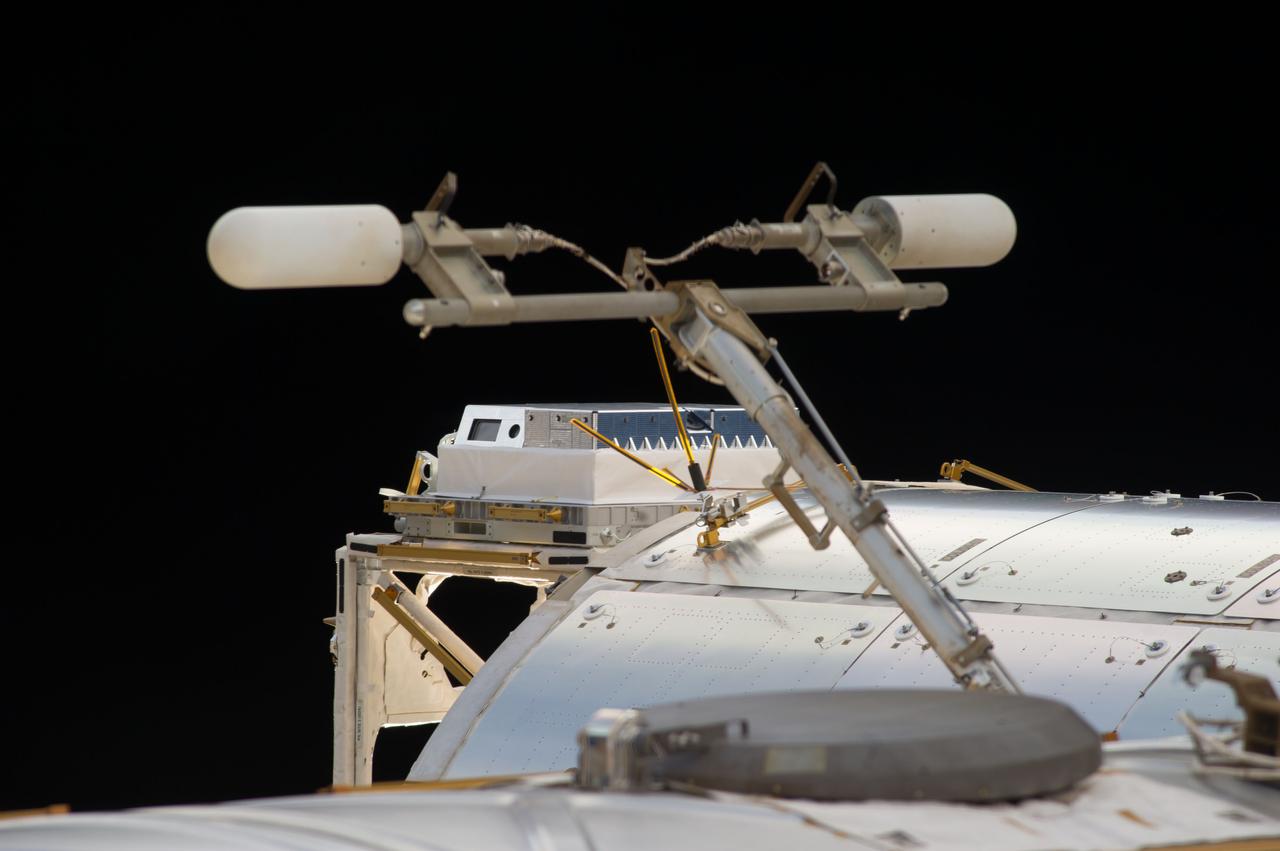
iss039e019134 (5/7/2014) - View of the High Definition Earth Viewing (HDEV) flight assembly installed on the exterior of the Columbus European Laboratory module. The High Definition Earth Viewing (HDEV) experiment places four commercially available HD cameras on the exterior of the space station and uses them to stream live video of Earth for viewing online. The cameras are enclosed in a temperature specific housing and are exposed to the harsh radiation of space. Analysis of the effect of space on the video quality, over the time HDEV is operational, may help engineers decide which cameras are the best types to use on future missions. High school students helped design some of the cameras' components, through the High Schools United with NASA to Create Hardware (HUNCH) program, and student teams operate the experiment.
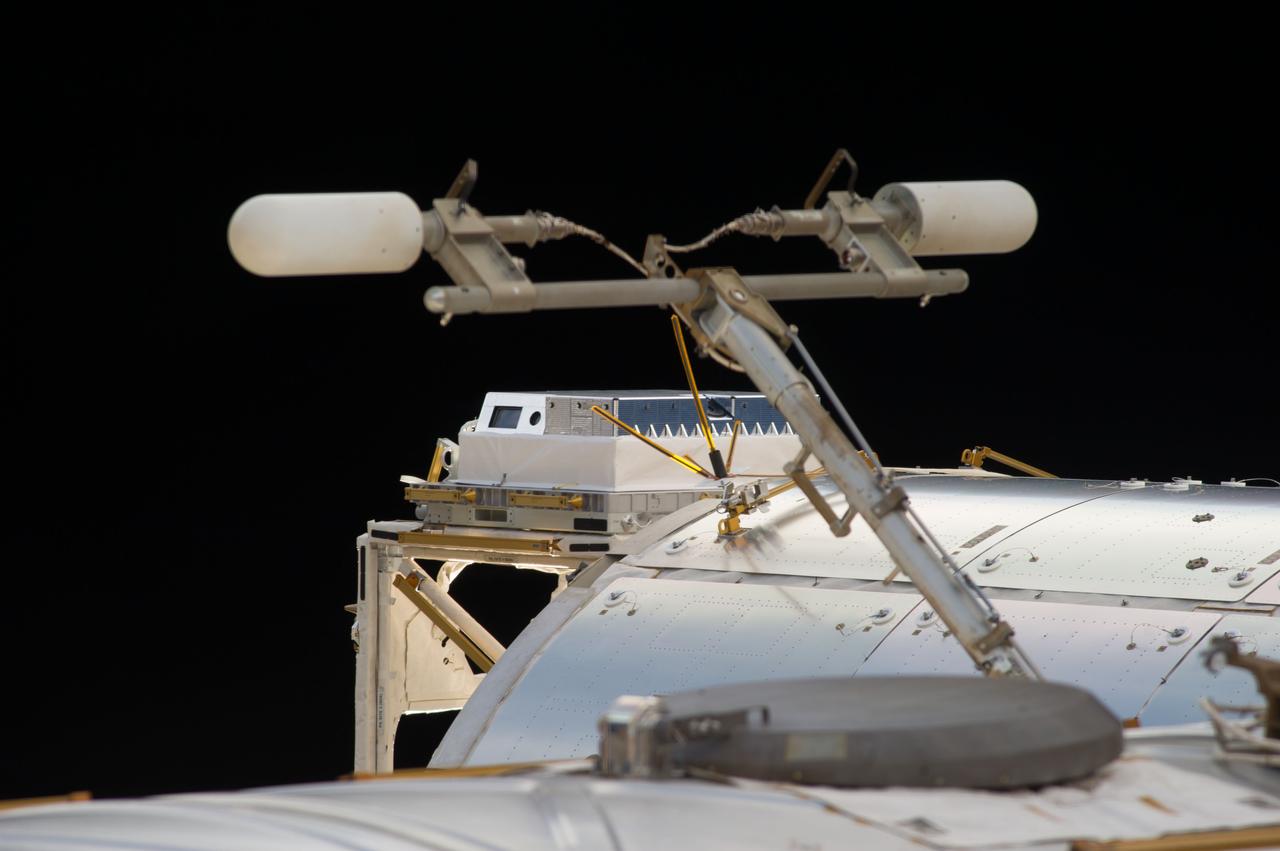
View of the High Definition Earth Viewing (HDEV) flight assembly installed on the exterior of the Columbus European Laboratory module. Image was released by astronaut on Twitter. The High Definition Earth Viewing (HDEV) experiment places four commercially available HD cameras on the exterior of the space station and uses them to stream live video of Earth for viewing online. The cameras are enclosed in a temperature specific housing and are exposed to the harsh radiation of space. Analysis of the effect of space on the video quality, over the time HDEV is operational, may help engineers decide which cameras are the best types to use on future missions. High school students helped design some of the cameras' components, through the High Schools United with NASA to Create Hardware (HUNCH) program, and student teams operate the experiment.
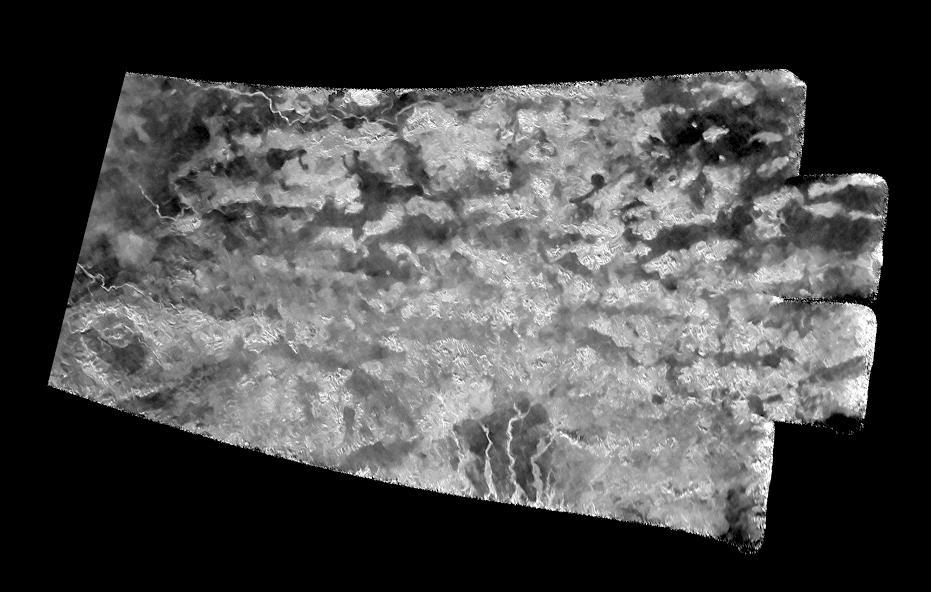
This synthetic-aperture radar (SAR) image was obtained by NASA's Cassini spacecraft on July 25, 2016, during its 'T-121' pass over Titan's southern latitudes. The improved contrast provided by the denoising algorithm helps river channels (at bottom and upper left) stand out, as well as the crater-like feature at left. The image shows an area nicknamed the "Xanadu annex" by members of the Cassini radar team, earlier in the mission. This area had not been imaged by Cassini's radar until now, but measurements of its brightness temperature from Cassini's microwave radiometer were quite similar to that of the large region on Titan named Xanadu. Cassini's radiometer is essentially a very sensitive thermometer, and brightness temperature is a measure of the intensity of microwave radiation received from a feature by the instrument. Radar team members predicted at the time that, if this area were ever imaged, it would be similar in appearance to Xanadu, which lies just to the north. That earlier hunch appears to have been borne out, as features in this scene bear a strong similarity to the mountainous terrains Cassini's radar has imaged in Xanadu. Xanadu -- and now perhaps its annex -- remains something of a mystery. First imaged in 1994 by the Hubble Space Telescope (just three years before Cassini's launch from Earth), Xanadu was the first surface feature to be recognized on Titan. Once thought to be a raised plateau, the region is now understood to be slightly tilted, but not higher than, the darker surrounding regions. It blocks the formation of sand dunes, which otherwise extend all the way around Titan at its equator. The image was taken by the Cassini Synthetic Aperture radar (SAR) on July 25, 2016 during the mission's 122nd targeted Titan encounter. The image has been modified by the denoising method described in A. Lucas, JGR:Planets (2014). http://photojournal.jpl.nasa.gov/catalog/PIA20714

This synthetic-aperture radar (SAR) image was obtained by NASA's Cassini spacecraft on July 25, 2016, during its "T-121" pass over Titan's southern latitudes. The image shows an area nicknamed the "Xanadu annex" by members of the Cassini radar team, earlier in the mission. This area had not been imaged by until now, but measurements of its brightness temperature from Cassini's microwave radiometer were quite similar to that of the large region on Titan named Xanadu (see PIA20713), which lies just to the north. Cassini's radiometer is essentially a very sensitive thermometer, and brightness temperature is a measure of the intensity of microwave radiation received from a feature by the instrument. Radar team members predicted at the time that, if this area were ever imaged, it would be similar in appearance to Xanadu. That earlier hunch appears to have been borne out, as features in this scene bear a strong similarity to the mountainous terrains Cassini's radar has imaged in Xanadu. Xanadu -- and now perhaps its annex -- remains something of a mystery. First imaged in 1994 by the Hubble Space Telescope (just three years before Cassini's launch from Earth), Xanadu was the first surface feature to be recognized on Titan. Once thought to be a raised plateau, the region is now understood to be slightly tilted, but not higher than, the darker surrounding regions. It blocks the formation of sand dunes, which otherwise extend all the way around Titan at its equator. The area shown here is illuminated by the radar from the bottom at a 30-degree incidence angle. It measures about 155 by 310 miles (250 by 500 kilometers) and is centered at about 30 degrees south latitude, 60 degrees west longitude. http://photojournal.jpl.nasa.gov/catalog/PIA20712