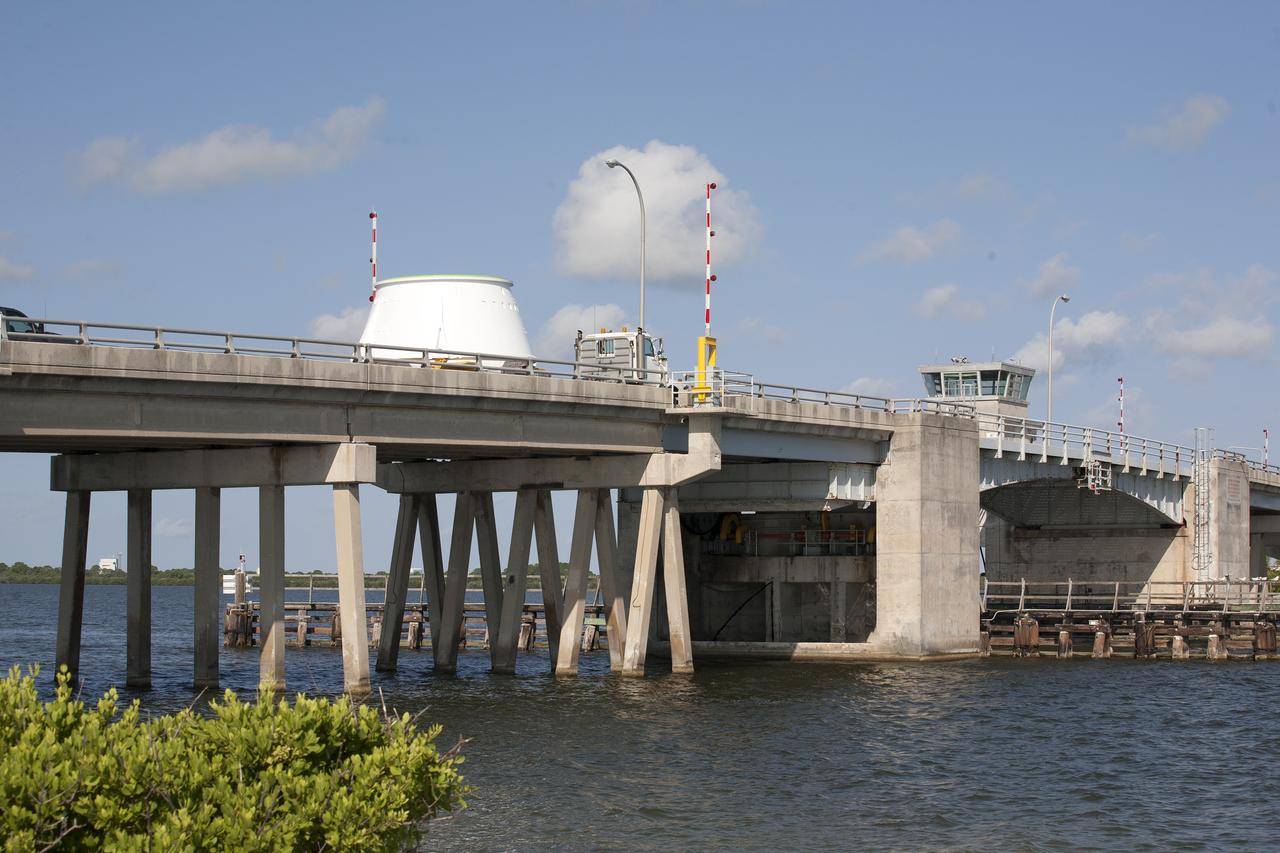
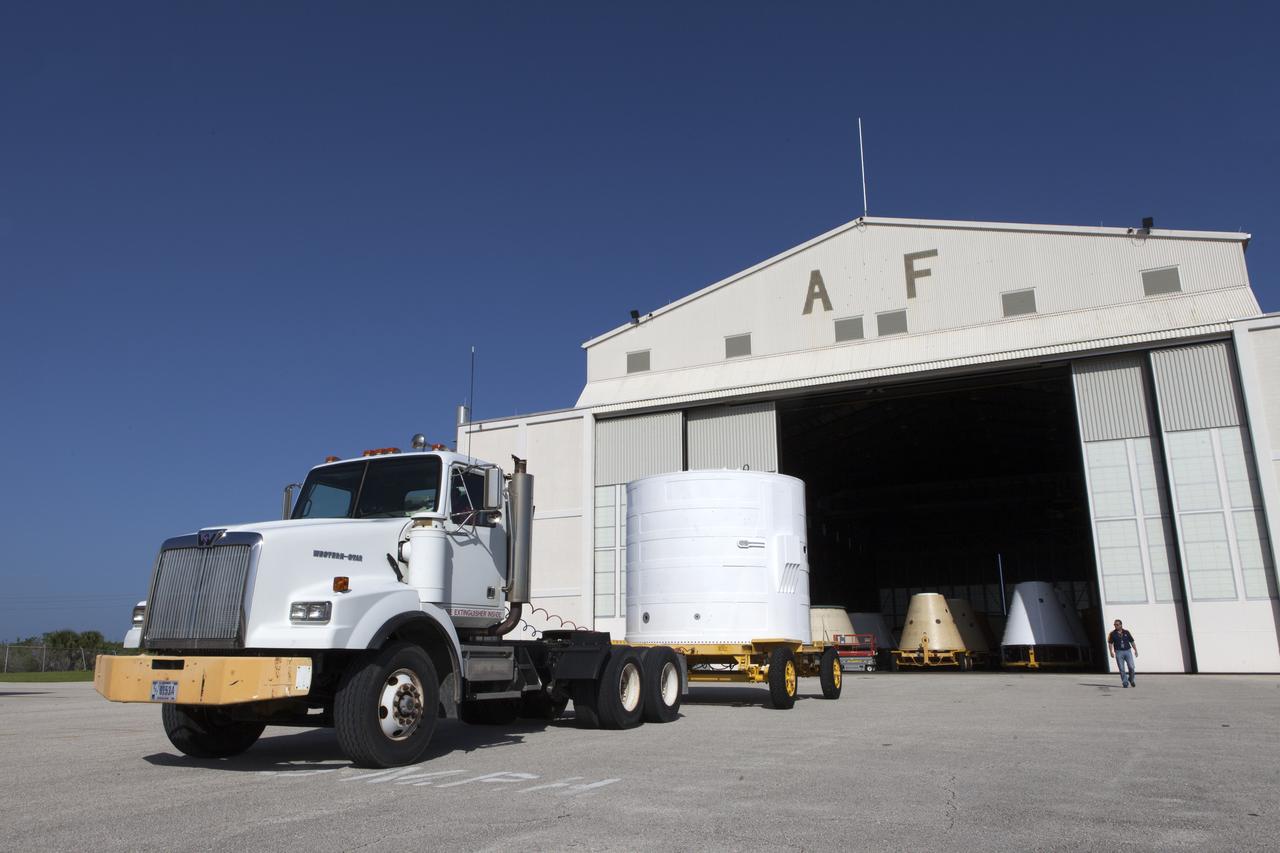
The left hand aft skirt for NASA’s Space Launch System (SLS) rocket is transported across the Roy D. Bridges Bridge from the Hangar AF facility at Cape Canaveral Air Force Station in Florida, on its way to the Booster Fabrication Facility at the agency’s Kennedy Space Center. The space shuttle-era aft skirt, was inspected, resurfaced, primed and painted for use on the left hand booster of the SLS rocket for Exploration Mission 1 (EM-1). NASA is preparing for EM-1, deep-space missions, and the journey to Mars.
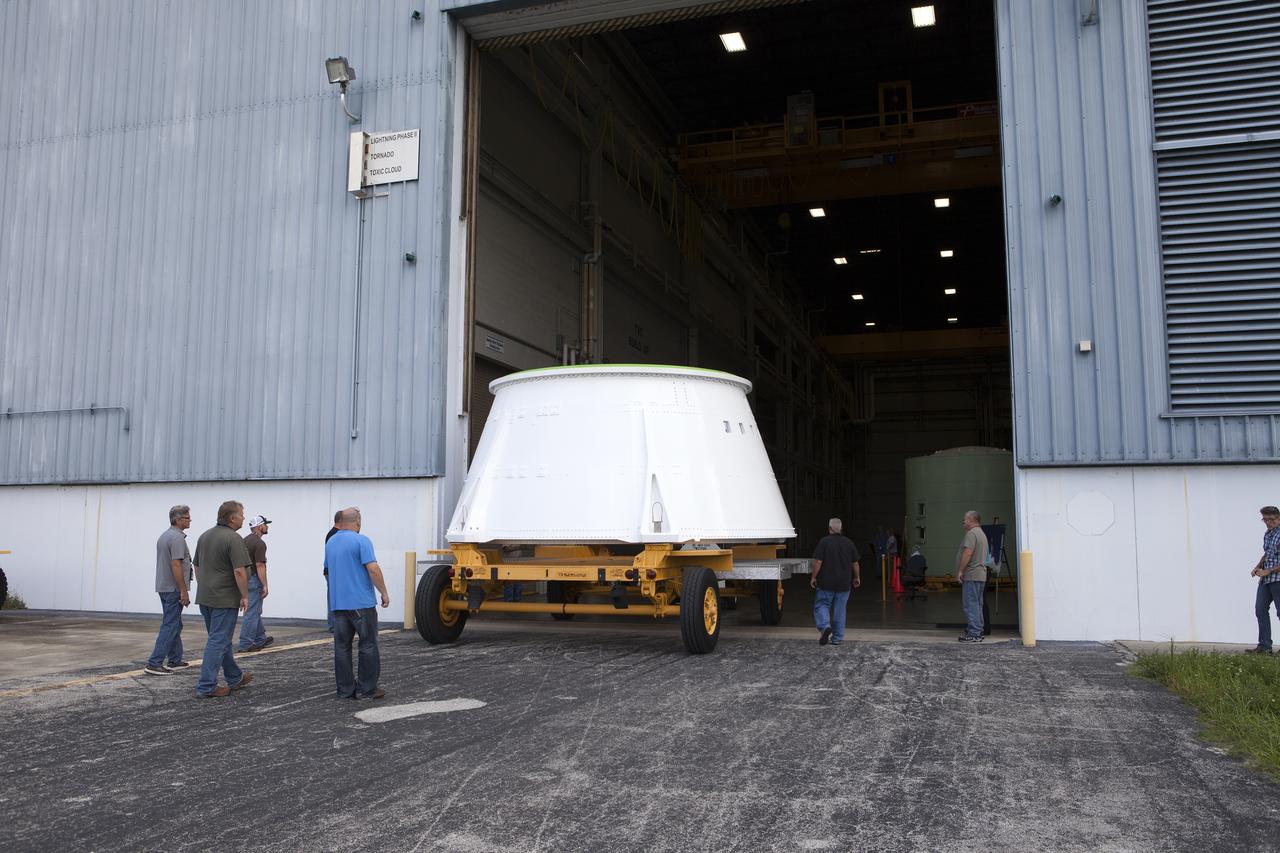
The left hand aft skirt for NASA’s Space Launch System (SLS) rocket is moved inside the Booster Fabrication Facility at the agency’s Kennedy Space Center in Florida. The aft skirt arrived from the Hangar AF facility at Cape Canaveral Air Force Station. The space shuttle-era aft skirt, was inspected, resurfaced, primed and painted for use on the left hand booster of the SLS rocket for Exploration Mission 1 (EM-1). NASA is preparing for EM-1, deep-space missions, and the journey to Mars.
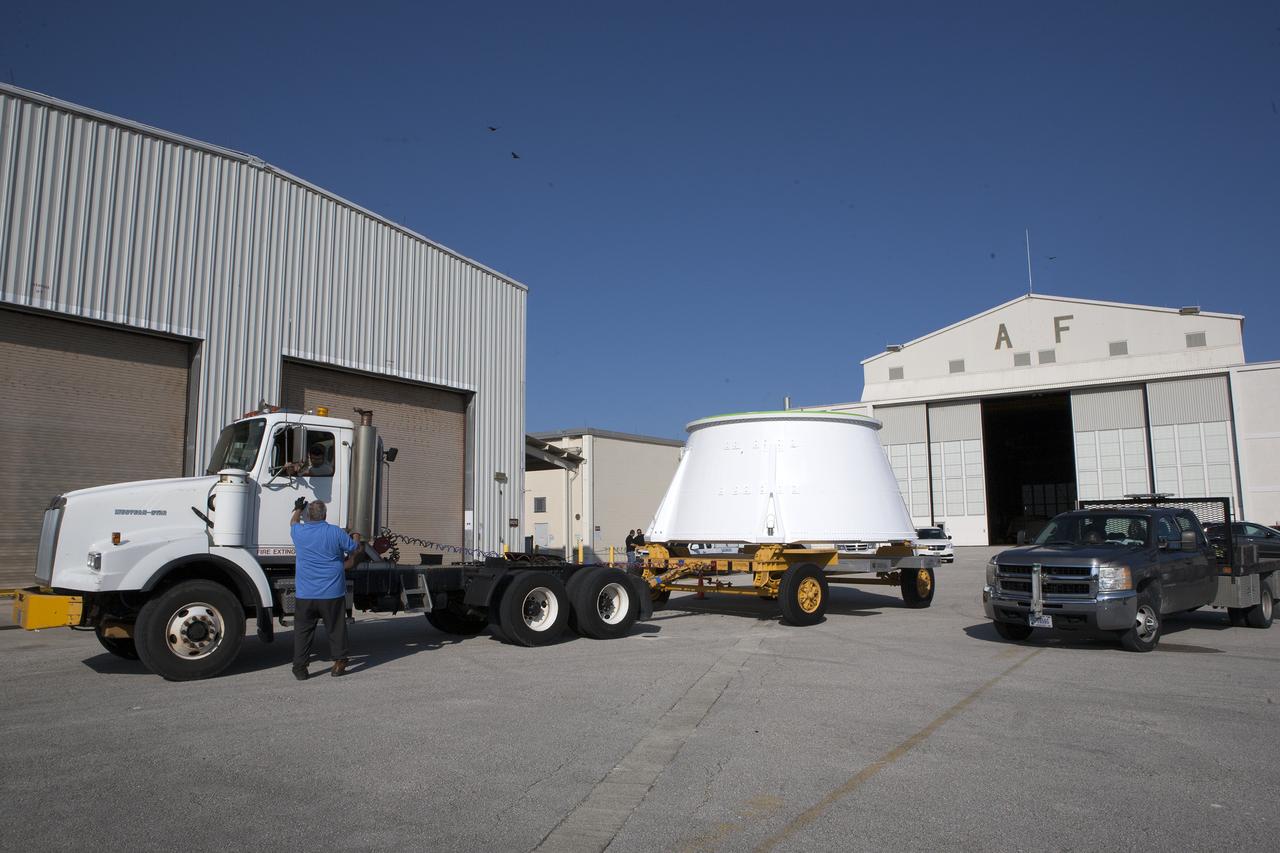
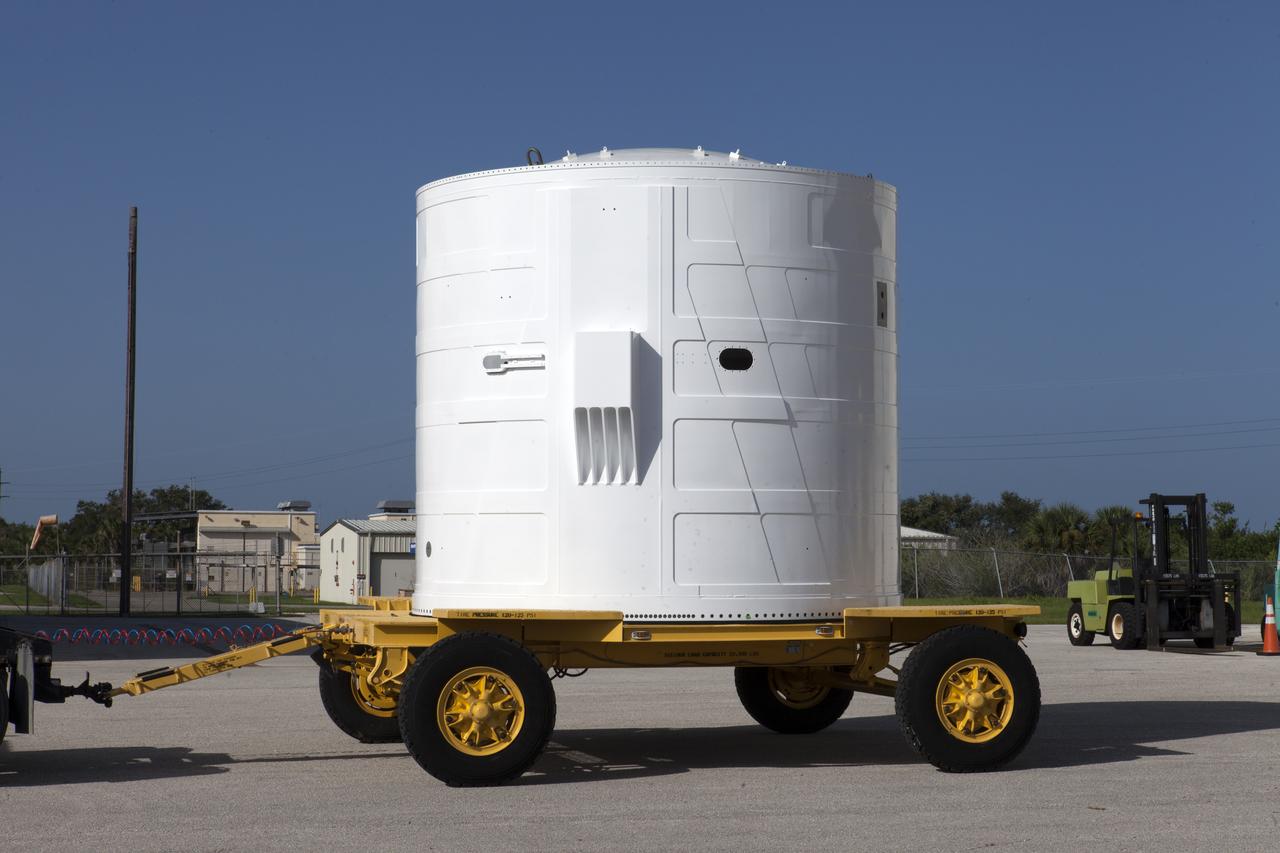
The left hand aft skirt for NASA’s Space Launch System (SLS) rocket is prepared for the move from the Hangar AF facility at Cape Canaveral Air Force Station in Florida, to the Booster Fabrication Facility at the agency’s Kennedy Space Center. The space shuttle-era aft skirt, was inspected, resurfaced, primed and painted for use on the left hand booster of the SLS rocket for Exploration Mission 1 (EM-1). NASA is preparing for EM-1, deep-space missions, and the journey to Mars.
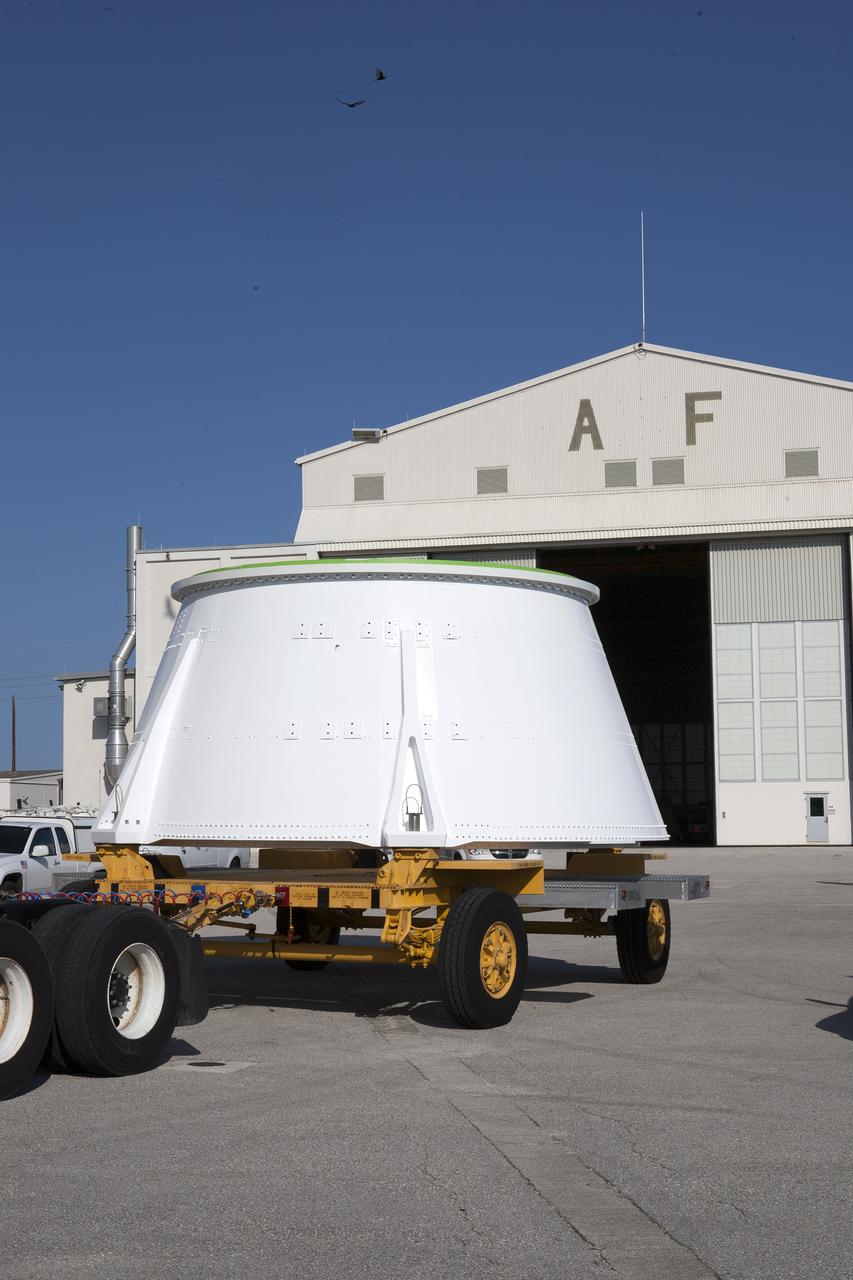
The left hand aft skirt for NASA’s Space Launch System (SLS) rocket is prepared for the move from the Hangar AF facility at Cape Canaveral Air Force Station in Florida, to the Booster Fabrication Facility at the agency’s Kennedy Space Center. The space shuttle-era aft skirt, was inspected, resurfaced, primed and painted for use on the left hand booster of the SLS rocket for Exploration Mission 1 (EM-1). NASA is preparing for EM-1, deep-space missions, and the journey to Mars

The left hand aft skirt for NASA’s Space Launch System (SLS) rocket arrives at the Booster Fabrication Facility at the agency’s Kennedy Space Center in Florida, from the Hangar AF facility at Cape Canaveral Air Force Station. The space shuttle-era aft skirt, was inspected, resurfaced, primed and painted for use on the left hand booster of the SLS rocket for Exploration Mission 1 (EM-1). NASA is preparing for EM-1, deep-space missions, and the journey to Mars.
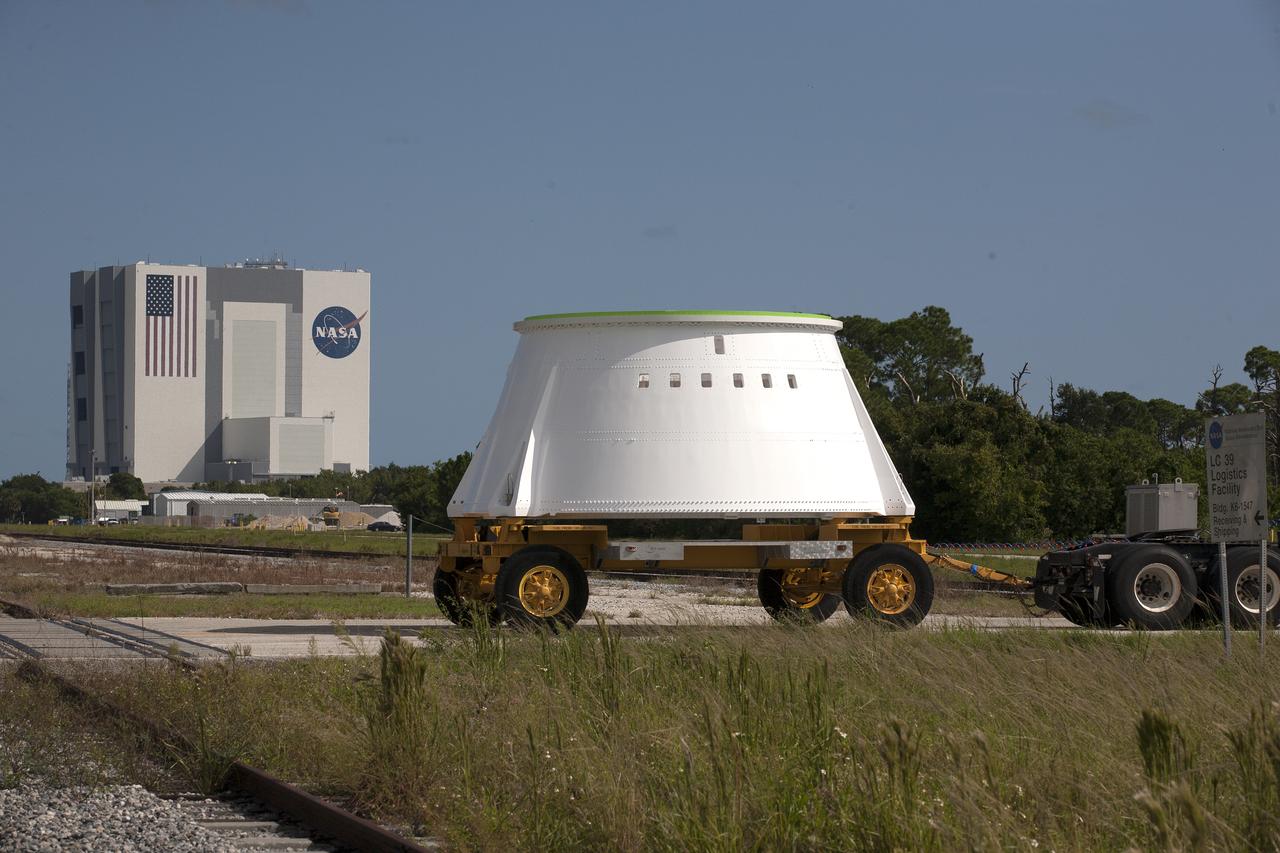
The left hand aft skirt for NASA’s Space Launch System (SLS) rocket arrives at the agency’s Kennedy Space Center in Florida, from the Hangar AF facility at Cape Canaveral Air Force Station. The aft skirt will be transported to the Booster Fabrication Facility. The space shuttle-era aft skirt, was inspected, resurfaced, primed and painted for use on the left hand booster of the SLS rocket for Exploration Mission 1 (EM-1). NASA is preparing for EM-1, deep-space missions, and the journey to Mars.
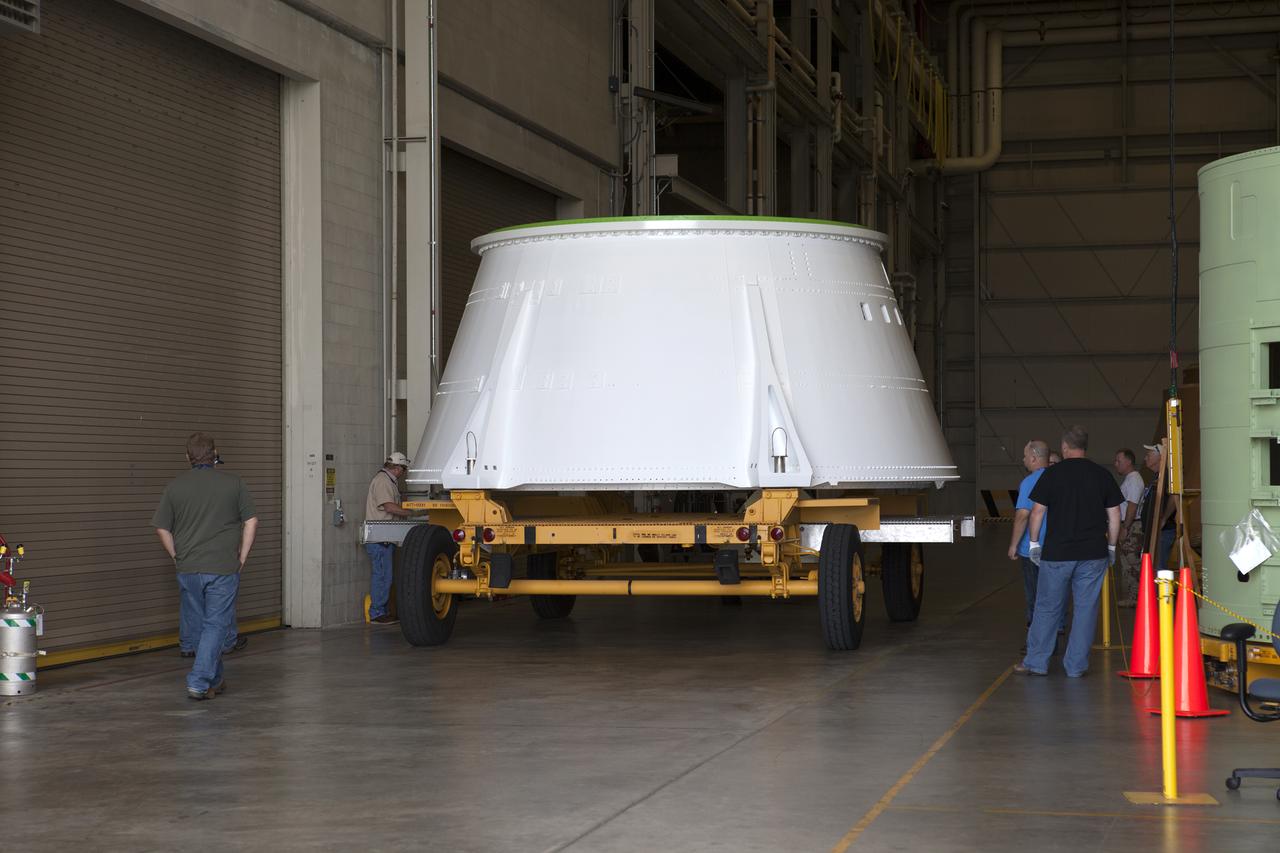
The left hand aft skirt for NASA’s Space Launch System (SLS) rocket is moved inside the Booster Fabrication Facility at the agency’s Kennedy Space Center in Florida. The aft skirt arrived from the Hangar AF facility at Cape Canaveral Air Force Station. The space shuttle-era aft skirt, was inspected, resurfaced, primed and painted for use on the left hand booster of the SLS rocket for Exploration Mission 1 (EM-1). NASA is preparing for EM-1, deep-space missions, and the journey to Mars.
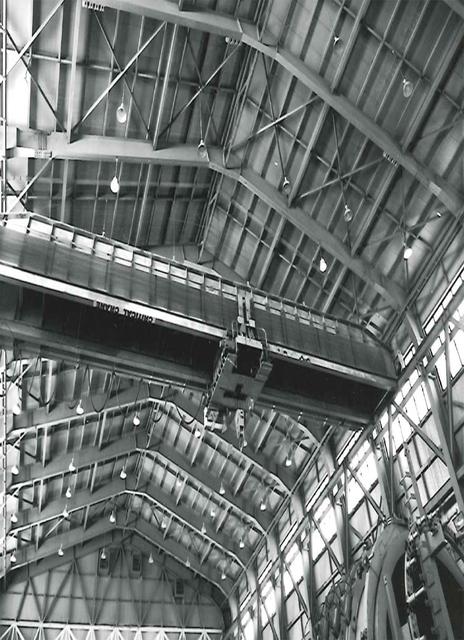
Interior View of Hangar AF Complex
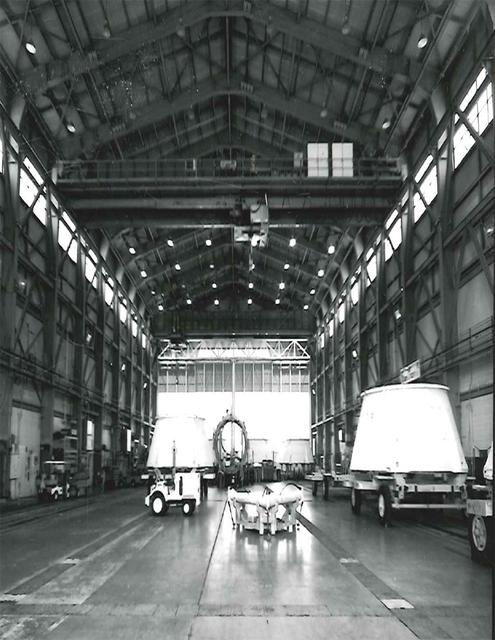
Interior View of Hangar AF Complex
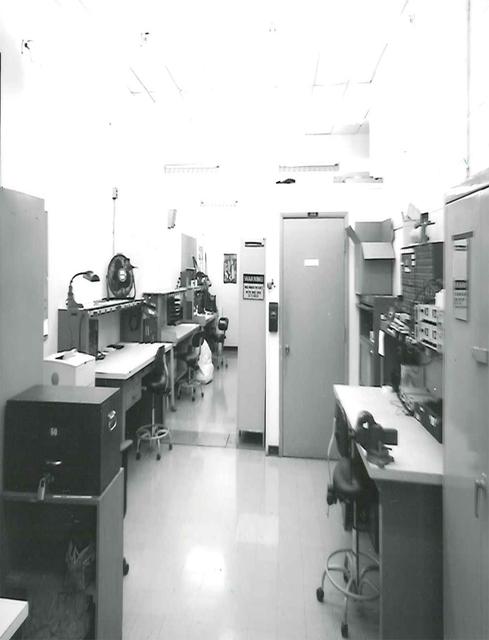
Interior View of Hangar AF Complex
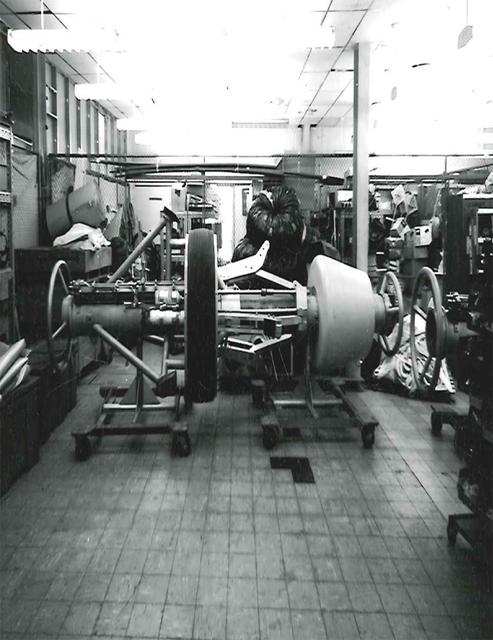
Interior View of Hangar AF Complex
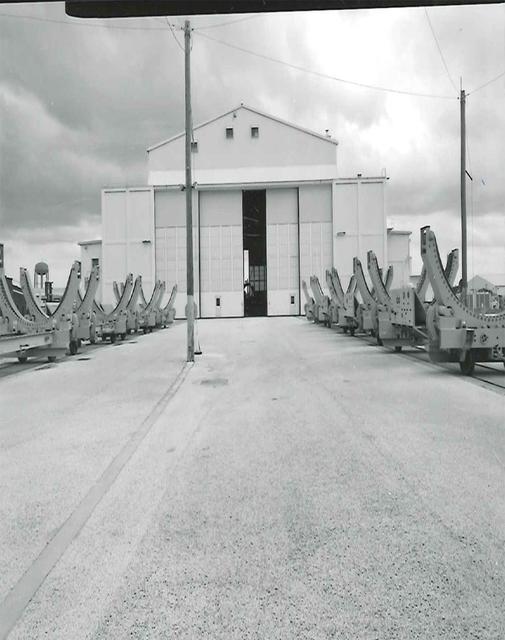
Exterior View of Hangar AF Complex
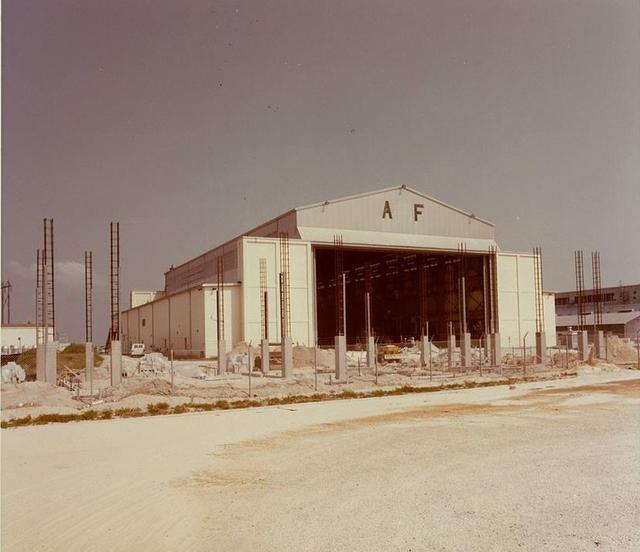
Exterior View of Hangar AF Complex
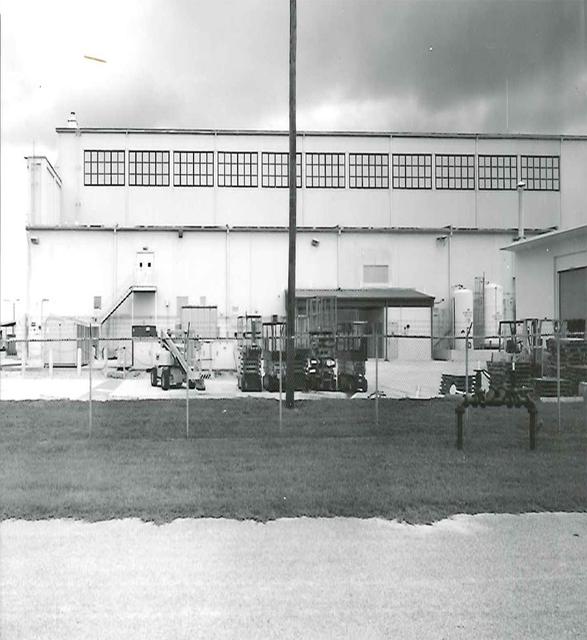
Exterior View of Hangar AF Complex
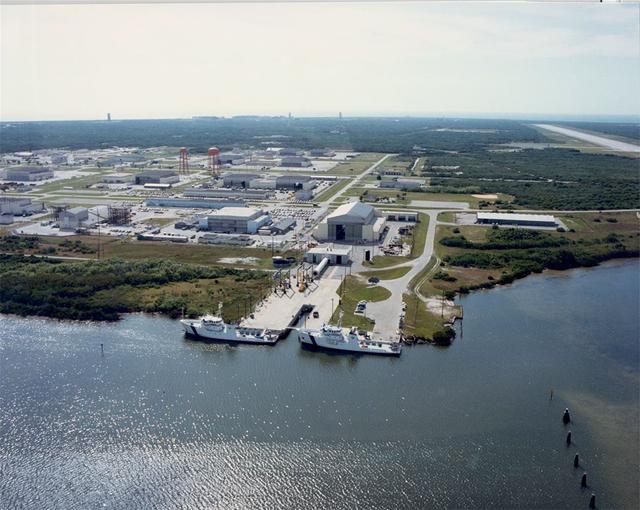
Aerial View of Hangar AF Complex
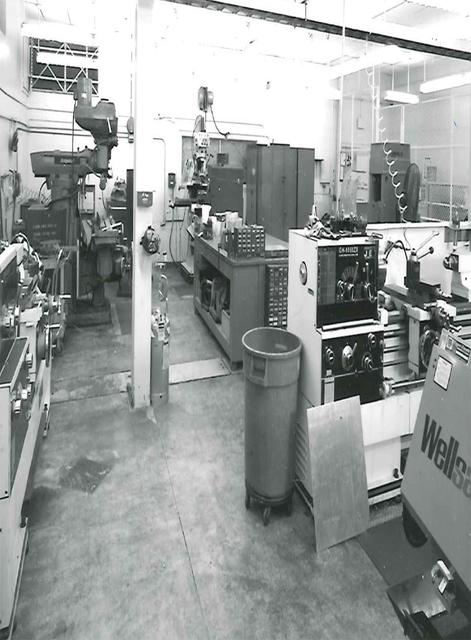
Interior View of Hangar AF Complex
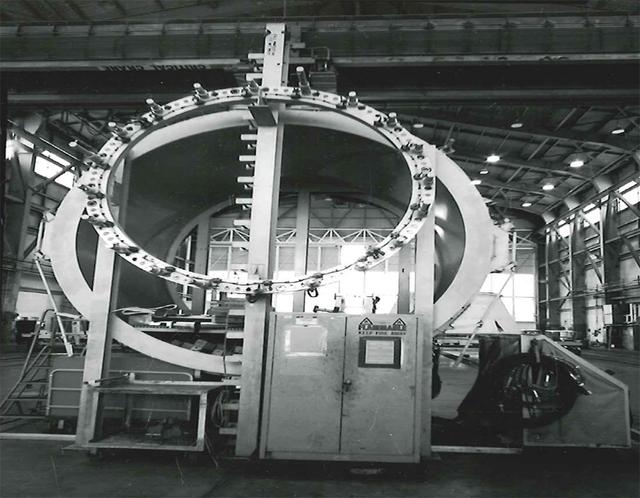
Interior View of Hangar AF Complex
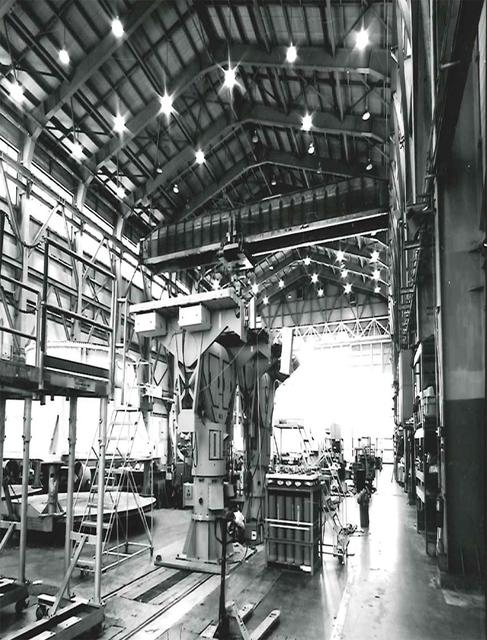
Interior View of Hangar AF Complex
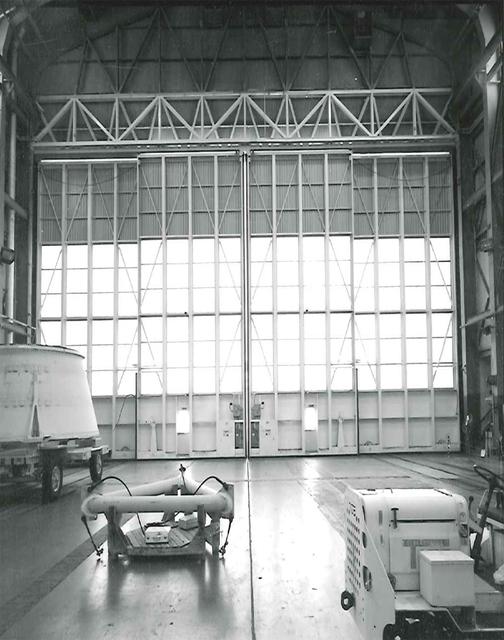
Interior View of Hangar AF Complex
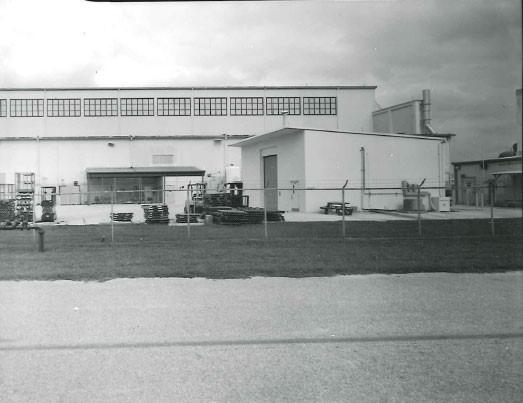
Exterior View of Hangar AF Complex
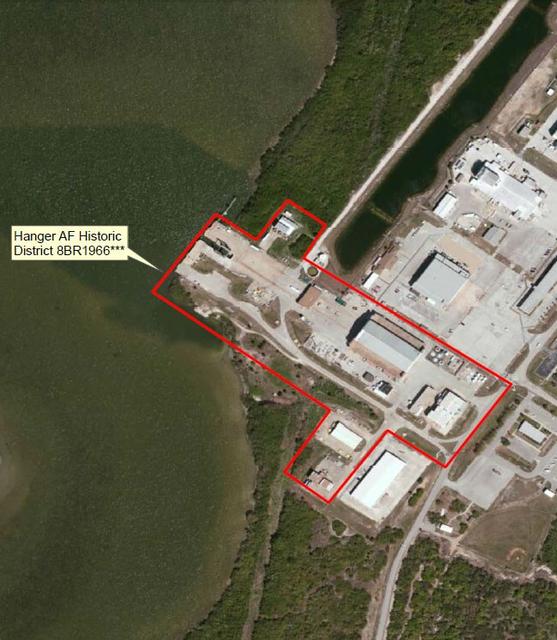
Aerial View of Hangar AF Complex
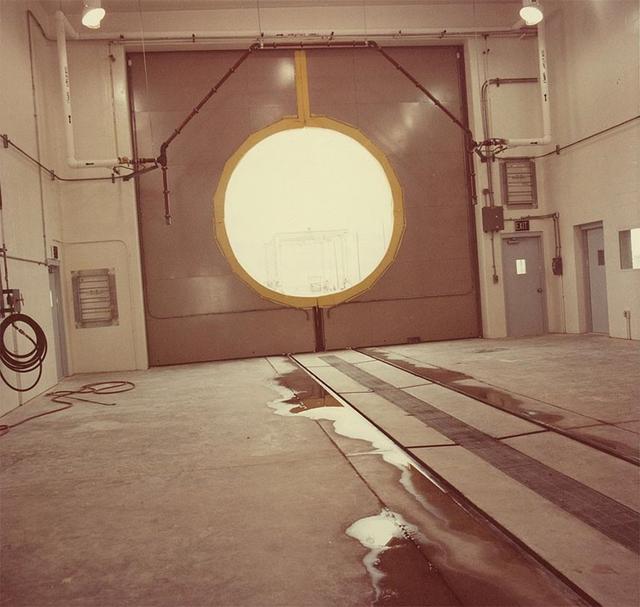
Exterior View of Hangar AF Complex
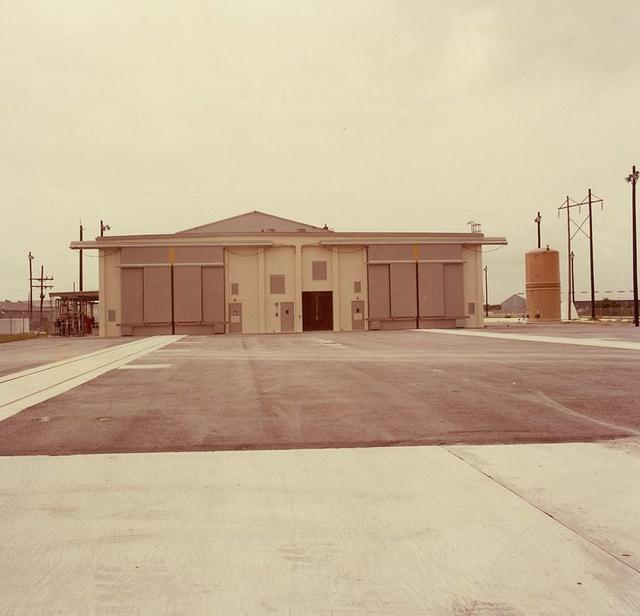
Exterior View of Hangar AF Complex
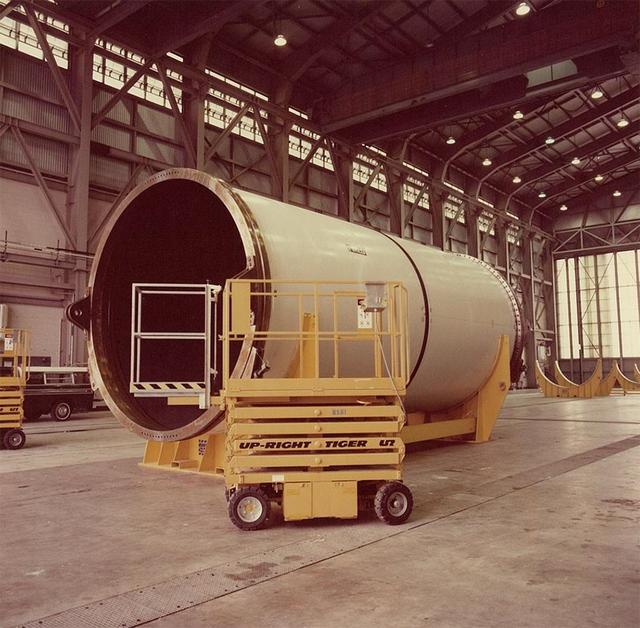
Exterior View of Hangar AF Complex
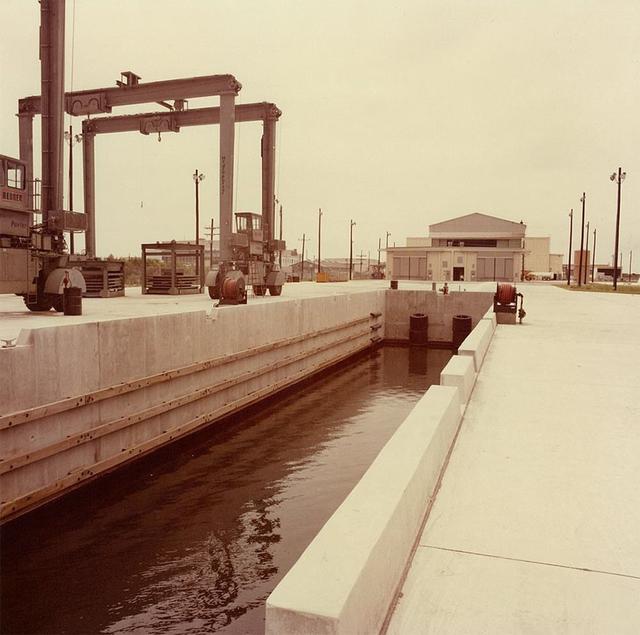
Exterior View of Hangar AF Complex
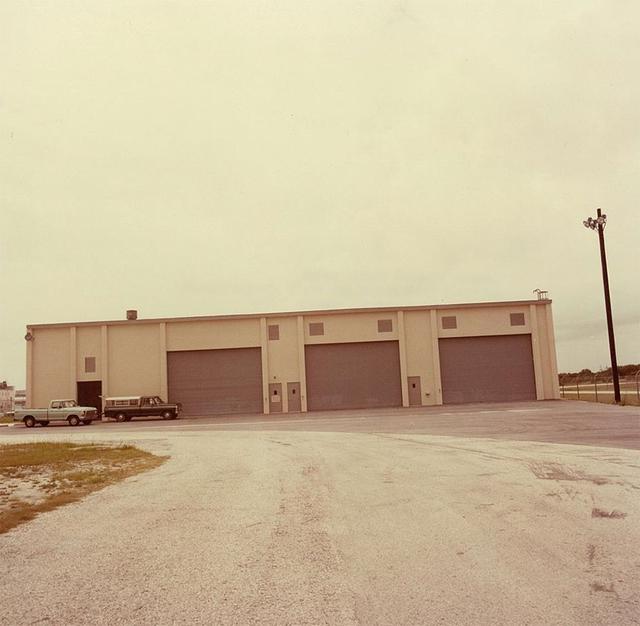
Exterior View of Hangar AF Complex
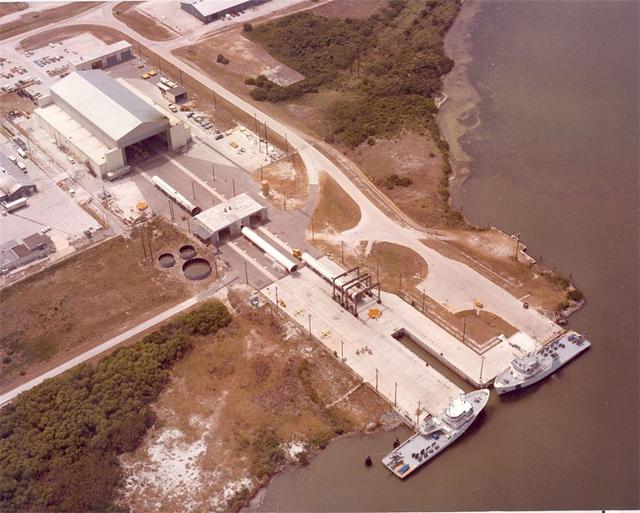
Aerial View of Hangar AF Complex
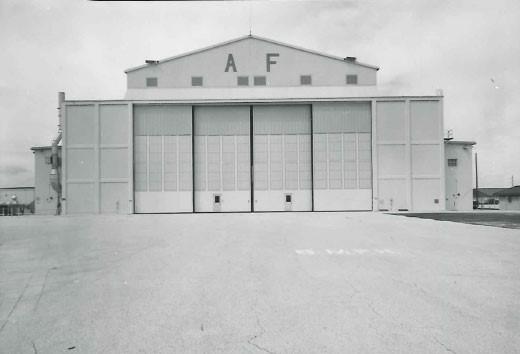
Exterior View of Hangar AF Complex
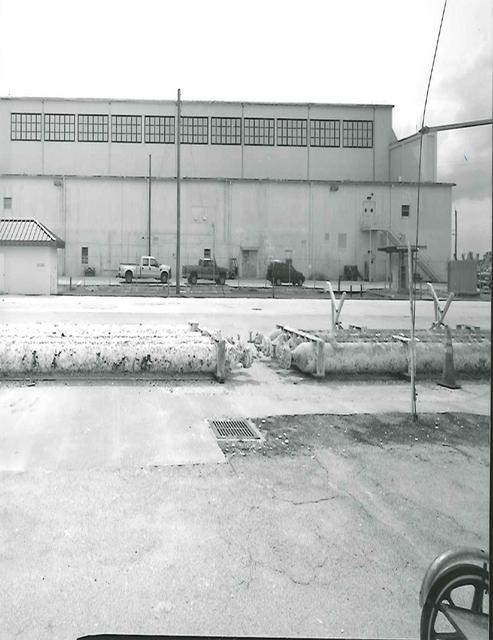
Exterior View of Hangar AF Complex
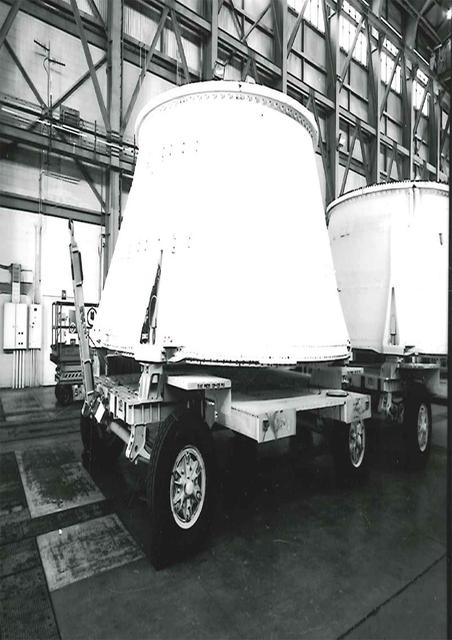
Interior View of Hangar AF Complex
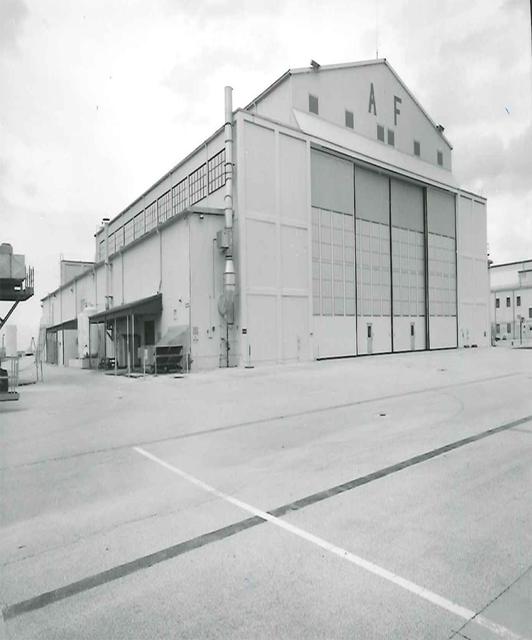
Exterior View of Hangar AF Complex
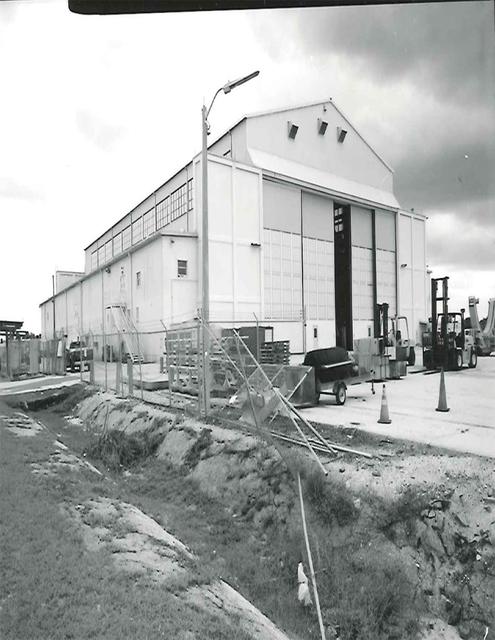
Exterior View of Hangar AF Complex
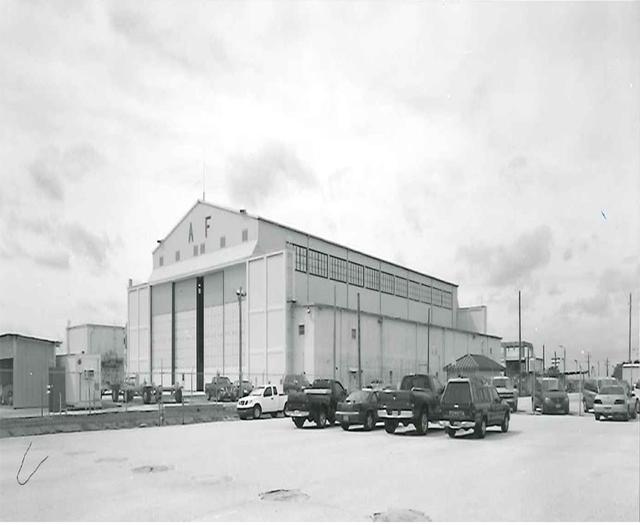
Exterior View of Hangar AF Complex
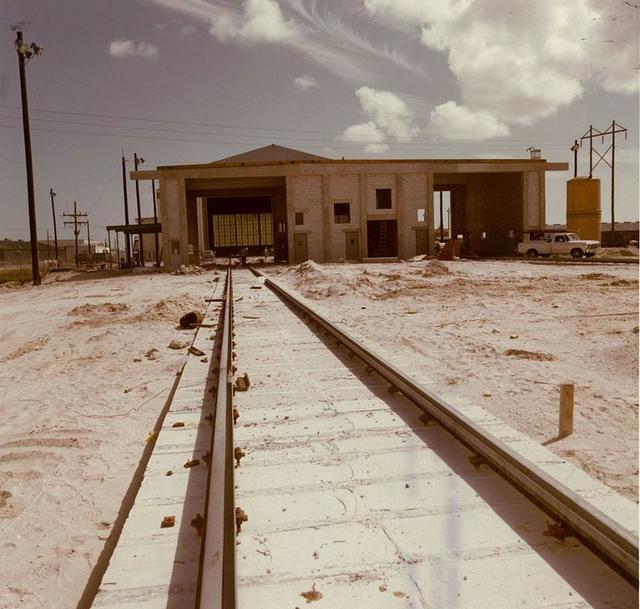
Exterior View of Hangar AF Complex
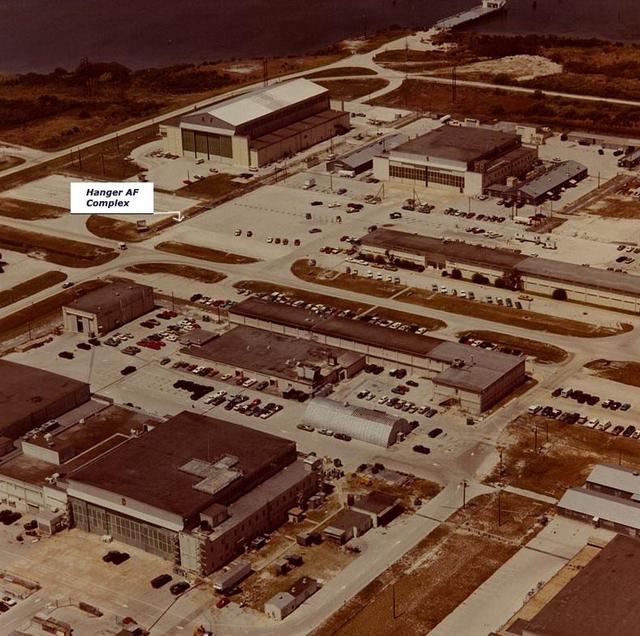
Aerial View of Hangar AF Complex
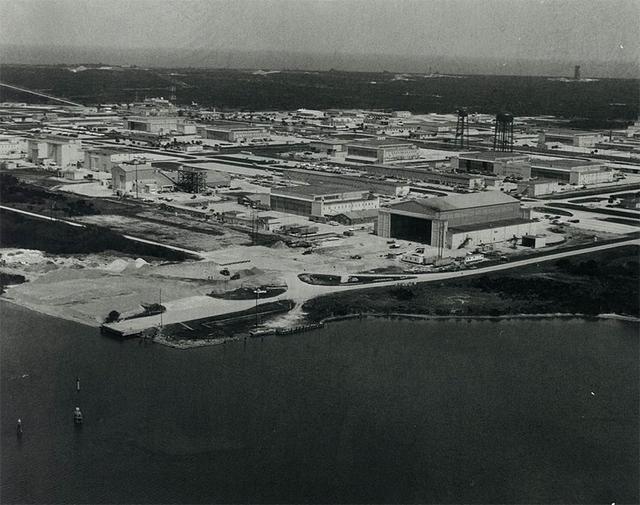
Aerial View of Hangar AF Complex
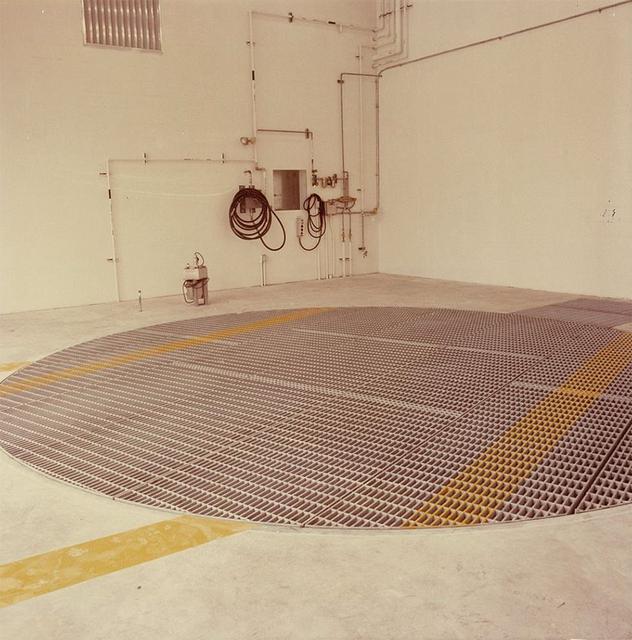
Exterior View of Hangar AF Complex
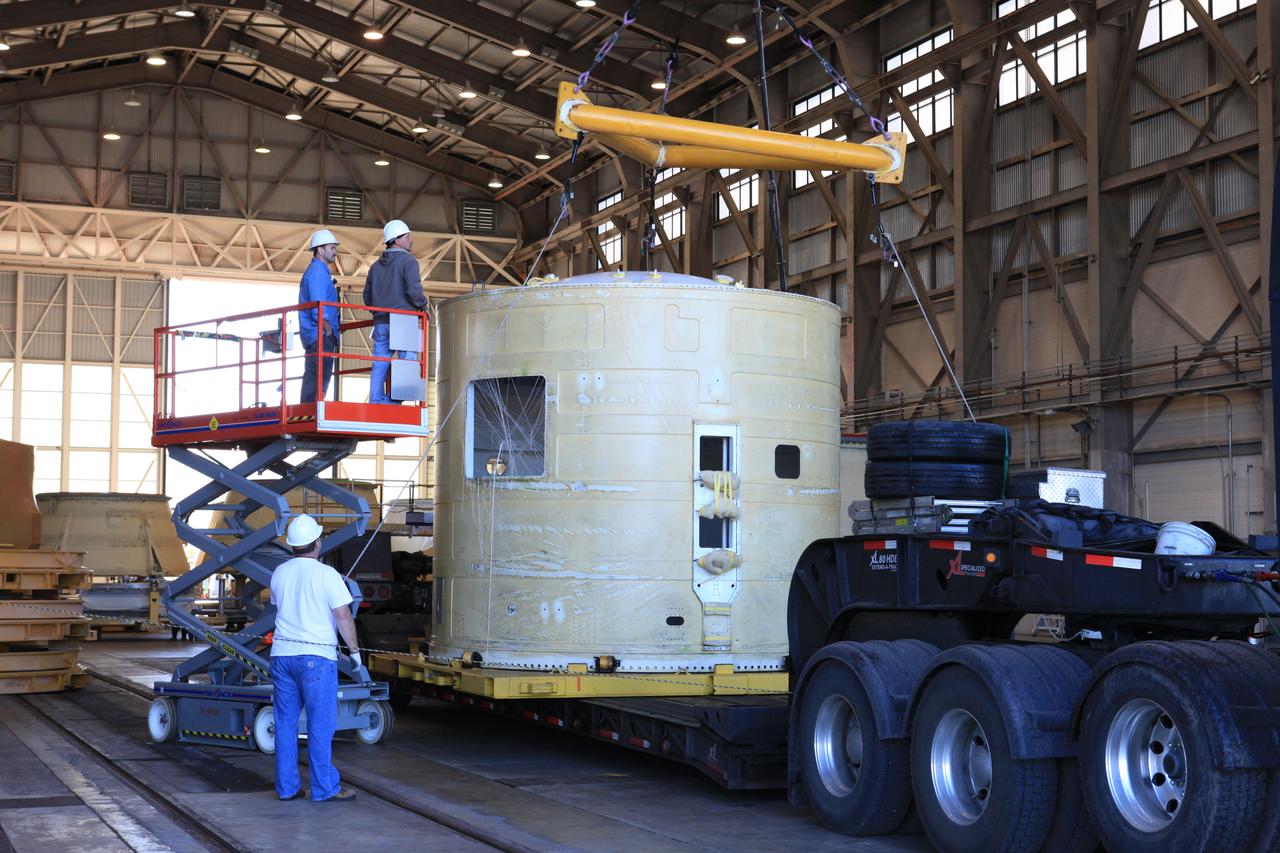
Inside the Hangar AF facility at Cape Canaveral Air Force Station in Florida, technicians with Orbital ATK monitor the progress as a crane is attached to the left-hand forward skirt for NASA's Space Launch System (SLS) solid rocket boosters. The forward skirt was transported from booster prime contractor Orbital ATK in Promontory, Utah. The forward skirt will be staged in Hangar AF where refurbishment will continue. It will be inspected and prepared for use on the left-hand solid rocket booster for Exploration Mission 1. NASA's Orion spacecraft will fly atop the SLS rocket on its first uncrewed flight test.
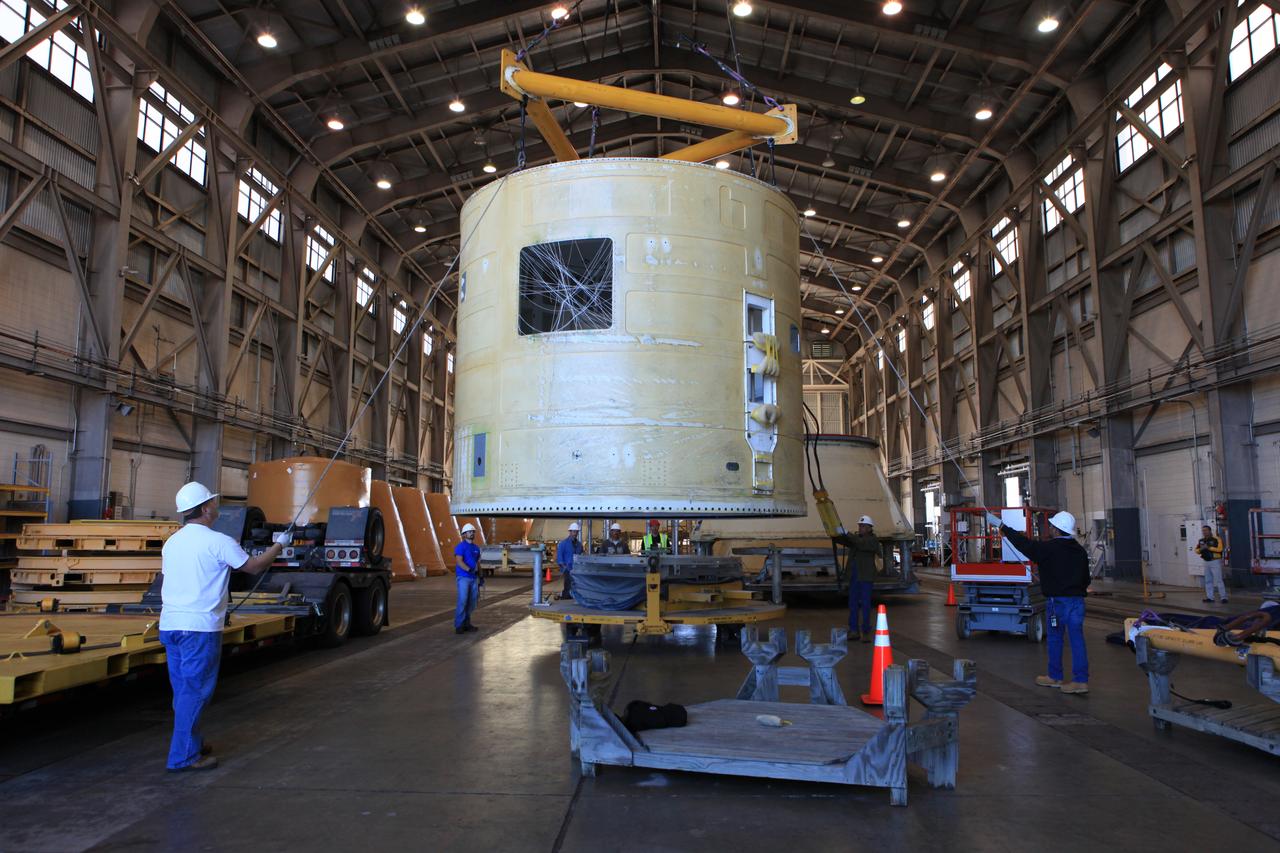
Technicians with Orbital ATK assist as a crane moves the left-hand forward skirt for NASA's Space Launch System (SLS) solid rocket boosters to a stand inside the Hangar AF facility at Cape Canaveral Air Force Station in Florida. The forward skirt was transported from booster prime contractor Orbital ATK in Promontory, Utah. The forward skirt will be staged in Hangar AF where refurbishment will continue. It will be inspected and prepared for use on the left-hand solid rocket booster for Exploration Mission 1. NASA's Orion spacecraft will fly atop the SLS rocket on its first uncrewed flight test.
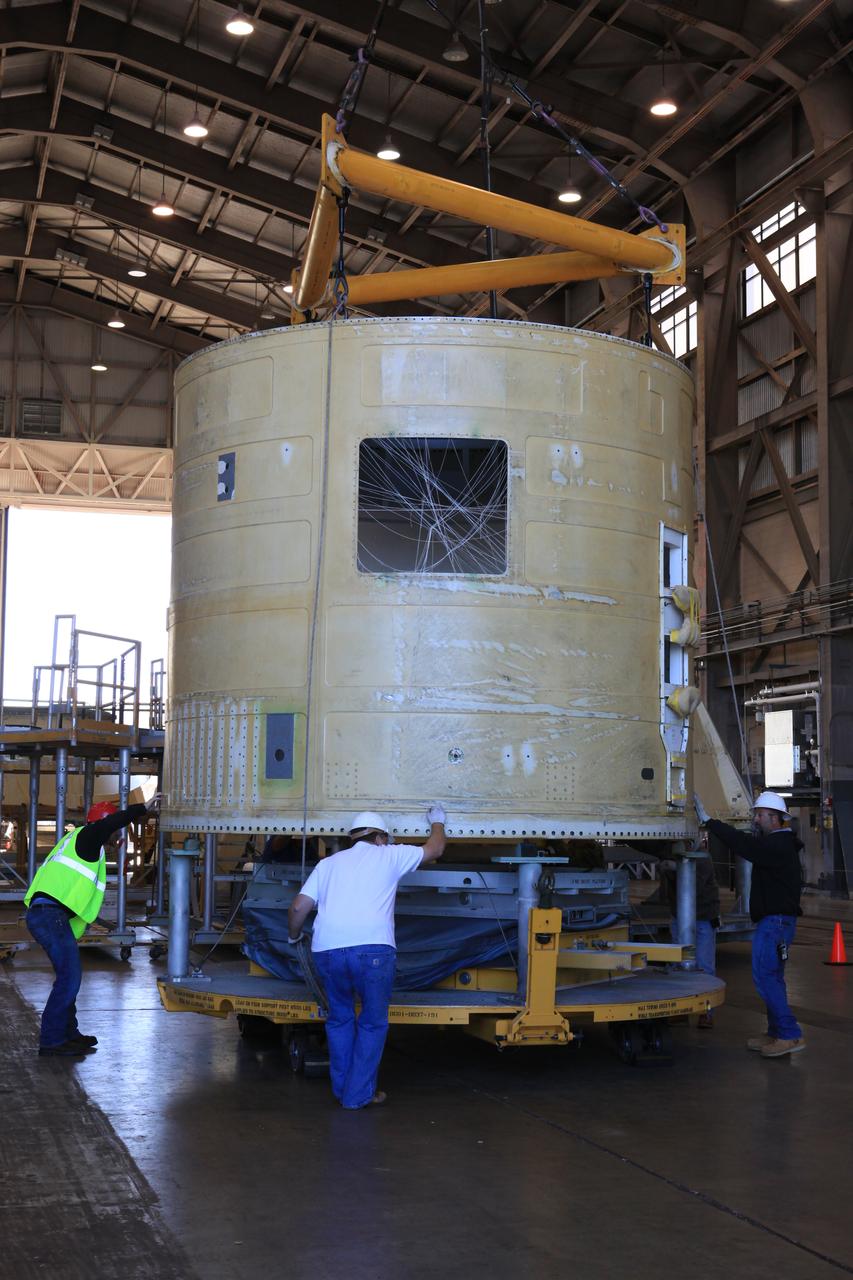
Technicians with Orbital ATK assist as a crane lowers the left-hand forward skirt for NASA's Space Launch System (SLS) solid rocket boosters onto a stand inside the Hangar AF facility at Cape Canaveral Air Force Station in Florida. The forward skirt was transported from booster prime contractor Orbital ATK in Promontory, Utah. The forward skirt will be staged in Hangar AF where refurbishment will continue. It will be inspected and prepared for use on the left-hand solid rocket booster for Exploration Mission 1. NASA's Orion spacecraft will fly atop the SLS rocket on its first uncrewed flight test.
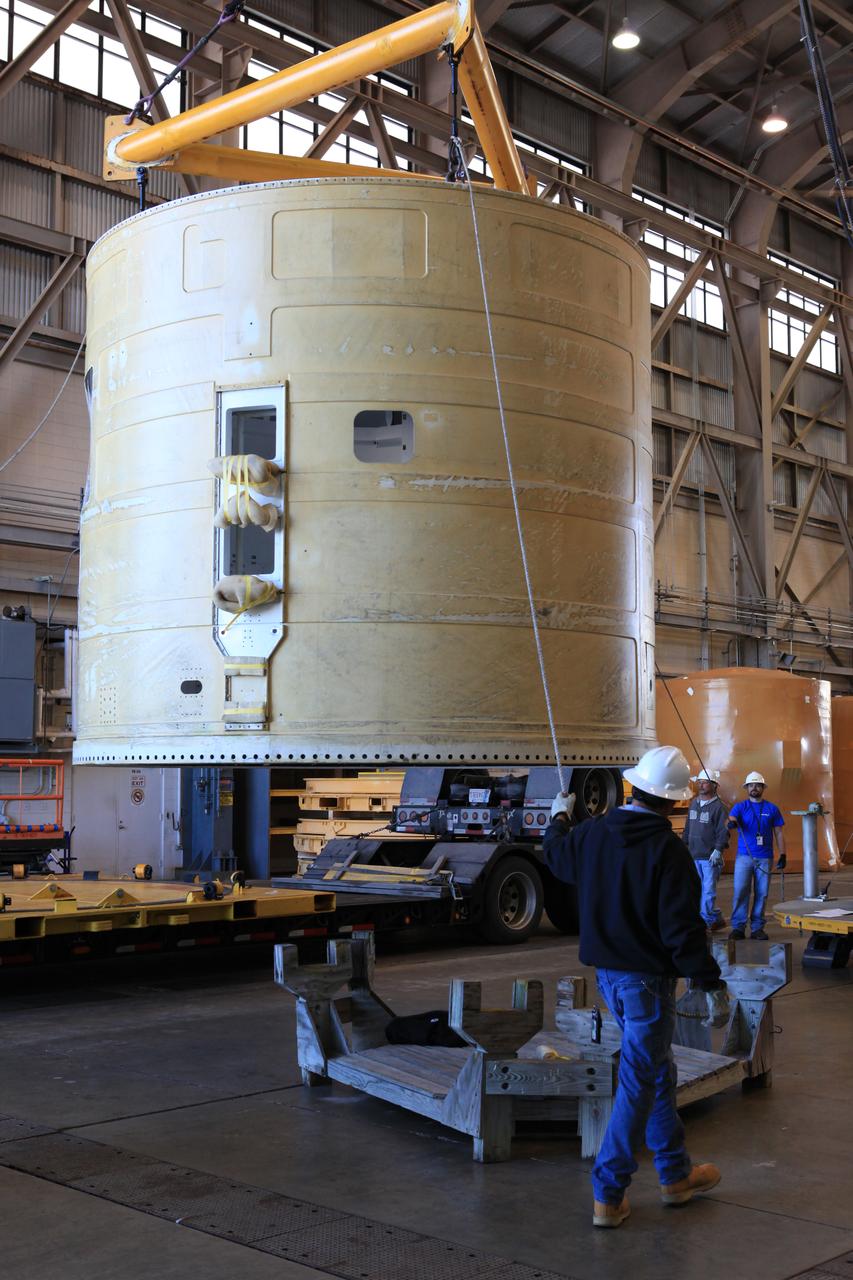
Technicians with Orbital ATK assist as a crane lifts the left-hand forward skirt for NASA's Space Launch System (SLS) solid rocket boosters away from a flatbed truck inside the Hangar AF facility at Cape Canaveral Air Force Station in Florida. The forward skirt was transported from booster prime contractor Orbital ATK in Promontory, Utah. The forward skirt will be staged in Hangar AF where refurbishment will continue. It will be inspected and prepared for use on the left-hand solid rocket booster for Exploration Mission 1. NASA's Orion spacecraft will fly atop the SLS rocket on its first uncrewed flight test.
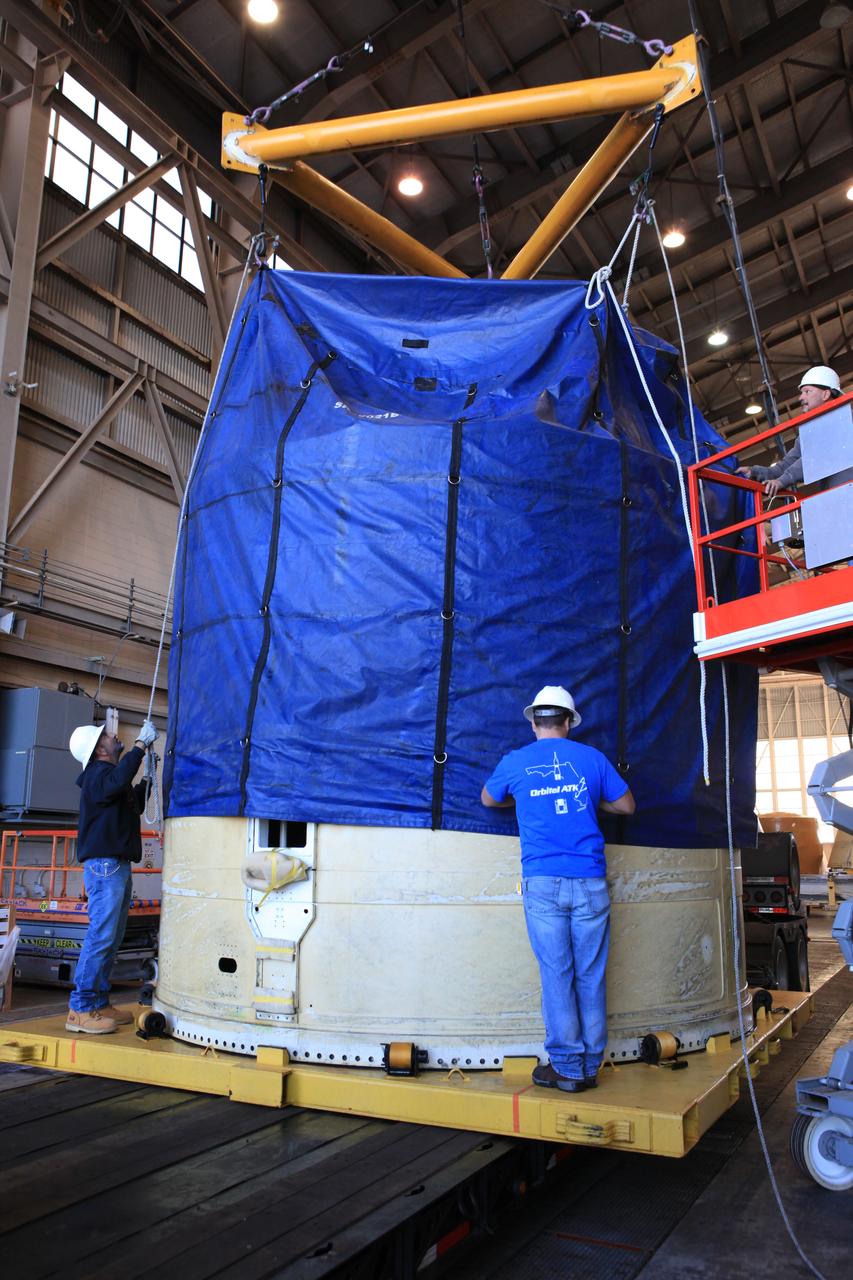
Technicians with Orbital ATK help remove the protective covering from the left-hand forward skirt for NASA's Space Launch System (SLS) solid rocket boosters inside the Hangar AF facility at Cape Canaveral Air Force Station in Florida. The forward skirt was transported from booster prime contractor Orbital ATK in Promontory, Utah. The forward skirt will be staged in Hangar AF where refurbishment will continue. It will be inspected and prepared for use on the left-hand solid rocket booster for Exploration Mission 1. NASA's Orion spacecraft will fly atop the SLS rocket on its first uncrewed flight test.
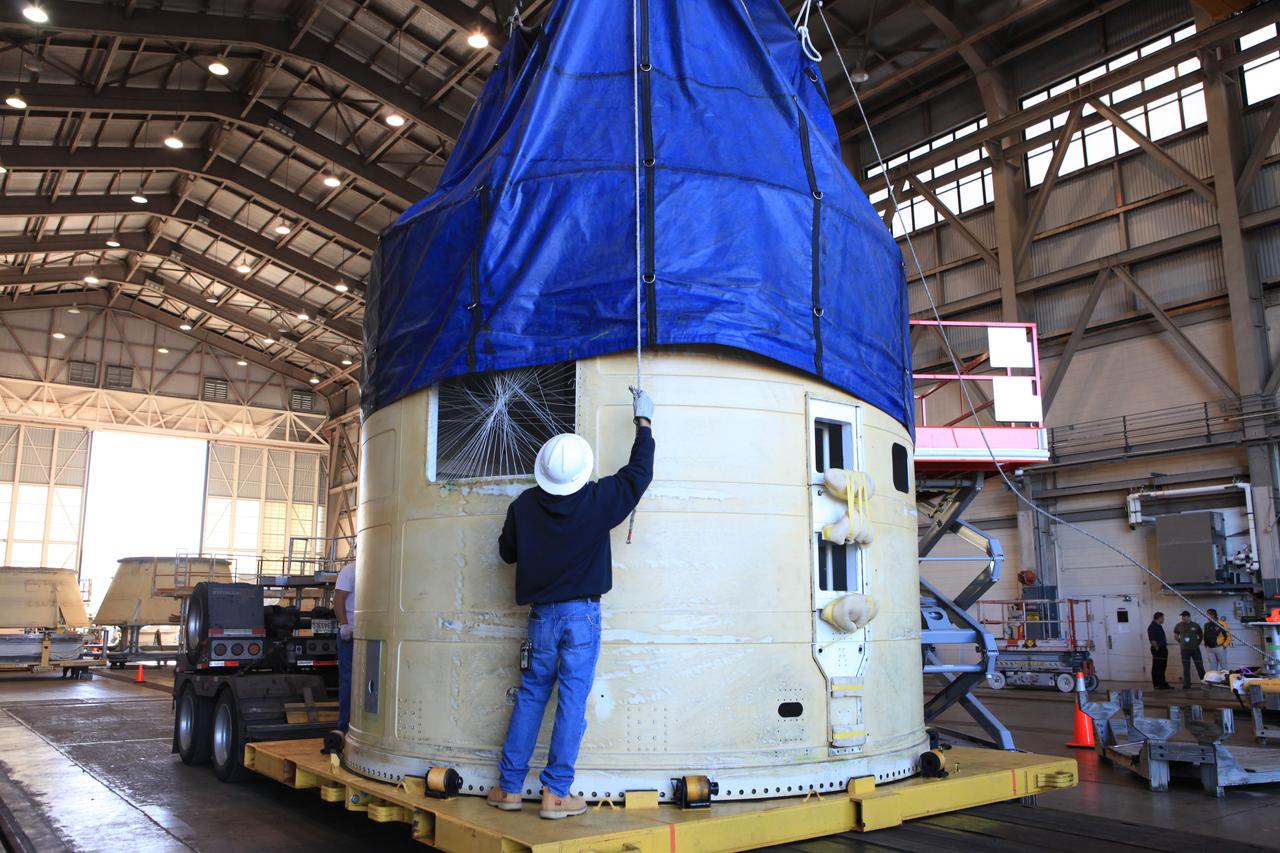
Technicians with Orbital ATK assist as a crane is used to lift the protective covering off of the left-hand forward skirt for NASA's Space Launch System (SLS) solid rocket boosters inside the Hangar AF facility at Cape Canaveral Air Force Station in Florida. The forward skirt was transported from booster prime contractor Orbital ATK in Promontory, Utah. The forward skirt will be staged in Hangar AF where refurbishment will continue. It will be inspected and prepared for use on the left-hand solid rocket booster for Exploration Mission 1. NASA's Orion spacecraft will fly atop the SLS rocket on its first uncrewed flight test.
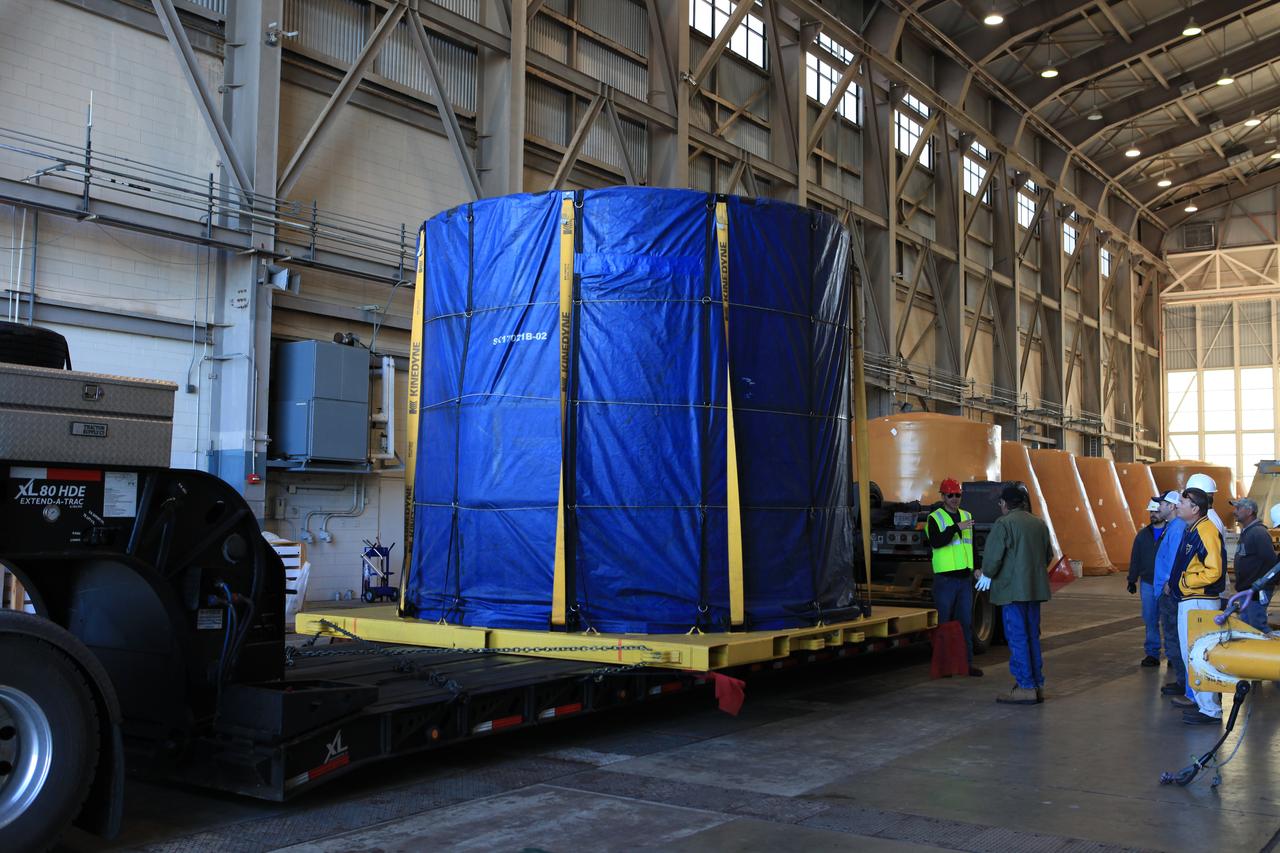
A flatbed truck carrying the left-hand forward skirt for NASA's Space Launch System (SLS) solid rocket boosters backs into the Hangar AF facility at Cape Canaveral Force Station in Florida. The forward skirt was transported from booster prime contractor Orbital ATK in Promontory, Utah. The forward skirt will be staged in Hangar AF where refurbishment will continue. It will be inspected and prepared for use on the left-hand solid rocket booster for Exploration Mission 1. NASA's Orion spacecraft will fly atop the SLS rocket on its first uncrewed flight test.
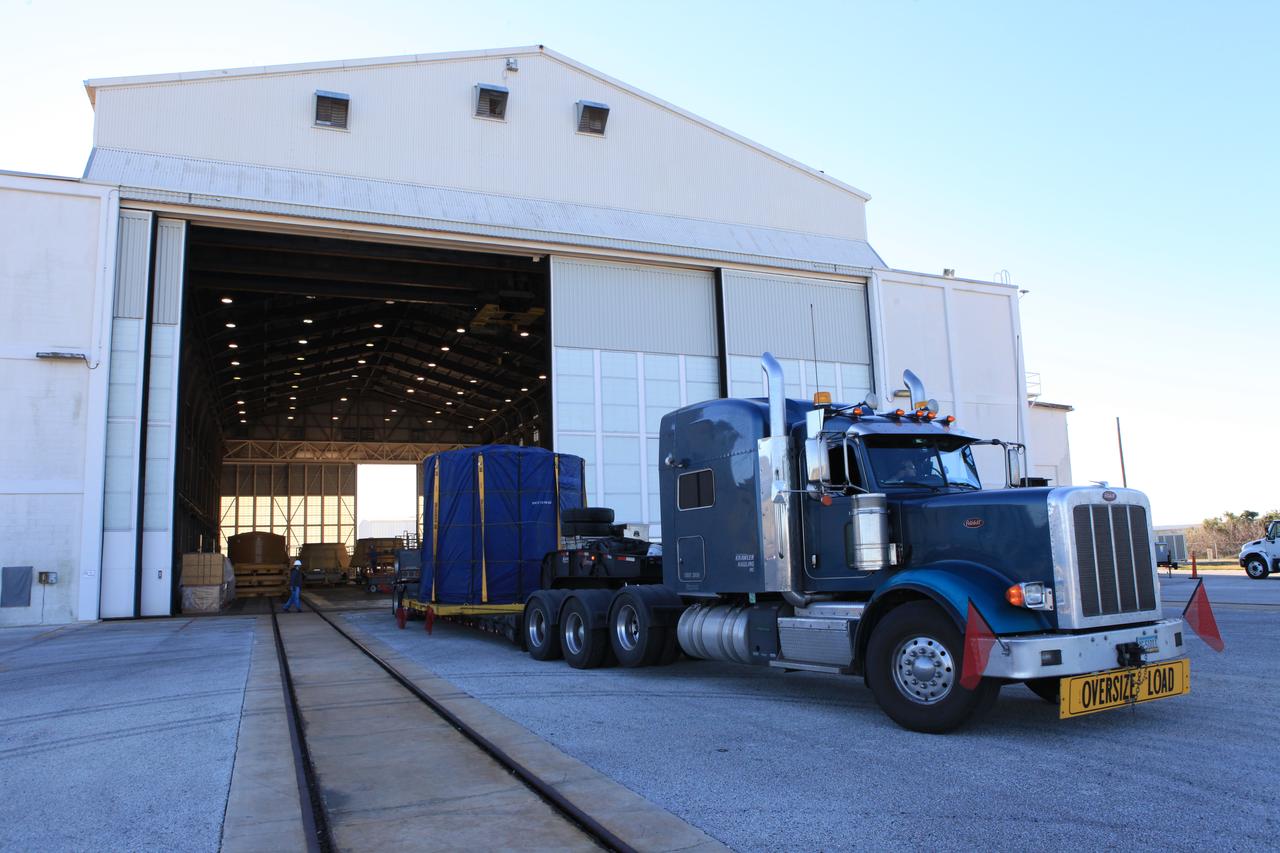
A flatbed truck carrying the left-hand forward skirt for NASA's Space Launch System (SLS) solid rocket boosters arrives at the Hangar AF facility at Cape Canaveral Air Force Station in Florida. The forward skirt was transported from booster prime contractor Orbital ATK in Promontory, Utah. The forward skirt will be staged in Hangar AF where refurbishment will continue. It will be inspected and prepared for use on the left-hand solid rocket booster for Exploration Mission 1. NASA's Orion spacecraft will fly atop the SLS rocket on its first uncrewed flight test.
The Exploration Mission-1 (EM-1) left-hand forward skirt for NASA's Space Launch System (SLS) solid rocket boosters is prepared for its move from Hangar AE at Cape Canaveral Air Force Station in Florida, to the Booster Fabrication Facility (BFF) at Kennedy Space Center. In the BFF, the forward skirt will be inspected and prepared for use on the left-hand solid rocket booster for EM-1. NASA's Orion spacecraft will fly atop the SLS rocket on its first uncrewed flight test.
The Exploration Mission-1 (EM-1) left-hand forward skirt for NASA's Space Launch System (SLS) solid rocket boosters is moved out of Hangar AE at Cape Canaveral Air Force Station in Florida, for transport to the Booster Fabrication Facility (BFF) at Kennedy Space Center. In the BFF, the forward skirt will be inspected and prepared for use on the left-hand solid rocket booster for EM-1. NASA's Orion spacecraft will fly atop the SLS rocket on its first uncrewed flight test.
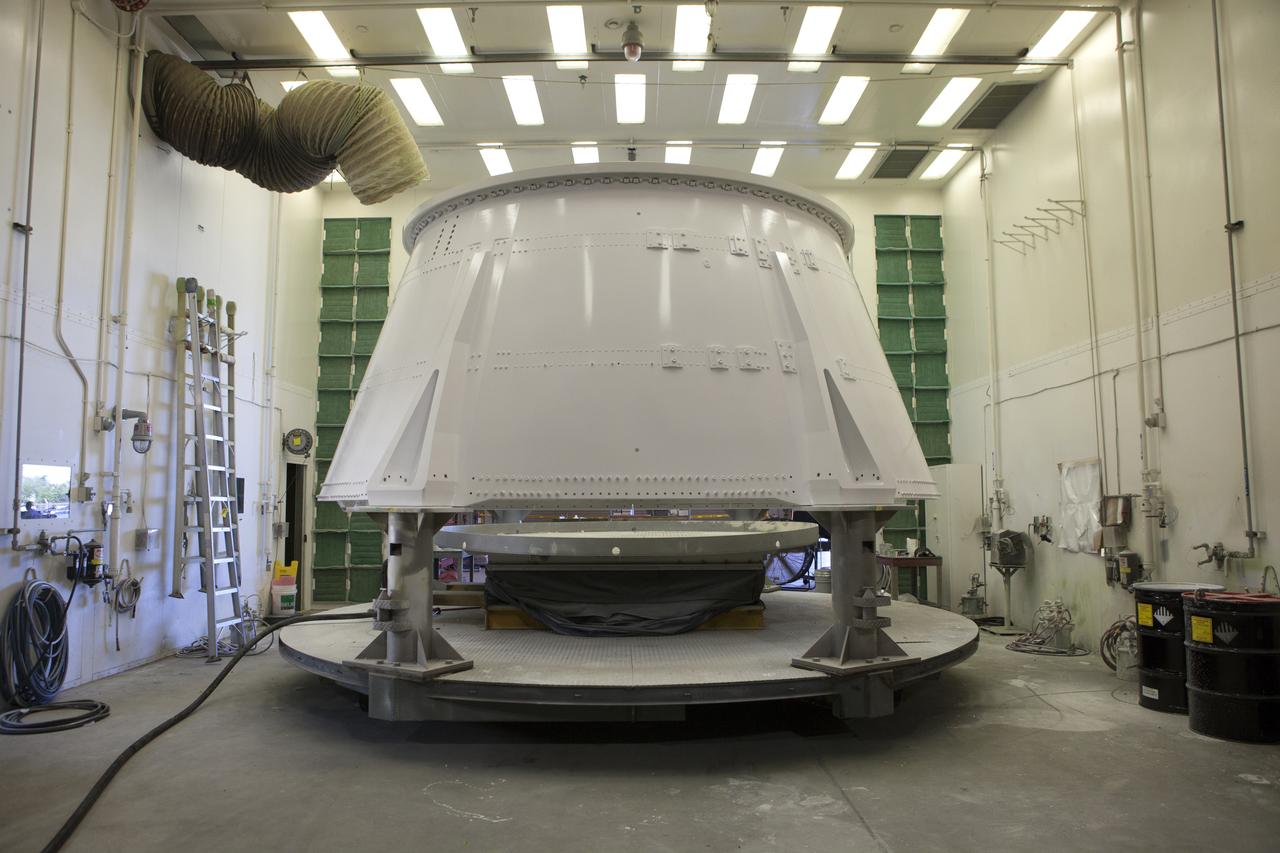
The right hand aft skirt for NASA's Space Launch System (SLS) rocket has been refurbished and painted and is in a drying cell in a support building at the Hangar AF facility at Cape Canaveral Air Force Station in Florida. The space shuttle-era aft skirt will be used on the right hand booster of the SLS for Exploration Mission 1 (EM-1). NASA is preparing for EM-1, deep space missions, and the Journey to Mars.
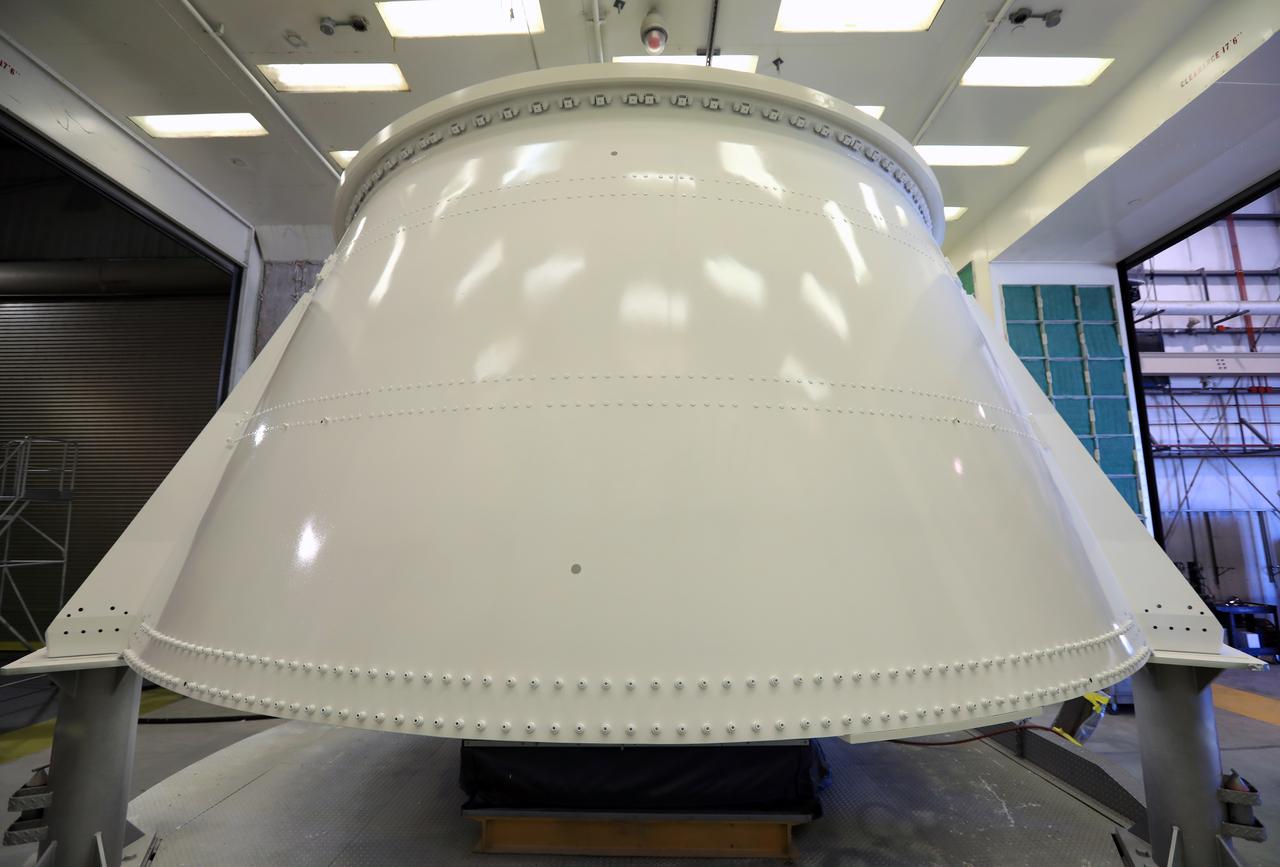
The right hand aft skirt for NASA's Space Launch System (SLS) rocket has been refurbished and painted and is in a drying cell in a support building at the Hangar AF facility at Cape Canaveral Air Force Station in Florida. The space shuttle-era aft skirt will be used on the right hand booster of the SLS for Exploration Mission 1 (EM-1). NASA is preparing for EM-1, deep space missions, and the Journey to Mars.
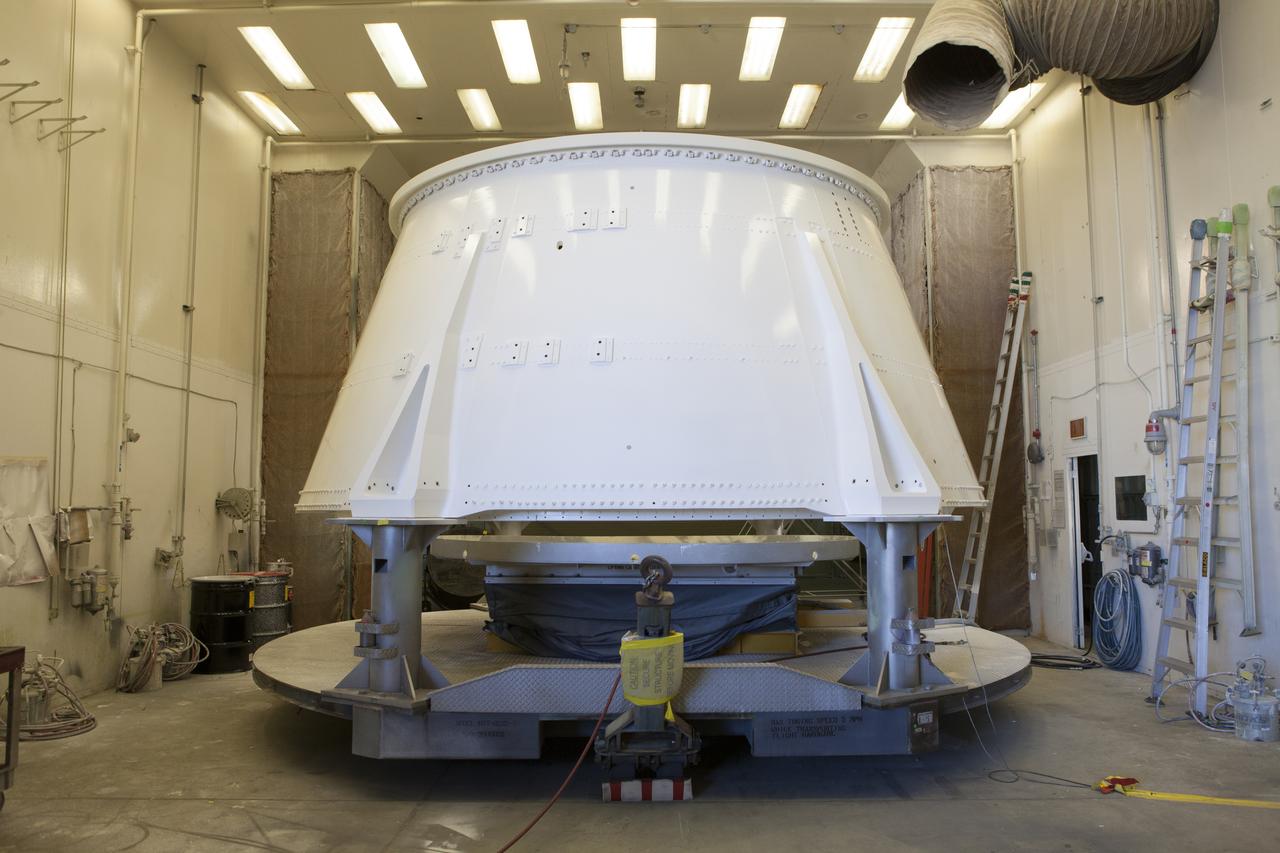
The right hand aft skirt for NASA's Space Launch System (SLS) rocket has been refurbished and painted and is in a drying cell in a support building at the Hangar AF facility at Cape Canaveral Air Force Station in Florida. The space shuttle-era aft skirt will be used on the right hand booster of the SLS for Exploration Mission 1 (EM-1). NASA is preparing for EM-1, deep space missions, and the Journey to Mars.
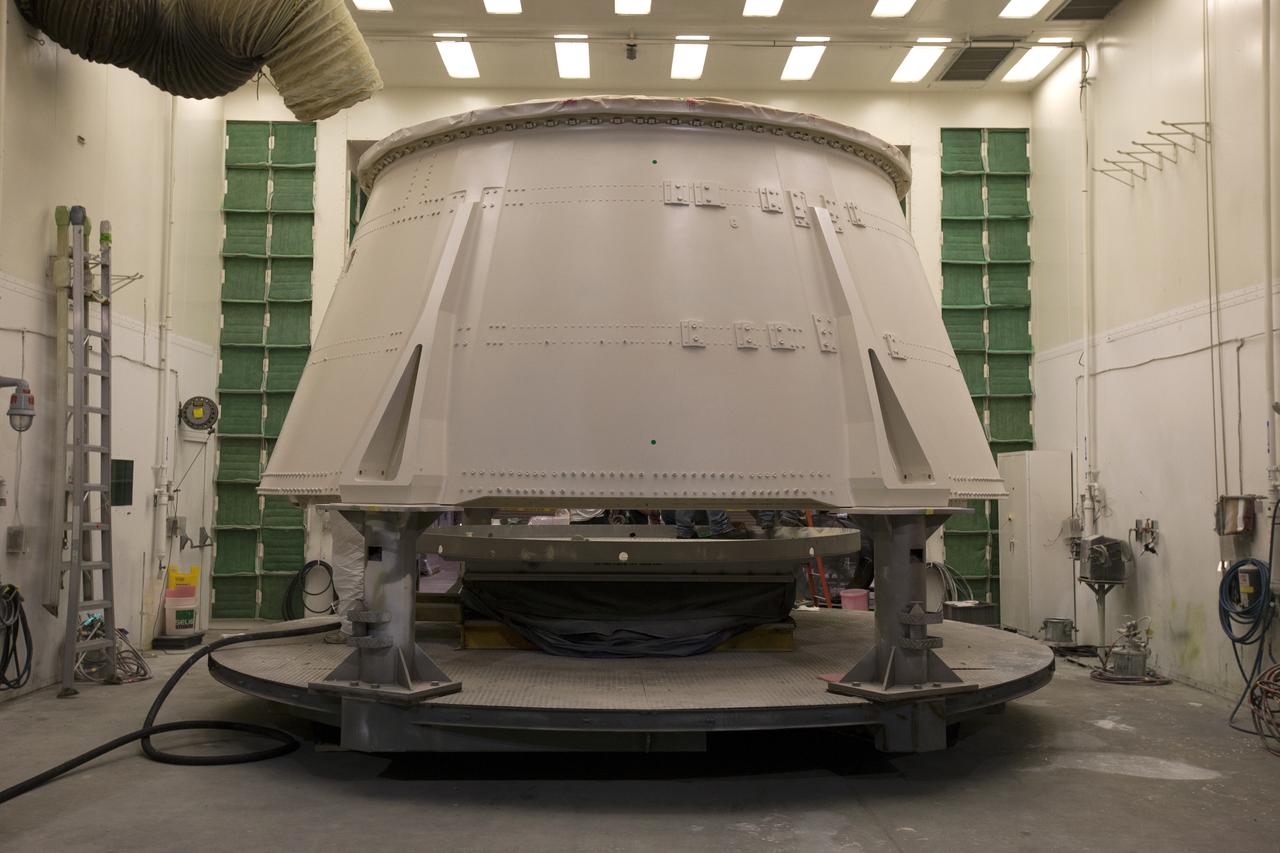
The right hand aft skirt for NASA's Space Launch System (SLS) rocket has been painted and is in a drying cell in a support building at the Hangar AF facility at Cape Canaveral Air Force Station in Florida. The space shuttle-era aft skirt will be used on the right hand booster of NASA's Space Launch System rocket for Exploration Mission 1 (EM-1). NASA is preparing for EM-1, deep space missions, and the Journey to Mars.

Technicians with Orbital ATK, prime contractor for the Space Launch System (SLS) Booster, prepare a paint mixture for the right hand aft skirt for NASA’s SLS in a support building at the Hangar AF facility at Cape Canaveral Air Force Station in Florida. The space shuttle-era aft skirt, was inspected and resurfaced, and will be primed and painted for use on the right hand booster of the SLS rocket for Exploration Mission 1 (EM-1). NASA is preparing for EM-1, deep-space missions, and the Journey to Mars.
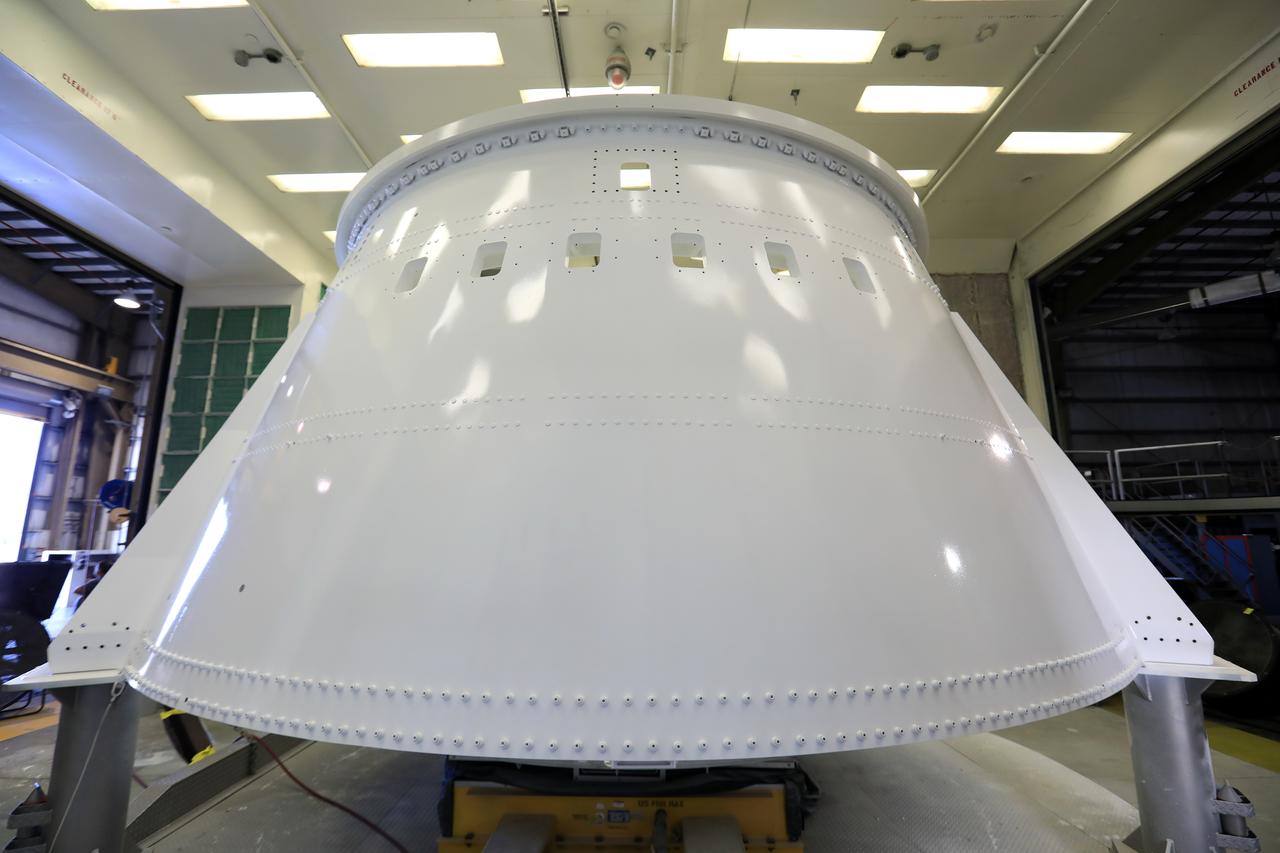
The right hand aft skirt for NASA's Space Launch System (SLS) rocket has been refurbished and painted and is in a drying cell in a support building at the Hangar AF facility at Cape Canaveral Air Force Station in Florida. The space shuttle-era aft skirt will be used on the right hand booster of the SLS for Exploration Mission 1 (EM-1). NASA is preparing for EM-1, deep space missions, and the Journey to Mars.
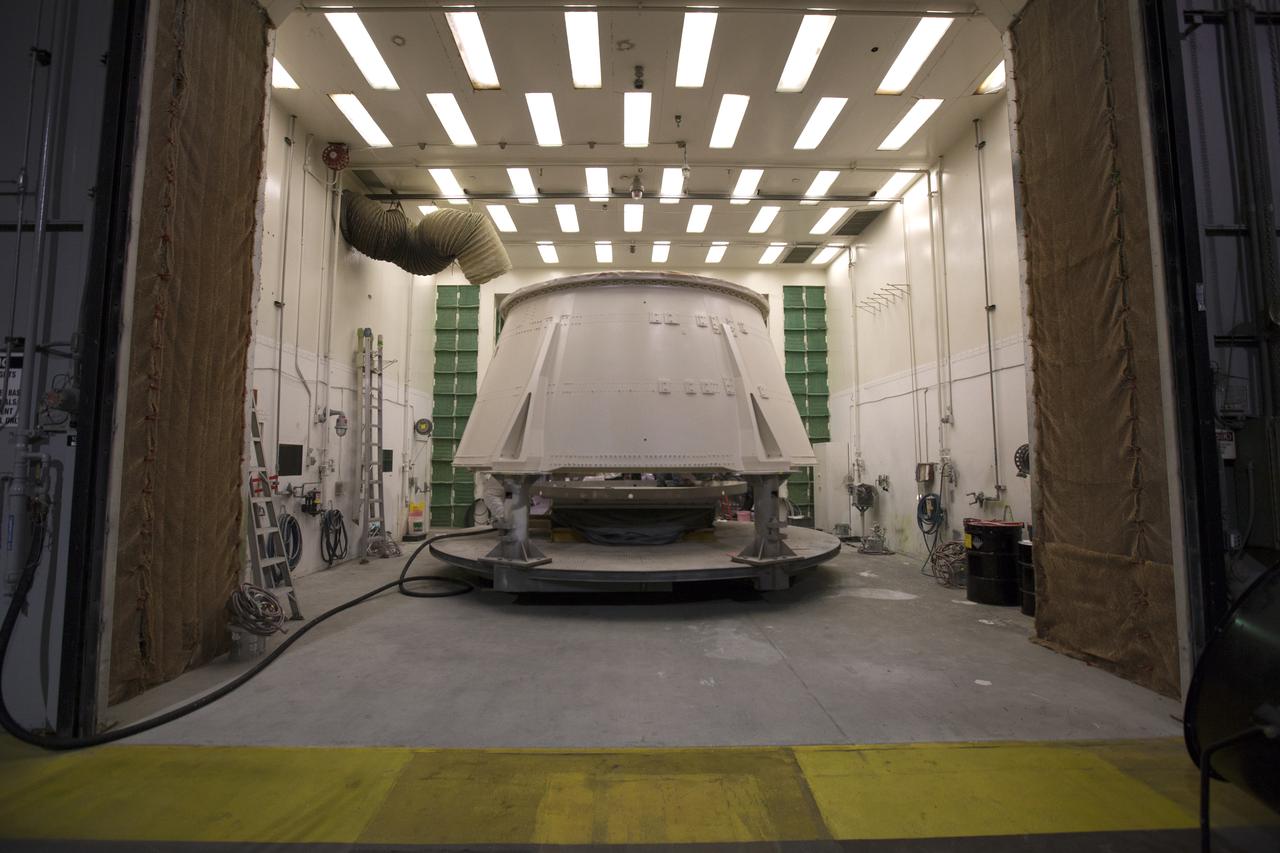
The right hand aft skirt for NASA's Space Launch System (SLS) rocket has been painted and is in a drying cell in a support building at the Hangar AF facility at Cape Canaveral Air Force Station in Florida. The space shuttle-era aft skirt will be used on the right hand booster of NASA's Space Launch System rocket for Exploration Mission 1 (EM-1). NASA is preparing for EM-1, deep space missions, and the Journey to Mars.
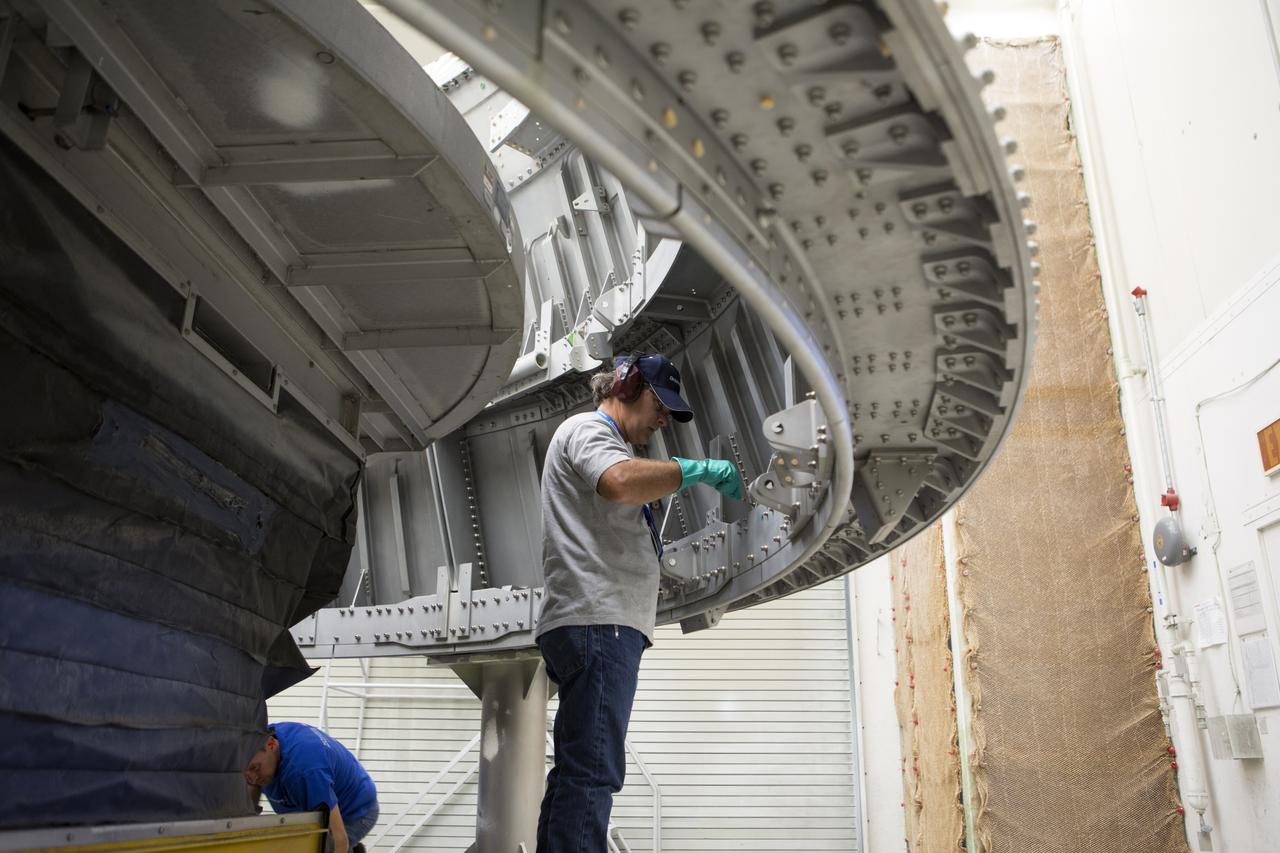
A technician with Orbital ATK, prime contractor for the Space Launch System (SLS) Booster, preps a section of the right hand aft skirt for primer and paint in a support building at the Hangar AF facility at Cape Canaveral Air Force Station in Florida. The space shuttle-era aft skirt will be used on the right hand booster of NASA's SLS rocket for Exploration Mission 1 (EM-1). NASA is preparing for EM-1, deep space missions, and the Journey to Mars.
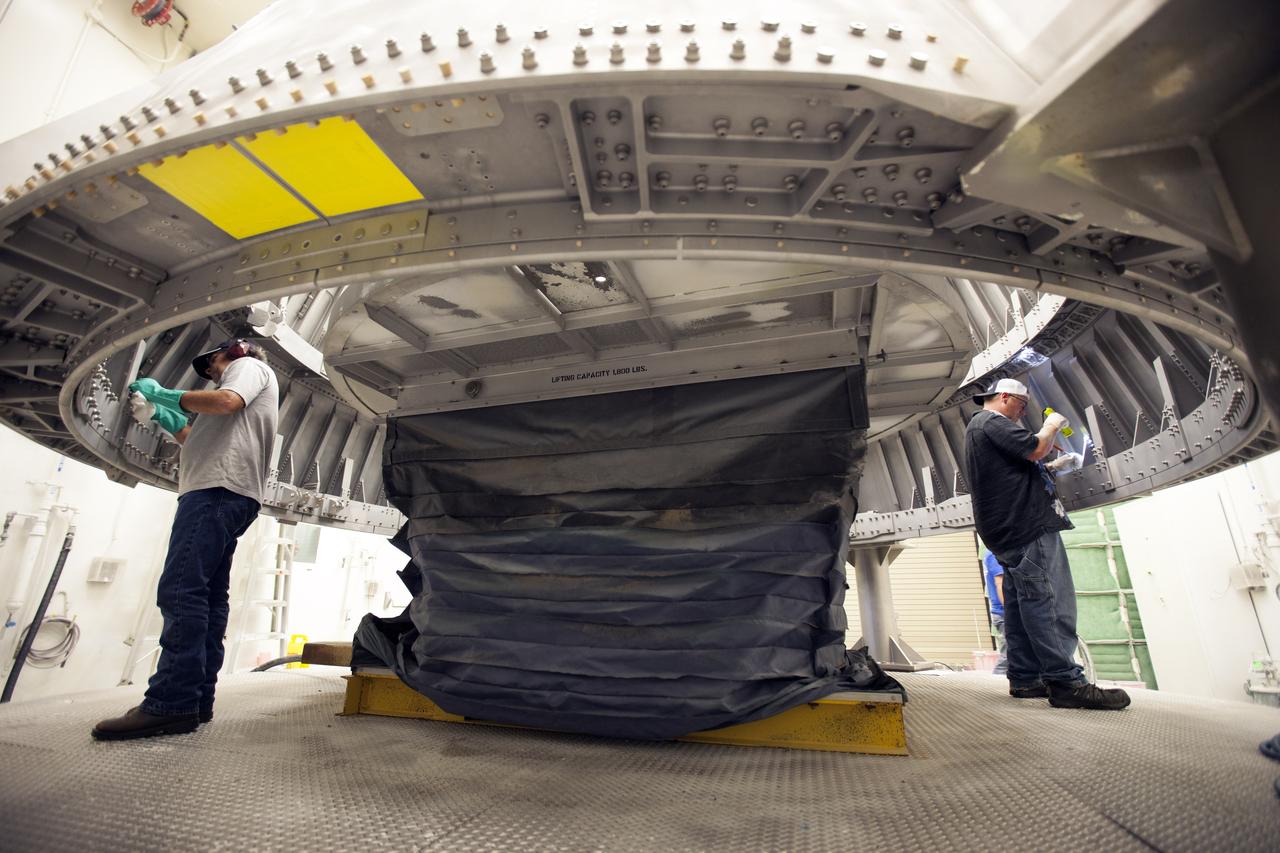
Technicians with Orbital ATK, prime contractor for the Space Launch System (SLS) Booster, prepare the right hand aft skirt for NASA’s SLS rocket for primer and painting inside a support building at the Hangar AF facility at Cape Canaveral Air Force Station in Florida. The space shuttle-era aft skirt, was inspected and resurfaced and will be primed and painted for use on the right hand booster of the SLS rocket for Exploration Mission 1 (EM-1). NASA is preparing for EM-1, deep-space missions, and the journey to Mars.
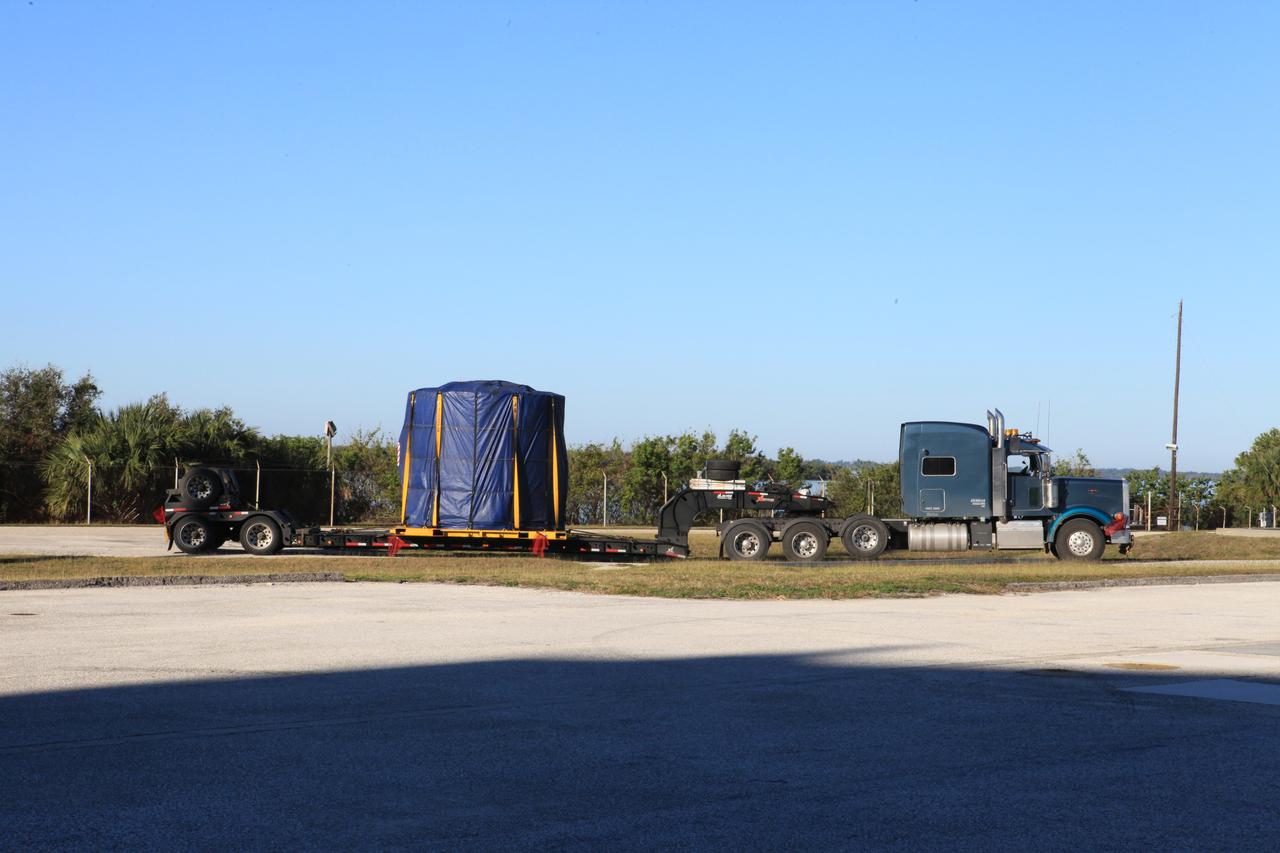
The left-hand forward skirt for NASA's Space Launch System (SLS) solid rocket boosters arrives by flatbed truck from booster prime contractor Orbital ATK in Promontory, Utah, to Cape Canaveral Air Force Station in Florida. The forward skirt will be delivered to the Hangar AF facility where refurbishment will continue. The forward skirt will be inspected and prepared for use on the left-hand solid rocket booster for Exploration Mission 1. NASA's Orion spacecraft will fly atop the SLS rocket on its first uncrewed flight test.
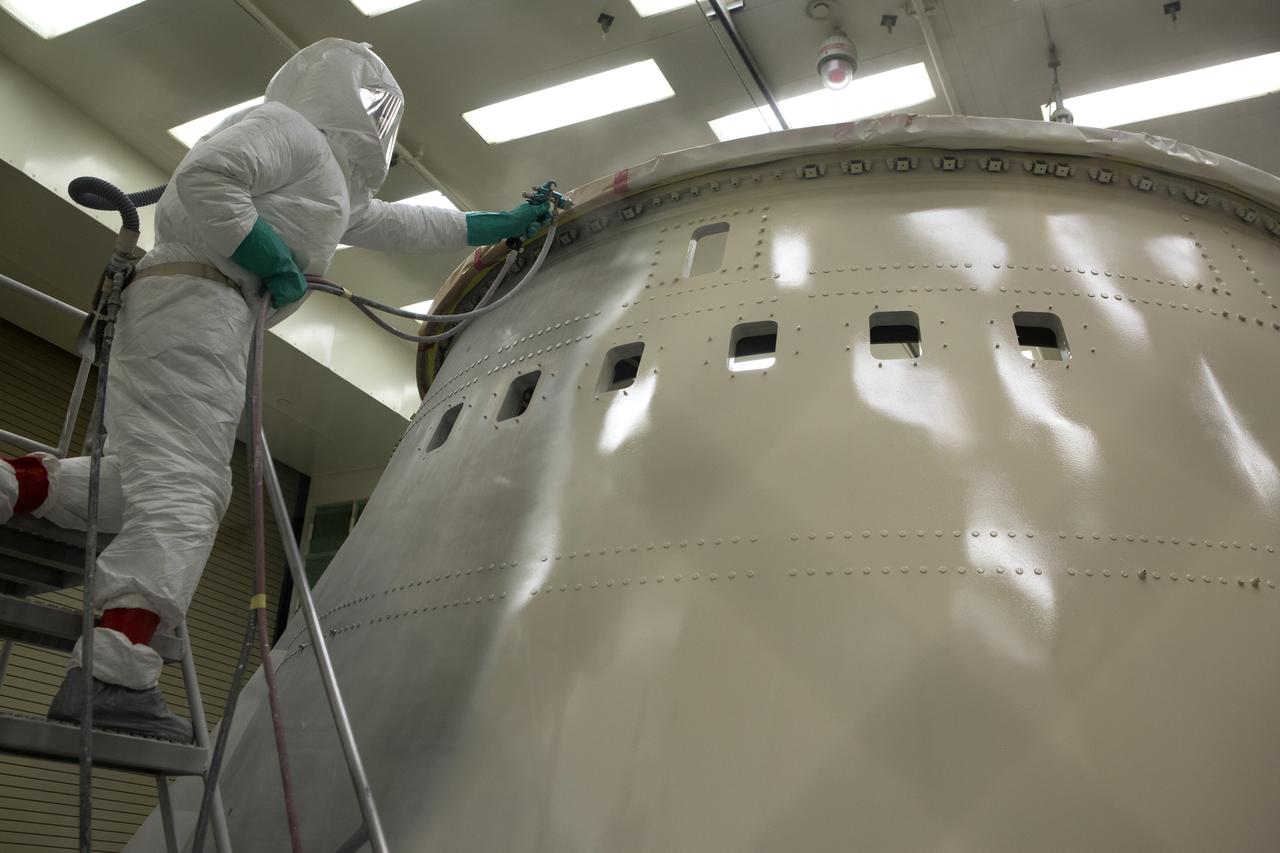
A paint technician with Orbital ATK, prime contractor for the Space Launch System (SLS) Booster, uses an air gun to apply paint to the right hand aft skirt for NASA’s SLS rocket inside a support building at the Hangar AF facility at Cape Canaveral Air Force Station. The space shuttle-era aft skirt, was inspected and resurfaced to prepare it for primer and paint. The aft skirt will be used on the right hand booster of the SLS rocket for Exploration Mission 1 (EM-1). NASA is preparing for EM-1, deep-space missions, and the journey to Mars.
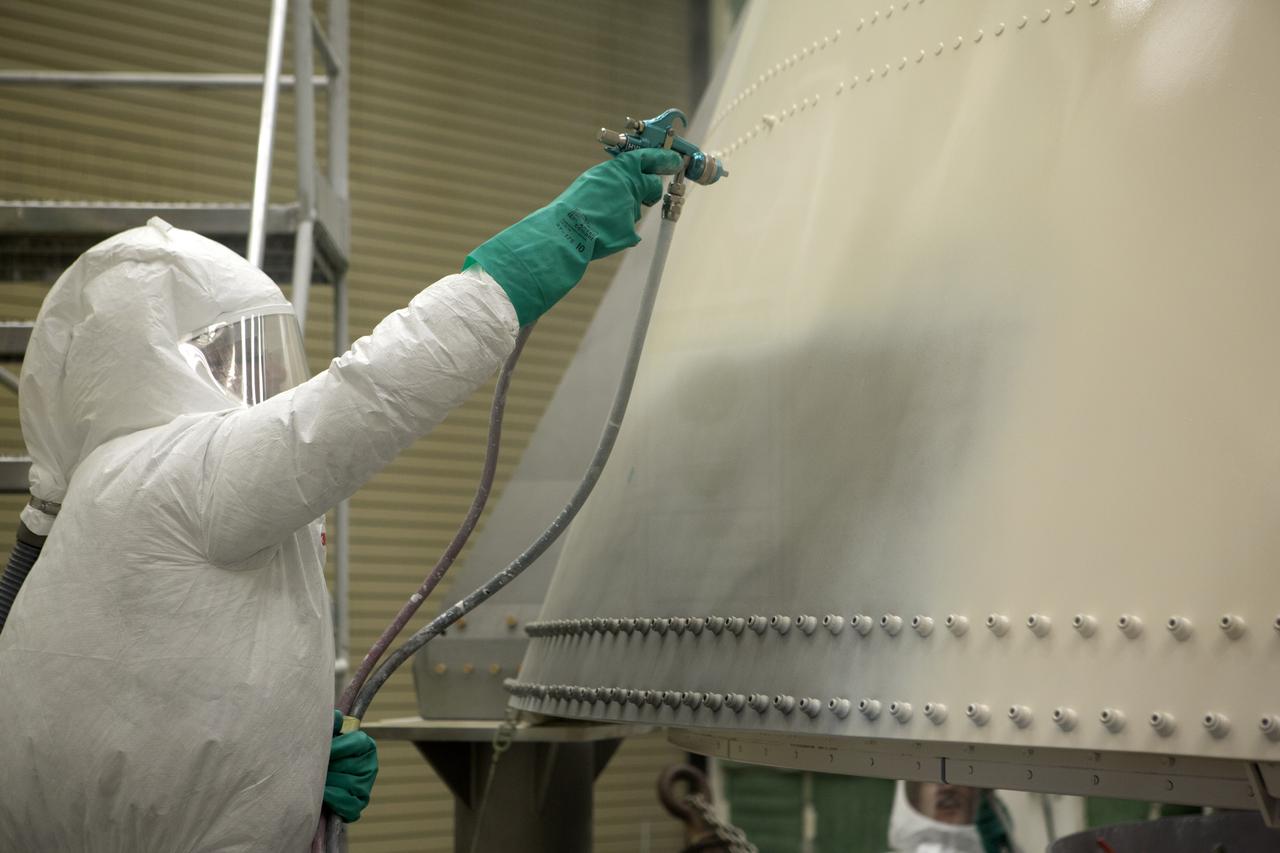
A paint technician with Orbital ATK, prime contractor for the Space Launch System (SLS) Booster, uses an air gun to apply paint to the right hand aft skirt for NASA’s SLS rocket inside a support building at the Hangar AF facility at Cape Canaveral Air Force Station. The space shuttle-era aft skirt, was inspected and resurfaced to prepare it for primer and paint. The aft skirt will be used on the right hand booster of the SLS rocket for Exploration Mission 1 (EM-1). NASA is preparing for EM-1, deep-space missions, and the journey to Mars.
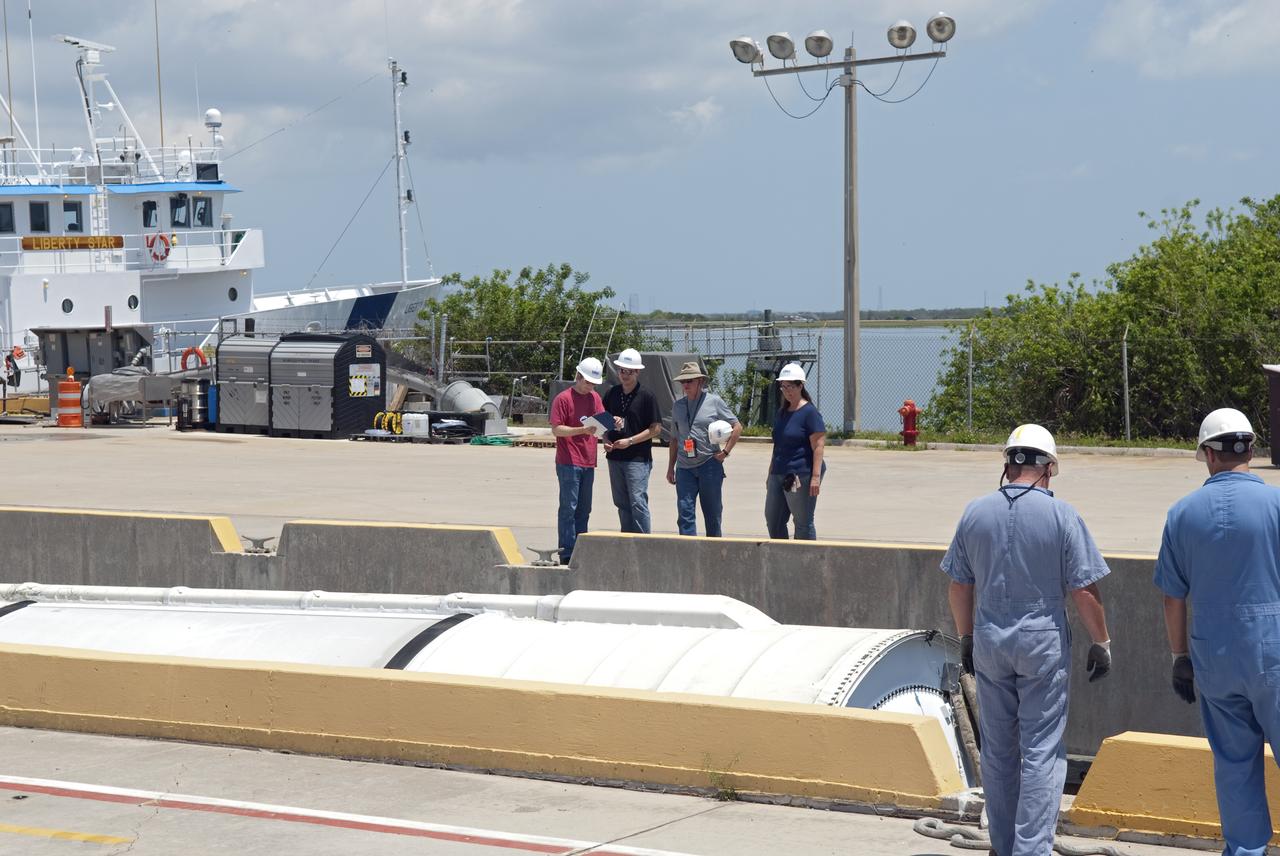
STS-123 SRB LIFT OPS AT HANGAR AF
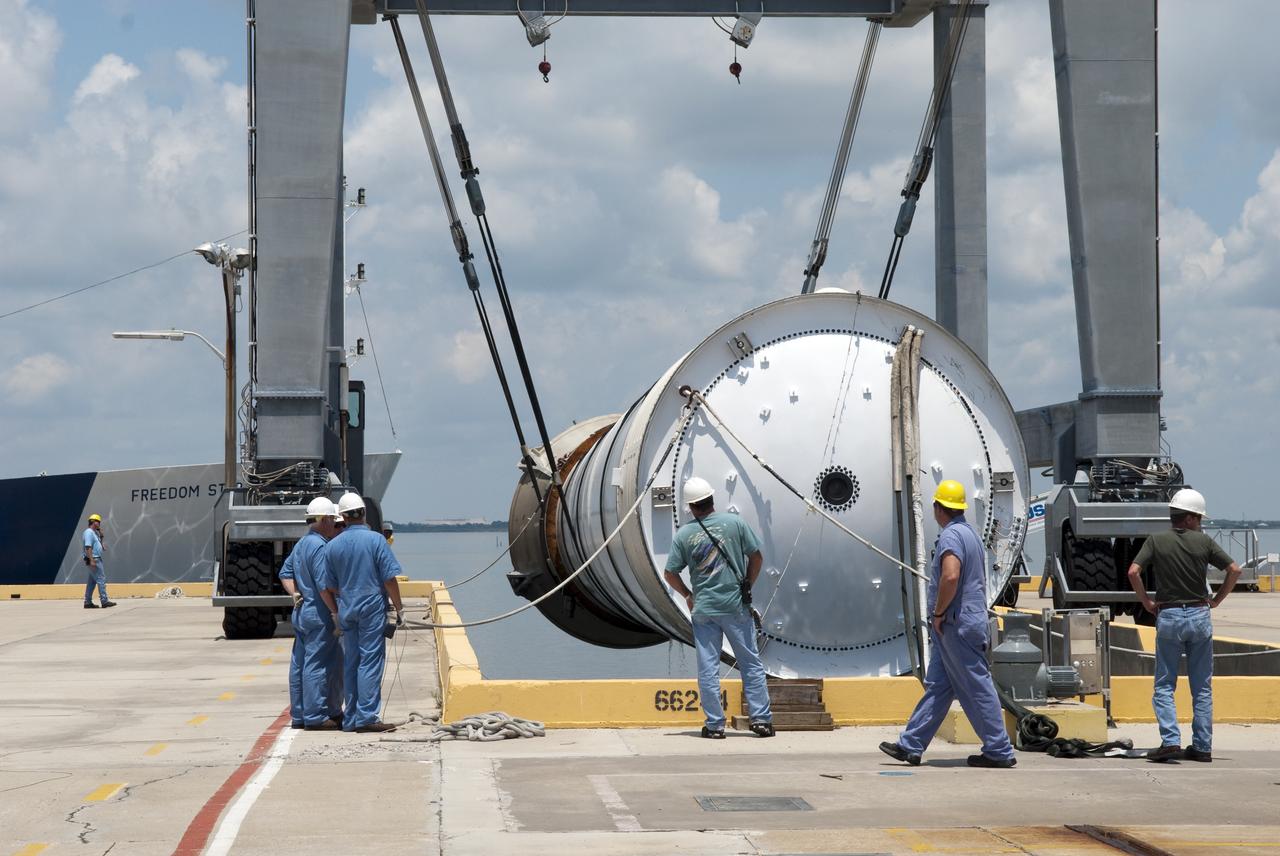
STS-123 SRB LIFT OPS AT HANGAR AF
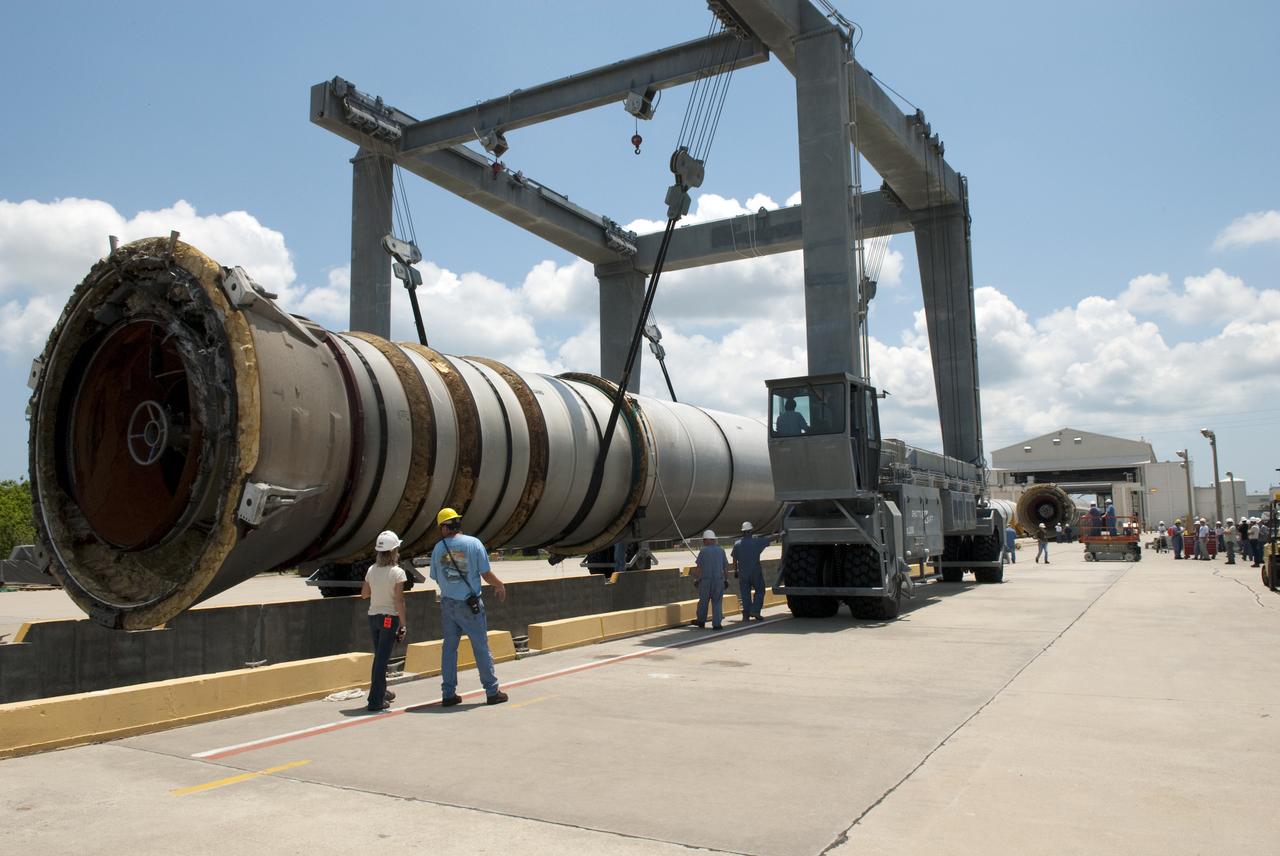
STS-123 SRB LIFT OPS AT HANGAR AF

STS-123 SRB LIFT OPS AT HANGAR AF

STS-123 SRB LIFT OPS AT HANGAR AF
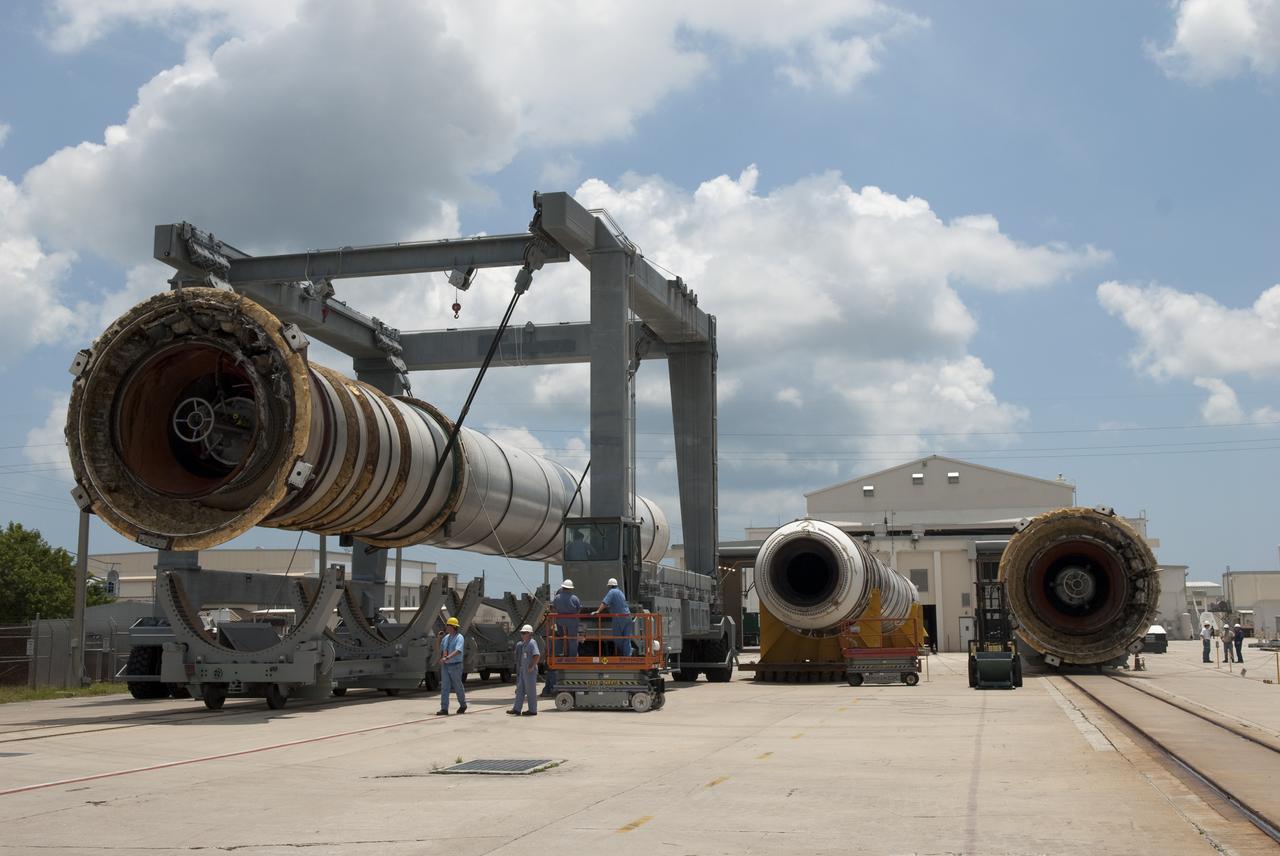
STS-123 SRB LIFT OPS AT HANGAR AF
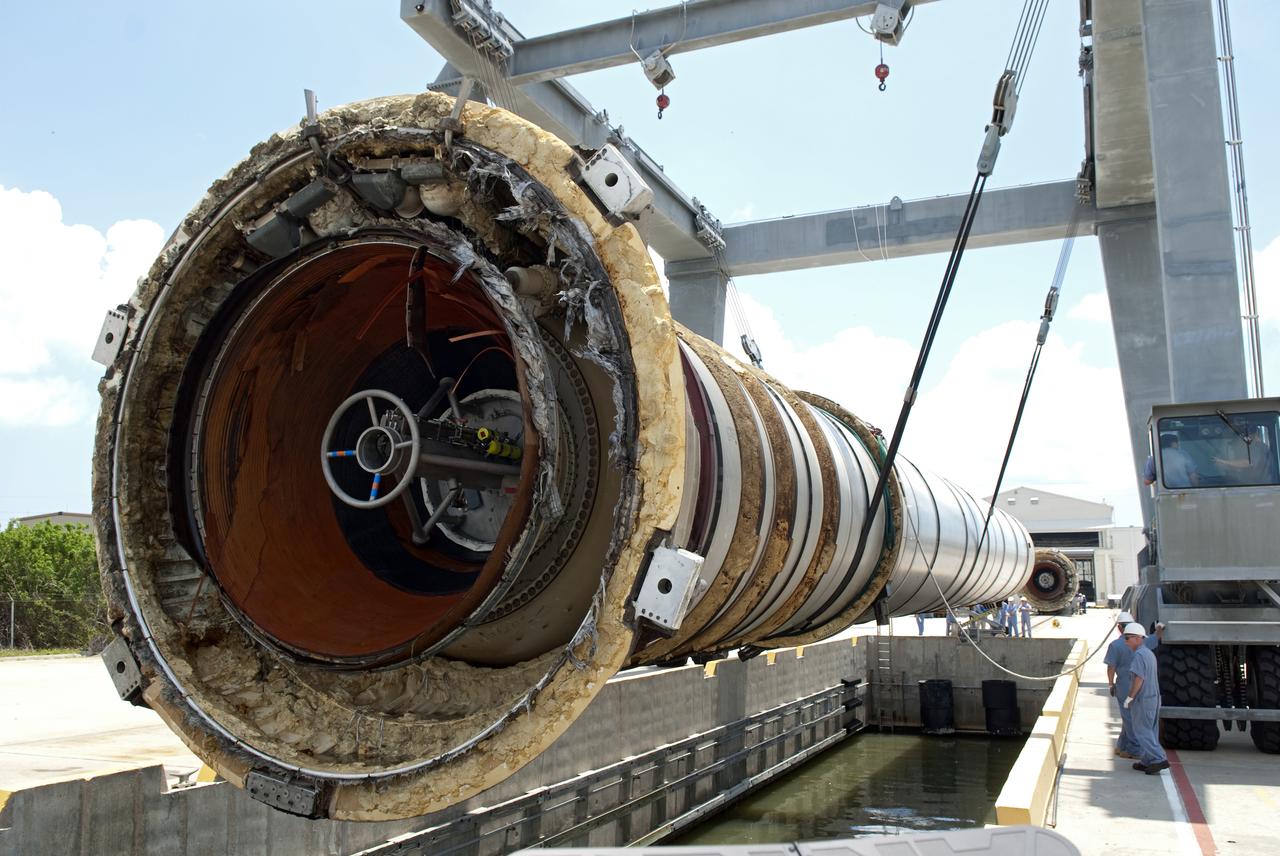
STS-123 SRB LIFT OPS AT HANGAR AF
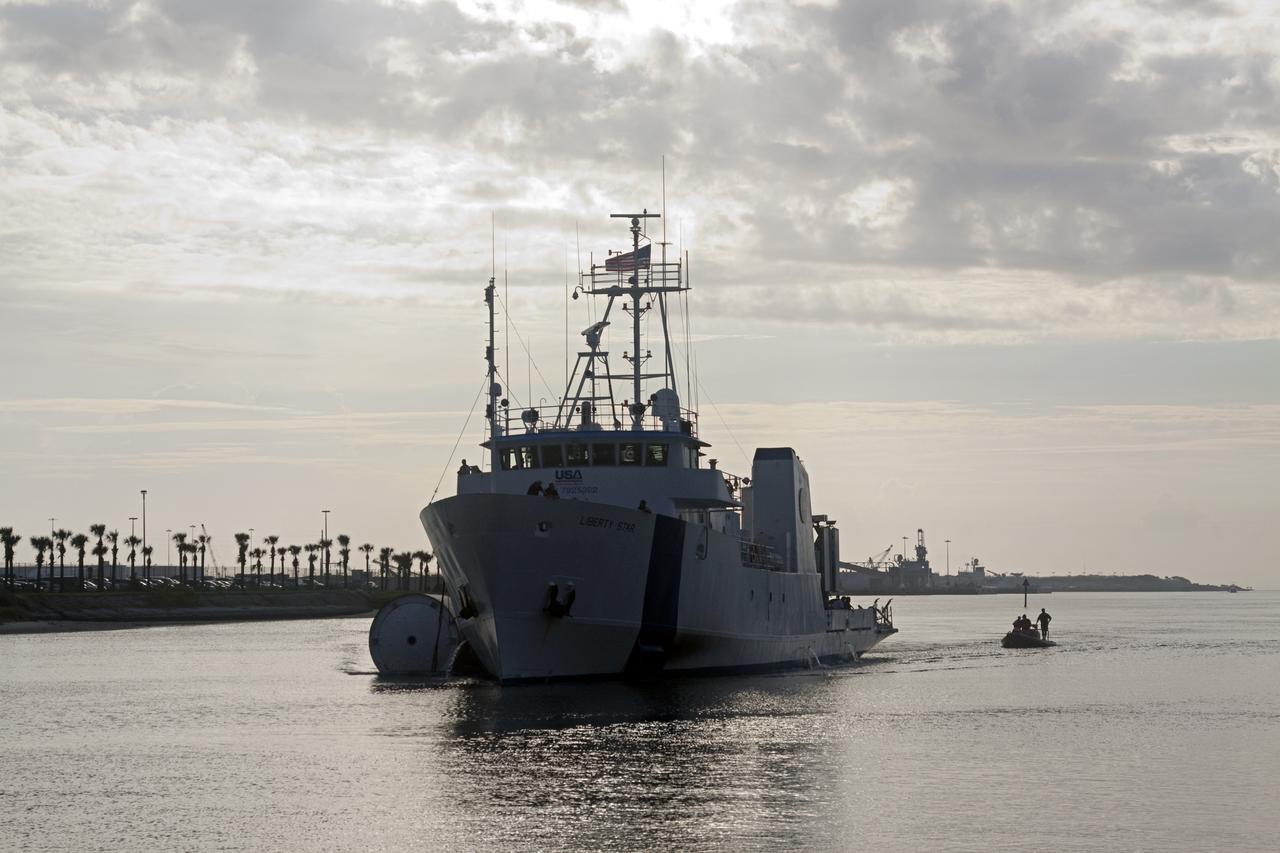
STS-132 SRB RETRIEVAL SHIPS RETURN TO HANGAR AF
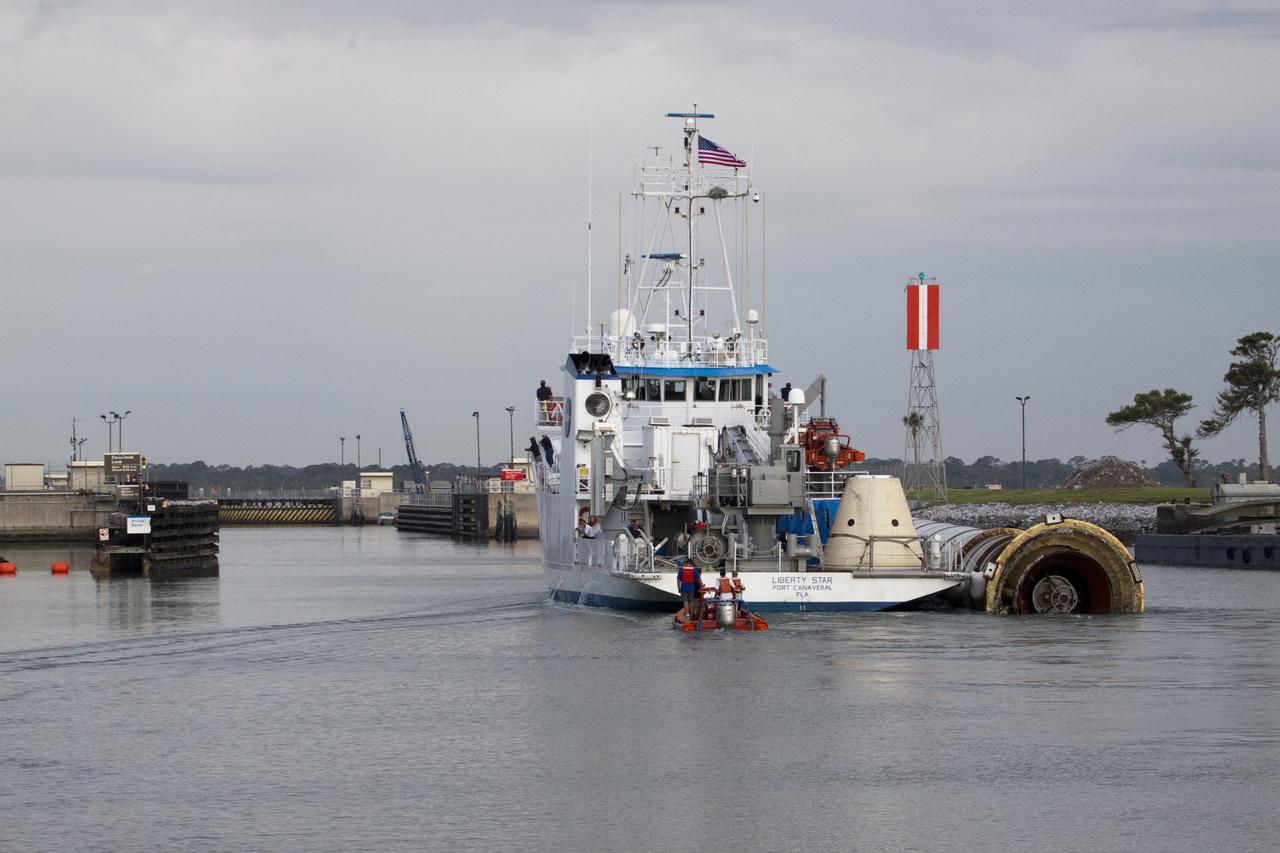
STS-132 SRB RETRIEVAL SHIPS RETURN TO HANGAR AF
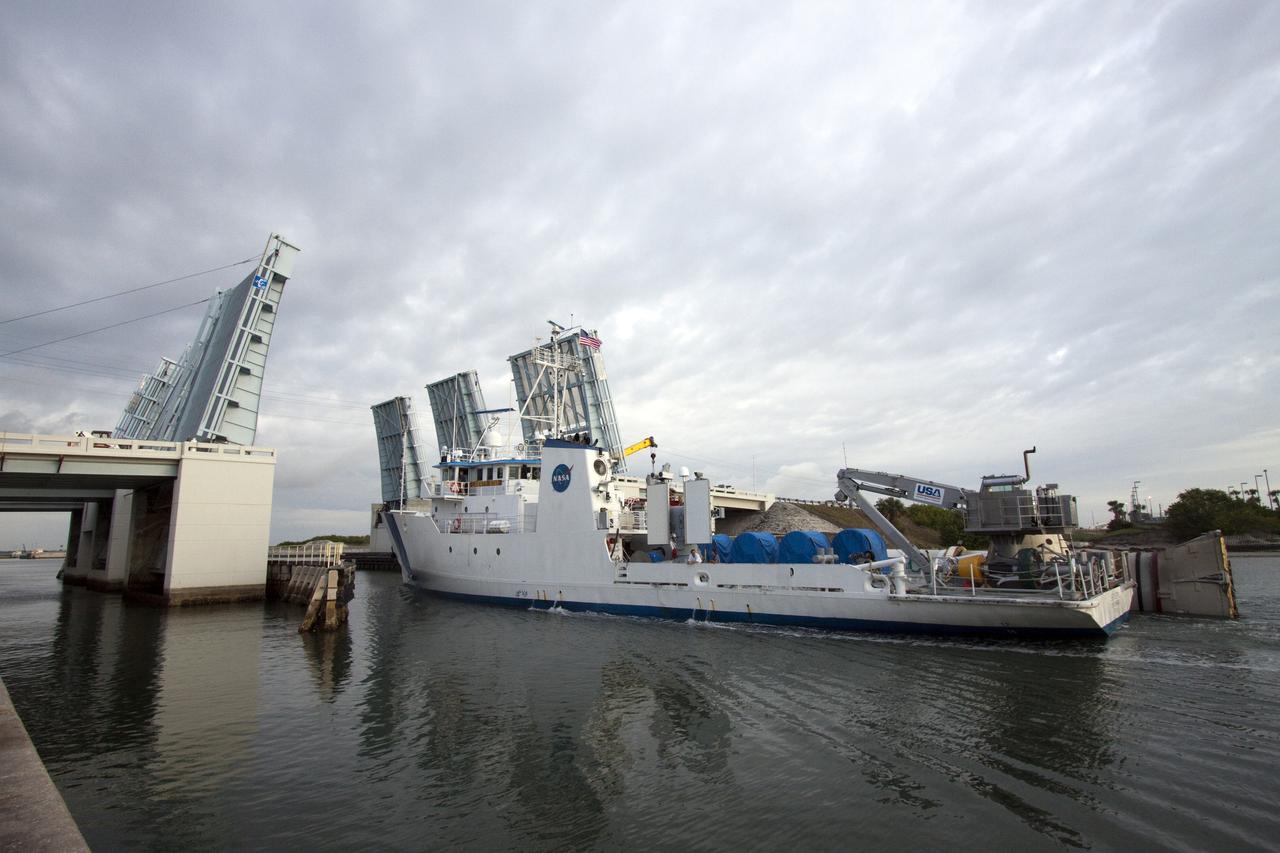
STS-132 SRB RETRIEVAL SHIPS RETURN TO HANGAR AF
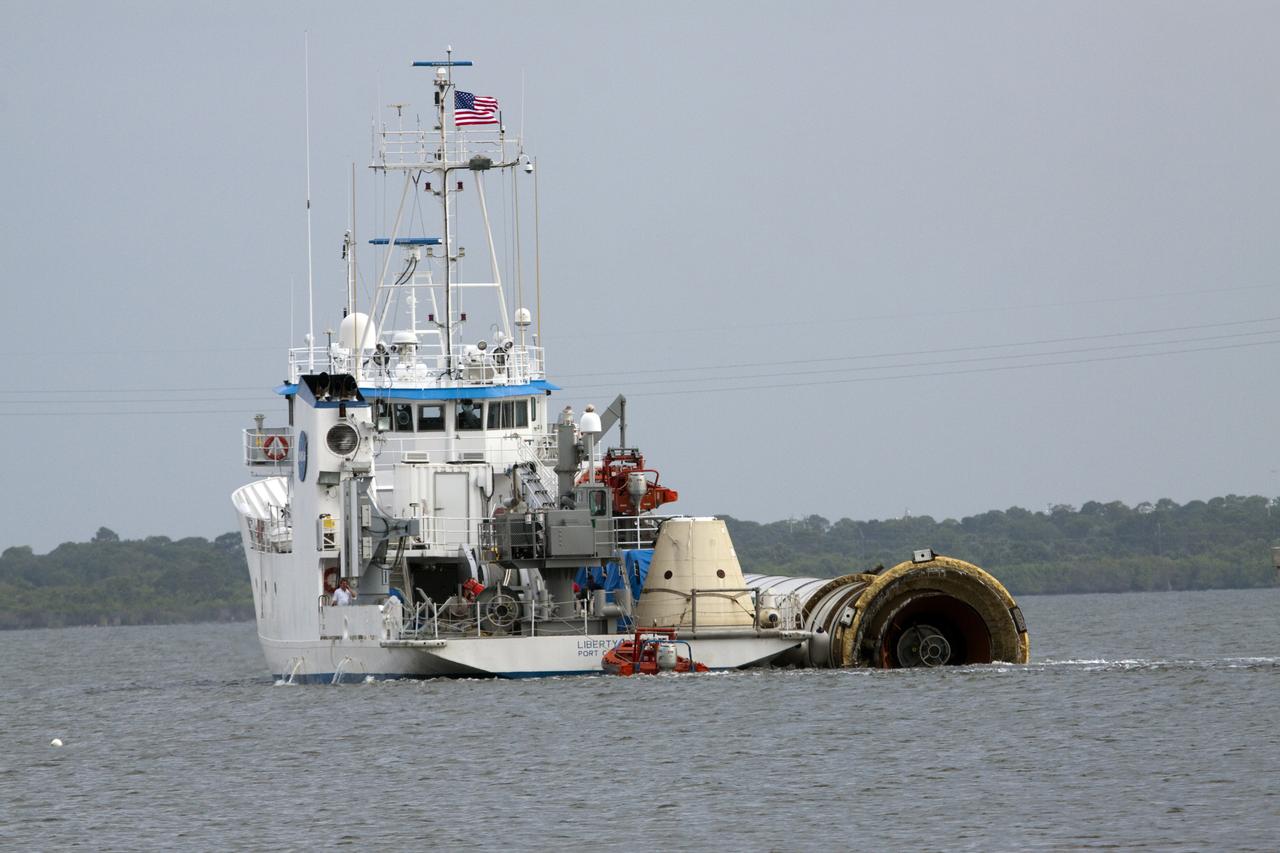
STS-132 SRB RETRIEVAL SHIPS RETURN TO HANGAR AF
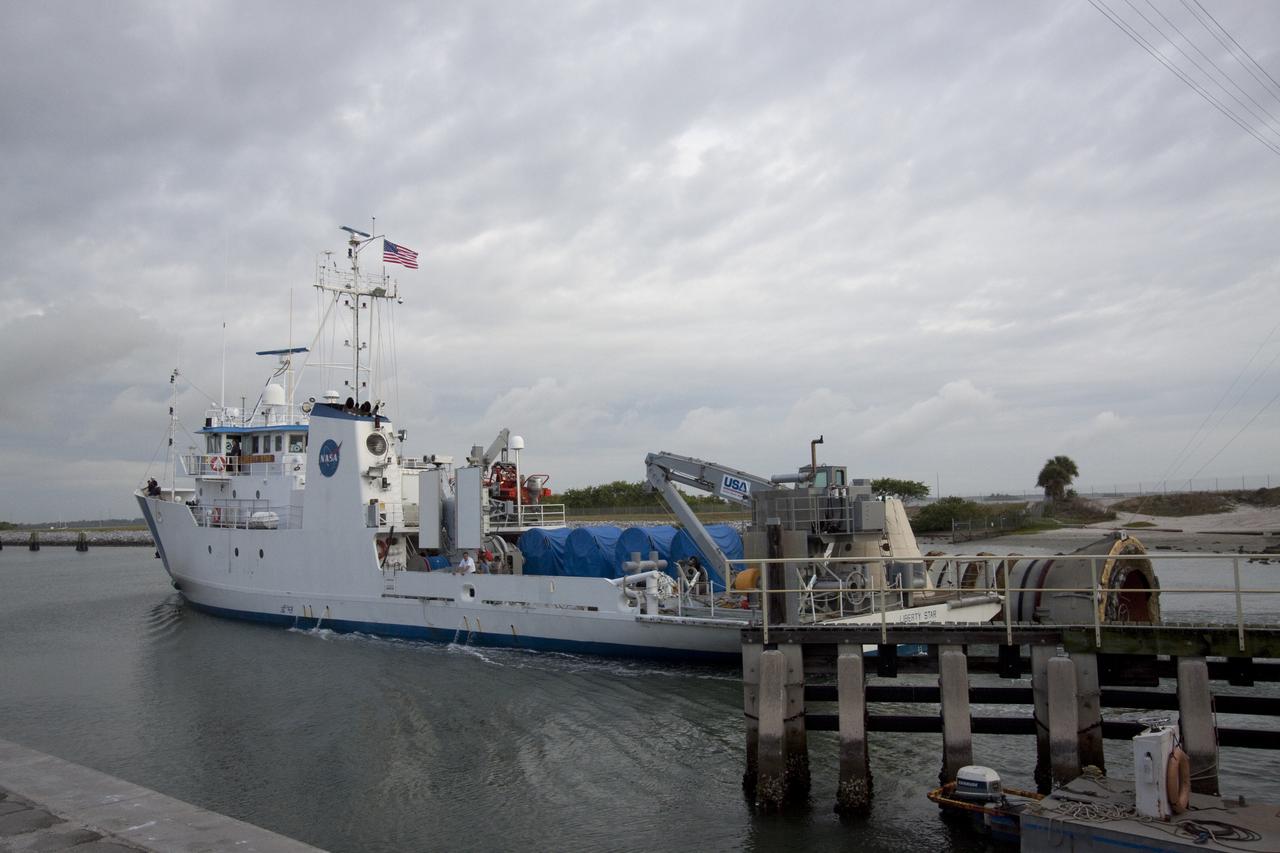
STS-132 SRB RETRIEVAL SHIPS RETURN TO HANGAR AF
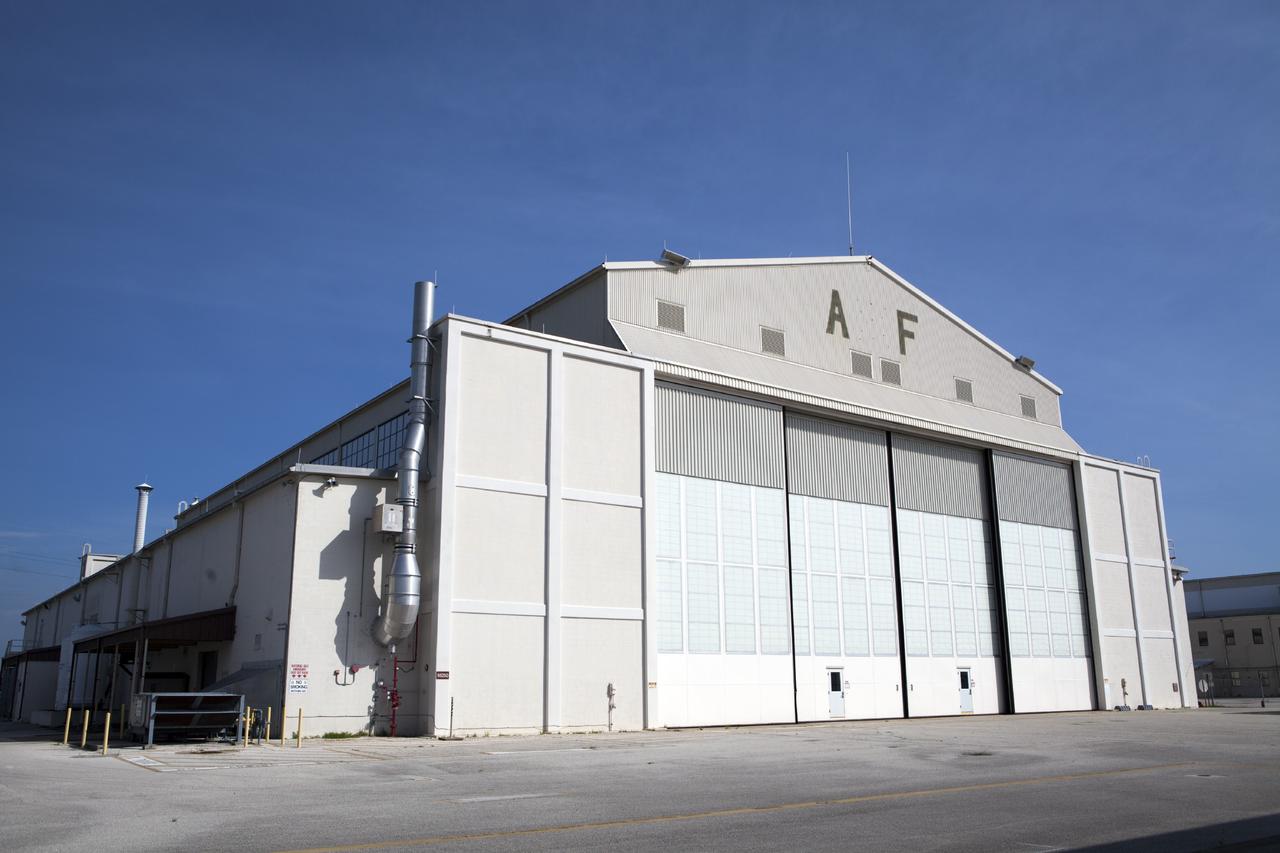
CAPE CANAVERAL, Fla. – An exterior view of Hangar AF at Cape Canaveral Air Force Station in Florida. The facility may be used by the Ground Systems Development and Operations Program at Kennedy Space Center for production activities for NASA’s Space Launch System, or SLS. The booster aft and forward skirts and case stiffener attach ring may be processed in the hangar, as well as refurbishment of the frustrum, before they are transferred to the Booster Fabrication Facility for buildup. The SLS rocket will launch the Orion spacecraft on an uncrewed flight test scheduled for 2017. Orion ’s first unpiloted test flight, Exploration Flight Test 1, is scheduled to launch in 2014 atop a Delta IV rocket. For more information, visit http://www.nasa.gov/orion. Photo credit: NASA/Dimitri Gerondidakis
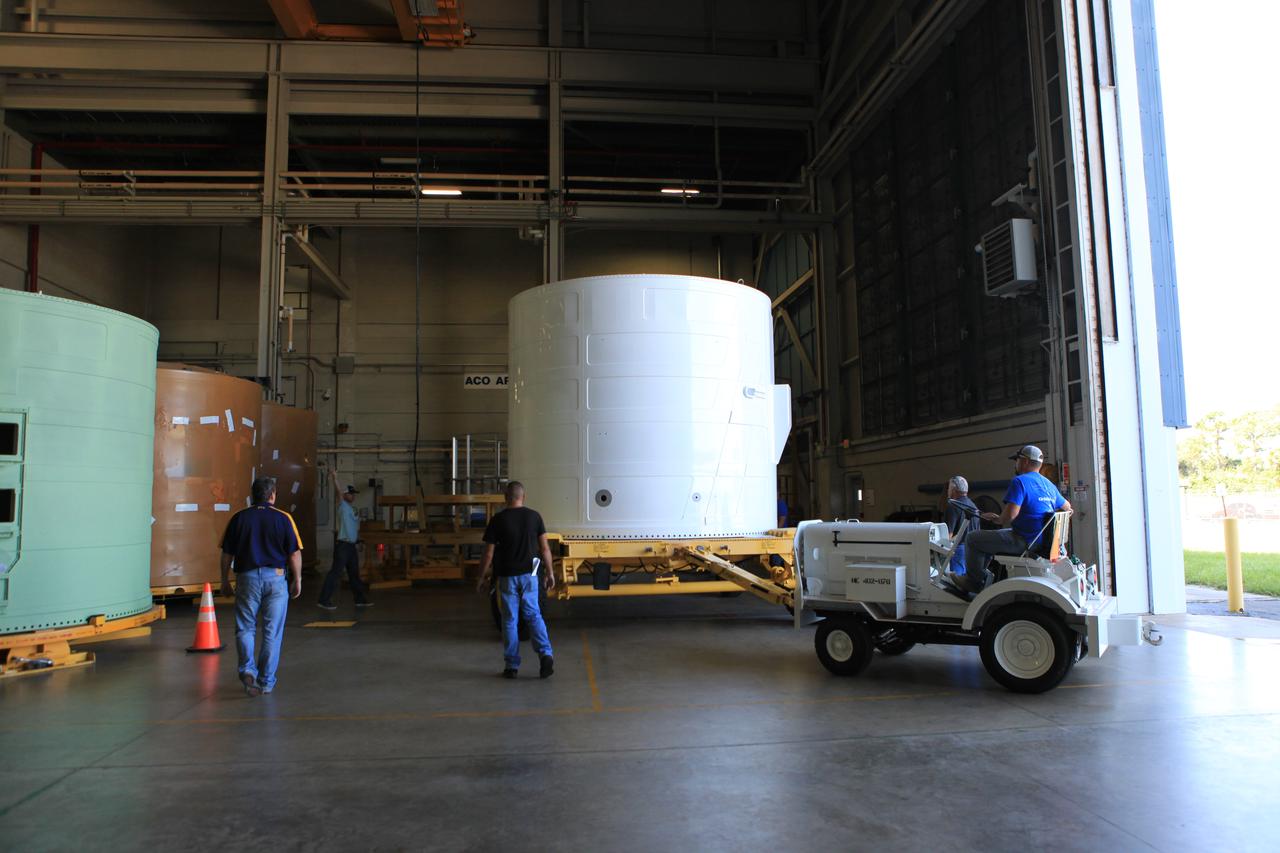
The Exploration Mission-1 (EM-1) left-hand forward skirt for NASA's Space Launch System (SLS) solid rocket boosters arrives inside the high bay at the Booster Fabrication Facility (BFF) at NASA's Kennedy Space Center in Florida. In the BFF, the forward skirt will be inspected and prepared for use on the left-hand solid rocket booster for EM-1. NASA's Orion spacecraft will fly atop the SLS rocket on its first uncrewed flight test.
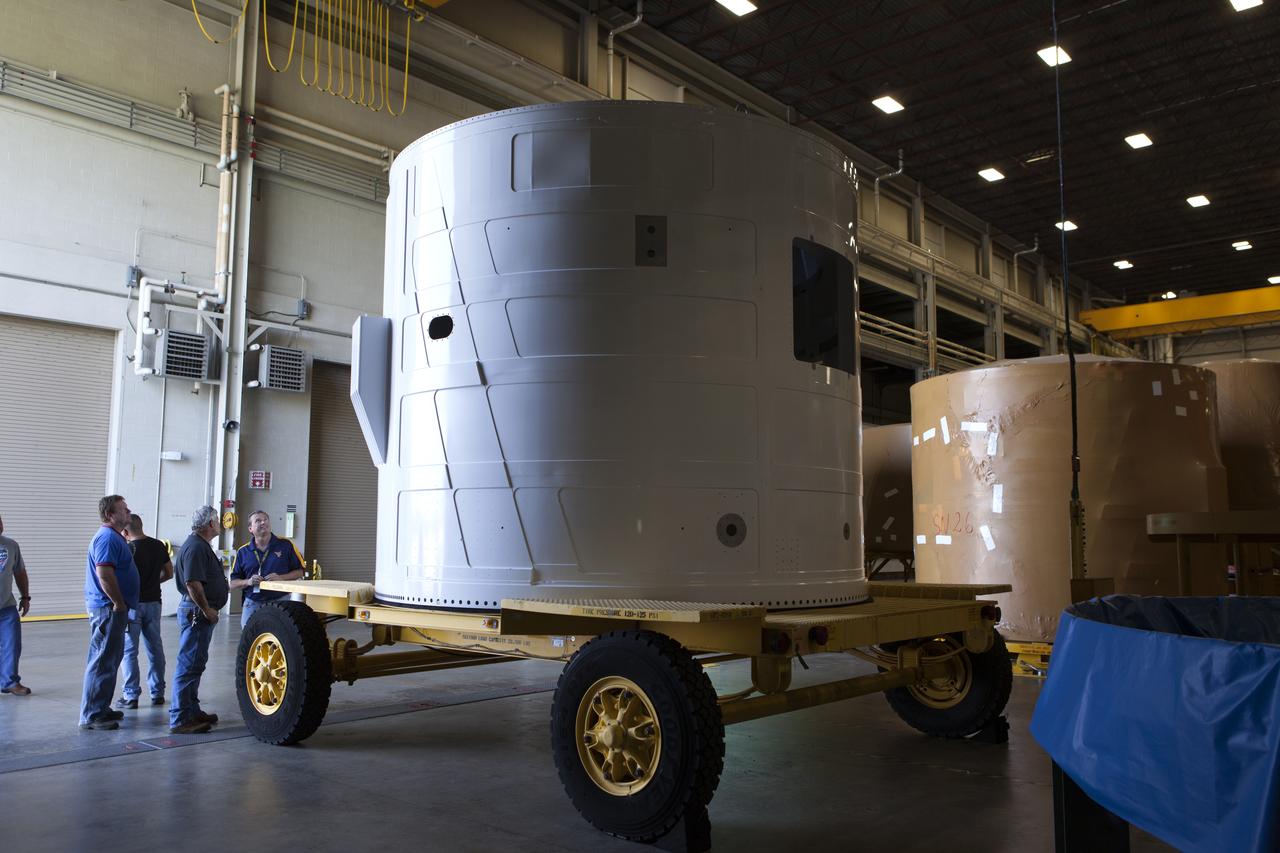
The Exploration Mission-1 (EM-1) left-hand forward skirt for NASA's Space Launch System (SLS) solid rocket boosters arrives inside the high bay at the Booster Fabrication Facility (BFF) at NASA's Kennedy Space Center in Florida. In the BFF, the forward skirt will be inspected and prepared for use on the left-hand solid rocket booster for EM-1. NASA's Orion spacecraft will fly atop the SLS rocket on its first uncrewed flight test.
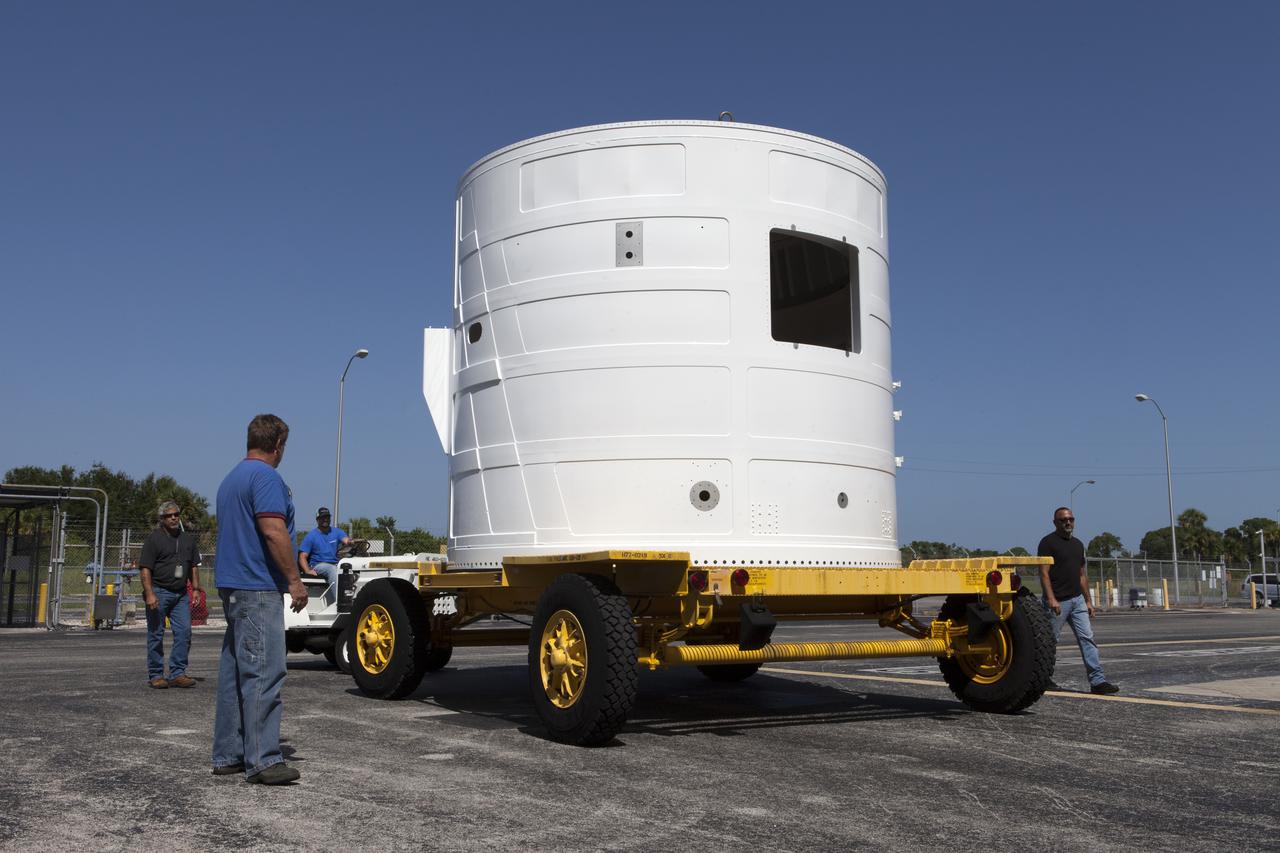
The Exploration Mission-1 (EM-1) left-hand forward skirt for NASA's Space Launch System (SLS) solid rocket boosters arrives at the Booster Fabrication Facility (BFF) at NASA's Kennedy Space Center in Florida from Hangar AE at Cape Canaveral Air Force Station. In the BFF, the forward skirt will be inspected and prepared for use on the left-hand solid rocket booster for EM-1. NASA's Orion spacecraft will fly atop the SLS rocket on its first uncrewed flight test.
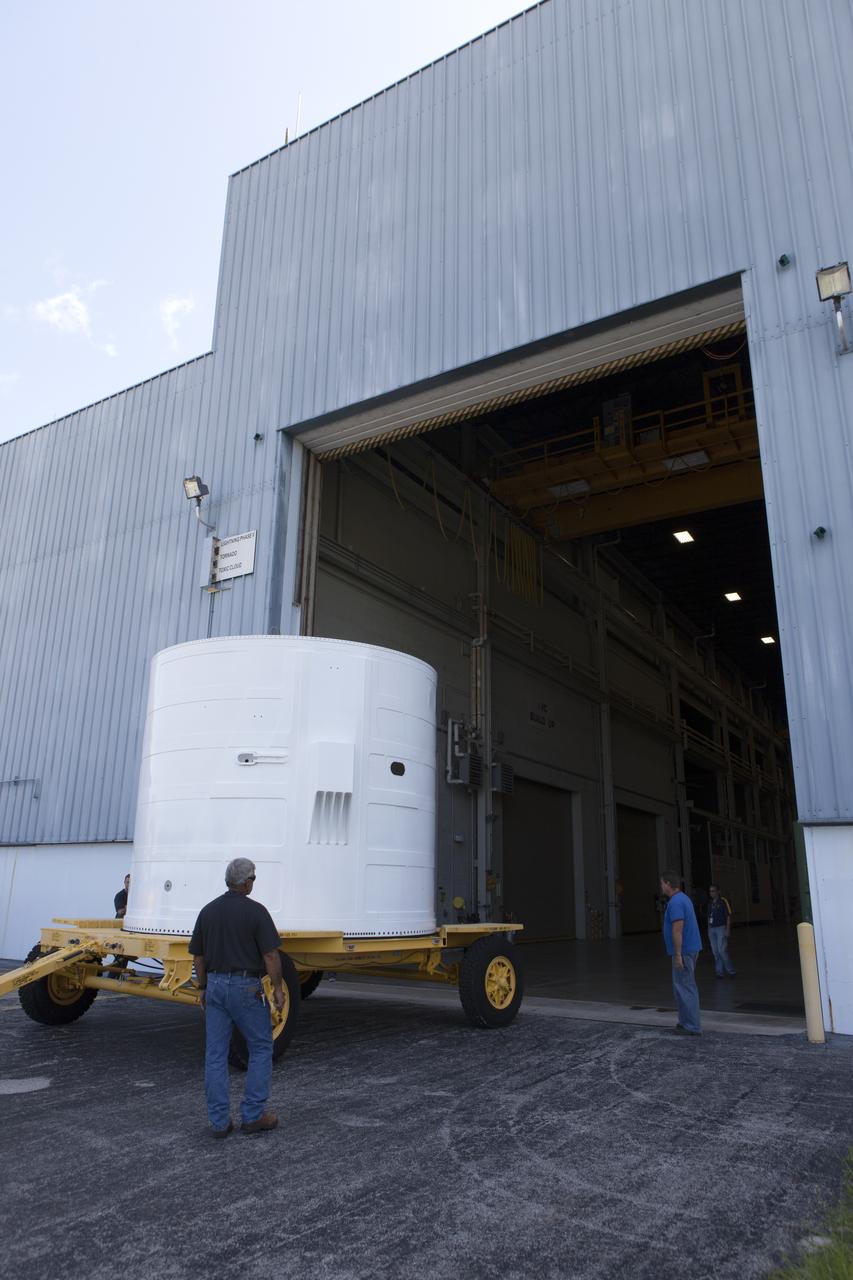
The Exploration Mission-1 (EM-1) left-hand forward skirt for NASA's Space Launch System (SLS) solid rocket boosters arrives at the entrance to the high bay at the Booster Fabrication Facility (BFF) at NASA's Kennedy Space Center in Florida. In the BFF, the forward skirt will be inspected and prepared for use on the left-hand solid rocket booster for EM-1. NASA's Orion spacecraft will fly atop the SLS rocket on its first uncrewed flight test.
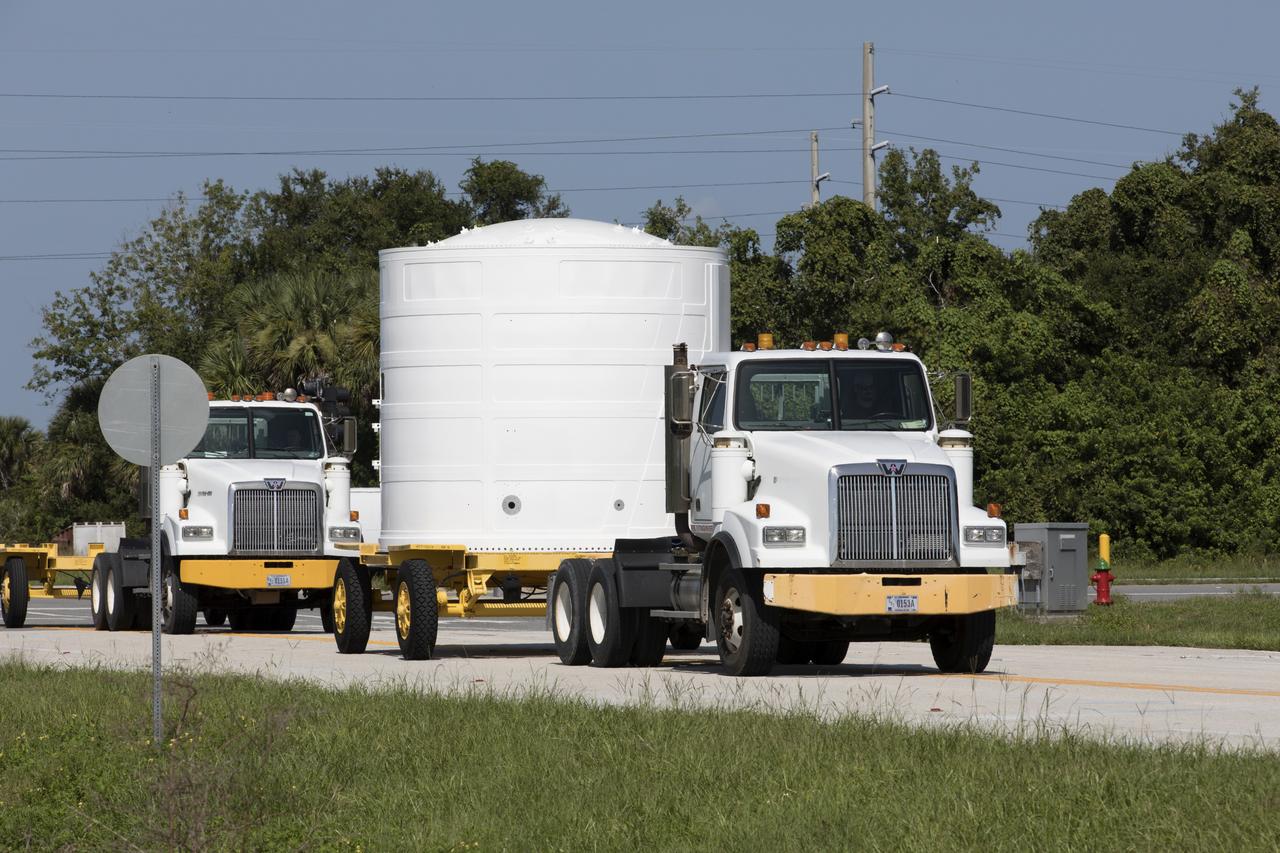
The Exploration Mission-1 (EM-1) left-hand forward skirt for NASA's Space Launch System (SLS) solid rocket boosters is transported by truck to the Booster Fabrication Facility (BFF) at NASA's Kennedy Space Center in Florida from Hangar AE at Cape Canaveral Air Force Station. In the BFF, the forward skirt will be inspected and prepared for use on the left-hand solid rocket booster for EM-1. NASA's Orion spacecraft will fly atop the SLS rocket on its first uncrewed flight test.
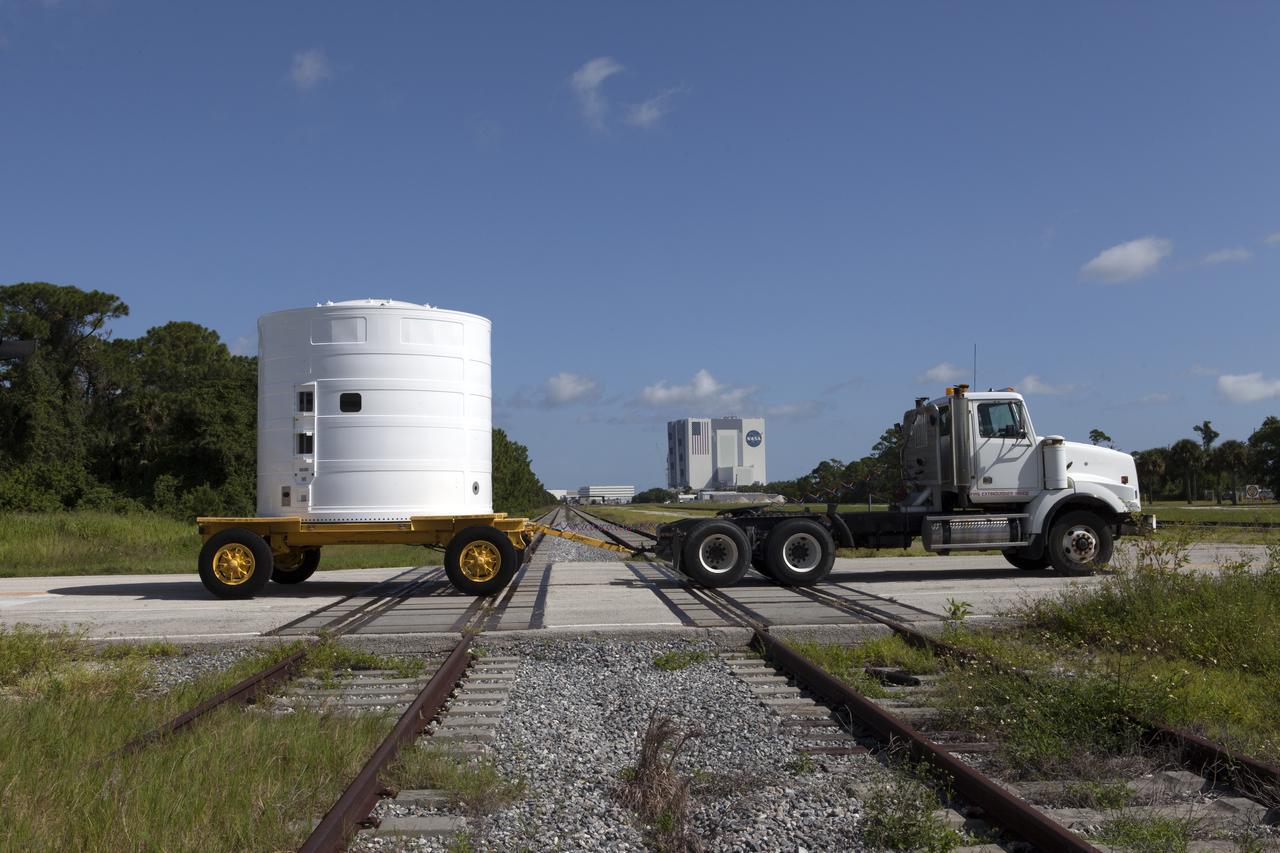
The Exploration Mission-1 (EM-1) left-hand forward skirt for NASA's Space Launch System (SLS) solid rocket boosters is transported by truck to the Booster Fabrication Facility (BFF) at NASA's Kennedy Space Center in Florida from Hangar AE at Cape Canaveral Air Force Station. In the BFF, the forward skirt will be inspected and prepared for use on the left-hand solid rocket booster for EM-1. NASA's Orion spacecraft will fly atop the SLS rocket on its first uncrewed flight test.
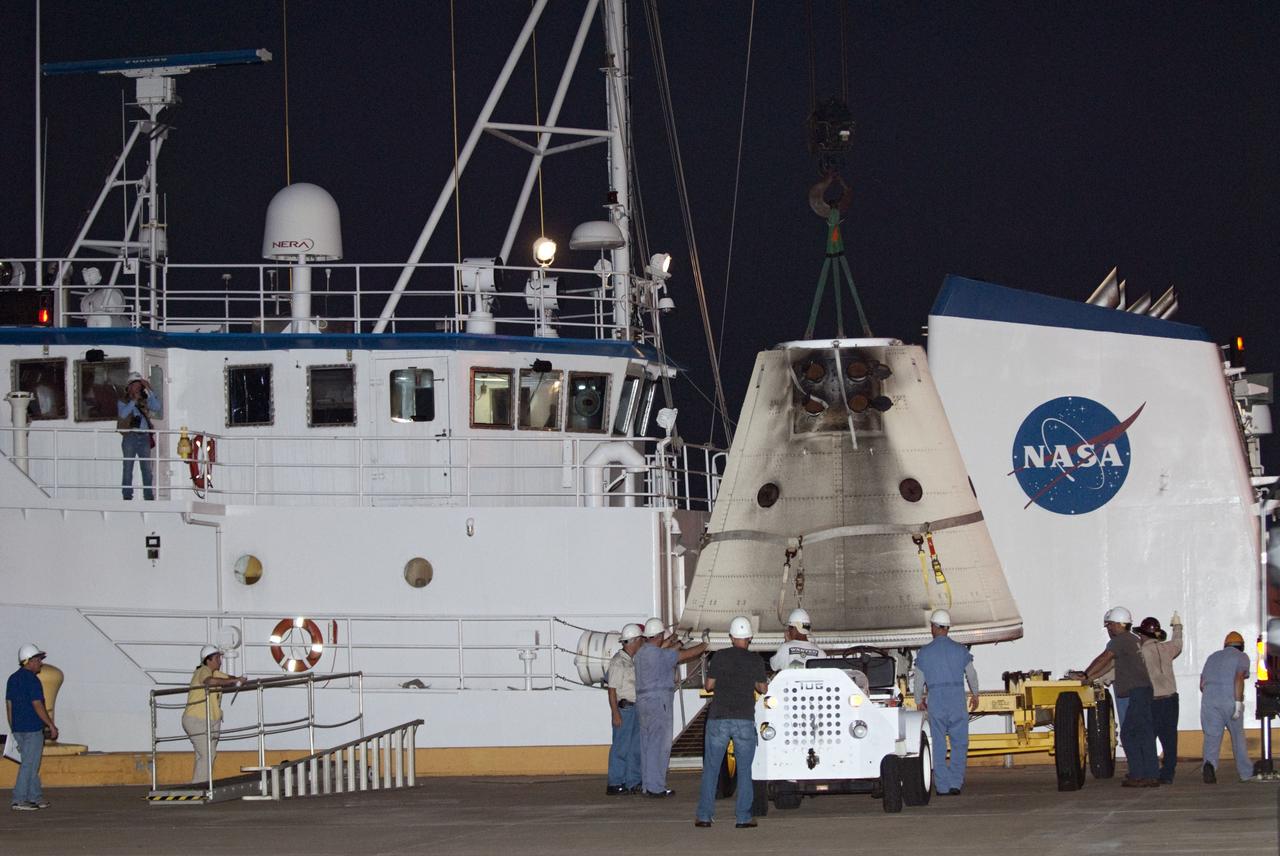
CAPE CANAVERAL, Fla. – At Hangar AF at Cape Canaveral Air Force Station in Florida, a booster retrieval ship delivers a frustum from one of space shuttle Atlantis' spent solid rocket boosters, beginning the safing process. The shuttle's two solid rocket booster casings and associated flight hardware are recovered in the Atlantic Ocean after every launch by the booster retrieval ships Freedom Star and Liberty Star. The boosters impact the Atlantic about seven minutes after liftoff and the ships are stationed about 10 miles from the impact area at the time of splashdown. After the spent segments are processed, they will be transported to Utah, where they will be deserviced and stored, if needed. Atlantis began its final flight at 11:29 a.m. EDT on July 8 to deliver the Raffaello multi-purpose logistics module packed with supplies and spare parts for the International Space Station. STS-135 is the 33rd flight of Atlantis, the 37th shuttle mission to the space station, and the 135th and final mission of NASA's Space Shuttle Program. For more information, visit www.nasa.gov/mission_pages/shuttle/shuttlemissions/sts135/index.html. Photo credit: NASA/Kim Shiflett
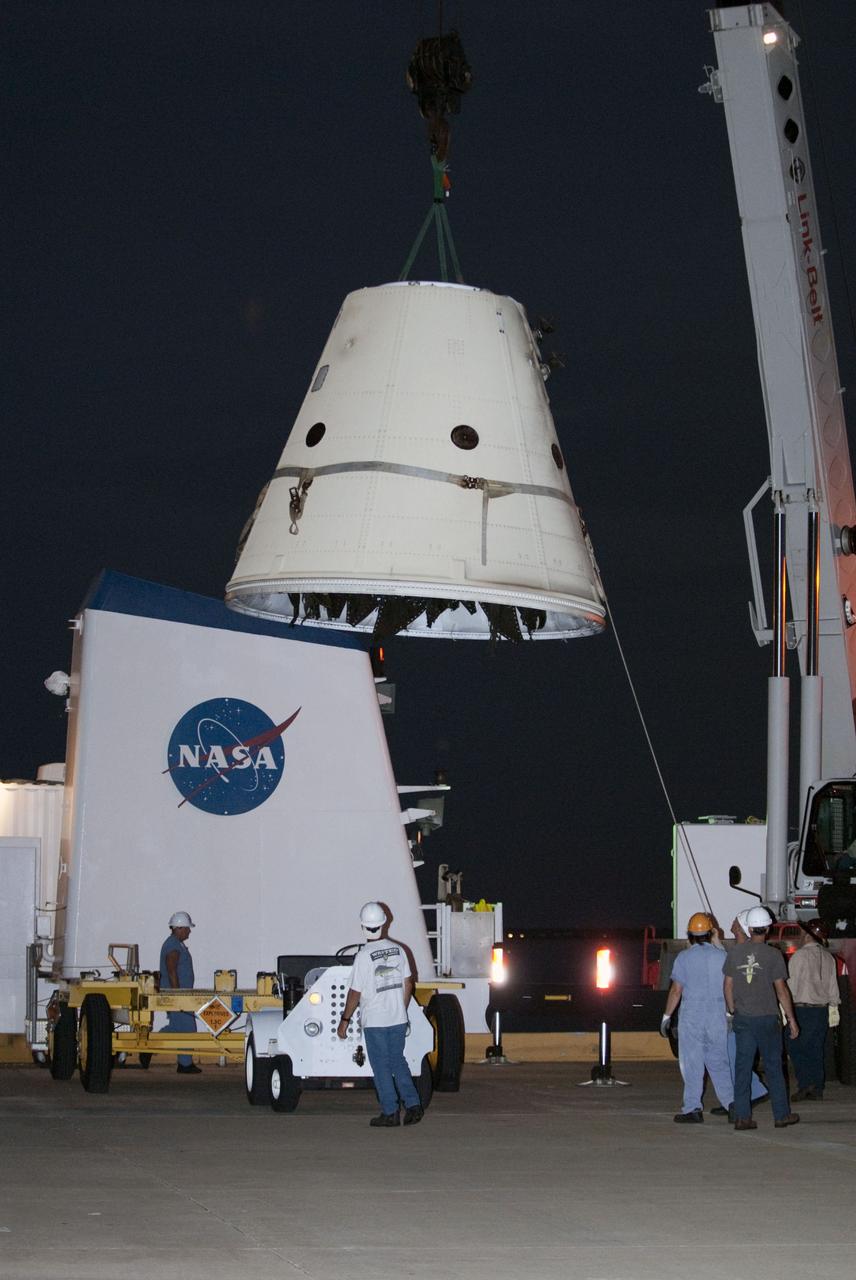
CAPE CANAVERAL, Fla. – A frustum from one of space shuttle Atlantis' two spent solid rocket boosters is lowered toward the dock at Hangar AF at Cape Canaveral Air Force Station in Florida to begin the safing process. The shuttle's two solid rocket booster casings and associated flight hardware are recovered in the Atlantic Ocean after every launch by the booster retrieval ships Freedom Star and Liberty Star. The boosters impact the Atlantic about seven minutes after liftoff and the ships are stationed about 10 miles from the impact area at the time of splashdown. After the spent segments are processed, they will be transported to Utah, where they will be deserviced and stored, if needed. Atlantis began its final flight at 11:29 a.m. EDT on July 8 to deliver the Raffaello multi-purpose logistics module packed with supplies and spare parts for the International Space Station. STS-135 is the 33rd flight of Atlantis, the 37th shuttle mission to the space station, and the 135th and final mission of NASA's Space Shuttle Program. For more information, visit www.nasa.gov/mission_pages/shuttle/shuttlemissions/sts135/index.html. Photo credit: NASA/Kim Shiflett
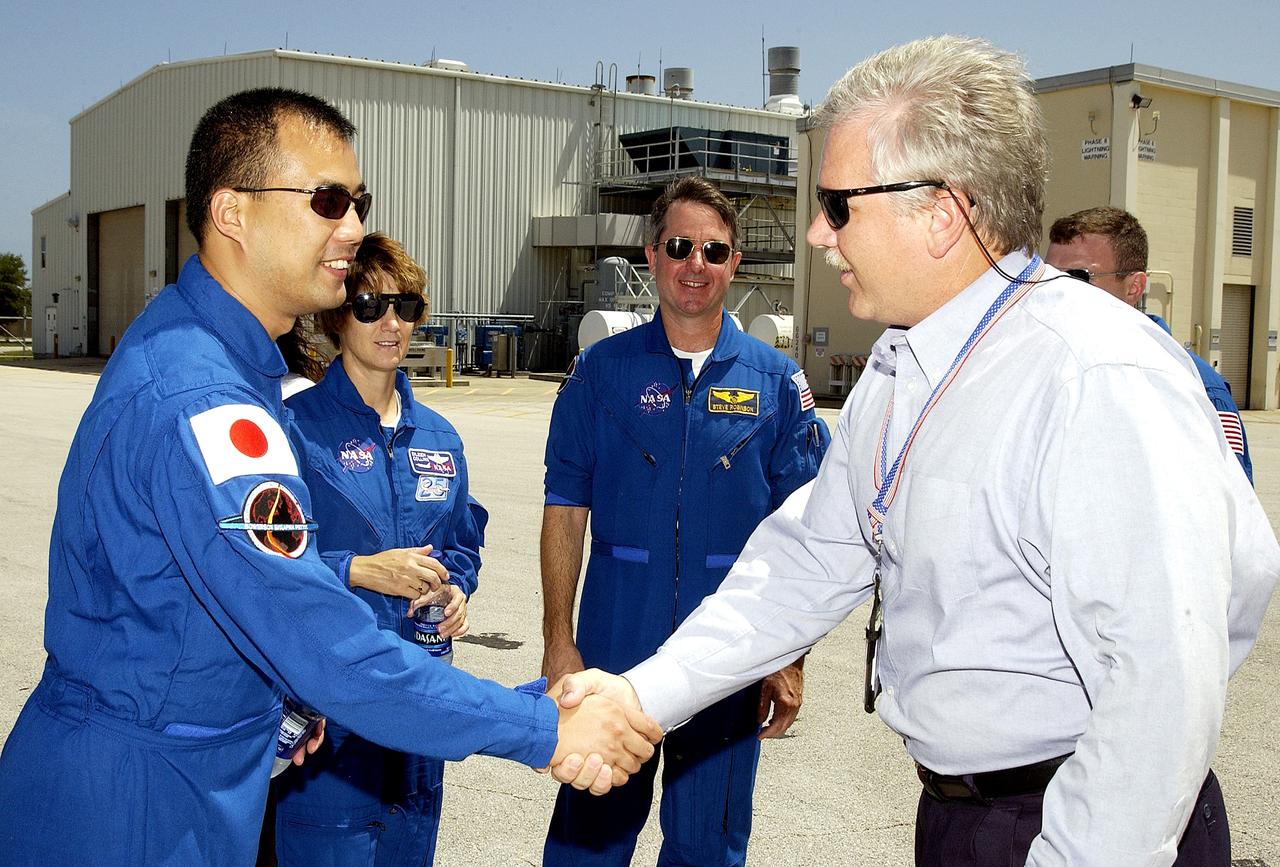
KENNEDY SPACE CENTER, FLA. - The STS-114 crew is welcomed to Hangar AF, Cape Canaveral Air Force Station, by Joseph Chaput, with United Space Alliance. The crew, from left, are Mission Specialist Soichi Noguchi, Commander Eileen Collins, Mission Specialist Stephen Robinson and (partially hidden) Pilot James Kelly. Noguchi is with the Japanese space agency NASDA. On the mission, the crew will carry the MultiPurpose Logistics Module (MPLM) Raffaello and External Stowage Platform 2 to the International Space Station. The MPLM will contain supplies and equipment. Another goal of the mission is to remove and replace a Control Moment Gyro. Launch date for mission STS-114 is under review. Hangar AF is the site where SRB Retrieval Ships return the spent solid rocket boosters after a Shuttle launch. The SRBs are lifted from the water and placed on rail cars to begin the disassembly and refurbishment process.
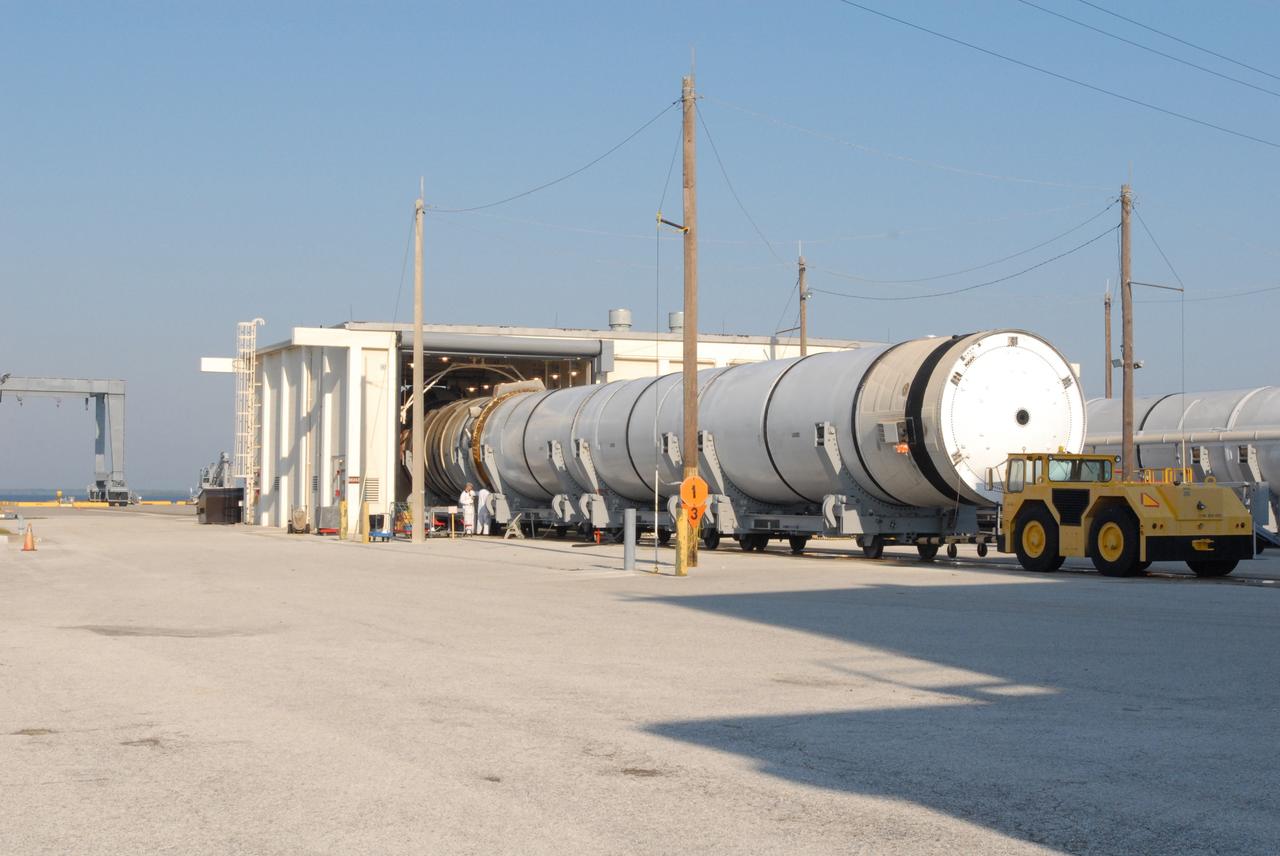
CAPE CANAVERAL, Fla. – At Hangar AF at Cape Canaveral Air Force Station in Florida, two spent solid rocket boosters from space shuttle Endeavour, which launched Nov. 14 on the STS-126 mission, move into the hangar for inspection. The space shuttle’s solid rocket booster casings and associated flight hardware are recovered at sea after being jettisoned. The boosters impact the Atlantic Ocean approximately seven minutes after liftoff. After their recovery and transport to Hangar AF, the boosters are cleaned, inspected, disassembled, refurbished and reloaded with solid propellant for reuse. Photo credit: NASA/Jim Grossmann
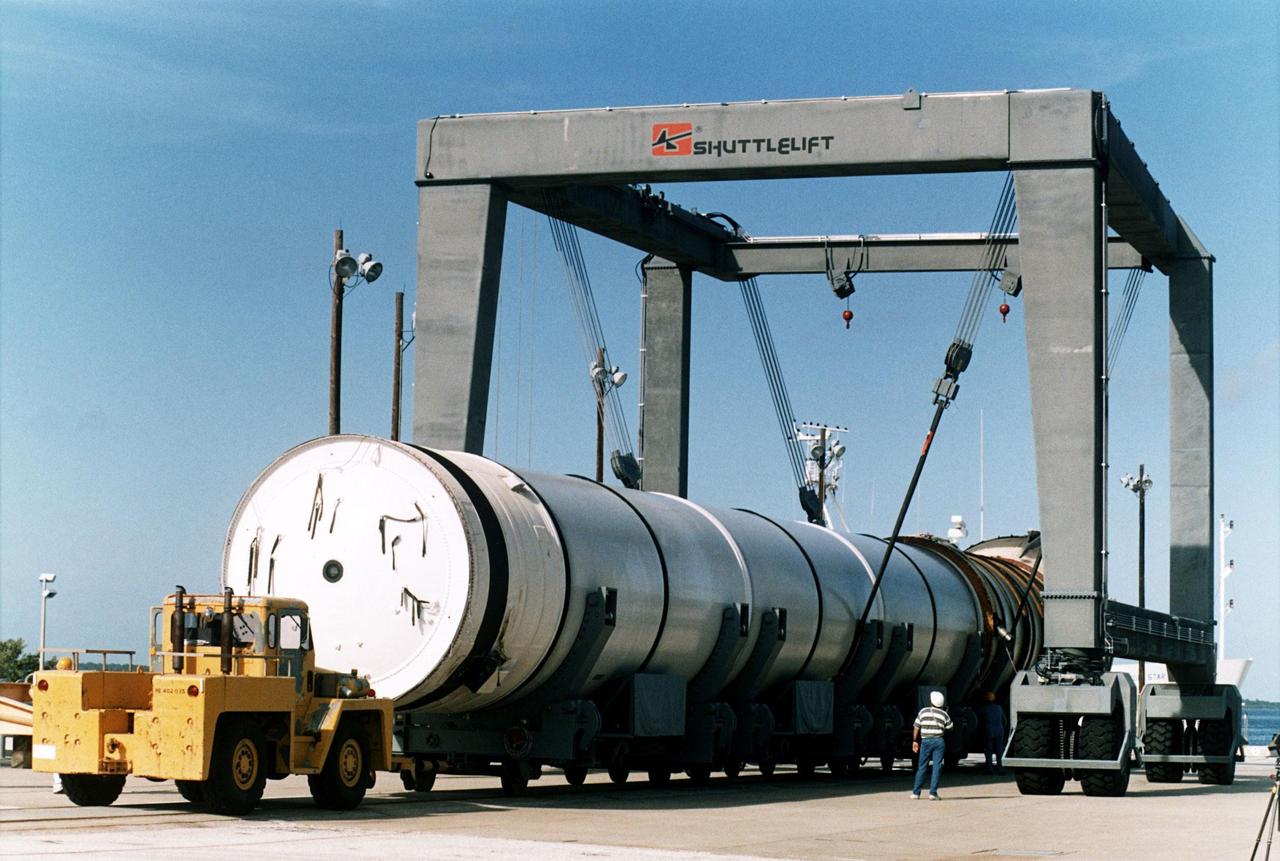
A spent solid rocket booster (SRB) from the STS-87 launch on Nov. 19 is lifted in a hoisting slip in the Hangar AF area at Cape Canaveral Air Station. Hangar AF is a building originally used for Project Mercury, the first U.S. manned space program. The SRBs are the largest solid propellant motors ever flown and the first designed for reuse. After a Shuttle is launched, the SRBs are jettisoned at two minutes, seven seconds into the flight. At six minutes and 44 seconds after liftoff, the spent SRBs, weighing about 165,000 lb., have slowed their descent speed to about 62 mph and splashdown takes place in a predetermined area. They are retrieved from the Atlantic Ocean by special recovery vessels and returned for refurbishment and eventual reuse on future Shuttle flights. Once at Hangar AF, the SRBs are unloaded onto a hoisting slip and mobile gantry cranes lift them onto tracked dollies where they are safed and undergo their first washing
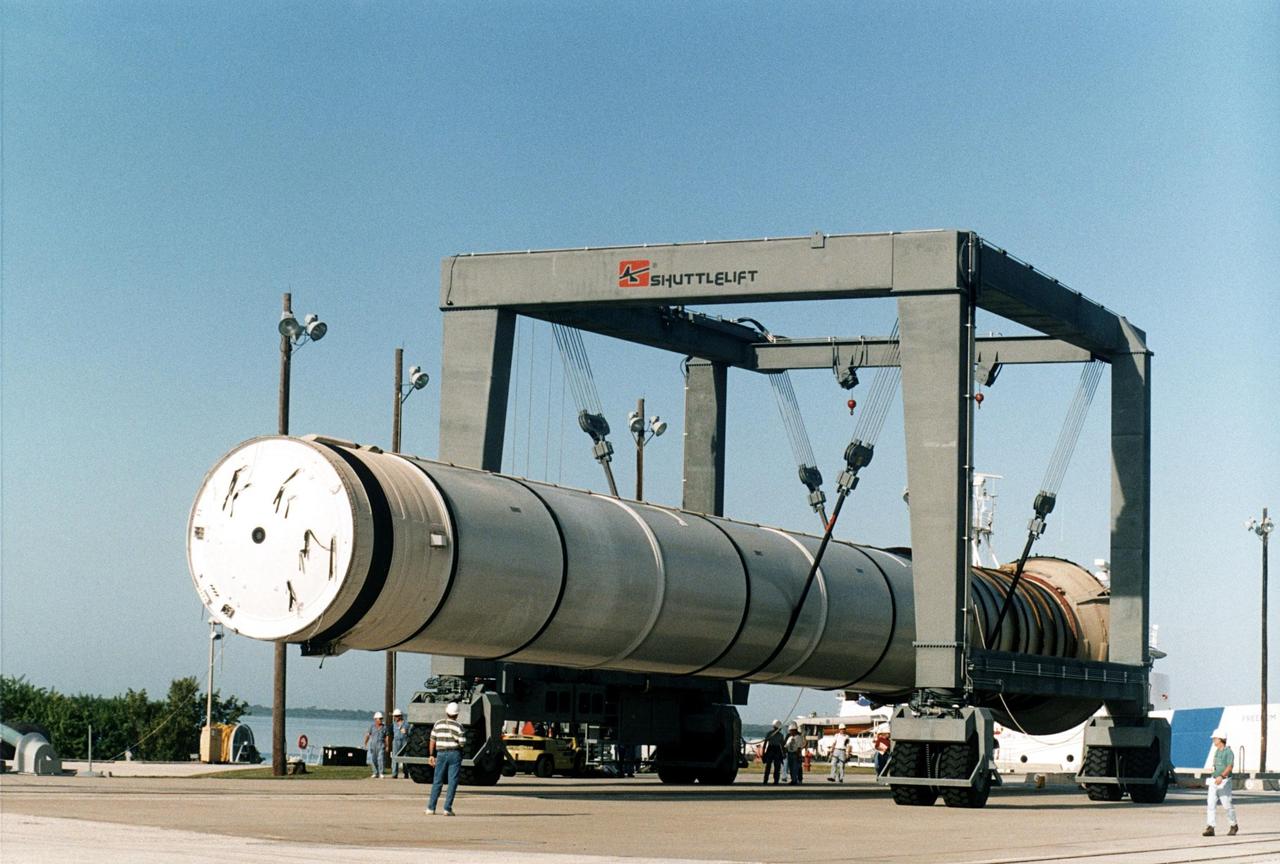
A spent solid rocket booster (SRB) from the STS-87 launch on Nov. 19 is lifted in a hoisting slip in the Hangar AF area at Cape Canaveral Air Station. Hangar AF is a building originally used for Project Mercury, the first U.S. manned space program. The SRBs are the largest solid propellant motors ever flown and the first designed for reuse. After a Shuttle is launched, the SRBs are jettisoned at two minutes, seven seconds into the flight. At six minutes and 44 seconds after liftoff, the spent SRBs, weighing about 165,000 lb., have slowed their descent speed to about 62 mph and splashdown takes place in a predetermined area. They are retrieved from the Atlantic Ocean by special recovery vessels and returned for refurbishment and eventual reuse on future Shuttle flights. Once at Hangar AF, the SRBs are unloaded onto a hoisting slip and mobile gantry cranes lift them onto tracked dollies where they are safed and undergo their first washing
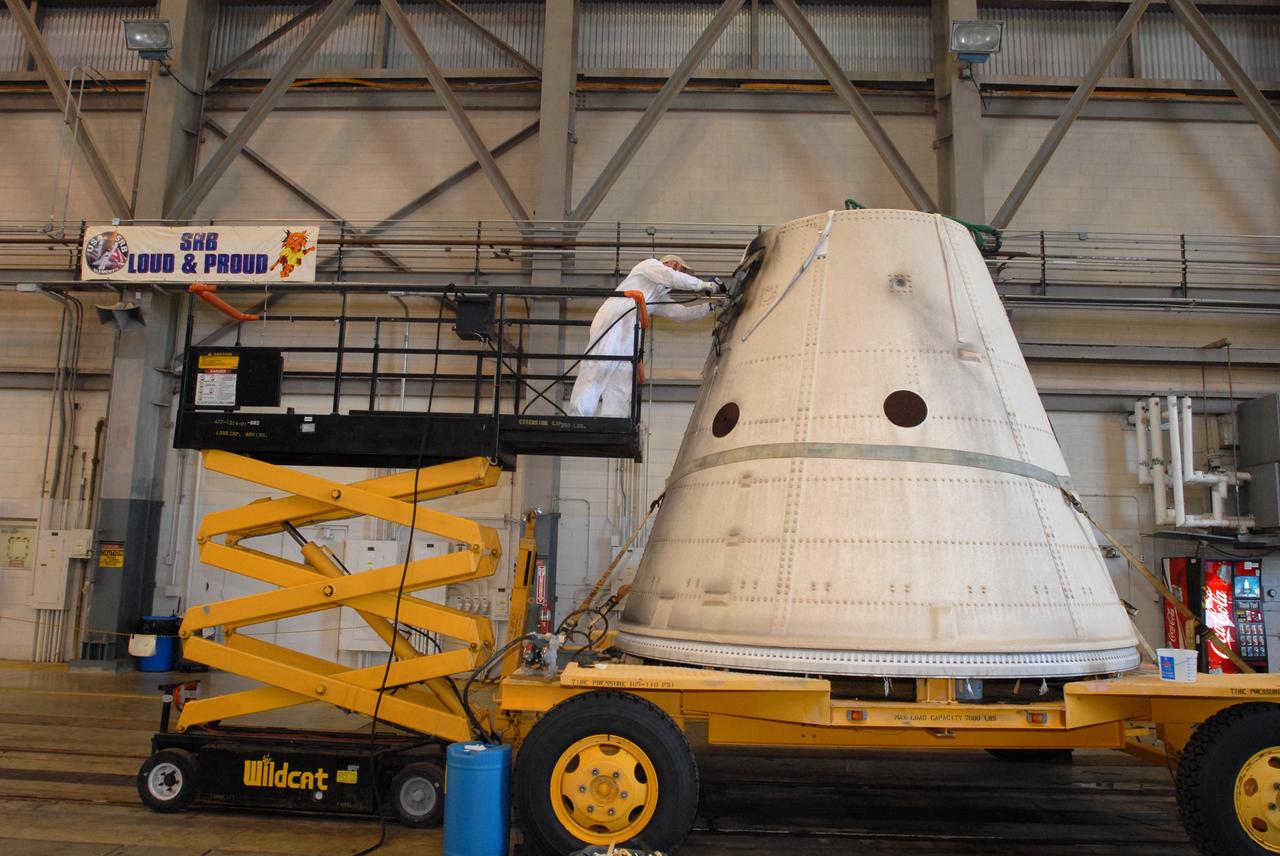
CAPE CANAVERAL, Fla. – At Hangar AF at Cape Canaveral Air Force Station in Florida, a worker examines one of the frustums from two spent solid rocket boosters from space shuttle Endeavour, which launched Nov. 14 on the STS-126 mission. The frustum was offloaded from the solid rocket booster retrieval ship Freedom Star and moved inside the Hangar AF High Bay for disassembly. The space shuttle’s solid rocket booster casings and associated flight hardware are recovered at sea after being jettisoned. The boosters impact the Atlantic Ocean approximately seven minutes after liftoff. After their recovery and transport to Hangar AF, the boosters are cleaned, inspected, disassembled, refurbished and reloaded with solid propellant for reuse. Photo credit: NASA/Jim Grossmann
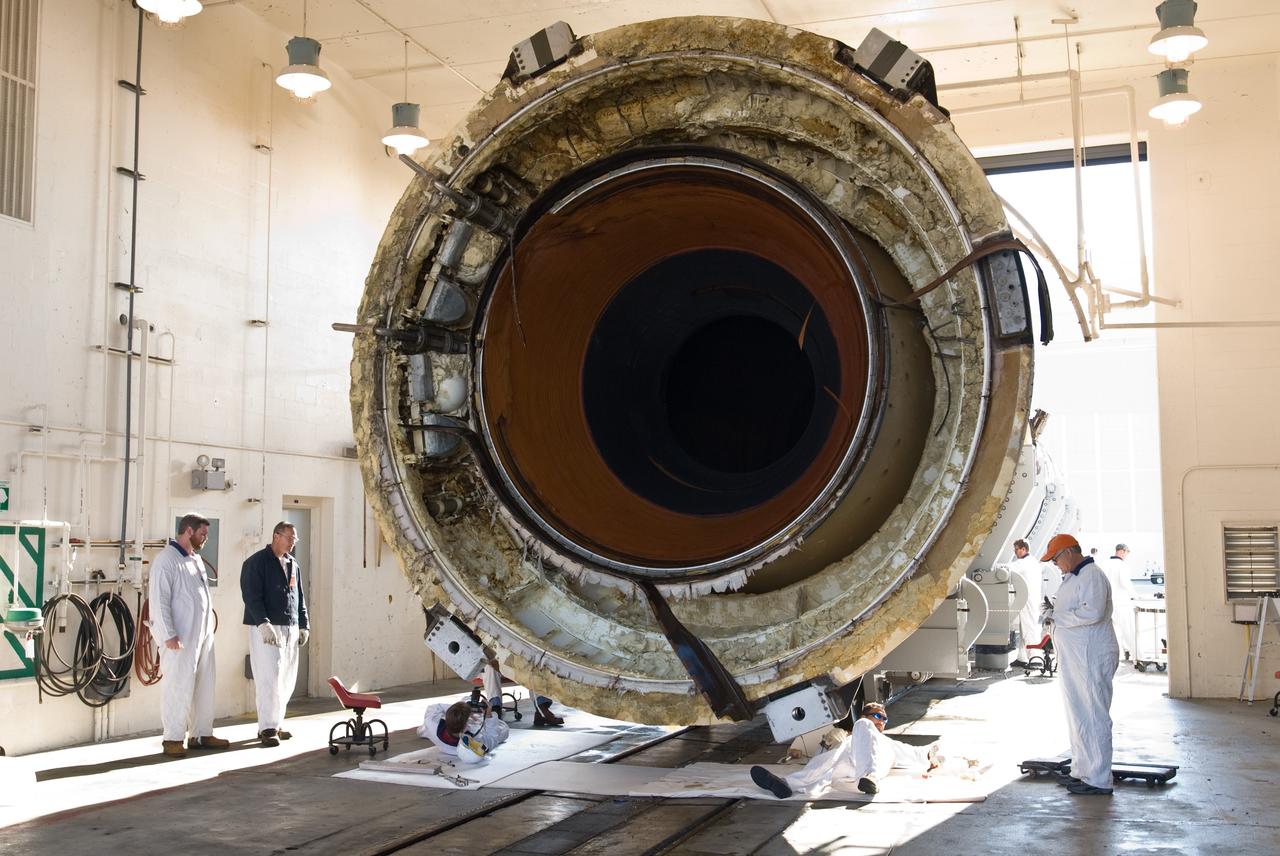
CAPE CANAVERAL, Fla. – At Hangar AF at Cape Canaveral Air Force Station in Florida, workers inspect the aft section of one of two spent solid rocket boosters from space shuttle Endeavour, which launched Nov. 14 on the STS-126 mission. The space shuttle’s solid rocket booster casings and associated flight hardware are recovered at sea after being jettisoned. The boosters impact the Atlantic Ocean approximately seven minutes after liftoff. After their recovery and transport to Hangar AF, the boosters are cleaned, inspected, disassembled, refurbished and reloaded with solid propellant for reuse. Photo credit: NASA/Jim Grossmann
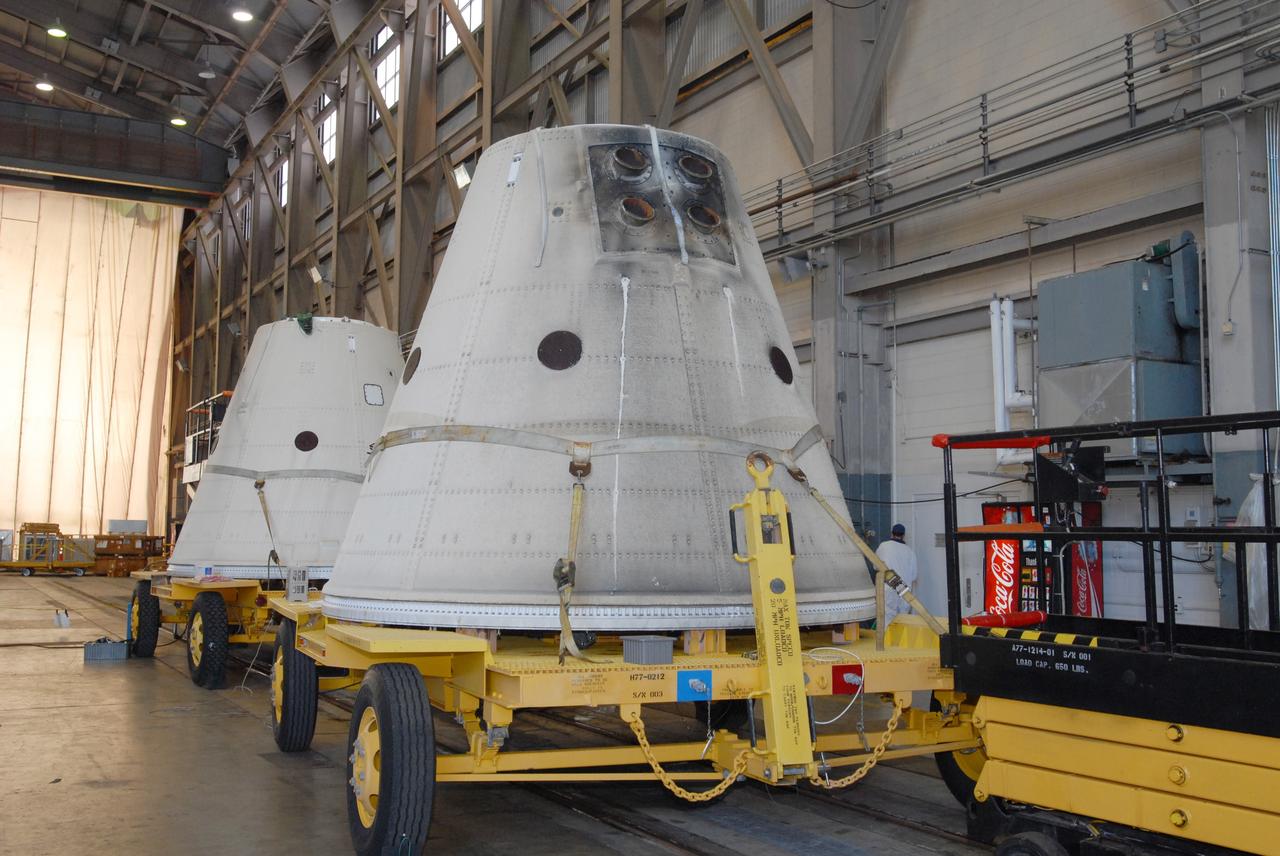
CAPE CANAVERAL, Fla. – At Hangar AF at Cape Canaveral Air Force Station in Florida, the frustum from two spent solid rocket boosters from space shuttle Endeavour, which launched Nov. 14 on the STS-126 mission, wait to be examined. The space shuttle’s solid rocket booster casings and associated flight hardware are recovered at sea after being jettisoned. The boosters impact the Atlantic Ocean approximately seven minutes after liftoff. After their recovery and transport to Hangar AF, the boosters are cleaned, inspected, disassembled, refurbished and reloaded with solid propellant for reuse. Photo credit: NASA/Jim Grossmann
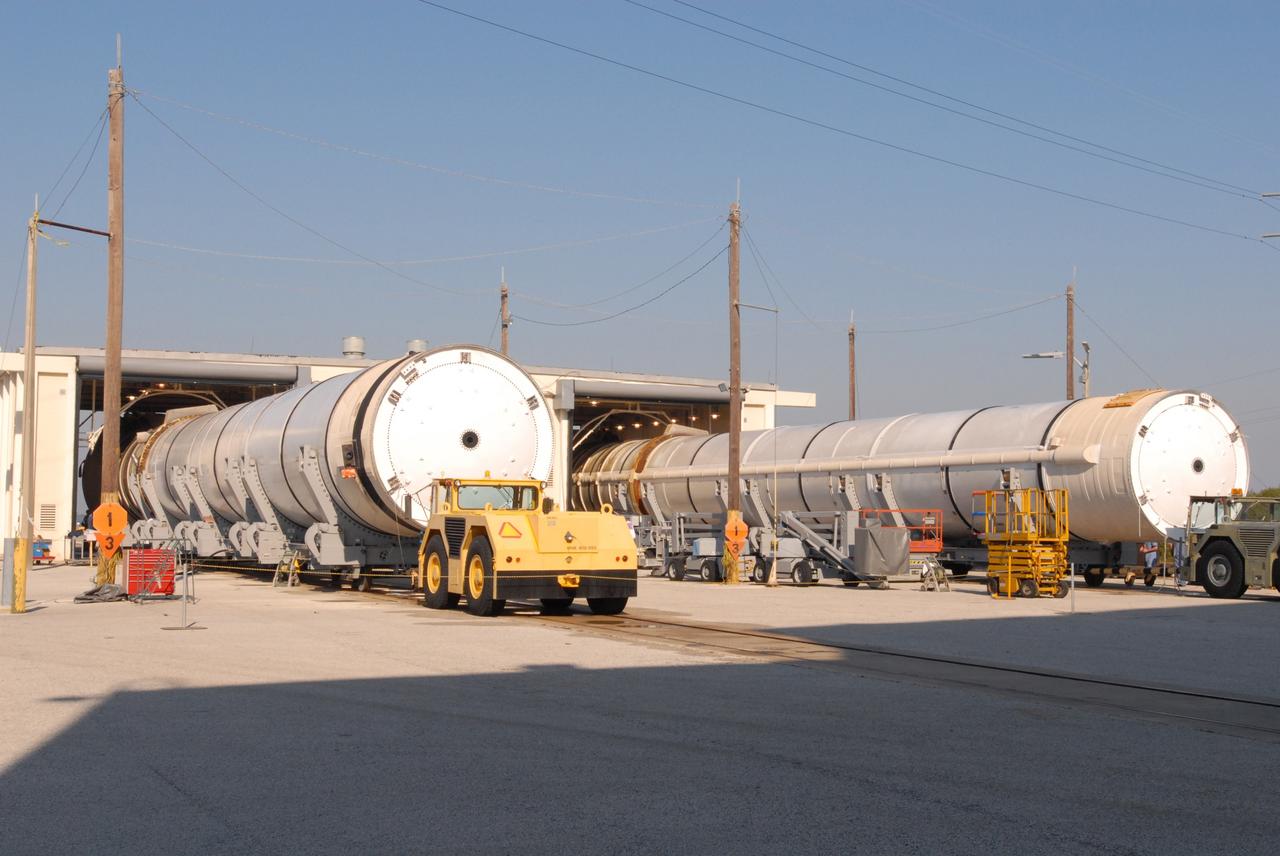
CAPE CANAVERAL, Fla. – After inspection, the two spent solid rocket boosters from space shuttle Endeavour, which launched Nov. 14 on the STS-126 mission, leave Hangar AF at Cape Canaveral Air Force Station in Florida. The SRBs will be rinsed one more time and then moved inside the hangar, where they remain for the rest of the disassembly operations. The space shuttle’s solid rocket booster casings and associated flight hardware are recovered at sea after being jettisoned. The boosters impact the Atlantic Ocean approximately seven minutes after liftoff. After their recovery and transport to Hangar AF, the boosters are cleaned, inspected, disassembled, refurbished and reloaded with solid propellant for reuse. Photo credit: NASA/Jim Grossmann

KENNEDY SPACE CENTER, FLA. -- The frustum of a forward skirt assembly of a spent solid rocket booster (SRB) from the STS-87 launch on Nov. 19 is transported into the Hangar AF area at Cape Canaveral Air Station. Hangar AF is a building originally used for Project Mercury, the first U.S. manned space program. The SRBs are the largest solid propellant motors ever flown and the first designed for reuse. After a Shuttle is launched, the SRBs are jettisoned at two minutes, seven seconds into the flight. At six minutes and 44 seconds after liftoff, the spent SRBs, weighing about 165,000 lb., have slowed their descent speed to about 62 mph and splashdown takes place in a predetermined area. They are retrieved from the Atlantic Ocean by special recovery vessels and returned for refurbishment and eventual reuse on future Shuttle flights. Once at Hangar AF, the SRBs are unloaded onto a hoisting slip and mobile gantry cranes lift them onto tracked dollies where they are safed and undergo their first washing
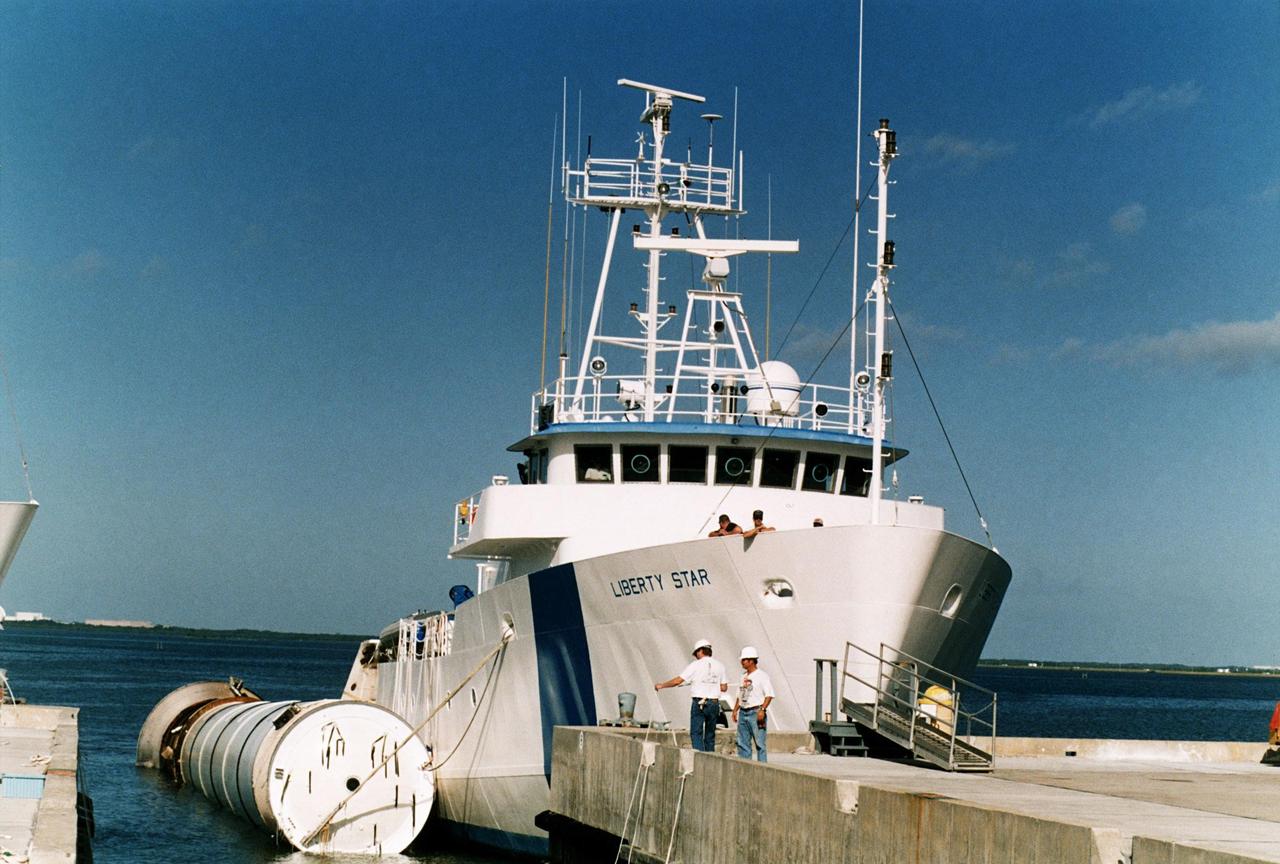
KENNEDY SPACE CENTER, FLA. -- Seen carrying a spent solid rocket booster (SRB) from the STS-87 launch on Nov. 19 is the solid rocket booster recovery ship Liberty Star as it reenters the Hangar AF area at Cape Canaveral Air Station. Hangar AF is a building originally used for Project Mercury, the first U.S. manned space program. The SRBs are the largest solid propellant motors ever flown and the first designed for reuse. After a Shuttle is launched, the SRBs are jettisoned at two minutes, seven seconds into the flight. At six minutes and 44 seconds after liftoff, the spent SRBs, weighing about 165,000 lb., have slowed their descent speed to about 62 mph and splashdown takes place in a predetermined area. They are retrieved from the Atlantic Ocean by special recovery vessels and returned for refurbishment and eventual reuse on future Shuttle flights. Once at Hangar AF, the SRBs are unloaded onto a hoisting slip and mobile gantry cranes lift them onto tracked dollies where they are safed and undergo their first washing
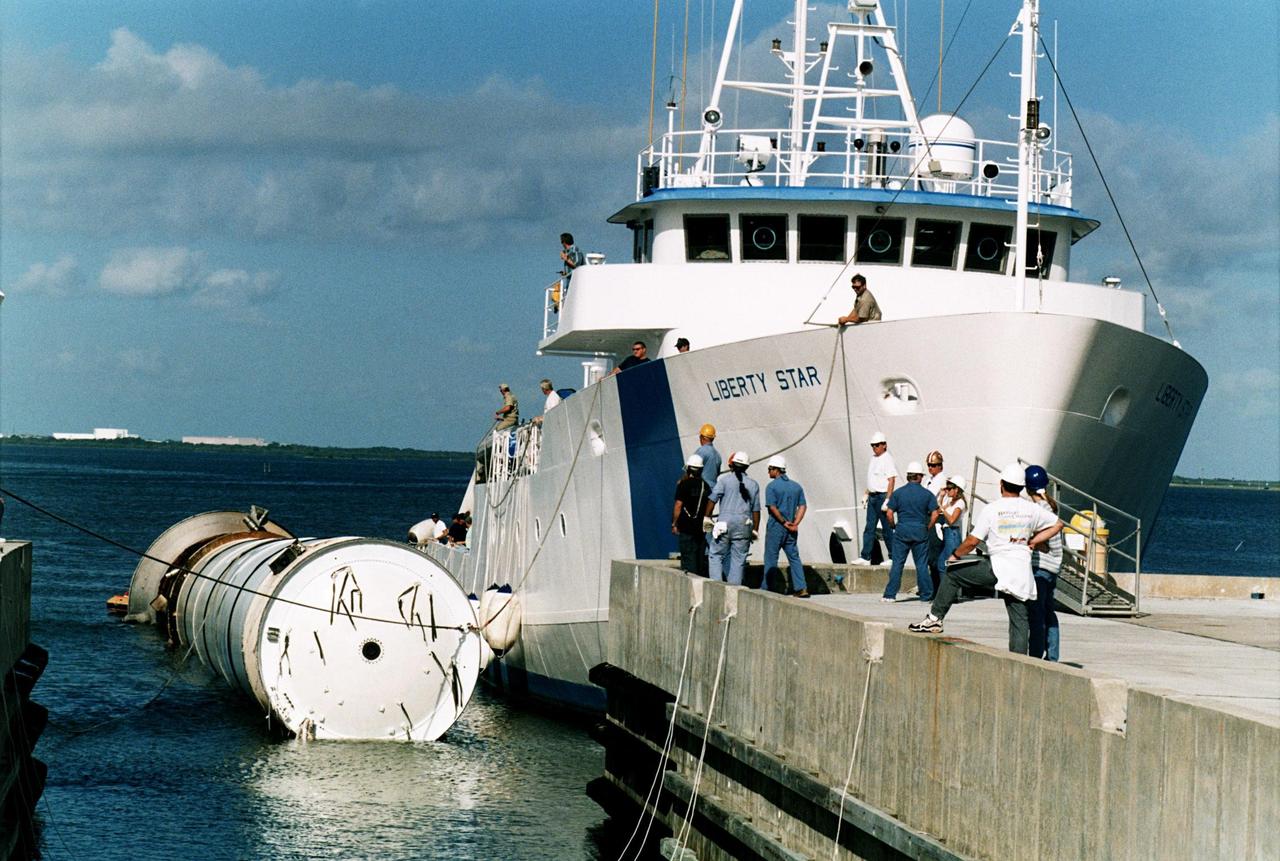
KENNEDY SPACE CENTER, FLA. -- Seen carrying a spent solid rocket booster (SRB) from the STS-87 launch on Nov. 19 is the solid rocket booster recovery ship Liberty Star as it reenters the Hangar AF area at Cape Canaveral Air Station. Hangar AF is a building originally used for Project Mercury, the first U.S. manned space program. The SRBs are the largest solid propellant motors ever flown and the first designed for reuse. After a Shuttle is launched, the SRBs are jettisoned at two minutes, seven seconds into the flight. At six minutes and 44 seconds after liftoff, the spent SRBs, weighing about 165,000 lb., have slowed their descent speed to about 62 mph and splashdown takes place in a predetermined area. They are retrieved from the Atlantic Ocean by special recovery vessels and returned for refurbishment and eventual reuse on future Shuttle flights. Once at Hangar AF, the SRBs are unloaded onto a hoisting slip and mobile gantry cranes lift them onto tracked dollies where they are safed and undergo their first washing
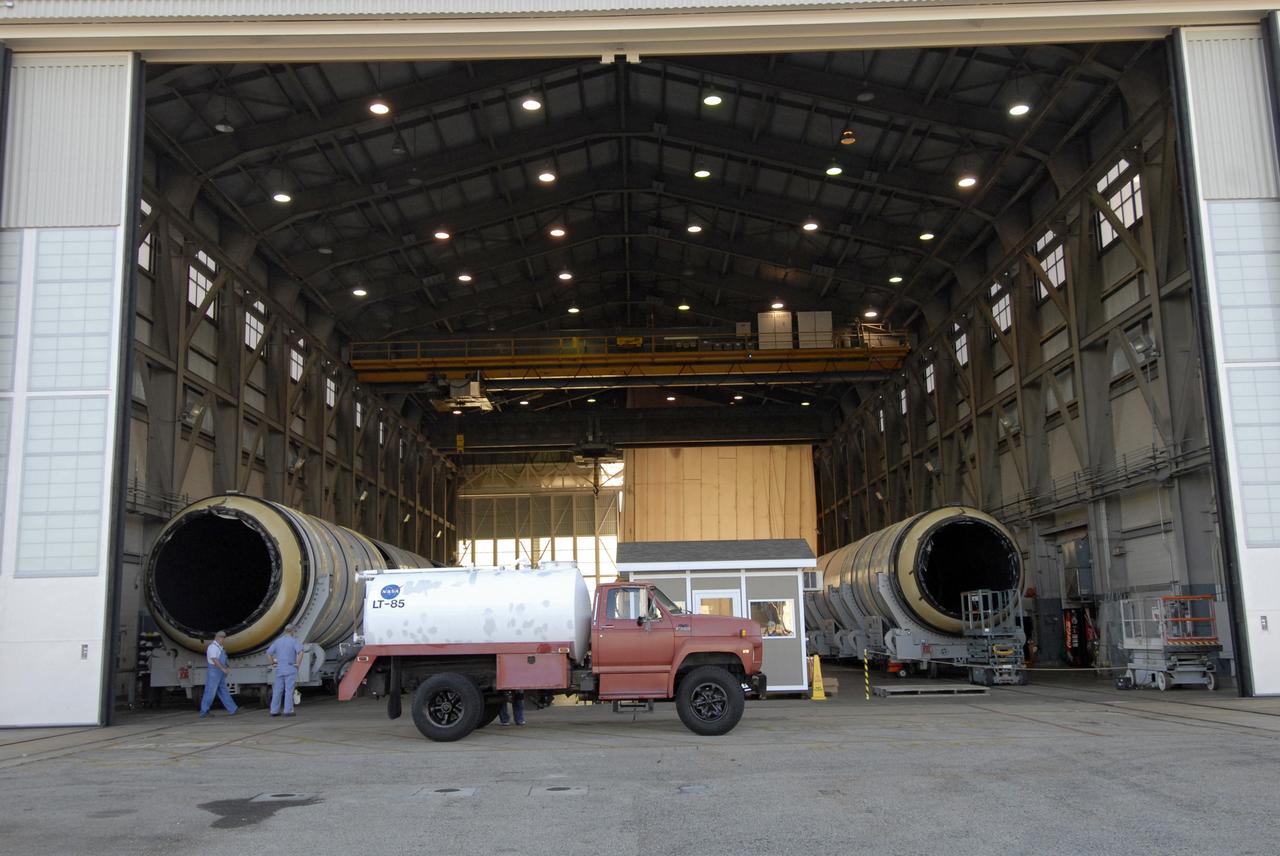
CAPE CANAVERAL, Fla. -- In Hangar AF at Cape Canaveral, Fla., the disassembled solid rocket boosters from the STS-126 launch will be transported to the NASA railway. The segments will be sent to ATK (Alliant Techsystems) in Utah for final processing and return to Kennedy for another shuttle launch. Photo credit: NASA/Jack Pfaller
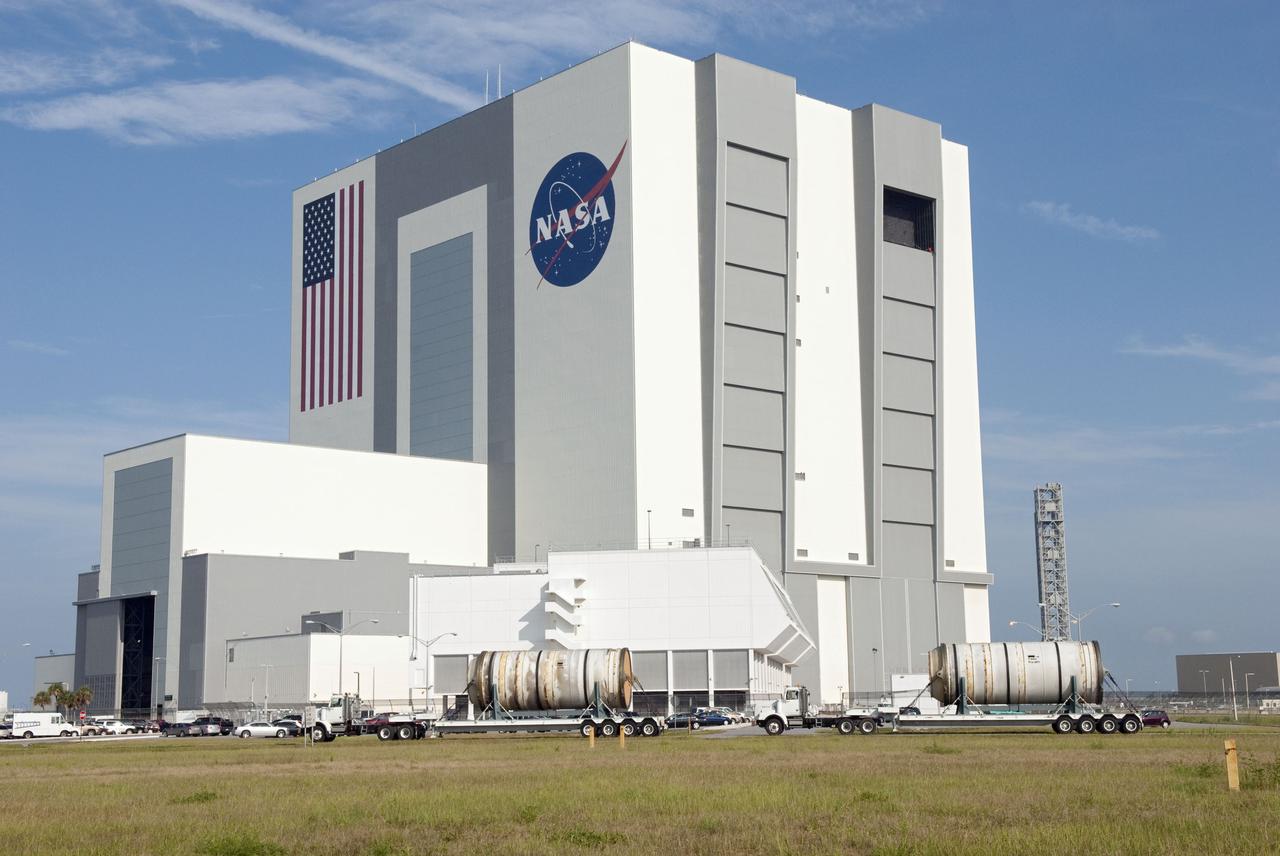
CAPE CANAVERAL, Fla. -- At NASA's Kennedy Space Center in Florida, spent solid rocket booster segments used for the STS-132 mission are being transported from Hangar AF to the Locomotive Maintenance Facility. They will be loaded onto railcars and returned to the ATK solid rocket booster plant in Promontory, Utah. Photo credit: NASA_Jim Grossmann

CAPE CANAVERAL, Fla. – An aerial view of the Solid Rocket Booster Recovery Ships Liberty Star and Freedom Star at Cape Canaveral Air Force Station's Hangar AF. The ships recently returned from recovering the boosters from space shuttle Discovery's launch on the STS-128 mission. Photo credit: NASA/Troy Cryder
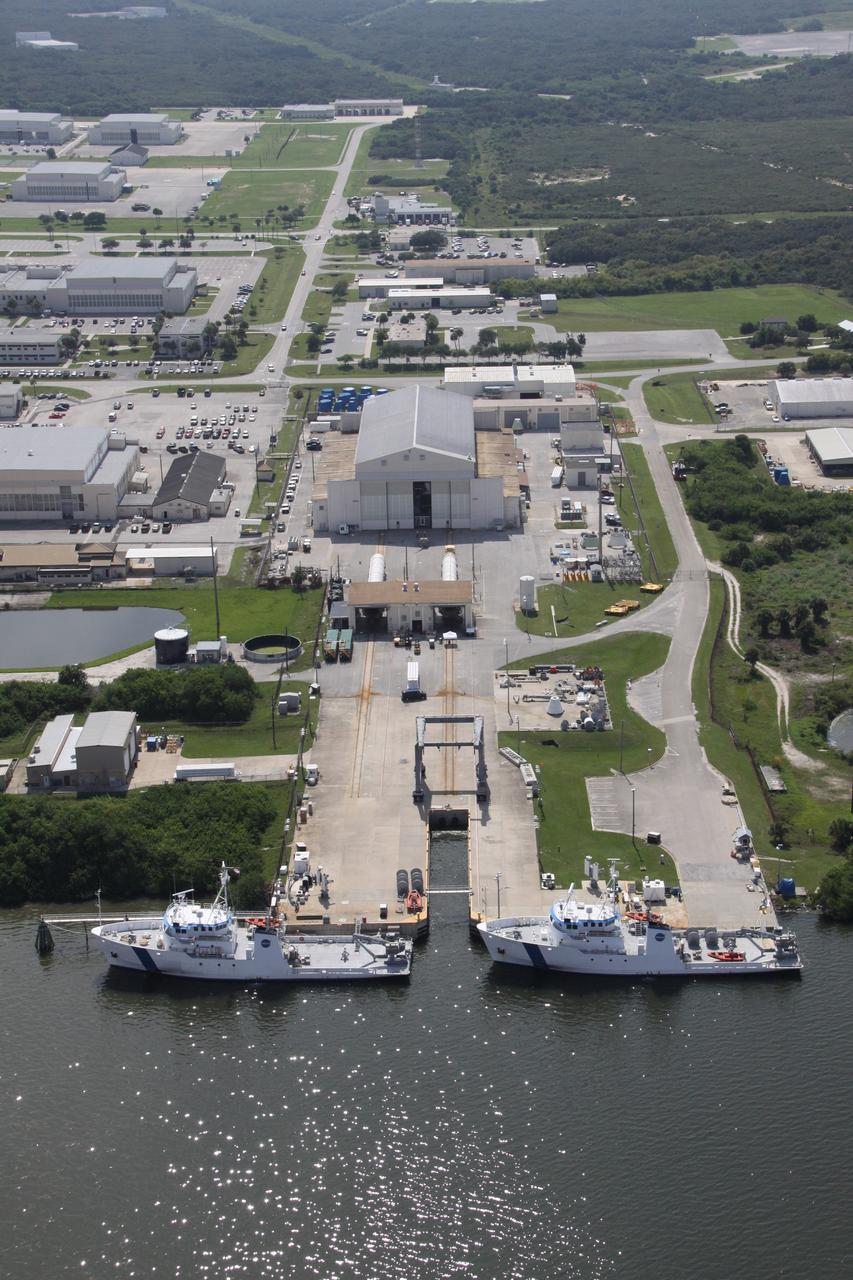
CAPE CANAVERAL, Fla. – An aerial view of the Solid Rocket Booster Recovery Ships Liberty Star and Freedom Star at Cape Canaveral Air Force Station's Hangar AF. The ships recently returned from recovering the boosters from space shuttle Discovery's launch on the STS-128 mission. Photo credit: NASA/Troy Cryder
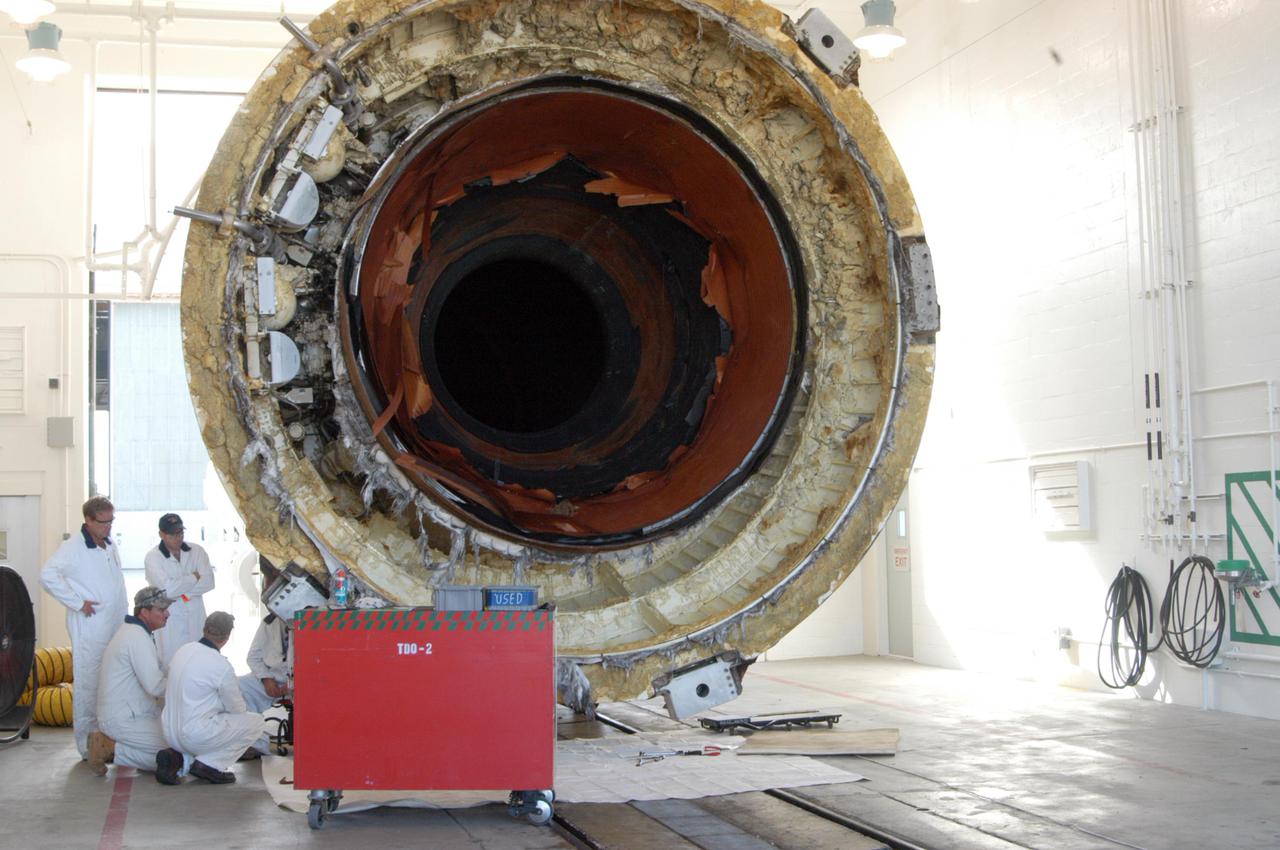
KENNEDY SPACE CENTER, FLA. - One of the spent Solid Rocket Boosters (SRBs) from the launch of Space Shuttle Discovery July 26 on Return to Flight mission STS-114 is moved into Hangar AF at Cape Canaveral Air Force Station. The SRBs are the largest solid propellant motors ever flown and the first designed for reuse. After a Shuttle is launched, the SRBs are jettisoned at two minutes, seven seconds into the flight. At six minutes and 44 seconds after liftoff, the spent SRBs, weighing about 165,000 lb., have slowed their descent speed to about 62 mph and splashdown takes place in a predetermined area. They are retrieved from the Atlantic Ocean by special recovery vessels and returned for refurbishment and eventual reuse on future Shuttle flights. Once at Hangar AF, the SRBs are unloaded onto a hoisting slip and mobile gantry cranes lift them onto tracked dollies where they are safed and undergo their first washing.
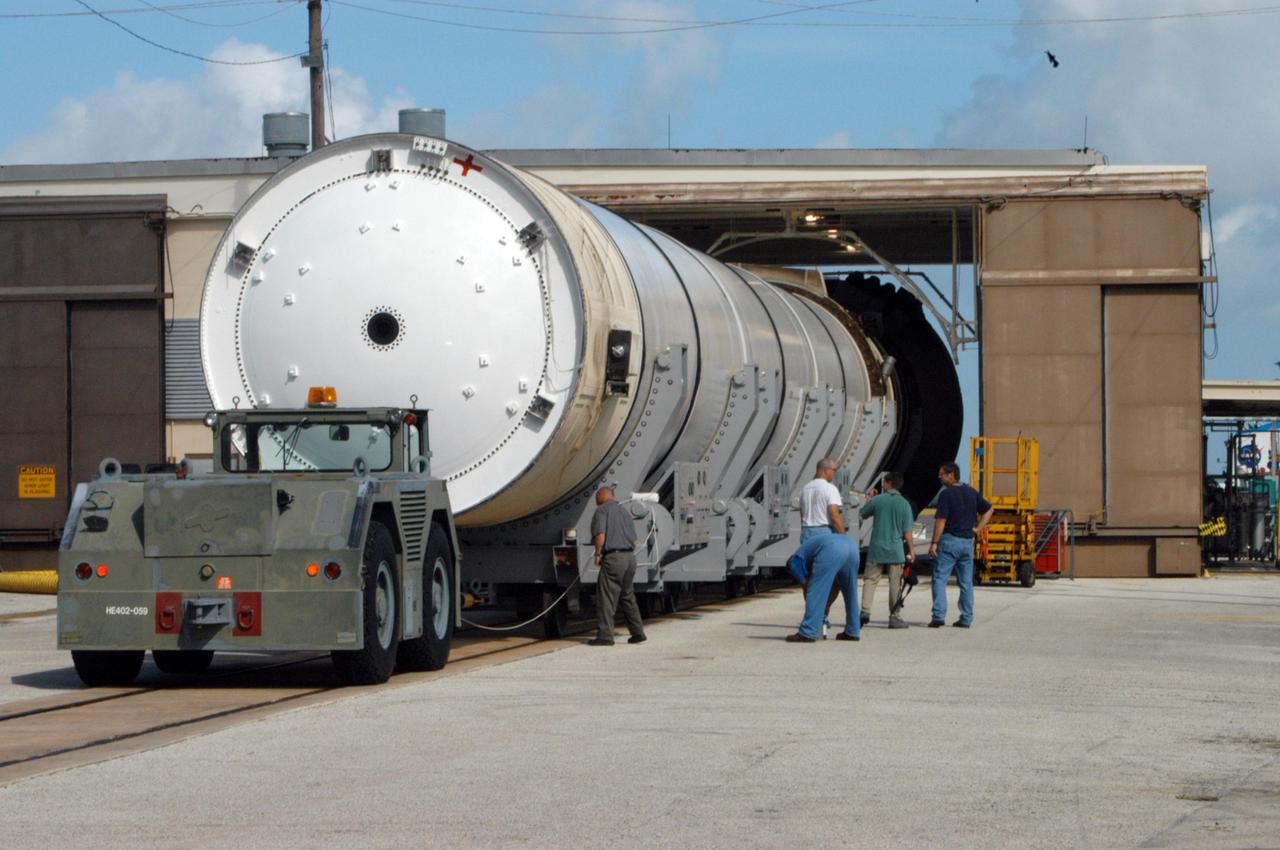
KENNEDY SPACE CENTER, FLA. - Workers in Hangar AF at Cape Canaveral Air Force Station take a look at one of the spent Solid Rocket Boosters (SRBs) from the launch of Space Shuttle Discovery July 26 on Return to Flight mission STS-114. The SRBs are the largest solid propellant motors ever flown and the first designed for reuse. After a Shuttle is launched, the SRBs are jettisoned at two minutes, seven seconds into the flight. At six minutes and 44 seconds after liftoff, the spent SRBs, weighing about 165,000 lb., have slowed their descent speed to about 62 mph and splashdown takes place in a predetermined area. They are retrieved from the Atlantic Ocean by special recovery vessels and returned for refurbishment and eventual reuse on future Shuttle flights. Once at Hangar AF, the SRBs are unloaded onto a hoisting slip and mobile gantry cranes lift them onto tracked dollies where they are safed and undergo their first washing.
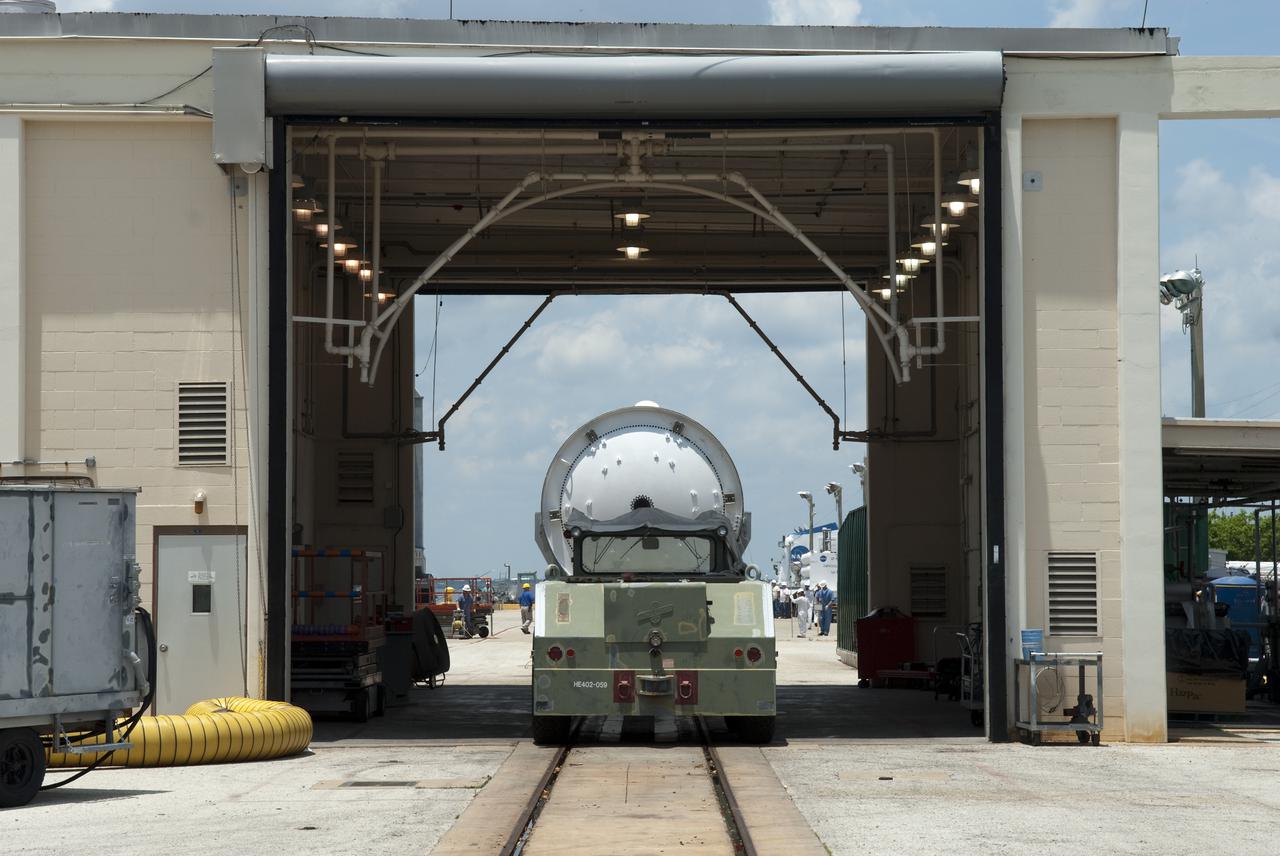
CAPE CANAVERAL, Fla. – At the Solid Rocket Booster Disassembly Facility at Hangar AF on Cape Canaveral Air Force Station in Florida, one of the solid rocket boosters used during space shuttle Atlantis' STS-132 launch, atop a tracked dolly, undergoes its first washing. The booster was used during space shuttle Atlantis' STS-132 launch from NASA Kennedy Space Center's Launch Pad 39A on May 14. The shuttle’s two solid rocket boosters' casings and associated flight hardware are recovered from the Atlantic Ocean shortly after launch by special recovery ships, the Liberty Star and Freedom Star, and returned for refurbishment and reuse on future shuttle flights, if needed. Hangar AF was originally used to support Project Mercury, the first U.S. human space program. Photo credit: NASA_Jim Grossmann
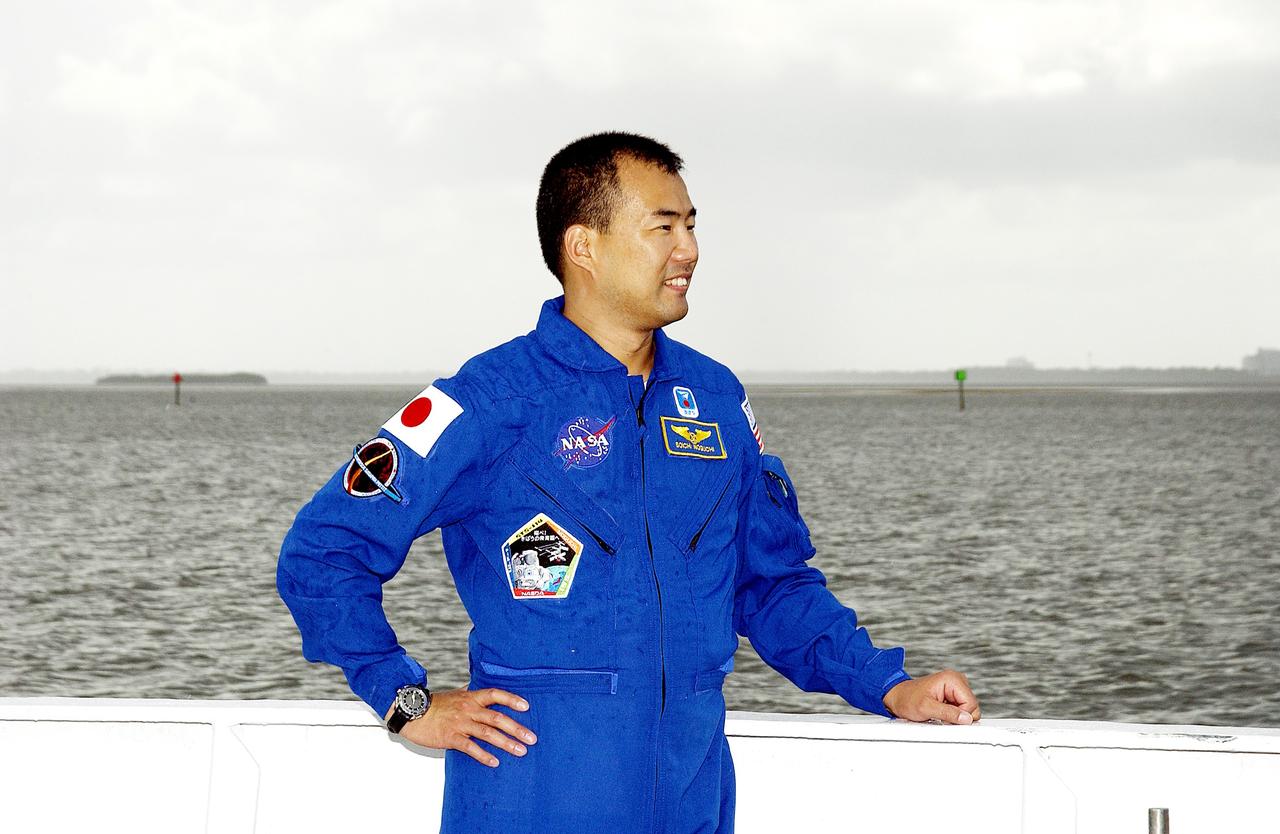
KENNEDY SPACE CENTER, FLA. - STS-114 Mission Specialist Soichi Noguchi, who is with the Japanese space agency NASDA, poses on the deck of one of the SRB Retrieval Ships docked at Hangar AF on the Banana River. He and other crew members Commander Eileen Collins, Pilot James Kelly and Mission Specialist Stephen Robinson toured the ships. Mission STS-114 will carry the MultiPurpose Logistics Module (MPLM) Raffaello and External Stowage Platform 2 to the International Space Station. The MPLM will contain supplies and equipment. Another goal of the mission is to remove and replace a Control Moment Gyro. Launch date for mission STS-114 is under review.
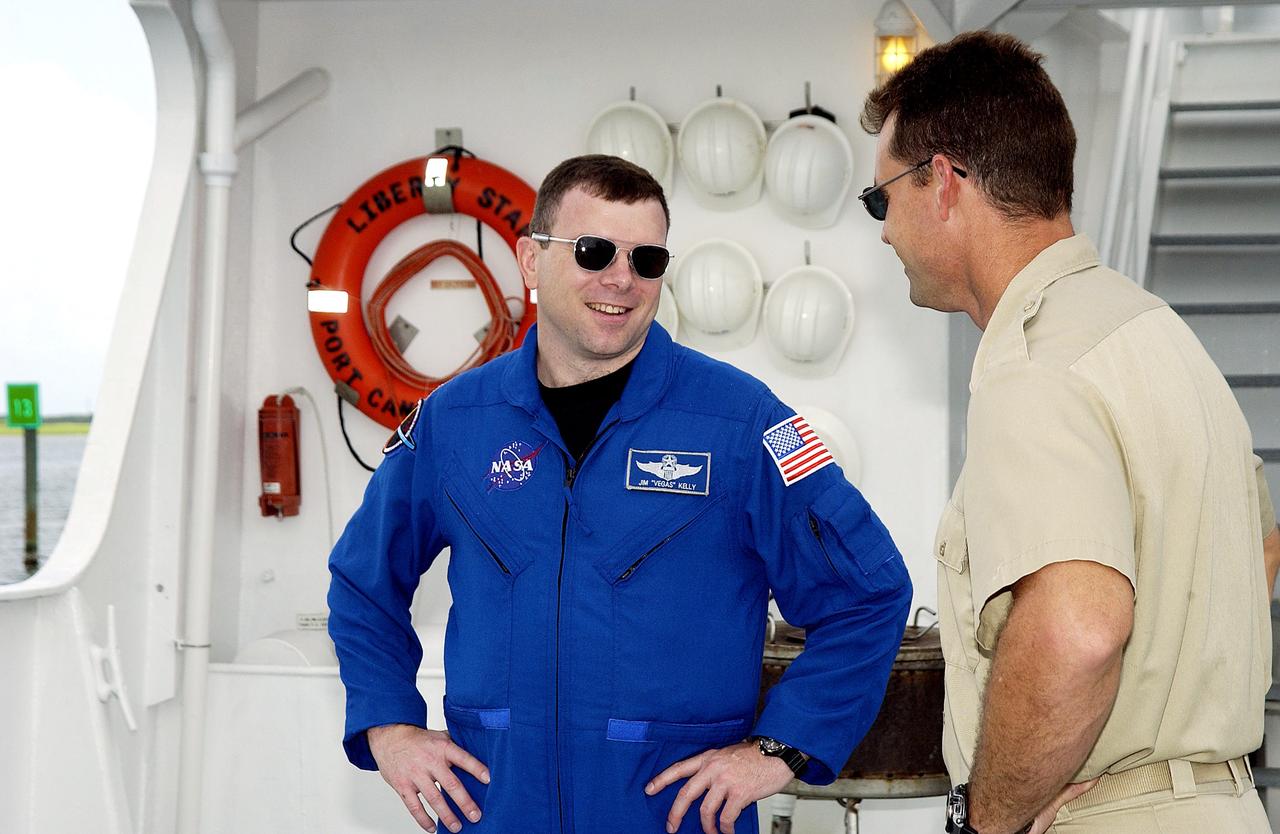
KENNEDY SPACE CENTER, FLA. - STS-114 Pilot James Kelly talks with Bren Wade, captain of the Liberty Star, one of the SRB Retrieval Ships docked at Hangar AF on the Banana River. Kelly and other crew members Commander Eileen Collins and Mission Specialists Soichi Noguchi and Stephen Robinson toured the ships. Noguchi is with the Japanese space agency NASDA. Mission STS-114 will carry the MultiPurpose Logistics Module (MPLM) Raffaello and External Stowage Platform 2 to the International Space Station. The MPLM will contain supplies and equipment. Another goal of the mission is to remove and replace a Control Moment Gyro. Launch date for mission STS-114 is under review.