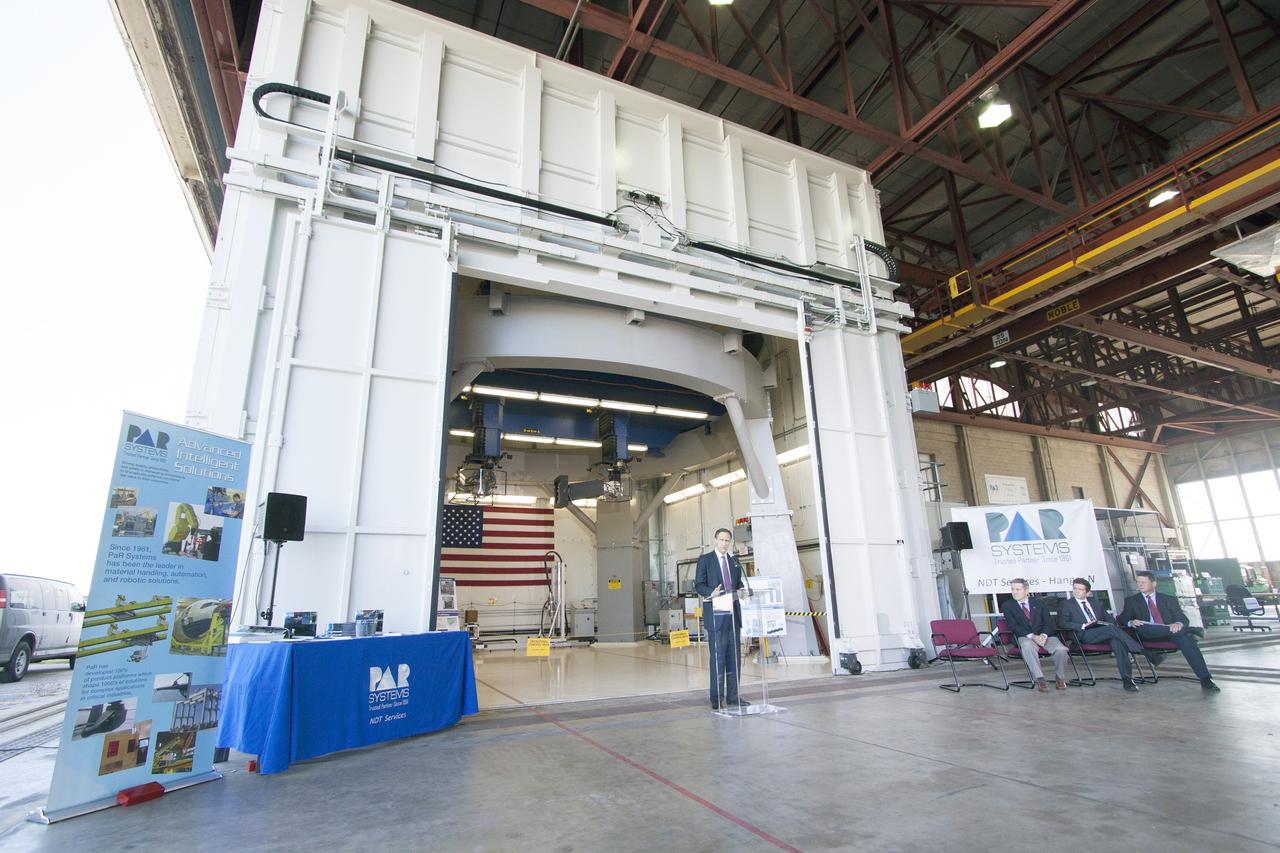
Navy Hangar 1 Early Construction showing frame work of 'Orange Peel' door Hangar One Construction
ARC-1932-A93-0074-1
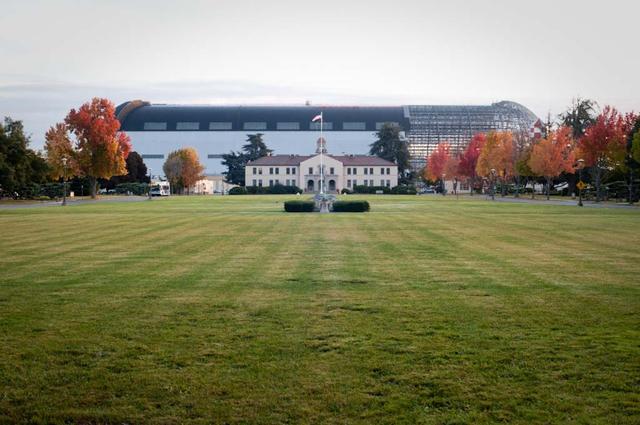
Hangar One, Moffett Federal Airfield, CA at sunrise
ARC-2010-ACD10-0037-050
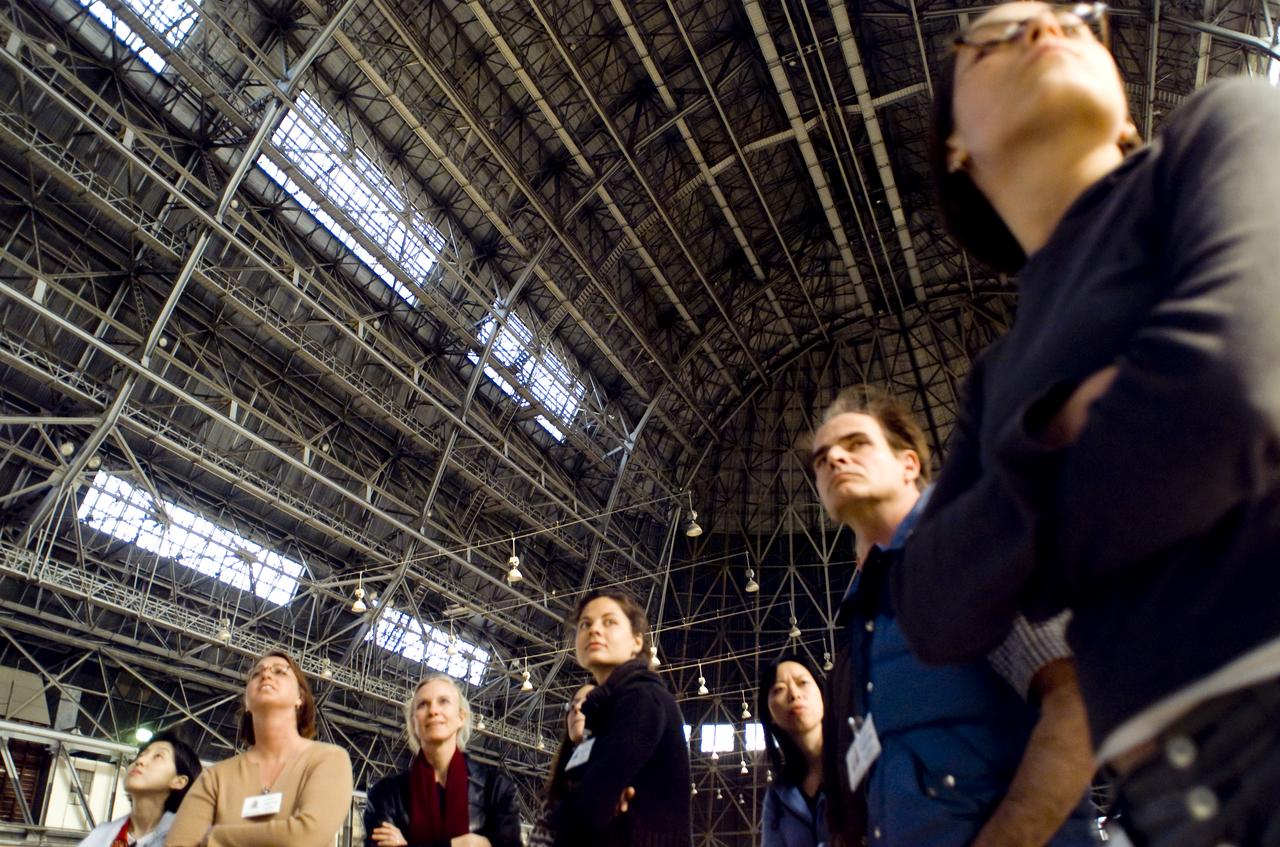
San Jose State University Art Students tour Ames Hangar One
ARC-2002-ACD02-0072
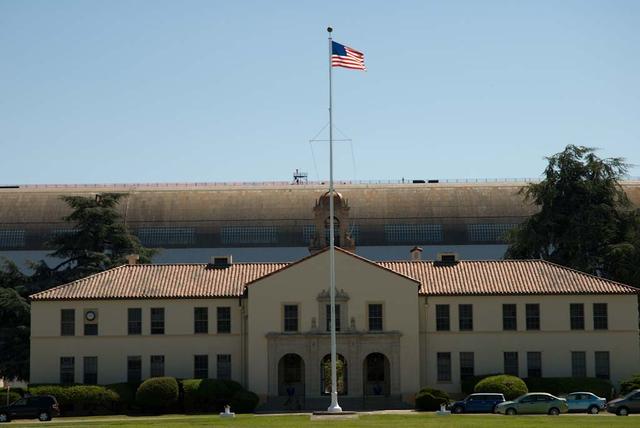
Looking beyond Hangar One toward Shenandoah Plaza (parade ground)
ARC-1944-A93-0073-11
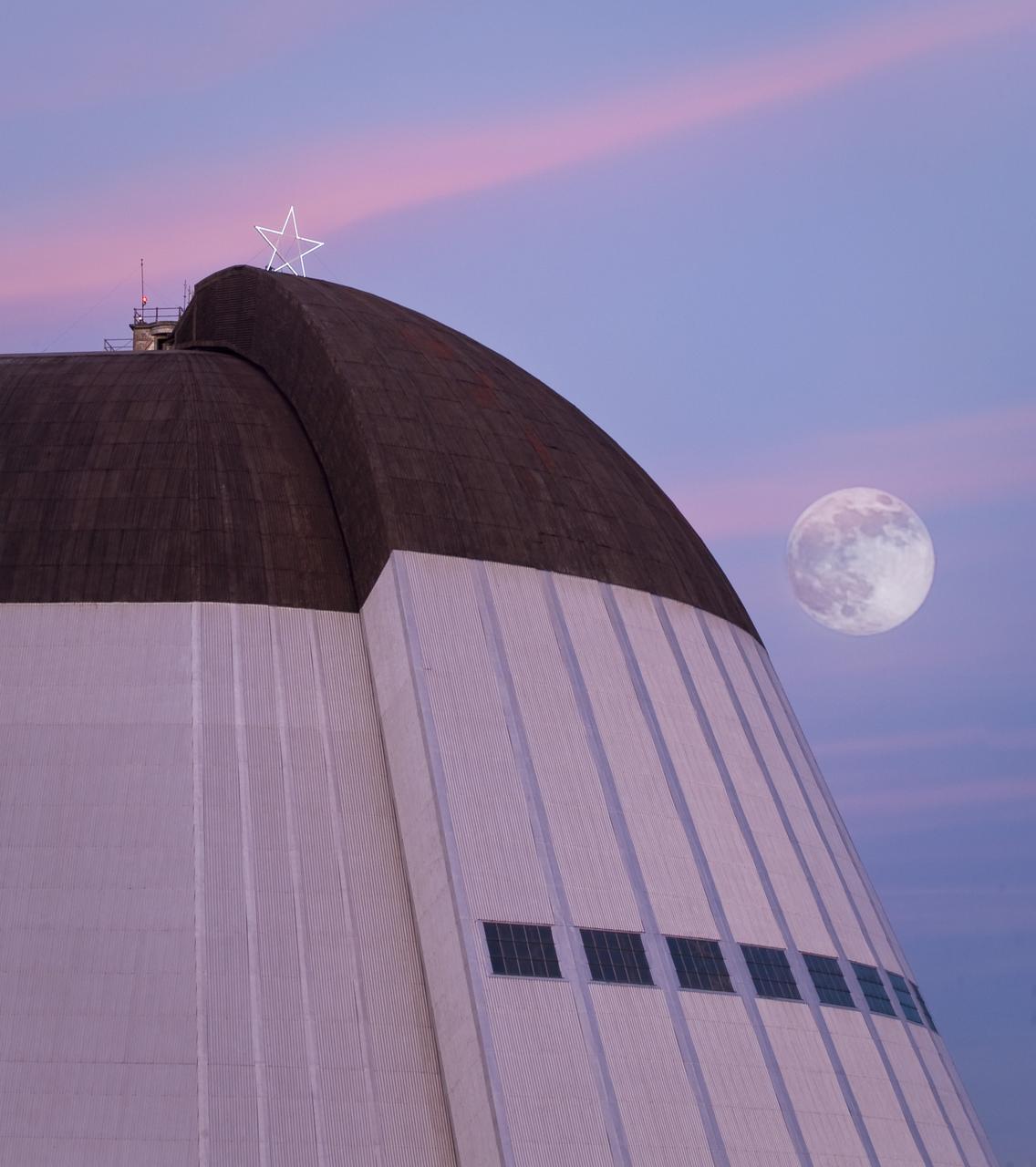
Moon over Hangar One (with holiday star lighted on roof)
ARC-2008-ACD08-0281
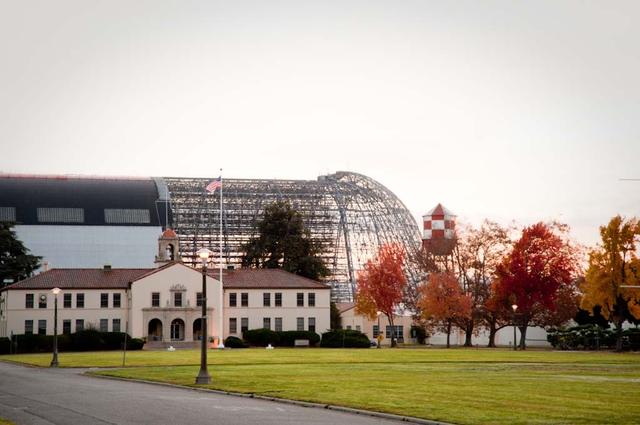
Lunar Science Institute, Bldg-17 at NASA Research Park in the fall with Hangar One deskinning project going on in backbround.
ARC-2011-ACD11-0202-002
Lunar Science Institute, Bldg-17 at NASA Research Park in the fall with Hangar One deskinning project going on in backbround.
ARC-2011-ACD11-0202-006
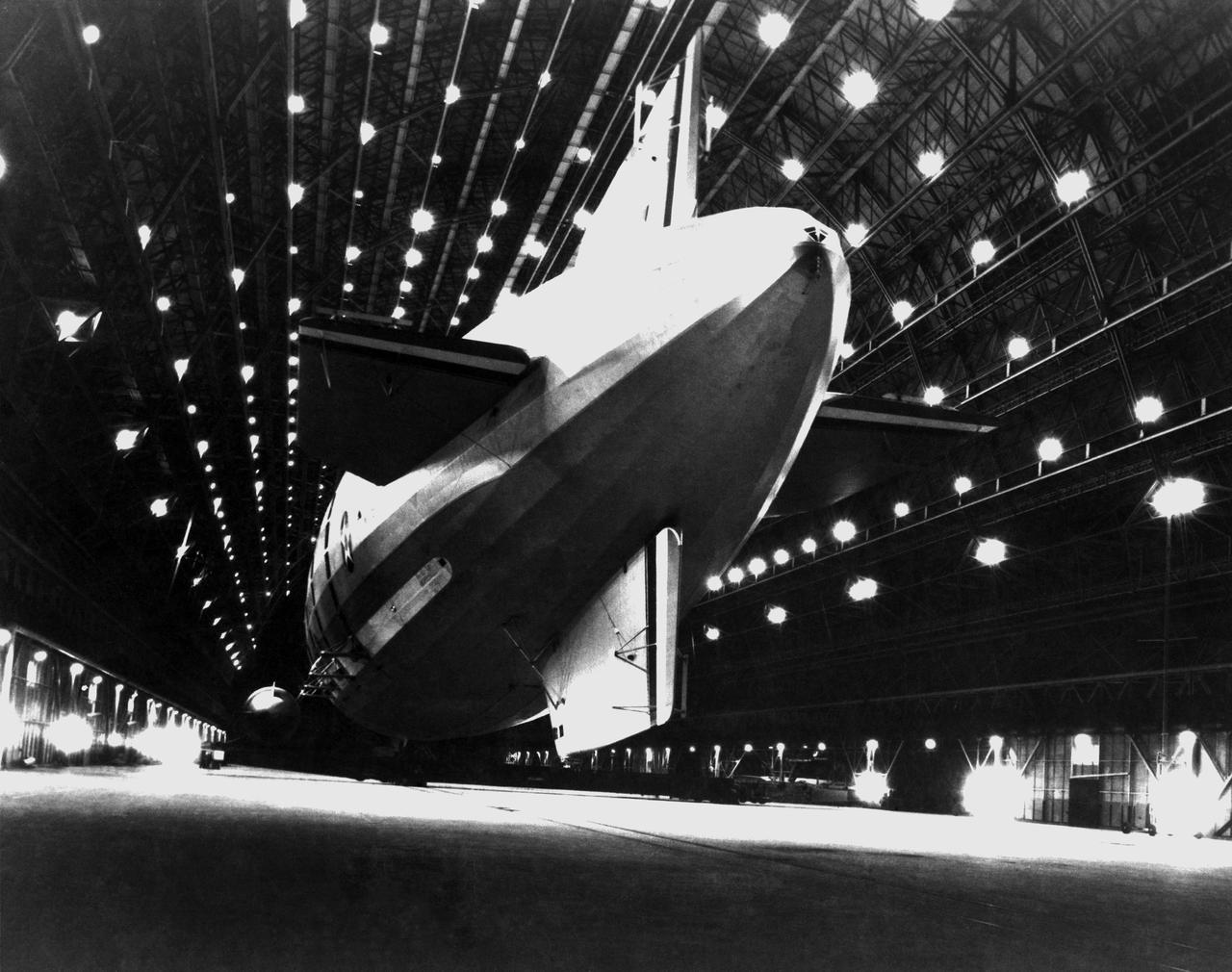
Dirigible inside Hangar One
ARC-1993-A83-0499-23
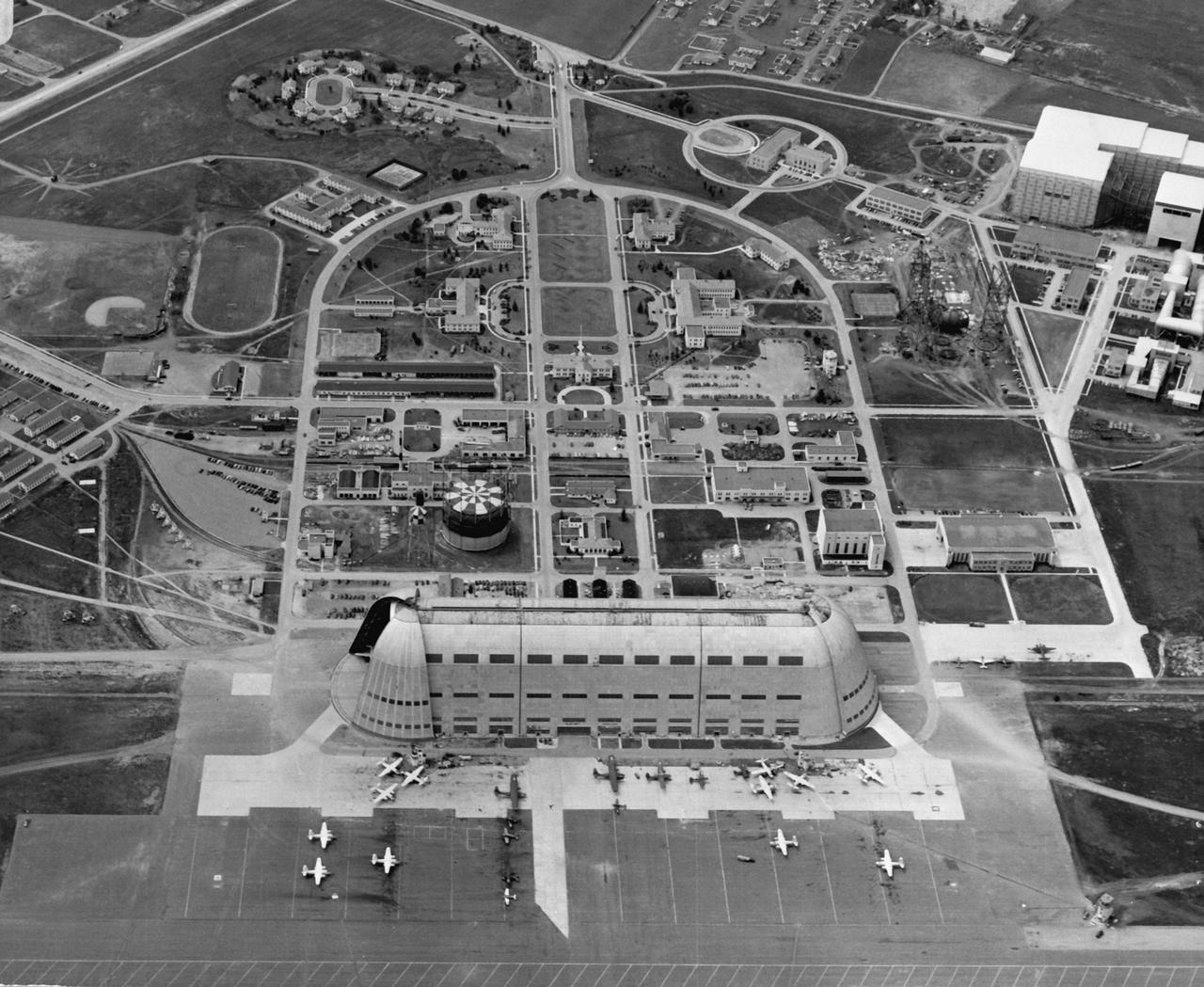
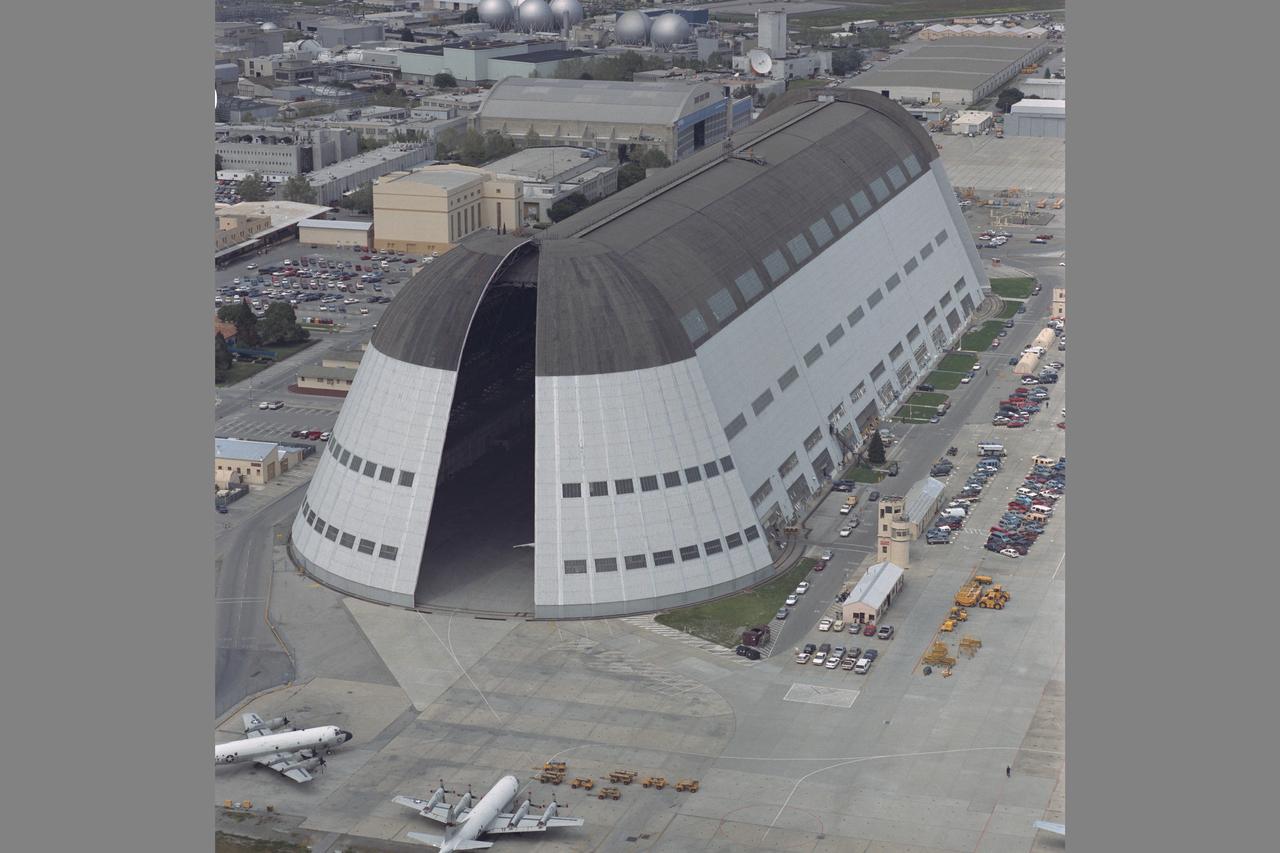
Hangar One Aerial view (Oblique) of NAS Moffett Field California.
ARC-1992-AC92-0222-98
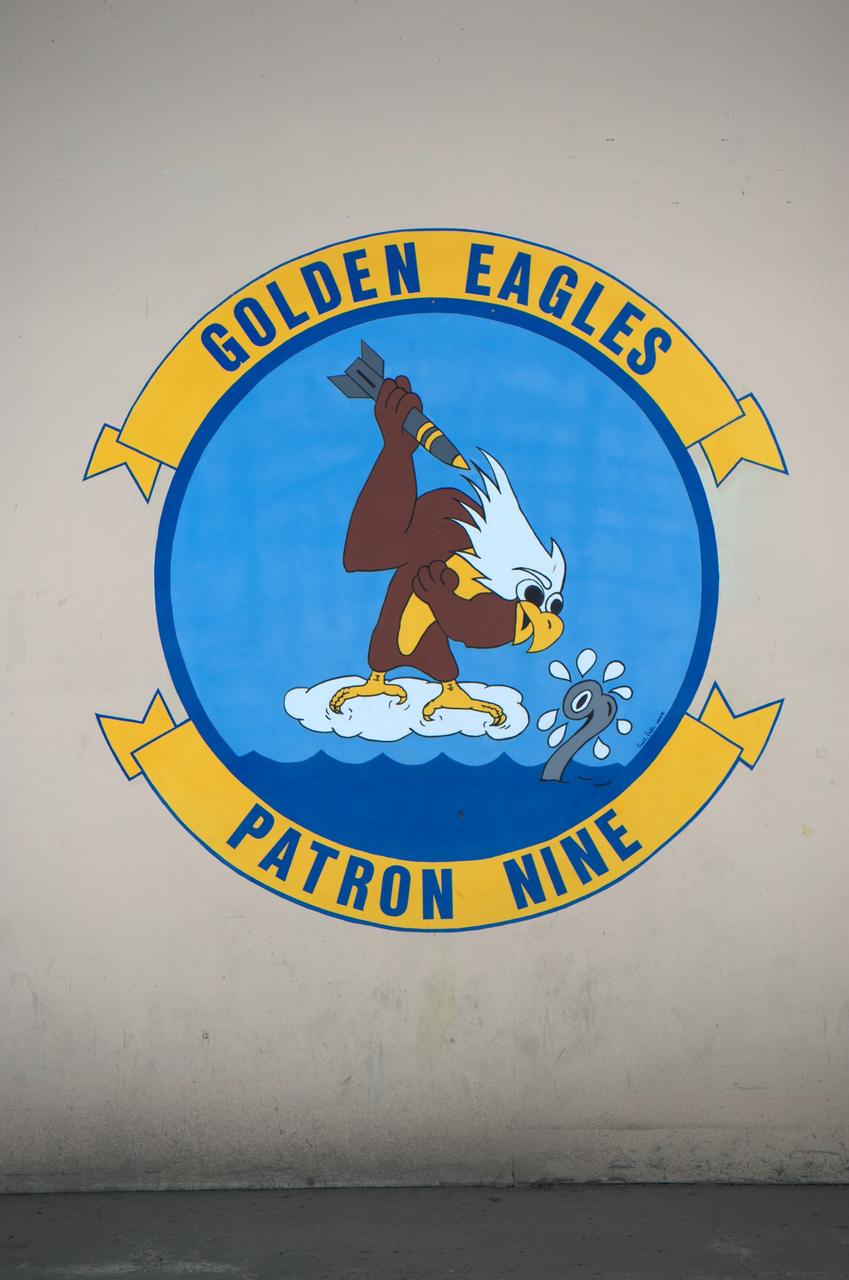
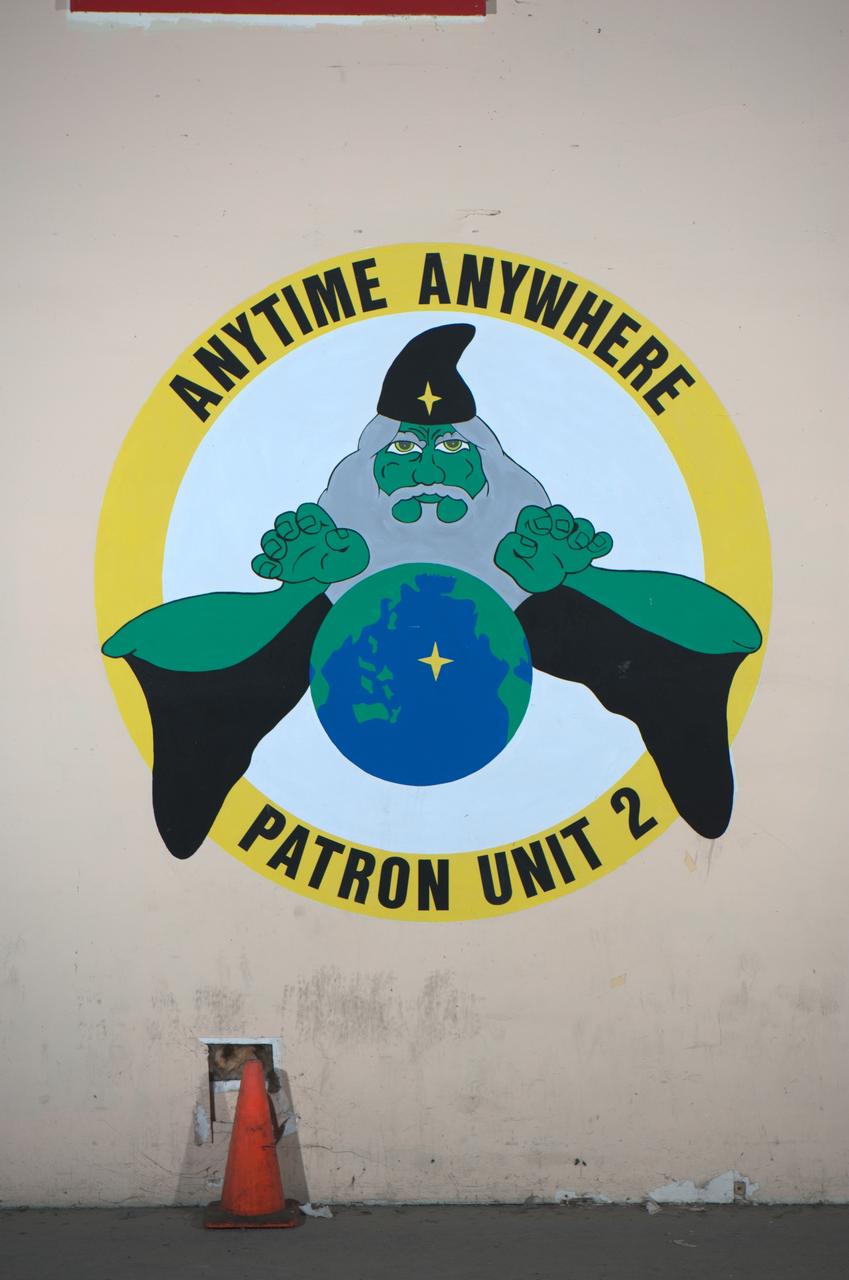
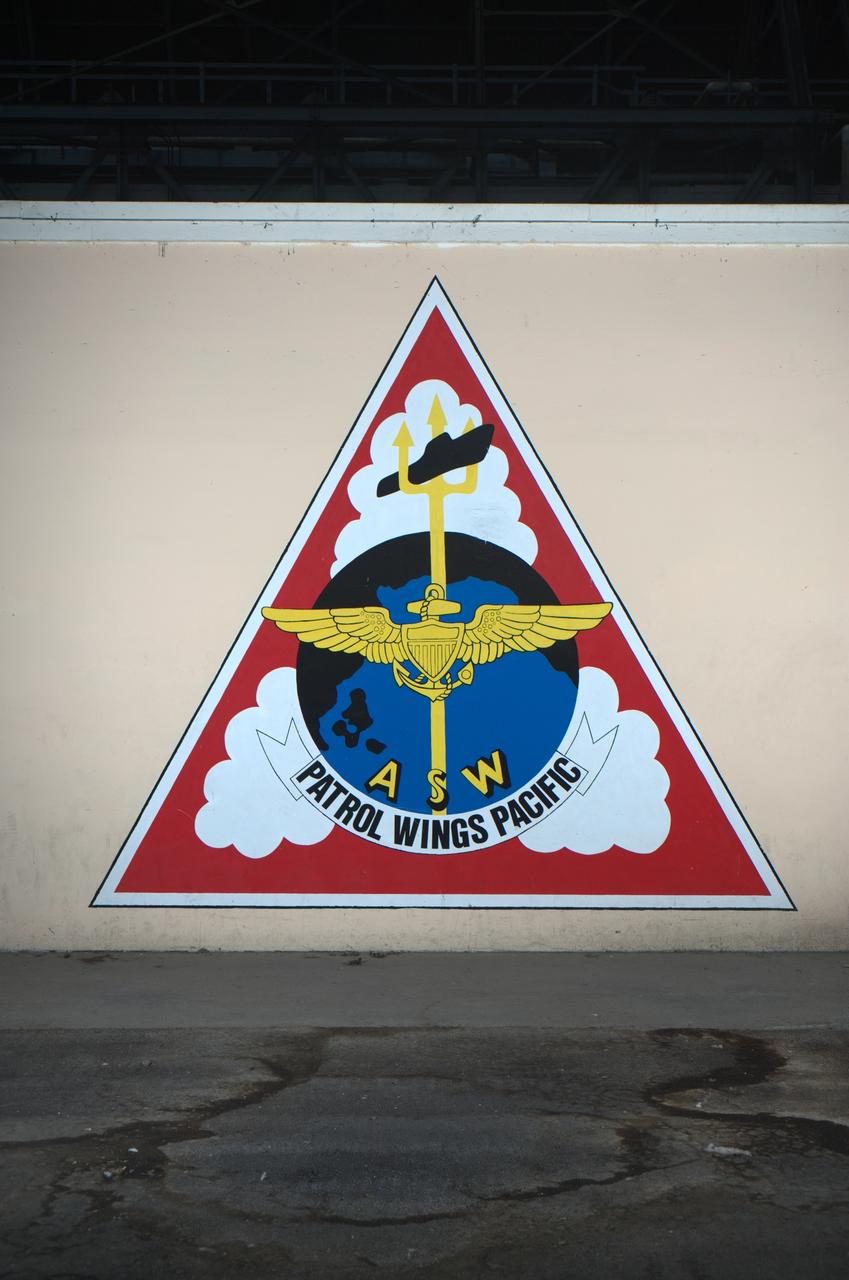
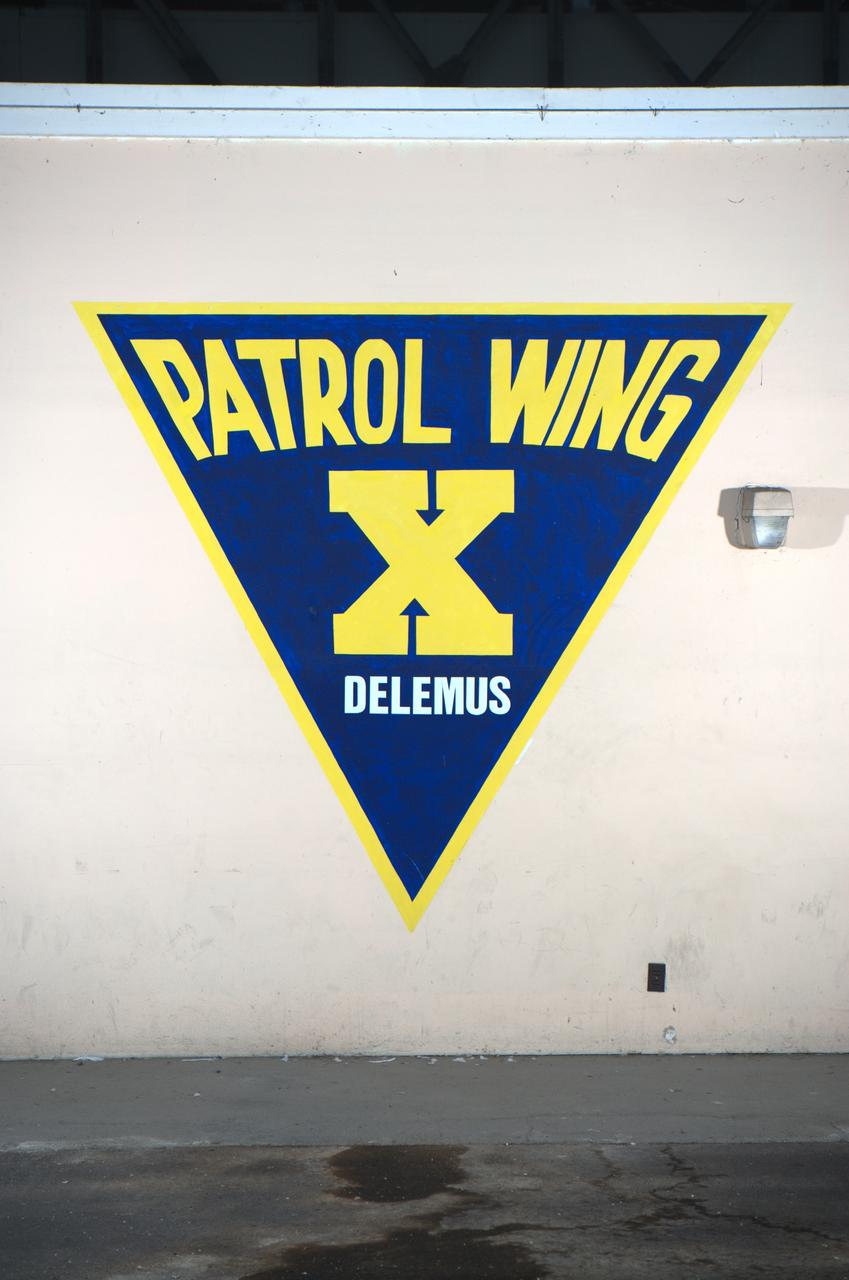
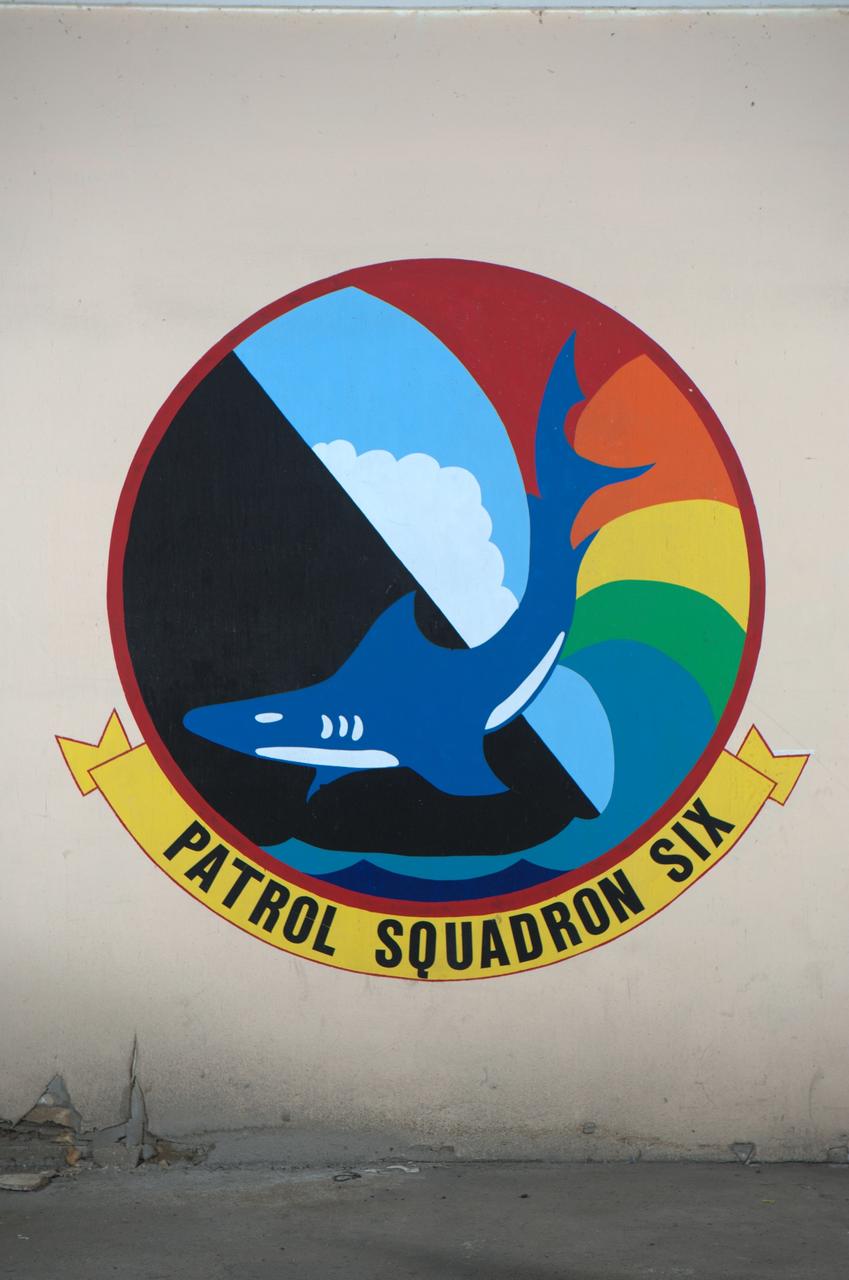
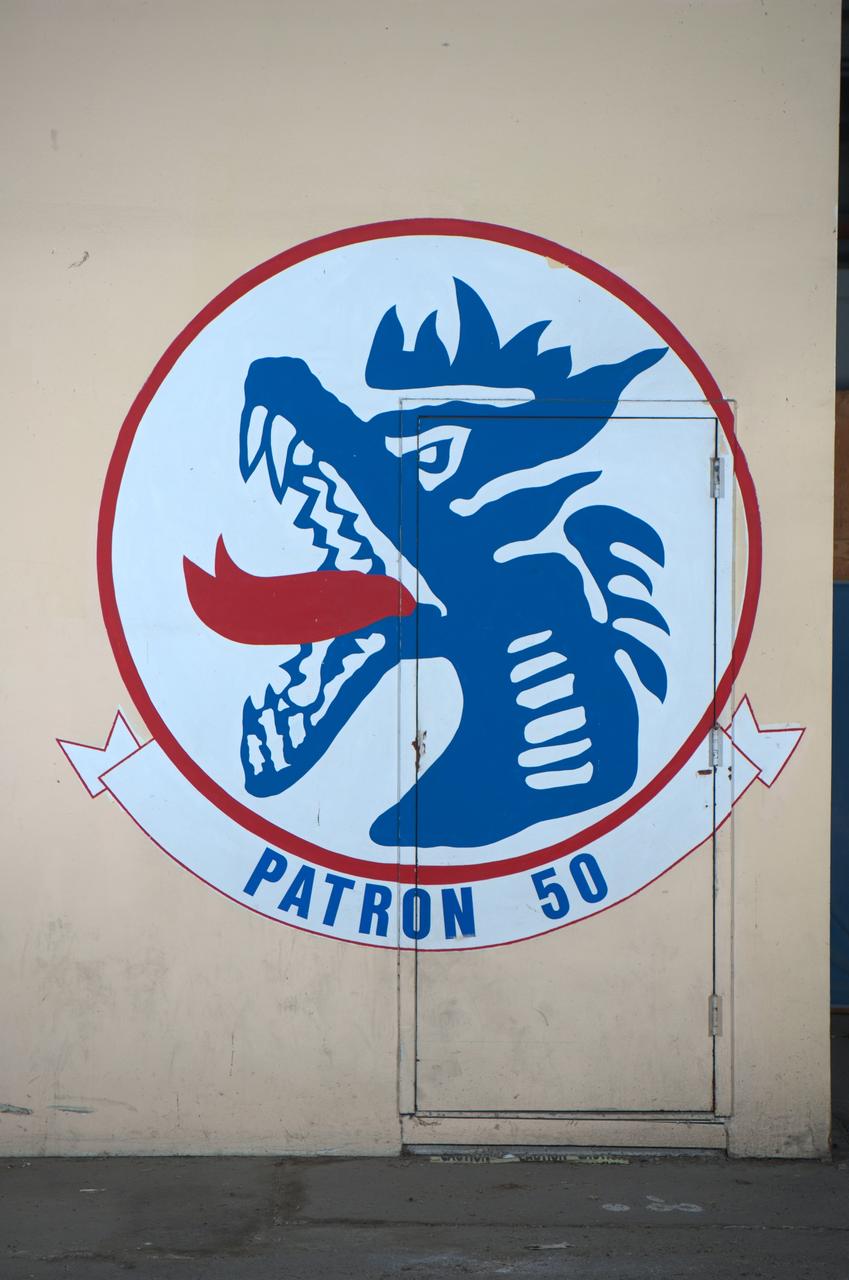
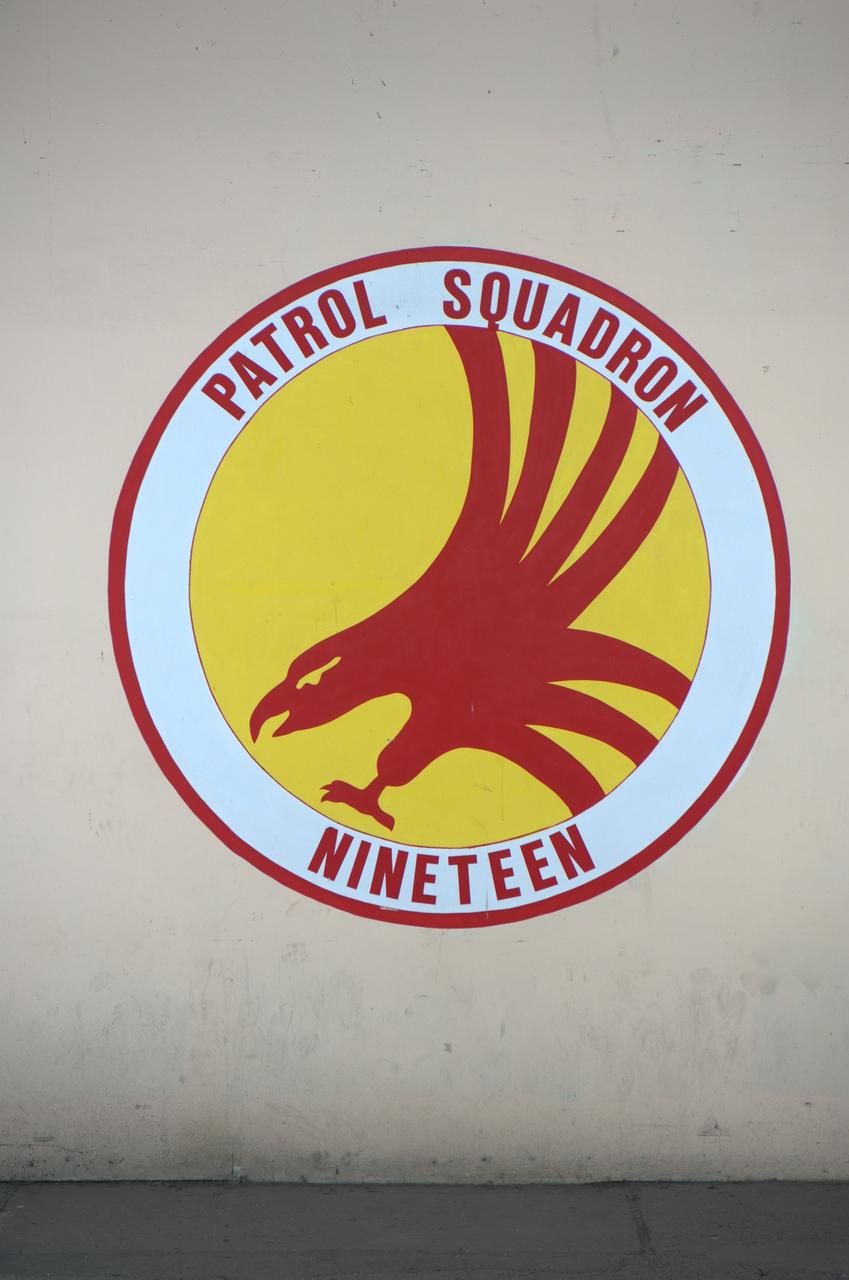
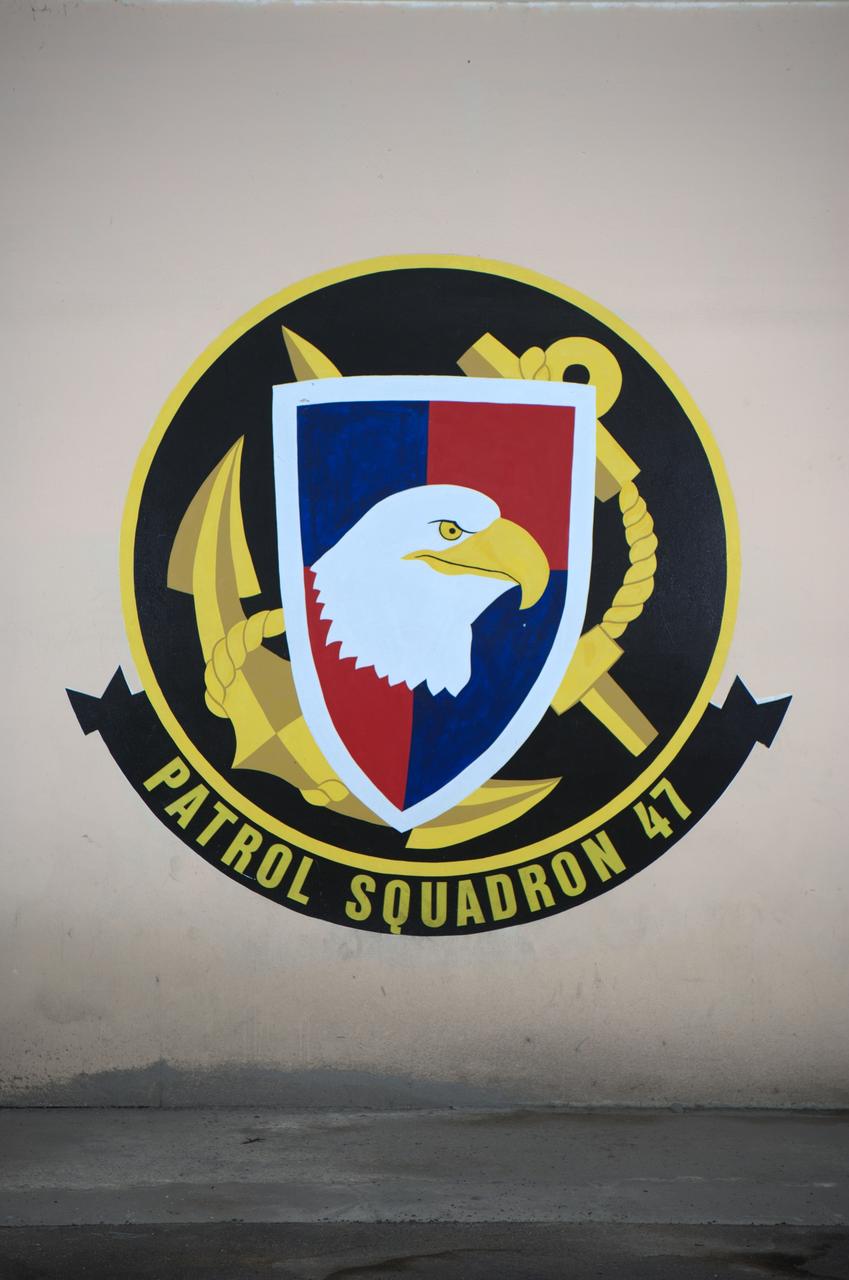
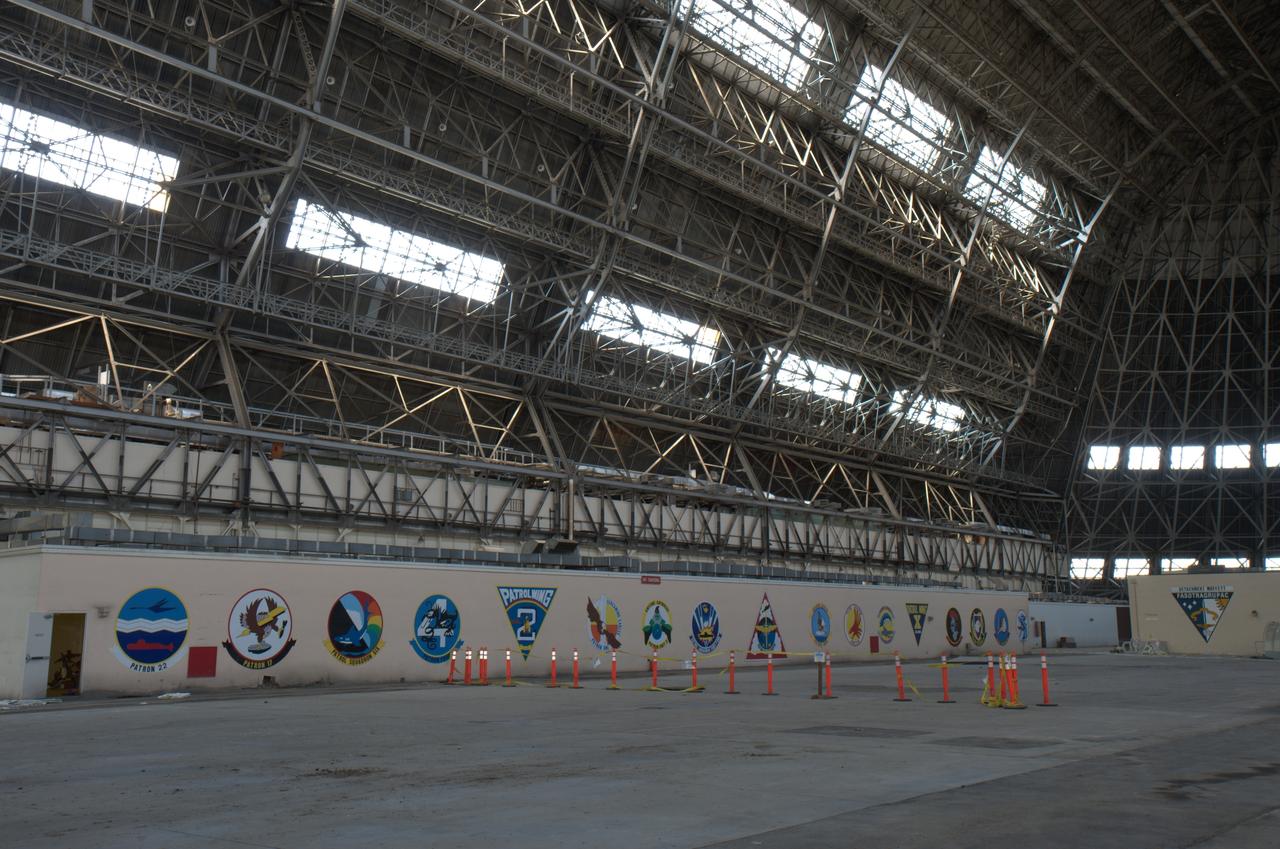
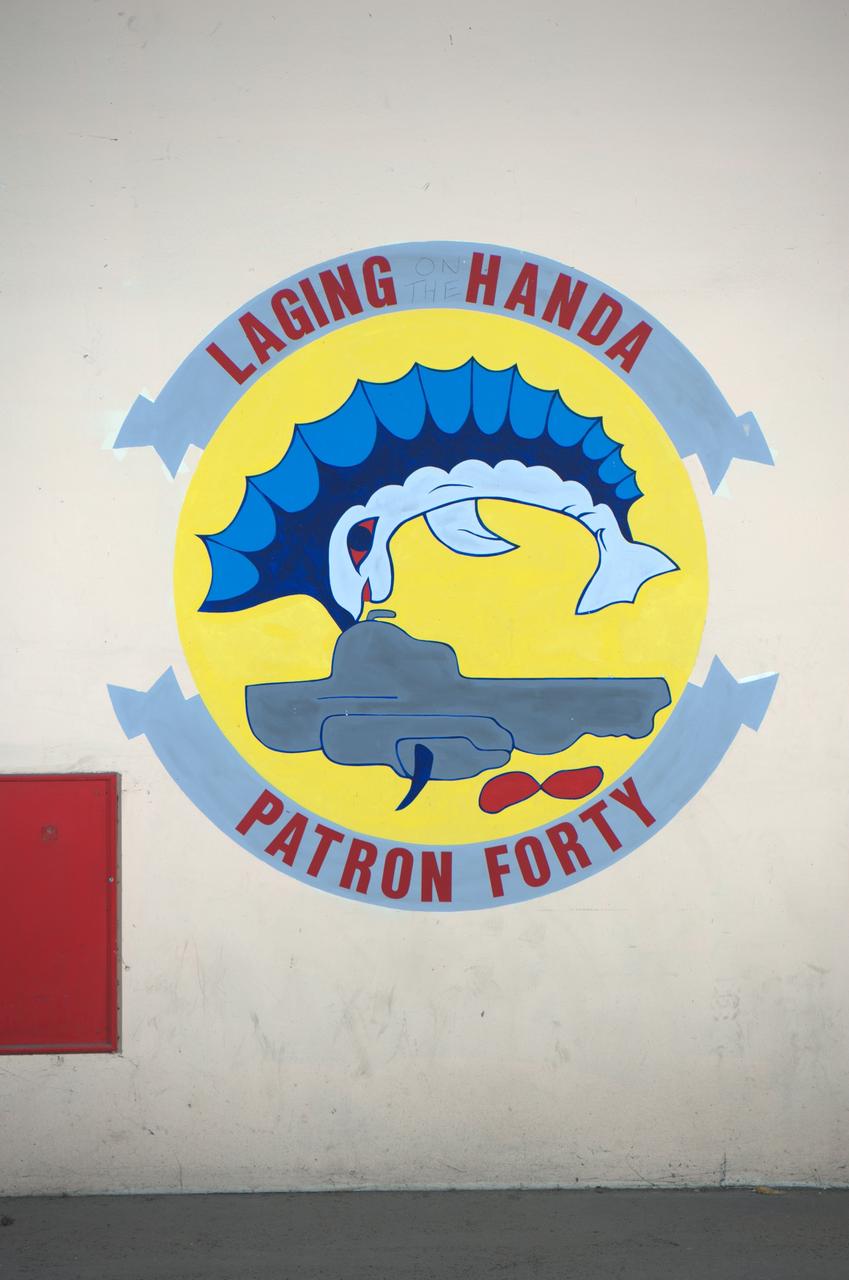
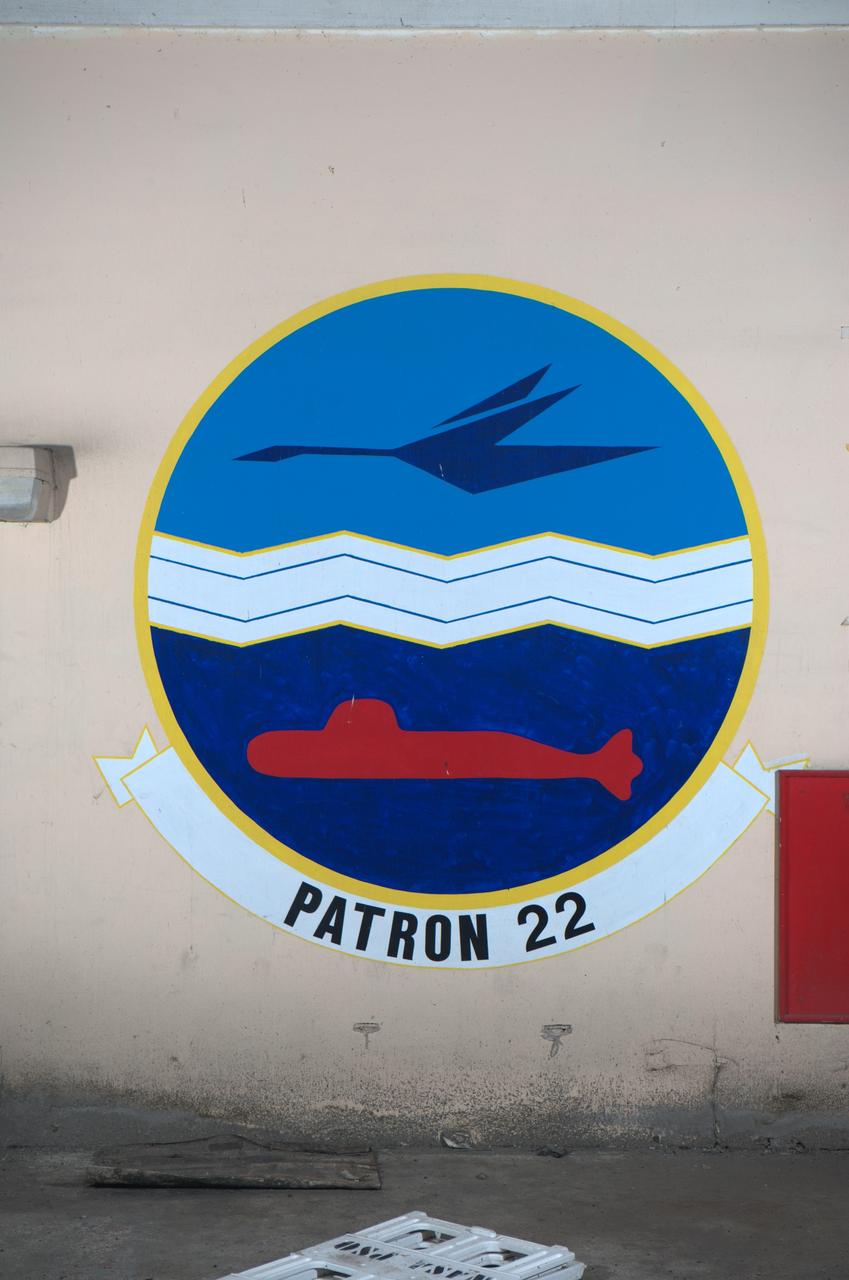
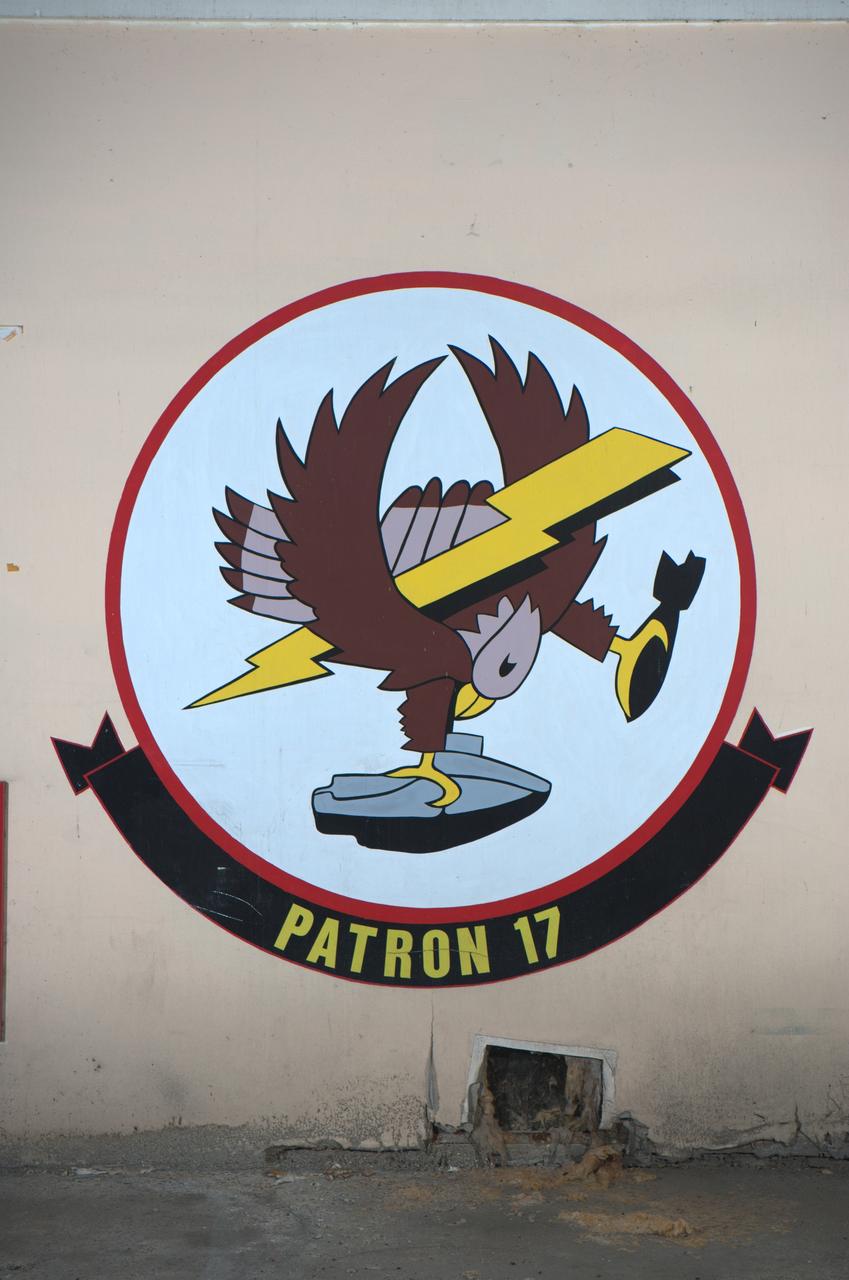
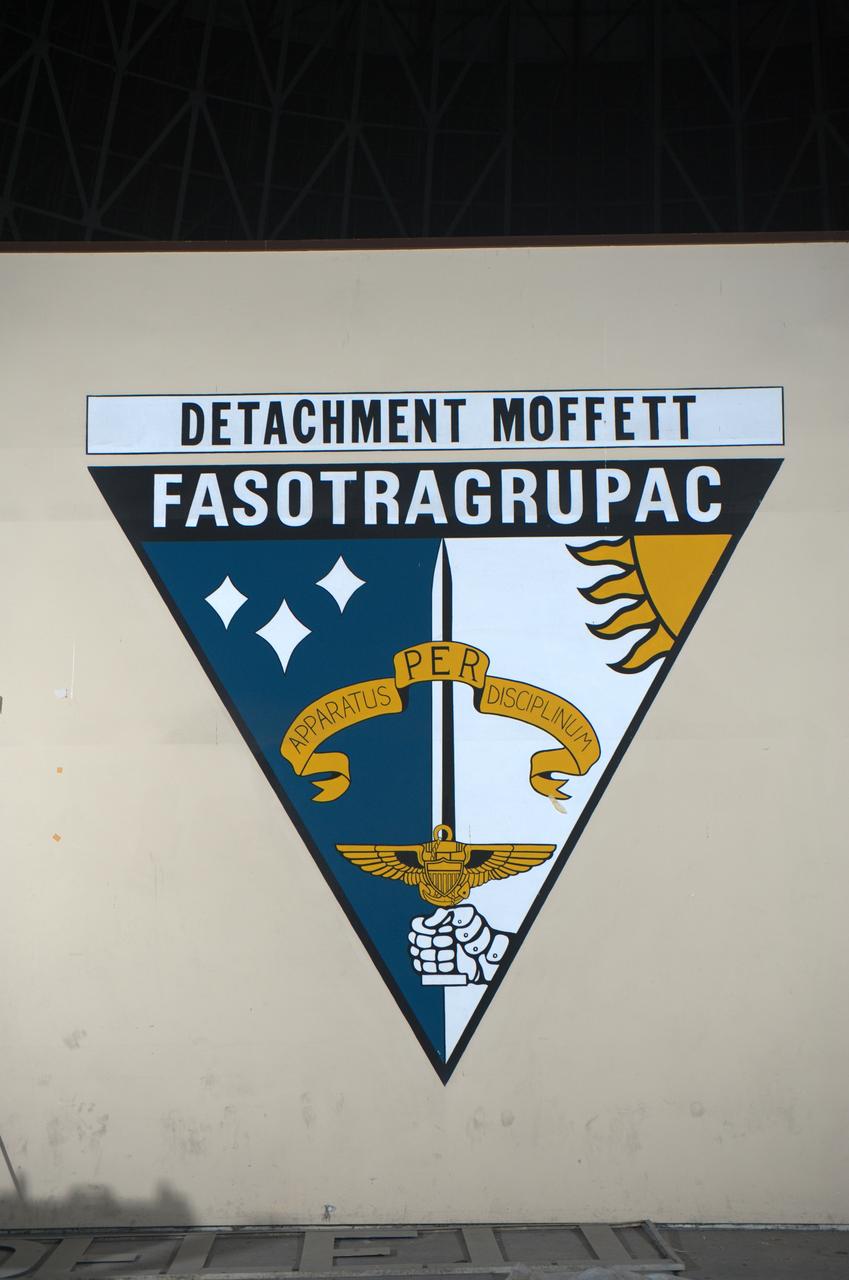
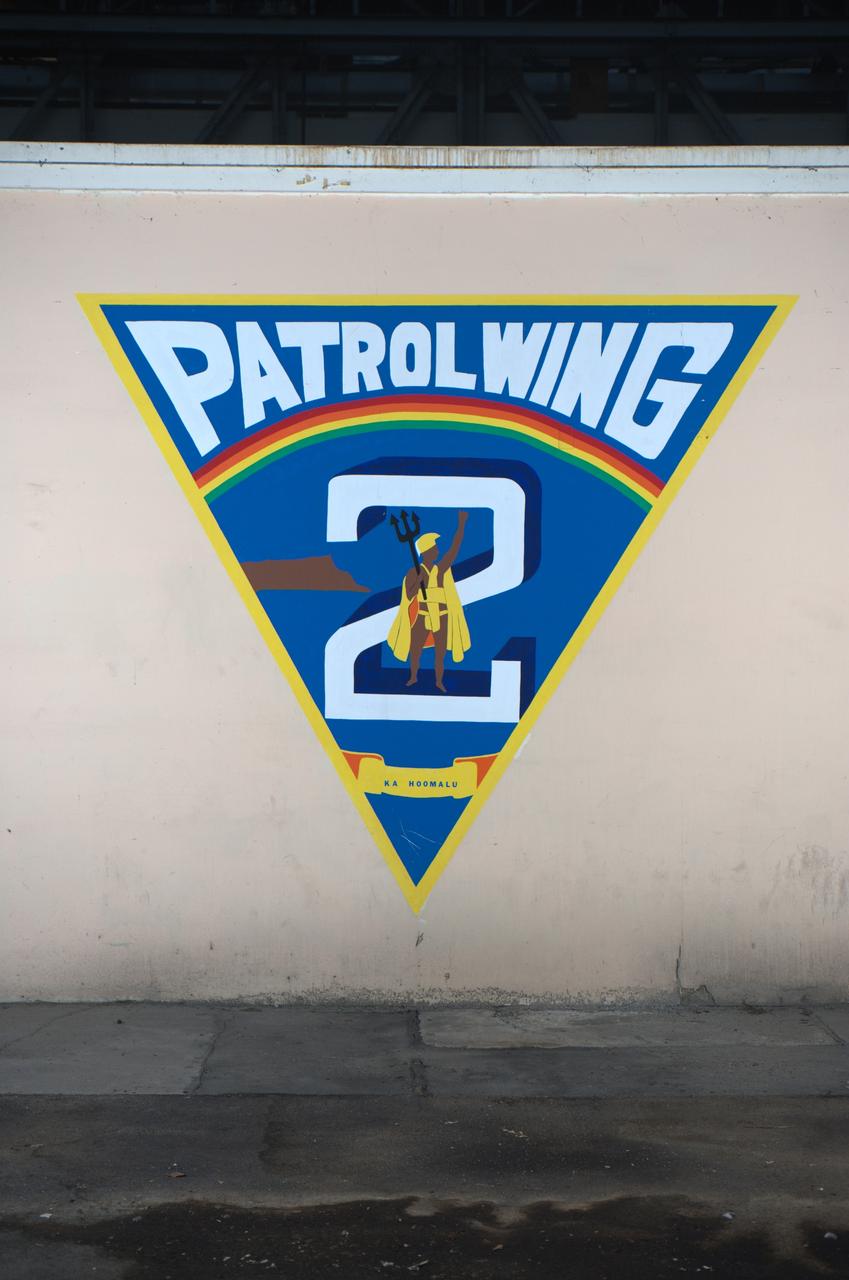
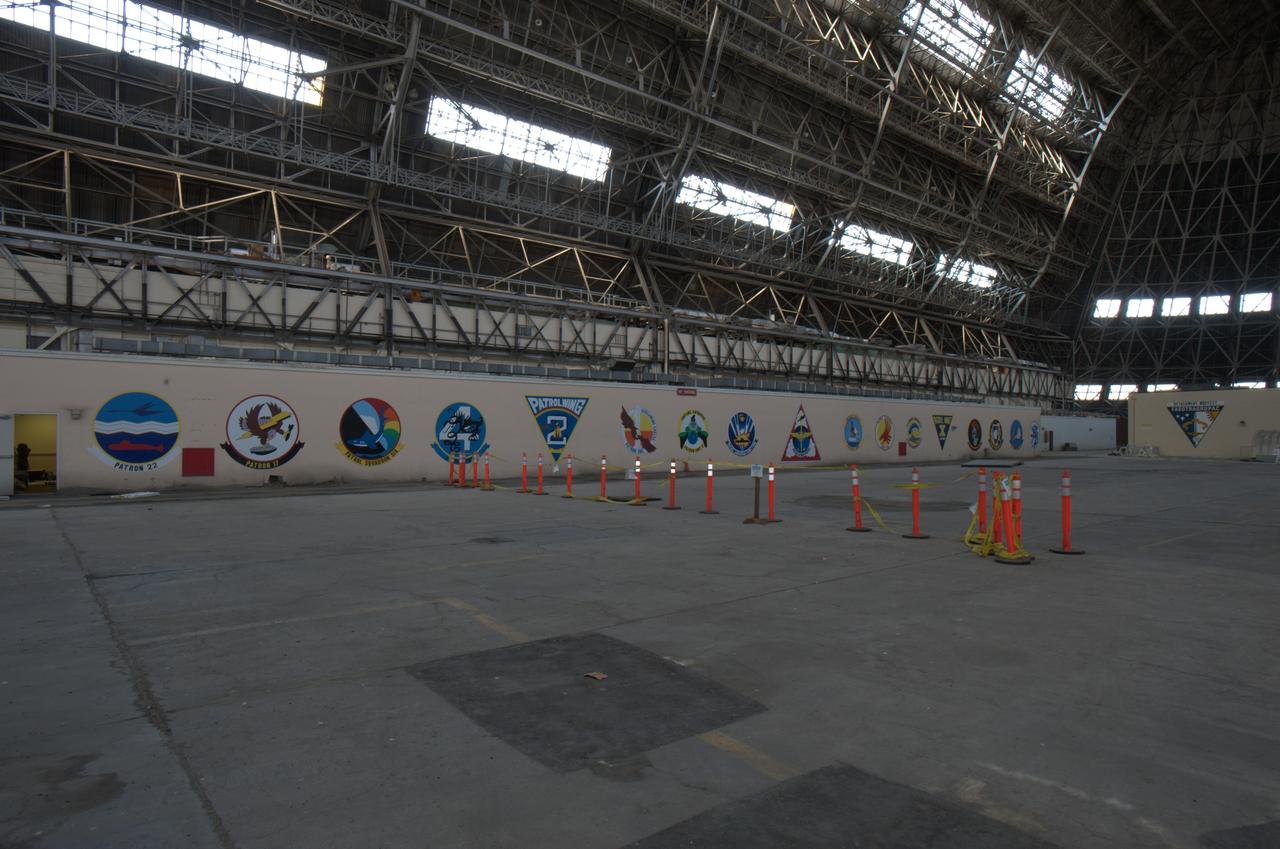
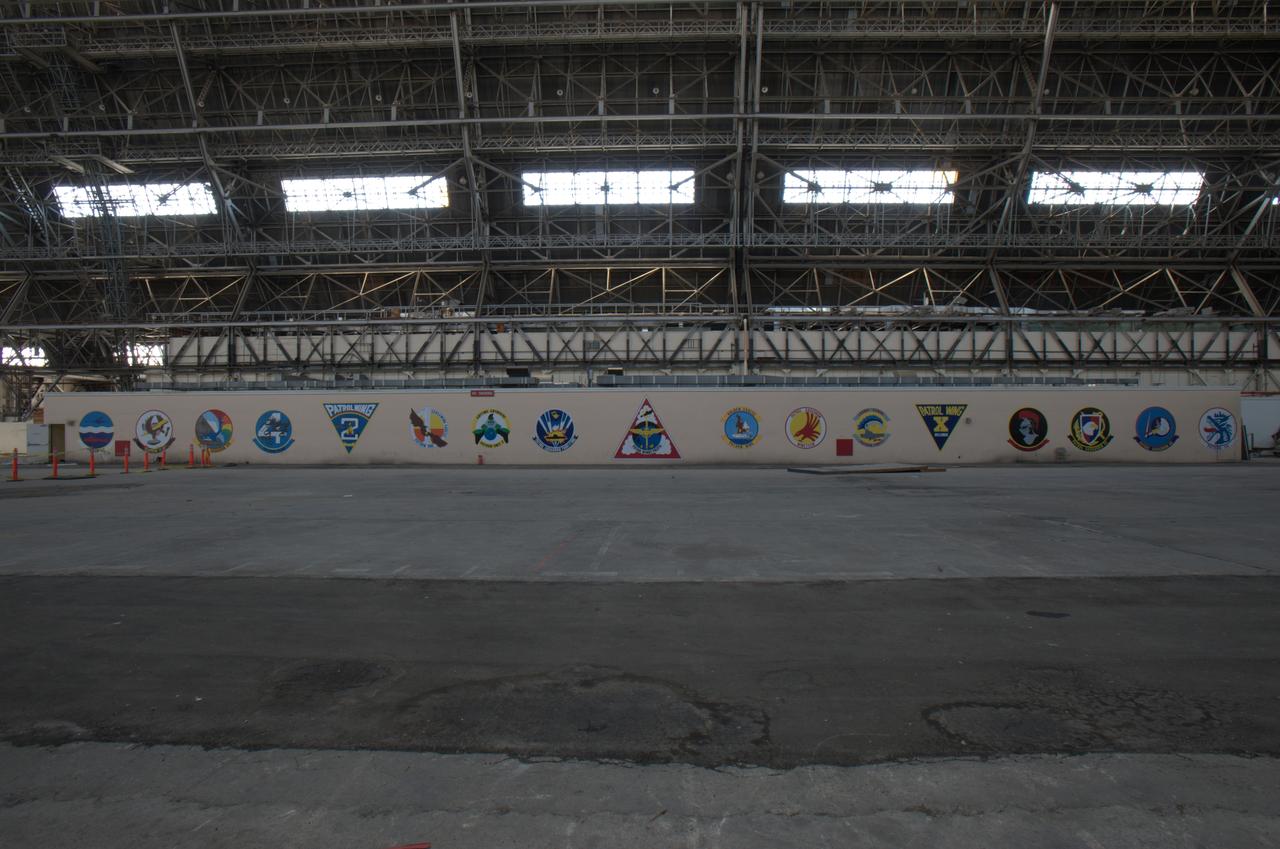
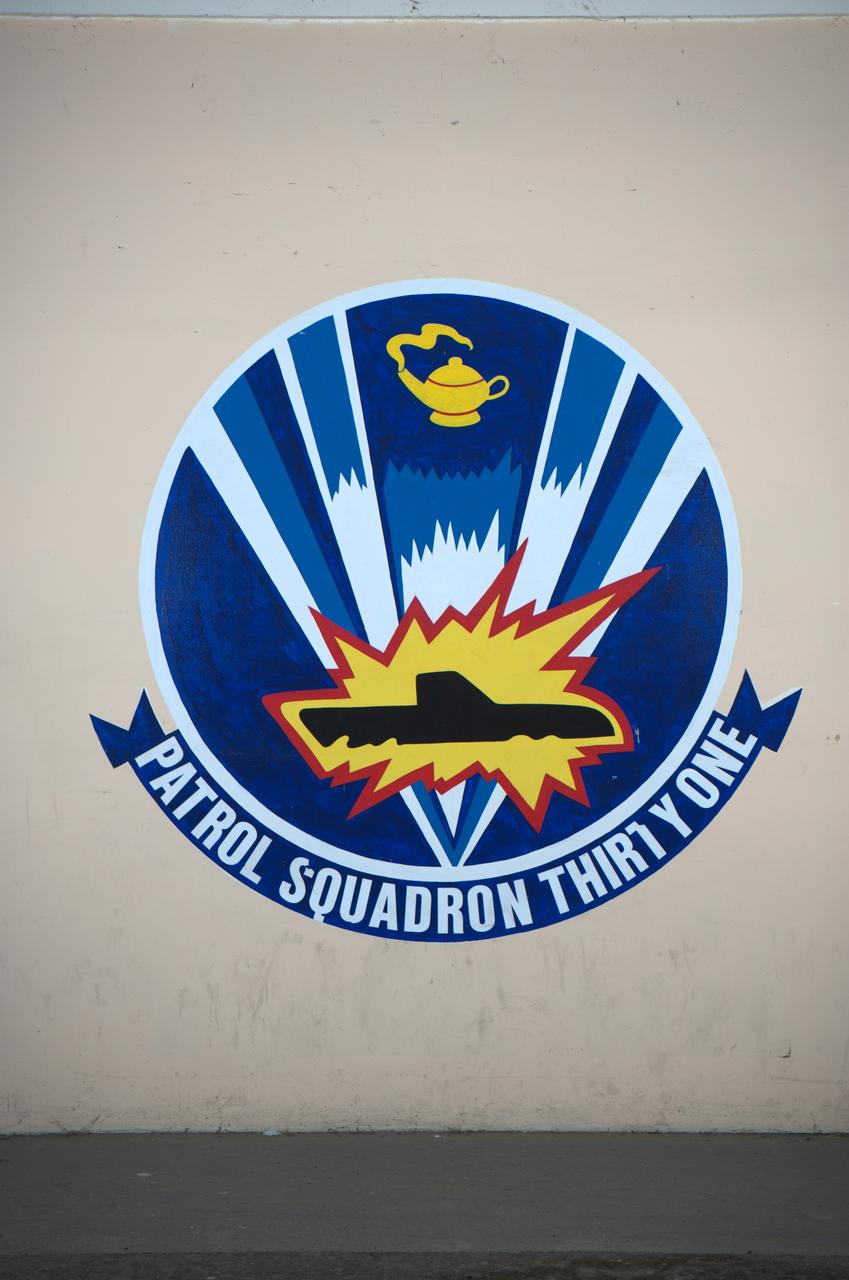
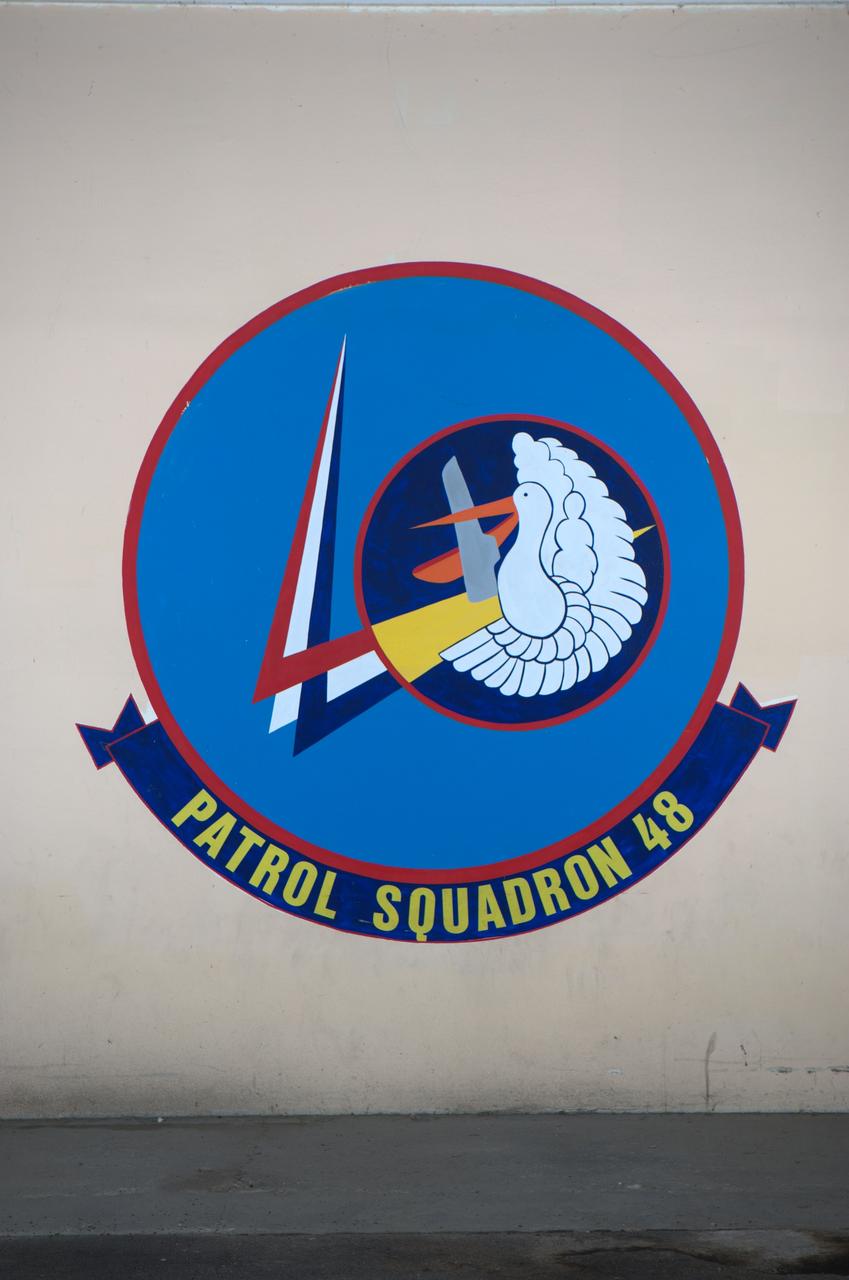
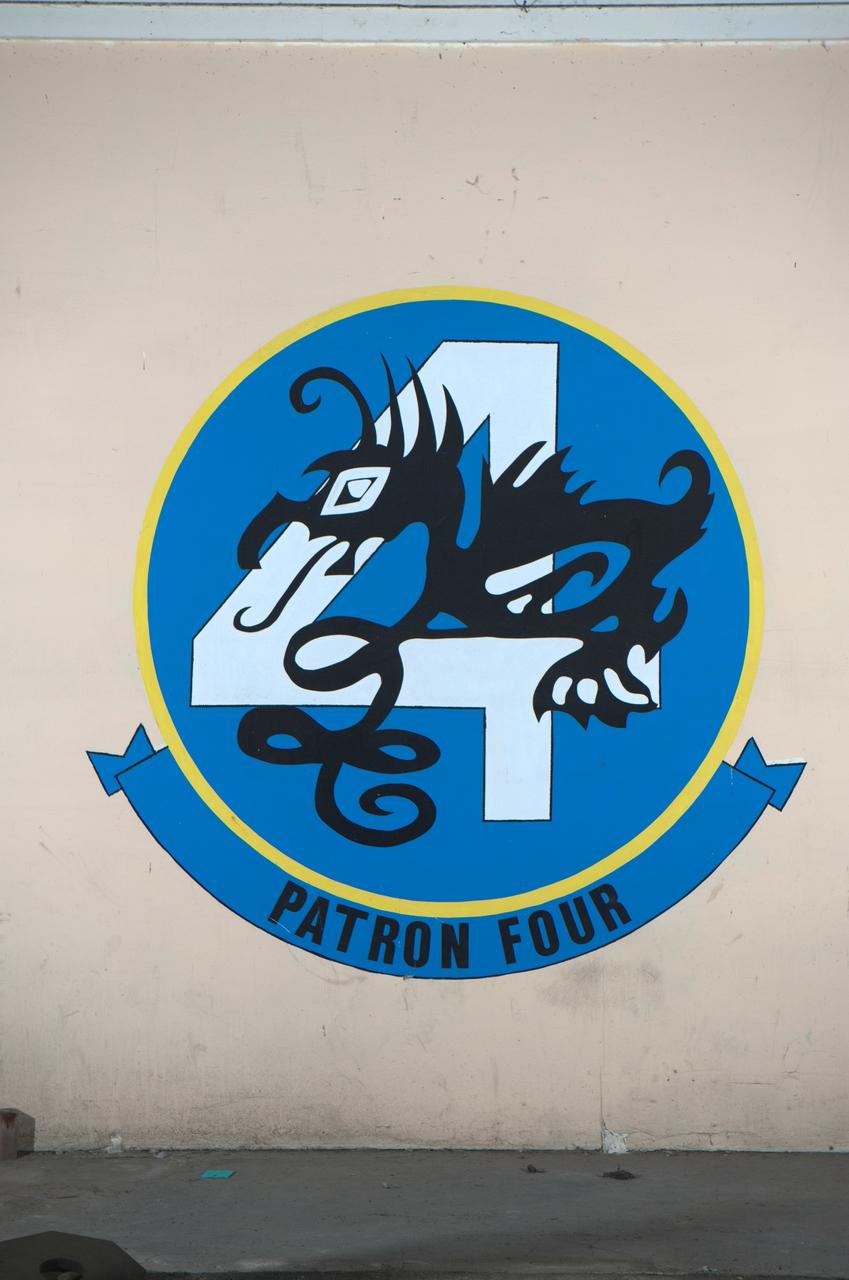
A proud Naval History. Squadron Logos in Hangar One at Moffett Federal Airfield, California.
ARC-2010-ACD10-0099-019
A proud Naval History. Squadron Logos in Hangar One at Moffett Federal Airfield, California.
ARC-2010-ACD10-0099-007
A proud Naval History. Squadron Logos in Hangar One at Moffett Federal Airfield, California.
ARC-2010-ACD10-0099-018
A proud Naval History. Squadron Logos in Hangar One at Moffett Federal Airfield, California.
ARC-2010-ACD10-0099-008
A proud Naval History. Squadron Logos in Hangar One at Moffett Federal Airfield, California.
ARC-2010-ACD10-0099-017
A proud Naval History. Squadron Logos in Hangar One at Moffett Federal Airfield, California.
ARC-2010-ACD10-0099-016
A proud Naval History. Squadron Logos in Hangar One at Moffett Federal Airfield, California.
ARC-2010-ACD10-0099-005
A proud Naval History. Squadron Logos in Hangar One at Moffett Federal Airfield, California.
ARC-2010-ACD10-0099-006
A proud Naval History. Squadron Logos in Hangar One at Moffett Federal Airfield, California.
ARC-2010-ACD10-0099-001
A proud Naval History. Squadron Logos in Hangar One at Moffett Federal Airfield, California.
ARC-2010-ACD10-0099-003
A proud Naval History. Squadron Logos in Hangar One at Moffett Federal Airfield, California.
ARC-2010-ACD10-0099-002
A proud Naval History. Squadron Logos in Hangar One at Moffett Federal Airfield, California.
ARC-2010-ACD10-0099-004
A proud Naval History. Squadron Logos in Hangar One at Moffett Federal Airfield, California.
ARC-2010-ACD10-0099-012
A proud Naval History. Squadron Logos in Hangar One at Moffett Federal Airfield, California.
ARC-2010-ACD10-0099-011
A proud Naval History. Squadron Logos in Hangar One at Moffett Federal Airfield, California.
ARC-2010-ACD10-0099-013
A proud Naval History. Squadron Logos in Hangar One at Moffett Federal Airfield, California.
ARC-2010-ACD10-0099-009
A proud Naval History. Squadron Logos in Hangar One at Moffett Federal Airfield, California.
ARC-2010-ACD10-0099-020
A proud Naval History. Squadron Logos in Hangar One at Moffett Federal Airfield, California.
ARC-2010-ACD10-0099-010
A proud Naval History. Squadron Logos in Hangar One at Moffett Federal Airfield, California.
ARC-2010-ACD10-0099-014
A proud Naval History. Squadron Logos in Hangar One at Moffett Federal Airfield, California.
ARC-2010-ACD10-0099-021
A proud Naval History. Squadron Logos in Hangar One at Moffett Federal Airfield, California.
ARC-2010-ACD10-0099-015
NASA NRP's Hangar One; shown here with a static display of a P-3 Orion subchaser flown out of NAS Moffett by the Navy
ARC-2006-ACD06-0074-032
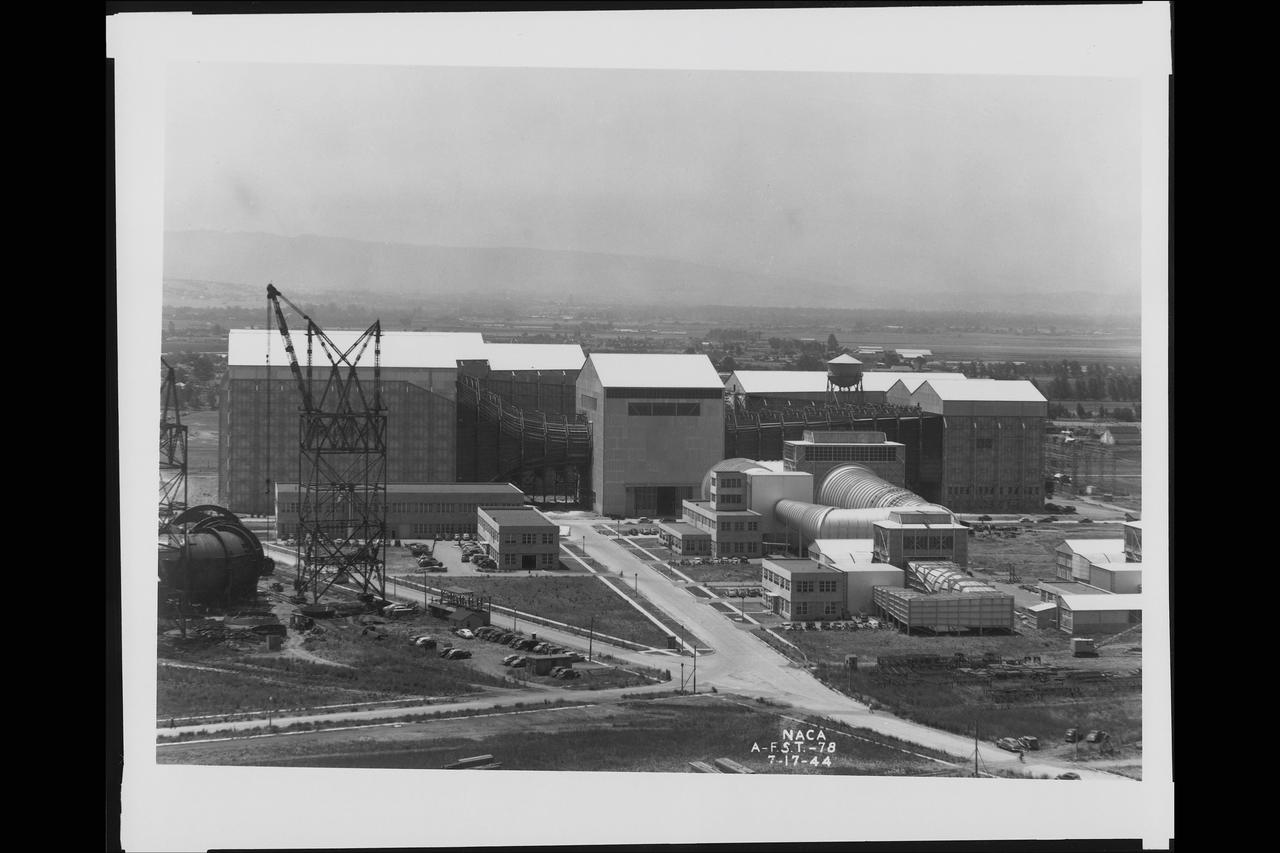
General view of Ames Subsonic 40x80ft wind tunnel from atop of the Moffett Naval Airship Hangar One (with construction of the Ames 12ft Pressure Wind Tunnel in forground)  July 17, 1944
ARC-1944-AFST-78
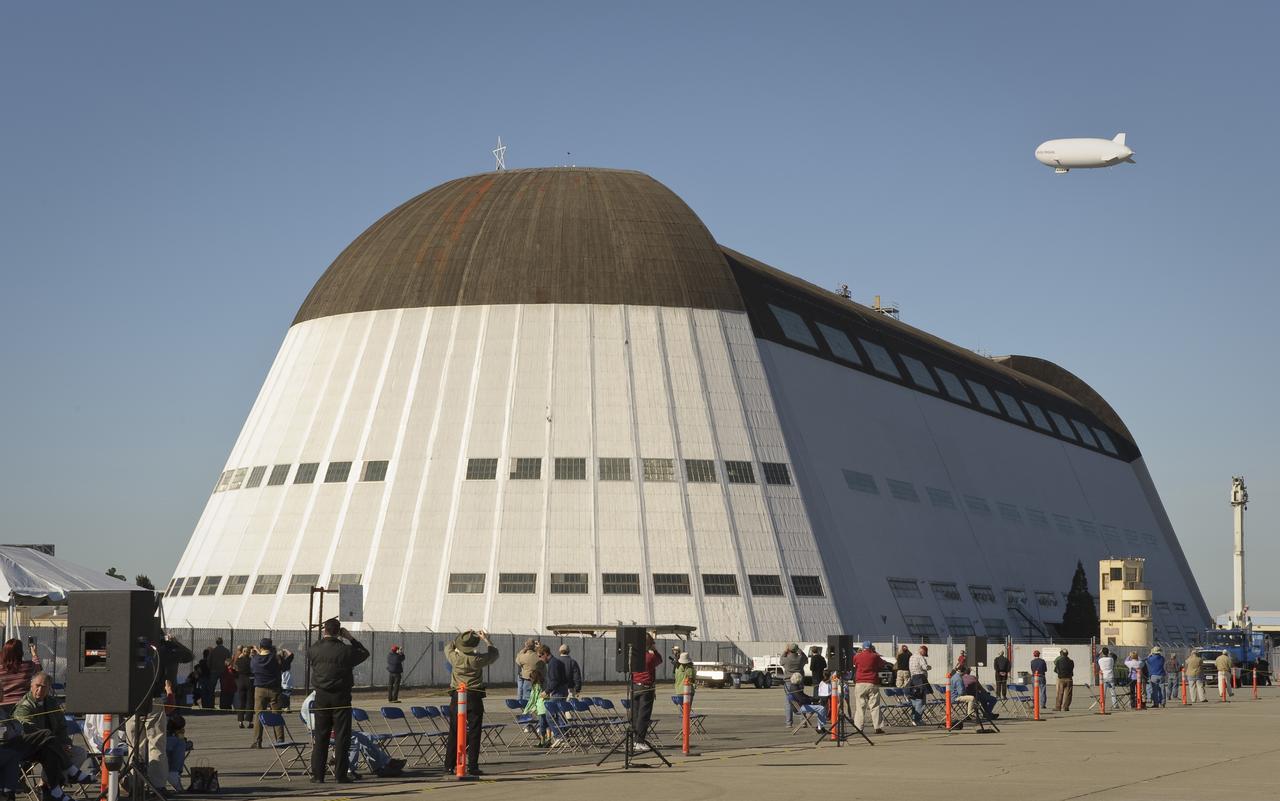
NRP partnerships: Airship Ventures Zeppelin Dedication ceremony at Moffett Field Flight Line, Moffett Field, CA  the Airship Ventures Zeppelin takes a tour around Bay passing by Hangar One
ARC-2008-ACD08-0265-091
NASA Research Park (NRP) shenandoah Plaza Historic Buildings at Moffett Federal Airfield, CA B-17 Lunar Science Institute (a skinned Hangar One in background) taken by Photo summer student Shashank
ARC-2011-ACD11-0109-006
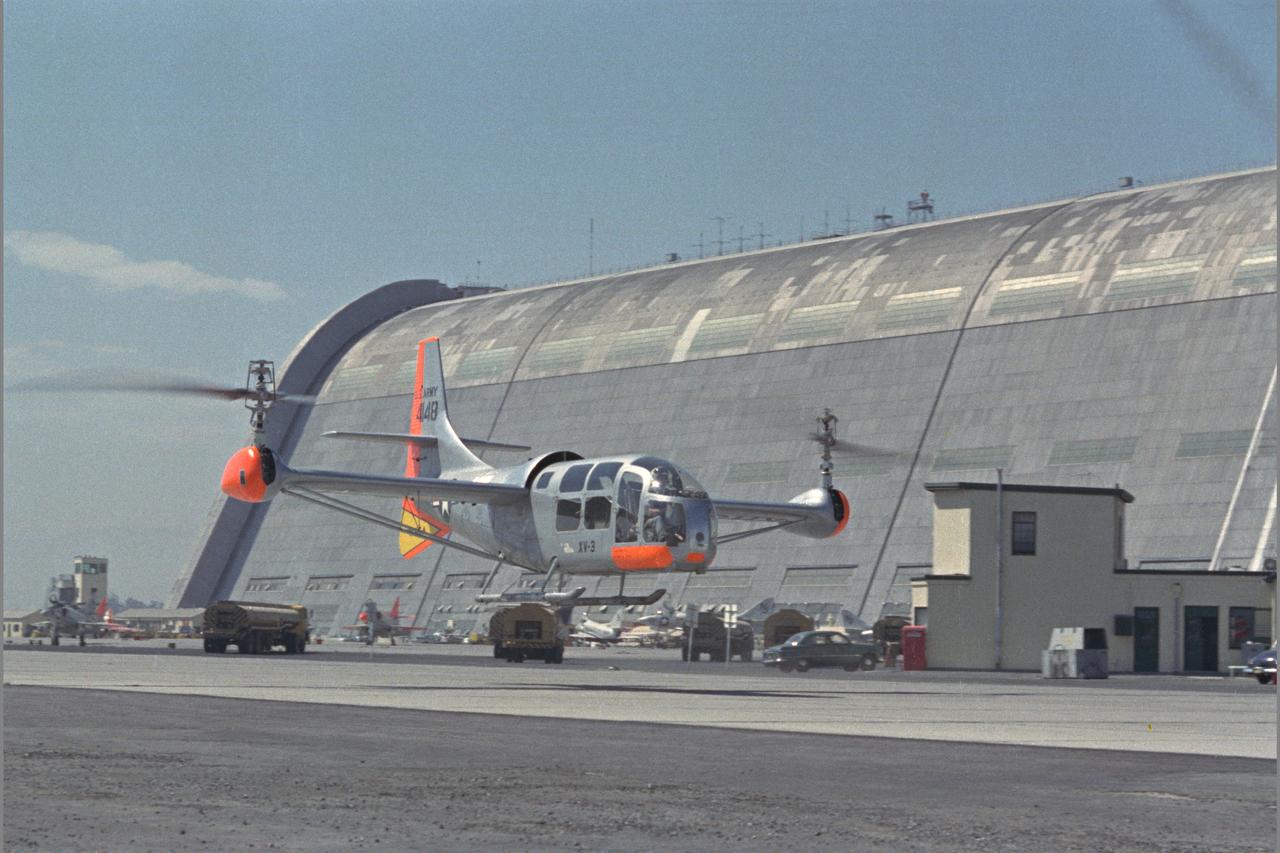
XV-3 HOVERING ON RAMP.  Flight Test of Bell XV-3 Convertiplane.  Bell VTOL tilt-rotor aircraft hovering along side Hangar One at Moffett Field. The XV-3 design combined a helicopter rotor and a wing. A 450 horsepower Pratt & Whitney piston engine drove the two rotors. The XV-3, first flown in 1955 , was the first tilt-rotor to achieve 100% tilting of rotors. The vehicle was underpowered, however, and could not hover out of ground effect. Note the large ventral fin, which was added to imrpove directional stability in cruse (Oct 1962)
ARC-1959-A-25685-14
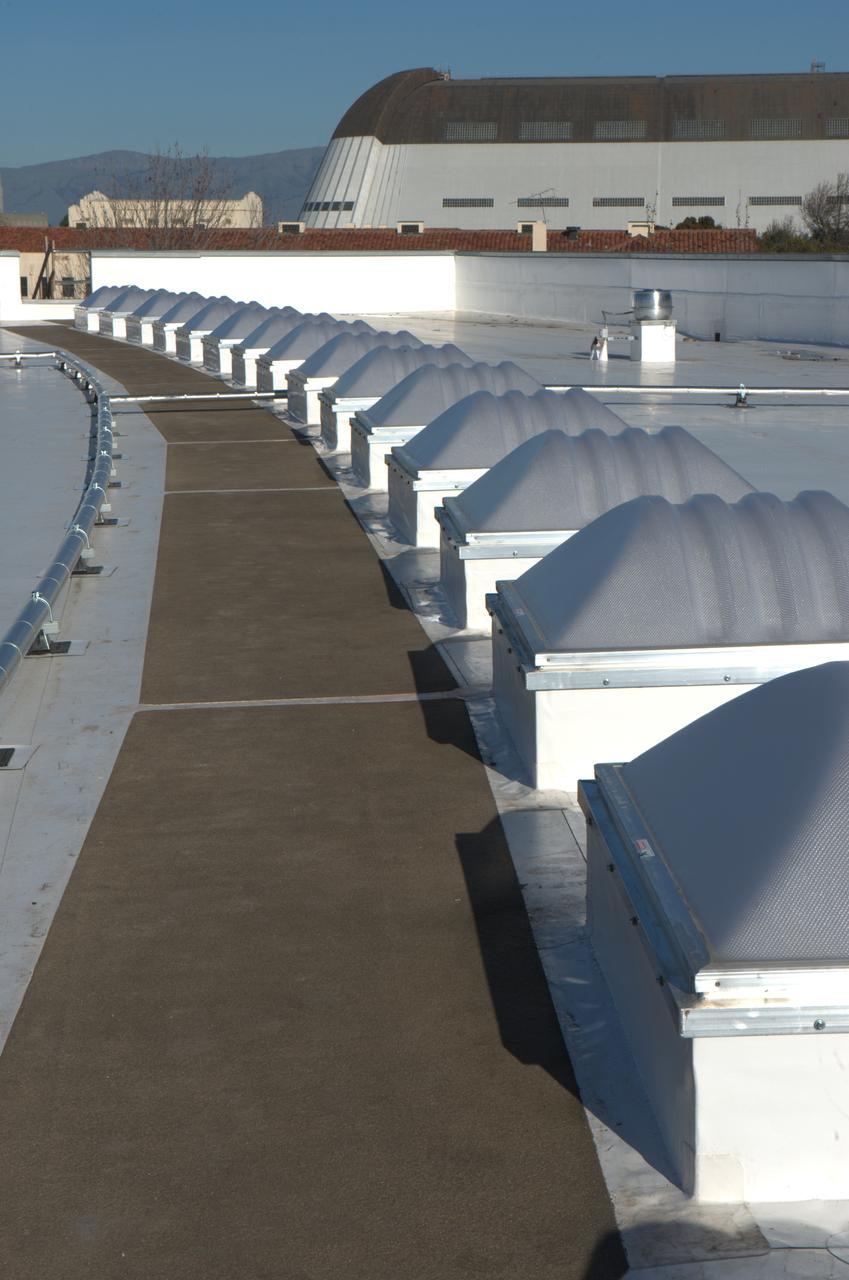
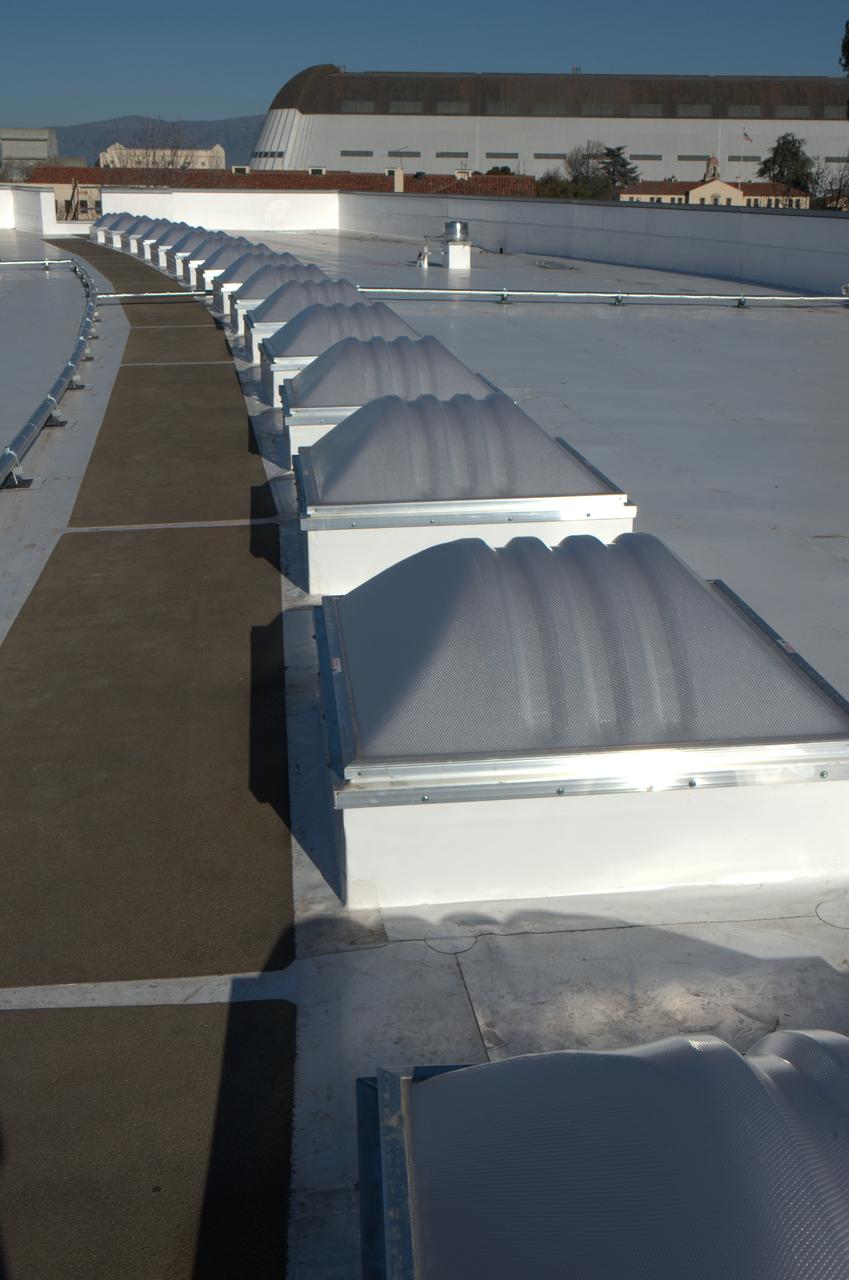
Construction of the new NASA Ames Green Building dubbed Sustainability Base located on the Ames Research Center campus at Moffett Field, CA. Skylight and piping on roof, Hangar One in background.
ARC-2011-ACD10-0037-213
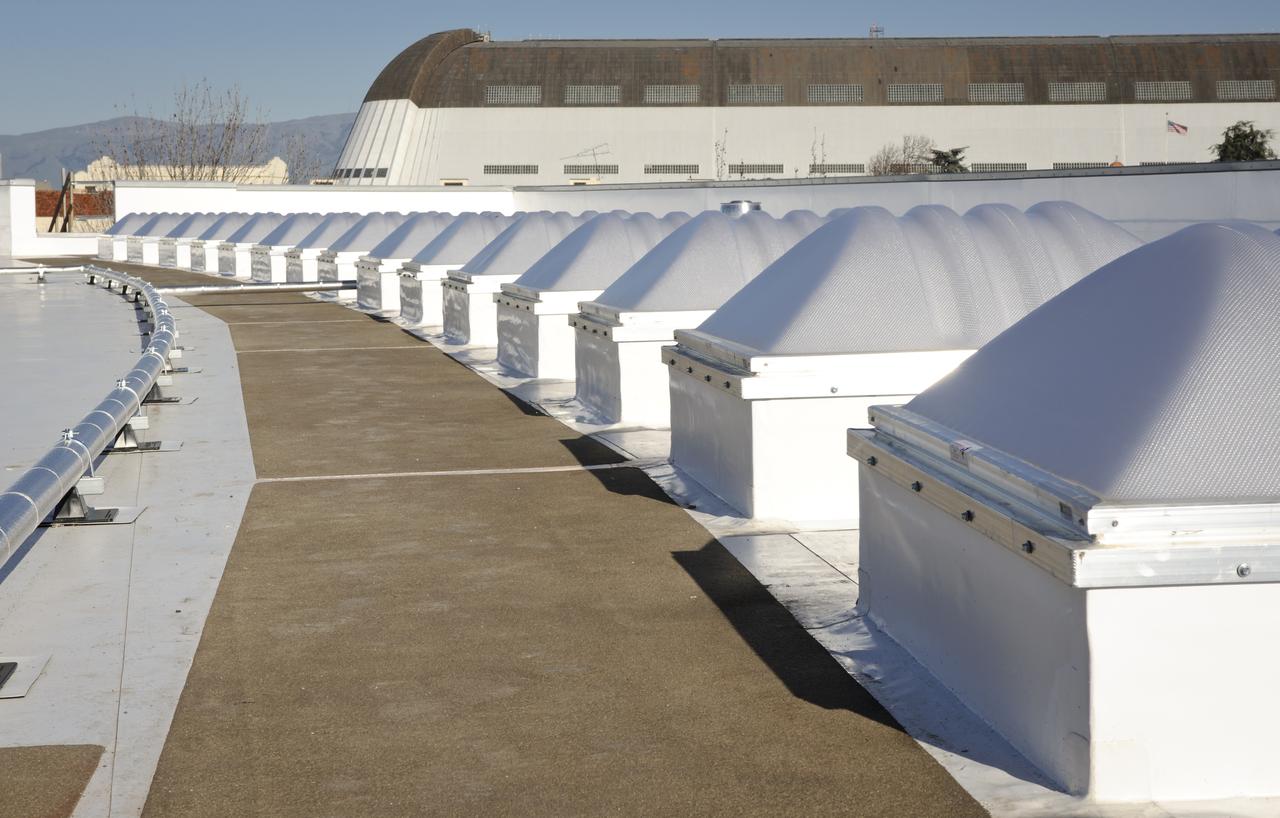
Construction of the new NASA Ames Green Building dubbed Sustainability Base located on the Ames Research Center campus at Moffett Field, CA. Skylight and piping on roof, Hangar One in background.
ARC-2011-ACD10-0037-211
Construction of the new NASA Ames Green Building dubbed Sustainability Base located on the Ames Research Center campus at Moffett Field, CA. Skylight and piping on roof, Hangar One in background.
ARC-2011-ACD10-0037-210
Construction of the new NASA Ames Green Building dubbed Sustainability Base located on the Ames Research Center campus at Moffett Field, CA. Skylight and piping on roof, Hangar One in background.
ARC-2011-ACD10-0037-212
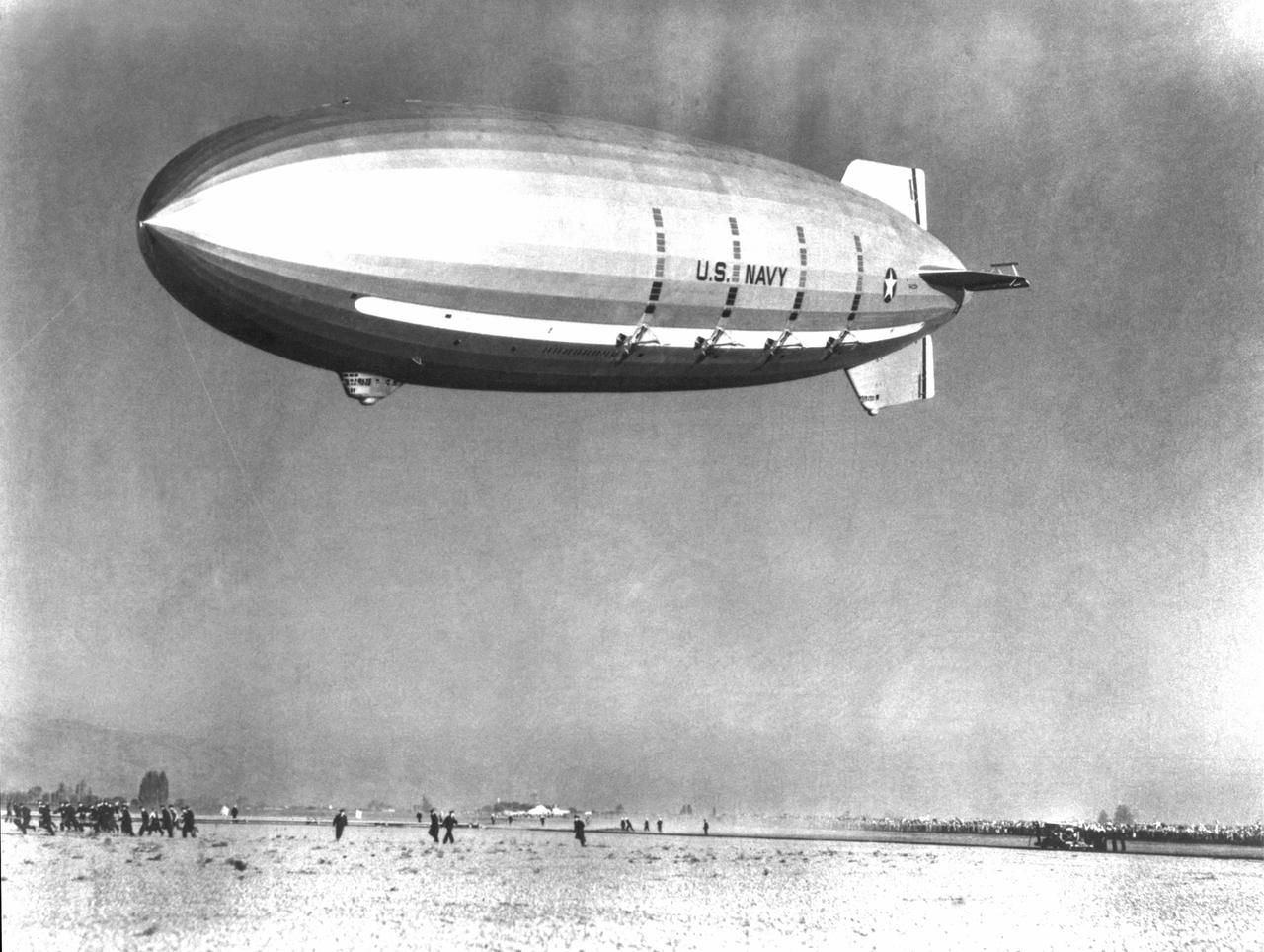
Dirigible returns to Moffett as people watch (1933)
ARC-1993-A83-0499-24
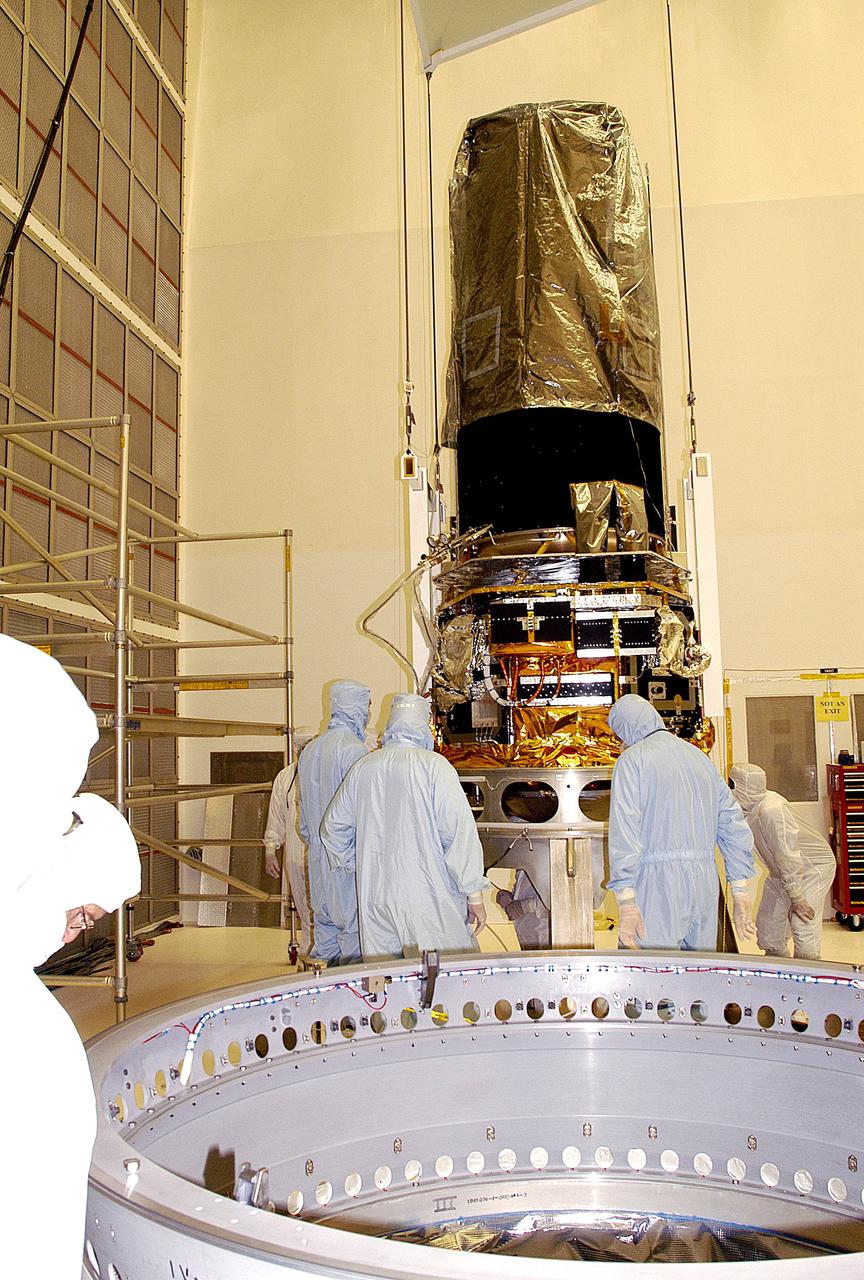
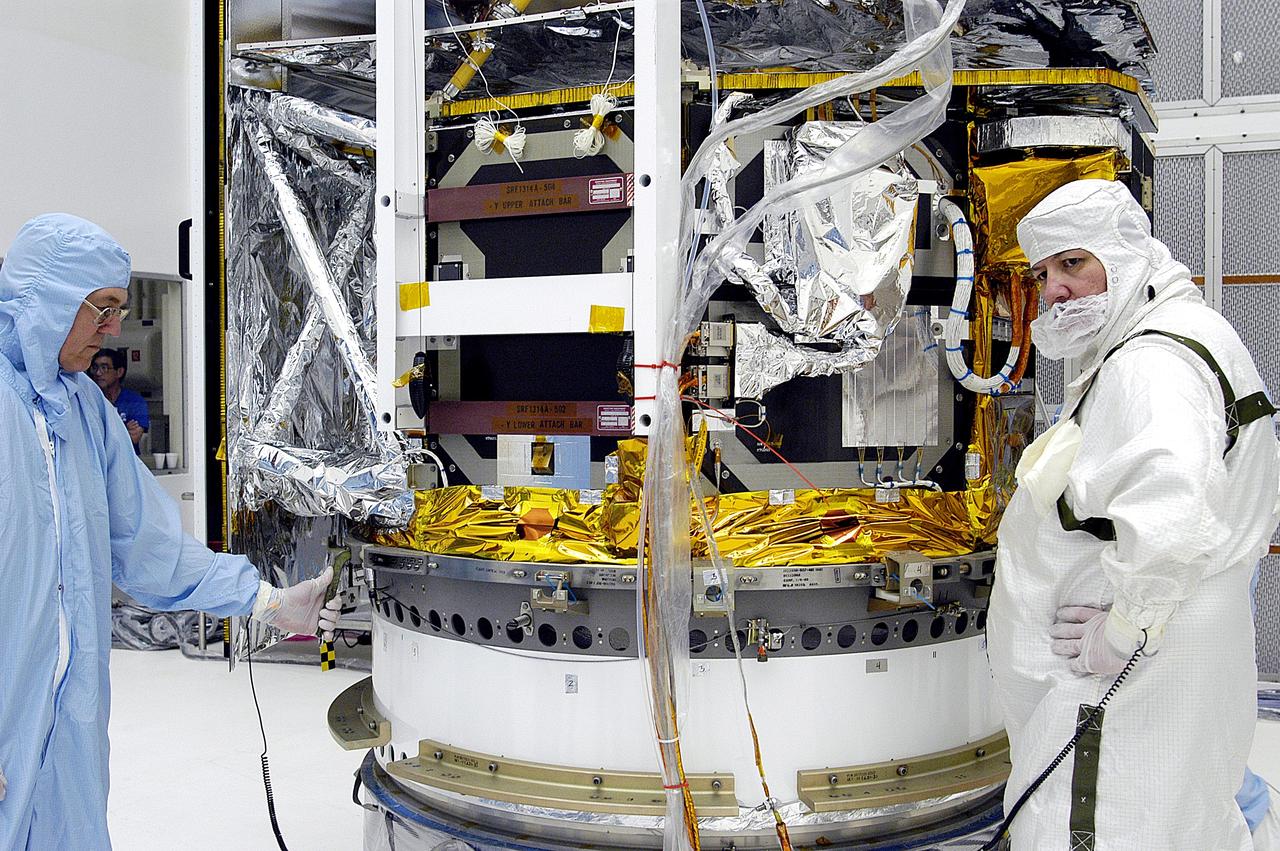
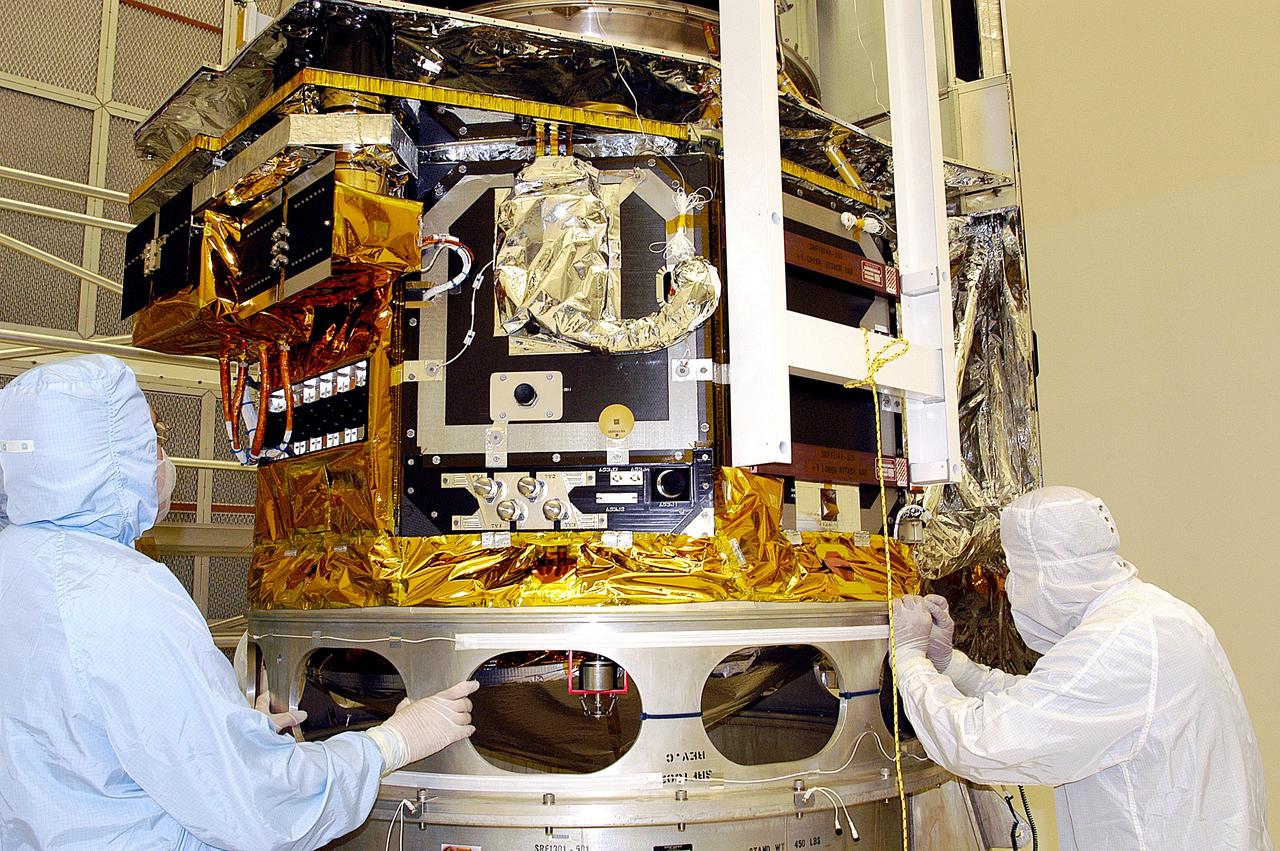
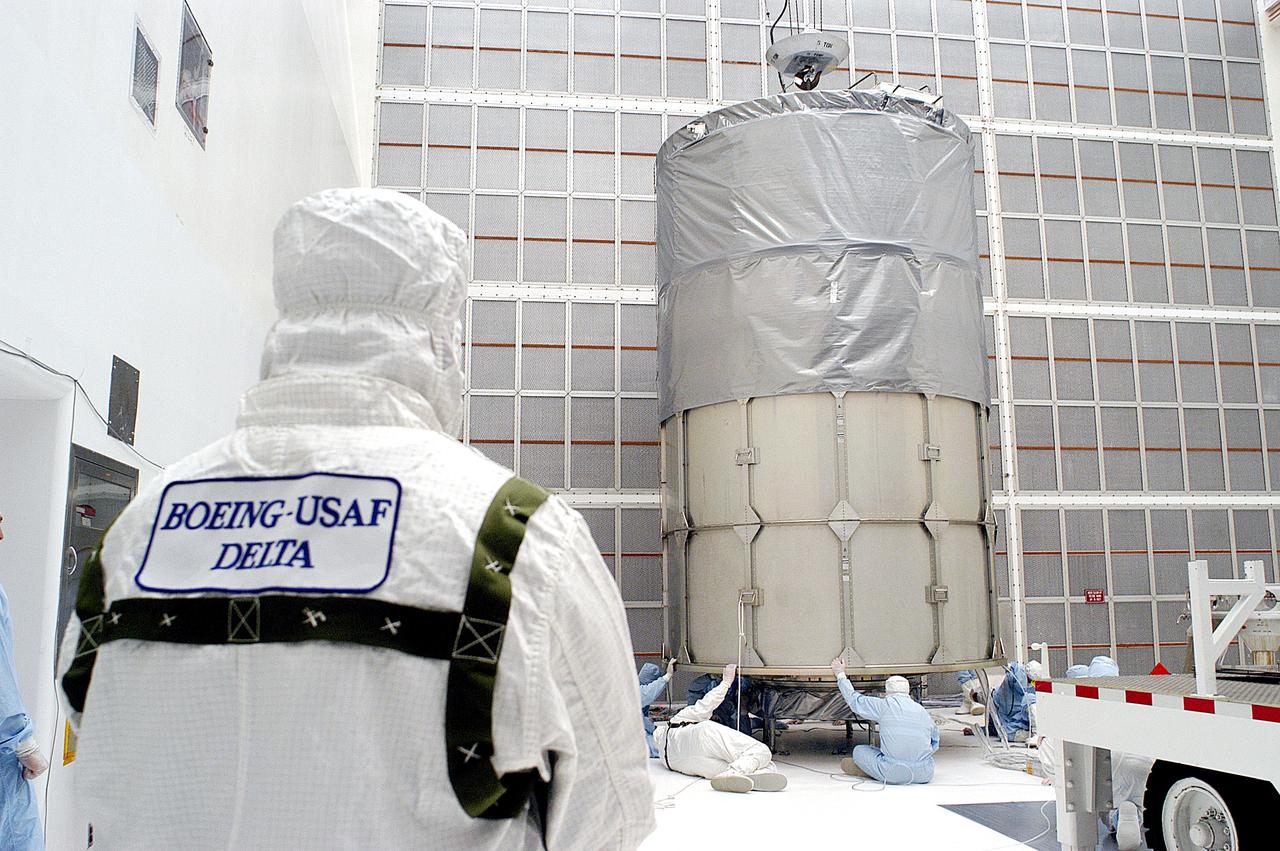
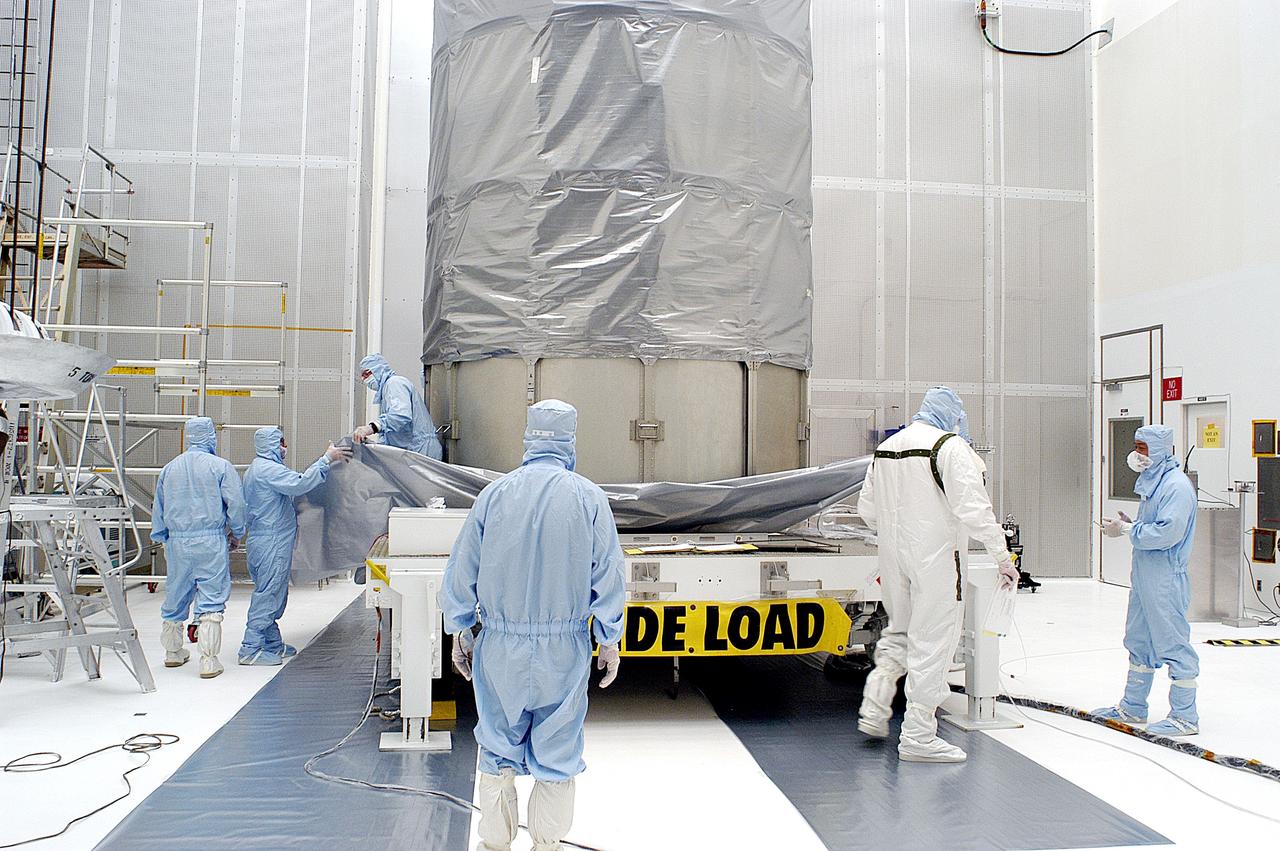
KENNEDY SPACE CENTER, FLA. -  Workers in NASA Spacecraft Hangar AE remove the protective cover from around the Space Infrared Telescope Facility (SIRTF), which has been returned to the hangar from the launch pad.   SIRTF will remain in the clean room until it returns to the pad in early August. One of NASA's largest infrared telescopes to be launched, SIRTF will obtain images and spectra by detecting the infrared energy, or heat, radiated by objects in space.
KENNEDY SPACE CENTER, FLA. - Workers in NASA Spacecraft Hangar AE remove the protective cover from around the Space Infrared Telescope Facility (SIRTF), which has been returned to the hangar from the launch pad. SIRTF will remain in the clean room until it returns to the pad in early August. One of NASA's largest infrared telescopes to be launched, SIRTF will obtain images and spectra by detecting the infrared energy, or heat, radiated by objects in space.
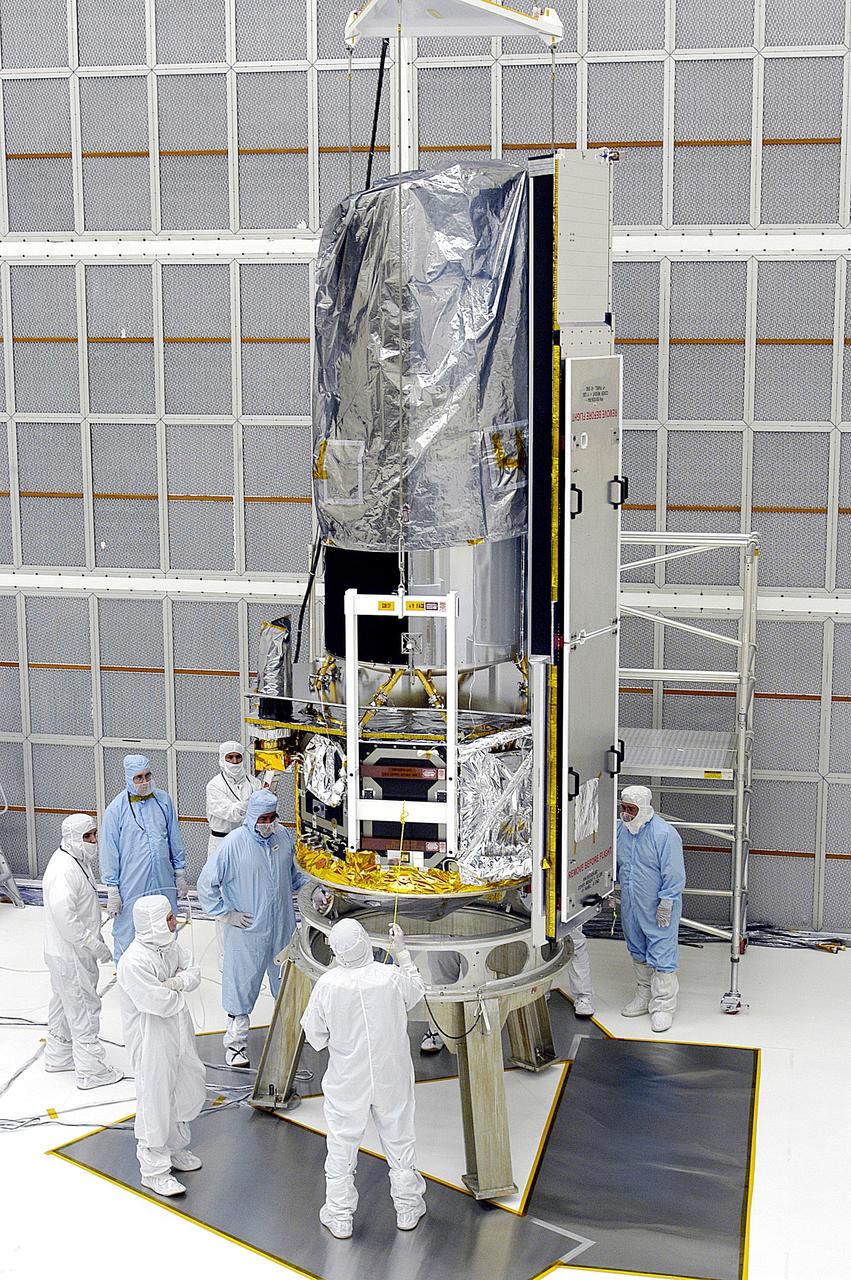
KENNEDY SPACE CENTER, FLA. -  Workers in NASA Spacecraft Hangar AE prepare to remove the canister from around the Space Infrared Telescope Facility (SIRTF), which has been returned to the hangar from the launch pad.   SIRTF will remain in the clean room until it returns to the pad in early August. One of NASA's largest infrared telescopes to be launched, SIRTF will obtain images and spectra by detecting the infrared energy, or heat, radiated by objects in space.
KENNEDY SPACE CENTER, FLA. - Workers in NASA Spacecraft Hangar AE prepare to remove the canister from around the Space Infrared Telescope Facility (SIRTF), which has been returned to the hangar from the launch pad. SIRTF will remain in the clean room until it returns to the pad in early August. One of NASA's largest infrared telescopes to be launched, SIRTF will obtain images and spectra by detecting the infrared energy, or heat, radiated by objects in space.
KENNEDY SPACE CENTER, FLA. -  Workers in NASA Spacecraft Hangar AE begin the next phase of processing of the Space Infrared Telescope Facility (SIRTF), which has been returned to the hangar from the launch pad. SIRTF will remain in the clean room until it returns to the pad in early August. One of NASA's largest infrared telescopes to be launched, SIRTF will obtain images and spectra by detecting the infrared energy, or heat, radiated by objects in space.
KENNEDY SPACE CENTER, FLA. - Workers in NASA Spacecraft Hangar AE begin the next phase of processing of the Space Infrared Telescope Facility (SIRTF), which has been returned to the hangar from the launch pad. SIRTF will remain in the clean room until it returns to the pad in early August. One of NASA's largest infrared telescopes to be launched, SIRTF will obtain images and spectra by detecting the infrared energy, or heat, radiated by objects in space.
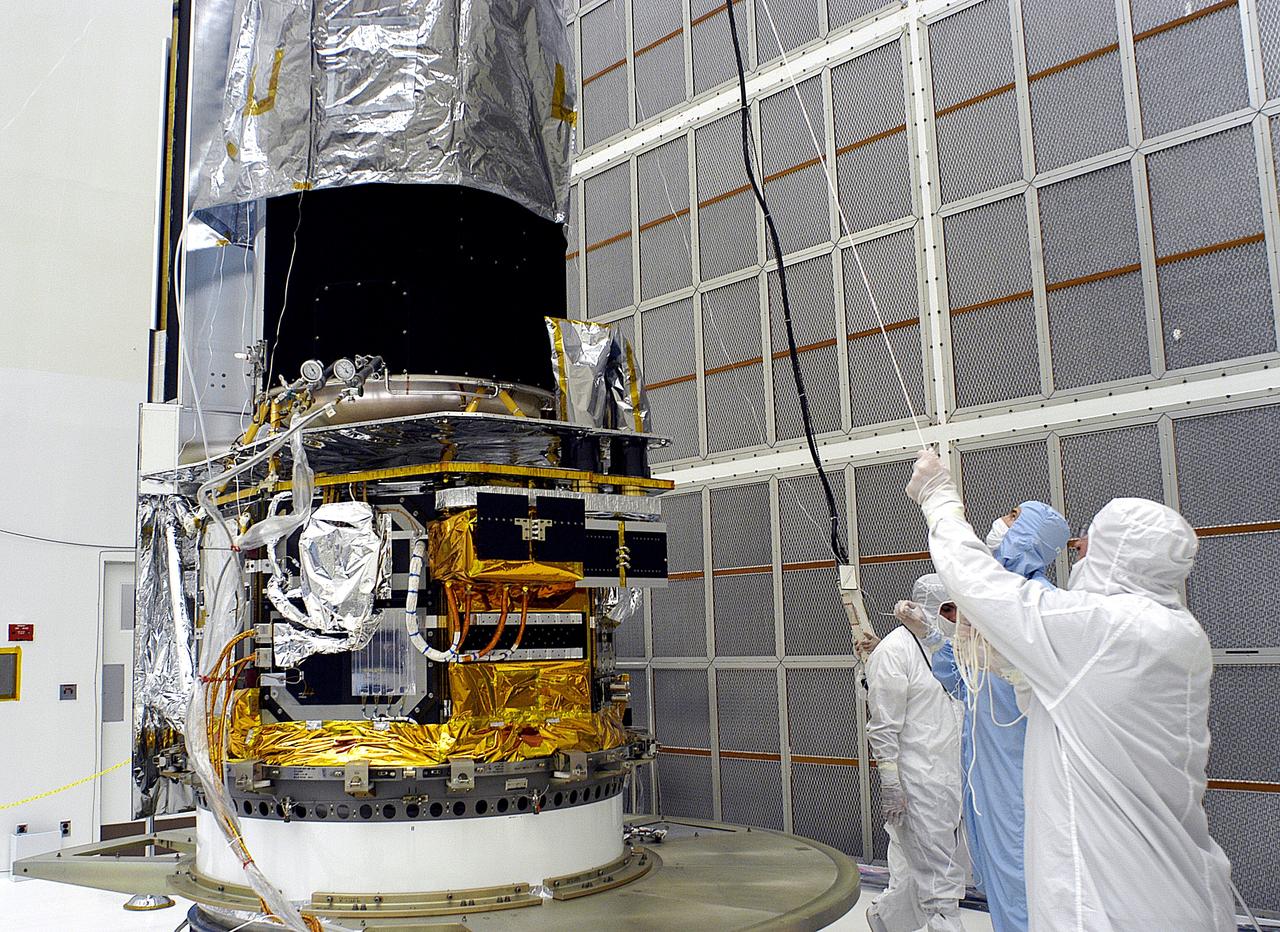
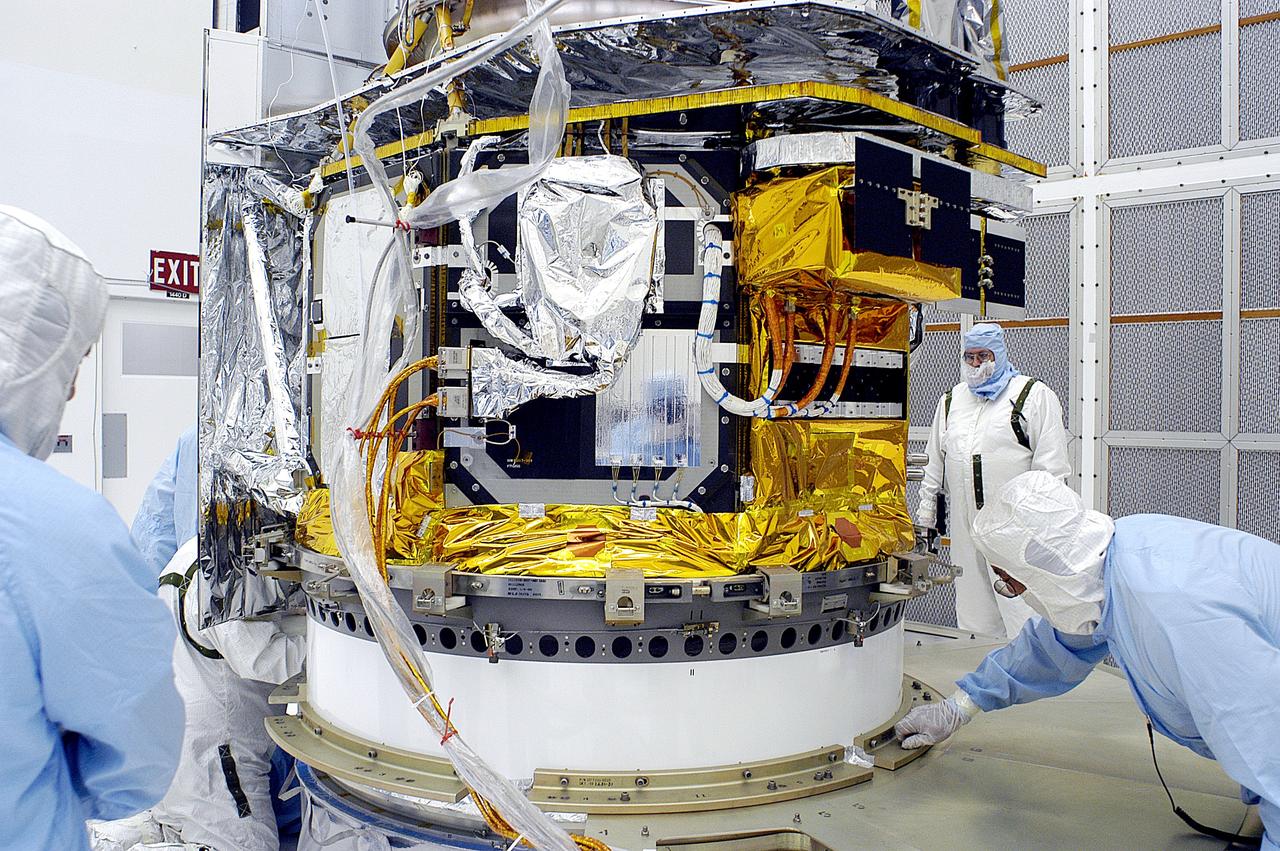
KENNEDY SPACE CENTER, FLA. -  Workers in NASA Spacecraft Hangar AE position the Space Infrared Telescope Facility (SIRTF), which has been returned to the hangar from the launch pad, for further processing. SIRTF will remain in the clean room until it returns to the pad in early August. One of NASA's largest infrared telescopes to be launched, SIRTF will obtain images and spectra by detecting the infrared energy, or heat, radiated by objects in space.
KENNEDY SPACE CENTER, FLA. - Workers in NASA Spacecraft Hangar AE position the Space Infrared Telescope Facility (SIRTF), which has been returned to the hangar from the launch pad, for further processing. SIRTF will remain in the clean room until it returns to the pad in early August. One of NASA's largest infrared telescopes to be launched, SIRTF will obtain images and spectra by detecting the infrared energy, or heat, radiated by objects in space.
KENNEDY SPACE CENTER, FLA. -  Workers in NASA Spacecraft Hangar AE prepare to remove the canister from around the Space Infrared Telescope Facility (SIRTF), which has been returned to the hangar from the launch pad.   SIRTF will remain in the clean room until it returns to the pad in early August. One of NASA's largest infrared telescopes to be launched, SIRTF will obtain images and spectra by detecting the infrared energy, or heat, radiated by objects in space.
KENNEDY SPACE CENTER, FLA. - Workers in NASA Spacecraft Hangar AE prepare to remove the canister from around the Space Infrared Telescope Facility (SIRTF), which has been returned to the hangar from the launch pad. SIRTF will remain in the clean room until it returns to the pad in early August. One of NASA's largest infrared telescopes to be launched, SIRTF will obtain images and spectra by detecting the infrared energy, or heat, radiated by objects in space.
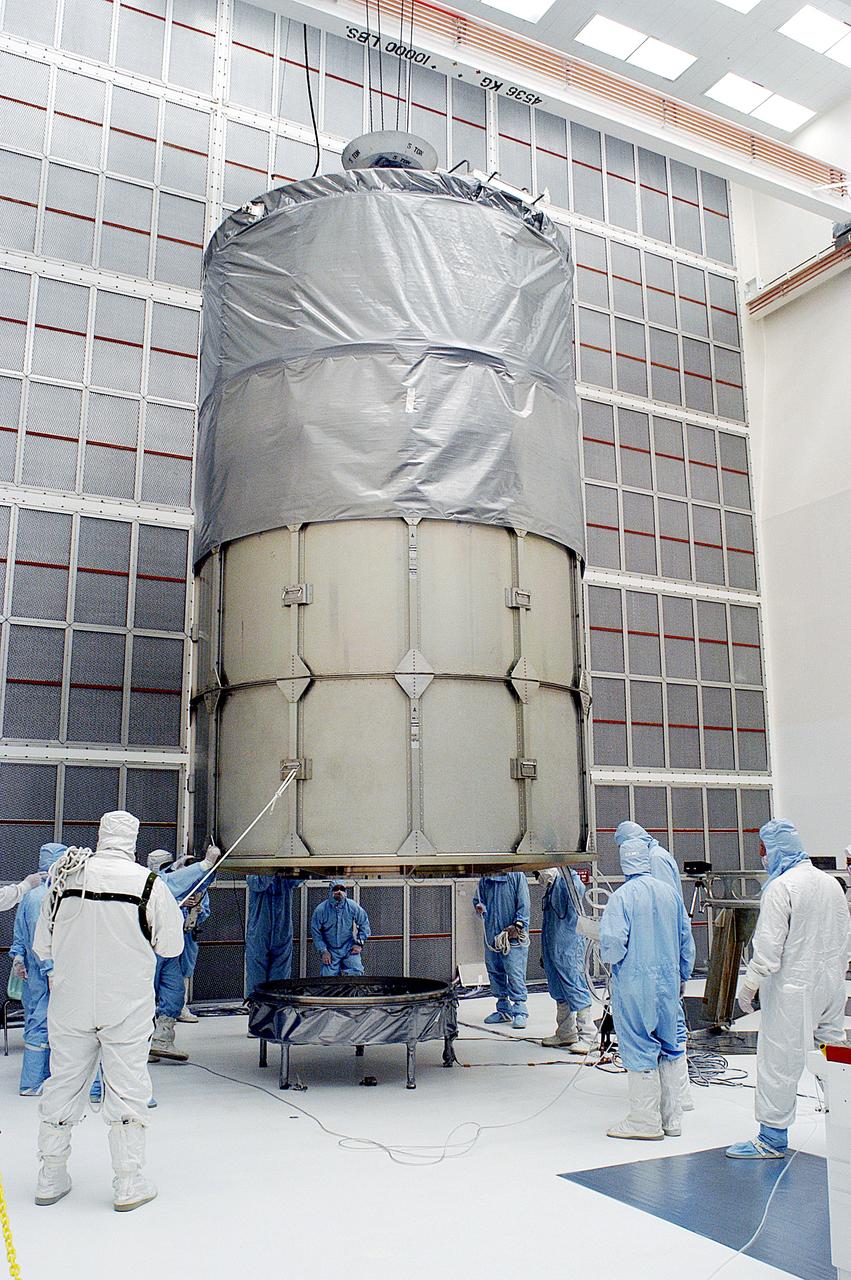
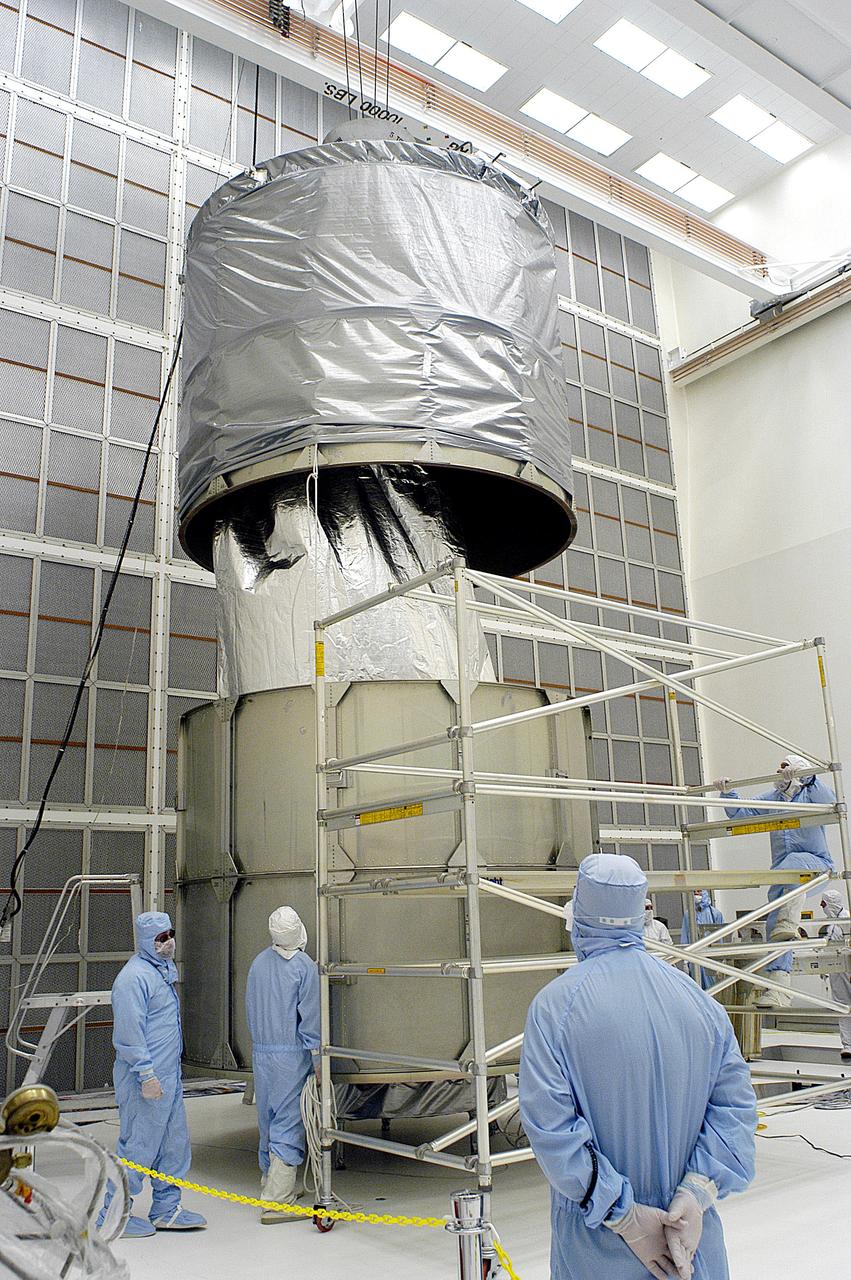
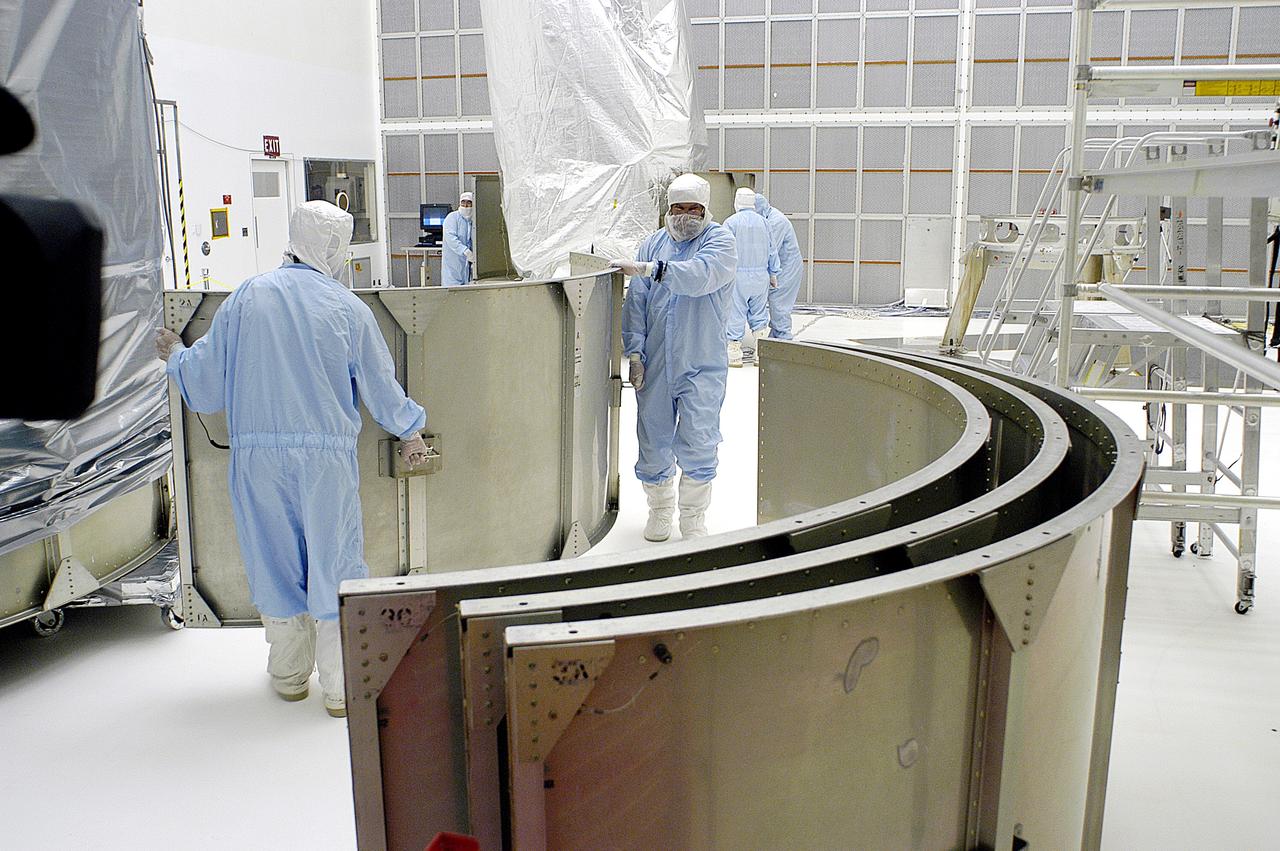
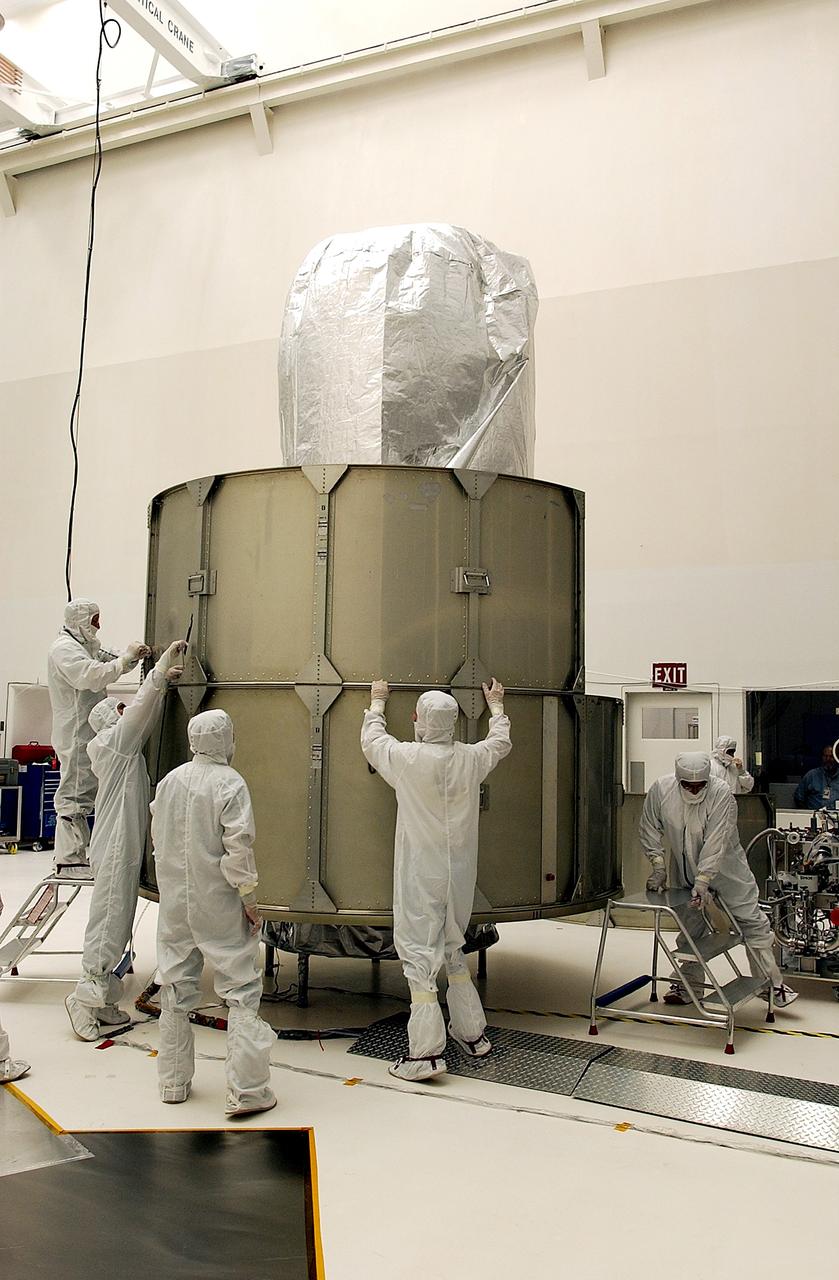
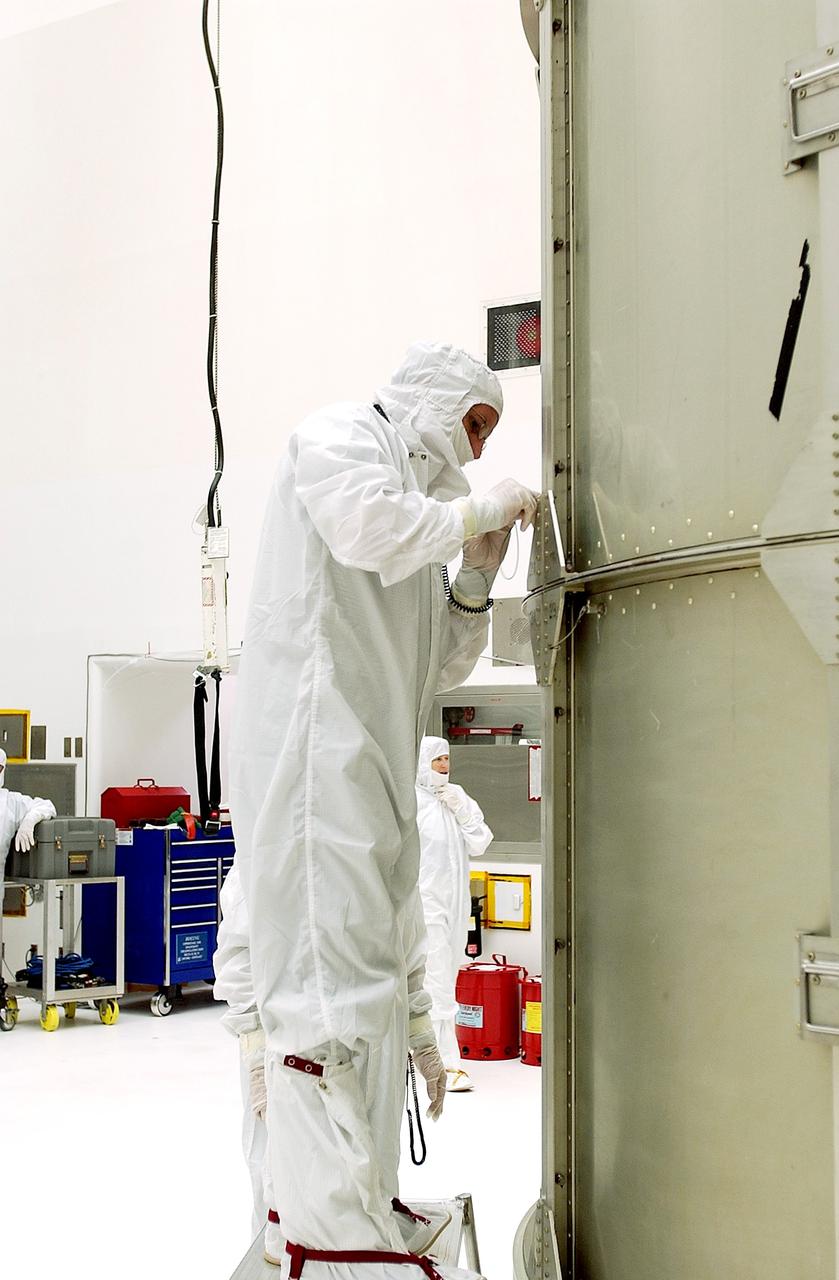
KENNEDY SPACE CENTER, FLA. -  Workers in NASA Spacecraft Hangar AE remove sections of the transportation canister from around the Space Infrared Telescope Facility (SIRTF), which has been returned to the hangar from the launch pad.   SIRTF will remain in the clean room until it returns to the pad in early August. One of NASA's largest infrared telescopes to be launched, SIRTF will obtain images and spectra by detecting the infrared energy, or heat, radiated by objects in space.
KENNEDY SPACE CENTER, FLA. - Workers in NASA Spacecraft Hangar AE remove sections of the transportation canister from around the Space Infrared Telescope Facility (SIRTF), which has been returned to the hangar from the launch pad. SIRTF will remain in the clean room until it returns to the pad in early August. One of NASA's largest infrared telescopes to be launched, SIRTF will obtain images and spectra by detecting the infrared energy, or heat, radiated by objects in space.
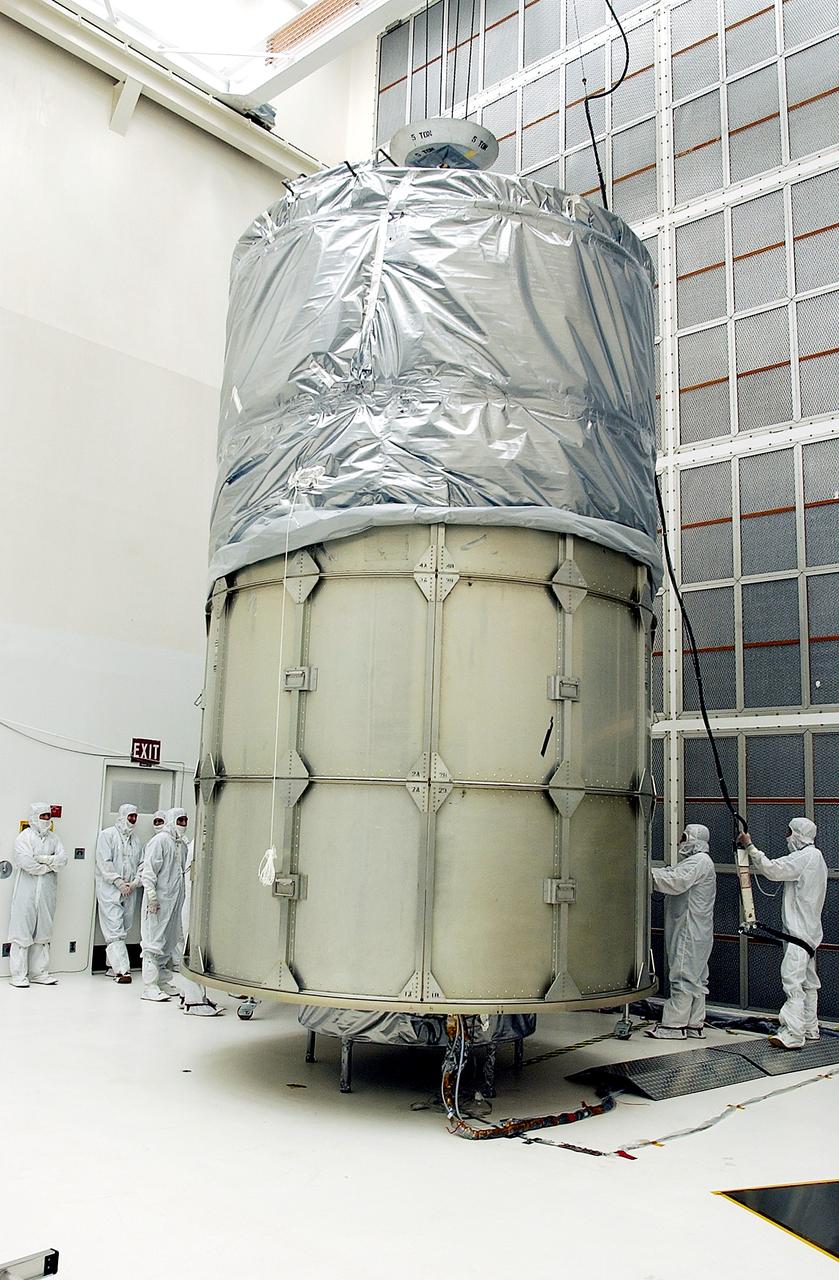
KENNEDY SPACE CENTER, FLA. -  In the NASA Spacecraft Hangar AE, the Space Infrared Telescope Facility (SIRTF), which has been returned to the hangar from the launch pad, is uncovered by workers following its arrival.   SIRTF will remain in the clean room until it returns to the pad in early August. One of NASA's largest infrared telescopes to be launched, SIRTF will obtain images and spectra by detecting the infrared energy, or heat, radiated by objects in space.
KENNEDY SPACE CENTER, FLA. - In the NASA Spacecraft Hangar AE, the Space Infrared Telescope Facility (SIRTF), which has been returned to the hangar from the launch pad, is uncovered by workers following its arrival. SIRTF will remain in the clean room until it returns to the pad in early August. One of NASA's largest infrared telescopes to be launched, SIRTF will obtain images and spectra by detecting the infrared energy, or heat, radiated by objects in space.
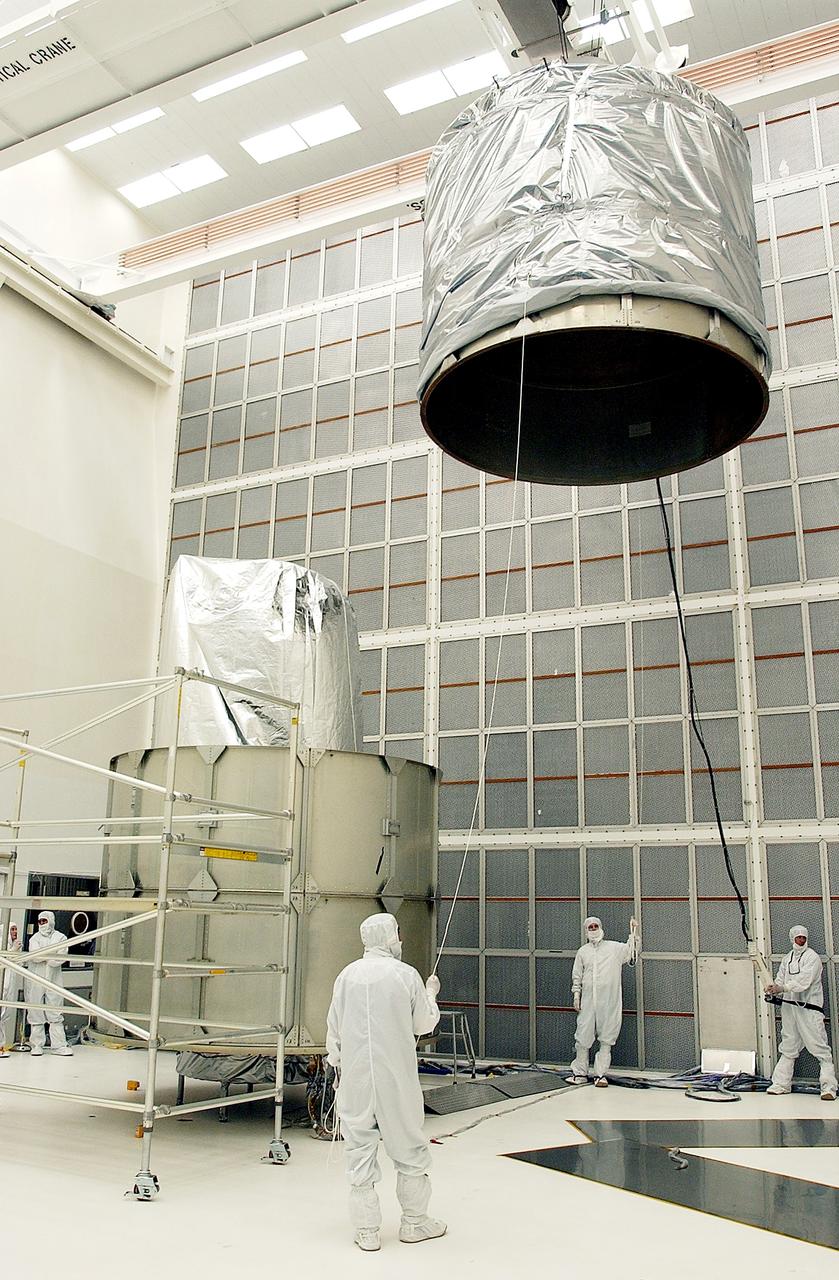
KENNEDY SPACE CENTER, FLA. -  Workers in NASA Spacecraft Hangar AE lift the protective cover from around the Space Infrared Telescope Facility (SIRTF), which has been returned to the hangar from the launch pad.   SIRTF will remain in the clean room until it returns to the pad in early August. One of NASA's largest infrared telescopes to be launched, SIRTF will obtain images and spectra by detecting the infrared energy, or heat, radiated by objects in space.
KENNEDY SPACE CENTER, FLA. - Workers in NASA Spacecraft Hangar AE lift the protective cover from around the Space Infrared Telescope Facility (SIRTF), which has been returned to the hangar from the launch pad. SIRTF will remain in the clean room until it returns to the pad in early August. One of NASA's largest infrared telescopes to be launched, SIRTF will obtain images and spectra by detecting the infrared energy, or heat, radiated by objects in space.
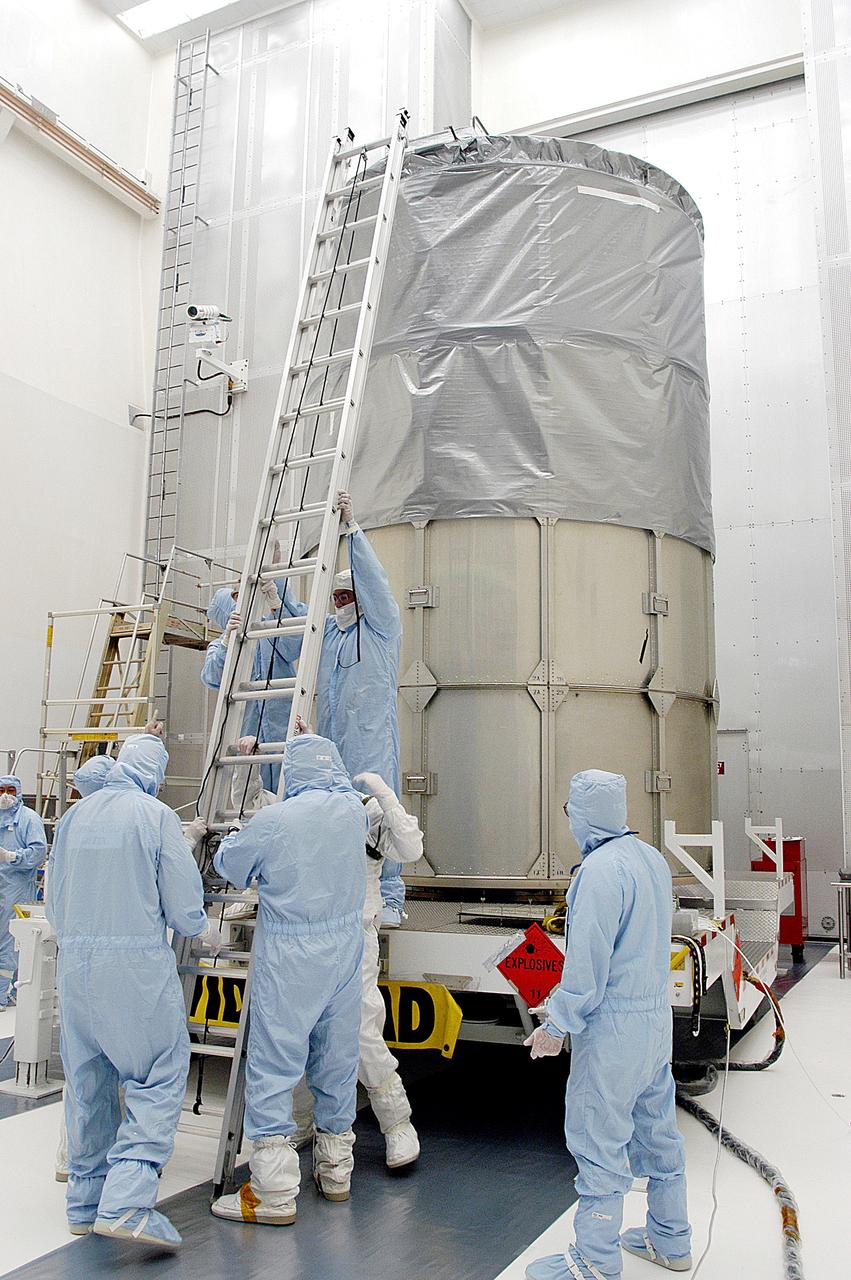
KENNEDY SPACE CENTER, FLA. -  Workers in NASA Spacecraft Hangar AE erect a ladder to reach the top of the Space Infrared Telescope Facility (SIRTF), which has been returned to the hangar from the launch pad.   SIRTF will remain in the clean room until it returns to the pad in early August.  One of NASA's largest infrared telescopes to be launched, SIRTF will obtain images and spectra by detecting the infrared energy, or heat, radiated by objects in space.
KENNEDY SPACE CENTER, FLA. - Workers in NASA Spacecraft Hangar AE erect a ladder to reach the top of the Space Infrared Telescope Facility (SIRTF), which has been returned to the hangar from the launch pad. SIRTF will remain in the clean room until it returns to the pad in early August. One of NASA's largest infrared telescopes to be launched, SIRTF will obtain images and spectra by detecting the infrared energy, or heat, radiated by objects in space.
KENNEDY SPACE CENTER, FLA. -  Workers in NASA Spacecraft Hangar AE remove a portion of a transportation canister from around the Space Infrared Telescope Facility (SIRTF), which has been returned to the hangar from the launch pad.   SIRTF will remain in the clean room until it returns to the pad in early August. One of NASA's largest infrared telescopes to be launched, SIRTF will obtain images and spectra by detecting the infrared energy, or heat, radiated by objects in space.
KENNEDY SPACE CENTER, FLA. - Workers in NASA Spacecraft Hangar AE remove a portion of a transportation canister from around the Space Infrared Telescope Facility (SIRTF), which has been returned to the hangar from the launch pad. SIRTF will remain in the clean room until it returns to the pad in early August. One of NASA's largest infrared telescopes to be launched, SIRTF will obtain images and spectra by detecting the infrared energy, or heat, radiated by objects in space.
KENNEDY SPACE CENTER, FLA. -  Workers in NASA Spacecraft Hangar AE remove sections of the transportation canister from around the Space Infrared Telescope Facility (SIRTF), which has been returned to the hangar from the launch pad.   SIRTF will remain in the clean room until it returns to the pad in early August. One of NASA's largest infrared telescopes to be launched, SIRTF will obtain images and spectra by detecting the infrared energy, or heat, radiated by objects in space.
KENNEDY SPACE CENTER, FLA. - Workers in NASA Spacecraft Hangar AE remove sections of the transportation canister from around the Space Infrared Telescope Facility (SIRTF), which has been returned to the hangar from the launch pad. SIRTF will remain in the clean room until it returns to the pad in early August. One of NASA's largest infrared telescopes to be launched, SIRTF will obtain images and spectra by detecting the infrared energy, or heat, radiated by objects in space.
KENNEDY SPACE CENTER, FLA. -  Workers in NASA Spacecraft Hangar AE check the placement of the Space Infrared Telescope Facility (SIRTF), which has been returned to the hangar from the launch pad for further processing. SIRTF will remain in the clean room until it returns to the pad in early August. One of NASA's largest infrared telescopes to be launched, SIRTF will obtain images and spectra by detecting the infrared energy, or heat, radiated by objects in space.
KENNEDY SPACE CENTER, FLA. - Workers in NASA Spacecraft Hangar AE check the placement of the Space Infrared Telescope Facility (SIRTF), which has been returned to the hangar from the launch pad for further processing. SIRTF will remain in the clean room until it returns to the pad in early August. One of NASA's largest infrared telescopes to be launched, SIRTF will obtain images and spectra by detecting the infrared energy, or heat, radiated by objects in space.
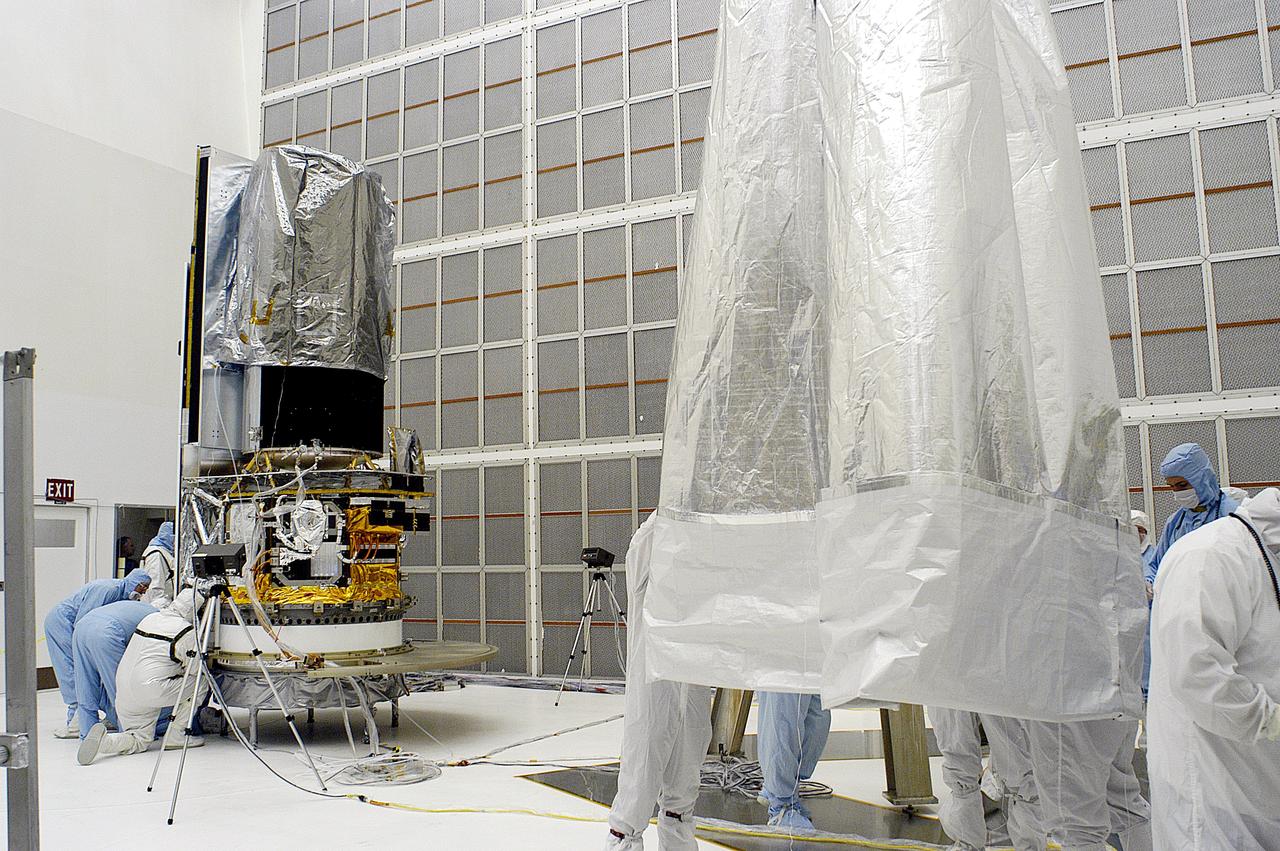
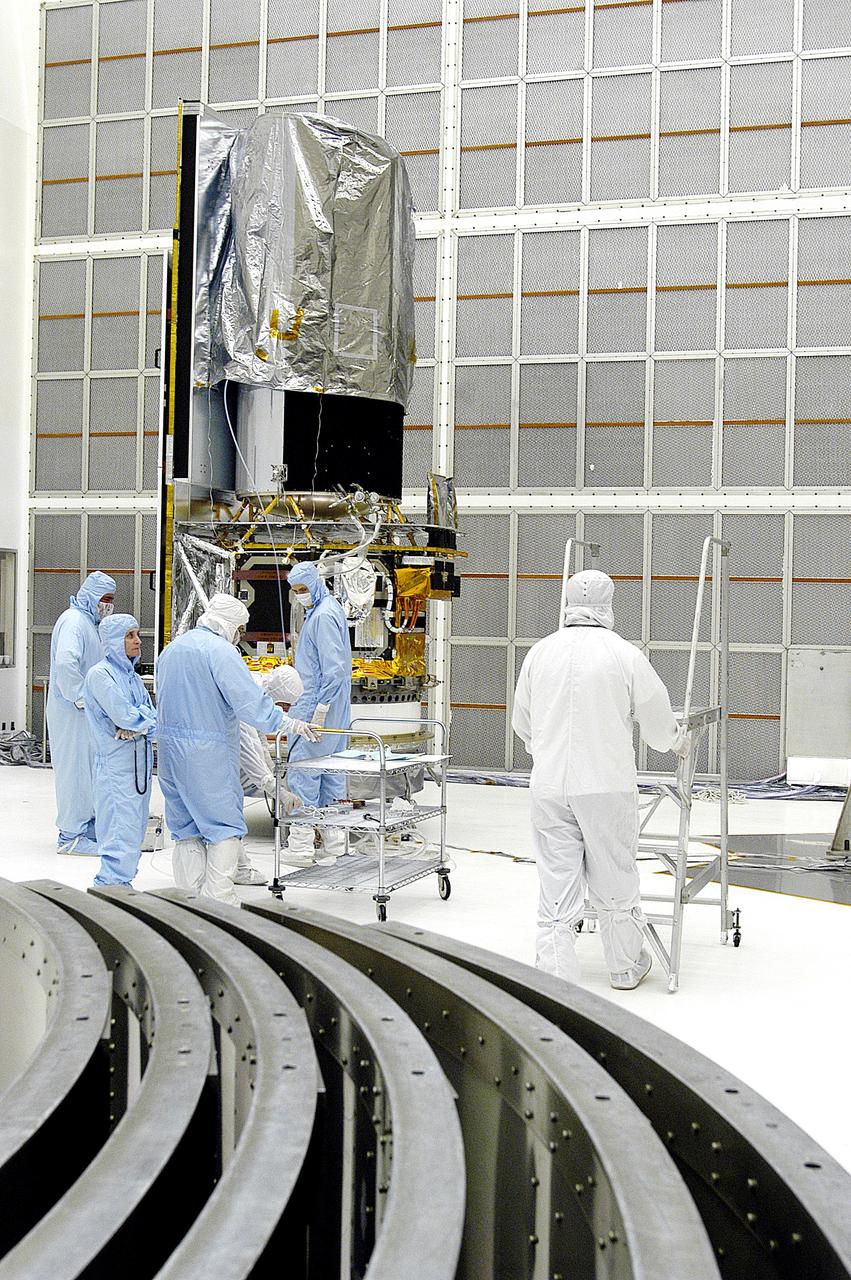
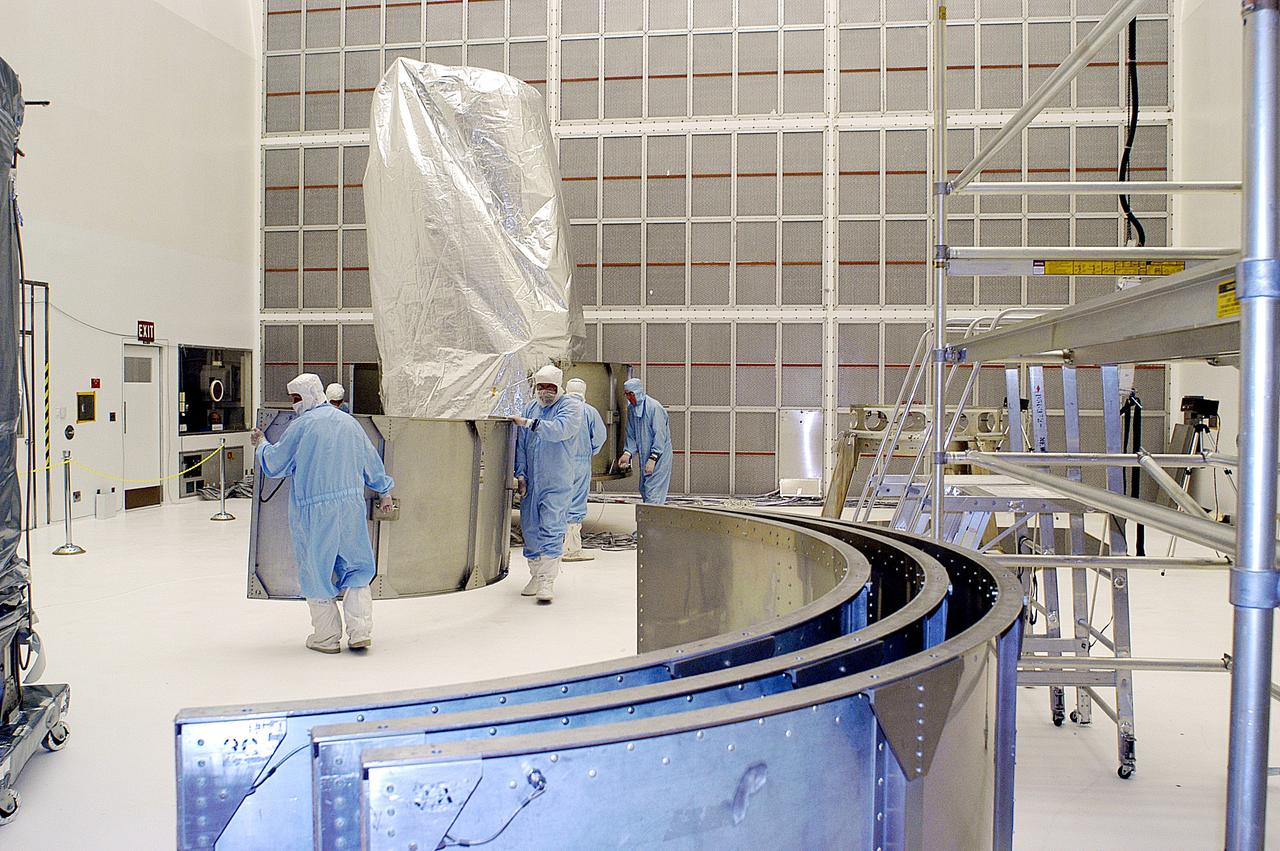
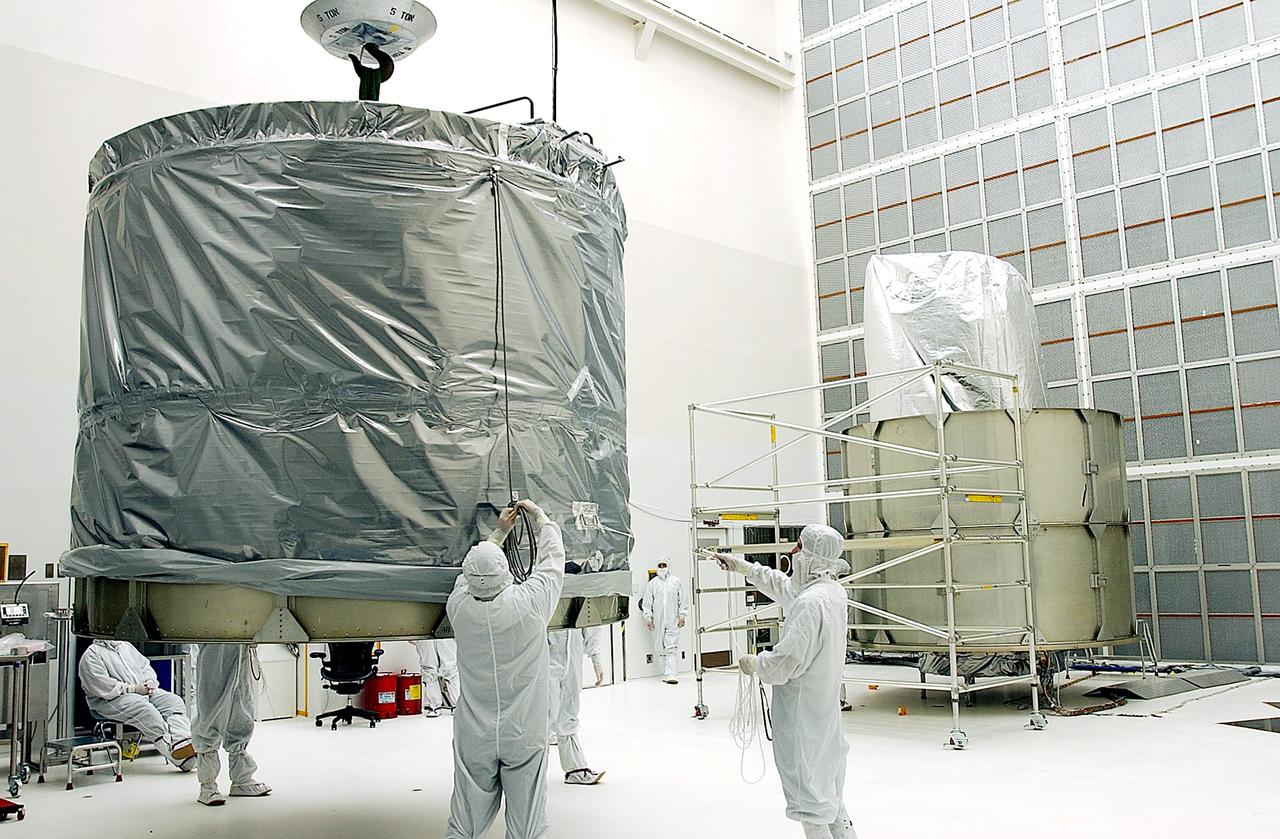
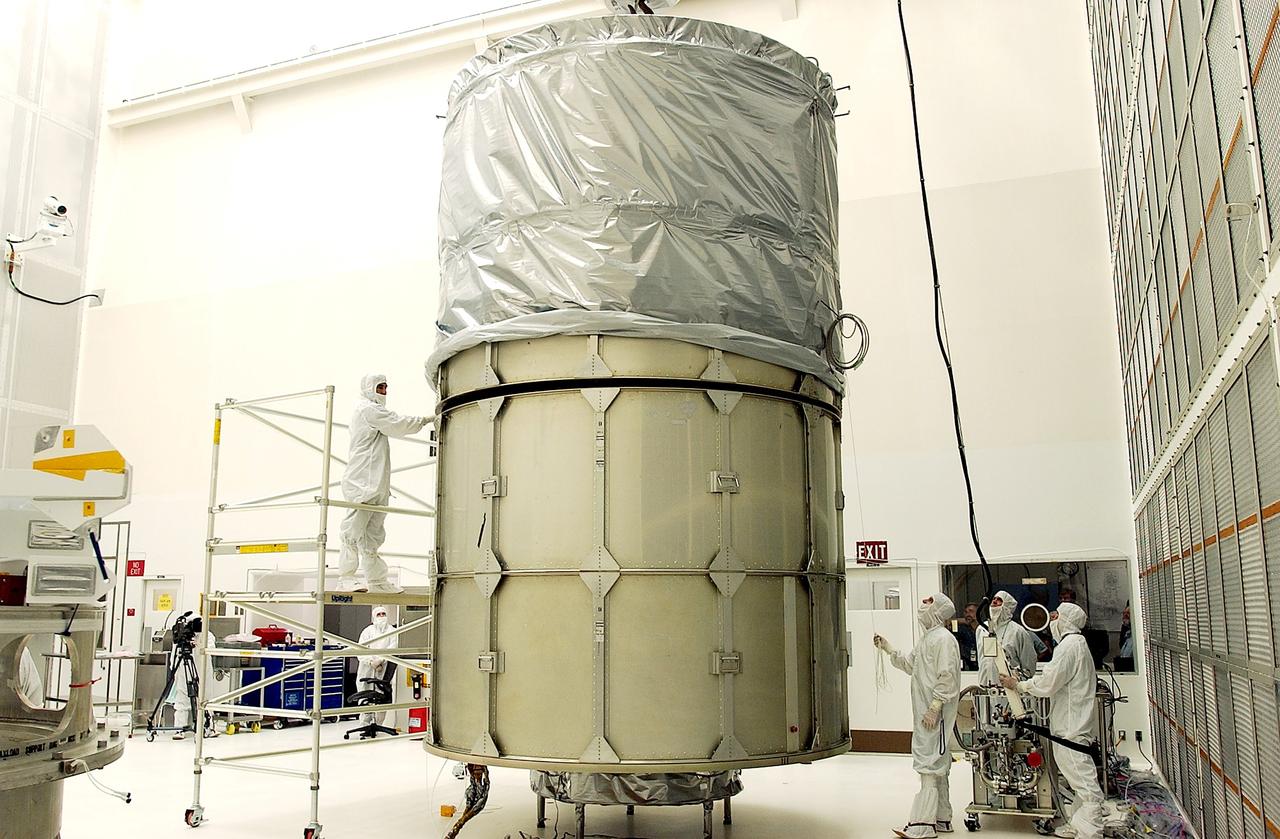
KENNEDY SPACE CENTER, FLA. -  Workers in NASA Spacecraft Hangar AE prepare to begin further processing of the Space Infrared Telescope Facility (SIRTF), which has been returned to the hangar from the launch pad. Sections of the transportation canister used in the move are in the foreground.  SIRTF will remain in the clean room until it returns to the pad in early August. One of NASA's largest infrared telescopes to be launched, SIRTF will obtain images and spectra by detecting the infrared energy, or heat, radiated by objects in space.
KENNEDY SPACE CENTER, FLA. - Workers in NASA Spacecraft Hangar AE prepare to begin further processing of the Space Infrared Telescope Facility (SIRTF), which has been returned to the hangar from the launch pad. Sections of the transportation canister used in the move are in the foreground. SIRTF will remain in the clean room until it returns to the pad in early August. One of NASA's largest infrared telescopes to be launched, SIRTF will obtain images and spectra by detecting the infrared energy, or heat, radiated by objects in space.
KENNEDY SPACE CENTER, FLA. -  Workers in NASA Spacecraft Hangar AE check the placement of the Space Infrared Telescope Facility (SIRTF), which has been returned to the hangar from the launch pad for further processing. SIRTF will remain in the clean room until it returns to the pad in early August. One of NASA's largest infrared telescopes to be launched, SIRTF will obtain images and spectra by detecting the infrared energy, or heat, radiated by objects in space.
KENNEDY SPACE CENTER, FLA. - Workers in NASA Spacecraft Hangar AE check the placement of the Space Infrared Telescope Facility (SIRTF), which has been returned to the hangar from the launch pad for further processing. SIRTF will remain in the clean room until it returns to the pad in early August. One of NASA's largest infrared telescopes to be launched, SIRTF will obtain images and spectra by detecting the infrared energy, or heat, radiated by objects in space.
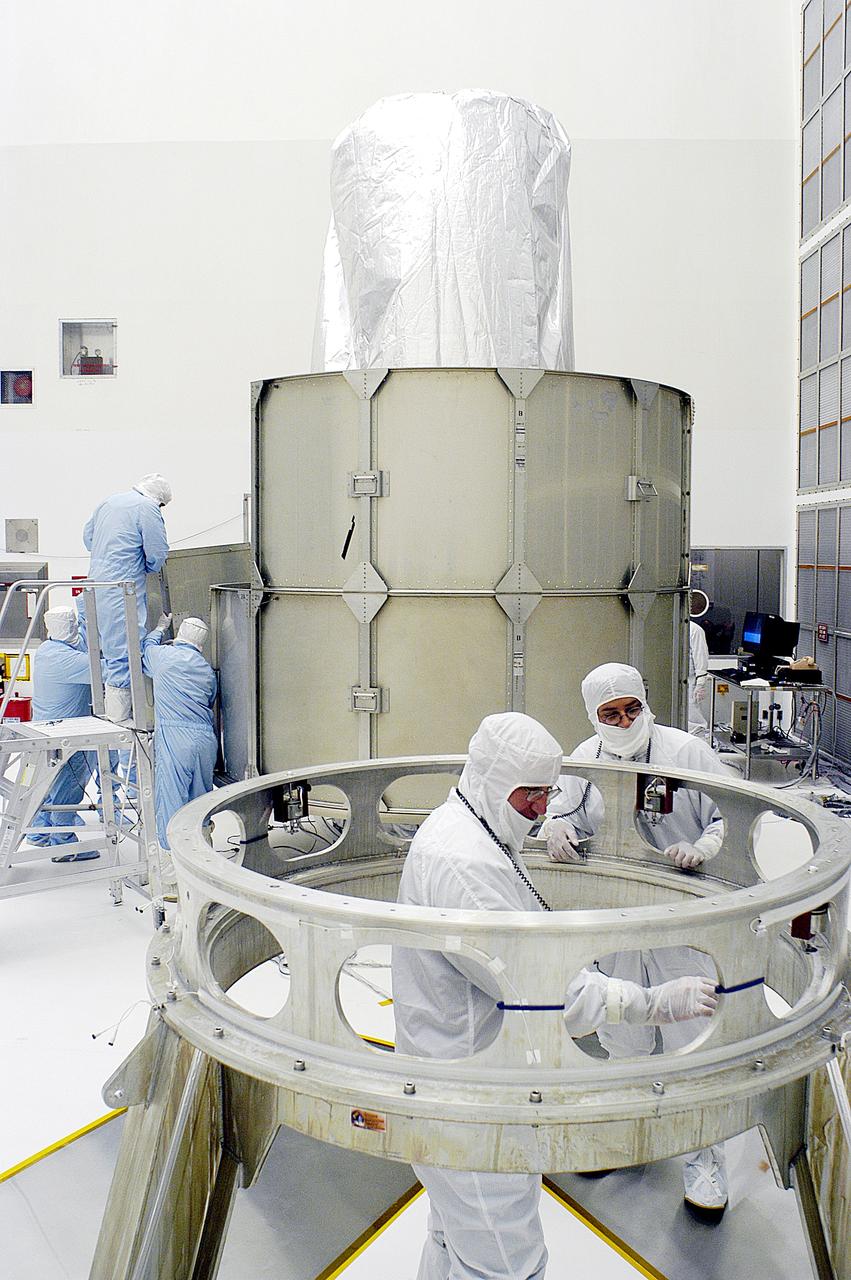
KENNEDY SPACE CENTER, FLA. -  Workers in NASA Spacecraft Hangar AE (background) remove sections of the transportation canister from around the Space Infrared Telescope Facility (SIRTF), which has been returned to the hangar from the launch pad.   Additional workers (foreground) prepare the Delta payload attach fitting, from which SIRTF was demated, for further use.  SIRTF will remain in the clean room until it returns to the pad in early August. One of NASA's largest infrared telescopes to be launched, SIRTF will obtain images and spectra by detecting the infrared energy, or heat, radiated by objects in space.
KENNEDY SPACE CENTER, FLA. - Workers in NASA Spacecraft Hangar AE (background) remove sections of the transportation canister from around the Space Infrared Telescope Facility (SIRTF), which has been returned to the hangar from the launch pad. Additional workers (foreground) prepare the Delta payload attach fitting, from which SIRTF was demated, for further use. SIRTF will remain in the clean room until it returns to the pad in early August. One of NASA's largest infrared telescopes to be launched, SIRTF will obtain images and spectra by detecting the infrared energy, or heat, radiated by objects in space.
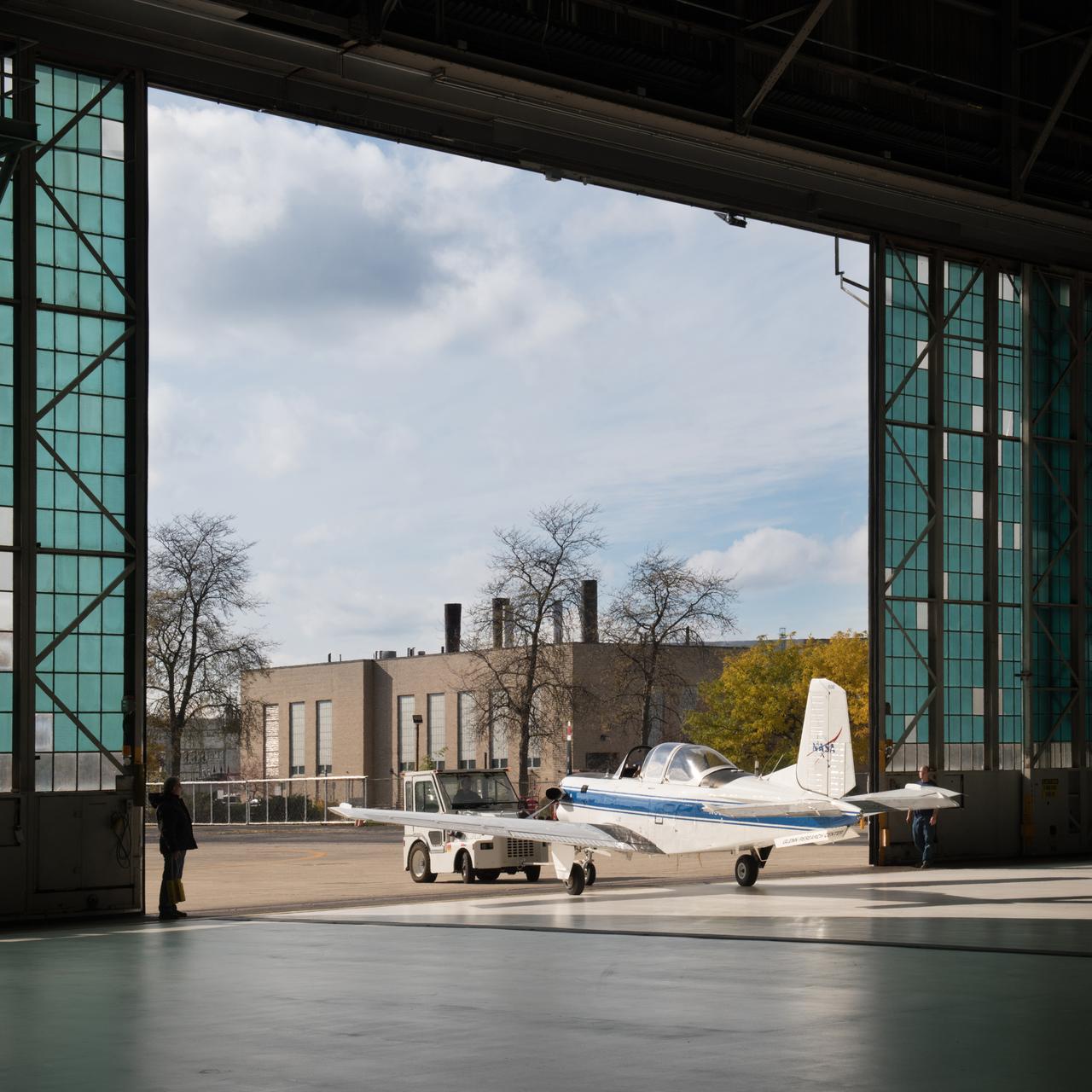
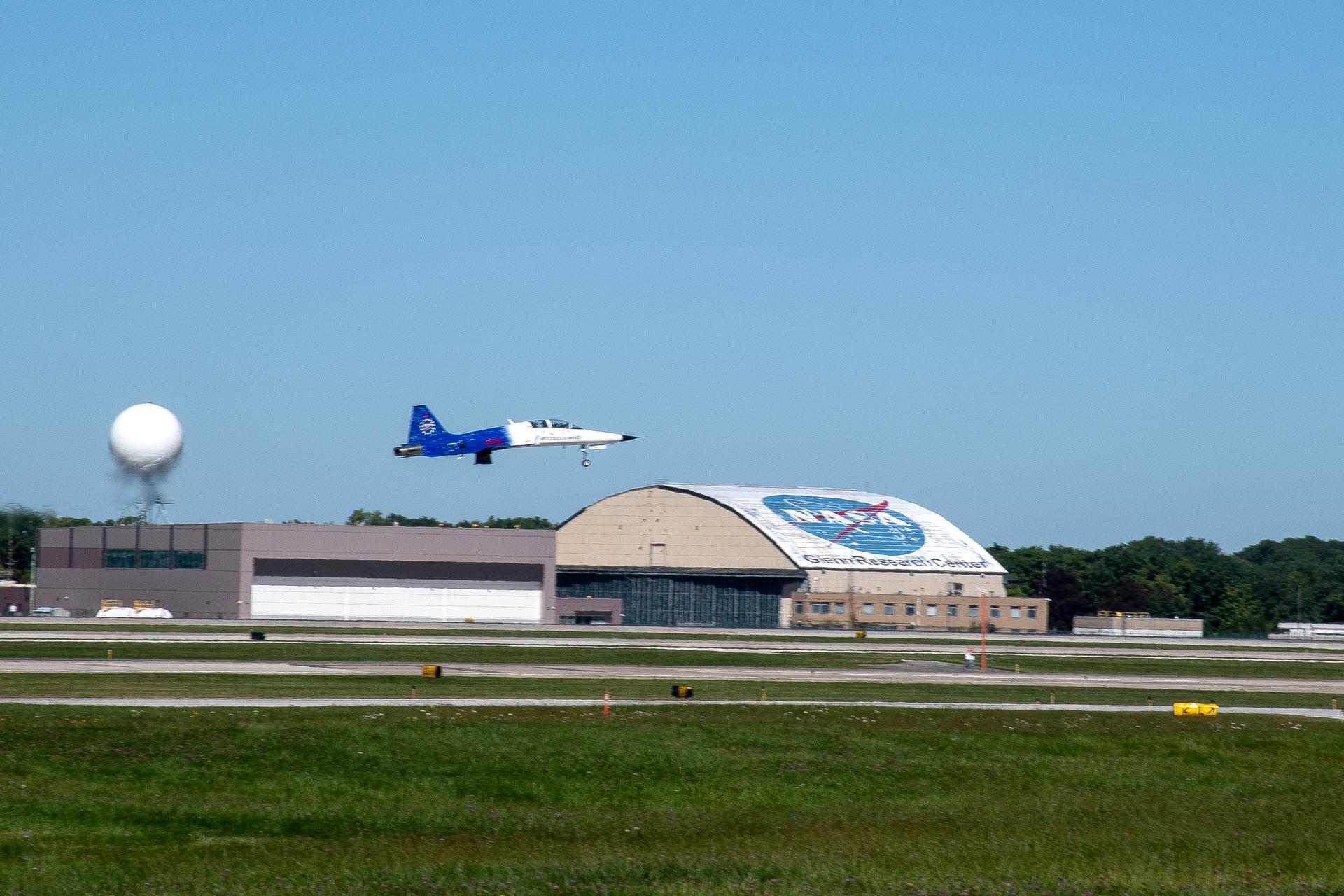
One of NASA Glenn's T-34C research aircraft is removed from the hangar prior to a flight
One of NASA Glenn's T-34C research aircraft is removed from t...
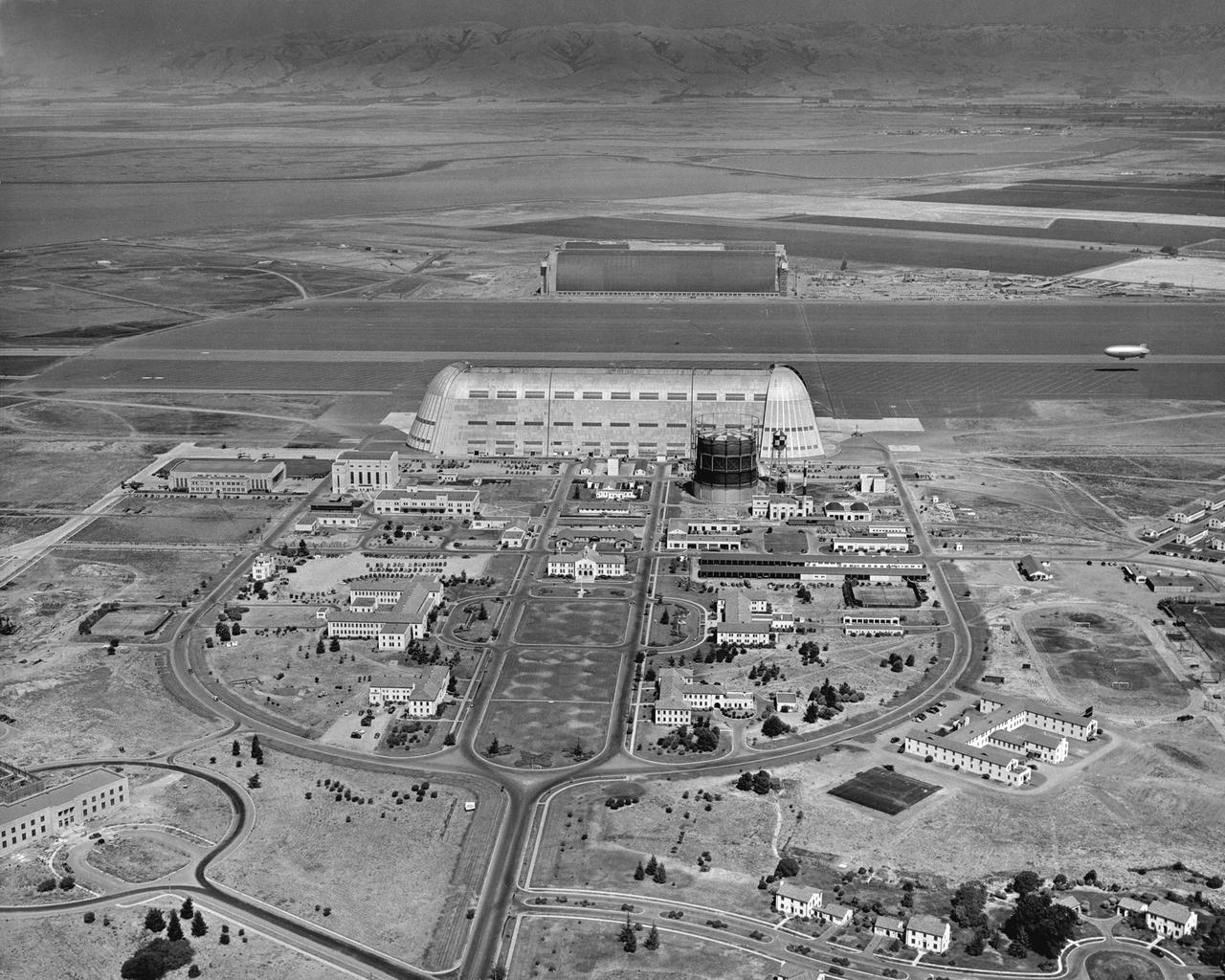
Navy NAS Sunnyvale, Moffett Field, Cat Altitude 1500ft E.S. East from front gate toward Shenandoah Plaza and Hangar One
ARC-1943-A93-0073-9
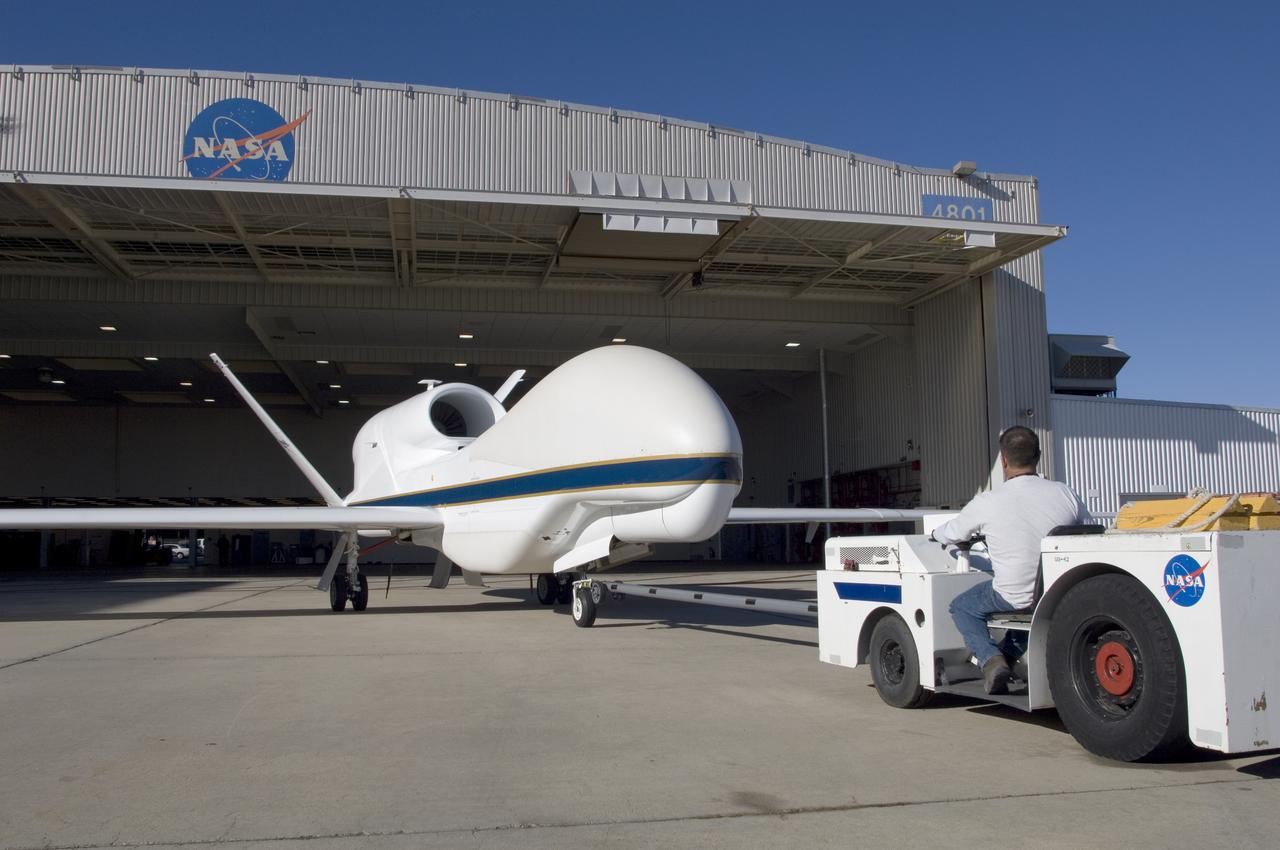
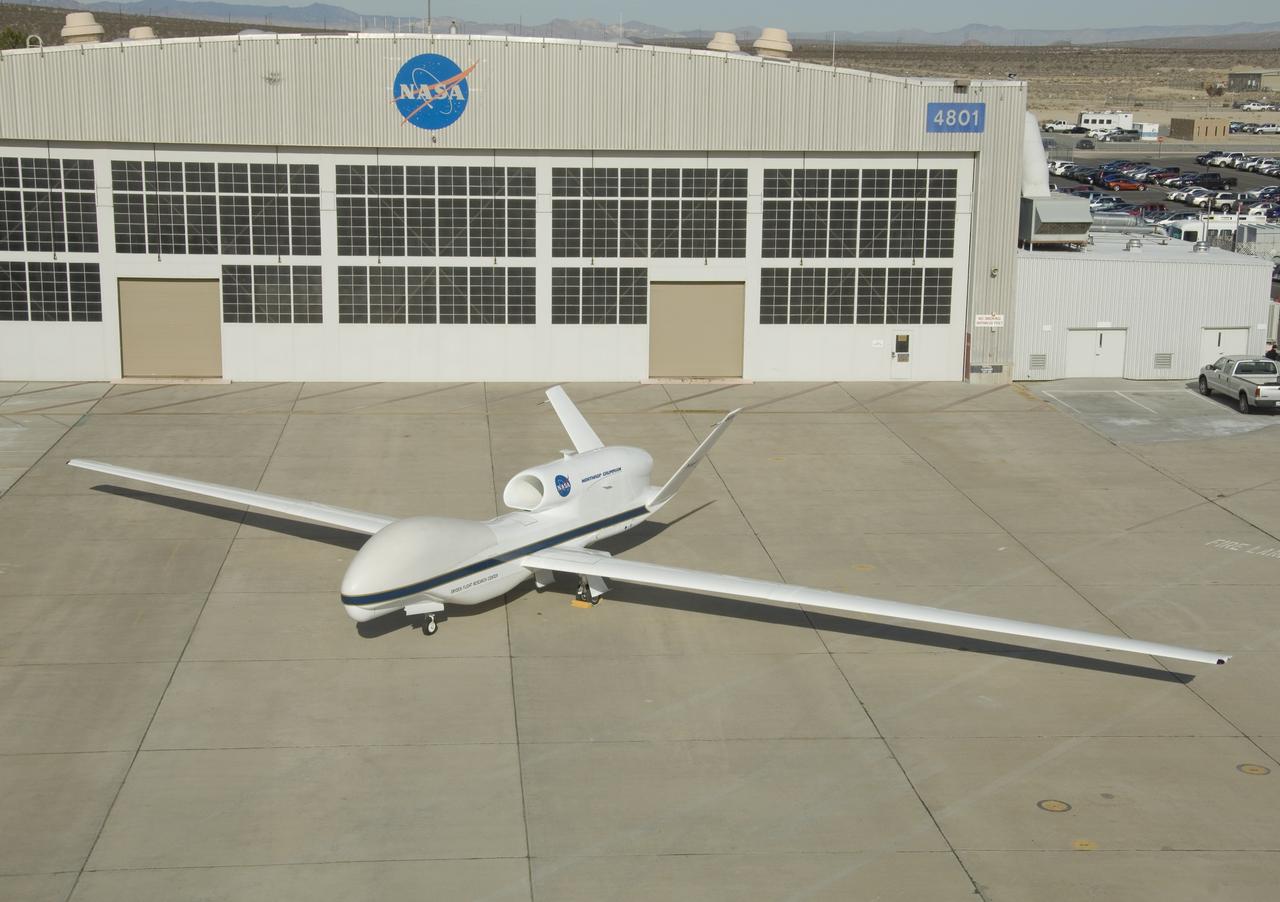
A ground crewman maneuvers one of NASA's Global Hawk unmanned science aircraft into Hangar 4801 at NASA's Dryden Flight Research Center, Edwards, Calif.
ED07-0244-096
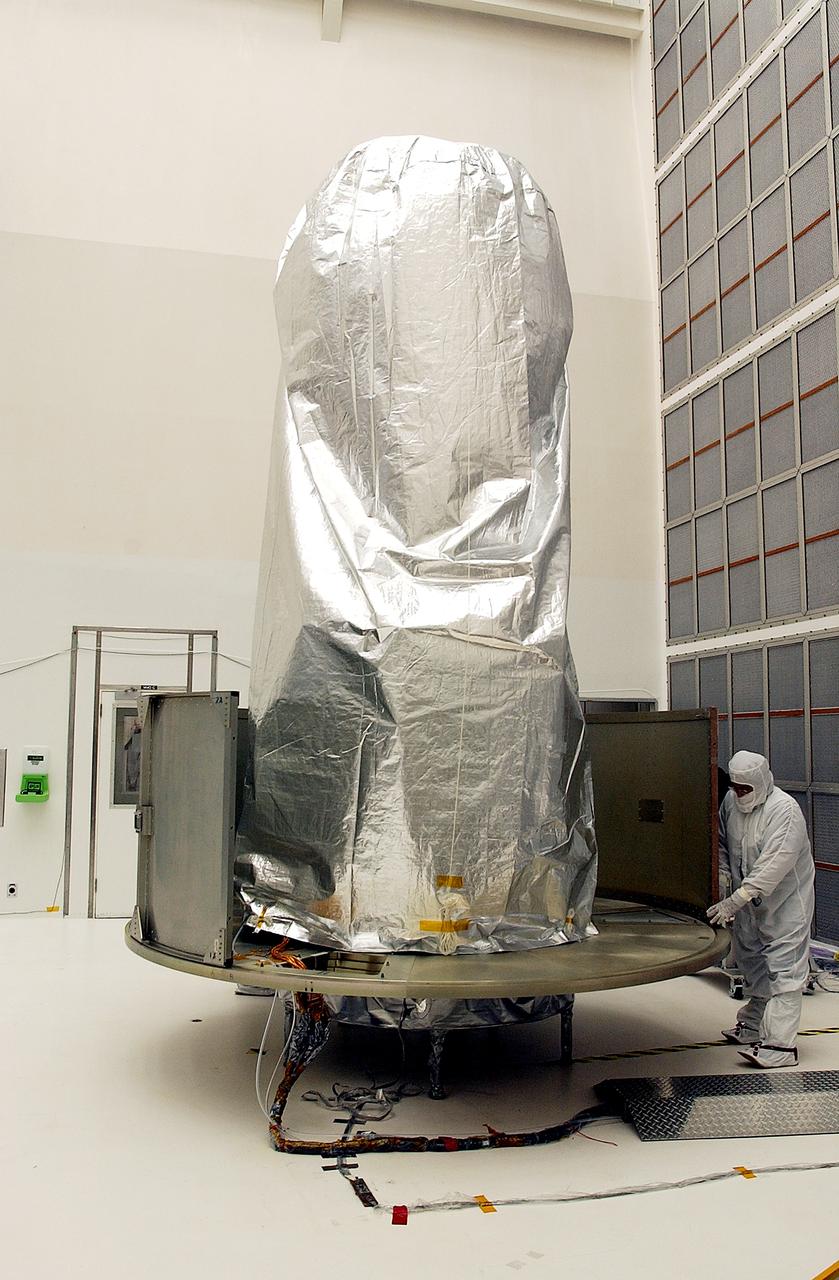
KENNEDY SPACE CENTER, FLA. -  The Space Infrared Telescope Facility (SIRTF) has been returned to NASA Spacecraft Hangar AE from the launch pad.   It will remain in the clean room until it returns to the pad in early August.  One of NASA's largest infrared telescopes to be launched, SIRTF will obtain images and spectra by detecting the infrared energy, or heat, radiated by objects in space.
KENNEDY SPACE CENTER, FLA. - The Space Infrared Telescope Facility (SIRTF) has been returned to NASA Spacecraft Hangar AE from the launch pad. It will remain in the clean room until it returns to the pad in early August. One of NASA's largest infrared telescopes to be launched, SIRTF will obtain images and spectra by detecting the infrared energy, or heat, radiated by objects in space.
One of NASA's two Global Hawk high-altitude unmanned science aircraft displays its contours outside its hangar at NASA's Dryden Flight Research Center.
ED08-0309-12
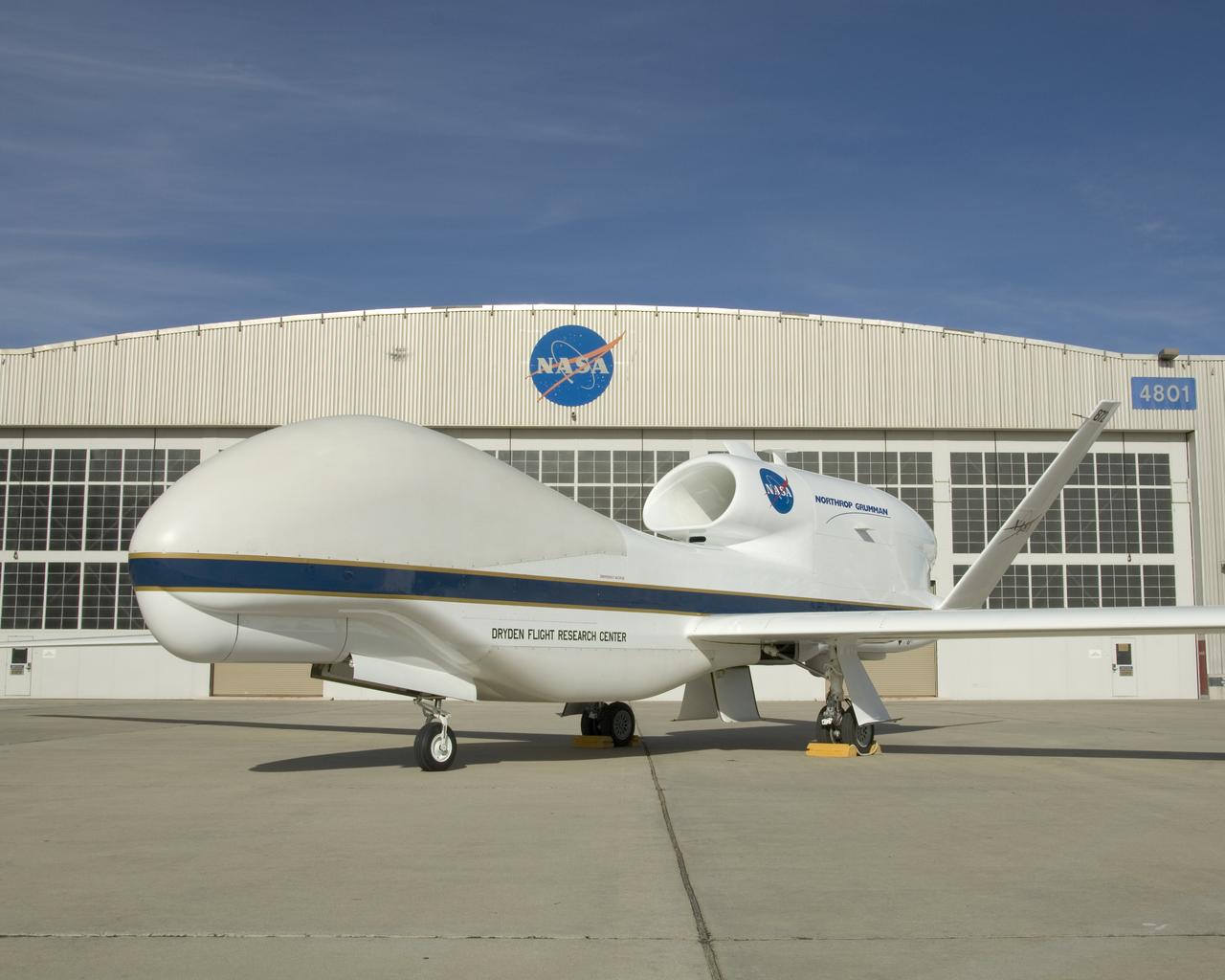
One of NASA's two Global Hawk unmanned high-altitude aircraft shows off its blue-and-white livery in front of its hangar at NASA's Dryden Flight Research Center.
ED08-0309-18
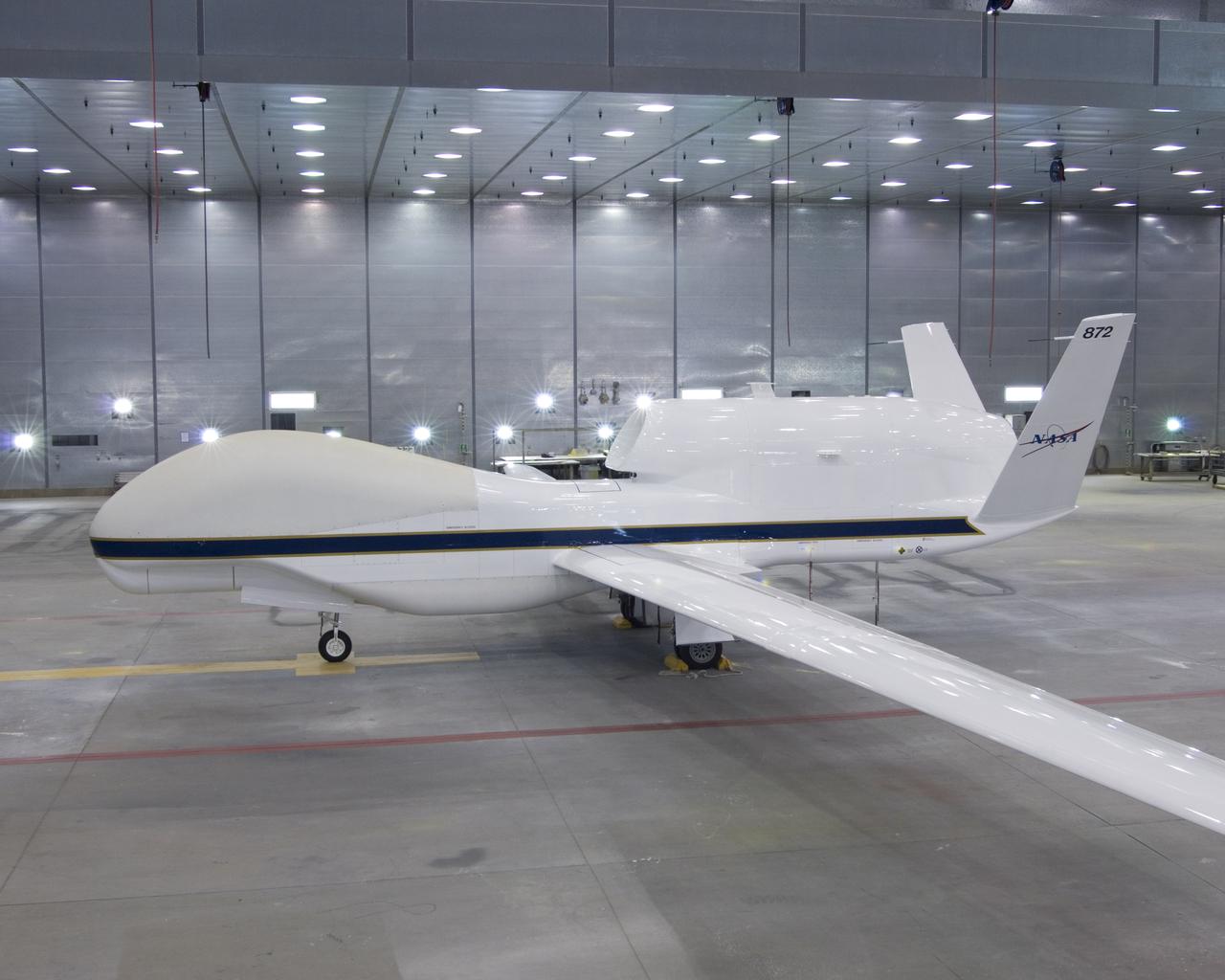
One of NASA's two Global Hawk unmanned aircraft shows off its new blue-and-white livery shortly after being repainted in the Edwards Air Force Base paint hangar.
ED07-0244-028
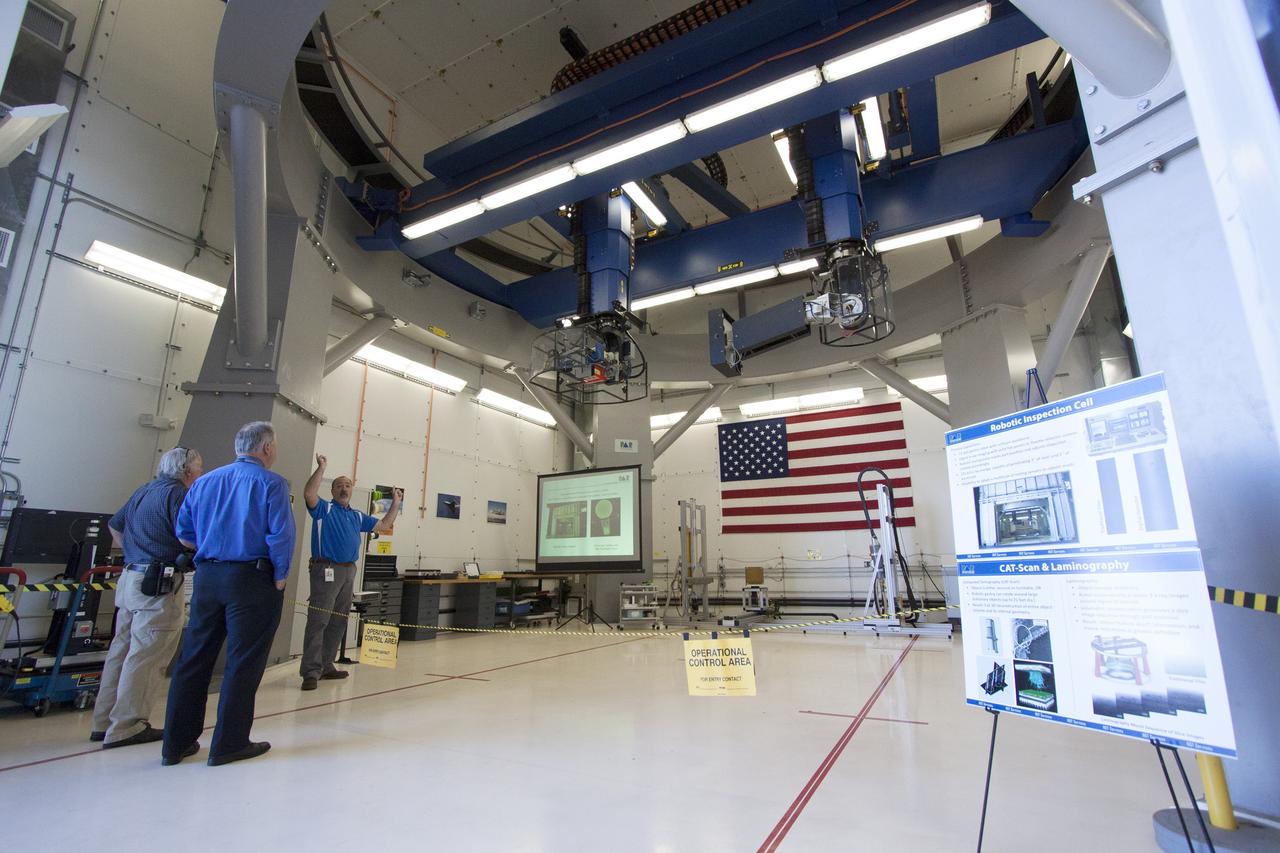
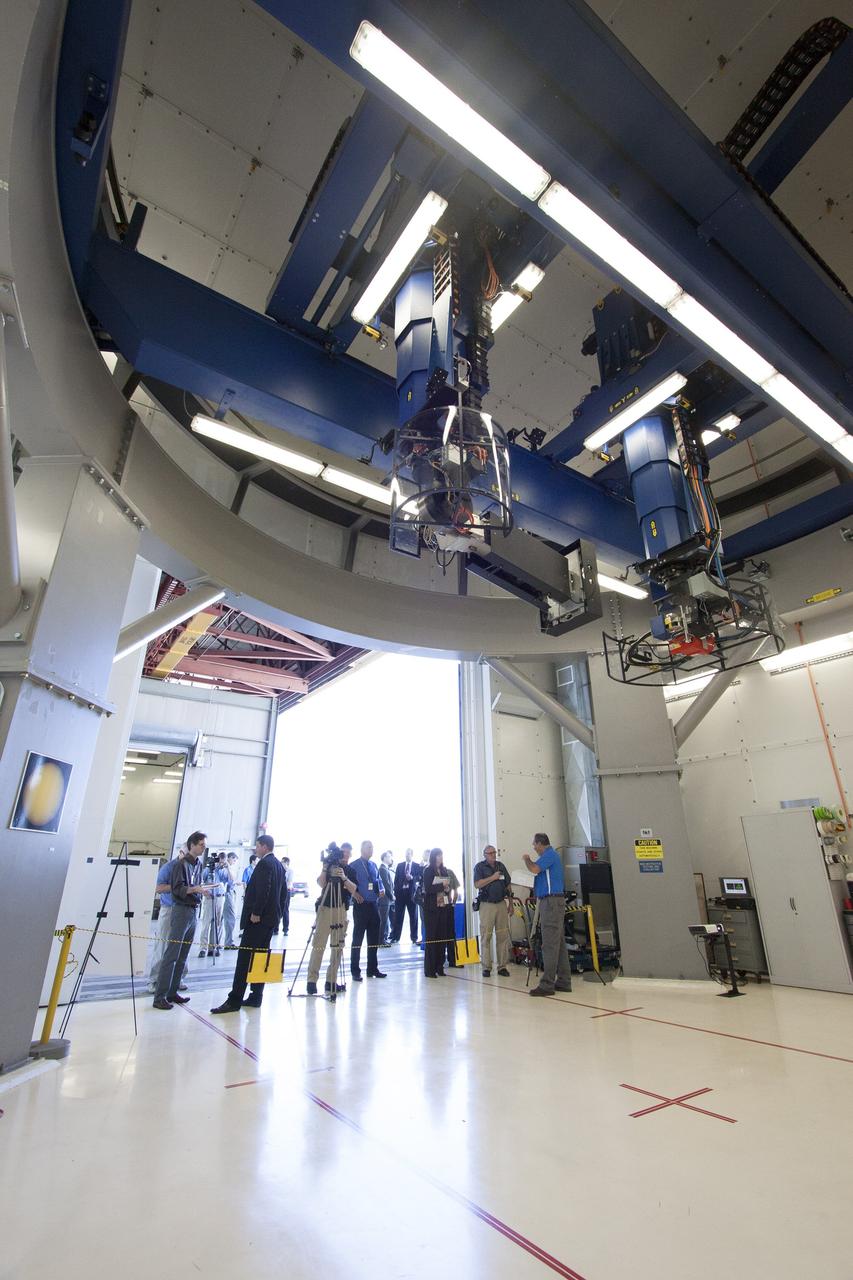
CAPE CANAVERAL, Fla. – Paul Vona, operations engineer, NDT Services, with PaR Systems Inc., demonstrates the automated X-ray system in the robotic inspection cell for members of the media at Hangar N at Cape Canaveral Air Force Station in Florida. PaR Systems held an Open House to celebrate the one-year anniversary of a lease agreement with Kennedy. Under a 15-year lease, PaR Systems is utilizing Hangar N and its unique nondestructive testing equipment.     The partnership agreement was established by Kennedy's Center Planning and Development Directorate. The agreement is just one example of the types of partnerships that Kennedy is seeking to create a multi-user spaceport.  Photo credit: NASA/Cory Huston
KSC-2014-1940
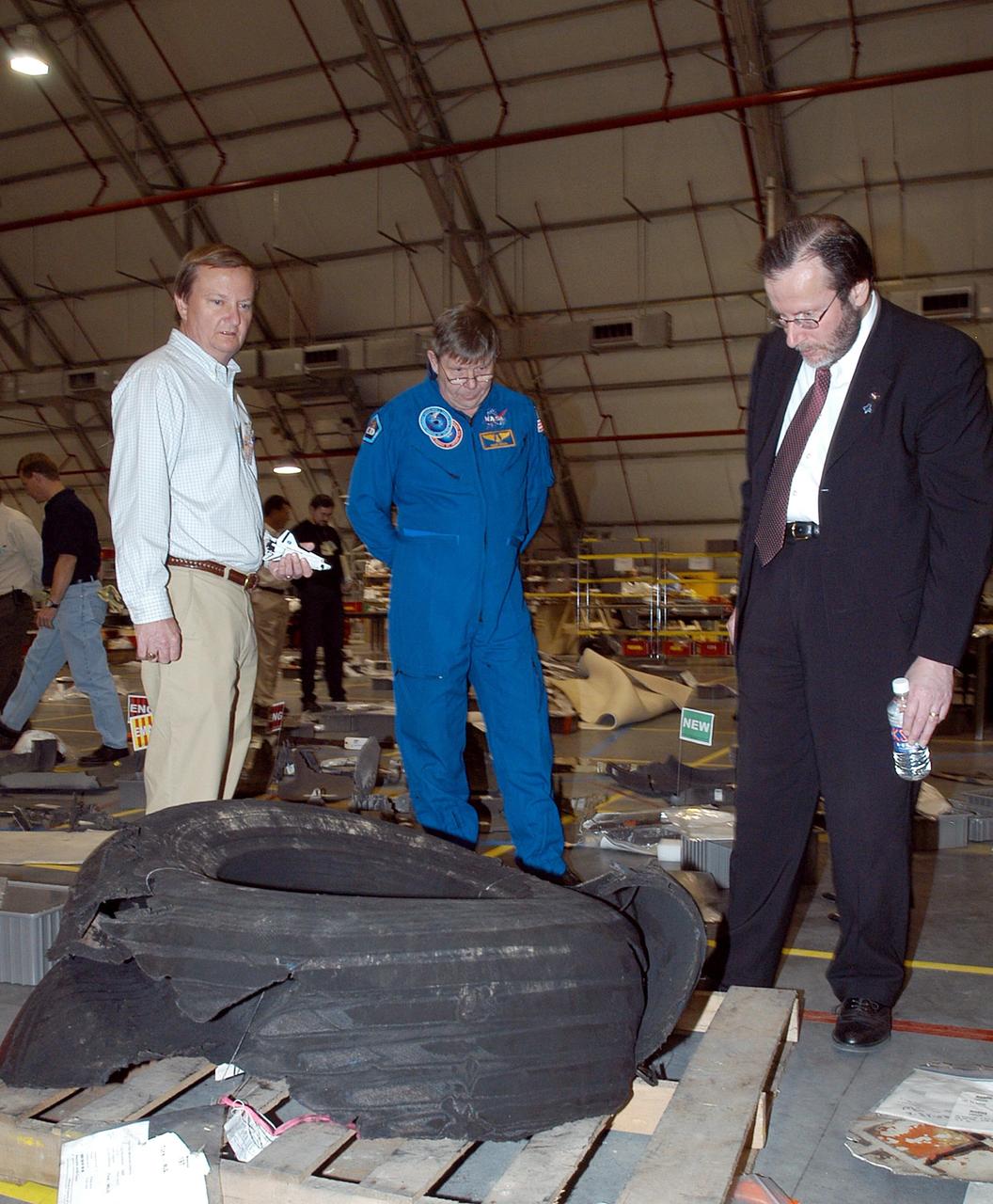
KENNEDY SPACE CENTER, FLA. -  In the RLV Hangar at KSC, Shuttle Launch Director Mike Leinbach (left), former payload specialist Dr. Roger Crouch (center) and NASA Chief of Staff and White House liaison Courtney Stadd look at one of Space Shuttle Columbia's tires. The debris is one of more than 35,000 pieces collected so far.  More than 1,218 pieces have been identified. The search of more than 500,000 acres of primary recovery area for Columbia material has passed the halfway mark.  To date about 28 percent of Columbia, by weight, has been delivered to the hangar.
KSC-03pd0926
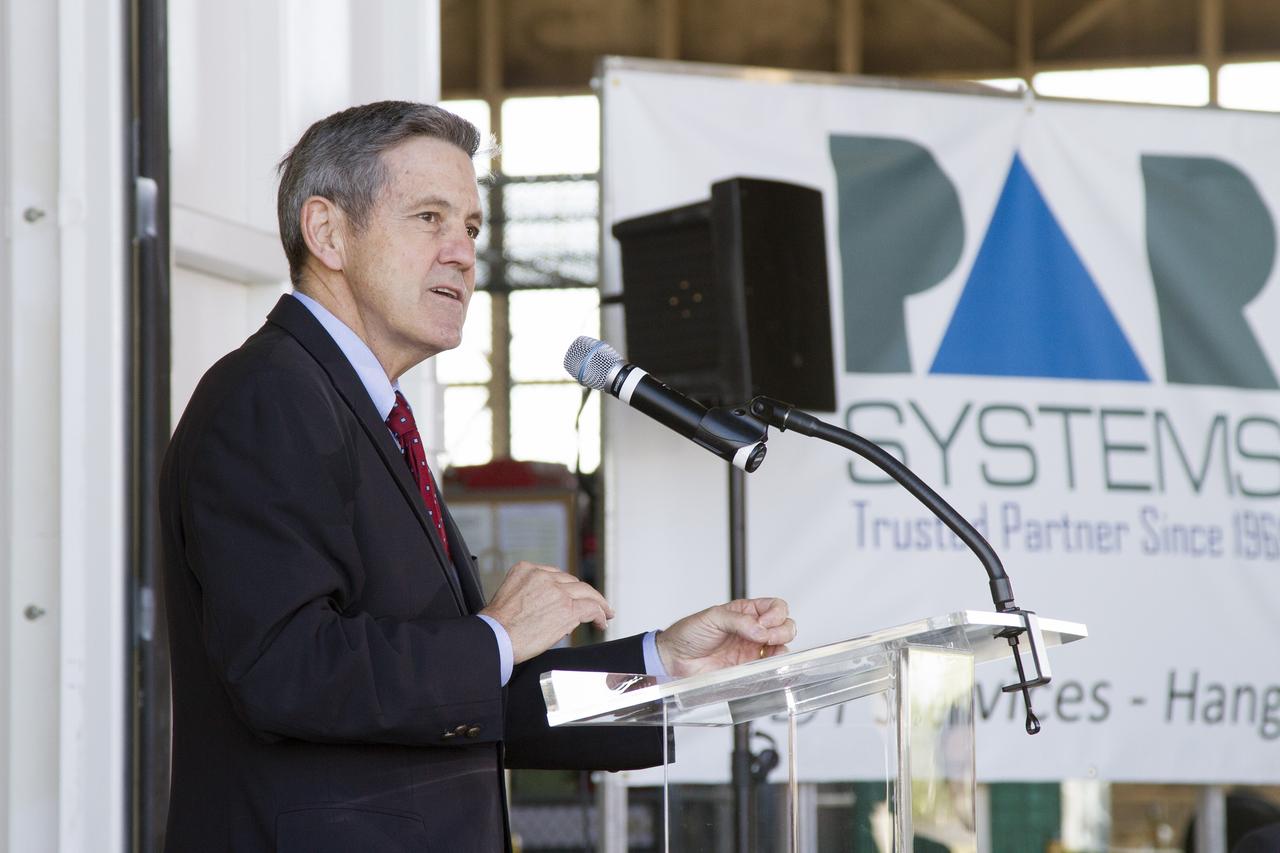
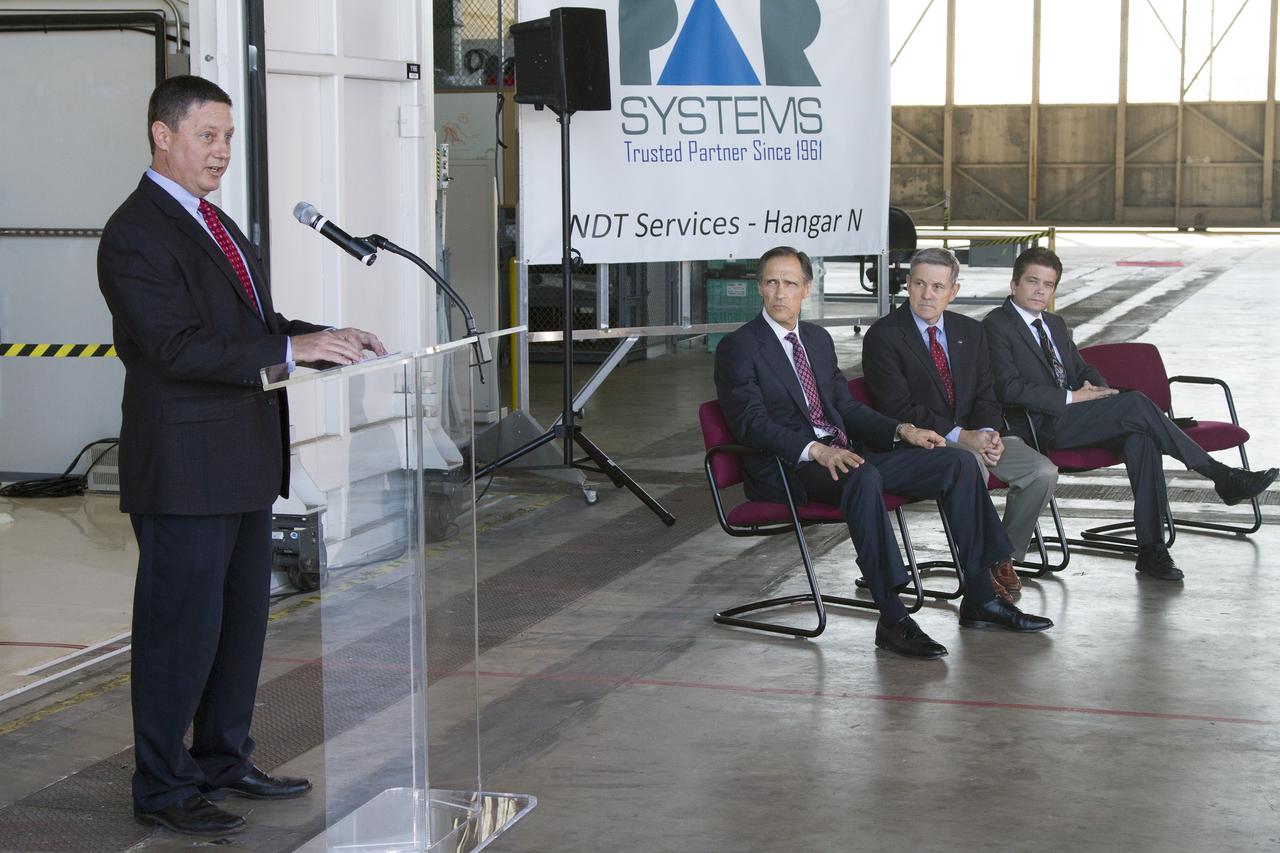
CAPE CANAVERAL, Fla. – Kennedy Space Center Director Bob Cabana speaks during an Open House event at Hangar N at Cape Canaveral Air Force Station in Florida, to celebrate the one-year anniversary of PaR Systems' partnership with Kennedy. Under a 15-year lease agreement, PaR Systems is utilizing Hangar N and its unique nondestructive testing equipment.    The partnership agreement was established by Kennedy's Center Planning and Development Directorate. The agreement is just one example of the types of partnerships that Kennedy is seeking to create a multi-user spaceport.  Photo credit: NASA/Cory Huston
KSC-2014-1937
CAPE CANAVERAL, Fla. – Robert Salonen, business development director with the Economic Development Commission of Florida's Space Coast, speaks during an Open House event at Hangar N at Cape Canaveral Air Force Station in Florida, to celebrate the one-year anniversary of PaR Systems' partnership with Kennedy Space Center. Under a 15-year lease agreement, PaR Systems is utilizing Hangar N and its unique nondestructive testing equipment.     The partnership agreement was established by Kennedy's Center Planning and Development Directorate. The agreement is just one example of the types of partnerships that Kennedy is seeking to create a multi-user spaceport.  Photo credit: NASA/Cory Huston
KSC-2014-1938
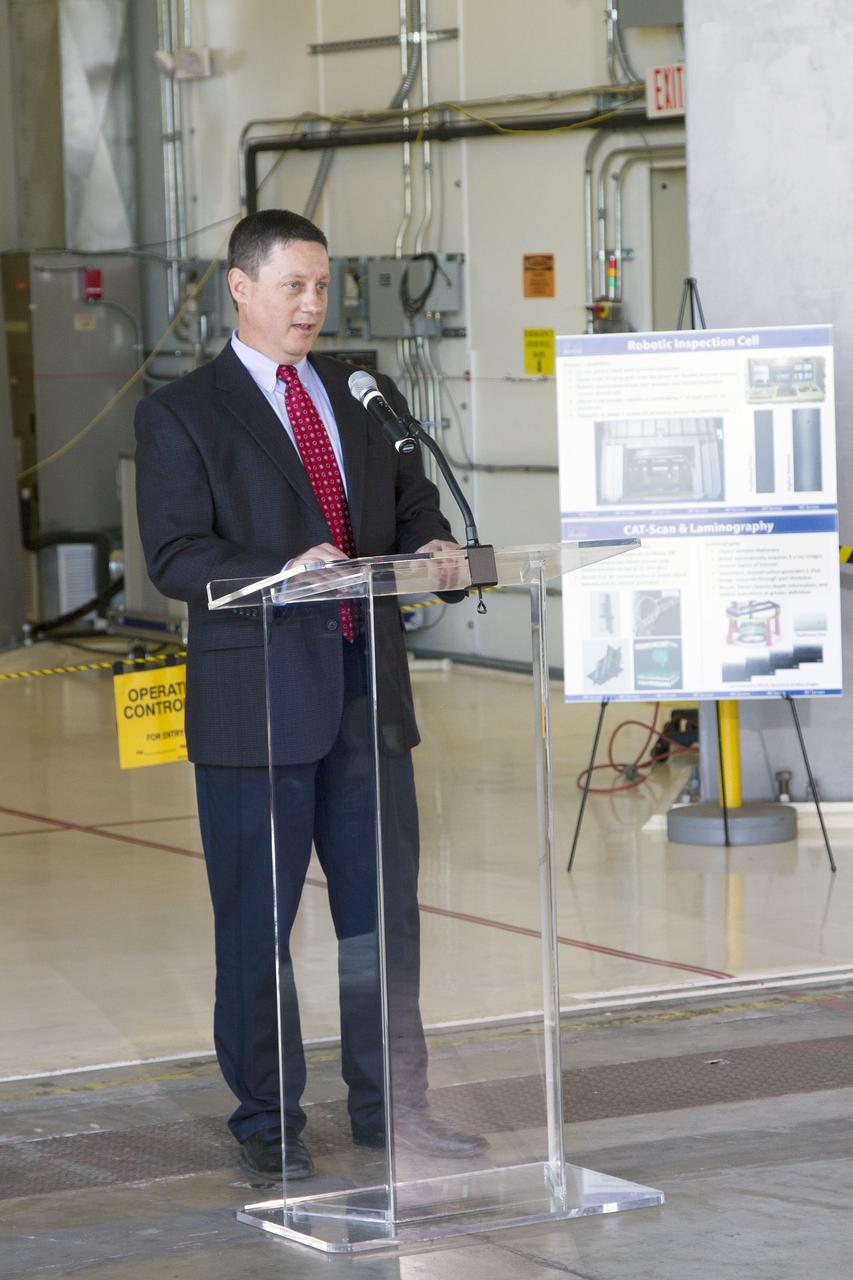
CAPE CANAVERAL, Fla. – Tony Corak, manager of nondestructive testing services for PaR Systems Inc., speaks during an Open House event at Hangar N at Cape Canaveral Air Force Station in Florida, to celebrate the one-year anniversary of a partnership with NASA Kennedy Space Center. Under a 15-year lease agreement, PaR Systems is utilizing Hangar N and its unique nondestructive testing equipment.     The partnership agreement was established by Kennedy's Center Planning and Development Directorate. The agreement is just one example of the types of partnerships that Kennedy is seeking to create a multi-user spaceport.  Photo credit: NASA/Cory Huston
KSC-2014-1933
CAPE CANAVERAL, Fla. – Paul Vona, operations engineer, NDT Services, with PaR Systems Inc., demonstrates the automated X-ray system in the robotic inspection cell for members of the media at Hangar N at Cape Canaveral Air Force Station in Florida. PaR Systems held an Open House to celebrate the one-year anniversary of a lease agreement with Kennedy. Under a 15-year lease, PaR Systems is utilizing Hangar N and its unique nondestructive testing equipment.     The partnership agreement was established by Kennedy's Center Planning and Development Directorate. The agreement is just one example of the types of partnerships that Kennedy is seeking to create a multi-user spaceport.  Photo credit: NASA/Cory Huston
KSC-2014-1942
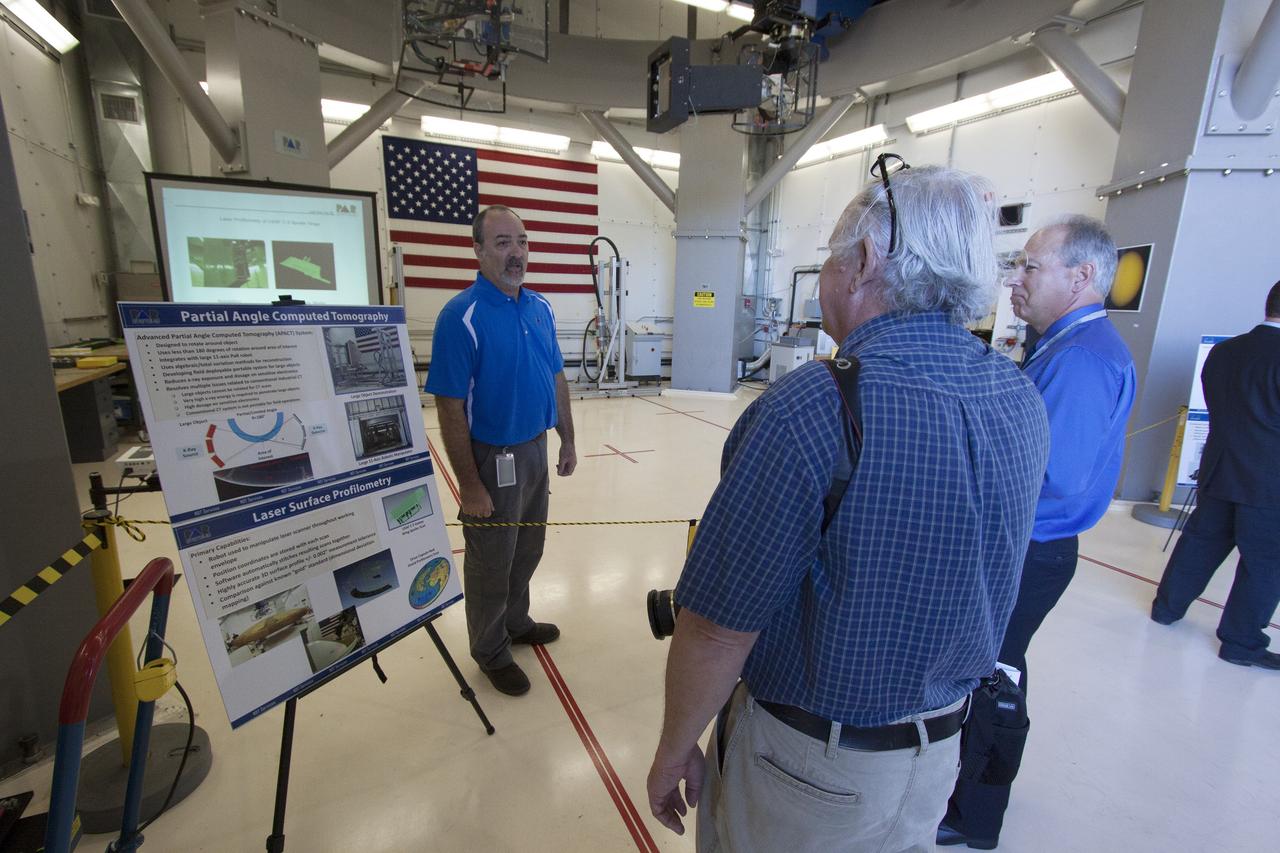
CAPE CANAVERAL, Fla. – Paul Vona, operations engineer, NDT Services, with PaR Systems Inc., talks with members of the media about the automated X-ray system in the robotic inspection cell at Hangar N at Cape Canaveral Air Force Station in Florida. PaR Systems held an Open House to celebrate the one-year anniversary of a lease agreement with Kennedy. Under a 15-year lease, PaR Systems is utilizing Hangar N and its unique nondestructive testing equipment.      The partnership agreement was established by Kennedy's Center Planning and Development Directorate. The agreement is just one example of the types of partnerships that Kennedy is seeking to create a multi-user spaceport.  Photo credit: NASA/Cory Huston
KSC-2014-1941
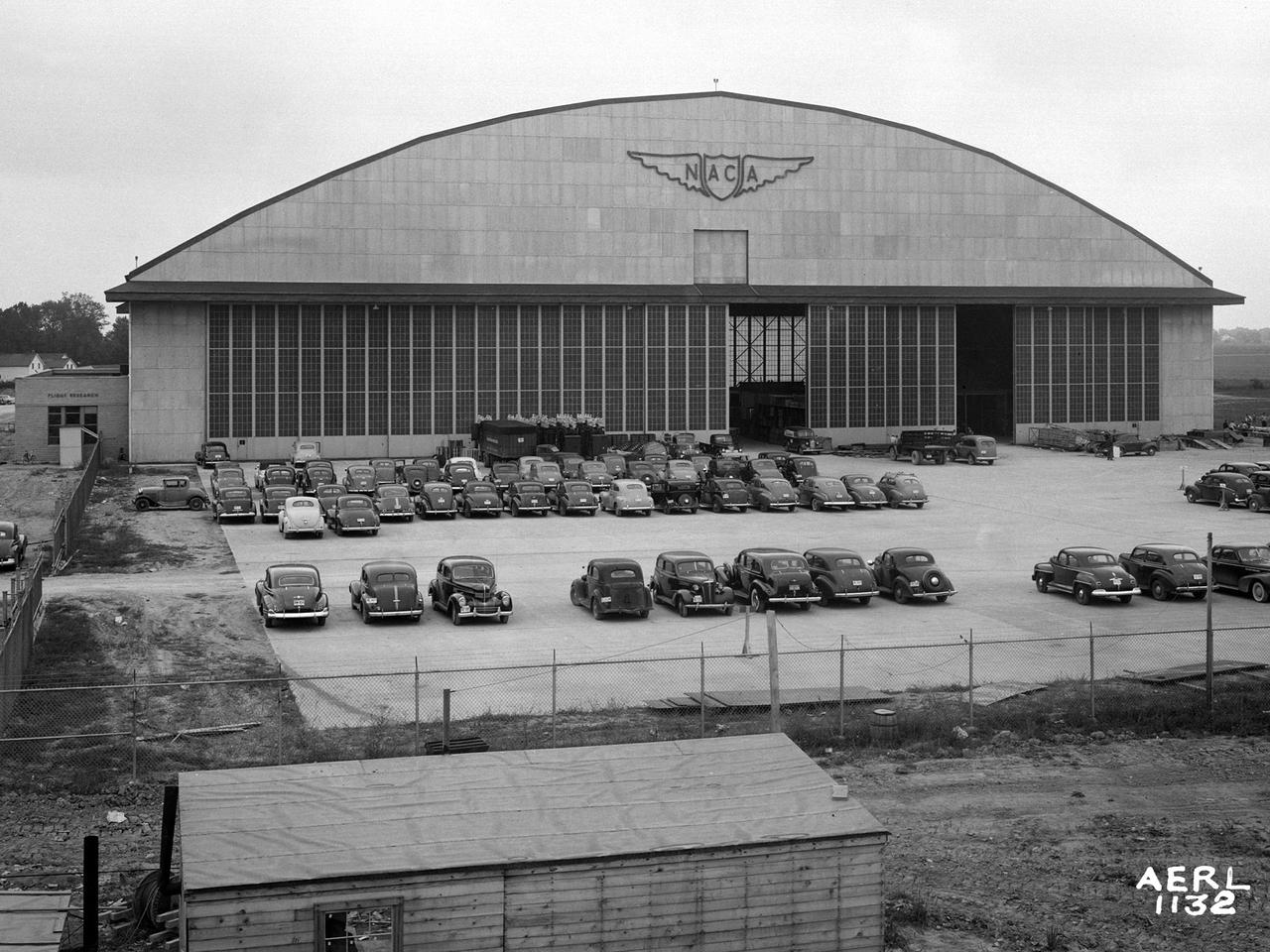
The Flight Research Building at the National Advisory Committee for Aeronautics (NACA) Aircraft Engine Research Laboratory is a 272- by 150-foot hangar with an internal height up to 90 feet. The hangar’s massive 37.5-foot-tall and 250-foot-long doors can be opened in sections to suit different size aircraft. The hangar has sheltered a diverse fleet of aircraft over the decades. These have ranged from World War II bombers to Cessna trainers and from supersonic fighter jets to a DC–9 airliner.       At the time of this September 1942 photograph, however, the hangar was being used as an office building during the construction of the laboratory. In December of 1941, the Flight Research Building became the lab’s first functional building. Temporary offices were built inside the structure to house the staff while the other buildings were completed. The hangar offices were used for an entire year before being removed in early 1943. It was only then that the laboratory acquired its first aircraft, pilots and flight mechanics.   The temporary one-story offices can be seen in this photograph inside the large sliding doors. Also note the vertical lift gate below the NACA logo. The gate was installed so that the tails of larger aircraft could pass into the hangar. The white Farm House that served as the Administration Building during construction can be seen in the distance to the left of the hangar.
Flight Research Building at the Aircraft Engine Research Laboratory
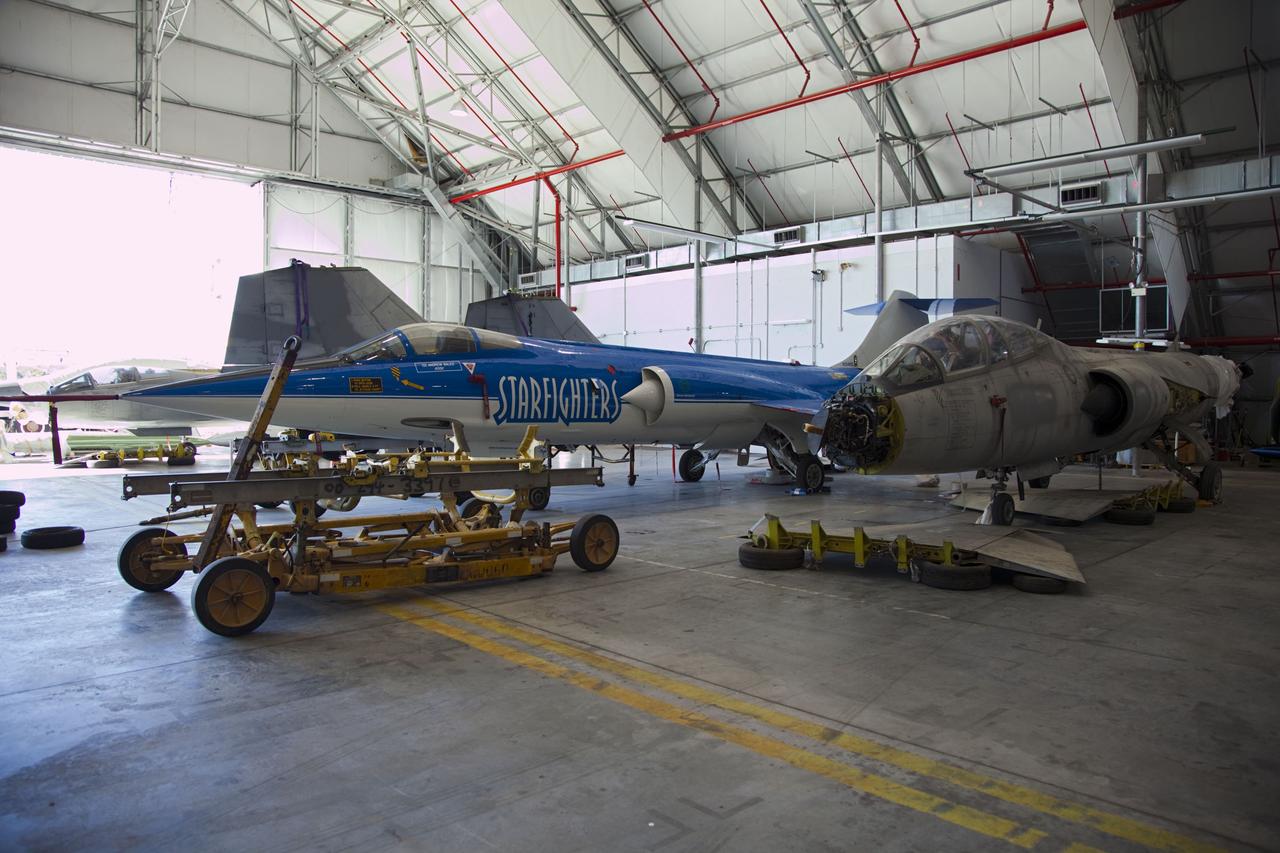
CAPE CANAVERAL, Fla. -- A hangar at NASA's Kennedy Space Center in Florida fills up with new aircraft for the company Starfighters Inc. The blue and white aircraft is part of the company's original fleet of supersonic aircraft. The gray aircraft is one of five delivered to the company recently. They will be reassembled to fly research and development and other missions. They have been used to fly research and development and other missions. Starfighters operates out of a hangar at the Shuttle Landing Facility at Kennedy under an agreement with Kennedy. Photo credit: NASA/Frankie Martin
KSC-2012-1074
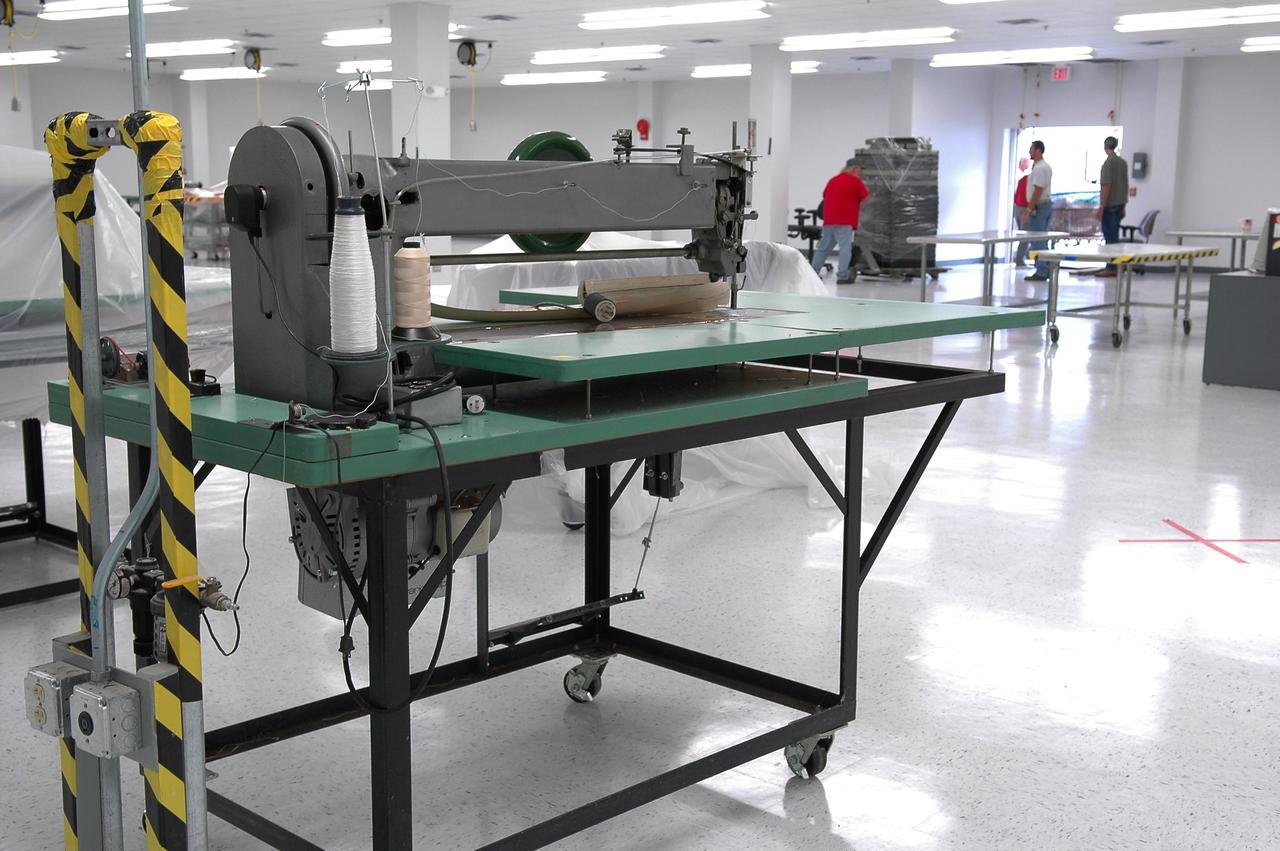
KENNEDY SPACE CENTER, FLA. - One of the blanket sewing machines used on Thermal Protection System materials has been returned to the TPS facility.  It was moved to the RLV Hangar at NASA Kennedy Space Center after the 2004 hurricanes damaged the upper floor, where soft material was processed, of the TPS facility.   While the TPS facility was being repaired, normal work activity was done in the hangar.
KSC-05pd2515
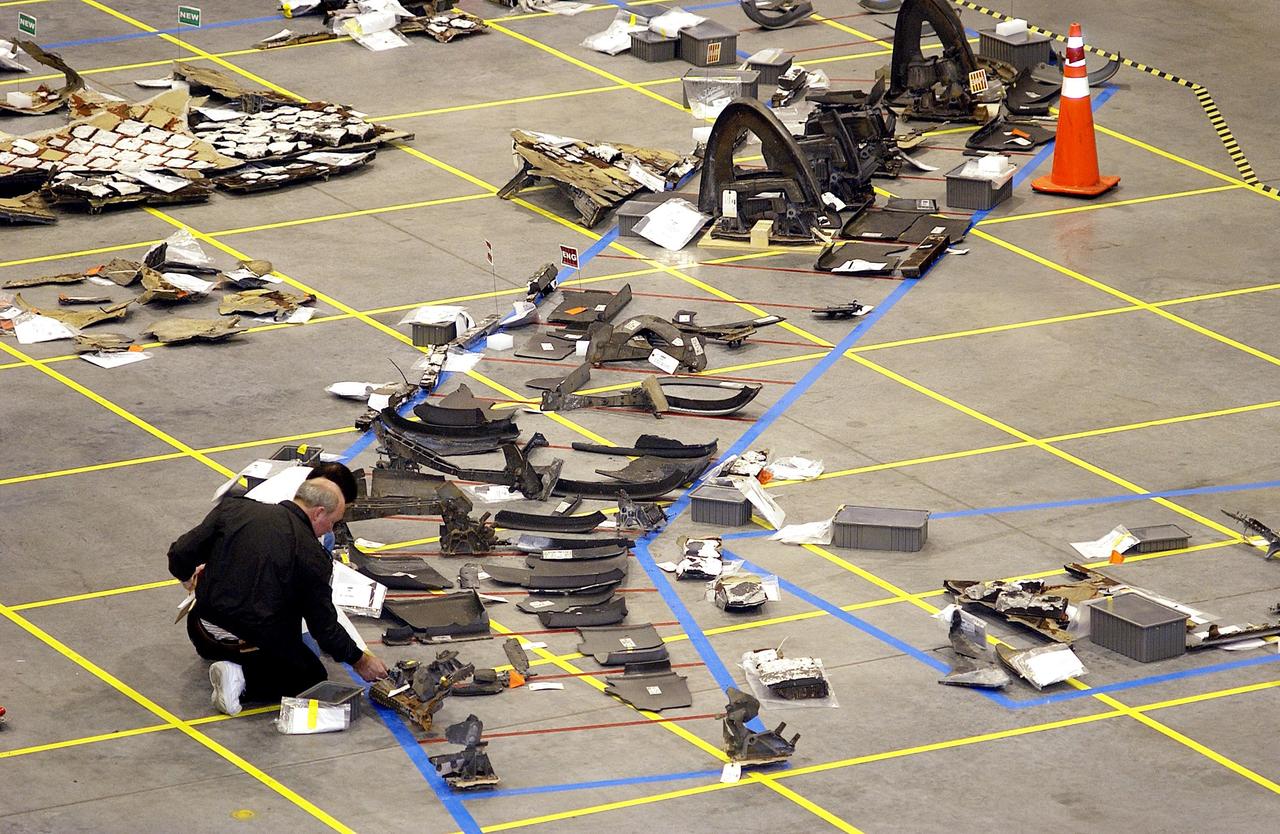
KENNEDY SPACE CENTER, FLA. -   Pieces of Columbia debris are beginning to fill one area of the Shuttle painted on the floor of the RLV Hangar.  Approximately 4,500 ground searchers have covered approximately 56 percent of the planned 555,000-acre search area. About 28 percent of the Shuttle Columbia, by weight, has been delivered to the RLV Hangar to date.
KSC-03pd0900
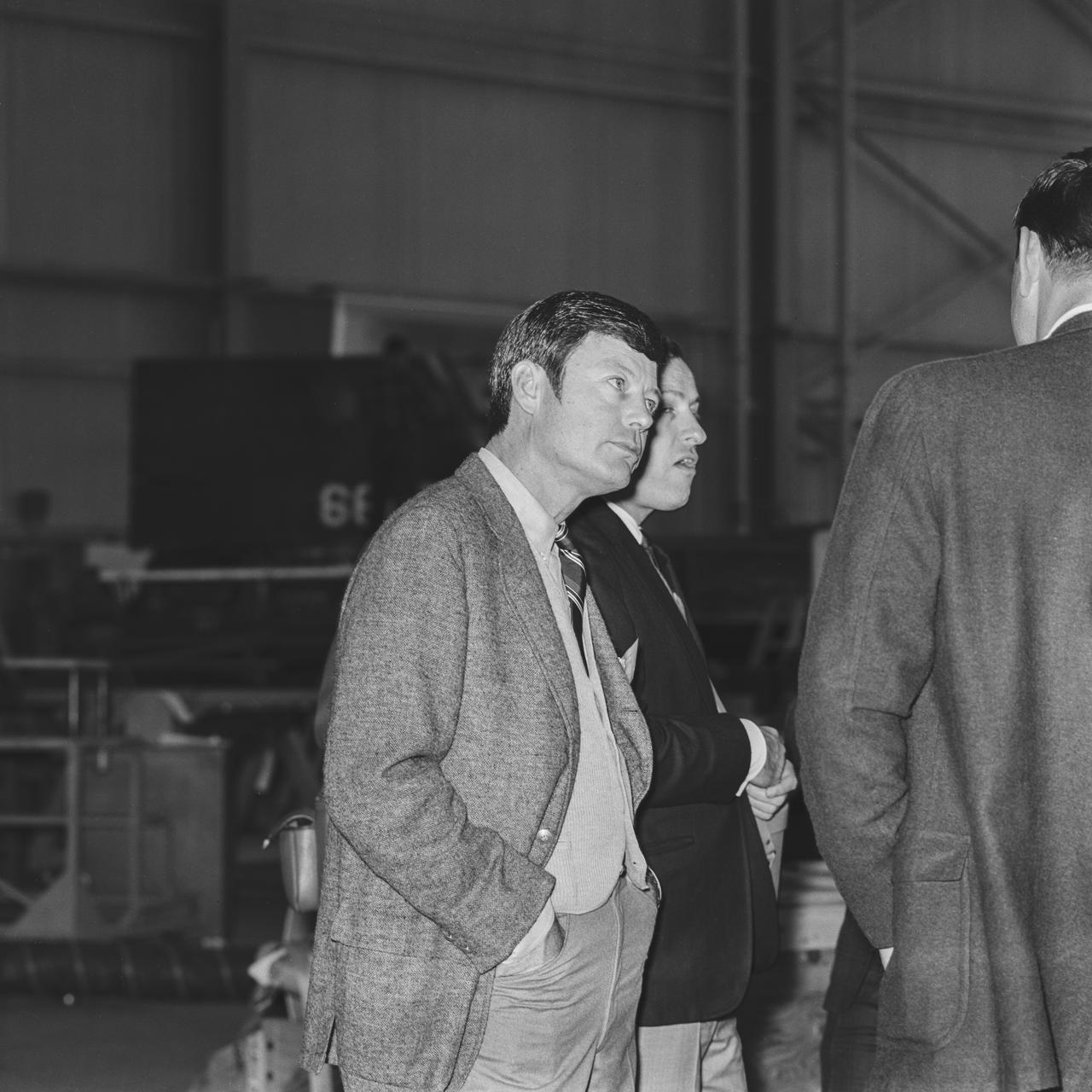
The 1960s Star Trek television series’ cast members visit NASA Dryden Flight Research Center, now Armstrong, in 1967. Chief Medical Officer Leonard ‘Bones’ McCoy played by DeForest Kelley talks with NASA officials in one of the center’s aircraft hangar.
Star Trek Cast and Crew Visit NASA Dryden in 1967
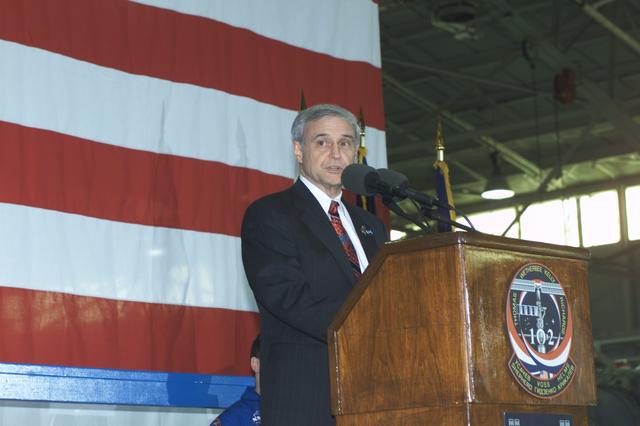
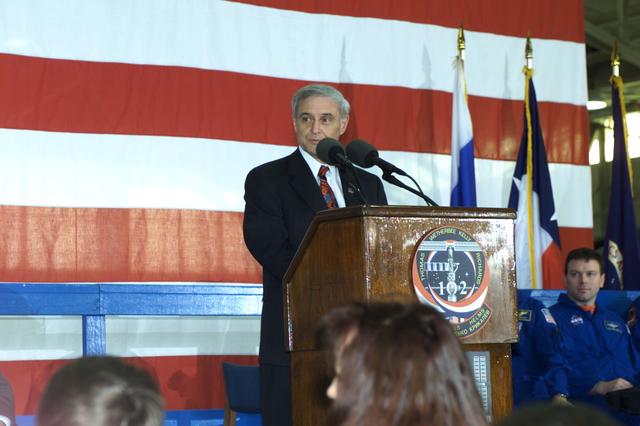
JSC2001-E-08315 (22 March 2001) ---  JSC Acting Director Roy S. Estess introduces the STS-102 and Expedition One crew members to a crowd gathered in Ellington Field's Hangar 990 during crew return ceremonies.
STS-102 / Expedition 1 Crew Return Ceremony at Ellington Field.
JSC2001-E-08316 (22 March 2001) ---  JSC Acting Director Roy S. Estess introduces the STS-102 and Expedition One crew members (out of frame) to a crowd gathered in Ellington Field's Hangar 990 during crew return ceremonies.
STS-102 / Expedition 1 Crew Return Ceremony at Ellington Field.
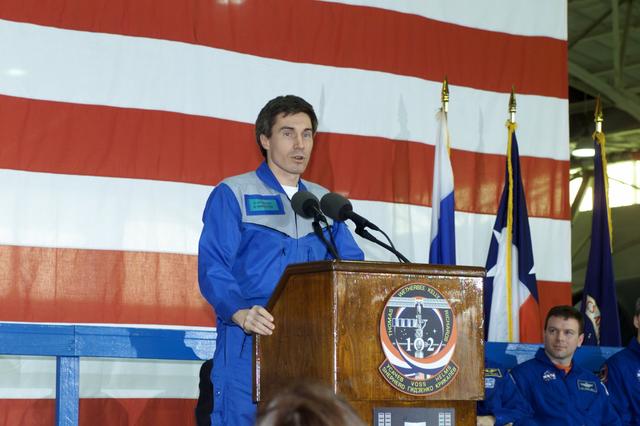
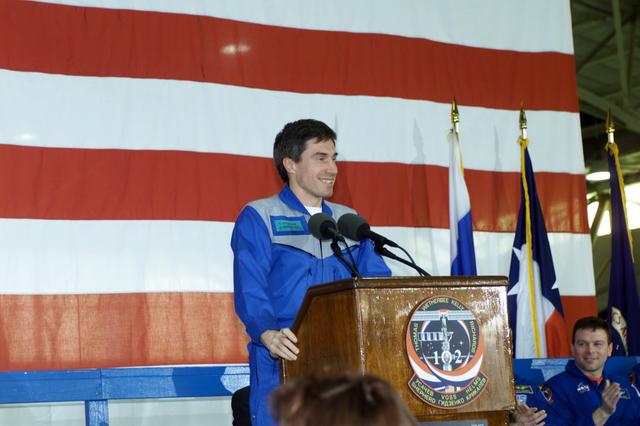
JSC2001-E-08332 (22 March 2001) --- Cosmonaut Sergei K. Krikalev, Expedition One flight engineer, speaks to a crowd of greeters during a crew return ceremony in Ellington Field's Hangar 990.  Pictured in the background on the dais is astronaut James M. Kelly, STS-102 pilot.
STS-102 / Expedition 1 Crew Return Ceremony at Ellington Field.
JSC2001-E-08331 (22 March 2001) --- Cosmonaut Sergei K. Krikalev, Expedition One flight engineer, speaks to a crowd of greeters during a crew return ceremony in Ellington Field's Hangar 990.  Pictured in the background on the dais is astronaut James M. Kelly, pilot.
STS-102 / Expedition 1 Crew Return Ceremony at Ellington Field.
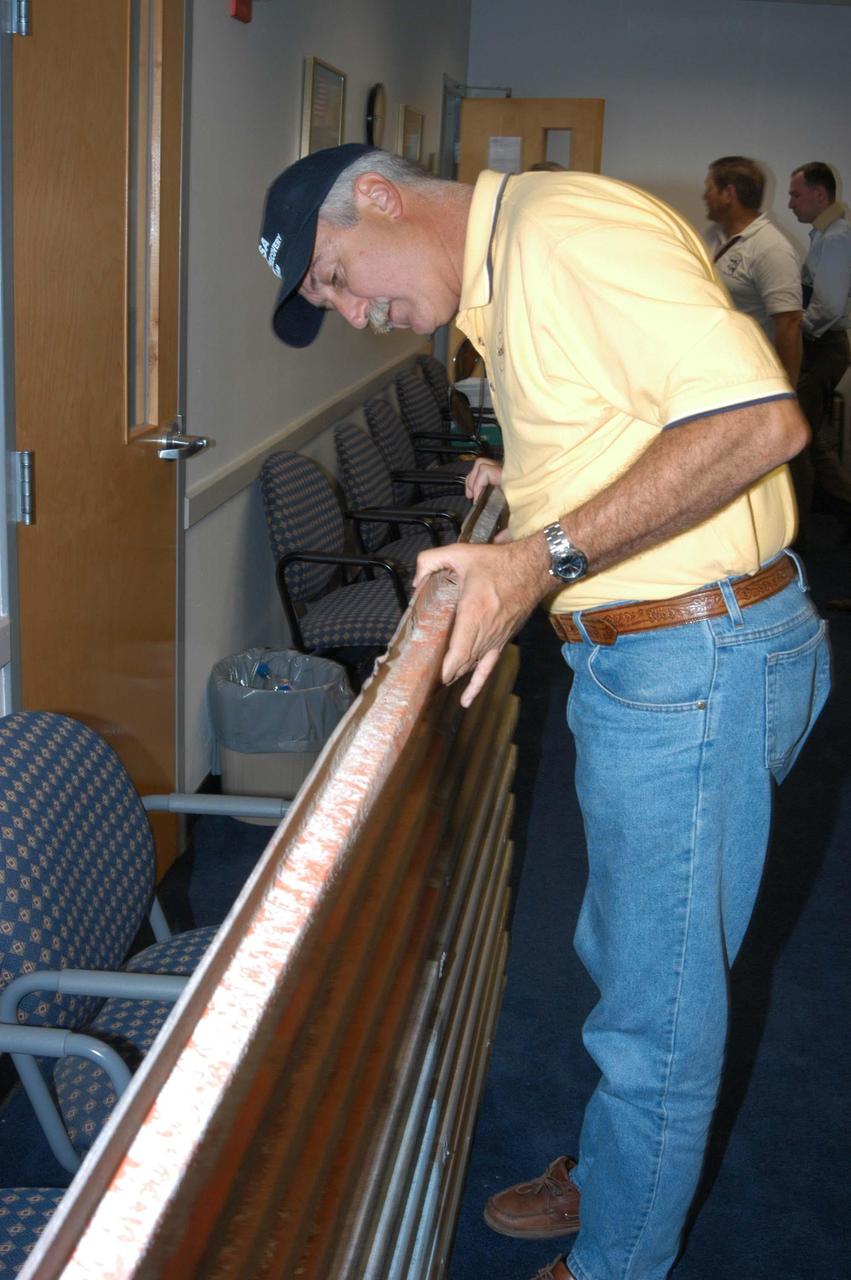
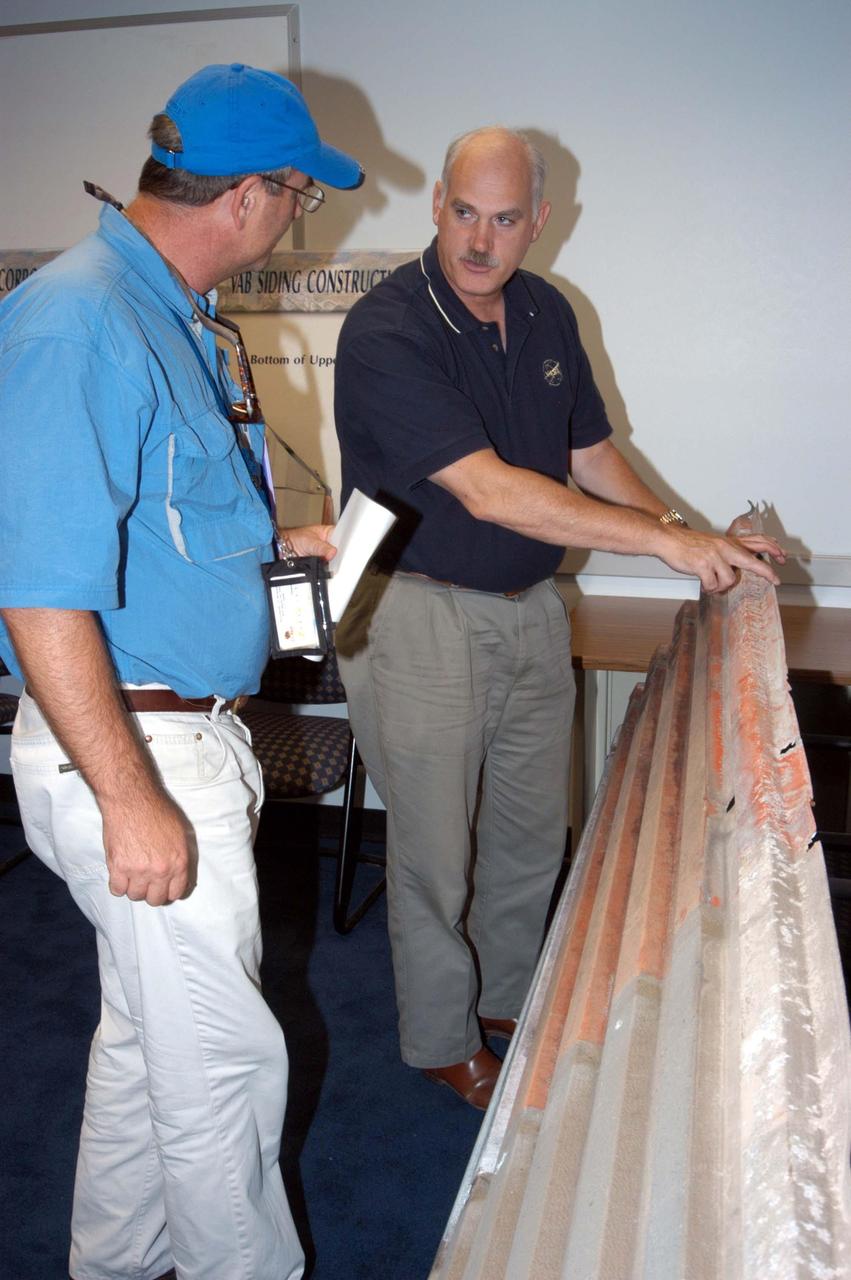
KENNEDY SPACE CENTER, FLA. -  NASA Administrator Sean O’Keefe examines one of the panels that was blown off the Vehicle Assembly Building.  O’Keefe is visiting KSC to survey the damage sustained by KSC facilities from Hurricane Frances over Labor Day weekend. The Vehicle Assembly Building, Thermal Protection System Facility, and Processing Control Center all received significant damage from the storm.  Additionally, the Operations and Checkout Building, Vertical Processing Facility, Hangar AE, Hangar S and Hangar AF Small Parts Facility each received substantial damage. NASA’s three Space Shuttle orbiters -- Discovery, Atlantis and Endeavour - along with the Shuttle launch pads, all of the critical flight hardware for the orbiters and the International Space Station, and NASA’s Swift spacecraft, awaiting launch in October, were well protected and unharmed.
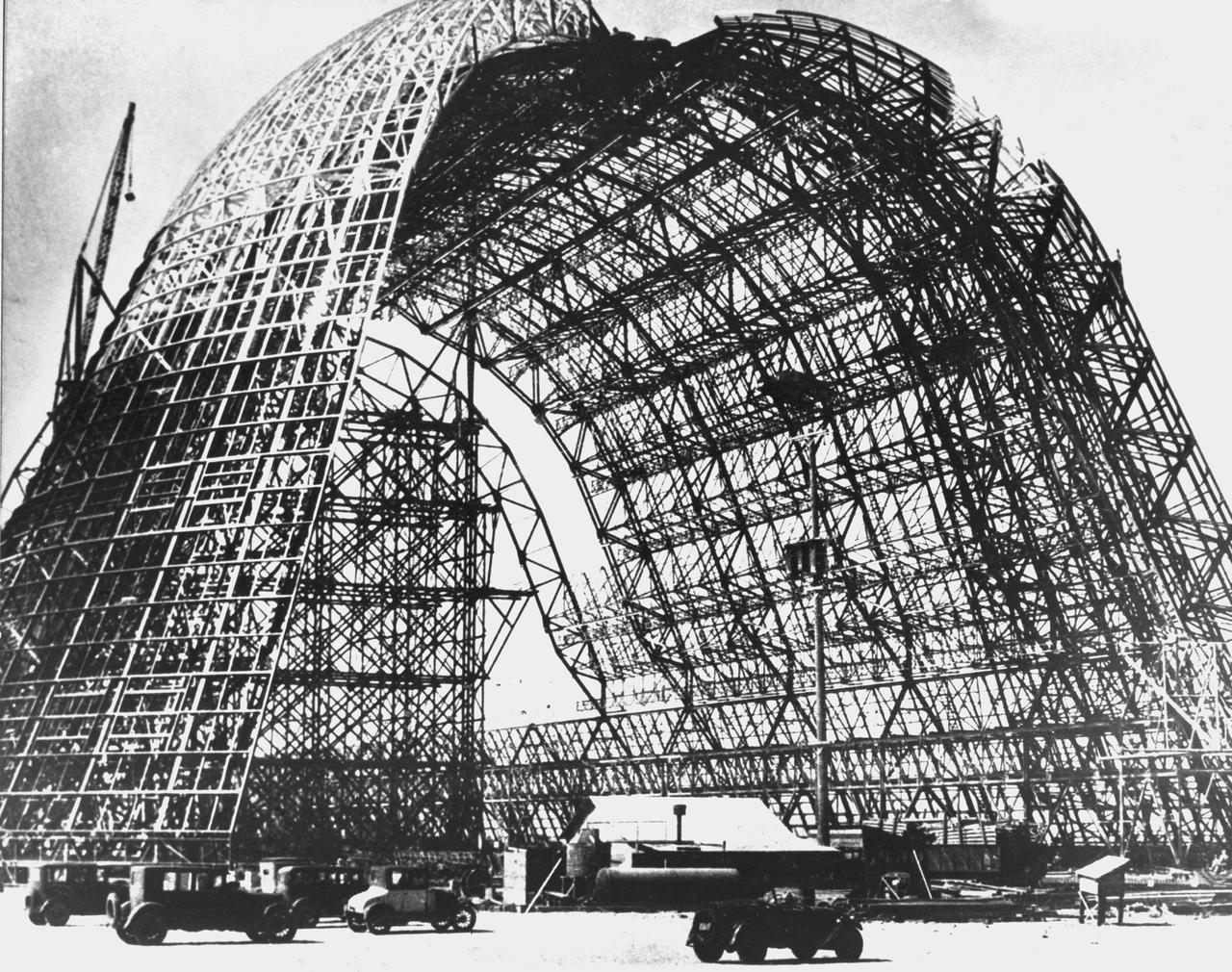
KSC-04pd1838
KENNEDY SPACE CENTER, FLA. -  KSC Director of the Spaceport Services Scott Kerr (left) and NASA Associate Administrator of the Space Operations Mission Directorate William Readdy examine one of the panels that was blown off the Vehicle Assembly Building.  NASA Administrator Sean O’Keefe and Readdy are visiting KSC to survey the damage sustained by KSC facilities from Hurricane Frances over Labor Day weekend. The Vehicle Assembly Building, Thermal Protection System Facility, and Processing Control Center all received significant damage from the storm.  Additionally, the Operations and Checkout Building, Vertical Processing Facility, Hangar AE, Hangar S and Hangar AF Small Parts Facility each received substantial damage. NASA’s three Space Shuttle orbiters -- Discovery, Atlantis and Endeavour - along with the Shuttle launch pads, all of the critical flight hardware for the orbiters and the International Space Station, and NASA’s Swift spacecraft, awaiting launch in October, were well protected and unharmed.
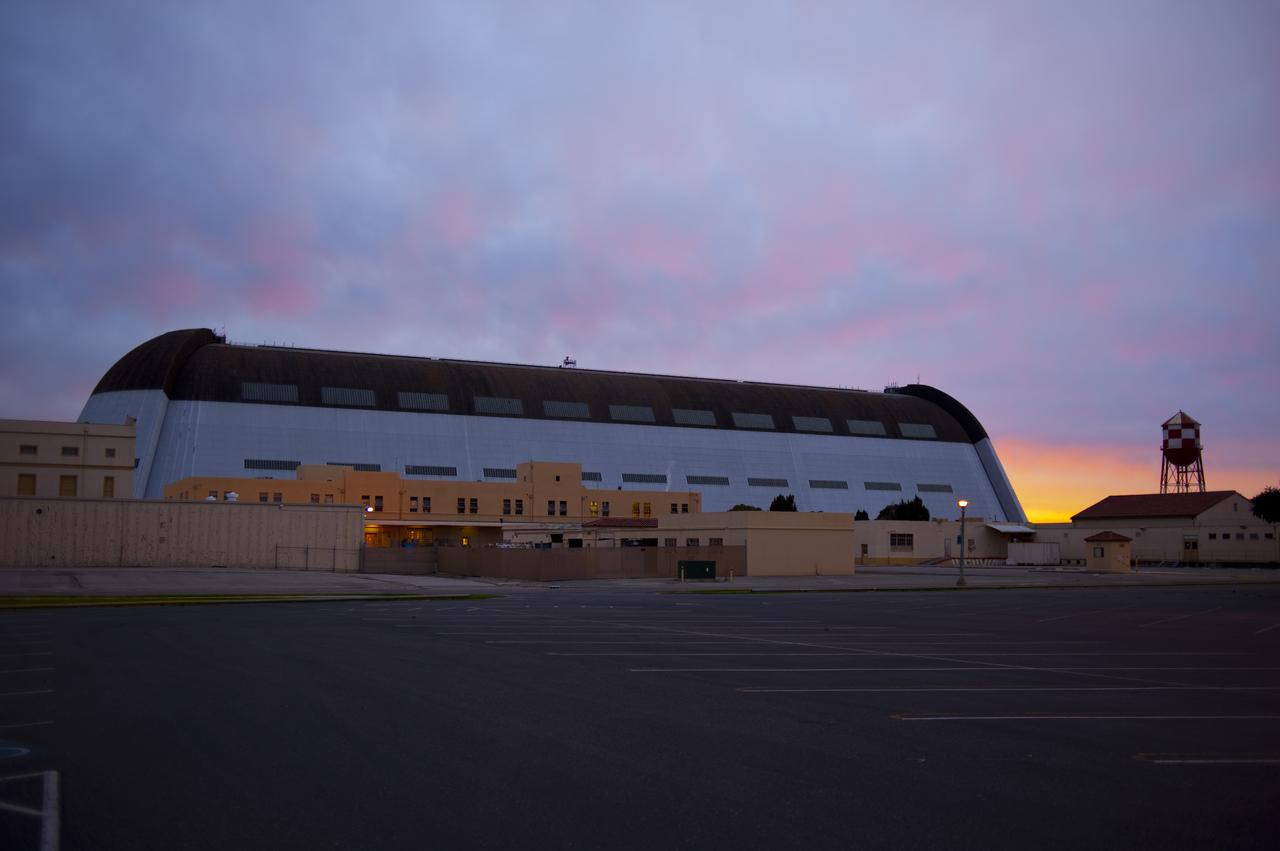
KSC-04pd1837
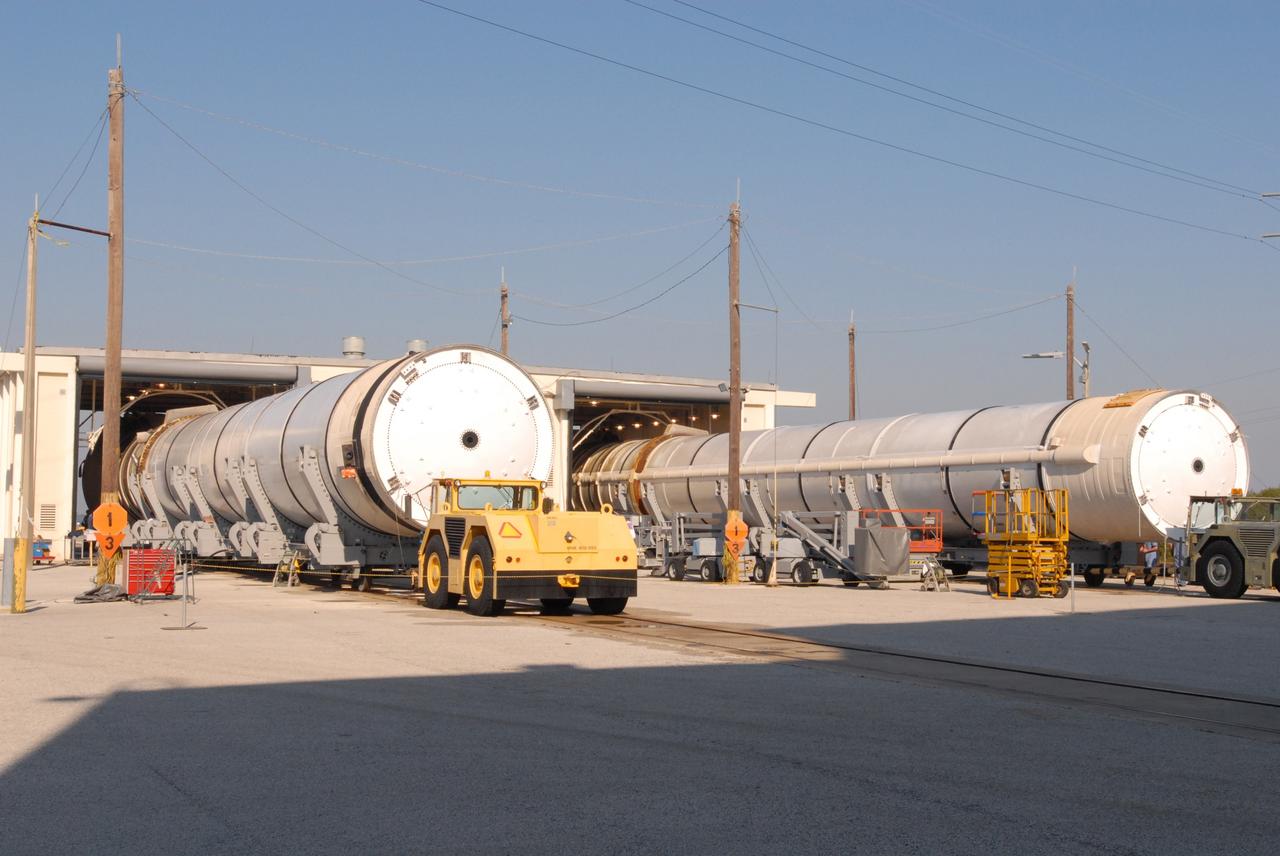
CAPE CANAVERAL, Fla. –    After inspection, the two spent solid rocket boosters from space shuttle Endeavour, which launched Nov. 14 on the STS-126 mission, leave Hangar AF at Cape Canaveral Air Force Station in Florida. The SRBs will be rinsed one more time and then moved inside the hangar, where they remain for the rest of the disassembly operations.  The space shuttle’s solid rocket booster casings and associated flight hardware are recovered at sea after being jettisoned. The boosters impact the Atlantic Ocean approximately seven minutes after liftoff. After their recovery and transport to Hangar AF, the boosters are cleaned, inspected, disassembled, refurbished and reloaded with solid propellant for reuse.  Photo credit: NASA/Jim Grossmann
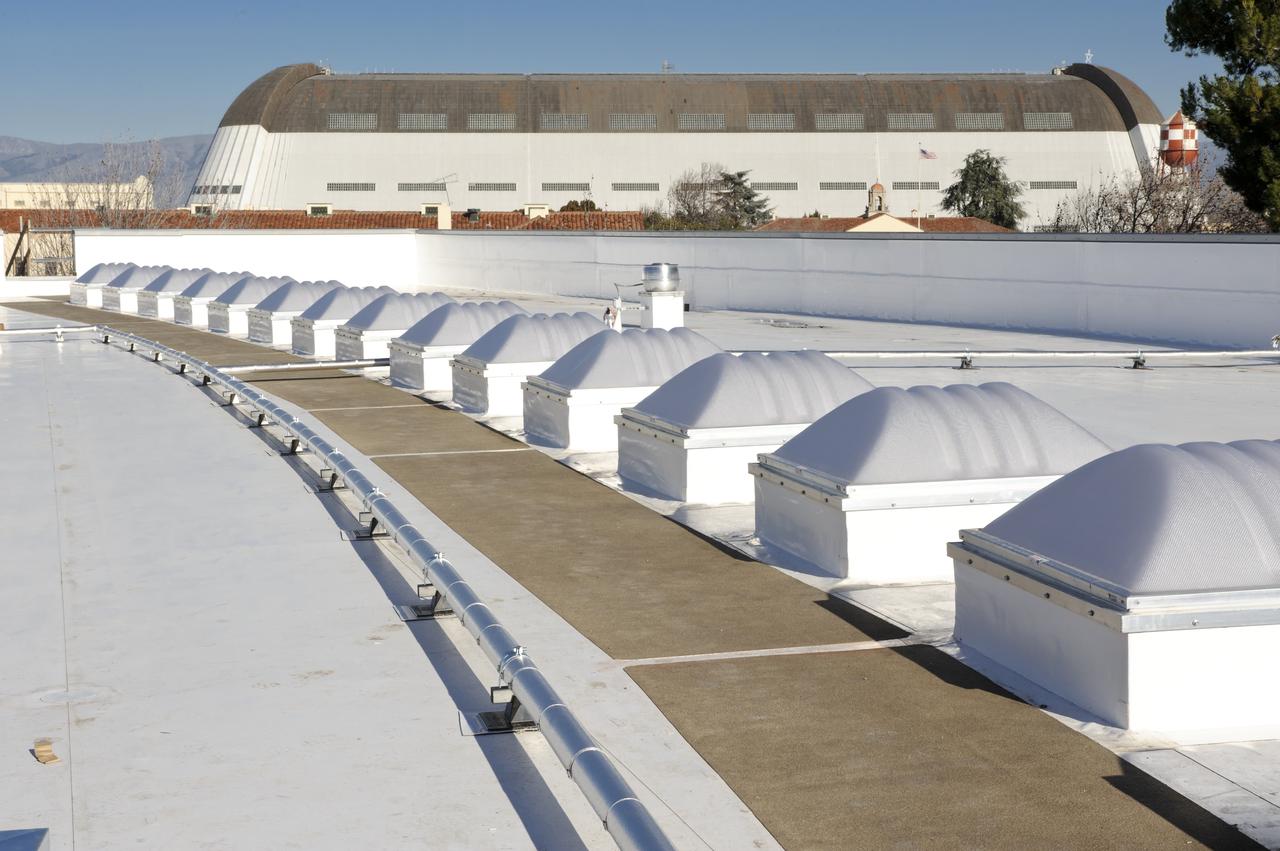
KSC-08pd3767
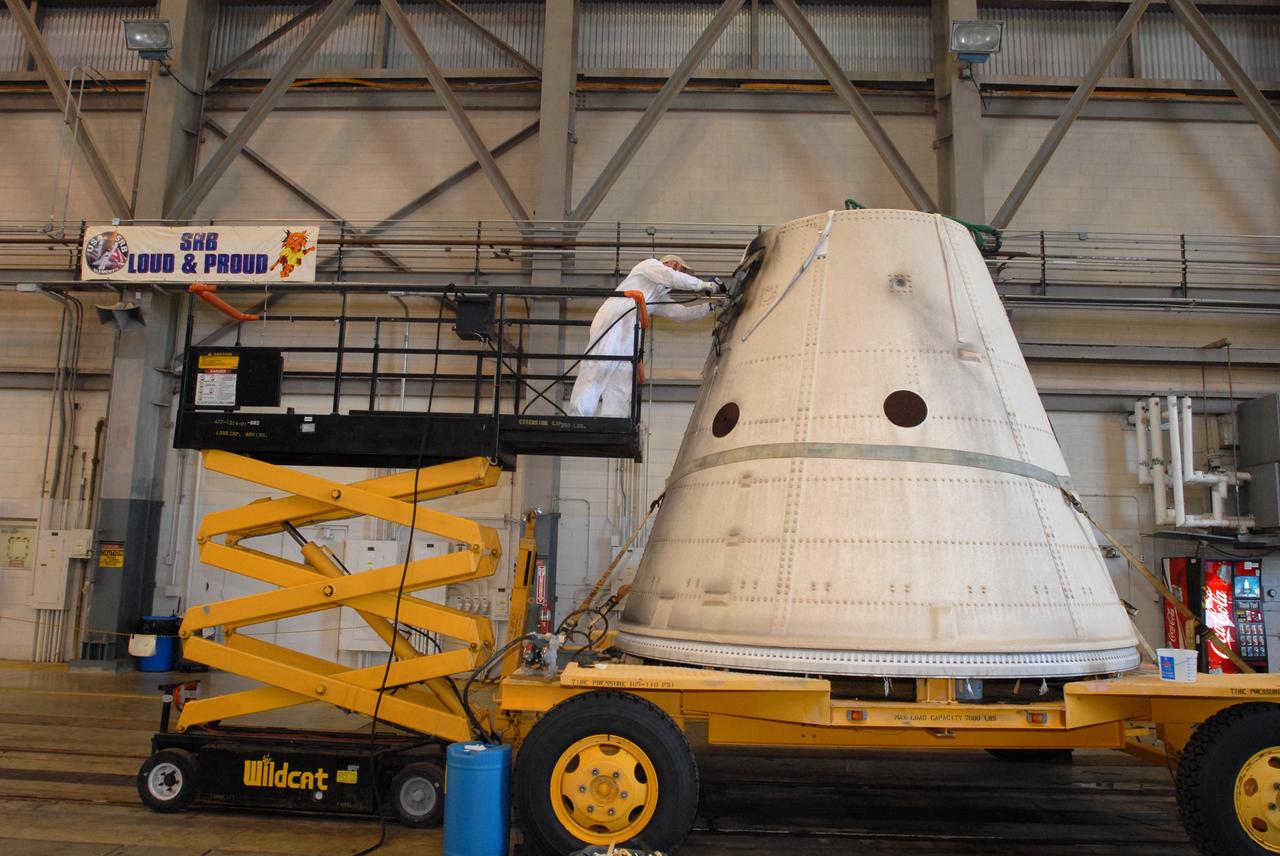
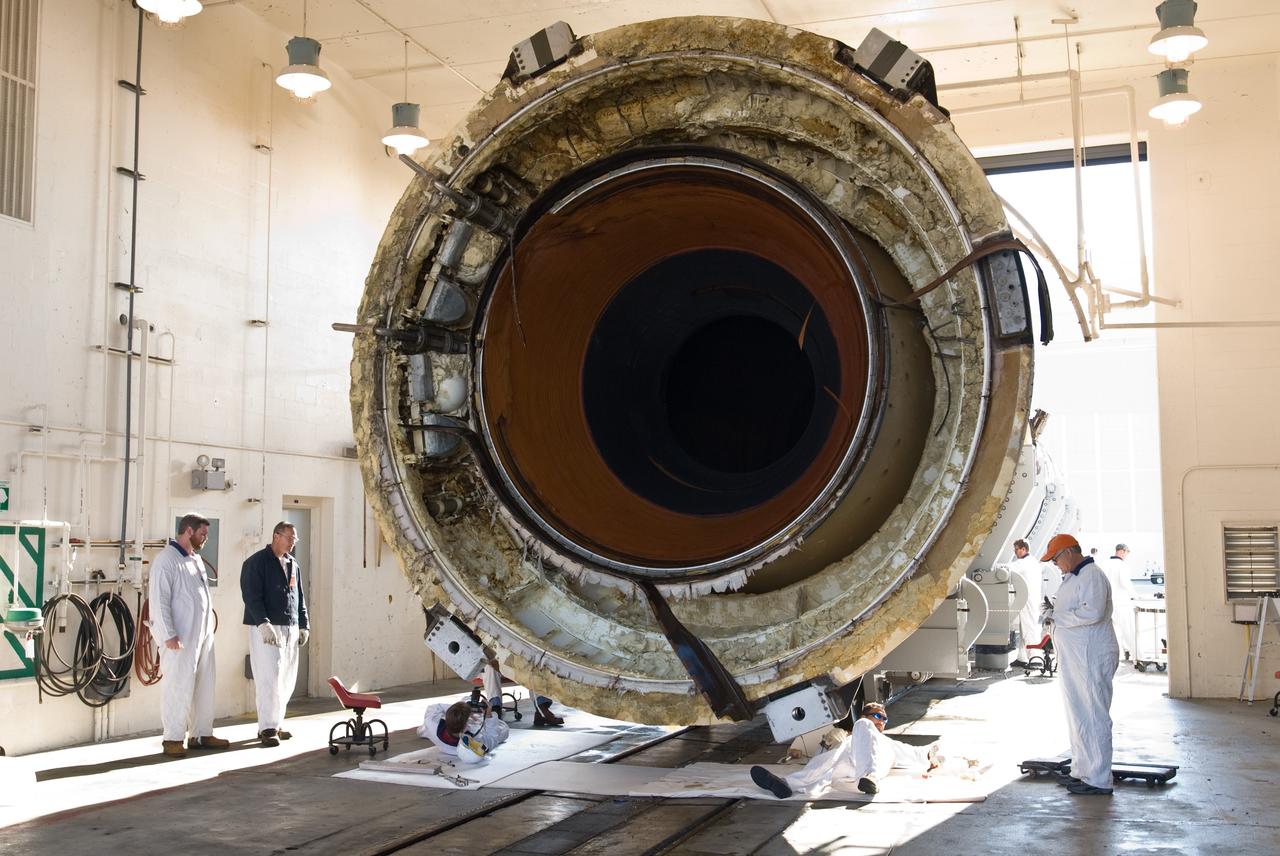
CAPE CANAVERAL, Fla. –   At Hangar AF at Cape Canaveral Air Force Station in Florida, a worker examines one of the frustums from two spent solid rocket boosters from space shuttle Endeavour, which launched Nov. 14 on the STS-126 mission. The frustum was offloaded from the solid rocket booster retrieval ship Freedom Star and moved inside the Hangar AF High Bay for disassembly. The space shuttle’s solid rocket booster casings and associated flight hardware are recovered at sea after being jettisoned. The boosters impact the Atlantic Ocean approximately seven minutes after liftoff. After their recovery and transport to Hangar AF, the boosters are cleaned, inspected, disassembled, refurbished and reloaded with solid propellant for reuse.  Photo credit: NASA/Jim Grossmann
KSC-08pd3766
KENNEDY SPACE CENTER, FLA.  - Workers at Hangar A&E, Cape Canaveral Air Force Station, lift the upper canister to move it to the Space Infrared Telescope Facility (SIRTF) at right.  After encapsulation, the spacecraft will be transported to Launch Complex 17-B for mating with its launch vehicle, the Delta II rocket.   SIRTF consists of three cryogenically cooled science instruments and an 0.85-meter telescope, and is one of NASA's largest infrared telescopes to be launched.  SIRTF will obtain images and spectra by detecting the infrared energy, or heat, radiated by objects in space. Most of this infrared radiation is blocked by the Earth's atmosphere and cannot be observed from the ground.
KENNEDY SPACE CENTER, FLA. - Workers at Hangar A&E, Cape Canaveral Air Force Station, lift the upper canister to move it to the Space Infrared Telescope Facility (SIRTF) at right. After encapsulation, the spacecraft will be transported to Launch Complex 17-B for mating with its launch vehicle, the Delta II rocket. SIRTF consists of three cryogenically cooled science instruments and an 0.85-meter telescope, and is one of NASA's largest infrared telescopes to be launched. SIRTF will obtain images and spectra by detecting the infrared energy, or heat, radiated by objects in space. Most of this infrared radiation is blocked by the Earth's atmosphere and cannot be observed from the ground.
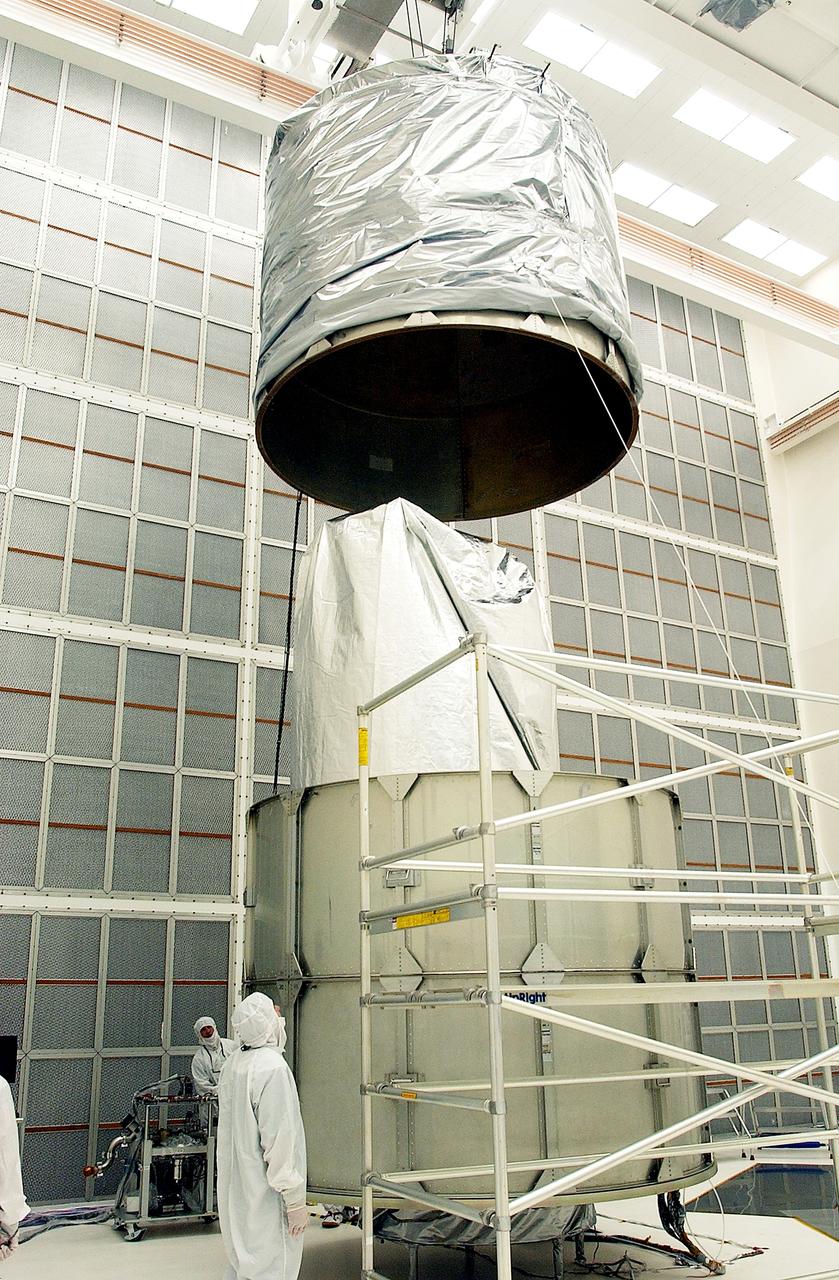
KENNEDY SPACE CENTER, FLA.  -  In Hangar A&E, Cape Canaveral Air Force Station, the upper canister is lowered toward the Space Infrared Telescope Facility (SIRTF) below.  After encapsulation is complete, the spacecraft will be transported to Launch Complex 17-B for mating with its launch vehicle, the Delta II rocket.   SIRTF consists of three cryogenically cooled science instruments and an 0.85-meter telescope, and is one of NASA's largest infrared telescopes to be launched.  SIRTF will obtain images and spectra by detecting the infrared energy, or heat, radiated by objects in space. Most of this infrared radiation is blocked by the Earth's atmosphere and cannot be observed from the ground.
KENNEDY SPACE CENTER, FLA. - In Hangar A&E, Cape Canaveral Air Force Station, the upper canister is lowered toward the Space Infrared Telescope Facility (SIRTF) below. After encapsulation is complete, the spacecraft will be transported to Launch Complex 17-B for mating with its launch vehicle, the Delta II rocket. SIRTF consists of three cryogenically cooled science instruments and an 0.85-meter telescope, and is one of NASA's largest infrared telescopes to be launched. SIRTF will obtain images and spectra by detecting the infrared energy, or heat, radiated by objects in space. Most of this infrared radiation is blocked by the Earth's atmosphere and cannot be observed from the ground.
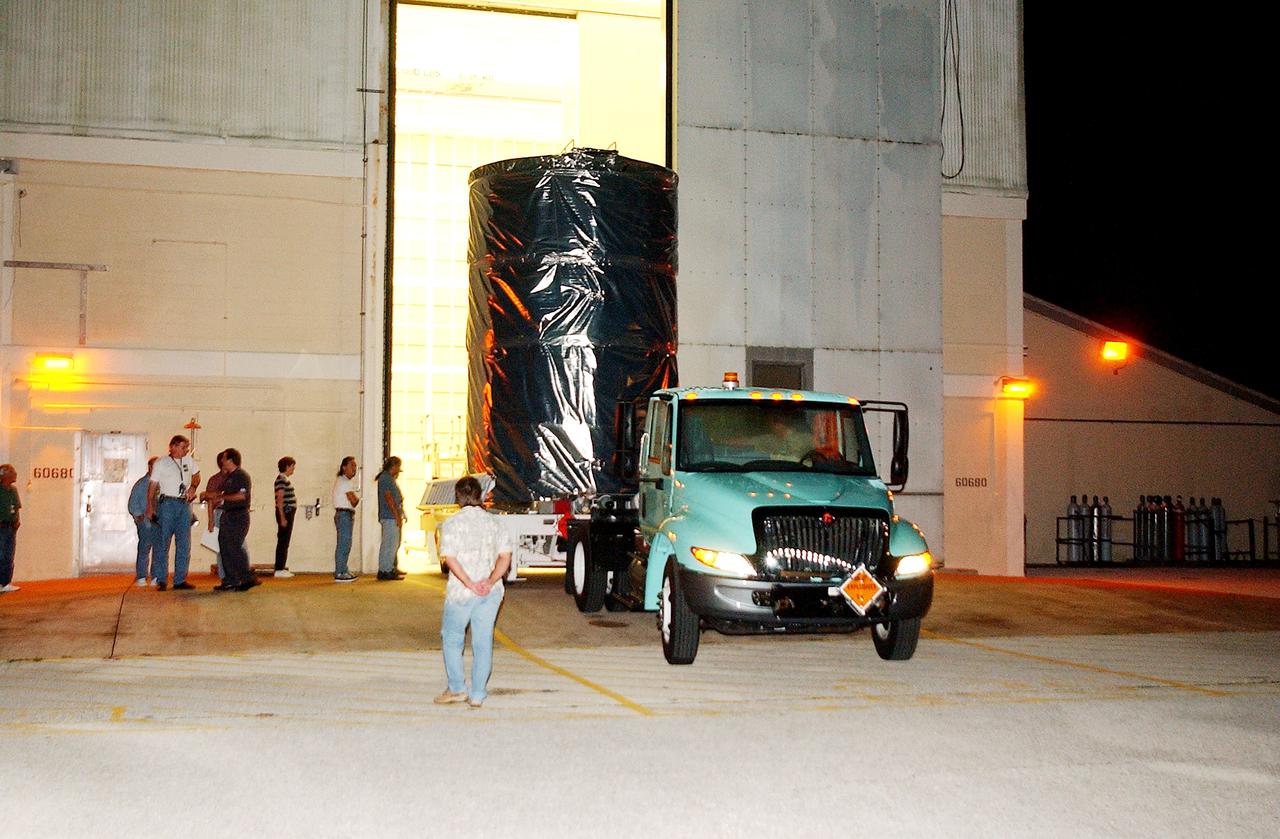
KENNEDY SPACE CENTER, FLA.  -  The Space Infrared Telescope Facility (SIRTF) is rolled out of the hangar at Cape Canaveral Air Force Station during pre-dawn hours.  It is being transported to Launch Pad 17-B where it will be lifted into the mobile service tower and prepared for launch.  SIRTF consists of three cryogenically cooled science instruments and an 0.85-meter telescope, and is one of NASA’s largest infrared telescopes to be launched.  It is the fourth and final element in NASA’s family of orbiting “Great Observatories.”  SIRTF will obtain images and spectra by detecting the infrared energy, or heat, radiated by objects in space. Most of this infrared radiation is blocked by the Earth's atmosphere and cannot be observed from the ground.
KENNEDY SPACE CENTER, FLA. - The Space Infrared Telescope Facility (SIRTF) is rolled out of the hangar at Cape Canaveral Air Force Station during pre-dawn hours. It is being transported to Launch Pad 17-B where it will be lifted into the mobile service tower and prepared for launch. SIRTF consists of three cryogenically cooled science instruments and an 0.85-meter telescope, and is one of NASA’s largest infrared telescopes to be launched. It is the fourth and final element in NASA’s family of orbiting “Great Observatories.” SIRTF will obtain images and spectra by detecting the infrared energy, or heat, radiated by objects in space. Most of this infrared radiation is blocked by the Earth's atmosphere and cannot be observed from the ground.
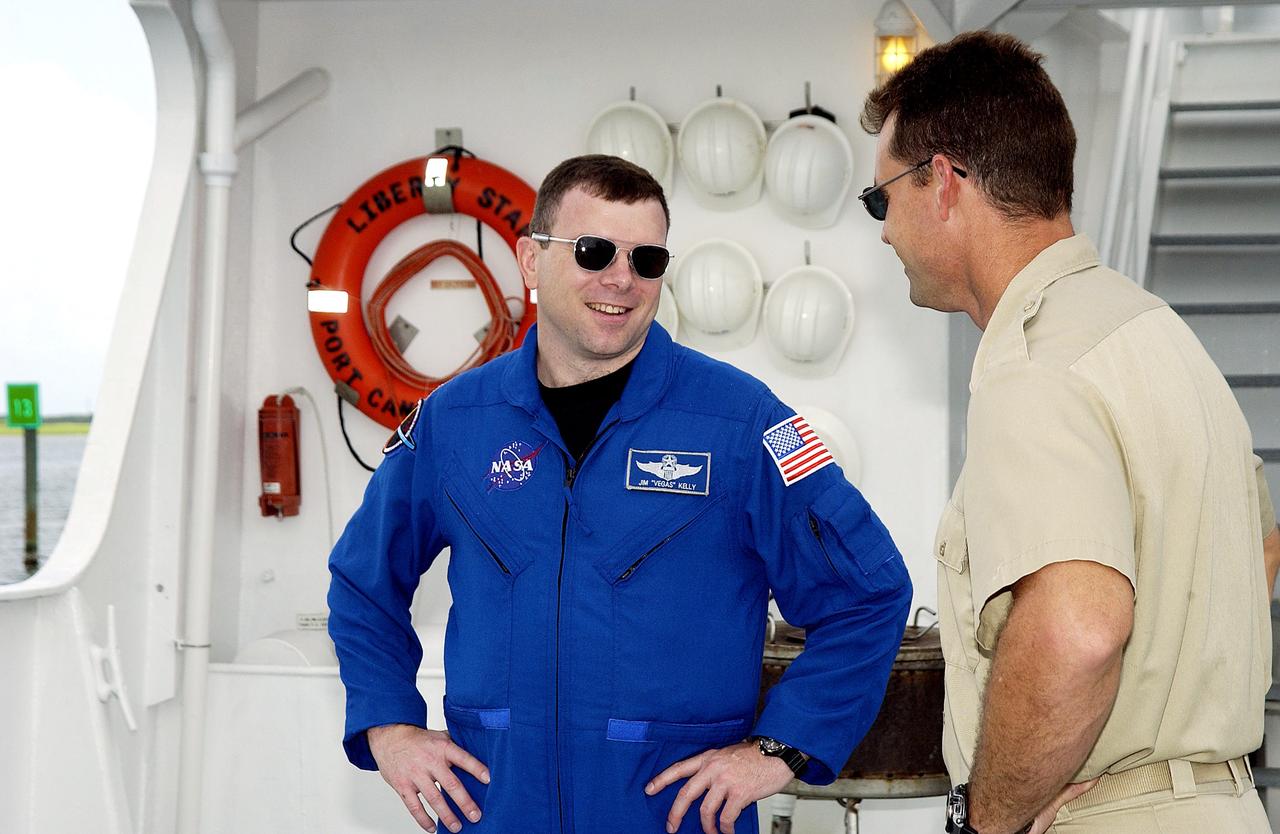
KENNEDY SPACE CENTER, FLA. -  STS-114 Pilot James Kelly talks with Bren Wade, captain of the Liberty Star, one of the SRB Retrieval Ships docked at Hangar AF on the Banana River.  Kelly and other crew members Commander Eileen Collins and Mission Specialists  Soichi Noguchi and Stephen Robinson toured the ships.  Noguchi is with the Japanese space agency NASDA.  Mission STS-114 will carry the MultiPurpose Logistics Module (MPLM) Raffaello and External Stowage Platform 2 to the International Space Station.  The MPLM will contain supplies and equipment.  Another goal of the mission is to remove and replace a Control Moment Gyro.  Launch date for mission STS-114 is under review.
KENNEDY SPACE CENTER, FLA. - STS-114 Pilot James Kelly talks with Bren Wade, captain of the Liberty Star, one of the SRB Retrieval Ships docked at Hangar AF on the Banana River. Kelly and other crew members Commander Eileen Collins and Mission Specialists Soichi Noguchi and Stephen Robinson toured the ships. Noguchi is with the Japanese space agency NASDA. Mission STS-114 will carry the MultiPurpose Logistics Module (MPLM) Raffaello and External Stowage Platform 2 to the International Space Station. The MPLM will contain supplies and equipment. Another goal of the mission is to remove and replace a Control Moment Gyro. Launch date for mission STS-114 is under review.
KENNEDY SPACE CENTER, FLA.  - Workers at Hangar A&E, Cape Canaveral Air Force Station, help guide the upper canister toward the Space Infrared Telescope Facility (SIRTF) at left.  After encapsulation is complete, the spacecraft will be transported to Launch Complex 17-B for mating with its launch vehicle, the Delta II rocket.   SIRTF consists of three cryogenically cooled science instruments and an 0.85-meter telescope, and is one of NASA's largest infrared telescopes to be launched.  SIRTF will obtain images and spectra by detecting the infrared energy, or heat, radiated by objects in space. Most of this infrared radiation is blocked by the Earth's atmosphere and cannot be observed from the ground.
KENNEDY SPACE CENTER, FLA. - Workers at Hangar A&E, Cape Canaveral Air Force Station, help guide the upper canister toward the Space Infrared Telescope Facility (SIRTF) at left. After encapsulation is complete, the spacecraft will be transported to Launch Complex 17-B for mating with its launch vehicle, the Delta II rocket. SIRTF consists of three cryogenically cooled science instruments and an 0.85-meter telescope, and is one of NASA's largest infrared telescopes to be launched. SIRTF will obtain images and spectra by detecting the infrared energy, or heat, radiated by objects in space. Most of this infrared radiation is blocked by the Earth's atmosphere and cannot be observed from the ground.
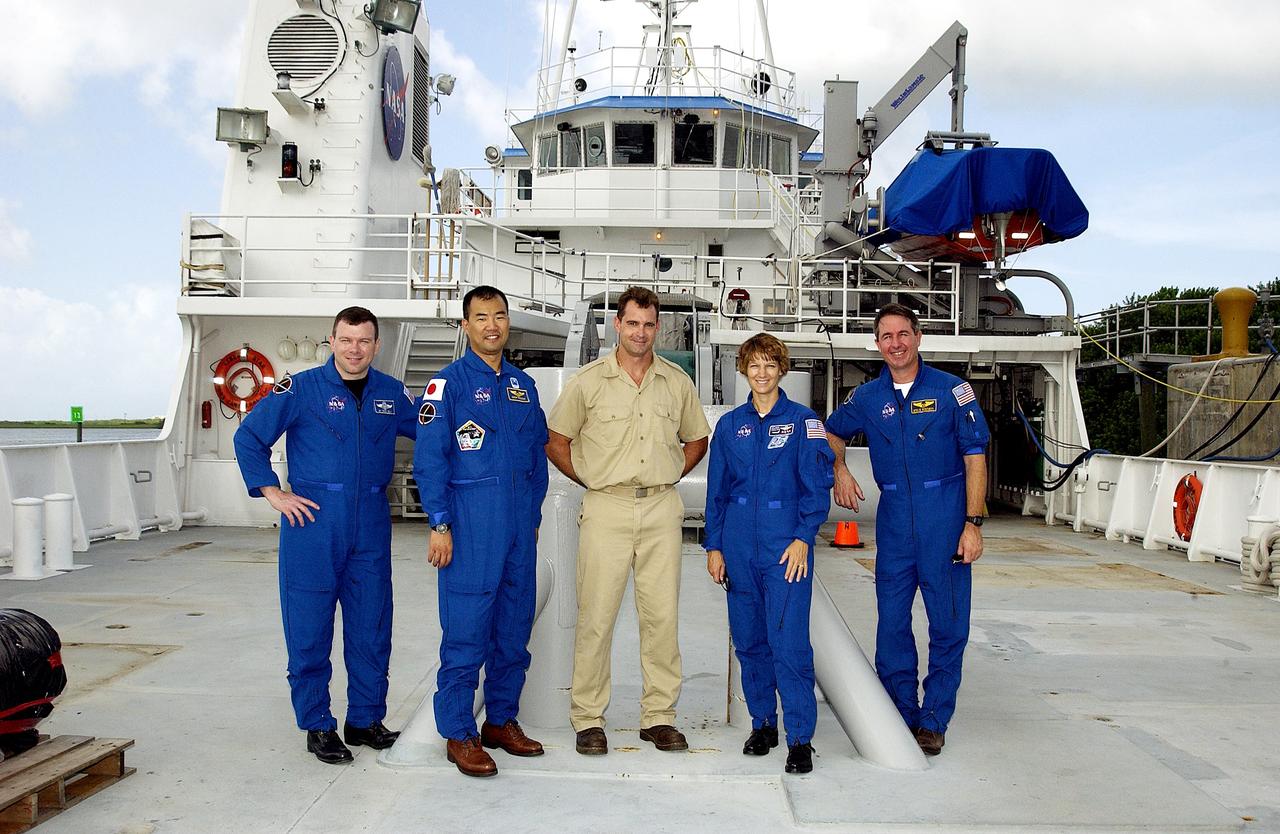
KENNEDY SPACE CENTER, FLA. -   The STS-114 crew poses on deck with the captain of the Liberty Star, one of the SRB Retrieval Ships docked at Hangar AF on the Banana River.   From left are Pilot James Kelly, Mission Specialist Soichi Noguchi, Capt. Bren Wade, Commander Eileen Collins and Mission Specialist Stephen Robinson.  Noguchi is with the Japanese space agency NASDA.  Mission STS-114 will carry the MultiPurpose Logistics Module (MPLM) Raffaello and External Stowage Platform 2 to the International Space Station.  The MPLM will contain supplies and equipment.  Another goal of the mission is to remove and replace a Control Moment Gyro.  Launch date for mission STS-114 is under review.
KENNEDY SPACE CENTER, FLA. - The STS-114 crew poses on deck with the captain of the Liberty Star, one of the SRB Retrieval Ships docked at Hangar AF on the Banana River. From left are Pilot James Kelly, Mission Specialist Soichi Noguchi, Capt. Bren Wade, Commander Eileen Collins and Mission Specialist Stephen Robinson. Noguchi is with the Japanese space agency NASDA. Mission STS-114 will carry the MultiPurpose Logistics Module (MPLM) Raffaello and External Stowage Platform 2 to the International Space Station. The MPLM will contain supplies and equipment. Another goal of the mission is to remove and replace a Control Moment Gyro. Launch date for mission STS-114 is under review.
KENNEDY SPACE CENTER, FLA.  -  A worker at Hangar A&E, Cape Canaveral Air Force Station, place the lower panels of the canister around the Space Infrared Telescope Facility (SIRTF).  The spacecraft will be transported to Launch Complex 17-B for mating with its launch vehicle, the Delta II rocket.   SIRTF consists of three cryogenically cooled science instruments and an 0.85-meter telescope, and is one of NASA's largest infrared telescopes to be launched.  SIRTF will obtain images and spectra by detecting the infrared energy, or heat, radiated by objects in space. Most of this infrared radiation is blocked by the Earth's atmosphere and cannot be observed from the ground.
KENNEDY SPACE CENTER, FLA. - A worker at Hangar A&E, Cape Canaveral Air Force Station, place the lower panels of the canister around the Space Infrared Telescope Facility (SIRTF). The spacecraft will be transported to Launch Complex 17-B for mating with its launch vehicle, the Delta II rocket. SIRTF consists of three cryogenically cooled science instruments and an 0.85-meter telescope, and is one of NASA's largest infrared telescopes to be launched. SIRTF will obtain images and spectra by detecting the infrared energy, or heat, radiated by objects in space. Most of this infrared radiation is blocked by the Earth's atmosphere and cannot be observed from the ground.
KENNEDY SPACE CENTER, FLA.  - Workers at Hangar A&E, Cape Canaveral Air Force Station, place the middle row of panels to encapsulate the Space Infrared Telescope Facility (SIRTF).  The spacecraft will be transported to Launch Complex 17-B for mating with its launch vehicle, the Delta II rocket.   SIRTF consists of three cryogenically cooled science instruments and an 0.85-meter telescope, and is one of NASA's largest infrared telescopes to be launched.  SIRTF will obtain images and spectra by detecting the infrared energy, or heat, radiated by objects in space. Most of this infrared radiation is blocked by the Earth's atmosphere and cannot be observed from the ground.
KENNEDY SPACE CENTER, FLA. - Workers at Hangar A&E, Cape Canaveral Air Force Station, place the middle row of panels to encapsulate the Space Infrared Telescope Facility (SIRTF). The spacecraft will be transported to Launch Complex 17-B for mating with its launch vehicle, the Delta II rocket. SIRTF consists of three cryogenically cooled science instruments and an 0.85-meter telescope, and is one of NASA's largest infrared telescopes to be launched. SIRTF will obtain images and spectra by detecting the infrared energy, or heat, radiated by objects in space. Most of this infrared radiation is blocked by the Earth's atmosphere and cannot be observed from the ground.
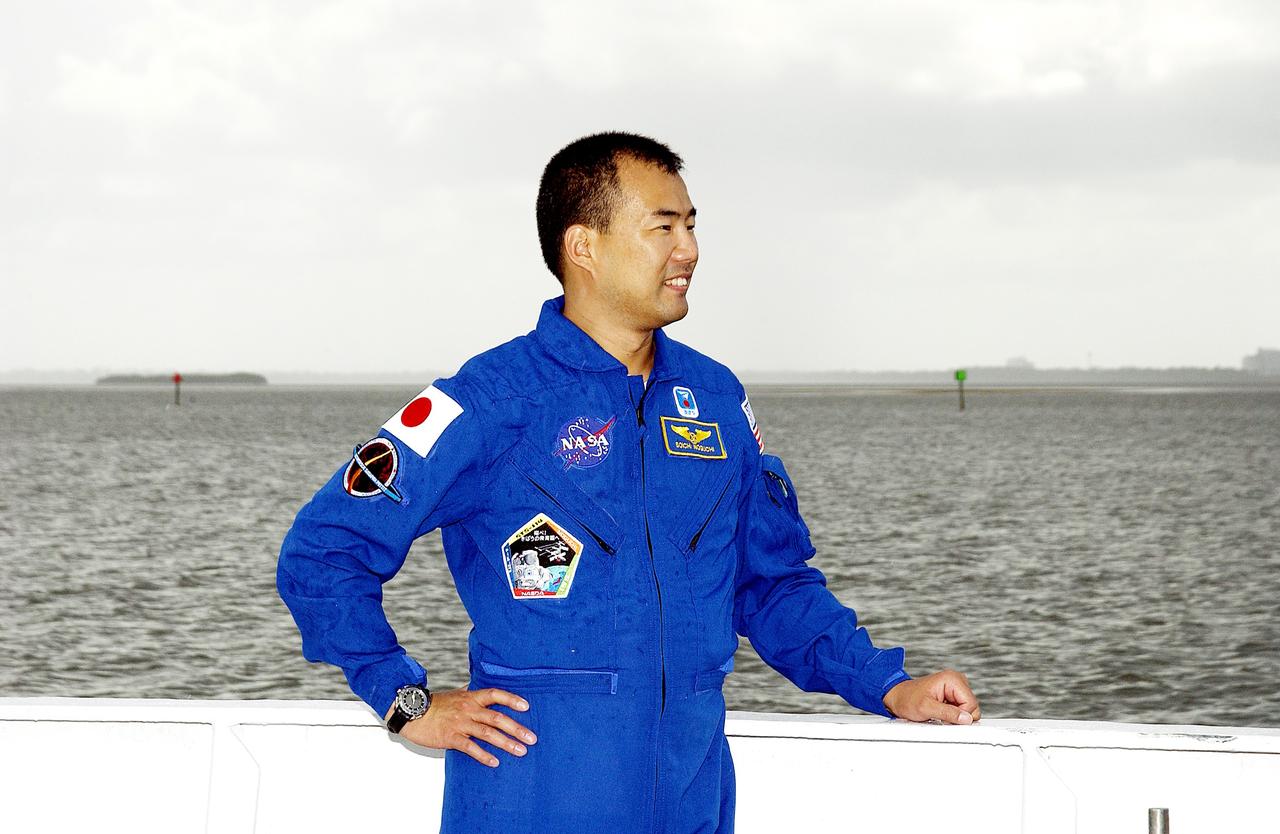
KENNEDY SPACE CENTER, FLA. -  STS-114 Mission Specialist Soichi Noguchi, who is with the Japanese space agency NASDA, poses on the deck of one of the SRB Retrieval Ships docked at Hangar AF on the Banana River.  He and other crew members Commander Eileen Collins, Pilot James Kelly and Mission Specialist Stephen Robinson toured the ships.  Mission STS-114 will carry the MultiPurpose Logistics Module (MPLM) Raffaello and External Stowage Platform 2 to the International Space Station.  The MPLM will contain supplies and equipment.  Another goal of the mission is to remove and replace a Control Moment Gyro.  Launch date for mission STS-114 is under review.
KENNEDY SPACE CENTER, FLA. - STS-114 Mission Specialist Soichi Noguchi, who is with the Japanese space agency NASDA, poses on the deck of one of the SRB Retrieval Ships docked at Hangar AF on the Banana River. He and other crew members Commander Eileen Collins, Pilot James Kelly and Mission Specialist Stephen Robinson toured the ships. Mission STS-114 will carry the MultiPurpose Logistics Module (MPLM) Raffaello and External Stowage Platform 2 to the International Space Station. The MPLM will contain supplies and equipment. Another goal of the mission is to remove and replace a Control Moment Gyro. Launch date for mission STS-114 is under review.
KENNEDY SPACE CENTER, FLA.  - A worker at Hangar A&E, Cape Canaveral Air Force Station, tightens the canister around the Space Infrared Telescope Facility (SIRTF).  The spacecraft will be transported to Launch Complex 17-B for mating with its launch vehicle, the Delta II rocket.   SIRTF consists of three cryogenically cooled science instruments and an 0.85-meter telescope, and is one of NASA's largest infrared telescopes to be launched.  SIRTF will obtain images and spectra by detecting the infrared energy, or heat, radiated by objects in space. Most of this infrared radiation is blocked by the Earth's atmosphere and cannot be observed from the ground.
KENNEDY SPACE CENTER, FLA. - A worker at Hangar A&E, Cape Canaveral Air Force Station, tightens the canister around the Space Infrared Telescope Facility (SIRTF). The spacecraft will be transported to Launch Complex 17-B for mating with its launch vehicle, the Delta II rocket. SIRTF consists of three cryogenically cooled science instruments and an 0.85-meter telescope, and is one of NASA's largest infrared telescopes to be launched. SIRTF will obtain images and spectra by detecting the infrared energy, or heat, radiated by objects in space. Most of this infrared radiation is blocked by the Earth's atmosphere and cannot be observed from the ground.
KENNEDY SPACE CENTER, FLA.  -  In Hangar A&E, Cape Canaveral Air Force Station, the upper canister is mated to the middle panels around the Space Infrared Telescope Facility (SIRTF).  The spacecraft will be transported to Launch Complex 17-B for mating with its launch vehicle, the Delta II rocket.   SIRTF consists of three cryogenically cooled science instruments and an 0.85-meter telescope, and is one of NASA's largest infrared telescopes to be launched.  SIRTF will obtain images and spectra by detecting the infrared energy, or heat, radiated by objects in space. Most of this infrared radiation is blocked by the Earth's atmosphere and cannot be observed from the ground.
KENNEDY SPACE CENTER, FLA. - In Hangar A&E, Cape Canaveral Air Force Station, the upper canister is mated to the middle panels around the Space Infrared Telescope Facility (SIRTF). The spacecraft will be transported to Launch Complex 17-B for mating with its launch vehicle, the Delta II rocket. SIRTF consists of three cryogenically cooled science instruments and an 0.85-meter telescope, and is one of NASA's largest infrared telescopes to be launched. SIRTF will obtain images and spectra by detecting the infrared energy, or heat, radiated by objects in space. Most of this infrared radiation is blocked by the Earth's atmosphere and cannot be observed from the ground.
KENNEDY SPACE CENTER, FLA.  -  In Hangar A&E, Cape Canaveral Air Force Station, encapsulation of the Space Infrared Telescope Facility (SIRTF) is complete.  The spacecraft will be transported to Launch Complex 17-B for mating with its launch vehicle, the Delta II rocket.   SIRTF consists of three cryogenically cooled science instruments and an 0.85-meter telescope, and is one of NASA's largest infrared telescopes to be launched.  SIRTF will obtain images and spectra by detecting the infrared energy, or heat, radiated by objects in space. Most of this infrared radiation is blocked by the Earth's atmosphere and cannot be observed from the ground.
KENNEDY SPACE CENTER, FLA. - In Hangar A&E, Cape Canaveral Air Force Station, encapsulation of the Space Infrared Telescope Facility (SIRTF) is complete. The spacecraft will be transported to Launch Complex 17-B for mating with its launch vehicle, the Delta II rocket. SIRTF consists of three cryogenically cooled science instruments and an 0.85-meter telescope, and is one of NASA's largest infrared telescopes to be launched. SIRTF will obtain images and spectra by detecting the infrared energy, or heat, radiated by objects in space. Most of this infrared radiation is blocked by the Earth's atmosphere and cannot be observed from the ground.
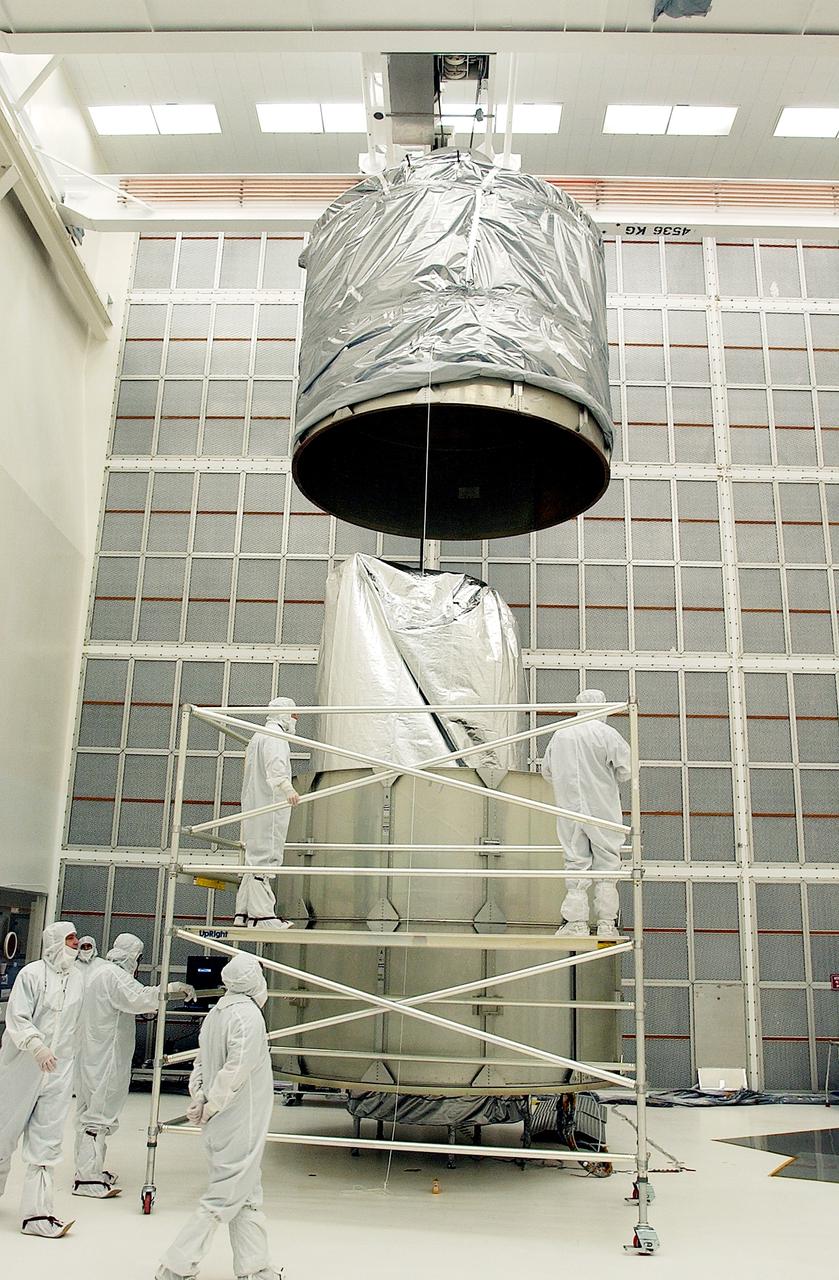
KENNEDY SPACE CENTER, FLA.  - Workers at Hangar A&E, Cape Canaveral Air Force Station, lower the upper canister toward the Space Infrared Telescope Facility (SIRTF) below.  After encapsulation is complete, the spacecraft will be transported to Launch Complex 17-B for mating with its launch vehicle, the Delta II rocket.   SIRTF consists of three cryogenically cooled science instruments and an 0.85-meter telescope, and is one of NASA's largest infrared telescopes to be launched.  SIRTF will obtain images and spectra by detecting the infrared energy, or heat, radiated by objects in space. Most of this infrared radiation is blocked by the Earth's atmosphere and cannot be observed from the ground.
KENNEDY SPACE CENTER, FLA. - Workers at Hangar A&E, Cape Canaveral Air Force Station, lower the upper canister toward the Space Infrared Telescope Facility (SIRTF) below. After encapsulation is complete, the spacecraft will be transported to Launch Complex 17-B for mating with its launch vehicle, the Delta II rocket. SIRTF consists of three cryogenically cooled science instruments and an 0.85-meter telescope, and is one of NASA's largest infrared telescopes to be launched. SIRTF will obtain images and spectra by detecting the infrared energy, or heat, radiated by objects in space. Most of this infrared radiation is blocked by the Earth's atmosphere and cannot be observed from the ground.
CAPE CANAVERAL, Fla. –  At Hangar AF at Cape Canaveral Air Force Station in Florida, workers inspect the aft section of one of two spent solid rocket boosters from space shuttle Endeavour, which launched Nov. 14 on the STS-126 mission.  The space shuttle’s solid rocket booster casings and associated flight hardware are recovered at sea after being jettisoned. The boosters impact the Atlantic Ocean approximately seven minutes after liftoff. After their recovery and transport to Hangar AF, the boosters are cleaned, inspected, disassembled, refurbished and reloaded with solid propellant for reuse.  Photo credit: NASA/Jim Grossmann
KSC-08pd3764
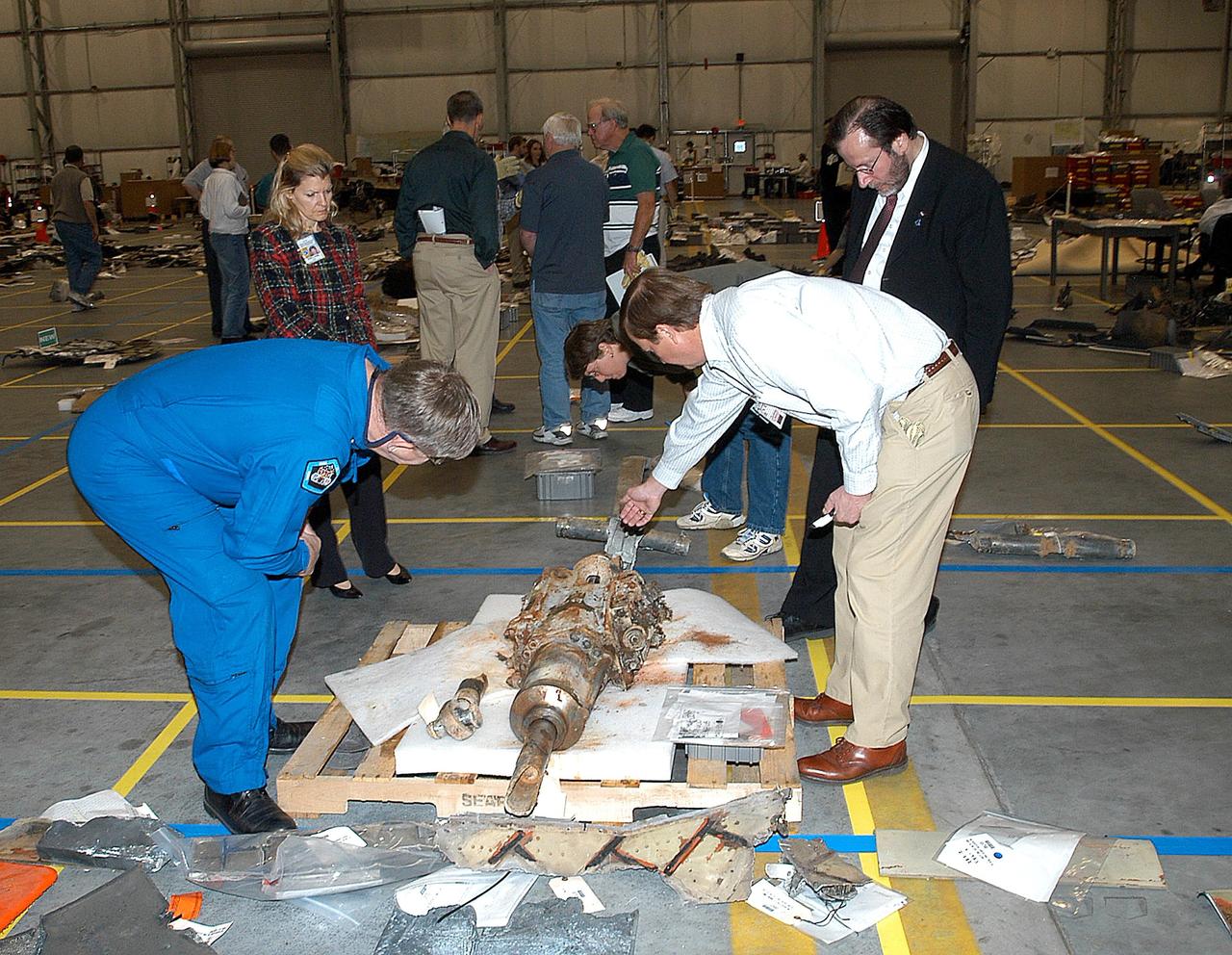
KENNEDY SPACE CENTER, FLA. -  -  In the RLV Hangar at KSC, examining a piece of debris from Space Shuttle Columbia are former payload specialist Dr. Roger Crouch (left), Shuttle Launch Director Mike Leinbach (right, pointing) and NASA Chief of Staff and White House liaison Courtney Stadd (right).  The debris is one of more than 35,000 pieces collected so far.  More than 1,218 pieces have been identified. The search of more than 500,000 acres of primary recovery area for Columbia material has passed the halfway mark.  To date about 28 percent of Columbia, by weight, has been delivered to the hangar.
KSC-03pd0927
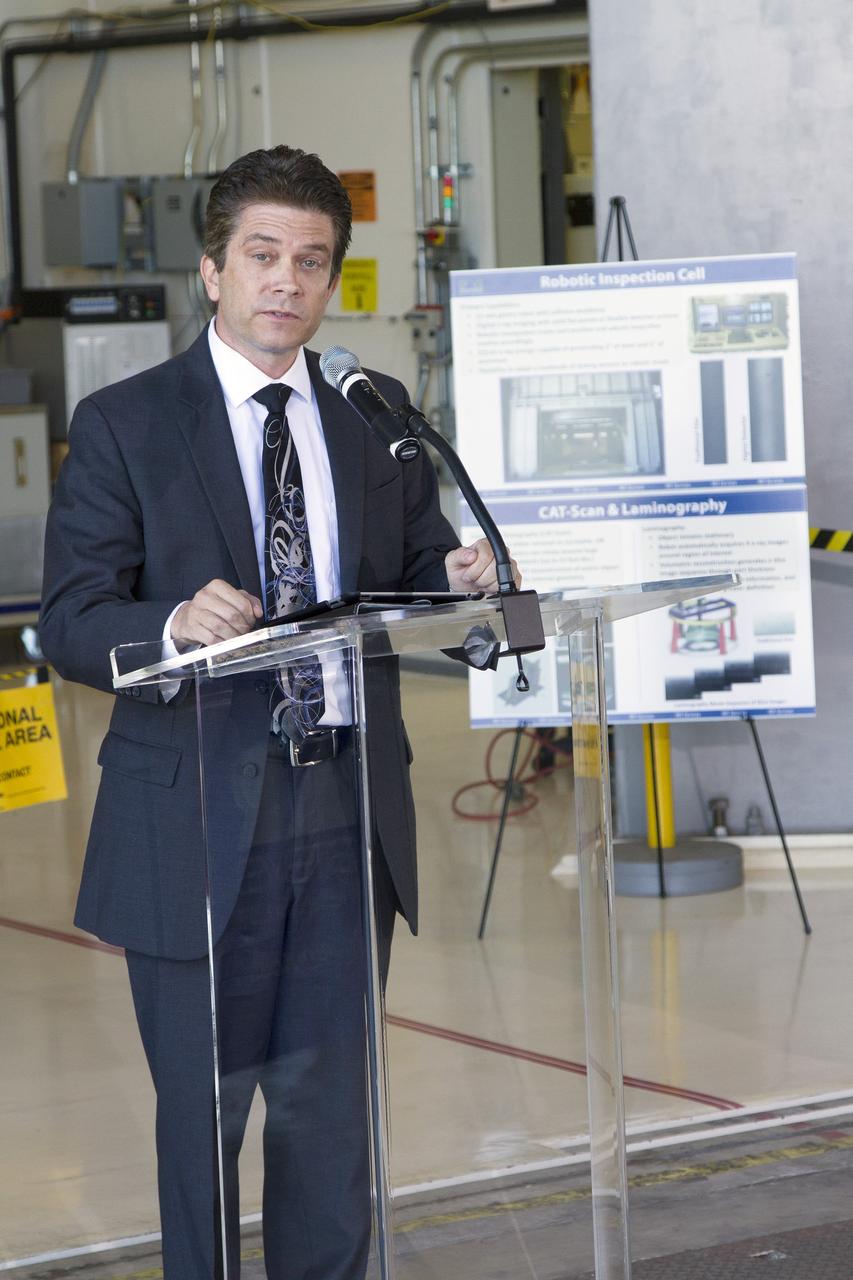
CAPE CANAVERAL, Fla. – Brian Behm, president, aerospace robotics, PaR Systems Inc., speaks during an Open House event at Hangar N at Cape Canaveral Air Force Station in Florida, to celebrate the one-year anniversary of a partnership with NASA Kennedy Space Center. Under a 15-year lease, PaR Systems is utilizing Hangar N and its unique nondestructive testing equipment. Behind Behm is the robotic inspection cell that contains an automated X-ray system once used to scan the aft skirts of the solid rocket boosters for the space shuttle.    The partnership agreement was established by Kennedy's Center Planning and Development Directorate. The agreement is just one example of the types of partnerships that Kennedy is seeking to create a multi-user spaceport.  Photo credit: NASA/Cory Huston
KSC-2014-1935
CAPE CANAVERAL, Fla. – Kennedy Space Center Director Bob Cabana speaks during an Open House event at Hangar N at Cape Canaveral Air Force Station in Florida, to celebrate the one-year anniversary of PaR Systems' partnership with Kennedy. Under a 15-year lease agreement, PaR Systems is utilizing Hangar N and its unique nondestructive testing equipment. Behind Cabana is the robotic inspection cell that contains an automated X-ray system once used to scan the aft skirts of the solid rocket boosters for the space shuttle.    The partnership agreement was established by Kennedy's Center Planning and Development Directorate. The agreement is just one example of the types of partnerships that Kennedy is seeking to create a multi-user spaceport.  Photo credit: NASA/Cory Huston
KSC-2014-1936
CAPE CANAVERAL, Fla. – Tony Corak, manager of nondestructive testing services for PaR Systems Inc., speaks during an Open House event at Hangar N at Cape Canaveral Air Force Station in Florida, to celebrate the one-year anniversary of a partnership with NASA Kennedy Space Center. Under a 15-year lease agreement, PaR Systems is utilizing Hangar N and its unique nondestructive testing equipment. To Corak's right is Brian Behm, president, aerospace robotics, PaR Systems Inc., Kennedy Center Director Bob Cabana, and Robert Salonen, business development director with the Economic Development Commission of Florida's Space Coast.    The partnership agreement was established by Kennedy's Center Planning and Development Directorate. The agreement is just one example of the types of partnerships that Kennedy is seeking to create a multi-user spaceport.  Photo credit: NASA/Cory Huston
KSC-2014-1934