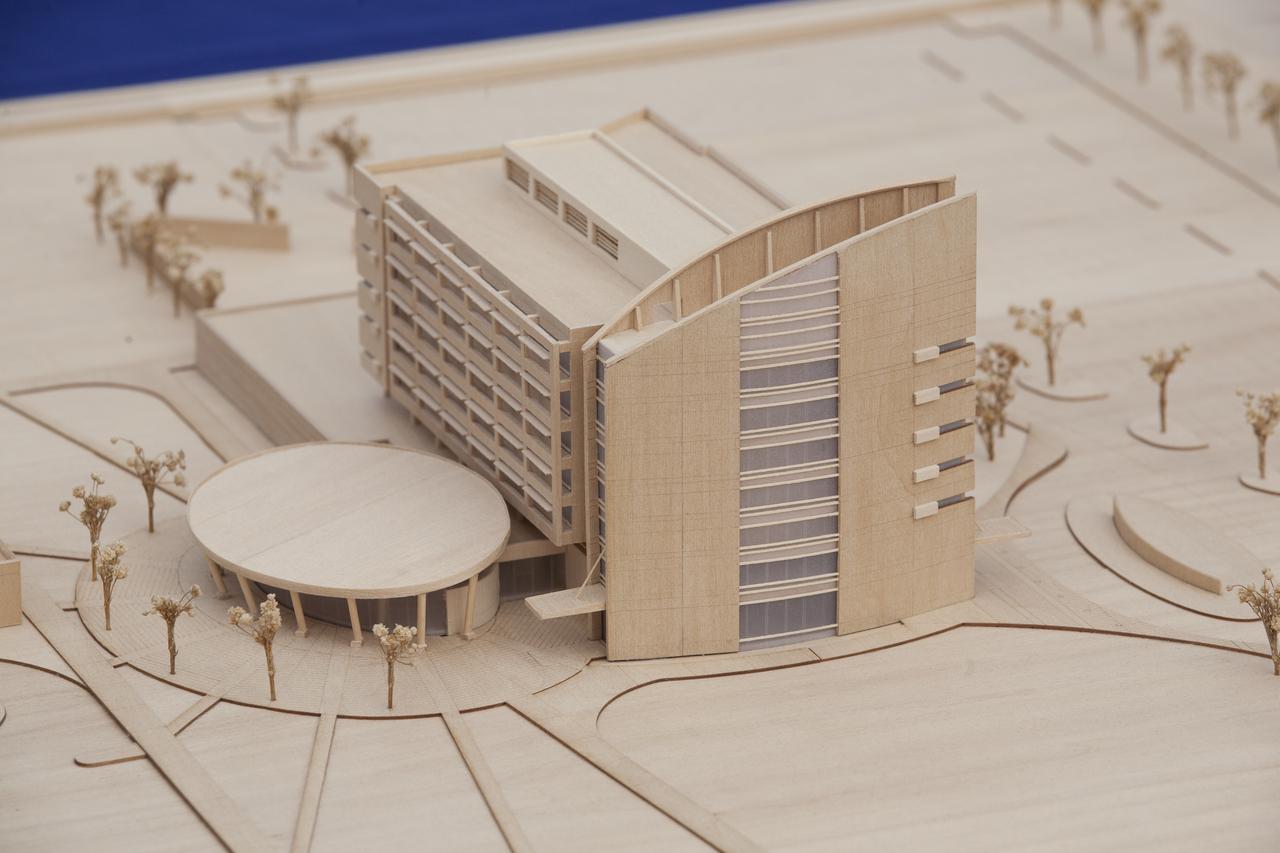
Groundbreaking for the new Central Campus will take place in the Industrial Area at NASA's Kennedy Space Center in Florida. A scale model of the new facility and landscaping is on display for the ceremony. Kennedy is transforming into a multi-user, 21st century spaceport supporting both commercial and government users and operations. Central Campus Phase I includes construction of a new Headquarters Building as one of the major components of the strategy. The new Headquarters Building will be a seven-story, 200,000-square-foot facility that will house about 500 NASA civil service and contractor employees.
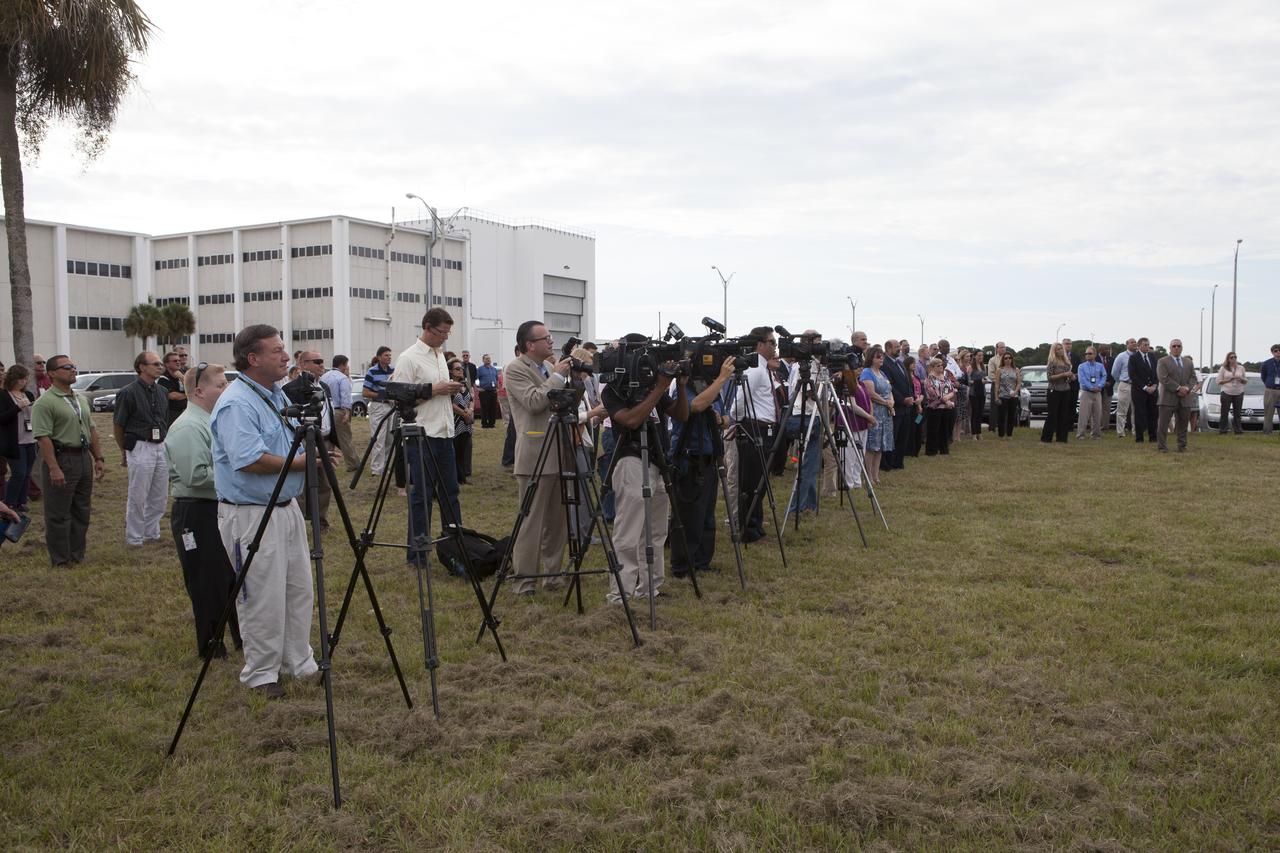
Groundbreaking for the new Central Campus took place in the Industrial Area at NASA's Kennedy Space Center in Florida. Members of the media and guests gathered for the groundbreaking ceremony. Kennedy is transforming into a multi-user, 21st century spaceport supporting both commercial and government users and operations. Central Campus Phase I includes construction of a new Headquarters Building as one of the major components of the strategy. The new Headquarters Building will be a seven-story, 200,000-square-foot facility that will house about 500 NASA civil service and contractor employees.
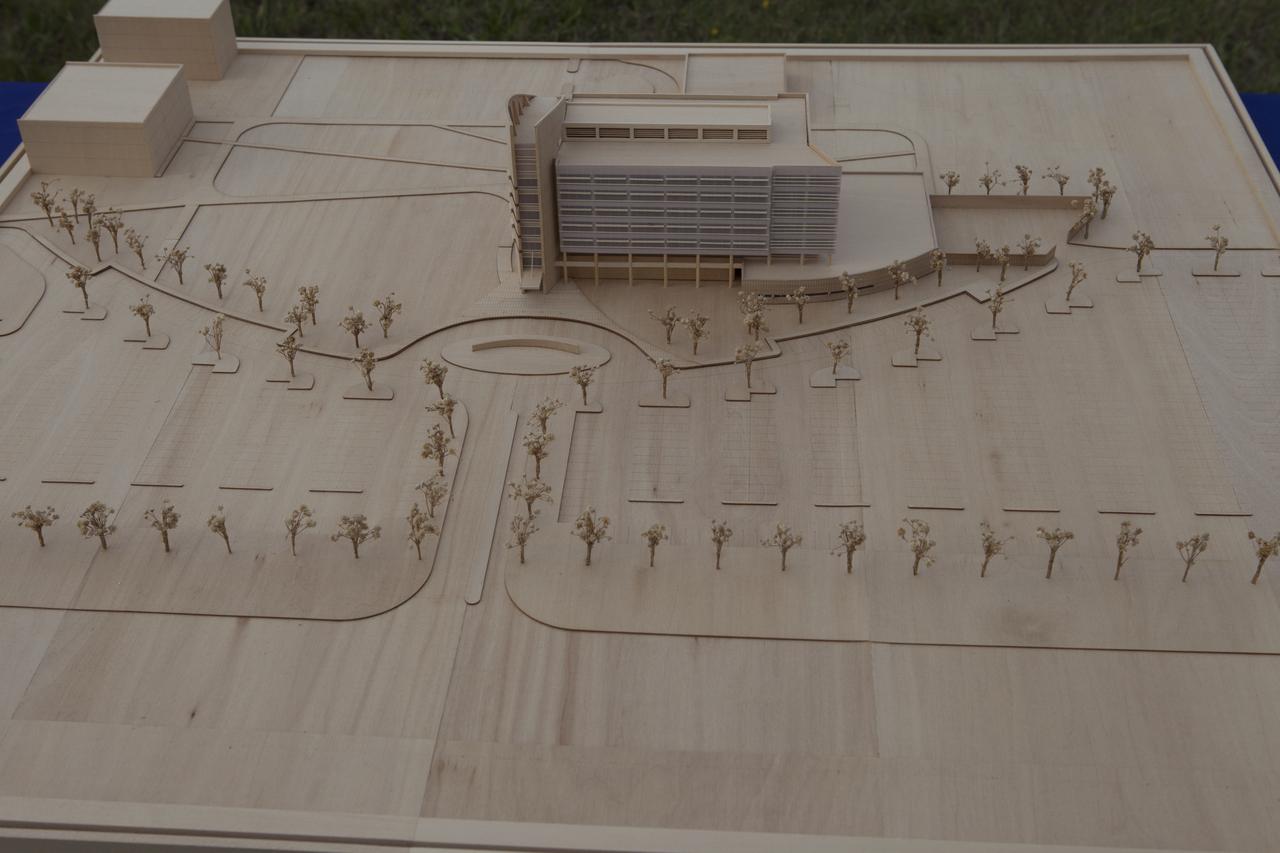
Groundbreaking for the new Central Campus will take place in the Industrial Area at NASA's Kennedy Space Center in Florida. A scale model of the new facility and landscaping is on display for the ceremony. Kennedy is transforming into a multi-user, 21st century spaceport supporting both commercial and government users and operations. Central Campus Phase I includes construction of a new Headquarters Building as one of the major components of the strategy. The new Headquarters Building will be a seven-story, 200,000-square-foot facility that will house about 500 NASA civil service and contractor employees.
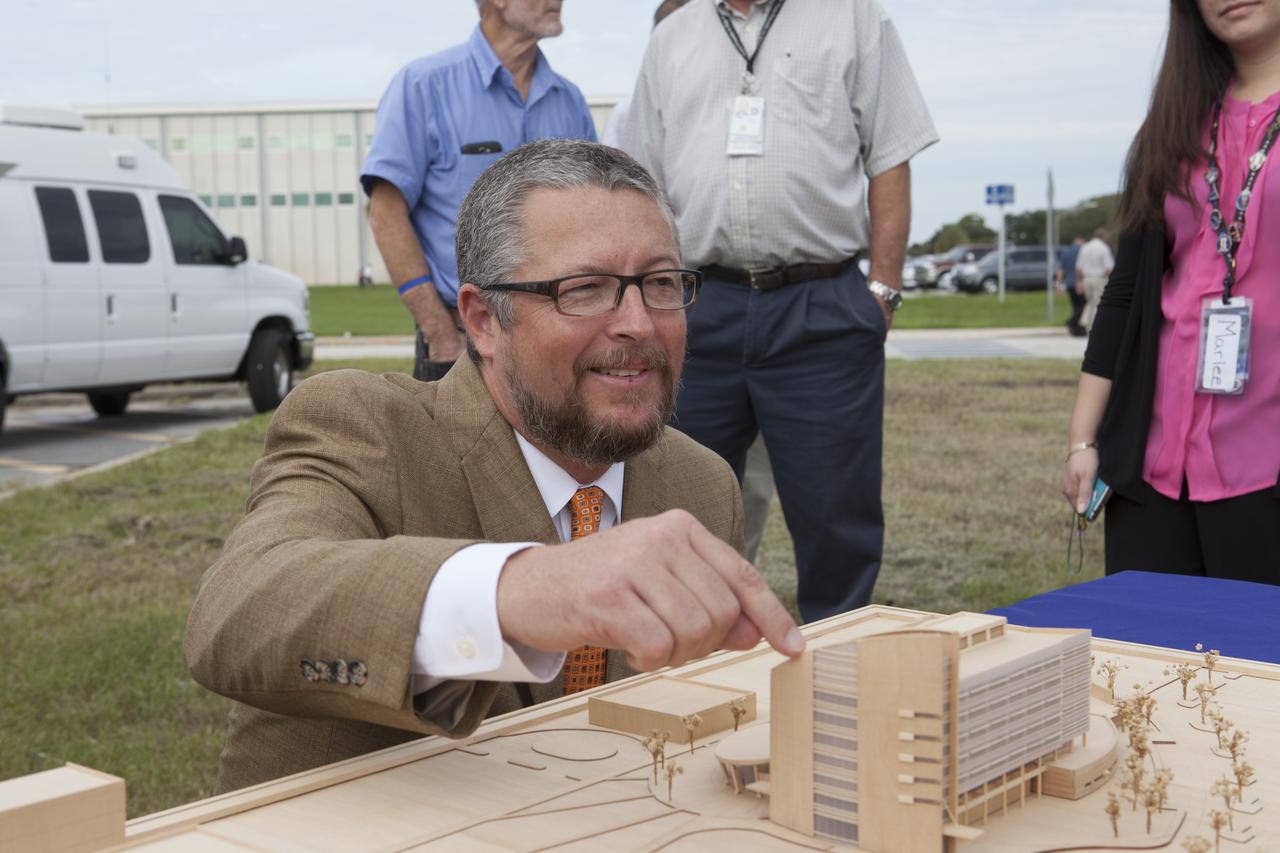
Groundbreaking for the new Central Campus took place in the Industrial Area at NASA's Kennedy Space Center in Florida. Steve Belflower, vice president of HuntonBrady Architects of Orlando, points to a scale model of the Central Campus building on display during the groundbreaking ceremony. Kennedy is transforming into a multi-user, 21st century spaceport supporting both commercial and government users and operations. Central Campus Phase I includes construction of a new Headquarters Building as one of the major components of the strategy. The new Headquarters Building will be a seven-story, 200,000-square-foot facility that will house about 500 NASA civil service and contractor employees.
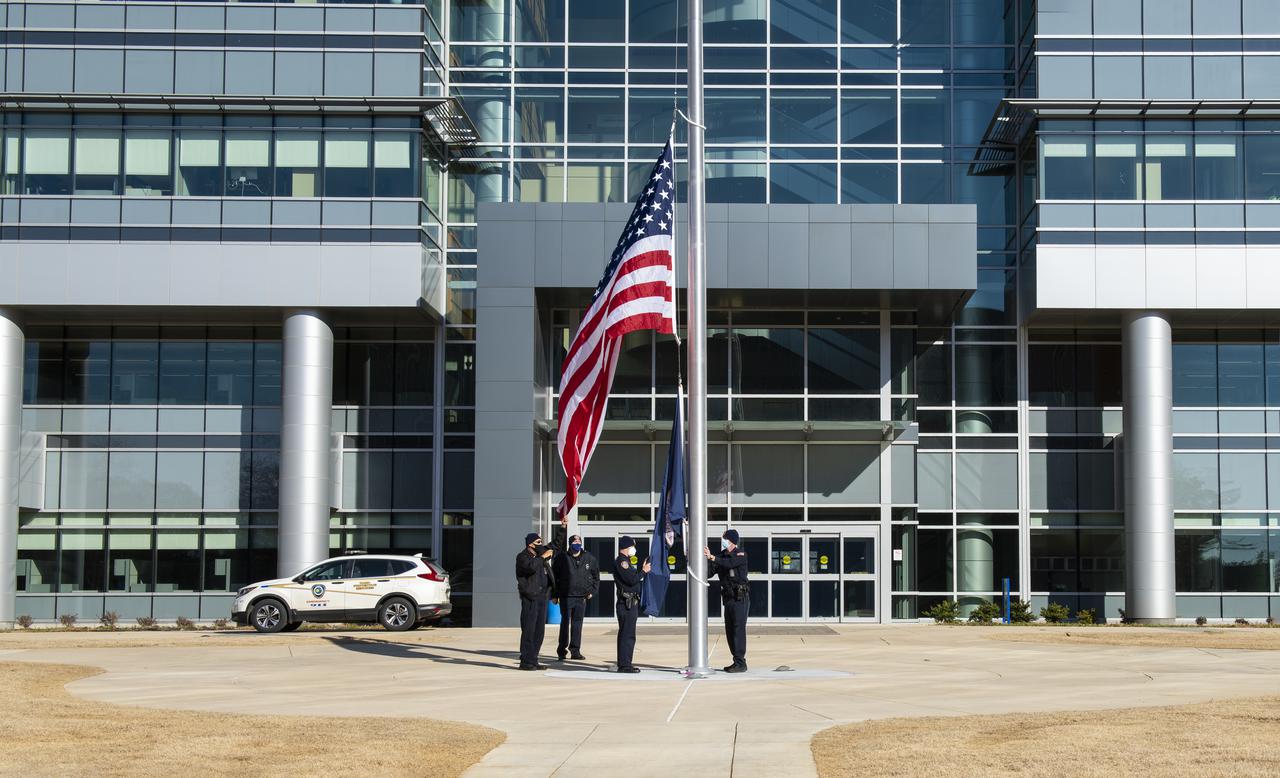
On Jan. 26, 2022, the U.S. and NASA flags were raised at Building 4221 to mark the transfer of headquarters to that building at Marshall Space Flight Center in Huntsville, Alabama. The doors to Building 4221, a new, environmentally friendly building, opened on Earth Day, April 22, 2019. Building 4200 served as Marshall’s original headquarters since 1963. Marshall center operations lowered flags at that building on Jan. 21, 2022.
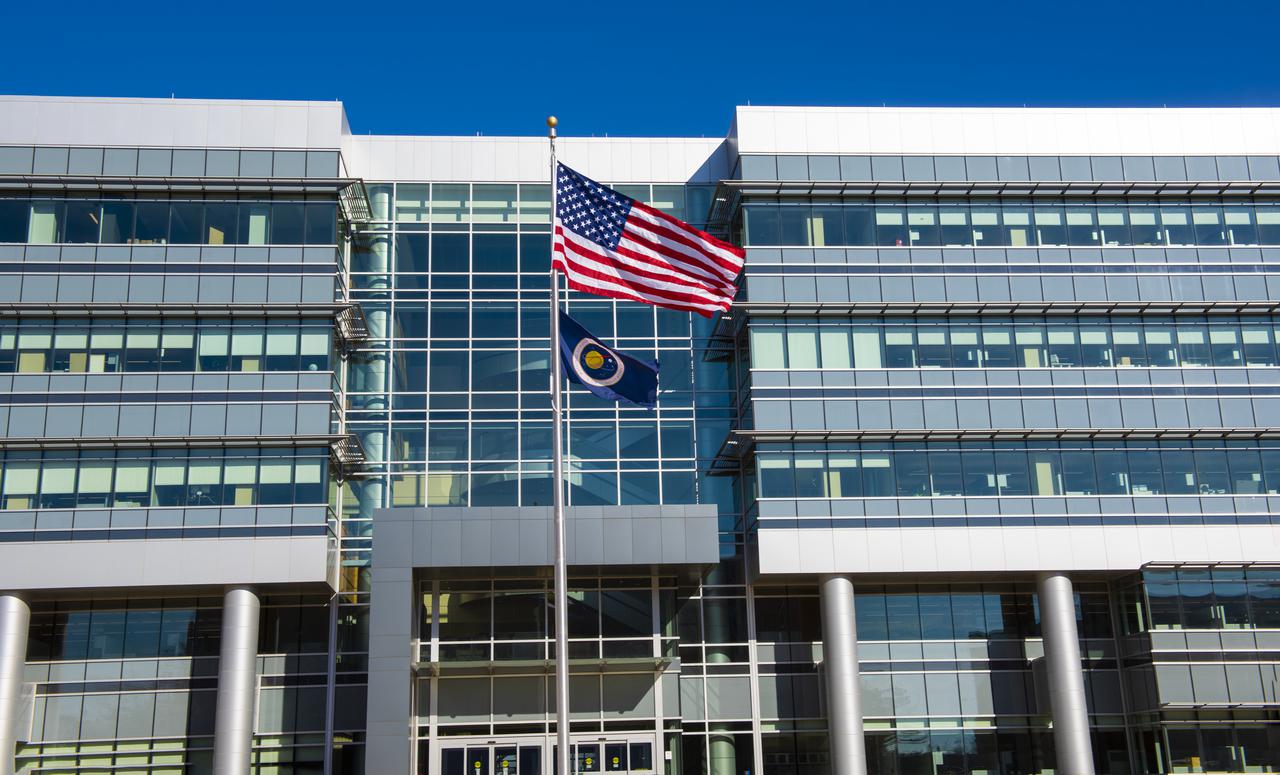
On Jan. 26, 2022, the U.S. and NASA flags were raised at Building 4221 to mark the transfer of headquarters to that building at Marshall Space Flight Center in Huntsville, Alabama. The doors to Building 4221, a new, environmentally friendly building, opened on Earth Day, April 22, 2019. Building 4200 served as Marshall’s original headquarters since 1963. Marshall center operations lowered flags at that building on Jan. 21, 2022.
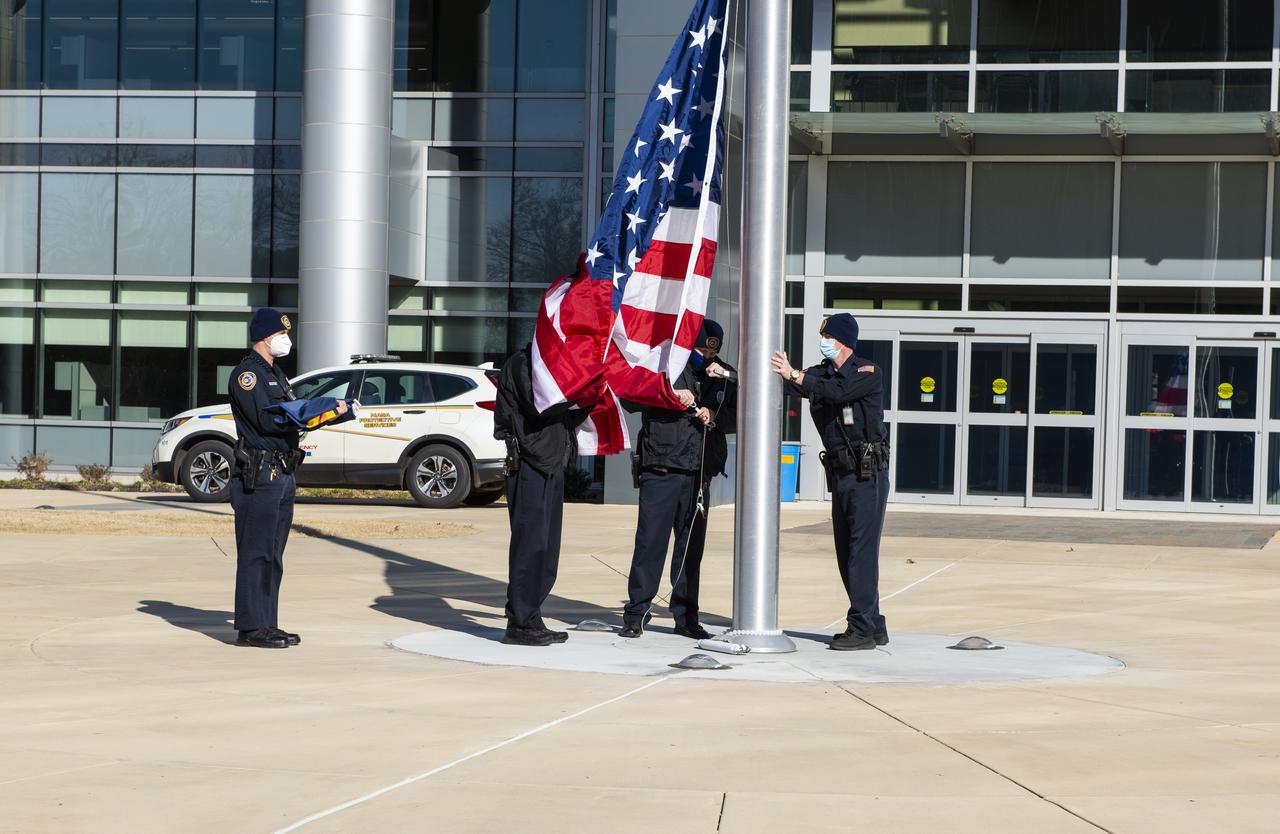
On Jan. 26, 2022, the U.S. and NASA flags were raised at Building 4221 to mark the transfer of headquarters to that building at Marshall Space Flight Center in Huntsville, Alabama. The doors to Building 4221, a new, environmentally friendly building, opened on Earth Day, April 22, 2019. Building 4200 served as Marshall’s original headquarters since 1963. Marshall center operations lowered flags at that building on Jan. 21, 2022.
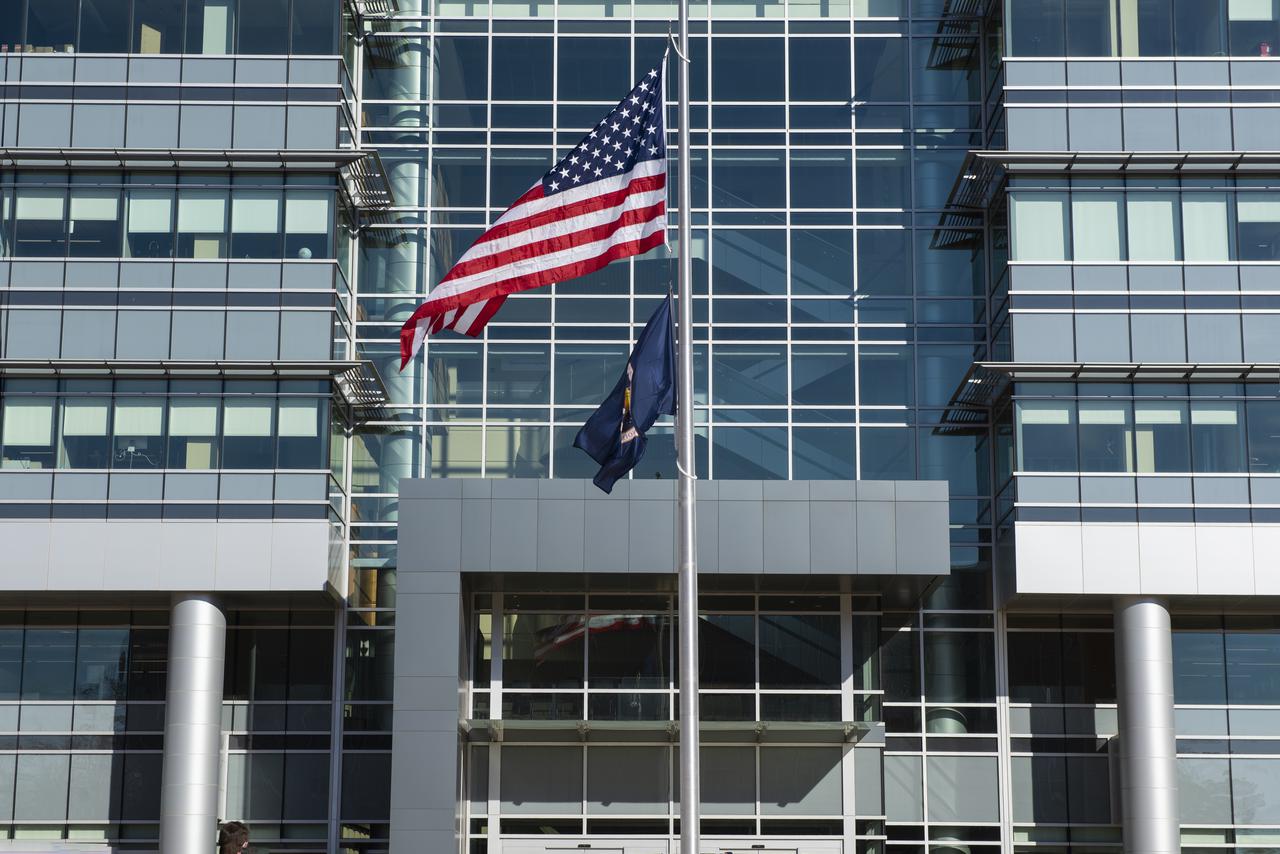
On Jan. 26, 2022, the U.S. and NASA flags were raised at Building 4221 to mark the transfer of headquarters to that building at Marshall Space Flight Center in Huntsville, Alabama. The doors to Building 4221, a new, environmentally friendly building, opened on Earth Day, April 22, 2019. Building 4200 served as Marshall’s original headquarters since 1963. Marshall center operations lowered flags at that building on Jan. 21, 2022.
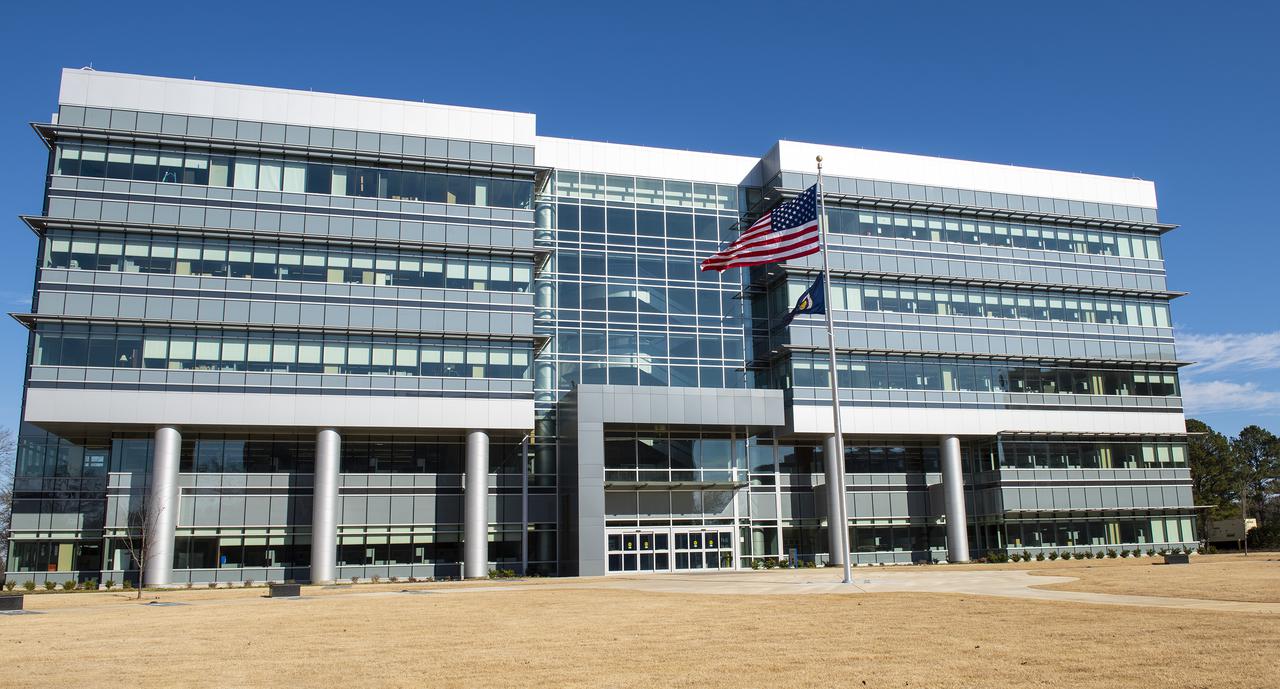
On Jan. 26, 2022, the U.S. and NASA flags were raised at Building 4221 to mark the transfer of headquarters to that building at Marshall Space Flight Center in Huntsville, Alabama. The doors to Building 4221, a new, environmentally friendly building, opened on Earth Day, April 22, 2019. Building 4200 served as Marshall’s original headquarters since 1963. Marshall center operations lowered flags at that building on Jan. 21, 2022.
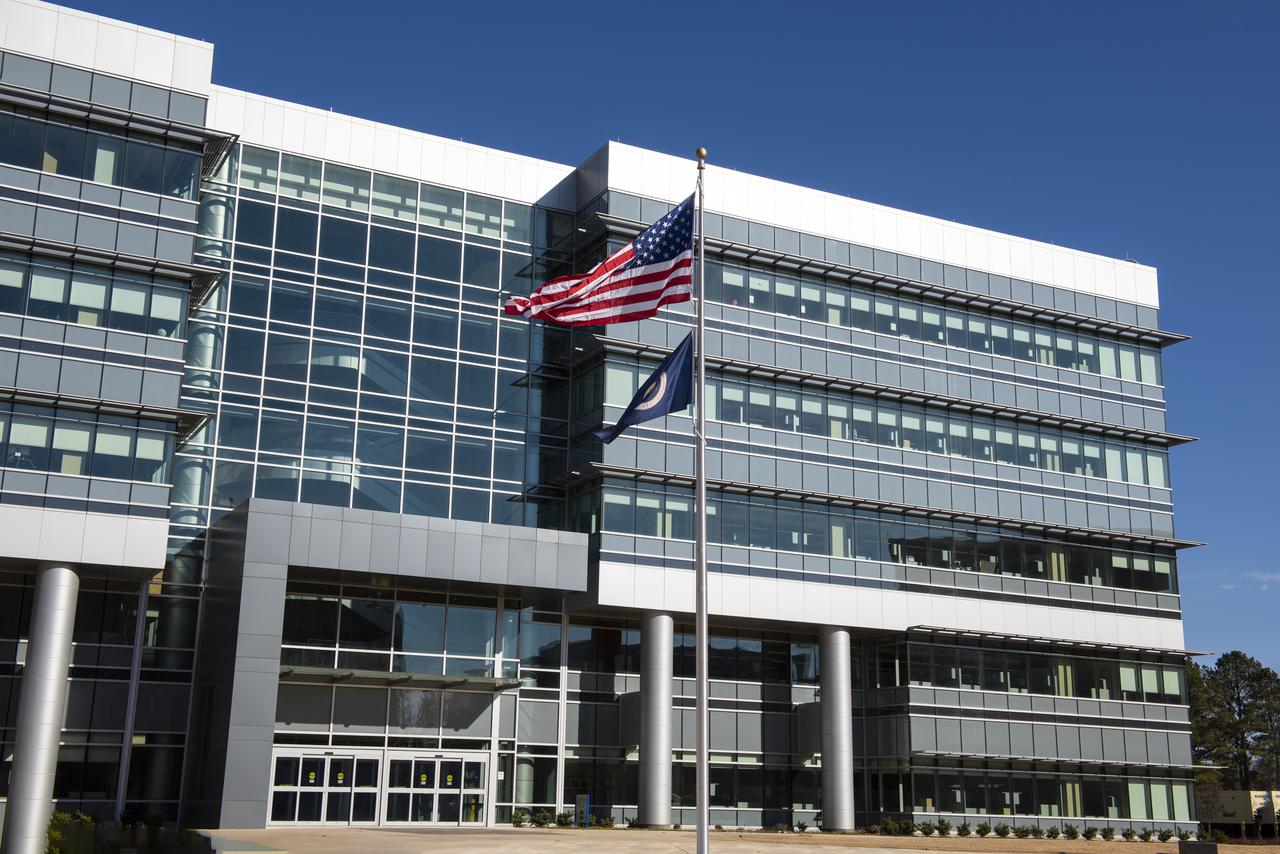
On Jan. 26, 2022, the U.S. and NASA flags were raised at Building 4221 to mark the transfer of headquarters to that building at Marshall Space Flight Center in Huntsville, Alabama. The doors to Building 4221, a new, environmentally friendly building, opened on Earth Day, April 22, 2019. Building 4200 served as Marshall’s original headquarters since 1963. Marshall center operations lowered flags at that building on Jan. 21, 2022.
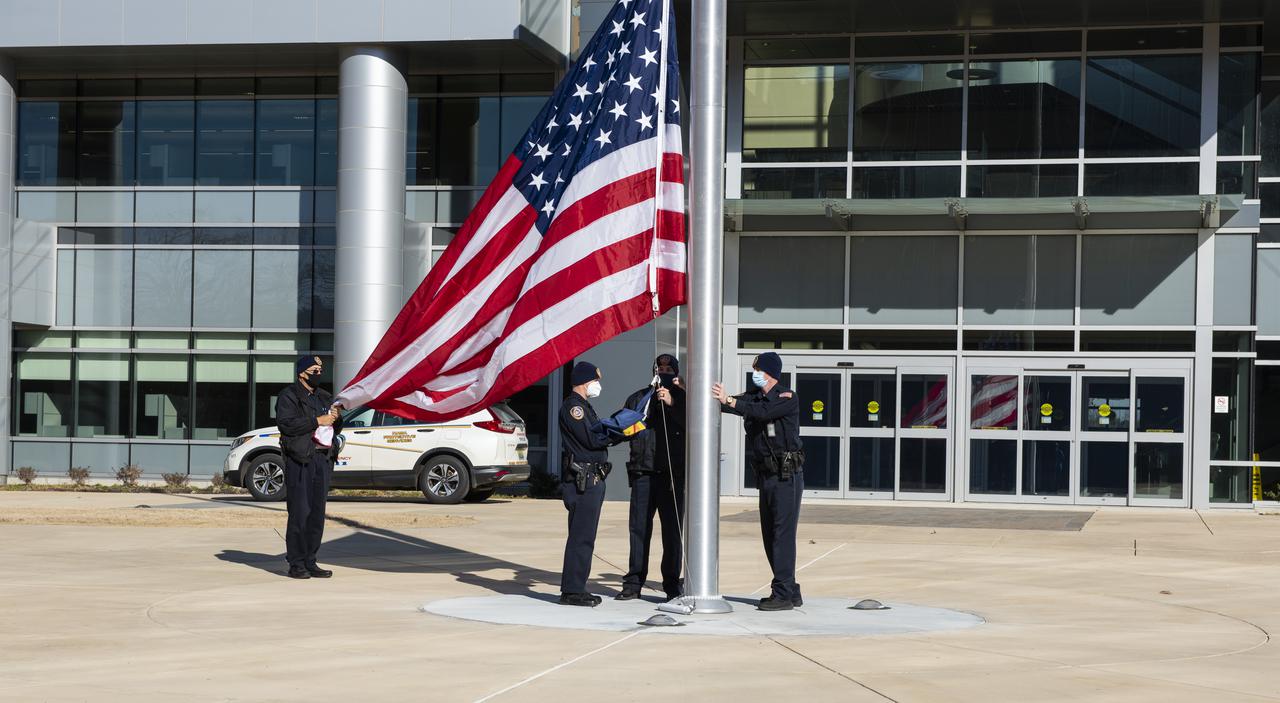
On Jan. 26, 2022, the U.S. and NASA flags were raised at Building 4221 to mark the transfer of headquarters to that building at Marshall Space Flight Center in Huntsville, Alabama. The doors to Building 4221, a new, environmentally friendly building, opened on Earth Day, April 22, 2019. Building 4200 served as Marshall’s original headquarters since 1963. Marshall center operations lowered flags at that building on Jan. 21, 2022.
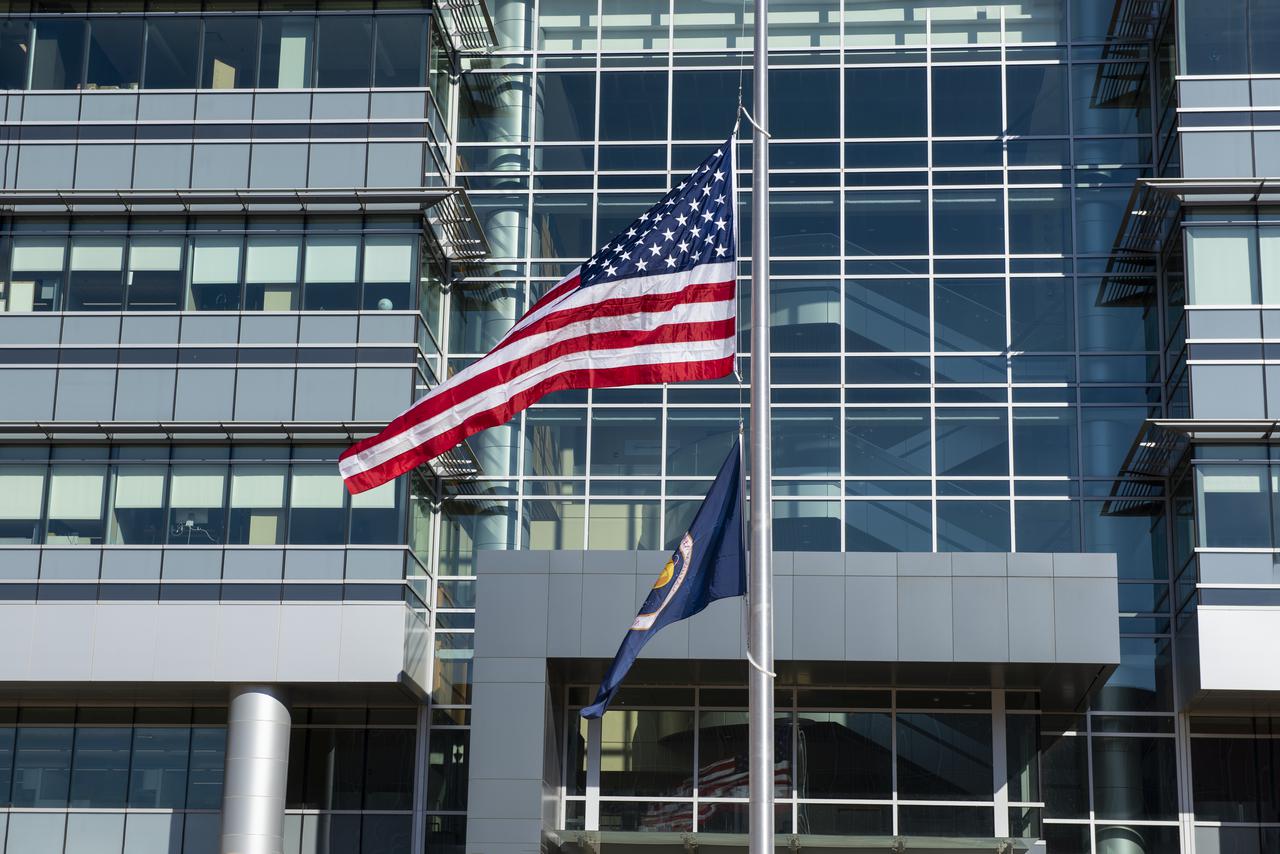
On Jan. 26, 2022, the U.S. and NASA flags were raised at Building 4221 to mark the transfer of headquarters to that building at Marshall Space Flight Center in Huntsville, Alabama. The doors to Building 4221, a new, environmentally friendly building, opened on Earth Day, April 22, 2019. Building 4200 served as Marshall’s original headquarters since 1963. Marshall center operations lowered flags at that building on Jan. 21, 2022.
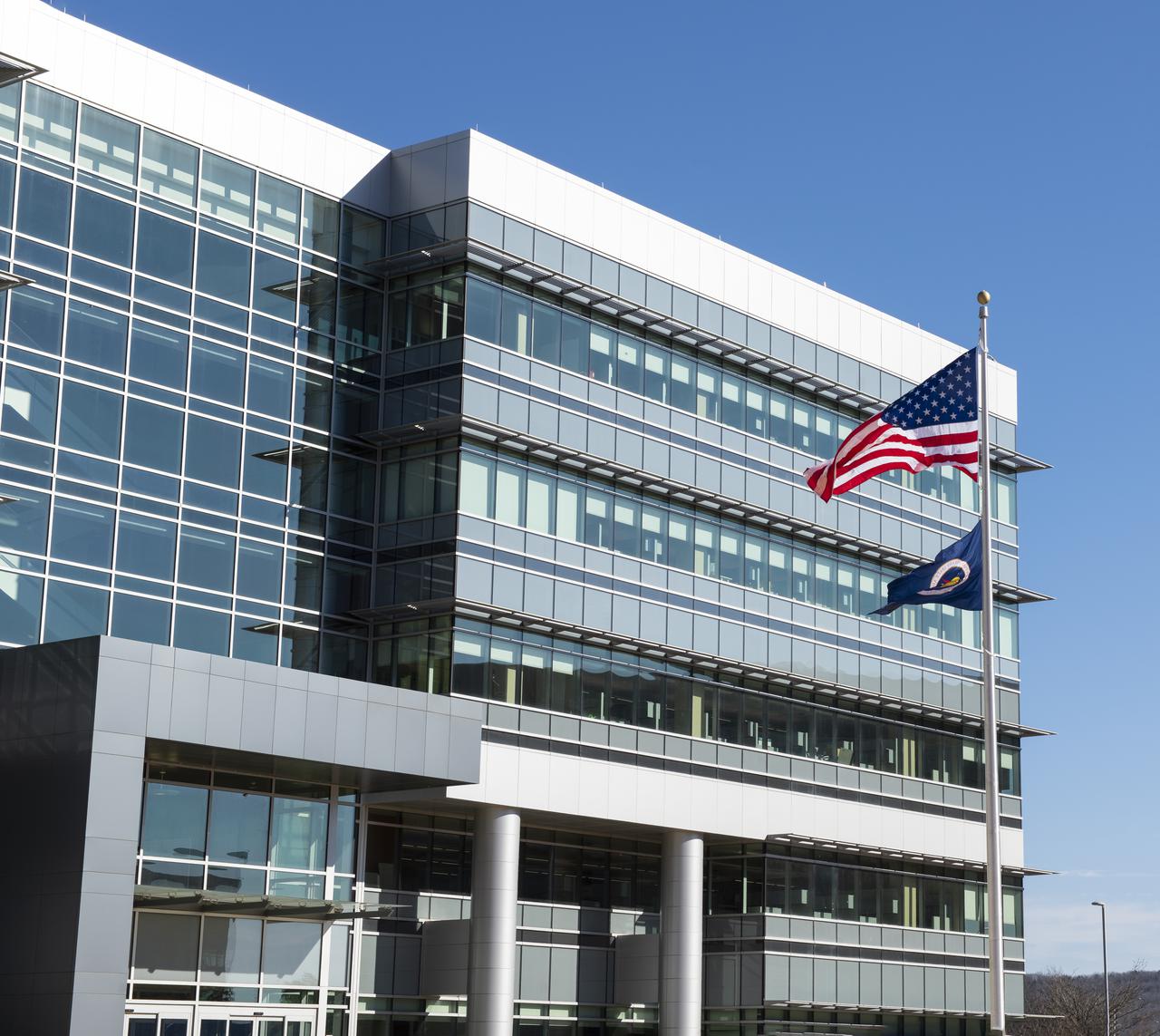
On Jan. 26, 2022, the U.S. and NASA flags were raised at Building 4221 to mark the transfer of headquarters to that building at Marshall Space Flight Center in Huntsville, Alabama. The doors to Building 4221, a new, environmentally friendly building, opened on Earth Day, April 22, 2019. Building 4200 served as Marshall’s original headquarters since 1963. Marshall center operations lowered flags at that building on Jan. 21, 2022.

On Jan. 26, 2022, the U.S. and NASA flags were raised at Building 4221 to mark the transfer of headquarters to that building at Marshall Space Flight Center in Huntsville, Alabama. The doors to Building 4221, a new, environmentally friendly building, opened on Earth Day, April 22, 2019. Building 4200 served as Marshall’s original headquarters since 1963. Marshall center operations lowered flags at that building on Jan. 21, 2022.
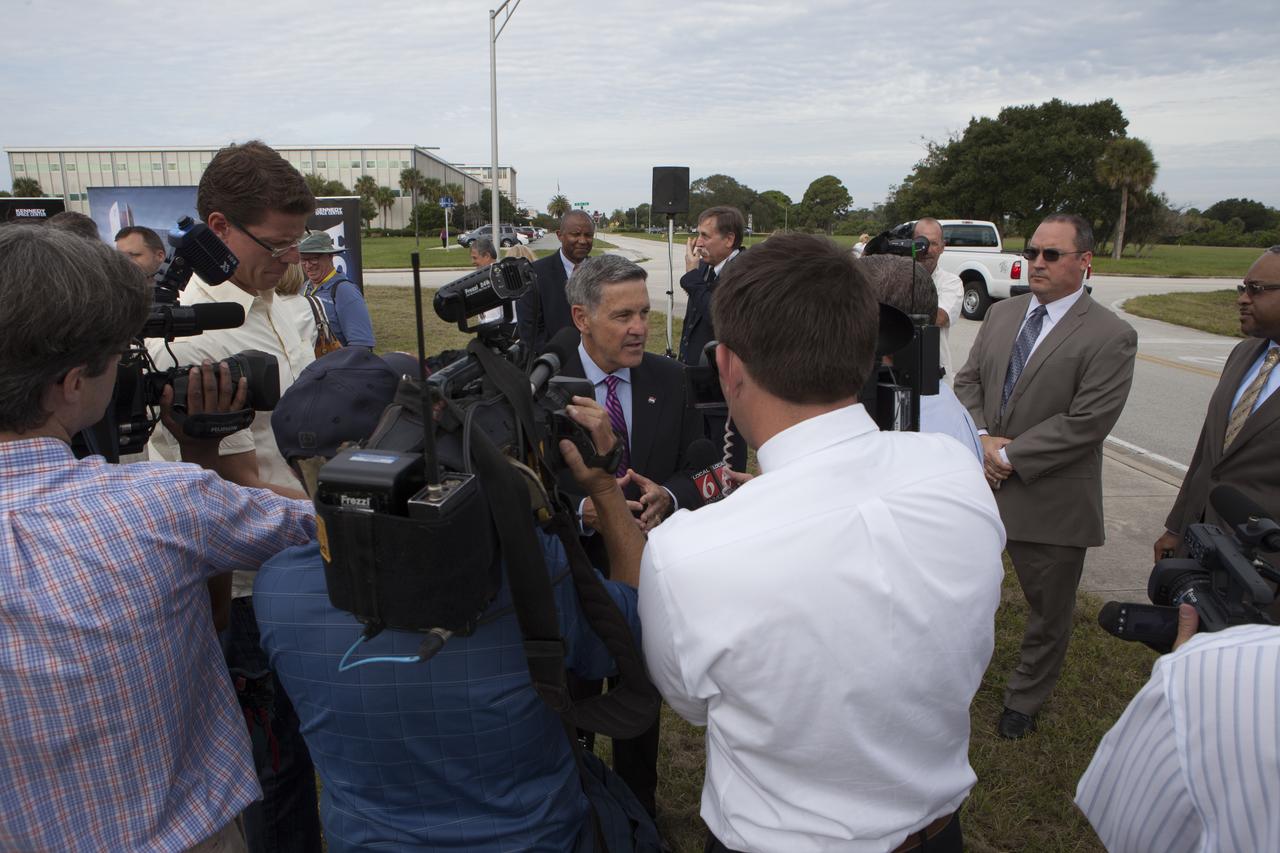
Groundbreaking for the new Central Campus took place in the Industrial Area at NASA's Kennedy Space Center in Florida. Kennedy's Center Director Bob Cabana speaks to members of the media after the groundbreaking ceremony. Kennedy is transforming into a multi-user, 21st century spaceport supporting both commercial and government users and operations. Central Campus Phase I includes construction of a new Headquarters Building as one of the major components of the strategy. The new Headquarters Building will be a seven-story, 200,000-square-foot facility that will house about 500 NASA civil service and contractor employees.
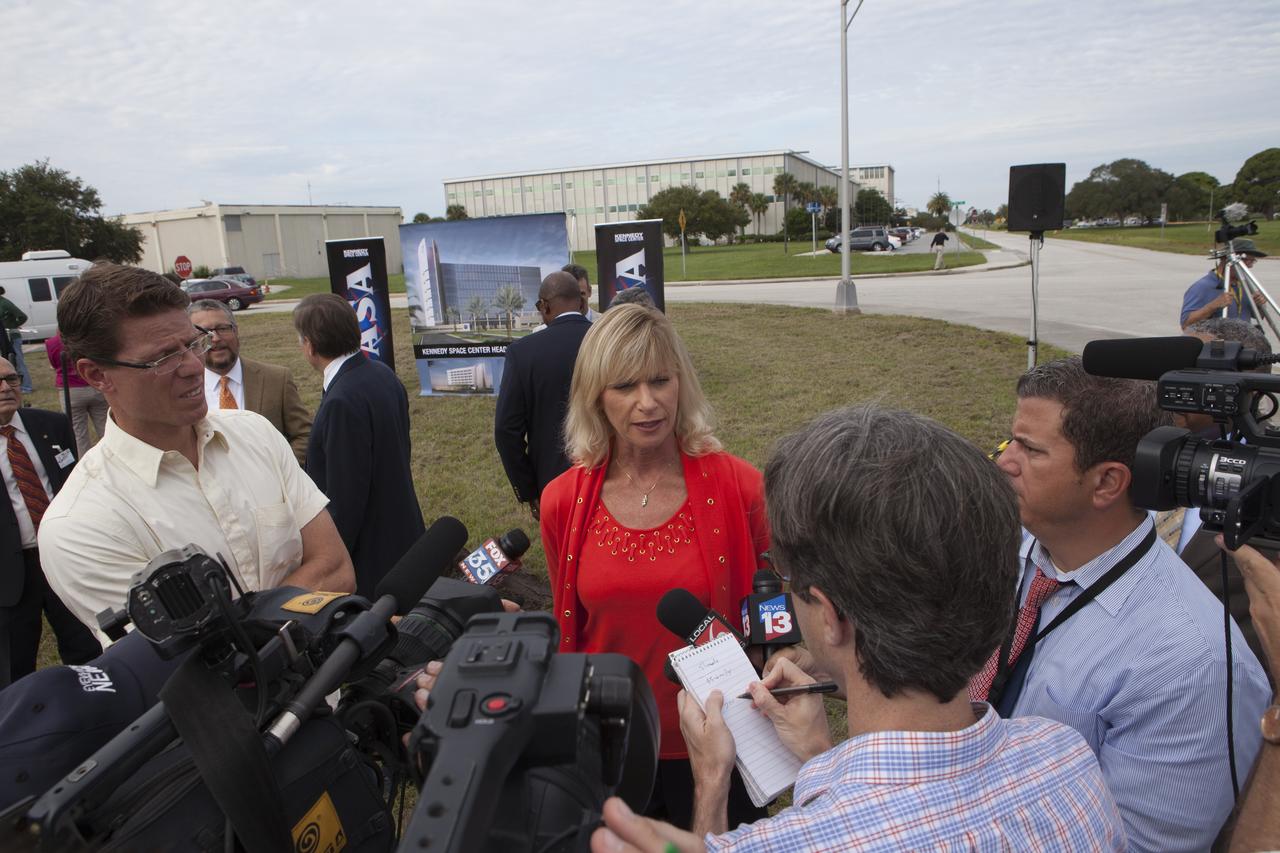
Groundbreaking for the new Central Campus will take place in the Industrial Area at NASA's Kennedy Space Center in Florida. Nancy Bray, director of Kennedy's Center Operations Directorate, is interviewed by members of the media during the groundbreaking ceremony. Kennedy is transforming into a multi-user, 21st century spaceport supporting both commercial and government users and operations. Central Campus Phase I includes construction of a new Headquarters Building as one of the major components of the strategy. The new Headquarters Building will be a seven-story, 200,000-square-foot facility that will house about 500 NASA civil service and contractor employees.
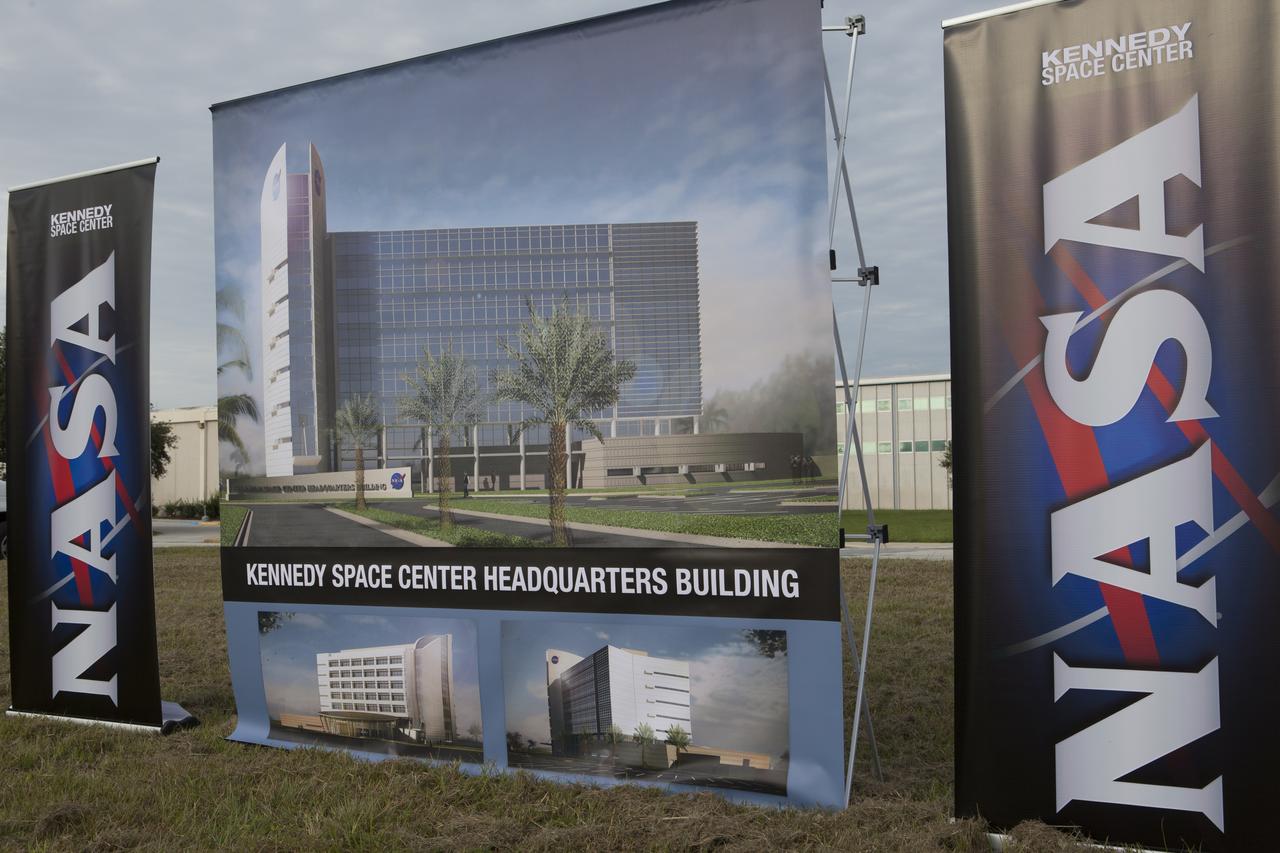
Groundbreaking for the new Central Campus will take place in the Industrial Area at NASA's Kennedy Space Center in Florida. NASA banners and an artist rendering of the new facility have been set up for the ceremony. Kennedy is transforming into a multi-user, 21st century spaceport supporting both commercial and government users and operations. Central Campus Phase I includes construction of a new Headquarters Building as one of the major components of the strategy. The new Headquarters Building will be a seven-story, 200,000-square-foot facility that will house about 500 NASA civil service and contractor employees.
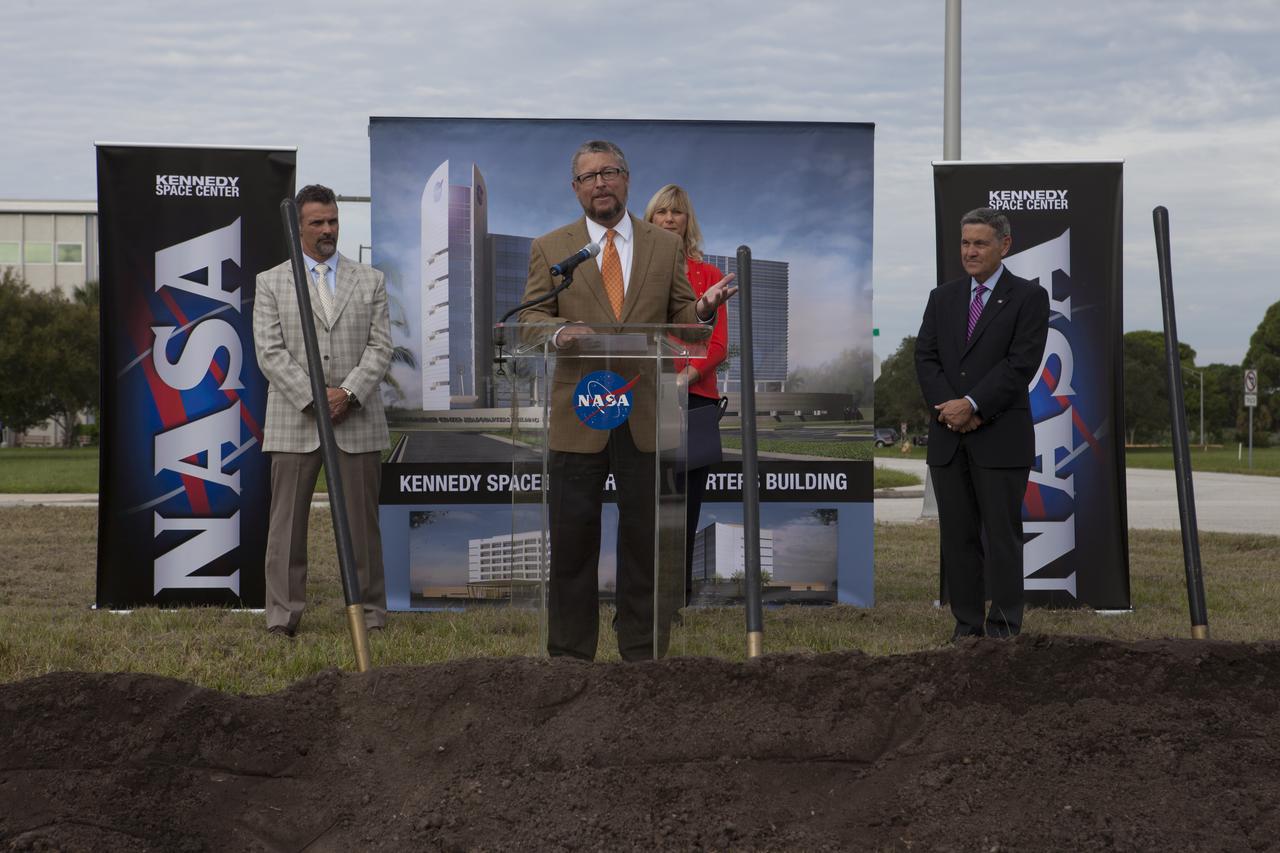
Groundbreaking for the new Central Campus took place in the Industrial Area at NASA's Kennedy Space Center in Florida. Steve Belflower, vice president of HuntonBrady Architects of Orlando, speaks to members of the media and guests during the groundbreaking ceremony. Behind him is Nancy Bray, director of Kennedy's Center Operations Directorate. To his right is Kennedy Center Director Bob Cabana. To his left is Kirk Hazen, southeast district manager and vice president of Hensel Phelps, the construction contractor. Kennedy is transforming into a multi-user, 21st century spaceport supporting both commercial and government users and operations. Central Campus Phase I includes construction of a new Headquarters Building as one of the major components of the strategy. The new Headquarters Building will be a seven-story, 200,000-square-foot facility that will house about 500 NASA civil service and contractor employees.
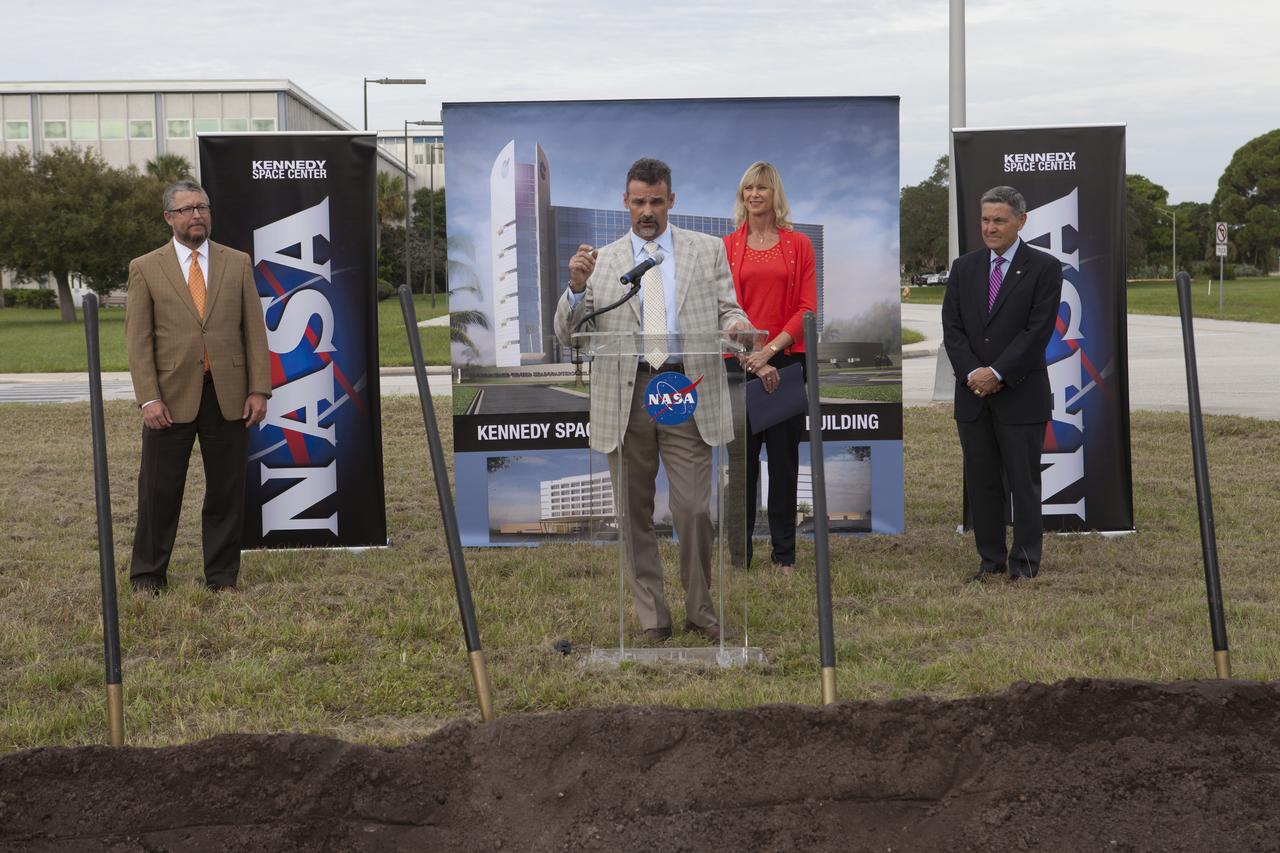
Groundbreaking for the new Central Campus took place in the Industrial Area at NASA's Kennedy Space Center in Florida. Kirk Hazen, southeast district manager and vice president of Hensel Phelps, the construction contractor, speaks to members of the media and guests during the groundbreaking ceremony. Behind him is Nancy Bray, director of Kennedy's Center Operations Directorate. To his right is Kennedy Center Director Bob Cabana. To his left is Steve Belflower, vice president of HuntonBrady Architects of Orlando. Kennedy is transforming into a multi-user, 21st century spaceport supporting both commercial and government users and operations. Central Campus Phase I includes construction of a new Headquarters Building as one of the major components of the strategy. The new Headquarters Building will be a seven-story, 200,000-square-foot facility that will house about 500 NASA civil service and contractor employees.
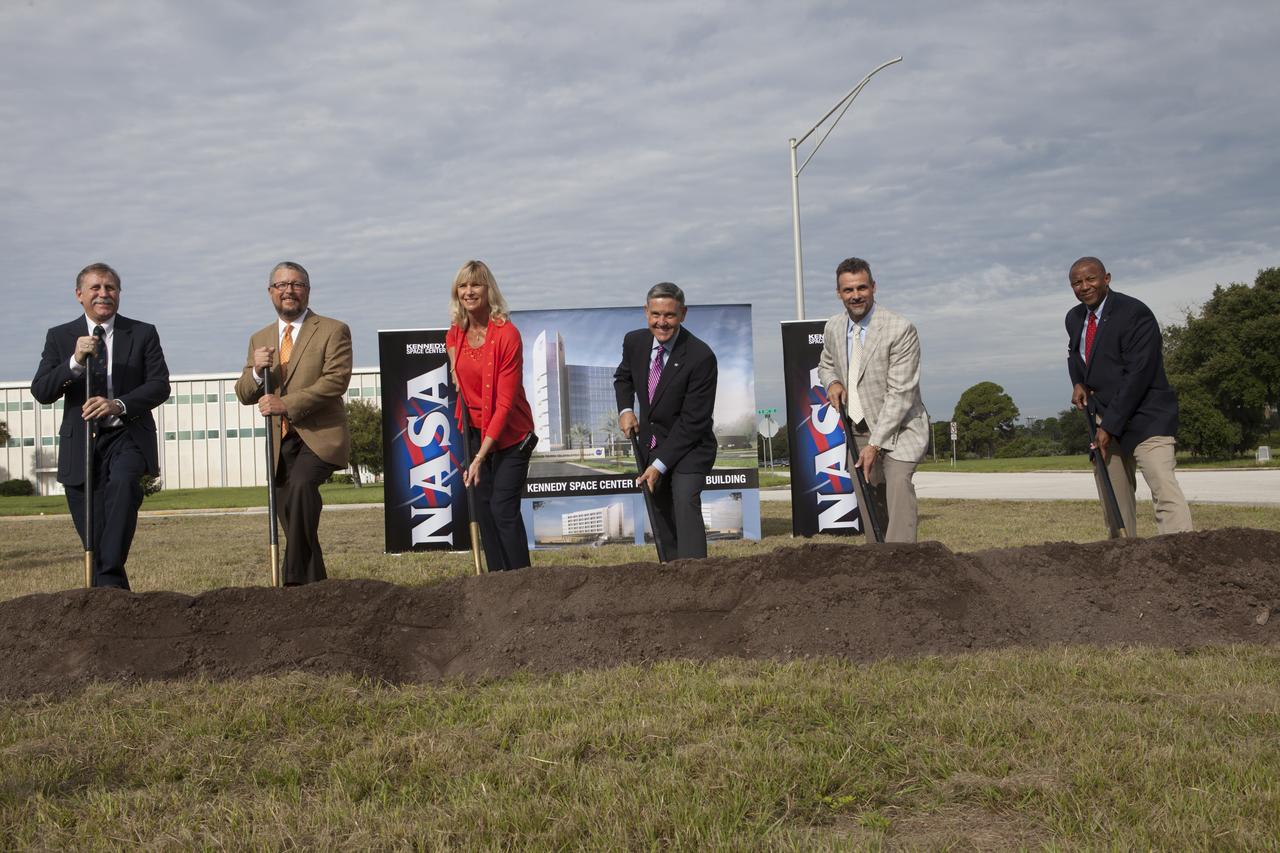
Groundbreaking for the new Central Campus took place in the Industrial Area at NASA's Kennedy Space Center in Florida. Digging in with shovels during the groundbreaking ceremony, are Dan Tweed, associate director for Facilities at Kennedy Steve Belflower, vice president of HuntonBrady Architects of Orlando Nancy Bray, director of Kennedy's Center Operations Directorate Kennedy Center Director Bob Cabana Kirk Hazen, southeast district manager and vice president of Hensel Phelps, the construction contractor and Kelvin Manning, Kennedy's associate director. Kennedy is transforming into a multi-user, 21st century spaceport supporting both commercial and government users and operations. Central Campus Phase I includes construction of a new Headquarters Building as one of the major components of the strategy. The new Headquarters Building will be a seven-story, 200,000-square-foot facility that will house about 500 NASA civil service and contractor employees.
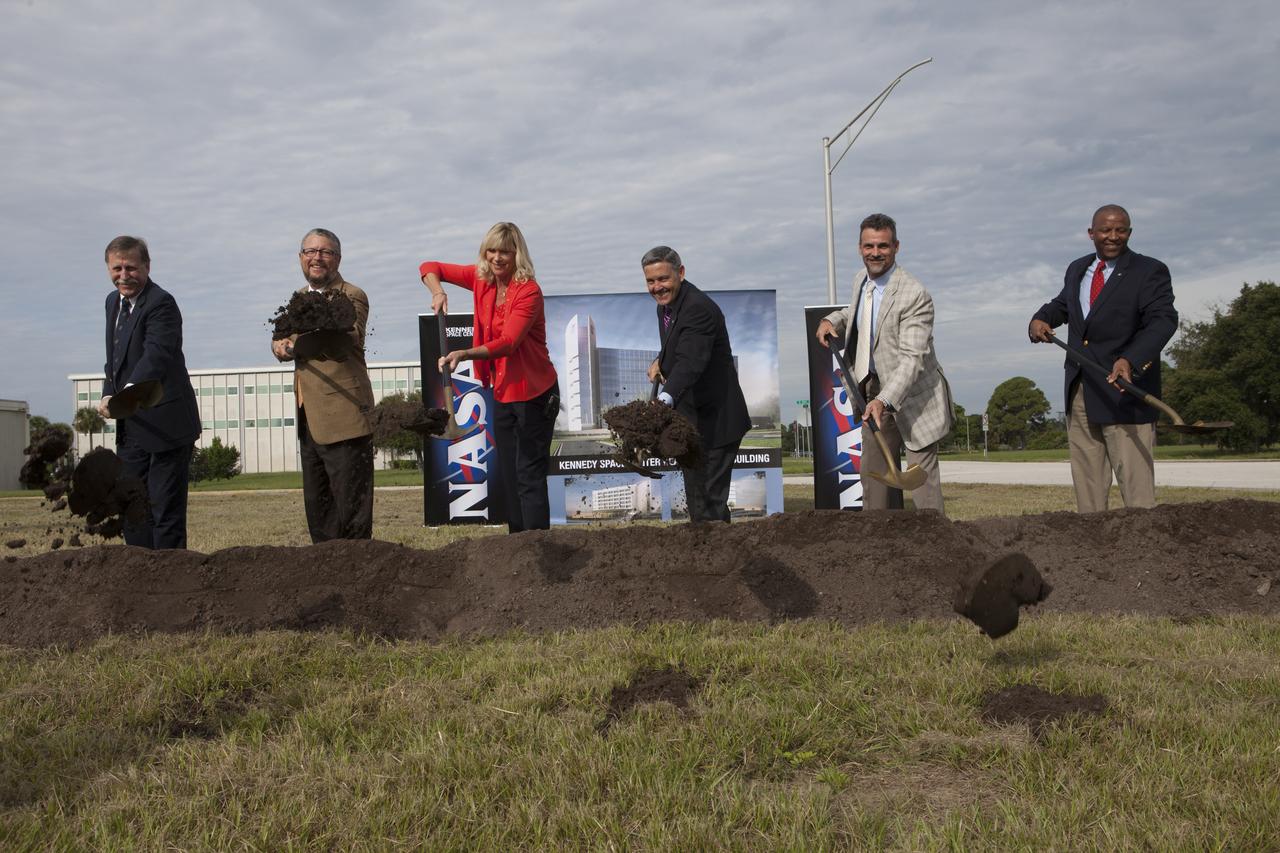
Groundbreaking for the new Central Campus took place in the Industrial Area at NASA's Kennedy Space Center in Florida. Digging in with shovels during the groundbreaking ceremony, are Dan Tweed, associate director for Facilities at Kennedy Steve Belflower, vice president of HuntonBrady Architects of Orlando Nancy Bray, director of Kennedy's Center Operations Directorate Kennedy Center Director Bob Cabana Kirk Hazen, southeast district manager and vice president of Hensel Phelps, the construction contractor and Kelvin Manning, Kennedy's associate director. Kennedy is transforming into a multi-user, 21st century spaceport supporting both commercial and government users and operations. Central Campus Phase I includes construction of a new Headquarters Building as one of the major components of the strategy. The new Headquarters Building will be a seven-story, 200,000-square-foot facility that will house about 500 NASA civil service and contractor employees.
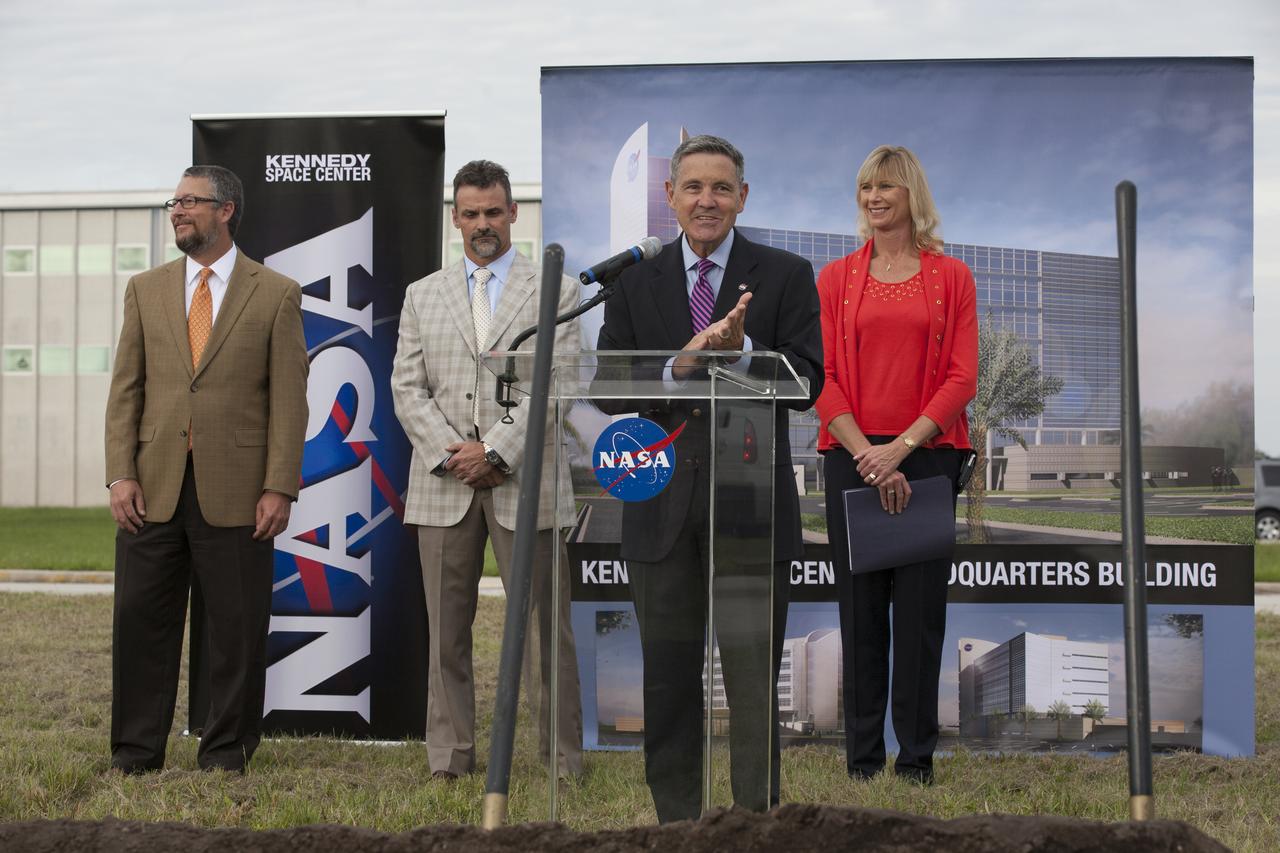
Groundbreaking for the new Central Campus took place in the Industrial Area at NASA's Kennedy Space Center in Florida. Kennedy Center Director Bob Cabana speaks to members of the media and guests during the groundbreaking ceremony. To his right is Nancy Bray, director of Kennedy's Center Operations Directorate. From far left, are Steve Belflower, vice president of HuntonBrady Architects of Orlando, and Kirk Hazen, southeast district manager and vice president of Hensel Phelps, the construction contractor. Kennedy is transforming into a multi-user, 21st century spaceport supporting both commercial and government users and operations. Central Campus Phase I includes construction of a new Headquarters Building as one of the major components of the strategy. The new Headquarters Building will be a seven-story, 200,000-square-foot facility that will house about 500 NASA civil service and contractor employees.
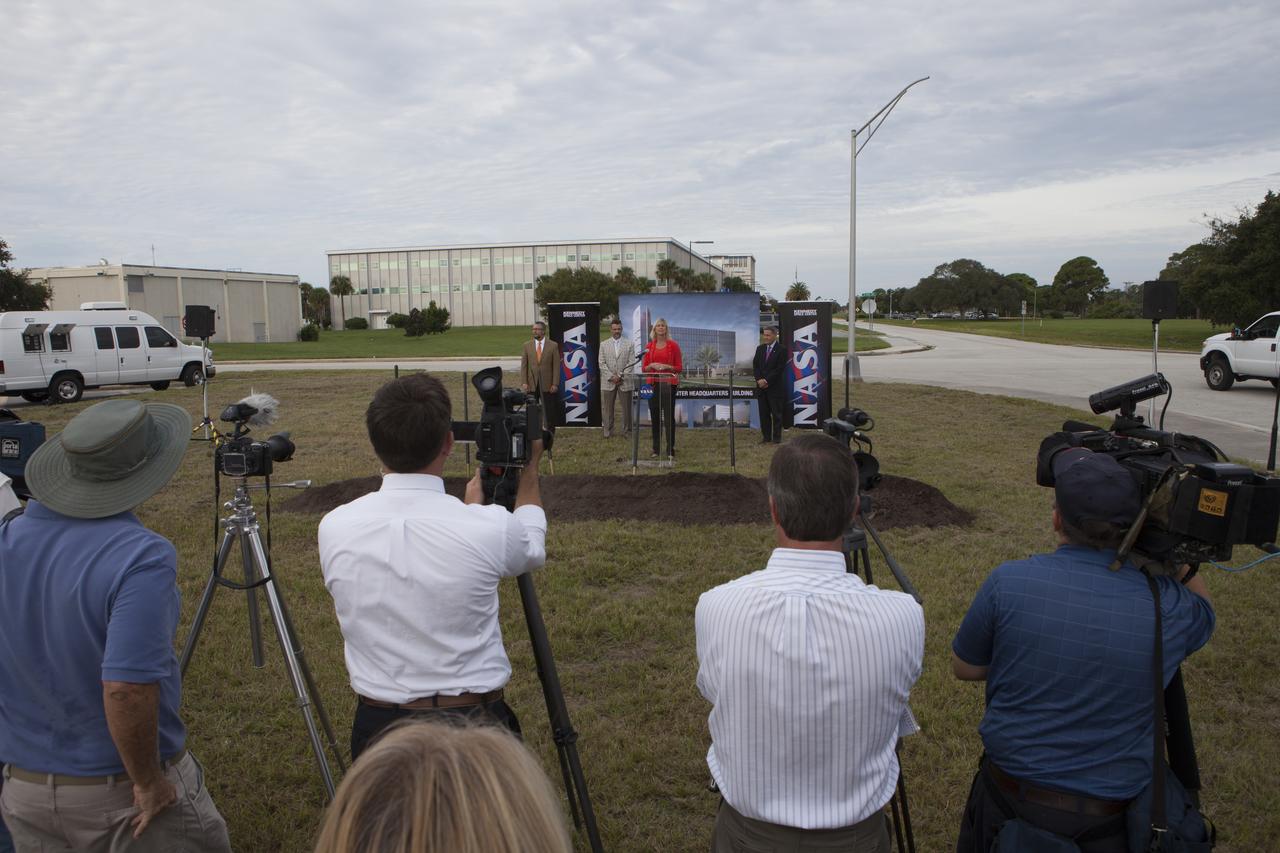
Groundbreaking for the new Central Campus took place in the Industrial Area at NASA's Kennedy Space Center in Florida. Nancy Bray, director of Kennedy's Center Operations Directorate, speaks to members of the media and guests during the ceremony. To her right is Kennedy Center Director Bob Cabana. From far left, are Steve Belflower, vice president of HuntonBrady Architects of Orlando, and Kirk Hazen, southeast district manager and vice president of Hensel Phelps, the construction contractor. Kennedy is transforming into a multi-user, 21st century spaceport supporting both commercial and government users and operations. Central Campus Phase I includes construction of a new Headquarters Building as one of the major components of the strategy. The new Headquarters Building will be a seven-story, 200,000-square-foot facility that will house about 500 NASA civil service and contractor employees.
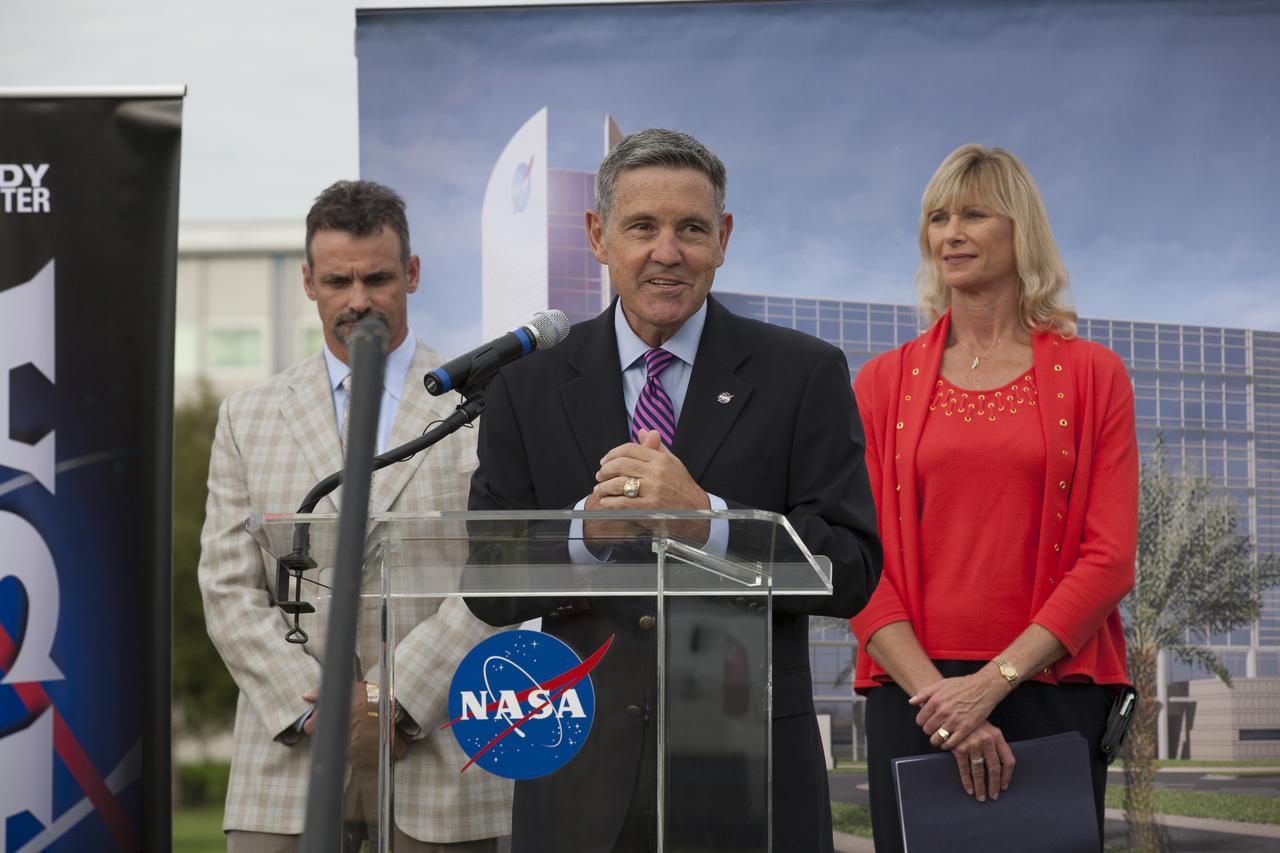
Groundbreaking for the new Central Campus will take place in the Industrial Area at NASA's Kennedy Space Center in Florida. Kennedy Center Director Bob Cabana welcomes members of the media and guests to the ceremony. To his right is Nancy Bray, director of Kennedy's Center Operations Directorate. To his left is Kirk Hazen, southeast district manager and vice president of Hensel Phelps, the construction contractor. Kennedy is transforming into a multi-user, 21st century spaceport supporting both commercial and government users and operations. Central Campus Phase I includes construction of a new Headquarters Building as one of the major components of the strategy. The new Headquarters Building will be a seven-story, 200,000-square-foot facility that will house about 500 NASA civil service and contractor employees.
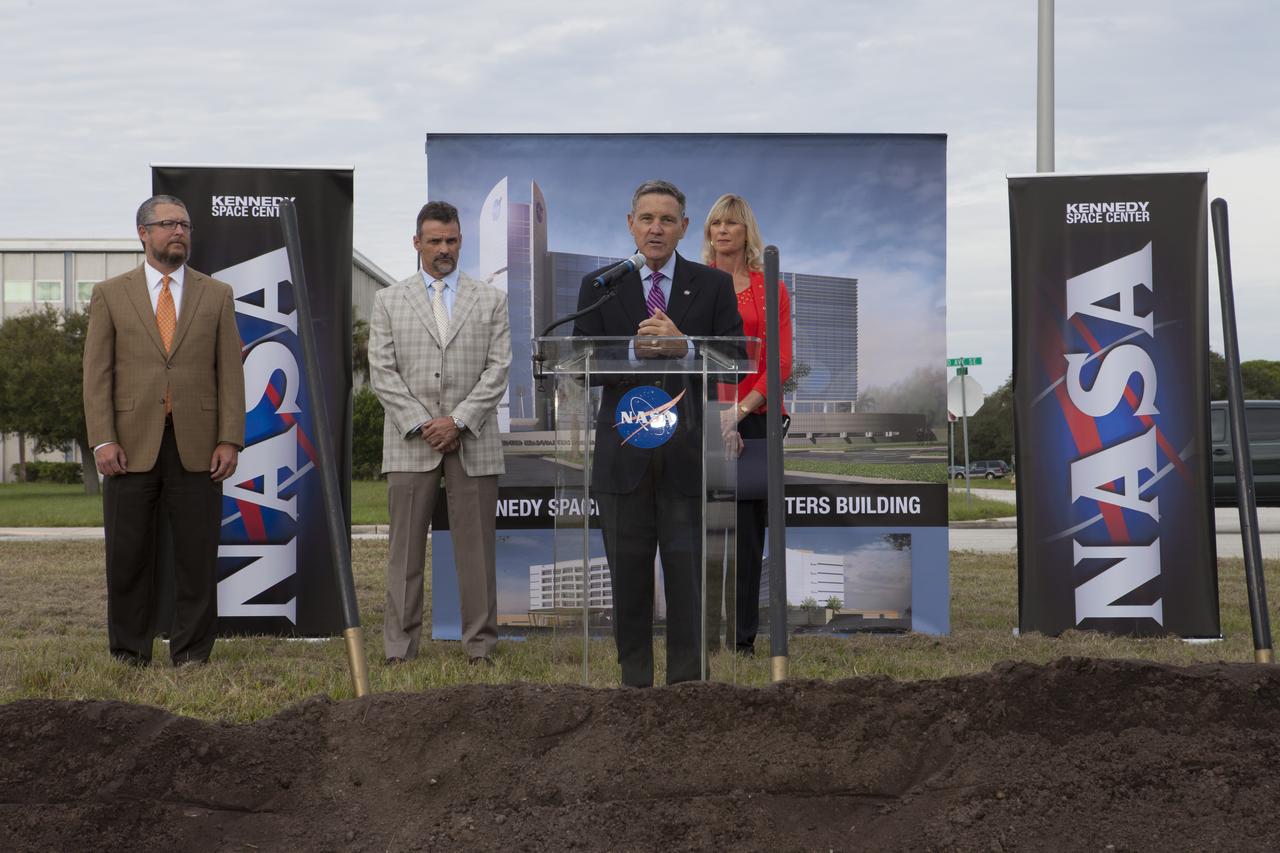
Groundbreaking for the new Central Campus took place in the Industrial Area at NASA's Kennedy Space Center in Florida. Kennedy Center Director Bob Cabana speaks to members of the media and guests during the ceremony. Behind Cabana is Nancy Bray, director of Kennedy's Center Operations Directorate. From far left, are Steve Belflower, vice president of HuntonBrady Architects of Orlando, and Kirk Hazen, southeast district manager and vice president of Hensel Phelps, the construction contractor. Kennedy is transforming into a multi-user, 21st century spaceport supporting both commercial and government users and operations. Central Campus Phase I includes construction of a new Headquarters Building as one of the major components of the strategy. The new Headquarters Building will be a seven-story, 200,000-square-foot facility that will house about 500 NASA civil service and contractor employees.
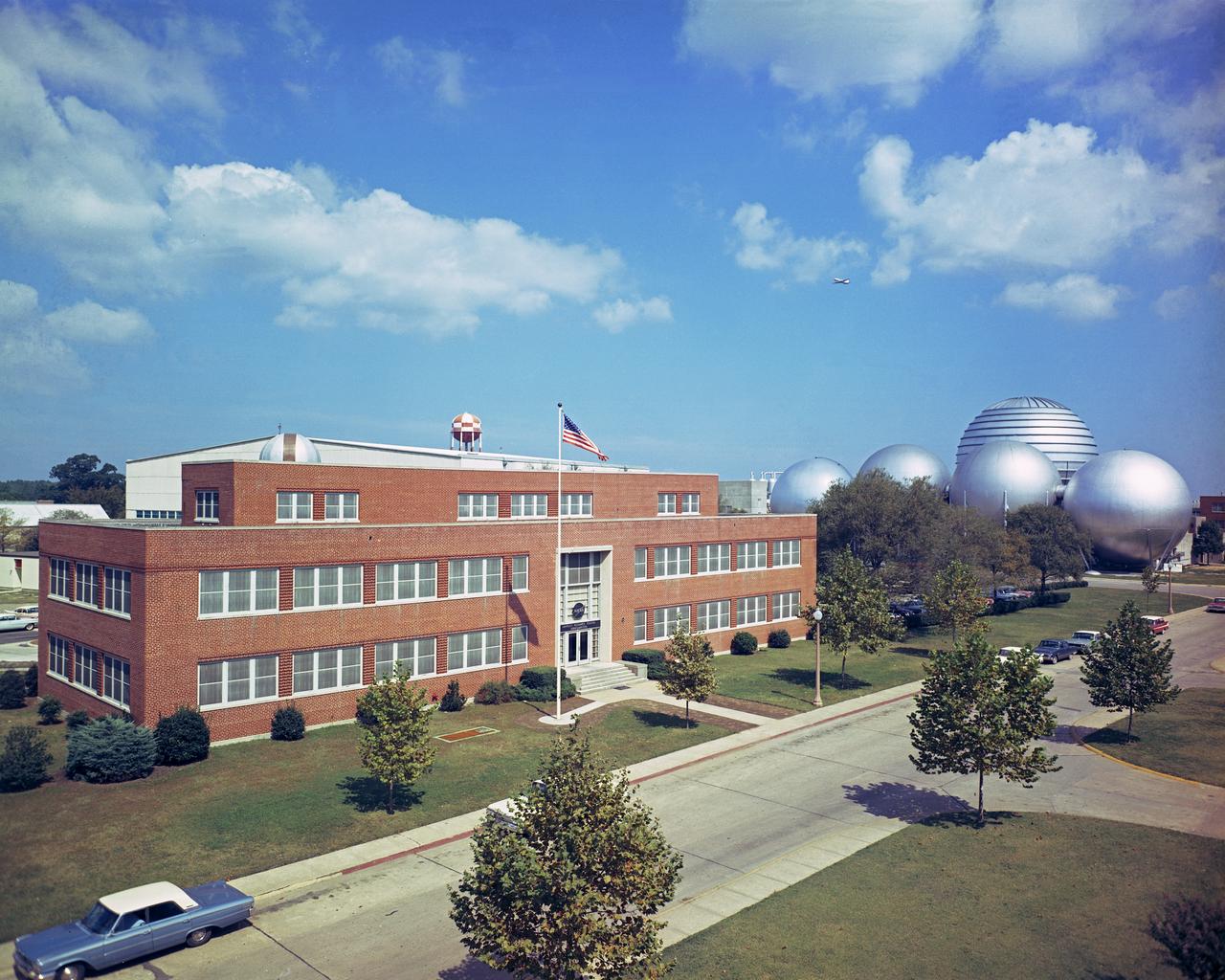
Headquarters building and spheres at Gas Dynamics. DAO Section. Scanned on 4/23/2018.
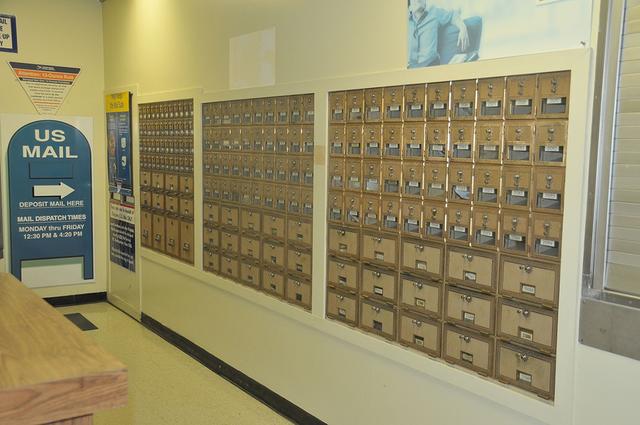
Interior view of KSC Headquarters Building
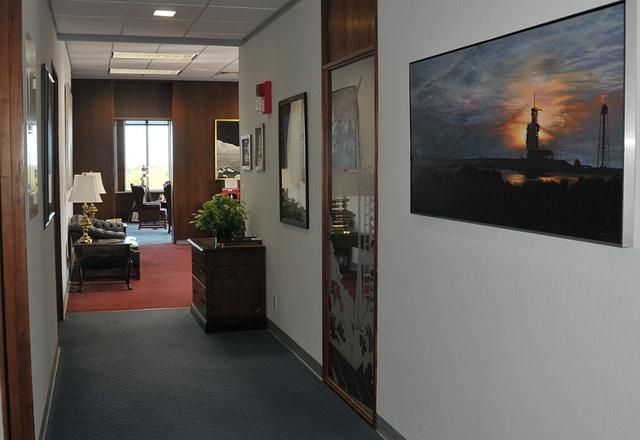
Interior view of KSC Headquarters Building
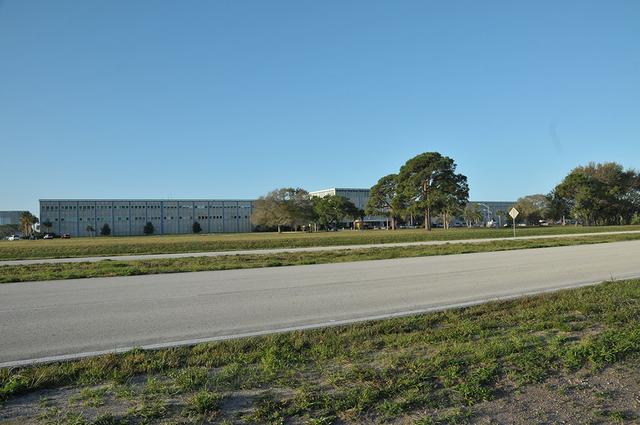
Exterior view of KSC Headquarters Building
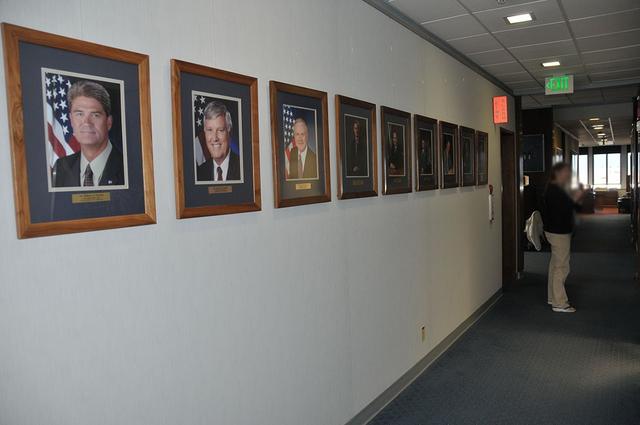
Interior view of KSC Headquarters Building
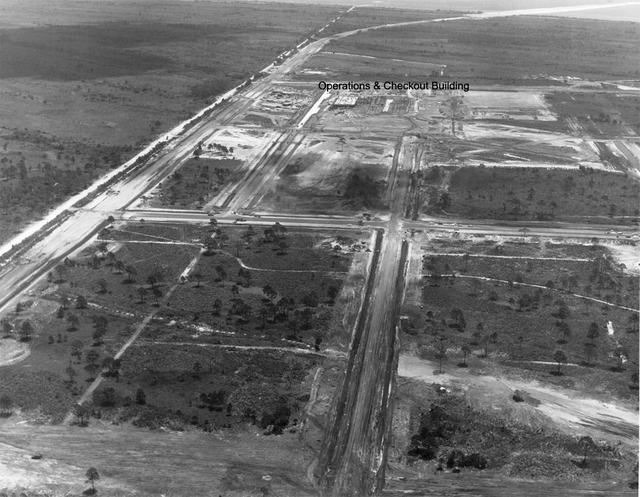
Aerial view of KSC Headquarters Building
Interior view of KSC Headquarters Building
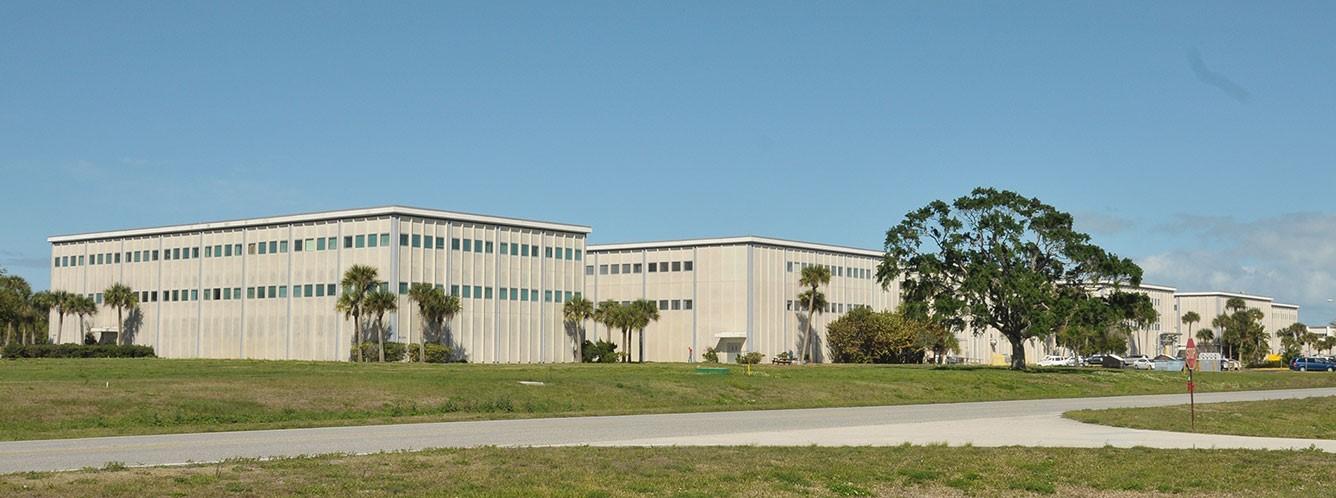
Exterior view of KSC Headquarters Building
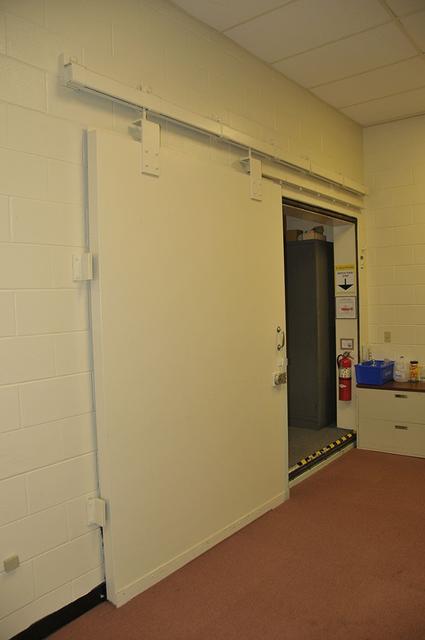
Interior view of KSC Headquarters Building
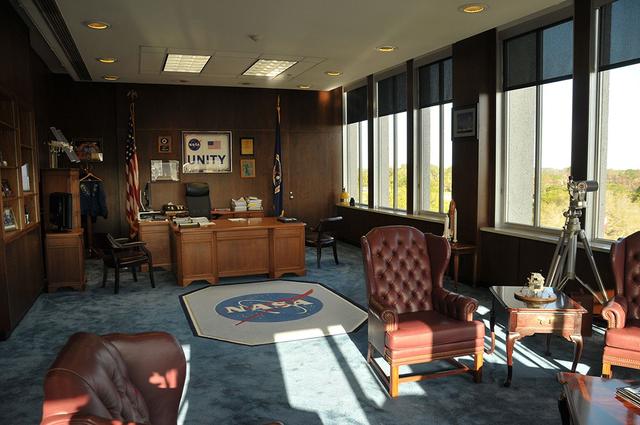
Interior view of KSC Headquarters Building
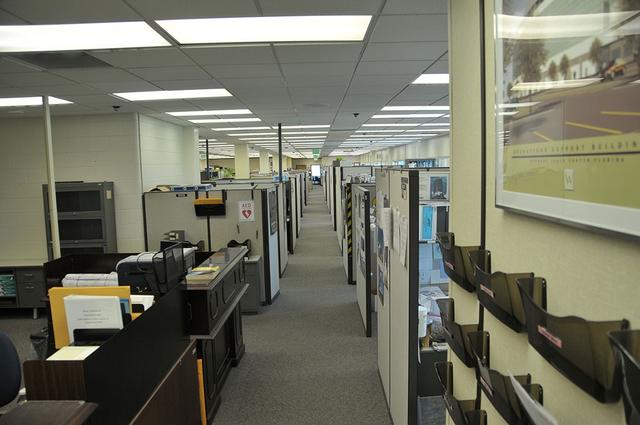
Interior view of KSC Headquarters Building
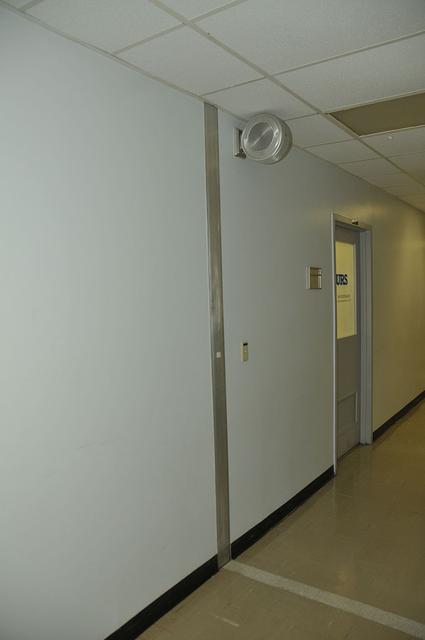
Interior view of KSC Headquarters Building
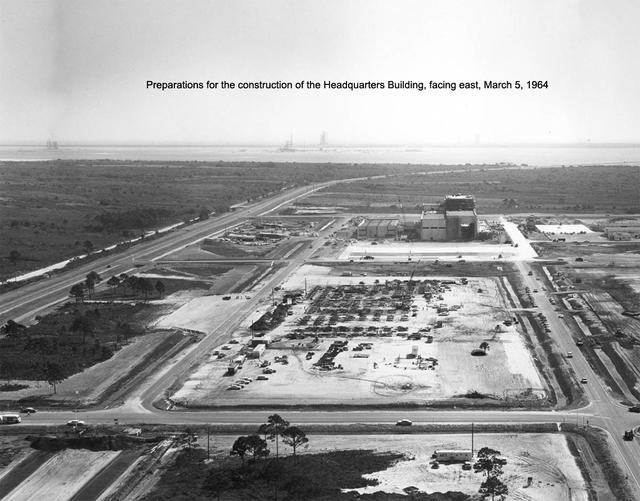
Aerial view of KSC Headquarters Building
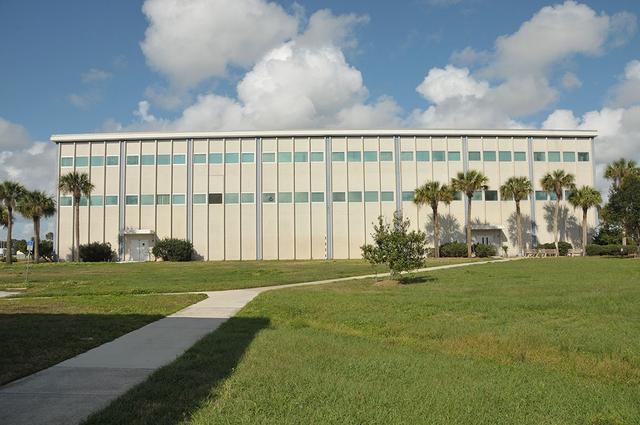
Exterior view of KSC Headquarters Building

Interior view of KSC Headquarters Building
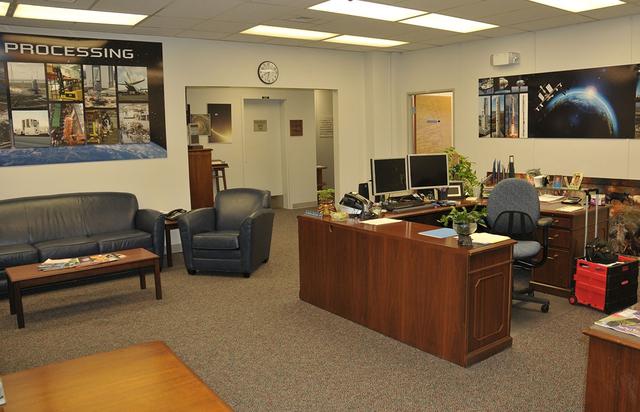
Interior view of KSC Headquarters Building
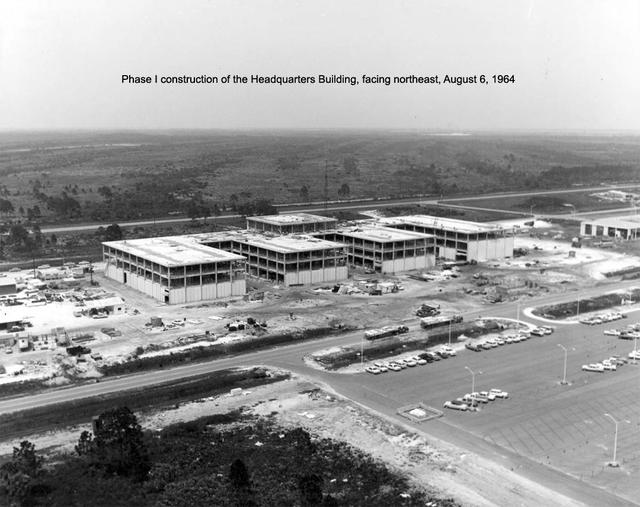
Aerial view of KSC Headquarters Building
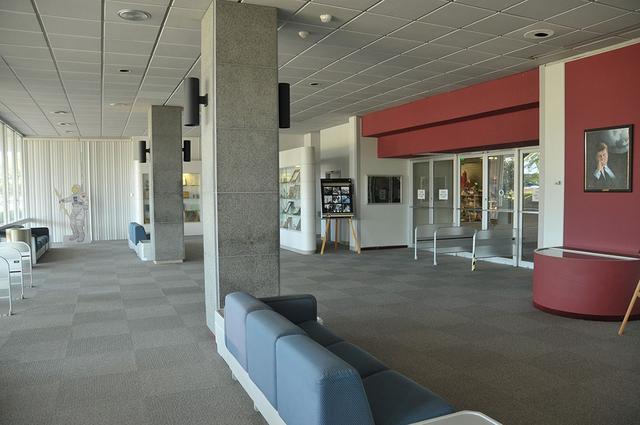
Interior view of KSC Headquarters Building
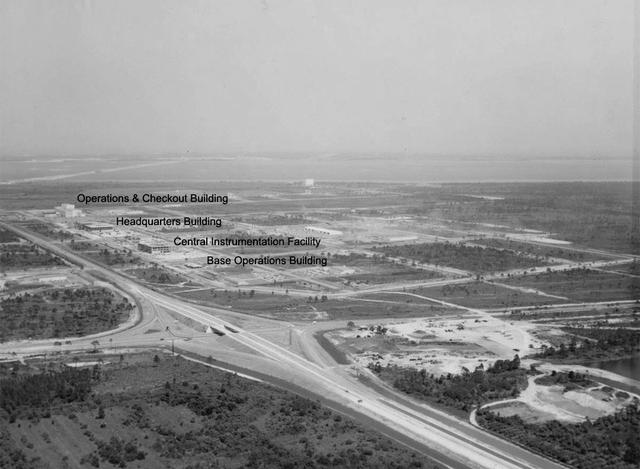
Aerial view of KSC Headquarters Building
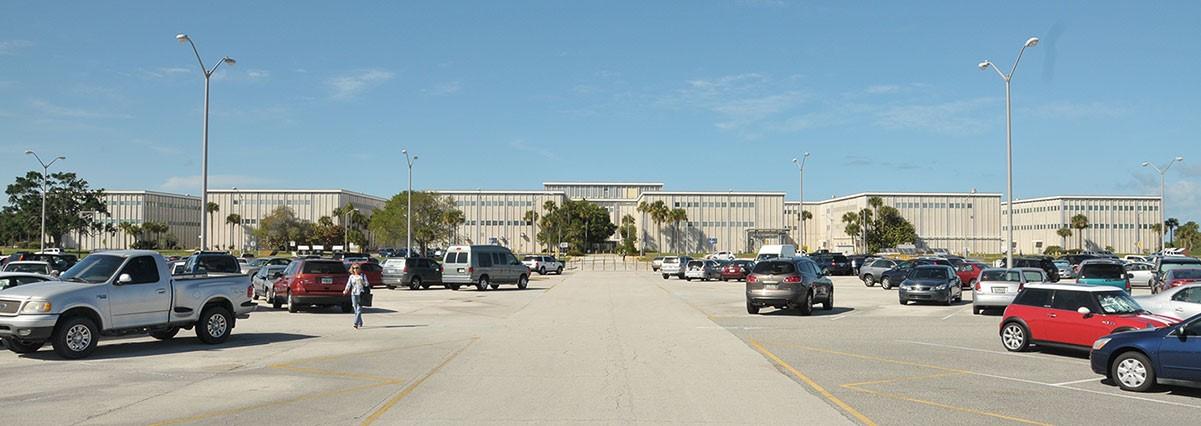
Exterior view of KSC Headquarters Building
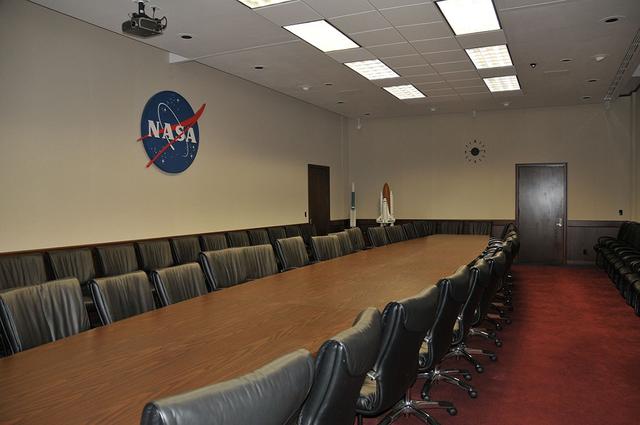
Interior view of KSC Headquarters Building
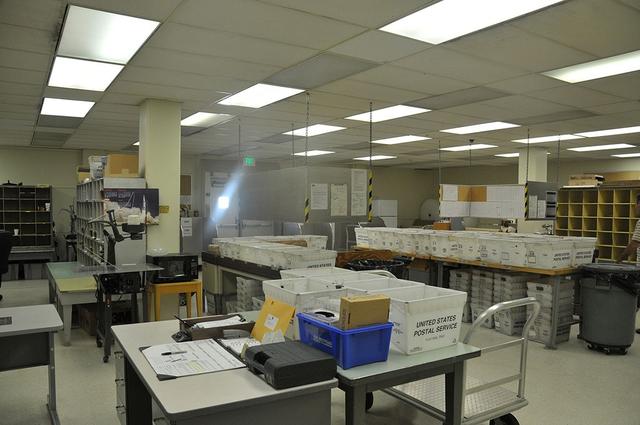
Interior view of KSC Headquarters Building
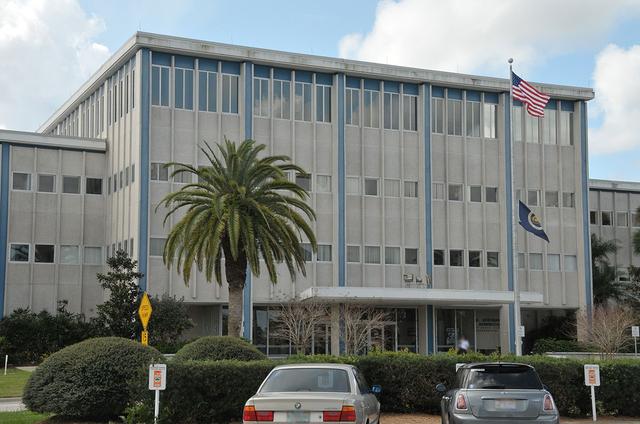
Exterior view of KSC Headquarters Building
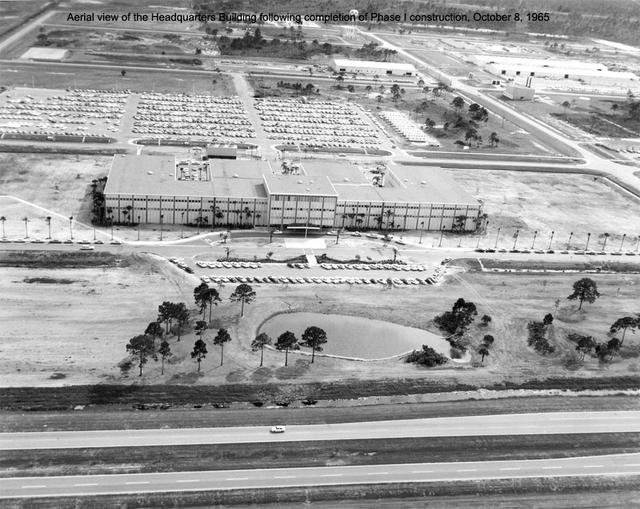
Aerial view of KSC Headquarters Building
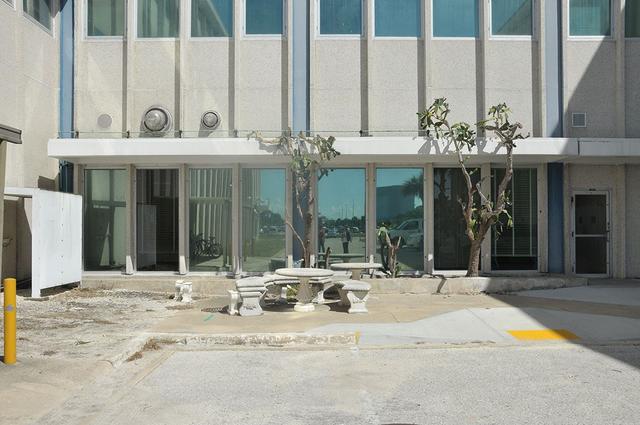
Exterior view of KSC Headquarters Building
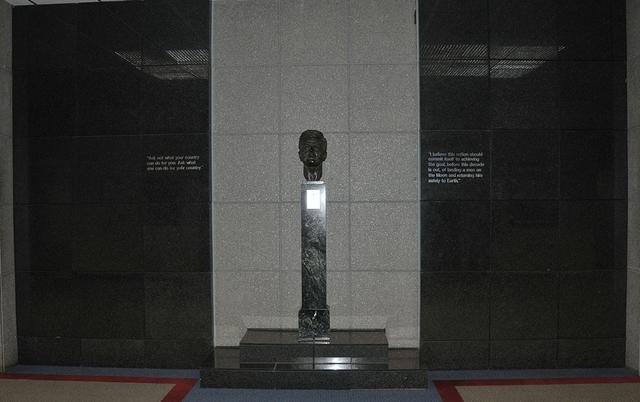
Interior view of KSC Headquarters Building
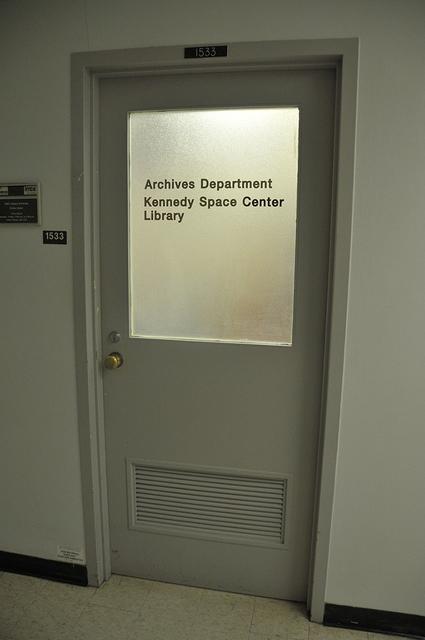
Interior view of KSC Headquarters Building
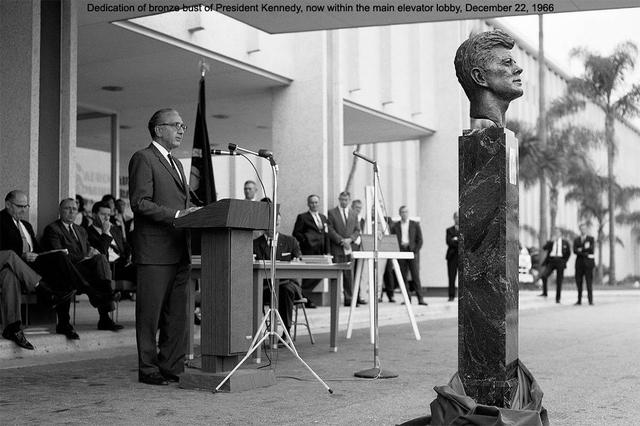
Exterior view of KSC Headquarters Building
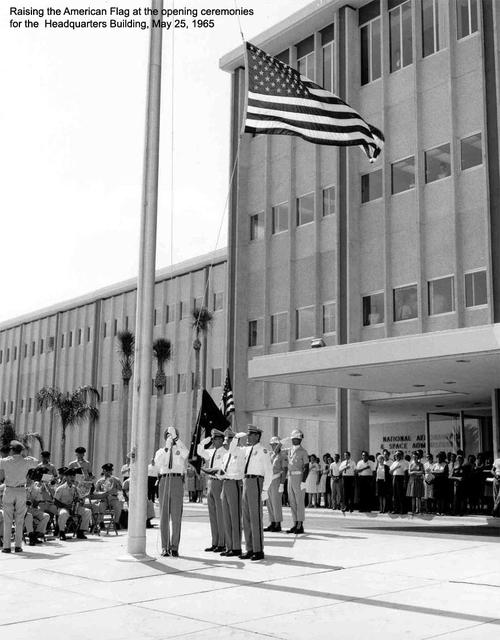
Exterior view of KSC Headquarters Building
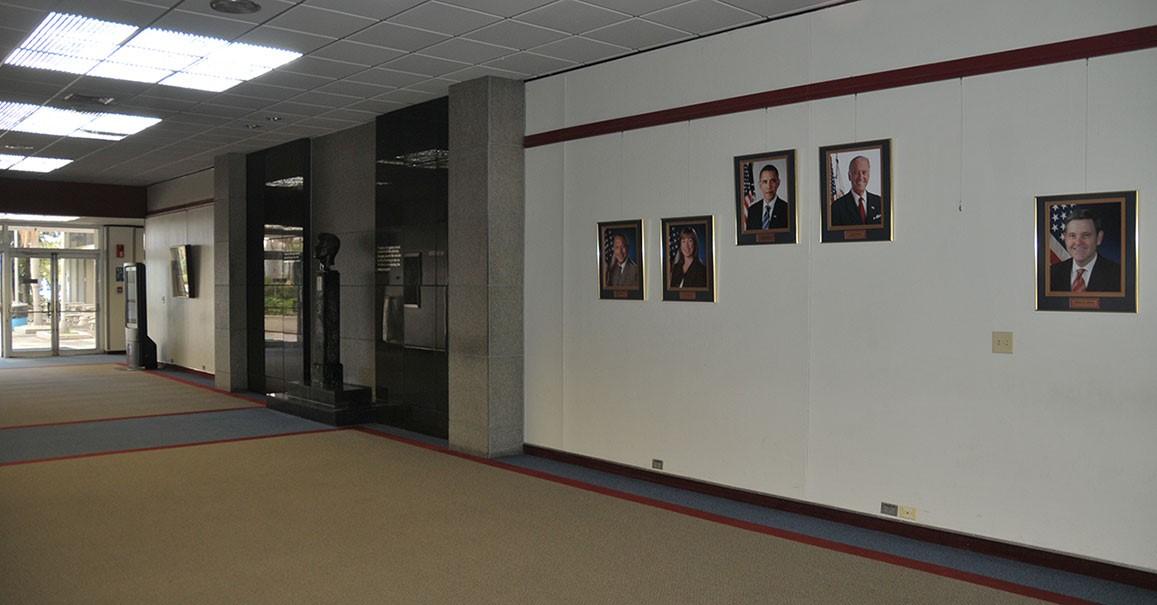
Interior view of KSC Headquarters Building
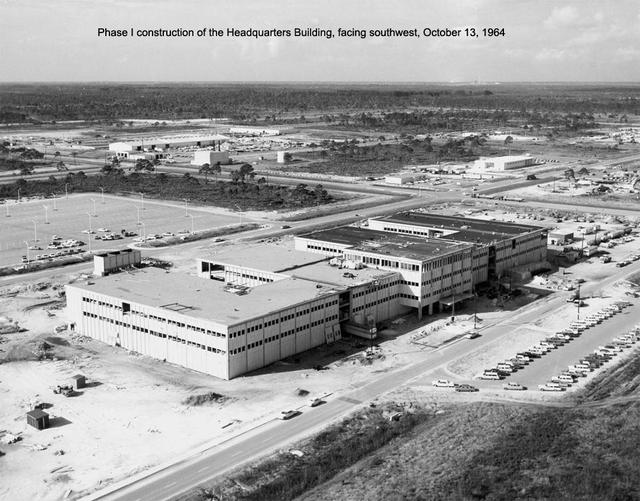
Aerial view of KSC Headquarters Building
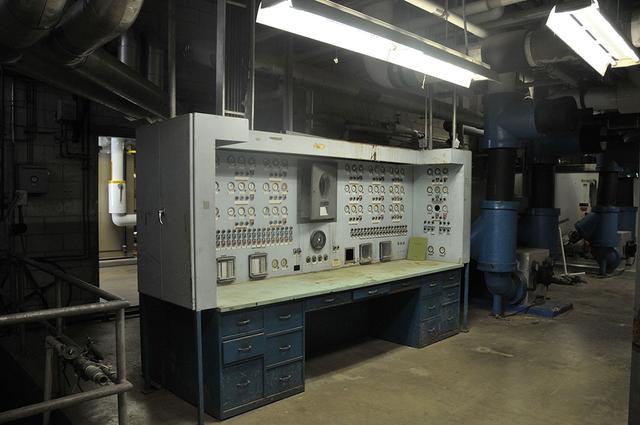
Interior view of KSC Headquarters Building
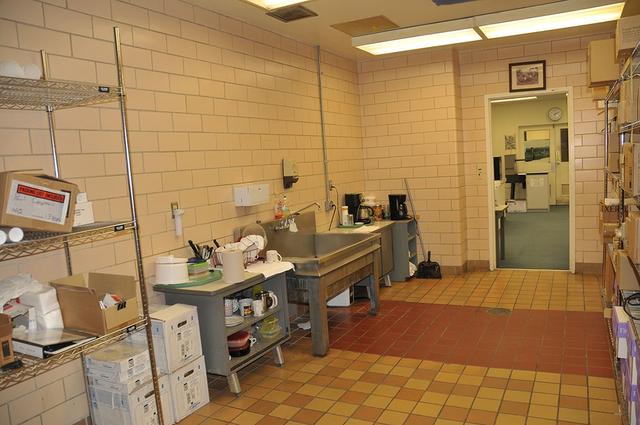
Interior view of KSC Headquarters Building
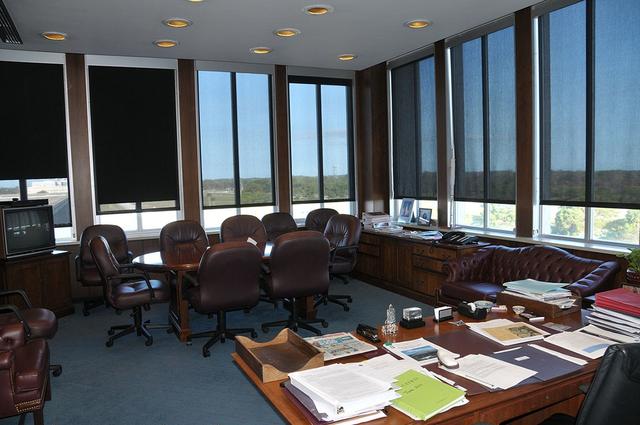
Interior view of KSC Headquarters Building
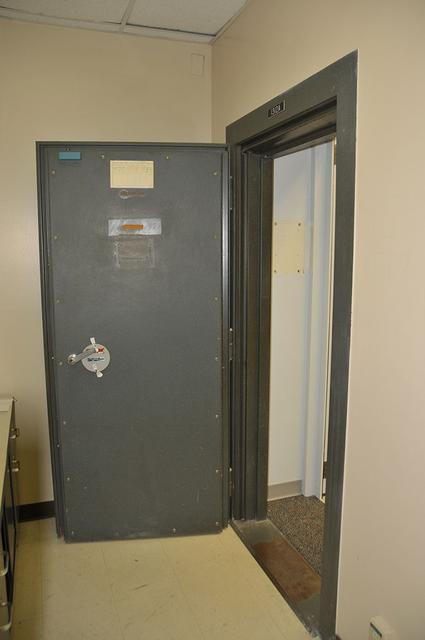
Interior view of KSC Headquarters Building
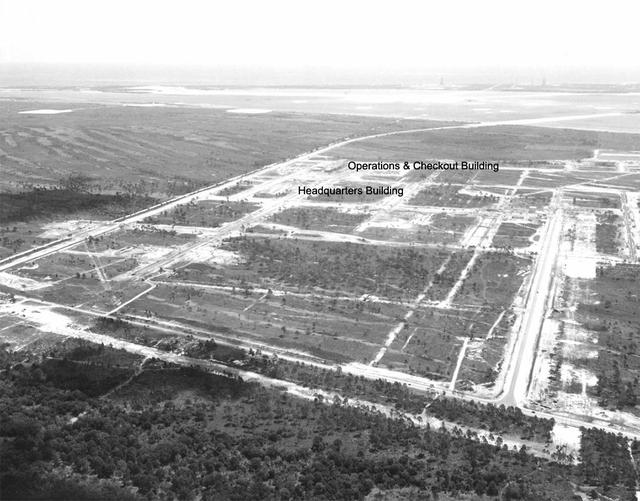
Aerial view of KSC Headquarters Building
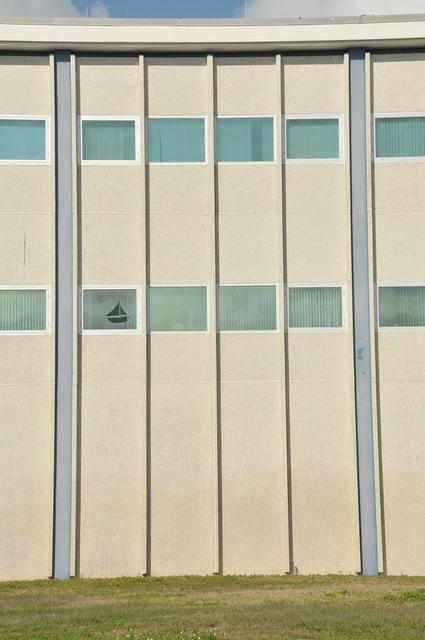
Exterior view of KSC Headquarters Building
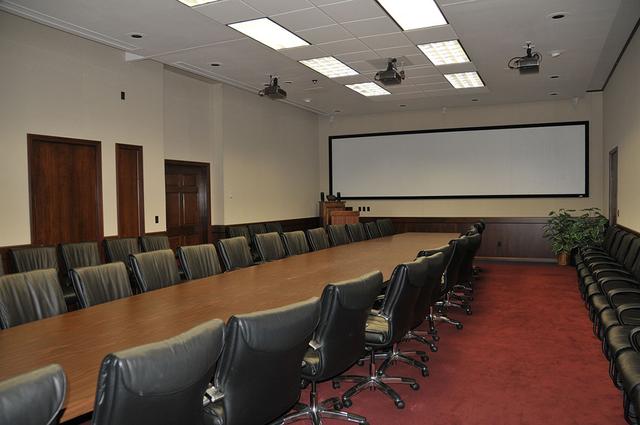
Interior view of KSC Headquarters Building
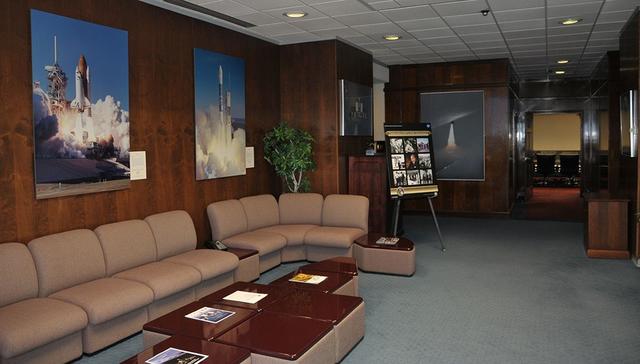
Interior view of KSC Headquarters Building
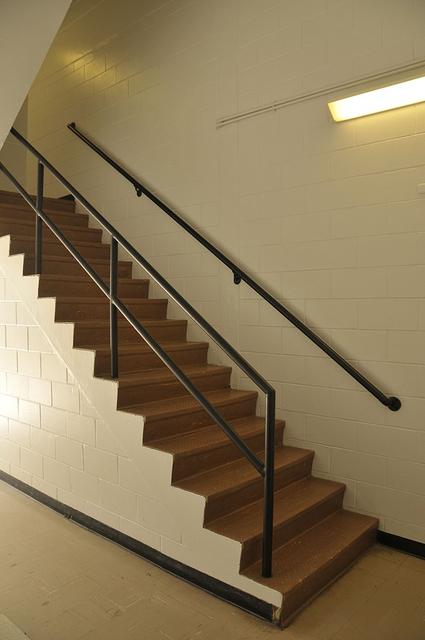
Interior view of KSC Headquarters Building
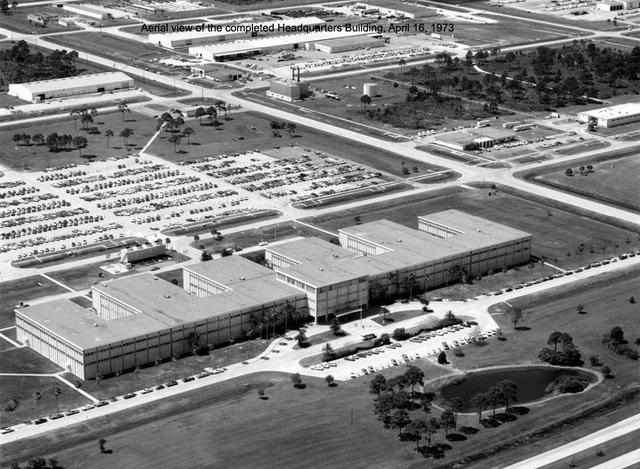
Aerial view of KSC Headquarters Building
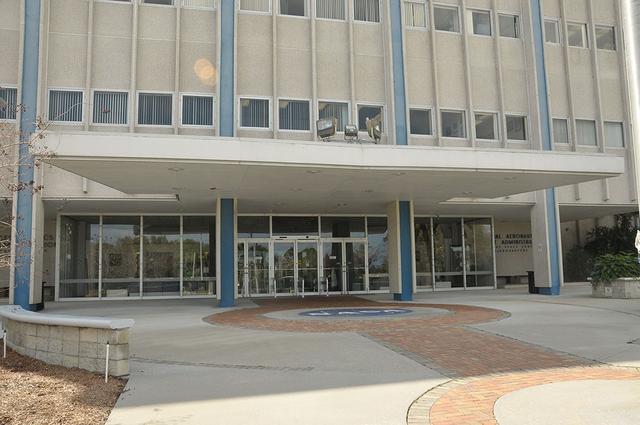
Exterior view of KSC Headquarters Building
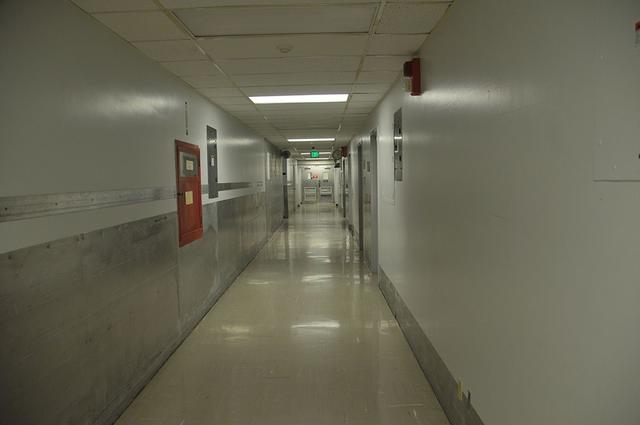
Interior view of KSC Headquarters Building

Interior view of KSC Headquarters Building
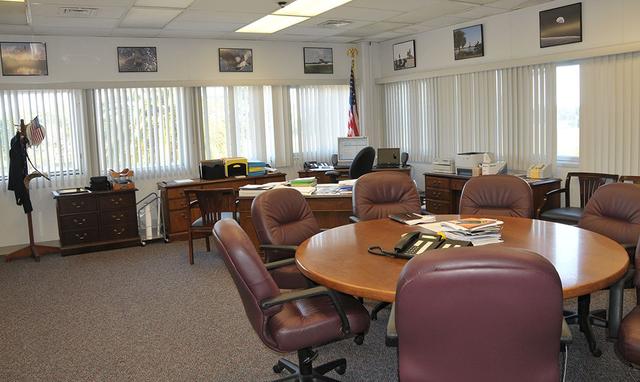
Interior view of KSC Headquarters Building
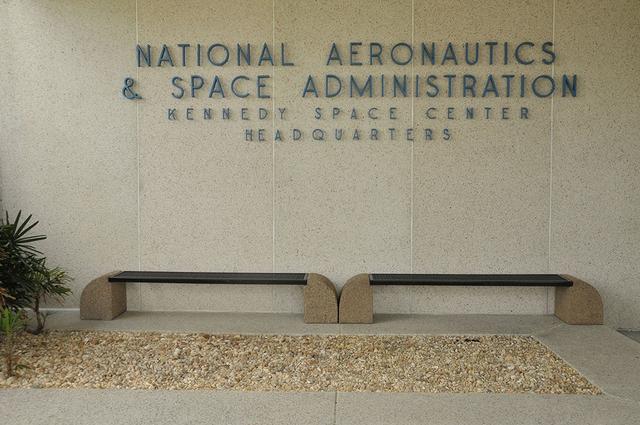
Exterior view of KSC Headquarters Building
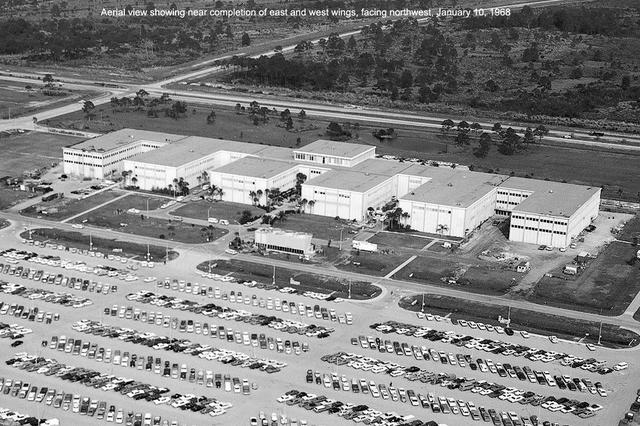
Aerial view of KSC Headquarters Building
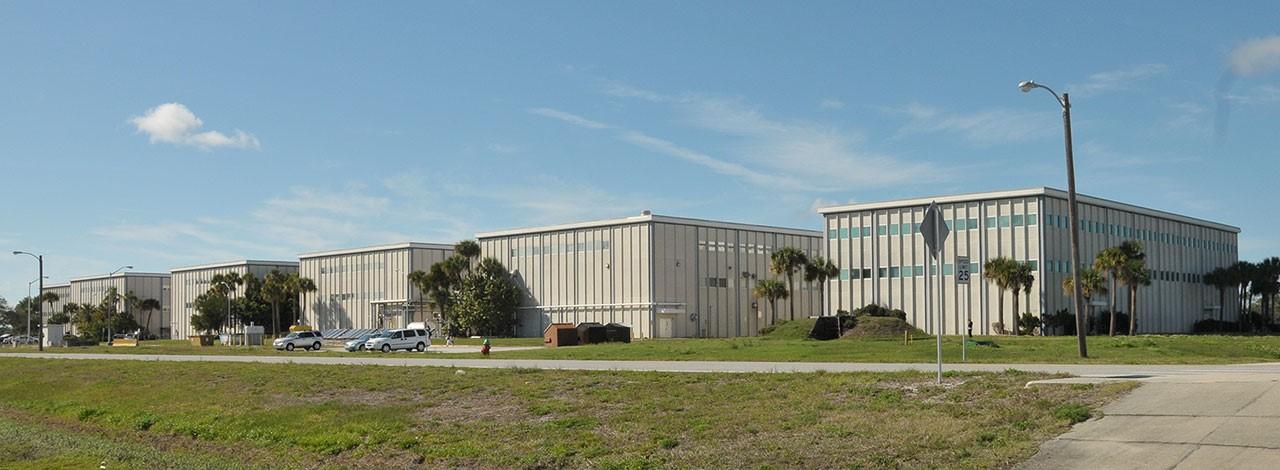
Exterior view of KSC Headquarters Building
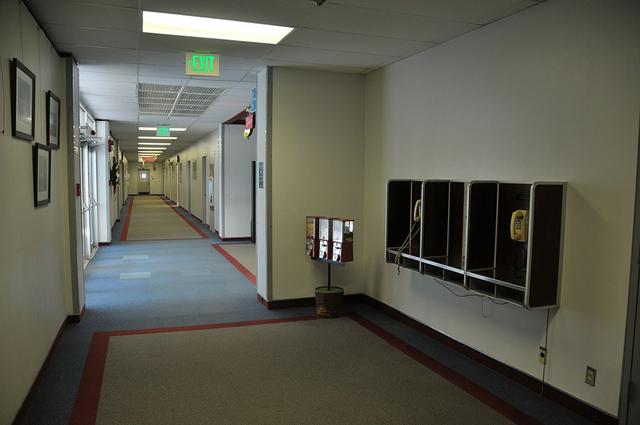
Interior view of KSC Headquarters Building
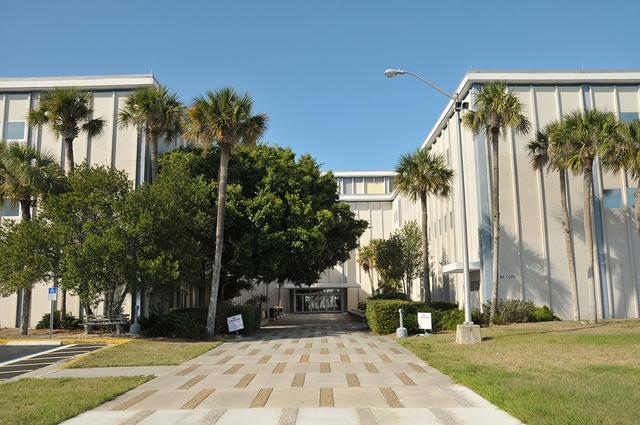
Exterior view of KSC Headquarters Building
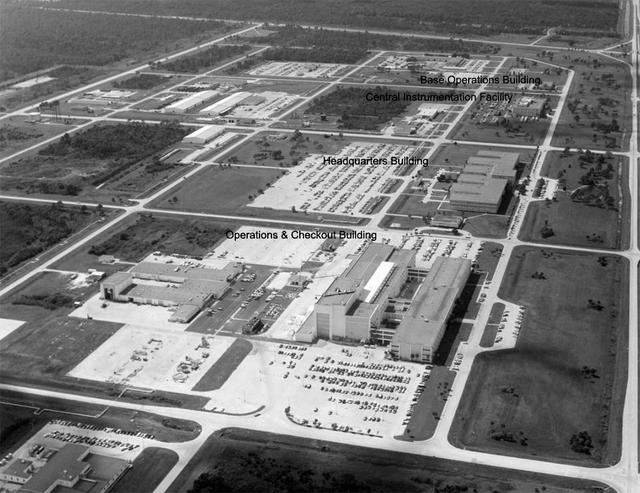
Aerial view of KSC Headquarters Building
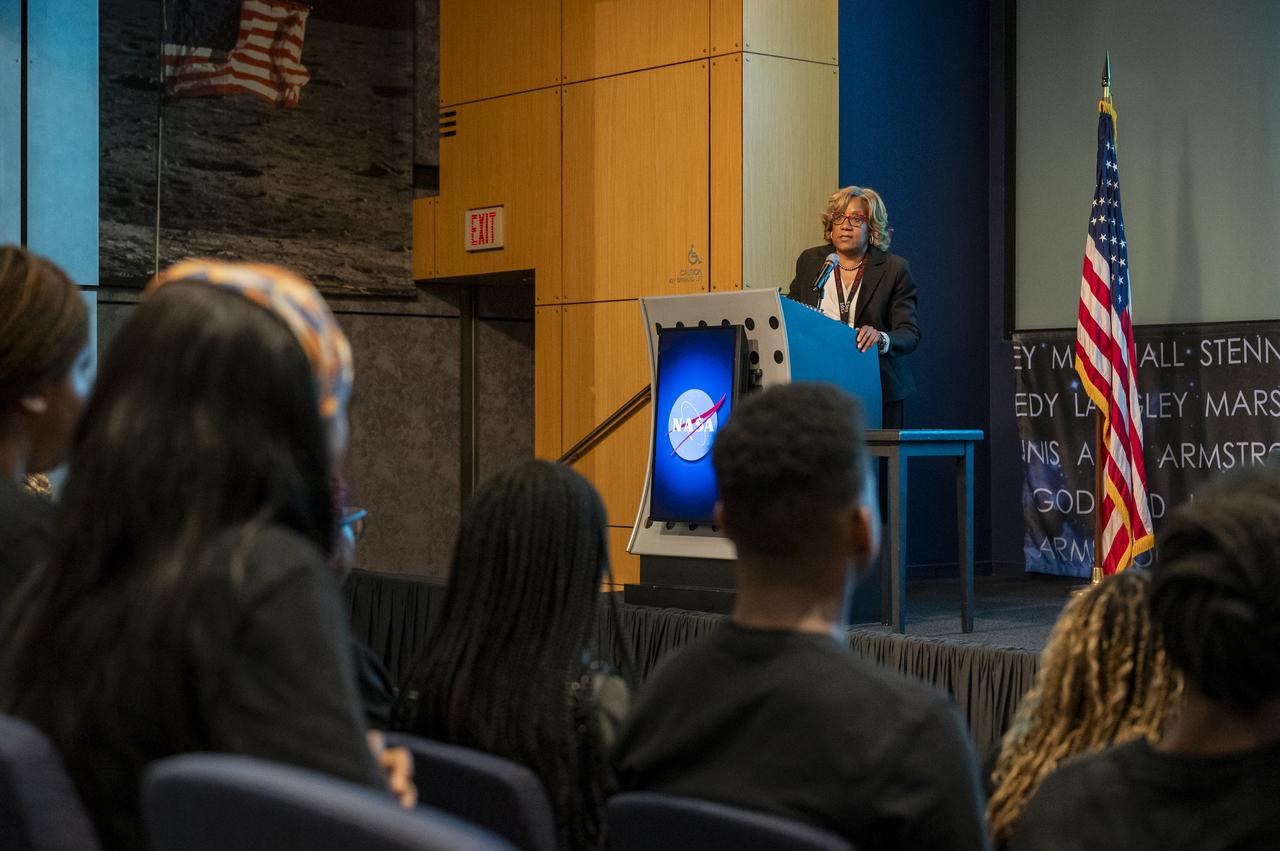
Mission Support and Headquarters Operations Director Nichole Pinkney delivers remarks during a high school student engagement event, Thursday, July 6, 2023, at the Mary W. Jackson NASA Headquarters building in Washington. Photo Credit: (NASA/Keegan Barber)
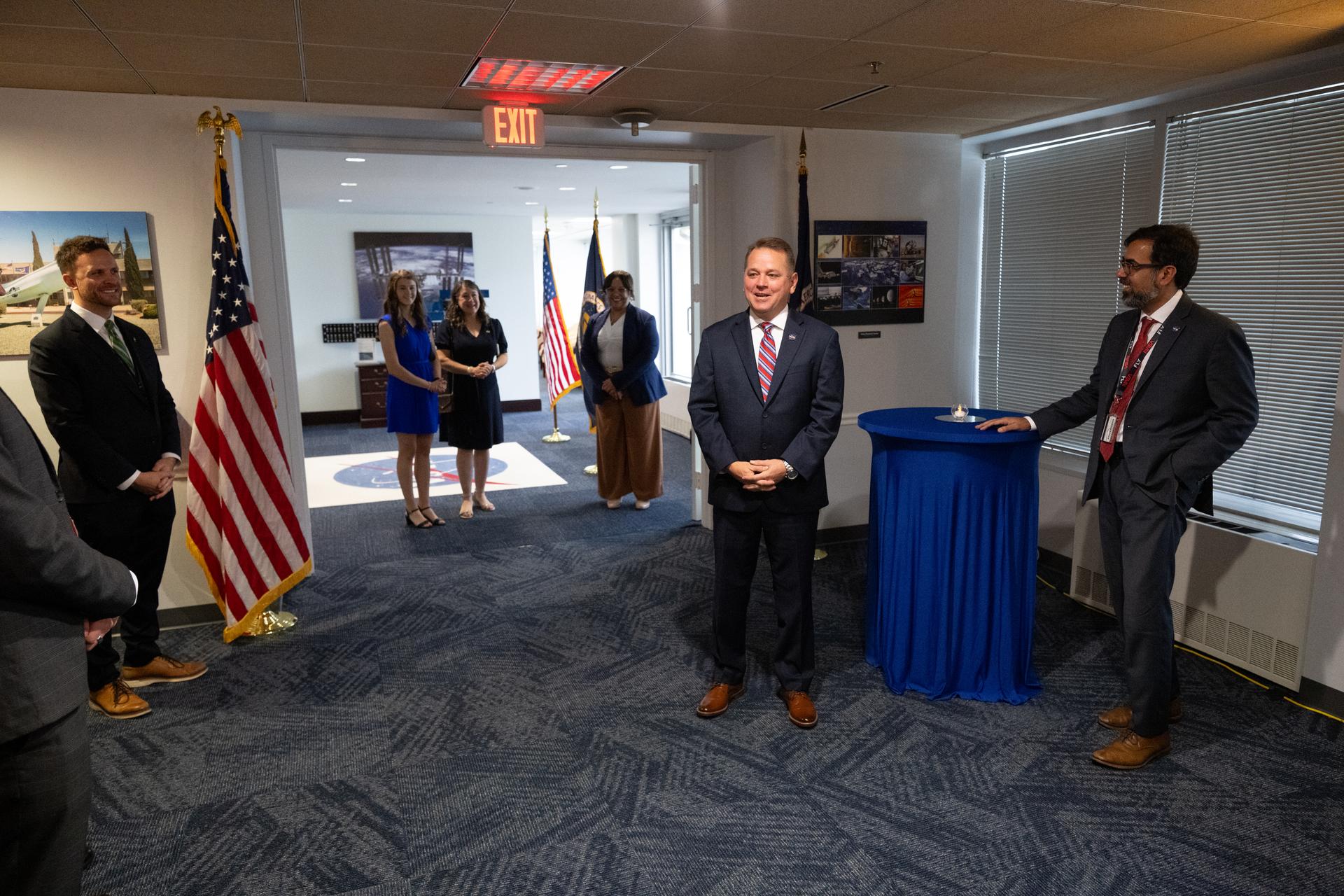
NASA Deputy Administrator Matt Anderson is welcomed to NASA Headquarters by NASA Associate Administrator Amit Kshatriya and other members of agency leadership, Thursday, May 21, 2026, at the Mary W. Jackson NASA Headquarters building in Washington. Anderson was sworn-in as the agency’s 16th Deputy Administrator during a ceremony at the Eisenhower Executive Office Building earlier this morning. Photo Credit: (NASA/Joel Kowsky)
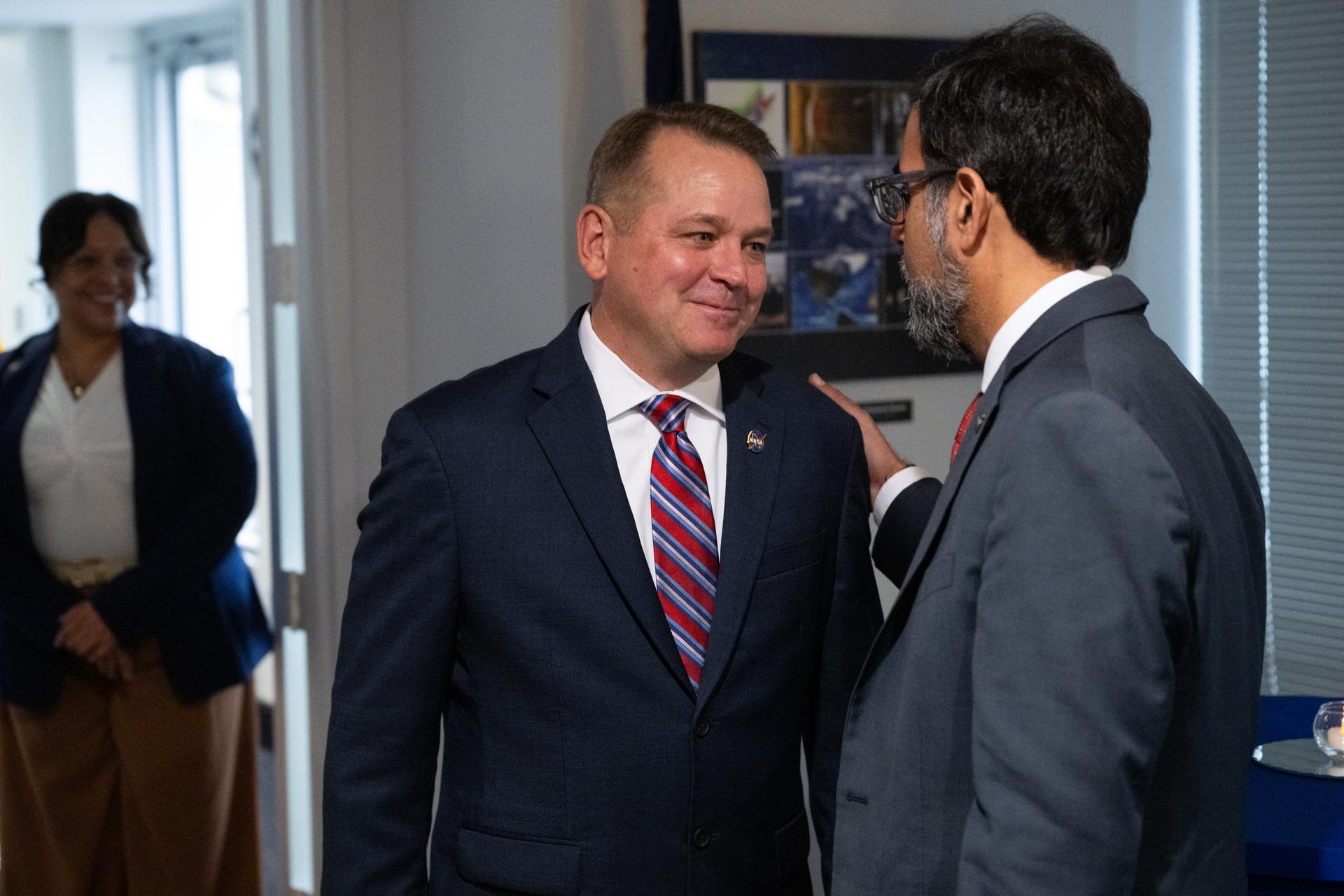
NASA Associate Administrator Amit Kshatriya, right, welcomes NASA Deputy Administrator Matt Anderson to NASA Headquarters along with other agency leadership, Thursday, May 21, 2026, at the Mary W. Jackson NASA Headquarters building in Washington. Anderson was sworn-in as the agency’s 16th Deputy Administrator during a ceremony at the Eisenhower Executive Office Building earlier this morning. Photo Credit: (NASA/Joel Kowsky)
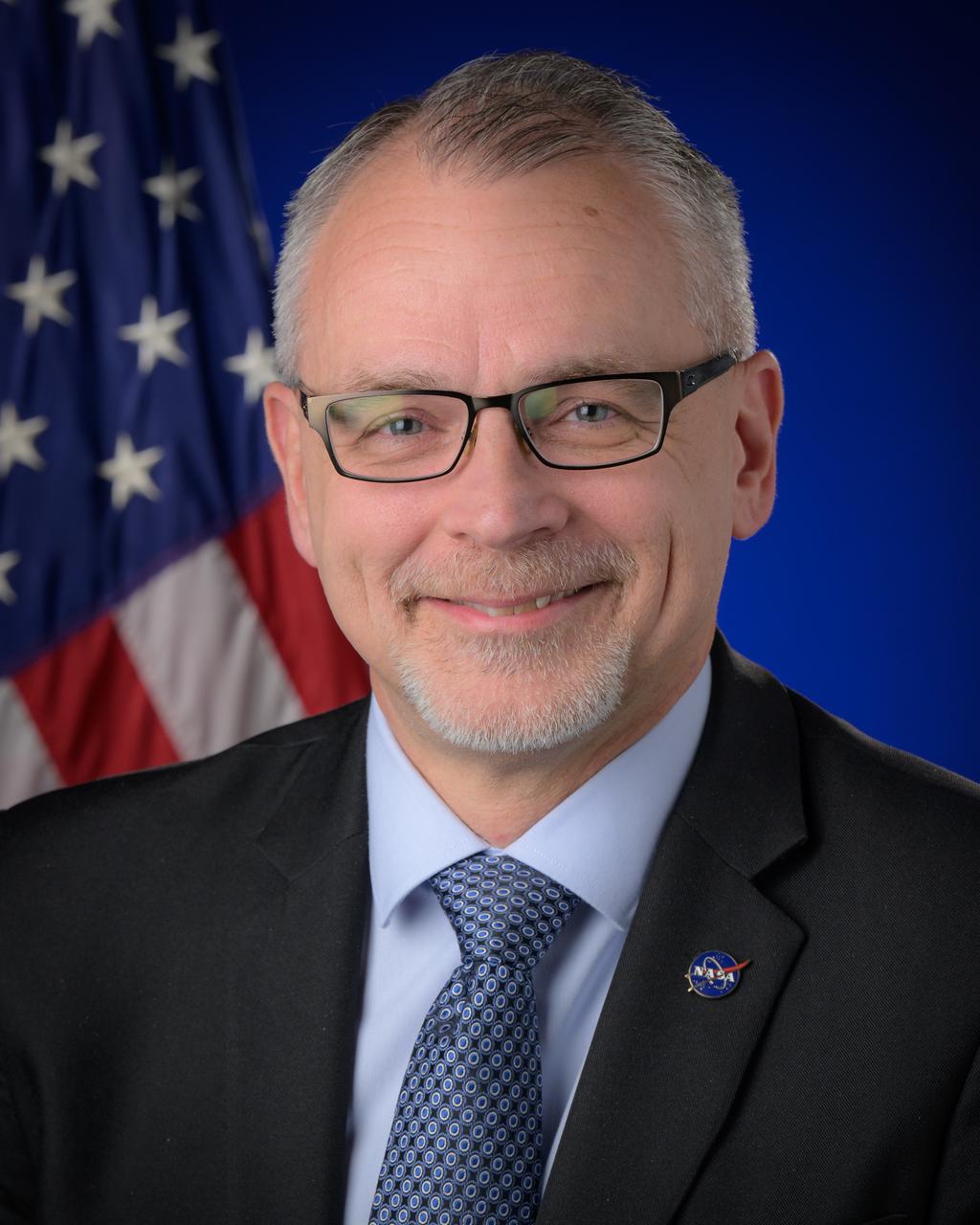
NASA Associate Administrator Jim Free, Official Portrait, Friday, Nov. 22, 2024, Mary W. Jackson NASA Headquarters Building in Washington. Photo Credit: (NASA/Bill Ingalls)
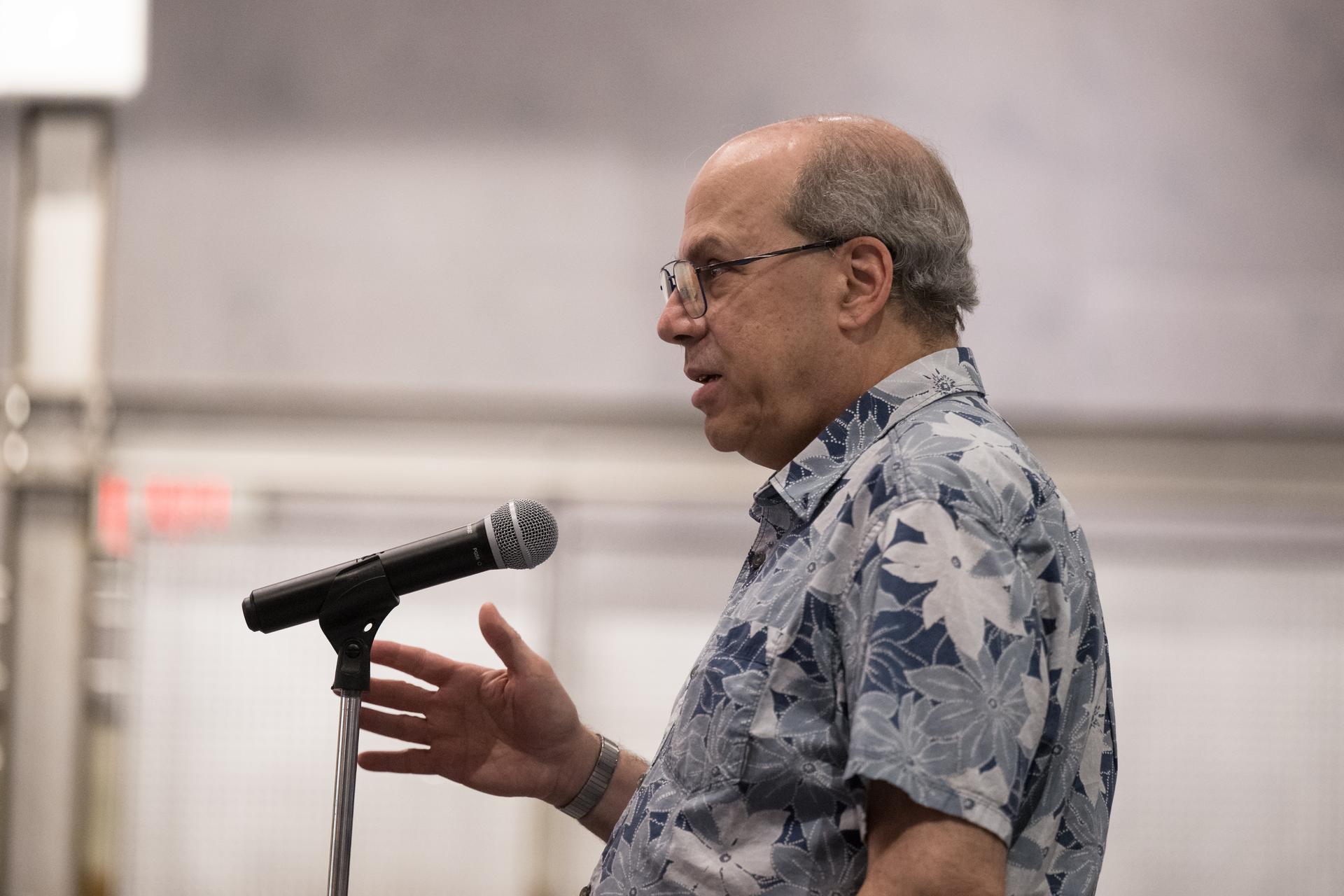
An audience member asks a question at the conclusion of a panel discussion about the contributions of the Hubble Space Telescope to future astronomy missions during an event titled “Beyond the Deep Field: Hubble’s Legacy and the Future of Cosmic Observation,” Friday, June 5, 2026, at the Mary W. Jackson NASA Headquarters building in Washington. Photo Credit: (NASA/Aubrey Gemignani)
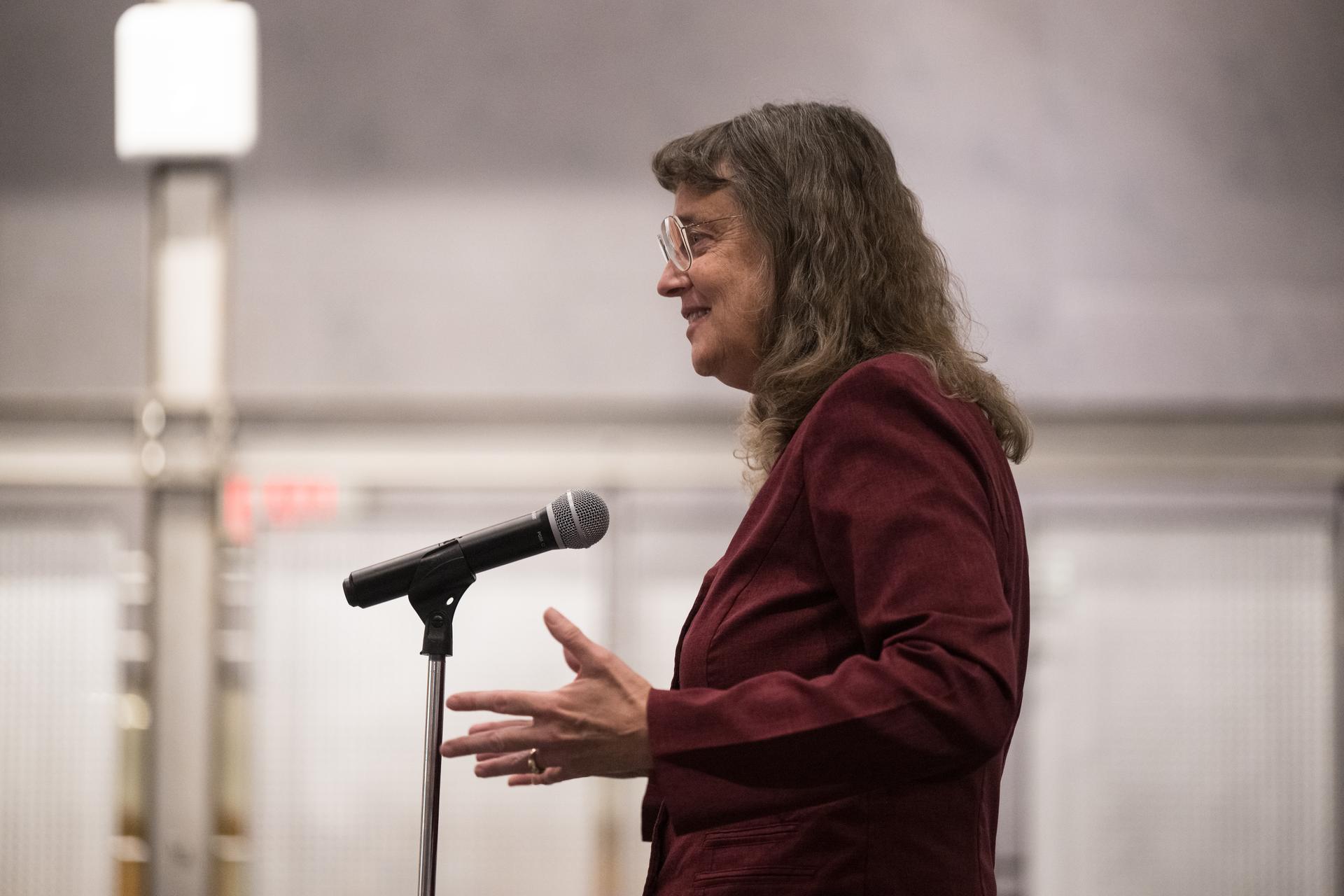
An audience member asks a question at the conclusion of a panel discussion about the contributions of the Hubble Space Telescope to future astronomy missions during an event titled “Beyond the Deep Field: Hubble’s Legacy and the Future of Cosmic Observation,” Friday, June 5, 2026, at the Mary W. Jackson NASA Headquarters building in Washington. Photo Credit: (NASA/Aubrey Gemignani)
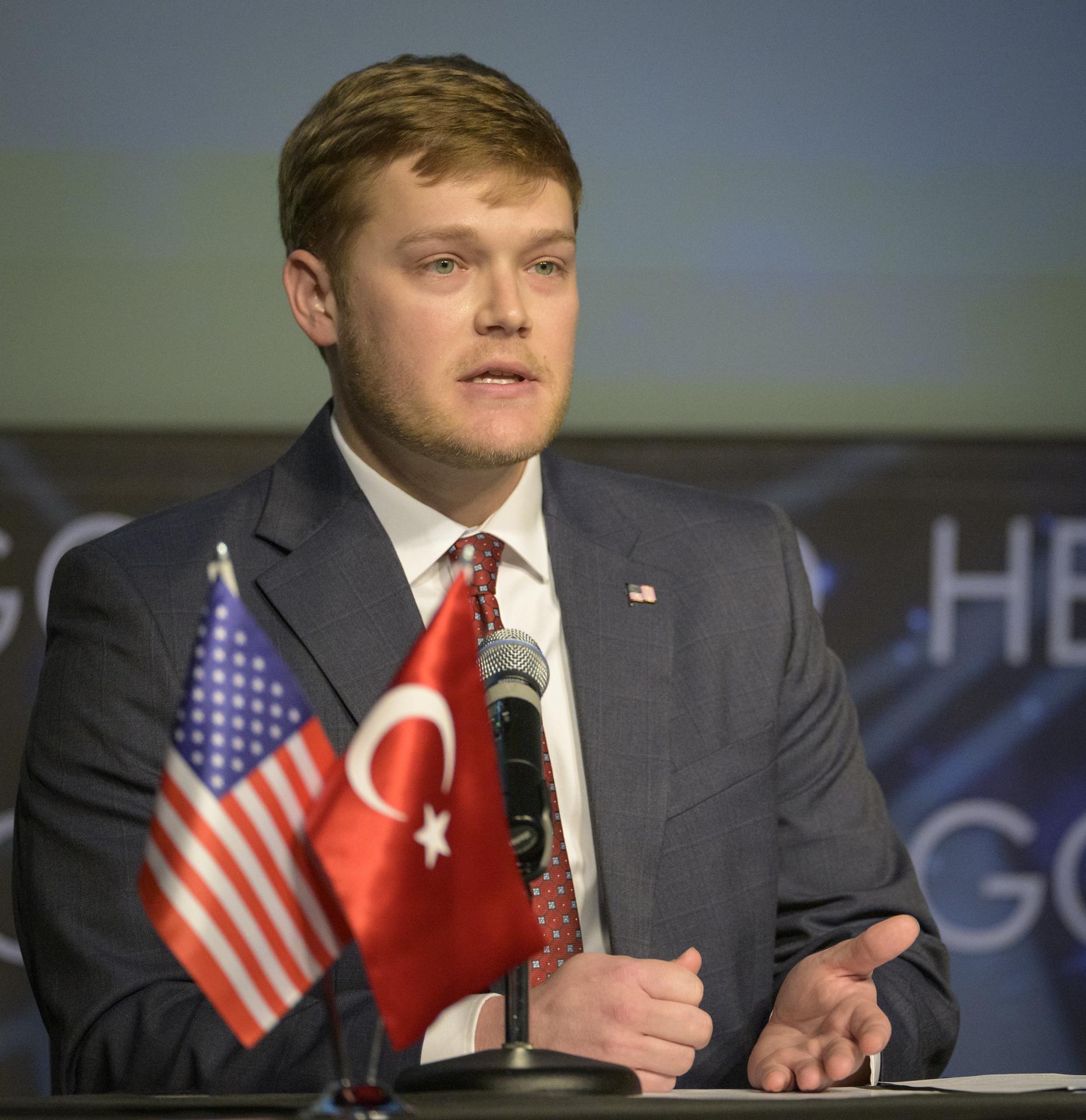
U.S. Deputy Assistant Secretary of State for Space and Environment Connor Tomlinson gives remarks during an Artemis Accord signing ceremony with the Republic of Türkiye Monday, August 31, 2026, at the Mary W. Jackson NASA Headquarters building in Washington. Türkiye is the 71st country to sign the Artemis Accords, which establish a practical set of principles to guide space exploration cooperation among nations participating in NASA’s Artemis program. Photo Credit: (NASA/Bill Ingalls)
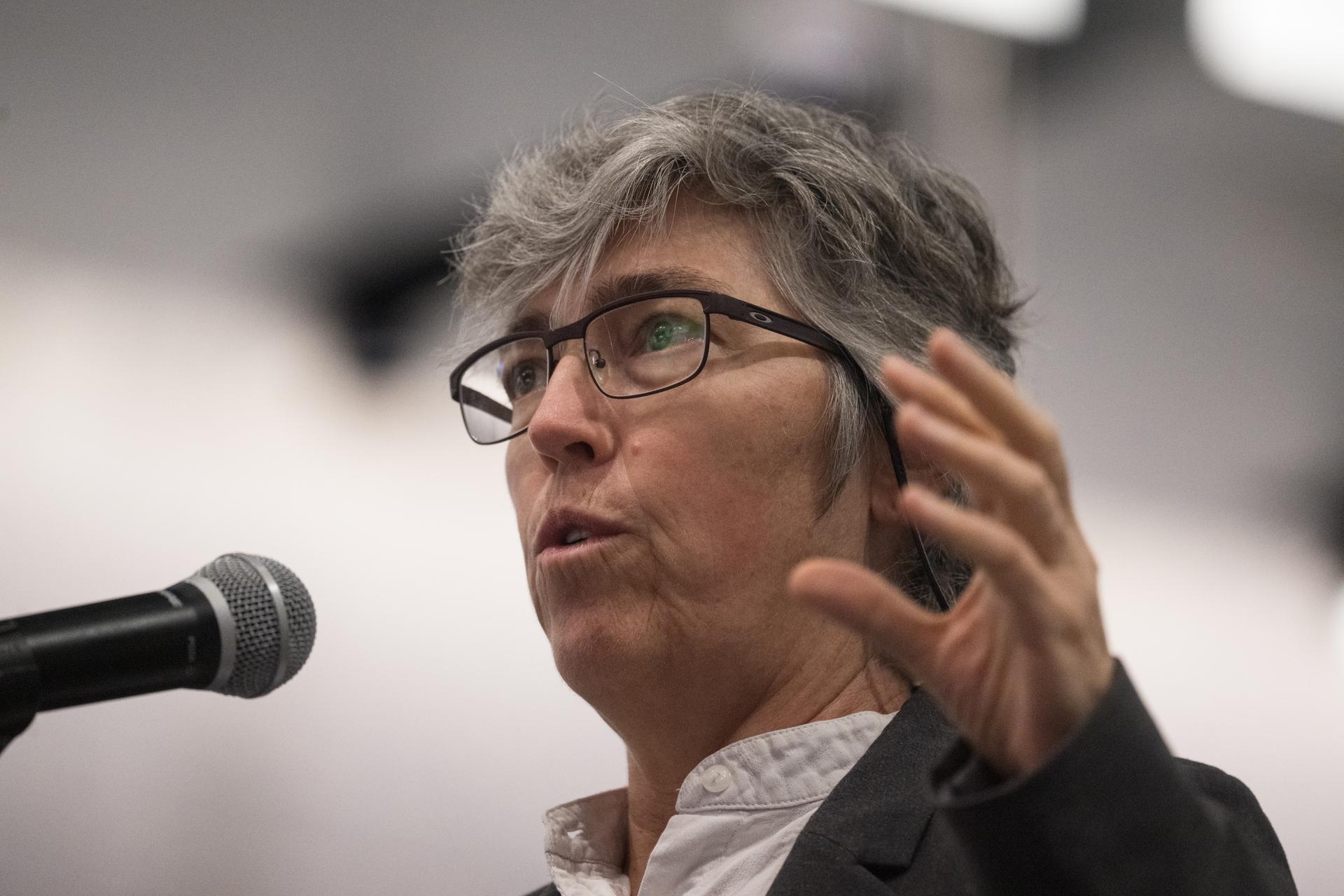
An audience member asks a question at the conclusion of a panel discussion about the contributions of the Hubble Space Telescope to future astronomy missions during an event titled “Beyond the Deep Field: Hubble’s Legacy and the Future of Cosmic Observation,” Friday, June 5, 2026, at the Mary W. Jackson NASA Headquarters building in Washington. Photo Credit: (NASA/Aubrey Gemignani)

Space Telescope Science Institute (STScI) head of the Hubble Space Telescope mission office Julia Roman-Duval, second from right, speaks about the history of the Hubble Space Telescope during an event titled “Beyond the Deep Field: Hubble’s Legacy and the Future of Cosmic Observation,” Thursday, June 4, 2026, at the Mary W. Jackson NASA Headquarters building in Washington. Photo Credit: (NASA/Keegan Barber)

Mark Clampin, Deputy Associate Administrator in the Science Mission Directorate at NASA Headquarters, speaks about the contributions of the Hubble Space Telescope to future astronomy missions during an event titled “Beyond the Deep Field: Hubble’s Legacy and the Future of Cosmic Observation,” Friday, June 5, 2026, at the Mary W. Jackson NASA Headquarters building in Washington. Photo Credit: (NASA/Aubrey Gemignani)

Mark Clampin, Deputy Associate Administrator in the Science Mission Directorate at NASA Headquarters, speaks about the contributions of the Hubble Space Telescope to future astronomy missions during an event titled “Beyond the Deep Field: Hubble’s Legacy and the Future of Cosmic Observation,” Friday, June 5, 2026, at the Mary W. Jackson NASA Headquarters building in Washington. Photo Credit: (NASA/Aubrey Gemignani)

Mark Clampin, Deputy Associate Administrator in the Science Mission Directorate at NASA Headquarters, speaks about the contributions of the Hubble Space Telescope to future astronomy missions during an event titled “Beyond the Deep Field: Hubble’s Legacy and the Future of Cosmic Observation,” Friday, June 5, 2026, at the Mary W. Jackson NASA Headquarters building in Washington. Photo Credit: (NASA/Aubrey Gemignani)
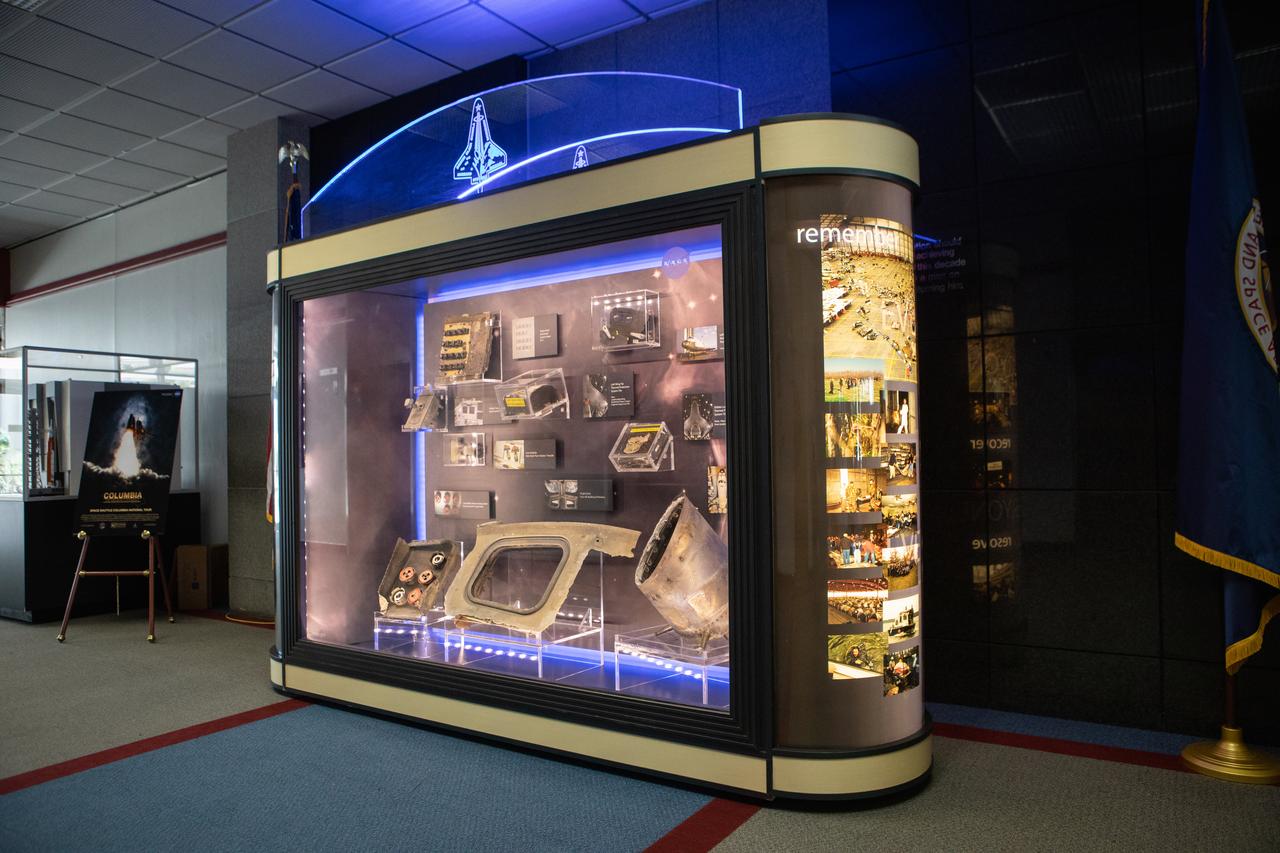
A display of artifacts featuring nine items recovered from the STS-107 tragedy that occurred Feb. 1, 2003, is shown in the old Headquarters Building at Kennedy Space Center. The powerful exhibit can now be viewed in the lobby of the Florida spaceport’s new Central Campus Building until June 10. The exhibit is part of the space shuttle Columbia national tour, which will make its way to all 10 NASA centers throughout the country.
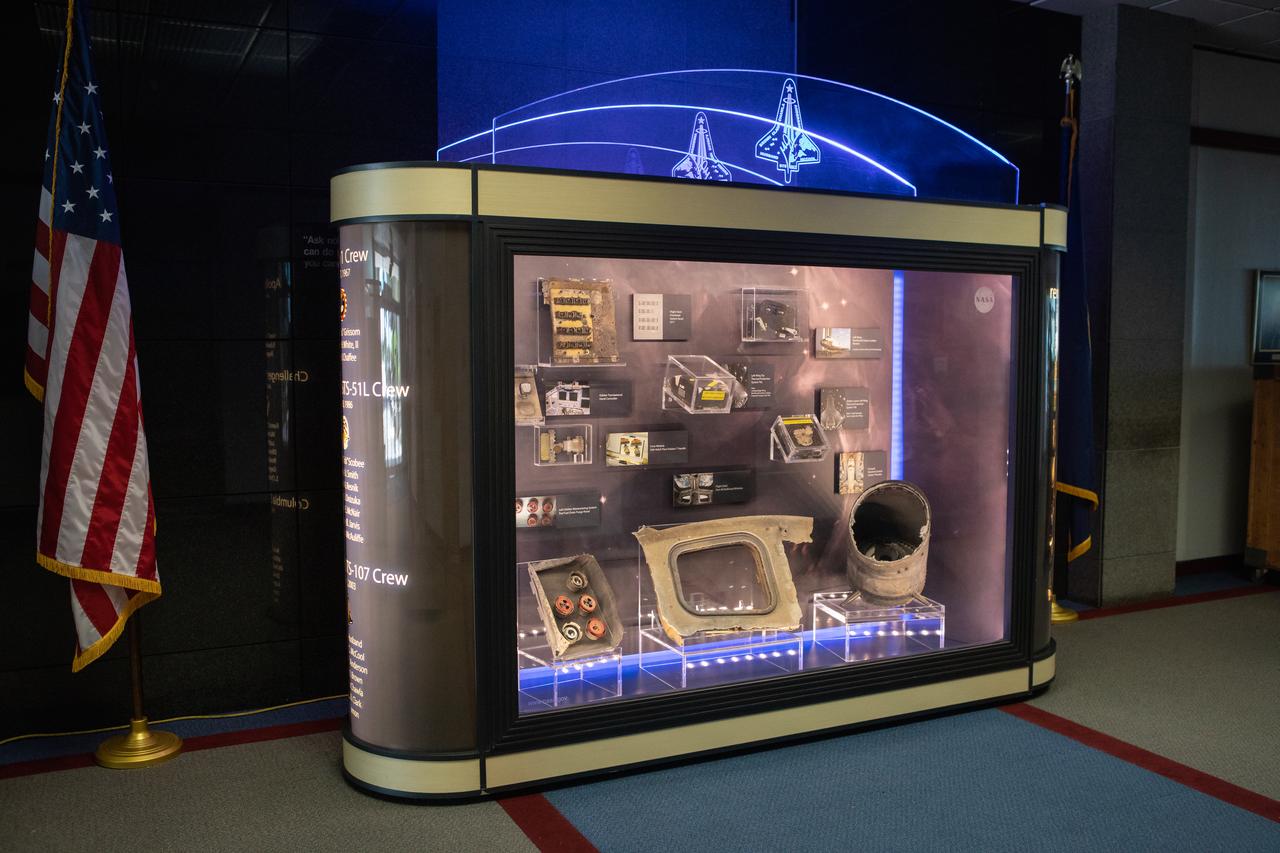
A display of artifacts featuring nine items recovered from the STS-107 tragedy that occurred Feb. 1, 2003, is shown in the old Headquarters Building at Kennedy Space Center. The powerful exhibit can now be viewed in the lobby of the Florida spaceport’s new Central Campus Building until June 10. The exhibit is part of the space shuttle Columbia national tour, which will make its way to all 10 NASA centers throughout the country.
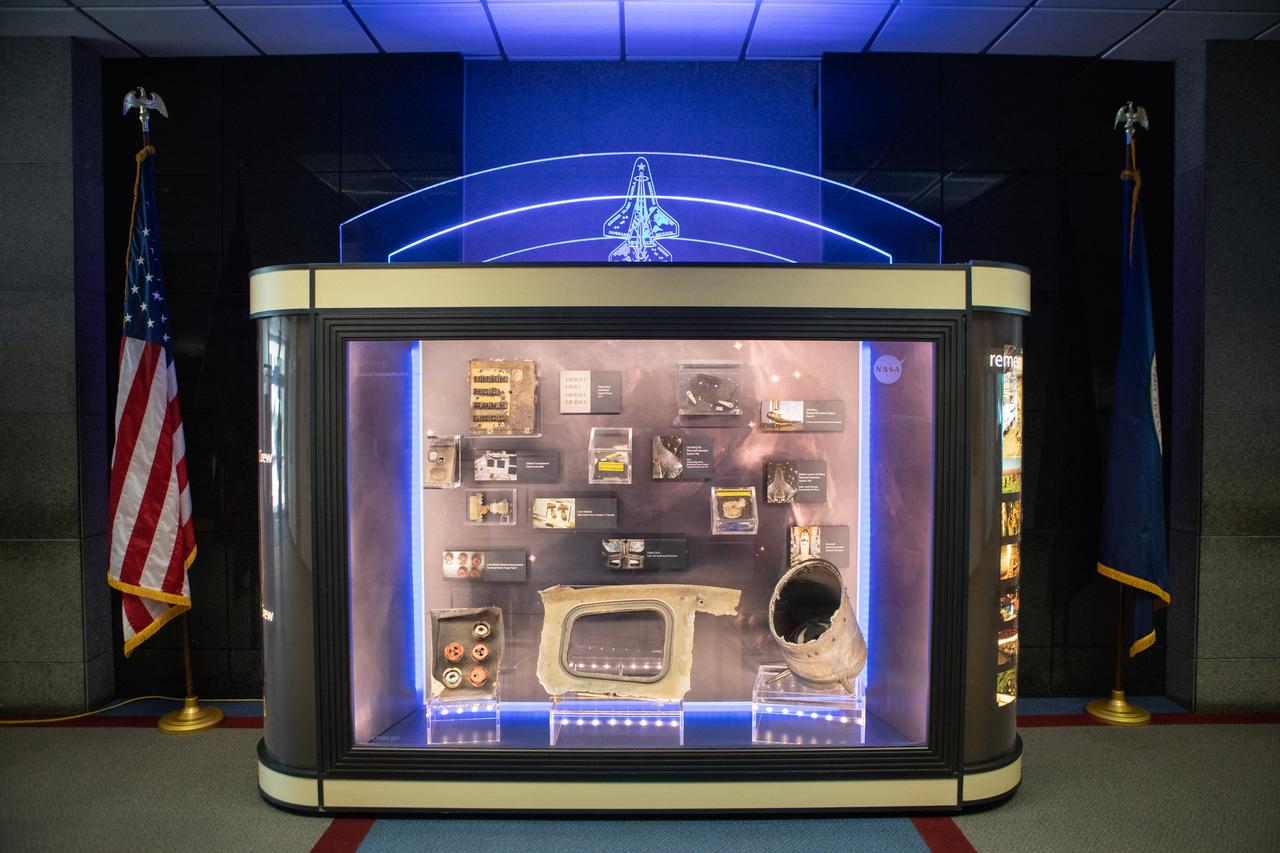
A display of artifacts featuring nine items recovered from the STS-107 tragedy that occurred Feb. 1, 2003, is shown in the old Headquarters Building at Kennedy Space Center. The powerful exhibit can now be viewed in the lobby of the Florida spaceport’s new Central Campus Building until June 10. The exhibit is part of the space shuttle Columbia national tour, which will make its way to all 10 NASA centers throughout the country.
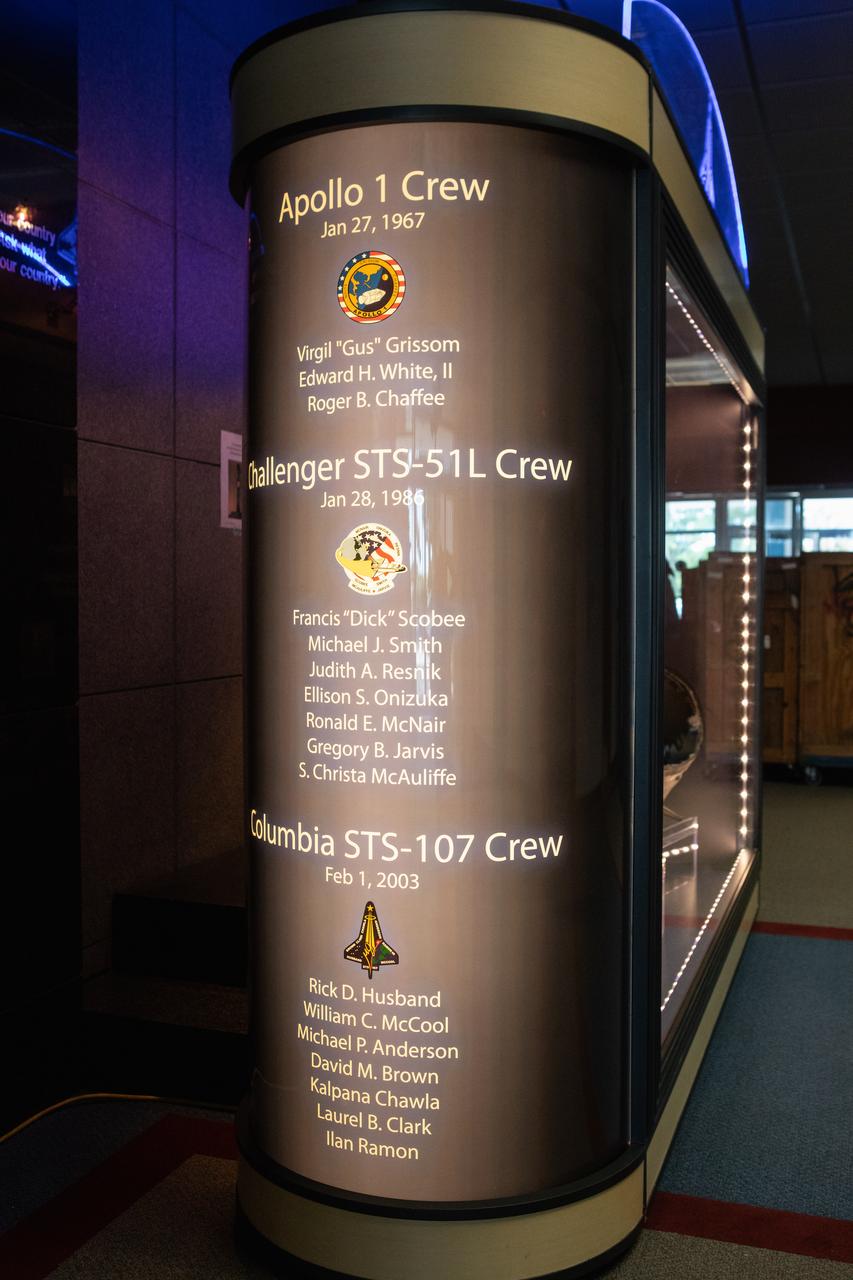
A display of artifacts featuring nine items recovered from the STS-107 tragedy that occurred Feb. 1, 2003, is shown in the old Headquarters Building at Kennedy Space Center. The powerful exhibit can now be viewed in the lobby of the Florida spaceport’s new Central Campus Building until June 10. The exhibit is part of the space shuttle Columbia national tour, which will make its way to all 10 NASA centers throughout the country.
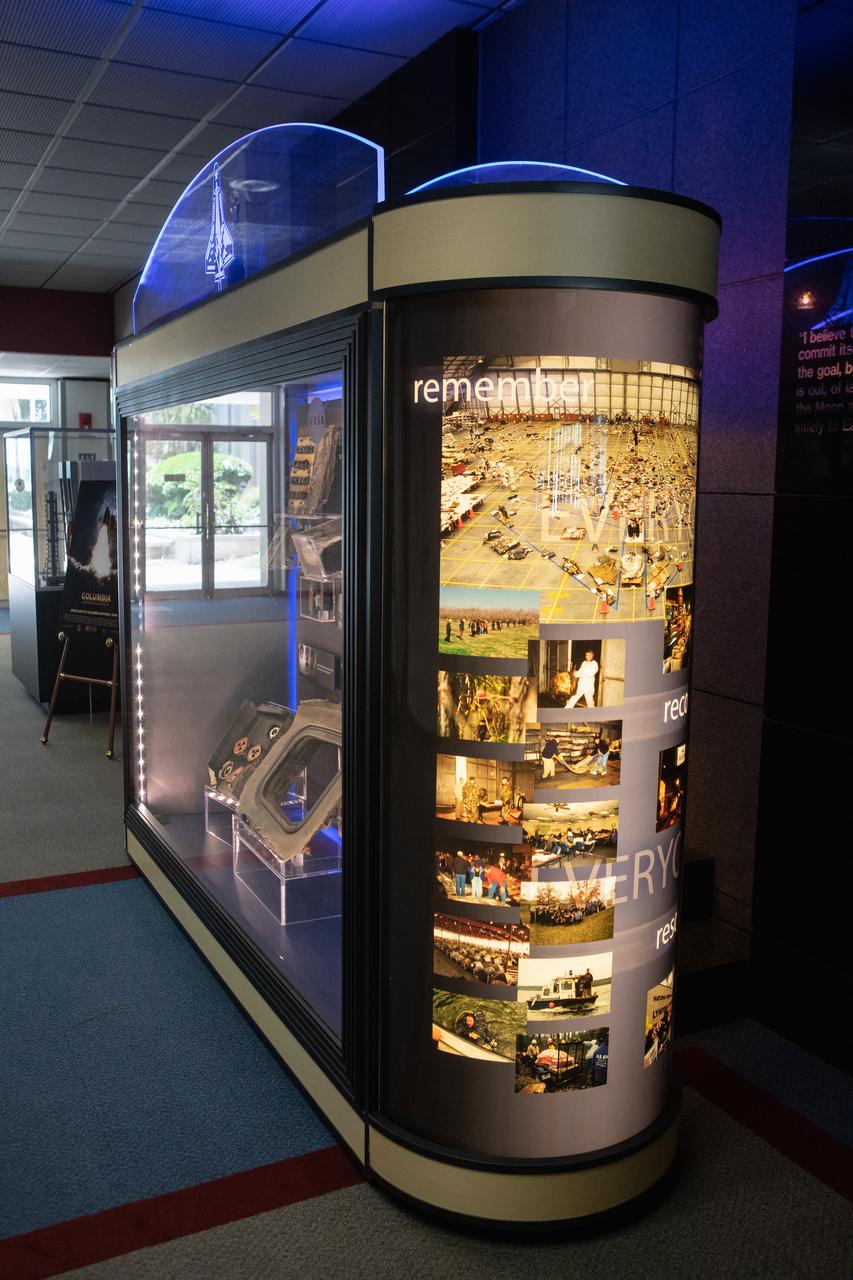
A display of artifacts featuring nine items recovered from the STS-107 tragedy that occurred Feb. 1, 2003, is shown in the old Headquarters Building at Kennedy Space Center. The powerful exhibit can now be viewed in the lobby of the Florida spaceport’s new Central Campus Building until June 10. The exhibit is part of the space shuttle Columbia national tour, which will make its way to all 10 NASA centers throughout the country.
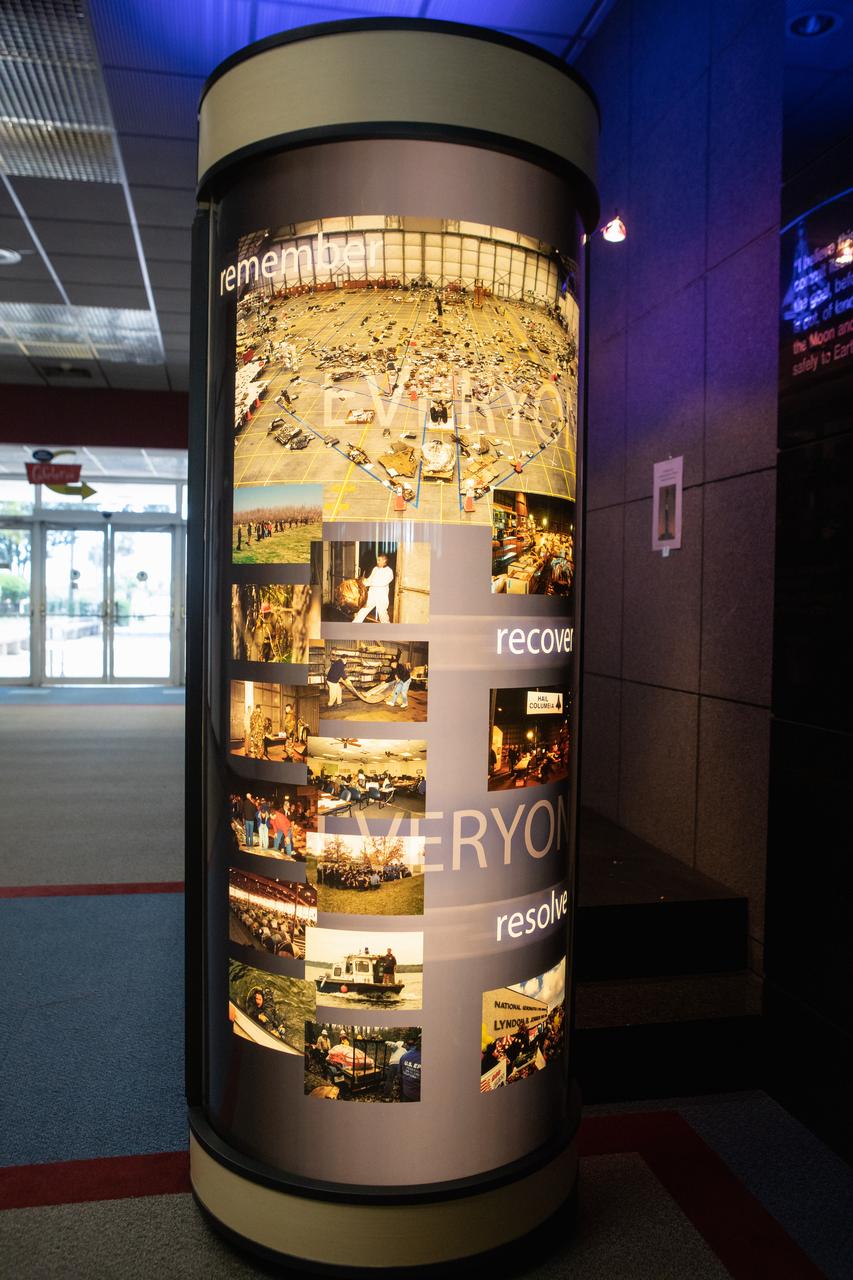
A display of artifacts featuring nine items recovered from the STS-107 tragedy that occurred Feb. 1, 2003, is shown in the old Headquarters Building at Kennedy Space Center. The powerful exhibit can now be viewed in the lobby of the Florida spaceport’s new Central Campus Building until June 10. The exhibit is part of the space shuttle Columbia national tour, which will make its way to all 10 NASA centers throughout the country.
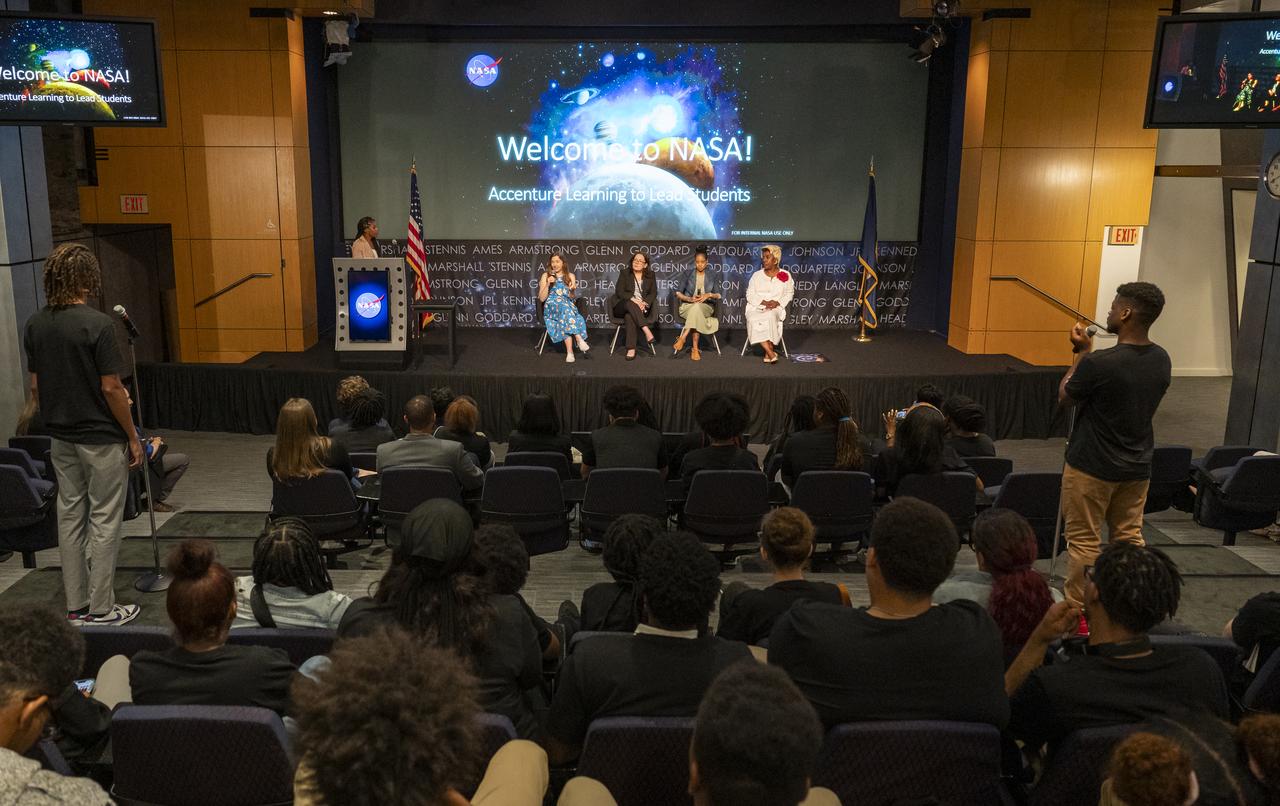
Senior Communications Specialist Elizabeth Landau, left, answers questions during a high school student engagement event, Thursday, July 6, 2023, at the Mary W. Jackson NASA Headquarters building in Washington. Photo Credit: (NASA/Keegan Barber)
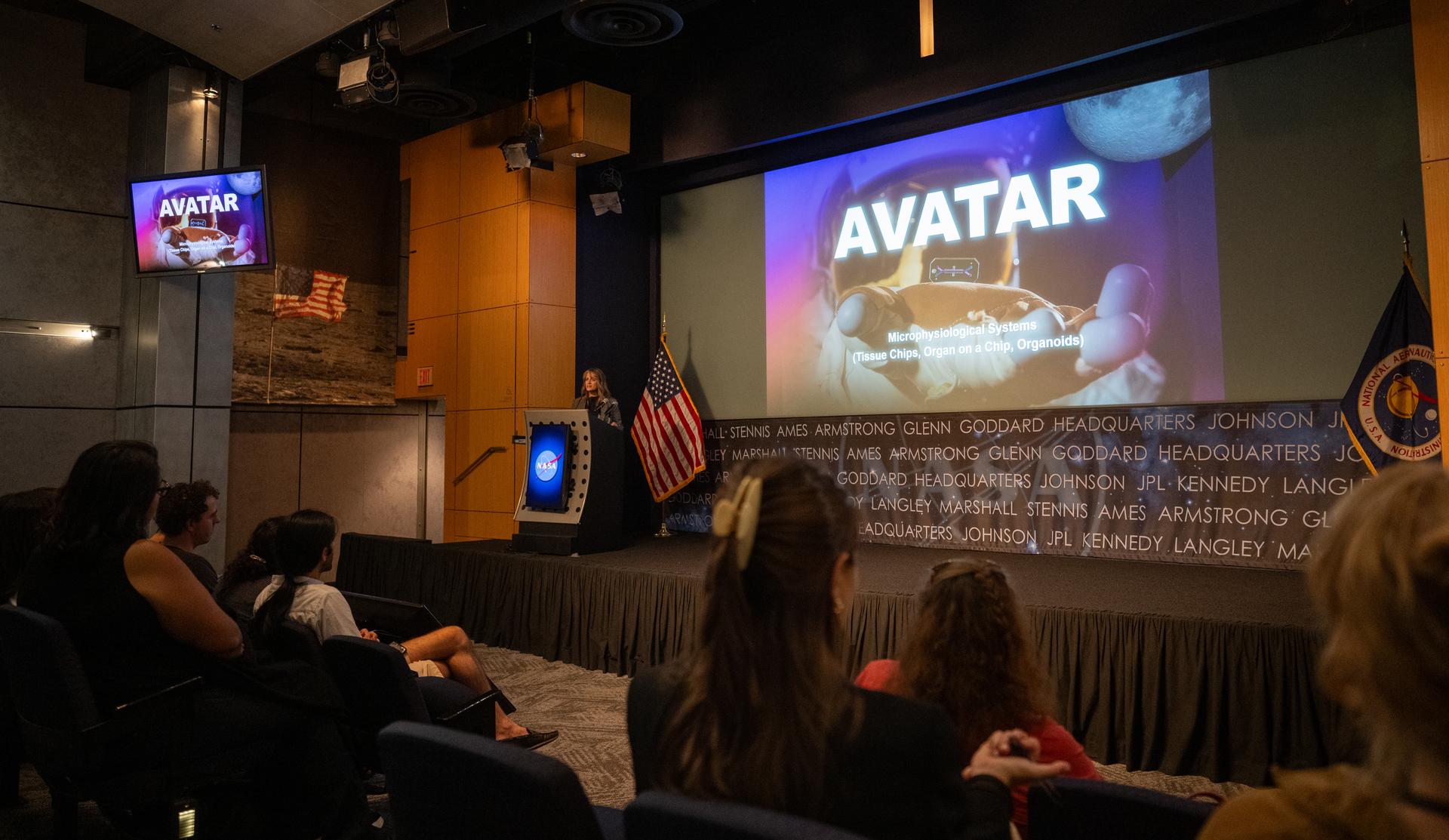
Dr. Lisa Carnell, director of NASA’s Biological and Physical Sciences Division, is seen during a Frontiers Forum talk titled “Revolutionizing Medicine – In Space,” Wednesday, Sept. 16, 2026, at the Mary W. Jackson NASA Headquarters building in Washington. Photo Credit: (NASA/Joel Kowsky)
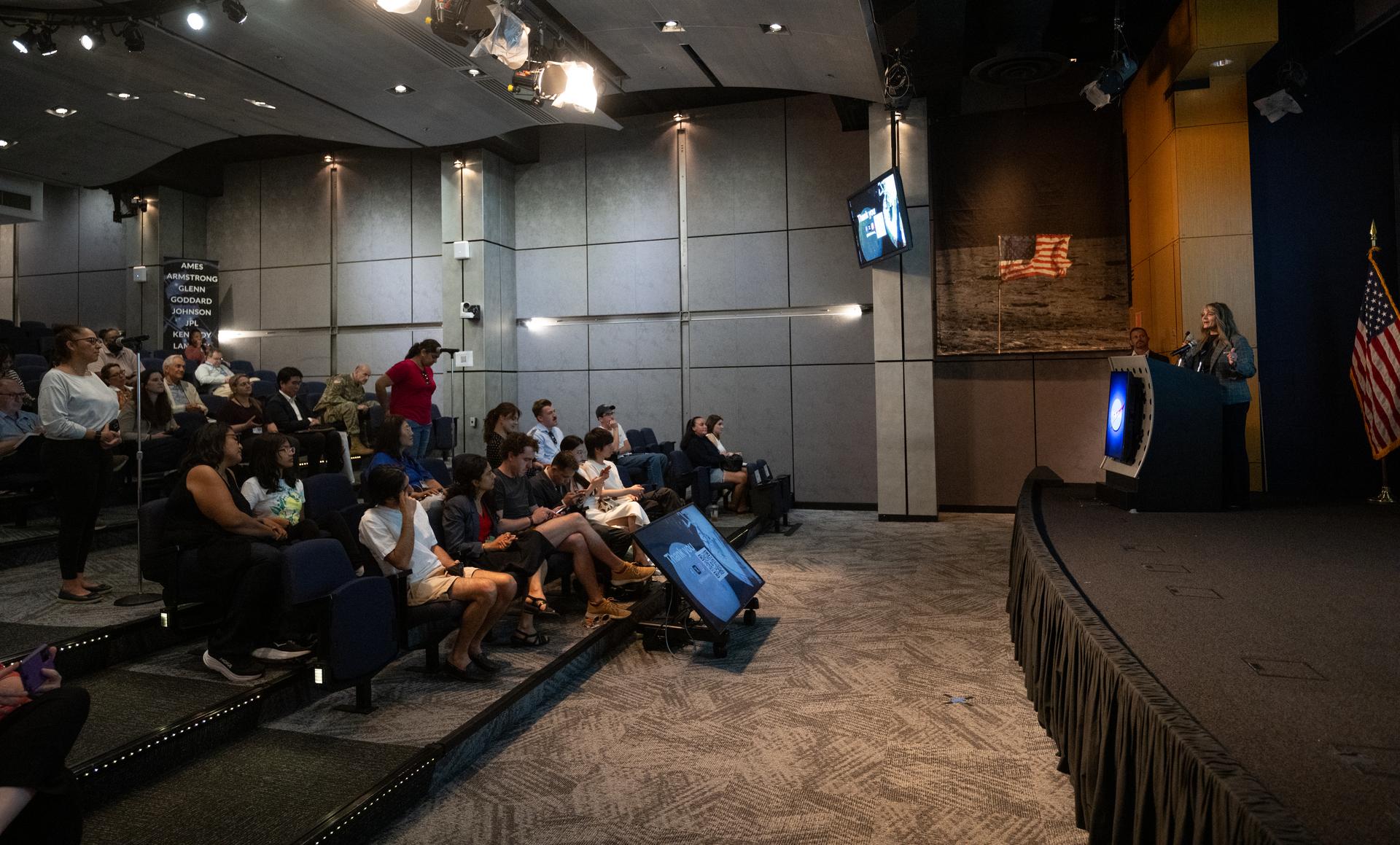
Dr. Lisa Carnell, director of NASA’s Biological and Physical Sciences Division, answers a question from the audience during a Frontiers Forum talk titled “Revolutionizing Medicine – In Space,” Wednesday, Sept. 16, 2026, at the Mary W. Jackson NASA Headquarters building in Washington. Photo Credit: (NASA/Joel Kowsky)

Strategic Communications and Outreach Lead Denise Hill, center, answers questions during a high school student engagement event, Thursday, July 6, 2023, at the Mary W. Jackson NASA Headquarters building in Washington. Photo Credit: (NASA/Keegan Barber)

NASA Hubble Senior Project Scientist Jennifer Wiseman speaks about the history of the Hubble Space Telescope during an event titled “Beyond the Deep Field: Hubble’s Legacy and the Future of Cosmic Observation,” Thursday, June 4, 2026, at the Mary W. Jackson NASA Headquarters building in Washington. Photo Credit: (NASA/Keegan Barber)

Strategic Integration & Management Division Director Alotta Taylor, right, answers questions during a high school student engagement event, Thursday, July 6, 2023, at the Mary W. Jackson NASA Headquarters building in Washington. Photo Credit: (NASA/Keegan Barber)