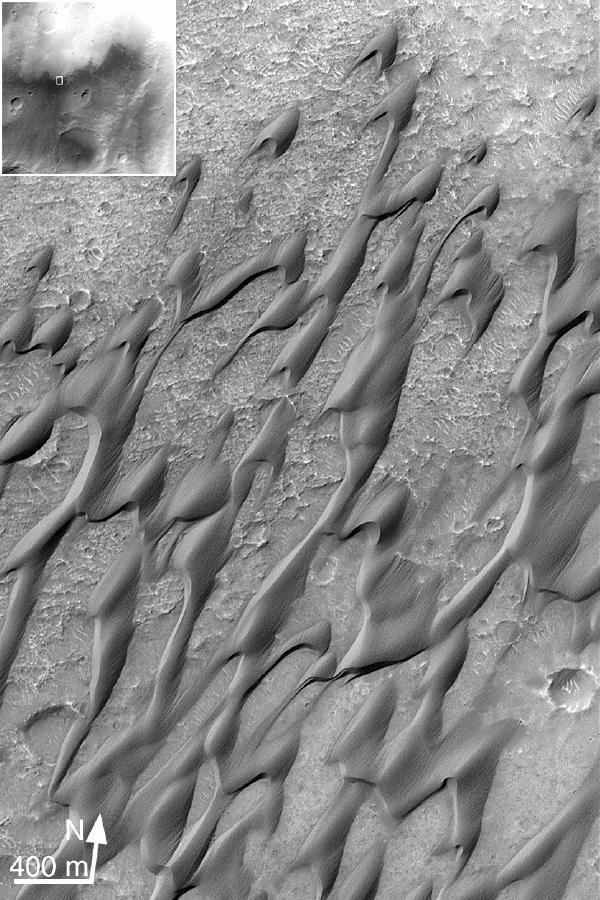
Dunes in Herschel Crater Herschel Crater: 15.7 S, 228.8 W
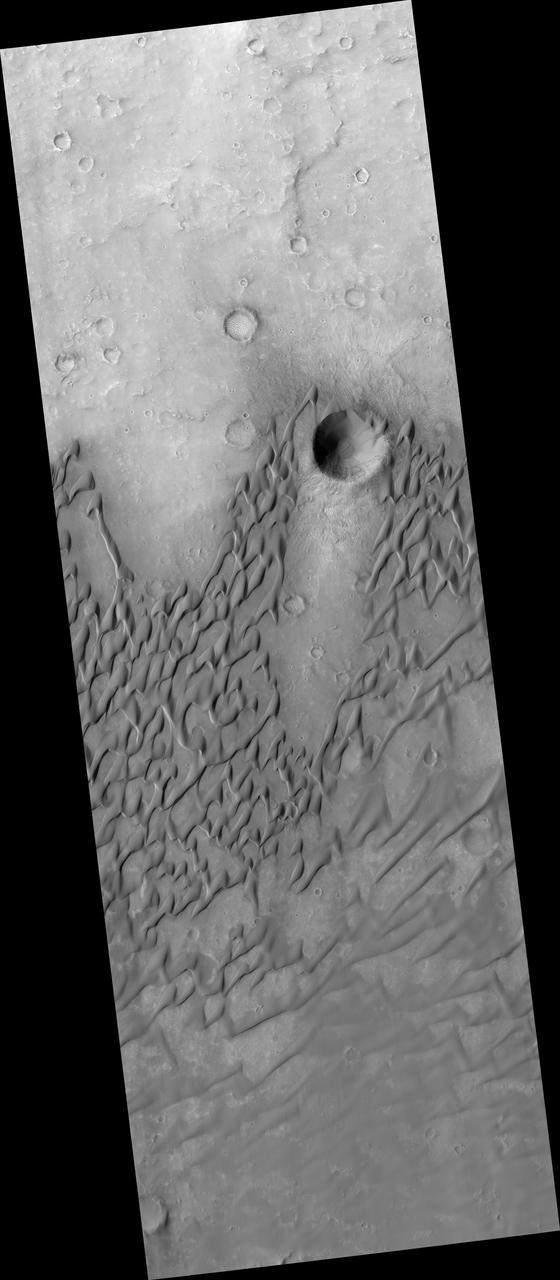
Dunes in Herschel Crater
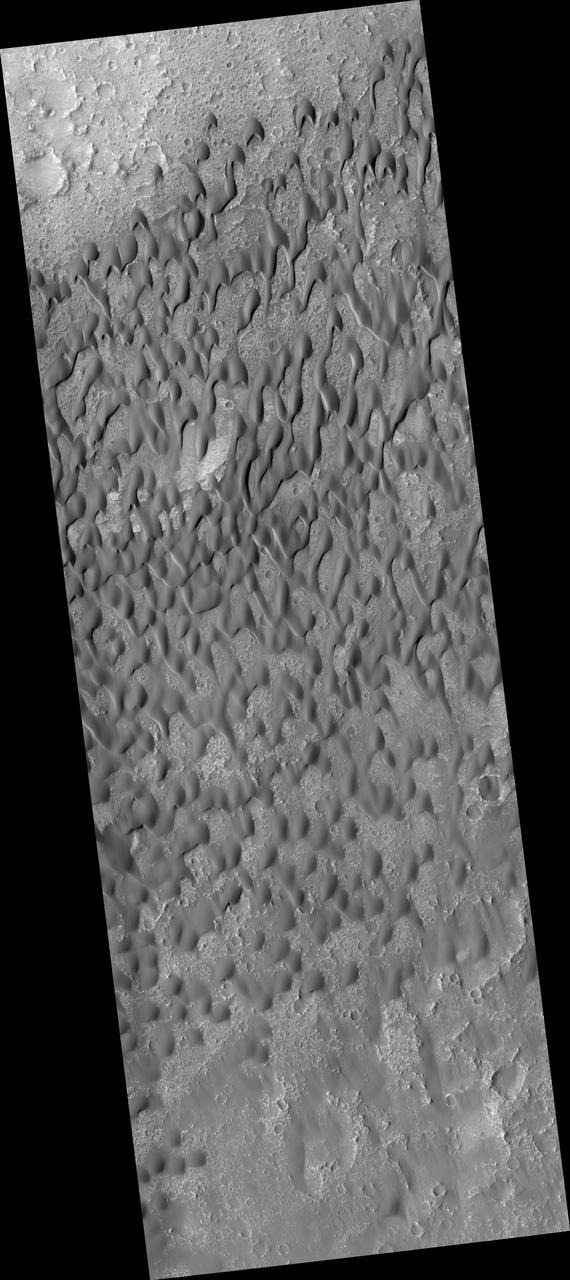
Dark Dunes in Herschel Crater
This view from NASA's Mars Reconnaissance Orbiter shows the downwind stretches of a sand sheet in central part of the much larger Herschel Crater. This sandy province began kilometers upwind in a string of barchan sand dunes. As the north-to-south blowing wind weakened downwind, it could no longer fashion the sand into dunes but rather into amorphously-shaped sand sheets. While perhaps not awe-inspiringly beautiful, sand sheets can tell us about Mars' current and past environmental conditions as a piece of the puzzle for understanding habitability. Having dunes upwind of sheets is the opposite situation Earth has, where upwind sand sheets evolve downwind into sand dunes. This mystery is receiving ongoing research to to understand these sandy differences between Earth and Mars. https://photojournal.jpl.nasa.gov/catalog/PIA21933

This image from NASA Mars Reconnaissance Orbiter shows dunes on the floor of Herschel Crater. Steep faces lipfaces are oriented downwind, in the direction of motion of the dunes. A dune-free area downwind of the crater is seen at the image center.
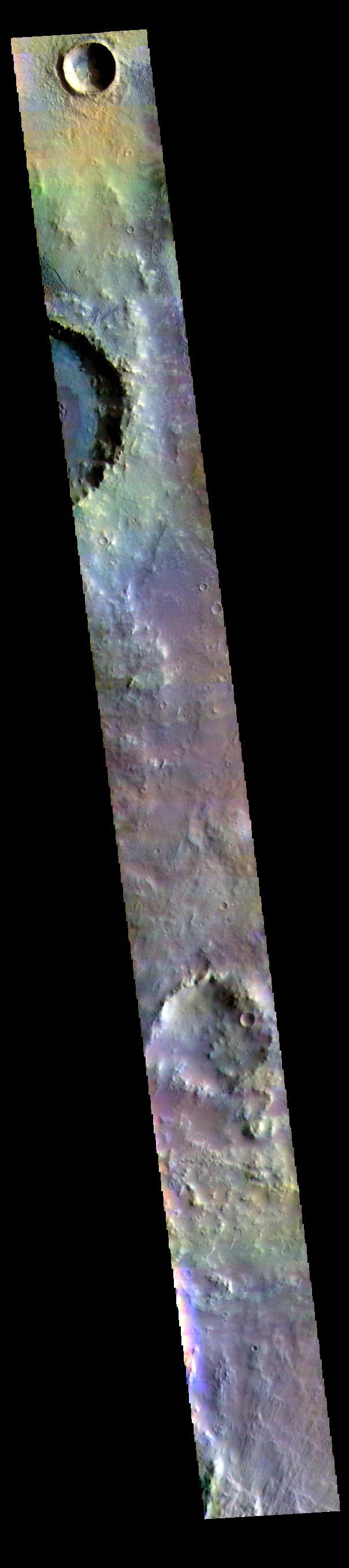
The THEMIS VIS camera contains 5 filters. The data from different filters can be combined in multiple ways to create a false color image. These false color images may reveal subtle variations of the surface not easily identified in a single band image. Today's false color image shows part of the floor of Herschel Crater. Several regions of sand dunes are visible at the top of the image. Herschel Crater is 298 km (185 miles) in diameter and is located in Terra Cimmeria. Orbit Number: 72235 Latitude: -15.0763 Longitude: 128.961 Instrument: VIS Captured: 2018-03-28 00:15 https://photojournal.jpl.nasa.gov/catalog/PIA24517

This mosaic, created from images taken by NASA Cassini spacecraft, looks straight at Saturn moon Mimas huge Herschel Crater revealing bright-walled craters, with floors and surroundings about 20 percent darker than the steep crater walls.
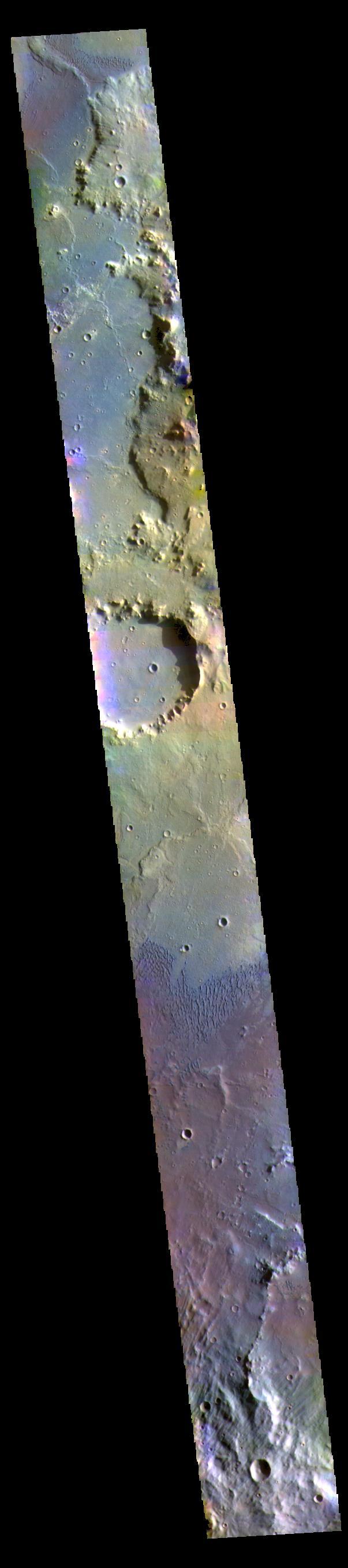
This false color image shows part of the floor of Herschel Crater. The THEMIS VIS camera contains 5 filters. The data from different filters can be combined in multiple ways to create a false color image. These false color images may reveal subtle variations of the surface not easily identified in a single band image. Orbit Number: 63542 Latitude: -15.0758 Longitude: 131.164 Instrument: VIS Captured: 2016-04-10 20:15 https://photojournal.jpl.nasa.gov/catalog/PIA23253
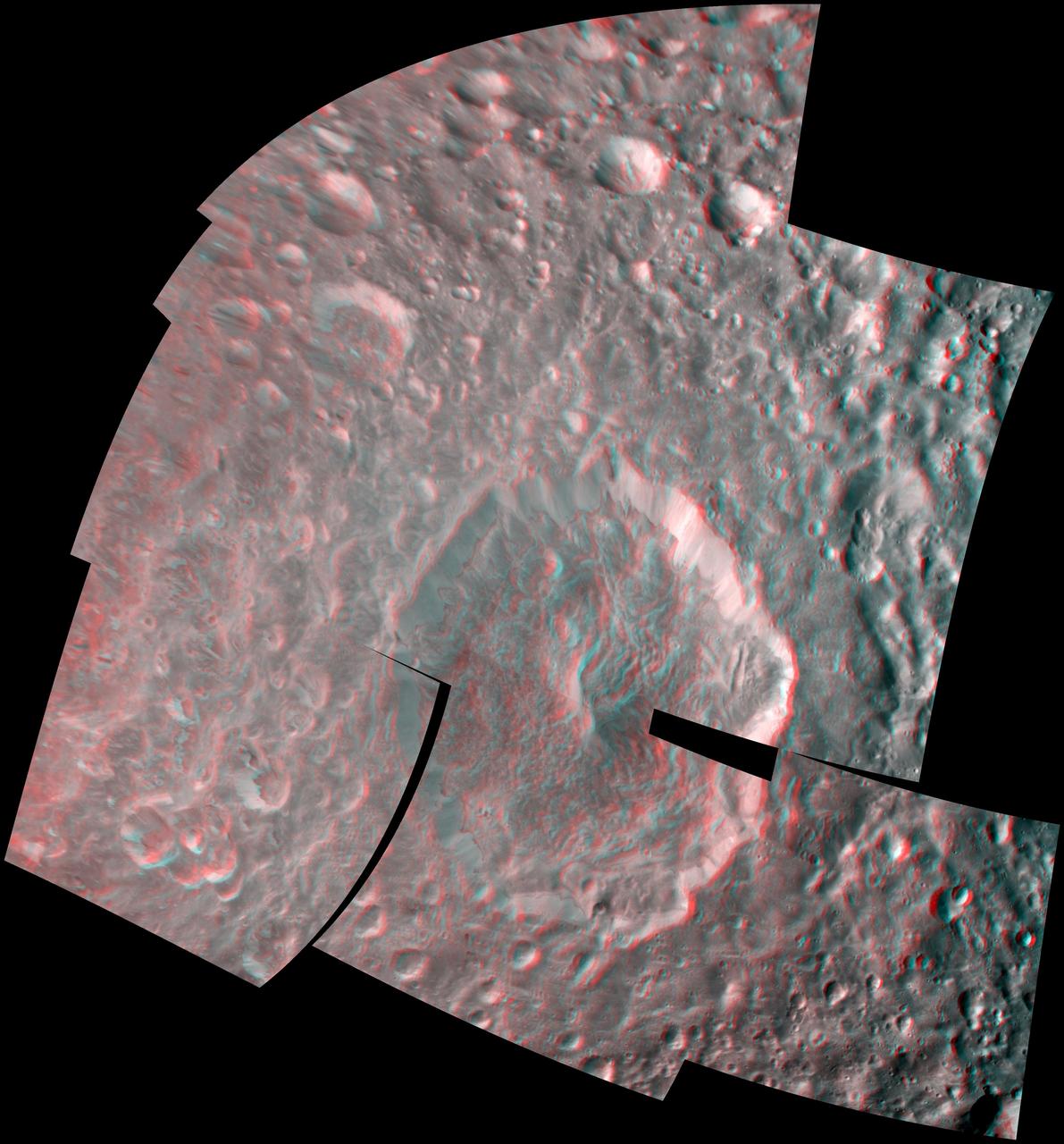
NASA Cassini spacecraft captured a three-dimensional view of the large Herschel Crater on Saturn moon Mimas during its closest-ever flyby of the moon. 3D glasses are needed to view this image.
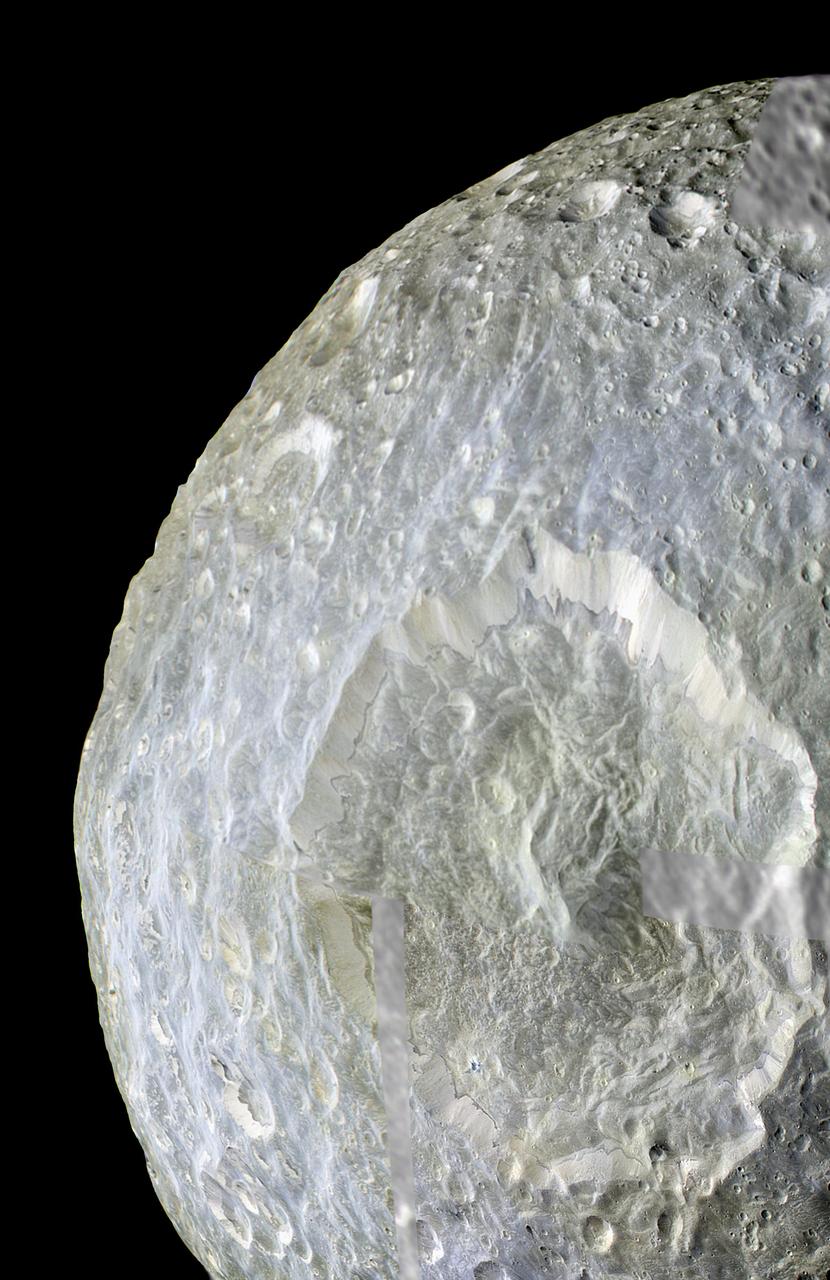
Subtle color differences on Saturn moon Mimas are apparent in this false-color view of Herschel Crater captured during NASA Cassini spacecraft on its closest-ever flyby of that moon.
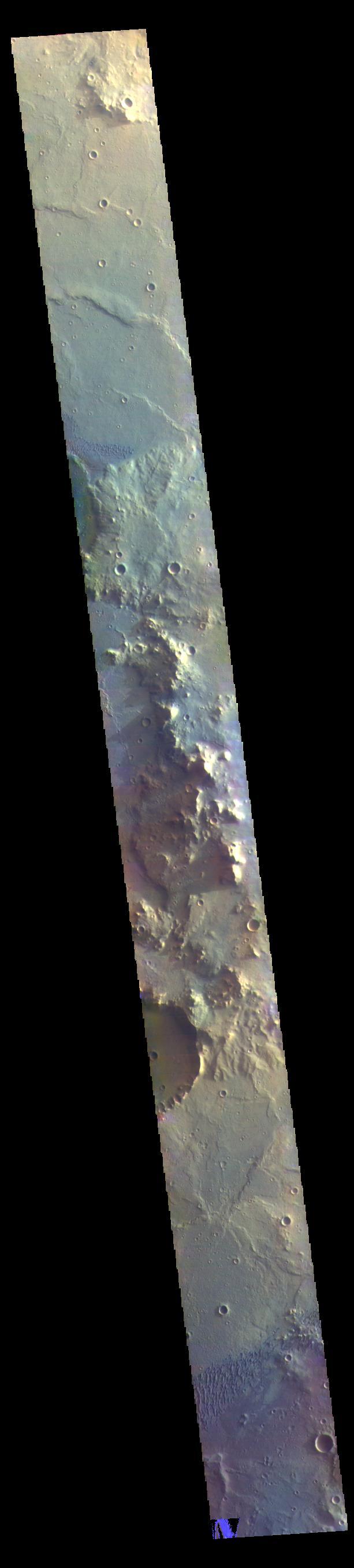
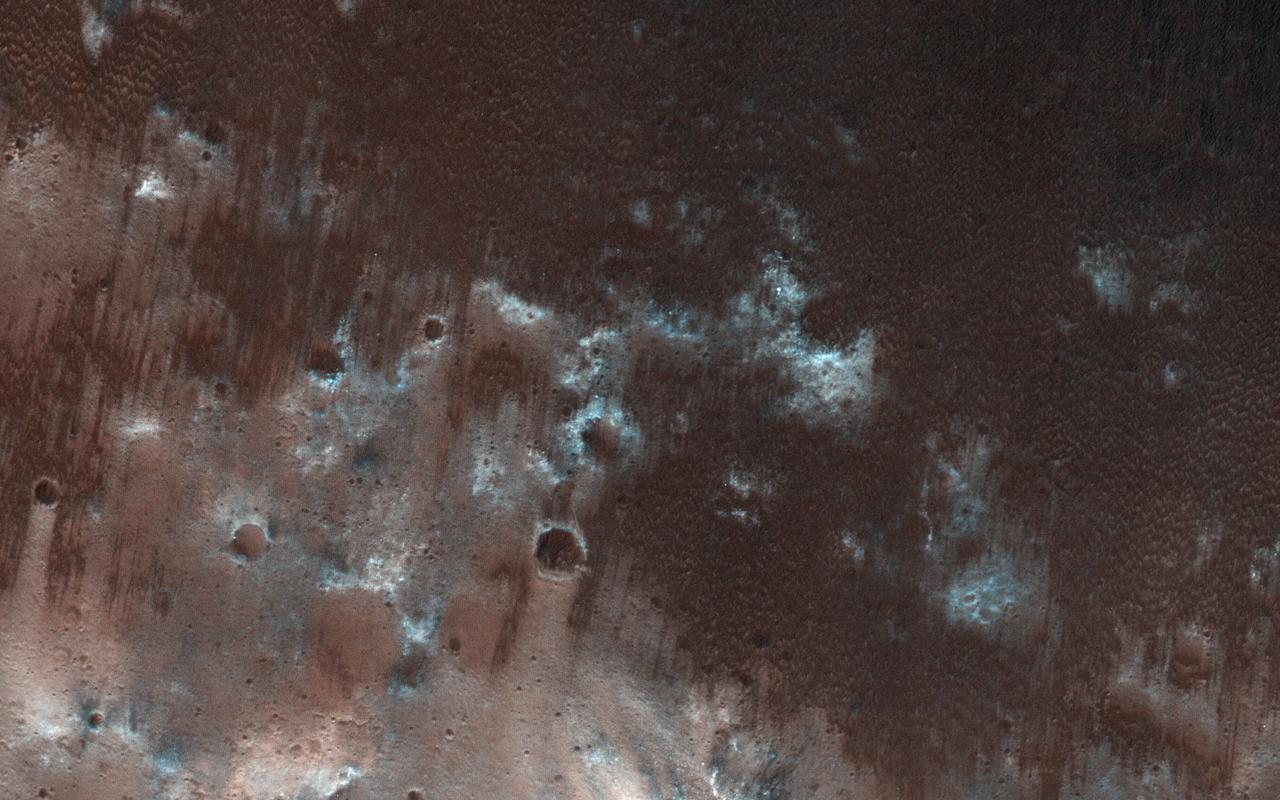
This VIS image shows part of the floor of Herschel Crater. Sand dunes are visible at the bottom of the image. The dark blue in this false color image typically indicates basaltic sands. Early morning shadows can be seen to the left of the hills at the center of the image. Herschel Crater is located in Terra Cimmeria. The THEMIS VIS camera contains 5 filters. The data from different filters can be combined in multiple ways to create a false color image. These false color images may reveal subtle variations of the surface not easily identified in a single band image. Orbit Number: 61471 Latitude: -14.2589 Longitude: 131.17 Instrument: VIS Captured: 2015-10-23 06:39 https://photojournal.jpl.nasa.gov/catalog/PIA23038
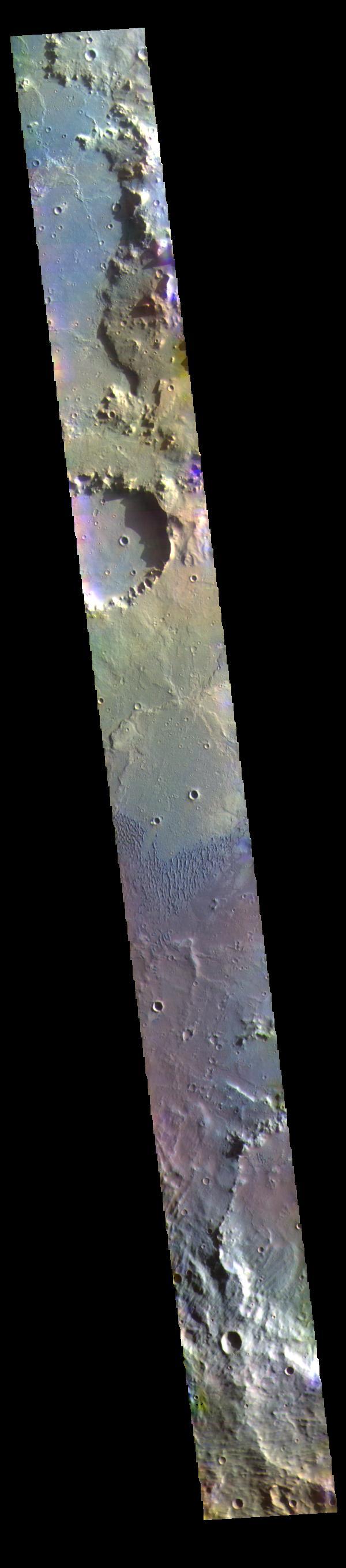
Today's false color image shows part of Herschel Crater located in Terra Cimmeria. The THEMIS VIS camera contains 5 filters. The data from different filters can be combined in multiple ways to create a false color image. These false color images may reveal subtle variations of the surface not easily identified in a single band image. Orbit Number: 63043 Latitude: -15.3399 Longitude: 131.225 Instrument: VIS Captured: 2016-02-29 17:51 https://photojournal.jpl.nasa.gov/catalog/PIA23200
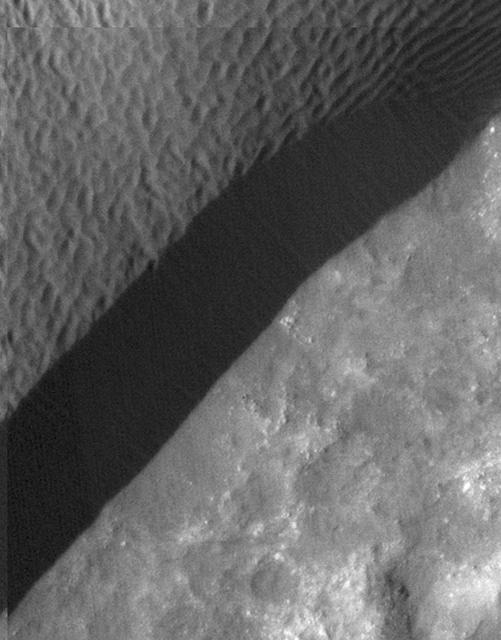
A rippled dune front in Herschel Crater on Mars moved an average of about one meter about one yard between March 3, 2007 and December 1, 2010, as seen in one of two images from NASA Mars Reconnaissance Orbiter.
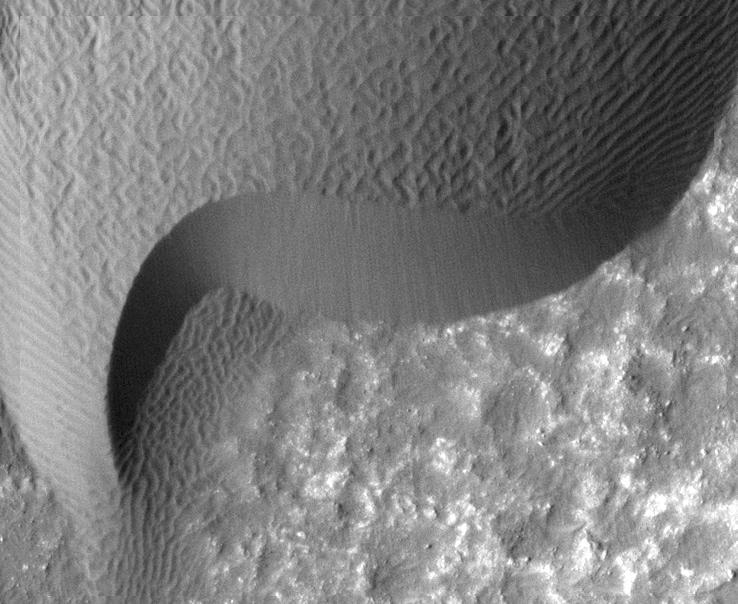
A rippled dune front in Herschel Crater on Mars moved an average of about two meters about two yards between March 3, 2007 and December 1, 2010, as seen in one of two images from NASA Mars Reconnaissance Orbiter.
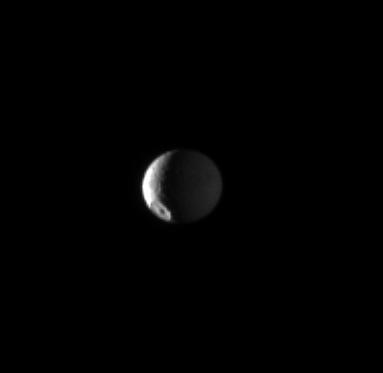
The Herschel crater dominates this view of Saturn moon Mimas.
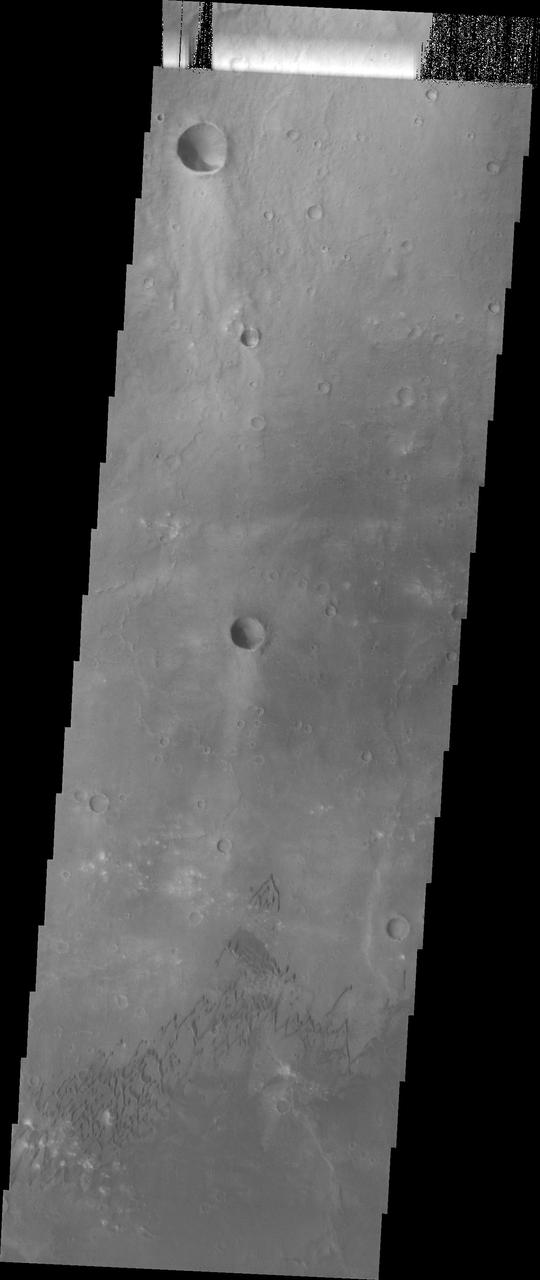
The sand dunes in this image are located on the floor of Herschel Crater.
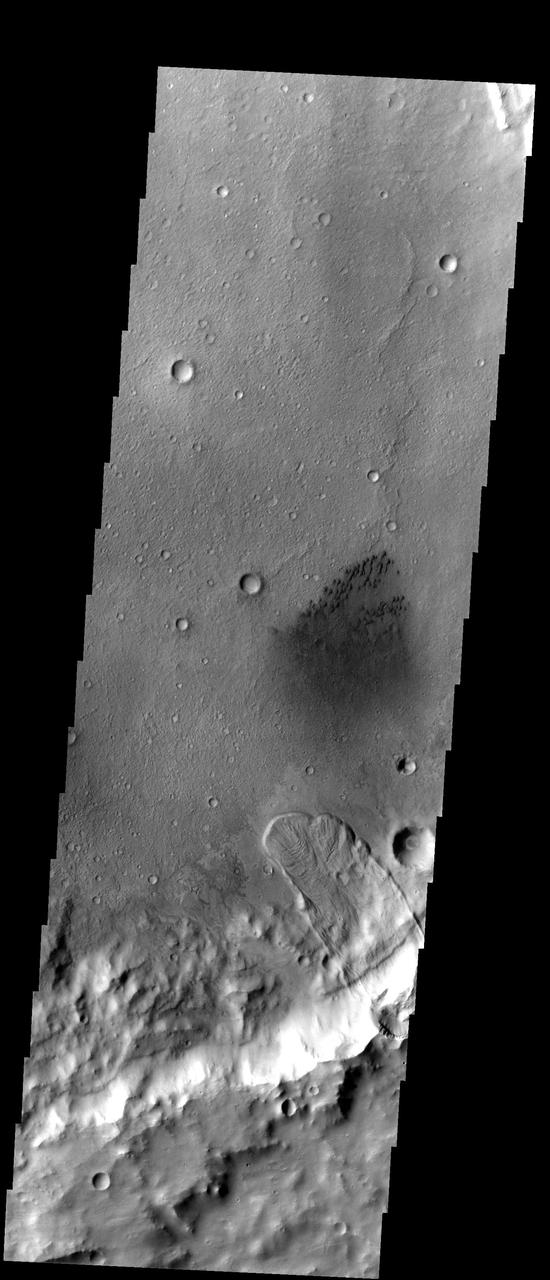
This unnamed crater east of Herschel Crater contains both a large landslide and a field of small dark sand dunes
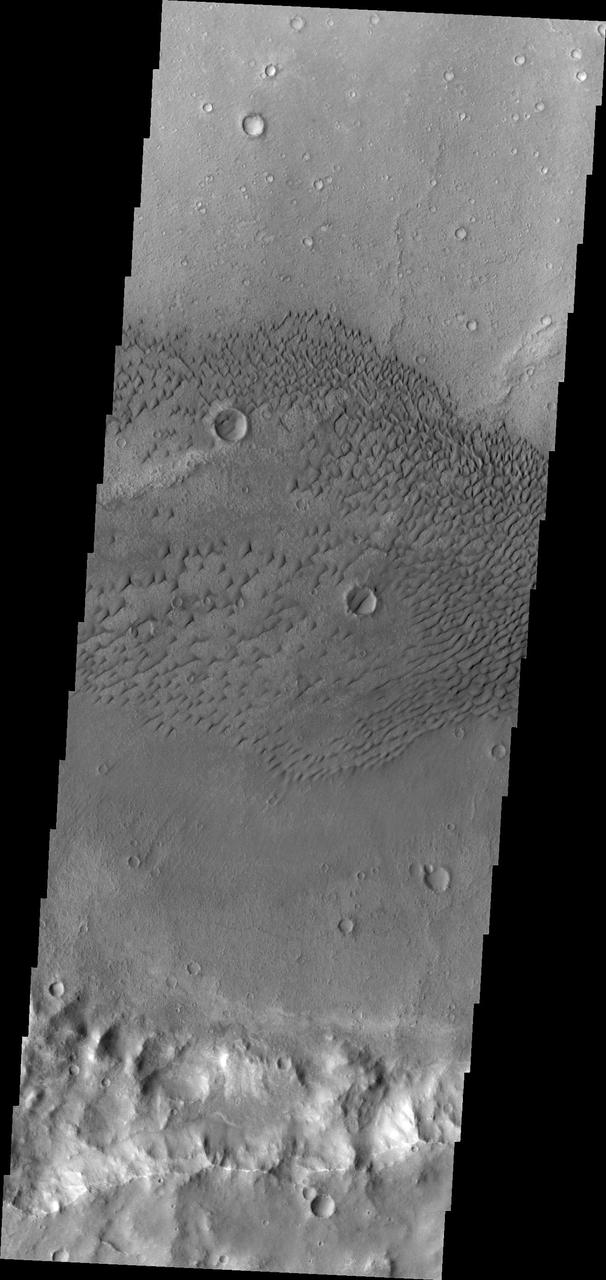
This image from NASA Mars Odyssey shows dunes on the floor of an unnamed crater west of Herschel Crater.
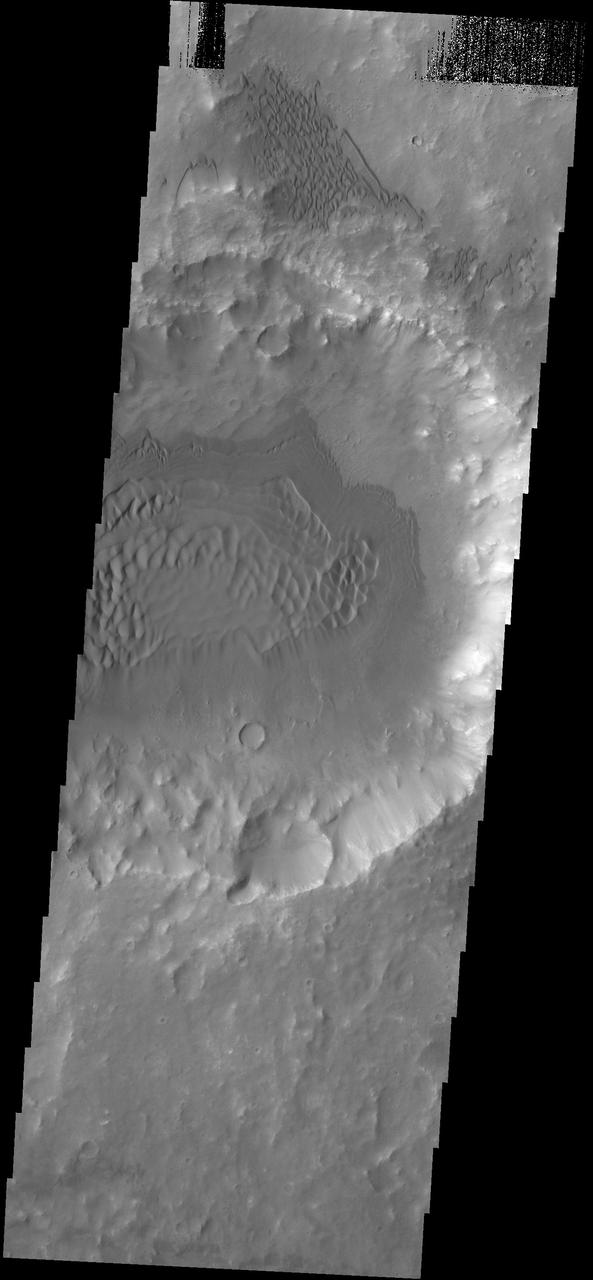
This image shows dunes in and around a crater located on the floor of the much larger Herschel Crater as seen by NASA 2001 Mars Odyssey spacecraft.
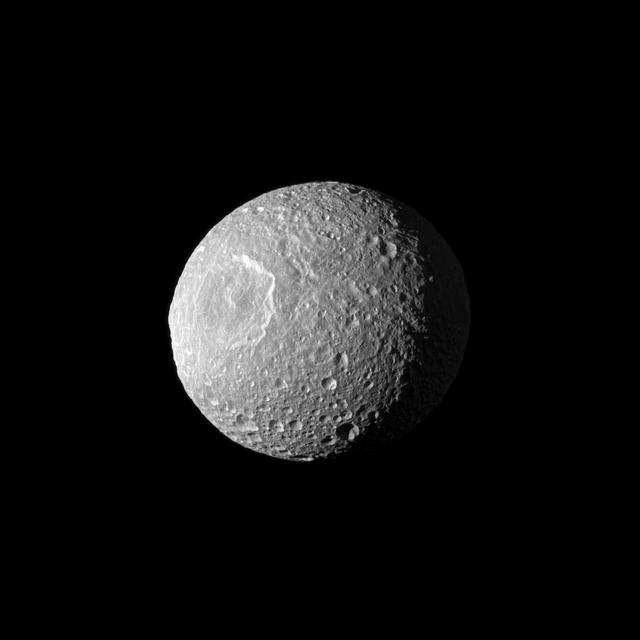
Appearing like a cyclops gazing off into space, Saturn moon Mimas and its large Herschel Crater are profiled from NASA Cassini spacecraft. Herschel Crater is 130 kilometers 80 miles wide and covers most of the left of this image.
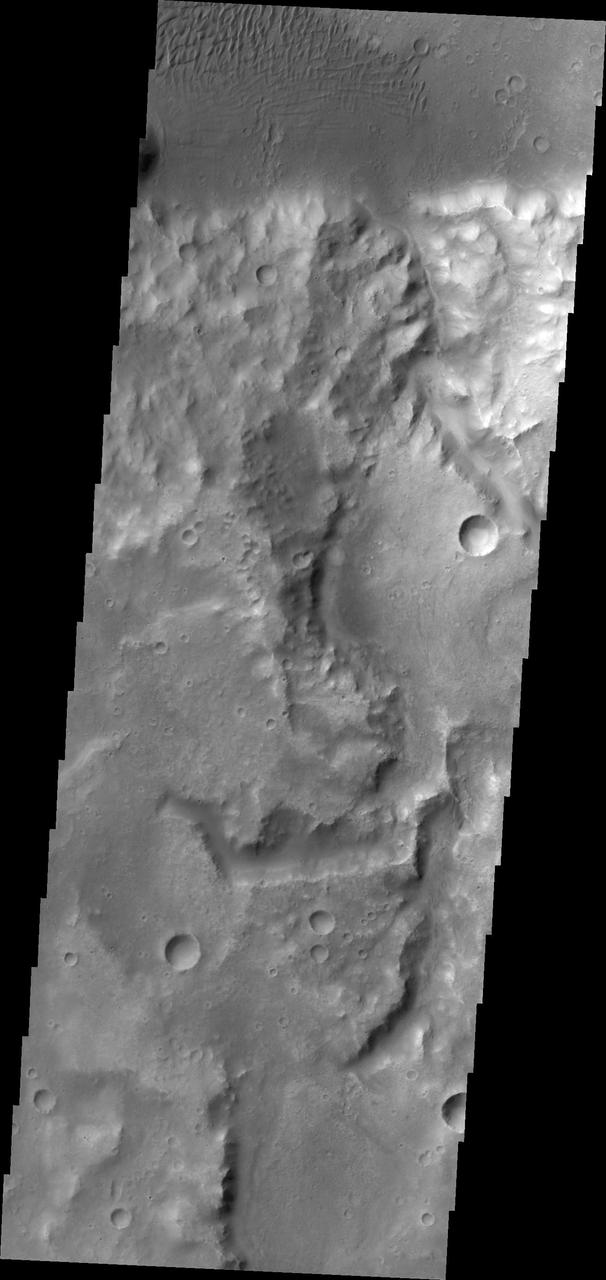
This image of Terra Cimmeria taken by NASA 2001 Mars Odyssey shows channeling and dunes near Herschel Crater.
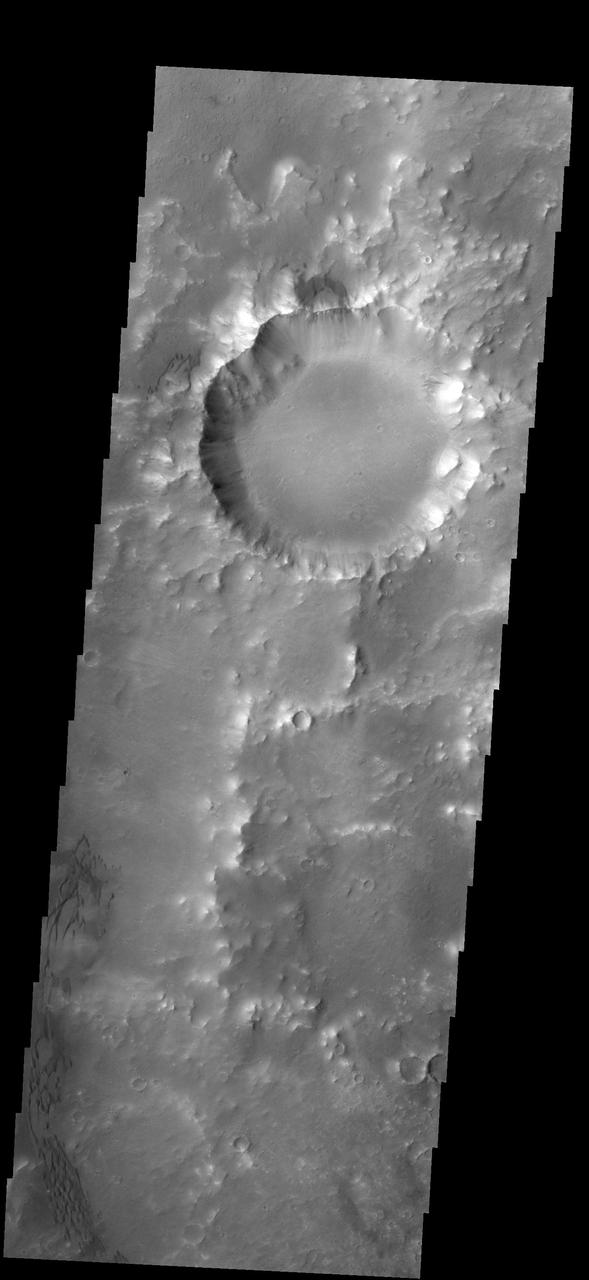
The dunes in this image are located on the floor of Herschel Crater as seen by NASA 2001 Mars Odyssey spacecraft.
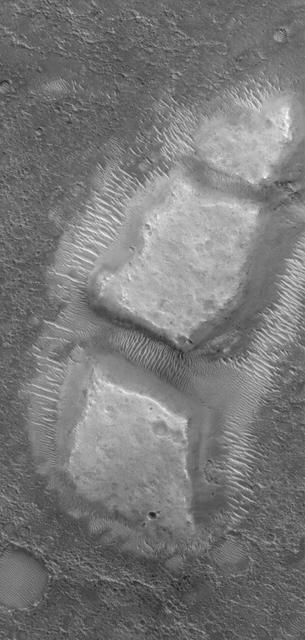
This MOC image shows blocky remnants of a material that was once more laterally extensive on the floor of an impact crater located northwest of Herschel Crater on Mars. Large ripples of windblown sediment have accumulated around and between the blocks
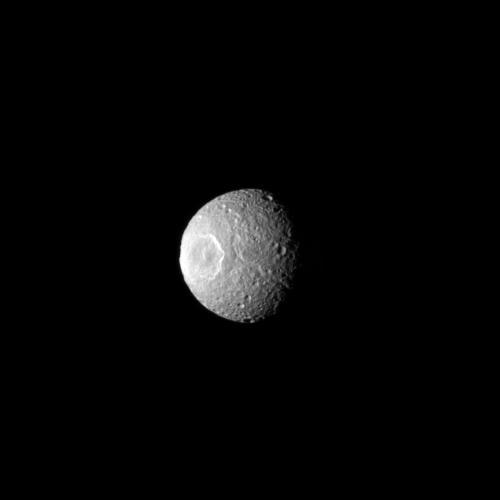
Herschel Crater features prominently on the moon Mimas in this NASA Cassini spacecraft image, which gives the impression of an eye staring out into space.
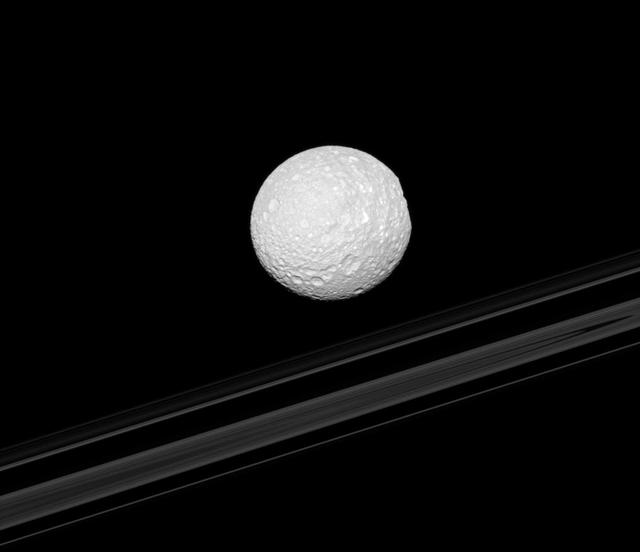
The right-hand limb of Saturn moon Mimas appears flattened as Herschel Crater is viewed edge-on in this image from NASA Cassini spacecraft. The planet rings are in the background.
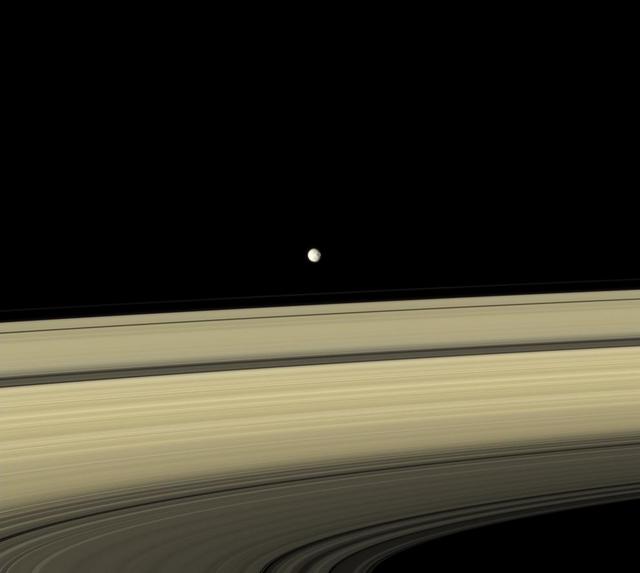
Gray Mimas appears to hover above the colorful rings. The large crater seen on the right side of the moon is named for William Herschel, who discovered Mimas in 1789.

The smaller moon Mimas upstages the larger moon Dione as the dramatic Herschel Crater is spotlighted on Mimas in this view from NASA Cassini spacecraft.
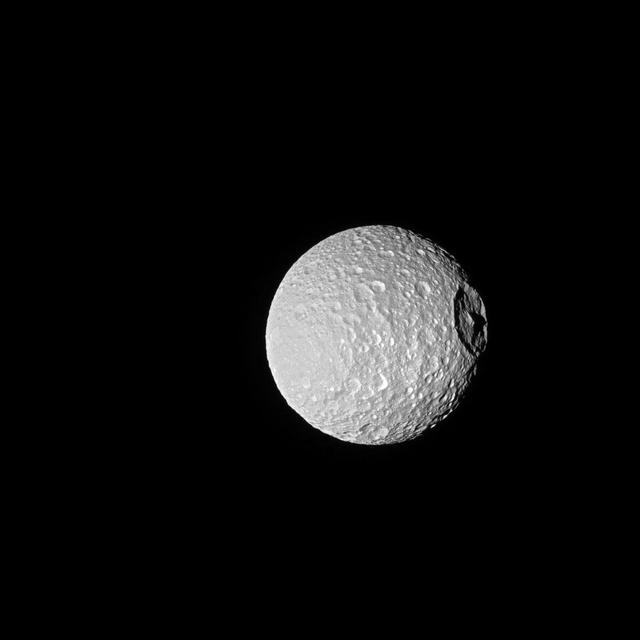
Shadows cast across Mimas' defining feature, Herschel Crater, provide an indication of the size of the crater's towering walls and central peak. Named after the icy moon's discoverer, astronomer William Herschel, the crater stretches 86 miles (139 kilometers) wide -- almost one-third of the diameter of Mimas (246 miles or 396 kilometers) itself. Large impact craters often have peaks in their center -- see Tethys' large crater Odysseus in PIA08400. Herschel's peak stands nearly as tall as Mount Everest on Earth. This view looks toward the anti-Saturn hemisphere of Mimas. North on Mimas is up and rotated 21 degrees to the left. The image was taken with the Cassini spacecraft narrow-angle camera on Oct. 22, 2016 using a combination of spectral filters which preferentially admits wavelengths of ultraviolet light centered at 338 nanometers. The view was acquired at a distance of approximately 115,000 miles (185,000 kilometers) from Mimas and at a Sun-Mimas-spacecraft, or phase, angle of 20 degrees. Image scale is 3,300 feet (1 kilometer) per pixel. http://photojournal.jpl.nasa.gov/catalog/PIA20515
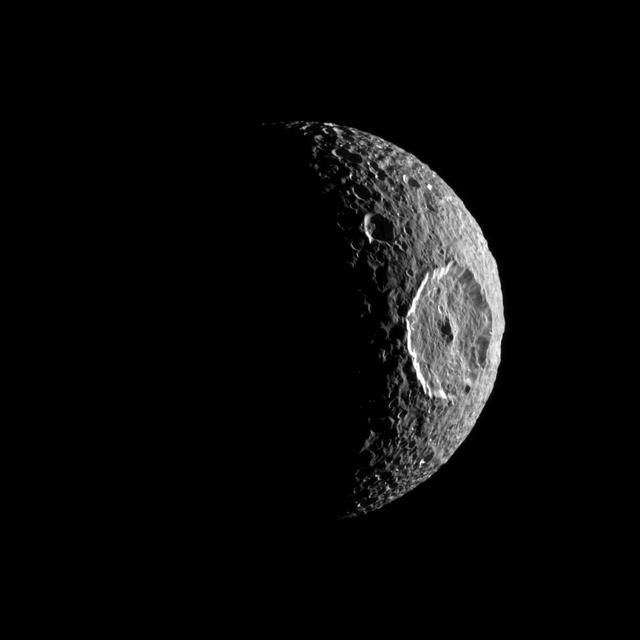
NASA Cassini spacecraft turns the eye of its camera toward Saturn moon Mimas and spies the large Herschel Crater which itself looks like the iris of an eye peering out into space.

The great basin that interrupts the contours of this moon crescent identifies the satellite unmistakably as Mimas. The giant crater Herschel 130 kilometers, or 80 miles wide is this moon most obvious feature

In this view captured by NASA Cassini spacecraft on its closest-ever flyby of Saturn moon Mimas, large Herschel Crater dominates Mimas, making the moon look like the Death Star in the movie Star Wars.
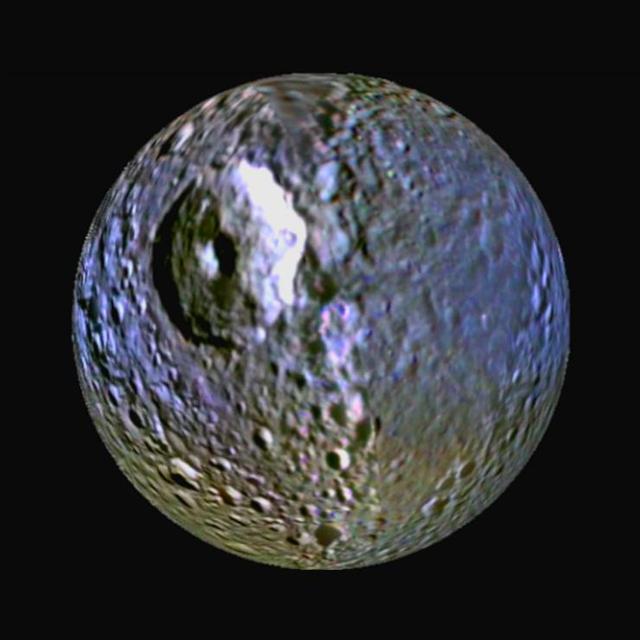
This enhanced-color view of Saturn moon Mimas was made from images obtained by NASA Cassini spacecraft. It highlights the bluish band around the icy moon equator. The large round gouge on the surface is Herschel Crater.
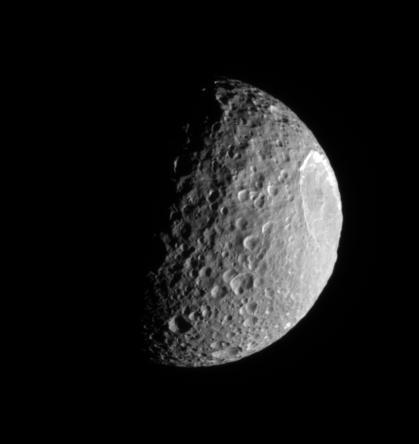
Mimas plows along in its orbit, its pockmarked surface in crisp relief. The bright, steep walls of the enormous crater, Herschel 130 kilometers, or 80 miles wide, gleam in the sunlight
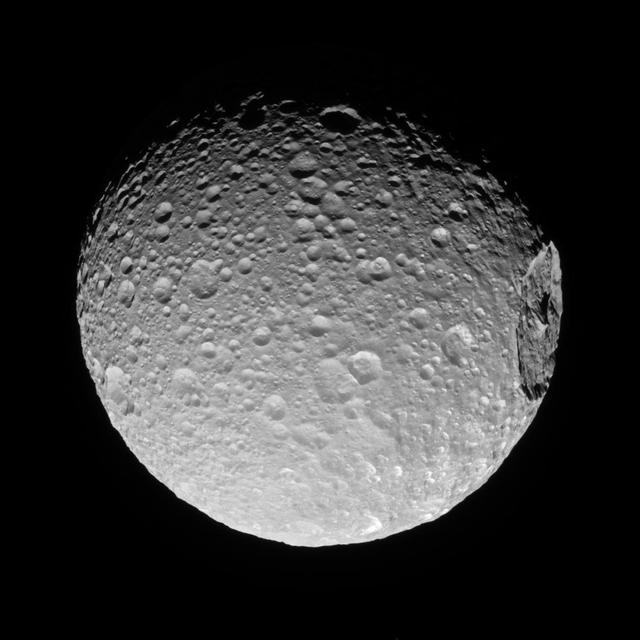
Mimas' gigantic crater Herschel lies near the moon's limb in this Cassini view. A big enough impact could potentially break up a moon. Luckily for Mimas, whatever created Herschel was not quite big enough to cause that level of disruption. When large impacts happen, they deliver tremendous amounts of energy -- sometimes enough to cause global destruction. Even impacts that are not catastrophic can leave enormous, near-permanent scars on bodies like Mimas (246 miles or 396 kilometers across). This view looks toward the anti-Saturn hemisphere of Mimas. North on Mimas is up and rotated 32 degrees to the left. The image was taken in visible light with the Cassini spacecraft narrow-angle camera on Nov. 19, 2016. The view was acquired at a distance of approximately 53,000 miles (85,000 kilometers) from Mimas. Image scale is 1,677 feet (511 meters) per pixel. http://photojournal.jpl.nasa.gov/catalog/PIA20523
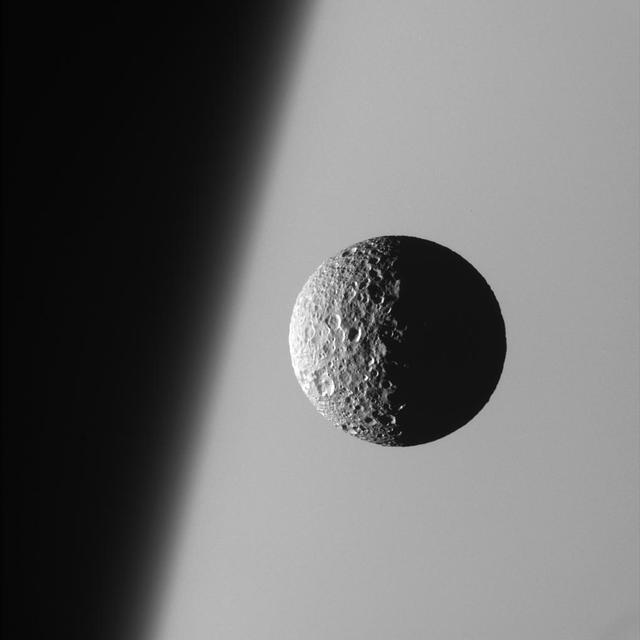
This amazing perspective view captures battered Mimas against the hazy limb of Saturn. It is obvious in such close-up images that Mimas has been badly scarred by impacts over the eons. Its wide crater, Herschel, lies in the darkness at right
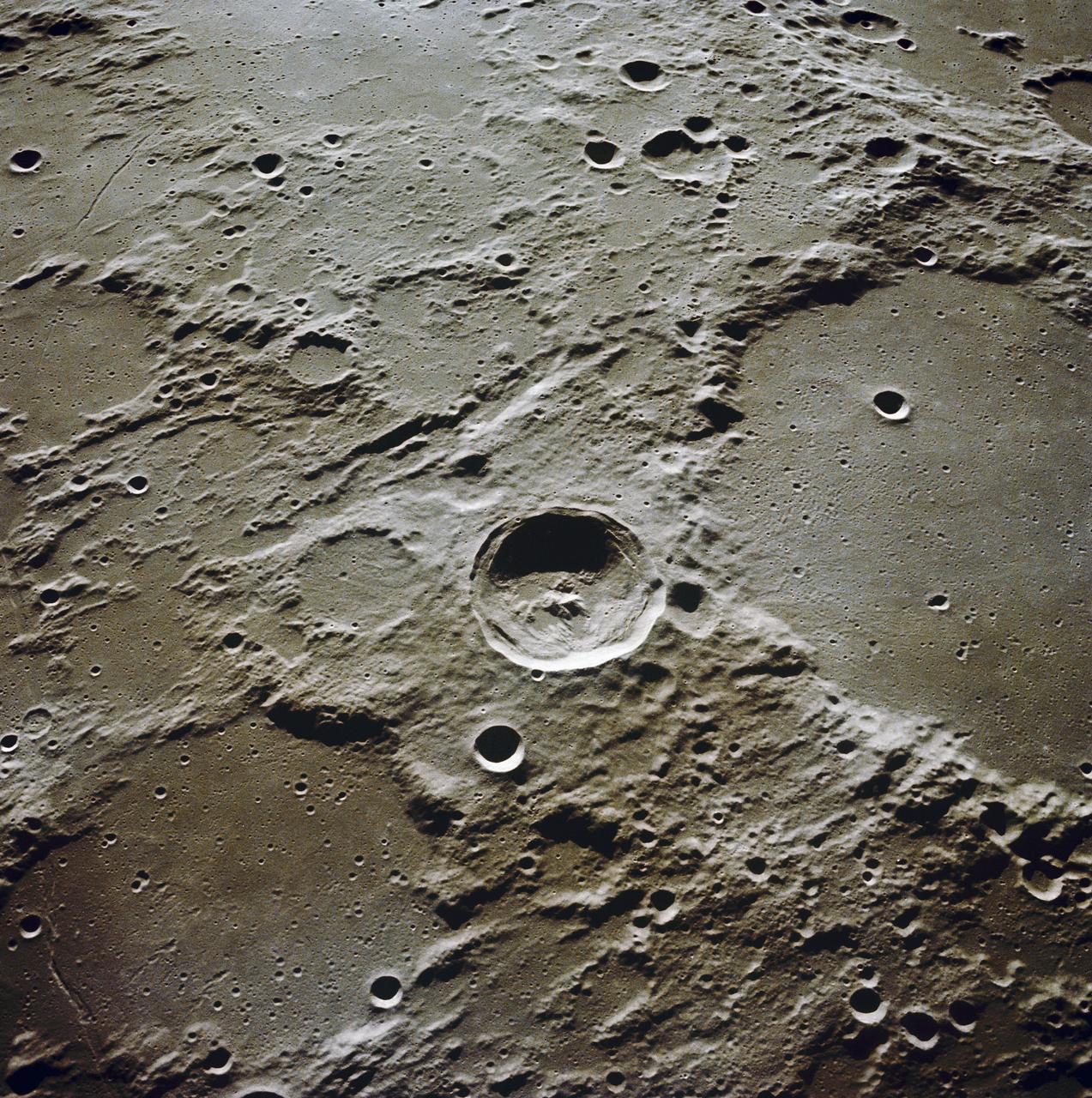
AS12-50-7431 (19 Nov 1969) --- This low oblique view, taken from the Apollo 12 spacecraft, is looking toward the southeast and it shows the highland area around the large crater Ptolemaeus (right center). Herschel is the terraced crater with central peaks in center of photo.
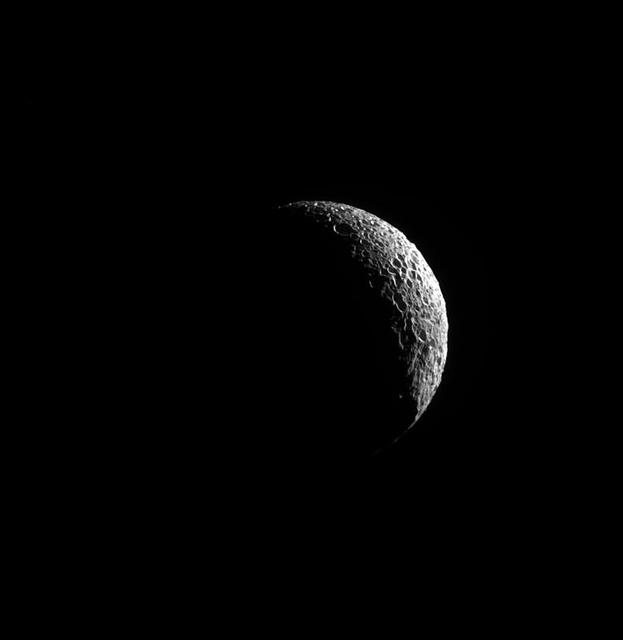
A thin sliver of Mimas is illuminated, the long shadows showing off its many craters, indicators of the moon's violent history. The most famous evidence of a collision on Mimas (246 miles, or 396 kilometers across) is the crater Herschel that gives Mimas its Death Star-like appearance. See PIA12568 for more on Herschel. This view looks toward the anti-Saturn hemisphere of Mimas. North on Mimas is up and rotated 40 degrees to the right. The image was taken in visible light with the Cassini spacecraft narrow-angle camera on May 20, 2013. The view was acquired at a distance of approximately 100,000 miles (200,000 kilometers) from Mimas and at a Sun-Mimas-spacecraft, or phase, angle of 130 degrees. Image scale is 4,000 feet (1 kilometer) per pixel. http://photojournal.jpl.nasa.gov/catalog/PIA18285
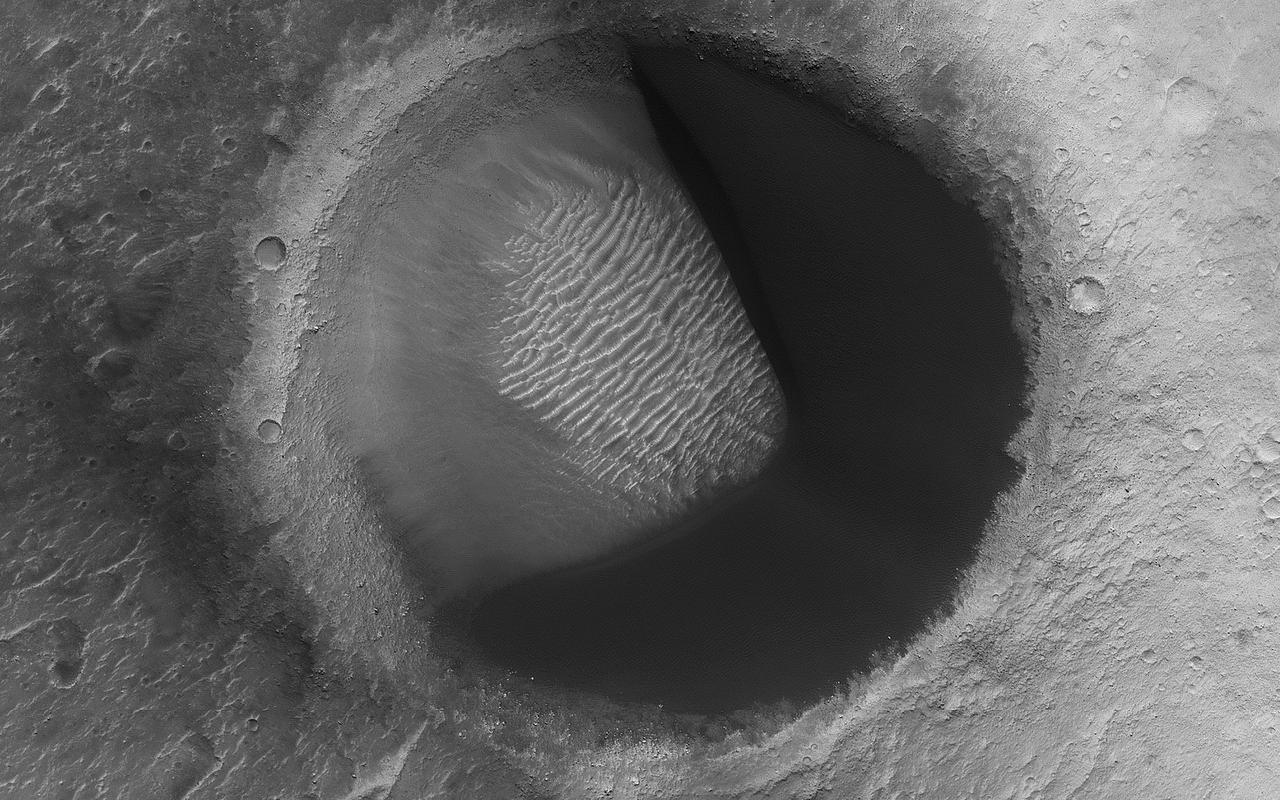
This image from NASA's Mars Reconnaissance Orbiter shows barchan sand dunes, common on Mars and often forming vast dune fields within very large (tens to hundreds of kilometers) impact basins. The regions upwind of barchans are usually devoid of sandy bedforms, so if you were walking in a downwind direction, then the barchans would seem to appear out of nowhere. As you walk downwind, you would notice the barchans link up ("joining arms") and eventually slope into featureless sand sheets. We call this progression of dunes a "Herschel-type dune field" named after the first place this sequence was described: Herschel Crater. But here is something interesting: a barchan dune filling the upwind portion of a small impact crater in a Pac-Man-like shape. This "dune-in-a-crater" is nearly at the highest extent of the field. It is also probably a rare configuration, and over the next few tens of thousands of years the sand will be blown out of the crater. https://photojournal.jpl.nasa.gov/catalog/PIA22456
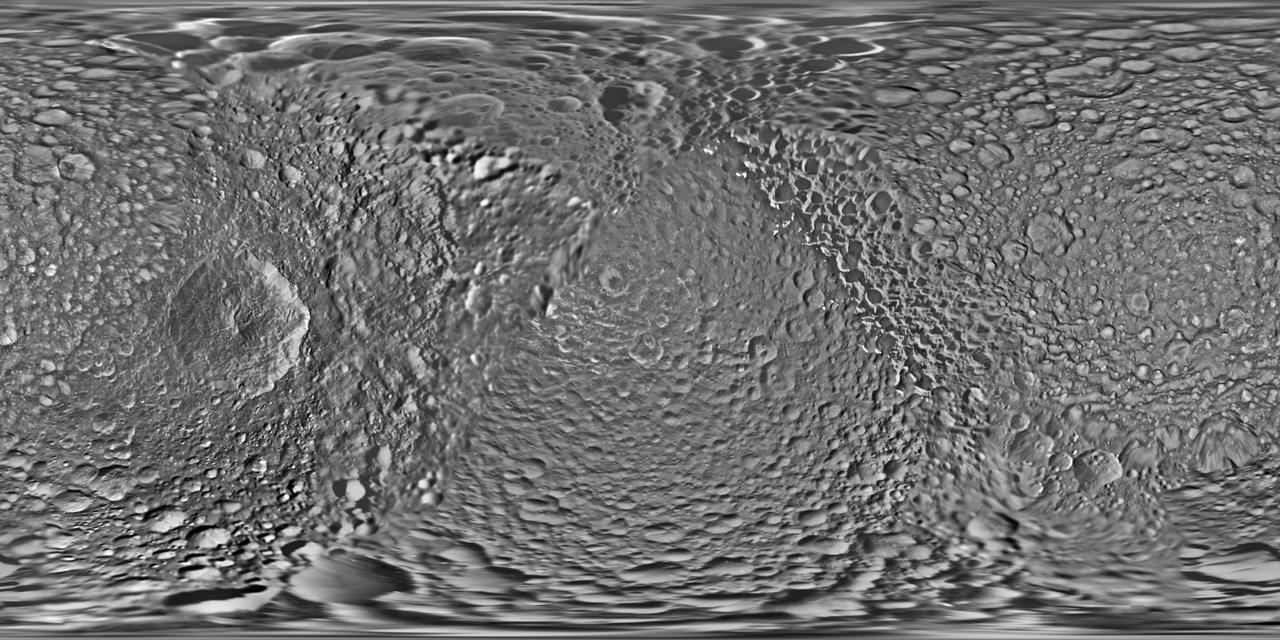
This global map of Saturn's moon Mimas was created using images taken during Cassini spacecraft flybys. The moon's large, distinguishing crater, Herschel, is seen on the map at left. The map is an equidistant (simple cylindrical) projection and has a scale of 710 feet (216 meters) per pixel at the equator. The mean radius of Mimas used for projection of this map is 123.2 miles (198.2 kilometers). The resolution of the map is 16 pixels per degree. The update includes new images for almost half of the moon's surface, with new images from two close flybys, in Nov. 2016 and Feb. 2017. The moon's western hemisphere, south pole and parts of the eastern hemisphere received updates in this version. https://photojournal.jpl.nasa.gov/catalog/PIA17214
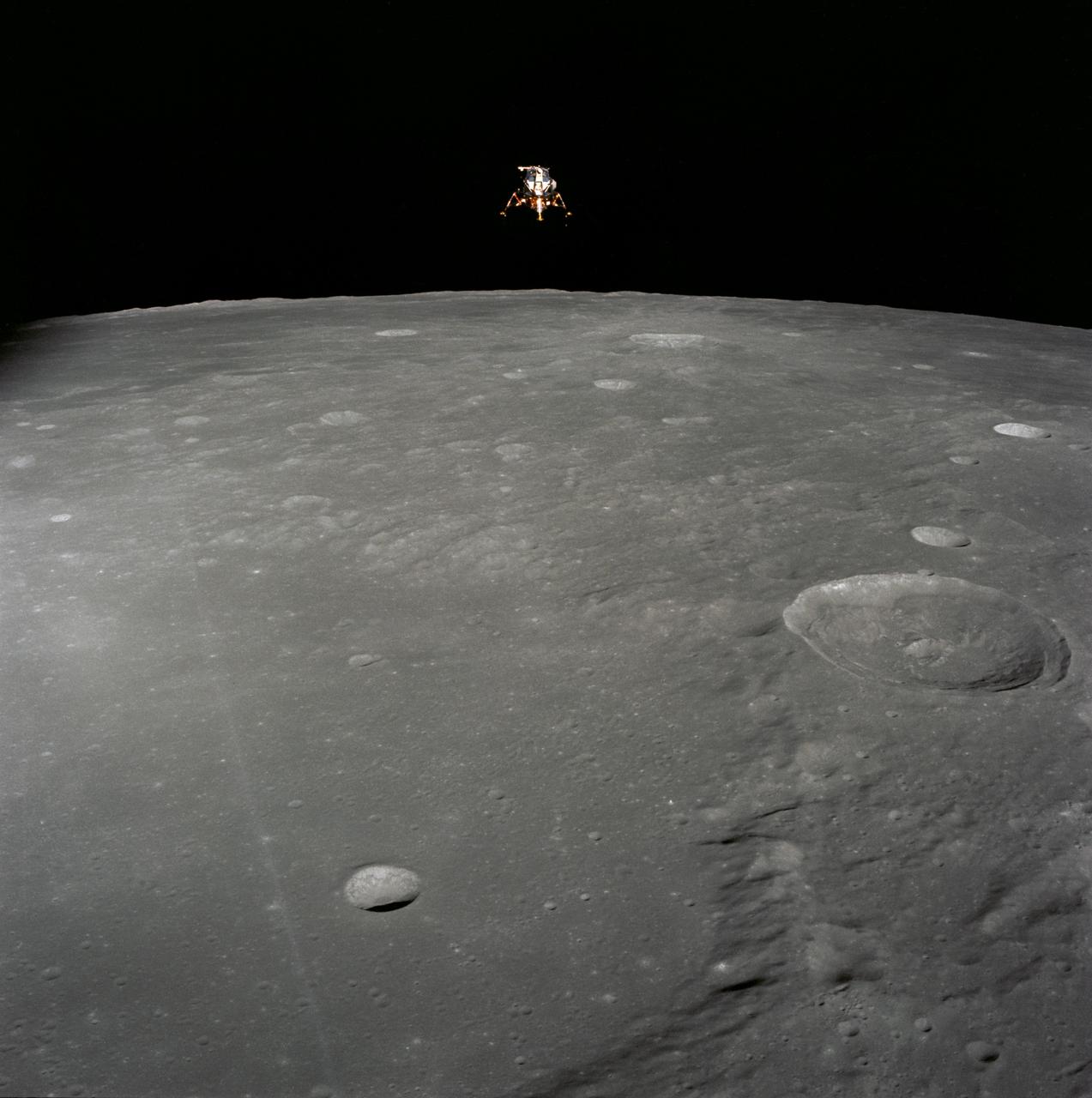
AS12-51-7507 (19 Nov. 1969) --- The Apollo 12 Lunar Module (LM), in a lunar landing configuration, is photographed in lunar orbit from the Command and Service Modules (CSM). The coordinates of the center of the lunar surface shown in picture are 4.5 degrees west longitude and 7 degrees south latitude. The largest crater in the foreground is Ptolemaeus; and the second largest is Herschel. Aboard the LM were astronauts Charles Conrad Jr., commander; and Alan L. Bean, lunar module pilot. Astronaut Richard R. Gordon Jr., command module pilot, remained with the CSM in lunar orbit while Conrad and Bean descended in the LM to explore the surface of the moon. Photo credit: NASA