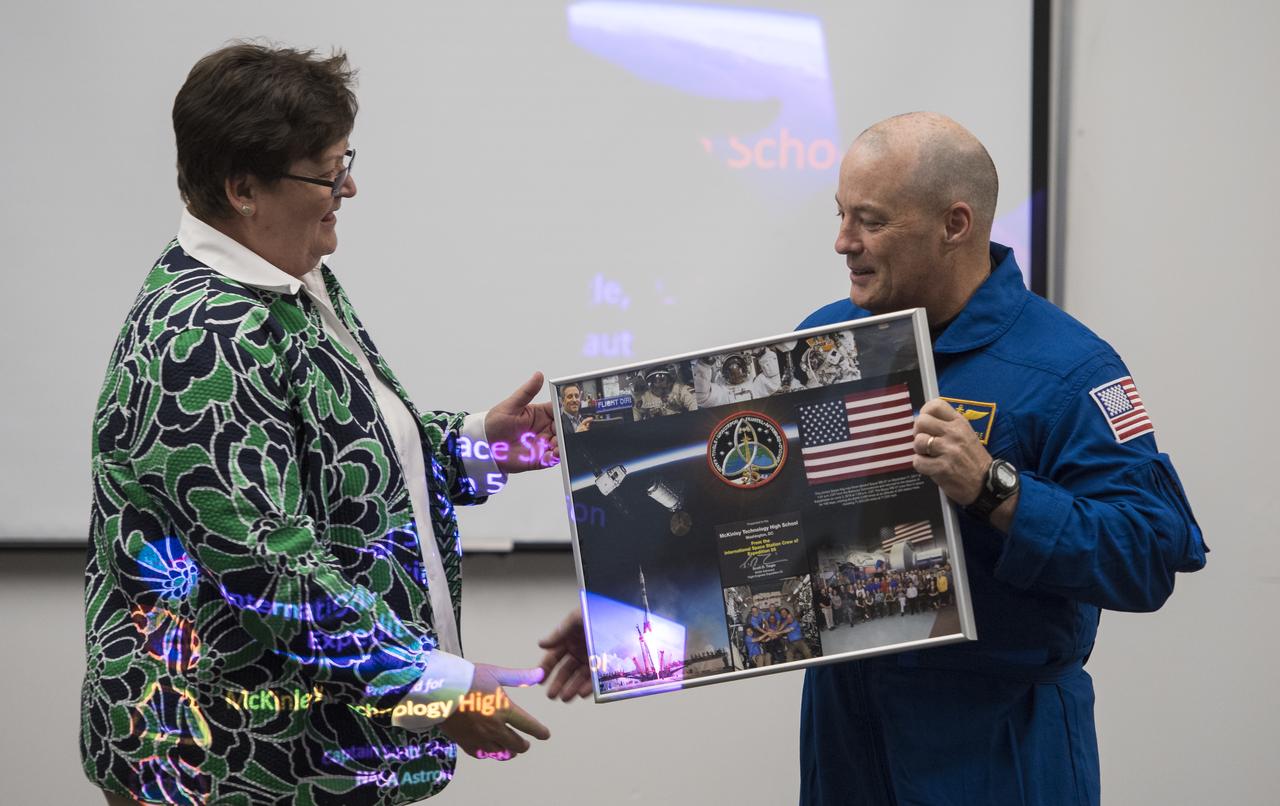
NASA astronaut Scott Tingle presents a montage for McKinley Technology High School to Principal Louise Jones before speaking to students about his time onboard the International Space Station, Friday, Sept. 14, 2018 at McKinley Technology High School in Washington, DC. Tingle spent 168 days onboard the International Space Station as part of Expeditions 54 and 55. Photo Credit: (NASA/Joel Kowsky)
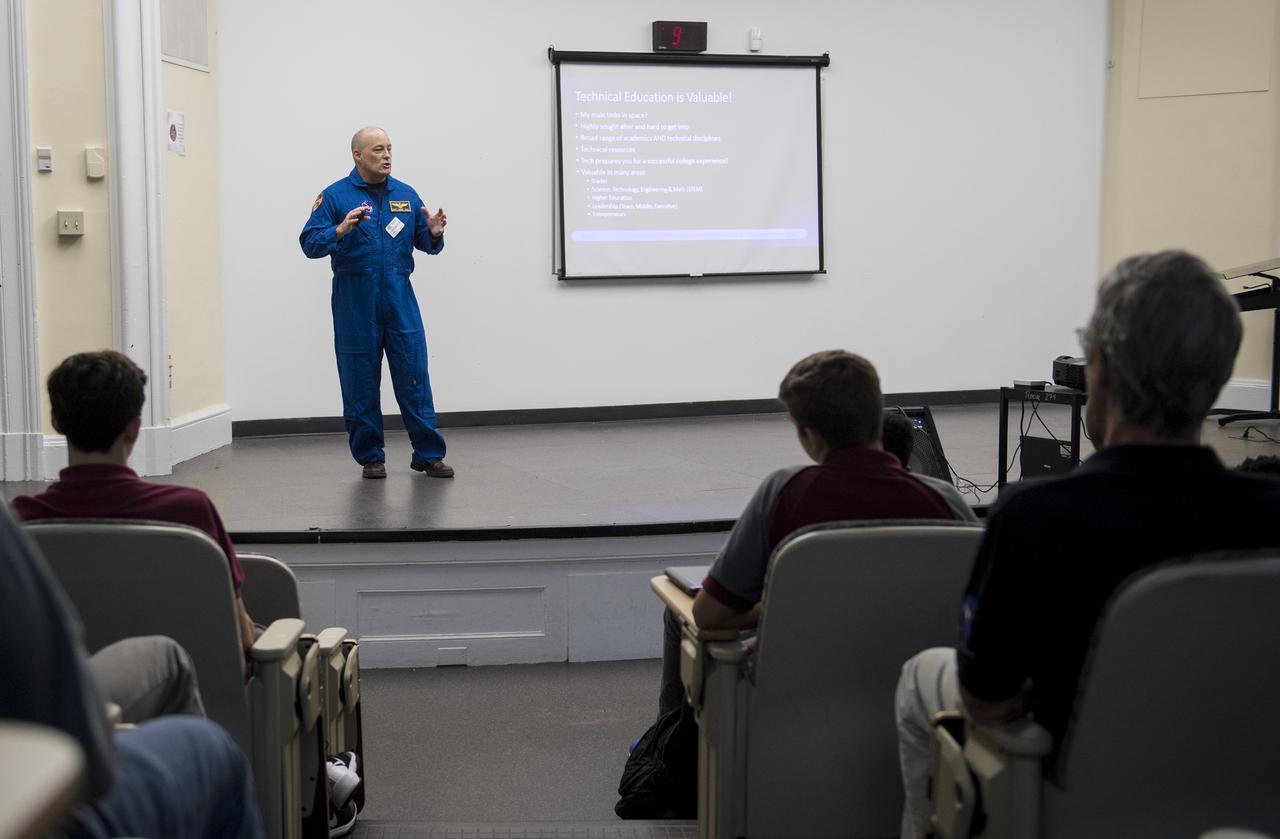
NASA astronaut Scott Tingle speaks to students about his time onboard the International Space Station, Friday, Sept. 14, 2018 at McKinley Technology High School in Washington, DC. Tingle spent 168 days onboard the International Space Station as part of Expeditions 54 and 55. Photo Credit: (NASA/Joel Kowsky)
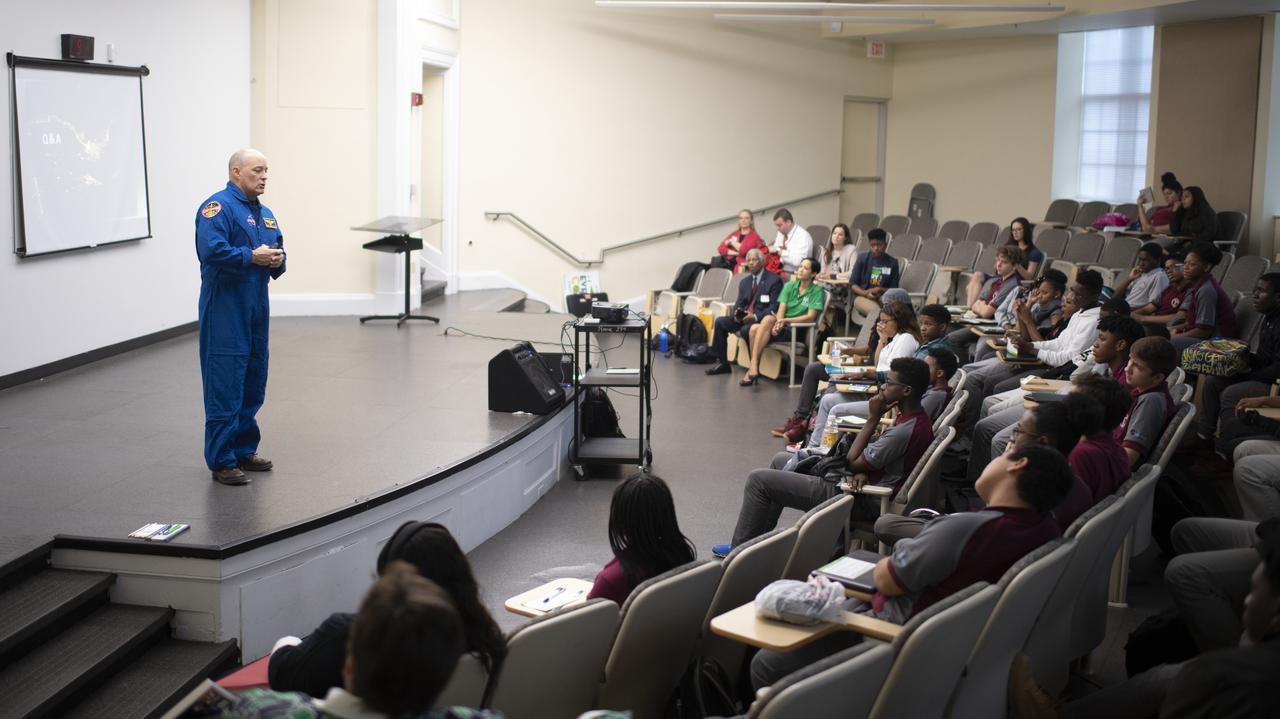
NASA astronaut Scott Tingle speaks to students about his time onboard the International Space Station, Friday, Sept. 14, 2018 at McKinley Technology High School in Washington, DC. Tingle spent 168 days onboard the International Space Station as part of Expeditions 54 and 55. Photo Credit: (NASA/Joel Kowsky)
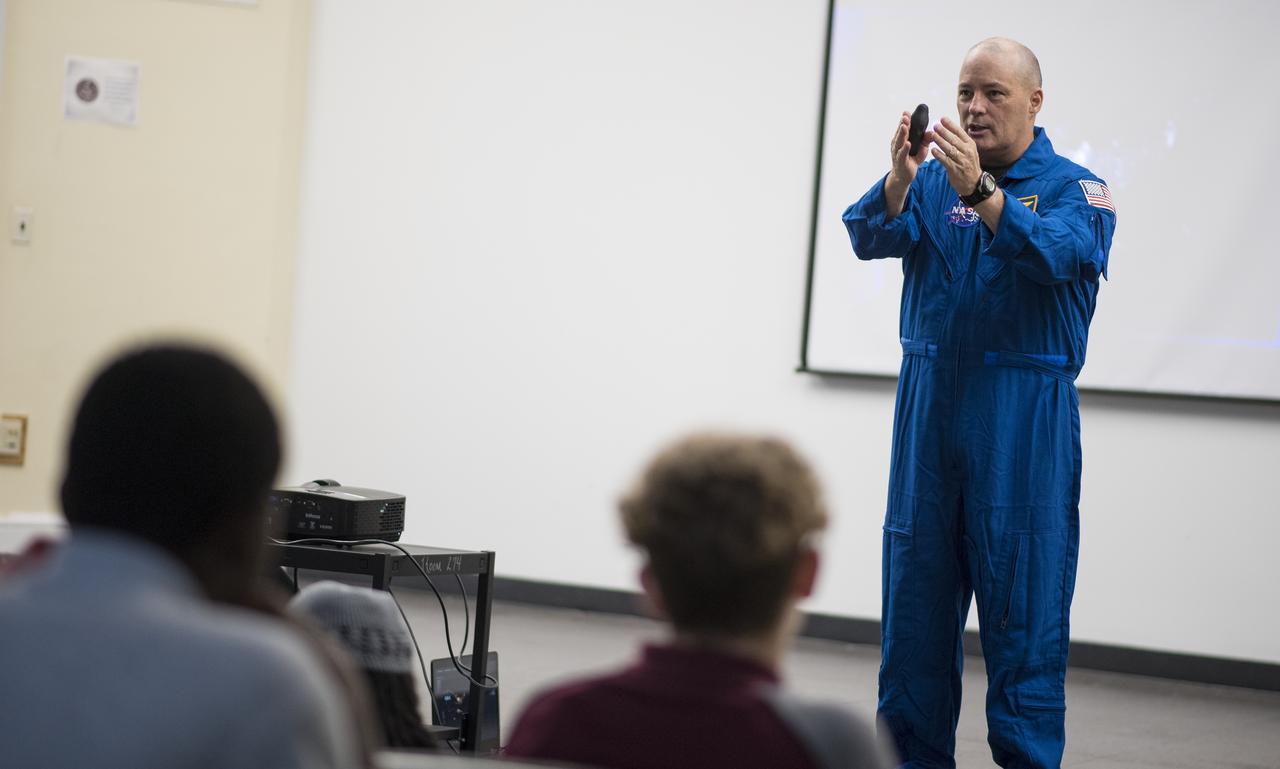
NASA astronaut Scott Tingle speaks to students about his time onboard the International Space Station, Friday, Sept. 14, 2018 at McKinley Technology High School in Washington, DC. Tingle spent 168 days onboard the International Space Station as part of Expeditions 54 and 55. Photo Credit: (NASA/Joel Kowsky)
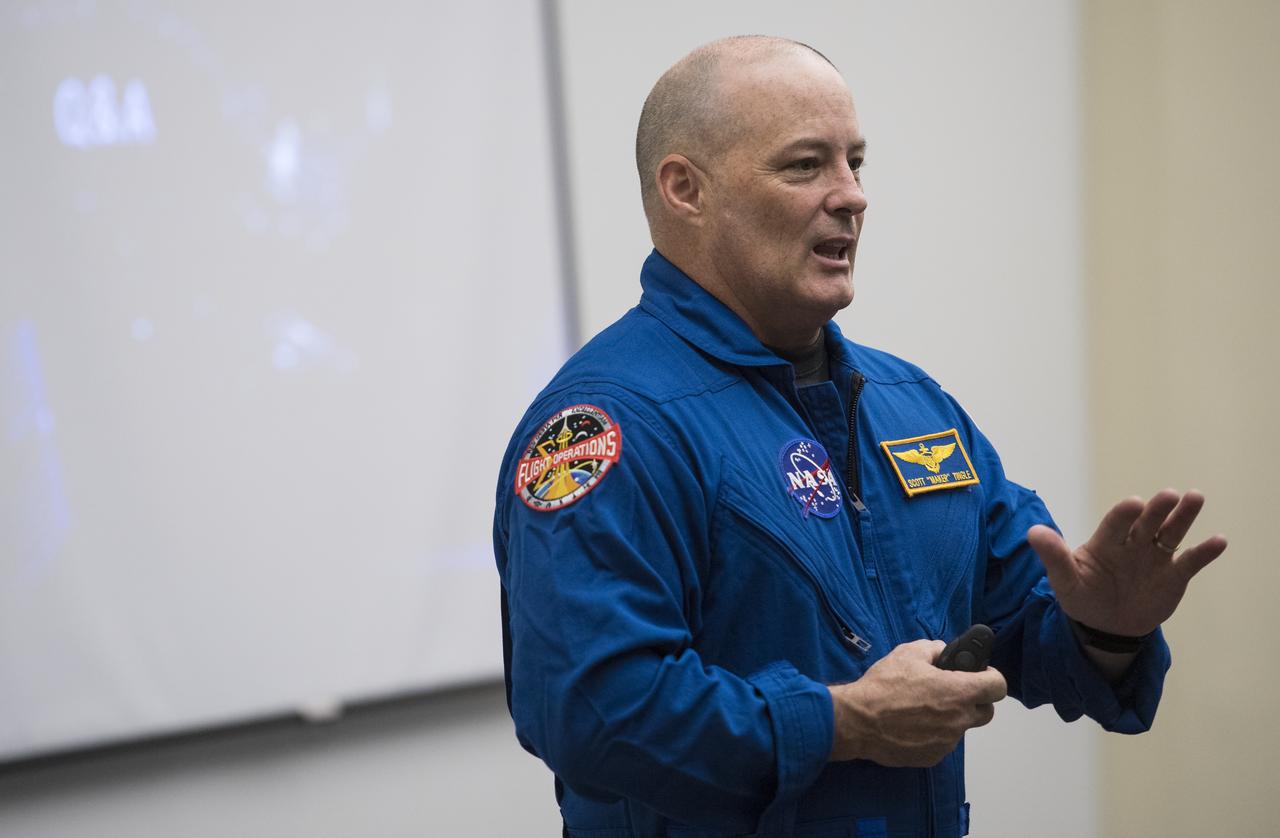
NASA astronaut Scott Tingle speaks to students about his time onboard the International Space Station, Friday, Sept. 14, 2018 at McKinley Technology High School in Washington, DC. Tingle spent 168 days onboard the International Space Station as part of Expeditions 54 and 55. Photo Credit: (NASA/Joel Kowsky)
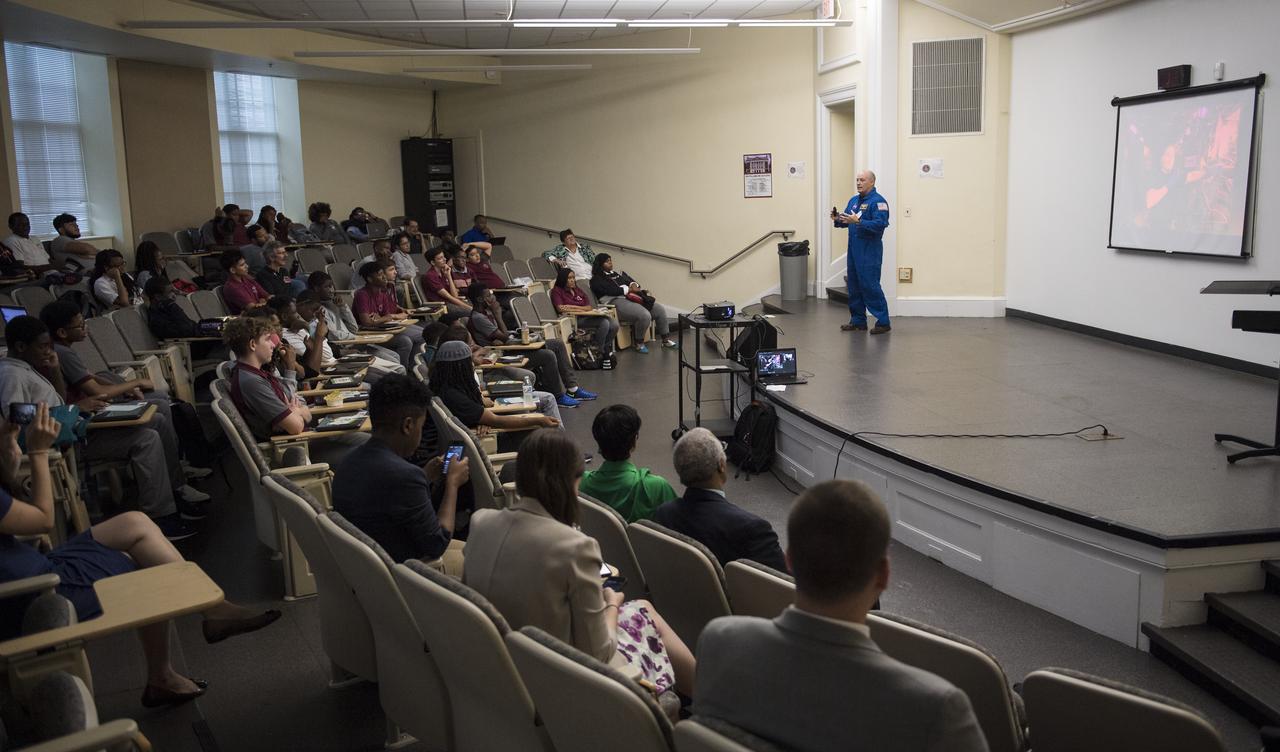
NASA astronaut Scott Tingle speaks to students about his time onboard the International Space Station, Friday, Sept. 14, 2018 at McKinley Technology High School in Washington, DC. Tingle spent 168 days onboard the International Space Station as part of Expeditions 54 and 55. Photo Credit: (NASA/Joel Kowsky)
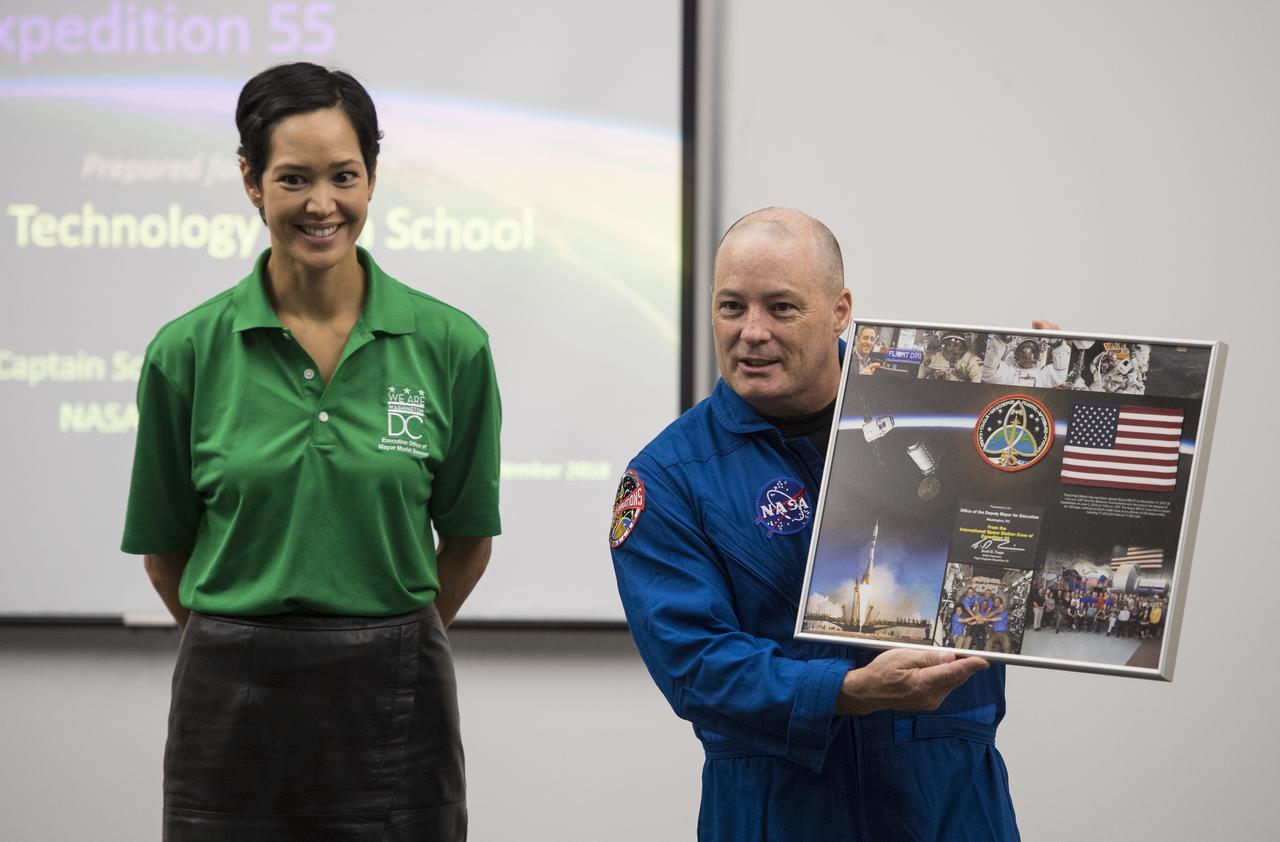
NASA astronaut Scott Tingle presents a montage for Washington, DC's Office of the Deputy Mayor for Education to Ahnna Smith, Interim Deputy Mayor for Education, prior to speaking to students about his time onboard the International Space Station, Friday, Sept. 14, 2018 at McKinley Technology High School in Washington, DC. Tingle spent 168 days onboard the International Space Station as part of Expeditions 54 and 55. Photo Credit: (NASA/Joel Kowsky)
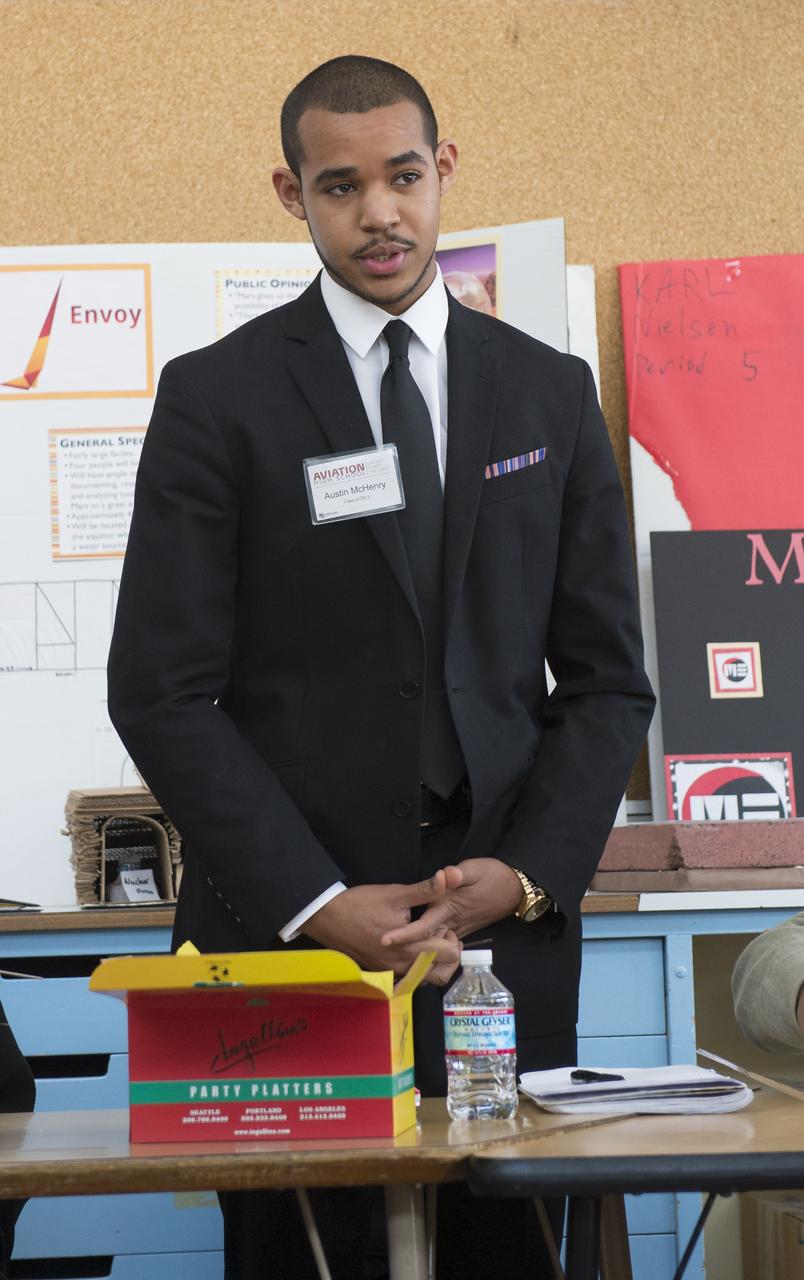
Austin McHenry, a student at Aviation High School, introduces himself at a lunch and learn session with NASA Administrator Charles Bolden, Tuesday, Jan. 15, 2013 in Des Moines, WA. Aviation High School is a college preparatory aviation- and aerospace-themed school and a premier school of choice for science, technology, engineering and math (STEM) in the Pacific Northwest. Photo Credit: (NASA/Carla Cioffi)
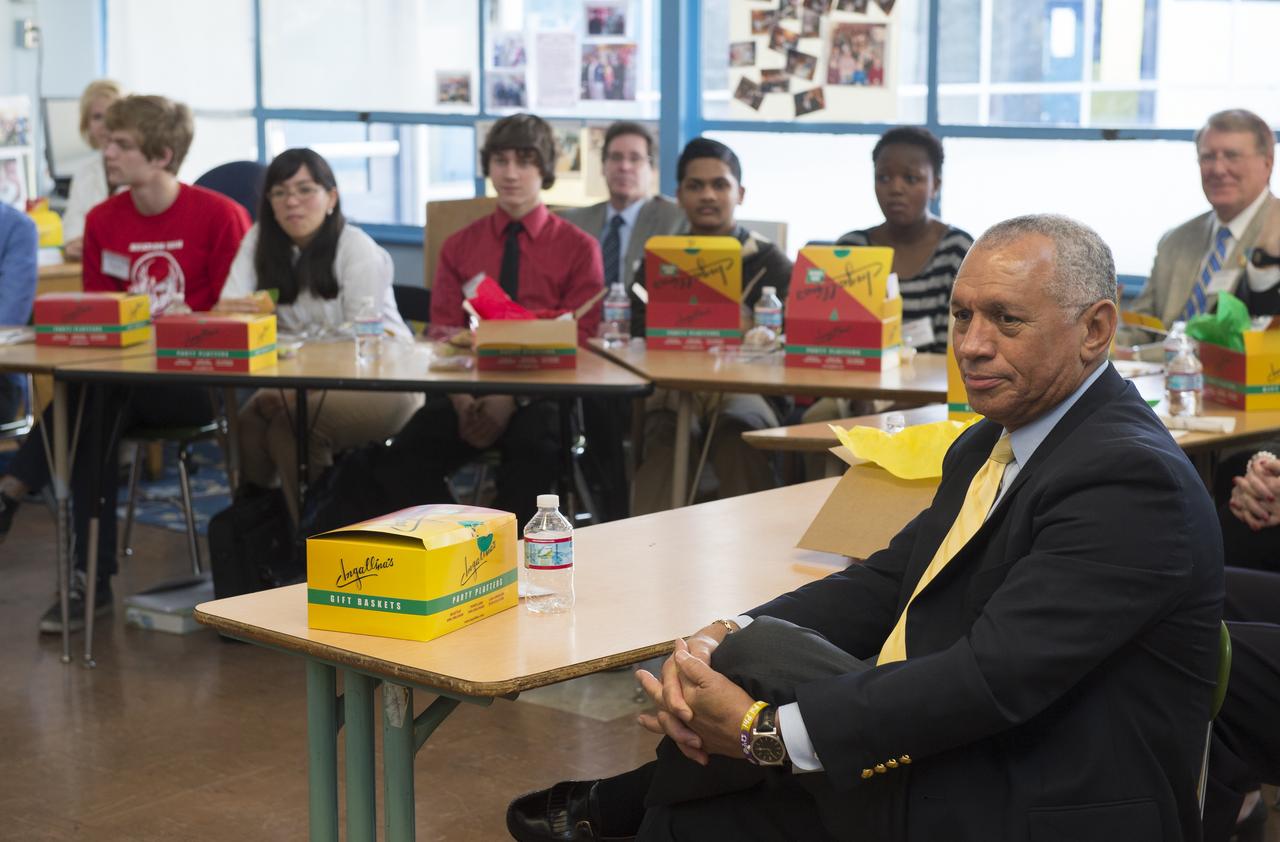
NASA Administrator Charles Bolden listens to students at Aviation High School at a lunch and learn session Tuesday, Jan. 15, 2013 in Des Moines, WA. Aviation High School is a college preparatory aviation- and aerospace-themed school and a premier school of choice for science, technology, engineering and math (STEM) in the Pacific Northwest. Photo Credit: (NASA/Carla Cioffi)
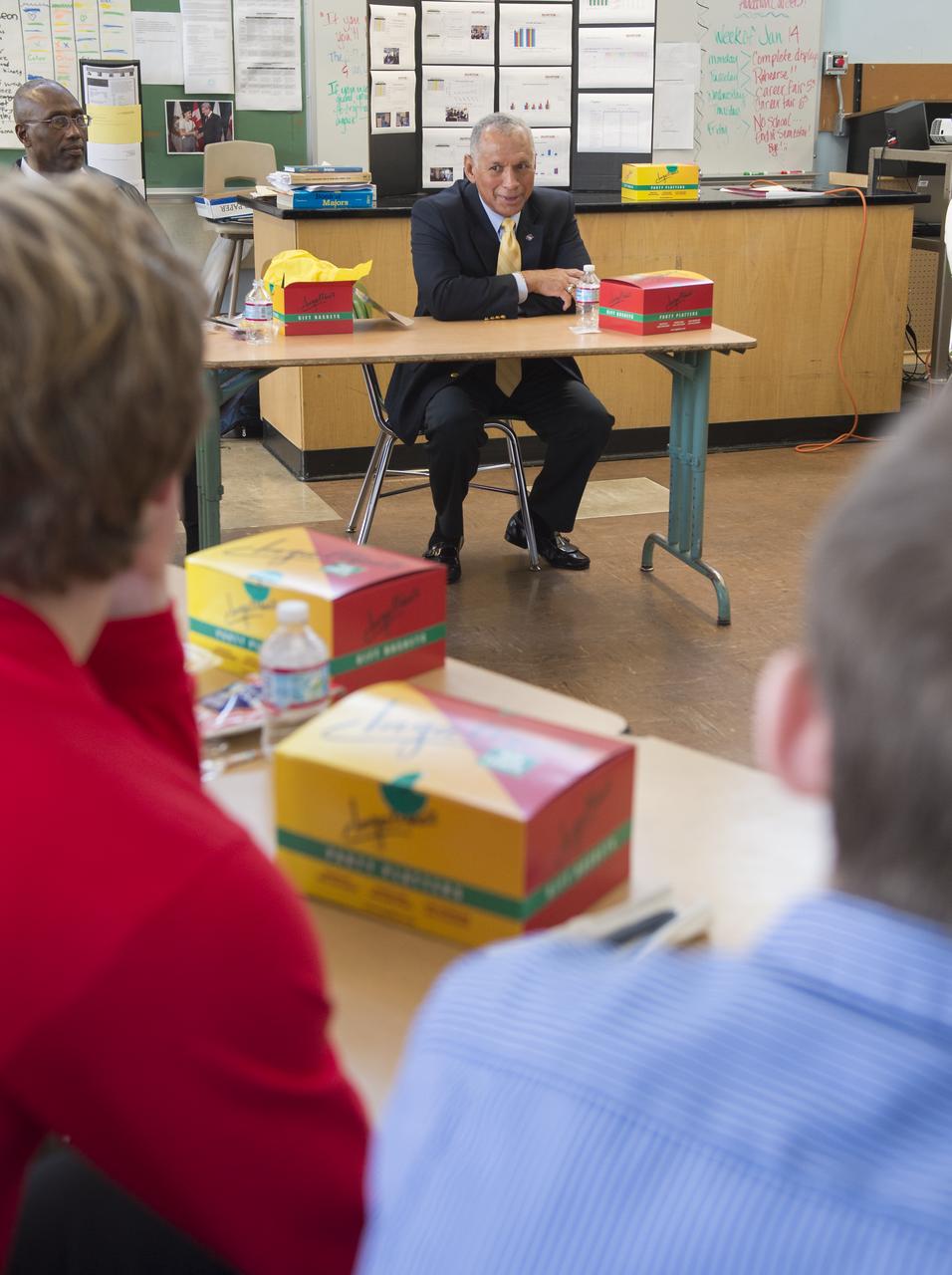
NASA Administrator Charles Bolden speaks to students at Aviation High School at a lunch and learn session Tuesday, Jan. 15, 2013 in Des Moines, WA. Aviation High School is a college preparatory aviation- and aerospace-themed school and a premier school of choice for science, technology, engineering and math (STEM) in the Pacific Northwest. Photo Credit: (NASA/Carla Cioffi)
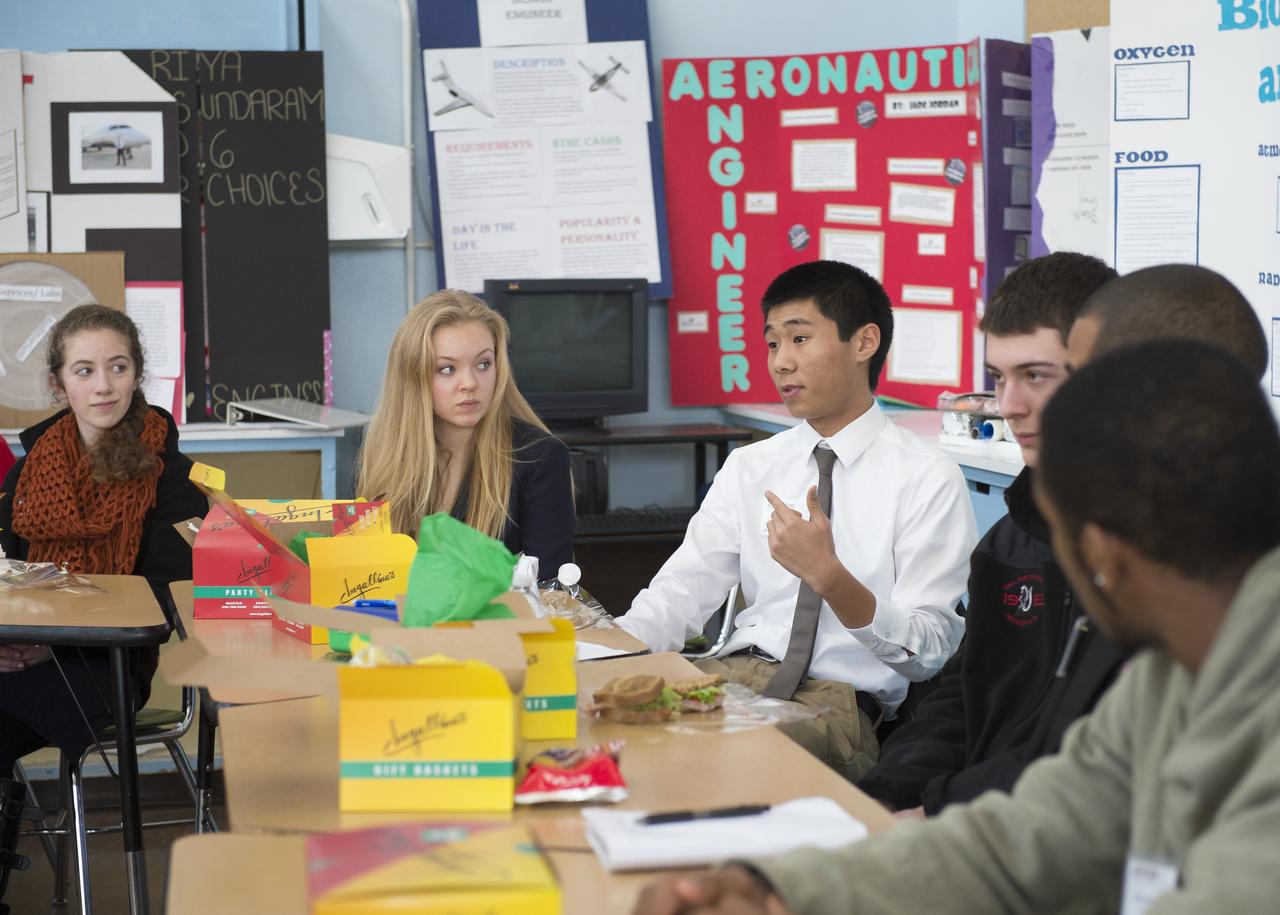
Chris Lu (third from left), a student at Aviation High School, asks a question at a lunch and learn session with NASA Administrator Charles Bolden, Tuesday, Jan. 15, 2013 in Des Moines, WA. Aviation High School is a college preparatory aviation- and aerospace-themed school and a premier school of choice for science, technology, engineering and math (STEM) in the Pacific Northwest. Photo Credit: (NASA/Carla Cioffi)
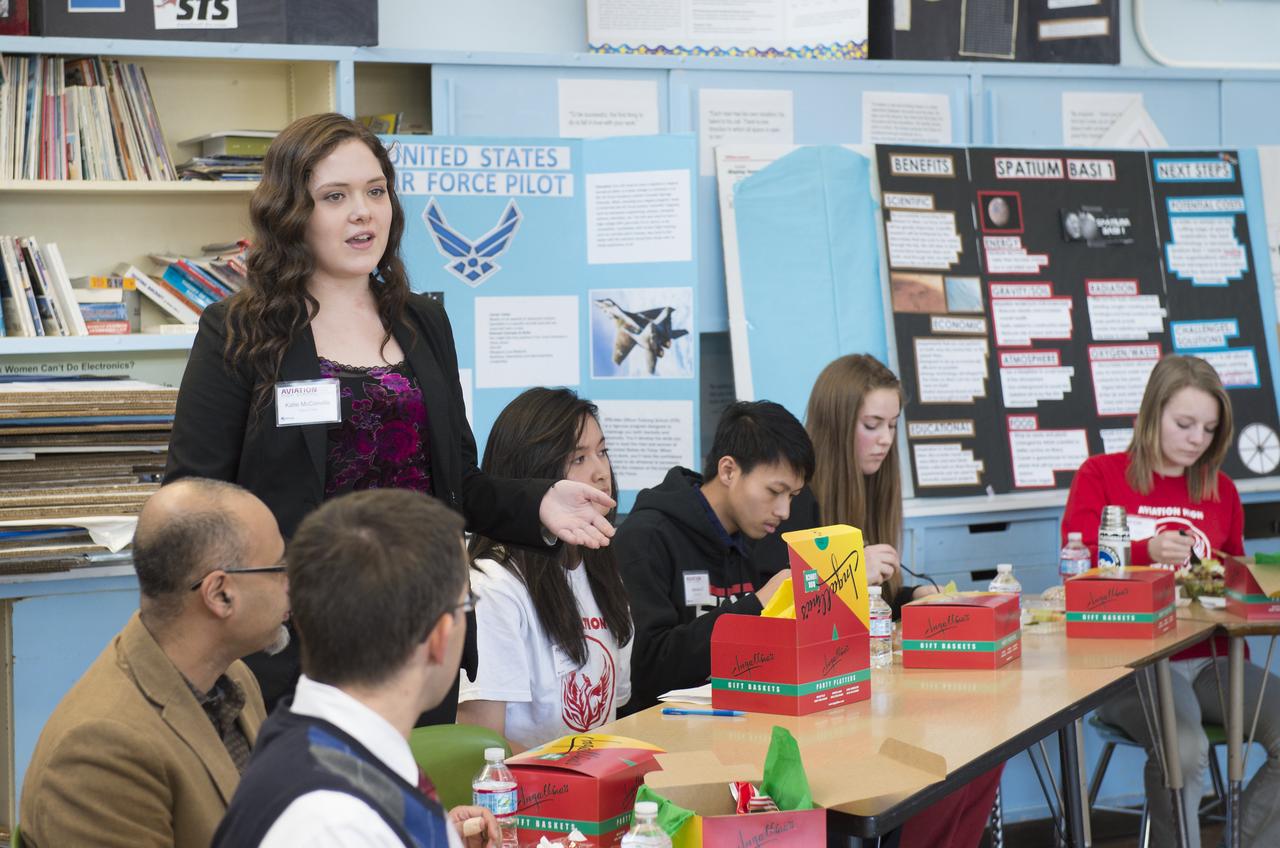
Aviation High School student, Katie McConville, introduces herself at a lunch and learn session with NASA Administrator Charles Bolden, Tuesday, Jan. 15, 2013 in Des Moines, WA. Aviation High School is a college preparatory aviation- and aerospace-themed school and a premier school of choice for science, technology, engineering and math (STEM) in the Pacific Northwest. Photo Credit: (NASA/Carla Cioffi)
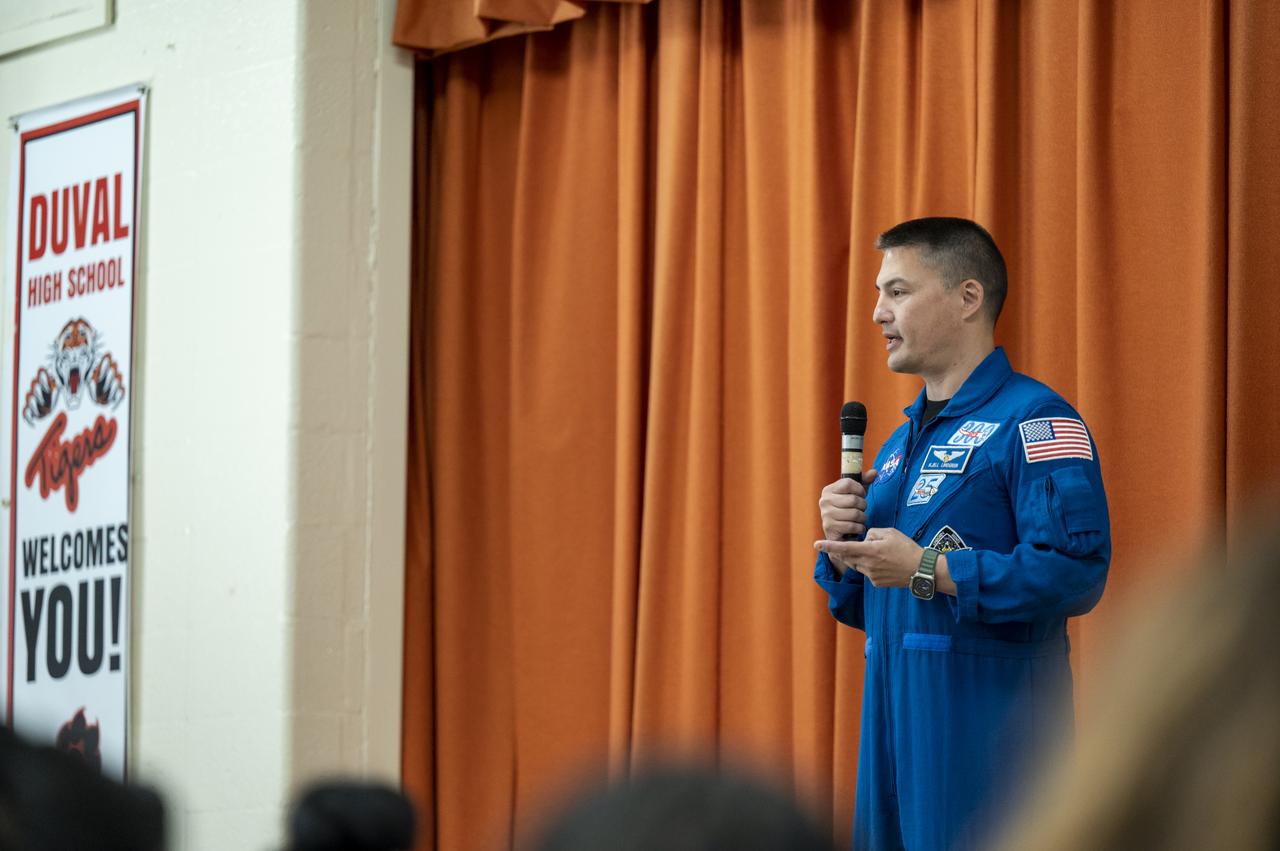
NASA astronaut Kjell Lindgren speaks with students during a STEM event at DuVal High School, Thursday, March 30, 2023, in Lanham, Maryland. Lindgren spent 170 days in space as part of Expeditions 67 and 68 aboard the International Space Station. Photo Credit: (NASA/Keegan Barber)
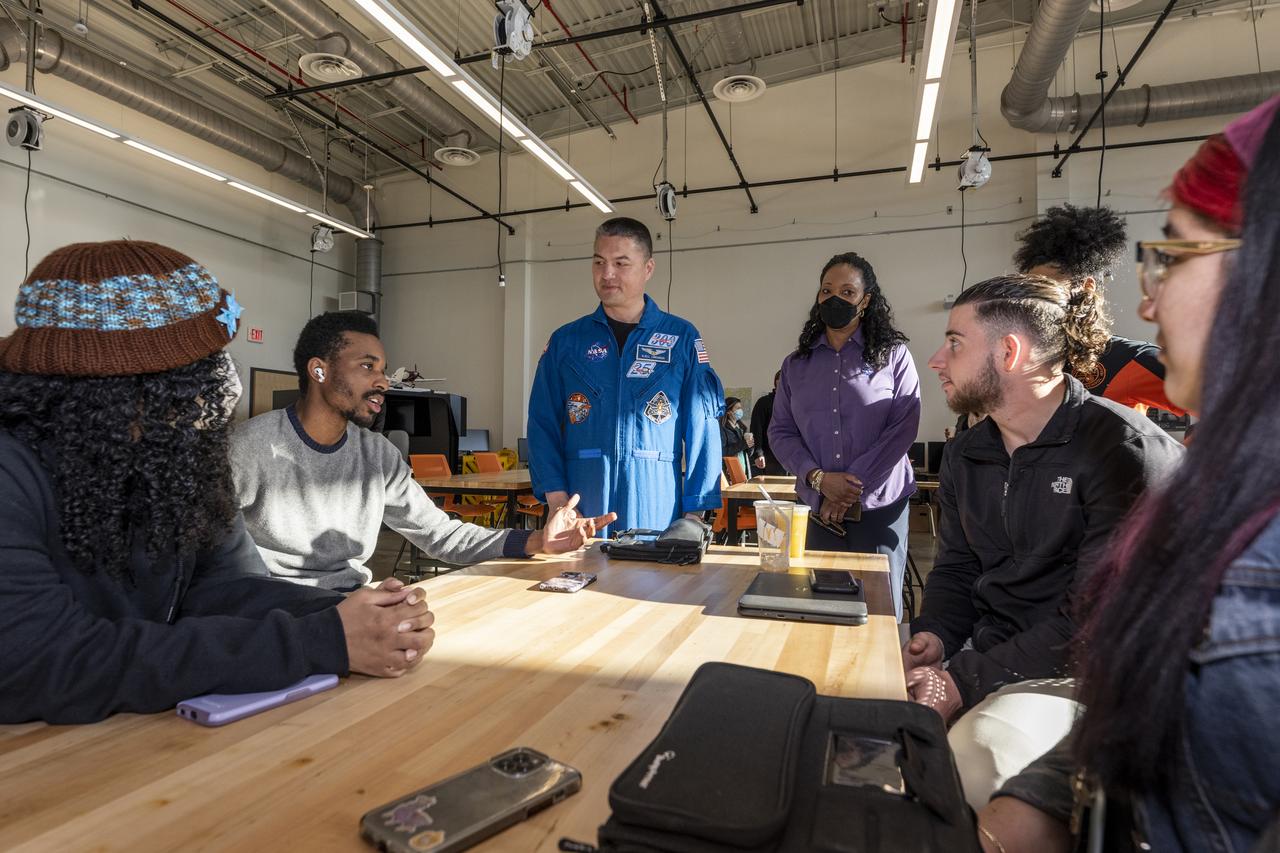
NASA astronaut Kjell Lindgren meets with students and faculty prior to a STEM event at DuVal High School, Thursday, March 30, 2023, in Lanham, Maryland. Lindgren spent 170 days in space as part of Expeditions 67 and 68 aboard the International Space Station. Photo Credit: (NASA/Keegan Barber)
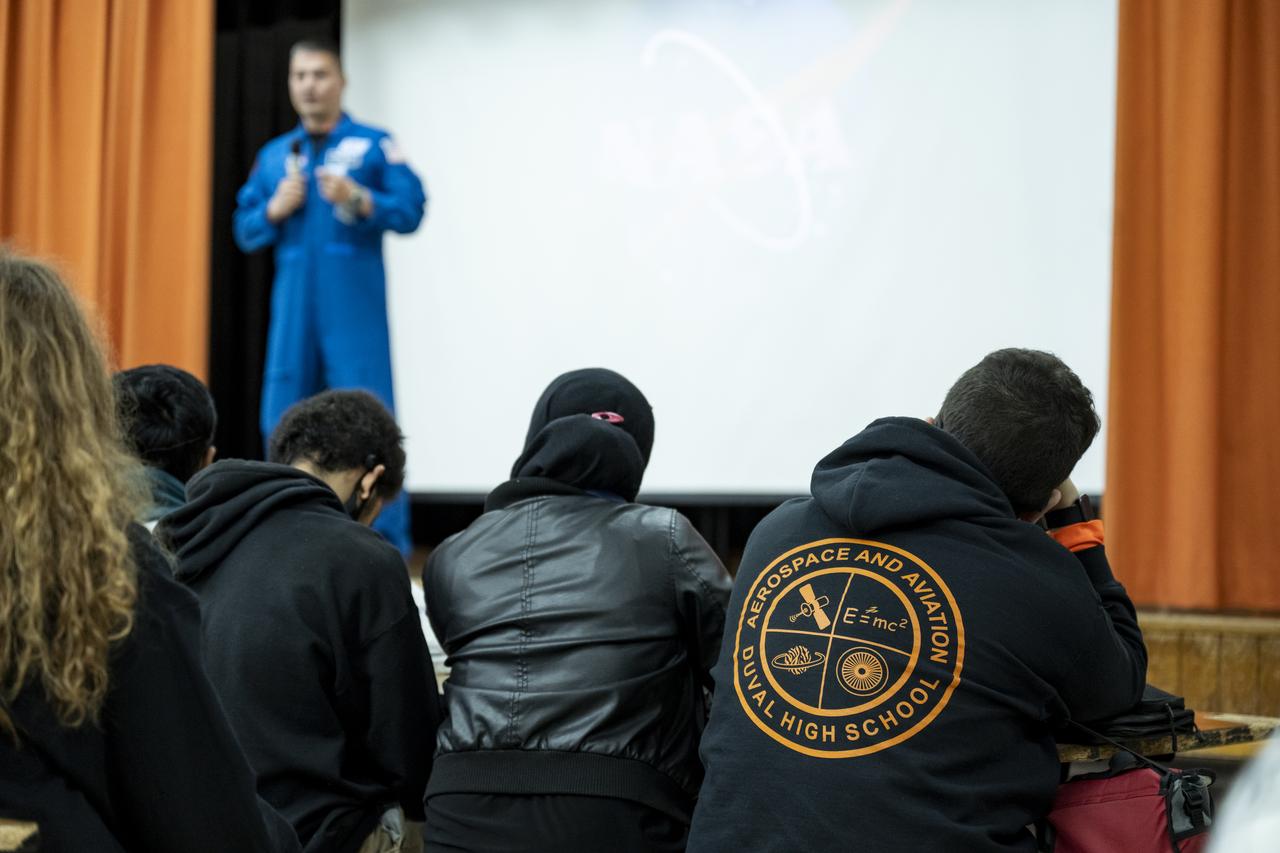
NASA astronaut Kjell Lindgren speaks with students during a STEM event at DuVal High School, Thursday, March 30, 2023, in Lanham, Maryland. Lindgren spent 170 days in space as part of Expeditions 67 and 68 aboard the International Space Station. Photo Credit: (NASA/Keegan Barber)
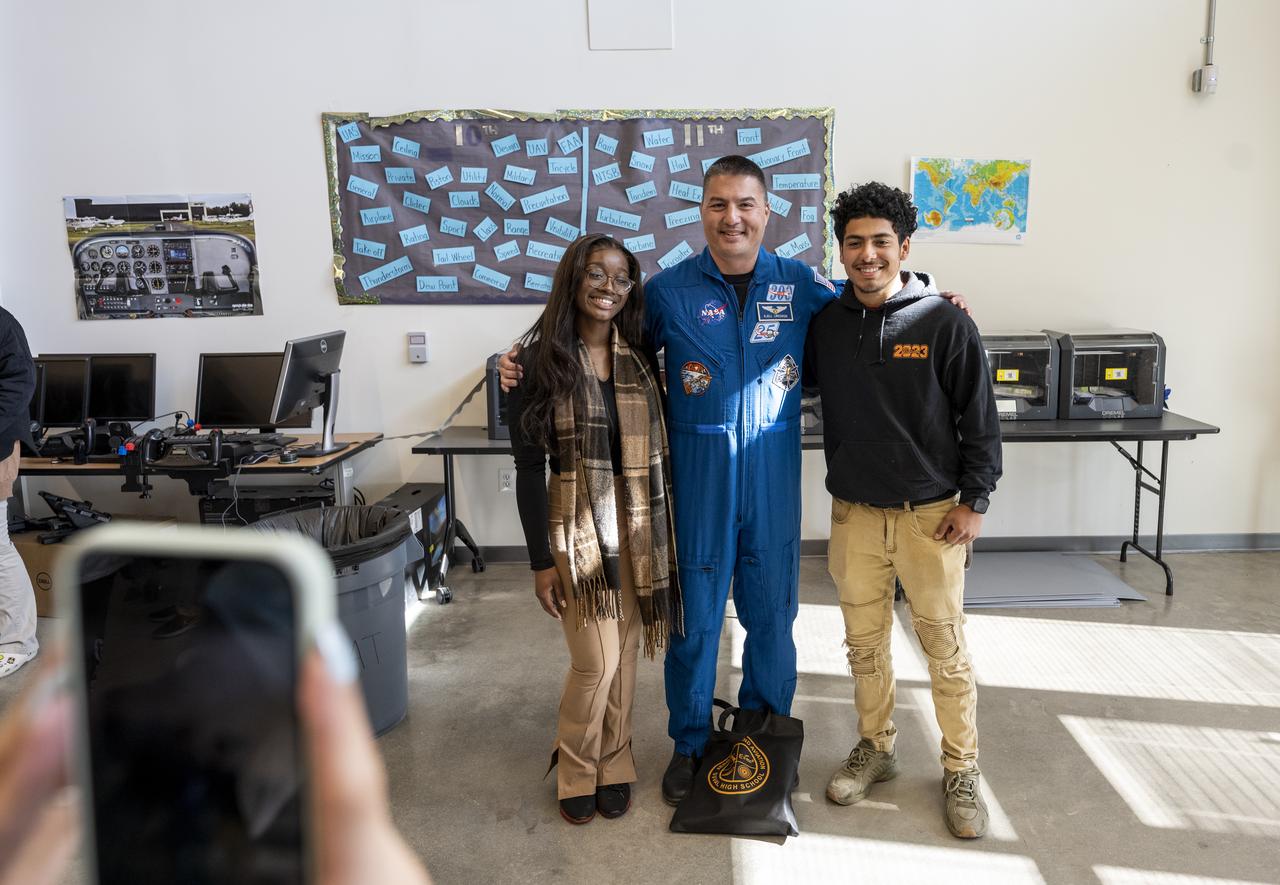
NASA astronaut Kjell Lindgren poses for photos with students following a STEM event at DuVal High School, Thursday, March 30, 2023, in Lanham, Maryland. Lindgren spent 170 days in space as part of Expeditions 67 and 68 aboard the International Space Station. Photo Credit: (NASA/Keegan Barber)
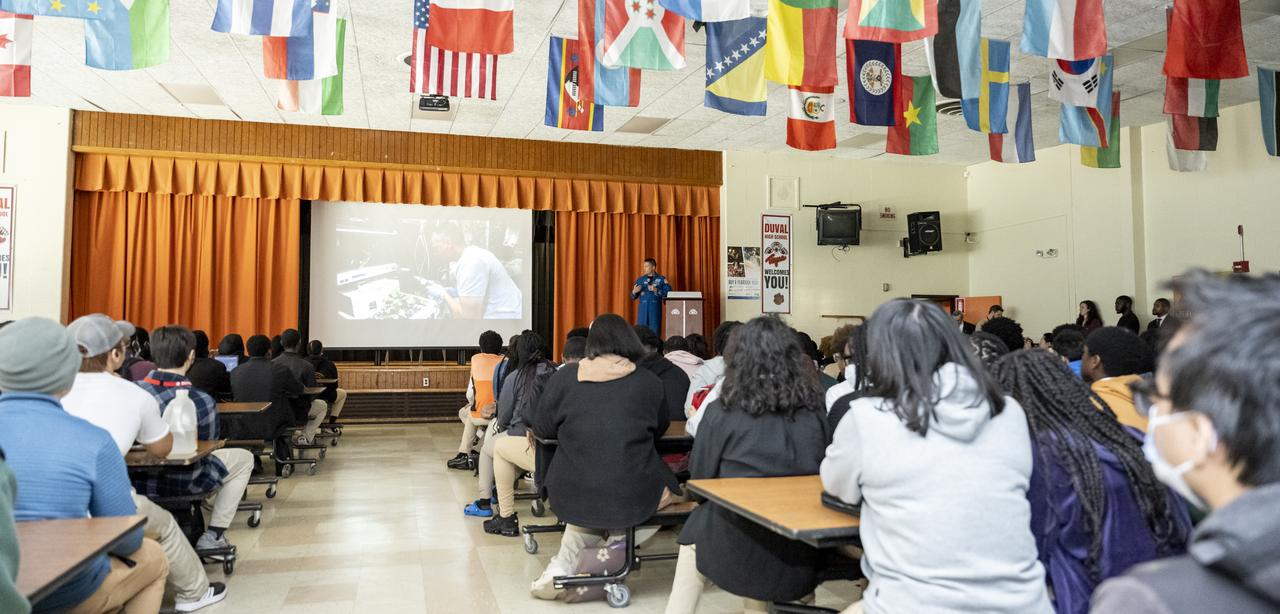
NASA astronaut Kjell Lindgren speaks with students during a STEM event at DuVal High School, Thursday, March 30, 2023, in Lanham, Maryland. Lindgren spent 170 days in space as part of Expeditions 67 and 68 aboard the International Space Station. Photo Credit: (NASA/Keegan Barber)
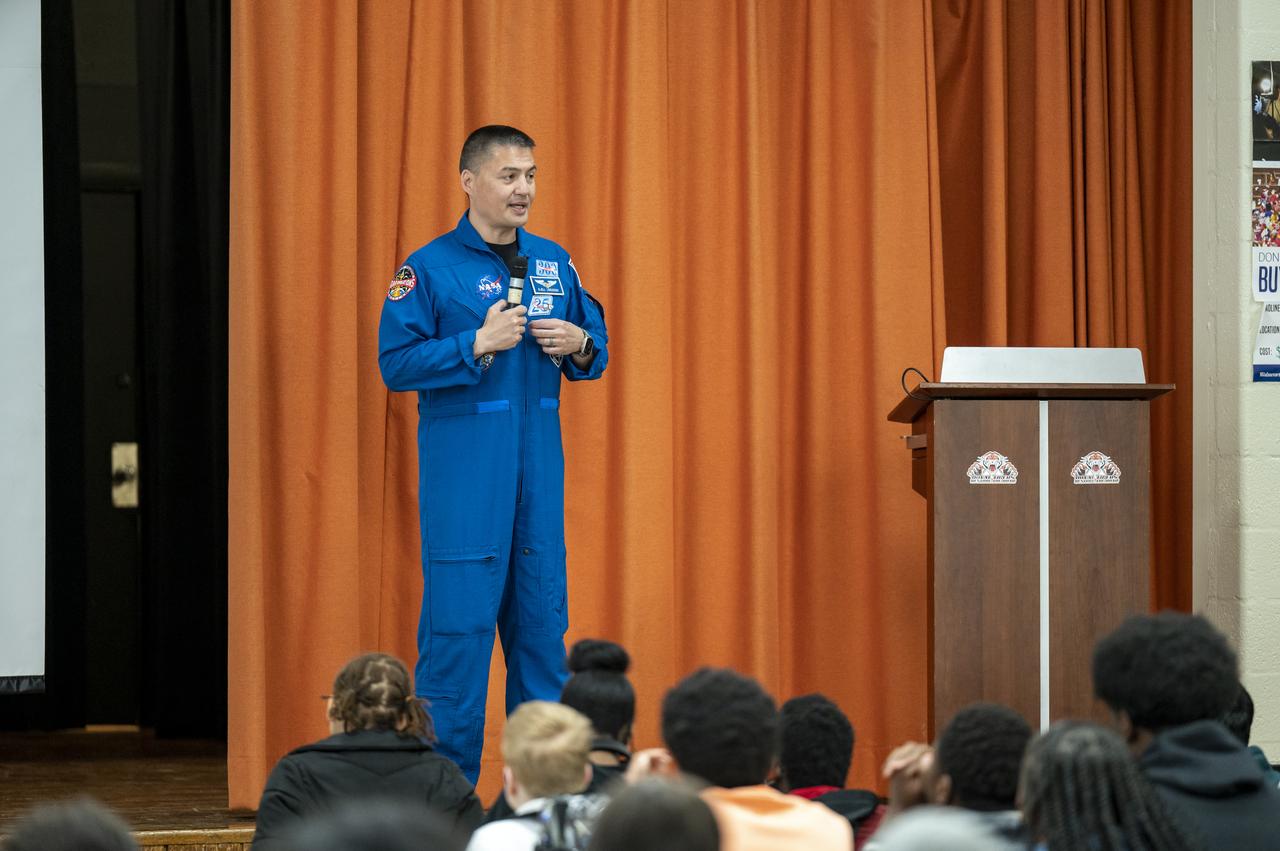
NASA astronaut Kjell Lindgren speaks with students during a STEM event at DuVal High School, Thursday, March 30, 2023, in Lanham, Maryland. Lindgren spent 170 days in space as part of Expeditions 67 and 68 aboard the International Space Station. Photo Credit: (NASA/Keegan Barber)
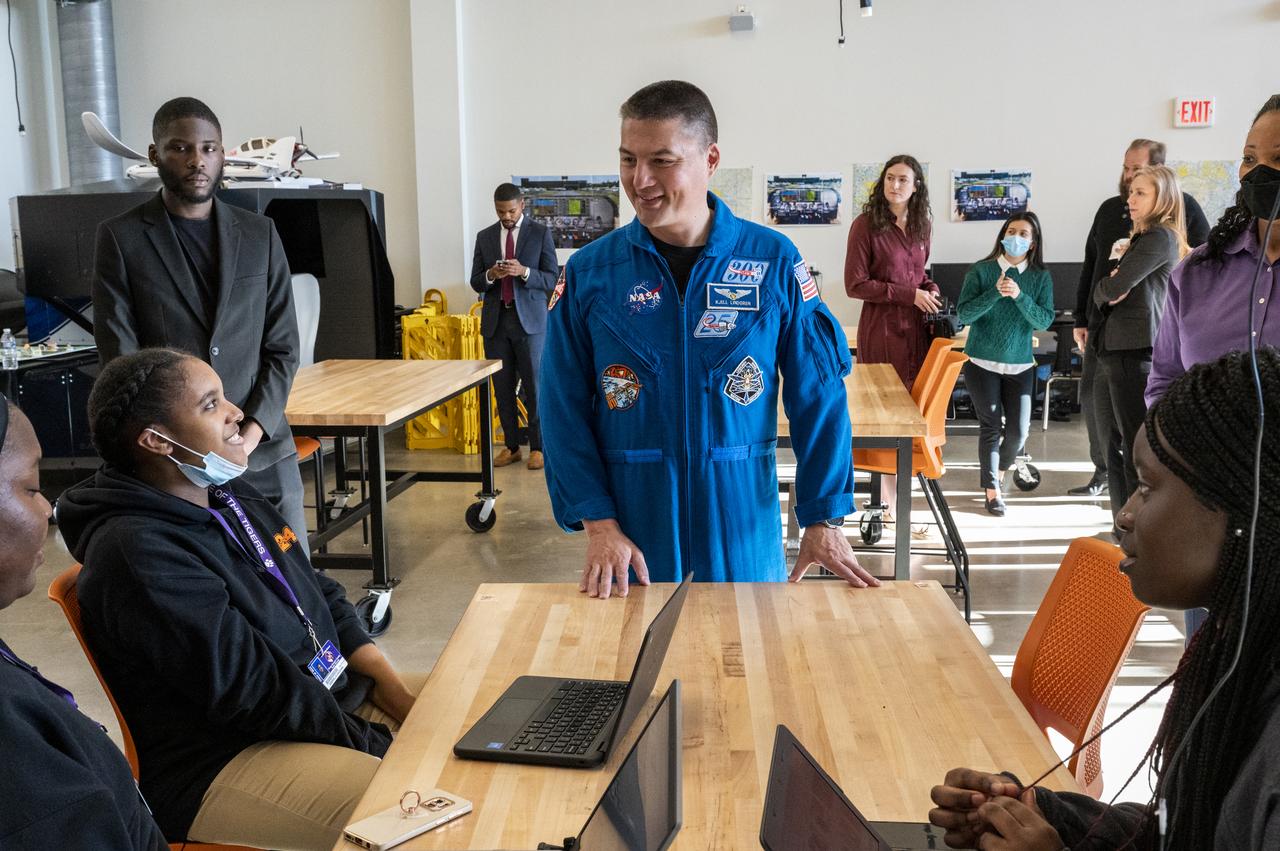
NASA astronaut Kjell Lindgren meets with students and faculty prior to a STEM event at DuVal High School, Thursday, March 30, 2023, in Lanham, Maryland. Lindgren spent 170 days in space as part of Expeditions 67 and 68 aboard the International Space Station. Photo Credit: (NASA/Keegan Barber)
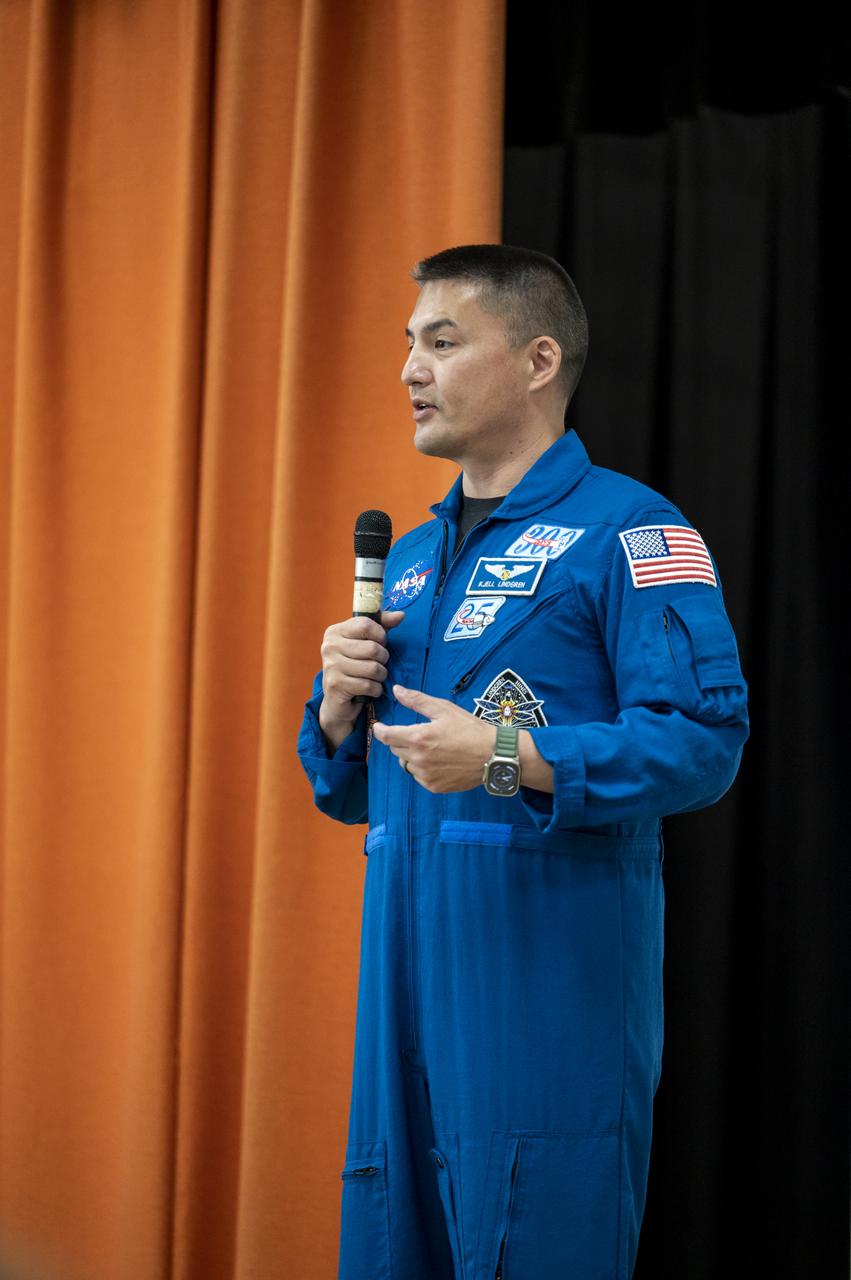
NASA astronaut Kjell Lindgren speaks with students during a STEM event at DuVal High School, Thursday, March 30, 2023, in Lanham, Maryland. Lindgren spent 170 days in space as part of Expeditions 67 and 68 aboard the International Space Station. Photo Credit: (NASA/Keegan Barber)
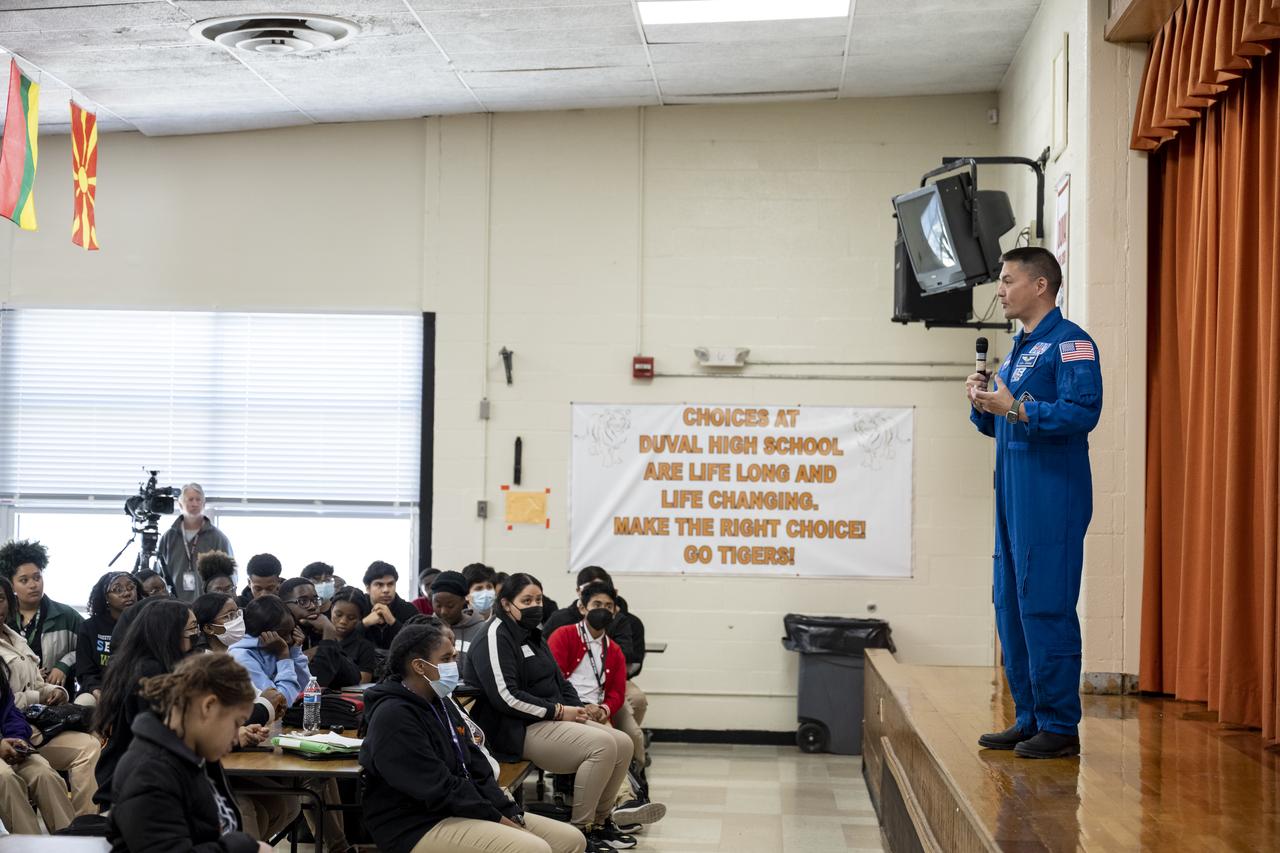
NASA astronaut Kjell Lindgren speaks with students during a STEM event at DuVal High School, Thursday, March 30, 2023, in Lanham, Maryland. Lindgren spent 170 days in space as part of Expeditions 67 and 68 aboard the International Space Station. Photo Credit: (NASA/Keegan Barber)
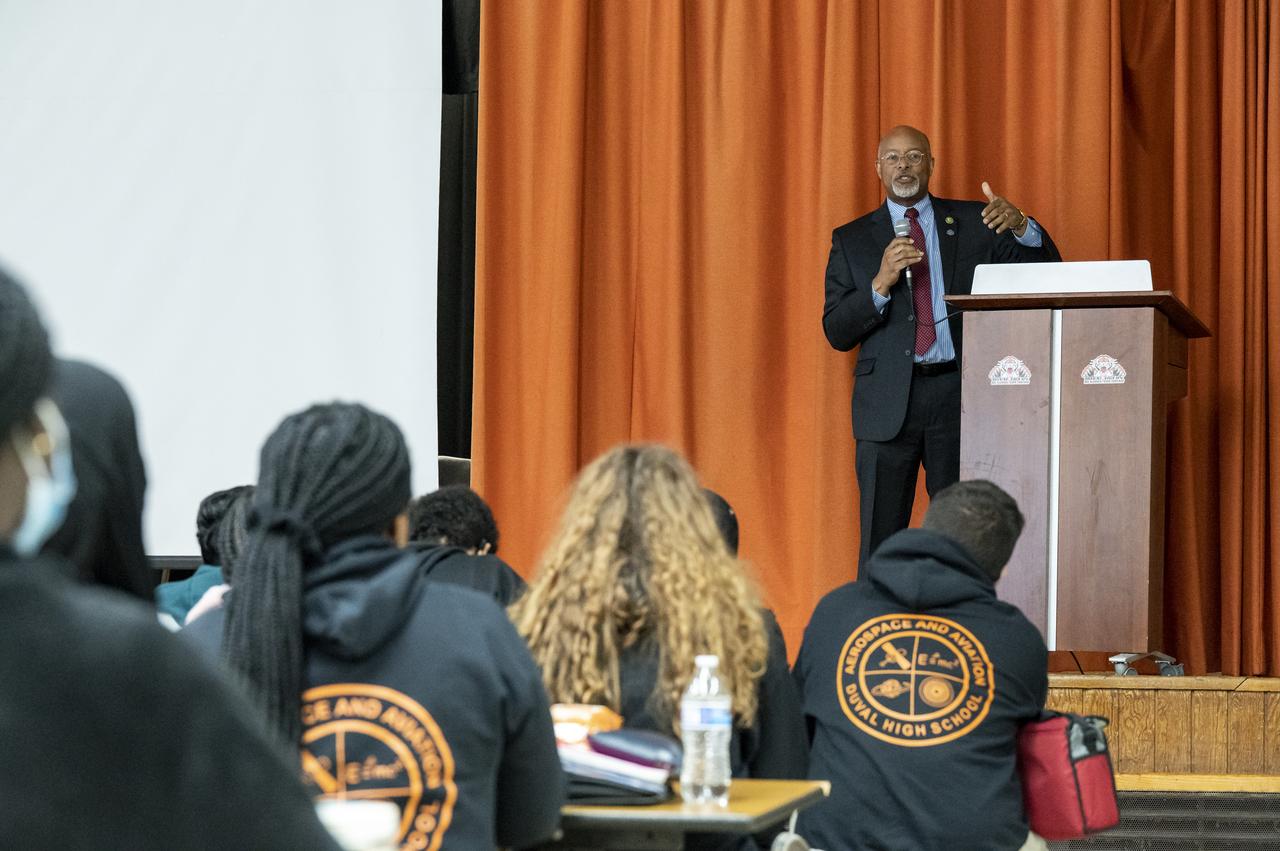
Congressman Glenn Ivey (D-Md.) speaks with students during a STEM event at DuVal High School, Thursday, March 30, 2023, in Lanham, Maryland. Lindgren spent 170 days in space as part of Expeditions 67 and 68 aboard the International Space Station. Photo Credit: (NASA/Keegan Barber)

NASA astronaut Kjell Lindgren, left, and Congressman Glenn Ivey (D-Md.), right, meet with students and faculty prior to a STEM event at DuVal High School, Thursday, March 30, 2023, in Lanham, Maryland. Lindgren spent 170 days in space as part of Expeditions 67 and 68 aboard the International Space Station. Photo Credit: (NASA/Keegan Barber)
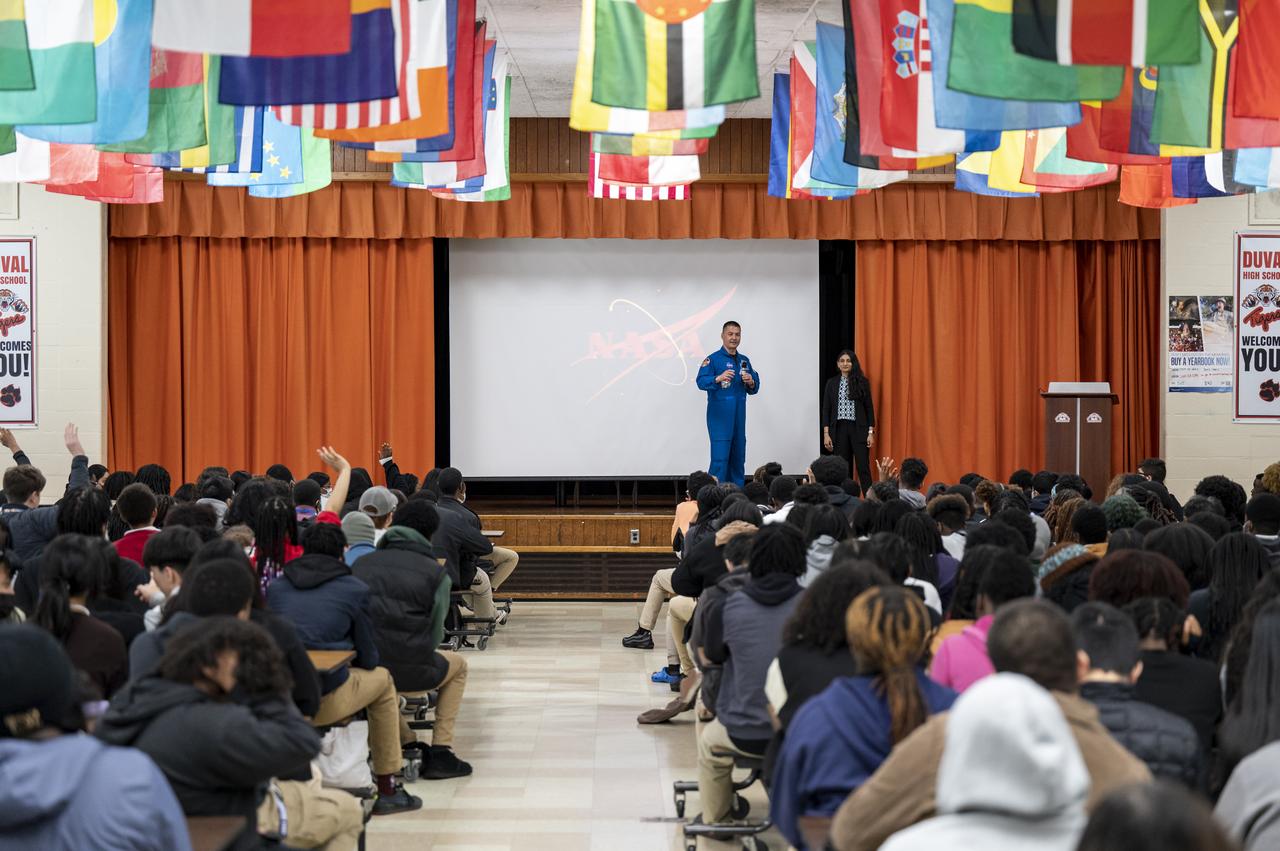
NASA astronaut Kjell Lindgren, left, and NASA Associate Chief Scientist for Exploration and Applied Research in the Office of the Chief Scientist Dr. Mamta Patel Nagaraja, right, answer questions from students during a STEM event at DuVal High School, Thursday, March 30, 2023, in Lanham, Maryland. Lindgren spent 170 days in space as part of Expeditions 67 and 68 aboard the International Space Station. Photo Credit: (NASA/Keegan Barber)
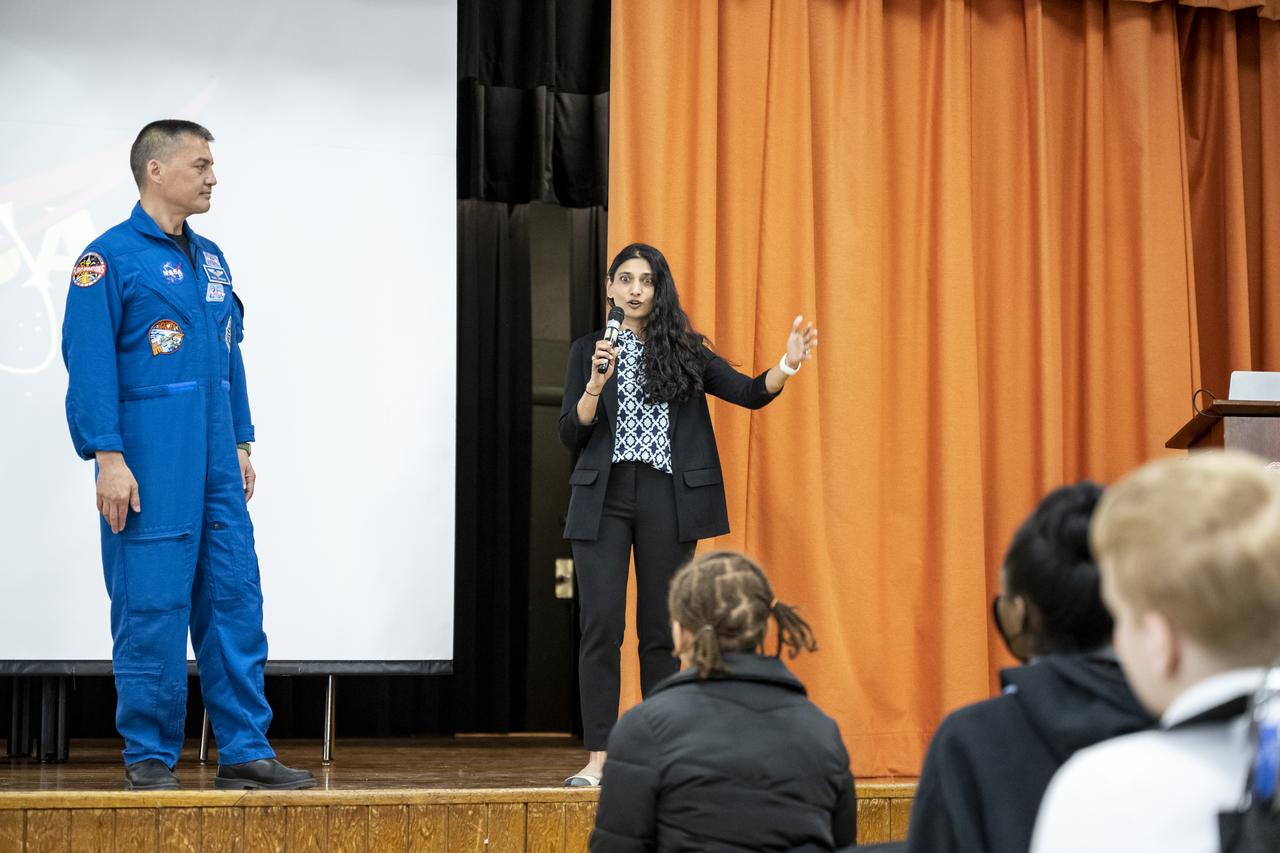
NASA astronaut Kjell Lindgren, left, and NASA Associate Chief Scientist for Exploration and Applied Research in the Office of the Chief Scientist Dr. Mamta Patel Nagaraja, right, answer questions from students during a STEM event at DuVal High School, Thursday, March 30, 2023, in Lanham, Maryland. Lindgren spent 170 days in space as part of Expeditions 67 and 68 aboard the International Space Station. Photo Credit: (NASA/Keegan Barber)
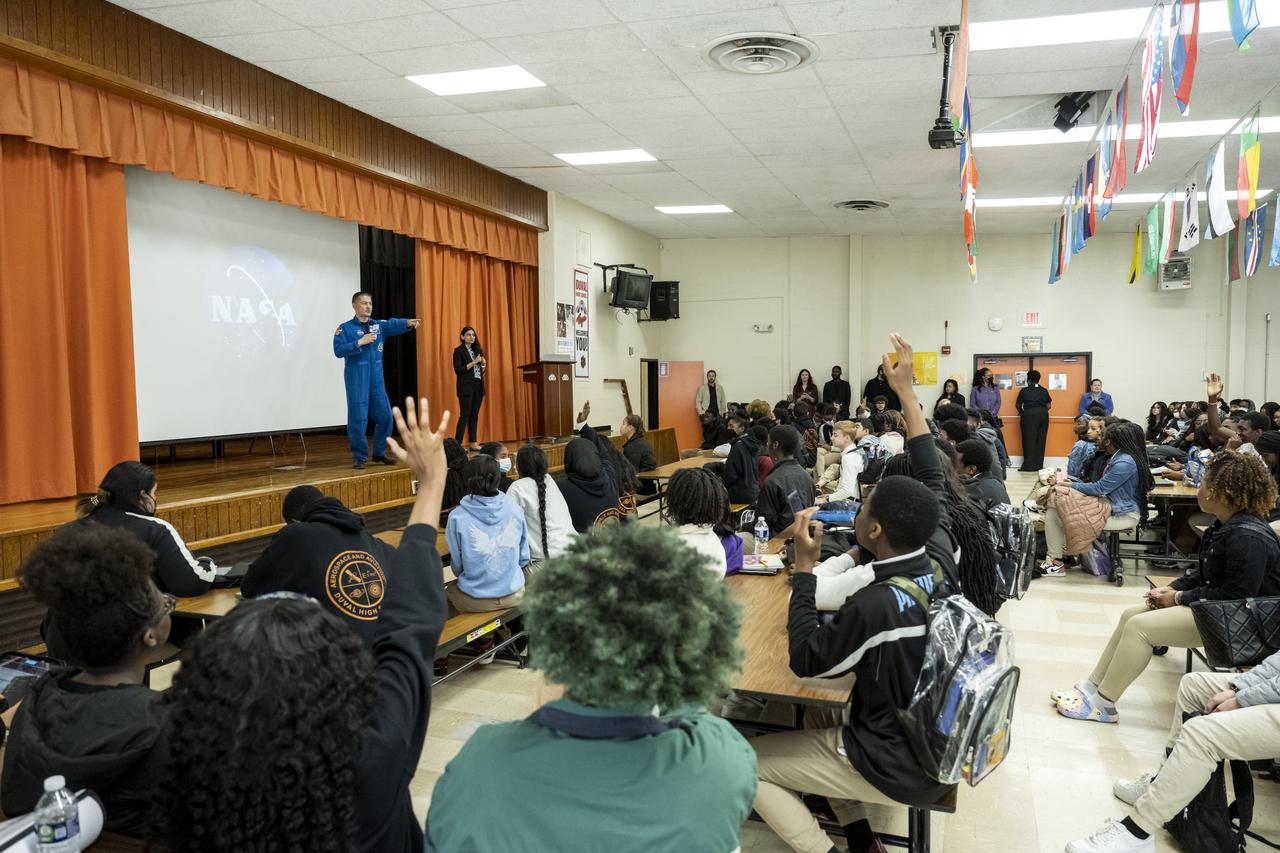
NASA astronaut Kjell Lindgren, left, and NASA Associate Chief Scientist for Exploration and Applied Research in the Office of the Chief Scientist Dr. Mamta Patel Nagaraja, right, answer questions from students during a STEM event at DuVal High School, Thursday, March 30, 2023, in Lanham, Maryland. Lindgren spent 170 days in space as part of Expeditions 67 and 68 aboard the International Space Station. Photo Credit: (NASA/Keegan Barber)

NASA astronaut Kjell Lindgren, left, and Congressman Glenn Ivey (D-Md.), right, speak with students during a STEM event at DuVal High School, Thursday, March 30, 2023, in Lanham, Maryland. Lindgren spent 170 days in space as part of Expeditions 67 and 68 aboard the International Space Station. Photo Credit: (NASA/Keegan Barber)
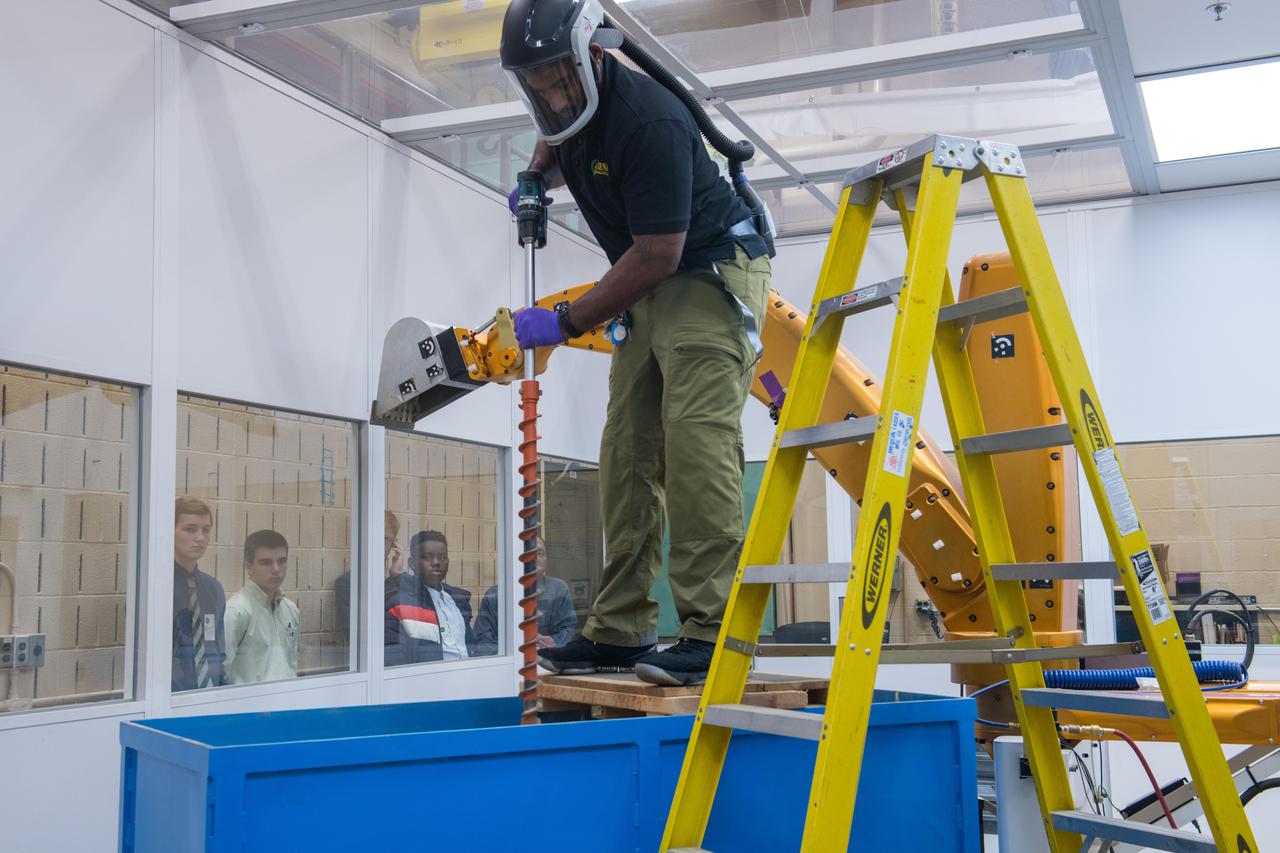
High School Student Shadowing Program
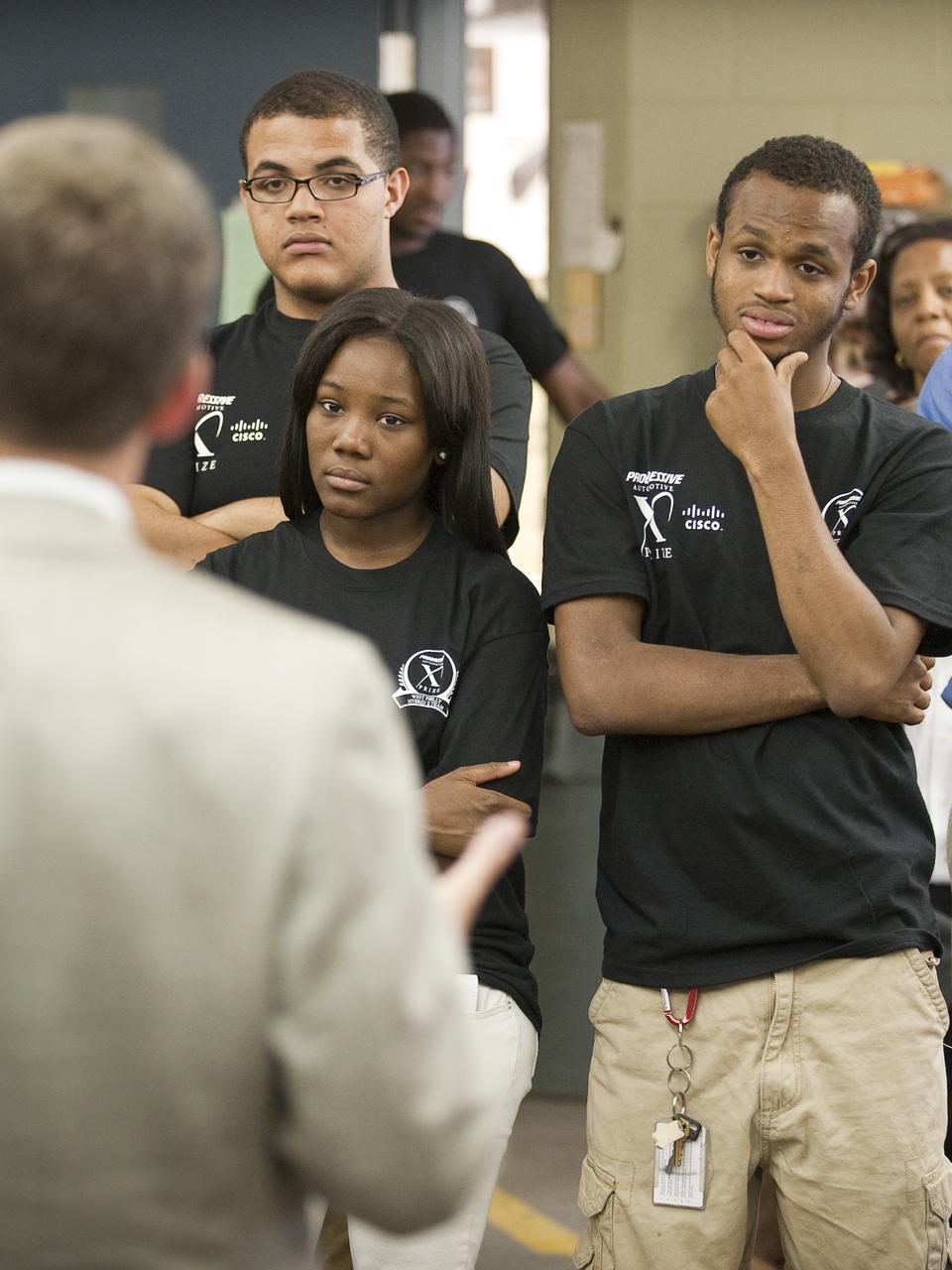
NASA Chief Technologist Bobby Braun talks with student members of the West Philly Hybrid X Team at West Philadelphia High School in Philadelphia, Monday, June 7, 2010. The prize-winning West Philly Hybrid X Team has drawn international recognition as the only high school among 22 finalists in the Progressive Insurance Automotive X Prize (PIAXP) competition to develop cars that achieve over 100 MPG. Photo Credit: (NASA/Bill Ingalls)
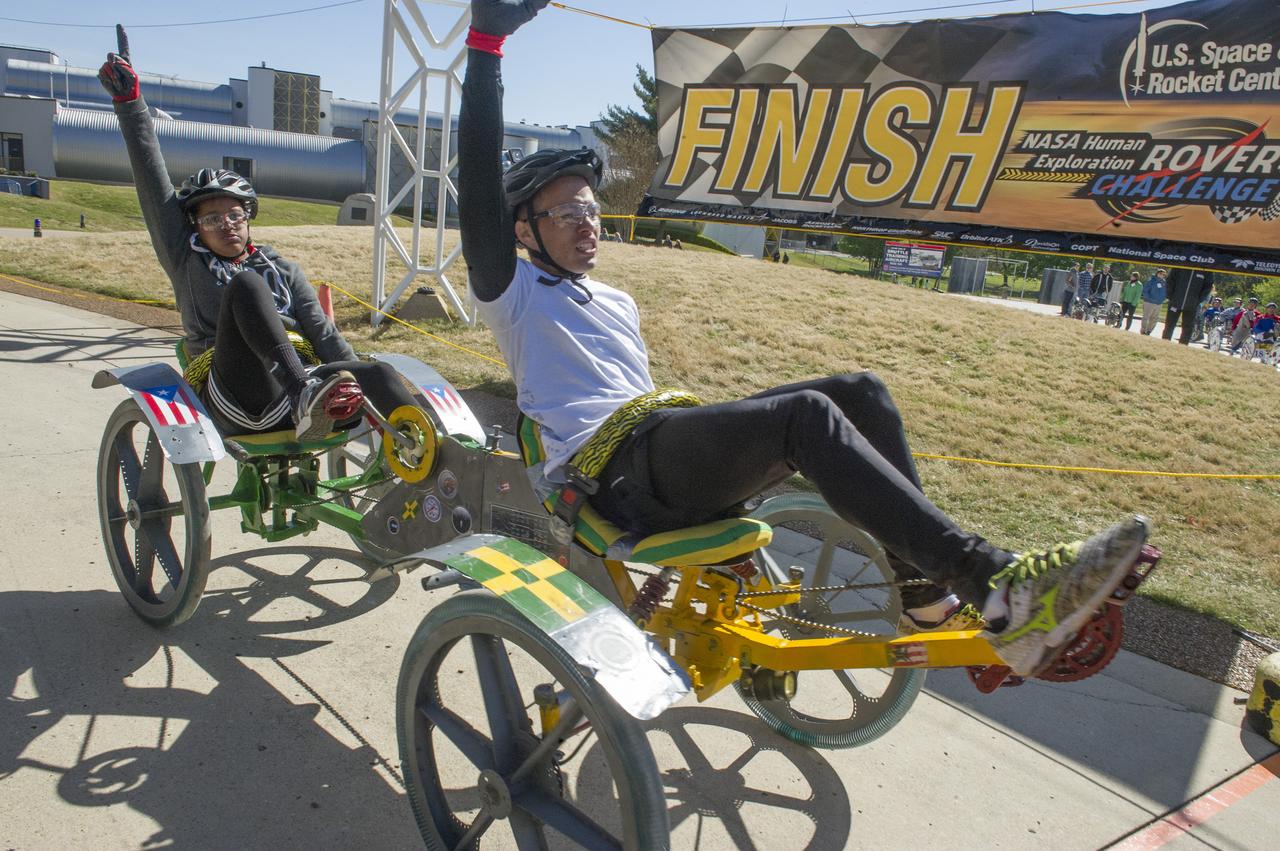
2016 LUNAR ROVER CHALLENGE HIGH SCHOOL 1ST PLACE WINNER: TEAM #6 RAFAELINA E. LEBRON FLORES FROM PUERTO RICO.
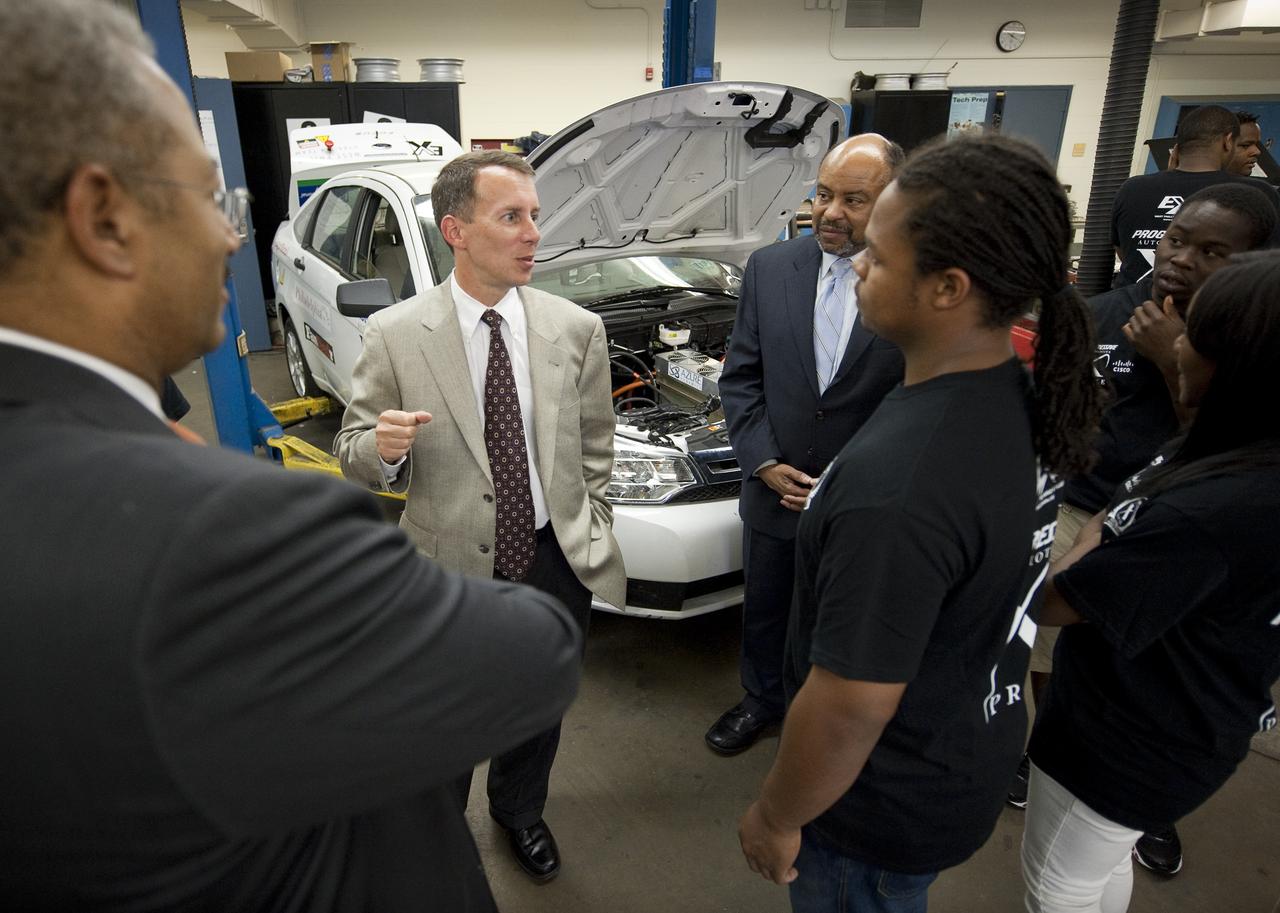
NASA Chief Technologist Bobby Braun, left, and Pennsylvania State Representative Jim Roebuck talk with students of the West Philly Hybrid X Team at West Philadelphia High School in Philadelphia, Monday, June 7, 2010. The prize-winning West Philly Hybrid X Team has drawn international recognition as the only high school among 22 finalists in the Progressive Insurance Automotive X Prize (PIAXP) competition to develop cars that achieve over 100 MPG. Photo Credit: (NASA/Bill Ingalls)
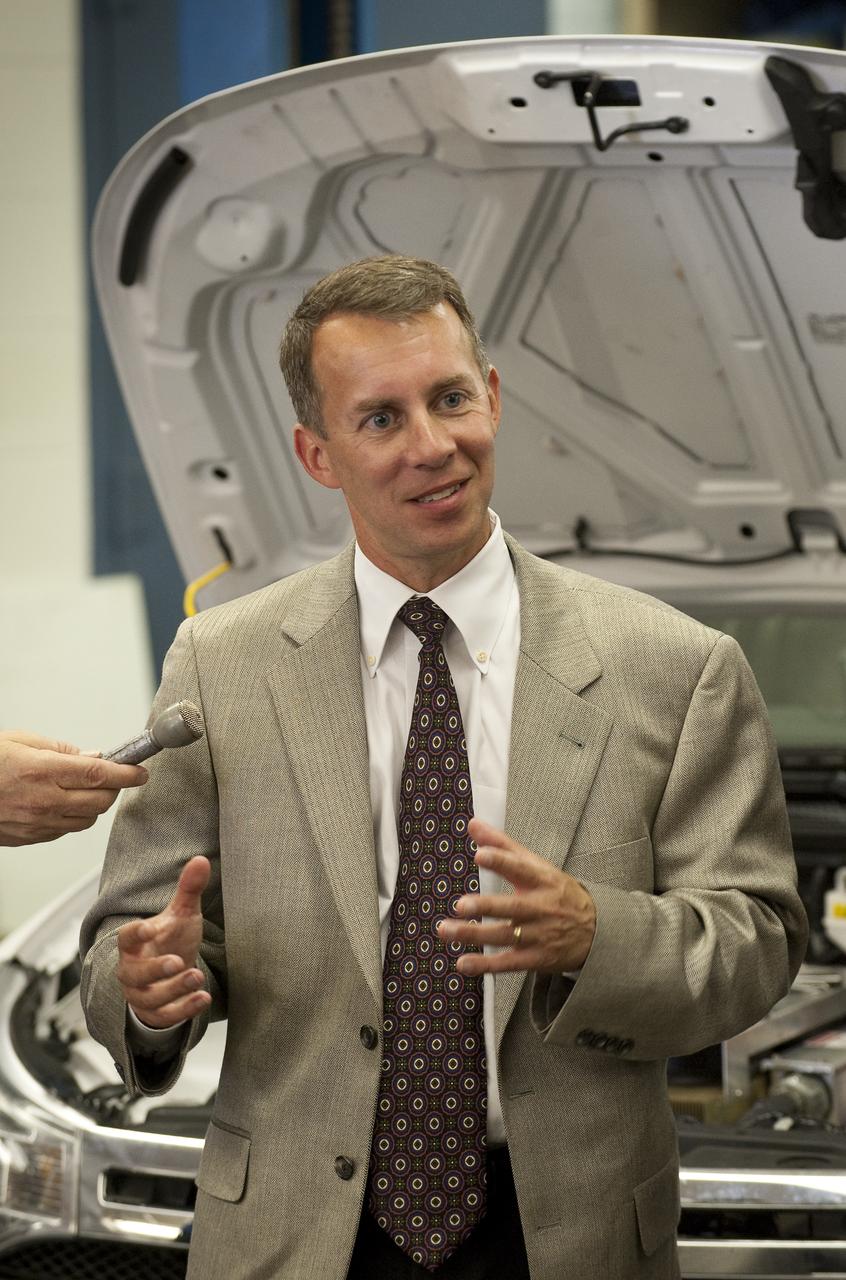
NASA Chief Technologist Bobby Braun talks with student members of the West Philly Hybrid X Team at West Philadelphia High School in Philadelphia, Monday, June 7, 2010. The prize-winning West Philly Hybrid X Team has drawn international recognition as the only high school among 22 finalists in the Progressive Insurance Automotive X Prize (PIAXP) competition to develop cars that achieve over 100 MPG. Photo Credit: (NASA/Bill Ingalls)
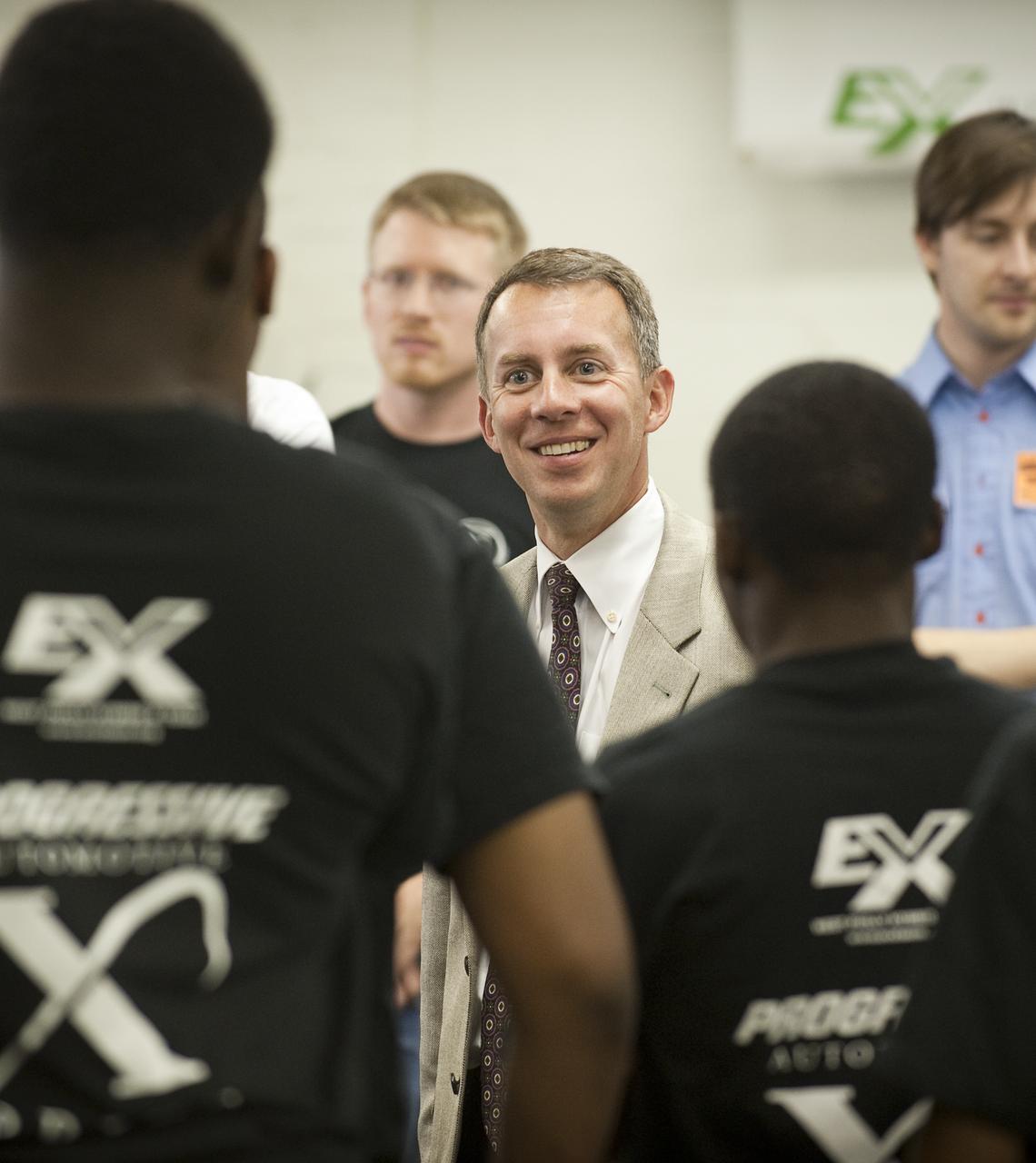
NASA Chief Technologist Bobby Braun talks with student members of the West Philly Hybrid X Team at West Philadelphia High School in Philadelphia, Monday, June 7, 2010. The prize-winning West Philly Hybrid X Team has drawn international recognition as the only high school among 22 finalists in the Progressive Insurance Automotive X Prize (PIAXP) competition to develop cars that achieve over 100 MPG. Photo Credit: (NASA/Bill Ingalls)
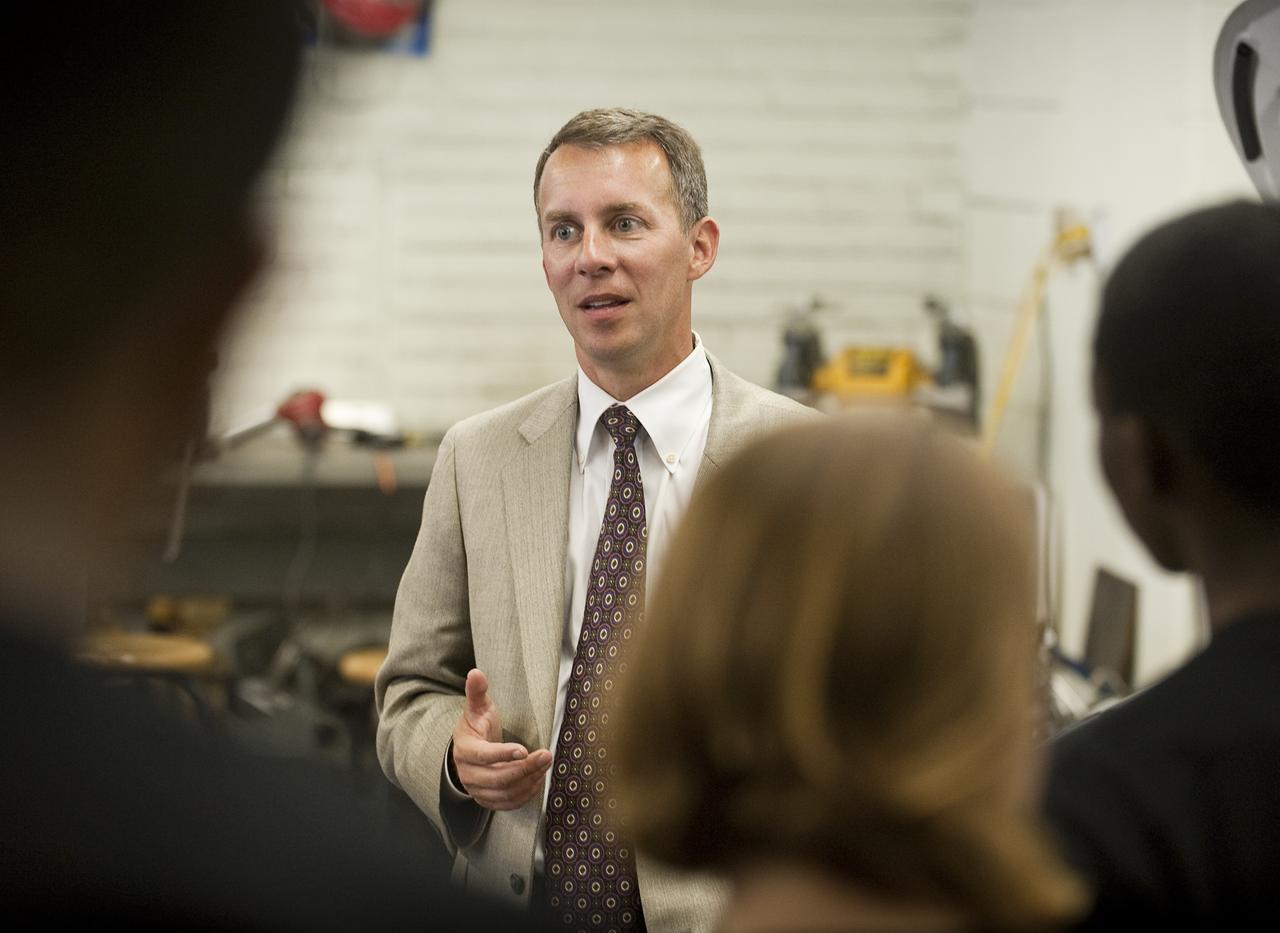
NASA Chief Technologist Bobby Braun talks with student members of the West Philly Hybrid X Team at West Philadelphia High School in Philadelphia, Monday, June 7, 2010. The prize-winning West Philly Hybrid X Team has drawn international recognition as the only high school among 22 finalists in the Progressive Insurance Automotive X Prize (PIAXP) competition to develop cars that achieve over 100 MPG. Photo Credit: (NASA/Bill Ingalls)
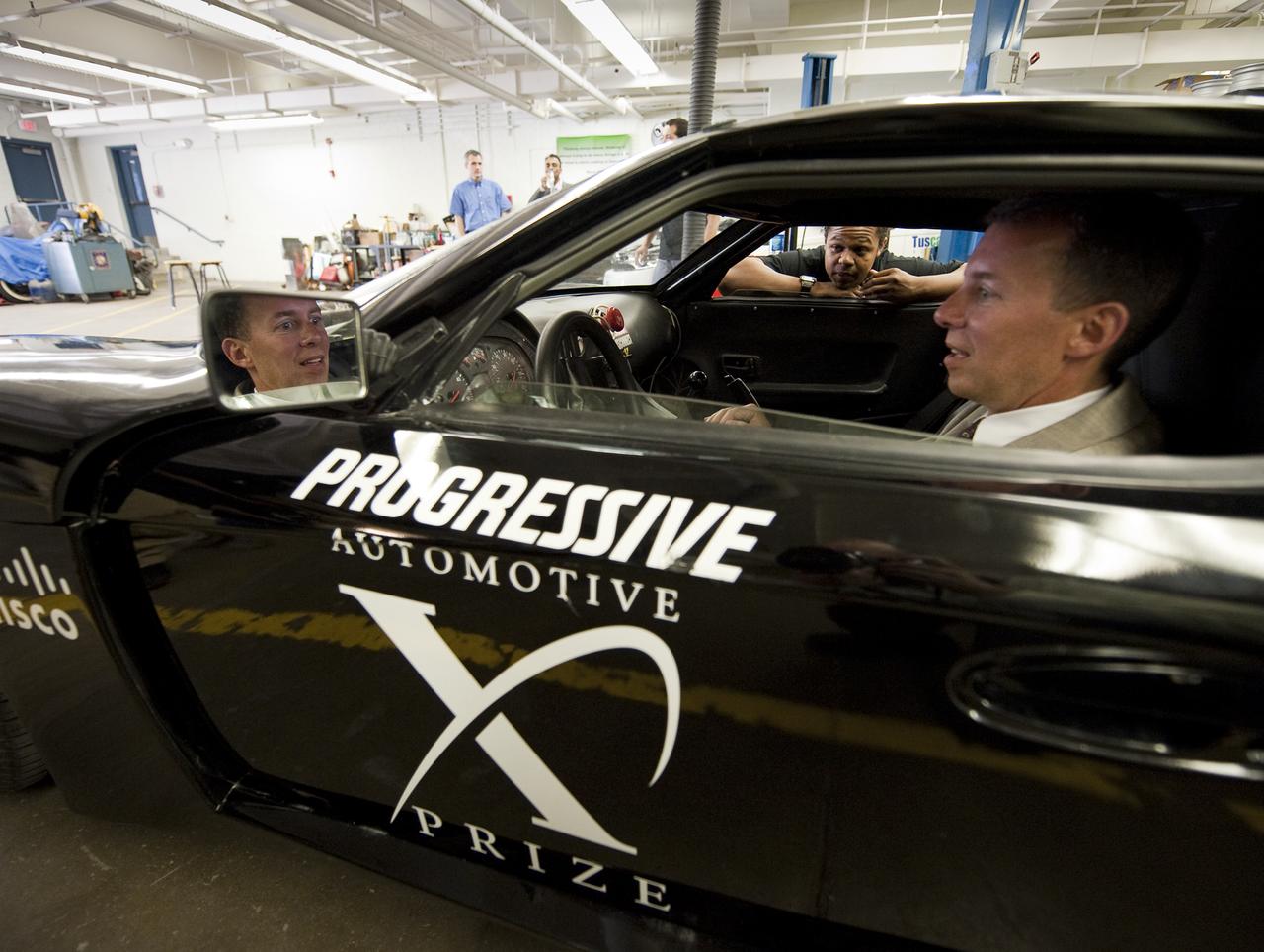
NASA Chief Technologist Bobby Braun sits in the West Philly X Prize hybrid sports car as Sowande Gay, a student member of the West Philly Hybrid Team at West Philadelphia High School, explains the modifications made to the car, in Philadelphia, Monday, June 7, 2010. The prize-winning West Philly Hybrid X Team has drawn international recognition as the only high school among 22 finalists in the Progressive Insurance Automotive X Prize (PIAXP) competition to develop cars that achieve over 100 MPG. Photo Credit: (NASA/Bill Ingalls)
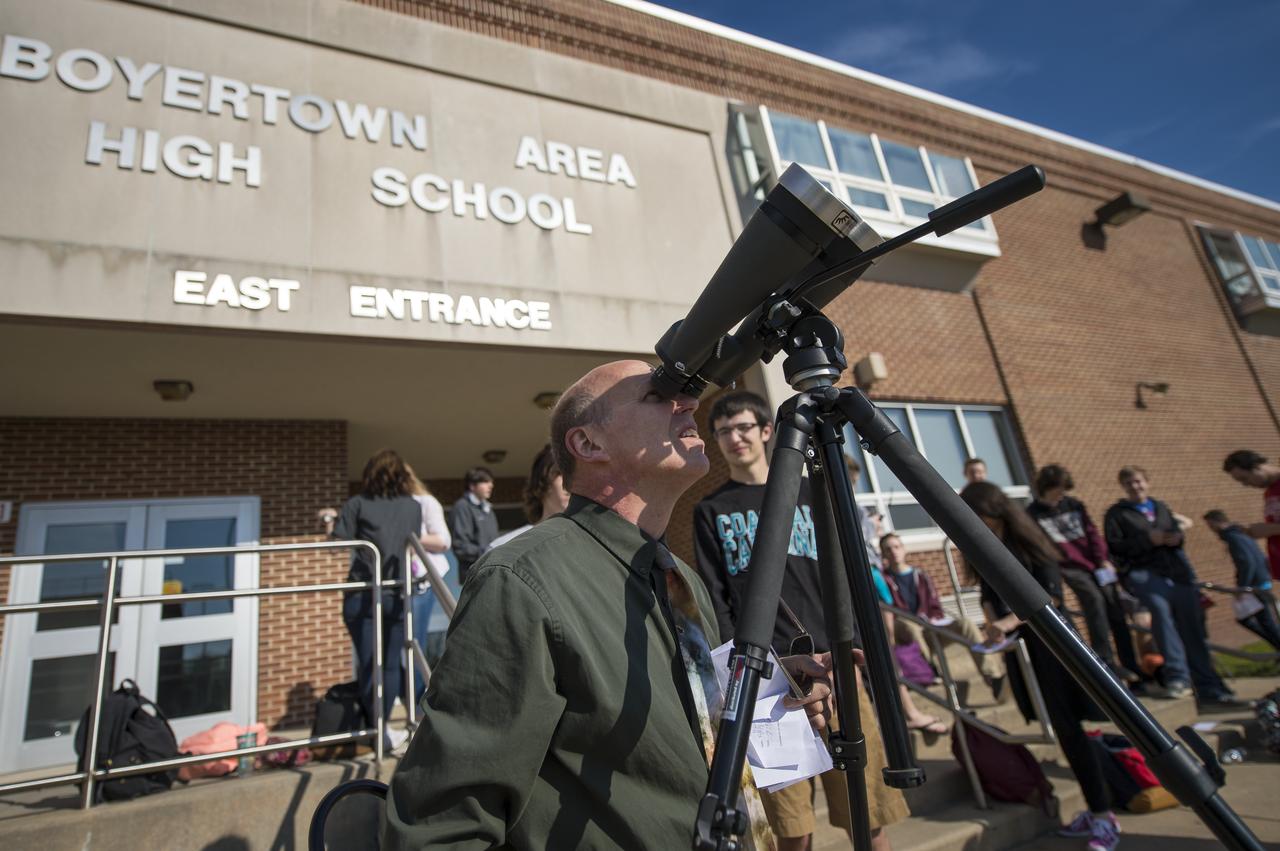
Boyertown Area High School astronomy teacher Peter Detterline prepares high powered binoculars with a solar filter so that his students may view the planet Mercury as it transits across the face of the sun , Monday, May 9, 2016, Boyertown Area High School, Boyertown, Pennsylvania. Mercury passes between Earth and the sun only about 13 times a century, with the previous transit taking place in 2006. Photo Credit: (NASA/Bill Ingalls)
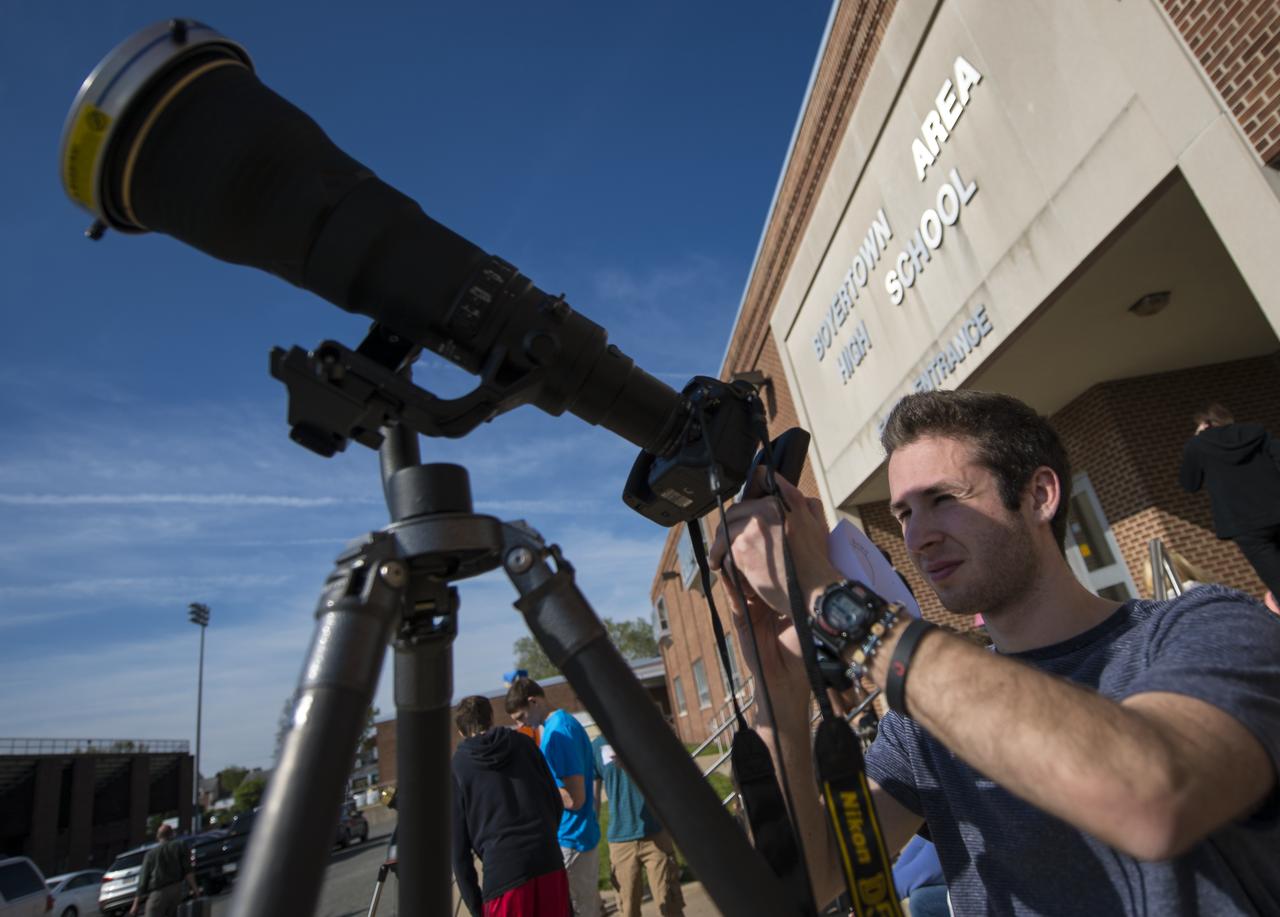
Boyertown Area High School 12th grade student Ben Maurer uses his smartphone and a photographers lens with a solar filter to make a photograph of the planet Mercury transitting the sun, Monday, May 9, 2016, Boyertown area High School, Boyertown, Pennsylvania. Mercury passes between Earth and the sun only about 13 times a century, with the previous transit taking place in 2006. Photo Credit: (NASA/Bill Ingalls)
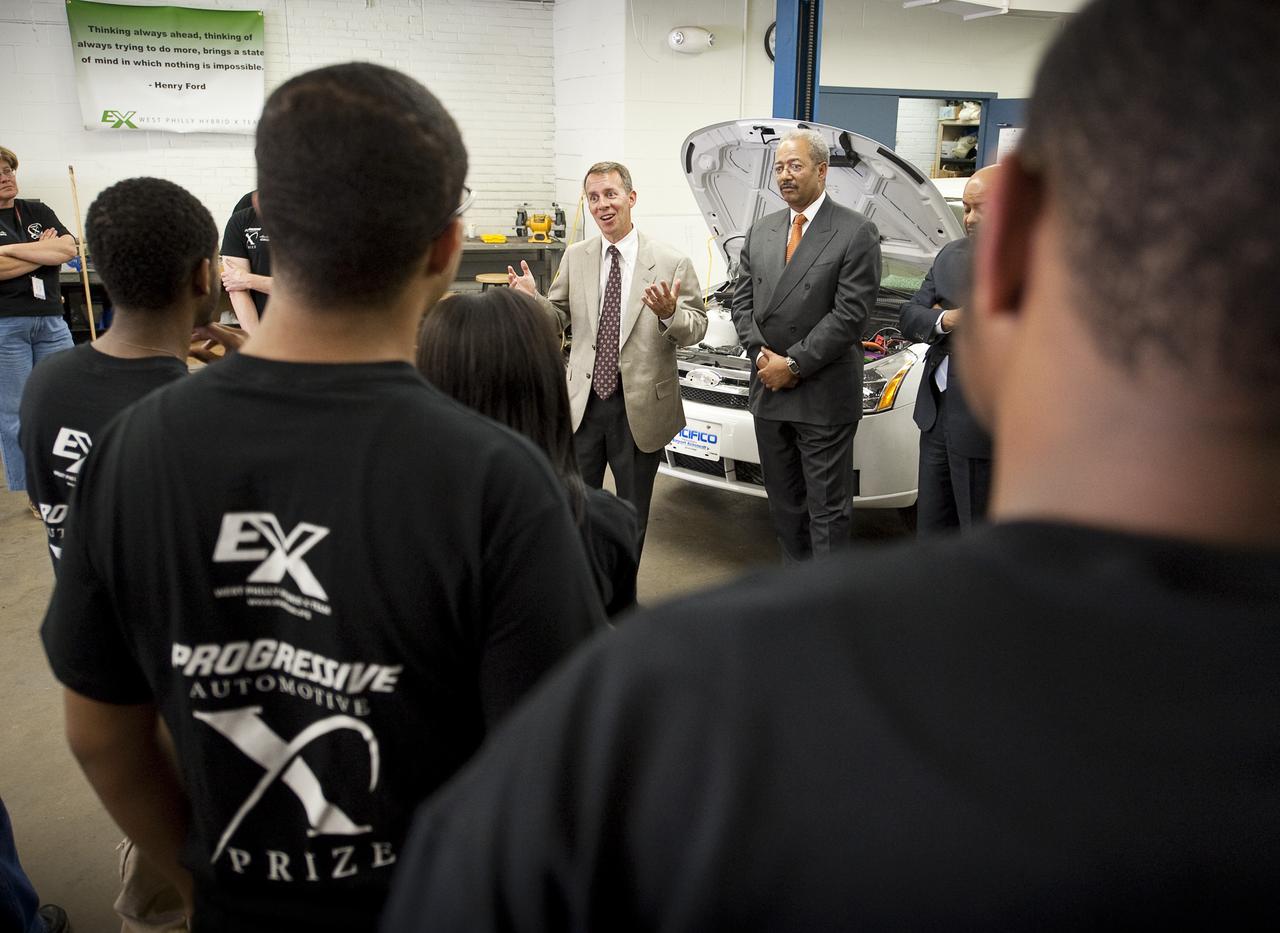
NASA Chief Technologist Bobby Braun, left, and Congressman Chaka Fattah (D-PA), right, talk to student members of the West Philly Hybrid X Team at West Philadelphia High School in Philadelphia, Monday, June 7, 2010. The prize-winning West Philly Hybrid X Team has drawn international recognition as the only high school among 22 finalists in the Progressive Insurance Automotive X Prize (PIAXP) competition to develop cars that achieve over 100 MPG. Photo Credit: (NASA/Bill Ingalls)
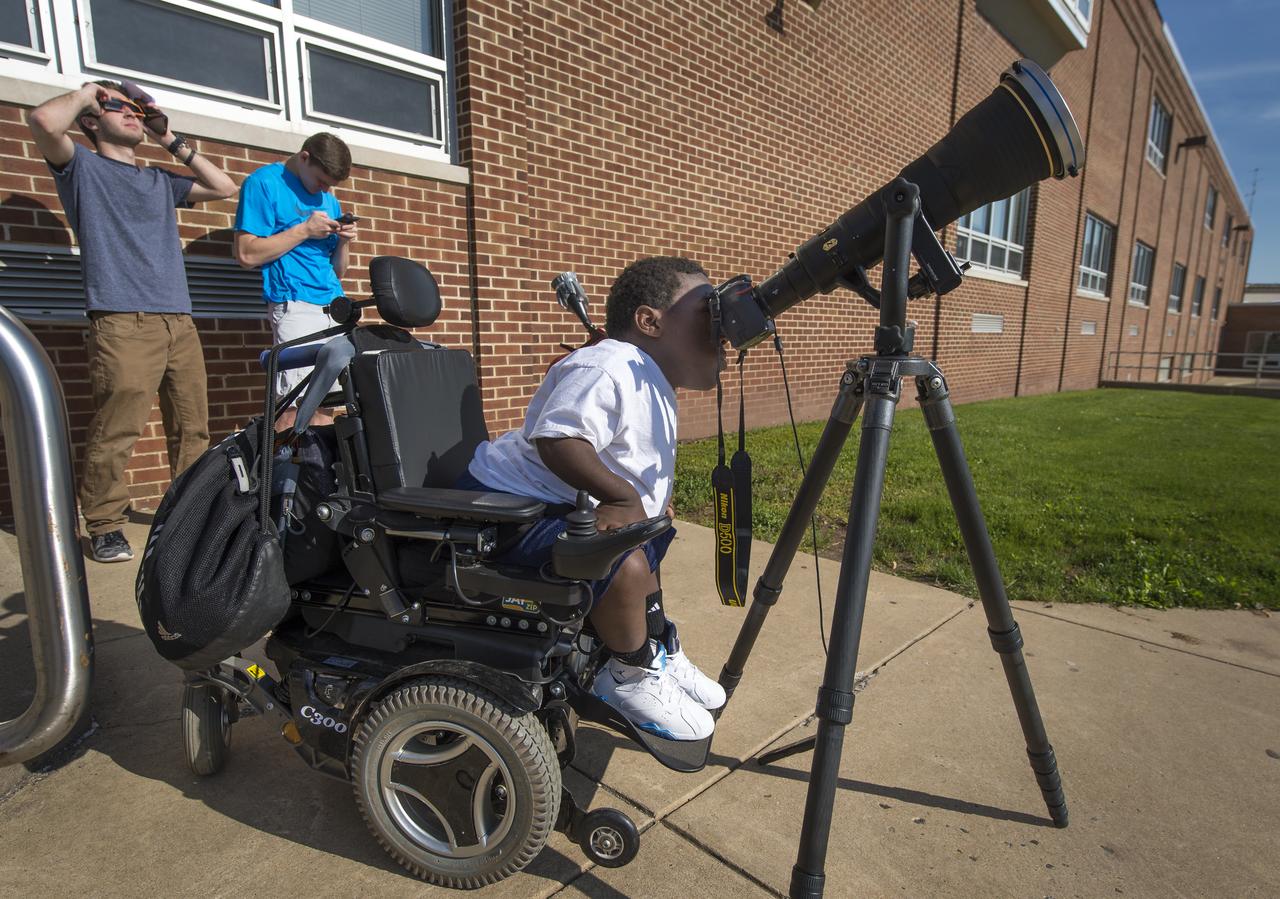
Boyertown Area High School 12th grade student Jay Hallman looks through a photographers lens and solar filter to see the planet Mercury as it transits across the face of the sun , Monday, May 9, 2016, Boyertown area High School, Boyertown, Pennsylvania. Mercury passes between Earth and the sun only about 13 times a century, with the previous transit taking place in 2006. Photo Credit: (NASA/Bill Ingalls)
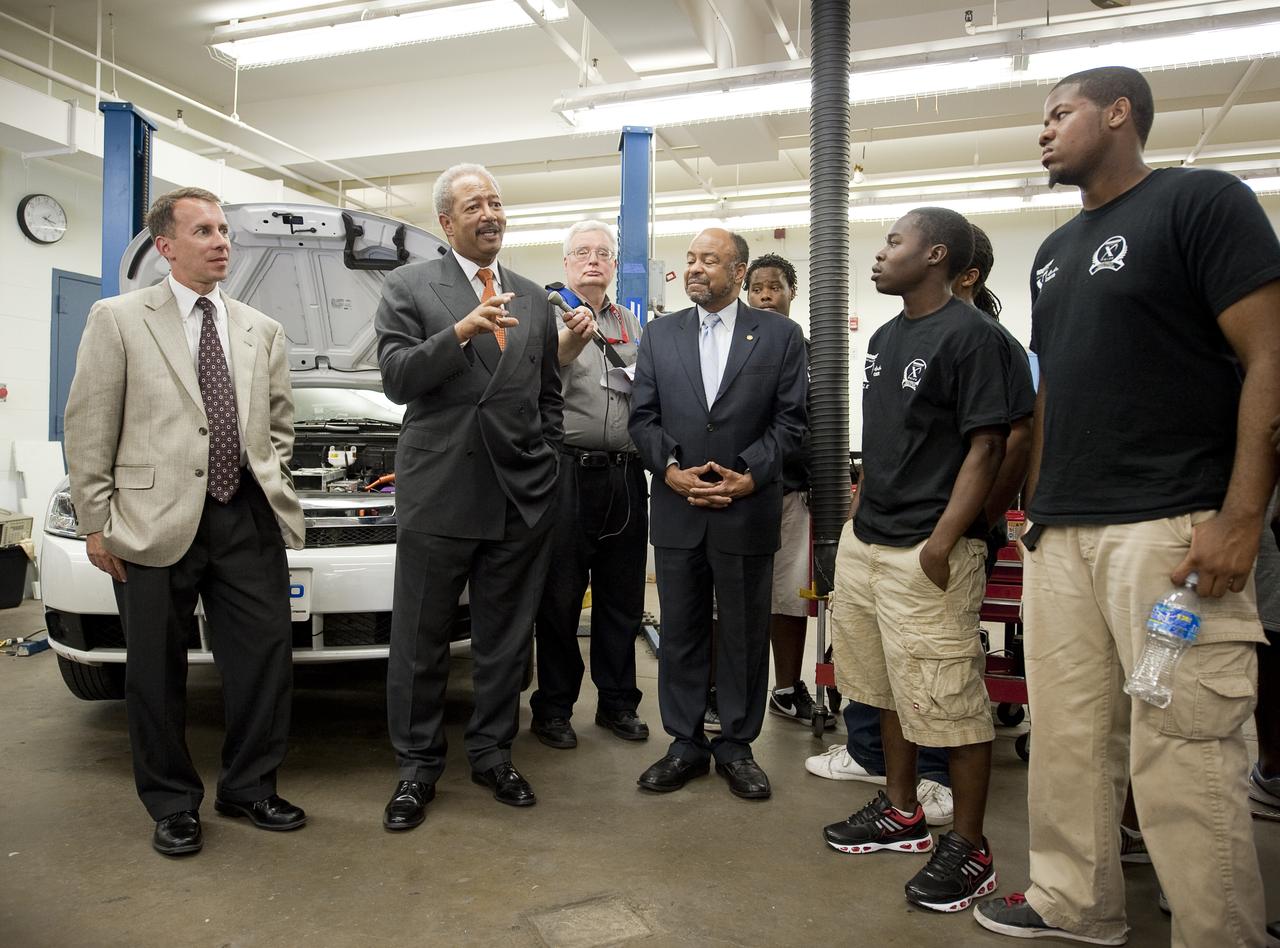
NASA Chief Technologist Bobby Braun, left, and Congressman Chaka Fattah (D-PA), center, and Pennsylvania State Representative Jim Roebuck talk with students of the West Philly Hybrid X Team at West Philadelphia High School in Philadelphia, Monday, June 7, 2010. The prize-winning West Philly Hybrid X Team has drawn international recognition as the only high school among 22 finalists in the Progressive Insurance Automotive X Prize (PIAXP) competition to develop cars that achieve over 100 MPG. Photo Credit: (NASA/Bill Ingalls)
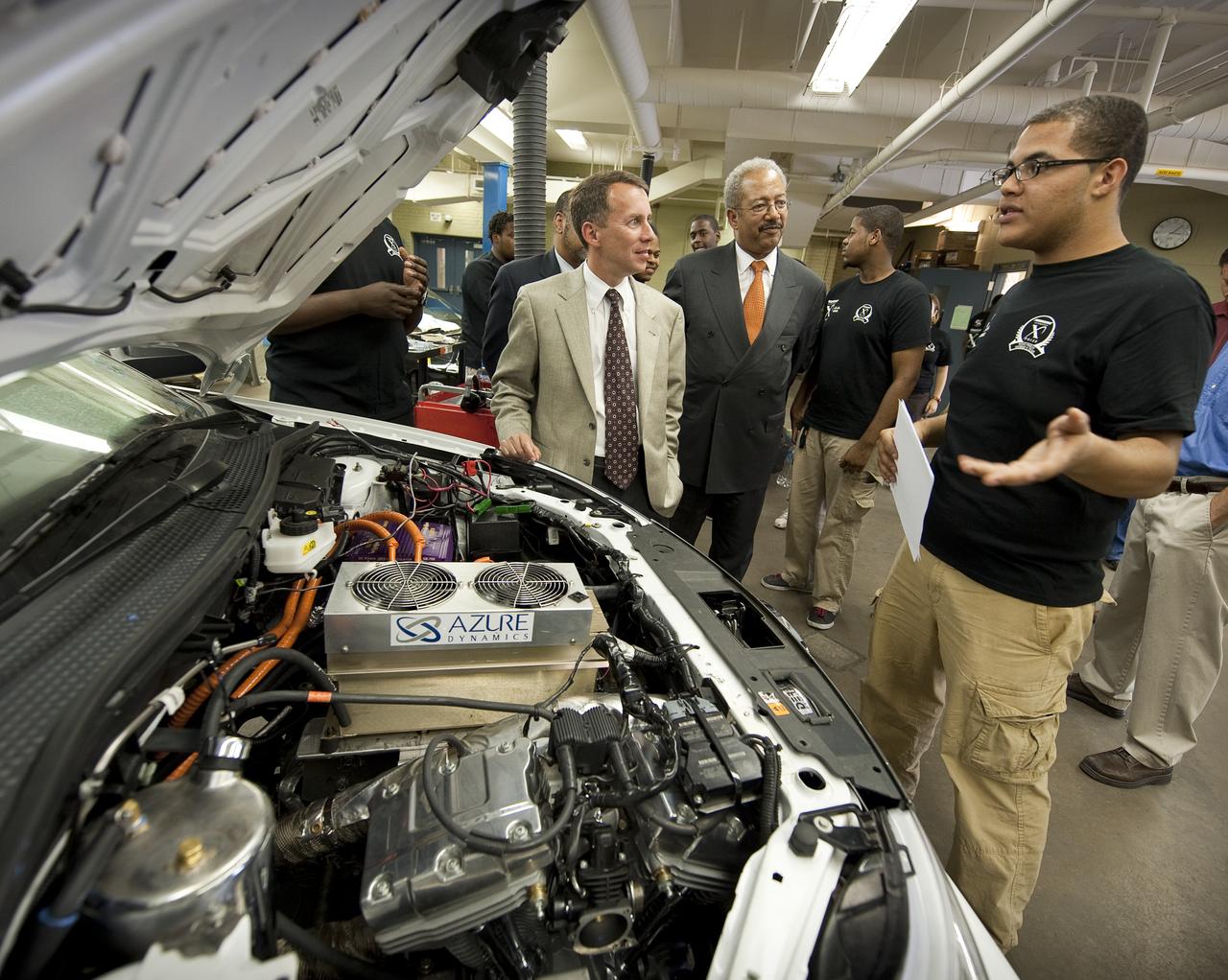
NASA Chief Technologist Bobby Braun, left, and Congressman Chaka Fattah (D-PA), center, listen to Azeem Hill, a member of the West Philly Hybrid X Team at West Philadelphia High School in Philadelphia, Monday, June 7, 2010. The prize-winning West Philly Hybrid X Team has drawn international recognition as the only high school among 22 finalists in the Progressive Insurance Automotive X Prize (PIAXP) competition to develop cars that achieve over 100 MPG. Photo Credit: (NASA/Bill Ingalls)
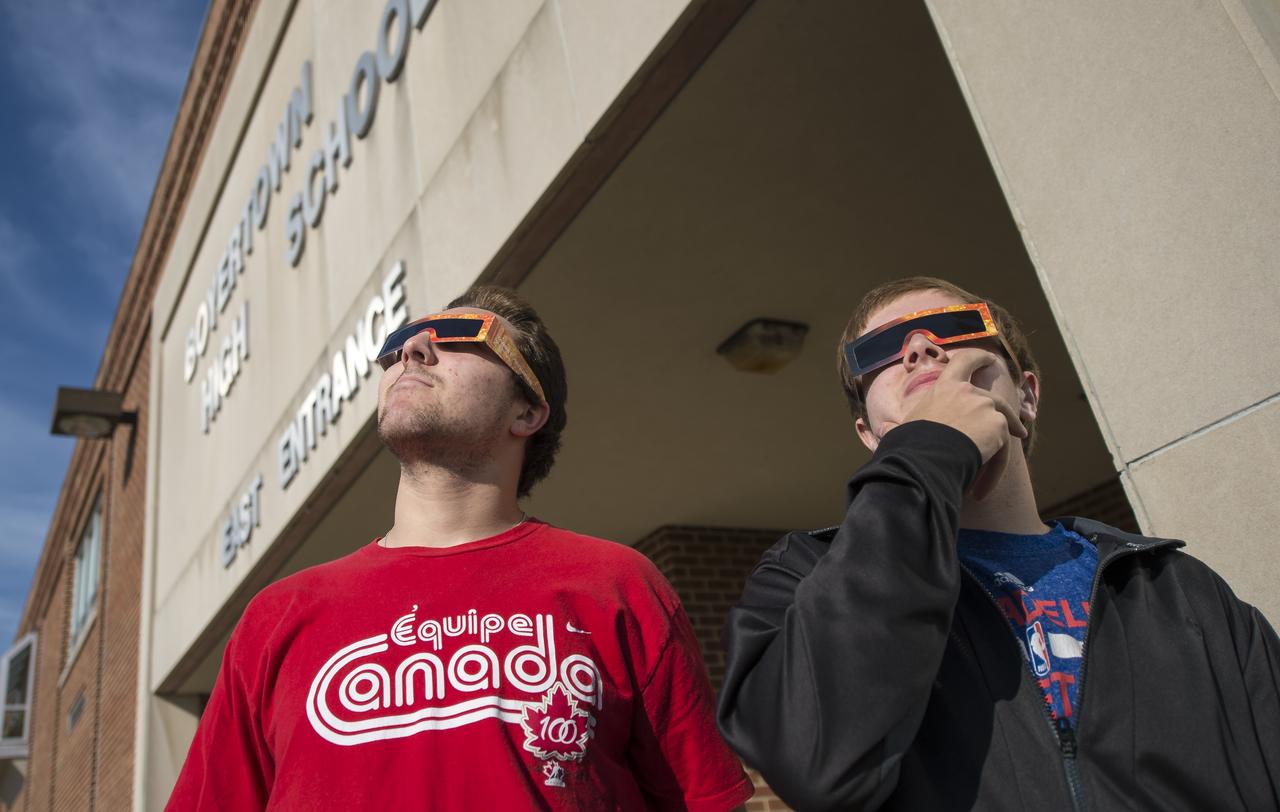
Boyertown Area High School students, 12th grader Bransen Mackey, left, and 11th grader Nick Cioppi wear solar safety glasses and attempt to see the planet Mercury as it transits across the face of the sun, Monday, May 9, 2016, Boyertown, Pennsylvania. Mercury passes between Earth and the sun only about 13 times a century, with the previous transit taking place in 2006. Photo Credit: (NASA/Bill Ingalls)
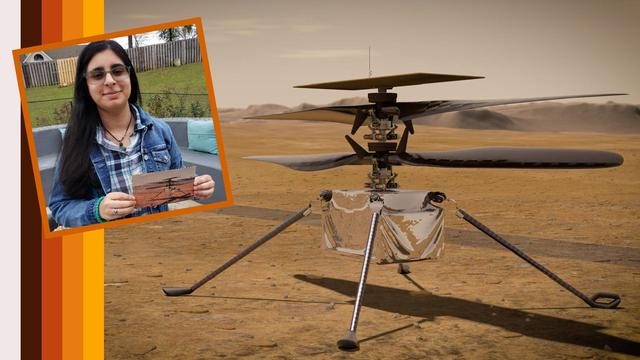
Vaneeza Rupani (inset), a junior at Tuscaloosa County High School in Northport, Alabama, came up with the name Ingenuity for NASA's Mars Helicopter (an artist's impression of which is seen here) and the motivation behind it for NASA's "Name the Rover" essay contest. https://photojournal.jpl.nasa.gov/catalog/PIA23883
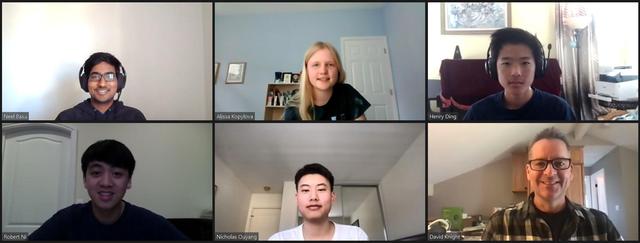
For the fourth consecutive year, Irvine's University High School won the Southern California regional round of the National Science Bowl, hosted by JPL. The team, including coach David Knight (lower right), paused for a group shot after their victory on March 20, 2021. https://photojournal.jpl.nasa.gov/catalog/PIA23730
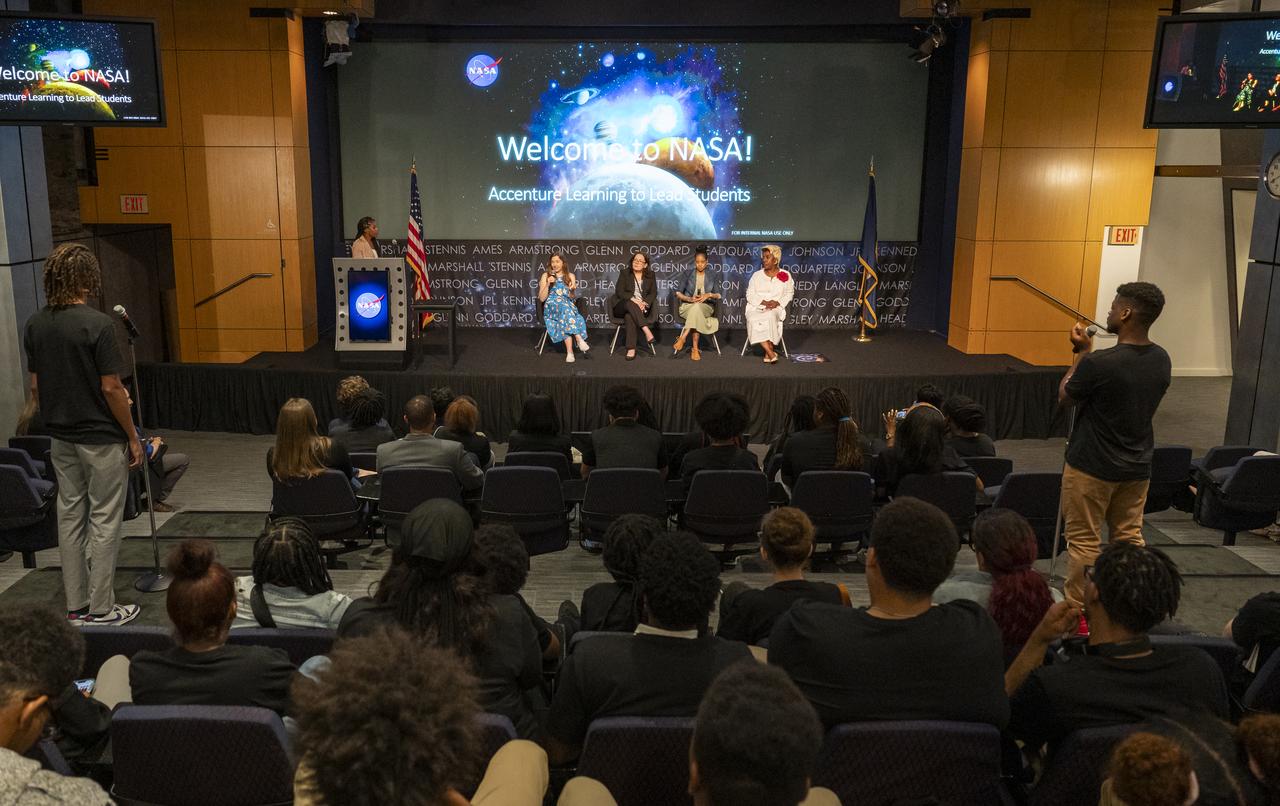
Senior Communications Specialist Elizabeth Landau, left, answers questions during a high school student engagement event, Thursday, July 6, 2023, at the Mary W. Jackson NASA Headquarters building in Washington. Photo Credit: (NASA/Keegan Barber)

Strategic Communications and Outreach Lead Denise Hill, center, answers questions during a high school student engagement event, Thursday, July 6, 2023, at the Mary W. Jackson NASA Headquarters building in Washington. Photo Credit: (NASA/Keegan Barber)

Strategic Integration & Management Division Director Alotta Taylor, right, answers questions during a high school student engagement event, Thursday, July 6, 2023, at the Mary W. Jackson NASA Headquarters building in Washington. Photo Credit: (NASA/Keegan Barber)
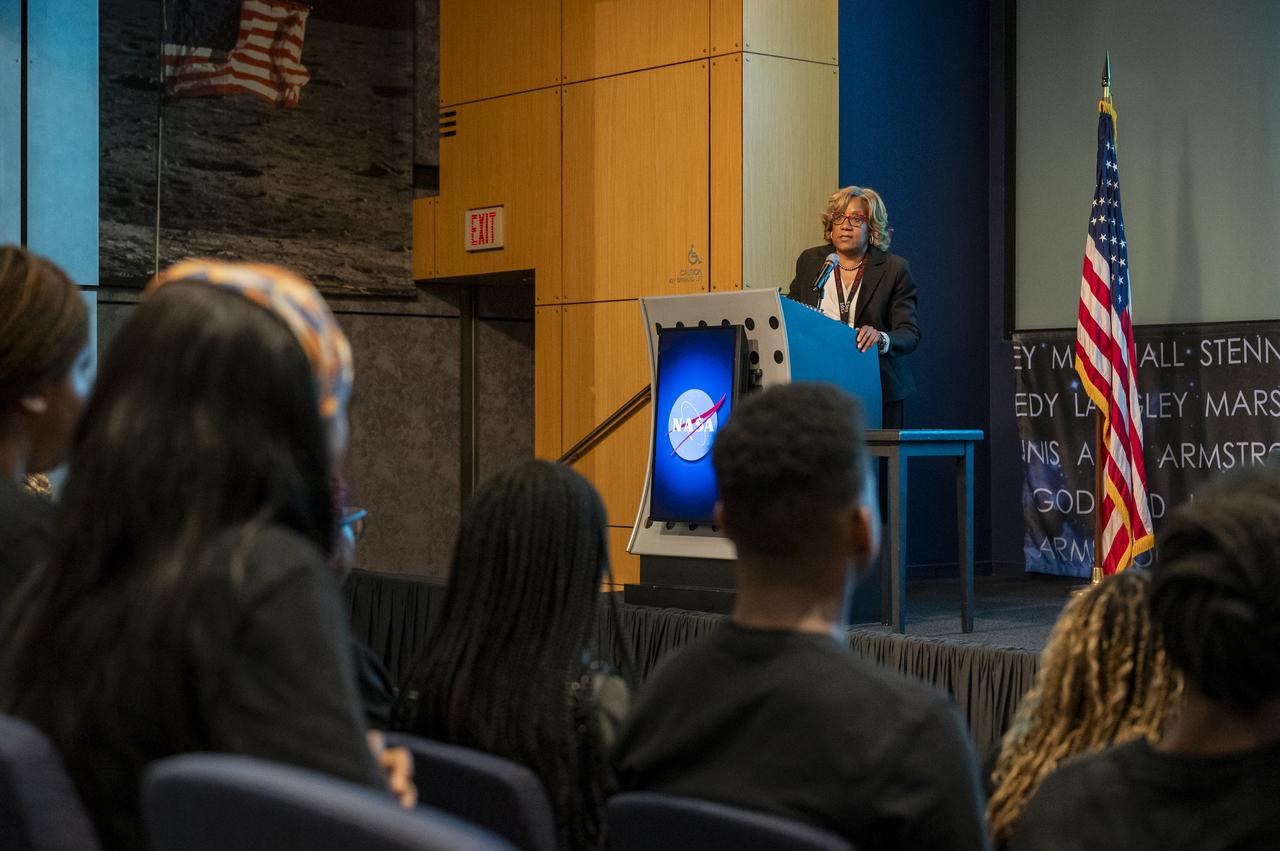
Mission Support and Headquarters Operations Director Nichole Pinkney delivers remarks during a high school student engagement event, Thursday, July 6, 2023, at the Mary W. Jackson NASA Headquarters building in Washington. Photo Credit: (NASA/Keegan Barber)
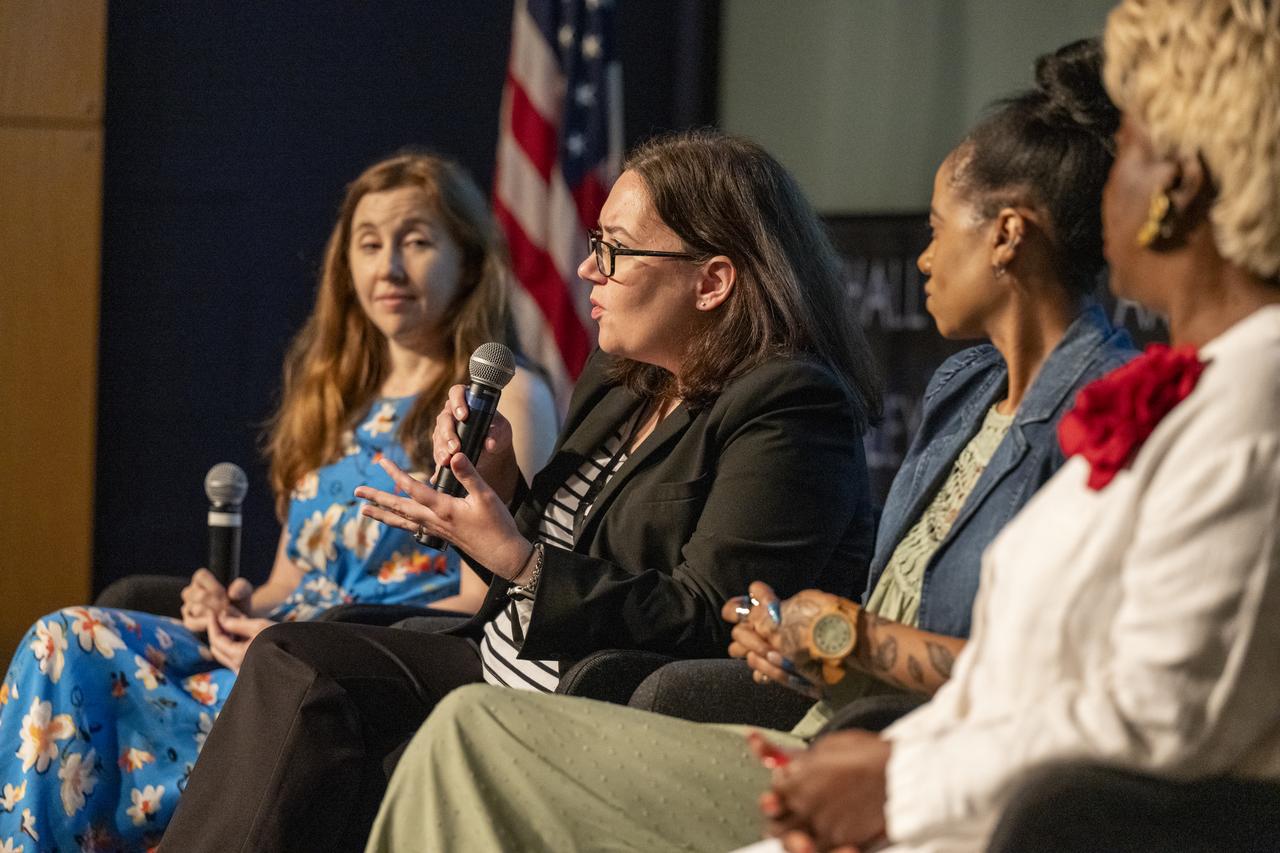
Chief Knowledge Officer for NASA’s Aeronautics Research Mission Directorate (ARMD) Tiffany Smith, second from left, answers questions during a high school student engagement event, Thursday, July 6, 2023, at the Mary W. Jackson NASA Headquarters building in Washington. Photo Credit: (NASA/Keegan Barber)
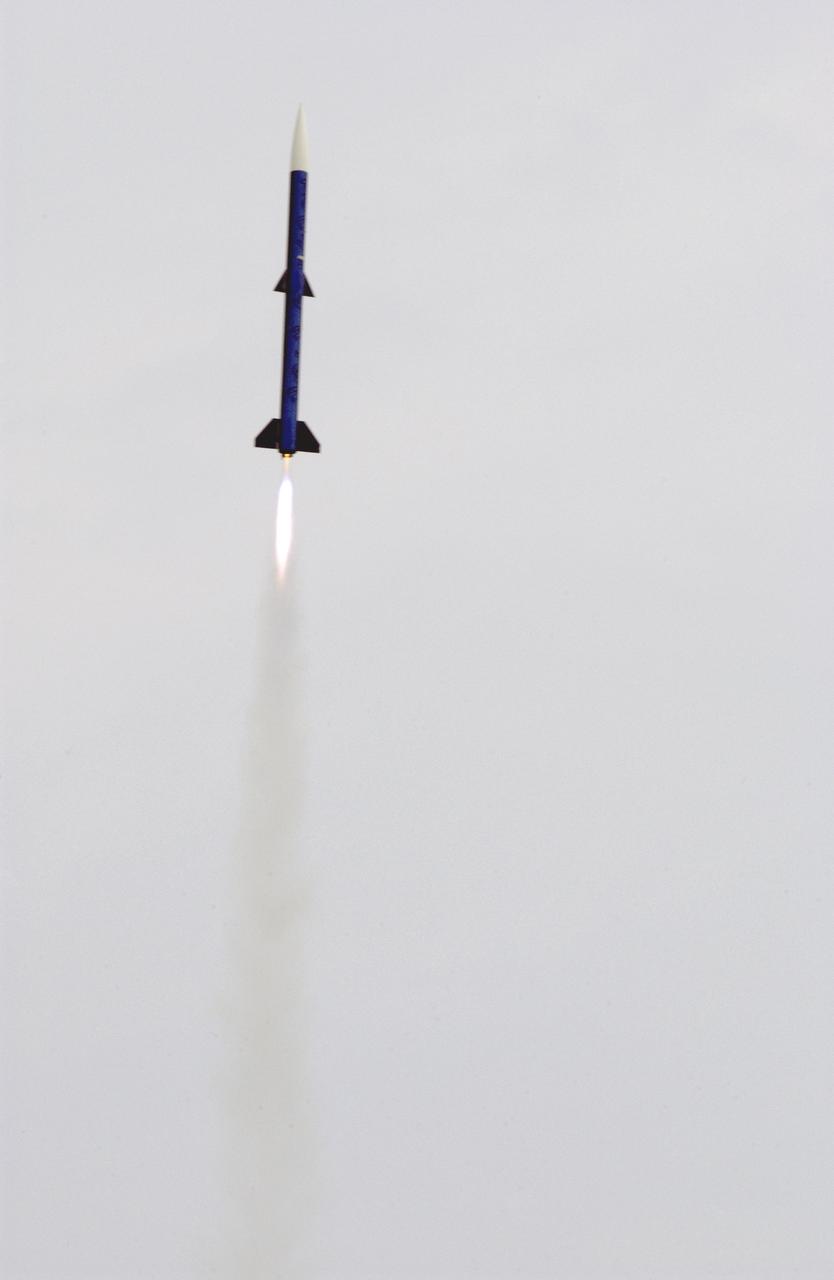
Filled with anticipation, students from three Huntsville area high schools: Randolph, Sparkman, and Johnson High Schools, counted down to launch the rockets they designed and built at the Army test site on Redstone Arsenal in Huntsville, Alabama. The projected two-mile high launch culminated more than a year's work and demonstrated the student team's ability to meet the challenge set by the Marshall Space Flight Center's (MSFC) Student Launch Initiative program to apply science and math to experience, judgment, and common sense, and proved to NASA officials that they have successfully built reusable launch vehicles (RLVs), another challenge set by NASA's SLI program. MSFC's SLI program is an educational effort that aims to motivate students to pursue careers in science, math, and engineering. It provides hands-on, practical aerospace experience. In this picture, a rocket built by Johnson High School students soars to it projected designation.
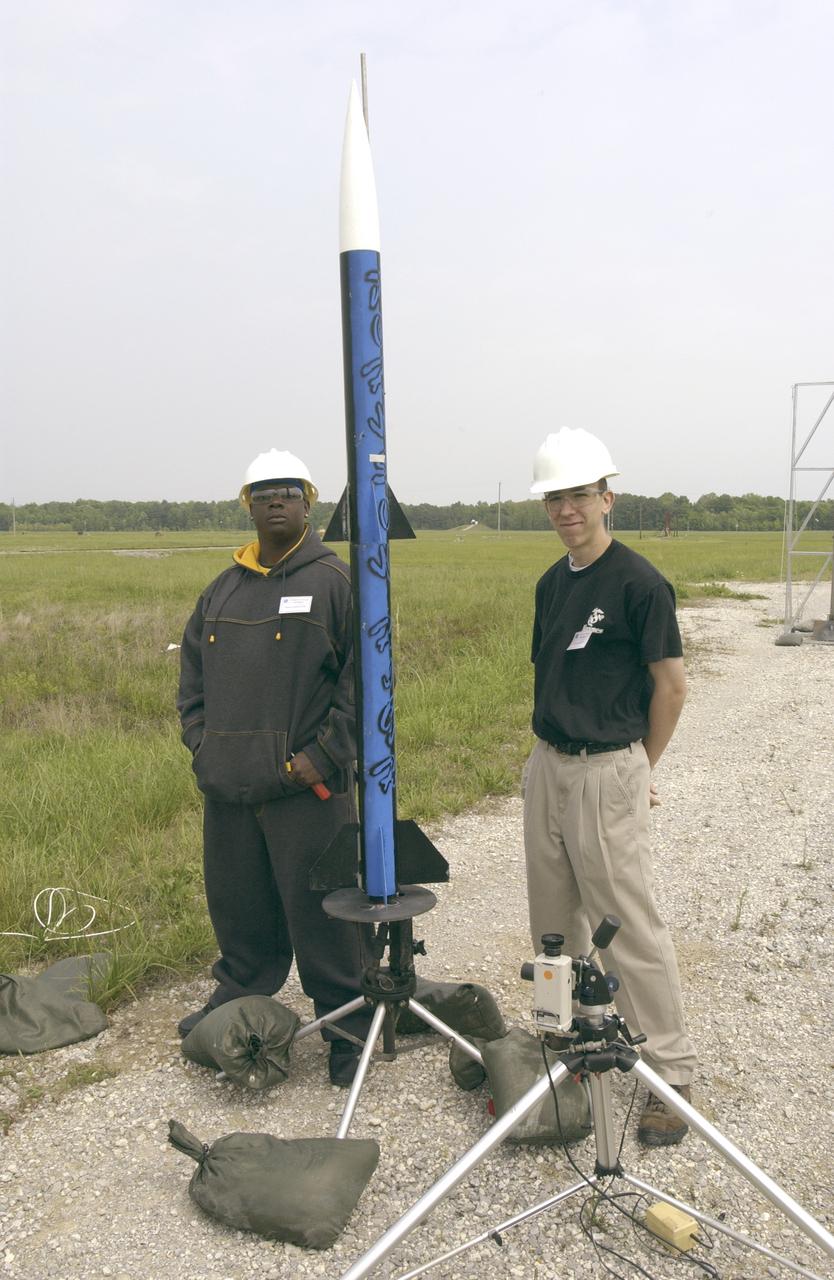
Filled with anticipation, students from three Huntsville area high schools: Randolph, Sparkman and Johnson High Schools, counted down to launch the rockets they designed and built at the Army test site on Redstone Arsenal in Huntsville, Alabama. The projected two-mile high launch culminated more than a year's work and demonstrated the student team's ability to meet the challenge set by the Marshall Space Flight Center's (MSFC) Student Launch Initiative (SLI) program to apply science and math to experience, judgment, and common sense, and proved to NASA officials that they have successfully built reusable launch vehicles (RLVs), another challenge set by NASA's SLI program. MSFC's SLI program is an educational effort that aims to motivate students to pursue careers in science, math, and engineering. It provides them with hands-on, practical aerospace experience. In this picture, two Johnson High School students pose with their rocket.
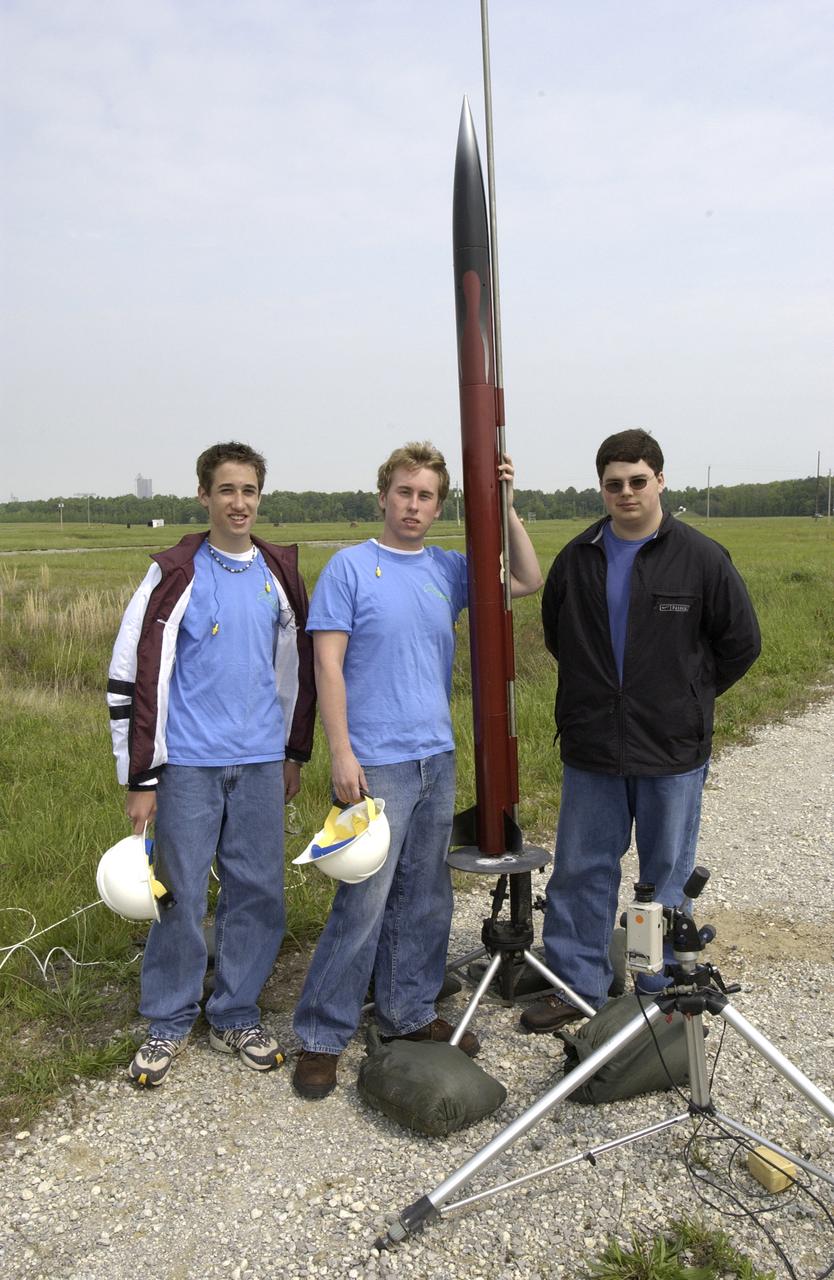
Filled with anticipation, students from three Huntsville area high schools: Randolph, Sparkman, and Johnson High Schools, counted down to launch the rockets they designed and built at the Army test site on Redstone Arsenal in Huntsville, Alabama. The projected two-mile high launch culminated more than a year's work and demonstrated the student team's ability to meet the challenge set by the Marshall Space Flight Center's (MSFC) Student Launch Initiative (SLI) program to apply science and math to experience, judgment, and common sense, and proved to NASA officials that they have successfully built reusable launch vehicles (RLVs), another challenge set by NASA's SLI program. MSFC's SLI program is an educational effort that aims to motivate students to pursue careers in science, math, and engineering. It provides them with hands-on, practical aerospace experience. In this picture, three Sparkman High School students pose with their rocket.
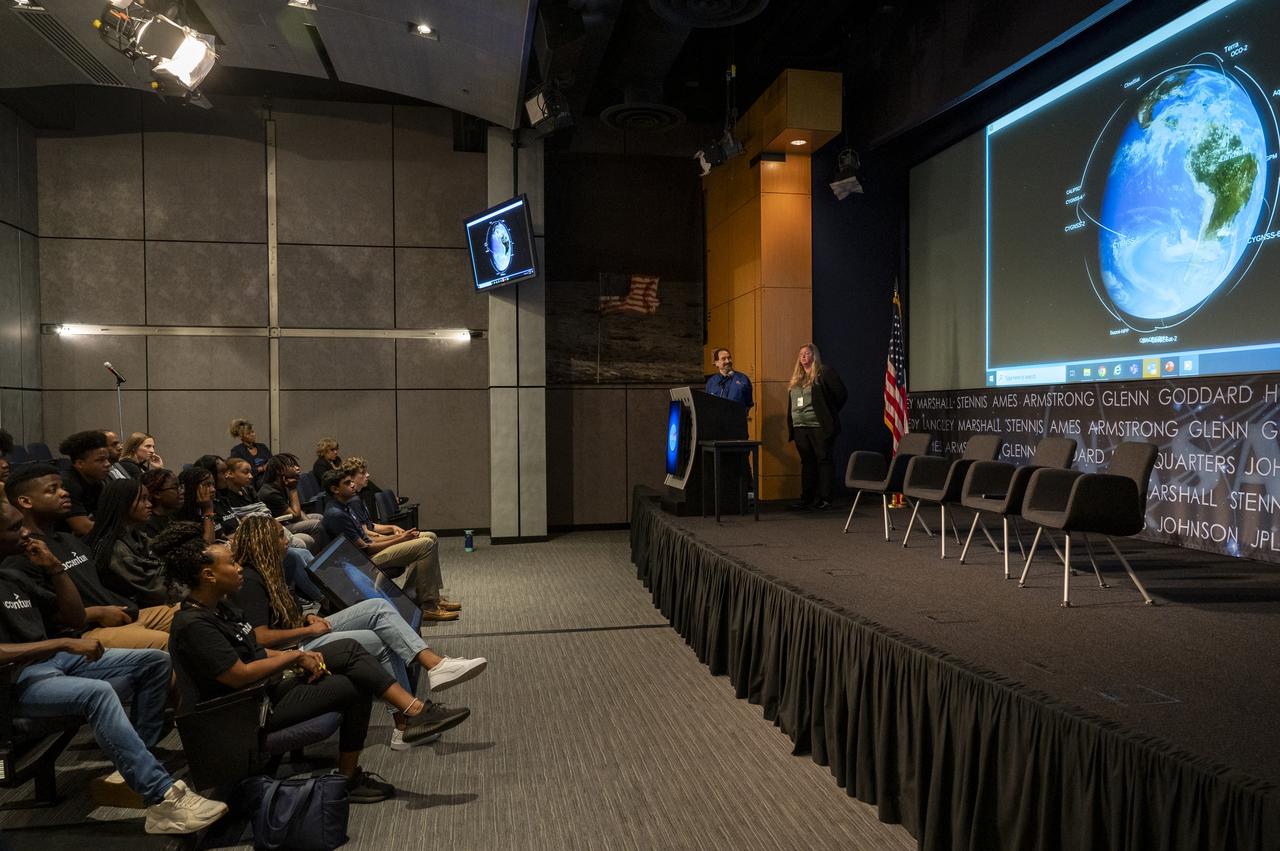
Principal Systems Engineer Michael Chyatte, left, and Project Manager Nicole Ramberg-Pihl, right, deliver remarks regarding the new Earth Information Center (EIC) during a high school student engagement event, Thursday, July 6, 2023, at the Mary W. Jackson NASA Headquarters building in Washington. Photo Credit: (NASA/Keegan Barber)

From left to right, Senior Communications Specialist Elizabeth Landau, Chief Knowledge Officer for NASA’s Aeronautics Research Mission Directorate (ARMD) Tiffany Smith, Strategic Communications and Outreach Lead Denise Hill, and Strategic Integration & Management Division Director Alotta Taylor, answer questions during a high school student engagement event, Thursday, July 6, 2023, at the Mary W. Jackson NASA Headquarters building in Washington. Photo Credit: (NASA/Keegan Barber)
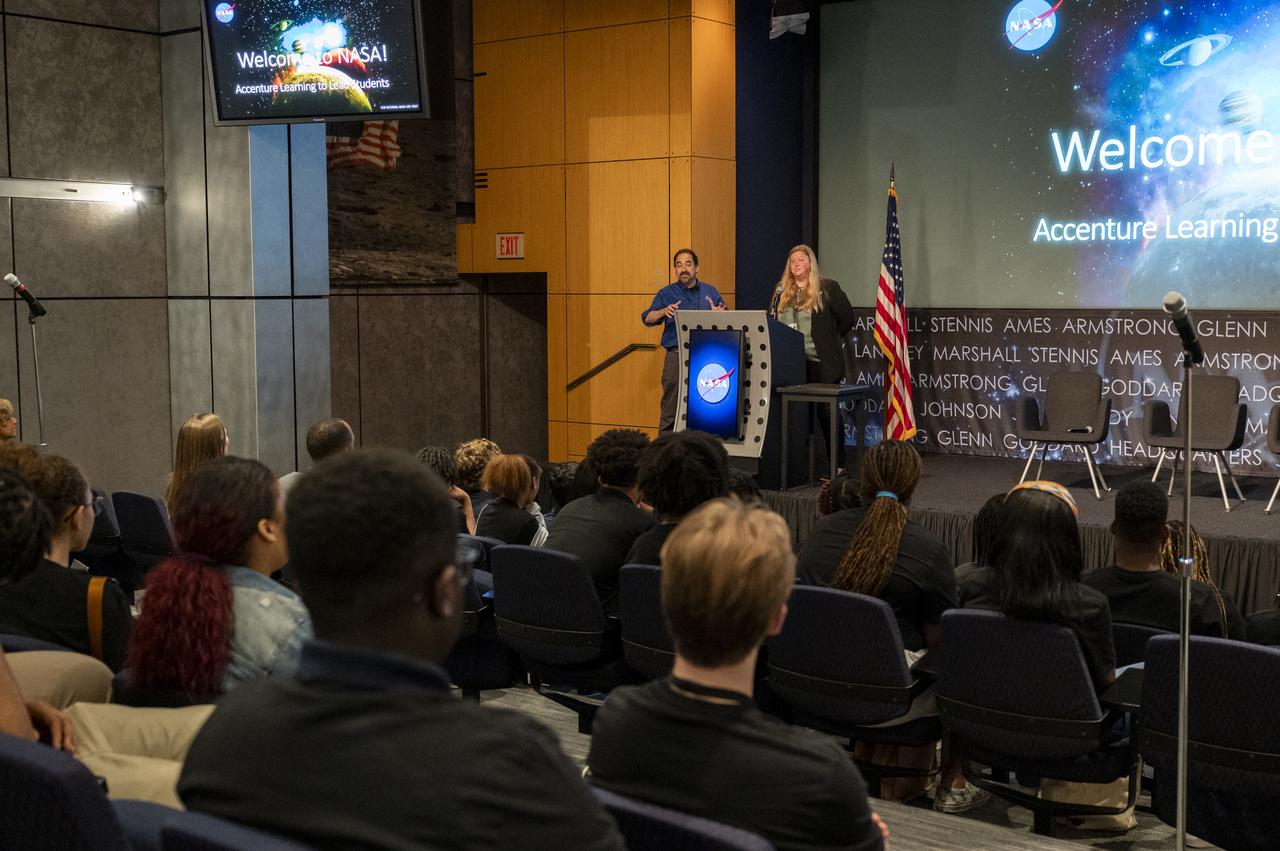
Principal Systems Engineer Michael Chyatte, left, and Project Manager Nicole Ramberg-Pihl, right, deliver remarks regarding the new Earth Information Center (EIC) during a high school student engagement event, Thursday, July 6, 2023, at the Mary W. Jackson NASA Headquarters building in Washington. Photo Credit: (NASA/Keegan Barber)

From left to right, Senior Communications Specialist Elizabeth Landau, Chief Knowledge Officer for NASA’s Aeronautics Research Mission Directorate (ARMD) Tiffany Smith, Strategic Communications and Outreach Lead Denise Hill, and Strategic Integration & Management Division Director Alotta Taylor, answer questions during a high school student engagement event, Thursday, July 6, 2023, at the Mary W. Jackson NASA Headquarters building in Washington. Photo Credit: (NASA/Keegan Barber)
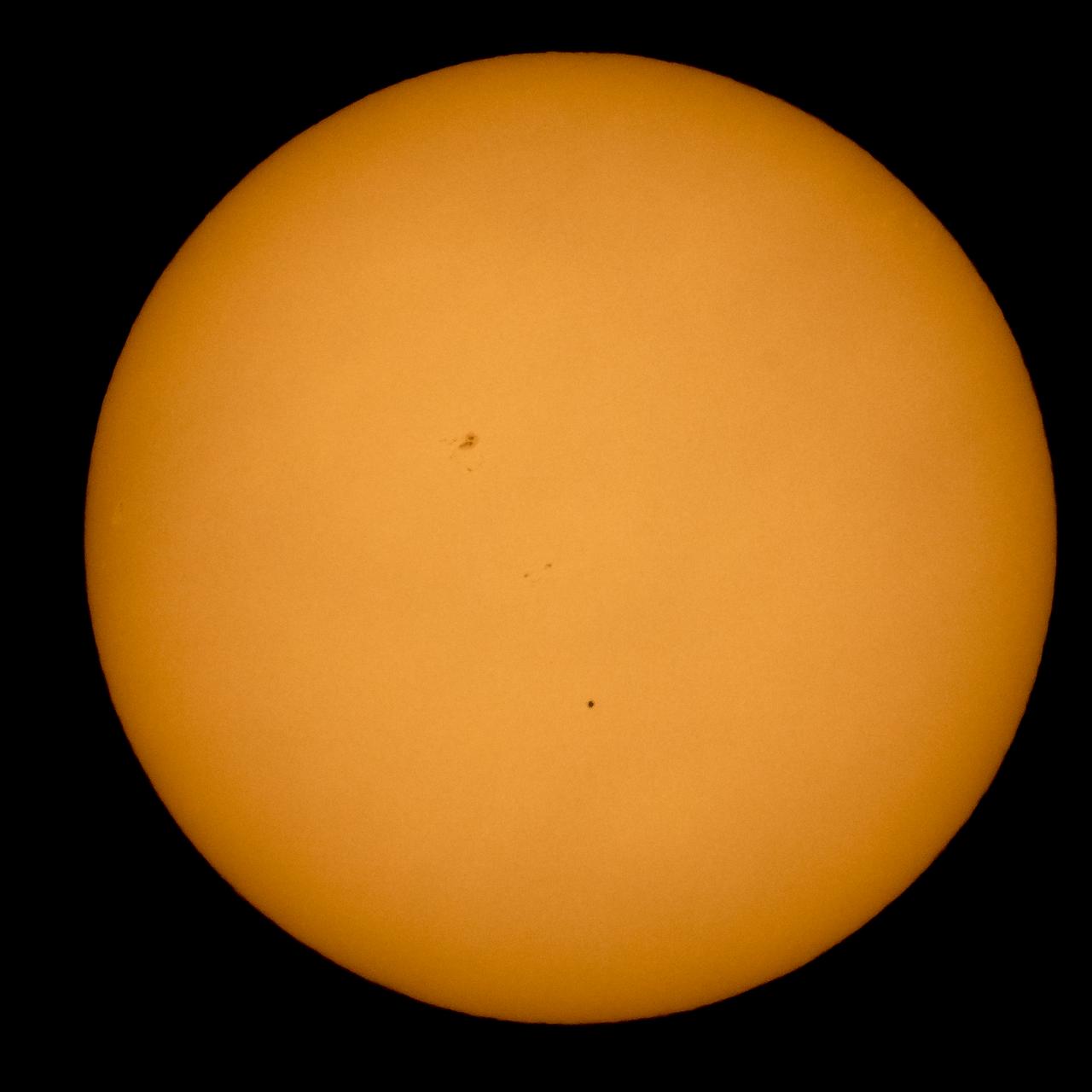
The planet Mercury is seen in silhouette, lower center of image, as it transits across the face of the sun, Monday, May 9, 2016, as viewed from Boyertown, Pennsylvania. Mercury passes between Earth and the sun only about 13 times a century, with the previous transit taking place in 2006. Photo Credit: (NASA/Bill Ingalls)
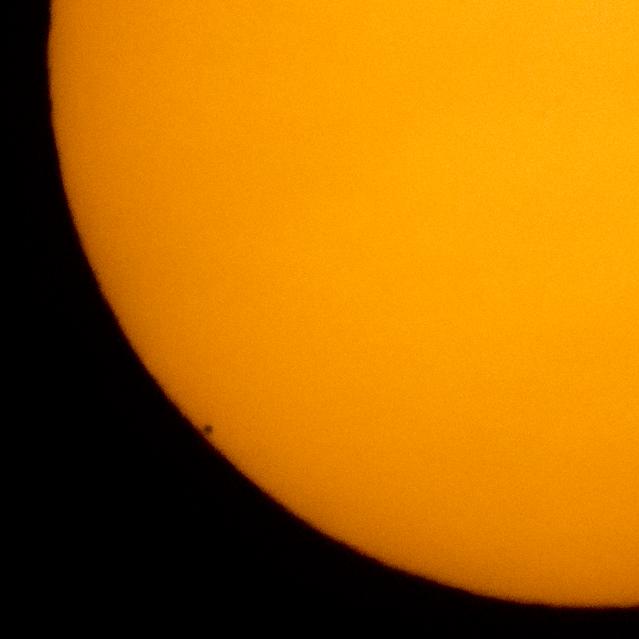
The planet Mercury is seen in silhouette, lower left of image, as it transits across the face of the sun, Monday, May 9, 2016, as viewed from Boyertown, Pennsylvania. Mercury passes between Earth and the sun only about 13 times a century, with the previous transit taking place in 2006. Photo Credit: (NASA/Bill Ingalls)
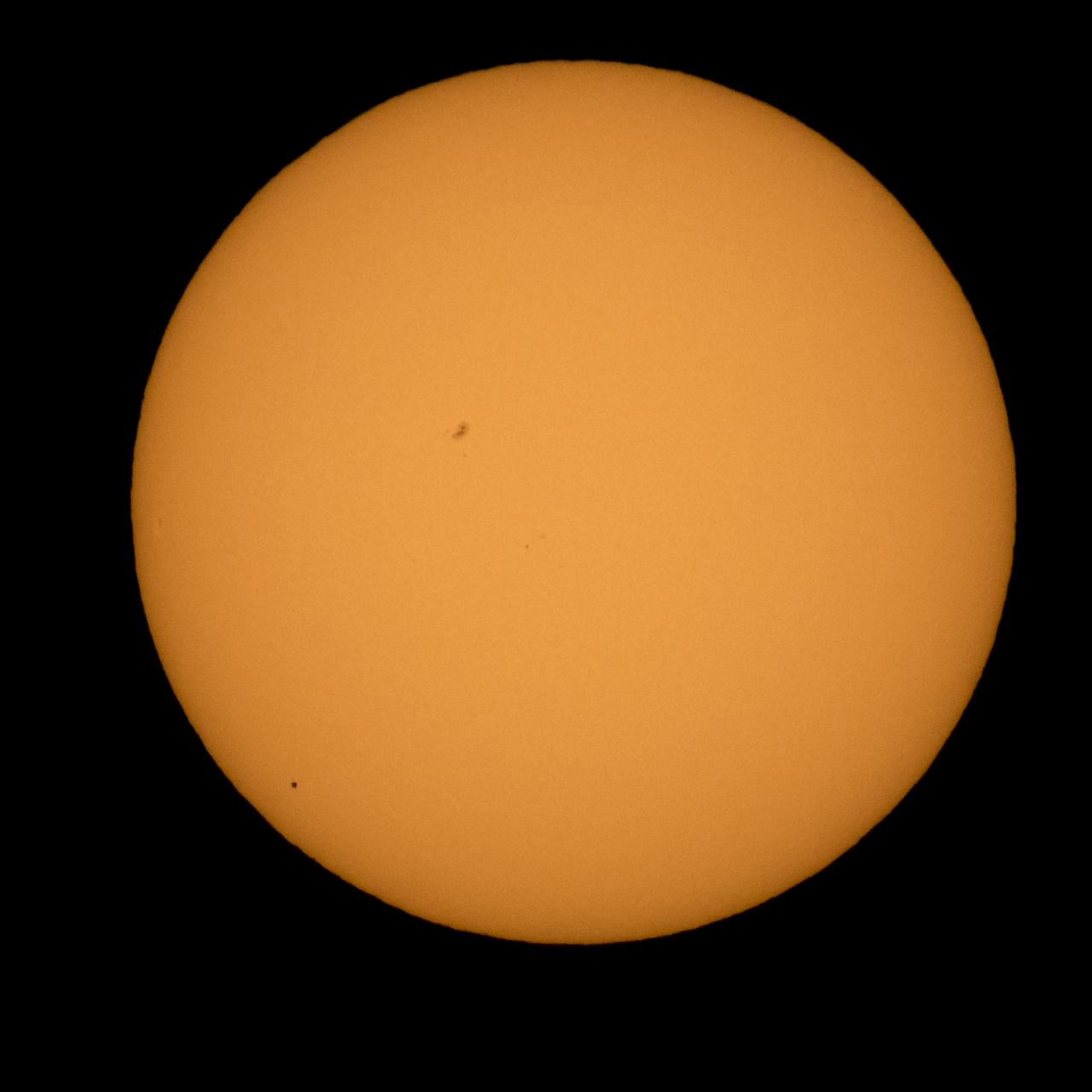
The planet Mercury is seen in silhouette, lower left, as it transits across the face of the sun Monday, May 9, 2016, as viewed from Boyertown, Pennsylvania. Mercury passes between Earth and the sun only about 13 times a century, with the previous transit taking place in 2006. Photo Credit: (NASA/Bill Ingalls)
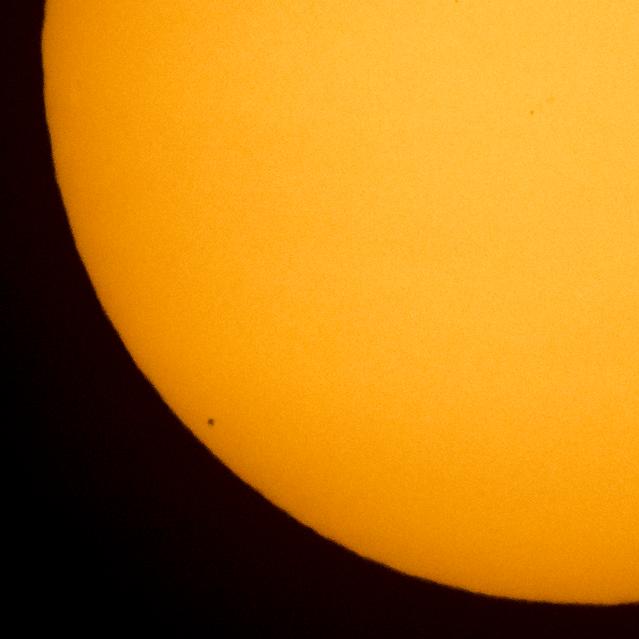
The planet Mercury is seen in silhouette, lower left of image, as it transits across the face of the sun, Monday, May 9, 2016, as viewed from Boyertown, Pennsylvania. Mercury passes between Earth and the sun only about 13 times a century, with the previous transit taking place in 2006. Photo Credit: (NASA/Bill Ingalls)
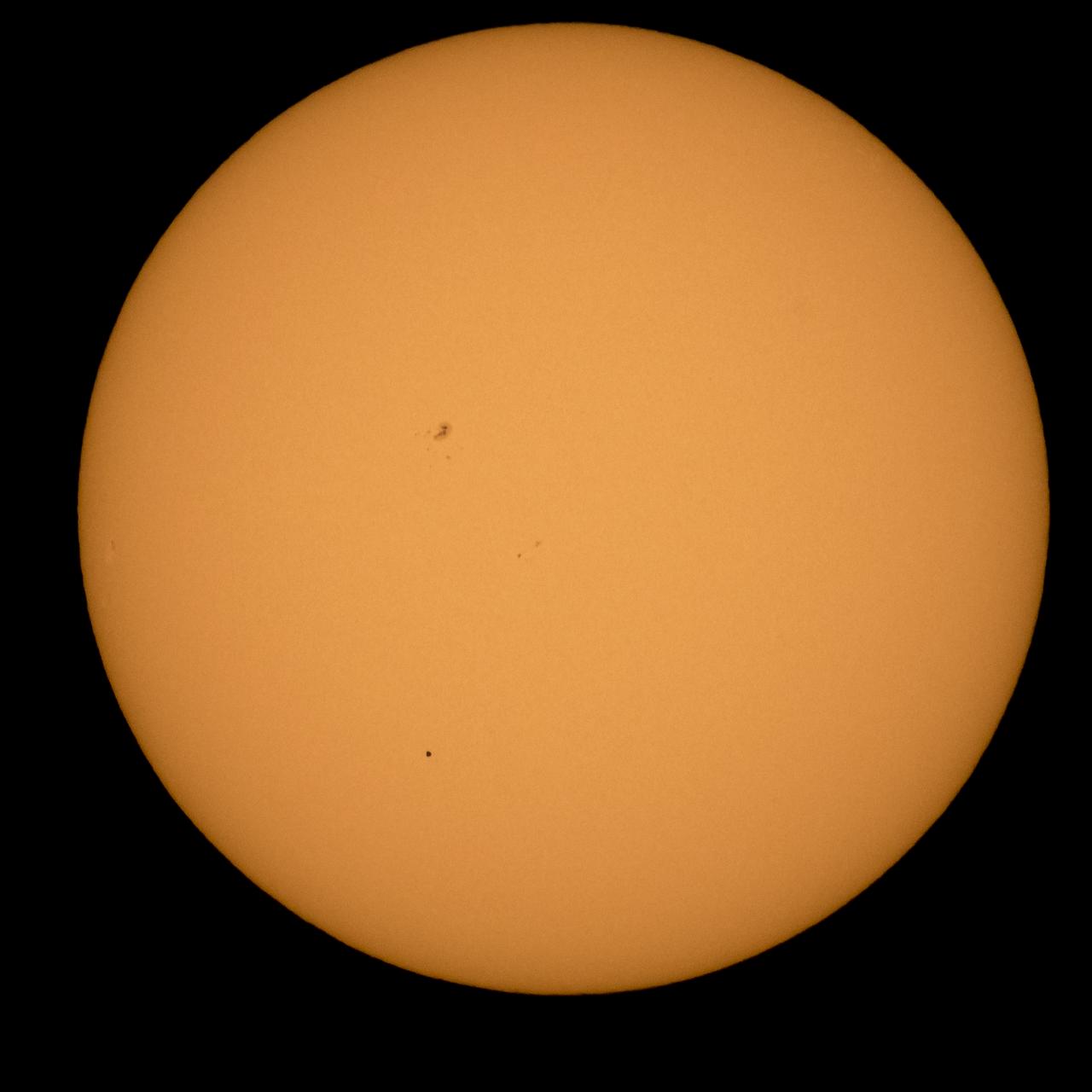
The planet Mercury is seen in silhouette, lower third of image, as it transits across the face of the sun Monday, May 9, 2016, as viewed from Boyertown, Pennsylvania. Mercury passes between Earth and the sun only about 13 times a century, with the previous transit taking place in 2006. Photo Credit: (NASA/Bill Ingalls)
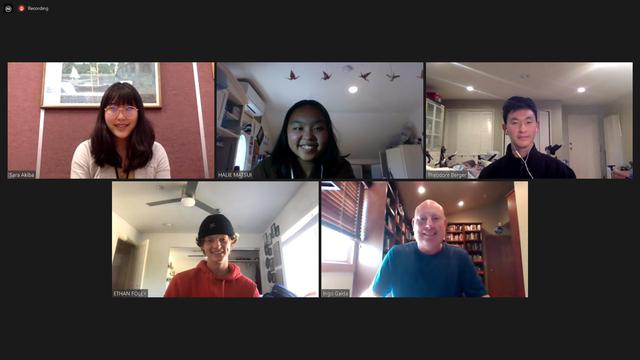
Santa Monica High School's winning team in the 2021 National Ocean Sciences Bowl Los Angeles regional competition, including Ingo Gaida, (lower right) who's been leading Santa Monica in the bowl for more than two decades. The competition took place Saturday, March 6. https://photojournal.jpl.nasa.gov/catalog/PIA23728
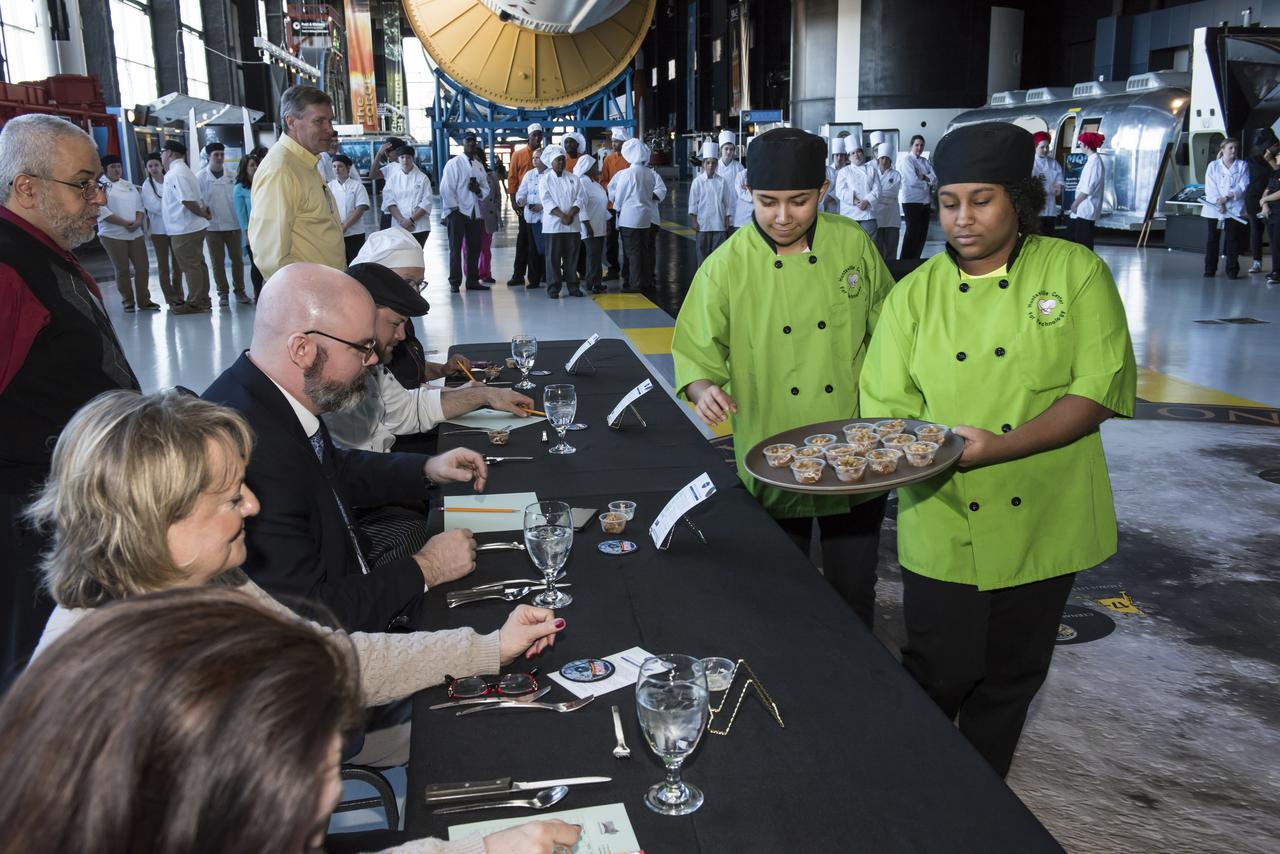
2017 "HIGH SCHOOL STUDENTS UNITED WITH NASA TO CREATE HARDWARE" (HUNCH) STUDENT CULINARY COMPETITION AT THE U.S. SPACE AND ROCKET CENTER. THE STUDENTS DEVELOPED RECIPES FOR DESSERT TREATS FOR ASTRONAUTS IN SPACE
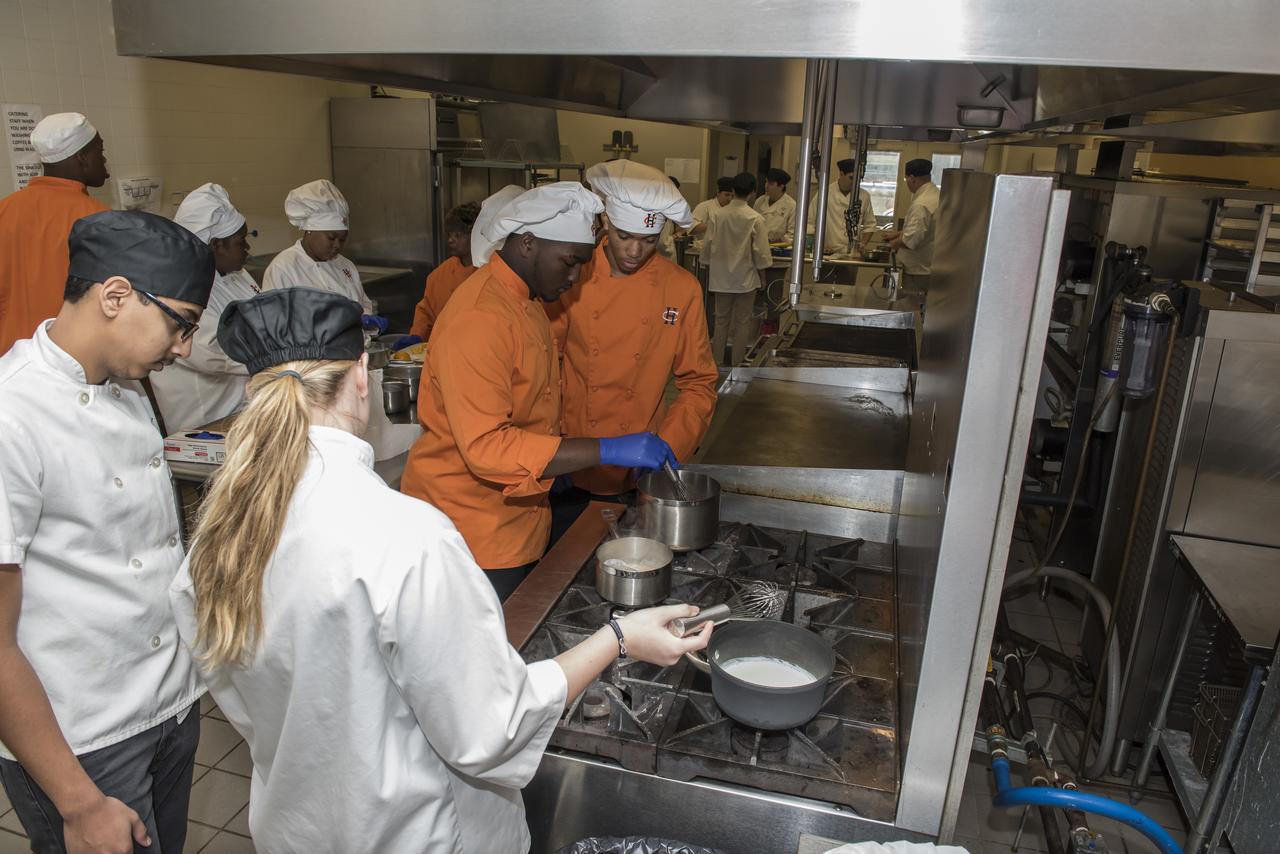
2017 "HIGH SCHOOL STUDENTS UNITED WITH NASA TO CREATE HARDWARE" (HUNCH) STUDENT CULINARY COMPETITION AT THE U.S. SPACE AND ROCKET CENTER. THE STUDENTS DEVELOPED RECIPES FOR DESSERT TREATS FOR ASTRONAUTS IN SPACE
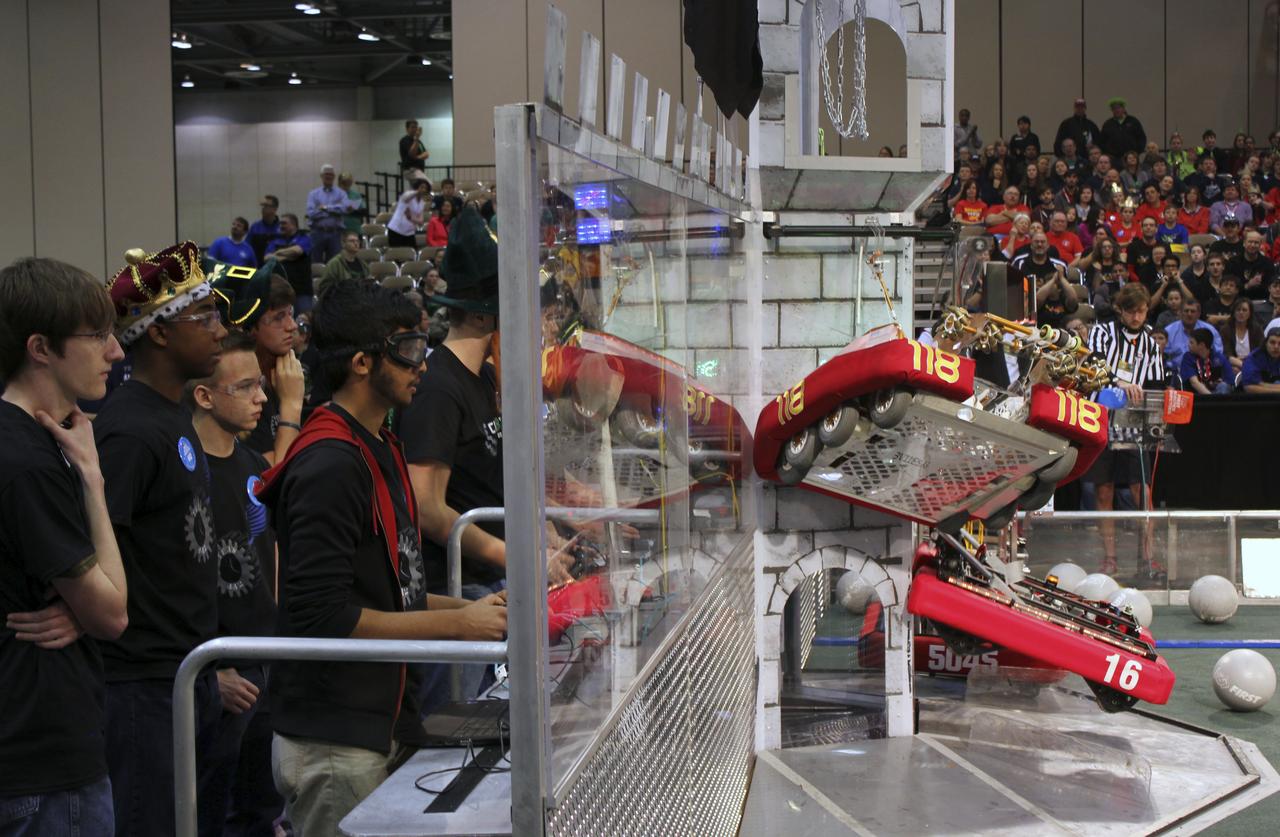
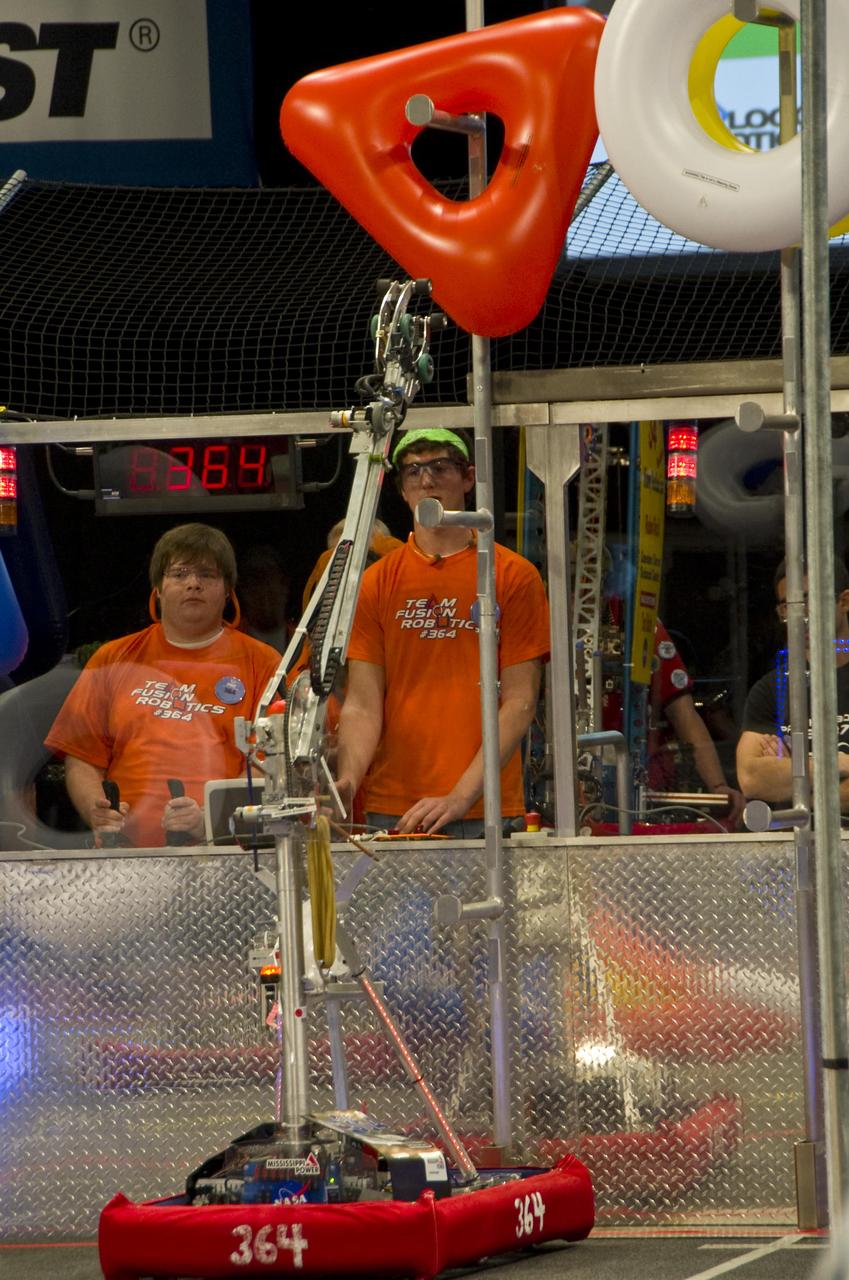
THE REDSTONE ROBOTICS OF HUNTSVILLE’S LEE AND NEW CENTURY TECH DEMO HIGH SCHOOLS WORK DURING THE “ROCKET CITY REGIONAL” FIRST ROBOTICS COMPETITION AT THE VON BRAUN CENTER IN 2016.
Students from 38 high school teams in seven states competed for top honors during the 2011 FIRST (For Inspiration and Recognition of Science and Technology) Robotics Bayou Regional competition held March 17-19 in the New Orleans area. In this photo, members of the robotics team from Gulfport High School guide their robot during the annual tournament. The robotics competition is designed to help encourage students to pursue studies and careers in the areas of science, technology, engineering and mathematics. John C. Stennis Space Center is a supporter of FIRST activities and the Bayou Regional tournament.
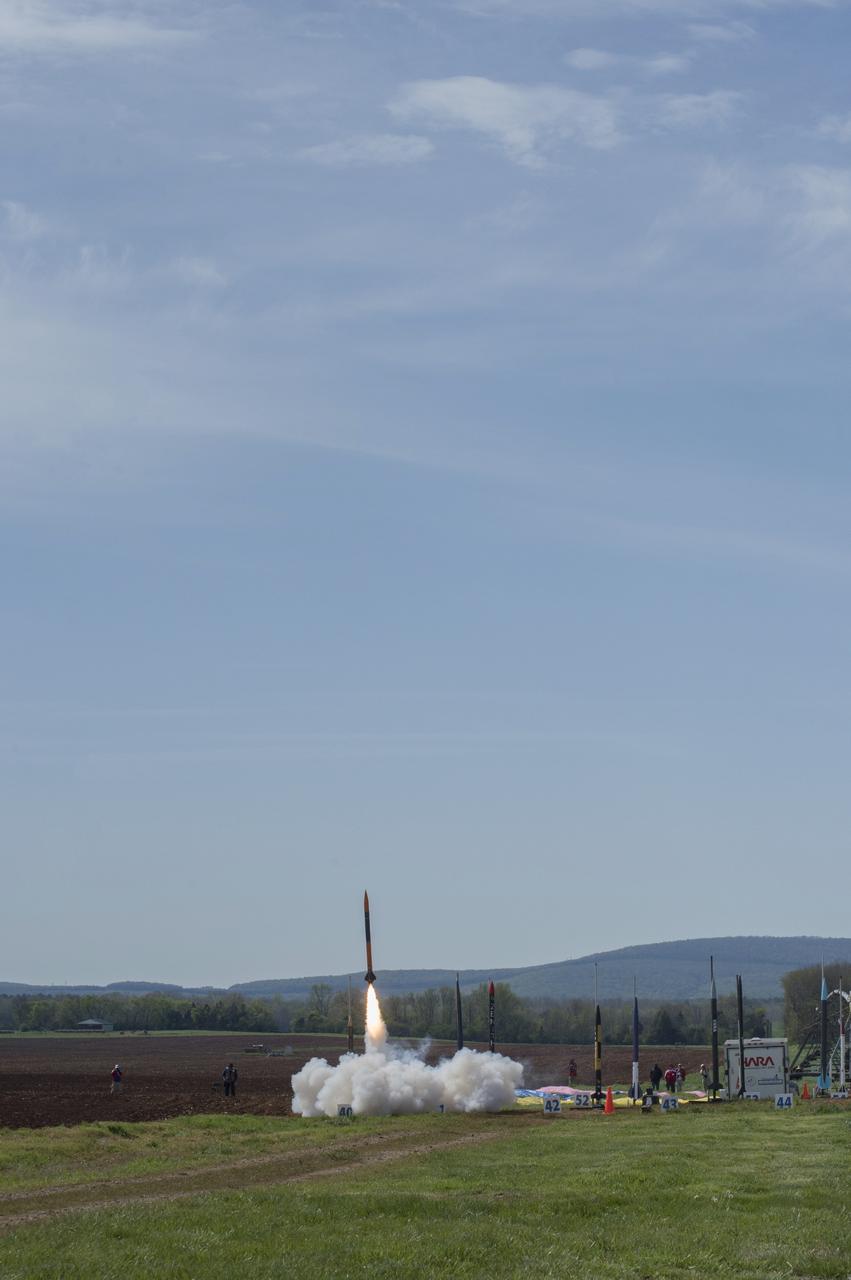
After eight months of designing, building and testing, the middle school, high school and college and university teams launched their rockets as part of NASA Student Launch on Sunday, April 8. The rockets and their payloads are designed to fly to 1-mile in altitude before deploying recovery systems that brings them safely to the ground.
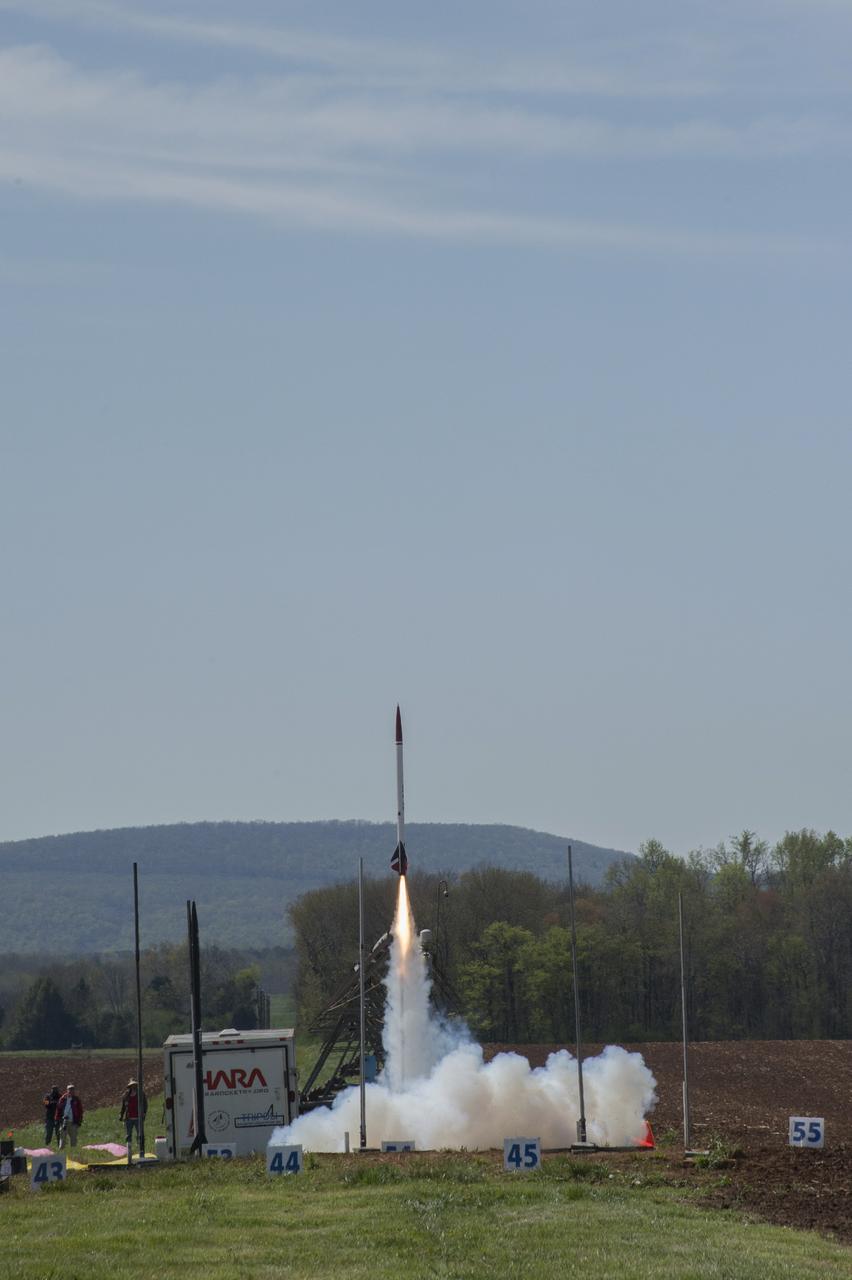
After eight months of designing, building and testing, the middle school, high school and college and university teams launched their rockets as part of NASA Student Launch on Sunday, April 8. The rockets and their payloads are designed to fly to 1-mile in altitude before deploying recovery systems that brings them safely to the ground.
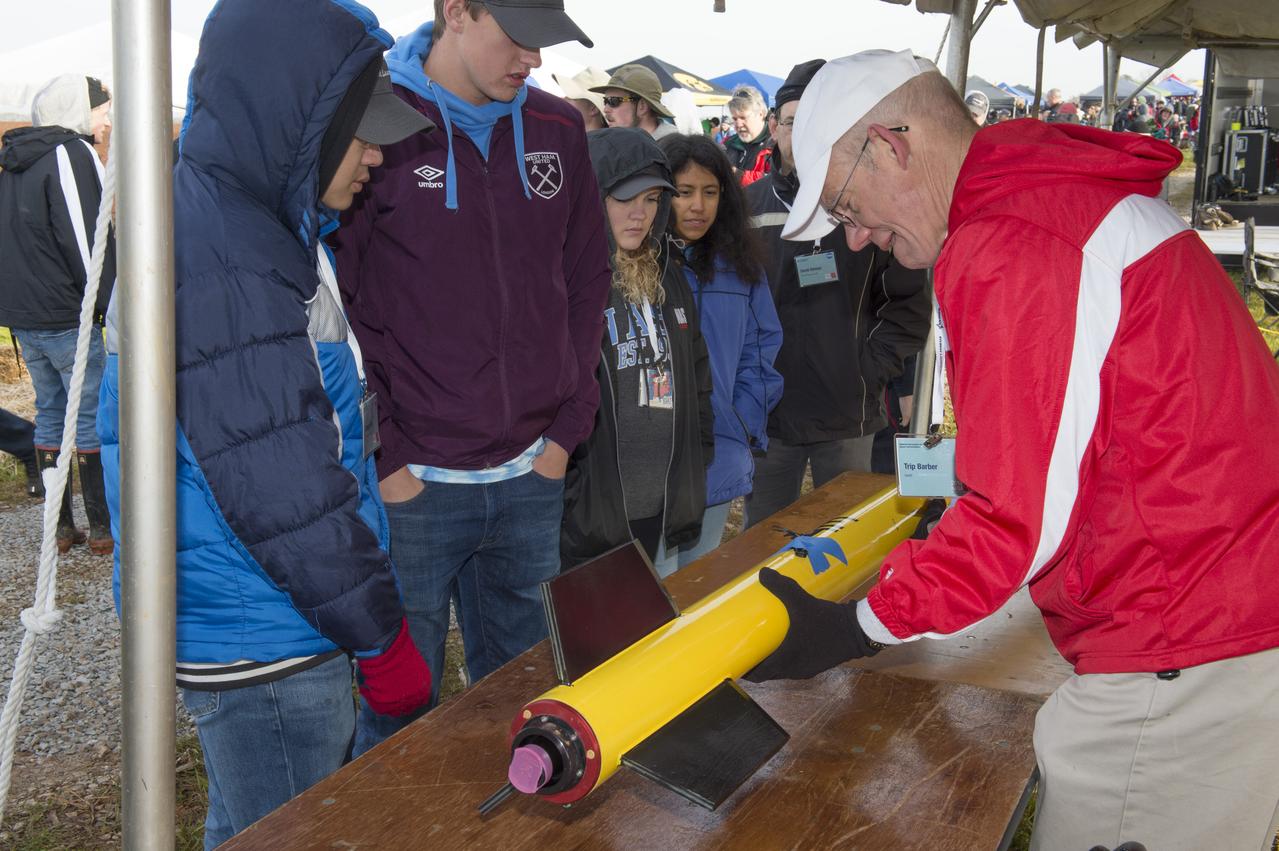
After eight months of designing, building and testing, the middle school, high school and college and university teams launched their rockets as part of NASA Student Launch on Sunday, April 8. The rockets and their payloads are designed to fly to 1-mile in altitude before deploying recovery systems that brings them safely to the ground.
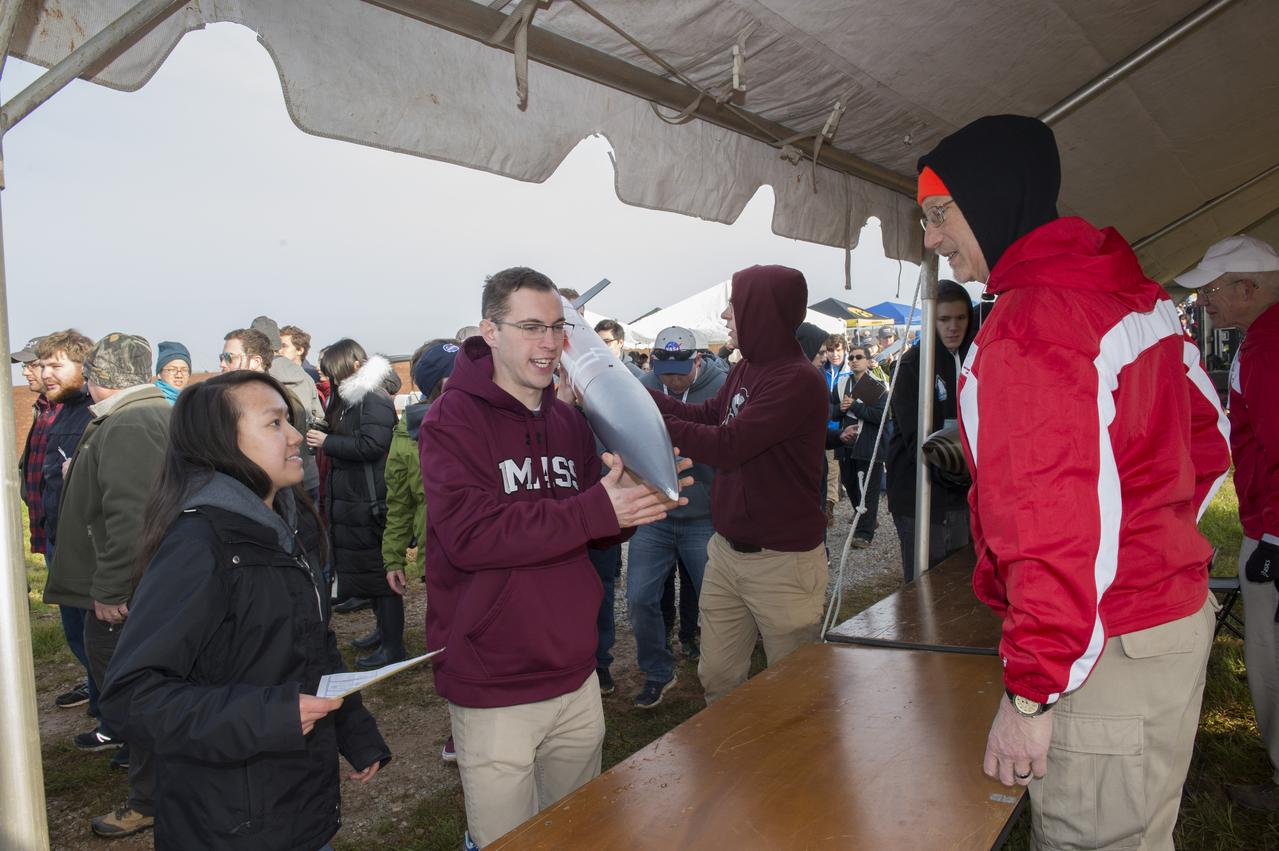
After eight months of designing, building and testing, the middle school, high school and college and university teams launched their rockets as part of NASA Student Launch on Sunday, April 8. The rockets and their payloads are designed to fly to 1-mile in altitude before deploying recovery systems that brings them safely to the ground.
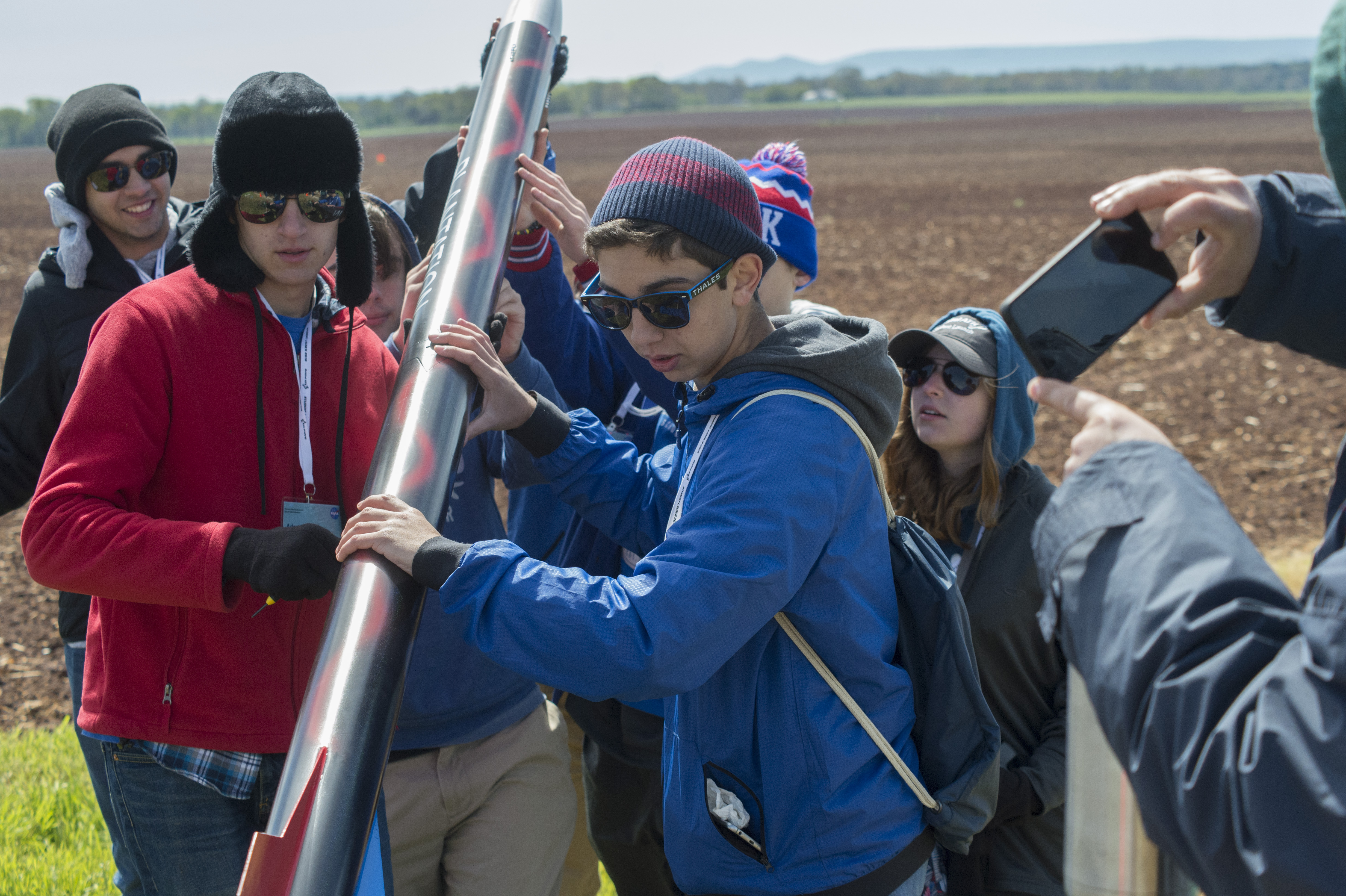
After eight months of designing, building and testing, the middle school, high school and college and university teams launched their rockets as part of NASA Student Launch on Sunday, April 8. The rockets and their payloads are designed to fly to 1-mile in altitude before deploying recovery systems that brings them safely to the ground.
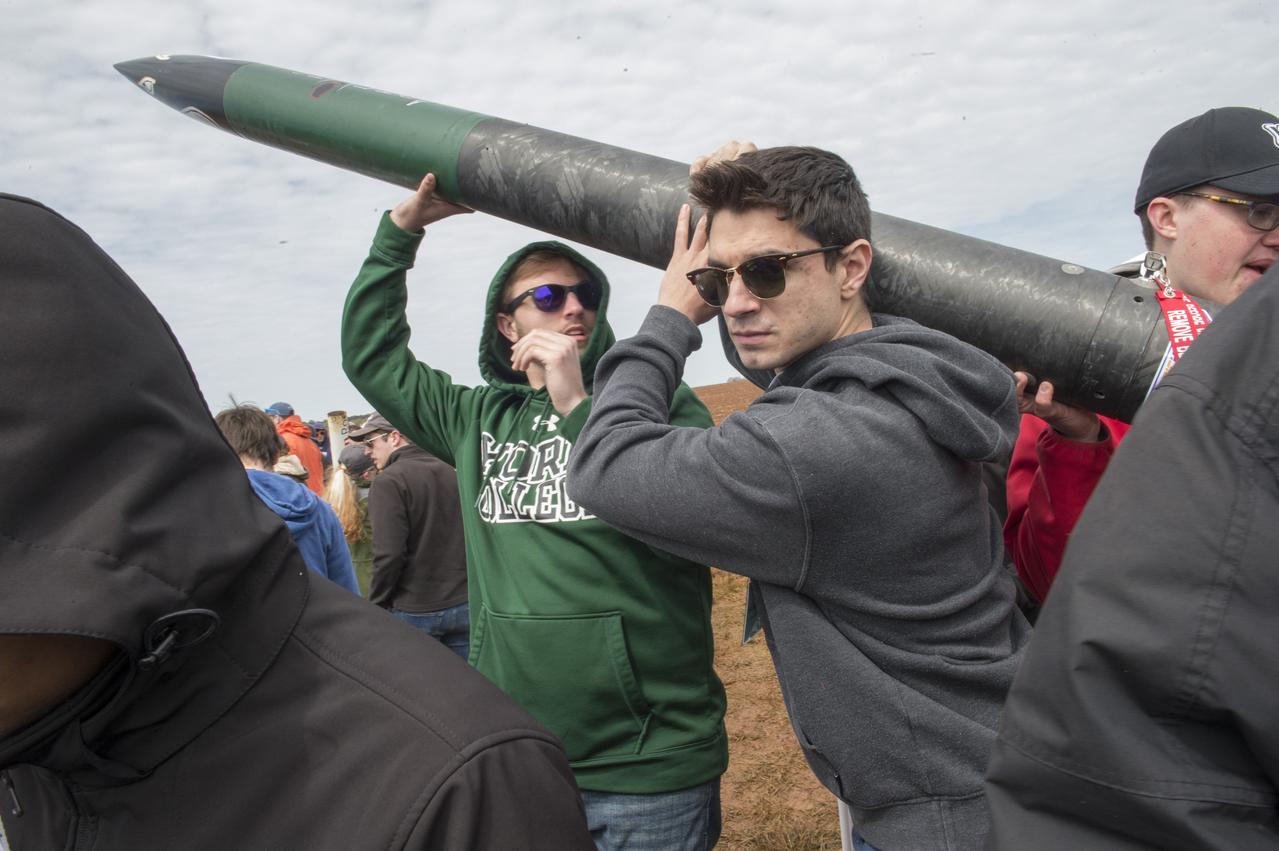
After eight months of designing, building and testing, the middle school, high school and college and university teams launched their rockets as part of NASA Student Launch on Sunday, April 8. The rockets and their payloads are designed to fly to 1-mile in altitude before deploying recovery systems that brings them safely to the ground.
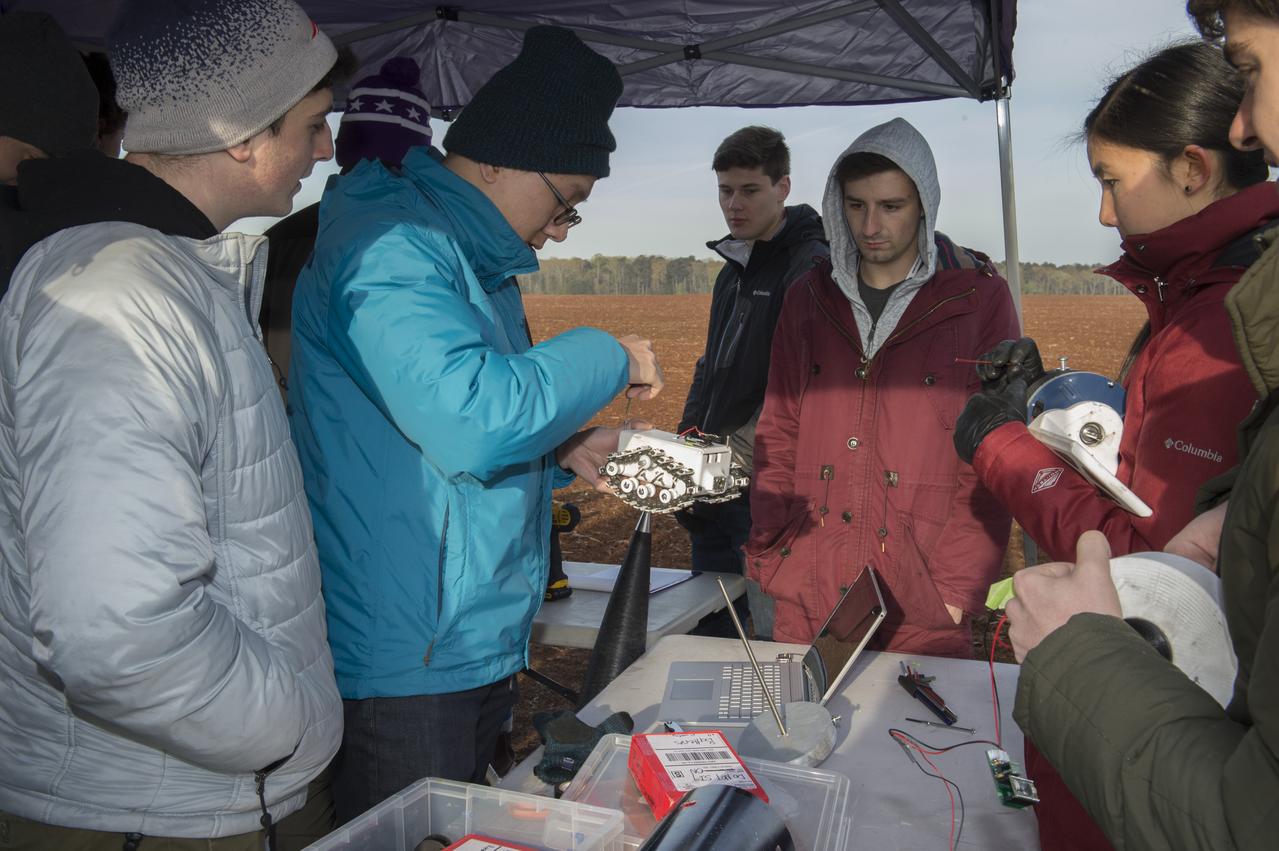
After eight months of designing, building and testing, the middle school, high school and college and university teams launched their rockets as part of NASA Student Launch on Sunday, April 8. The rockets and their payloads are designed to fly to 1-mile in altitude before deploying recovery systems that brings them safely to the ground.
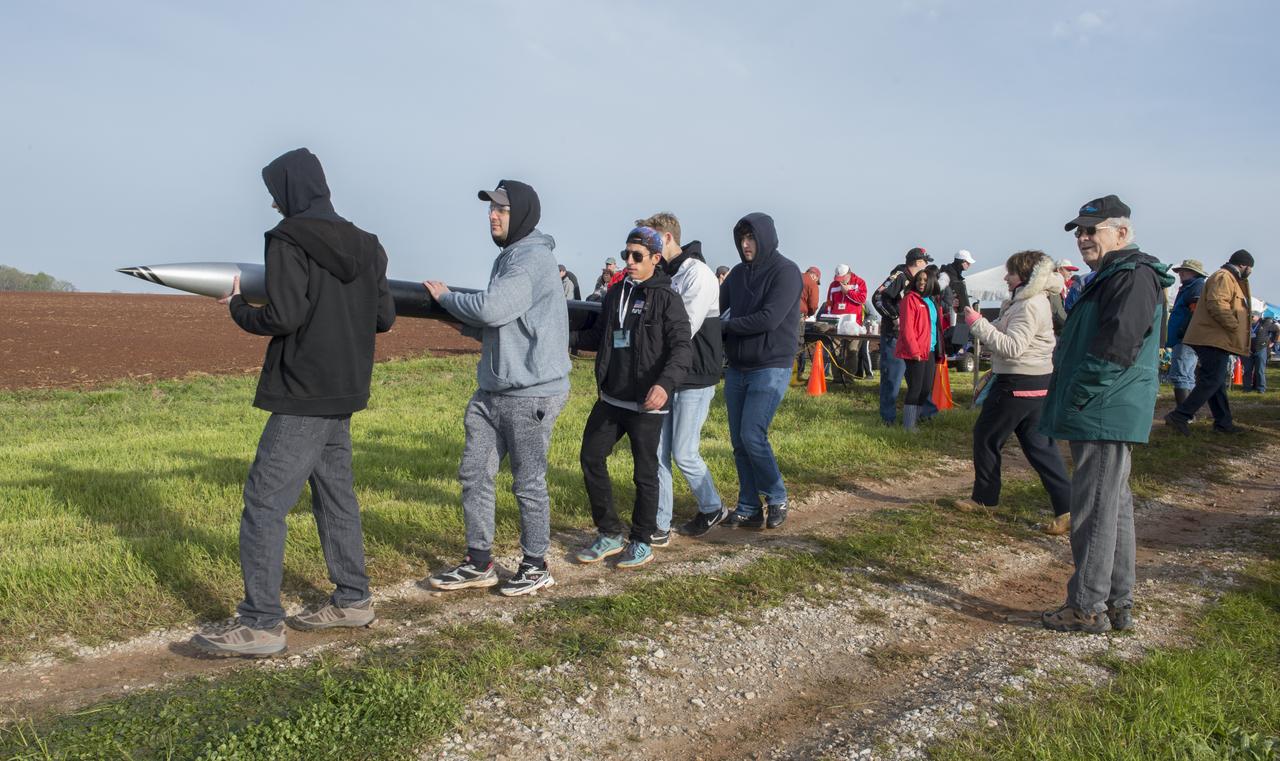
After eight months of designing, building and testing, the middle school, high school and college and university teams launched their rockets as part of NASA Student Launch on Sunday, April 8. The rockets and their payloads are designed to fly to 1-mile in altitude before deploying recovery systems that brings them safely to the ground.
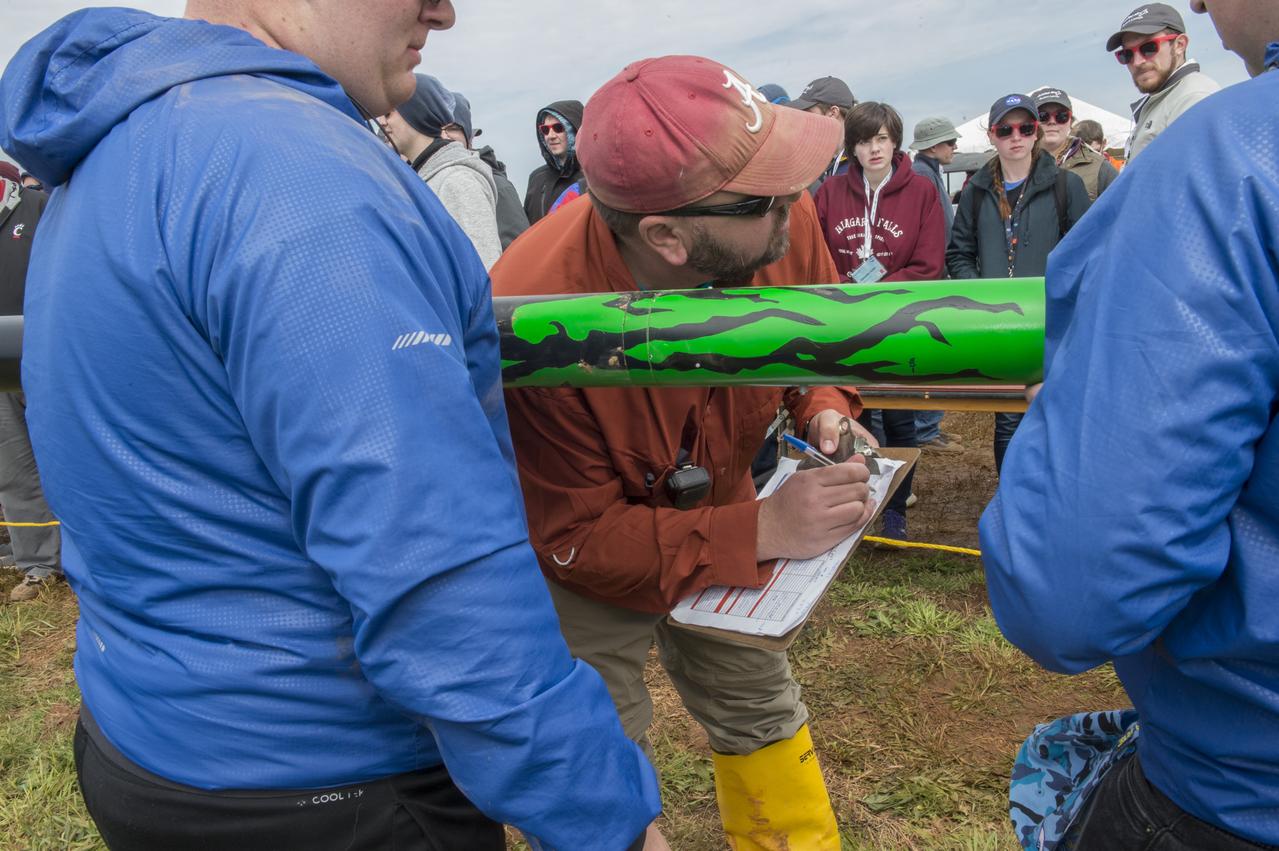
After eight months of designing, building and testing, the middle school, high school and college and university teams launched their rockets as part of NASA Student Launch on Sunday, April 8. The rockets and their payloads are designed to fly to 1-mile in altitude before deploying recovery systems that brings them safely to the ground.
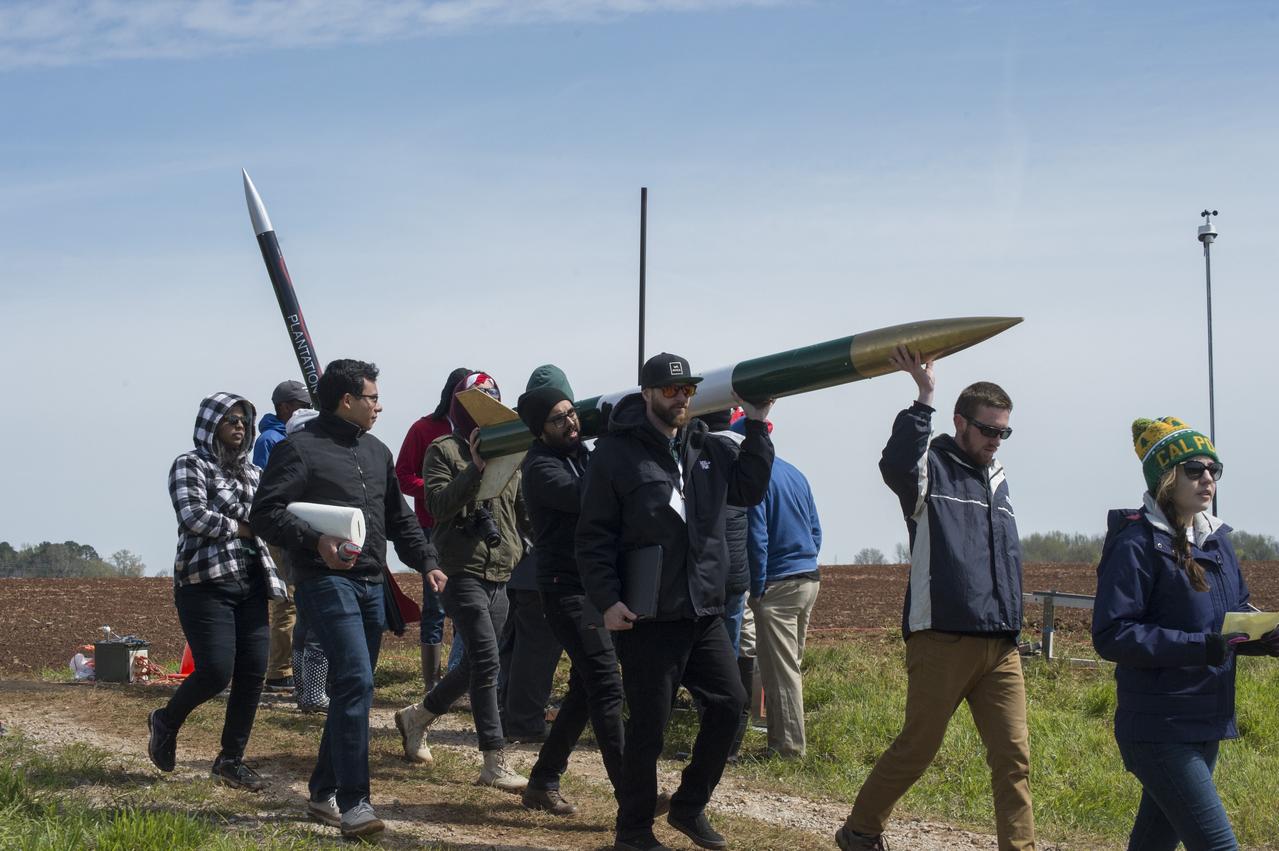
After eight months of designing, building and testing, the middle school, high school and college and university teams launched their rockets as part of NASA Student Launch on Sunday, April 8. The rockets and their payloads are designed to fly to 1-mile in altitude before deploying recovery systems that brings them safely to the ground.
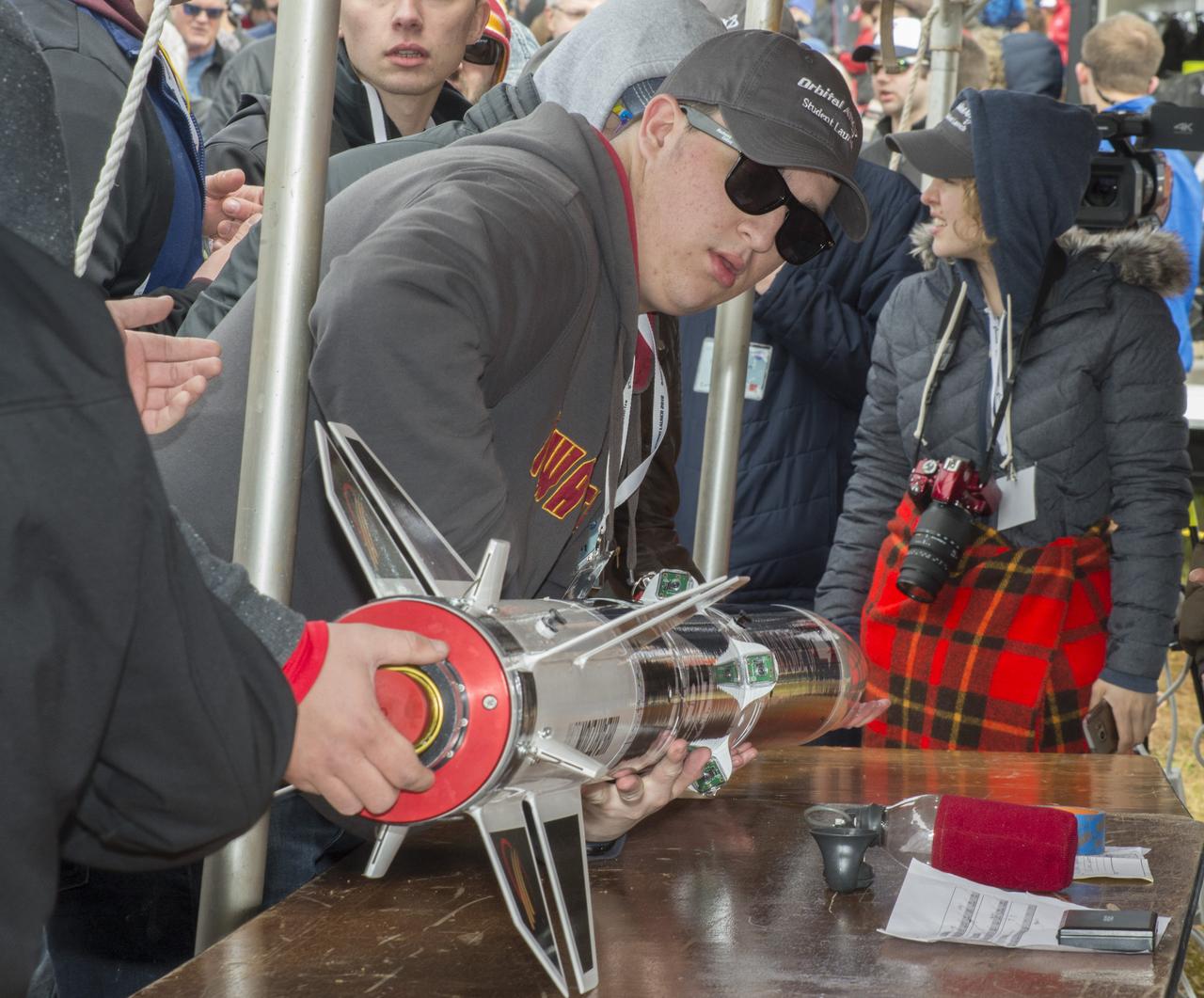
After eight months of designing, building and testing, the middle school, high school and college and university teams launched their rockets as part of NASA Student Launch on Sunday, April 8. The rockets and their payloads are designed to fly to 1-mile in altitude before deploying recovery systems that brings them safely to the ground.
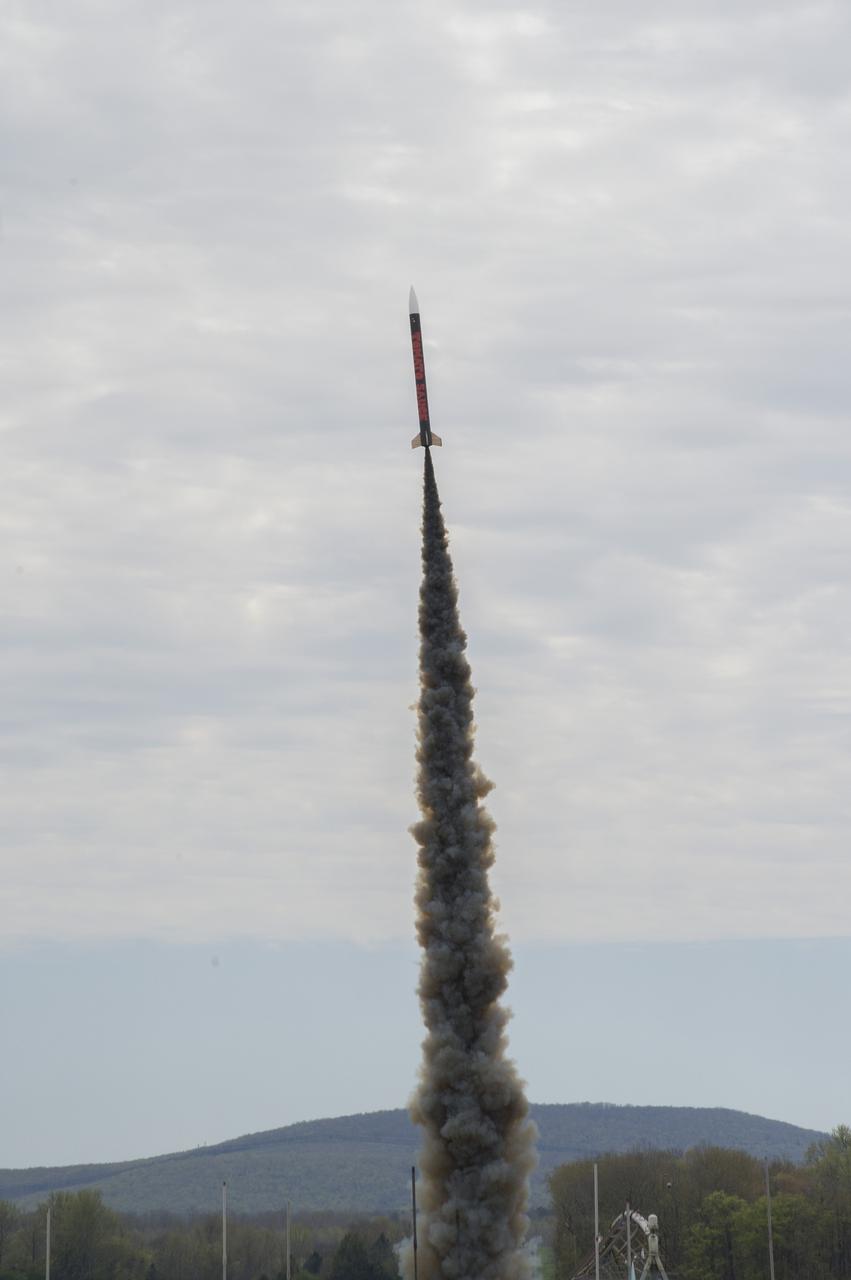
After eight months of designing, building and testing, the middle school, high school and college and university teams launched their rockets as part of NASA Student Launch on Sunday, April 8. The rockets and their payloads are designed to fly to 1-mile in altitude before deploying recovery systems that brings them safely to the ground.
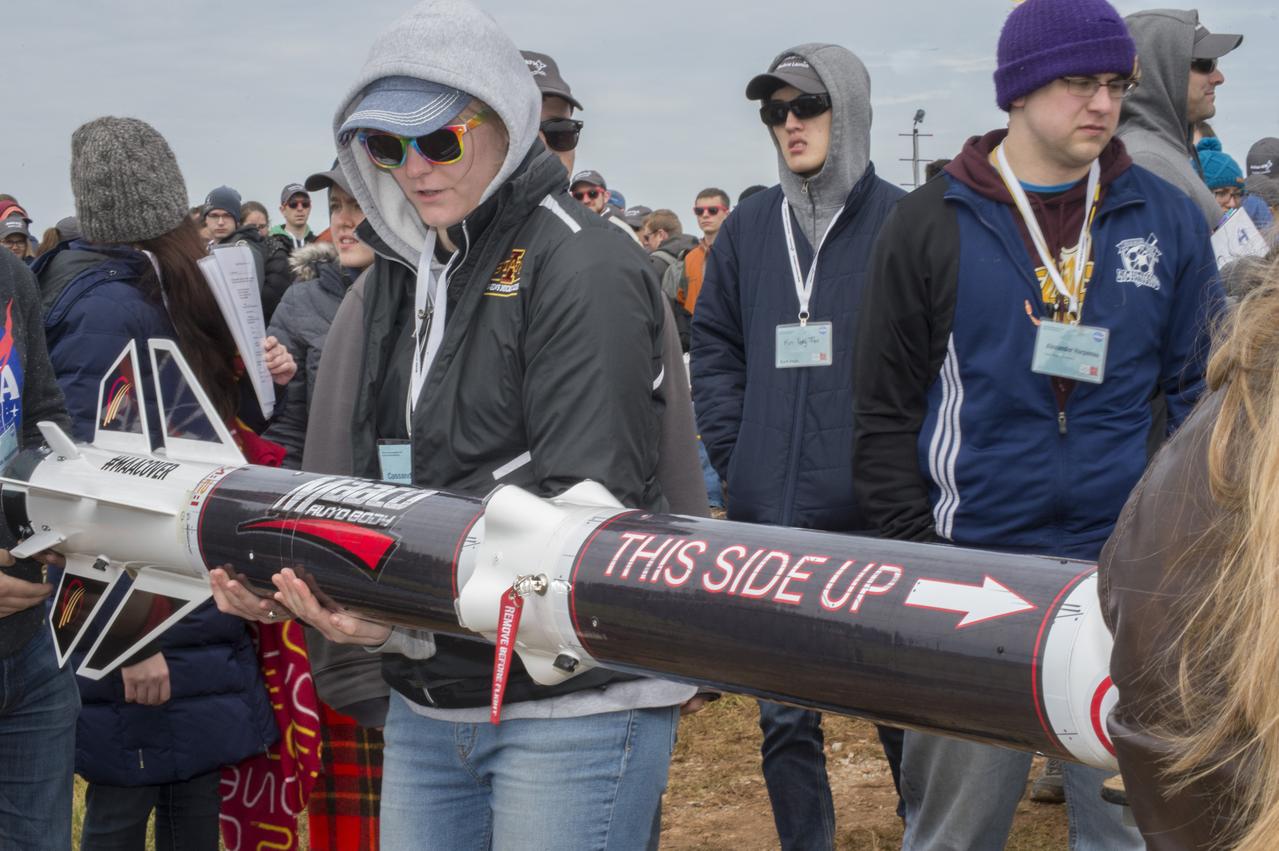
After eight months of designing, building and testing, the middle school, high school and college and university teams launched their rockets as part of NASA Student Launch on Sunday, April 8. The rockets and their payloads are designed to fly to 1-mile in altitude before deploying recovery systems that brings them safely to the ground.
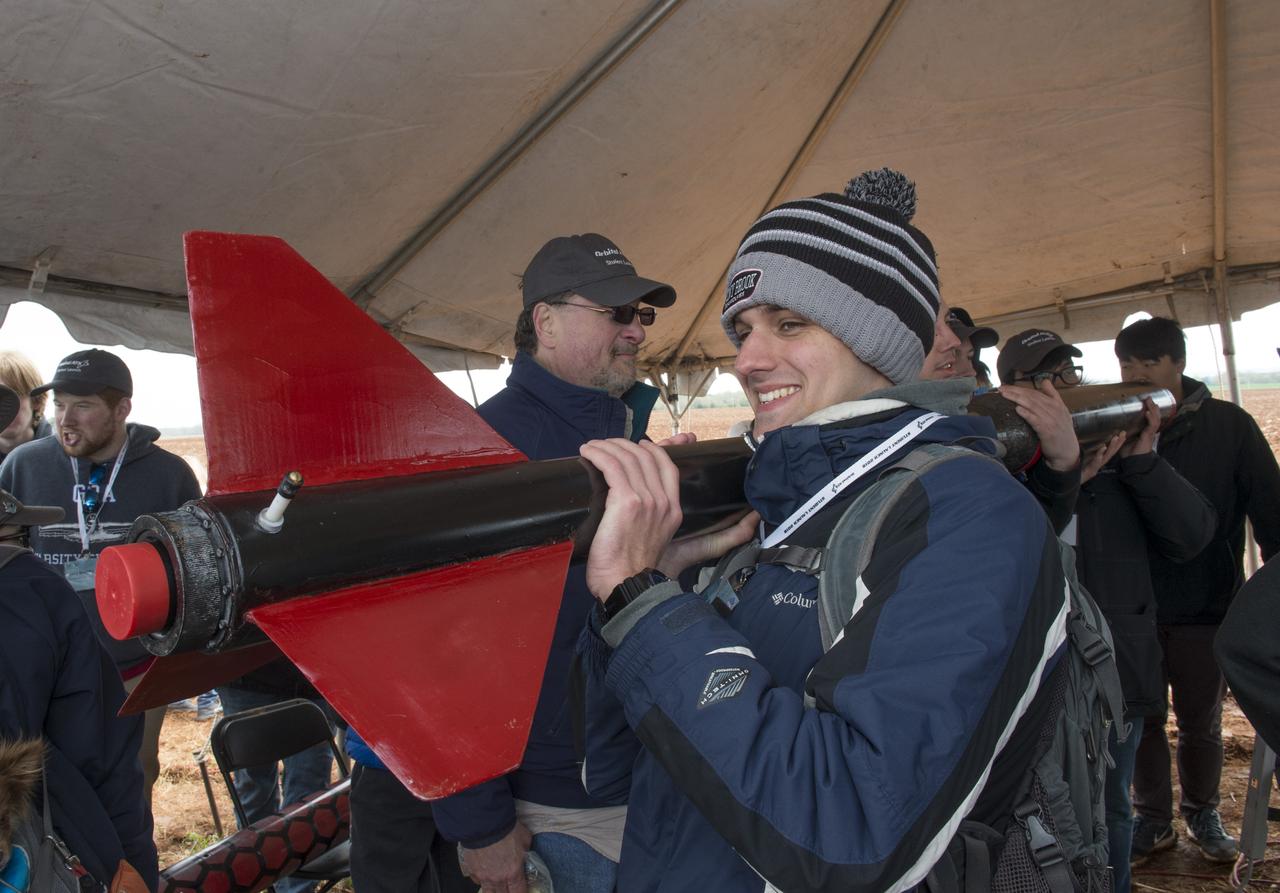
After eight months of designing, building and testing, the middle school, high school and college and university teams launched their rockets as part of NASA Student Launch on Sunday, April 8. The rockets and their payloads are designed to fly to 1-mile in altitude before deploying recovery systems that brings them safely to the ground.
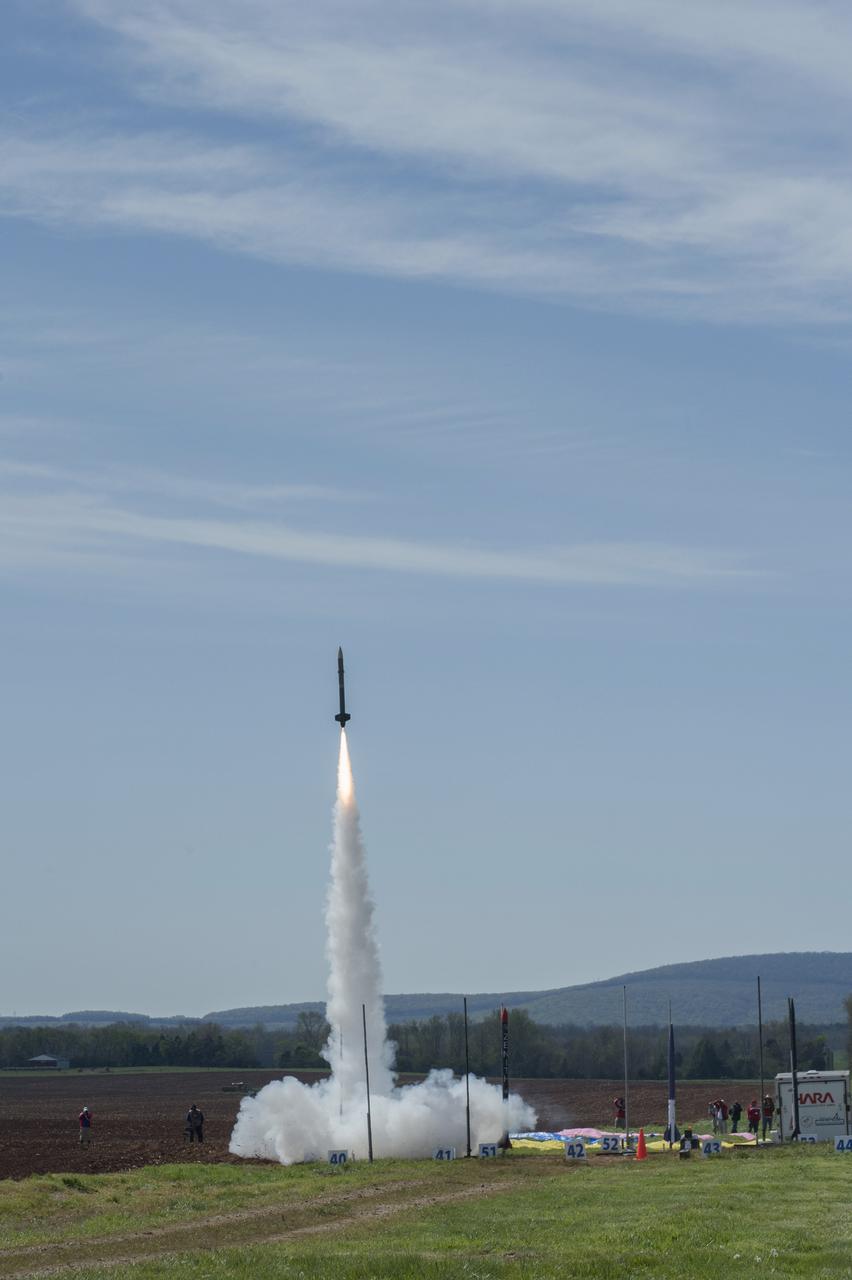
After eight months of designing, building and testing, the middle school, high school and college and university teams launched their rockets as part of NASA Student Launch on Sunday, April 8. The rockets and their payloads are designed to fly to 1-mile in altitude before deploying recovery systems that brings them safely to the ground.
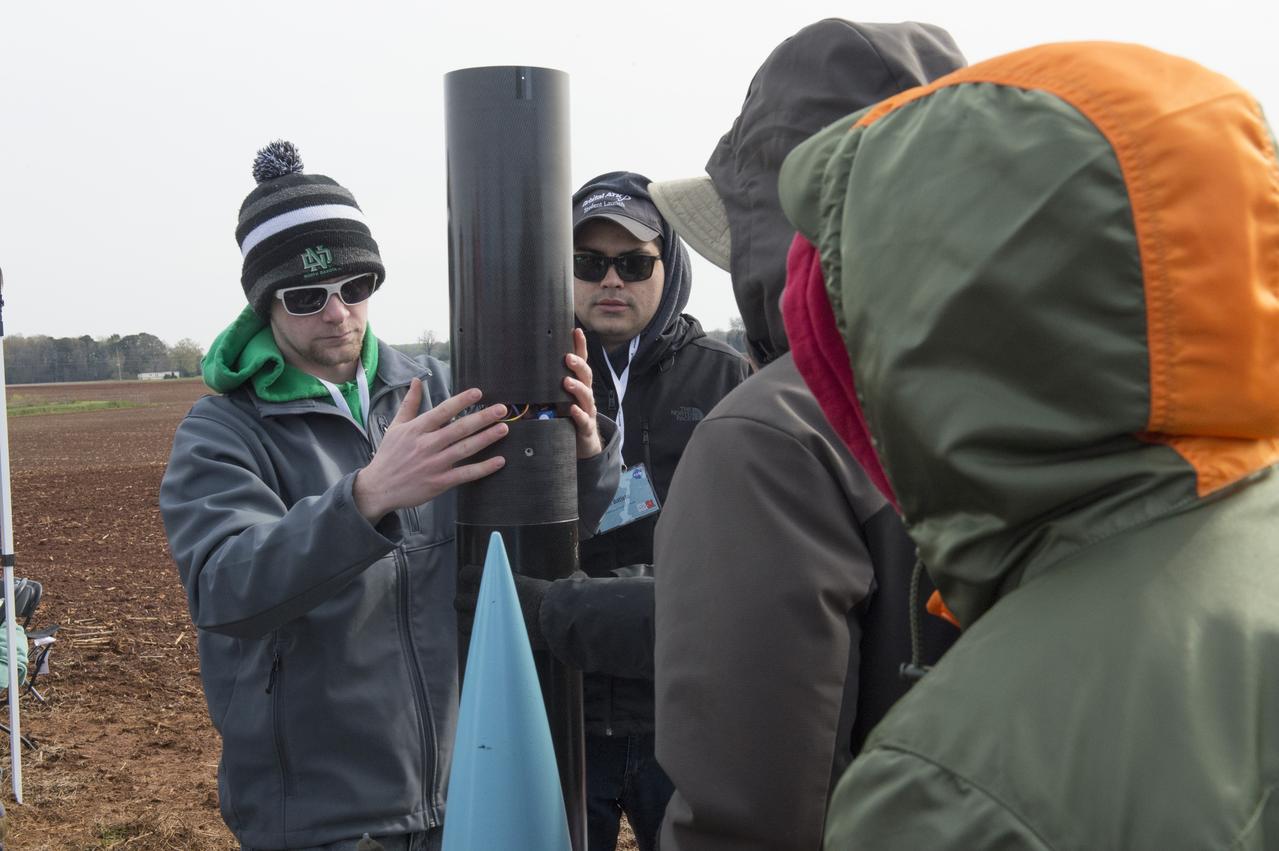
After eight months of designing, building and testing, the middle school, high school and college and university teams launched their rockets as part of NASA Student Launch on Sunday, April 8. The rockets and their payloads are designed to fly to 1-mile in altitude before deploying recovery systems that brings them safely to the ground.
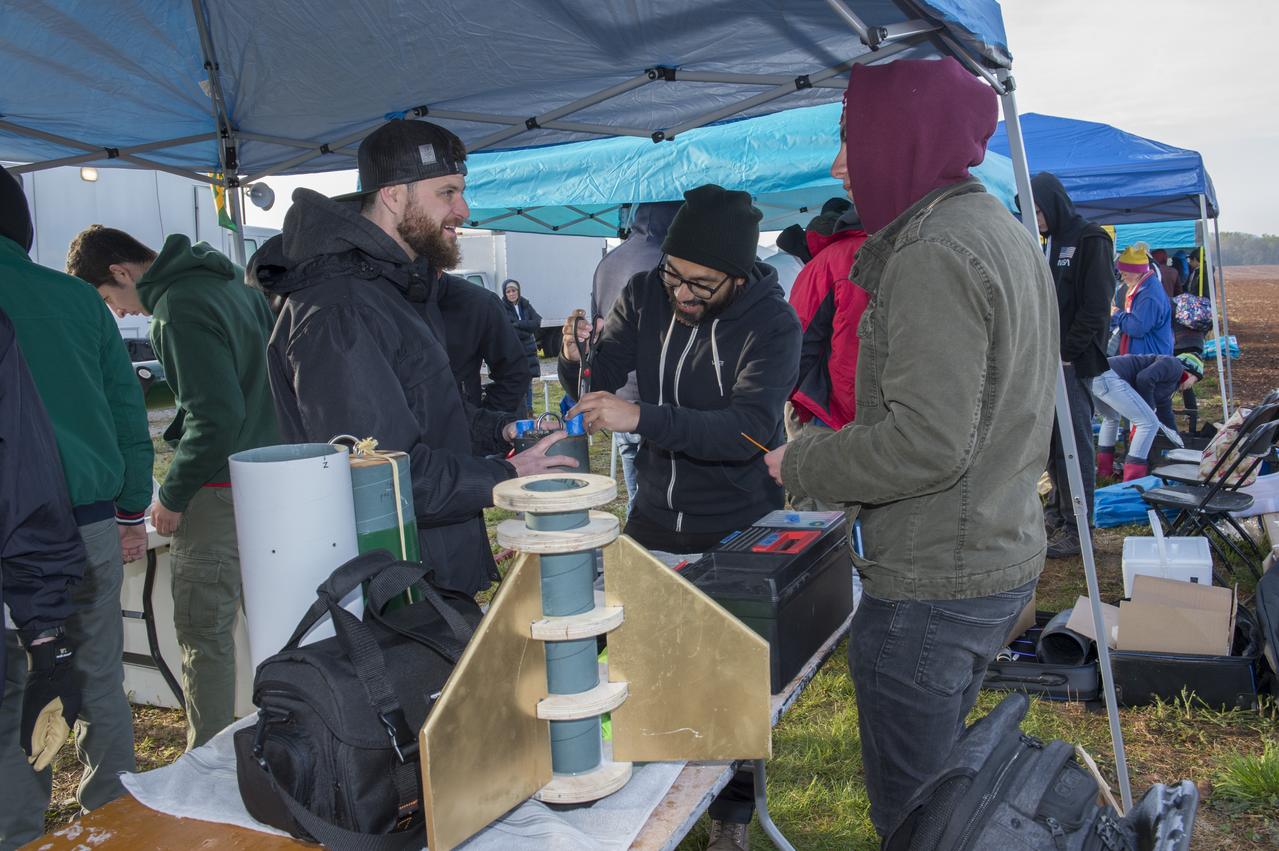
After eight months of designing, building and testing, the middle school, high school and college and university teams launched their rockets as part of NASA Student Launch on Sunday, April 8. The rockets and their payloads are designed to fly to 1-mile in altitude before deploying recovery systems that brings them safely to the ground.
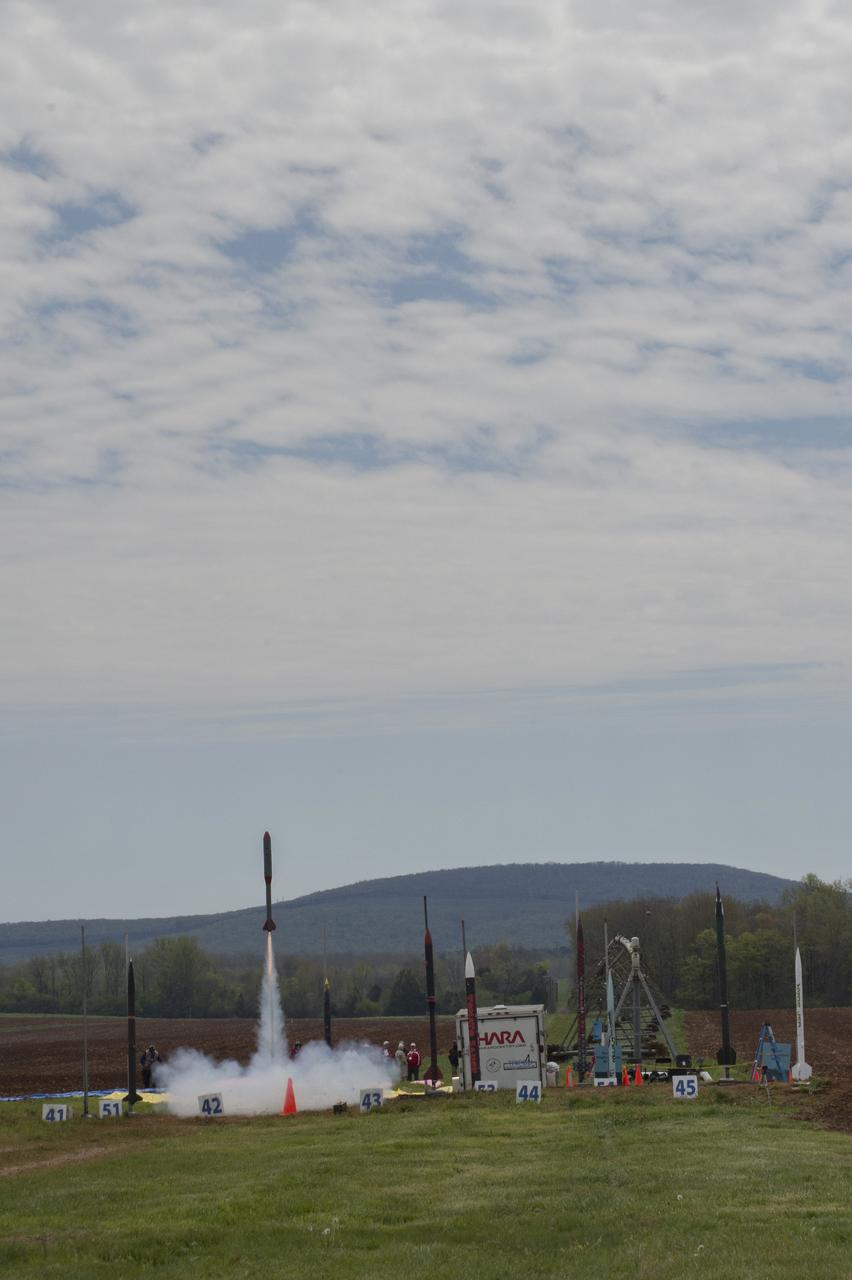
After eight months of designing, building and testing, the middle school, high school and college and university teams launched their rockets as part of NASA Student Launch on Sunday, April 8. The rockets and their payloads are designed to fly to 1-mile in altitude before deploying recovery systems that brings them safely to the ground.
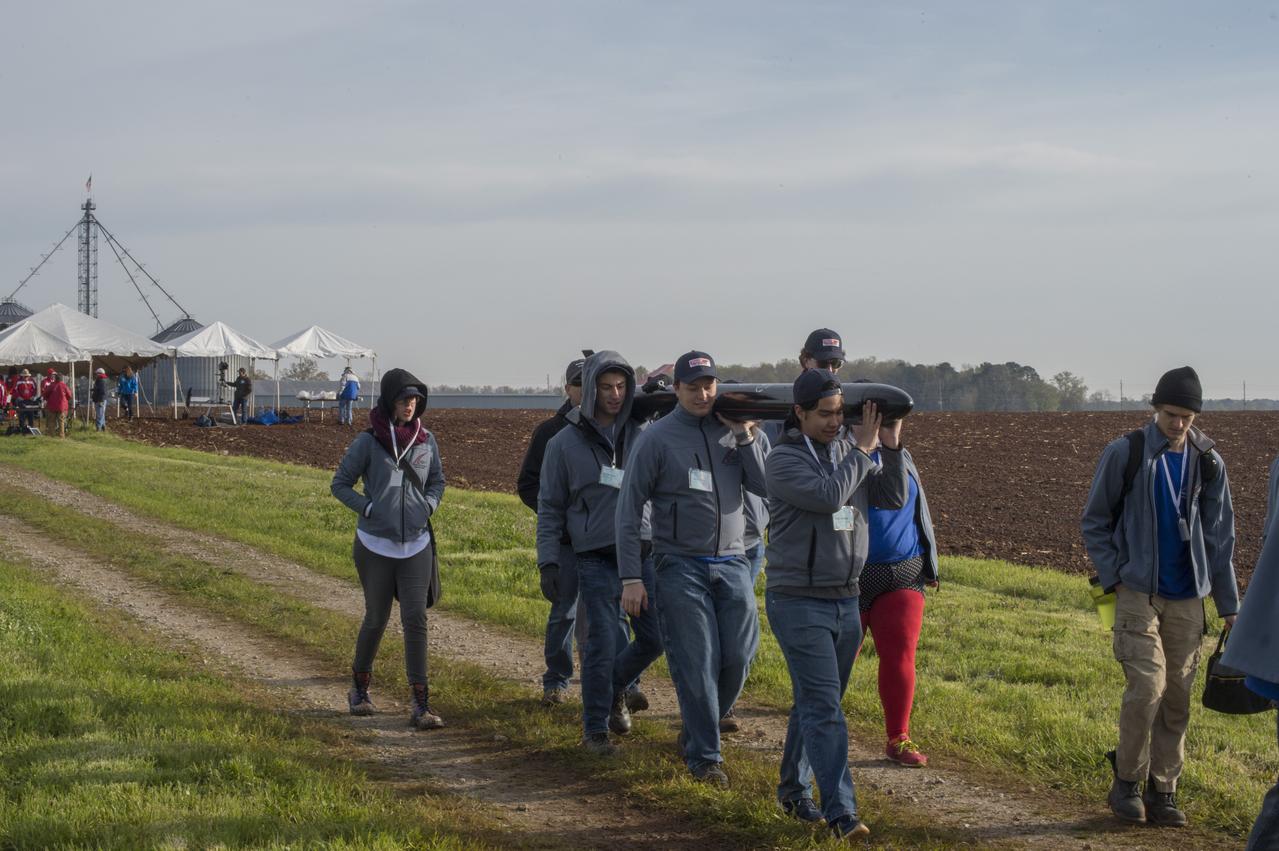
After eight months of designing, building and testing, the middle school, high school and college and university teams launched their rockets as part of NASA Student Launch on Sunday, April 8. The rockets and their payloads are designed to fly to 1-mile in altitude before deploying recovery systems that brings them safely to the ground.
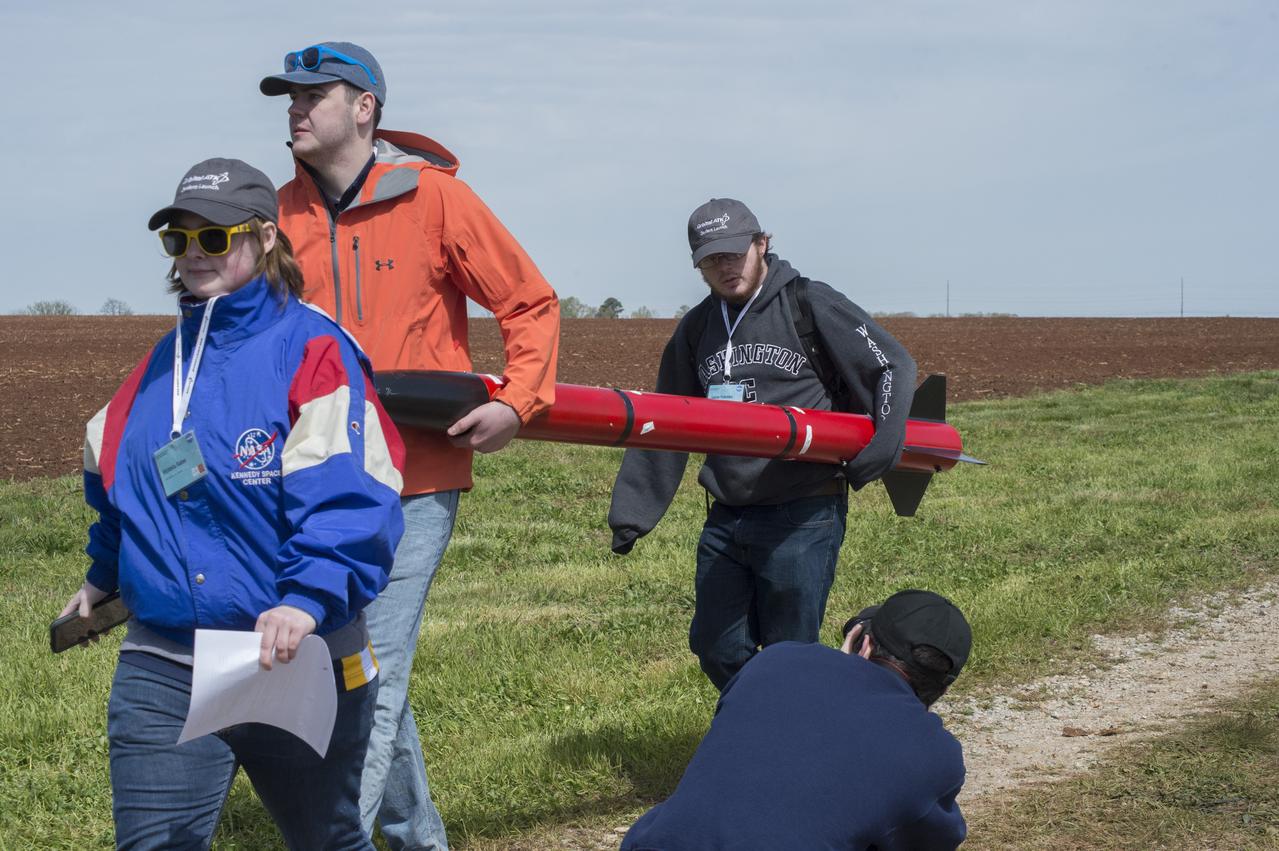
After eight months of designing, building and testing, the middle school, high school and college and university teams launched their rockets as part of NASA Student Launch on Sunday, April 8. The rockets and their payloads are designed to fly to 1-mile in altitude before deploying recovery systems that brings them safely to the ground.
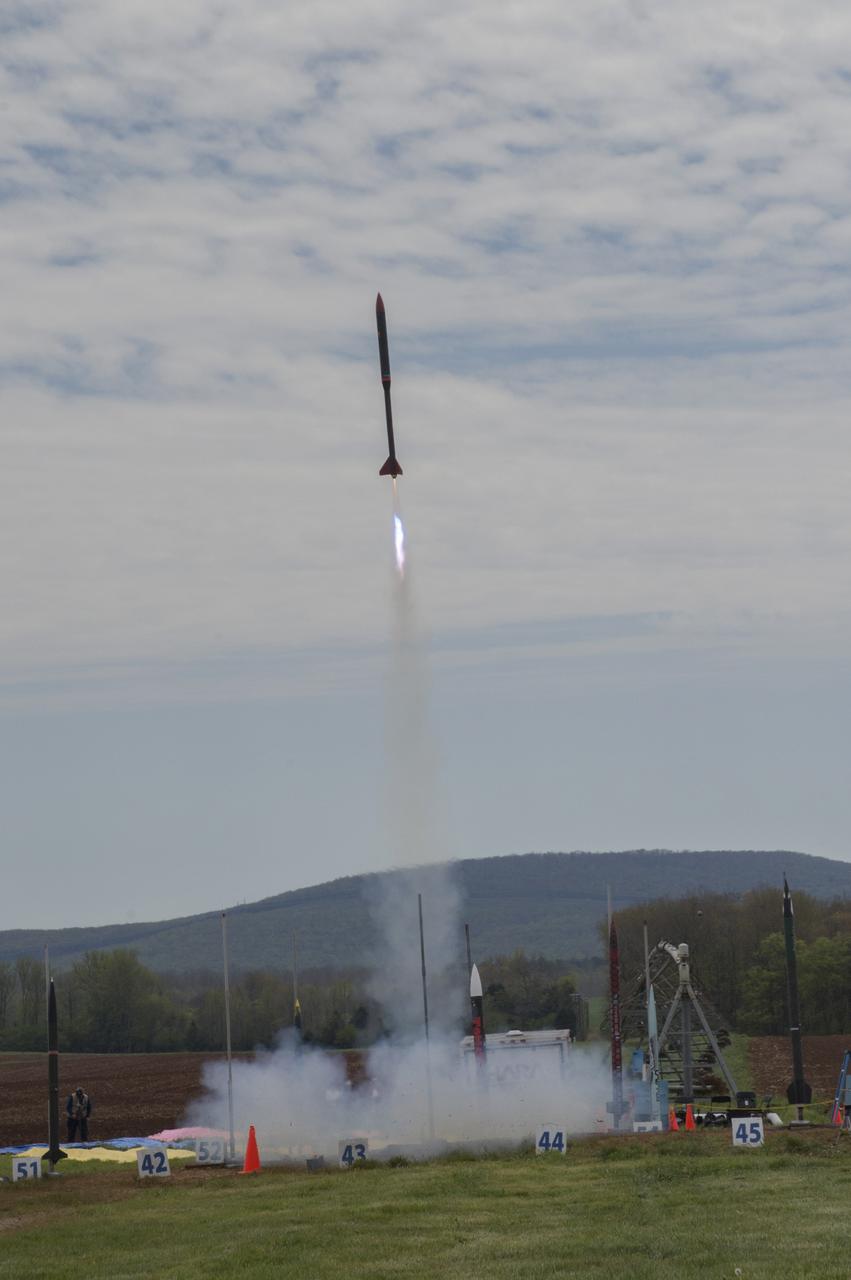
After eight months of designing, building and testing, the middle school, high school and college and university teams launched their rockets as part of NASA Student Launch on Sunday, April 8. The rockets and their payloads are designed to fly to 1-mile in altitude before deploying recovery systems that brings them safely to the ground.
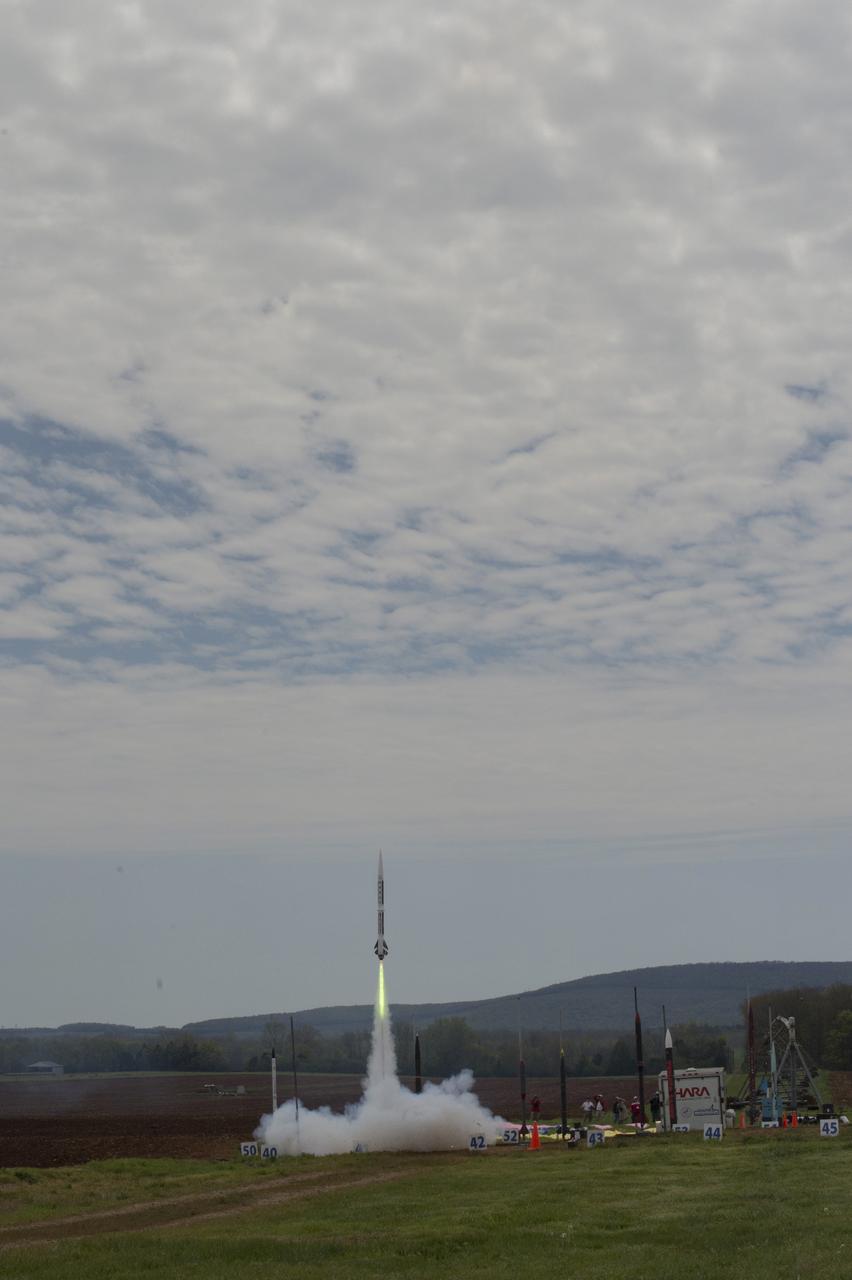
After eight months of designing, building and testing, the middle school, high school and college and university teams launched their rockets as part of NASA Student Launch on Sunday, April 8. The rockets and their payloads are designed to fly to 1-mile in altitude before deploying recovery systems that brings them safely to the ground.
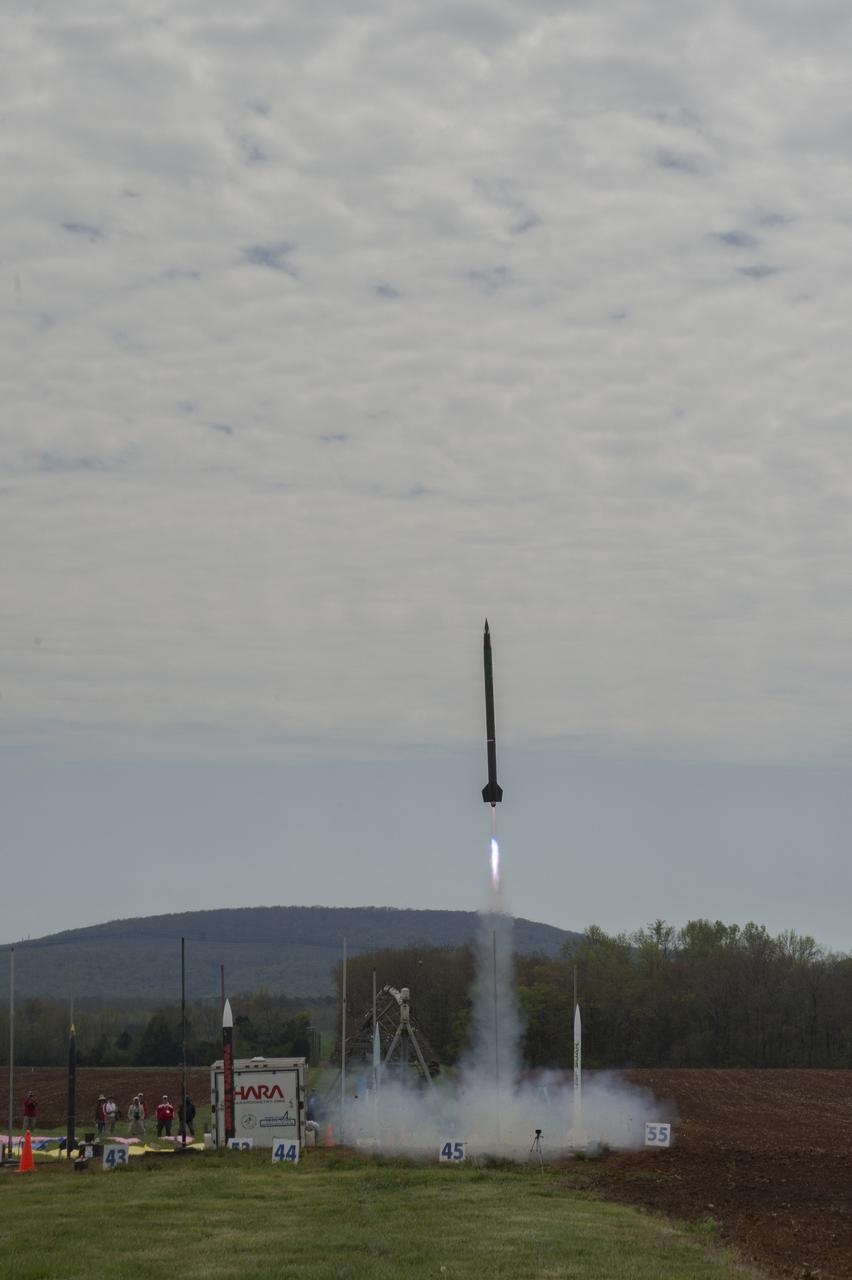
After eight months of designing, building and testing, the middle school, high school and college and university teams launched their rockets as part of NASA Student Launch on Sunday, April 8. The rockets and their payloads are designed to fly to 1-mile in altitude before deploying recovery systems that brings them safely to the ground.
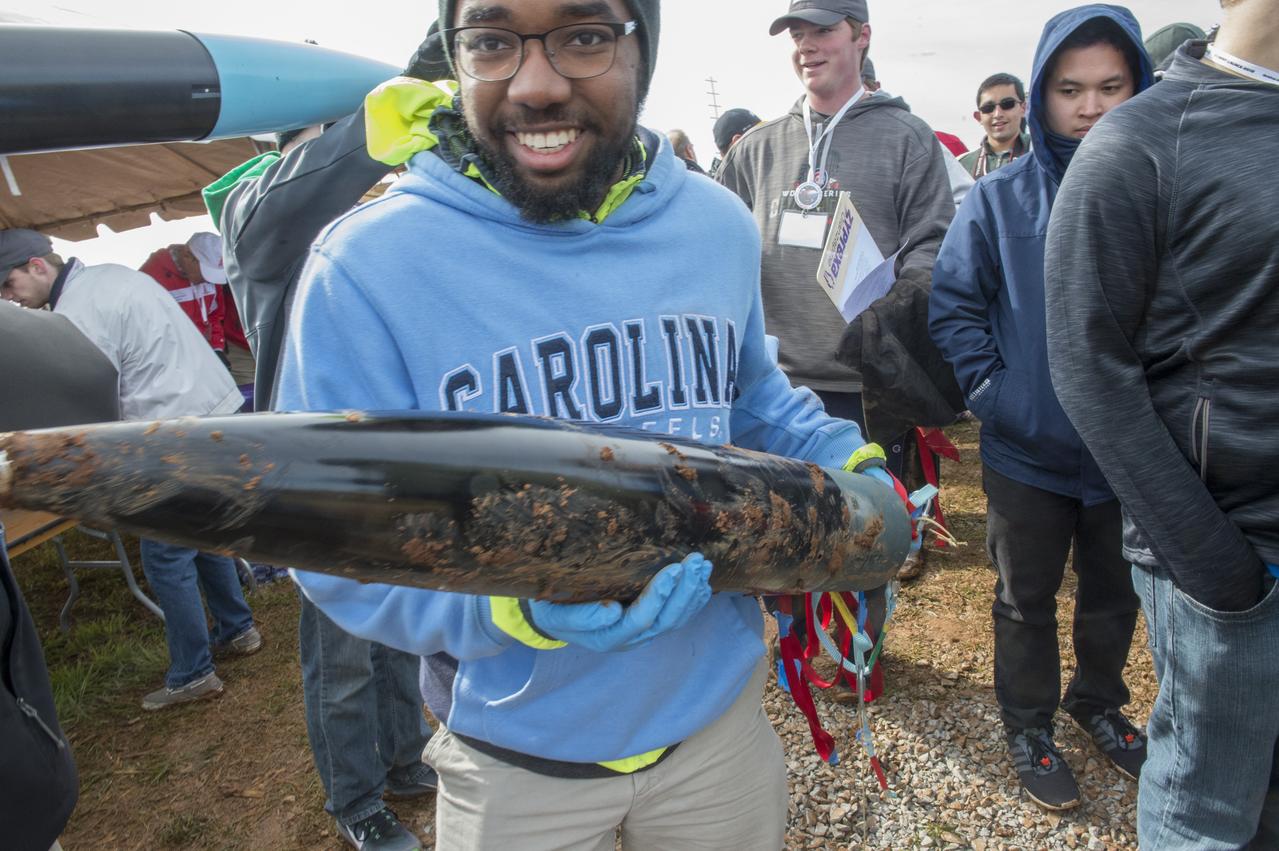
After eight months of designing, building and testing, the middle school, high school and college and university teams launched their rockets as part of NASA Student Launch on Sunday, April 8. The rockets and their payloads are designed to fly to 1-mile in altitude before deploying recovery systems that brings them safely to the ground.
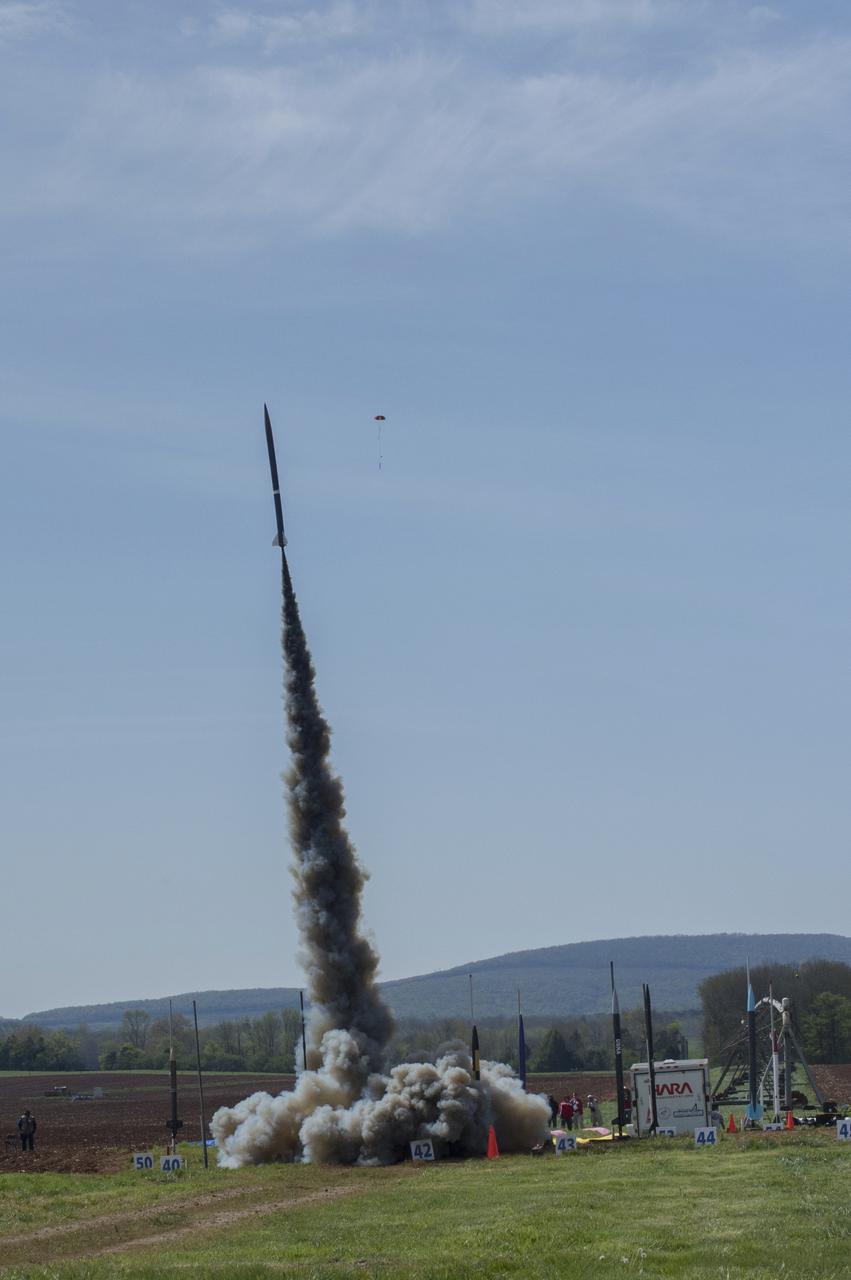
After eight months of designing, building and testing, the middle school, high school and college and university teams launched their rockets as part of NASA Student Launch on Sunday, April 8. The rockets and their payloads are designed to fly to 1-mile in altitude before deploying recovery systems that brings them safely to the ground.
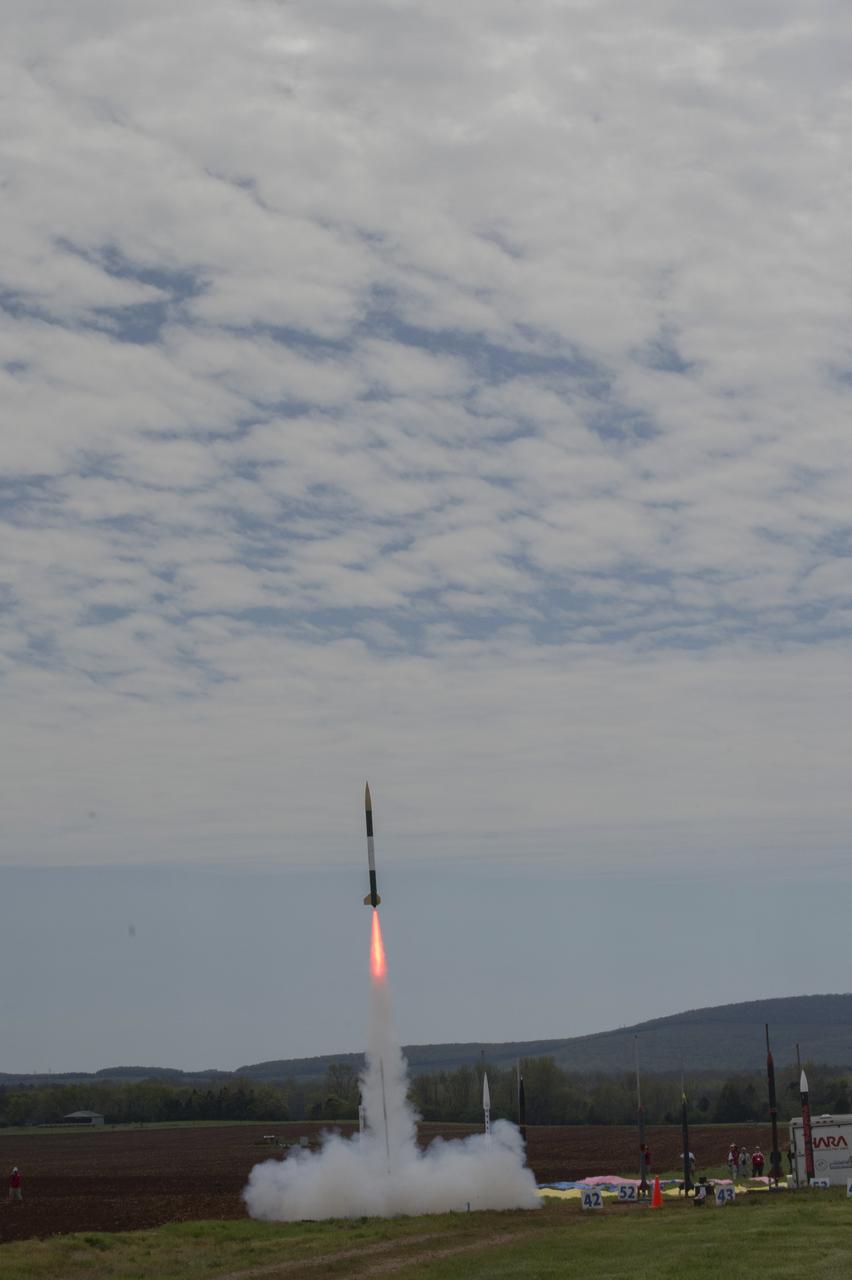
After eight months of designing, building and testing, the middle school, high school and college and university teams launched their rockets as part of NASA Student Launch on Sunday, April 8. The rockets and their payloads are designed to fly to 1-mile in altitude before deploying recovery systems that brings them safely to the ground.
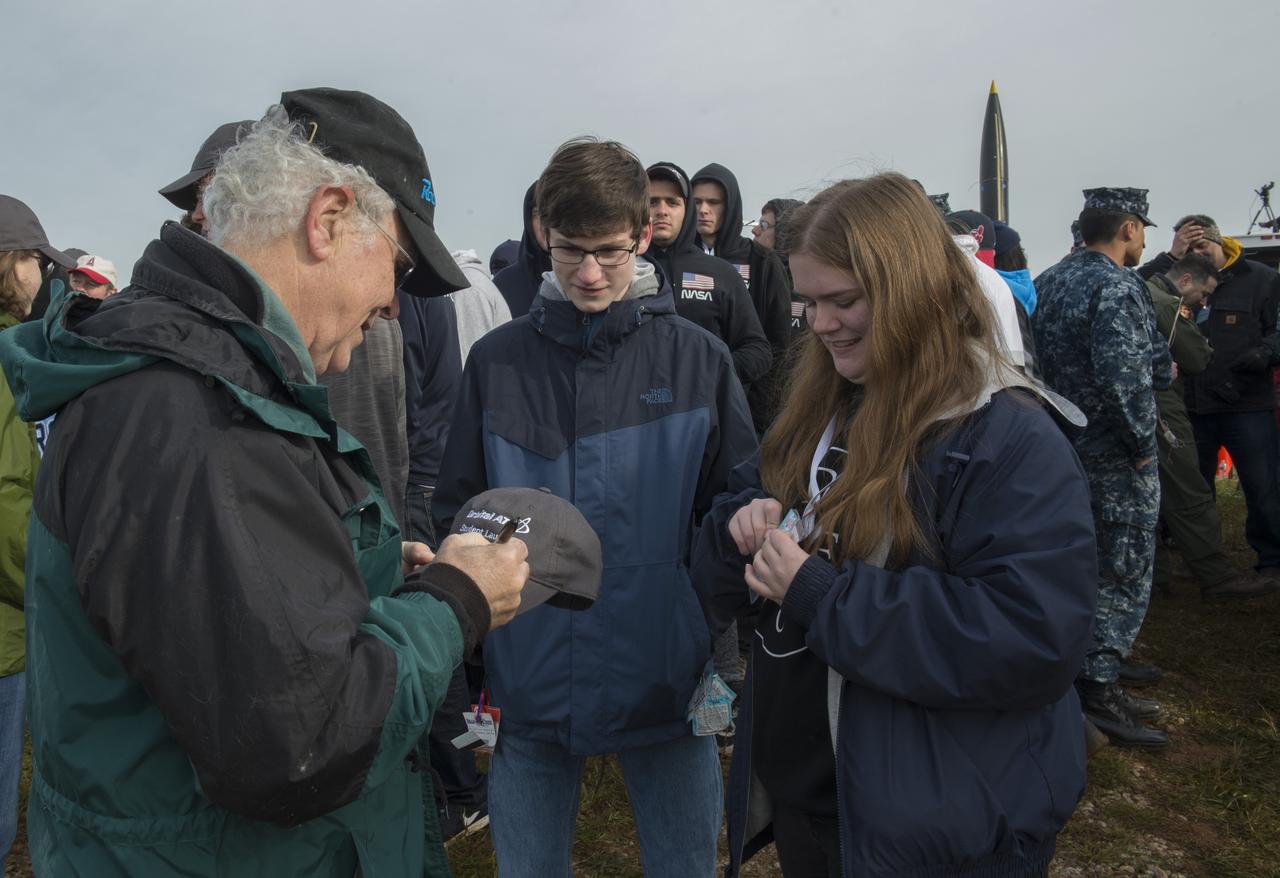
After eight months of designing, building and testing, the middle school, high school and college and university teams launched their rockets as part of NASA Student Launch on Sunday, April 8. The rockets and their payloads are designed to fly to 1-mile in altitude before deploying recovery systems that brings them safely to the ground.
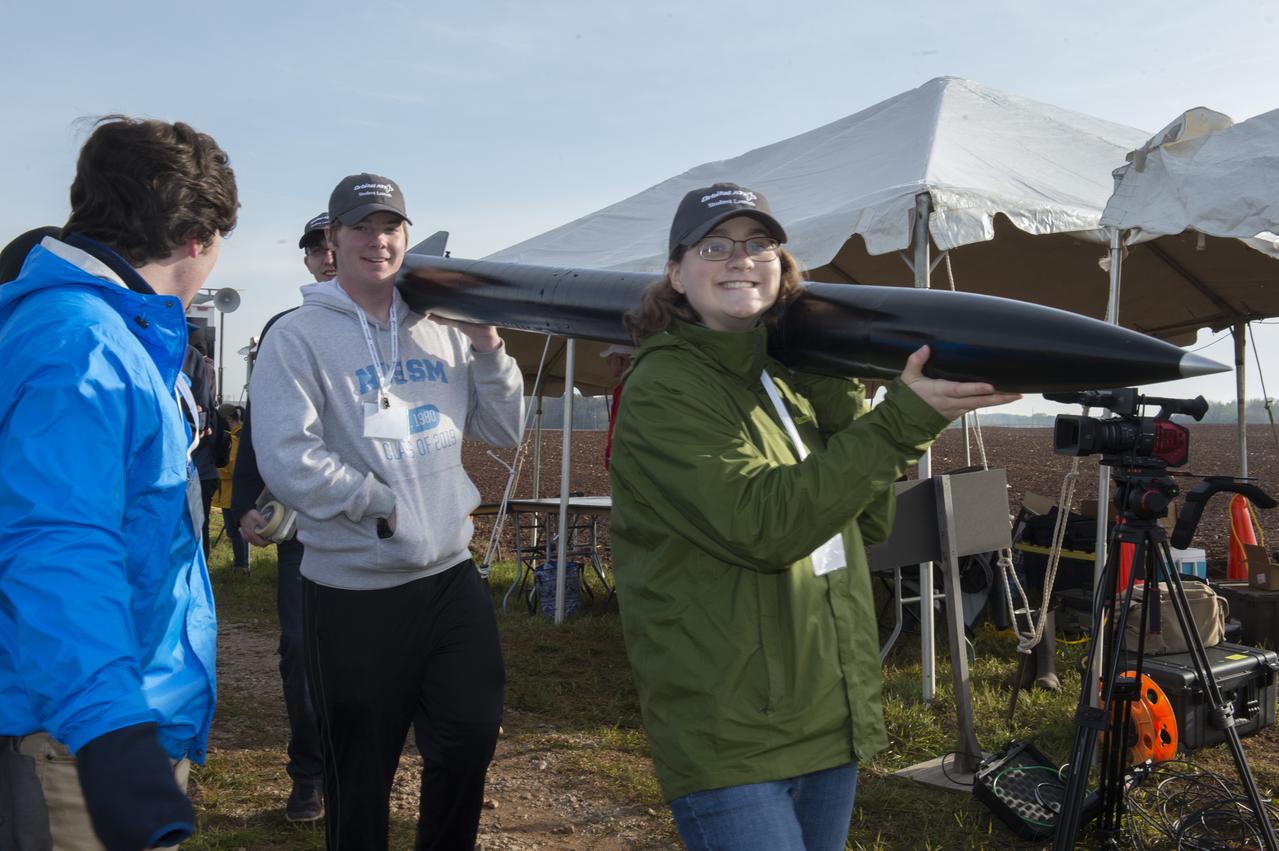
After eight months of designing, building and testing, the middle school, high school and college and university teams launched their rockets as part of NASA Student Launch on Sunday, April 8. The rockets and their payloads are designed to fly to 1-mile in altitude before deploying recovery systems that brings them safely to the ground.

After eight months of designing, building and testing, the middle school, high school and college and university teams launched their rockets as part of NASA Student Launch on Sunday, April 8. The rockets and their payloads are designed to fly to 1-mile in altitude before deploying recovery systems that brings them safely to the ground.
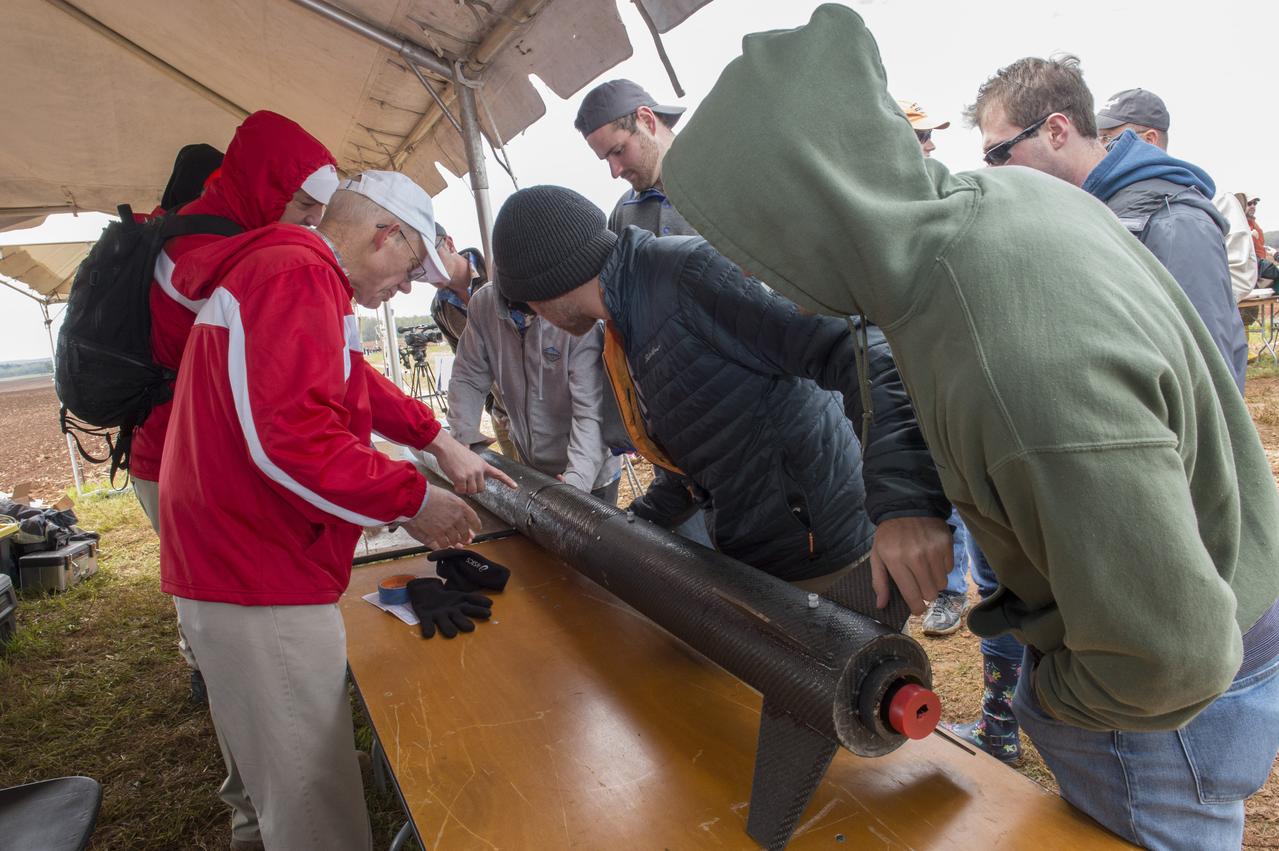
After eight months of designing, building and testing, the middle school, high school and college and university teams launched their rockets as part of NASA Student Launch on Sunday, April 8. The rockets and their payloads are designed to fly to 1-mile in altitude before deploying recovery systems that brings them safely to the ground.
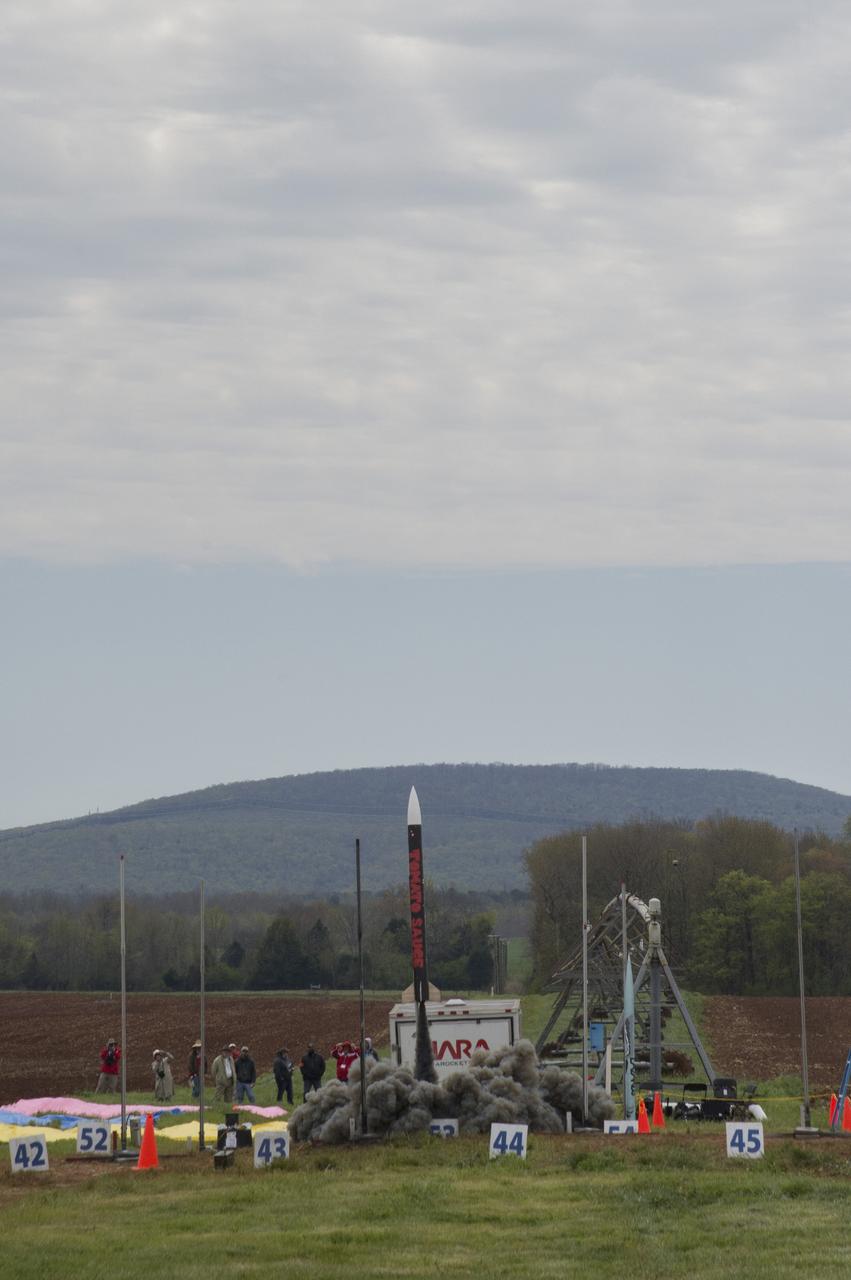
After eight months of designing, building and testing, the middle school, high school and college and university teams launched their rockets as part of NASA Student Launch on Sunday, April 8. The rockets and their payloads are designed to fly to 1-mile in altitude before deploying recovery systems that brings them safely to the ground.
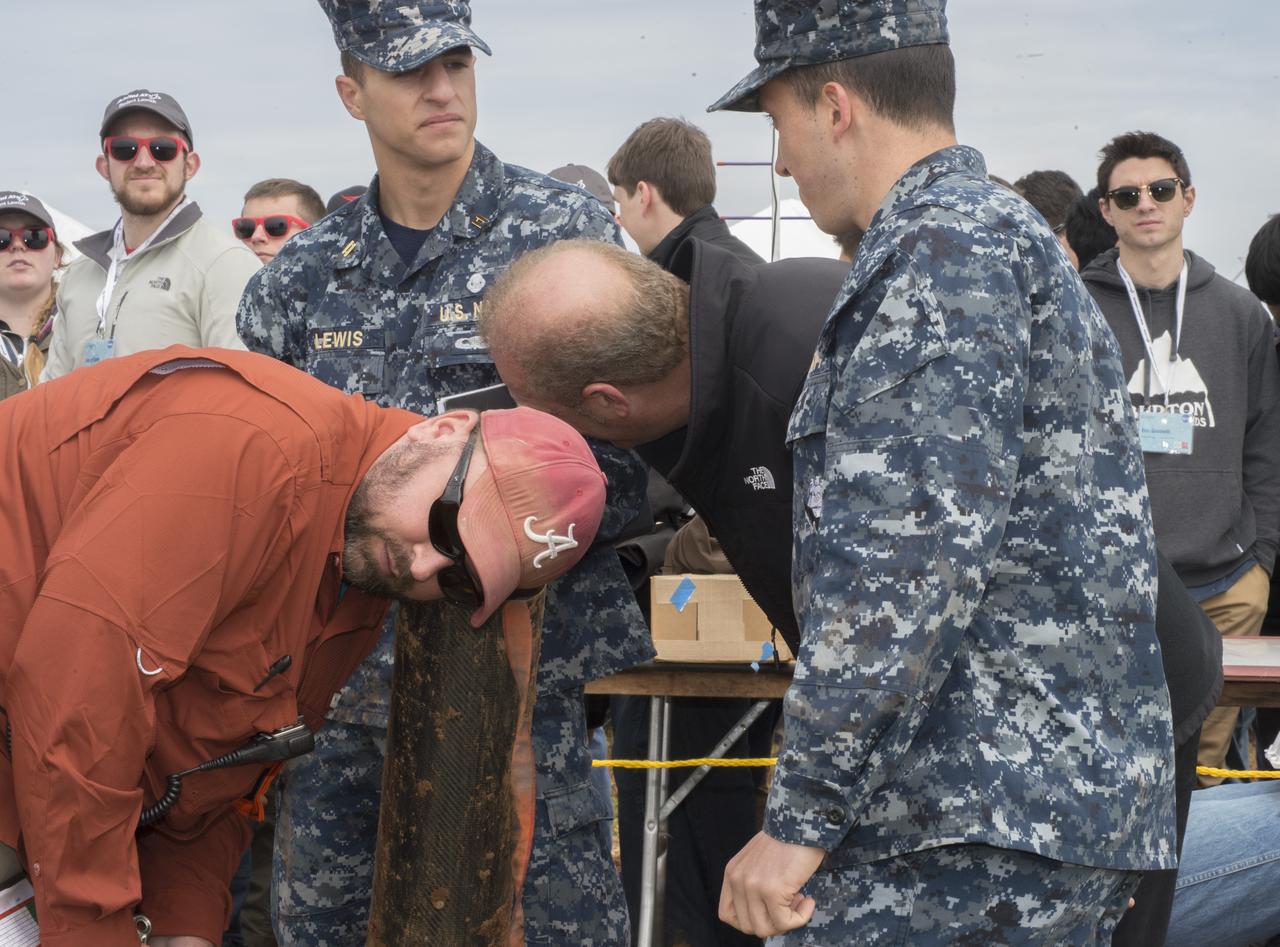
After eight months of designing, building and testing, the middle school, high school and college and university teams launched their rockets as part of NASA Student Launch on Sunday, April 8. The rockets and their payloads are designed to fly to 1-mile in altitude before deploying recovery systems that brings them safely to the ground.
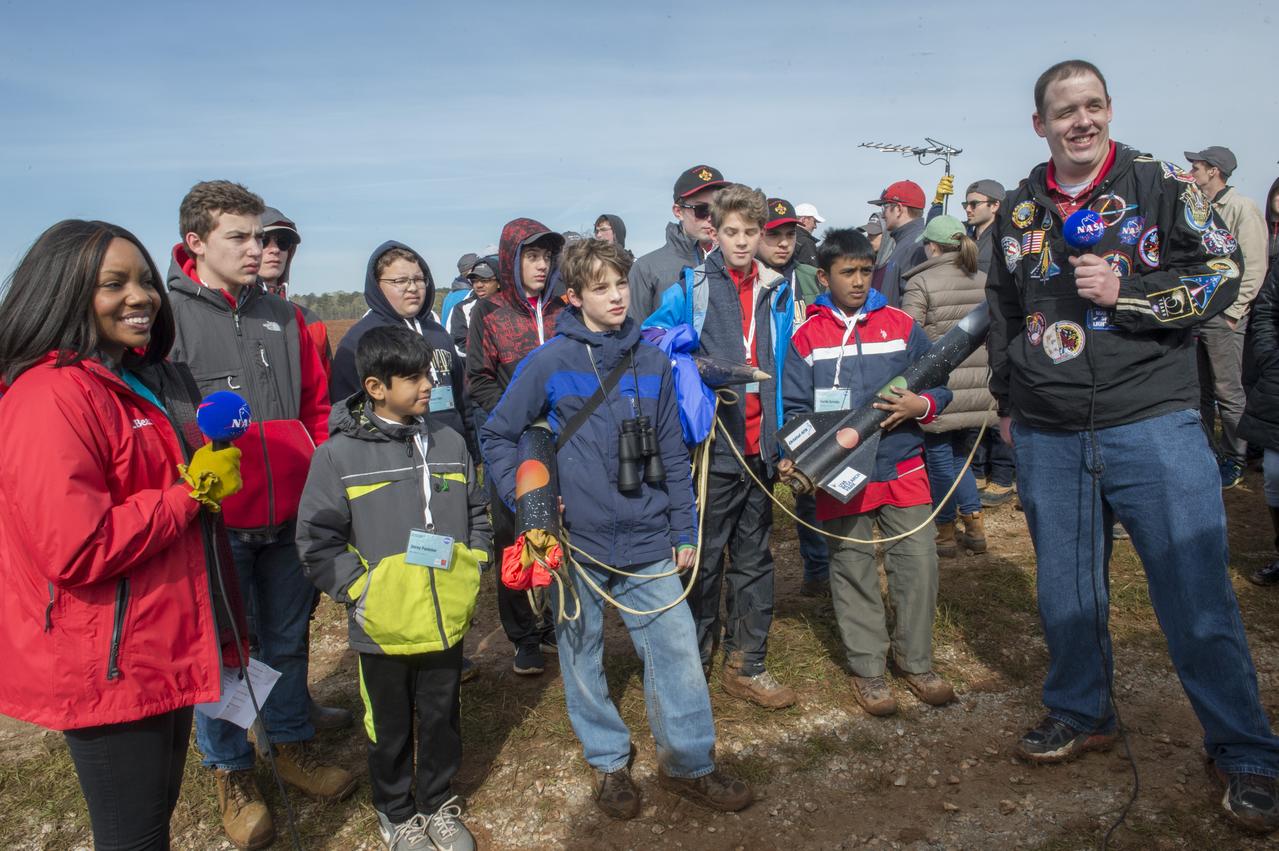
After eight months of designing, building and testing, the middle school, high school and college and university teams launched their rockets as part of NASA Student Launch on Sunday, April 8. The rockets and their payloads are designed to fly to 1-mile in altitude before deploying recovery systems that brings them safely to the ground.
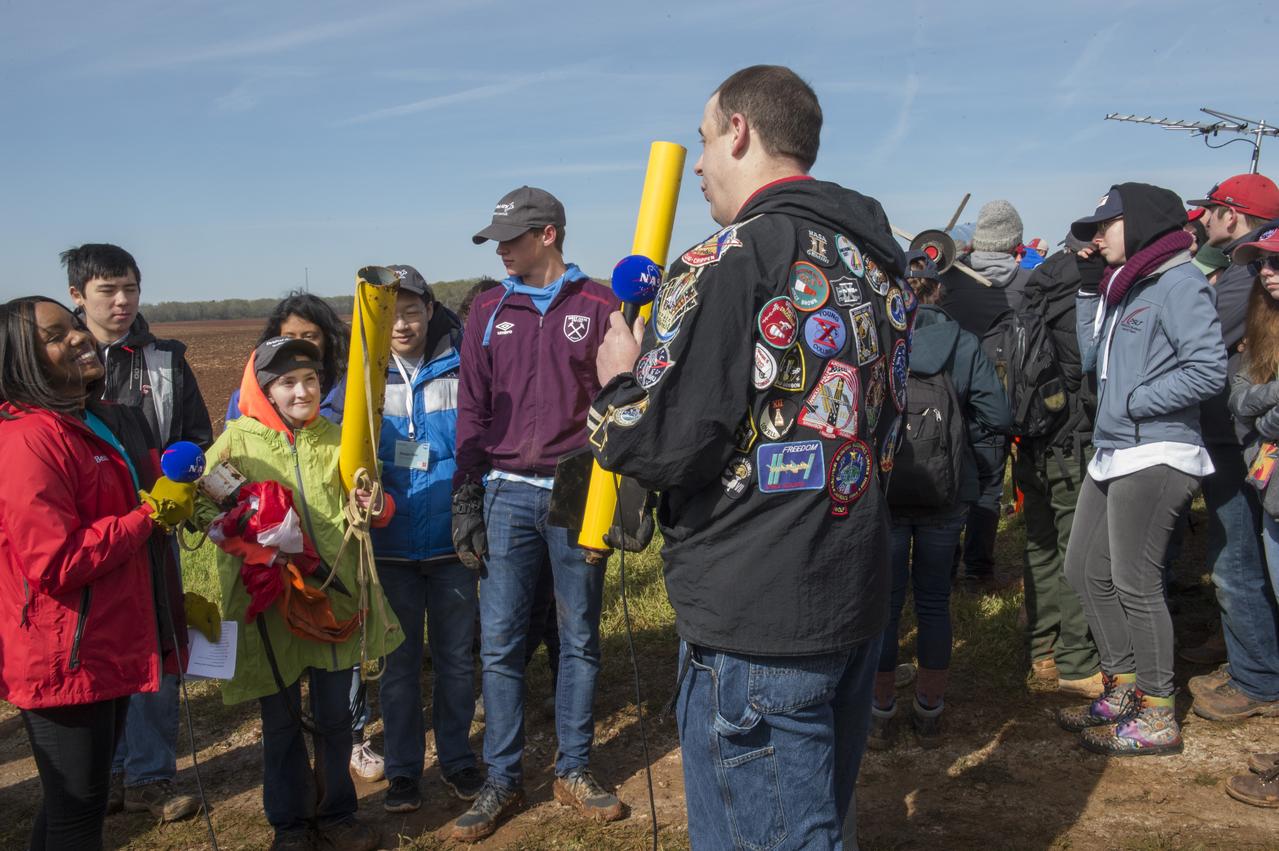
After eight months of designing, building and testing, the middle school, high school and college and university teams launched their rockets as part of NASA Student Launch on Sunday, April 8. The rockets and their payloads are designed to fly to 1-mile in altitude before deploying recovery systems that brings them safely to the ground.