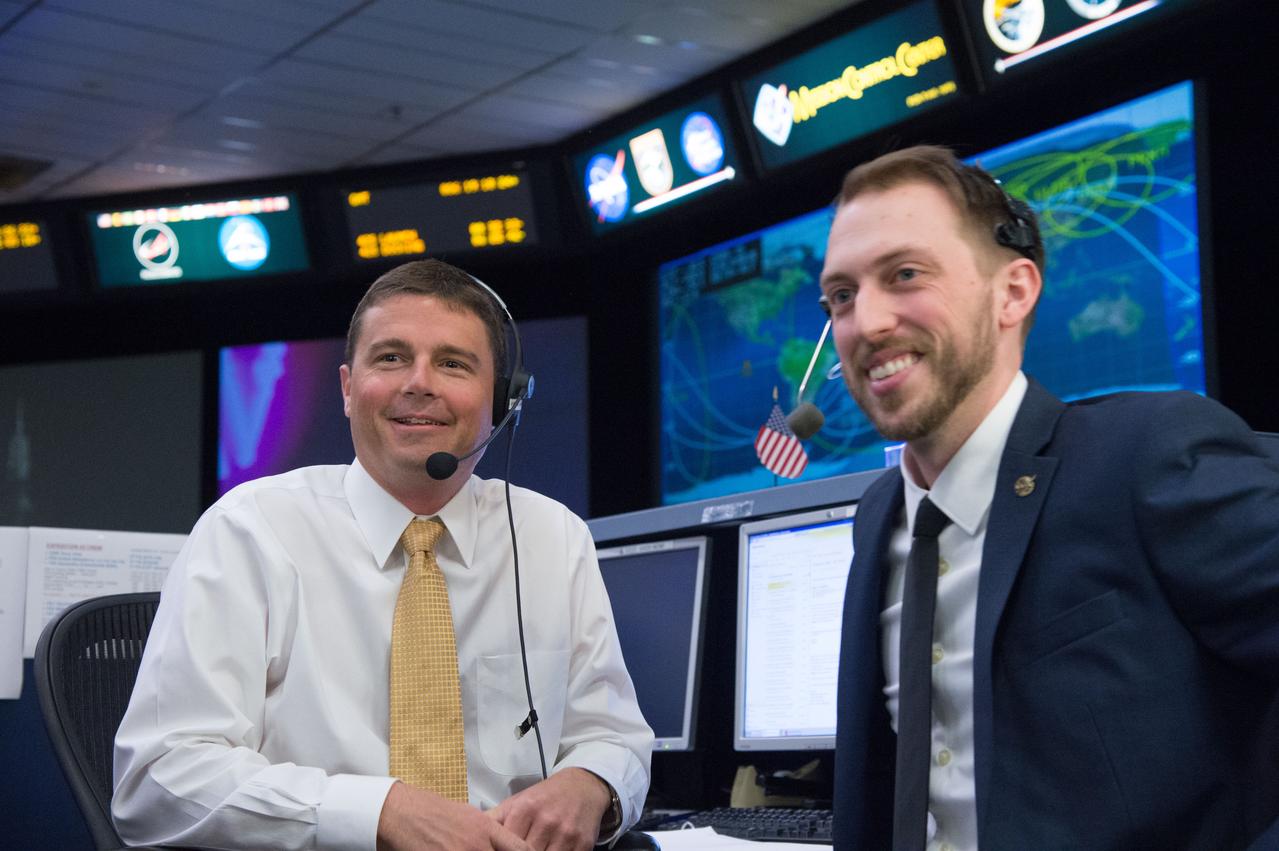
DATE: 3-27-15 LOCATION: Building 30 - ISS FCR-1 SUBJECT: Flight controllers during the launch of Scott Kelly and Cosmonaut Mikhail Kornienko for their historic one-year mission aboard the ISS. PHOTOGRAPHER: Lauren Harnett
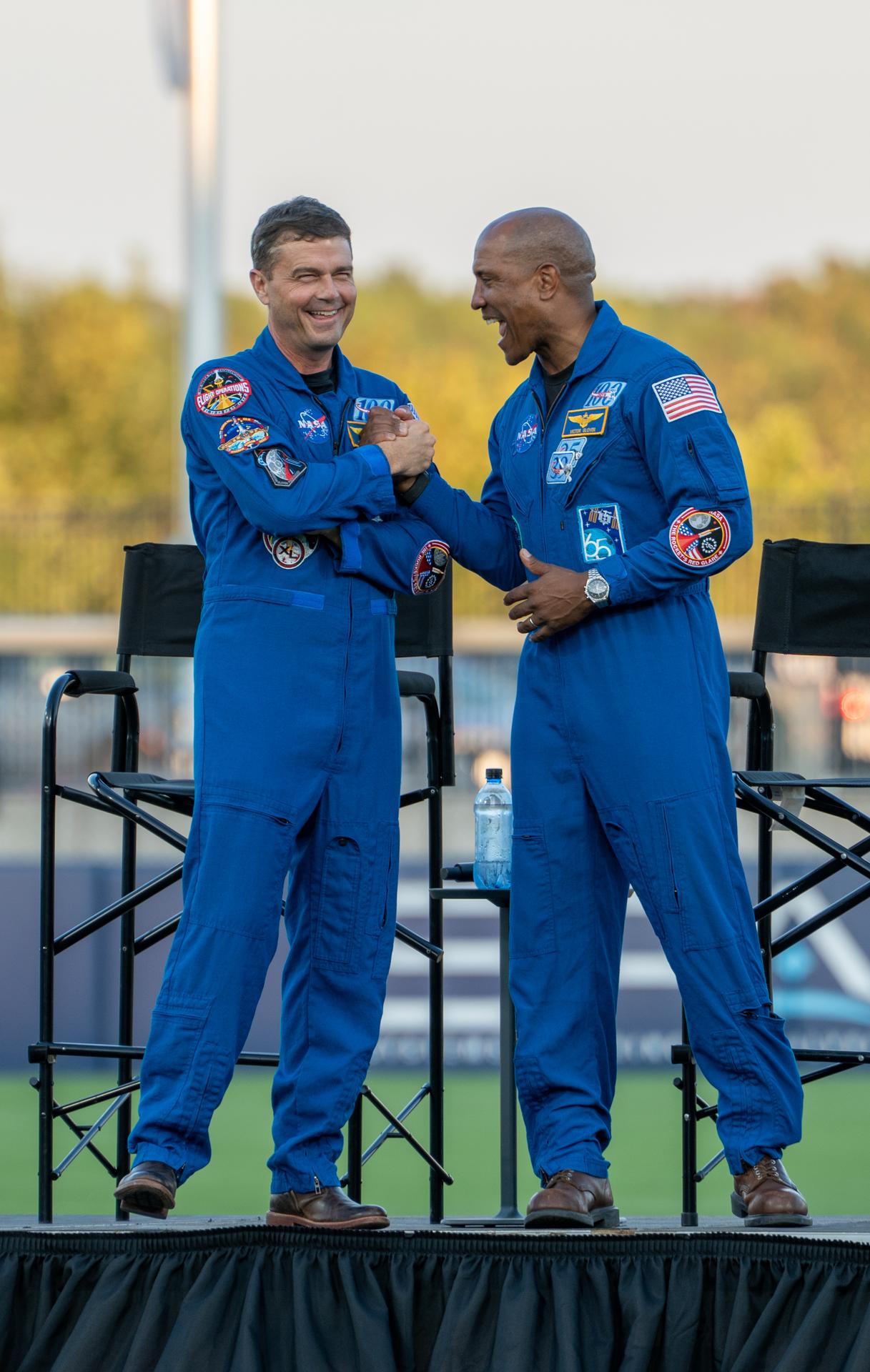
The crew of NASA’s Artemis II mission – NASA astronauts Reid Wiseman, Victor Glover, and Christina Koch, and CSA (Canadian Space Agency) astronaut Jeremy Hansen –visited Huntsville, Alabama, Monday, Aug. 31, where they joined thousands of attendees for a special public event celebrating their historic mission. Held at Toyota Field in Madison, Alabama, the event gave the crew an opportunity to share firsthand experiences from their journey, reflect on their time in space, and connect with the community through an engaging question-and-answer session.
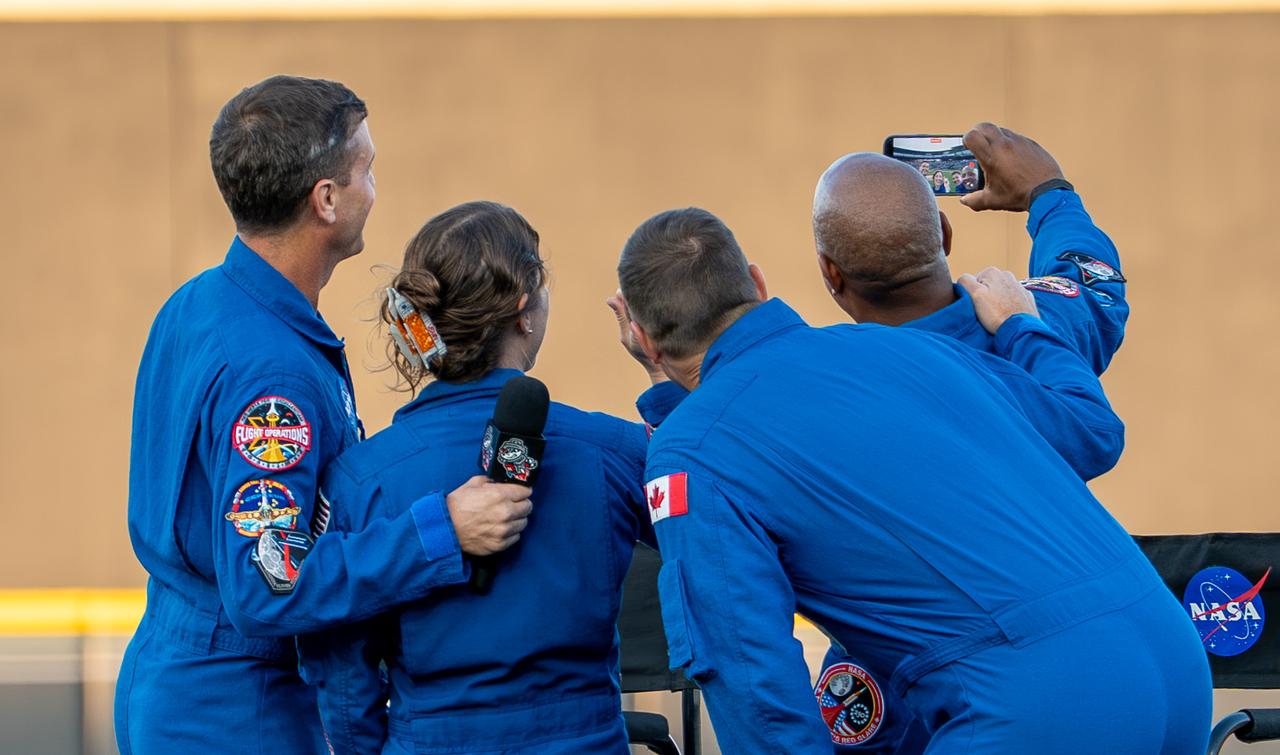
The crew of NASA’s Artemis II mission – NASA astronauts Reid Wiseman, Victor Glover, and Christina Koch, and CSA (Canadian Space Agency) astronaut Jeremy Hansen –visited Huntsville, Alabama, Monday, Aug. 31, where they joined thousands of attendees for a special public event celebrating their historic mission. Held at Toyota Field in Madison, Alabama, the event gave the crew an opportunity to share firsthand experiences from their journey, reflect on their time in space, and connect with the community through an engaging question-and-answer session.
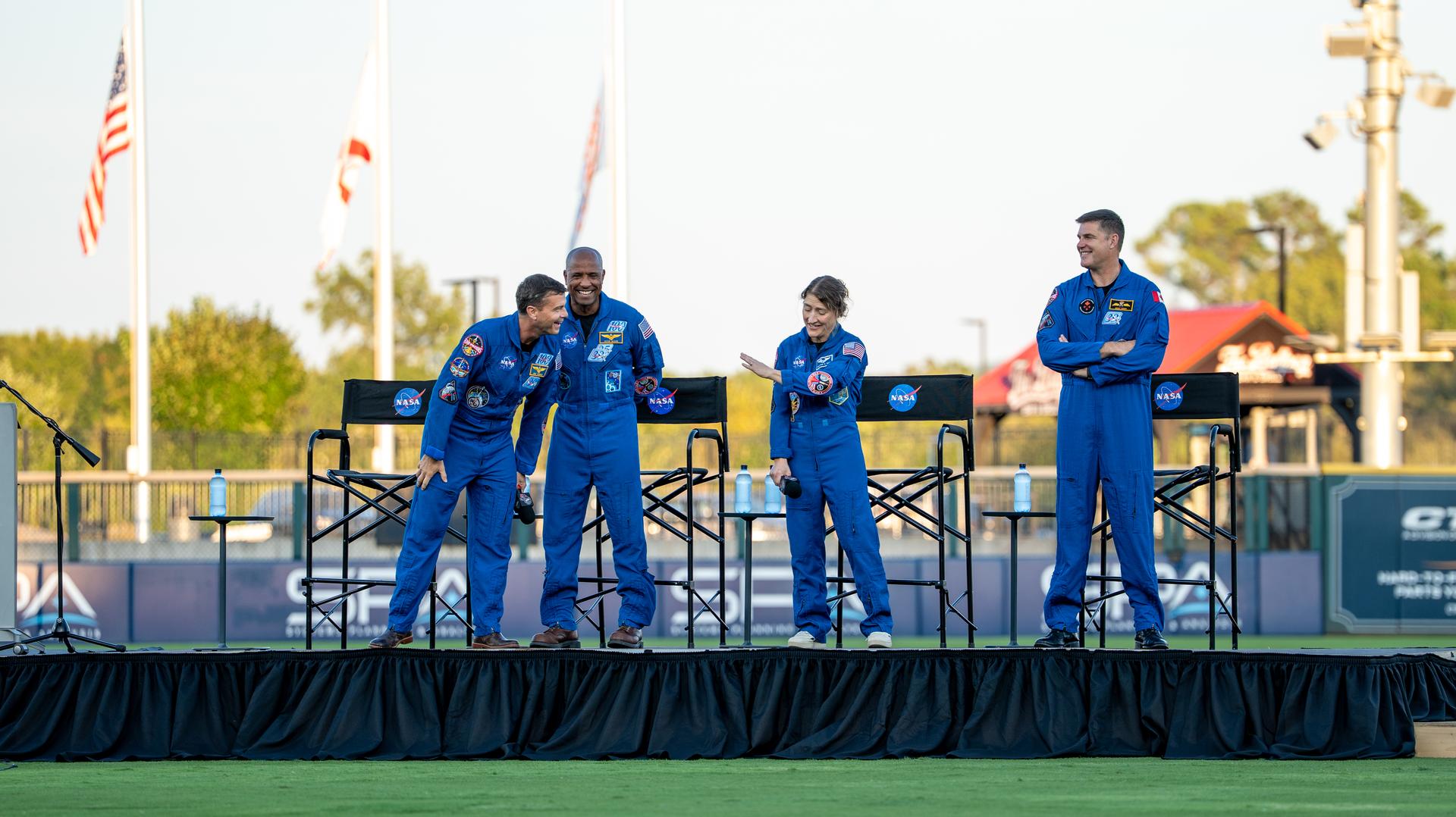
The crew of NASA’s Artemis II mission – NASA astronauts Reid Wiseman, Victor Glover, and Christina Koch, and CSA (Canadian Space Agency) astronaut Jeremy Hansen –visited Huntsville, Alabama, Monday, Aug. 31, where they joined thousands of attendees for a special public event celebrating their historic mission. Held at Toyota Field in Madison, Alabama, the event gave the crew an opportunity to share firsthand experiences from their journey, reflect on their time in space, and connect with the community through an engaging question-and-answer session.
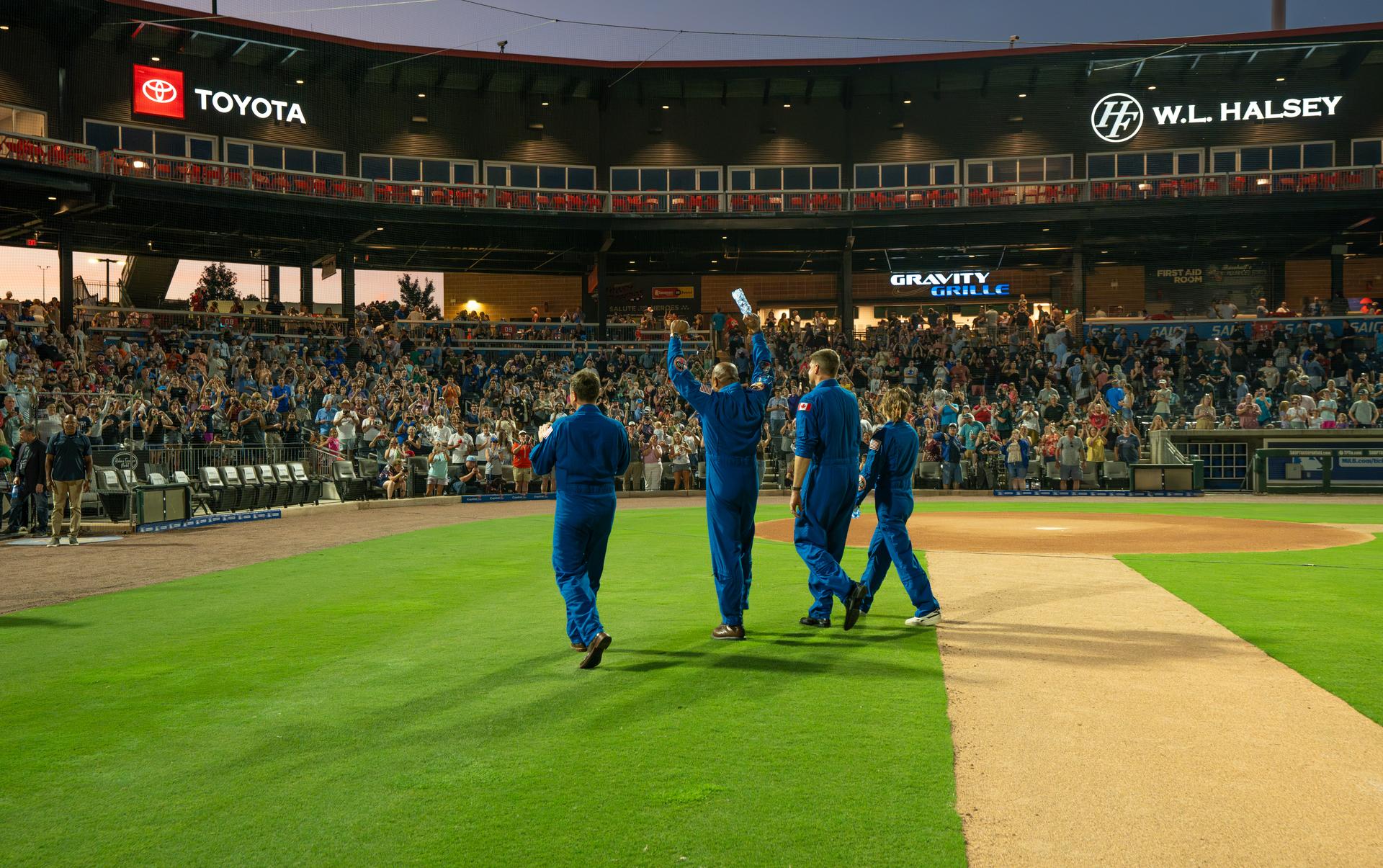
The crew of NASA’s Artemis II mission – NASA astronauts Reid Wiseman, Victor Glover, and Christina Koch, and CSA (Canadian Space Agency) astronaut Jeremy Hansen –visited Huntsville, Alabama, Monday, Aug. 31, where they joined thousands of attendees for a special public event celebrating their historic mission. Held at Toyota Field in Madison, Alabama, the event gave the crew an opportunity to share firsthand experiences from their journey, reflect on their time in space, and connect with the community through an engaging question-and-answer session.
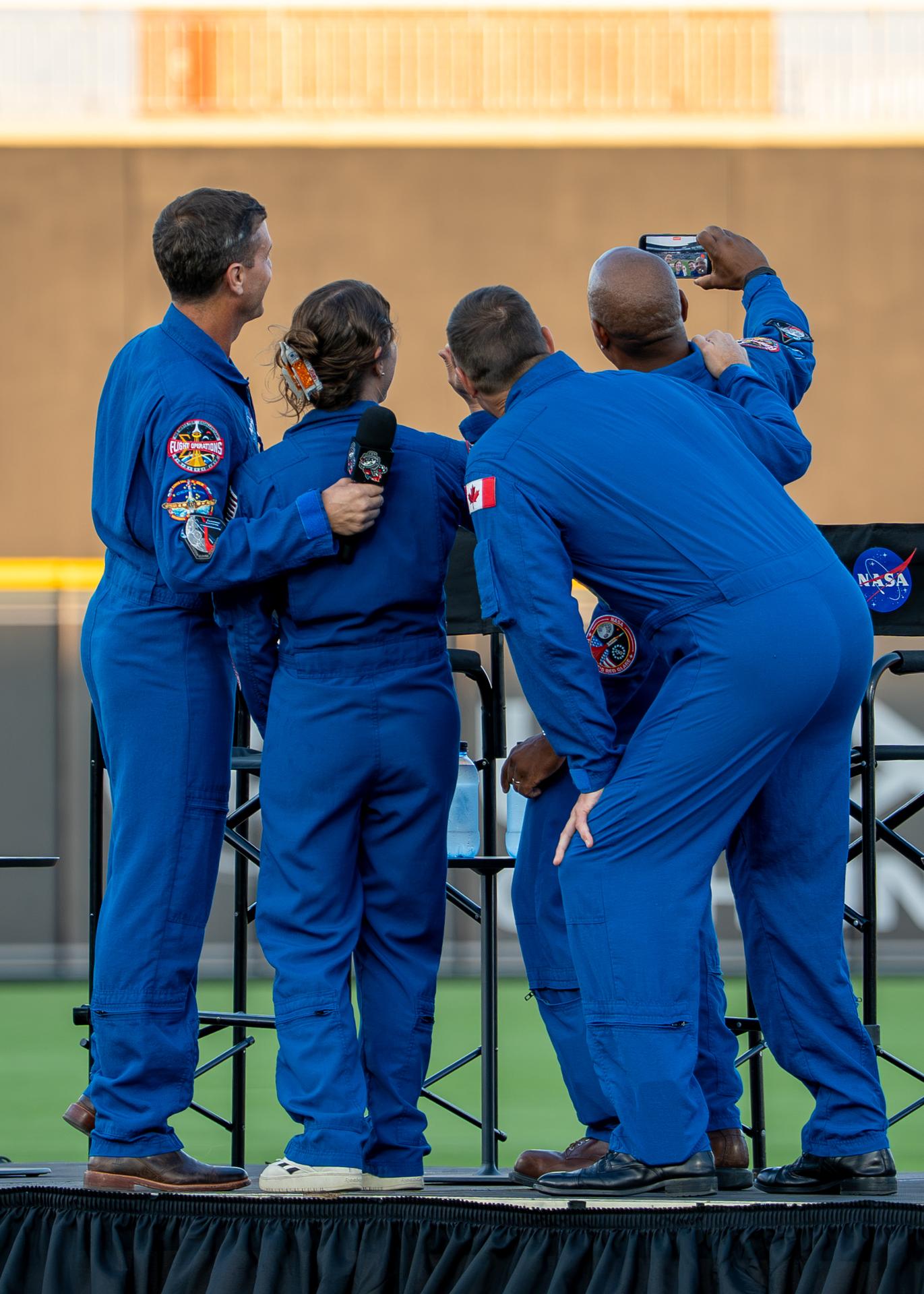
The crew of NASA’s Artemis II mission – NASA astronauts Reid Wiseman, Victor Glover, and Christina Koch, and CSA (Canadian Space Agency) astronaut Jeremy Hansen –visited Huntsville, Alabama, Monday, Aug. 31, where they joined thousands of attendees for a special public event celebrating their historic mission. Held at Toyota Field in Madison, Alabama, the event gave the crew an opportunity to share firsthand experiences from their journey, reflect on their time in space, and connect with the community through an engaging question-and-answer session.
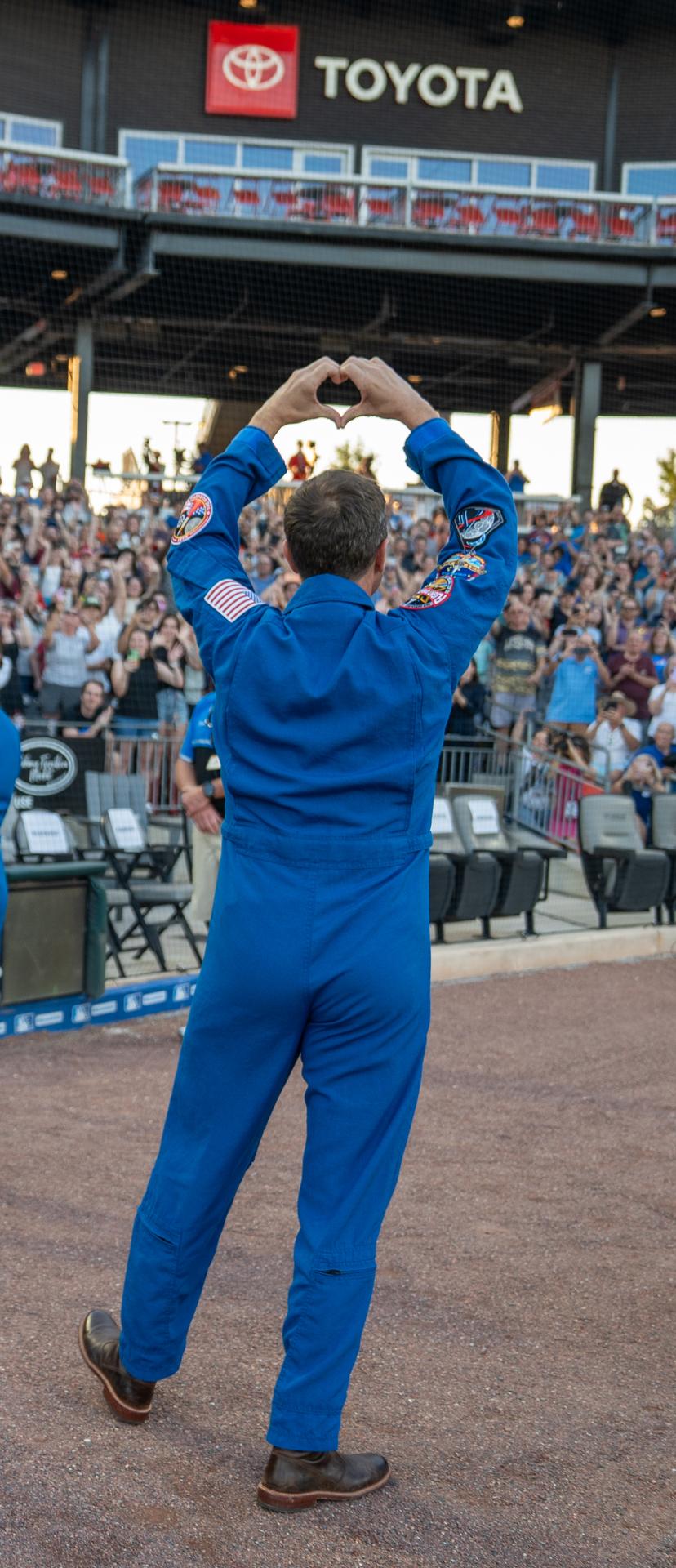
The crew of NASA’s Artemis II mission – NASA astronauts Reid Wiseman, Victor Glover, and Christina Koch, and CSA (Canadian Space Agency) astronaut Jeremy Hansen –visited Huntsville, Alabama, Monday, Aug. 31, where they joined thousands of attendees for a special public event celebrating their historic mission. Held at Toyota Field in Madison, Alabama, the event gave the crew an opportunity to share firsthand experiences from their journey, reflect on their time in space, and connect with the community through an engaging question-and-answer session.
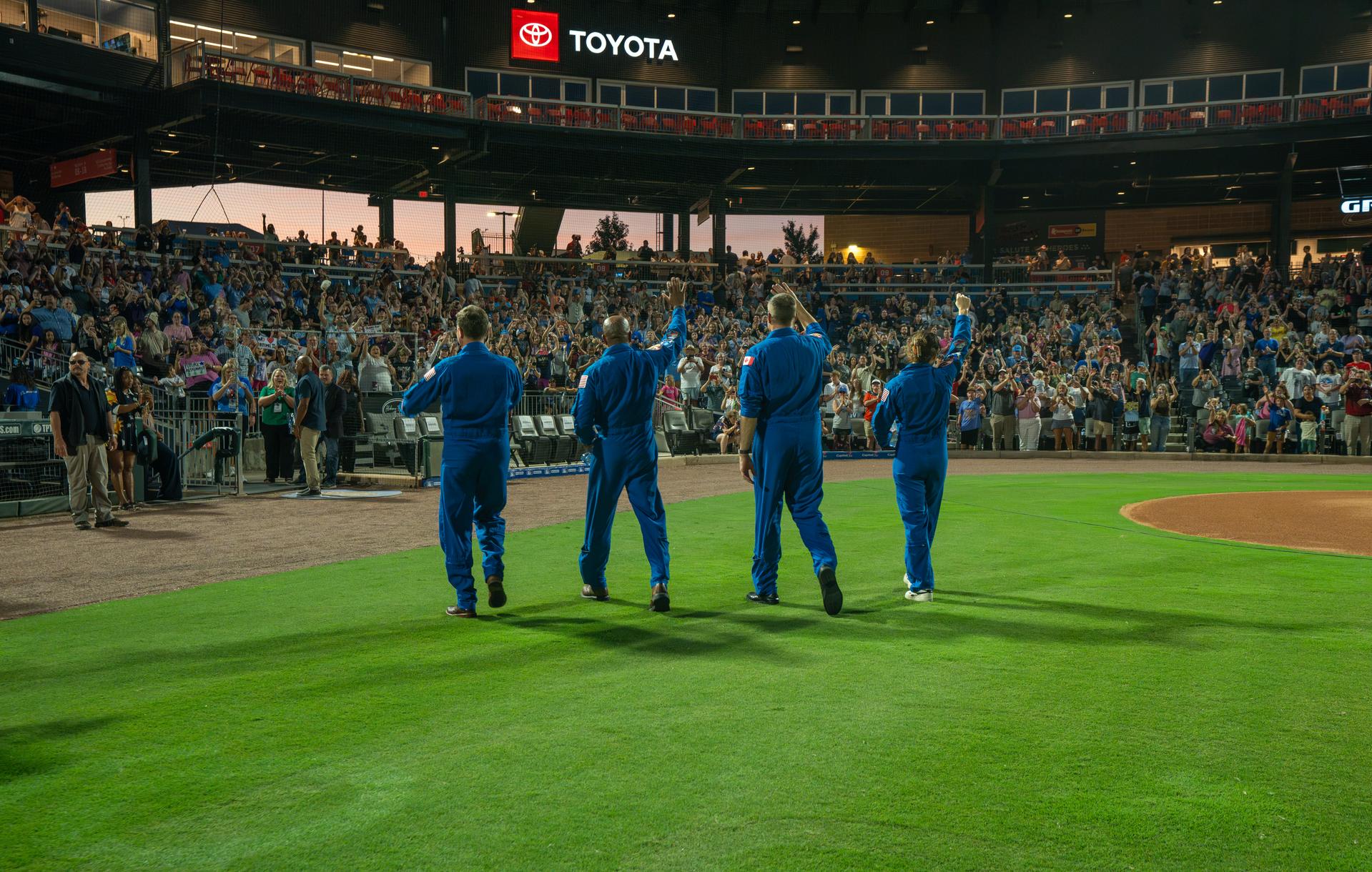
The crew of NASA’s Artemis II mission – NASA astronauts Reid Wiseman, Victor Glover, and Christina Koch, and CSA (Canadian Space Agency) astronaut Jeremy Hansen –visited Huntsville, Alabama, Monday, Aug. 31, where they joined thousands of attendees for a special public event celebrating their historic mission. Held at Toyota Field in Madison, Alabama, the event gave the crew an opportunity to share firsthand experiences from their journey, reflect on their time in space, and connect with the community through an engaging question-and-answer session.
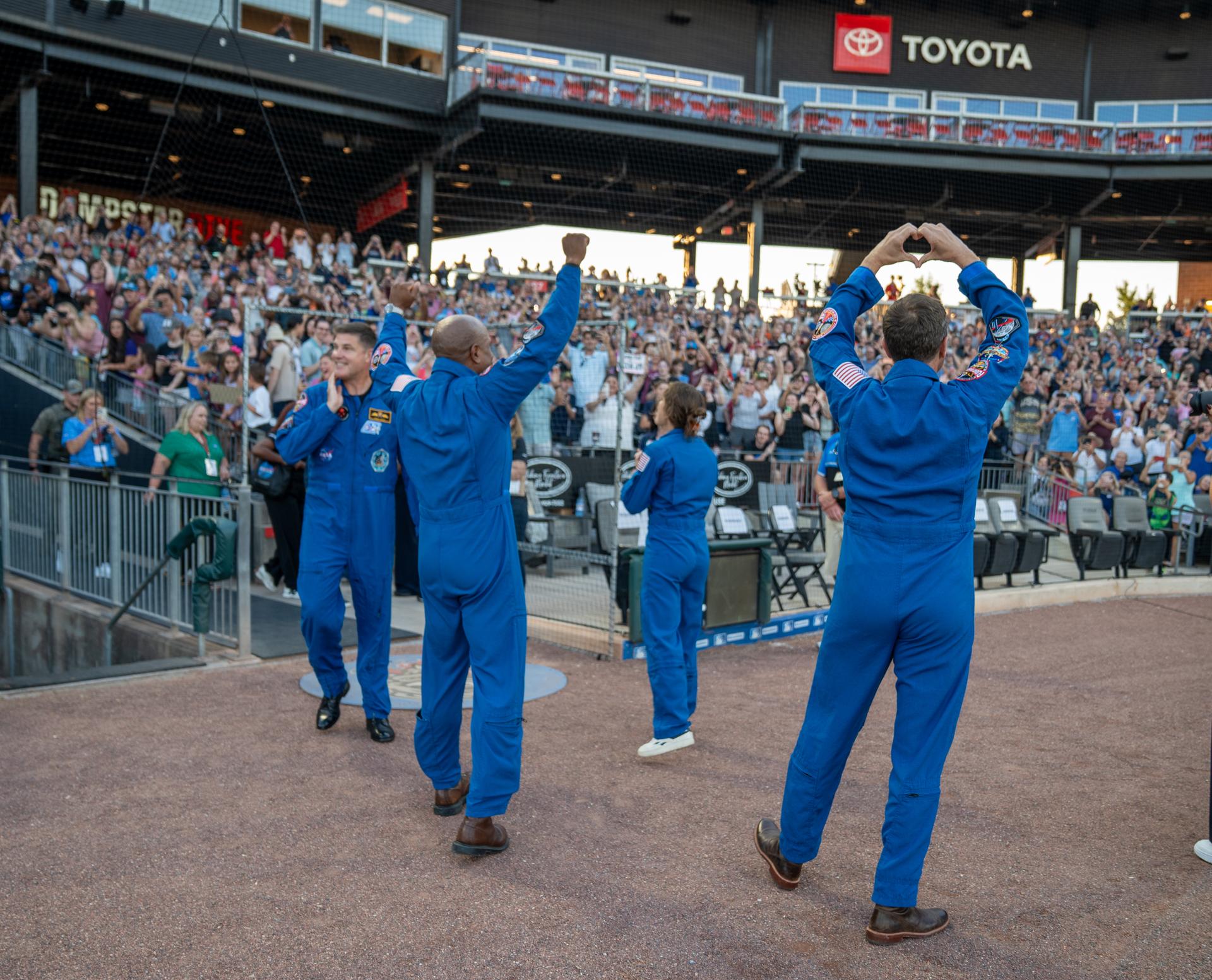
The crew of NASA’s Artemis II mission – NASA astronauts Reid Wiseman, Victor Glover, and Christina Koch, and CSA (Canadian Space Agency) astronaut Jeremy Hansen –visited Huntsville, Alabama, Monday, Aug. 31, where they joined thousands of attendees for a special public event celebrating their historic mission. Held at Toyota Field in Madison, Alabama, the event gave the crew an opportunity to share firsthand experiences from their journey, reflect on their time in space, and connect with the community through an engaging question-and-answer session.
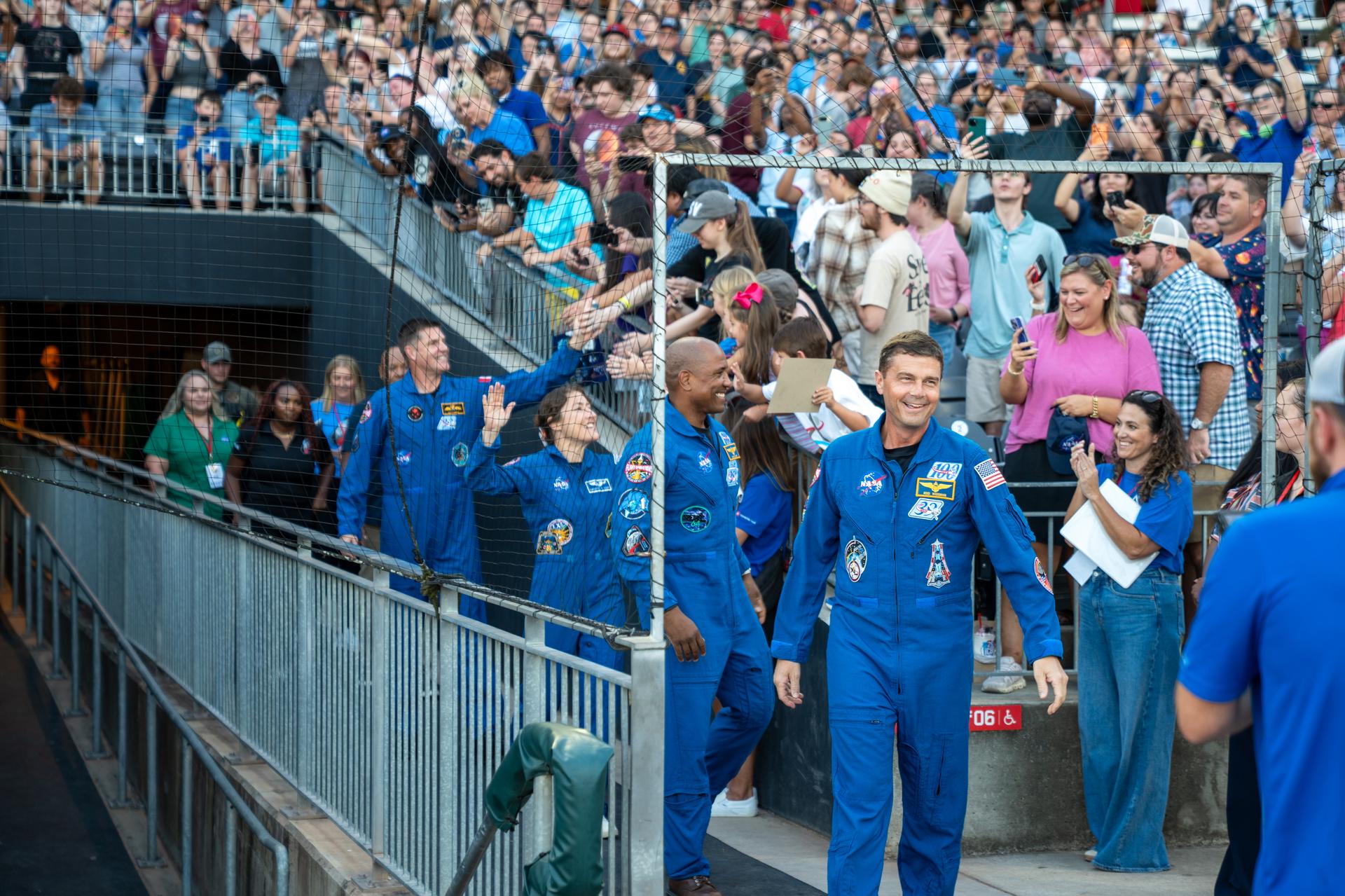
The crew of NASA’s Artemis II mission – NASA astronauts Reid Wiseman, Victor Glover, and Christina Koch, and CSA (Canadian Space Agency) astronaut Jeremy Hansen –visited Huntsville, Alabama, Monday, Aug. 31, where they joined thousands of attendees for a special public event celebrating their historic mission. Held at Toyota Field in Madison, Alabama, the event gave the crew an opportunity to share firsthand experiences from their journey, reflect on their time in space, and connect with the community through an engaging question-and-answer session.
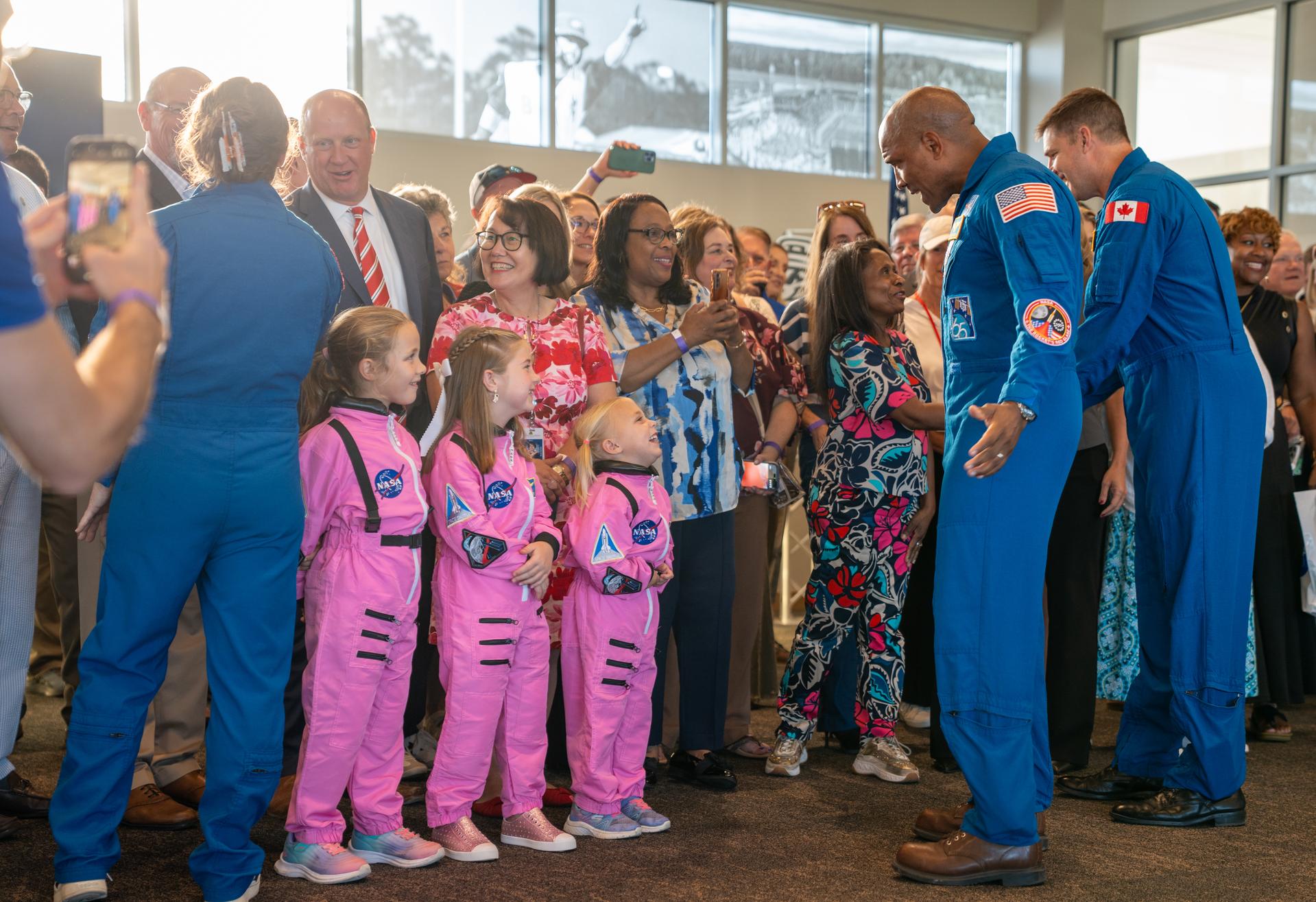
The crew of NASA’s Artemis II mission – NASA astronauts Reid Wiseman, Victor Glover, and Christina Koch, and CSA (Canadian Space Agency) astronaut Jeremy Hansen –visited Huntsville, Alabama, Monday, Aug. 31, where they joined thousands of attendees for a special public event celebrating their historic mission. Held at Toyota Field in Madison, Alabama, the event gave the crew an opportunity to share firsthand experiences from their journey, reflect on their time in space, and connect with the community through an engaging question-and-answer session.
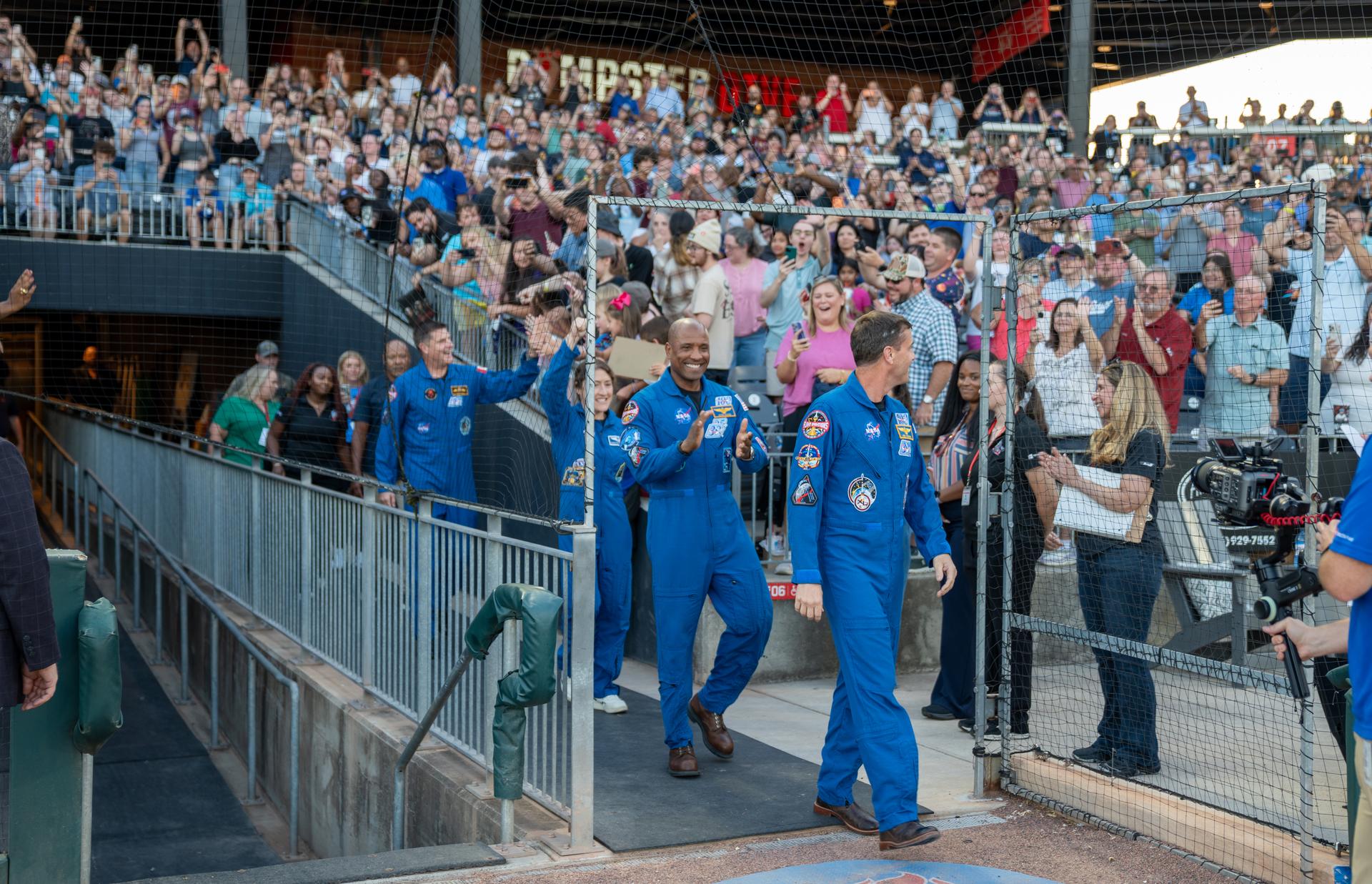
The crew of NASA’s Artemis II mission – NASA astronauts Reid Wiseman, Victor Glover, and Christina Koch, and CSA (Canadian Space Agency) astronaut Jeremy Hansen –visited Huntsville, Alabama, Monday, Aug. 31, where they joined thousands of attendees for a special public event celebrating their historic mission. Held at Toyota Field in Madison, Alabama, the event gave the crew an opportunity to share firsthand experiences from their journey, reflect on their time in space, and connect with the community through an engaging question-and-answer session.
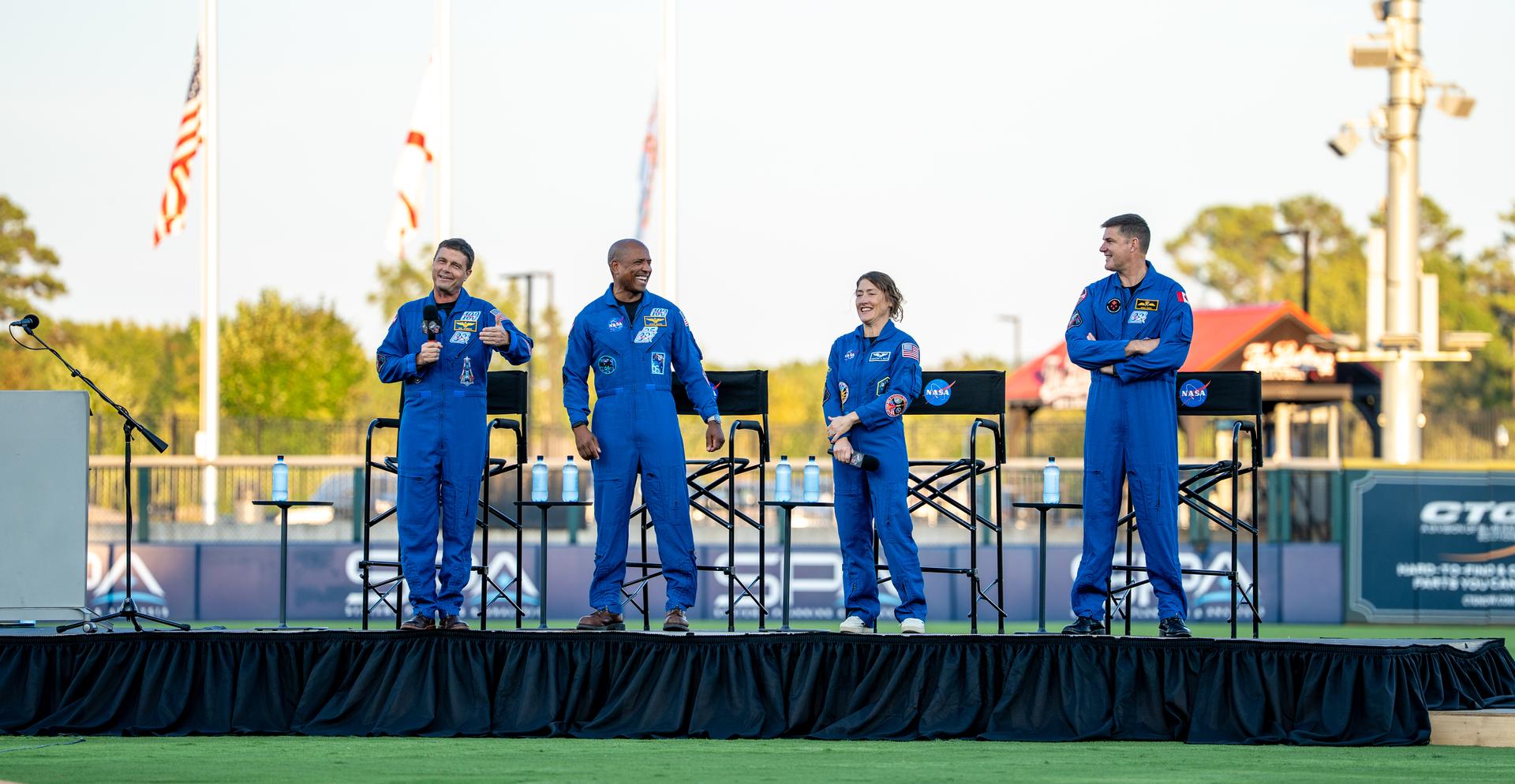
The crew of NASA’s Artemis II mission – NASA astronauts Reid Wiseman, Victor Glover, and Christina Koch, and CSA (Canadian Space Agency) astronaut Jeremy Hansen –visited Huntsville, Alabama, Monday, Aug. 31, where they joined thousands of attendees for a special public event celebrating their historic mission. Held at Toyota Field in Madison, Alabama, the event gave the crew an opportunity to share firsthand experiences from their journey, reflect on their time in space, and connect with the community through an engaging question-and-answer session.
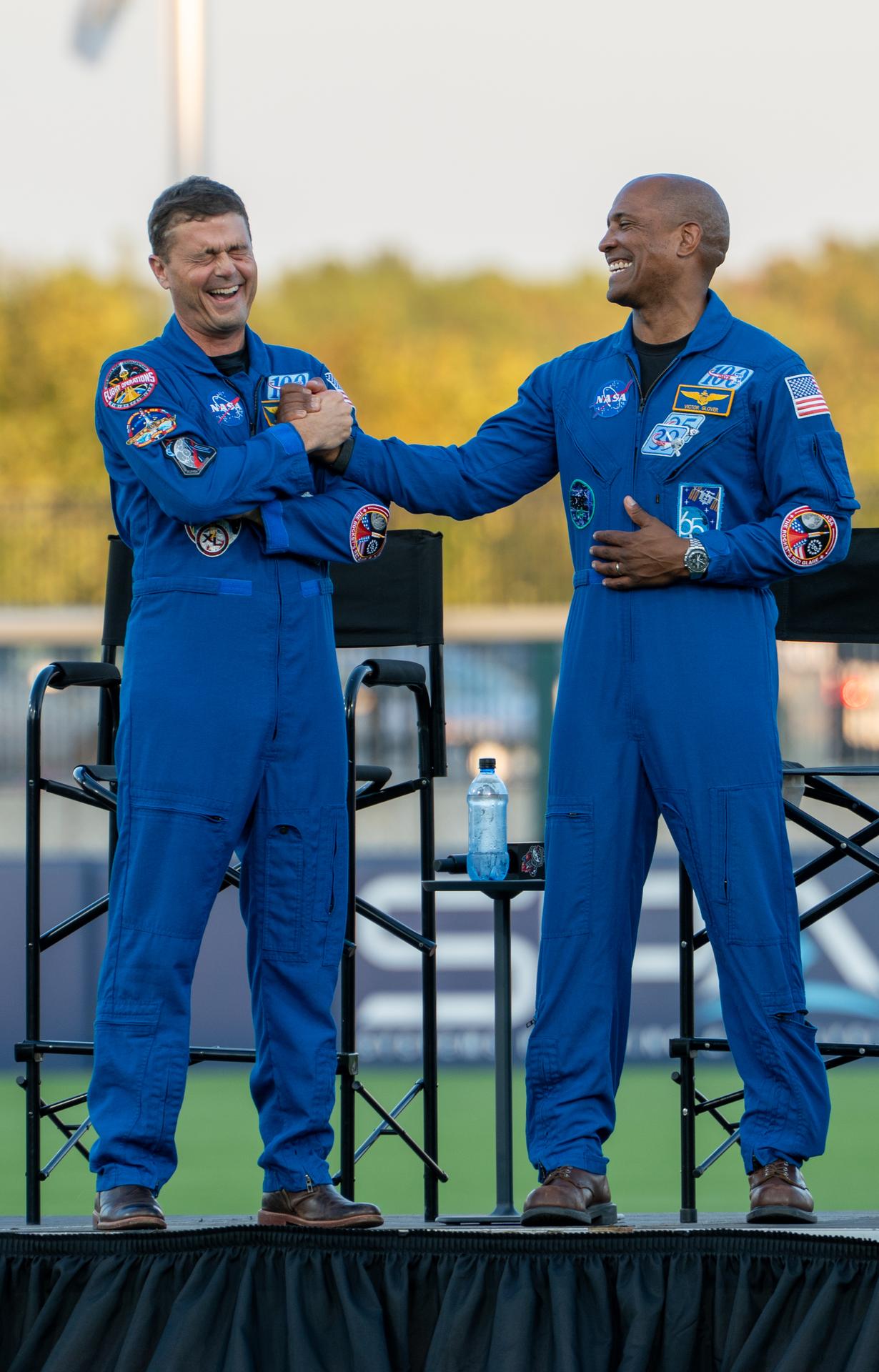
The crew of NASA’s Artemis II mission – NASA astronauts Reid Wiseman, Victor Glover, and Christina Koch, and CSA (Canadian Space Agency) astronaut Jeremy Hansen –visited Huntsville, Alabama, Monday, Aug. 31, where they joined thousands of attendees for a special public event celebrating their historic mission. Held at Toyota Field in Madison, Alabama, the event gave the crew an opportunity to share firsthand experiences from their journey, reflect on their time in space, and connect with the community through an engaging question-and-answer session.

NASA Administrator Charles Bolden, left, and SpaceX CEO and Chief Designer Elon Musk, view the historic Dragon capsule that returned to Earth on May 31 following the first successful mission by a private company to carry supplies to the International Space Station on Wednesday, June 13, 2012 at the SpaceX facility in McGregor, Texas. Bolden and Musk also thanked the more than 150 SpaceX employees working at the McGregor facility for their role in the historic mission. Photo Credit: (NASA/Bill Ingalls)

NASA Administrator Charles Bolden, left, and SpaceX CEO and Chief Designer Elon Musk, view the historic Dragon capsule that returned to Earth on May 31 following the first successful mission by a private company to carry supplies to the International Space Station on Wednesday, June 13, 2012 at the SpaceX facility in McGregor, Texas. Bolden and Musk also thanked the more than 150 SpaceX employees working at the McGregor facility for their role in the historic mission. Photo Credit: (NASA/Bill Ingalls)
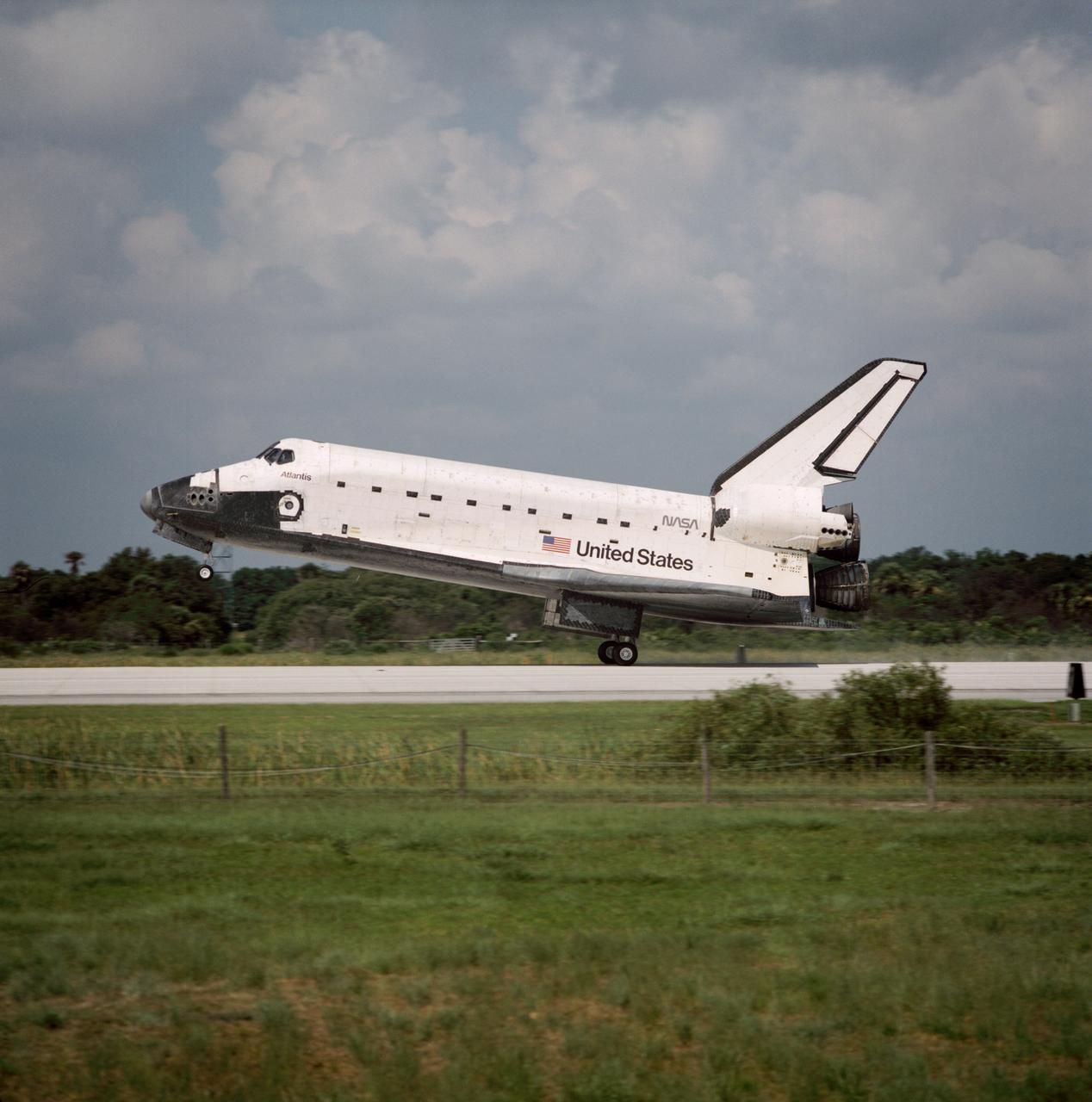
STS071-S-069 (7 July 1995) --- The Space Shuttle Atlantis touches down on Runway 33 at the Kennedy Space Center's (KSC) Shuttle landing facility to complete an historic mission in space. The landing completed an historic mission in space involving a linkup with Russia?s Mir Space Station and a total of six astronauts and four cosmonauts. Onboard for the landing were six NASA astronauts and two cosmonauts. Touchdown occurred at 10:55 a.m. (EDT), July 7, 1995.

NASA Administrator Charles Bolden, left, and SpaceX CEO and Chief Designer Elon Musk, view the historic Dragon capsule that returned to Earth on May 31 following the first successful mission by a private company to carry supplies to the International Space Station on Wednesday, June 13, 2012 at the SpaceX facility in McGregor, Texas. Bolden and Musk also thanked the more than 150 SpaceX employees working at the McGregor facility for their role in the historic mission. Photo Credit: (NASA/Bill Ingalls)

NASA Administrator Charles Bolden, left, and SpaceX CEO and Chief Designer Elon Musk, view the historic Dragon capsule that returned to Earth on May 31 following the first successful mission by a private company to carry supplies to the International Space Station on Wednesday, June 13, 2012 at the SpaceX facility in McGregor, Texas. Bolden and Musk also thanked the more than 150 SpaceX employees working at the McGregor facility for their role in the historic mission. Photo Credit: (NASA/Bill Ingalls)

NASA Administrator Charles Bolden, left, congratulates SpaceX CEO and Chief Designer Elon Musk in front of the historic Dragon capsule that returned to Earth on May 31 following the first successful mission by a private company to carry supplies to the International Space Station on Wednesday, June 13, 2012 at the SpaceX facility in McGregor, Texas. Bolden and Musk also thanked the more than 150 SpaceX employees working at the McGregor facility for their role in the historic mission. Photo Credit: (NASA/Bill Ingalls)
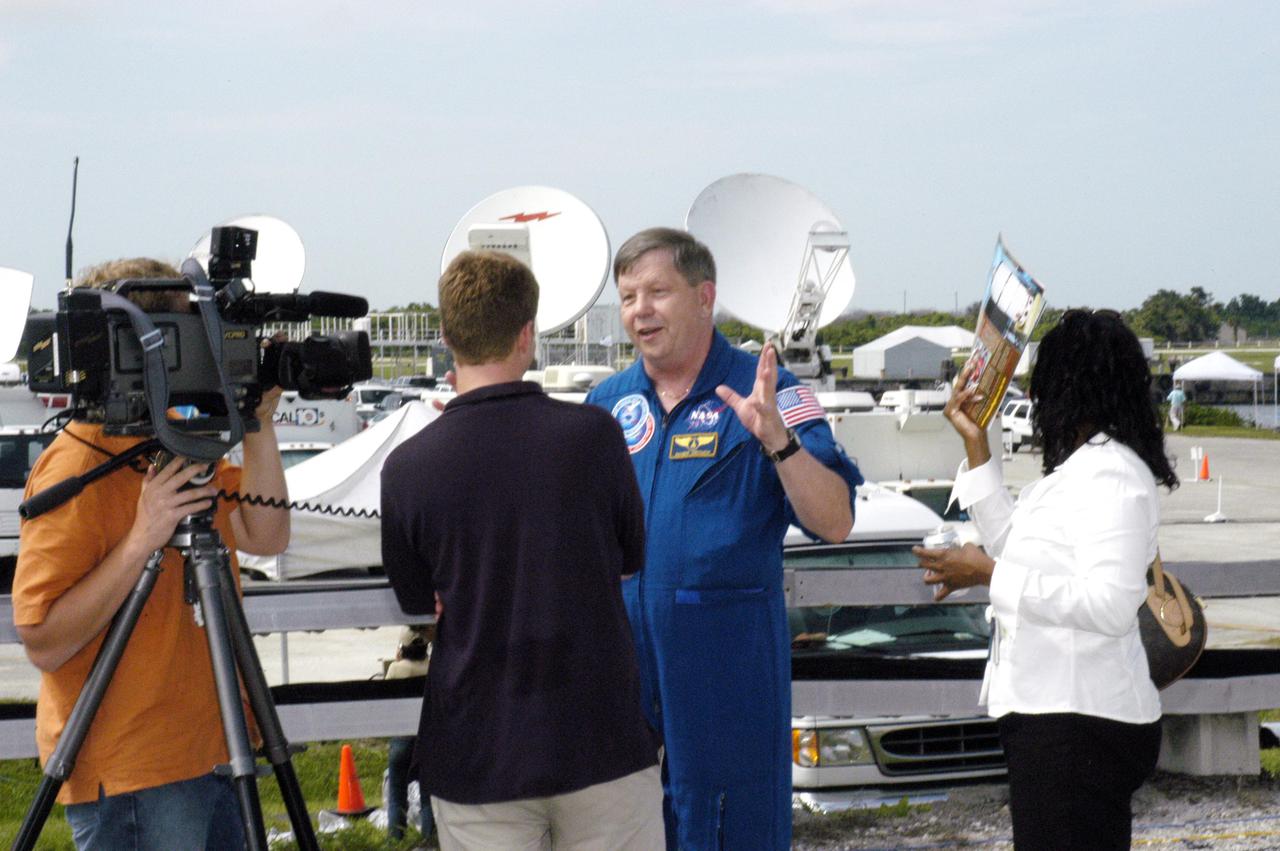
KENNEDY SPACE CENTER, FLA. - Roger Crouch (center), a payload specialist, talks to the media prior to the launch of Space Shuttle Discovery on the historic Return to Flight mission STS-114. He has flown on two Shuttle missions, STS-83 and STS-94. STS-114 is the 114th Space Shuttle flight and the 31st for Discovery. More than a thousand media representatives from 36 states, the District of Columbia and 32 countries converged on the News Center for the historic launch.
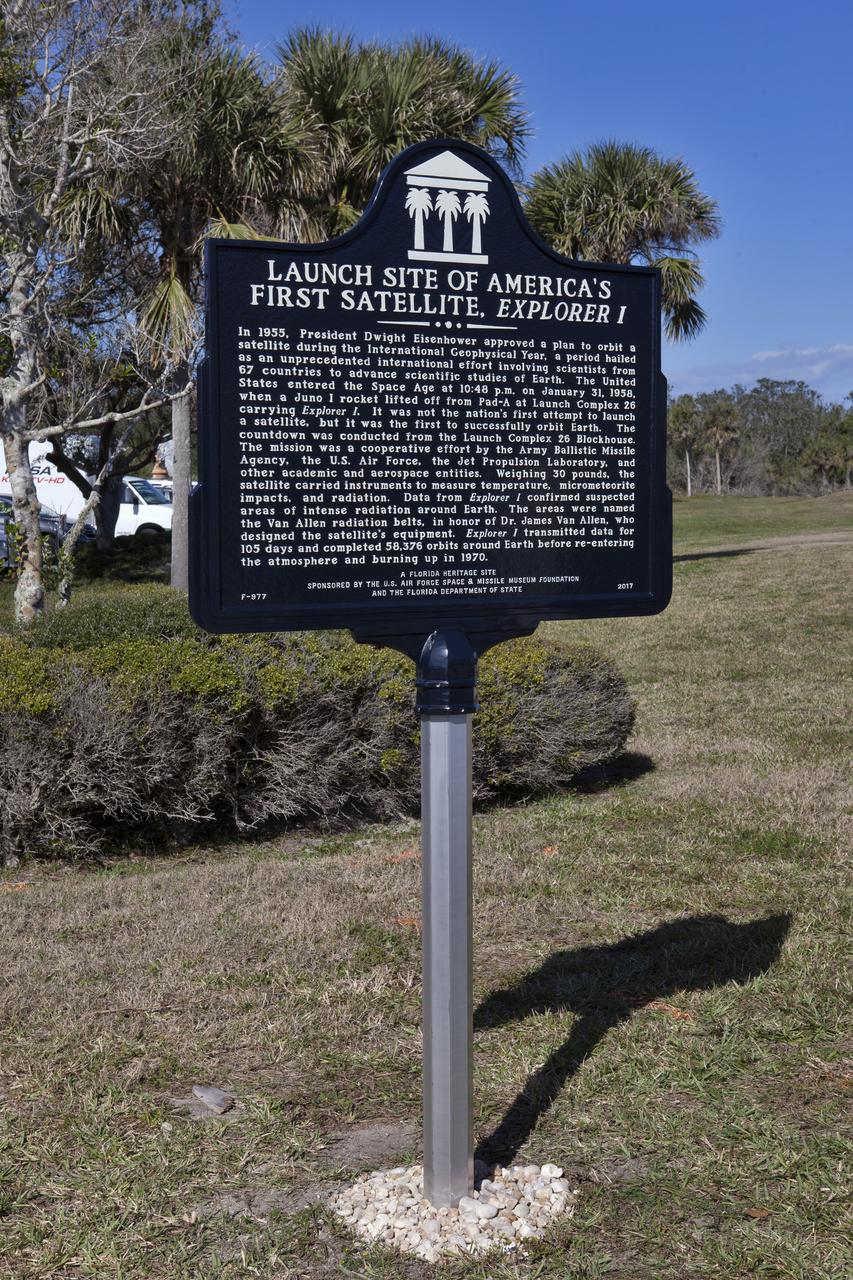
During a ceremony at Cape Canaveral Air Force Station's Space launch Complex 26 a historical marker has been unveiled noting the launch of America's first satellite, Explorer 1. The satellite was launched atop a Jupiter C rocket on Jan. 31, 1958. During operation, the satellite's cosmic ray detector discovered radiation belts around Earth which were named for Dr. James Van Allen, principal investigator for the satellite.
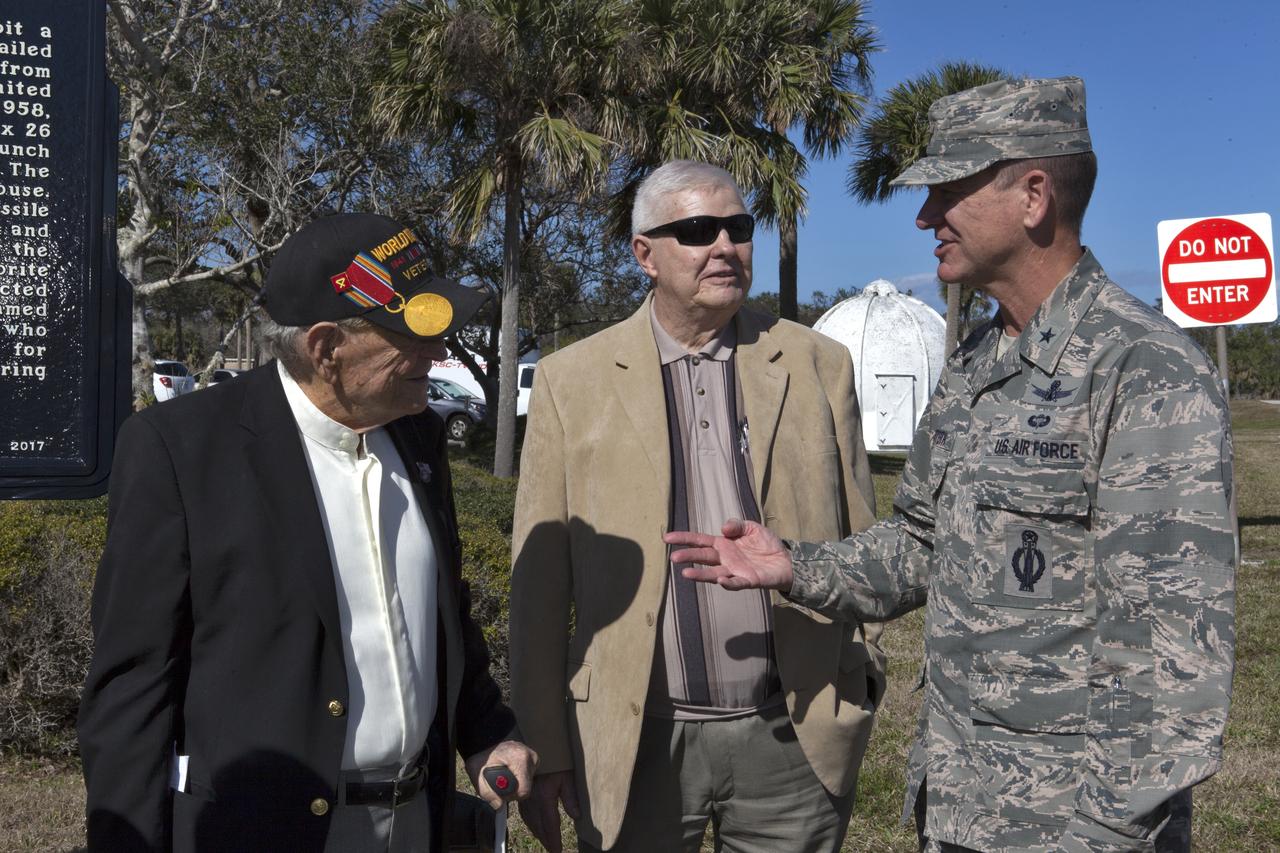
Brig. Gen. Wayne Monteith, 45th Space Wing commander and director of the Eastern Range, right, speaks with Launch team members who supported the launch of America's first satellite, Explorer 1. They spoke following an event celebrating the 60th anniversary of America's first satellite. The ceremony took place in front of the Space Launch Complex 26 blockhouse at Cape Canaveral Air Force Station where the Explorer 1 satellite was launched atop a Jupiter C rocket on Jan. 31, 1958. During operation, the satellite's cosmic ray detector discovered radiation belts around Earth which were named for Dr. James Van Allen, principal investigator for the satellite.
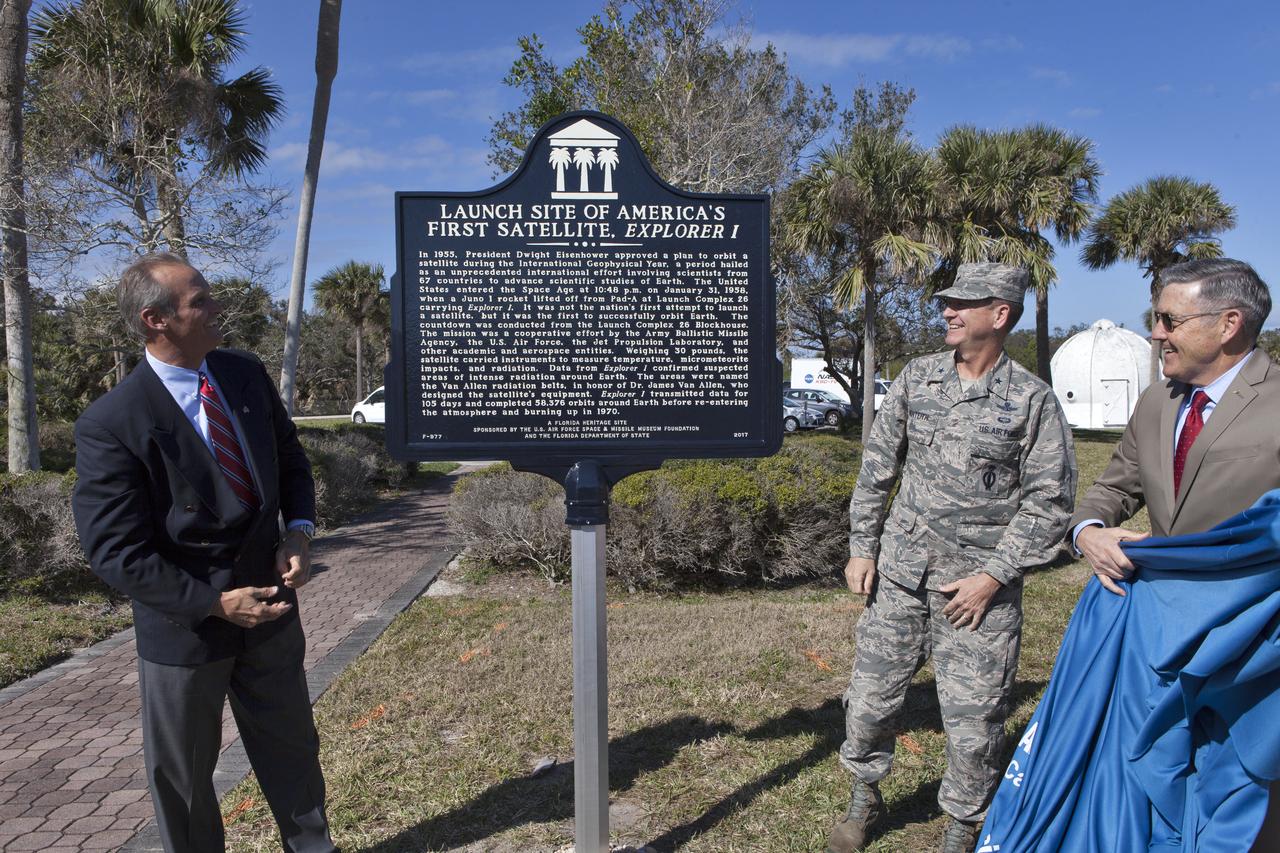
During a ceremony at Cape Canaveral Air Force Station's Space Launch Complex 26 a historical marker is unveiled noting the launch of America's first satellite, Explorer 1. From the left, Ray Sands, chairman of the Air Force Space and Missile Foundation -- sponsor of the marker, Brig. Gen. Wayne Monteith, 45th Space Wing commander and director of the Eastern Range and Kennedy Space Center Director Bob Cabana. The Explorer 1 satellite was launched atop a Jupiter C rocket on Jan. 31, 1958. During operation, the satellite's cosmic ray detector discovered radiation belts around Earth which were named for Dr. James Van Allen, principal investigator for the satellite.
During a ceremony at Cape Canaveral Air Force Station's Space Launch Complex 26 a historical marker has been unveiled noting the launch of America's first satellite, Explorer 1. From the left, Ray Sands, chairman of the Air Force Space and Missile Foundation -- sponsor of the marker, Brig. Gen. Wayne Monteith, 45th Space Wing commander and director of the Eastern Range and Kennedy Space Center Director Bob Cabana. The Explorer 1 satellite was launched atop a Jupiter C rocket on Jan. 31, 1958. During operation, the satellite's cosmic ray detector discovered radiation belts around Earth which were named for Dr. James Van Allen, principal investigator for the satellite.
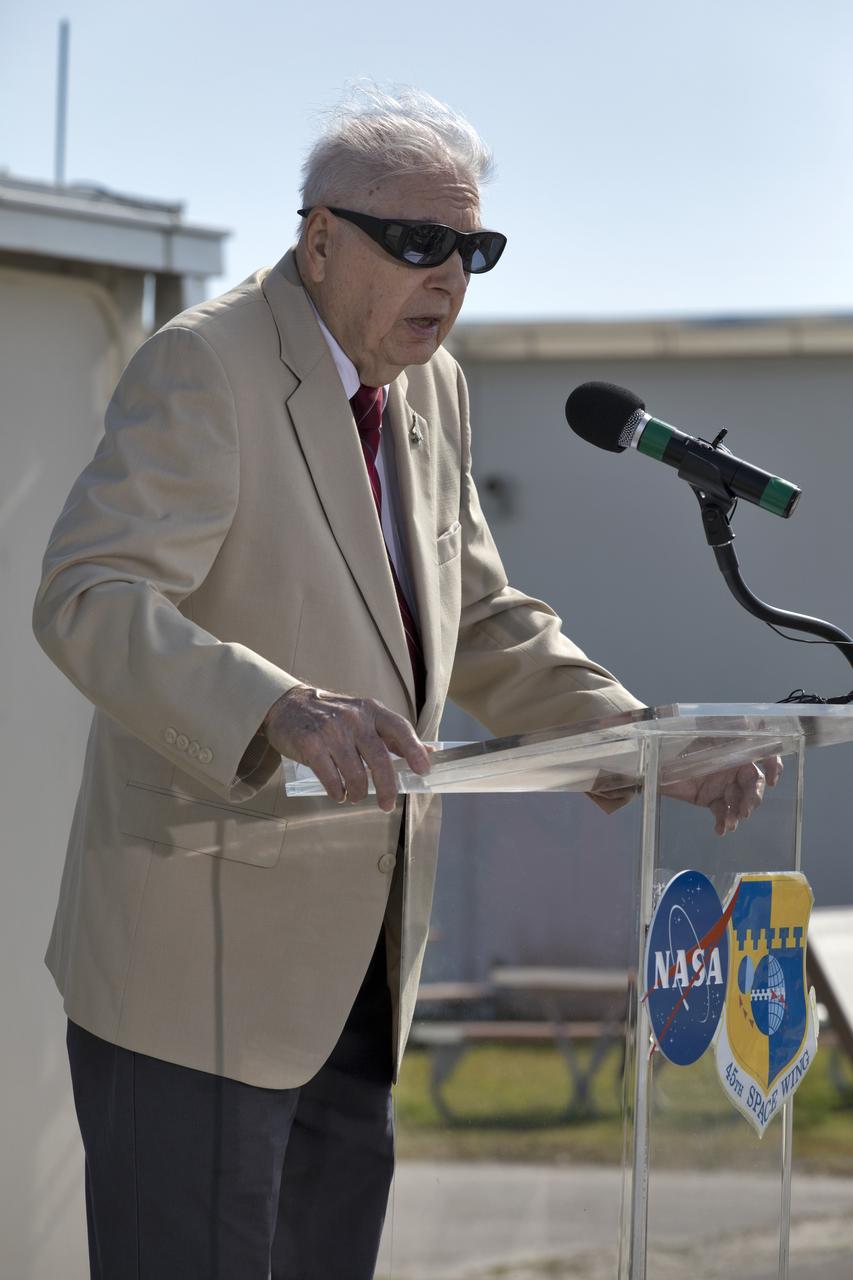
Dr. John Meisenheimer, launch weather officer for Explorer 1, speaks to guests at an event celebrating the 60th anniversary of America's first satellite. The ceremony took place in front of the Space Launch Complex 26 blockhouse at Cape Canaveral Air Force Station where the Explorer 1 satellite was launched atop a Jupiter C rocket on Jan. 31, 1958. During operation, the satellite's cosmic ray detector discovered radiation belts around Earth which were named for Dr. James Van Allen, principal investigator for the satellite.
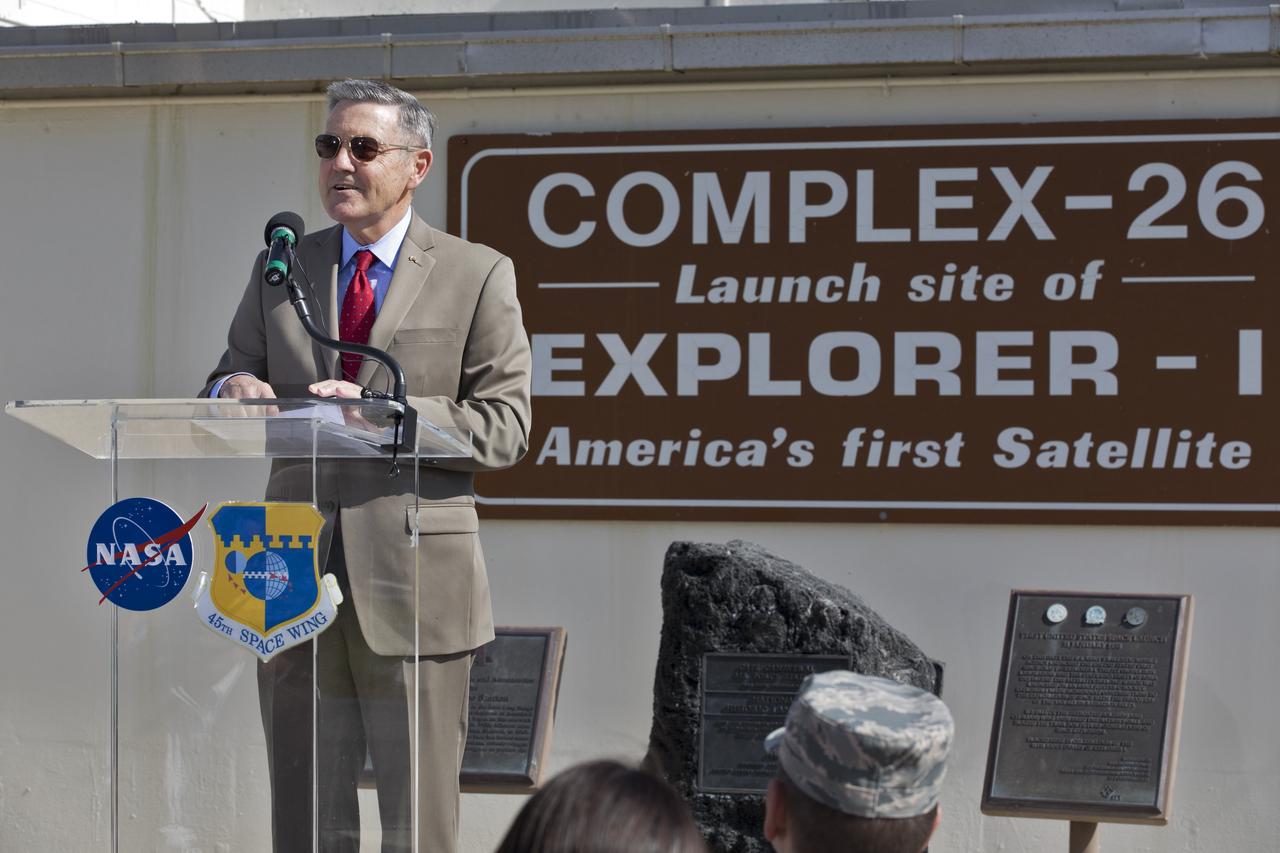
Kennedy Space Center Director Bob Cabana speaks to guests at an event celebrating the 60th anniversary of America's first satellite. The ceremony took place in front of the Space Launch Complex 26 blockhouse at Cape Canaveral Air Force Station where the Explorer 1 satellite was launched atop a Jupiter C rocket on Jan. 31, 1958. During operation, the satellite's cosmic ray detector discovered radiation belts around Earth which were named for Dr. James Van Allen, principal investigator for the satellite.
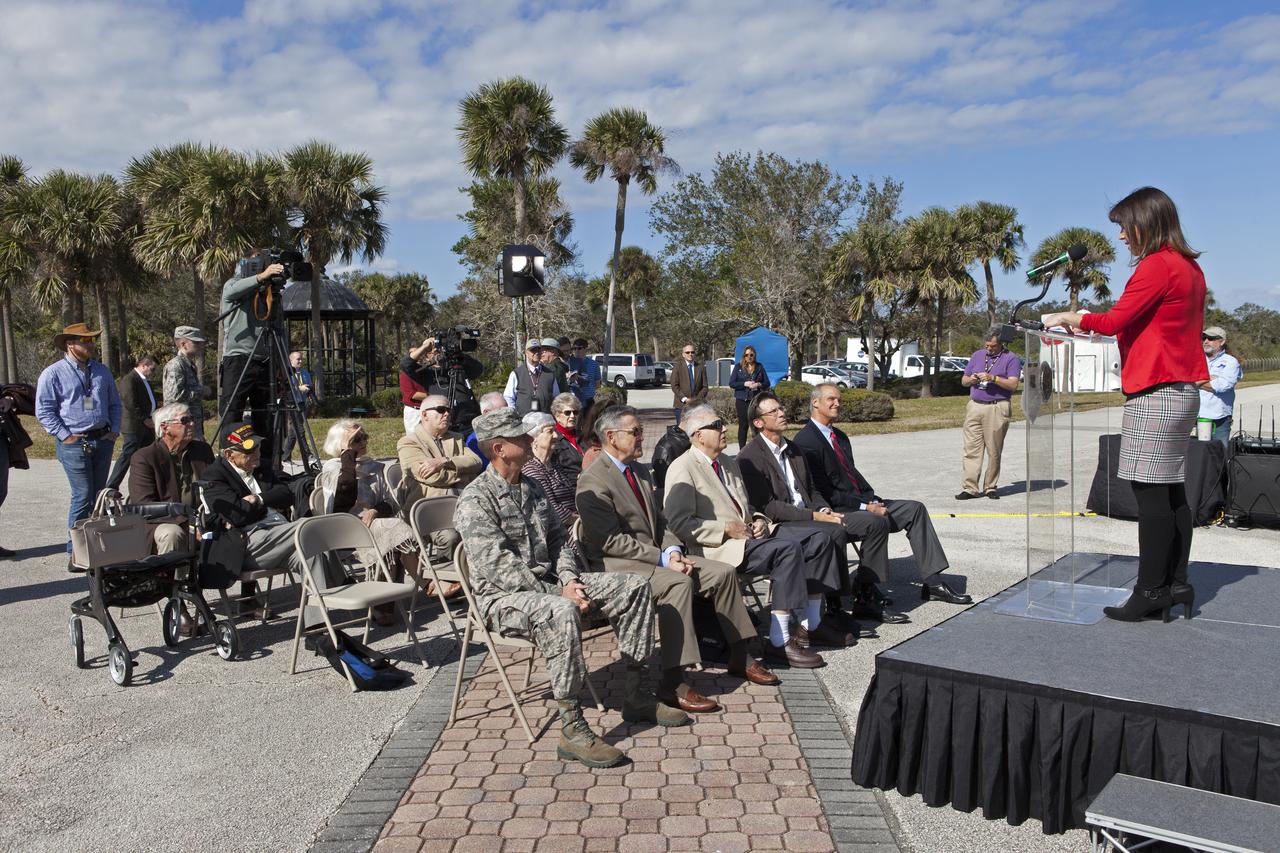
Tori McLendon of NASA Communications, speaks to guests at an event celebrating the 60th anniversary of America's first satellite. The ceremony took place in front of the Space Launch Complex 26 blockhouse at Cape Canaveral Air Force Station where the Explorer 1 satellite was launched atop a Jupiter C rocket on Jan. 31, 1958. During operation, the satellite's cosmic ray detector discovered radiation belts around Earth which were named for Dr. James Van Allen, principal investigator for the satellite.
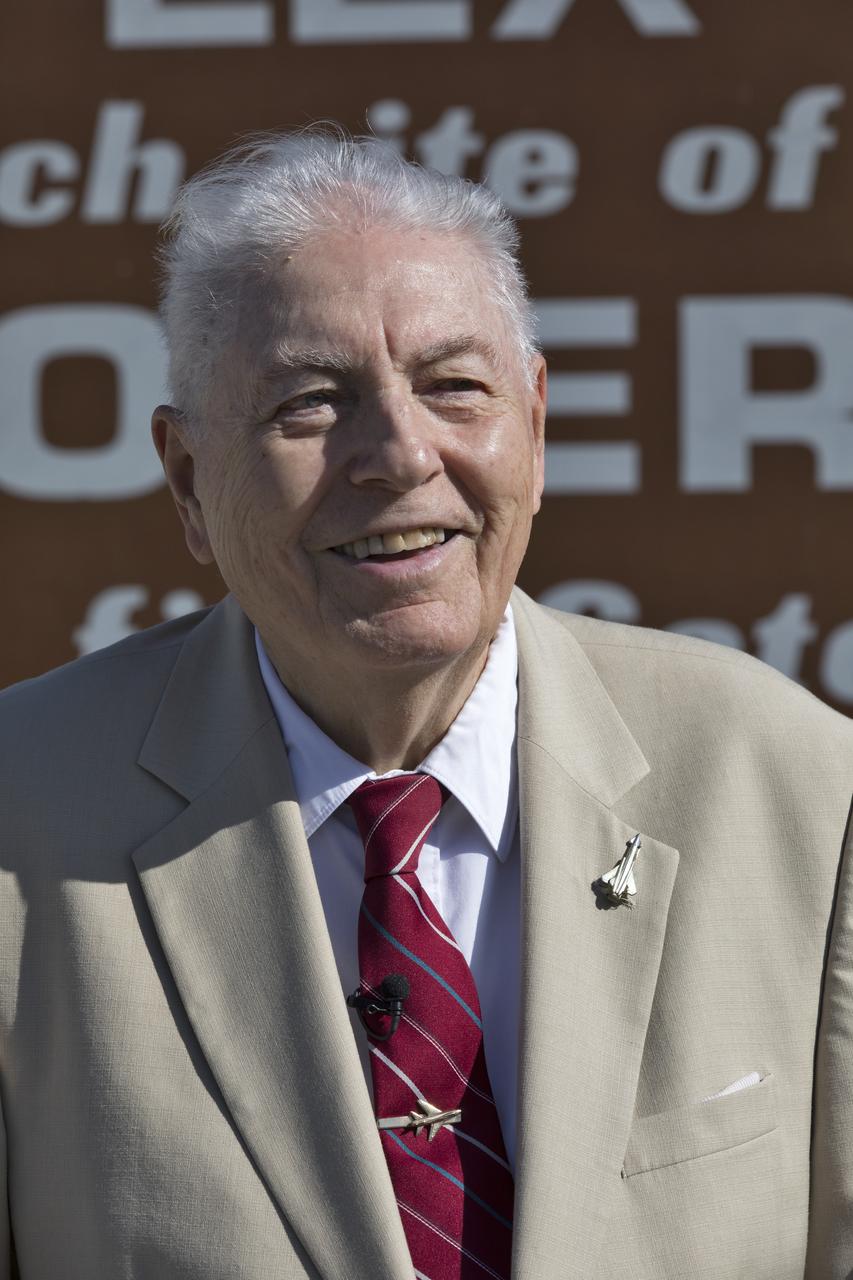
Dr. John Meisenheimer, launch weather officer for Explorer 1, speaks to guests at an event celebrating the 60th anniversary of America's first satellite. The ceremony took place in front of the Space Launch Complex 26 blockhouse at Cape Canaveral Air Force Station where the Explorer 1 satellite was launched atop a Jupiter C rocket on Jan. 31, 1958. During operation, the satellite's cosmic ray detector discovered radiation belts around Earth which were named for Dr. James Van Allen, principal investigator for the satellite.
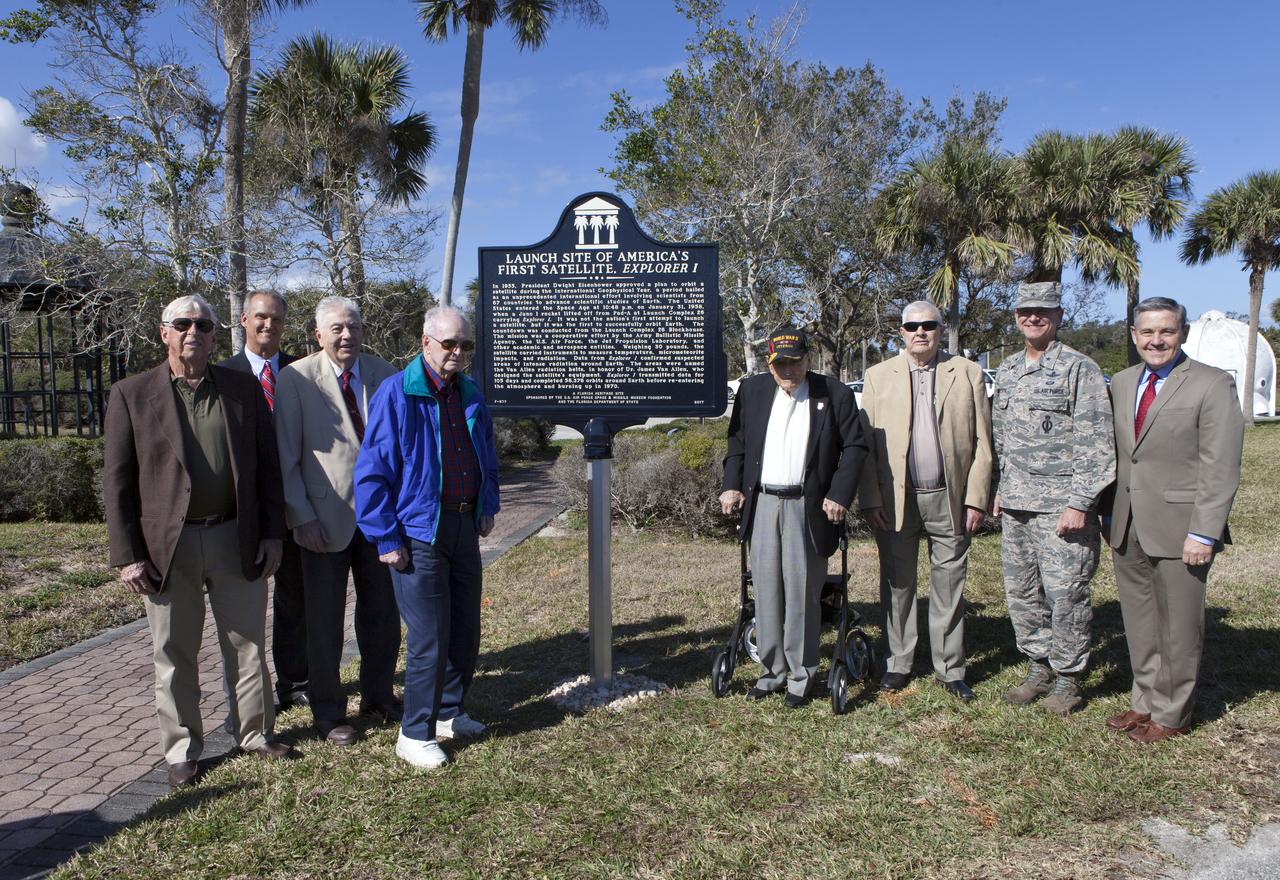
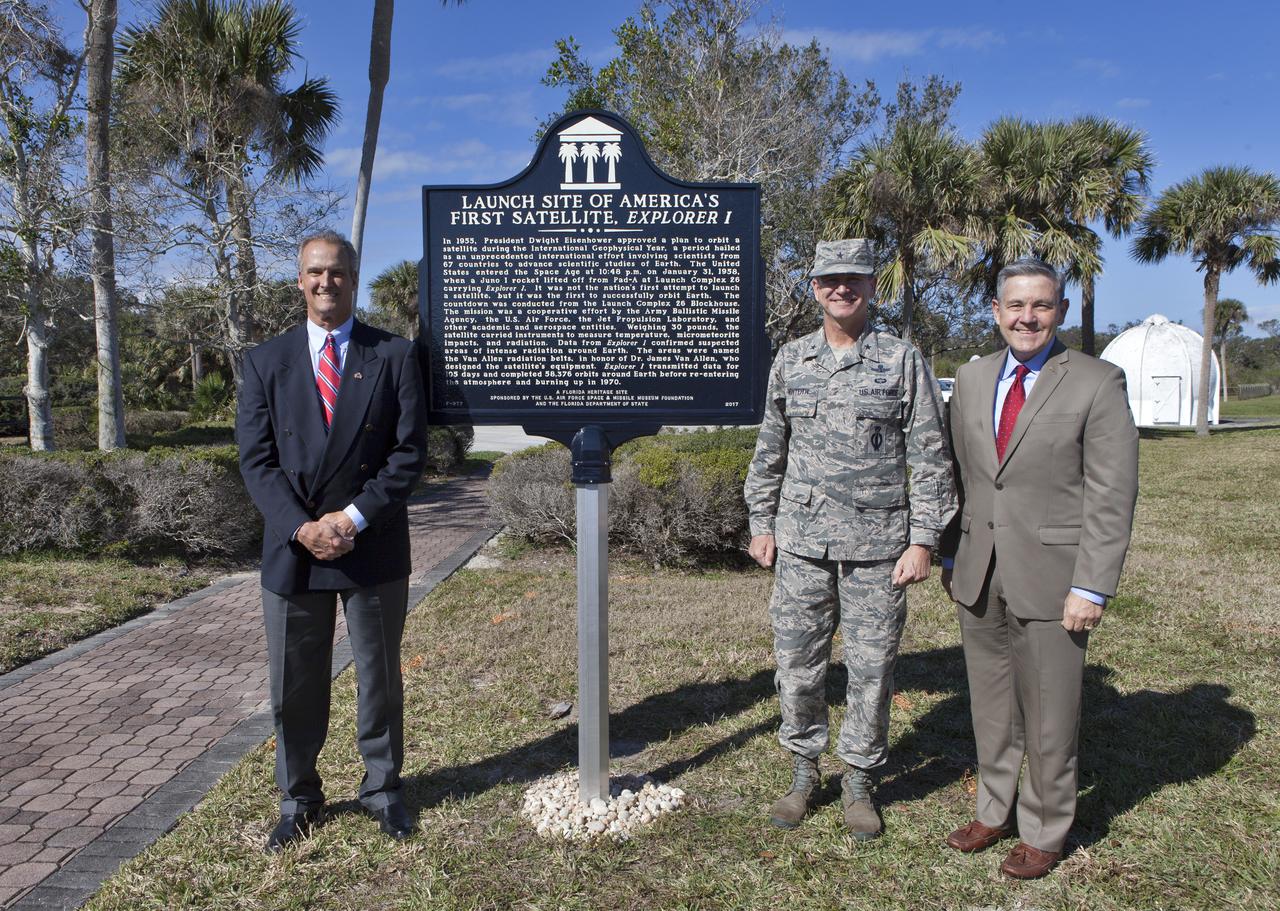
Launch team members who supported the launch of America's first satellite, Explorer 1, pose at a newly unveiled historical marker with Ray Sands, chairman of the Air Force Space and Missile Foundation -- sponsor of the marker, Brig. Gen. Wayne Monteith, 45th Space Wing commander and director of the Eastern Range, and Kennedy Space Center Director Bob Cabana. The event tool place at the site of the launch 60 years ago, Space Launch Complex 26 at Cape Canaveral Air Force Station.
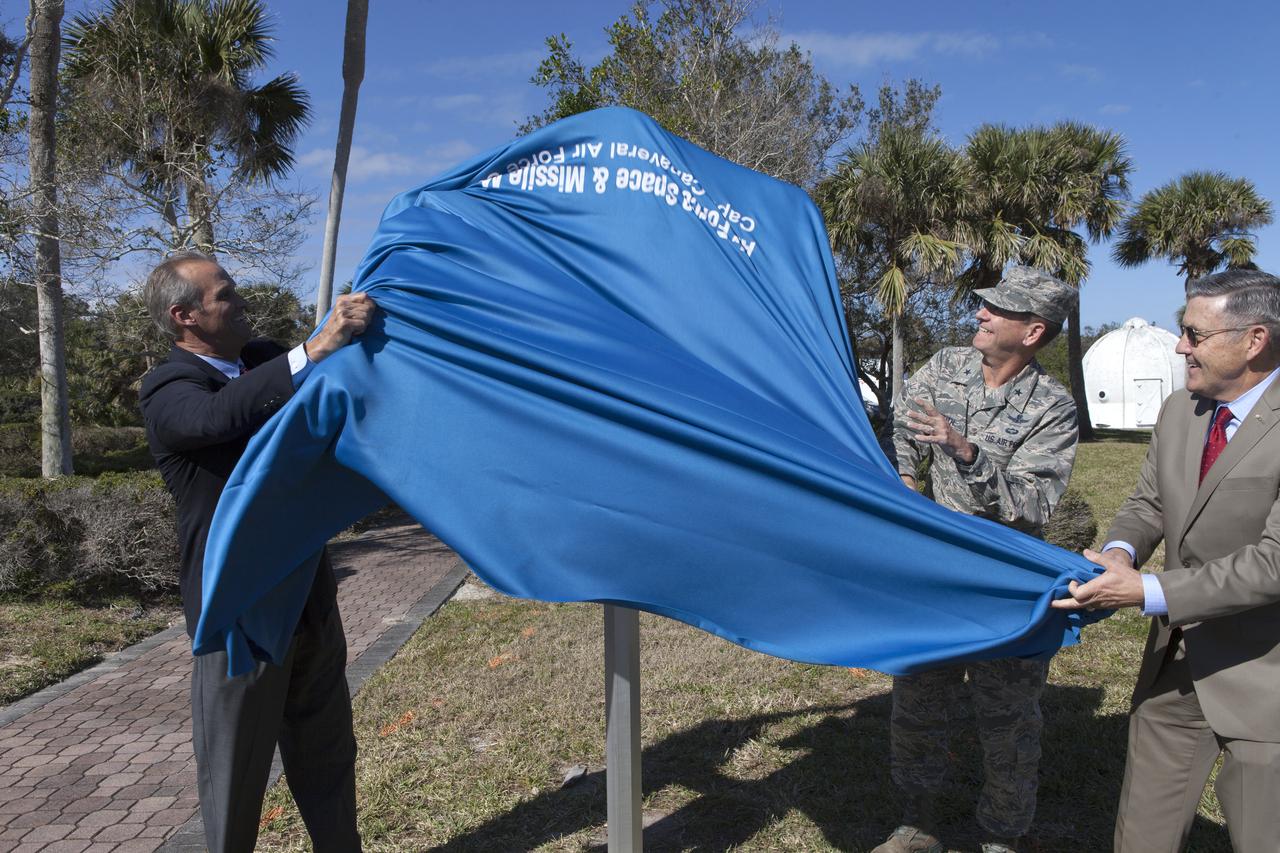
During a ceremony at Cape Canaveral Air Force Station's Space Launch Complex 26 a historical marker is unveiled noting the launch of America's first satellite, Explorer 1. From the left, Ray Sands, chairman of the Air Force Space and Missile Foundation -- sponsor of the marker, Brig. Gen. Wayne Monteith, 45th Space Wing commander and director of the Eastern Range and Kennedy Space Center Director Bob Cabana. The Explorer 1 satellite was launched atop a Jupiter C rocket on Jan. 31, 1958. During operation, the satellite's cosmic ray detector discovered radiation belts around Earth which were named for Dr. James Van Allen, principal investigator for the satellite.
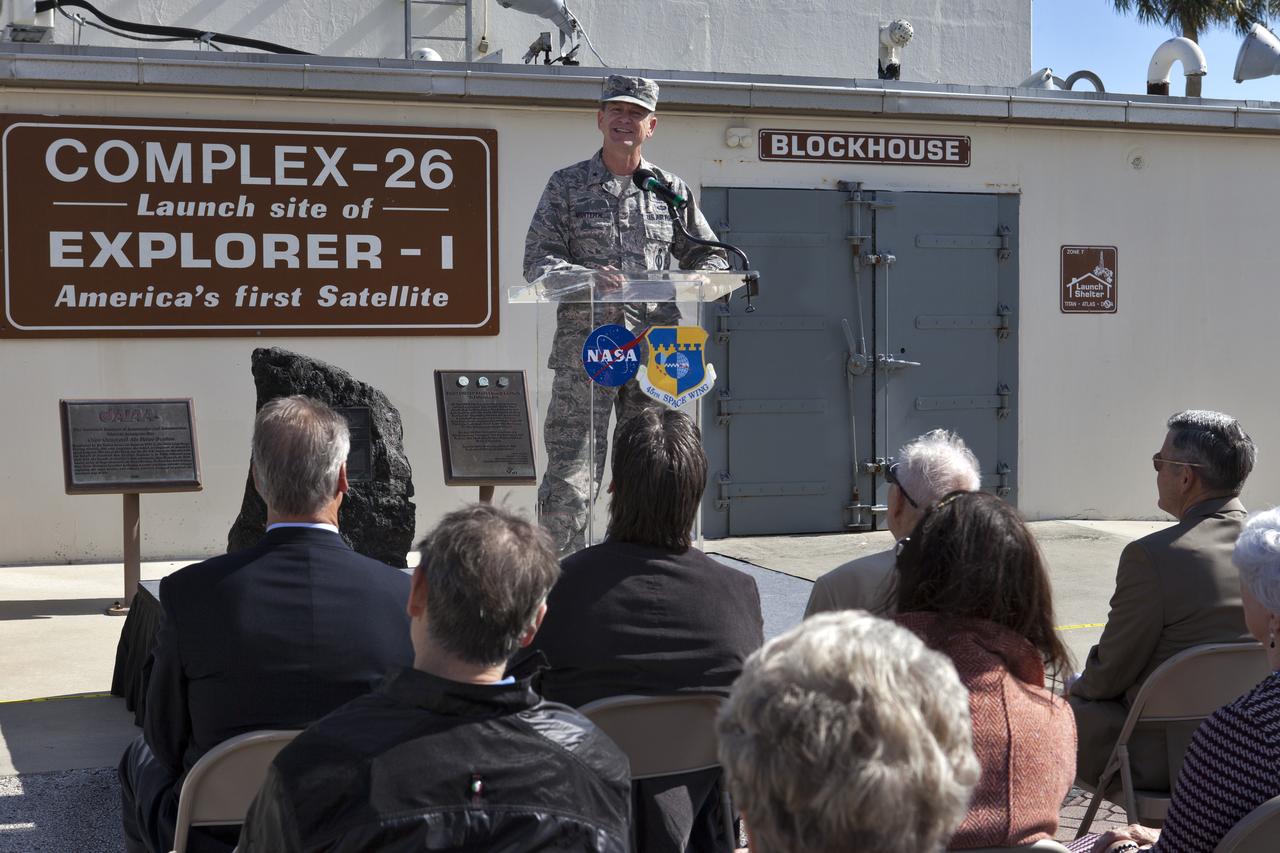
Brig. Gen. Wayne Monteith, 45th Space Wing commander and director of the Eastern Range, speaks to guests at an event celebrating the 60th anniversary of America's first satellite. The ceremony took place in front of the Space Launch Complex 26 blockhouse at Cape Canaveral Air Force Station where the Explorer 1 satellite was launched atop a Jupiter C rocket on Jan. 31, 1958. During operation, the satellite's cosmic ray detector discovered radiation belts around Earth which were named for Dr. James Van Allen, principal investigator for the satellite.
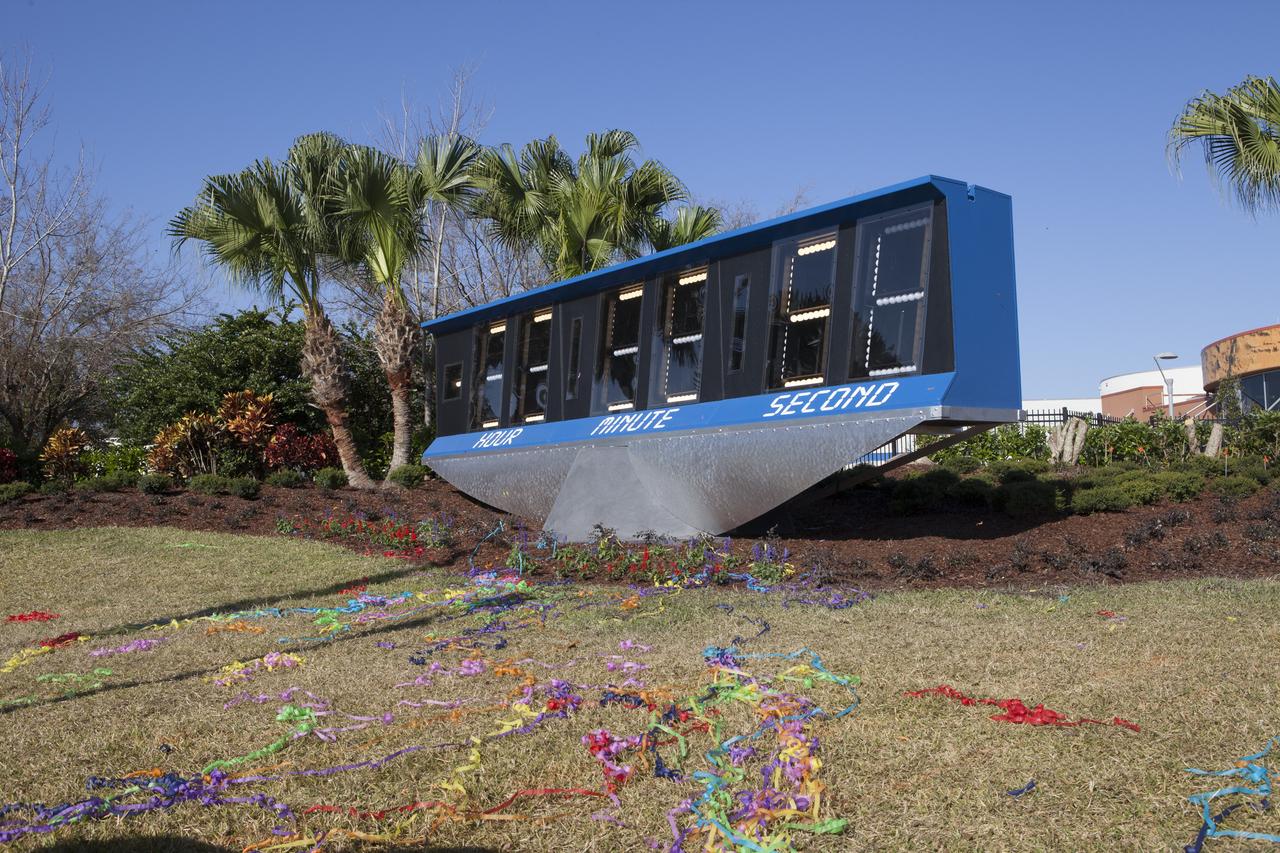
Confetti is launched as the spaceport's historic countdown clock is dedicated as the newest display at the Kennedy Space Center Visitor Complex. Now located at the entrance to the visitor complex, the spaceport's historic countdown clock was used starting with the launch of Apollo 12 on Nov. 14, 1969. Originally set up at the space center's Press Site, the clock operated through the final space shuttle mission, STS-135, launched on July 8, 2011. The old countdown clock was replaced in 2014 with a modern light emitting diode, or LED, display.
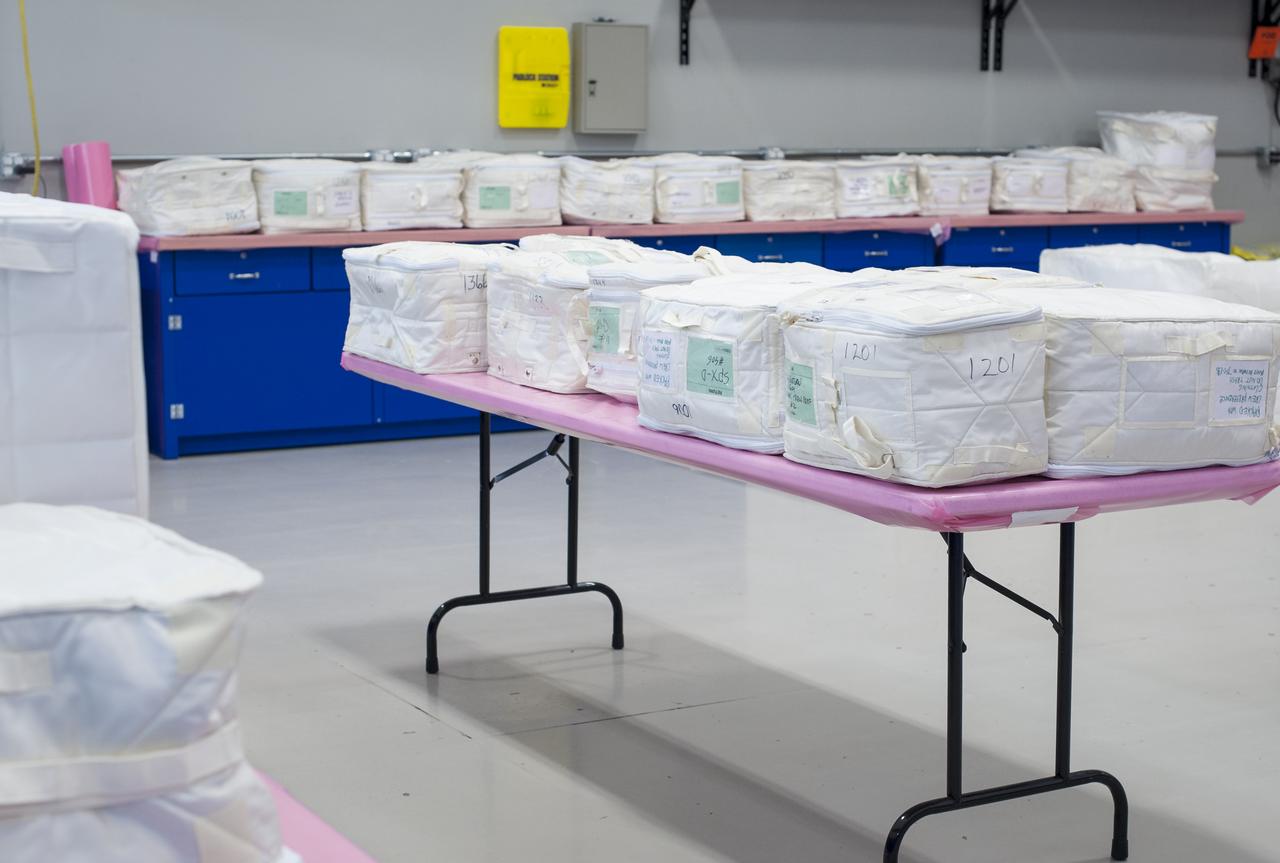
Some of the 1,367 pounds of cargo the SpaceX Dragon spacecraft returned to Earth from the space station are seen in a clean room at the SpaceX rocket development facility, Wednesday, June 13, 2012 in McGregor, Texas. NASA Administrator Charles Bolden and SpaceX CEO and Chief Designer Elon Musk were at the facility to view the historic Dragon capsule and to thank the more than 150 SpaceX employees working at the McGregor facility for their role in the historic mission. Photo Credit: (NASA/Bill Ingalls)
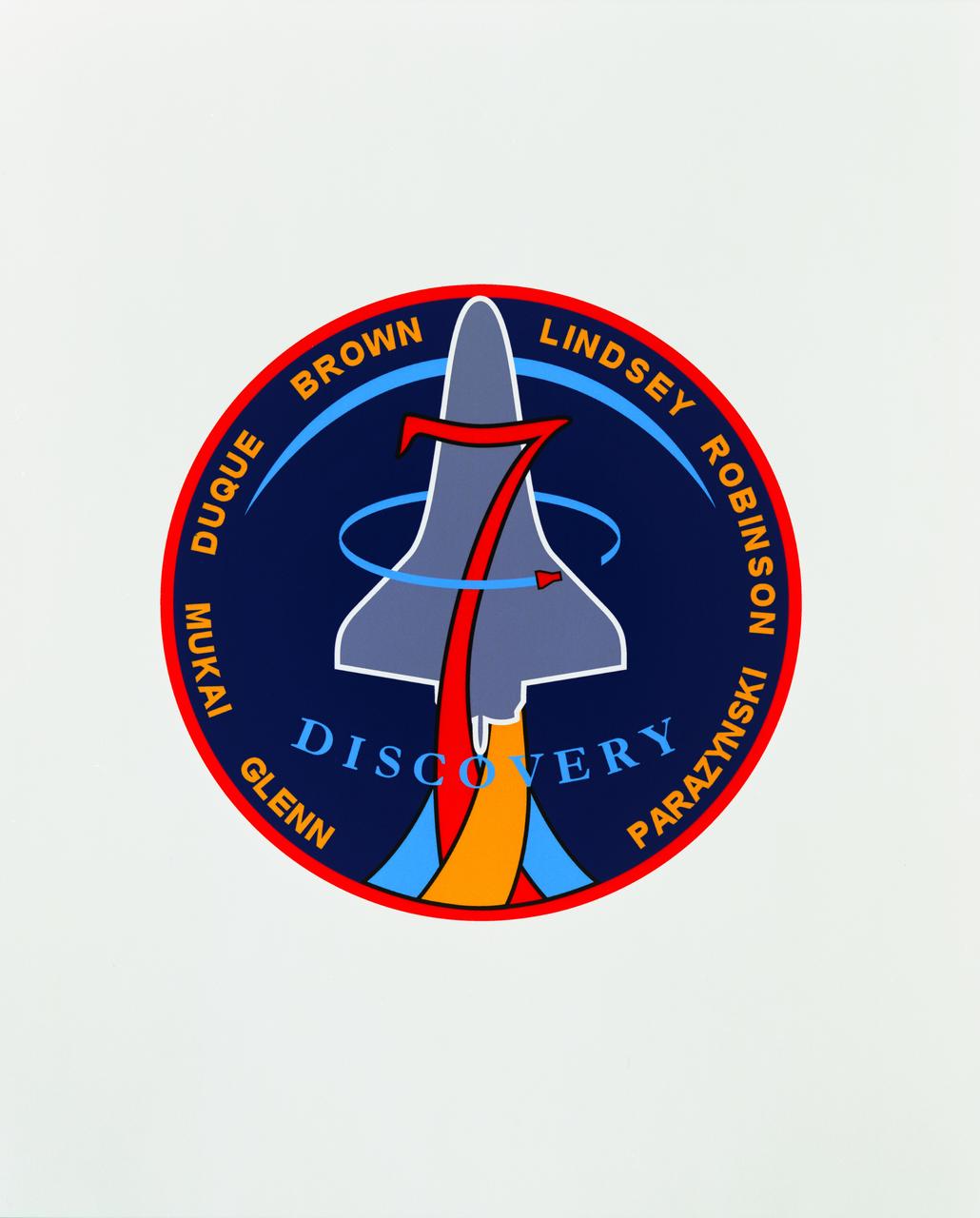
The STS-95 patch, designed by the crew, is intended to reflect the scientific, engineering, and historic elements of the mission. The Space Shuttle Discovery is shown rising over the sunlit Earth limb, representing the global benefits of the mission science and the solar science objectives of the Spartan Satellite. The bold number '7' signifies the seven members of Discovery's crew and also represents a historical link to the original seven Mercury astronauts. The STS-95 crew member John Glenn's first orbital flight is represented by the Friendship 7 capsule. The rocket plumes symbolize the three major fields of science represented by the mission payloads: microgravity material science, medical research for humans on Earth and in space, and astronomy.
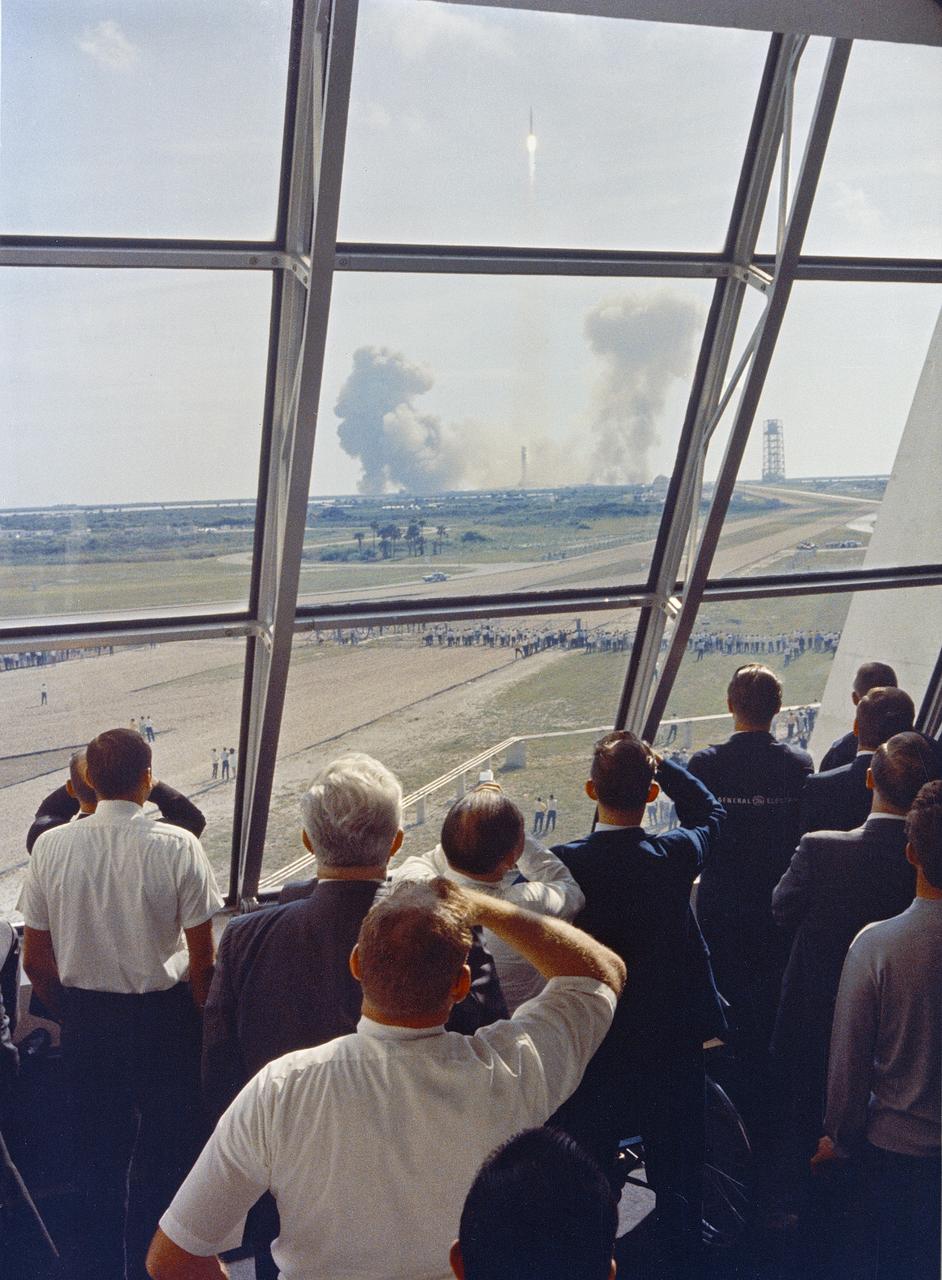
Personnel within the Launch Control Center watch the Apollo 11 liftoff from Launch Complex 39A today at the start of the historic lunar landing mission. The LCC is located three and one-half miles from the launch pad.
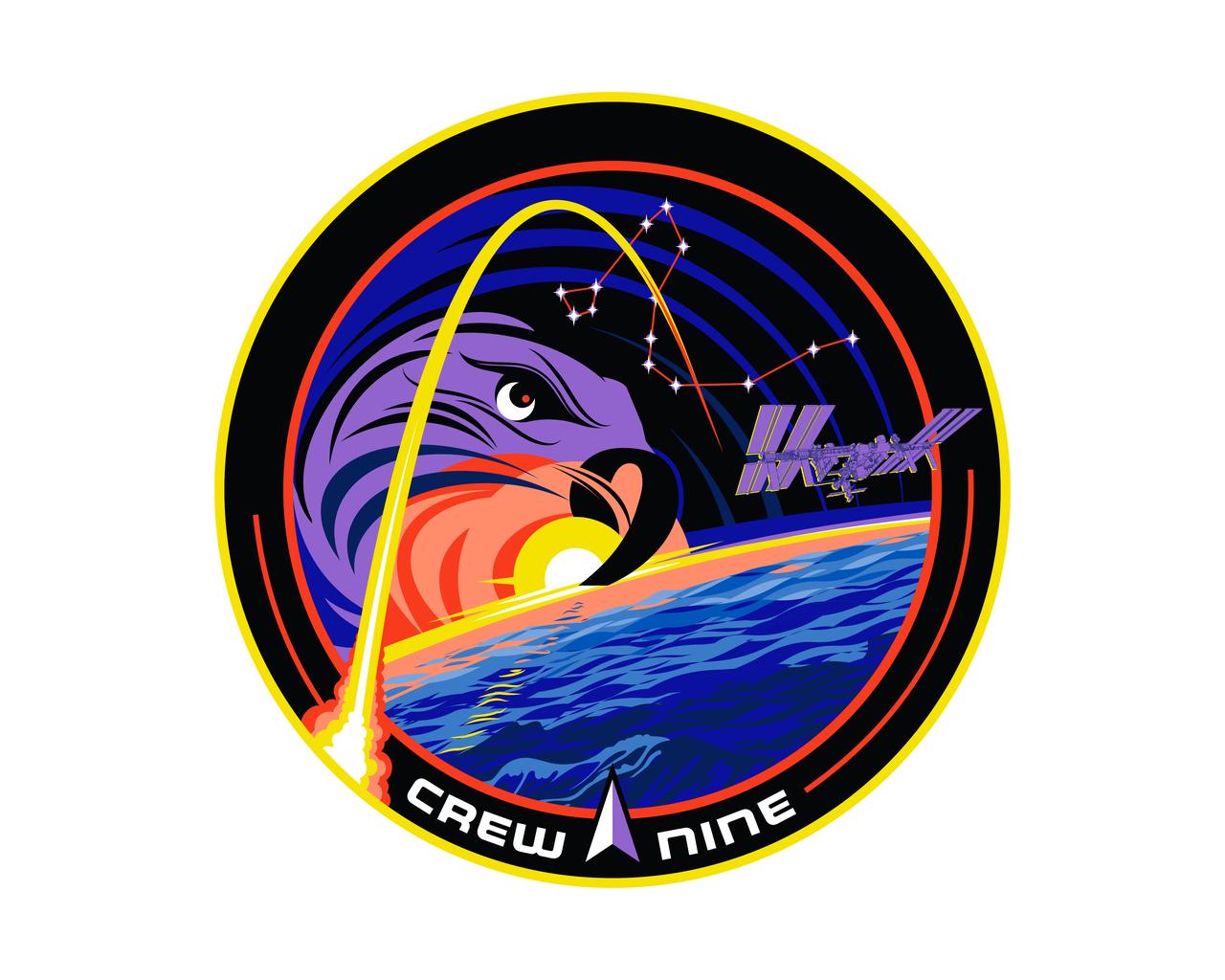
jsc2024e011322 (Jan. 28, 2024) --- The Crew-9 mission patch depicts the trail of a rocket launching en route to the International Space Station, which will be home for a long-duration expedition dedicated to service, science, and collaboration. Coastal waves are inspired by the historic Florida launch site, and on a larger scale represent our blue planet, the global ocean connecting all continents. A falcon, with the number nine as its beak and a crescent moon as its eye, is a nod to the Falcon 9 rocket, while the constellation Draco honors the Dragon spacecraft that will take Crew-9 to their destination. The Delta symbol, first used in 1961, evokes historic ties to the earliest days of space endeavors. Human exploration of space is built on international collaboration and depends on the support of multitudes across the globe whose efforts honor that heritage.

NASA Administrator Charles Bolden, left, and SpaceX CEO and Chief Designer Elon Musk, view the historic Dragon capsule, right, that returned to Earth on May 31 following the first successful mission by a private company to carry supplies to the International Space Station on Wednesday, June 13, 2012 at the SpaceX facility in McGregor, Texas. Bolden and Musk also thanked the more than 150 SpaceX employees working at the McGregor facility for their role in the historic mission. Some of the 1,367 pounds of cargo the SpaceX Dragon spacecraft returned to Earth from the space station are seen in a clean room to the left. Photo Credit: (NASA/Bill Ingalls)
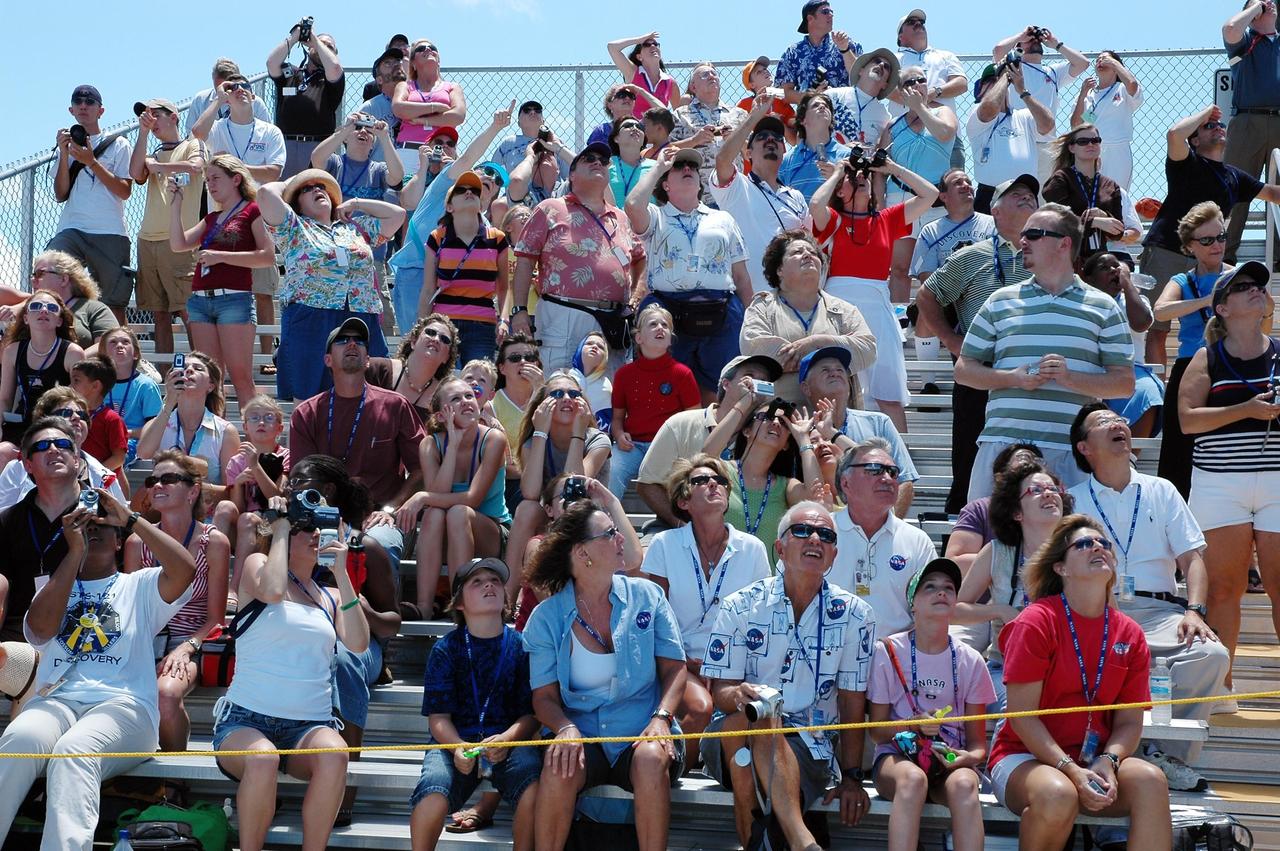
KENNEDY SPACE CENTER, FLA. - Visitors at the Kennedy Space Center's Banana River viewing site stay focused on the historic ride of Space Shuttle Discovery on mission STS-121 as it rockets into the blue sky for an historic launch -- the first ever on Independence Day. Liftoff was on-time at 2:38 p.m. EDT. During the 12-day mission, the STS-121 crew of seven will test new equipment and procedures to improve shuttle safety, as well as deliver supplies and make repairs to the International Space Station. Landing is scheduled for July 16 or 17 at Kennedy's Shuttle Landing Facility. Photo credit: NASA/Louie Roguevert
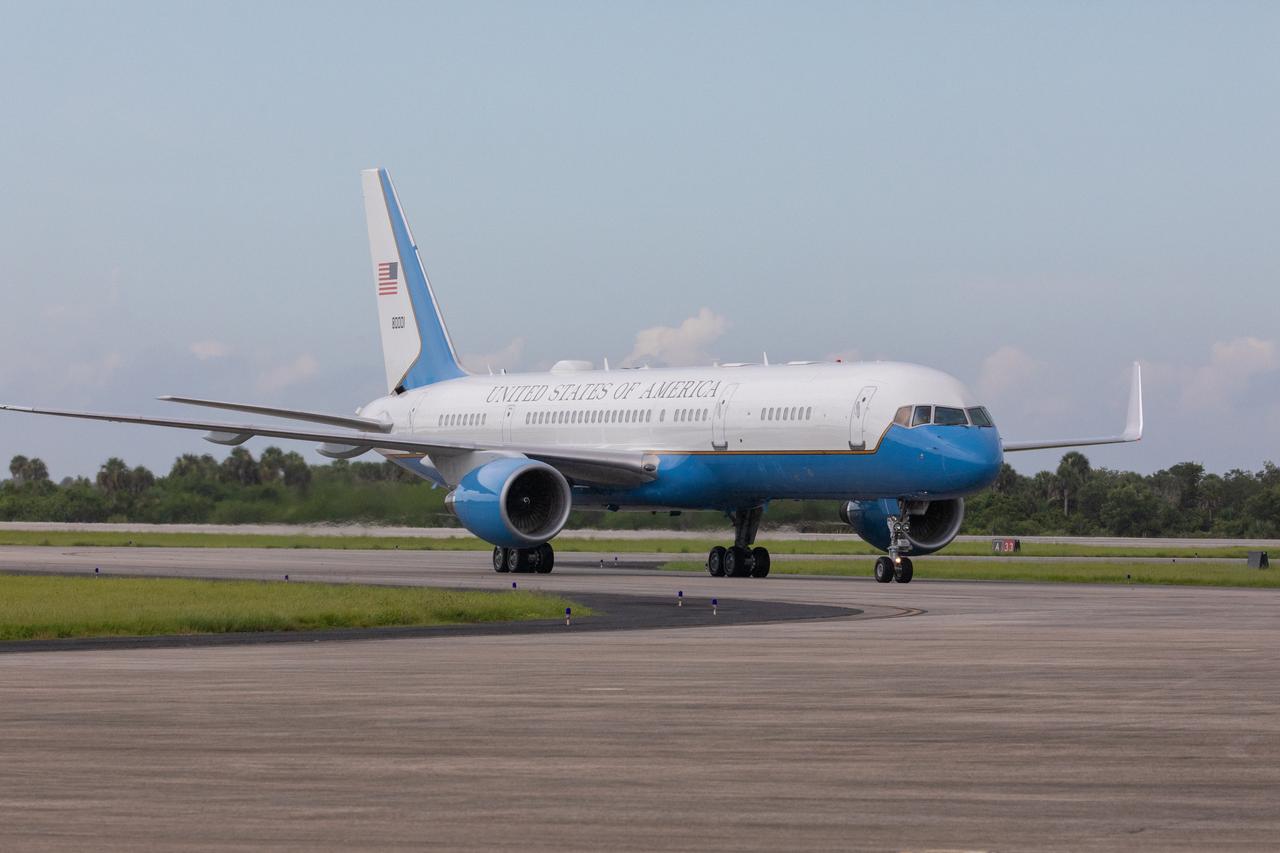
Vice President Pence arrives at Kennedy Space Center on July 20, 2019 in celebration of the Apollo 11 50th Anniversary. While at Kennedy, he recognized the historic mission, by visiting the mission’s launch site, pad 39a, and addressed NASA’s future plans to travel to the Moon and on to Mars.

The 51-J mission insignia, designed by Atlantis's first crew, pays tribute to the Statue of Liberty and the ideas it symbolizes. The historical gateway figure bears additional significance for Astronauts Karol J. Bobko, mission commander; and Ronald J. Grabe, pilot, both New Your Natives.
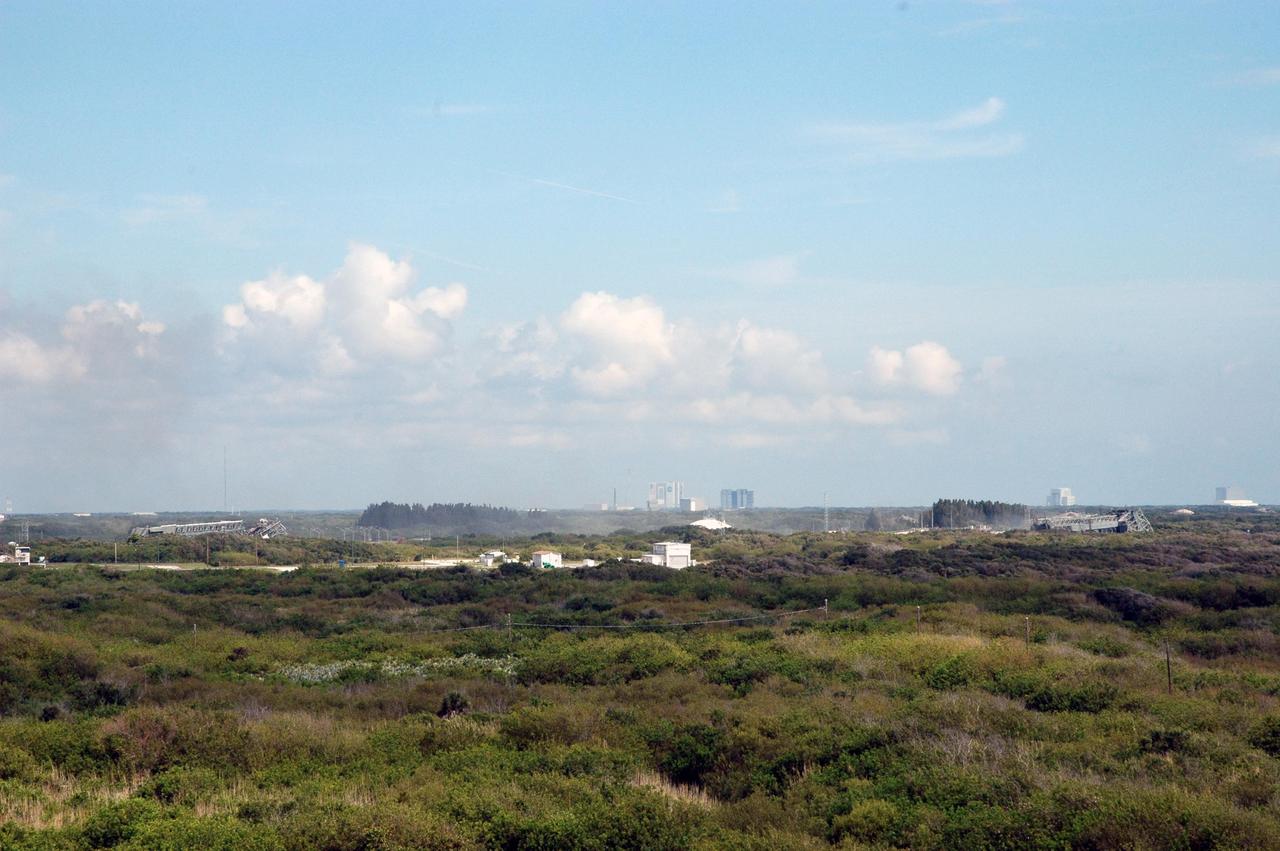
KENNEDY SPACE CENTER, FLA. -- This panoramic view of Space Launch Complex 36 on Cape Canaveral Air Force Station shows the two mobile service towers on the ground after their demolition. The old towers are being toppled as part of the ongoing project to demolish the historic site to prevent corrosion from becoming a safety concern. A majority of the steel will be recycled and the rest will be taken to the landfill at CCAFS. Complex 36 was the birthplace of NASA's planetary launch program. It was built for the Atlas/Centaur development program and was operated under NASA's sponsorship until the late 1980s. Complex 36 hosted many historic missions over the years including Surveyor that landed on the moon and Mariner that orbited Mars and included one to Mercury. Two of the most historic launches were the Pioneer 10 and 11 space probes that were launched to Jupiter and are now outside of the solar system in interstellar space. Also, the historic Pioneer Venus spacecraft included an orbiter and a set of probes that were dispatched to the surface. While Launch Complex 36 is gone, the Atlas/Centaur rocket continues to be launched as the Atlas V from Complex 41. Photo credit: NASA/Charisse Nahser
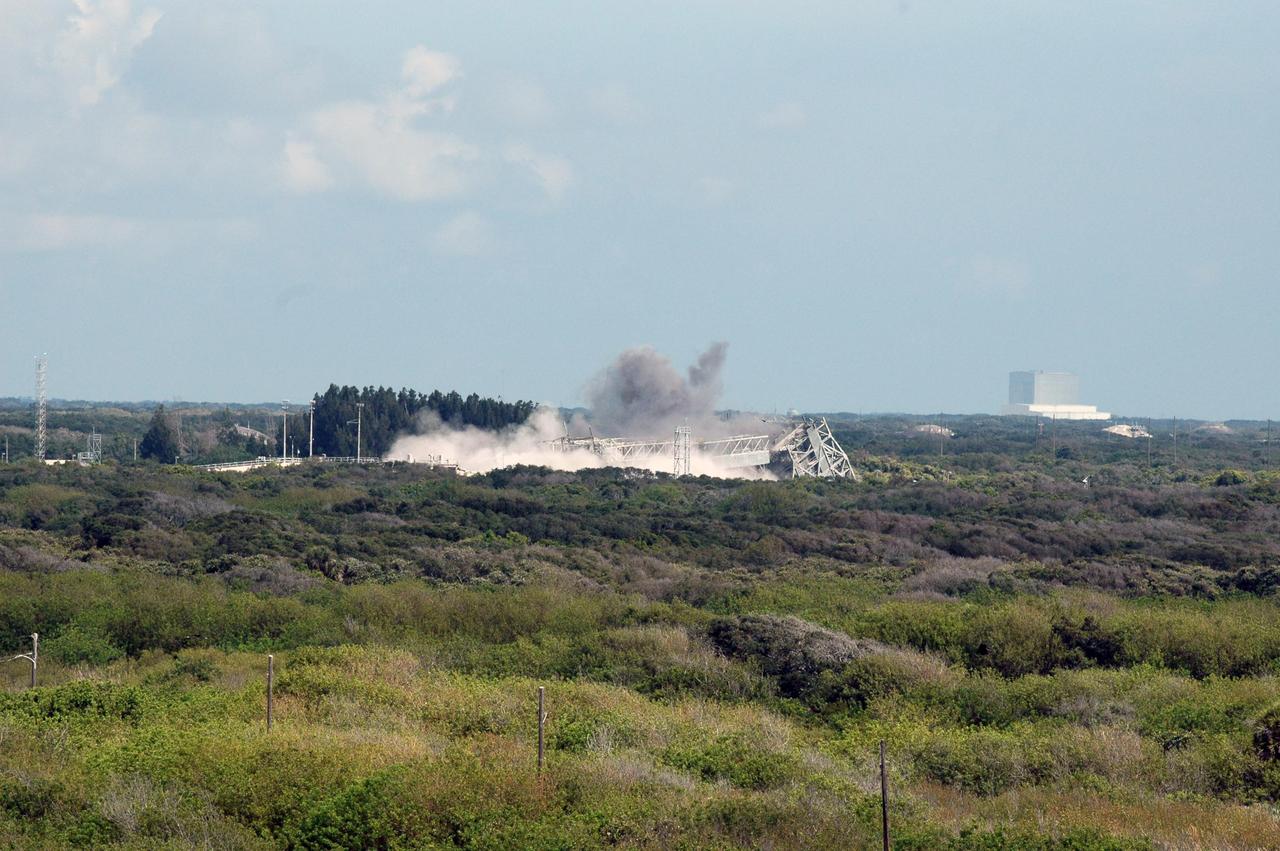
KENNEDY SPACE CENTER, FLA. -- Smoke and dust rising from the ground of Space Launch Complex 36 on Cape Canaveral Air Force Station signifies the destruction of the 209-foot-tall mobile service tower on Pad 39-A. The tower is one of two that were identified for demolition. The old towers are being toppled as part of the ongoing project to demolish the historic site to prevent corrosion from becoming a safety concern. A majority of the steel will be recycled and the rest will be taken to the landfill at CCAFS. Complex 36 was the birthplace of NASA's planetary launch program. It was built for the Atlas/Centaur development program and was operated under NASA's sponsorship until the late 1980s. Complex 36 hosted many historic missions over the years including Surveyor that landed on the moon and Mariner that orbited Mars and included one to Mercury. Two of the most historic launches were the Pioneer 10 and 11 space probes that were launched to Jupiter and are now outside of the solar system in interstellar space. Also, the historic Pioneer Venus spacecraft included an orbiter and a set of probes that were dispatched to the surface. While Launch Complex 36 is gone, the Atlas/Centaur rocket continues to be launched as the Atlas V from Complex 41. Photo credit: NASA/Charisse Nahser
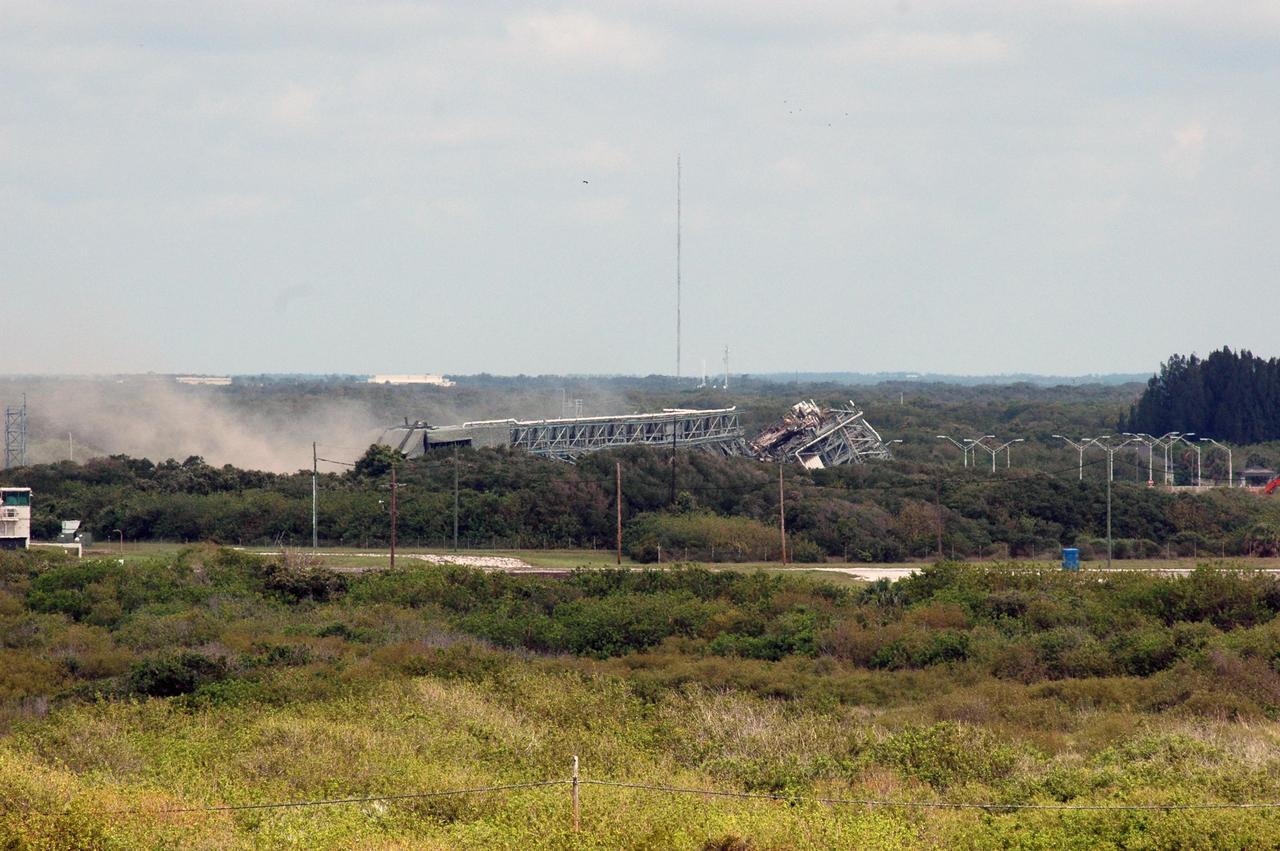
KENNEDY SPACE CENTER, FLA. -- After the dust settles at Space Launch Complex 36 on Cape Canaveral Air Force Station, the ruins of the 209-foot-tall mobile service tower on Pad 39-B are visible. The tower is one of two that were identified for demolition. The old towers are being toppled as part of the ongoing project to demolish the historic site to prevent corrosion from becoming a safety concern. A majority of the steel will be recycled and the rest will be taken to the landfill at CCAFS. Complex 36 was the birthplace of NASA's planetary launch program. It was built for the Atlas/Centaur development program and was operated under NASA's sponsorship until the late 1980s. Complex 36 hosted many historic missions over the years including Surveyor that landed on the moon and Mariner that orbited Mars and included one to Mercury. Two of the most historic launches were the Pioneer 10 and 11 space probes that were launched to Jupiter and are now outside of the solar system in interstellar space. Also, the historic Pioneer Venus spacecraft included an orbiter and a set of probes that were dispatched to the surface. While Launch Complex 36 is gone, the Atlas/Centaur rocket continues to be launched as the Atlas V from Complex 41. Photo credit: NASA/Charisse Nahser
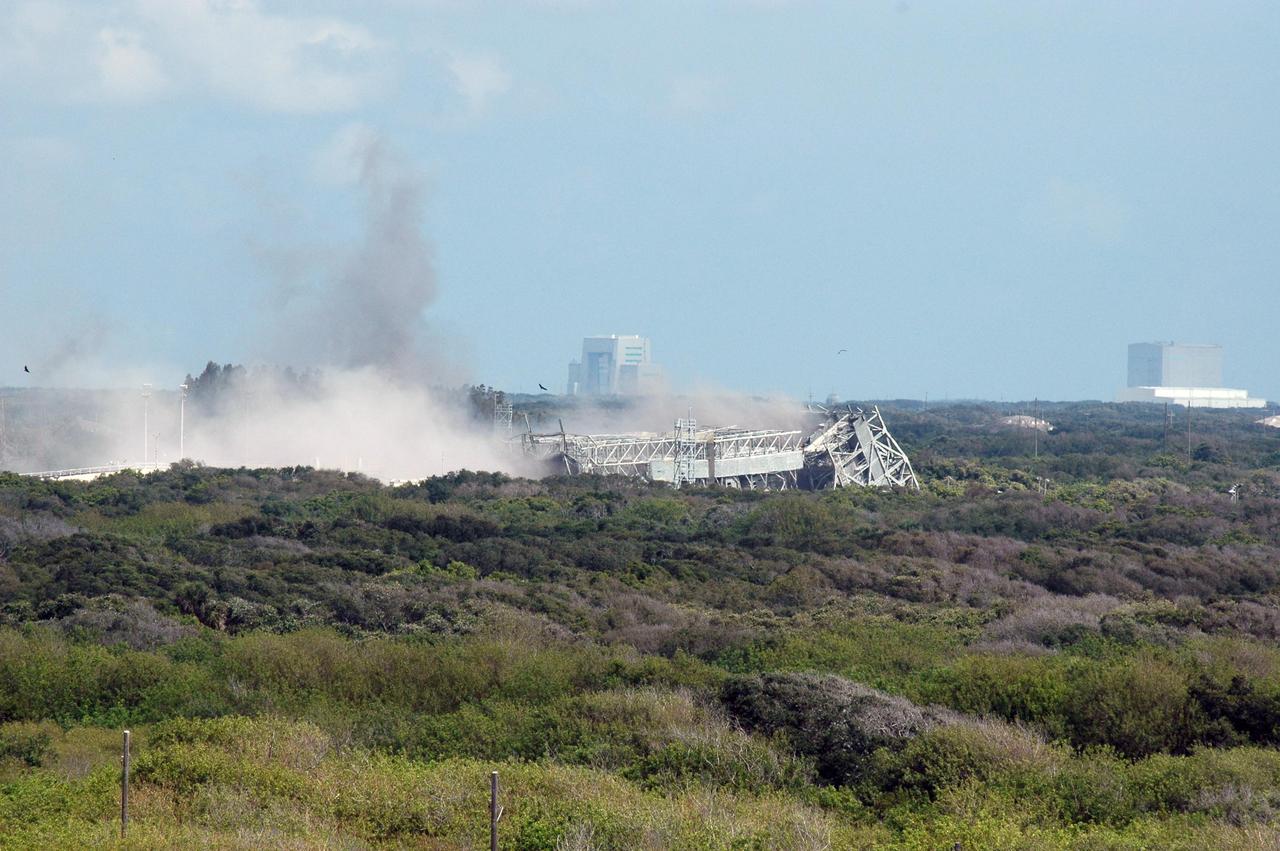
KENNEDY SPACE CENTER, FLA. -- Smoke and dust rising from the ground of Space Launch Complex 36 on Cape Canaveral Air Force Station signifies the destruction of the 209-foot-tall mobile service tower on Pad 39-A. The tower is one of two that were identified for demolition. The old towers are being toppled as part of the ongoing project to demolish the historic site to prevent corrosion from becoming a safety concern. A majority of the steel will be recycled and the rest will be taken to the landfill at CCAFS. Complex 36 was the birthplace of NASA's planetary launch program. It was built for the Atlas/Centaur development program and was operated under NASA's sponsorship until the late 1980s. Complex 36 hosted many historic missions over the years including Surveyor that landed on the moon and Mariner that orbited Mars and included one to Mercury. Two of the most historic launches were the Pioneer 10 and 11 space probes that were launched to Jupiter and are now outside of the solar system in interstellar space. Also, the historic Pioneer Venus spacecraft included an orbiter and a set of probes that were dispatched to the surface. While Launch Complex 36 is gone, the Atlas/Centaur rocket continues to be launched as the Atlas V from Complex 41. Photo credit: NASA/Charisse Nahser
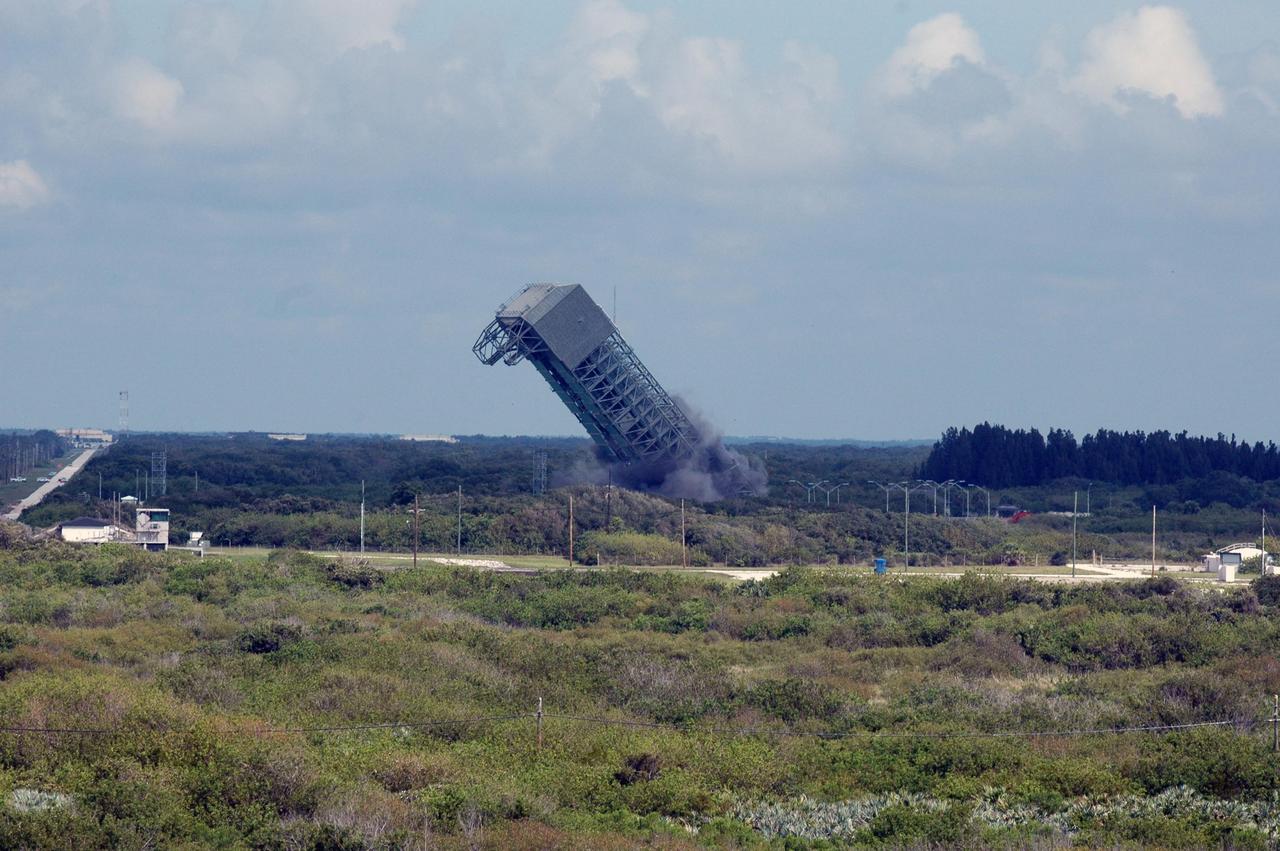
KENNEDY SPACE CENTER, FLA. -- At Space Launch Complex 36 on Cape Canaveral Air Force Station, the 209-foot-tall mobile service tower on Pad 36-B crashes to the ground. It is one of two that were identified for demolition. The old towers are being toppled as part of the ongoing project to demolish the historic site to prevent corrosion from becoming a safety concern. A majority of the steel will be recycled and the rest will be taken to the landfill at CCAFS. Complex 36 was the birthplace of NASA's planetary launch program. It was built for the Atlas/Centaur development program and was operated under NASA's sponsorship until the late 1980s. Complex 36 hosted many historic missions over the years including Surveyor that landed on the moon and Mariner that orbited Mars and included one to Mercury. Two of the most historic launches were the Pioneer 10 and 11 space probes that were launched to Jupiter and are now outside of the solar system in interstellar space. Also, the historic Pioneer Venus spacecraft included an orbiter and a set of probes that were dispatched to the surface. While Launch Complex 36 is gone, the Atlas/Centaur rocket continues to be launched as the Atlas V from Complex 41. Photo credit: NASA/Charisse Nahser
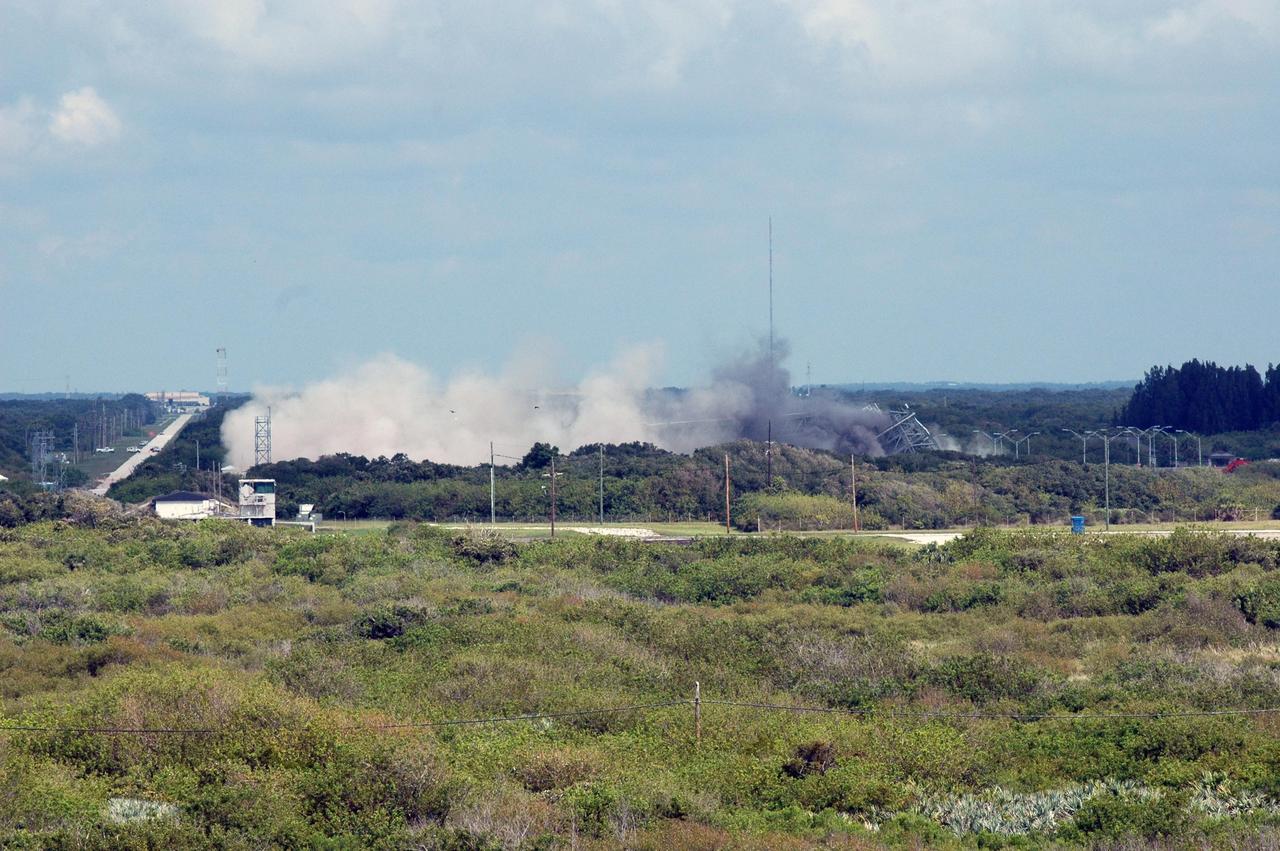
KENNEDY SPACE CENTER, FLA. -- The destruction of the 209-foot-tall mobile service tower on Pad 39-B at Space Launch Complex 36 on Cape Canaveral Air Force Station kicks up a wall of dust. The tower is one of two that were identified for demolition. The old towers are being toppled as part of the ongoing project to demolish the historic site to prevent corrosion from becoming a safety concern. A majority of the steel will be recycled and the rest will be taken to the landfill at CCAFS. Complex 36 was the birthplace of NASA's planetary launch program. It was built for the Atlas/Centaur development program and was operated under NASA's sponsorship until the late 1980s. Complex 36 hosted many historic missions over the years including Surveyor that landed on the moon and Mariner that orbited Mars and included one to Mercury. Two of the most historic launches were the Pioneer 10 and 11 space probes that were launched to Jupiter and are now outside of the solar system in interstellar space. Also, the historic Pioneer Venus spacecraft included an orbiter and a set of probes that were dispatched to the surface. While Launch Complex 36 is gone, the Atlas/Centaur rocket continues to be launched as the Atlas V from Complex 41. Photo credit: NASA/Charisse Nahser
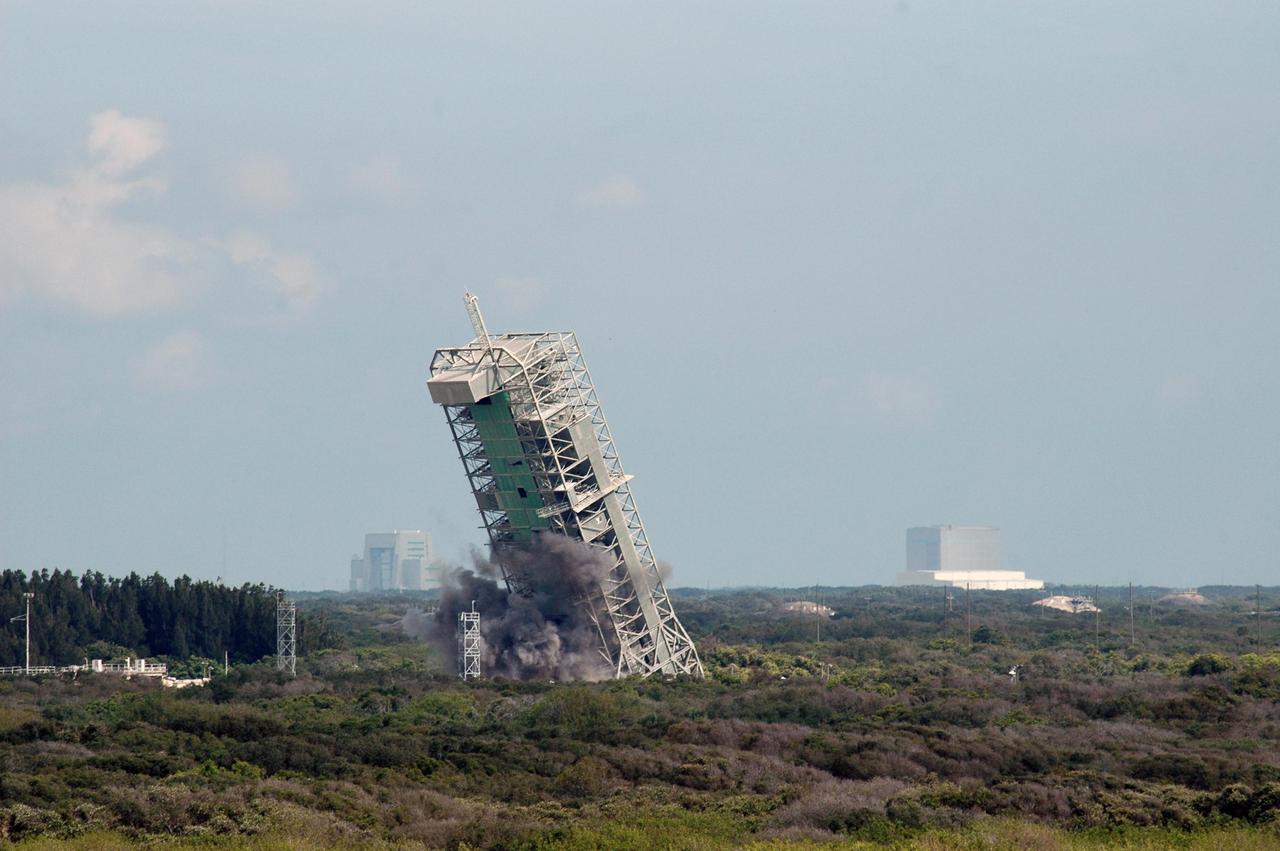
KENNEDY SPACE CENTER, FLA. -- The 209-foot-tall mobile service tower on Pad 39-A of Space Launch Complex 36 on Cape Canaveral Air Force Station careens to the left after 122 pounds of explosives eliminated the base. The tower is one of two that were identified for demolition. The old towers are being toppled as part of the ongoing project to demolish the historic site to prevent corrosion from becoming a safety concern. A majority of the steel will be recycled and the rest will be taken to the landfill at CCAFS. Complex 36 was the birthplace of NASA's planetary launch program. It was built for the Atlas/Centaur development program and was operated under NASA's sponsorship until the late 1980s. Complex 36 hosted many historic missions over the years including Surveyor that landed on the moon and Mariner that orbited Mars and included one to Mercury. Two of the most historic launches were the Pioneer 10 and 11 space probes that were launched to Jupiter and are now outside of the solar system in interstellar space. Also, the historic Pioneer Venus spacecraft included an orbiter and a set of probes that were dispatched to the surface. While Launch Complex 36 is gone, the Atlas/Centaur rocket continues to be launched as the Atlas V from Complex 41. Photo credit: NASA/Charisse Nahser
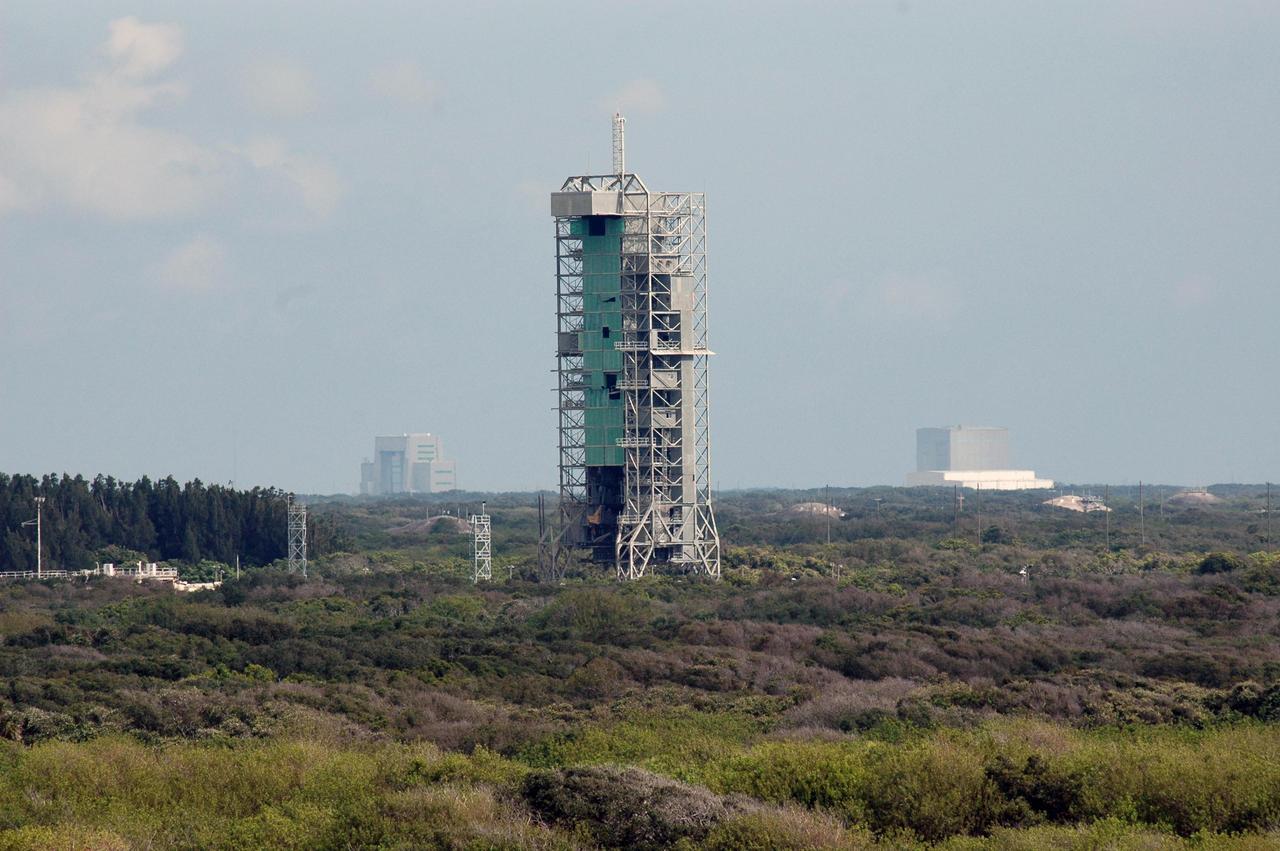
KENNEDY SPACE CENTER, FLA. -- At Space Launch Complex 36 on Cape Canaveral Air Force Station, the 209-foot-tall mobile service tower on Pad 36-B has been identified for demolition. The old towers are being toppled as part of the ongoing project to demolish the historic site to prevent corrosion from becoming a safety concern. A majority of the steel will be recycled and the rest will be taken to the landfill at CCAFS. Complex 36 was the birthplace of NASA's planetary launch program. It was built for the Atlas/Centaur development program and was operated under NASA's sponsorship until the late 1980s. Complex 36 hosted many historic missions over the years including Surveyor that landed on the moon and Mariner that orbited Mars and included one to Mercury. Two of the most historic launches were the Pioneer 10 and 11 space probes that were launched to Jupiter and are now outside of the solar system in interstellar space. Also, the historic Pioneer Venus spacecraft included an orbiter and a set of probes that were dispatched to the surface. While Launch Complex 36 is gone, the Atlas/Centaur rocket continues to be launched as the Atlas V from Complex 41. Photo credit: NASA/Charisse Nahser
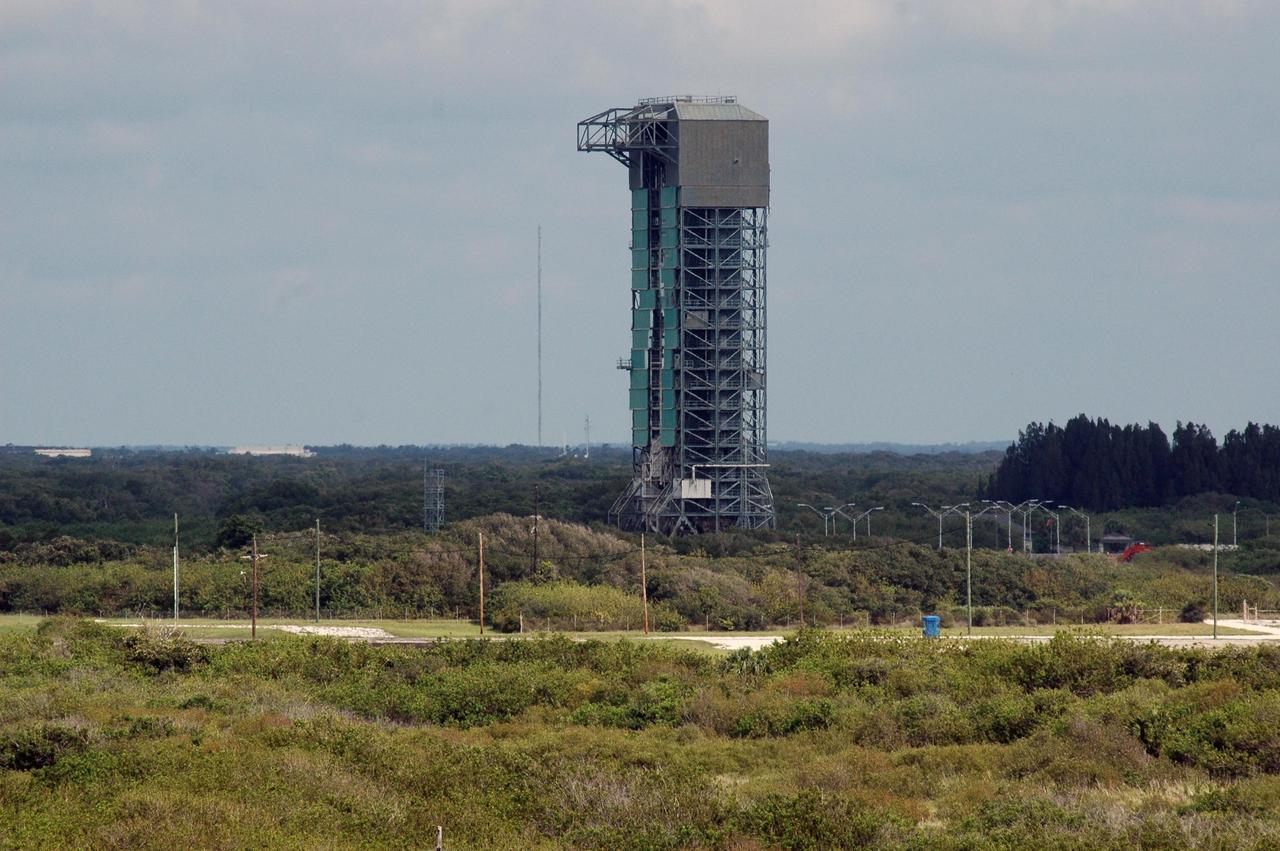
KENNEDY SPACE CENTER, FLA. -- Within sight of the KSC Vehicle Assembly Building (at left on the horizon), the 209-foot-tall mobile service tower on Pad 39-A of Space Launch Complex 36 on Cape Canaveral Air Force Station waits for its demise. The tower is one of two that were identified for demolition. The old towers are being toppled as part of the ongoing project to demolish the historic site to prevent corrosion from becoming a safety concern. A majority of the steel will be recycled and the rest will be taken to the landfill at CCAFS. Complex 36 was the birthplace of NASA's planetary launch program. It was built for the Atlas/Centaur development program and was operated under NASA's sponsorship until the late 1980s. Complex 36 hosted many historic missions over the years including Surveyor that landed on the moon and Mariner that orbited Mars and included one to Mercury. Two of the most historic launches were the Pioneer 10 and 11 space probes that were launched to Jupiter and are now outside of the solar system in interstellar space. Also, the historic Pioneer Venus spacecraft included an orbiter and a set of probes that were dispatched to the surface. While Launch Complex 36 is gone, the Atlas/Centaur rocket continues to be launched as the Atlas V from Complex 41. Photo credit: NASA/Charisse Nahser
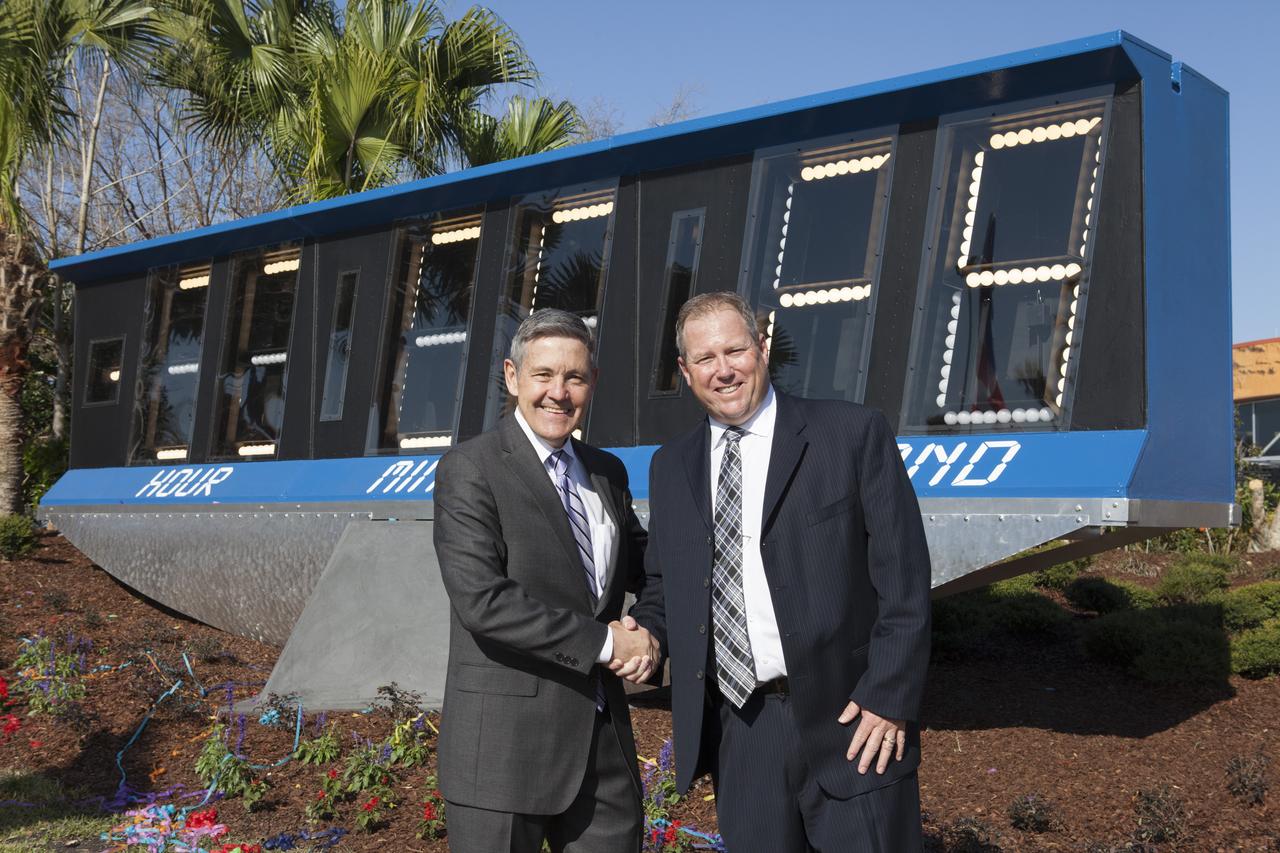
Kennedy Space Center Director Bob Cabana, left, and Therrin Protze, chief operating officer of Kennedy's Visitor Complex, celebrate the dedication of the spaceport's historic countdown clock as the newest display at the center's visitor complex. Now located at the entrance to the visitor complex, the spaceport's historic countdown clock was used starting with the launch of Apollo 12 on Nov. 14, 1969. Originally set up at the space center's Press Site, the clock operated through the final space shuttle mission, STS-135, launched on July 8, 2011. The old countdown clock was replaced in 2014 with a modern light emitting diode, or LED, display.
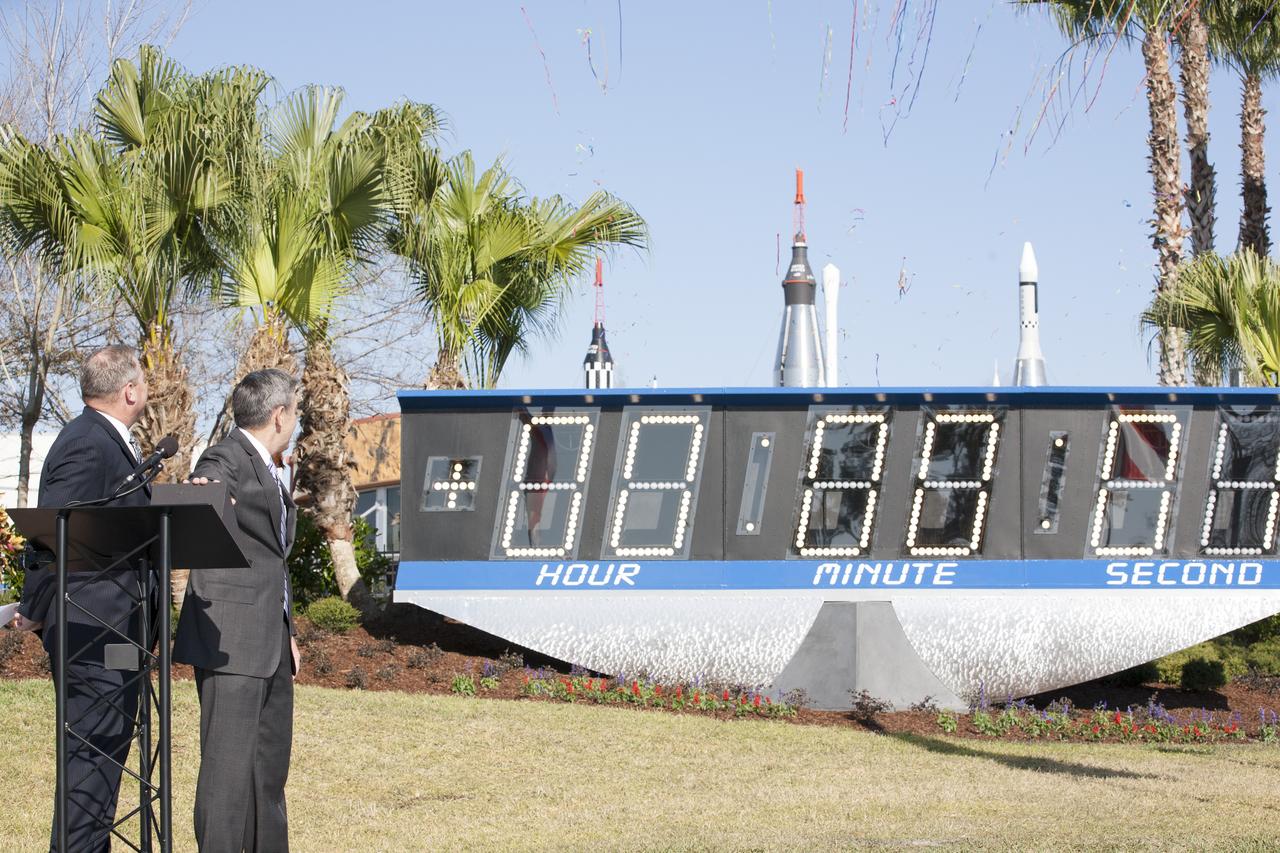
Therrin Protze, chief operating officer of the Kennedy Space Center Visitor Complex, left, and center director Bob Cabana watch as confetti was launched as the spaceport's historic countdown clock is dedicated as the newest display at the entrance to Kennedy's visitor complex. The spaceport's historic countdown clock was used beginning with the launch of Apollo 12 on Nov. 14, 1969. Originally set up at the space center's Press Site, the clock was used through the final space shuttle mission, STS-135, launched on July 8, 2011. The old countdown clock was replaced in 2014 with a modern light emitting diode, or LED, display.
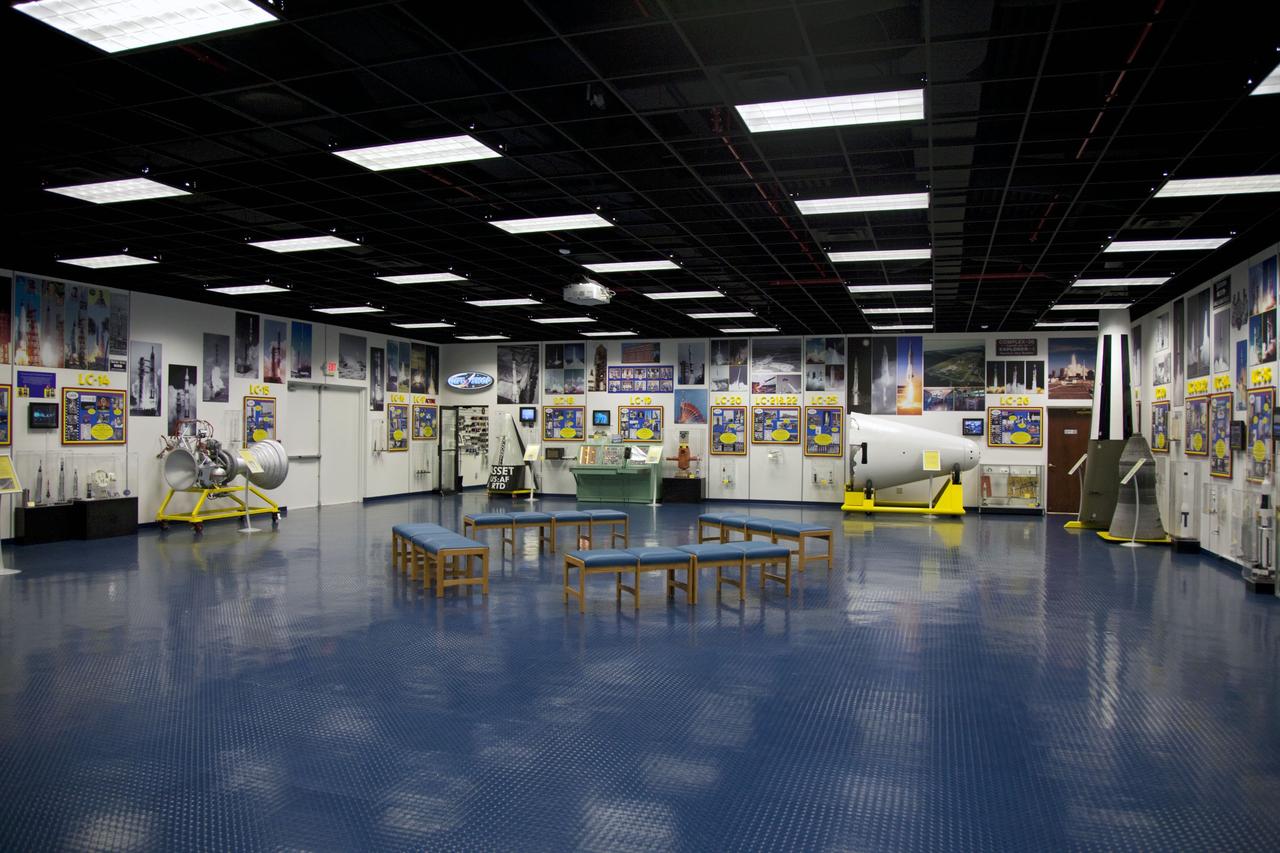
CAPE CANAVERAL, Fla. -- This is an inside view of the Air Force Space and Missile Museum's History Center, which is located outside the south gate of Cape Canaveral Air Force Station (CCAFS) in Florida. It contains historic information and displays for each launch complex at CCAFS. Since opening to the public in 1966, the museum has introduced millions of visitors to the history of rocketry and spaceflight. Its primary mission is to collect, restore and exhibit items of historical significance that relate to the development and heritage of U.S. Air Force space launch activities. Photo credit: NASA/Frankie Martin
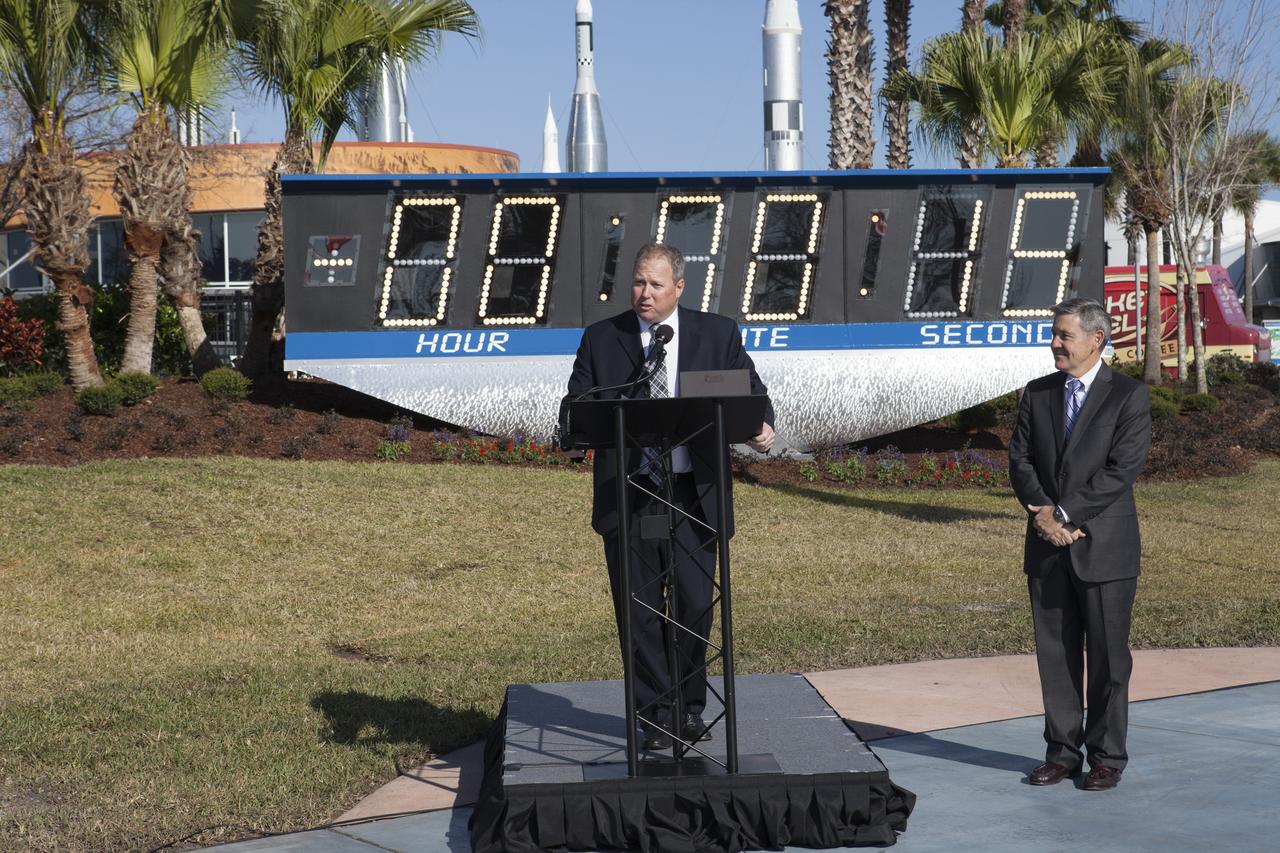
Therrin Protze, chief operating officer of the Kennedy Space Center Visitor Complex, speaks at the dedication of the center's historic countdown clock. To the right is space center director Bob Cabana. Now located at the entrance to the visitor complex, the spaceport's historic countdown clock was used starting with the launch of Apollo 12 on Nov. 14, 1969. Originally set up at the space center's Press Site, the clock was used through the final space shuttle mission, STS-135, launched on July 8, 2011. The old countdown clock was replaced in 2014 with a modern light emitting diode, or LED, display.
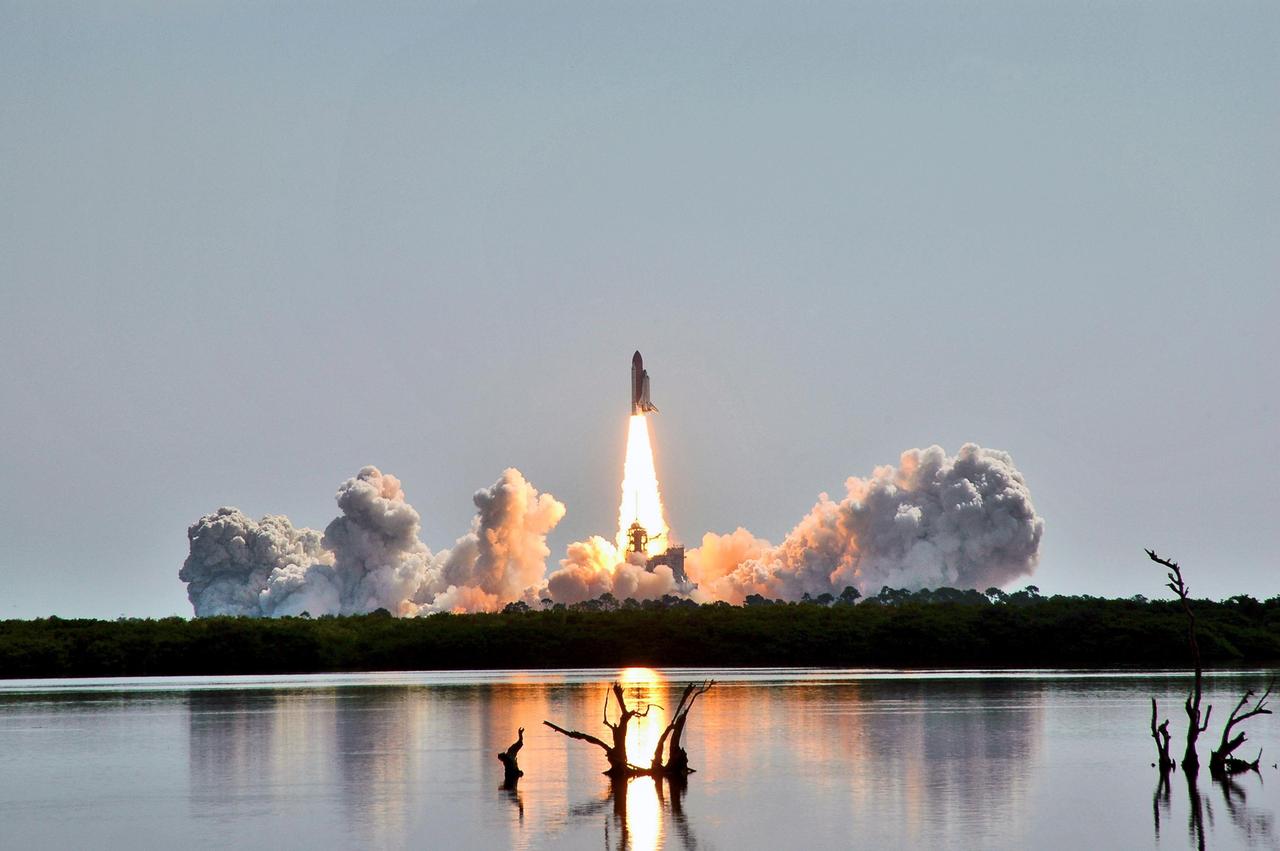
STS114-S-024 (26 July 2005) --- Space Shuttle Discovery and its seven-member crew launched at 10:39 a.m. (EDT) on July 26, 2005 to begin the two-day journey to the international space station on the historic STS-114 Return to Flight mission.
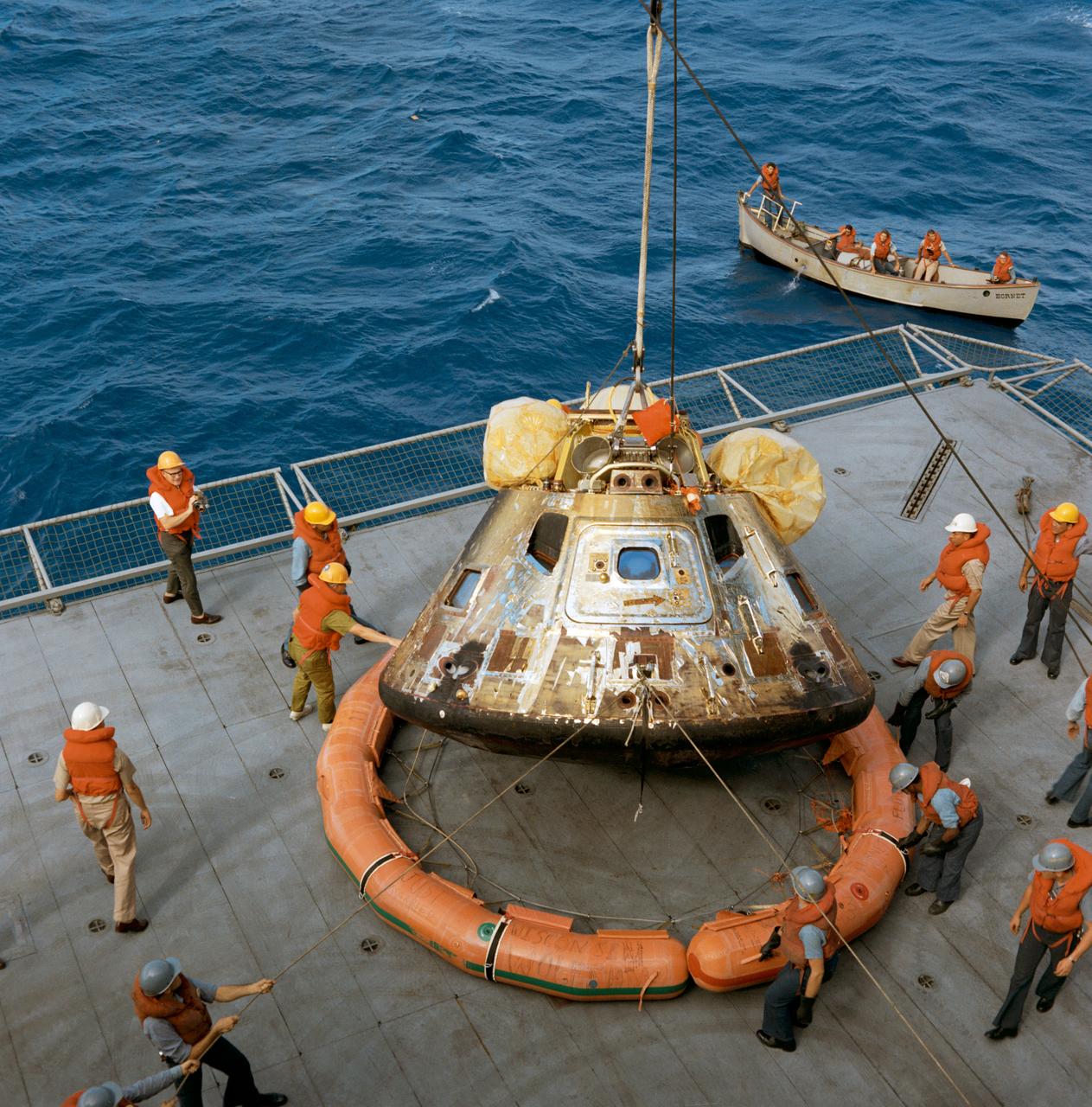
The Apollo 11 spacecraft Command Module is photographed being lowered to the deck of the U.S.S. Hornet, prime recovery ship for the historic lunar landing mission. Note the flotation ring attached by Navy divers has been removed from the capsule.
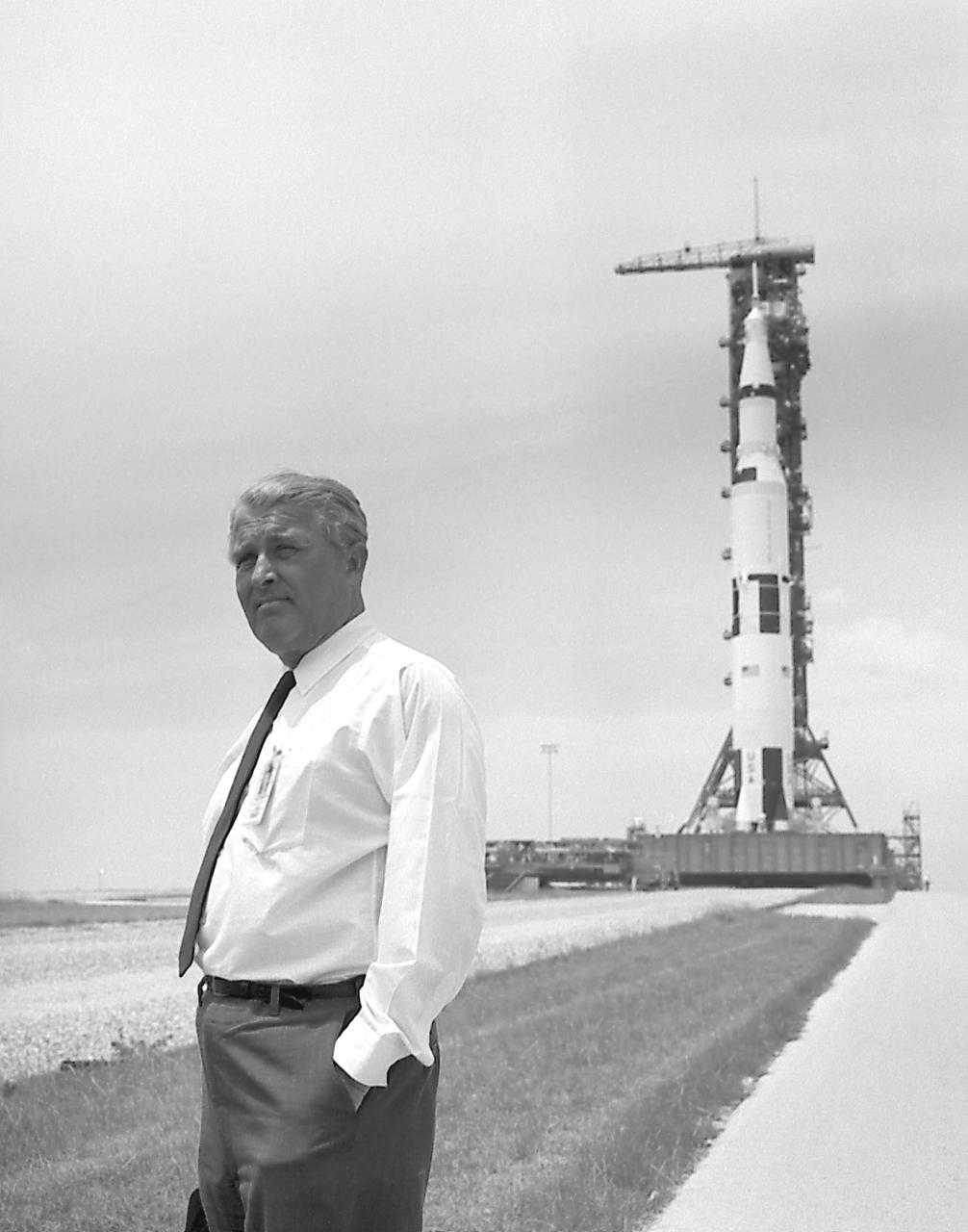
Dr. von Braun pauses in front of the Saturn V vehicle being readied for the historic Apollo 11 lunar landing mission at the Kennedy Space Center (KSC). The Saturn V vehicle was developed by the Marshall Space Flight Center (MSFC) under the direction of Dr. von Braun.

Director of the NASA Johnson Space Center Ellen Ochoa shares her experiences during a program titled "Sally Ride: How Her Historic Space Mission Opened Doors for Women in Science" held on Friday, May 17, 2013 at the National Air and Space Museum in Washington. Photo Credit: (NASA/Bill Ingalls)
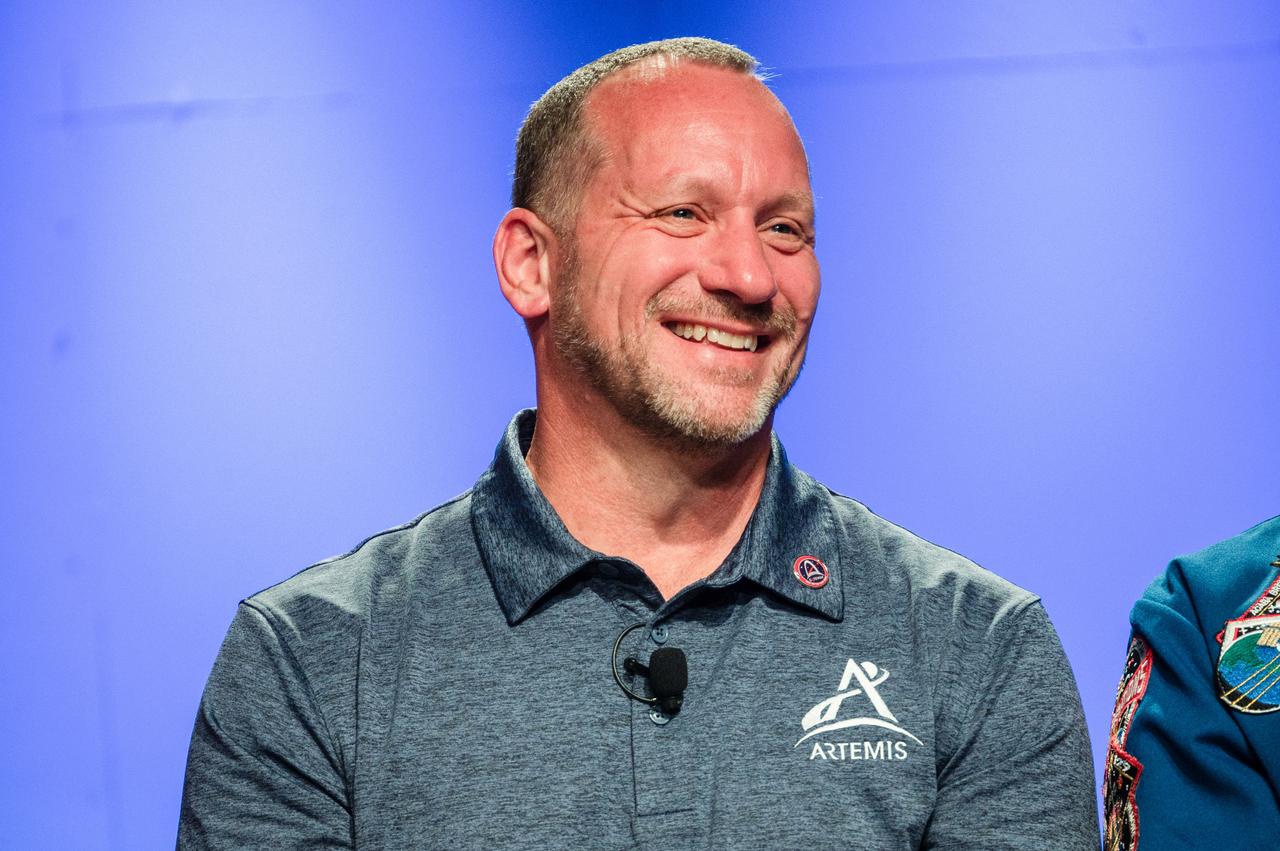
jsc2024e055771 (July 26, 2024) -- Dr. Jon Olansen engages the audience at the Theater in the Woods during "The Historic Artemis II Mission" forum held at EAA AirVenture Oshkosh 2024. As the Gateway Program Manager, Olansen highlights Gateway's pivotal role in supporting the Artemis era of lunar exploration. Photo Credit: NASA/Andrew Carlsen
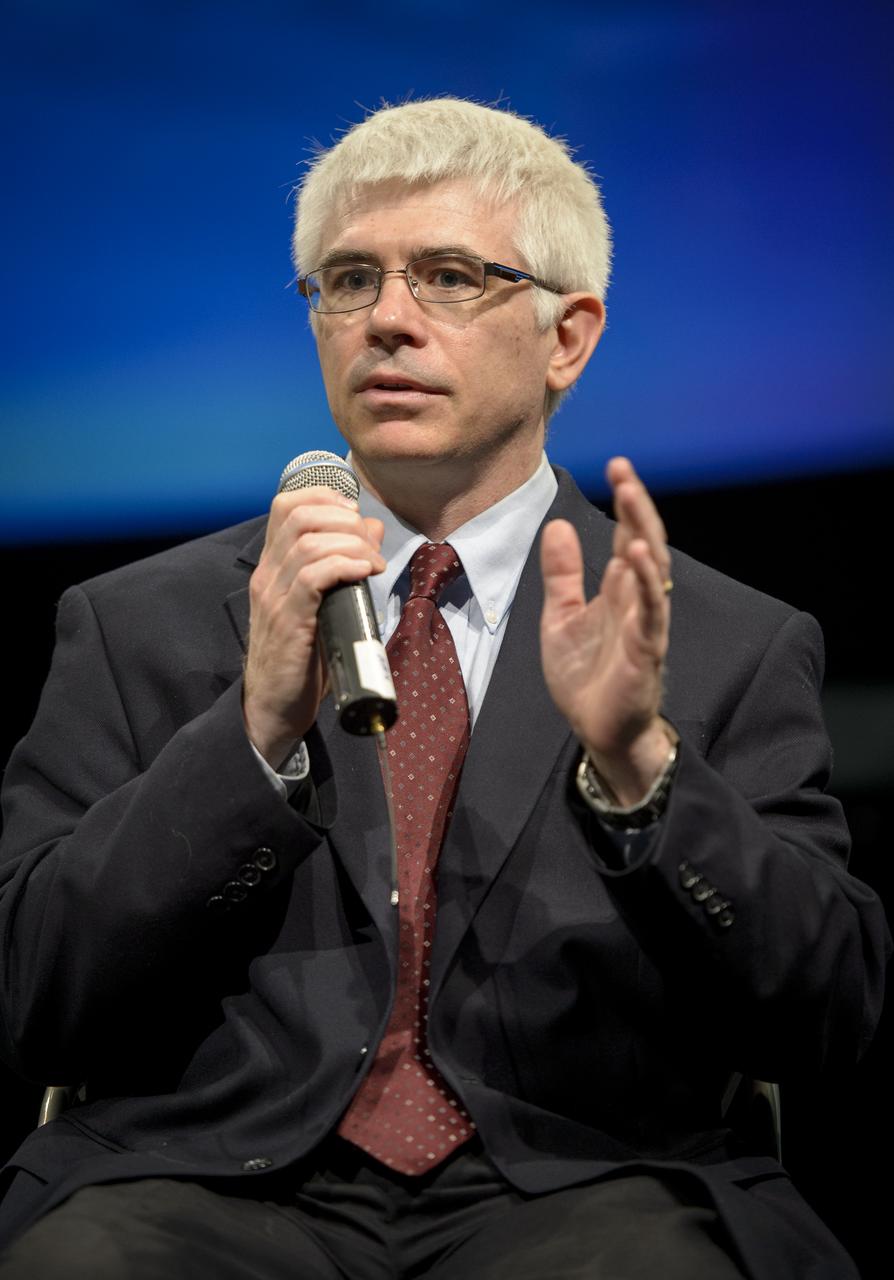
Dan Vergano, science writer for USA Today talks during a program titled "Sally Ride: How Her Historic Space Mission Opened Doors for Women in Science" held on Friday, May 17, 2013 at the National Air and Space Museum in Washington. Photo Credit: (NASA/Bill Ingalls)
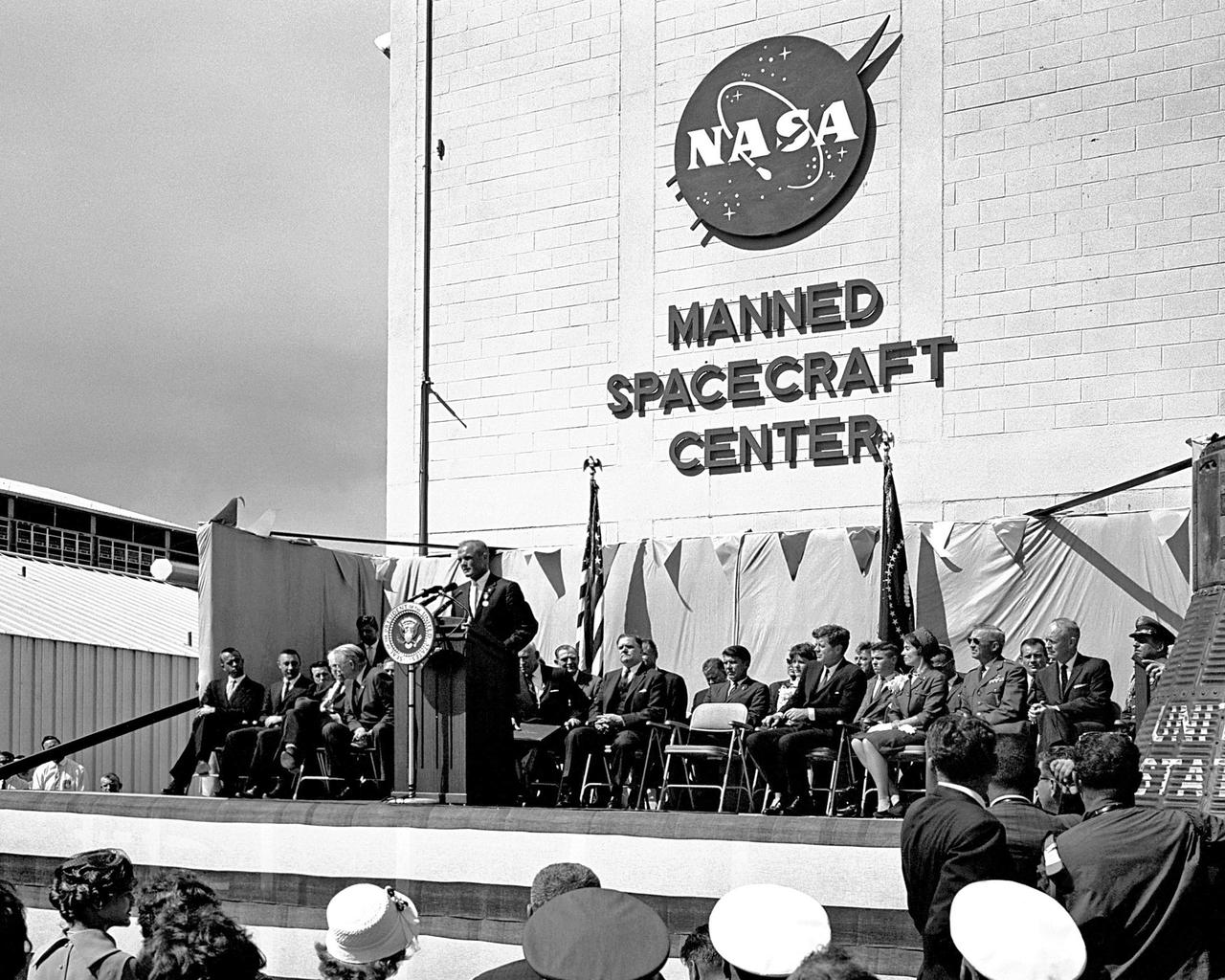
CAPE CANAVERAL, Fla. -- President John F. Kennedy honors John H. Glenn Jr. at Hangar S, Cape Canaveral, Florida, after his historic three-orbit mission aboard Friendship 7. Photo credit: NASA
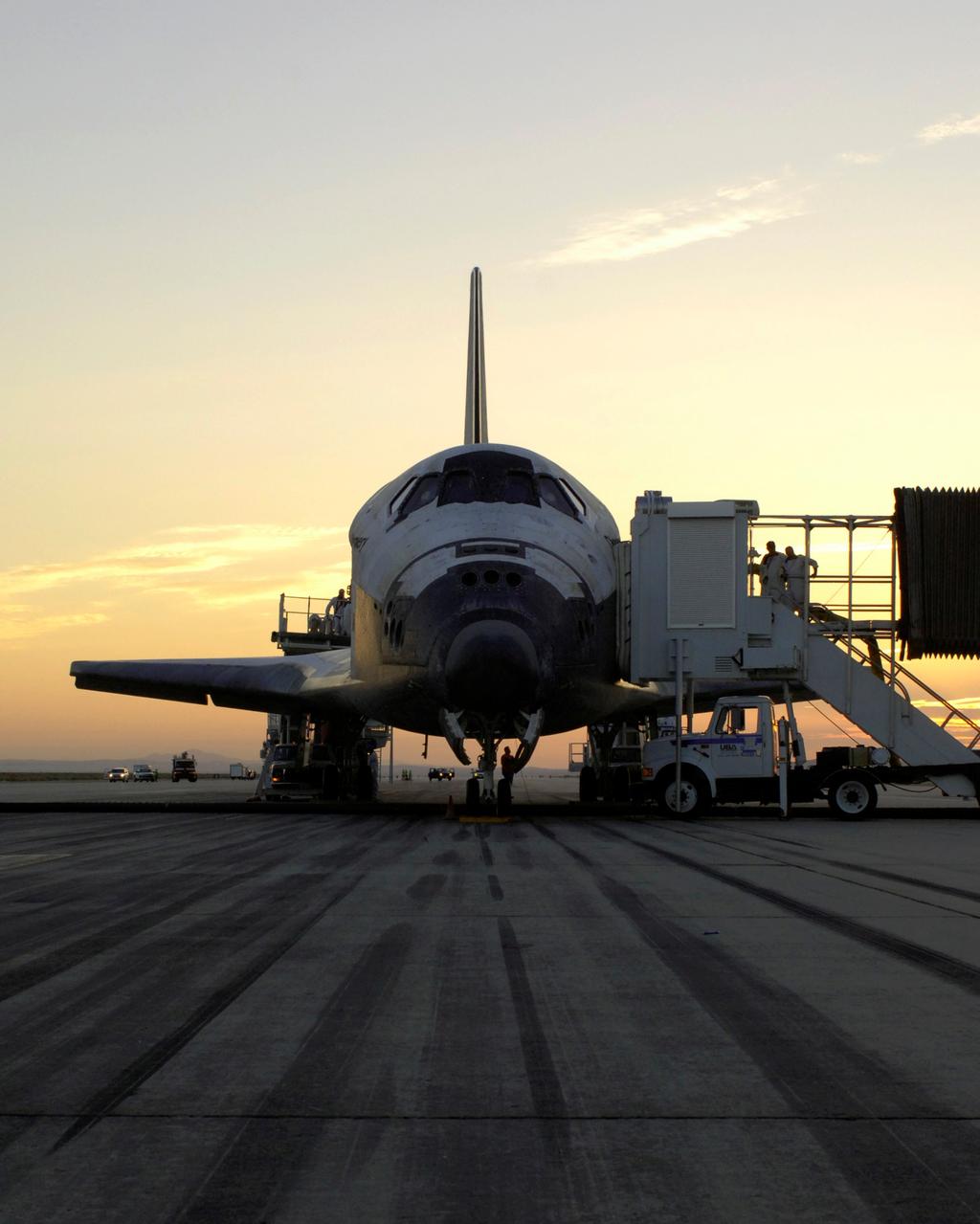
STS114-S-049 (9 August 2005) --- The sun rises on the Space Shuttle Discovery as it rests on the runway at Edwards Air Force Base in California, after a safe landing at 5:11 a.m. (PDT) on August 9, 2005. The landing concludes a historic 14-day, Return to Flight mission to the International Space Station.
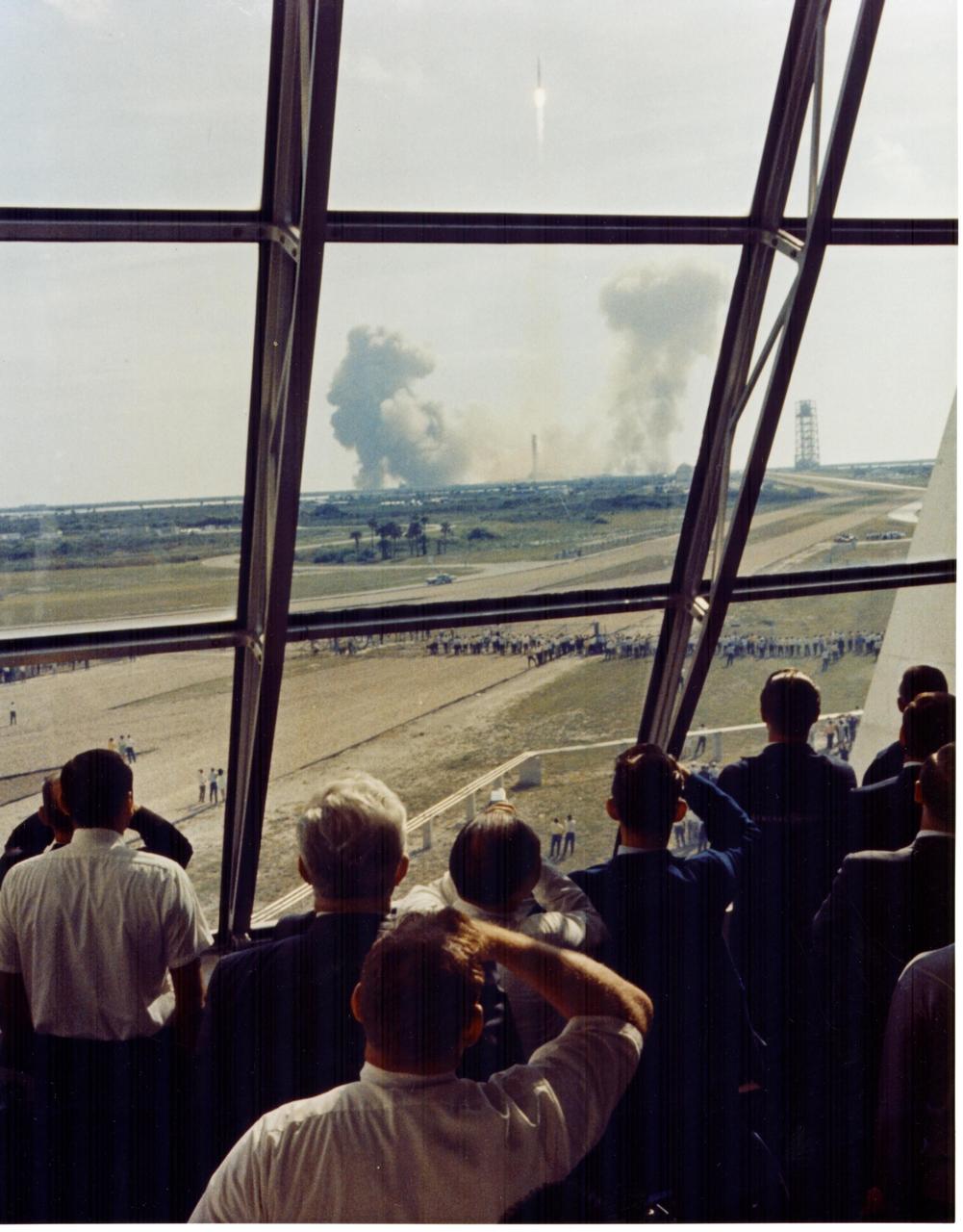
KENNEDY SPACE CENTER, FLA. - Personnel within the Launch Control Center watch the Apollo 11 liftoff from Launch Complex 39A today at the start of the historic lunar landing mission. The LCC is located three-and-one-half miles from the launch pad.
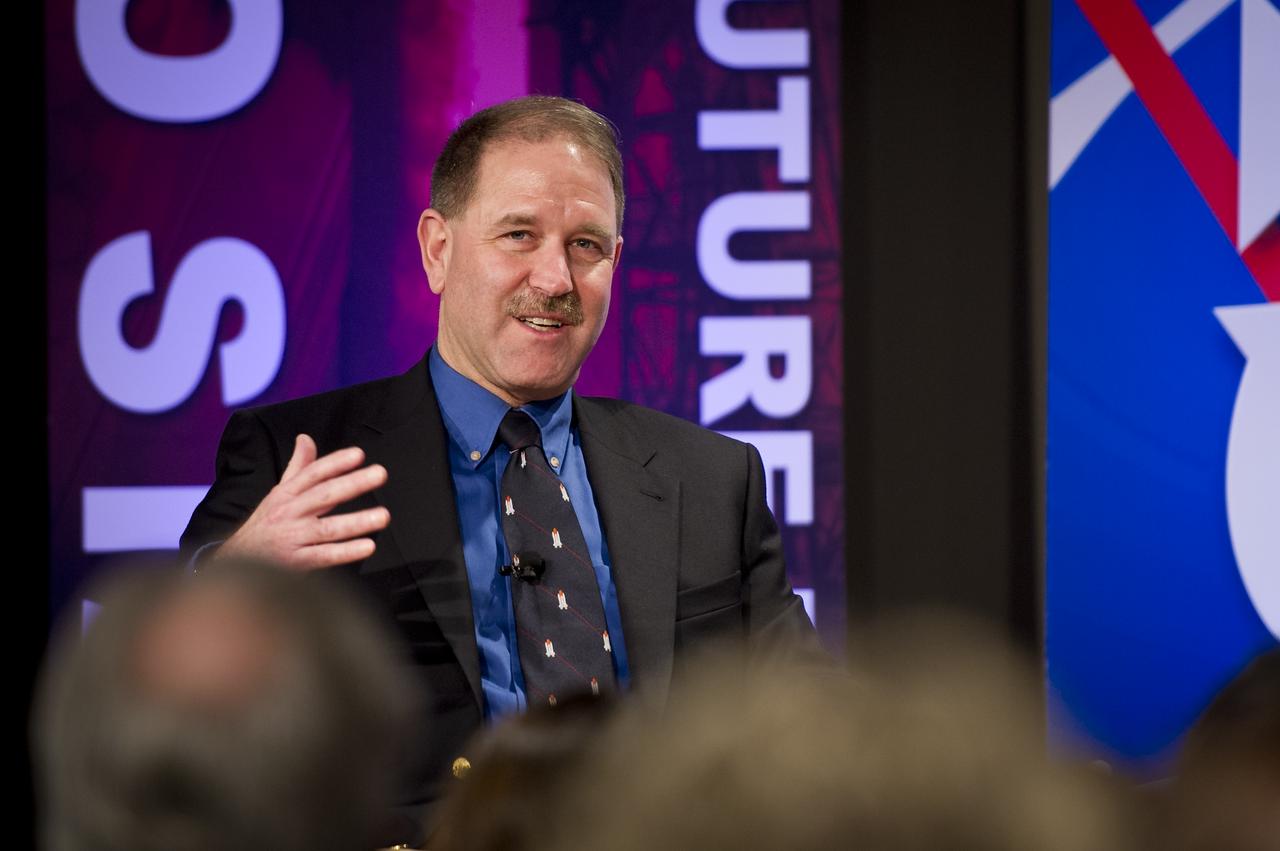
NASA Associate Administrator for Science Mission Directorate John Grunsfeld talks during a NASA Future Forum panel discussion at The Ohio State University on, Monday, Feb. 20, 2012, in Columbus, Ohio. Monday marked the 50th anniversary of Glenn's historic flight as the first American to orbit Earth. Photo Credit: (NASA/Bill Ingalls)
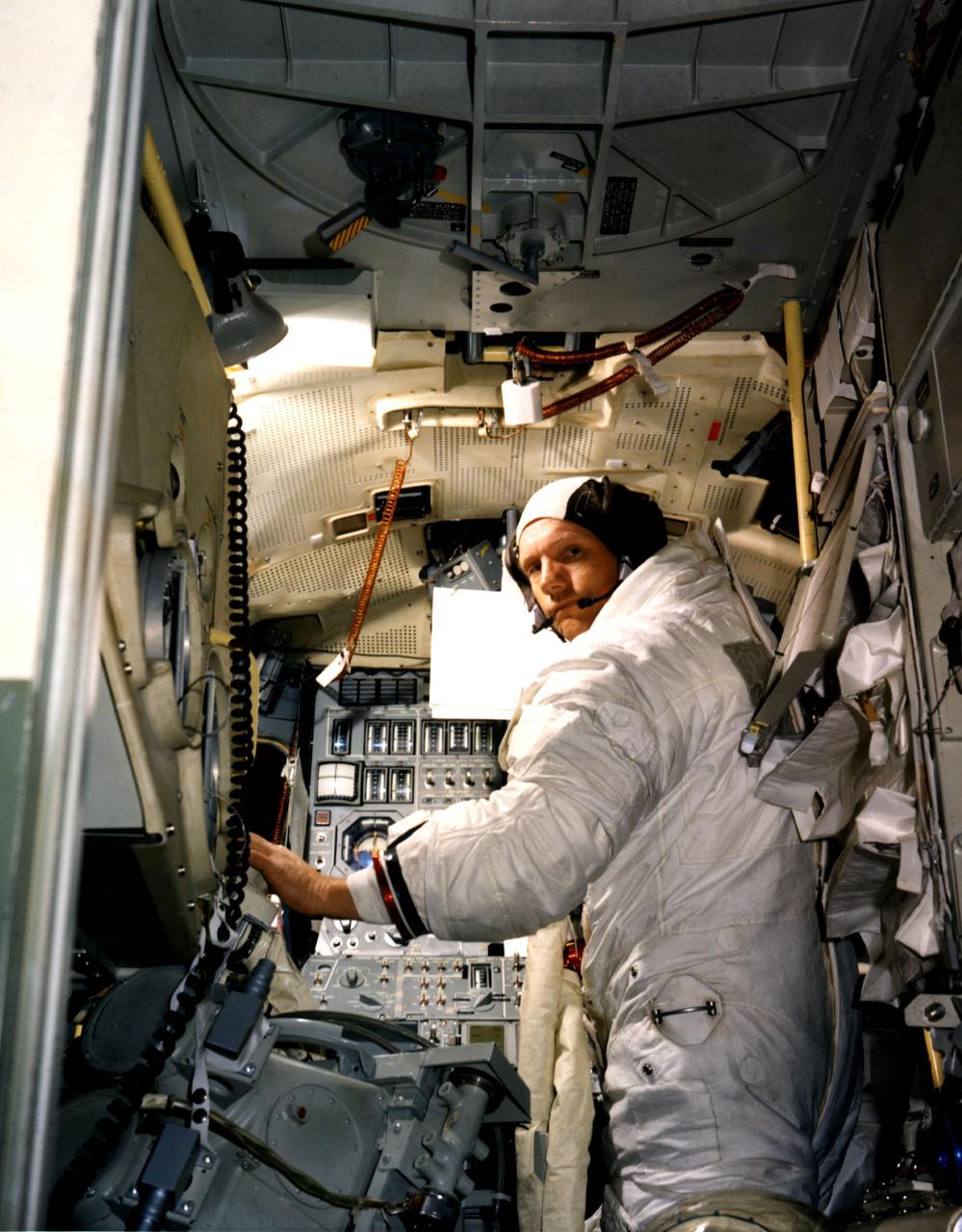
KENNEDY SPACE CENTER, FLA. - Neil A. Armstrong, commander for the Apollo 11 Moon-landing mission, practices for the historic event in a Lunar Module simulator in the Flight Crew Training Building at KSC. Accompanying Armstrong on the Moon flight will be Command Module Pilot Michael Collins and Lunar Module Pilot Edwin E. Aldrin Jr.

Rene McCormick, director of standards and quality, National Math and Science Initiative, talks during a program titled "Sally Ride: How Her Historic Space Mission Opened Doors for Women in Science" held on Friday, May 17, 2013 at the National Air and Space Museum in Washington. Photo Credit: (NASA/Bill Ingalls)
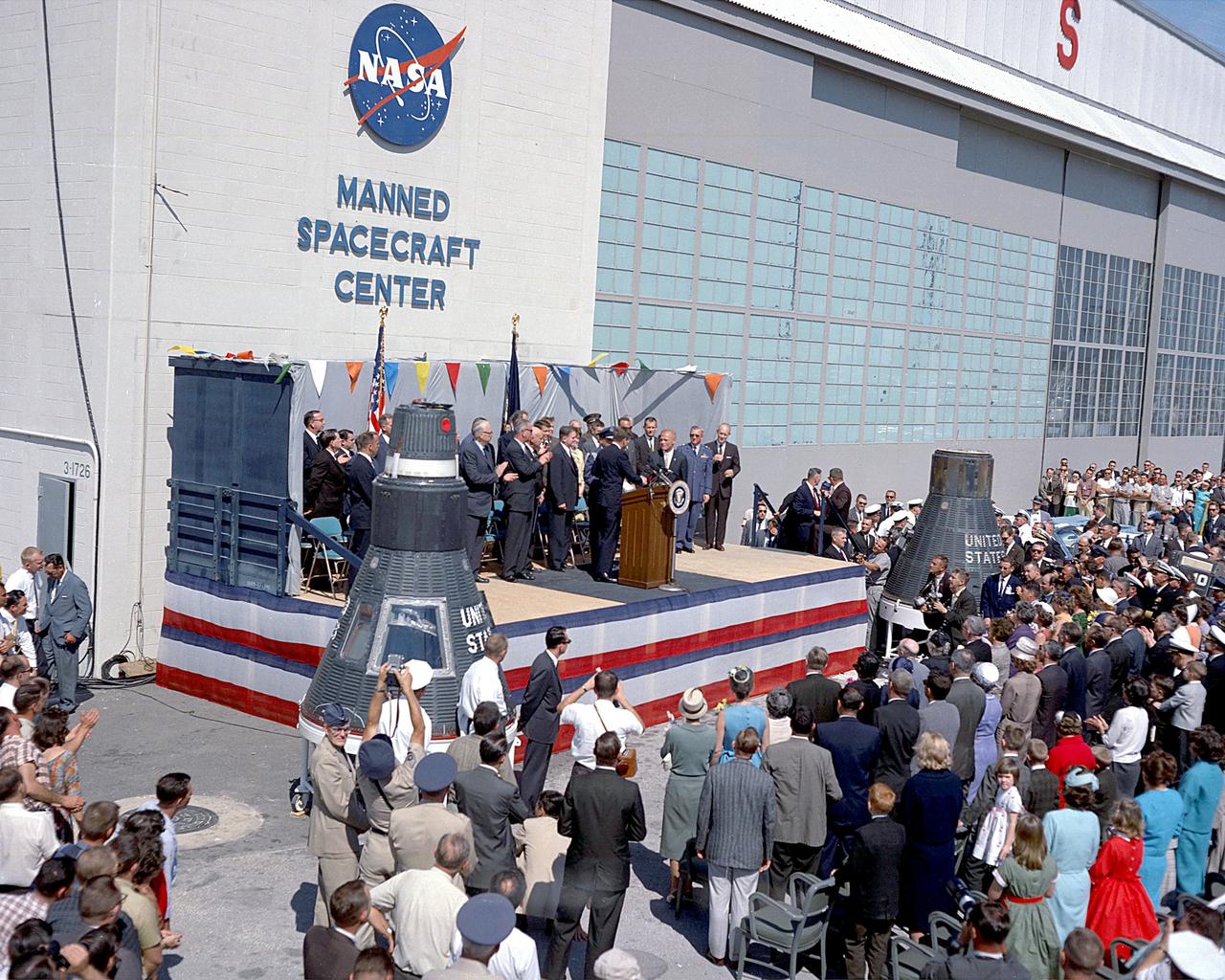
CAPE CANAVERAL, Fla. -- President John F. Kennedy honors John H. Glenn Jr. at Hangar S, Cape Canaveral, Florida, after his historic three-orbit mission aboard Friendship 7. Photo credit: NASA
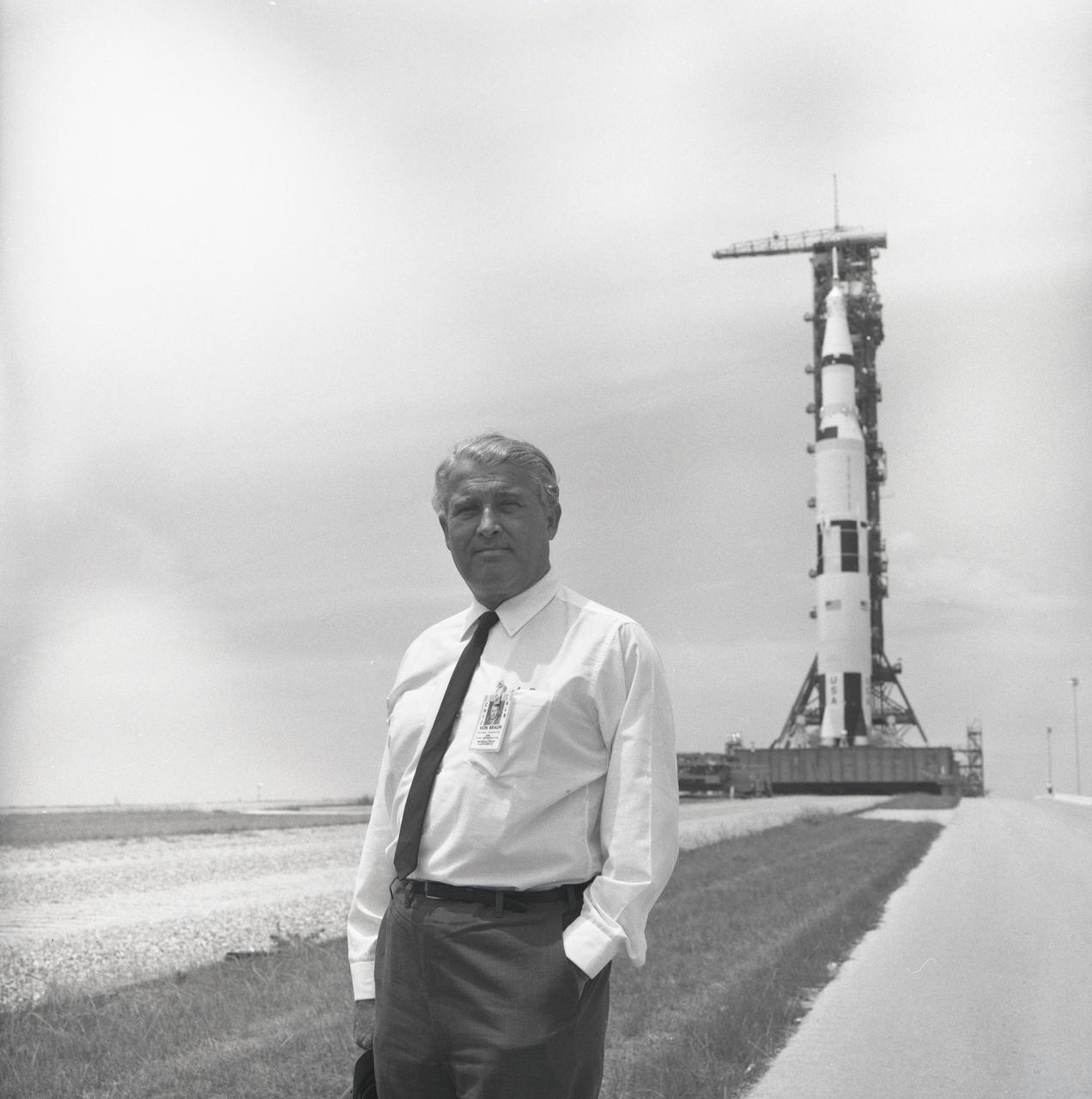
Dr. von Braun pauses in front of the Saturn V vehicle being readied for the historic Apollo 11 lunar landing mission at the Kennedy Space Center (KSC). The Saturn V vehicle was developed by the Marshall Space Flight Center (MSFC) under the direction of Dr. von Braun.
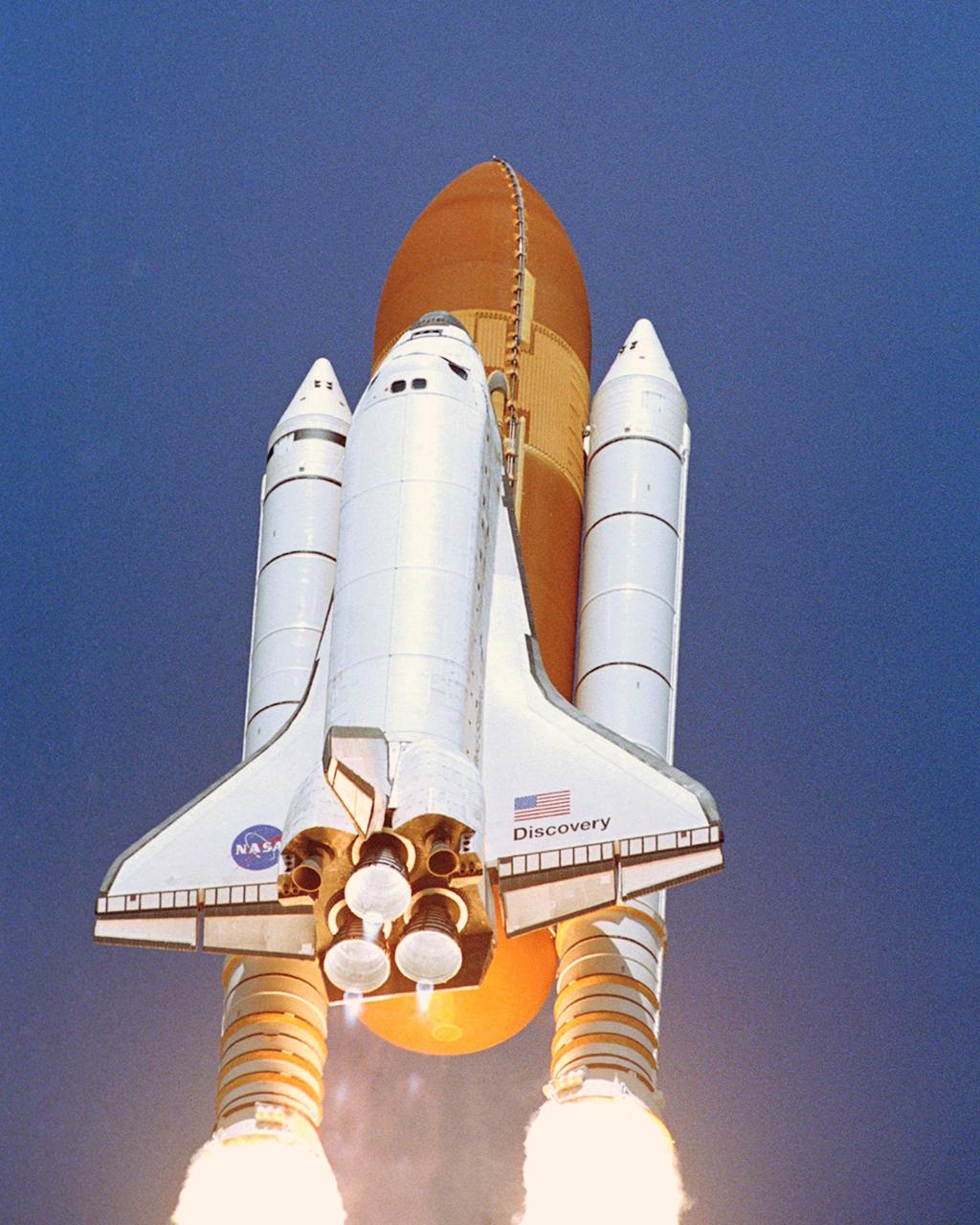
STS114-S-028 (26 July 2005) --- Space Shuttle Discovery and its seven-member crew launched at 10:39 a.m. (EDT) on July 26, 2005 to begin the two-day journey to the international space station on the historic STS-114 Return to Flight mission.
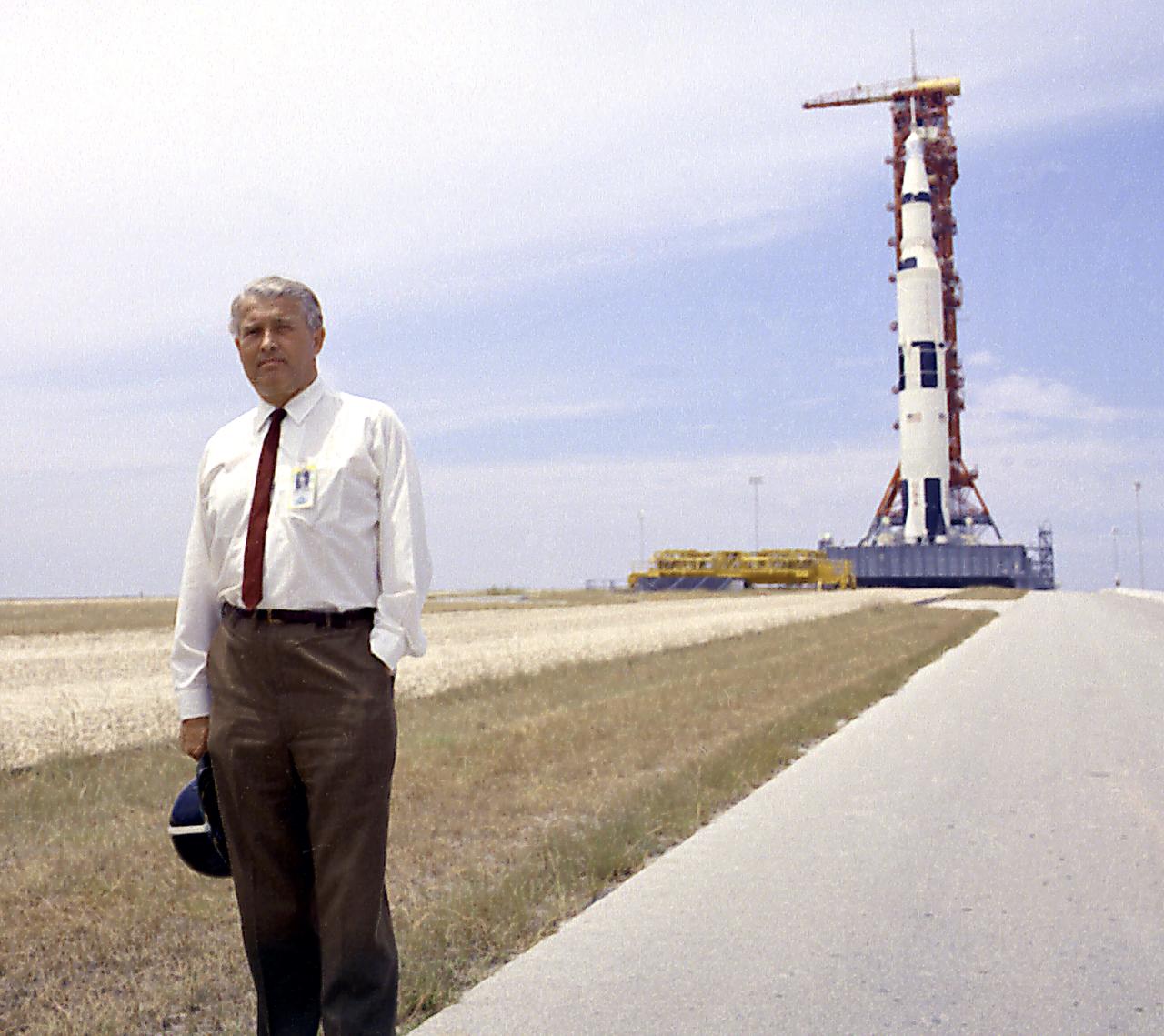
Dr. von Braun pauses in front of the Saturn V vehicle being readied for the historic Apollo 11 lunar landing mission at the Kennedy Space Center (KSC). The Saturn V vehicle was developed by the Marshall Space Flight Center (MSFC) under the direction of Dr. von Braun.
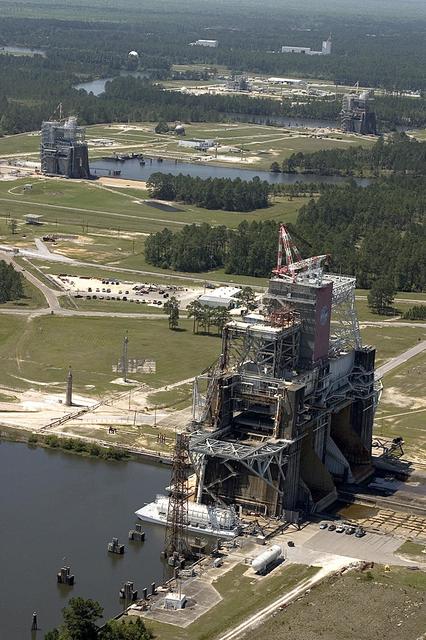
An aerial photo shows the B-1/B-2 Test Stand (foreground), A-2 Test Stand (middle) and A-1 Test Stand (back). The historic stands have been used to test engines used on every manned Apollo and space shuttle mission.
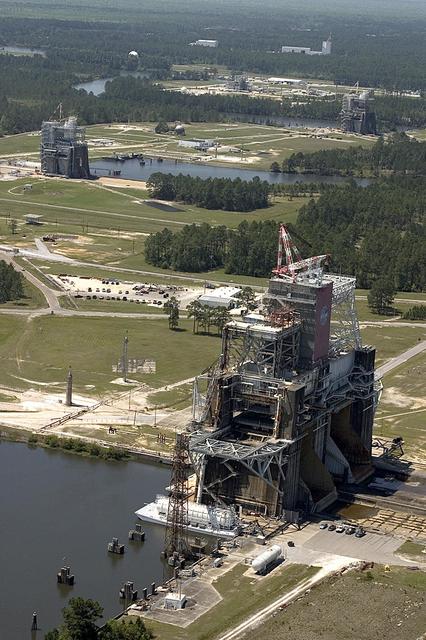
An aerial photo shows the B-1/B-2 Test Stand (foreground), A-2 Test Stand (middle) and A-1 Test Stand (back). The historic stands have been used to test engines used on every manned Apollo and space shuttle mission.
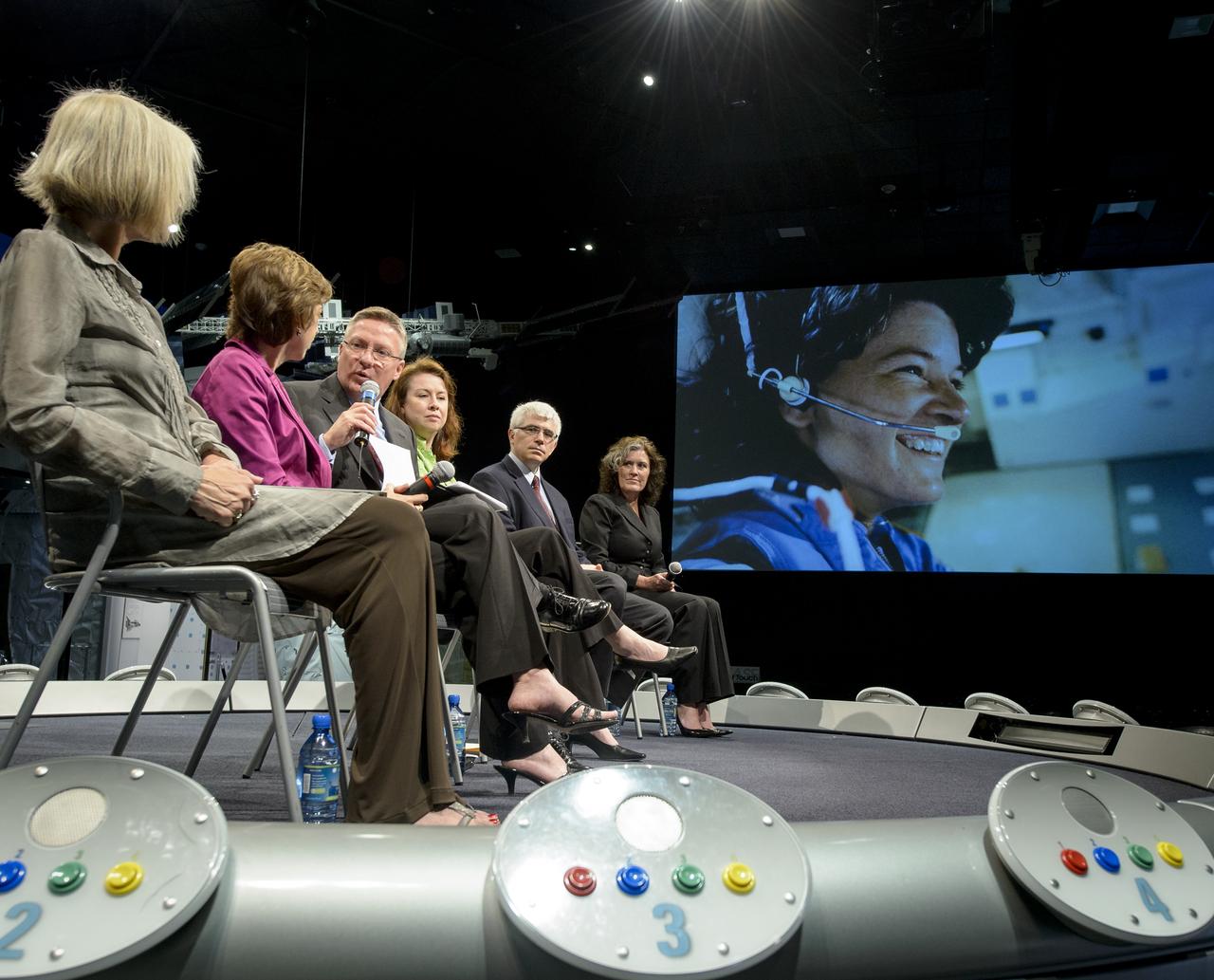
Tom Costello from NBC News moderates a panel discussion titled "Sally Ride: How Her Historic Space Mission Opened Doors for Women in Science" at the National Air and Space Museum on Friday, May 17, 2013 in Washington. Photo Credit: (NASA/Bill Ingalls)
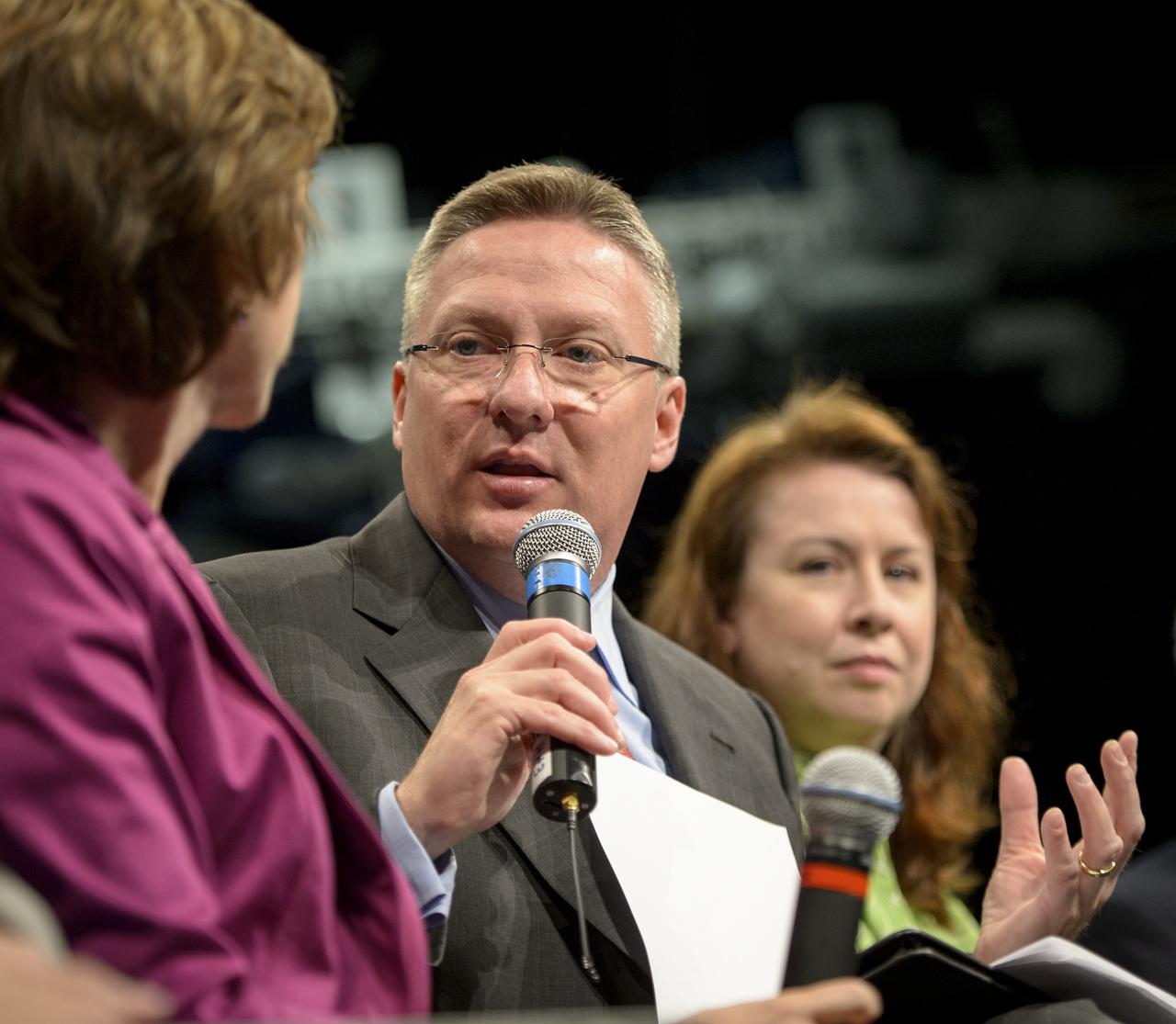
Tom Costello from NBC News moderates a panel discussion titled "Sally Ride: How Her Historic Space Mission Opened Doors for Women in Science" at the National Air and Space Museum on Friday, May 17, 2013 in Washington. Photo Credit: (NASA/Bill Ingalls)
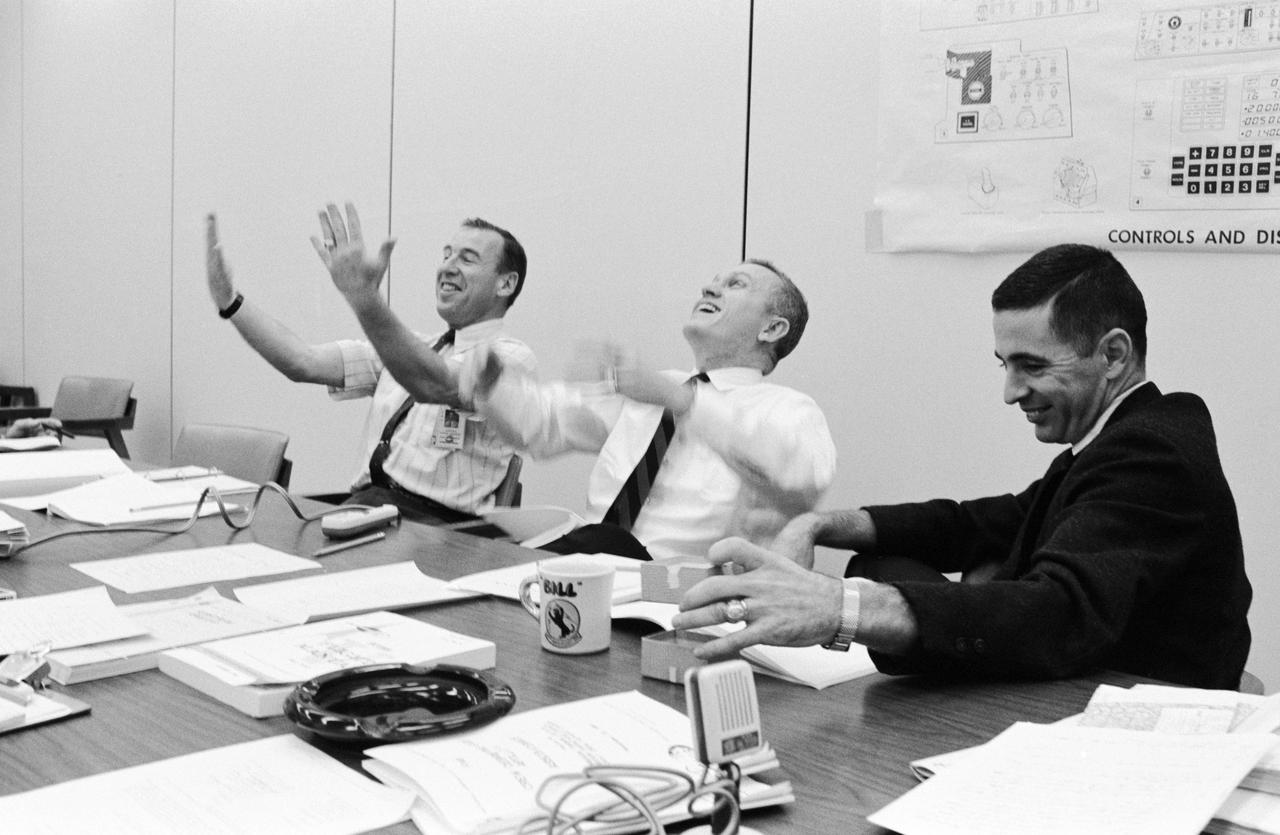
S68-56530 (30 Dec. 1968) --- The crew of the historic Apollo 8 lunar orbit mission participates in a technical de-briefing session in Building 4. Left to right, are astronauts James A. Lovell Jr., command module pilot; Frank Borman, commander; and William A. Anders, lunar module pilot.
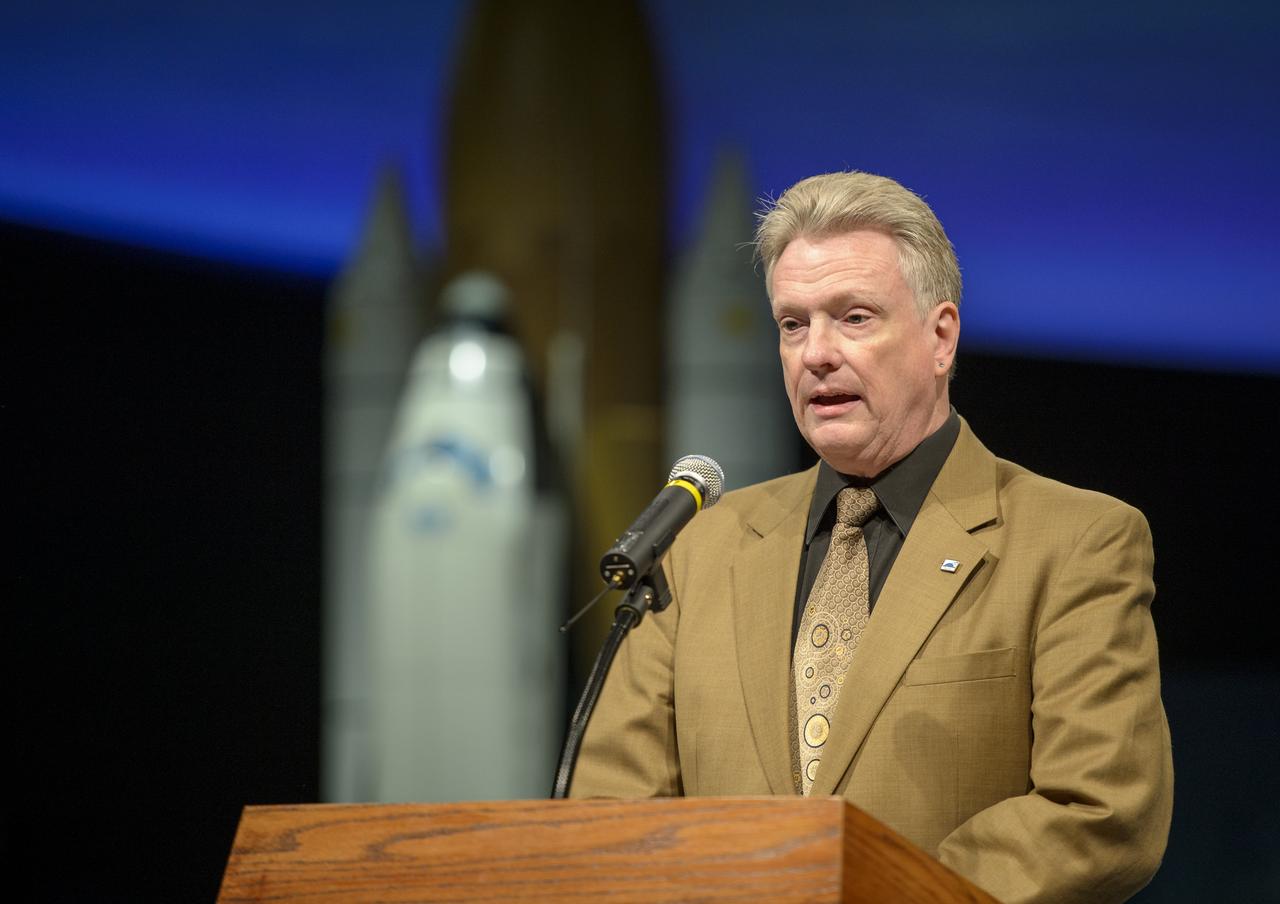
Smithsonian Institution's National Air and Space Museum Senior Curator in the Division of Space History Dr. Roger Launious begins a program titled "Sally Ride: How Her Historic Space Mission Opened Doors for Women in Science" held on Friday, May 17, 2013 at the Museum in Washington. Photo Credit: (NASA/Bill Ingalls)

Director of the NASA Johnson Space Center Ellen Ochoa shares her experiences during a program titled "Sally Ride: How Her Historic Space Mission Opened Doors for Women in Science" held on Friday, May 17, 2013 at the National Air and Space Museum in Washington. Photo Credit: (NASA/Bill Ingalls)
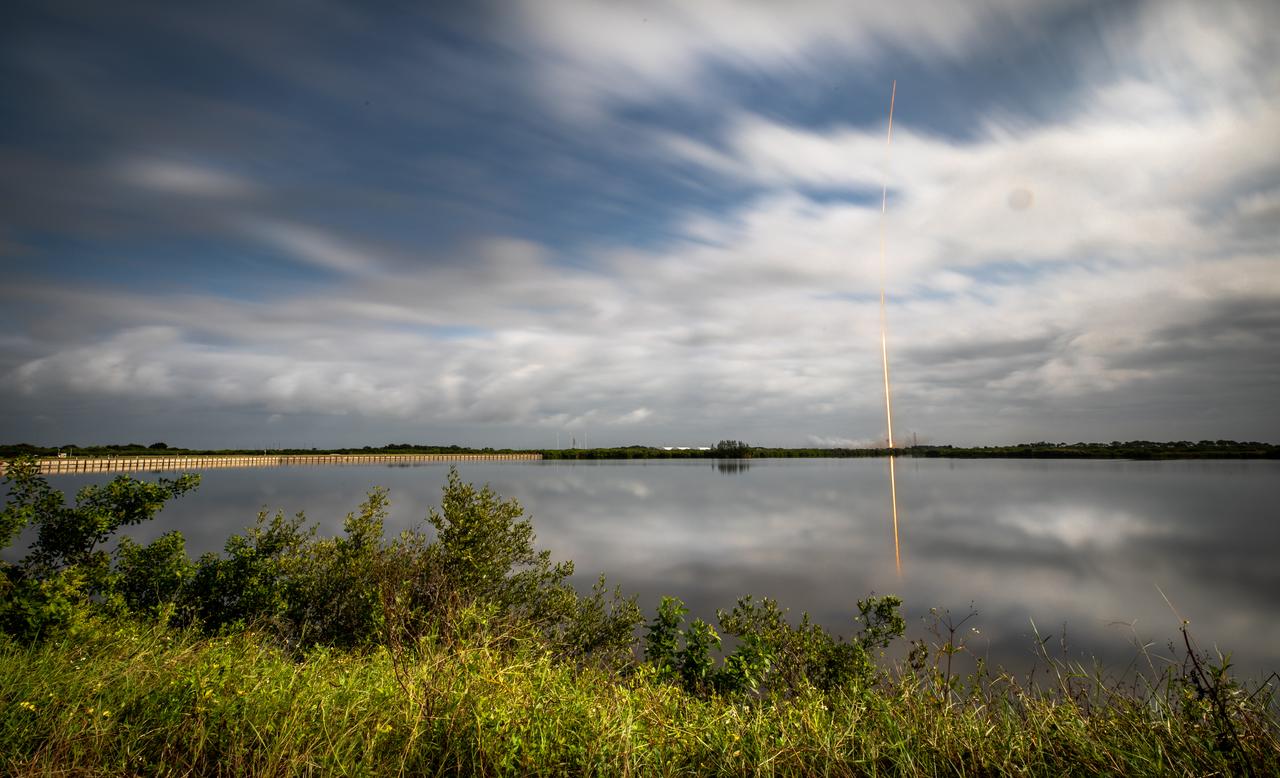
NASA’s Psyche spacecraft, atop a SpaceX Falcon Heavy rocket, soars into the sky after lifting off from Kennedy Space Center’s historic Launch Complex 39A in Florida at 10:19 a.m. EDT on Friday, Oct. 13, 2023. This daytime long exposure photo was taken from Kennedy’s Press Site near the historic countdown clock. The Psyche mission will study a metal-rich asteroid with the same name, located in the main asteroid belt between Mars and Jupiter. This is NASA’s first mission to study an asteroid that has more metal than rock or ice. Riding with Psyche is a pioneering technology demonstration – NASA’s Deep Space Optical Communications (DSOC) experiment – which will be the first test of laser communications beyond the Moon.
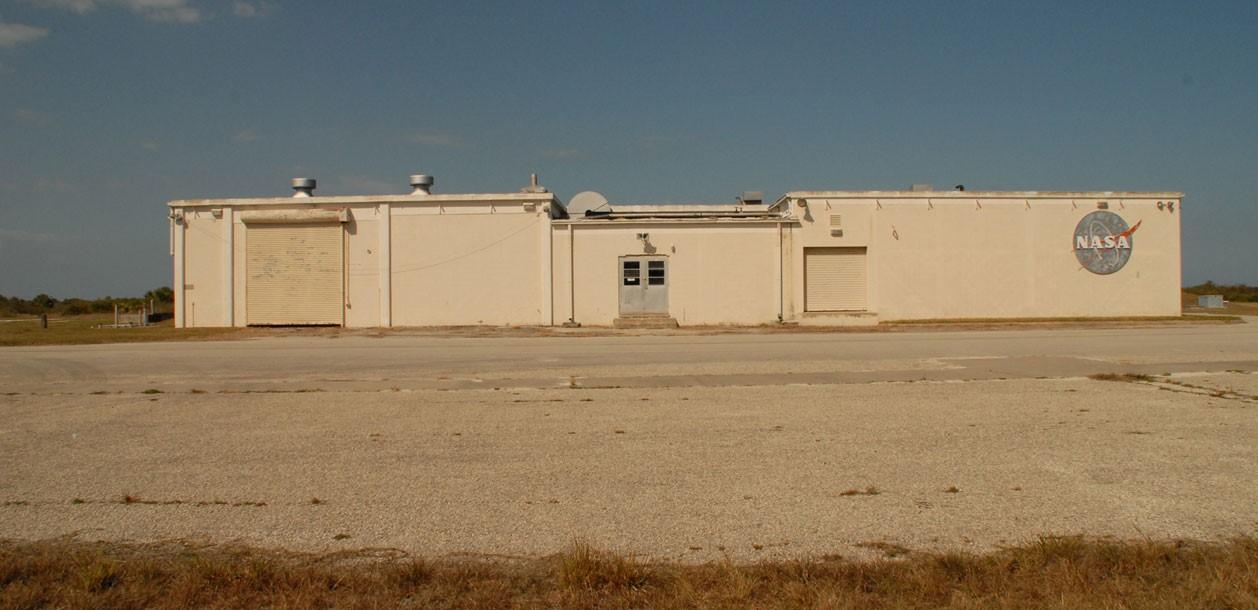
Exterior view of the Mission Control Center
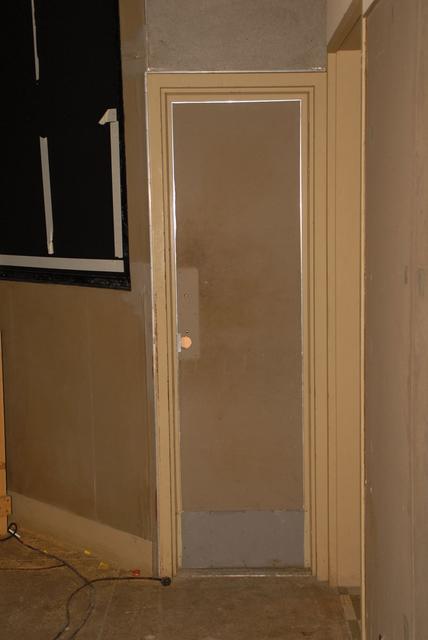
Interior view of the Mission Control Center
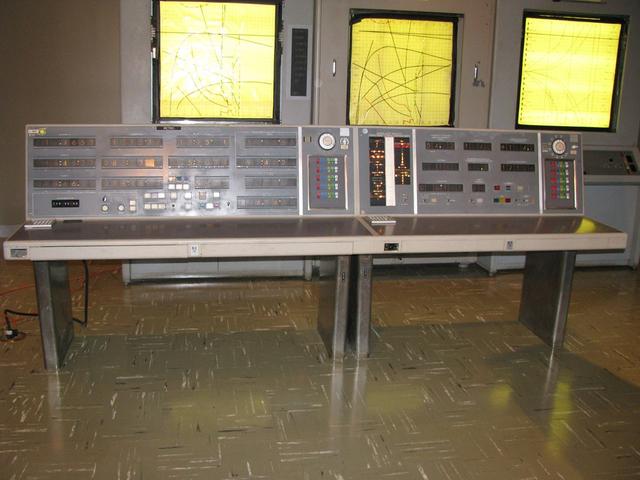
Interior view of the Mission Control Center
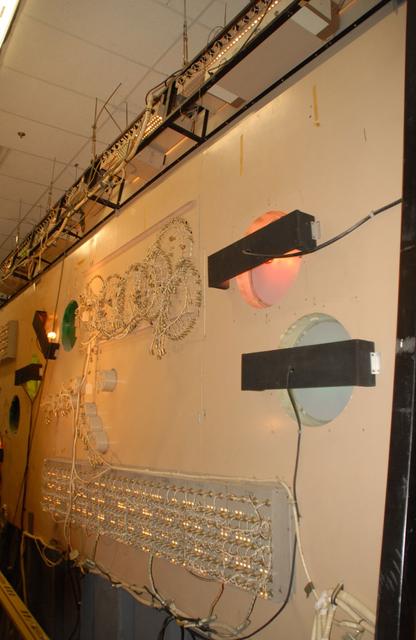
Interior view of the Mission Control Center
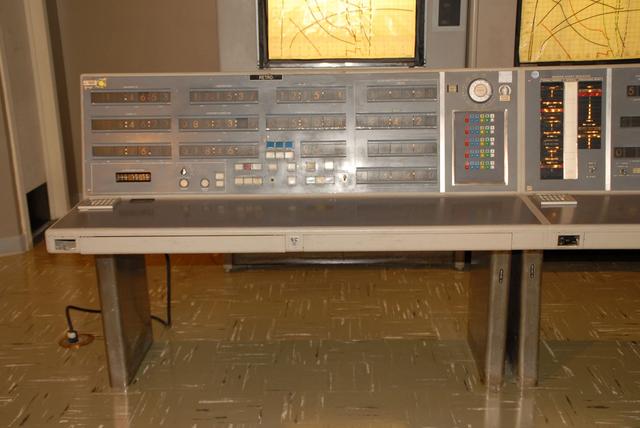
Interior view of the Mission Control Center
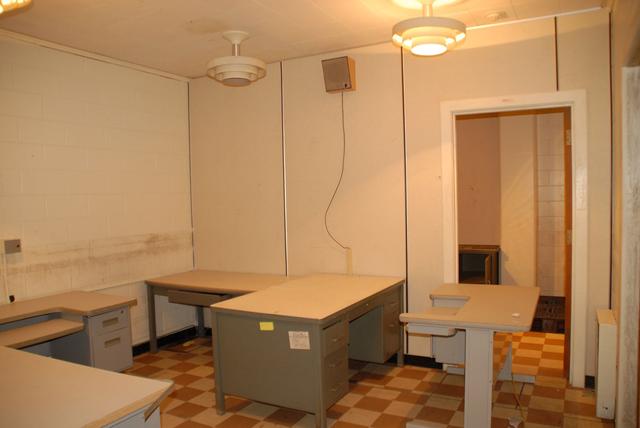
Interior view of the Mission Control Center
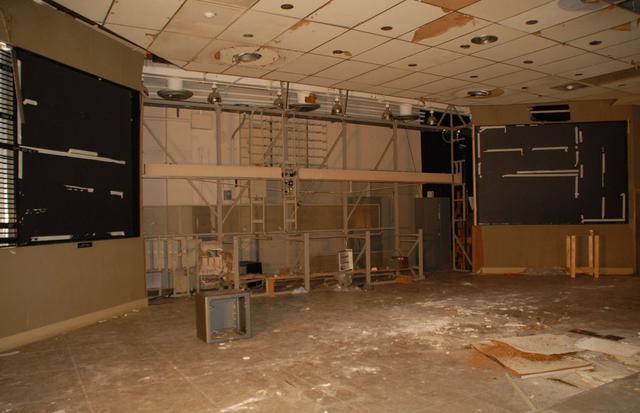
Interior view of the Mission Control Center
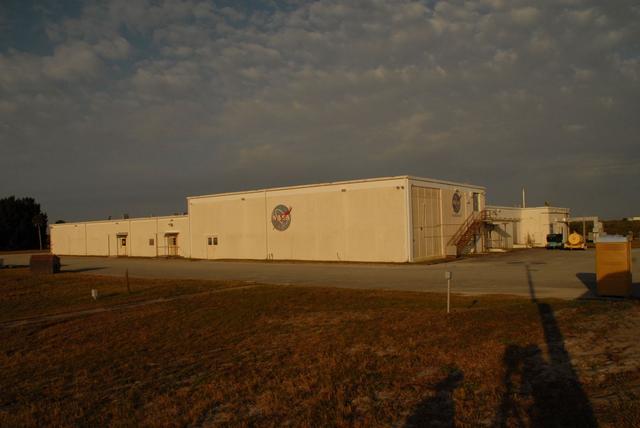
Exterior view of the Mission Control Center
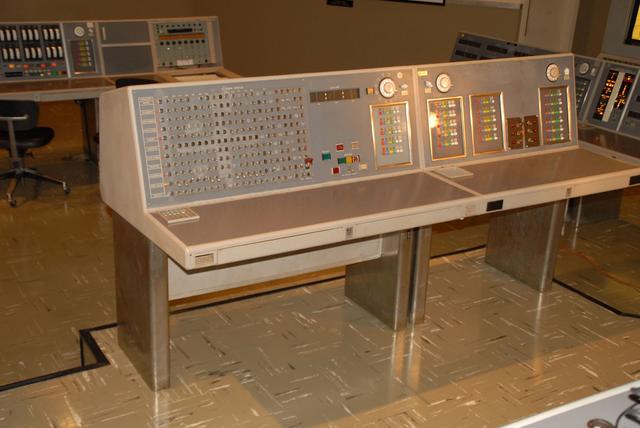
Interior view of the Mission Control Center
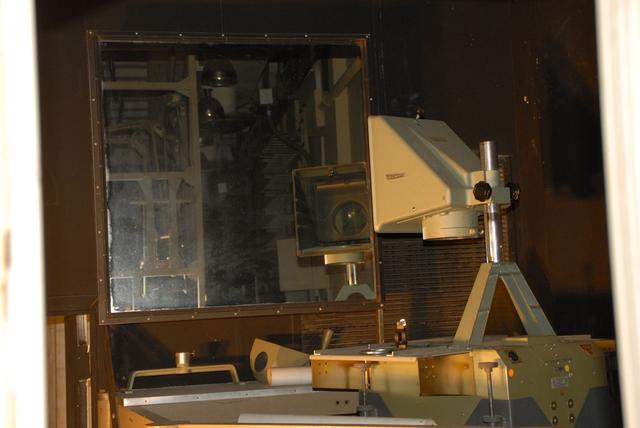
Interior view of the Mission Control Center
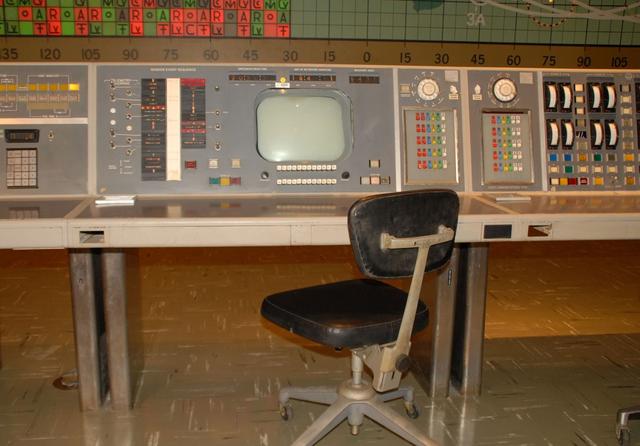
Interior view of the Mission Control Center

Interior view of the Mission Control Center
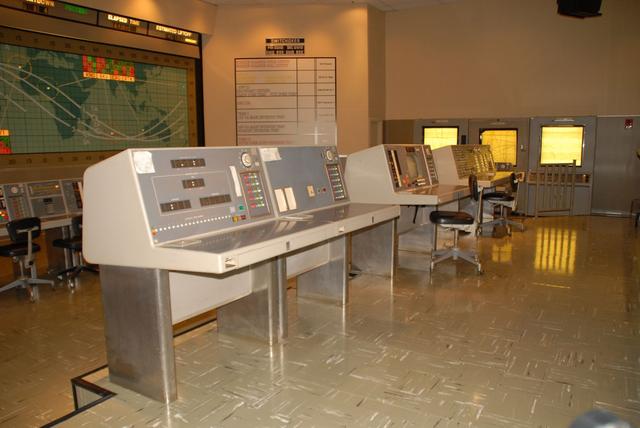
Interior view of the Mission Control Center
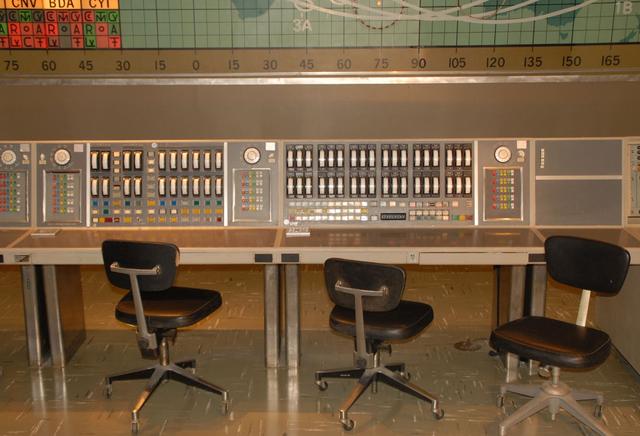
Interior view of the Mission Control Center
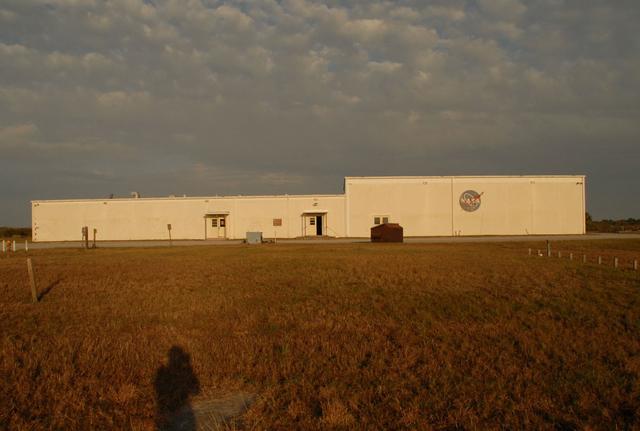
Exterior view of the Mission Control Center
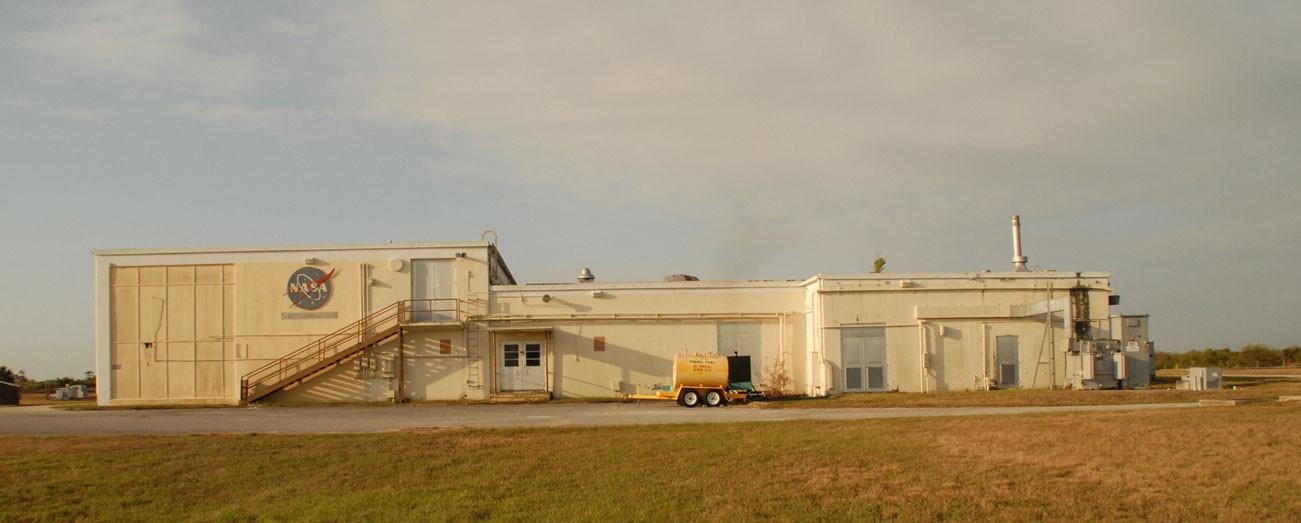
Exterior view of the Mission Control Center
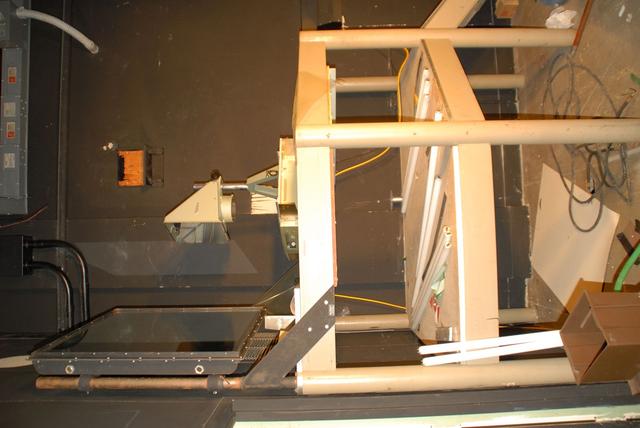
Interior view of the Mission Control Center
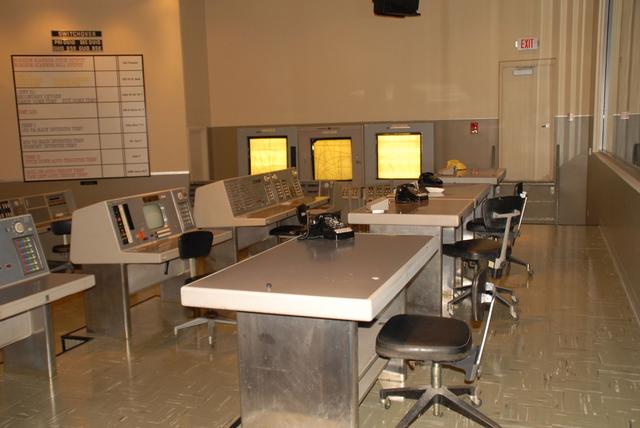
Interior view of the Mission Control Center
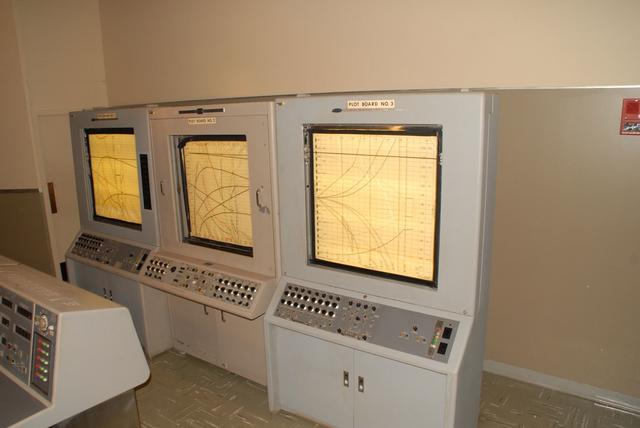
Interior view of the Mission Control Center

Interior view of the Mission Control Center
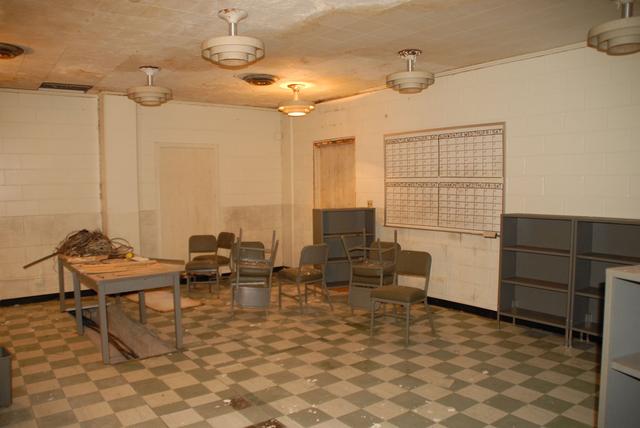
Interior view of the Mission Control Center
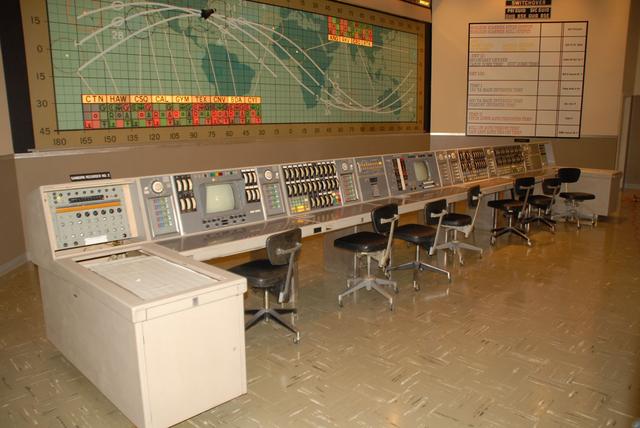
Interior view of the Mission Control Center