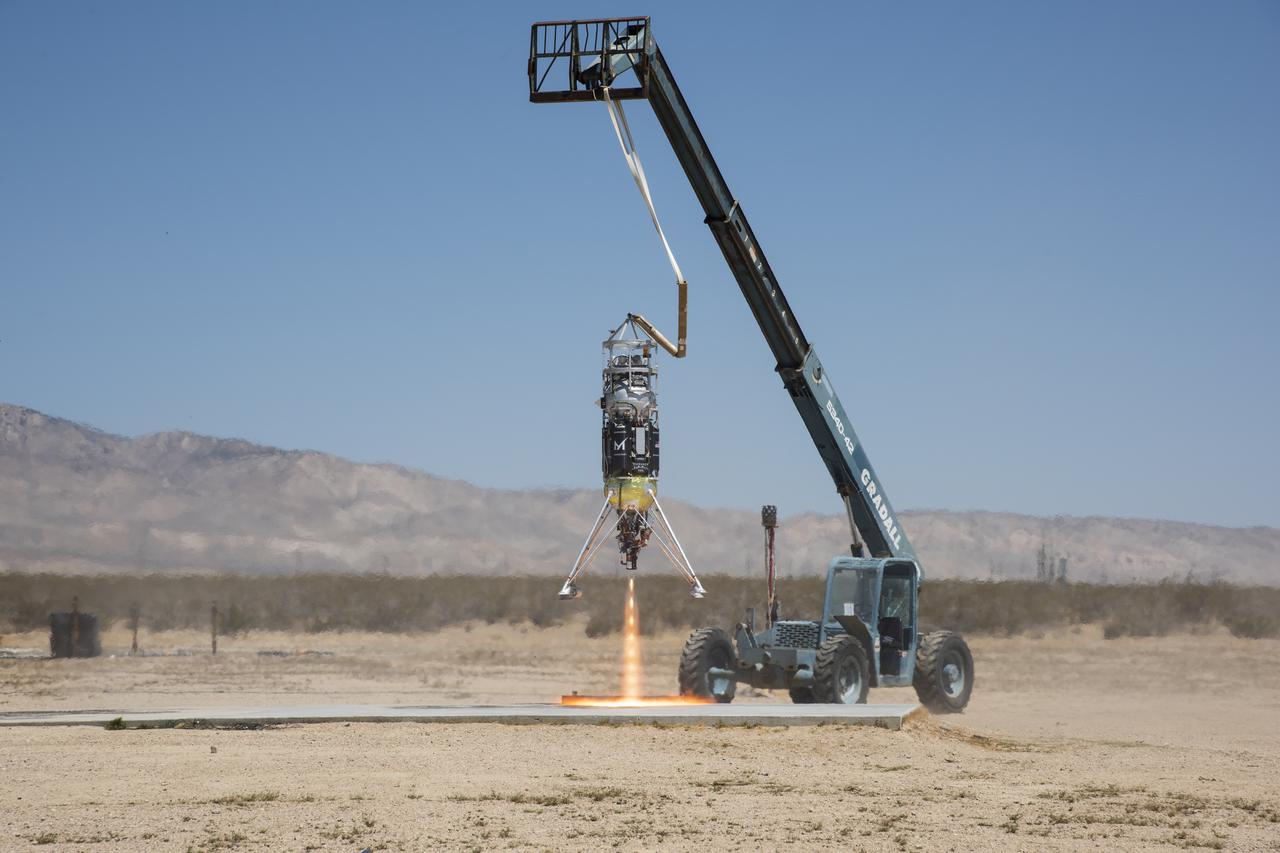
Masten Space Systems’ Xodiac rocket flight tests Honeybee Robotics pneumatic sampler collection system, PlanetVac, in Mojave Desert.
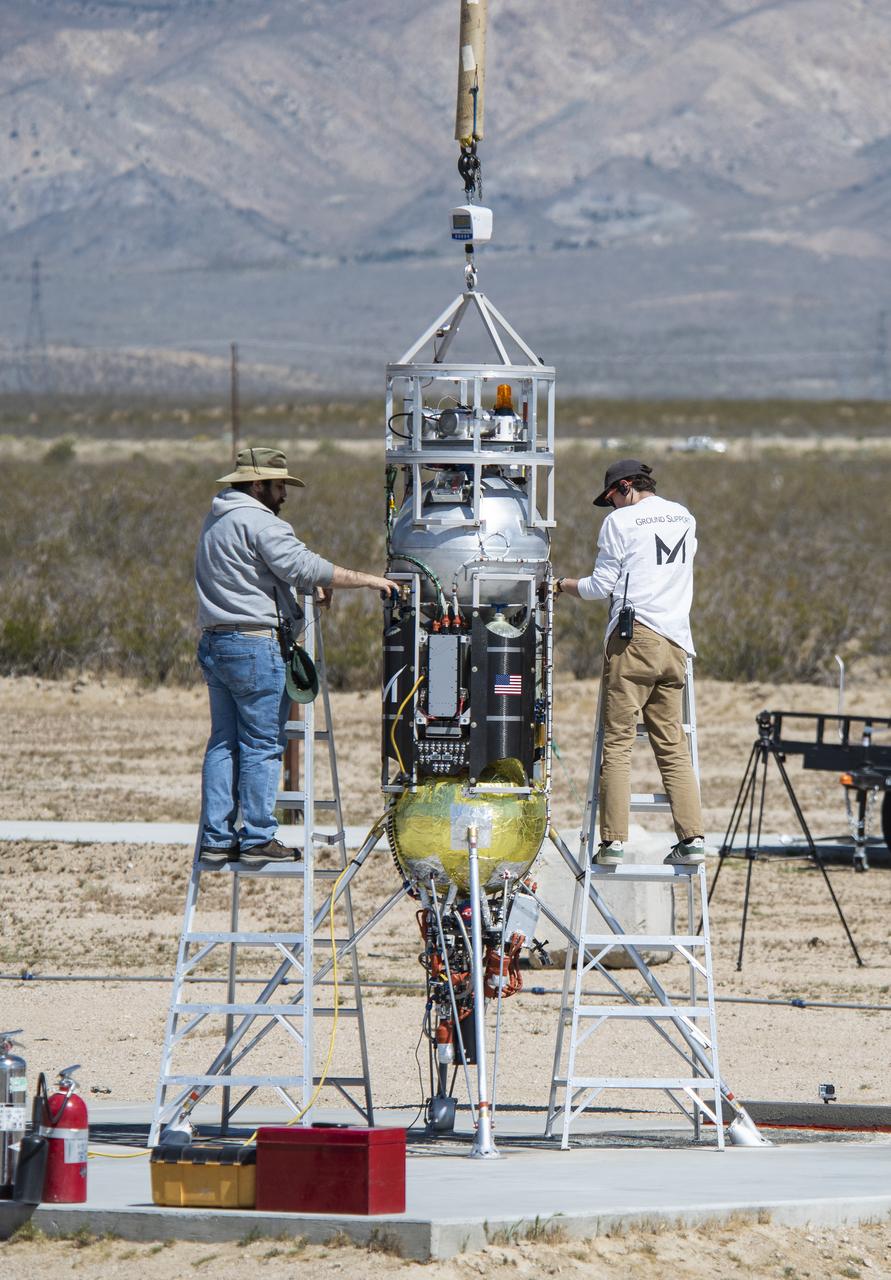
Masten Space Systems’ technicians prepare their Xodiac rocket to flight test Honeybee Robotics pneumatic sampler collection system, PlanetVac, in Mojave Desert.
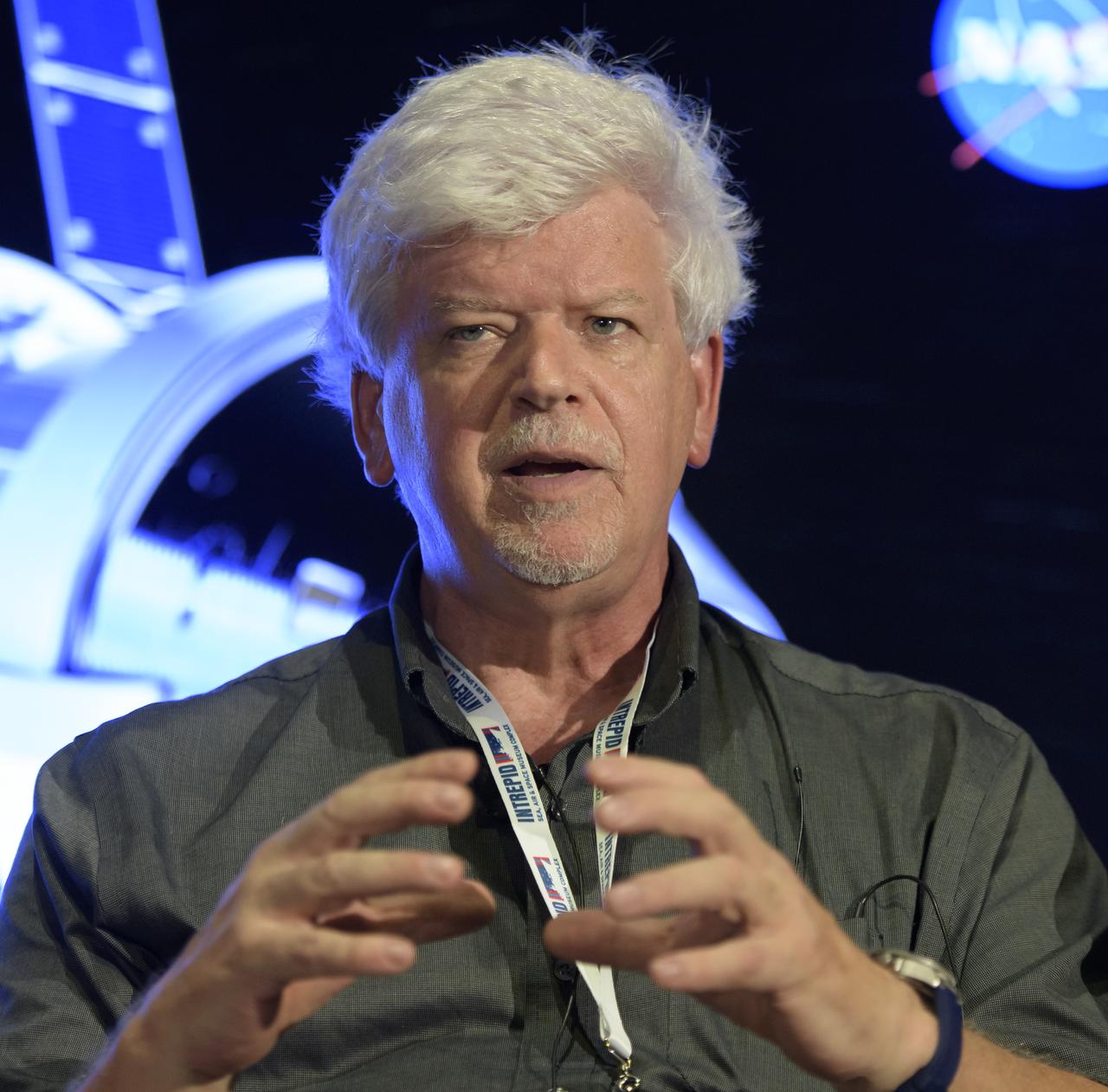
Honeybee Robotics co-founder and chairman Stephen Gorevan participates in a panel discussion titled "The Big Picture", Saturday, Aug. 5, 2017 at the Intrepid Sea, Air & Space Museum in New York City. Photo Credit: (NASA/Bill Ingalls)
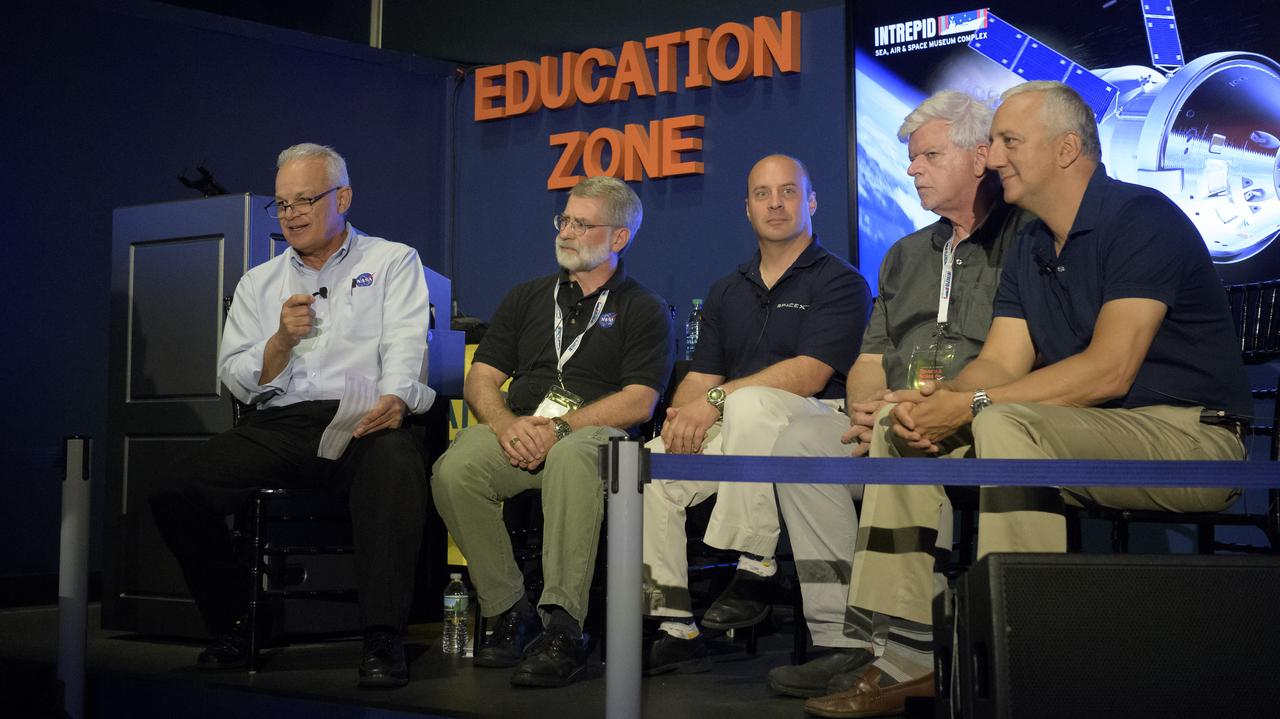
NASA Acting Chief Technologist Douglas Terrier, left, moderates a panel discussion titled "The Big Picture" with NASA James Webb Space Telescope systems engineer Mike Menzel, SpaceX Director of space operations and former NASA astronaut Garret Reisman, Honeybee Robotics co-founder and chairman Stephen Gorevan, and former NASA astronaut Mike Massimino, Saturday, Aug. 5, 2017 at the Intrepid Sea, Air & Space Museum in New York City. Photo Credit: (NASA/Bill Ingalls)
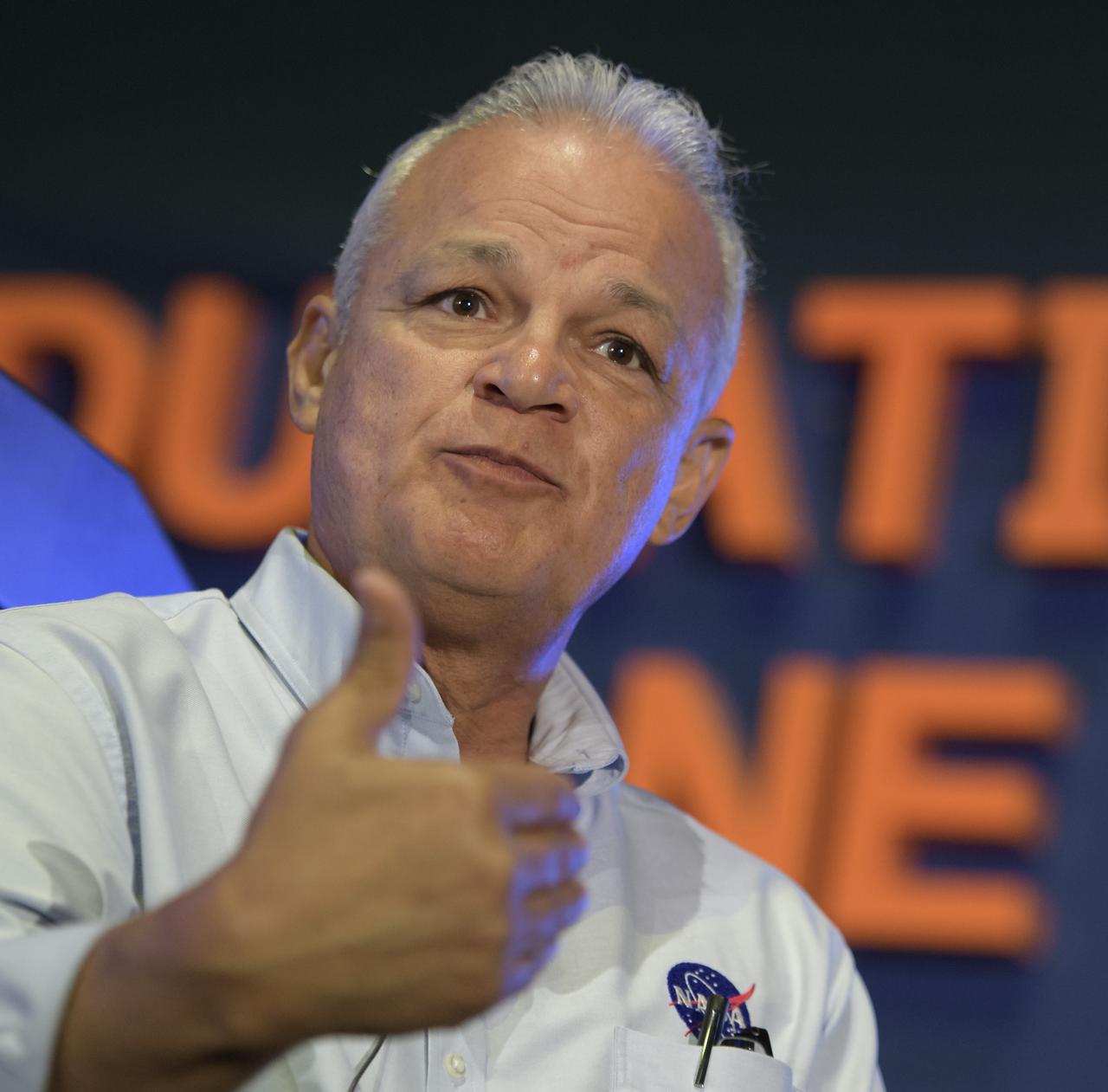
NASA Acting Chief Technologist Douglas Terrier, moderates a panel discussion titled "The Big Picture" with NASA James Webb Space Telescope systems engineer Mike Menzel, SpaceX Director of space operations and former NASA astronaut Garret Reisman, Honeybee Robotics co-founder and chairman Stephen Gorevan, and former NASA astronaut Mike Massimino, Saturday, Aug. 5, 2017 at the Intrepid Sea, Air & Space Museum in New York City. Photo Credit: (NASA/Bill Ingalls)
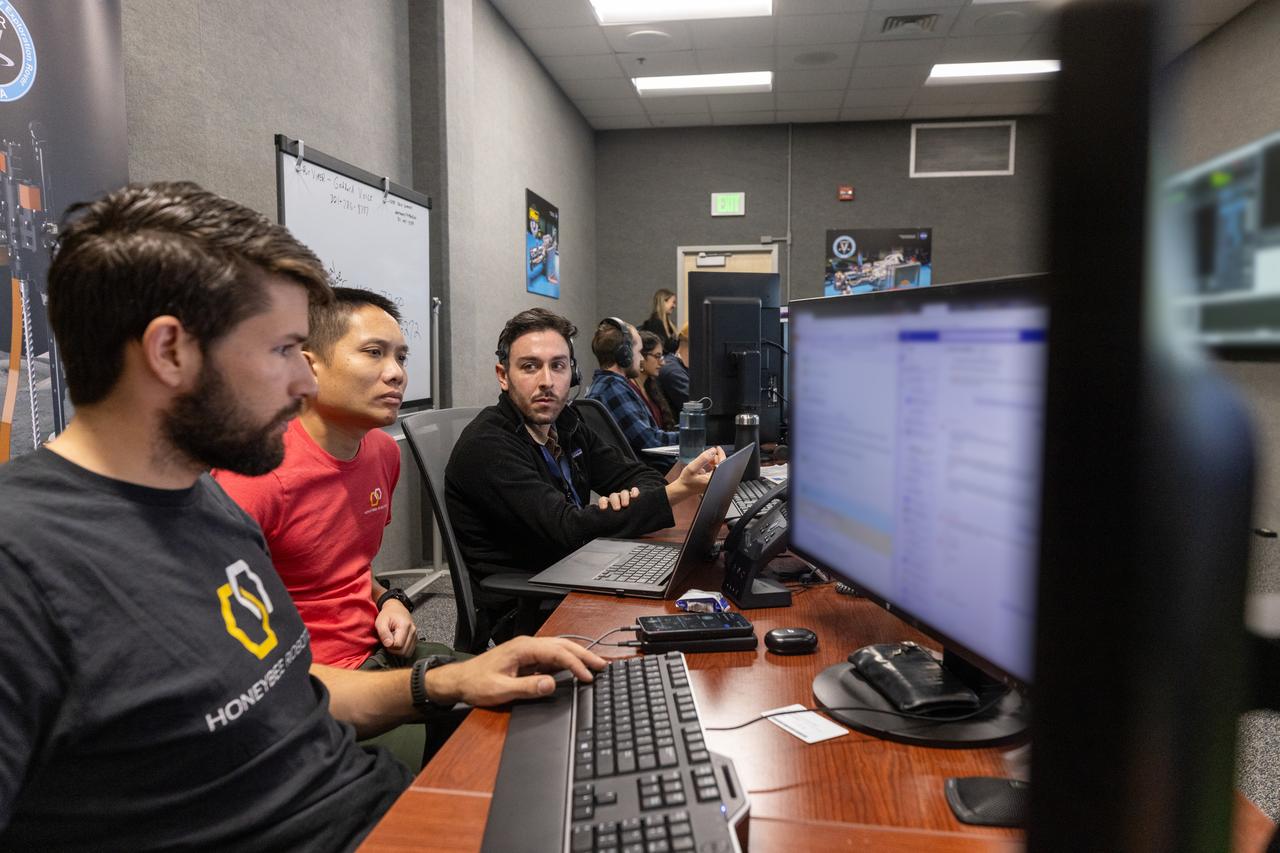
A team from Honeybee Robotics in Altadena, California participates in simulation training for the Polar Resources Ice Mining Experiment-1 (PRIME-1) on Thursday, Nov. 2, 2023, inside the Neil Armstrong Operations and Checkout Building at NASA’s Kennedy Space Center in Florida. The purpose of the training is to get the integrated PRIME-1 team – engineers with PRIME-1’s MSOLO (Mass Spectrometer Observing Lunar Operations) and Honeybee Robotics’ TRIDENT (The Regolith and Ice Drill for Exploring New Terrain) drill – prepared to operate the instrument on the lunar surface. The team commanded the PRIME-1 hardware, located at Intuitive Machines in Houston, to operate MSOLO and TRIDENT. PRIME-1 is scheduled to launch through NASA’s CLPS (Commercial Lunar Payload Delivery Service) initiative and will be the first in-situ resource utilization demonstration on the Moon, with MSOLO and TRIDENT making up its two primary components. Through Artemis missions, CLPS deliveries will be used to perform science experiments, test technologies, and demonstrate capabilities to help NASA explore the Moon and prepare for human deep space exploration missions.
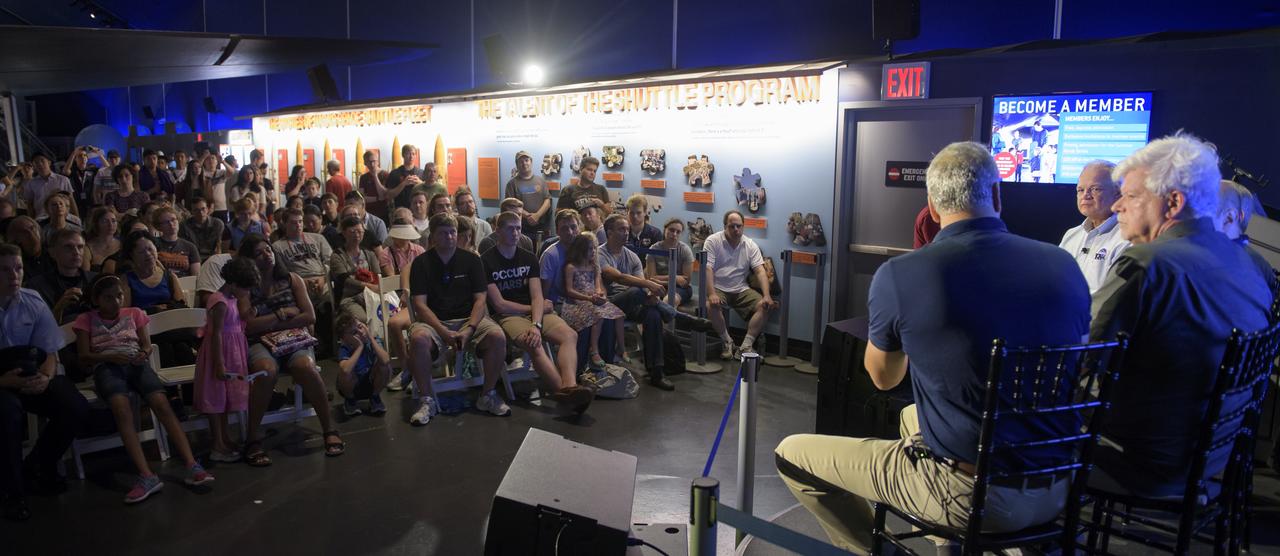
Audience members, seated under the wing of the space shuttle Enterprise, listen as NASA Acting Chief Technologist Douglas Terrier, moderates a panel discussion titled "The Big Picture" with NASA James Webb Space Telescope systems engineer Mike Menzel, SpaceX Director of space operations and former NASA astronaut Garret Reisman, Honeybee Robotics co-founder and chairman Stephen Gorevan, and former NASA astronaut Mike Massimino, Saturday, Aug. 5, 2017 at the Intrepid Sea, Air & Space Museum in New York City. Photo Credit: (NASA/Bill Ingalls)
A science instrument flying aboard the next delivery for NASA’s CLPS (Commercial Lunar Payload Services) initiative could help improve our understanding of the Moon. The Lunar Instrumentation for Subsurface Thermal Exploration with Rapidity, or LISTER, is one of 10 payloads set to be carried to the Moon by the Blue Ghost 1 lunar lander in 2025. Developed jointly by Texas Tech University and Honeybee Robotics, LISTER’s planned mission is to measure the flow of heat from the Moon’s interior using a specialized drill. Investigations and demonstrations, such as LISTER, launched on CLPS flights will help NASA study Earth’s nearest neighbor under Artemis and pave the way for future crewed missions on the Moon. NASA’s Marshall Space Flight Center in Huntsville, Alabama, manages the development and operations for seven of the 10 CLPS payloads that will be carried on Firefly’s Blue Ghost lunar lander.
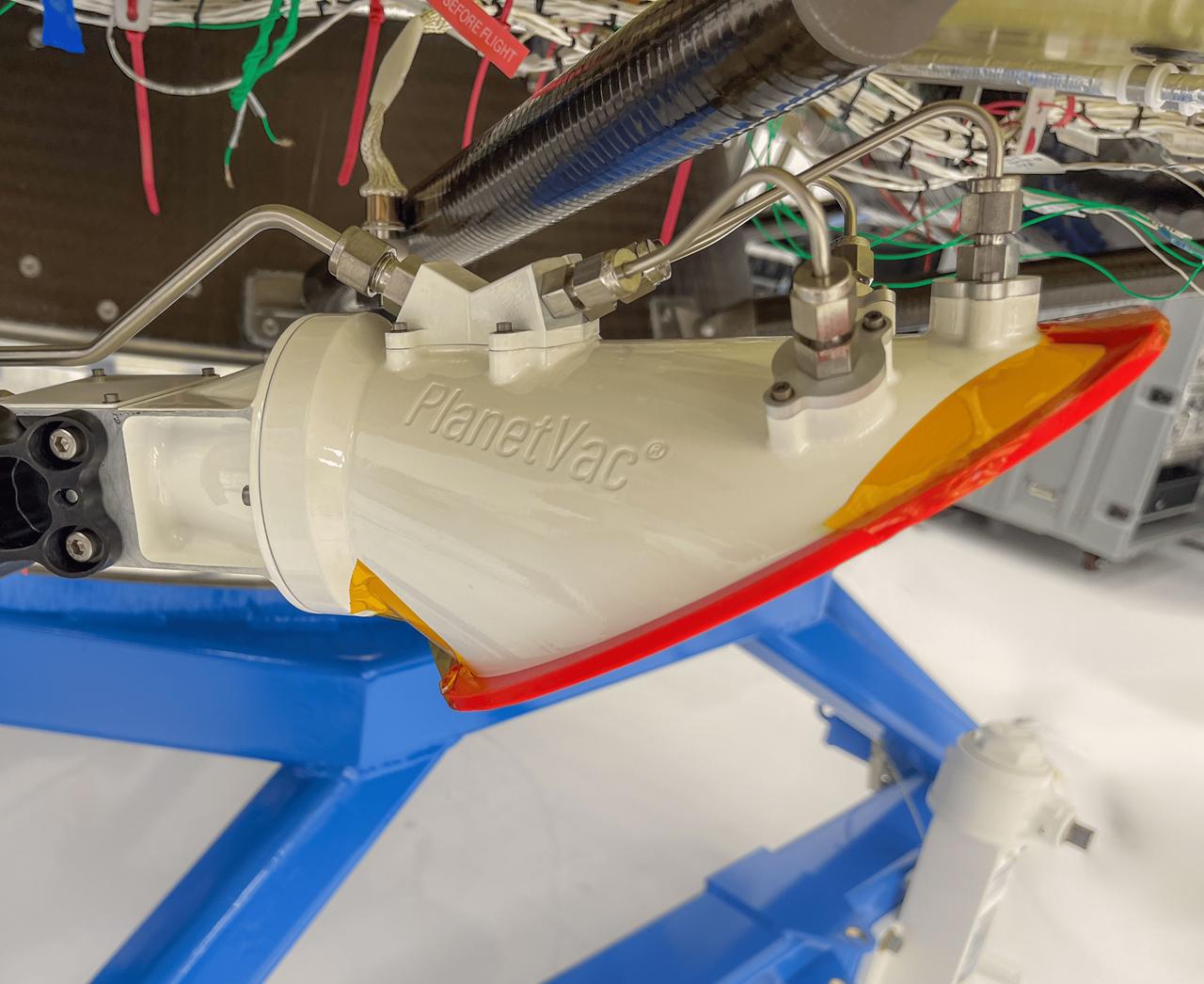
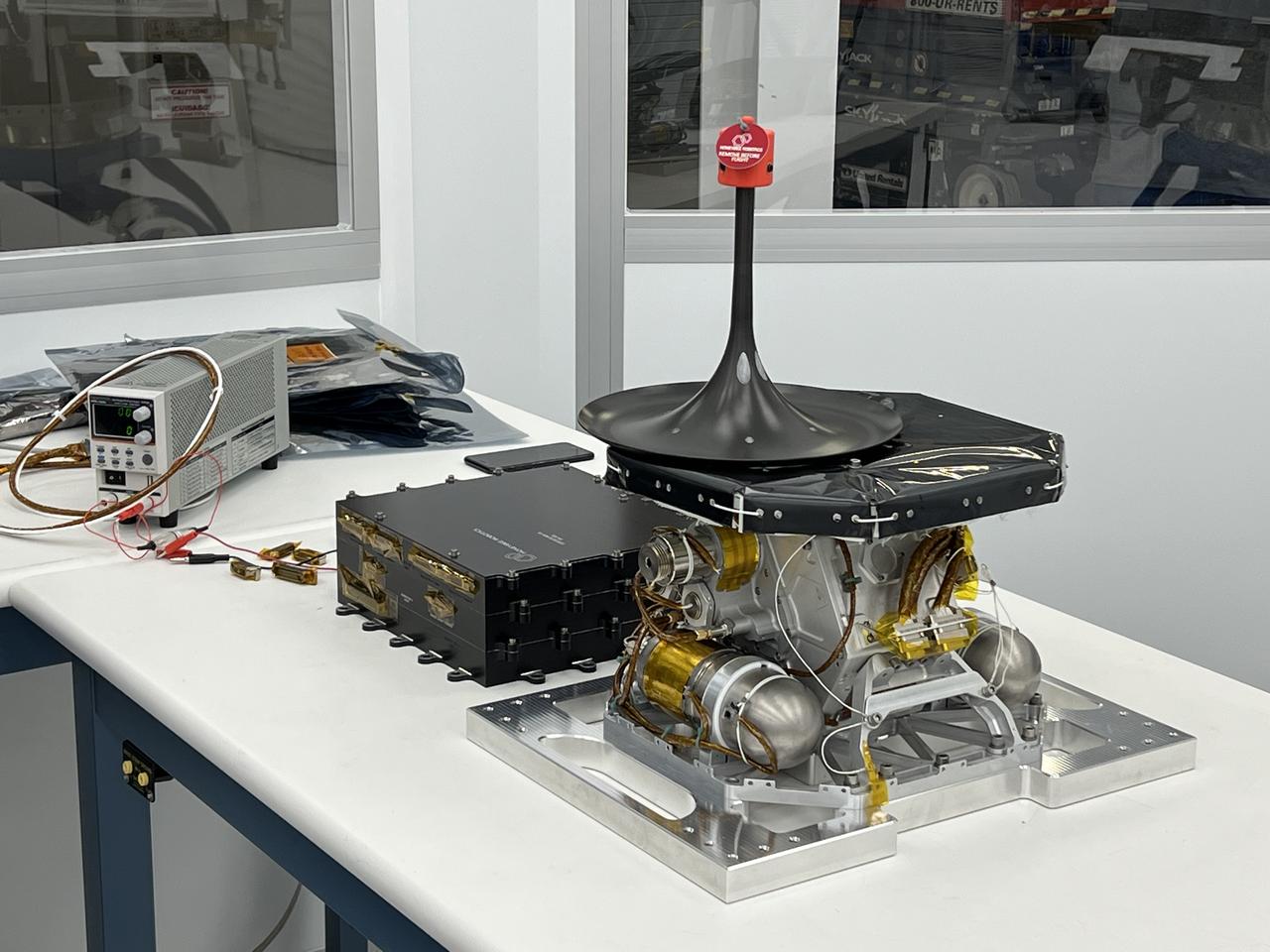
A technology demonstration flying aboard the next delivery for NASA’s CLPS (Commercial Lunar Payload Services) initiative could change how research teams collect and study soil and rock samples on other planetary bodies. Lunar PlanetVac, or LPV, is one of 10 payloads set to be carried to the Moon by the Blue Ghost 1 lunar lander in 2025. Developed by Honeybee Robotics, a Blue Origin company of Altadena, California, LPV is designed to, essentially, operate as a vacuum cleaner with a pneumatic, compressed gas-powered sample acquisition and delivery system to efficiently collect and transfer lunar soil from the surface to other science instruments or sample return containers. Investigations and demonstrations, such as LPV, launched on CLPS flights will help NASA study Earth’s nearest neighbor under Artemis and pave the way for future crewed missions on the Moon. NASA’s Marshall Space Flight Center in Huntsville, Alabama, manages the development for seven of the 10 CLPS payloads that will be carried on Firefly’s Blue Ghost lunar lander.
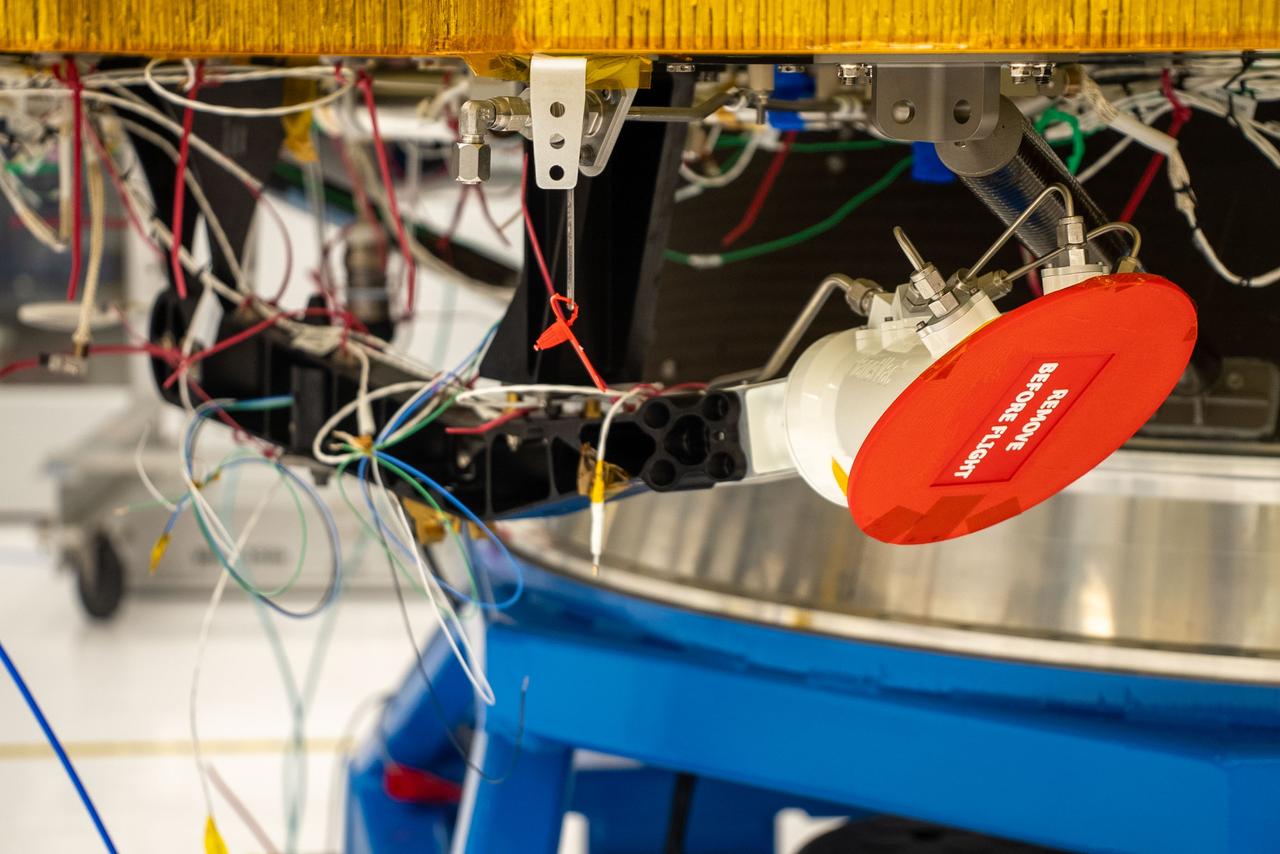

A technology demonstration flying aboard the next delivery for NASA’s CLPS (Commercial Lunar Payload Services) initiative could change how research teams collect and study soil and rock samples on other planetary bodies. Lunar PlanetVac, or LPV, is one of 10 payloads set to be carried to the Moon by the Blue Ghost 1 lunar lander in 2025. Developed by Honeybee Robotics, a Blue Origin company of Altadena, California, LPV is designed to, essentially, operate as a vacuum cleaner with a pneumatic, compressed gas-powered sample acquisition and delivery system to efficiently collect and transfer lunar soil from the surface to other science instruments or sample return containers. Investigations and demonstrations, such as LPV, launched on CLPS flights will help NASA study Earth’s nearest neighbor under Artemis and pave the way for future crewed missions on the Moon. NASA’s Marshall Space Flight Center in Huntsville, Alabama, manages the development for seven of the 10 CLPS payloads that will be carried on Firefly’s Blue Ghost lunar lander.
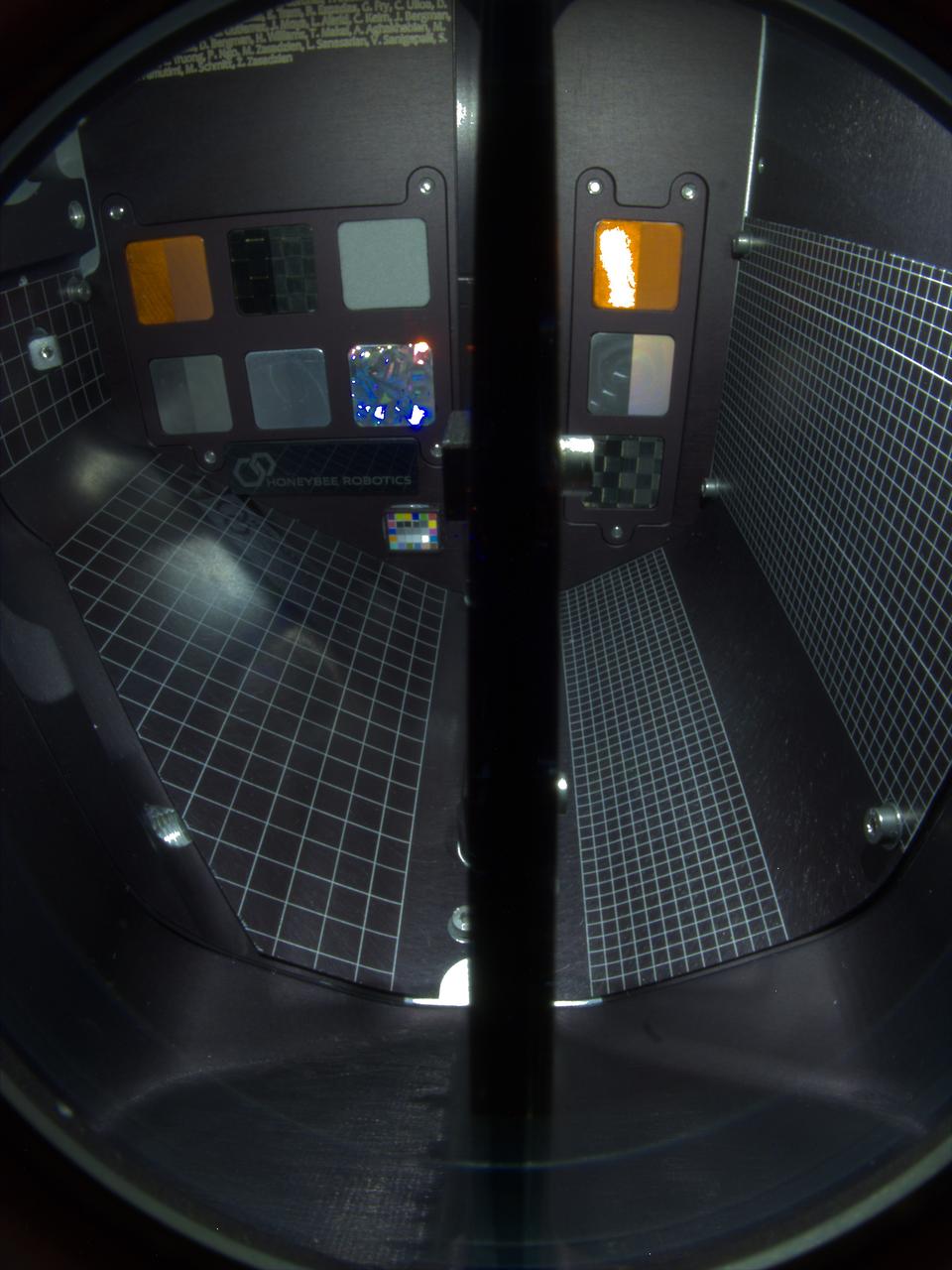

A technology demonstration flying aboard the next delivery for NASA’s CLPS (Commercial Lunar Payload Services) initiative could change how research teams collect and study soil and rock samples on other planetary bodies. Lunar PlanetVac, or LPV, is one of 10 payloads set to be carried to the Moon by the Blue Ghost 1 lunar lander in 2025. Developed by Honeybee Robotics, a Blue Origin company of Altadena, California, LPV is designed to, essentially, operate as a vacuum cleaner with a pneumatic, compressed gas-powered sample acquisition and delivery system to efficiently collect and transfer lunar soil from the surface to other science instruments or sample return containers. Investigations and demonstrations, such as LPV, launched on CLPS flights will help NASA study Earth’s nearest neighbor under Artemis and pave the way for future crewed missions on the Moon. NASA’s Marshall Space Flight Center in Huntsville, Alabama, manages the development for seven of the 10 CLPS payloads that will be carried on Firefly’s Blue Ghost lunar lander.

A team of engineers participates in simulation training for the Polar Resources Ice Mining Experiment-1 (PRIME-1) on Thursday, Nov. 2, 2023, inside the Neil Armstrong Operations and Checkout Building at NASA’s Kennedy Space Center in Florida. The purpose of the training is to get the integrated PRIME-1 team – engineers with PRIME-1’s MSOLO (Mass Spectrometer Observing Lunar Operations) and Honeybee Robotics’ TRIDENT (The Regolith and Ice Drill for Exploring New Terrain) drill – prepared to operate the instrument on the lunar surface. The team commanded the PRIME-1 hardware, located at Intuitive Machines in Houston, to operate MSOLO and TRIDENT. PRIME-1 is scheduled to launch through NASA’s CLPS (Commercial Lunar Payload Delivery Service) initiative and will be the first in-situ resource utilization demonstration on the Moon, with MSOLO and TRIDENT making up its two primary components. Through Artemis missions, CLPS deliveries will be used to perform science experiments, test technologies, and demonstrate capabilities to help NASA explore the Moon and prepare for human deep space exploration missions.

A team of engineers participates in simulation training for the Polar Resources Ice Mining Experiment-1 (PRIME-1) on Thursday, Nov. 2, 2023, inside the Neil Armstrong Operations and Checkout Building at NASA’s Kennedy Space Center in Florida. The purpose of the training is to get the integrated PRIME-1 team – engineers with PRIME-1’s MSOLO (Mass Spectrometer Observing Lunar Operations) and Honeybee Robotics’ TRIDENT (The Regolith and Ice Drill for Exploring New Terrain) drill – prepared to operate the instrument on the lunar surface. The team commanded the PRIME-1 hardware, located at Intuitive Machines in Houston, to operate MSOLO and TRIDENT. PRIME-1 is scheduled to launch through NASA’s CLPS (Commercial Lunar Payload Delivery Service) initiative and will be the first in-situ resource utilization demonstration on the Moon, with MSOLO and TRIDENT making up its two primary components. Through Artemis missions, CLPS deliveries will be used to perform science experiments, test technologies, and demonstrate capabilities to help NASA explore the Moon and prepare for human deep space exploration missions.
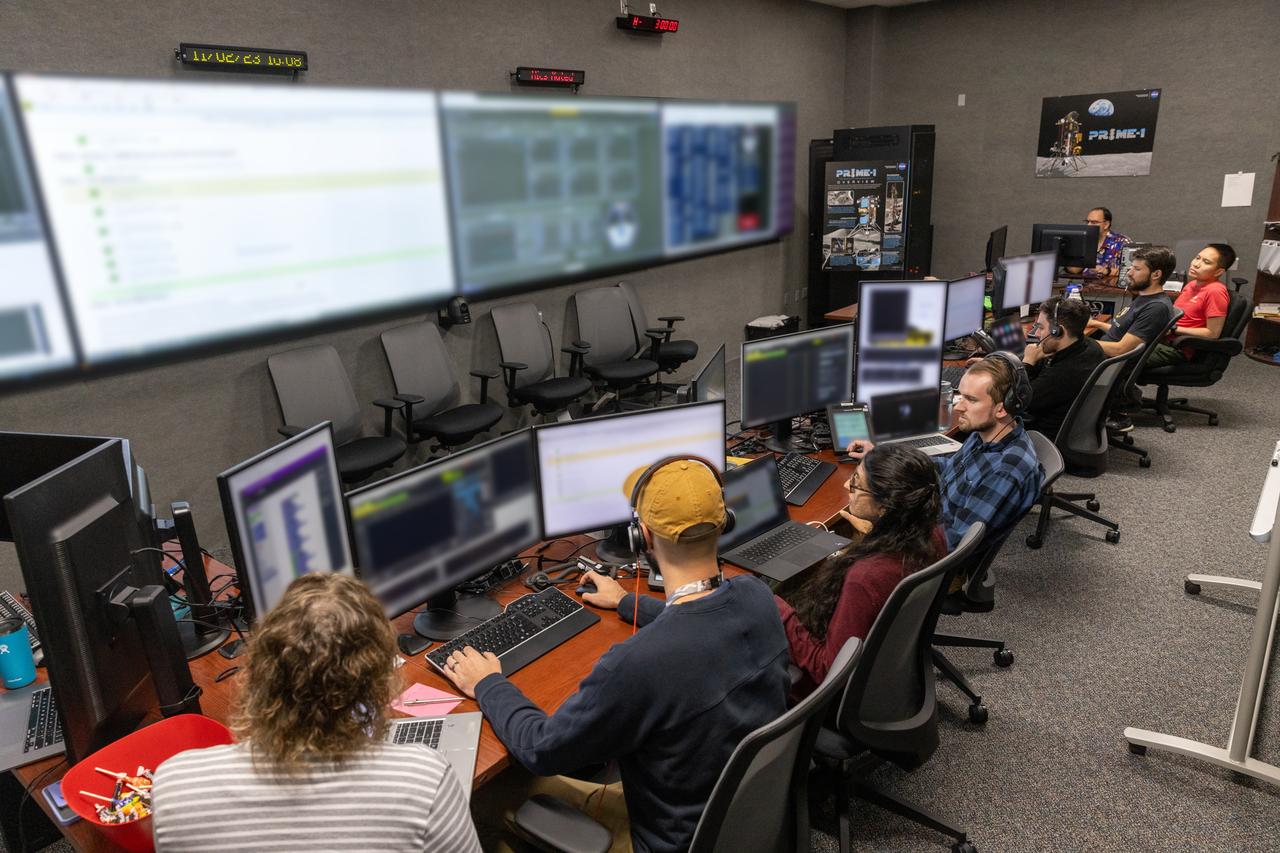
A team of engineers participates in simulation training for the Polar Resources Ice Mining Experiment-1 (PRIME-1) on Thursday, Nov. 2, 2023, inside the Neil Armstrong Operations and Checkout Building at NASA’s Kennedy Space Center in Florida. The purpose of the training is to get the integrated PRIME-1 team – engineers with PRIME-1’s MSOLO (Mass Spectrometer Observing Lunar Operations) and Honeybee Robotics’ TRIDENT (The Regolith and Ice Drill for Exploring New Terrain) drill – prepared to operate the instrument on the lunar surface. The team commanded the PRIME-1 hardware, located at Intuitive Machines in Houston, to operate MSOLO and TRIDENT. PRIME-1 is scheduled to launch through NASA’s CLPS (Commercial Lunar Payload Delivery Service) initiative and will be the first in-situ resource utilization demonstration on the Moon, with MSOLO and TRIDENT making up its two primary components. Through Artemis missions, CLPS deliveries will be used to perform science experiments, test technologies, and demonstrate capabilities to help NASA explore the Moon and prepare for human deep space exploration missions.
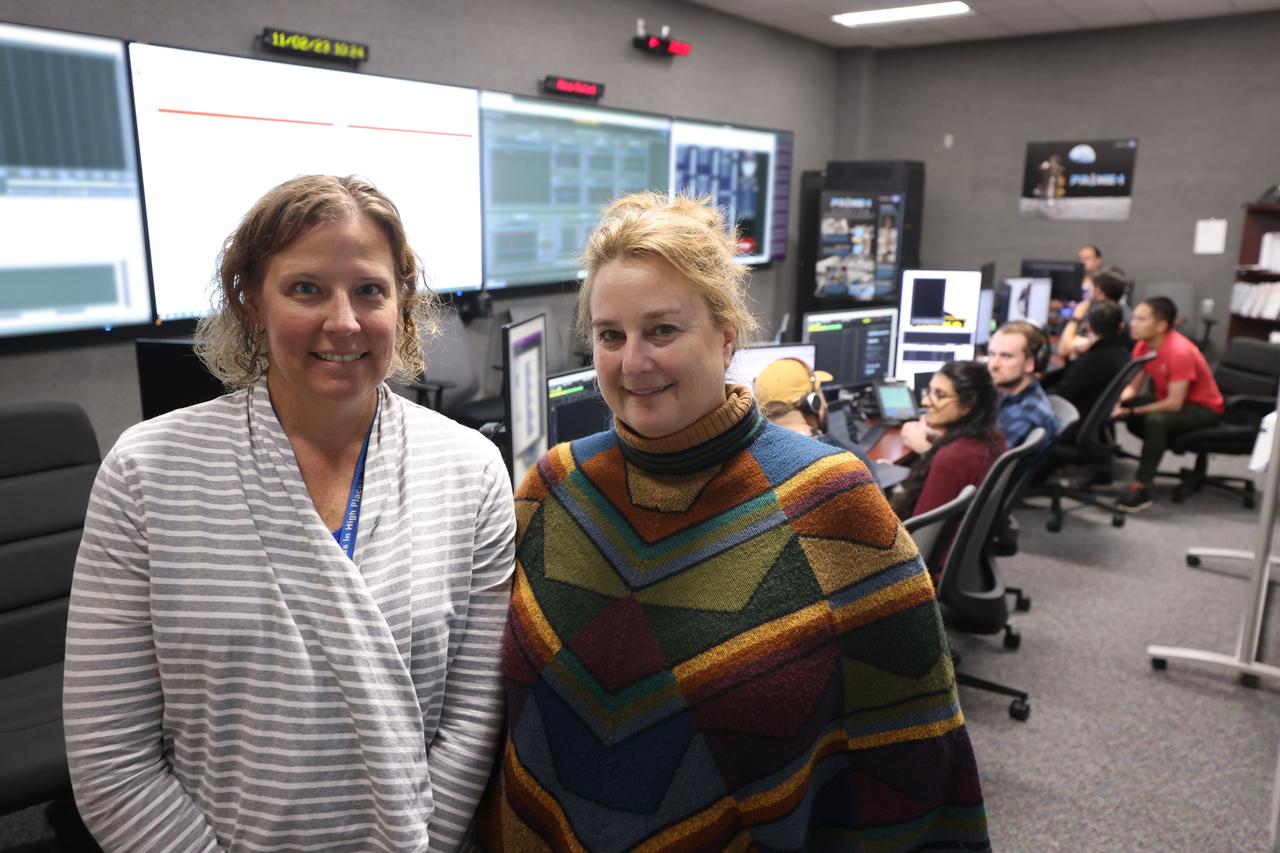
Janine Captain, left, and Jackie Quinn participate in simulation training for the Polar Resources Ice Mining Experiment-1 (PRIME-1) on Thursday, Nov. 2, 2023, inside the Neil Armstrong Operations and Checkout Building at NASA’s Kennedy Space Center in Florida. The purpose of the training is to get the integrated PRIME-1 team – engineers with PRIME-1’s MSOLO (Mass Spectrometer Observing Lunar Operations) and Honeybee Robotics’ TRIDENT (Regolith and Ice Drill for Exploring New Terrain) drill – prepared to operate the instrument on the lunar surface. The team commanded the PRIME-1 hardware, located at Intuitive Machines in Houston, to operate MSOLO and TRIDENT. PRIME-1 is scheduled to launch through NASA’s CLPS (Commercial Lunar Payload Delivery Service) initiative and will be the first in-situ resource utilization demonstration on the Moon, with MSOLO and TRIDENT making up its two primary components. Through Artemis missions, CLPS deliveries will be used to perform science experiments, test technologies, and demonstrate capabilities to help NASA explore the Moon and prepare for human deep space exploration missions.
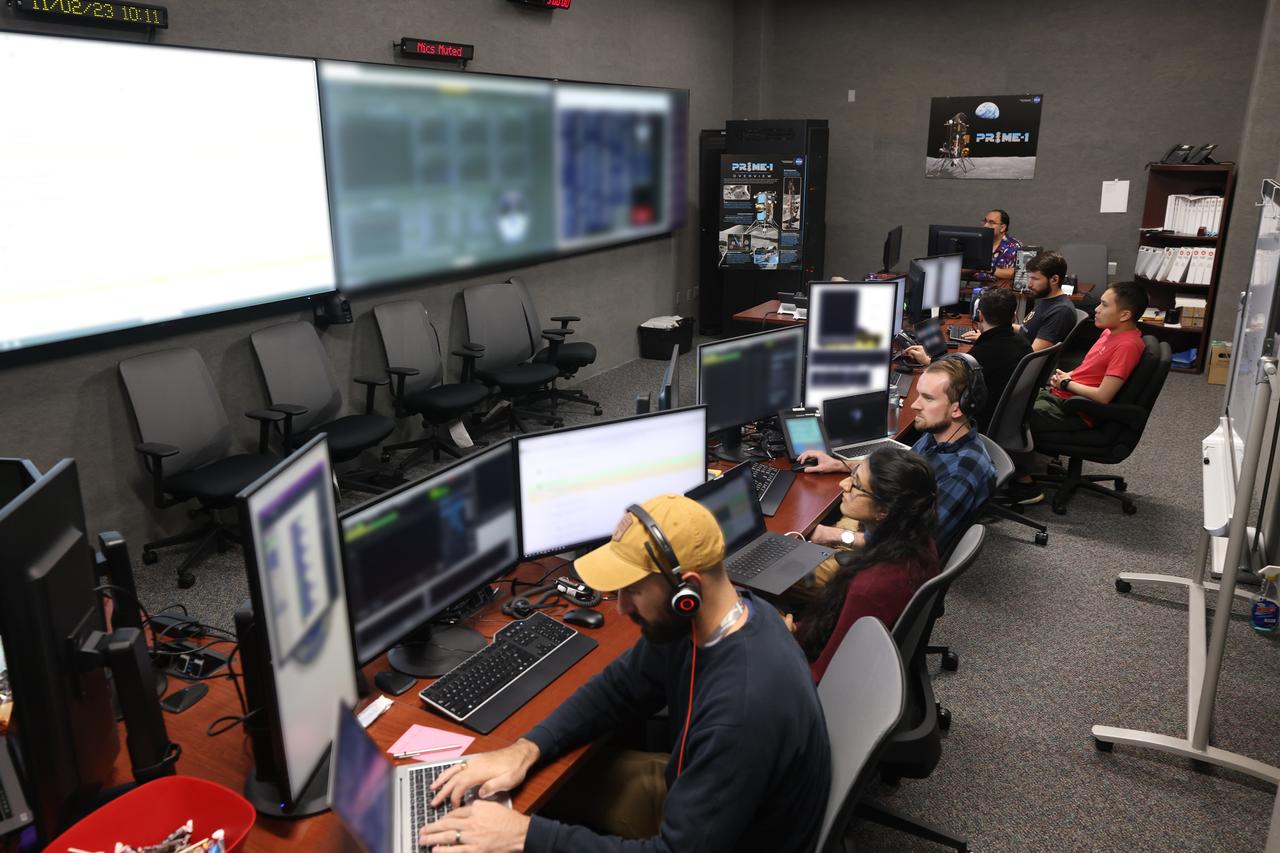
A team of engineers participates in simulation training for the Polar Resources Ice Mining Experiment-1 (PRIME-1) on Thursday, Nov. 2, 2023, inside the Neil Armstrong Operations and Checkout Building at NASA’s Kennedy Space Center in Florida. The purpose of the training is to get the integrated PRIME-1 team – engineers with PRIME-1’s MSOLO (Mass Spectrometer Observing Lunar Operations) and Honeybee Robotics’ TRIDENT (The Regolith and Ice Drill for Exploring New Terrain) drill – prepared to operate the instrument on the lunar surface. The team commanded the PRIME-1 hardware, located at Intuitive Machines in Houston, to operate MSOLO and TRIDENT. PRIME-1 is scheduled to launch through NASA’s CLPS (Commercial Lunar Payload Delivery Service) initiative and will be the first in-situ resource utilization demonstration on the Moon, with MSOLO and TRIDENT making up its two primary components. Through Artemis missions, CLPS deliveries will be used to perform science experiments, test technologies, and demonstrate capabilities to help NASA explore the Moon and prepare for human deep space exploration missions.
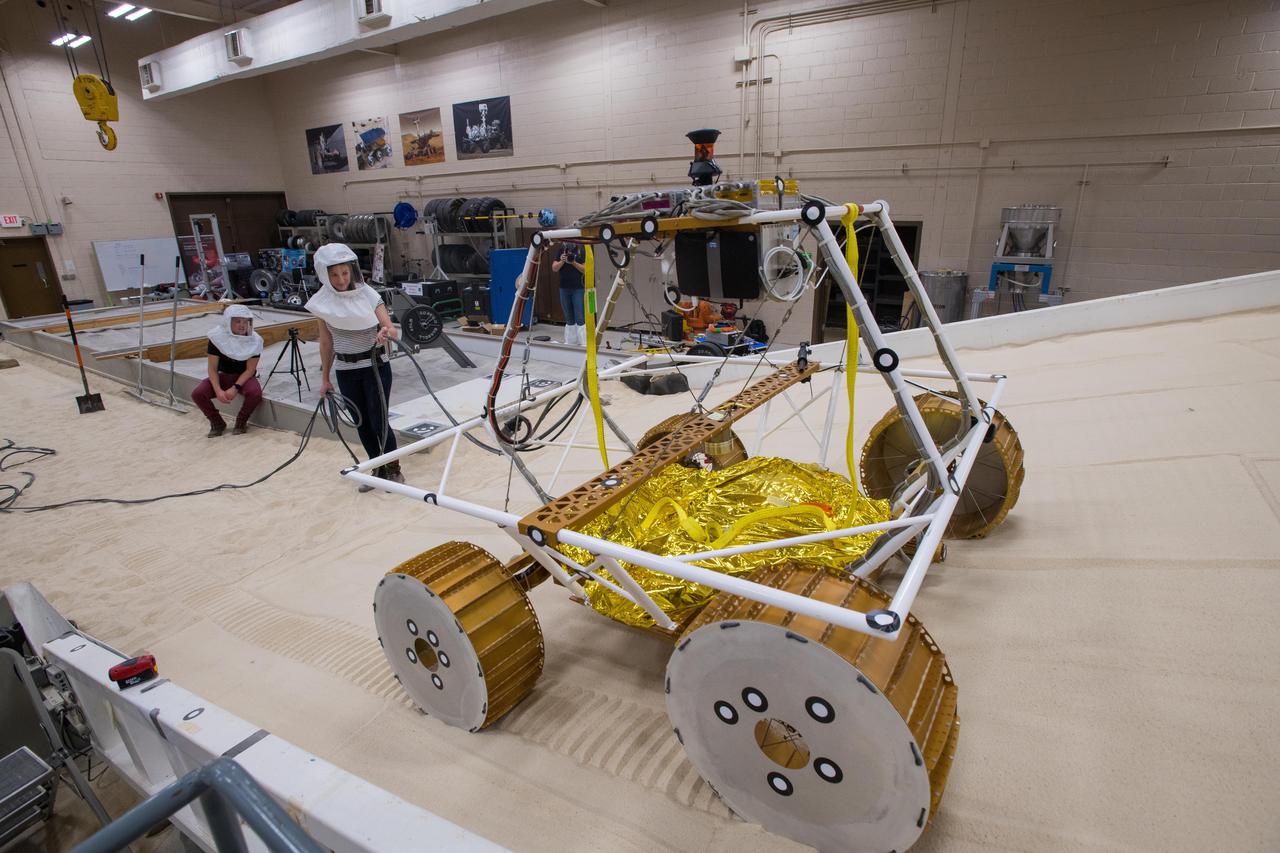
Virtual Intelligent Planetary Exploration Rover, VIPER Mobility Platform Testing An engineering model of the Volatiles Investigating Polar Exploration Rover, or VIPER, is tested in the Simulated Lunar Operations Laboratory at NASA’s Glenn Research Center in Cleveland, Ohio. About the size of a golf cart, VIPER is a mobile robot that will roam around the Moon’s South Pole looking for water ice in the region and for the first time ever, actually sample the water ice at the same pole where the first woman and next man will land in 2024 under the Artemis program. The large, adjustable soil bin contains lunar simulant and allows engineers to mimic the Moon’s terrain. Engineers from NASA’s Johnson Space Center in Houston, where the rover was designed and built, joined the Glenn team to complete the tests. Test data will be used to evaluate the traction of the vehicle and wheels, determine the power requirements for a variety of maneuvers and compare methods of traversing steep slopes. Respirators are worn by researchers to protect against the airborne silica that is present during testing. VIPER is a collaboration within and beyond the agency. NASA's Ames Research Center in Silicon Valley is managing the project, leading the mission’s science, systems engineering, real-time rover surface operations and software. The rover’s instruments are provided by Ames, NASA’s Kennedy Space Center in Florida and commercial partner, Honeybee Robotics in California. The spacecraft, lander and launch vehicle that will deliver VIPER to the surface of the Moon will be provided through NASA’s Commercial Lunar Payload Services program, delivering science and technology payloads to and near the Moon.
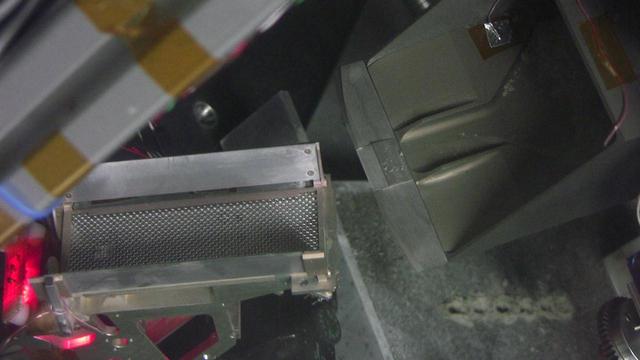
This image shows testing under simulated Mars conditions on Earth in preparation for NASA Phoenix Mars Lander using its robotic arm for delivering a sample to the doors of a laboratory oven.
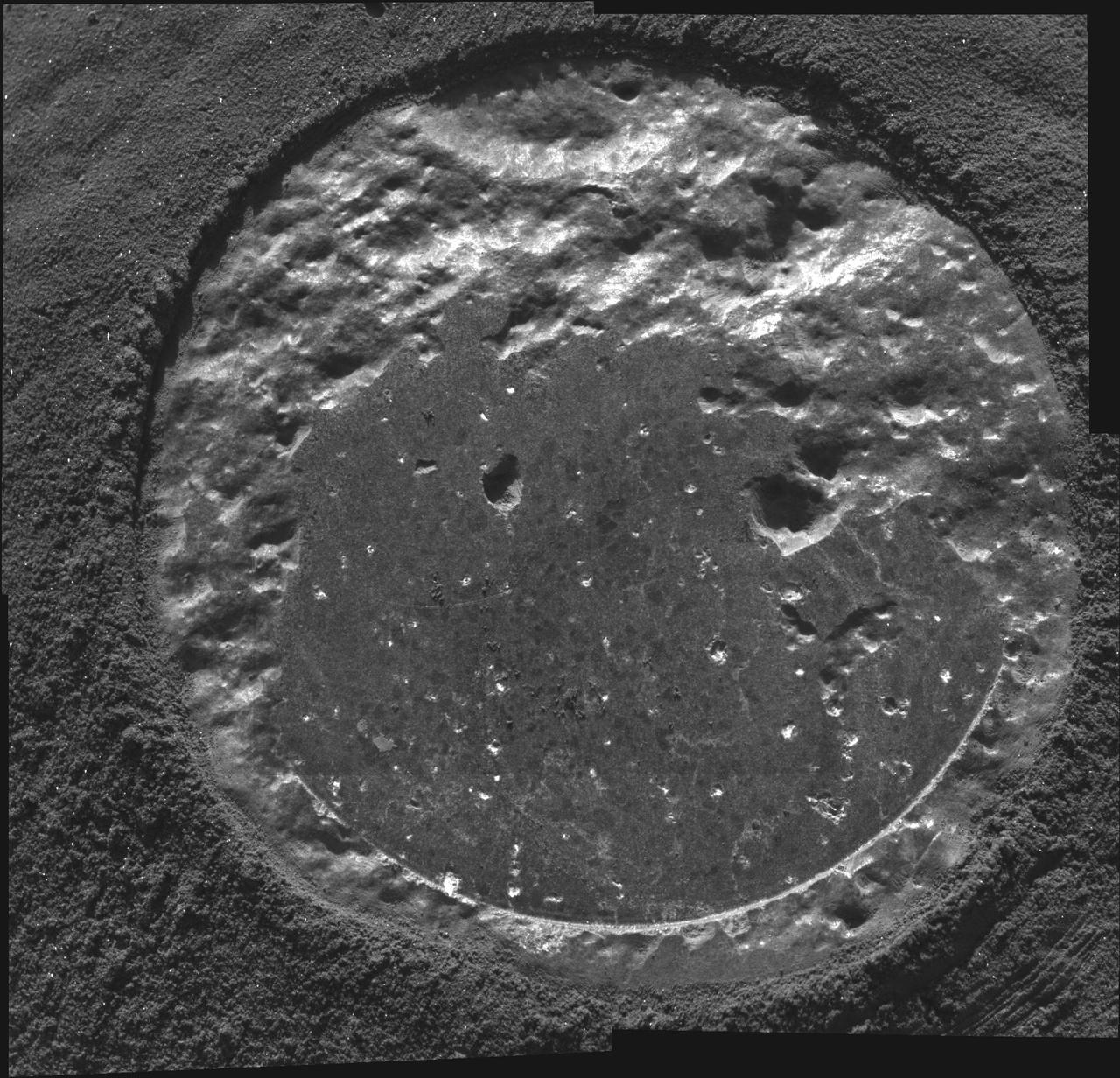
The Biggest Microscopic Image Ever
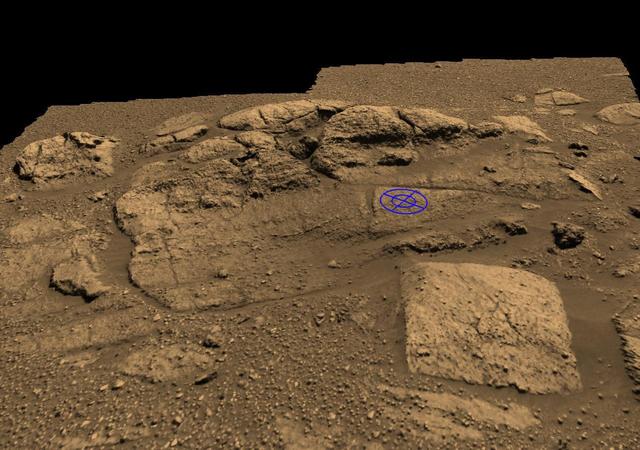
Plotting and Scheming
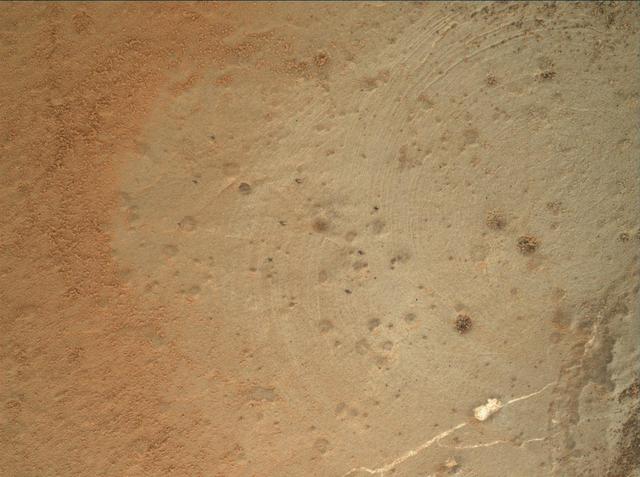
This image from the Mars Hand Lens Imager MAHLI on NASA Mars rover Curiosity shows details of rock texture and color in an area where the rover Dust Removal Tool DRT brushed away dust that was on the rock.