Hoping for a Hex
Hoping for a Hex
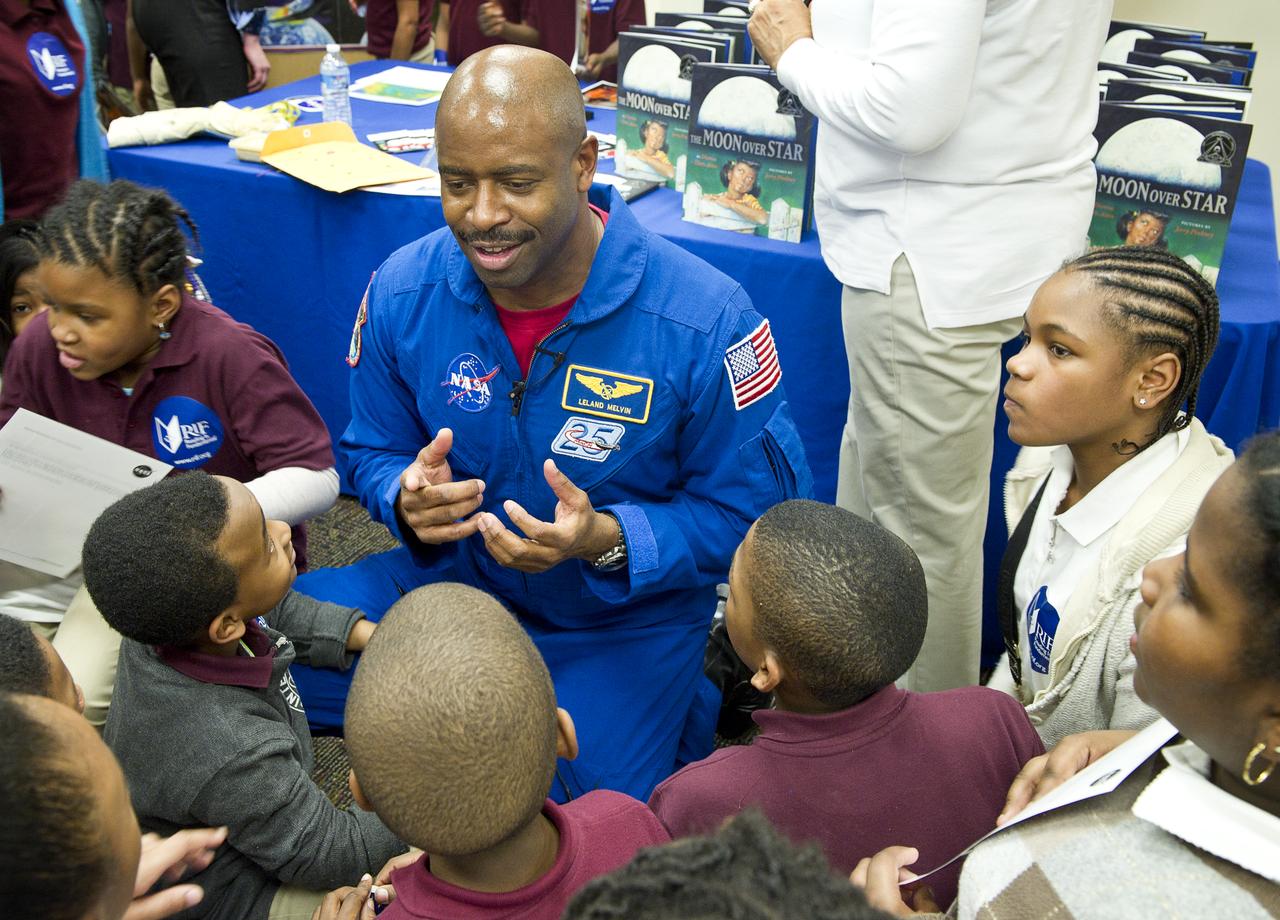
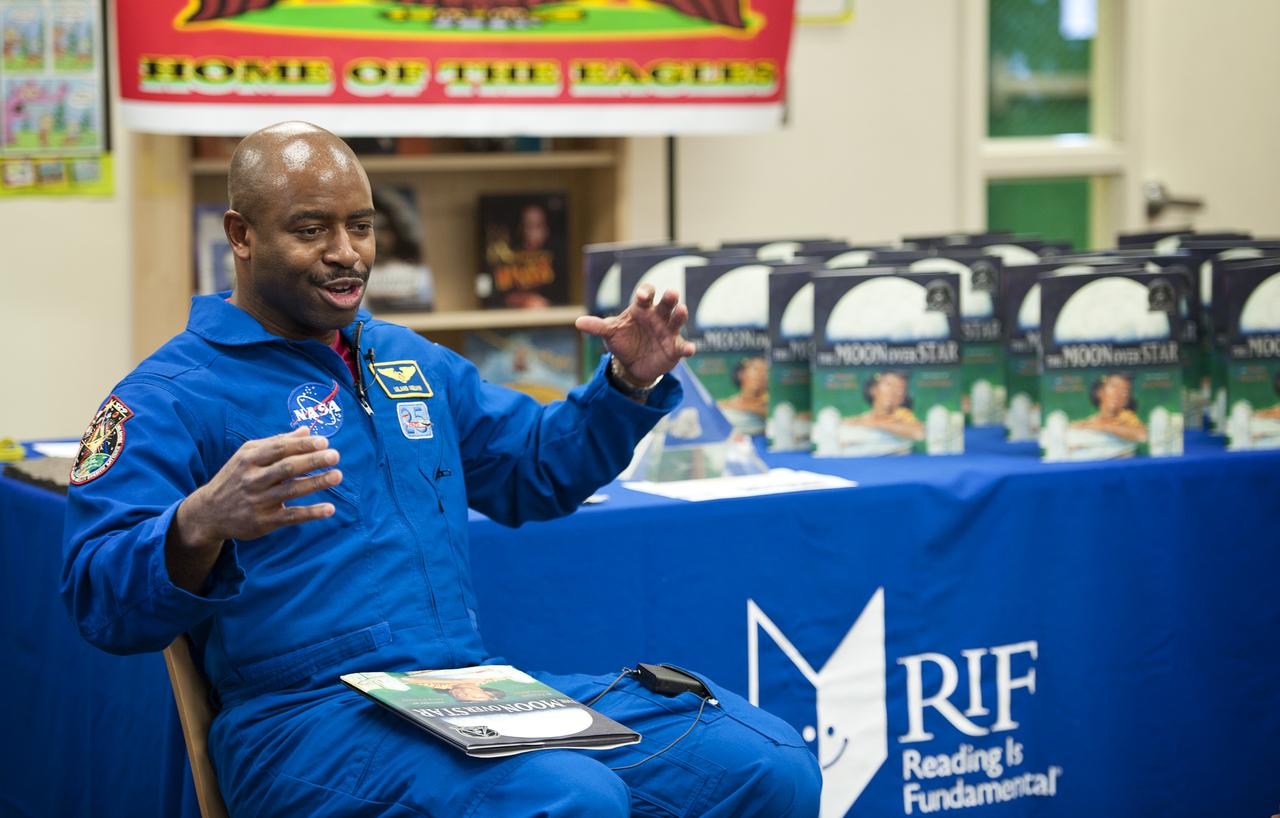
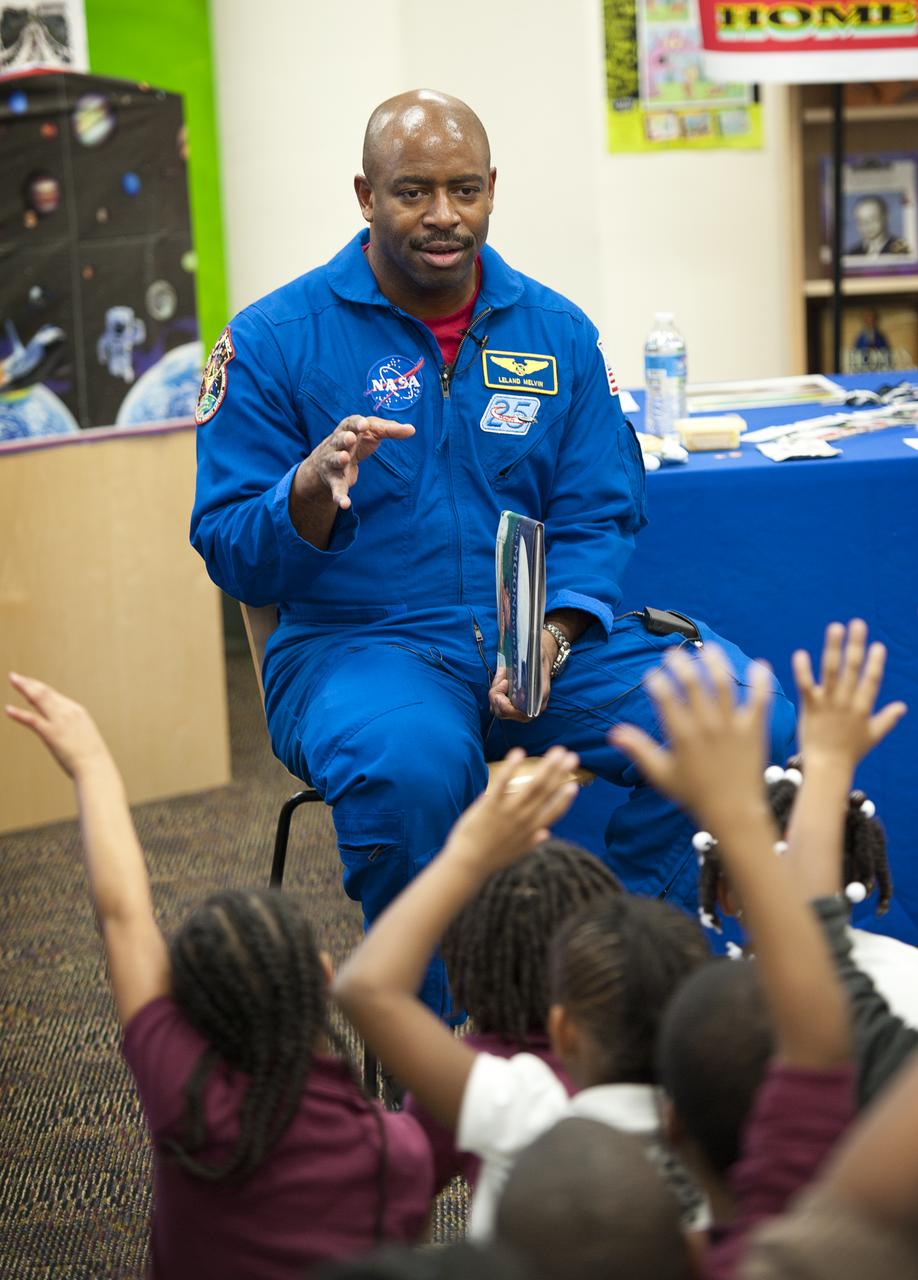
Leland Melvin, NASA Associate Administrator for Education and former space shuttle astronaut, answers questions from students about his experience as an astronaut on Tuesday, Feb. 8, 2011, at Ferebee-Hope Elementary School in Washington, DC.  Ferebee-Hope Elementary School, in collaboration with Reading is Fundamental (RIF), hosted this event in honor of Black History Month, and to highlight the importance of reading.  Photo Credit: (NASA/Carla Cioffi)
Leland Melvin Meets with Elementary Students
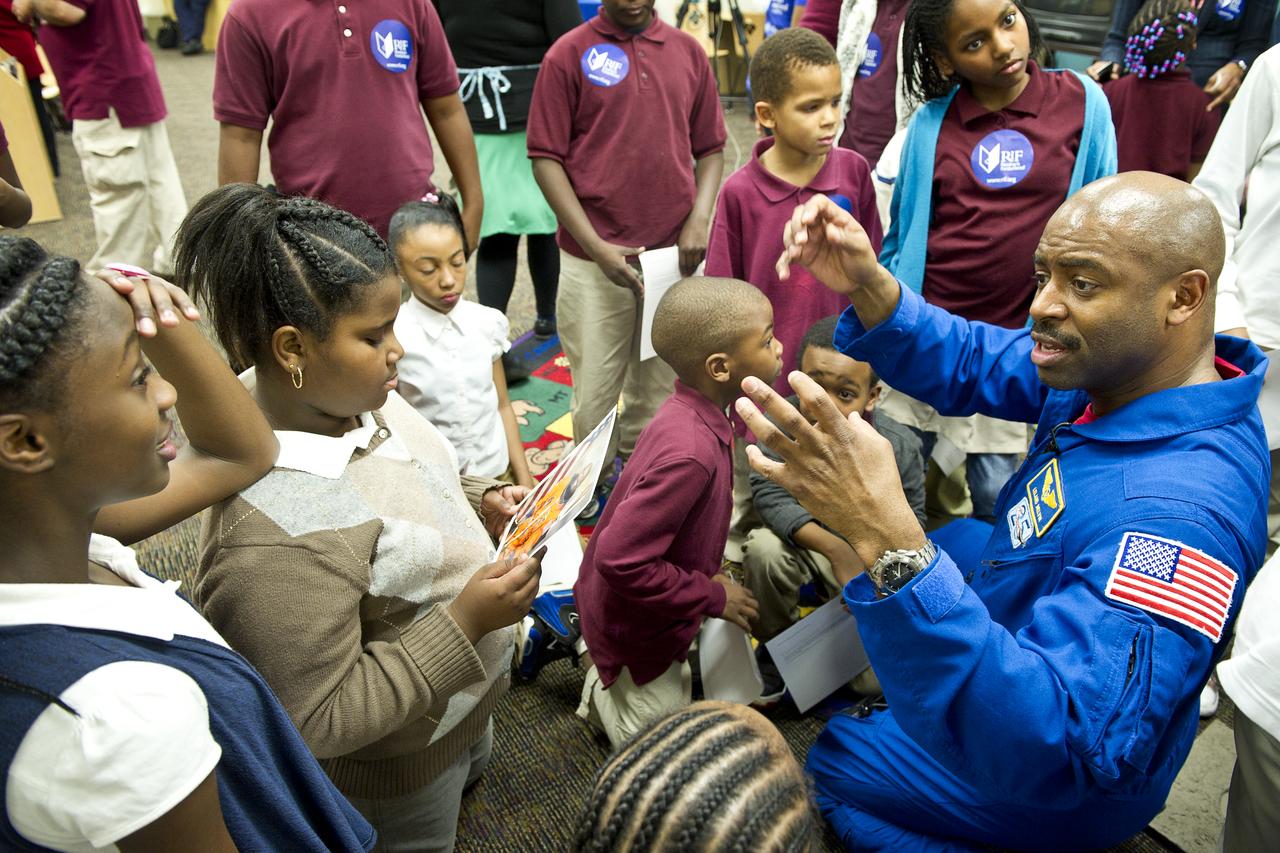
Leland Melvin, NASA Associate Administrator for Education and former space shuttle astronaut, center, speaks to students about his experience as an astronaut on Tuesday, Feb. 8, 2011, at Ferebee-Hope Elementary School in Washington, DC.  Ferebee-Hope Elementary School, in collaboration with Reading is Fundamental (RIF), hosted this event in honor of Black History Month, and to highlight the importance of reading.  Photo Credit: (NASA/Carla Cioffi)
Leland Melvin Meets with Elementary Students
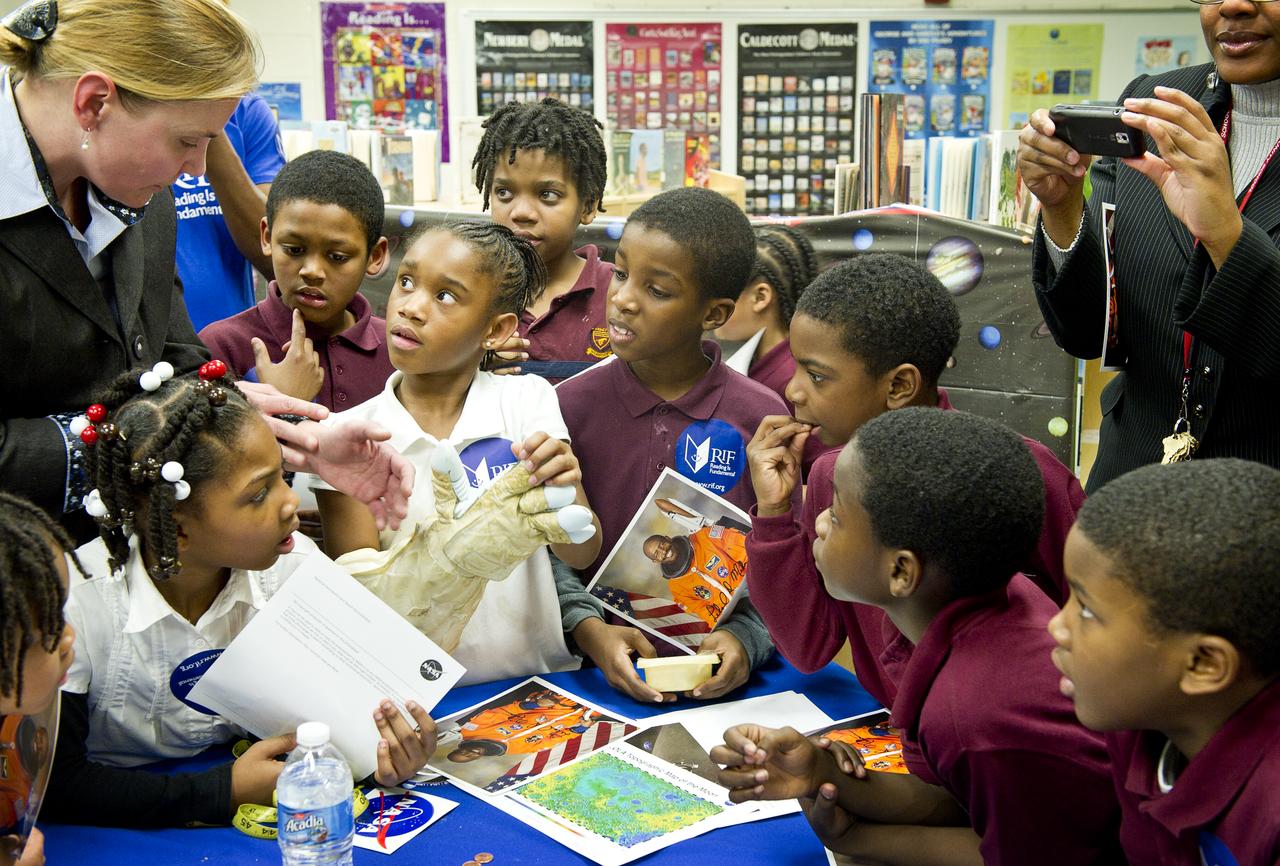
Betsy Pugel, far left, a physicist from NASA’s Goddard Space Flight Center in Greenbelt, Md., talks with students about the space suit glove they are trying on, Tuesday, Feb. 8, 2011 at Ferebee-Hope Elementary School in Washington, DC. Ferebee-Hope Elementary School, in collaboration with Reading is Fundamental (RIF), hosted this event in honor of Black History Month, and to highlight the importance of reading. Photo Credit: (NASA/Carla Cioffi)
Leland Melvin Meets with Elementary Students
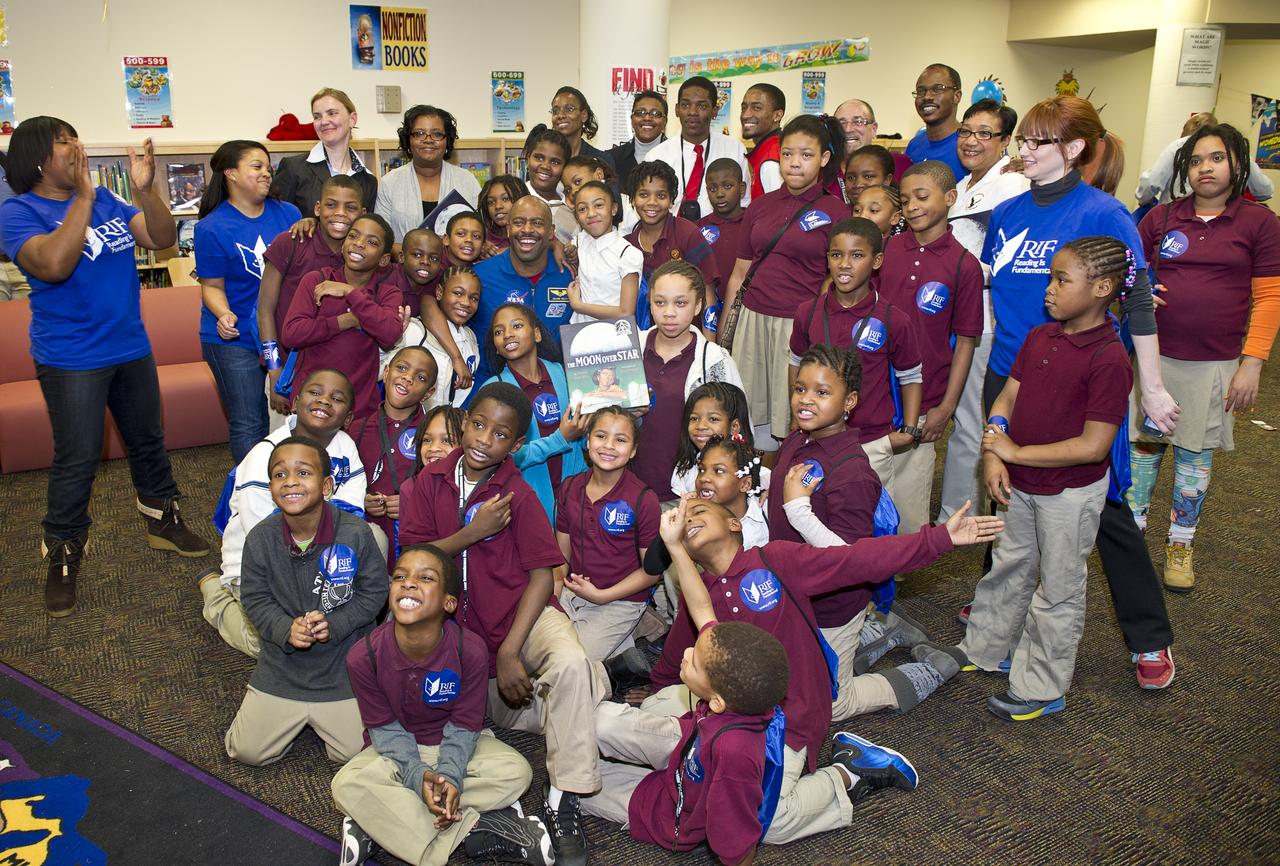
Leland Melvin, NASA Associate Administrator for Education and former space shuttle astronaut, center, poses with students from Ferebee-Hope Elementary School on Tuesday, Feb. 8, 2011 in Washington, DC. Ferebee-Hope Elementary School, in collaboration with Reading is Fundamental (RIF), hosted this event in honor of Black History Month, and to highlight the importance of reading. Photo Credit: (NASA/Carla Cioffi)
Leland Melvin Meets with Elementary Students
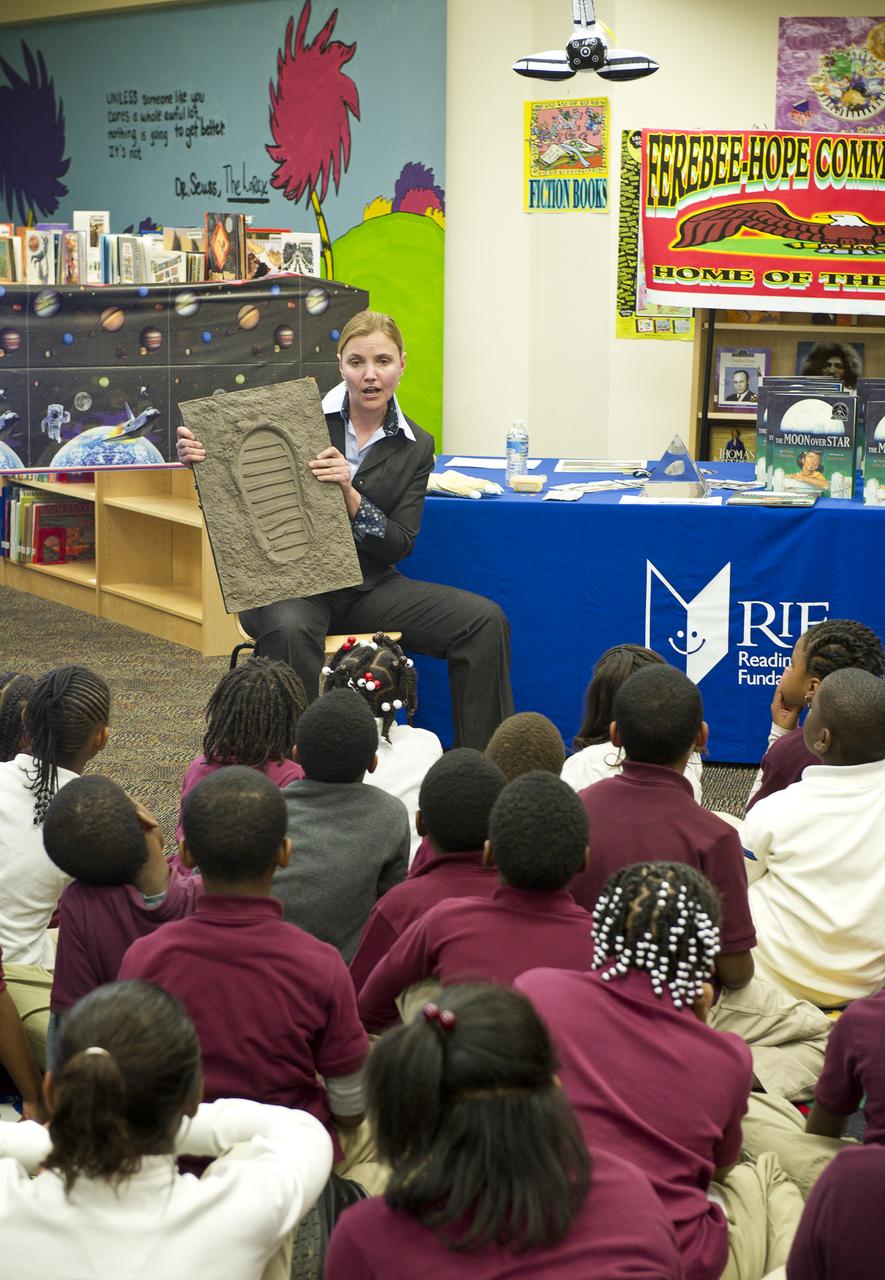
Betsy Pugel, a physicist from NASA’s Goddard Space Flight Center in Greenbelt, Md., shows students an imprint of a boot from a space suit on Tuesday, Feb. 8, 2011, at Ferebee-Hope Elementary School in Washington, DC.  Ferebee-Hope Elementary School, in collaboration with Reading is Fundamental (RIF), hosted this event in honor of Black History Month, and to highlight the importance of reading. Photo Credit: (NASA/Carla Cioffi)
Leland Melvin Meets with Elementary Students
Leland Melvin, NASA Associate Administrator for Education and former space shuttle astronaut, far right, answers questions from students about his experience as an astronaut on Tuesday, Feb. 8, 2011, at Ferebee-Hope Elementary School in Washington, DC.  Ferebee-Hope Elementary School, in collaboration with Reading is Fundamental (RIF), hosted this event in honor of Black History Month, and to highlight the importance of reading. Photo Credit: (NASA/Carla Cioffi)
Leland Melvin Meets with Elementary Students
Leland Melvin, NASA Associate Administrator for Education and former space shuttle astronaut, speaks to students about his experience as an astronaut on Tuesday, Feb. 8, 2011, at Ferebee-Hope Elementary School in Washington, DC.  Ferebee-Hope Elementary School, in collaboration with Reading is Fundamental (RIF), hosted this event in honor of Black History Month, and to highlight the importance of reading.  Photo Credit: (NASA/Carla Cioffi)
Leland Melvin Meets with Elementary Students
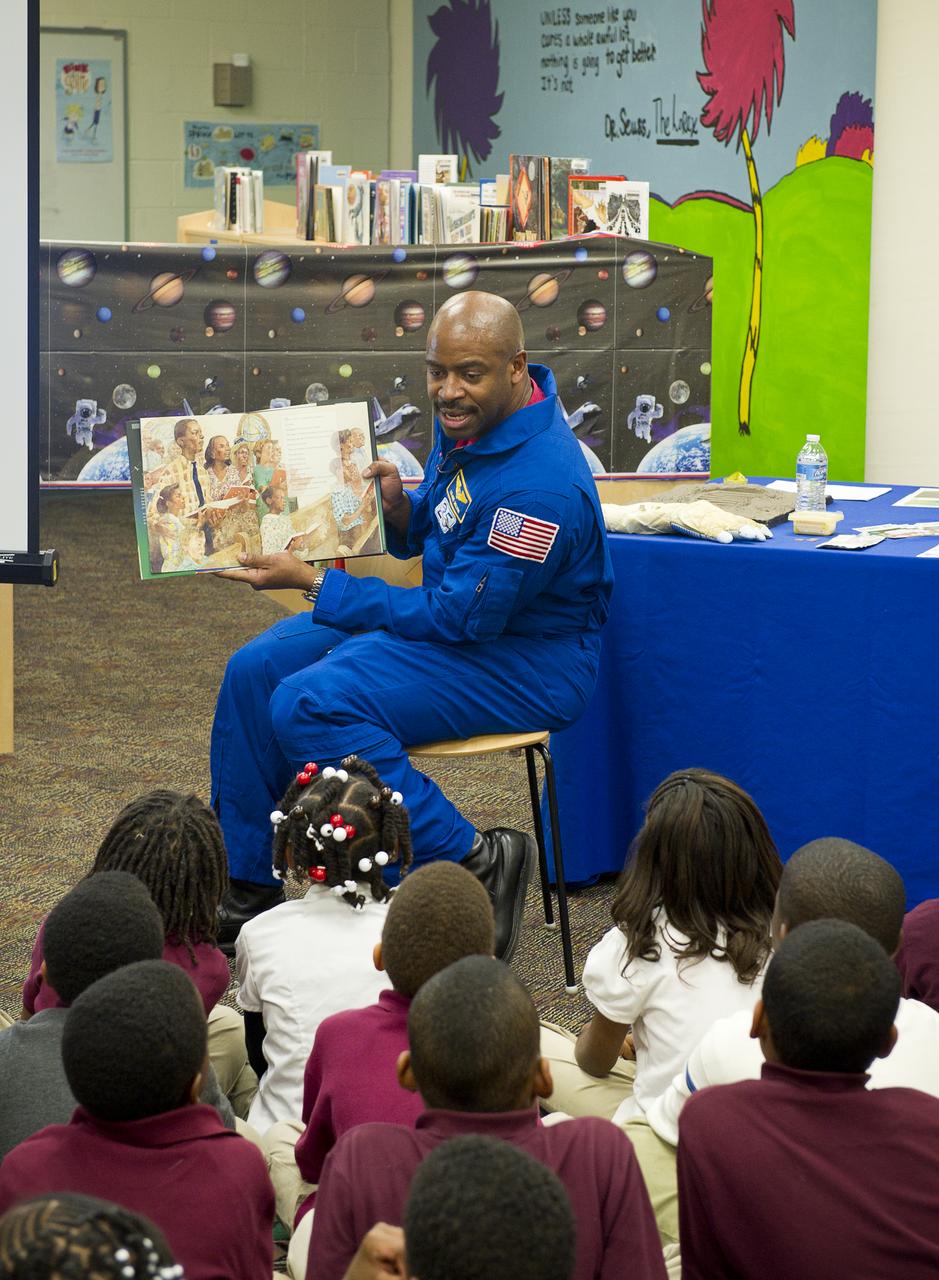
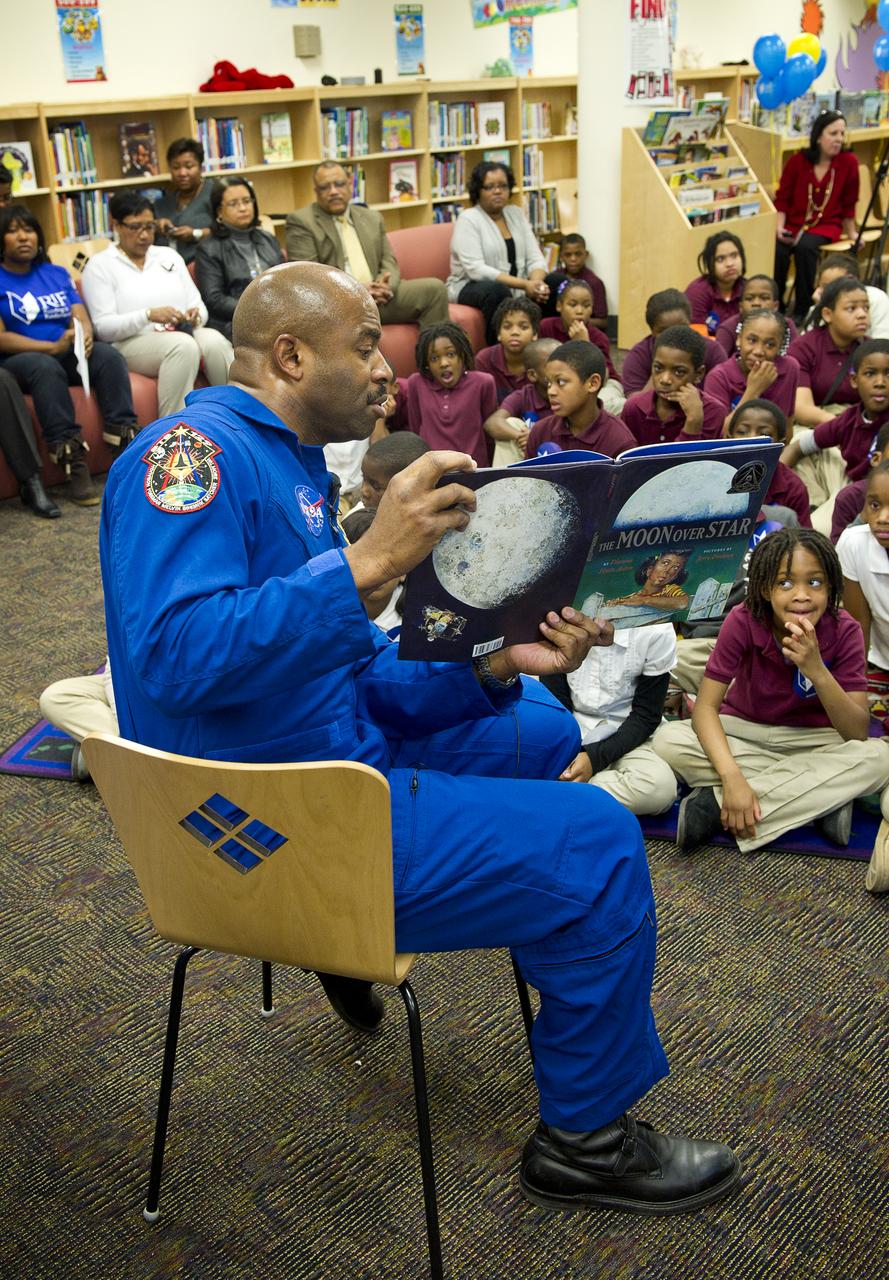
Leland Melvin, NASA Associate Administrator for Education and former space shuttle astronaut, reads to first and third grade students from the book “The Moon Over Star” at Ferebee-Hope Elementary School on Tuesday, Feb. 8, 2011, in Washington, DC. Ferebee-Hope Elementary School, in collaboration with Reading is Fundamental (RIF), hosted this event in honor of Black History Month, and to highlight the importance of reading. Reading is Fundamental distributes more than 50,000 free books to help children discover the joy of reading.  Photo Credit: (NASA/Carla Cioffi)
Leland Melvin Meets with Elementary Students
Leland Melvin, NASA Associate Administrator for Education and former space shuttle astronaut, reads to first and third grade students from the book “The Moon Over Star” at Ferebee-Hope Elementary School on Tuesday, Feb. 8, 2011, in Washington, DC. Ferebee-Hope Elementary School, in collaboration with Reading is Fundamental (RIF), hosted this event in honor of Black History Month, and to highlight the importance of reading. Reading is Fundamental distributes more than 50,000 free books to help children discover the joy of reading.  Photo Credit: (NASA/Carla Cioffi)
Leland Melvin Meets with Elementary Students
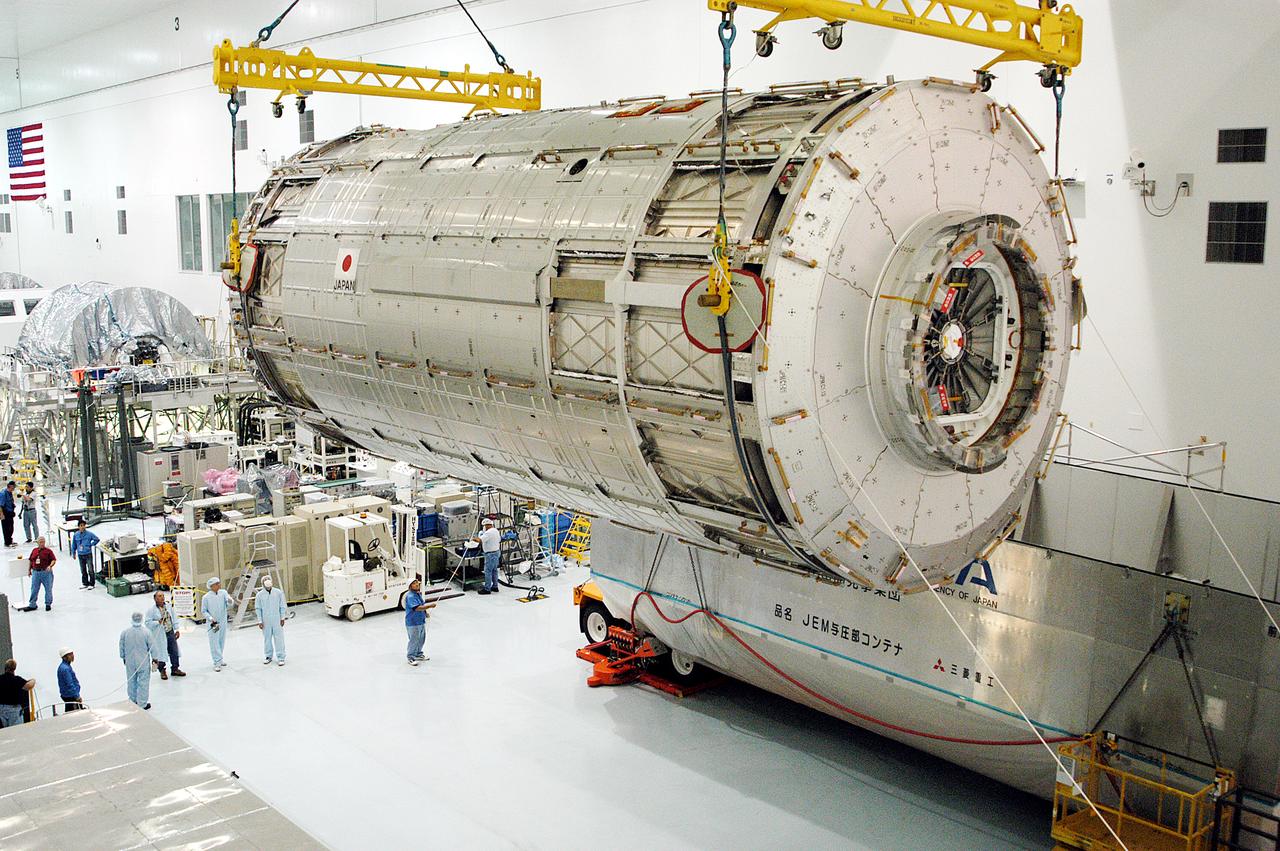
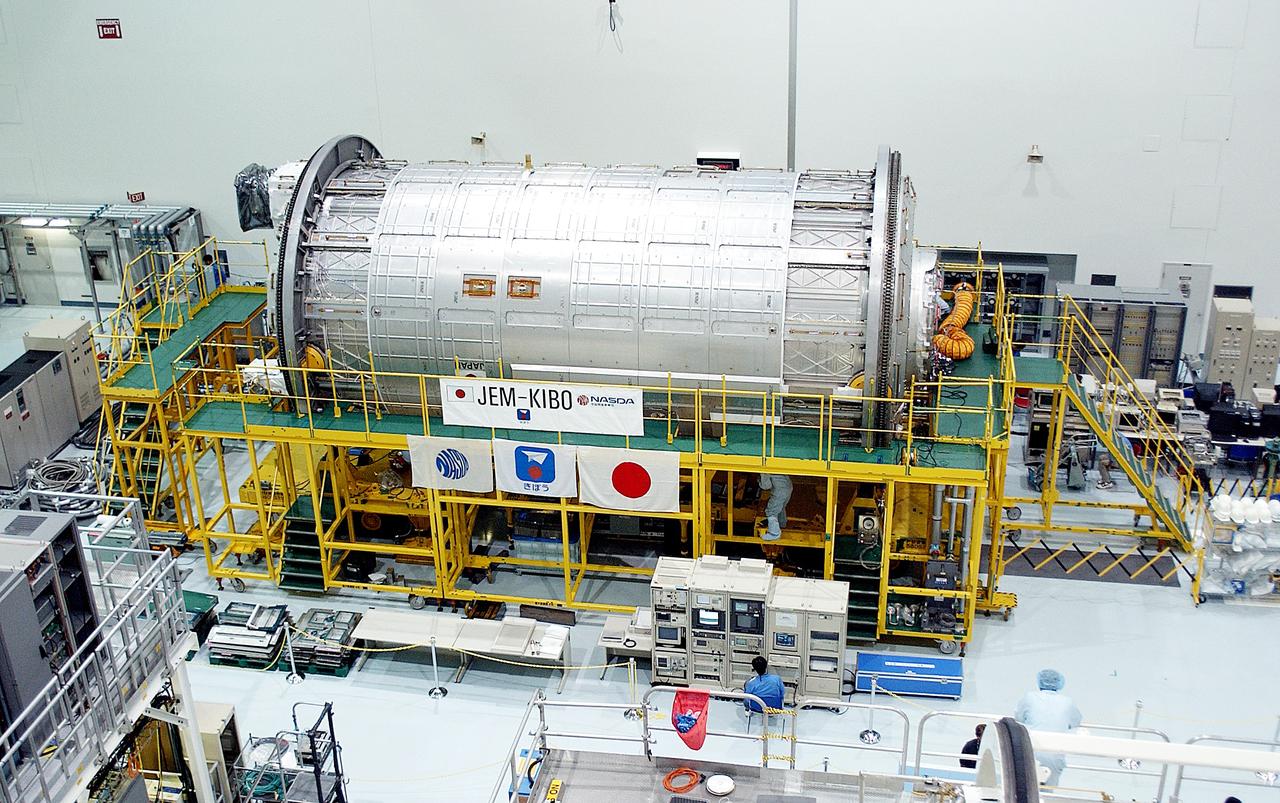
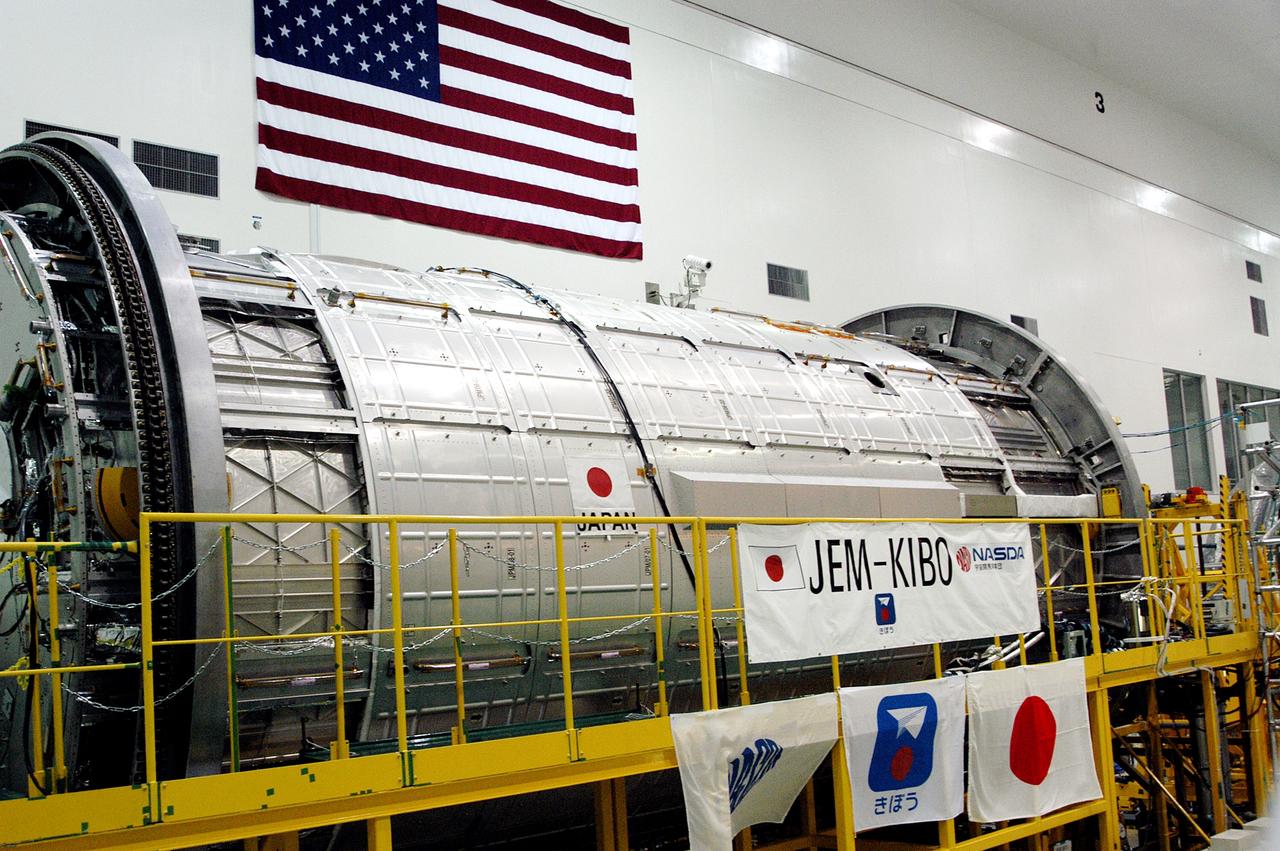
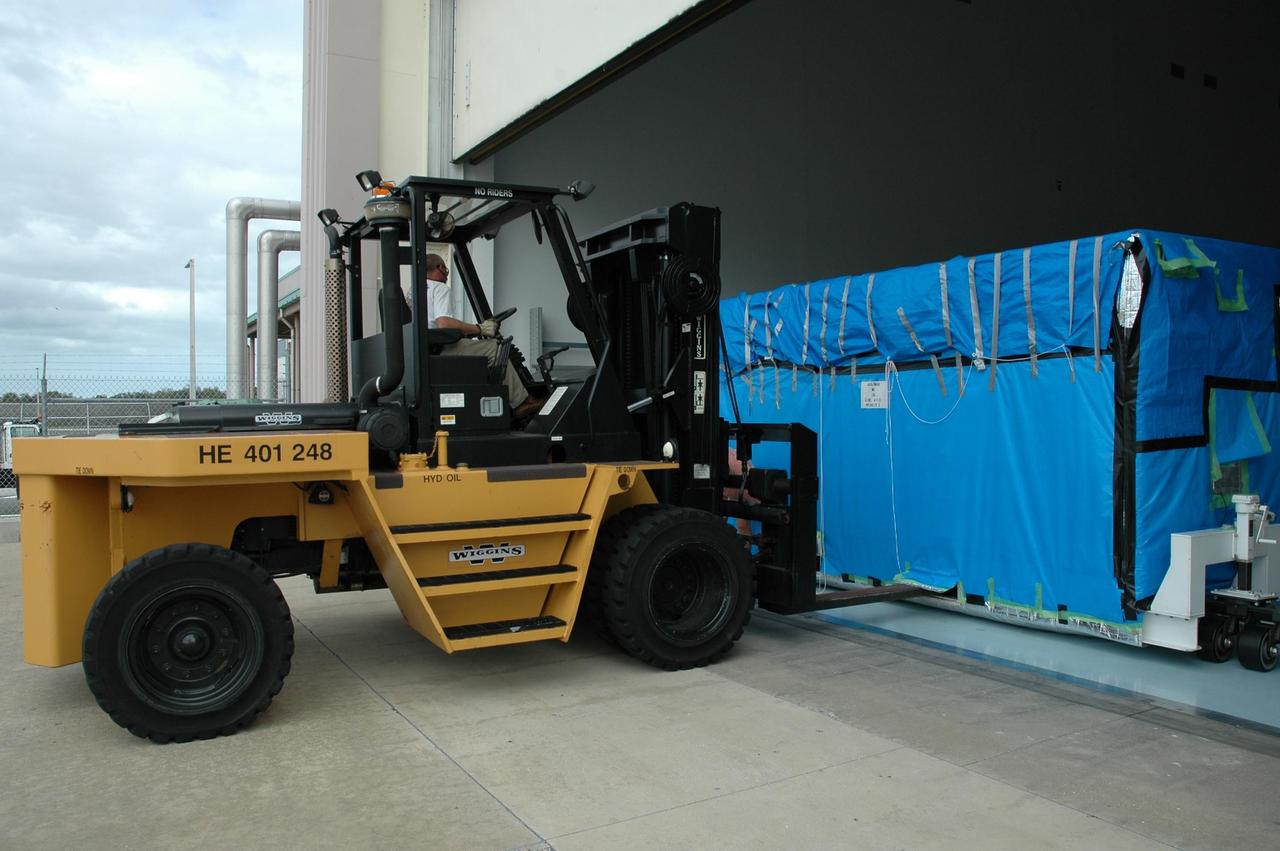
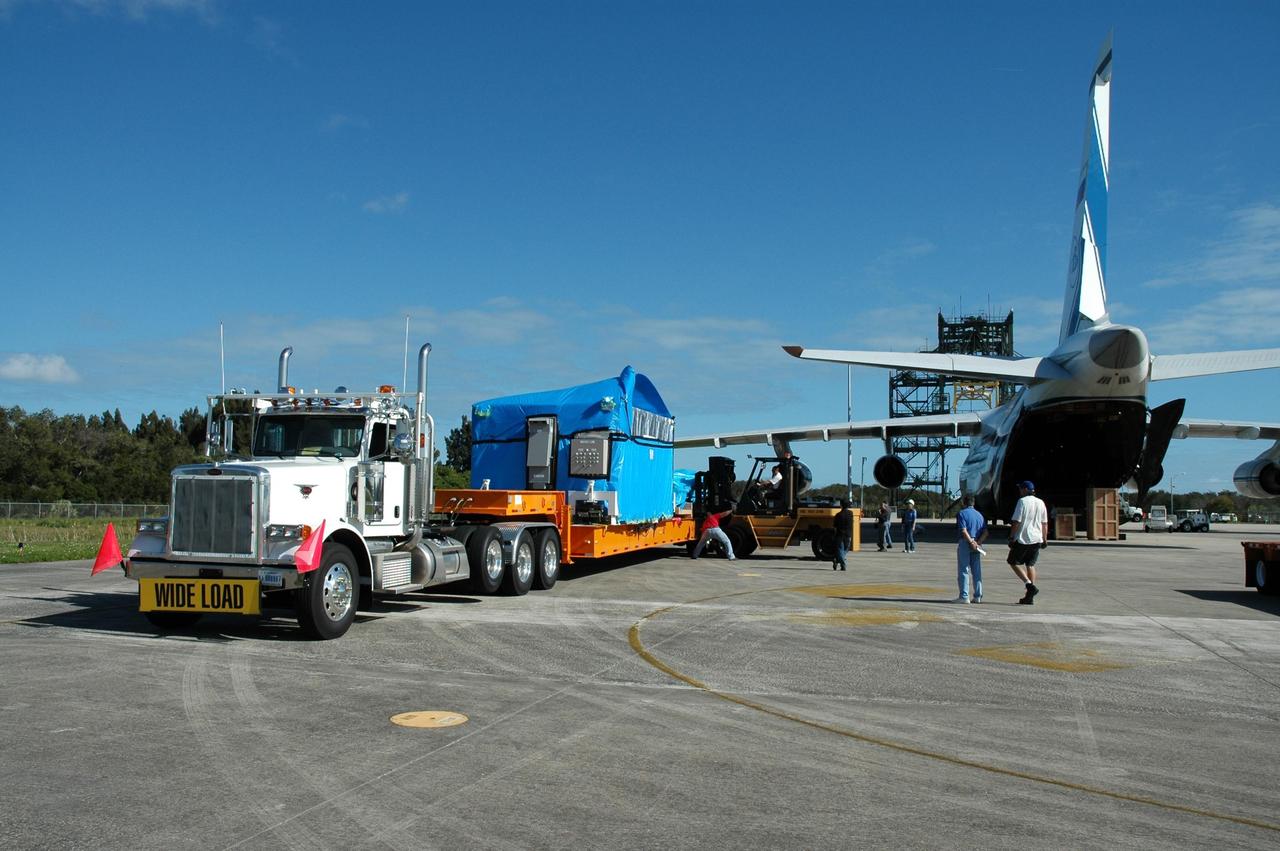
The Japanese Experiment Module (JEM) pressure module is removed from its shipping crate and moved across the floor of the Space Station Processing Facility at Kennedy Space Center (KSC) to a work stand. A research laboratory, the pressurized module is the first element of the JEM, named "Kibo" (Hope) to arrive at KSC. Japan's primary contribution to the International Space Station, the module will enhance unique research capabilities of the orbiting complex by providing an additional environment in which astronauts will conduct experiments. The JEM also includes an exposed facility or platform for space environment experiments, a robotic manipulator system, and two logistics modules. The various JEM components will be assembled in space over the course of three Shuttle missions.
International Space Station (ISS)
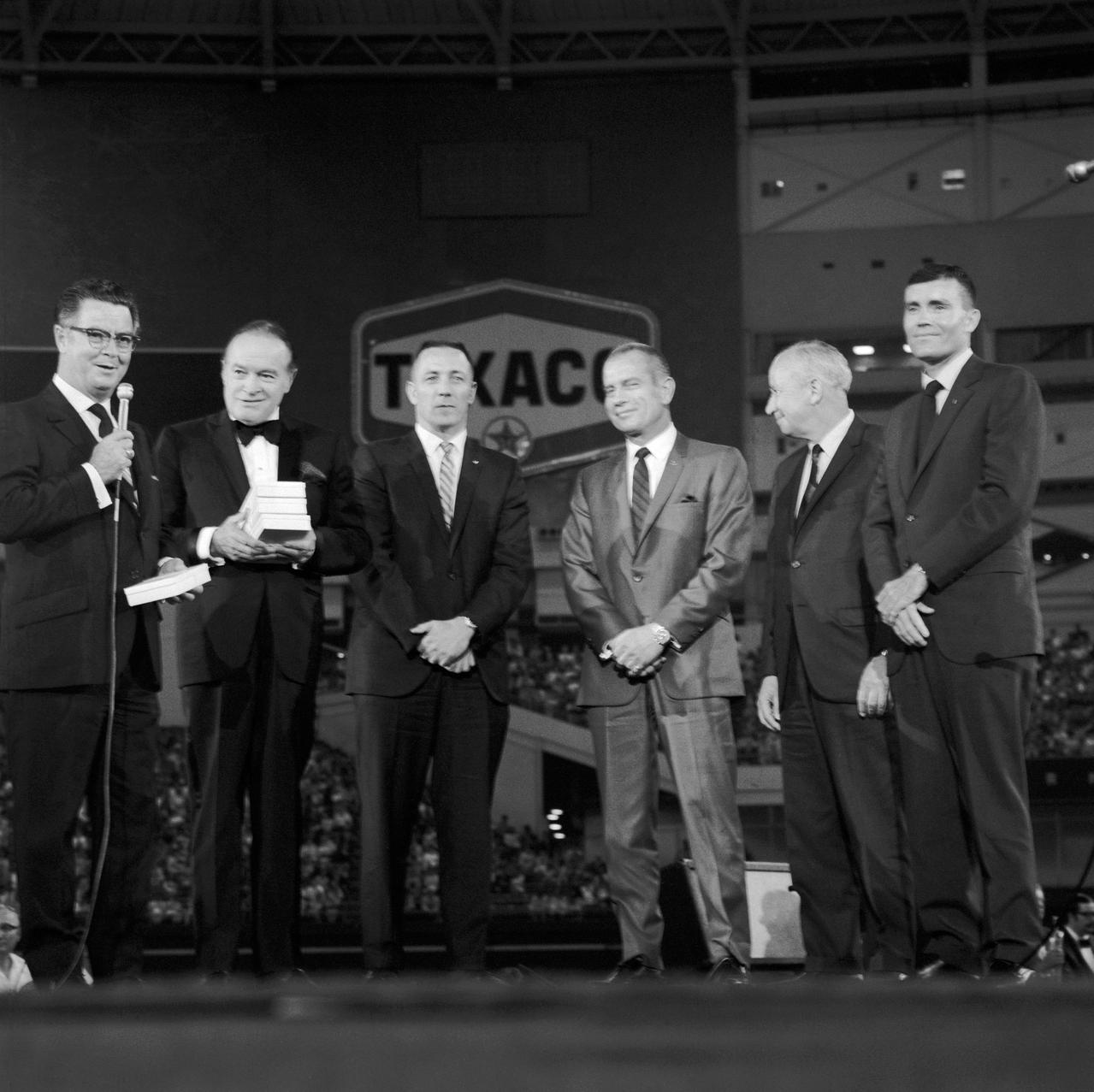
Activities during the "Bob Hope Special" for the Ed White Memorial Benefit. Left to right : Mayor of Houston Louie Welch, Bob Hope, Astronaut Jack Swigert , Astronaut Deke Slayton, Sig Sjoberg, Astronaut Fred Haise.
Activities during the "Bob Hope Special" for the Ed White Memorial Benefit.
After years of tests and development, NASA’s Balloon Program team is on the cusp of expanding the envelope in high-altitude, heavy-lift ballooning with its super pressure balloon (SPB) technology.  NASA’s scientific balloon experts are in Wanaka, New Zealand, prepping for the fourth flight of an 18.8 million-cubic-foot (532,000 cubic-meter) balloon, with the ambitious goal of achieving an ultra-long-duration flight of up to 100 days at mid-latitudes.  Launch of the pumpkin-shaped, football stadium-size balloon is scheduled for sometime after April 1, 2016, from Wanaka Airport, pending final checkouts and flight readiness of the balloon and supporting systems.  Once launched, the SPB, which is made from 22-acres of polyethylene film – similar to a sandwich bag, but stronger and more durable – will ascend to a nearly constant float altitude of 110,000 feet (33.5 km). The balloon will travel eastward carrying a 2,260-pound (1,025 kg) payload consisting of tracking, communications and scientific instruments. NASA expects the SPB to circumnavigate the globe once every one to three weeks, depending on wind speeds in the stratosphere.  Read more: <a href="http://go.nasa.gov/1p56xKR" rel="nofollow">go.nasa.gov/1p56xKR</a>  <b><a href="http://www.nasa.gov/audience/formedia/features/MP_Photo_Guidelines.html" rel="nofollow">NASA image use policy.</a></b>  <b><a href="http://www.nasa.gov/centers/goddard/home/index.html" rel="nofollow">NASA Goddard Space Flight Center</a></b> enables NASA’s mission through four scientific endeavors: Earth Science, Heliophysics, Solar System Exploration, and Astrophysics. Goddard plays a leading role in NASA’s accomplishments by contributing compelling scientific knowledge to advance the Agency’s mission.  <b>Follow us on <a href="http://twitter.com/NASAGoddardPix" rel="nofollow">Twitter</a></b>  <b>Like us on <a href="http://www.facebook.com/pages/Greenbelt-MD/NASA-Goddard/395013845897?ref=tsd" rel="nofollow">Facebook</a></b>  <b>Find us on <a href="http://instagrid.me/nasagoddard/?vm=grid" rel="nofollow">Instagram</a></b>
NASA Scientific Balloon Team Hopes to Break Flight Duration Record with New Zealand Launch
After years of tests and development, NASA’s Balloon Program team is on the cusp of expanding the envelope in high-altitude, heavy-lift ballooning with its super pressure balloon (SPB) technology.  NASA’s scientific balloon experts are in Wanaka, New Zealand, prepping for the fourth flight of an 18.8 million-cubic-foot (532,000 cubic-meter) balloon, with the ambitious goal of achieving an ultra-long-duration flight of up to 100 days at mid-latitudes.  Launch of the pumpkin-shaped, football stadium-size balloon is scheduled for sometime after April 1, 2016, from Wanaka Airport, pending final checkouts and flight readiness of the balloon and supporting systems.  Once launched, the SPB, which is made from 22-acres of polyethylene film – similar to a sandwich bag, but stronger and more durable – will ascend to a nearly constant float altitude of 110,000 feet (33.5 km). The balloon will travel eastward carrying a 2,260-pound (1,025 kg) payload consisting of tracking, communications and scientific instruments. NASA expects the SPB to circumnavigate the globe once every one to three weeks, depending on wind speeds in the stratosphere.  Read more: <a href="http://go.nasa.gov/1p56xKR" rel="nofollow">go.nasa.gov/1p56xKR</a>  <b><a href="http://www.nasa.gov/audience/formedia/features/MP_Photo_Guidelines.html" rel="nofollow">NASA image use policy.</a></b>  <b><a href="http://www.nasa.gov/centers/goddard/home/index.html" rel="nofollow">NASA Goddard Space Flight Center</a></b> enables NASA’s mission through four scientific endeavors: Earth Science, Heliophysics, Solar System Exploration, and Astrophysics. Goddard plays a leading role in NASA’s accomplishments by contributing compelling scientific knowledge to advance the Agency’s mission.  <b>Follow us on <a href="http://twitter.com/NASAGoddardPix" rel="nofollow">Twitter</a></b>  <b>Like us on <a href="http://www.facebook.com/pages/Greenbelt-MD/NASA-Goddard/395013845897?ref=tsd" rel="nofollow">Facebook</a></b>  <b>Find us on <a href="http://instagrid.me/nasagoddard/?vm=grid" rel="nofollow">Instagram</a></b>
NASA Scientific Balloon Team Hopes to Break Flight Duration Record with New Zealand Launch
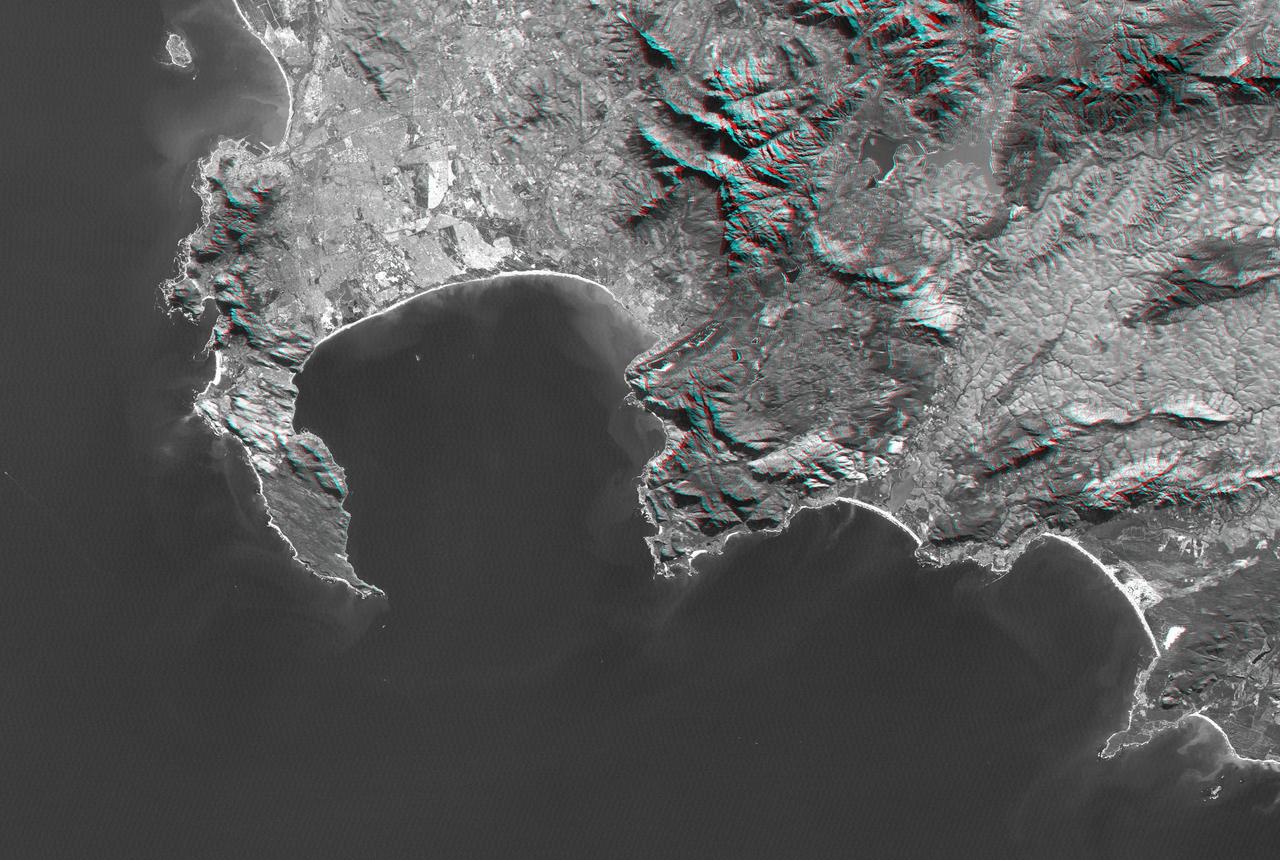
Cape Town and the Cape of Good Hope, South Africa, appear on the left west of this anaglyph from NASA Shuttle Radar Topography Mission. 3D glasses are necessary to view this image.
Cape Town, South Africa, Anaglyph, Landsat Image over SRTM Elevation
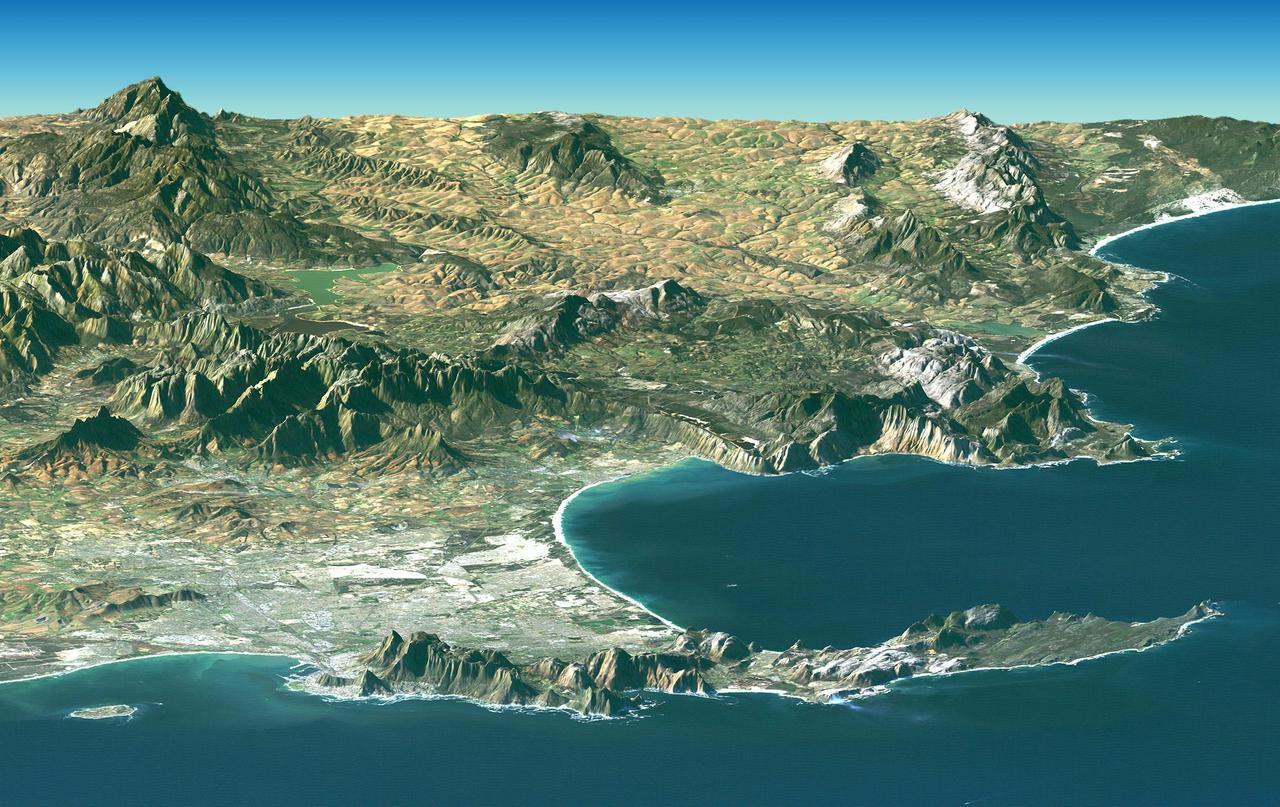
Cape Town and the Cape of Good Hope, South Africa, appear in the foreground of this perspective view generated from a Landsat satellite image and elevation data from NASA Space Shuttle Endeavour.
Cape Town, South Africa, Perspective View, Landsat Image over SRTM Elevation
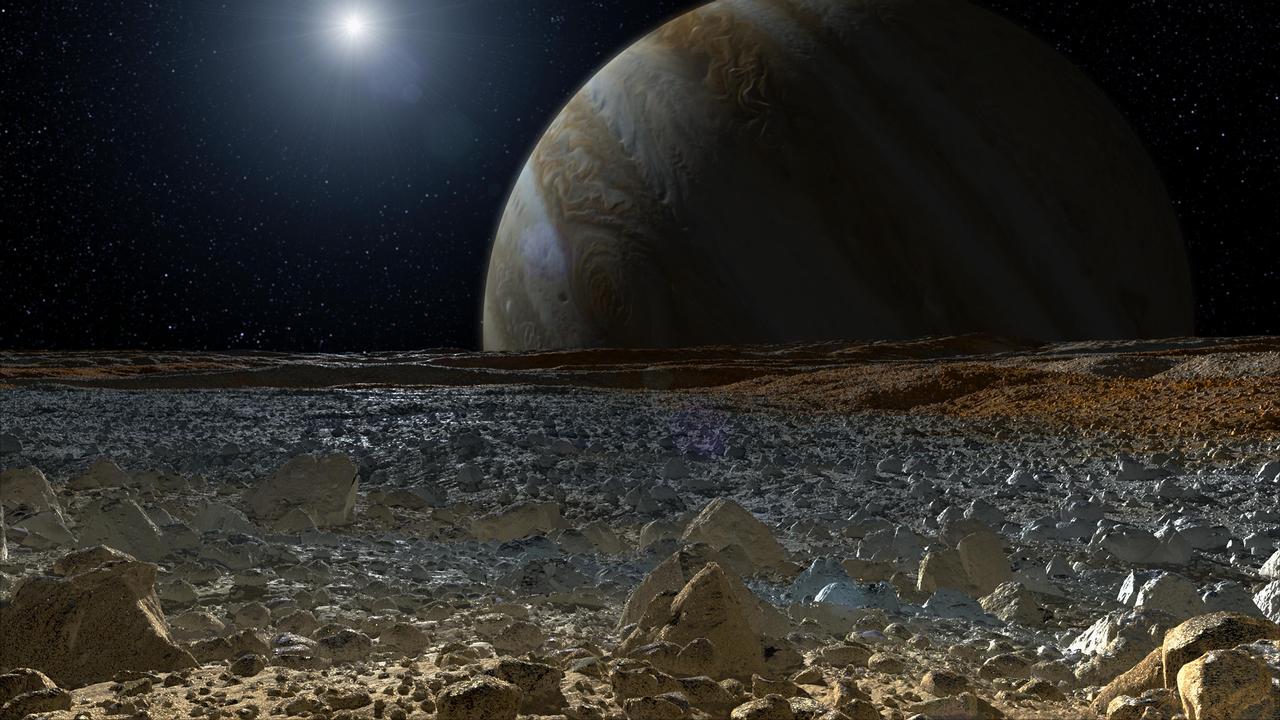
This artist concept shows a simulated view from the surface of Jupiter moon Europa. Europa potentially rough, icy surface, tinged with reddish areas that scientists hope to learn more about.
Simulated View from Europa Surface Artist Concept
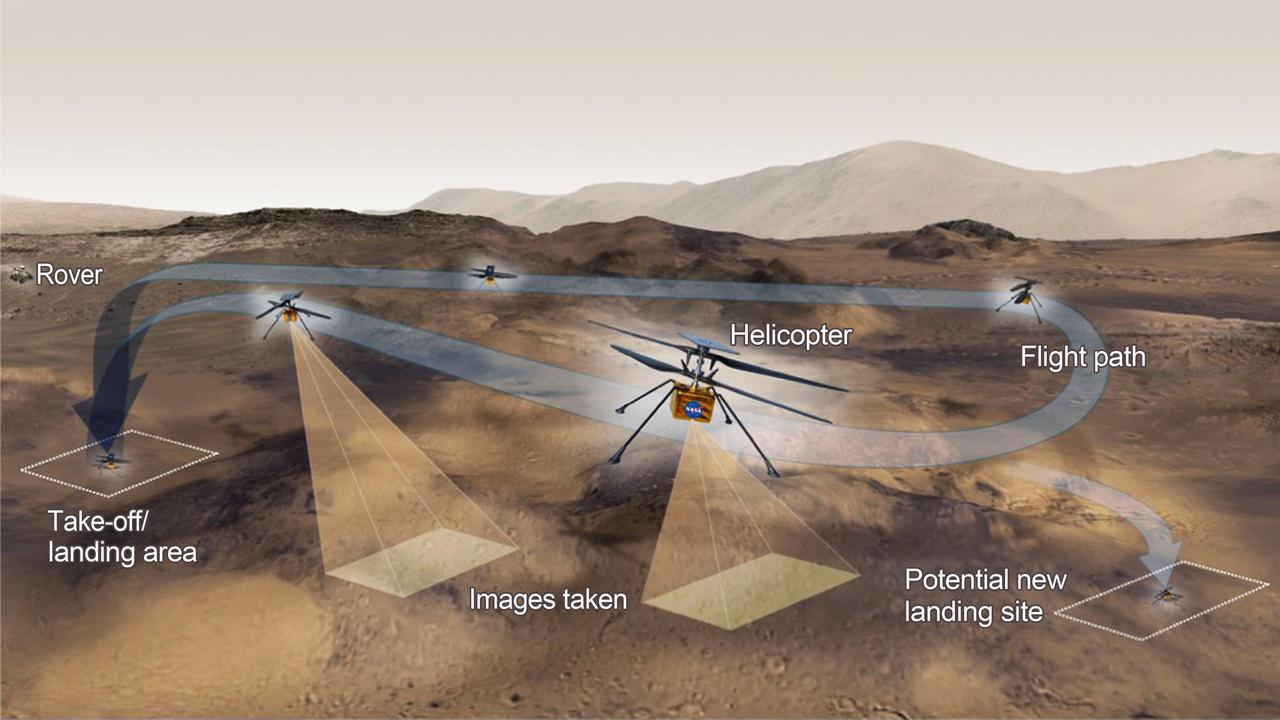
This graphic shows the general activities the team behind NASA's Ingenuity Mars Helicopter hopes to accomplish on a given test flight on the Red Planet. The helicopter will have 31 Earth days (30 sols, or Martian days) for its test flight program.  https://photojournal.jpl.nasa.gov/catalog/PIA24496
Ingenuity's Test Flight Activities (Illustration)
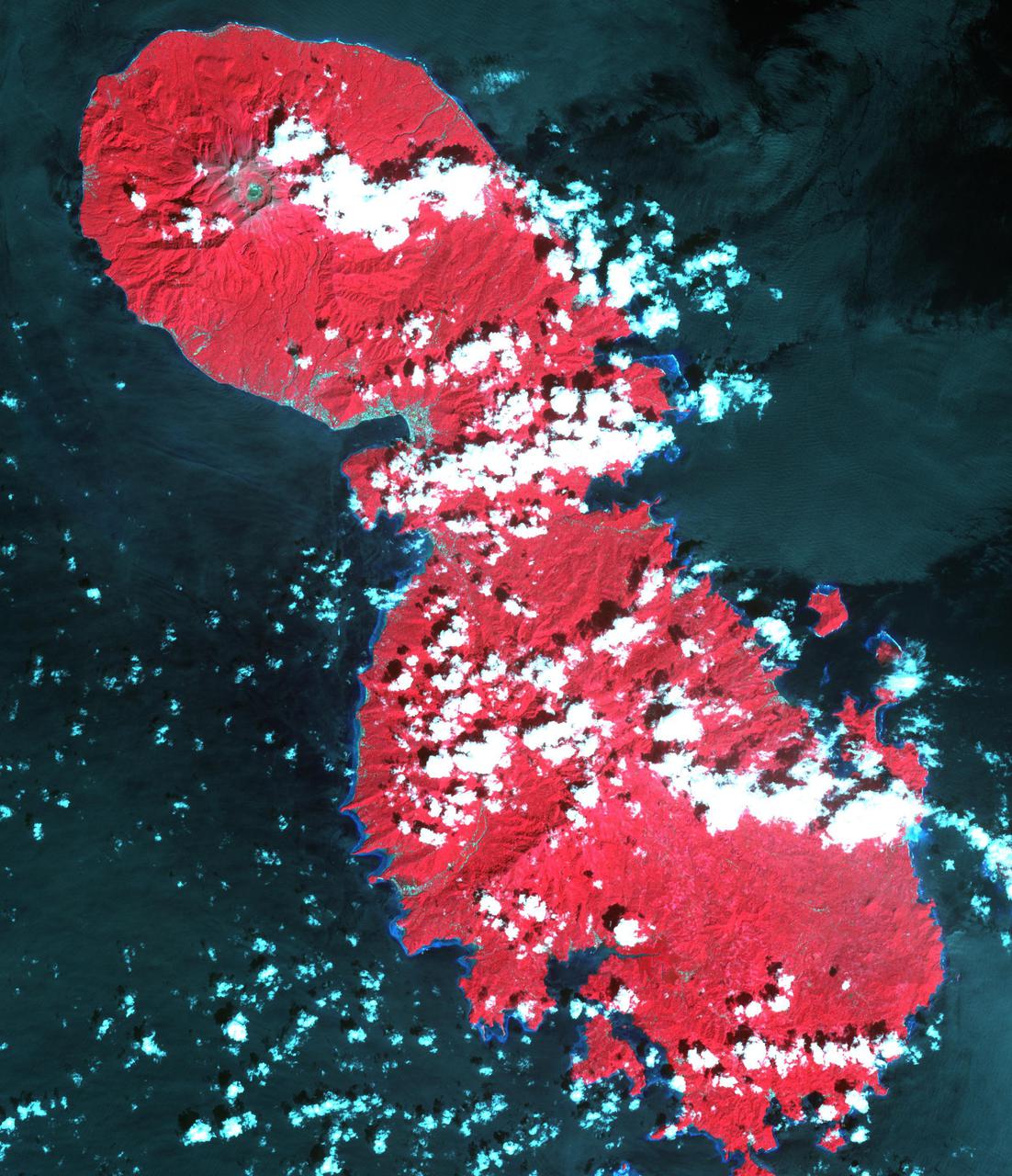
Canadian-based Baru Gold is hoping to start gold mining on the Indonesian island of Sangihe this year. The company's concession covers the southern half of the volcanic island. Opposition to the mining activity cites threats to endemic bird populations and the residents themselves, due to inadequate tailings handling technology. The company projects reserves of nearly 115,000 ounces of gold and 2 million ounces of silver. The image was acquired December 4, 2020, covers an area of 36.3 by 42.1 km, and is located at 3.5 degrees north, 125.5 degrees east.  https://photojournal.jpl.nasa.gov/catalog/PIA24942
Sangihe Island, Indonesia
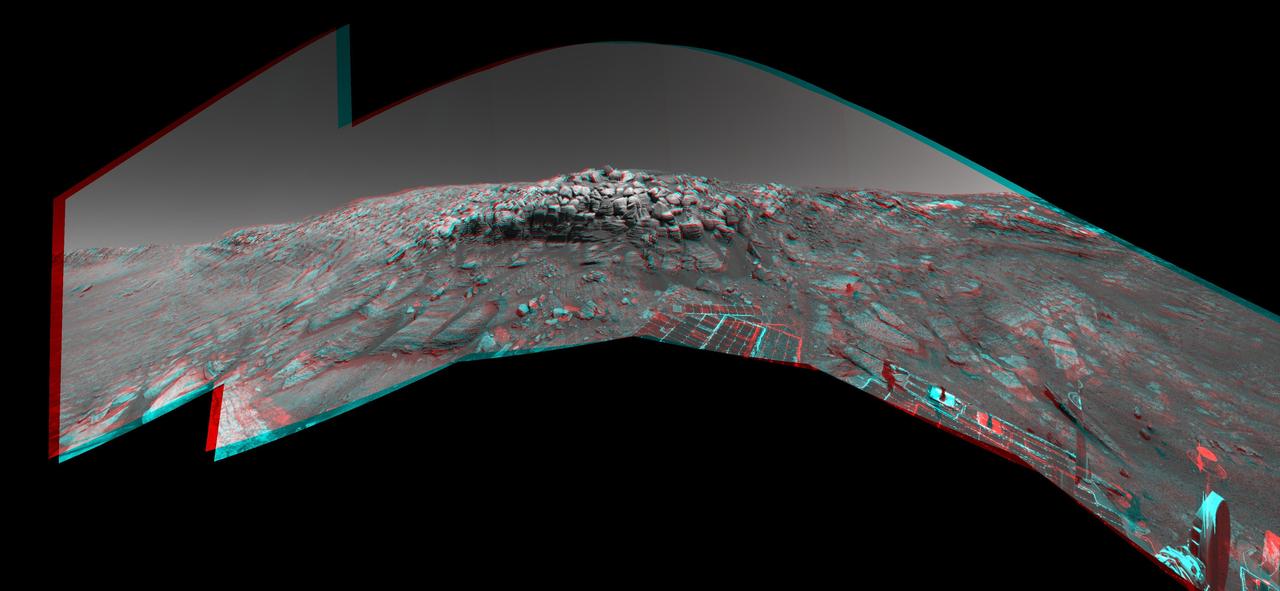
As NASA Mars Exploration Rover Opportunity was making its way back toward its original entry path into Endurance Crater, scientists and engineers spotted what they hoped might be a shortcut for climbing out of the crater. 3D glasses are necessary.
No Shortcut for Opportunity 3-D
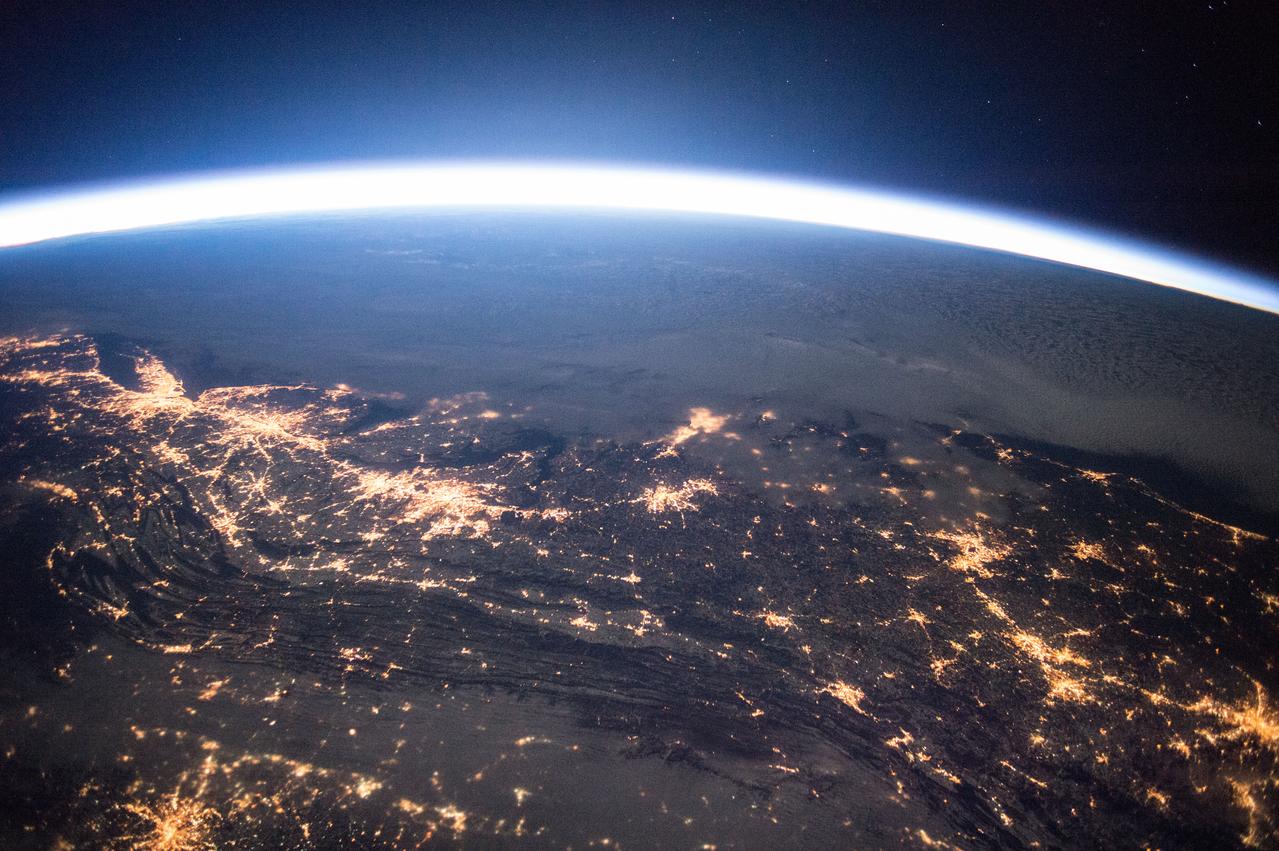
ISS046e022766 (01/24/2016) --- NASA astronaut Scott Kelly captured this sunrise over Earth and tweeted this message: " blizzard2016 clearly seen off the #EastCoast as the sun begins to rise. Hope all OK! #BlizzardJonas #YearInSpace".
Earth observation taken by the Expedition 46 crew
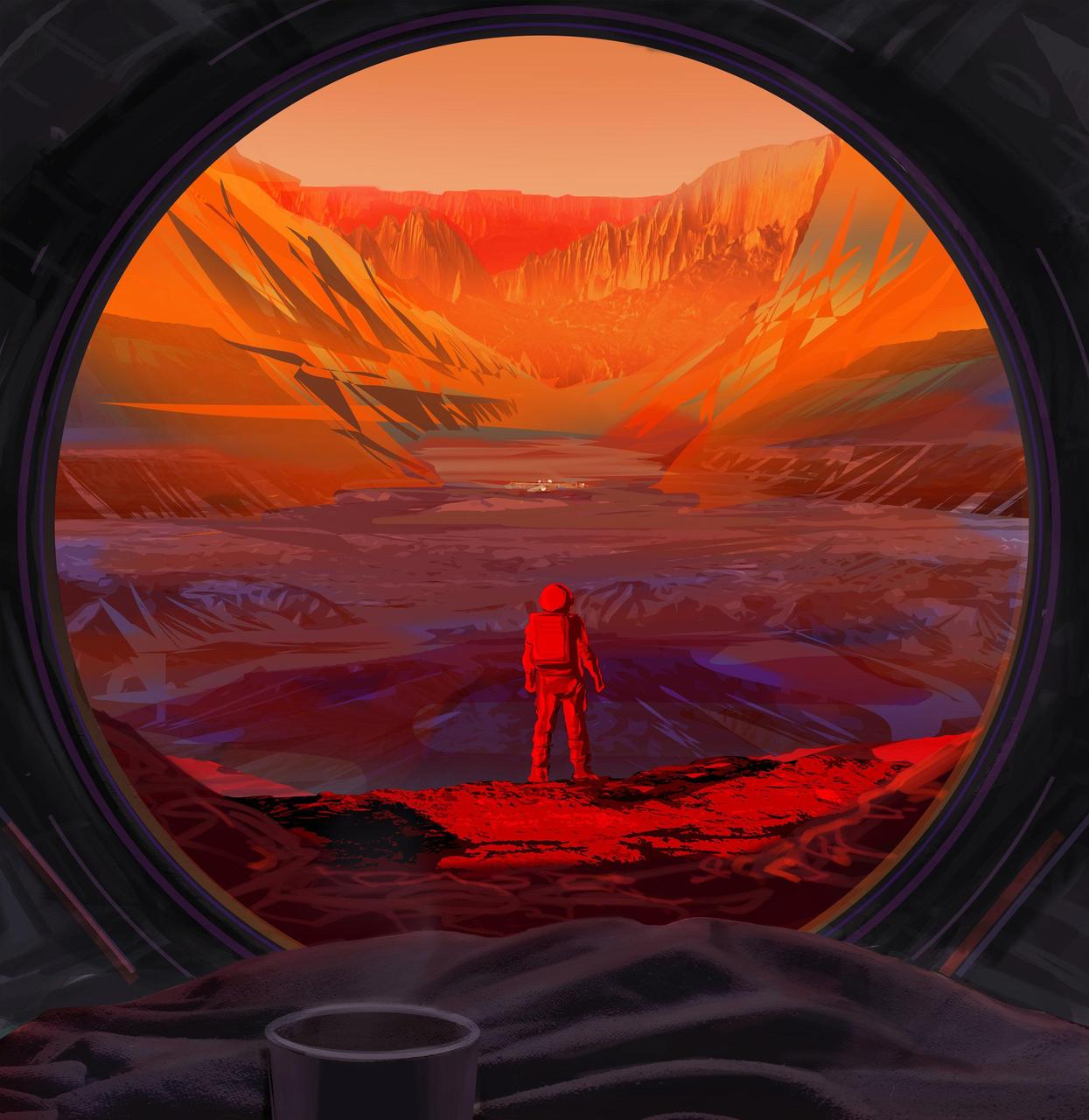
This illustration shows an astronaut on Mars, as viewed through the window of a spacecraft. NASA hopes to return astronauts to the Moon and test technology there that will be useful for sending the first astronauts to Mars.  https://photojournal.jpl.nasa.gov/catalog/PIA23900
NASA Astronaut Stands on Mars (Illustration)
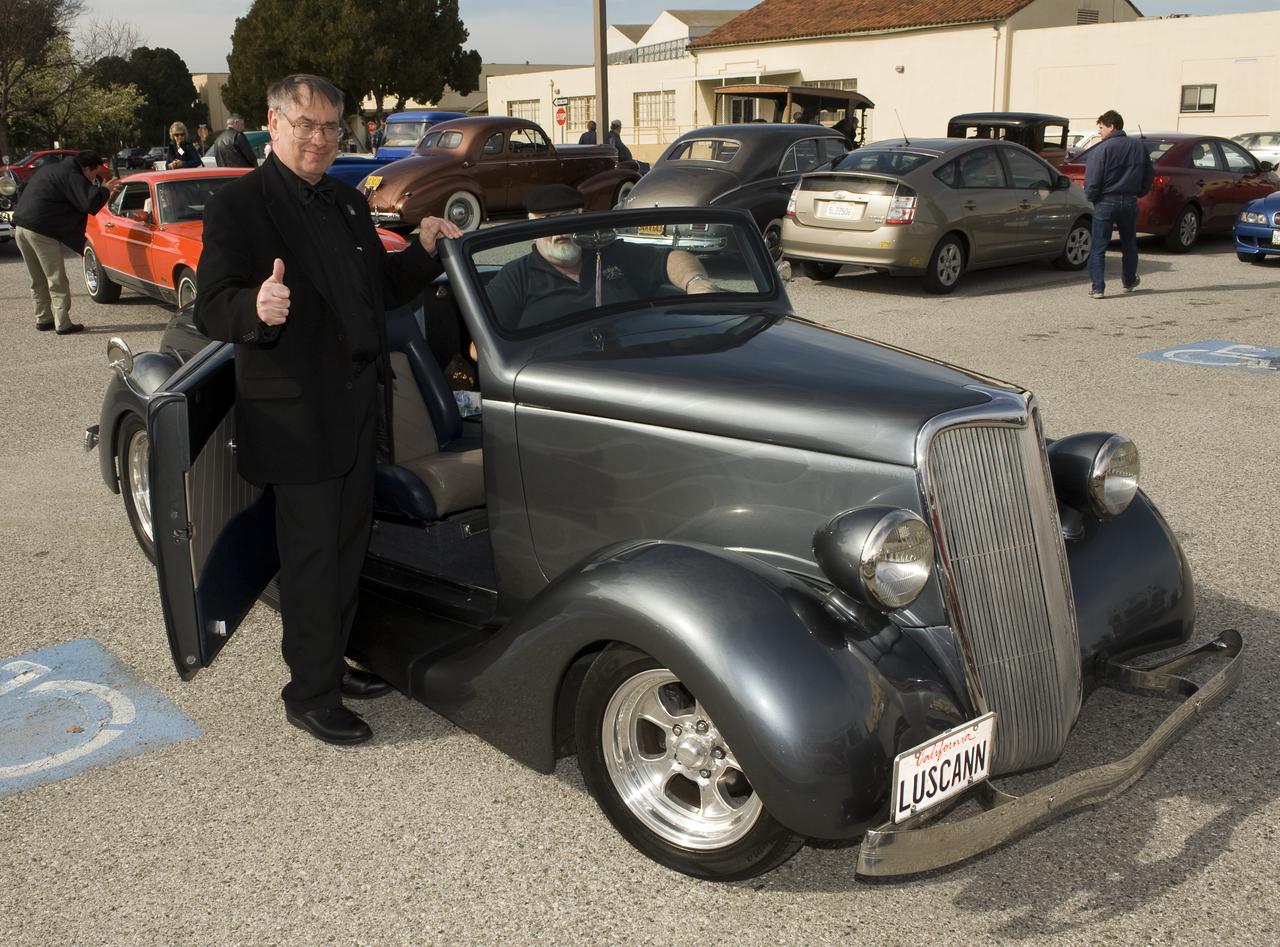
Ames 70th Anniversary Turn Back the Clock Day with antique Class Cars and Classic Car parade around the center. S. Pete Worden, Ames Center Director hopes onboard for a ride in the parade.
ARC-2010-ACD10-0015-114
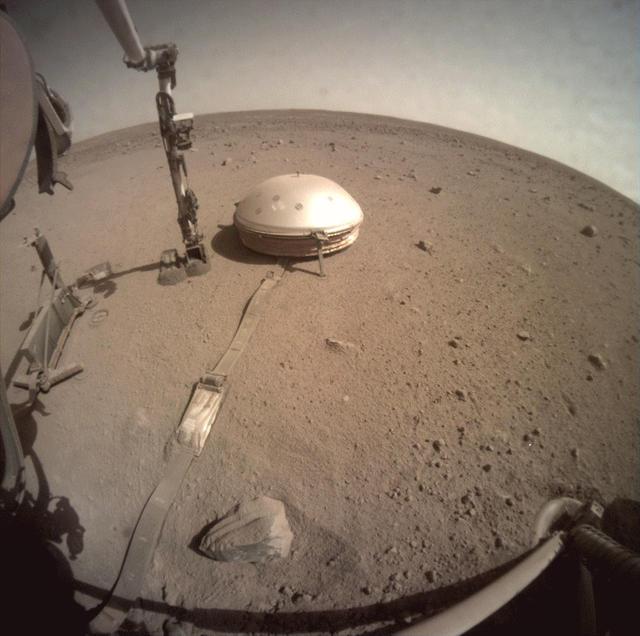
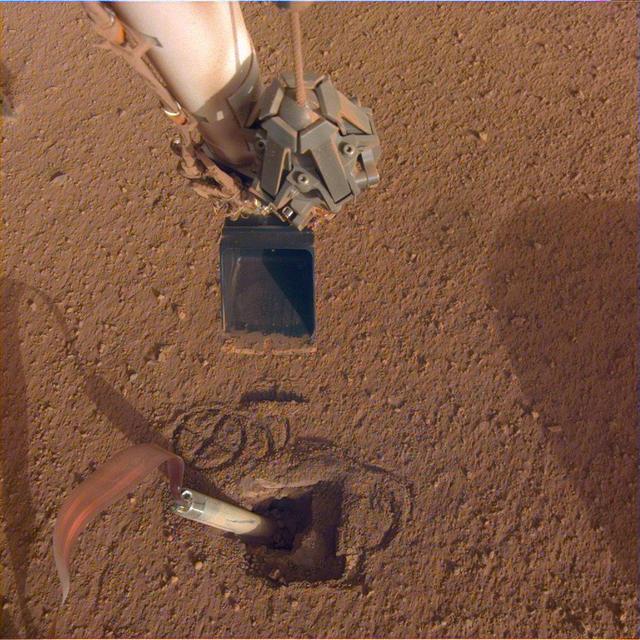
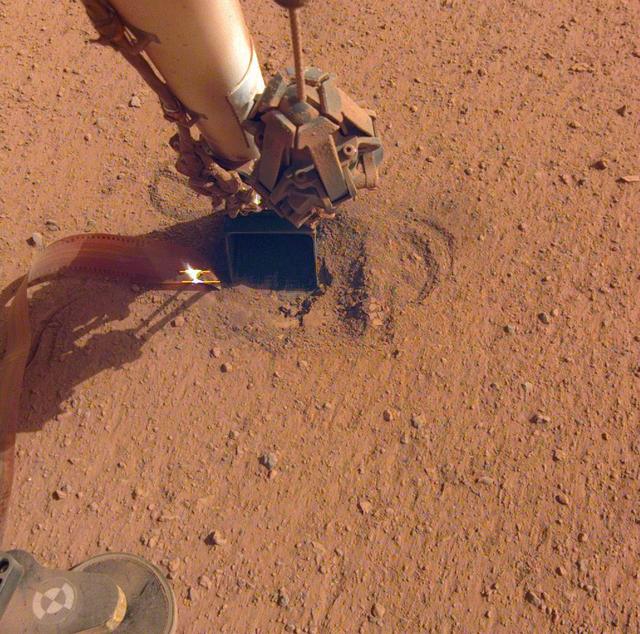
NASA's InSight lander used the scoop on its robotic arm to begin trickling soil over the cable connecting its seismometer to the spacecraft on March 14, 2021, the 816th Martian day, or sol of the mission. Scientists hope this make it easier to detect marsquakes by helping to insulate the cable from the wind and from the extreme temperature shifts that cause the cable to expand and contract.  Animation available at https://photojournal.jpl.nasa.gov/catalog/PIA24450
InSight Starts Burying Seismometer's Cable
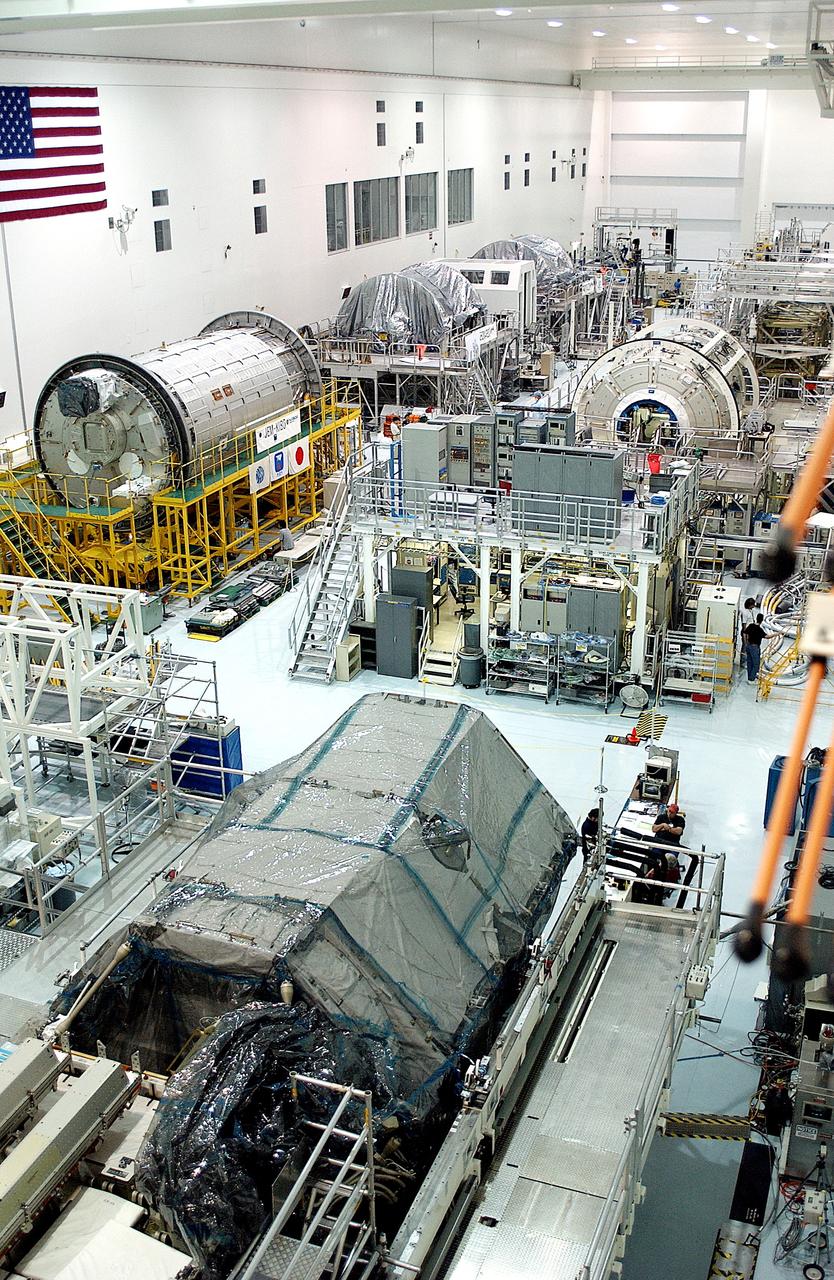
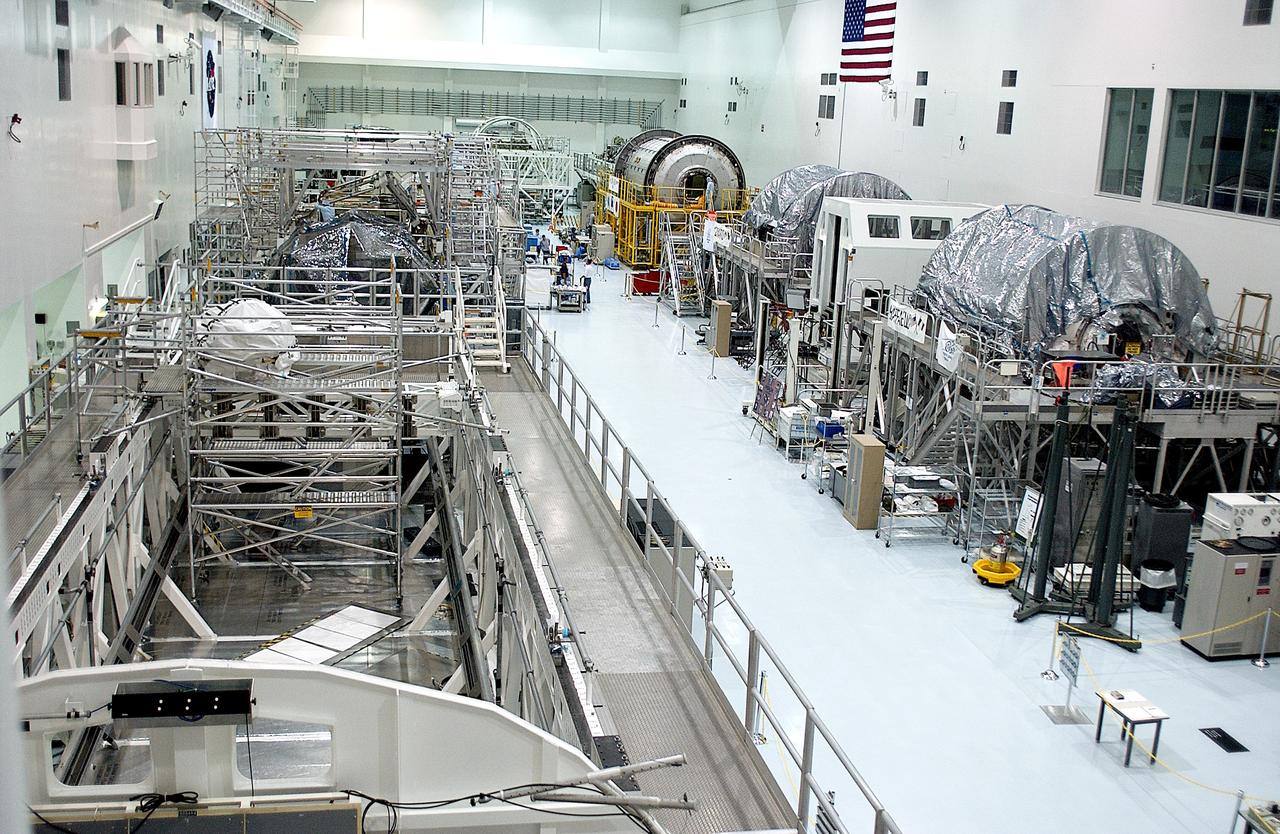
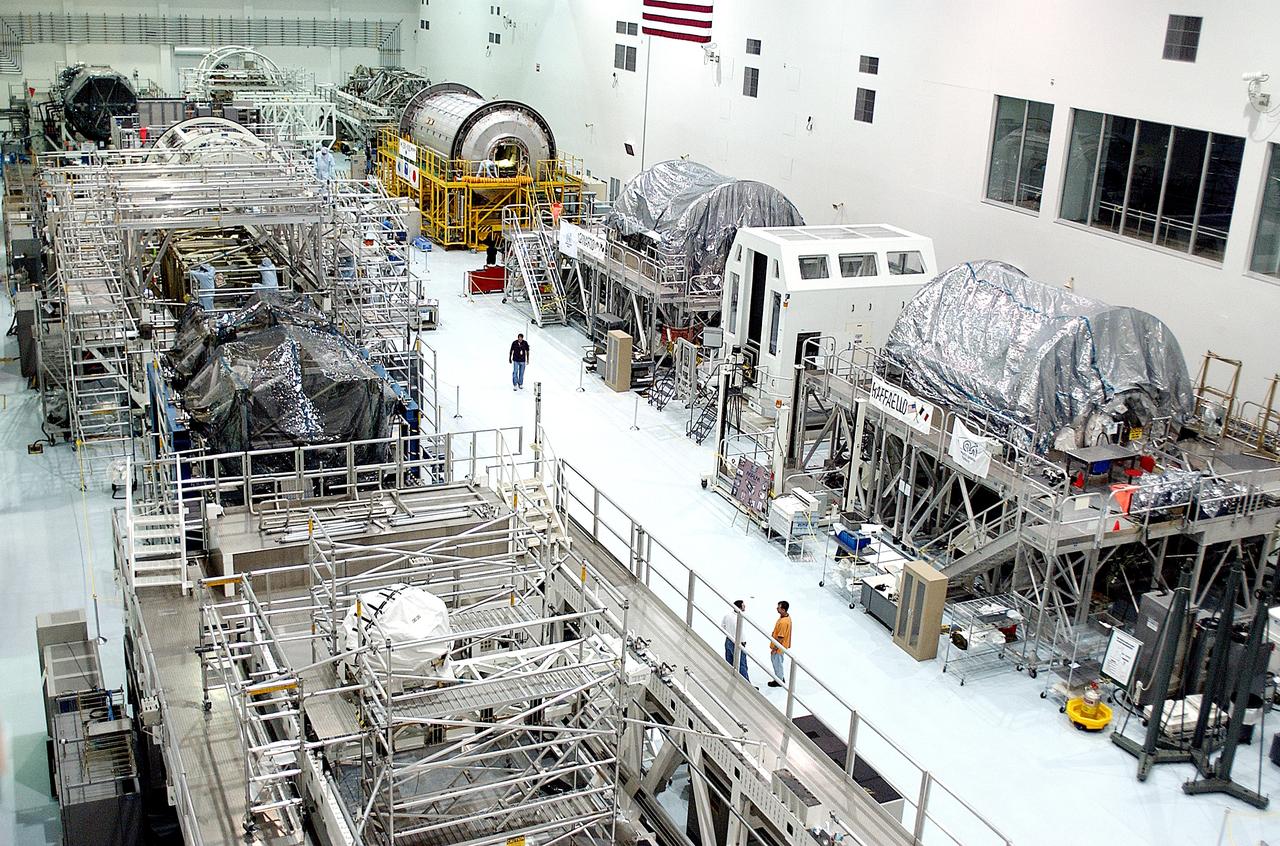
KENNEDY SPACE CENTER, FLA. -  International Space Station elements being processed for launch on upcoming Space Shuttle flights, including the Japanese Experiment Module (JEM) pressurized module (Kibo or Hope) and the U.S. Node 2, line the walls of the high bay in the Space Station Processing Facility.  NASA's Node 2, built by the European Space Agency (ESA) in Italy, arrived at KSC on June 1. It will be the next pressurized module installed on the Station. The JEM pressurized module arrived at KSC on June 4. It is Japan's primary contribution to the Station.
KENNEDY SPACE CENTER, FLA. - International Space Station elements being processed for launch on upcoming Space Shuttle flights, including the Japanese Experiment Module (JEM) pressurized module (Kibo or Hope) and the U.S. Node 2, line the walls of the high bay in the Space Station Processing Facility. NASA's Node 2, built by the European Space Agency (ESA) in Italy, arrived at KSC on June 1. It will be the next pressurized module installed on the Station. The JEM pressurized module arrived at KSC on June 4. It is Japan's primary contribution to the Station.
KENNEDY SPACE CENTER, FLA. -  International Space Station elements being processed for launch on upcoming Space Shuttle flights, including the Japanese Experiment Module (JEM) pressurized module, line the walls of the high bay in the Space Station Processing Facility. The JEM pressurized module, named "Kibo" (Hope), arrived at KSC on June 4. It is Japan's primary contribution to the Station.
KENNEDY SPACE CENTER, FLA. - International Space Station elements being processed for launch on upcoming Space Shuttle flights, including the Japanese Experiment Module (JEM) pressurized module, line the walls of the high bay in the Space Station Processing Facility. The JEM pressurized module, named "Kibo" (Hope), arrived at KSC on June 4. It is Japan's primary contribution to the Station.
KENNEDY SPACE CENTER, FLA. -  International Space Station elements being processed for launch on upcoming Space Shuttle flights line the walls of the high bay in the Space Station Processing Facility. NASA's Node 2, built by the European Space Agency (ESA) in Italy, arrived at KSC on June 1. It will be the next pressurized module installed on the Station. The pressurized module of the Japanese Experiment Module (JEM), named "Kibo" (Hope), arrived at KSC on June 4. It is Japan's primary contribution to the Station.
KENNEDY SPACE CENTER, FLA. - International Space Station elements being processed for launch on upcoming Space Shuttle flights line the walls of the high bay in the Space Station Processing Facility. NASA's Node 2, built by the European Space Agency (ESA) in Italy, arrived at KSC on June 1. It will be the next pressurized module installed on the Station. The pressurized module of the Japanese Experiment Module (JEM), named "Kibo" (Hope), arrived at KSC on June 4. It is Japan's primary contribution to the Station.
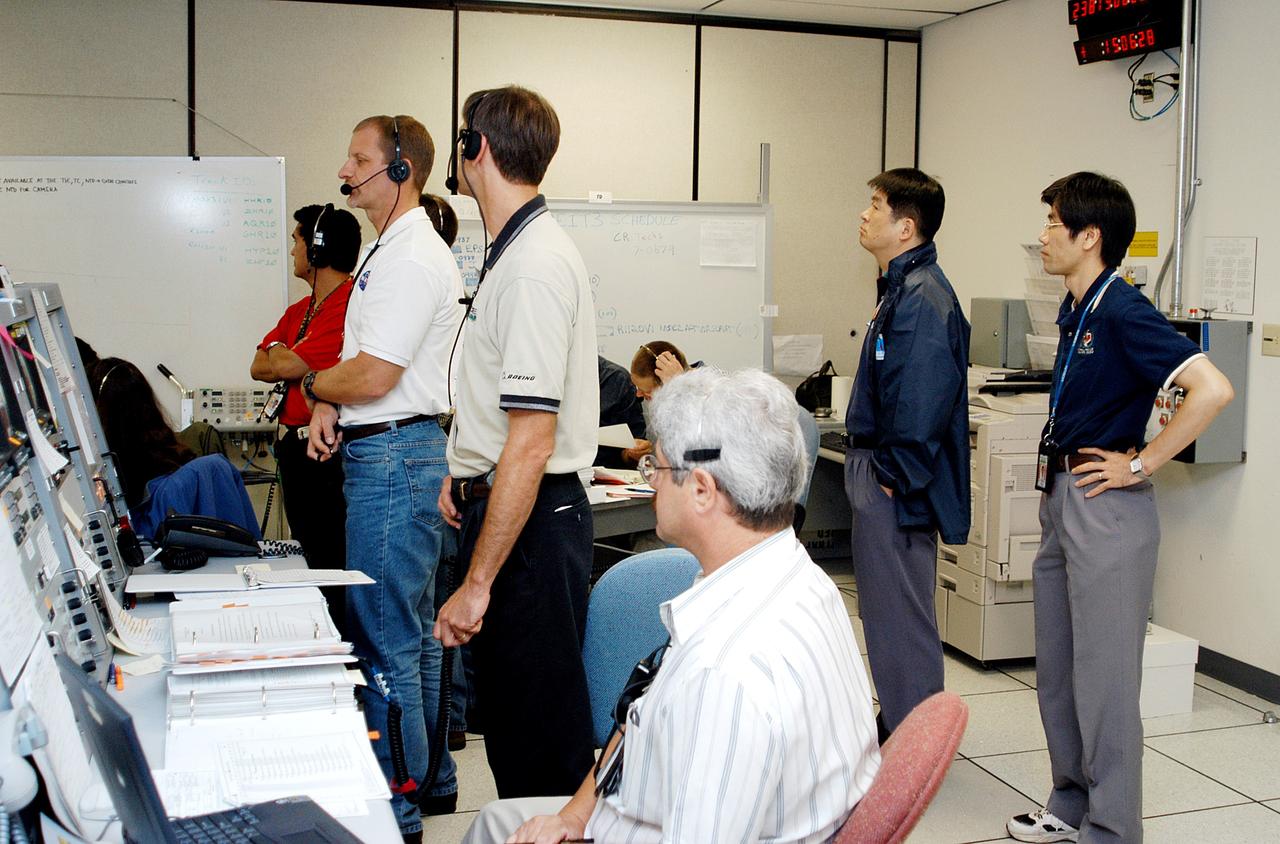
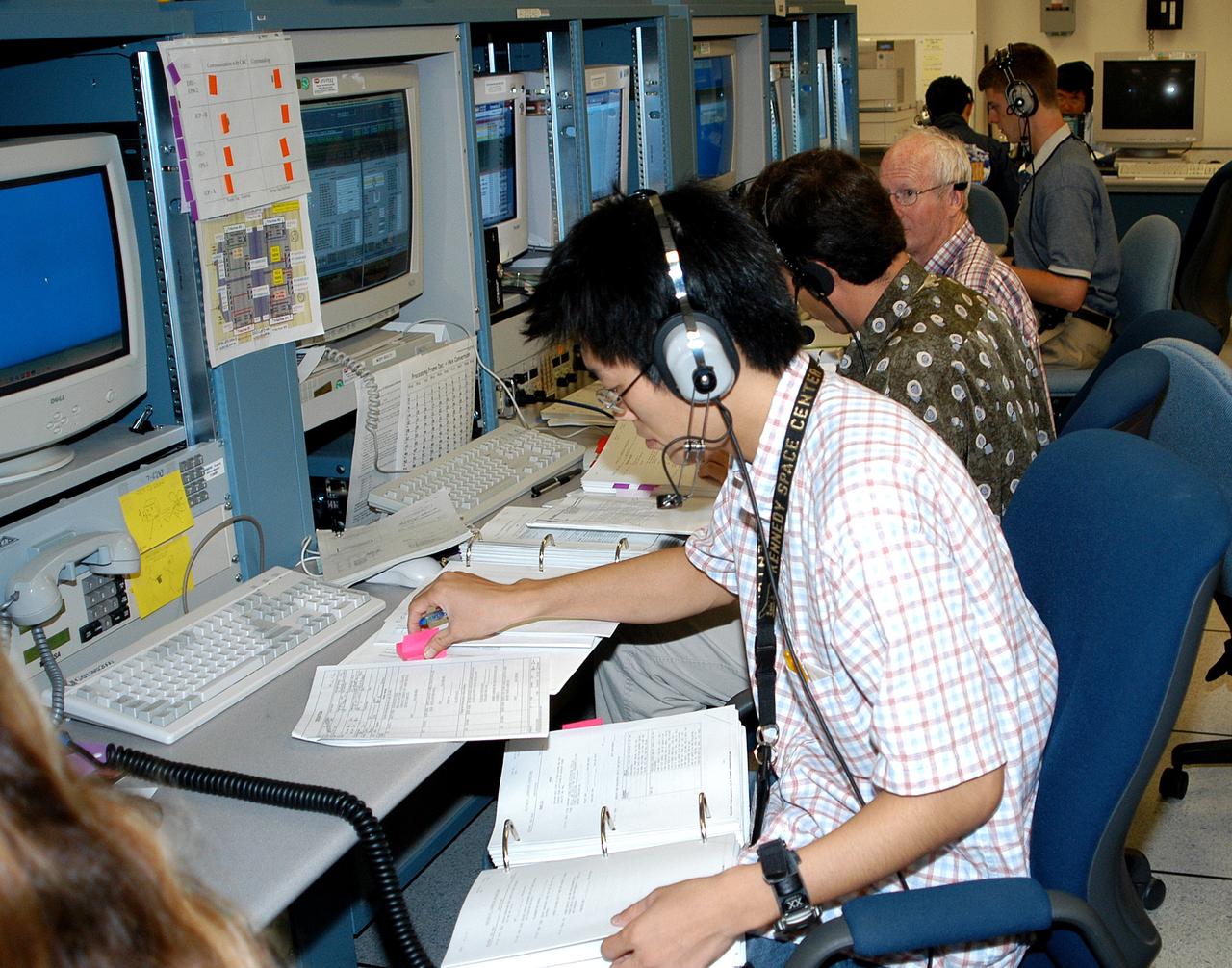
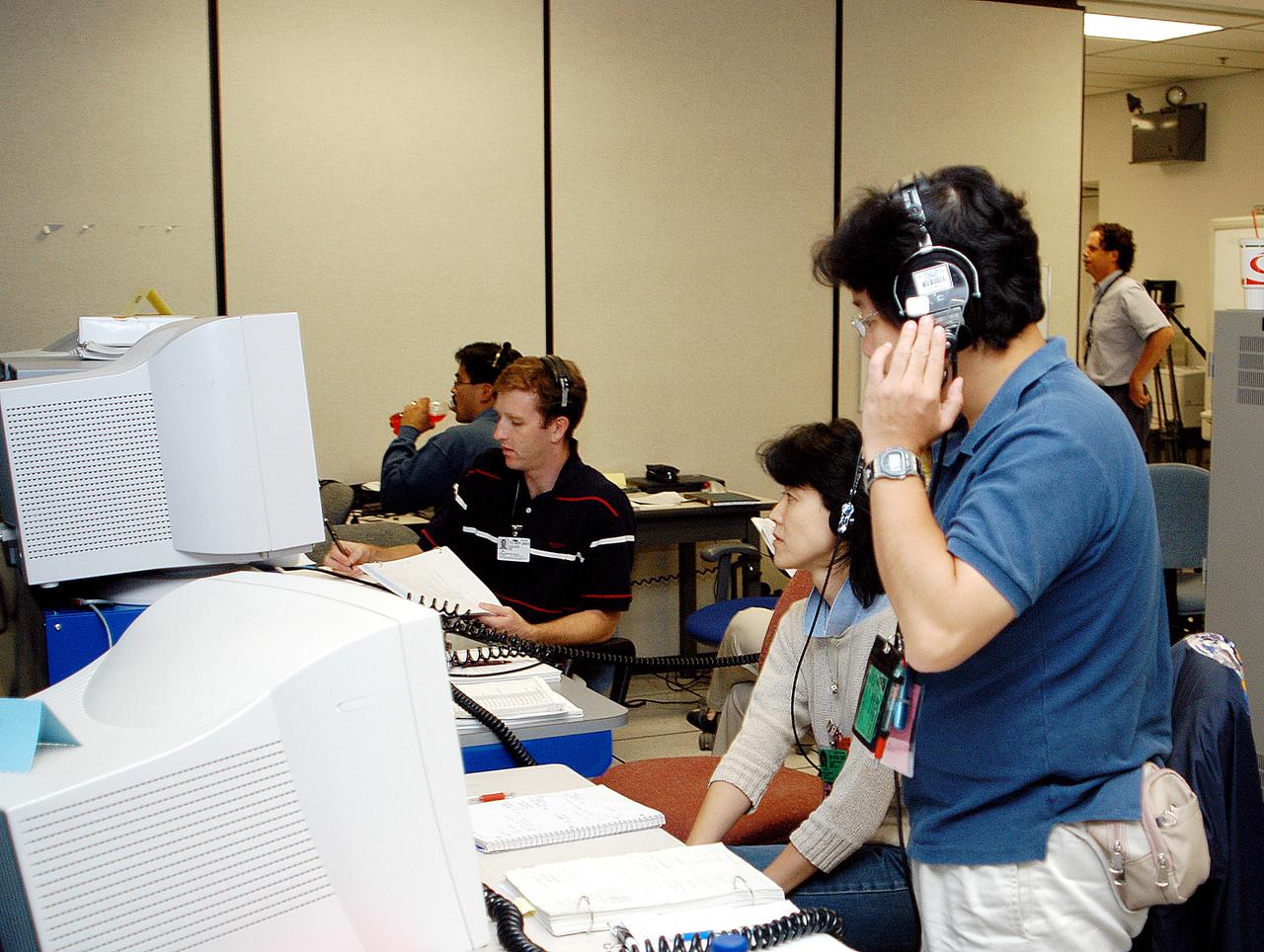
KENNEDY SPACE CENTER, FLA. -  Japanese astronauts and other personnel in the Space Station Processing Facility observe sensors during a Multi-Equipment Interface Test (MEIT) on the Japanese Experiment Module (JEM).  The National Space Development Agency of Japan (NASDA) developed the laboratory at the Tsukuba Space Center near Tokyo. It is the first element, named "Kibo" (Hope), to be delivered to KSC. The JEM is Japan's primary contribution to the Station. It will enhance the unique research capabilities of the orbiting complex by providing an additional environment for astronauts to conduct science experiments.
KENNEDY SPACE CENTER, FLA. - Japanese astronauts and other personnel in the Space Station Processing Facility observe sensors during a Multi-Equipment Interface Test (MEIT) on the Japanese Experiment Module (JEM). The National Space Development Agency of Japan (NASDA) developed the laboratory at the Tsukuba Space Center near Tokyo. It is the first element, named "Kibo" (Hope), to be delivered to KSC. The JEM is Japan's primary contribution to the Station. It will enhance the unique research capabilities of the orbiting complex by providing an additional environment for astronauts to conduct science experiments.
KENNEDY SPACE CENTER, FLA. - The Japanese Experiment Module (JEM), named Kibo (Hope), is undergoing a Multi-Element Integrated Test (MEIT) in the Space Station Processing Facility.  Developed by the National Space Development Agency of Japan (NASDA), the JEM is Japan's primary contribution to the Station. It will enhance the unique research capabilities of the orbiting complex by providing an additional environment for astronauts to conduct science experiments.
KENNEDY SPACE CENTER, FLA. - The Japanese Experiment Module (JEM), named Kibo (Hope), is undergoing a Multi-Element Integrated Test (MEIT) in the Space Station Processing Facility. Developed by the National Space Development Agency of Japan (NASDA), the JEM is Japan's primary contribution to the Station. It will enhance the unique research capabilities of the orbiting complex by providing an additional environment for astronauts to conduct science experiments.
KENNEDY SPACE CENTER, FLA. -  In the Space Station Processing Facility, personnel observe sensors during a Multi-Equipment Interface Test (MEIT) on the Japanese Experiment Module (JEM).  The National Space Development Agency of Japan (NASDA) developed the laboratory at the Tsukuba Space Center near Tokyo. It is the first element, named "Kibo" (Hope), to be delivered to KSC. The JEM is Japan's primary contribution to the Station. It will enhance the unique research capabilities of the orbiting complex by providing an additional environment for astronauts to conduct science experiments.
KENNEDY SPACE CENTER, FLA. - In the Space Station Processing Facility, personnel observe sensors during a Multi-Equipment Interface Test (MEIT) on the Japanese Experiment Module (JEM). The National Space Development Agency of Japan (NASDA) developed the laboratory at the Tsukuba Space Center near Tokyo. It is the first element, named "Kibo" (Hope), to be delivered to KSC. The JEM is Japan's primary contribution to the Station. It will enhance the unique research capabilities of the orbiting complex by providing an additional environment for astronauts to conduct science experiments.
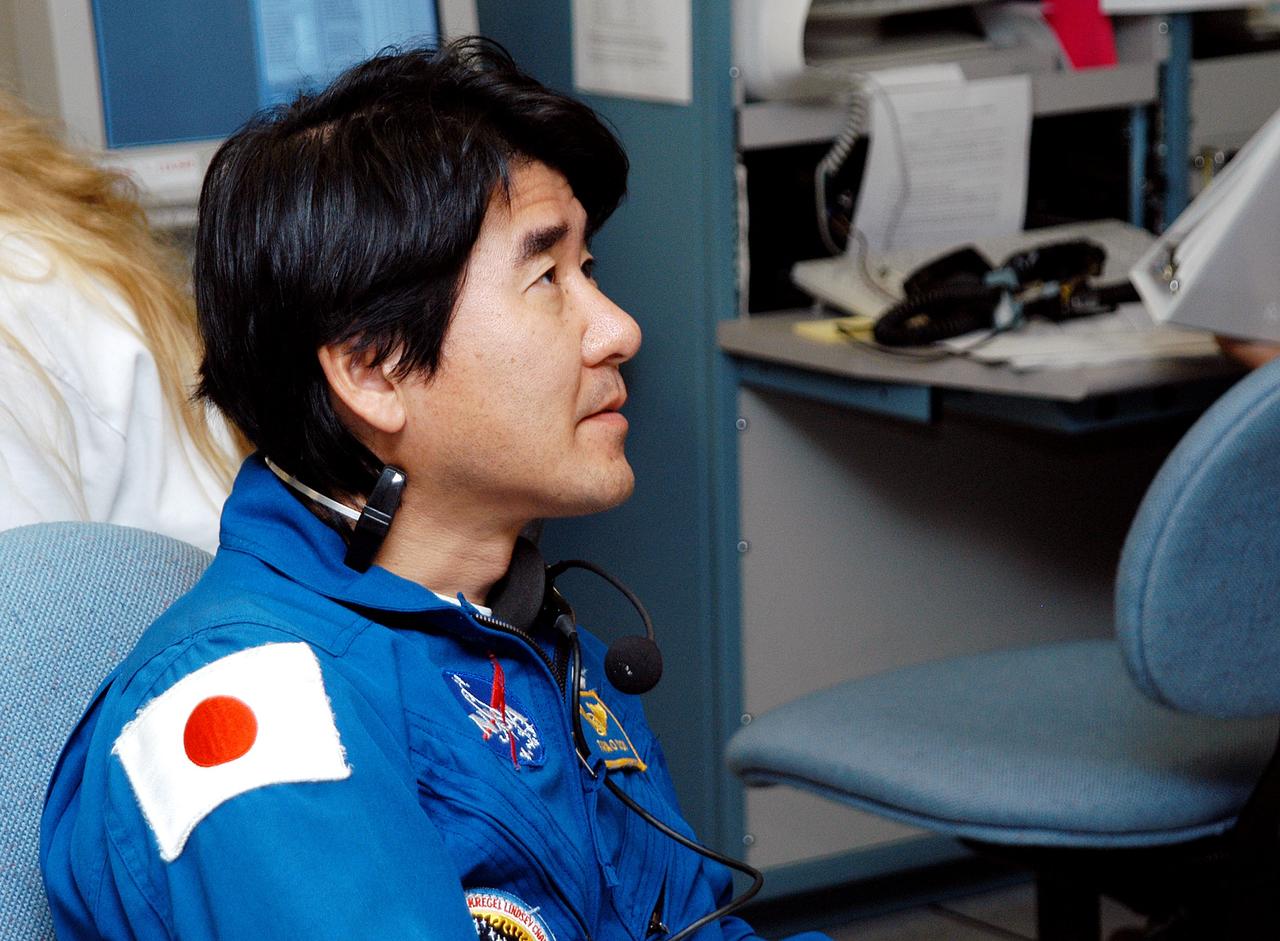
KENNEDY SPACE CENTER, FLA. -  Takao Doi, an astronaut with the National Space Development Agency of Japan (NASDA), watches the sensors  during a Multi-Equipment Interface Test (MEIT) on the Japanese Experiment Module (JEM).  NASDA  developed the laboratory at the Tsukuba Space Center near Tokyo. It is the first element, named "Kibo" (Hope), to be delivered to KSC. The JEM is Japan's primary contribution to the Station. It will enhance the unique research capabilities of the orbiting complex by providing an additional environment for astronauts to conduct science experiments.
KENNEDY SPACE CENTER, FLA. - Takao Doi, an astronaut with the National Space Development Agency of Japan (NASDA), watches the sensors during a Multi-Equipment Interface Test (MEIT) on the Japanese Experiment Module (JEM). NASDA developed the laboratory at the Tsukuba Space Center near Tokyo. It is the first element, named "Kibo" (Hope), to be delivered to KSC. The JEM is Japan's primary contribution to the Station. It will enhance the unique research capabilities of the orbiting complex by providing an additional environment for astronauts to conduct science experiments.
KENNEDY SPACE CENTER, FLA. - In the Space Station Processing Facility, Japanaese astronauts and personnel observe sensors during a Multi-Equipment Interface Test (MEIT) on the Japanese Experiment Module (JEM).  The National Space Development Agency of Japan (NASDA) developed the laboratory at the Tsukuba Space Center near Tokyo. It is the first element, named "Kibo" (Hope), to be delivered to KSC. The JEM is Japan's primary contribution to the Station. It will enhance the unique research capabilities of the orbiting complex by providing an additional environment for astronauts to conduct science experiments.
KENNEDY SPACE CENTER, FLA. - In the Space Station Processing Facility, Japanaese astronauts and personnel observe sensors during a Multi-Equipment Interface Test (MEIT) on the Japanese Experiment Module (JEM). The National Space Development Agency of Japan (NASDA) developed the laboratory at the Tsukuba Space Center near Tokyo. It is the first element, named "Kibo" (Hope), to be delivered to KSC. The JEM is Japan's primary contribution to the Station. It will enhance the unique research capabilities of the orbiting complex by providing an additional environment for astronauts to conduct science experiments.
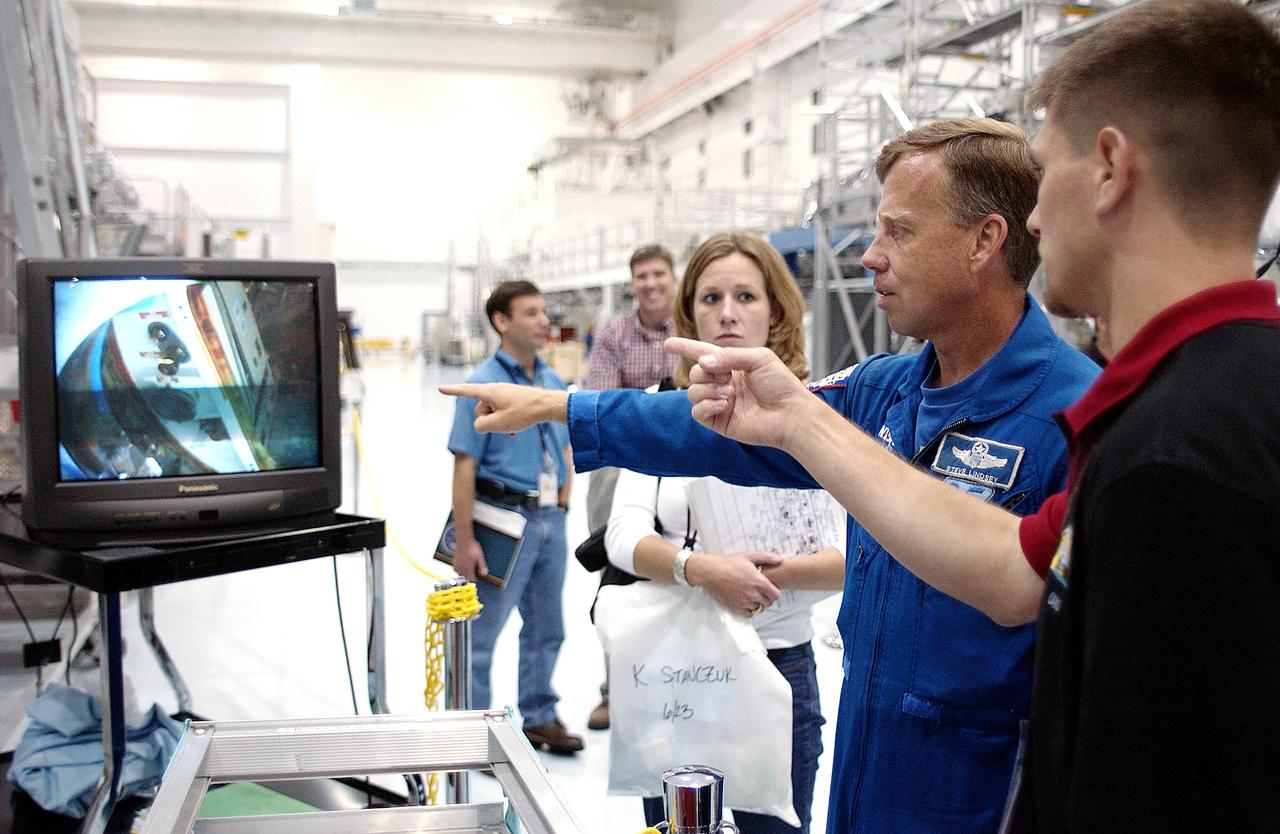
KENNEDY SPACE CENTER, FLA. -  NASA astronaut Steven W. Lindsey (second from right) views the interior of the pressurized module of the Japanese Experiment Module (JEM) on a television monitor in the Space Station Processing Facility.  This major component of JEM, named "Kibo" (Hope), is Japan's primary contribution to the International Space Station and arrived at KSC on June 4.  Lindsey is assigned to command STS-119, an upcoming Space Shuttle flight to the Station.
KENNEDY SPACE CENTER, FLA. - NASA astronaut Steven W. Lindsey (second from right) views the interior of the pressurized module of the Japanese Experiment Module (JEM) on a television monitor in the Space Station Processing Facility. This major component of JEM, named "Kibo" (Hope), is Japan's primary contribution to the International Space Station and arrived at KSC on June 4. Lindsey is assigned to command STS-119, an upcoming Space Shuttle flight to the Station.
KENNEDY SPACE CENTER, FLA. -  International Space Station elements being processed for launch on upcoming Space Shuttle flights line the walls of the high bay in the Space Station Processing Facility. NASA's Node 2, built by the European Space Agency (ESA) in Italy, arrived at KSC on June 1. It will be the next pressurized module installed on the Station. The pressurized module of the Japanese Experiment Module (JEM), named "Kibo" (Hope), arrived at KSC on June 4. It is Japan's primary contribution to the Station.
KENNEDY SPACE CENTER, FLA. - International Space Station elements being processed for launch on upcoming Space Shuttle flights line the walls of the high bay in the Space Station Processing Facility. NASA's Node 2, built by the European Space Agency (ESA) in Italy, arrived at KSC on June 1. It will be the next pressurized module installed on the Station. The pressurized module of the Japanese Experiment Module (JEM), named "Kibo" (Hope), arrived at KSC on June 4. It is Japan's primary contribution to the Station.
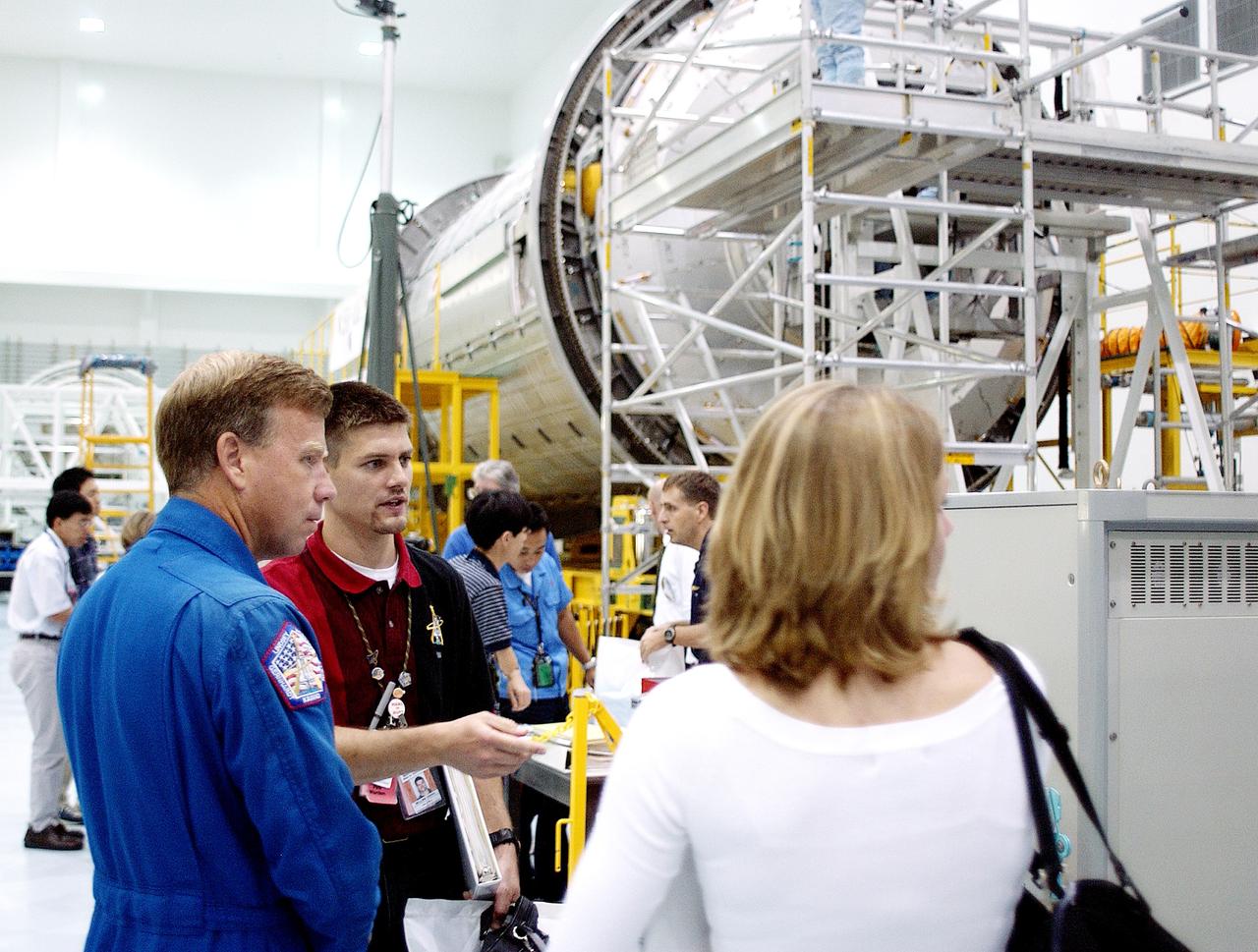
KENNEDY SPACE CENTER, FLA. -  NASA astronaut Steven W. Lindsey (left) listens to a briefing about the pressurized module of the Japanese Experiment Module (JEM) in the Space Station Processing Facility.  This major component of JEM, named "Kibo" (Hope), is Japan's primary contribution to the International Space Station and arrived at KSC on June 4.  Lindsey is assigned to command STS-119, an upcoming Space Shuttle flight to the Station.
KENNEDY SPACE CENTER, FLA. - NASA astronaut Steven W. Lindsey (left) listens to a briefing about the pressurized module of the Japanese Experiment Module (JEM) in the Space Station Processing Facility. This major component of JEM, named "Kibo" (Hope), is Japan's primary contribution to the International Space Station and arrived at KSC on June 4. Lindsey is assigned to command STS-119, an upcoming Space Shuttle flight to the Station.
STS058-77-083 (18 Oct-1 Nov 1993) --- In this scene of the south coast of Africa, Cape Agulhas, the southernmost point on the continent, appears as the leftmost cape.  Viewed with the Earth's limb top left, clouds at bottom, the view direction is west and north top right.  The Cape of Good Hope, with Cape Town nearby, is the thin spike beyond.  The great bay in the foreground is Algoa Bay with the city of Port Elizabeth.  This was the first time European voyagers are known to have rounded the Cape of Good Hope in their quest to reach India by sea.  The entire fold mountain belt of southern Africa is visible: these mountains appear as green (forested) wavy structures stretching west form the foreground, to the Cape of Good Hope, and then northwards some distance.  One theory about their origin is that the Falkland Plateau, now an undersea extension of South America, was jostled up against Africa more than 150 million years ago, in times before the Atlantic Ocean existed, before Africa and South America drifted apart from one another.  The jostling caused the evolution of the fold mountain belt.
Cape Province, South Africa as seen from STS-58
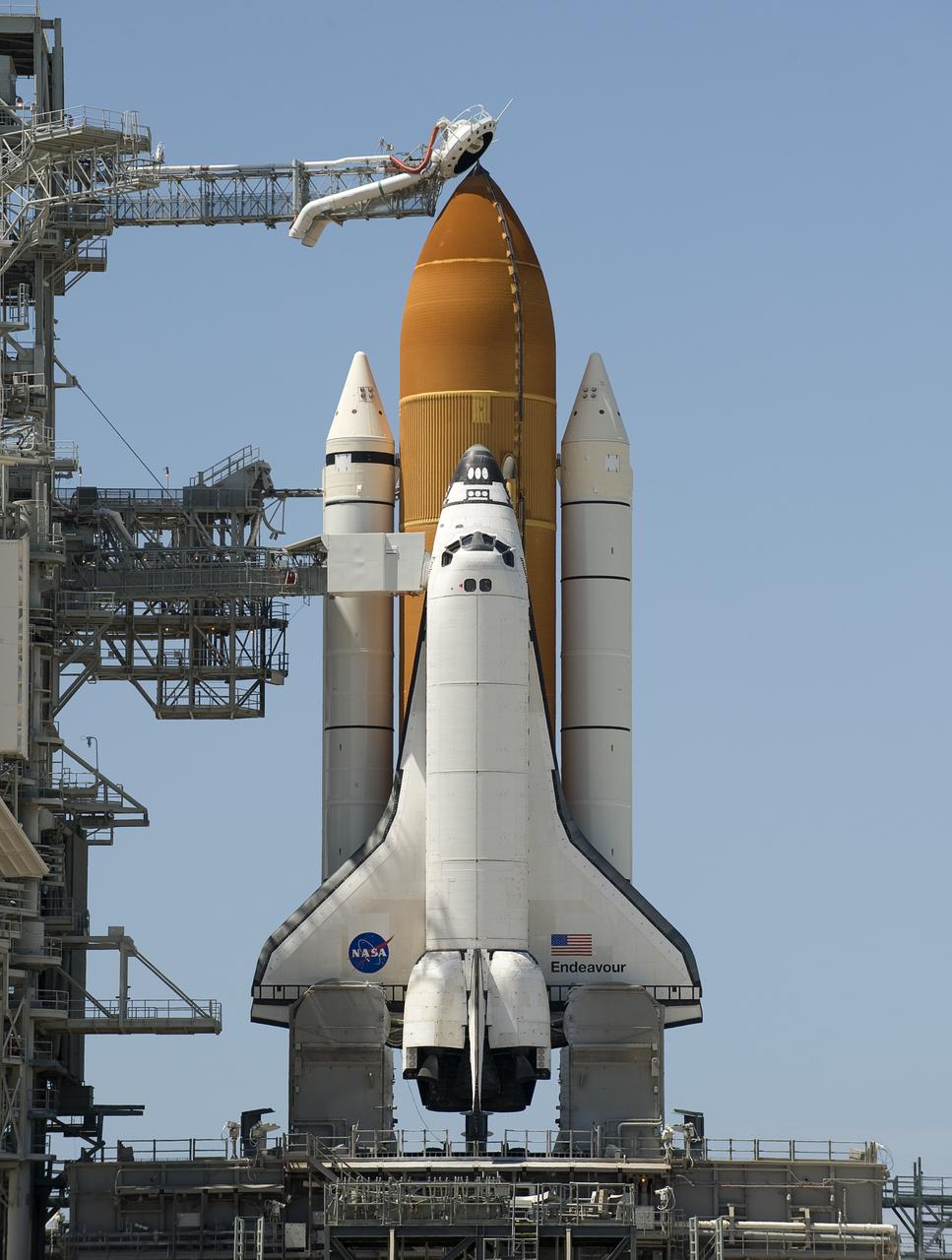
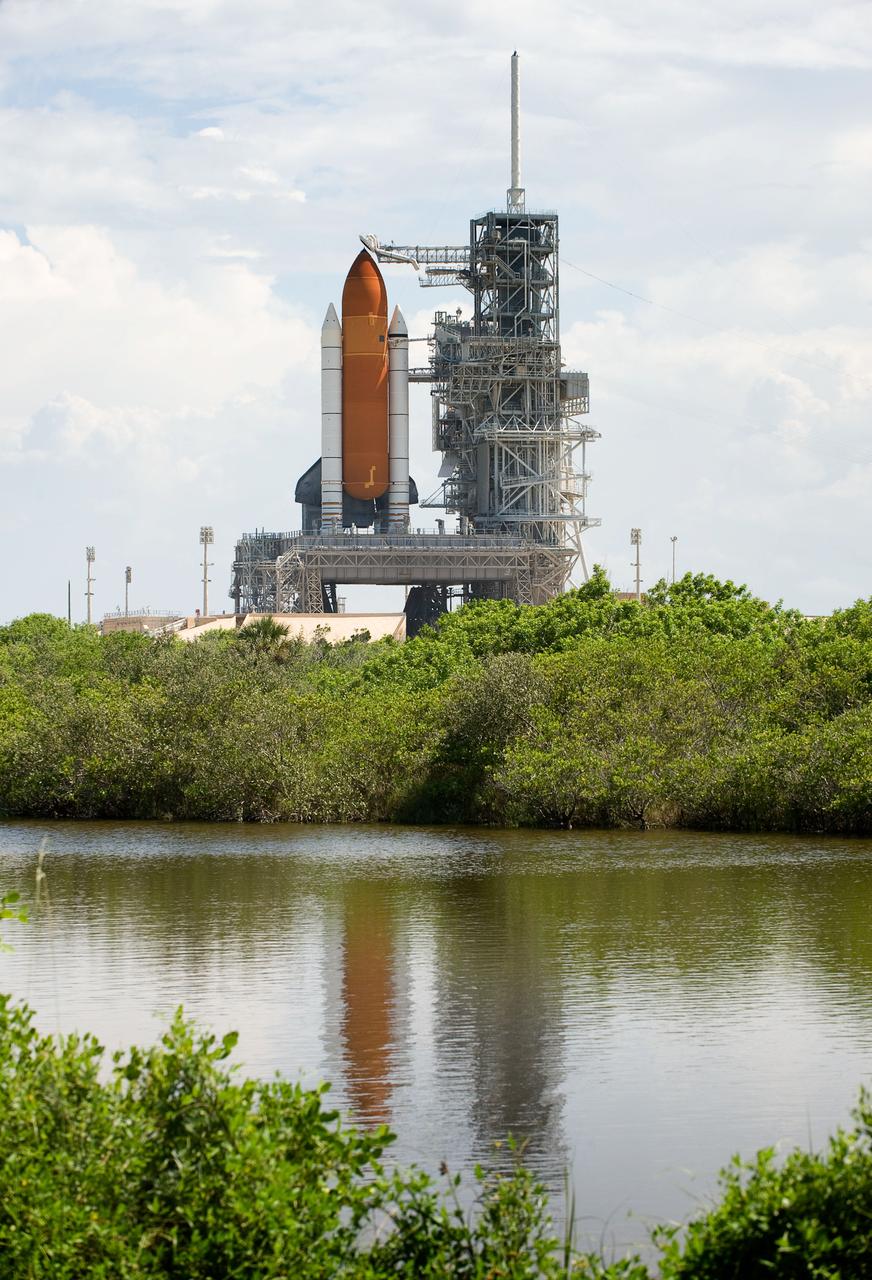
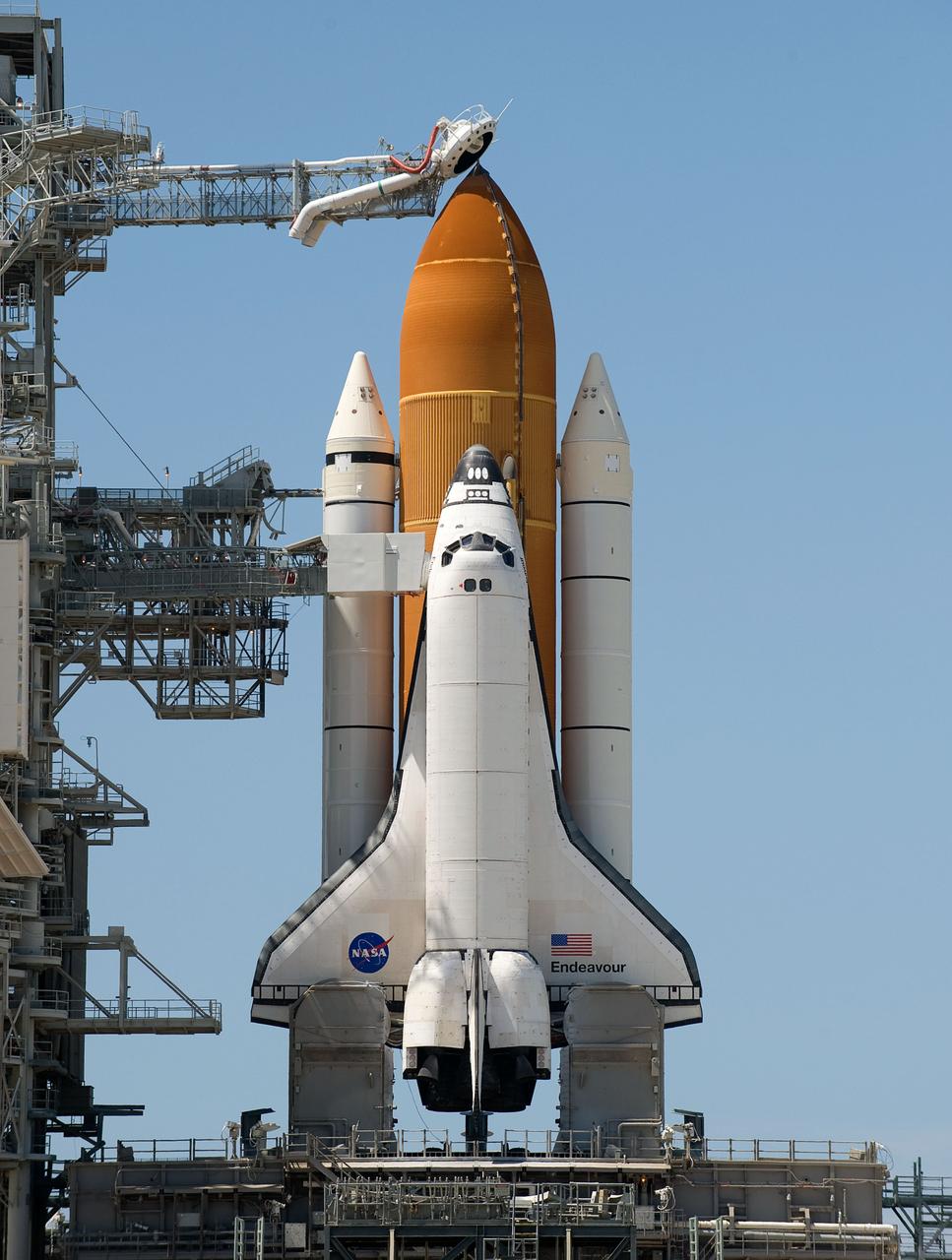
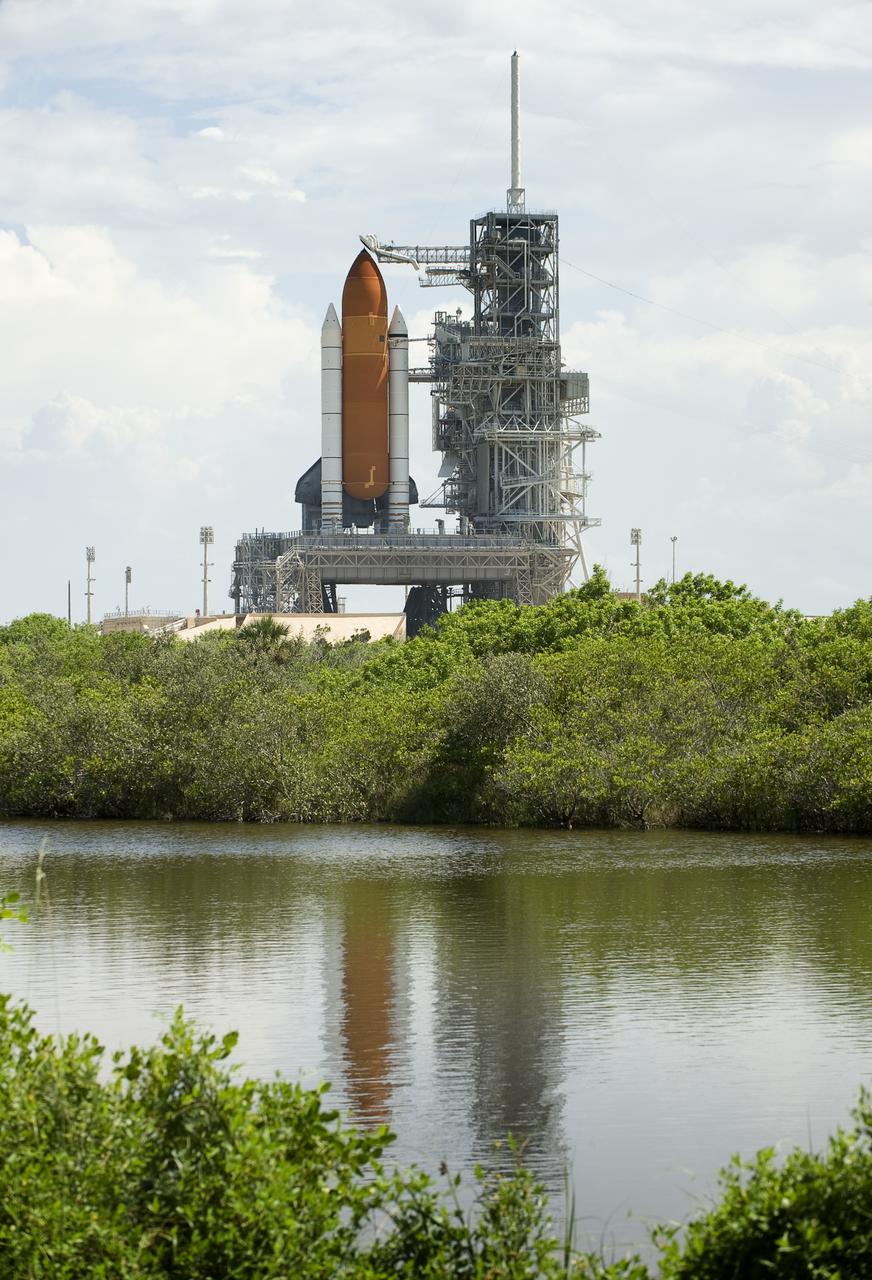
The space shuttle Endeavour is seen at launch pad 39A at NASA's Kennedy Space Center in Cape Canaveral, Florida on Saturday, July 11, 2009.  NASA is hopeful that Endeavour will launch with the crew of STS-127 on Sunday.  Photo Credit: (NASA/Bill Ingalls)
Space Shuttle Endeavour on Pad 39a
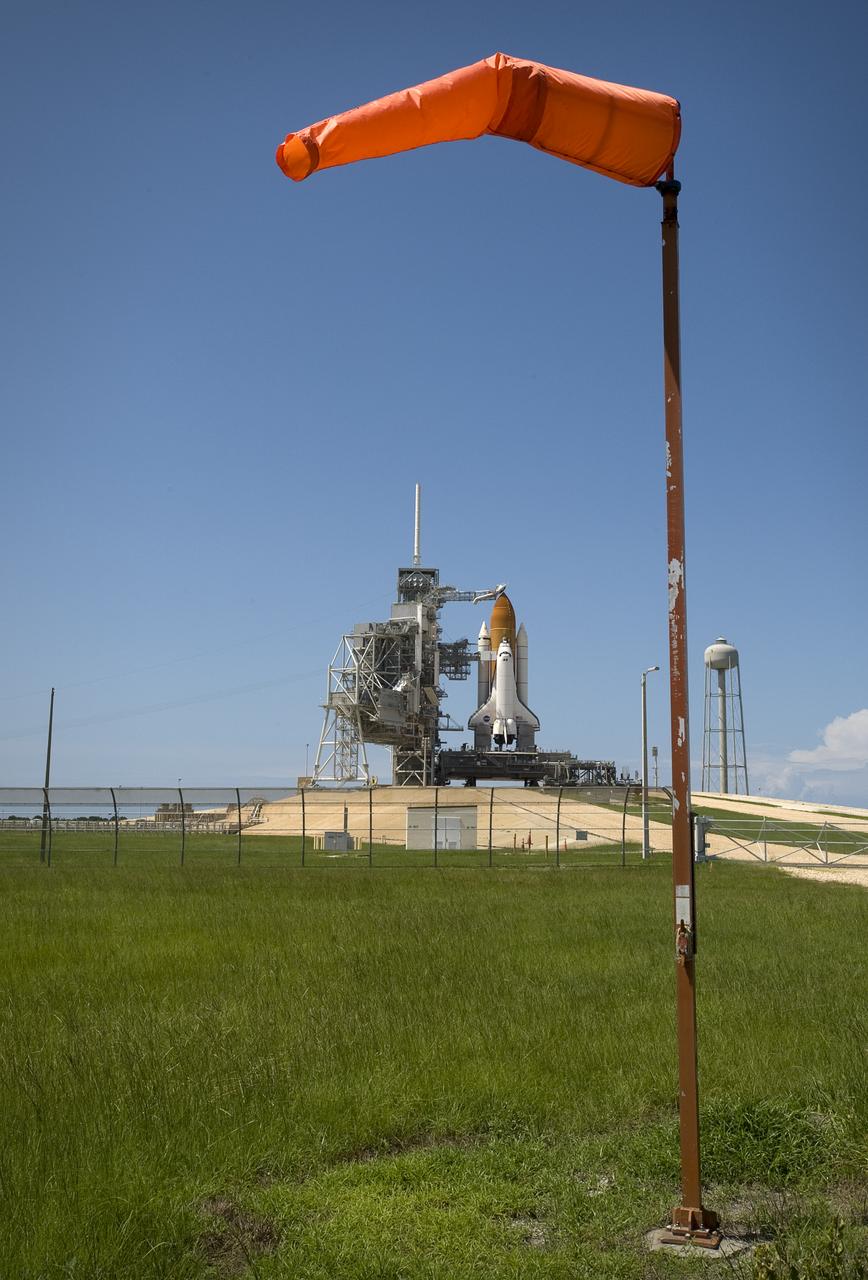
The space shuttle Endeavour is framed by a windsock at launch pad 39A at  the NASA Kennedy Space Center in Cape Canaveral, Florida on Saturday, July 11, 2009.  NASA is hopeful that Endeavour will launch with the crew of STS-127 on Sunday.  Photo Credit: (NASA/Bill Ingalls)
Space Shuttle Endeavour on Pad 39a
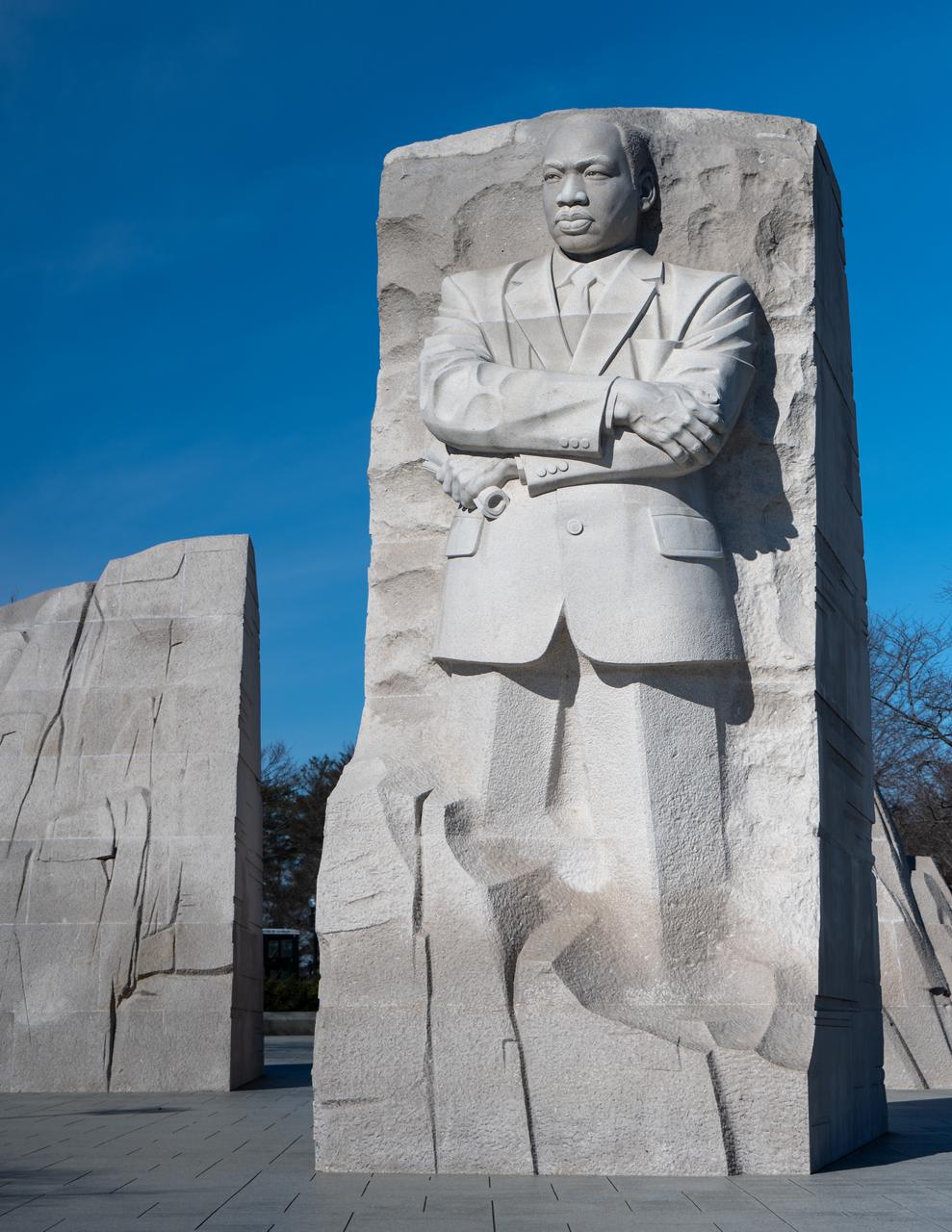
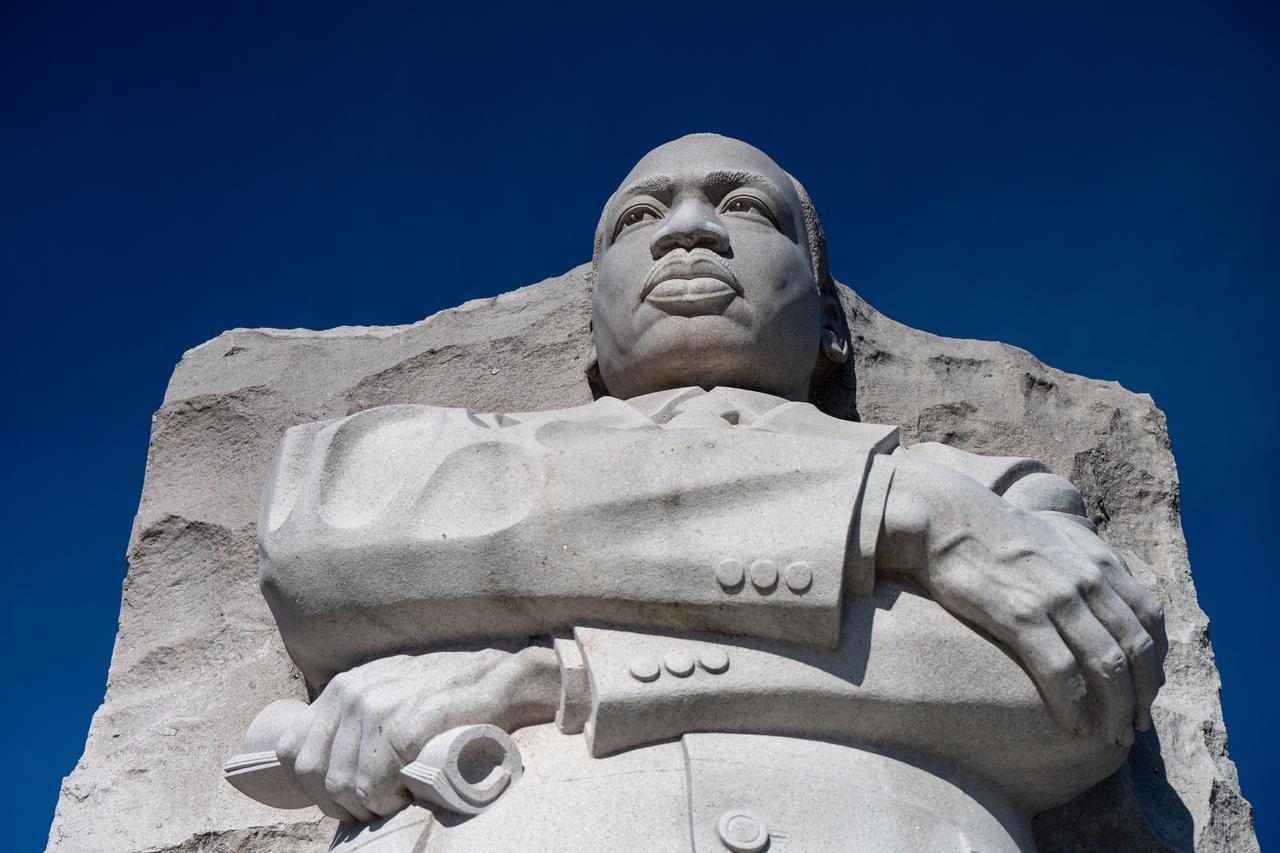
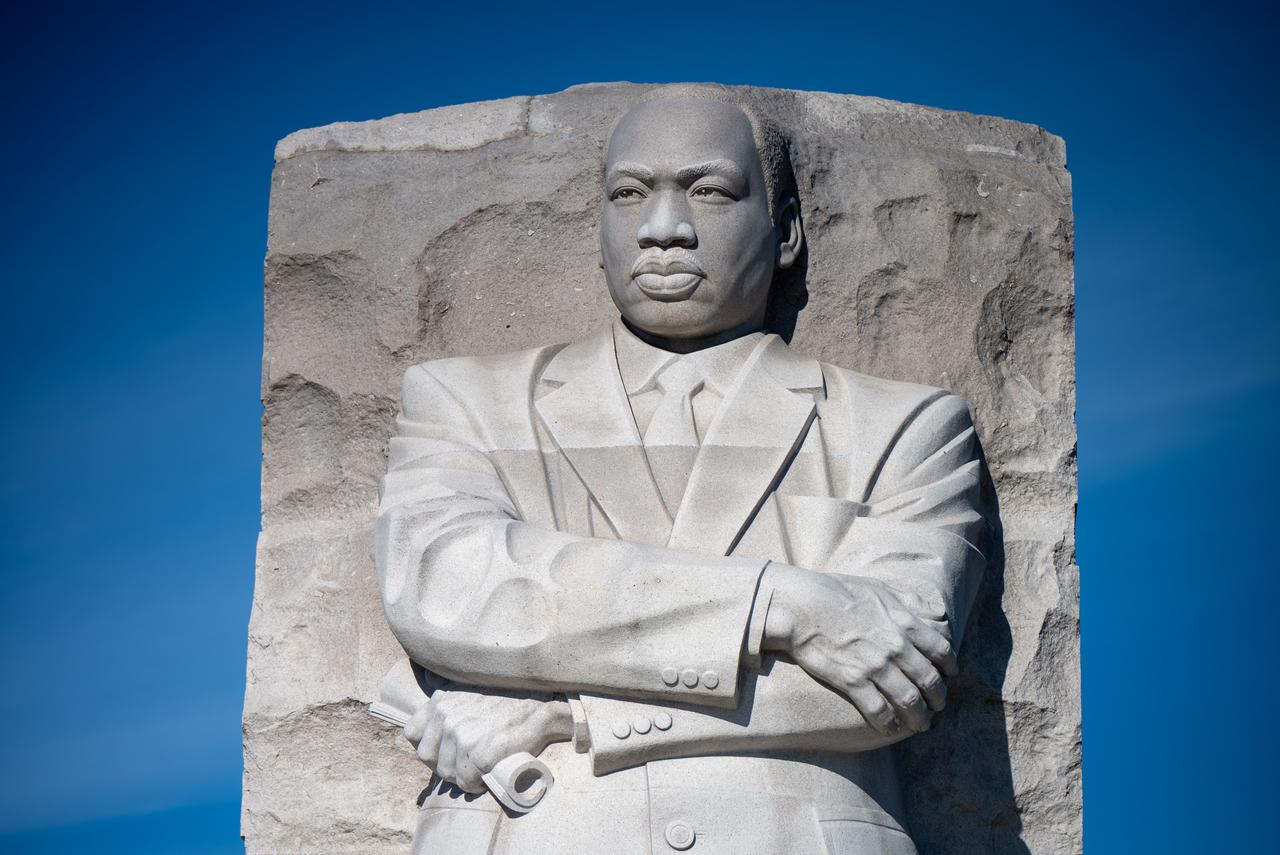
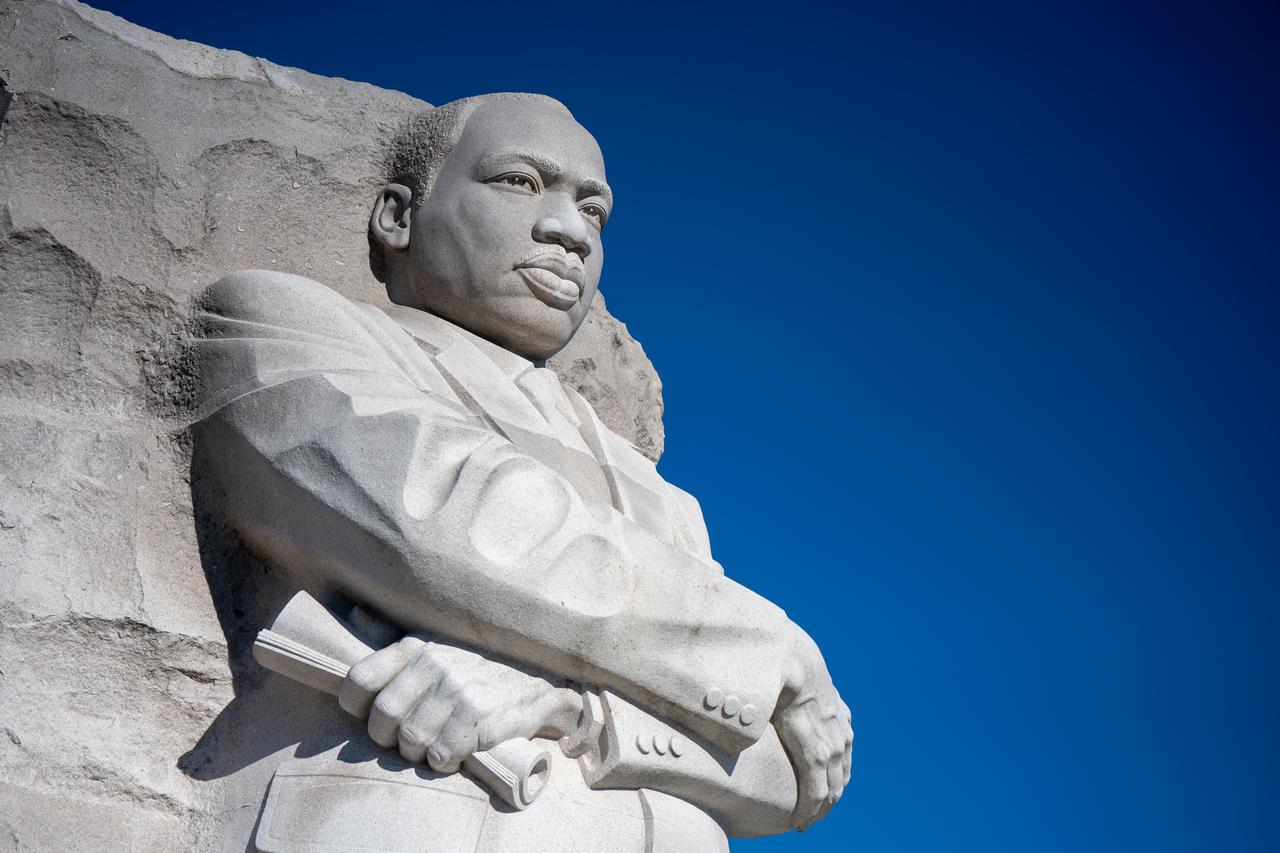
The Martin Luther King, Jr. Memorial is seen, Sunday, Jan. 5, 2025, in Washington. The memorial covers four acres and includes the Stone of Hope, a granite statue of civil rights movement leader Martin Luther King Jr. carved by sculptor Lei Yixin. Photo Credit: (NASA/Bill Ingalls)
Martin Luther King, Jr. Memorial
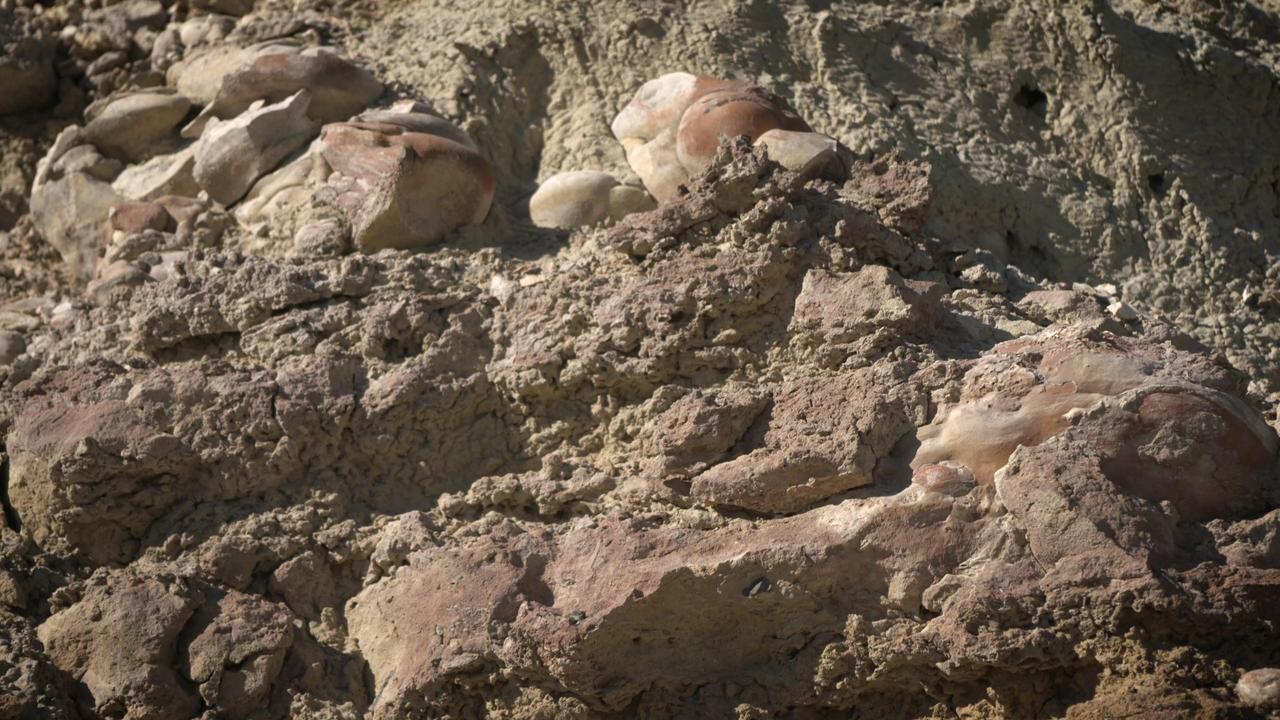
Made from fossilized microbes and sediment, these rounded rocks are stromatolites that were found in a dry lakebed during the field exercise. Scientists hope to find something similar in the dry lakebed Perseverance will be exploring on Mars.  https://photojournal.jpl.nasa.gov/catalog/PIA23779
Stromatolites in the Nevada Desert
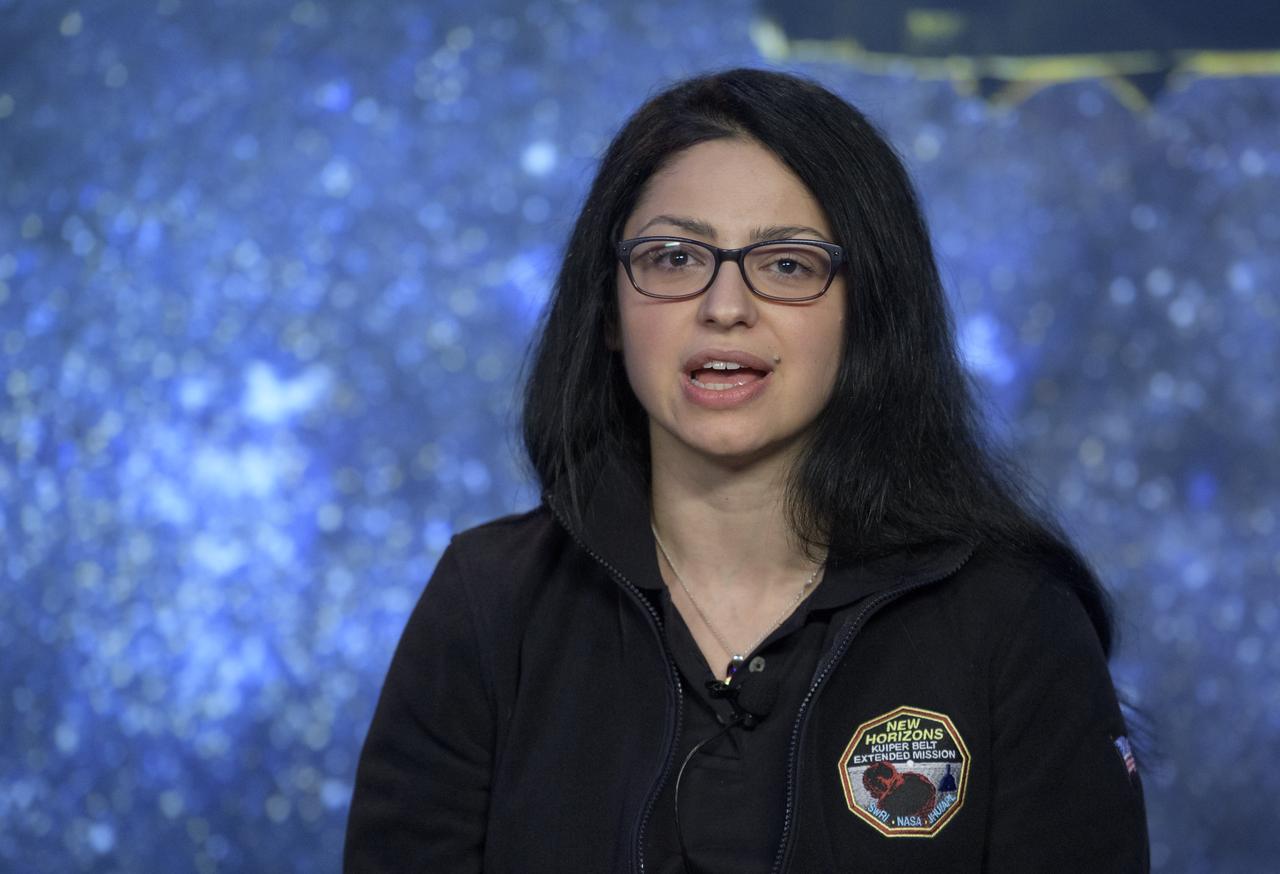
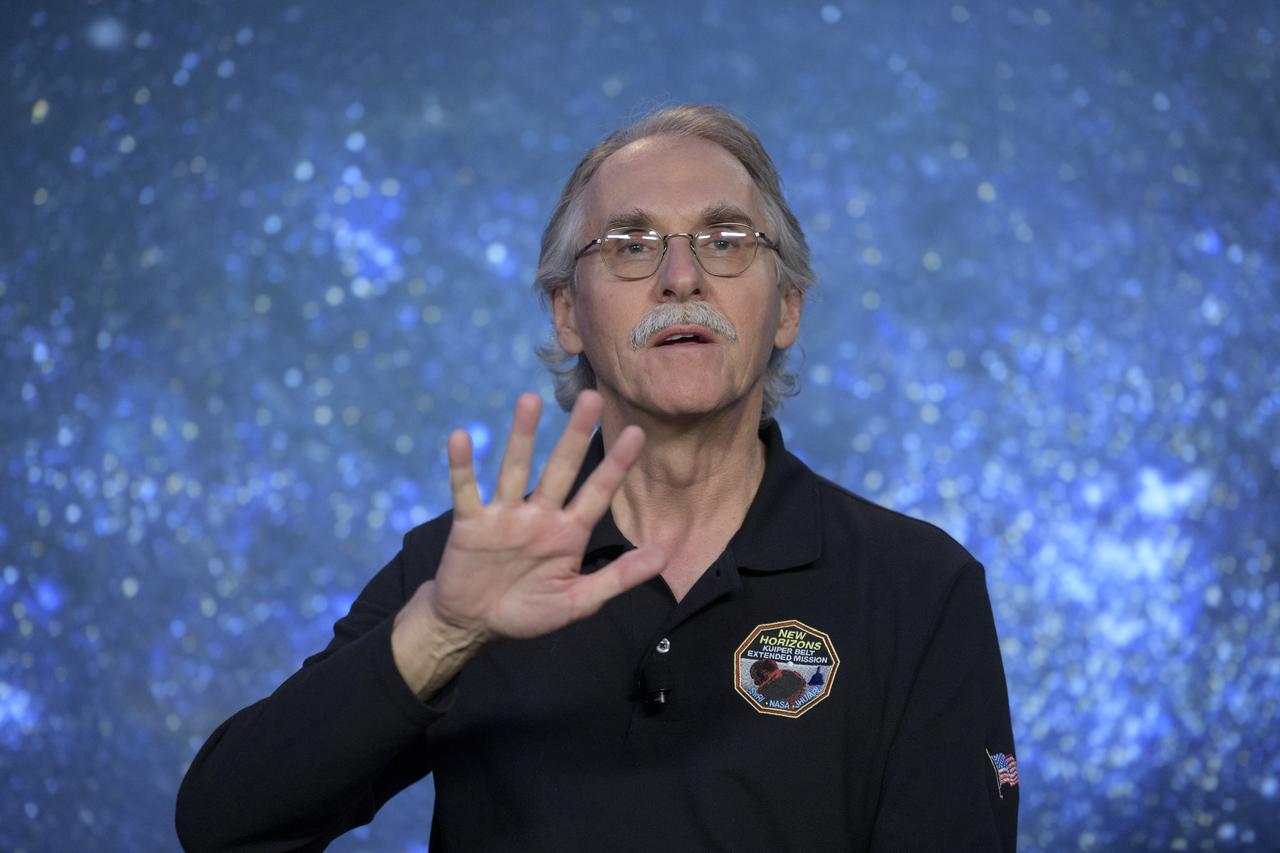
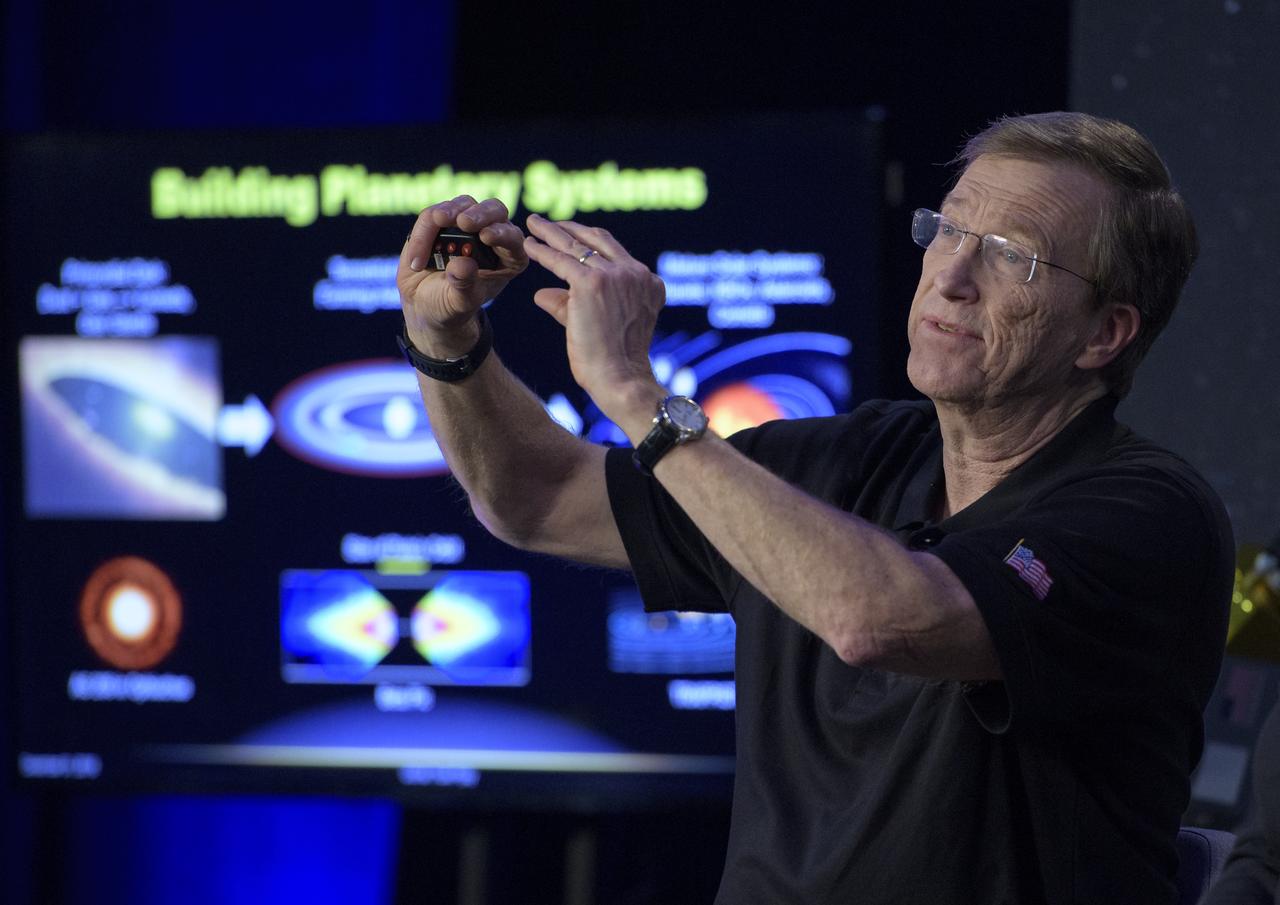
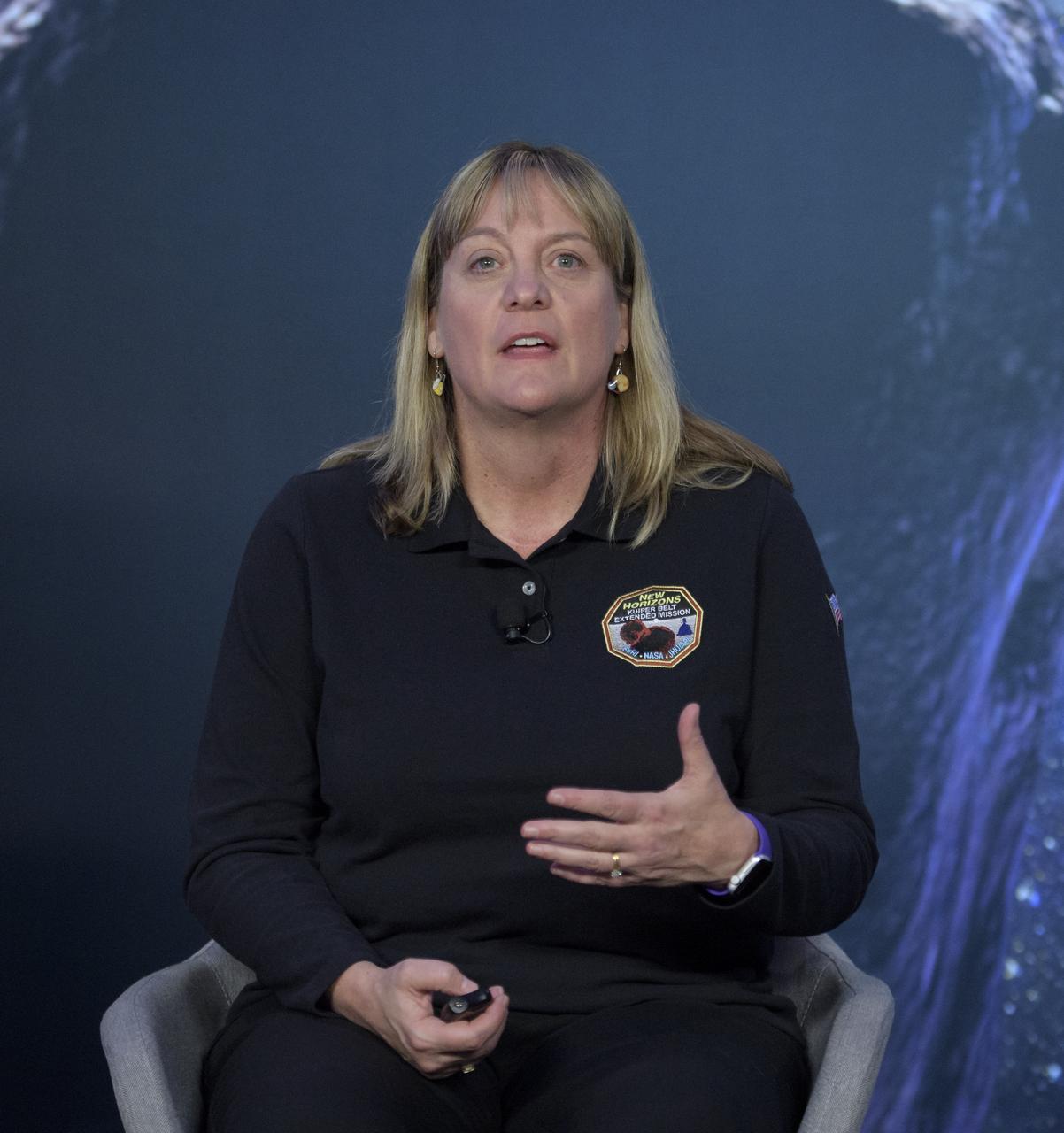
New Horizons co-investigator Silvia Protopapa of the Southwest Research Institute (SwRI) discusses what they hope to learn from the flyby of Ultima Thule, Monday, Dec. 31, 2018 at Johns Hopkins University Applied Physics Laboratory (APL) in Laurel, Maryland. Photo Credit: (NASA/Bill Ingalls)
New Horizons Ultima Thule Flyby
New Horizons deputy project scientist John Spencer of the Southwest Research Institute (SwRI), Boulder, CO discusses what they hope to learn from the flyby of Ultima Thule, Monday, Dec. 31, 2018 at Johns Hopkins University Applied Physics Laboratory (APL) in Laurel, Maryland. Photo Credit: (NASA/Bill Ingalls)
New Horizons Ultima Thule Flyby
iss074e0002559 (Dec. 13, 2025) --- Glen Canyon National Recreation Area in Utah—featuring Lake Powell, Good Hope Rock, and Mt. Pennell (top), popular spots for sightseeing, fishing, and hiking—is pictured from the International Space Station as it orbited 262 miles above North America.
Glen Canyon National Recreation Area in Utah
The space shuttle Endeavour is seen at launch pad 39A at NASA's Kennedy Space Center in Cape Canaveral, Florida on Saturday, July 11, 2009.  NASA is hopeful that Endeavour will launch with the crew of STS-127 on Sunday.  Photo Credit: (NASA/Bill Ingalls)
Space Shuttle Endeavour on Pad 39a
The Martin Luther King, Jr. Memorial is seen, Sunday, Jan. 5, 2025, in Washington. The memorial covers four acres and includes the Stone of Hope, a granite statue of civil rights movement leader Martin Luther King Jr. carved by sculptor Lei Yixin. Photo Credit: (NASA/Bill Ingalls)
Martin Luther King, Jr. Memorial
The Martin Luther King, Jr. Memorial is seen, Sunday, Jan. 5, 2025, in Washington. The memorial covers four acres and includes the Stone of Hope, a granite statue of civil rights movement leader Martin Luther King Jr. carved by sculptor Lei Yixin. Photo Credit: (NASA/Bill Ingalls)
Martin Luther King, Jr. Memorial
New Horizons project scientist Hal Weaver of the Johns Hopkins University Applied Physics Laboratory discusses what they hope to learn from the flyby of Ultima Thule, Monday, Dec. 31, 2018 at Johns Hopkins University Applied Physics Laboratory (APL) in Laurel, Maryland. Photo Credit: (NASA/Bill Ingalls)
New Horizons Ultima Thule Flyby
The Martin Luther King, Jr. Memorial is seen, Sunday, Jan. 5, 2025, in Washington. The memorial covers four acres and includes the Stone of Hope, a granite statue of civil rights movement leader Martin Luther King Jr. carved by sculptor Lei Yixin. Photo Credit: (NASA/Bill Ingalls)
Martin Luther King, Jr. Memorial
The Martin Luther King, Jr. Memorial is seen, Sunday, Jan. 5, 2025, in Washington. The memorial covers four acres and includes the Stone of Hope, a granite statue of civil rights movement leader Martin Luther King Jr. carved by sculptor Lei Yixin. Photo Credit: (NASA/Bill Ingalls)
Martin Luther King, Jr. Memorial
The space shuttle Endeavour is seen at launch pad 39A at NASA's Kennedy Space Center in Cape Canaveral, Florida on Saturday, July 11, 2009.  NASA is hopeful that Endeavour will launch with the crew of STS-127 on Sunday.  Photo Credit: (NASA/Bill Ingalls)
Space Shuttle Endeavour on Pad 39a
The space shuttle Endeavour is seen at launch pad 39A at NASA's Kennedy Space Center in Cape Canaveral, Florida on Saturday, July 11, 2009.  NASA is hopeful that Endeavour will launch with the crew of STS-127 on Sunday.  Photo Credit: (NASA/Bill Ingalls)
Space Shuttle Endeavour on Pad 39a
New Horizons deputy project scientist Cathy Olkin of the Southwest Research Institute (SwRI), Boulder, CO discusses what they hope to learn from the flyby of Ultima Thule, Monday, Dec. 31, 2018 at Johns Hopkins University Applied Physics Laboratory (APL) in Laurel, Maryland. Photo Credit: (NASA/Bill Ingalls)
New Horizons Ultima Thule Flyby
The Martin Luther King, Jr. Memorial is seen, Sunday, Jan. 5, 2025, in Washington. The memorial covers four acres and includes the Stone of Hope, a granite statue of civil rights movement leader Martin Luther King Jr. carved by sculptor Lei Yixin. Photo Credit: (NASA/Bill Ingalls)
Martin Luther King, Jr. Memorial
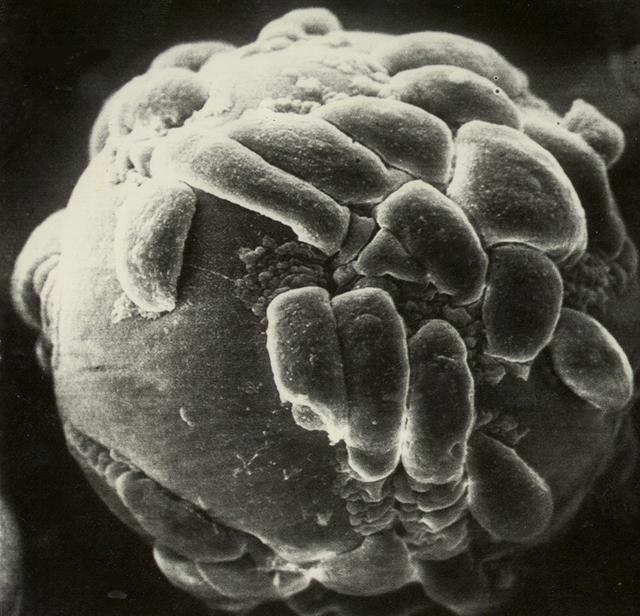
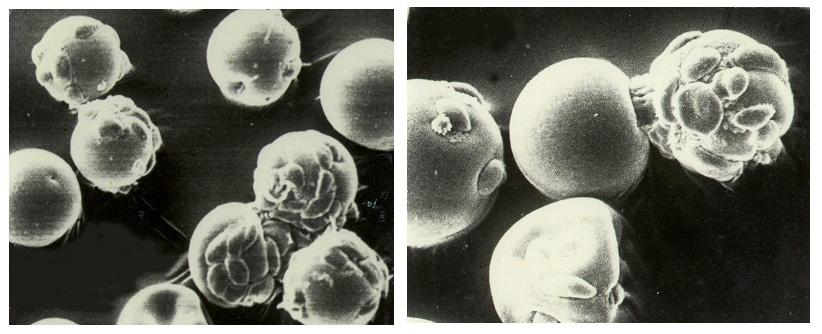
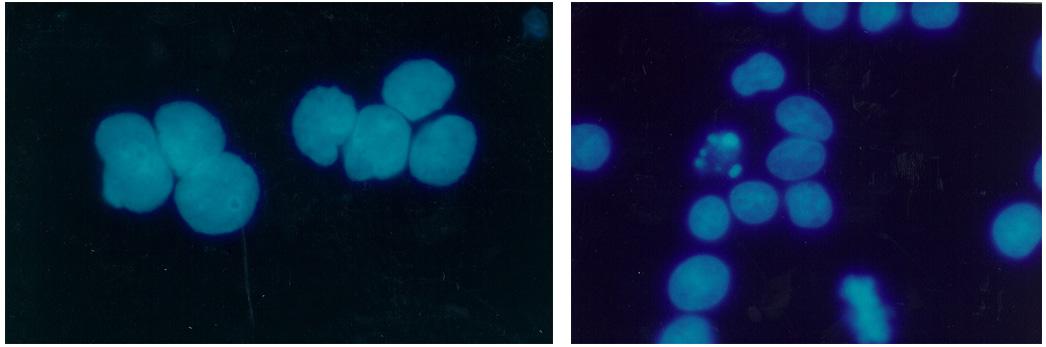
Biomedical research offers hope for a variety of medical problems, from diabetes to the replacement of damaged bone and tissues. Bioreactors, which are used to grow cells and tissue cultures, play a major role in such research and production efforts. Anchorage dependent cells on STS-95 will be grown on beads, similar to these cells produced during previous investigations. Recombinant proteins may offer the possibility of reducing or eliminating transplant rejections. Research by Synthecon, Inc. using the BioDyn Bioreactor will focus on the preliminary process for growing a proprietary recombinant protein that can decrease rejection of transplanted tissue. The cells producing this protein are anchorage dependent, meaning that they must attach to something to grow. These cells will be cultured in the bioreactor in a medium containing polymer microbeads. Synthecon hopes that the data from this mission will lead to the development of a commercial protein that will aid in prevention of transplant rejection.
Microgravity
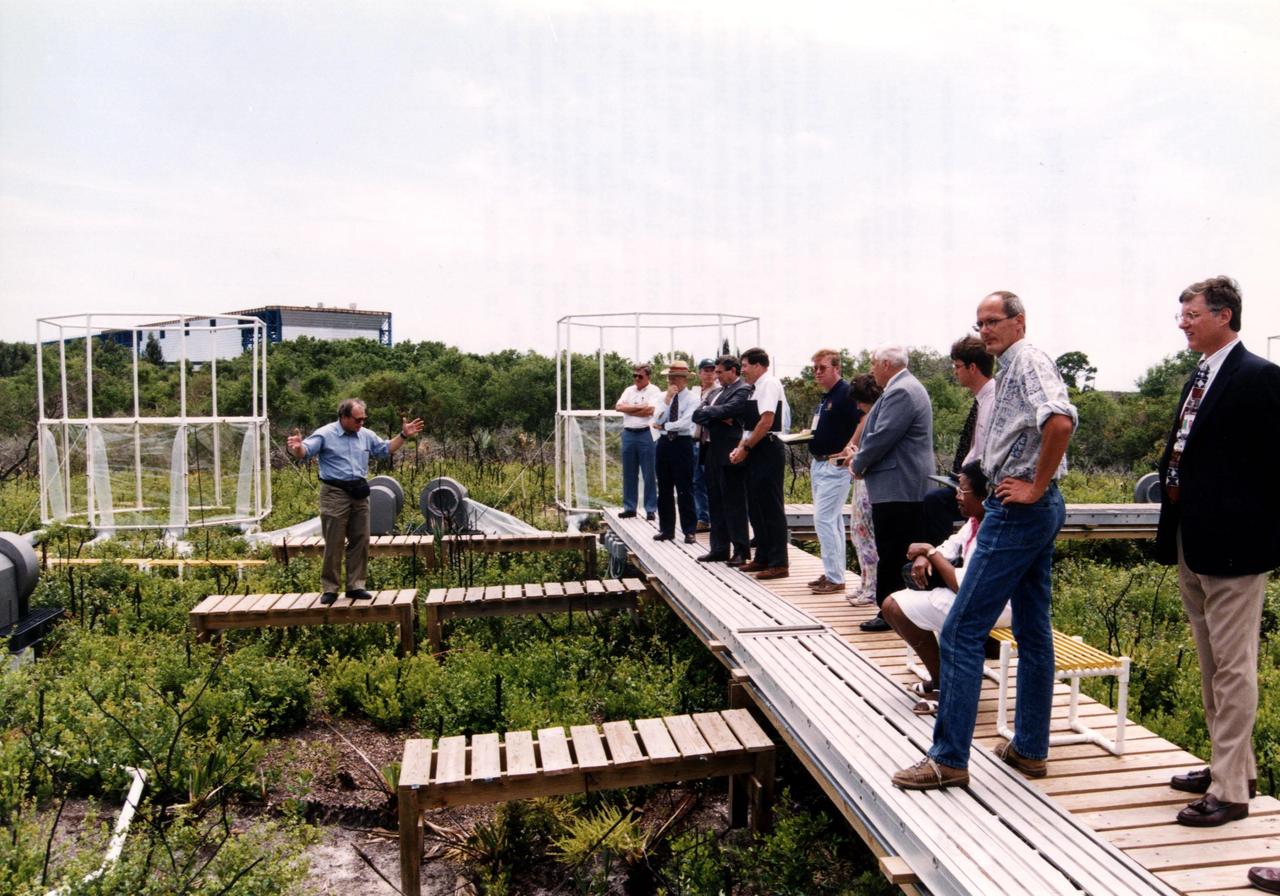
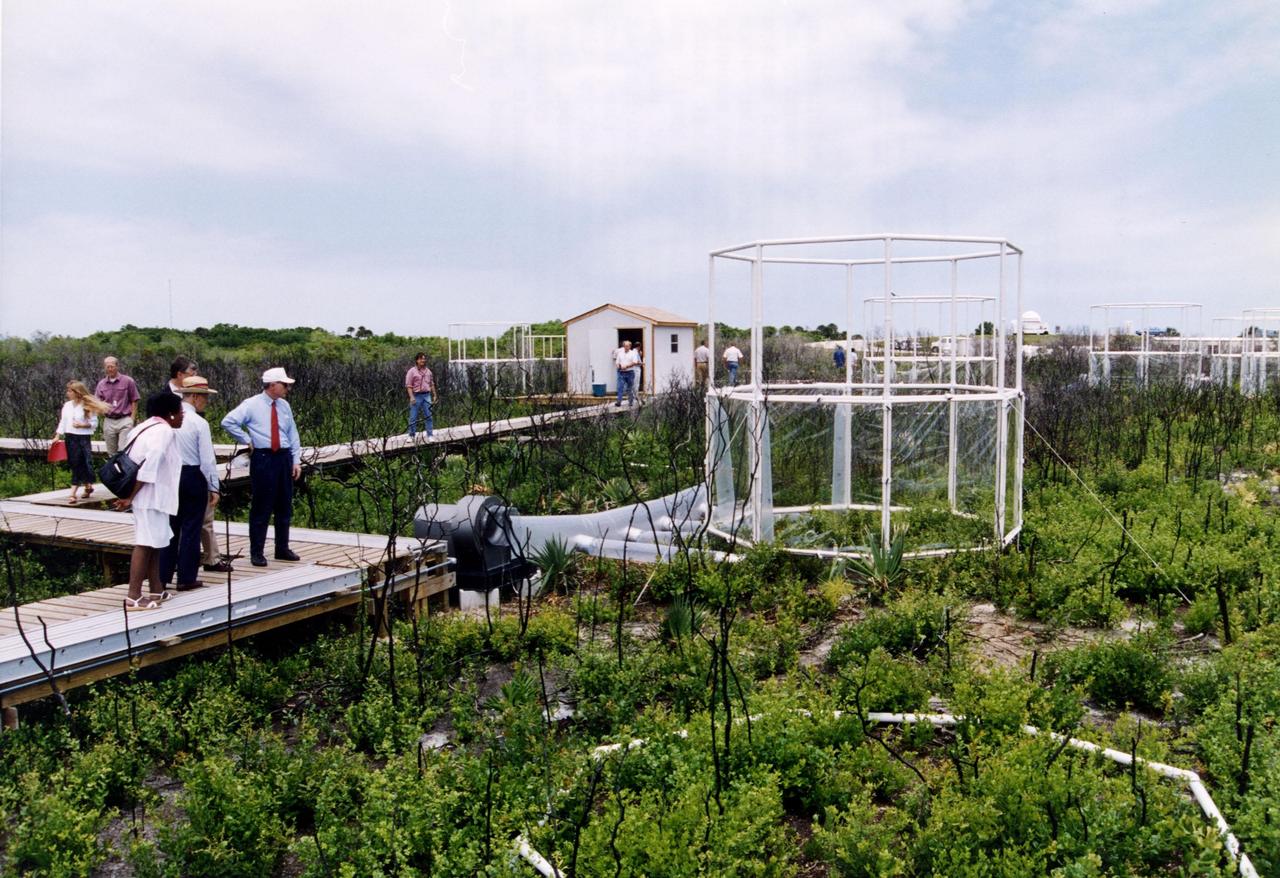
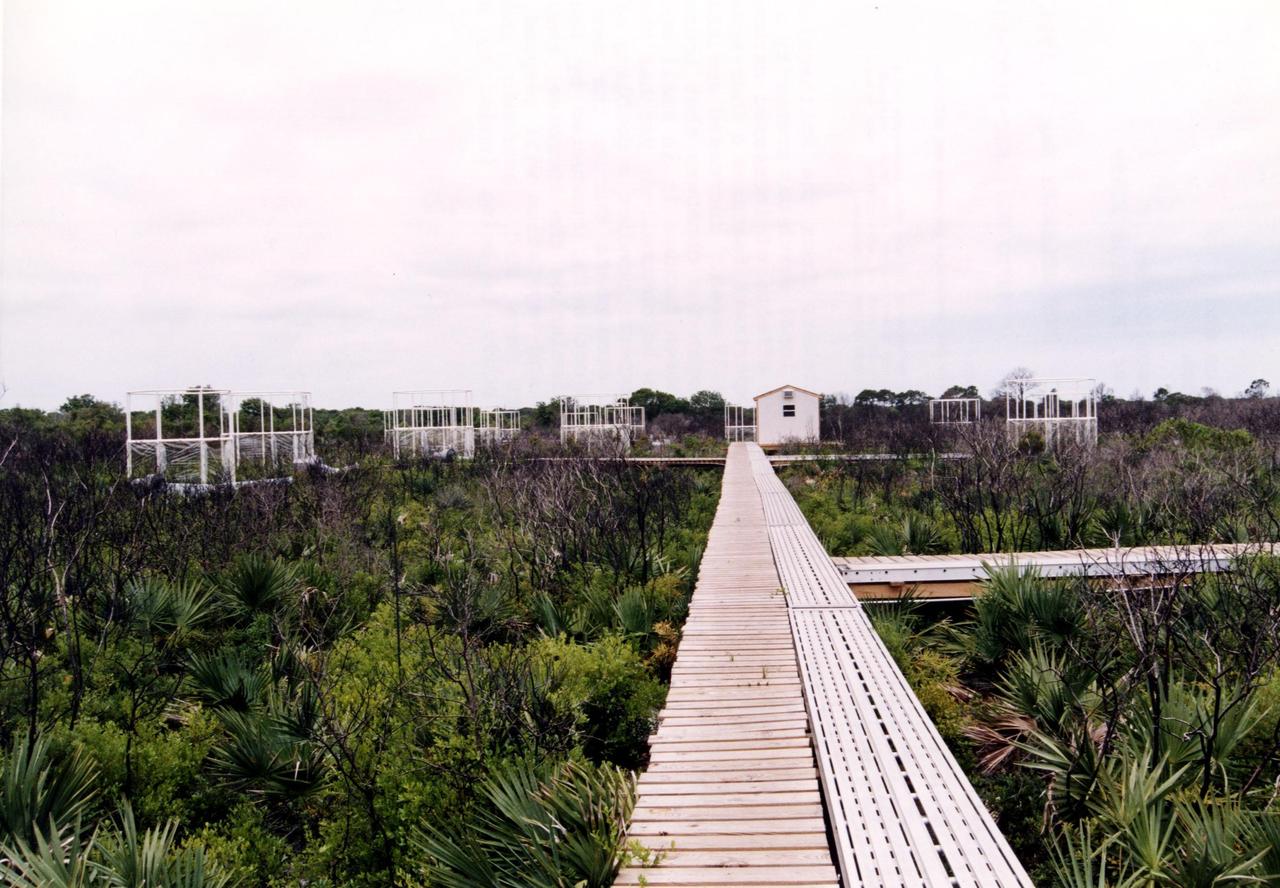
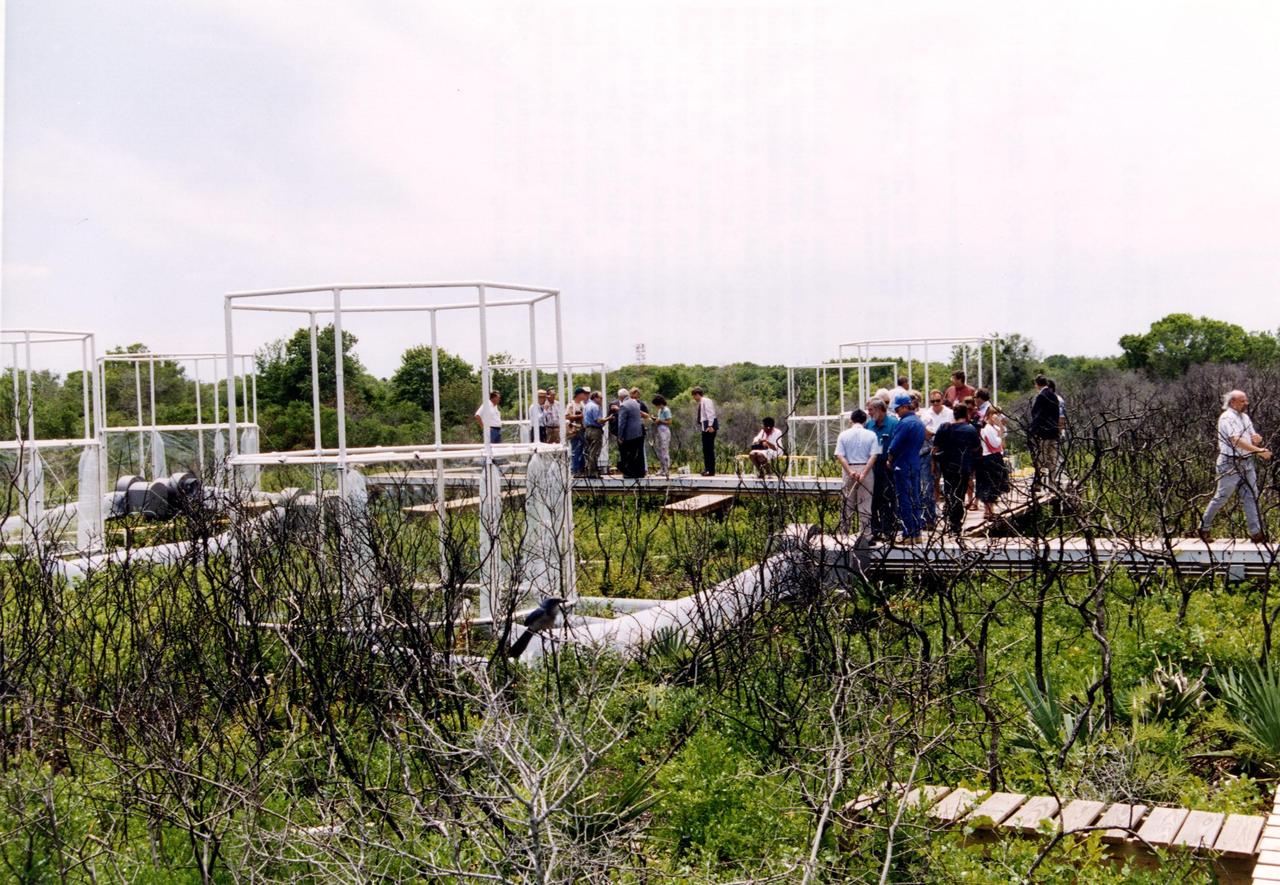
Researchers from the Smithsonian Institution hope their experiment in a local scrub oak community at KSC will yield new insights into the effects of increased carbon dioxide on natural vegetation. The experiment features a four-acre site just north of the Launch Complex 39 area. Increased amoounts of carbon dioxide are piped into 16 open-top chambers that house pristine Florida scrub vegetation, chosen because it is small and woody and fits in the chambers and can be controlled, yet has the attributes of much larger forests. Experts predict a doubling of the carbon dioxide in the Earth's atmosphere during the next century, and the three-year KSC project being conducted by the Smithsonian-led team hopes that by simulating the increase, they can determine how natural ecosystems and vegetation will respond. Also participating in the effort are KSC, academic and international organizations. The study is being funded by a Department of energy grant
KSC-96pc635
Researchers from the Smithsonian Institution hope their experiment in a local scrub oak community at KSC will yield new insights into the effects of increased carbon dioxide on natural vegetation. The experiment features a four-acre site just north of the Launch Complex 39 area. Increased amoounts of carbon dioxide are piped into 16 open-top chambers that house pristine Florida scrub vegetation, chosen because it is small and woody and fits in the chambers and can be controlled, yet has the attributes of much larger forests. Experts predict a doubling of the carbon dioxide in the Earth's atmosphere during the next century, and the three-year KSC project being conducted by the Smithsonian-led team hopes that by simulating the increase, they can determine how natural ecosystems and vegetation will respond. Also participating in the effort are KSC, academic and international organizations. The study is being funded by a Department of energy grant
KSC-96pc633
Biomedical research offers hope for a variety of medical problems, from diabetes to the replacement of damaged bone and tissues. Bioreactors, which are used to grow cells and tissue cultures, play a major role in such research and production efforts. Anchorage dependent cells on STS-95 will be grown on beads similar to these cells produced during previous investigations. Recombinant proteins may offer the possibility of reducing or eliminating transplant rejections. Research by Synthecon, Inc. using the BioDyn Bioreactor will focus on the preliminary process for growing a proprietary recombinant protein that can decrease rejection of transplanted tissue. The cells producing this protein are anchorage dependent, meaning that they must attach to something to grow. These cells will be cultured in the bioreactor in a medium containing polymer microbeads. Synthecon hopes that the data from this mission will lead to the development of a commercial protein that will aid in prevention of transplant rejection.
Microgravity
Researchers from the Smithsonian Institution hope their experiment in a local scrub oak community at KSC will yield new insights into the effects of increased carbon dioxide on natural vegetation. The experiment features a four-acre site just north of the Launch Complex 39 area. Increased amoounts of carbon dioxide are piped into 16 open-top chambers that house pristine Florida scrub vegetation, chosen because it is small and woody and fits in the chambers and can be controlled, yet has the attributes of much larger forests. Experts predict a doubling of the carbon dioxide in the Earth's atmosphere during the next century, and the three-year KSC project being conducted by the Smithsonian-led team hopes that by simulating the increase, they can determine how natural ecosystems and vegetation will respond. Also participating in the effort are KSC, academic and international organizations. The study is being funded by a Department of energy grant
KSC-96pc634
Researchers from the Smithsonian Institution hope their experiment in a local scrub oak community at KSC will yield new insights into the effects of increased carbon dioxide on natural vegetation. The experiment features a four-acre site just north of the Launch Complex 39 area. Increased amoounts of carbon dioxide are piped into 16 open-top chambers that house pristine Florida scrub vegetation, chosen because it is small and woody and fits in the chambers and can be controlled, yet has the attributes of much larger forests. Experts predict a doubling of the carbon dioxide in the Earth's atmosphere during the next century, and the three-year KSC project being conducted by the Smithsonian-led team hopes that by simulating the increase, they can determine how natural ecosystems and vegetation will respond. Also participating in the effort are KSC, academic and international organizations. The study is being funded by a Department of energy grant
KSC-96pc632
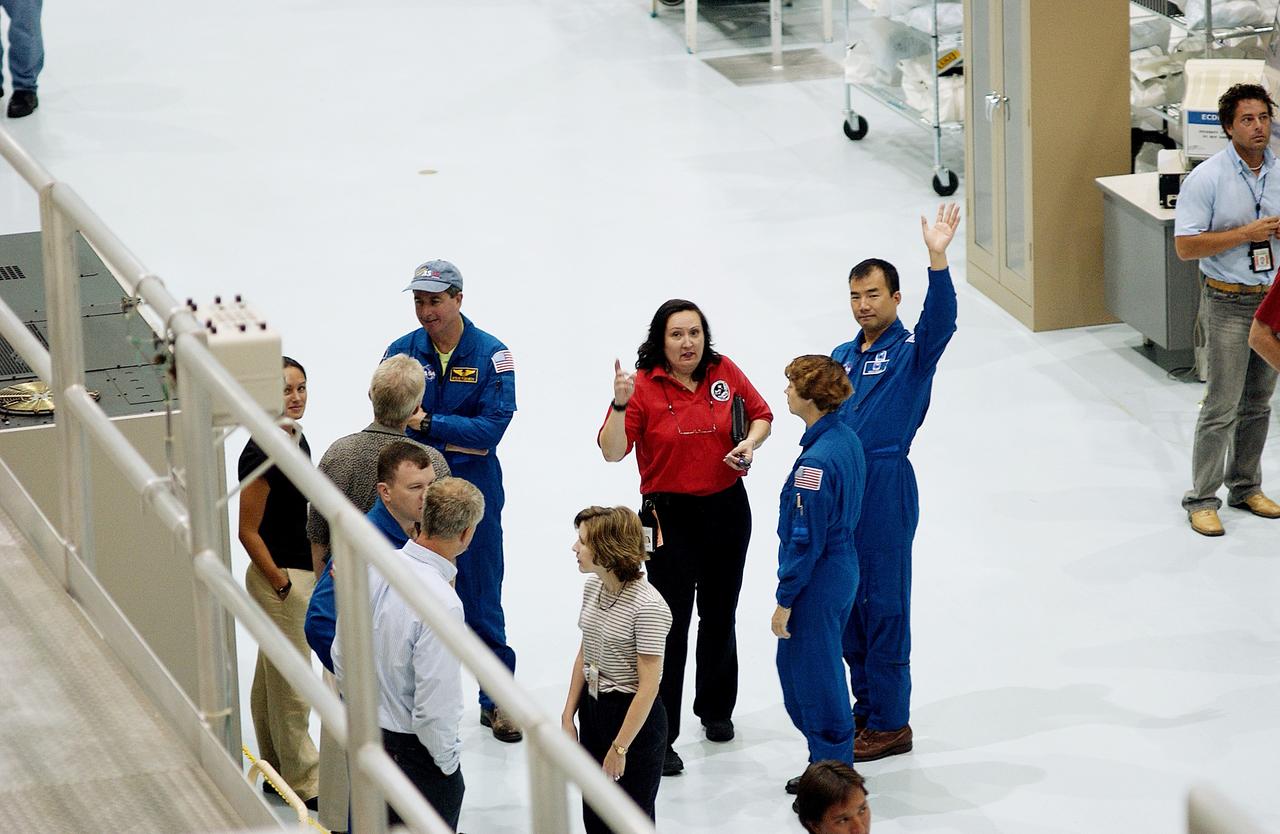
KENNEDY SPACE CENTER, FLA. -    Members of the STS-114 crew take a look at the Japanese Experiment Module (JEM) pressure module in the Space Station Processing Facility.  A research laboratory, the pressurized module is the first element of the JEM, named "Kibo" (Hope), to be delivered to KSC.   The National Space Development Agency of Japan (NASDA) developed the laboratory at the Tsukuba Space Center near Tokyo and is Japan's primary contribution to the Station. The JEM also includes an exposed facility (platform) for space environment experiments, a robotic manipulator system, and two logistics modules. The various JEM components will be  assembled in space over the course of three Shuttle missions.
KENNEDY SPACE CENTER, FLA. - Members of the STS-114 crew take a look at the Japanese Experiment Module (JEM) pressure module in the Space Station Processing Facility. A research laboratory, the pressurized module is the first element of the JEM, named "Kibo" (Hope), to be delivered to KSC. The National Space Development Agency of Japan (NASDA) developed the laboratory at the Tsukuba Space Center near Tokyo and is Japan's primary contribution to the Station. The JEM also includes an exposed facility (platform) for space environment experiments, a robotic manipulator system, and two logistics modules. The various JEM components will be assembled in space over the course of three Shuttle missions.
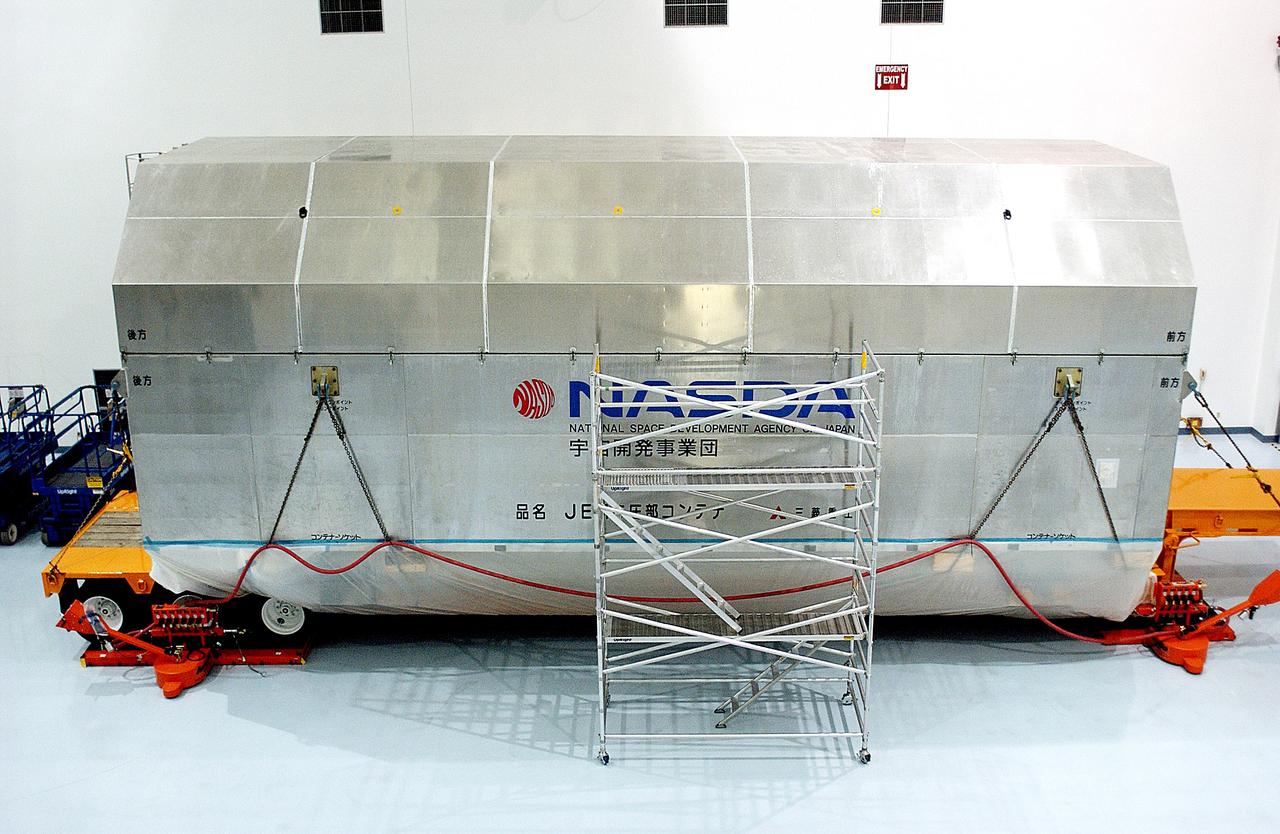
KENNEDY SPACE CENTER, FLA. - The container with the Japanese Experiment Module (JEM)’s pressurized module is inside the Space Station Processing Facility.  The National Space Development Agency of Japan (NASDA) developed the laboratory at the Tsukuba Space Center near Tokyo. The Pressurized Module is the first element of the JEM, named "Kibo" (Hope), to be delivered to KSC. The JEM is Japan's primary contribution to the Station. It will enhance the unique research capabilities of the orbiting complex by providing an additional environment for astronauts to conduct science experiments.  The JEM also includes an exposed facility (platform) for space environment experiments, a robotic manipulator system, and two logistics modules. The various JEM components will be  assembled in space over the course of three Shuttle missions.
KENNEDY SPACE CENTER, FLA. - The container with the Japanese Experiment Module (JEM)’s pressurized module is inside the Space Station Processing Facility. The National Space Development Agency of Japan (NASDA) developed the laboratory at the Tsukuba Space Center near Tokyo. The Pressurized Module is the first element of the JEM, named "Kibo" (Hope), to be delivered to KSC. The JEM is Japan's primary contribution to the Station. It will enhance the unique research capabilities of the orbiting complex by providing an additional environment for astronauts to conduct science experiments. The JEM also includes an exposed facility (platform) for space environment experiments, a robotic manipulator system, and two logistics modules. The various JEM components will be assembled in space over the course of three Shuttle missions.
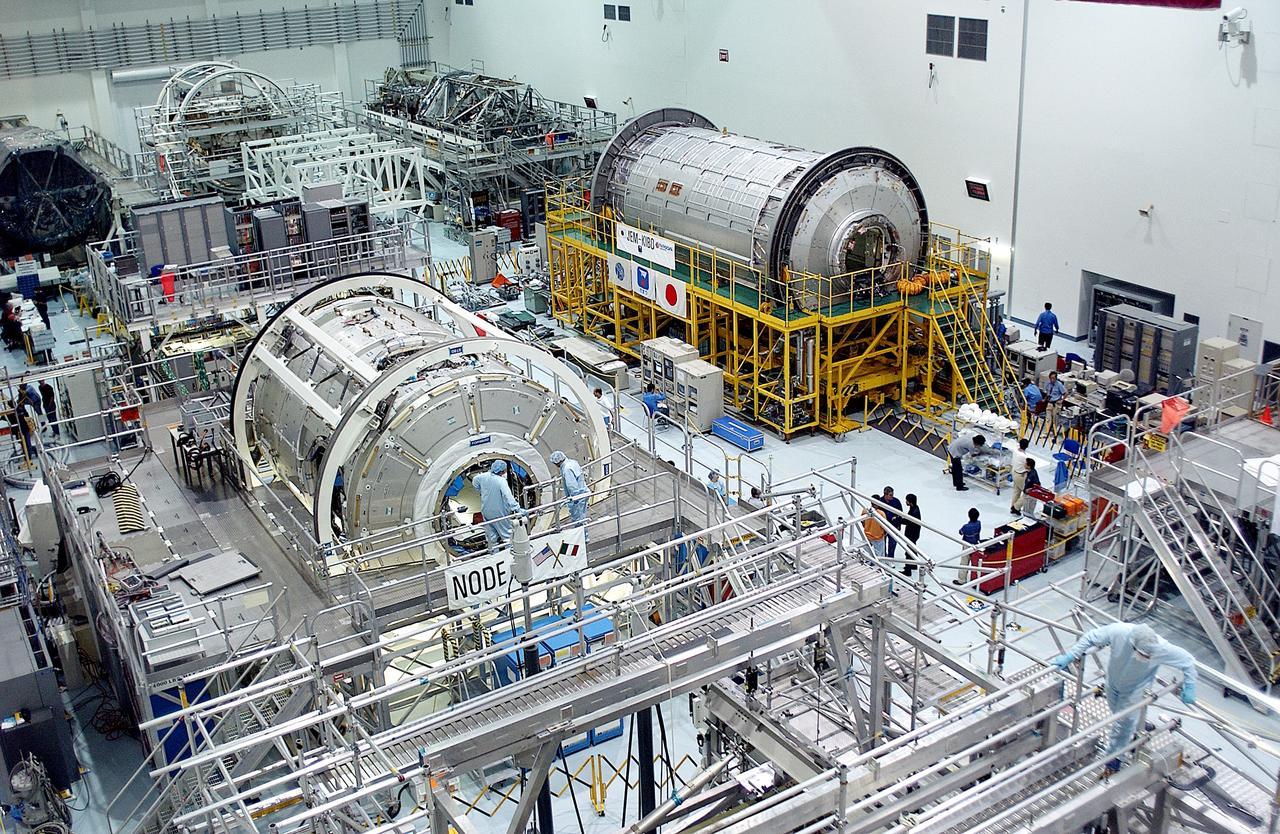
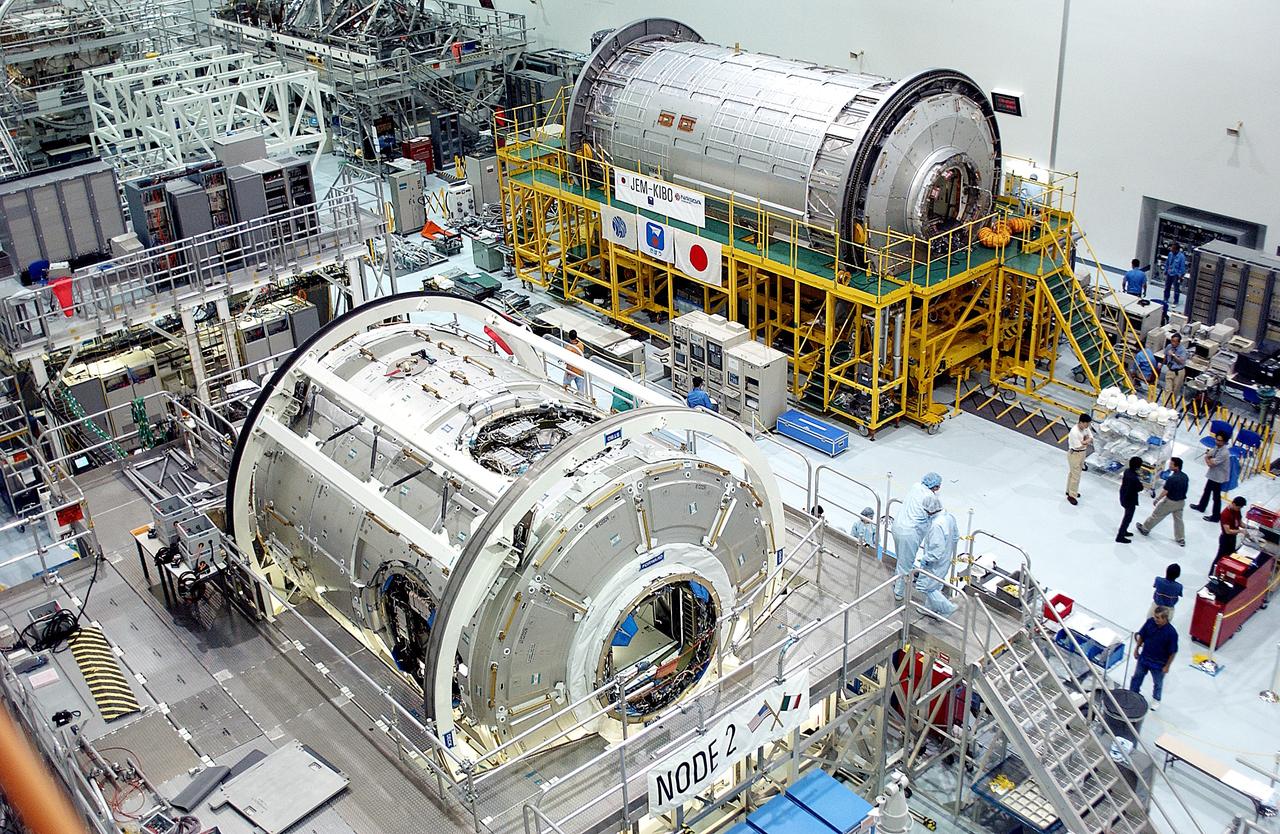
KENNEDY SPACE CENTER, FLA. -  International Space Station elements being processed for launch on upcoming Space Shuttle flights, including the U.S. Node 2 and the Japanese Experiment Module (JEM) pressurized module, line the walls of the high bay in the Space Station Processing Facility. NASA's Node 2, built by the European Space Agency (ESA) in Italy, arrived at KSC on June 1. It will be the next pressurized module installed on the Station. The JEM pressurized module, named "Kibo" (Hope), arrived at KSC on June 4. It is Japan's primary contribution to the Station.
KENNEDY SPACE CENTER, FLA. - International Space Station elements being processed for launch on upcoming Space Shuttle flights, including the U.S. Node 2 and the Japanese Experiment Module (JEM) pressurized module, line the walls of the high bay in the Space Station Processing Facility. NASA's Node 2, built by the European Space Agency (ESA) in Italy, arrived at KSC on June 1. It will be the next pressurized module installed on the Station. The JEM pressurized module, named "Kibo" (Hope), arrived at KSC on June 4. It is Japan's primary contribution to the Station.
KENNEDY SPACE CENTER, FLA. -  International Space Station elements being processed for launch on upcoming Space Shuttle flights, including the U.S. Node 2 and the Japanese Experiment Module (JEM) pressurized module, line the walls of the high bay in the Space Station Processing Facility. NASA's Node 2, built by the European Space Agency (ESA) in Italy, arrived at KSC on June 1. It will be the next pressurized module installed on the Station. The JEM pressurized module, named "Kibo" (Hope), arrived at KSC on June 4. It is Japan's primary contribution to the Station.
KENNEDY SPACE CENTER, FLA. - International Space Station elements being processed for launch on upcoming Space Shuttle flights, including the U.S. Node 2 and the Japanese Experiment Module (JEM) pressurized module, line the walls of the high bay in the Space Station Processing Facility. NASA's Node 2, built by the European Space Agency (ESA) in Italy, arrived at KSC on June 1. It will be the next pressurized module installed on the Station. The JEM pressurized module, named "Kibo" (Hope), arrived at KSC on June 4. It is Japan's primary contribution to the Station.
NASA's Mars InSight lander recently moved its robotic arm closer to the heat probe's digging device, called the "mole," in preparation to push on its top, or back cap. The InSight team hopes that pushing on this location will help the mole it bury itself and enable the heat probe to take Mars' temperature.  Animation available at https://photojournal.jpl.nasa.gov/catalog/PIA23622
InSight Prepares to Push on the Mole
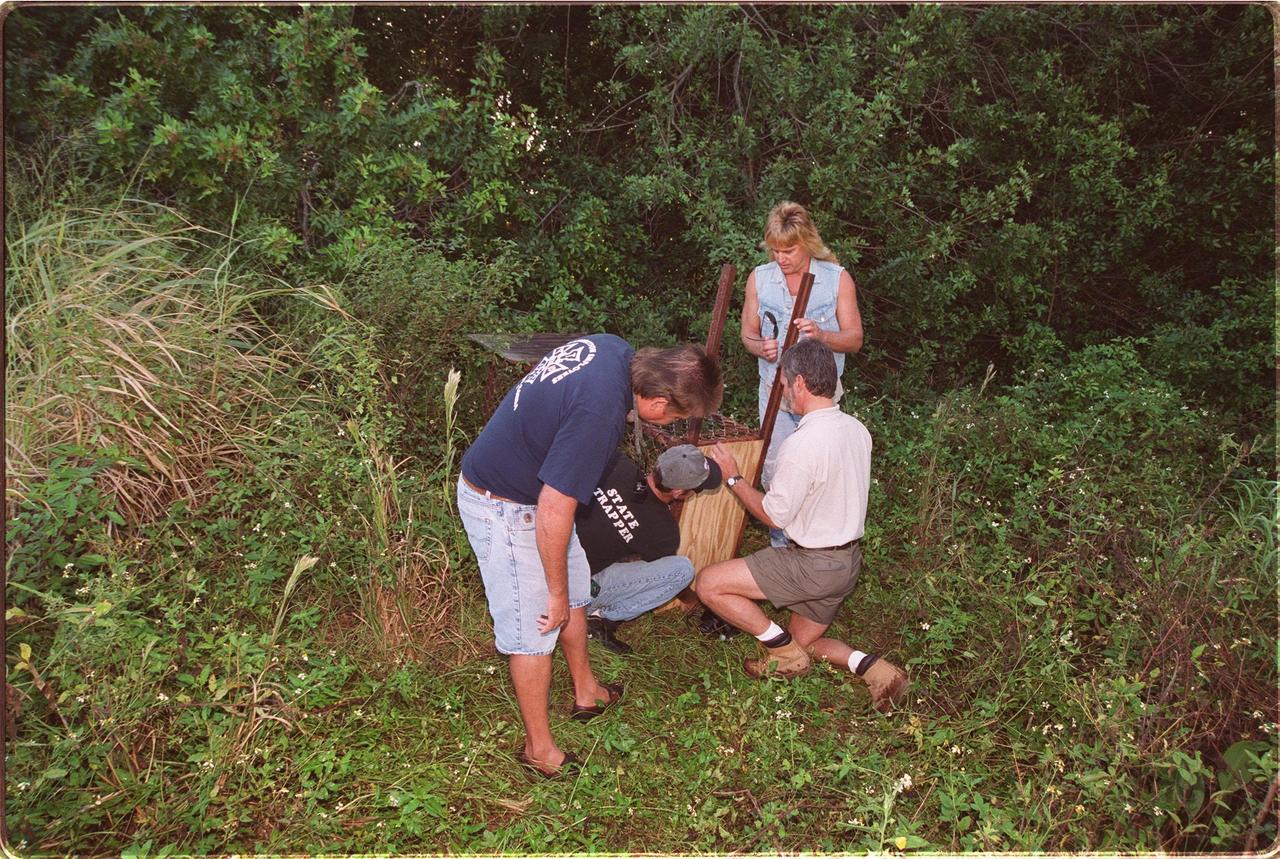
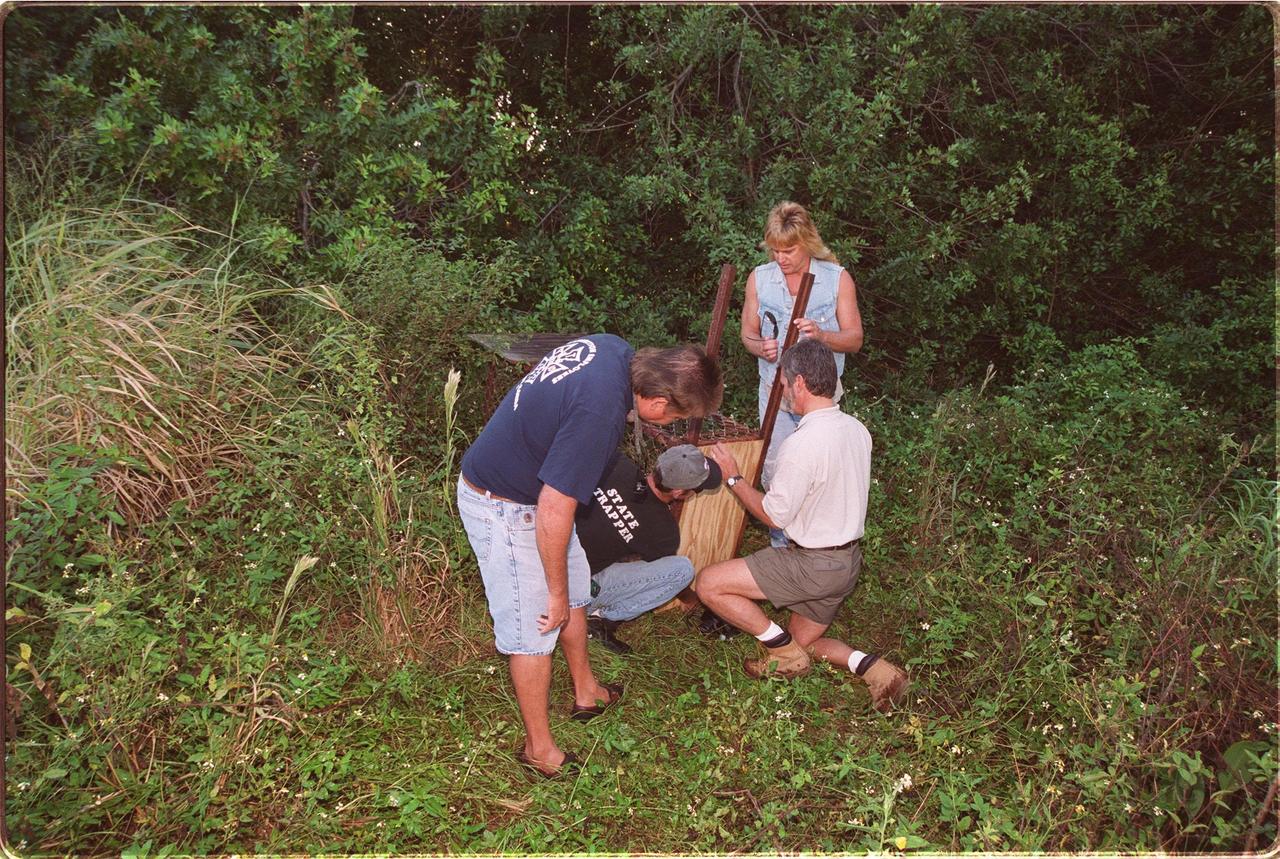
In hope of catching a large monitor lizard seen in the area, state-licensed animal trappers Dewey Kessler and James Dean (at left), with Gary Povitch (kneeling) of the U.S. Wildlife and Dan Turner (standing) set up a trap on KSC. The lizard has been spotted recently near S.R. 3, a route into the Center, by several area residents. Turner is a monitor expert. The lizard is not a native of the area, and possibly a released pet. Dean is working with the cooperation of KSC and the Merritt Island National Wildlife Refuge
KSC00pp1621
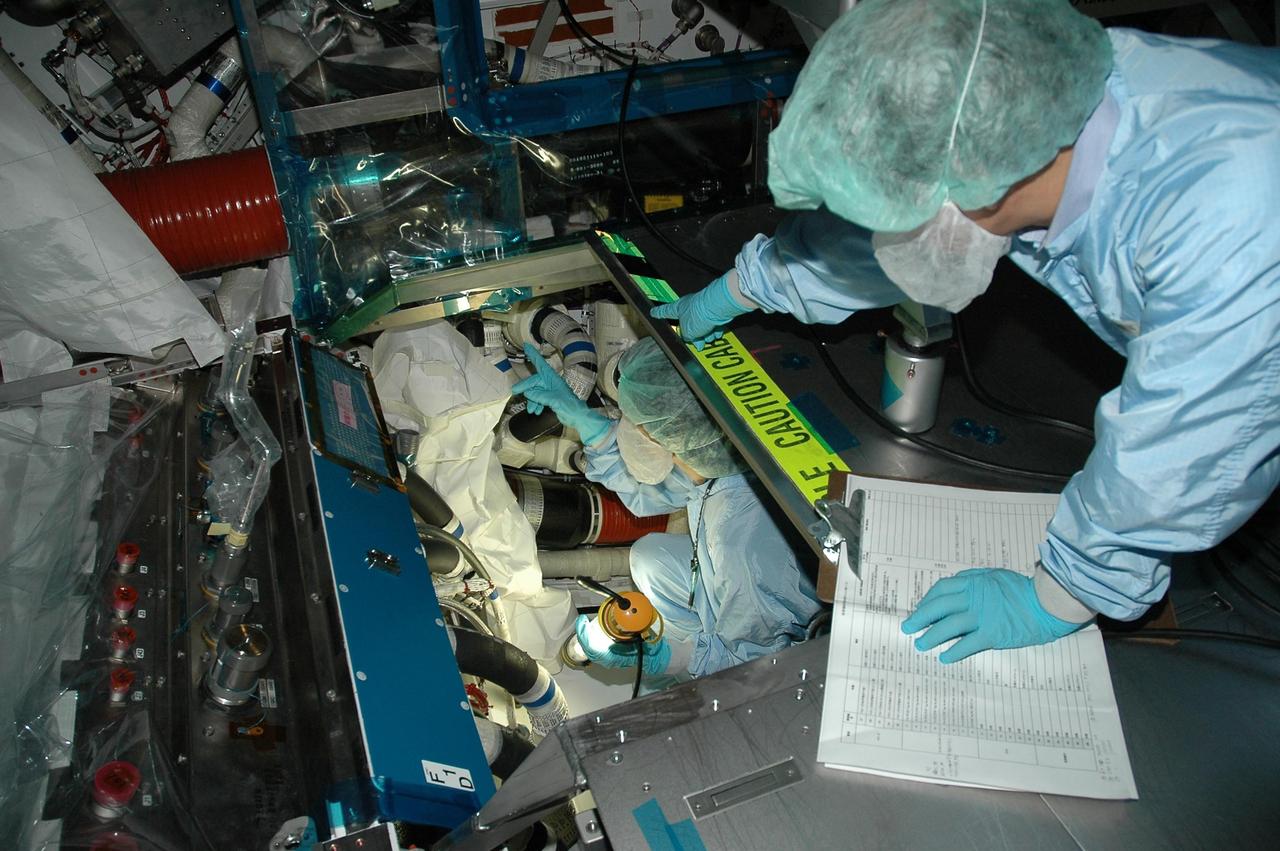
KENNEDY SPACE CENTER, FLA. - In the Space Station Processing Facility, a Japan Aerospace Exploration Agency (JAXA) technician inspects the wiring on the Japanese Experiment Module (JEM).  The JEM, developed by JAXA for use on the International Space Station, is named Kibo -- which means "hope" in Japanese -- and will enhance the unique research capabilities of the orbiting complex by providing an additional environment for astronauts to conduct science experiments.  Research conducted in Kibo will focus on space medicine, biology, Earth observations, material production, biotechnology and communications. Photo credit: NASA/Amanda Diller
KSC-06pd1682
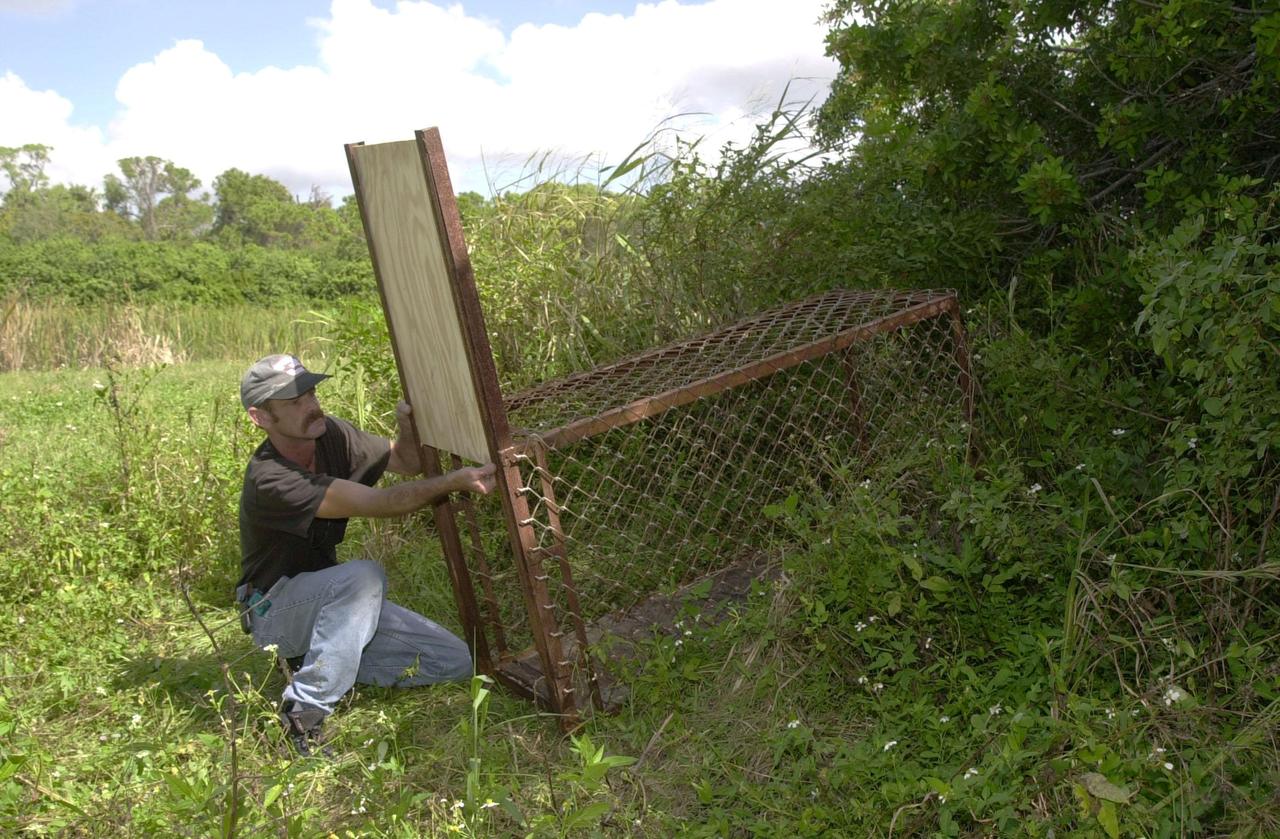
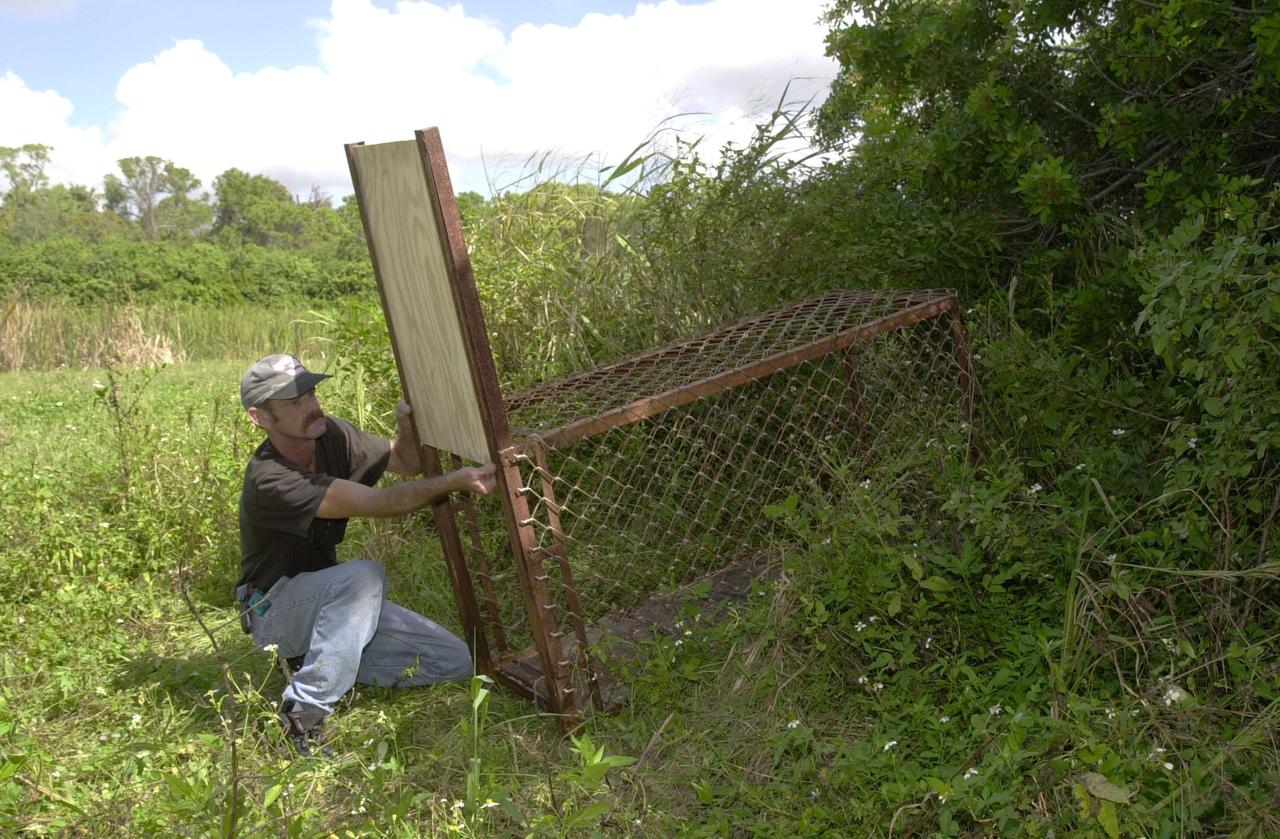
State-licensed animal trapper James Dean sets the open door of an animal trap on KSC. He hopes to catch a large monitor lizard spotted recently near S.R. 3, a route into the Center, by several area residents. The lizard is not a native of the area, and possibly a released pet. Dean is working with the cooperation of KSC and the Merritt Island National Wildlife Refuge
KSC00padig048
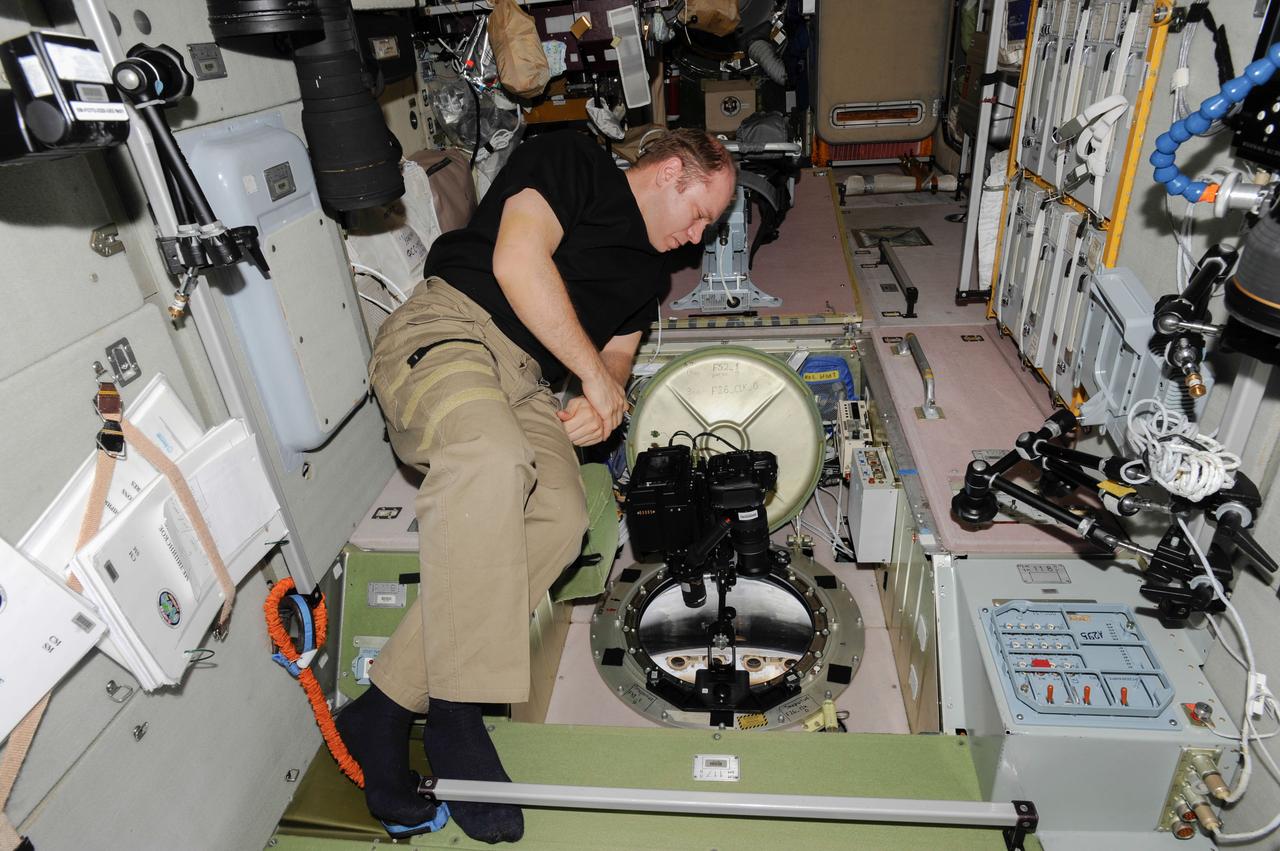
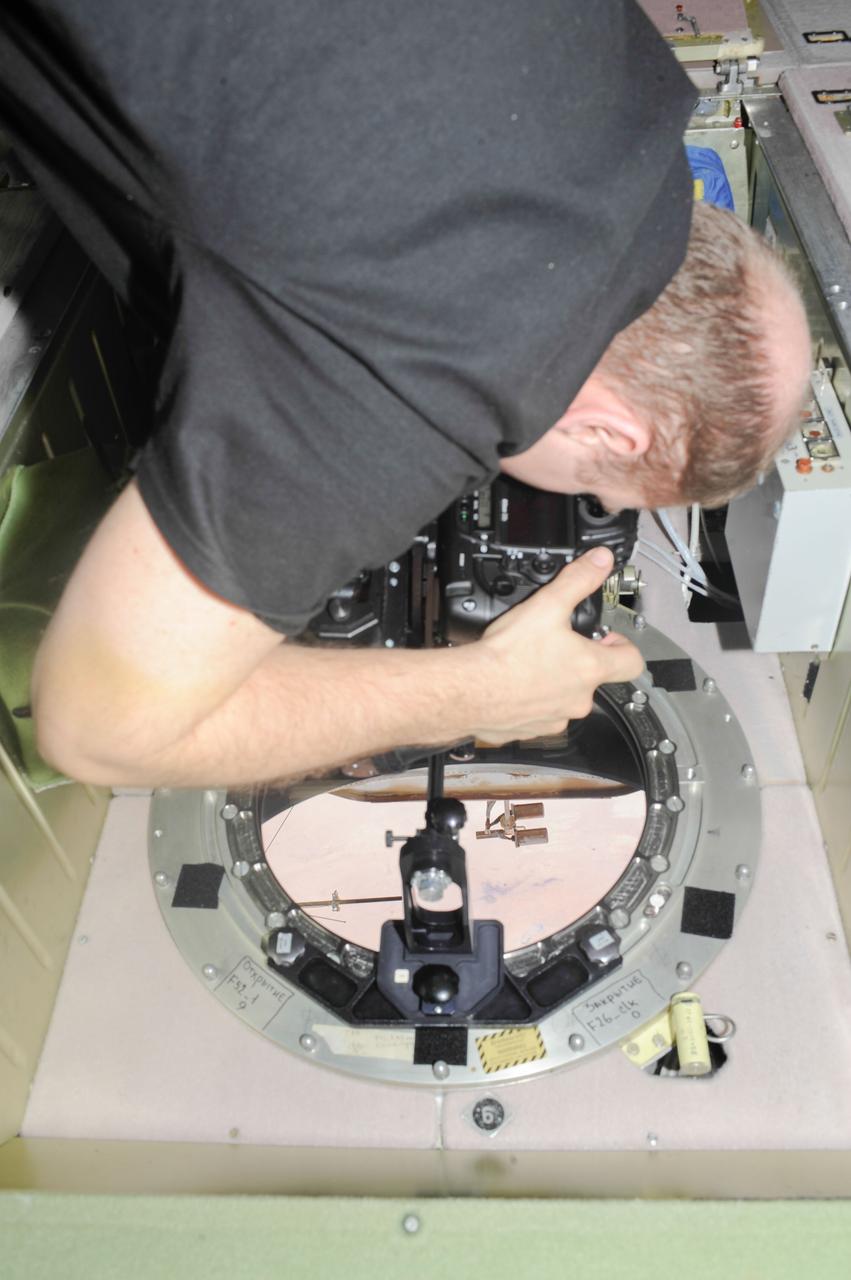
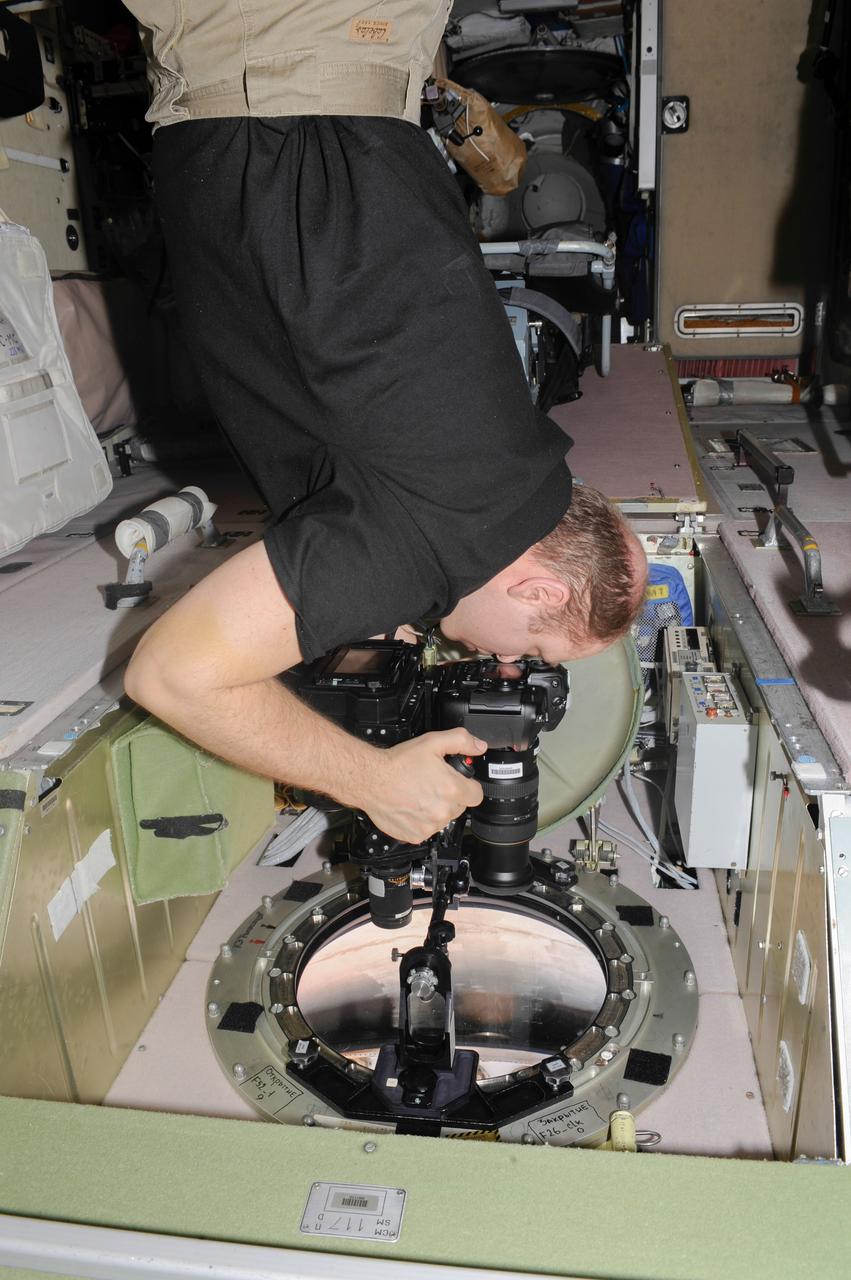
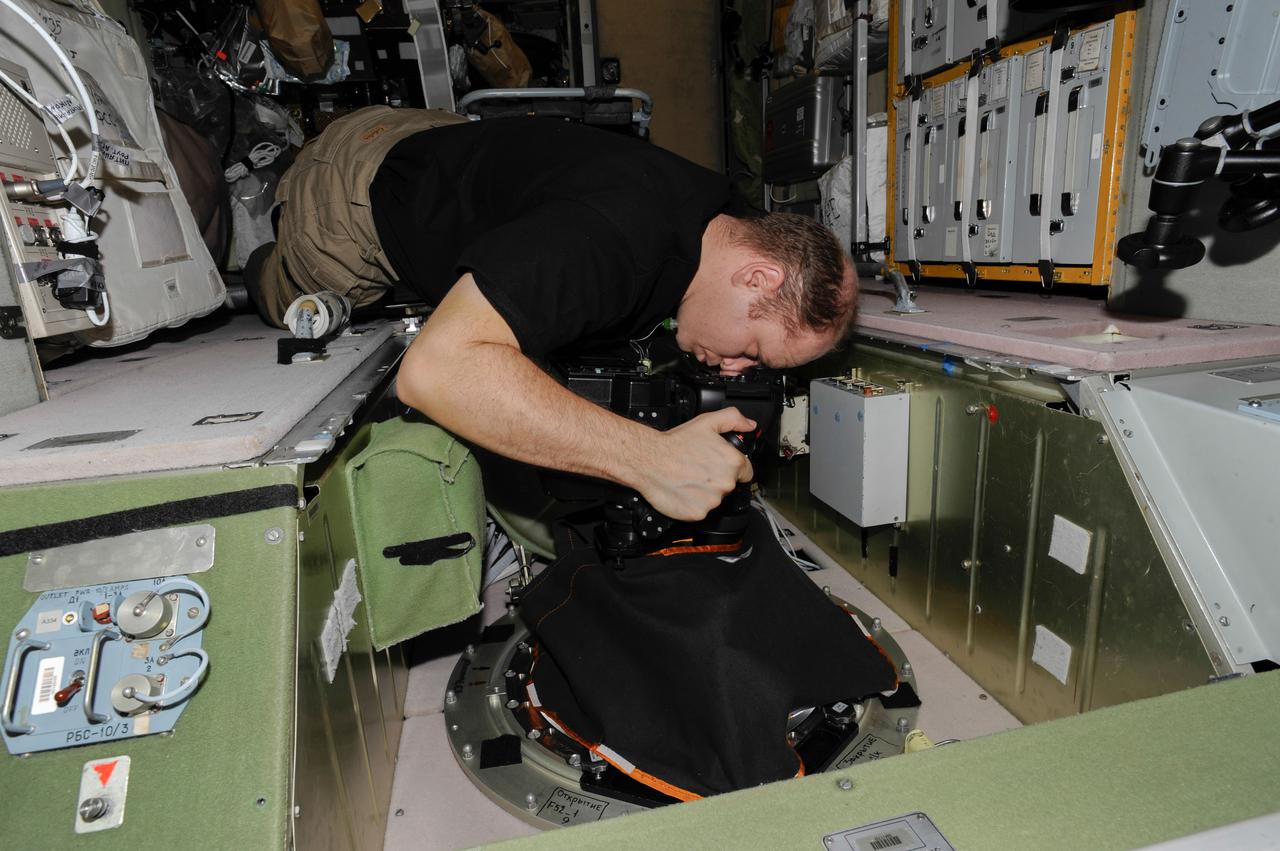
ISS038-E-005014 (20 Nov. 2013) --- At a window in the International Space Station’s Zvezda Service Module, Russian cosmonaut Oleg Kotov, Expedition 38 commander, uses a digital camera photospectral system to perform a session for the Albedo Experiment. The experiment measures Earth’s albedo, or the amount of solar radiation reflected from the surface, in the hopes to develop methods to harness the reflected radiation to supplement the station’s power supply. The light reflection phenomenon is measured in units called albedo.
Kotov during Albedo Experiment in the SM
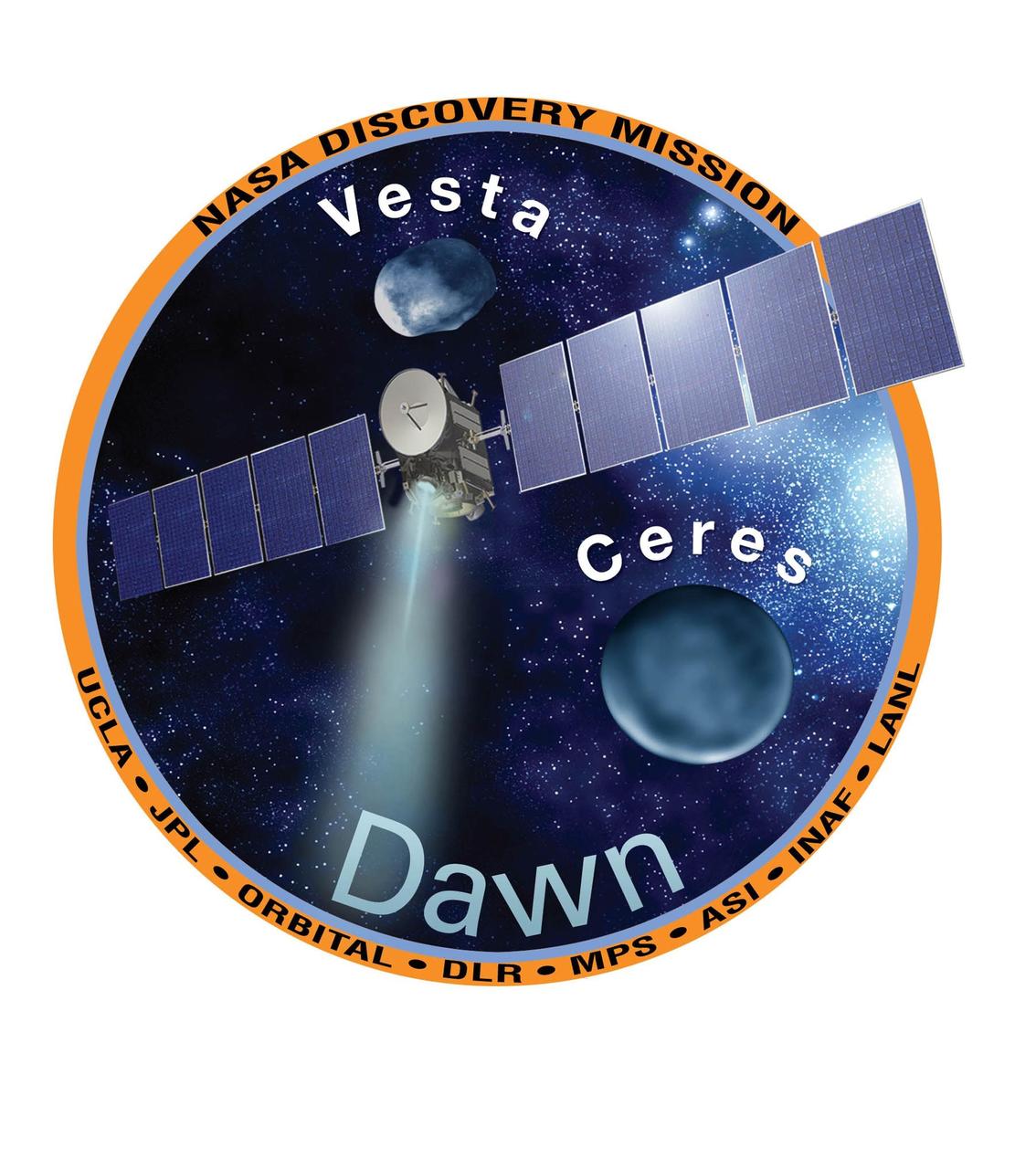
KENNEDY SPACE CENTER, FLA. -- This logo represents the mission of the Dawn spacecraft.  During its nearly decade-long mission, Dawn will study the asteroid Vesta and dwarf planet Ceres, celestial bodies believed to have accreted early in the history of the solar system. The mission hopes to unlock some of the mysteries of planetary formation, including the building blocks and the processes leading to their state today.  The Dawn mission is managed by the Jet Propulsion Laboratory, a division of the California Institute of Technology in Pasadena, Calif., for NASA's Science Mission Directorate in Washington, D.C.
KSC-07pd2400
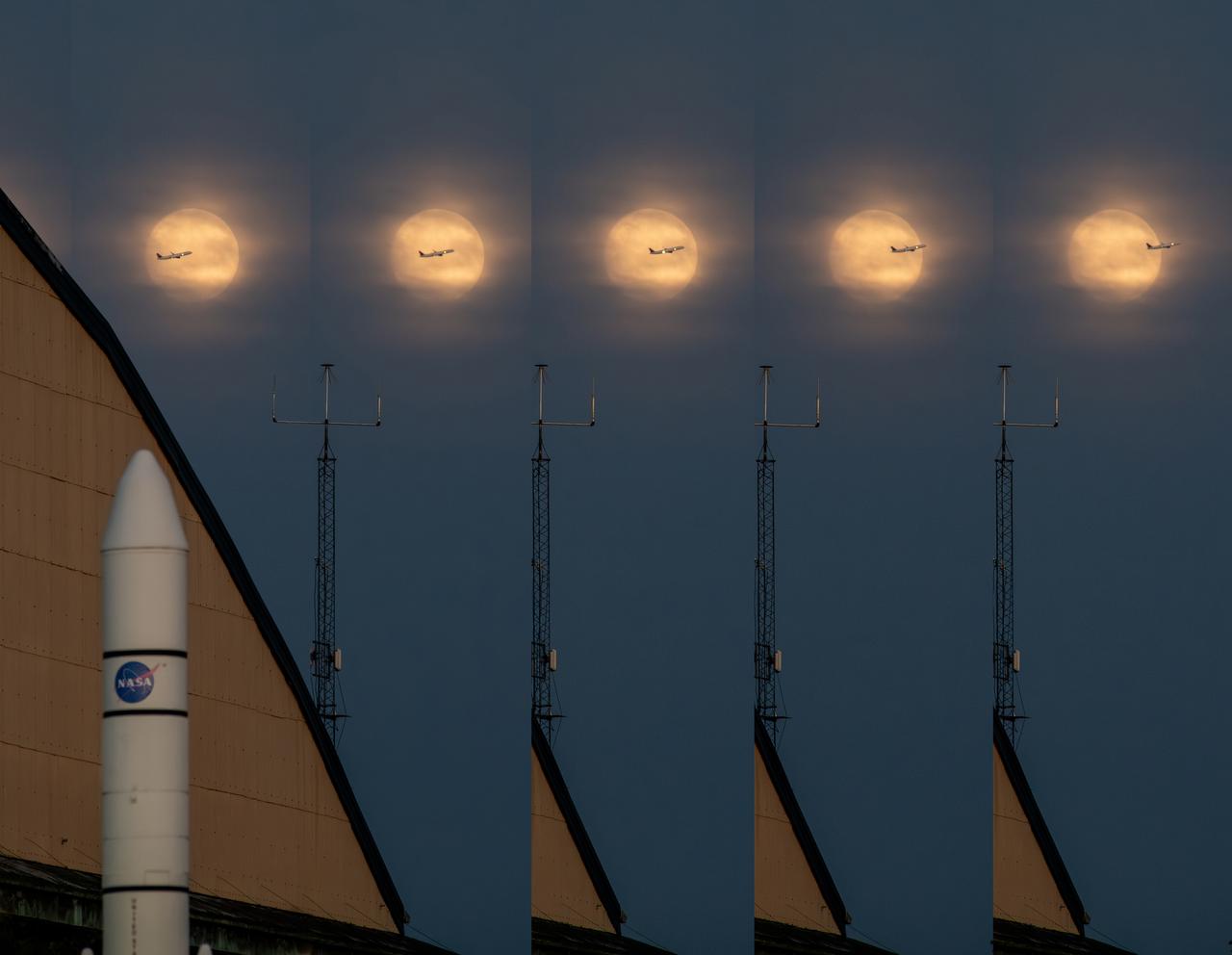
While photographing the Supermoon on September 17, 2024 for a NASA GRC Aerospace Frontiers article on the 2024 Supermoon, a plane departing Cleveland Hopkins Airport flew right through the middle of the moon.  The photographer used a portion of the rocket garden’s Ares 1 rocket and a corner of the NASA GRC hangar building to frame the photograph of the moon.  When the plane was seen approaching, the photographer used continuous shutter speed in hopes of capturing the plane and the moon together
While photographing the Supermoon for a NASA GRC Aerospace Front
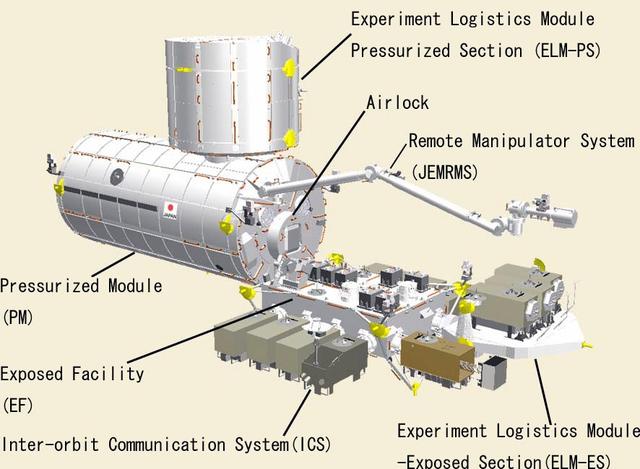
JSC2003-E-42552 (For Release: 18 June 2003) --- This artwork depicts the Japanese Experiment Module (JEM), Japan's primary contribution to the International Space Station.  The JEM, called Kibo, which means "hope" in Japanese, is Japan's first human space facility and enhances the unique research capabilities of the International Space Station. Experiments in Kibo focus on space medicine, biology, earth observations, material production, biotechnology, and communications research.  Photo Credit: NASDA
JEM
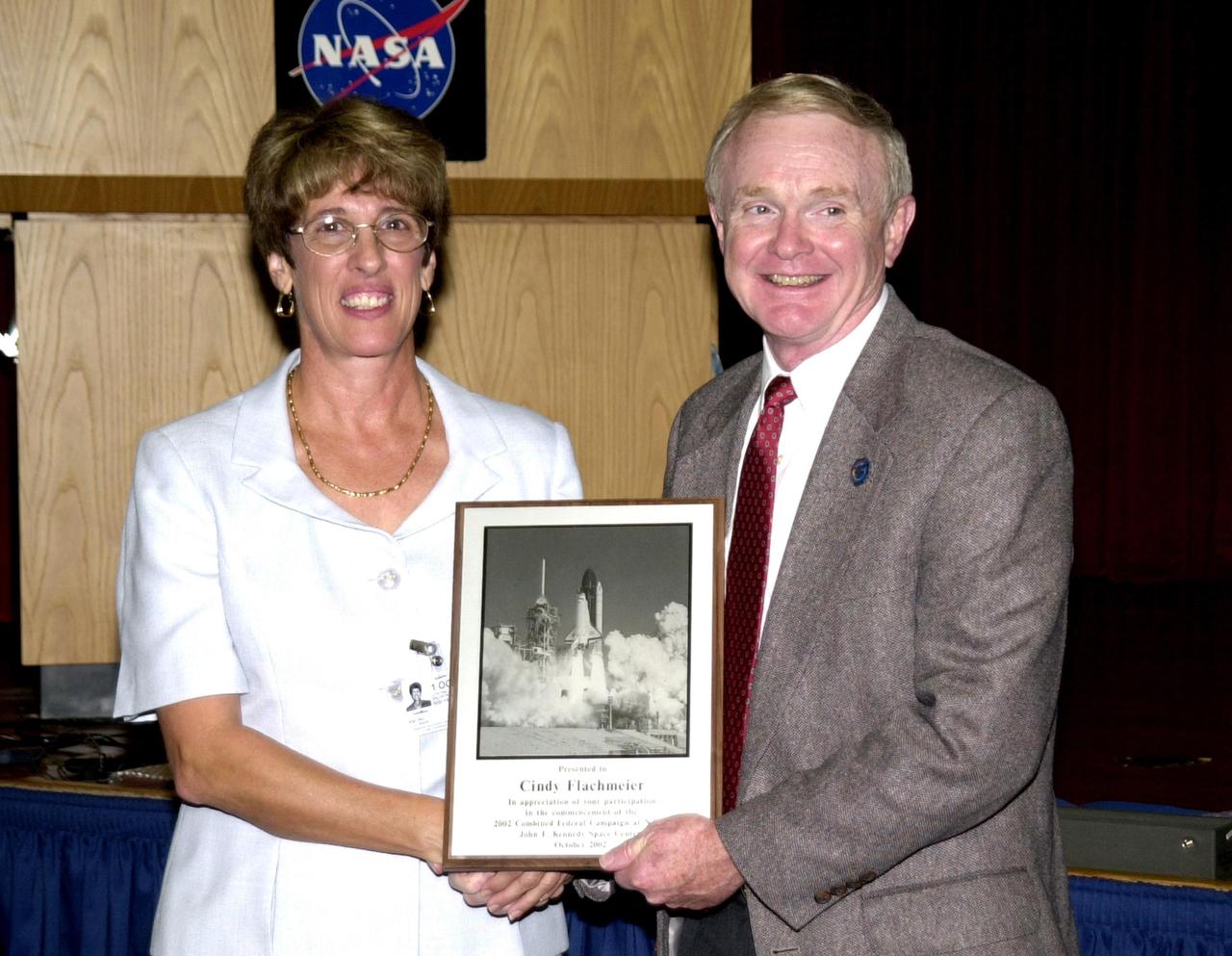
KENNEDY SPACE CENTER, FLA. - During Kennedy Space Center’s  2002 Combined Federal Campaign kickoff rally at the Training Auditorium, Oct. 1, 2002, Center Director, Roy D. Bridges Jr., presented guest speaker Cindy Flachmeier, program coordinator, Domestic Violence Program, Salvation Army of North/Central Brevard, with an appreciation plaque. The CFC is NASA’s agencywide annual fundraising campaign for approved worthy causes that runs through Oct. 31, 2002. This year’s slogan is “Promoting Hope…through Generosity.”
KSC-02pd1413
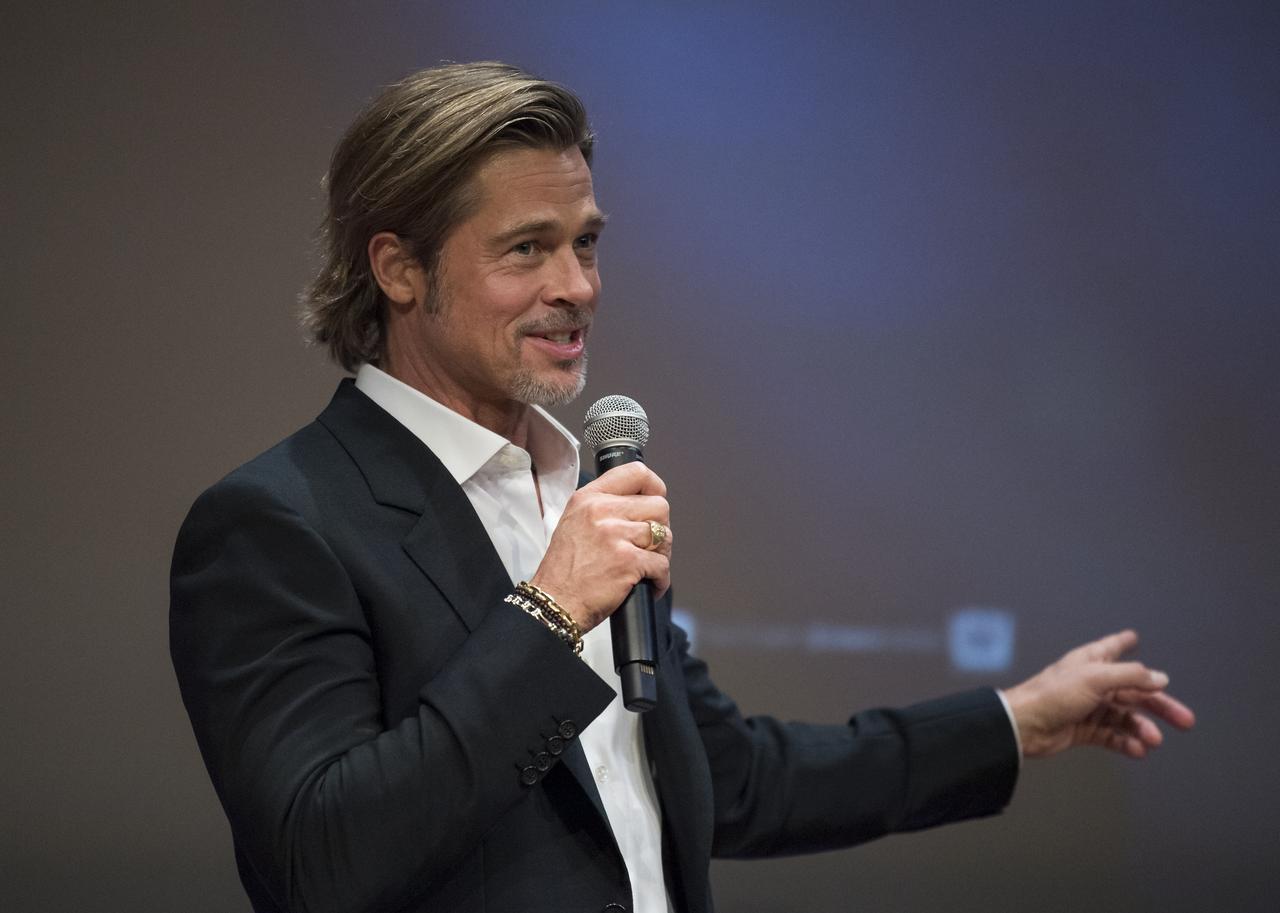
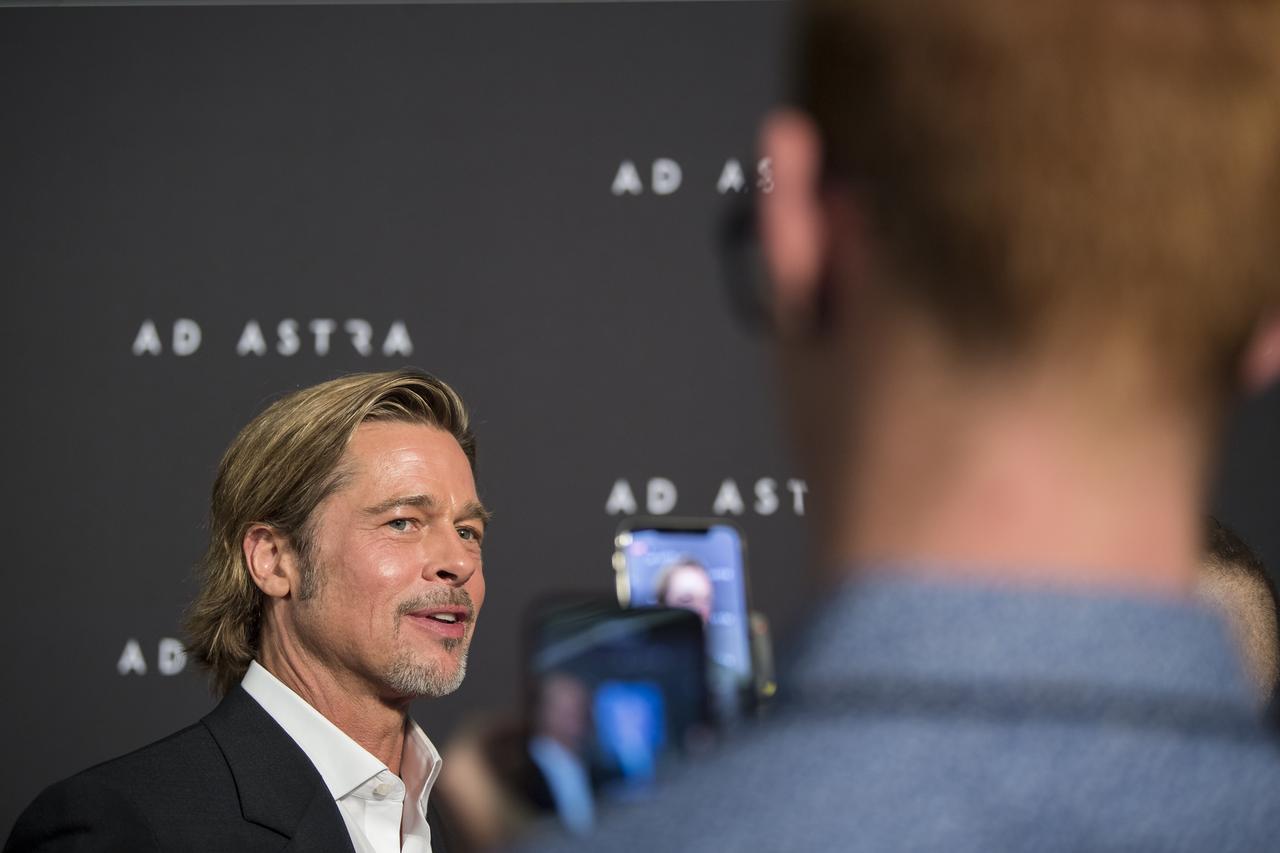
Actor Brad Pitt speaks before a screening of the film "Ad Astra" at National Geographic Society, Monday, September 16, 2019 in Washington. The film was produced, co-written, and directed by James Gray and stars Pitt, Tommy Lee Jones, Ruth Negga, Liv Tyler, and Donald Sutherland. Pitt stars as astronaut Roy McBride who travels deep into the solar system in hopes of solving a mystery that threatens life on Earth. Photo Credit: (NASA/Aubrey Gemignani)
"Ad Astra" Screening at National Geographic
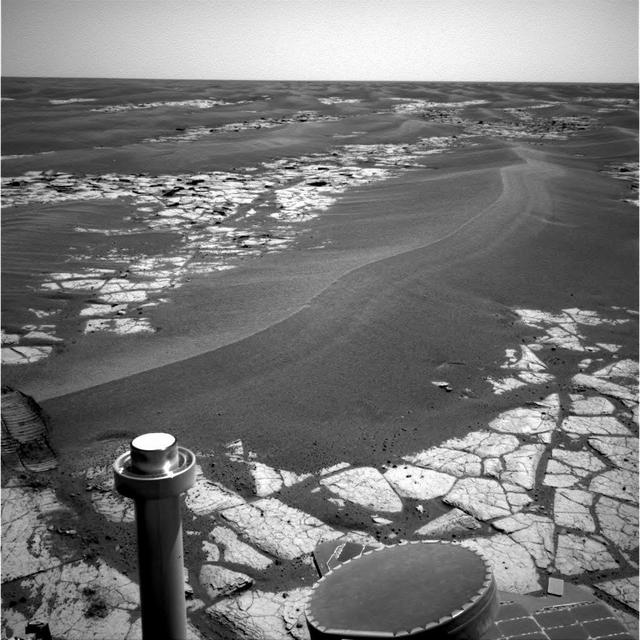
NASA's Mars Exploration Rover Opportunity continues to cut southward across a plain marked by large sand ripples and a pavement of outcrop rock. The ripple in the center of the image shows a distinct pattern of banding, which the science team hopes to investigate more closely during the trek through this terrain. The banding and other features have inspired a hypothesis that Meridiani ripples are old features that are currently being eroded, and not transported, by wind. This navigation camera image was taken on Opportunity's sol 795, April 19, 2006. http://photojournal.jpl.nasa.gov/catalog/PIA08424
Rolling Ripple
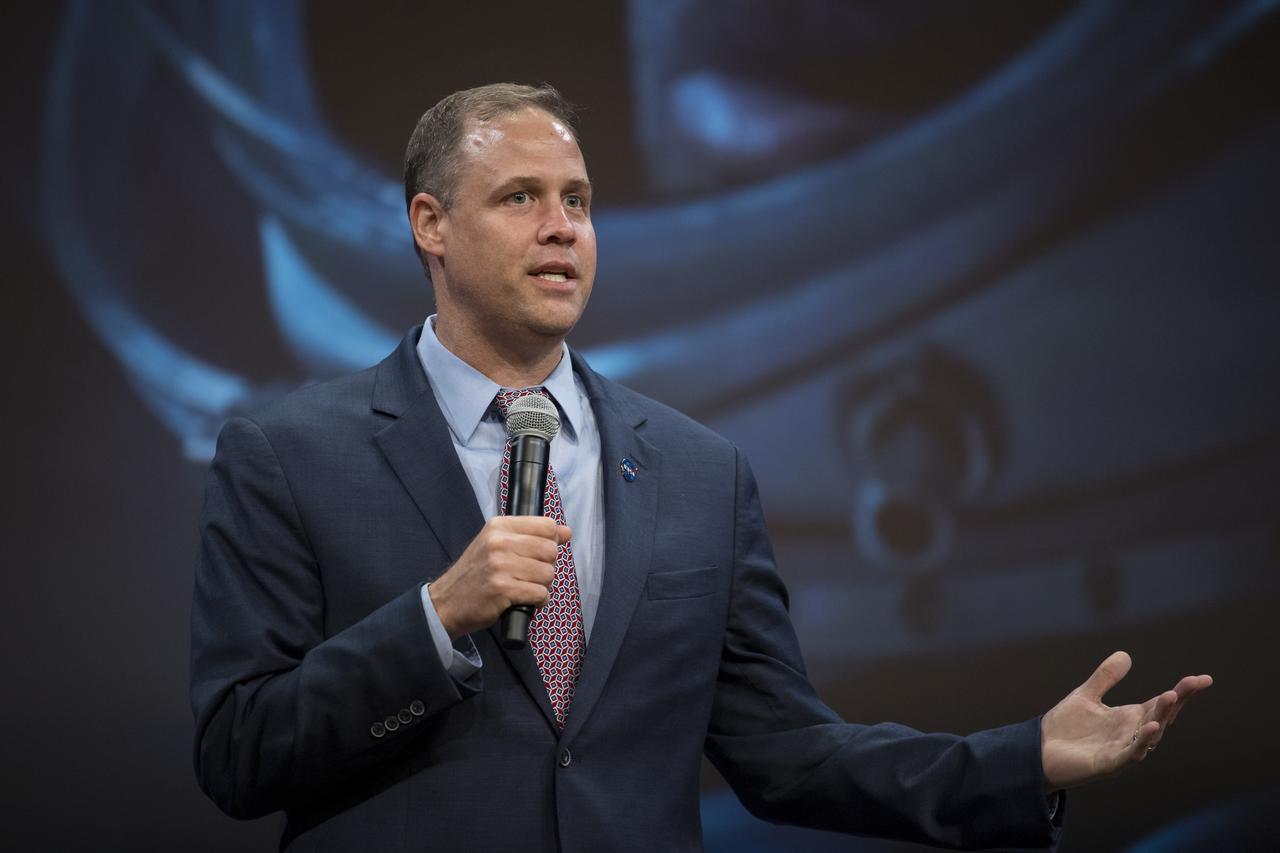
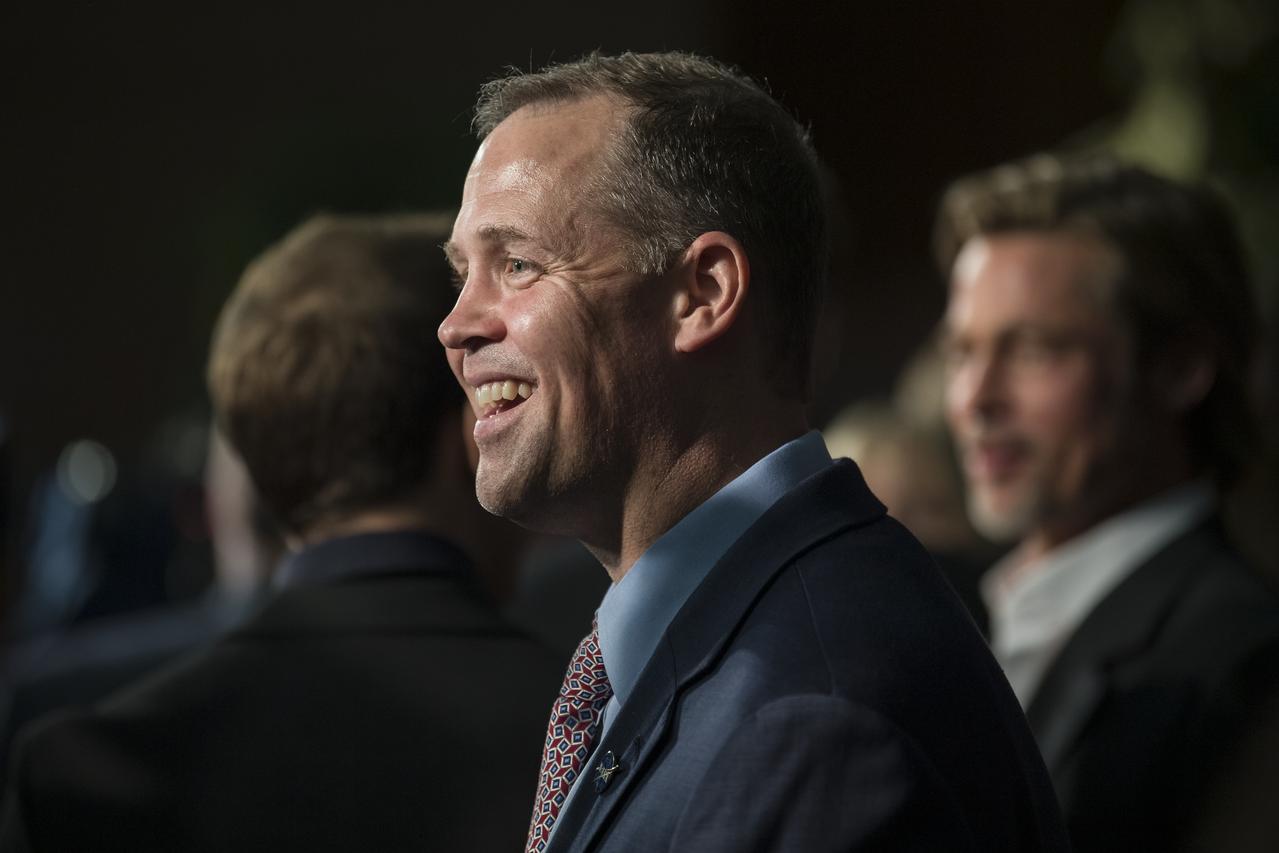
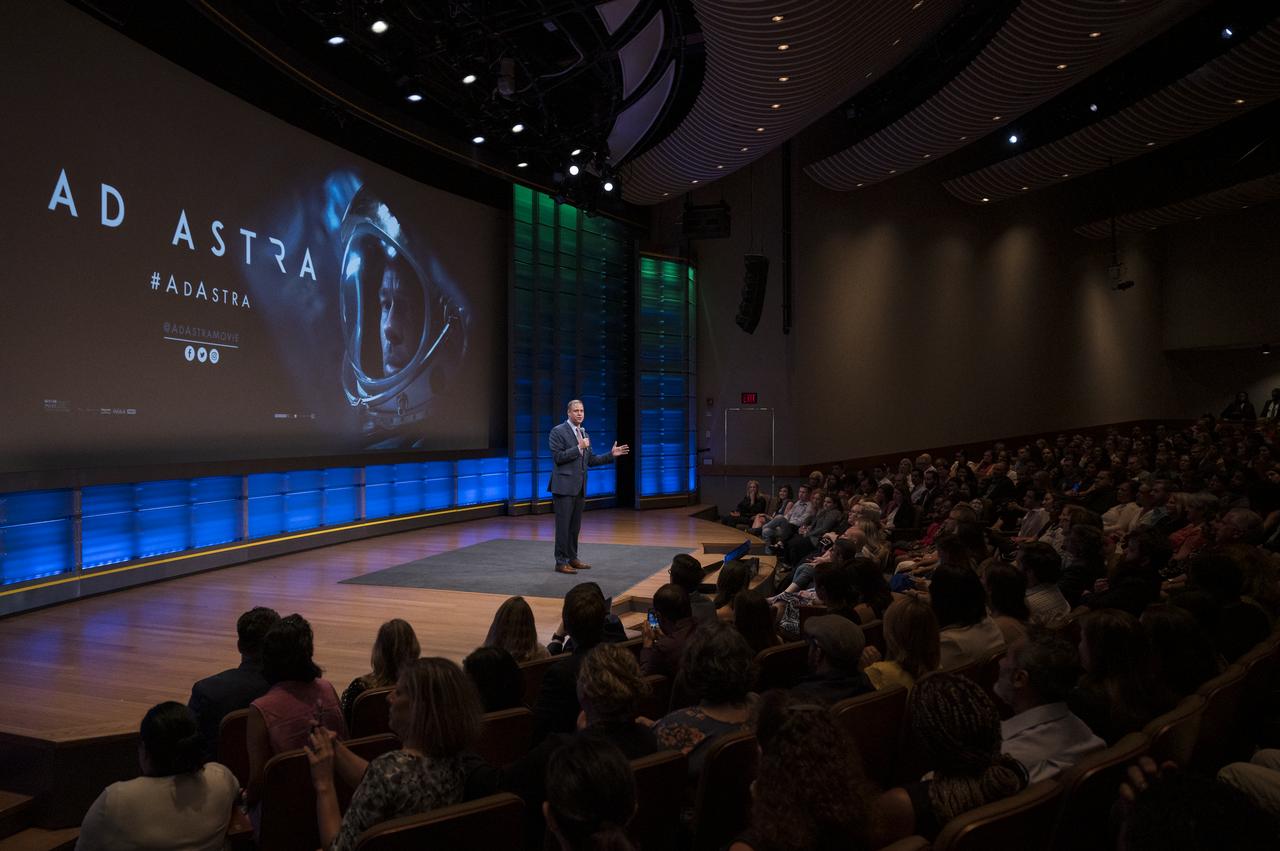
NASA Administrator Jim Bridenstine speaks before a screening of "Ad Astra" at National Geographic Society, Monday, September 16, 2019 in Washington. The film stars Tommy Lee Jones, Brad Pitt, Ruth Negga, Liv Tyler, and Donald Sutherland. Pitt stars as astronaut Roy McBride who travels deep into the solar system in hopes of solving a mystery that threatens life on Earth. Photo Credit: (NASA/Aubrey Gemignani)
"Ad Astra" Screening at National Geographic
Young people prepare model rockets during an Astro Camp activity at Keesler Air Force Base in Biloxi. Stennis hosted the camp June 28 - July 1 in support of the White House Military Families Initiative. The camp also marked the beginning of a partnership between Stennis and Keesler to provide NASA education experiences to military children and to train children and youth care-providers. It is hoped that this activity can be expanded to other military bases next summer.
Keesler Astro Camp
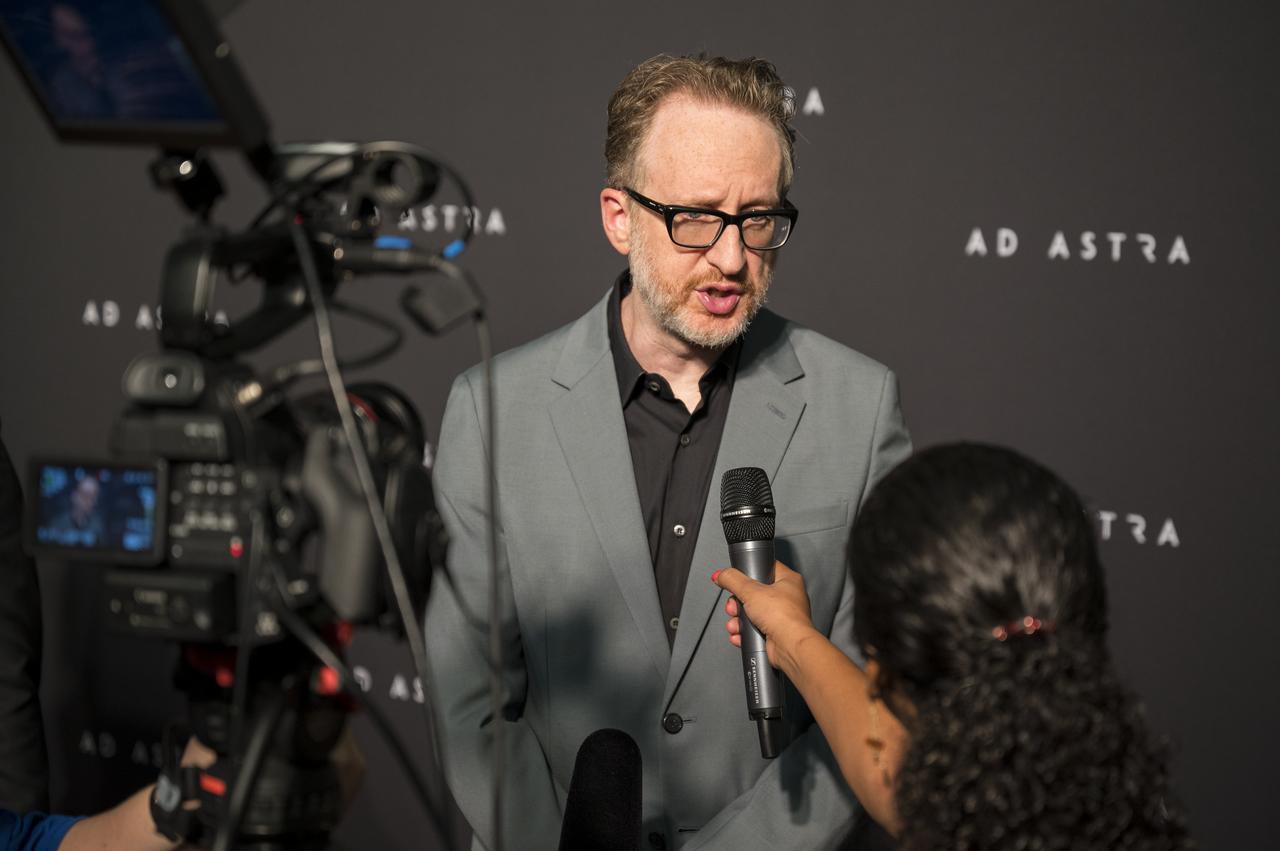
Producer, co-writer, and director James Gray is interviewed by NASA television on the red carpet during a screening of the film "Ad Astra" at National Geographic Society, Monday, September 16, 2019 in Washington. The film stars Tommy Lee Jones, Brad Pitt, Ruth Negga, Liv Tyler, and Donald Sutherland. Pitt stars as astronaut Roy McBride who travels deep into the solar system in hopes of solving a mystery that threatens life on Earth. Photo Credit: (NASA/Aubrey Gemignani)
"Ad Astra" Screening at National Geographic
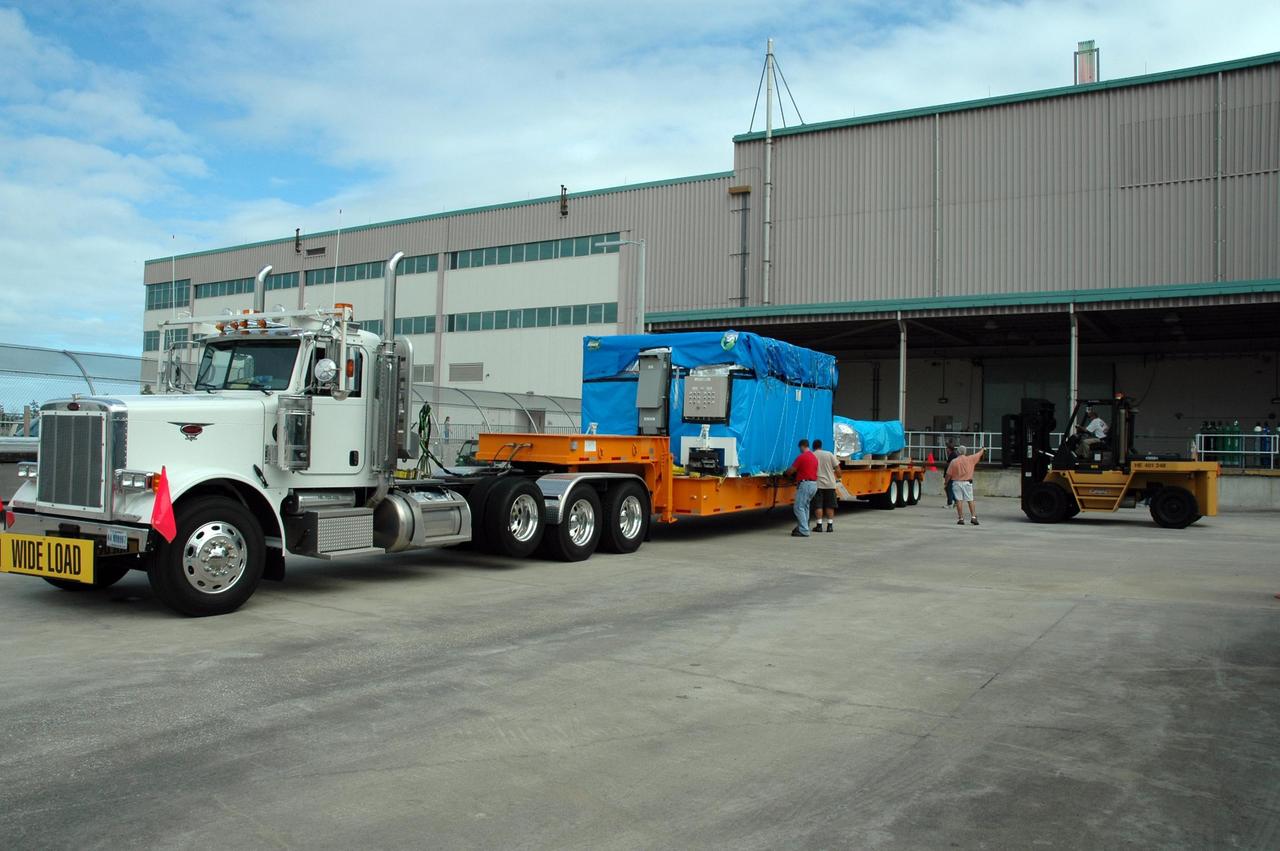
KENNEDY SPACE CENTER, FLA. --  The remote manipulator system for the Japanese Experiment Module arrives at the Space Station Processing Facility. The JEM, named "Kibo" (Hope), is Japan's primary contribution to the International Space Station. It will enhance the unique research capabilities of the orbiting complex by providing an additional environment for astronauts to conduct science experiments. The Japanese Aerospace Exploration Agency developed the laboratory. Both the JEM and RMS are targeted for mission STS-124, to launch in early 2008.  Photo credit: NASA/Dimitrios Gerondidakis
KSC-07pd0094
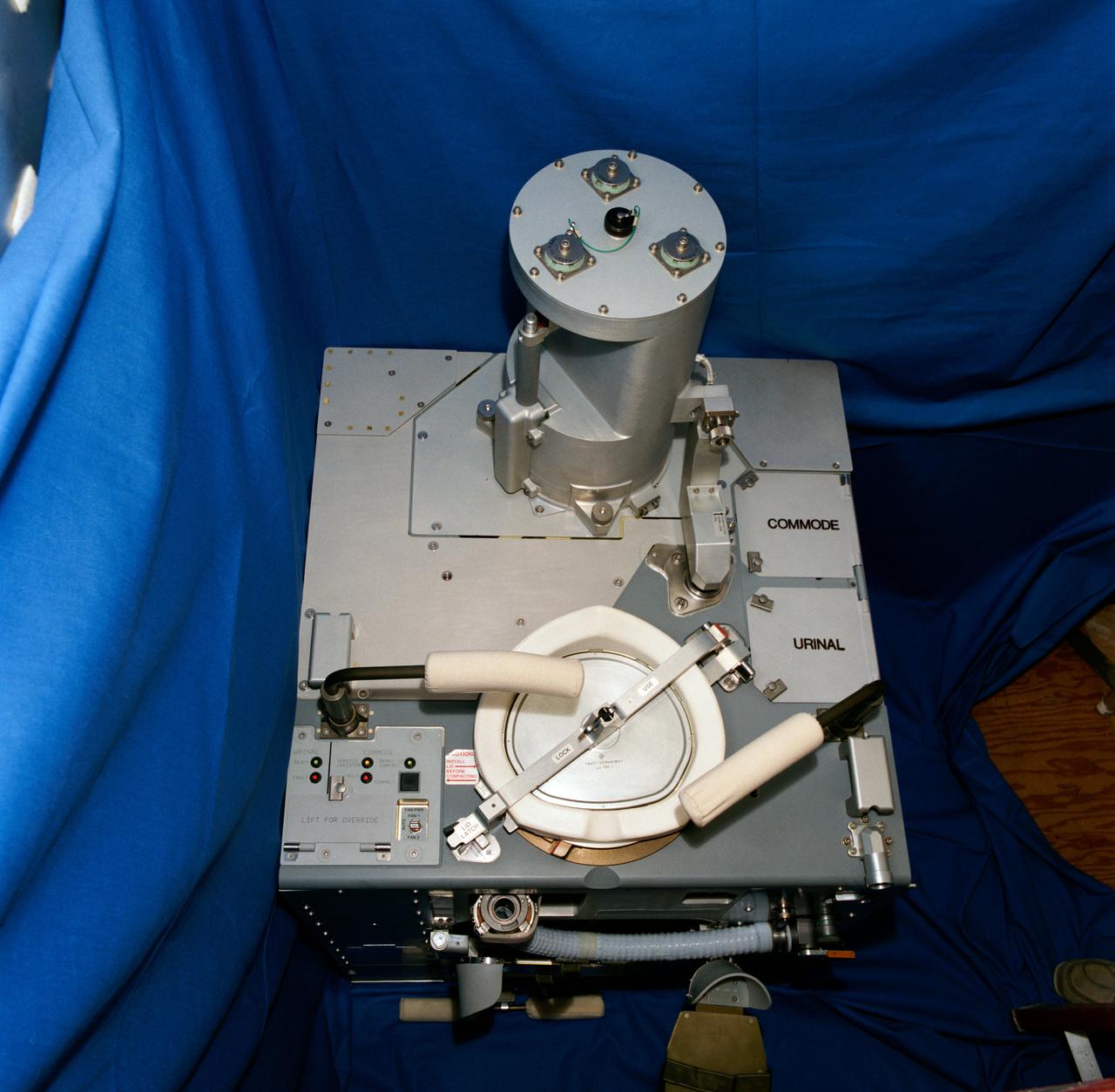
S92-46726 (November 1992) --- A high angle view of the Improved Waste Collection System (IWCS) scheduled to fly aboard NASA's Space Shuttle Endeavour for the STS-54 mission.  Among the advantages the new IWCS is hoped to have over the current WCS are greater dependability, better hygiene, virtually unlimited capacity and more efficient preparation between Shuttle missions.  Unlike the previous WCS, the improved version will not have to be removed from the spacecraft to be readied for the next flight.
Extended Duration Orbiter (EDO) Improved Waste Collection System (IWCS)
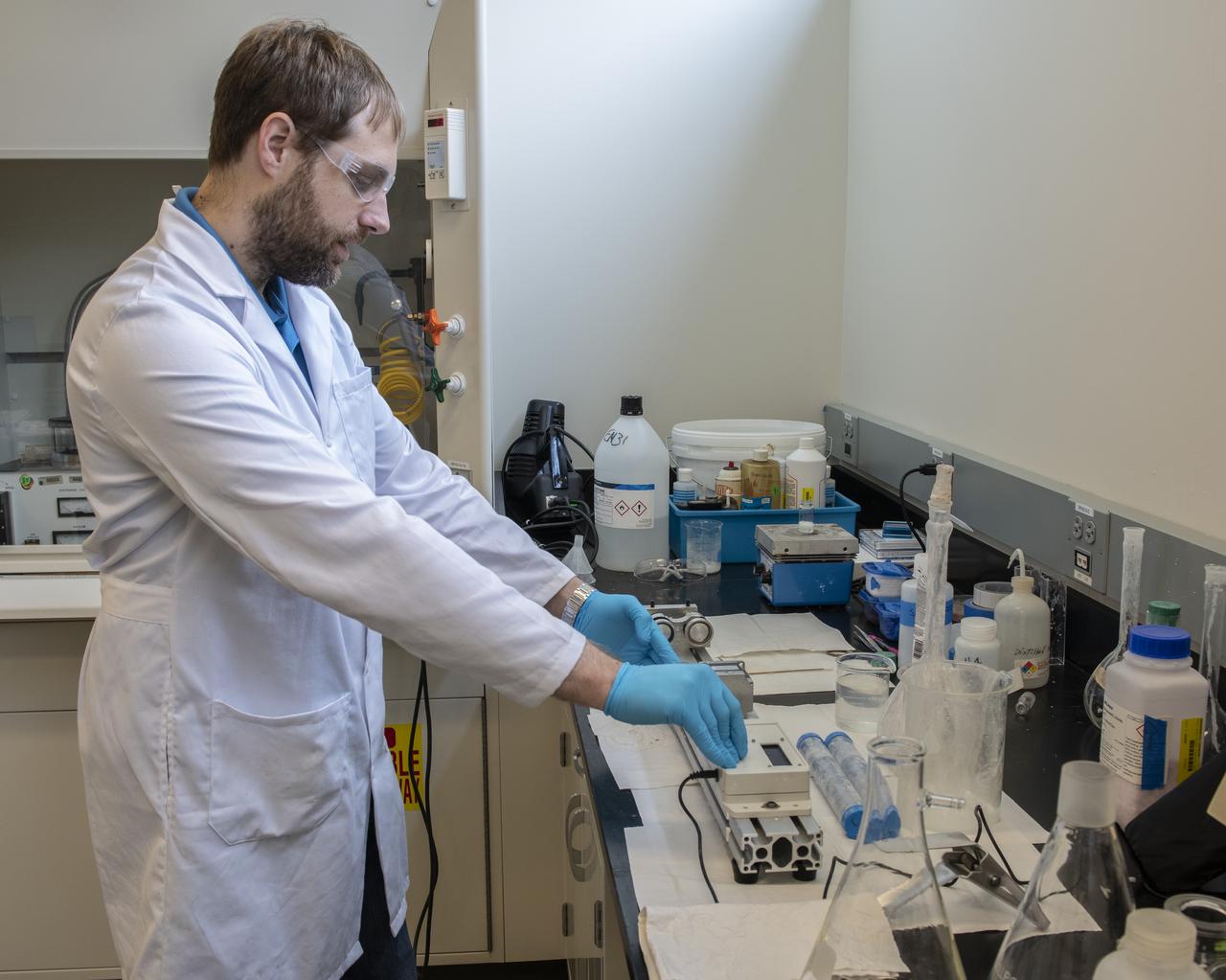
Alexander Blanchard, a chemistry doctoral student at Florida State University and graduate student at Marshall this summer, conducts analysis in a Marshall laboratory on the Chemical Gardens experiment, which is growing delicate crystalline structures in solution in the microgravity environment on the space station. Researchers hope the study could yield practical benefits for bioremediation and other "green" commercial applications.
Alexander Blanchard Conducting Experiments in Crystalline Struct
NASA Administrator Jim Bridenstine, arrives on the red carpet at a screening of the film "Ad Astra" at National Geographic Society, Monday, September 16, 2019 in Washington. The film stars Tommy Lee Jones, Brad Pitt, Ruth Negga, Liv Tyler, and Donald Sutherland. Pitt stars as astronaut Roy McBride who travels deep into the solar system in hopes of solving a mystery that threatens life on Earth. Photo Credit: (NASA/Aubrey Gemignani)
"Ad Astra" Screening at National Geographic
Actor Tommy Lee Jones speaks before a screening of the film "Ad Astra" at National Geographic Society, Monday, September 16, 2019 in Washington. The film was produced, co-written, and directed by James Gray and stars Jones, Brad Pitt, Ruth Negga, Liv Tyler, and Donald Sutherland. Pitt stars as astronaut Roy McBride who travels deep into the solar system in hopes of solving a mystery that threatens life on Earth. Photo Credit: (NASA/Aubrey Gemignani)
"Ad Astra" Screening at National Geographic
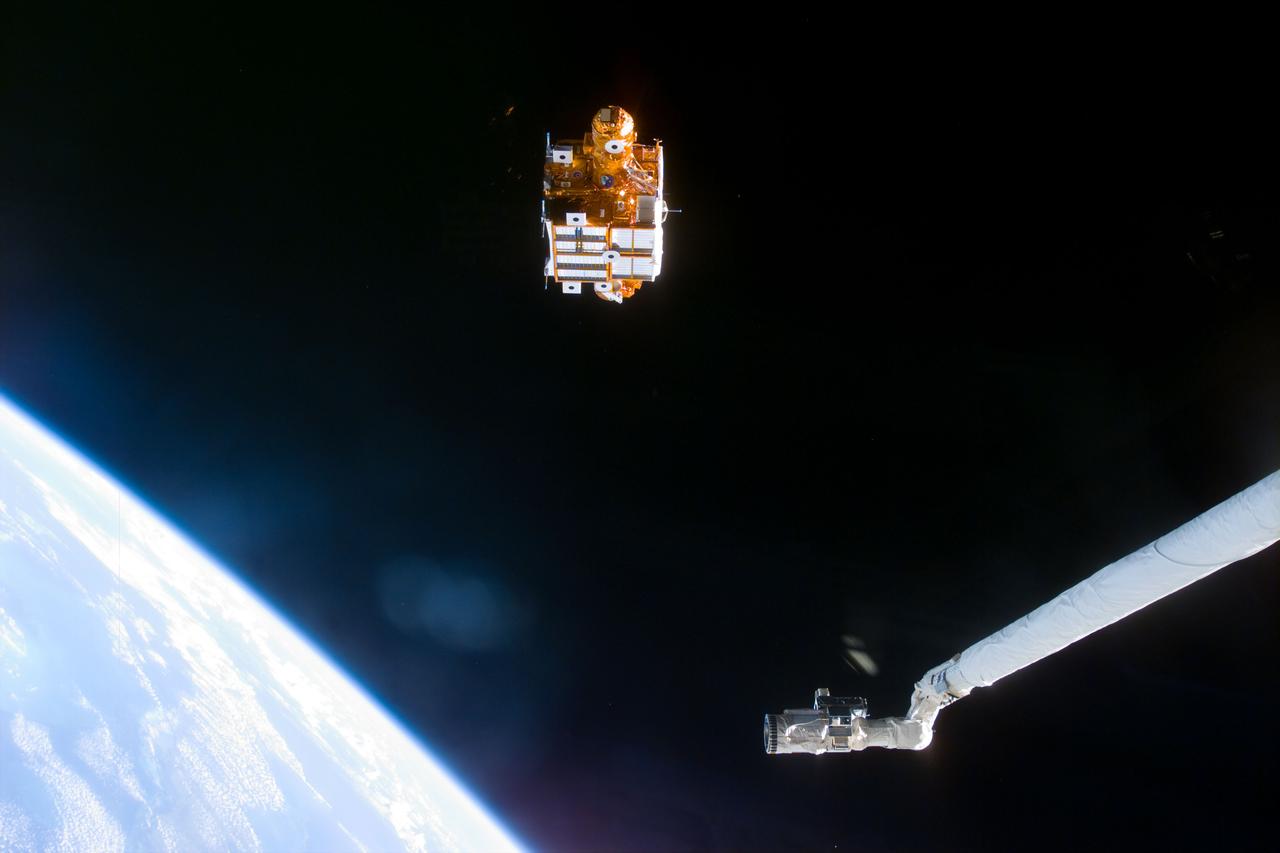
STS095-E-5082 (1 Nov. 1998) --- Backdropped against the blackness of space, Spartan 201-05 leaves the cargo bay of the Space Shuttle Discovery. The satellite will remain a free-flyer for several days while it records data on the solar wind and the sun's corona.  This data is hoped to increase knowledge of the sun's effect on our planet.  The Canadian-built remote manipulator system (RMS)is partially visible in the frame. The photograph was taken with an electronic still camera (ESC) at 2:10:31 GMT, November 1.
Various views of the SPARTAN 201-5 deployment
ISS038-E-005019 (20 Nov. 2013) --- At a window in the International Space Station?s Zvezda Service Module, Russian cosmonaut Oleg Kotov, Expedition 38 commander, uses a digital camera photospectral system to perform a session for the Albedo Experiment. The experiment measures Earth?s albedo, or the amount of solar radiation reflected from the surface, in the hopes to develop methods to harness the reflected radiation to supplement the station?s power supply. The light reflection phenomenon is measured in units called albedo.
Kotov during Albedo Experiment in the SM
NASA Administrator Jim Bridenstine speaks before a screening of "Ad Astra" at National Geographic Society, Monday, September 16, 2019 in Washington. The film stars Tommy Lee Jones, Brad Pitt, Ruth Negga, Liv Tyler, and Donald Sutherland. Pitt stars as astronaut Roy McBride who travels deep into the solar system in hopes of solving a mystery that threatens life on Earth. Photo Credit: (NASA/Aubrey Gemignani)
"Ad Astra" Screening at National Geographic
KENNEDY SPACE CENTER, FLA. --  The remote manipulator system for the Japanese Experiment Module is being moved into the Space Station Processing Facility. The JEM, named "Kibo" (Hope), is Japan's primary contribution to the International Space Station. It will enhance the unique research capabilities of the orbiting complex by providing an additional environment for astronauts to conduct science experiments. The Japanese Aerospace Exploration Agency developed the laboratory. Both the JEM and RMS are targeted for mission STS-124, to launch in early 2008.  Photo credit: NASA/Dimitrios Gerondidakis
KSC-07pd0095
Former NASA astronaut Kay Hire, left, speaks with film producer, co-writer, and director James Gray at a screening of "Ad Astra" at National Geographic Society, Monday, September 16, 2019 in Washington. It stars Tommy Lee Jones, Brad Pitt, Ruth Negga, Liv Tyler, and Donald Sutherland. Pitt stars as astronaut Roy McBride who travels deep into the solar system in hopes of solving a mystery that threatens life on Earth. Photo Credit: (NASA/Aubrey Gemignani)
"Ad Astra" Screening at National Geographic
Actor Tommy Lee Jones arrives on the red carpet for a screening of the film "Ad Astra" at National Geographic Society, Monday, September 16, 2019 in Washington. The film was produced, co-written, and directed by James Gray and stars Jones, Brad Pitt, Ruth Negga, Liv Tyler, and Donald Sutherland. Pitt stars as astronaut Roy McBride who travels deep into the solar system in hopes of solving a mystery that threatens life on Earth. Photo Credit: (NASA/Aubrey Gemignani)
"Ad Astra" Screening at National Geographic
KENNEDY SPACE CENTER, FLA. --   Offloading of the cargo complete, the truck is ready to move the remote manipulator system for the Japanese Experiment Module to the Space Station Processing Facility.  The JEM, named "Kibo" (Hope), is Japan's primary contribution to the International Space Station. It will enhance the unique research capabilities of the orbiting complex by providing an additional environment for astronauts to conduct science experiments. The Japanese Aerospace Exploration Agency developed the laboratory. Both the JEM and RMS are targeted for mission STS-124, to launch in early 2008.  Photo credit: NASA/Dimitrios Gerondidakis
KSC-07pd0092
ISS038-E-005023 (20 Nov. 2013) --- At a window in the International Space Station?s Zvezda Service Module, Russian cosmonaut Oleg Kotov, Expedition 38 commander, uses a digital camera photospectral system to perform a session for the Albedo Experiment. The experiment measures Earth?s albedo, or the amount of solar radiation reflected from the surface, in the hopes to develop methods to harness the reflected radiation to supplement the station?s power supply. The light reflection phenomenon is measured in units called albedo.
Kotov during Albedo Experiment in the SM
Biomedical research offers hope for a variety of medical problems, from diabetes to the replacement of damaged bone and tissues. Bioreactors, which are used to grow cells and tissue cultures, play a major role in such research and production efforts. The objective of the research was to define a way to differentiate between effects due to microgravity and those due to possible stress from non-optimal spaceflight conditions.
Microgravity
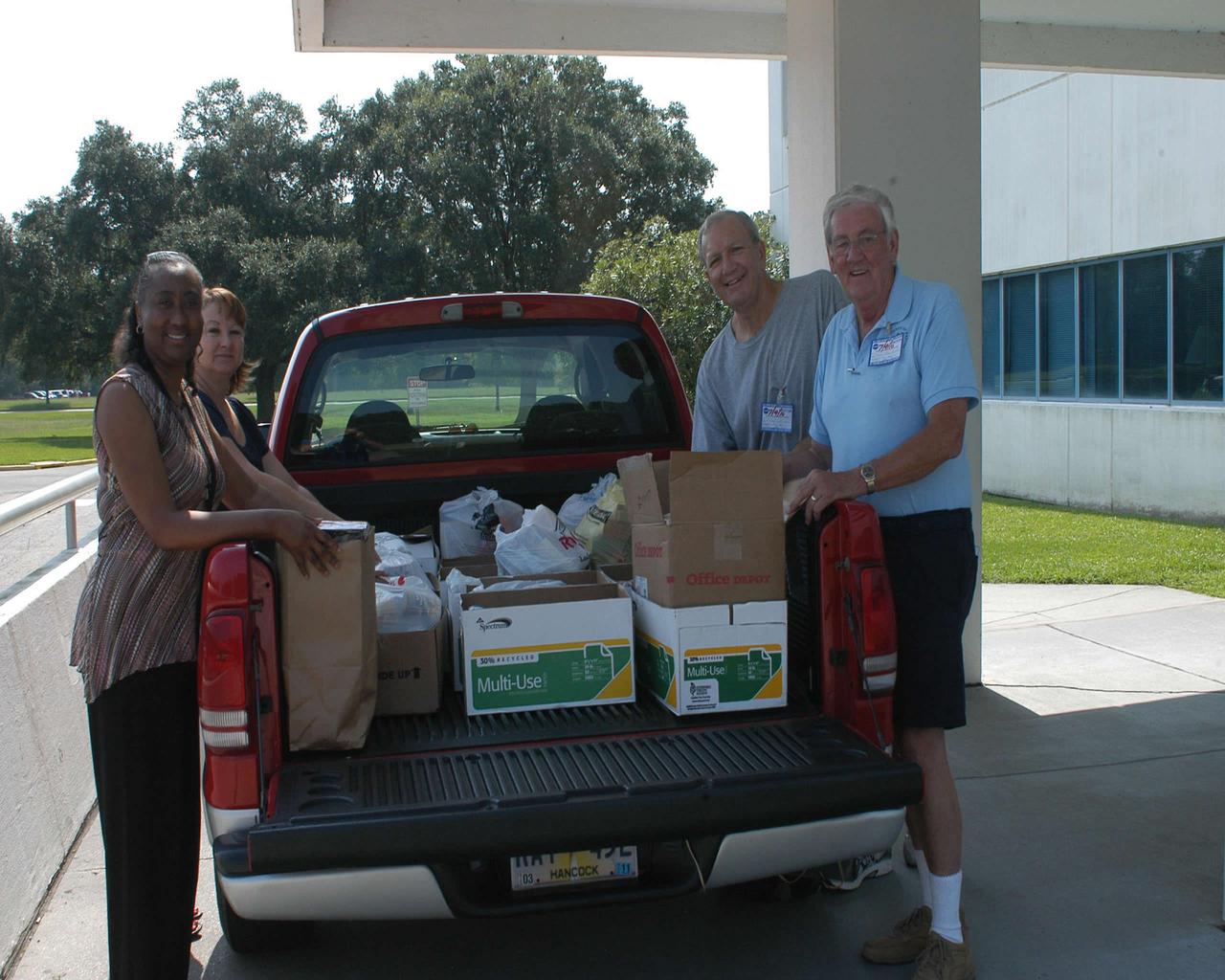
Cabrina Bell (l to r) and Jeanie Frederick with the Stennis Space Center Office of Human Capital help Hancock County Food Pantry representatives Edward Catone and Frank Manchester load collected food items July 9 as part of the 2010 Feds Feed Families campaign. The second annual national food drive was launched last month and involves federal agencies and employees across the country. Organizers hope to collect 1.2 million pounds of food items throughout the summer.
Stennis employees join Feds Feed Families effort
NASA's InSight lander retracted its robotic arm on Oct. 3, 2020, revealing the spot where the self-digging "mole" is attempting to burrow into the planet's surface. Attached to the mole is the copper-colored ribbon, which is laden with temperature sensors designed to measure the heat flow within Mars. In the months to come, the scoop seen on the end of the arm will be used to scrape and tamp down soil on top of the mole, in hopes of helping it dig.  Movie available at https://photojournal.jpl.nasa.gov/catalog/PIA24098
InSight's Arm Pulls Back, Revealing the Mole
jsc2020e040948 (7/18/2020 --- A preflight view of BioAsteroid Experiment Unit integrated into the Experiment Container. The Experiment Container provides the necessary interface to the KUBIK. The BioAsteroid investigation studies how gravity affects the interaction between microbes and rock in a liquid medium. It is hoped that BioAsteroid can provide researchers a better understanding of basic physical processes - such as gravity, convection, and mixing - that control the way liquids mix with rocks and microbes. This will inform biomining, use of regolith in life support systems, and other bioprocessing applications involving rocks and regolith.
BioAsteroid
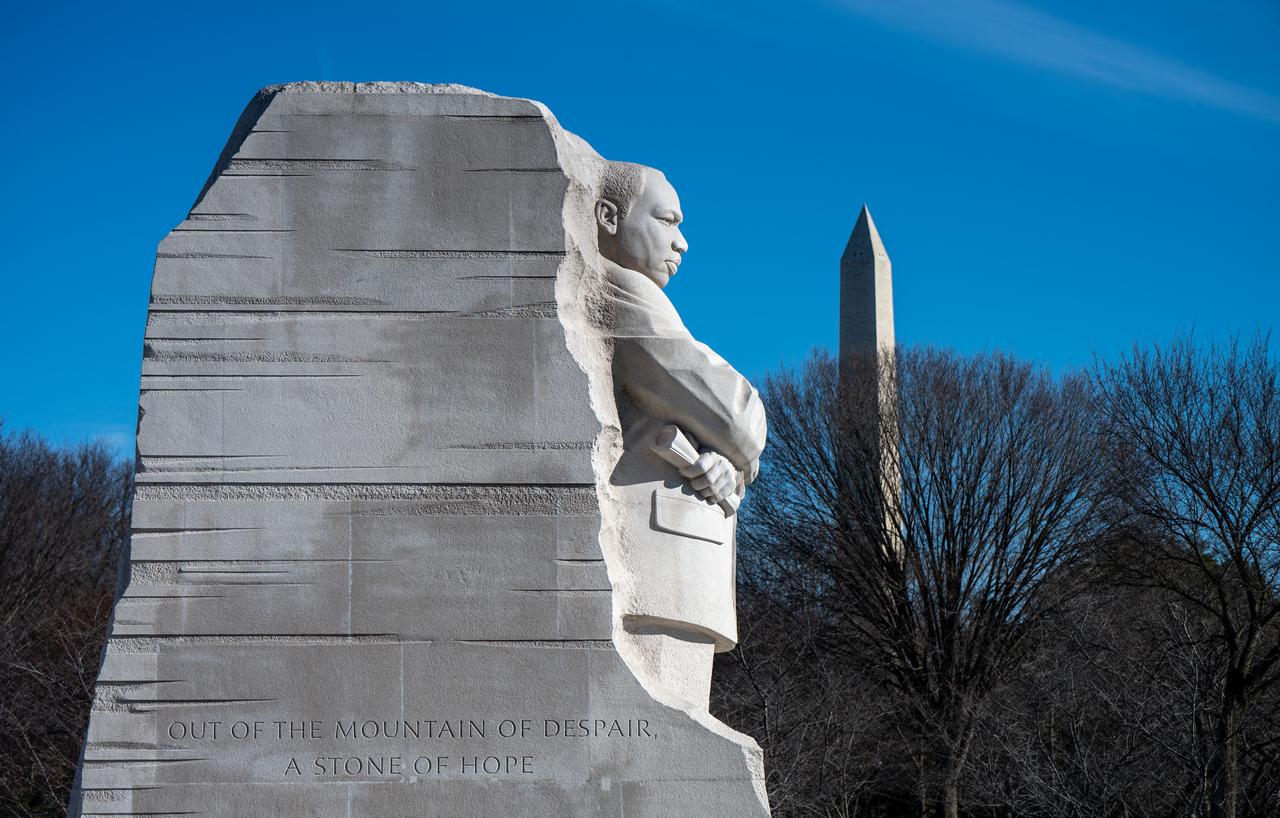
The Martin Luther King, Jr. Memorial is seen in the foregound with the Washington Monument in the background, Sunday, Jan. 5, 2025, in Washington. The memorial covers four acres and includes the Stone of Hope, a granite statue of civil rights movement leader Martin Luther King Jr. carved by sculptor Lei Yixin. Photo Credit: (NASA/Bill Ingalls)
Martin Luther King, Jr. Memorial
ISS038-E-005031 (20 Nov. 2013) --- At a window in the International Space Station?s Zvezda Service Module, Russian cosmonaut Oleg Kotov, Expedition 38 commander, uses a digital camera photospectral system to perform a session for the Albedo Experiment. The experiment measures Earth?s albedo, or the amount of solar radiation reflected from the surface, in the hopes to develop methods to harness the reflected radiation to supplement the station?s power supply. The light reflection phenomenon is measured in units called albedo.
Kotov during Albedo Experiment in the SM
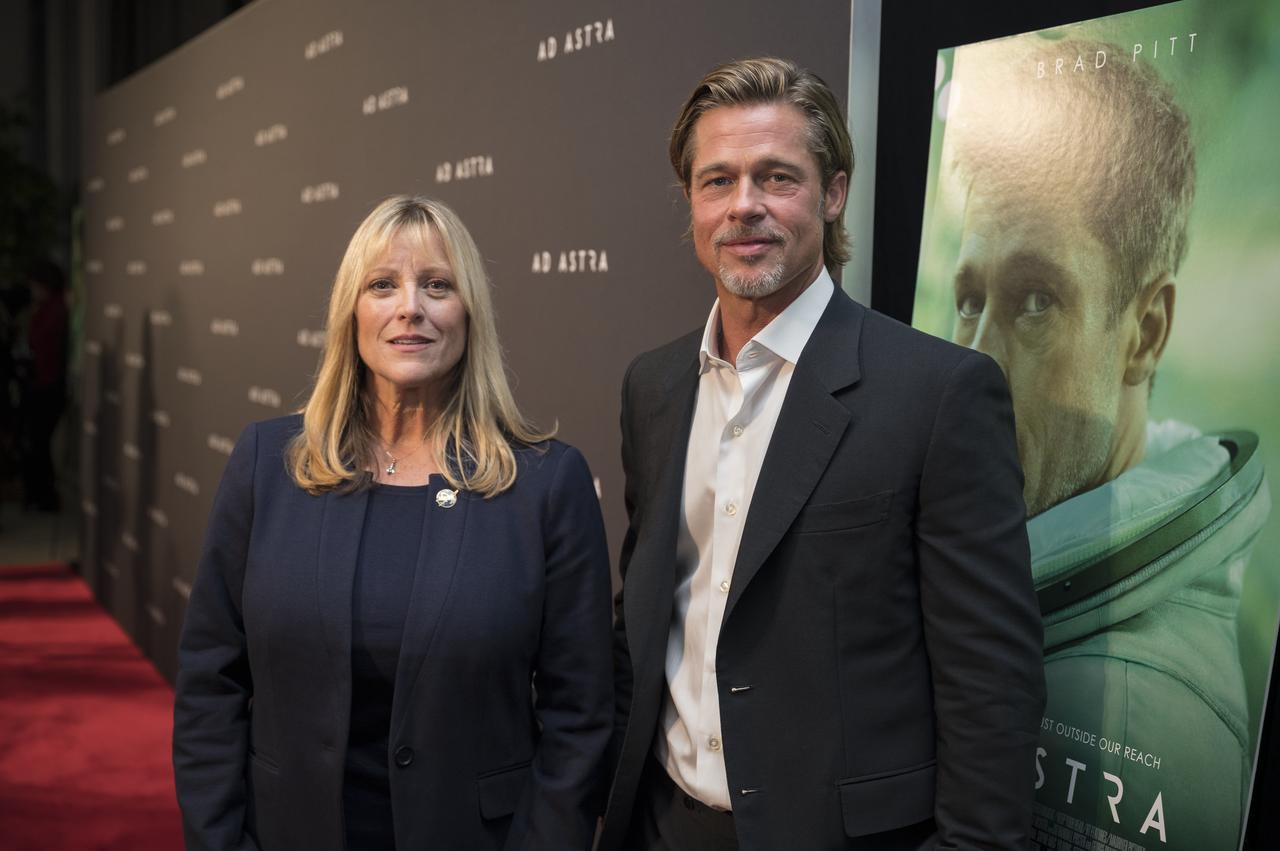
Former NASA astronaut Kay Hire poses for a photo with actor Brad Pitt, at a screening of the film "Ad Astra" at National Geographic Society, Monday, September 16, 2019 in Washington. The film stars Pitt, Tommy Lee Jones, Ruth Negga, Liv Tyler, and Donald Sutherland. Pitt stars as astronaut Roy McBride who travels deep into the solar system in hopes of solving a mystery that threatens life on Earth. Photo Credit: (NASA/Aubrey Gemignani)
"Ad Astra" Screening at National Geographic
In hope of catching a large monitor lizard seen in the area, state-licensed animal trappers Dewey Kessler and James Dean (at left), with Gary Povitch (kneeling) of the U.S. Wildlife and Dan Turner (standing) set up a trap on KSC. The lizard has been spotted recently near S.R. 3, a route into the Center, by several area residents. Turner is a monitor expert. The lizard is not a native of the area, and possibly a released pet. Dean is working with the cooperation of KSC and the Merritt Island National Wildlife Refuge
KSC-00pp1621
State-licensed animal trapper James Dean sets the open door of an animal trap on KSC. He hopes to catch a large monitor lizard spotted recently near S.R. 3, a route into the Center, by several area residents. The lizard is not a native of the area, and possibly a released pet. Dean is working with the cooperation of KSC and the Merritt Island National Wildlife Refuge
KSC-00padig048
Actor Brad Pitt arrives on the red carpet for a screening of the film "Ad Astra" at National Geographic Society, Monday, September 16, 2019 in Washington. The film was produced, co-written, and directed by James Gray and stars Pitt, Tommy Lee Jones, Ruth Negga, Liv Tyler, and Donald Sutherland. Pitt stars as astronaut Roy McBride who travels deep into the solar system in hopes of solving a mystery that threatens life on Earth. Photo Credit: (NASA/Aubrey Gemignani)
"Ad Astra" Screening at National Geographic