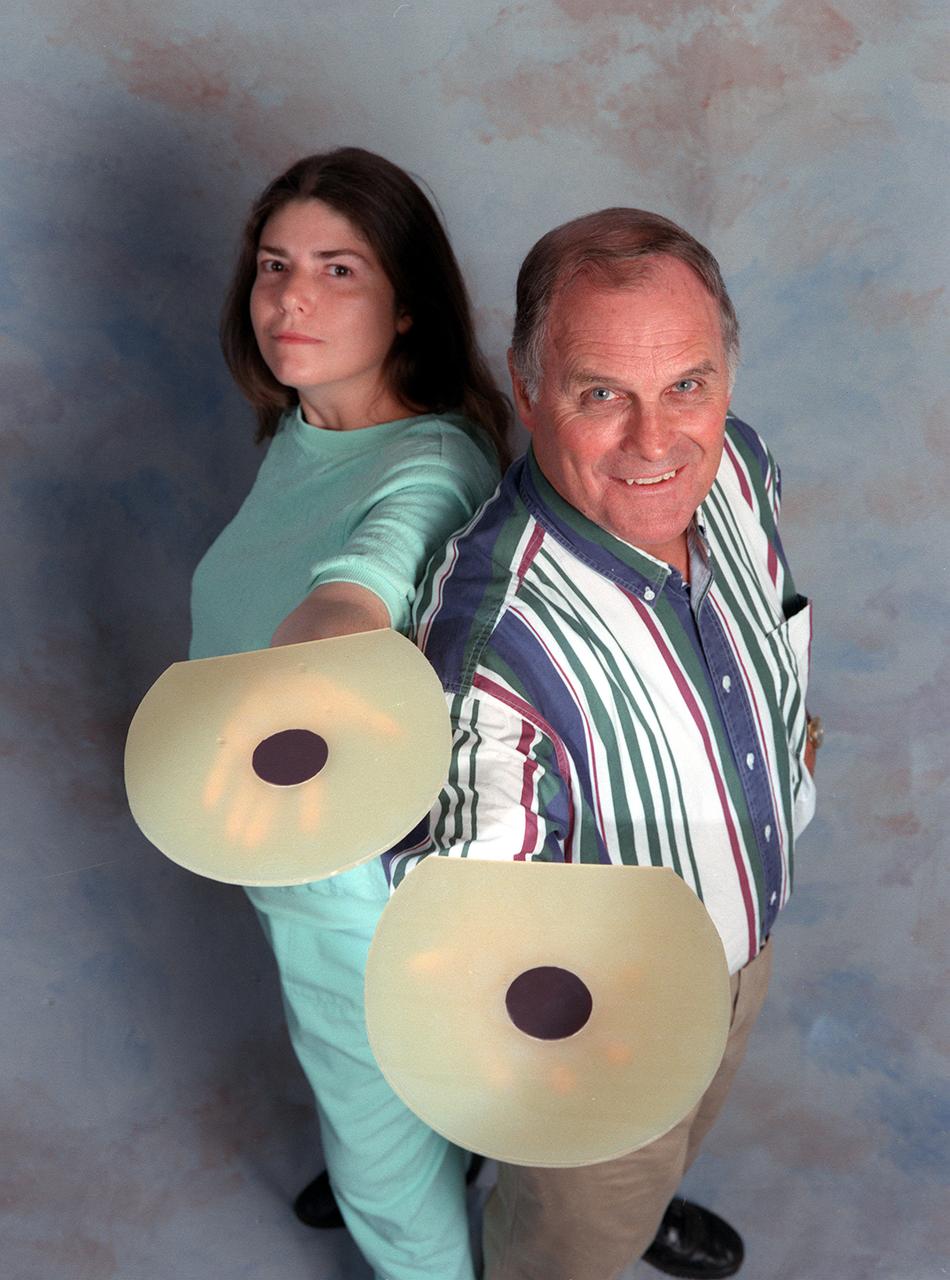
Power Pads, shown here, were designed to support and cushion horses' hooves while walking, rurning, and jumping, thus reducing the risk of injury. The pads utilize magnets implanted in the pads to increase blood circulation, not only reducing the chance of injury, but also speeding up the healing process if an injury does occur. Marshall Space Flight Center materials engineer Deborah Dianne Schmidt and materials technician Anthony Schaffer contributed to the design by providing fatigue stress analysis to the prototypes, thus helping determine the best configuration and maximum durability.
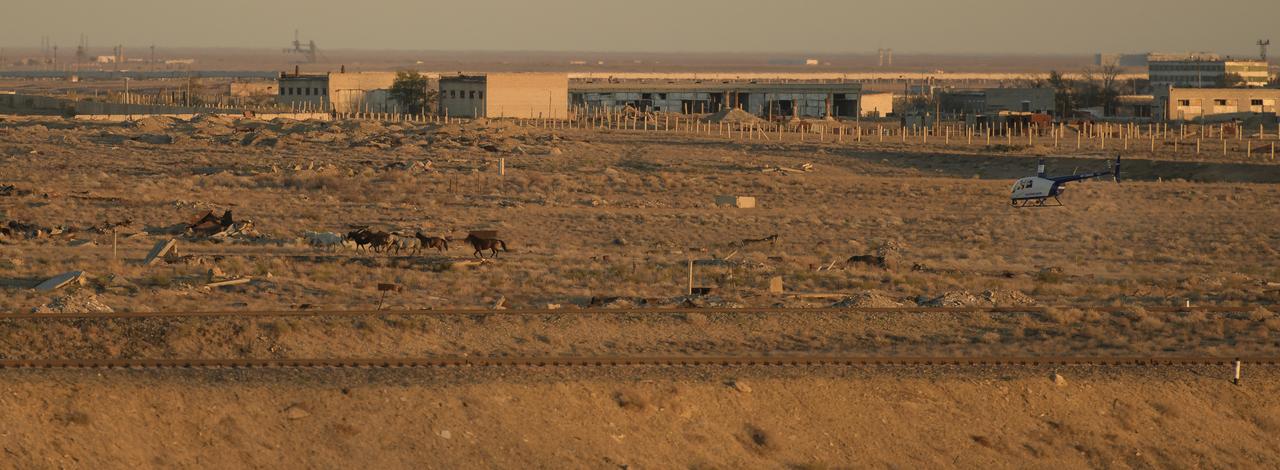
A security helicopter moves a heard of horses away from the train tracks in advance of the Soyuz rocket being rolled out to the launch pad, Tuesday, Oct. 9, 2018 at the Baikonur Cosmodrome in Kazakhstan. Expedition 57 crewmembers Nick Hague of NASA and Alexey Ovchinin of Roscosmos are scheduled to launch on October 11 and will spend the next six months living and working aboard the International Space Station. Photo Credit: (NASA/Bill Ingalls)
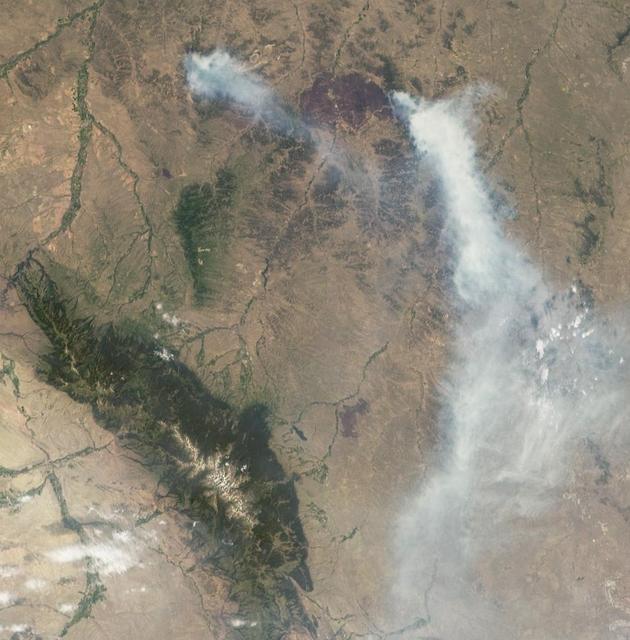
On July 2, 2012, NASA MISR instrument on NASA Terra spacecraft passed over the Horse Creek Fire and much larger Ash Creek Fire Complex in southeastern Montana, to the east of Billings, Mont.
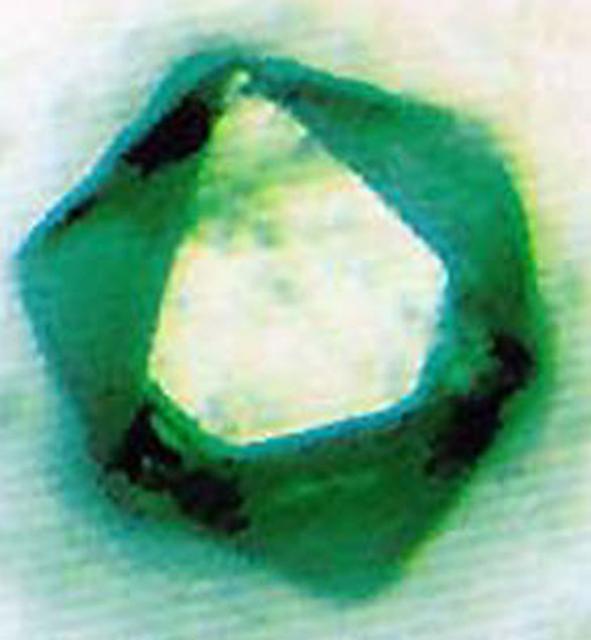
The demetalized form of the major iron storage protein from horse spleen.
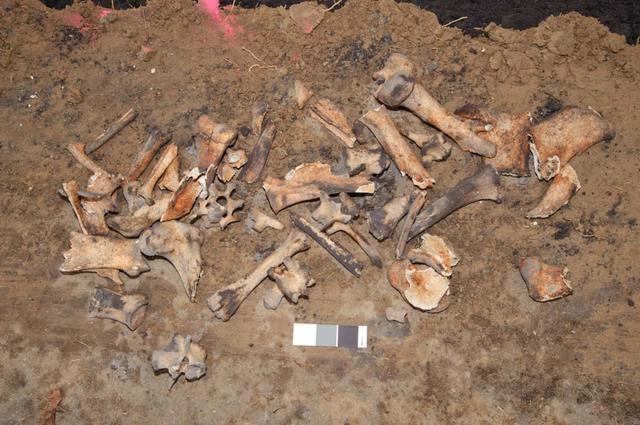
Bones found at the site of the Sustainability Base N-232. Later determined to be from a domestic animal, possibly a donkey or horse.
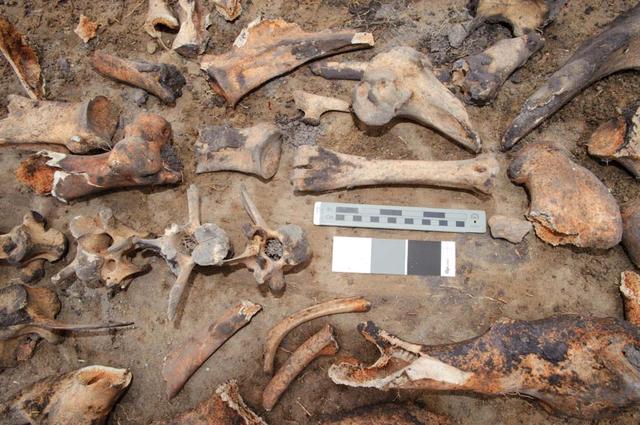
Bones found at the site of the Sustainability Base N-232. Later determined to be from a domestic animal, possibly a donkey or horse.
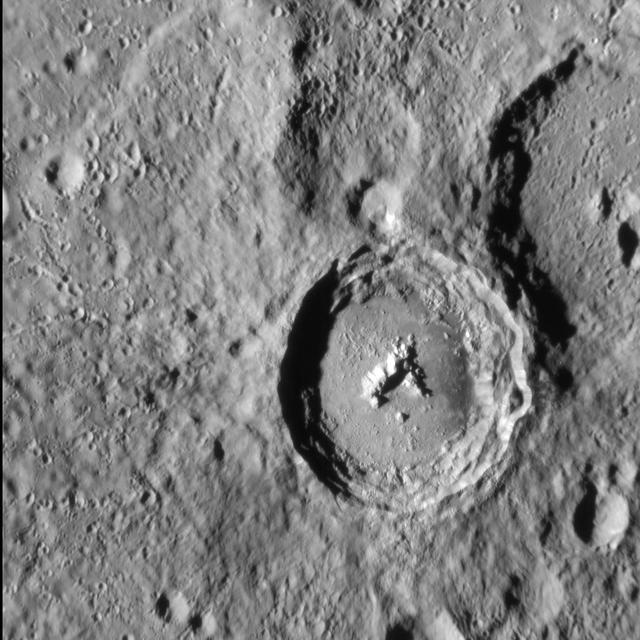
Situated high in Mercury southern hemisphere, NASA MESSENGER sees Han Kan, a 50-km-diameter impact crater with a well preserved central peak and a smooth floor that is likely solidified impact melt.
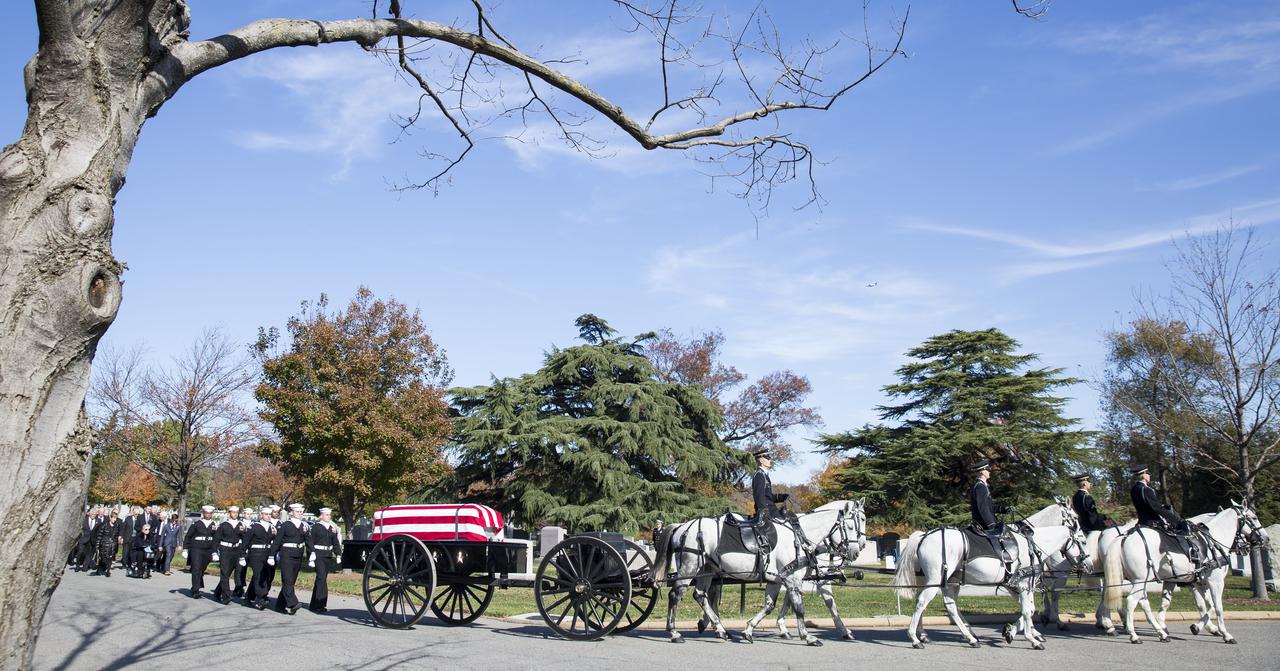
A horse drawn caisson carries former astronaut Alan Bean to his final resting place during an interment ceremony, Thursday, Nov. 8, 2018 at Arlington National Cemetery in Virginia. Selected as an astronaut in 1963, Bean flew in space twice, becoming the fourth human to walk on the Moon on Nov. 19, 1969 and spent 59 days in space as commander of the second Skylab mission in 1973. Photo Credit: (NASA/Joel Kowsky)
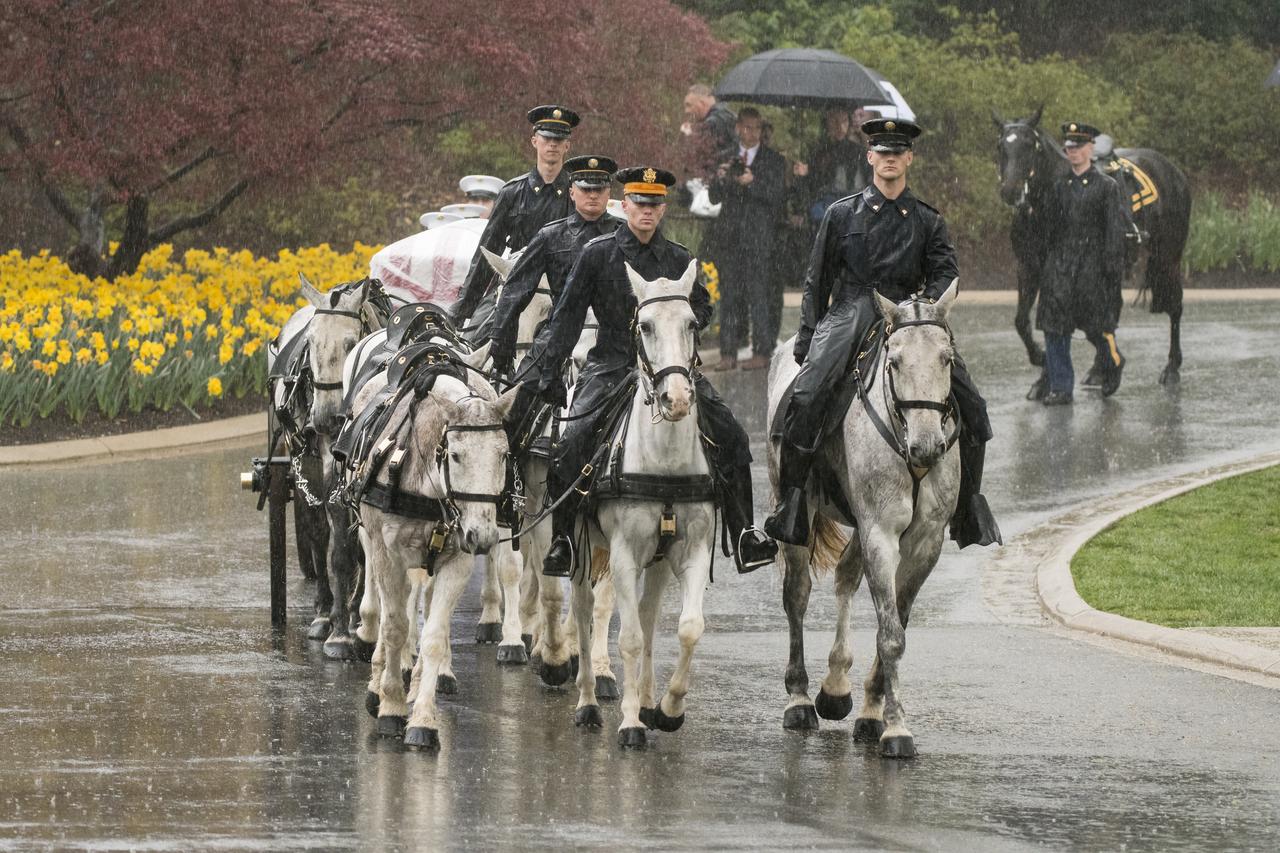
A horse drawn caisson carries former astronaut and U.S. Senator John Glenn to his final resting place during the interment ceremony at Arlington National Cemetery on Thursday, April 6, 2017 in Virginia. Glenn was the first American to orbit Earth on Feb. 20, 1962, in a five-hour flight aboard the Friendship 7 spacecraft. In 1998, he broke another record by returning to space at the age of 77 on the Space Shuttle Discovery. Photo Credit: (NASA/Aubrey Gemignani)
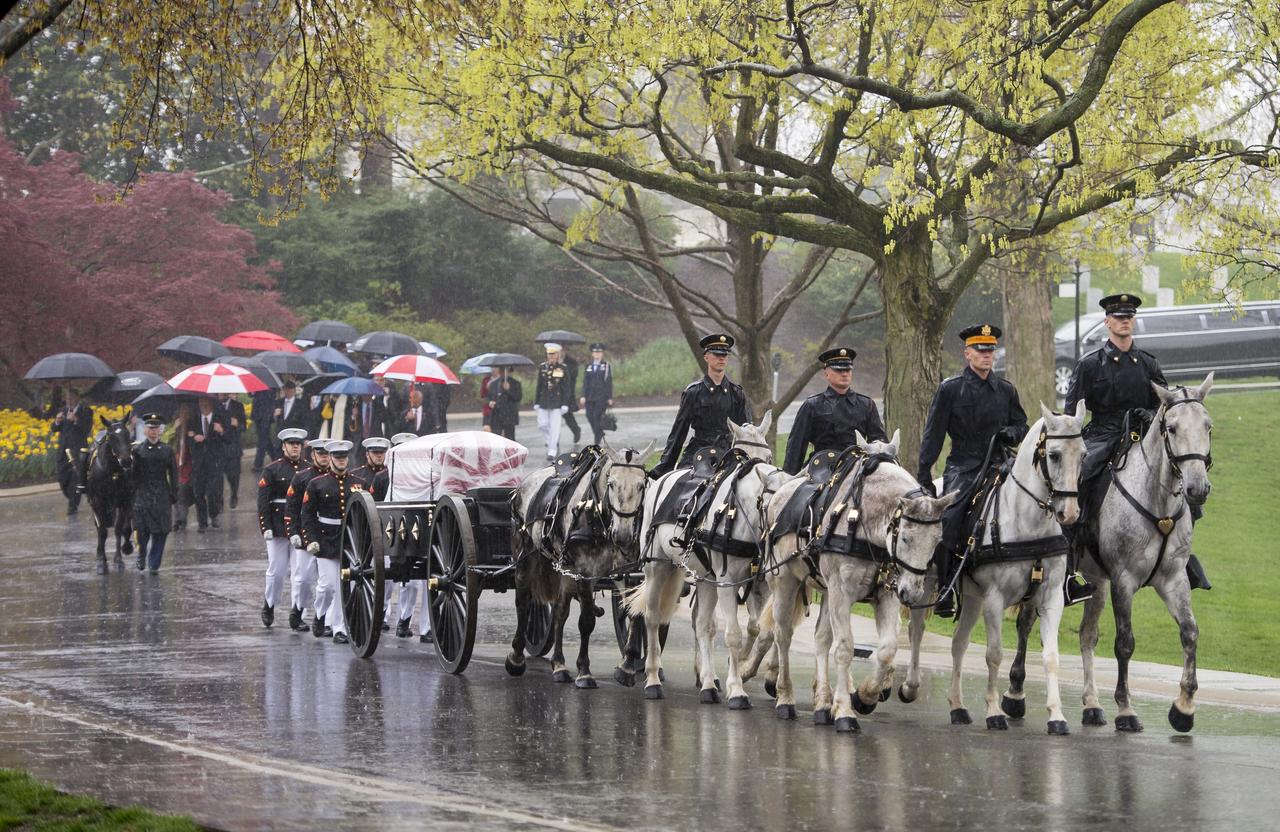
A horse drawn caisson carries former astronaut and U.S. Senator John Glenn to his final resting place during the interment ceremony at Arlington National Cemetery on Thursday, April 6, 2017 in Virginia. Glenn was the first American to orbit Earth on Feb. 20, 1962, in a five-hour flight aboard the Friendship 7 spacecraft. In 1998, he broke another record by returning to space at the age of 77 on the Space Shuttle Discovery. Photo Credit: (NASA/Aubrey Gemignani)
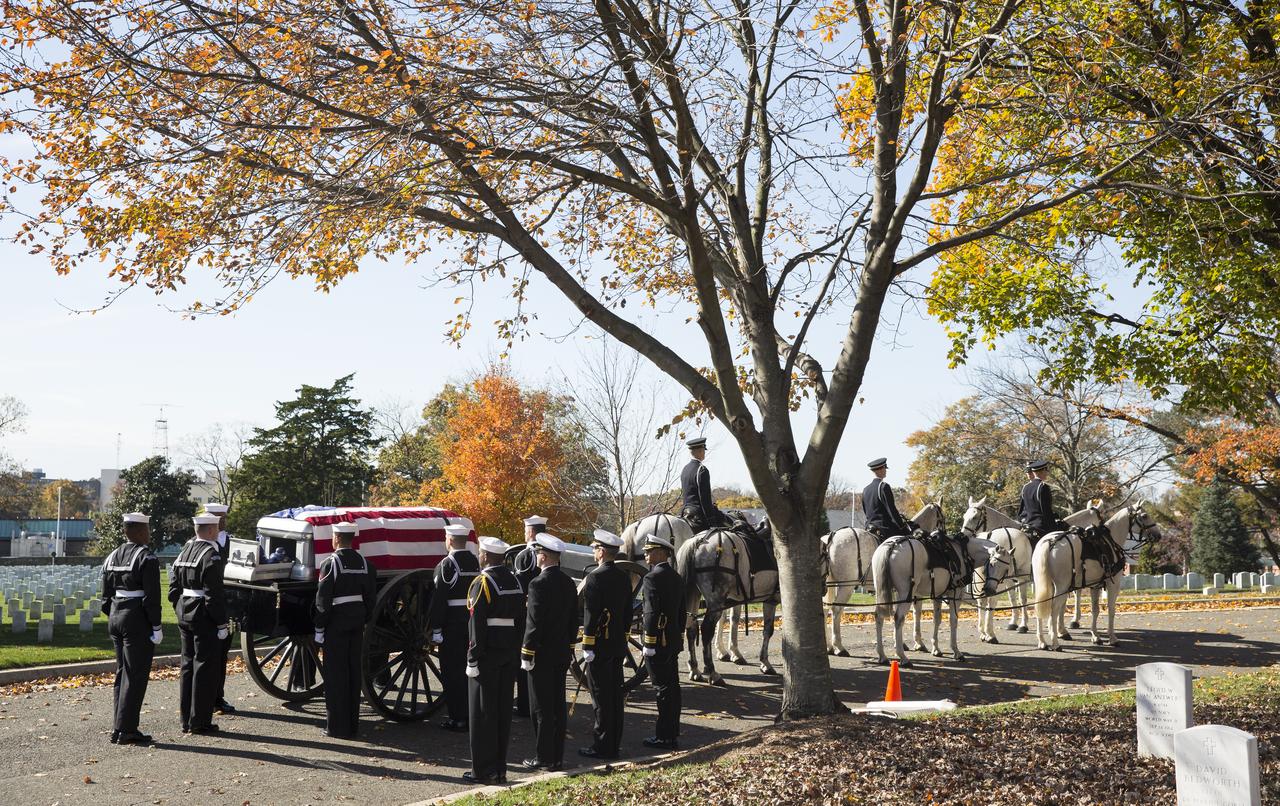
A horse drawn caisson carries former astronaut Alan Bean to his final resting place during an interment ceremony, Thursday, Nov. 8, 2018 at Arlington National Cemetery in Virginia. Selected as an astronaut in 1963, Bean flew in space twice, becoming the fourth human to walk on the Moon on Nov. 19, 1969 and spent 59 days in space as commander of the second Skylab mission in 1973. Photo Credit: (NASA/Joel Kowsky)
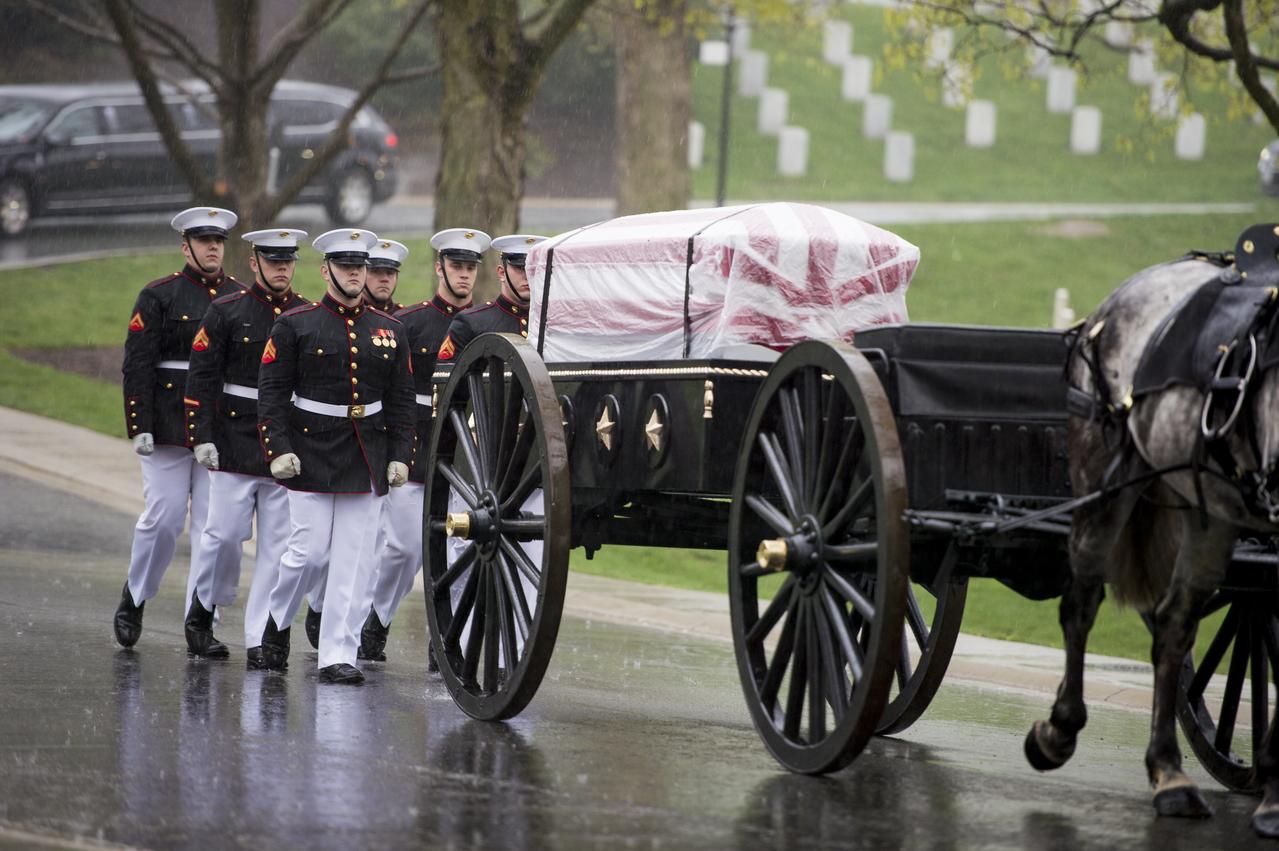
A horse drawn caisson carries former astronaut and U.S. Senator John Glenn to his final resting place during the interment ceremony at Arlington National Cemetery on Thursday, April 6, 2017 in Virginia. Glenn was the first American to orbit Earth on Feb. 20, 1962, in a five-hour flight aboard the Friendship 7 spacecraft. In 1998, he broke another record by returning to space at the age of 77 on the Space Shuttle Discovery. Photo Credit: (NASA/Aubrey Gemignani)
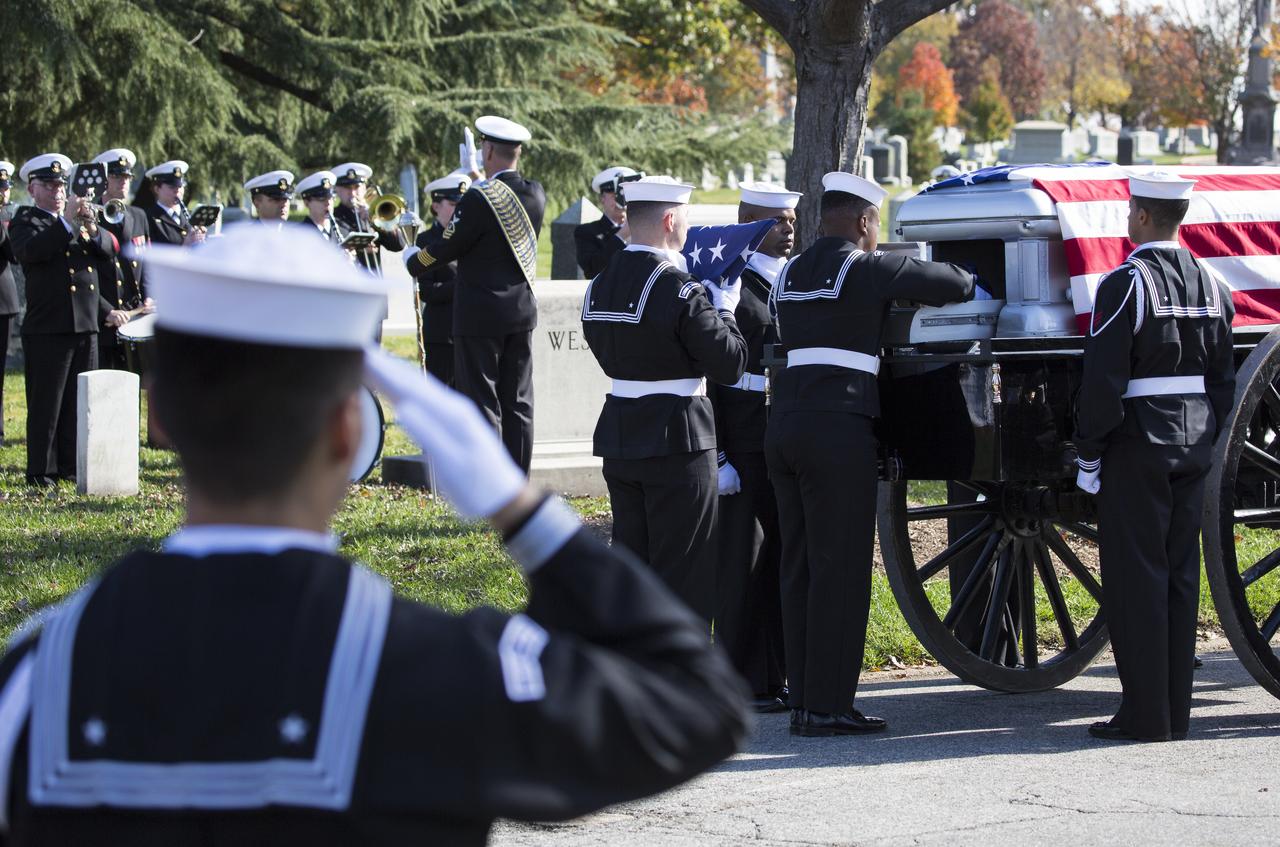
A U.S. Navy Honor Guard places the urn containing the ashes of former astronaut Alan Bean on the horse drawn caisson during interment services, Thursday, Nov. 8, 2018 at Arlington National Cemetery in Virginia. Selected as an astronaut in 1963, Bean flew in space twice, becoming the fourth human to walk on the Moon on Nov. 19, 1969 and spent 59 days in space as commander of the second Skylab mission in 1973. Photo Credit: (NASA/Joel Kowsky)
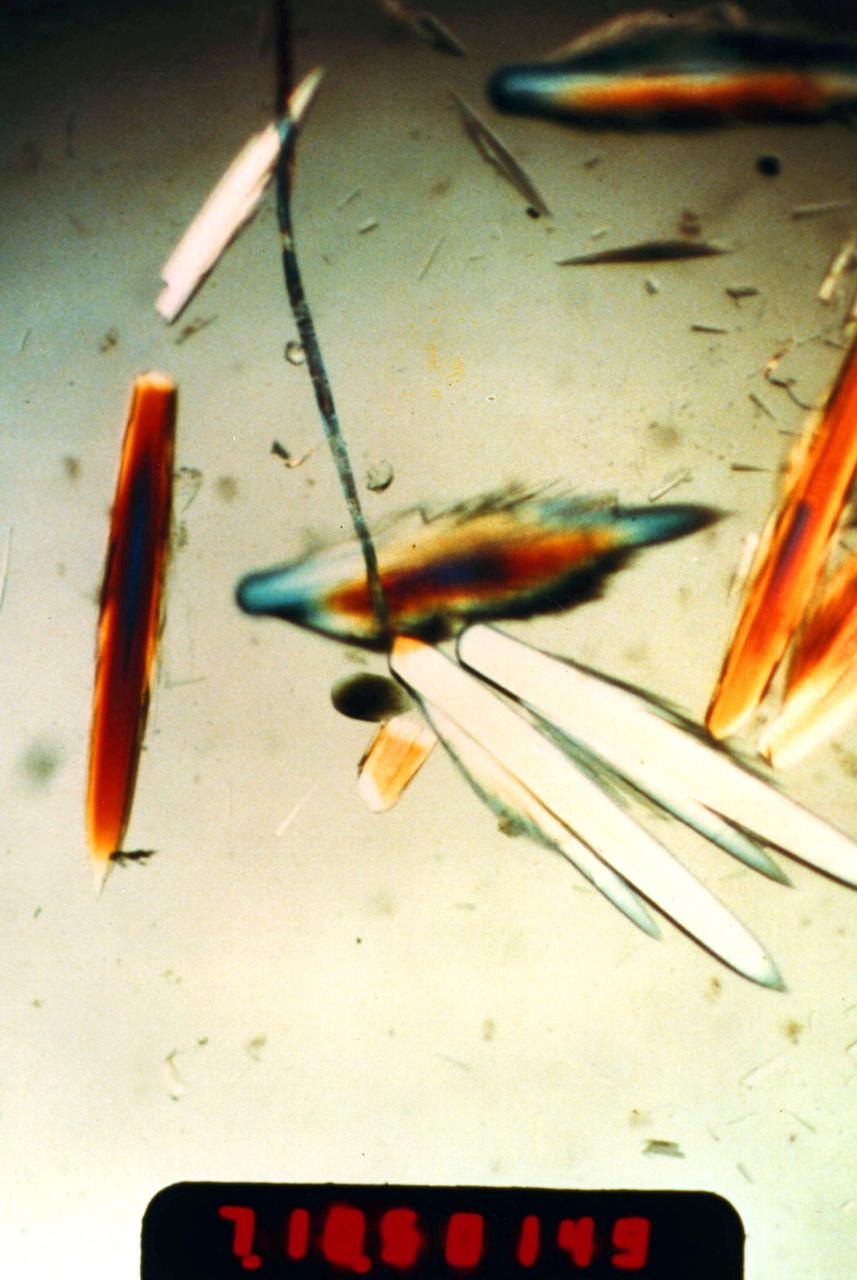
Horse Serum Albumin crystals grown during the USML-1 (STS-50) mission's Protein Crystal Growth Glovebox Experiment. These crystals were grown using a vapor diffusion technique at 22 degrees C. The crystals were allowed to grow for nine days while in orbit. Crystals of 1.0 mm in length were produced. The most abundant blood serum protein, regulates blood pressure and transports ions, metabolites, and therapeutic drugs. Principal Investigator was Edward Meehan.
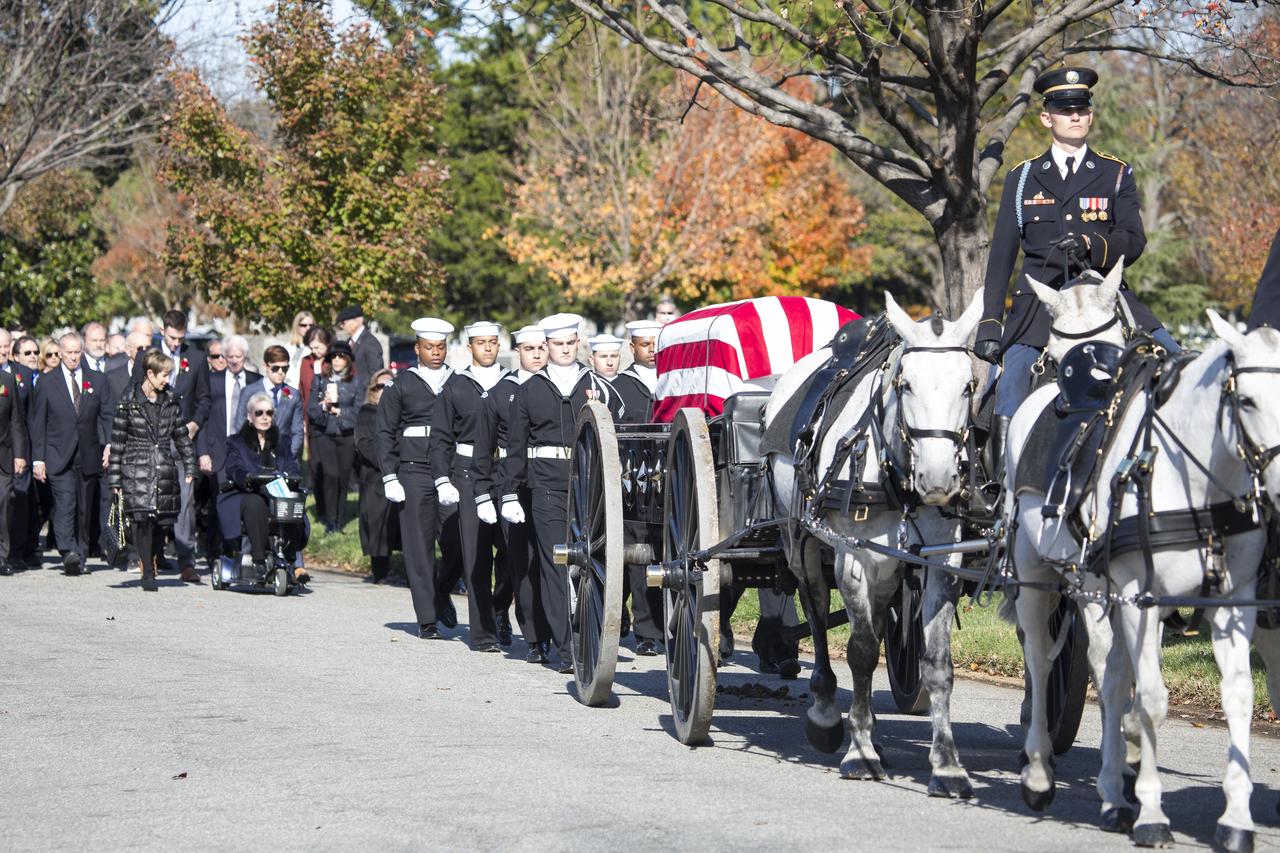
A horse drawn caisson carries former astronaut Alan Bean to his final resting place during an interment ceremony, Thursday, Nov. 8, 2018 at Arlington National Cemetery in Virginia. Selected as an astronaut in 1963, Bean flew in space twice, becoming the fourth human to walk on the Moon on Nov. 19, 1969 and spent 59 days in space as commander of the second Skylab mission in 1973. Photo Credit: (NASA/Joel Kowsky)
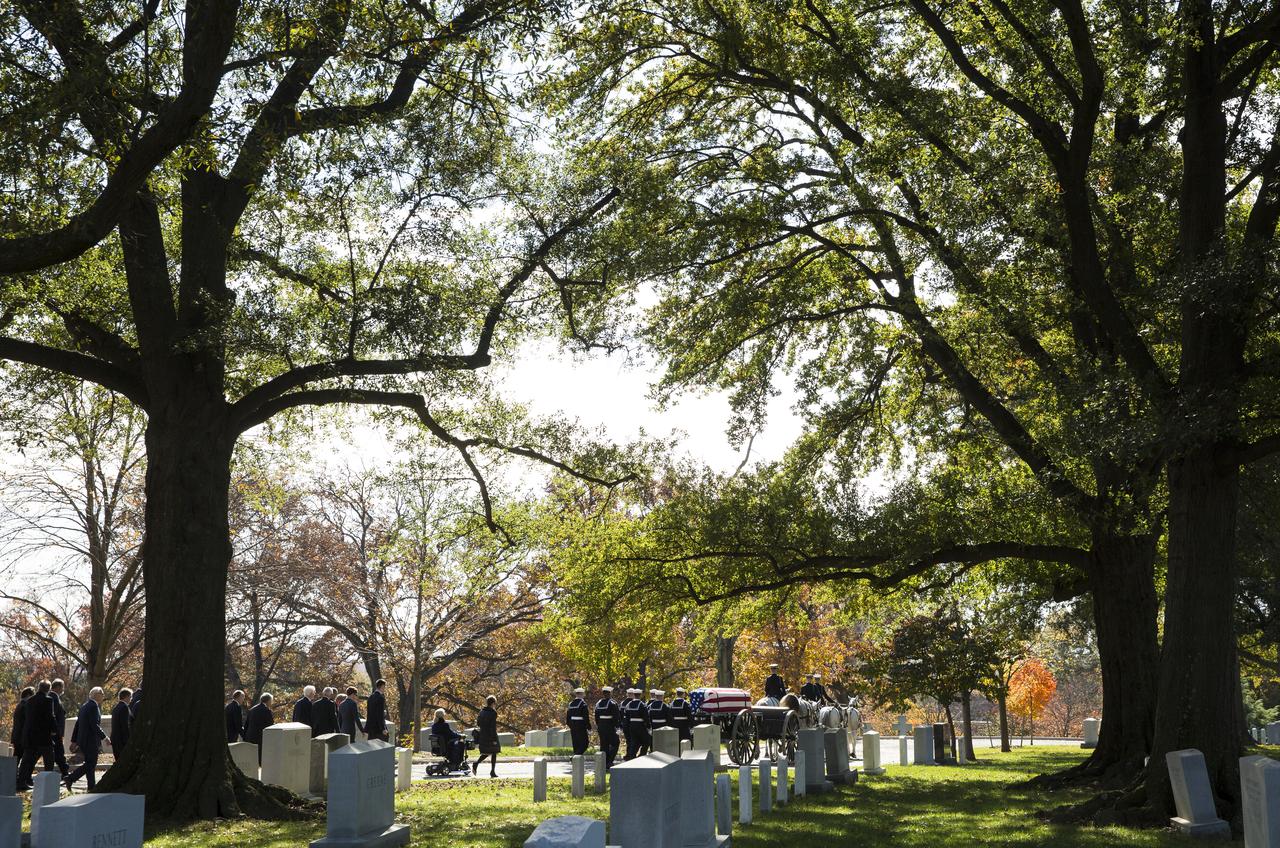
A horse drawn caisson carries former astronaut Alan Bean to his final resting place during an interment ceremony, Thursday, Nov. 8, 2018 at Arlington National Cemetery in Virginia. Selected as an astronaut in 1963, Bean flew in space twice, becoming the fourth human to walk on the Moon on Nov. 19, 1969 and spent 59 days in space as commander of the second Skylab mission in 1973. Photo Credit: (NASA/Joel Kowsky)
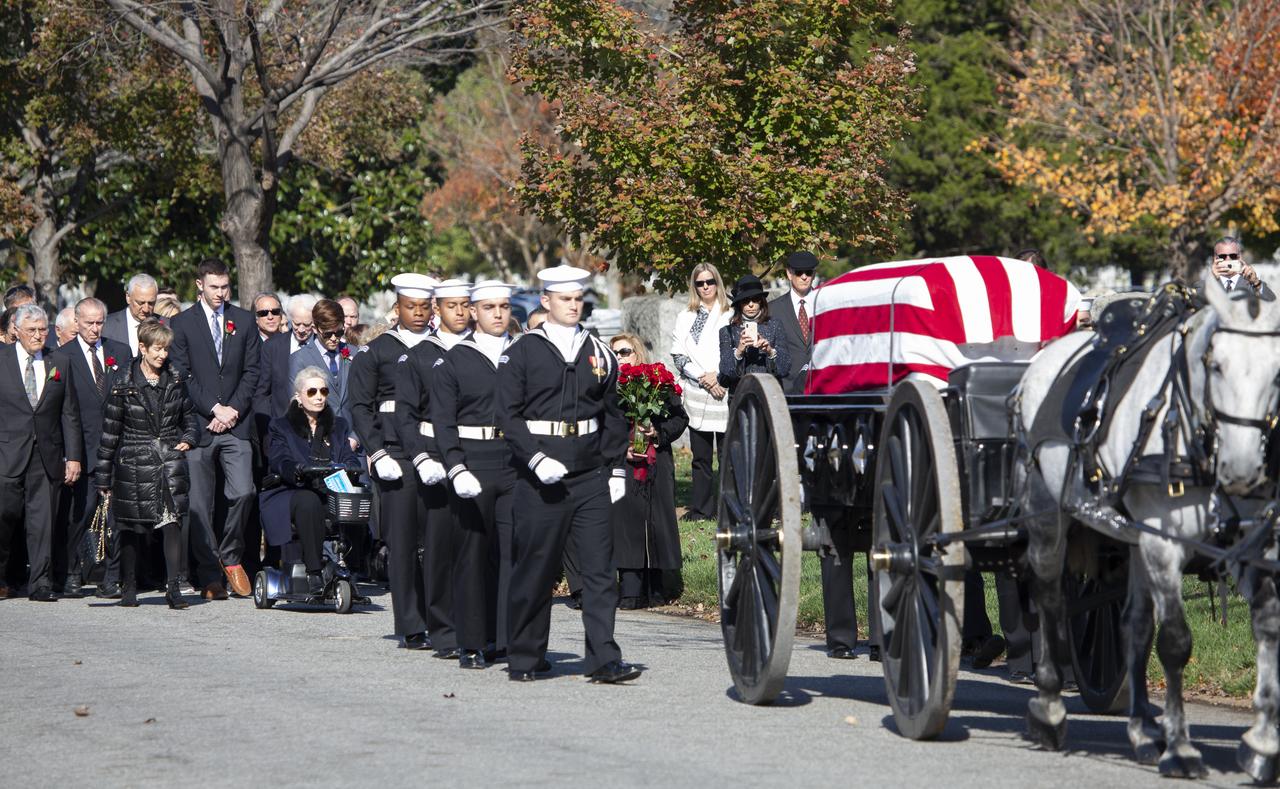
A horse drawn caisson carries former astronaut Alan Bean to his final resting place during an interment ceremony, Thursday, Nov. 8, 2018 at Arlington National Cemetery in Virginia. Selected as an astronaut in 1963, Bean flew in space twice, becoming the fourth human to walk on the Moon on Nov. 19, 1969 and spent 59 days in space as commander of the second Skylab mission in 1973. Photo Credit: (NASA/Joel Kowsky)
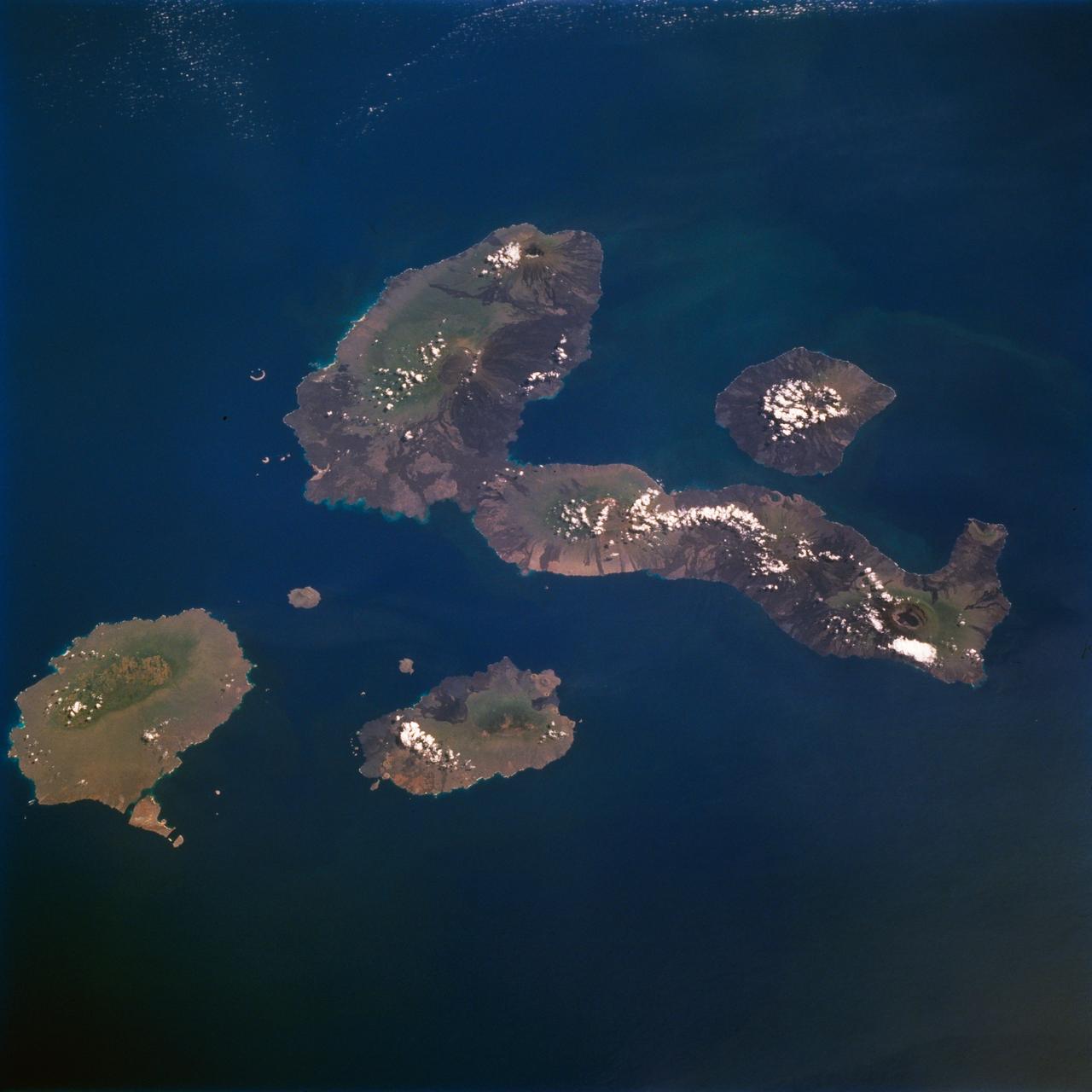
STS077-711-012 (19-29 May 1996) --- One of several volcanic-laden photo targets for the crew members was the grouping of the Galapagos Islands -composites of flat-topped volcanoes produced by a hot spot in the eastern Pacific. Dark lava flows drape the flanks of each volcano. This view centers on Isabella, the sea horse-shaped island. The most active volcano is the island of Fernandina, which sits just west (up) from the sea horse?s middle area. Fernandina erupted late last year, and Shuttle photography has documented the changes produced by eruptions over the past 10 years. Because the Galapagos Islands sit on the equator and near the junction of current systems in the eastern Pacific Ocean, and the volcano provides a sharp topographic barrier to the currents, many interesting oceanic phenomena occur and have been recorded in this region. Lighter colored water occurs just west of Isabella and Fernandina. The origin of the color difference is unknown, but could possibly be plankton blooms related to upwelling around the islands.

CAPE CANAVERAL, Fla. – Linnea Applegate, right, of Grace Equine Rescue and Therapy for Humans, or GERTH, organizes her booth during the National Employee Health and Fitness Day event in the Operations and Checkout Building's Mission Briefing Room. GERTH is a nonprofit organization in Cocoa, Fla., that brings horses, children and adults together in a safe, nurturing and healing environment to promote therapeutic healing. Other vendors shown in the background include Bridget Griffin of the YMCA of Titusville, center, and Sunseed Co-op’s Marcia Cooney, in pink. Photo credit: NASA/Daniel Casper
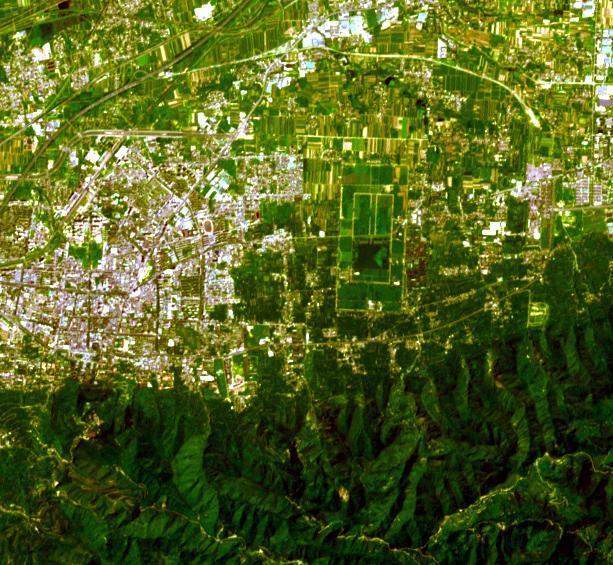
The terracotta army, was buried near the mausoleum of Qin Shi Huang, the first emperor of China, in about 220 BCE. The 8,000 figures, chariots and horses were discovered by farmers in 1974 outside of Xian. The unexcavated pyramidal tomb is about 300 by 300 m, and over 75 m high. The image was acquired July 25, 2023, covers an area of 8.5 by 9.2 km, and is located at 34.4 degrees north, 109.2 degrees east. Map (Figure 1) from: https://commons.wikimedia.org/w/index.php?curid=139439886 https://photojournal.jpl.nasa.gov/catalog/PIA26394
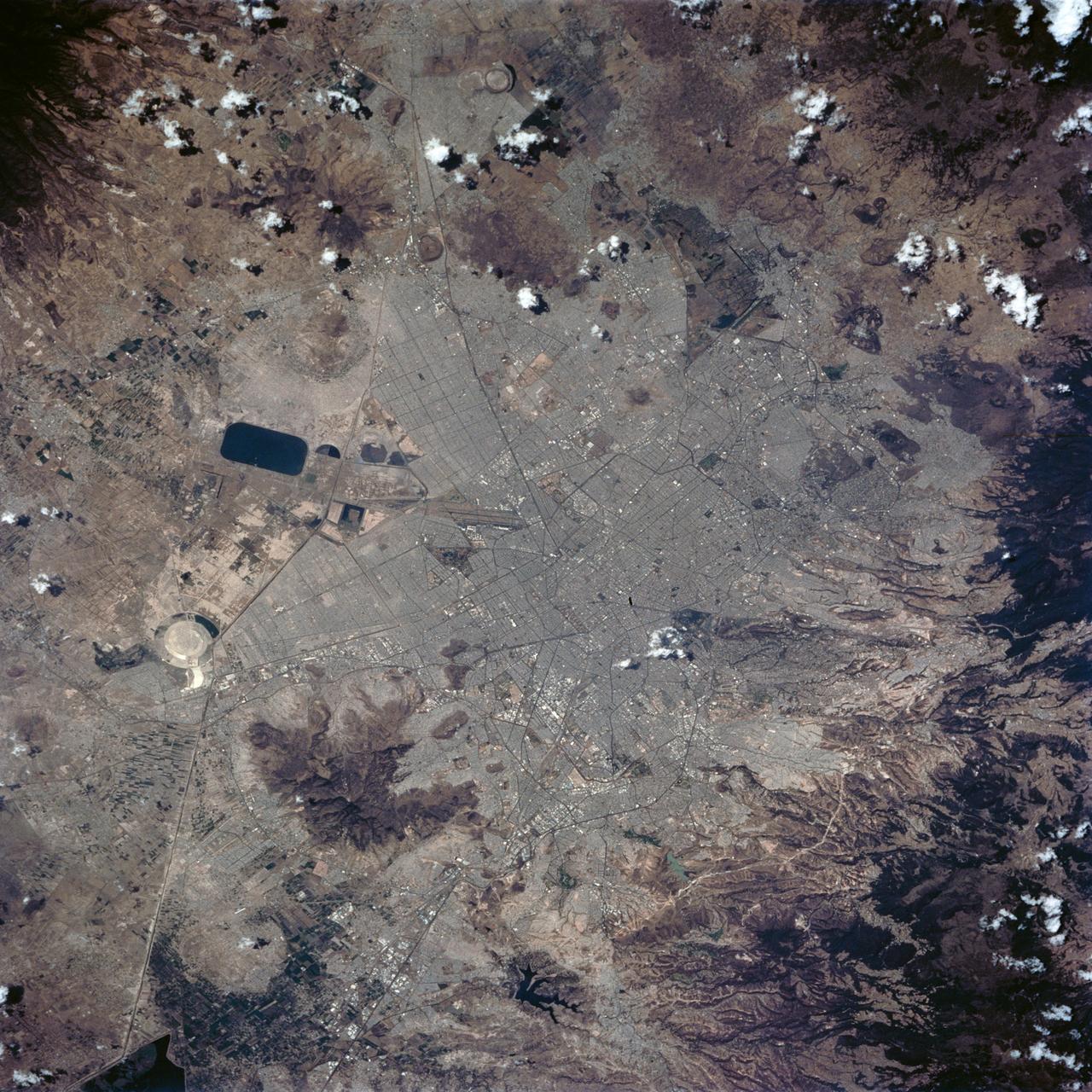
STS062-84-028 (4-18 March 1994) --- According to NASA scientists this image is the clearest photo of Mexico City taken from United States manned spacecraft. North is to the upper right. Mexico City sits in a basin surrounded by large volcanoes. The restricted atmospheric circulation in the basin, coupled with the inevitable air emissions produced by a city of 20 million people has created a critical air pollution problem for the city. In most photographs of the region, Mexico City is obscured by haze. Scientists feel the clear atmosphere in this photograph may be due, in part, to the stringent air emission restrictions now in place. The clarity of the photograph allows many key cultural features to be identified, including all of the major boulevards, the horse track (western part of the city), the university (south of the city), and the museum areas. Large, man-made ponds east of the city also stand out.
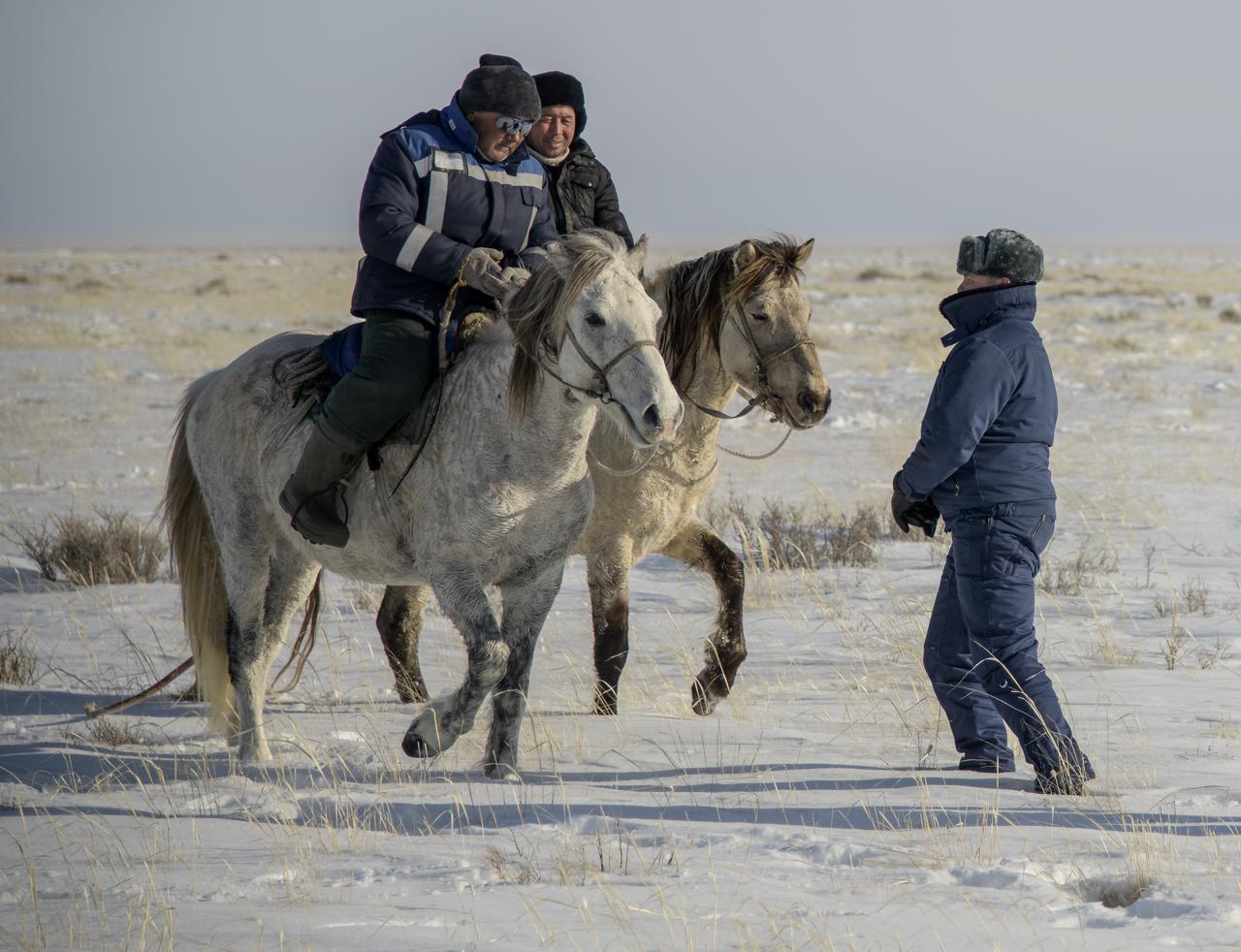
Two locals on horseback arrive at the Soyuz MS-13 spacecraft shortly after it landed in a remote area near the town of Zhezkazgan, Kazakhstan with Expedition 61 crew members Christina Koch of NASA, Alexander Skvortsov of the Russian space agency Roscosmos, and Luca Parmitano of ESA (European Space Agency) Thursday, Feb. 6, 2020. Koch returned to Earth after logging 328 days in space --- the longest spaceflight in history by a woman --- as a member of Expeditions 59-60-61 on the International Space Station. Skvortsov and Parmitano returned after 201 days in space where they served as Expedition 60-61 crew members onboard the station. Photo Credit: (NASA/Bill Ingalls)
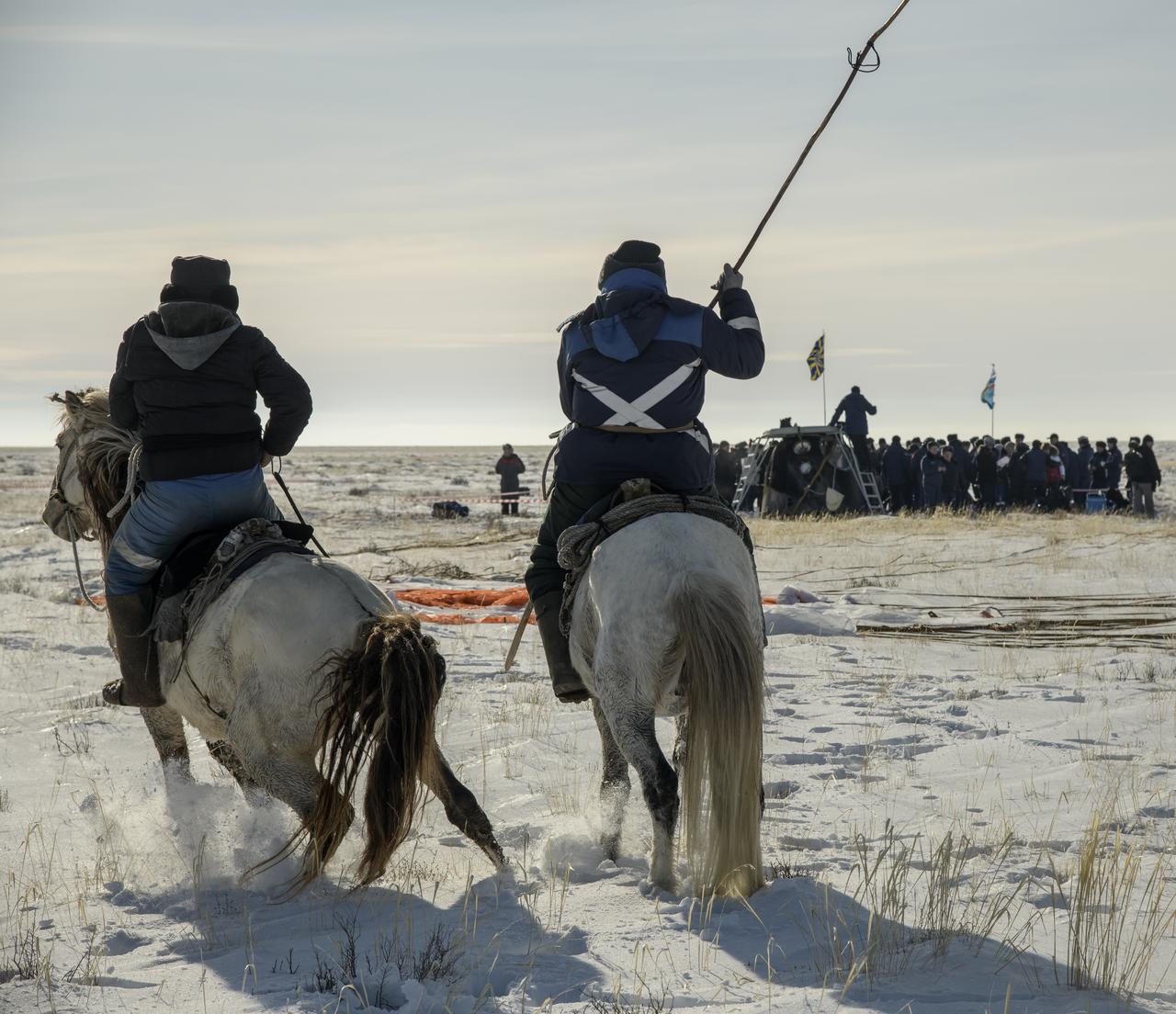
Two locals on horseback arrive at the Soyuz MS-13 spacecraft shortly after it landed in a remote area near the town of Zhezkazgan, Kazakhstan with Expedition 61 crew members Christina Koch of NASA, Alexander Skvortsov of the Russian space agency Roscosmos, and Luca Parmitano of ESA (European Space Agency) Thursday, Feb. 6, 2020. Koch returned to Earth after logging 328 days in space --- the longest spaceflight in history by a woman --- as a member of Expeditions 59-60-61 on the International Space Station. Skvortsov and Parmitano returned after 201 days in space where they served as Expedition 60-61 crew members onboard the station. Photo Credit: (NASA/Bill Ingalls)
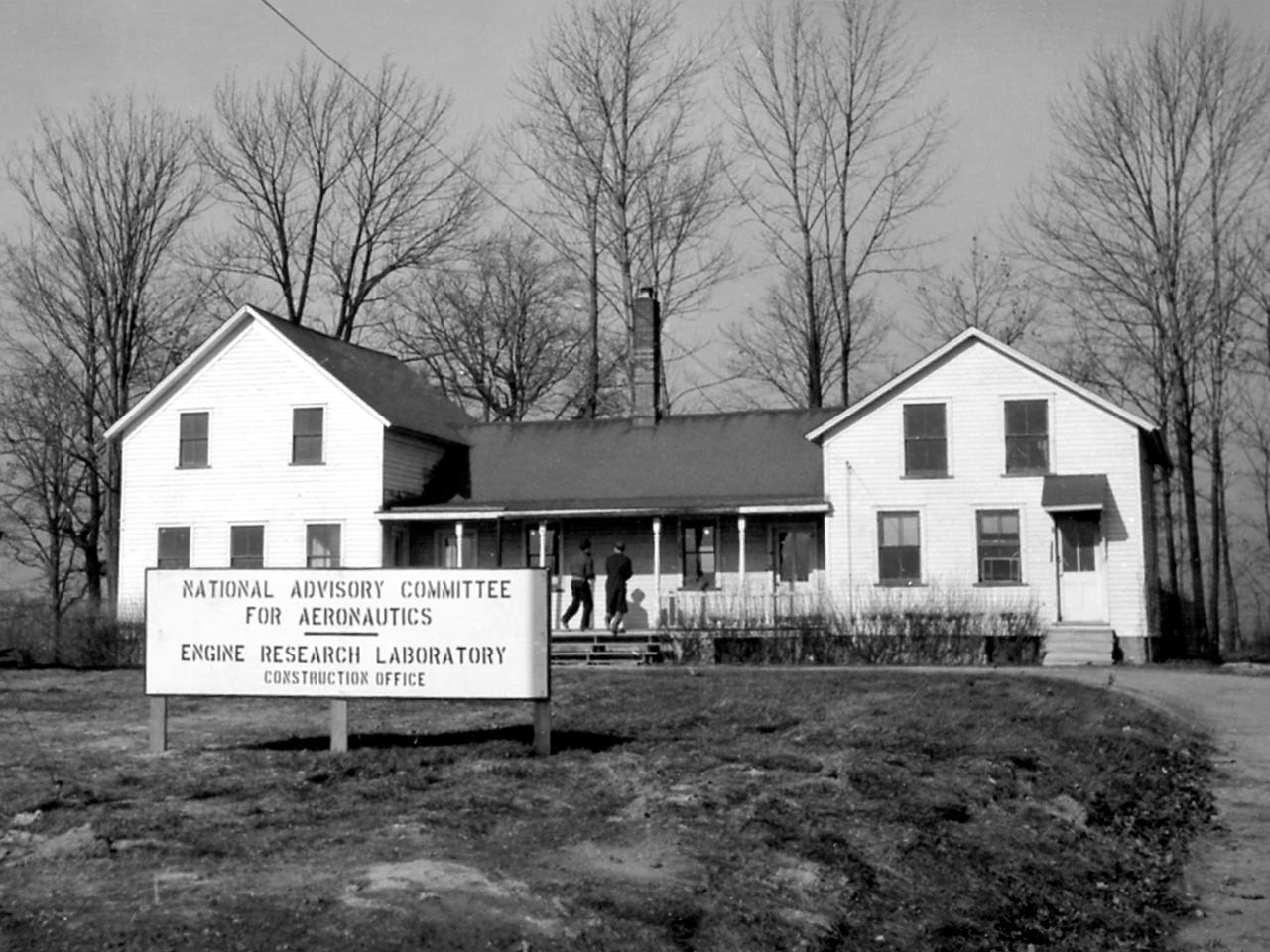
The construction offices for the National Advisory Committee for Aeronautics’ (NACA) new Aircraft Engine Research Laboratory were originally opened in a small Radio House on the adjacent airport property. By July 1941, the staff had expanded to the point that a new shelter was needed. The NACA took possession of what was thereafter referred to as the “Farm House.” It was the only residential structure at the site. The Farm House served as the NACA’s main office until the Administration Building was opened in December 1942. The Farm House was built in 1827 and purchased by J.B. Perkins in 1849. Perkins did not reside in the house but hired caretakers to maintain the house and property and raise horses. The disposition of the land in the years leading up to the NACA’s takeover is not clear. After World War II, NACA management did not want visitors’ first impression to be an old farm house. The building was significantly modified to improve its size, appearance, shape, and added many modern conveniences. In the early 1950s the entire structure was relocated to the lot directly behind the Administration Building. It contained personnel and administrative offices for the lab. The Farm House was eventually demolished in 1973 due to deterioration of the wooden structure.
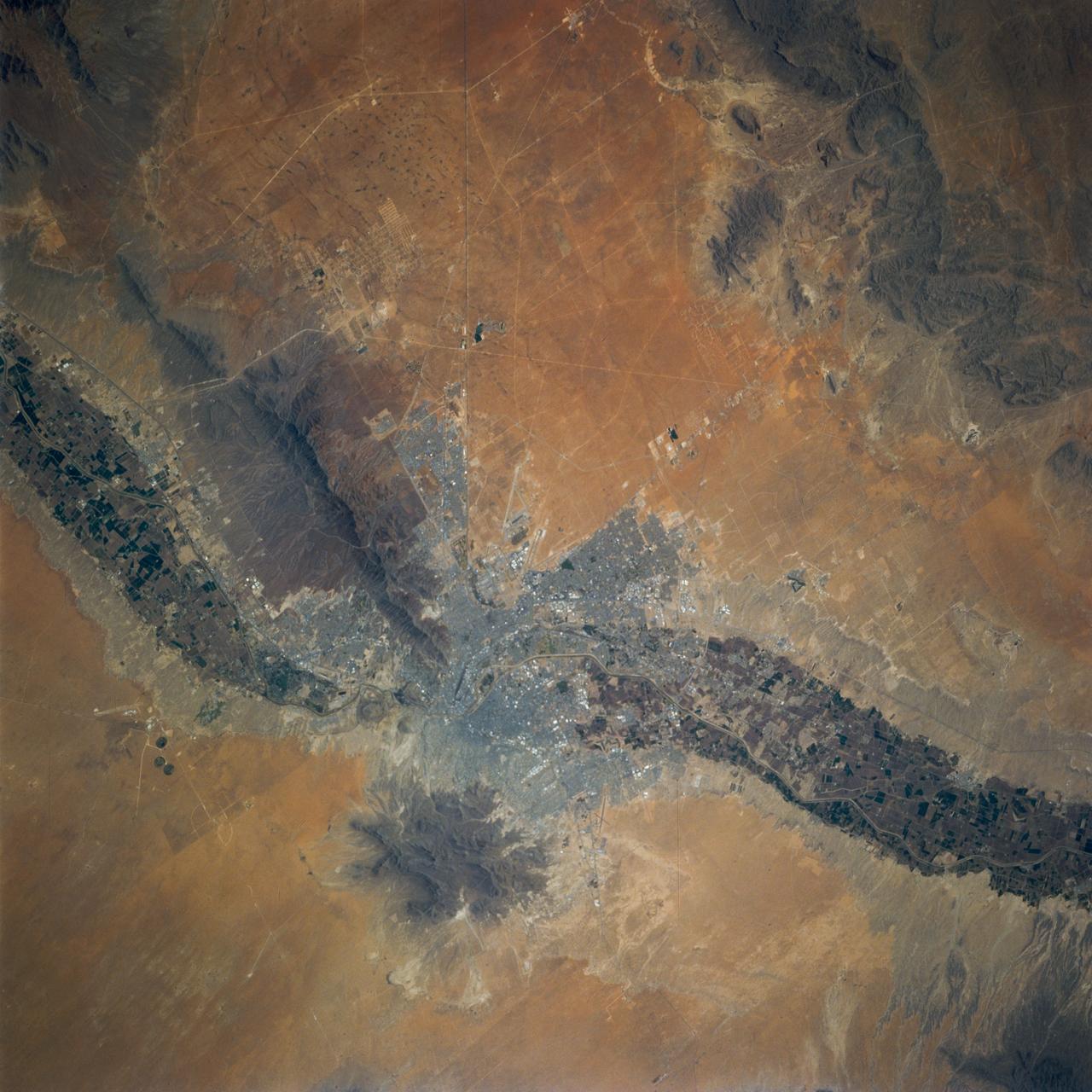
STS077-707-097 (19-29 May 1996) --- This 70mm photograph shows the contrasts between the Chihuahua Desert and the irrigated bottomlands of the Rio Grande. The twin cities of Juarez, Mexico, and El Paso, Texas, on opposite sides of the border are in the center of the frame. The area was first colonized in 1598 making it one of the oldest settlements of Europeans on the North American continent. The name of El Paso derives from the Spanish ?El Paso del Norte.? The City of El Paso became a United States city in 1873. The pass allows passage through the Rocky Mountains in this region. The extension of the Rockies to the northwest of El Paso is known as the Franklin Mountains. Juarez now has over a million people and El Paso has around 400,000. The economy is driven by the maquiladora industries. Fort Bliss on the United States side is a major employer also. Fort Bliss is the wedge shaped feature in El Paso. The post was first established in 1849 for protection from the Comanches and the last horse Calvary unit was disbanded in 1943.
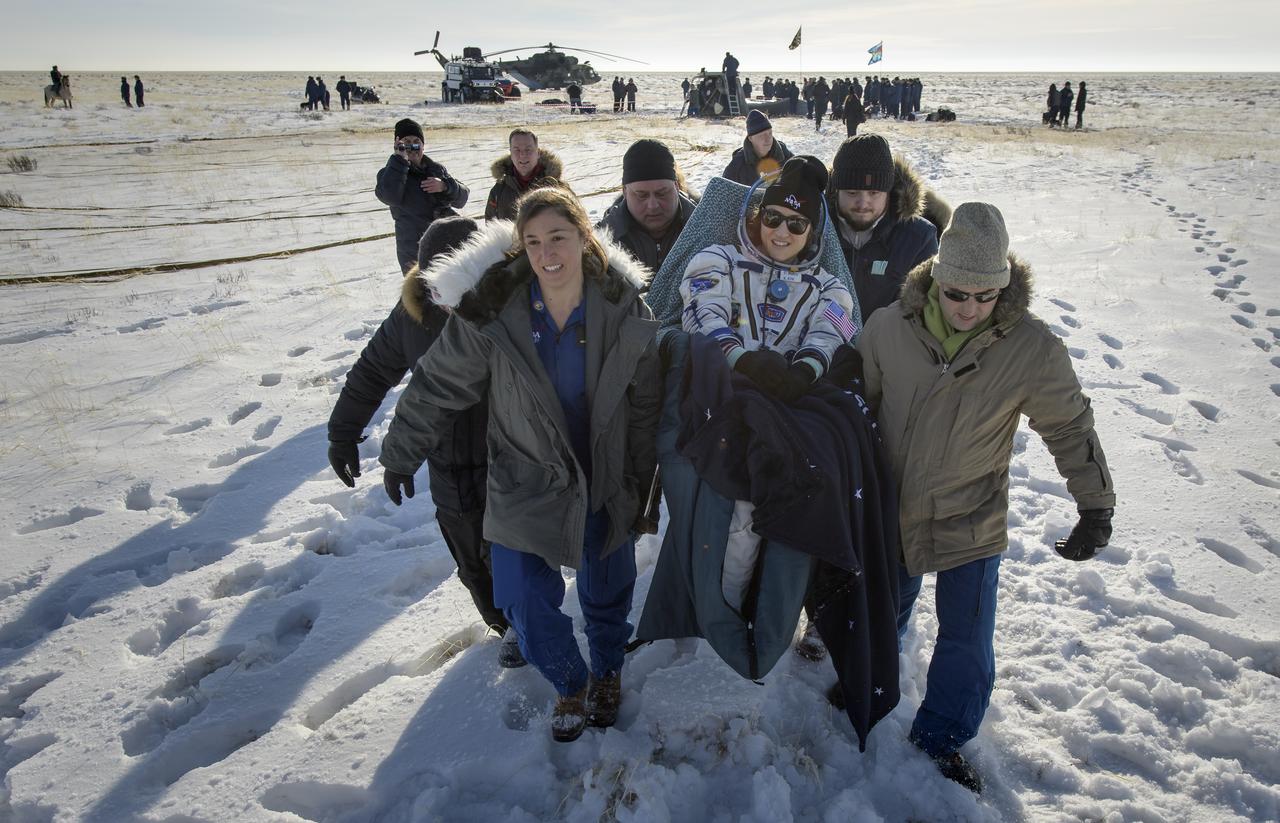
NASA astronaut Christina Koch is carried to a medical tent shortly after she, ESA astronaut Luca Parmitano, and Roscosmos cosmonaut Alexander Skvortsov landed in their Soyuz MS-13 spacecraft near the town of Zhezkazgan, Kazakhstan on Thursday, Feb. 6, 2020. Koch returned to Earth after logging 328 days in space --- the longest spaceflight in history by a woman --- as a member of Expeditions 59-60-61 on the International Space Station. Skvortsov and Parmitano returned after 201 days in space where they served as Expedition 60-61 crew members onboard the station. Photo Credit: (NASA/Bill Ingalls)

ISS033-E-022852 (18 Nov. 2012) --- This view, photographed by an Expedition 33 crew member on the International Space Station, highlights the 24-kilometer wide Aso caldera on the Japanese Island of Kyushu, formed during four explosive eruptions that took place from 300,000 to 90,000 years ago, according to scientists. These major eruptions produced pyroclastic flows and airfall tephra that covered much of Kyushu. As the eruptions emptied the magma chambers beneath the ancient volcanoes, they collapsed ? forming the caldera. Shadows highlight the caldera rim at left, while green vegetation covers slopes between the rim and caldera floor at right. Volcanic activity continued in the caldera following its formation, represented by 17 younger volcanoes including Naka-dake at center. Naka-dake is one of Japan?s most active volcanoes, with ash plumes produced from the summit crater as recently as June 2011. Another prominent crater, Kusasenri, is visible to the west of Naka-dake. This crater is the site of the Aso Volcano Museum as well as pasture for cows and horses. The Aso caldera floor is largely occupied by urban and agricultural land uses that present a gray to white speckled appearance in the image. Fields and cities surround the younger volcanic structures in the caldera center to the north, west, and south. Tan to yellow-brown regions along the crater rim, and along the lower slopes of the younger volcanic highlands in the central caldera, are lacking the dense tree cover indicated by greener areas in the image.
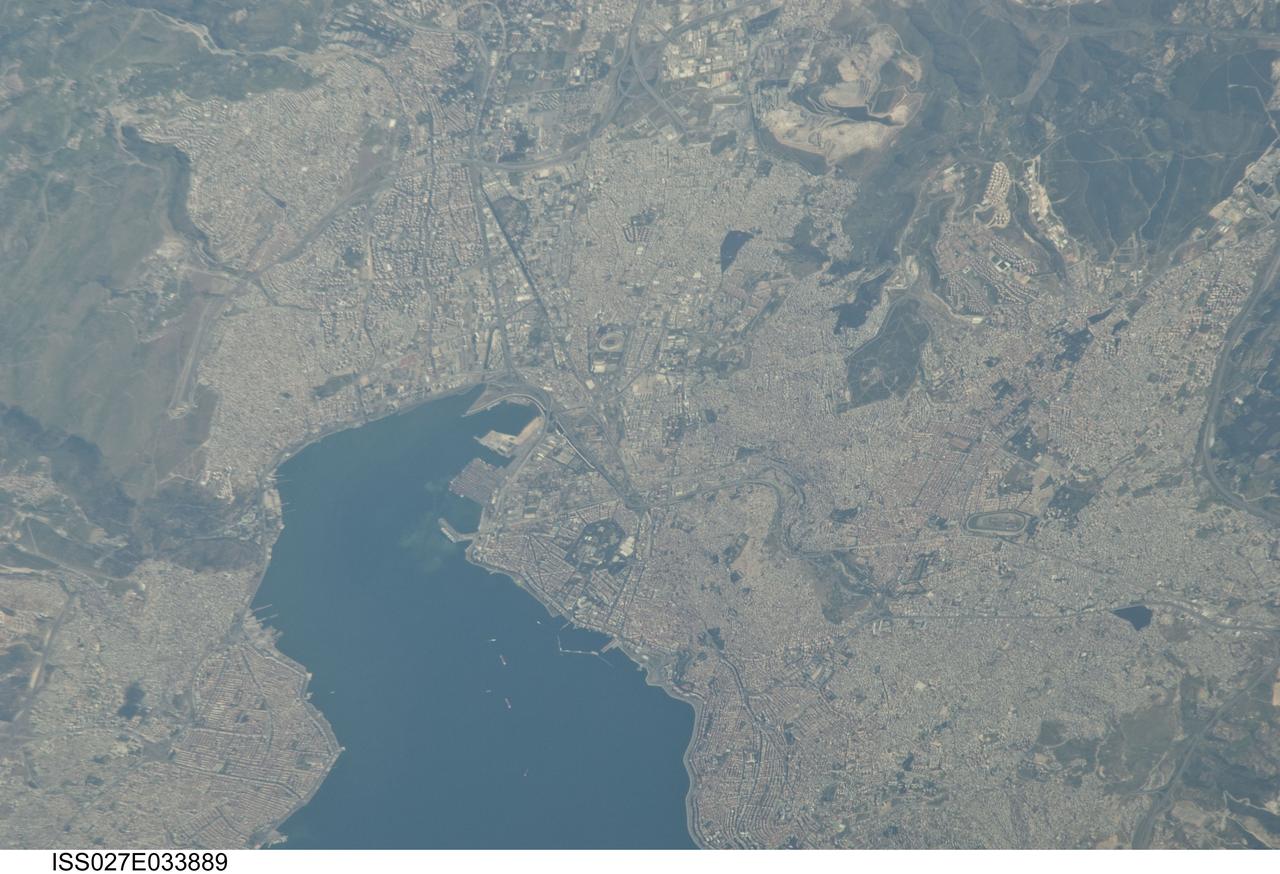
ISS027-E-033889 (16 May 2011) --- Izmir Metropolitan Area, Izmir Province in Turkey is featured in this image photographed by an Expedition 27 crew member on the International Space Station. The metropolis of Izmir is located in the western Anatolia region of Turkey. It is the country’s third largest city in terms of population and the second largest port city (after Istanbul). The Izmir region has included urban areas for almost 3,500 years, and the ancient core of the metropolitan area was originally known as Smyrna. Due to its location on the Gulf of Izmir (lower left) with access to the Aegean Sea, Izmir (or Smyrna) has been an important Mediterranean Sea port for most of its history. This detailed photograph highlights the modern urban landscape of the Izmir metropolitan area. Today, the metropolitan area includes eleven districts, many of which were independent neighborhoods prior to agglomeration into “greater Izmir”. Densely built-up residential and commercial districts, characterized by gray to reddish gray rooftops occupy much of the central part of the image. Larger structures with bright white rooftops are indicative of commercial/industrial areas near the Izmir Port at left. Two large sport complexes, the Ataturk Stadium and Sirinyer Hippodrome (horse racing track) are clearly visible at upper left and right respectively. Numerous vegetated parks (green) are located throughout the area. In addition to being a major trade center, greater Izmir is a hub for regional tourism.
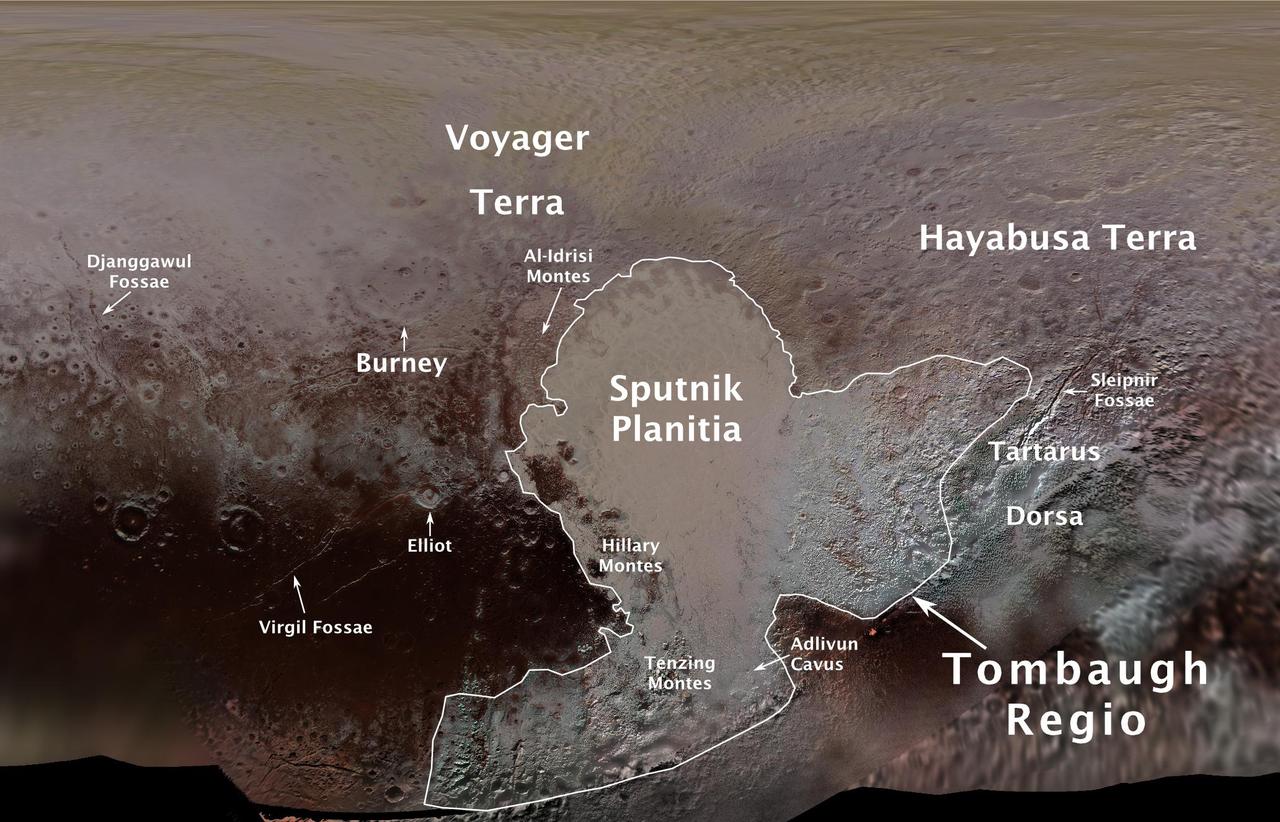
The International Astronomical Union (IAU), the internationally recognized authority for naming celestial bodies and their surface features, approved names of 14 surface features on Pluto in August 2017. The names were proposed by NASA's New Horizons team following the first reconnaissance of Pluto and its moons by the New Horizons spacecraft in 2015. The names, listed below, pay homage to the underworld mythology, pioneering space missions, historic pioneers who crossed new horizons in exploration, and scientists and engineers associated with Pluto and the Kuiper Belt. Tombaugh Regio honors Clyde Tombaugh (1906-1997), the U.S. astronomer who discovered Pluto in 1930 from Lowell Observatory in Arizona. Burney crater honors Venetia Burney (1918-2009), who as an 11-year-old schoolgirl suggested the name "Pluto" for Clyde Tombaugh's newly discovered planet. Later in life she taught mathematics and economics. Sputnik Planitia is a large plain named for Sputnik 1, the first space satellite, launched by the Soviet Union in 1957. Tenzing Montes and Hillary Montes are mountain ranges honoring Tenzing Norgay (1914-1986) and Sir Edmund Hillary (1919-2008), the Indian/Nepali Sherpa and New Zealand mountaineer were the first to reach the summit of Mount Everest and return safely. Al-Idrisi Montes honors Ash-Sharif al-Idrisi (1100-1165/66), a noted Arab mapmaker and geographer whose landmark work of medieval geography is sometimes translated as "The Pleasure of Him Who Longs to Cross the Horizons.†Djanggawul Fossae defines a network of long, narrow depressions named for the Djanggawuls, three ancestral beings in indigenous Australian mythology who traveled between the island of the dead and Australia, creating the landscape and filling it with vegetation. Sleipnir Fossa is named for the powerful, eight-legged horse of Norse mythology that carried the god Odin into the underworld. Virgil Fossae honors Virgil, one of the greatest Roman poets and Dante's fictional guide through hell and purgatory in the Divine Comedy. Adlivun Cavus is a deep depression named for Adlivun, the underworld in Inuit mythology. Hayabusa Terra is a large land mass saluting the Japanese spacecraft and mission (2003-2010) that performed the first asteroid sample return. Voyager Terra honors the pair of NASA spacecraft, launched in 1977, that performed the first "grand tour" of all four giant planets. The Voyager spacecraft are now probing the boundary between the Sun and interstellar space. Tartarus Dorsa is a ridge named for Tartarus, the deepest, darkest pit of the underworld in Greek mythology. Elliot crater recognizes James Elliot (1943-2011), an MIT researcher who pioneered the use of stellar occultations to study the solar system -- leading to discoveries such as the rings of Uranus and the first detection of Pluto's thin atmosphere. https://photojournal.jpl.nasa.gov/catalog/PIA21944

SrA Rodriguez (riding MWH Patton), left, and SrA Horn (riding MWH Trooper), members of the 30th Security Forces Squadron, Conservation Law Enforcement Section, pose for photographs by the United Launch Alliance (ULA) Atlas V rocket with the Landsat 9 satellite onboard, Sunday, Sept. 26, 2021, at Vandenberg Space Force Base in California. The Landsat 9 satellite, a joint NASA/U.S. Geological Survey mission that will continue the legacy of monitoring Earth’s land and coastal regions, is scheduled for liftoff Monday, Sept. 27. Photo Credit: (NASA/Bill Ingalls)