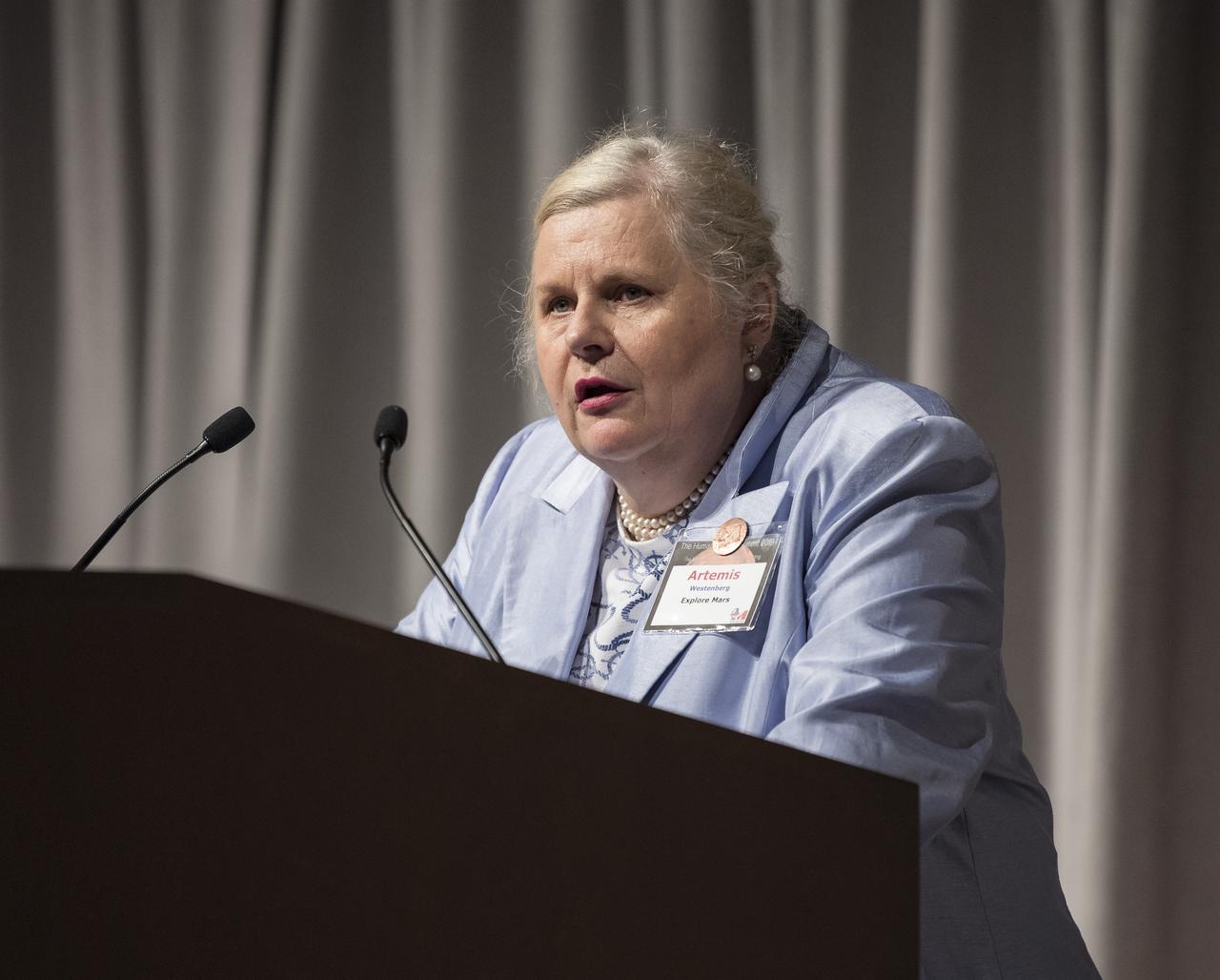
Explore Mars President and Co-Founder, Artemis Westenberg, introduces NASA Administrator Jim Bridenstine at the Humans to Mars Summit, Tuesday, May 14, 2019, at the National Academy of Sciences in Washington. Photo credit: (NASA/Aubrey Gemignani)
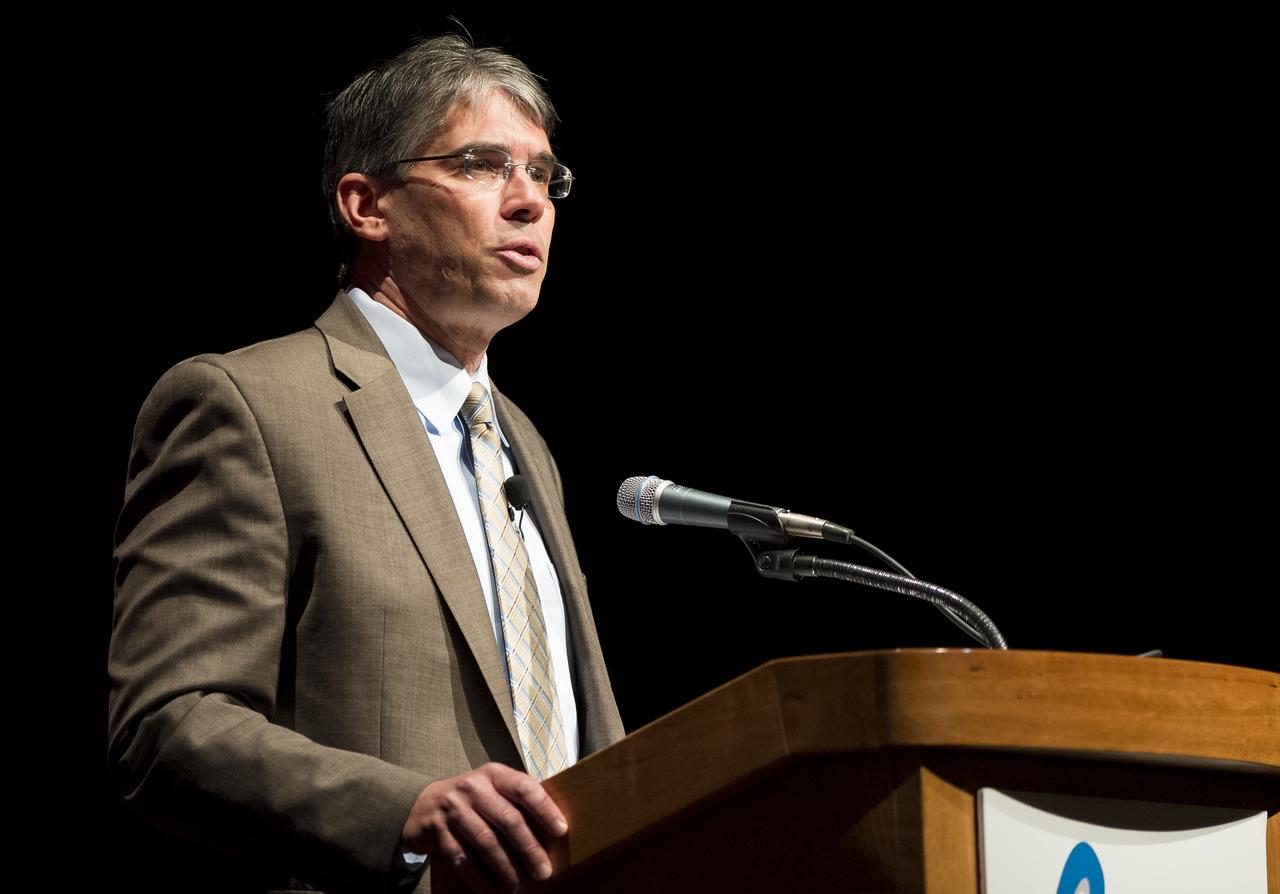
Michael Gazarik, NASA Associate Administrator for Space Technology gives a short presentation on NASA's human exploration path to Mars during a panel discussion moderated by PBS NewsHour's Miles O'Brien at the Humans to Mars Summit on April 22, 2014 at George Washington University in Washington, DC. Photo Credit: (NASA/Joel Kowsky)
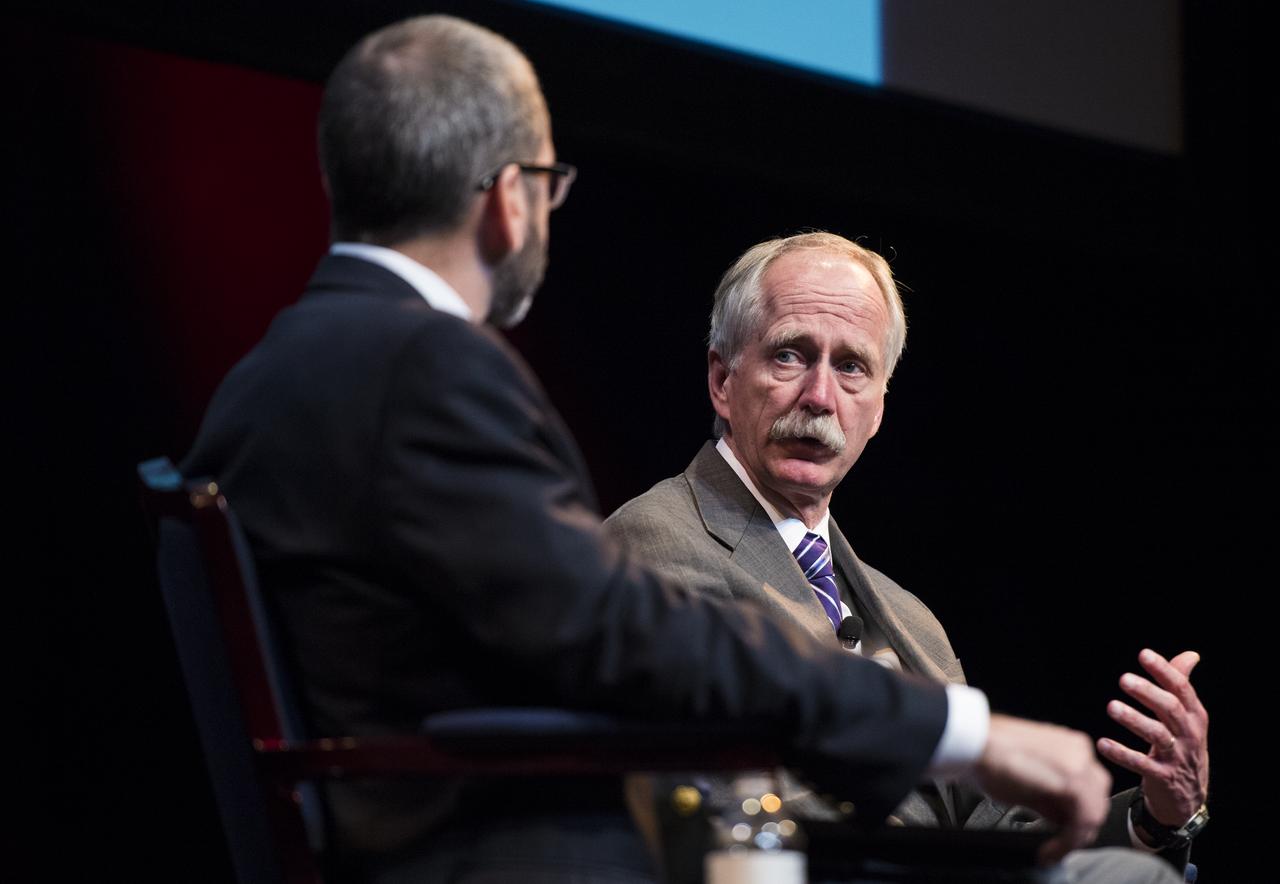
William Gerstenmaier, NASA Associatate Administrator for Human Exploration and Operations, right, answers a question during a panel discussion moderated by PBS NewsHour's Miles O'Brien at the Humans to Mars Summit on April 22, 2014 at George Washington University in Washington, DC. Photo Credit: (NASA/Joel Kowsky)
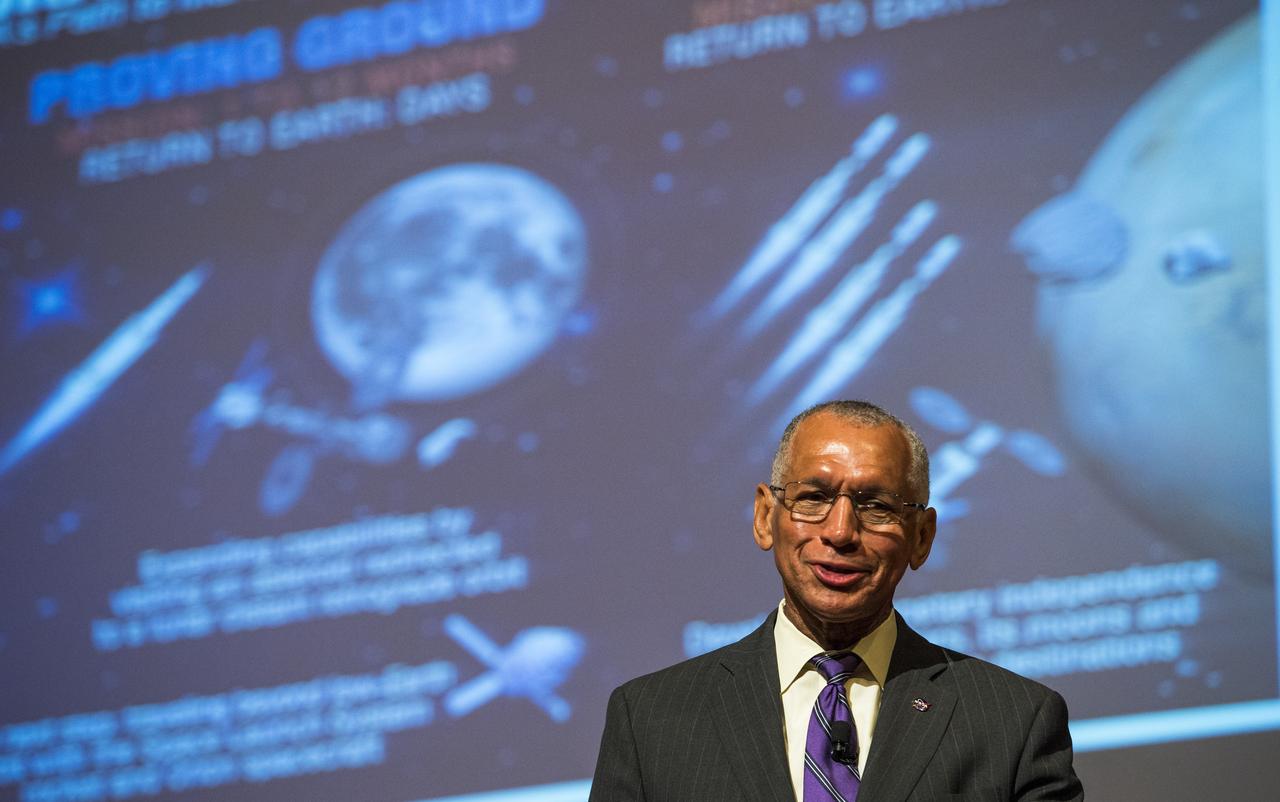
NASA Administrator Charles Bolden answers questions from the audience after giving the opening keynote address at the Humans to Mars Summit on April 22, 2014 at George Washington University in Washington, DC. Administrator Bolden spoke of NASA's path to the human exploration of Mars during his remarks. Photo Credit: (NASA/Joel Kowsky)
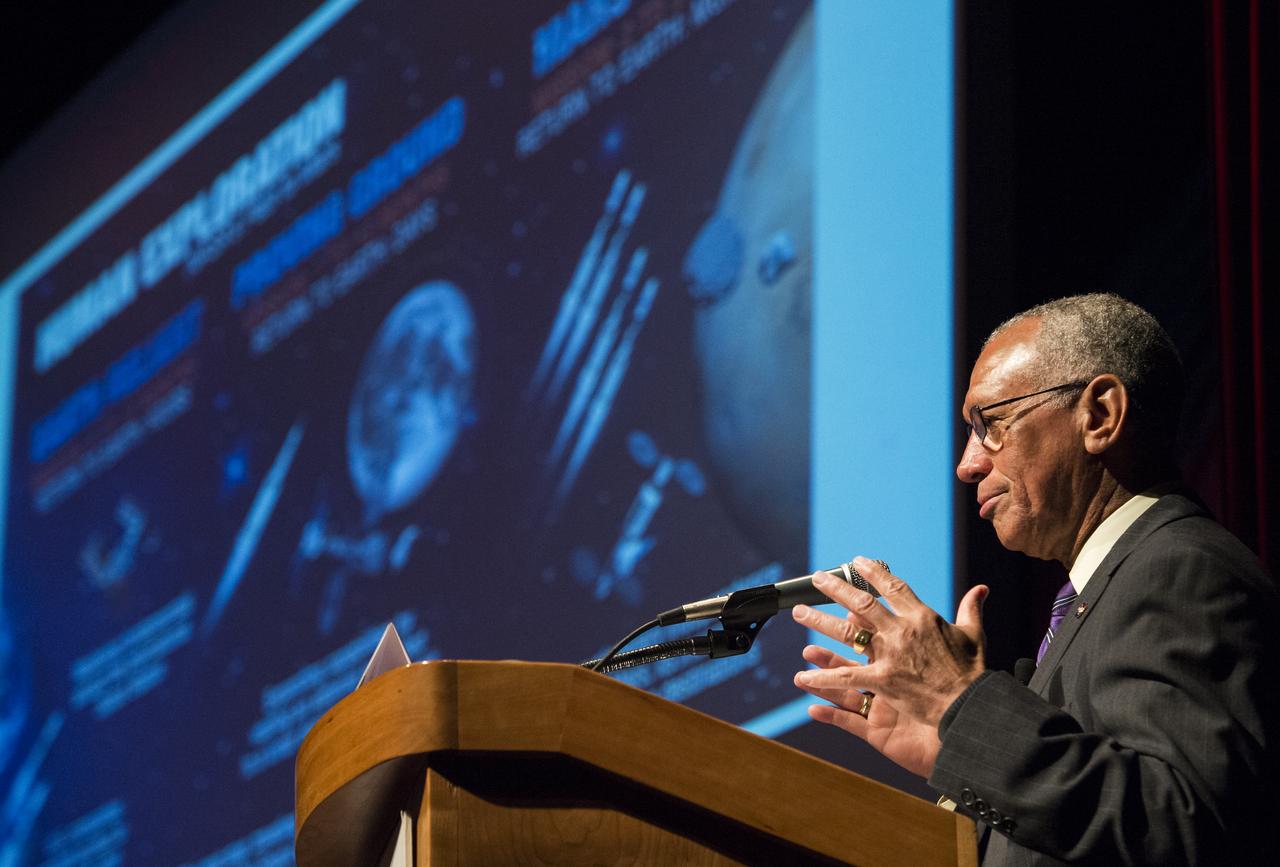
NASA Administrator Charles Bolden delivers the opening keynote address at the Humans to Mars Summit on April 22, 2014 at George Washington University in Washington, DC. Administrator Bolden spoke of NASA's path to the human exploration of Mars during his remarks. Photo Credit: (NASA/Joel Kowsky)
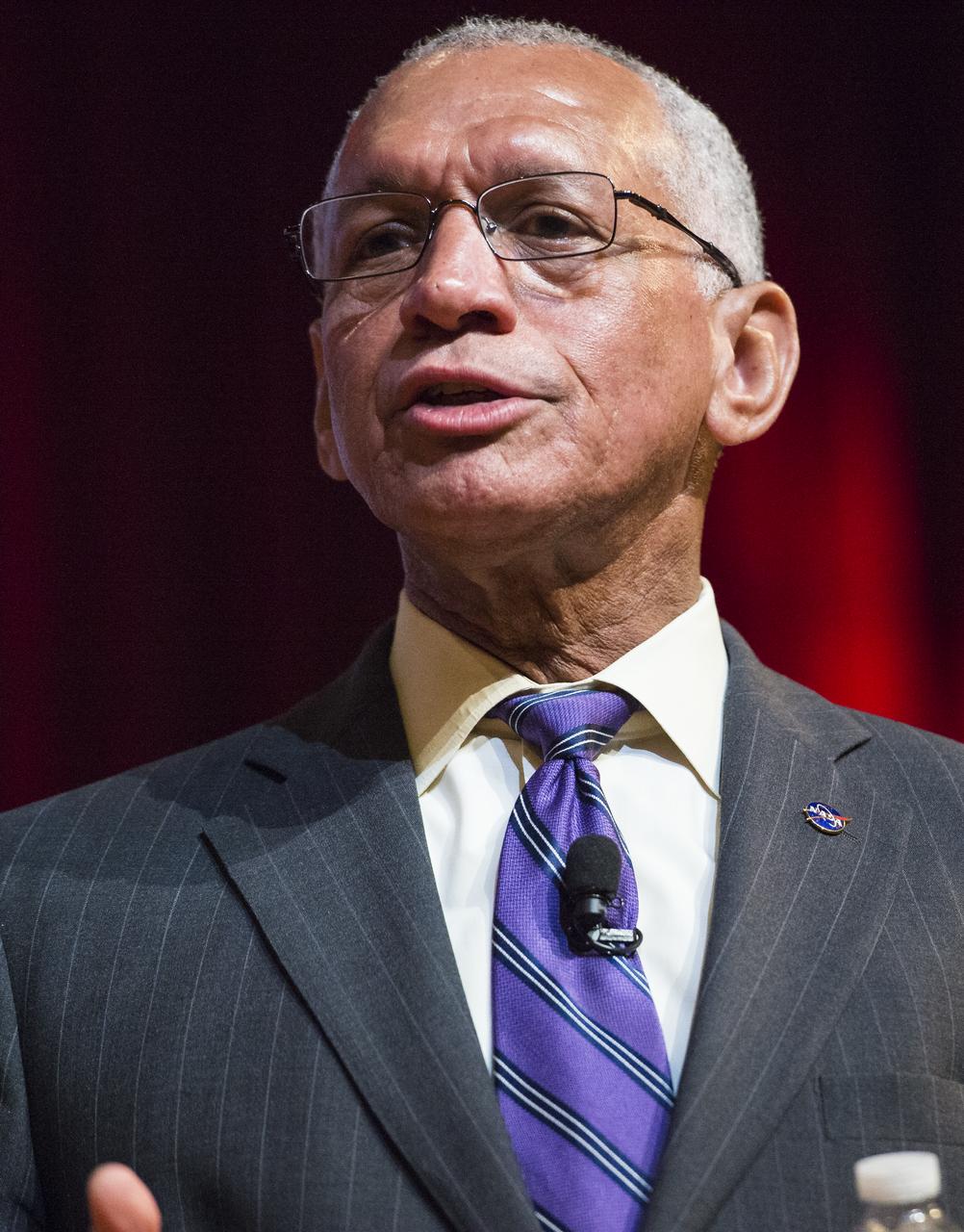
NASA Administrator Charles Bolden answers questions from the audience after giving the opening keynote address at the Humans to Mars Summit on April 22, 2014 at George Washington University in Washington, DC. Administrator Bolden spoke of NASA's path to the human exploration of Mars during his remarks. Photo Credit: (NASA/Joel Kowsky)
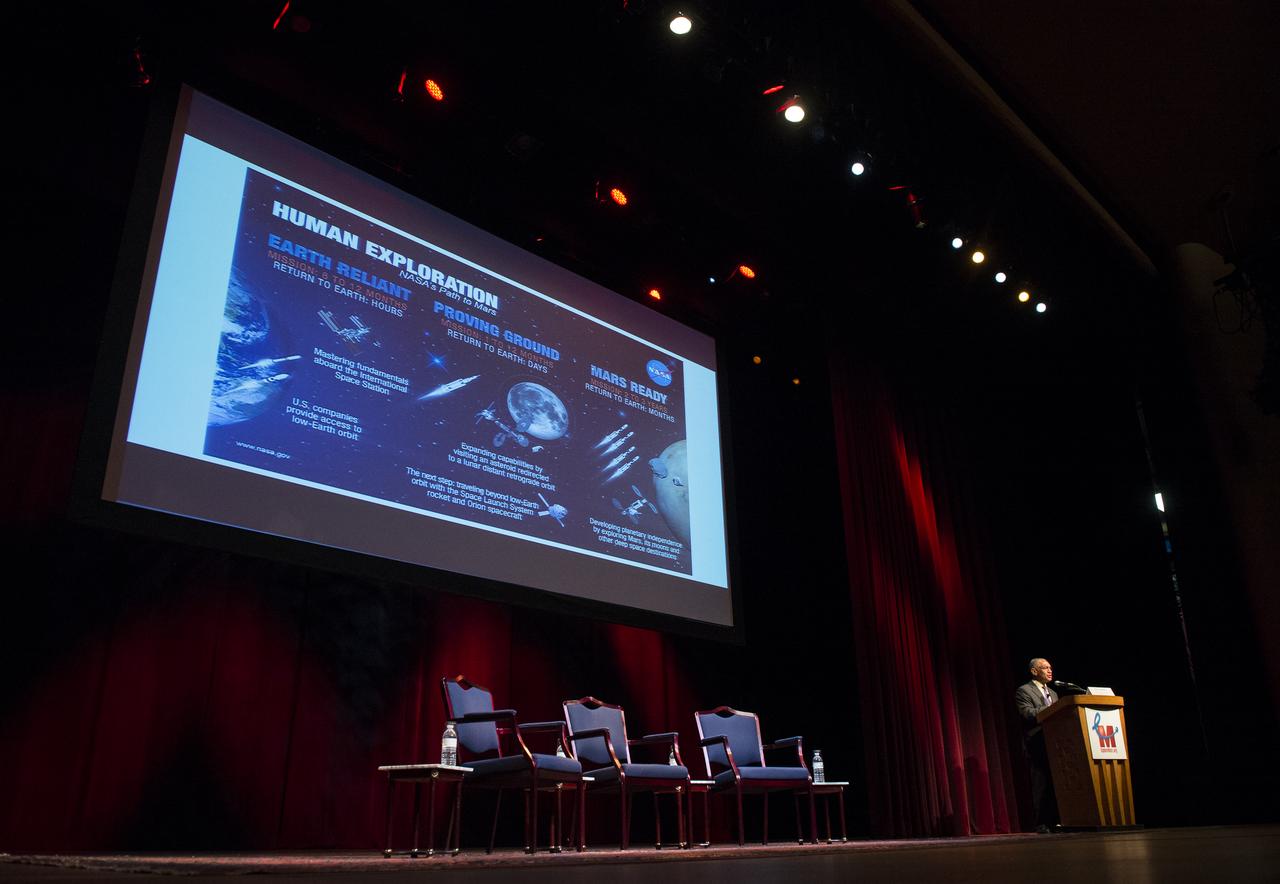
NASA Administrator Charles Bolden delivers the opening keynote address at the Humans to Mars Summit on April 22, 2014 at George Washington University in Washington, DC. Administrator Bolden spoke of NASA's path to the human exploration of Mars during his remarks. Photo Credit: (NASA/Joel Kowsky)
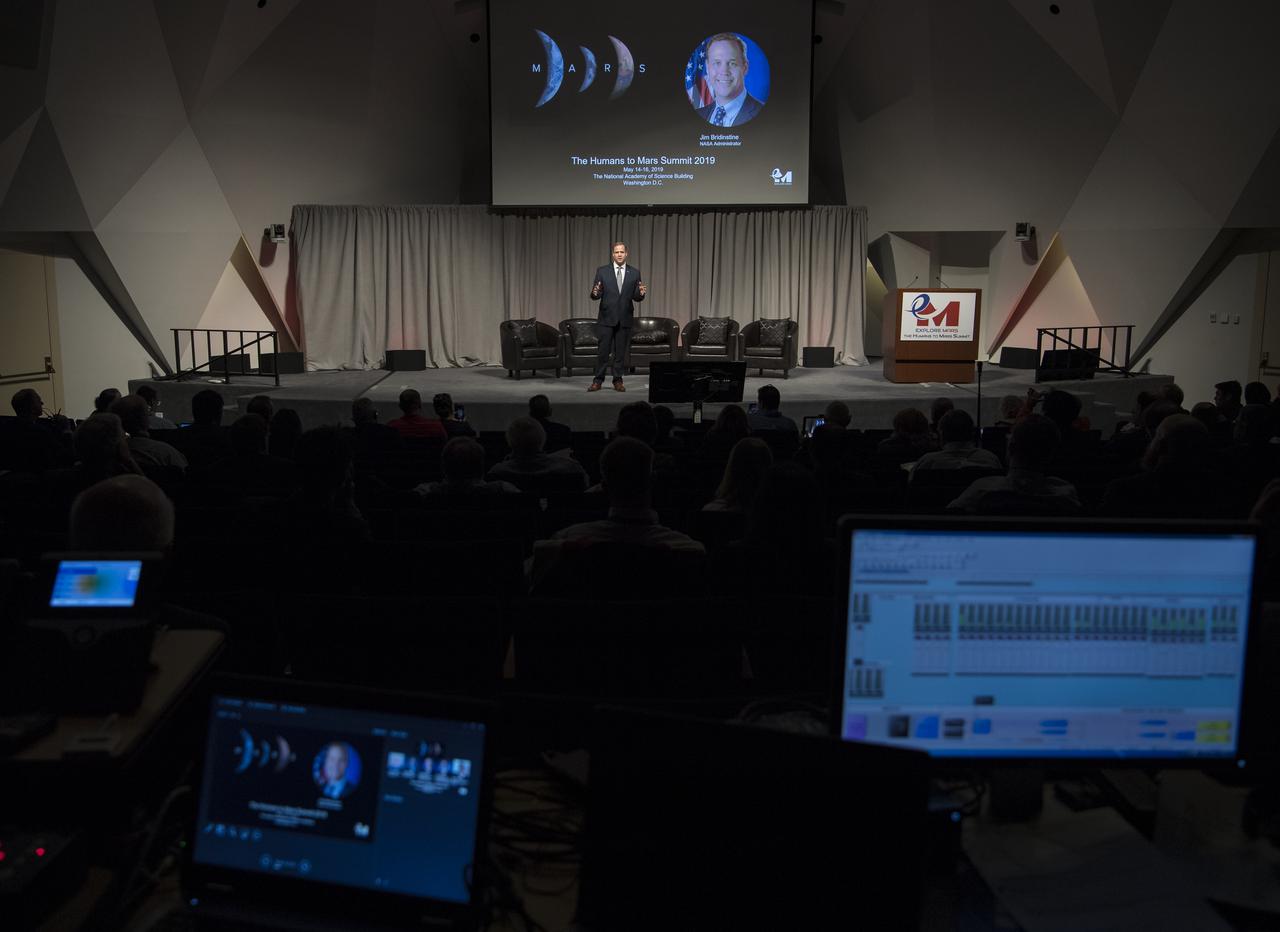
NASA Administrator Jim Bridenstine gives keynote remarks at the Humans to Mars Summit, Tuesday, May 14, 2019, at the National Academy of Sciences in Washington. Photo credit: (NASA/Aubrey Gemignani)
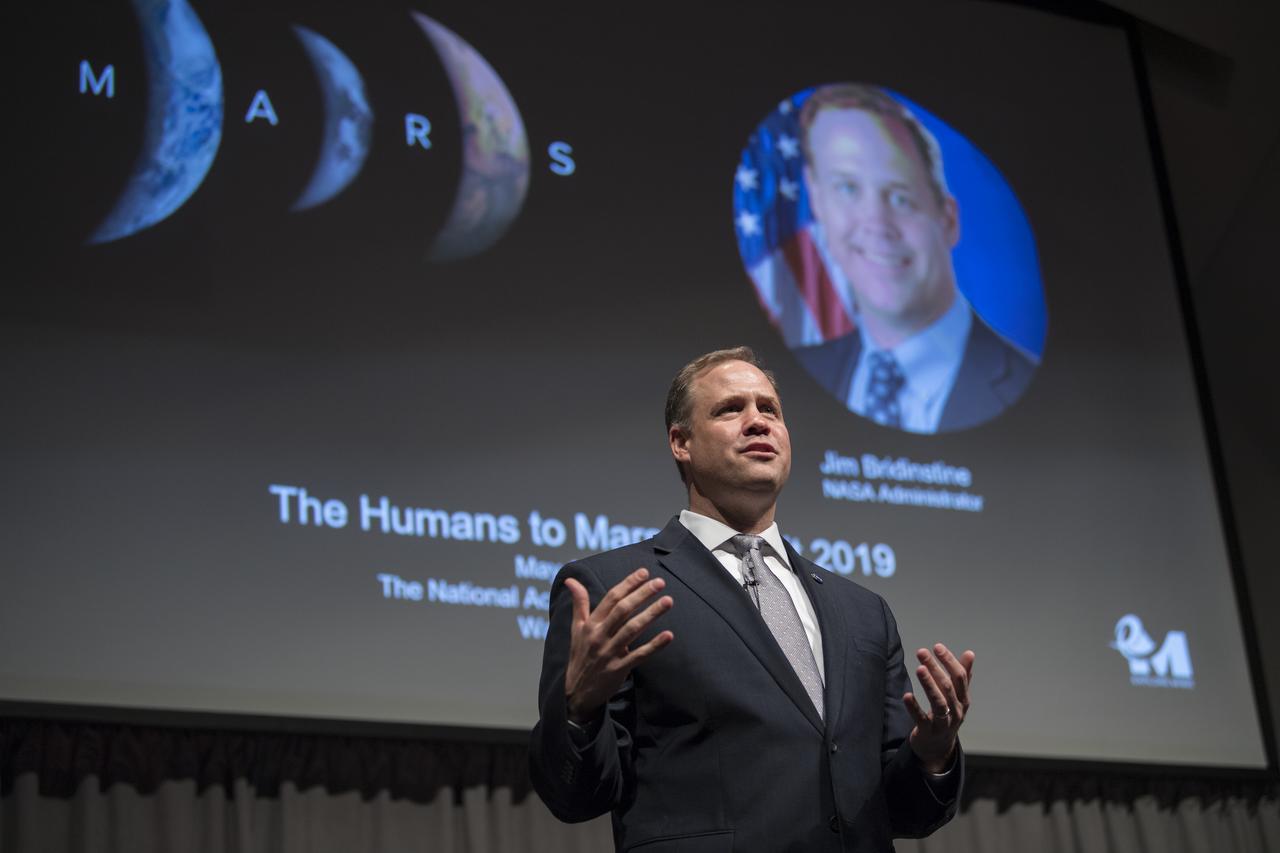
NASA Administrator Jim Bridenstine gives keynote remarks at the Humans to Mars Summit, Tuesday, May 14, 2019, at the National Academy of Sciences in Washington. Photo credit: (NASA/Aubrey Gemignani)
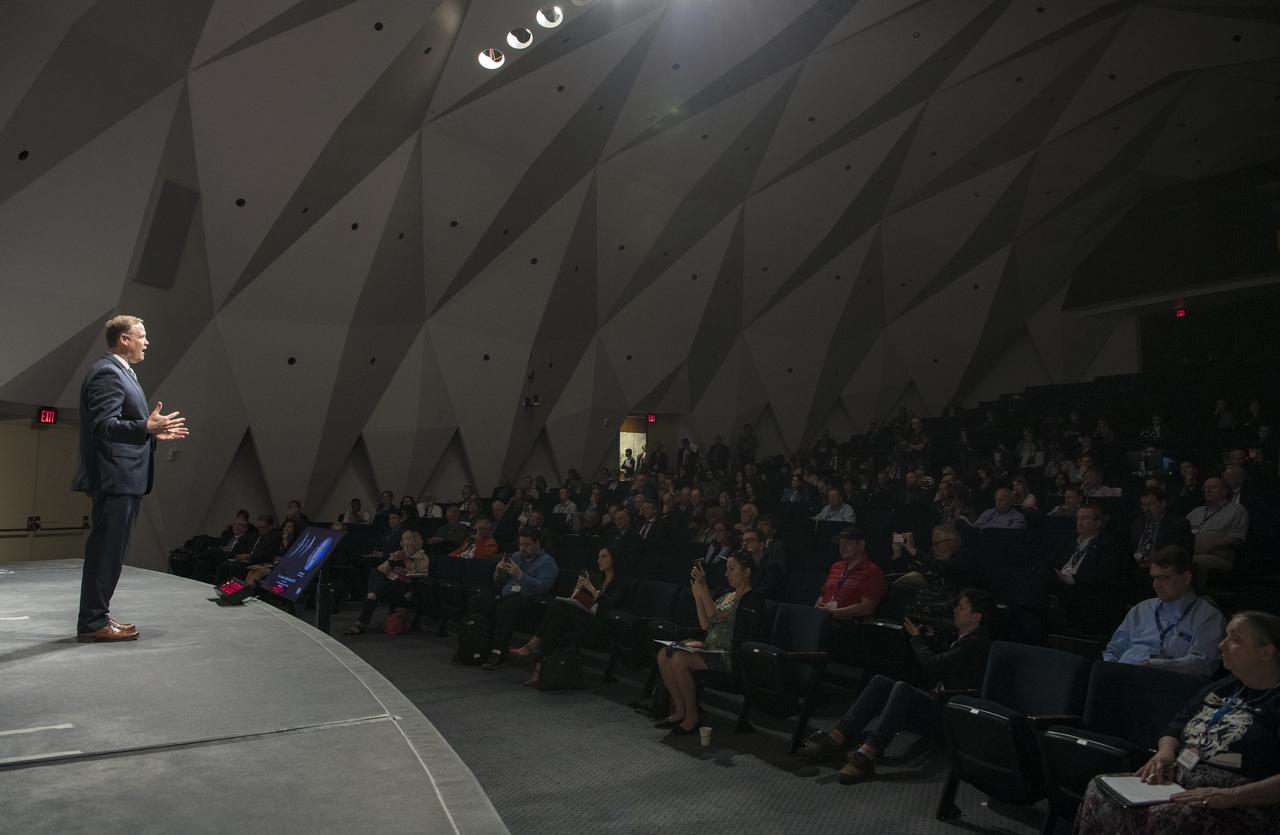
NASA Administrator Jim Bridenstine gives keynote remarks at the Humans to Mars Summit, Tuesday, May 14, 2019, at the National Academy of Sciences in Washington. Photo credit: (NASA/Aubrey Gemignani)
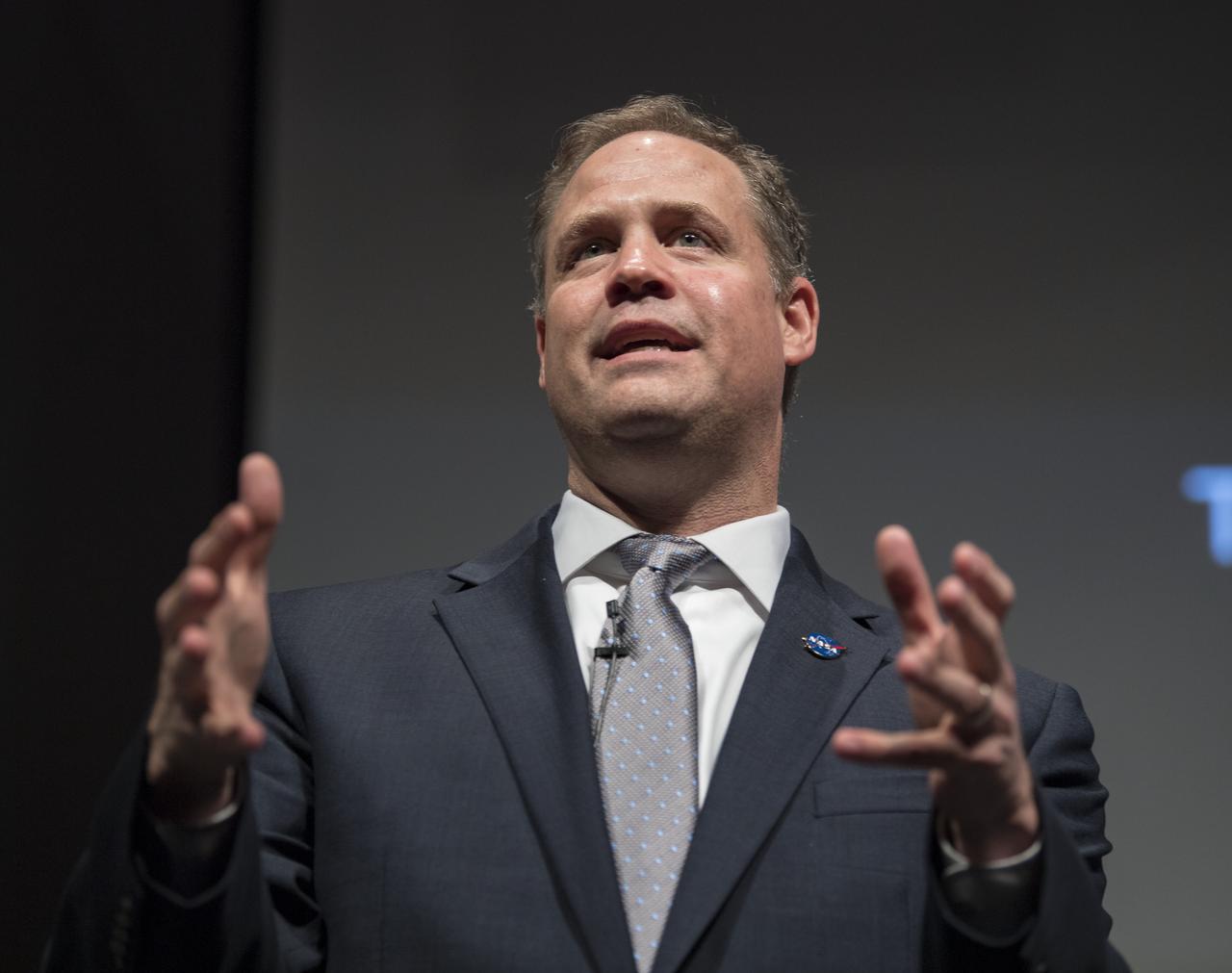
NASA Administrator Jim Bridenstine gives keynote remarks at the Humans to Mars Summit, Tuesday, May 14, 2019, at the National Academy of Sciences in Washington. Photo credit: (NASA/Aubrey Gemignani)
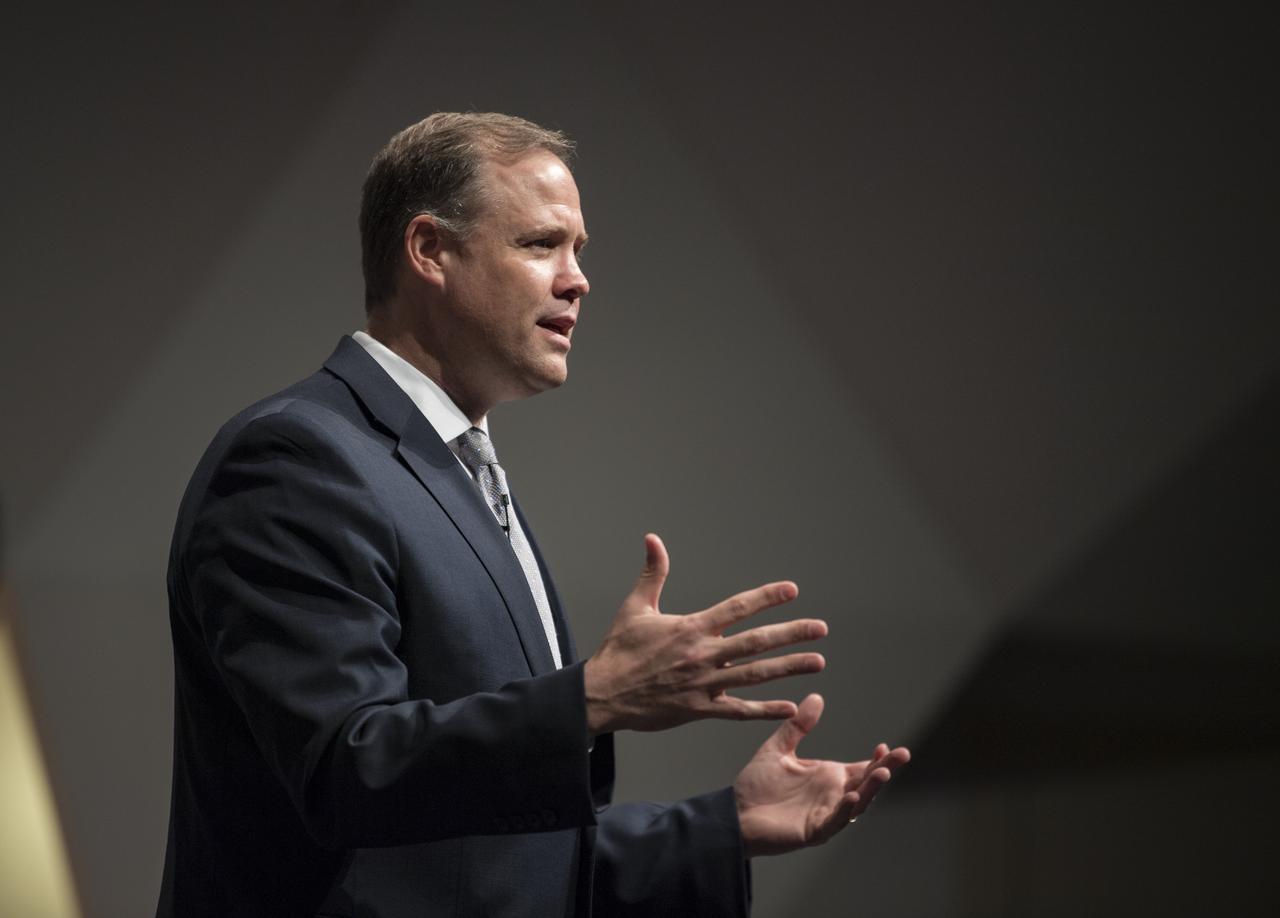
NASA Administrator Jim Bridenstine gives keynote remarks at the Humans to Mars Summit, Tuesday, May 14, 2019, at the National Academy of Sciences in Washington. Photo credit: (NASA/Aubrey Gemignani)
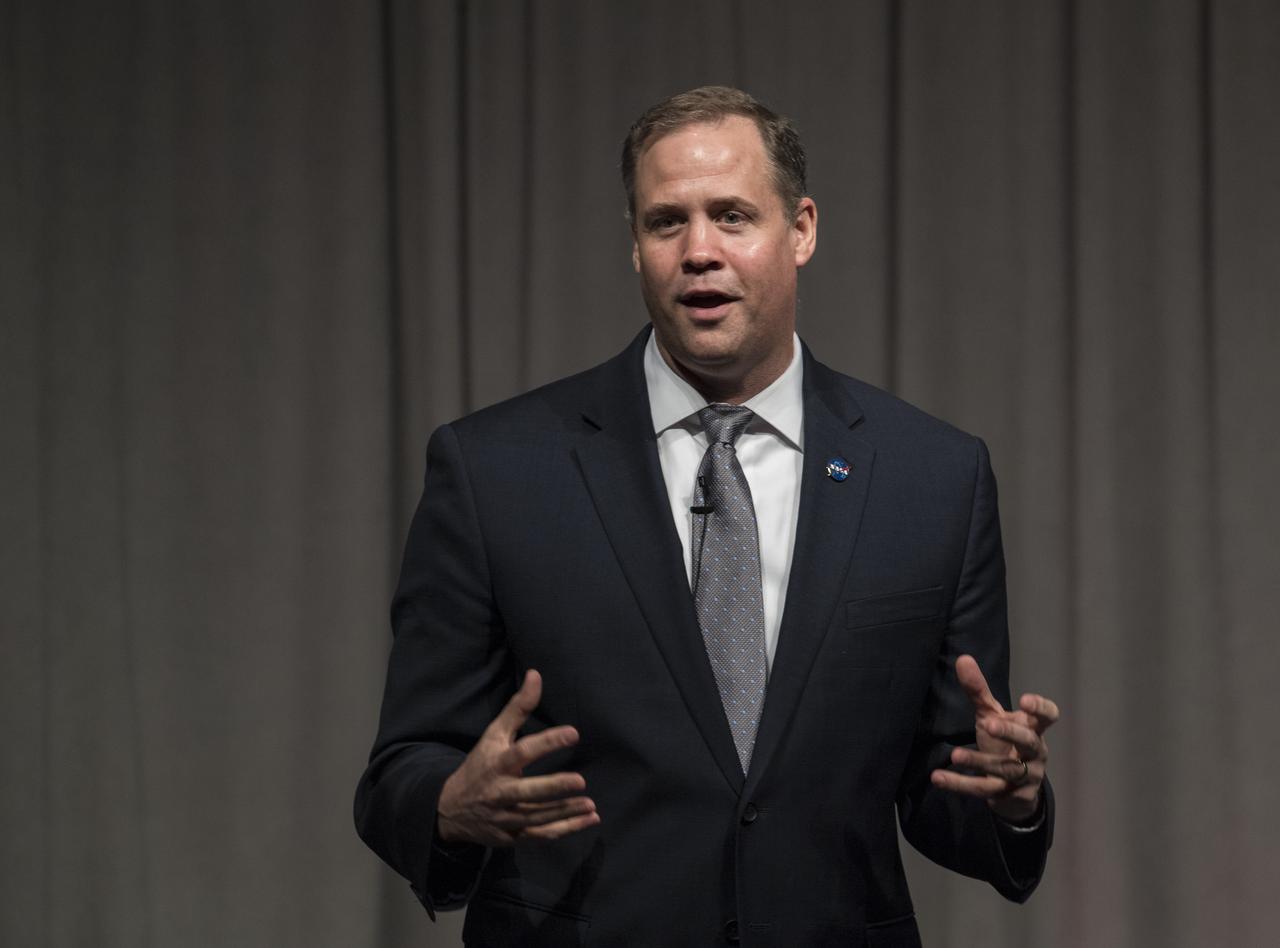
NASA Administrator Jim Bridenstine gives keynote remarks at the Humans to Mars Summit, Tuesday, May 14, 2019, at the National Academy of Sciences in Washington. Photo credit: (NASA/Aubrey Gemignani)
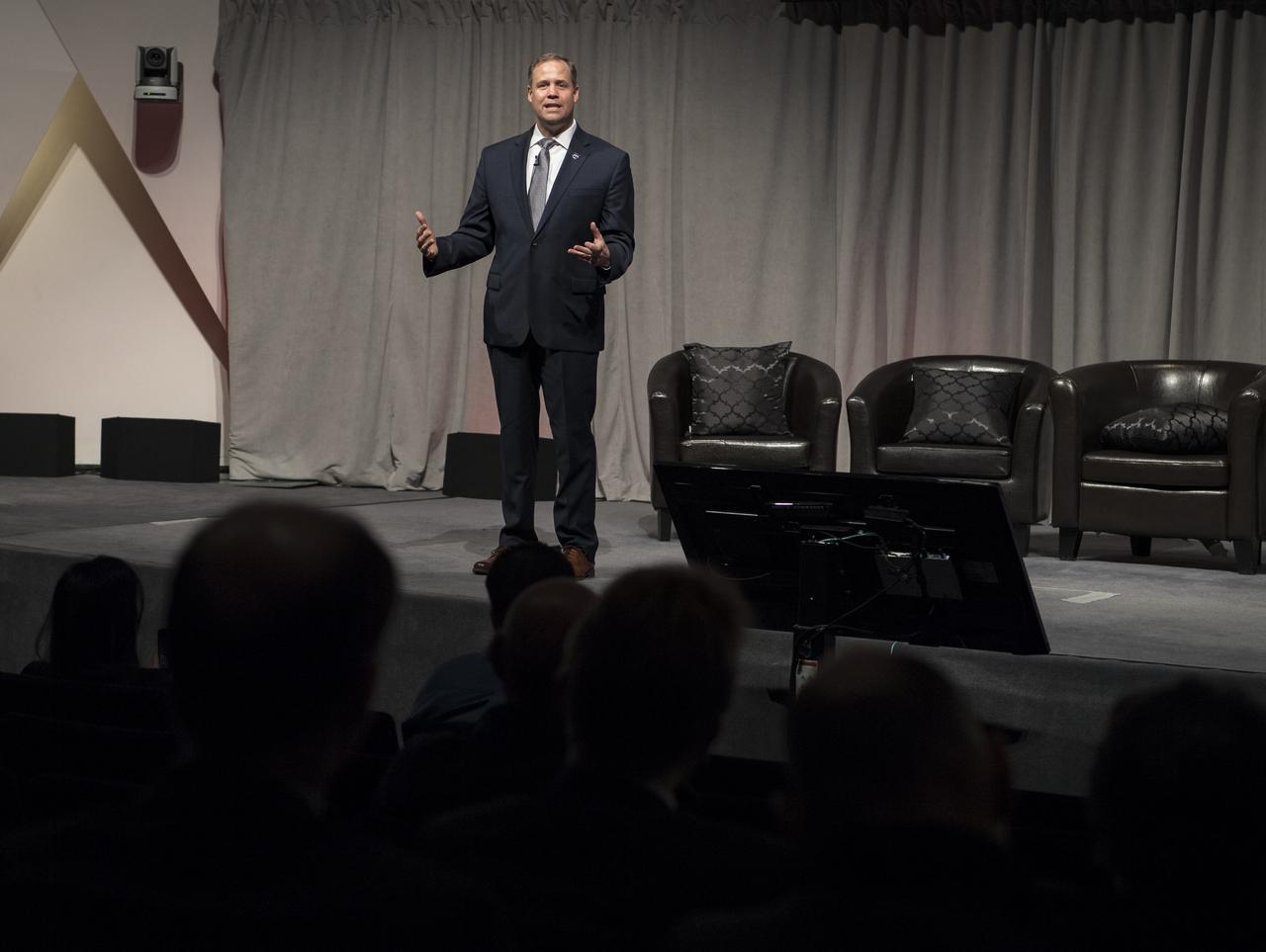
NASA Administrator Jim Bridenstine gives keynote remarks at the Humans to Mars Summit, Tuesday, May 14, 2019, at the National Academy of Sciences in Washington. Photo credit: (NASA/Aubrey Gemignani)
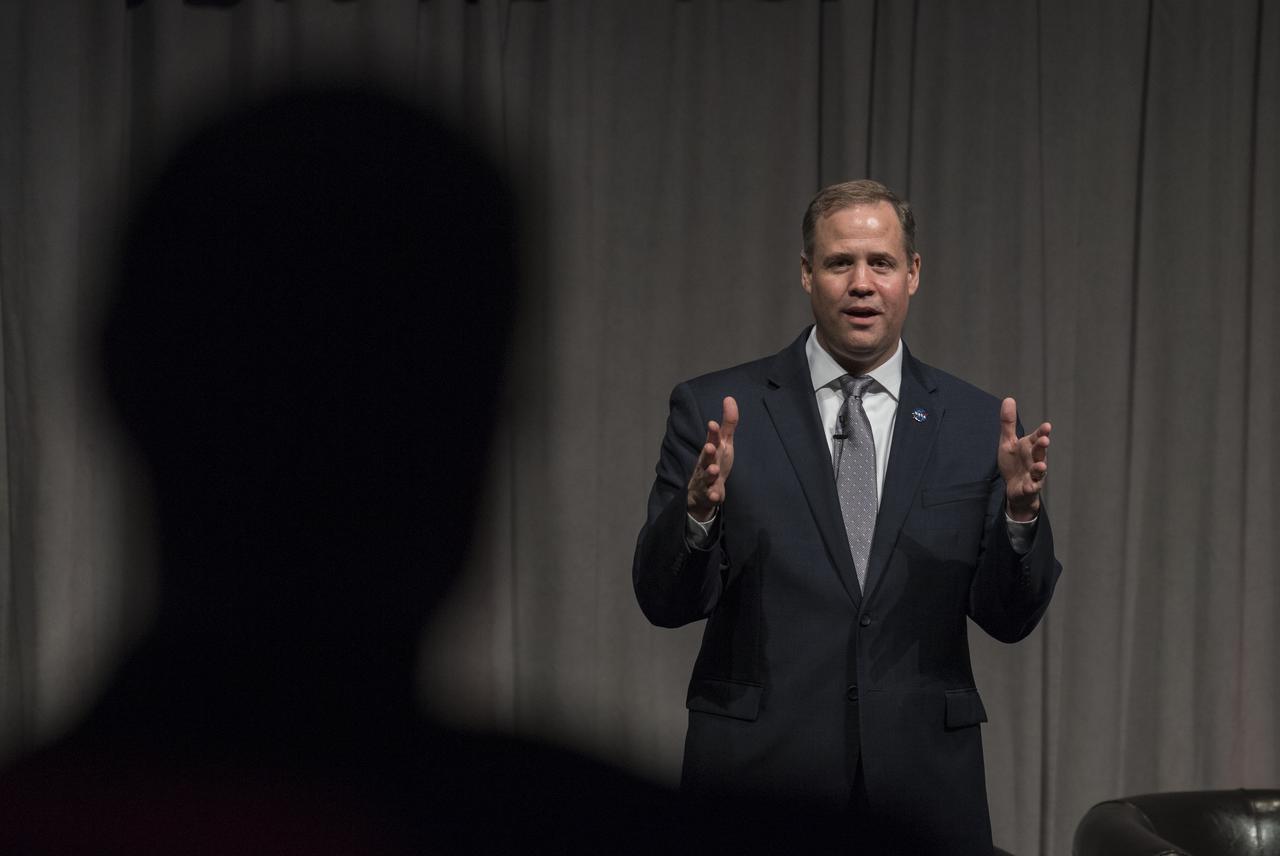
NASA Administrator Jim Bridenstine gives keynote remarks at the Humans to Mars Summit, Tuesday, May 14, 2019, at the National Academy of Sciences in Washington. Photo credit: (NASA/Aubrey Gemignani)
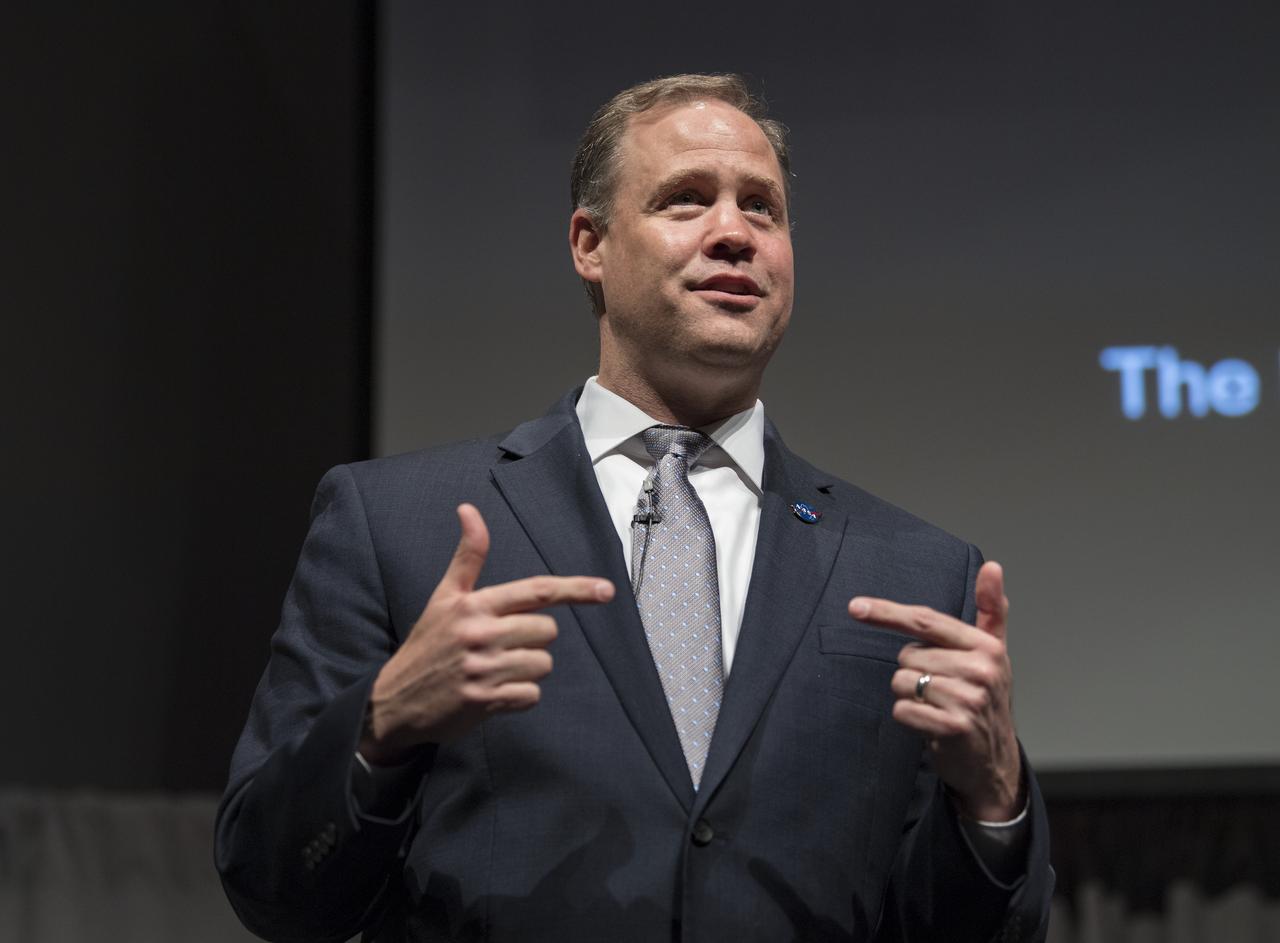
NASA Administrator Jim Bridenstine gives keynote remarks at the Humans to Mars Summit, Tuesday, May 14, 2019, at the National Academy of Sciences in Washington. Photo credit: (NASA/Aubrey Gemignani)
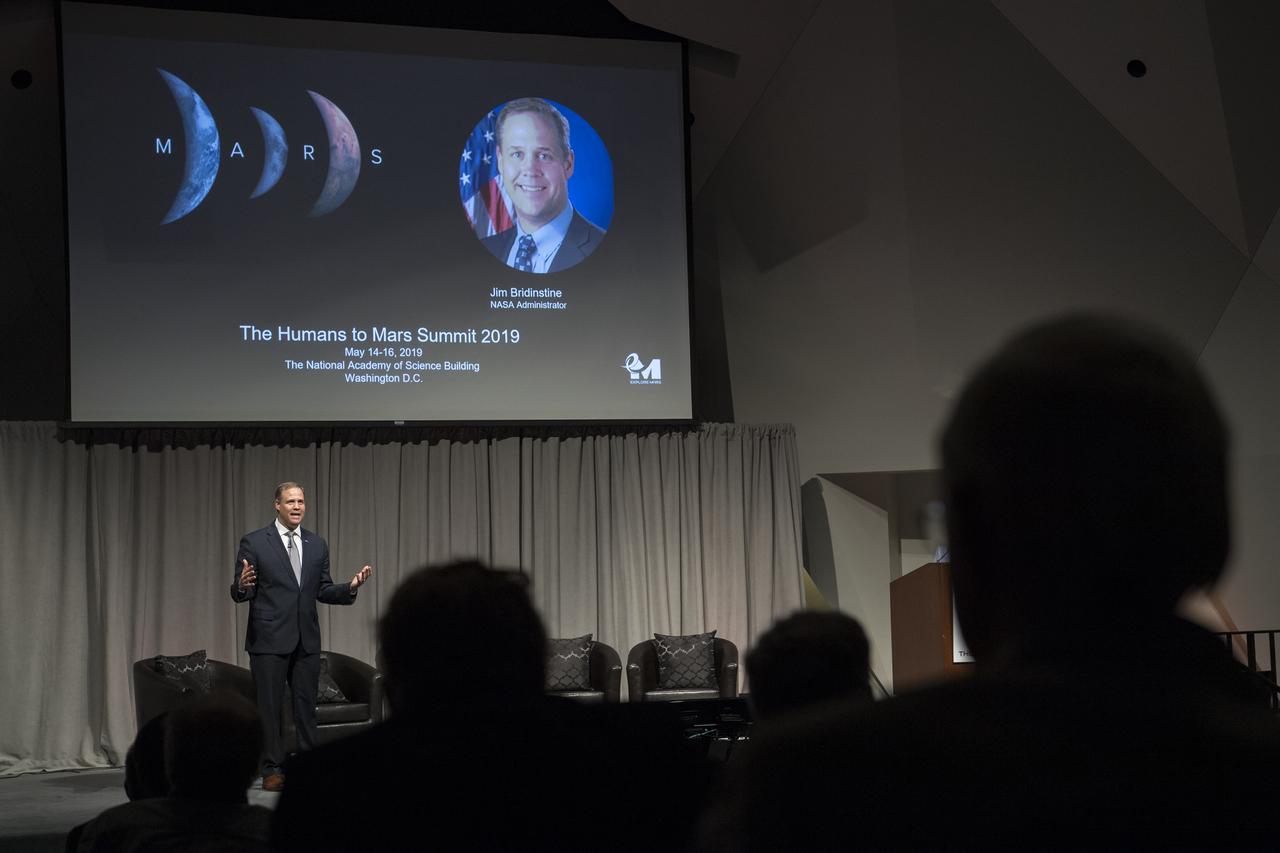
NASA Administrator Jim Bridenstine gives keynote remarks at the Humans to Mars Summit, Tuesday, May 14, 2019, at the National Academy of Sciences in Washington. Photo credit: (NASA/Aubrey Gemignani)
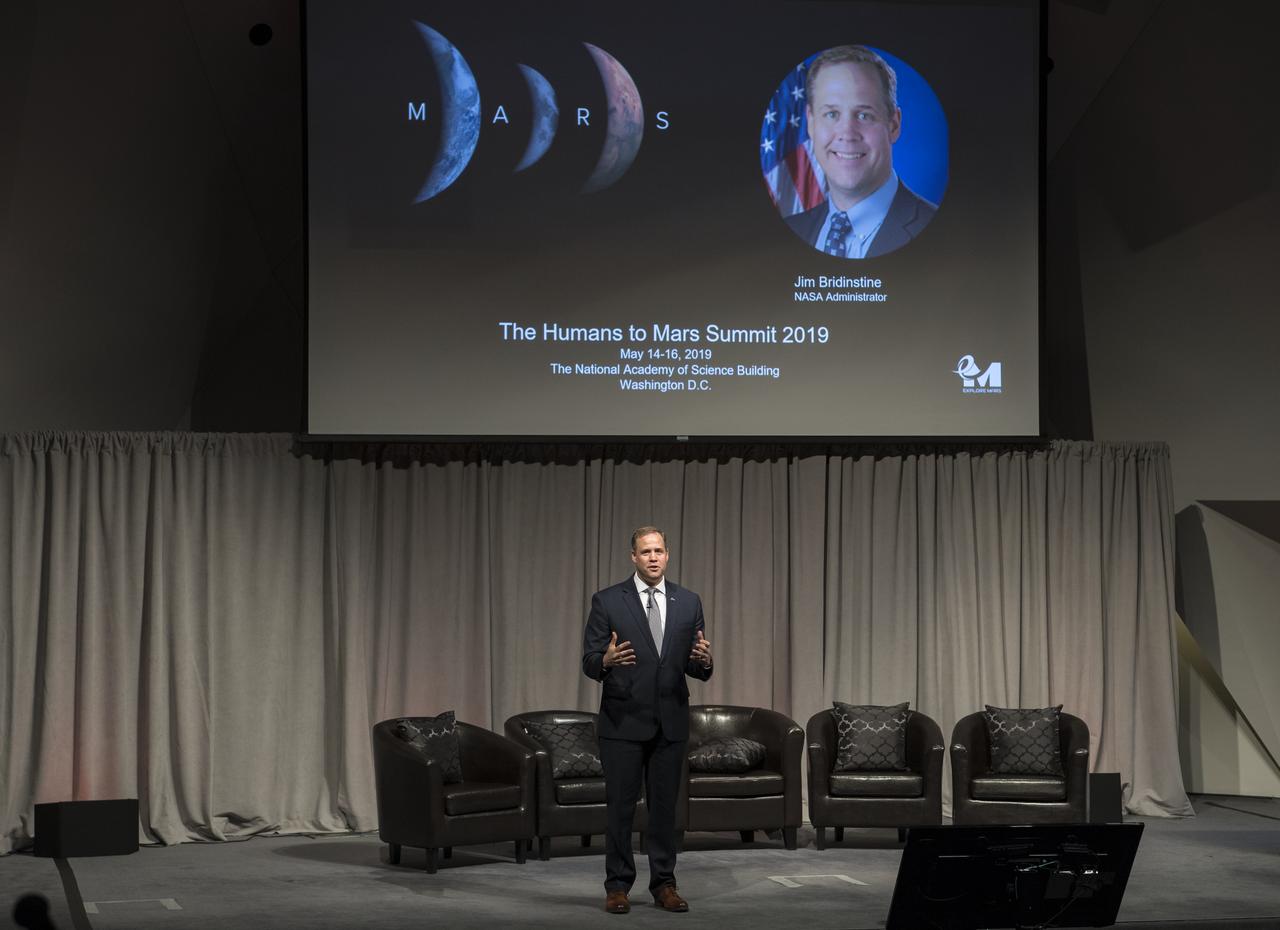
NASA Administrator Jim Bridenstine gives keynote remarks at the Humans to Mars Summit, Tuesday, May 14, 2019, at the National Academy of Sciences in Washington. Photo credit: (NASA/Aubrey Gemignani)
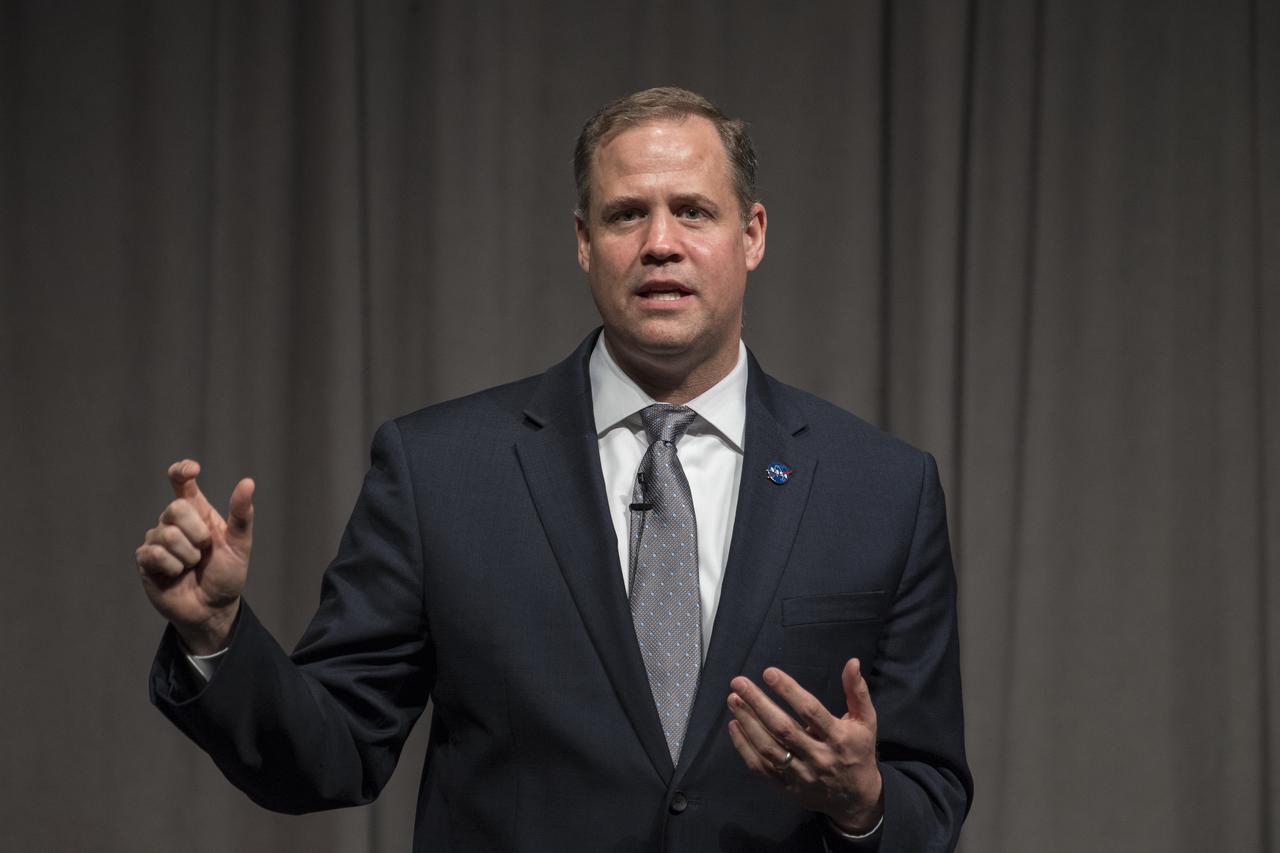
NASA Administrator Jim Bridenstine gives keynote remarks at the Humans to Mars Summit, Tuesday, May 14, 2019, at the National Academy of Sciences in Washington. Photo credit: (NASA/Aubrey Gemignani)
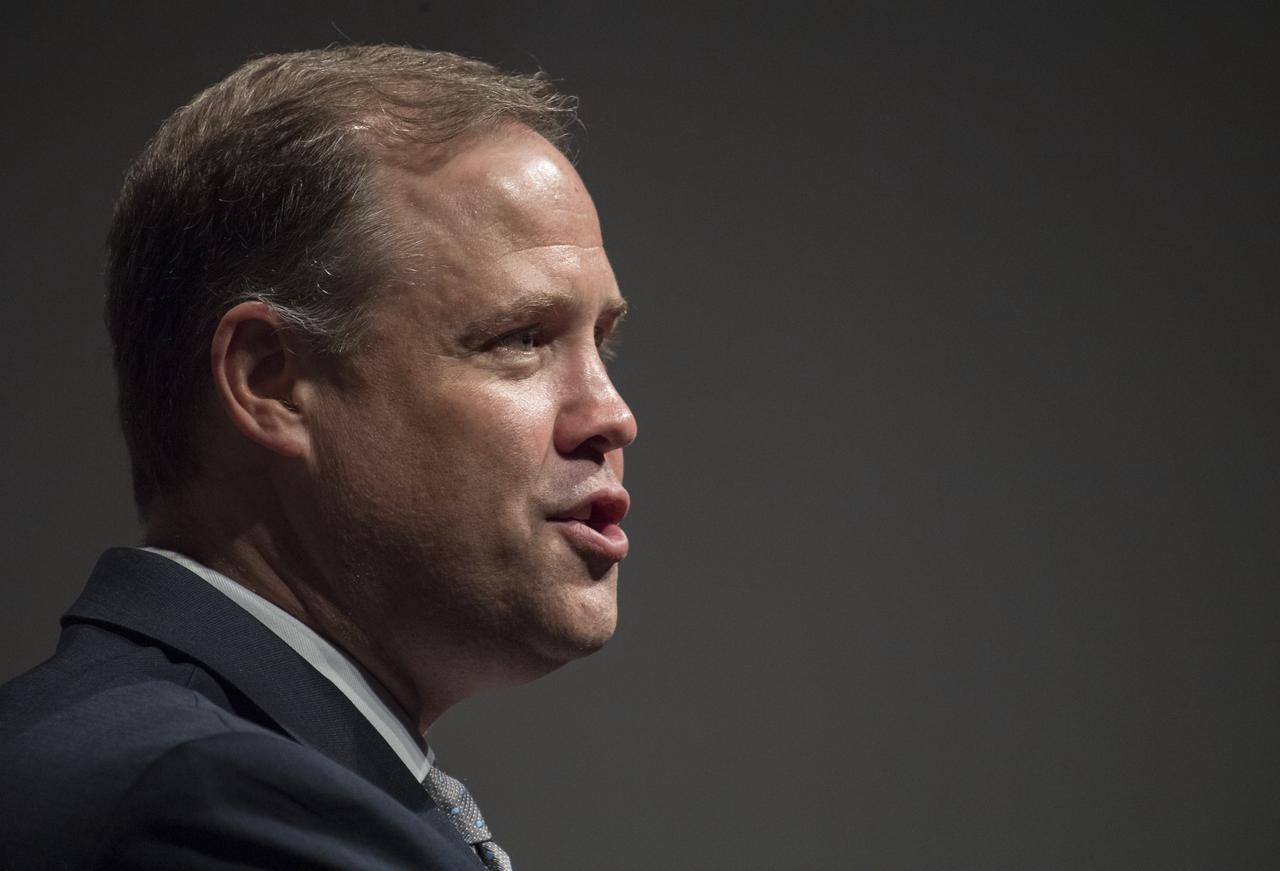
NASA Administrator Jim Bridenstine gives keynote remarks at the Humans to Mars Summit, Tuesday, May 14, 2019, at the National Academy of Sciences in Washington. Photo credit: (NASA/Aubrey Gemignani)
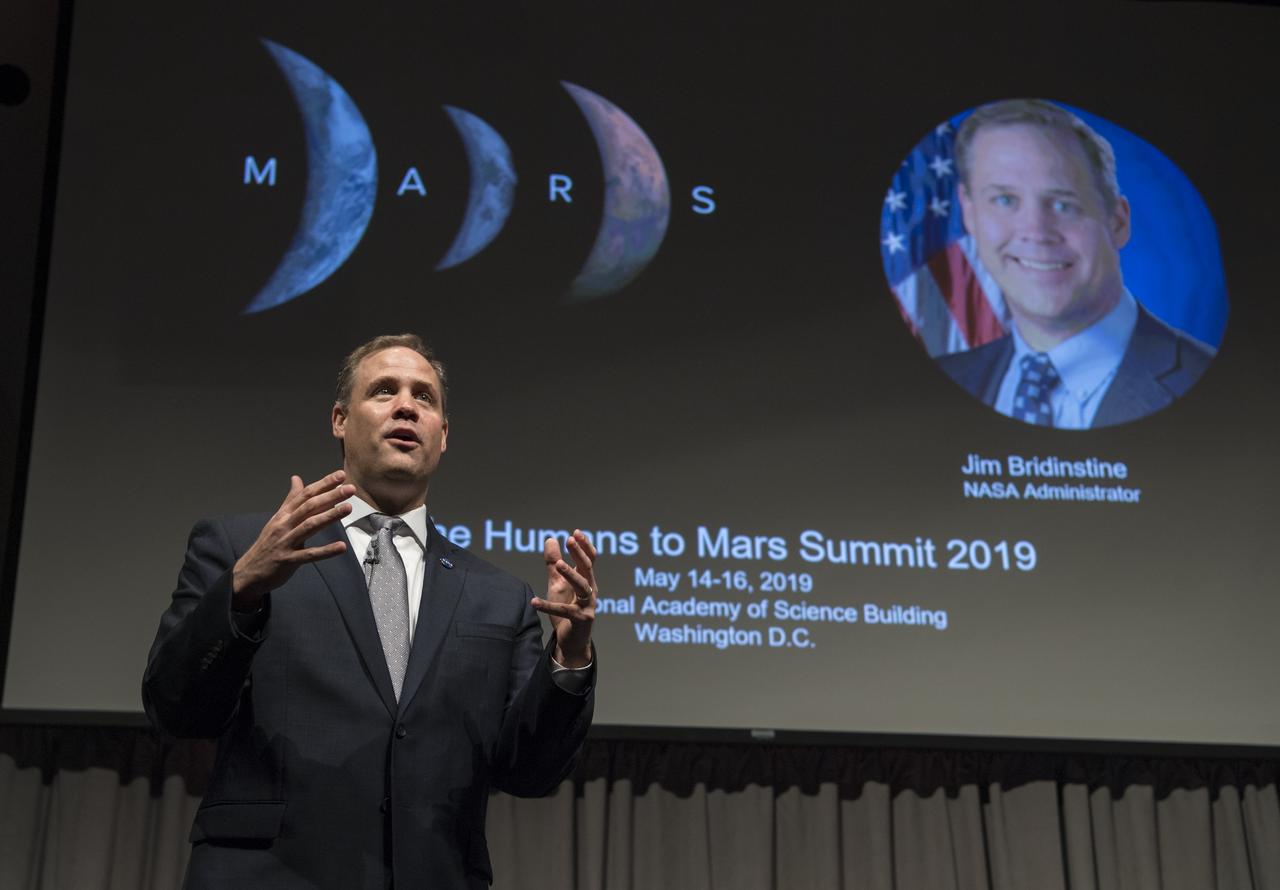
NASA Administrator Jim Bridenstine gives keynote remarks at the Humans to Mars Summit, Tuesday, May 14, 2019, at the National Academy of Sciences in Washington. Photo credit: (NASA/Aubrey Gemignani)
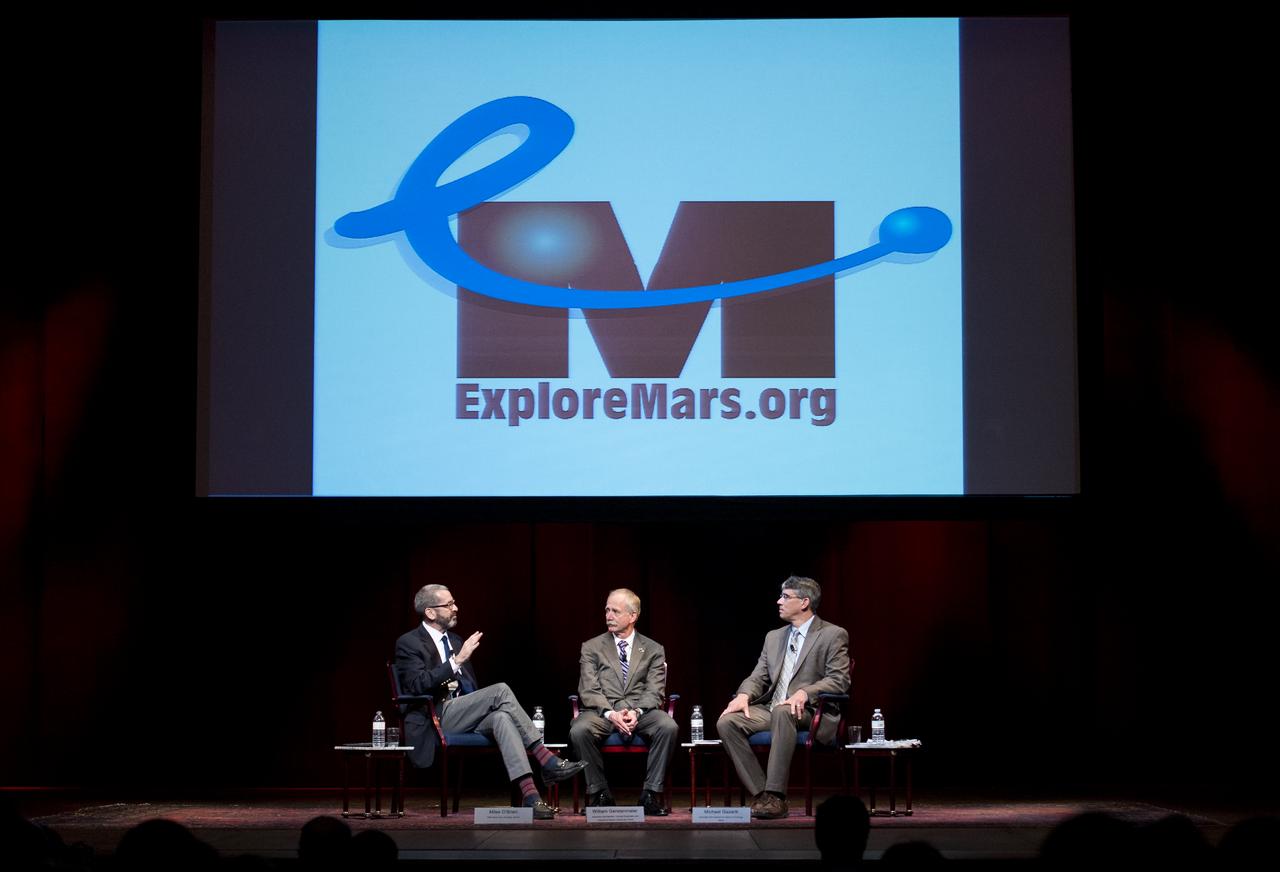
Miles O'Brien, science correspondant for PBS NewsHour, left, leads a panel discussion on Mars exploration with William Gerstenmaier, NASA Associatate Administrator for Human Explorations and Operations, center, and Michael Gazarik, NASA Associate Administrator for Space Technology, left, at the Humans to Mars Summit on April 22, 2014 at George Washington University in Washington, DC. Photo Credit: (NASA/Joel Kowsky)
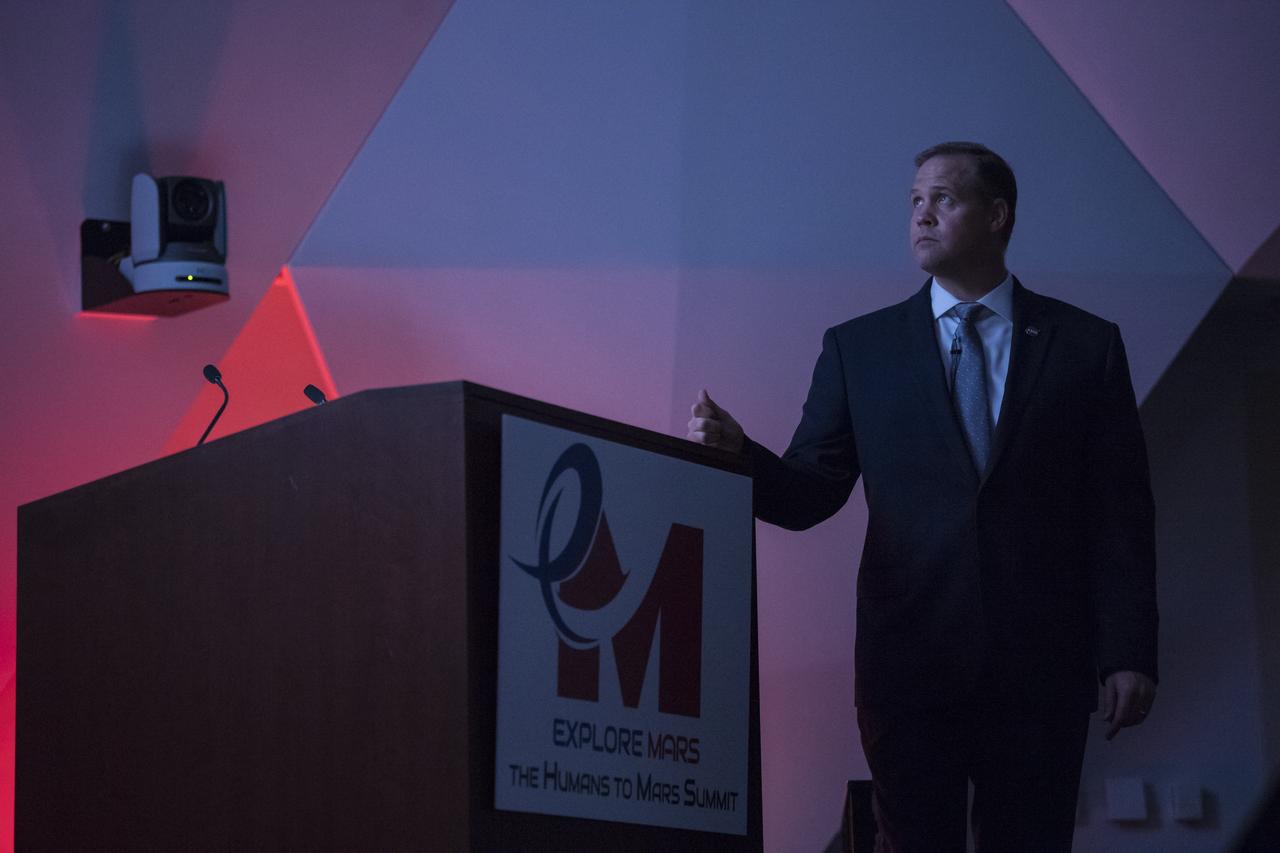
NASA Administrator Jim Bridenstine watches the "We Are NASA" film just after giving keynote remarks at the Humans to Mars Summit, Tuesday, May 14, 2019, at the National Academy of Sciences in Washington. Photo credit: (NASA/Aubrey Gemignani)
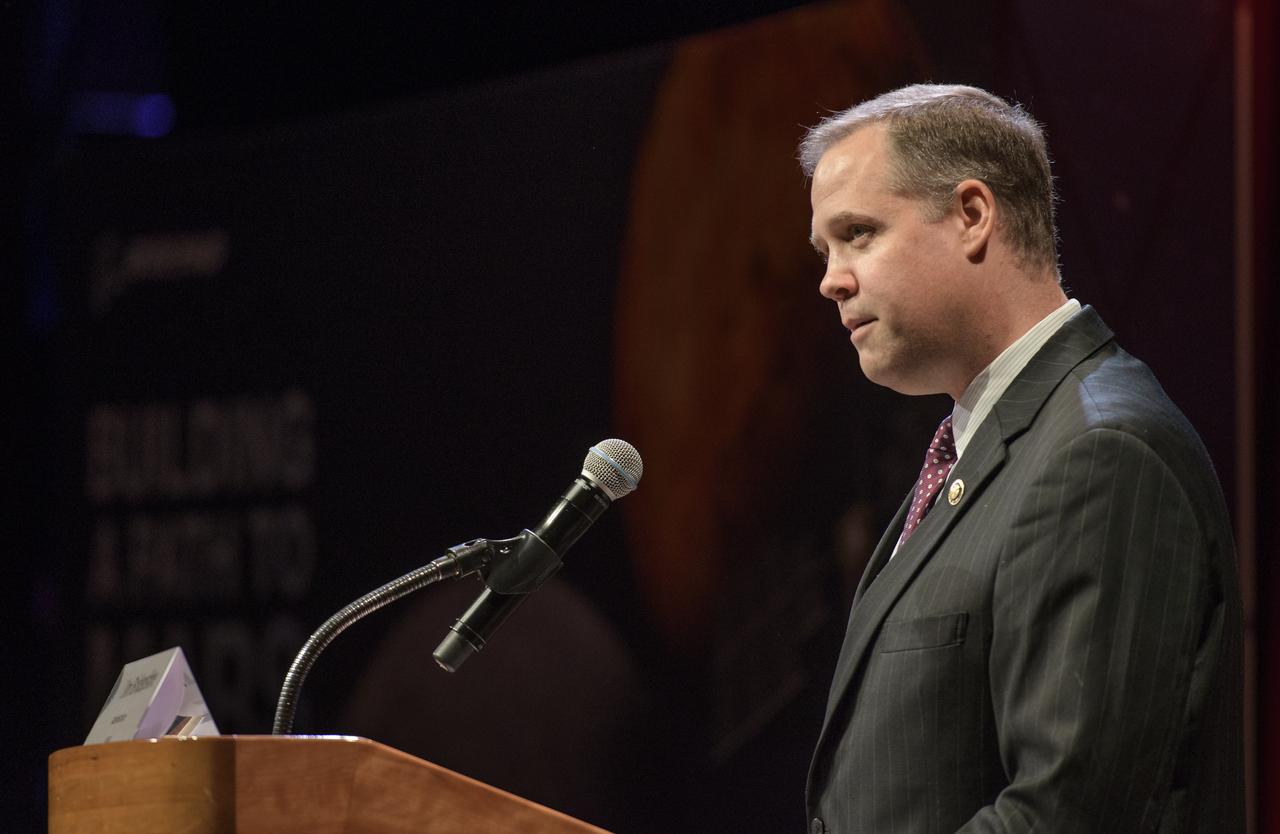
NASA Administrator Jim Bridenstine delivers the keynote speech at the Humans to Mars Summit (H2M), Wednesday, May 9, 2018 at George Washington University in Washington. Bridenstine joined more than 20 NASA scientists and technologists at the three-day event sponsored by Explore Mars Inc. It brought industry, government and the scientific, entertainment and academic communities together to discuss technology developments, foster partnerships, and encourage students to pursue STEAM careers. Photo Credit: (NASA/Bill Ingalls)
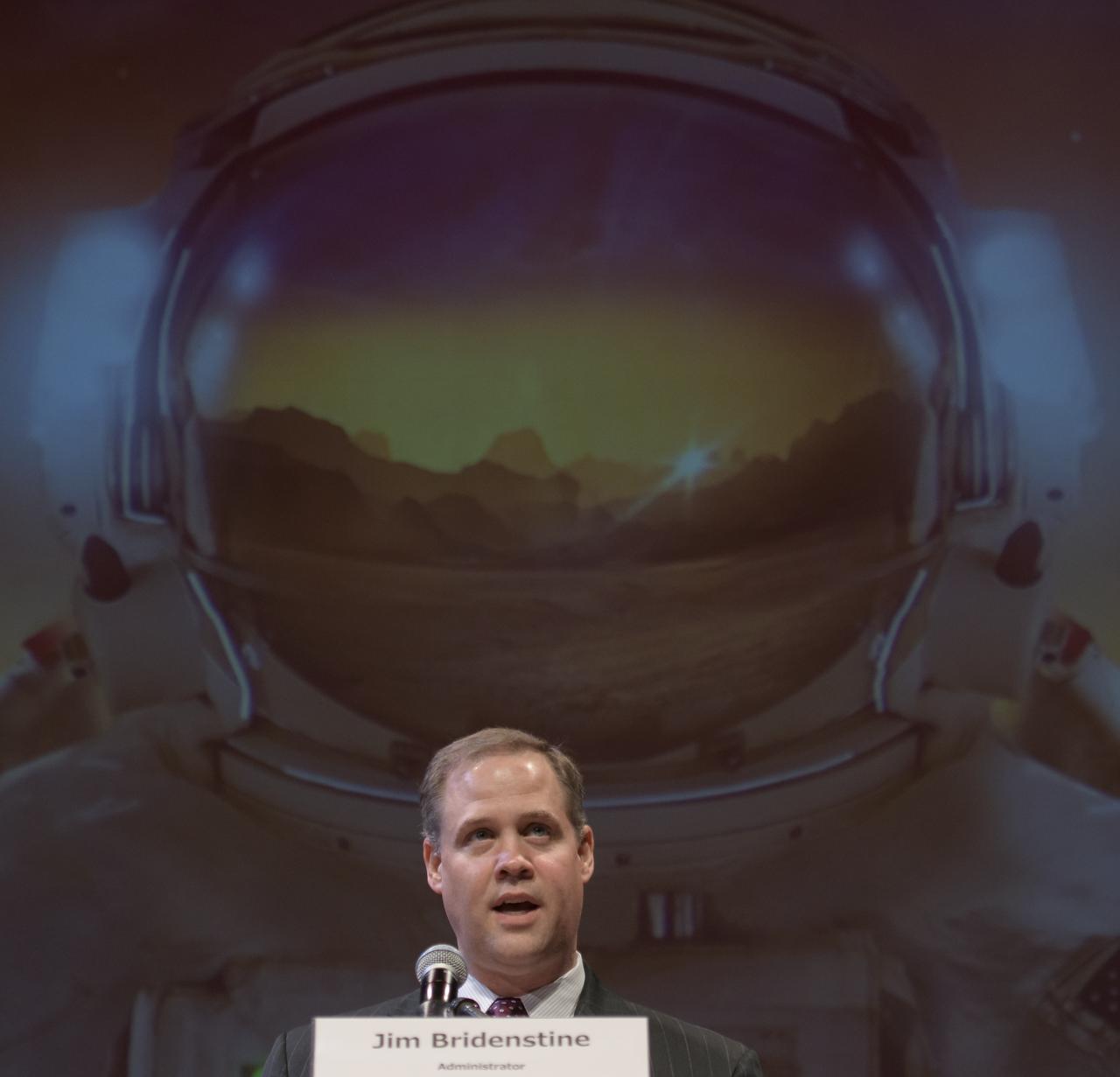
NASA Administrator Jim Bridenstine delivers the keynote speech at the Humans to Mars Summit (H2M), Wednesday, May 9, 2018 at George Washington University in Washington. Bridenstine joined more than 20 NASA scientists and technologists at the three-day event sponsored by Explore Mars Inc. It brought industry, government and the scientific, entertainment and academic communities together to discuss technology developments, foster partnerships, and encourage students to pursue STEAM careers. Photo Credit: (NASA/Bill Ingalls)
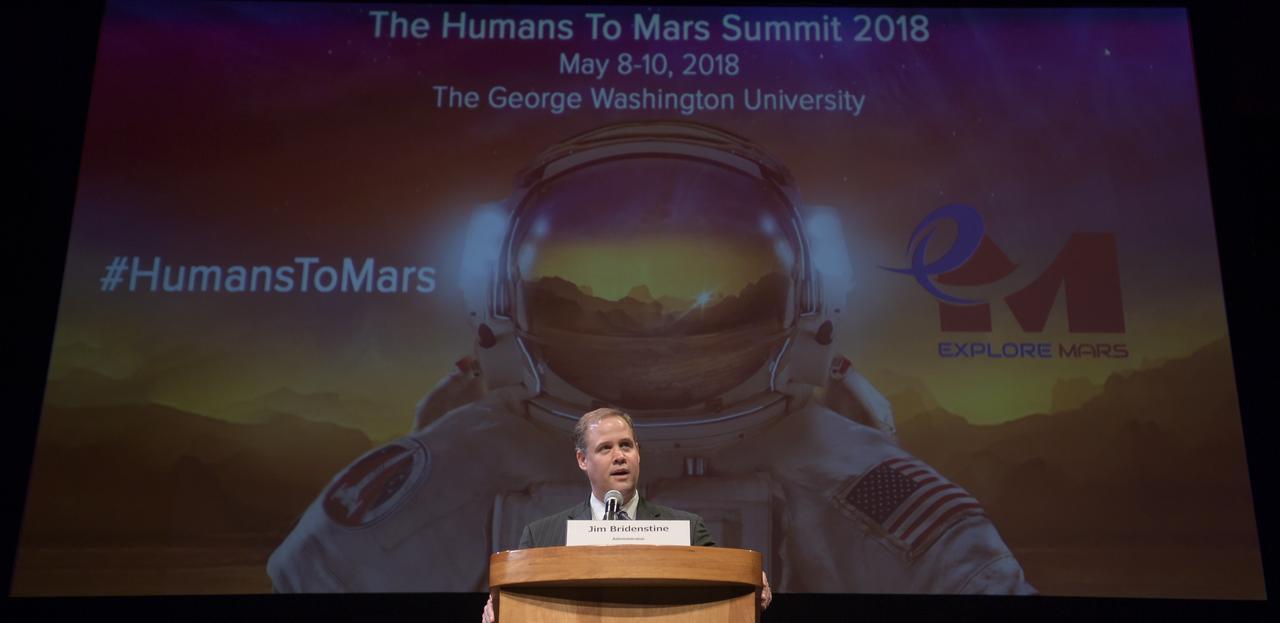
NASA Administrator Jim Bridenstine delivers the keynote speech at the Humans to Mars Summit (H2M), Wednesday, May 9, 2018 at George Washington University in Washington. Bridenstine joined more than 20 NASA scientists and technologists at the three-day event sponsored by Explore Mars Inc. It brought industry, government and the scientific, entertainment and academic communities together to discuss technology developments, foster partnerships, and encourage students to pursue STEAM careers. Photo Credit: (NASA/Bill Ingalls)
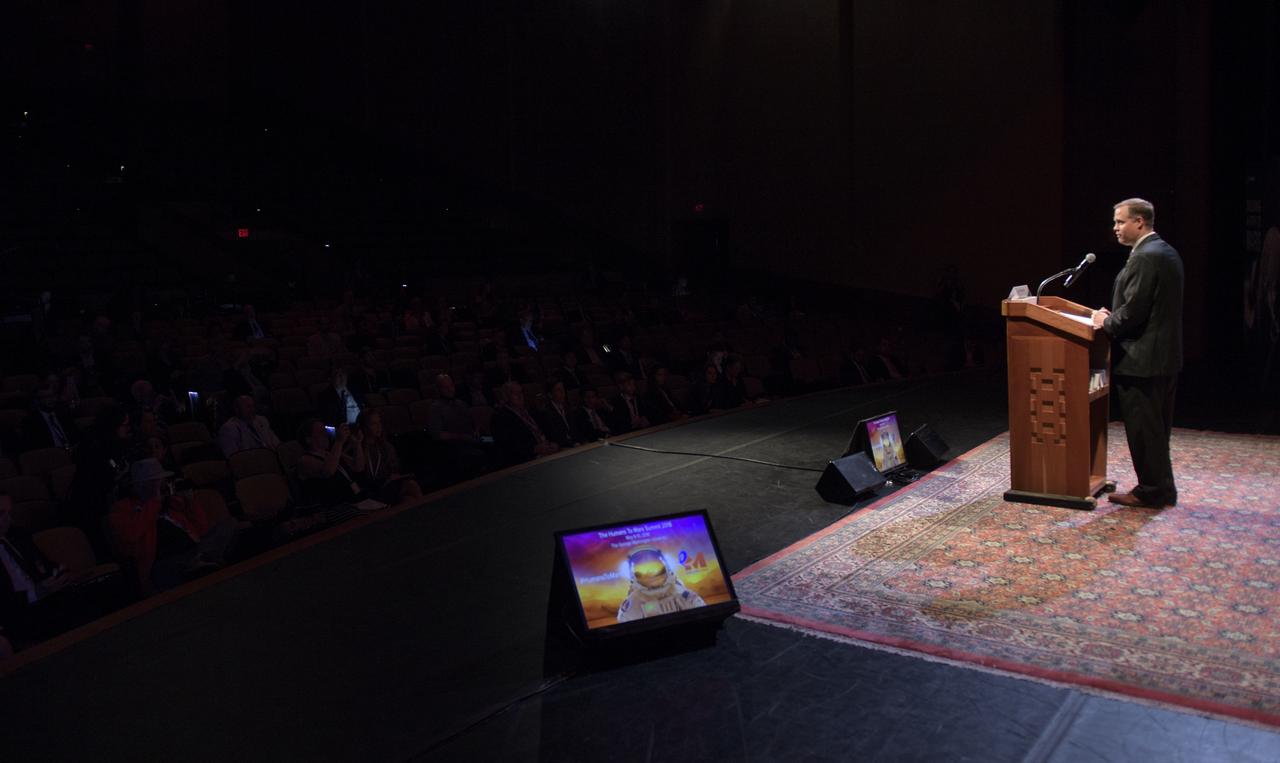
NASA Administrator Jim Bridenstine delivers the keynote speech at the Humans to Mars Summit (H2M), Wednesday, May 9, 2018 at George Washington University in Washington. Bridenstine joined more than 20 NASA scientists and technologists at the three-day event sponsored by Explore Mars Inc. It brought industry, government and the scientific, entertainment and academic communities together to discuss technology developments, foster partnerships, and encourage students to pursue STEAM careers. Photo Credit: (NASA/Bill Ingalls)
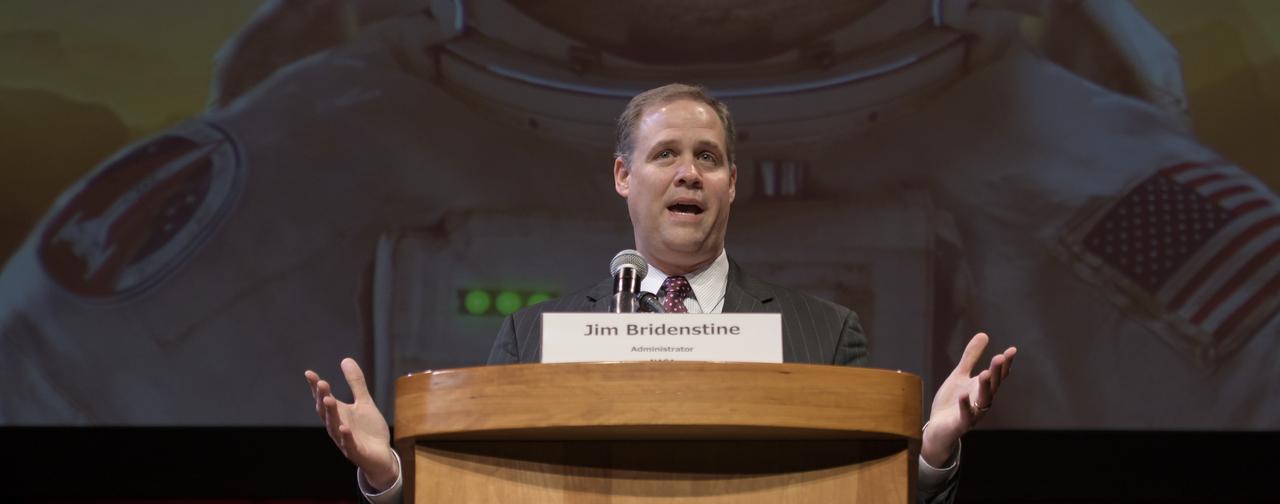
NASA Administrator Jim Bridenstine delivers the keynote speech at the Humans to Mars Summit (H2M), Wednesday, May 9, 2018 at George Washington University in Washington. Bridenstine joined more than 20 NASA scientists and technologists at the three-day event sponsored by Explore Mars Inc. It brought industry, government and the scientific, entertainment and academic communities together to discuss technology developments, foster partnerships, and encourage students to pursue STEAM careers. Photo Credit: (NASA/Bill Ingalls)
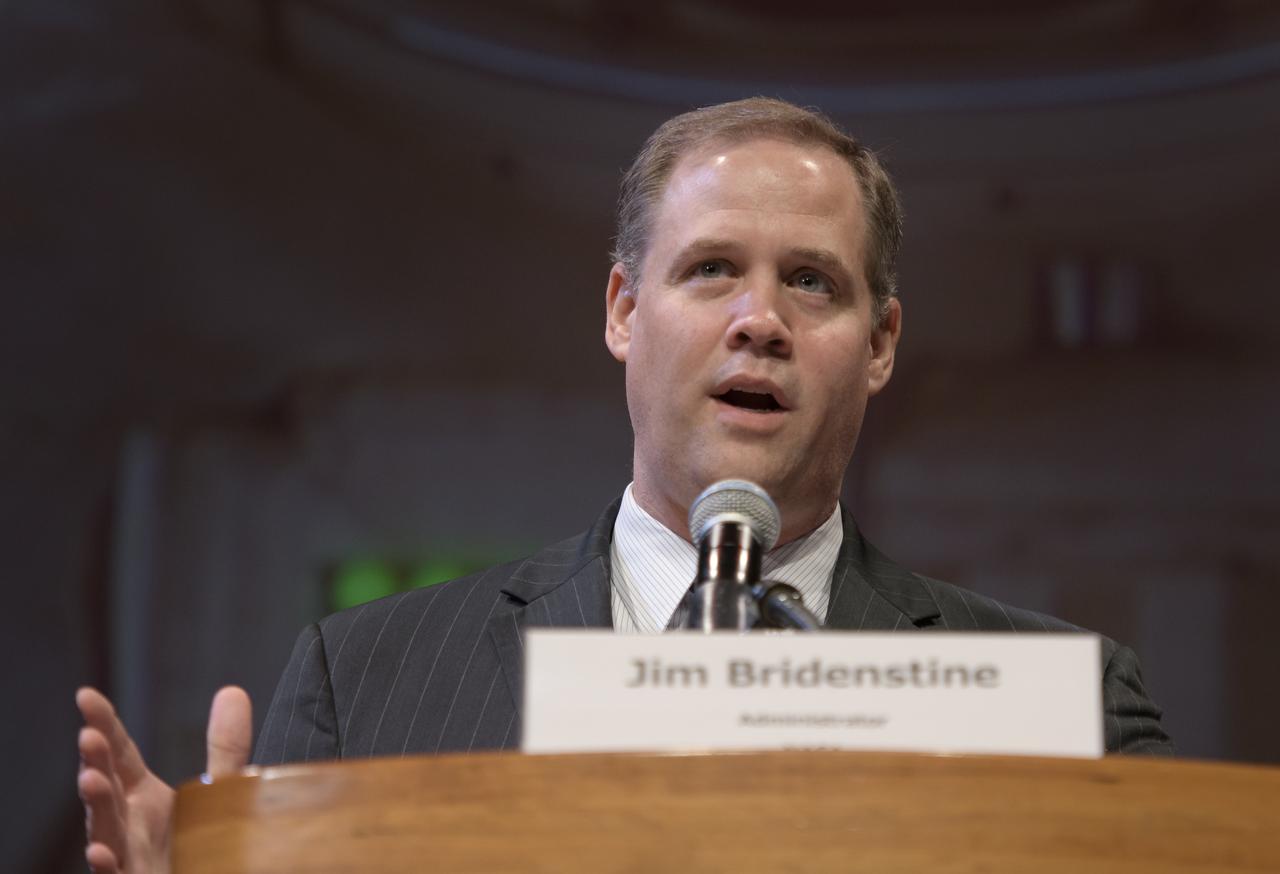
NASA Administrator Jim Bridenstine delivers the keynote speech at the Humans to Mars Summit (H2M), Wednesday, May 9, 2018 at George Washington University in Washington. Bridenstine joined more than 20 NASA scientists and technologists at the three-day event sponsored by Explore Mars Inc. It brought industry, government and the scientific, entertainment and academic communities together to discuss technology developments, foster partnerships, and encourage students to pursue STEAM careers. Photo Credit: (NASA/Bill Ingalls)
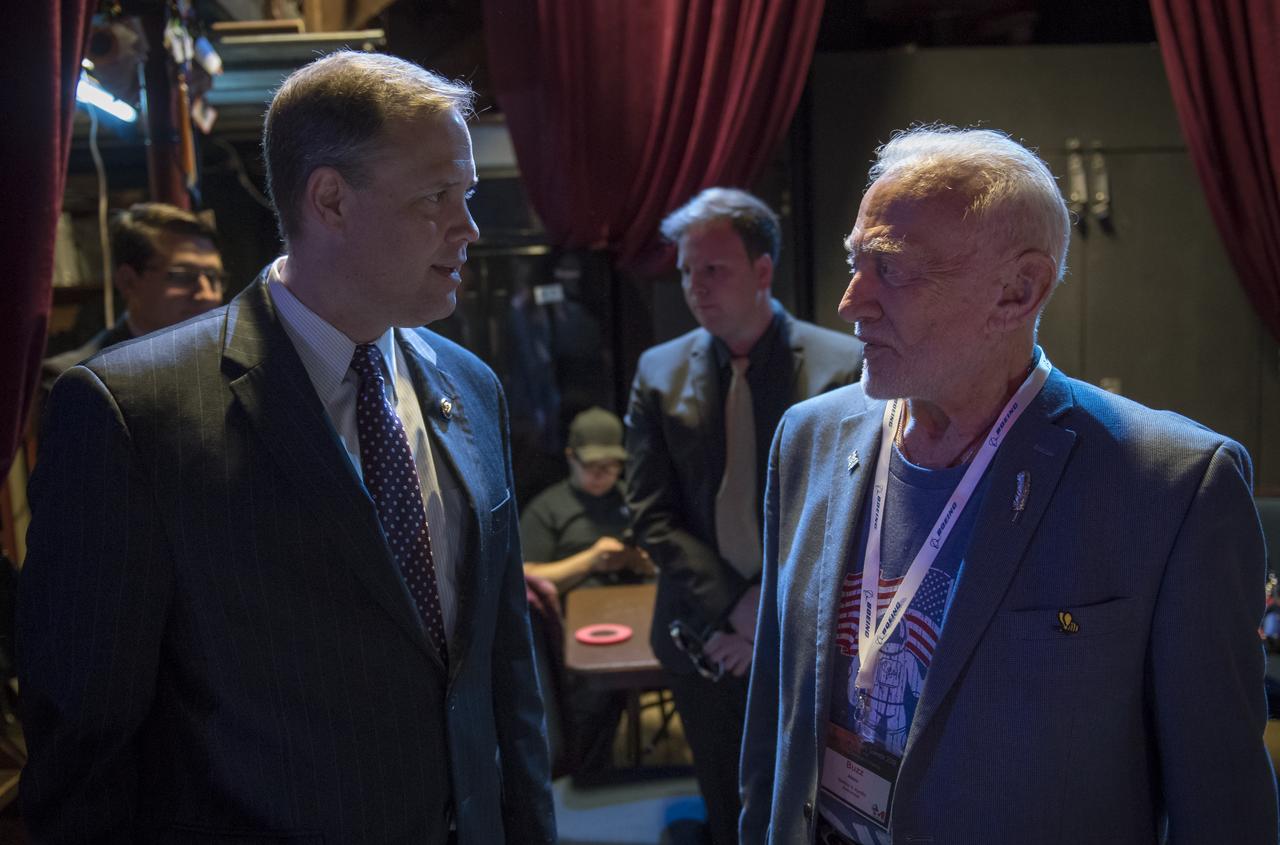
NASA Administrator Jim Bridenstine, left, meets back stage with former NASA astronaut Buzz Aldrin, prior to giving the keynote speech at the Humans to Mars Summit (H2M), Wednesday, May 9, 2018 at George Washington University in Washington. Bridenstine joined more than 20 NASA scientists and technologists at the three-day event sponsored by Explore Mars Inc. It brought industry, government and the scientific, entertainment and academic communities together to discuss technology developments, foster partnerships, and encourage students to pursue STEAM careers. Photo Credit: (NASA/Bill Ingalls)
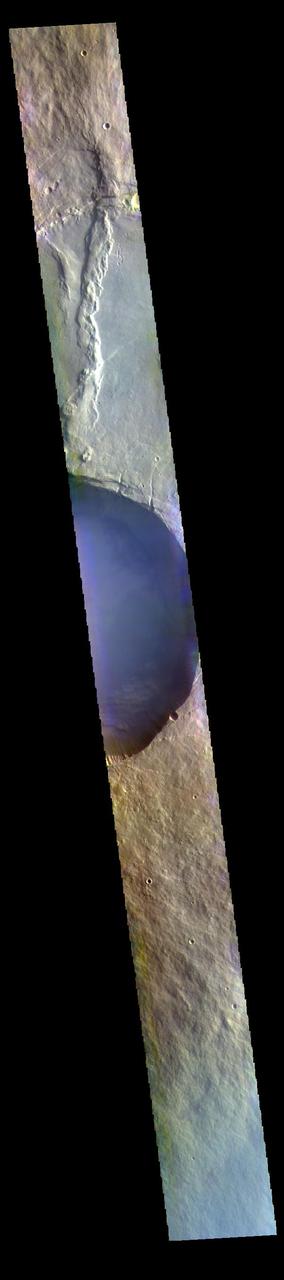
The THEMIS VIS camera contains 5 filters. The data from different filters can be combined in multiple ways to create a false color image. These false color images may reveal subtle variations of the surface not easily identified in a single band image. Today's false color image shows a cross section of Pavonis Mons, including part of the summit caldera (circular depression). This caldera is approximately 5km (3 miles) deep, much deeper that the larger caldera that surrounds the northern and eastern sides of the small caldera. Pavonis Mons, like the other large volcanoes in the region, is a shield volcano. Shield volcanoes are formed by lava flows originating near or at the summit, building up layers upon layers of lava. In shield volcanoes summit calderas are typically formed where the surface collapses into the void formed by an emptied magma chamber. Pavonis Mons is one of the three aligned Tharsis Volcanoes. In order from north to south are Ascreaus Mons, Pavonis Mons and Arsia Mons. The three aligned volcanoes are located along a topographic rise in the Tharsis region. Along this trend there are increased tectonic features and additional lava flows that arose from the flanks of the volcanoes rather than the summit. Pavonis Mons is the smallest of the three volcanoes, rising 14 km (8 miles) above the mean Mars surface level with a width of 375 km (233 miles). Like most shield volcanoes the surface has a low profile. In the case of Pavonis Mons the average slope is only 4 degrees. The THEMIS VIS camera is capable of capturing color images of the Martian surface using five different color filters. In this mode of operation, the spatial resolution and coverage of the image must be reduced to accommodate the additional data volume produced from using multiple filters. To make a color image, three of the five filter images (each in grayscale) are selected. Each is contrast enhanced and then converted to a red, green, or blue intensity image. These three images are then combined to produce a full color, single image. Because the THEMIS color filters don't span the full range of colors seen by the human eye, a color THEMIS image does not represent true color. Also, because each single-filter image is contrast enhanced before inclusion in the three-color image, the apparent color variation of the scene is exaggerated. Nevertheless, the color variation that does appear is representative of some change in color, however subtle, in the actual scene. Note that the long edges of THEMIS color images typically contain color artifacts that do not represent surface variation. Orbit Number: 94566 Latitude: 0.498282 Longitude: 247.385 Instrument: VIS Captured: 2023-04-09 20:50 https://photojournal.jpl.nasa.gov/catalog/PIA26130