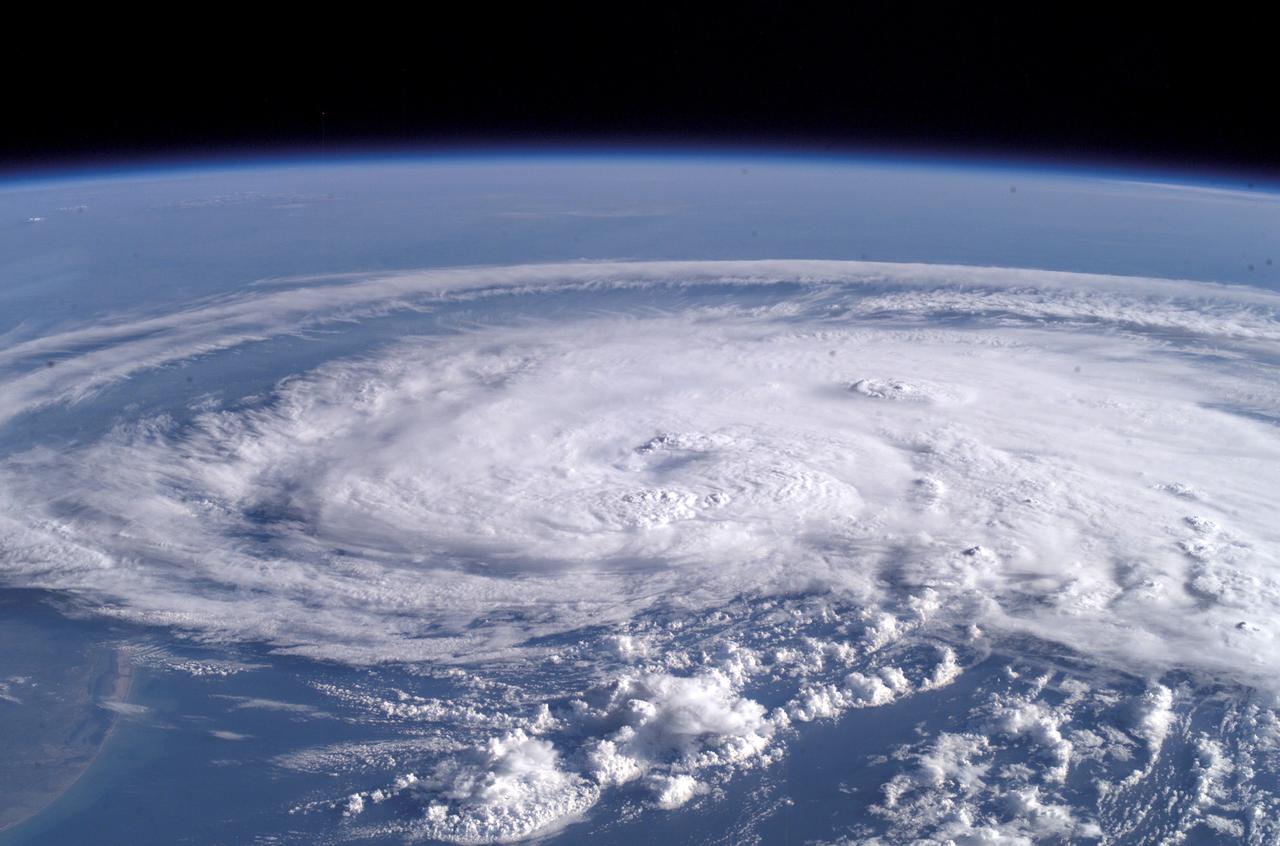
Aboard the International Space Station (ISS), Expedition Seven crew members, Cosmonaut Yuri I. Malenchenko, and Astronaut Edward T. Lu, had an outstanding opportunity to observe tropical storm Claudette as she turned into a hurricane and came ashore to their Houston home and other Texas areas. The storm produced winds of 80-85 mph gusting to 104 mph.
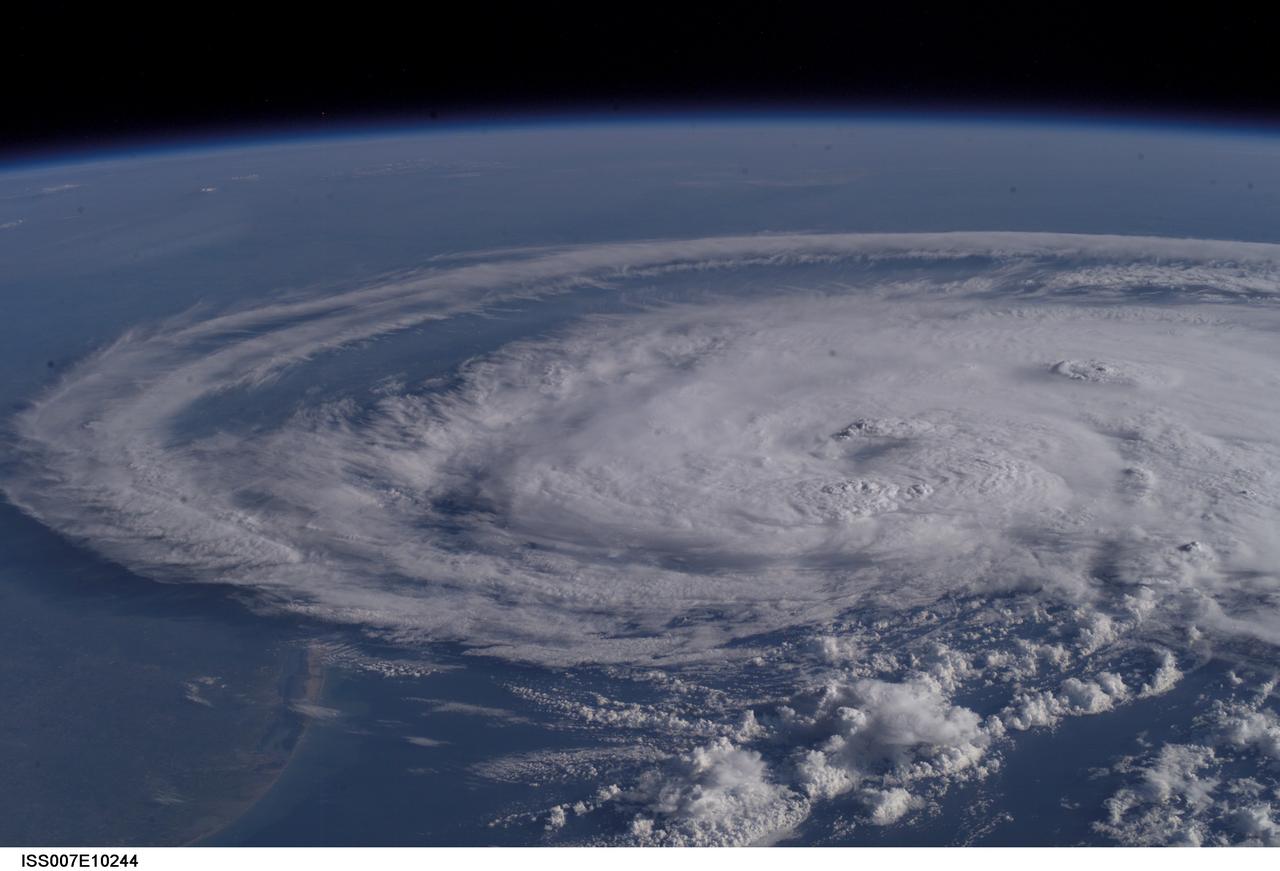
ISS007-E-10244 (15 July 2003) --- The Expedition 7 crew onboard the International Space Station (ISS) had a great seat from which to observe tropical storm Claudette as she turned into a hurricane and came ashore with high winds and heavy rains that drenched their Houston home base and other Texas areas. This digital image was recorded at 13:26:41 GMT, July 15, 2003.
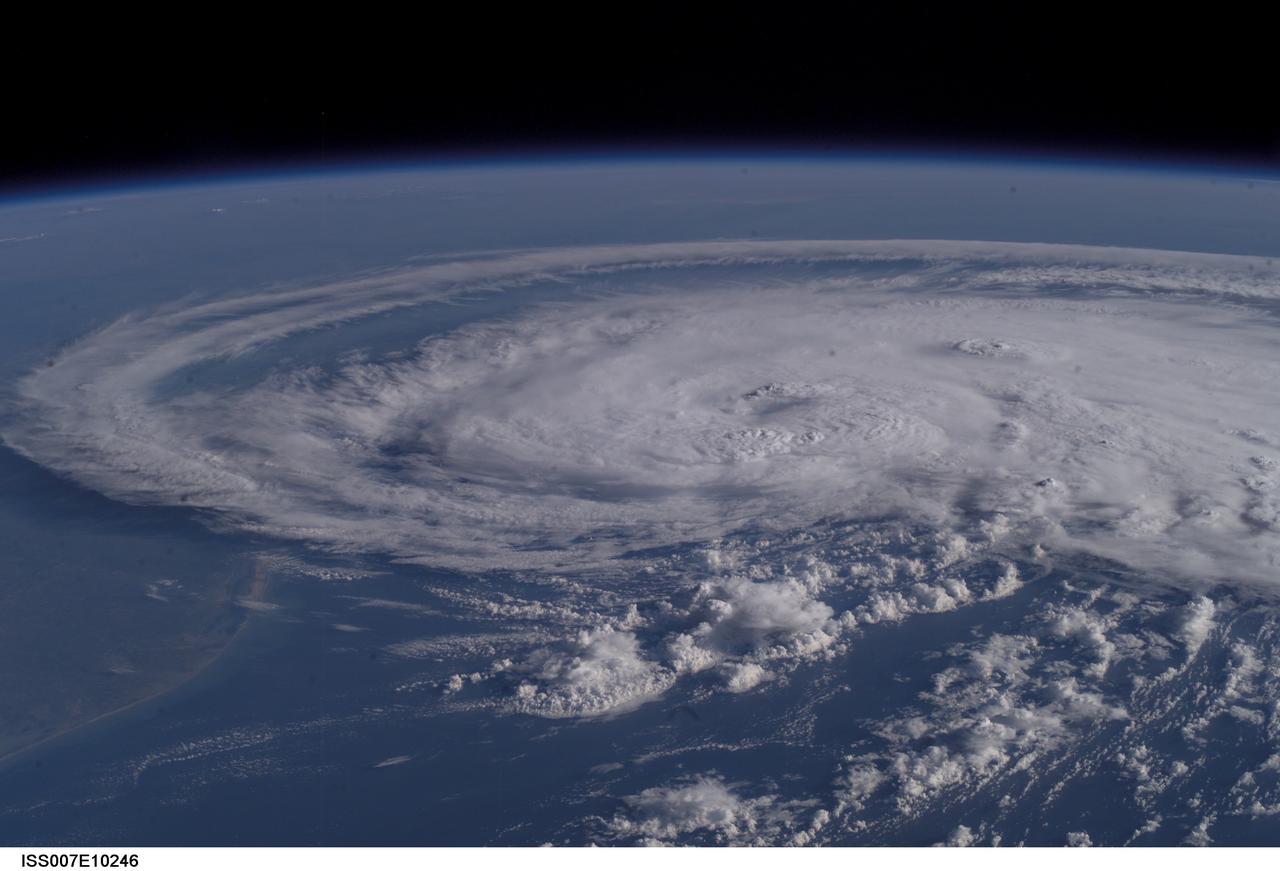
ISS007-E-10246 (15 July 2003) --- The crew of the International Space Station had a great seat from which to observe tropical storm Claudette as she turned into a hurricane and came ashore with high winds and heavy rains that drenched their Houston home base and other Texas areas. This digital image was recorded at 13:26:54 GMT, July 15, 2003
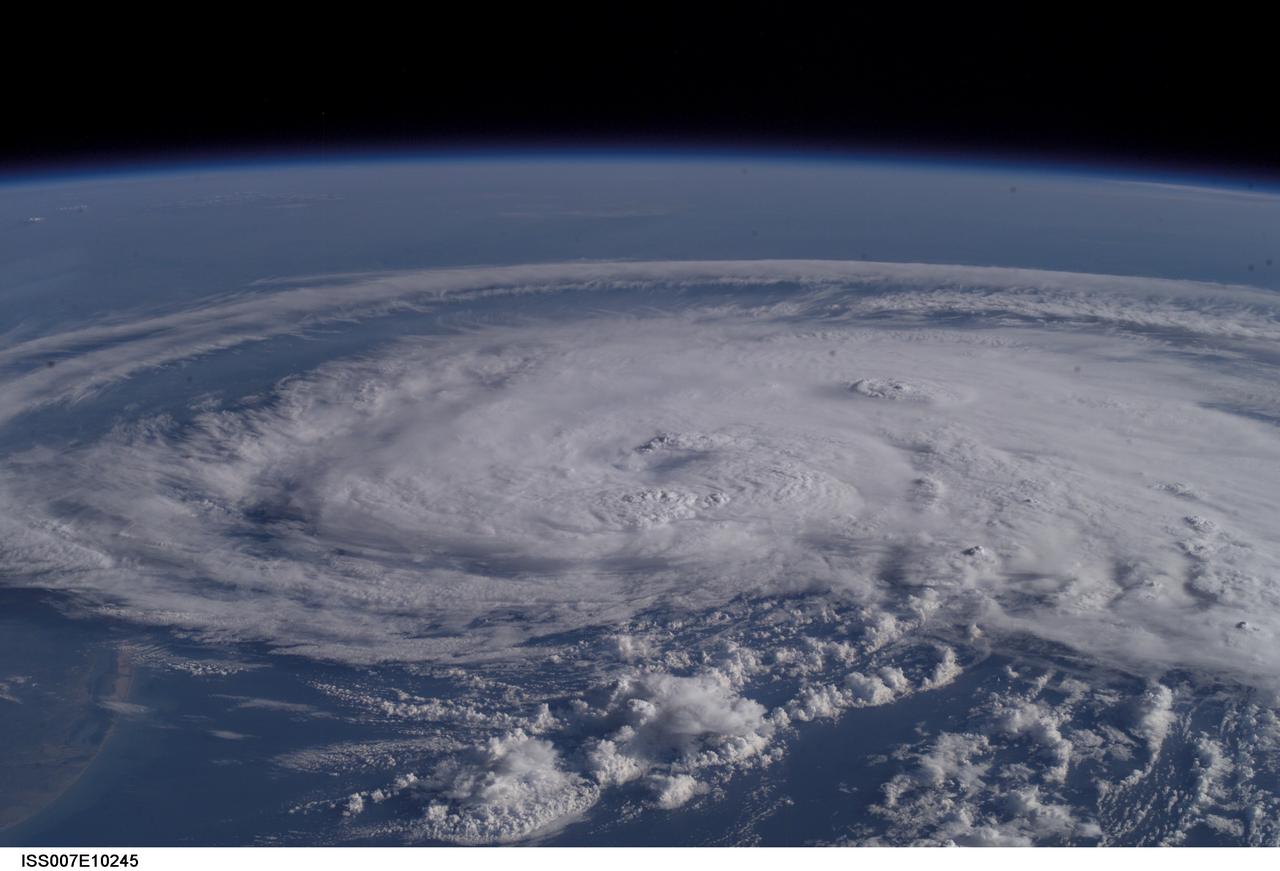
ISS007-E-10245 (15 July 2003) --- The crew of the International Space Station had a great seat from which to observe tropical storm Claudette as she turned into a hurricane and came ashore with high winds and heavy rains that drenched their Houston home base and other Texas areas. This digital image was recorded at 13:26:41 GMT, July 15, 2003
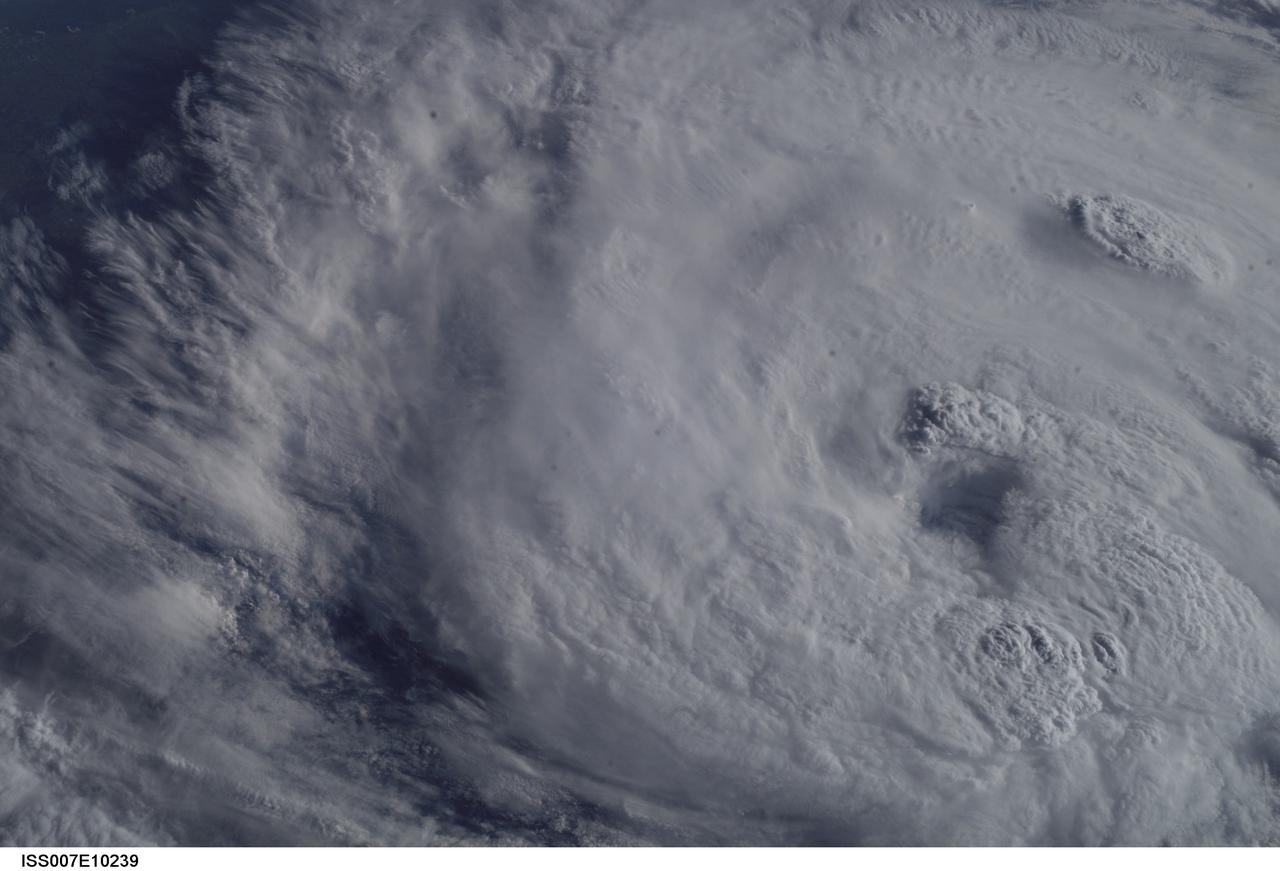
ISS007-E-10239 (15 July 2003) --- The crew of the International Space Station had a great seat from which to observe tropical storm Claudette as she turned into a hurricane and came ashore with high winds and heavy rains that drenched their Houston home base and other Texas areas. This digital image was recorded at 13:25:10 GMT, July 15, 2003.
![“I remember crying on the floor of my living room. In the nineties, three-day forecasts were about as good as five-day forecasts are today. [Hurricane Brett] was within three days, but it wasn’t completely clear whether it was going to hit my hometown or not. It ended up hitting south of us and we didn’t even get rain out of it. But I remember being fearful for that whole day and night. But then I turned that fear into fascination. In 2003, my hometown got hit by hurricane Claudette. I wasn’t as fearful then. I was a little bit older at that time. And then a year and a half later, we had a snowstorm in south Texas. We had 12 inches overnight. And it was so incredibly weird. I had seen a forecast on TV, and it was this outlandish forecast from ten days out that said it was going to snow. I was a kid and I believed it. I bet my dad ten dollars that it was going to happen, and he said, ‘there’s no way.’ And I ended up winning ten dollars. And to me that was like, ‘oh my gosh! I stole somebody else’s forecast and I won ten dollars.’ I think people try to take their fears and understand and dissect them. This goes not only for the physical sciences but also for the life sciences. So many people who have been impacted by cancer in their family go into cancer research. It gives them a sense of closure. It gives them a sense of understanding. They want to be part of the solution. For example, my brother is autistic, low-functioning. My backup plan would have been researching neurodivergence. It’s all about the feeling of wanting to understand.” NASA Deputy Program Scientist, Earth Science Division, Dr. Aaron Piña, poses for a portrait, Monday, June 13, 2022, at the Mary W. Jackson NASA Headquarters building in Washington. Photo Credit: (NASA/Aubrey Gemignani)](https://images-assets.nasa.gov/image/NHQ202206130001/NHQ202206130001~medium.jpg)
“I remember crying on the floor of my living room. In the nineties, three-day forecasts were about as good as five-day forecasts are today. [Hurricane Brett] was within three days, but it wasn’t completely clear whether it was going to hit my hometown or not. It ended up hitting south of us and we didn’t even get rain out of it. But I remember being fearful for that whole day and night. But then I turned that fear into fascination. In 2003, my hometown got hit by hurricane Claudette. I wasn’t as fearful then. I was a little bit older at that time. And then a year and a half later, we had a snowstorm in south Texas. We had 12 inches overnight. And it was so incredibly weird. I had seen a forecast on TV, and it was this outlandish forecast from ten days out that said it was going to snow. I was a kid and I believed it. I bet my dad ten dollars that it was going to happen, and he said, ‘there’s no way.’ And I ended up winning ten dollars. And to me that was like, ‘oh my gosh! I stole somebody else’s forecast and I won ten dollars.’ I think people try to take their fears and understand and dissect them. This goes not only for the physical sciences but also for the life sciences. So many people who have been impacted by cancer in their family go into cancer research. It gives them a sense of closure. It gives them a sense of understanding. They want to be part of the solution. For example, my brother is autistic, low-functioning. My backup plan would have been researching neurodivergence. It’s all about the feeling of wanting to understand.” NASA Deputy Program Scientist, Earth Science Division, Dr. Aaron Piña, poses for a portrait, Monday, June 13, 2022, at the Mary W. Jackson NASA Headquarters building in Washington. Photo Credit: (NASA/Aubrey Gemignani)