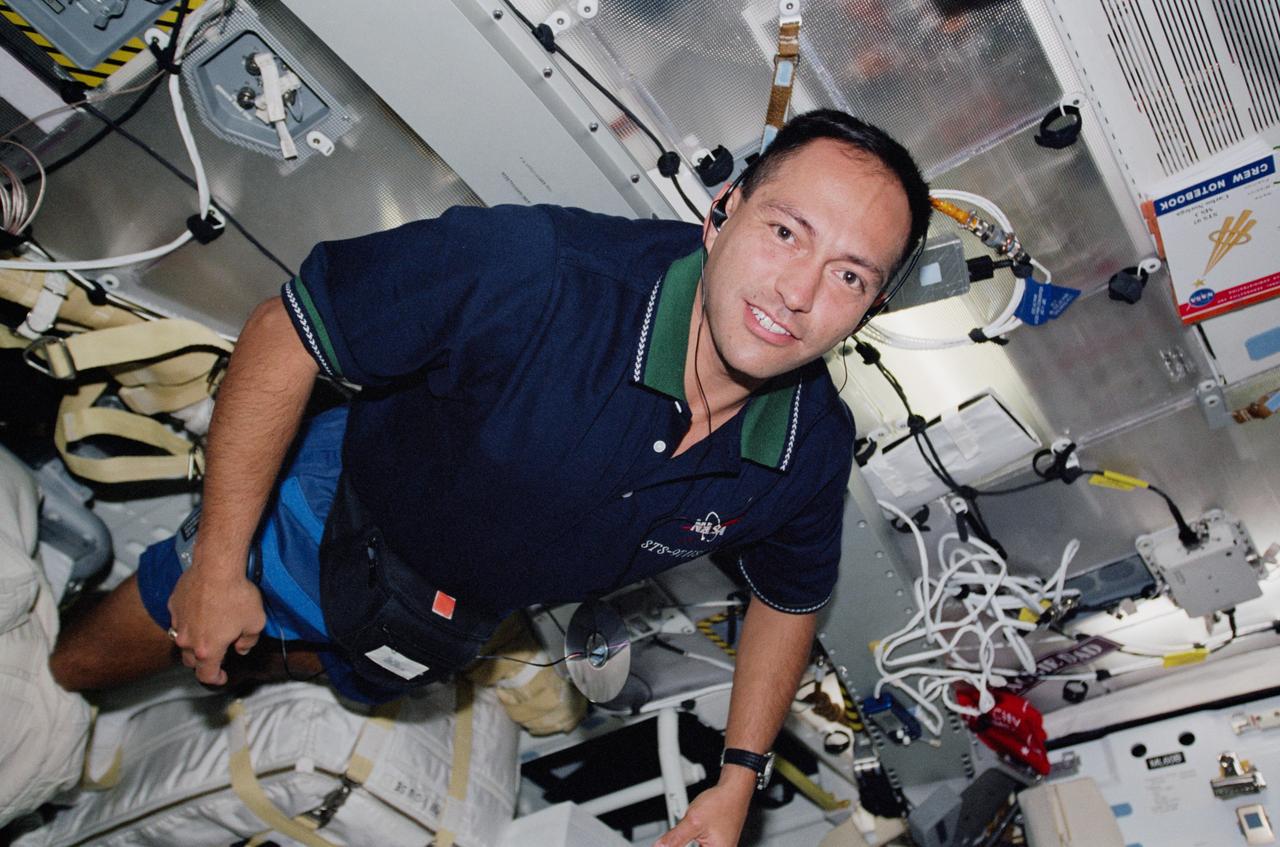
STS097-327-021 (30 Nov. - 11 Dec. 2000) --- Astronaut Carlos I. Noriega moves some gear around on the middeck of the Earth-orbiting Space Shuttle Endeavour.
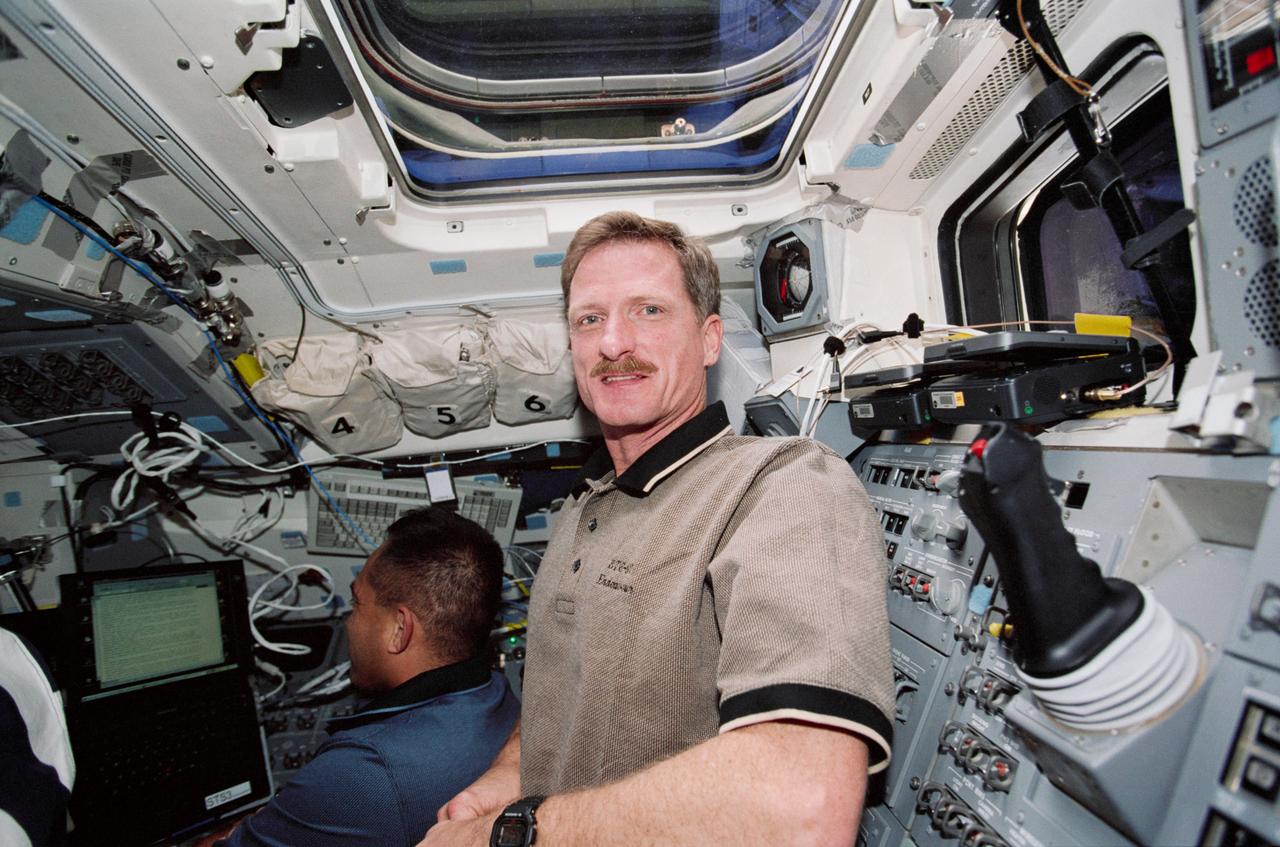
STS097-330-029 (30 Nov.-11 Dec. 2000) --- Astronauts Carlos I. Noriega (left) and Joseph R. Tanner, both mission specialists, are photographed on the aft flight deck of the Space Shuttle Endeavour.
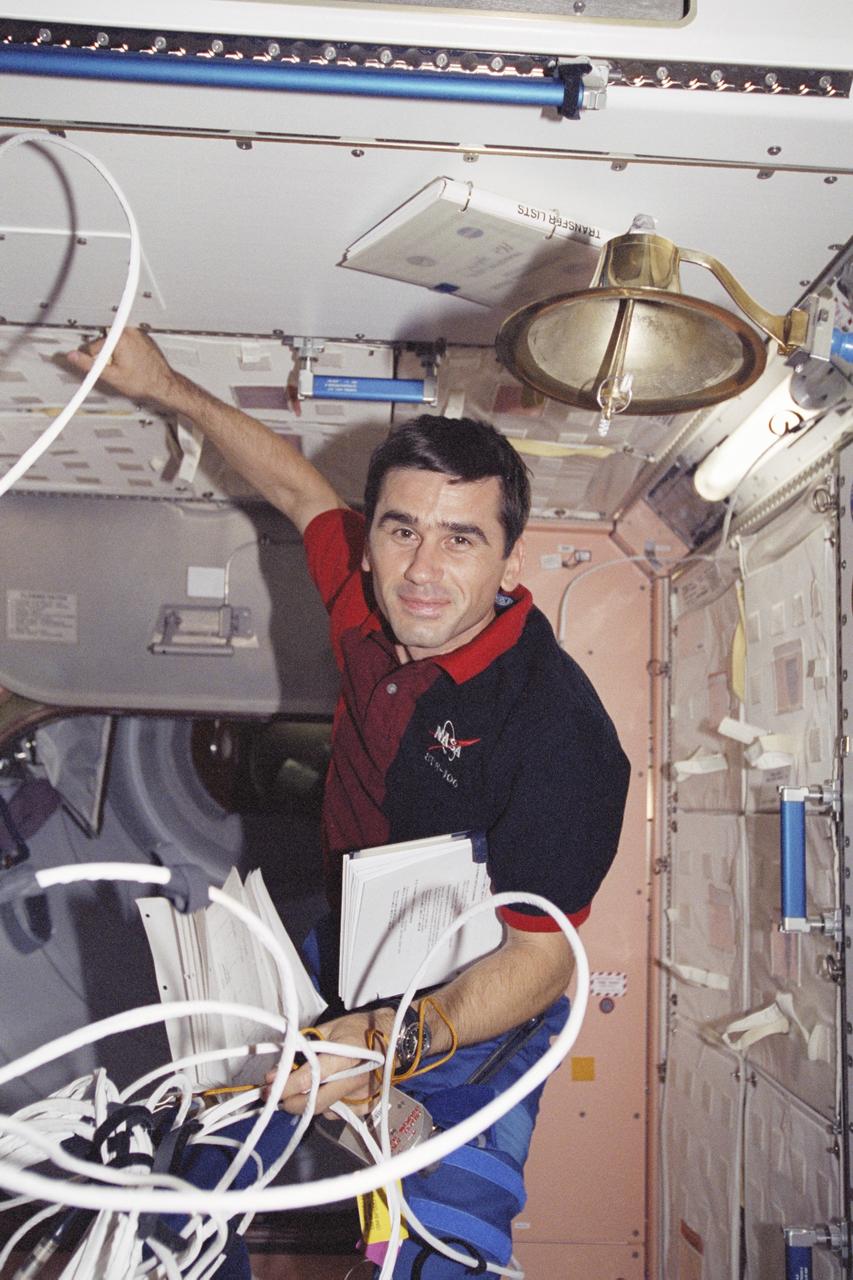
STS106-319-022 (8-20 September 2000)--- Cosmonaut Yuri I. Malenchenko, mission specialist representing the Russian Aviation and Space Agency, works aboard the U.S.-built Unity node on the International Space Station (ISS).
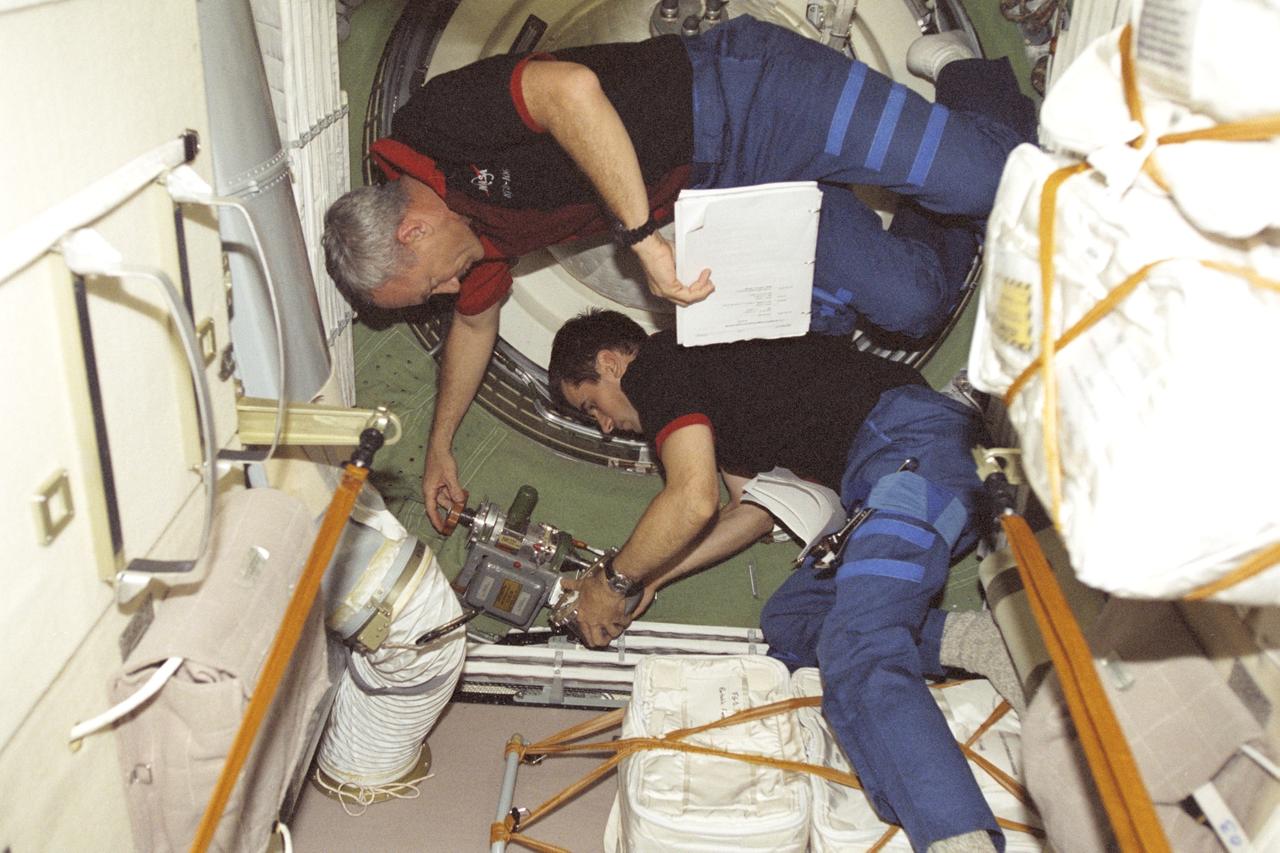
STS106-322-026 (17 September 2000) --- Astronaut Terrence W. Wilcutt (right), STS-106 mission commander, and cosmonaut Yuri I. Malenchenko, mission specialist, in the functional cargo block (FGB) or Zarya on the International Space Station (ISS), work on preparations for undocking between the Space Shuttle Atlantis and the station. Separation took place on September 17, 2000 at 10:46 p.m. (CDT). Malenchenko represents Rosaviakosmos.
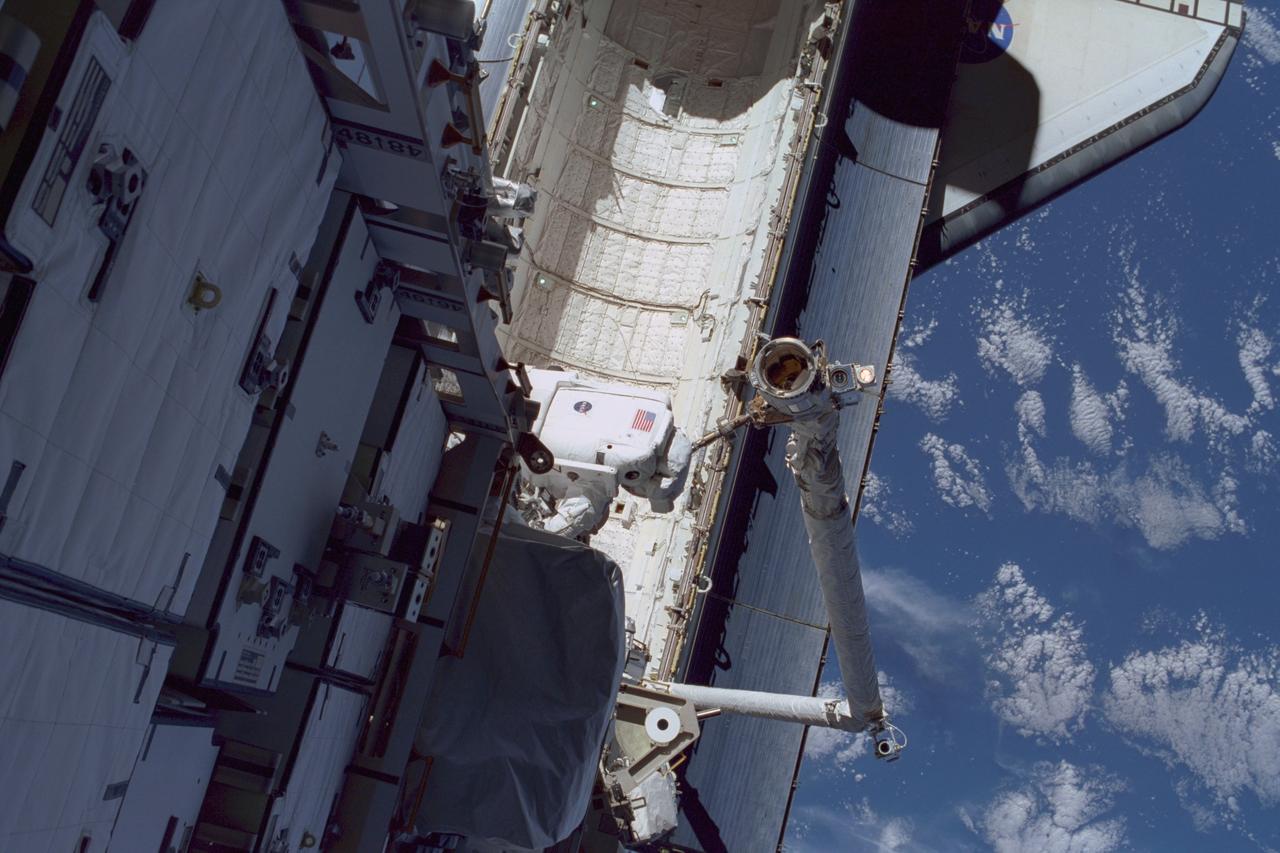
STS097-374-020 (3 December 2000) --- This high angle view shows astronaut Carlos I. Noriega, STS-97 mission specialist, traversing over Endeavour's cargo bay during the flight's first space walk on Dec. 3, 2000. Astronaut Joseph R. Tanner, mission specialist, was near the top of the P6 truss structure when he exposed the 35mm frame. The Canadian-built Remote Manipulator System (RMS) arm can be seen at bottom right.
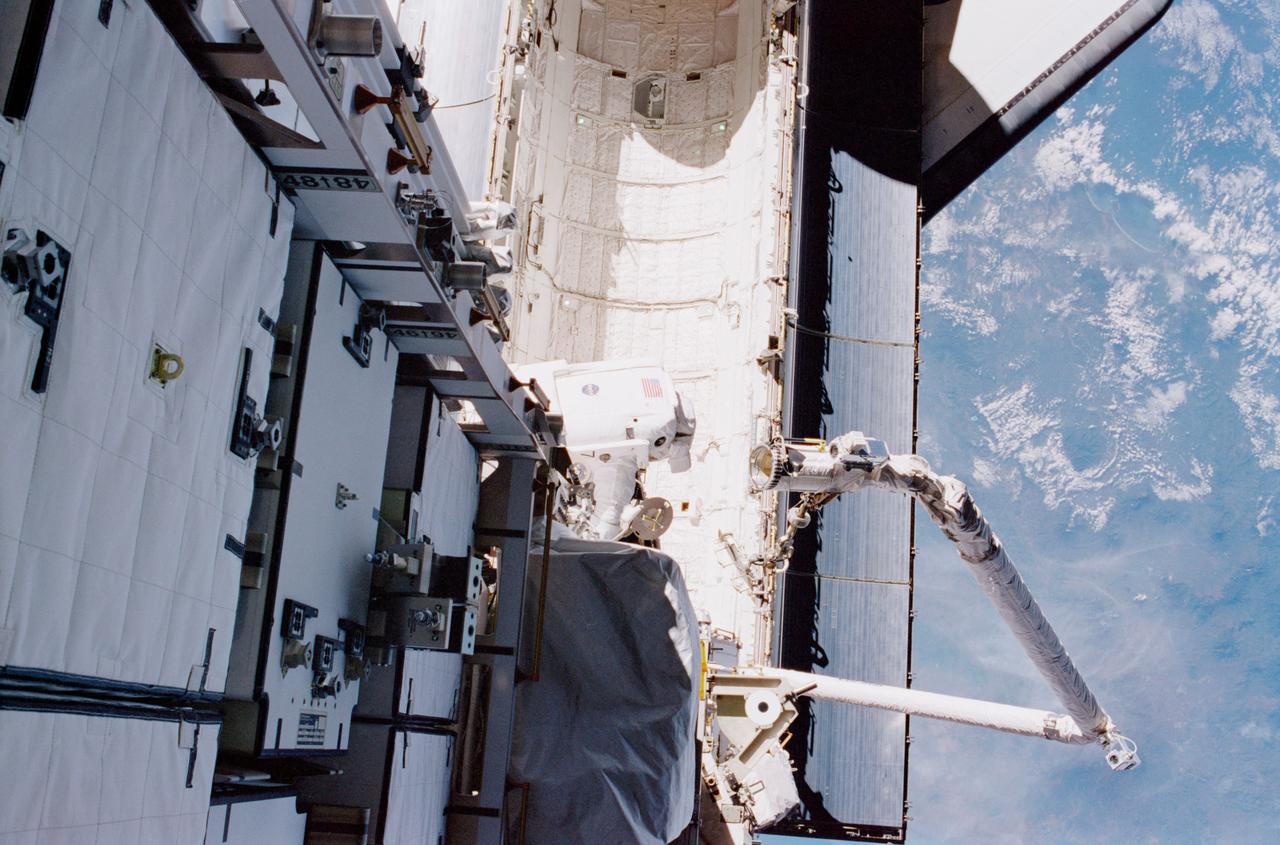
STS097-374-015 (5 December 2000) --- This high angle view shows astronaut Carlos I. Noriega, STS-97 mission specialist, traversing over Endeavour's cargo bay during the flight's first space walk on Dec. 5, 2000. Astronaut Joseph R. Tanner, mission specialist, was near the top of the P6 truss structure when he exposed the 35mm frame. The Canadian-built Remote Manipulator System (RMS) arm, instrumental in the current operations, can be seen at bottom right.
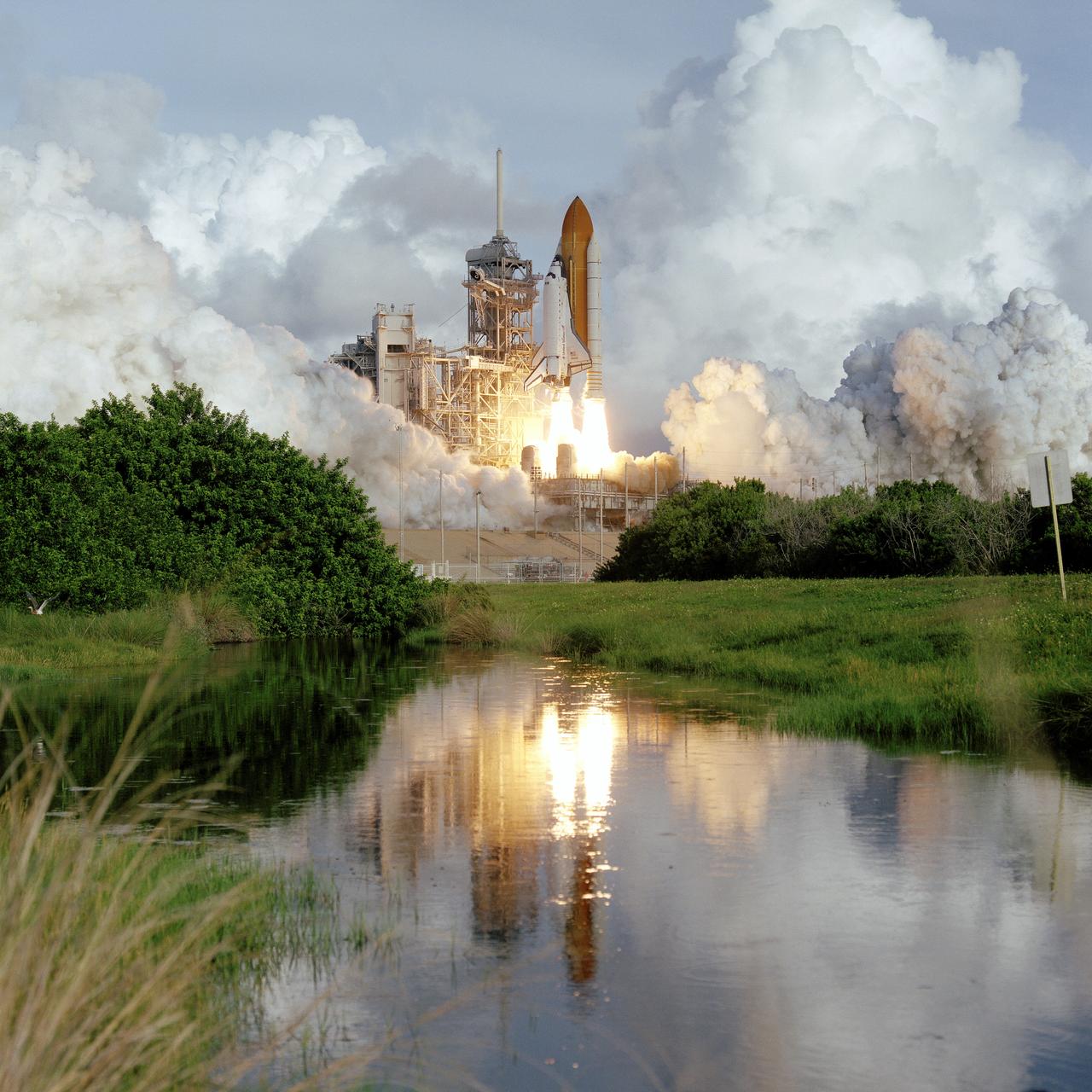
STS106-S-010 (8 Sept. 2000) --- The Space Shuttle Atlantis is mirrored in nearby marsh waters as it makes its 22nd launch into space. The perfect on-time liftoff for STS-106 occurred at 8:45:47 a.m. (EDT), Sept. 8, 2000. Onboard the shuttle were astronauts Terrence W. Wilcutt, Scott D. Altman, Edward T. Lu, Richard A. Mastracchio and Daniel C. Burbank, along with cosmonauts Yuri I. Malenchenko and Boris V. Morukov who represent the Russian Aviation and Space Agency.
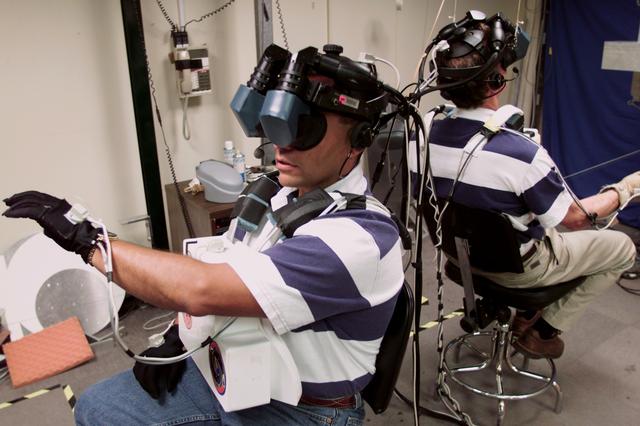
JSC2000-E-26587 (October 2000) --- The two assigned space-walking astronauts for the STS-97 mission train for their scheduled extravehicular activity (EVA) in the virtual reality laboratory at the Johnson Space Center (JSC). They are astronauts Carlos I. Noriega (left) and Joseph R. Tanner, both mission specialists.
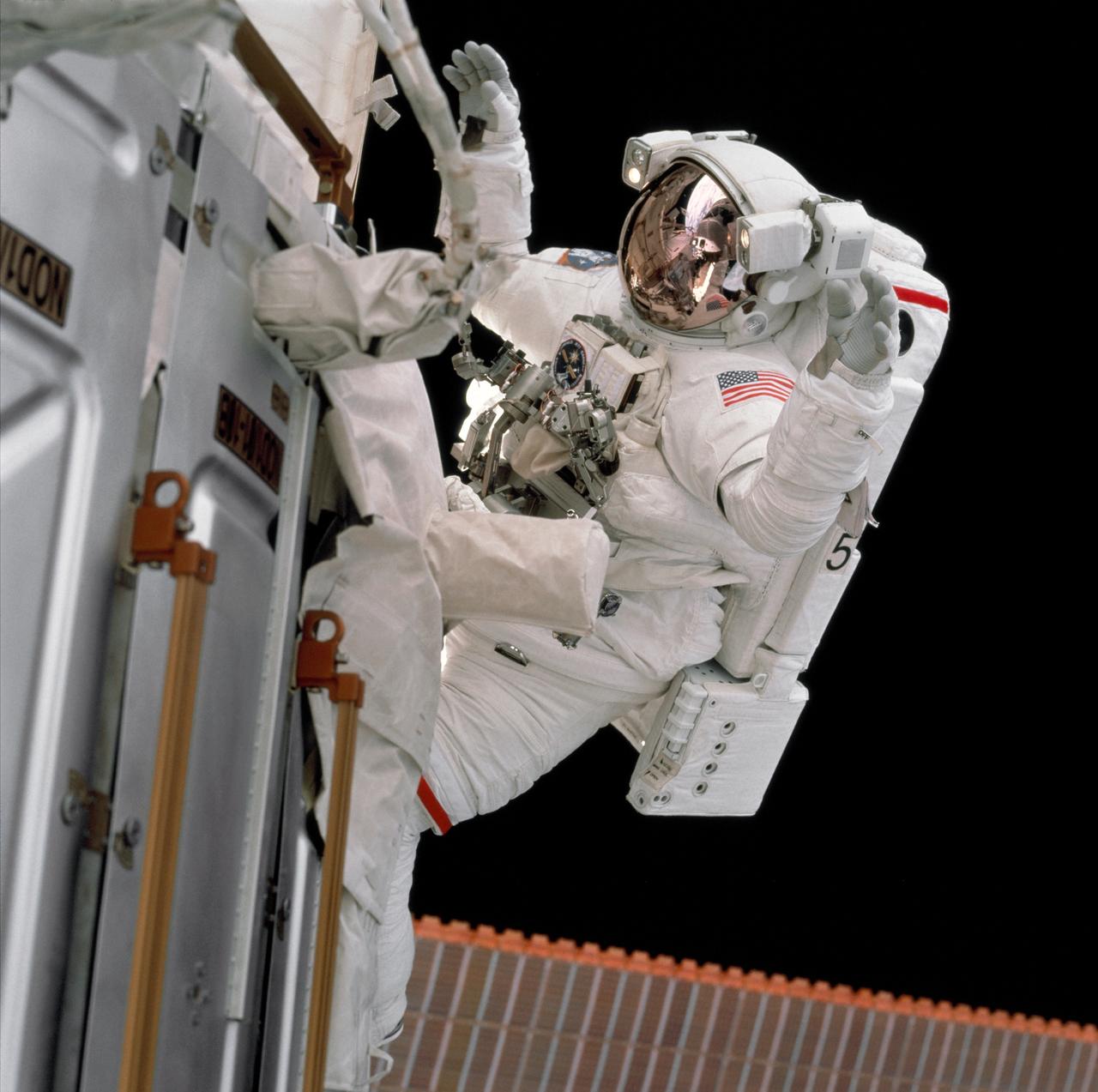
STS097-703-001 (7 December 2000) --- Astronaut Joseph R. Tanner participates in the December 7 extravehicular activity (EVA), one of three space walks involving him and astronaut Carlos I. Noriega. The photograph was taken by one of the non-EVA STS-97 crew members, using a 70mm camera.
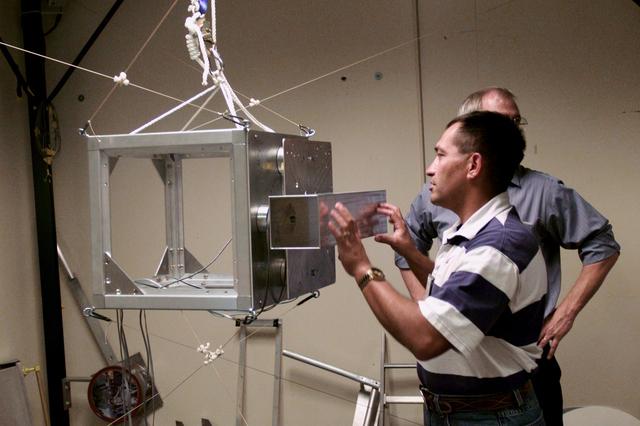
JSC2000-E-26591 (October 2000) --- Astronaut Carlos I. Noriega, one of two STS-97 astronauts assigned to extravehicular activity (EVA) duty, participates in training for the upcoming mission. Noriega and four other astronauts will visit the International Space Station (ISS) via the Space Shuttle Endeavour.
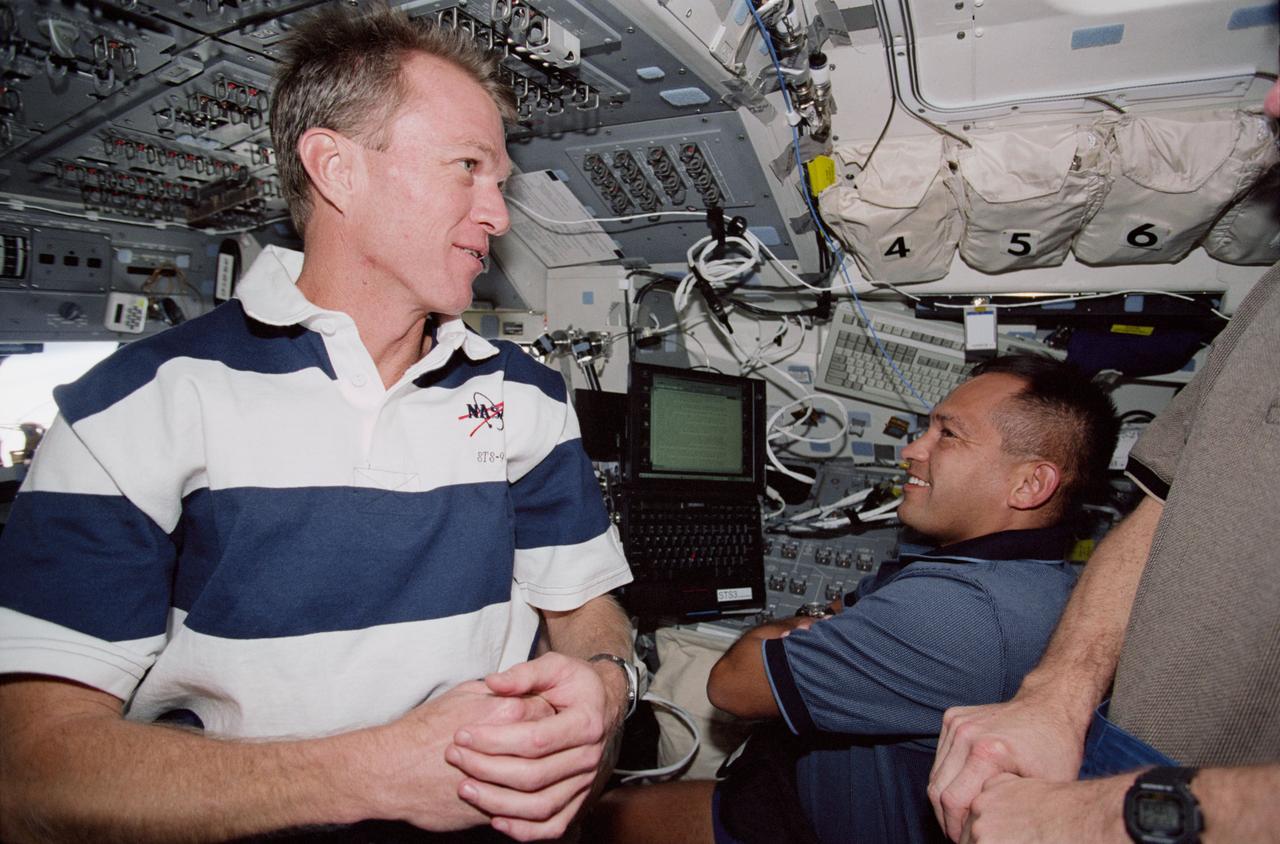
STS097-330-030 (30 Nov.-11 Dec. 2000) --- Astronauts Brent W. Jett (left), mission commander, and Carlos I. Noriega and Joseph R. Tanner (partially out of frame), both mission specialists, discuss mission procedures on the aft flight deck of the Space Shuttle Endeavour.
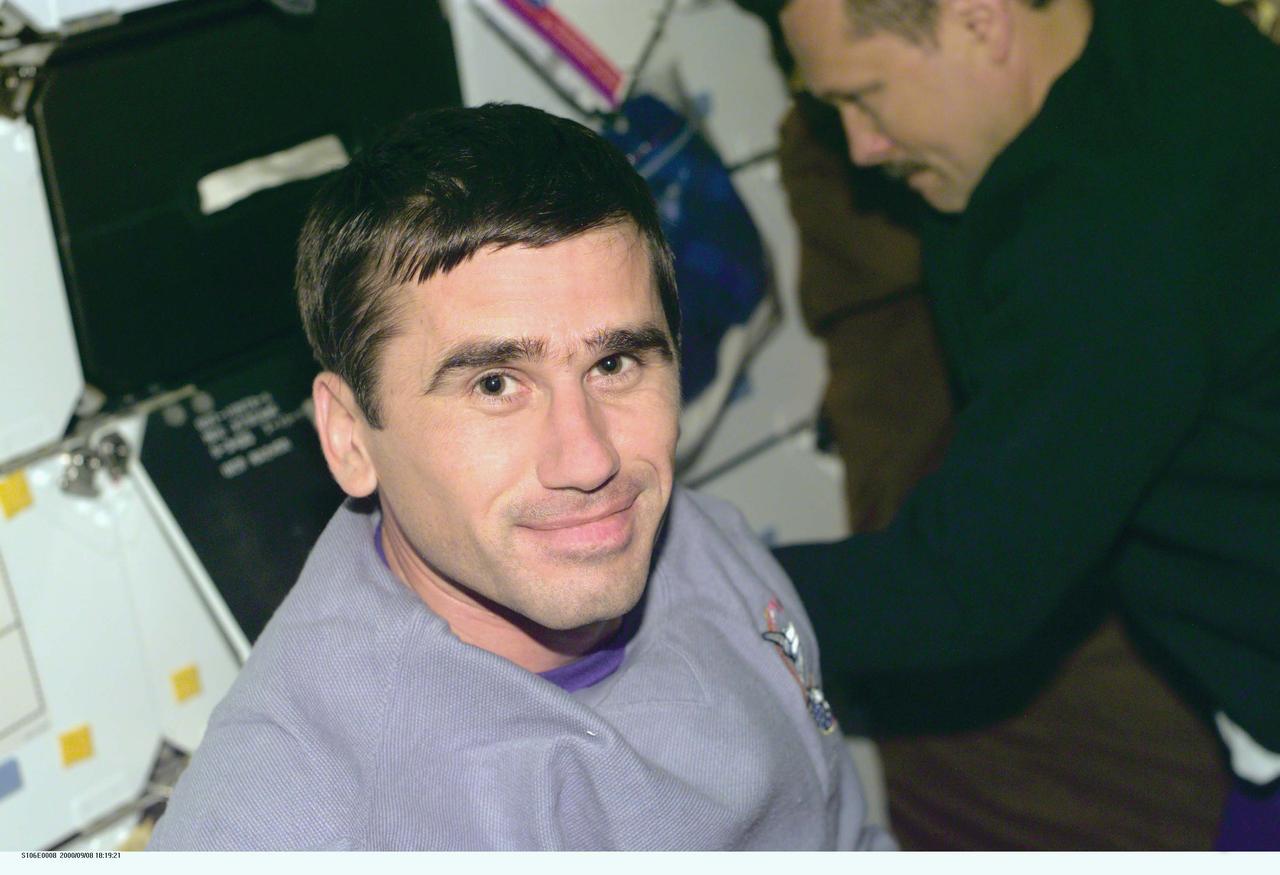
S106-E-5008 (8 September 2000) --- Cosmonaut Yuri I. Malenchenko, mission specialist representing the Russian Aviation and Space Agency, joins STS-106 crew mates in readying the Space Shuttle Atlantis for about a week and a half of work in Earth orbit.
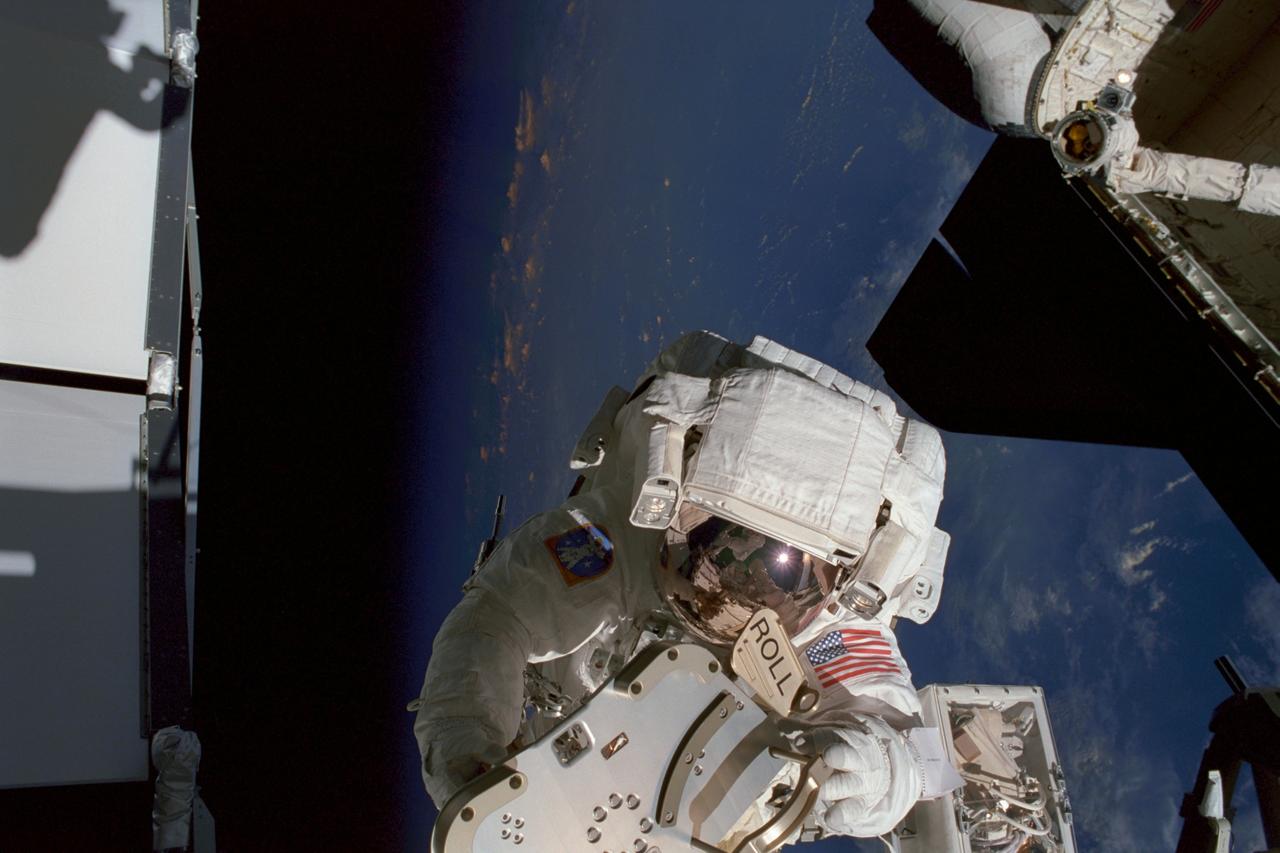
STS097-376-003 (7 December 2000) --- Astronaut Carlo I. Noriega, mission specialist, is pictured during the third of three STS-97 space walks to perform work on the International Space Station (ISS). The photo was taken by astronaut Joseph R. Tanner, mission specialist.
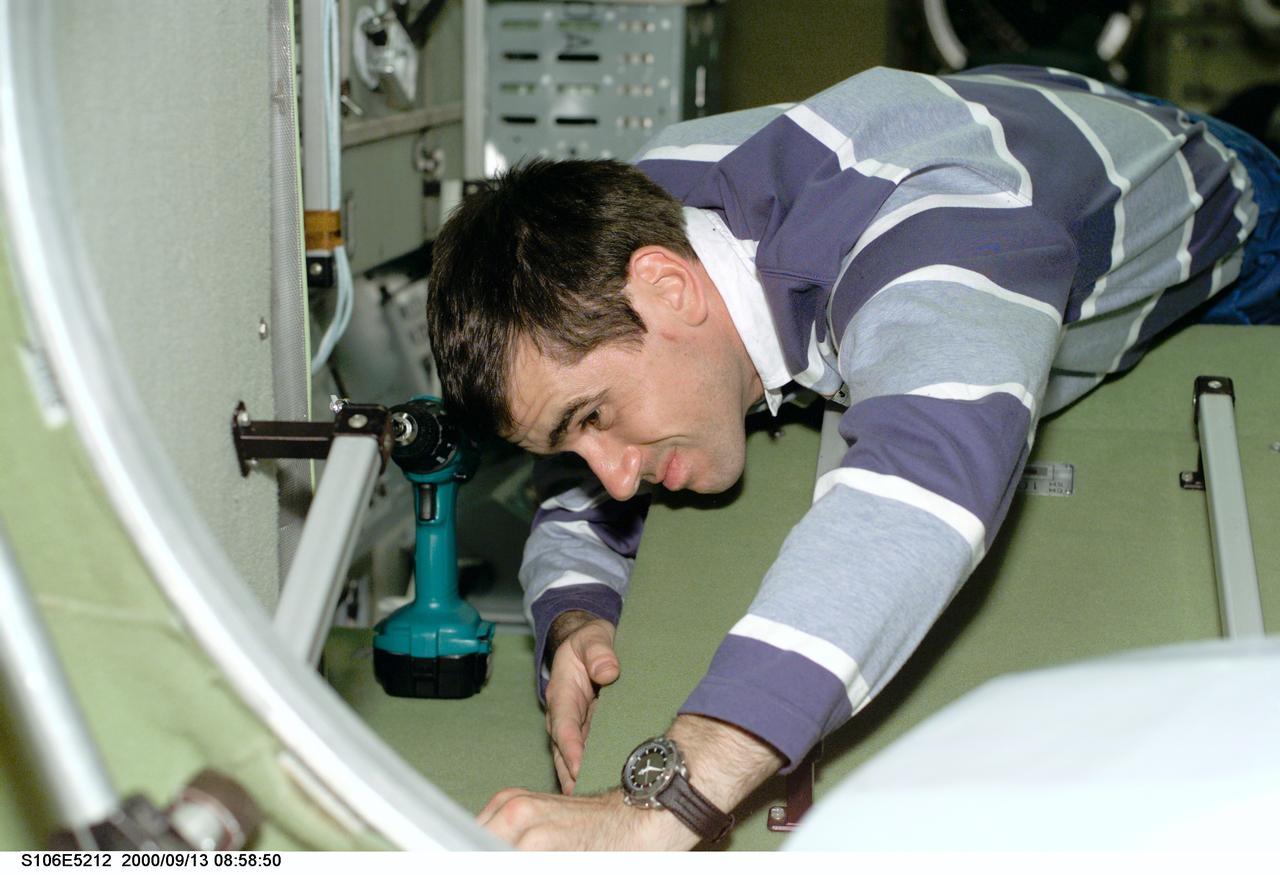
S106-E-5212 (13 September 2000) --- Cosmonaut Yuri I. Malenchenko checks on new work near a hatchway on the International Space Station (ISS). Malenchenko is one of two mission specialists representing the Russian Aviation and Space Agency on the STS-106 mission.
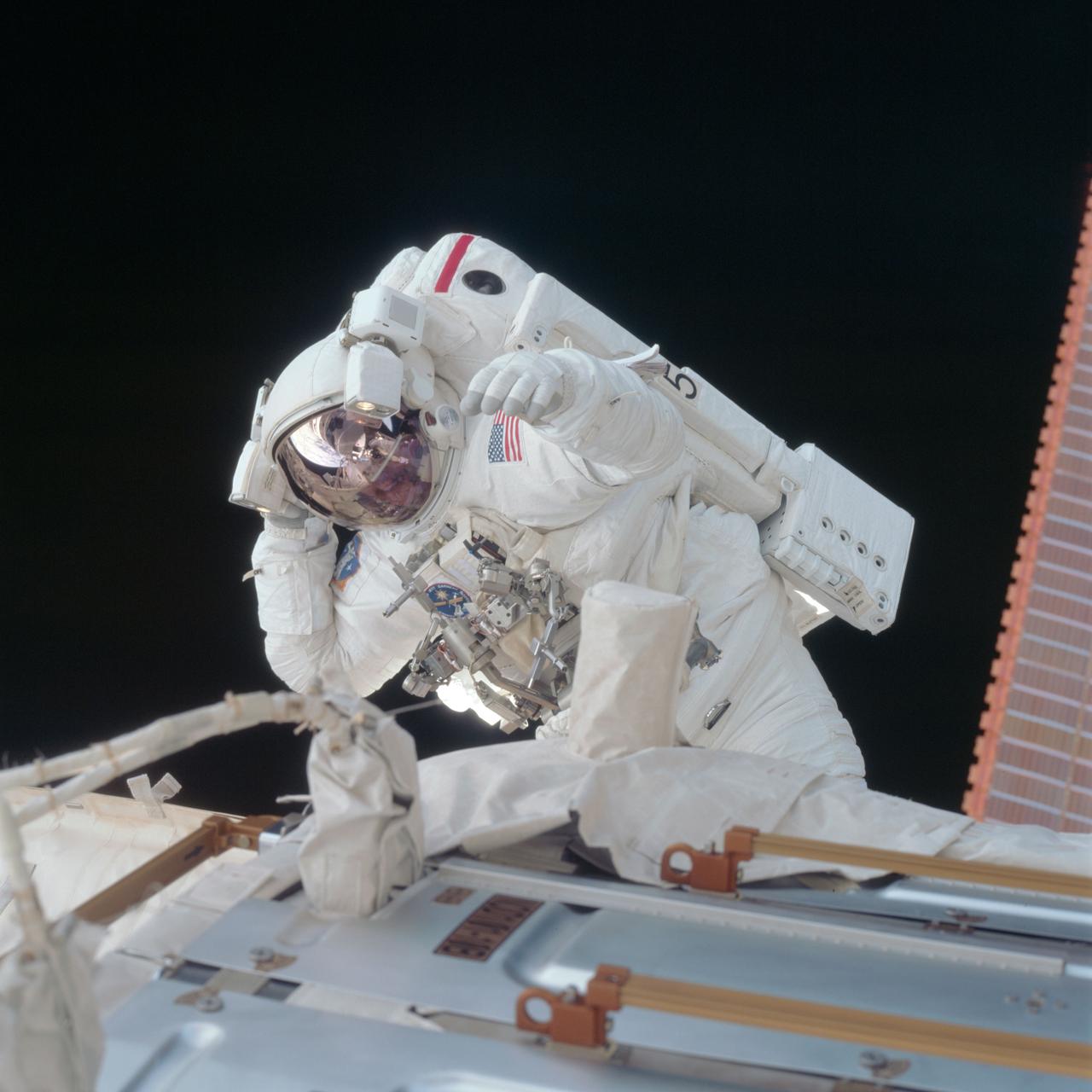
STS097-703-004 (7 December 2000) --- Astronaut Joseph R. Tanner participates in the December 7 extravehicular activity (EVA), one of three space walks involving him and astronaut Carlos I. Noriega. The photograph was taken by one of the non-EVA STS-97 crew members, using a 70mm camera.
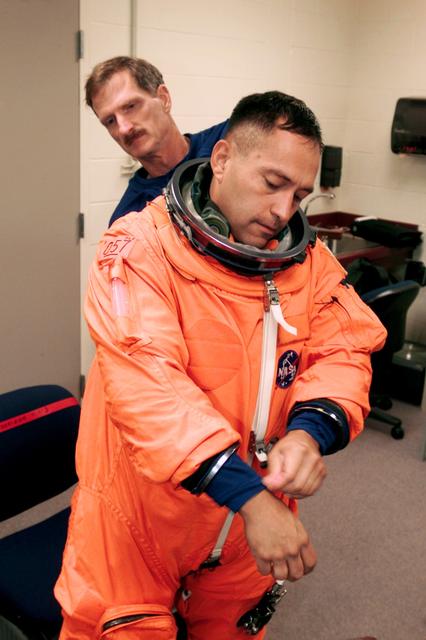
JSC2000-E-23529 (October 2000) --- Astronaut Joseph R. Tanner lends a helping hand to astronaut Carlos I. Noriega as the two STS-97 mission specialists prepare for a "dry run" going over launch procedures in a nearby simulator, in the Johnson Space Center's Systems Integration Facility.
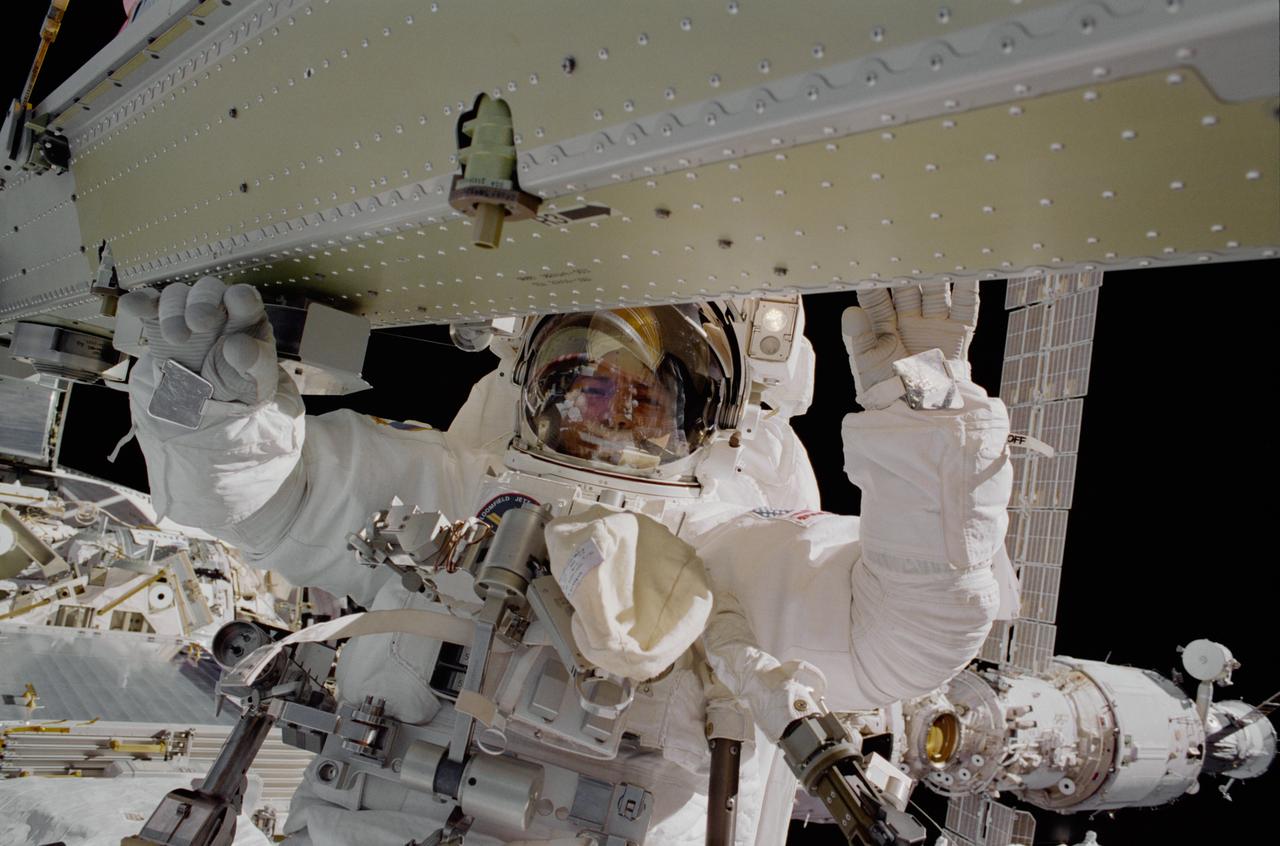
STS097-376-018 (7 December 2000) --- Astronaut Carlos I. Noriega, mission specialist, is photographed during the final of the three space walks scheduled for the STS-97 mission to the International Space Station (ISS). Astronaut Joseph R. Tanner, mission specialist, was nearby when he exposed the 35mm frame.
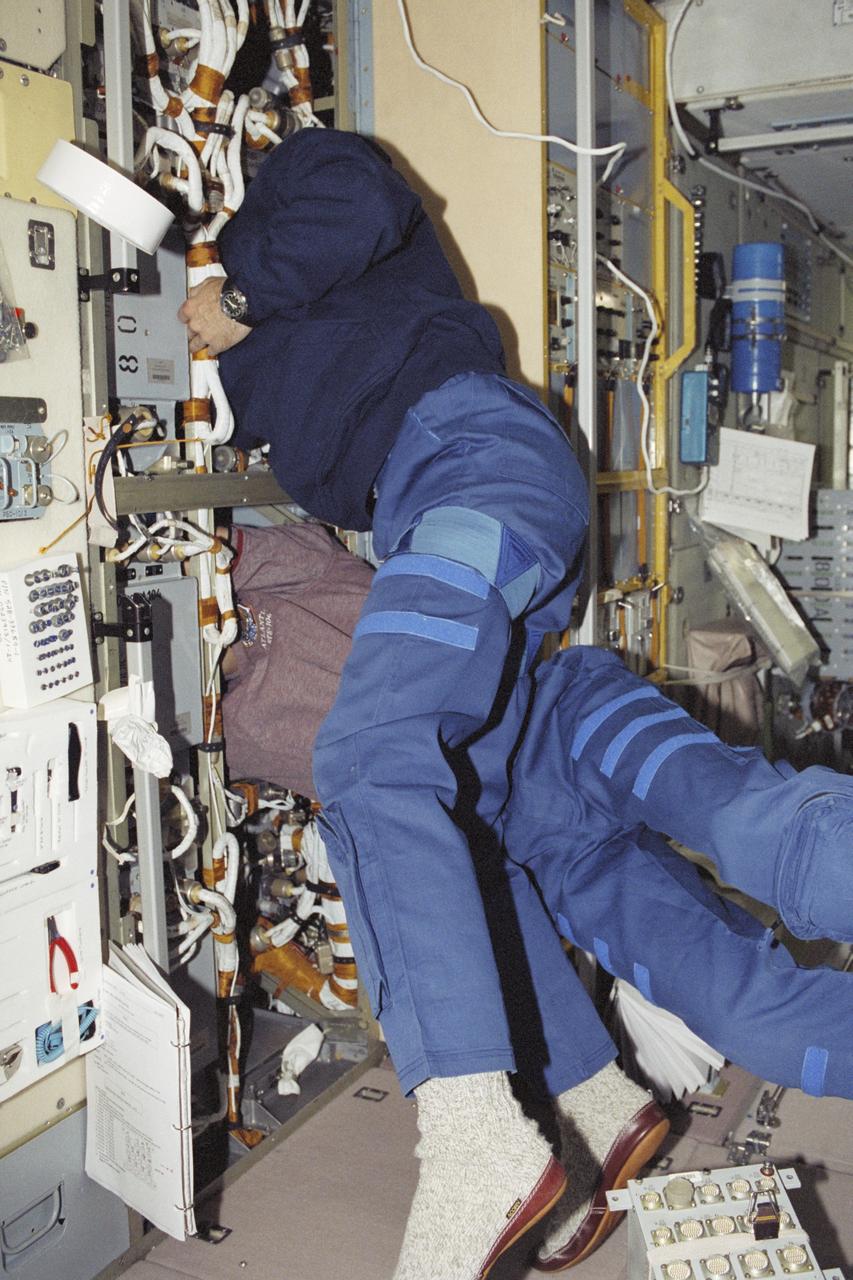
STS106-388-011 (8-20 September 2000) --- Cosmonaut Yuri I. Malenchenko (top), and astronaut Edward T. Lu, both mission specialists, work inside panels in the Zvezda Service Module on the International Space Station (ISS). Malenchenko represents Rosaviakosmos.
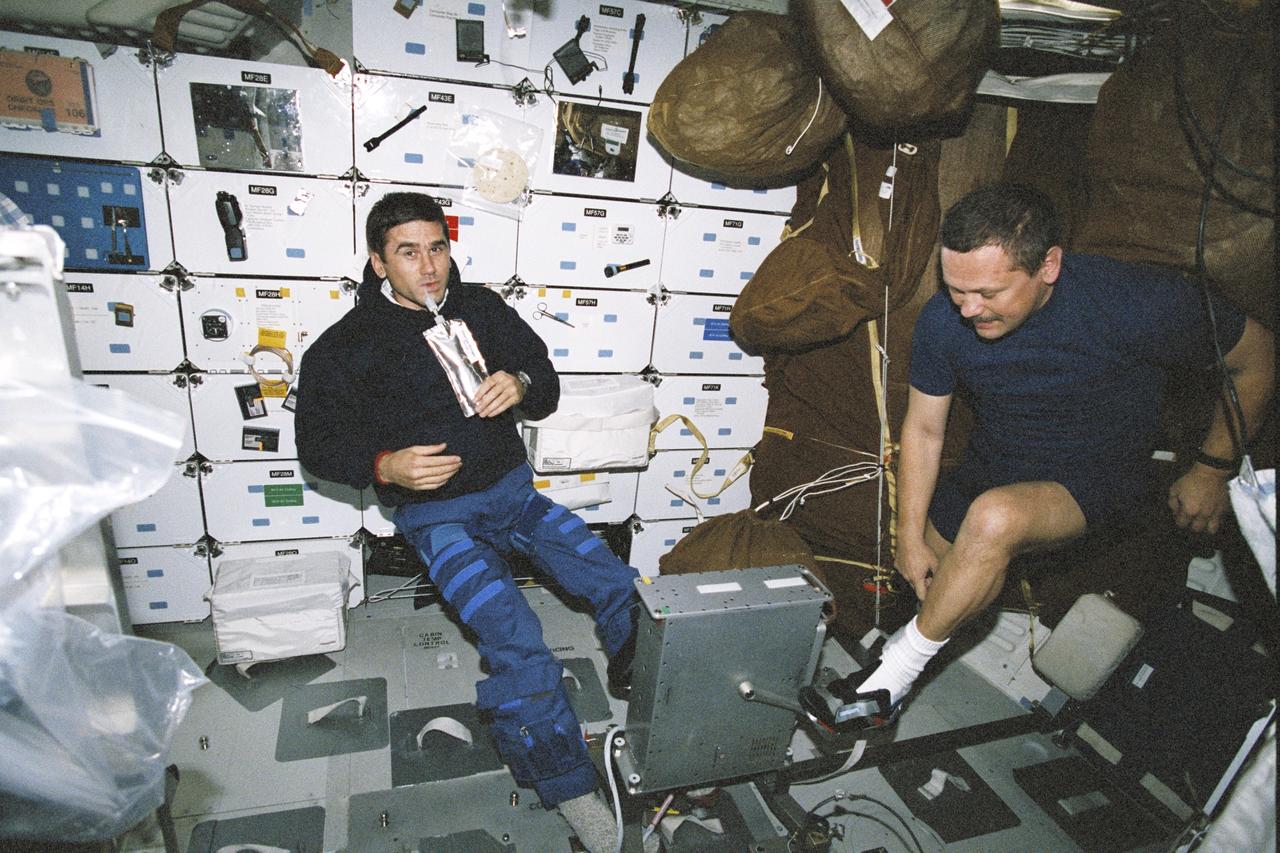
STS106-316-031 (8-20 September 2000) --- Cosmonaut Yuri I. Malenchenko (left), drinks a beverage, as cosmonaut Boris V. Morukov, prepares to exercise using an ergometer on the mid deck of the Space Shuttle Atlantis. Malenchenko and Morukov are mission specialists who represent Rosaviakosmos.
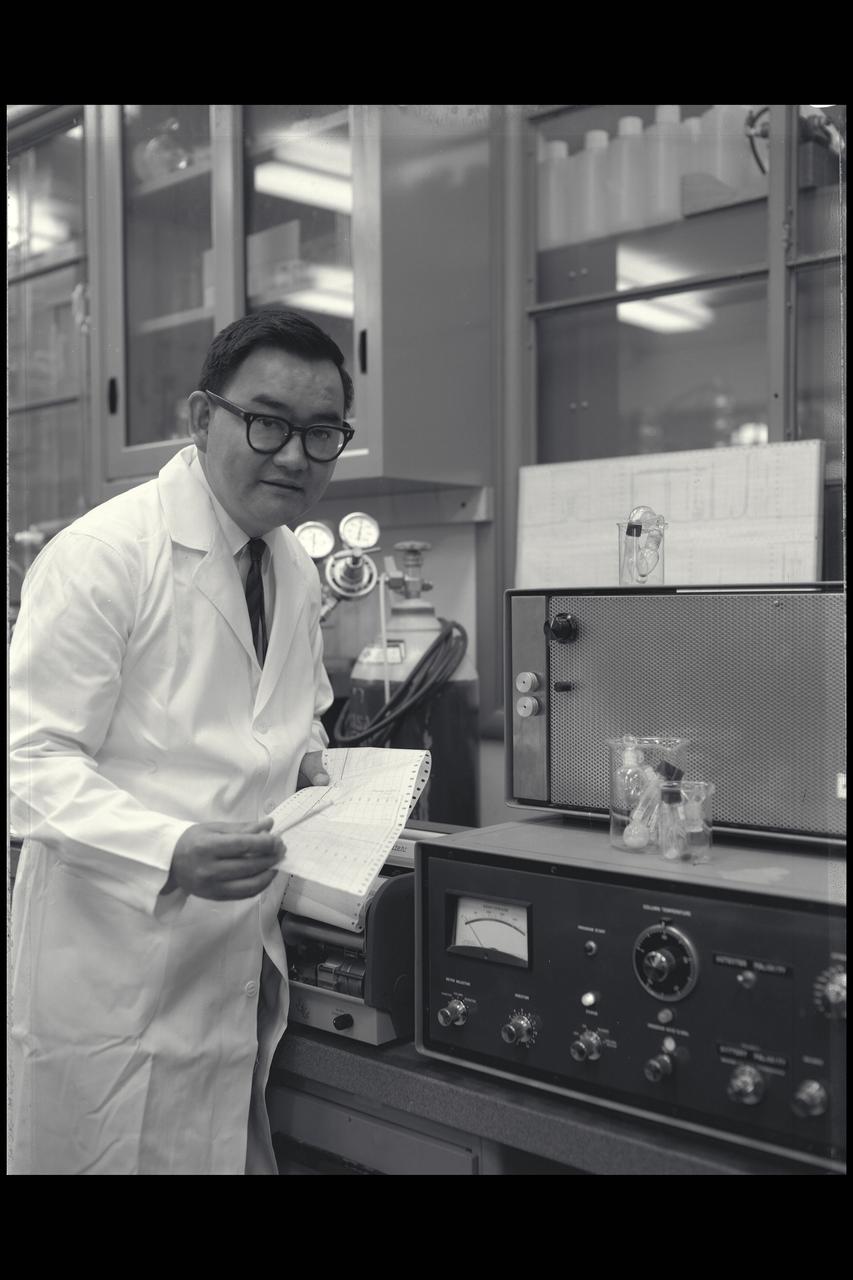
Vance I. Oyama at the Gas Chromatograph in Ames' life detection laboratory, Vance and his brother Jiro both pioneered new areas of life sciences research at Ames. Publication: Ames History; Atmosphere of Freedom; 60 yrs at NASA Ames NASA SP-2000-4314
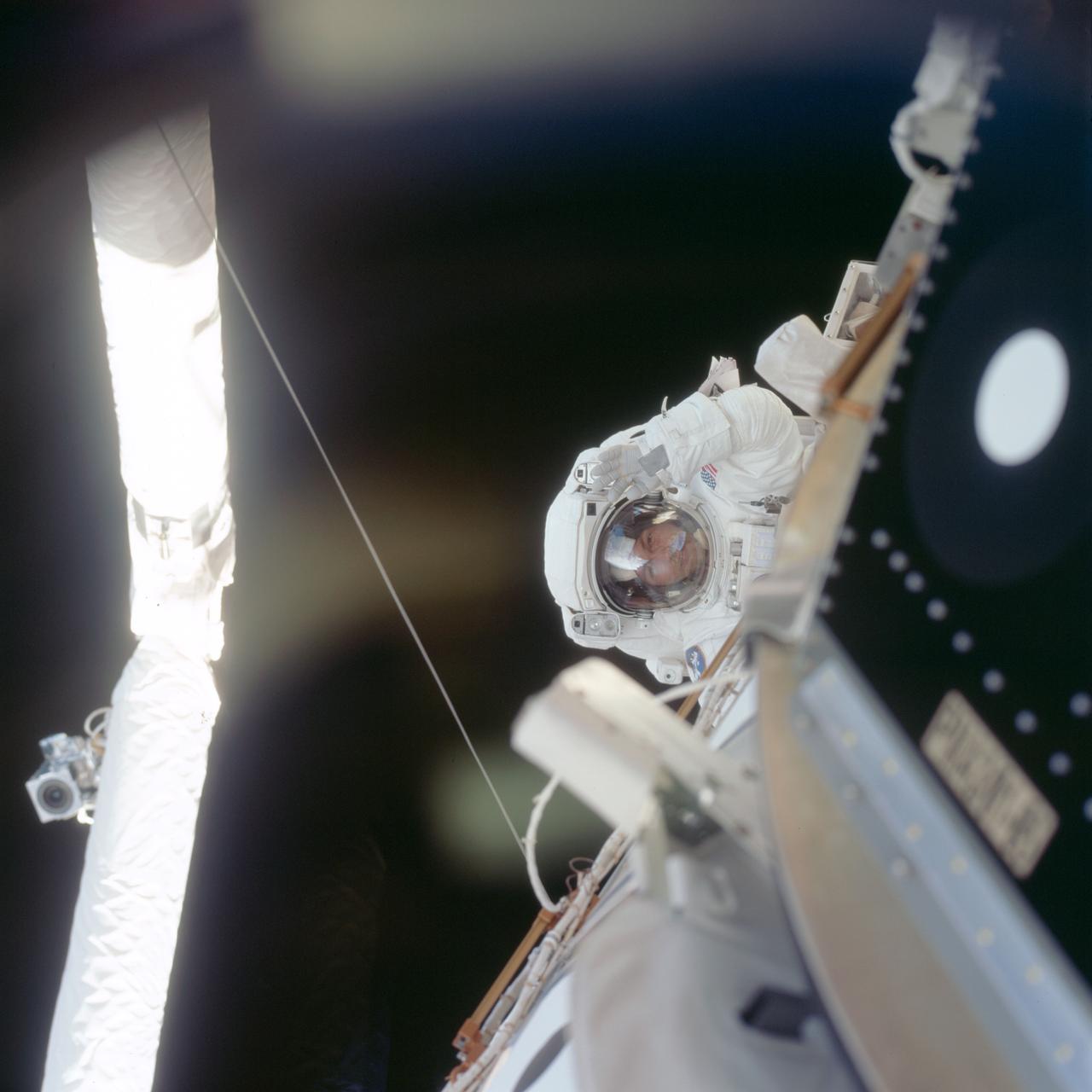
STS097-703-014 (7 December 2000) --- Astronaut Carlos I. Noriega, one of two space walking STS-97 mission specialists, waves at a crew member inside Endeavour's cabin during the mission's final session of extravehicular activity (EVA).
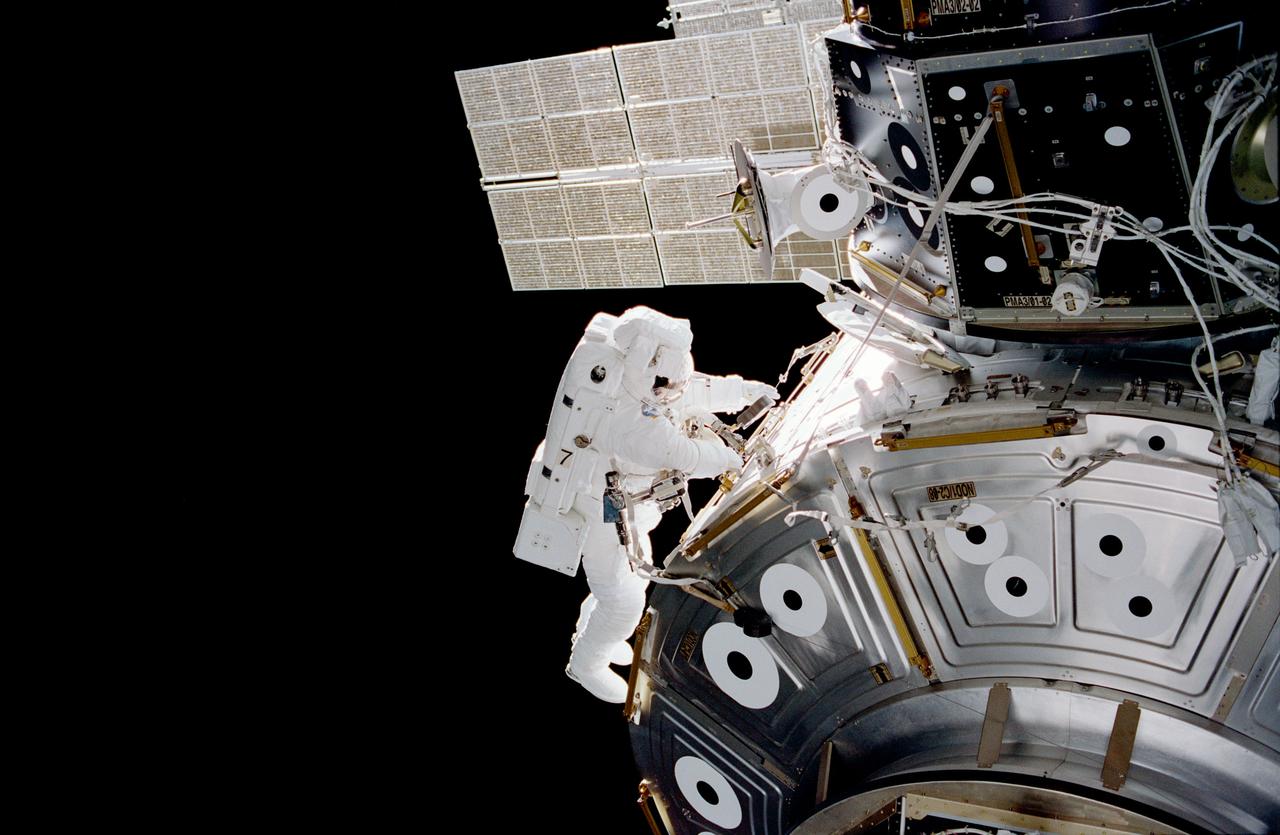
STS097-375-029 (5 December 2000) --- Astronaut Carlos I. Noriega, STS-97 mission specialist, works on the U.S.-built Unity node during the second of the flight’s three space walks on the International Space Station (ISS).
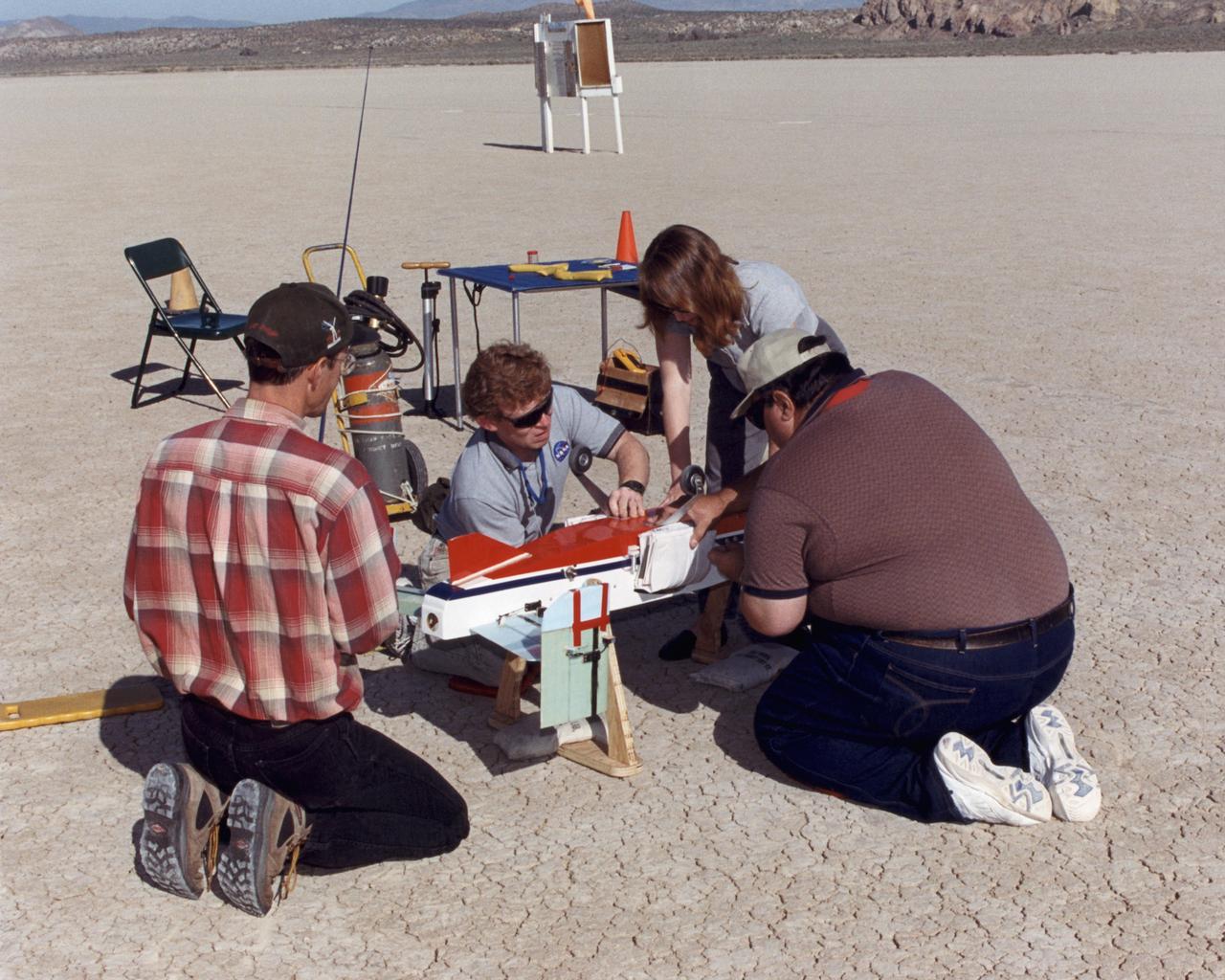
Inflatable Wing project personnel prepare a deployable, inflatable wing technology demonstrator experiment flown by the NASA Dryden Flight Research Center, Edwards, California. The inflatable wing project represented a basic flight research effort by Dryden personnel. Three successful flights of the I2000 inflatable wing aircraft occurred. During the flights, the team air-launched the radio-controlled (R/C) I2000 from an R/C utility airplane at an altitude of 800-1000 feet. As the I2000 separated from the carrier aircraft, its inflatable wings "popped-out," deploying rapidly via an on-board nitrogen bottle. The aircraft remained stable as it transitioned from wingless to winged flight. The unpowered I2000 glided down to a smooth landing under complete control.
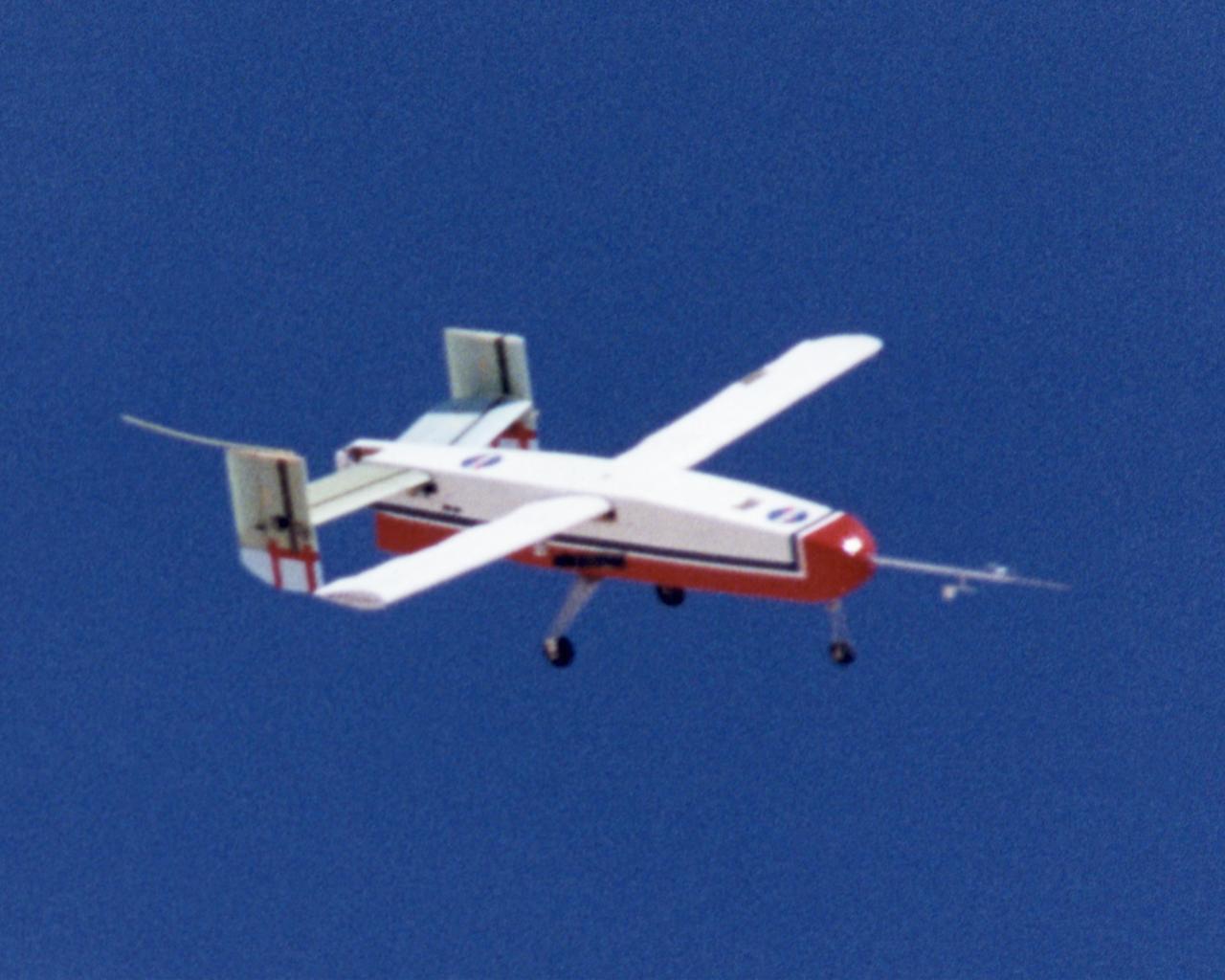
Wing Deployment Sequence #3: The deployable, inflatable wing technology demonstrator experiment aircraft's wings fully deployed during flight following separation from its carrier aircraft during a flight conducted by the NASA Dryden Flight Research Center, Edwards, Californiaornia. The inflatable wing project represented a basic flight research effort by Dryden personnel. Three successful flights of the I2000 inflatable wing aircraft occurred. During the flights, the team air-launched the radio-controlled (R/C) I2000 from an R/C utility airplane at an altitude of 800-1000 feet. As the I2000 separated from the carrier aircraft, its inflatable wings "popped-out," deploying rapidly via an on-board nitrogen bottle. The aircraft remained stable as it transitioned from wingless to winged flight. The unpowered I2000 glided down to a smooth landing under complete control.
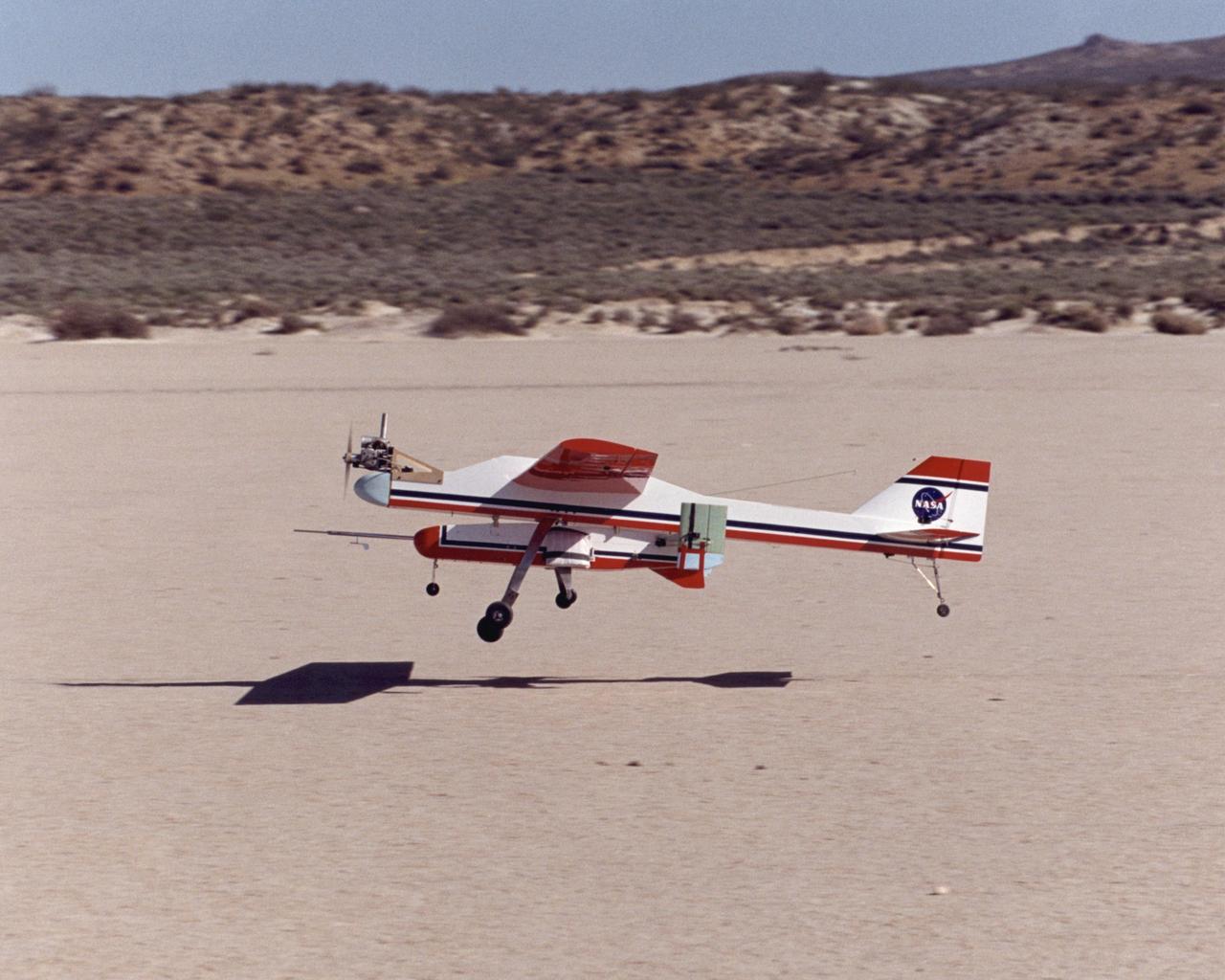
The I2000, a deployable, inflatable wing technology demonstrator experiment aircraft, leaves the ground during a flight conducted by the NASA Dryden Flight Research Center, Edwards, California.
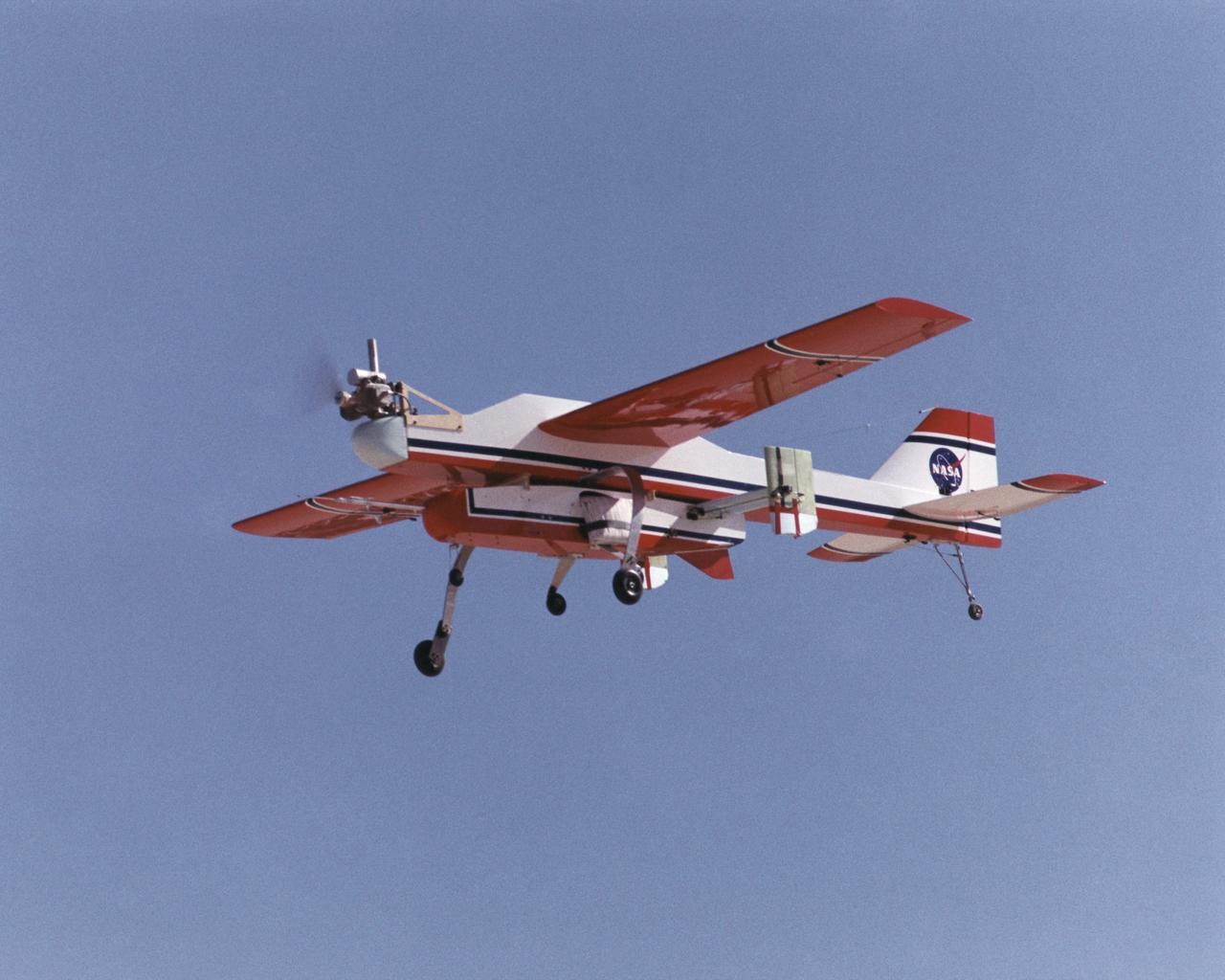
The deployable, inflatable wing technology demonstrator experiment aircraft looks good during a flight conducted by the NASA Dryden Flight Research Center, Edwards, California. The inflatable wing project represented a basic flight research effort by Dryden personnel. Three successful flights of the I2000 inflatable wing aircraft occurred. During the flights, the team air-launched the radio-controlled (R/C) I2000 from an R/C utility airplane at an altitude of 800-1000 feet. As the I2000 separated from the carrier aircraft, its inflatable wings "popped-out," deploying rapidly via an on-board nitrogen bottle. The aircraft remained stable as it transitioned from wingless to winged flight. The unpowered I2000 glided down to a smooth landing under complete control.
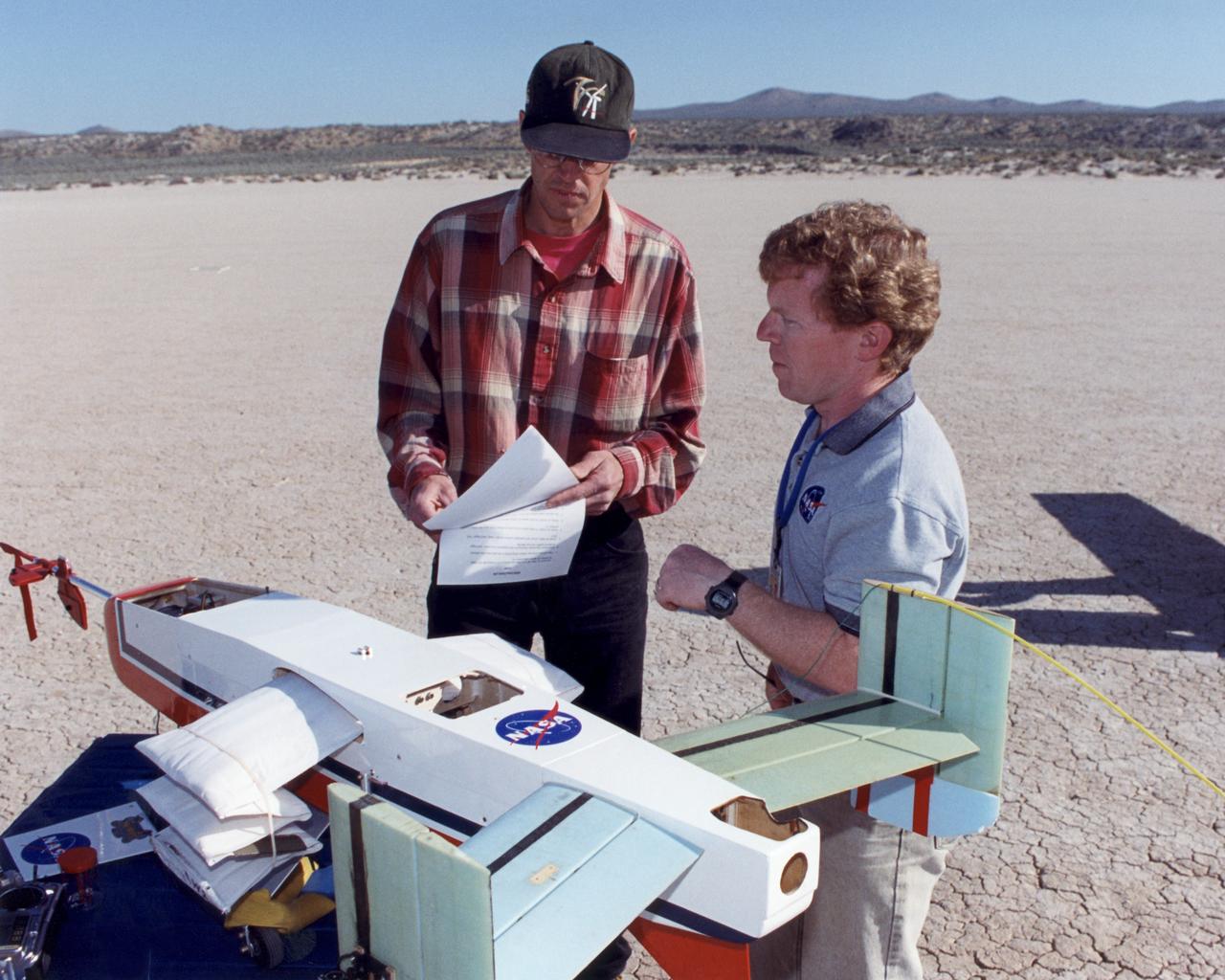
Engineers Jim Murray and Joe Pahle prepare a deployable, inflatable wing technology demonstrator experiment flown by the NASA Dryden Flight Research Center, Edwards, California. The inflatable wing project represented a basic flight research effort by Dryden personnel. Three successful flights of the I2000 inflatable wing aircraft occurred. During the flights, the team air-launched the radio-controlled (R/C) I2000 from an R/C utility airplane at an altitude of 800-1000 feet. As the I2000 separated from the carrier aircraft, its inflatable wings "popped-out," deploying rapidly via an on-board nitrogen bottle. The aircraft remained stable as it transitioned from wingless to winged flight. The unpowered I2000 glided down to a smooth landing under complete control.
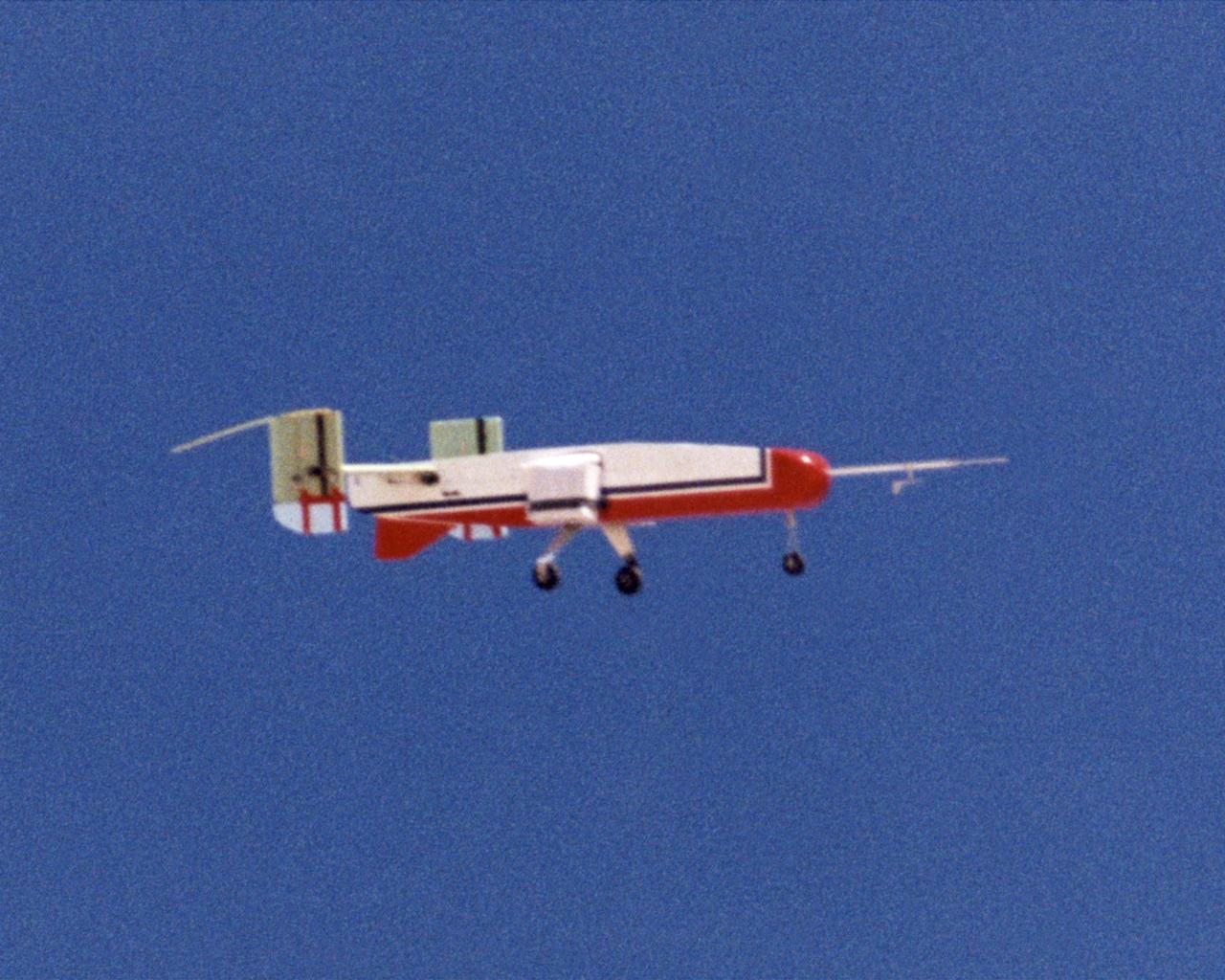
The deployable, inflatable wing technology demonstrator experiment aircraft maintains a steady attitude following separation from its carrier aircraft during a flight conducted by the NASA Dryden Flight Research Center, Edwards, California. The inflatable wing project represented a basic flight research effort by Dryden personnel. Three successful flights of the I2000 inflatable wing aircraft occurred. During the flights, the team air-launched the radio-controlled (R/C) I2000 from an R/C utility airplane at an altitude of 800-1000 feet. As the I2000 separated from the carrier aircraft, its inflatable wings "popped-out," deploying rapidly via an on-board nitrogen bottle. The aircraft remained stable as it transitioned from wingless to winged flight. The unpowered I2000 glided down to a smooth landing under complete control.
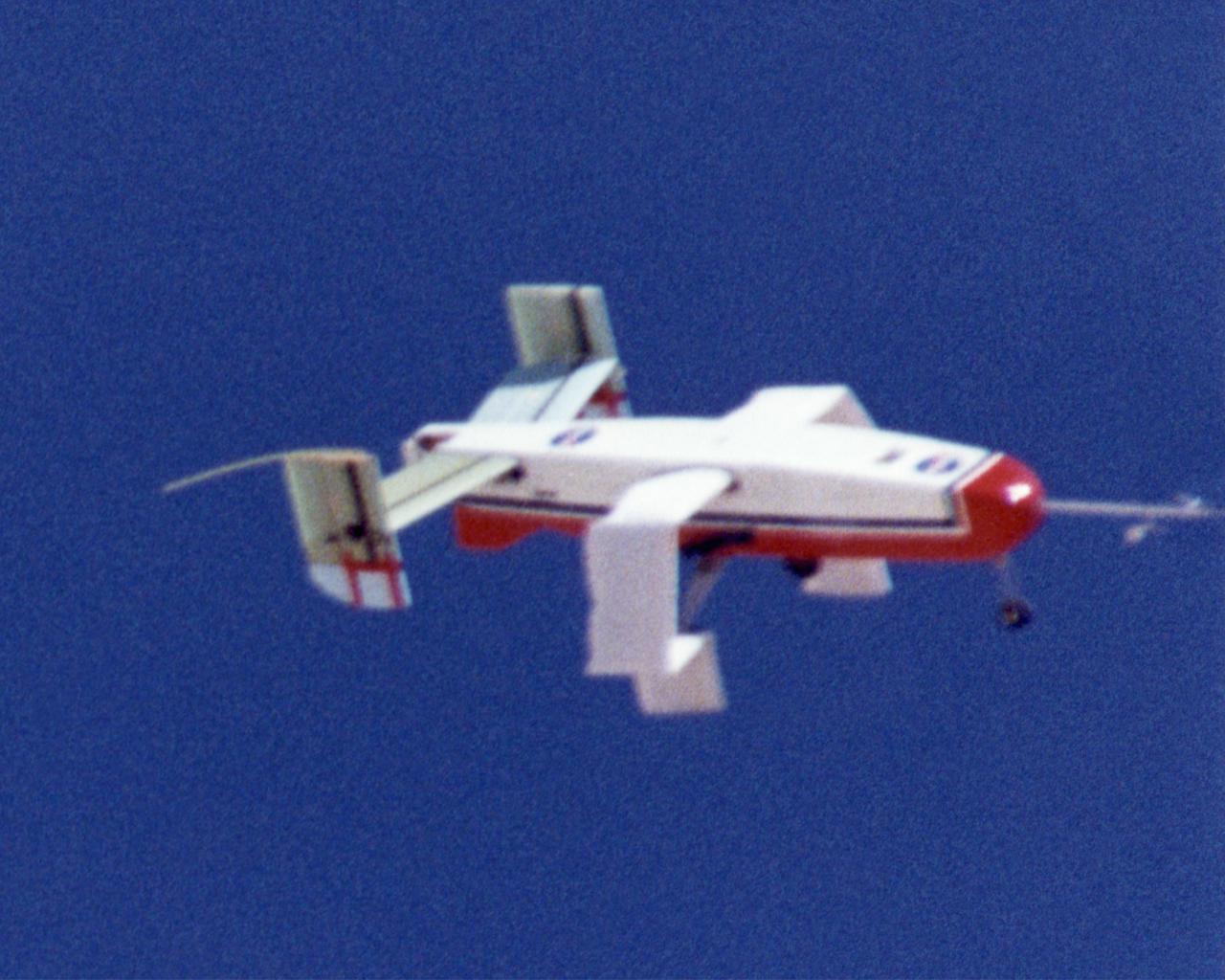
Wing Deployment Sequence #1: The deployable, inflatable wing technology demonstrator experiment aircraft's wings begin deploying following separation from its carrier aircraft during a flight conducted by the NASA Dryden Flight Research Center, Edwards, California. The inflatable wing project represented a basic flight research effort by Dryden personnel. Three successful flights of the I2000 inflatable wing aircraft occurred. During the flights, the team air-launched the radio-controlled (R/C) I2000 from an R/C utility airplane at an altitude of 800-1000 feet. As the I2000 separated from the carrier aircraft, its inflatable wings "popped-out," deploying rapidly via an on-board nitrogen bottle. The aircraft remained stable as it transitioned from wingless to winged flight. The unpowered I2000 glided down to a smooth landing under complete control.
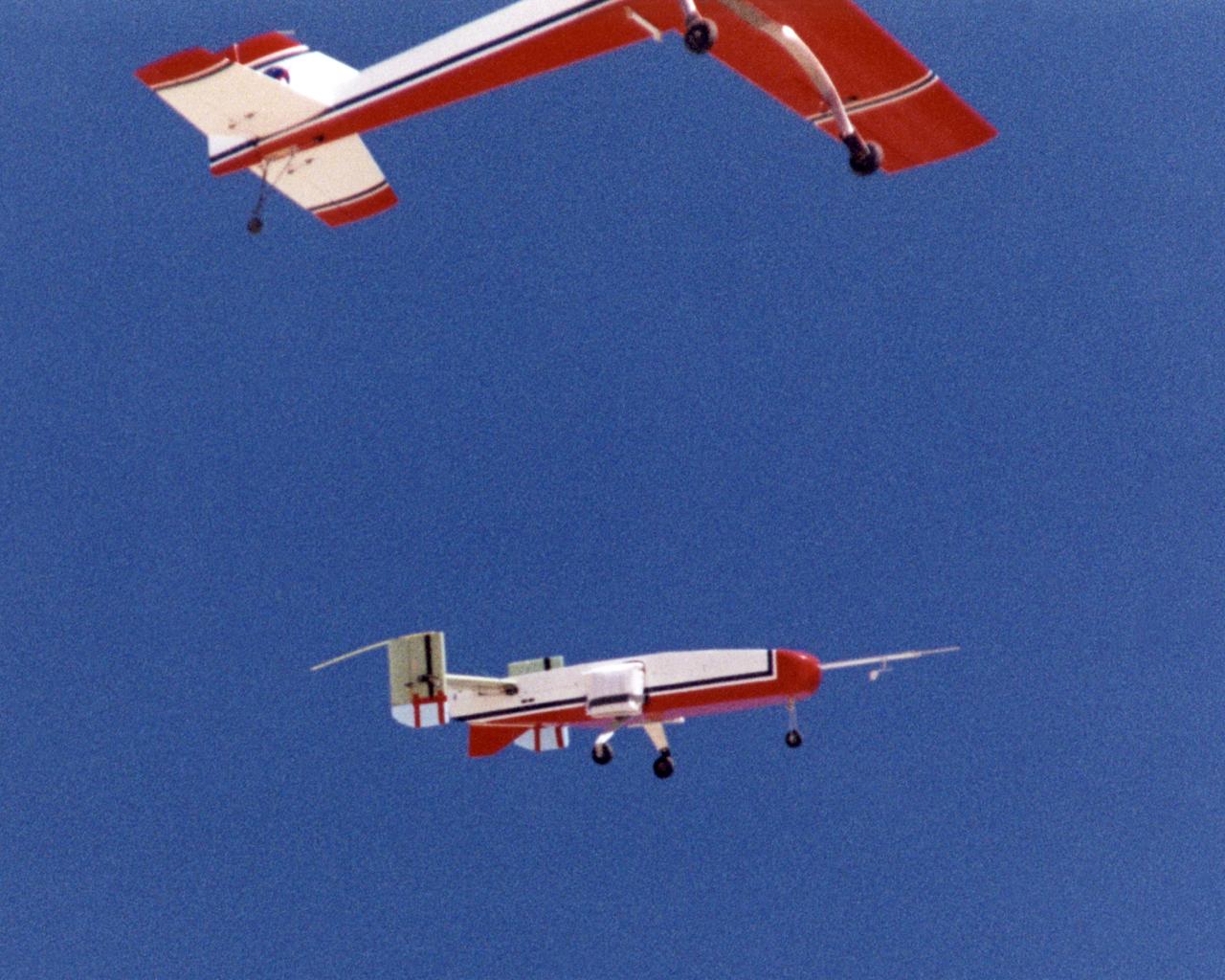
The deployable, inflatable wing technology demonstrator experiment separates from its carrier aircraft during a flight conducted by the NASA Dryden Flight Research Center, Edwards, California. The inflatable wing project represented a basic flight research effort by Dryden personnel. Three successful flights of the I2000 inflatable wing aircraft occurred. During the flights, the team air-launched the radio-controlled (R/C) I2000 from an R/C utility airplane at an altitude of 800-1000 feet. As the I2000 separated from the carrier aircraft, its inflatable wings "popped-out," deploying rapidly via an on-board nitrogen bottle. The aircraft remained stable as it transitioned from wingless to winged flight. The unpowered I2000 glided down to a smooth landing under complete control.
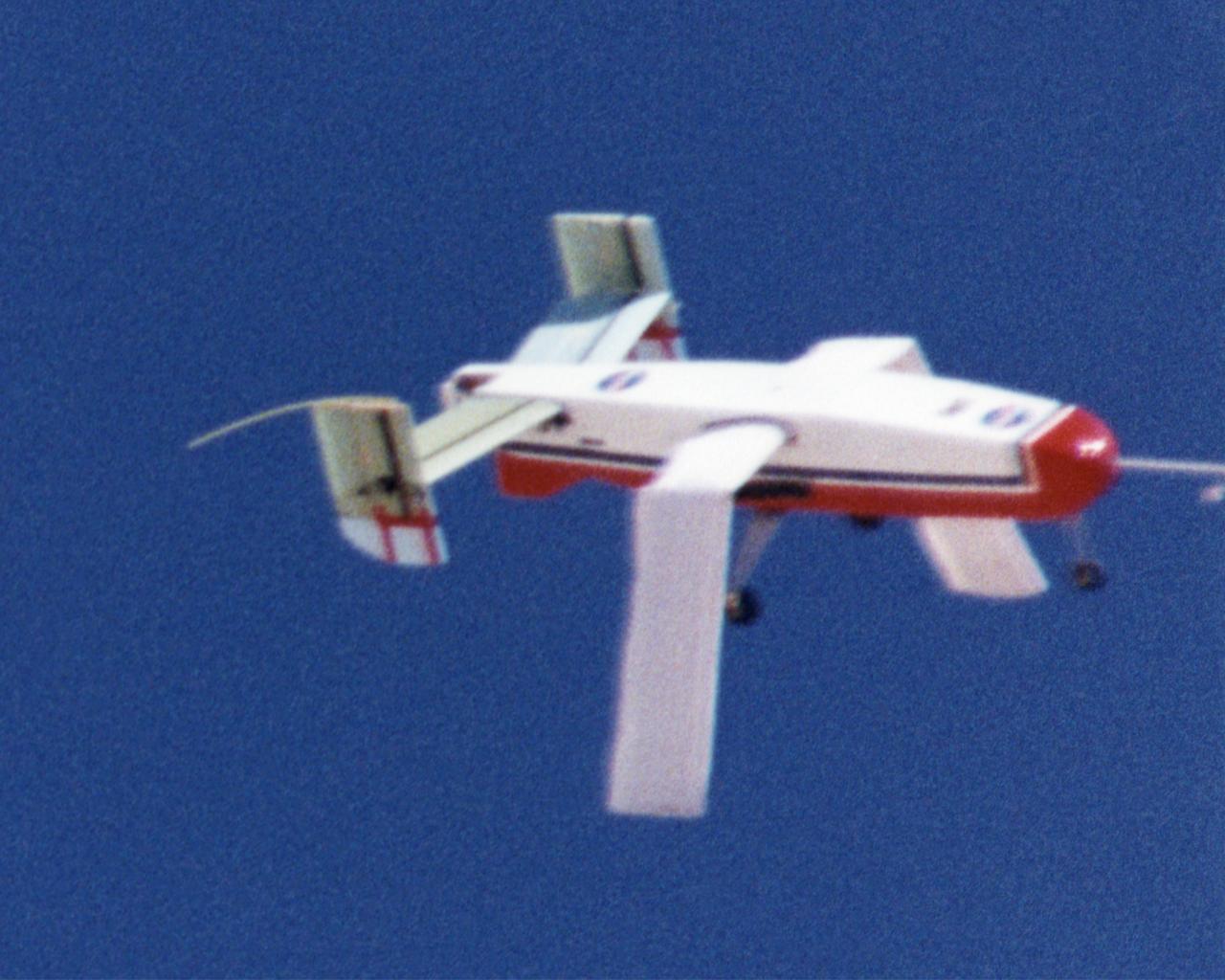
Wing Deployment Sequence #2: The deployable, inflatable wing technology demonstrator experiment aircraft's wings continue deploying following separation from its carrier aircraft during a flight conducted by the NASA Dryden Flight Research Center, Edwards, California. The inflatable wing project represented a basic flight research effort by Dryden personnel. Three successful flights of the I2000 inflatable wing aircraft occurred. During the flights, the team air-launched the radio-controlled (R/C) I2000 from an R/C utility airplane at an altitude of 800-1000 feet. As the I2000 separated from the carrier aircraft, its inflatable wings "popped-out," deploying rapidly via an on-board nitrogen bottle. The aircraft remained stable as it transitioned from wingless to winged flight. The unpowered I2000 glided down to a smooth landing under complete control.
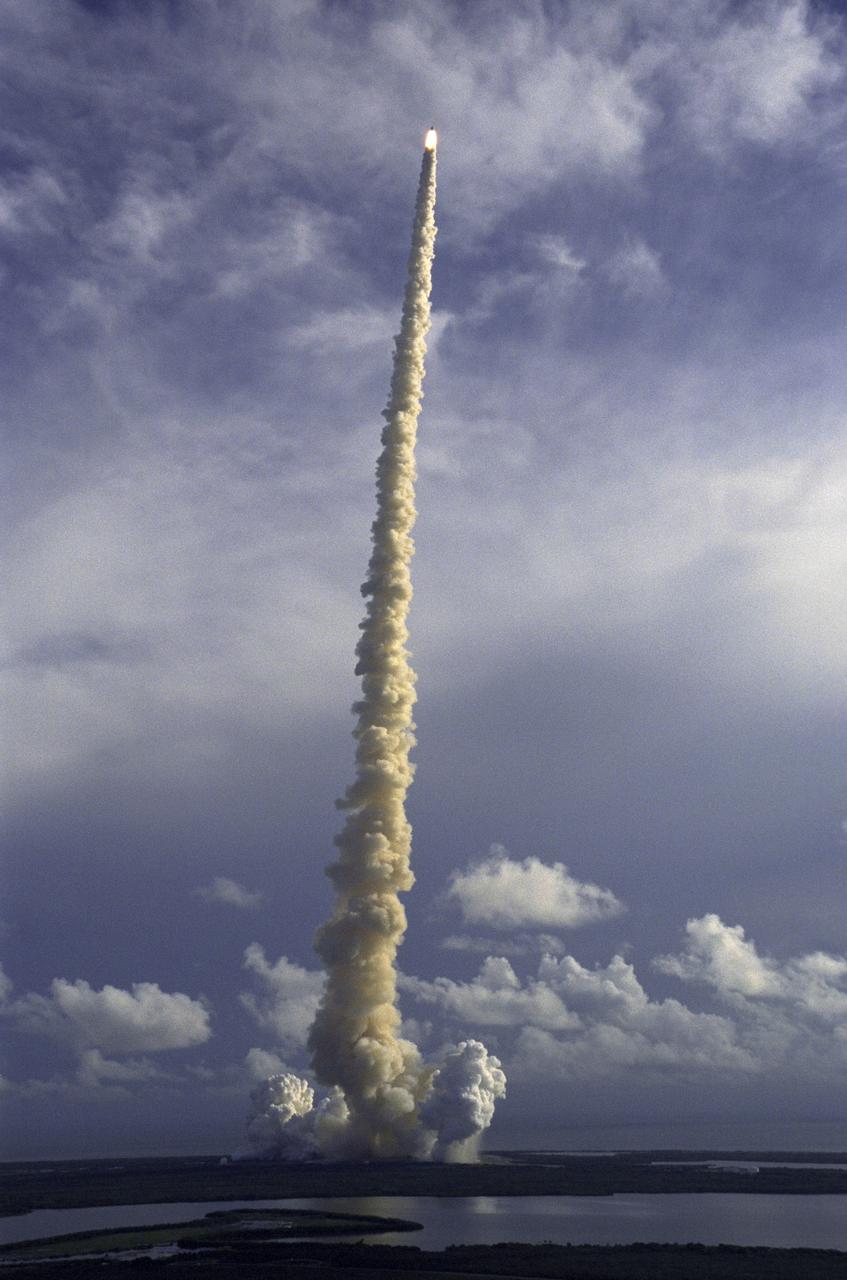
STS106-S-005 (8 September 2000) --- This distant view of the STS-106 liftoff was photographed across marsh waters around Mosquito Lagoon and Banana Creek, looking toward the Atlantic Ocean. The perfect on-time liftoff of the Space Shuttle Atlantis occurred at 8:45:47 a.m. (EDT), September 8, 2000. Onboard the shuttle were astronauts Terrence W. Wilcutt, Scott D. Altman, Edward T. Lu, Richard A. Mastracchio and Daniel C. Burbank, along with cosmonauts Yuri I. Malenchenko and Boris V. Morukov who represent the Russian Aviation and Space Agency.
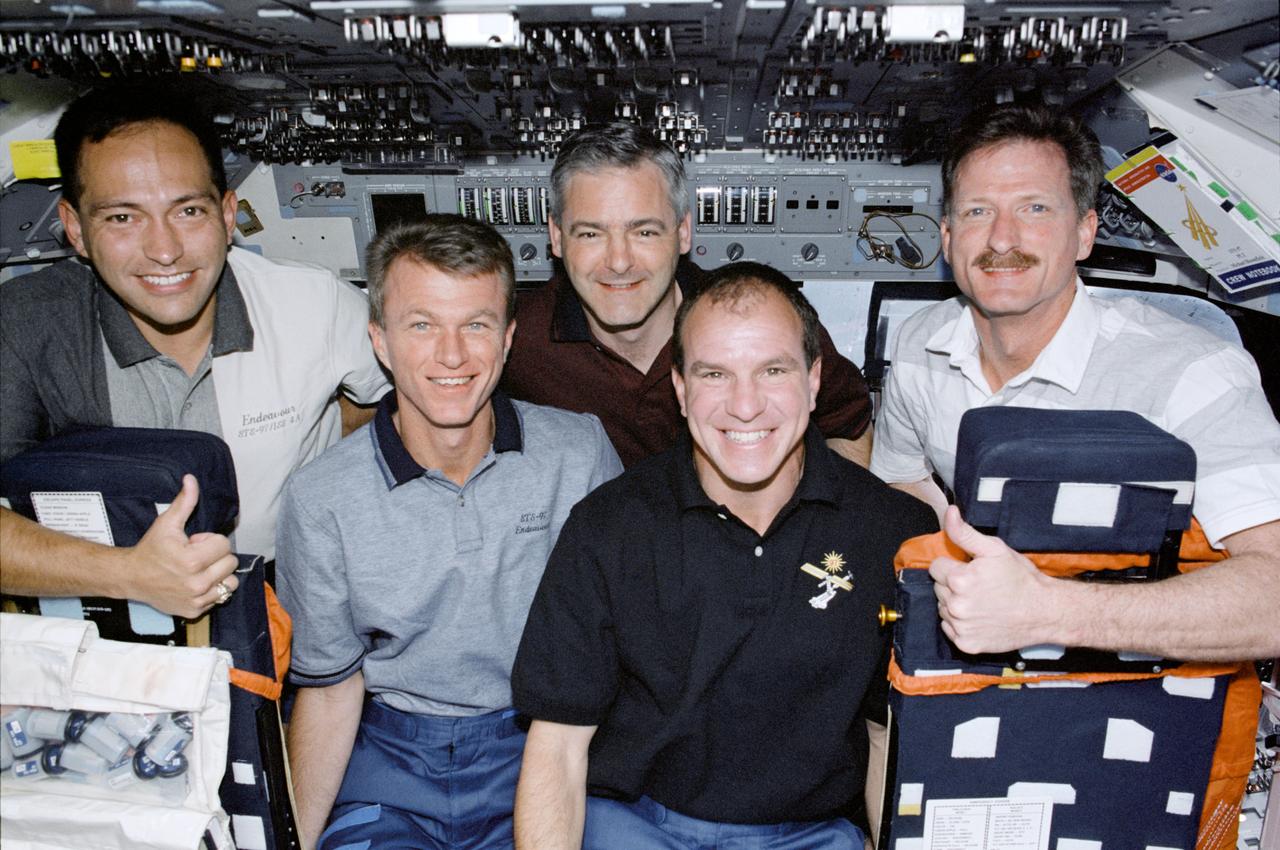
STS097-321-024 (30 Nov. - 11 Dec. 2000) --- The five astronauts comprising the STS-97 crew pause for a brief moment for an in-flight crew portrait during the busy ISS 4a mission in December 2000. They are, from the left, astronauts Carlos I. Noriega, mission specialist; Brent W. Jett, Jr., mission commander; Marc Garneau, mission specialist representing the Canadian Space Agency (ESA); Michael J. Bloomfield, pilot; and Joseph R. Tanner, mission specialist. They are on the forward flight deck of the Earth-orbiting Space Shuttle Endeavour.

STS106-S-002 (June 2000) --- Five NASA astronauts and two cosmonauts representing the Russian Aviation and Space Agency take a break in training from their scheduled September 2000 visit to the International Space Station. Astronauts Terrence W. Wilcutt (right front) and Scott D. Altman (left front) are mission commander and pilot, respectively, for the mission. On the back row are the mission specialists. They are (from left) cosmonaut Boris V. Morukov, along with astronauts Richard A. Mastracchio, Edward T. Lu and Daniel C. Burbank and cosmonaut Yuri I. Malenchenko. Morukov and Malenchenko represent the Russian Aviation and Space Agency.
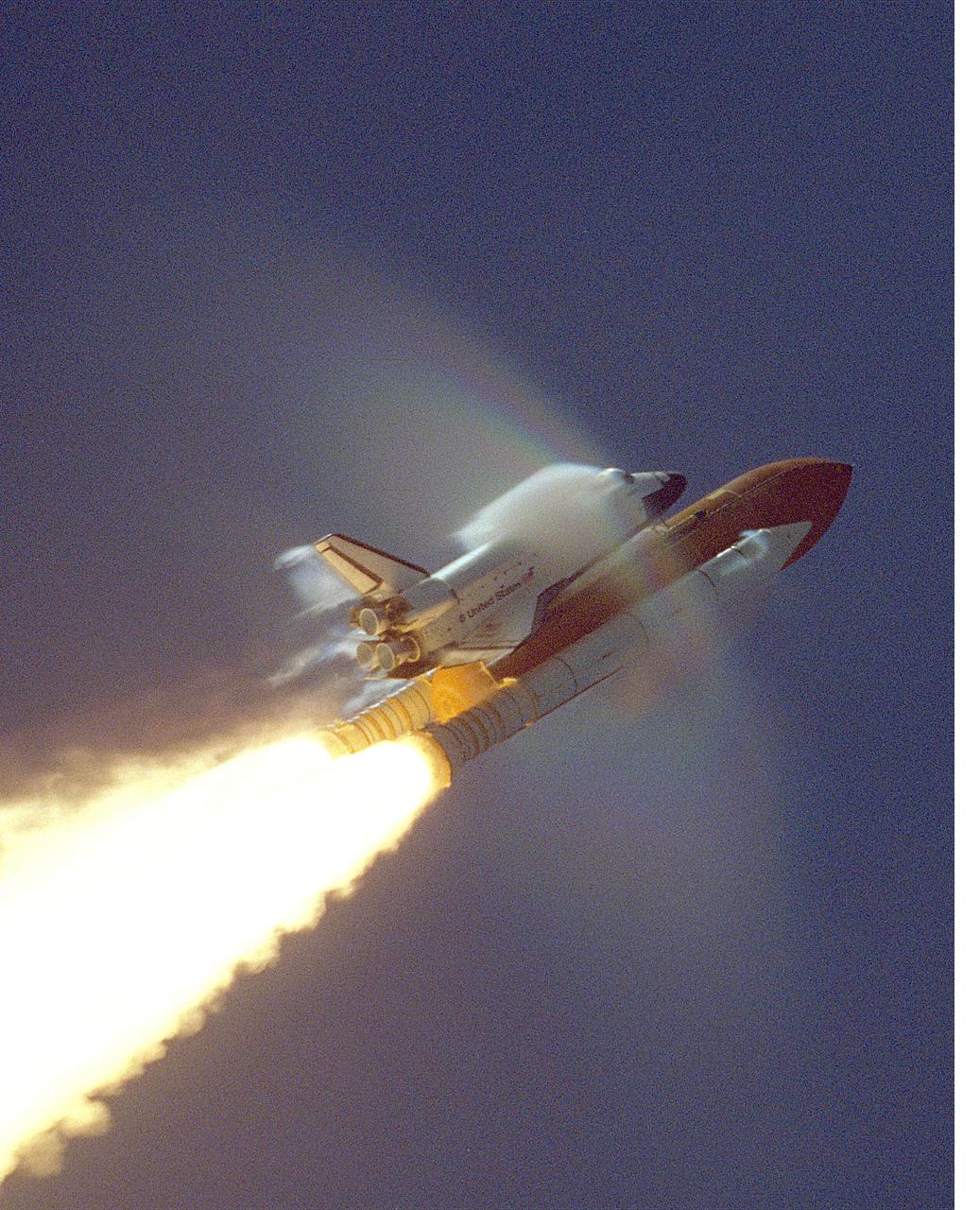
STS106-S-013 (8 September 2000)--- This view of shock-wave condensation collars backlit by the Sun occurred during the launch of the Space Shuttle Atlantis on September 8, 2000. The scene was captured on 35mm motion picture film. One frame was digitized to make this still image. Although the primary effect is created by the forward fuselage of the Atlantis, secondary effects can be seen on the solid rocket booster (SRB) forward skirt, shuttle vertical stabilizer and wing trailing edge, behind the Space Shuttle Main Engines (SSME). The perfect on-time launch took place at 8:45:47 a.m. (EDT), September 8, 2000. Onboard the shuttle were astronauts Terrence W. Wilcutt, Scott D. Altman, Edward T. Lu, Richard A. Mastracchio and Daniel C. Burbank, along with cosmonauts Yuri I. Malenchenko and Boris V. Morukov who represent the Russian Aviation and Space Agency.
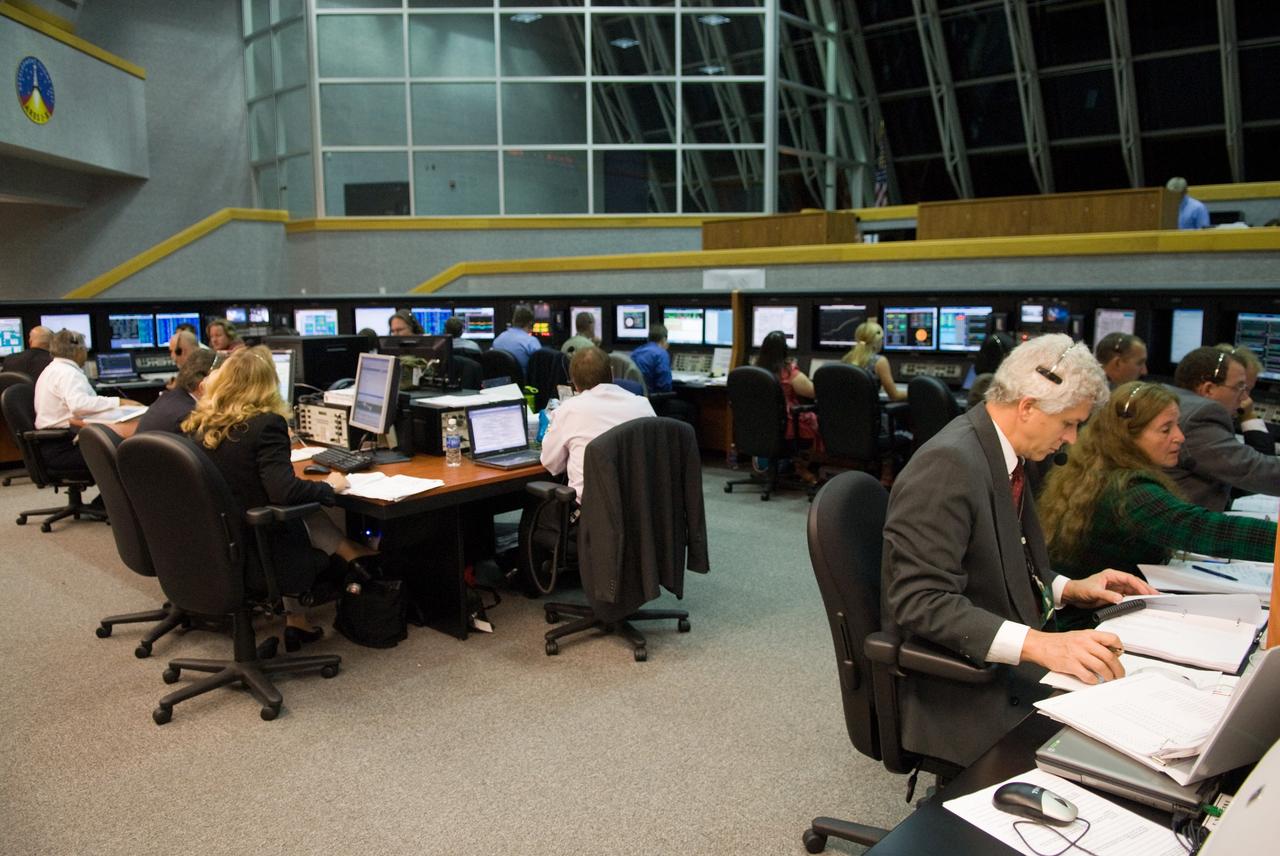
CAPE CANAVERAL, Fla. - The prime launch team for the Ares I-X flight test monitors the countdown from consoles in the Young-Crippen Firing Room in the Launch Control Center at NASA's Kennedy Space Center in Florida. This will be the first launch from Kennedy's pads of a vehicle other than the space shuttle since the Apollo Program's Saturn rockets were retired. The parts used to make the Ares I-X booster flew on 30 different shuttle missions ranging from STS-29 in 1989 to STS-106 in 2000. The data returned from more than 700 sensors throughout the rocket will be used to refine the design of future launch vehicles and bring NASA one step closer to reaching its exploration goals. For information on the Ares I-X vehicle and flight test, visit http://www.nasa.gov/aresIX. Photo credit: NASA/Kim Shiflett
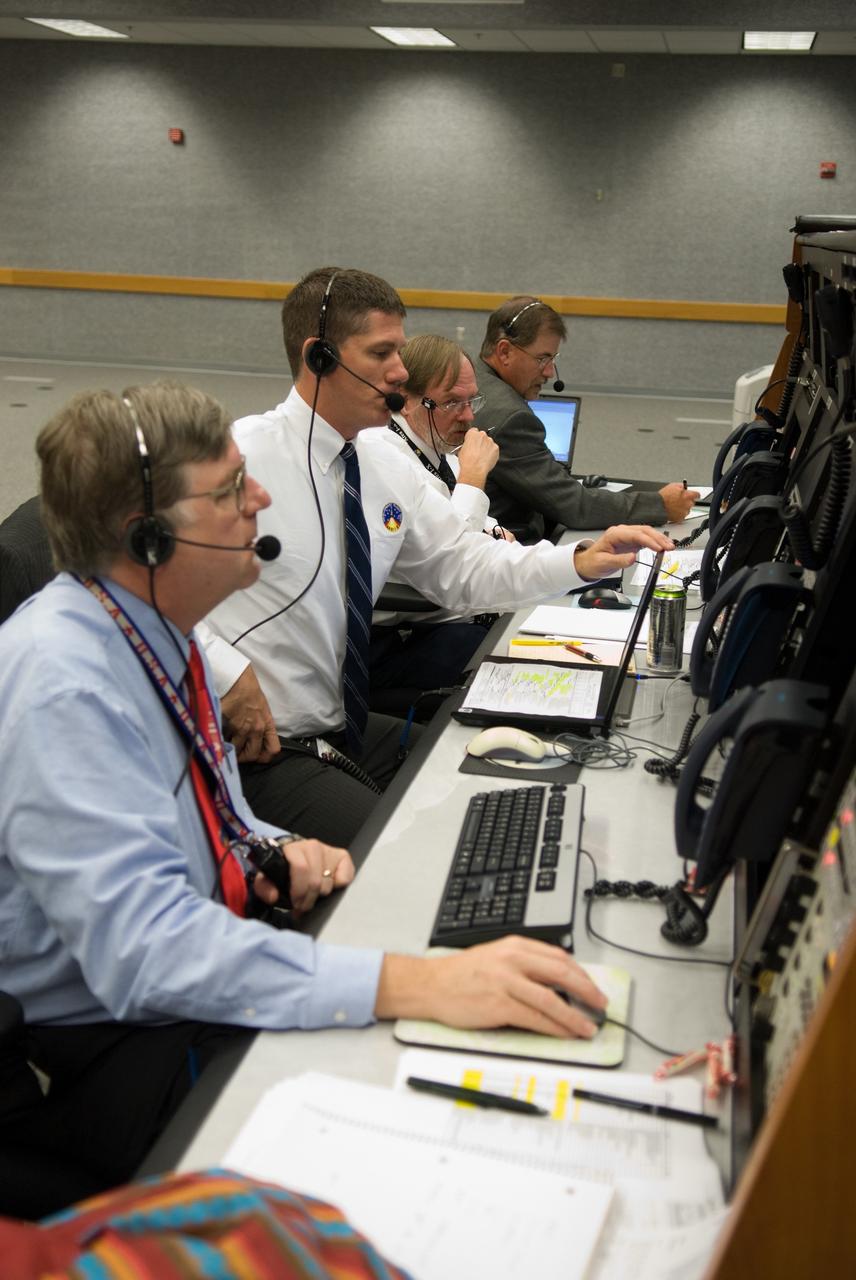
CAPE CANAVERAL, Fla. - The prime launch team for the Ares I-X flight test monitors the countdown from consoles in the Young-Crippen Firing Room in the Launch Control Center at NASA's Kennedy Space Center in Florida. This will be the first launch from Kennedy's pads of a vehicle other than the space shuttle since the Apollo Program's Saturn rockets were retired. The parts used to make the Ares I-X booster flew on 30 different shuttle missions ranging from STS-29 in 1989 to STS-106 in 2000. The data returned from more than 700 sensors throughout the rocket will be used to refine the design of future launch vehicles and bring NASA one step closer to reaching its exploration goals. For information on the Ares I-X vehicle and flight test, visit http://www.nasa.gov/aresIX. Photo credit: NASA/Kim Shiflett
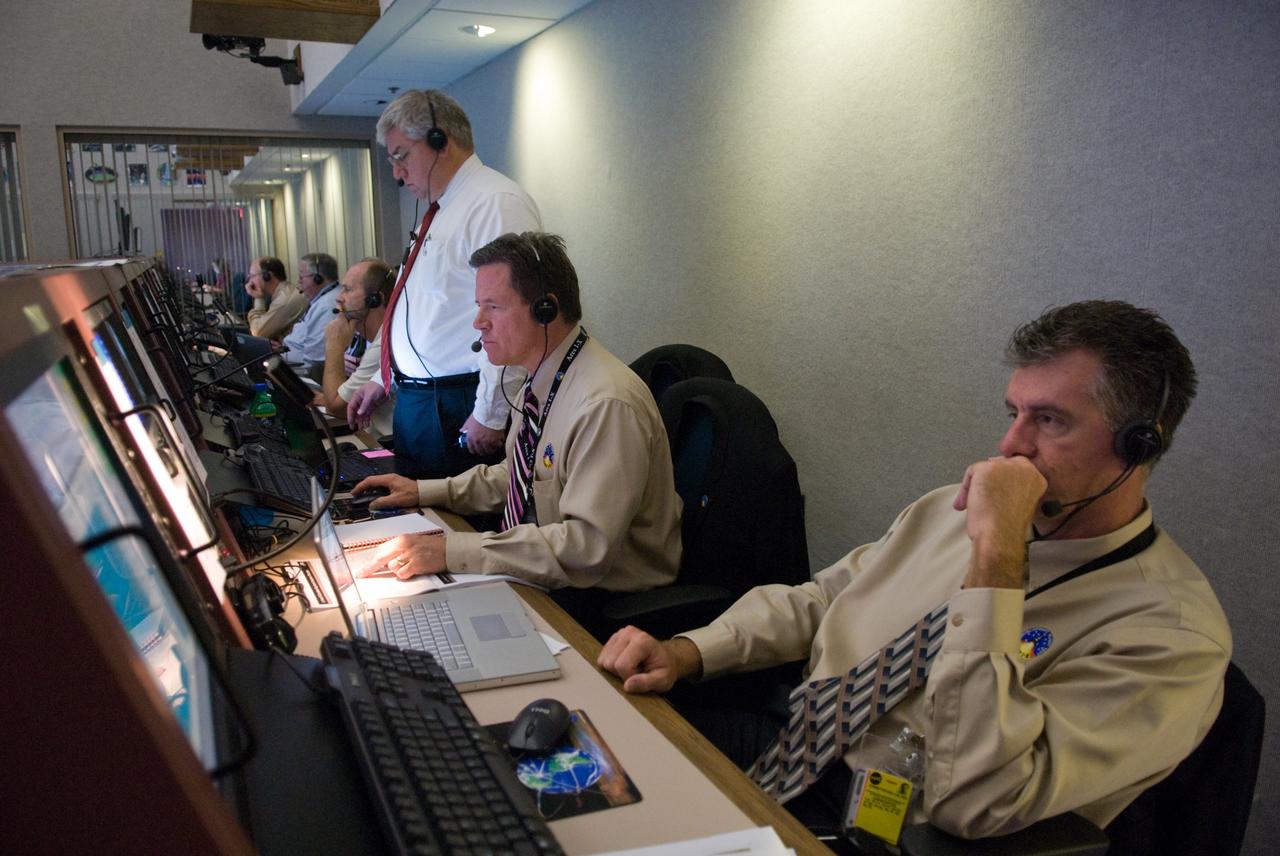
CAPE CANAVERAL, Fla. - The launch support team for the Ares I-X flight test monitors the countdown from consoles from the Launch Vehicle Data Center in Hangar AE on Cape Canaveral Air Force Station in Florida. This will be the first launch from Kennedy's pads of a vehicle other than the space shuttle since the Apollo Program's Saturn rockets were retired. The parts used to make the Ares I-X booster flew on 30 different shuttle missions ranging from STS-29 in 1989 to STS-106 in 2000. The data returned from more than 700 sensors throughout the rocket will be used to refine the design of future launch vehicles and bring NASA one step closer to reaching its exploration goals. For information on the Ares I-X vehicle and flight test, visit http://www.nasa.gov/aresIX. Photo credit: NASA/Kim Shiflett
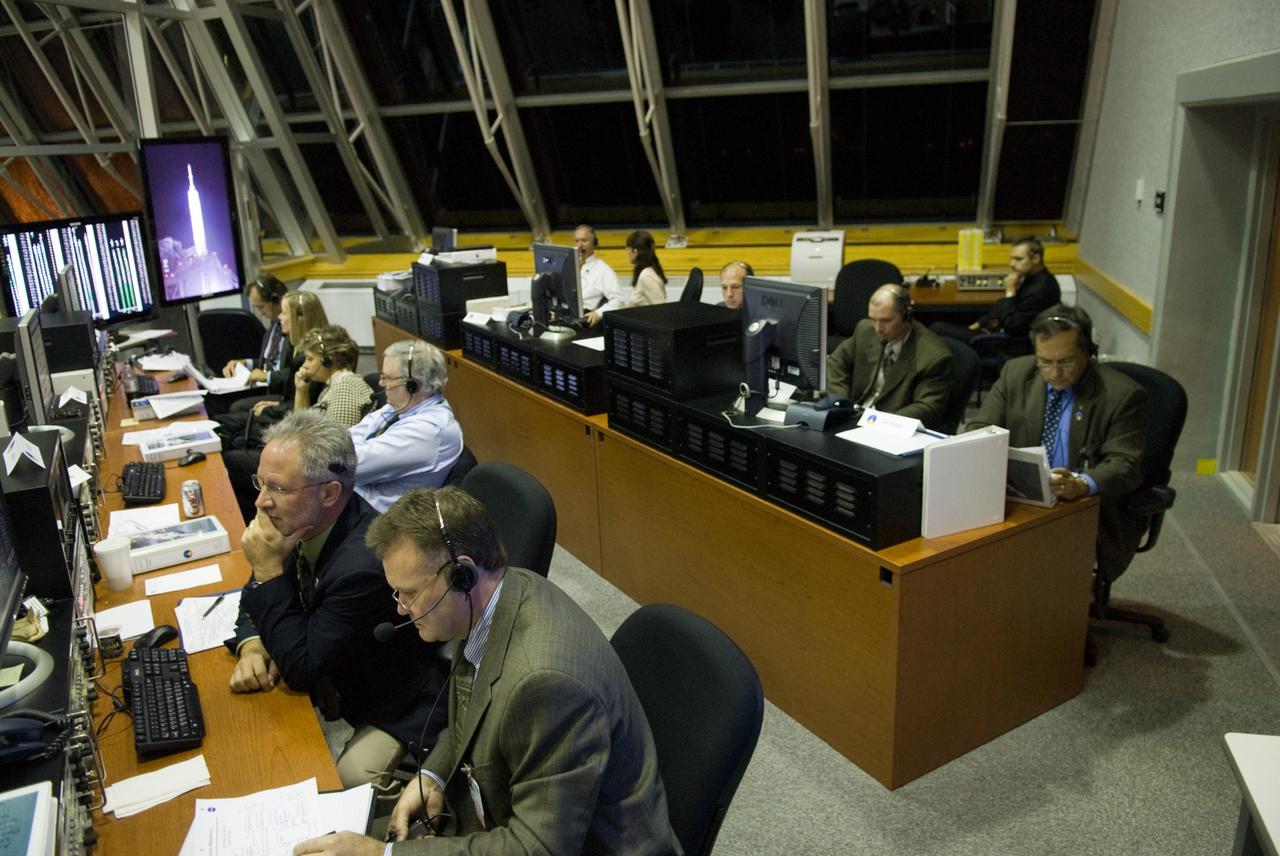
CAPE CANAVERAL, Fla. - The launch authority team for the Ares I-X flight test monitors the countdown from consoles in the Operations Management Room of the Young-Crippen Firing Room, a glass partitioned area overlooking the main floor, in the Launch Control Center at NASA's Kennedy Space Center in Florida. This will be the first launch from Kennedy's pads of a vehicle other than the space shuttle since the Apollo Program's Saturn rockets were retired. The parts used to make the Ares I-X booster flew on 30 different shuttle missions ranging from STS-29 in 1989 to STS-106 in 2000. The data returned from more than 700 sensors throughout the rocket will be used to refine the design of future launch vehicles and bring NASA one step closer to reaching its exploration goals. For information on the Ares I-X vehicle and flight test, visit http://www.nasa.gov/aresIX. Photo credit: NASA/Kim Shiflett
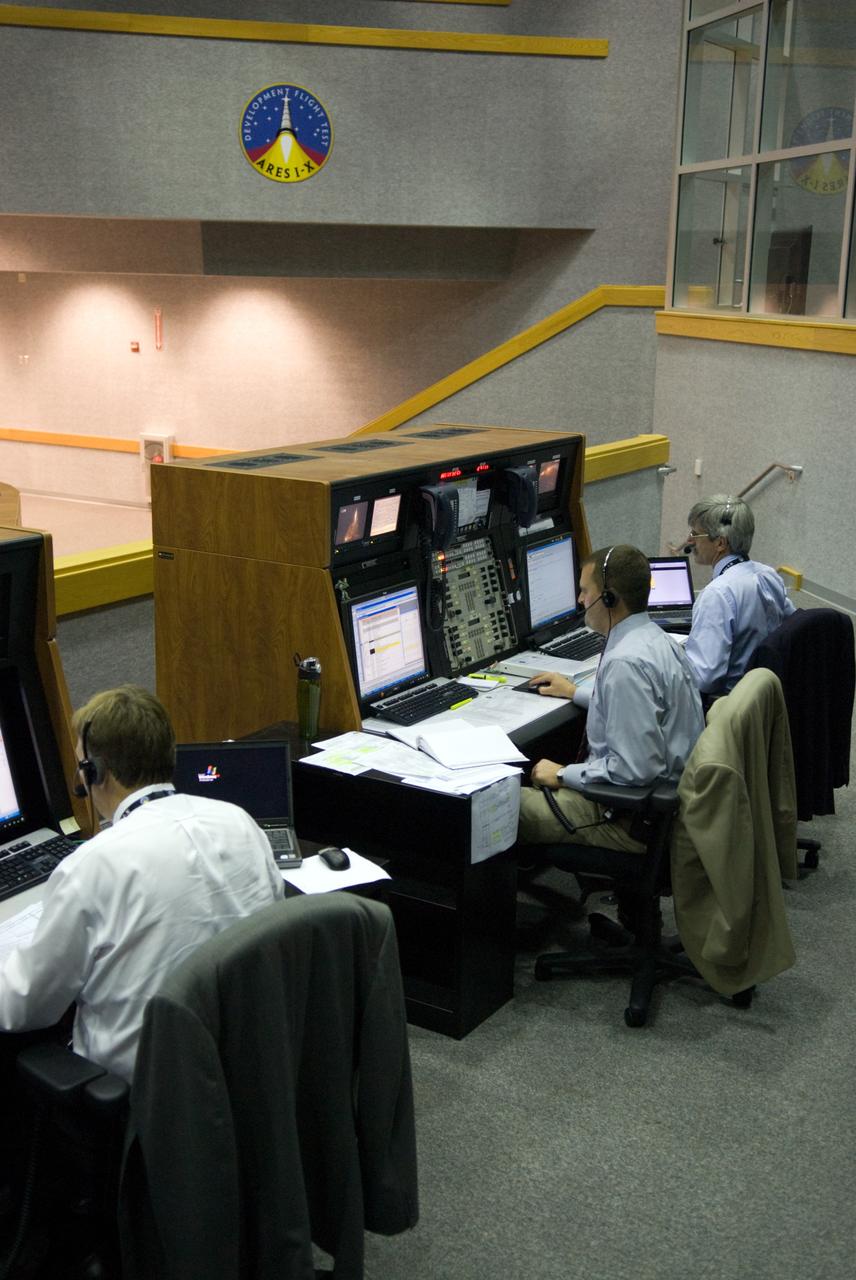
CAPE CANAVERAL, Fla. - The prime launch team for the Ares I-X flight test monitors the countdown from consoles in the Young-Crippen Firing Room in the Launch Control Center at NASA's Kennedy Space Center in Florida. This will be the first launch from Kennedy's pads of a vehicle other than the space shuttle since the Apollo Program's Saturn rockets were retired. The parts used to make the Ares I-X booster flew on 30 different shuttle missions ranging from STS-29 in 1989 to STS-106 in 2000. The data returned from more than 700 sensors throughout the rocket will be used to refine the design of future launch vehicles and bring NASA one step closer to reaching its exploration goals. For information on the Ares I-X vehicle and flight test, visit http://www.nasa.gov/aresIX. Photo credit: NASA/Kim Shiflett
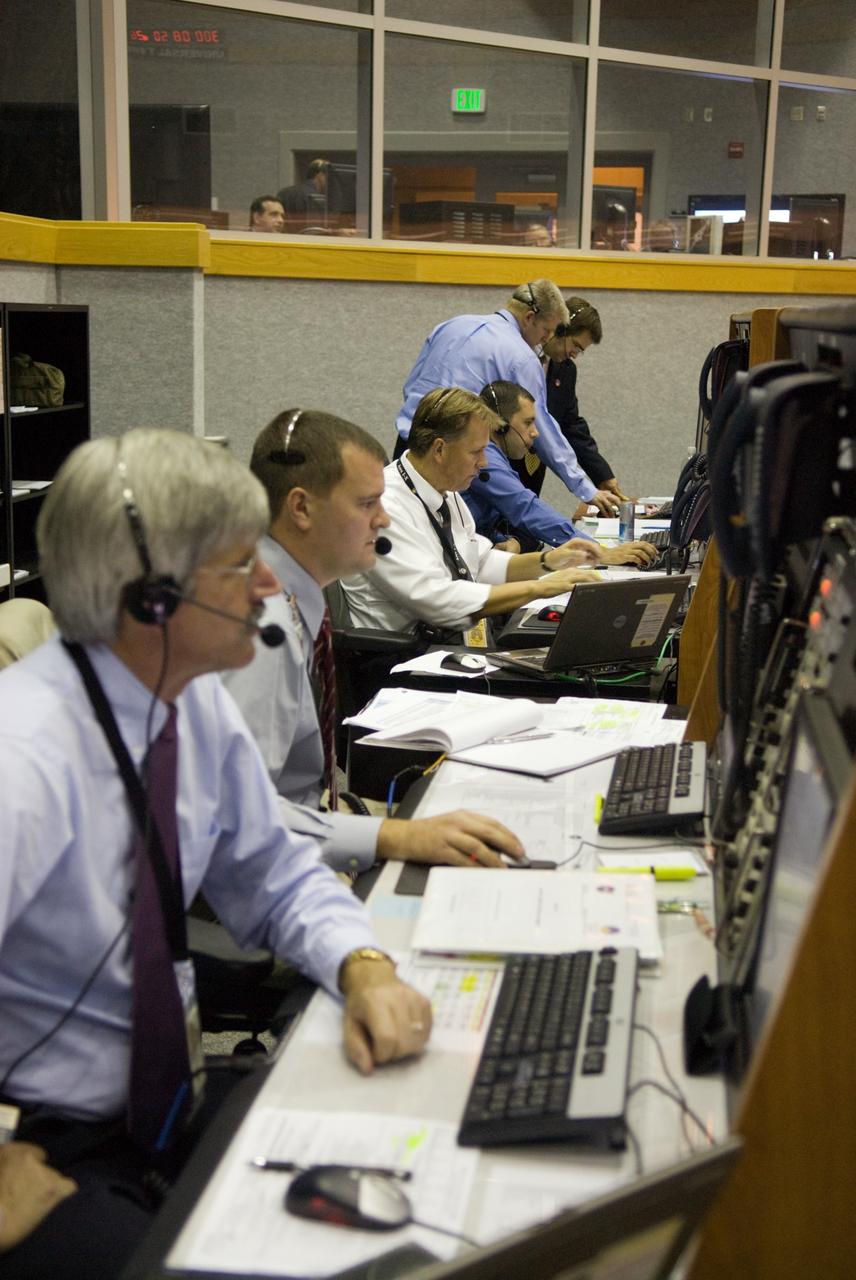
CAPE CANAVERAL, Fla. - The prime launch team for the Ares I-X flight test monitors the countdown from consoles in the Young-Crippen Firing Room in the Launch Control Center at NASA's Kennedy Space Center in Florida. This will be the first launch from Kennedy's pads of a vehicle other than the space shuttle since the Apollo Program's Saturn rockets were retired. The parts used to make the Ares I-X booster flew on 30 different shuttle missions ranging from STS-29 in 1989 to STS-106 in 2000. The data returned from more than 700 sensors throughout the rocket will be used to refine the design of future launch vehicles and bring NASA one step closer to reaching its exploration goals. For information on the Ares I-X vehicle and flight test, visit http://www.nasa.gov/aresIX. Photo credit: NASA/Kim Shiflett
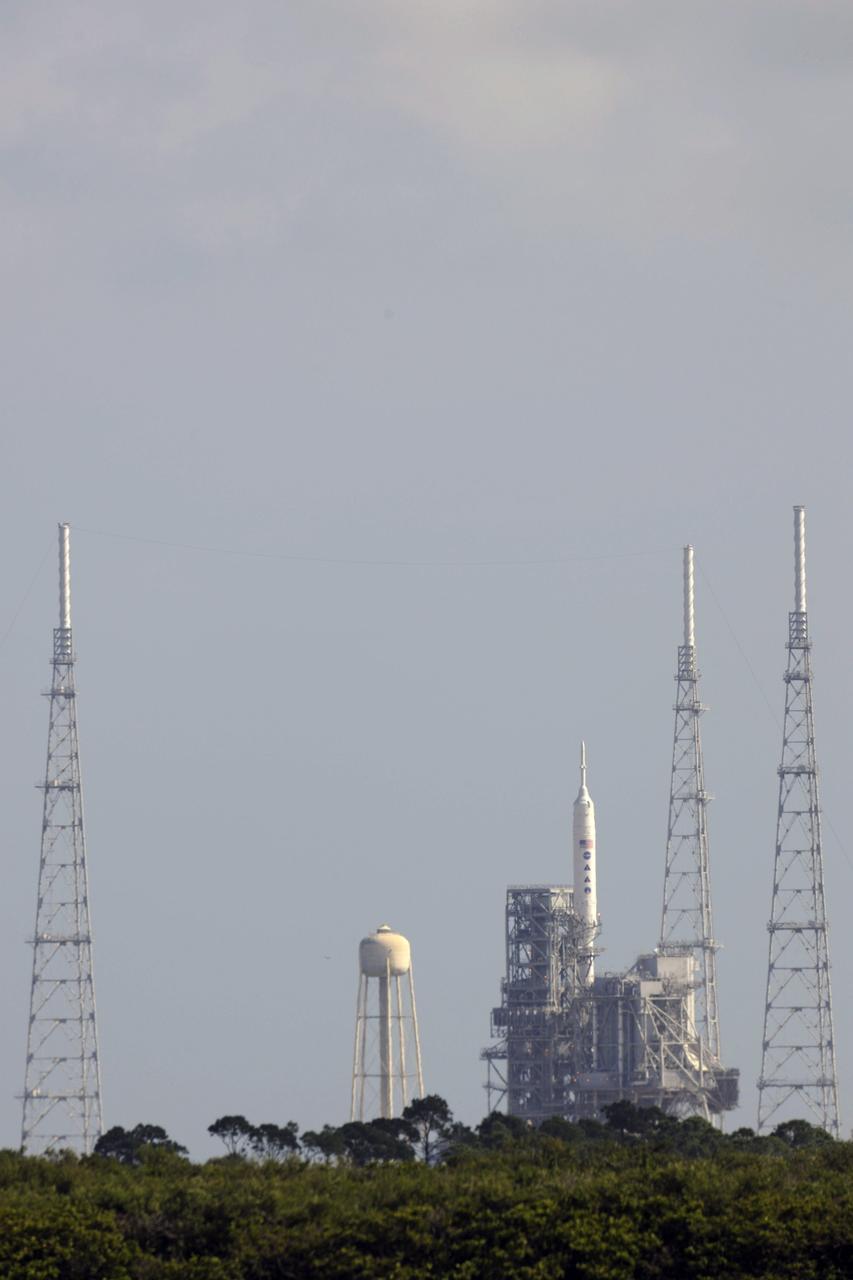
CAPE CANAVERAL, Fla. - As the sun rises over NASA's Kennedy Space Center in Florida, final preparations are under way at Launch Pad 39B for the launch of NASA’s Ares I-X test rocket. This will be the first launch from Kennedy's pads of a vehicle other than the space shuttle since the Apollo Program's Saturn rockets were retired. The parts used to make the Ares I-X booster flew on 30 different shuttle missions ranging from STS-29 in 1989 to STS-106 in 2000. The data returned from more than 700 sensors throughout the rocket will be used to refine the design of future launch vehicles and bring NASA one step closer to reaching its exploration goals. For information on the Ares I-X vehicle and flight test, visit http://www.nasa.gov/aresIX. Photo credit: NASA/Carl Winebarger
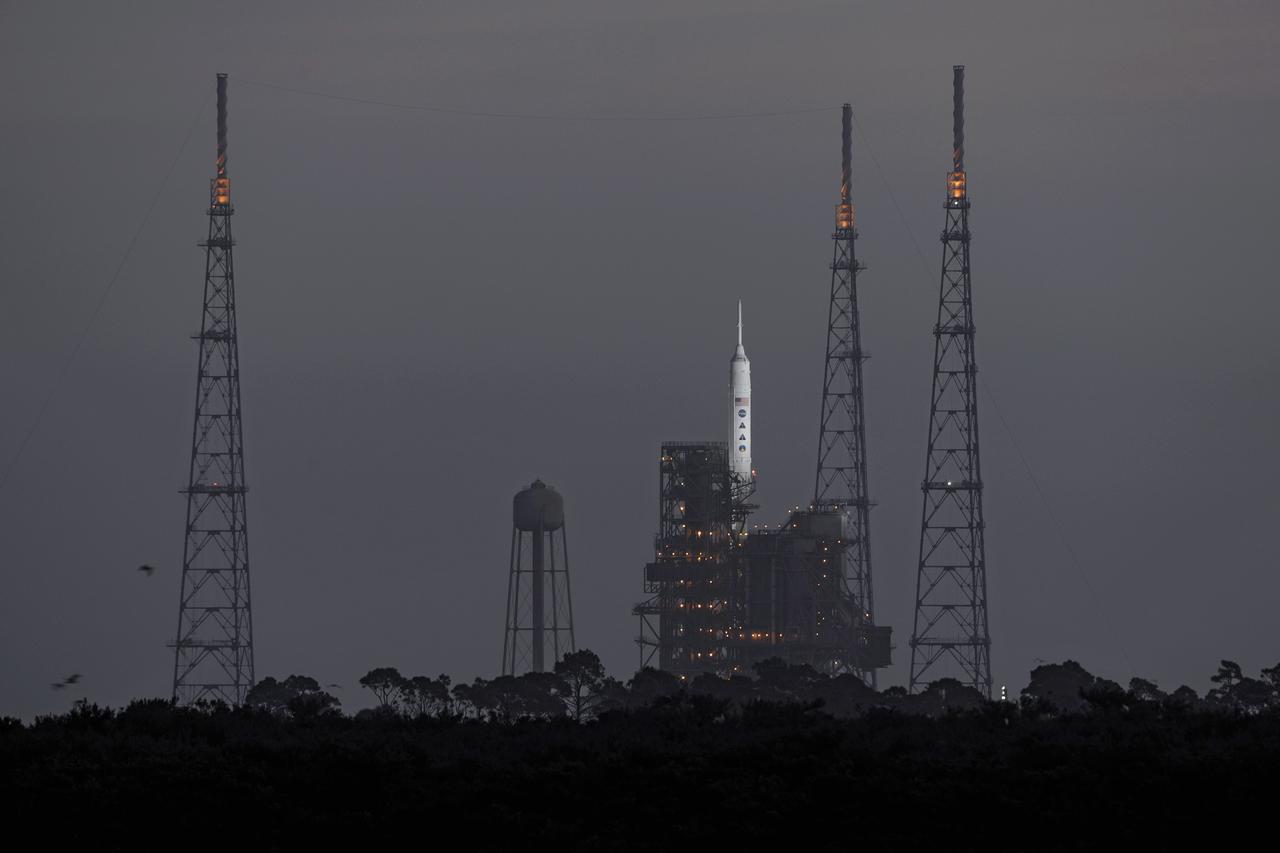
CAPE CANAVERAL, Fla. - Before daybreak at NASA's Kennedy Space Center in Florida, final preparations are under way at Launch Pad 39B for the launch of NASA’s Ares I-X test rocket. This will be the first launch from Kennedy's pads of a vehicle other than the space shuttle since the Apollo Program's Saturn rockets were retired. The parts used to make the Ares I-X booster flew on 30 different shuttle missions ranging from STS-29 in 1989 to STS-106 in 2000. The data returned from more than 700 sensors throughout the rocket will be used to refine the design of future launch vehicles and bring NASA one step closer to reaching its exploration goals. For information on the Ares I-X vehicle and flight test, visit http://www.nasa.gov/aresIX. Photo credit: NASA/Carl Winebarger
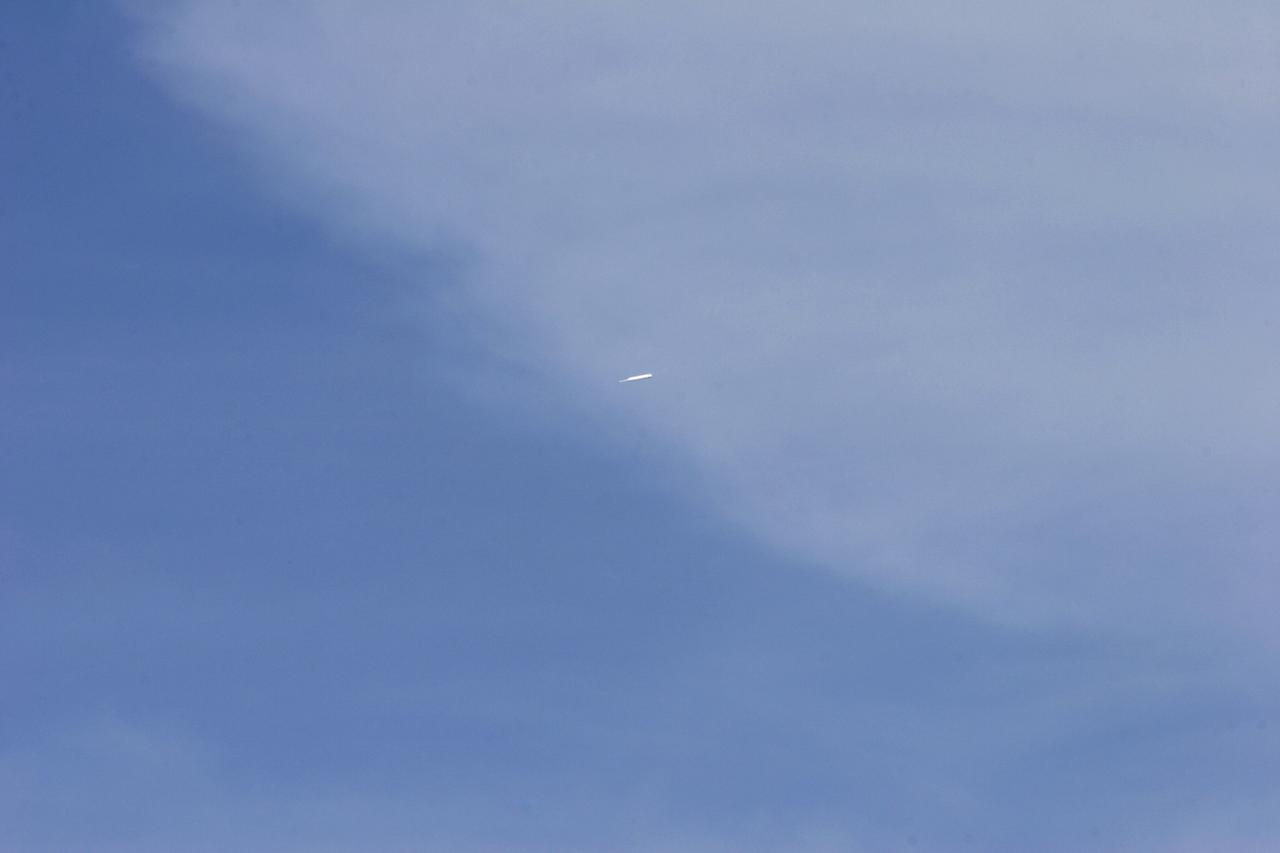
CAPE CANAVERAL, Fla. – The upper stage of the Ares I-X rocket falls toward the Atlantic Ocean off the coast of NASA's Kennedy Space Center in Florida following the launch of the flight test mission. Liftoff of the 6-minute flight test was at 11:30 a.m. EDT Oct. 28. This was the first launch from Kennedy's pads of a vehicle other than the space shuttle since the Apollo Program's Saturn rockets were retired. The parts used to make the Ares I-X booster flew on 30 different shuttle missions ranging from STS-29 in 1989 to STS-106 in 2000. The data returned from more than 700 sensors throughout the rocket will be used to refine the design of future launch vehicles and bring NASA one step closer to reaching its exploration goals. For information on the Ares I-X vehicle and flight test, visit http://www.nasa.gov/aresIX. Photo credit: United Space Alliance
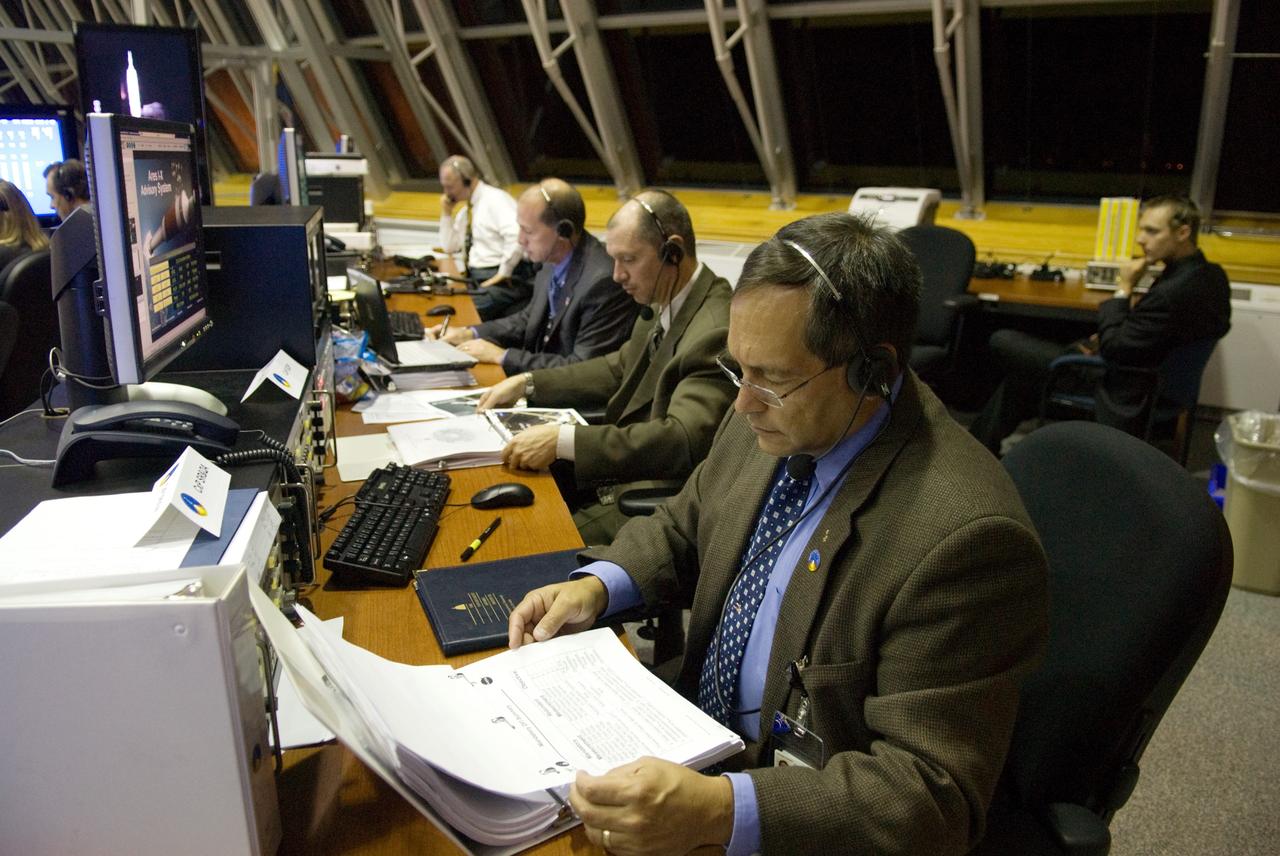
CAPE CANAVERAL, Fla. - The launch authority team for the Ares I-X flight test monitors the countdown from consoles in the Operations Management Room of the Young-Crippen Firing Room, a glass partitioned area overlooking the main floor, in the Launch Control Center at NASA's Kennedy Space Center in Florida. This will be the first launch from Kennedy's pads of a vehicle other than the space shuttle since the Apollo Program's Saturn rockets were retired. The parts used to make the Ares I-X booster flew on 30 different shuttle missions ranging from STS-29 in 1989 to STS-106 in 2000. The data returned from more than 700 sensors throughout the rocket will be used to refine the design of future launch vehicles and bring NASA one step closer to reaching its exploration goals. For information on the Ares I-X vehicle and flight test, visit http://www.nasa.gov/aresIX. Photo credit: NASA/Kim Shiflett
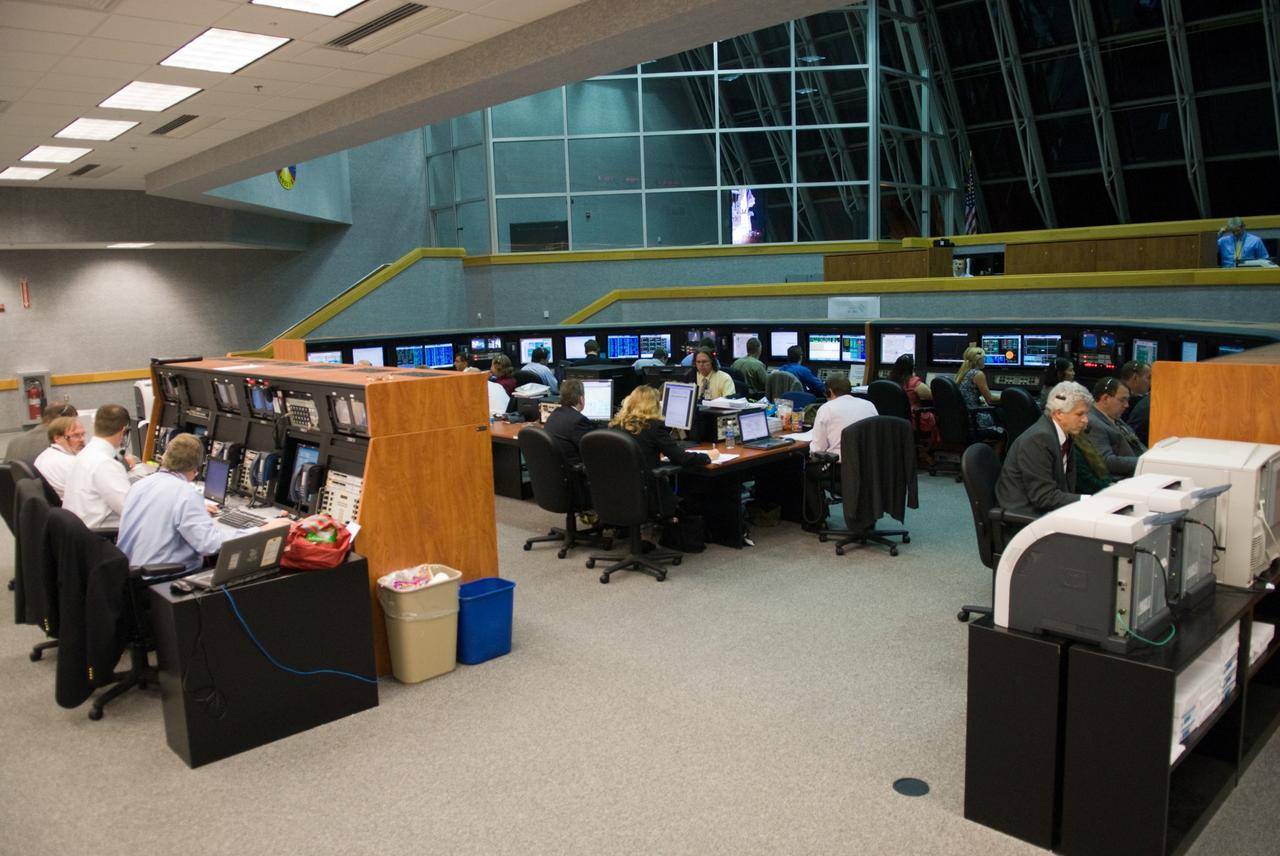
CAPE CANAVERAL, Fla. - The launch support team for the Ares I-X flight test monitors the countdown from consoles from the Mission Director's Center in Hangar AE on Cape Canaveral Air Force Station in Florida. This will be the first launch from Kennedy's pads of a vehicle other than the space shuttle since the Apollo Program's Saturn rockets were retired. The parts used to make the Ares I-X booster flew on 30 different shuttle missions ranging from STS-29 in 1989 to STS-106 in 2000. The data returned from more than 700 sensors throughout the rocket will be used to refine the design of future launch vehicles and bring NASA one step closer to reaching its exploration goals. For information on the Ares I-X vehicle and flight test, visit http://www.nasa.gov/aresIX. Photo credit: NASA/Kim Shiflett
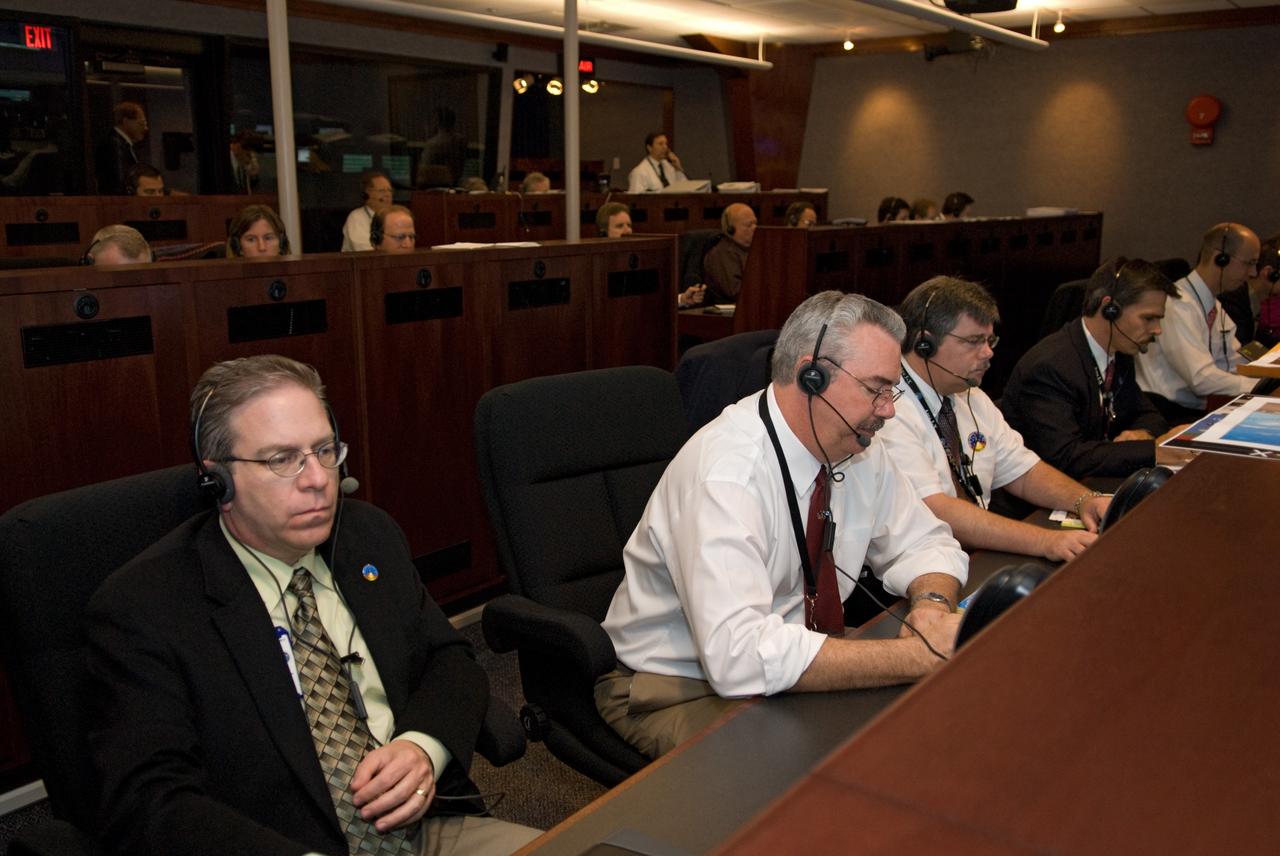
CAPE CANAVERAL, Fla. - The prime launch team for the Ares I-X flight test monitors the countdown from consoles in the Young-Crippen Firing Room in the Launch Control Center at NASA's Kennedy Space Center in Florida. This will be the first launch from Kennedy's pads of a vehicle other than the space shuttle since the Apollo Program's Saturn rockets were retired. The parts used to make the Ares I-X booster flew on 30 different shuttle missions ranging from STS-29 in 1989 to STS-106 in 2000. The data returned from more than 700 sensors throughout the rocket will be used to refine the design of future launch vehicles and bring NASA one step closer to reaching its exploration goals. For information on the Ares I-X vehicle and flight test, visit http://www.nasa.gov/aresIX. Photo credit: NASA/Kim Shiflett
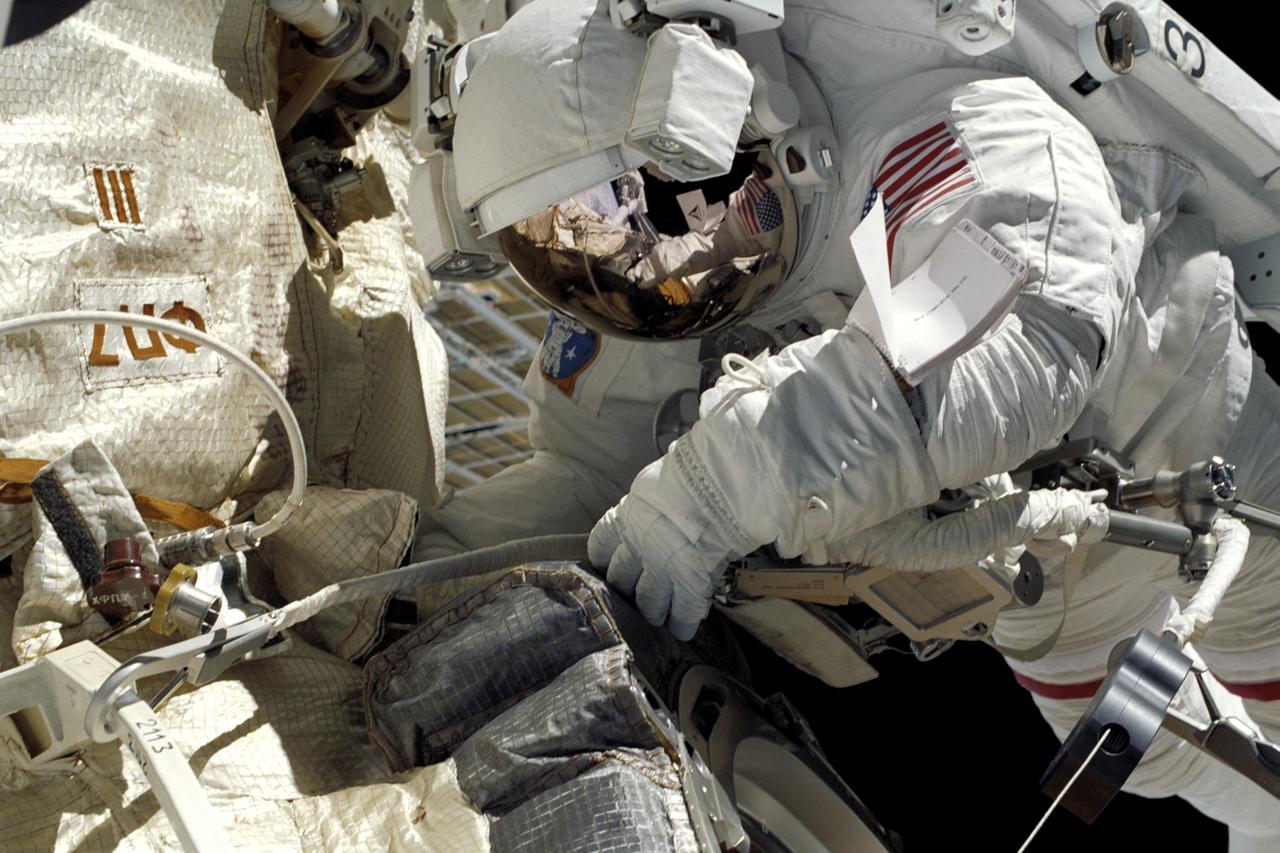
S106-349-012 (11 September 2000) --- Astronaut Edward T. Lu, mission specialist, was captured on film by his spacewalking colleague, cosmonaut Yuri I. Malenchenko, during the 6-hour-plus space walk the two performed on the exterior of the International Space Station (ISS). Malenchenko was one of two mission specialists on the 12-day flight who represented the Russian Aviation and Space Agency.
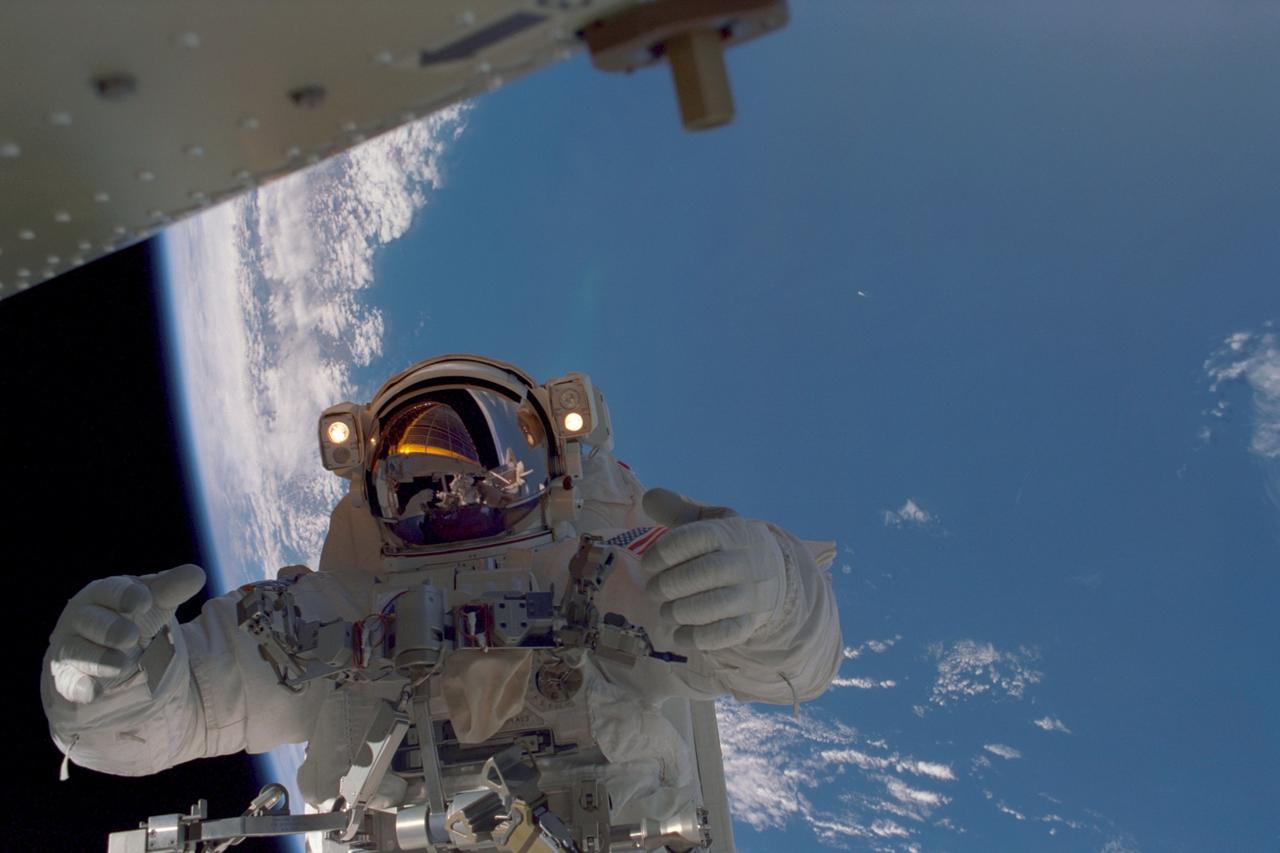
STS097-376-013 (7 December 2000) --- Planet Earth, some 235 statute miles away, forms the backdrop for this 35mm photo of astronaut Joseph R. Tanner, mission specialist, taken during the third of three STS-97 space walks to perform work on the International Space Station (ISS). The photo was taken by astronaut Carlos I. Noriega, mission specialist, whose reflection can be seen in Tanner's helmet visor.
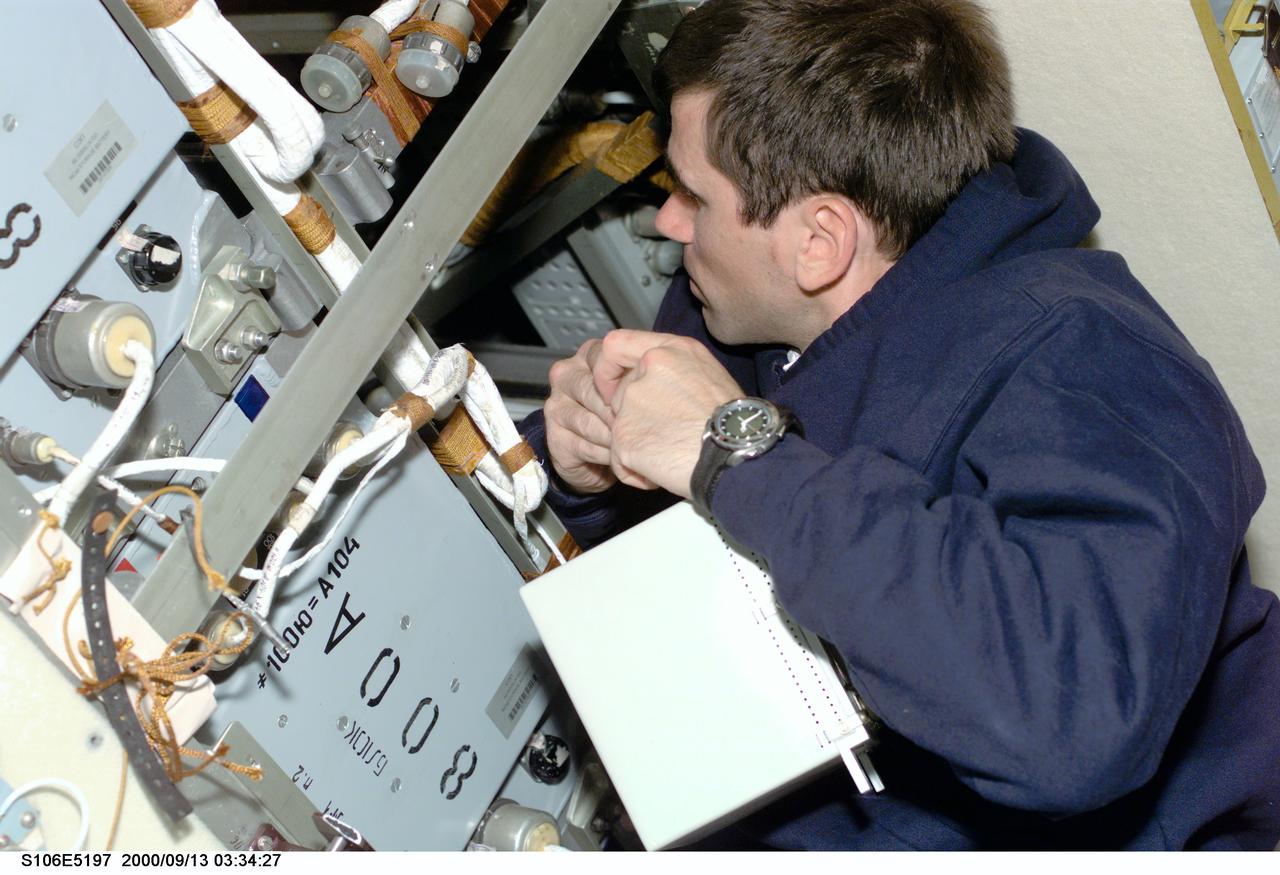
S106-E-5197 (13 September 2000) --- Cosmonaut Yuri I. Malenchenko, mission specialist representing the Russian Aviation and Space Agency, works aboard the Zvezda service module on the International Space Station (ISS). Electrical work was the hallmark of the day as four of the mission specialists aboard ISS (temporarily docked with the Space Shuttle Atlantis) replaced batteries inside the Zarya and Zvezda modules while supply transfer continued around them.
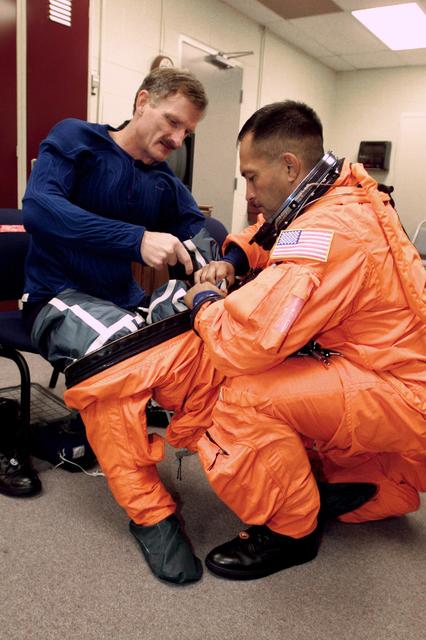
JSC2000-E-23530 (October 2000) --- Astronaut Joseph R. Tanner receives a helping hand from astronaut Carlos I. Noriega as the two STS-97 mission specialists don training versions of their pressure ascent and entry garments. The two were about to participate in a simulation of various parts of their scheduled November mission aboard the Space Shuttle Endeavour.
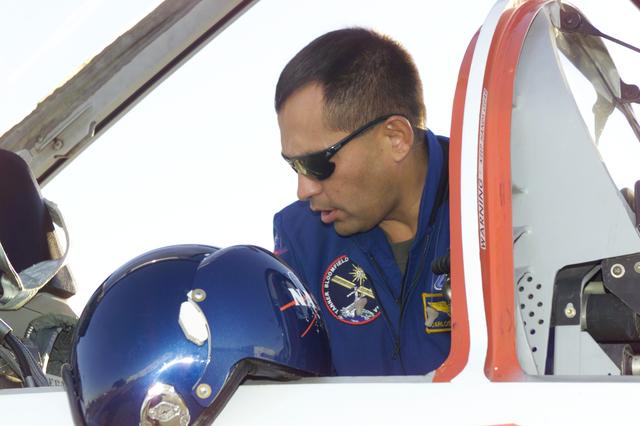
JSC2000-E-29120 (27 November 2000) --- Astronaut Carlos I. Noriega, STS-97 mission specialist, climbs into the cockpit of a NASA T-38 jet trainer at Ellington Field. The five-member crew was minutes away from departure to Florida, where it will continue preparations for launch later this week aboard the Space Shuttle Endeavour.
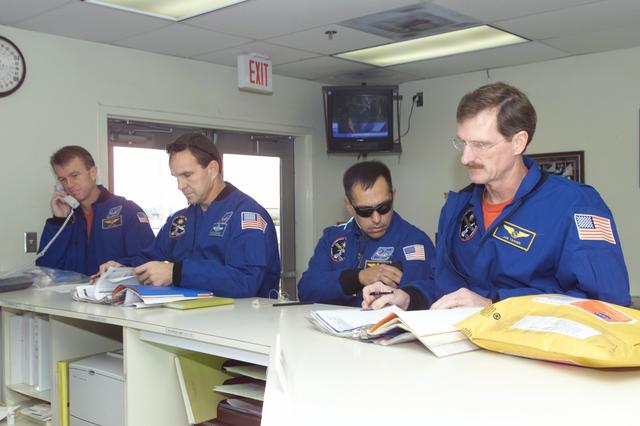
JSC2000-E-29119 (27 November 2000) --- Performing final tasks prior to leaving Ellington Field for Florida are four members of the STS-97 crew. From the left are astronauts Brent W. Jett, Jr., Michael J. Bloomfield, Carlos I. Noriega and Joseph R. Tanner. Marc Garneau, who represents the Canadian Space Agency (CSA), is not pictured. Launch from Florida's Kennedy Space Center (KSC) is scheduled for November 30.
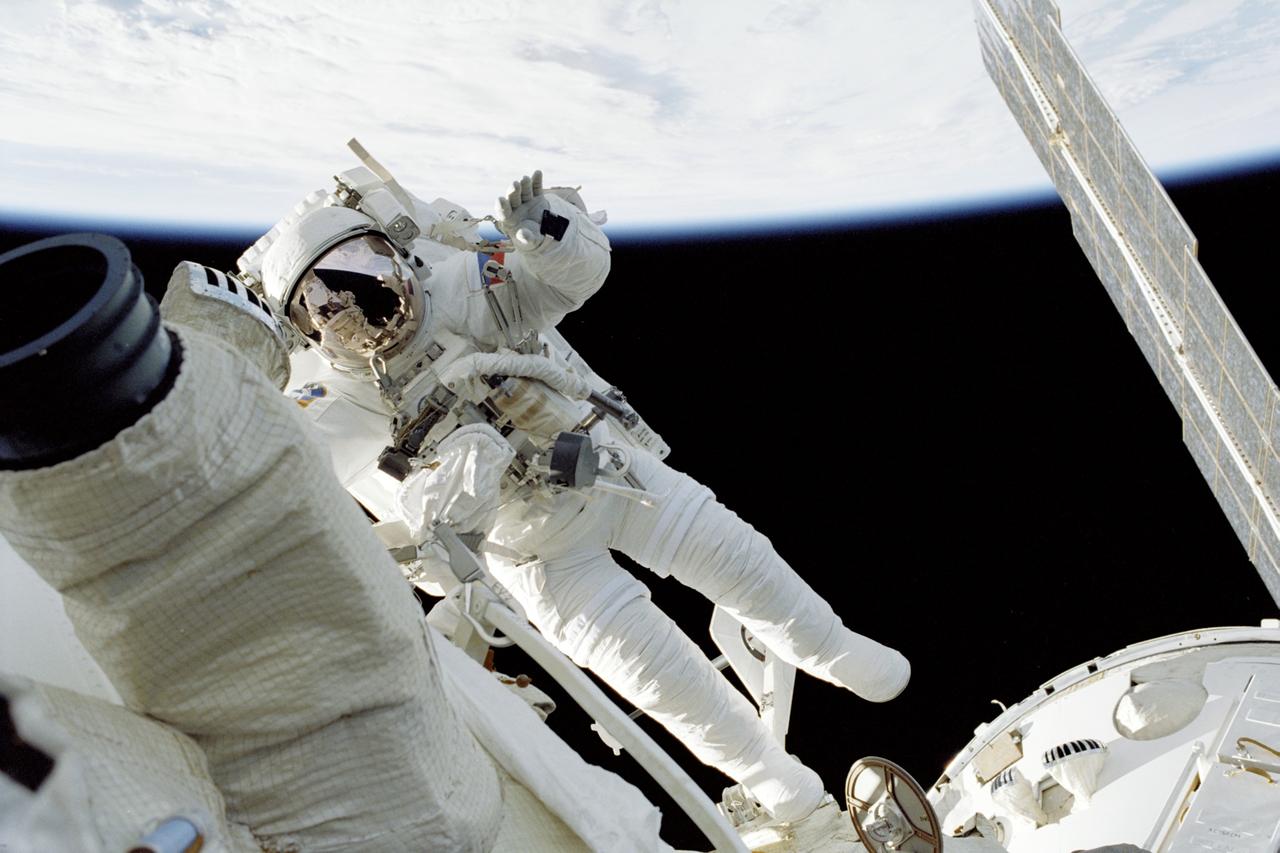
S106-348-012 (11 September 2000) --- Cosmonaut Yuri I. Malenchenko, mission specialist, was captured on film by his spacewalking colleague, astronaut Edward T. Lu, during the 6-hour-plus space walk the two performed on the exterior of the International Space Station (ISS). Malenchenko was one of two mission specialists on the 12-day flight who represented the Russian Aviation and Space Agency.
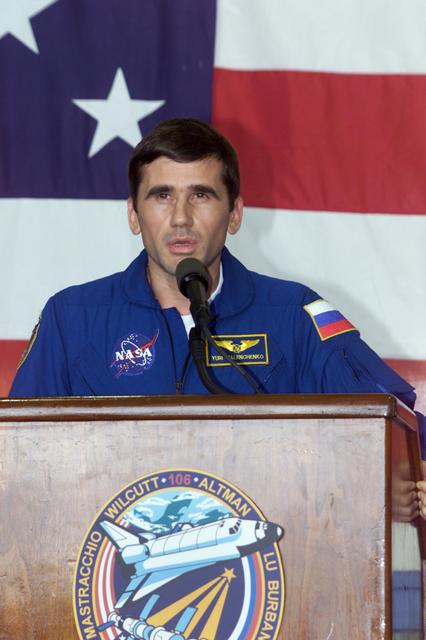
JSC2000-E-23459 (21 September 2000) --- Cosmonaut Yuri I. Malenchenko, STS-106 mission specialist representing the Russian Aviation and Space Agency, addresses the crowd that visited Ellington Field's Hangar 990 to welcome home the STS-106 astronauts and cosmonauts. The seven-man crew landed approximately 24 hours earlier in Florida, wrapping up a 4.9 million-mile mission in which more than three tons of equipment were delivered to the international outpost.
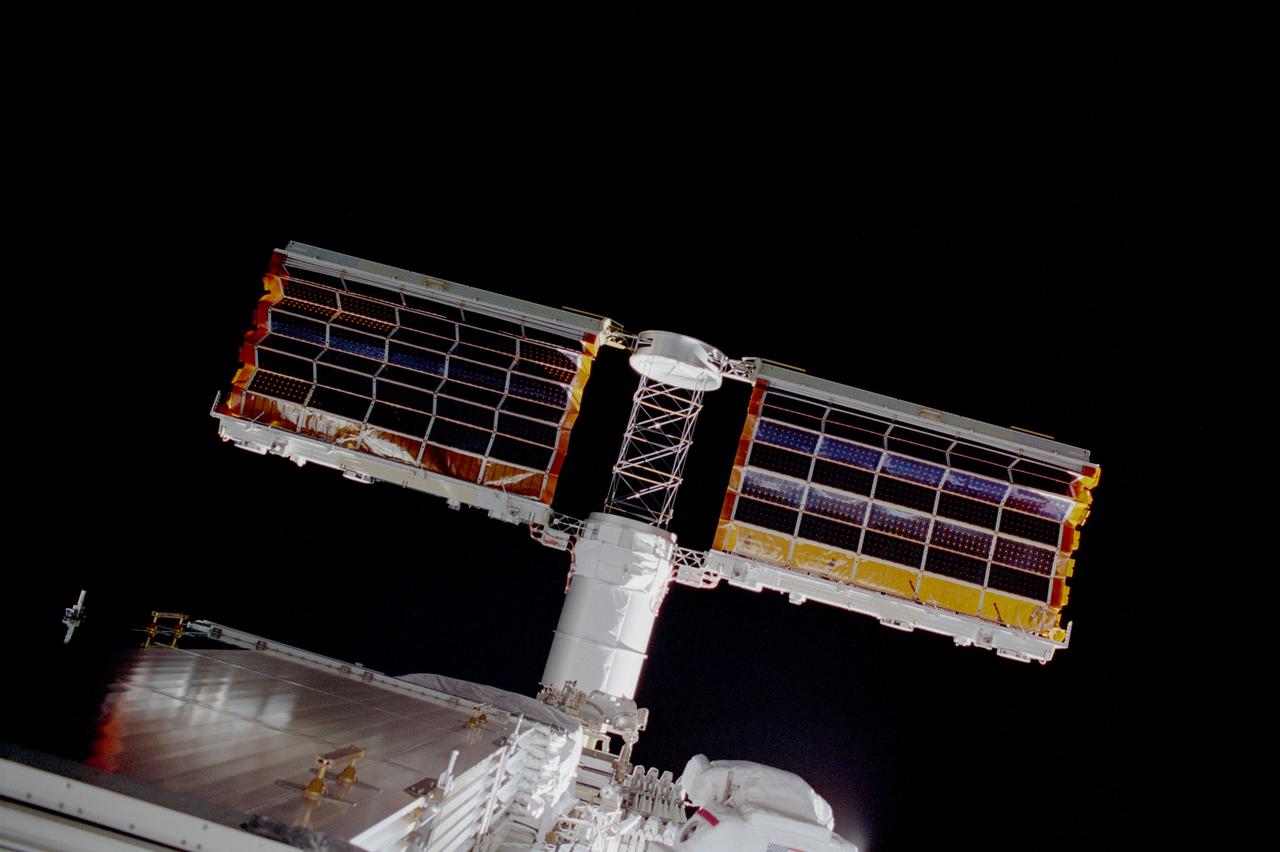
STS097-373-005 (3 December 2000) --- Backdropped against the blackness of space, the deployment of International Space Station (ISS) solar array was photographed with a 35mm camera by astronaut Carlos I. Noriega, mission specialist. Part of the extravehicular mobility unit (EMU) attached to astronaut Joseph R. Tanner, mission specialist, is visible at bottom center. Tanner and Noriega went on to participate together in three separate space walks.
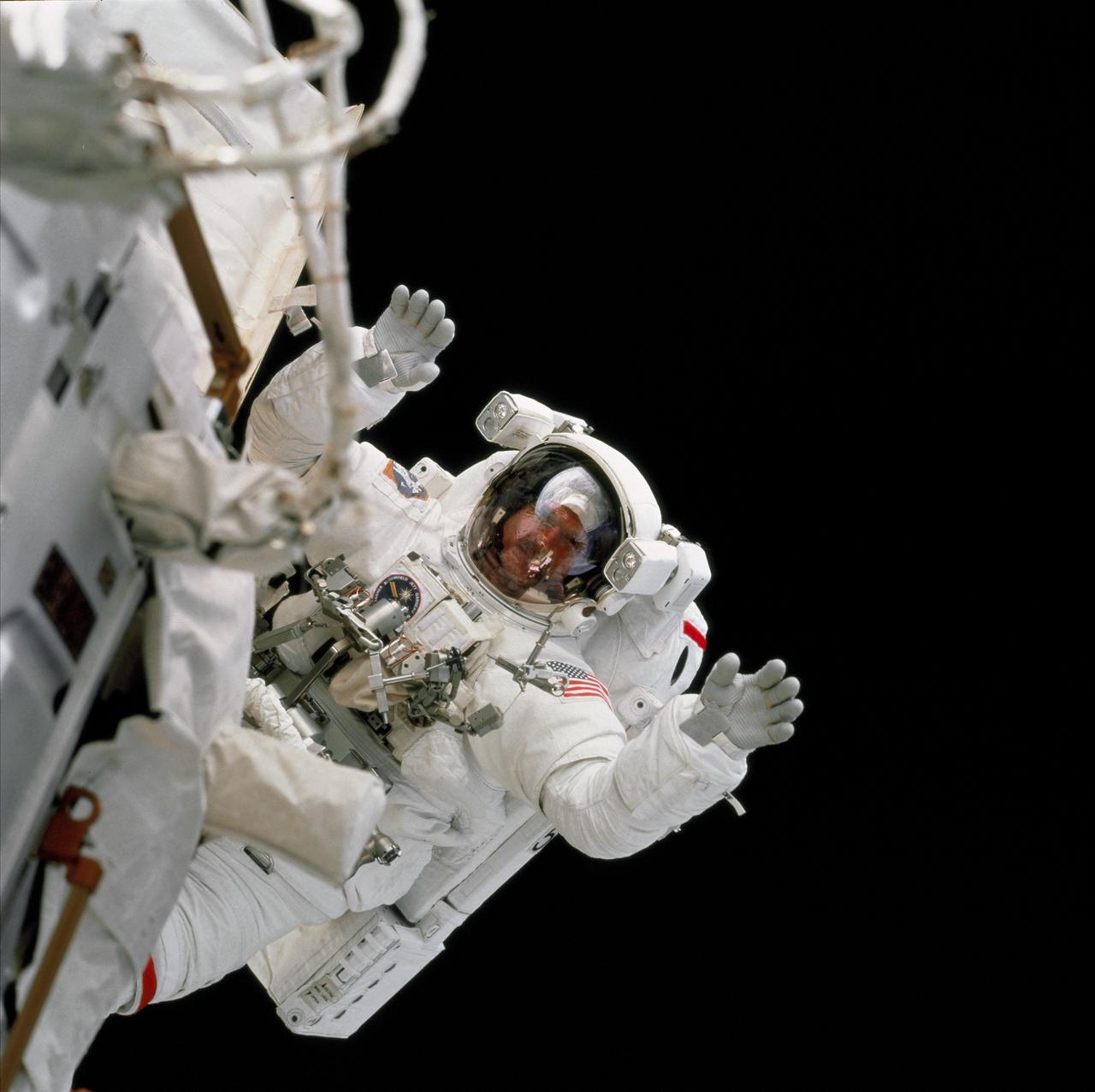
STS097-703-011 (7 December 2000) --- Astronaut Joseph R. Tanner waves to his cabin-bound crewmates during the December 7 extravehicular activity (EVA), one of three space walks involving him and astronaut Carlos I. Noriega. The photograph was taken by one of the non-EVA STS-97 crew members, using a 70mm camera.
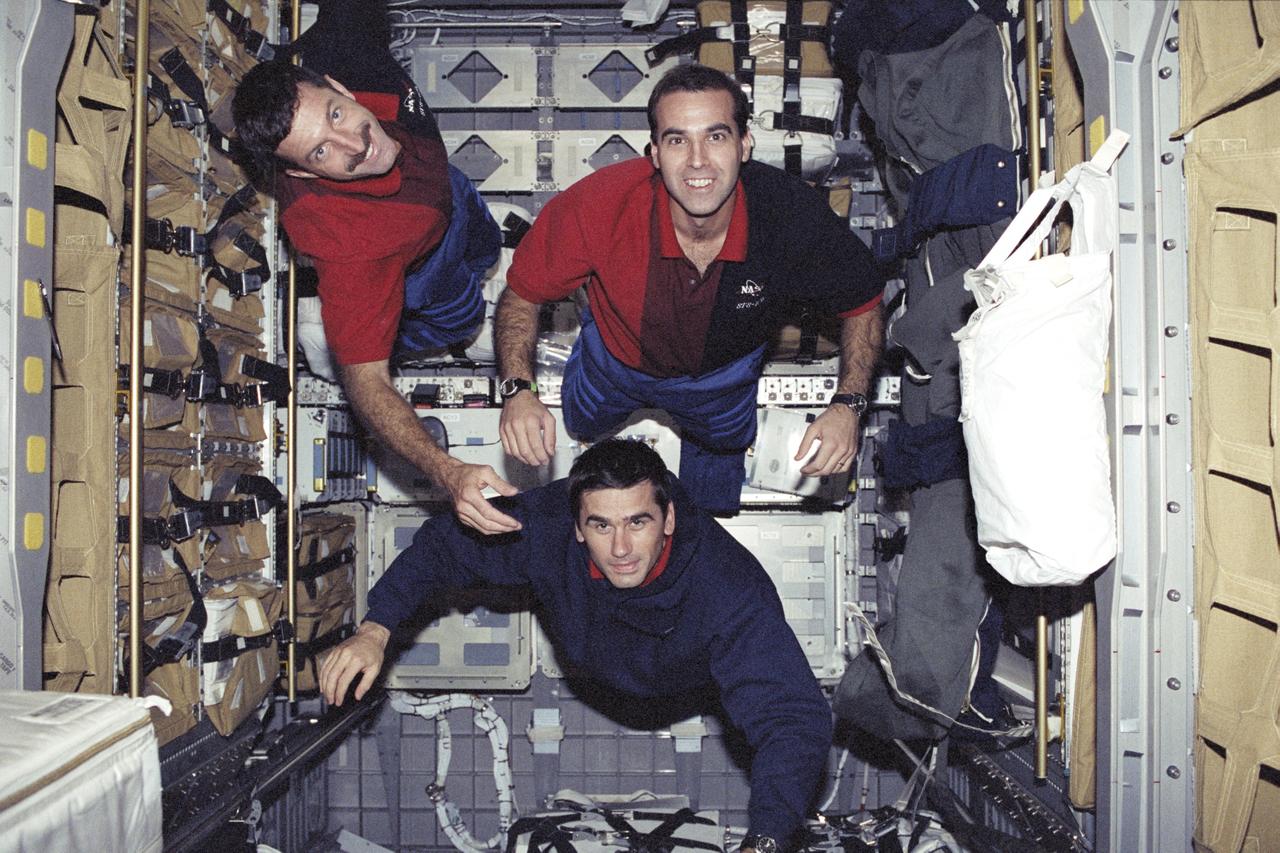
STS106-369-019 (8-20 September 2000) --- Two astronauts and a cosmonaut, all mission specialists, float onboard Spacehab. They are astronauts Daniel C. Burbank (top left) and Richard A. Mastracchio (top right), along with cosmonaut Yuri I. Malenchenko. The Spacehab double module is as "empty" as it was at any other time during the STS-106 mission in this scene, photographed during mission's end. The seven-man crew had moved a large amount of supplies and hardware to the International Space Station (ISS).
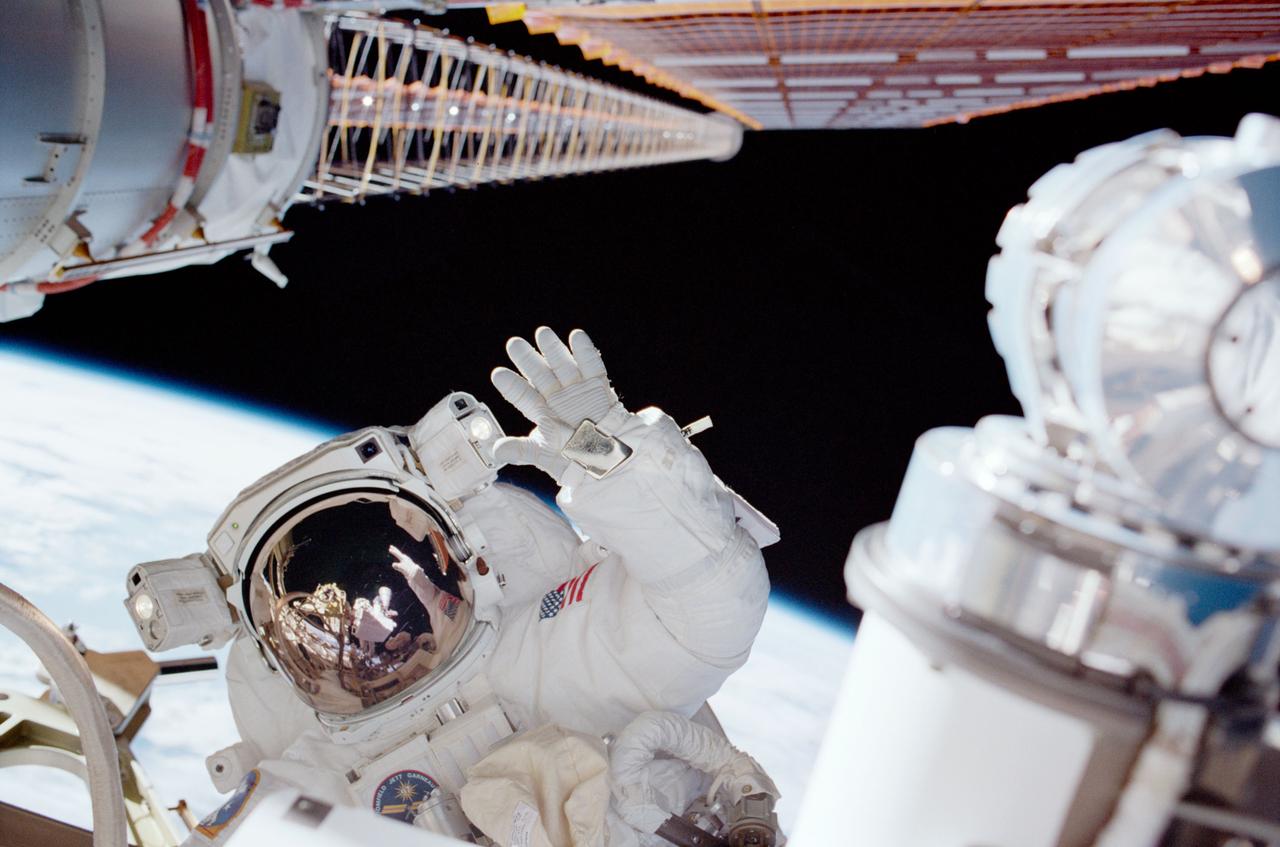
STS097-375-012 (5 December 2000) --- Astronaut Carlos I. Noriega, mission specialist, waves toward his space walk partner, astronaut Joseph R. Tanner, as Tanner snaps a 35mm frame during the second of three STS-97 sessions of extravehicular activity (EVA). Part of the newly-deployed solar array structure is at the top of the frame.
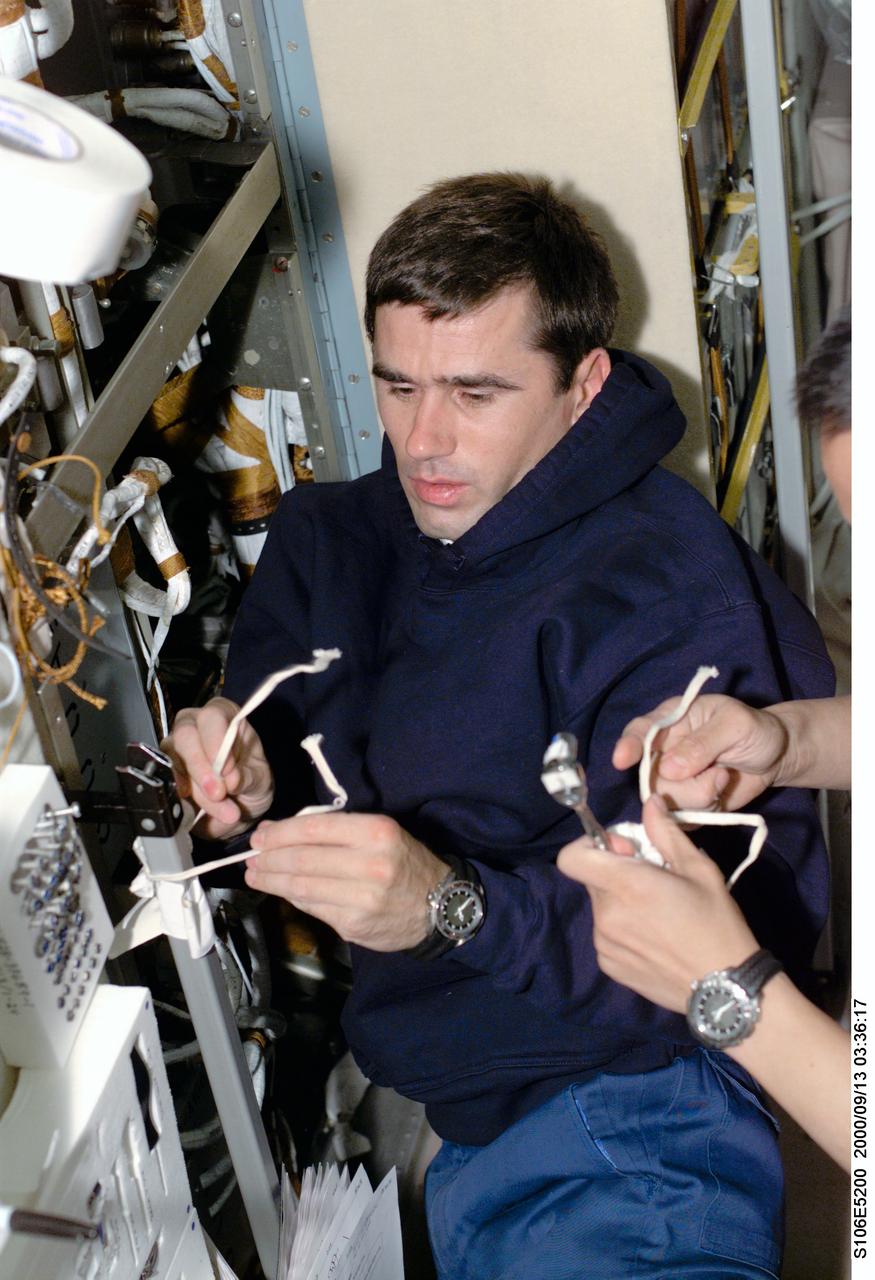
S106-E-5200 (13 September 2000) --- Cosmonaut Yuri I. Malenchenko, mission specialist representing the Russian Aviation and Space Agency, works aboard the Zvezda service module on the International Space Station (ISS). Electrical work was the hallmark of this day as four of the mission specialists aboard ISS (temporarily docked with the Space Shuttle Atlantis) replaced batteries inside the Zarya and Zvezda modules while supply transfer continued around them. Astronaut Edward T. Lu, mission specialist, is out of frame at right.
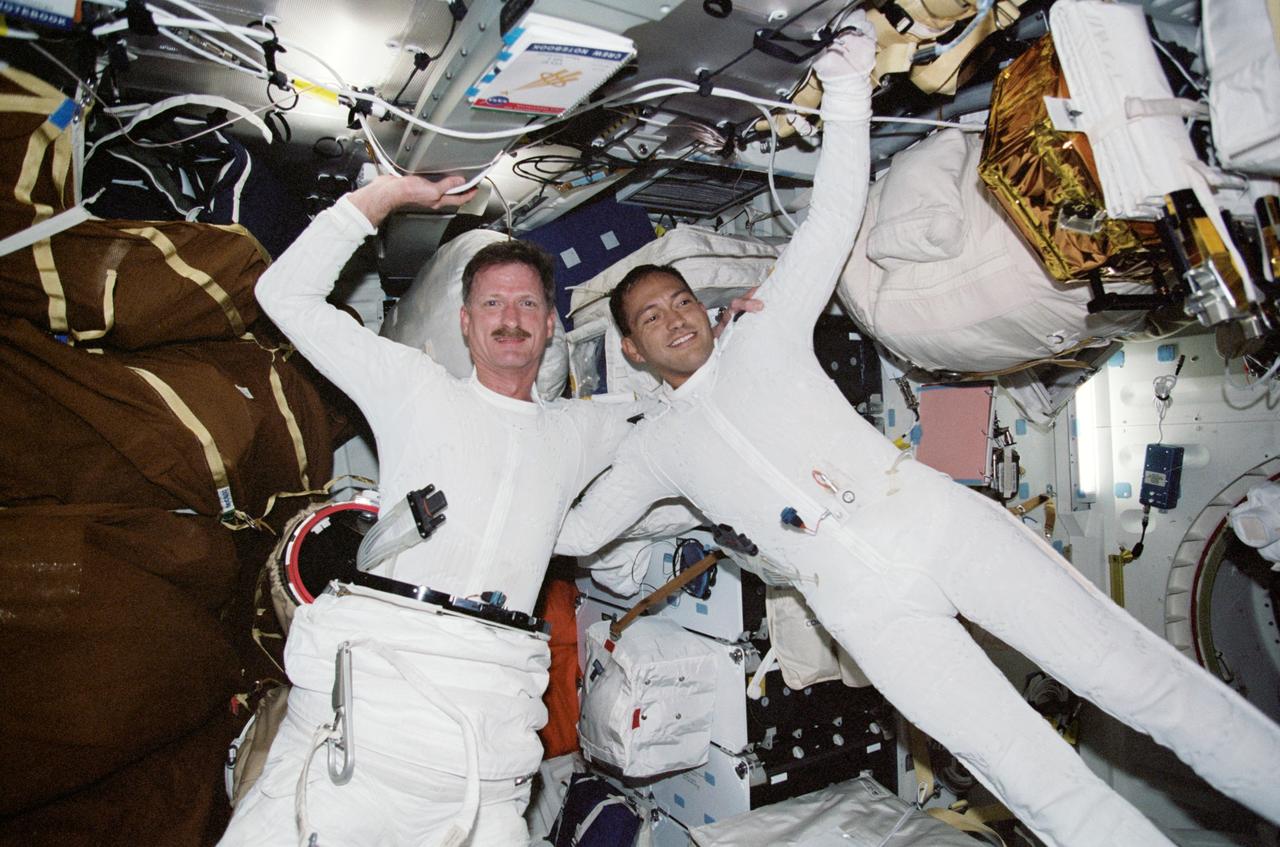
STS097-327-033 (30 Nov.-11 Dec. 2000) --- Astronauts Joseph R. Tanner (left) and Carlos I. Noriega, both mission specialists, who participated in three STS-97 space walks, don their extravehicular mobility unit (EMU) space suits for one of the walks. Tanner and Noriega are wearing the liquid cooling and ventilation garment that complements the EMU.
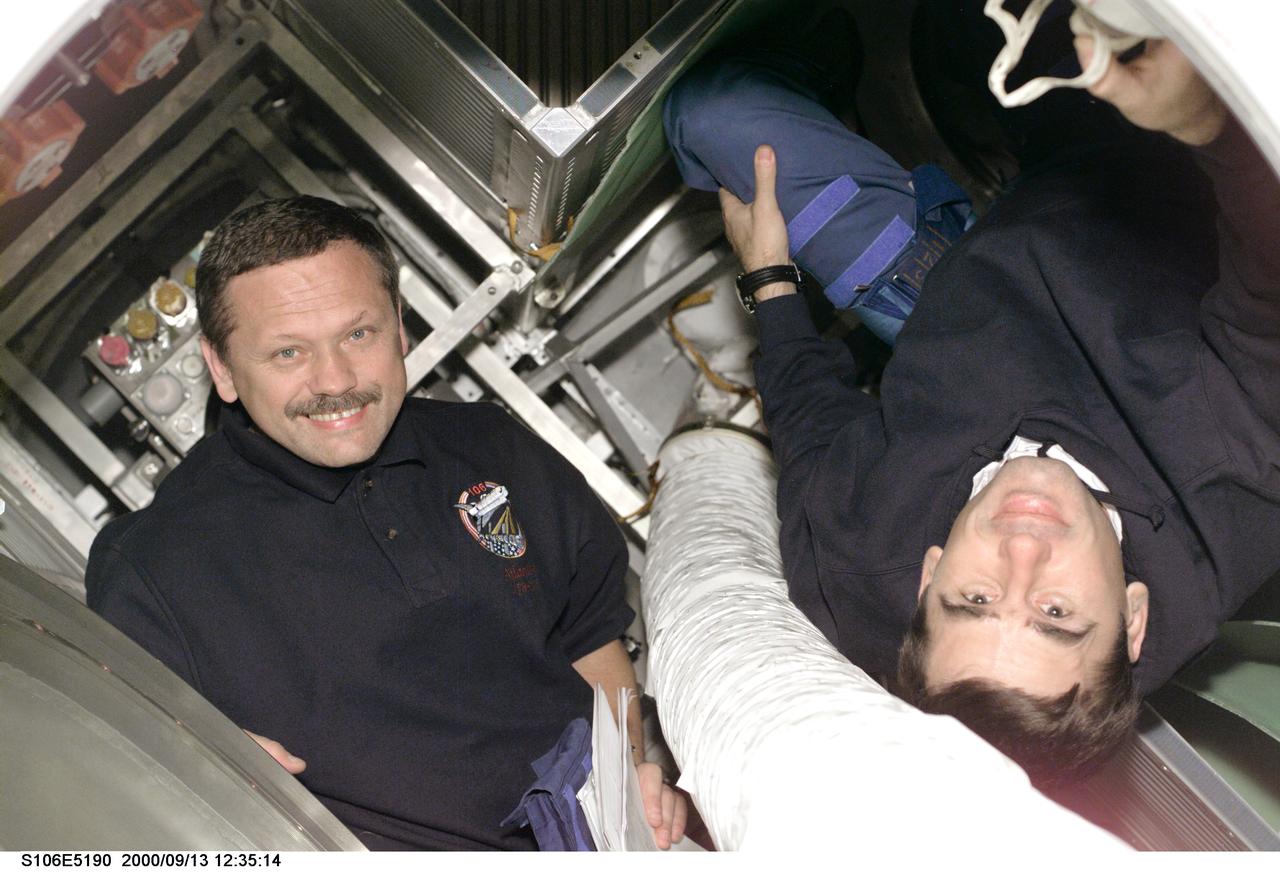
S106-E-5190 (13 September 2000) --- Part of Flight Day 5 activity included interface with the Progress supply vehicle which joined the International Space Station (ISS) last month. Pictured in the supply vehicle are cosmonauts Boris V. Morukov, left, and Yuri I. Malenchenko, both mission specialists representing the Russian Aviation and Space Agency.
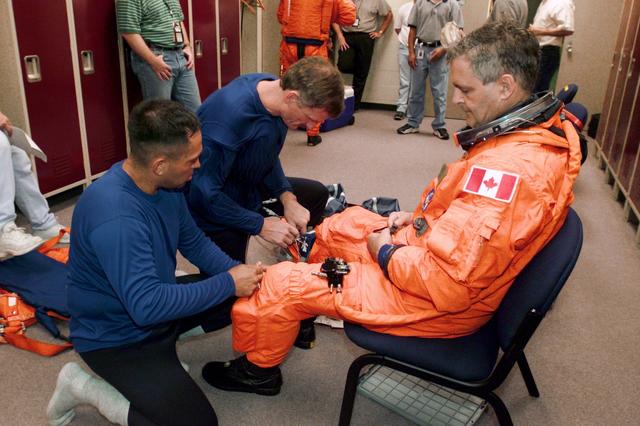
JSC2000-E-23527 (October 2000) --- Astronaut Marc Garneau, mission specialist representing the Canadian Space Agency (CSA), looks on as two crew mates assist him with final touches of suit-donning prior to a training session in the Johnson Space Center's Systems Integration Facility. Helping out are astronauts Carlos I. Noriega (left) and Joseph R. Tanner, mission specialists.
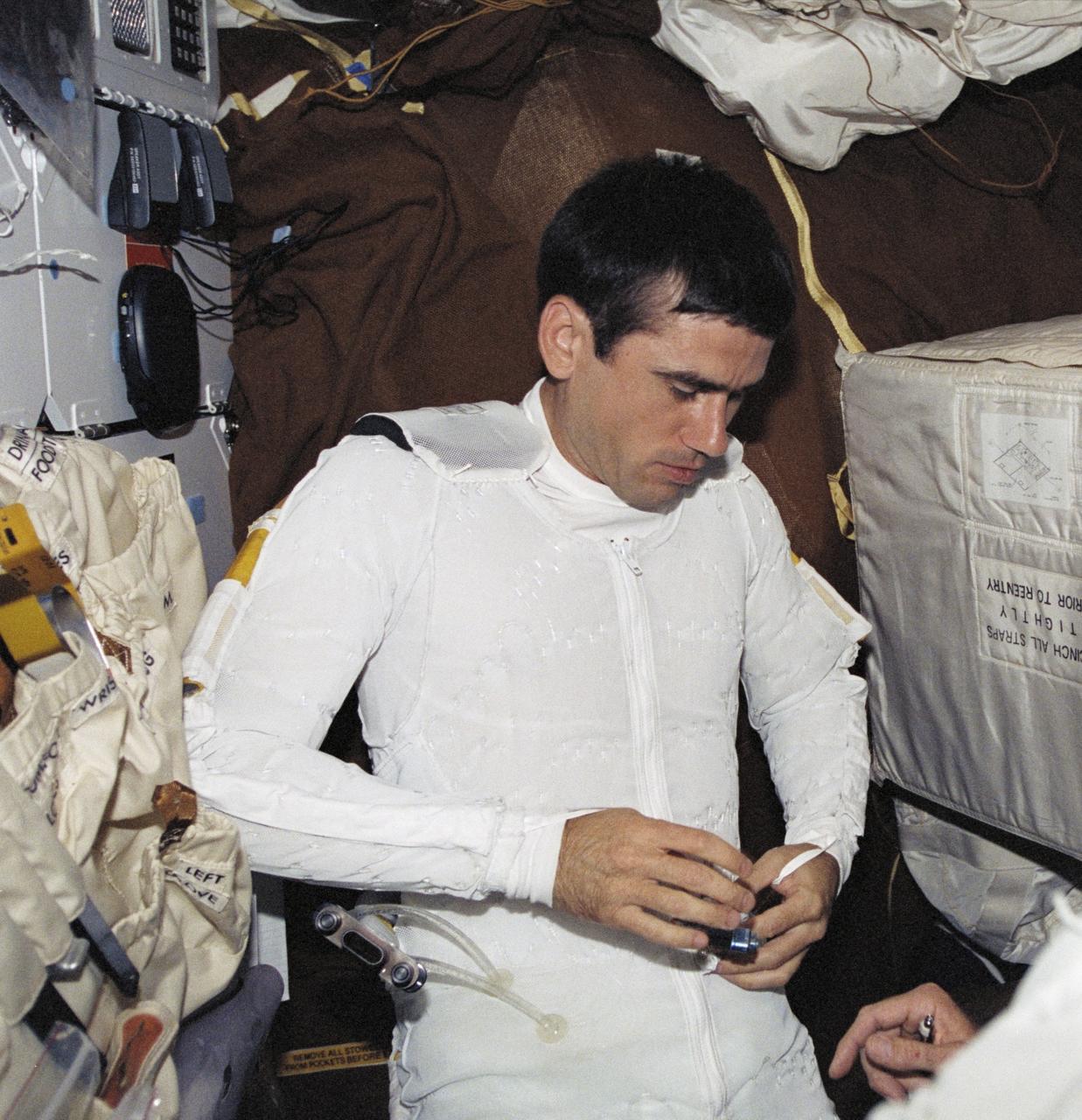
JSC2000-E-23502 (11 September 2000) --- Cosmonaut Yuri I. Malenchenko, STS-106 mission specialist, completes donning his thermal underwear prior to putting on the outer garment called the extravehicular mobility unit (EMU). Malenchenko, representing the Russian Aviation and Space Agency, was about to spend a period in excess of six hours outside Atlantis along with astronaut Edward T. Lu (out of frame at right).
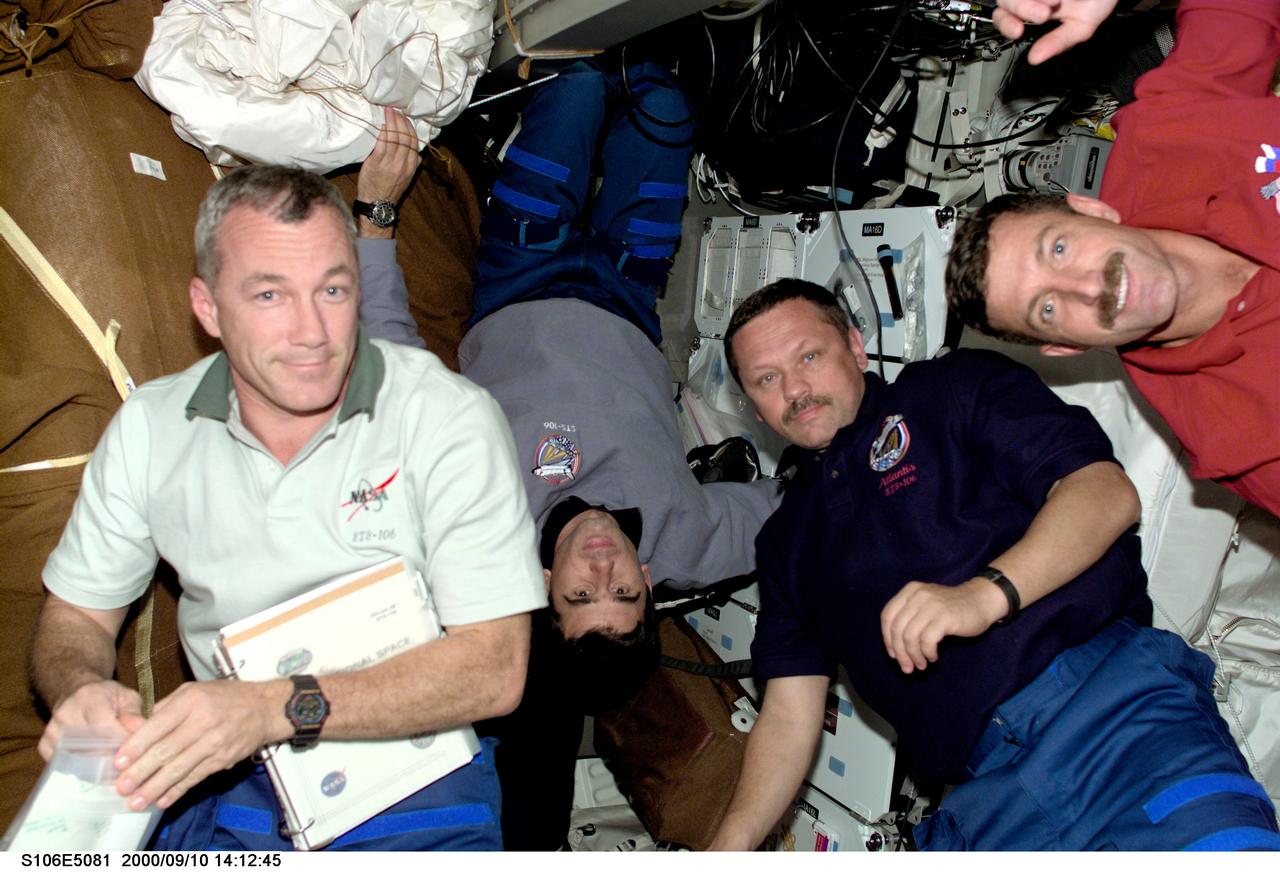
S106-E-5081 (10 September 2000) --- Two cosmonauts and two astronauts discuss supplies to be moved from Atlantis mid deck during Flight Day 3 activity. From the left are astronaut Terrence W. Wilcutt, mission commander; cosmonauts Yuri I. Malenchenko and Boris V. Morukov, mission specialists representing the Russian Aviation and Space Agency; along with astronaut Daniel C. Burbank, mission specialist.
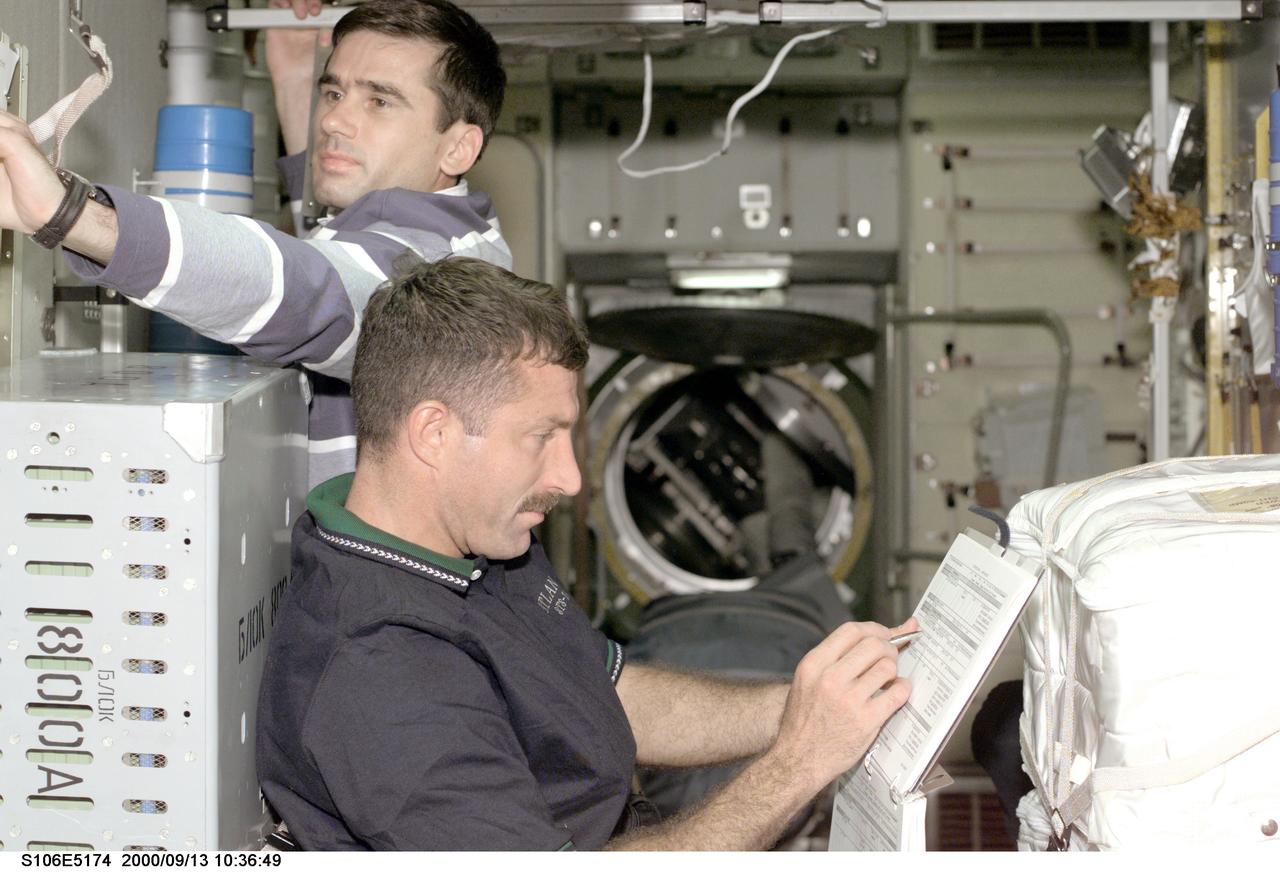
S106-E-5174 (13 September 2000) --- Cosmonaut Yuri I. Malenchenko (left), representing the Russian Aviation and Space Agency, and astronaut Daniel C. Burbank are part of the team effort to ready the International Space Station (ISS) for permanent habitation. These two mission specialists and the other STS-106 astronauts and cosmonaut are continuing electrical work and transfer activities as they near the halfway point of docked operations with the International Space Station. In all the crew will have 189 hours, 40 minutes of planned Atlantis-ISS docked time.

JSC2000-E-20585 (August 2000) --- Two members of the STS-106 crew participate in a bench review of equipment and gear scheduled to fly on the September mission aboard the Space Shuttle Atlantis. Astronaut Edward T. Lu (left) and cosmonaut Yuri I. Malenchenko inspect tools they'll possibly be using during scheduled extravehicular activity (EVA) on the International Space Station (ISS).
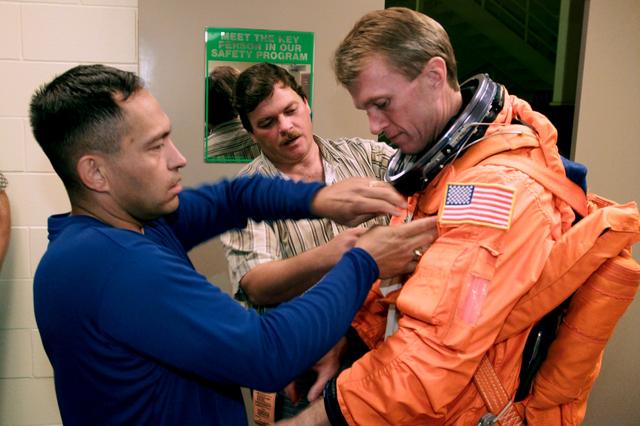
JSC2000-E-23526 (October 2000) --- Astronaut Carlos I. Noriega, attired in a blue thermal undergarment, and USA suit technician Mike Birkenseher help astronaut Brent W. Jett, STS-97 mission commander, with final touches of suit donning. The five STS-97 crew members were participating in a training session for their scheduled November launch aboard the Space Shuttle Endeavour.
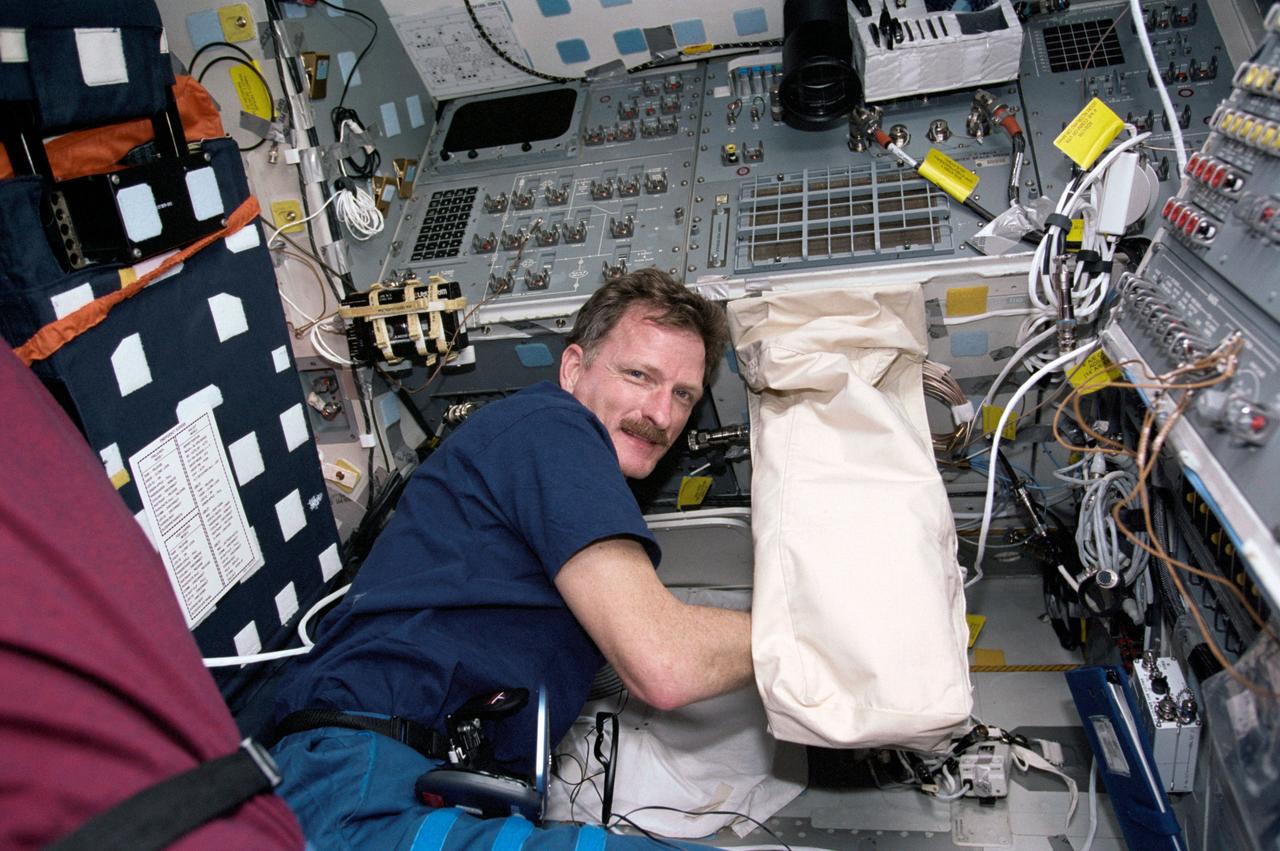
STS097-321-010 (30 Nov.-11 Dec. 2000) --- Astronaut Joseph R. Tanner is pictured on the aft flight deck of the Space Shuttle Endeavour during the STS-97 mission. In addition to a great deal of intravehicular work, astronauts Tanner and Carlos I. Noriega participated in three space walks during the flight to perform work on the International Space Station (ISS).
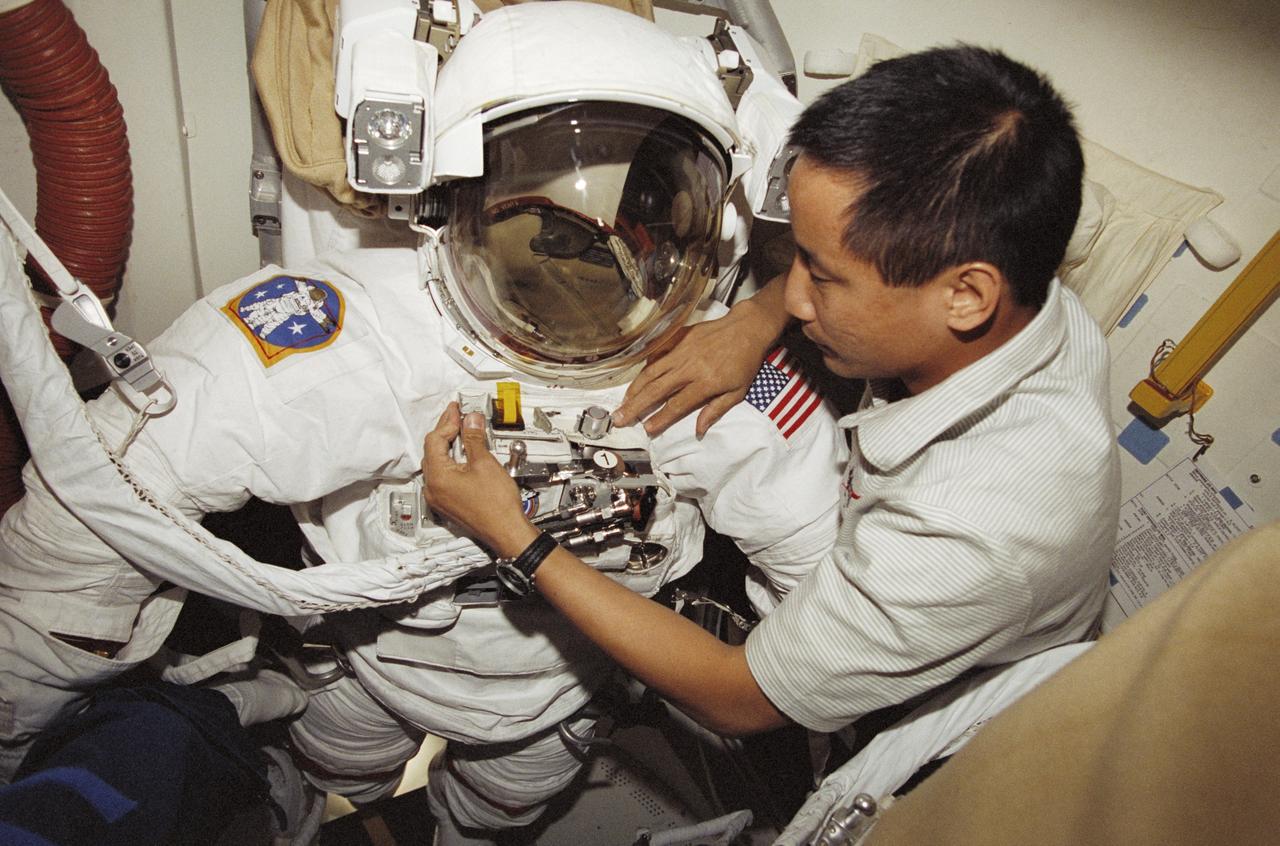
STS106-386-026 (8-20 September 2000) --- Astronaut Edward T. Lu, STS-106 mission specialist, prepares his extravehicular mobility unit (EMU) space suit for an impending space walk. Lu was about to spend a period in excess of six hours outside Atlantis along with cosmonaut Yuri I. Malenchenko (out of frame), mission specialist representing Rosaviakosmos.
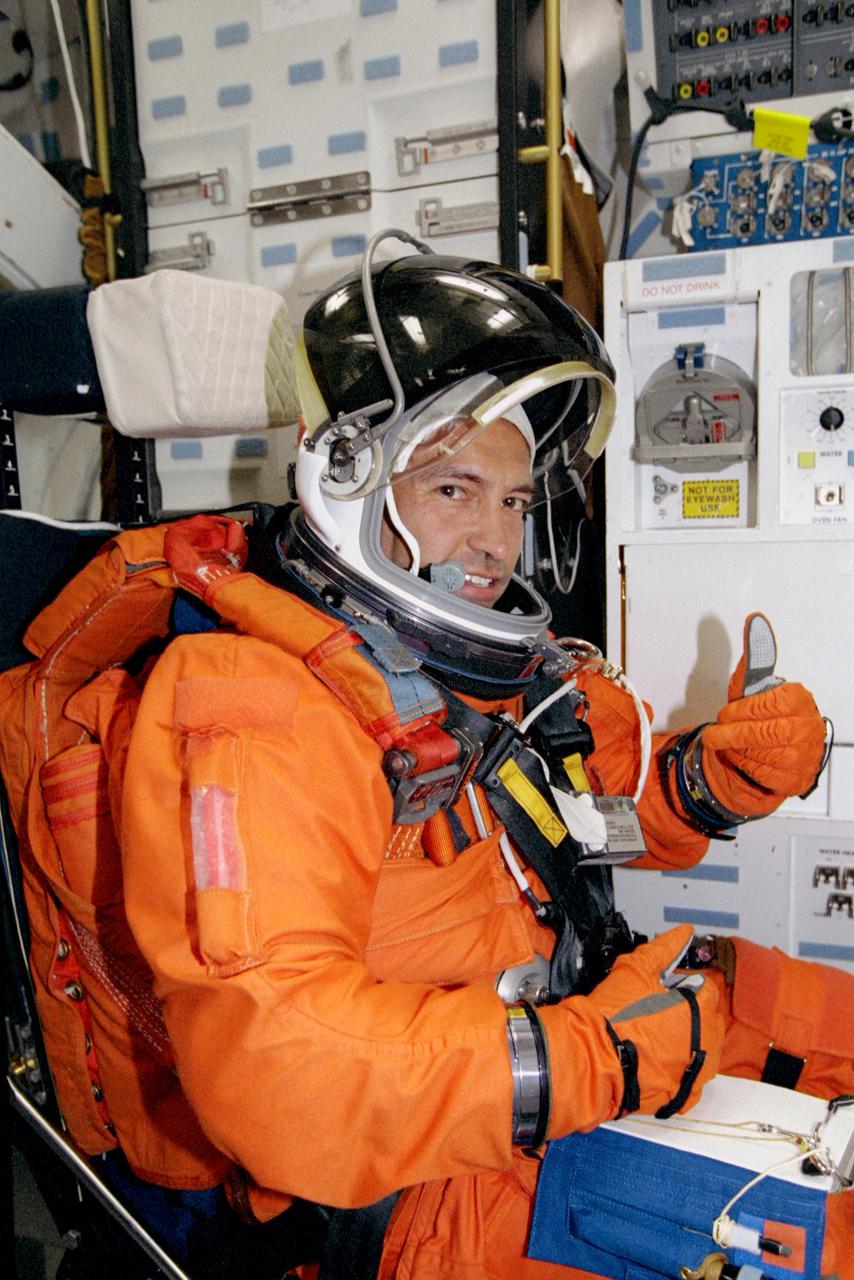
JSC2000-04752 (15 June 2000) --- Positioned in a removable seat on a simulated mid deck, astronaut Carlos I. Noriega, mission specialist, gives the thumbs-up signal during a "dry run" for launch and entry procedures. The training took place in the Crew Compartment Trainer (CCT-2) in the Johnson Space Center's Systems Integrtion Facility.
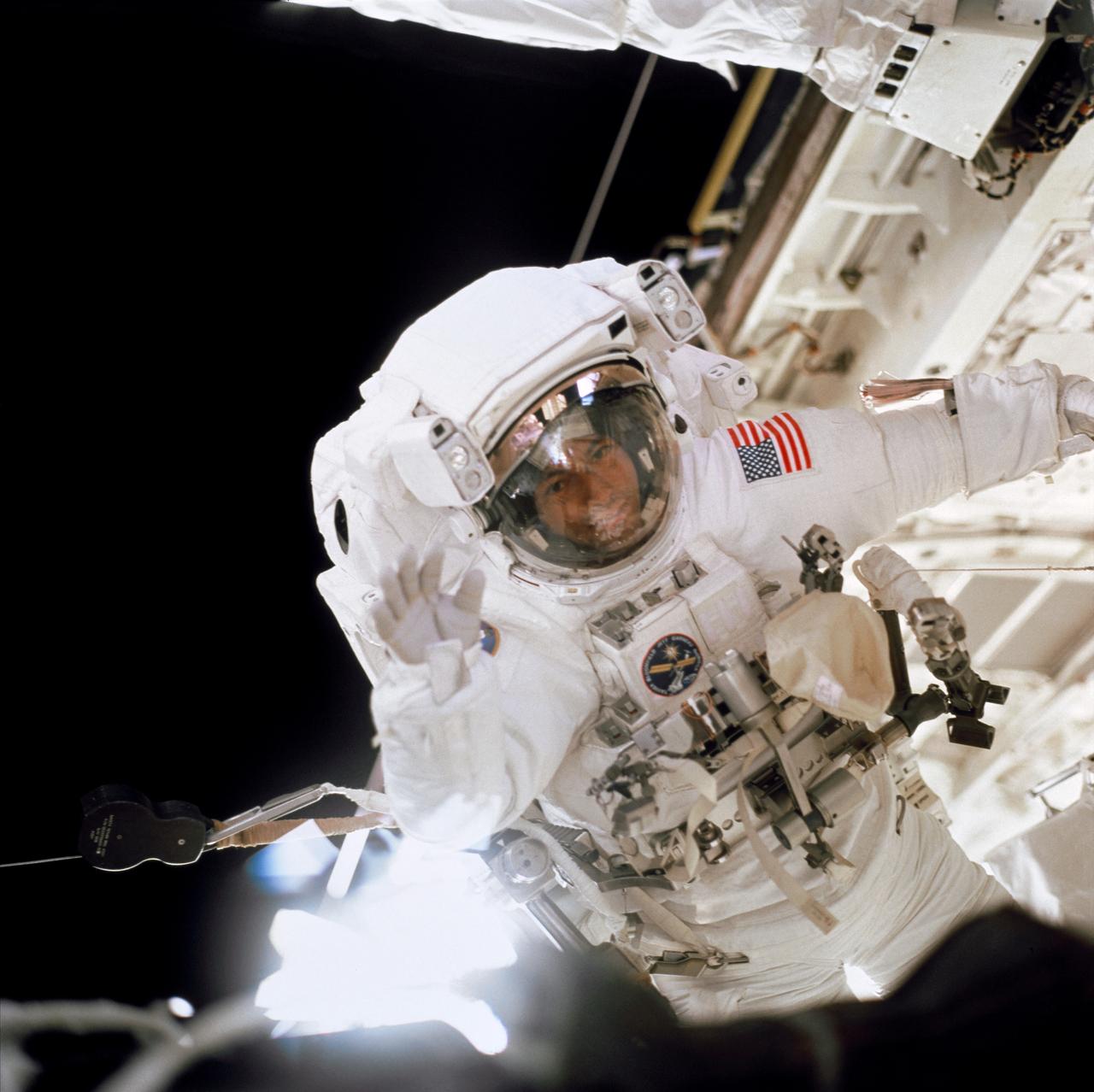
STS097-703-021 (30 Nov.-11 Dec. 2000) --- Astronaut Carlos I. Noriega, mission specialist, is photographed during one of the three space walks scheduled for the STS-97 mission to the International Space Station (ISS). The photo was taken through an aft flight deck window on the Space Shuttle Endeavour by a crew mate using a 70mm camera.
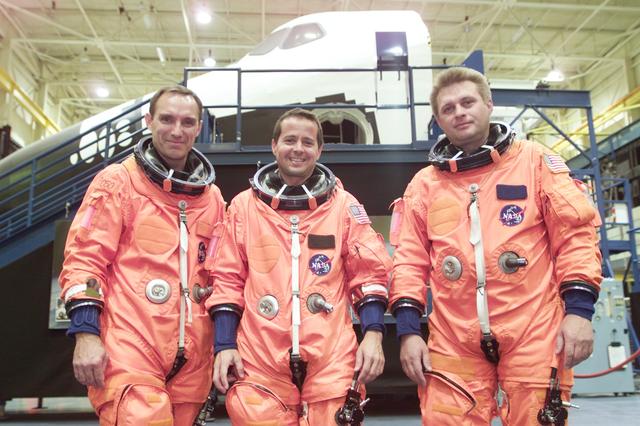
JSC2000-E-23342 (26 September 2000) --- Astronauts Carl E. Walz (left) and Daniel W. Bursch, both Expedition Four flight engineers, and cosmonaut Yuri I. Onufrienko, mission commander, pause for an informal crew portrait prior to a mission training session in the Space Vehicle Mockup Facility at the Johnson Space Center (JSC). The crew members are attired in training versions of the shuttle launch and entry garment. Onufrienko represents Rosaviakosmos.
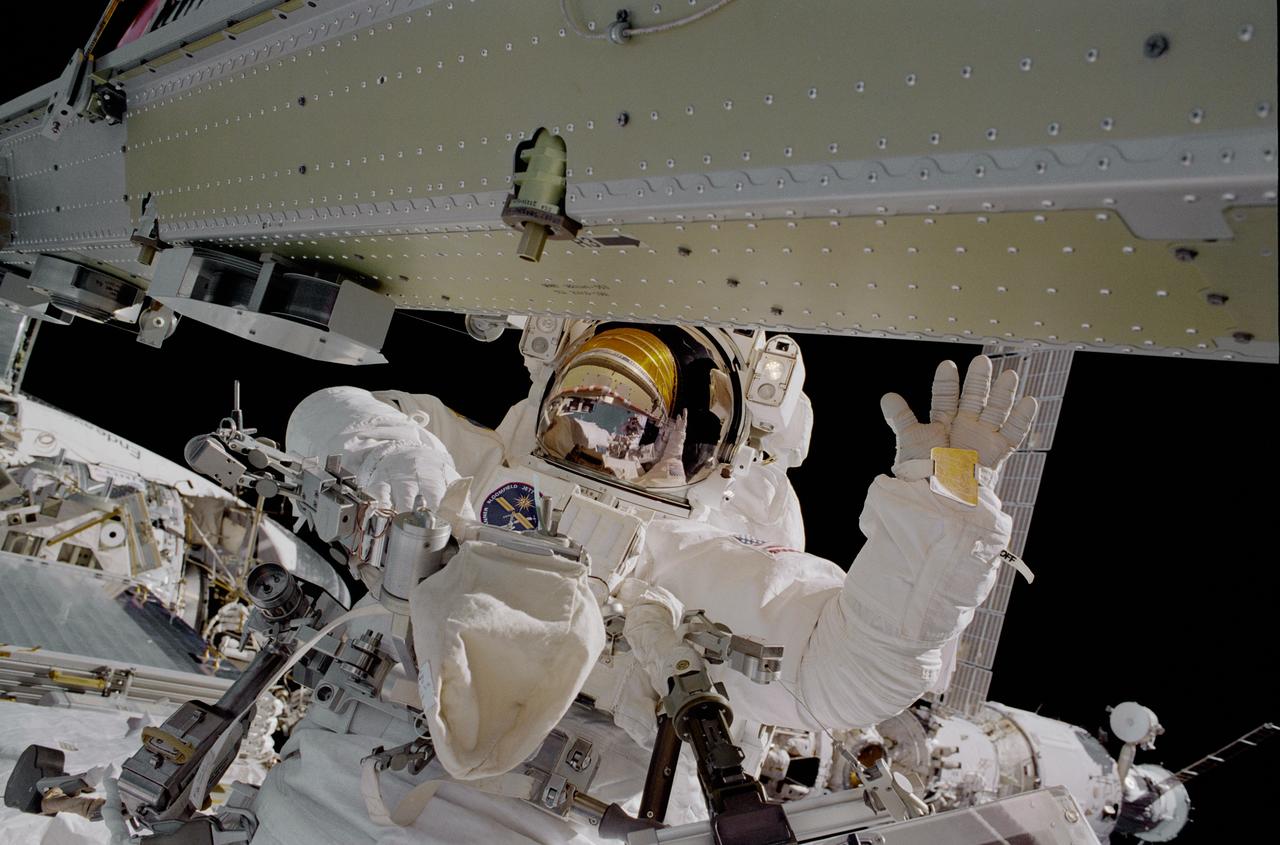
STS097-376-009 (7 December 2000) --- Astronaut Carlos I. Noriega, mission specialist, during the final of the three space walks scheduled for the STS-97 mission to the International Space Station (ISS), waves to his fellow space walker, astronaut Joseph R. Tanner, mission specialist. A small reflection of Tanner can be seen in the helmet as he captures this 35mm image.
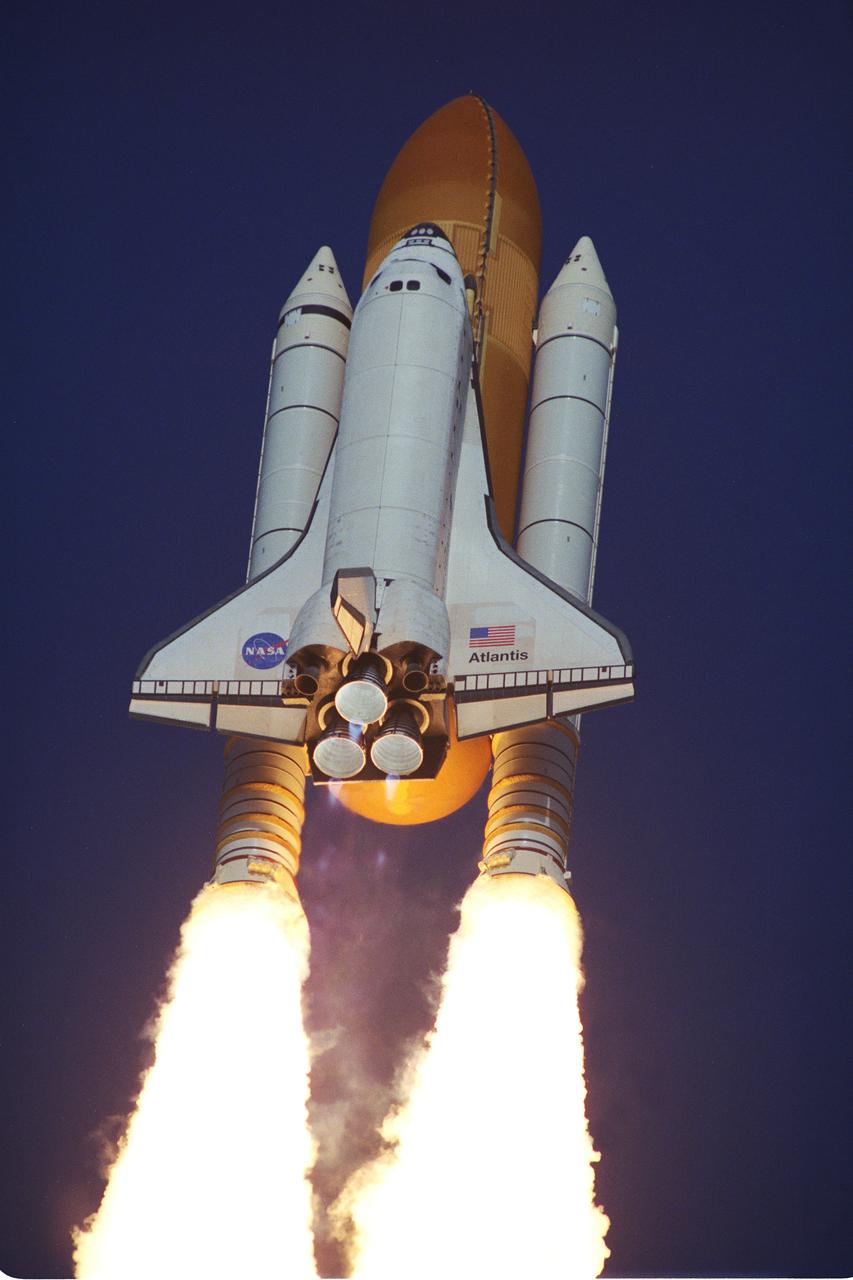
STS106-S-015 (8 September 2000) --- The Space Shuttle Atlantis streaks into the sky on mission STS-106 after a perfect on-time launch at 8:45:47 a.m. (EDT), September 8, 2000. Blue mach diamonds are barely visible beneath the main engine nozzles. On the 11-day mission to the International Space Station, the seven-member crew will perform support tasks on orbit; transfer supplies and prepare the living quarters in the newly arrived Zvezda Service Module. The first long-duration crew is due to arrive at the Station in late fall. Onboard the spacecraft were astronauts Terrance W. Wilcutt, Scott D. Altman, Edward T. Lu, Richard A. Mastracchio and Daniel C. Burbank, along with cosmonauts Yuri I. Malenchenko and Boris Morukov, both of whom represent Rosaviakosmos.
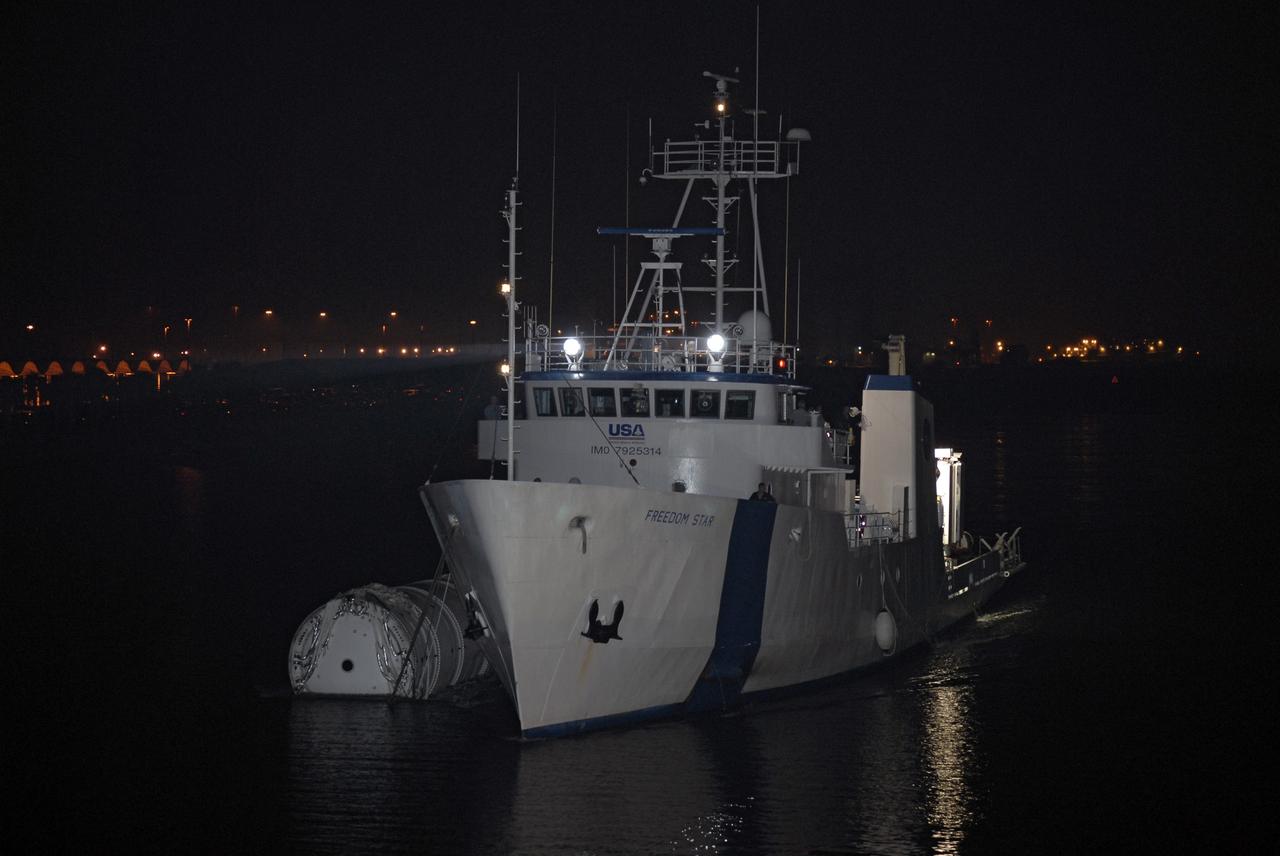
CAPE CANAVERAL, Fla. – The solid rocket booster recovery ship Freedom Star, towing the spent first stage of NASA's Ares I-X rocket, passes through Port Canaveral in Florida. Following the launch of the Ares I-X flight test, the booster splashed down in the Atlantic Ocean and was recovered. Liftoff of the 6-minute flight test was at 11:30 a.m. EDT Oct. 28. This was the first launch from Kennedy's pads of a vehicle other than the space shuttle since the Apollo Program's Saturn rockets were retired. The parts used to make the Ares I-X booster flew on 30 different shuttle missions ranging from STS-29 in 1989 to STS-106 in 2000. The data returned from more than 700 sensors throughout the rocket will be used to refine the design of future launch vehicles and bring NASA one step closer to reaching its exploration goals. For information on the Ares I-X vehicle and flight test, visit http://www.nasa.gov/aresIX. Photo credit: NASA/Kim Shiflett
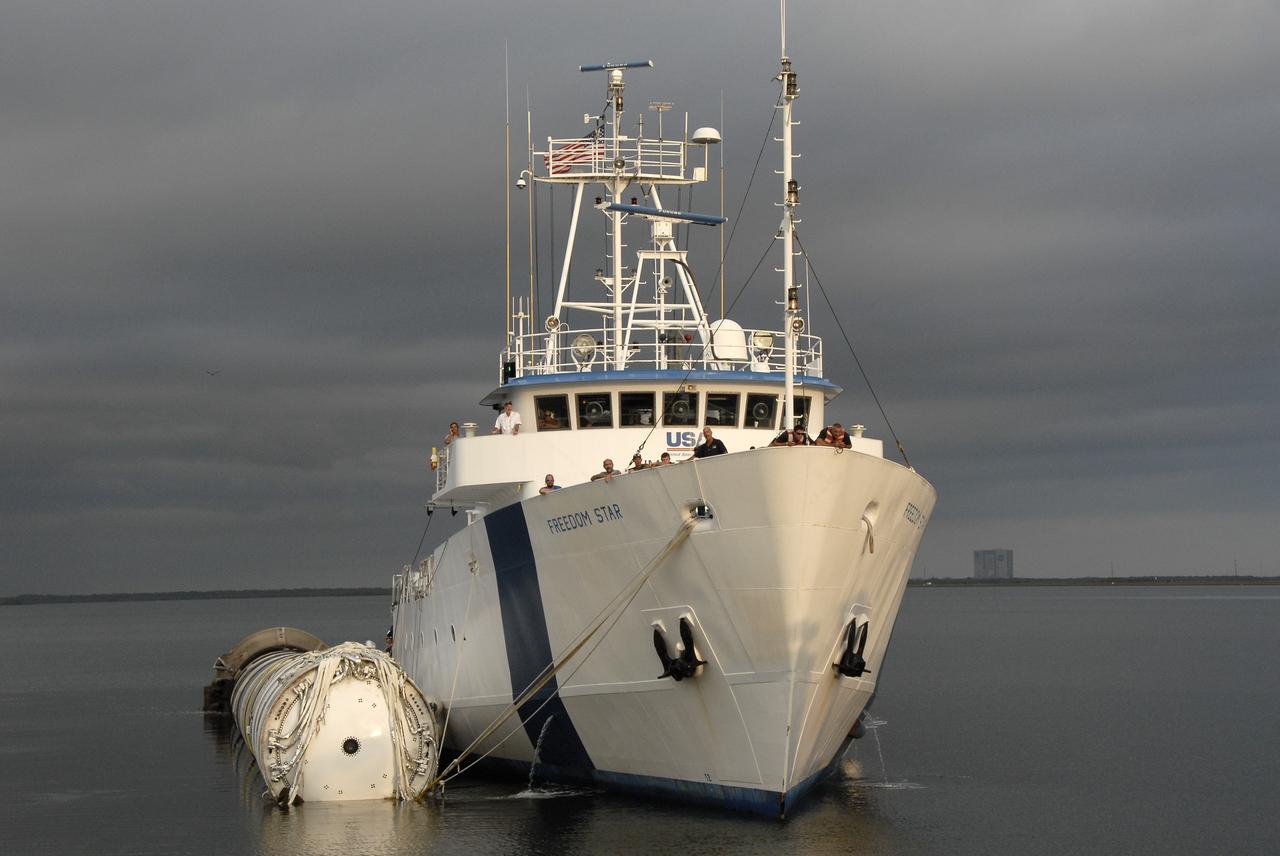
CAPE CANAVERAL, Fla. – The solid rocket booster recovery ship Freedom Star, towing the spent first stage of NASA's Ares I-X rocket, traverses the Banana River along the shore of Cape Canaveral Air Force Station in Florida. Across the river, in the background, is the Vehicle Assembly Building at NASA's Kennedy Space Center. Following the launch of the Ares I-X flight test, the booster splashed down in the Atlantic Ocean and was recovered. Liftoff of the 6-minute flight test was at 11:30 a.m. EDT Oct. 28. This was the first launch from Kennedy's pads of a vehicle other than the space shuttle since the Apollo Program's Saturn rockets were retired. The parts used to make the Ares I-X booster flew on 30 different shuttle missions ranging from STS-29 in 1989 to STS-106 in 2000. The data returned from more than 700 sensors throughout the rocket will be used to refine the design of future launch vehicles and bring NASA one step closer to reaching its exploration goals. For information on the Ares I-X vehicle and flight test, visit http://www.nasa.gov/aresIX. Photo credit: NASA/Kim Shiflett
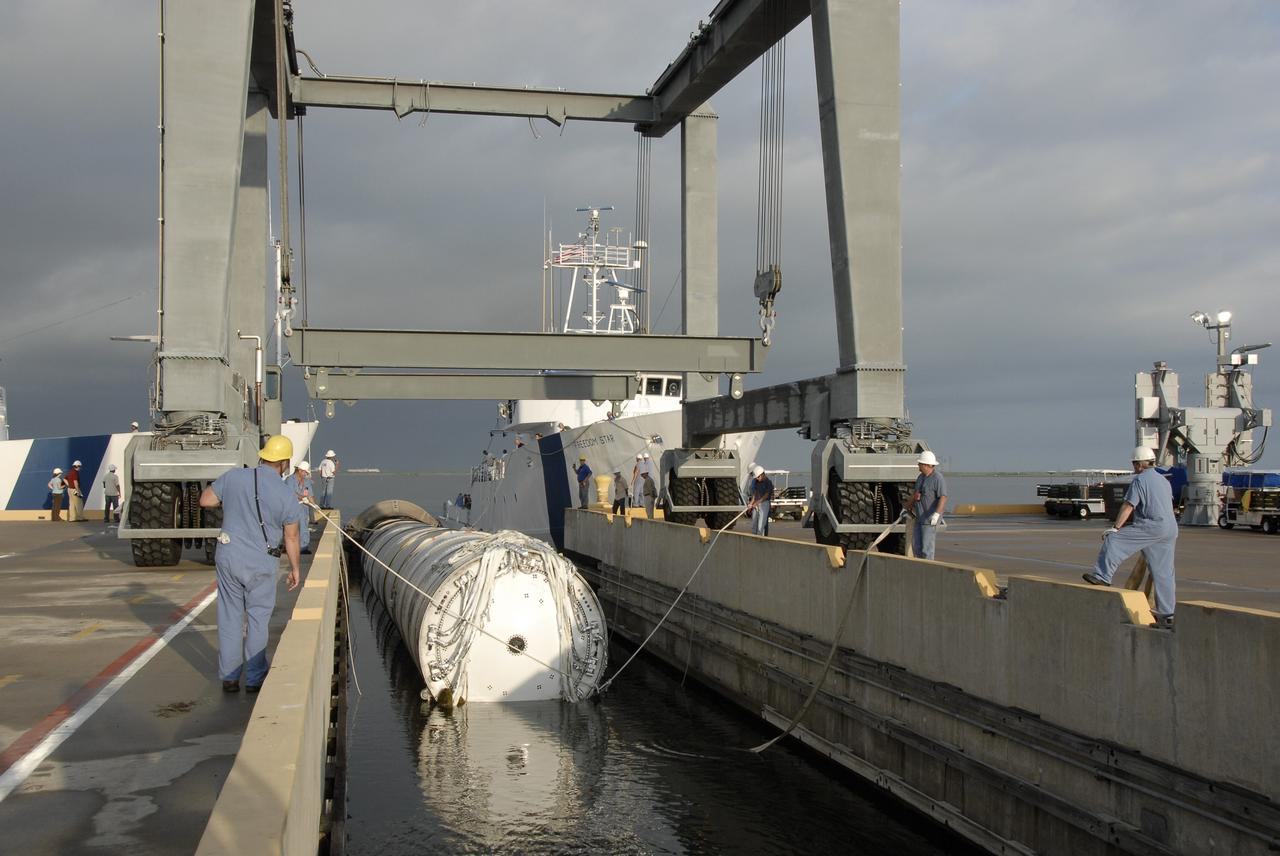
CAPE CANAVERAL, Fla. – The solid rocket booster recovery ship Freedom Star delivers the spent first stage of NASA's Ares I-X rocket to Hangar AF at Cape Canaveral Air Force Station in Florida. Following the launch of the Ares I-X flight test, the booster splashed down in the Atlantic Ocean and was recovered. Liftoff of the 6-minute flight test was at 11:30 a.m. EDT Oct. 28. This was the first launch from Kennedy's pads of a vehicle other than the space shuttle since the Apollo Program's Saturn rockets were retired. The parts used to make the Ares I-X booster flew on 30 different shuttle missions ranging from STS-29 in 1989 to STS-106 in 2000. The data returned from more than 700 sensors throughout the rocket will be used to refine the design of future launch vehicles and bring NASA one step closer to reaching its exploration goals. For information on the Ares I-X vehicle and flight test, visit http://www.nasa.gov/aresIX. Photo credit: NASA/Kim Shiflett
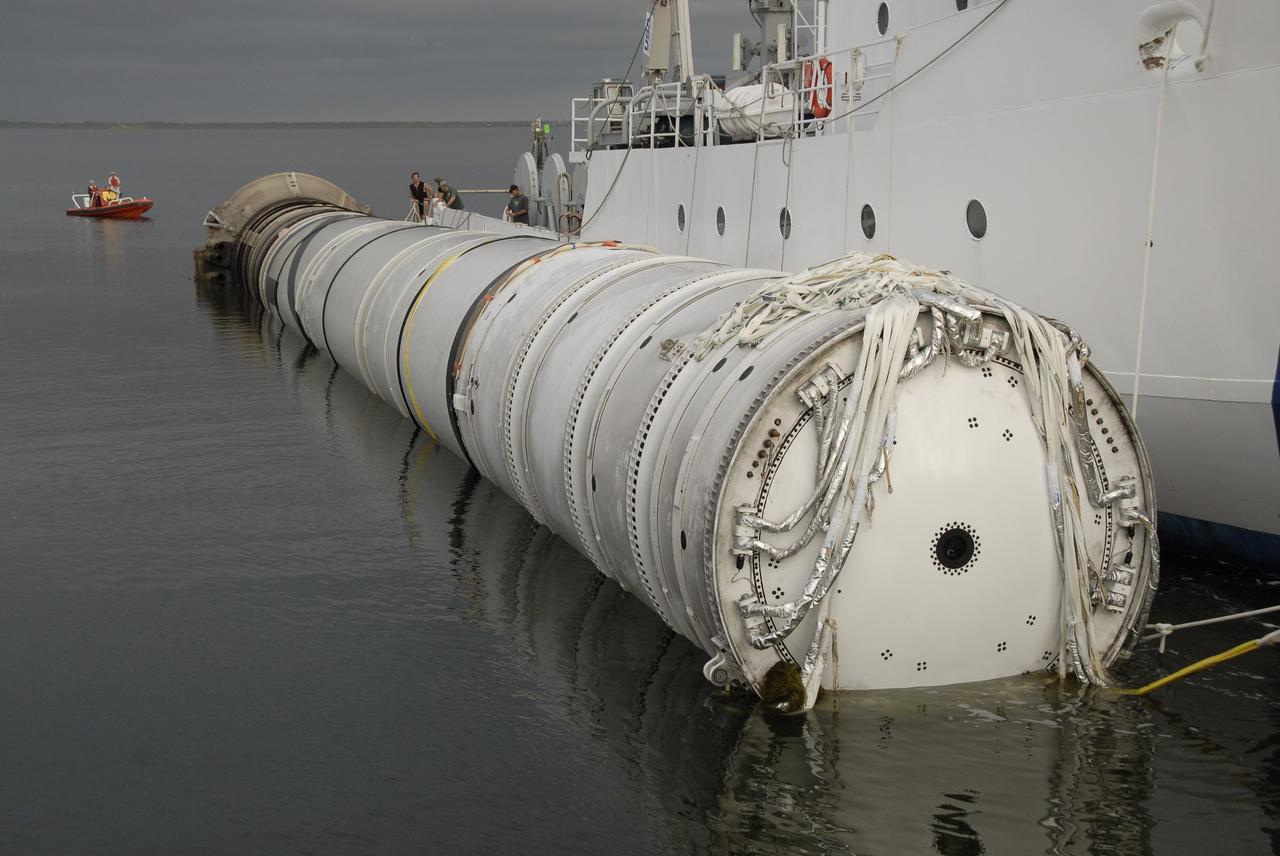
CAPE CANAVERAL, Fla. – The solid rocket booster recovery ship Freedom Star, towing the spent first stage of NASA's Ares I-X rocket through the Banana River, delivers the booster to Hangar AF at Cape Canaveral Air Force Station in Florida. Following the launch of the Ares I-X flight test, the booster splashed down in the Atlantic Ocean and was recovered. Liftoff of the 6-minute flight test was at 11:30 a.m. EDT Oct. 28. This was the first launch from Kennedy's pads of a vehicle other than the space shuttle since the Apollo Program's Saturn rockets were retired. The parts used to make the Ares I-X booster flew on 30 different shuttle missions ranging from STS-29 in 1989 to STS-106 in 2000. The data returned from more than 700 sensors throughout the rocket will be used to refine the design of future launch vehicles and bring NASA one step closer to reaching its exploration goals. For information on the Ares I-X vehicle and flight test, visit http://www.nasa.gov/aresIX. Photo credit: NASA/Kim Shiflett
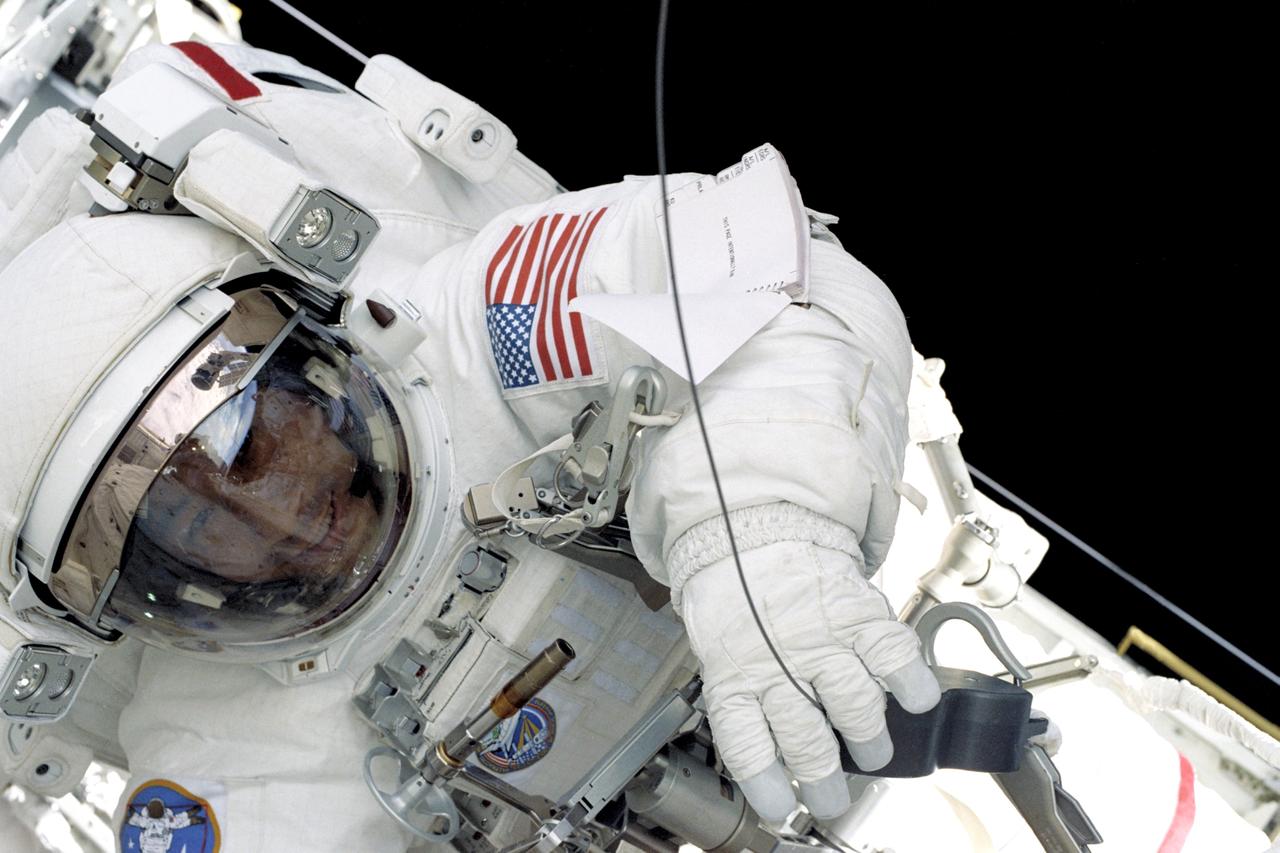
S106-349-026 (11 September 2000) --- Astronaut Edward T. Lu, mission specialist, was captured on film by his spacewalking colleague, cosmonaut Yuri I. Malenchenko, during the 6-hour-plus space walk the two performed on the exterior of the International Space Station (ISS). Lu, although he spent the majority of the space walk several meters away on the other end of International Space Station (ISS) is near the cargo bay longerons of the Space Shuttle Atlantis in this scene. Malenchenko was one of two mission specialists on the 12-day flight who represented the Russian Aviation and Space Agency.
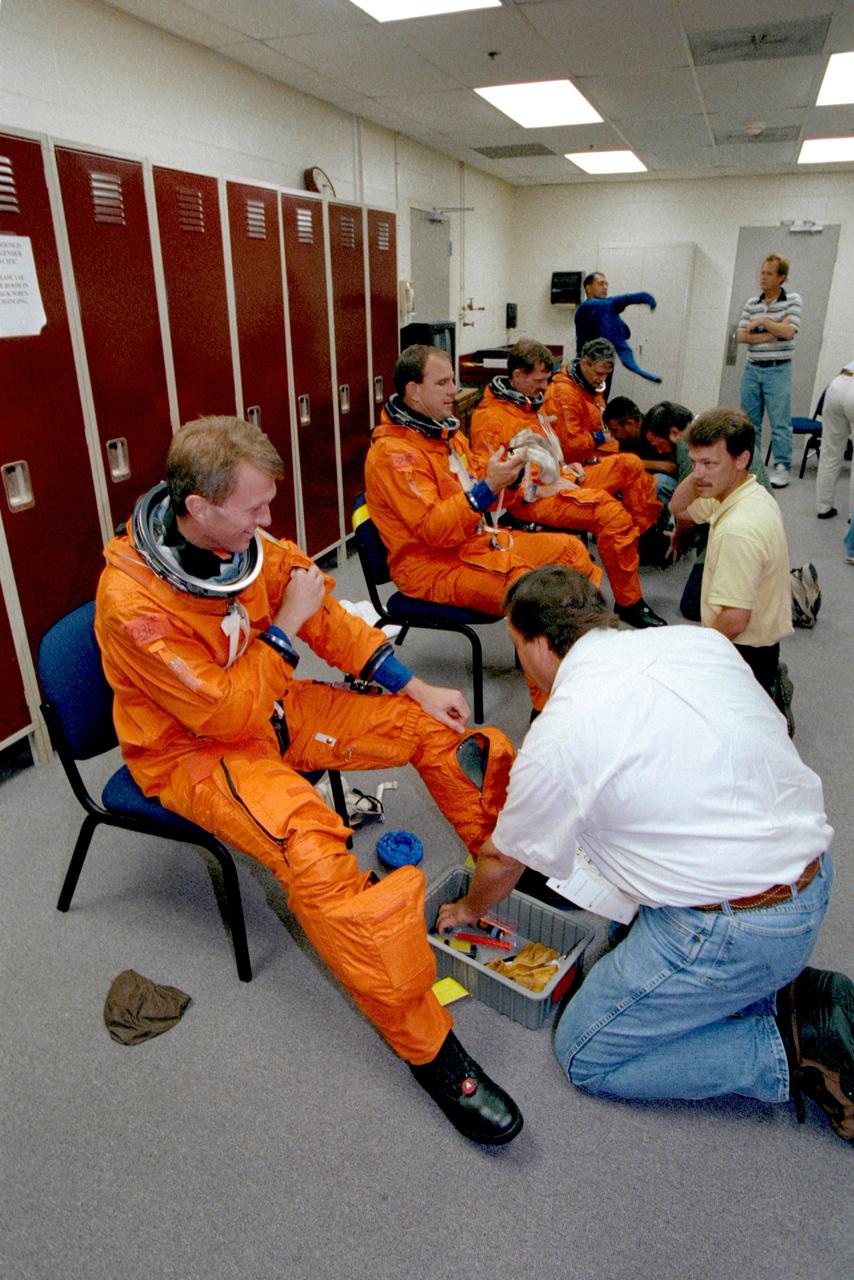
JSC2000-04751 (15 June 2000) --- Members of the STS-97 crew don training versions of the ascent and entry suits for a training session in the Johnson Space Center's Systems Integration Facility. Wearing the burnt-orange pressure suits, from the left, are astronauts Brent W. Jett, mission commander; Michael J. Bloomfield, pilot; and Joseph R. Tanner and Marc Garneau, both mission specialists. Garneau represents the Canadian Space Agency (CSA). Suit technicians assisting are Mike Birkenseher, Brad Milling, Steve Clendenin and Rudy Molina. In the background Carlos I. Noriega, mission specialist, prepares to put on his suit with the assistance of suit tech John Hazelhurt.
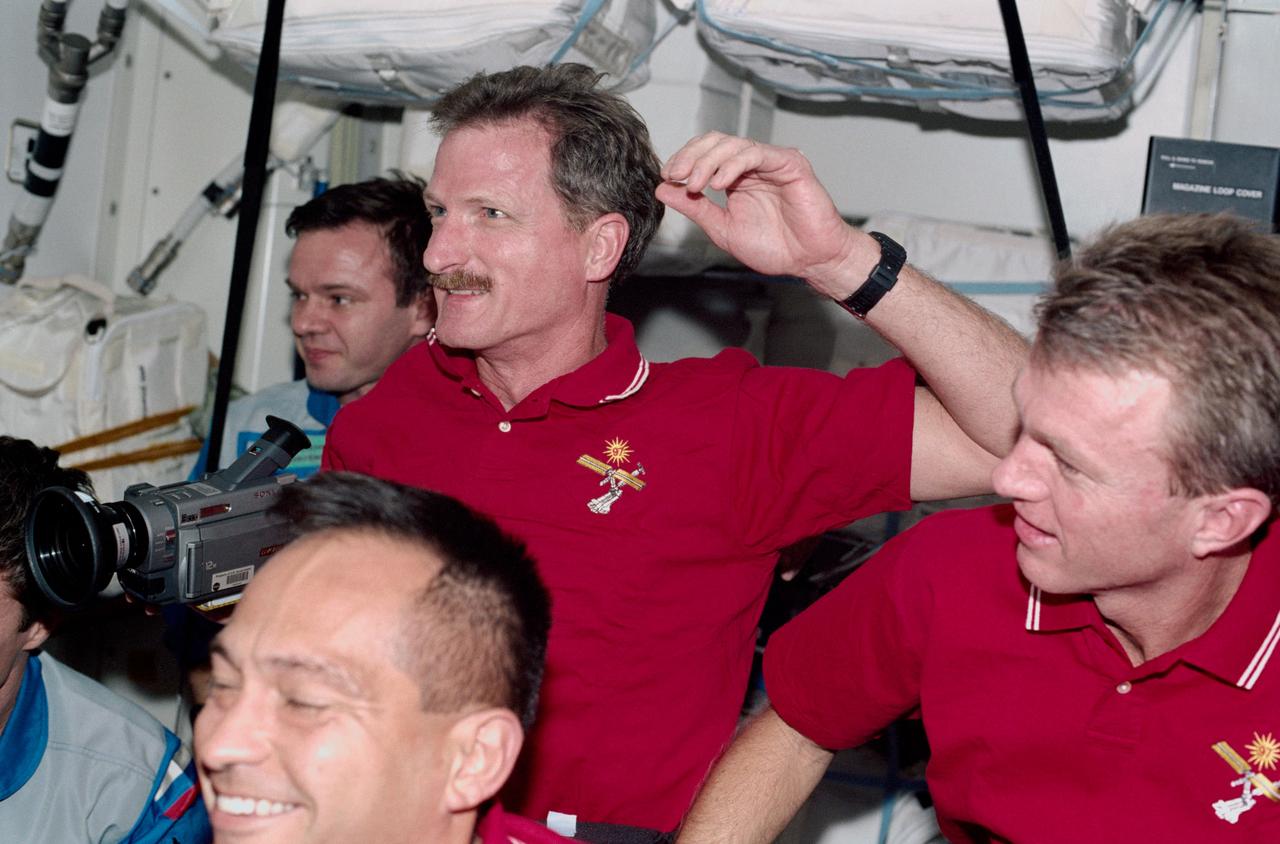
STS097-315-004 (30 Nov. - 11 Dec. 2000) Three STS-97 astronauts reunite with Expedition One crew members in the appropriately-named Unity node aboard the International Space Station (ISS), temporarily docked to the Space Shuttle Endeavour. Dressed in blue flight suits on left side of the frame are cosmonauts Sergei Krikalev (partially out of frame), Expedition One flight engineer; and Yuri P. Gidzenko, Soyuz commander for Expedition One. The visitors are (from left) astronauts Carlos I. Noriega and Joseph R. Tanner, both STS-97 mission specialists, along with Brent W. Jett, Jr., mission commander.
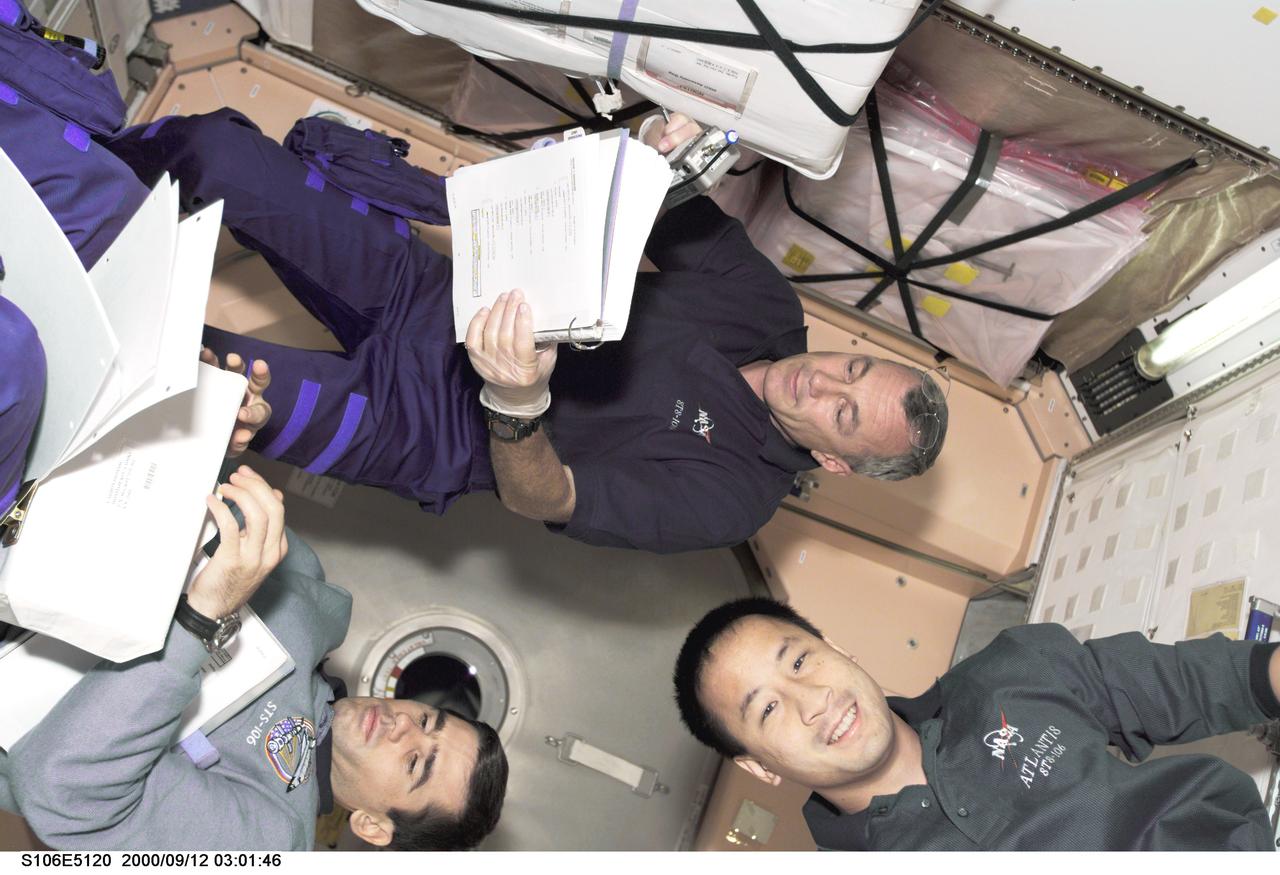
S106-E-5120 (12 September 2000) --- From the left, cosmonaut Yuri I. Malenchenko, and astronauts Edward T. Lu and Terrence W. Wilcutt float inside the U.S.-built Unity node after entering the International Space Station (ISS) for its first manned visit since May of this year. Wilcutt is commander of the seven-member crew. Malenchenko is a mission specialist representing the Russian Aviation and Space Agency. He and Lu, also a mission specialist, performed six hours of extravehicular work on the exterior of the station earlier in the mission.
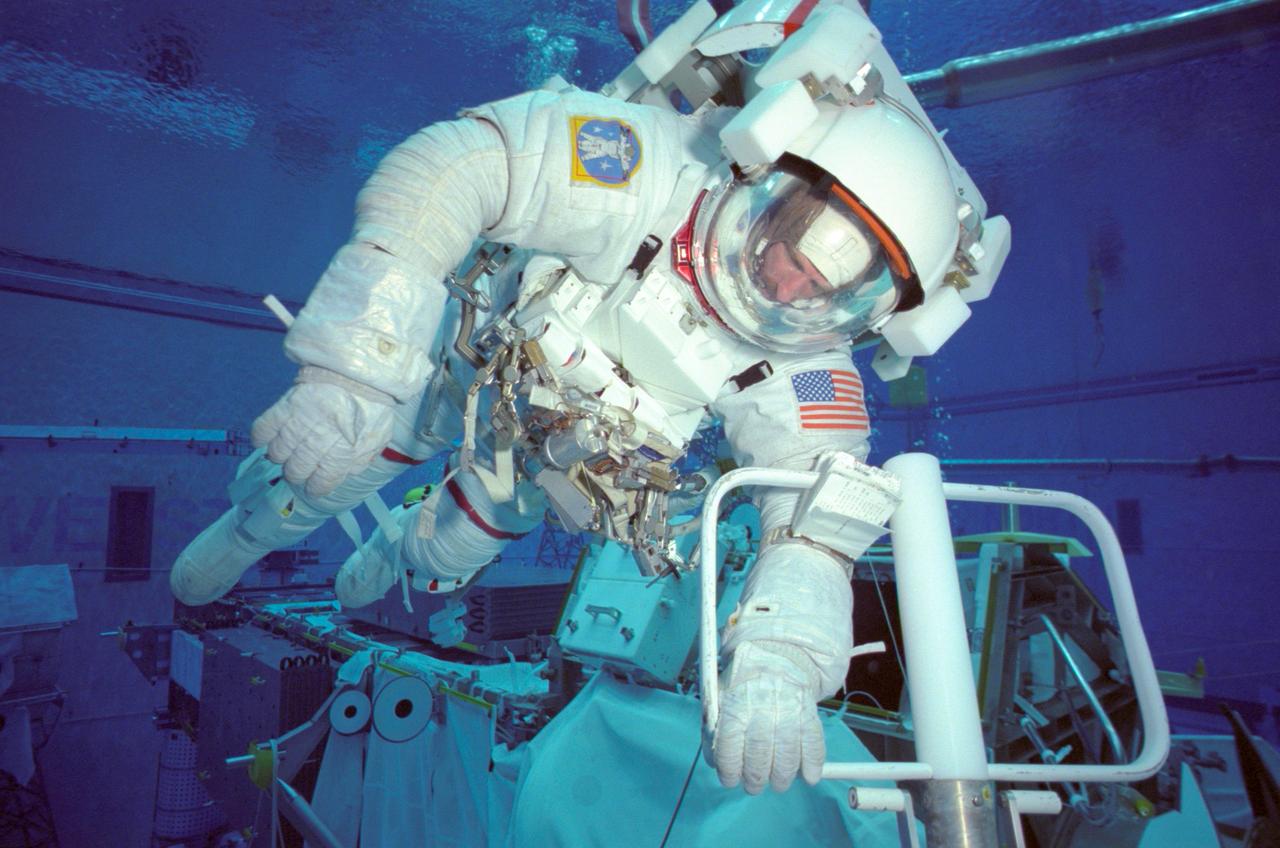
JSC2000-07082 (October 2000)--- Wearing a training version of the shuttle extravehicular mobility unit (EMU) space suit, astronaut Joseph R. Tanner, STS-97 mission specialist, simulates a space walk underwater in the giant Neutral Buoyancy Laboratory (NBL). Tanner was there, along with astronaut Carlos I. Noriega, to rehearse one of three scheduled space walks to make additions to the International Space Station (ISS). The five-man crew in early December will deliver the P6 Integrated Truss Segment, which includes the first US Solar arrays and a power distribution system.
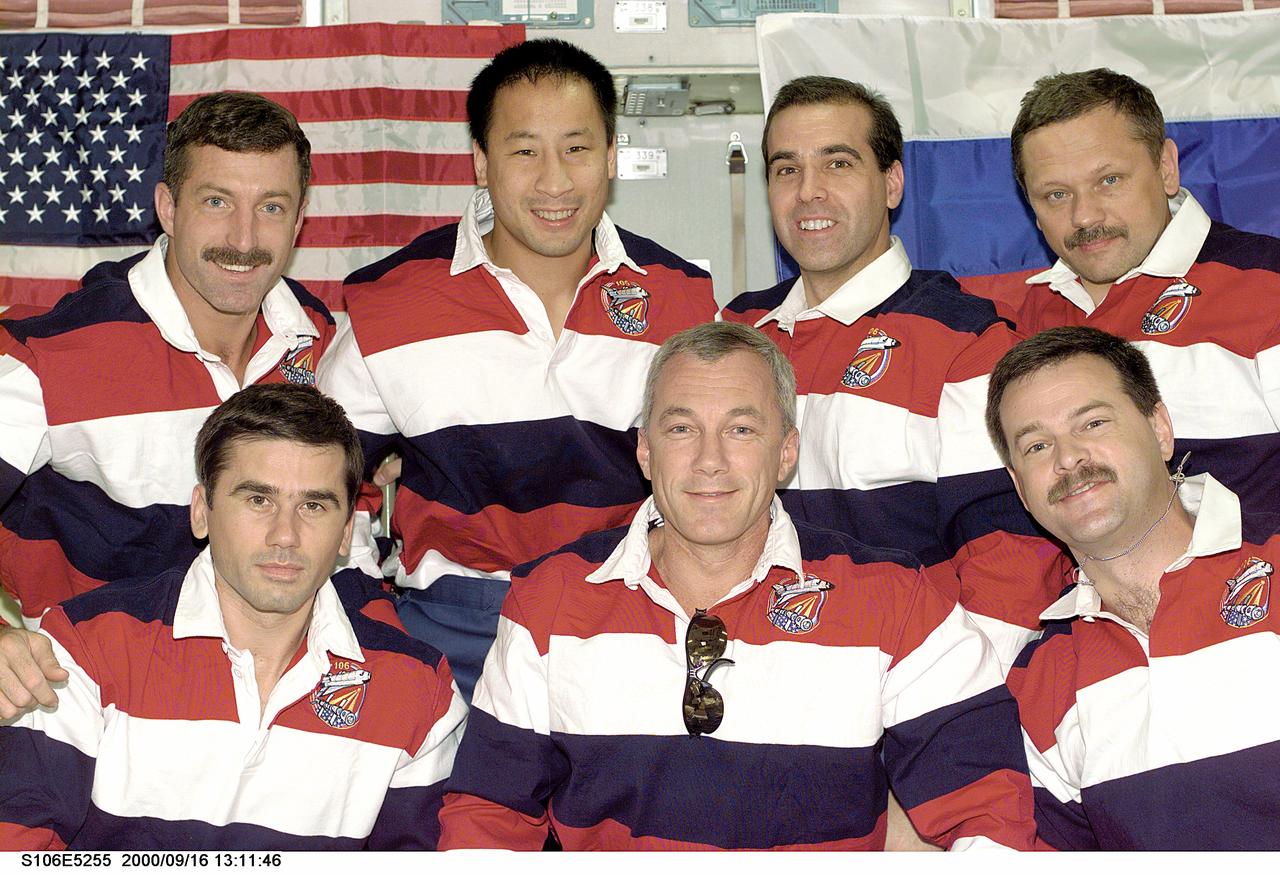
S106-E-5255 (16 September 2000) --- STS-106 crew members, rapidly approaching the time when good-byes to the International Space Station (ISS) will be in order, pose for an inflight crew portrait, snapped by a pre-set electronic still camera (ESC) nearby. Astronaut Terrence W. Wilcutt, mission commander, is at front center, and Scott D. Altman, pilot, front right. Cosmonaut Yuri I. Malenchenko, mission specialist, is at front left. In the rear are (from the left) astronauts Daniel C. Burbank, Edward T. Lu and Richard A. Mastracchio, along with cosmonaut Boris V. Morukov, all mission specialists. Malenchenko and Morukov represent the Russian Aviation and Space Agency.
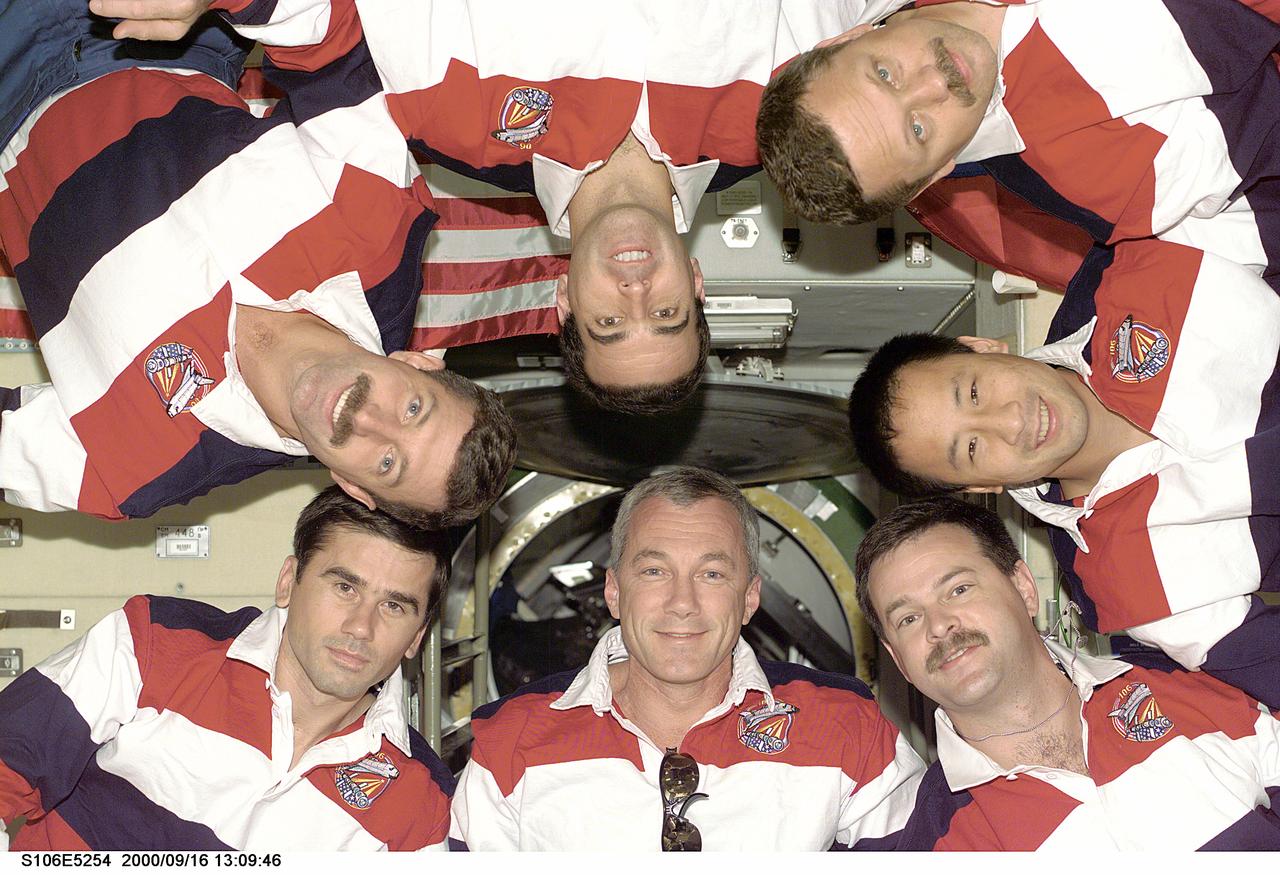
S106-E-5254 (16 September 2000) --- A brief break during busy moving tasks and detail work afforded the STS-106 crew members an opportunity for another traditional inflight crew portrait, snapped by a pre-set electronic still camera (ESC) nearby. Astronaut Terrence W. Wilcutt, mission commander, is at bottom center. Counterclockwise from that point are cosmonaut Yuri I. Malenchenko, astronauts Daniel C. Burbank and Richard A. Mastracchio, cosmonaut Boris V. Morukov and astronaut Edward T. Lu, all mission specialists; along with astronaut Scott D. Altman, pilot. Malenchenko and Morukov represent the Russian Aviation and Space Agency.
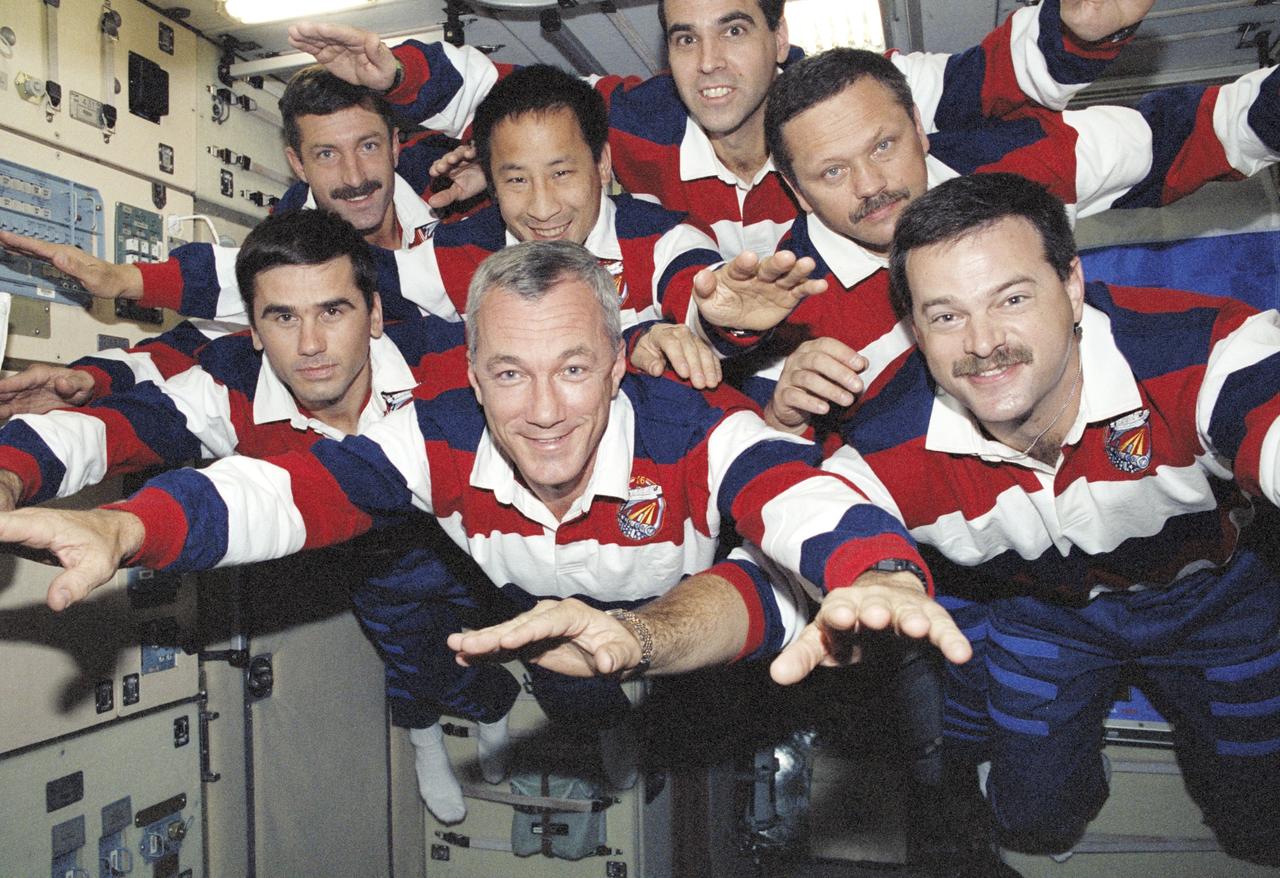
STS106-373-034 (8-20 September 2000) --- The seven crew members for the STS-106 mission pose in a flying position for the traditional in-flight crew portrait in the Zvezda Service Module on the International Space Station (ISS). In the foreground are astronauts Terrence W. Wilcutt (center), mission commander, flanked by cosmonaut Yuri I. Malenchenko (left), mission specialist, and Scott D. Altman, pilot. On the back row are astronauts Daniel C. Burbank, Edward T. Lu, and Richard A. Mastracchio, along with cosmonaut Boris V. Morukov, all mission specialists. Malenchenko and Morukov represent Rosaviakosmos.
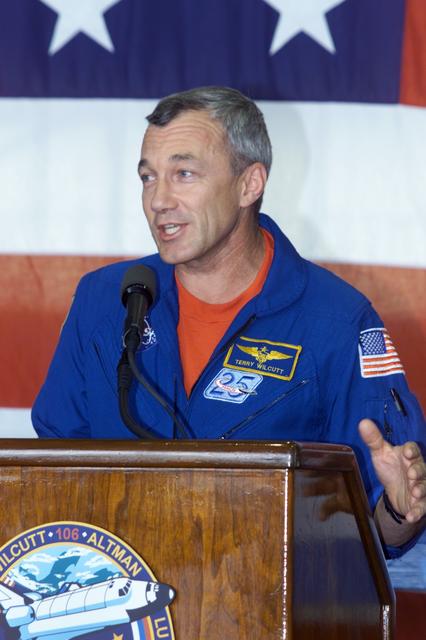
JSC2000-E-23451 (21 September 2000) --- Astronaut Terrence W. Wilcutt, STS-106 mission commander, addresses the crowd that visited Ellington Field's Hangar 990 to welcome home the STS-106 astronauts and cosmonauts. Seated on the dais, from the left, are astronaut Edward T. Lu, cosmonaut Yuri I. Malenchenko, and astronauts Terrence W. Wilcutt and Daniel C. Burbank. Not in the frame are astronaut Richard A. Mastracchio and cosmonaut Boris V. Morukov. The seven-man crew landed approximately 24 hours earlier in Florida, wrapping up a 4.9 million-mile mission in which more than three tons of equipment were delivered to the international outpost.
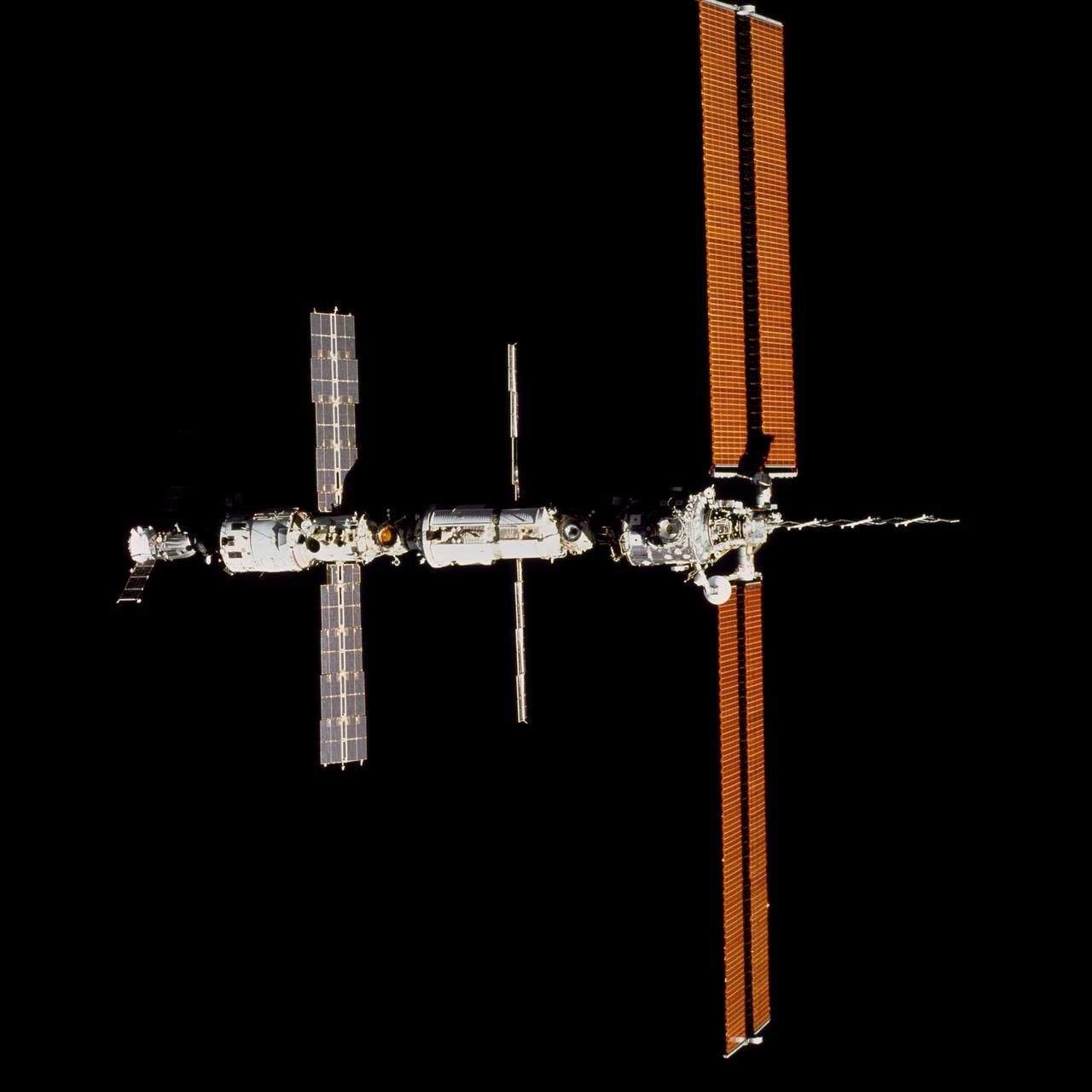
STS097-703-030 (30 Nov.-11 Dec. 2000) --- The International Space Station (ISS) is photographed during a fly-around by the Space Shuttle Endeavour. The 240-foot-long, 38-foot-wide solar array (top) is the newest part and one of the most prominent components of the station. Onboard ISS for about 40 days at the time of this photo were astronaut William M. Shepherd and cosmonauts Yuri P. Gidzenko and Sergei K. Krikalev. Onboard the shuttle were STS-97 astronauts – commander Brent W. Jett, Jr., pilot Mike Bloomfield and mission specialists Marc Garneau of the Canadian Space Agency (CSA), Carlos I. Noriega and Joseph R. Tanner.
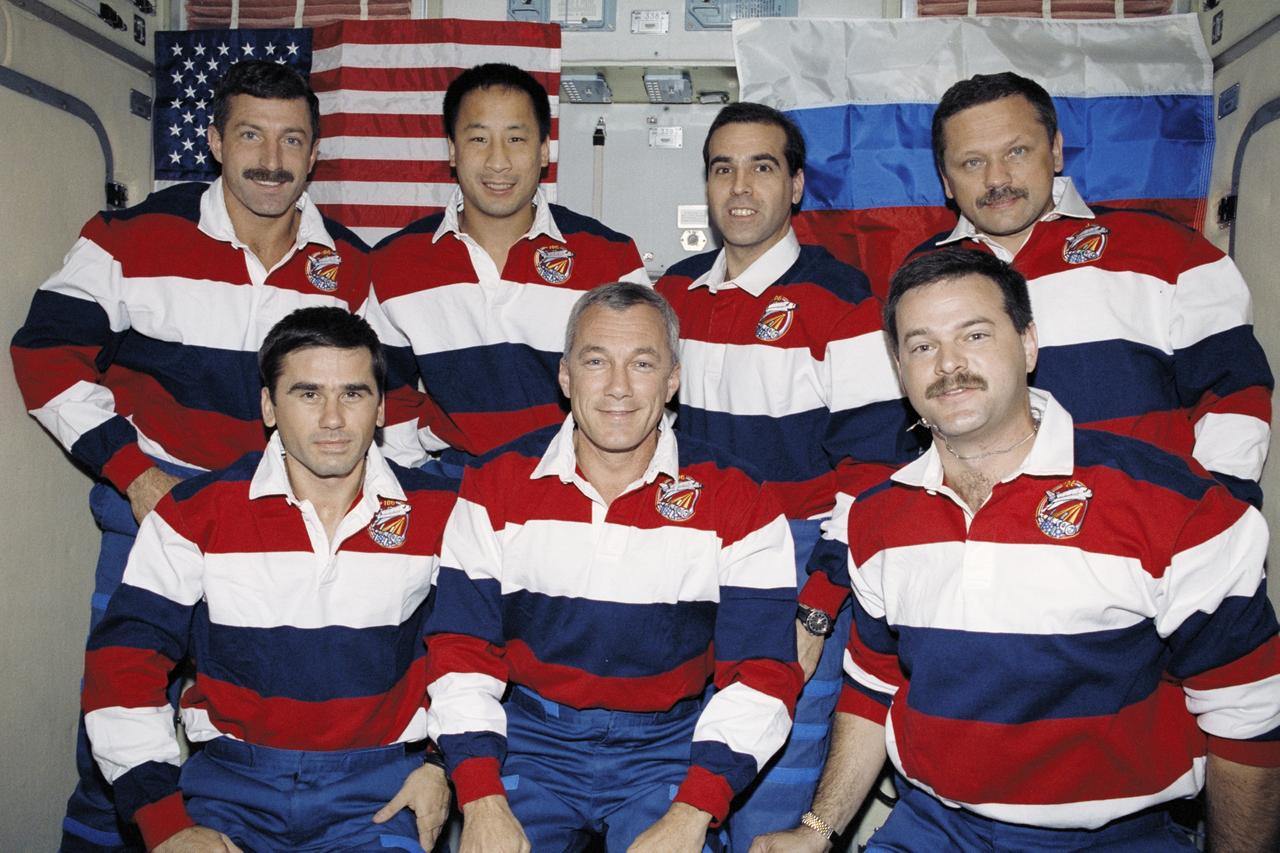
STS106-373-019 (8-20 September 2000) --- Five astronauts and two cosmonauts pose for the STS-106 version of the traditional inflight crew portrait. Though the tradition is long standing, this portrait represents a relatively new element as it was taken onboard the International Space Station, docked for a few days with the Space Shuttle Atlantis. In front, from the left, are cosmonaut Yuri I. Malenchenko, mission specialist; Terrence W. Wilcutt, mission commander; and Scott D. Altman, pilot. In back are, from left, astronauts Daniel C. Burbank, Edward T. Lu and Richard A. Mastracchio, along with cosmonaut Boris V. Morukov. Morukov and Malenchenko represent the Russian Aviaition and Space Agency.
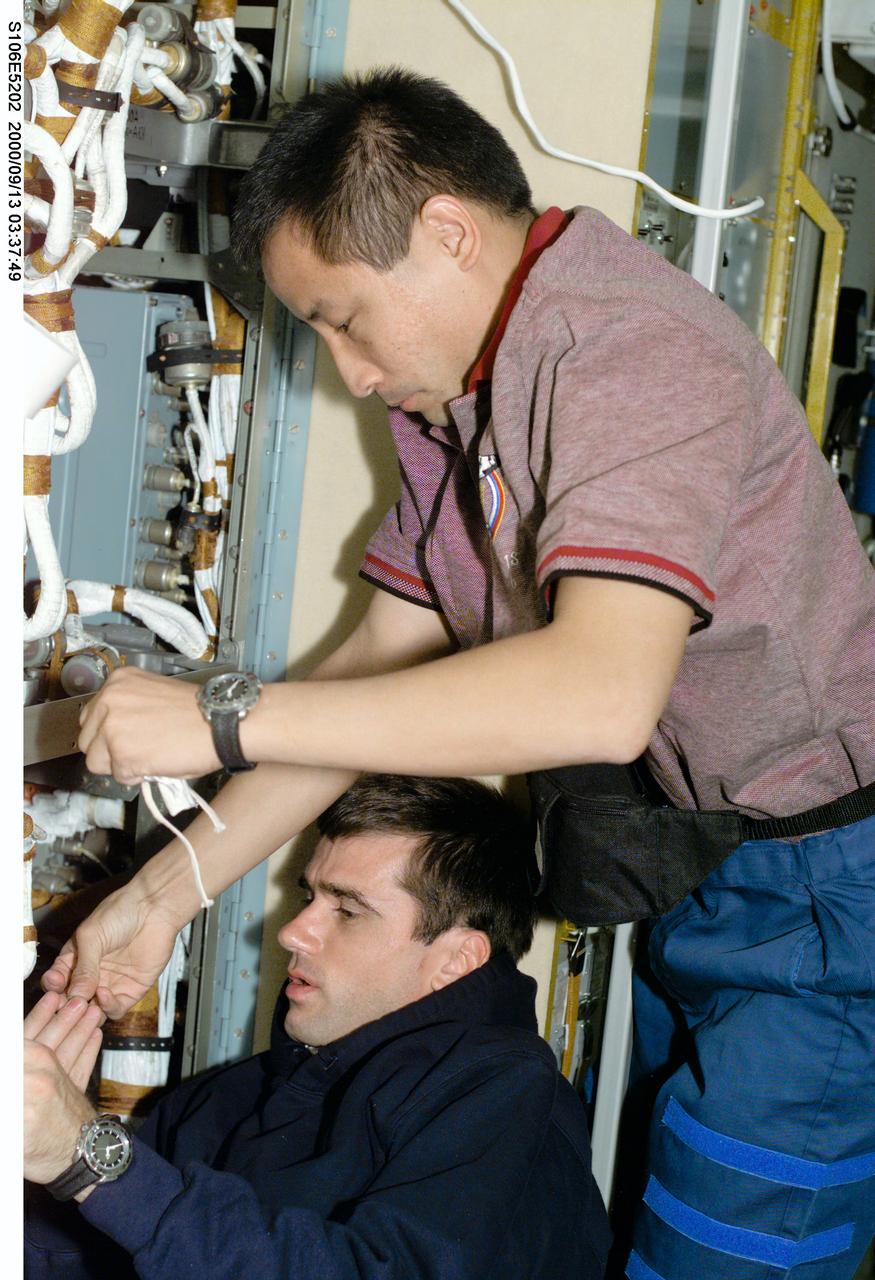
S106-E-5202 (13 September 2000) --- Cosmonaut Yuri I. Malenchenko, mission specialist representing the Russian Aviation and Space Agency, teams up with astronaut Edward T. Lu for some electrical work aboard the Zvezda service module on the International Space Station (ISS). Electrical work was the hallmark of the day as four of the mission specialists aboard ISS (temporarily docked with the Space Shuttle Atlantis) replaced batteries inside the Zarya and Zvezda modules while supply transfer continued around them. Astronaut Edward T. Lu, is out of frame at right.
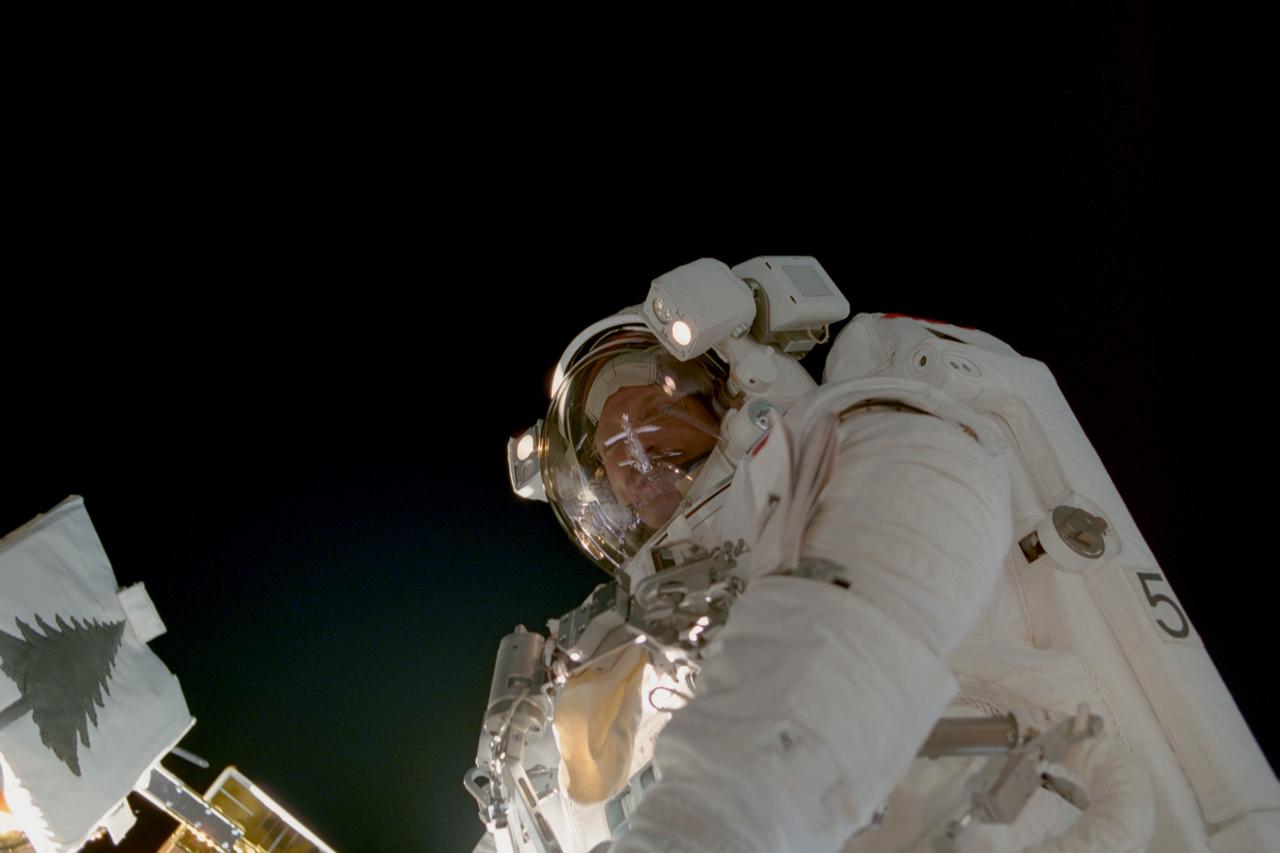
STS097-377-006 (7 December 2000) --- --- Space walking Endeavour astronauts topped off their scheduled space walk activities with an image of an evergreen tree (left) placed atop the P6 solar array structure, the highest point in their construction project. Astronaut Joseph R. Tanner, mission specialist, then posed for this photo with the "tree" before returning to the shirt-sleeve environment of the Space Shuttle Endeavour. Astronaut Carlos I. Noriega, mission specialist who shared three STS-97 space walks with Tanner, took the photo with a 35mm camera.
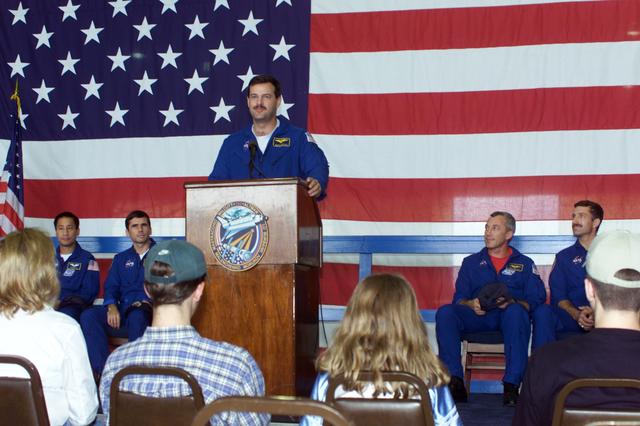
JSC2000-E-23454 (21 September 2000) --- Astronaut Scott D. Altman, STS-106 pilot, addresses the crowd that visited Ellington Field's Hangar 990 to welcome home the STS-106 astronauts and cosmonauts. Seated on the dais, from the left, are astronaut Edward T. Lu, cosmonaut Yuri I. Malenchenko, astronaut Terrence W. Wilcutt and Daniel C. Burbank. Not in the frame are astronaut Richard A. Mastracchio and cosmonaut Boris V. Morukov. The seven-man crew landed approximately 24 hours earlier in Florida, wrapping up a 4.9 million-mile mission in which more than three tons of equipment were delivered to the international outpost.
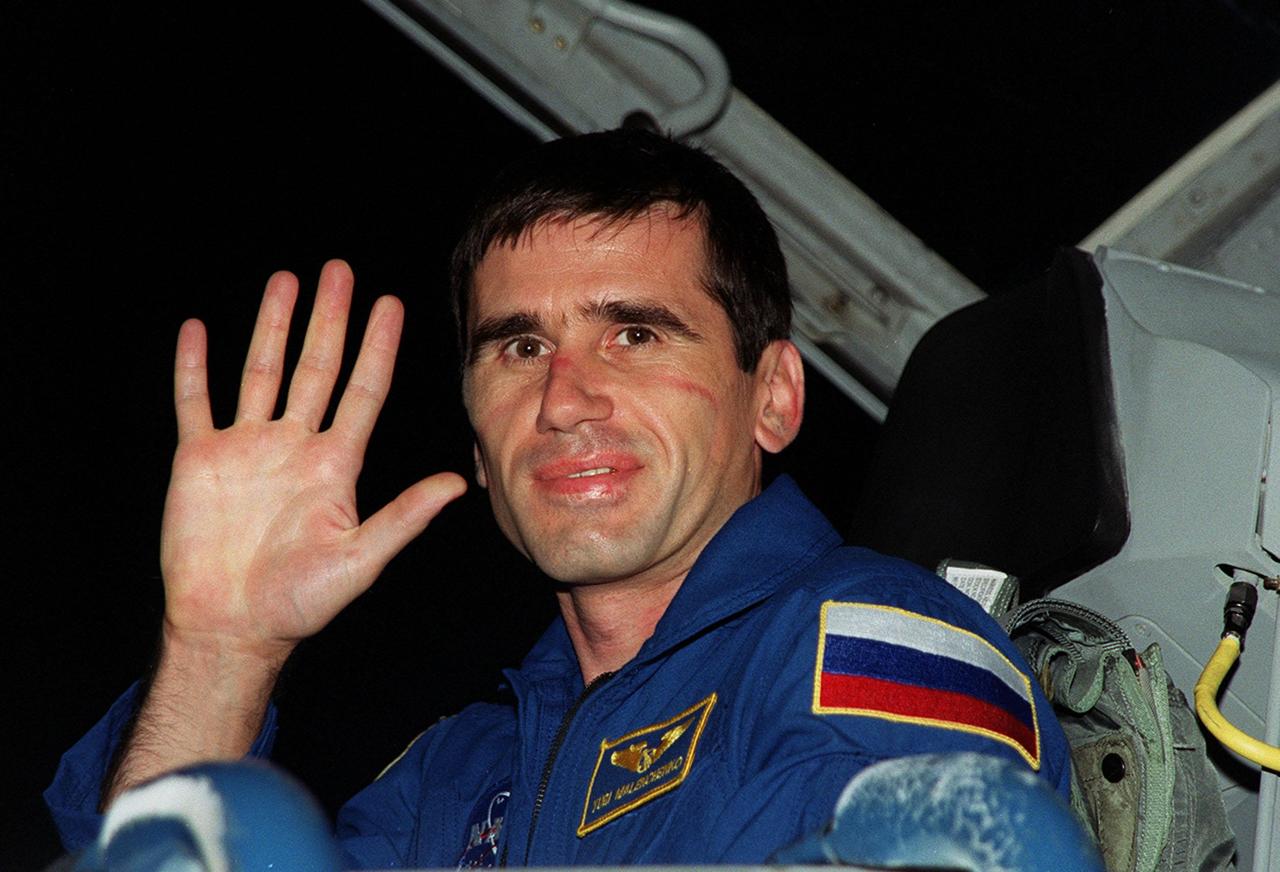
STS-106 Mission Specialist Yuri I. Malenchenko waves for the camera as he arrives at the KSC Shuttle Landing Facility. Malenchenko is with the Russian Aviation and Space Agency. He and the rest of the crew will be making pre-launch preparations for the fourth flight to the International Space Station. STS-106 is scheduled to launch Sept. 8, 2000, at 8:45 a.m. EDT from Launch Pad 39B. On the 11-day mission, the seven-member crew will perform support tasks on orbit, transfer supplies and prepare the living quarters in the newly arrived Zvezda Service Module. The first long-duration crew, dubbed "Expedition One," is due to arrive at the Station in late fall
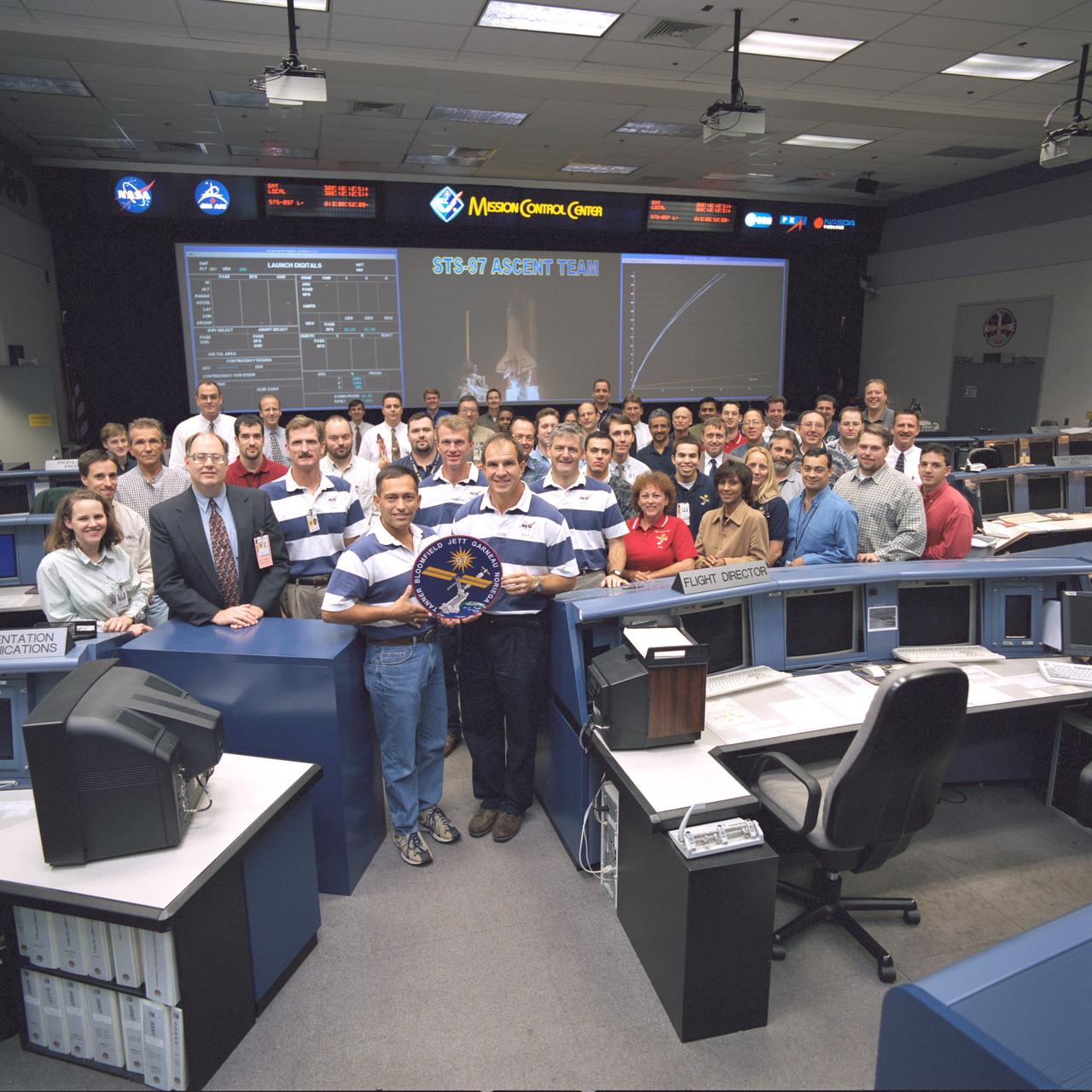
JSC2000-07294 (20 November 2000) --- The 40-odd flight controllers assigned to the STS-97 ascent team and some special guests pose for a group portrait in the shuttle flight control room in Houston's Mission Control Center (JSC). The five guests attired in the blue and white shirts are the flight crew members for the STS-97 crew, scheduled to be launched from Florida on the last day of this month. The astronauts are, from the left, Joseph R. Tanner, Carlos I. Noriega, Brent W. Jett, Jr., Michael J. Bloomfield and Marc Garneau, who represents the Canadian Space Agency (CSA). Ascent shift flight director Wayne Hale stands next to Tanner.
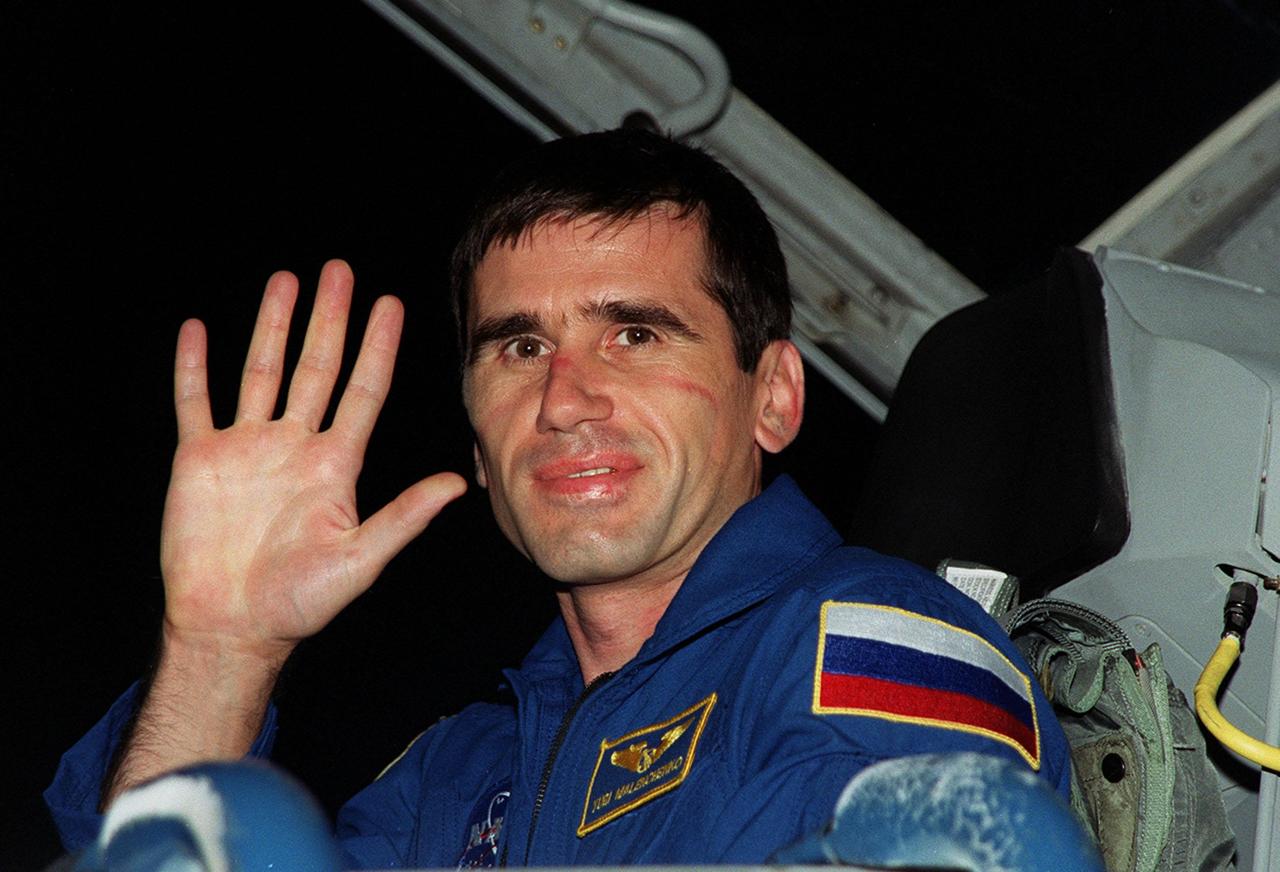
STS-106 Mission Specialist Yuri I. Malenchenko waves for the camera as he arrives at the KSC Shuttle Landing Facility. Malenchenko is with the Russian Aviation and Space Agency. He and the rest of the crew will be making pre-launch preparations for the fourth flight to the International Space Station. STS-106 is scheduled to launch Sept. 8, 2000, at 8:45 a.m. EDT from Launch Pad 39B. On the 11-day mission, the seven-member crew will perform support tasks on orbit, transfer supplies and prepare the living quarters in the newly arrived Zvezda Service Module. The first long-duration crew, dubbed "Expedition One," is due to arrive at the Station in late fall
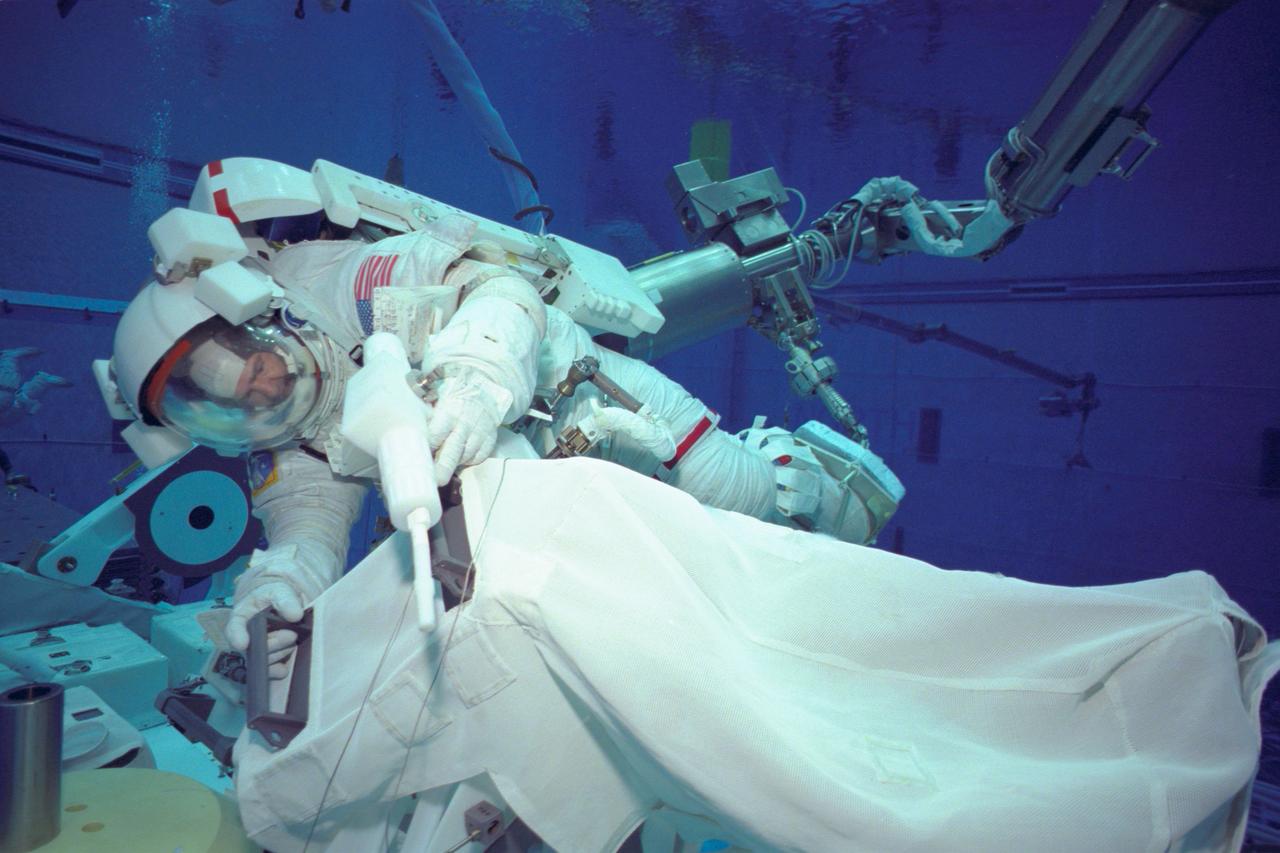
JSC2000-07072 (23 October 2000) --- Equipped with mockup tools and attached to a training version of the shuttle's remote manipulator system (RMS)robotic arm, astronaut Marc Garneau simulates a space walk task in the Neutral Buoyancy Laboratory (NBL). Garneau, an STS-97 mission specialist representing the Canadian Space Agency (CSA), has been assigned an alternate's role for extravehicular activity (EVA) on the ISS 4a mission. The prime EVA crew is composed of astronauts Joseph R. Tanner and Carlos I. Noriega, who are expected to share three different days of space walks during the December mission.
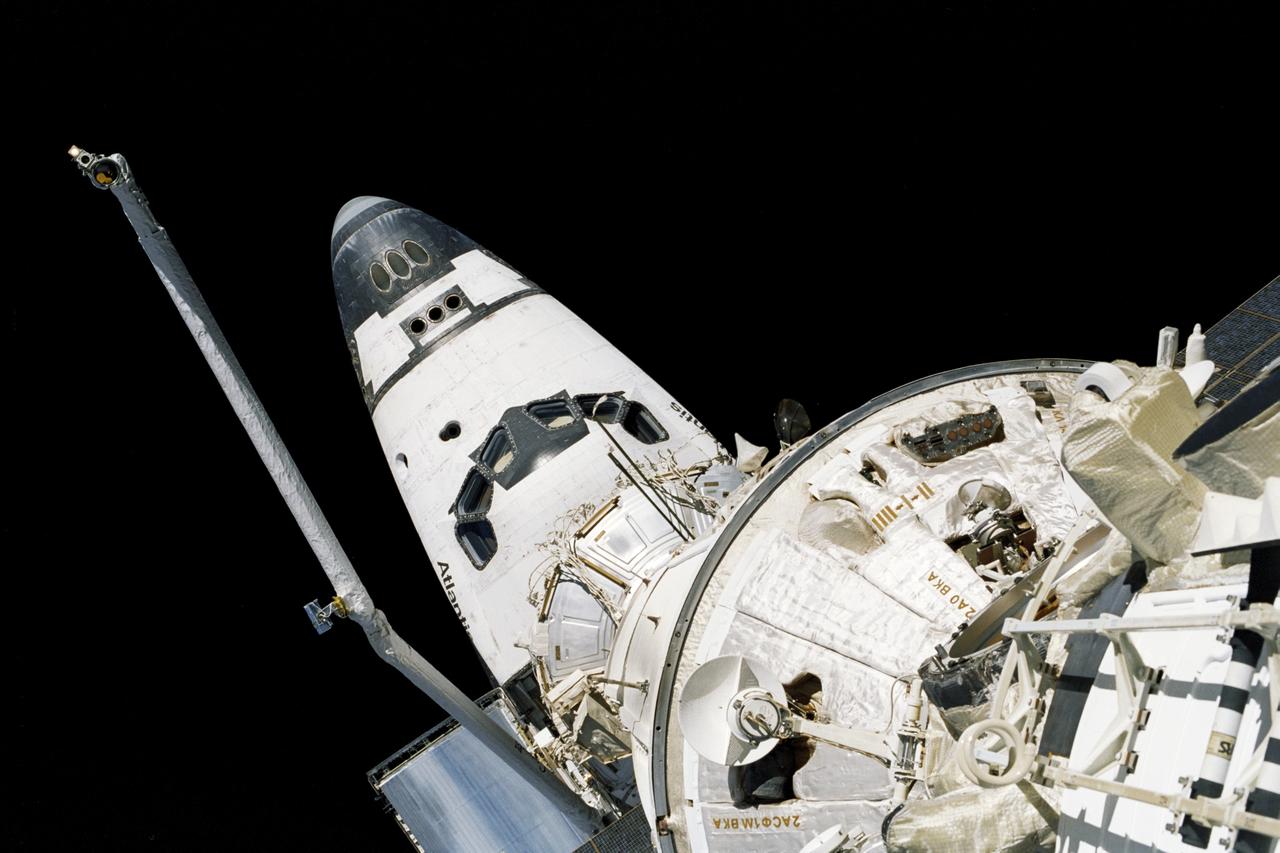
STS106-349-002 (8-20 September 2000) --- This unique picture captures a number of elements illustrating the busy agenda of the STS-106 astronauts in Earth orbit. The cabin of the Space Shuttle Atlantis, its remote manipulator system (RMS) arm in operational mode, as well as part of the International Space Station are included in the 35mm frame. Cosmonaut Yuri I. Malenchenko, representing the Russian Aviation and Space Agency, and astronaut Edward T. Lu performed a busy space walk in excess of six hours as part of the effort to ready the station for its soon-to-arrive inhabitants.

S97-E-5144 (8 December 2000) --- The STS-97 astronauts and the Expedition 1 crew members pose for an historic portrait onboard the International Space Station (ISS) shortly after hatches were opened between the Space Shuttle Endeavour and the station. In front, from the left, are Sergei K. Krikalev, Brent W. Jett, Jr., William M. Shepherd and Joseph R. Tanner. In back, from the left, are Marc Garneau, Carlos I. Noriega, Yuri P. Gidzenko and Michael J. Bloomfield. A pre-set digital still camera was used to record the scene.
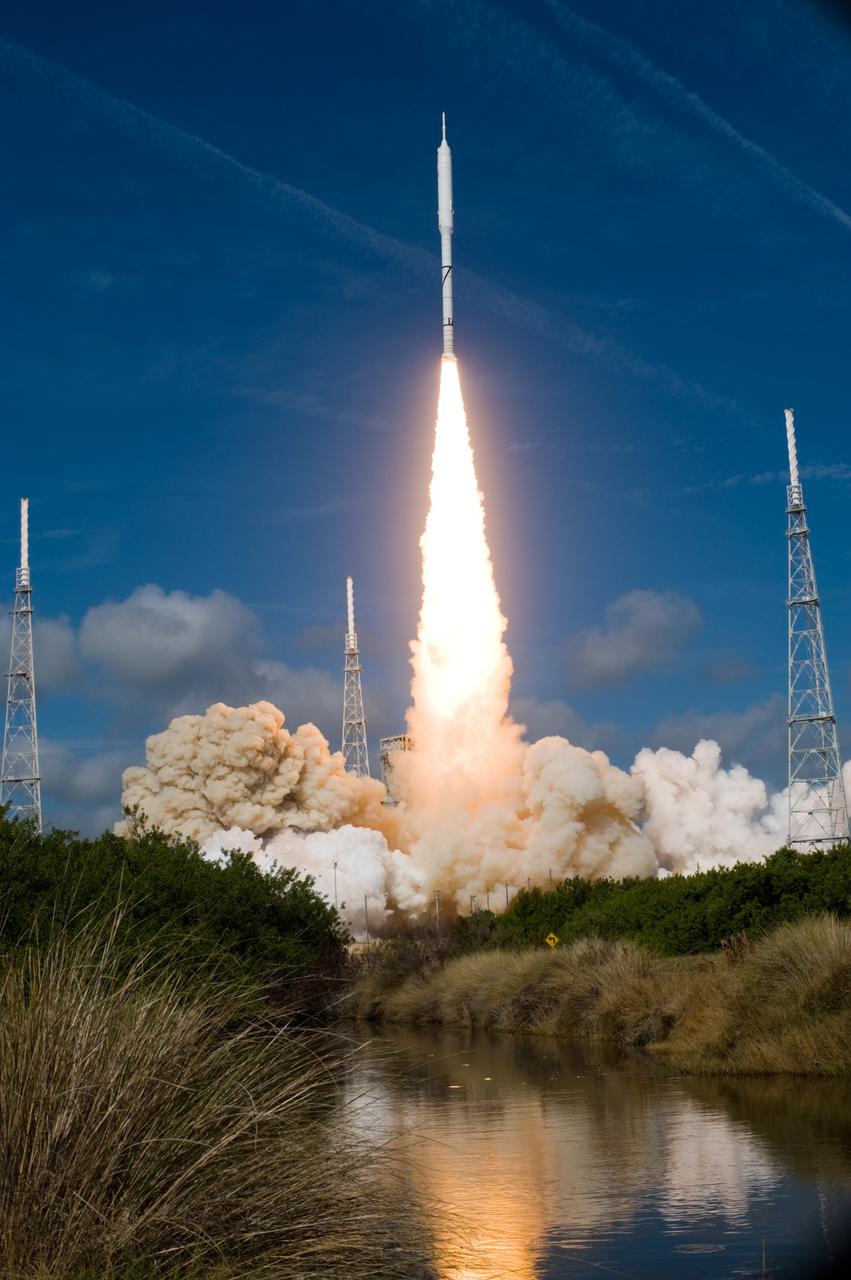
CAPE CANAVERAL, Fla. – NASA’s Ares I-X test rocket clears the tower at Launch Pad 39B at NASA's Kennedy Space Center in Florida at 11:30 a.m. EDT on Oct. 28. The rocket produces 2.96 million pounds of thrust at liftoff and reaches a speed of 100 mph in eight seconds. This was the first launch from Kennedy's pads of a vehicle other than the space shuttle since the Apollo Program's Saturn rockets were retired. The parts used to make the Ares I-X booster flew on 30 different shuttle missions ranging from STS-29 in 1989 to STS-106 in 2000. The data returned from more than 700 sensors throughout the rocket will be used to refine the design of future launch vehicles and bring NASA one step closer to reaching its exploration goals. For information on the Ares I-X vehicle and flight test, visit http://www.nasa.gov/aresIX. Photo credit: NASA/ Sandra Joseph and Kevin O'Connell