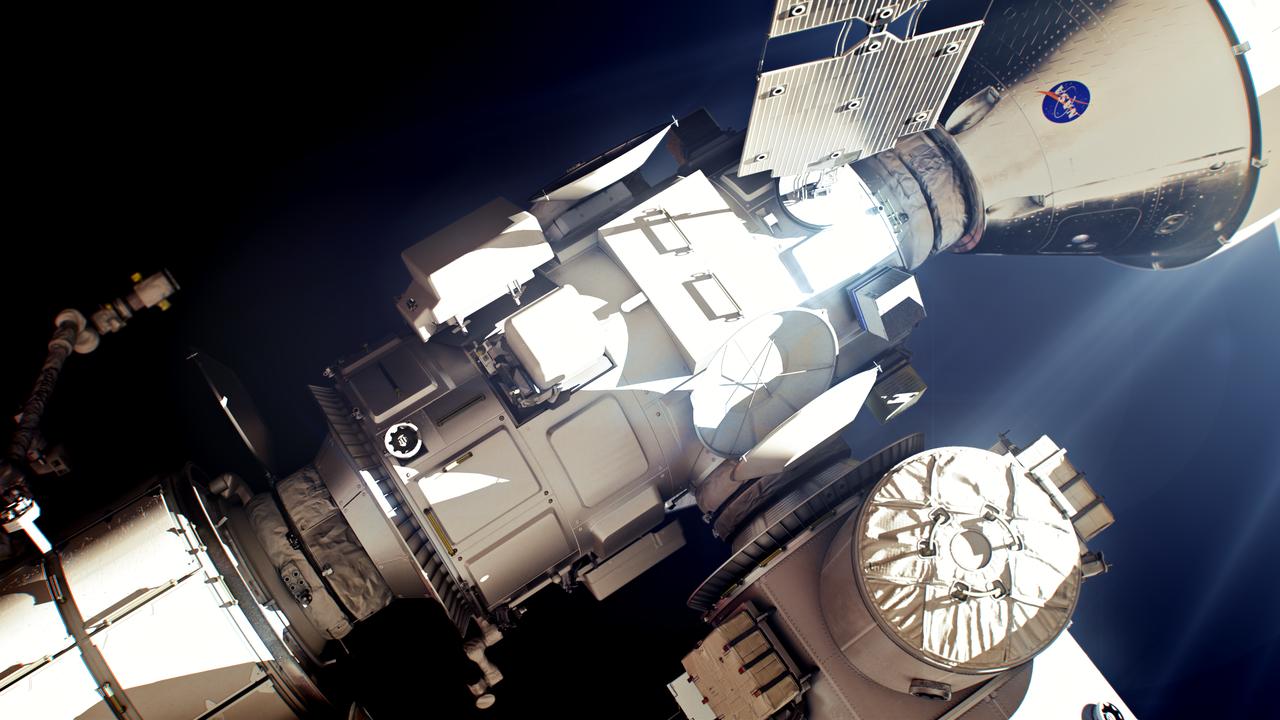
Gateway's International Habitat (I-Hab) module, provided by ESA, is one of two of the space station's habitation modules in addition to HALO. Astronauts will live, conduct science, and prepare for lunar surface missions inside I-Hab and HALO.

Photo Date: 11/14/2023 Location: Turin, Italy Subject: ESA International Habitat (I-HAB) Photo Credit: ESA/Stephane Corvaja

Photo Date: 11/14/2023 Location: Turin, Italy Subject: ESA International Habitat (I-HAB) Photo Credit: ESA/Stephane Corvaja
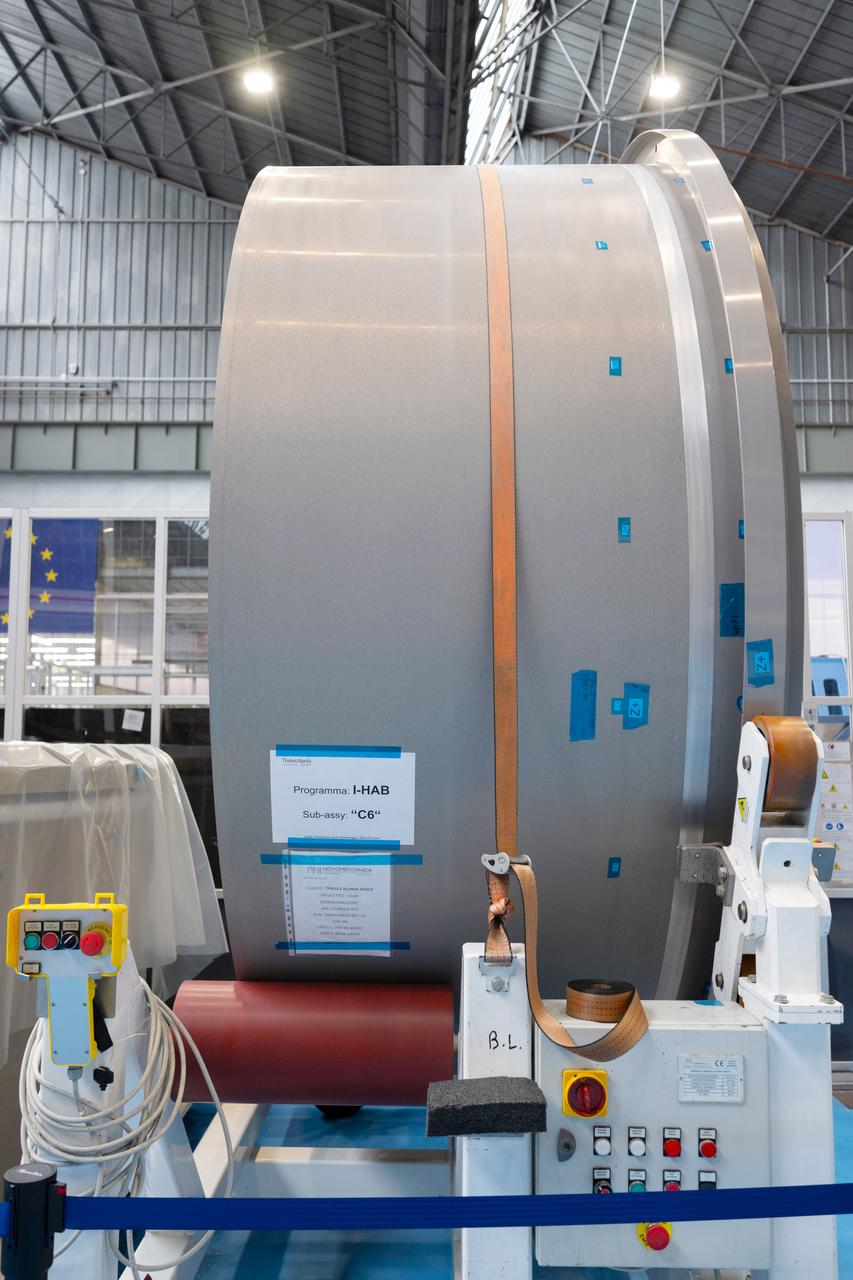
Photo Date: 11/14/2023 Location: Turin, Italy Subject: ESA International Habitat (I-HAB) Photo Credit: ESA/Stephane Corvaja
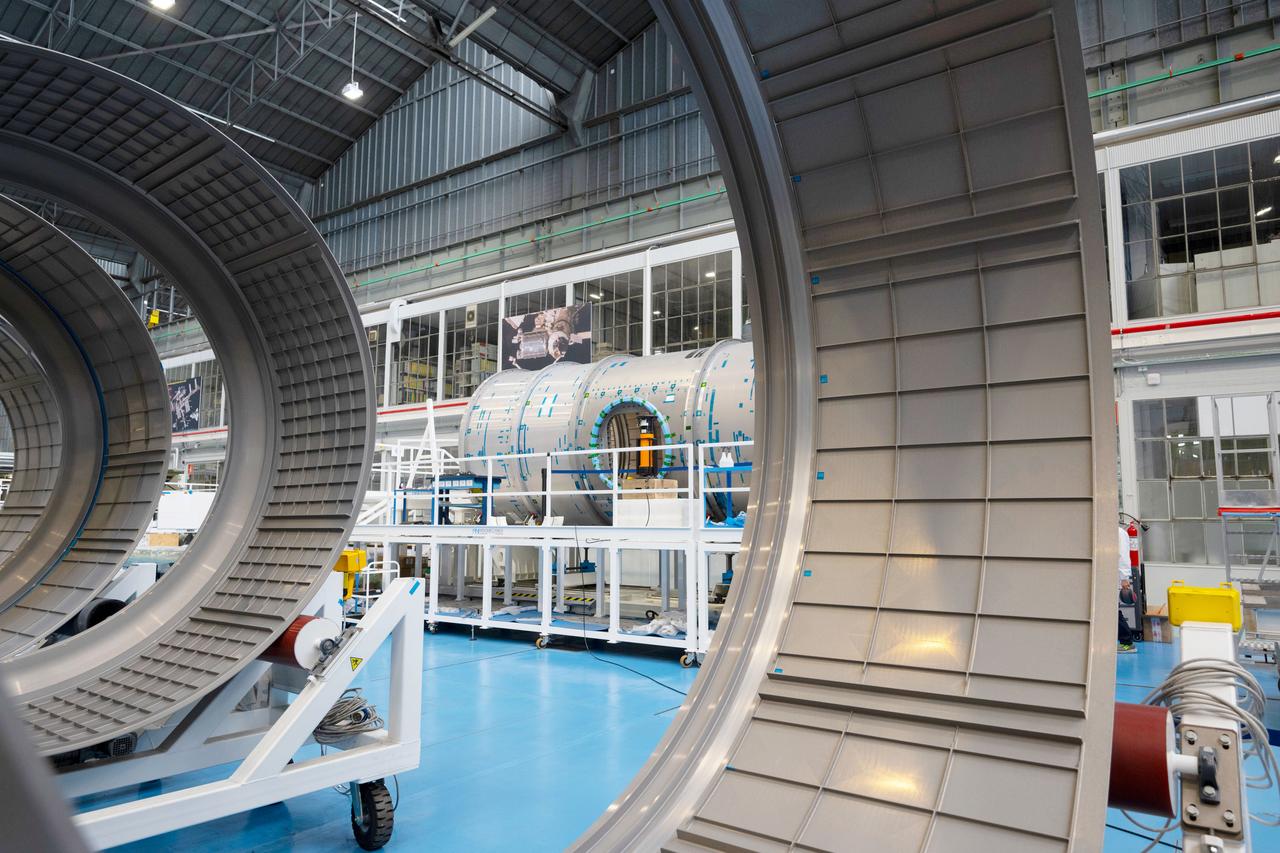
Photo Date: 11/14/2023 Location: Turin, Italy Subject: ESA International Habitat (I-HAB) Photo Credit: ESA/Stephane Corvaja
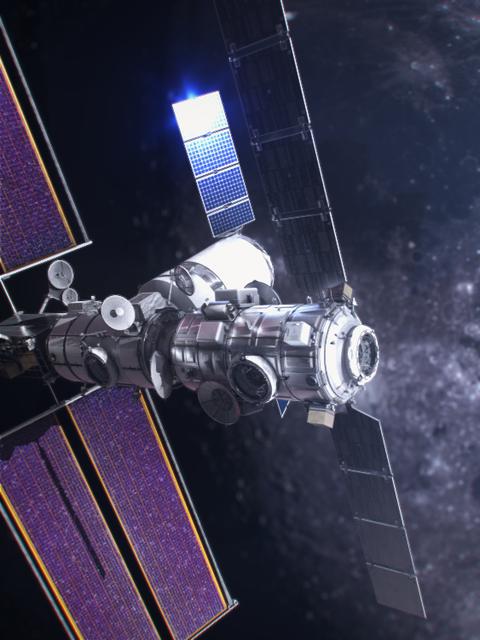
Astronauts will enter Gateway for the first time during the Artemis IV mission when the crewed Orion spacecraft will deliver the International Habitation (I-Hab) module to the space station.
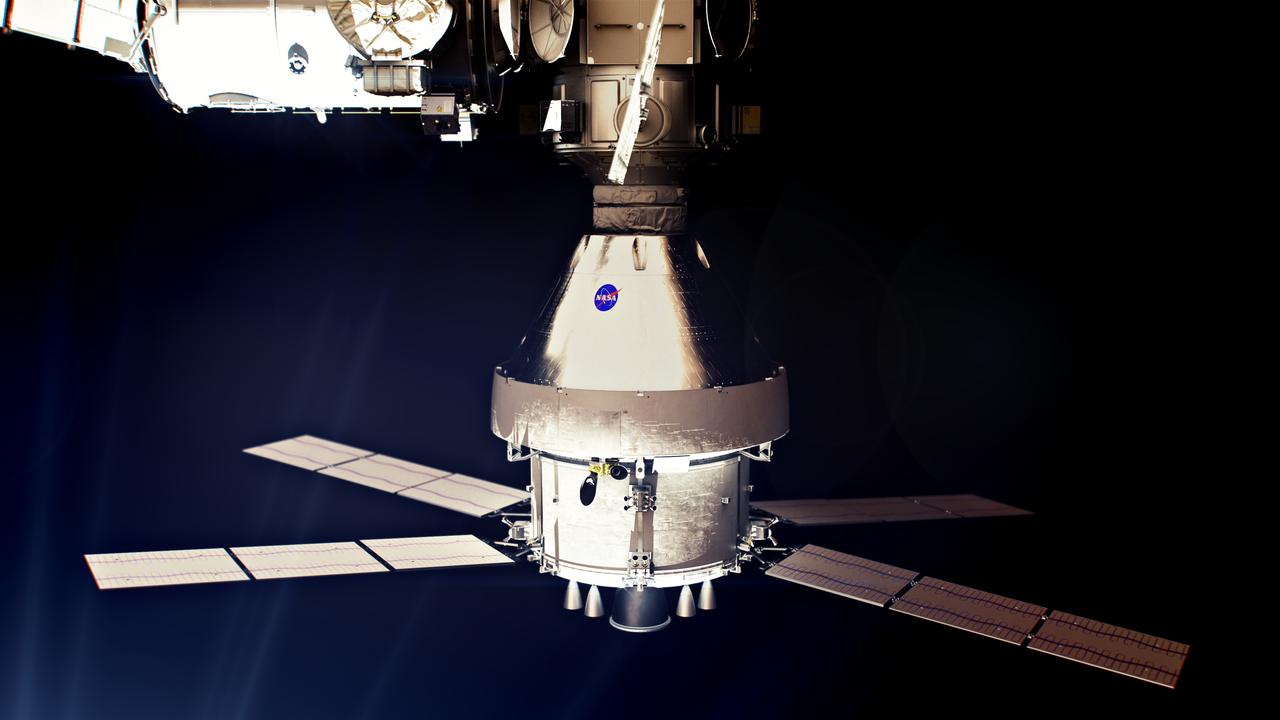
The Orion spacecraft docked to the Gateway space station. Orion will visit Gateway for the first time on the Artemis IV mission when astronauts will use it to deliver the International Habitat (I-Hab) module to Gateway. Orion will return to Gateway to deliver additional elements on Artemis V and VI.
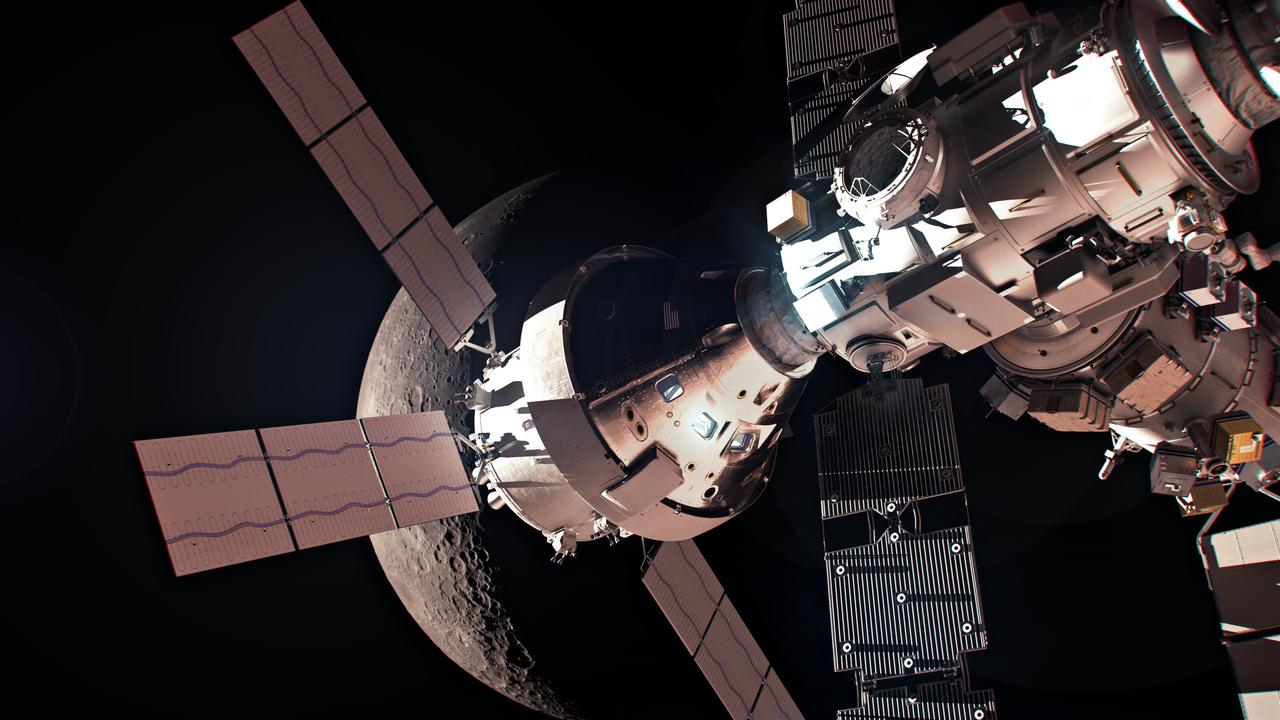
The Orion spacecraft docked to the Gateway space station. Orion will visit Gateway for the first time on the Artemis IV mission when astronauts will use it to deliver the International Habitat (I-Hab) module to Gateway. Orion will return to Gateway to deliver additional elements on Artemis V and VI.
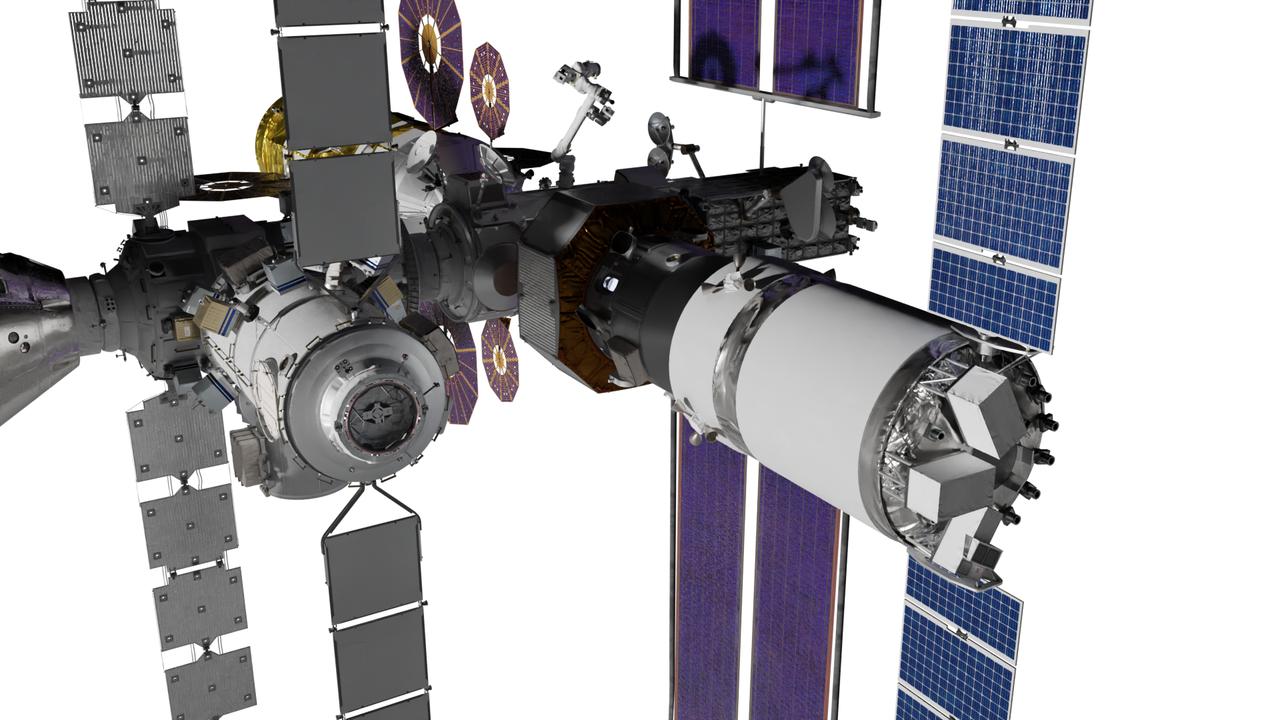
An artist’s rendering displays a configuration of the lunar-orbiting Gateway space station’s modules and visiting spacecraft. The core elements of Gateway consist of the Habitation and Logistics Outpost (HALO) element, the Power and Propulsion Element (PPE), and Lunar I-Hab. Visiting vehicles include the Orion spacecraft, the Logistics Module, and the Human Landing System. Gateway is built in collaboration with NASA’s commercial and international partners to serve as a multiuse space port for lunar science as humanity’s first place to live and work in lunar orbit.
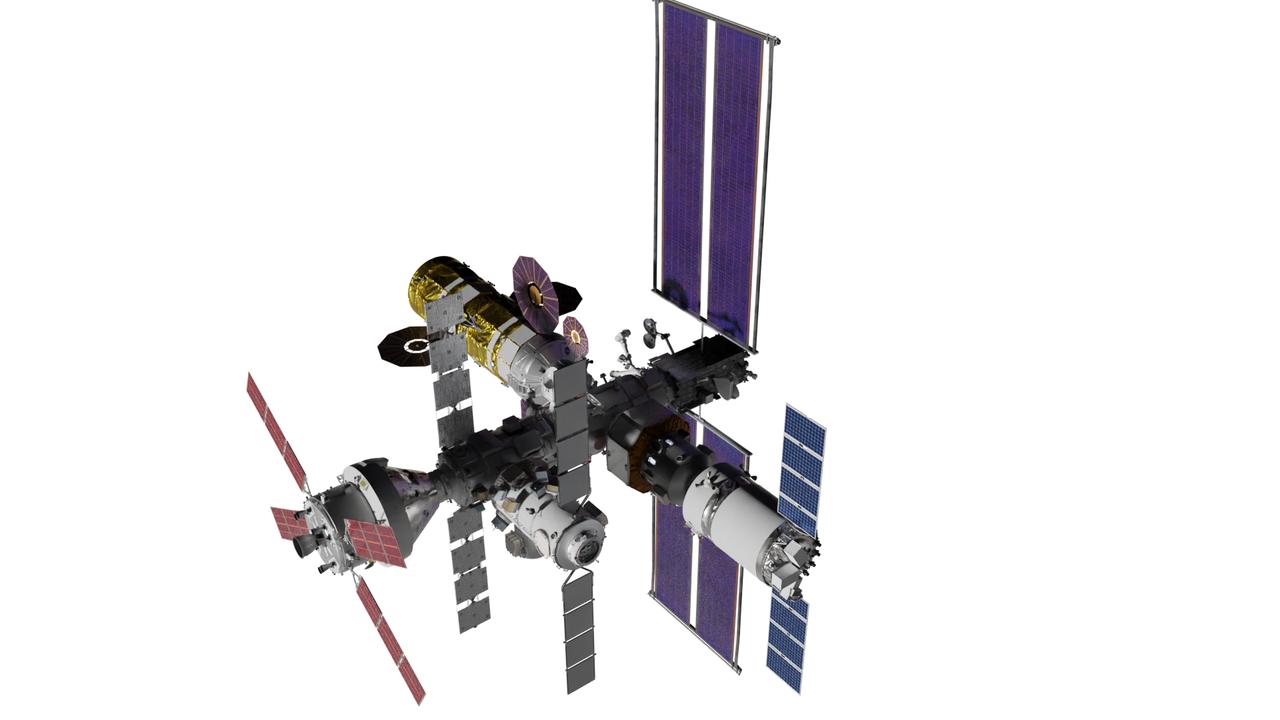
An artist’s rendering displays a configuration of the lunar-orbiting Gateway space station’s modules and visiting spacecraft. The core elements of Gateway consist of the Habitation and Logistics Outpost (HALO) element, the Power and Propulsion Element (PPE), and Lunar I-Hab. Visiting vehicles include the Orion spacecraft, the Logistics Module, and the Human Landing System. Gateway is built in collaboration with NASA’s commercial and international partners to serve as a multiuse space port for lunar science as humanity’s first place to live and work in lunar orbit.
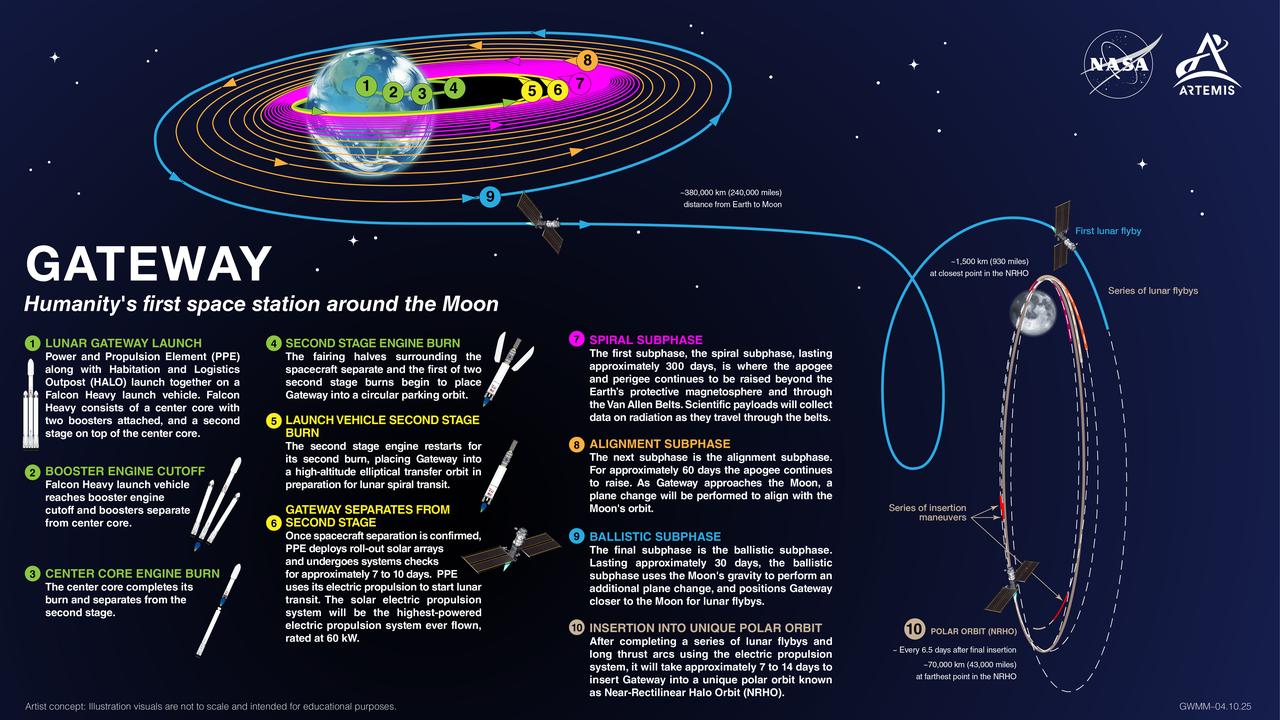
The Lunar Gateway Launch, mapped. Gateway's first elements, the Power and Propulsion Element and HALO (Habitation and Logistics Outpost), will launch together to lunar orbit, where they’ll set the stage for Artemis IV: the first Gateway assembly mission. During this milestone mission, the Artemis IV crew will deliver the European Space Agency's Lunar I-Hab, dock it to HALO, and enter the space station for the very first time. NASA is currently targeting a 2027 launch for HALO and the Power and Propulsion Element. This timeline allows for the roughly year-long journey to lunar orbit and ensures everything is in place ahead of Artemis IV.

The Gateway space station hosts the Orion spacecraft in a polar orbit around the Moon, supporting scientific discovery on the lunar surface during the Artemis IV mission.
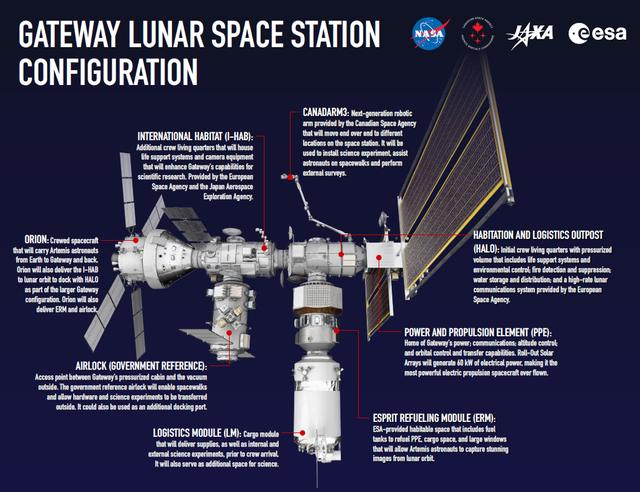
This infographic shows each element of Gateway, humanity's first space station in lunar orbit as a vital component of the Artemis missions to return to the Moon for scientific discovery and chart the path for the first human missions to Mars.
/jsc2024e041788 (1)~medium.jpg)
The Gateway lunar space station configuration and major international and commercial partners.
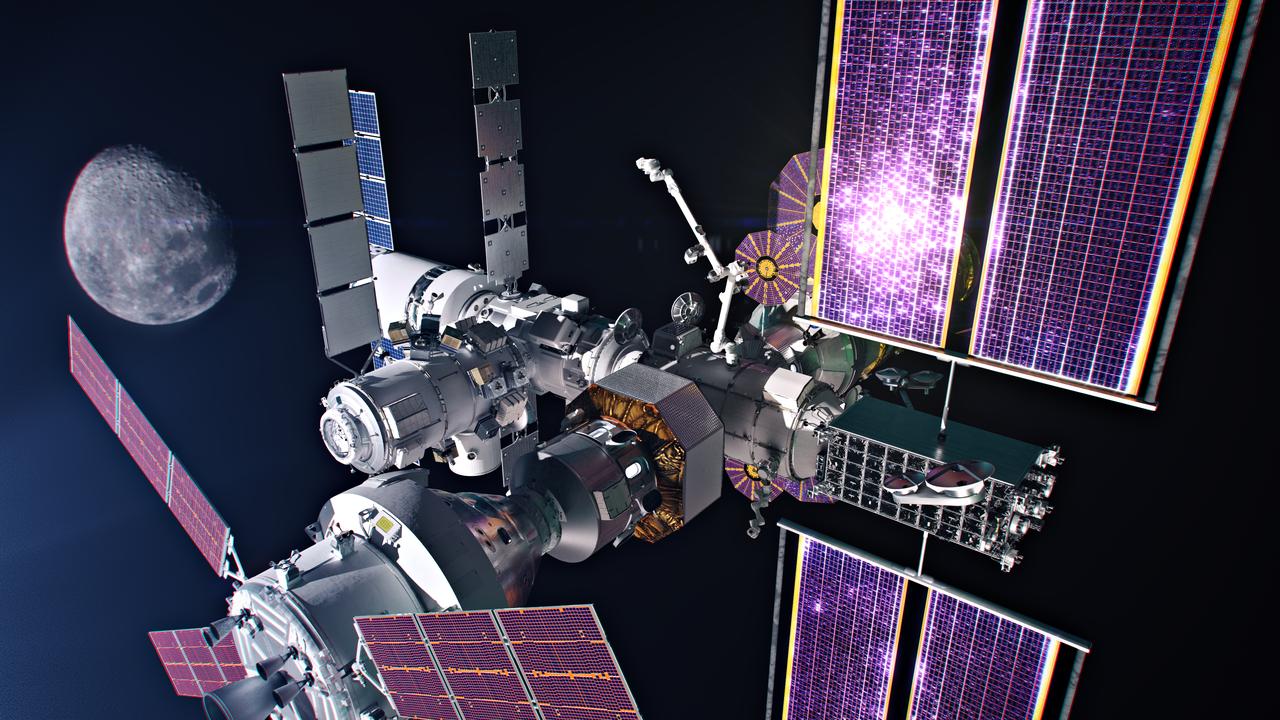
The Gateway space station will be humanity's first space station around the Moon as a vital component of the Artemis missions to return humans to the lunar surface for scientific discovery and chart the path for the first human missions to Mars. Astronauts on Gateway will be the first humans to call deep space home during missions where they will use Gateway to conduct science and prepare for lunar surface missions.
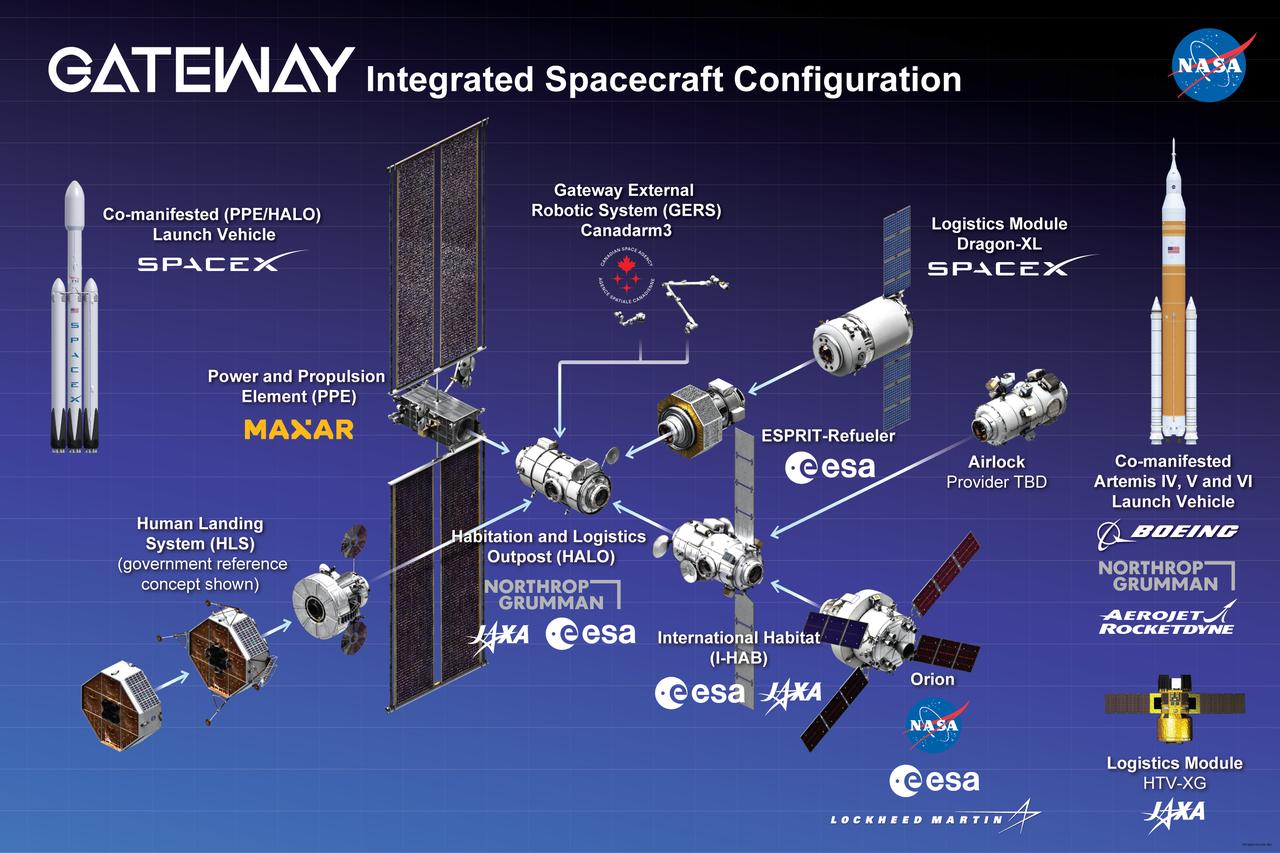
And expanded view of the Gateway space station showing each of its elements, international partner contributions, and visiting spacecraft including Orion and the Human Landing System, with prime contractors.