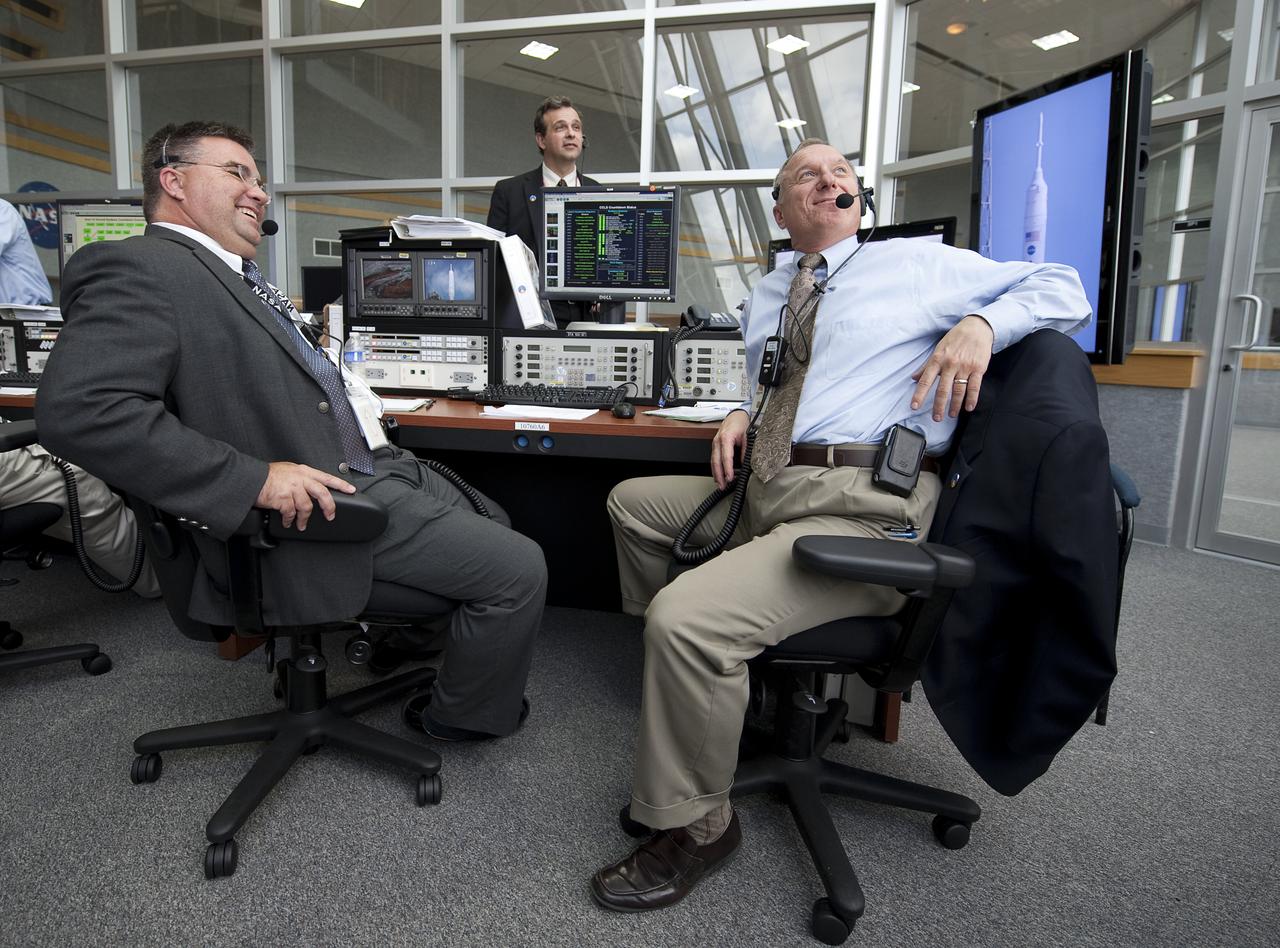
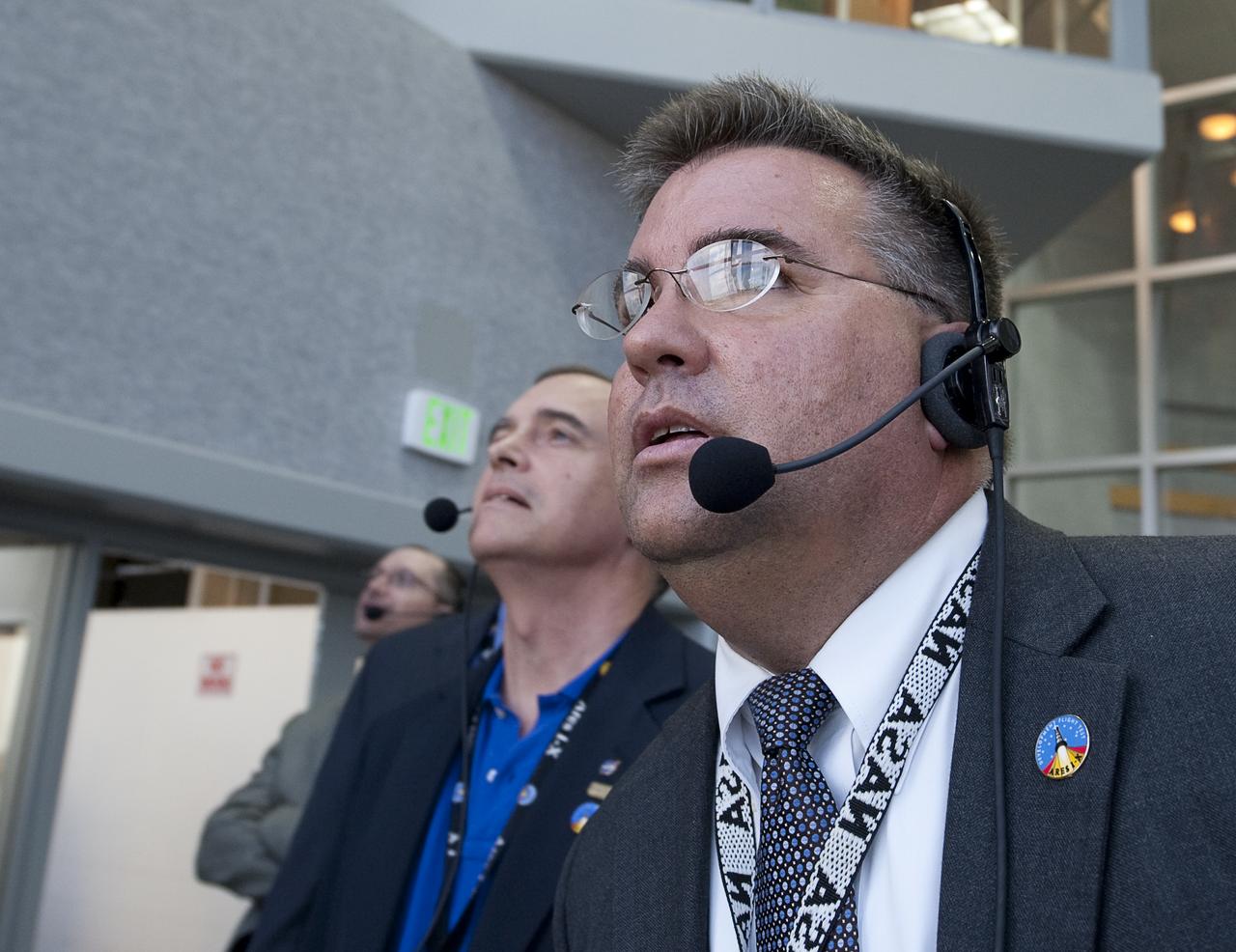
NASA Ares I-X Launch Director Ed Mango, left, laughs as NASA Ares I-X Assistant Launch Director Pete Nickolenko looks out the window of Firing Room One of the Launch Control Center (LCC) at the Kennedy Space Center prior to the launch of the Ares I-X rocket from pad 39b at the Kennedy Space Center in Cape Canaveral, Fla., Wednesday, Oct. 28, 2009. The flight test of Ares I-X will provide NASA with an early opportunity to test and prove flight characteristics, hardware, facilities and ground operations associated with the Ares I. Photo Credit: (NASA/Bill Ingalls)
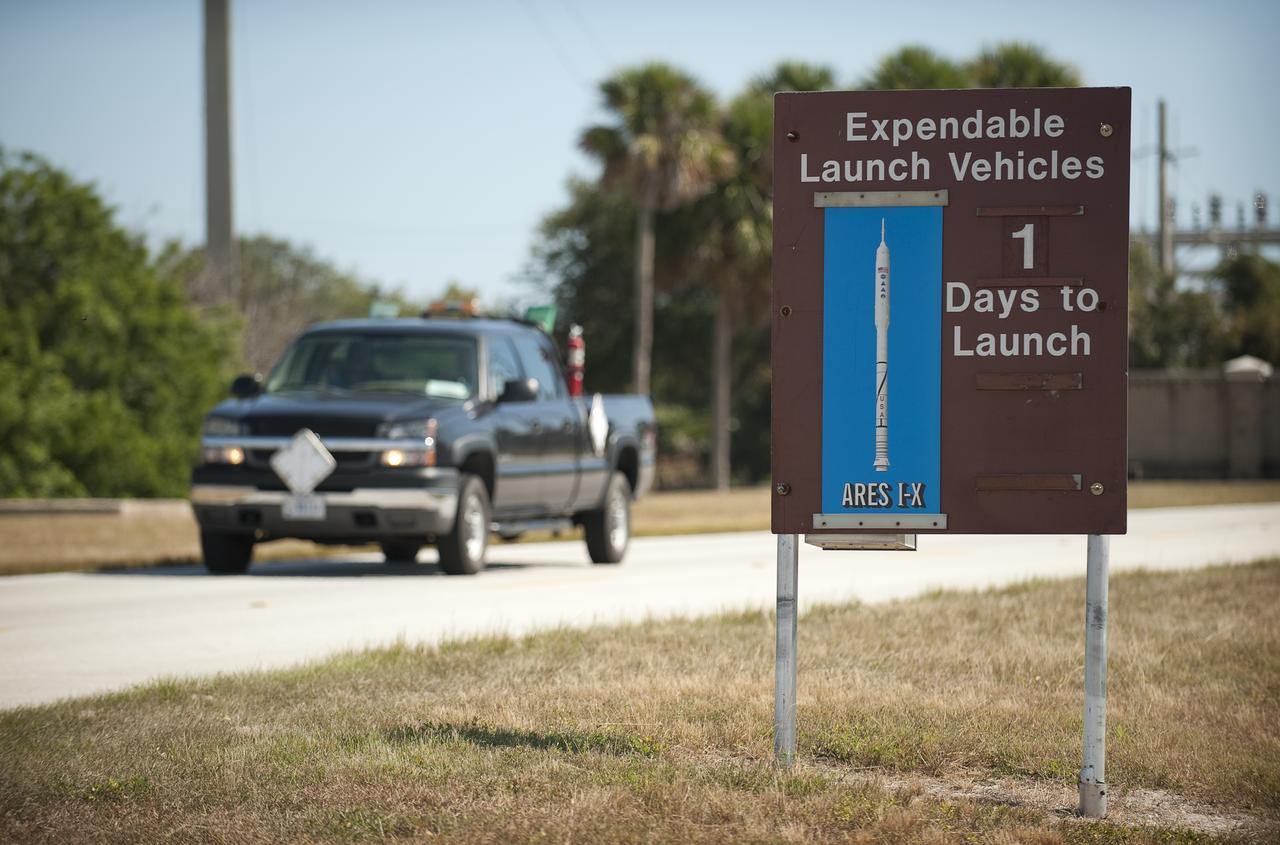
A launch countdown sign showing one day until launch of the NASA ARES I-X rocket is seen along the road between Cape Canaveral Air Force Base and the NASA Kennedy Space Center in Cape Canaveral, Florida on Monday, Oct. 26, 2009. The flight test of Ares I-X, scheduled for Tuesday, Oct. 27, 2009, will provide NASA with an early opportunity to test and prove flight characteristics, hardware, facilities and ground operations associated with the Ares I. Photo Credit: (NASA/Bill Ingalls)
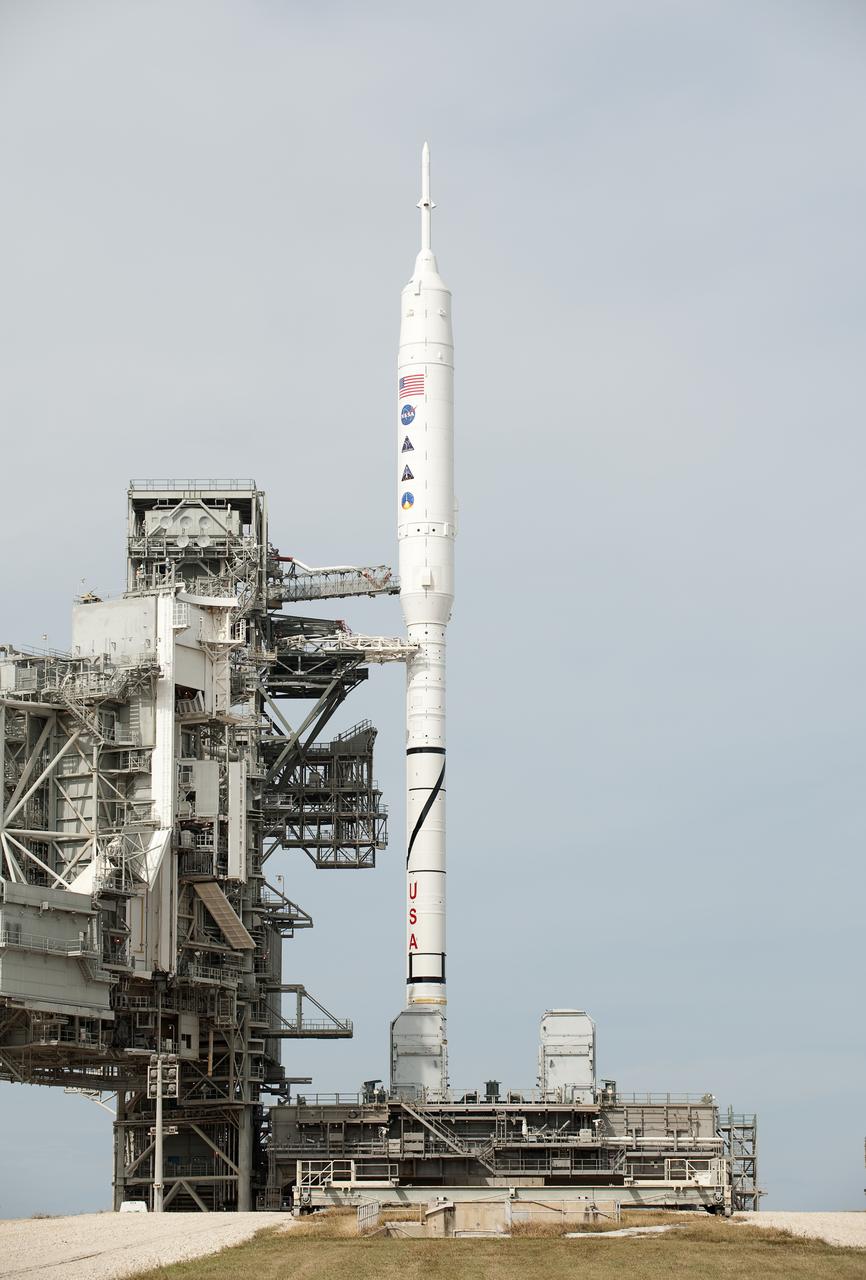
NASA's Ares I-X rocket is seen on launch pad 39b at the Kennedy Space Center in Cape Canaveral, Fla., Tuesday, Oct. 27, 2009 shortly after NASA scrubbed the launch attempt due to weather. The flight test of Ares I-X, now scheduled for Wednesday, Oct. 28, 2009, will provide NASA with an early opportunity to test and prove flight characteristics, hardware, facilities and ground operations associated with the Ares I. Photo Credit: (NASA/Bill Ingalls)

NASA's Ares I-X rocket is seen on launch pad 39b at the Kennedy Space Center in Cape Canaveral, Fla., Monday, Oct. 26, 2009. The flight test of Ares I-X, scheduled for Tuesday, Oct. 27, 2009, will provide NASA with an early opportunity to test and prove flight characteristics, hardware, facilities and ground operations associated with the Ares I. Photo Credit: (NASA/Bill Ingalls)
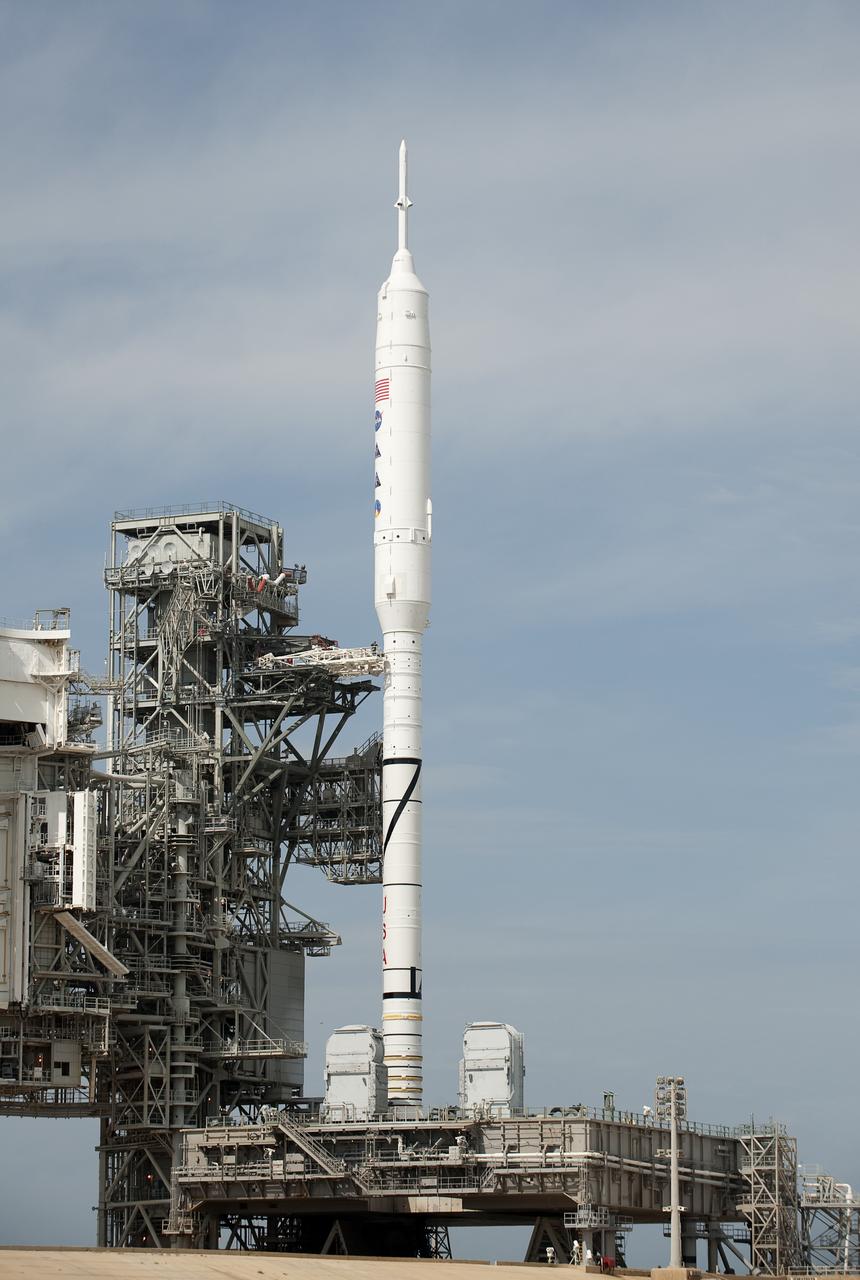
NASA's Ares I-X rocket is seen on launch pad 39b at the Kennedy Space Center in Cape Canaveral, Fla., Tuesday, Oct. 27, 2009 shortly after NASA scrubbed the launch attempt due to weather. The flight test of Ares I-X, now scheduled for Wednesday, Oct. 28, 2009, will provide NASA with an early opportunity to test and prove flight characteristics, hardware, facilities and ground operations associated with the Ares I. Photo Credit: (NASA/Bill Ingalls)
NASA Ares I-X Launch Director Ed Mango, 3rd from left, along with other mission managers watches the launch of the Ares I-X rocket from Firing Room One of the Launch Control Center (LCC) at the Kennedy Space Center in Cape Canaveral, Fla., Wednesday, Oct. 28, 2009. The flight test of Ares I-X will provide NASA with an early opportunity to test and prove flight characteristics, hardware, facilities and ground operations associated with the Ares I. Photo Credit: (NASA/Bill Ingalls)
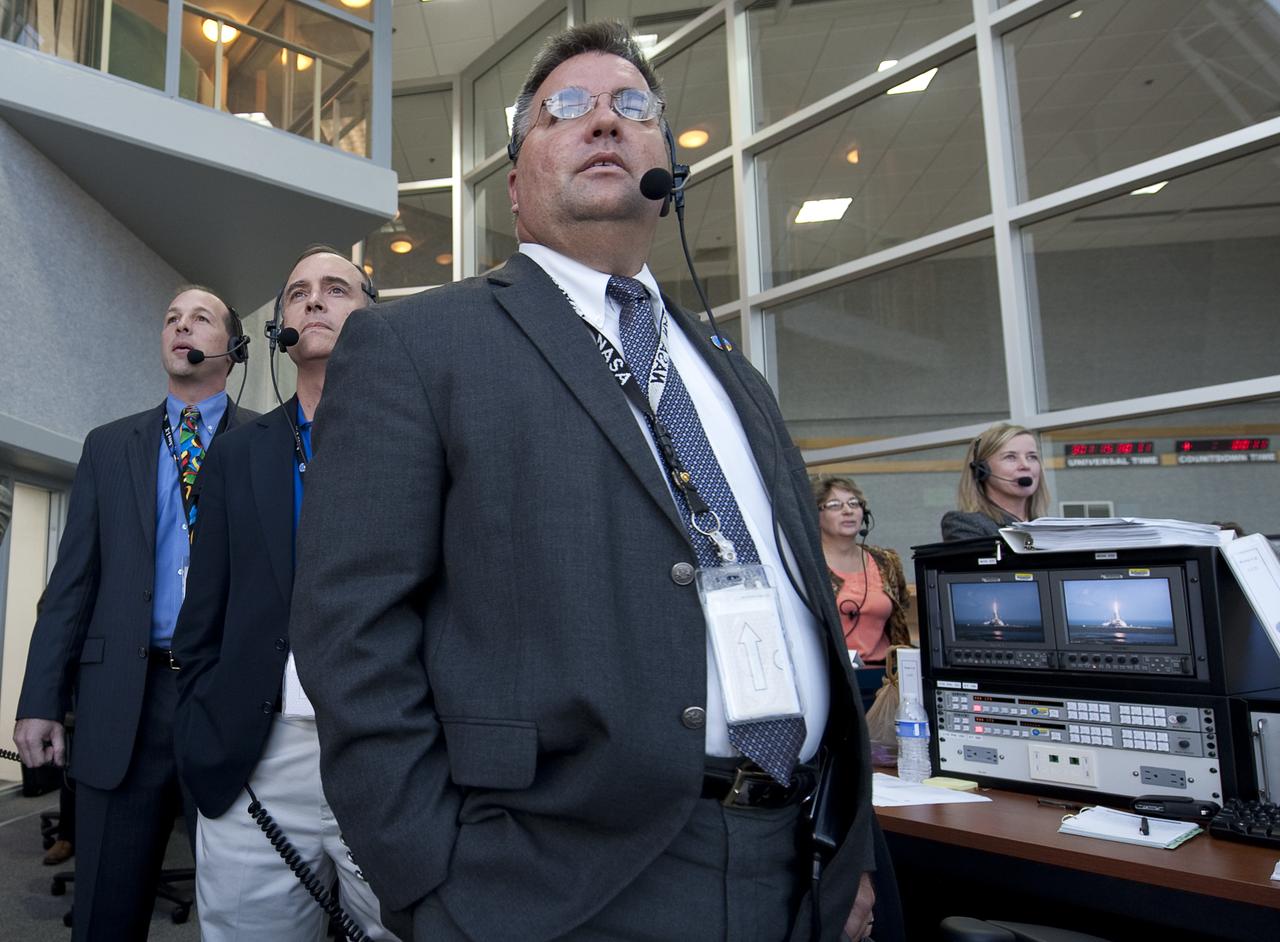
NASA Ares I-X Launch Director Ed Mango, 3rd from left, along with other mission managers watches the launch of the Ares I-X rocket from Firing Room One of the Launch Control Center (LCC) at the Kennedy Space Center in Cape Canaveral, Fla., Wednesday, Oct. 28, 2009. The flight test of Ares I-X will provide NASA with an early opportunity to test and prove flight characteristics, hardware, facilities and ground operations associated with the Ares I. Photo Credit: (NASA/Bill Ingalls)

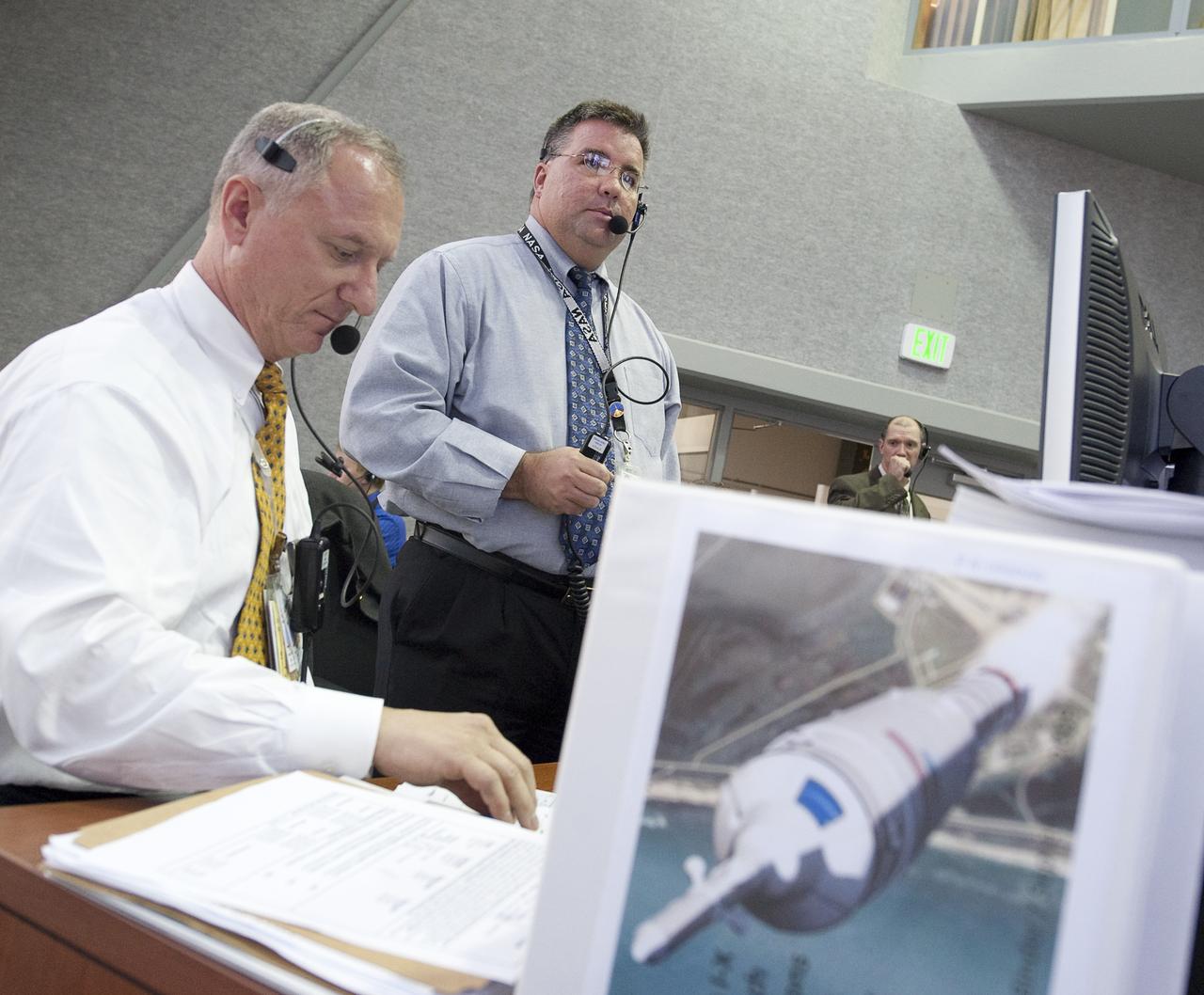
Mission managers, from left, NASA Constellation Program manager Jeff Hanley, Ares I-X Launch Director Ed Mango, Ares I-X mission manager Bob Ess, Ground Operations Manager Philip "Pepper" Phillips, review the latest data in Firing Room One of the Launch Control Center (LCC) at the Kennedy Space Center during the launch countdown of the Ares I-X rocket in Cape Canaveral, Fla., Tuesday, Oct. 27, 2009. The flight test of Ares I-X will provide NASA with an early opportunity to test and prove flight characteristics, hardware, facilities and ground operations associated with the Ares I. Photo Credit: (NASA/Bill Ingalls)
NASA Ares I-X Assistant Launch Director Pete Nickolenko, left, and NASA Ares I-X Launch Director Ed Mango monitor the launch countdown from Firing Room One of the Launch Control Center (LCC) at the Kennedy Space Center during the planned launch of the Ares I-X rocket from pad 39b at the Kennedy Space Center in Cape Canaveral, Fla., Tuesday, Oct. 27, 2009. The flight test of Ares I-X will provide NASA with an early opportunity to test and prove flight characteristics, hardware, facilities and ground operations associated with the Ares I. Photo Credit: (NASA/Bill Ingalls)

NASA's Ares I-X rocket is seen on launch pad 39b at the Kennedy Space Center in Cape Canaveral, Fla., Monday, Oct. 26, 2009. The flight test of Ares I-X, scheduled for Tuesday, Oct. 27, 2009, will provide NASA with an early opportunity to test and prove flight characteristics, hardware, facilities and ground operations associated with the Ares I.
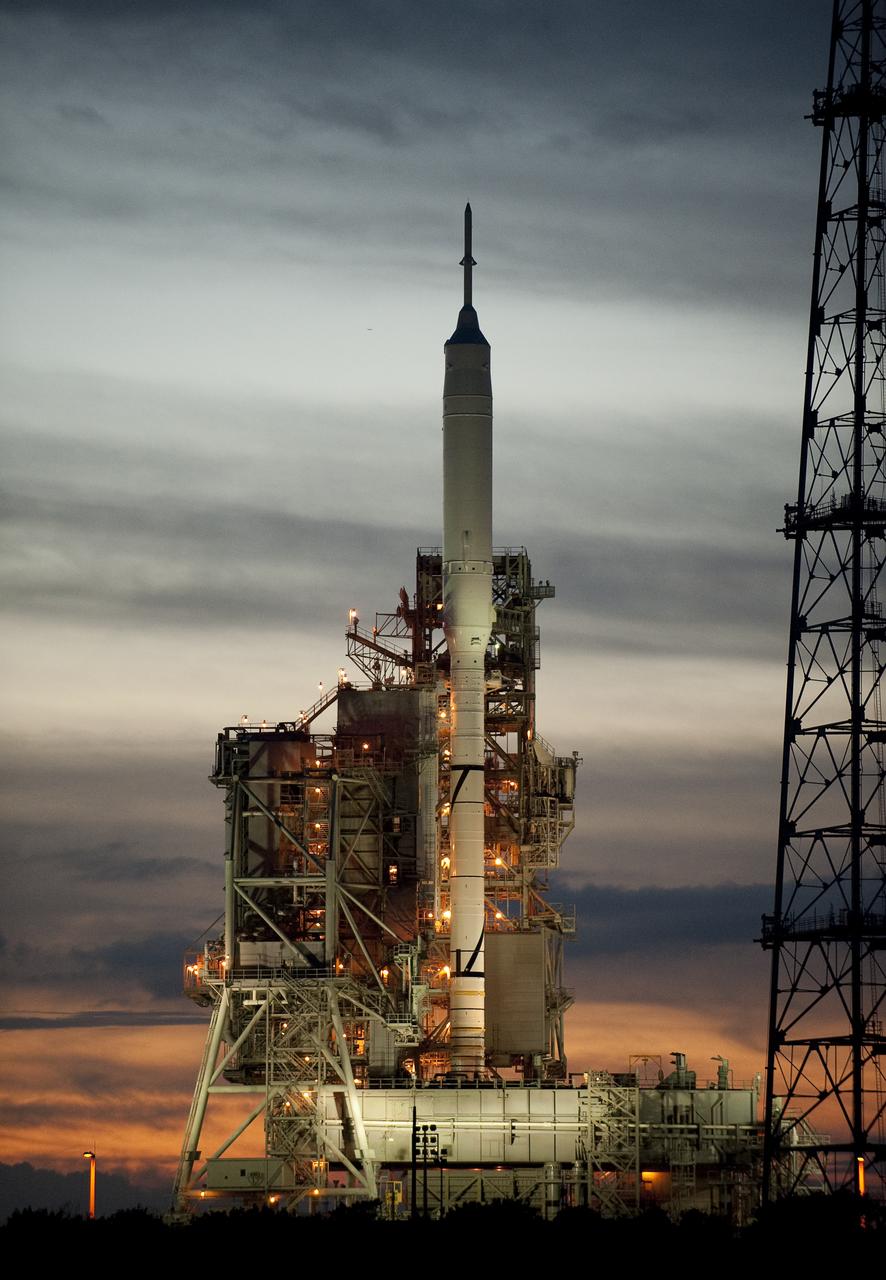
NASA's Ares I-X rocket is seen on launch pad 39b at the Kennedy Space Center in Cape Canaveral, Fla., Monday, Oct. 26, 2009. The flight test of Ares I-X, scheduled for Tuesday, Oct. 27, 2009, will provide NASA with an early opportunity to test and prove flight characteristics, hardware, facilities and ground operations associated with the Ares I.
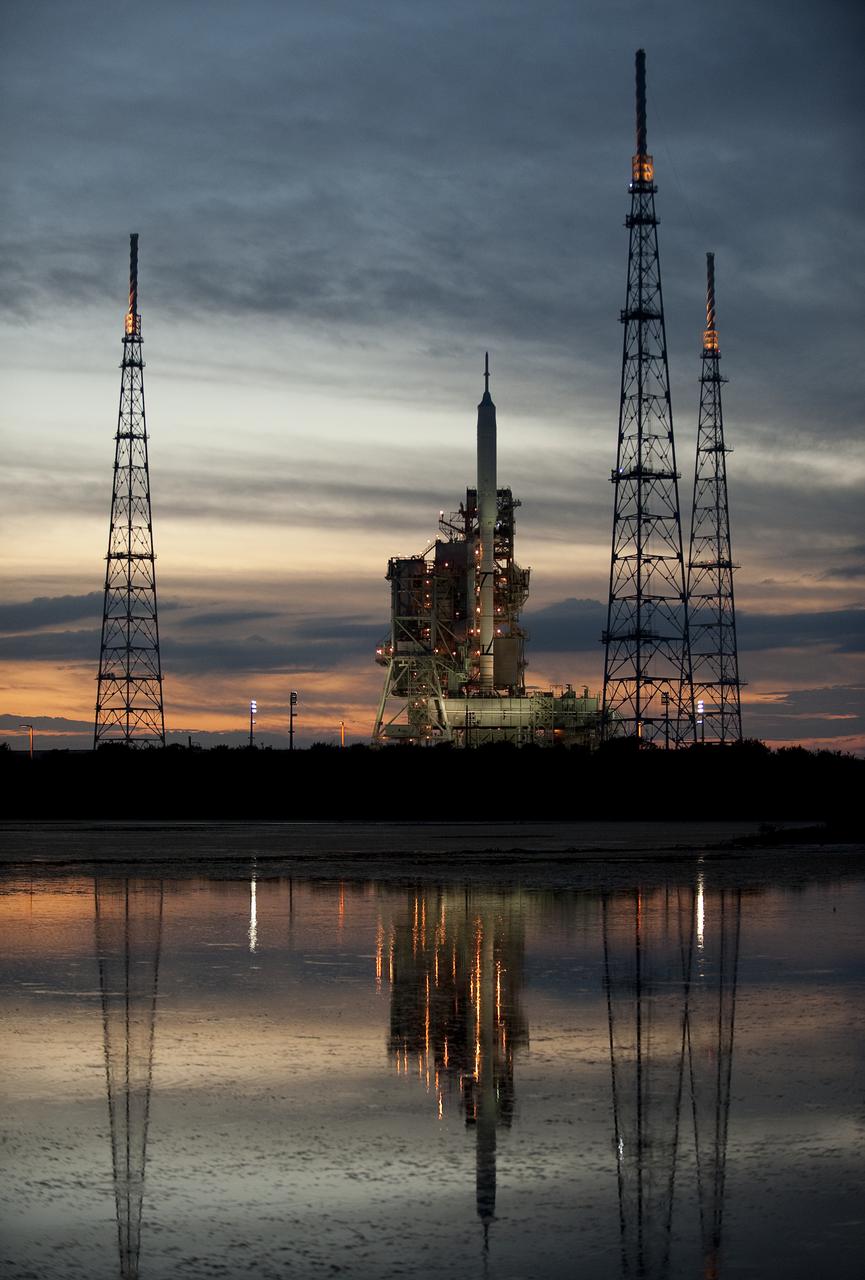
NASA's Ares I-X rocket is seen on launch pad 39b at the Kennedy Space Center in Cape Canaveral, Fla., Monday, Oct. 26, 2009. The flight test of Ares I-X, scheduled for Tuesday, Oct. 27, 2009, will provide NASA with an early opportunity to test and prove flight characteristics, hardware, facilities and ground operations associated with the Ares I.
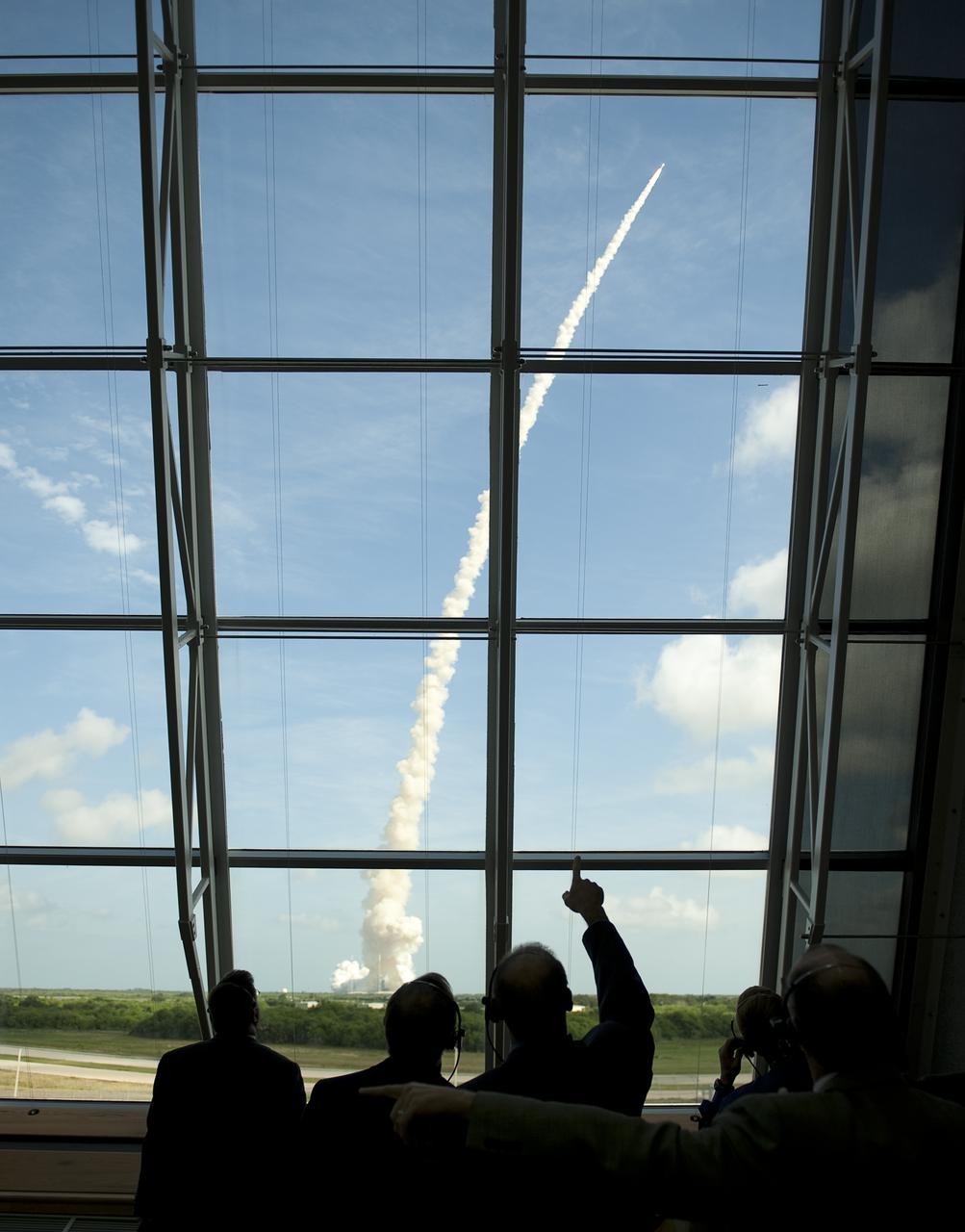
NASA Ares I-X mission managers watch as NASA's Ares I-X rocket launches from pad 39b at the Kennedy Space Center in Cape Canaveral, Fla., Wednesday, Oct. 28, 2009. The flight test will provide NASA with an early opportunity to test and prove flight characteristics, hardware, facilities and ground operations associated with the Ares I. Photo Credit: (NASA/Bill Ingalls)
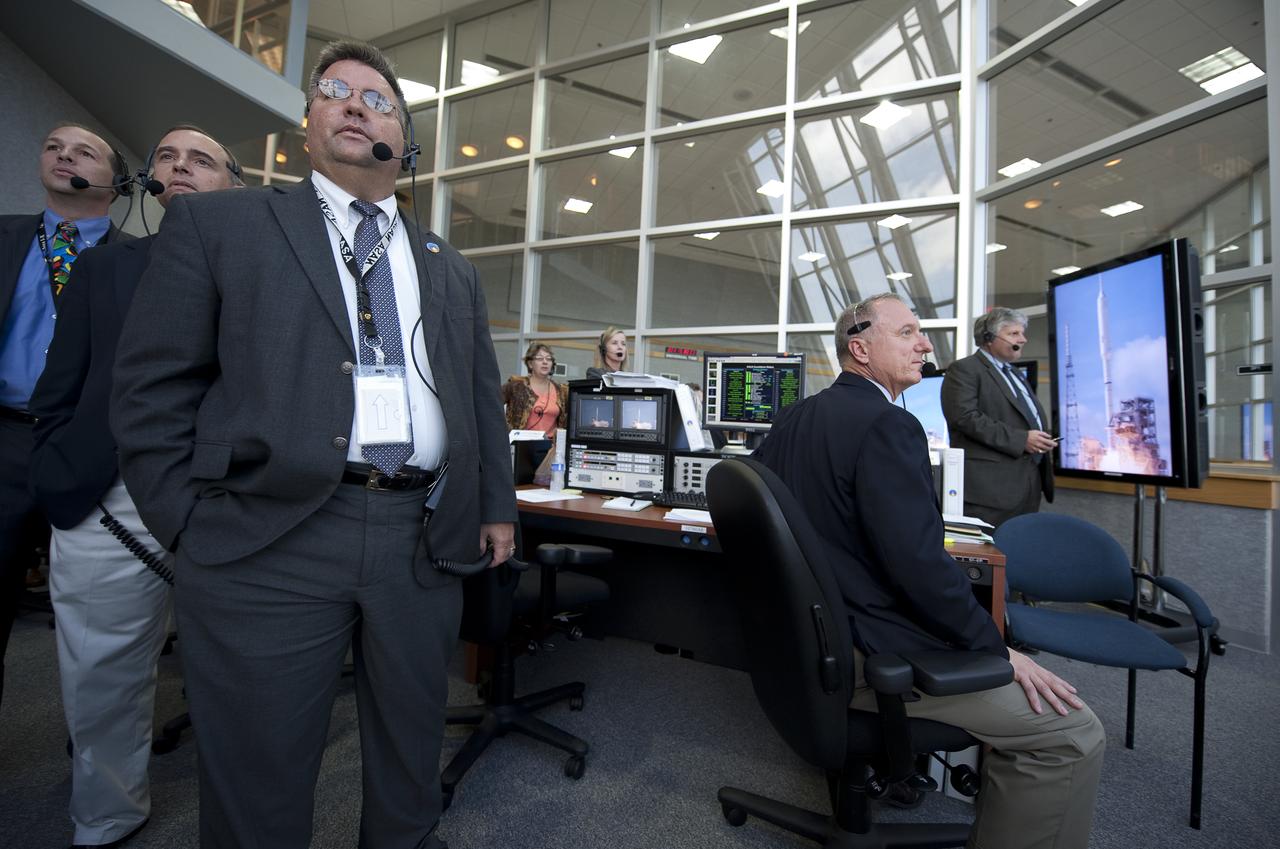
NASA Ares I-X Launch Director Ed Mango, 3rd from left, along with other mission managers watches the launch of the Ares I-X rocket from Firing Room One of the Launch Control Center (LCC) at the Kennedy Space Center in Cape Canaveral, Fla., Wednesday, Oct. 28, 2009. The flight test of Ares I-X will provide NASA with an early opportunity to test and prove flight characteristics, hardware, facilities and ground operations associated with the Ares I. Photo Credit: (NASA/Bill Ingalls)
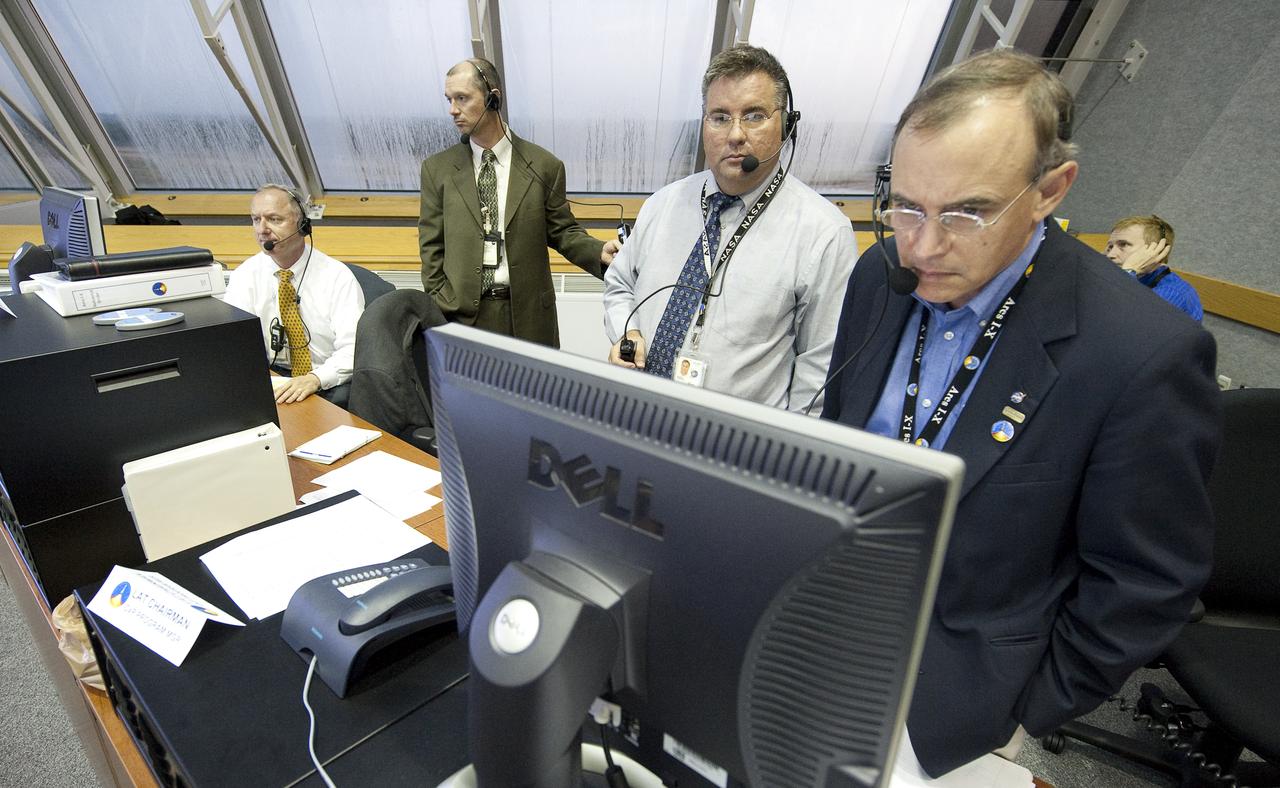
Mission managers, from left, NASA Ares I-X Assistant Launch Director Pete Nickolenko, Ground Operations Manager Philip "Pepper" Phillips, Ares I-X Launch Director Ed Mango, and Constellation Program manager Jeff Hanley review the latest weather radar from Firing Room One of the Launch Control Center (LCC) at the Kennedy Space Center during the launch countdown of the Ares I-X rocket in Cape Canaveral, Fla., Tuesday, Oct. 27, 2009. The flight test of Ares I-X will provide NASA with an early opportunity to test and prove flight characteristics, hardware, facilities and ground operations associated with the Ares I. Photo Credit: (NASA/Bill Ingalls)
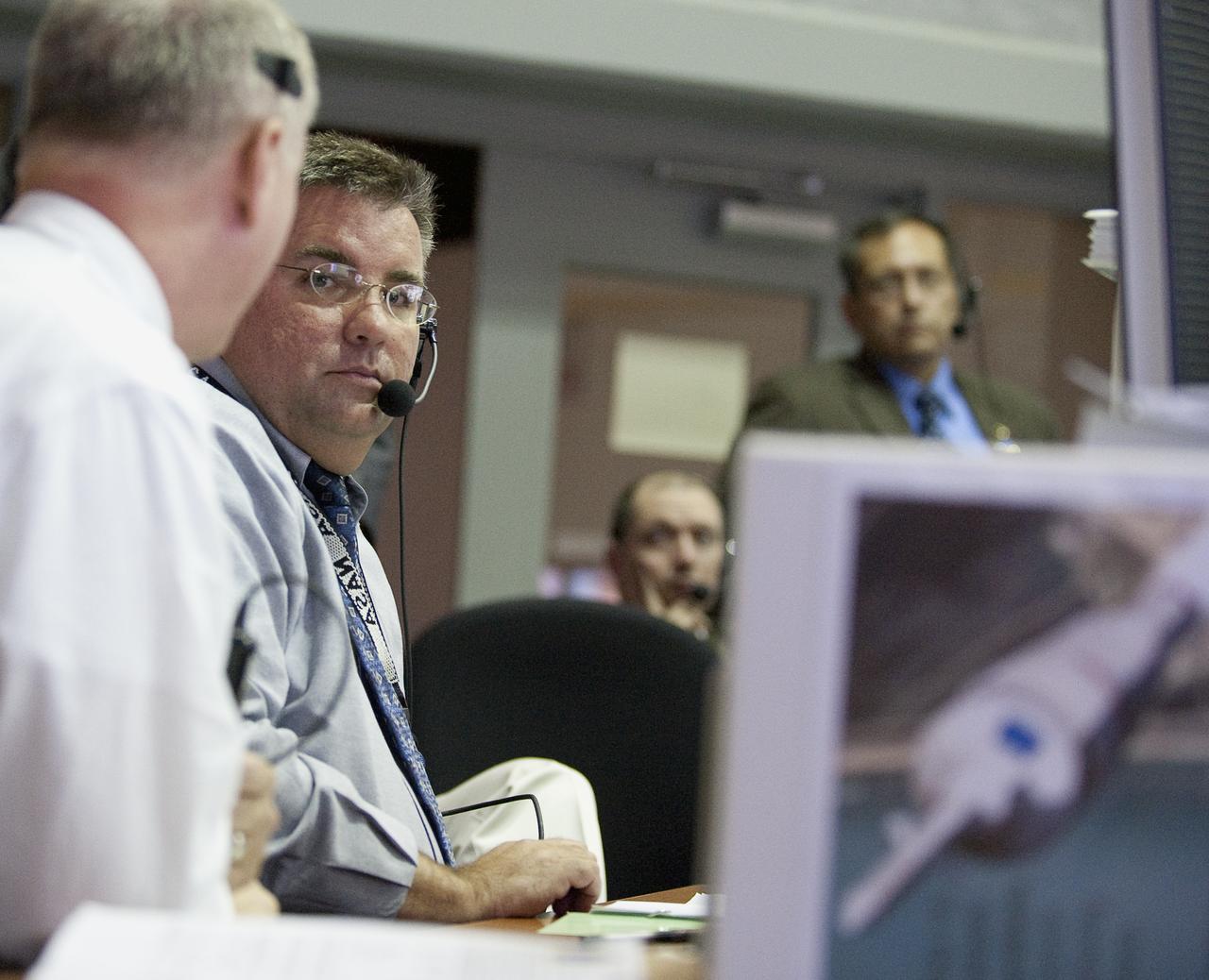
NASA Ares I-X Launch Director Ed Mango monitors the launch countdown from Firing Room One of the Launch Control Center (LCC) at the Kennedy Space Center during the planned launch of the Ares I-X rocket from pad 39b at the Kennedy Space Center in Cape Canaveral, Fla., Tuesday, Oct. 27, 2009. The flight test of Ares I-X will provide NASA with an early opportunity to test and prove flight characteristics, hardware, facilities and ground operations associated with the Ares I. Photo Credit: (NASA/Bill Ingalls)

NASA Ares I-X Launch Director Ed Mango monitors the launch countdown from Firing Room One of the Launch Control Center (LCC) at the Kennedy Space Center during the planned launch of the Ares I-X rocket from pad 39b at the Kennedy Space Center in Cape Canaveral, Fla., Tuesday, Oct. 27, 2009. The flight test of Ares I-X will provide NASA with an early opportunity to test and prove flight characteristics, hardware, facilities and ground operations associated with the Ares I. Photo Credit: (NASA/Bill Ingalls)
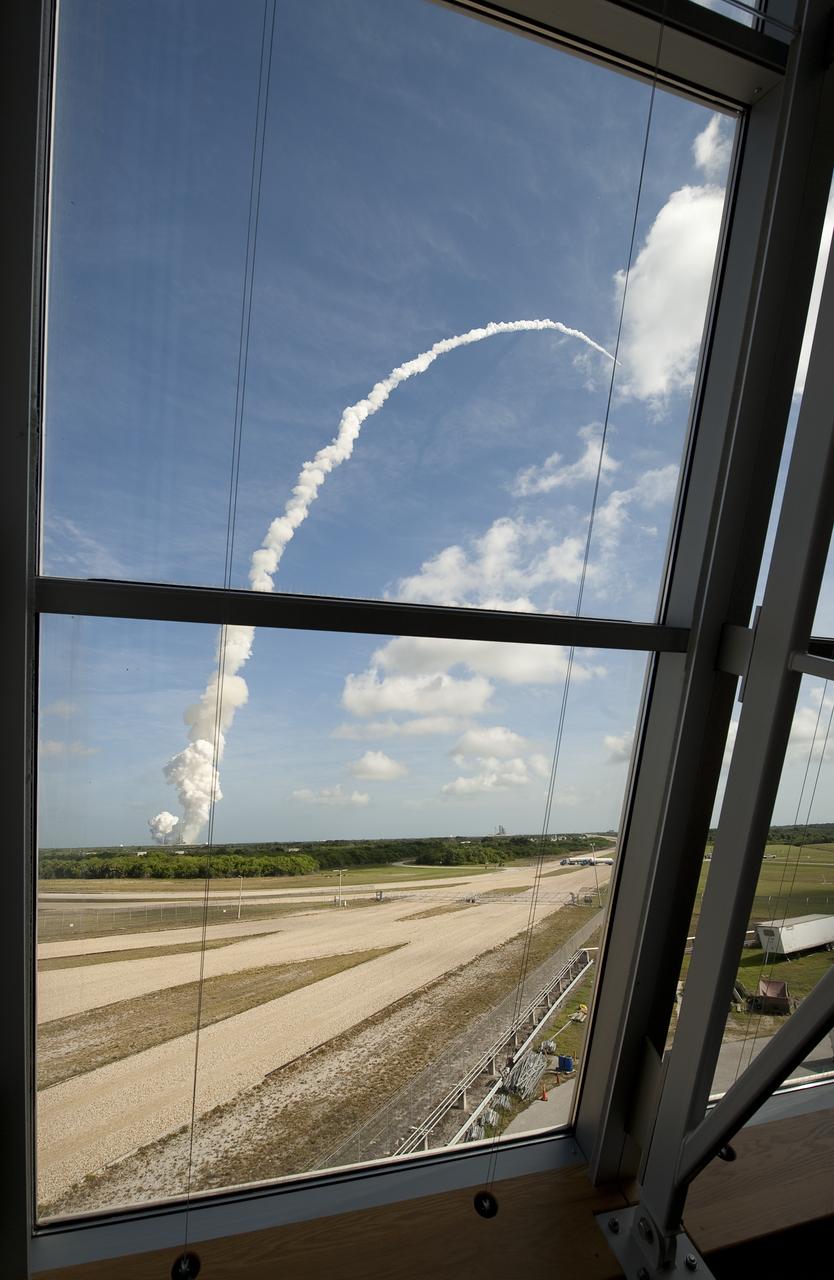
NASA's Ares I-X rocket is seen through the windows of Firing Room One of teh Launch Control Center (LCC) at the Kennedy Space Center as it launches from pad 39b in Cape Canaveral, Fla., Wednesday, Oct. 28, 2009. The flight test will provide NASA with an early opportunity to test and prove flight characteristics, hardware, facilities and ground operations associated with the Ares I. Photo Credit: (NASA/Bill Ingalls)
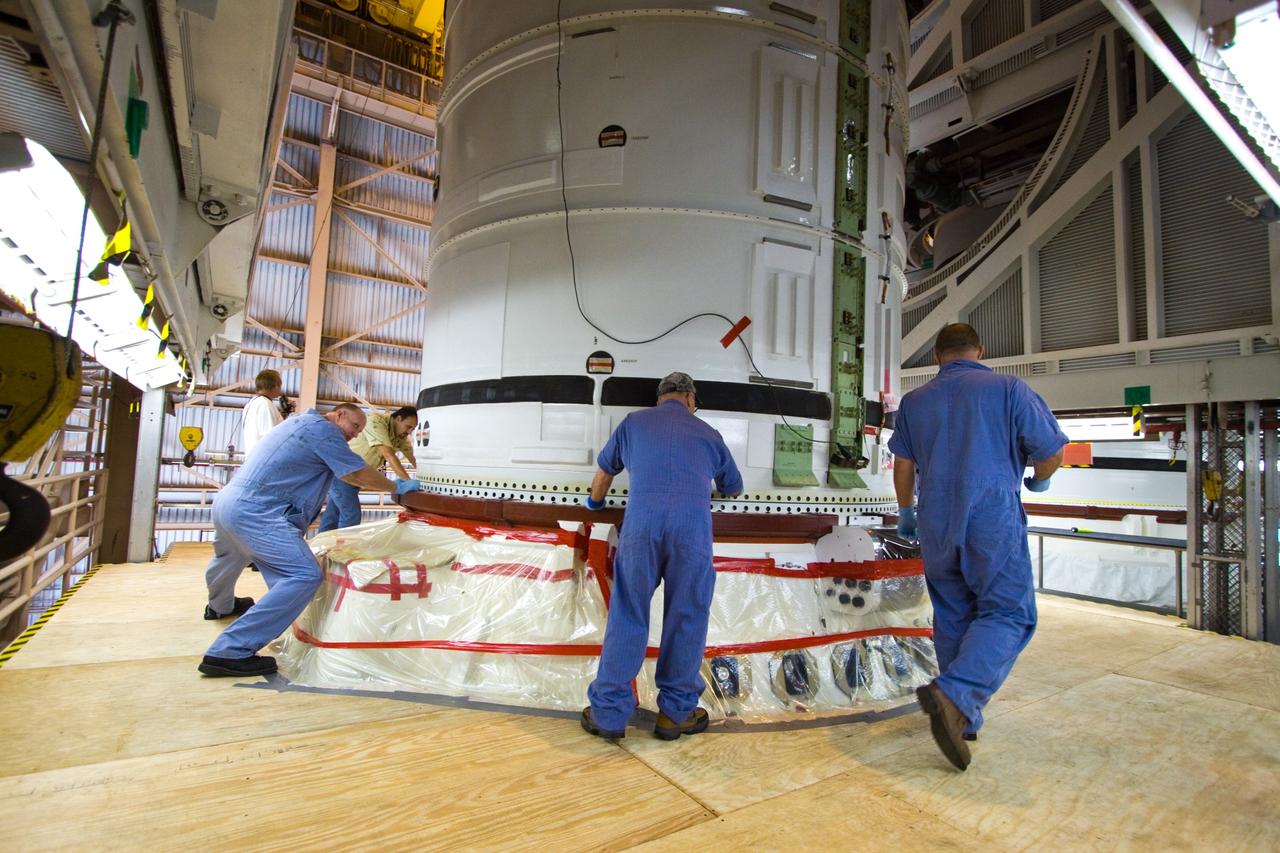
CAPE CANAVERAL, Fla. – In the Rotation, Processing, and Surge Facility at NASA's Kennedy Space Center in Florida, the Ares I-X aft skirt is mated to the aft segment. The complete Ares I-X will be assembled in the Vehicle Assembly Building. The launch of Ares I-X is targeted for August 2009. Photo credit: NASA/Jack Pfaller
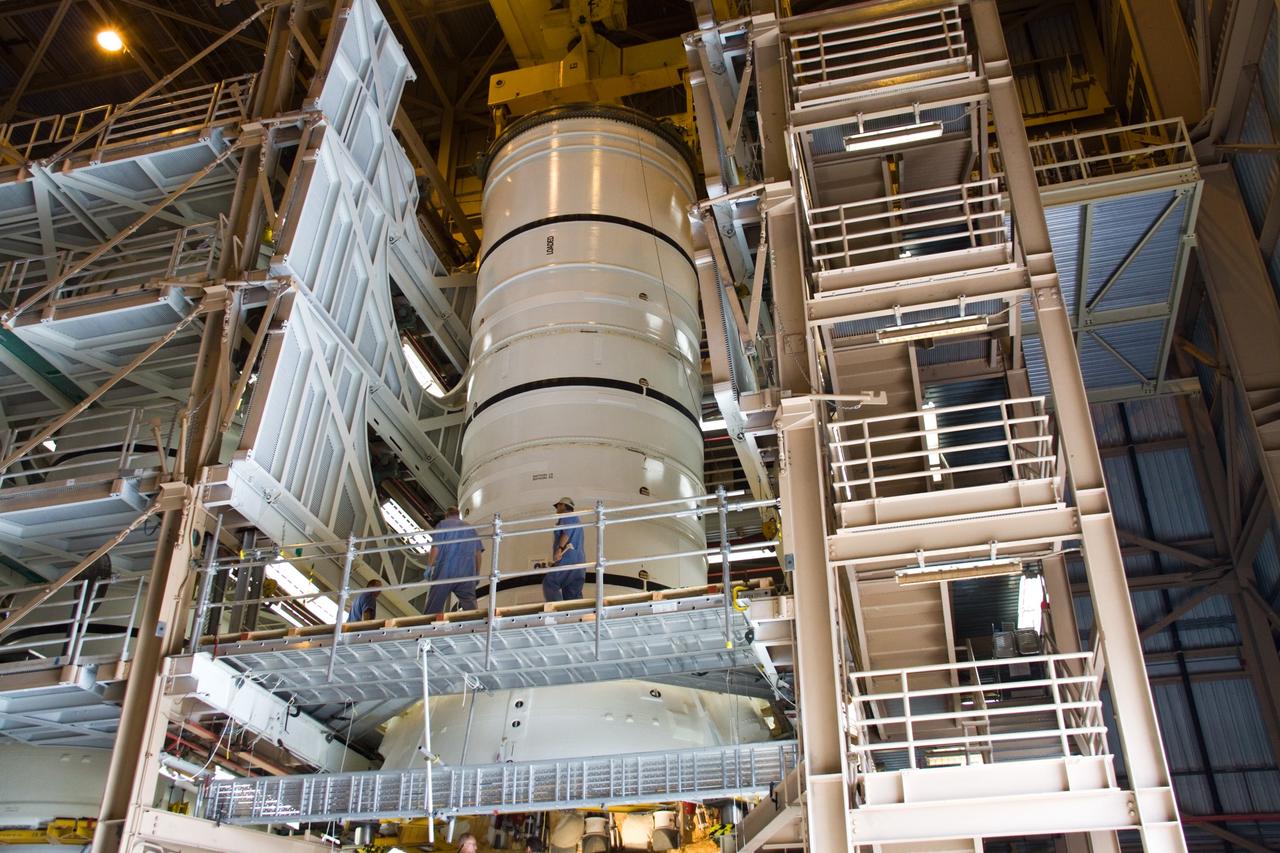
CAPE CANAVERAL, Fla. – In the Rotation, Processing, and Surge Facility at NASA's Kennedy Space Center in Florida, the Ares I-X aft skirt is mated to the aft segment. The complete Ares I-X will be assembled in the Vehicle Assembly Building. The launch of Ares I-X is targeted for August 2009. Photo credit: NASA/Jack Pfaller
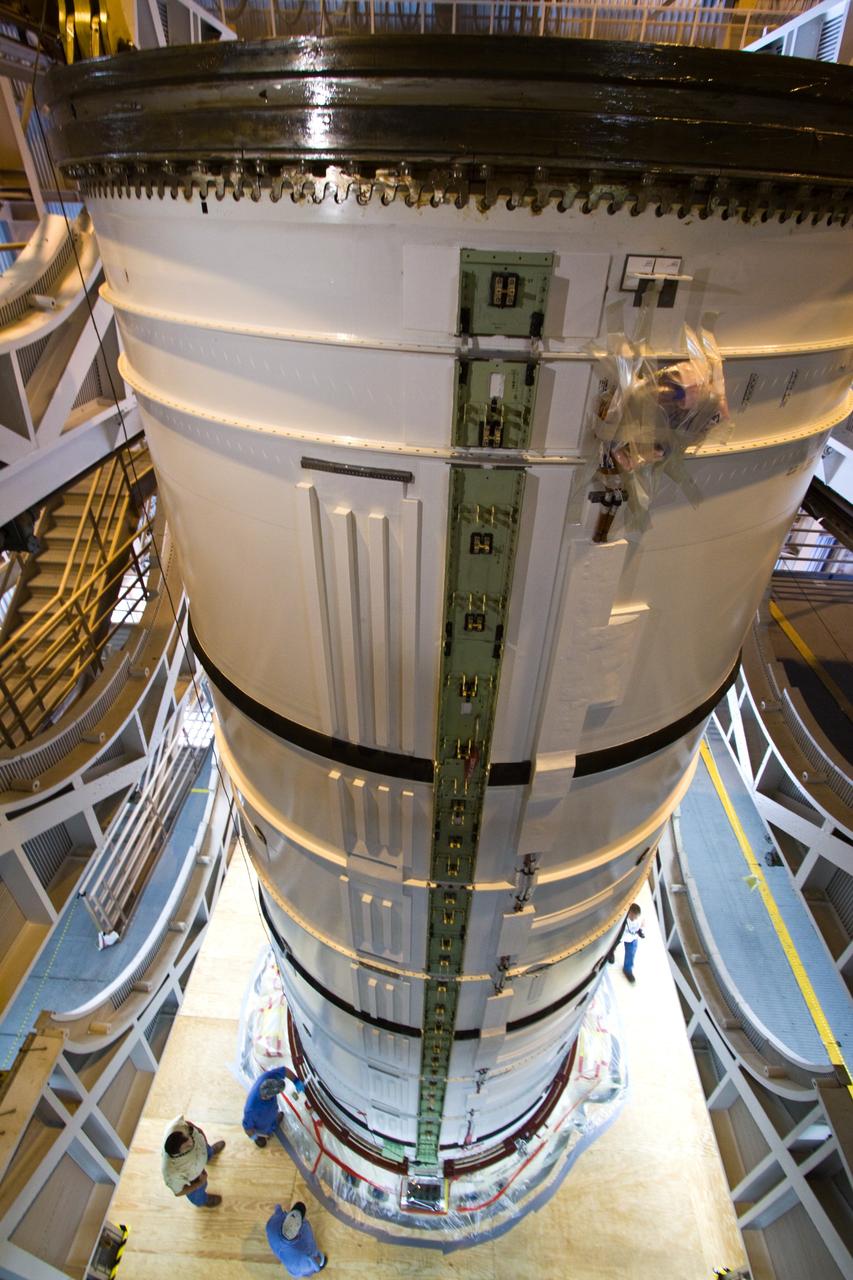
CAPE CANAVERAL, Fla. – In the Rotation, Processing, and Surge Facility at NASA's Kennedy Space Center in Florida, the Ares I-X aft skirt is mated to the aft segment. The complete Ares I-X will be assembled in the Vehicle Assembly Building. The launch of Ares I-X is targeted for August 2009. Photo credit: NASA/Jack Pfaller
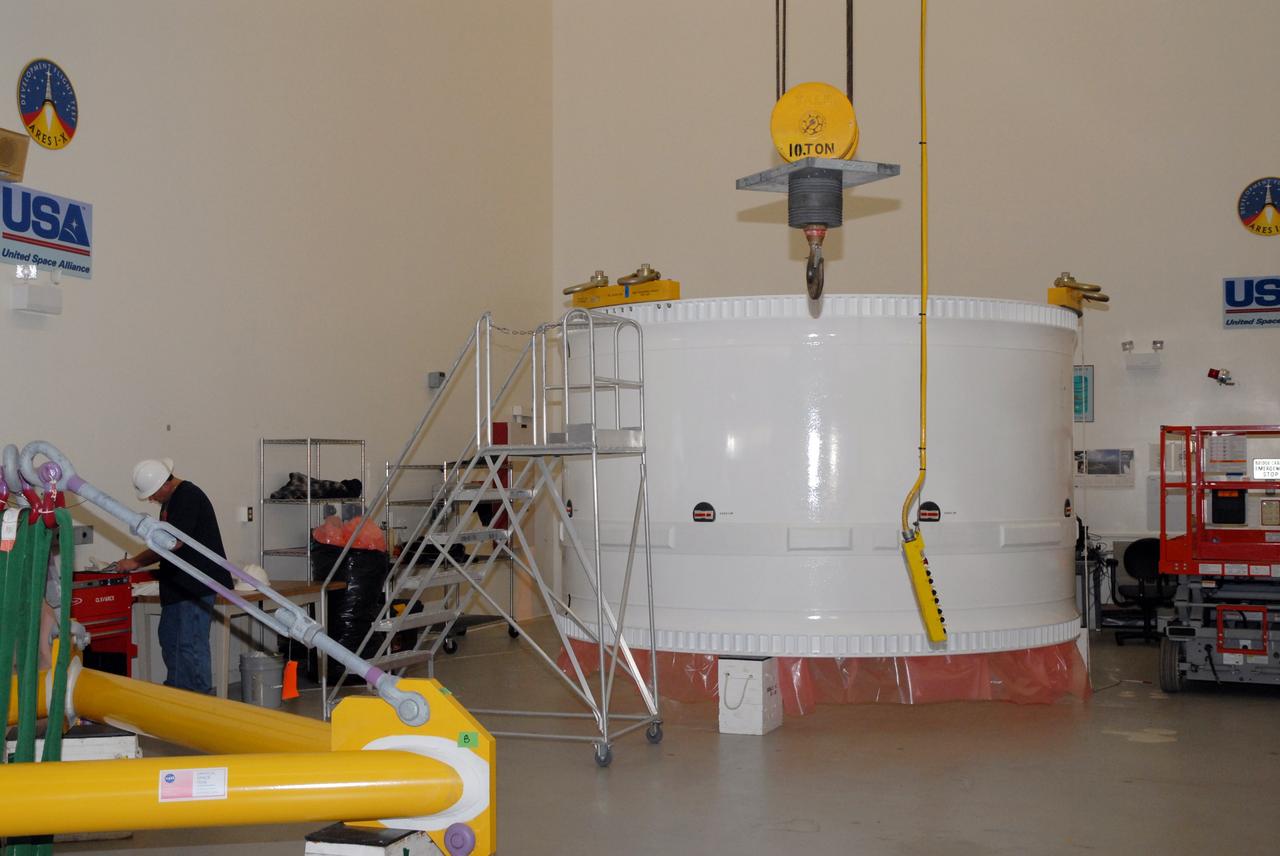
CAPE CANAVERAL, Fla. – In the Vehicle Assembly Building at NASA's Kennedy Space Center in Florida, the fifth segment simulator of the Ares I-X is on a work stand. Ares I-X is the test vehicle for the Ares I, which is part of the Constellation Program to return men to the moon and beyond. Ares I is the essential core of a safe, reliable, cost-effective space transportation system that eventually will carry crewed missions back to the moon, on to Mars and out into the solar system. Ares I-X is targeted for launch in July 2009.
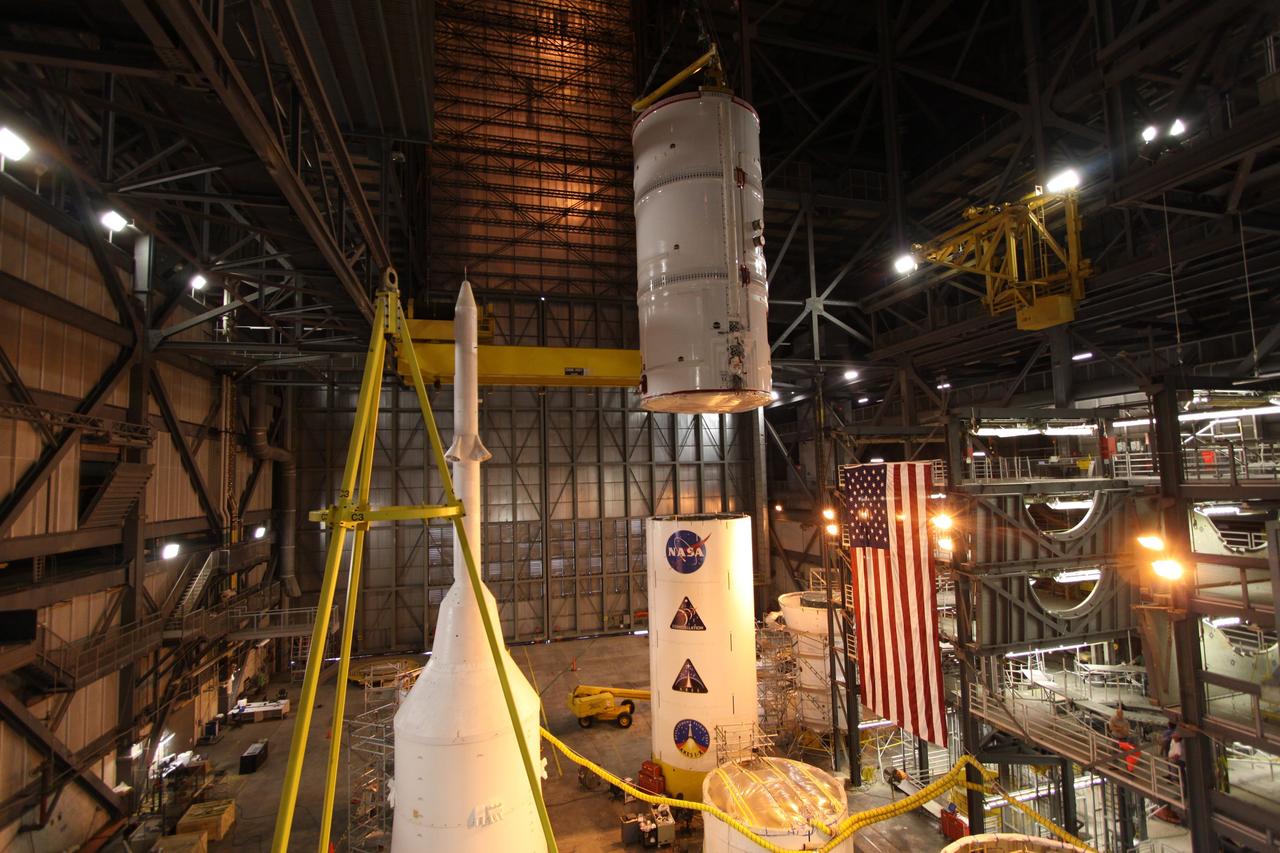
CAPE CANAVERAL, Fla. – In the Vehicle Assembly Building at NASA's Kennedy Space Center in Florida, the Ares I-X fifth segment simulator assembly is lowered into High Bay 4 where other Ares I-X segments are located. Ares I-X is the flight test vehicle for the Ares I, the essential core of a safe, reliable, cost-effective space transportation system that eventually will carry crewed missions back to the moon, on to Mars and out into the solar system. Ares I-X is targeted for launch in August 2009. Photo credit: NASA/Kim Shiflett
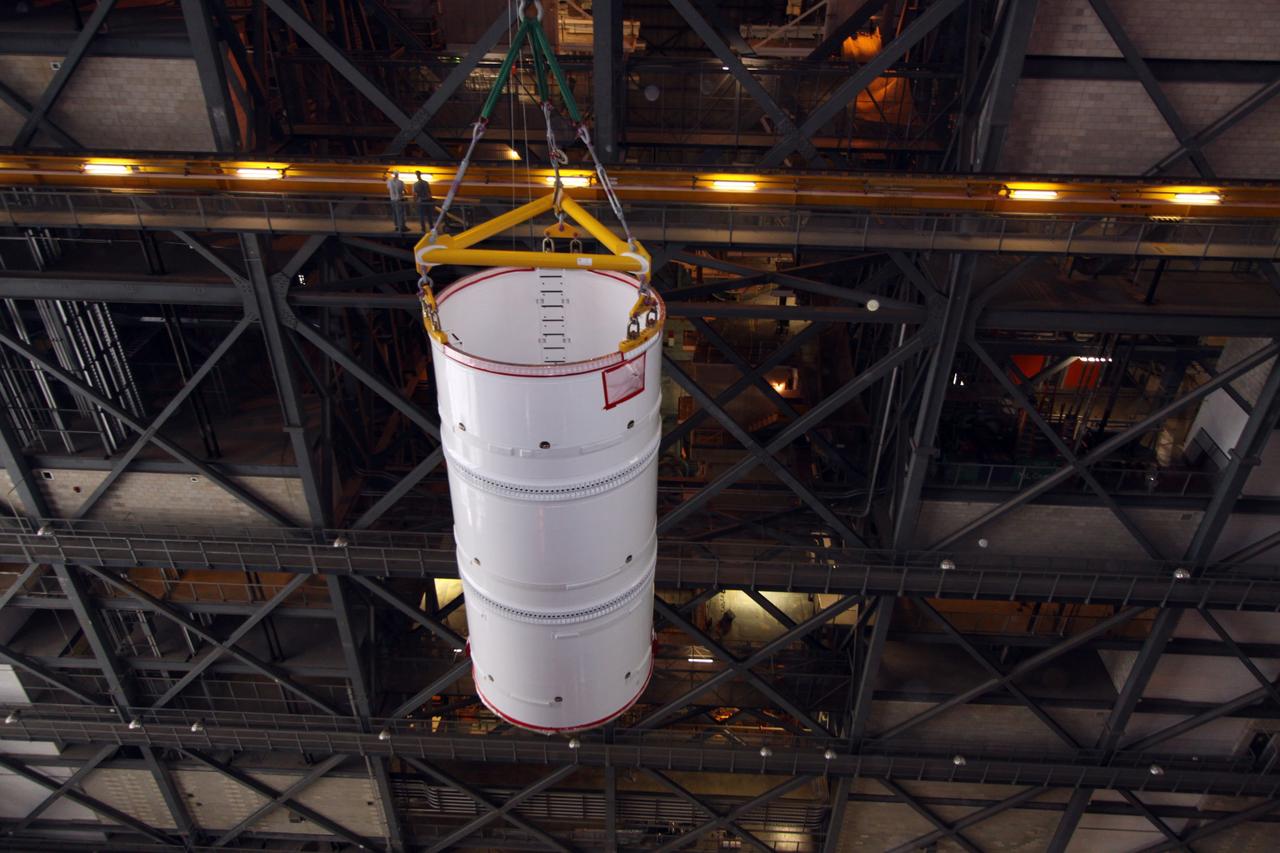
CAPE CANAVERAL, Fla. – In the Vehicle Assembly Building at NASA's Kennedy Space Center in Florida, the Ares I-X fifth segment simulator assembly is lifted from the transfer aisle. It will be moved into High Bay 4 with other Ares I-X segments. Ares I-X is the flight test vehicle for the Ares I, the essential core of a safe, reliable, cost-effective space transportation system that eventually will carry crewed missions back to the moon, on to Mars and out into the solar system. Ares I-X is targeted for launch in August 2009. Photo credit: NASA/Kim Shiflett
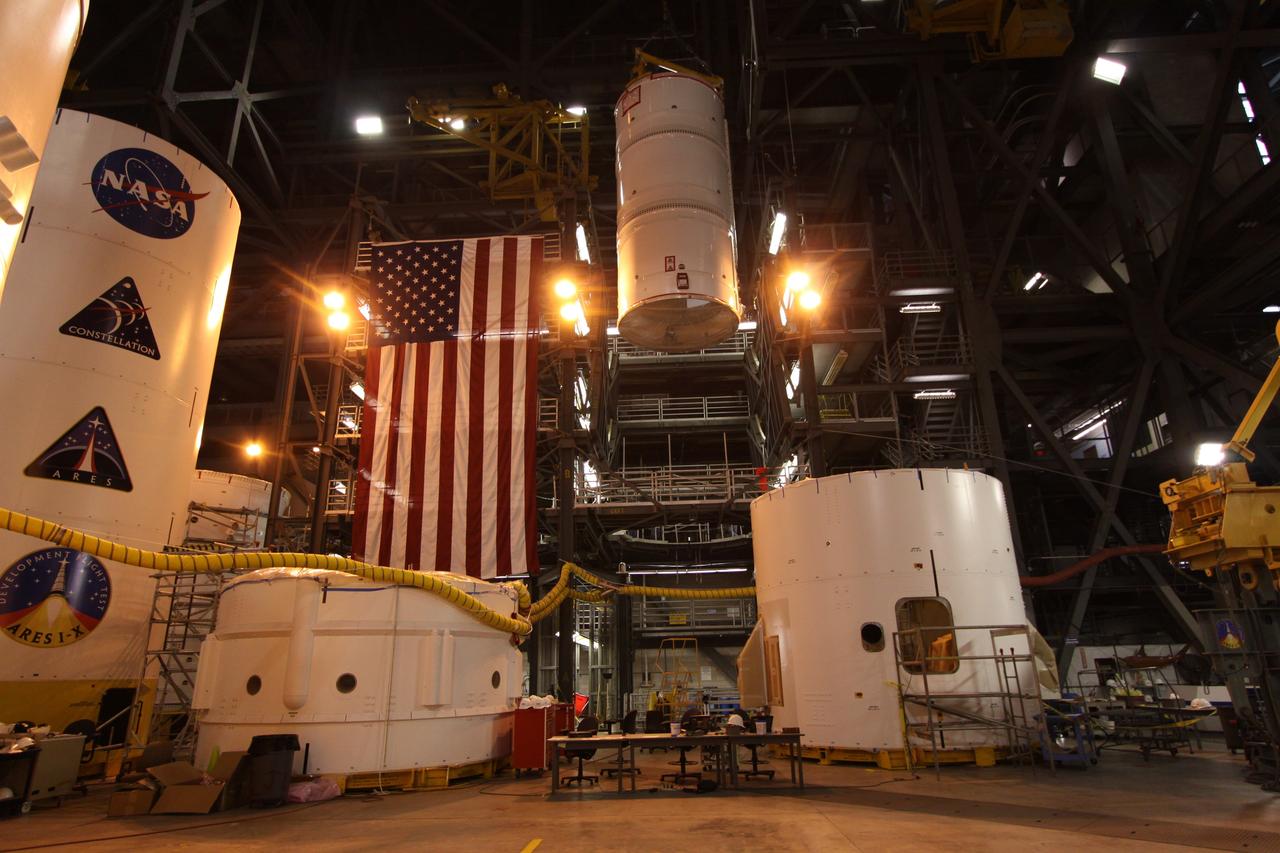
CAPE CANAVERAL, Fla. – In the Vehicle Assembly Building at NASA's Kennedy Space Center in Florida, the Ares I-X fifth segment simulator assembly is lowered into High Bay 4 where other Ares I-X segments are located. Ares I-X is the flight test vehicle for the Ares I, the essential core of a safe, reliable, cost-effective space transportation system that eventually will carry crewed missions back to the moon, on to Mars and out into the solar system. Ares I-X is targeted for launch in August 2009. Photo credit: NASA/Kim Shiflett
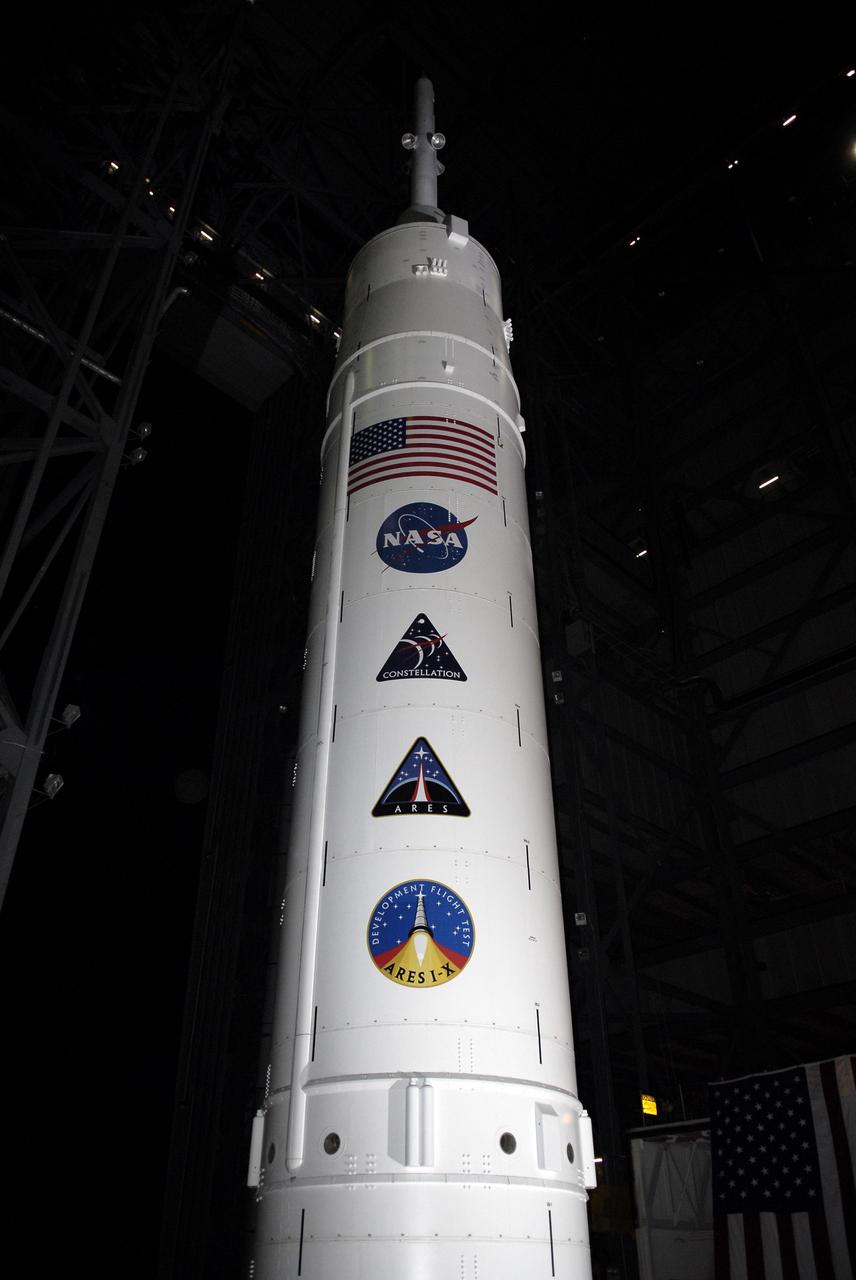
CAPE CANAVERAL, Fla. - Poised inside Vehicle Assembly Building at NASA's Kennedy Space Center in Florida, the Ares I-X rocket's upper stage is adorned with the American flag, NASA logo, and the logos of the Constellation Program, Ares, and Ares I-X. The transfer of the pad from the Space Shuttle Program to the Constellation Program took place May 31. Modifications made to the pad include the removal of shuttle unique subsystems, such as the orbiter access arm and a section of the gaseous oxygen vent arm, along with the installation of three 600-foot lightning towers, access platforms, environmental control systems and a vehicle stabilization system. Part of the Constellation Program, the Ares I-X is the test vehicle for the Ares I. The Ares I-X flight test is targeted for Oct. 27. For information on the Ares I-X vehicle and flight test, visit http://www.nasa.gov/aresIX. Photo credit: NASA/Kim Shiflett
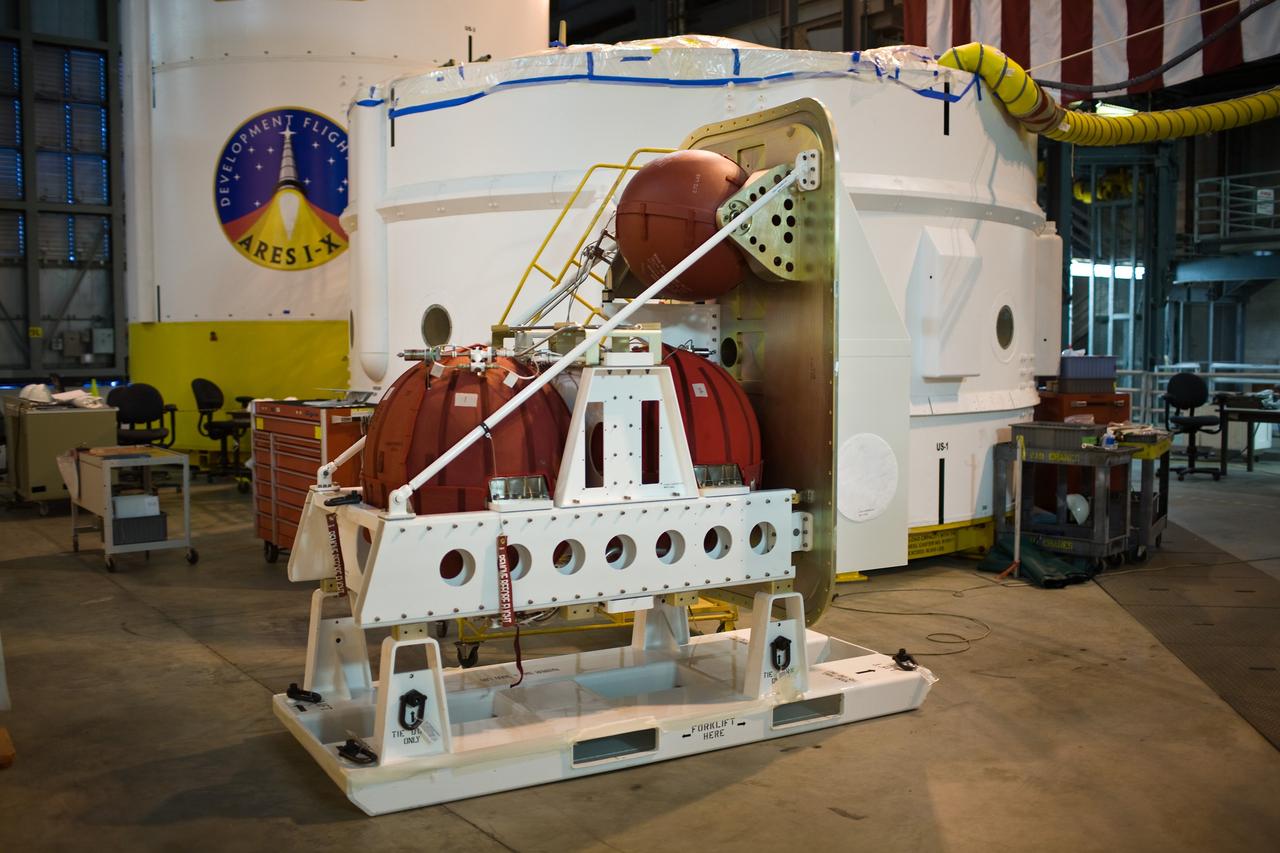
CAPE CANAVERAL, Fla. –– In High Bay 4 of the Vehicle Assembly Building at NASA's Kennedy Space Center in Florida, a second roll control system module is ready to be installed in an Ares I-X segment. Ares I-X is the test vehicle for the Ares I, which is part of the Constellation Program to return men to the moon and beyond. Ares I-X is targeted for launch in August 2009. Photo credit: NASA/Dimitri Gerondidakis
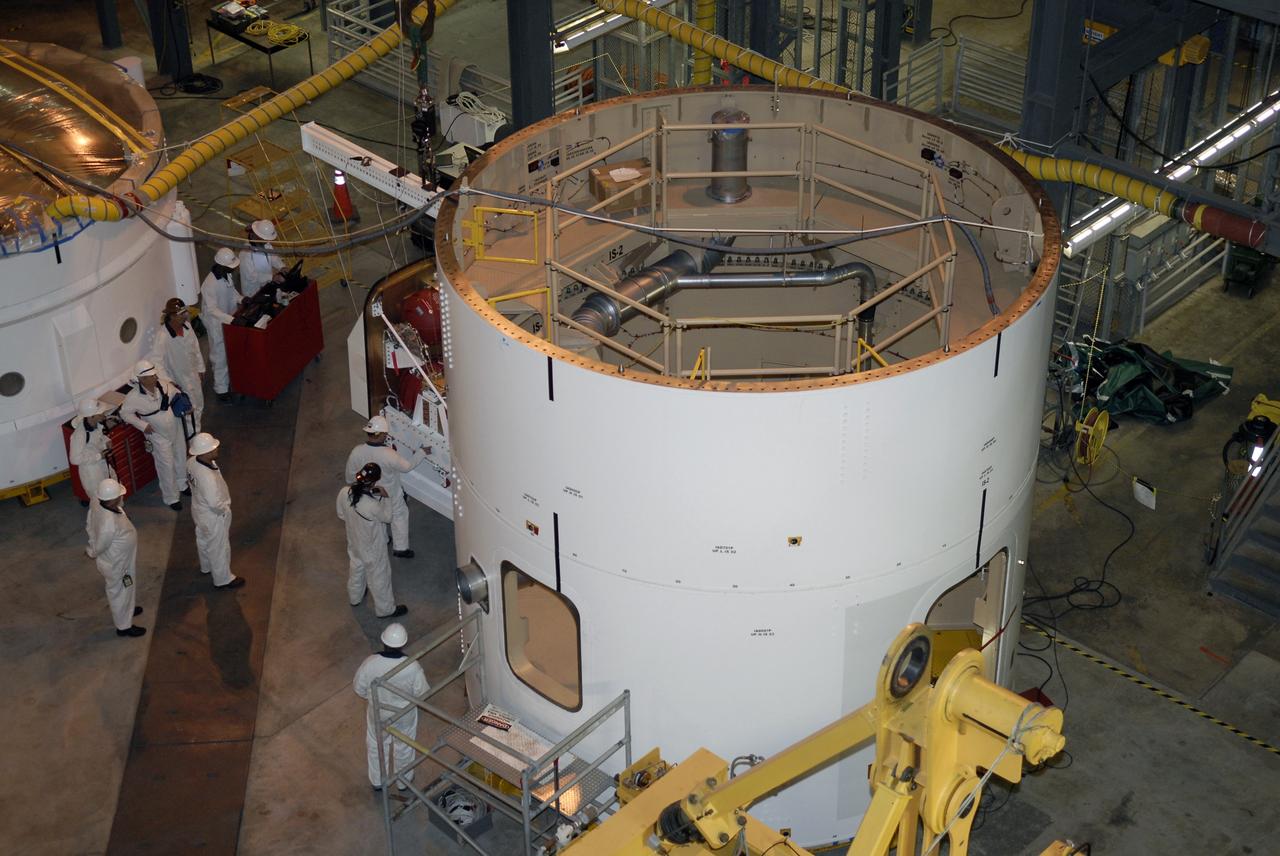
CAPE CANAVERAL, Fla. –– In high bay 4 of the Vehicle Assembly Building at NASA's Kennedy Space Center in Florida, at left center, technicians install the roll control system in the Ares I-X segment in the center. Ares I-X is the test vehicle for the Ares I, which is part of the Constellation Program to return men to the moon and beyond. Ares I-X is targeted for launch in July 2009. Photo credit: NASA/Kim Shiflett
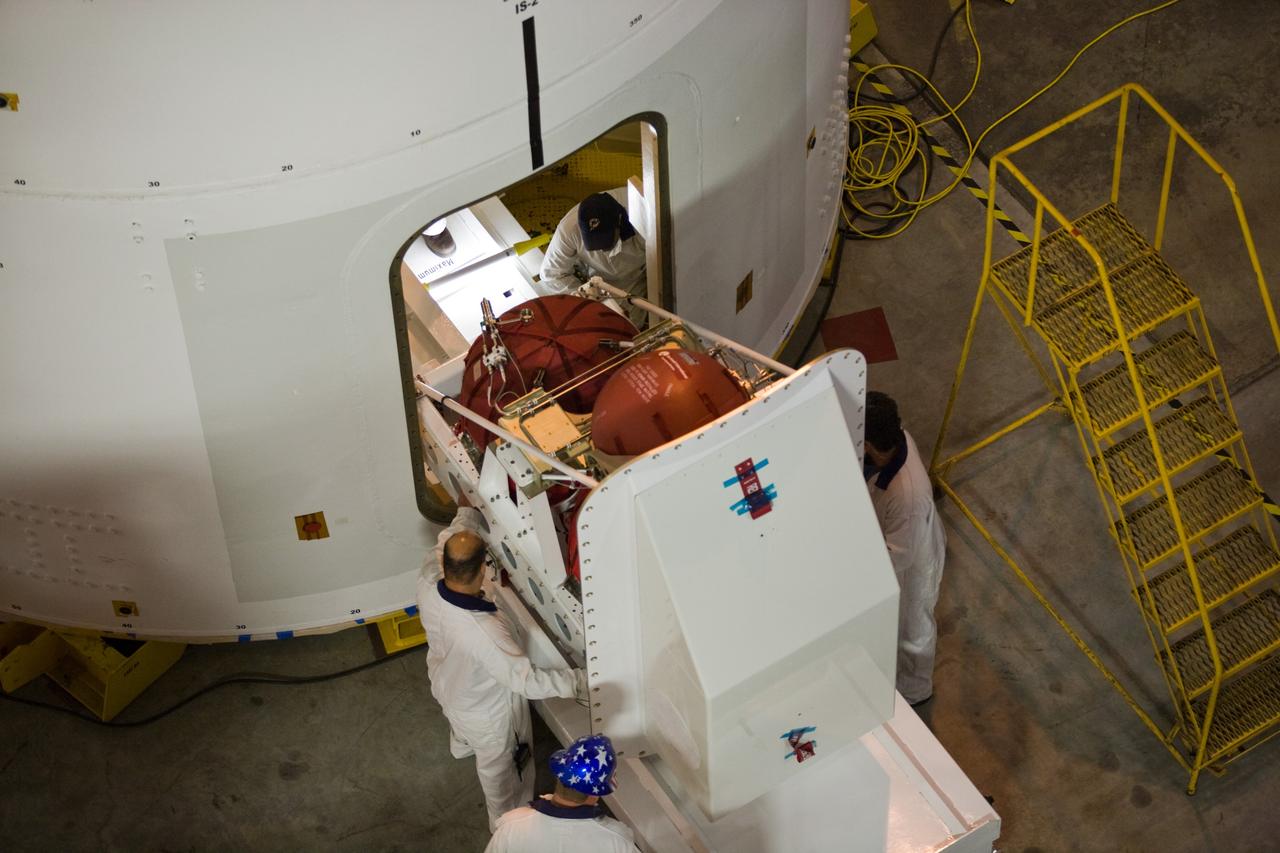
CAPE CANAVERAL, Fla. –– In High Bay 4 of the Vehicle Assembly Building at NASA's Kennedy Space Center in Florida, technicians maneuver a second roll control system module into place for installation in the Ares I-X segment. Ares I-X is the test vehicle for the Ares I, which is part of the Constellation Program to return men to the moon and beyond. Ares I-X is targeted for launch in August 2009. Photo credit: NASA/Dimitri Gerondidakis
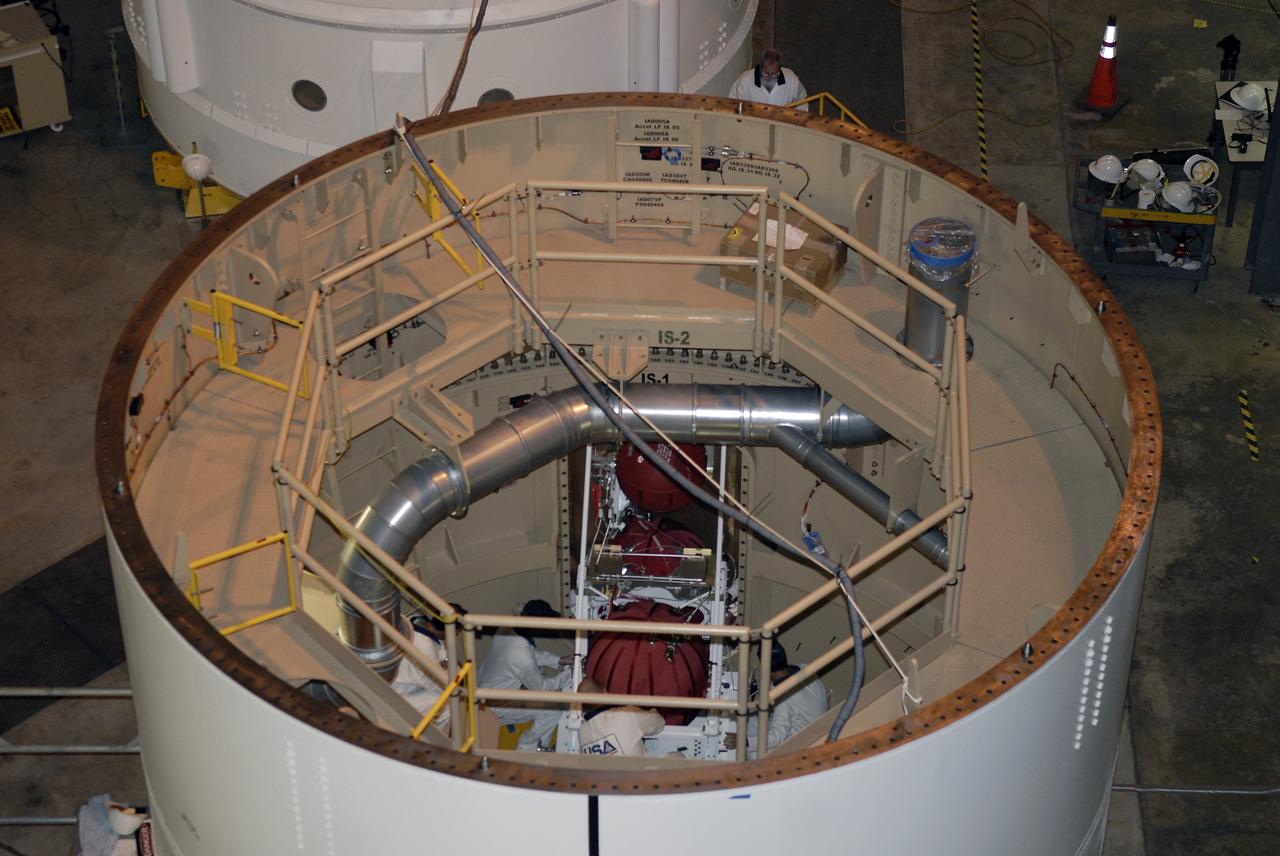
CAPE CANAVERAL, Fla. –– In high bay 4 of the Vehicle Assembly Building at NASA's Kennedy Space Center in Florida, technicians are seen inside the Ares I-X segment installing the roll control system. Ares I-X is the test vehicle for the Ares I, which is part of the Constellation Program to return men to the moon and beyond. Ares I-X is targeted for launch in July 2009. Photo credit: NASA/Kim Shiflett
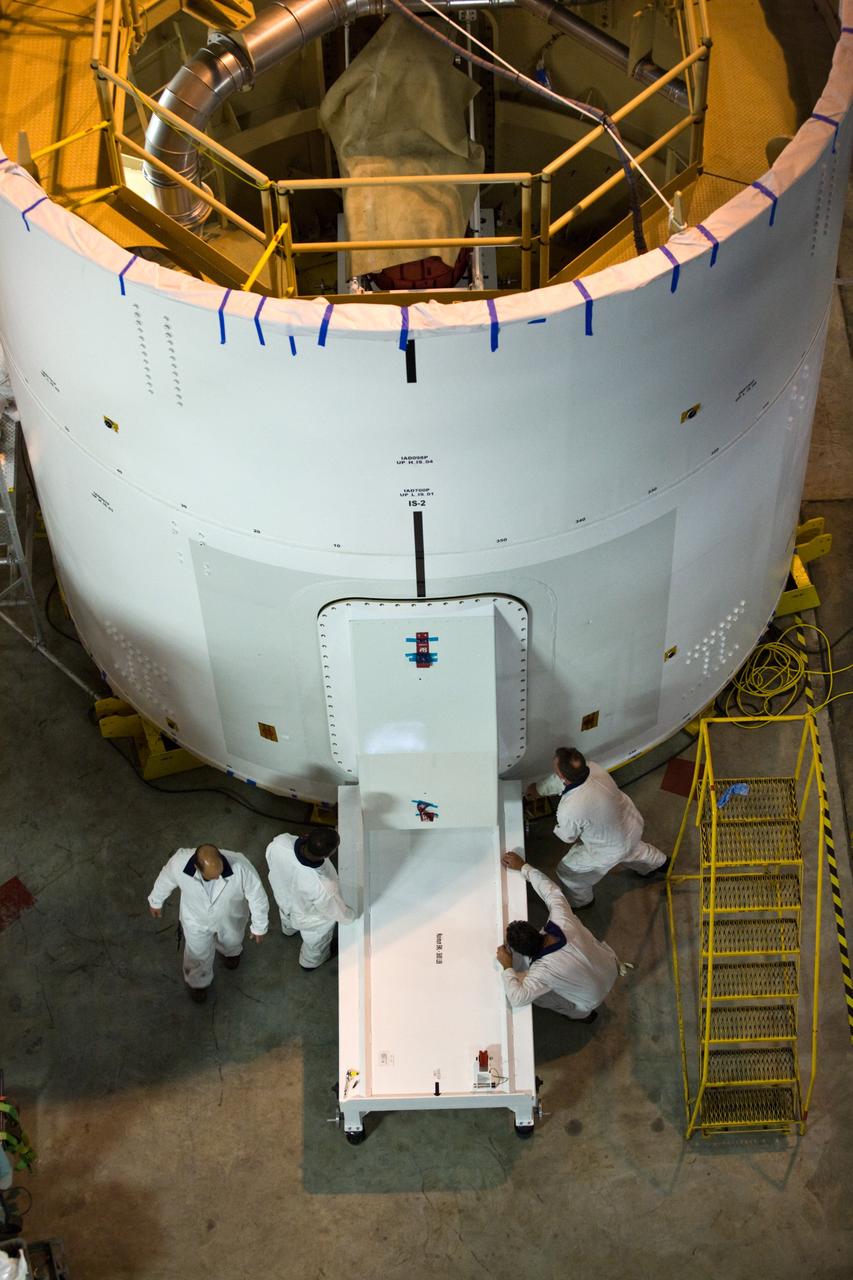
CAPE CANAVERAL, Fla. –– In High Bay 4 of the Vehicle Assembly Building at NASA's Kennedy Space Center in Florida, technicians complete installation of a second roll control system module in an Ares I-X segment. Ares I-X is the test vehicle for the Ares I, which is part of the Constellation Program to return men to the moon and beyond. Ares I-X is targeted for launch in August 2009. Photo credit: NASA/Dimitri Gerondidakis
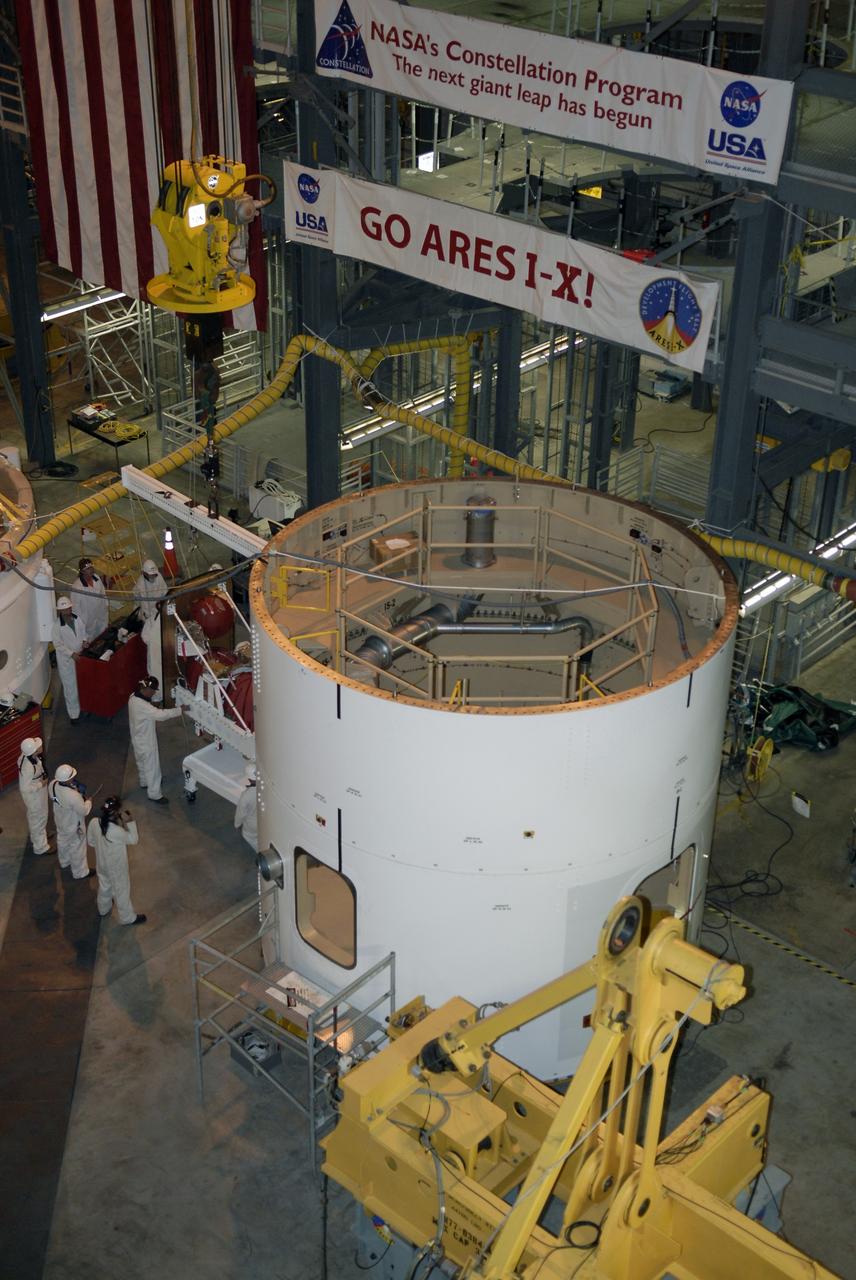
CAPE CANAVERAL, Fla. – In high bay 4 of the Vehicle Assembly Building at NASA's Kennedy Space Center in Florida, at left center, technicians get ready to install the roll control system in the Ares I-X segment in the center. Ares I-X is the test vehicle for the Ares I, which is part of the Constellation Program to return men to the moon and beyond. Ares I-X is targeted for launch in July 2009. Photo credit: NASA/Kim Shiflett
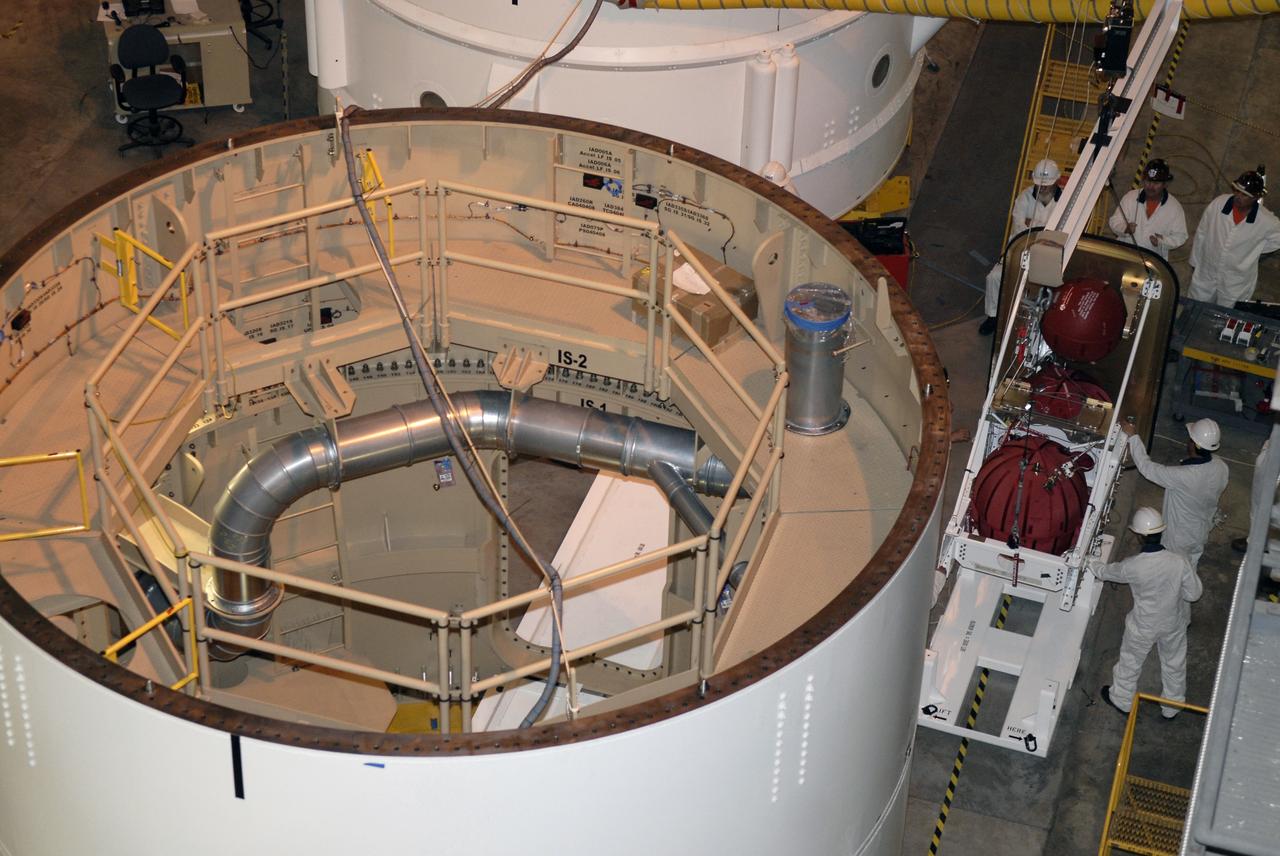
CAPE CANAVERAL, Fla. – In high bay 4 of the Vehicle Assembly Building at NASA's Kennedy Space Center in Florida, at right, technicians get ready to install the roll control system in the Ares I-X segment at left. Ares I-X is the test vehicle for the Ares I, which is part of the Constellation Program to return men to the moon and beyond. Ares I-X is targeted for launch in July 2009. Photo credit: NASA/Kim Shiflett
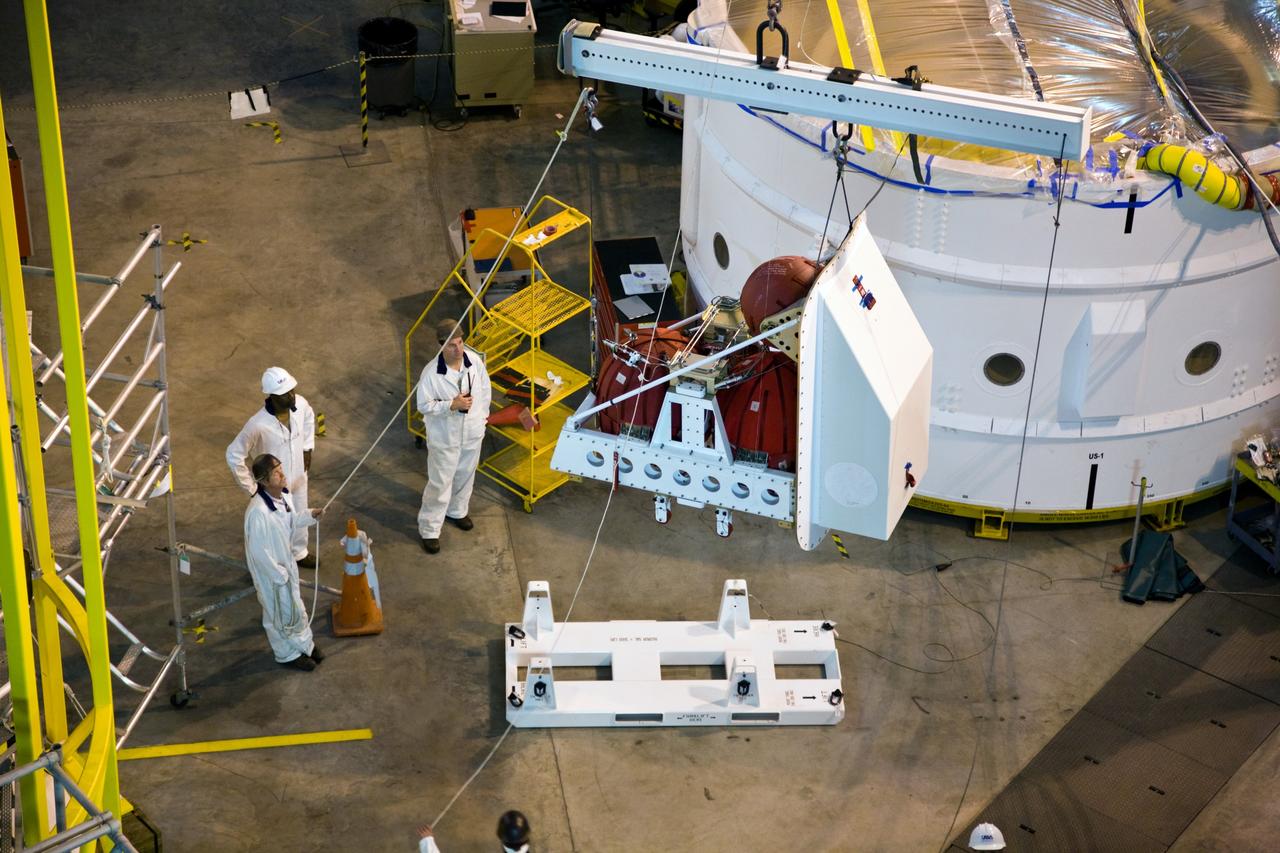
CAPE CANAVERAL, Fla. –– In High Bay 4 of the Vehicle Assembly Building at NASA's Kennedy Space Center in Florida, a crane lifts a second roll control system module for installation in an Ares I-X segment. Ares I-X is the test vehicle for the Ares I, which is part of the Constellation Program to return men to the moon and beyond. Ares I-X is targeted for launch in August 2009. Photo credit: NASA/Dimitri Gerondidakis

CAPE CANAVERAL, Fla. –– In High Bay 4 of the Vehicle Assembly Building at NASA's Kennedy Space Center in Florida, technicians are ready to maneuver a second roll control system module into place for installation in the Ares I-X segment. Ares I-X is the test vehicle for the Ares I, which is part of the Constellation Program to return men to the moon and beyond. Ares I-X is targeted for launch in August 2009. Photo credit: NASA/Dimitri Gerondidakis
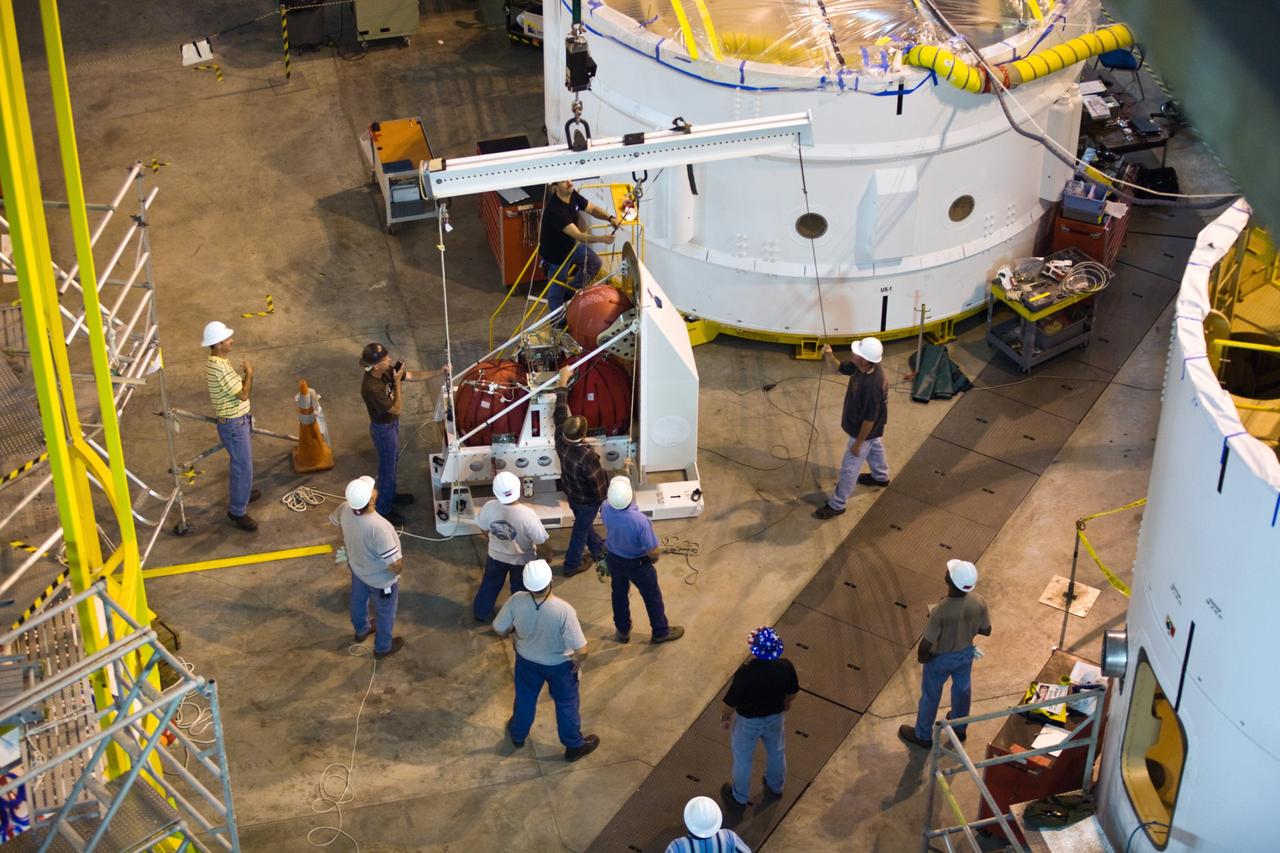
CAPE CANAVERAL, Fla. –– In High Bay 4 of the Vehicle Assembly Building at NASA's Kennedy Space Center in Florida, technicians maneuver the crane that will lift a second roll control system module for installation in an Ares I-X segment. Ares I-X is the test vehicle for the Ares I, which is part of the Constellation Program to return men to the moon and beyond. Ares I-X is targeted for launch in August 2009. Photo credit: NASA/Dimitri Gerondidakis
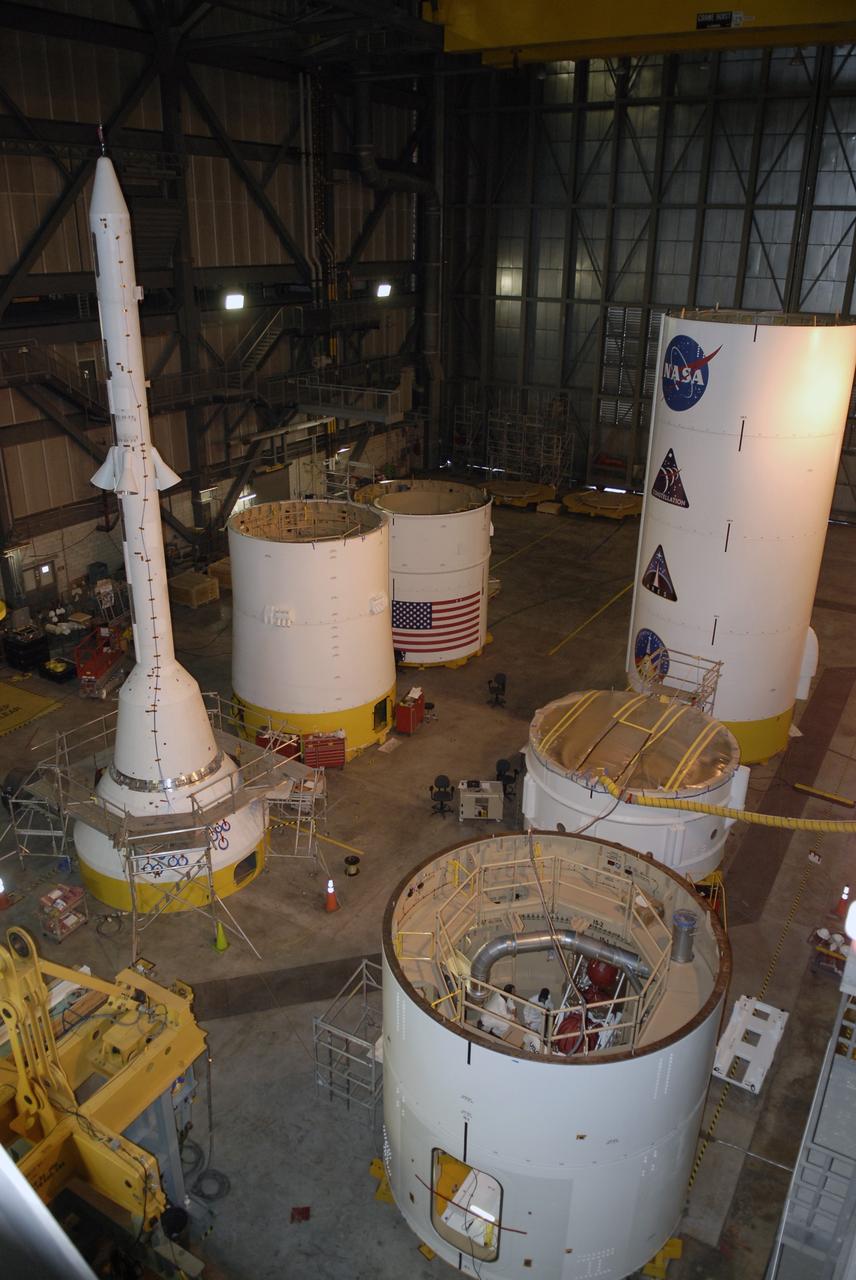
CAPE CANAVERAL, Fla. –– In the lower right, the roll control system can be seen installed inside the Ares I-X segment. The work is being done in high bay 4 of the Vehicle Assembly Building at NASA's Kennedy Space Center in Florida. Ares I-X is the test vehicle for the Ares I, which is part of the Constellation Program to return men to the moon and beyond. Ares I-X is targeted for launch in July 2009. Photo credit: NASA/Kim Shiflett
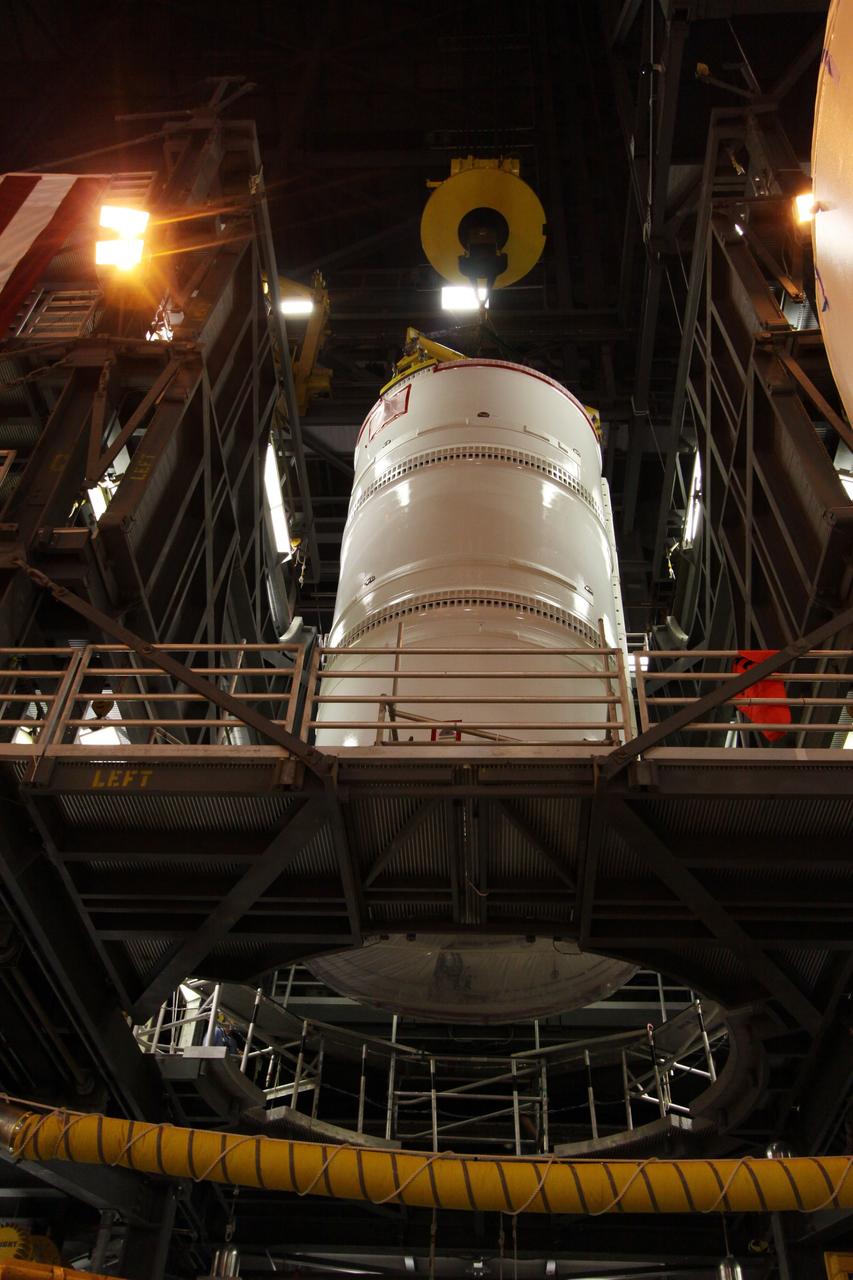
CAPE CANAVERAL, Fla. – In the Vehicle Assembly Building at NASA's Kennedy Space Center in Florida, the Ares I-X fifth segment simulator assembly is lowered through a work platform in High Bay 4. Ares I-X is the flight test vehicle for the Ares I, the essential core of a safe, reliable, cost-effective space transportation system that eventually will carry crewed missions back to the moon, on to Mars and out into the solar system. Ares I-X is targeted for launch in August 2009. Photo credit: NASA/Kim Shiflett
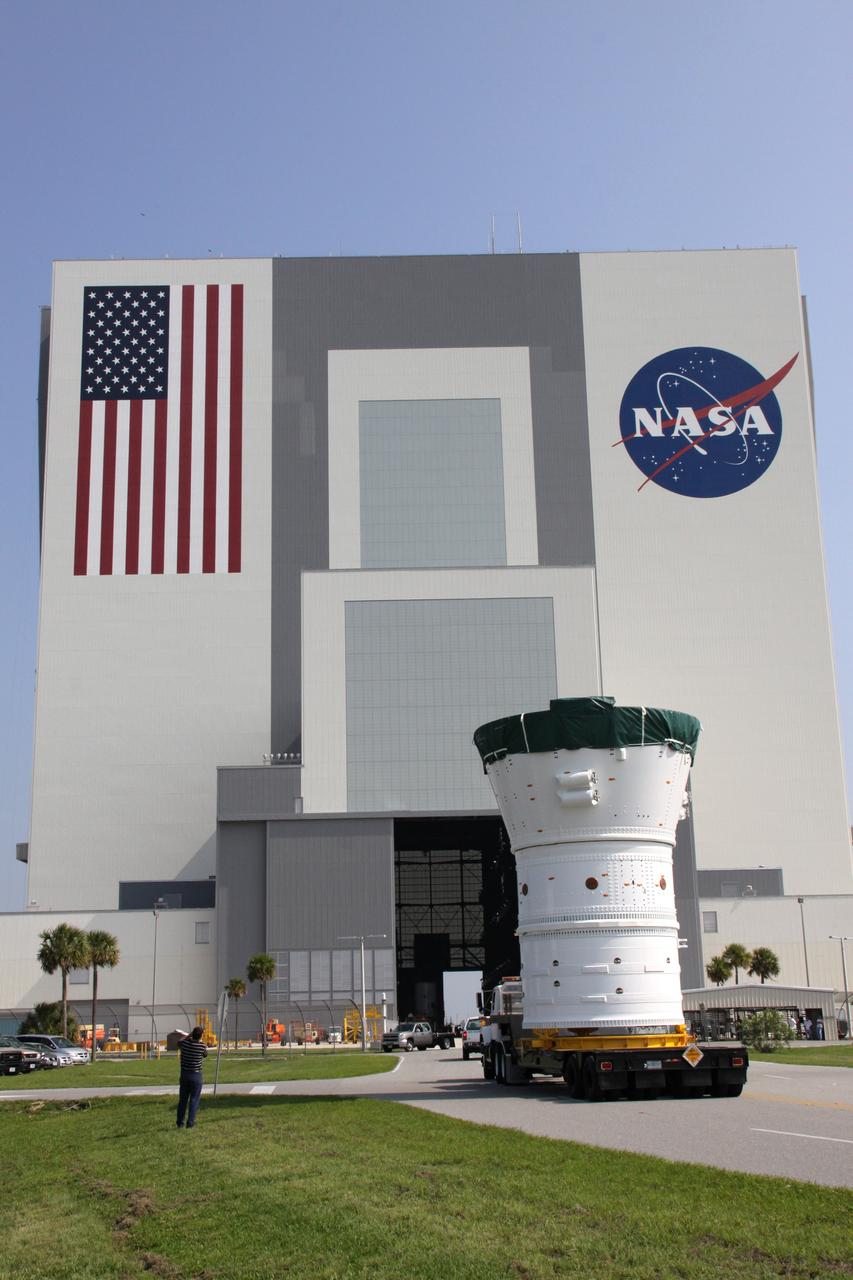
CAPE CANAVERAL, Fla. – At NASA's Kennedy Space Center in Florida, the Ares I-X forward assembly comprising the frustum, forward skirt extension and forward skirt heads for the Vehicle Assembly Building, in the background. In the VAB's High Bay 4, the forward assembly will undergo processing and stacking to the upper stage. Ares I-X is the flight test for the Ares I which will provide NASA an early opportunity to test and prove hardware, facilities and ground operations associated with Ares I, which is part of the Constellation Program to return men to the moon and beyond. Launch of the Ares I-X flight test is targeted for August 2009. Photo credit: NASA/Jack Pfaller

CAPE CANAVERAL, Fla. – The Ares I-X fifth segment simulator aft section heads for the open door of the Vehicle Assembly Building at NASA's Kennedy Space Center in Florida. Ares I-X is the test vehicle for the Ares I, which is part of the Constellation Program to return men to the moon and beyond. Ares I is the essential core of a safe, reliable, cost-effective space transportation system that eventually will carry crewed missions back to the moon, on to Mars and out into the solar system. Ares I-X is targeted for launch in July 2009. Photo credit: NASA/Troy Cryder
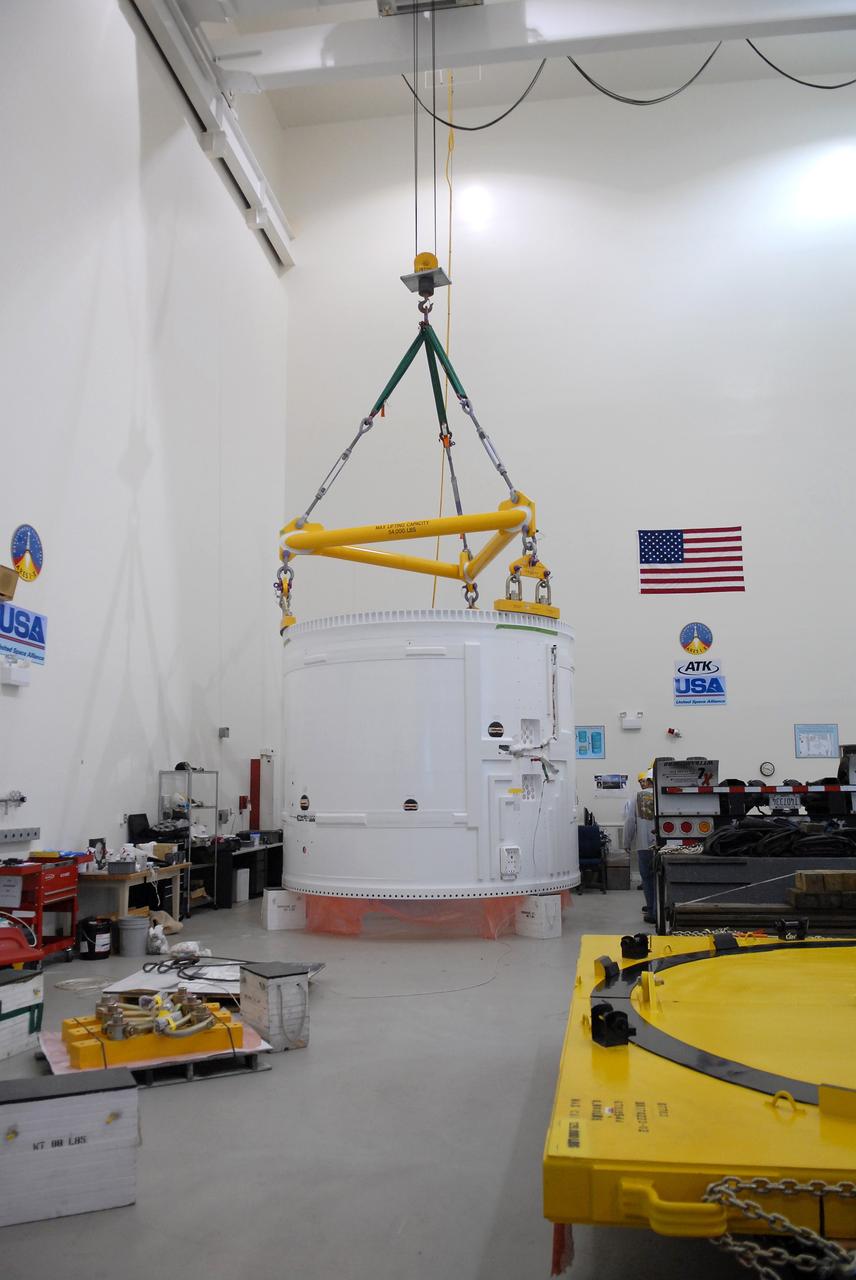
CAPE CANAVERAL, Fla. – The Ares I-X fifth segment simulator aft section is lowered onto a stand in the Vehicle Assembly Building's extended duration orbiter lab, or EDO, at NASA's Kennedy Space Center in Florida. Ares I-X is the test vehicle for the Ares I, which is part of the Constellation Program to return men to the moon and beyond. Ares I is the essential core of a safe, reliable, cost-effective space transportation system that eventually will carry crewed missions back to the moon, on to Mars and out into the solar system. Ares I-X is targeted for launch in July 2009. Photo credit: NASA/Troy Cryder
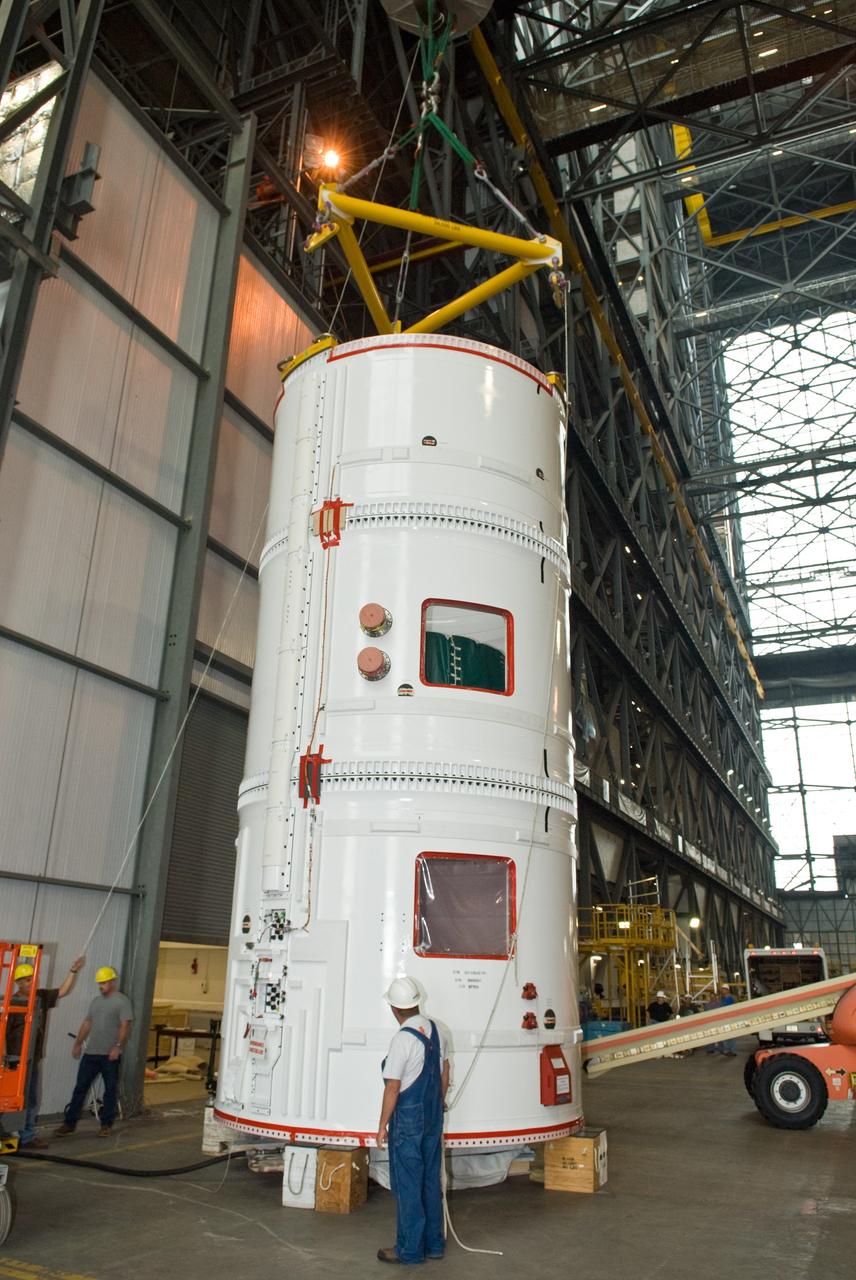
CAPE CANAVERAL, Fla. – In the transfer aisle of the Vehicle Assembly Building at NASA's Kennedy Space Center in Florida, a crane is attached to the fifth segment simulator assembly for the Ares I-X. The crane will lift and move the segment assembly into High Bay 4. Ares I-X is the flight test vehicle for the Ares I, a component of the Constellation Program. Ares I is the essential core of a safe, reliable, cost-effective space transportation system that eventually will carry crewed missions back to the moon, on to Mars and out into the solar system. The launch of the Ares I-X flight test is targeted for August 2009. Photo credit: NASA/Jim Grossmann
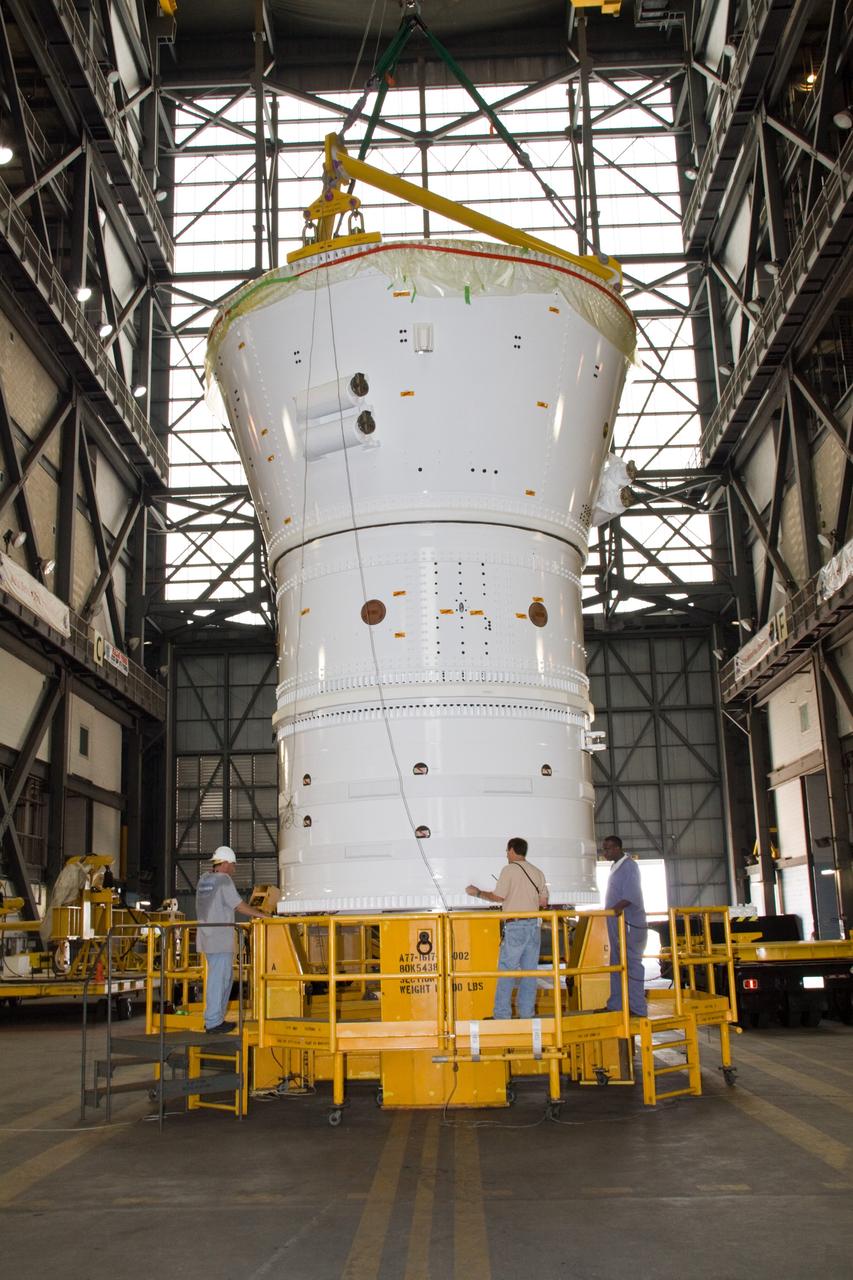
CAPE CANAVERAL, Fla. – In the Vehicle Assembly Building's transfer aisle at NASA's Kennedy Space Center in Florida, a crane lowers the Ares I-X forward assembly onto a stand in preparation for being moved into High Bay 4. Ares I-X is the flight test vehicle for the Ares I, a component of the Constellation Program. Ares I is the essential core of a safe, reliable, cost-effective space transportation system that eventually will carry crewed missions back to the moon, on to Mars and out into the solar system. The launch of the Ares I-X flight test is targeted for August 2009. Photo credit: NASA/Jack Pfaller
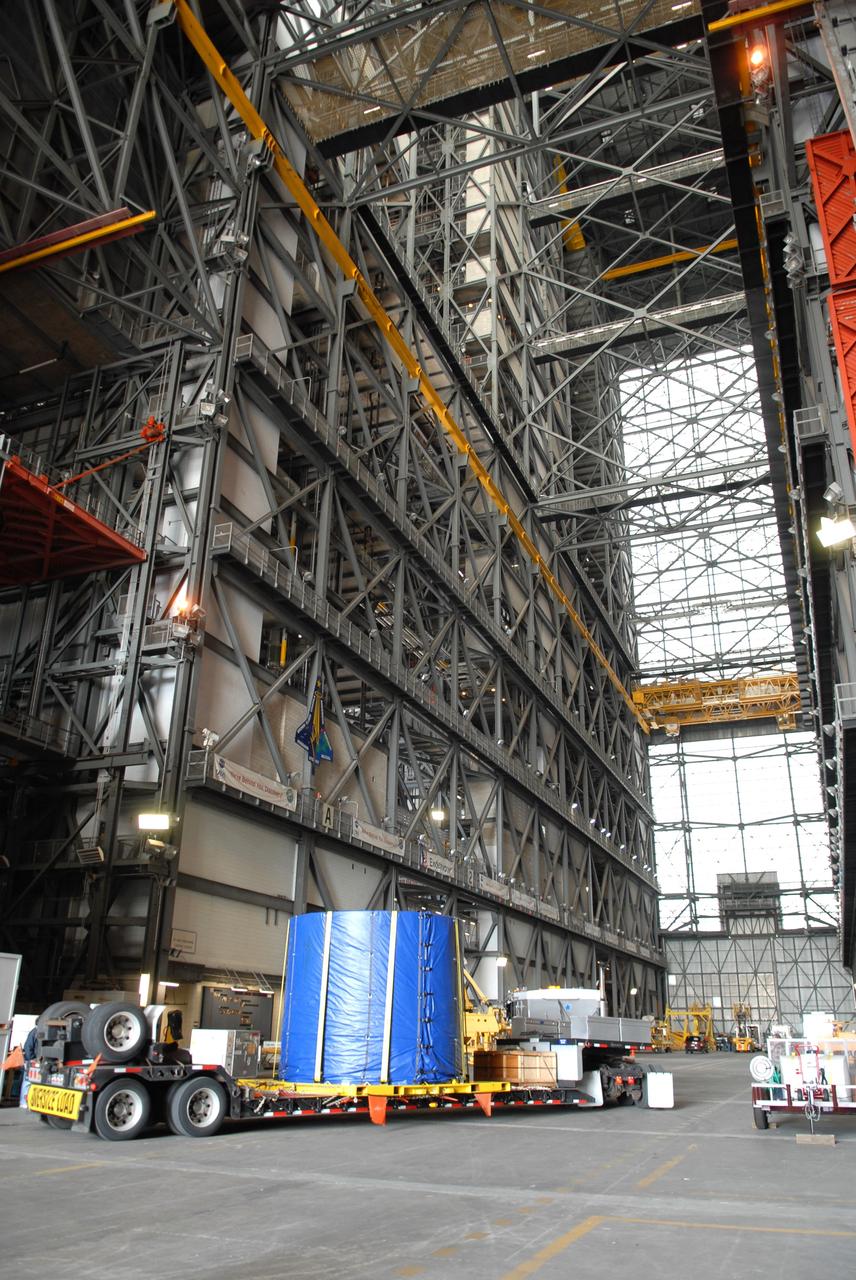
CAPE CANAVERAL, Fla. – The Ares I-X fifth segment simulator aft section arrives in the Vehicle Assembly Building at NASA's Kennedy Space Center in Florida. Ares I-X is the test vehicle for the Ares I, which is part of the Constellation Program to return men to the moon and beyond. Ares I is the essential core of a safe, reliable, cost-effective space transportation system that eventually will carry crewed missions back to the moon, on to Mars and out into the solar system. Ares I-X is targeted for launch in July 2009. Photo credit: NASA/Troy Cryder
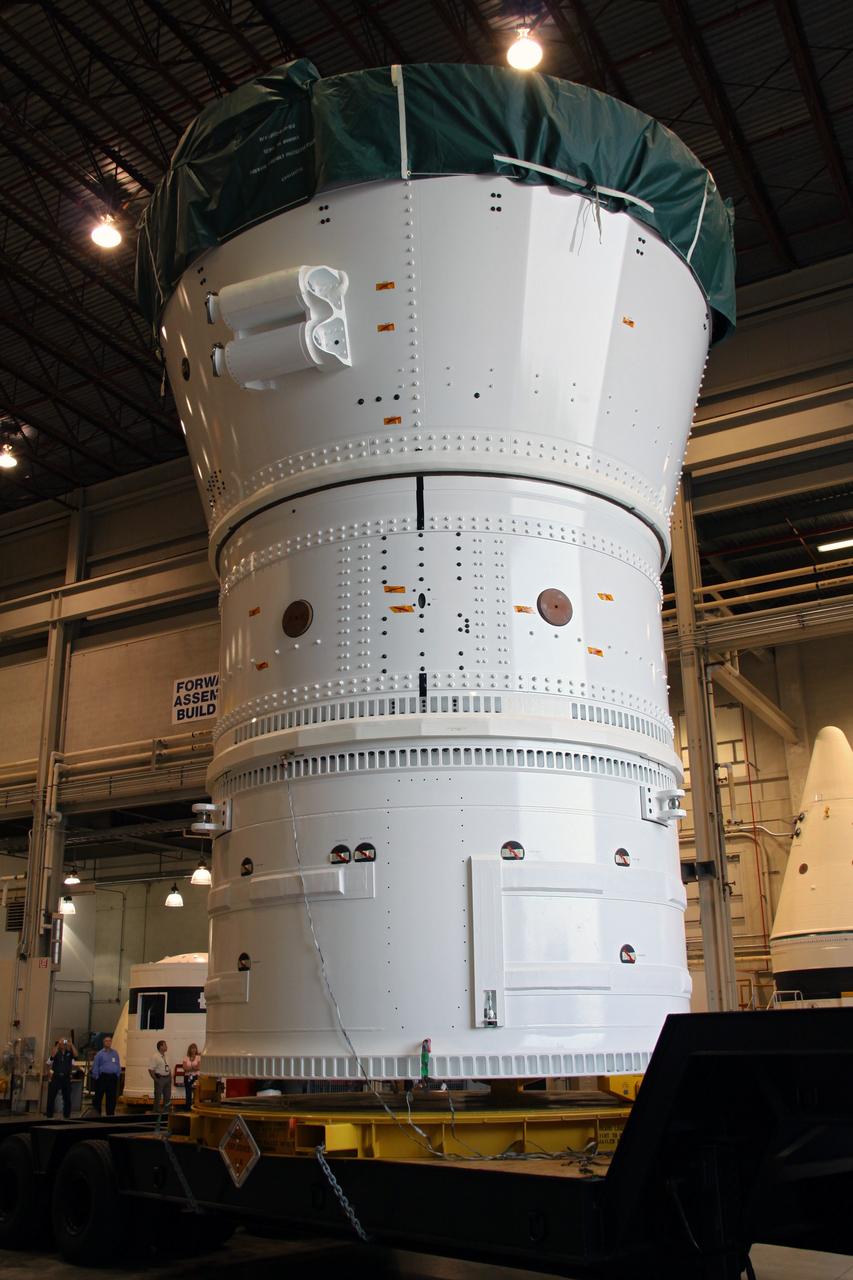
CAPE CANAVERAL, Fla. – In the Assembly and Refurbishment Facility at NASA's Kennedy Space Center in Florida, the Ares I-X forward assembly (comprising the frustum, forward skirt extension and forward skirt) is ready to be moved to the Vehicle Assembly Building for stacking operations with other segments. Ares I-X is the flight test for the Ares I which will provide NASA an early opportunity to test and prove hardware, facilities and ground operations associated with Ares I, which is part of the Constellation Program to return men to the moon and beyond. Launch of the Ares I-X flight test is targeted for August 2009. Photo credit: NASA/Jack Pfaller
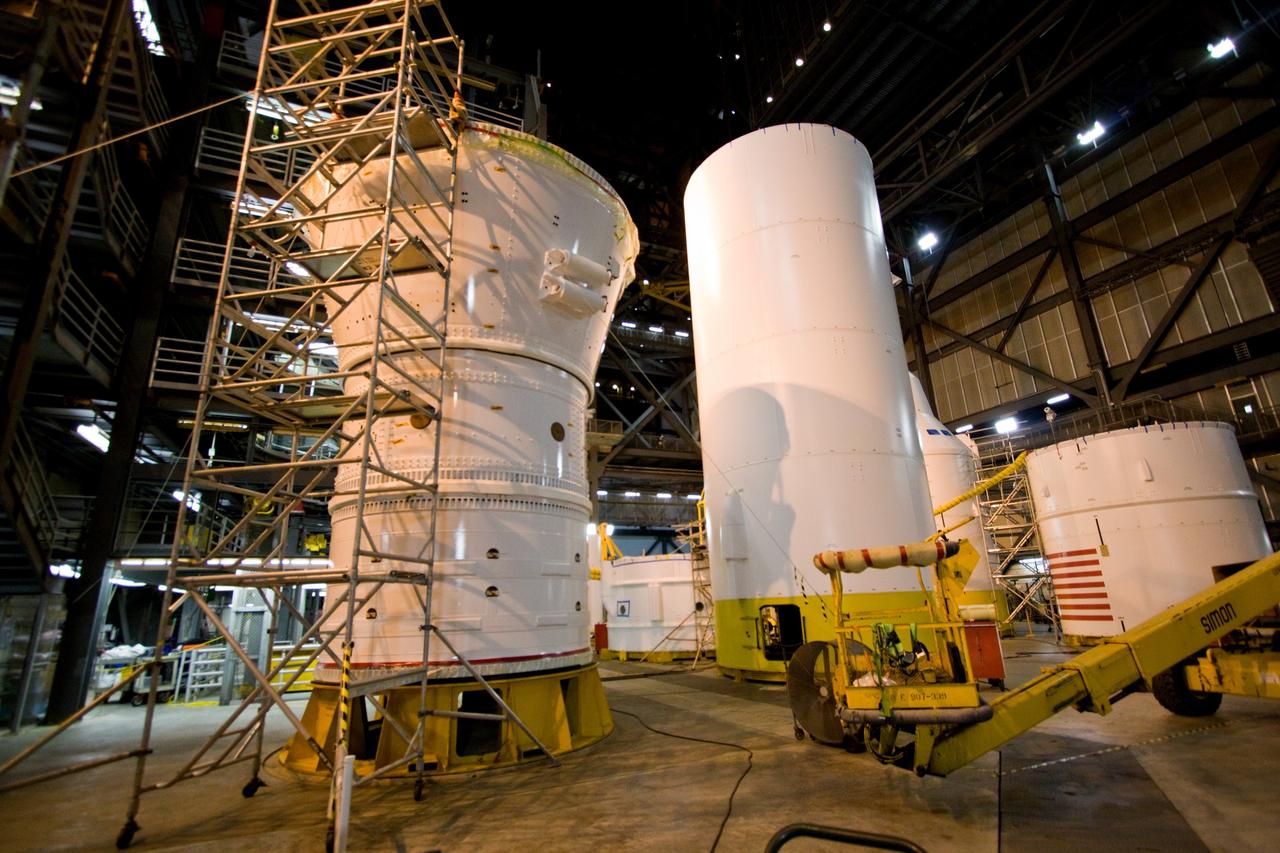
CAPE CANAVERAL, Fla. – In the Vehicle Assembly Building's High Bay 4 at NASA's Kennedy Space Center in Florida, the Ares I-X forward assembly has joined other segments on the floor. Ares I-X is the flight test vehicle for the Ares I, a component of the Constellation Program. Ares I is the essential core of a safe, reliable, cost-effective space transportation system that eventually will carry crewed missions back to the moon, on to Mars and out into the solar system. The launch of the Ares I-X flight test is targeted for August 2009. Photo credit: NASA/Jack Pfaller
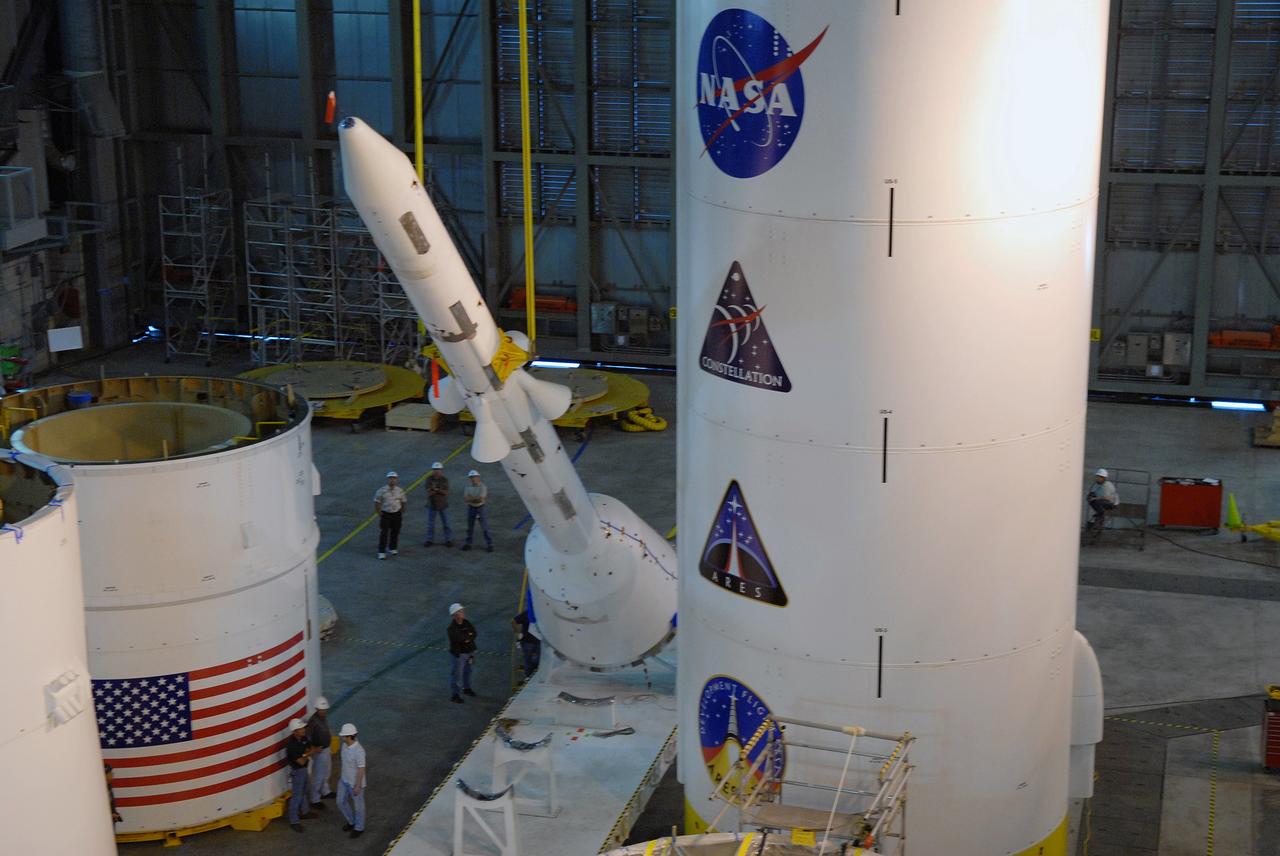
CAPE CANAVERAL, Fla. – In high bay 4 of the Vehicle Assembly Building at NASA's Kennedy Space Center in Florida, the crane raises the Ares I-X simulated launch abort system, or LAS, to a vertical position. The LAS will then be ready for assembly with the crew module simulator. Ares I-X is the flight test vehicle for the Ares I, which is part of the Constellation Program to return men to the moon and beyond. Ares I is the essential core of a safe, reliable, cost-effective space transportation system that eventually will carry crewed missions back to the moon, on to Mars and out into the solar system. Ares I-X is targeted for launch in July 2009. Photo credit: NASA/Jack Pfaller
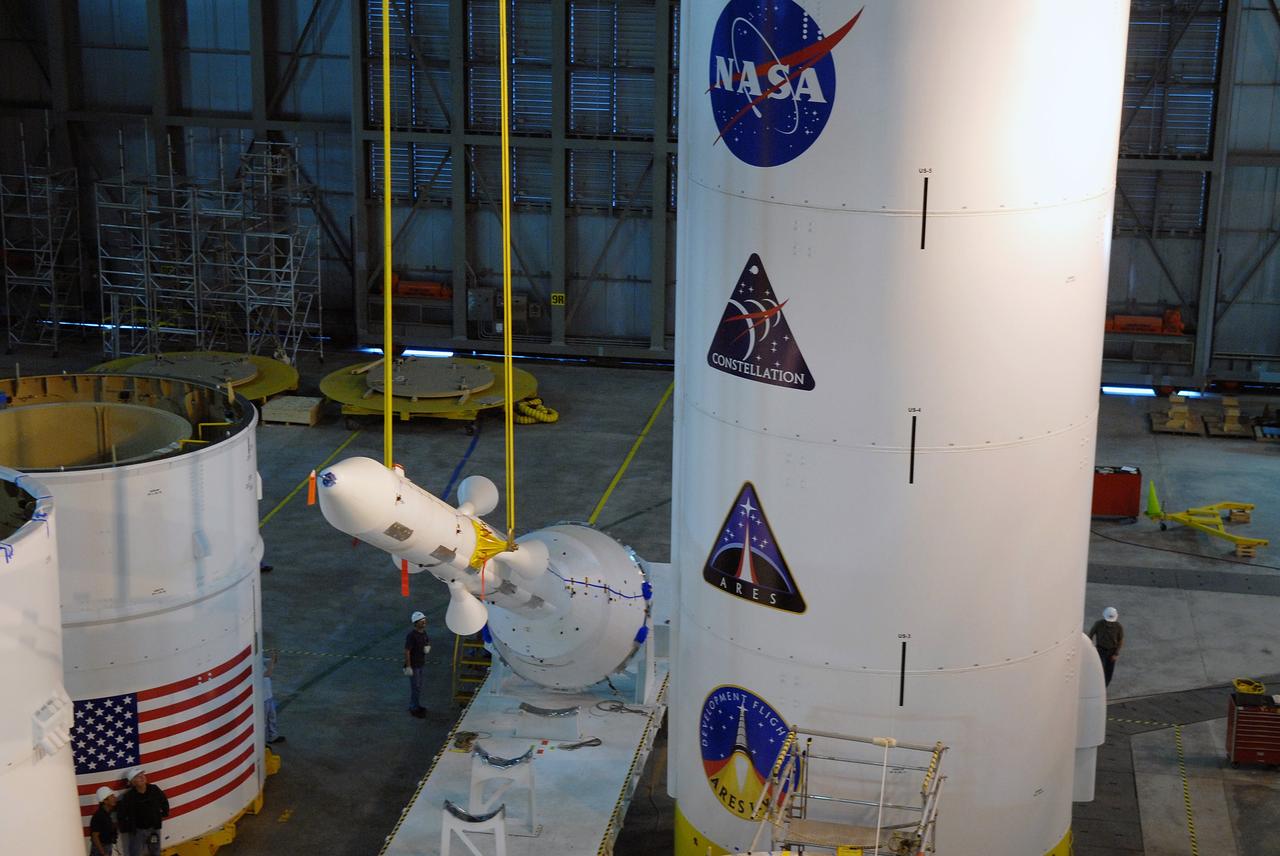
CAPE CANAVERAL, Fla. – In high bay 4 of the Vehicle Assembly Building at NASA's Kennedy Space Center in Florida, the crane begins to raise the Ares I-X simulated launch abort system, or LAS, to a vertical position. The LAS will then be ready for assembly with the crew module simulator. Ares I-X is the flight test vehicle for the Ares I, which is part of the Constellation Program to return men to the moon and beyond. Ares I is the essential core of a safe, reliable, cost-effective space transportation system that eventually will carry crewed missions back to the moon, on to Mars and out into the solar system. Ares I-X is targeted for launch in July 2009. Photo credit: NASA/Jack Pfaller
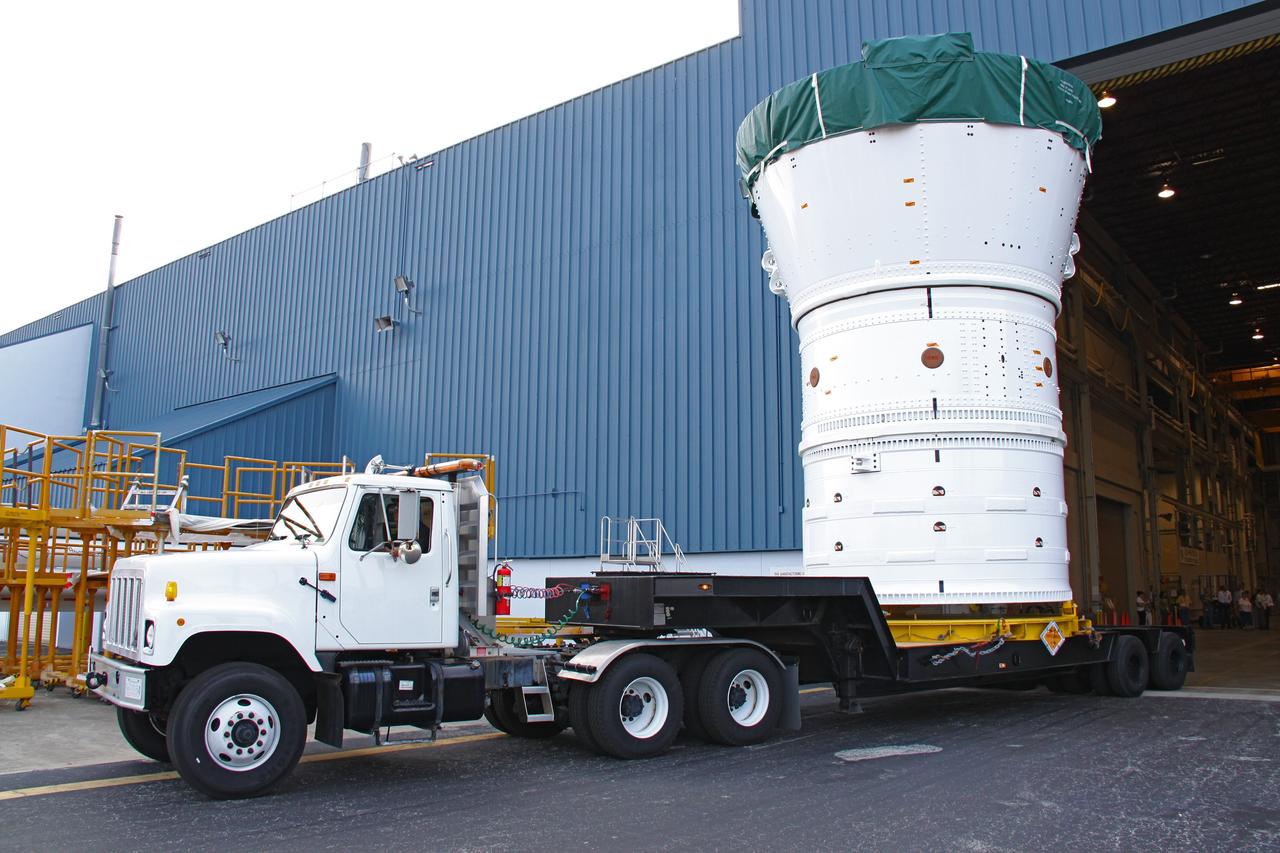
CAPE CANAVERAL, Fla. – At NASA's Kennedy Space Center in Florida, the Ares I-X forward assembly (comprising the frustum, forward skirt extension and forward skirt) moves out of the Assembly and Refurbishment Facility. It is being transferred to the Vehicle Assembly Building's High Bay 4 for processing and stacking to the upper stage. Ares I-X is the flight test for the Ares I which will provide NASA an early opportunity to test and prove hardware, facilities and ground operations associated with Ares I, which is part of the Constellation Program to return men to the moon and beyond. Launch of the Ares I-X flight test is targeted for August 2009. Photo credit: NASA/Jack Pfaller
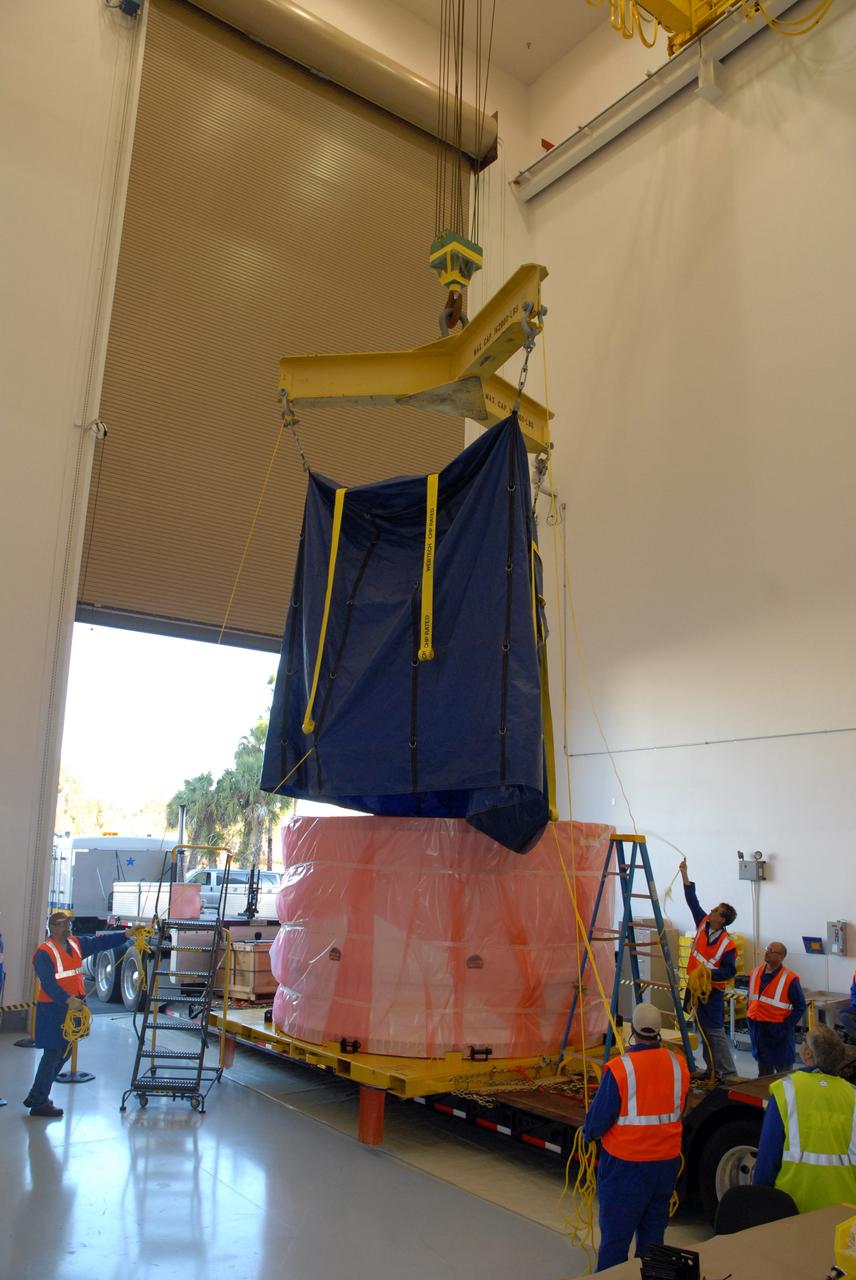
CAPE CANAVERAL, Fla. – At Astrotech in Titusville, Fla., a crane lowers a protective cover onto the bagged fifth segment simulator of the Ares I-X. The segment will be transferred to the Vehicle Assembly Building's extended duration orbiter lab, or EDO, at NASA's Kennedy Space Center in Florida for stacking operations. Ares I-X is the test vehicle for the Ares I, which is part of the Constellation Program to return men to the moon and beyond. Ares I is the essential core of a safe, reliable, cost-effective space transportation system that eventually will carry crewed missions back to the moon, on to Mars and out into the solar system. Ares I-X is targeted for launch in July 2009. Photo credit: NASA/Tim Jacobs
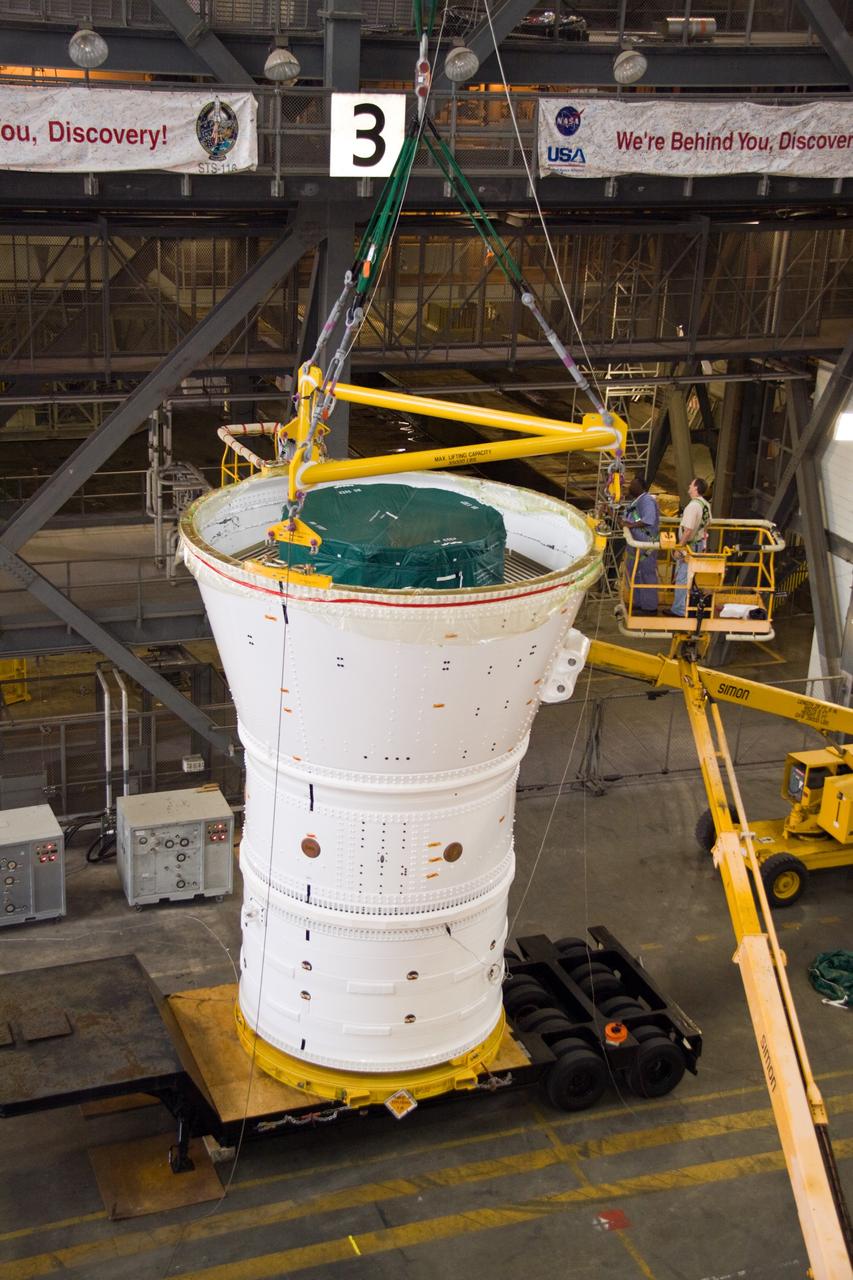
CAPE CANAVERAL, Fla. – In the Vehicle Assembly Building's transfer aisle at NASA's Kennedy Space Center in Florida, a crane is attached to the Ares I-X forward assembly. The assembly will be lifted from the trailer and placed on a stand in preparation for being moved into High Bay 4. Ares I-X is the flight test vehicle for the Ares I, a component of the Constellation Program. Ares I is the essential core of a safe, reliable, cost-effective space transportation system that eventually will carry crewed missions back to the moon, on to Mars and out into the solar system. The launch of the Ares I-X flight test is targeted for August 2009. Photo credit: NASA/Jack Pfaller
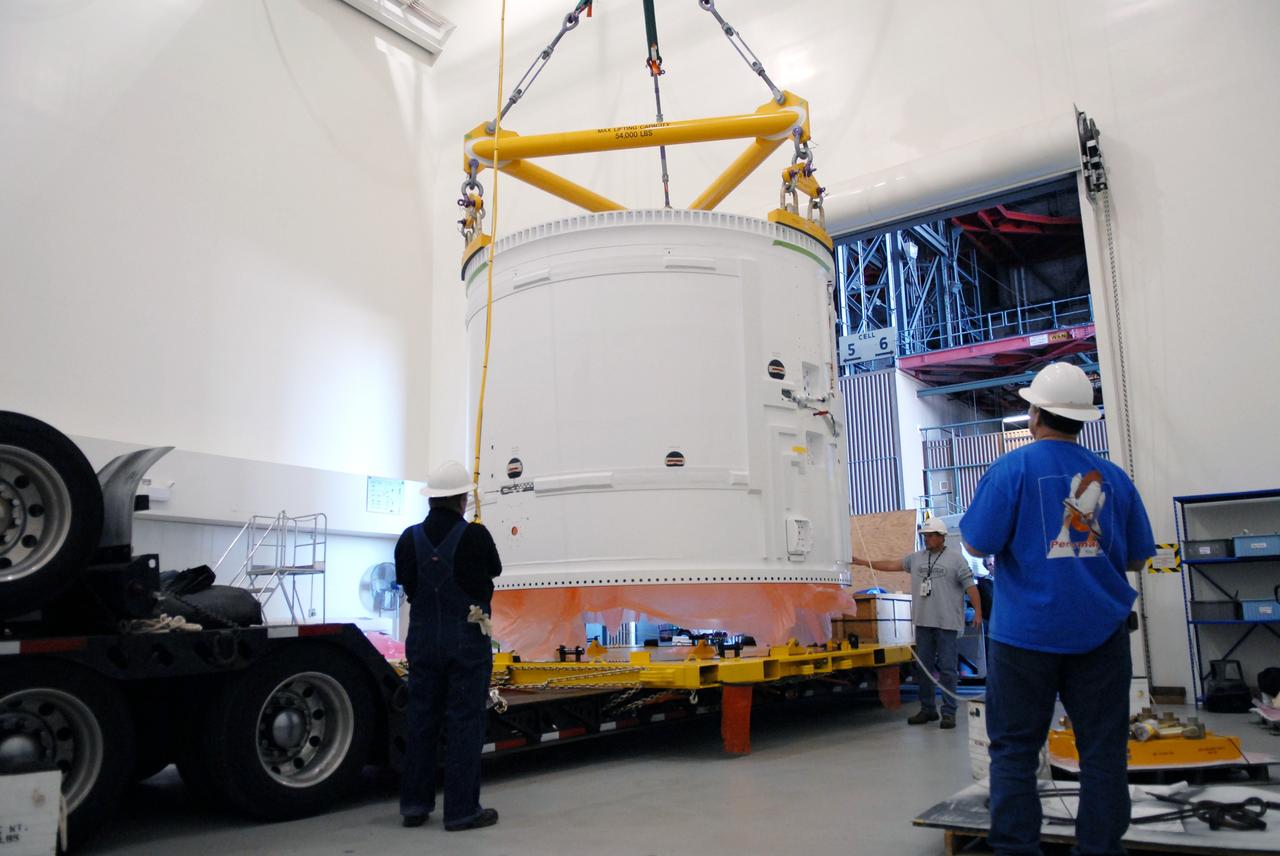
CAPE CANAVERAL, Fla. – In the Vehicle Assembly Building's extended duration orbiter lab, or EDO, at NASA's Kennedy Space Center in Florida, the Ares I-X fifth segment simulator aft section is lifted by a crane from the transporter. The aft section will be moved to a stand. Ares I-X is the test vehicle for the Ares I, which is part of the Constellation Program to return men to the moon and beyond. Ares I is the essential core of a safe, reliable, cost-effective space transportation system that eventually will carry crewed missions back to the moon, on to Mars and out into the solar system. Ares I-X is targeted for launch in July 2009. Photo credit: NASA/Troy Cryder
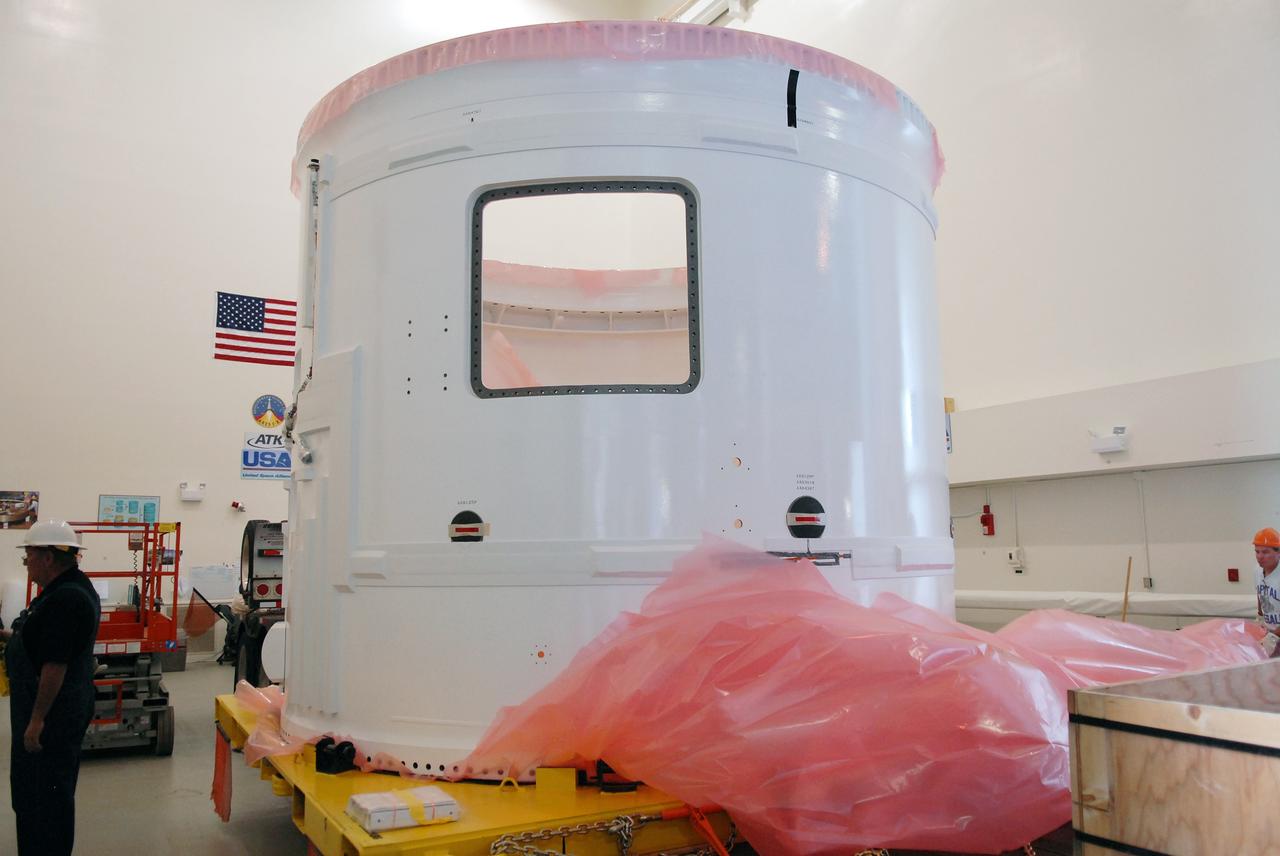
CAPE CANAVERAL, Fla. – In the Vehicle Assembly Building's extended duration orbiter lab, or EDO, at NASA's Kennedy Space Center in Florida, the Ares I-X fifth segment simulator aft section is rid of its protective cover before being moved to a stand. Ares I-X is the test vehicle for the Ares I, which is part of the Constellation Program to return men to the moon and beyond. Ares I is the essential core of a safe, reliable, cost-effective space transportation system that eventually will carry crewed missions back to the moon, on to Mars and out into the solar system. Ares I-X is targeted for launch in July 2009. Photo credit: NASA/Troy Cryder
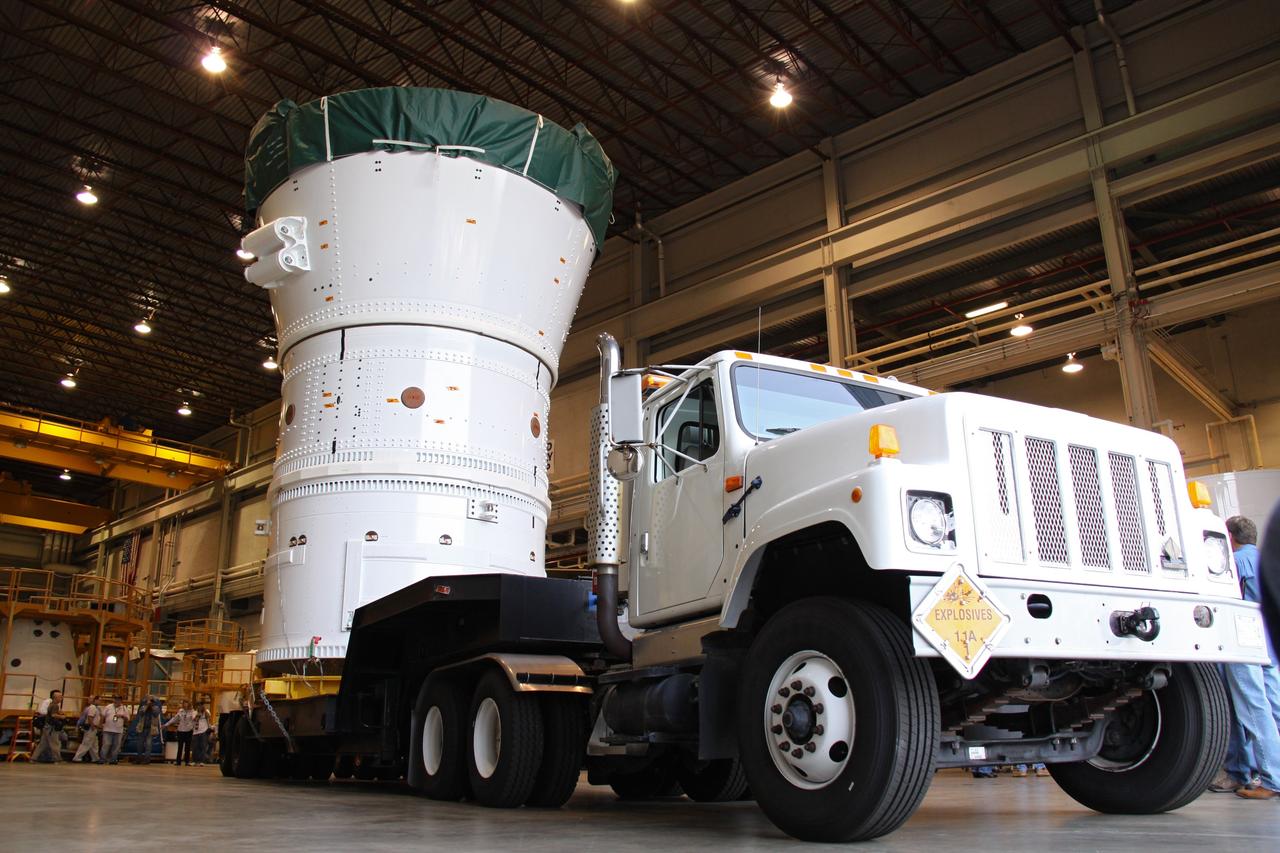
CAPE CANAVERAL, Fla. – At NASA's Kennedy Space Center in Florida, the Ares I-X forward assembly (comprising the frustum, forward skirt extension and forward skirt) begins to move out of the Assembly and Refurbishment Facility. It is being transferred to the Vehicle Assembly Building for stacking operations with other segments. Ares I-X is the flight test for the Ares I which will provide NASA an early opportunity to test and prove hardware, facilities and ground operations associated with Ares I, which is part of the Constellation Program to return men to the moon and beyond. Launch of the Ares I-X flight test is targeted for August 2009. Photo credit: NASA/Jack Pfaller
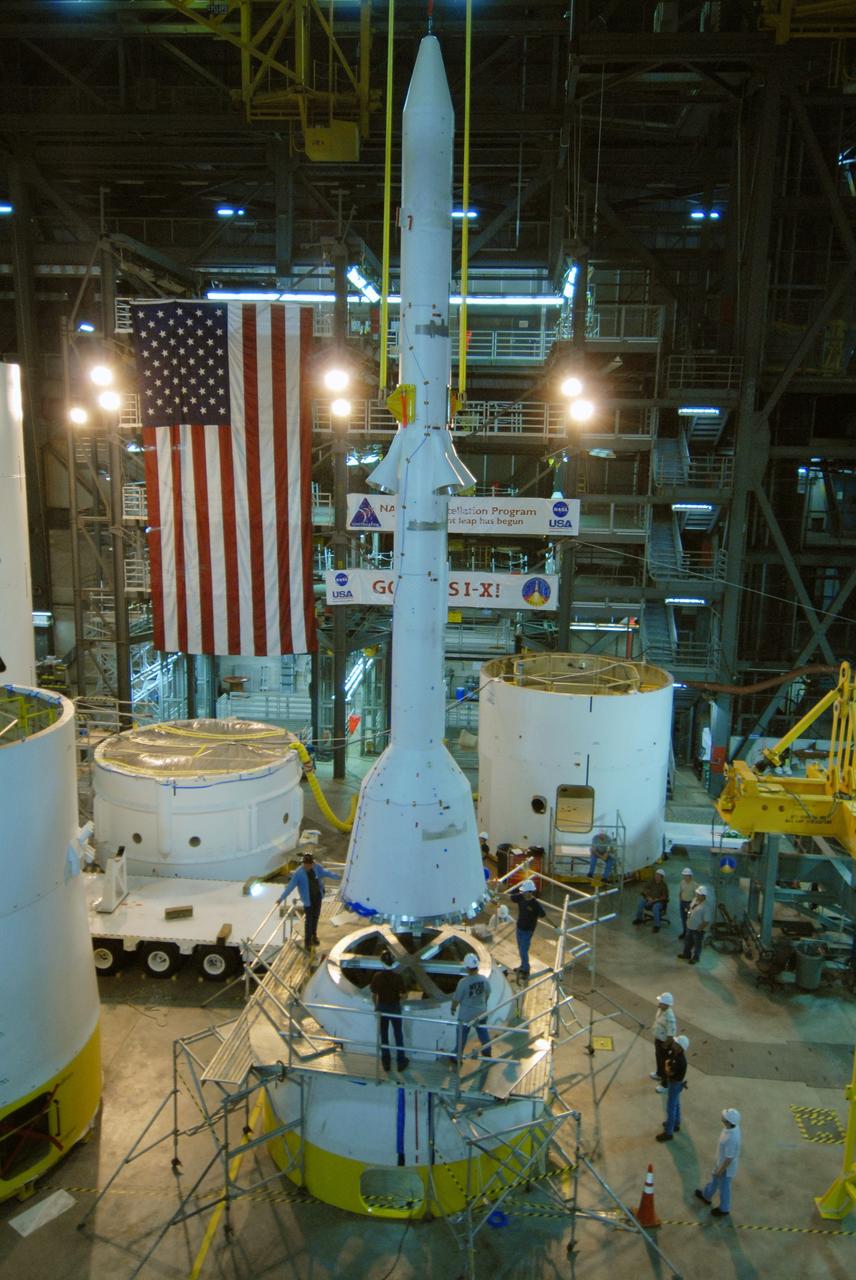
CAPE CANAVERAL, Fla. – In high bay 4 of the Vehicle Assembly Building at NASA's Kennedy Space Center in Florida, workers keep close watch on the Ares I-X simulated launch abort system, or LAS, as it is lowered toward the crew module simulator. Ares I-X is the flight test vehicle for the Ares I, which is part of the Constellation Program to return men to the moon and beyond. Ares I is the essential core of a safe, reliable, cost-effective space transportation system that eventually will carry crewed missions back to the moon, on to Mars and out into the solar system. Ares I-X is targeted for launch in July 2009. Photo credit: NASA/Jack Pfaller

CAPE CANAVERAL, Fla. – The covered fifth segment simulator of the Ares I-X arrives in the Vehicle Assembly Building's extended duration orbiter lab, or EDO, at NASA's Kennedy Space Center in Florida. Ares I-X is the test vehicle for the Ares I, which is part of the Constellation Program to return men to the moon and beyond. Ares I is the essential core of a safe, reliable, cost-effective space transportation system that eventually will carry crewed missions back to the moon, on to Mars and out into the solar system. Ares I-X is targeted for launch in July 2009. Photo credit: NASA/Tim Jacobs
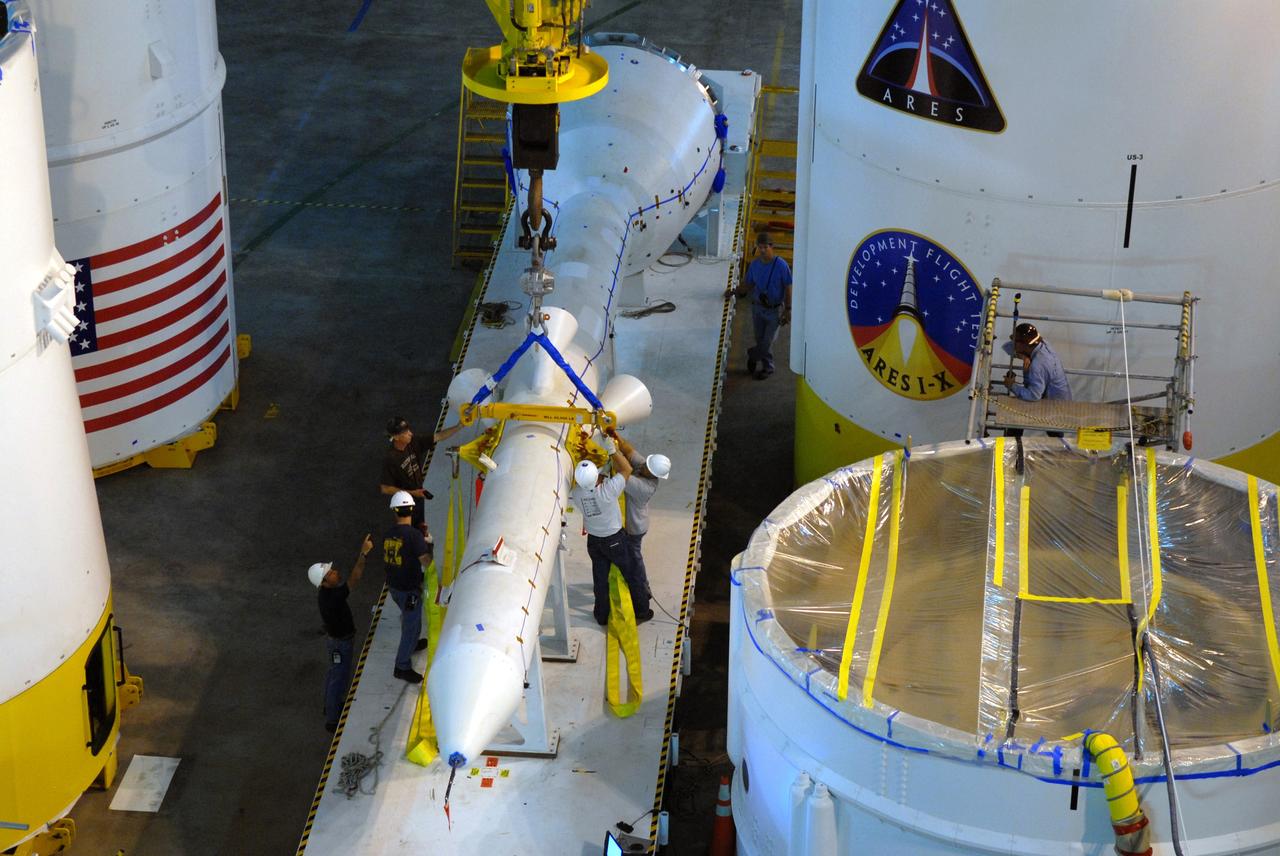
CAPE CANAVERAL, Fla. – In high bay 4 of the Vehicle Assembly Building at NASA's Kennedy Space Center in Florida, workers place a crane and straps on the Ares I-X simulated launch abort system to lift and rotate it for assembly with the crew module simulator. Ares I-X is the flight test vehicle for the Ares I, which is part of the Constellation Program to return men to the moon and beyond. Ares I is the essential core of a safe, reliable, cost-effective space transportation system that eventually will carry crewed missions back to the moon, on to Mars and out into the solar system. Ares I-X is targeted for launch in July 2009. Photo credit: NASA/Jack Pfaller
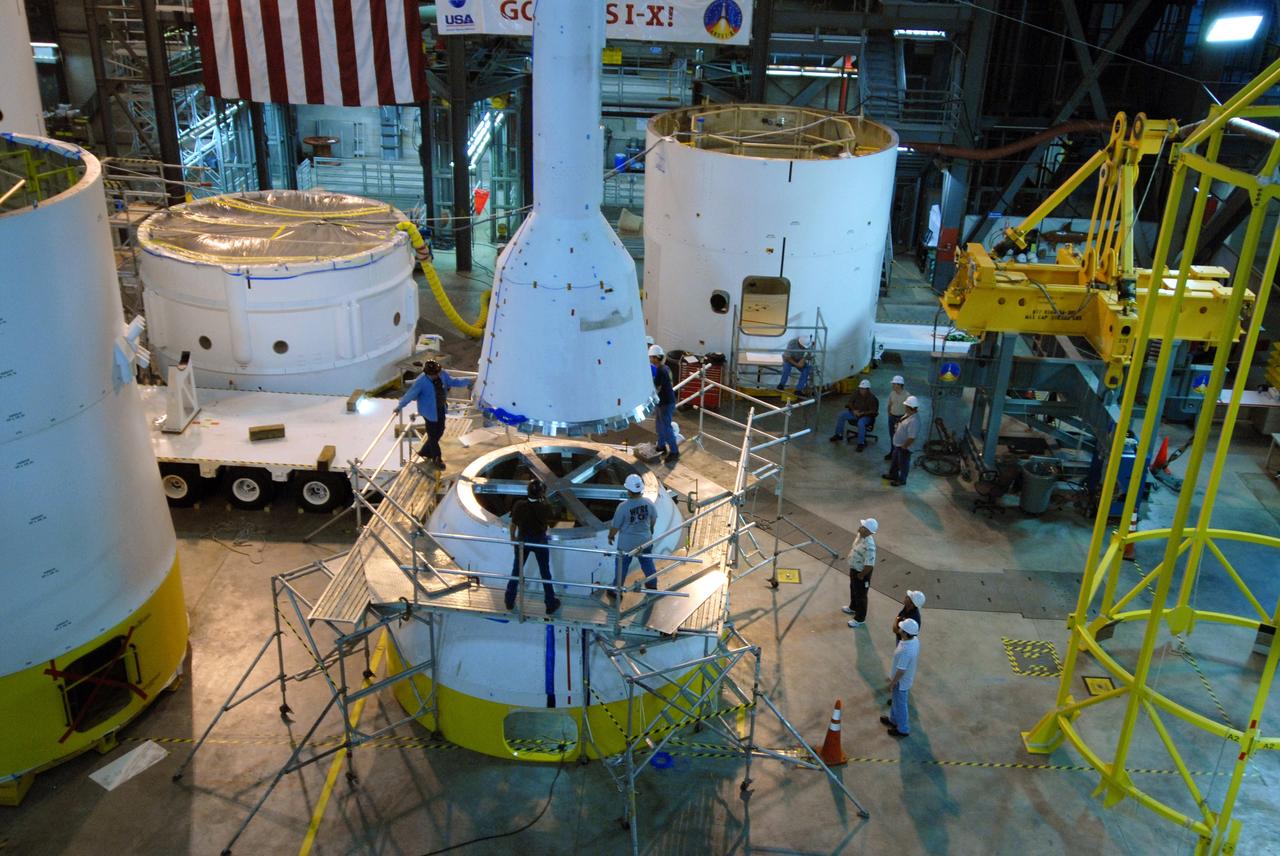
CAPE CANAVERAL, Fla. – In high bay 4 of the Vehicle Assembly Building at NASA's Kennedy Space Center in Florida, workers keep close watch on the Ares I-X simulated launch abort system, or LAS, as it is lowered toward the crew module simulator. Ares I-X is the flight test vehicle for the Ares I, which is part of the Constellation Program to return men to the moon and beyond. Ares I is the essential core of a safe, reliable, cost-effective space transportation system that eventually will carry crewed missions back to the moon, on to Mars and out into the solar system. Ares I-X is targeted for launch in July 2009. Photo credit: NASA/Jack Pfaller
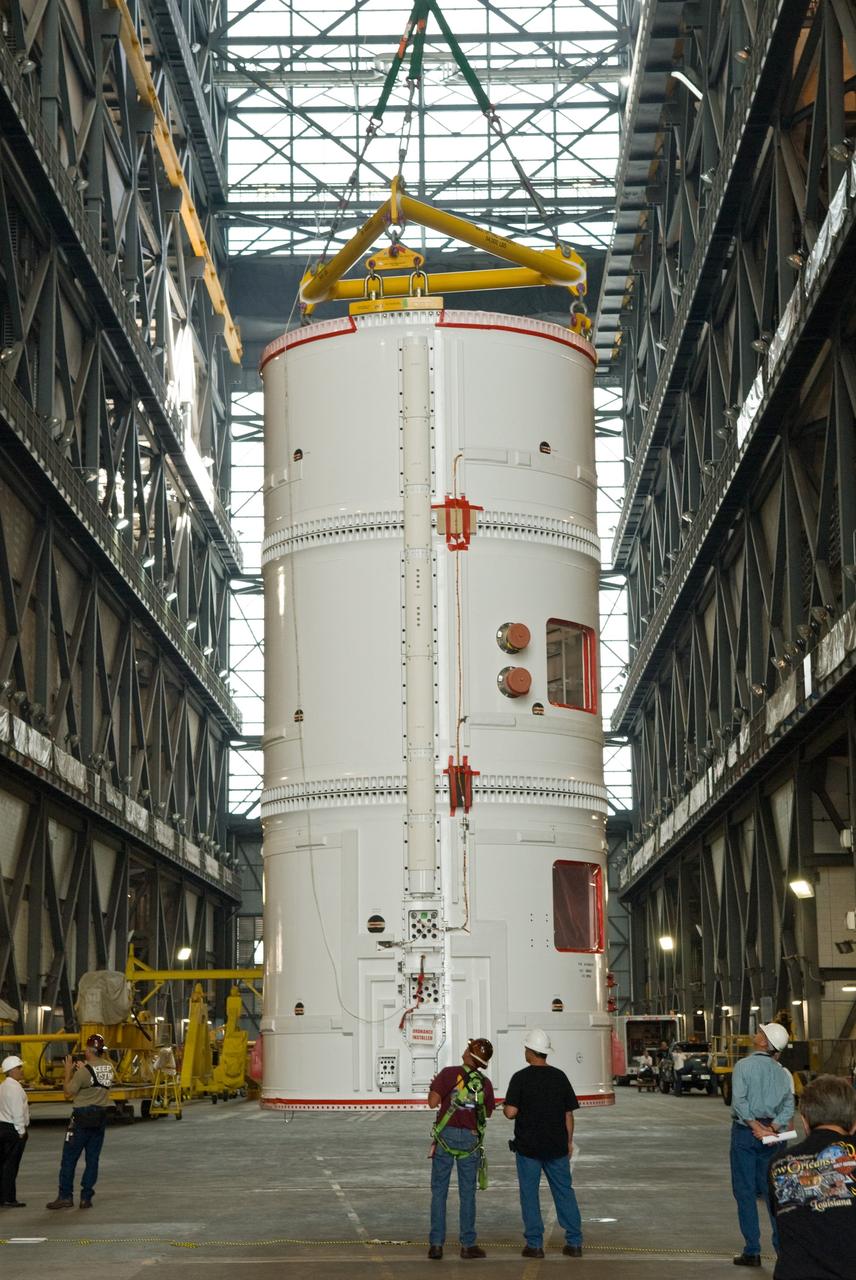
CAPE CANAVERAL, Fla. – In the transfer aisle of the Vehicle Assembly Building at NASA's Kennedy Space Center in Florida, a crane lifts the fifth segment simulator assembly for the Ares I-X to move it into High Bay 4. Ares I-X is the flight test vehicle for the Ares I, a component of the Constellation Program. Ares I is the essential core of a safe, reliable, cost-effective space transportation system that eventually will carry crewed missions back to the moon, on to Mars and out into the solar system. The launch of the Ares I-X flight test is targeted for August 2009. Photo credit: NASA/Jim Grossmann
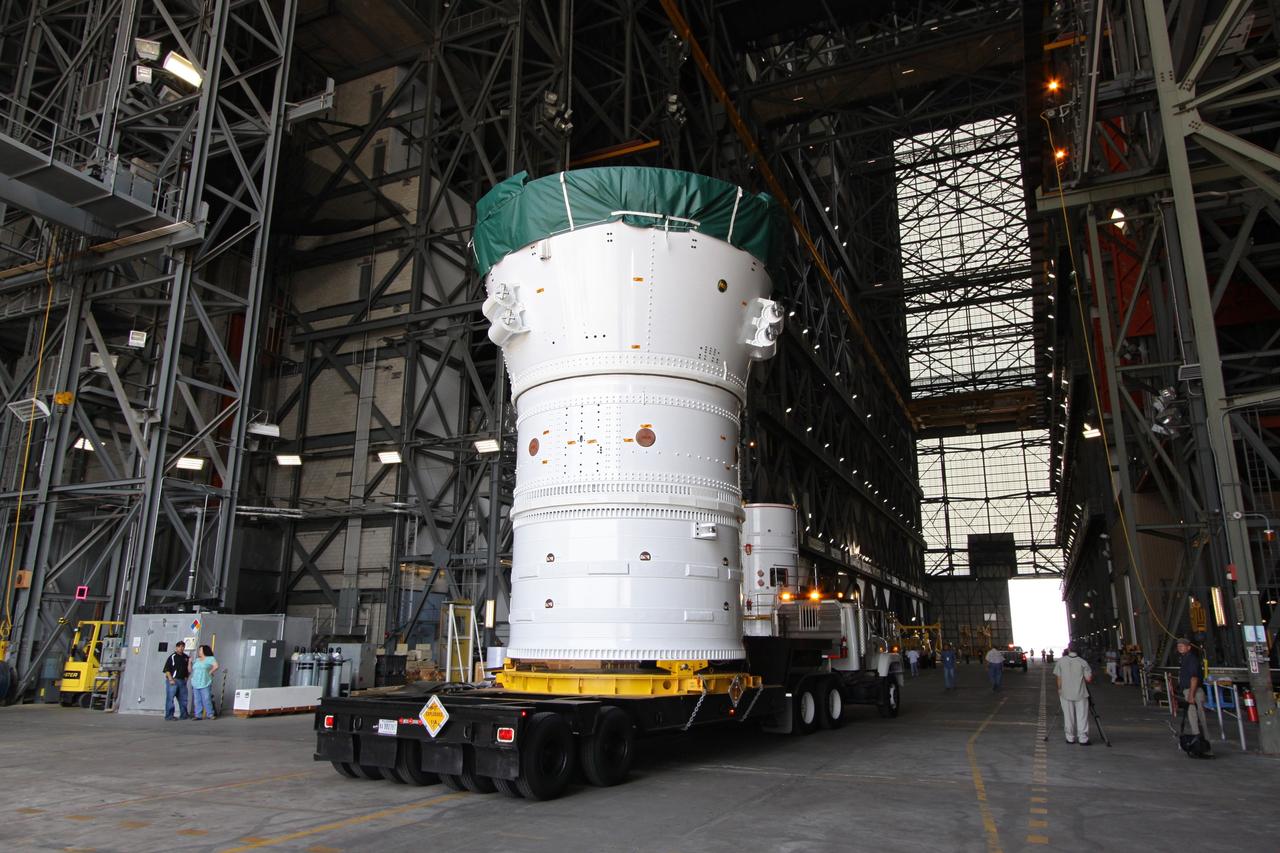
CAPE CANAVERAL, Fla. – At NASA's Kennedy Space Center in Florida, the Ares I-X forward assembly comprising the frustum, forward skirt extension and forward skirt moves into the transfer aisle of the Vehicle Assembly Building. The assembly will be placed in the VAB's High Bay 4 where it will undergo processing and stacking to the upper stage. Ares I-X is the flight test for the Ares I which will provide NASA an early opportunity to test and prove hardware, facilities and ground operations associated with Ares I, which is part of the Constellation Program to return men to the moon and beyond. Launch of the Ares I-X flight test is targeted for August 2009. Photo credit: NASA/Jack Pfaller
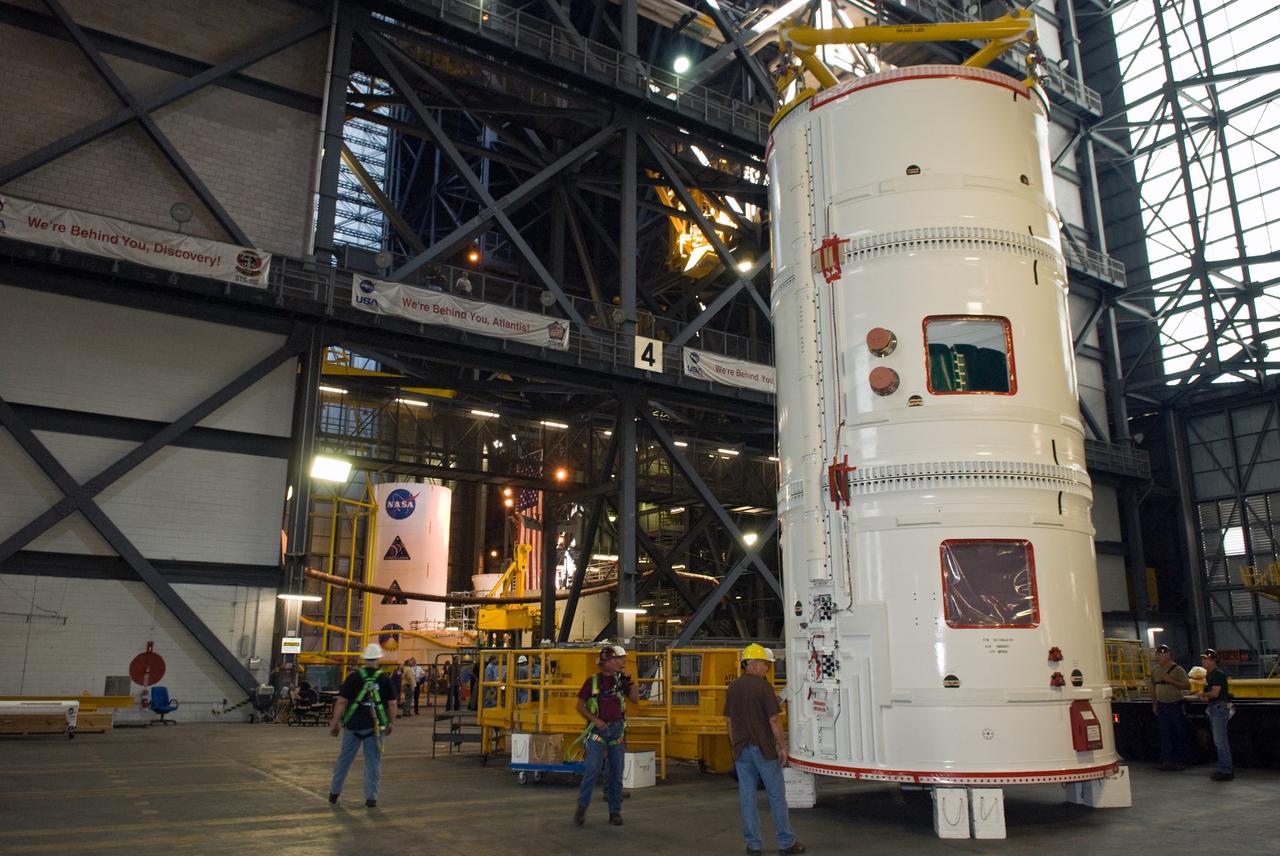
CAPE CANAVERAL, Fla. – The fifth segment simulator assembly for the Ares I-X is moved onto a stand in the Vehicle Assembly Building near High Bay 4 at NASA's Kennedy Space Center in Florida. Ares I-X is the flight test vehicle for the Ares I, a component of the Constellation Program. Ares I is the essential core of a safe, reliable, cost-effective space transportation system that eventually will carry crewed missions back to the moon, on to Mars and out into the solar system. The launch of the Ares I-X flight test is targeted for August 2009. Photo credit: NASA/Jim Grossmann
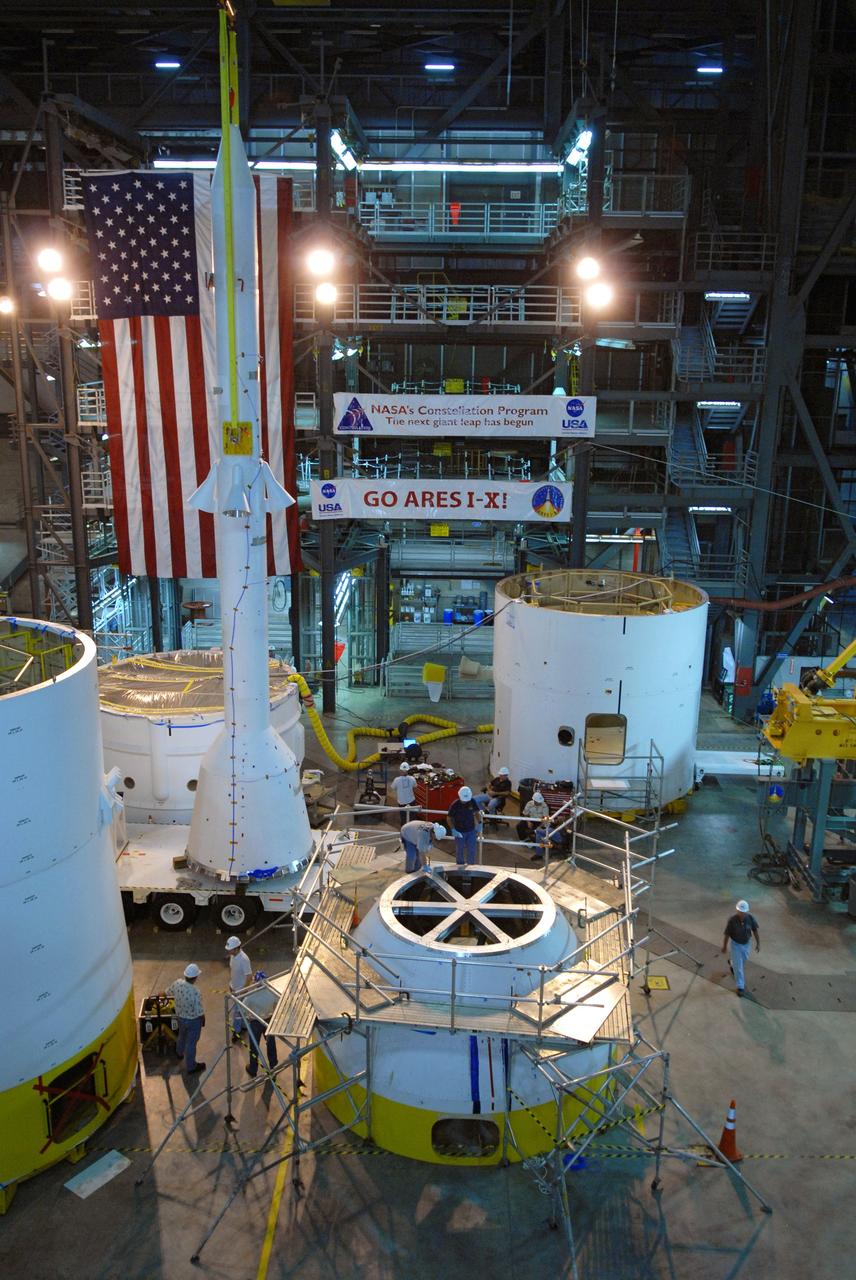
CAPE CANAVERAL, Fla. – In high bay 4 of the Vehicle Assembly Building at NASA's Kennedy Space Center in Florida, the Ares I-X simulated launch abort system, or LAS, (left of center) is being moved to the crew module simulator (center) for assembly. Ares I-X is the flight test vehicle for the Ares I, which is part of the Constellation Program to return men to the moon and beyond. Ares I is the essential core of a safe, reliable, cost-effective space transportation system that eventually will carry crewed missions back to the moon, on to Mars and out into the solar system. Ares I-X is targeted for launch in July 2009. Photo credit: NASA/Jack Pfaller
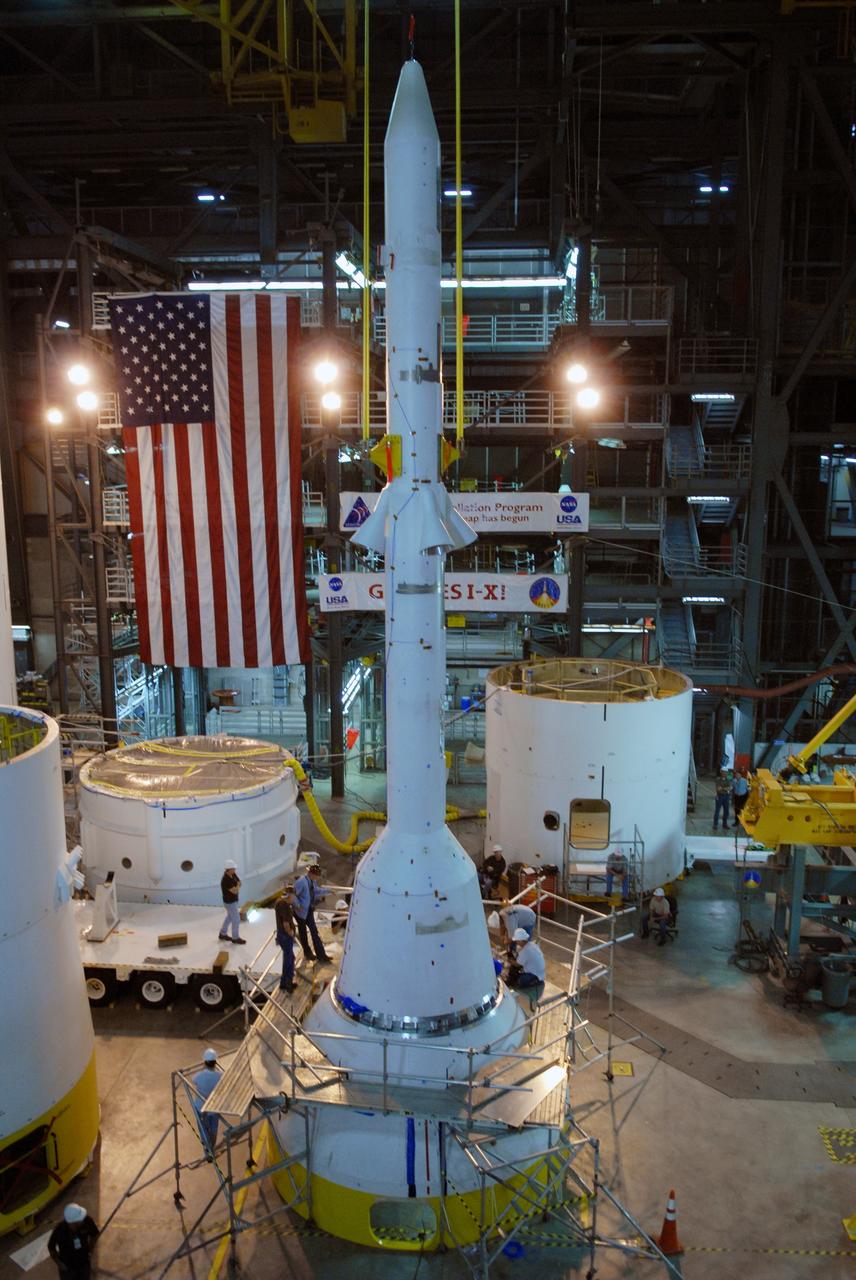
CAPE CANAVERAL, Fla. – In high bay 4 of the Vehicle Assembly Building at NASA's Kennedy Space Center in Florida, workers keep close watch on the Ares I-X simulated launch abort system, or LAS, as it is lowered onto the crew module simulator for assembly. Ares I-X is the flight test vehicle for the Ares I, which is part of the Constellation Program to return men to the moon and beyond. Ares I is the essential core of a safe, reliable, cost-effective space transportation system that eventually will carry crewed missions back to the moon, on to Mars and out into the solar system. Ares I-X is targeted for launch in July 2009. Photo credit: NASA/Jack Pfaller
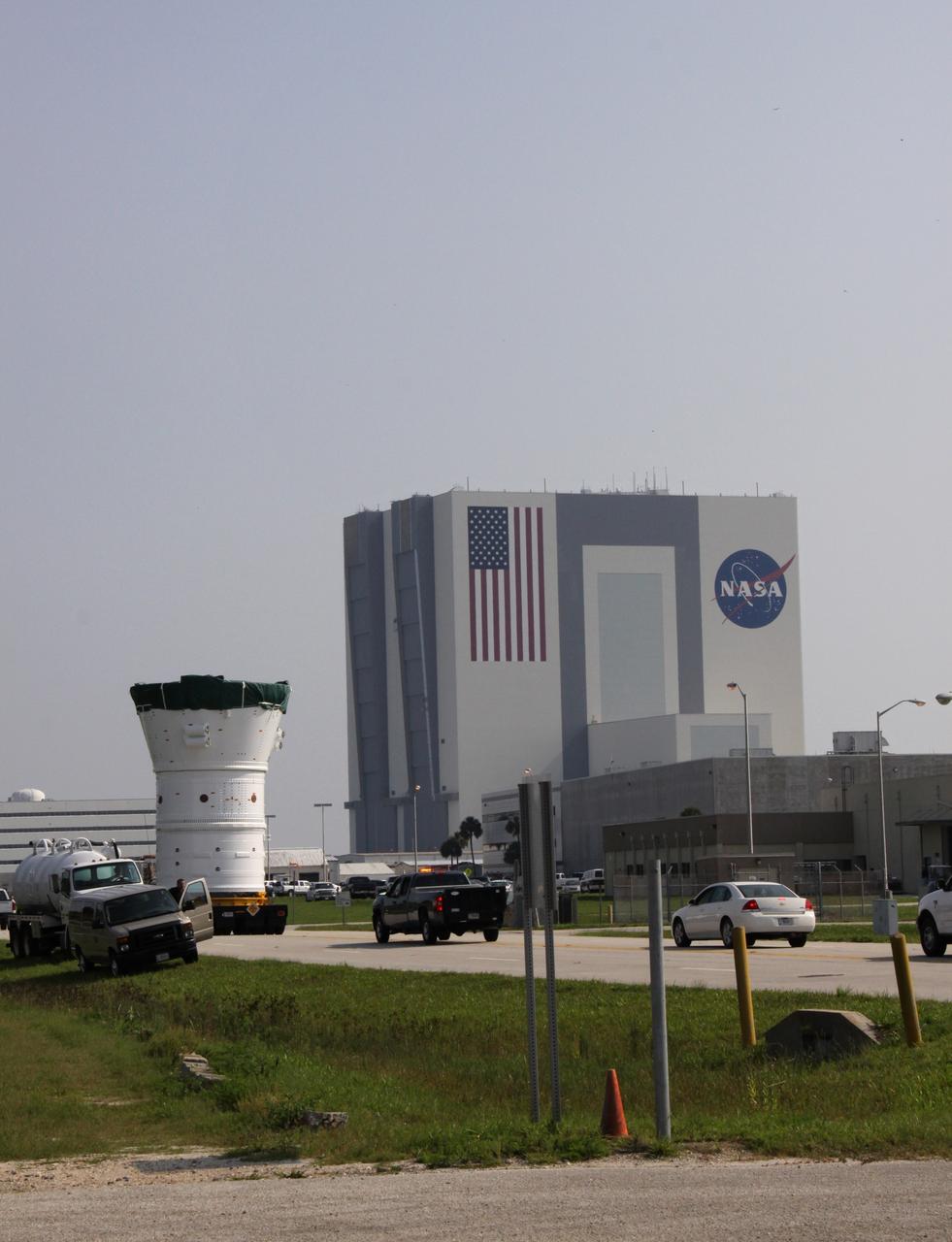
CAPE CANAVERAL, Fla. – At NASA's Kennedy Space Center in Florida, the Ares I-X forward assembly comprising the frustum, forward skirt extension and forward skirt , at left, moves toward the Vehicle Assembly Building, in the background. In the VAB's High Bay 4, the forward assembly will undergo processing and stacking to the upper stage. Ares I-X is the flight test for the Ares I which will provide NASA an early opportunity to test and prove hardware, facilities and ground operations associated with Ares I, which is part of the Constellation Program to return men to the moon and beyond. Launch of the Ares I-X flight test is targeted for August 2009. Photo credit: NASA/Jack Pfaller
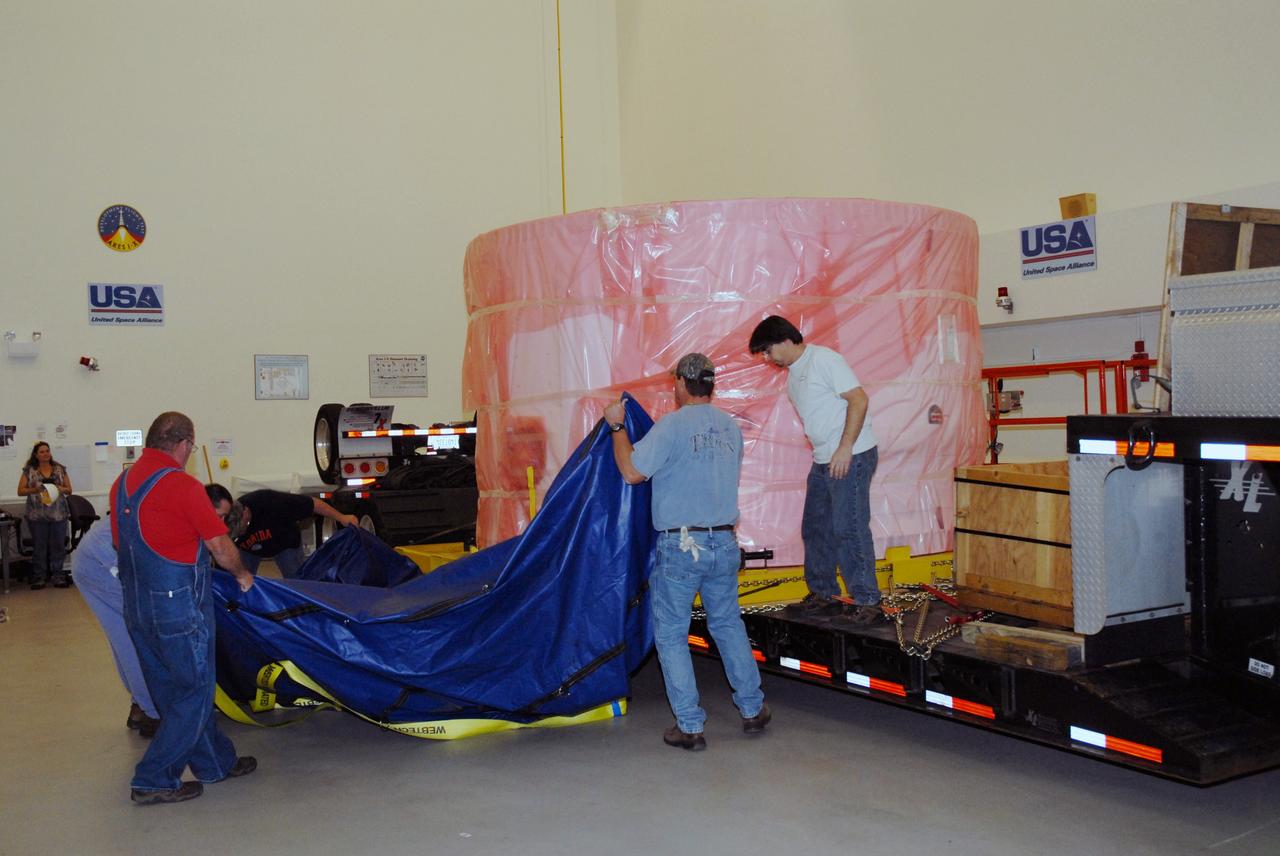
CAPE CANAVERAL, Fla. – In the Vehicle Assembly Building's extended duration orbiter lab, or EDO, at NASA's Kennedy Space Center in Florida, workers remove the shipping cover from the fifth segment simulator of the Ares I-X. Ares I-X is the test vehicle for the Ares I, which is part of the Constellation Program to return men to the moon and beyond. Ares I is the essential core of a safe, reliable, cost-effective space transportation system that eventually will carry crewed missions back to the moon, on to Mars and out into the solar system. Ares I-X is targeted for launch in July 2009. Photo credit: NASA/Tim Jacobs
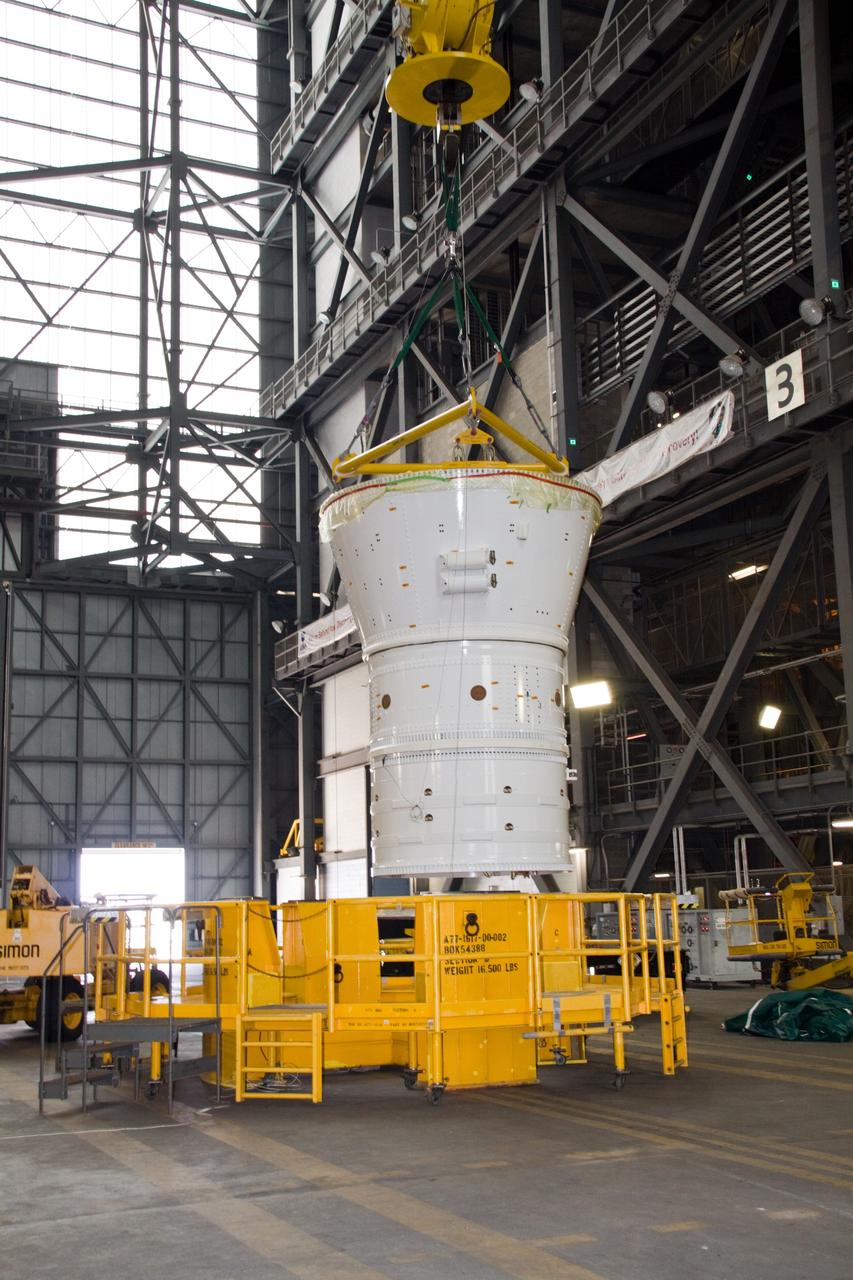
CAPE CANAVERAL, Fla. – In the Vehicle Assembly Building's transfer aisle at NASA's Kennedy Space Center in Florida, a crane lifts the Ares I-X forward assembly toward a stand in preparation for being moved into High Bay 4. Ares I-X is the flight test vehicle for the Ares I, a component of the Constellation Program. Ares I is the essential core of a safe, reliable, cost-effective space transportation system that eventually will carry crewed missions back to the moon, on to Mars and out into the solar system. The launch of the Ares I-X flight test is targeted for August 2009. Photo credit: NASA/Jack Pfaller
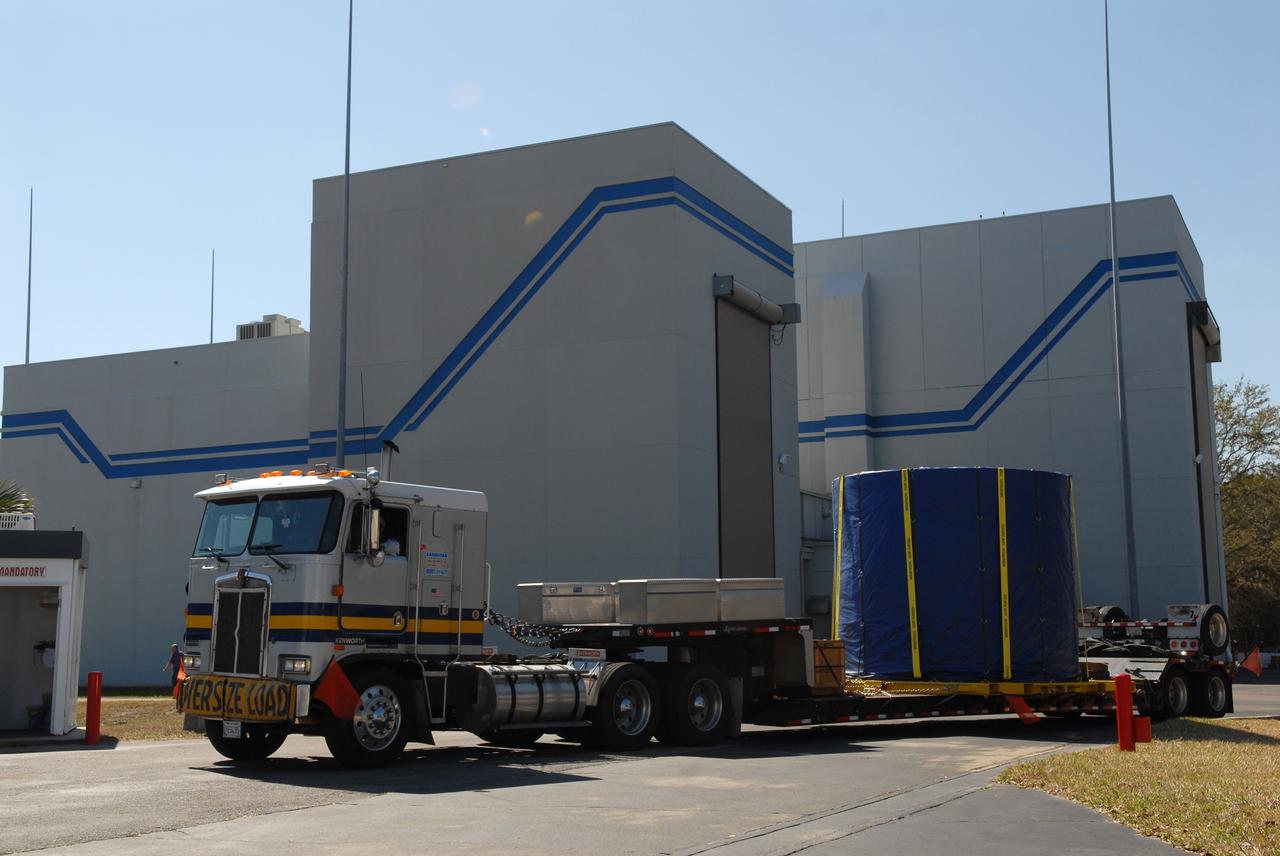
CAPE CANAVERAL, Fla. – The Ares I-X fifth segment simulator aft section is being transported from the Astrotech facility in Titusville, Fla., to NASA's Kennedy Space Center in Florida. Ares I-X is the test vehicle for the Ares I, which is part of the Constellation Program to return men to the moon and beyond. Ares I is the essential core of a safe, reliable, cost-effective space transportation system that eventually will carry crewed missions back to the moon, on to Mars and out into the solar system. Ares I-X is targeted for launch in July 2009. Photo credit: NASA/Troy Cryder
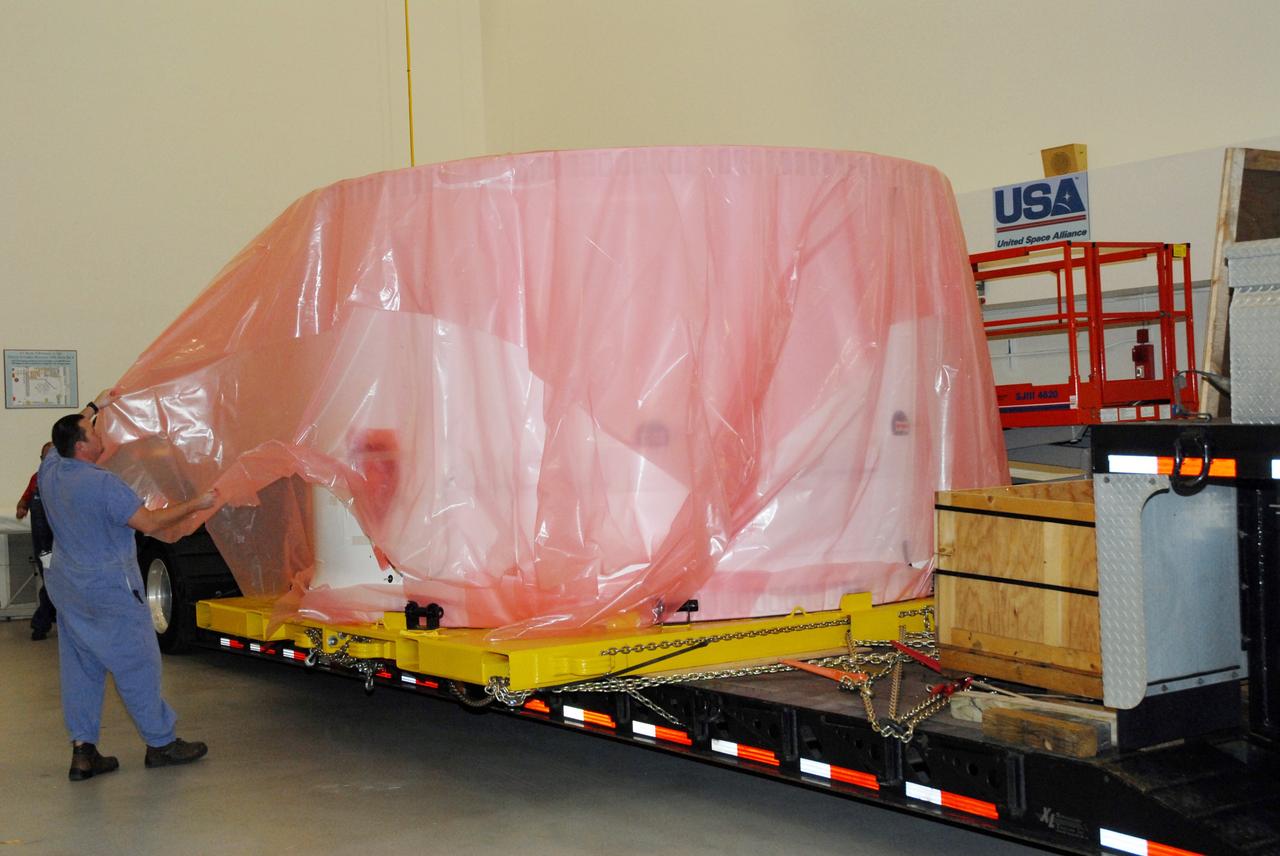
CAPE CANAVERAL, Fla. – In the Vehicle Assembly Building at NASA's Kennedy Space Center in Florida, workers begin removing the protective material wrapping the fifth segment simulator of the Ares I-X. Ares I-X is the test vehicle for the Ares I, which is part of the Constellation Program to return men to the moon and beyond. Ares I is the essential core of a safe, reliable, cost-effective space transportation system that eventually will carry crewed missions back to the moon, on to Mars and out into the solar system. Ares I-X is targeted for launch in July 2009. Photo credit: NASA/Tim Jacobs

CAPE CANAVERAL, Fla. – The covered fifth segment simulator of the Ares I-X is transported from Astrotech in Titusville, Fla. It is being moved to the Vehicle Assembly Building at NASA's Kennedy Space Center in Florida for stacking operations. Ares I-X is the test vehicle for the Ares I, which is part of the Constellation Program to return men to the moon and beyond. Ares I is the essential core of a safe, reliable, cost-effective space transportation system that eventually will carry crewed missions back to the moon, on to Mars and out into the solar system. Ares I-X is targeted for launch in July 2009. Photo credit: NASA/Tim Jacobs
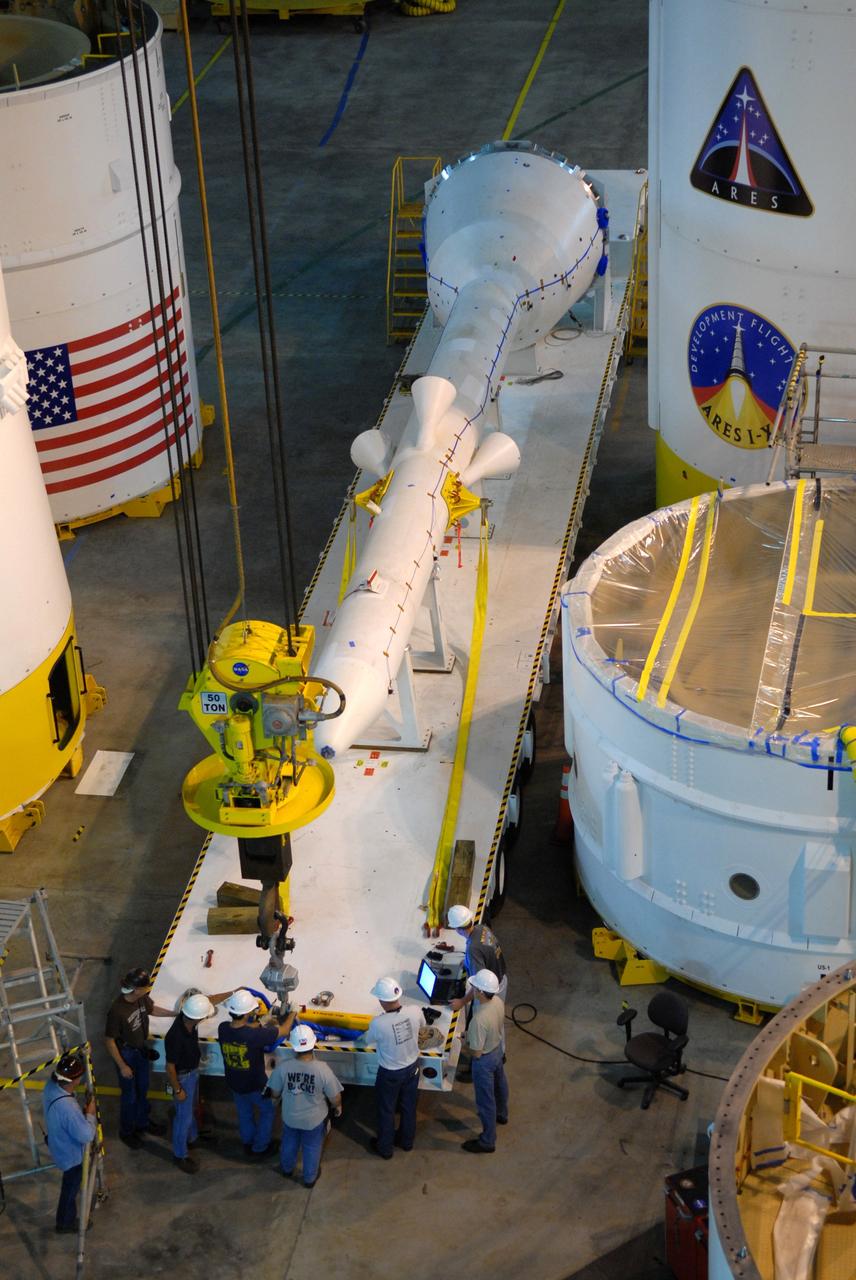
CAPE CANAVERAL, Fla. – In high bay 4 of the Vehicle Assembly Building at NASA's Kennedy Space Center in Florida, workers prepare the crane that will lift and rotate the Ares I-X simulated launch abort system (center) for assembly with the crew module simulator. Ares I-X is the flight test vehicle for the Ares I, which is part of the Constellation Program to return men to the moon and beyond. Ares I is the essential core of a safe, reliable, cost-effective space transportation system that eventually will carry crewed missions back to the moon, on to Mars and out into the solar system. Ares I-X is targeted for launch in July 2009. Photo credit: NASA/Jack Pfaller
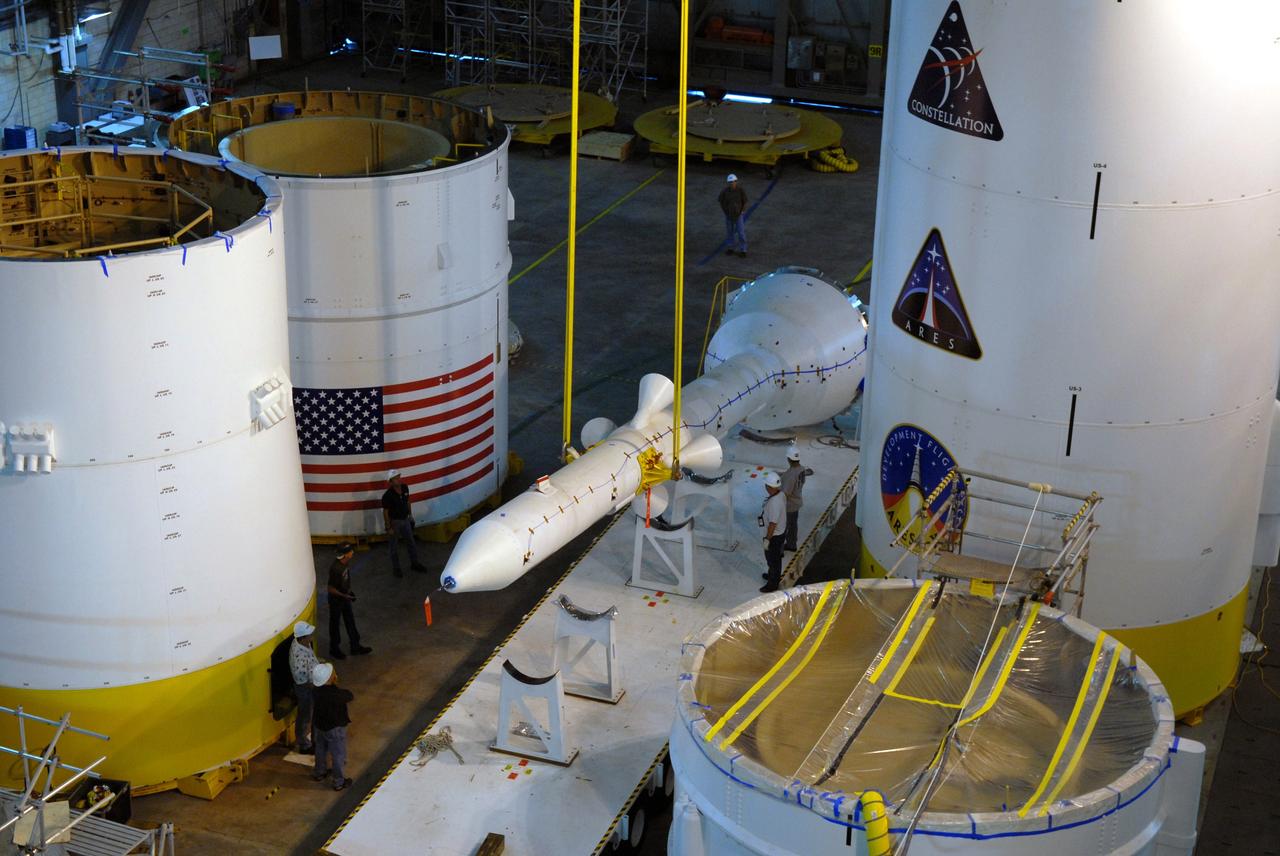
CAPE CANAVERAL, Fla. – In In high bay 4 of the Vehicle Assembly Building at NASA's Kennedy Space Center in Florida, the crane lifts the Ares I-X simulated launch abort system, or LAS, from its stand. The LAS will be rotated to vertical for assembly with the crew module simulator. Ares I-X is the flight test vehicle for the Ares I, which is part of the Constellation Program to return men to the moon and beyond. Ares I is the essential core of a safe, reliable, cost-effective space transportation system that eventually will carry crewed missions back to the moon, on to Mars and out into the solar system. Ares I-X is targeted for launch in July 2009. Photo credit: NASA/Jack Pfaller
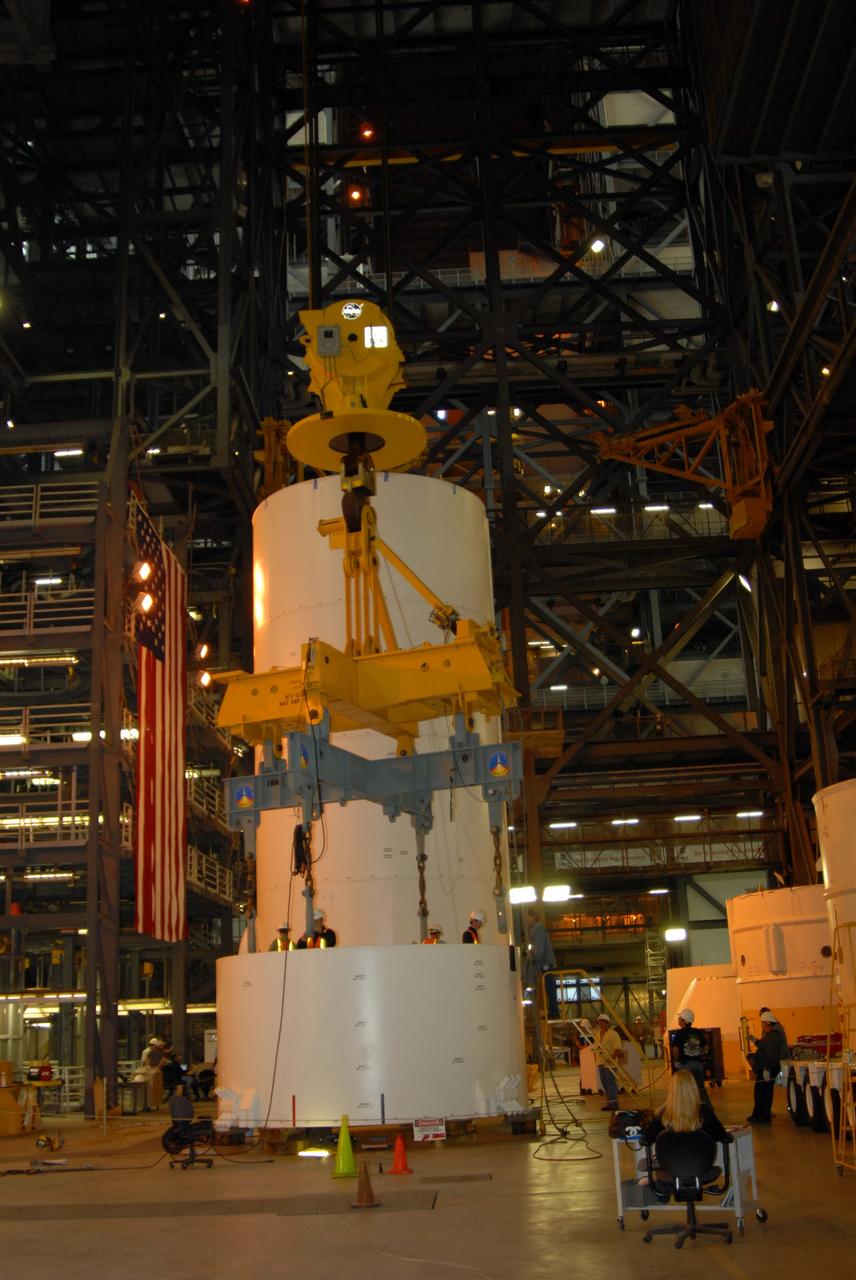
CAPE CANAVERAL, Fla. – In high bay 4 of the Vehicle Assembly Building at NASA's Kennedy Space Center in Florida, workers attach a large overhead crane to the Ares I-X service module, on the floor. The module will be lifted and mated to the service adapter. Ares I-X is the test flight for the Ares I. The I-X flight will provide NASA an early opportunity to test and prove hardware, facilities and ground operations associated with Ares I. The launch of the 327-foot-tall, full-scale Ares I-X, targeted for July 2009, will be the first in a series of unpiloted rocket launches from Kennedy. Photo credit: NASA/Tim Jacobs
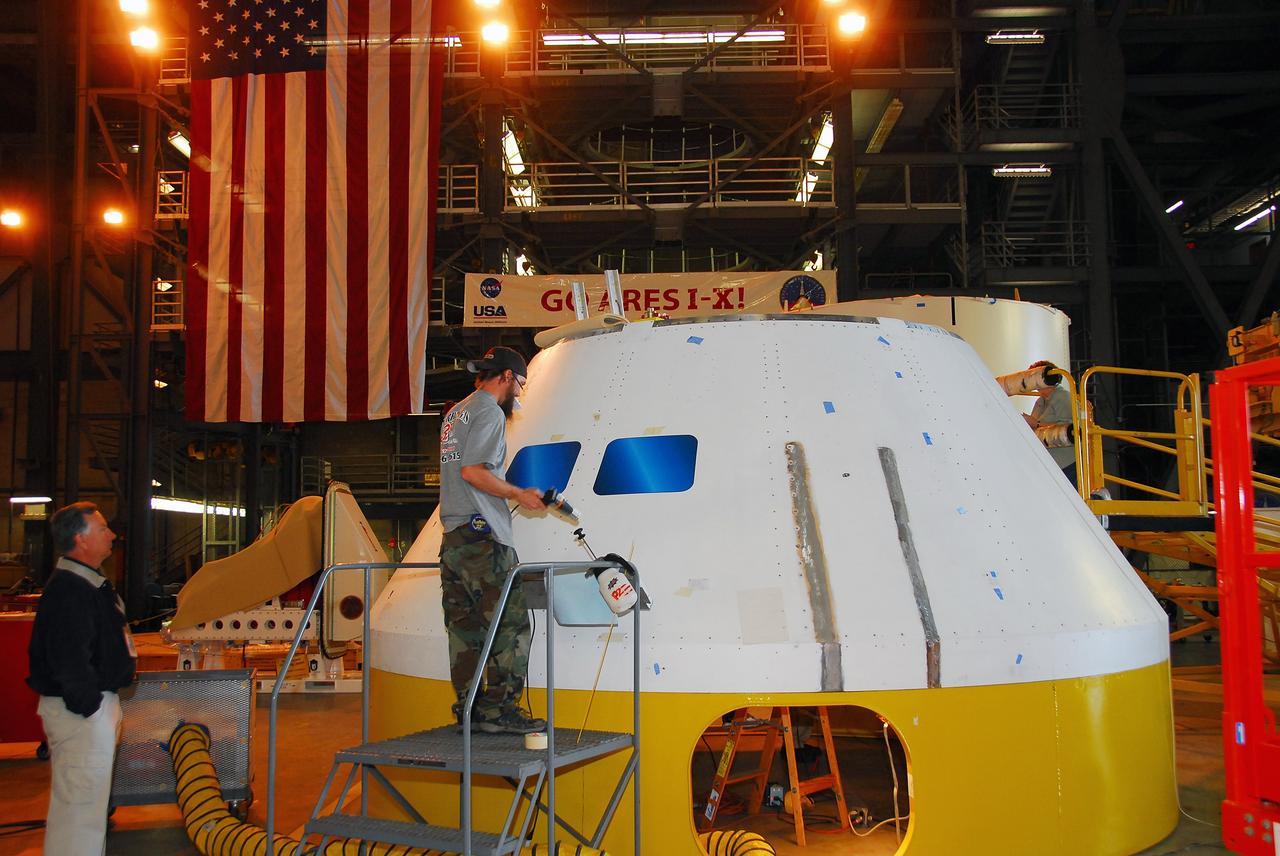
CAPE CANAVERAL, Fla. – In high bay 4 of the Vehicle Assembly Building at NASA's Kennedy Space Center, a worker applies a window decal on the Ares I-X mock-up crew module. Ares I-X is the test flight for the Ares I. The I-X flight will provide NASA an early opportunity to test and prove hardware, facilities and ground operations associated with Ares I. The launch of full-scale Ares I-X, targeted for July 2009, will be the first in a series of unpiloted rocket launches from Kennedy. When fully developed, the 16-foot diameter crew module will furnish living space and reentry protection for the astronauts. Photo credit: NASA/Tim Jacobs
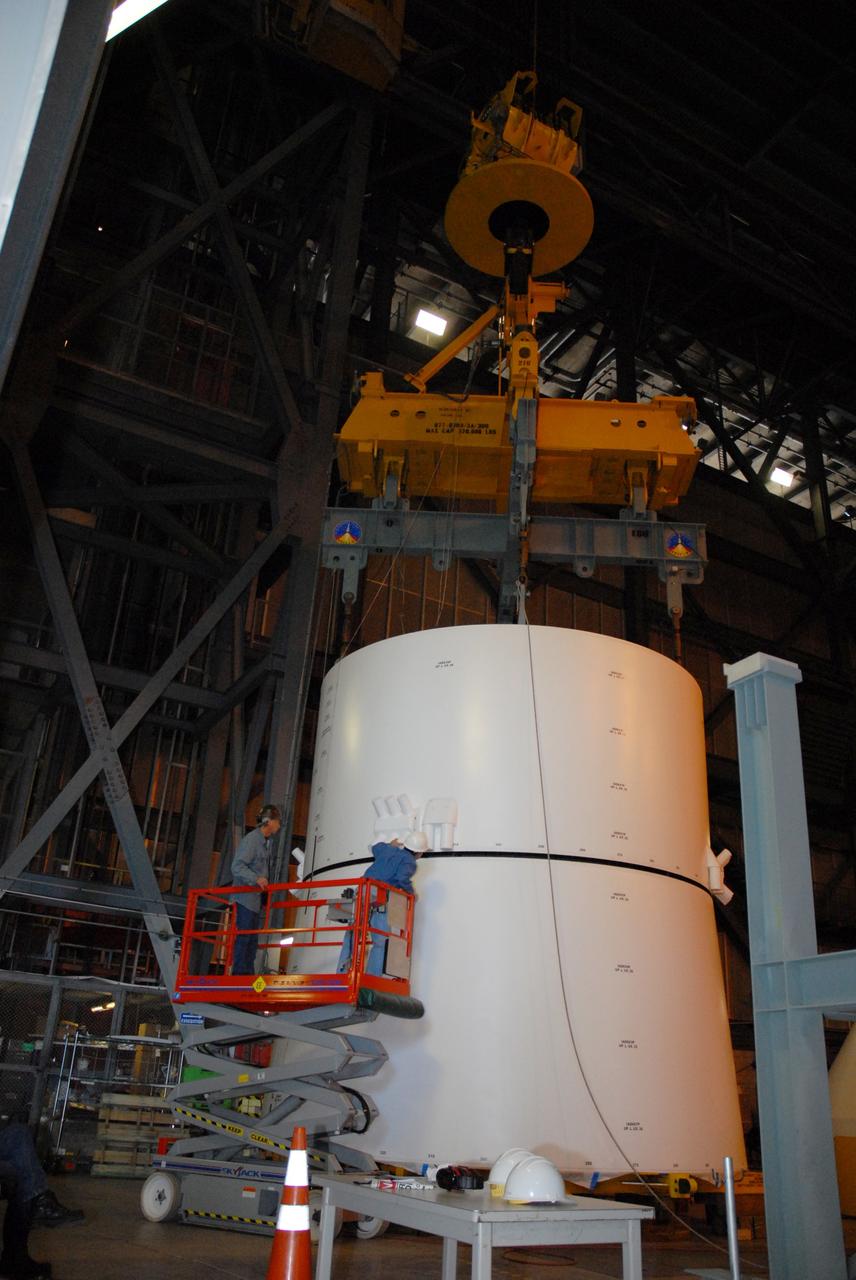
CAPE CANAVERAL, Fla. – In high bay 4 of the Vehicle Assembly Building at NASA's Kennedy Space Center in Florida, a large overhead crane lowers the Ares I-X service module onto the service adapter. Workers check the precision of the connection. Ares I-X is the test flight for the Ares I. The I-X flight will provide NASA an early opportunity to test and prove hardware, facilities and ground operations associated with Ares I. The launch of the 327-foot-tall, full-scale Ares I-X, targeted for July 2009, will be the first in a series of unpiloted rocket launches from Kennedy. Photo credit: NASA/Tim Jacobs
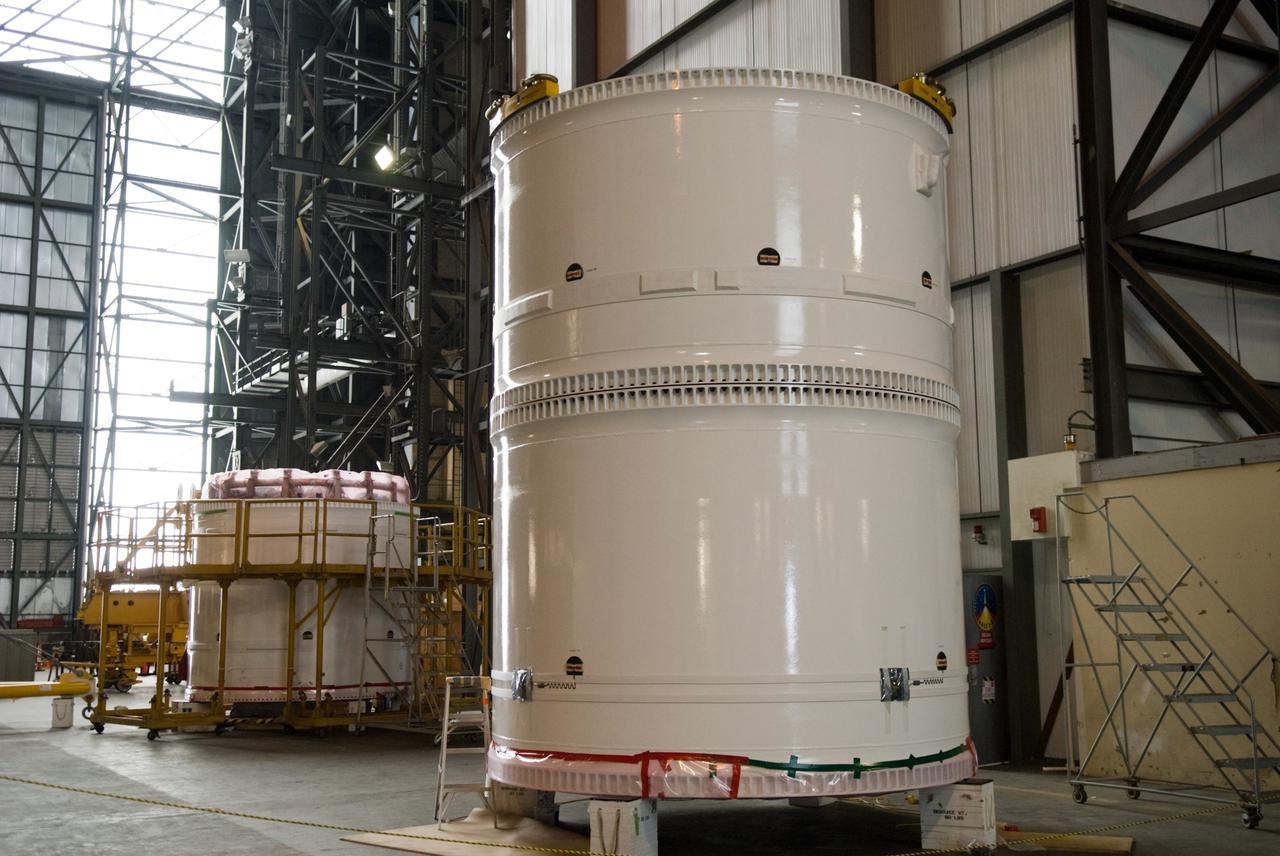
CAPE CANAVERAL, Fla. –– The fifth segment simulator segments of the Ares I-X rocket have been moved to the transfer aisle of the Vehicle Assembly Building at NASA's Kennedy Space Center in Florida. The stacking operations with other segments in the VAB in June. Ares I-X is the flight test for the Ares I. The I-X flight will provide NASA an early opportunity to test and prove hardware, facilities and ground operations associated with Ares I, which is part of the Constellation Program to return men to the moon and beyond. Launch of the Ares I-X flight test is targeted for August 2009. Photo credit: NASA/Jack Pfaller
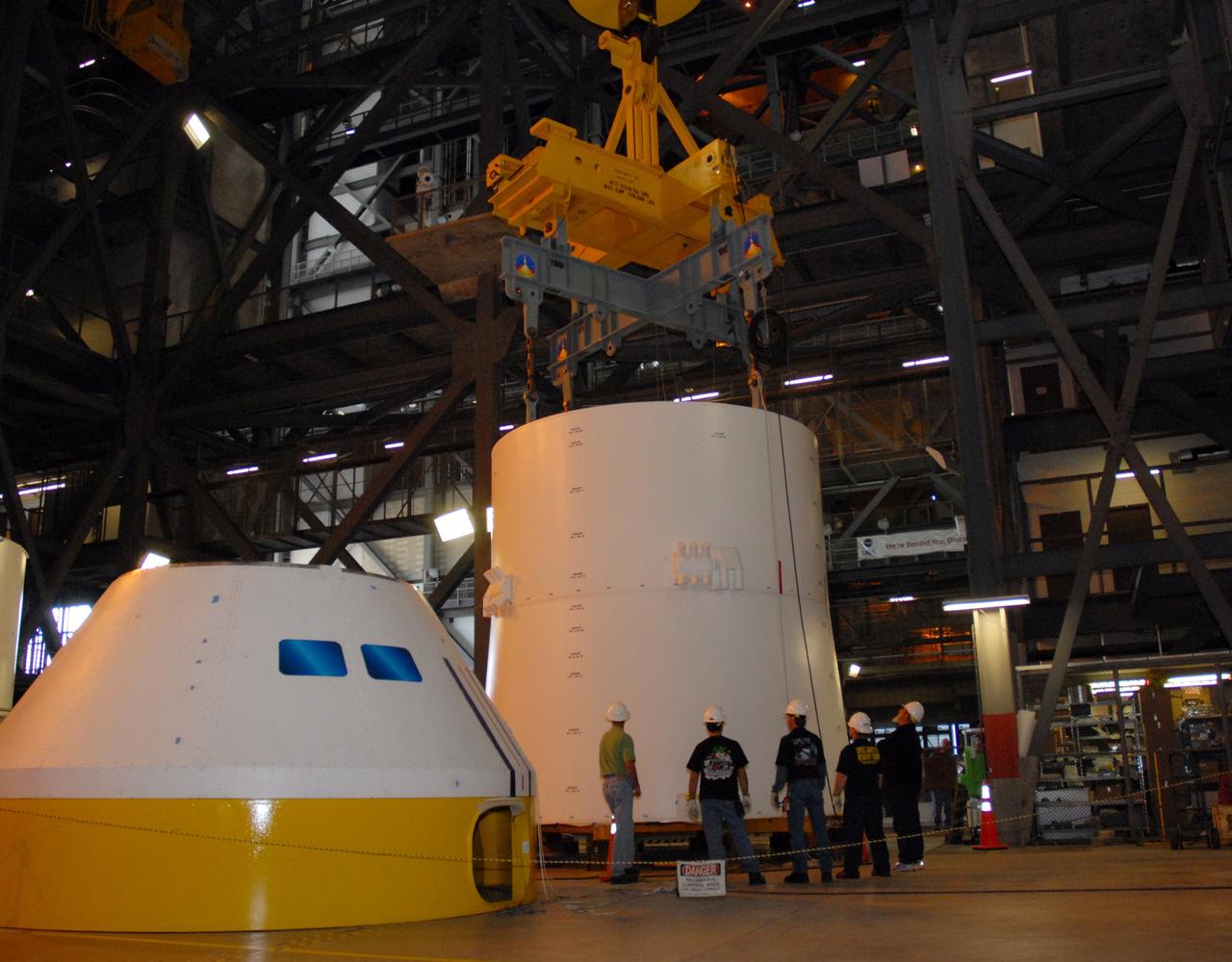
CAPE CANAVERAL, Fla. – In high bay 4 of the Vehicle Assembly Building at NASA's Kennedy Space Center in Florida, the installation of the Ares I-X service module onto the service adapter, at right, is complete. At left is the simulator crew module. Ares I-X is the test flight for the Ares I. The I-X flight will provide NASA an early opportunity to test and prove hardware, facilities and ground operations associated with Ares I. The launch of the 327-foot-tall, full-scale Ares I-X, targeted for July 2009, will be the first in a series of unpiloted rocket launches from Kennedy. Photo credit: NASA/Tim Jacobs
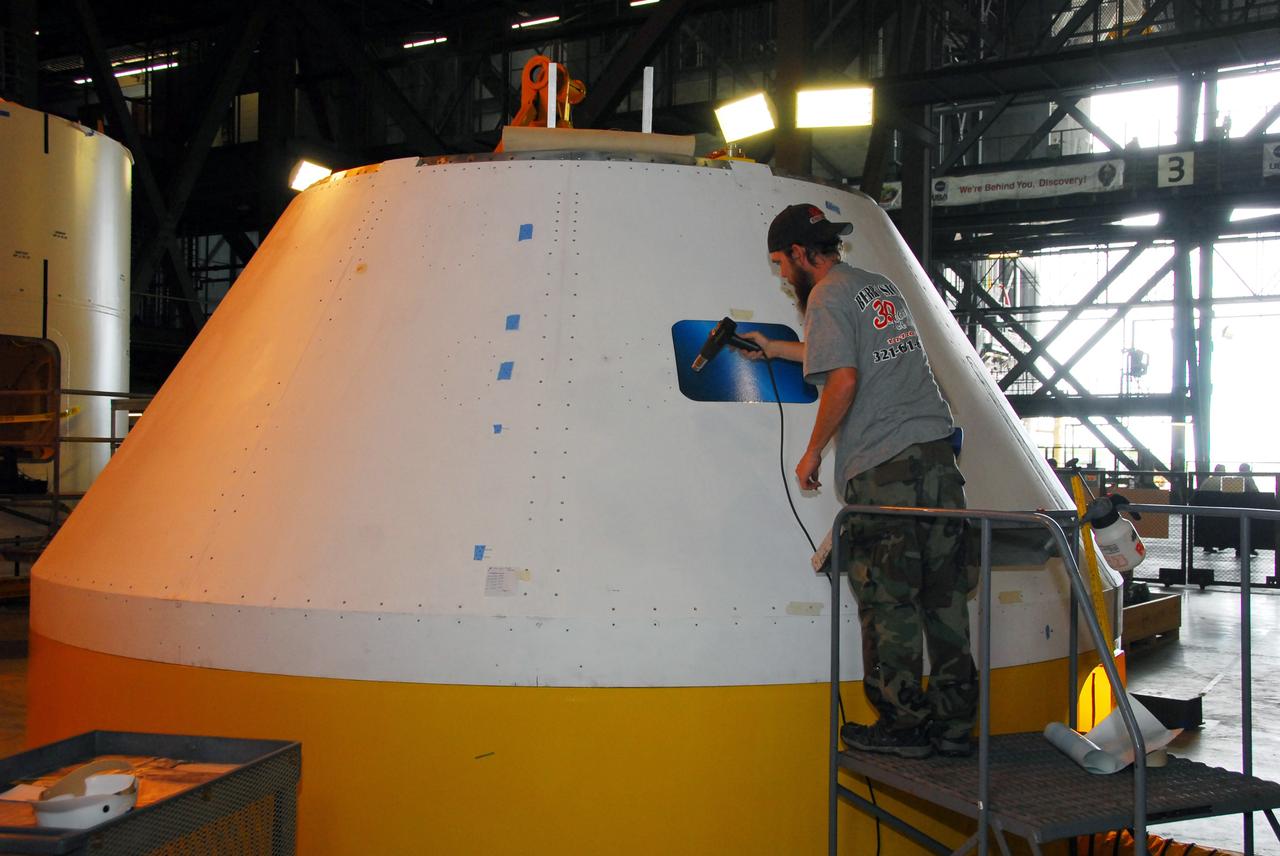
CAPE CANAVERAL, Fla. – In high bay 4 of the Vehicle Assembly Building at NASA's Kennedy Space Center, a worker applies a window decal on the Ares I-X mock-up crew module. Ares I-X is the test flight for the Ares I. The I-X flight will provide NASA an early opportunity to test and prove hardware, facilities and ground operations associated with Ares I. The launch of full-scale Ares I-X, targeted for July 2009, will be the first in a series of unpiloted rocket launches from Kennedy. When fully developed, the 16-foot diameter crew module will furnish living space and reentry protection for the astronauts. Photo credit: NASA/Tim Jacobs
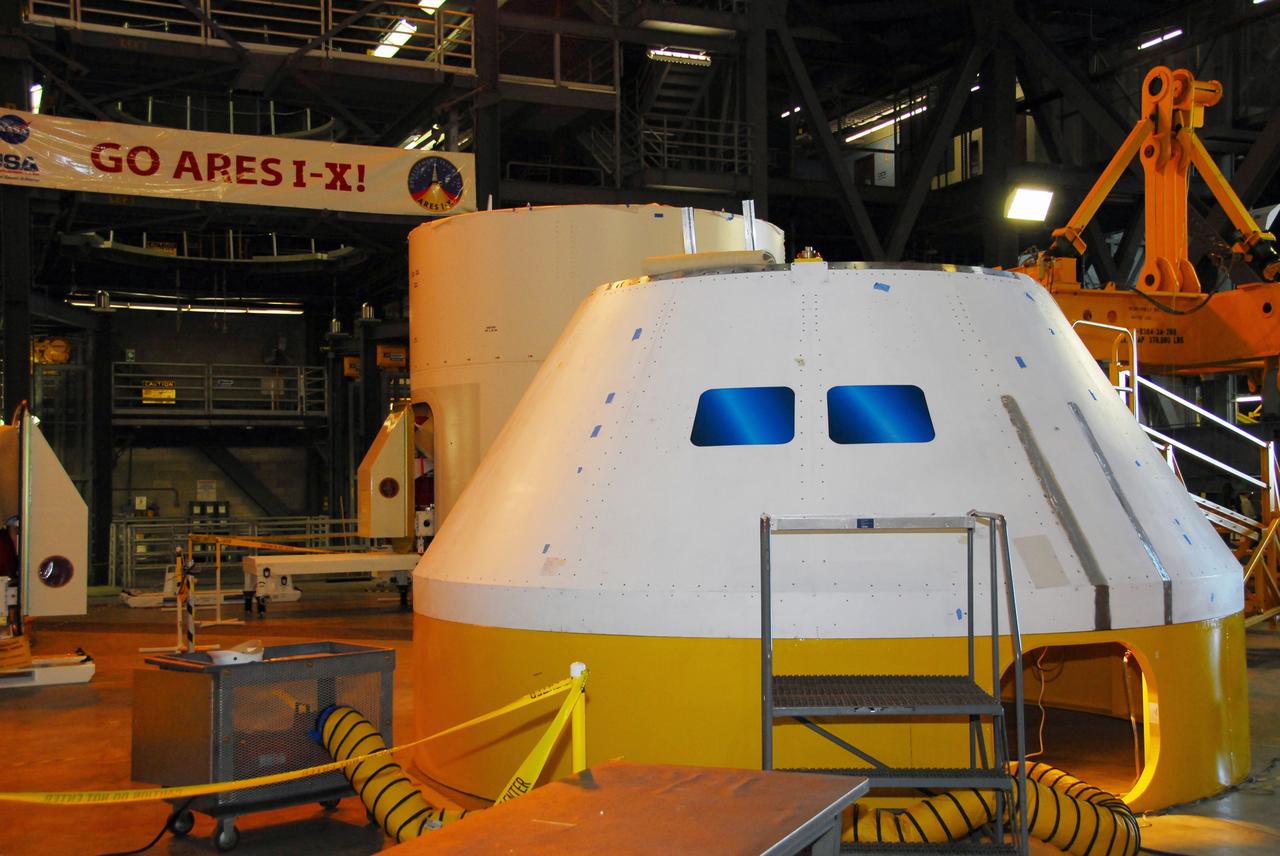
CAPE CANAVERAL, Fla. – In high bay 4 of the Vehicle Assembly Building at NASA's Kennedy Space Center, the Ares I-X mock-up crew module displays the newly applied window decals. Ares I-X is the test flight for the Ares I. The I-X flight will provide NASA an early opportunity to test and prove hardware, facilities and ground operations associated with Ares I. The launch of full-scale Ares I-X, targeted for July 2009, will be the first in a series of unpiloted rocket launches from Kennedy. When fully developed, the 16-foot diameter crew module will furnish living space and reentry protection for the astronauts. Photo credit: NASA/Tim Jacobs
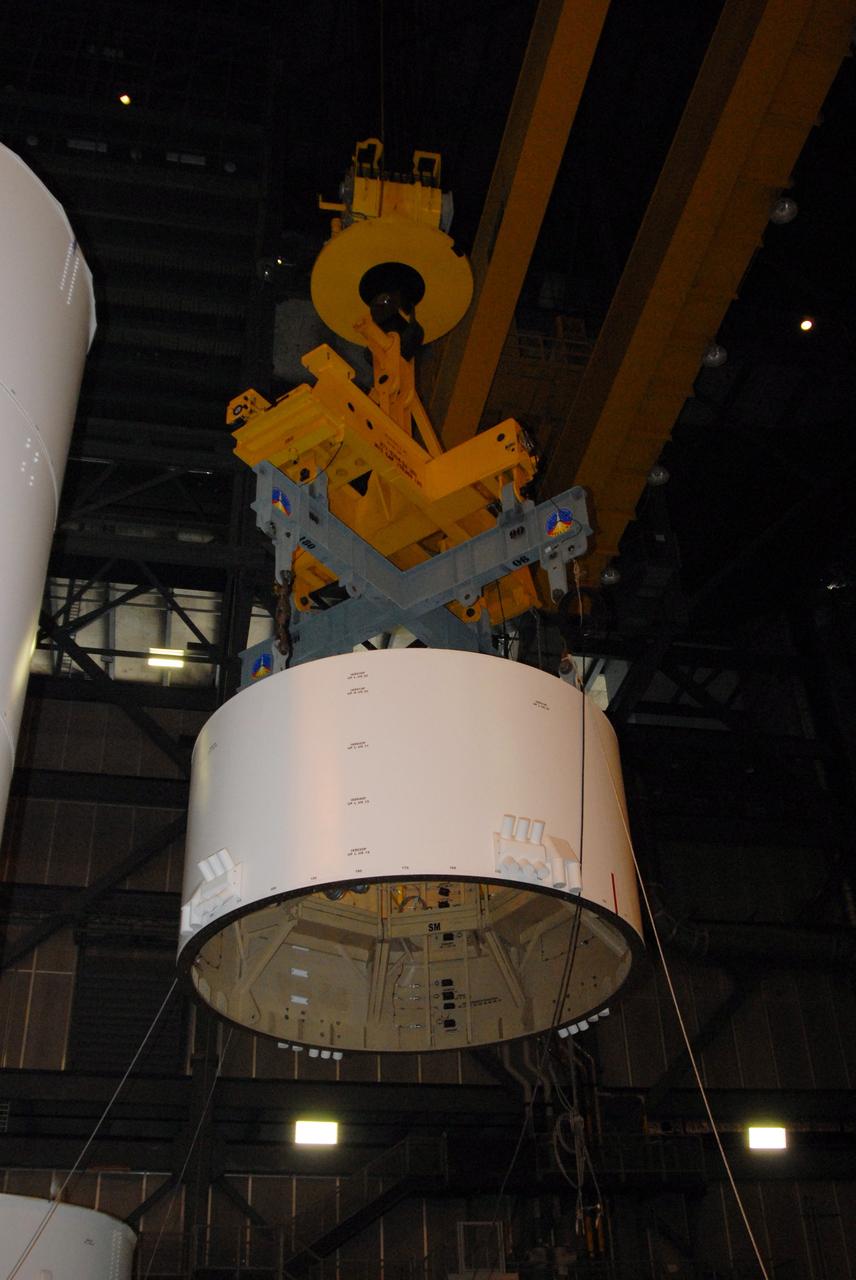
CAPE CANAVERAL, Fla. – In high bay 4 of the Vehicle Assembly Building at NASA's Kennedy Space Center in Florida, a large overhead crane lifts the Ares I-X service module, which will be mated to the service adapter in the bay. Ares I-X is the test flight for the Ares I. The I-X flight will provide NASA an early opportunity to test and prove hardware, facilities and ground operations associated with Ares I. The launch of the 327-foot-tall, full-scale Ares I-X, targeted for July 2009, will be the first in a series of unpiloted rocket launches from Kennedy. Photo credit: NASA/Tim Jacobs
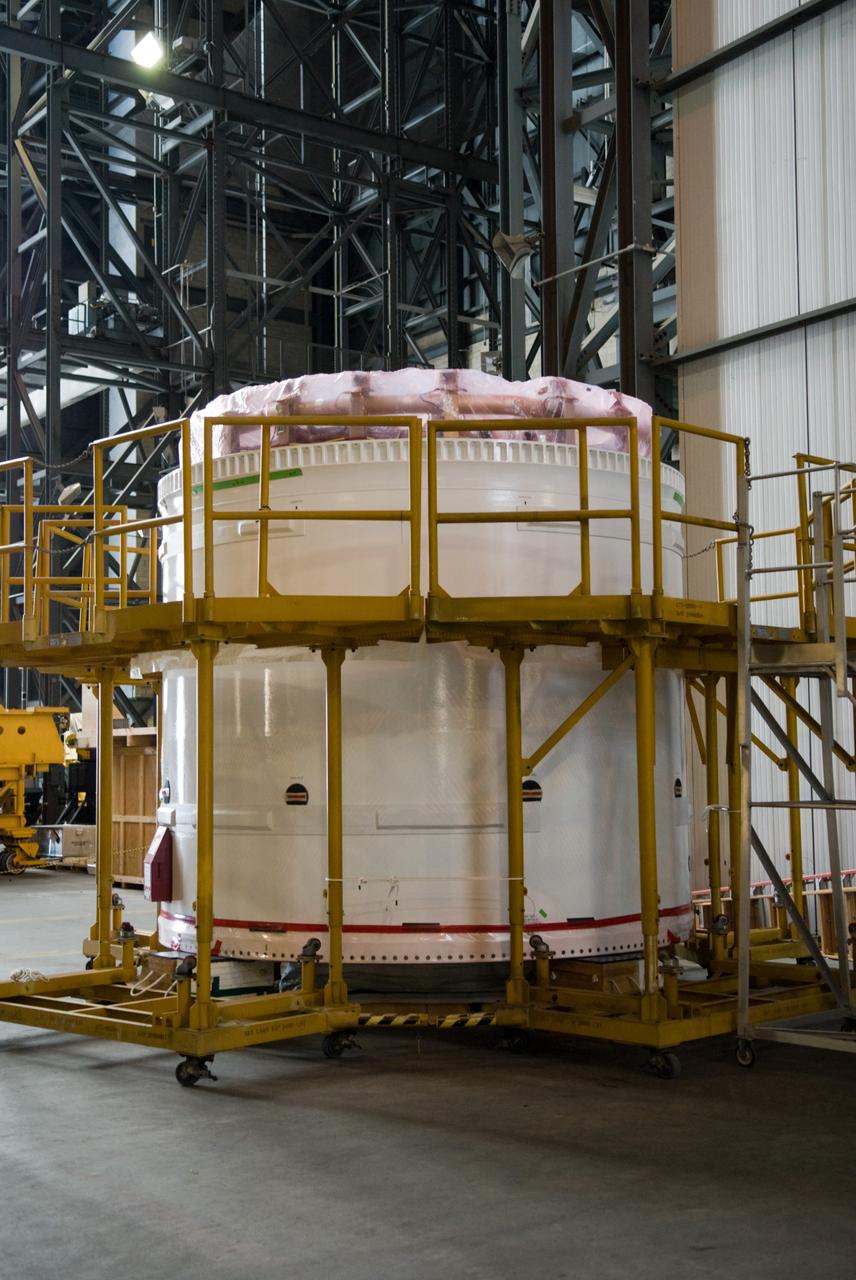
CAPE CANAVERAL, Fla. –– The fifth segment simulator segments of the Ares I-X rocket have been moved to the transfer aisle of the Vehicle Assembly Building at NASA's Kennedy Space Center in Florida. The stacking operations with other segments in the VAB in June. Ares I-X is the flight test for the Ares I. The I-X flight will provide NASA an early opportunity to test and prove hardware, facilities and ground operations associated with Ares I, which is part of the Constellation Program to return men to the moon and beyond. Launch of the Ares I-X flight test is targeted for August 2009. Photo credit: NASA/Jack Pfaller
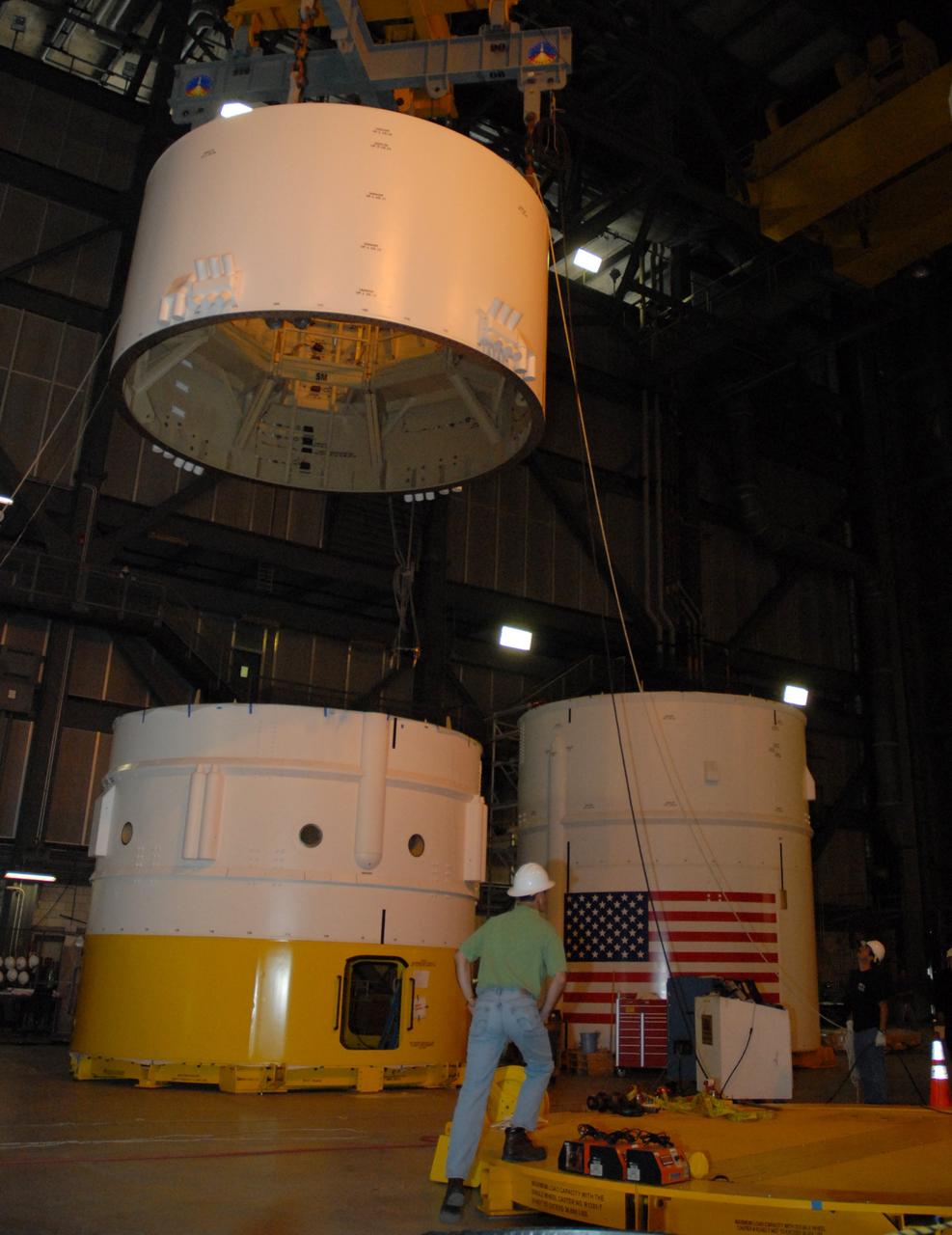
CAPE CANAVERAL, Fla. – In high bay 4 of the Vehicle Assembly Building at NASA's Kennedy Space Center in Florida, a large overhead crane moves the Ares I-X service module, which will be mated to the service adapter in the bay. Other Ares I-X segments are located around the bay, as seen here. Ares I-X is the test flight for the Ares I. The I-X flight will provide NASA an early opportunity to test and prove hardware, facilities and ground operations associated with Ares I. The launch of the 327-foot-tall, full-scale Ares I-X, targeted for July 2009, will be the first in a series of unpiloted rocket launches from Kennedy. Photo credit: NASA/Tim Jacobs

CAPE CANAVERAL, Fla. – In high bay 4 of the Vehicle Assembly Building at NASA's Kennedy Space Center in Florida, a large overhead crane lowers the Ares I-X service module toward the service adapter. Other Ares I-X segments are located around the bay, including the simulator crew module in the foreground (with the blue "windows"). Ares I-X is the test flight for the Ares I. The I-X flight will provide NASA an early opportunity to test and prove hardware, facilities and ground operations associated with Ares I. The launch of the 327-foot-tall, full-scale Ares I-X, targeted for July 2009, will be the first in a series of unpiloted rocket launches from Kennedy. Photo credit: NASA/Tim Jacobs
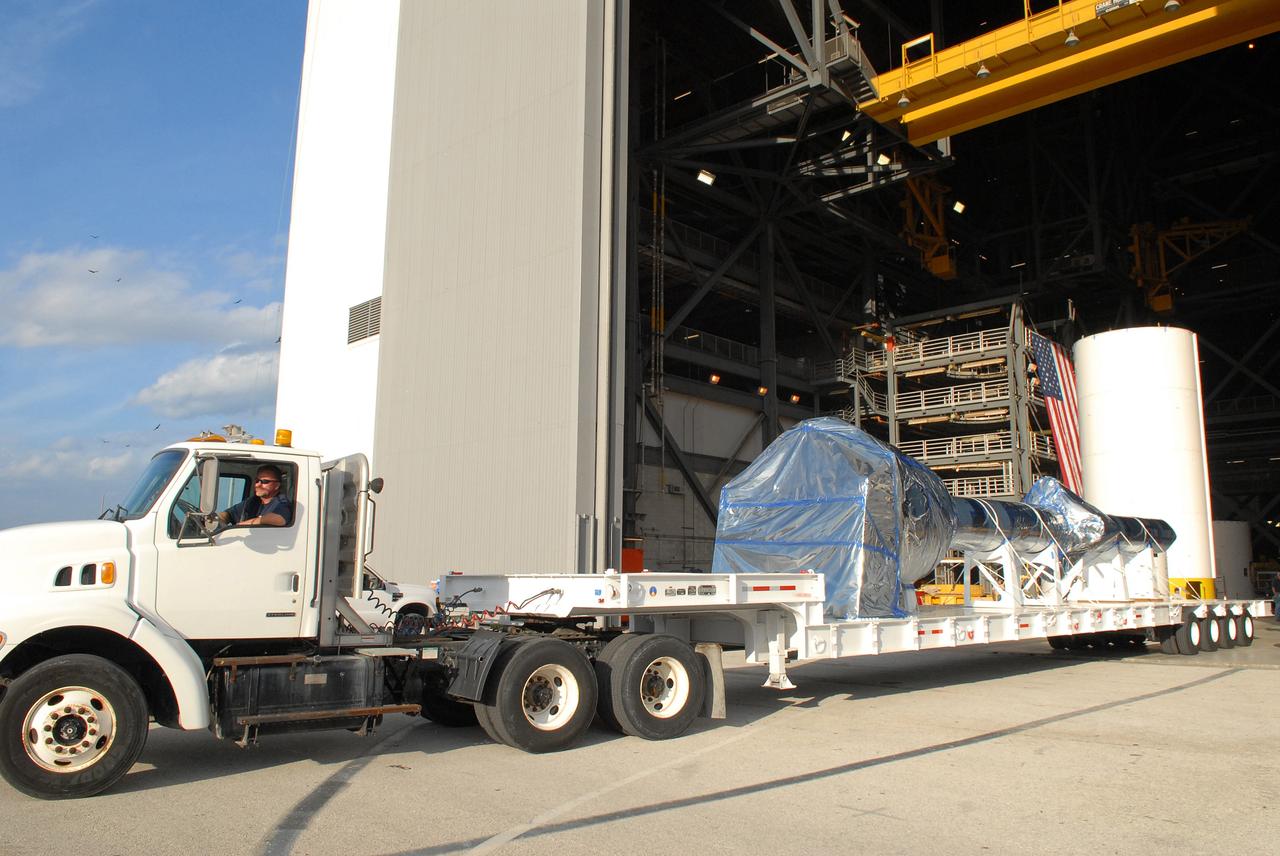
CAPE CANAVERAL, Fla. – The launch abort system for the Ares I-X rocket arrives in the Vehicle Assembly Building's high bay 4 at NASA's Kennedy Space Center in Florida. The launch abort system joins the precisely machined, full-scale simulator crew module, which, together, will form the tip of the Ares I-X. Ares I-X is the test flight for the Ares I. The I-X flight will provide NASA an early opportunity to test and prove hardware, facilities and ground operations associated with Ares I. The launch of the 321-foot-tall, full-scale Ares I-X, targeted for July 2009, will be the first in a series of unpiloted rocket launches from Kennedy. When fully developed, the 16-foot diameter crew module will furnish living space and reentry protection for the astronauts, while their launch abort system will provide safe evacuation if a launch vehicle failure occurs. Photo credit: NASA/Jack Pfaller
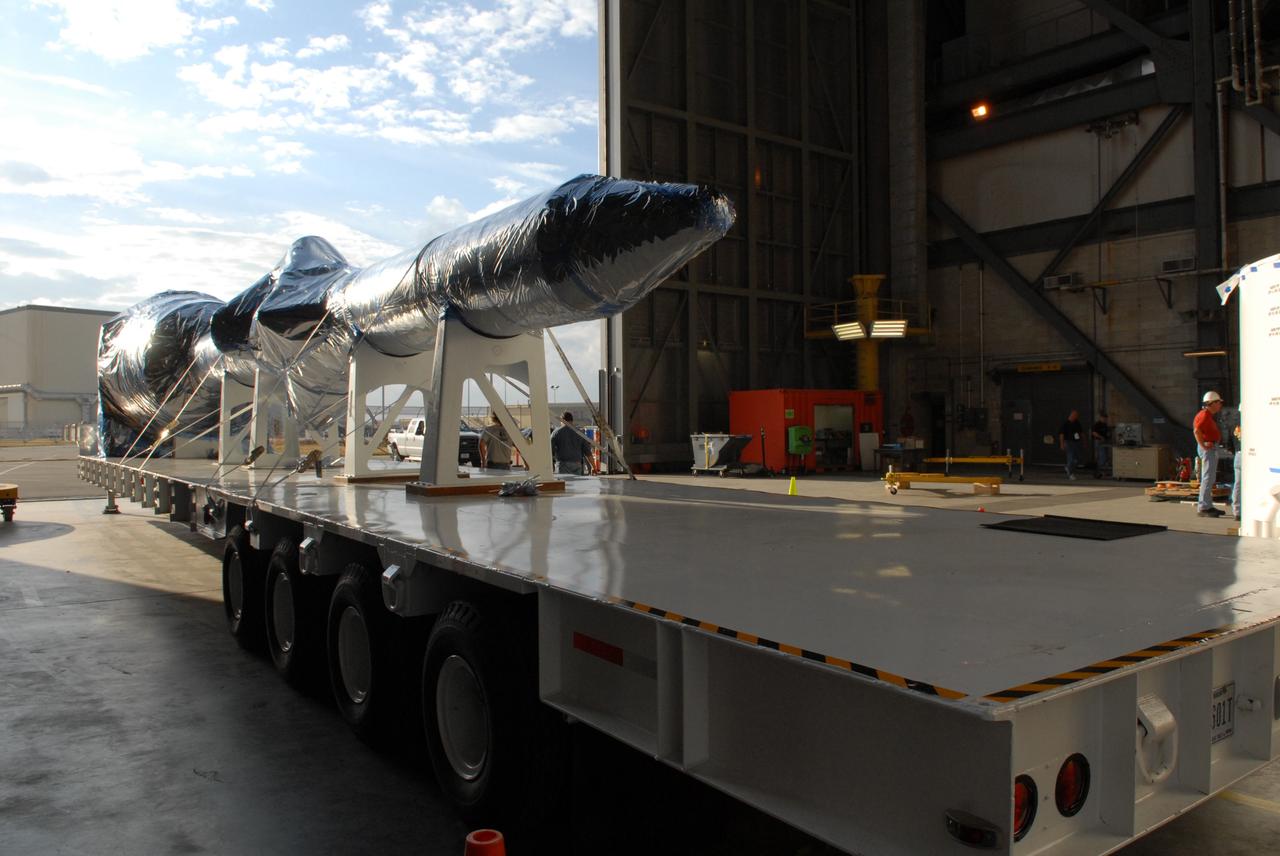
CAPE CANAVERAL, Fla. – The launch abort system for the Ares I-X rocket is moved inside the Vehicle Assembly Building's high bay 4 at NASA's Kennedy Space Center in Florida. The launch abort system joins the precisely machined, full-scale simulator crew module, which, together, will form the tip of the Ares I-X. Ares I-X is the test flight for the Ares I. The I-X flight will provide NASA an early opportunity to test and prove hardware, facilities and ground operations associated with Ares I. The launch of the 321-foot-tall, full-scale Ares I-X, targeted for July 2009, will be the first in a series of unpiloted rocket launches from Kennedy. When fully developed, the 16-foot diameter crew module will furnish living space and reentry protection for the astronauts, while their launch abort system will provide safe evacuation if a launch vehicle failure occurs. Photo credit: NASA/Jack Pfaller
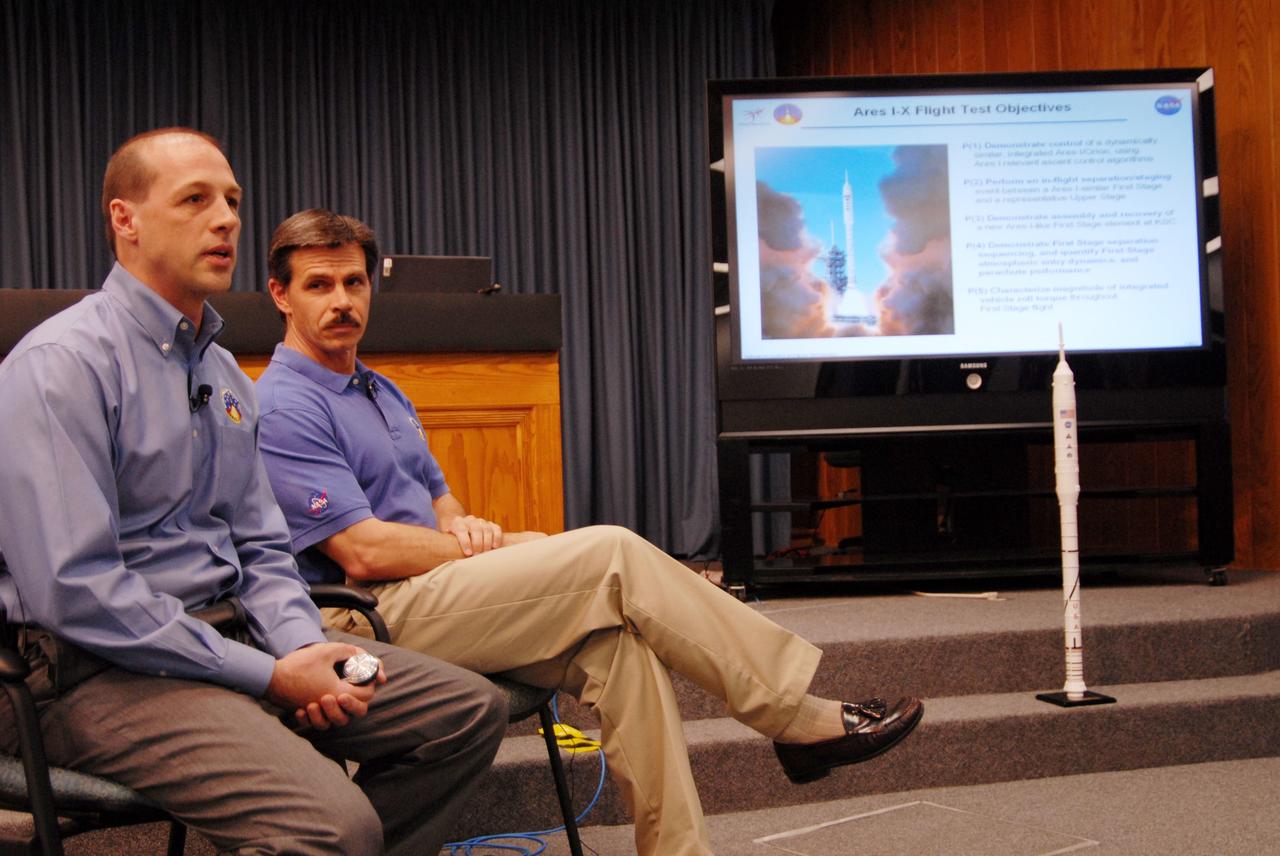
CAPE CANAVERAL, Fla. – Media were invited to a showing of the Ares I-X simulator rocket segments at NASA's Kennedy Space Center in Florida. Here, Bob Ess and Jon Cowart discuss the flight test objectives of the Ares I-X targeted for launch in July 2009. Ess is manager of the Ares I-X project. Cowart is Ares I-X deputy mission manager. The I-X flight will provide NASA an early opportunity to test and prove hardware, facilities and ground operations associated with Ares I, part of the Constellation Program to return men to the moon and beyond. Ares I is the essential core of a safe, reliable, cost-effective space transportation system that eventually will carry crewed missions back to the moon, on to Mars and out into the solar system. Photo credit: NASA/Jack Pfaller
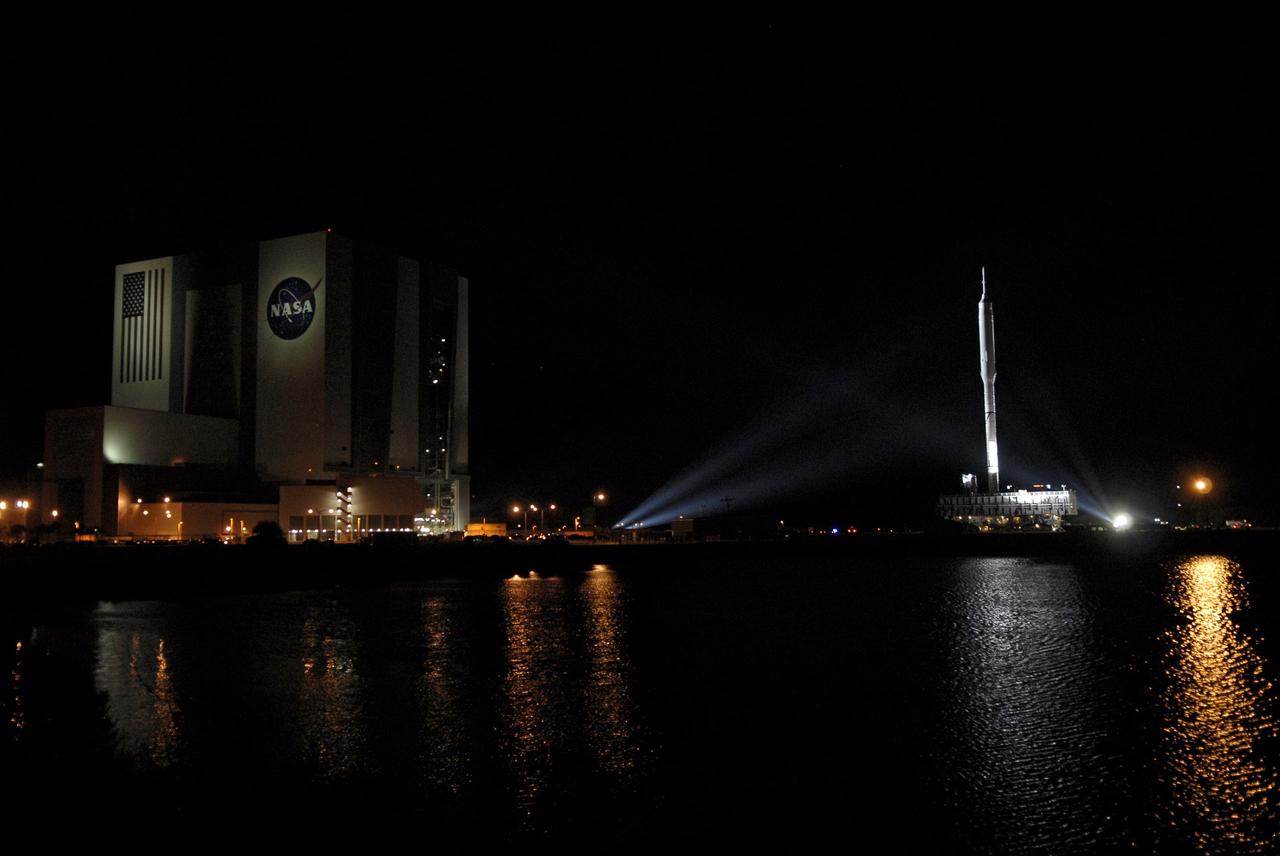
CAPE CANAVERAL, Fla. - The towering 327-foot-tall Ares I-X rocket moves away from the Vehicle Assembly Building at NASA's Kennedy Space Center in Florida. The rocket's slow, 4.2-mile journey to Launch Pad 39B began at 1:39 a.m. EDT. The transfer of the pad from the Space Shuttle Program to the Constellation Program took place May 31. Modifications made to the pad include the removal of shuttle unique subsystems, such as the orbiter access arm and a section of the gaseous oxygen vent arm, along with the installation of three 600-foot lightning towers, access platforms, environmental control systems and a vehicle stabilization system. Part of the Constellation Program, the Ares I-X is the test vehicle for the Ares I. The Ares I-X flight test is targeted for Oct. 27. For information on the Ares I-X vehicle and flight test, visit http://www.nasa.gov/aresIX. Photo credit: NASA/Kim Shiflett
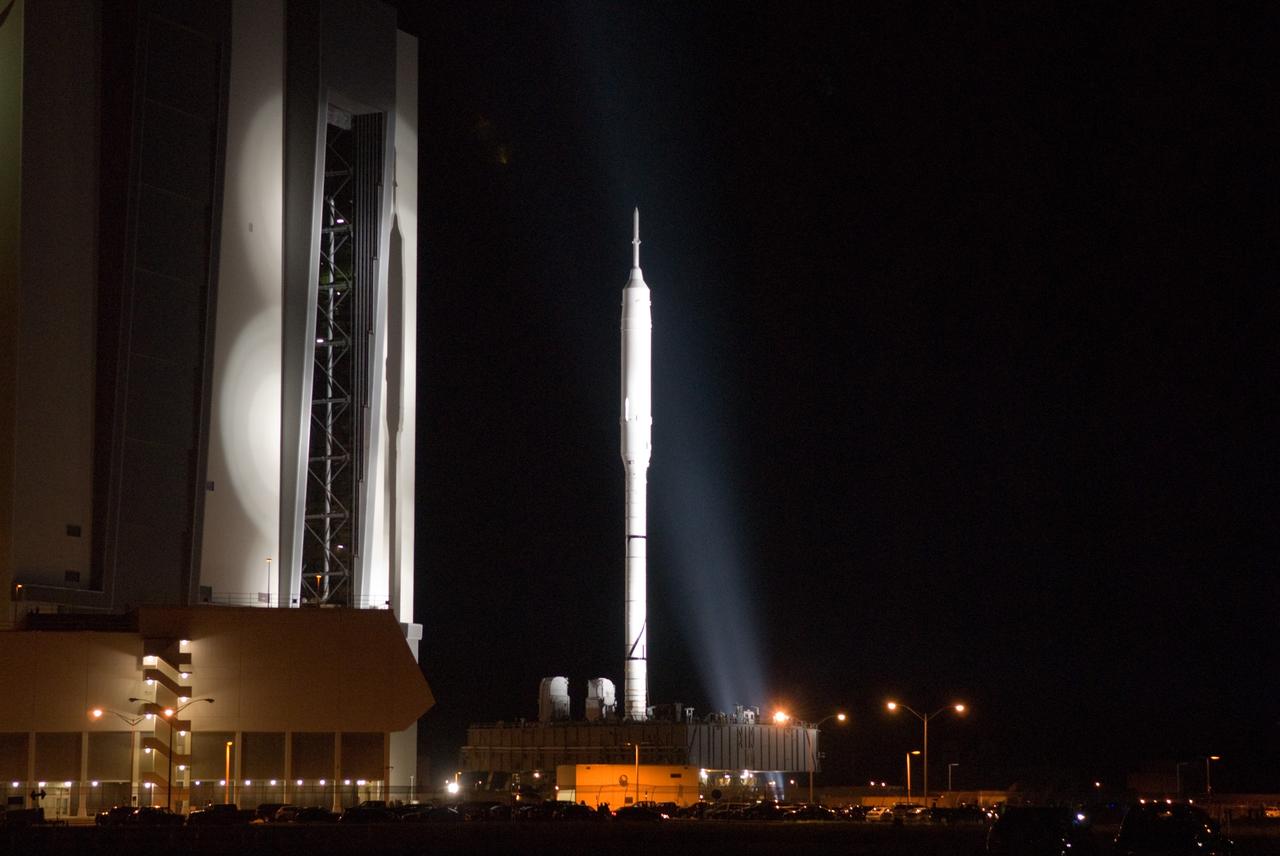
CAPE CANAVERAL, Fla. – Standing tall, the Ares I-X rocket rides atop the crawler-transporter as it moves beyond the Vehicle Assembly Building at NASA's Kennedy Space Center in Florida. Its slow trek to Launch Pad 39B, known as "rollout," began at 1:39 a.m. EDT. The transfer of the pad from the Space Shuttle Program to the Constellation Program took place May 31. Modifications made to the pad include the removal of shuttle unique subsystems, such as the orbiter access arm and a section of the gaseous oxygen vent arm, along with the installation of three 600-foot lightning towers, access platforms, environmental control systems and a vehicle stabilization system. Part of the Constellation Program, the Ares I-X is the test vehicle for the Ares I. The Ares I-X flight test is targeted for Oct. 27. For information on the Ares I-X vehicle and flight test, visit http://www.nasa.gov/aresIX. Photo credit: NASA/Jim Grossmann
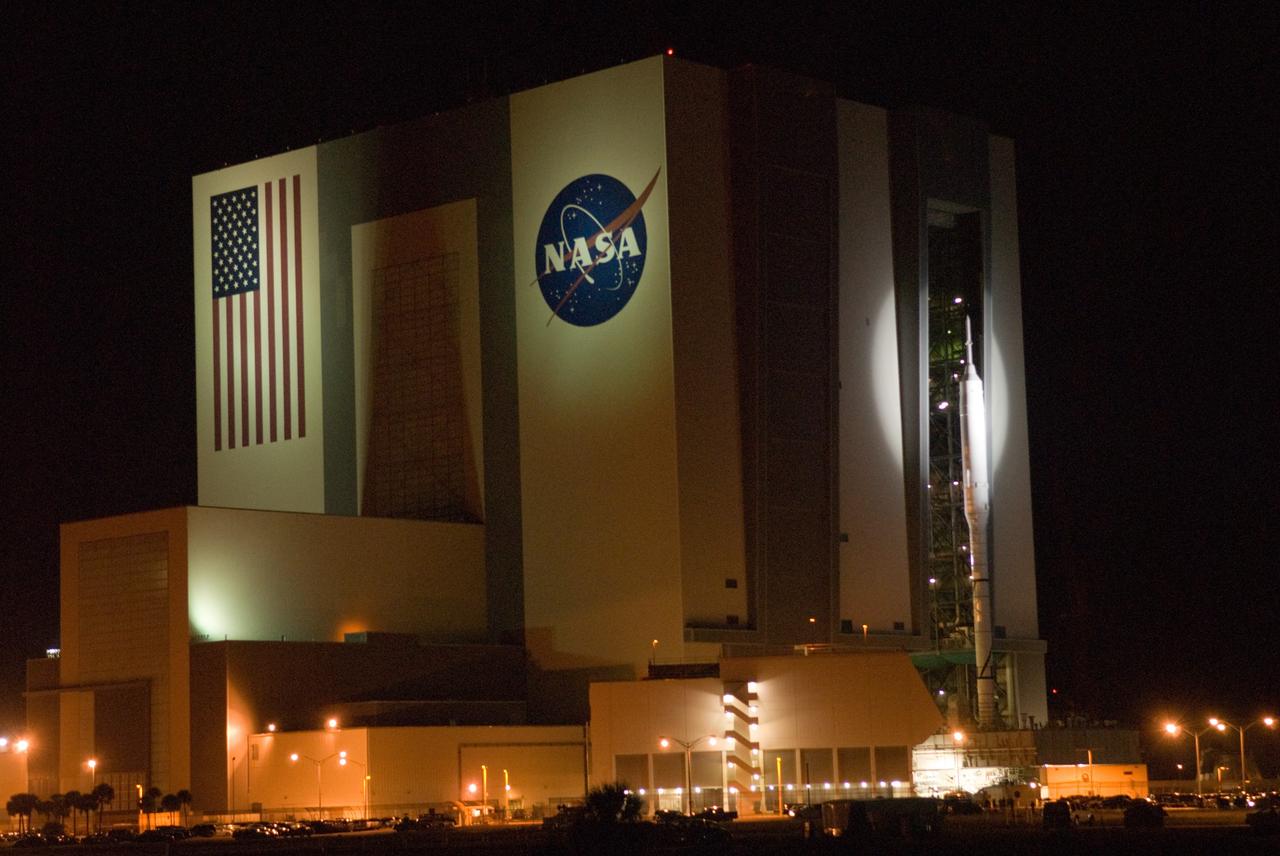
CAPE CANAVERAL, Fla. – Spotlighted against the Vehicle Assembly Building at NASA's Kennedy Space Center in Florida, the 327-foot-tall Ares I-X rocket begins its slow trek to Launch Pad 39B. The move, known as "rollout," began at 1:39 a.m. EDT. The transfer of the pad from the Space Shuttle Program to the Constellation Program took place May 31. Modifications made to the pad include the removal of shuttle unique subsystems, such as the orbiter access arm and a section of the gaseous oxygen vent arm, along with the installation of three 600-foot lightning towers, access platforms, environmental control systems and a vehicle stabilization system. Part of the Constellation Program, the Ares I-X is the test vehicle for the Ares I. The Ares I-X flight test is targeted for Oct. 27. For information on the Ares I-X vehicle and flight test, visit http://www.nasa.gov/aresIX. Photo credit: NASA/Jim Grossmann
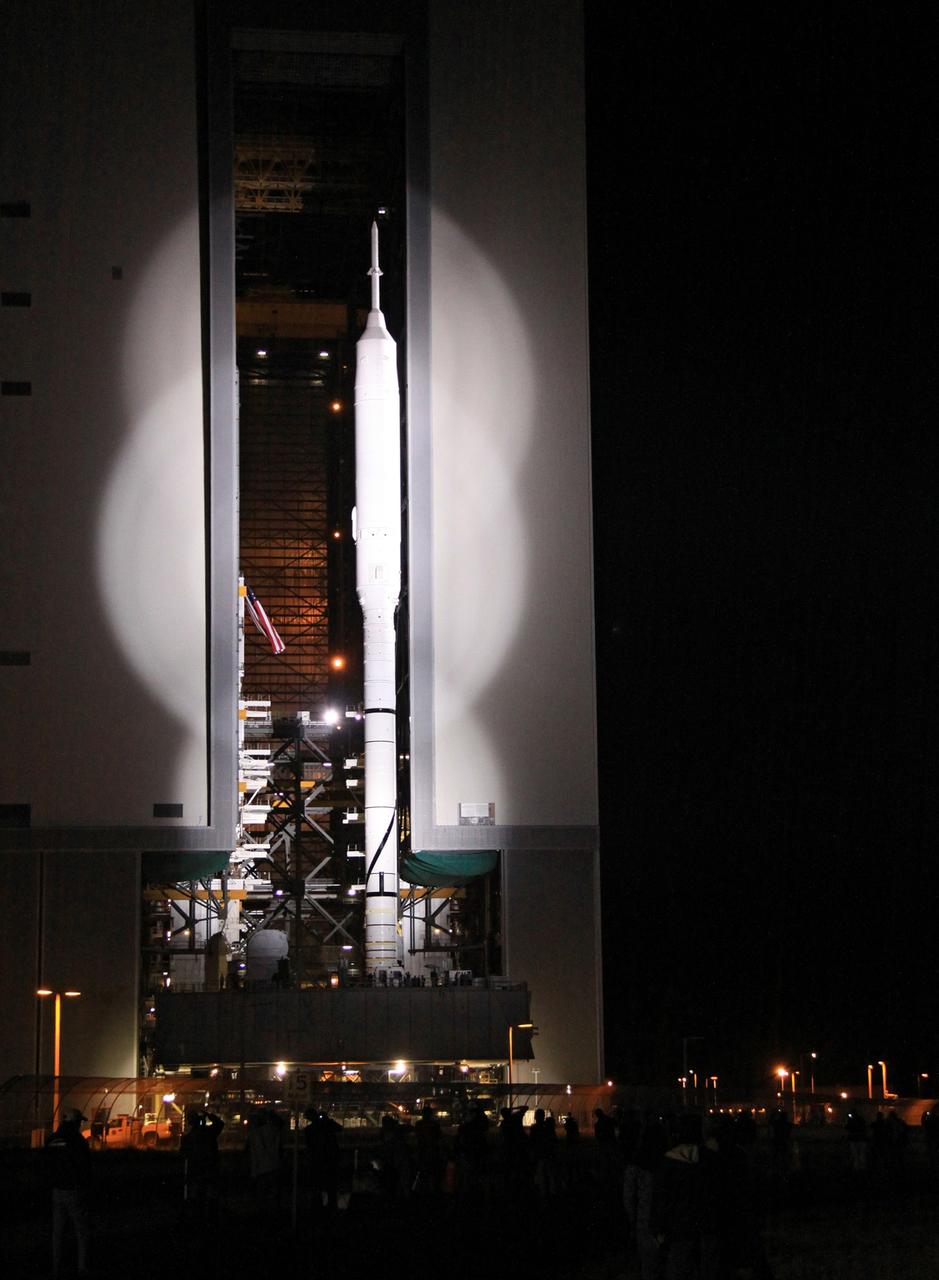
CAPE CANAVERAL, Fla. – Spotlighted in brilliant white, the 327-foot-tall Ares I-X rocket emerges from the Vehicle Assembly Building at NASA's Kennedy Space Center in Florida. The move to the launch pad, known as "rollout," began at 1:39 a.m. EDT. The transfer of the pad from the Space Shuttle Program to the Constellation Program took place May 31. Modifications made to the pad include the removal of shuttle unique subsystems, such as the orbiter access arm and a section of the gaseous oxygen vent arm, along with the installation of three 600-foot lightning towers, access platforms, environmental control systems and a vehicle stabilization system. Part of the Constellation Program, the Ares I-X is the test vehicle for the Ares I. The Ares I-X flight test is targeted for Oct. 27. For information on the Ares I-X vehicle and flight test, visit http://www.nasa.gov/aresIX. Photo credit: NASA/Jack Pfaller
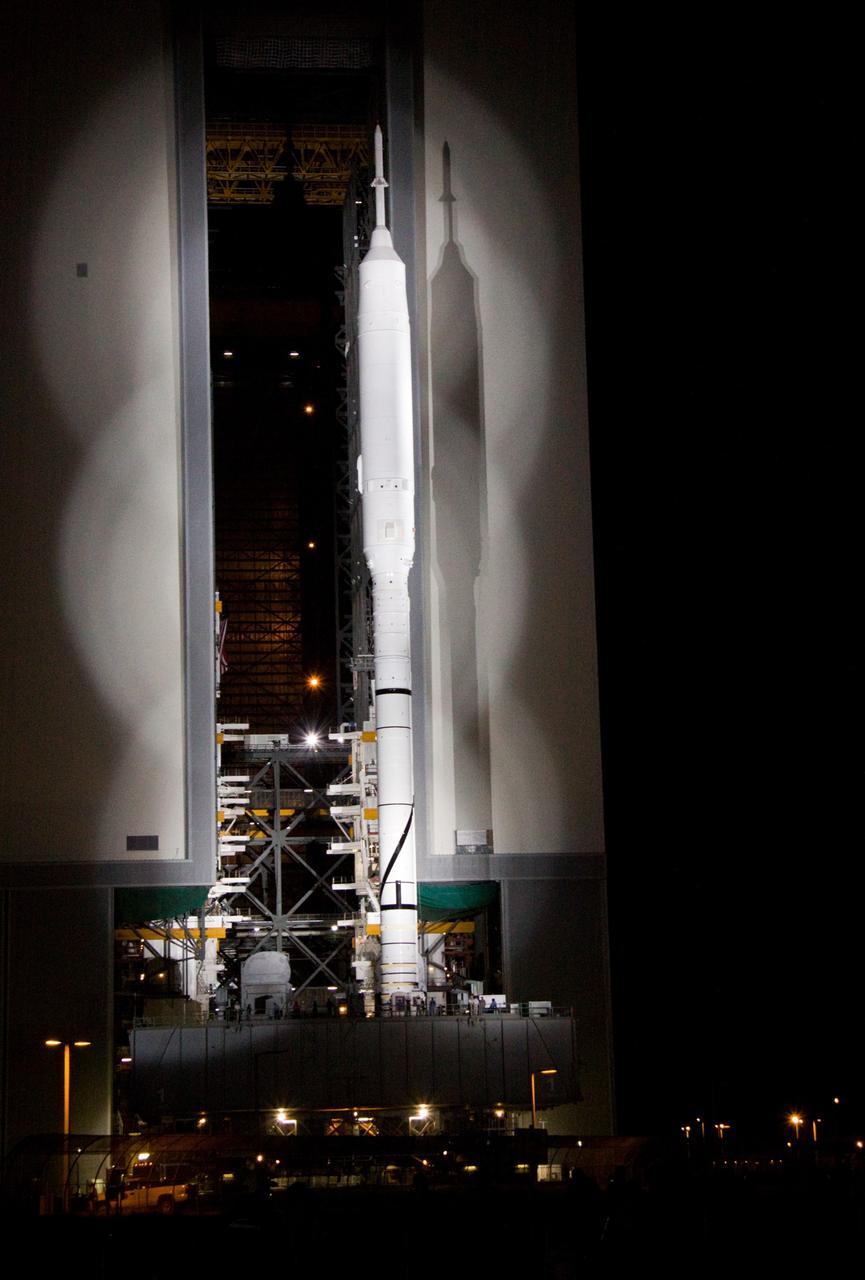
CAPE CANAVERAL, Fla. – The 327-foot-tall Ares I-X rocket clears the door of the Vehicle Assembly Building at NASA's Kennedy Space Center in Florida, on its way to Launch Pad 39B. The move to the launch pad, known as "rollout," began at 1:39 a.m. EDT. The transfer of the pad from the Space Shuttle Program to the Constellation Program took place May 31. Modifications made to the pad include the removal of shuttle unique subsystems, such as the orbiter access arm and a section of the gaseous oxygen vent arm, along with the installation of three 600-foot lightning towers, access platforms, environmental control systems and a vehicle stabilization system. Part of the Constellation Program, the Ares I-X is the test vehicle for the Ares I. The Ares I-X flight test is targeted for Oct. 27. For information on the Ares I-X vehicle and flight test, visit http://www.nasa.gov/aresIX. Photo credit: NASA/Jack Pfaller
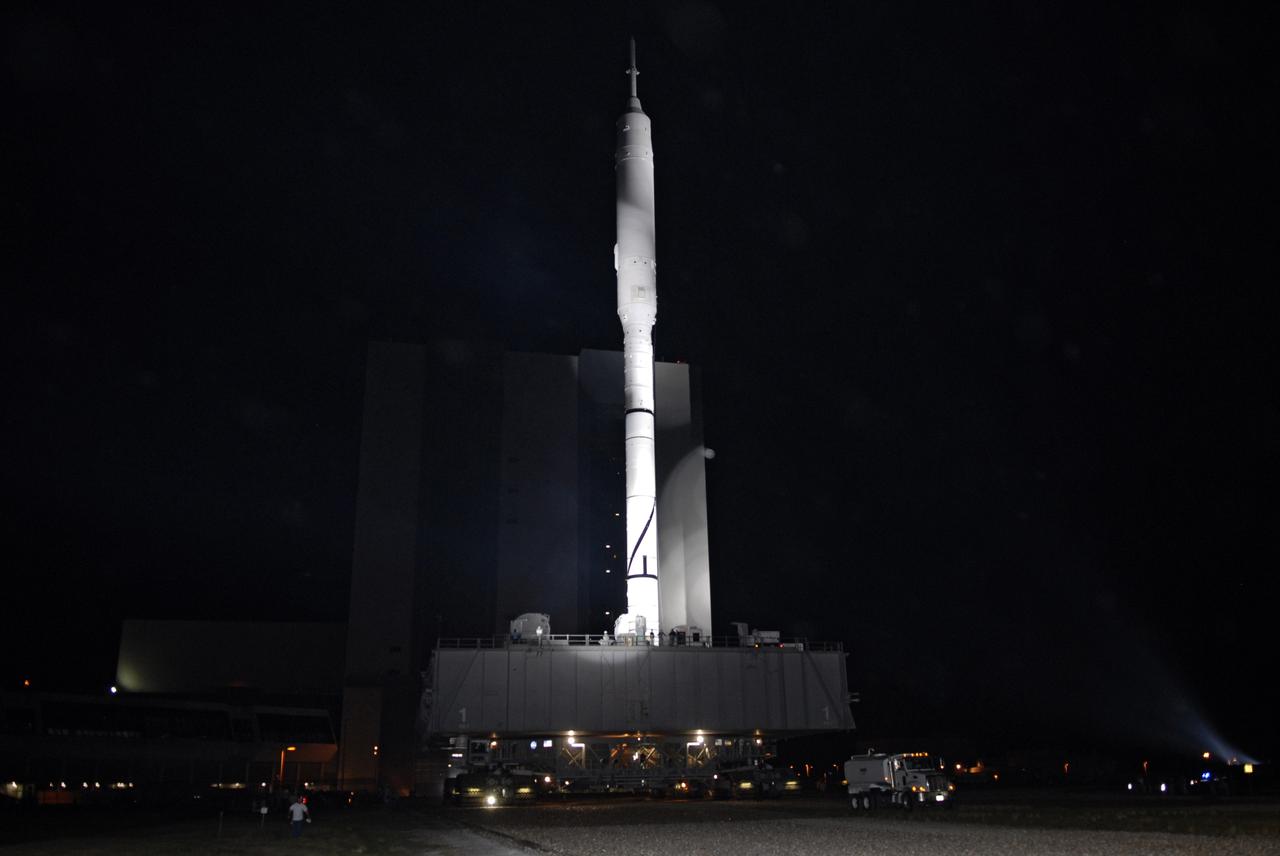
CAPE CANAVERAL, Fla. - The Ares I-X rocket heads toward Launch Pad 39B at NASA's Kennedy Space Center in Florida, riding atop a crawler-transporter. The 4.2-mile trip to the pad from the massive Vehicle Assembly Building began at 1:39 a.m. EDT. The transfer of the pad from the Space Shuttle Program to the Constellation Program took place May 31. Modifications made to the pad include the removal of shuttle unique subsystems, such as the orbiter access arm and a section of the gaseous oxygen vent arm, along with the installation of three 600-foot lightning towers, access platforms, environmental control systems and a vehicle stabilization system. Part of the Constellation Program, the Ares I-X is the test vehicle for the Ares I. The Ares I-X flight test is targeted for Oct. 27. For information on the Ares I-X vehicle and flight test, visit http://www.nasa.gov/aresIX. Photo credit: NASA/Kim Shiflett
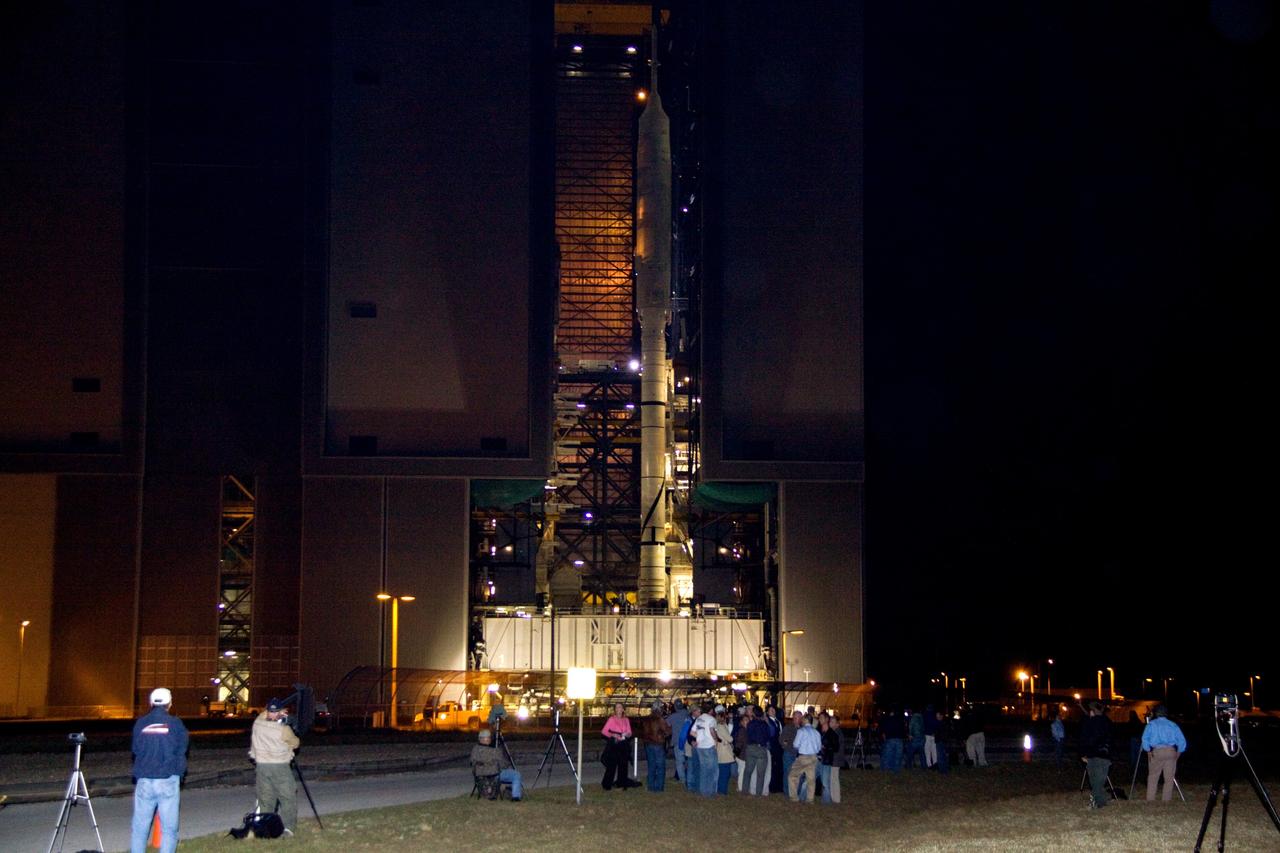
CAPE CANAVERAL, Fla. – Outside the massive Vehicle Assembly Building at NASA's Kennedy Space Center in Florida, members of the news media (foreground) wait in the dark for the rollout of the Ares I-X to begin. The rocket will travel the 4.2 miles to Launch Pad 39B atop the crawler-transporter. The transfer of the pad from the Space Shuttle Program to the Constellation Program took place May 31. Modifications made to the pad include the removal of shuttle unique subsystems, such as the orbiter access arm and a section of the gaseous oxygen vent arm, along with the installation of three 600-foot lightning towers, access platforms, environmental control systems and a vehicle stabilization system. Part of the Constellation Program, the Ares I-X is the test vehicle for the Ares I. The Ares I-X flight test is targeted for Oct. 27. For information on the Ares I-X vehicle and flight test, visit http://www.nasa.gov/aresIX. Photo credit: NASA/Jack Pfaller
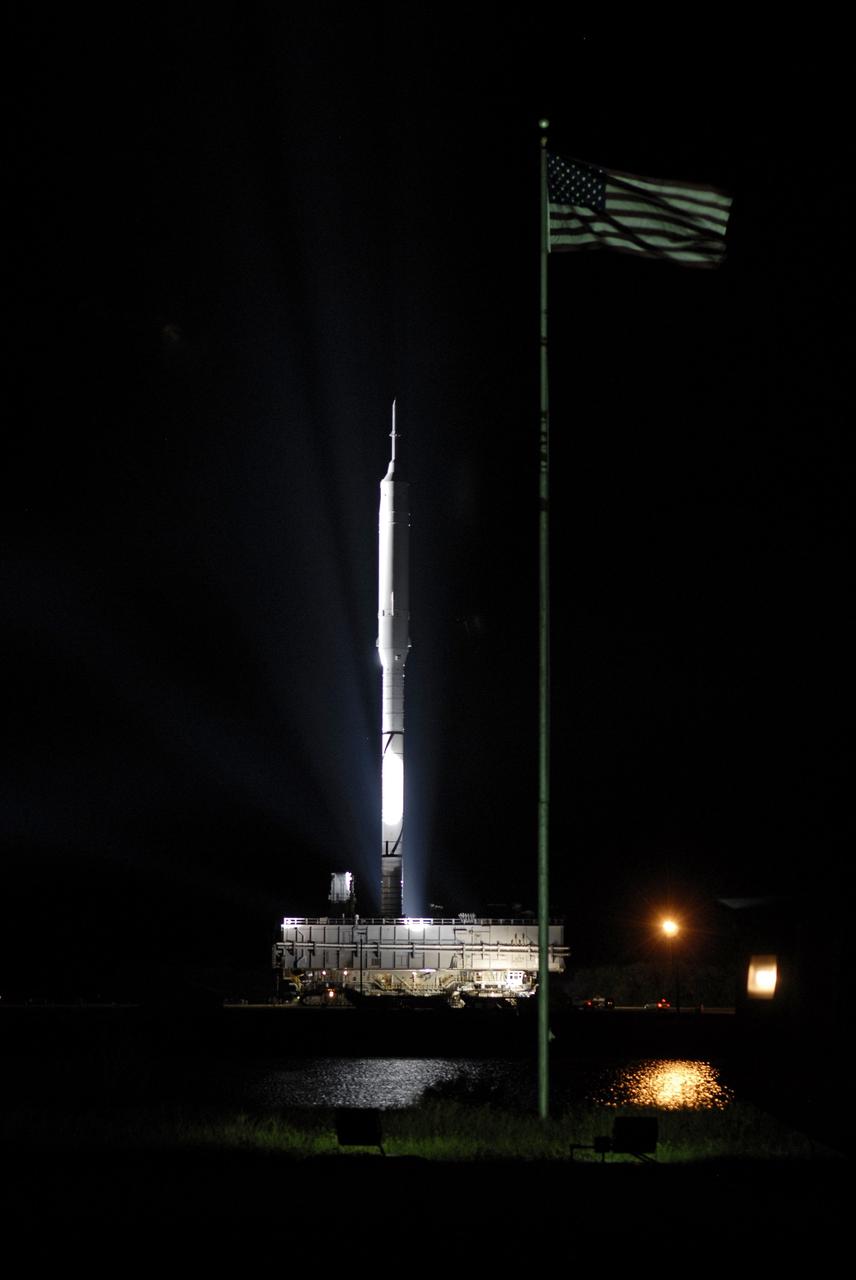
CAPE CANAVERAL, Fla. - The American flag waves as the Ares I-X rocket passes by on its slow trek to Launch Pad 39B at NASA's Kennedy Space Center in Florida. The rocket, riding atop a crawler-transporter, began the 4.2-mile journey at 1:39 a.m. EDT. The transfer of the pad from the Space Shuttle Program to the Constellation Program took place May 31. Modifications made to the pad include the removal of shuttle unique subsystems, such as the orbiter access arm and a section of the gaseous oxygen vent arm, along with the installation of three 600-foot lightning towers, access platforms, environmental control systems and a vehicle stabilization system. Part of the Constellation Program, the Ares I-X is the test vehicle for the Ares I. The Ares I-X flight test is targeted for Oct. 27. For information on the Ares I-X vehicle and flight test, visit http://www.nasa.gov/aresIX. Photo credit: NASA/Kim Shiflett
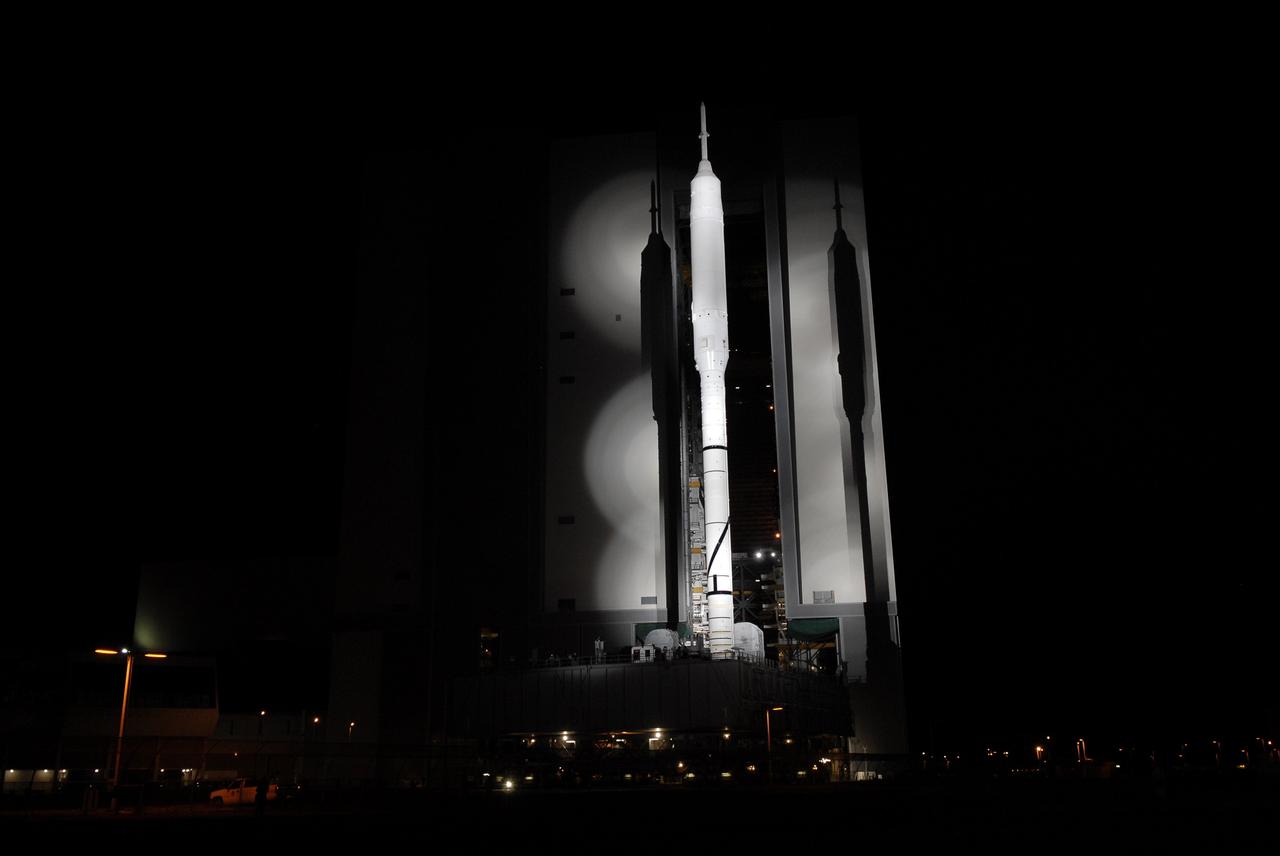
CAPE CANAVERAL, Fla. - The towering 327-foot-tall Ares I-X rocket rides aboard a crawler-transporter as it exits the massive Vehicle Assembly Building at NASA's Kennedy Space Center in Florida. The rocket is bolted to its mobile launcher platform for the move to the launch pad. The transfer of the pad from the Space Shuttle Program to the Constellation Program took place May 31. Modifications made to the pad include the removal of shuttle unique subsystems, such as the orbiter access arm and a section of the gaseous oxygen vent arm, along with the installation of three 600-foot lightning towers, access platforms, environmental control systems and a vehicle stabilization system. Part of the Constellation Program, the Ares I-X is the test vehicle for the Ares I. The Ares I-X flight test is targeted for Oct. 27. For information on the Ares I-X vehicle and flight test, visit http://www.nasa.gov/aresIX. Photo credit: NASA/Kim Shiflett
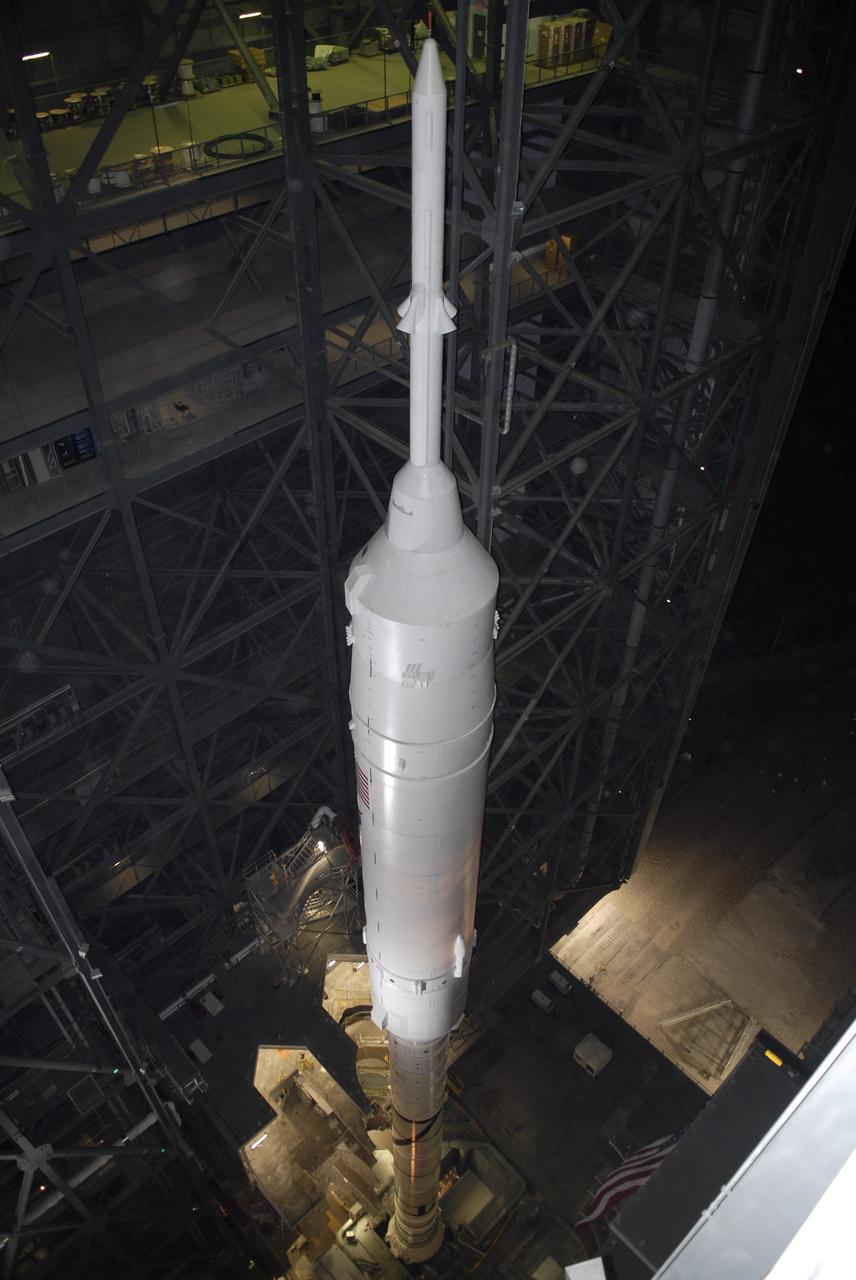
CAPE CANAVERAL, Fla. - Inside the Vehicle Assembly Building at NASA's Kennedy Space Center in Florida, the 327-foot-tall Ares I-X rocket stands on its mobile launcher platform. The transfer of the pad from the Space Shuttle Program to the Constellation Program took place May 31. Modifications made to the pad include the removal of shuttle unique subsystems, such as the orbiter access arm and a section of the gaseous oxygen vent arm, along with the installation of three 600-foot lightning towers, access platforms, environmental control systems and a vehicle stabilization system. Part of the Constellation Program, the Ares I-X is the test vehicle for the Ares I. The Ares I-X flight test is targeted for Oct. 27. For information on the Ares I-X vehicle and flight test, visit http://www.nasa.gov/aresIX. Photo credit: NASA/Kim Shiflett
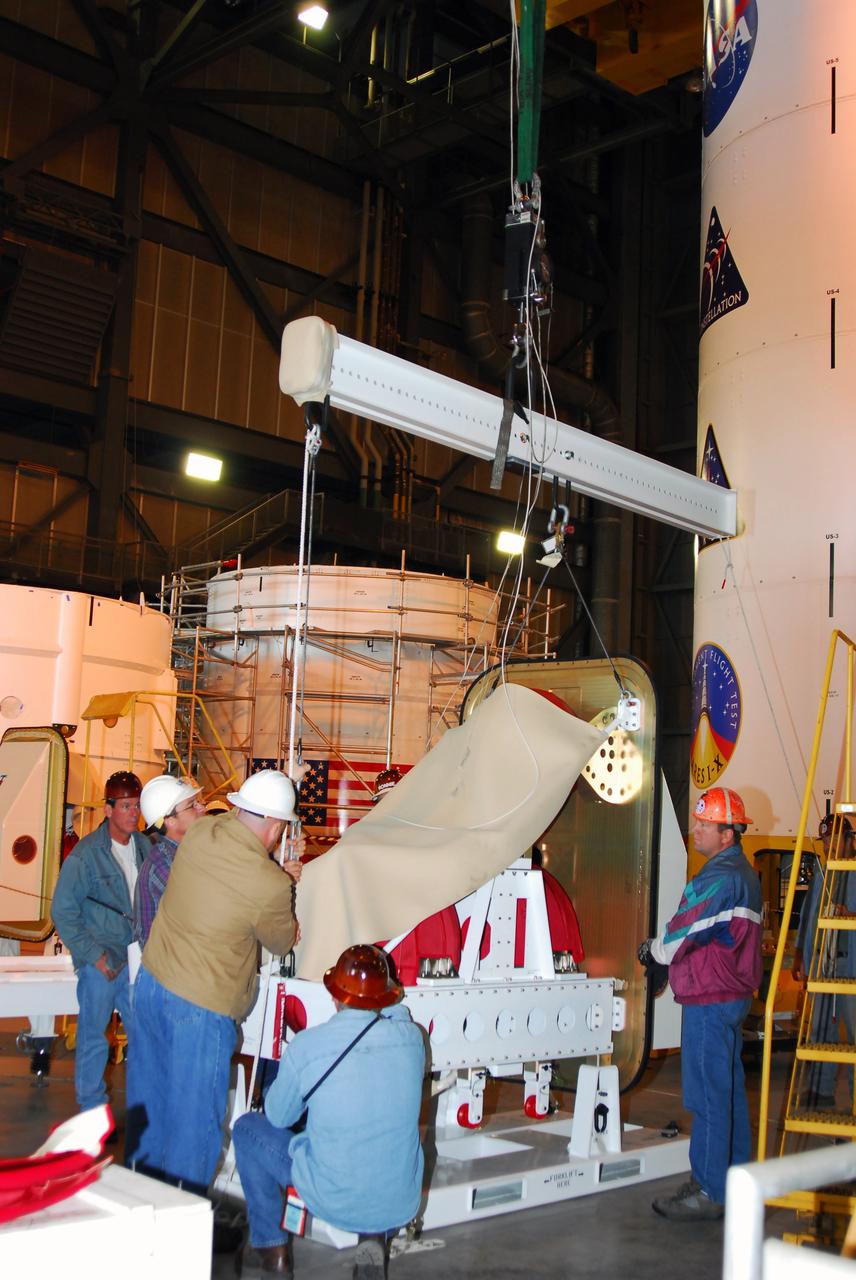
CAPE CANAVERAL, Fla. – The Ares I-X roll control system module, comprising two modules and four thrusters, is being prepared for a fit check on the Ares I-X rocket upper stage simulator. The hardware is in high bay 4 of the Vehicle Assembly Building at NASA's Kennedy Space Center. The system is designed to perform a 90-degree roll after the rocket clears the launch tower, preventing a roll during flight and maintaining the orientation of the rocket until separation of the upper and first stages. The system module will return to earth and splash down; it will not be recovered. Ares I-X is the test vehicle for the Ares I, which is part of the Constellation Program to return men to the moon and beyond. Ares I-X is targeted for launch in summer of 2009. Photo credit: NASA/Tim Jacobs
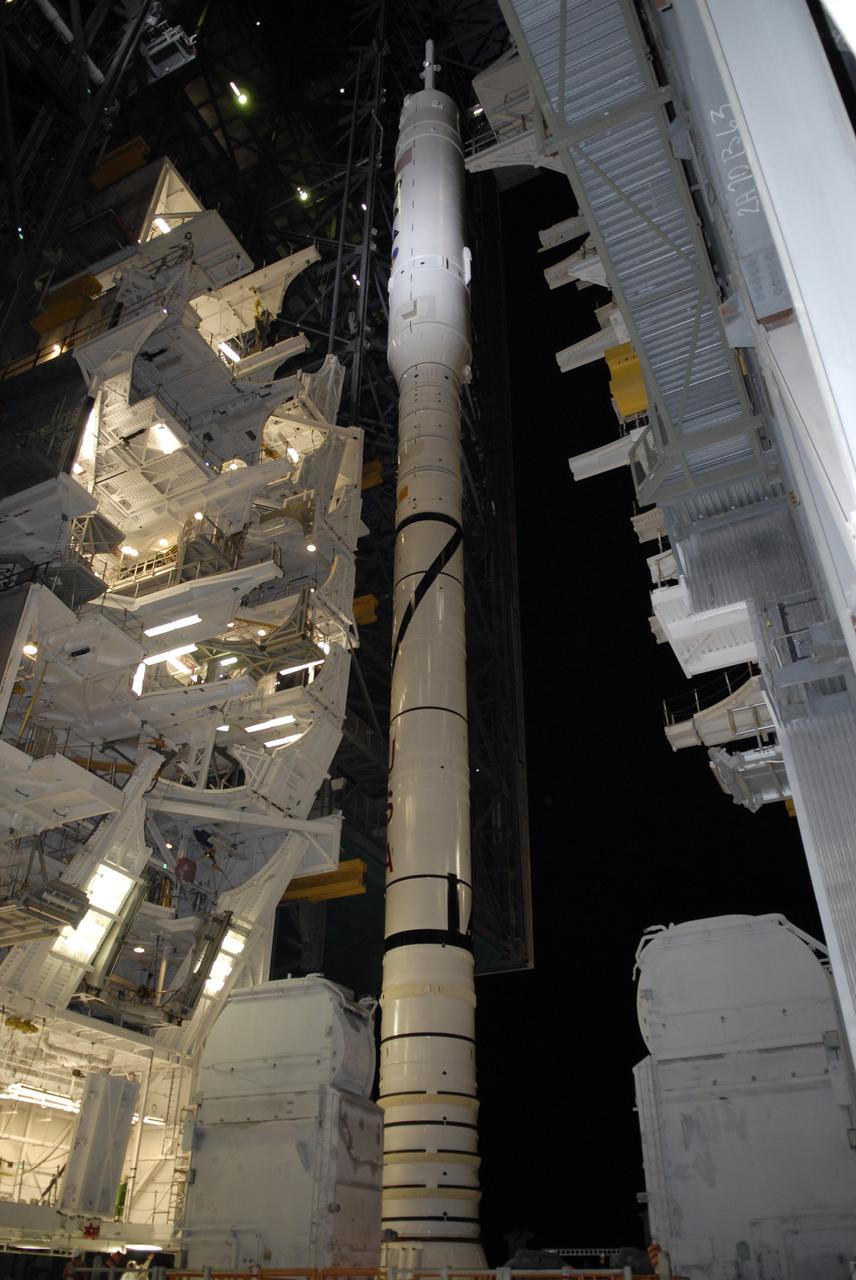
CAPE CANAVERAL, Fla. - With the work platforms retracted, the Ares I-X stands tall inside the Vehicle Assembly Building at NASA's Kennedy Space Center in Florida. The platforms were retracted in preparation for the rocket's rollout to Launch Pad 39B. The transfer of the pad from the Space Shuttle Program to the Constellation Program took place May 31. Modifications made to the pad include the removal of shuttle unique subsystems, such as the orbiter access arm and a section of the gaseous oxygen vent arm, along with the installation of three 600-foot lightning towers, access platforms, environmental control systems and a vehicle stabilization system. Part of the Constellation Program, the Ares I-X is the test vehicle for the Ares I. The Ares I-X flight test is targeted for Oct. 27. For information on the Ares I-X vehicle and flight test, visit http://www.nasa.gov/aresIX. Photo credit: NASA/Kim Shiflett
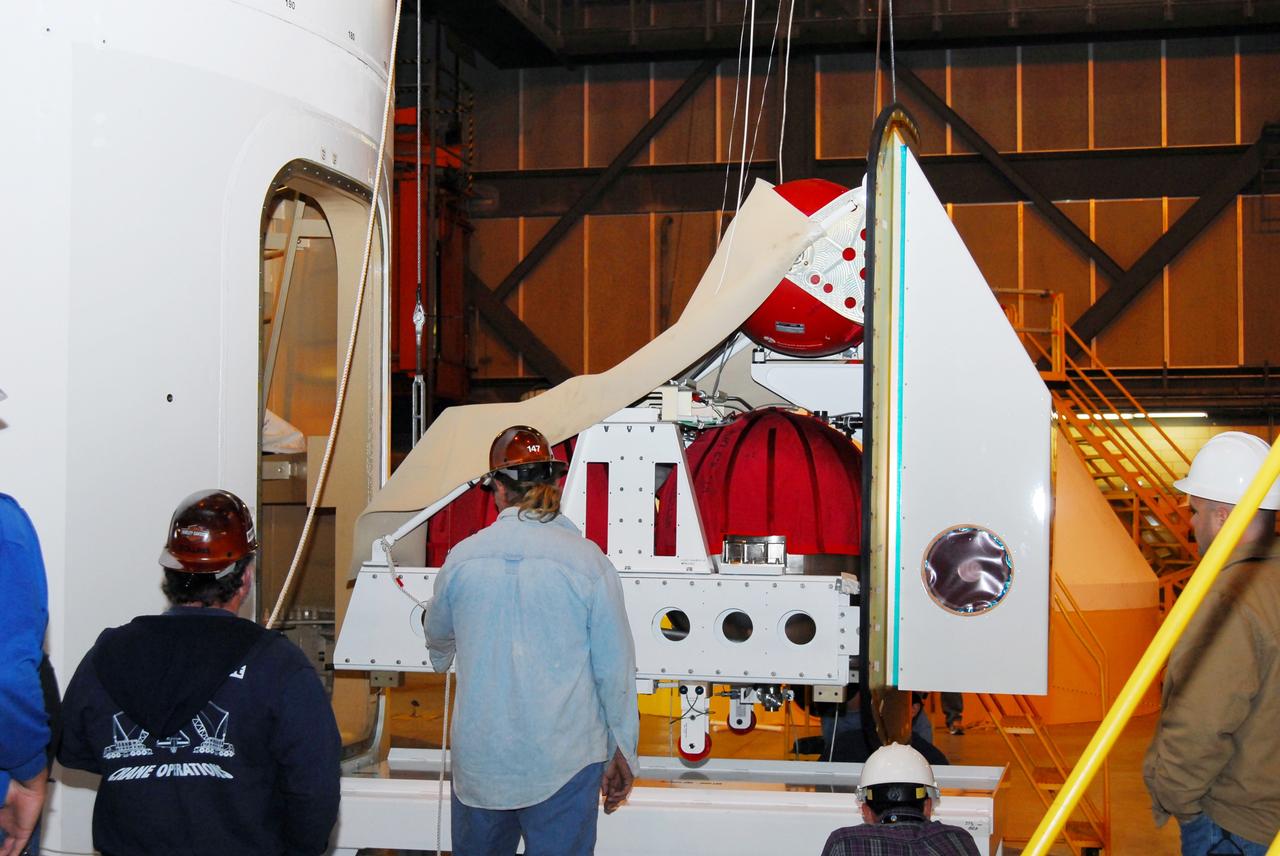
CAPE CANAVERAL, Fla. – The Ares I-X roll control system module, comprising two modules and four thrusters, is being prepared for a fit check on the Ares I-X rocket upper stage simulator. The hardware is in high bay 4 of the Vehicle Assembly Building at NASA's Kennedy Space Center. The system is designed to perform a 90-degree roll after the rocket clears the launch tower, preventing a roll during flight and maintaining the orientation of the rocket until separation of the upper and first stages. The system module will return to earth and splash down; it will not be recovered. Ares I-X is the test vehicle for the Ares I, which is part of the Constellation Program to return men to the moon and beyond. Ares I-X is targeted for launch in summer of 2009. Photo credit: NASA/Tim Jacobs
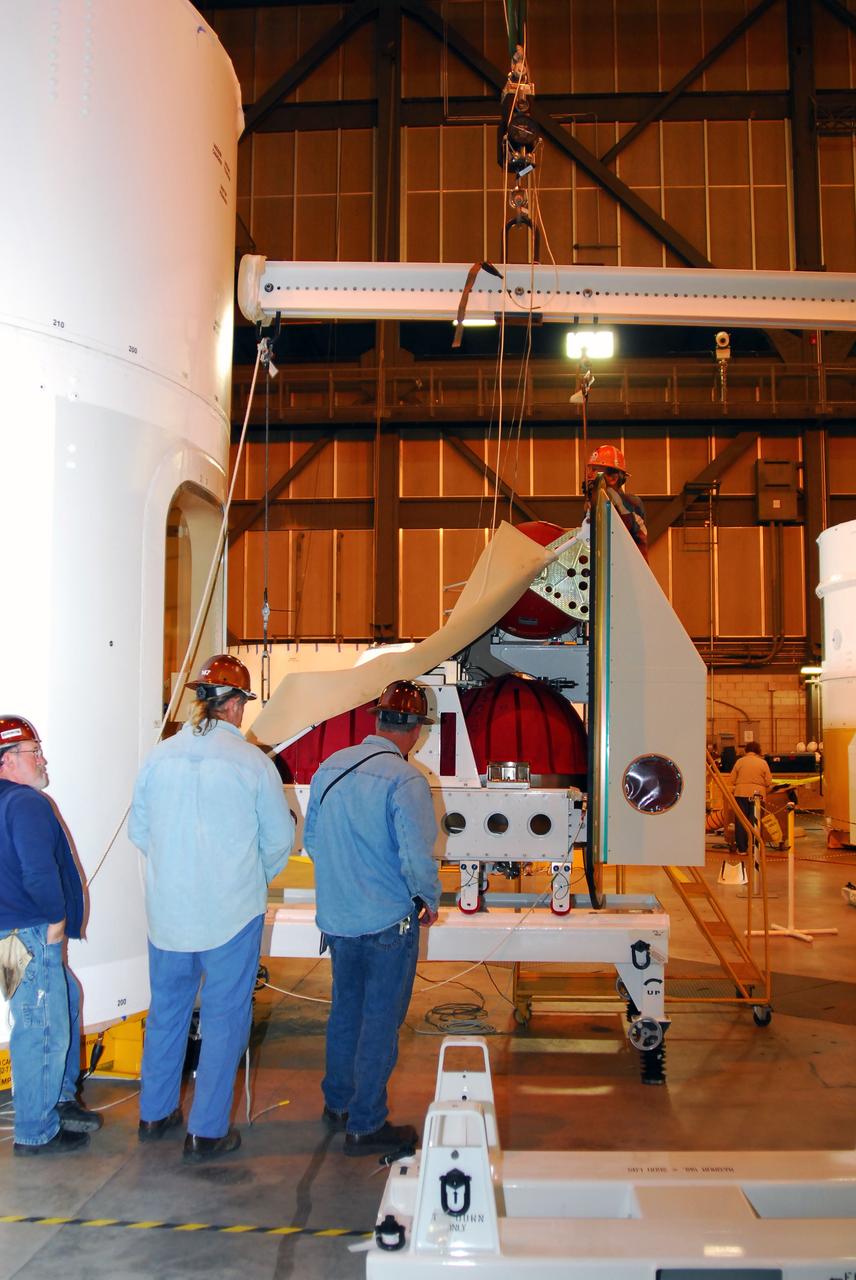
CAPE CANAVERAL, Fla. – The Ares I-X roll control system module, comprising two modules and four thrusters, is being prepared for a fit check on the Ares I-X rocket upper stage simulator. The hardware is in high bay 4 of the Vehicle Assembly Building at NASA's Kennedy Space Center. The system is designed to perform a 90-degree roll after the rocket clears the launch tower, preventing a roll during flight and maintaining the orientation of the rocket until separation of the upper and first stages. The system module will return to earth and splash down; it will not be recovered. Ares I-X is the test vehicle for the Ares I, which is part of the Constellation Program to return men to the moon and beyond. Ares I-X is targeted for launch in summer of 2009. Photo credit: NASA/Tim Jacobs
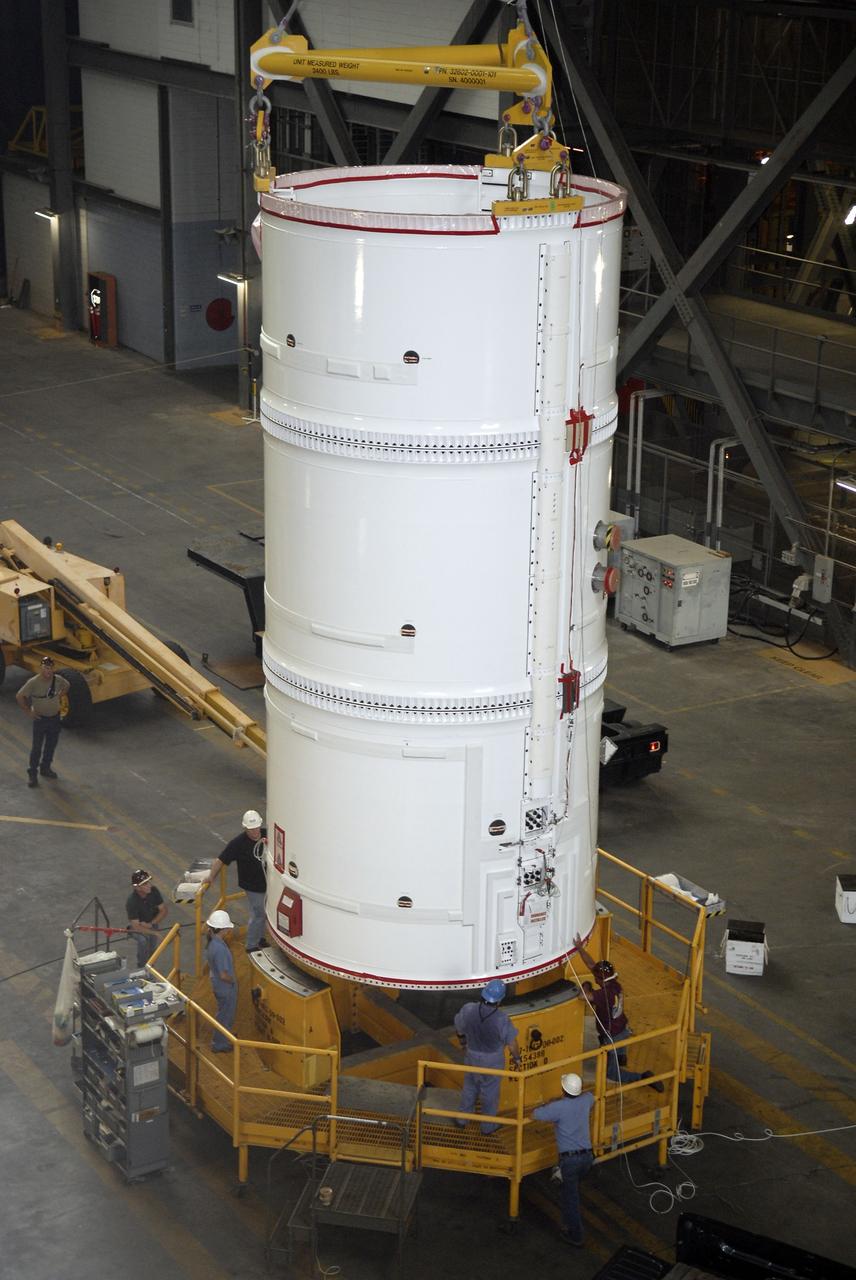
CAPE CANAVERAL, Fla. – The Ares I-X fifth segment simulator assembly is lowered onto a stand in the Vehicle Assembly Building's transfer aisle at NASA's Kennedy Space Center in Florida. The assembly will later be lifted into the VAB's High Bay 4. Ares I-X is the flight test vehicle for the Ares I, the essential core of a safe, reliable, cost-effective space transportation system that eventually will carry crewed missions back to the moon, on to Mars and out into the solar system. Ares I-X is targeted for launch in August 2009. Photo credit: NASA/Kim Shiflett