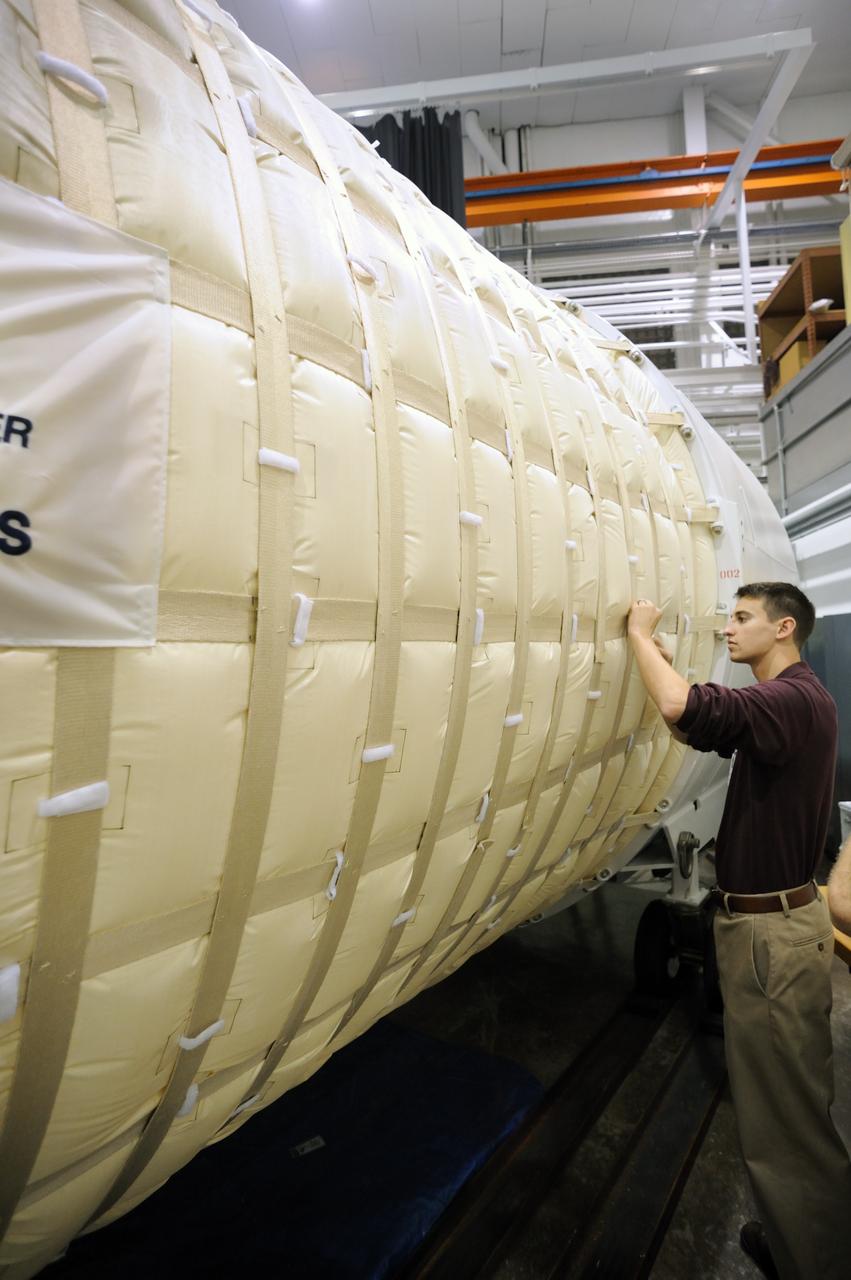
Expandable Lunar Habitat (X-Hab).ILC Dover, under contract by NASA Langley Research Center, and in cooperation with NASA Johnson Space Center has designed and manufactured an expandable lunar habitat. This cylindrical habitat, or Expandable Lunar Habitat (X-Hab) is a hybrid system with two hard end caps and a deployable softgoods section in the center.
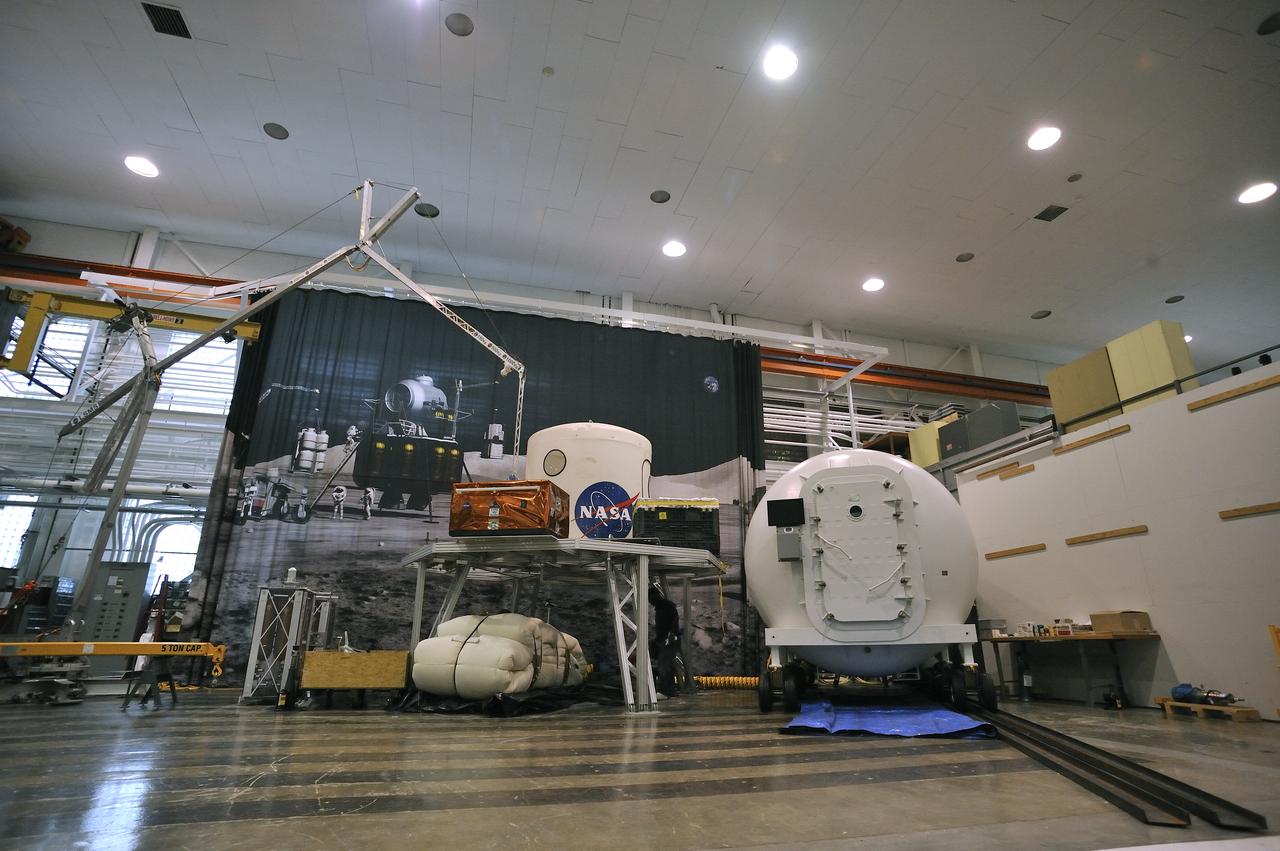
Expandable Lunar Habitat (X-Hab).ILC Dover, under contract by NASA Langley Research Center, and in cooperation with NASA Johnson Space Center has designed and manufactured an expandable lunar habitat. This cylindrical habitat, or Expandable Lunar Habitat (X-Hab) is a hybrid system with two hard end caps and a deployable softgoods section in the center.
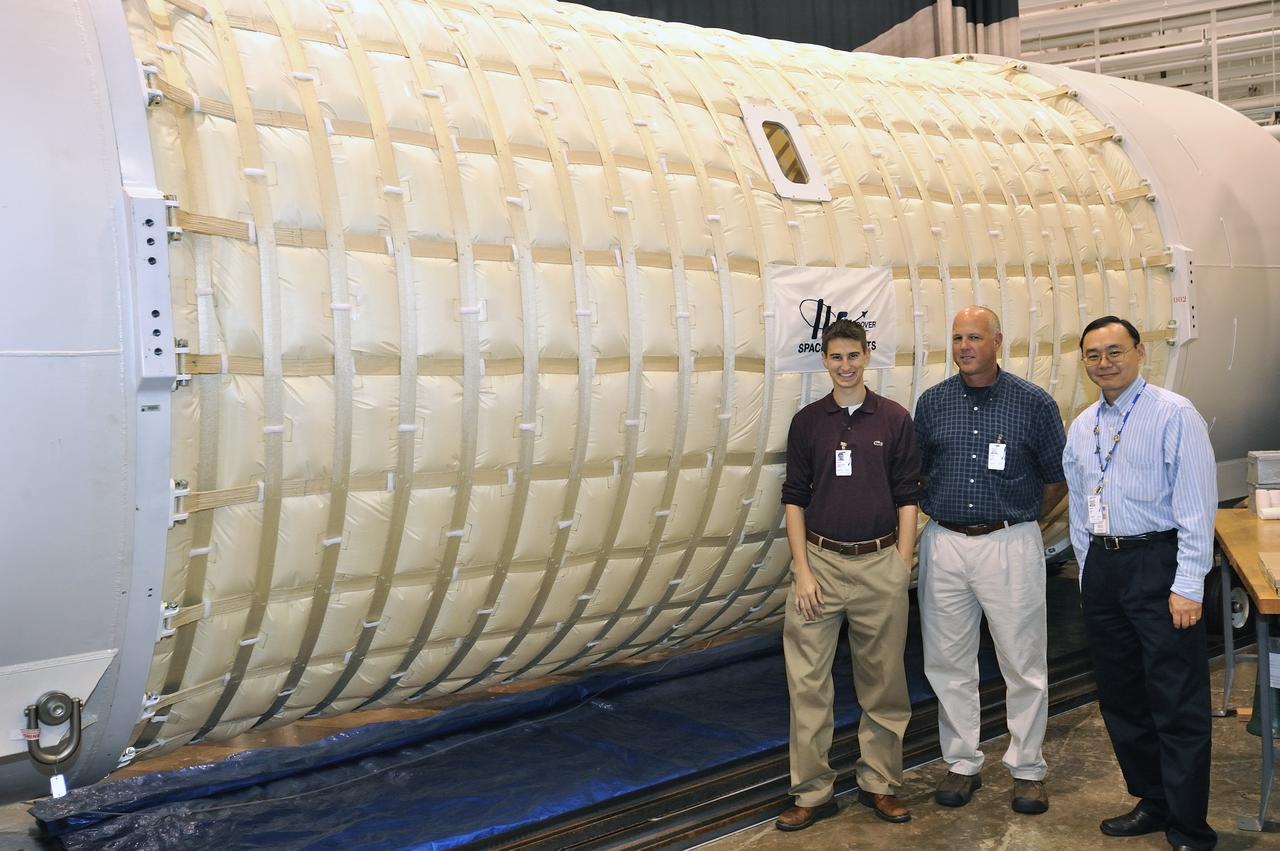
Expandable Lunar Habitat (X-Hab).ILC Dover, under contract by NASA Langley Research Center, and in cooperation with NASA Johnson Space Center has designed and manufactured an expandable lunar habitat. This cylindrical habitat, or Expandable Lunar Habitat (X-Hab) is a hybrid system with two hard end caps and a deployable softgoods section in the center.
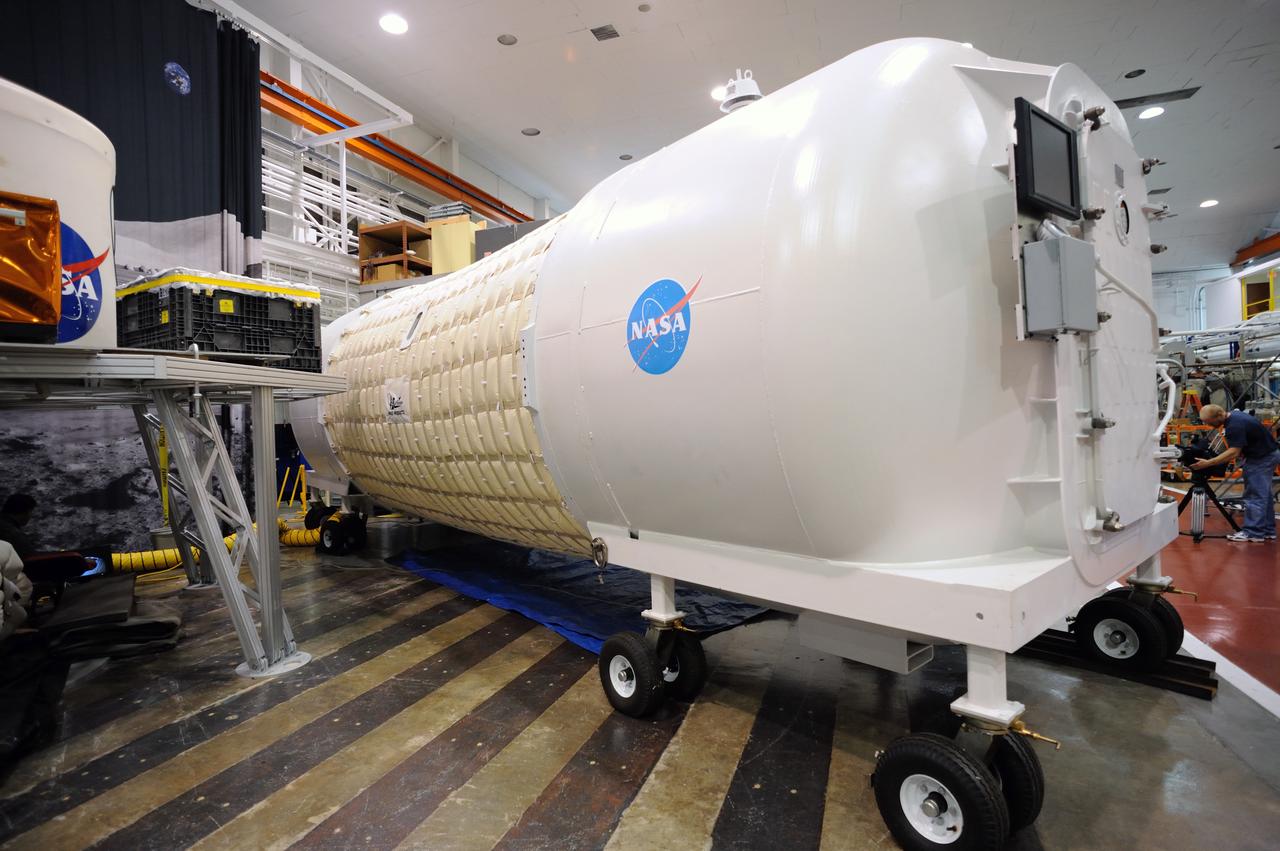
Expandable Lunar Habitat (X-Hab).ILC Dover, under contract by NASA Langley Research Center, and in cooperation with NASA Johnson Space Center has designed and manufactured an expandable lunar habitat. This cylindrical habitat, or Expandable Lunar Habitat (X-Hab) is a hybrid system with two hard end caps and a deployable softgoods section in the center.
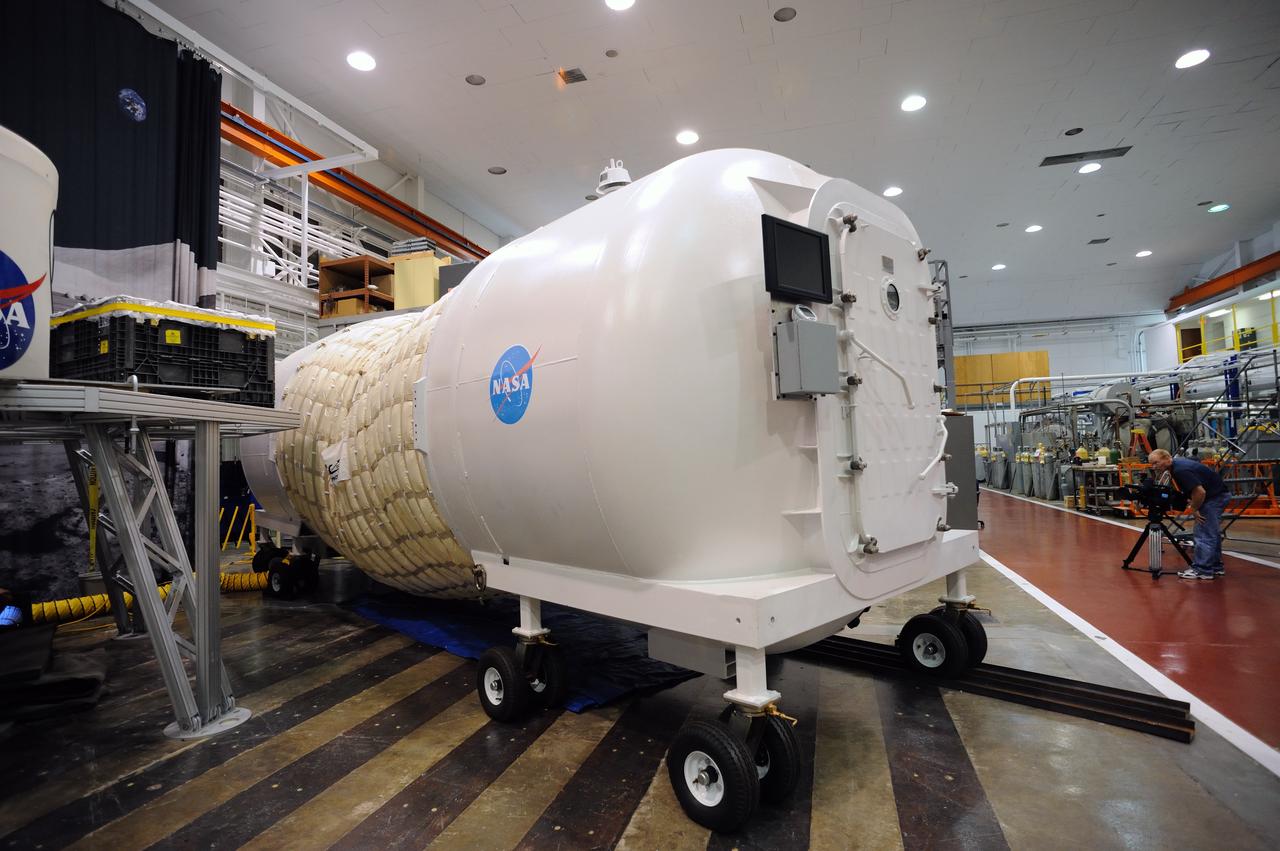
Expandable Lunar Habitat (X-Hab).ILC Dover, under contract by NASA Langley Research Center, and in cooperation with NASA Johnson Space Center has designed and manufactured an expandable lunar habitat. This cylindrical habitat, or Expandable Lunar Habitat (X-Hab) is a hybrid system with two hard end caps and a deployable softgoods section in the center.

CAPE CANAVERAL, Fla. – A representative of ILC Dover prepares a newly designed glove for a dexterity and flexibility test during the 2009 Astronaut Glove Challenge, part of NASA’s Centennial Challenges Program, at the Astronaut Hall of Fame near NASA’s Kennedy Space Center in Florida. The nationwide competition focused on developing improved pressure suit gloves for astronauts to use while working in space. During the challenge, inventors tested the gloves to measure dexterity and strength during operation in a glove box which simulates the vacuum of space. Centennial Challenges is NASA’s program of technology prizes for the citizen-inventor. The winning prize for the Glove Challenge is $250,000 provided by the Centennial Challenges Program. Photo credit: NASA/Kim Shiflett
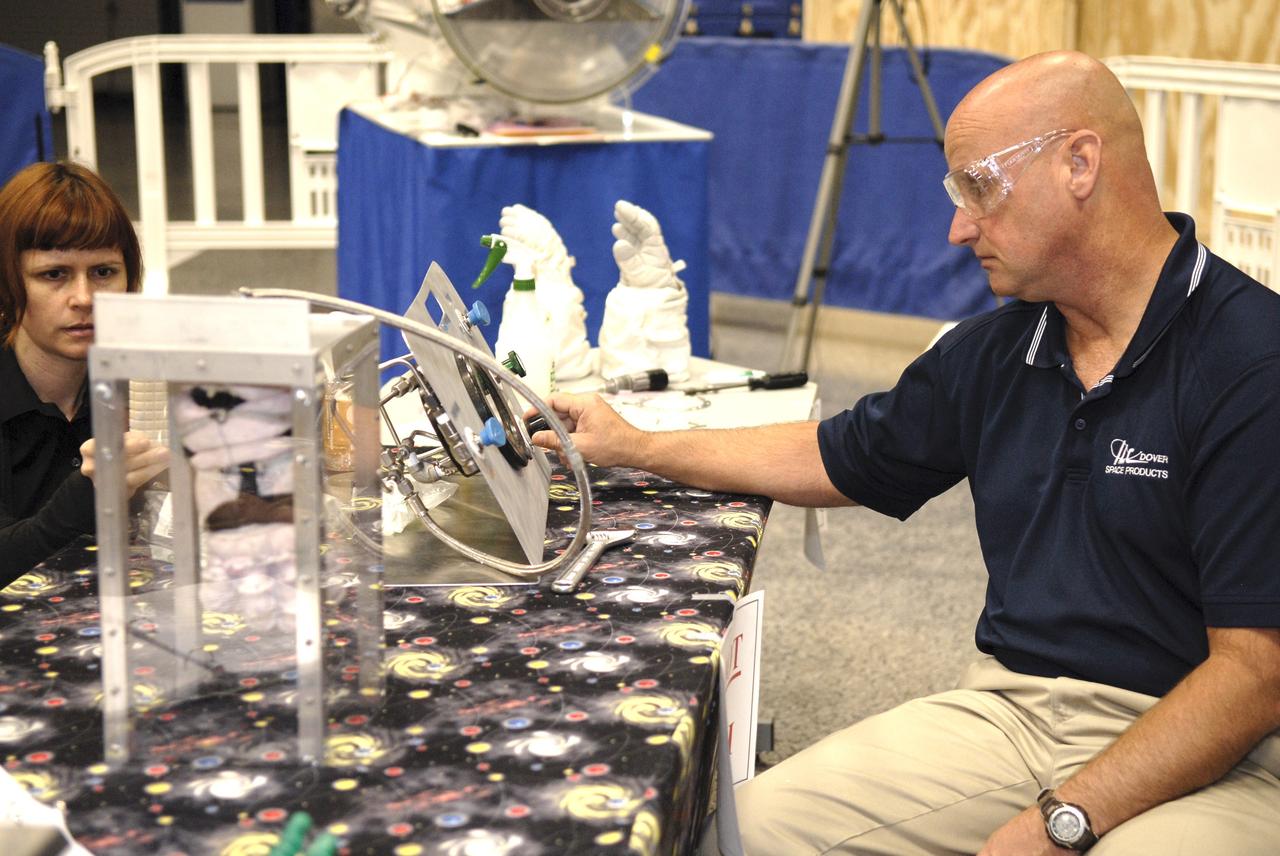
CAPE CANAVERAL, Fla. – A representative of ILC Dover monitors how much internal pressure a newly designed glove can withstand during a burst test at the 2009 Astronaut Glove Challenge, part of NASA’s Centennial Challenges Program, at the Astronaut Hall of Fame near NASA’s Kennedy Space Center in Florida. The nationwide competition focused on developing improved pressure suit gloves for astronauts to use while working in space. During the challenge, inventors tested the gloves to measure dexterity and strength during operation in a glove box which simulates the vacuum of space. Centennial Challenges is NASA’s program of technology prizes for the citizen-inventor. The winning prize for the Glove Challenge is $250,000 provided by the Centennial Challenges Program. Photo credit: NASA/Kim Shiflett
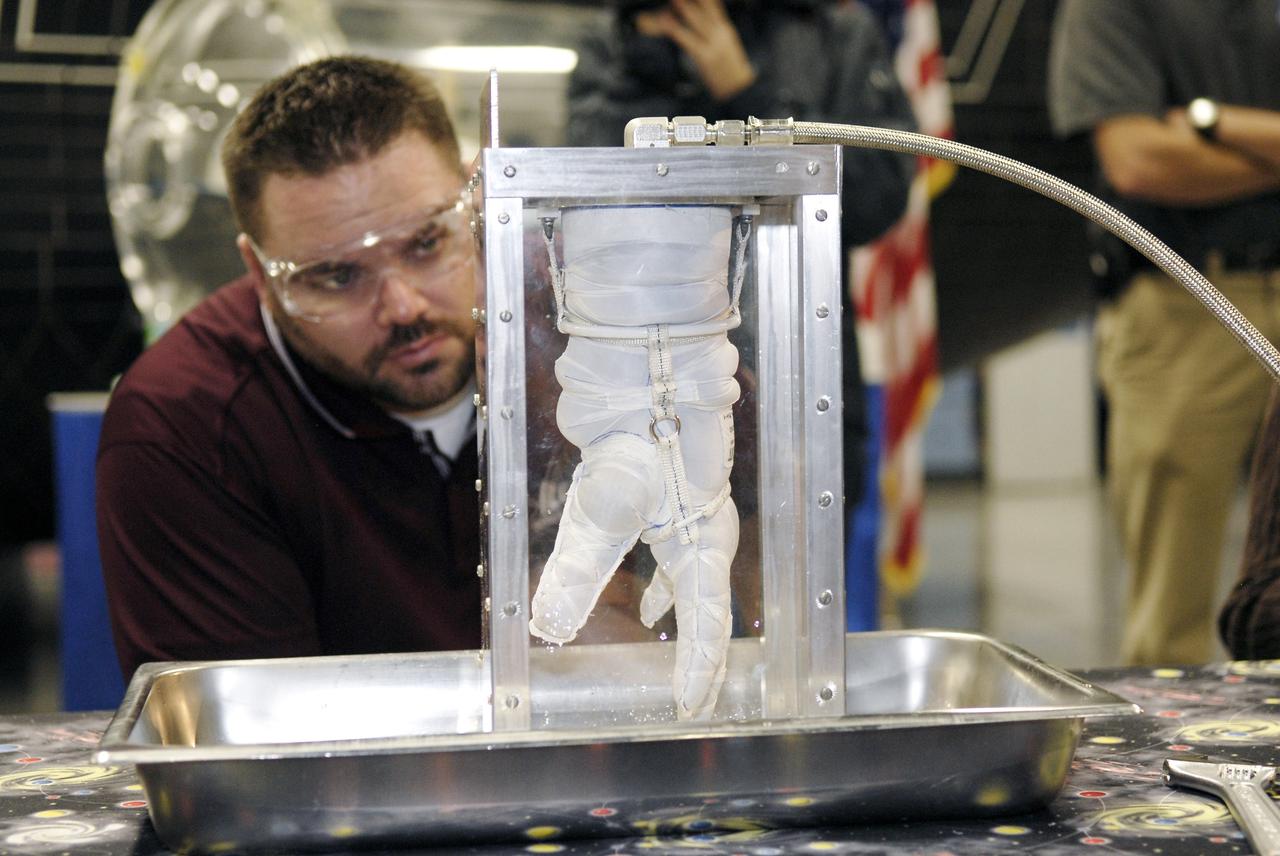
CAPE CANAVERAL, Fla. – A representative of ILC Dover monitors how much internal pressure a newly designed glove can withstand during a burst test at the 2009 Astronaut Glove Challenge, part of NASA’s Centennial Challenges Program, at the Astronaut Hall of Fame near NASA’s Kennedy Space Center in Florida. The nationwide competition focused on developing improved pressure suit gloves for astronauts to use while working in space. During the challenge, the gloves were submitted to burst tests, joint force tests and tests to measure their dexterity and strength during operation in a glove box which simulates the vacuum of space. Centennial Challenges is NASA’s program of technology prizes for the citizen-inventor. The winning prize for the Glove Challenge is $250,000 provided by the Centennial Challenges Program. Photo credit: NASA/Kim Shiflett
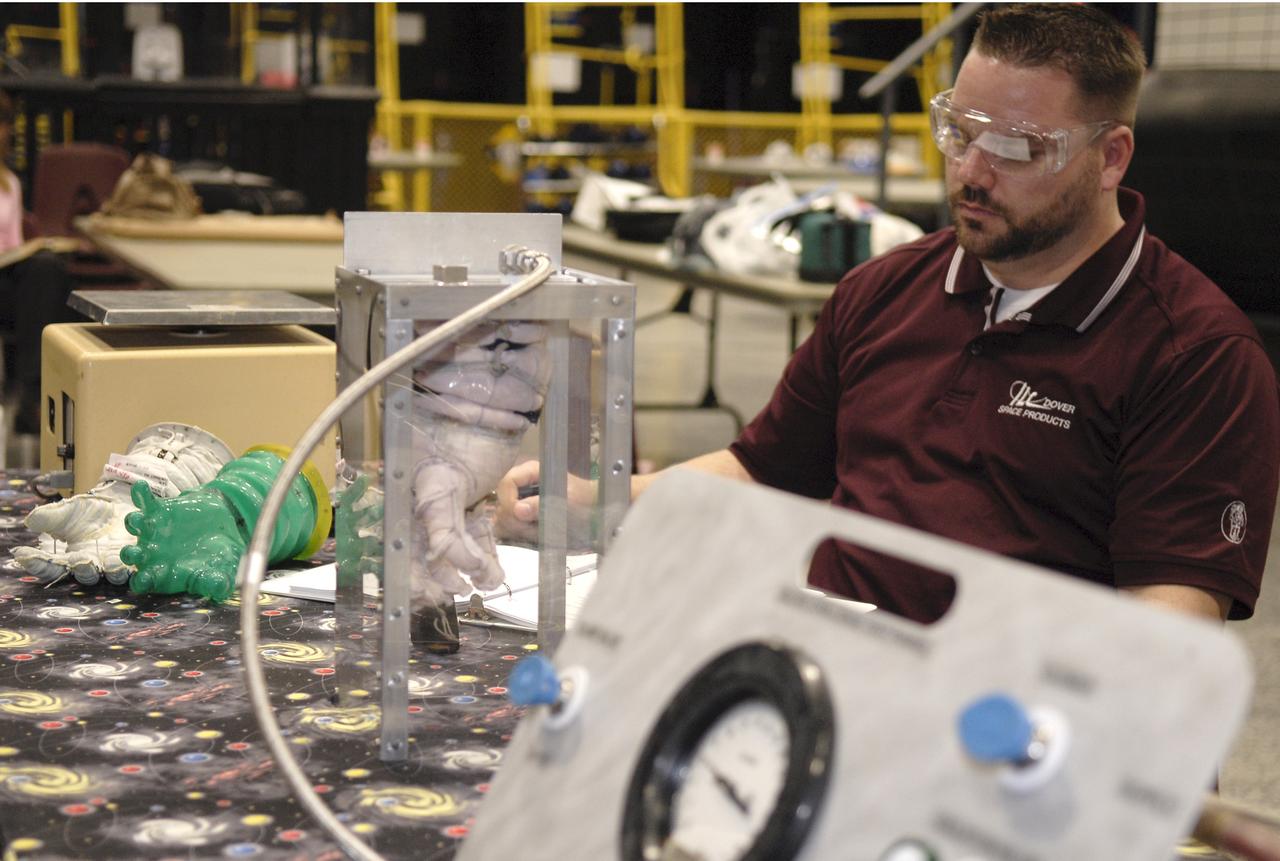
CAPE CANAVERAL, Fla. – A representative of ILC Dover monitors how much internal pressure a newly designed glove can withstand during a burst test at the 2009 Astronaut Glove Challenge, part of NASA’s Centennial Challenges Program, at the Astronaut Hall of Fame near NASA’s Kennedy Space Center in Florida. The nationwide competition focused on developing improved pressure suit gloves for astronauts to use while working in space. During the challenge, inventors tested the gloves to measure dexterity and strength during operation in a glove box which simulates the vacuum of space. Centennial Challenges is NASA’s program of technology prizes for the citizen-inventor. The winning prize for the Glove Challenge is $250,000 provided by the Centennial Challenges Program. Photo credit: NASA/Kim Shiflett
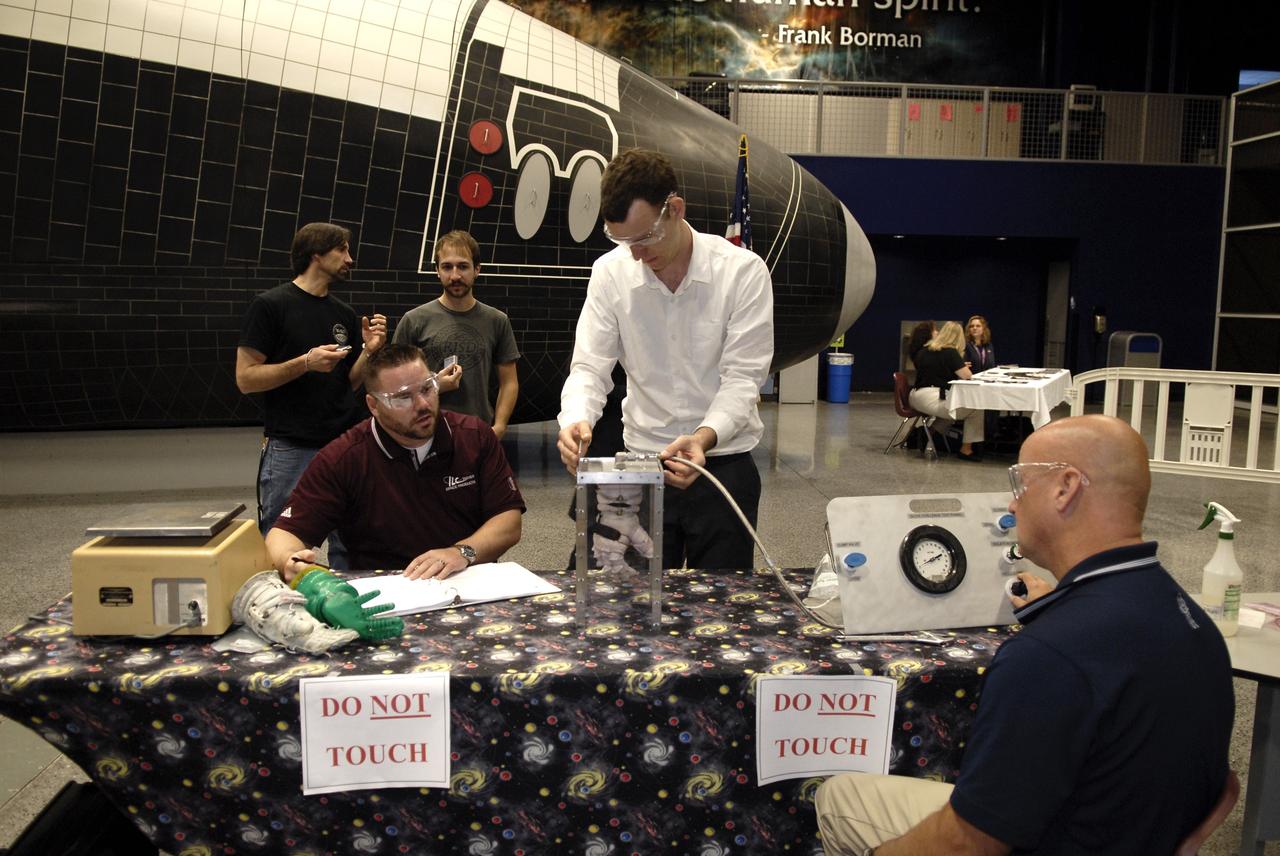
CAPE CANAVERAL, Fla. – Independent inventor Ted Southern of Brooklyn, N.Y., submits a glove which he designed to a burst test as representatives of ILC Dover monitor how much internal pressure the glove can withstand. Southern is a participant in the 2009 Astronaut Glove Challenge, part of NASA’s Centennial Challenges Program, being held at the Astronaut Hall of Fame near NASA’s Kennedy Space Center in Florida. The nationwide competition focused on developing improved pressure suit gloves for astronauts to use while working in space. During the challenge, inventors tested the gloves to measure dexterity and strength during operation in a glove box which simulates the vacuum of space. Centennial Challenges is NASA’s program of technology prizes for the citizen-inventor. The winning prize for the Glove Challenge is $250,000 provided by the Centennial Challenges Program. Photo credit: NASA/Kim Shiflett
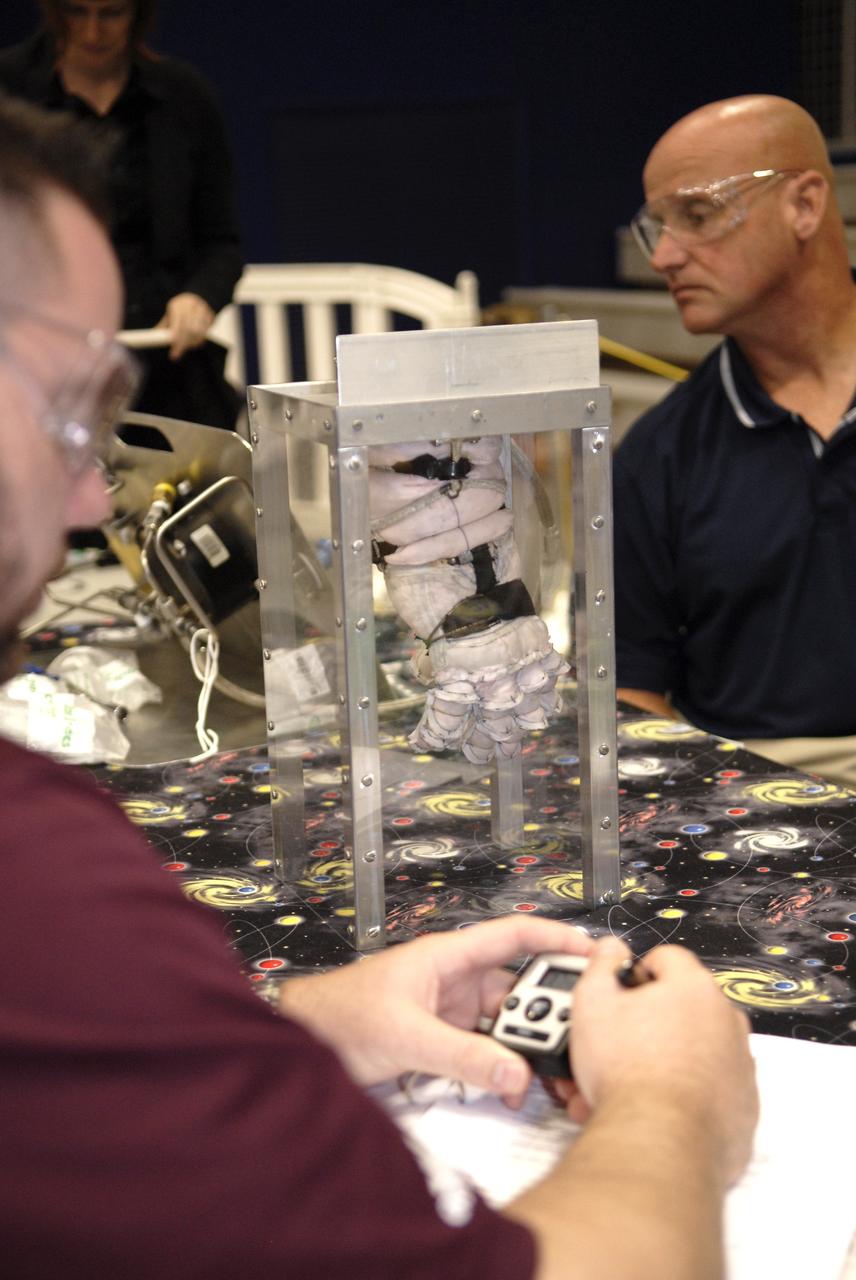
CAPE CANAVERAL, Fla. – Representatives of ILC Dover monitor how much internal pressure a newly designed glove can withstand during a burst test at the 2009 Astronaut Glove Challenge, part of NASA’s Centennial Challenges Program, at the Astronaut Hall of Fame near NASA’s Kennedy Space Center in Florida. The nationwide competition focused on developing improved pressure suit gloves for astronauts to use while working in space. During the challenge, inventors tested the gloves to measure dexterity and strength during operation in a glove box which simulates the vacuum of space. Centennial Challenges is NASA’s program of technology prizes for the citizen-inventor. The winning prize for the Glove Challenge is $250,000 provided by the Centennial Challenges Program. Photo credit: NASA/Kim Shiflett