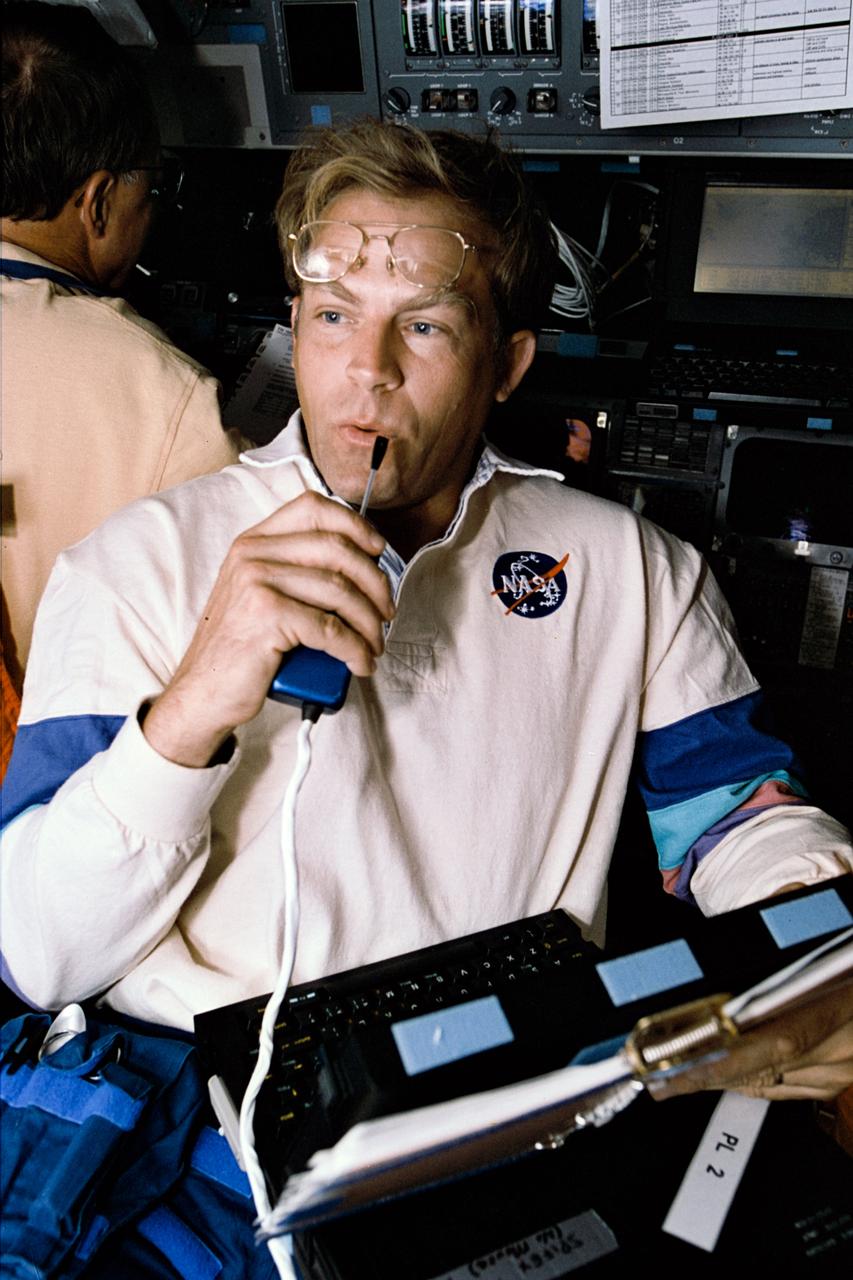
STS064-311-031 (10 Sept. 1994) --- Astronaut Mark C. Lee, STS-64 mission specialist, at a Payload General Support Computer (PGSC) on the space shuttle Discovery's flight deck, talks to ground controllers about the Shuttle Plume Impingement Flight Experiment (SPIFEX). Astronaut L. Blaine Hammond, pilot, is partially visible in the background. Photo credit: NASA or National Aeronautics and Space Administration
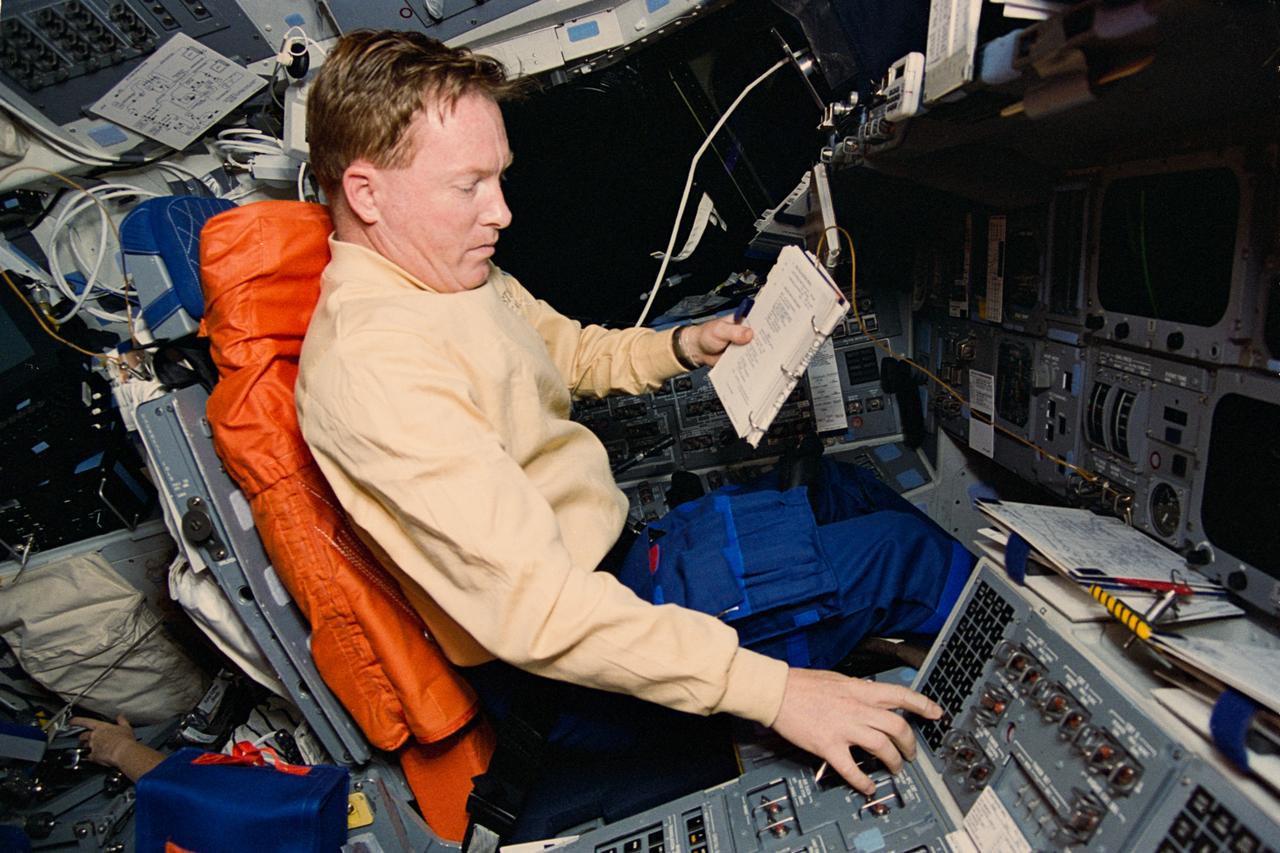
STS064-08-032 (10 Sept. 1994) --- At the commander's station on the space shuttle Discovery's forward flight deck, astronaut Richard N. Richards, STS-64 mission commander, initiates a thruster firing of the spacecraft during operations with the Shuttle Plume Impingement Flight Experiment (SPIFEX). Photo credit: NASA or National Aeronautics and Space Administration

STS064-72-093 (10 Sept. 1994) --- With the blue and white Earth as a backdrop 130 miles below, the Shuttle Plume Impingement Flight Experiment (SPIFEX) is at work on the end of the Remote Manipulator System (RMS) arm. The 50-feet-long arm is extended to 80 feet with the temporary addition of the SPIFEX hardware. The image was exposed with a 70mm handheld Hasselblad camera from inside the space shuttle Discovery's crew cabin. Photo credit: NASA or National Aeronautics and Space Administration
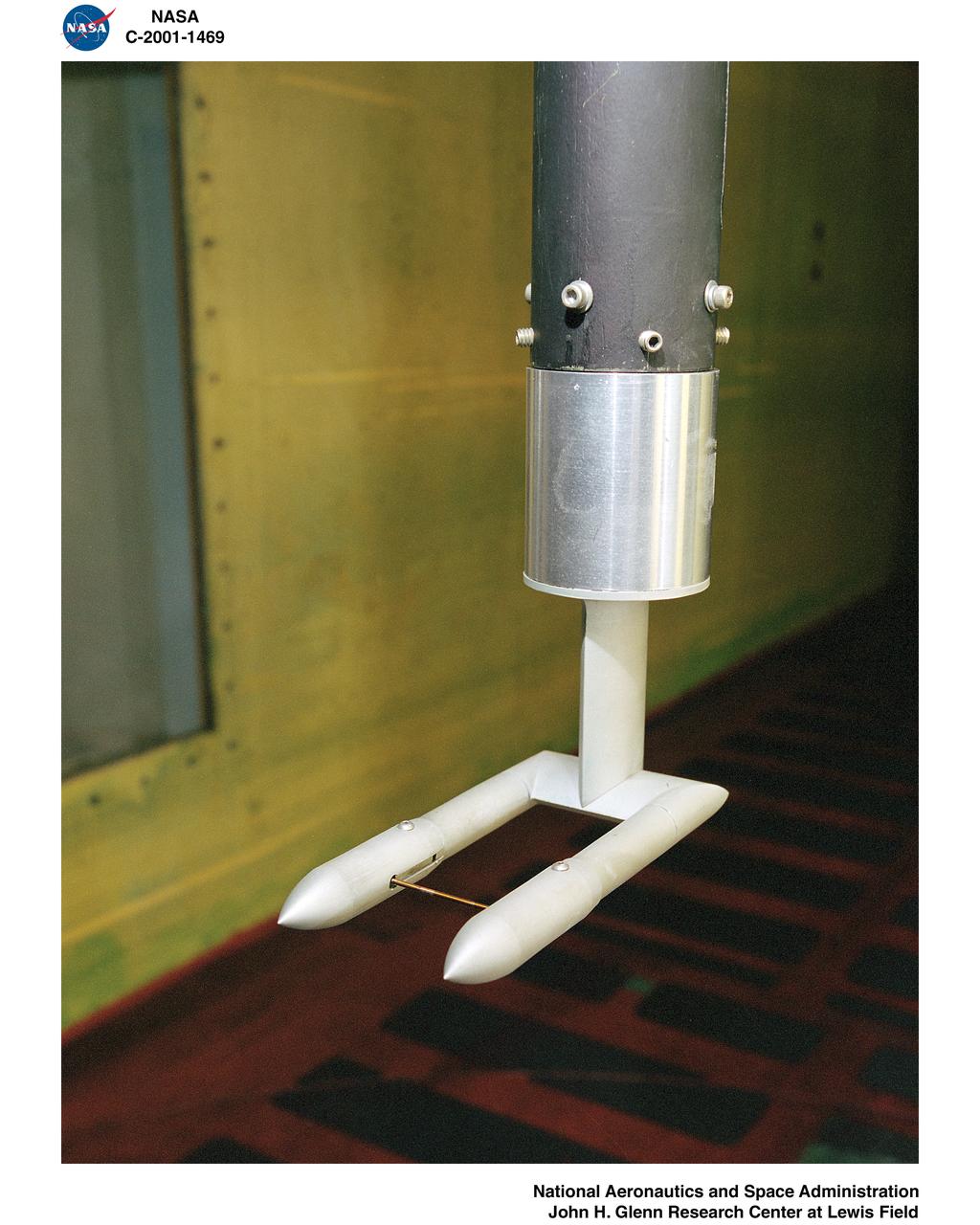
IMPINGEMENT TEST IN ICING RESEARCH TUNNEL IRT
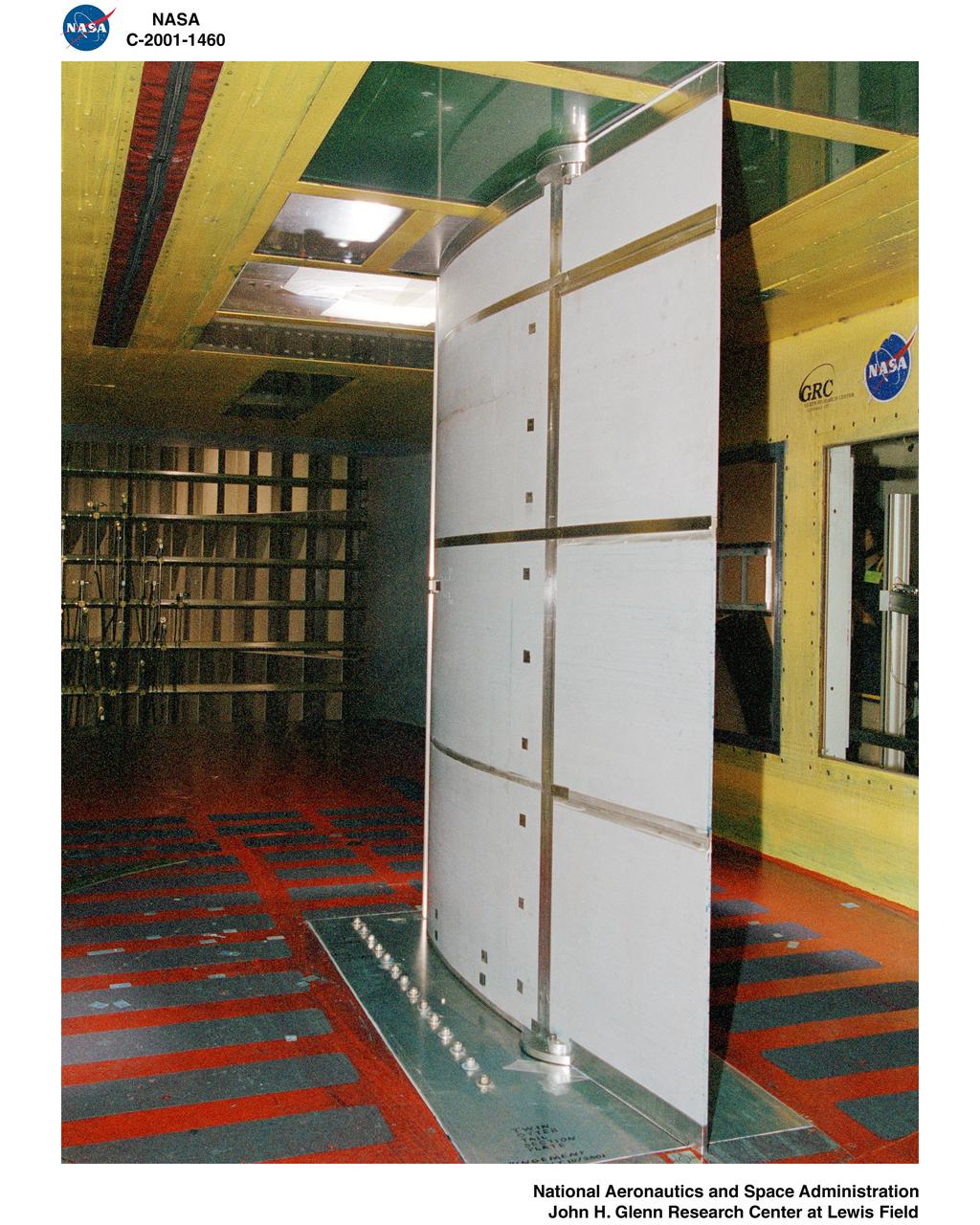
IMPINGEMENT TEST IN ICING RESEARCH TUNNEL IRT

WICHITA STATE UNIVERSITY / ICING RESEARCH TUNNEL IMPINGMENT DYE TEST

WICHITA STATE UNIVERSITY / ICING RESEARCH TUNNEL IMPINGMENT DYE TEST

WICHITA STATE UNIVERSITY / ICING RESEARCH TUNNEL IMPINGMENT DYE TEST
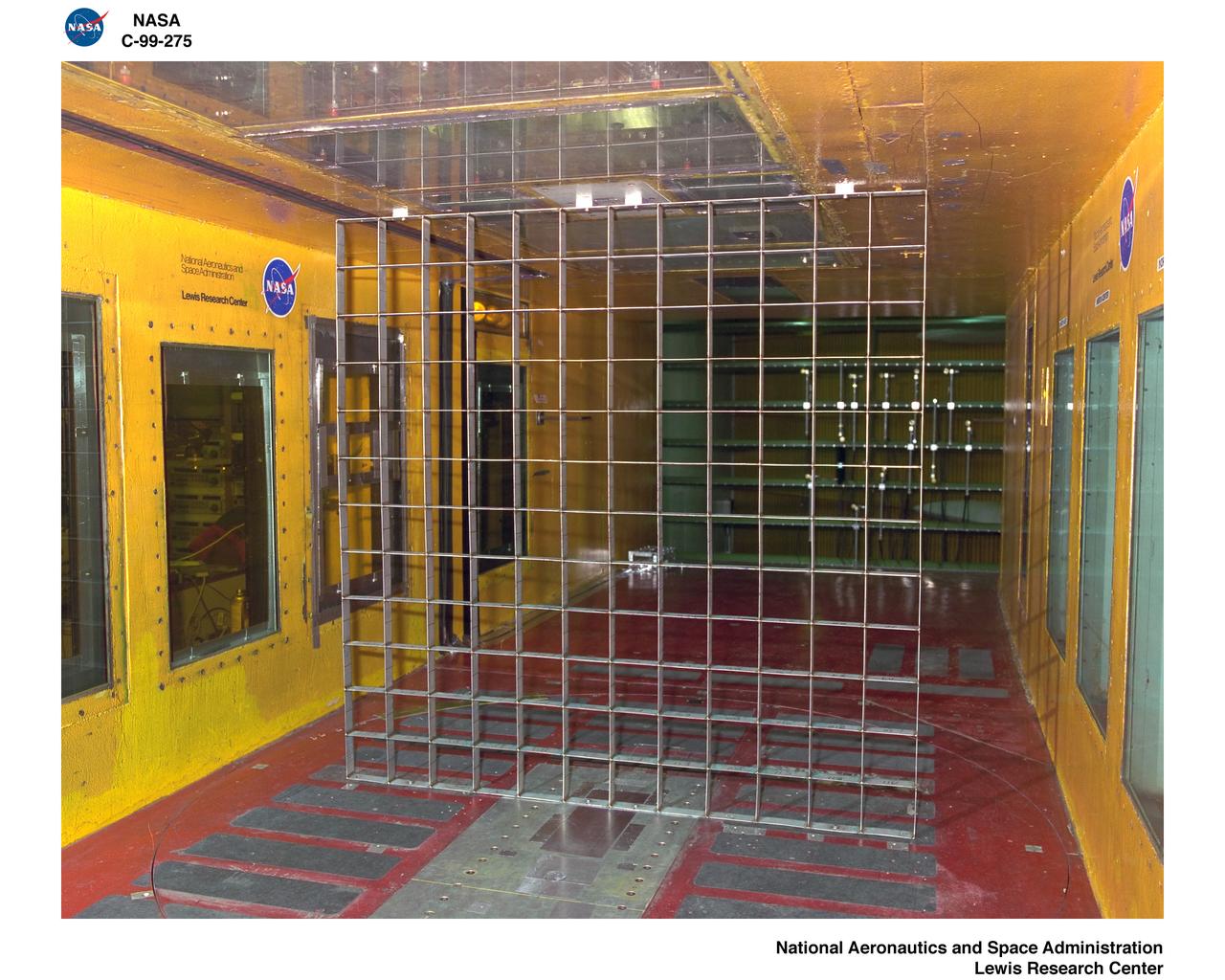
WICHITA STATE UNIVERSITY AND ICING TUNNEL IMPINGMENT DYE TEST
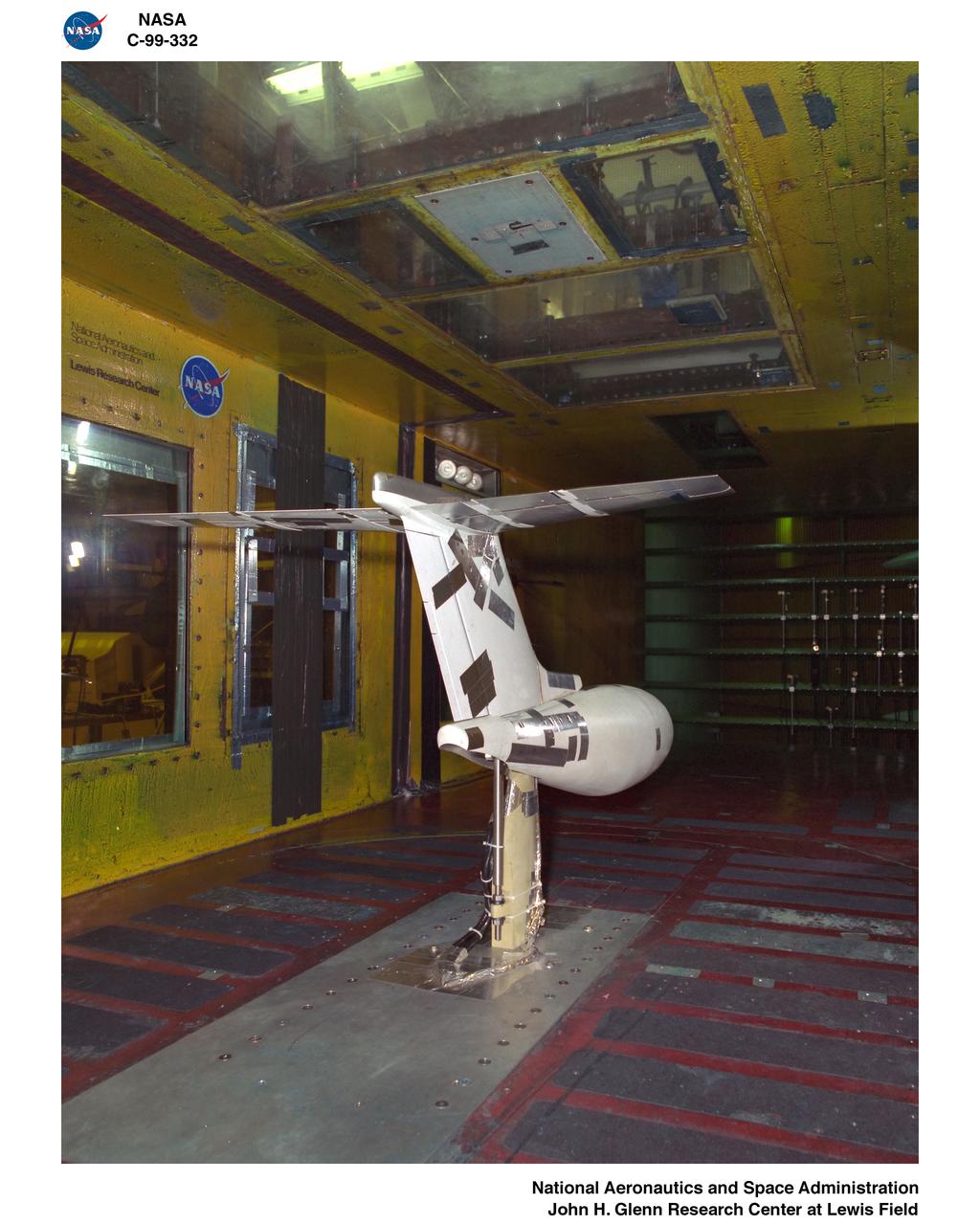
WICHITA STATE UNIVERSITY / ICING RESEARCH TUNNEL IMPINGMENT DYE TEST
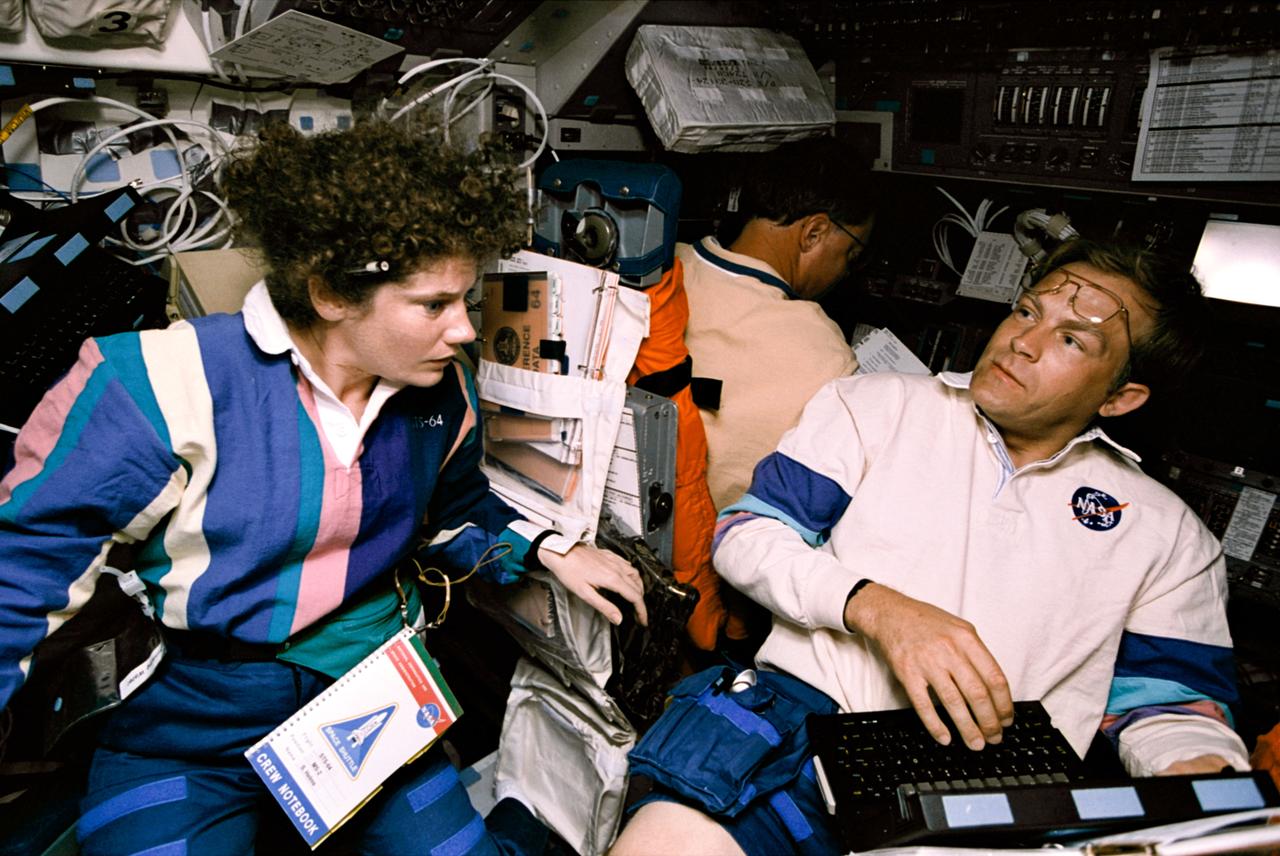
STS064-311-033 (10 Sept. 1994) --- Half of the crew members share support of the Shuttle Plume Impingement Flight Experiment (SPIFEX) in this 35mm frame. Astronauts Susan J. Helms and Mark C. Lee (foreground) share a pertinent bit of data while astronaut L. Blaine Hammond in the background controls Reaction Control System (RCS) thrusters on the space shuttle Discovery. Helms' role was to control the Remote Manipulator System (RMS) arm, to which 30-feet of SPIFEX hardware were appended in order to measure the RCS plume induced loads in the far field region. Lee records data on a lap top Payload General Support Computer (PGSC). SPIFEX was developed to help understand the thruster effects on approaching spacecraft. Photo credit: NASA or National Aeronautics and Space Administration
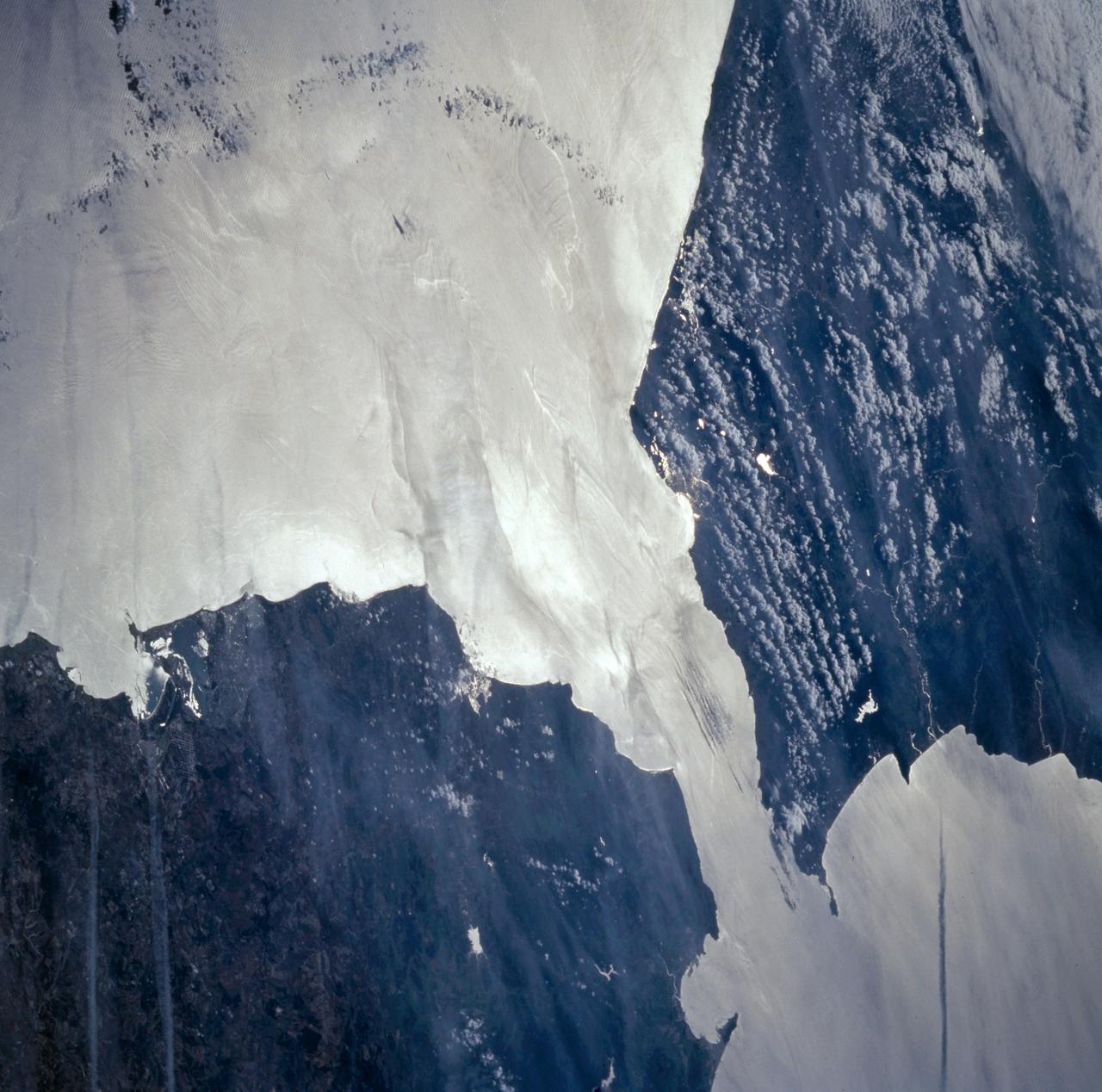
Swift currents flow through the Strait of Gibraltar, producing complicated patterns in the surface waters. Some of those patterns are highlighted in the sunglint in this photograph. The Mediterranian Sea is on the upper right, the Atlantic Ocean in in the lower left. Few features can be seen on the Mediterranian side, but current shears (straight lines coming off Spain), several sets of internal waves (impinging on the Spanish continental shelf) and ship wakes can be seen on the Atlantic side, west of Cadiz. Both Tangier and Cadiz show up in the sunglint as well.
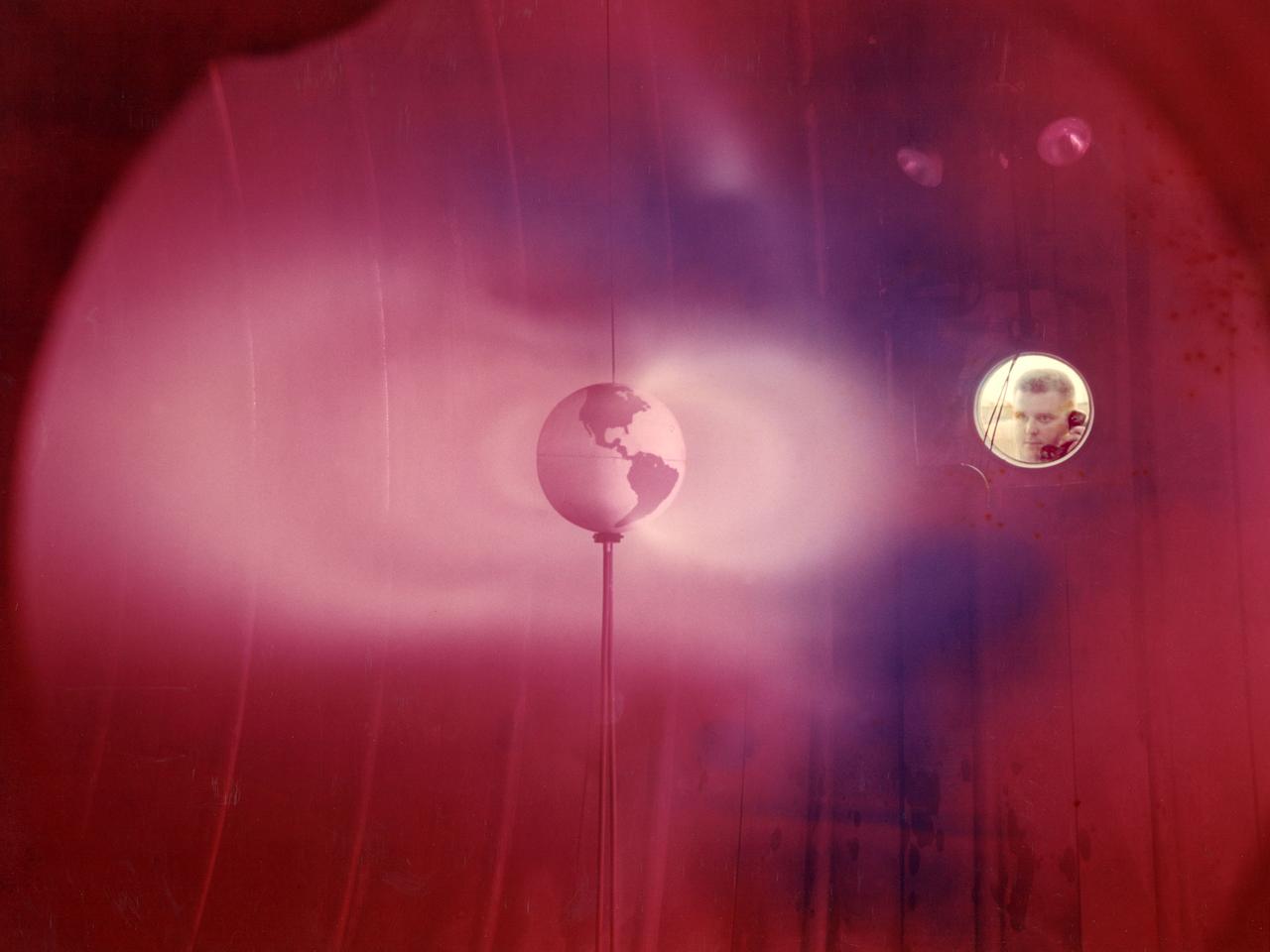
The model of the Earth housed inside Vacuum Tank 5 contained a coil which produced a magnetic field simulating that of the Earth. It was bombarded with a stream of ionized particles simulating the solar wind which impinges on the Earth's magnetic field. The bands or belts of luminous plasma seen in this image were suggestive of the Van Allen belts found around the Earth. Scientists at Lewis probed the plasma around the model and studied scaling laws in an attempt to find an explanation for the actual formation of the Van Allen belt.
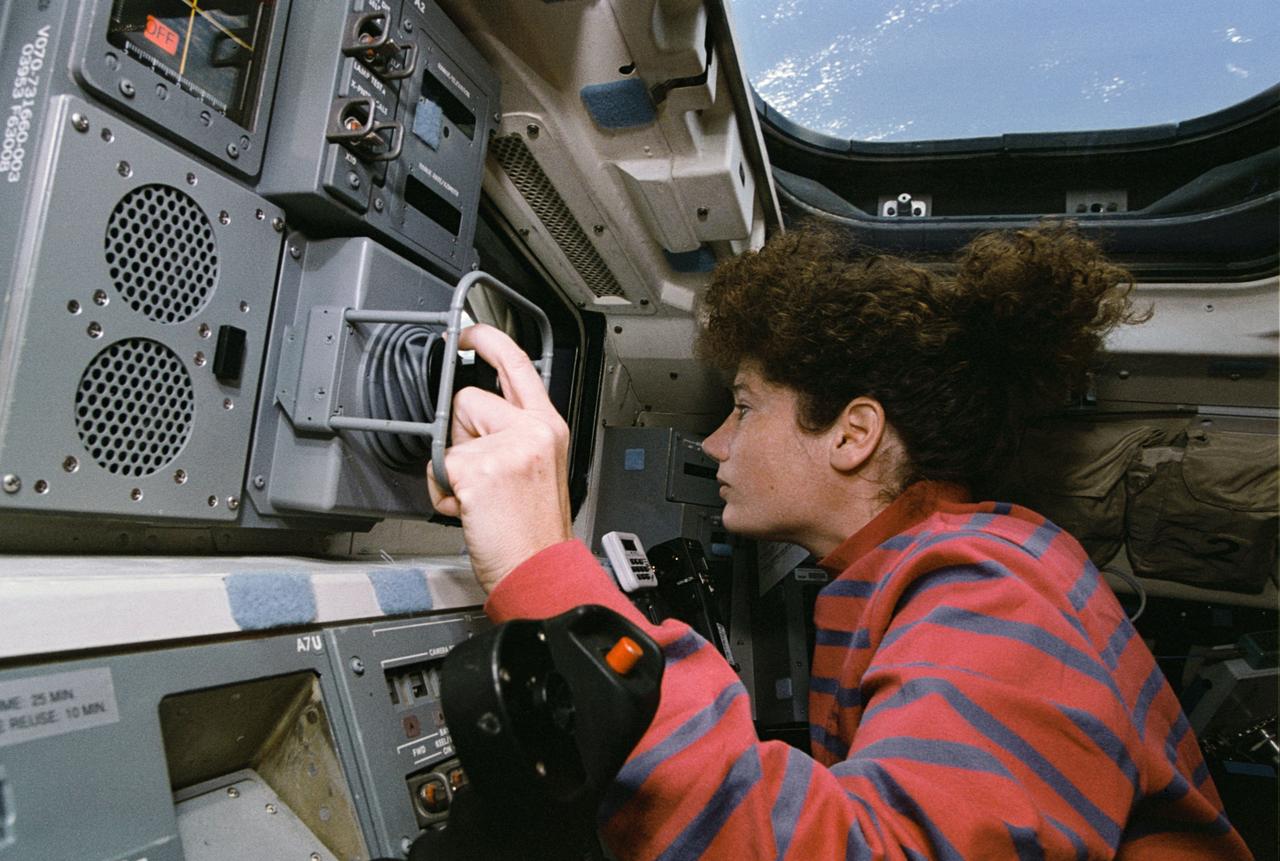
STS064-05-028 (9-20 Sept. 1994) --- On the space shuttle Discovery's aft flight deck, astronaut Susan J. Helms handles controls for the Remote Manipulator System (RMS). The robot arm operated by Helms, who remained inside the cabin, was used to support several tasks performed by the crew during the almost 11-day mission. Those tasks included the release and retrieval of the free-flying Shuttle Pointed Autonomous Research Tool For Astronomy 201 (SPARTAN 201), a six-hour spacewalk and the Shuttle Plume Impingement Flight Experiment (SPIFEX). Photo credit: NASA or National Aeronautics and Space Administration
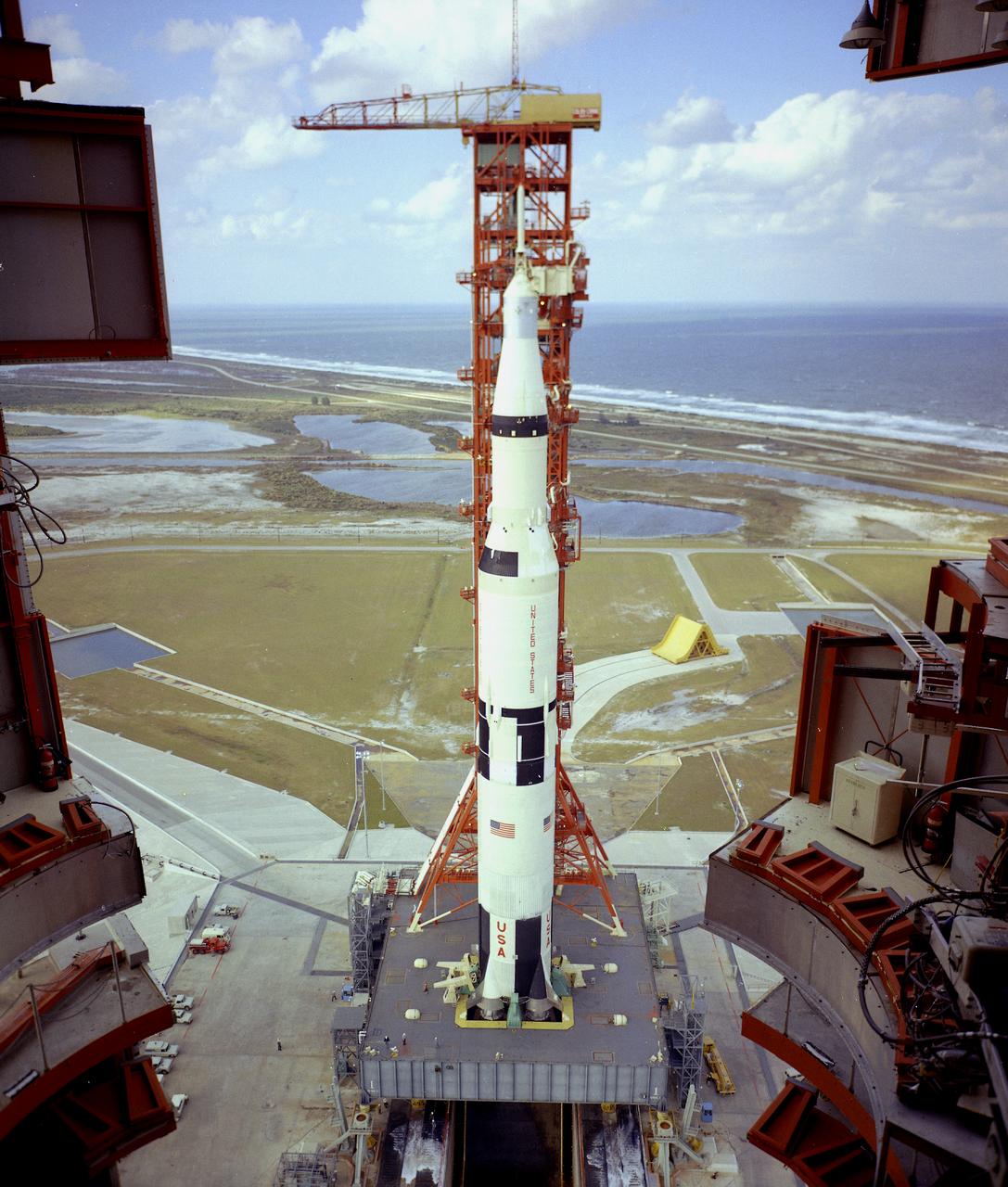
This is a view of the the first test flight of the Saturn V vehicle (SA-501) at the Kennedy Space Center (KSC) launch complex 39A. The thrust chambers of the first stage's five engines extend into the 45-foot-square hole in the mobile launcher platform. Until liftoff, the flames impinged downward onto a flame deflector that diverted the blast lengthwise in the flame trench. Here, a flame deflector, coated with a black ceramic, is in place below the opening, while a yellow (uncoated) spare deflector rests on its track in the background. It took a tremendous flow of water (28,000 gallons per minute) to cool the flame deflector and trench. The Apollo 4 was launched on November 9, 1967 from KSC.

An interactive augmented reality sandbox, used by Swamp Works personnel to visually demonstrate the work being done in the Granular Mechanics and Regolith Operations laboratory at the Kennedy Space Center to produce high-fidelity models of rocket plume impingement on the lunar surface, is photographed during an innovation showcase on Nov. 19, 2019. Nearly 50 exhibitors gathered in the Florida spaceport’s Neil Armstrong Operations and Checkout Building’s Mission Briefing Room to participate in the center’s Innovation Days – one of several events throughout the year aimed at fostering an encouraging an innovative culture at Kennedy. Showcase participants included individuals from multiple directorates, programs and organizations throughout Kennedy. In addition to the showcase, employees had the opportunity to attend an overview presentation on NASA’s Human Landing System (HLS), hosted by HLS Program Manager Lisa Watson-Morgan.
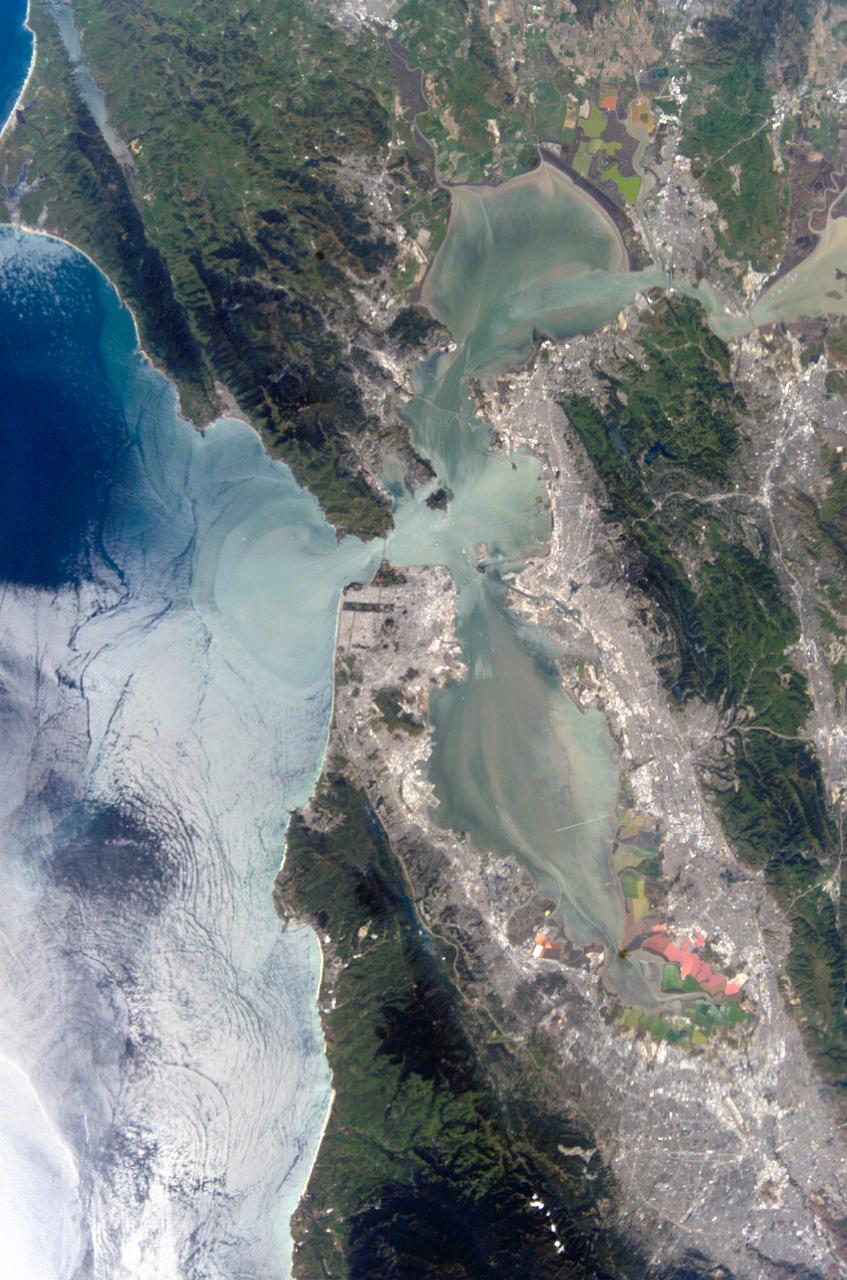
ISS004-E-10288 (21 April 2002) --- This view featuring the San Francisco Bay Area was photographed by an Expedition 4 crewmember onboard the International Space Station (ISS). The gray urban footprint of San Francisco, Oakland, San Jose, and their surrounding suburbs contrasts strongly with the green hillsides. Of particular note are the Pacific Ocean water patterns that are highlighted in the sun glint. Sets of internal waves traveling east impinge on the coastline south of San Francisco. At the same time, fresher bay water flows out from the bay beneath the Golden Gate Bridge, creating a large plume traveling westward. Tidal current channels suggest the tidal flow deep in the bay. Because the ISS orbits are not synchronous with the sun, station crewmembers view Earth with variable solar illumination angles. This allows them to document phenomena such as the sun reflecting differentially off surface waters in a way that outlines complicated water structures.
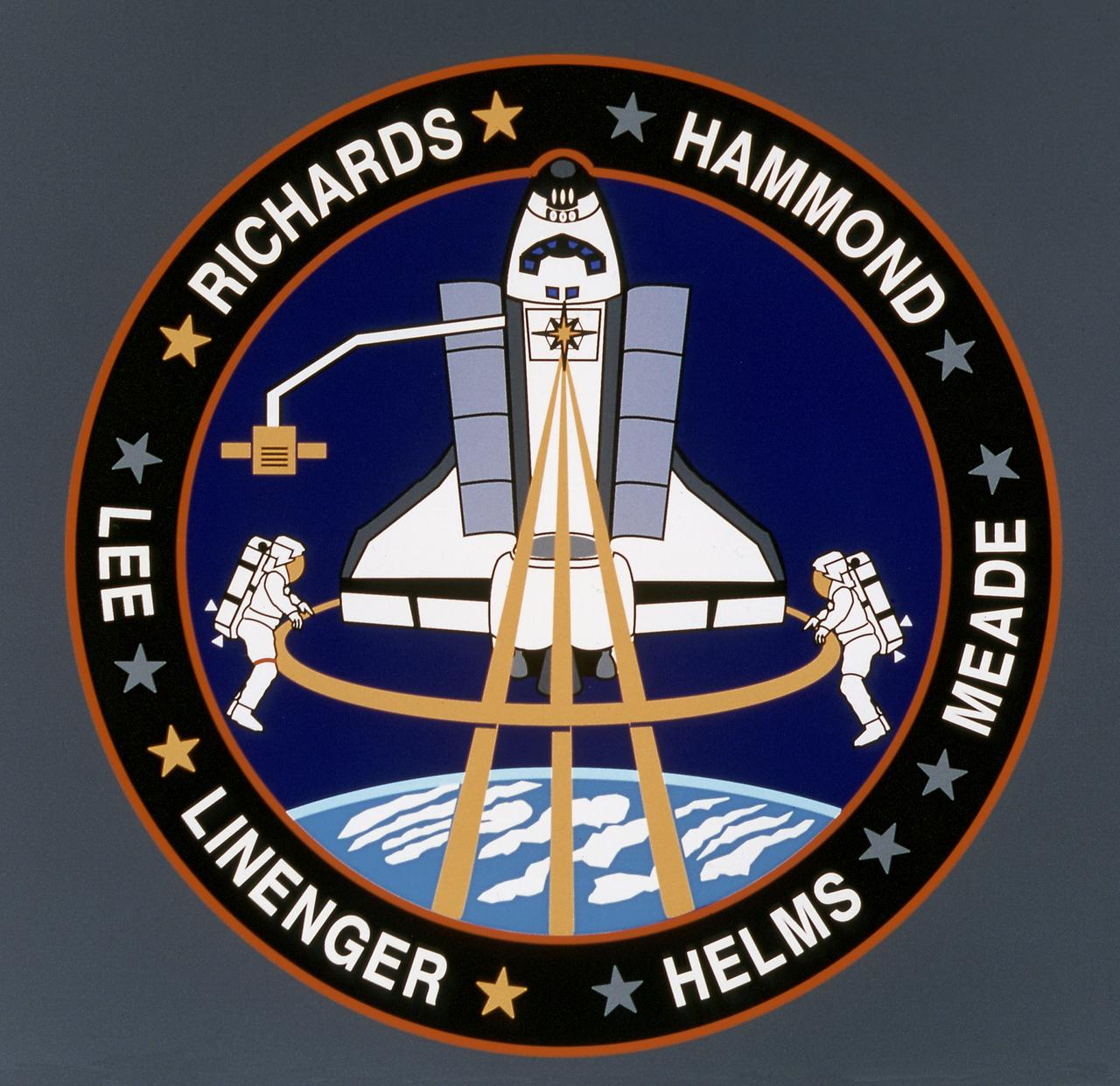
The STS-64 patch depicts the Space Shuttle Discovery in a payload-bay-to-Earth attitude with its primary payload, Lidar In-Space Technology Experiment (LITE-1) operating in support of Mission to Planet Earth. LITE-1 is a lidar system that uses a three-wavelength laser, symbolized by the three gold rays emanating from the star in the payload bay that form part of the astronaut symbol. The major objective of the LITE-1 is to gather data about the Earth's troposphere and stratosphere, represented by the clouds and dual-colored Earth limb. A secondary payload on STS-64 is the free-flier SPARTAN 201 satellite shown on the Remote Manipulator System (RMS) arm post-retrieval. The RMS also operated another payload, Shuttle Plume Impingement Flight Experiment (SPIFEX). A newly tested extravehicular activity (EVA) maneuvering device, Simplified Aid for EVA Rescue (SAFER), represented symbolically by the two small nozzles on the backpacks of the two untethered EVA crew men. The names of the crew members encircle the patch: Astronauts Richard N. Richards, L. Blaine Hammond, Jr., Jerry M. Linenger, Susan J. Helms, Carl J. Meade and Mark C. Lee. The gold or silver stars by each name represent that person's parent service.
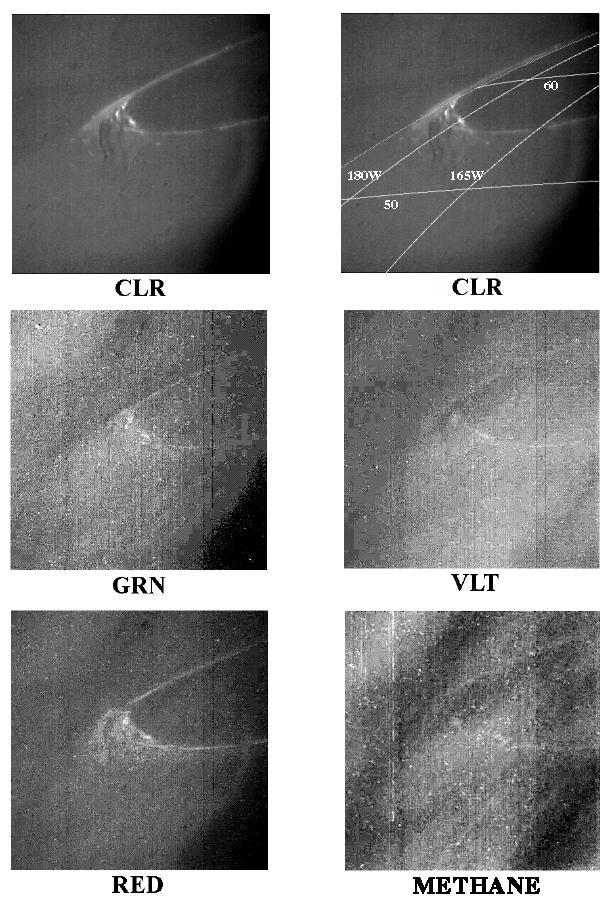
Jupiter's aurora on the night side of the planet is seen here at five different wavelengths. Jupiter's bright crescent, which is about half illuminated, is out of view to the right. North is at the top. The images are centered at 57 degrees north and 184 degrees West and were taken on April 2, 1997 at a range of 1.7 million kilometers (1.05 million miles) by the Solid State Imaging (SSI) camera system aboard NASA's Galileo spacecraft. Although Jupiter's aurora had been imaged from Earth in the ultraviolet and infrared, these are the first images at visible wavelengths, where most of the emission takes place. CLR stands for clear (no filter) and shows the integrated brightness at all wavelengths. The other panels show the violet, green, red, and 889 nanometer-wavelength filtered images. The brightness of the aurora is roughly independent of wavelength, at least at the spectral resolution obtainable with these filters. As on Earth, the aurora is caused by electrically charged particles striking the upper atmosphere, causing the molecules of the atmosphere to glow. The brightness in the different filters contains information about the energy of the impinging particles and the composition of the upper atmosphere. If atomic hydrogen were the only emitter, the light would be much stronger in the red filter, which is not consistent with the observed distribution. http://photojournal.jpl.nasa.gov/catalog/PIA00605
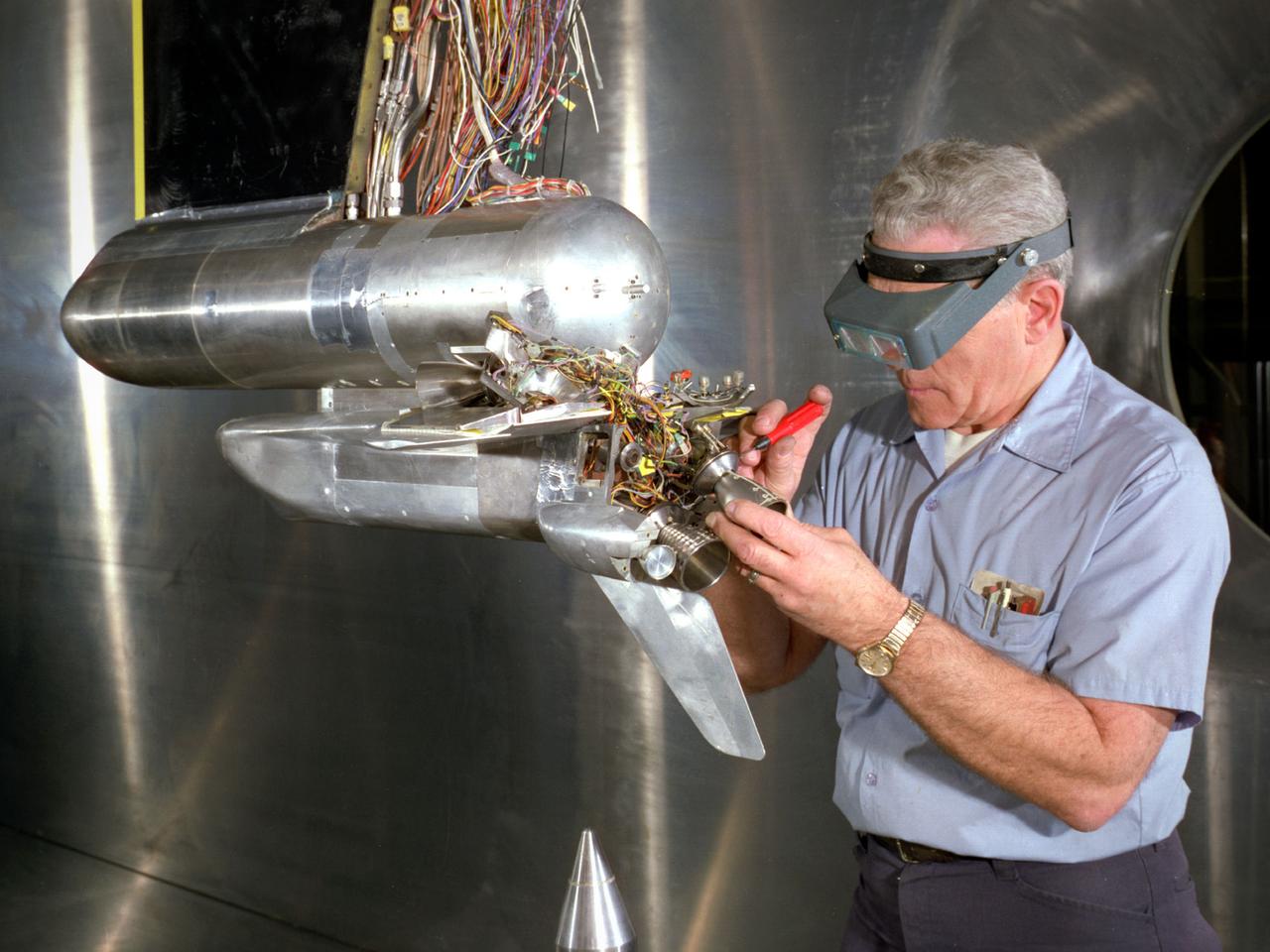
A technician prepares a 2.25 percent scale model of the space shuttle for a base heat study in the 10- by 10-Foot Supersonic Wind Tunnel at the National Aeronautics and Space Administration (NASA) Lewis Research Center. This space shuttle project, begun here in July 1976, was aimed at evaluating base heating and pressure prior to the Shuttle’s first lift-off scheduled for 1979. The space shuttle was expected to experience multifaceted heating and pressure distributions during the first and second stages of its launch. Engineers needed to understand these issues in order to design proper thermal protection. The test’s specific objectives were to measure the heat transfer and pressure distributions around the orbiter’s external tank and solid rocket afterbody caused by rocket exhaust recirculation and impingement, to measure the heat transfer and pressure distributions caused by rocket exhaust-induced separation, and determine gas recovery temperatures using gas temperature probes and heated base components. The shuttle model’s main engines and solid rockets were first fired and then just the main engines to simulate a launch during the testing. Lewis researchers conducted 163 runs in the 10- by 10 during the test program.
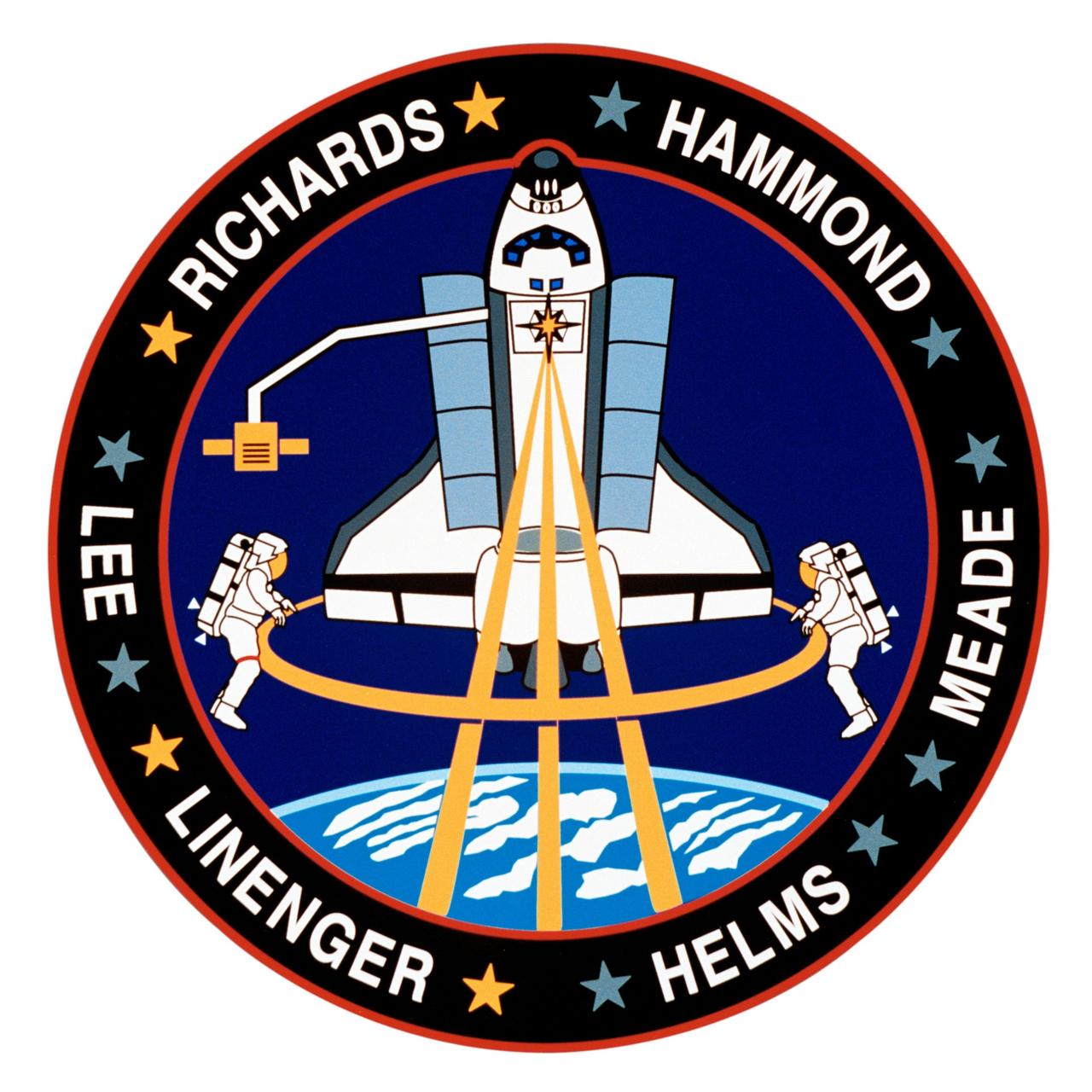
STS064-S-001 (July 1994) --- The patch depicts the space shuttle Discovery in a payload-bay-to-Earth attitude with its primary payload, Lidar In-Space Technology Experiment (LITE-1) operating in support of Mission to Planet Earth. LITE-1 is a lidar (light detection and ranging) system that uses a three-wavelength laser, symbolized by the three gold rays emanating from the star in the payload bay that form part of the astronaut symbol. The major objective of this first flight of LITE-1 is to validate its design and operating characteristics by gathering data about the Earth's troposphere and stratosphere, represented by the clouds and dual-colored Earth limb. A secondary payload on STS-64 is the free-flier SPARTAN-201 satellite shown on the Remote Manipulator System (RMS) arm post-retrieval. The objective of SPARTAN-201 is to investigate the physics of the solar wind and complement data being obtained from the ULYSSES satellite launched on STS-41. The RMS will also operate another secondary payload, Shuttle Plume Impingement Flight Experiment (SPIFEX), which will assess the plume effects from the Orbiter's Reaction Control System thrusters. Additionally, STS-64 will test a new extravehicular activity (EVA) maneuvering device, Simplified Aid for EVA Rescue (SAFER), represented symbolically by the two small nozzles on the backpacks of the two untethered EVA crew men. The names of the crew members encircle the patch: astronauts Richard N. Richards, commander; L. Blaine Hammond Jr., pilot; Jerry M. Linenger; Susan J. Helms, Carl J. Meade and Mark C. Lee, all mission specialists. The gold or silver stars by each name represent that person's parent service. The NASA insignia design for space shuttle flights is reserved for use by the astronauts and for other official use as the NASA Administrator may authorize. Public availability has been approved only in the forms of illustrations by the various news media. When and if there is any change in this policy, which is not anticipated, the change will be publicly announced. Photo credit: NASA

Taken by the Wide Field Planetary Camera 2 (WFPC2) of the Hubble Space Telescope (HST), this image of MyCn18, a young planetary nebula located about 8,000 light-years away, reveals its true shape to be an hourglass with an intricate pattern of "etchings" in its walls. The arc-like etchings could be the remnants of discrete shells ejected from the star when it was younger, flow instabilities, or could result from the action of a narrow beam of matter impinging on the hourglass walls. According to one theory on the formation of planetary nebulae, the hourglass shape is produced by the expansion of a fast stellar wind within a slowly expanding cloud, which is denser near its equator than near its poles. Hubble has also revealed other features in MyCn18 which are completely new and unexpected. For example, there is a pair of intersecting elliptical rings in the central region which appear to be the rims of a smaller hourglass. This picture has been composed from three separate images taken in the light of ionized nitrogen (represented by red), hydrogen (green) and doubly-ionized oxygen (blue). The results are of great interest because they shed new light on the poorly understood ejection of stellar matter which accompanies the slow death of sun-like stars. An unseen companion star and accompanying gravitational effects may well be necessary in order to explain the structure of MyCn18. The Marshall Space Flight Center (MSFC) had responsibility for design, development, and construction of the HST.
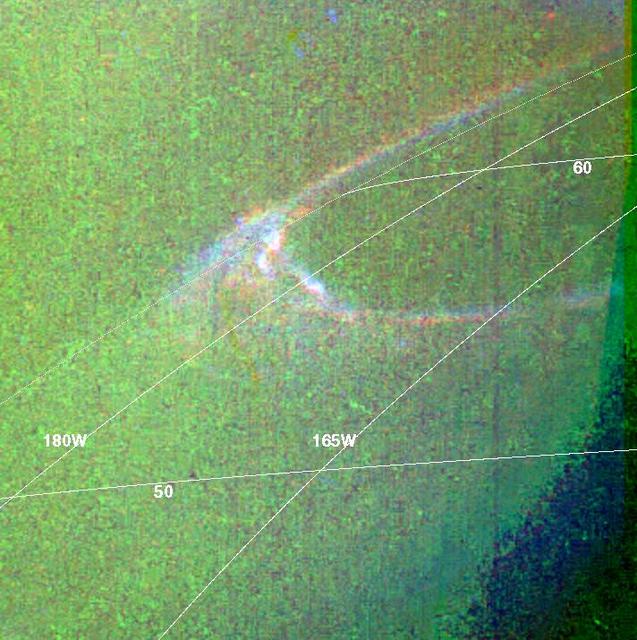
Data from NASA's Galileo spacecraft were used to produce this false-color composite of Jupiter's northern aurora on the night side of the planet. The height of the aurora, the thickness of the auroral arc, and the small-scale structure are revealed for the first time. Images in Galileo's red, green, and clear filters are displayed in red, green, and blue respectively. The smallest resolved features are tens of kilometers in size, which is a ten-fold improvement over Hubble Space Telescope images and a hundred-fold improvement over ground-based images. The glow is caused by electrically charged particles impinging on the atmosphere from above. The particles travel along Jupiter's magnetic field lines, which are nearly vertical at this latitude. The auroral arc marks the boundary between the "closed" field lines that are attached to the planet at both ends and the "open" field lines that extend out into interplanetary space. At the boundary the particles have been accelerated over the greatest distances, and the glow is especially intense. The latitude-longitude lines refer to altitudes where the pressure is 1 bar. The image shows that the auroral emissions originate about 500 kilometers (about 310 miles) above this surface. The colored background is light scattered from Jupiter's bright crescent, which is out of view to the right. North is at the top. The images are centered at 57 degrees north and 184 degrees west and were taken on April 2, 1997 at a range of 1.7 million kilometers (1.05 million miles) by Galileo's Solid State Imaging (SSI) system. http://photojournal.jpl.nasa.gov/catalog/PIA00603