
A Turbulent Interface
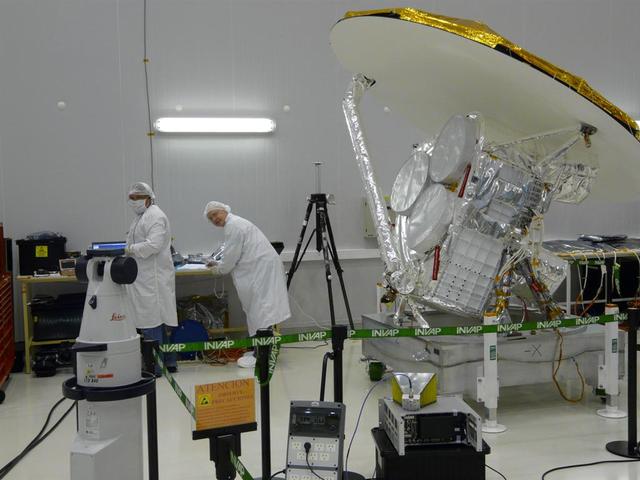
NASA Aquarius instrument power interfaces are tested prior to connection with the SAC-D service platform at the INVAP facility in Bariloche, Argentina.
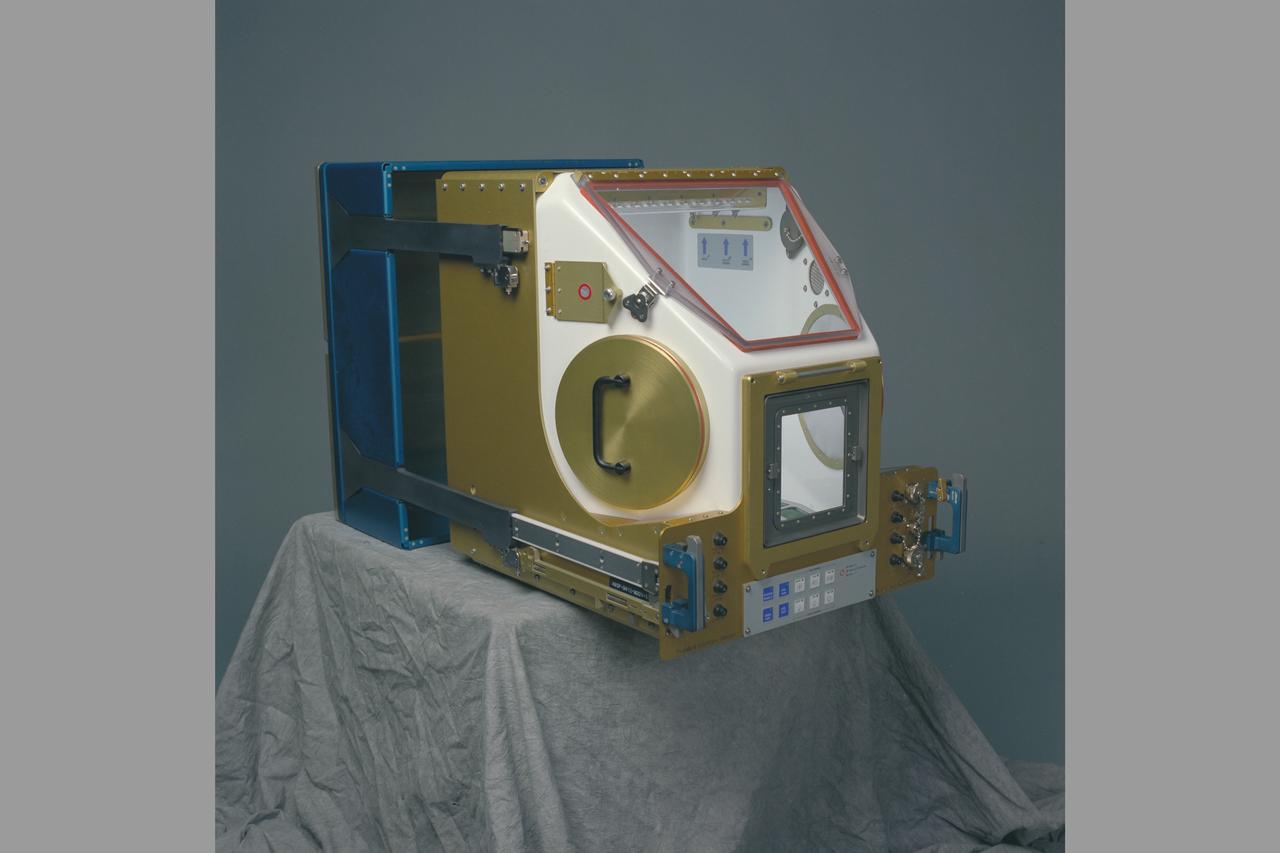
SIGB (Standard Interface Glove Box) & MRS (Middeck Rack Structure).
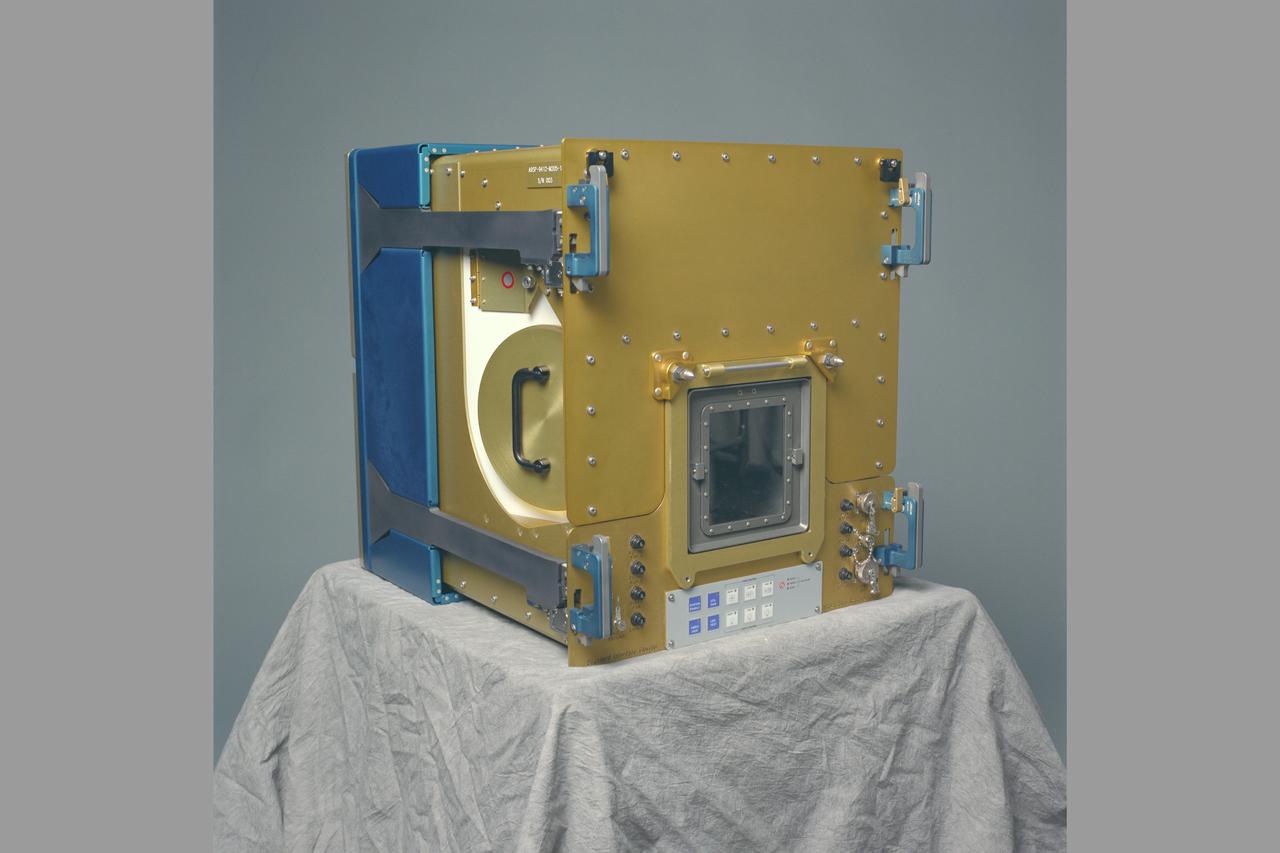
SIGB (Standard Interface Glove Box) & MRS (Middeck Rack Structure).
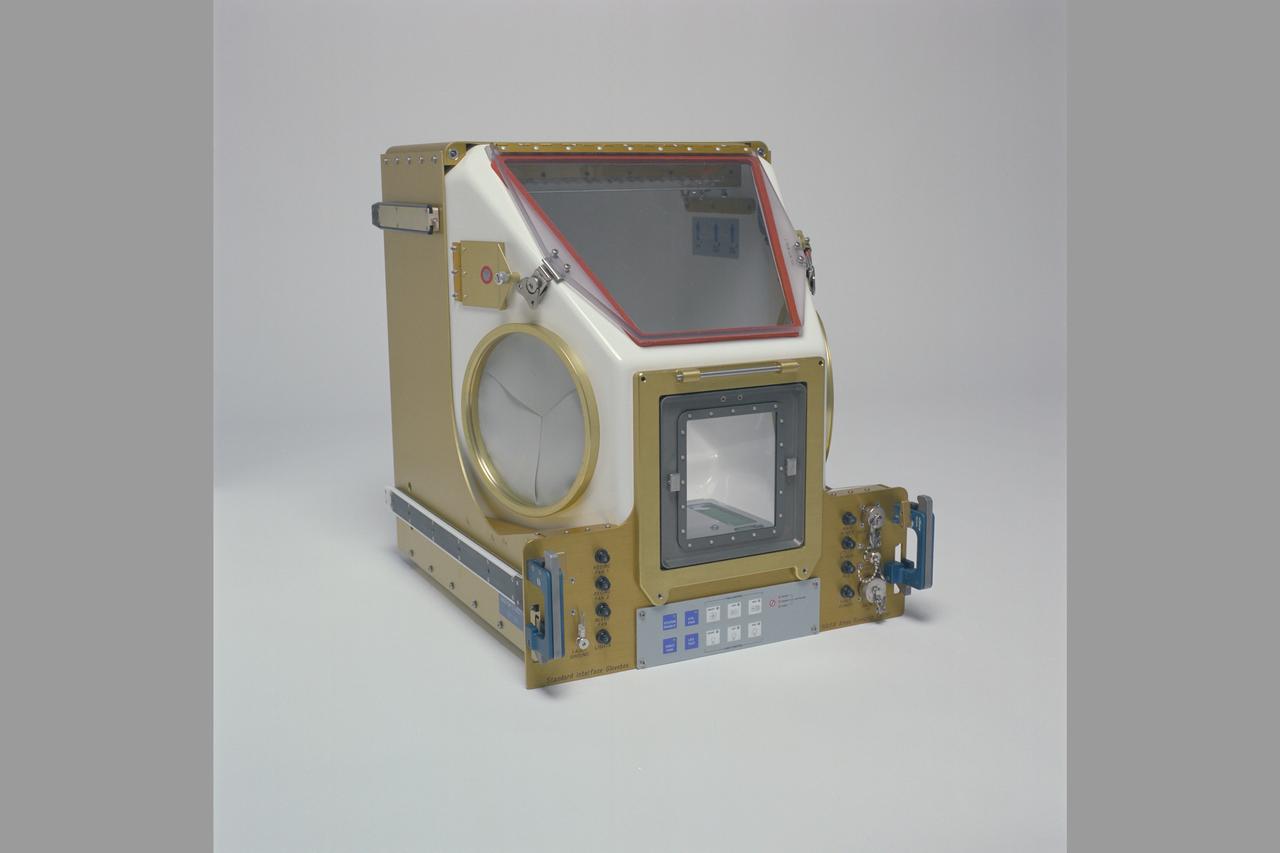
SIGB (Standard Interface Glove Box) & MRS (Middeck Rack Structure).
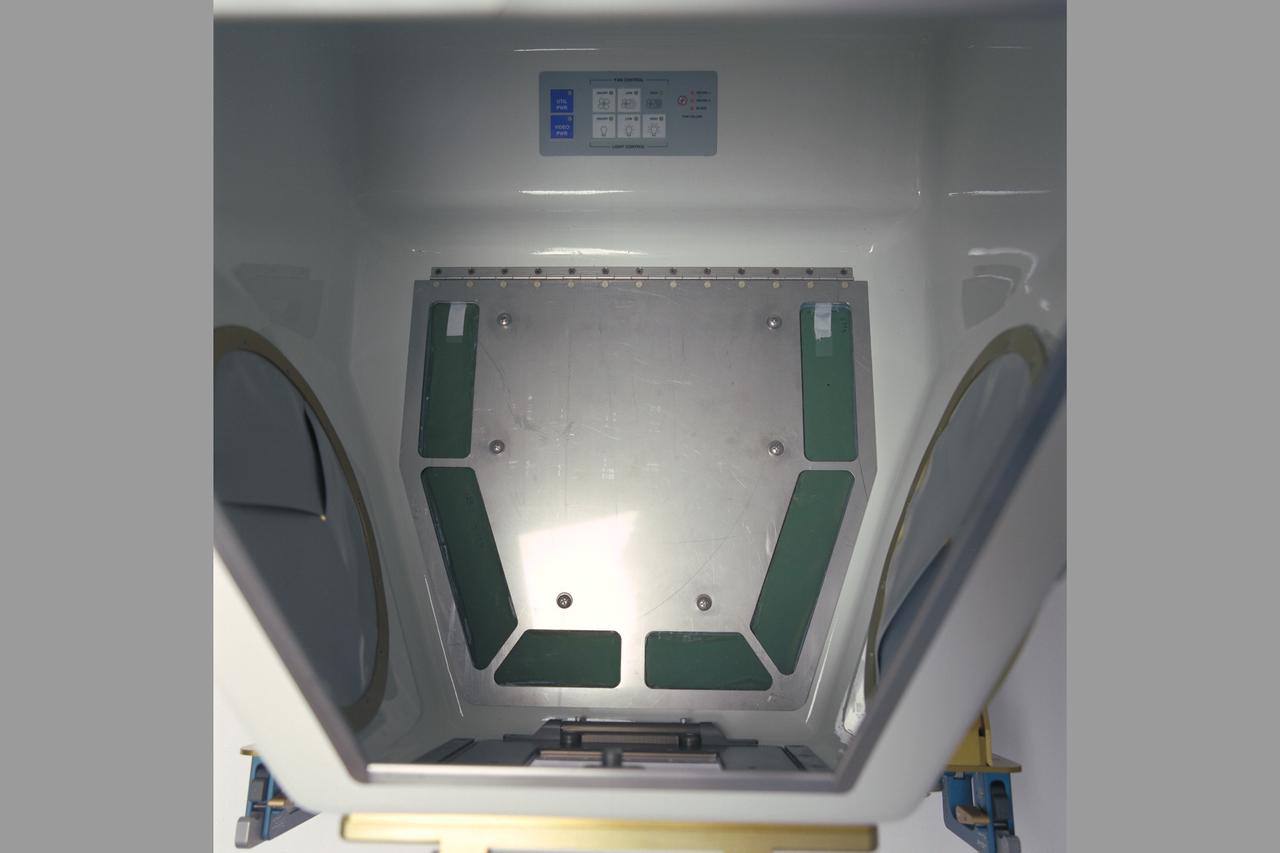
SIGB (Standard Interface Glove Box) & MRS (Middeck Rack Structure).
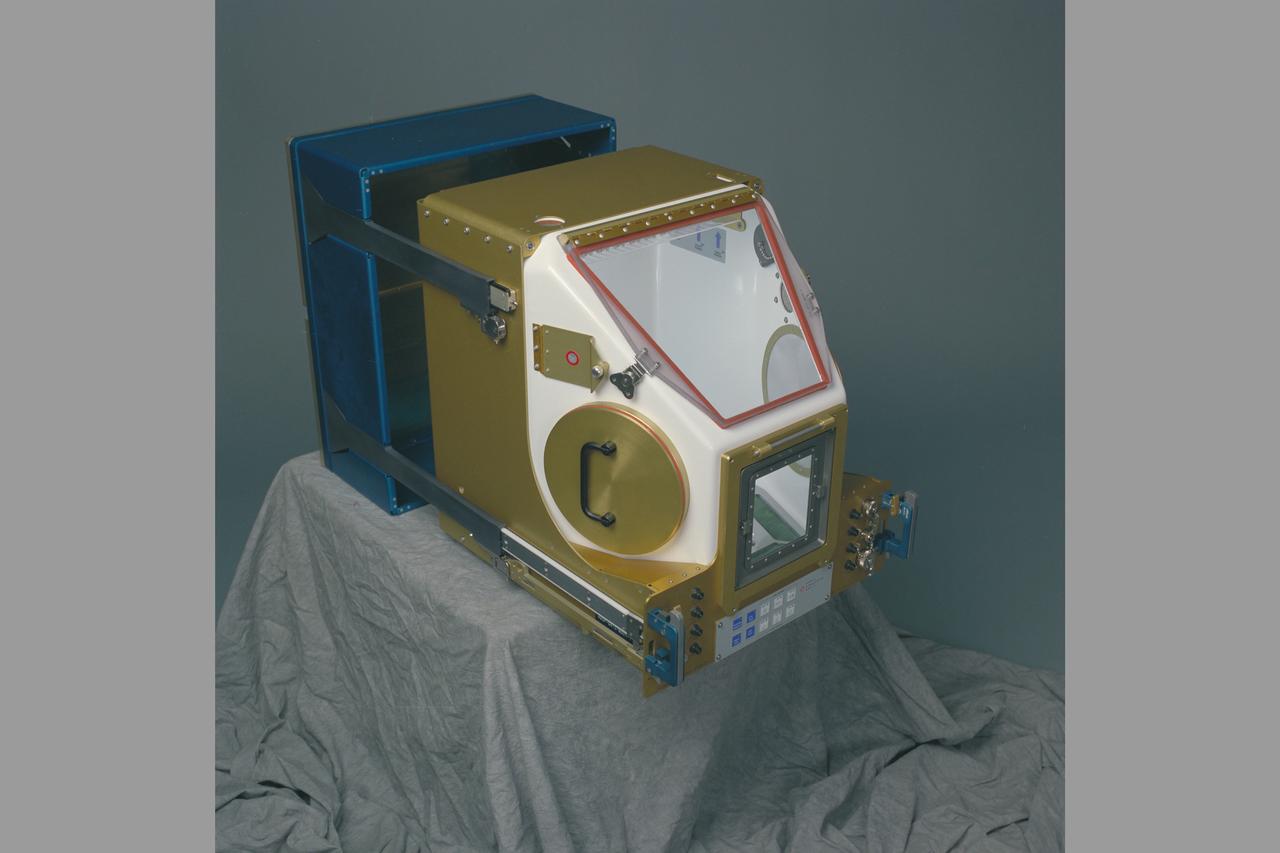
SIGB (Standard Interface Glove Box) & MRS (Middeck Rack Structure).
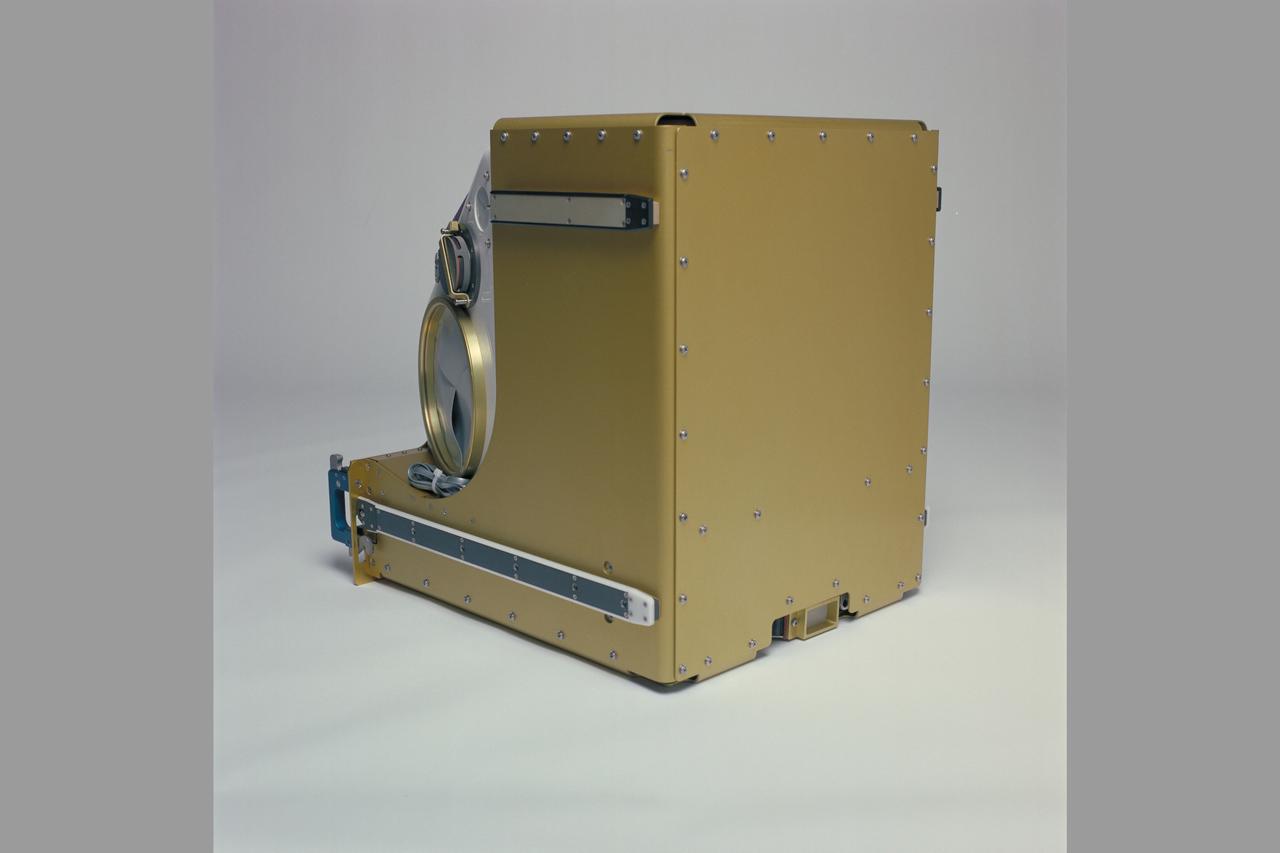
SIGB (Standard Interface Glove Box) & MRS (Middeck Rack Structure).
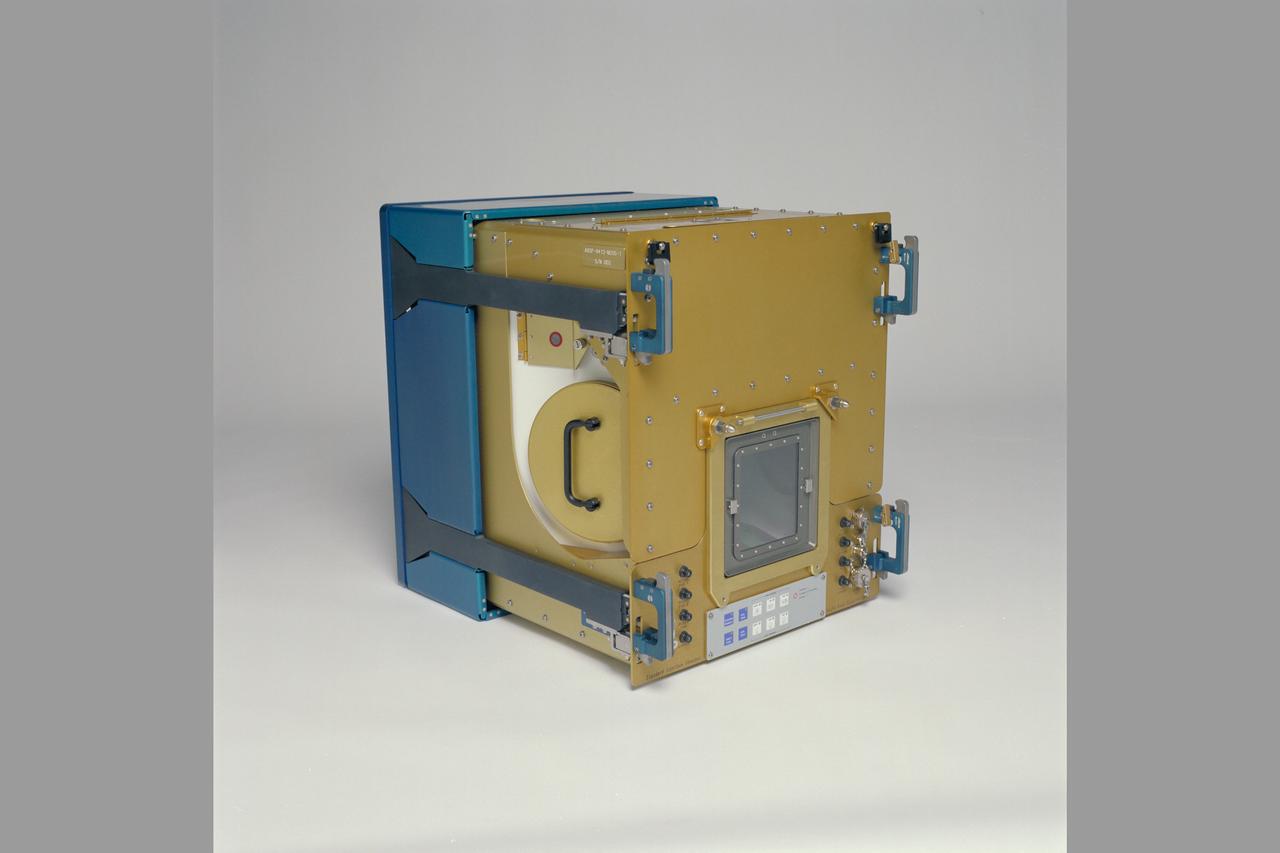
SIGB (Standard Interface Glove Box) & MRS (Middeck Rack Structure).
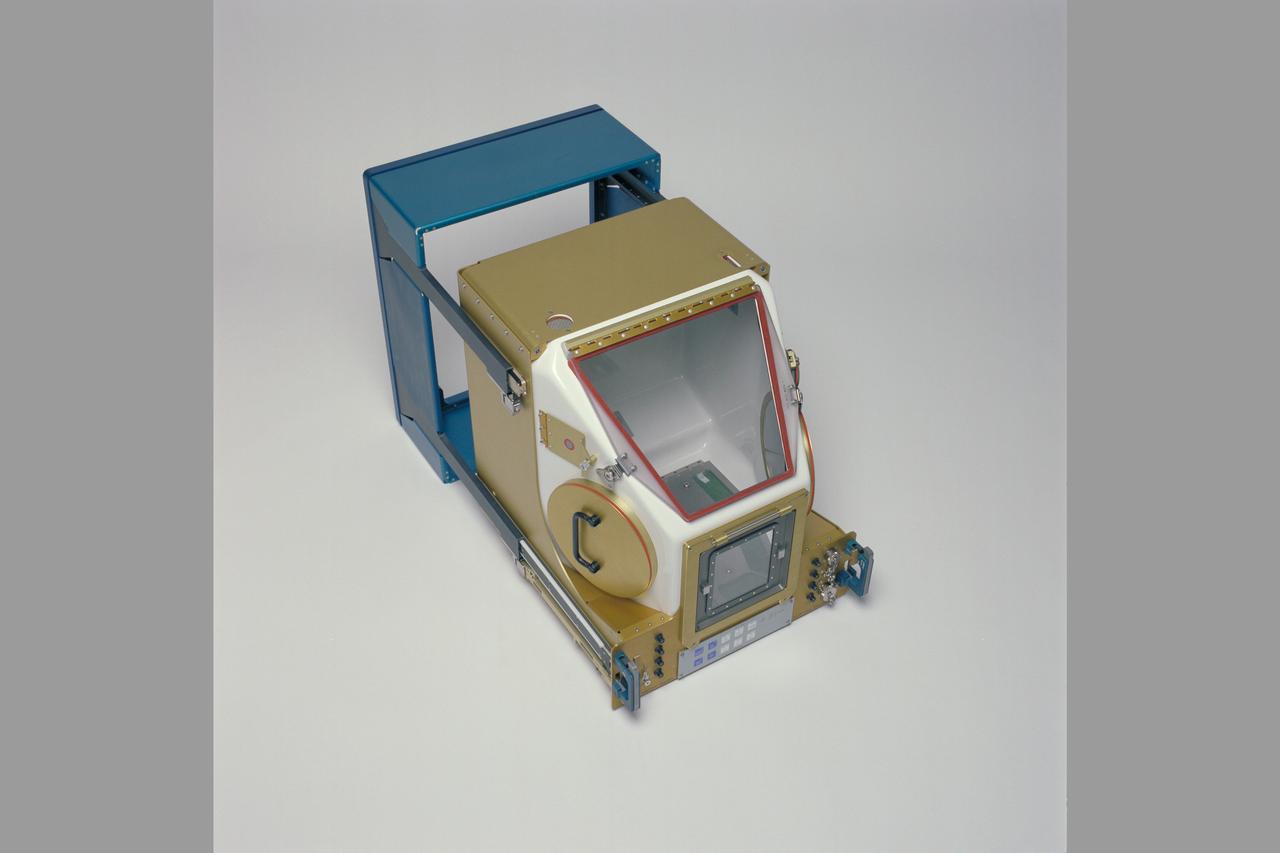
SIGB (Standard Interface Glove Box) & MRS (Middeck Rack Structure).
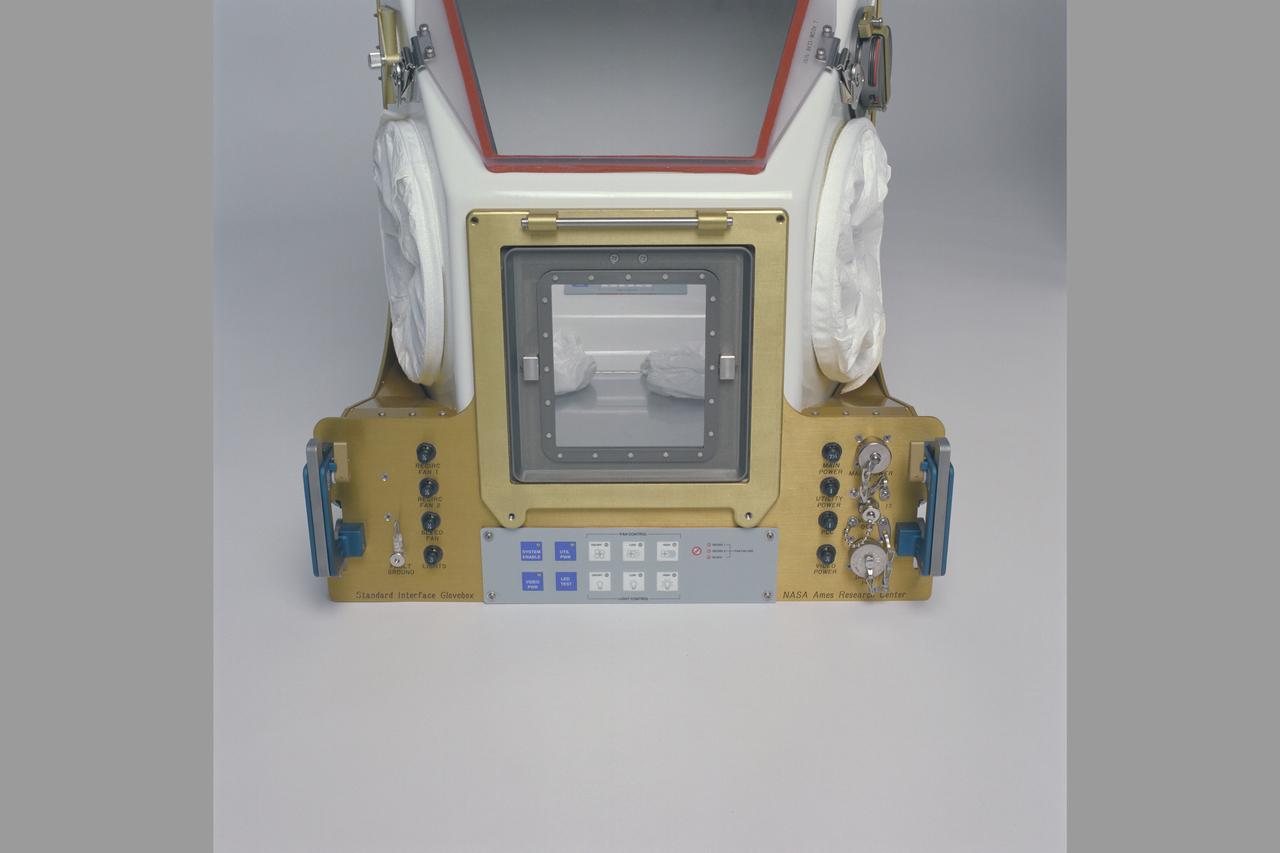
SIGB (Standard Interface Glove Box) & MRS (Middeck Rack Structure).
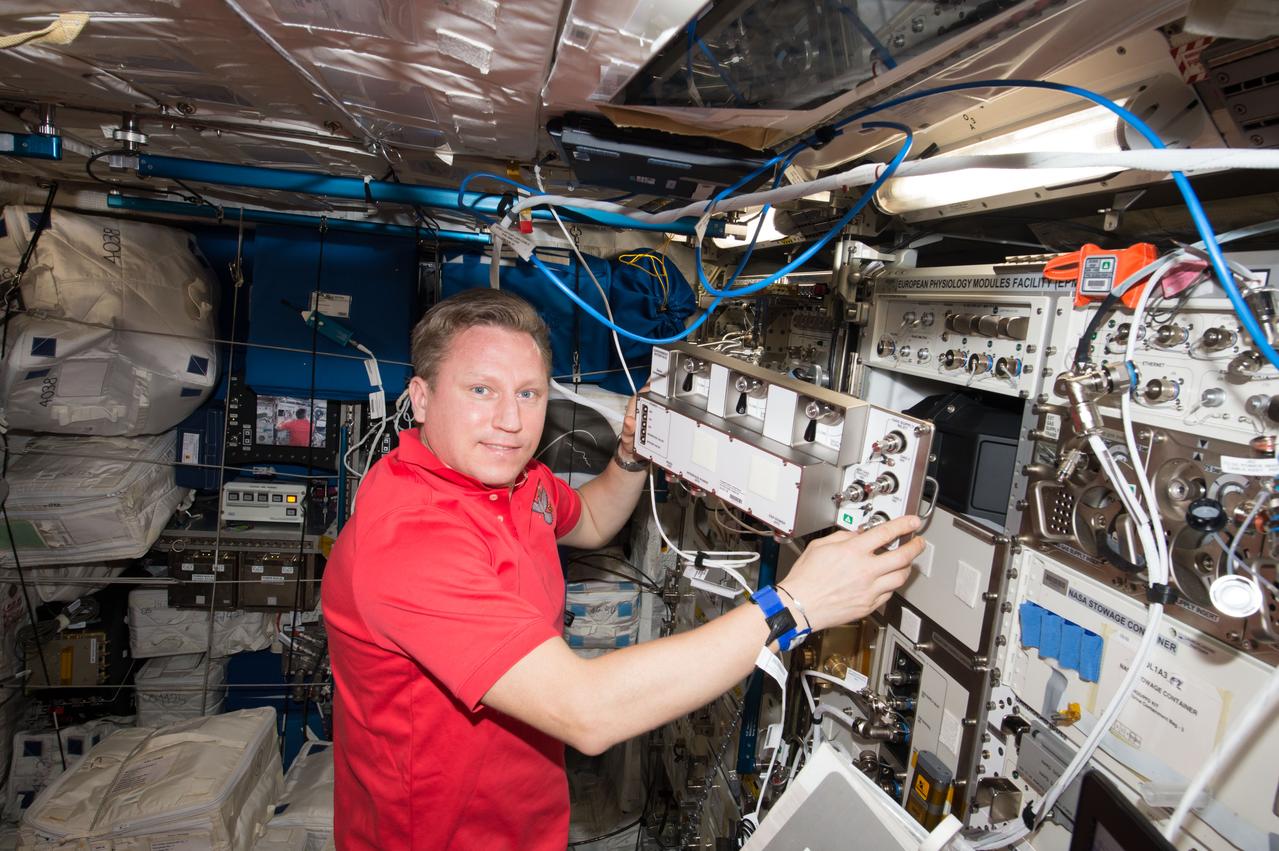
iss056e098197 (7/23/2018) --- Russian Cosmonaut Sergei Prokopev, during Plasma Krystall-4 (PK-4) Experiment Interface Installation. PK-4 is a scientific collaboration between the European Space Agency (ESA) and the Russian Federal Space Agency (Roscosmos), performing research in the field of "Complex Plasmas".
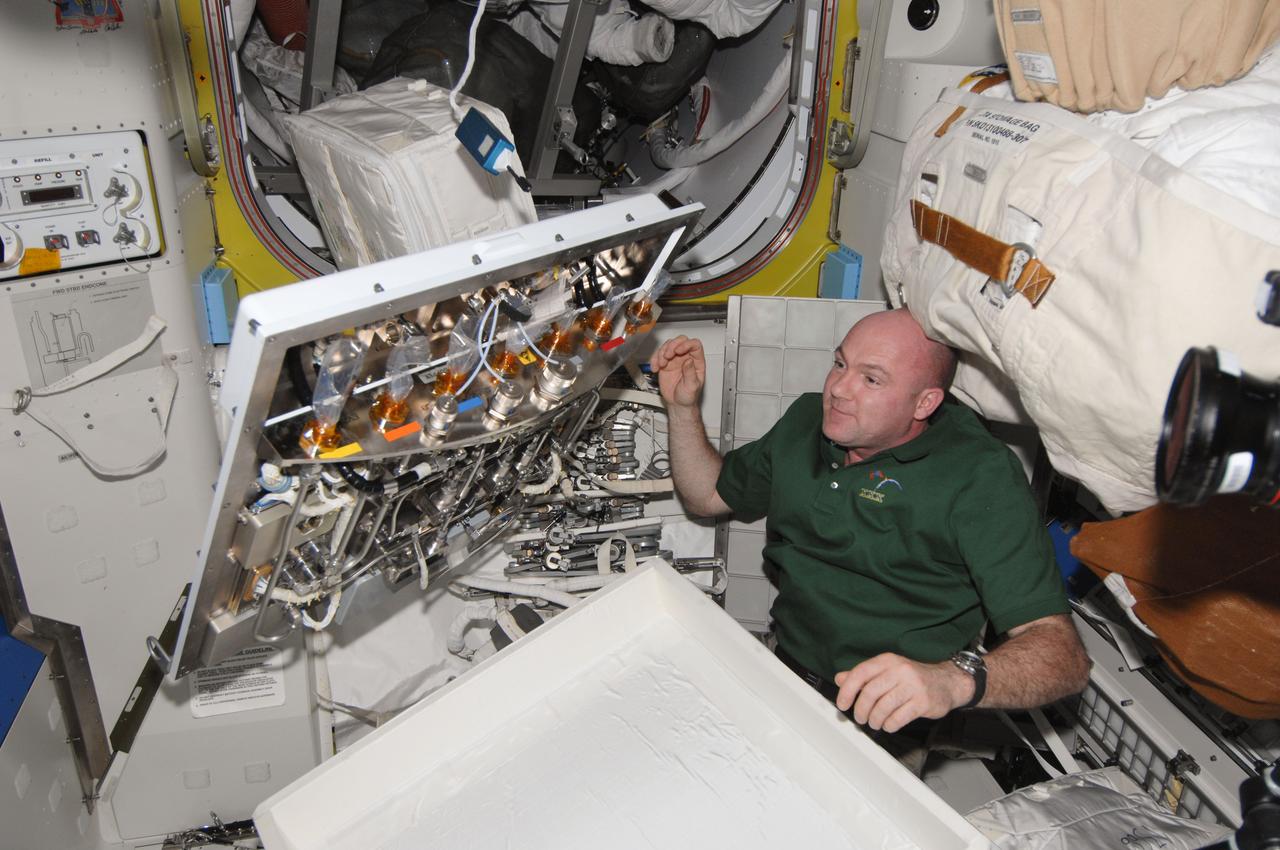
ISS030-E-156468 (27 Jan. 2012) --- European Space Agency astronaut Andre Kuipers, Expedition 30 flight engineer, is pictured in the Quest airlock of the International Space Station during photo documentation of the fluid and electrical interfaces on the Umbilical Interface Assembly (UIA) Connector Shelf.
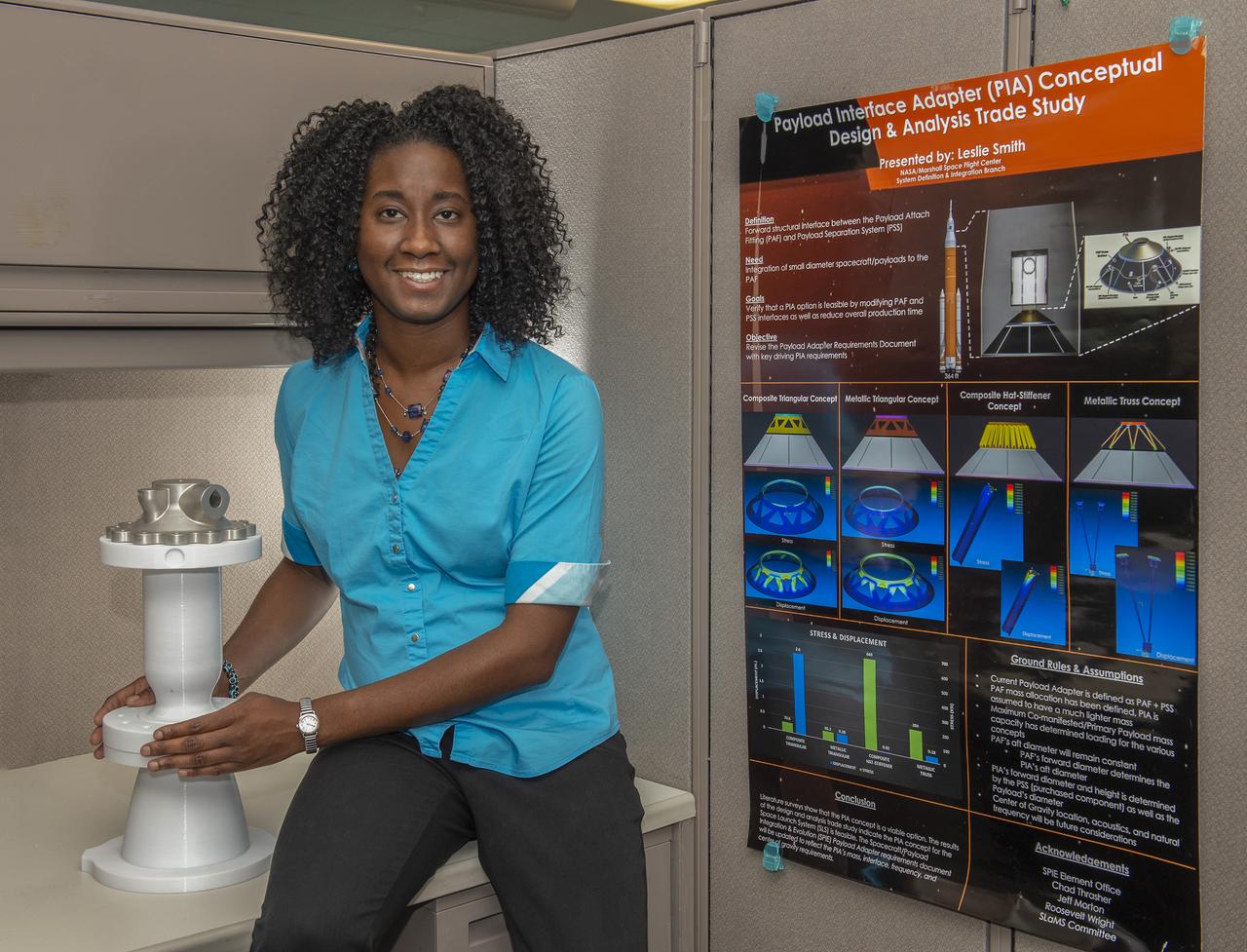
Leslie Smith, Systems Engineer, poses with an additive manufactured small combustion chamber, and poster she designed, of the Payload Interface Adapter (PIA) trade study that depicts four different concepts. The PIA is vital in helping transport various payloads to Beyond Earth Orbit.
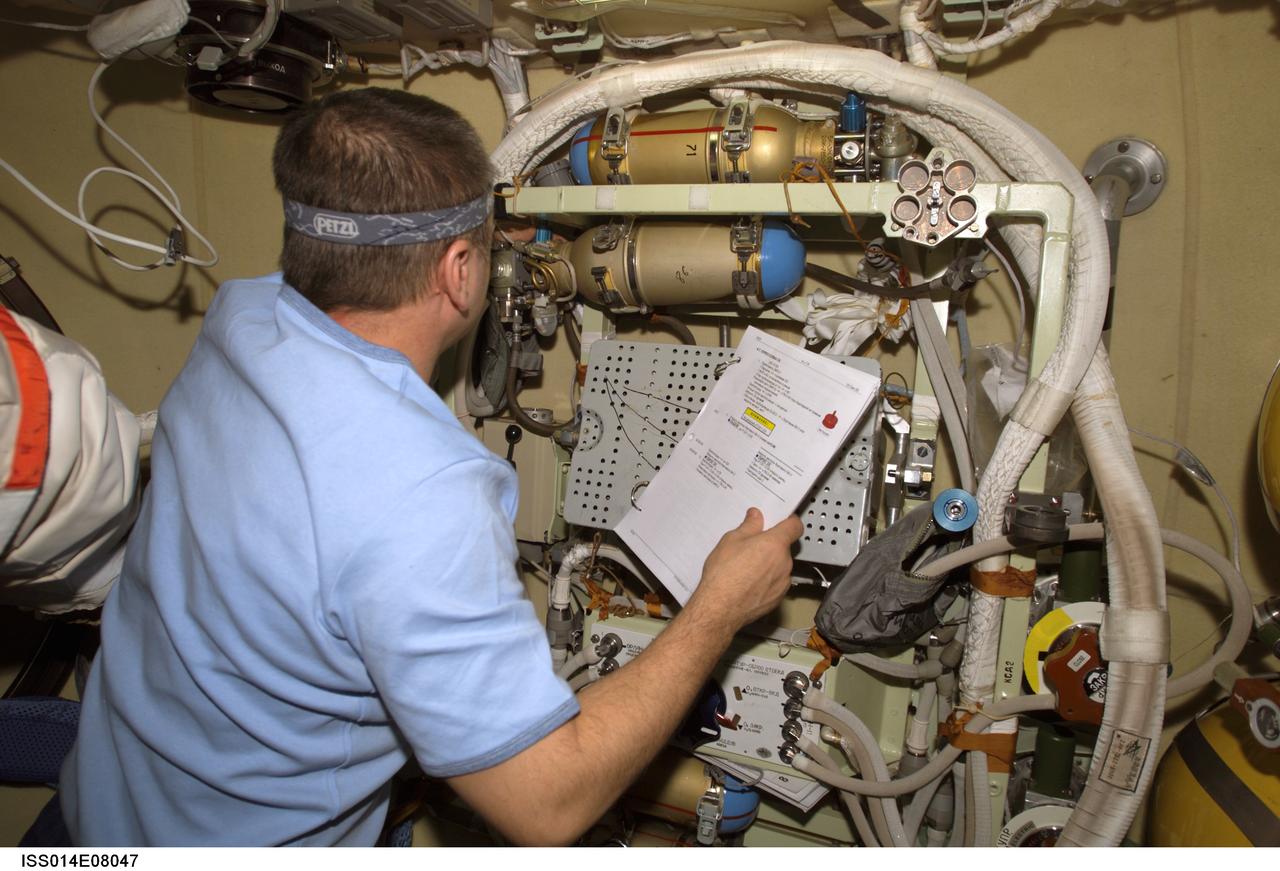
ISS014-E-08047 (14 Nov. 2006) --- Cosmonaut Mikhail Tyurin, Expedition 14 flight engineer representing Russia's Federal Space Agency, conducts a check on the Orlan Interface Unit in the Pirs Docking Compartment of the International Space Station.
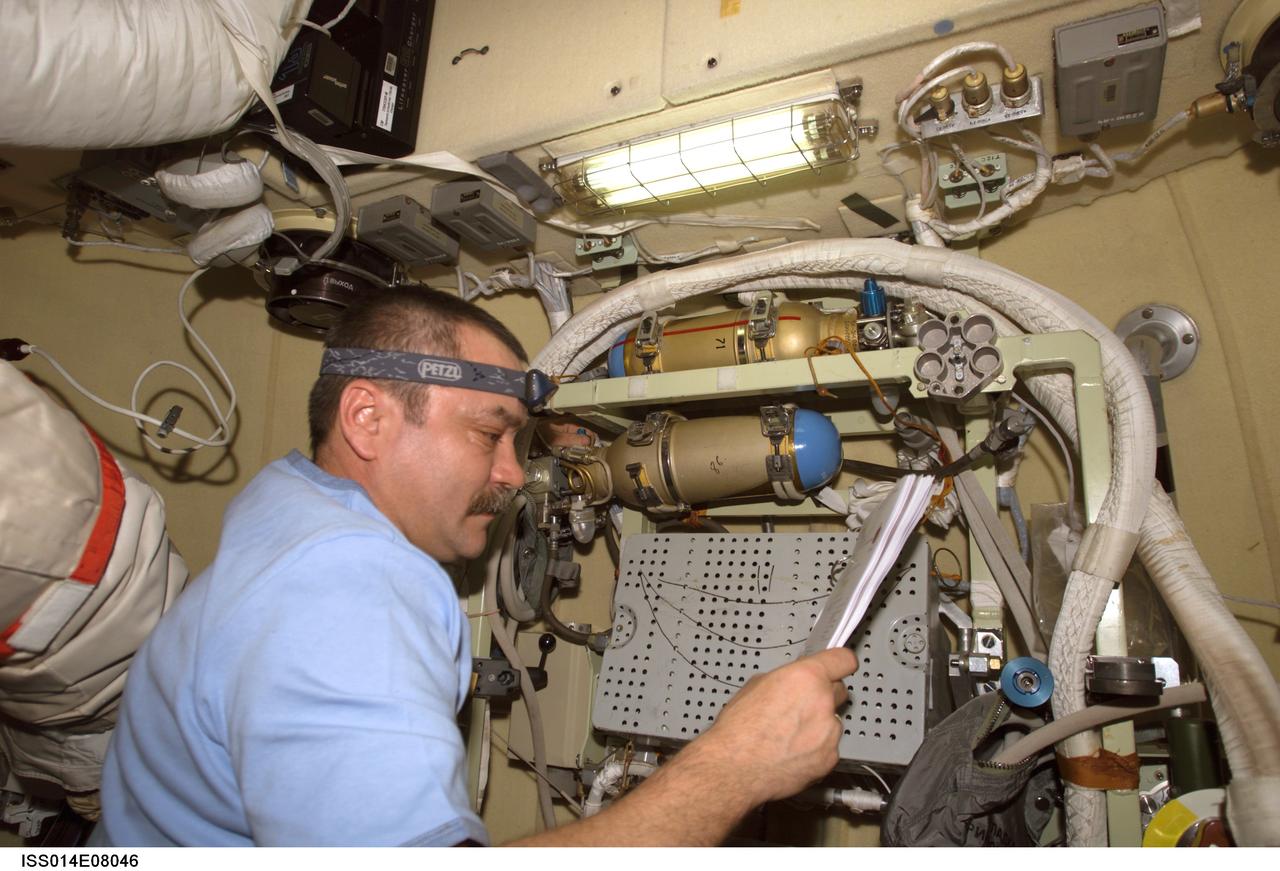
ISS014-E-08046 (14 Nov. 2006) --- Cosmonaut Mikhail Tyurin, Expedition 14 flight engineer representing Russia's Federal Space Agency, conducts a check on the Orlan Interface Unit in the Pirs Docking Compartment of the International Space Station.
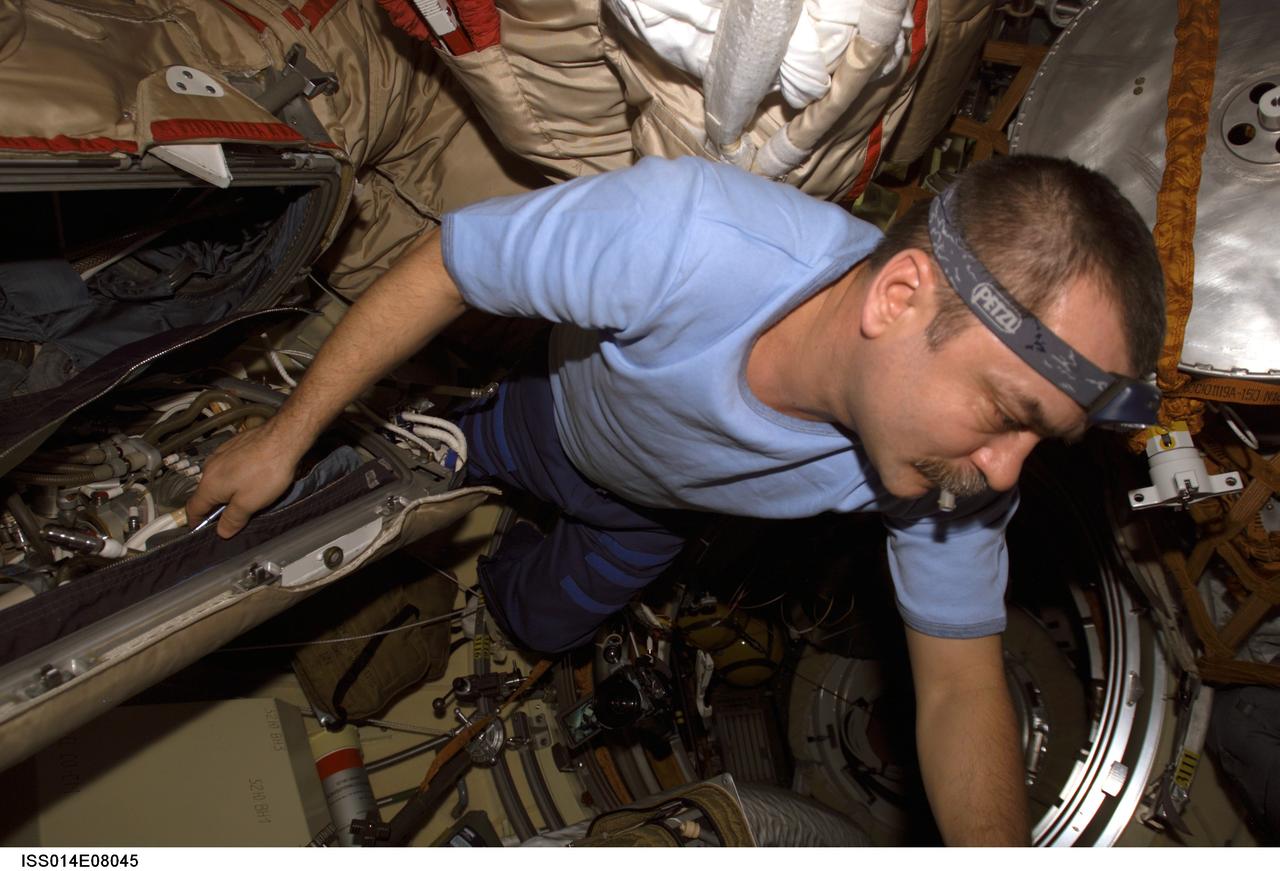
ISS014-E-08045 (14 Nov. 2006) --- Cosmonaut Mikhail Tyurin, Expedition 14 flight engineer representing Russia's Federal Space Agency, conducts a check on the Orlan Interface Unit in the Pirs Docking Compartment of the International Space Station.
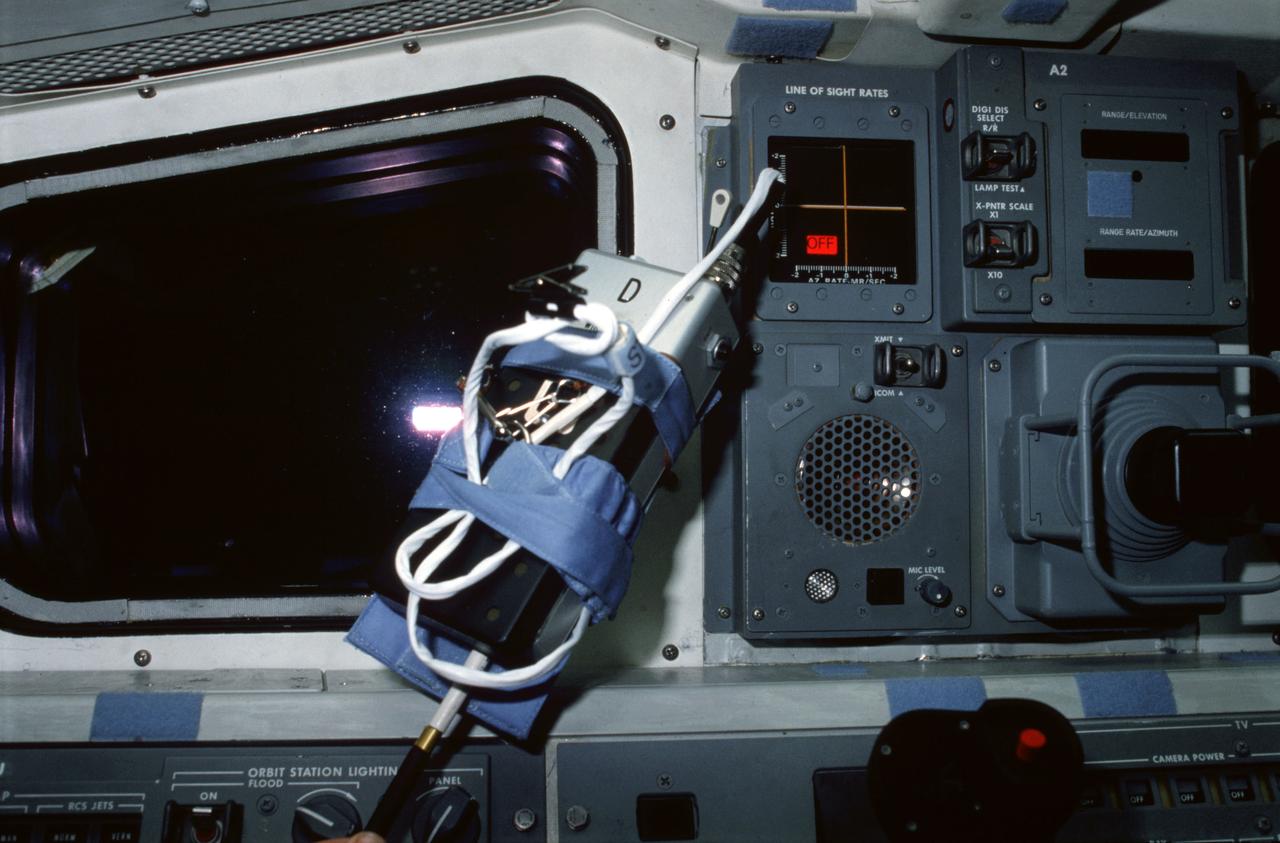
STS008-18-479 (5 Sept 1983) --- Aft flight deck documentation includes on orbit station with control panel A2, aft viewing window W9, and communications kit assembly (ASSY) headset (HDST) interface unit (HIU) and cable free floating in front of it.
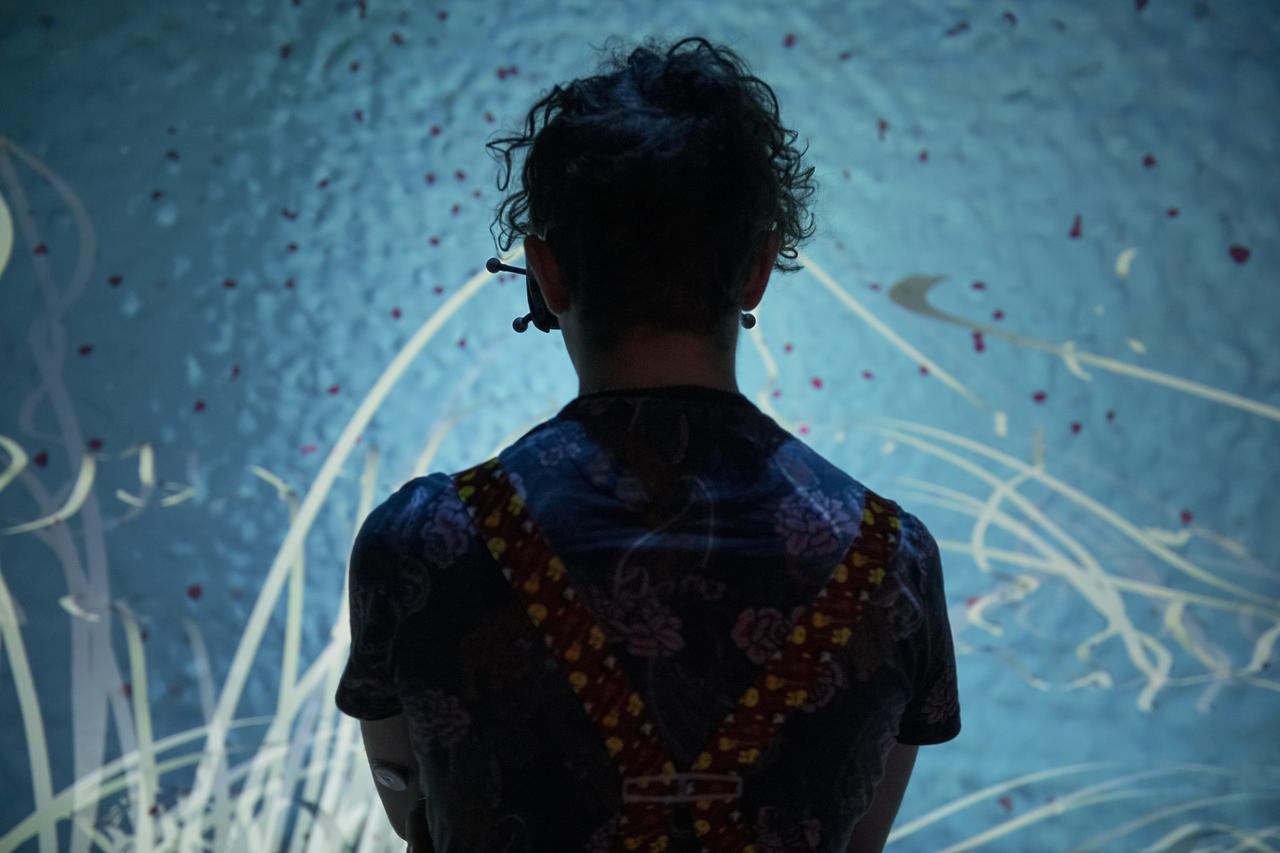
A person observes the computational Fluid Dynamics solution for cryogenic storage tank mixing inside the Glenn Reconfigurable User-interface and Virtual Reality Exploration on October 18, 2023. The GRUVE Lab provides a fully interactive virtual reality space in which to observe and analyze data and environments. Photo Credit: (NASA/Sara Lowthian-Hanna)
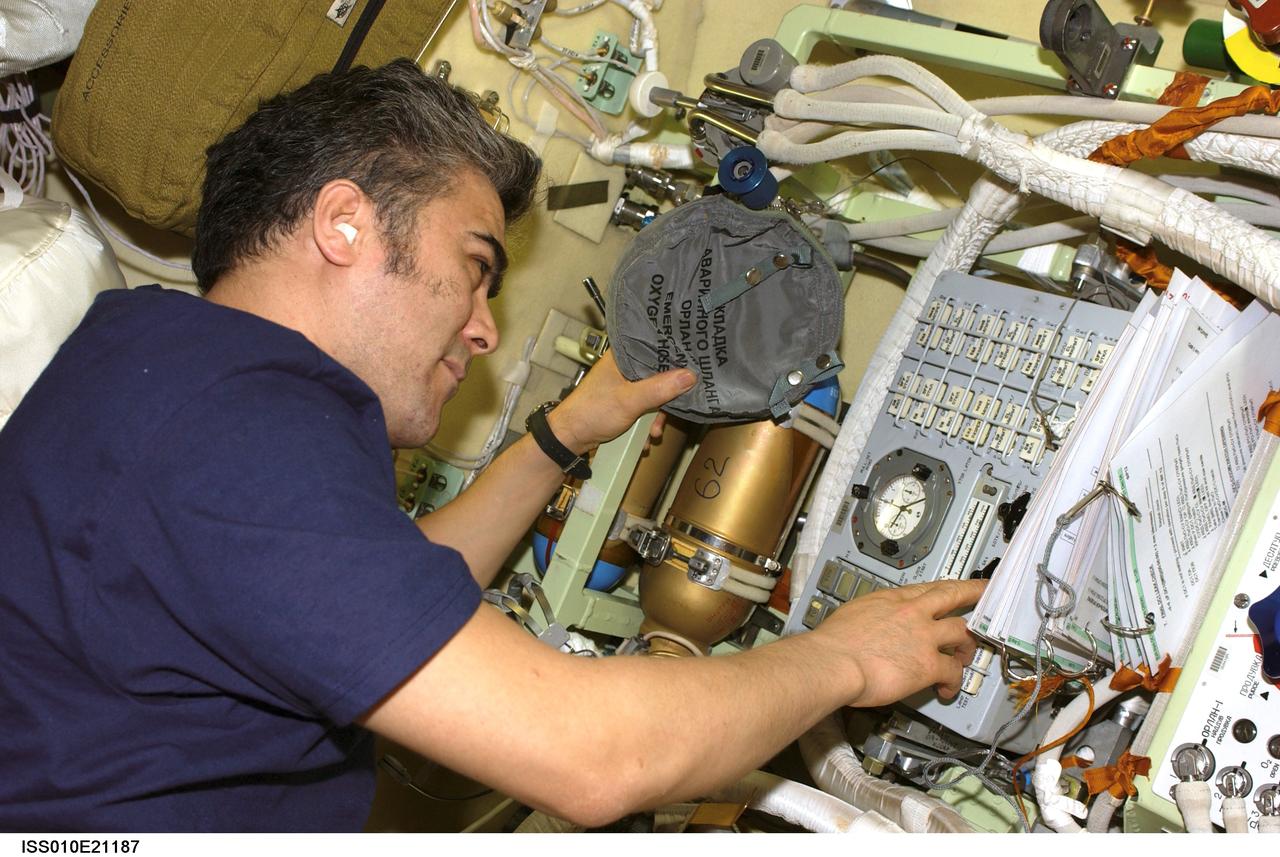
ISS010-E-21187 (23 March 2005) --- Cosmonaut Salizhan S. Sharipov, Expedition 10 flight engineer representing Russia's Federal Space Agency, works with the Russian Orlan Interface Unit in the Pirs Docking Compartment of the International Space Station (ISS). The final spacewalk for Expedition 10 is scheduled for March 28.
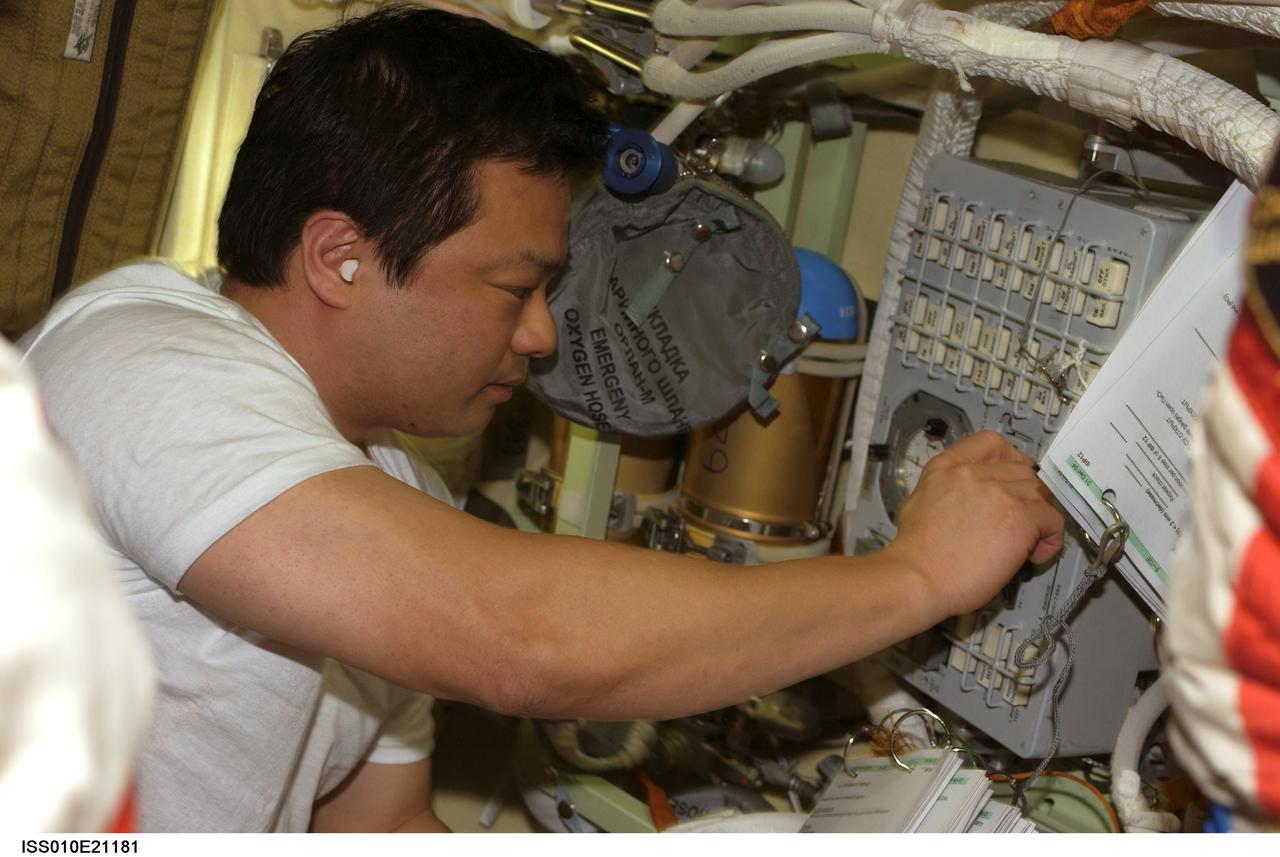
ISS010-E-21181 (23 March 2005) --- Astronaut Leroy Chiao, Expedition 10 commander and NASA ISS science officer, works with the Russian Orlan Interface Unit in the Pirs Docking Compartment of the International Space Station (ISS). The final spacewalk for Expedition 10 is scheduled for March 28.
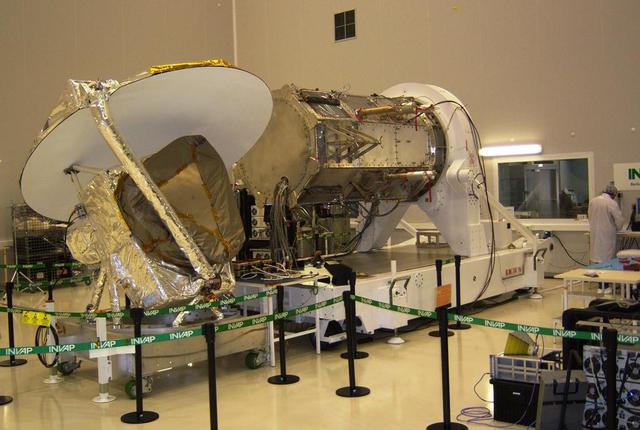
All NASA Aquarius electrical interfaces have successfully been connected to the SAC-D service platform S/P.
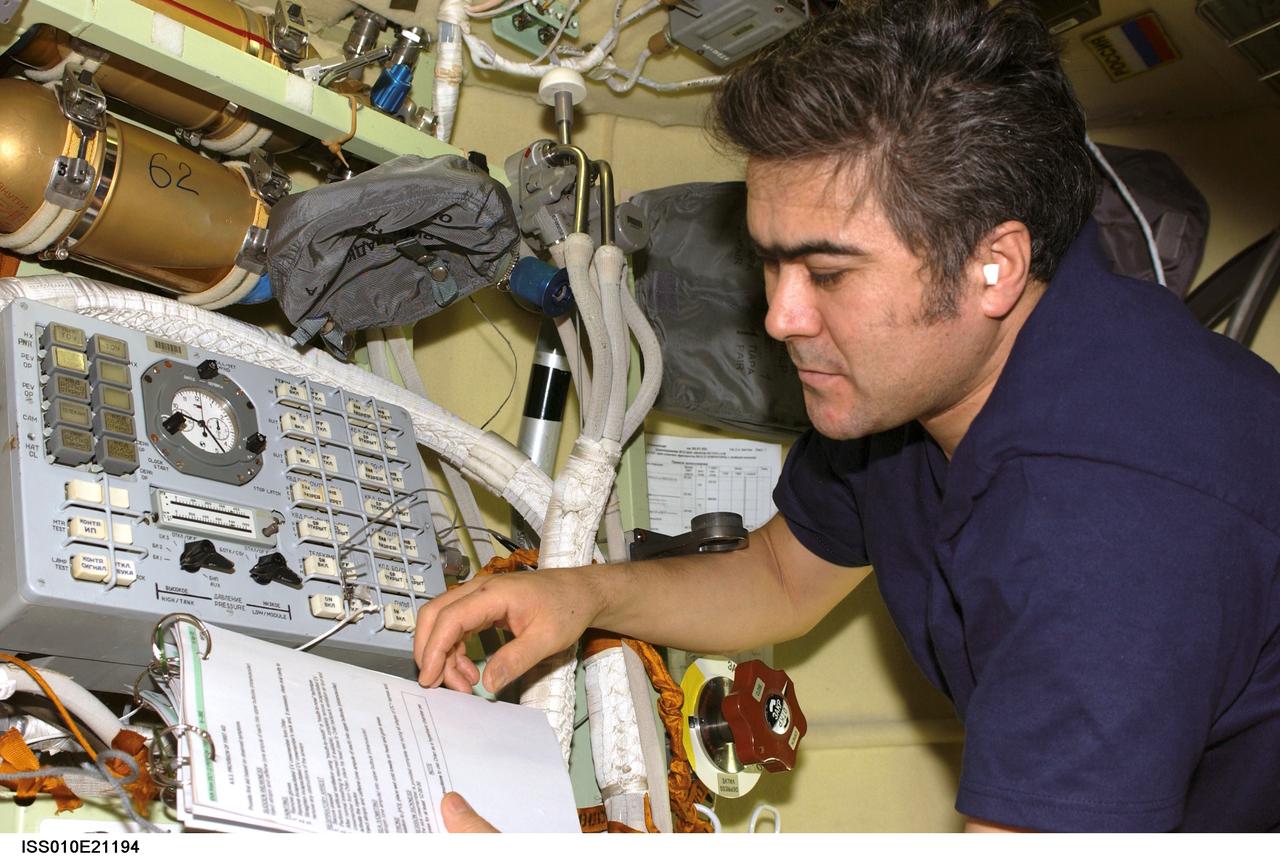
ISS010-E-21194 (23 March 2005) --- Cosmonaut Salizhan S. Sharipov, Expedition 10 flight engineer representing Russia's Federal Space Agency, looks over a procedures checklist while working with the Russian Orlan Interface Unit in the Pirs Docking Compartment of the International Space Station (ISS). The final spacewalk for Expedition 10 is scheduled for March 28.
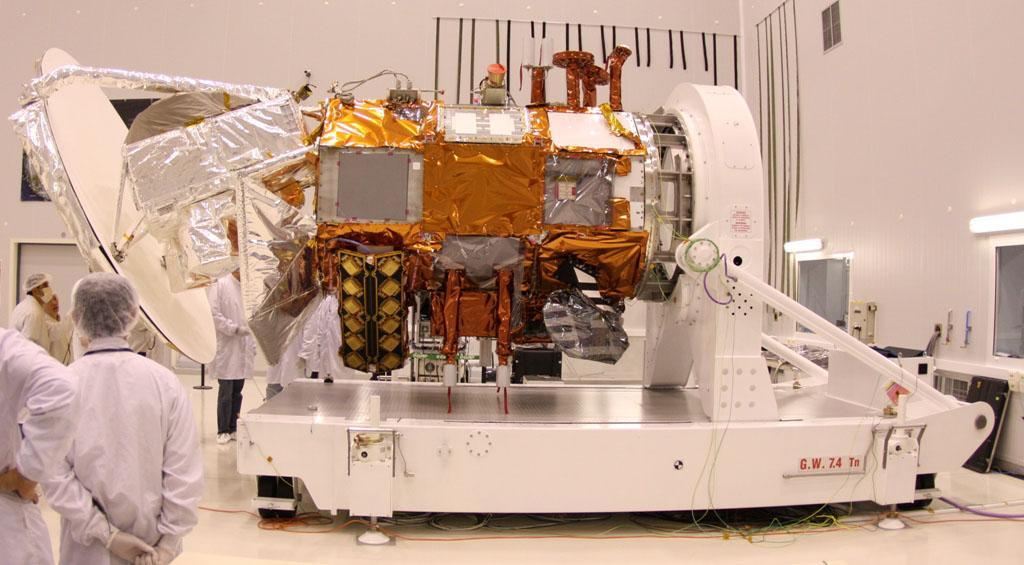
A fit check of half the sunshade is completed to verify the clearance of NASA Aquarius ground lug as well as the blanket interface with the service platform top deck.
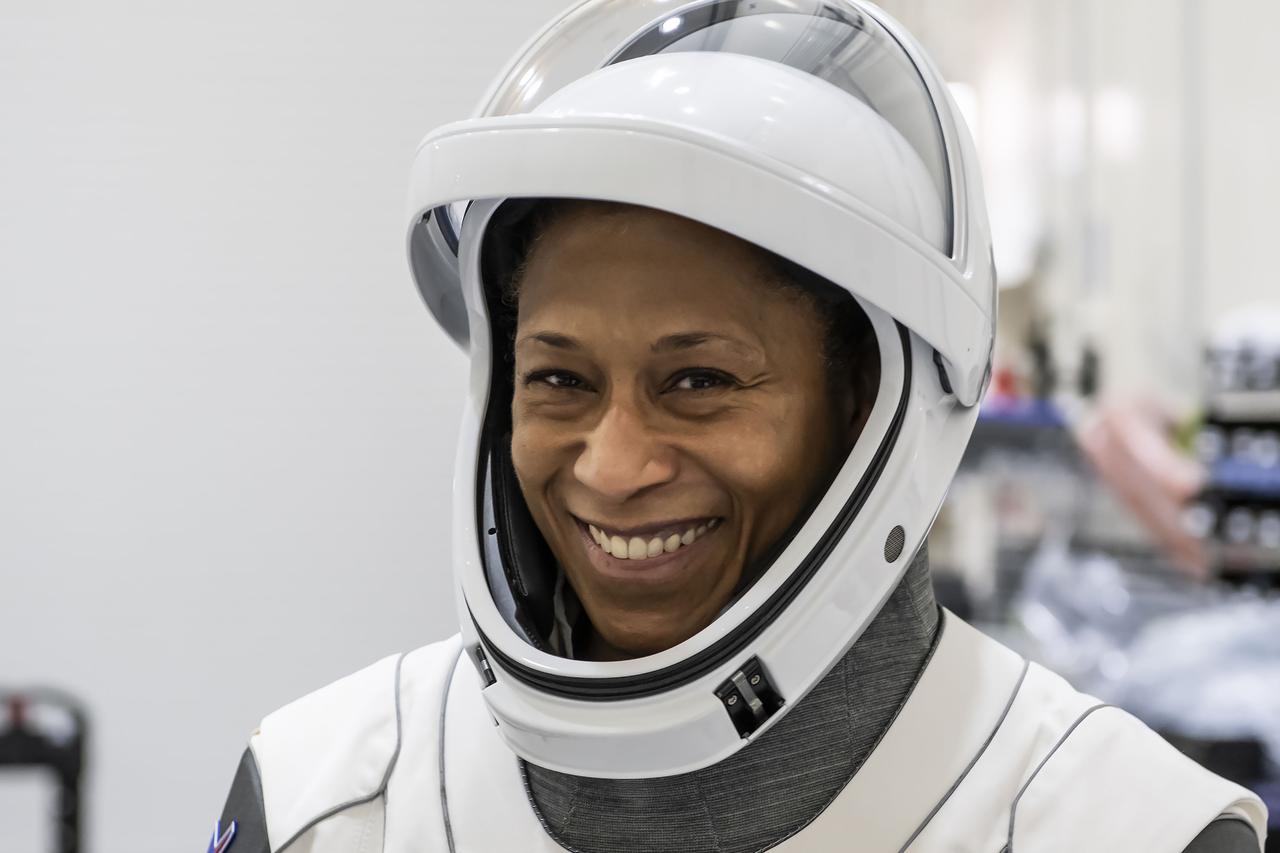
NASA astronaut Jeanette Epps, mission specialist of NASA’s SpaceX Crew-8 mission, is suited up to participate in a Crew Equipment Interface Test (CEIT) at Cape Canaveral Space Force Station in Florida on Friday, Jan. 12, 2024. During the CEIT, the astronauts practice launch and docking in a high-fidelity simulator and getting into position inside SpaceX’s Dragon capsule. As part of the agency’s Commercial Crew Program, Crew-8 marks the ninth human spaceflight mission supported by a SpaceX Dragon spacecraft and the eighth crew rotation mission to International Space Station. Crew-8 will launch on a SpaceX Falcon 9 rocket from Launch Complex 39A at NASA’s Kennedy Space Center in Florida no earlier than mid-February 2024.
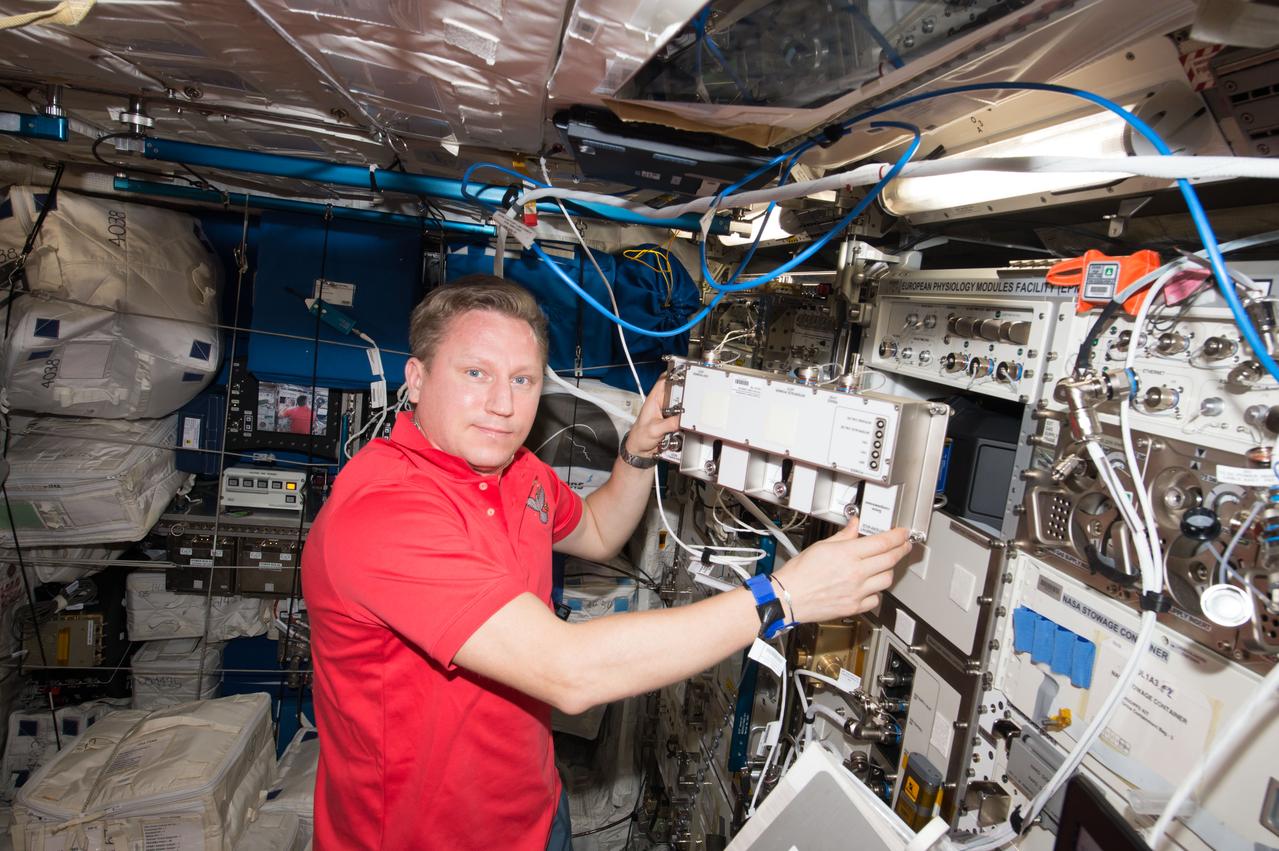
iss056e098196 (July 23, 2018) --- Expedition 56 Flight Engineer Sergey Prokopyev, from Roscosmos, works with Plasma Kristall-4 (PK-4) science hardware inside the International Space Station's Columbus laboratory module from ESA (European Space Agency). The space physics study is investigating complex plasmas consisting of low temperature gaseous mixtures composed of ionized gas, neutral gas, and micron-sized particles. The results could benefit future spacecraft design and impact industries on Earth.
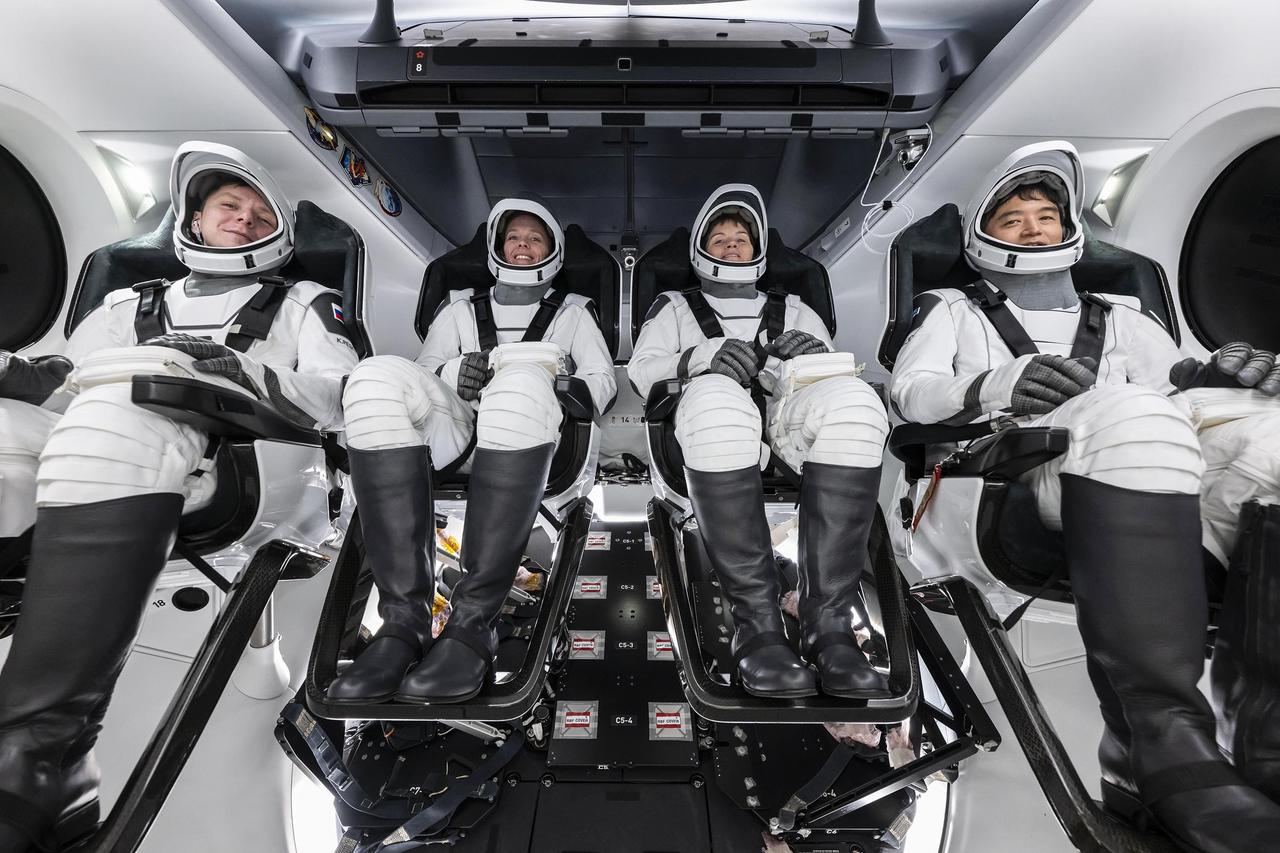
The crew of NASA’s SpaceX Crew-10 mission poses for a photo during a crew equipment interface test (CEIT) inside SpaceX’s new Dragon processing facility at the agency’s Kennedy Space Center in Florida on Monday, Feb. 17, 2025. From left, Roscosmos cosmonaut Kirill Peskov, mission specialist; NASA astronauts Nichole Ayers, pilot and Anne McClain, commander; and JAXA (Japan Aerospace Exploration Agency) astronaut Takuya Onishi, mission specialist, participated in the CEIT, which plays an important role in familiarizing crew members with the interior of the Dragon spacecraft ahead of their four-month mission to International Space Station.
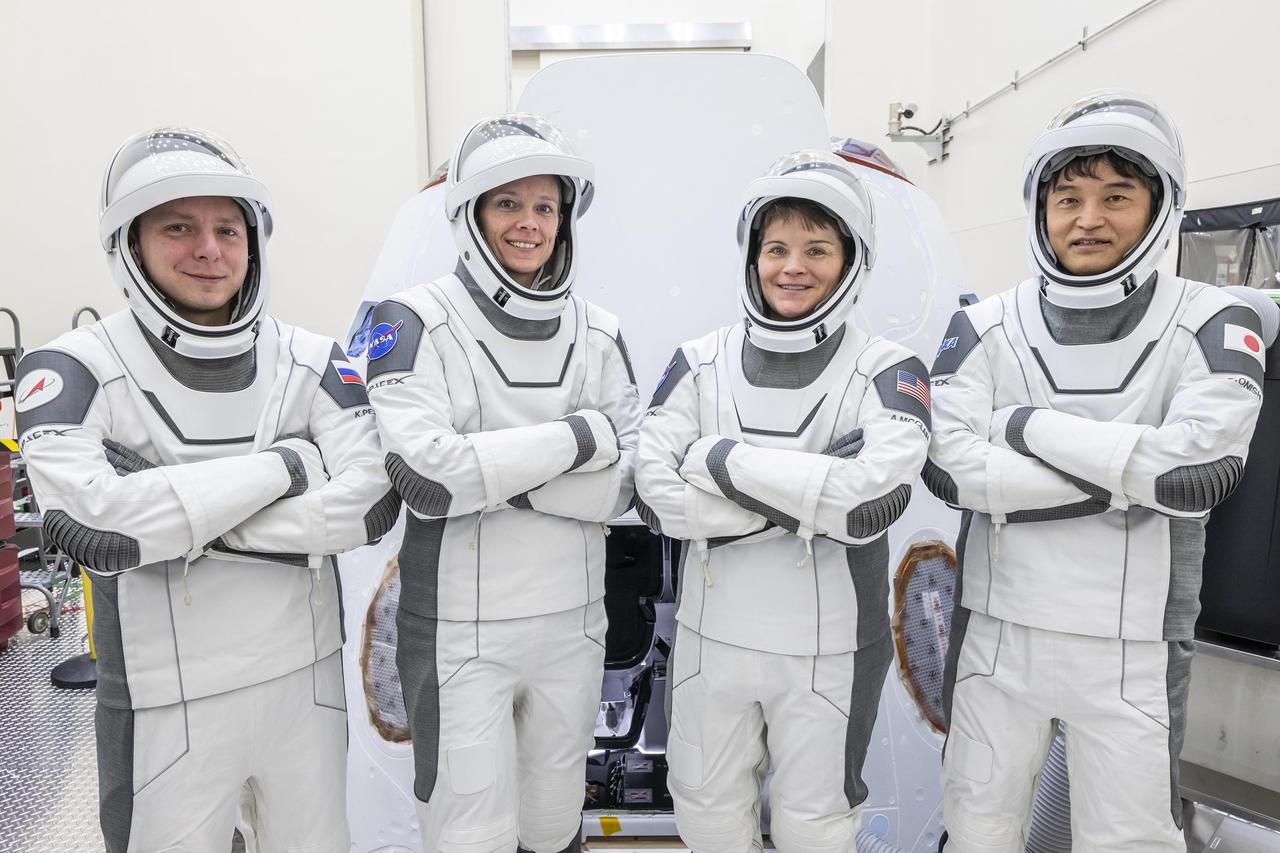
The crew of NASA’s SpaceX Crew-10 mission poses for a photo during a crew equipment interface test (CEIT) inside SpaceX’s new Dragon processing facility at the agency’s Kennedy Space Center in Florida on Monday, Feb. 17, 2025. From left, Roscosmos cosmonaut Kirill Peskov, mission specialist; NASA astronauts Nichole Ayers, pilot and Anne McClain, commander; and JAXA (Japan Aerospace Exploration Agency) astronaut Takuya Onishi, mission specialist, participated in the CEIT, which plays an important role in familiarizing crew members with the interior of the Dragon spacecraft ahead of their four-month mission to International Space Station.
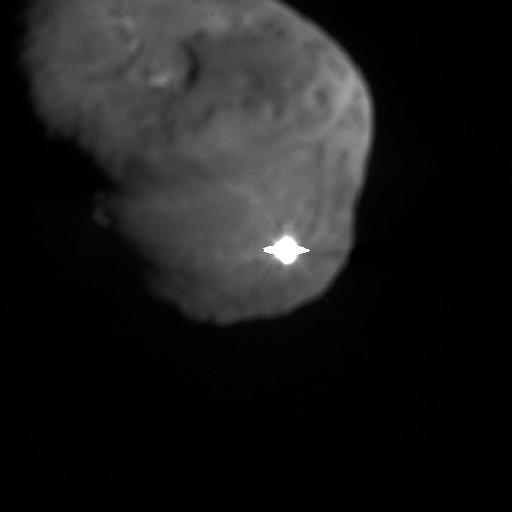
The image depicts the first moments after NASA Deep Impact probe interfaced with comet Tempel 1. The illuminated, and possibly incandescent, debris is expanding from the impact site.
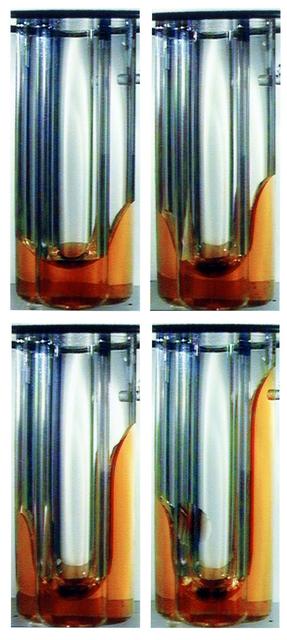
Interface Configuration Experiment on the Second United States Microgravity Laboratory (USML-2). Over time the photos show a change in the shape of the interface between a liquid and a gas in a sealed, slightly asymmetrical container. Under the force of Earth's gravity, the interface would remain nearly flat, but in microgravity, the interface shape and location changes significantly in the container, resulting in major shifts of liquid arising from small asymmetries in the container shape.

SpaceX Crew-5 astronauts are suited up and ready to participate in a crew equipment interface test (CEIT) at SpaceX headquarters in Hawthorne, California, on Aug. 13, 2022. From left are Anna Kikina, mission specialist; Josh Cassada, pilot; Nicole Mann, spacecraft commander; and Koichi Wakata, mission specialist with JAXA (Japan Aerospace Exploration Agency). During the CEIT, the astronauts will practice launch and docking in a high-fidelity simulator of SpaceX’s Dragon capsule. They also will practice getting into position inside the capsule. NASA’s SpaceX Crew-5 will be the fifth crew rotation mission of the company’s human space transportation system and its sixth flight with astronauts to the International Space Station for the agency’s Commercial Crew Program. Crew-5 will launch on the Falcon 9 rocket from Launch Complex 39A at NASA’s Kennedy Space Center in Florida no earlier than Sept. 29, 2022.
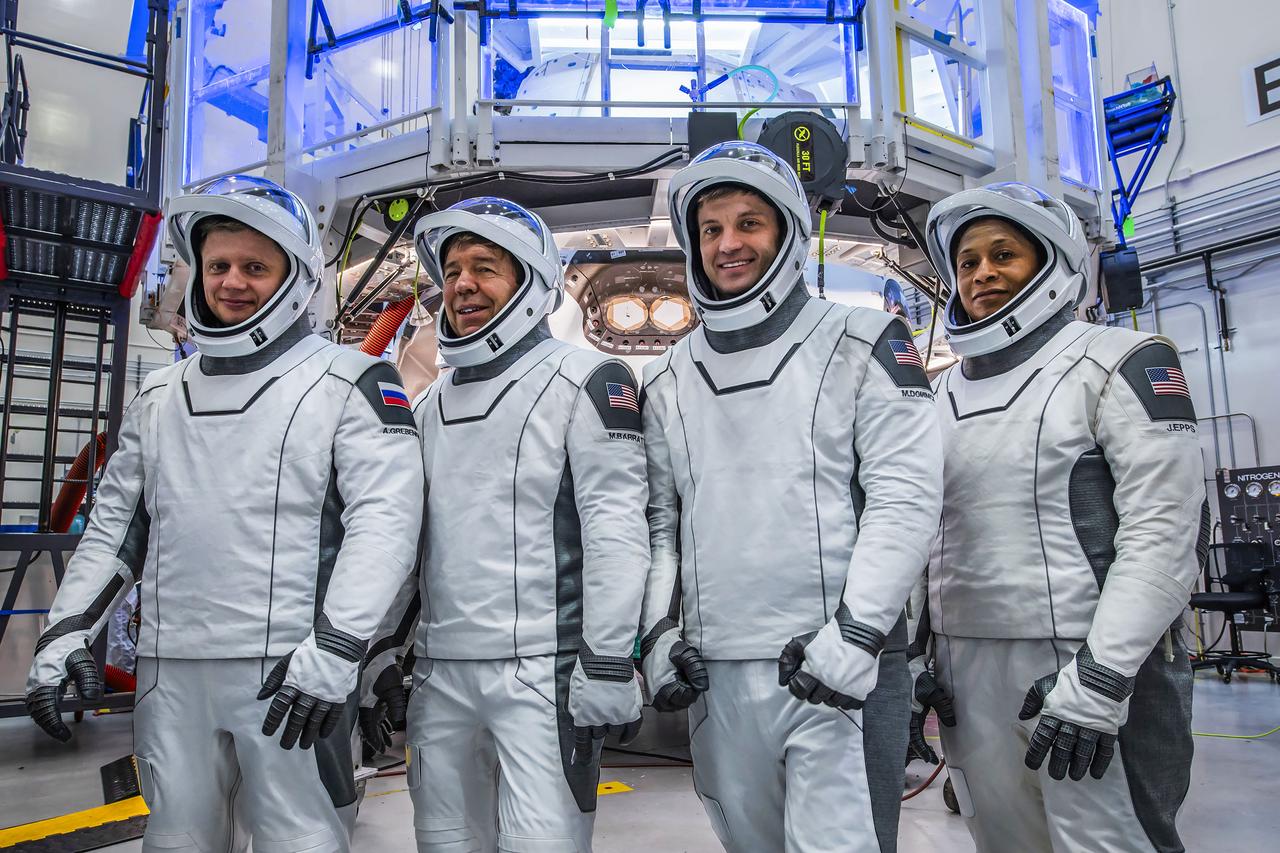
Members of NASA’s SpaceX Crew-8 from right to left, NASA astronauts Jeanette Epps, mission specialist; Matthew Dominick, commander; Michael Barratt, pilot; and Roscosmos cosmonaut Alexander Grebenkin, mission specialist; participate in the Crew Equipment Interface Test at Cape Canaveral Space Force Station in Florida on Friday, Jan. 12, 2024. As part of the agency’s Commercial Crew Program, Crew-8 marks the ninth human spaceflight mission supported by a SpaceX Dragon spacecraft and the eighth crew rotation mission to International Space Station. Crew-8 will launch on a SpaceX Falcon 9 rocket from Launch Complex 39A at NASA’s Kennedy Space Center in Florida no earlier than mid-February 2024.
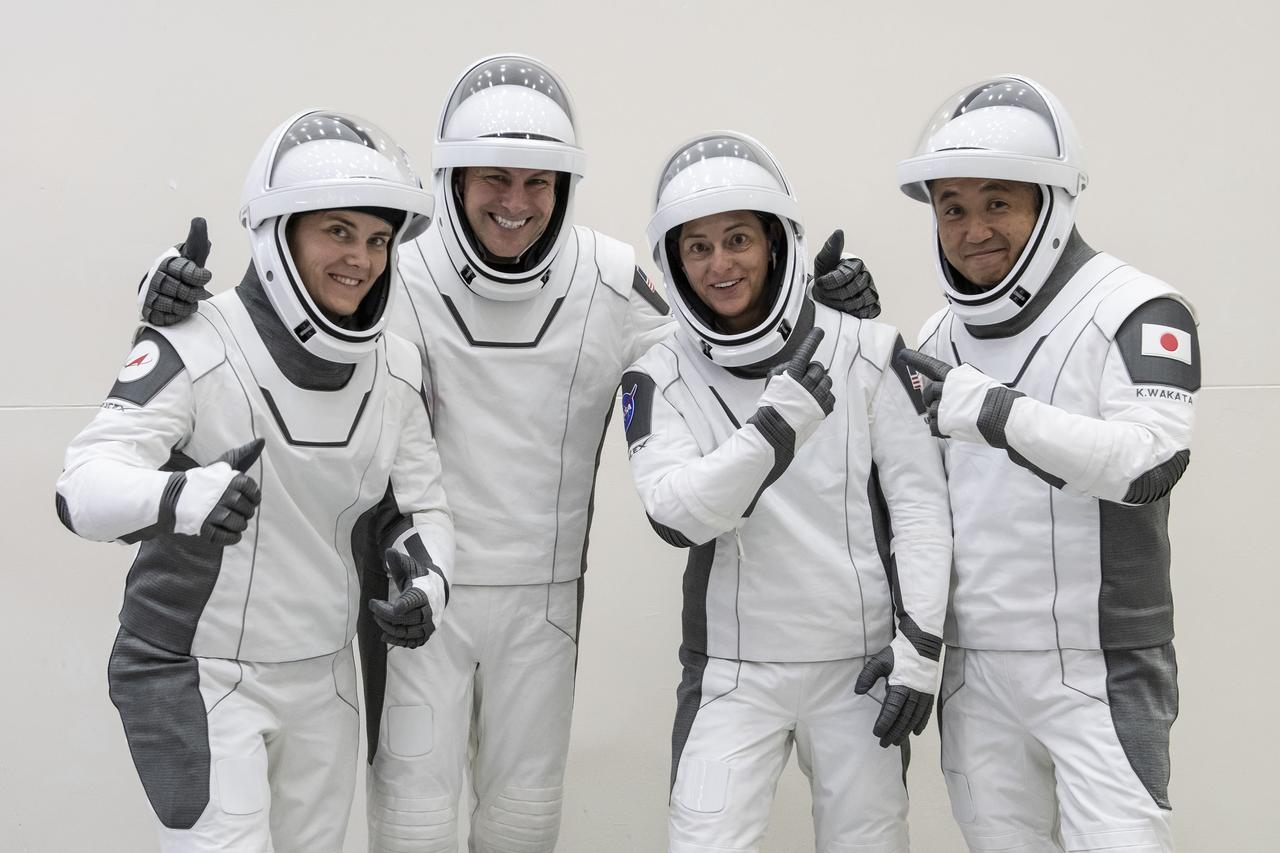
SpaceX Crew-5 astronauts give a thumbs up during a crew equipment interface test (CEIT) at SpaceX headquarters in Hawthorne, California, on Aug. 13, 2022. From left are Anna Kikina, mission specialist; Josh Cassada, pilot; Nicole Mann, spacecraft commander; and Koichi Wakata, mission specialist with JAXA (Japan Aerospace Exploration Agency). During the CEIT, the astronauts practiced launch and docking in a high-fidelity simulator of SpaceX’s Dragon capsule. Each astronaut suited up and practiced getting into position inside the capsule. NASA’s SpaceX Crew-5 will be the fifth crew rotation mission of the company’s human space transportation system and its sixth flight with astronauts to the International Space Station for the agency’s Commercial Crew Program. Crew-5 will launch on the Falcon 9 rocket from Launch Complex 39A at NASA’s Kennedy Space Center in Florida no earlier than Sept. 29, 2022.
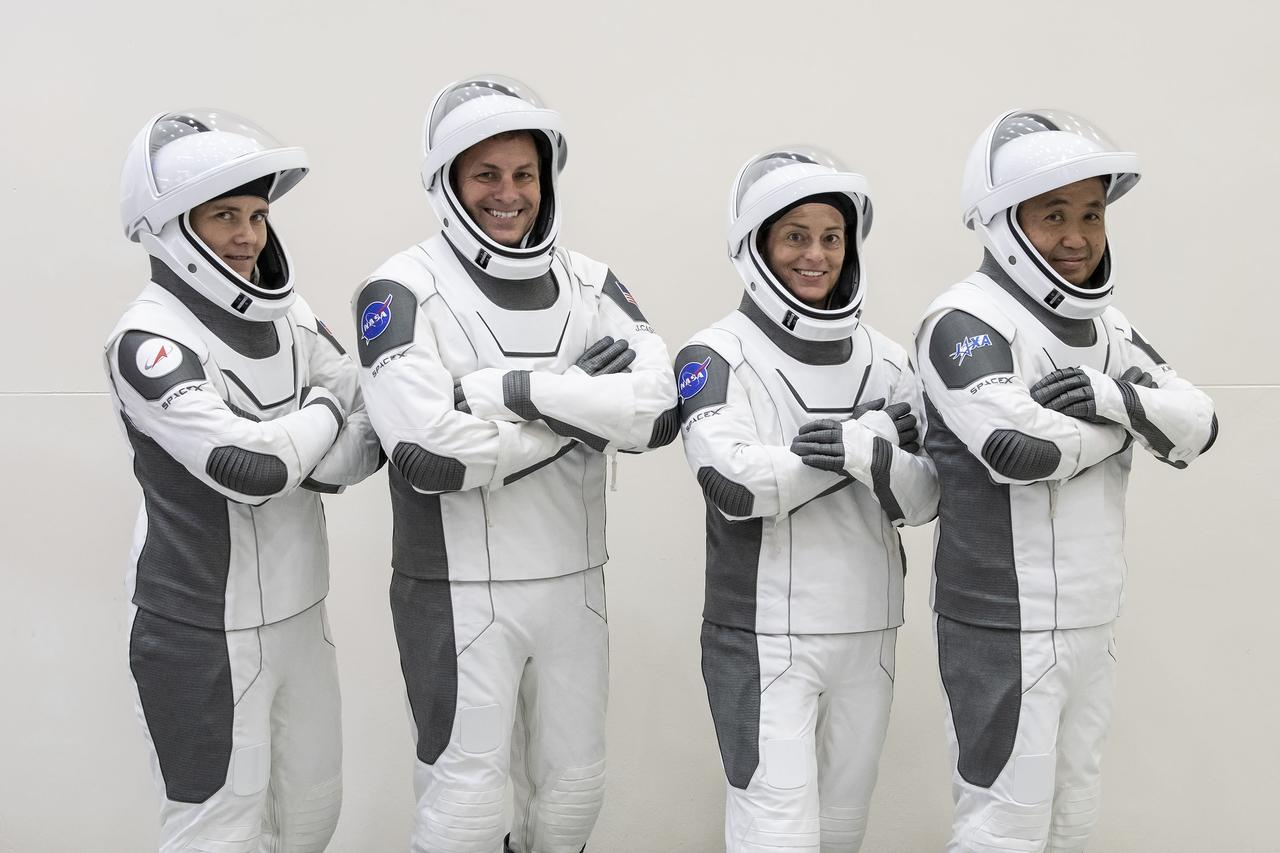
SpaceX Crew-5 astronauts take a break during a crew equipment interface test (CEIT) at SpaceX headquarters in Hawthorne, California, on Aug. 13, 2022. From left are Anna Kikina, mission specialist; Josh Cassada, pilot; Nicole Mann, spacecraft commander; and Koichi Wakata, mission specialist with JAXA (Japan Aerospace Exploration Agency). During the CEIT, the astronauts practiced launch and docking in a high-fidelity simulator of SpaceX’s Dragon capsule. Each astronaut suited up and practiced getting into position inside the capsule. NASA’s SpaceX Crew-5 will be the fifth crew rotation mission of the company’s human space transportation system and its sixth flight with astronauts to the International Space Station for the agency’s Commercial Crew Program. Crew-5 will launch on the Falcon 9 rocket from Launch Complex 39A at NASA’s Kennedy Space Center in Florida no earlier than Sept. 29, 2022.
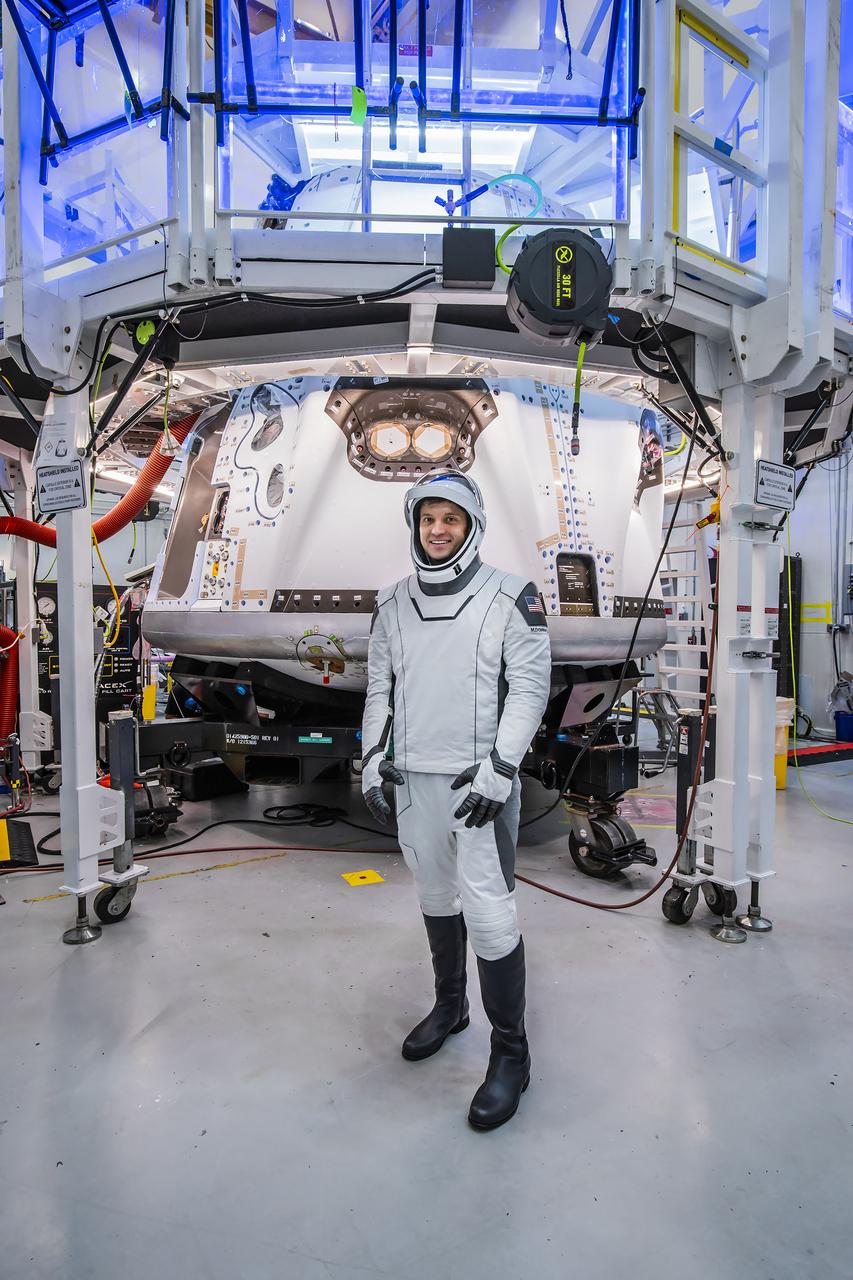
NASA astronaut Matthew Dominick, commander of NASA’s SpaceX Crew-8 mission, is suited up to participate in a Crew Equipment Interface Test (CEIT) at Cape Canaveral Space Force Station in Florida on Friday, Jan. 12, 2024. During the CEIT, the astronauts practice launch and docking in a high-fidelity simulator and getting into position inside SpaceX’s Dragon capsule. As part of the agency’s Commercial Crew Program, Crew-8 marks the ninth human spaceflight mission supported by a SpaceX Dragon spacecraft and the eighth crew rotation mission to International Space Station. Crew-8 will launch on a SpaceX Falcon 9 rocket from Launch Complex 39A at NASA’s Kennedy Space Center in Florida no earlier than mid-February 2024.
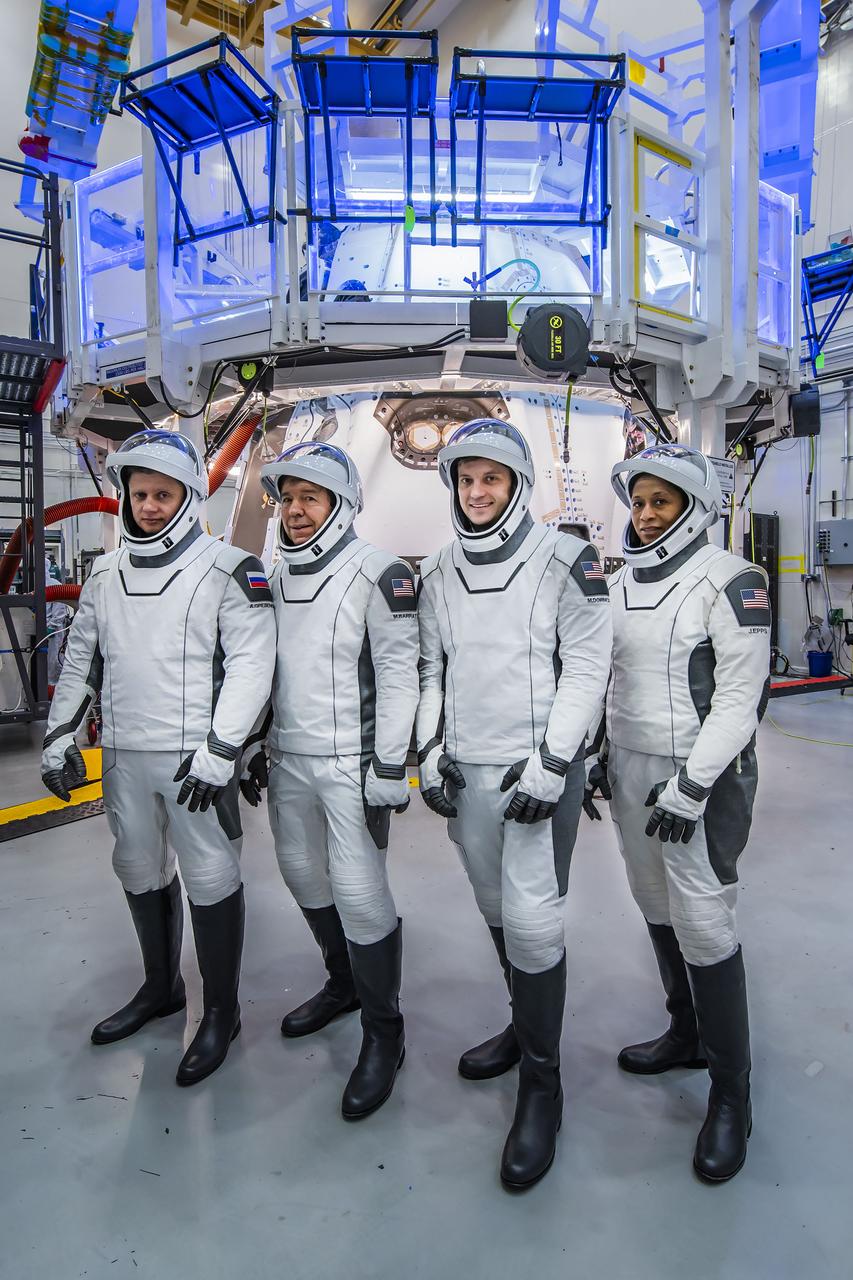
Members of NASA’s SpaceX Crew-8 from right to left, NASA astronauts Jeanette Epps, mission specialist; Matthew Dominick, commander; Michael Barratt, pilot; and Roscosmos cosmonaut Alexander Grebenkin, mission specialist; participate in the Crew Equipment Interface Test at Cape Canaveral Space Force Station in Florida on Friday, Jan. 12, 2024. As part of the agency’s Commercial Crew Program, Crew-8 marks the ninth human spaceflight mission supported by a SpaceX Dragon spacecraft and the eighth crew rotation mission to International Space Station. Crew-8 will launch on a SpaceX Falcon 9 rocket from Launch Complex 39A at NASA’s Kennedy Space Center in Florida no earlier than mid-February 2024.
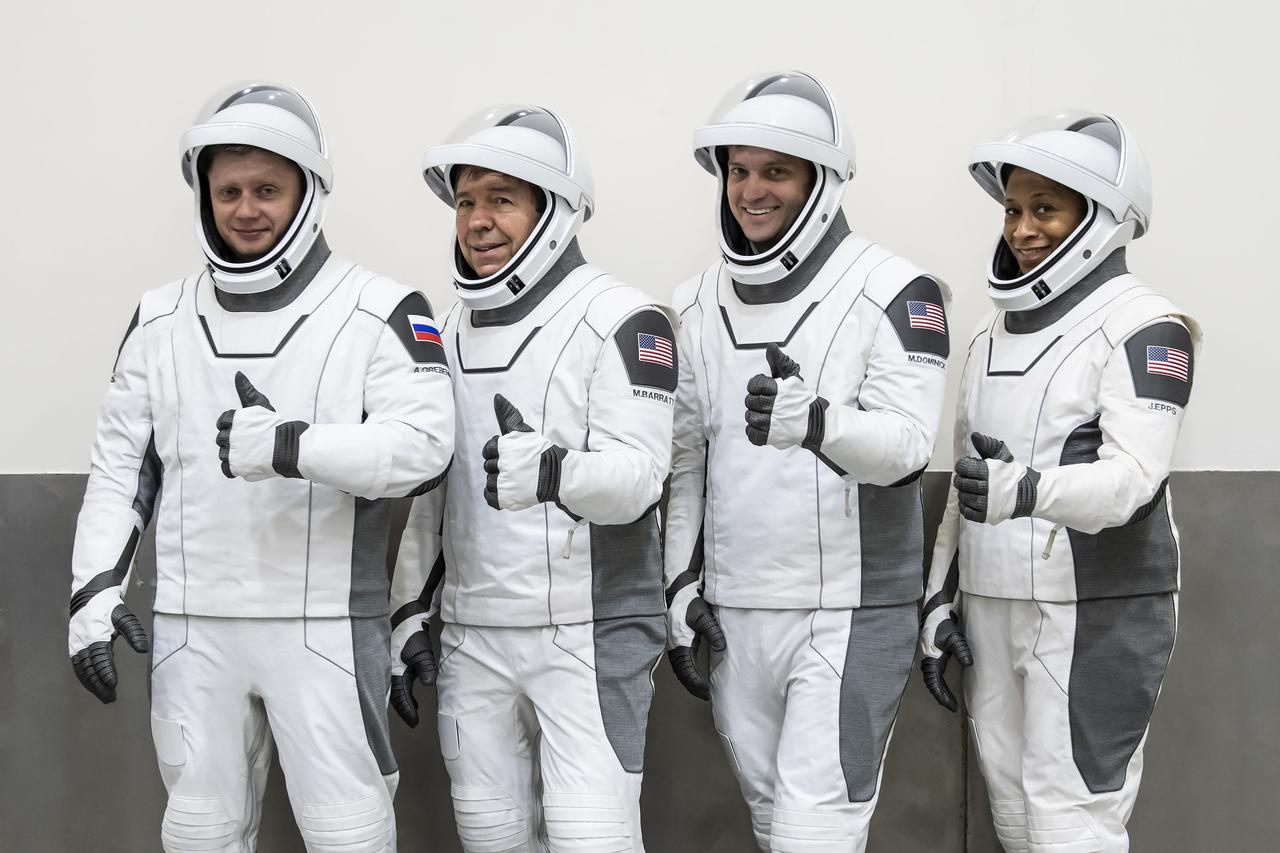
Members of NASA’s SpaceX Crew-8 from right to left, NASA astronauts Jeanette Epps, mission specialist; Matthew Dominick, commander; Michael Barratt, pilot; and Roscosmos cosmonaut Alexander Grebenkin, mission specialist; participate in the Crew Equipment Interface Test at Cape Canaveral Space Force Station in Florida on Friday, Jan. 12, 2024. As part of the agency’s Commercial Crew Program, Crew-8 marks the ninth human spaceflight mission supported by a SpaceX Dragon spacecraft and the eighth crew rotation mission to International Space Station. Crew-8 will launch on a SpaceX Falcon 9 rocket from Launch Complex 39A at NASA’s Kennedy Space Center in Florida no earlier than mid-February 2024.
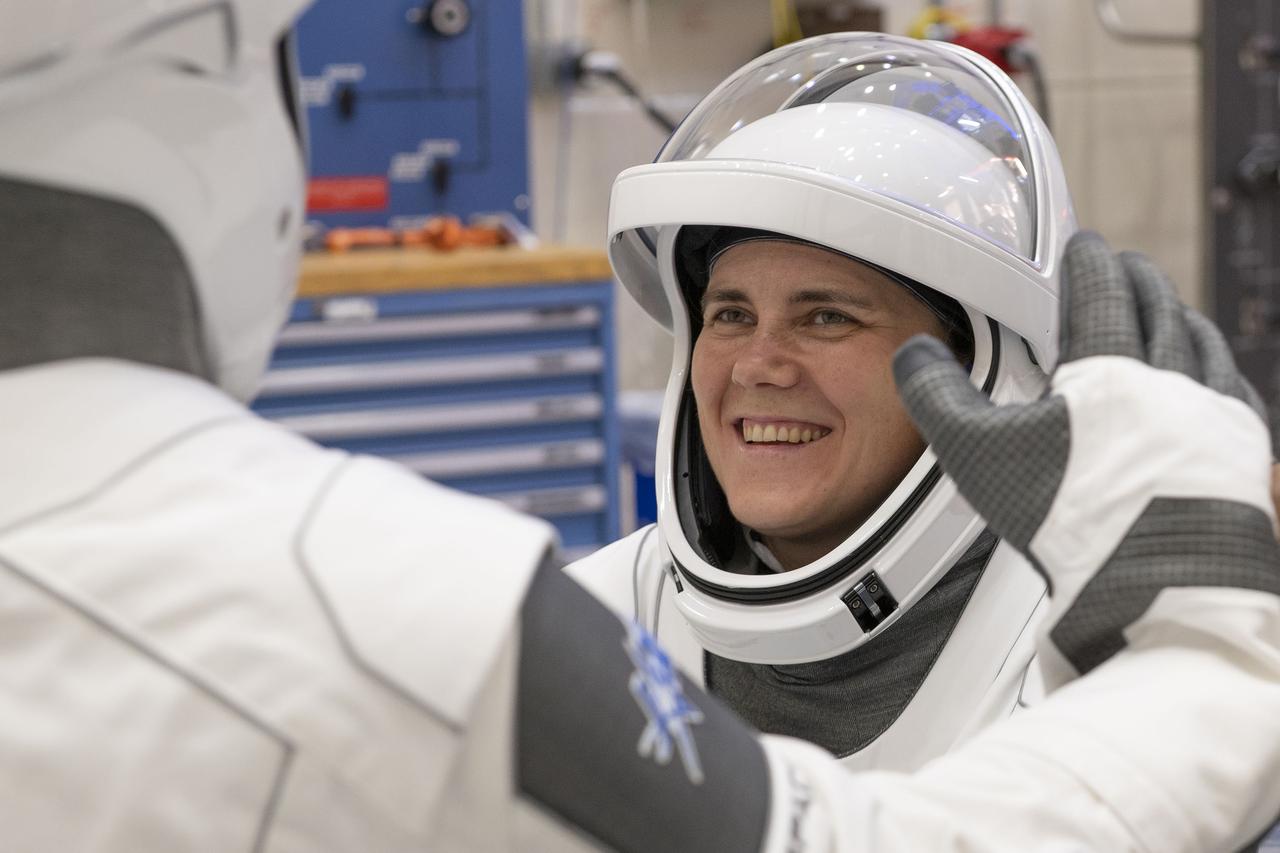
SpaceX Crew-5 astronaut Anna Kikina, mission specialist, gets suited up to participate in a crew equipment interface test (CEIT) at SpaceX headquarters in Hawthorne, California, on Aug. 13, 2022. During the CEIT, the astronauts will practice launch and docking in a high-fidelity simulator of SpaceX’s Dragon capsule. They also will practice getting into position inside the capsule. NASA’s SpaceX Crew-5 will be the fifth crew rotation mission of the company’s human space transportation system and its sixth flight with astronauts to the International Space Station for the agency’s Commercial Crew Program. Crew-5 will launch on the Falcon 9 rocket from Launch Complex 39A at NASA’s Kennedy Space Center in Florida no earlier than Sept. 29, 2022.
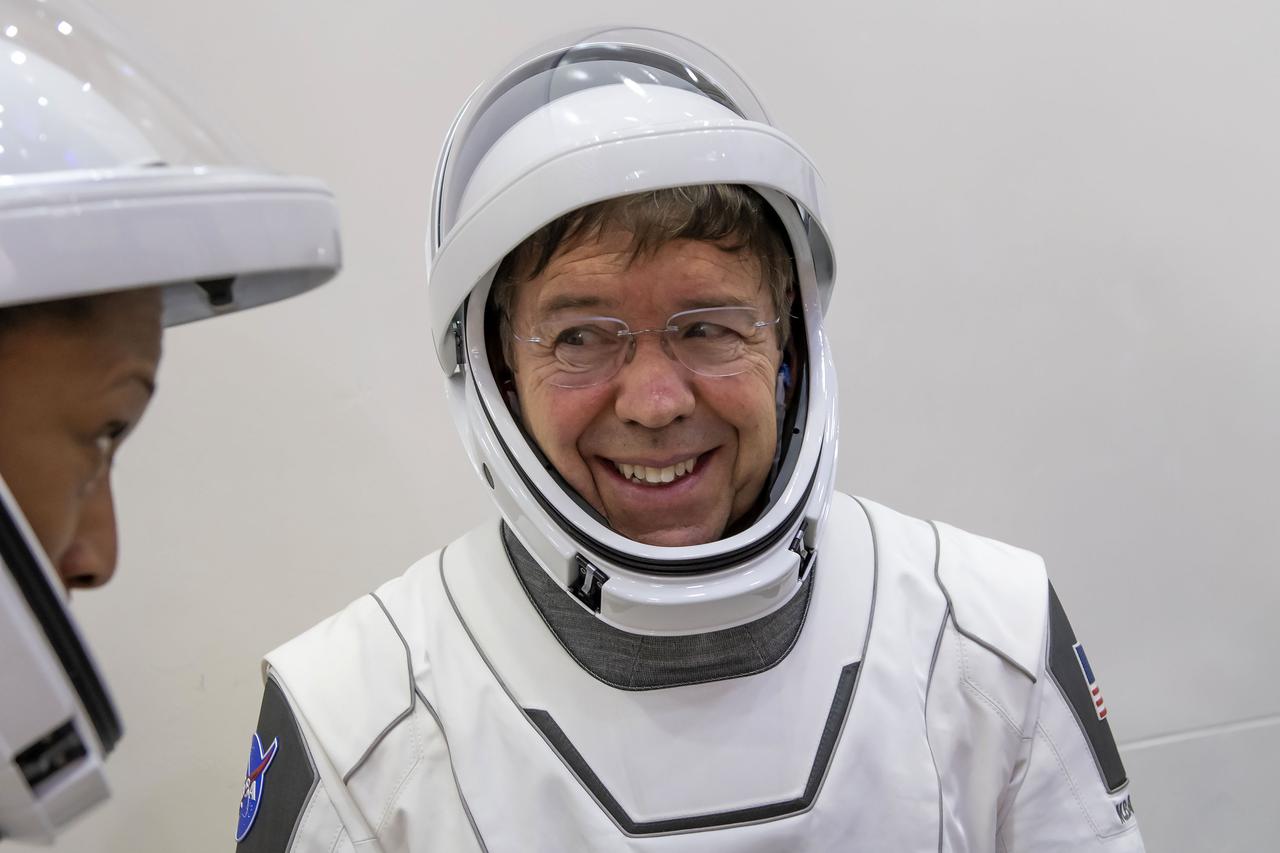
NASA astronaut Michael Barratt, pilot of NASA’s SpaceX Crew-8 mission, is suited up to participate in a Crew Equipment Interface Test (CEIT) at Cape Canaveral Space Force Station in Florida on Friday, Jan. 12, 2024. During the CEIT, the astronauts practice launch and docking in a high-fidelity simulator and getting into position inside SpaceX’s Dragon capsule. As part of the agency’s Commercial Crew Program, Crew-8 marks the ninth human spaceflight mission supported by a SpaceX Dragon spacecraft and the eighth crew rotation mission to International Space Station. Crew-8 will launch on a SpaceX Falcon 9 rocket from Launch Complex 39A at NASA’s Kennedy Space Center in Florida no earlier than mid-February 2024.
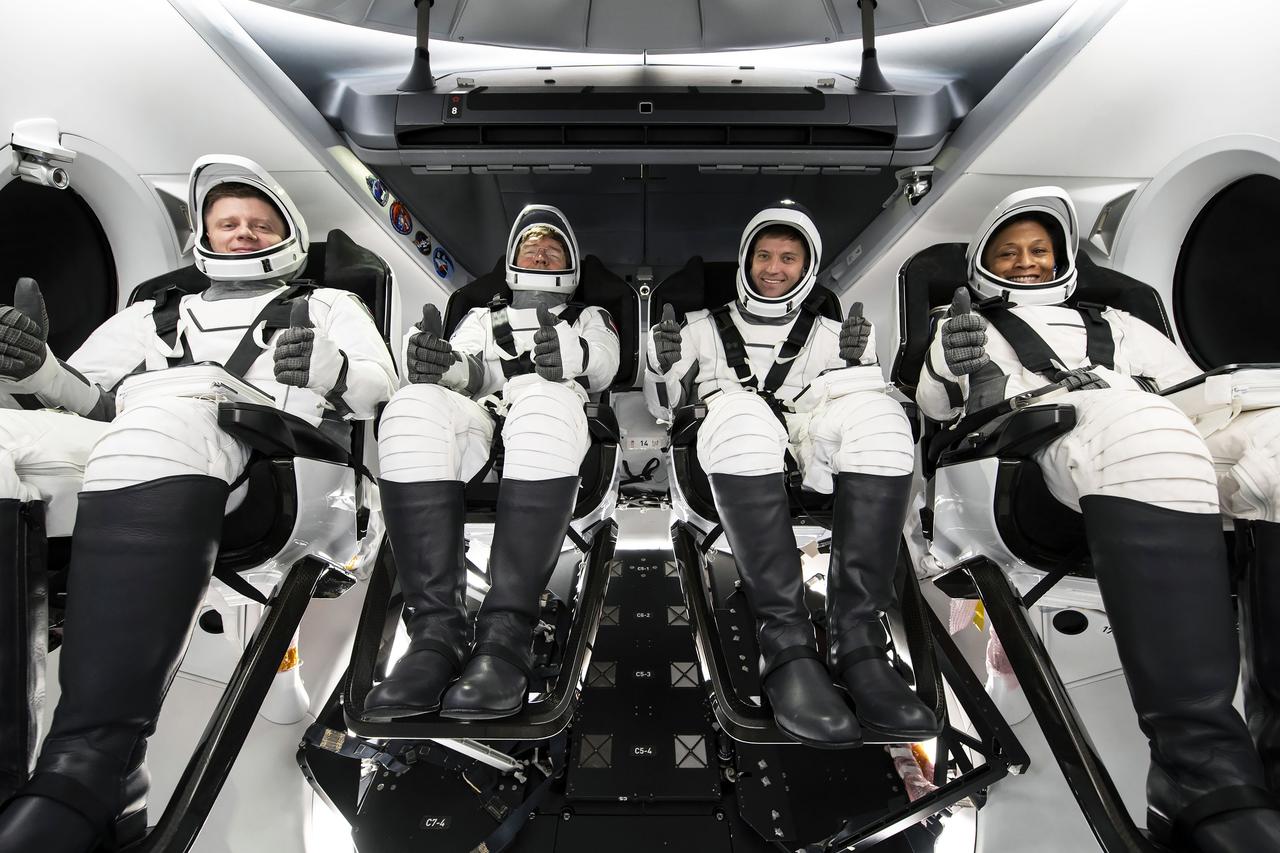
Members of NASA’s SpaceX Crew-8 from right to left, NASA astronauts Jeanette Epps, mission specialist; Matthew Dominick, commander; Michael Barratt, pilot; and Roscosmos cosmonaut Alexander Grebenkin, mission specialist; participate in the Crew Equipment Interface Test at Cape Canaveral Space Force Station in Florida on Friday, Jan. 12, 2024. As part of the agency’s Commercial Crew Program, Crew-8 marks the ninth human spaceflight mission supported by a SpaceX Dragon spacecraft and the eighth crew rotation mission to International Space Station. Crew-8 will launch on a SpaceX Falcon 9 rocket from Launch Complex 39A at NASA’s Kennedy Space Center in Florida no earlier than mid-February 2024.
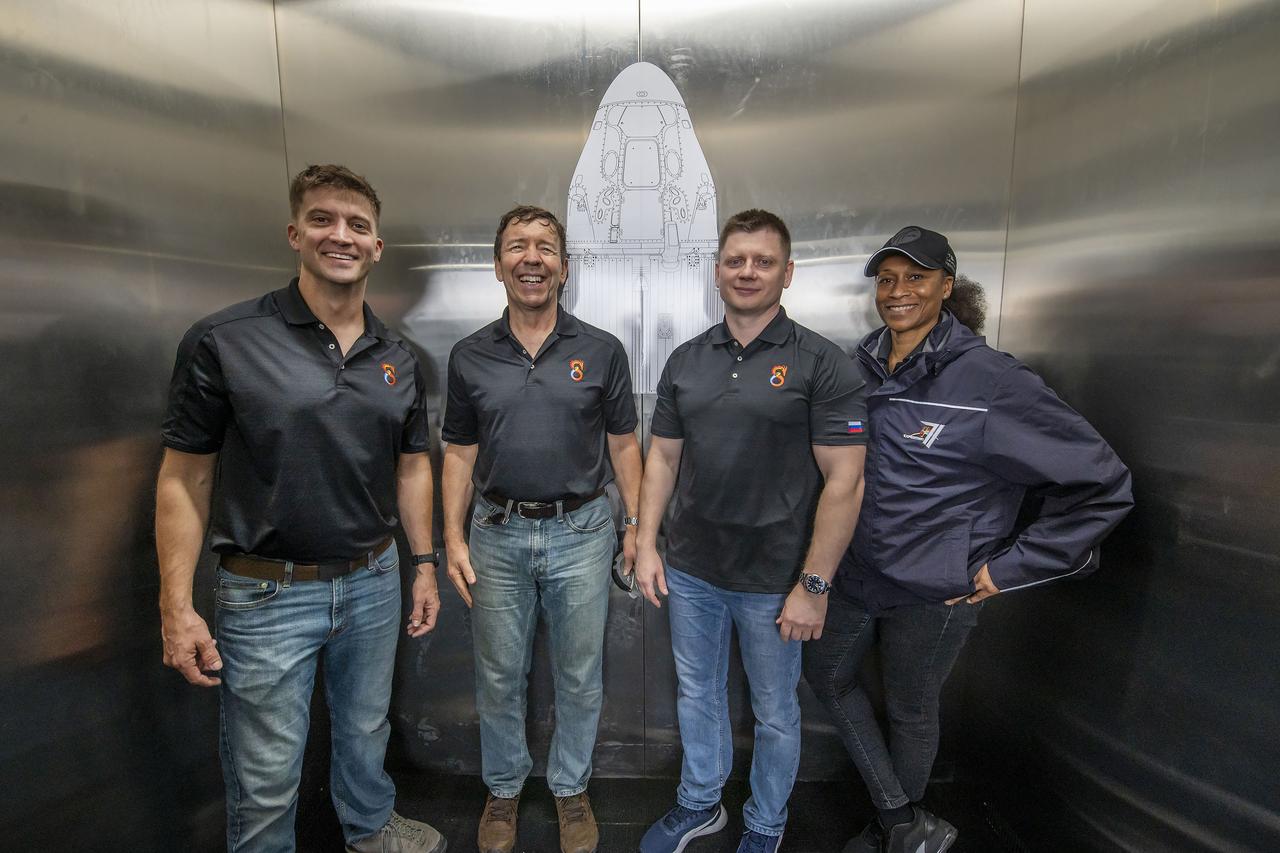
Members of NASA’s SpaceX Crew-8 mission from left to right, NASA astronauts Matthew Dominick, commander; Michael Barratt, pilot; Roscosmos cosmonaut Alexander Grebenkin, mission specialist; and NASA astronaut Jeanette Epps, mission specialist; pose for a photo during Crew Equipment Interface Test activities at Cape Canaveral Space Force Station in Florida on Friday, Jan. 12, 2024. As part of the agency’s Commercial Crew Program, Crew-8 marks the ninth human spaceflight mission supported by a SpaceX Dragon spacecraft and the eighth crew rotation mission to International Space Station. Crew-8 will launch on a SpaceX Falcon 9 rocket from Launch Complex 39A at NASA’s Kennedy Space Center in Florida no earlier than mid-February 2024.
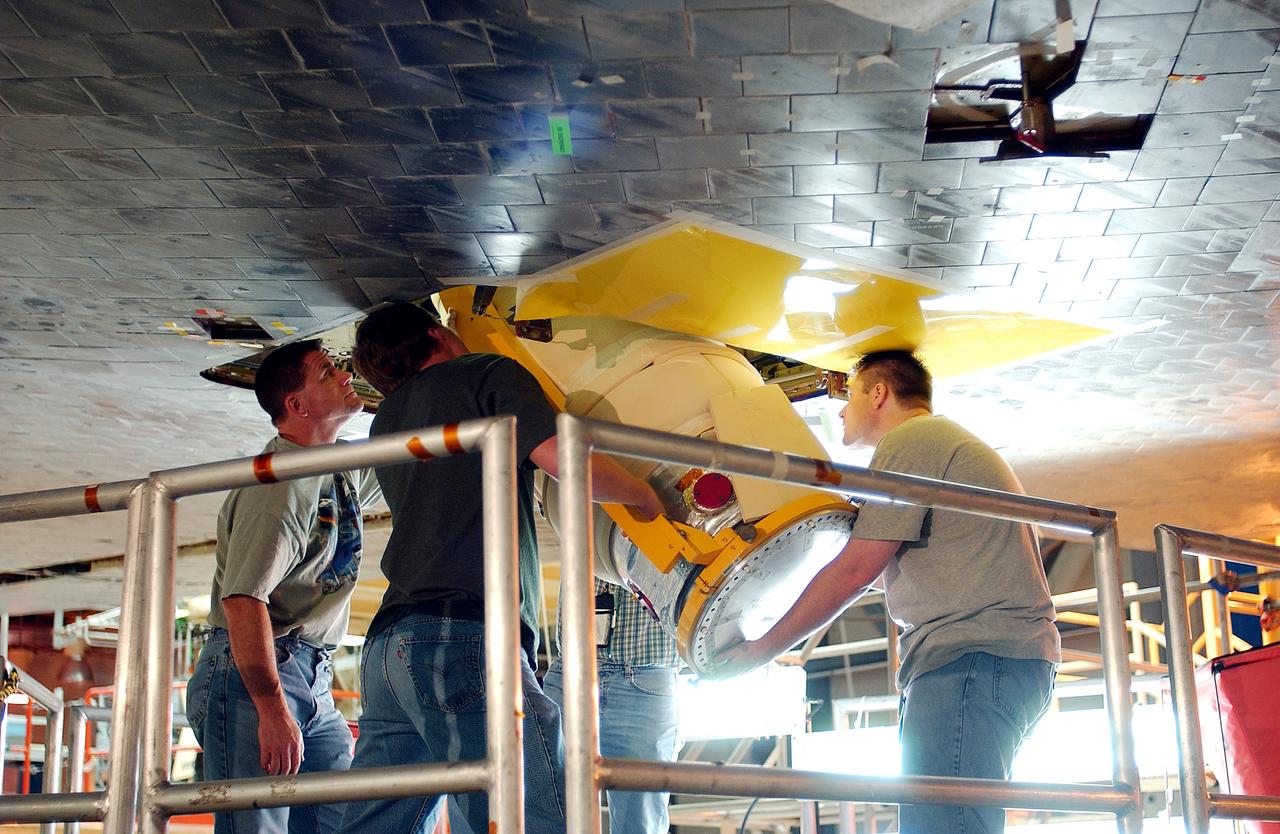
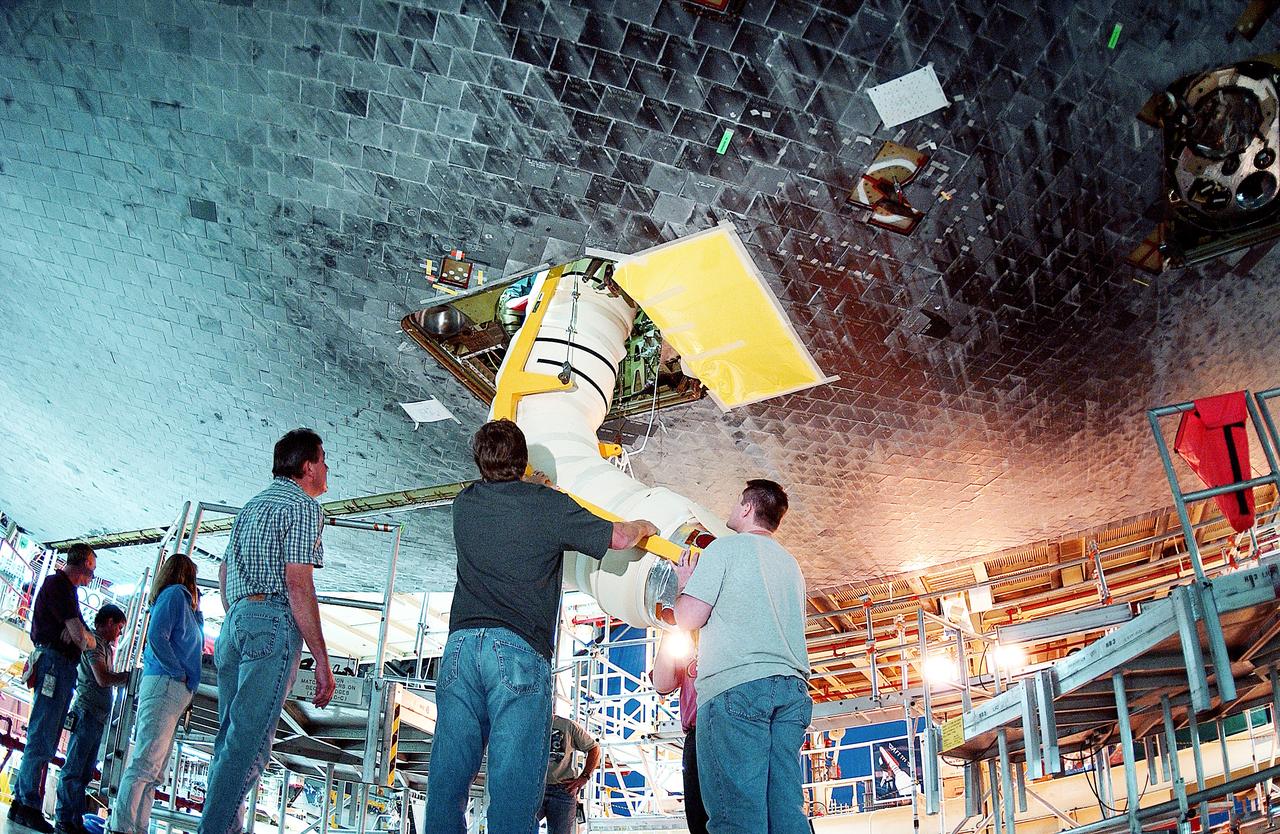
KENNEDY SPACE CENTER, FLA. - Workers in the Orbiter Processing Facility insert the liquid oxygen feedline for the 17-inch disconnect in the orbiter Discovery. The 17-inch liquid oxygen and liquid hydrogen disconnects provide the propellant feed interface from the external tank to the orbiter main propulsion system and the three Shuttle main engines.
KENNEDY SPACE CENTER, FLA. - In the Orbiter Processing Facility, workers install the liquid oxygen feedline for the 17-inch disconnect on orbiter Discovery. The 17-inch liquid oxygen and liquid hydrogen disconnects provide the propellant feed interface from the external tank to the orbiter main propulsion system and the three Shuttle main engines.
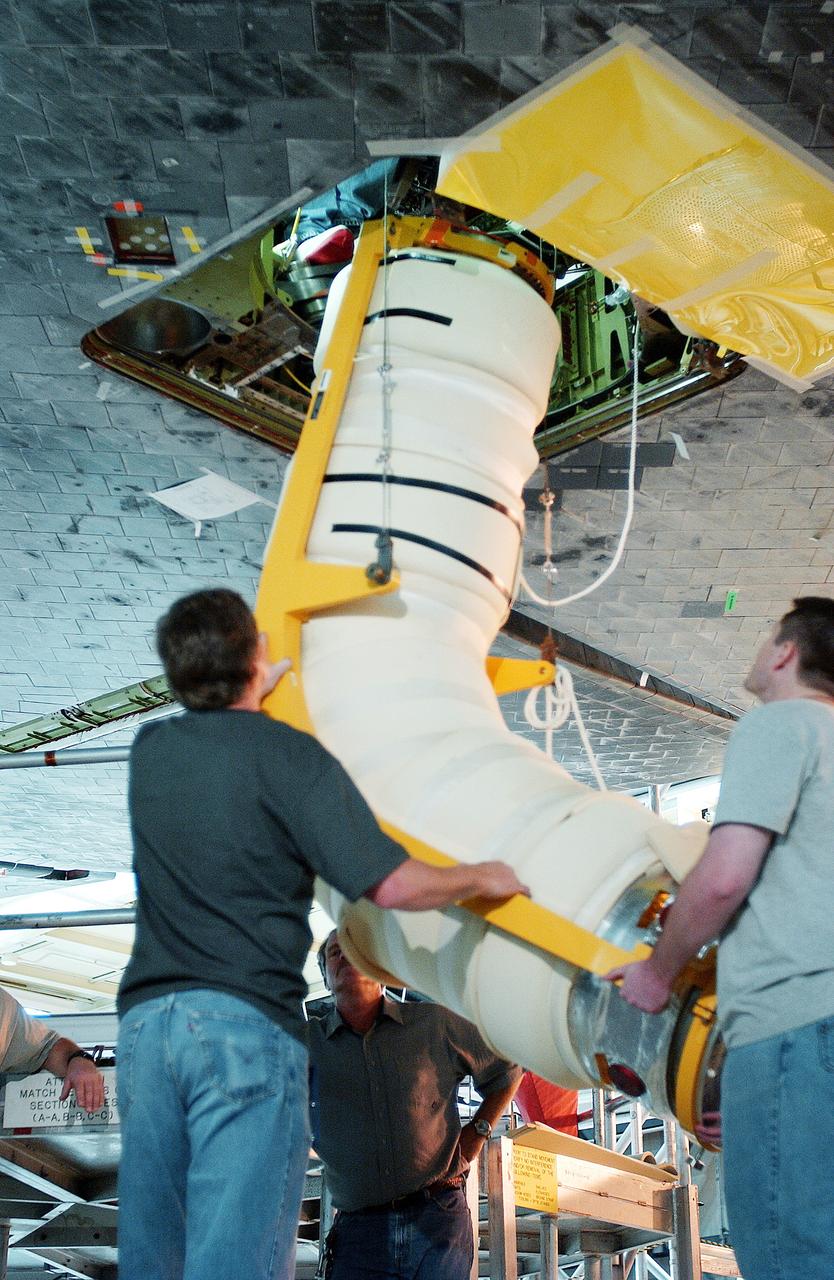
KENNEDY SPACE CENTER, FLA. - In the Orbiter Processing Facility, workers install the liquid oxygen feedline for the 17-inch disconnect on orbiter Discovery. The 17-inch liquid oxygen and liquid hydrogen disconnects provide the propellant feed interface from the external tank to the orbiter main propulsion system and the three Shuttle main engines.

KENNEDY SPACE CENTER, FLA. - Workers in the Orbiter Processing Facility insert the liquid oxygen feedline for the 17-inch disconnect in the orbiter Discovery. The 17-inch liquid oxygen and liquid hydrogen disconnects provide the propellant feed interface from the external tank to the orbiter main propulsion system and the three Shuttle main engines.
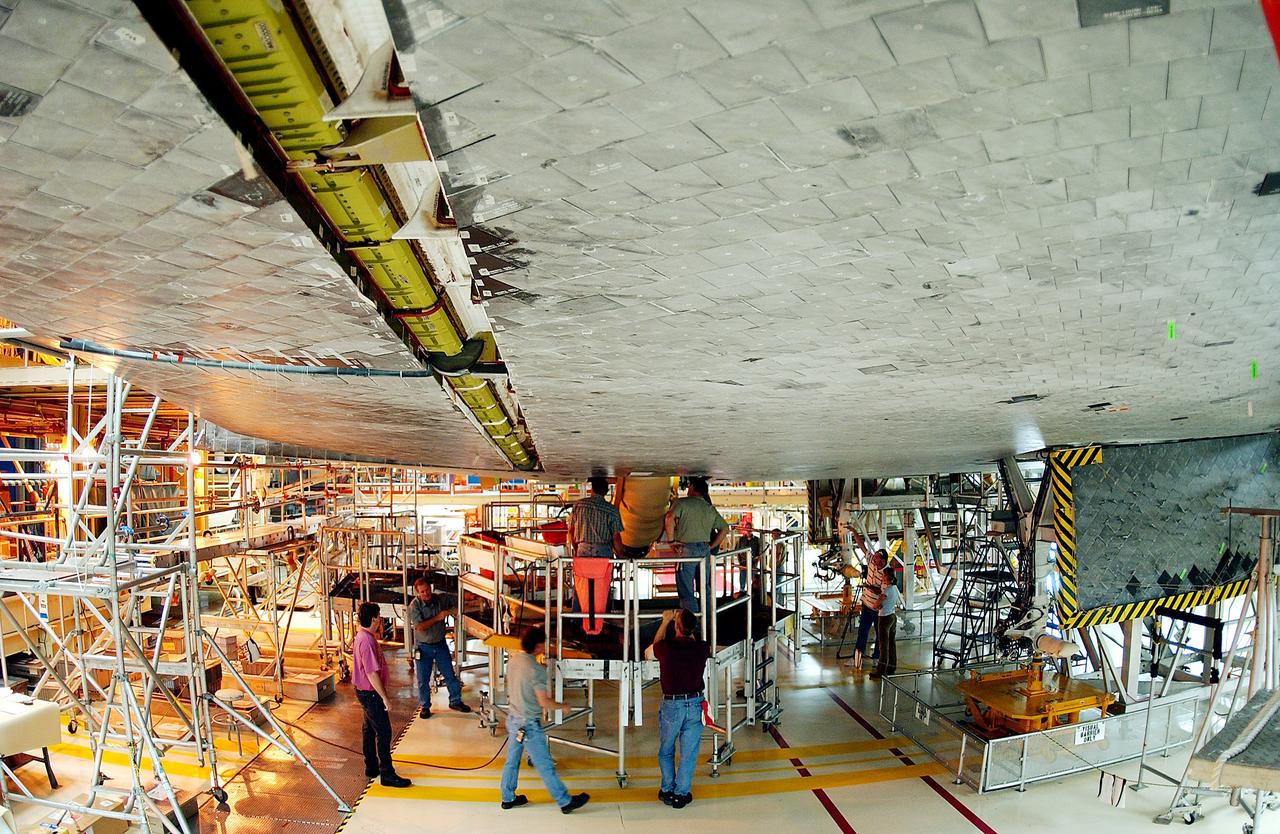
KENNEDY SPACE CENTER, FLA. - Workers in the Orbiter Processing Facility oversee installation of the liquid oxygen feedline for the 17-inch disconnect on the orbiter Discovery. The 17-inch liquid oxygen and liquid hydrogen disconnects provide the propellant feed interface from the external tank to the orbiter main propulsion system and the three Shuttle main engines.
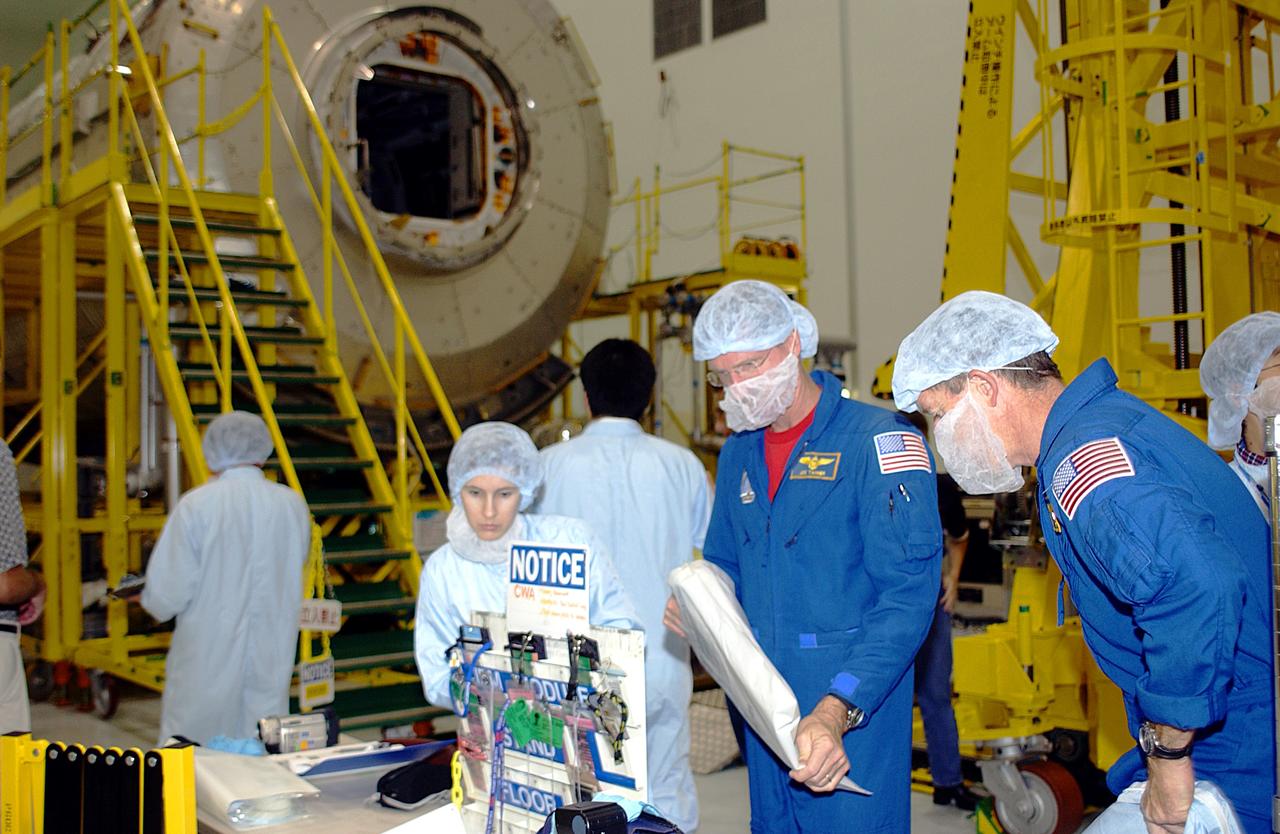
KENNEDY SPACE CENTER, FLA. - In the Space Station Processing Facility, STS-115 Mission Specialist Joseph Tanner (left) and STS-117 Mission Specialist James Reilly (right) are donning protective clothing to interface with the Japanese Experiment Module (JEM), in the background. Equipment familiarization is a routine part of astronaut training and launch preparations.
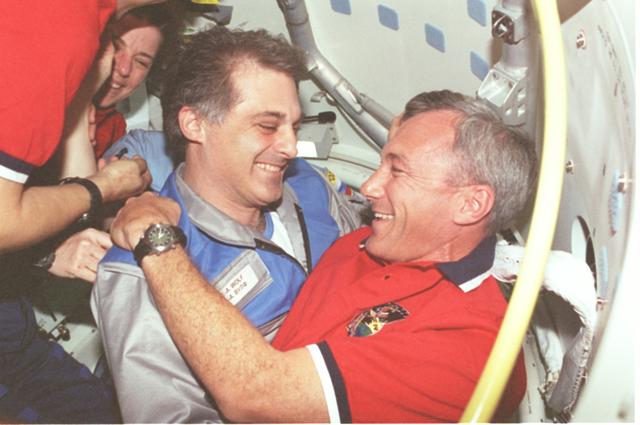
STS089-386-013 (22-31 Jan. 1998) --- Astronaut David A. Wolf, cosmonaut guest researcher, greets Terrence W. Wilcutt, STS-89 shuttle mission commander, and Bonnie J. Dunbar, payload commander, after hatch opening following Russia?s Mir Space Station's and the space shuttle Endeavour's docking. The greeting kicked off several days of joint activity between the NASA and Mir crew members, during the eighth shuttle/Mir docking mission. Photo credit: NASA
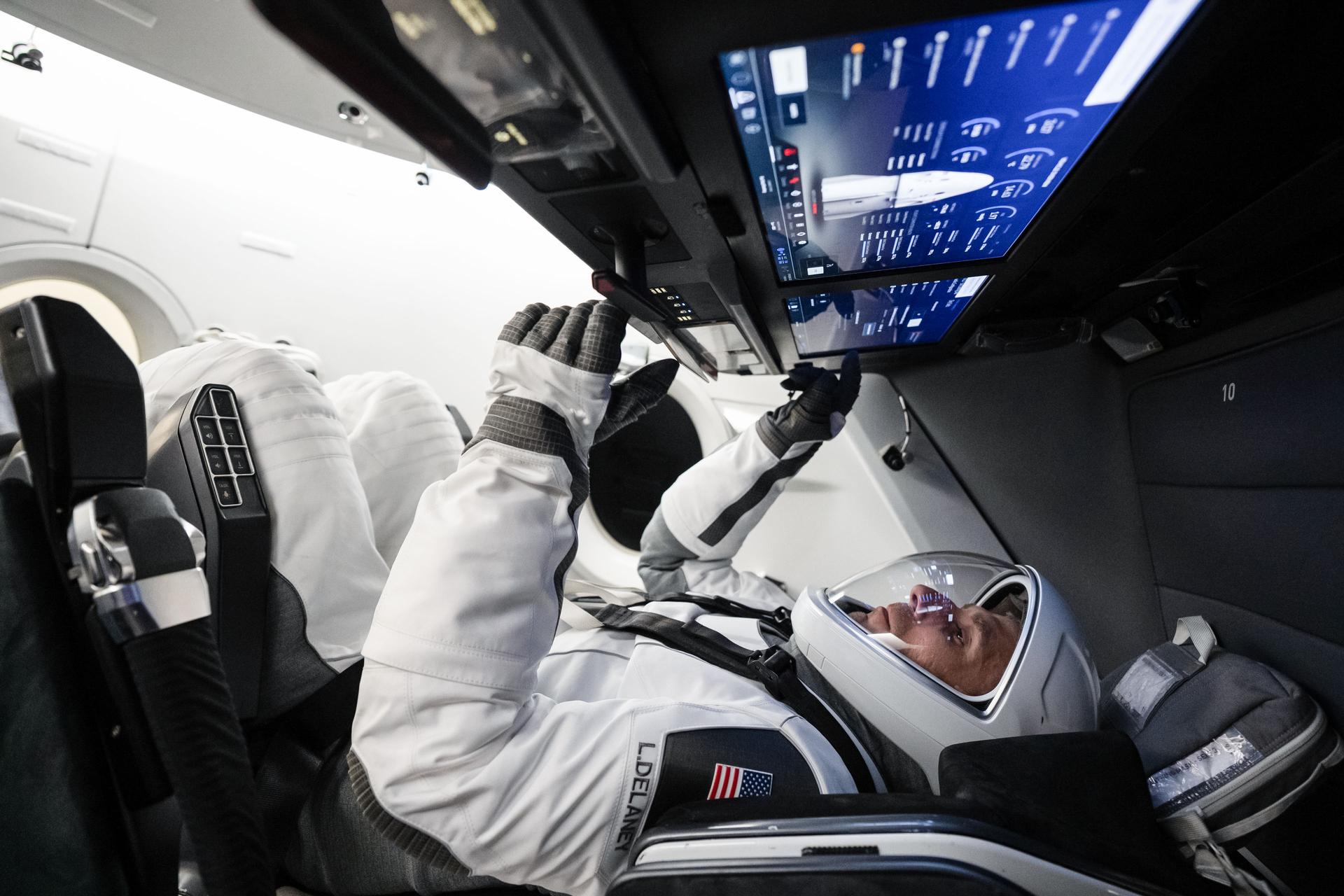
jsc2026e404727 (June 8, 2026) --- NASA astronaut and SpaceX Crew‑13 Pilot Luke Delaney sits inside a Dragon spacecraft mockup while tapping a cockpit screen interface during a pre‑flight training session at SpaceX headquarters in Hawthorne, California. Credit: SpaceX
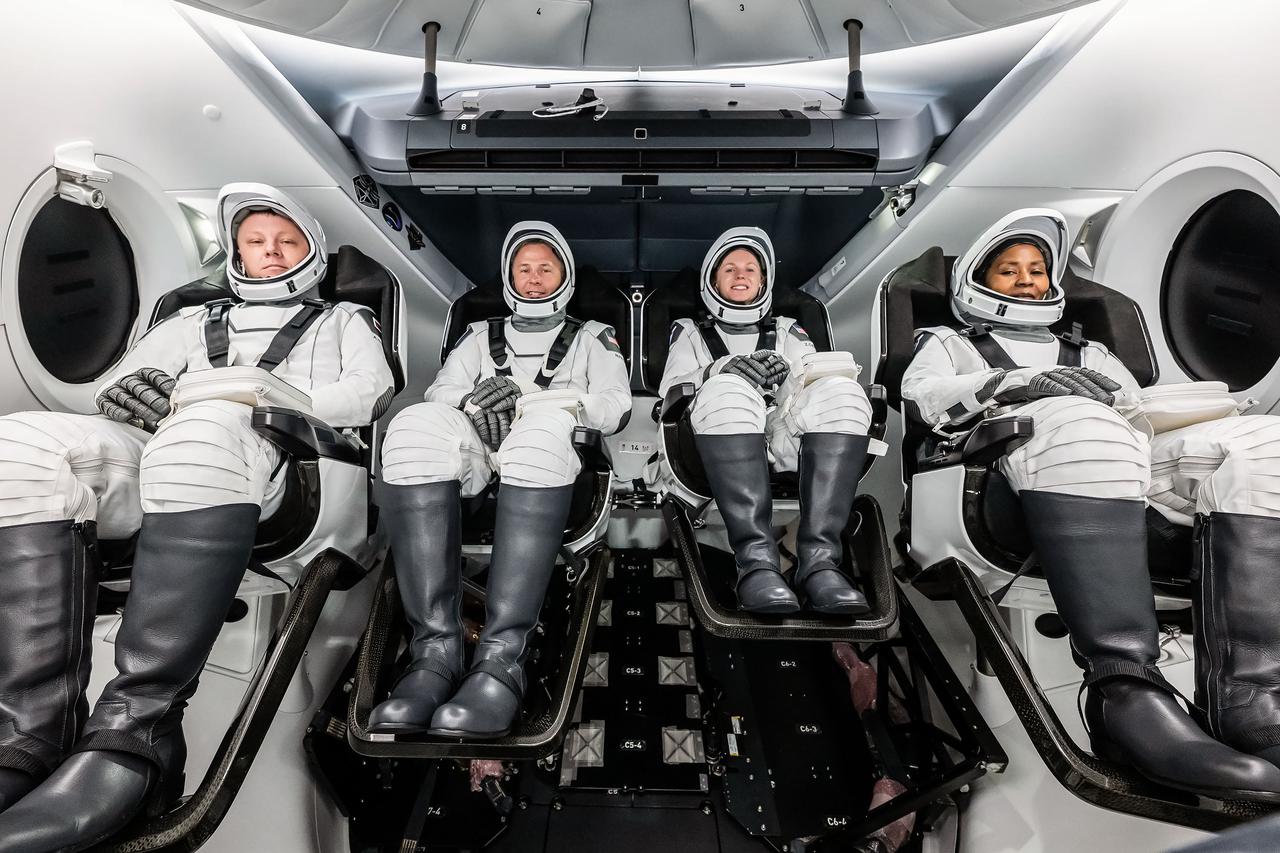
jsc2024e052322 (July 22, 2024) --- The crew of NASA’s SpaceX Crew-9 mission to the International Space Station poses for a photo during a crew equipment interface test (CEIT), which plays an important role in familiarizing crew members with the interior of the Dragon
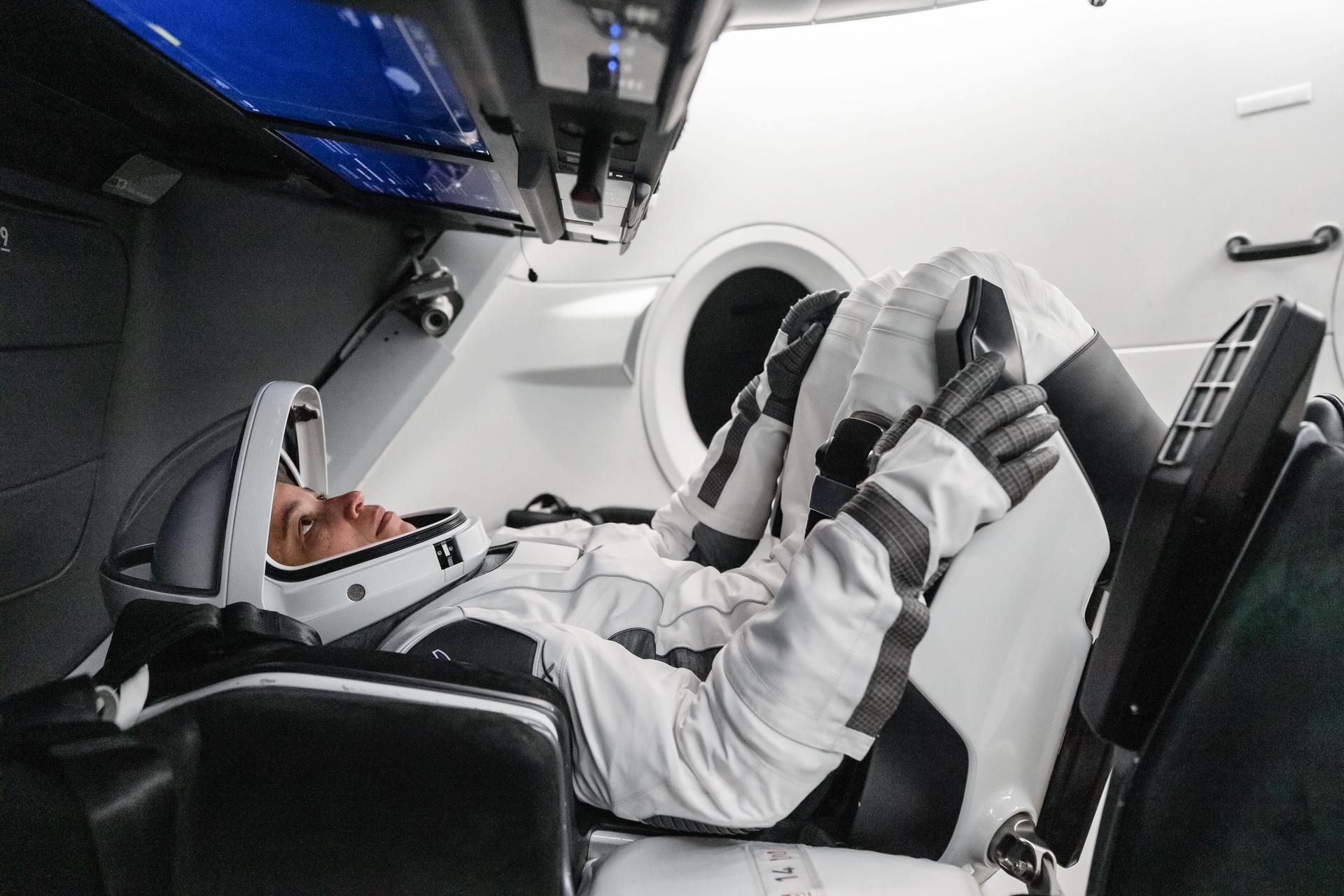
jsc2026e404708 (June 8, 2026) --- NASA astronaut and SpaceX Crew-13 Commander Jessica Watkins sits inside a Dragon spacecraft mockup while reading a cockpit screen interface during a pre-flight training session at SpaceX headquarters in Hawthorne, California. Credit: SpaceX
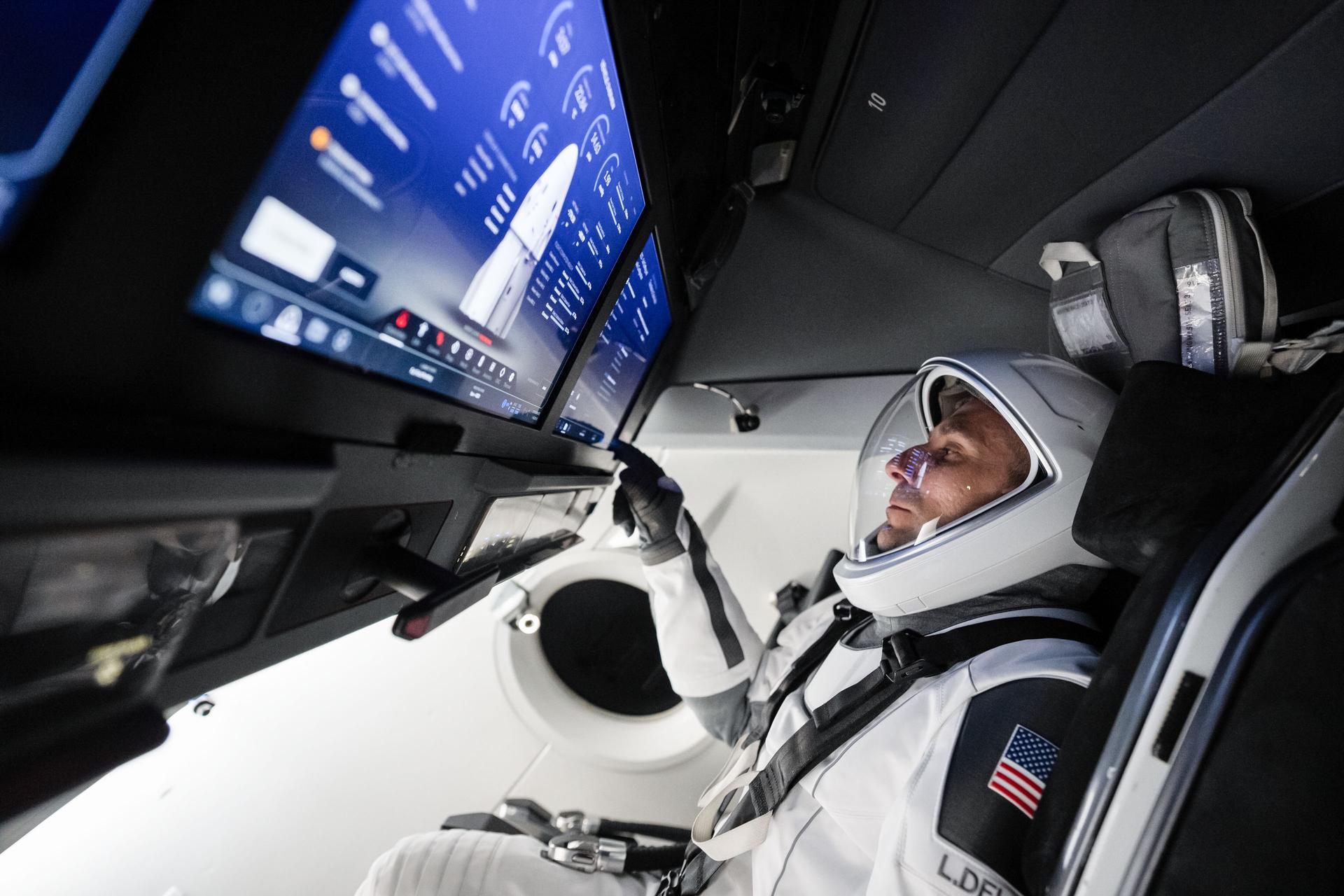
jsc2026e404725 (June 8, 2026) --- NASA astronaut and SpaceX Crew‑13 Pilot Luke Delaney sits inside a Dragon spacecraft mockup while tapping a cockpit screen interface during a pre‑flight training session at SpaceX headquarters in Hawthorne, California. Credit: SpaceX
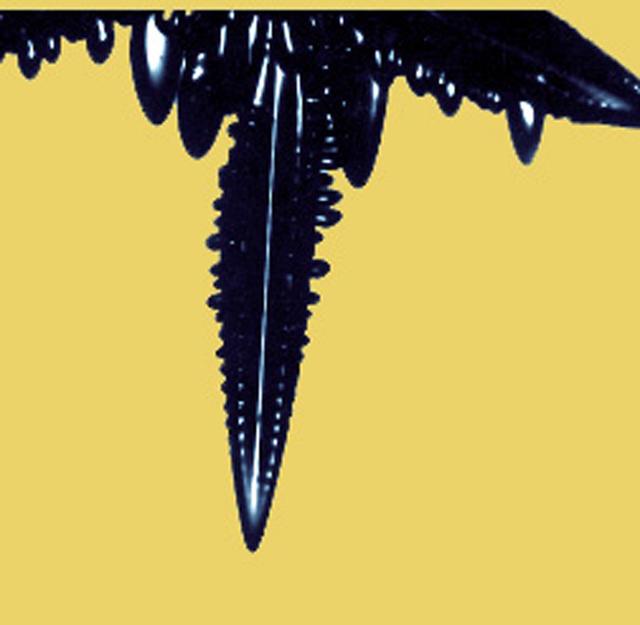
Researchers have found that as melted metals and alloys (combinations of metals) solidify, they can form with different arrangements of atoms, called microstructures. These microstructures depend on the shape of the interface (boundary) between the melted metal and the solid crystal it is forming. There are generally three shapes that the interface can take: planar, or flat; cellular, which looks like the cells of a beehive; and dendritic, which resembles tiny fir trees. Convection at this interface can affect the interface shape and hide the other phenomena (physical events). To reduce the effects of convection, researchers conduct experiments that examine and control conditions at the interface in microgravity. Microgravity also helps in the study of alloys composed of two metals that do not mix. On Earth, the liquid mixtures of these alloys settle into different layers due to gravity. In microgravity, the liquid metals do not settle, and a solid more uniform mixture of both metals can be formed.
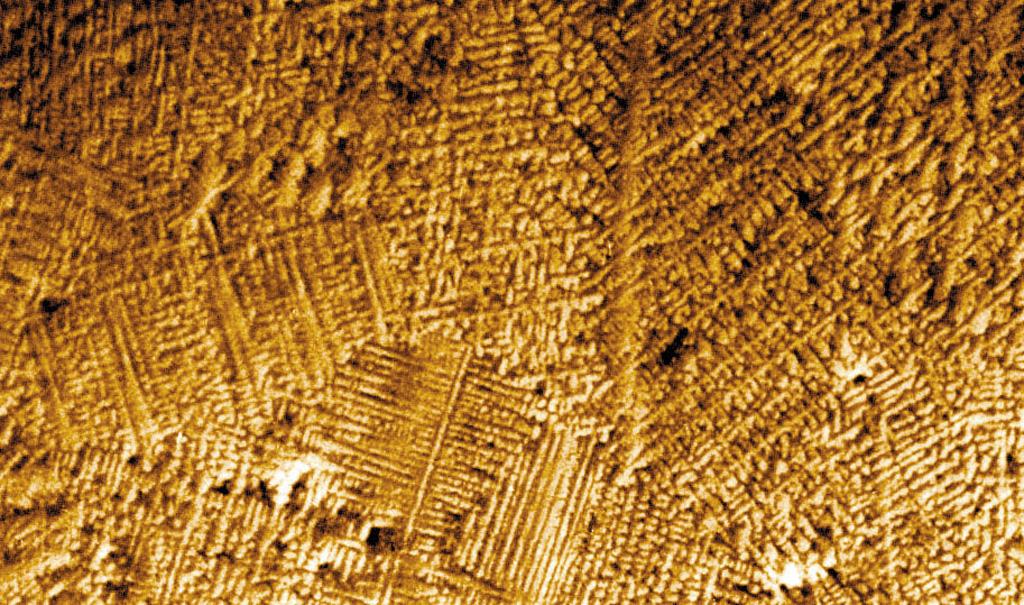
Researchers have found that as melted metals and alloys (combinations of metals) solidify, they can form with different arrangements of atoms, called microstructures. These microstructures depend on the shape of the interface (boundary) between the melted metal and the solid crystal it is forming. There are generally three shapes that the interface can take: planar, or flat; cellular, which looks like the cells of a beehive; and dendritic, which resembles tiny fir trees. Convection at this interface can affect the interface shape and hide the other phenomena (physical events). To reduce the effects of convection, researchers conduct experiments that examine and control conditions at the interface in microgravity. Microgravity also helps in the study of alloys composed of two metals that do not mix. On Earth, the liquid mixtures of these alloys settle into different layers due to gravity. In microgravity, the liquid metals do not settle, and a solid more uniform mixture of both metals can be formed.
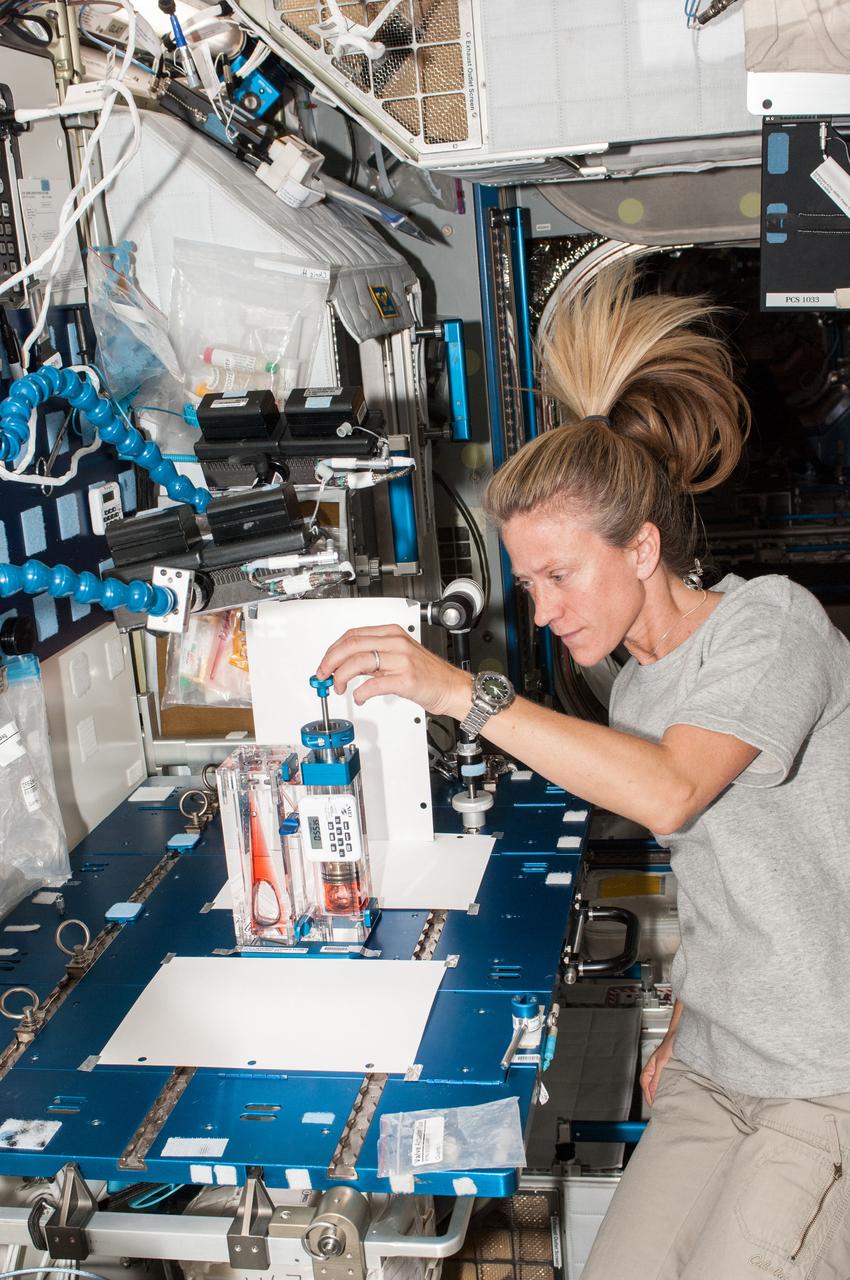
Astronaut Karen Nyberg,Expedition 36 flight engineer,works on the Capillary Flow Experiment (CFE) Vane Gap-1 (VG-1) setup in the Node 2/Harmony. The CFE-2 vessel is used to observe fluid interface and critical wetting behavior in a cylindrical chamber with elliptic cross-section and an adjustable central perforated vane. The primary objective of the Vane Gap experiments is to determine equilibrium interface configurations and critical wetting conditions for interfaces between interior corners separated by a gap.
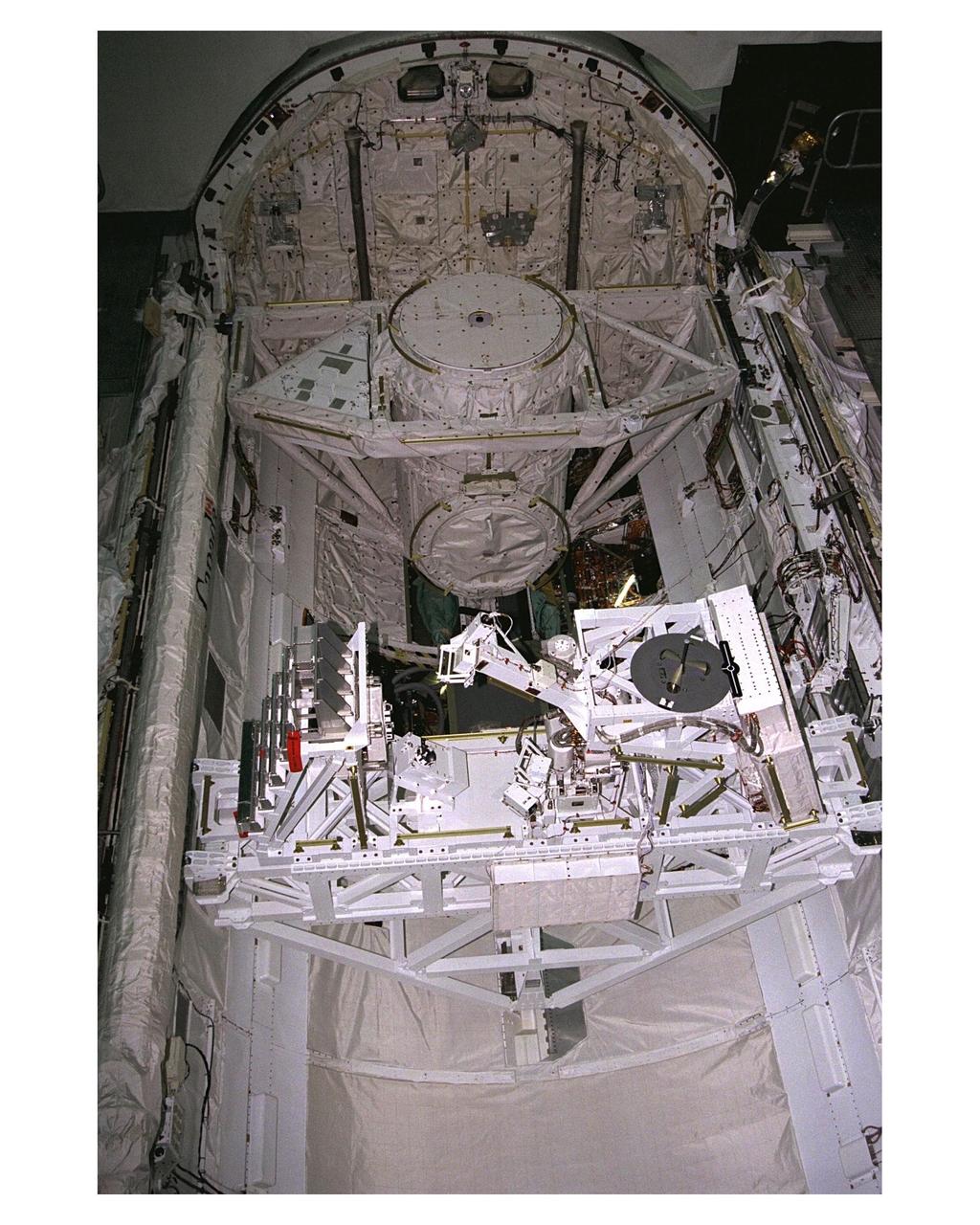
STS-85 Crew Equipment Interface Test (CEIT
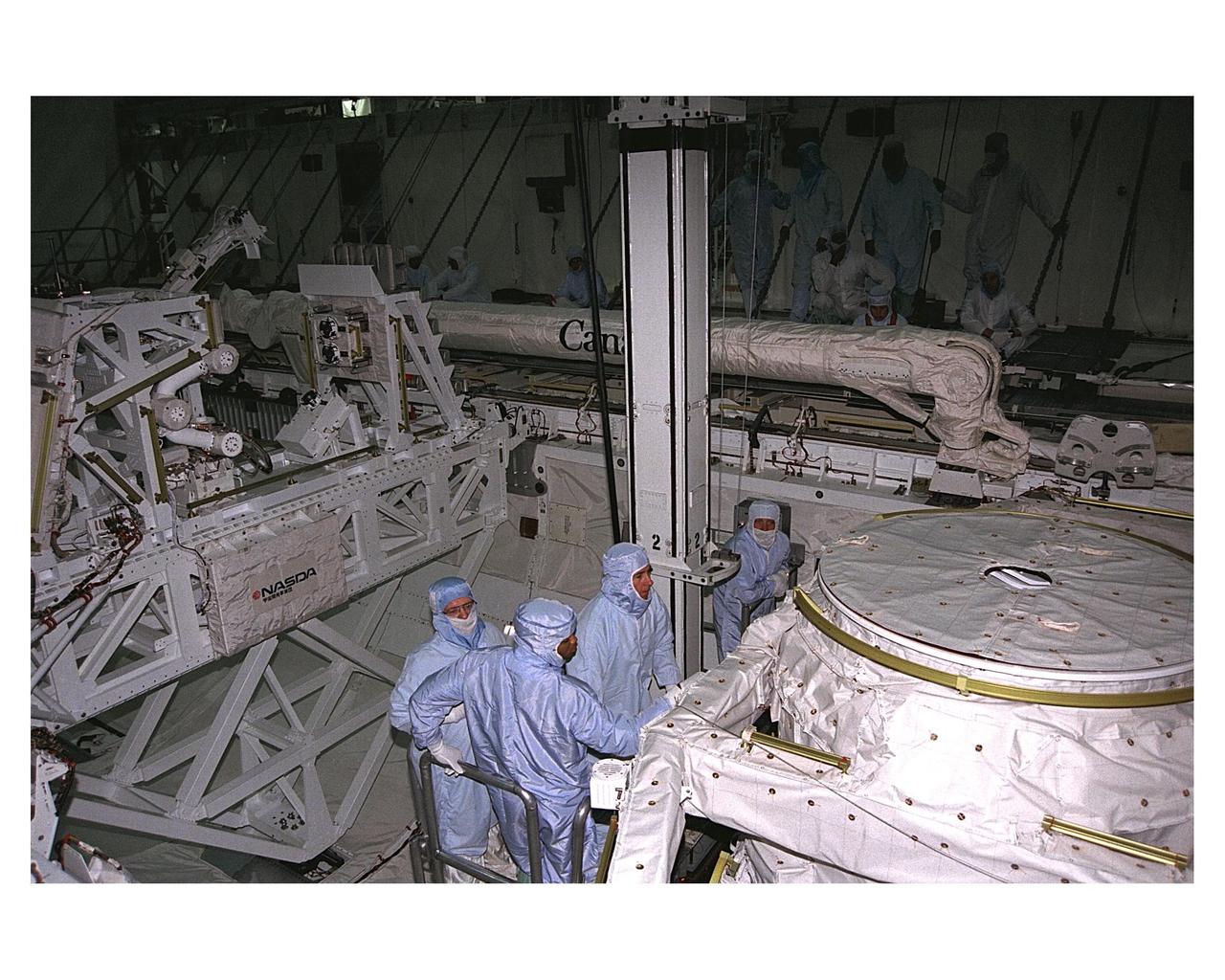
STS-85 Crew Equipment Interface Test (CEIT
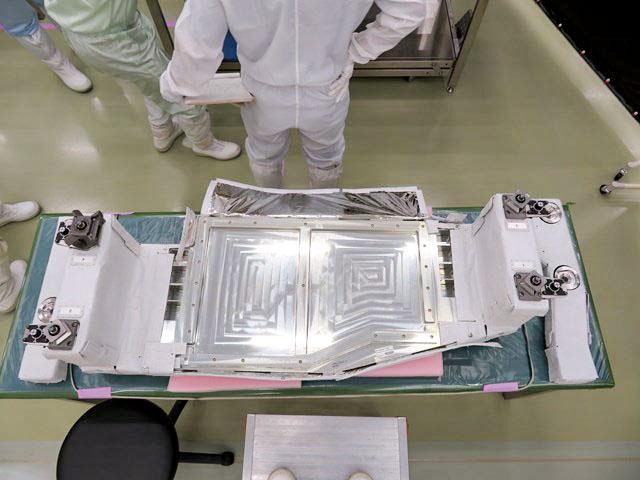
jsc2023e031746 (7/1/2022) --- The preflight image of ISEEP3B FSE shows the active mechanism with iSEEP and Special Purpose Dexterous Manipulator (SPDM) interfaces (center). The right/left parts shown are the passive mechanism with HTV-X interface. Image courtesy of JAXA and IHI-Aerospace.
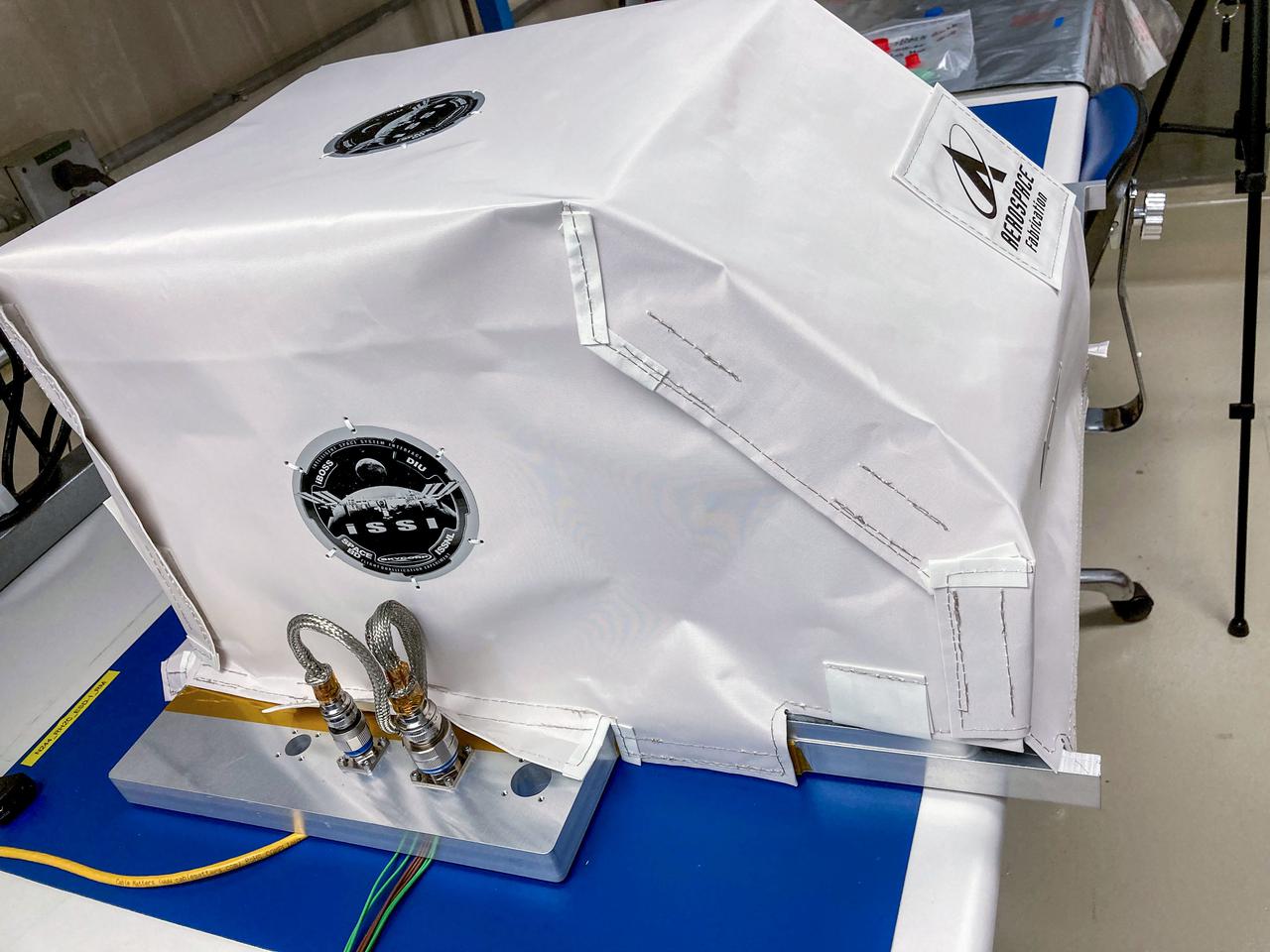
jsc2021e048046 (9/30/2021) --- Preflight imagery of the Intelligent Space System Interface Flight Qualification Experiment (iSSFIQE) with the Multi-layer Insulation (MLI) cover fully interfaced with the IVA-replaceable Small Exposed Experiment Platform (i-SEEP) ground model. Image courtesy of Skycorp Inc.
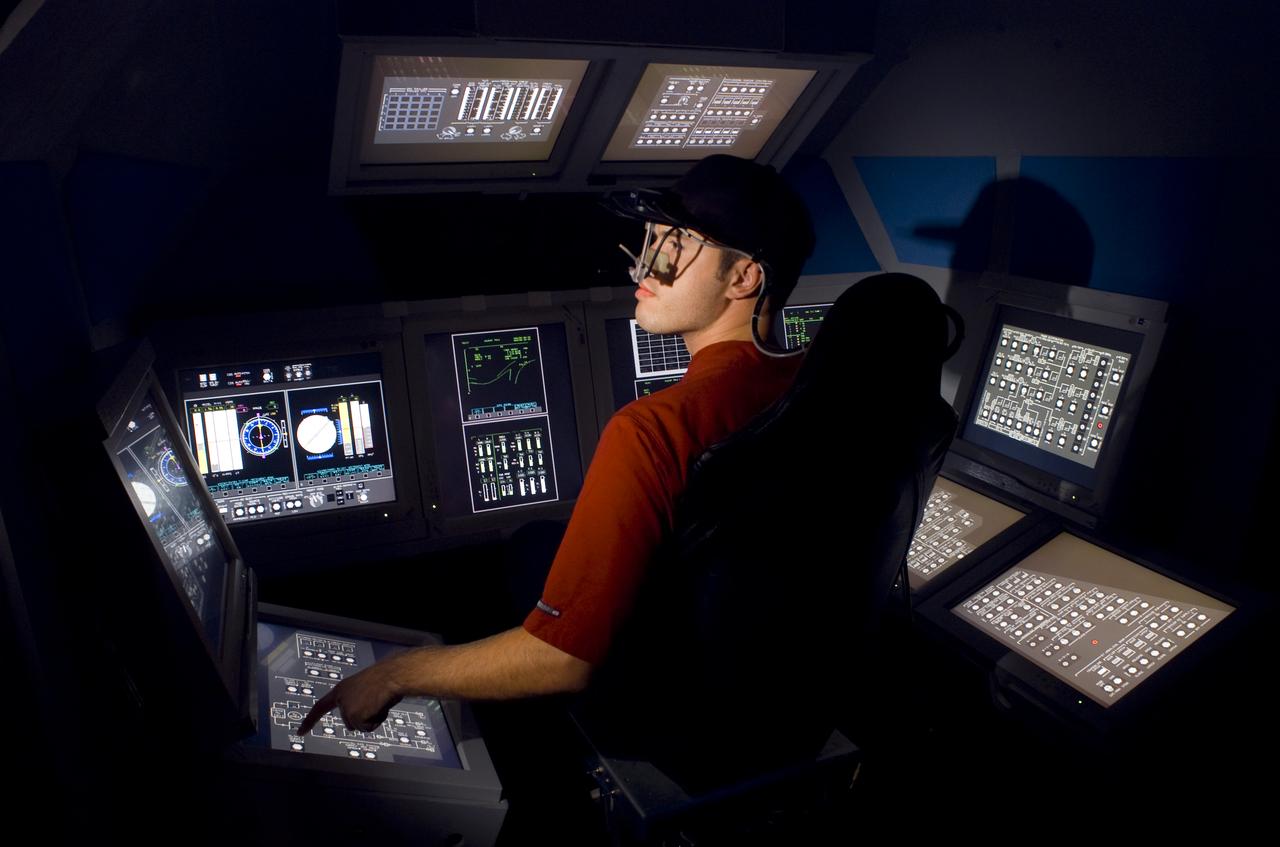
ISIS (Intelligent Spacecraft Interface Systems) Laboratory - Eric Colburn (test subject)
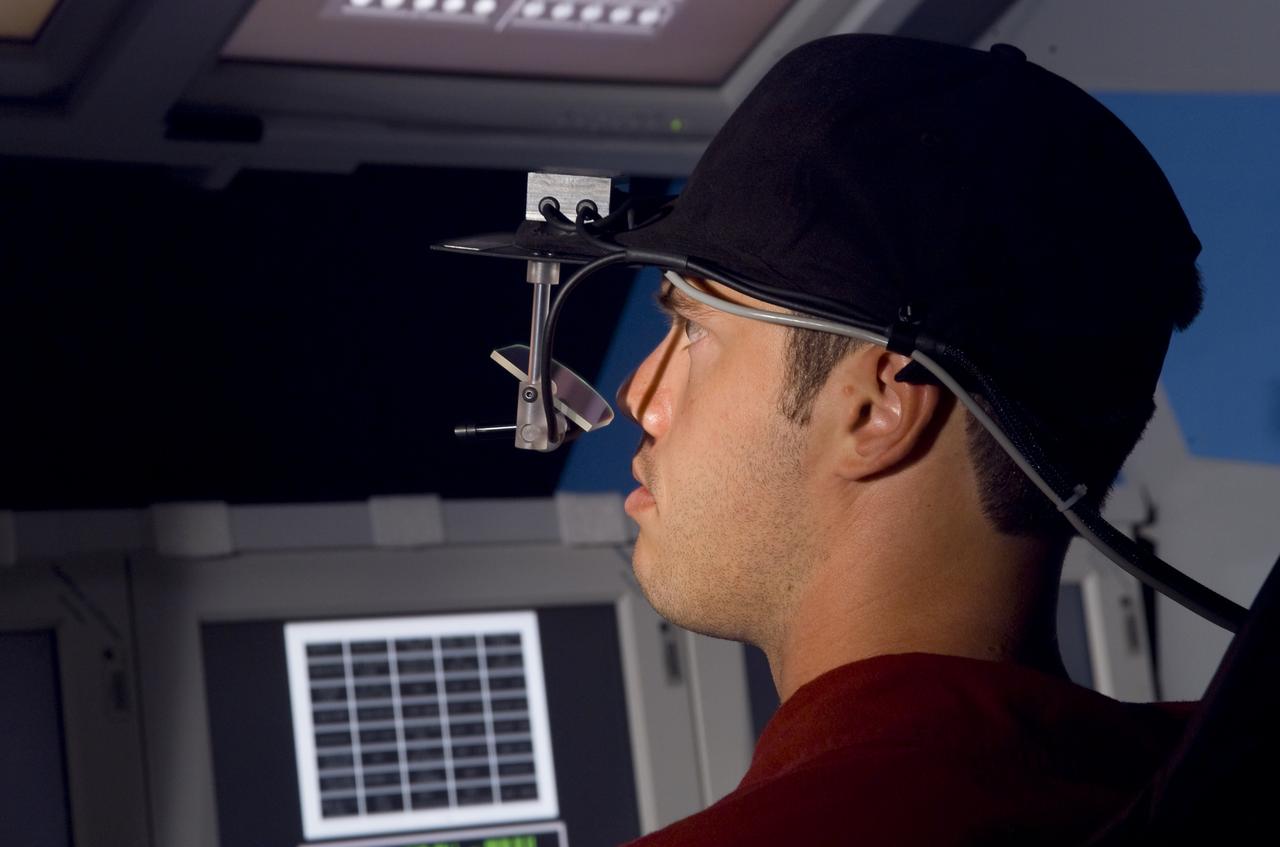
ISIS (Intelligent Spacecraft Interface Systems) Laboratory - Eric Colburn (test subject)
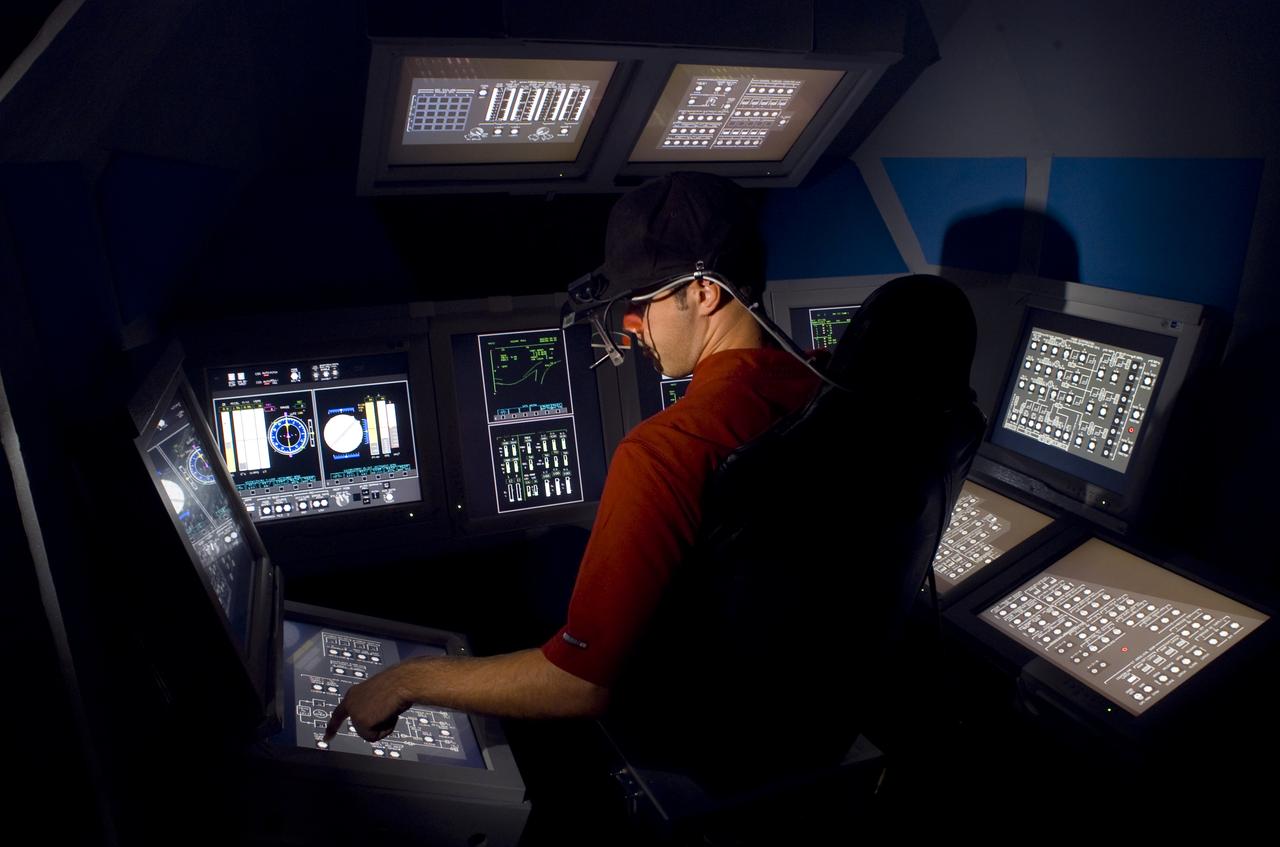
ISIS (Intelligent Spacecraft Interface Systems) Laboratory - Eric Colburn (test subject)
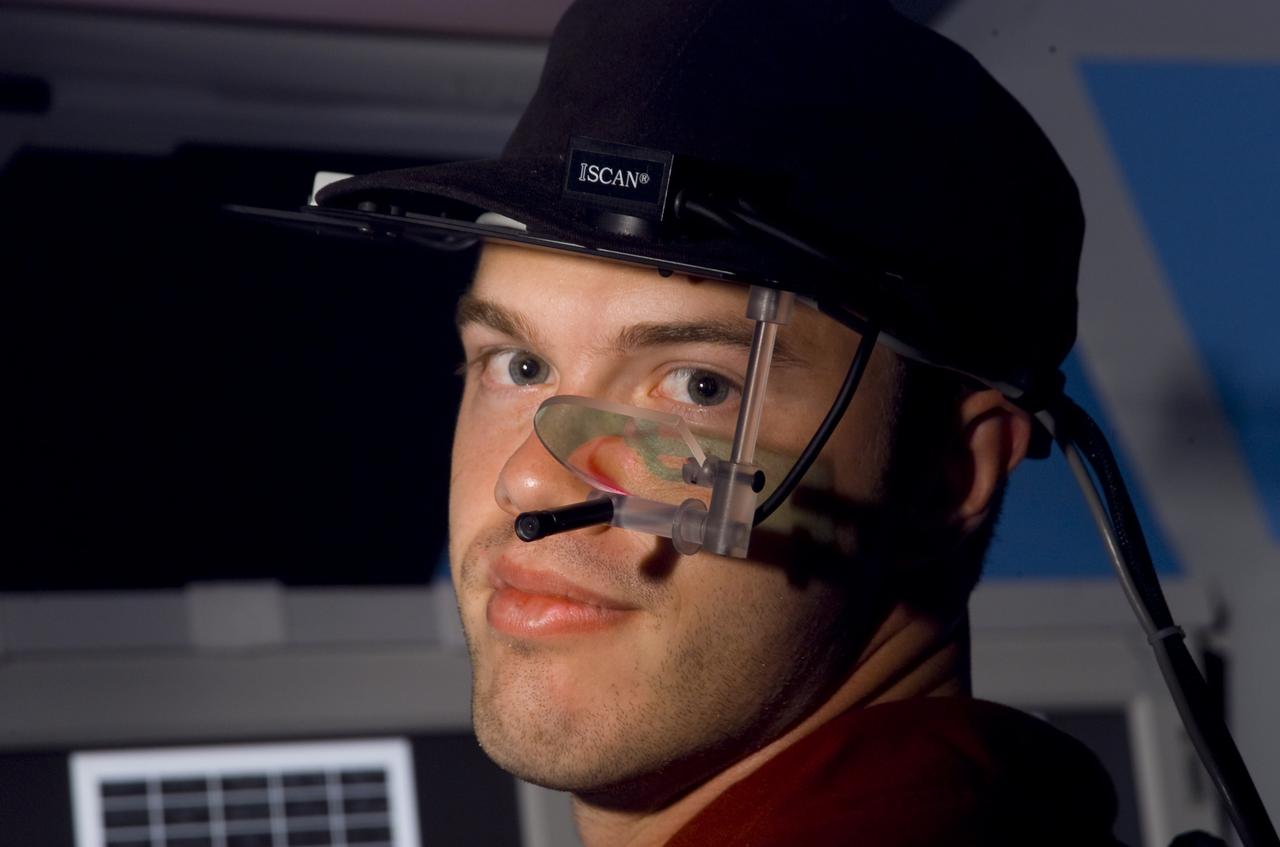
ISIS (Intelligent Spacecraft Interface Systems) Laboratory - Eric Colburn (test subject)
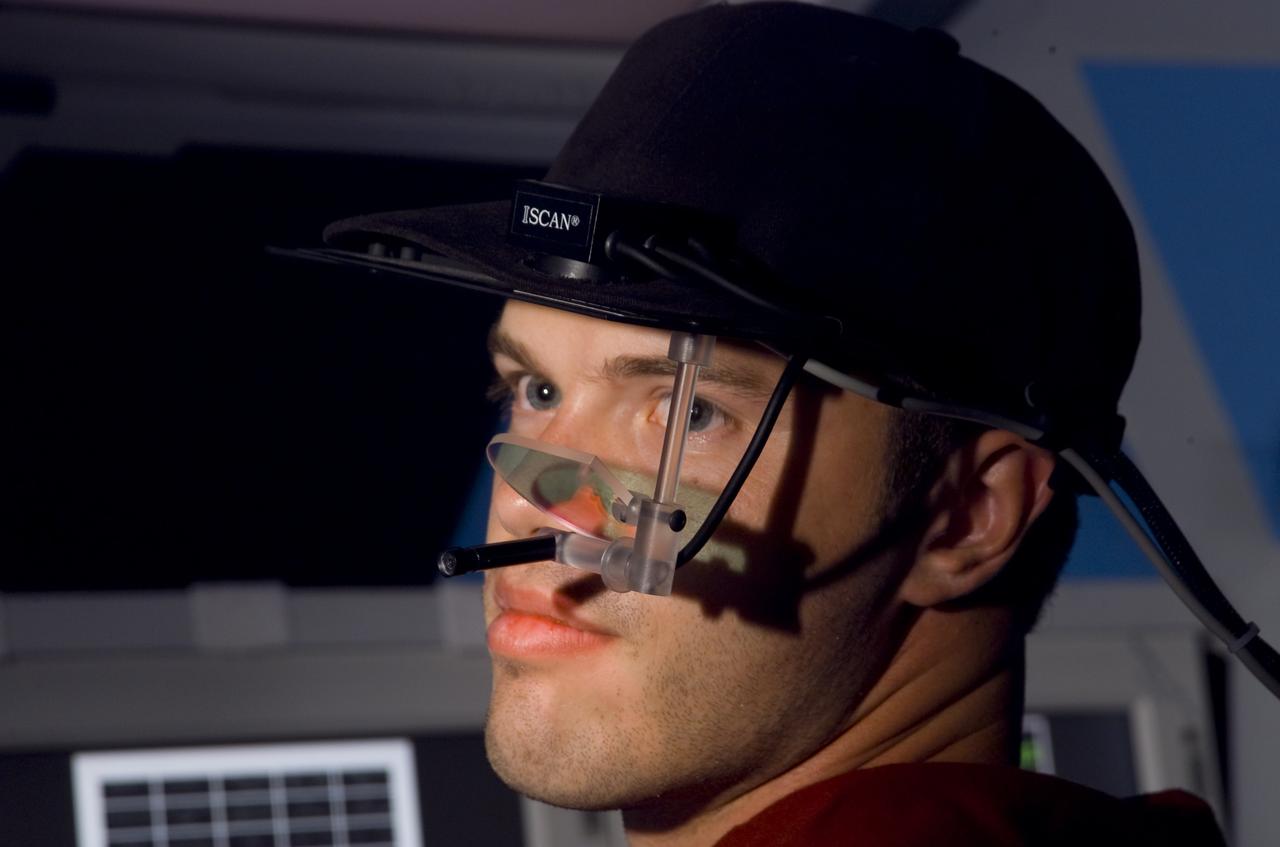
ISIS (Intelligent Spacecraft Interface Systems) Laboratory - Eric Colburn (test subject)
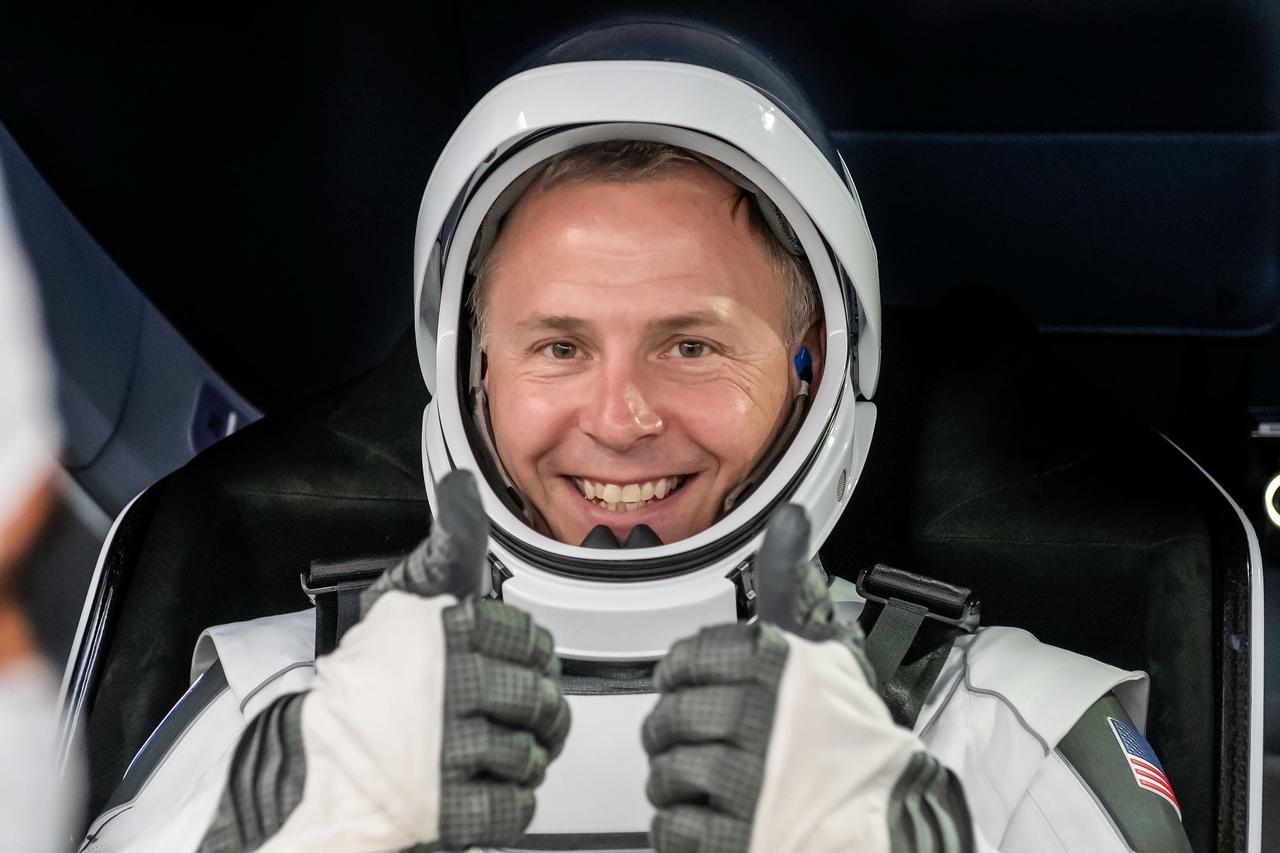
jsc2024e052329 (July 22, 2024) --- NASA’s SpaceX Crew-9 Pilot Nick Hague smiles and gives two thumbs up during the crew equipment interface test (CEIT) at SpaceX’s new Dragon refurbishing facility at Kennedy Space Center in Florida. This will be his second mission to the orbiting laboratory. Credit: SpaceX
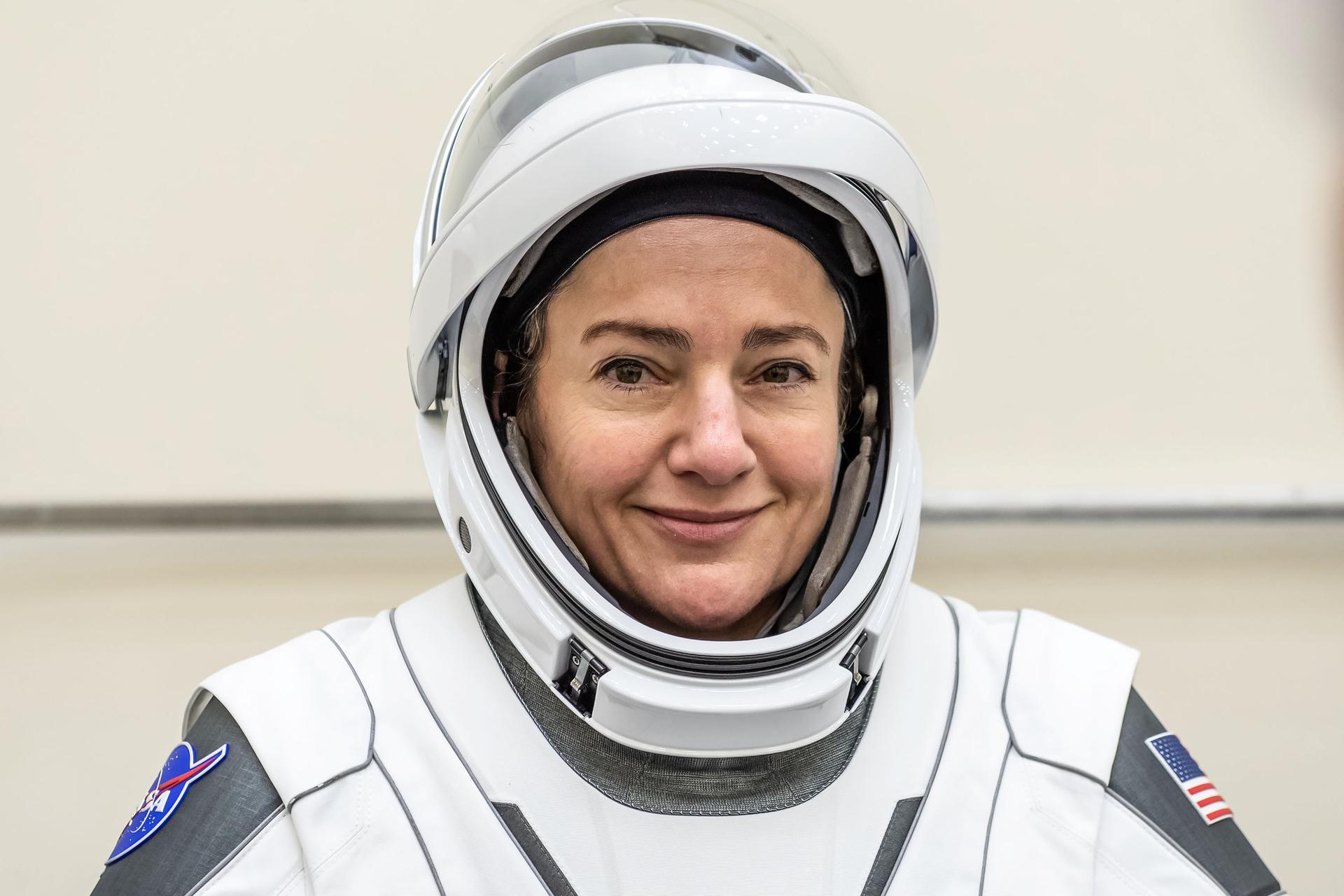
jsc2026e002966 (Jan. 12, 2026) --- NASA astronaut and SpaceX Crew-12 Commander Jessica Meir is photographed in her pressure suit during the Crew Equipment Interface Test at NASA’s Kennedy Space Center in Florida. The goal of the training is to rehearse launch day activities and get a close look at the Dragon spacecraft. Credit: SpaceX

jsc2024e052328 (July 22, 2024) --- NASA’s SpaceX Crew-9 Mission Specialist Stephanie Wilson focuses during the crew equipment interface test (CEIT). She has collectively spent 42 days in space aboard three space shuttle Discovery missions – STS-120, STS-121, and STS-131. Credit: SpaceX
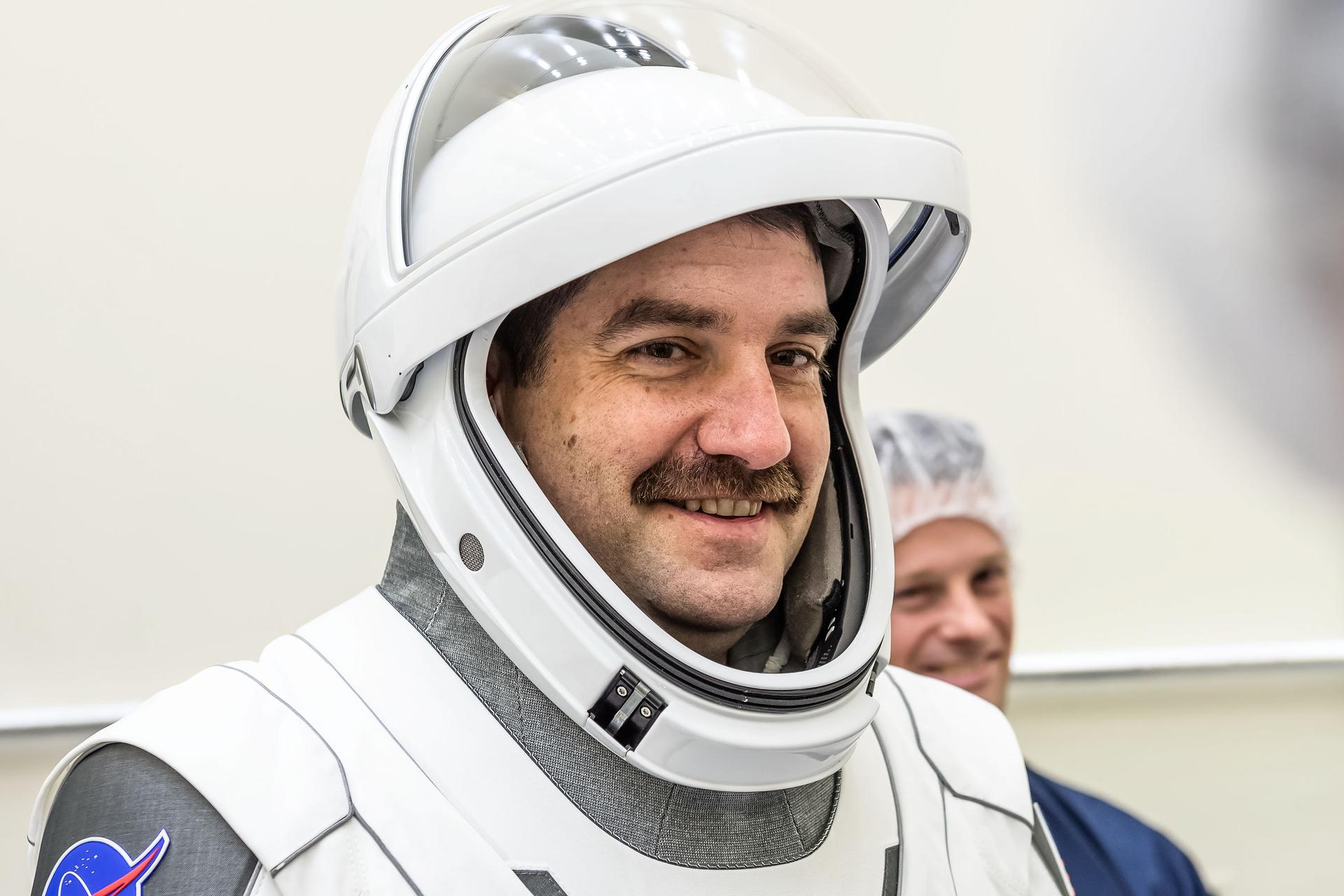
jsc2026e002965 (Jan. 12, 2026) --- NASA astronaut and SpaceX Crew-12 Pilot Jack Hathaway is photographed in his pressure suit during the Crew Equipment Interface Test at NASA’s Kennedy Space Center in Florida. The goal of the training is to rehearse launch day activities and get a close look at the Dragon spacecraft. Credit: SpaceX

KENNEDY SPACE CENTER, FLA. - Suspended from an overhead crane in the Vehicle Assembly Building at NASA’s Kennedy Space Center, the orbiter Discovery is lowered toward the Solid Rocket Booster and External Tank already stacked on the top of the Mobile Launcher Platform (MLP). The top of the tank can be seen at the bottom of the photo. After Discovery has been mated to the External Tank_Solid Rocket Booster assembly on the MLP and all umbilicals have been connected, workers will perform an electrical and mechanical verification of the mated interfaces to verify all critical vehicle connections. A Shuttle interface test is performed using the launch processing system to verify Space Shuttle vehicle interfaces and Space Shuttle vehicle-to-ground interfaces. In approximately one week, Space Shuttle Discovery will be ready for rollout to Launch Pad 39B for Return to Flight mission STS-114. The launch window for STS-114 is May 15 to June 3.
KENNEDY SPACE CENTER, FLA. - In the Vehicle Assembly Building at NASA’s Kennedy Space Center, workers mate the External Tank, at left, to the underside of Space Shuttle Discovery, at right. Each of two aft external tank umbilical plates mate with a corresponding plate on the orbiter. The plates help maintain alignment among the umbilicals. The attach fitting is aft of the nose gear wheel well. Workers next will perform an electrical and mechanical verification of the mated interfaces to verify all critical vehicle connections. A Shuttle interface test is performed using the launch processing system to verify Space Shuttle vehicle interfaces and Space Shuttle vehicle-to-ground interfaces. In approximately one week, Space Shuttle Discovery will be ready for rollout to Launch Pad 39B for Return to Flight mission STS-114. The launch window for STS-114 is May 15 to June 3.
KENNEDY SPACE CENTER, FLA. - Inside the Vehicle Assembly Building at NASA’s Kennedy Space Center, the orbiter Discovery has been lowered onto the Mobile Launcher Platform (MLP) alongside the Solid Rocket Booster and External Tank stack. After Discovery has been mated to the External Tank_Solid Rocket Booster assembly on the MLP and all umbilicals have been connected, workers will perform an electrical and mechanical verification of the mated interfaces to verify all critical vehicle connections. A Shuttle interface test is performed using the launch processing system to verify Space Shuttle vehicle interfaces and Space Shuttle vehicle-to-ground interfaces. In approximately one week, Space Shuttle Discovery will be ready for rollout to Launch Pad 39B for Return to Flight mission STS-114. The launch window for STS-114 is May 15 to June 3.
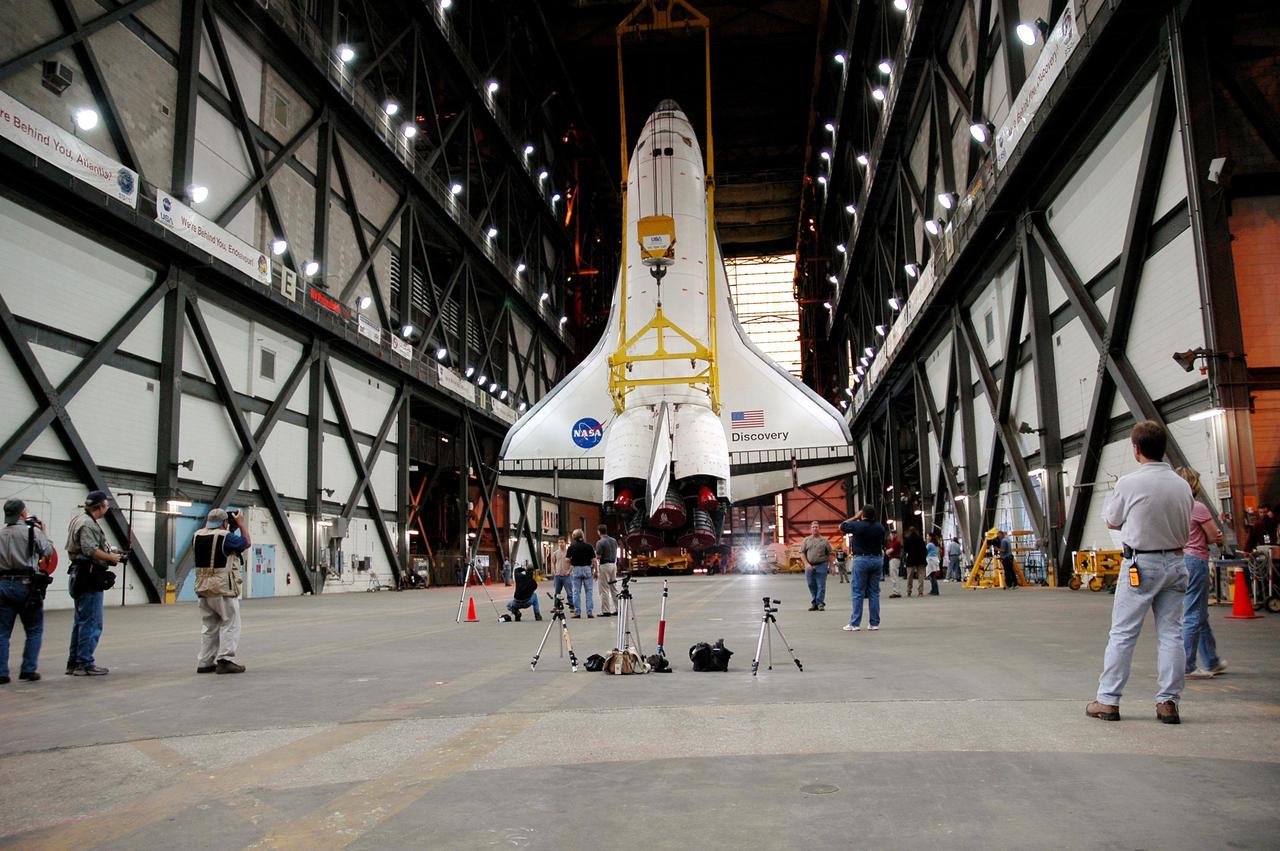
KENNEDY SPACE CENTER, FLA. - At NASA’s Kennedy Space Center, media capture the image of the orbiter Discovery as it is suspended vertically from an overhead crane in the transfer aisle of the Vehicle Assembly Building. Discovery will be lifted up and lowered to the Solid Rocket Booster and External Tank already stacked on the top of the Mobile Launcher Platform (MLP). After Discovery has been mated to the External Tank_Solid Rocket Booster assembly on the MLP and all umbilicals have been connected, workers will perform an electrical and mechanical verification of the mated interfaces to verify all critical vehicle connections. A Shuttle interface test is performed using the launch processing system to verify Space Shuttle vehicle interfaces and Space Shuttle vehicle-to-ground interfaces. In approximately one week, Space Shuttle Discovery will be ready for rollout to Launch Pad 39B for Return to Flight mission STS-114. The launch window for STS-114 is May 15 to June 3.

KENNEDY SPACE CENTER, FLA. - The orbiter Discovery rolls over to the Vehicle Assembly Building (VAB), marking a major milestone in the march to Return to Flight. First motion was at 1:29 a.m. EST. Inside the VAB, Discovery will be mated to the External Tank_Solid Rocket Booster assembly for Return to Flight mission STS-114. After all umbilicals have been connected, workers will perform an electrical and mechanical verification of the mated interfaces to verify all critical vehicle connections. A Space Shuttle interface test is performed to verify vehicle interfaces and vehicle-to-ground interfaces. The launch processing system is used to control and monitor orbiter systems as required. Space Shuttle Discovery will roll out to Launch Pad 39B approximately one week after the rollover to the VAB. The launch window for mission STS-114 is May 15 to June 3.
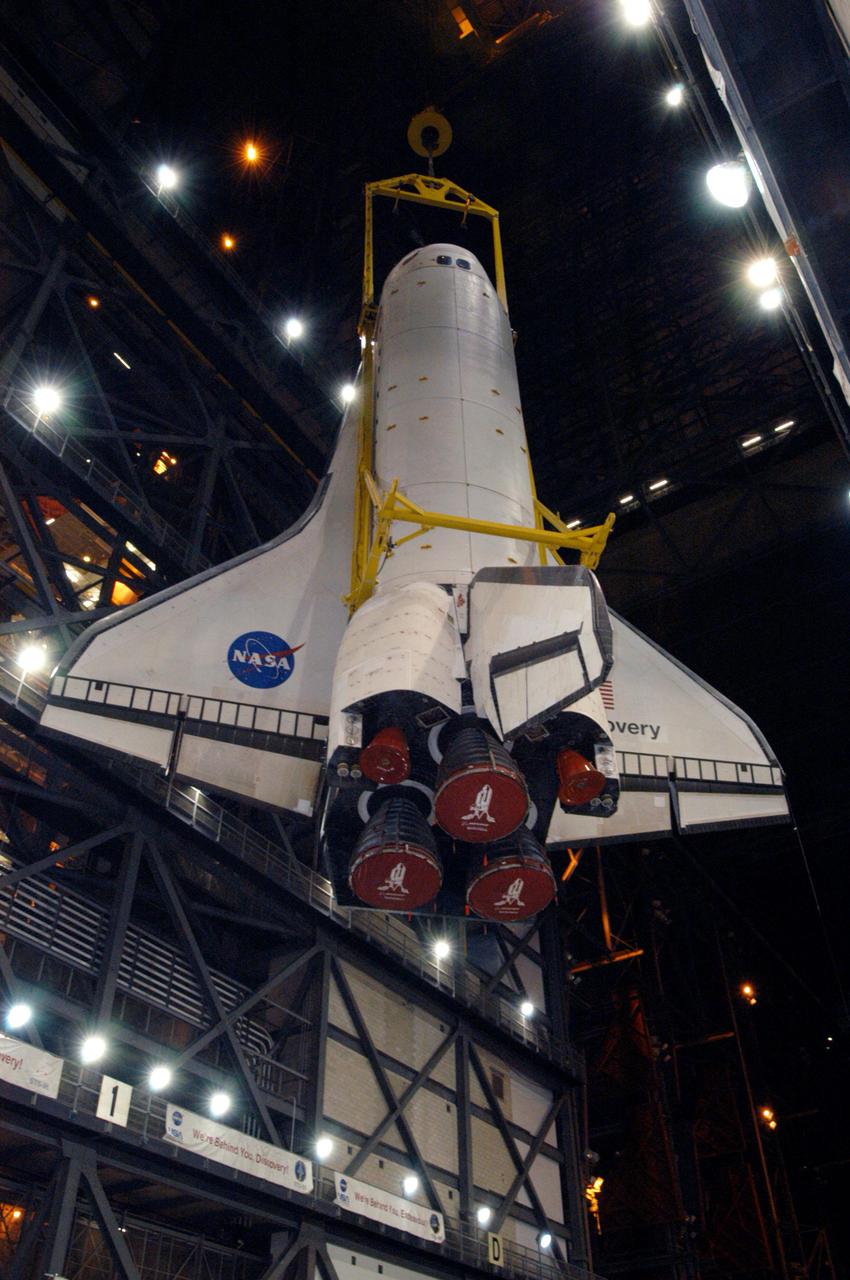
KENNEDY SPACE CENTER, FLA. - The orbiter Discovery is lifted high in the transfer aisle of the Vehicle Assembly Building at NASA’s Kennedy Space Center. Discovery will be lowered to the Solid Rocket Booster and External Tank already stacked on the top of the Mobile Launcher Platform (MLP). After Discovery has been mated to the External Tank_Solid Rocket Booster assembly on the MLP and all umbilicals have been connected, workers will perform an electrical and mechanical verification of the mated interfaces to verify all critical vehicle connections. A Shuttle interface test is performed using the launch processing system to verify Space Shuttle vehicle interfaces and Space Shuttle vehicle-to-ground interfaces. In approximately one week, Space Shuttle Discovery will be ready for rollout to Launch Pad 39B for Return to Flight mission STS-114. The launch window for STS-114 is May 15 to June 3.
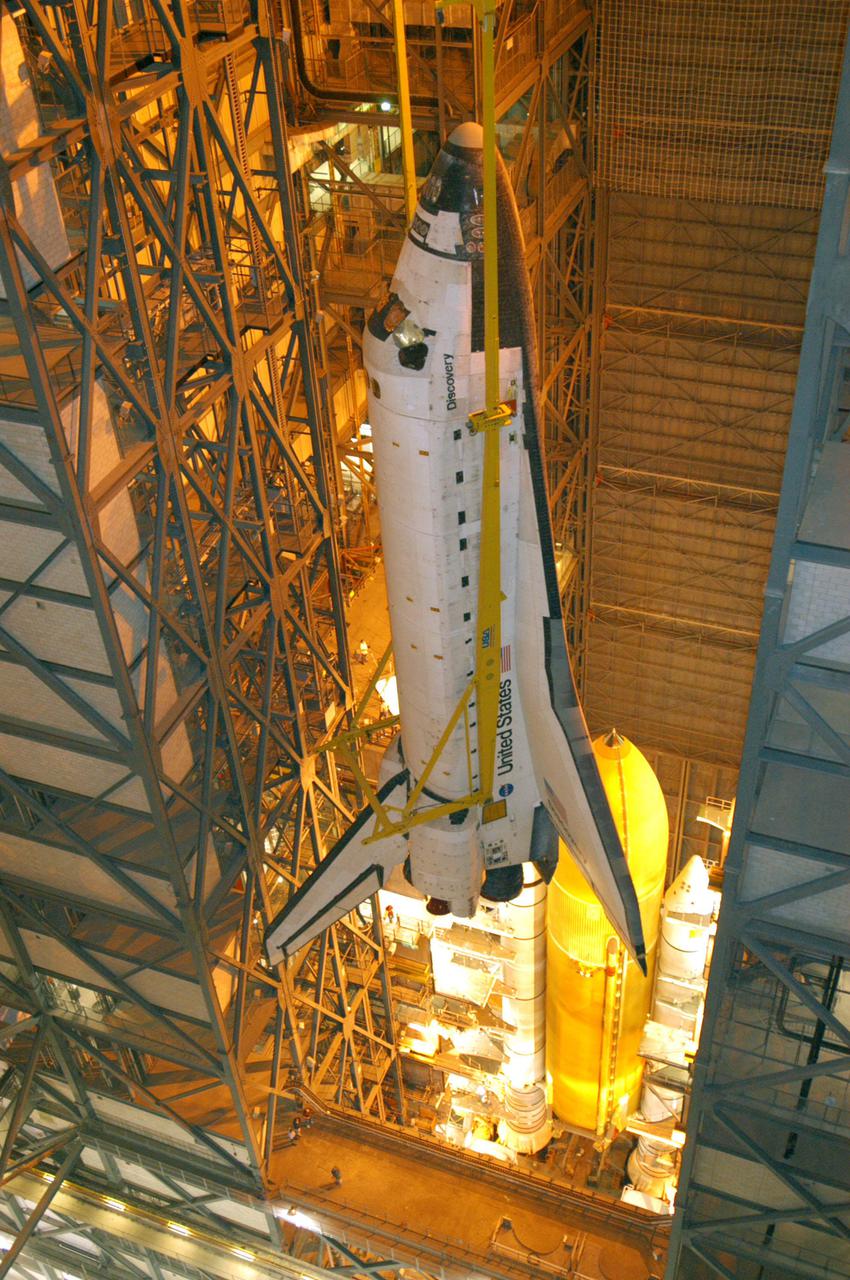
KENNEDY SPACE CENTER, FLA. - Suspended from an overhead crane in the Vehicle Assembly Building at NASA’s Kennedy Space Center, the orbiter Discovery is lowered toward the Solid Rocket Booster and External Tank (seen below) already stacked on the top of the Mobile Launcher Platform (MLP). After Discovery has been mated to the External Tank_Solid Rocket Booster assembly on the MLP and all umbilicals have been connected, workers will perform an electrical and mechanical verification of the mated interfaces to verify all critical vehicle connections. A Shuttle interface test is performed using the launch processing system to verify Space Shuttle vehicle interfaces and Space Shuttle vehicle-to-ground interfaces. In approximately one week, Space Shuttle Discovery will be ready for rollout to Launch Pad 39B for Return to Flight mission STS-114. The launch window for STS-114 is May 15 to June 3.
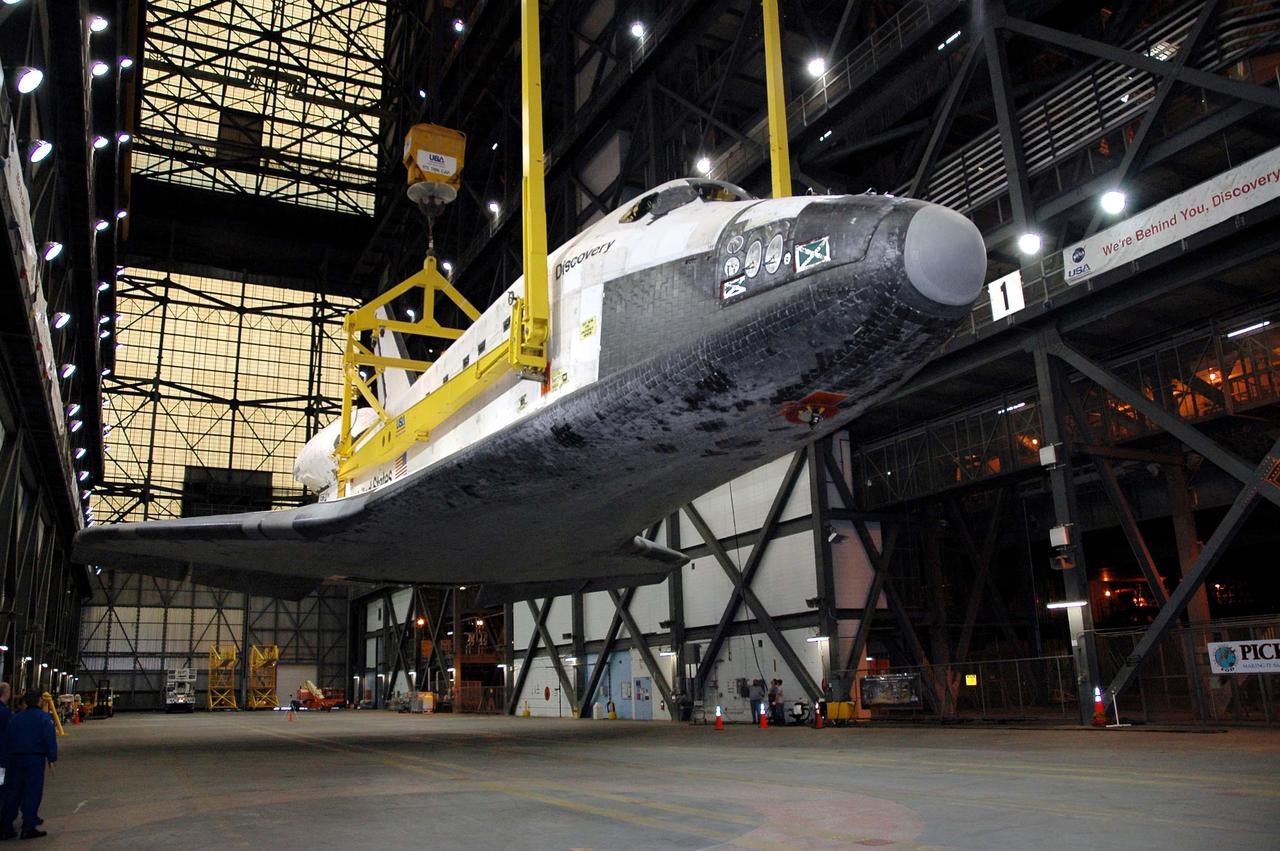
KENNEDY SPACE CENTER, FLA. - Suspended from an overhead crane, the orbiter Discovery is being raised to vertical in the transfer aisle of the Vehicle Assembly Building at NASA’s Kennedy Space Center. Discovery will be lifted up and lowered to the Solid Rocket Booster and External Tank already stacked on the top of the Mobile Launcher Platform (MLP). After Discovery has been mated to the External Tank_Solid Rocket Booster assembly on the MLP and all umbilicals have been connected, workers will perform an electrical and mechanical verification of the mated interfaces to verify all critical vehicle connections. A Shuttle interface test is performed using the launch processing system to verify Space Shuttle vehicle interfaces and Space Shuttle vehicle-to-ground interfaces. In approximately one week, Space Shuttle Discovery will be ready for rollout to Launch Pad 39B for Return to Flight mission STS-114. The launch window for STS-114 is May 15 to June 3.
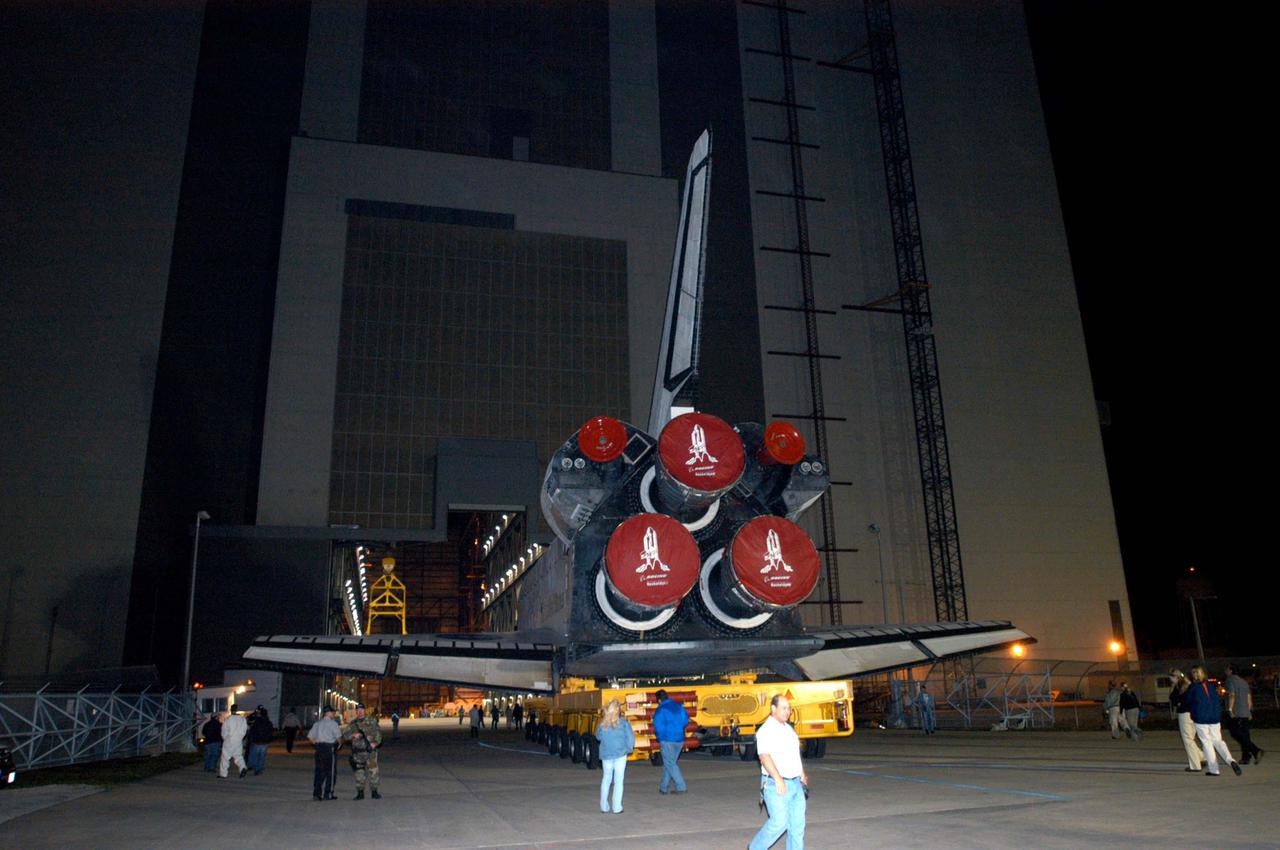
KENNEDY SPACE CENTER, FLA. - The orbiter Discovery rolls into the Vehicle Assembly Building (VAB), marking a major milestone in the march to Return to Flight. First motion was at 1:29 a.m. EST. Inside the VAB, Discovery will be mated to the External Tank_Solid Rocket Booster assembly for Return to Flight mission STS-114. After all umbilicals have been connected, workers will perform an electrical and mechanical verification of the mated interfaces to verify all critical vehicle connections. A Space Shuttle interface test is performed to verify vehicle interfaces and vehicle-to-ground interfaces. The launch processing system is used to control and monitor orbiter systems as required. Space Shuttle Discovery will roll out to Launch Pad 39B approximately one week after the rollover to the VAB. The launch window for mission STS-114 is May 15 to June 3.
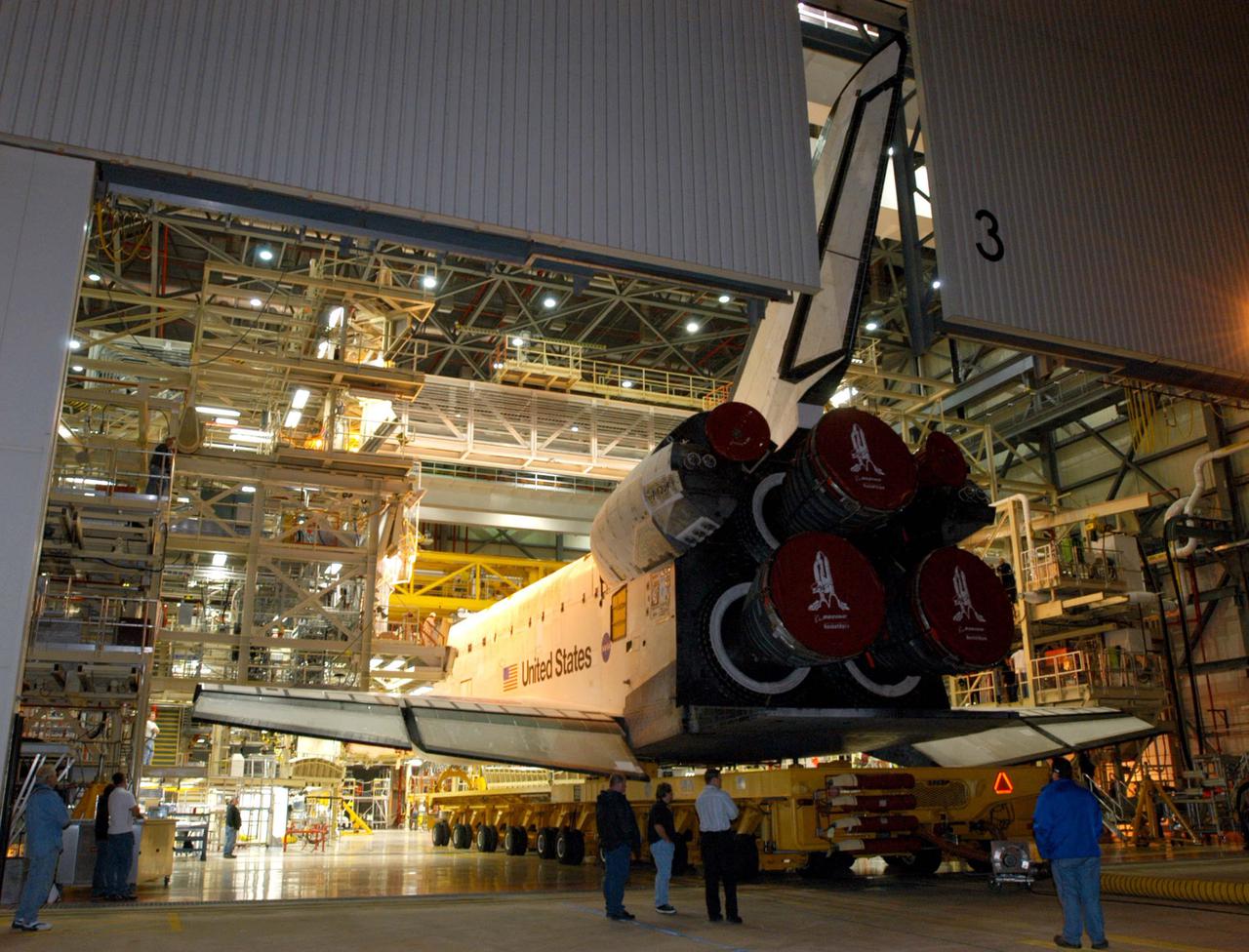
KENNEDY SPACE CENTER, FLA. - The orbiter Discovery slowly rolls out of the Orbiter Processing Facility bay 3 to begin its transfer to the Vehicle Assembly Building. First motion was at 1:29 a.m. EST. Inside the VAB, Discovery will be mated to the External Tank_Solid Rocket Booster assembly for Return to Flight mission STS-114. After all umbilicals have been connected, workers will perform an electrical and mechanical verification of the mated interfaces to verify all critical vehicle connections. A Space Shuttle interface test is performed to verify vehicle interfaces and vehicle-to-ground interfaces. The launch processing system is used to control and monitor orbiter systems as required. Space Shuttle Discovery will roll out to Launch Pad 39B approximately one week after the rollover to the VAB. The launch window for mission STS-114 is May 15 to June 3.
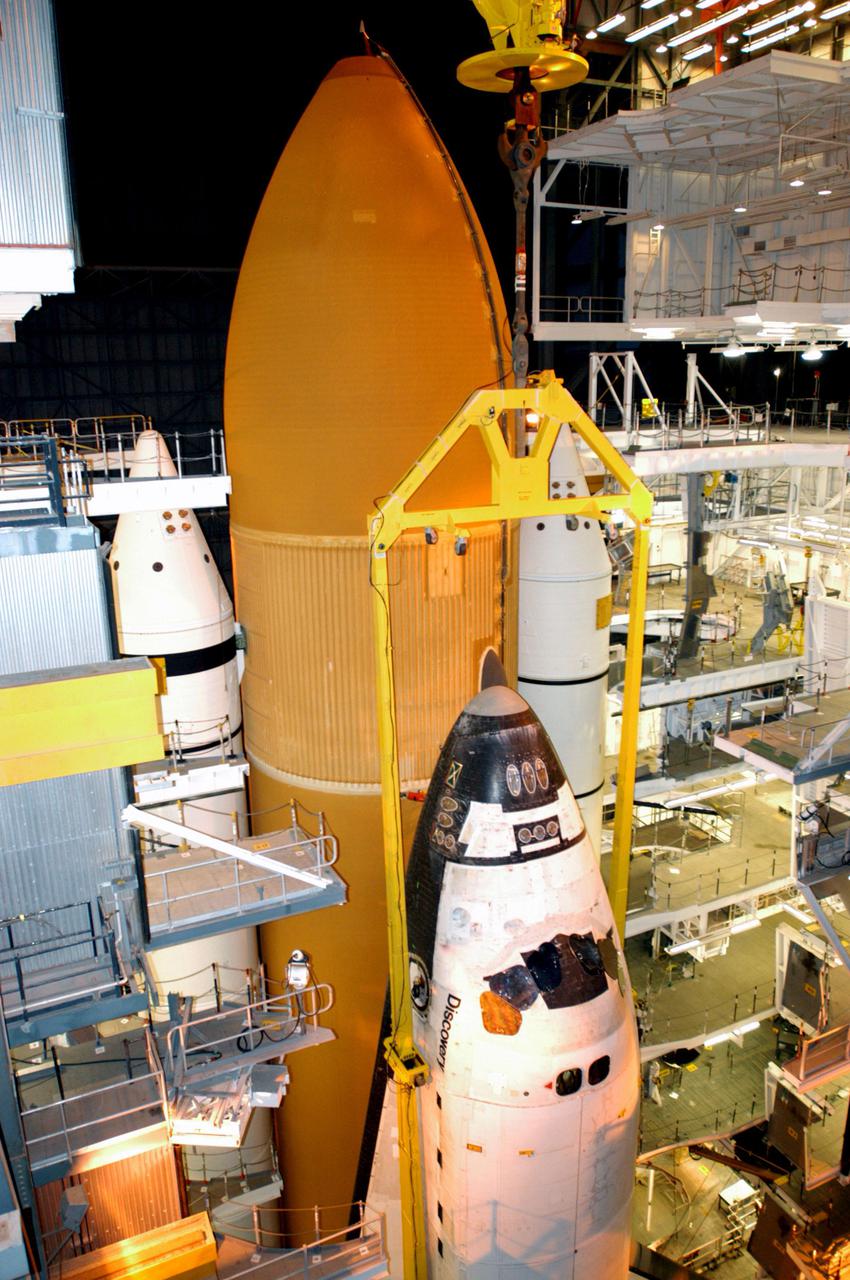
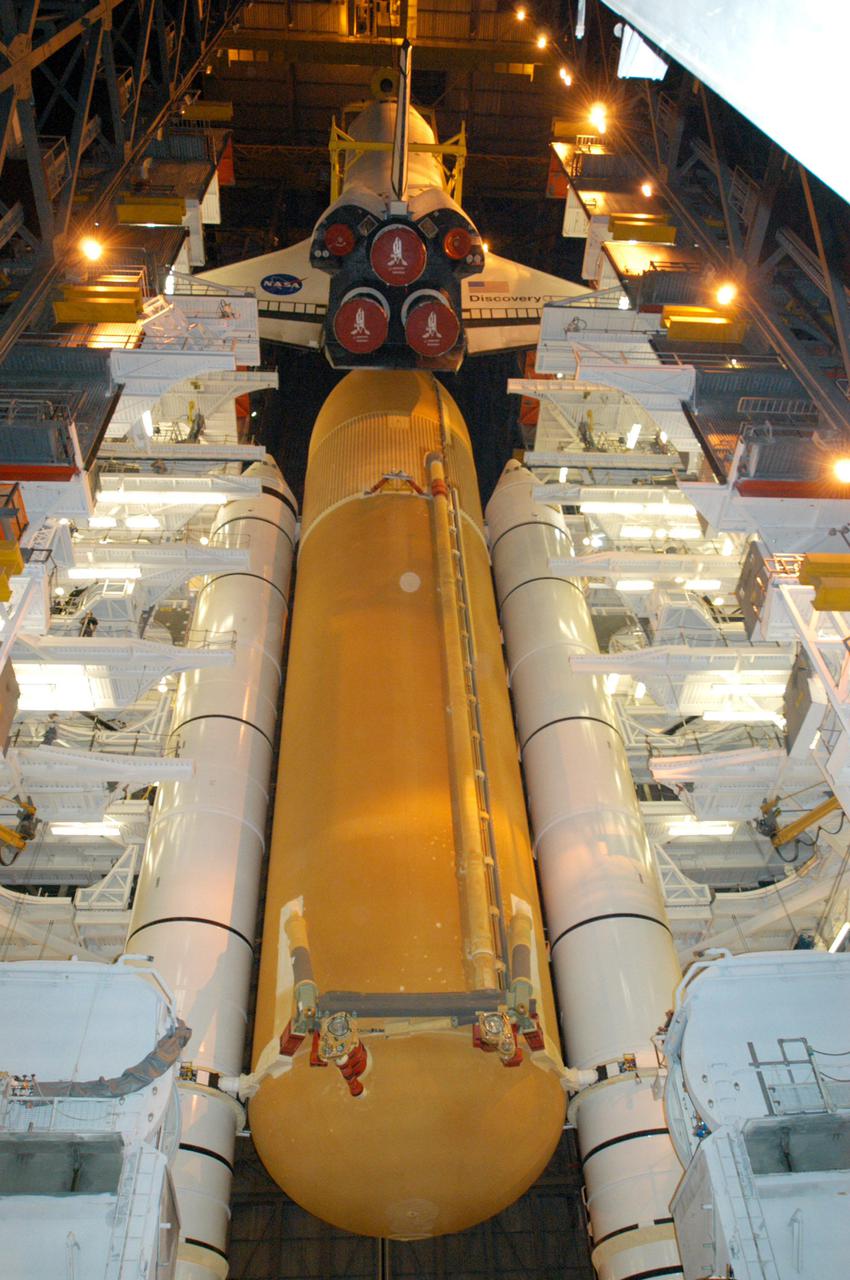
KENNEDY SPACE CENTER, FLA. - Inside the Vehicle Assembly Building at NASA’s Kennedy Space Center, the Solid Rocket Booster and External Tank stack, center, are viewed from above, with the orbiter Discovery in front of them on the Mobile Launcher Platform (MLP). After Discovery has been mated to the External Tank_Solid Rocket Booster assembly on the MLP and all umbilicals have been connected, workers will perform an electrical and mechanical verification of the mated interfaces to verify all critical vehicle connections. A Shuttle interface test is performed using the launch processing system to verify Space Shuttle vehicle interfaces and Space Shuttle vehicle-to-ground interfaces. In approximately one week, Space Shuttle Discovery will be ready for rollout to Launch Pad 39B for Return to Flight mission STS-114. The launch window for STS-114 is May 15 to June 3.
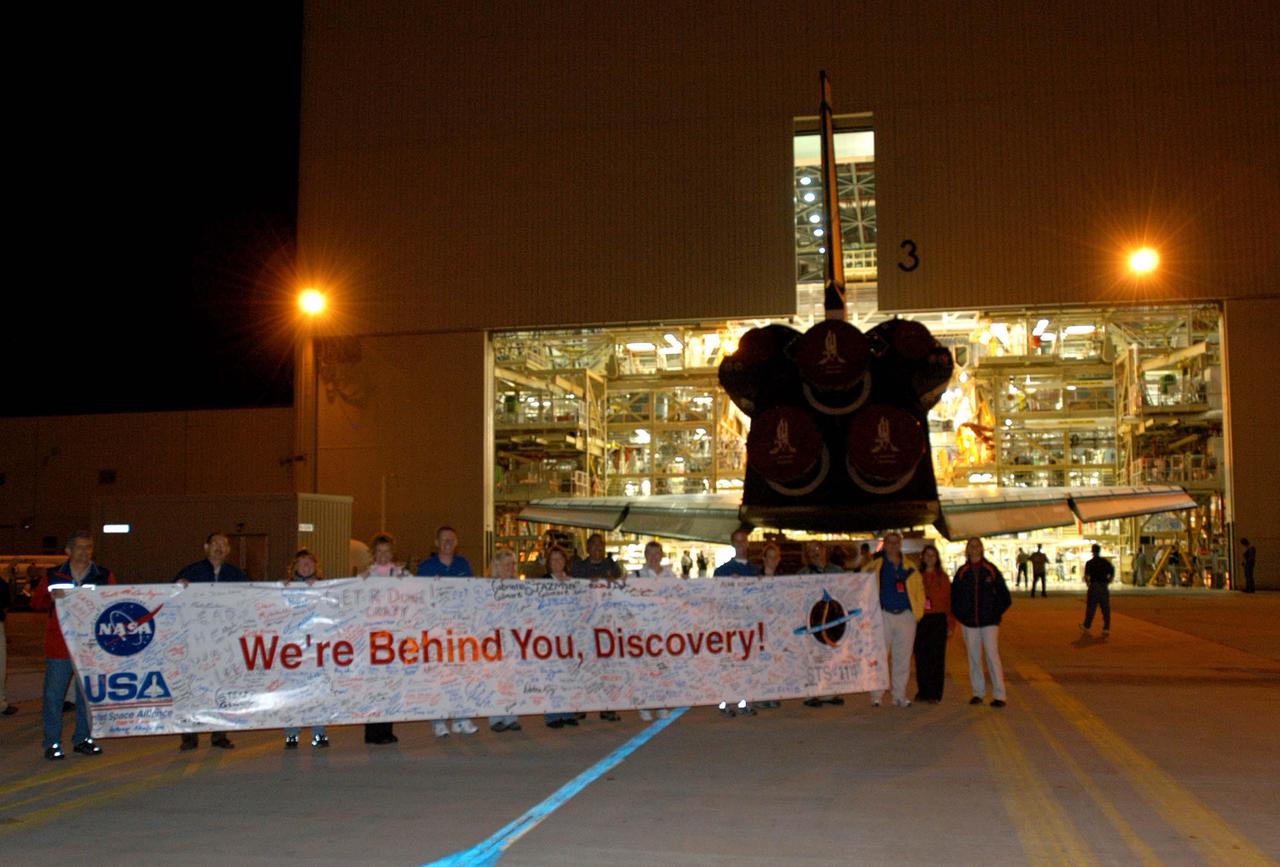
KENNEDY SPACE CENTER, FLA. - Workers show their support as the orbiter Discovery slowly rolls out of the Orbiter Processing Facility bay 3 to begin its transfer to the Vehicle Assembly Building (VAB). First motion was at 1:29 a.m. EST. Inside the VAB, Discovery will be mated to the External Tank_Solid Rocket Booster assembly for Return to Flight mission STS-114. After all umbilicals have been connected, workers will perform an electrical and mechanical verification of the mated interfaces to verify all critical vehicle connections. A Space Shuttle interface test is performed to verify vehicle interfaces and vehicle-to-ground interfaces. The launch processing system is used to control and monitor orbiter systems as required. Space Shuttle Discovery will roll out to Launch Pad 39B approximately one week after the rollover to the VAB. The launch window for mission STS-114 is May 15 to June 3.

KENNEDY SPACE CENTER, FLA. - The orbiter Discovery is suspended vertically from an overhead crane in the transfer aisle of the Vehicle Assembly Building at NASA’s Kennedy Space Center. Discovery will be lifted up and lowered to the Solid Rocket Booster and External Tank already stacked on the top of the Mobile Launcher Platform (MLP). After Discovery has been mated to the External Tank_Solid Rocket Booster assembly on the MLP and all umbilicals have been connected, workers will perform an electrical and mechanical verification of the mated interfaces to verify all critical vehicle connections. A Shuttle interface test is performed using the launch processing system to verify Space Shuttle vehicle interfaces and Space Shuttle vehicle-to-ground interfaces. In approximately one week, Space Shuttle Discovery will be ready for rollout to Launch Pad 39B for Return to Flight mission STS-114. The launch window for STS-114 is May 15 to June 3.
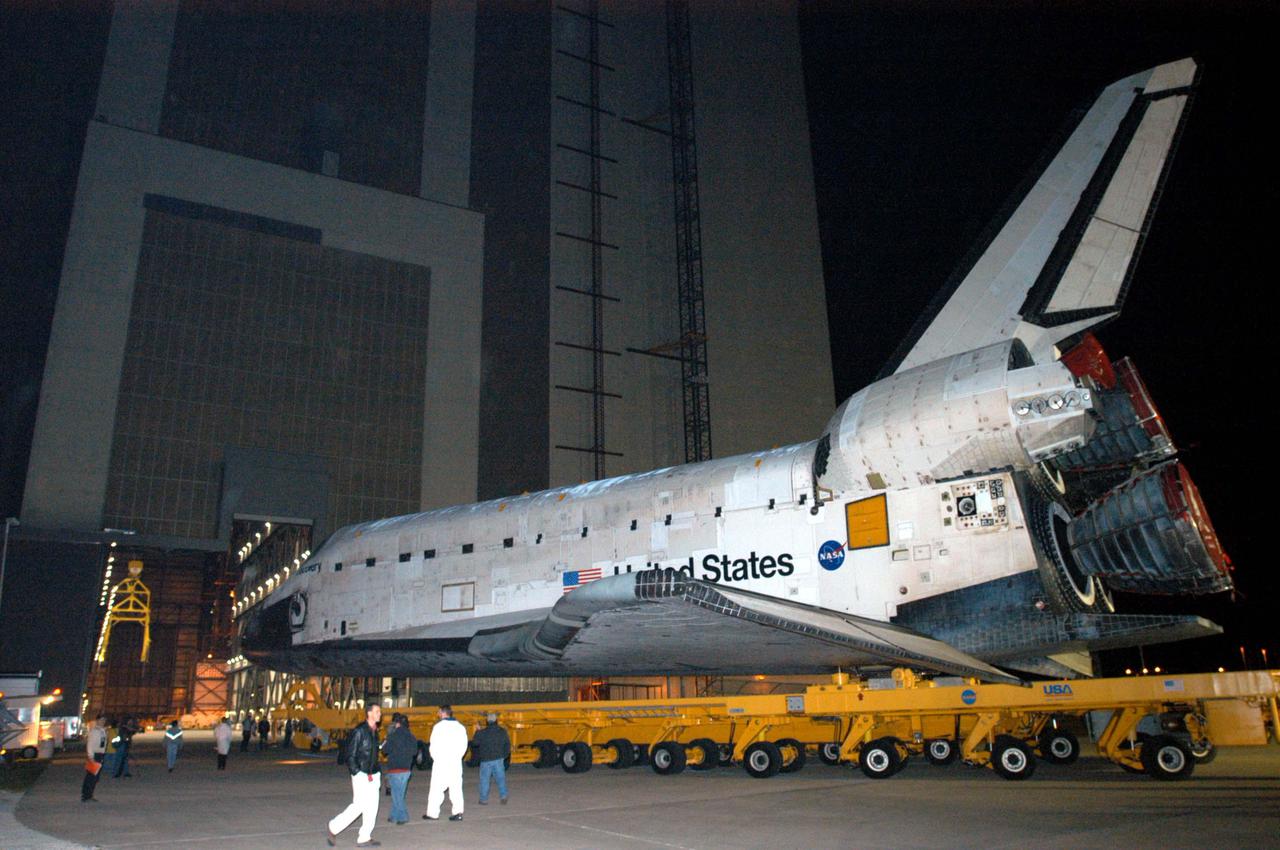
KENNEDY SPACE CENTER, FLA. - The orbiter Discovery rolls into the Vehicle Assembly Building (VAB), marking a major milestone in the march to Return to Flight. First motion was at 1:29 a.m. EST. Inside the VAB, Discovery will be mated to the External Tank_Solid Rocket Booster assembly for Return to Flight mission STS-114. After all umbilicals have been connected, workers will perform an electrical and mechanical verification of the mated interfaces to verify all critical vehicle connections. A Space Shuttle interface test is performed to verify vehicle interfaces and vehicle-to-ground interfaces. The launch processing system is used to control and monitor orbiter systems as required. Space Shuttle Discovery will roll out to Launch Pad 39B approximately one week after the rollover to the VAB. The launch window for mission STS-114 is May 15 to June 3.
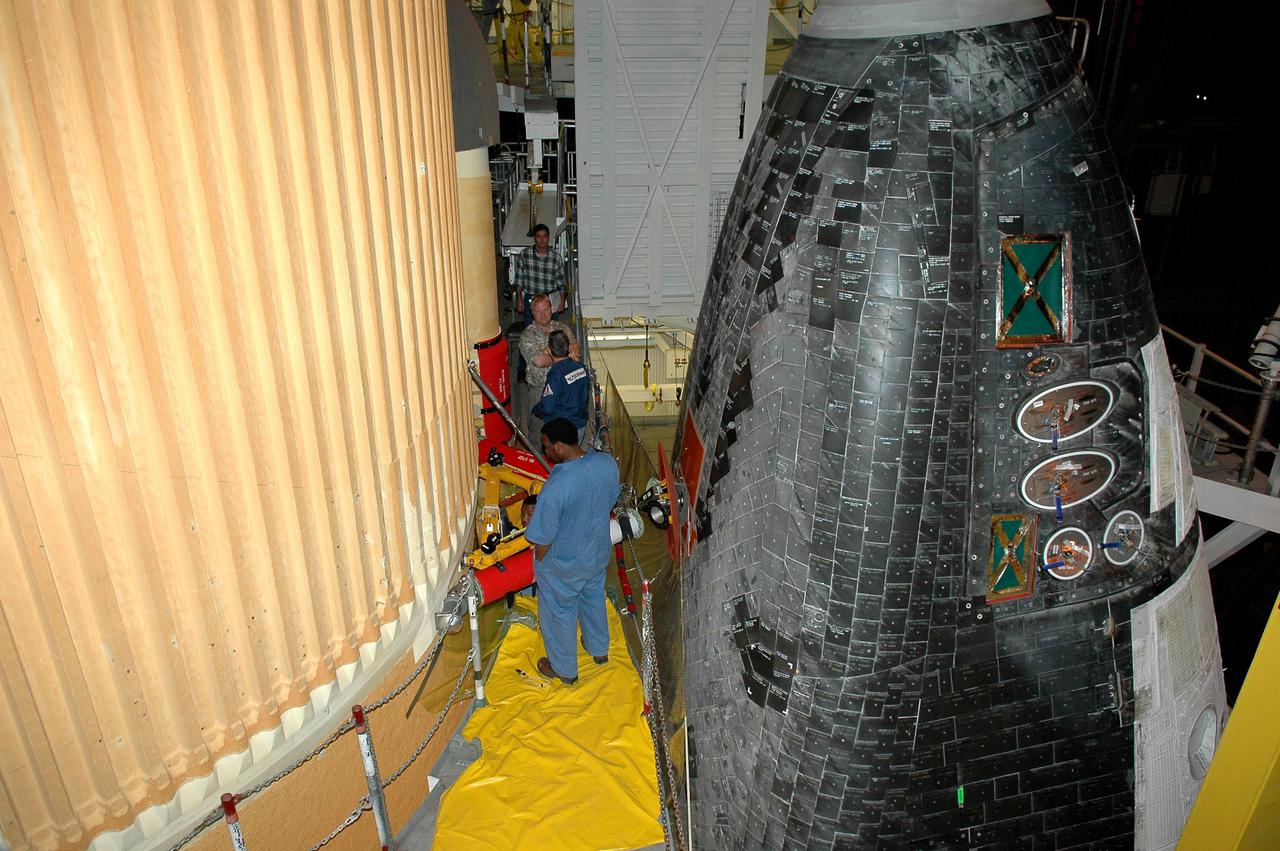
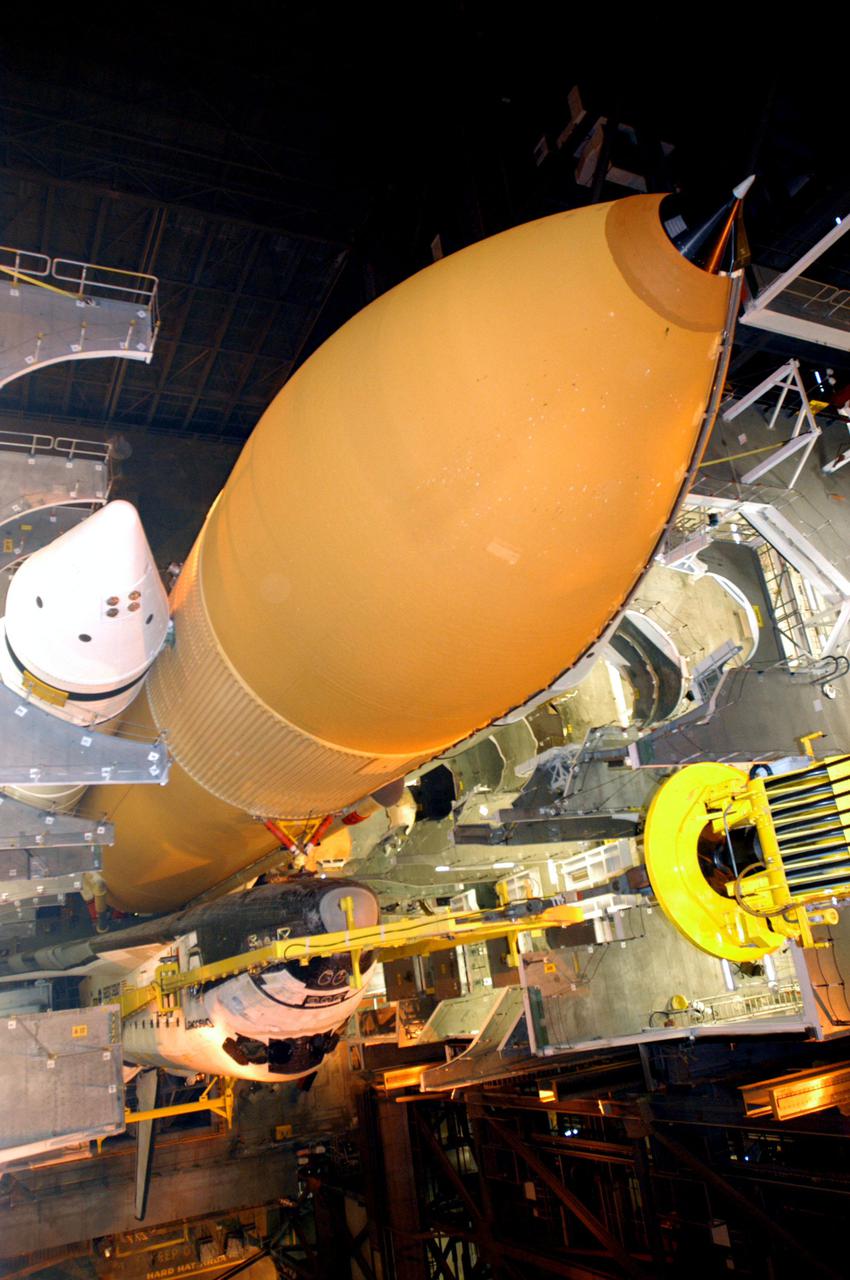
KENNEDY SPACE CENTER, FLA. - Inside the Vehicle Assembly Building at NASA’s Kennedy Space Center, the orbiter Discovery is lowered toward Solid Rocket Booster and External Tank already stacked on the top of the Mobile Launcher Platform (MLP) . The view is from the MLP surface. After Discovery has been mated to the External Tank_Solid Rocket Booster assembly on the MLP and all umbilicals have been connected, workers will perform an electrical and mechanical verification of the mated interfaces to verify all critical vehicle connections. A Shuttle interface test is performed using the launch processing system to verify Space Shuttle vehicle interfaces and Space Shuttle vehicle-to-ground interfaces. In approximately one week, Space Shuttle Discovery will be ready for rollout to Launch Pad 39B for Return to Flight mission STS-114. The launch window for STS-114 is May 15 to June 3.
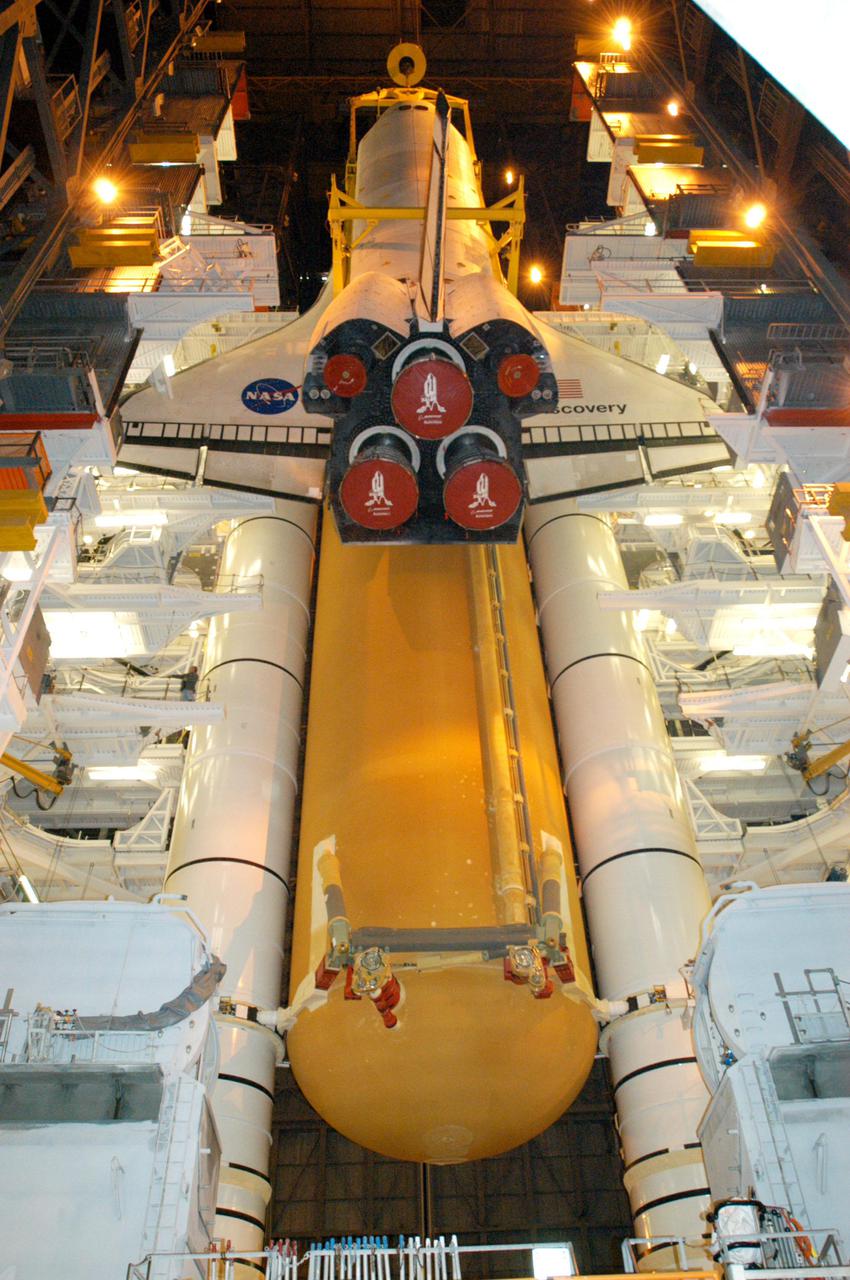
KENNEDY SPACE CENTER, FLA. - Inside the Vehicle Assembly Building at NASA’s Kennedy Space Center, the orbiter Discovery is lowered in front of the Solid Rocket Booster and External Tank already stacked on the top of the Mobile Launcher Platform (MLP) . The view is from the MLP surface. After Discovery has been mated to the External Tank_Solid Rocket Booster assembly on the MLP and all umbilicals have been connected, workers will perform an electrical and mechanical verification of the mated interfaces to verify all critical vehicle connections. A Shuttle interface test is performed using the launch processing system to verify Space Shuttle vehicle interfaces and Space Shuttle vehicle-to-ground interfaces. In approximately one week, Space Shuttle Discovery will be ready for rollout to Launch Pad 39B for Return to Flight mission STS-114. The launch window for STS-114 is May 15 to June 3.
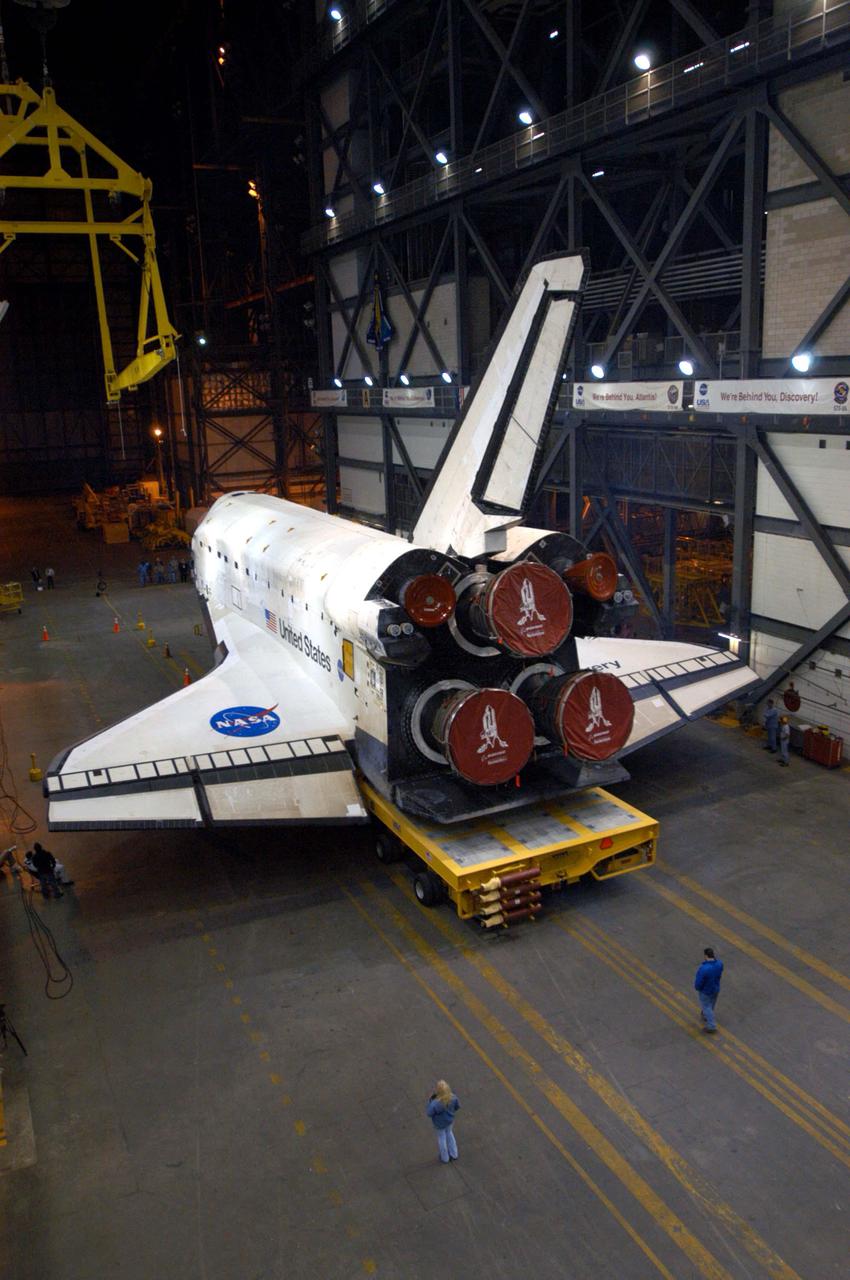
KENNEDY SPACE CENTER, FLA. - The orbiter Discovery rests in the transfer aisle of the Vehicle Assembly Building (VAB) after rollover from the Orbiter Processing Facility (OPF) bay 3. This marks a major milestone in the march to Return to Flight. First motion in the OPF was at 1:29 a.m. EST. Inside the VAB, Discovery will be mated to the External Tank_Solid Rocket Booster assembly for Return to Flight mission STS-114. After all umbilicals have been connected, workers will perform an electrical and mechanical verification of the mated interfaces to verify all critical vehicle connections. A Space Shuttle interface test is performed to verify vehicle interfaces and vehicle-to-ground interfaces. The launch processing system is used to control and monitor orbiter systems as required. Space Shuttle Discovery will roll out to Launch Pad 39B approximately one week after the rollover to the VAB. The launch window for mission STS-114 is May 15 to June 3.
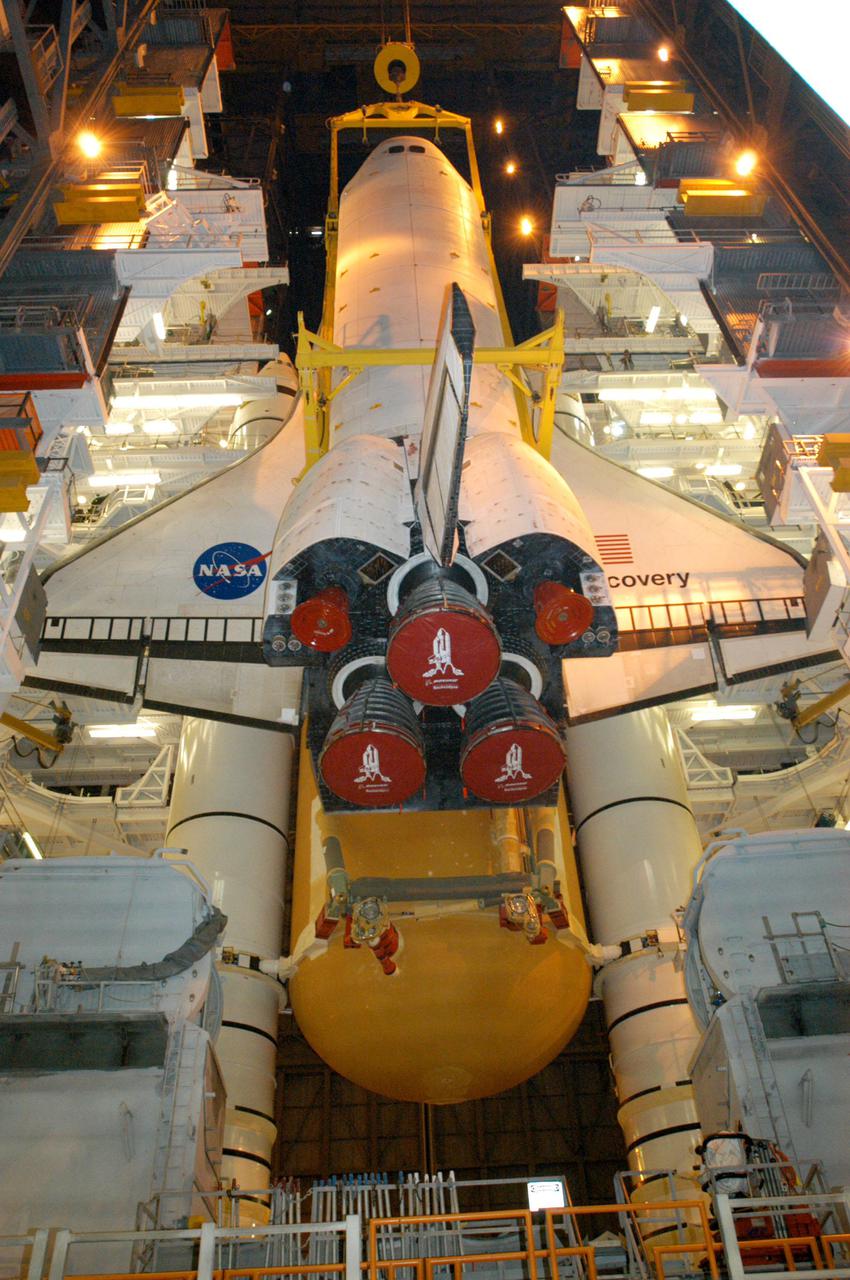
KENNEDY SPACE CENTER, FLA. - Inside the Vehicle Assembly Building at NASA’s Kennedy Space Center, the orbiter Discovery is lowered in front of the Solid Rocket Booster and External Tank already stacked on the top of the Mobile Launcher Platform (MLP) . The view is from the MLP surface. After Discovery has been mated to the External Tank_Solid Rocket Booster assembly on the MLP and all umbilicals have been connected, workers will perform an electrical and mechanical verification of the mated interfaces to verify all critical vehicle connections. A Shuttle interface test is performed using the launch processing system to verify Space Shuttle vehicle interfaces and Space Shuttle vehicle-to-ground interfaces. In approximately one week, Space Shuttle Discovery will be ready for rollout to Launch Pad 39B for Return to Flight mission STS-114. The launch window for STS-114 is May 15 to June 3.
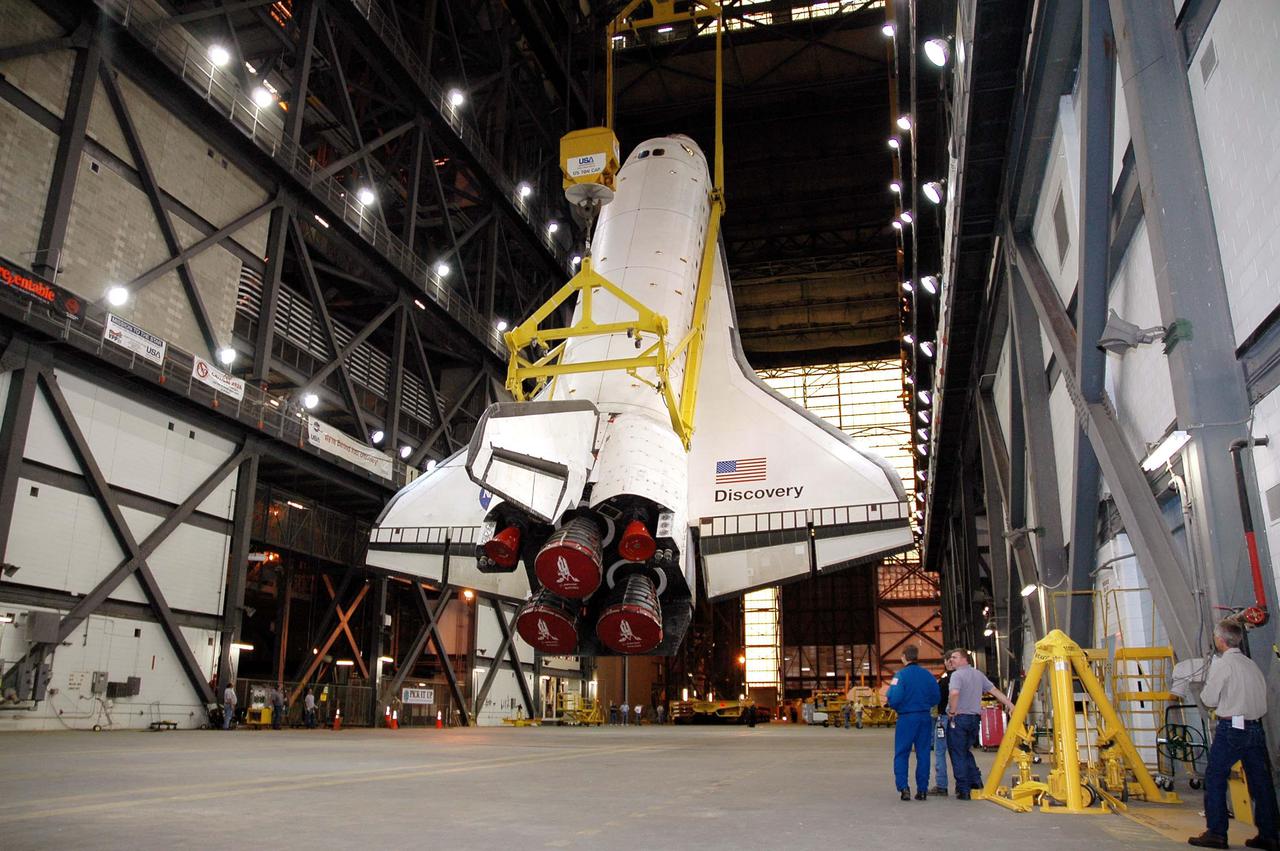
KENNEDY SPACE CENTER, FLA. - Suspended from an overhead crane, the orbiter Discovery is being lifted in the transfer aisle of the Vehicle Assembly Building at NASA’s Kennedy Space Center. Discovery will be lifted up and then lowered to the Solid Rocket Booster and External Tank already stacked on the top of the Mobile Launcher Platform (MLP). After Discovery has been mated to the External Tank_Solid Rocket Booster assembly on the MLP and all umbilicals have been connected, workers will perform an electrical and mechanical verification of the mated interfaces to verify all critical vehicle connections. A Shuttle interface test is performed using the launch processing system to verify Space Shuttle vehicle interfaces and Space Shuttle vehicle-to-ground interfaces. In approximately one week, Space Shuttle Discovery will be ready for rollout to Launch Pad 39B for Return to Flight mission STS-114. The launch window for STS-114 is May 15 to June 3.

KENNEDY SPACE CENTER, FLA. - Suspended from an overhead crane in the Vehicle Assembly Building at NASA’s Kennedy Space Center, the orbiter Discovery is lowered toward the Solid Rocket Booster and External Tank (seen below) already stacked on the top of the Mobile Launcher Platform (MLP). After Discovery has been mated to the External Tank_Solid Rocket Booster assembly on the MLP and all umbilicals have been connected, workers will perform an electrical and mechanical verification of the mated interfaces to verify all critical vehicle connections. A Shuttle interface test is performed using the launch processing system to verify Space Shuttle vehicle interfaces and Space Shuttle vehicle-to-ground interfaces. In approximately one week, Space Shuttle Discovery will be ready for rollout to Launch Pad 39B for Return to Flight mission STS-114. The launch window for STS-114 is May 15 to June 3.
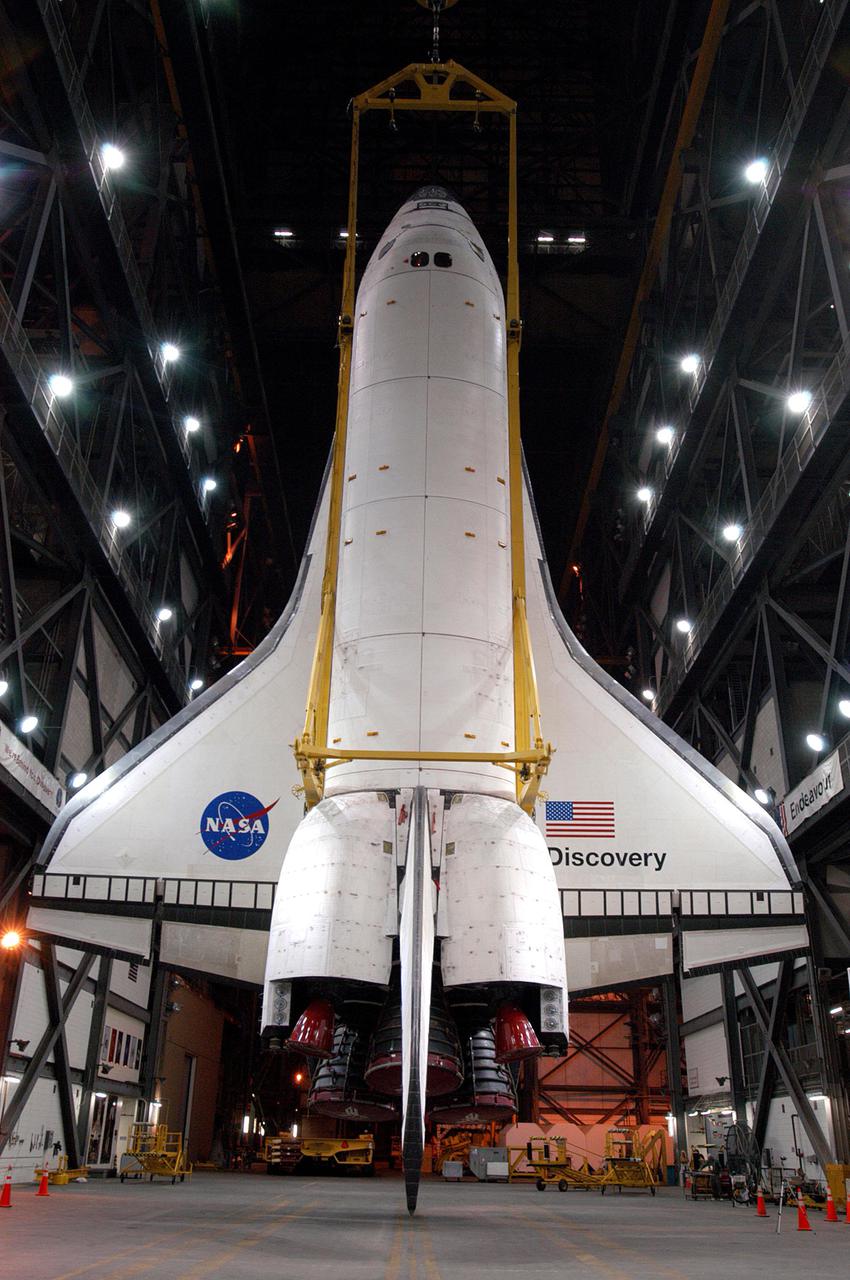
KENNEDY SPACE CENTER, FLA. - The orbiter Discovery is suspended vertically from an overhead crane in the transfer aisle of the Vehicle Assembly Building at NASA’s Kennedy Space Center. Discovery will be lifted up and lowered to the Solid Rocket Booster and External Tank already stacked on the top of the Mobile Launcher Platform (MLP). After Discovery has been mated to the External Tank_Solid Rocket Booster assembly on the MLP and all umbilicals have been connected, workers will perform an electrical and mechanical verification of the mated interfaces to verify all critical vehicle connections. A Shuttle interface test is performed using the launch processing system to verify Space Shuttle vehicle interfaces and Space Shuttle vehicle-to-ground interfaces. In approximately one week, Space Shuttle Discovery will be ready for rollout to Launch Pad 39B for Return to Flight mission STS-114. The launch window for STS-114 is May 15 to June 3.

jsc2021e019401 (1/19/2021) --- A preflight macro shot of SIGMA-7 interface for Pilote experiment, In order to test the ergonomics of a multisensory interface for controlling robotic arms and spacecraft, it is necessary to perform the trials in microgravity. Performing the test on Earth would lead to a design of a work station using terrestrial ergonomic principles that do not correspond to conditions experienced on a spacecraft in orbit. The Pilote investigation tests the effectiveness of novel control schemes for the remote operation of robotic arms and space vehicles, using virtual reality and a new class of user-machine interfaces based on haptics. Image courtesy of CNES/DE PRADA Thierry.
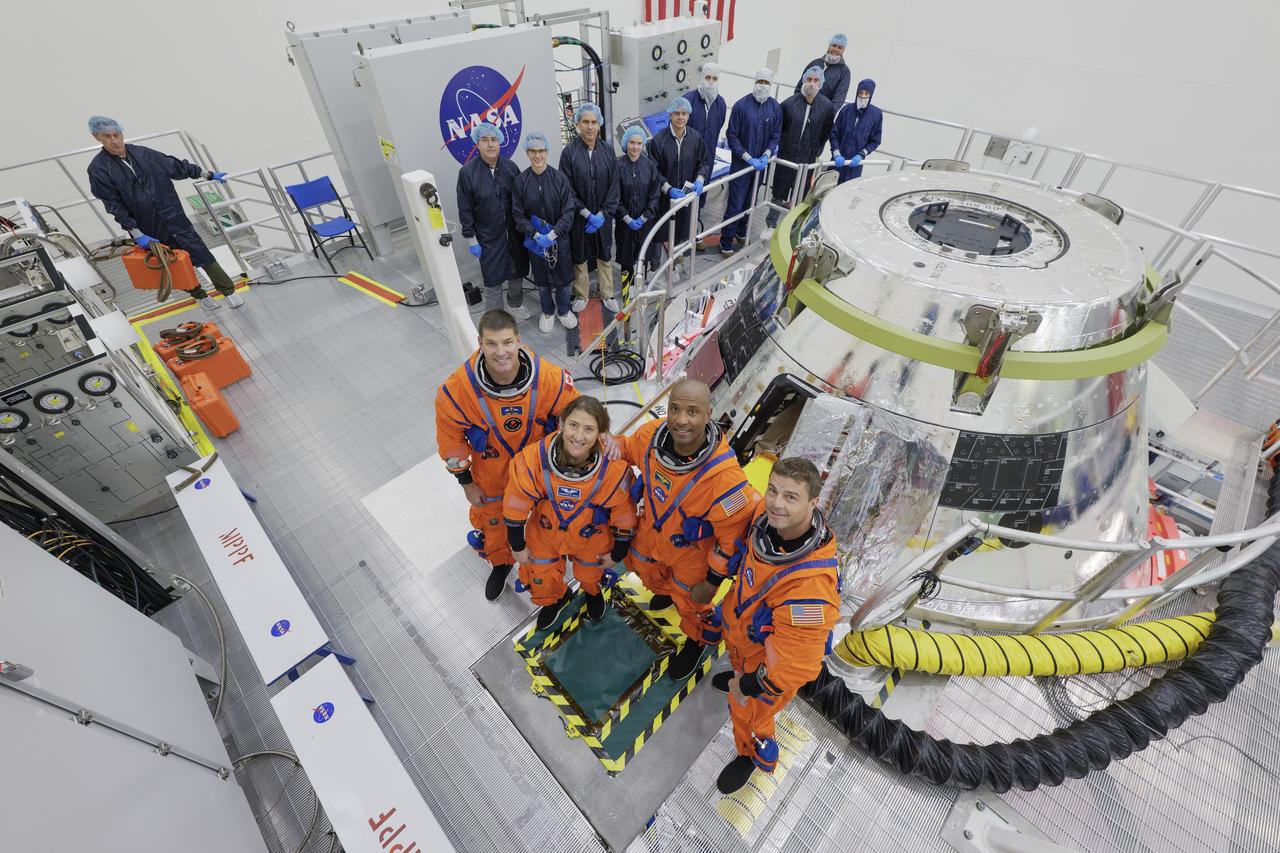
The Artemis II crew (from left to right) CSA (Canadian Space Agency) Jeremy Hansen, mission specialist; Christina Koch, mission specialist; Victor Glover, pilot; and Reid Wiseman, commander, don their Orion Crew Survival System Suits for a multi-day crew module training beginning Thursday, July 31, 2025 at the agency’s Kennedy Space Center in Florida. Behind the crew, wearing clean room apparel, are members of the Artemis II closeout crew. Testing included a suited crew test and crew equipment interface test, performing launch day and simulated orbital activities inside the Orion spacecraft. This series of tests marks the first time the crew entered their spacecraft that will take them around the Moon and back to Earth while wearing their spacesuits.
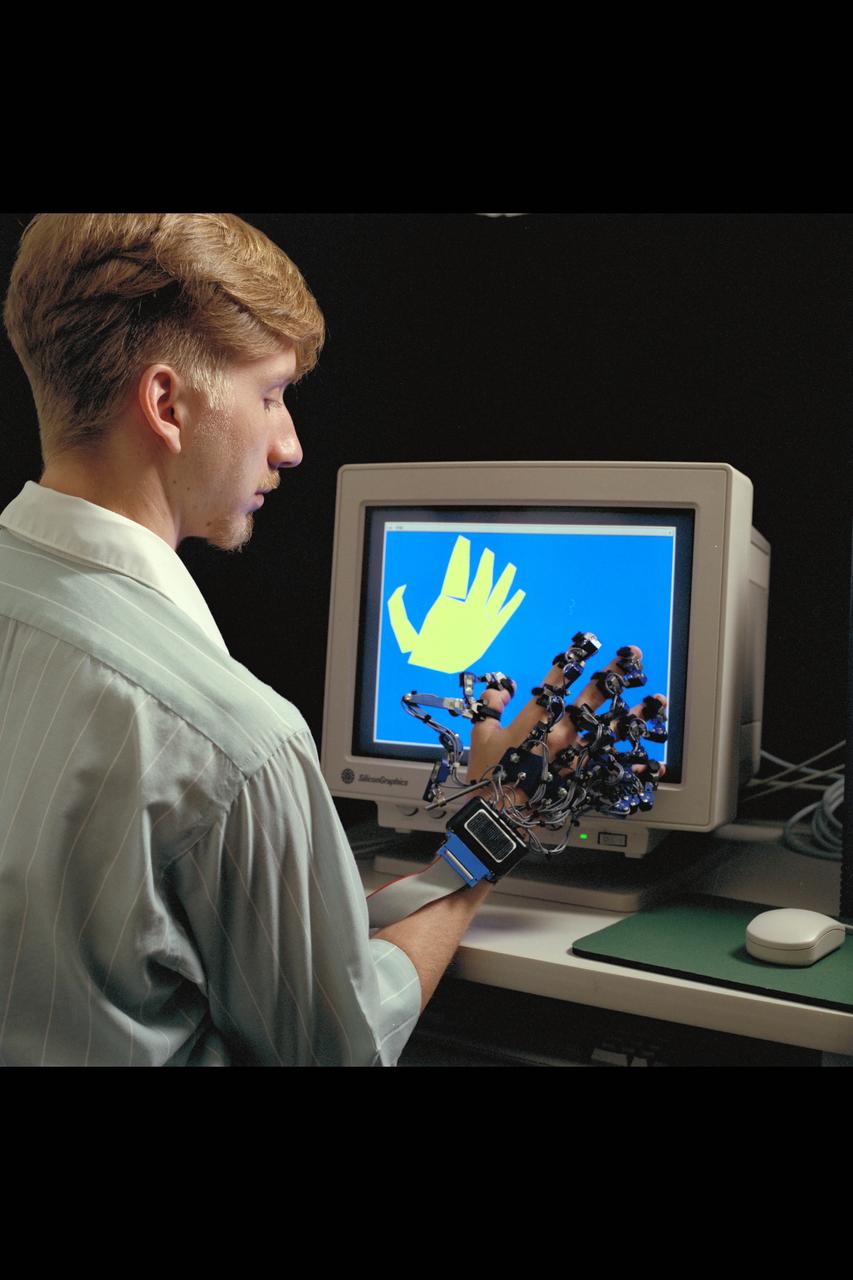
Virtual Environment Telepresence workstation, simulated Mars Exploration shows William Briggs with EXOS Dexterous interface (virtual hand)
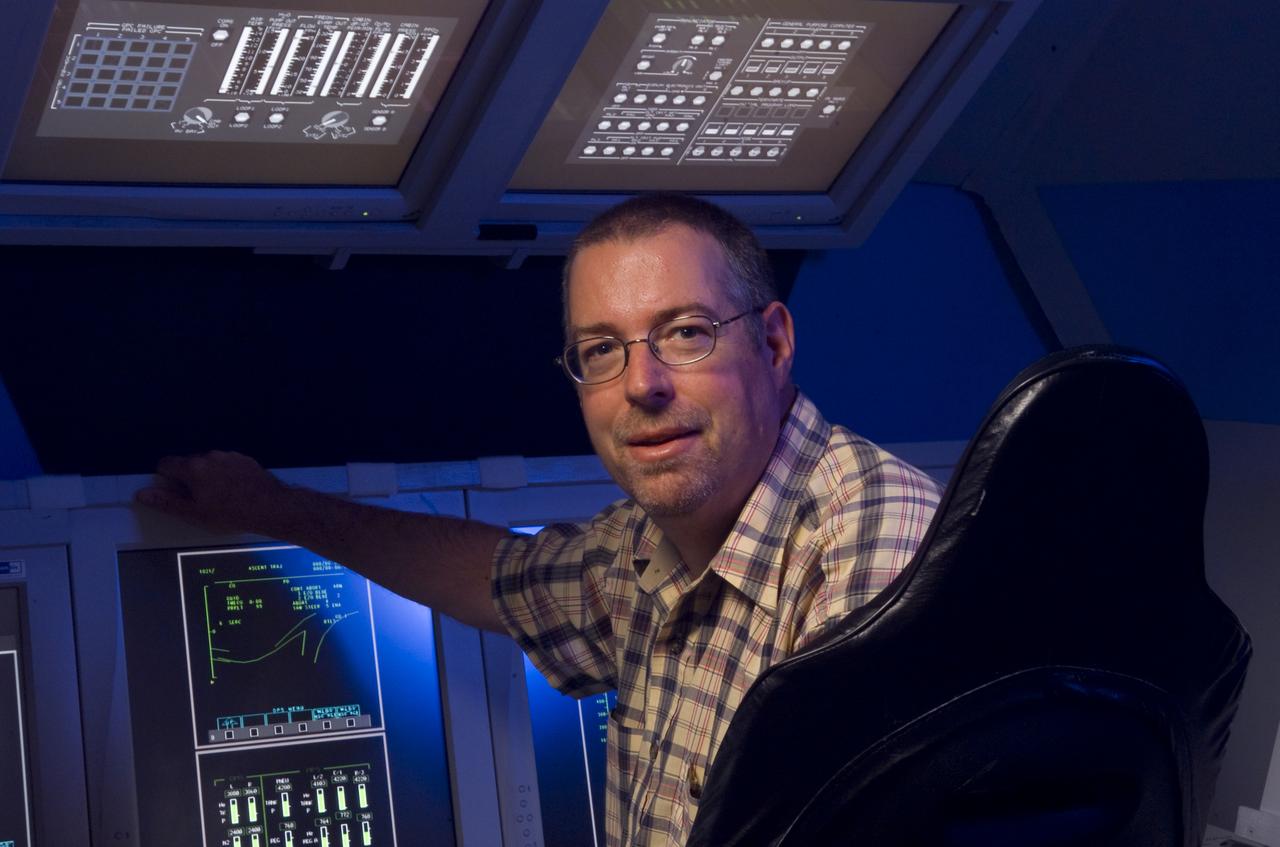
ISIS (Intelligent Spacecraft Interface Systems) Laboratory - Robert McCann, PHD Scientist and Principal Investigator

Virtual Environment Telepresence workstation, simulated Mars Exploration shows William Briggs with EXOS Dexterous interface (virtual hand)
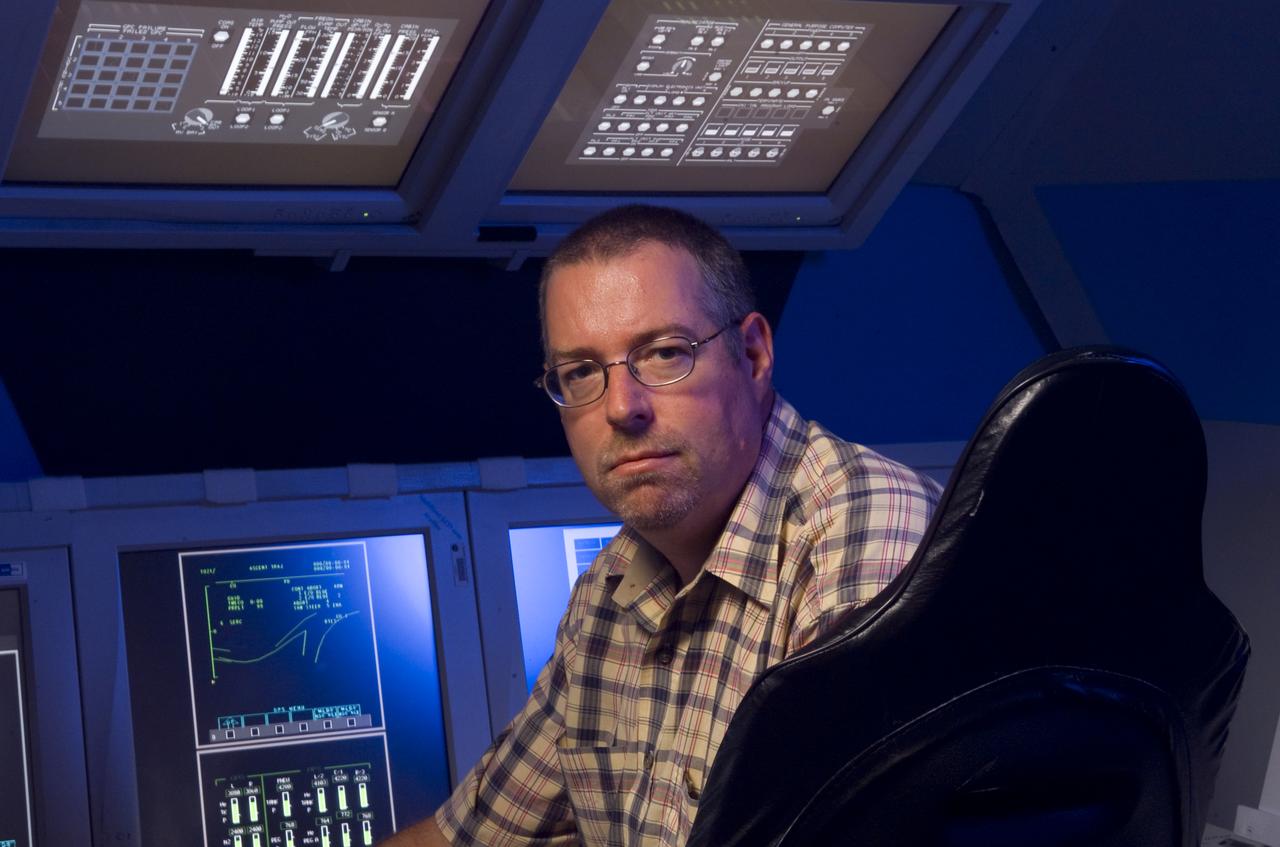
ISIS (Intelligent Spacecraft Interface Systems) Laboratory - Robert McCann, PHD Scientist and Principal Investigator

ISIS (Intelligent Spacecraft Interface Systems) Laboratory - Jeff McCandless, PHD Scientist (seated) and Robert McCann, PHD Scientist (standing)

Nathaniel Brown, a mechanical design engineer, works the structure design and interfaces for the Lunar Pallet Lander.

ISIS (Intelligent Spacecraft Interface Systems) Laboratory - Jeff McCandless, PHD Scientist (seated) and Robert McCann, PHD Scientist (standing)
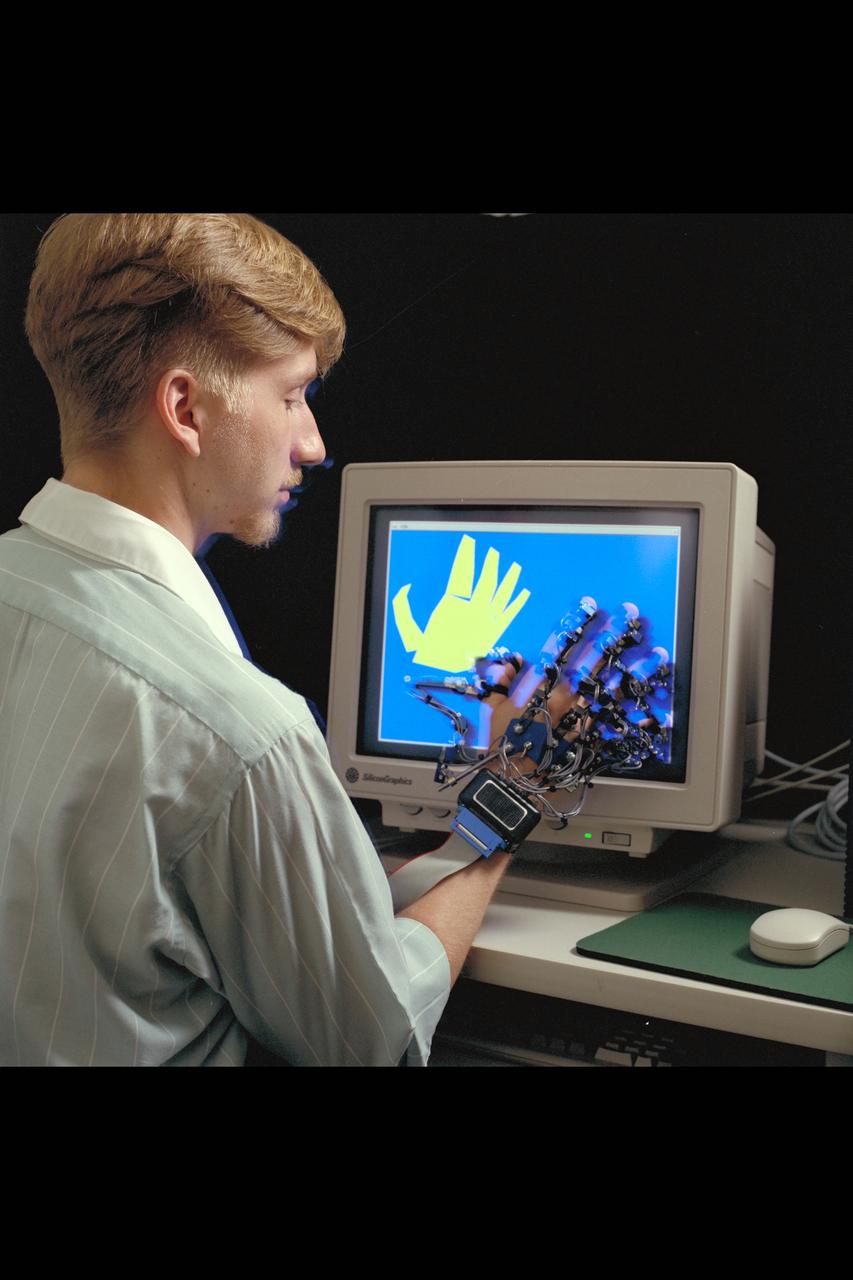
Virtual Environment Telepresence workstation, simulated Mars Exploration shows William Briggs with EXOS Dexterous interface (virtual hand)
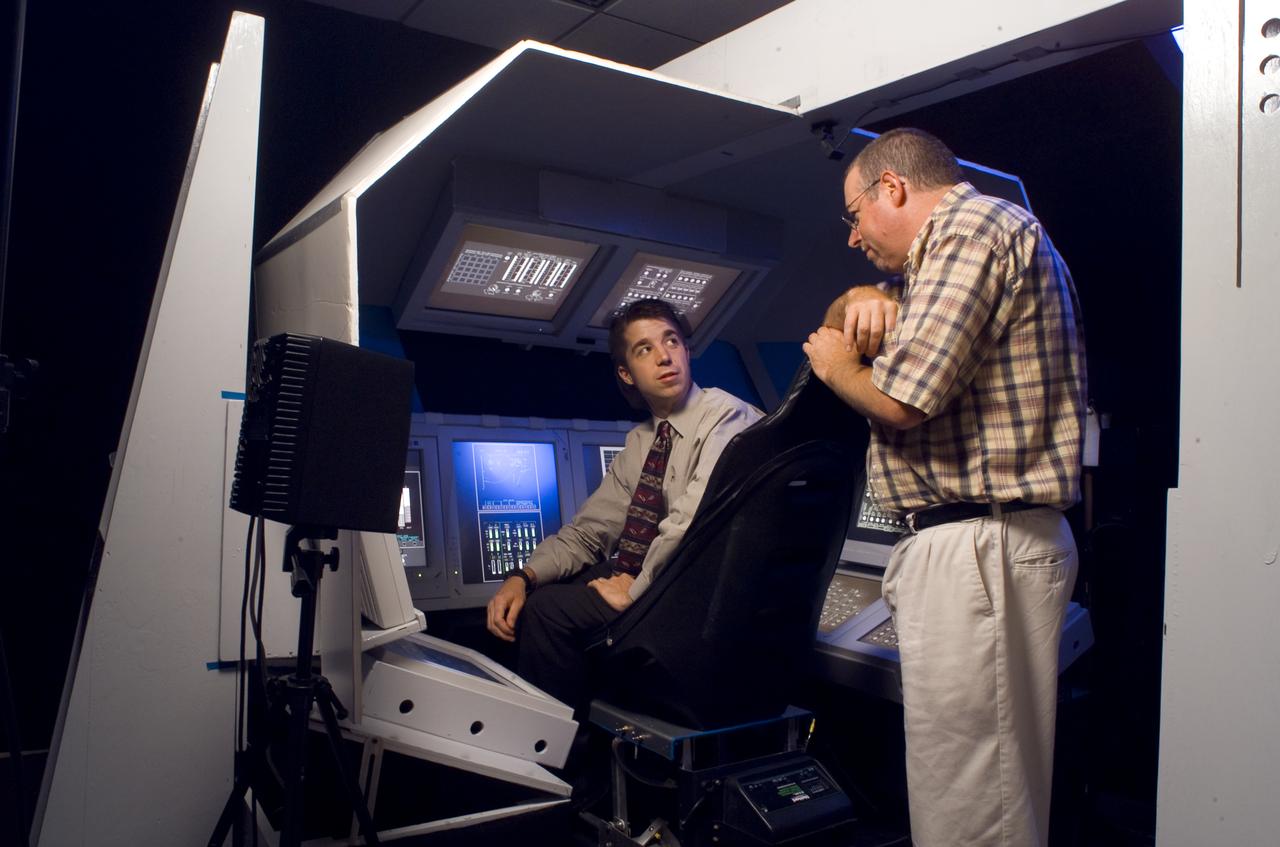
ISIS (Intelligent Spacecraft Interface Systems) Laboratory - Jeff McCandless, PHD Scientist (seated) and Robert McCann, PHD Scientist (standing)