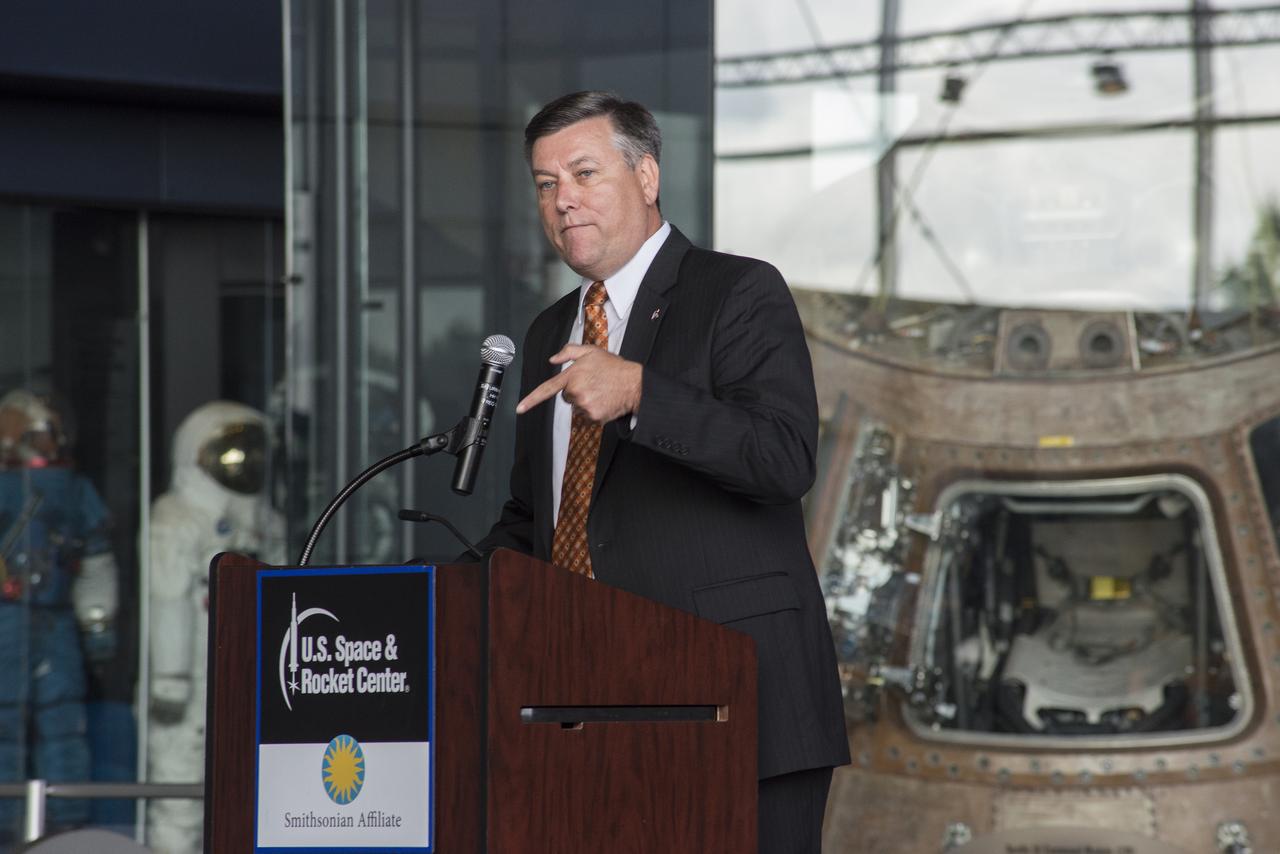
MSFC DIRECTOR, PATRICK SCHEUERMANN, ADDRESSES THE SUMMER INTERNS DURING ORIENTATION AT THE USSRC. JUNE 1, 2015
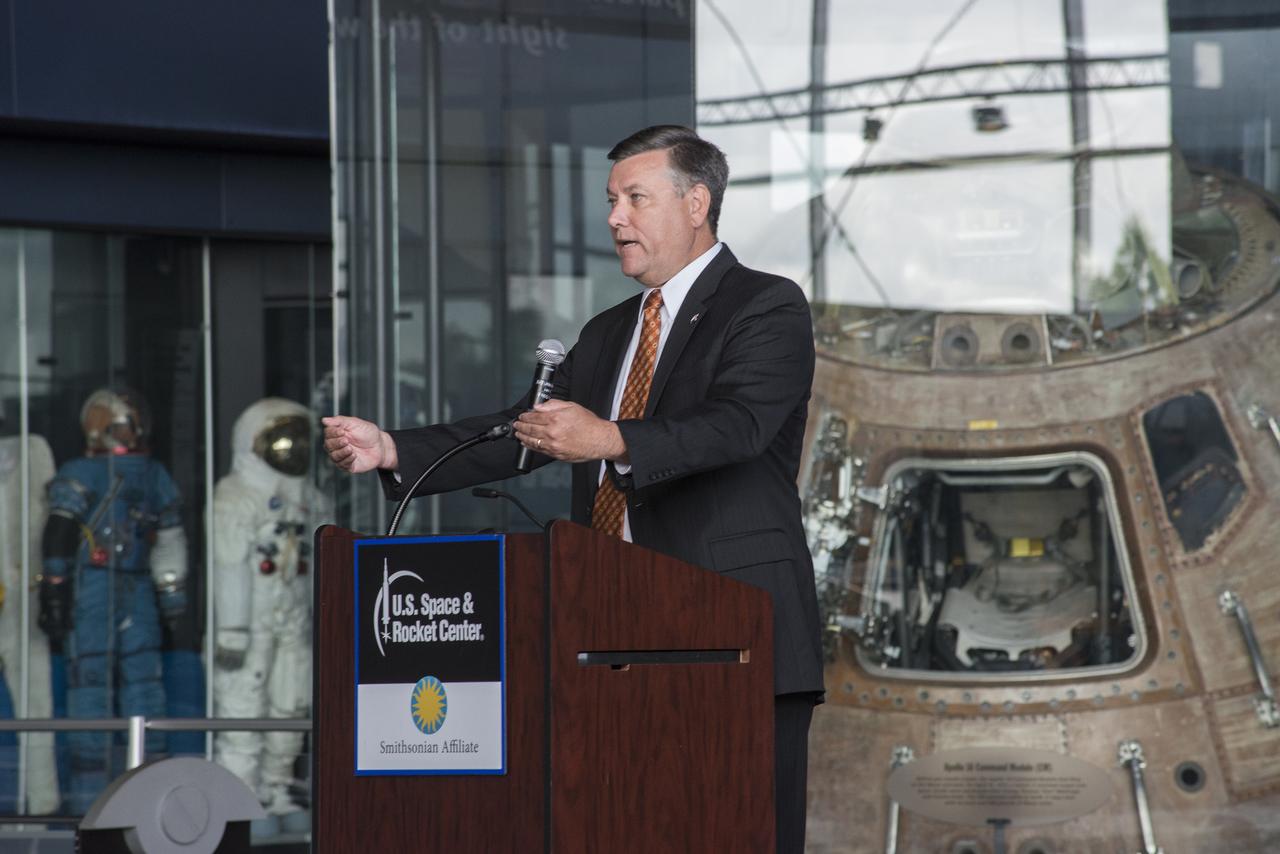
MSFC DIRECTOR, PATRICK SCHEUERMANN, ADDRESSES THE SUMMER INTERNS DURING ORIENTATION AT THE USSRC. JUNE 1, 2015
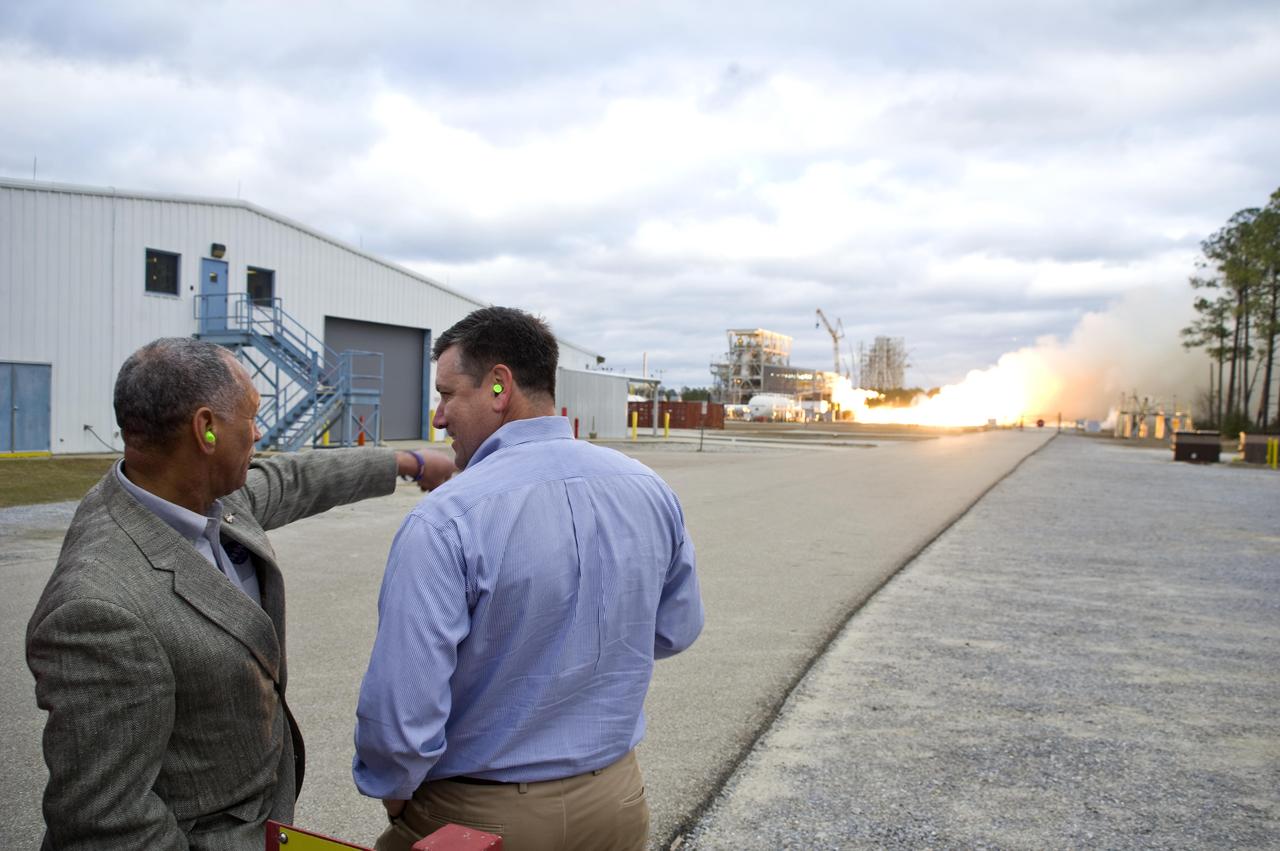
NASA Administrator Charles Bolden (l) and John C. Stennis Space Center Director Patrick Scheuermann watch the successful test of the first Aerojet AJ26 flight engine Feb. 7, 2011. The test was conducted on the E-1 Test Stand at Stennis. The engine now will be sent to Wallops Flight Facility in Virginia, where it will be used to power the first stage of Orbital Sciences Corporation's Taurus II space vehicle. The Feb. 7 test supports NASA's commitment to partner with companies to provide commercial cargo flights to the International Space Station. NASA has partnered with Orbital to carry out the first of eight cargo missions to the space station in early 2012.
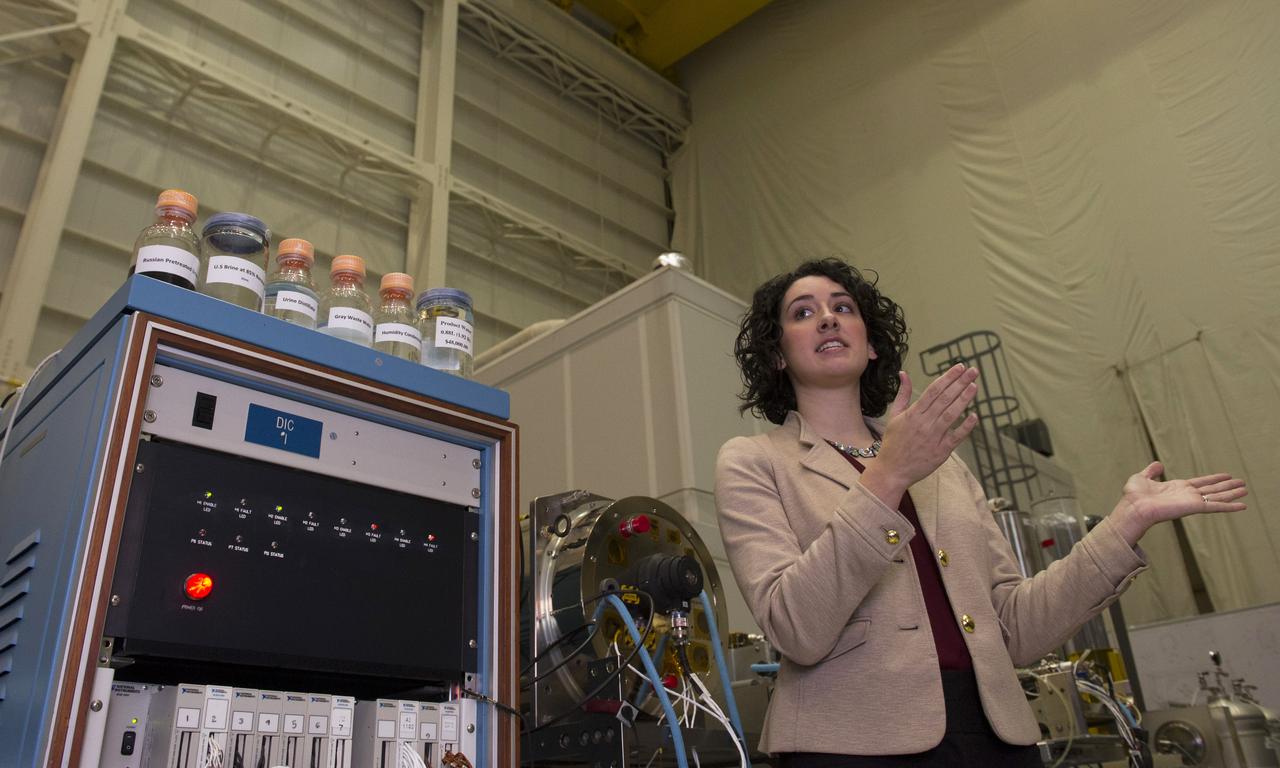
JENNIFER PRUITT, LEAD DESIGN ENGINEER FOR THE INTERNATIONAL SPACE STATION URINE PROCESSING ASSEMBLY AT MARSHALL, BRIEFS A GROUP OF MORE THAN 20 SOCIAL AND TRADITIONAL MEDIA REPRESENTATIVES ABOUT HER WORK TO IMPROVE THE RECYCLING OF WATER FOR ASTRONAUTS. THE TOUR OF MARSHALL WORK SUPPORTING NASA'S JOURNEY TO MARS WAS PART OF AGENCY-WIDE "STATE OF NASA" EVENTS FEB. 2. THE TOUR ALSO INCLUDED A LOOK AT OXYGEN RECYCLING EFFORTS, A SPACE LAUNCH SYSTEM CORE STAGE SIMULATOR AND A CHANCE TO TALK WITH MARSHALL DIRECTOR PATRICK SCHEUERMANN AND DEPUTY DIRECTOR TERESA VANHOOSER.
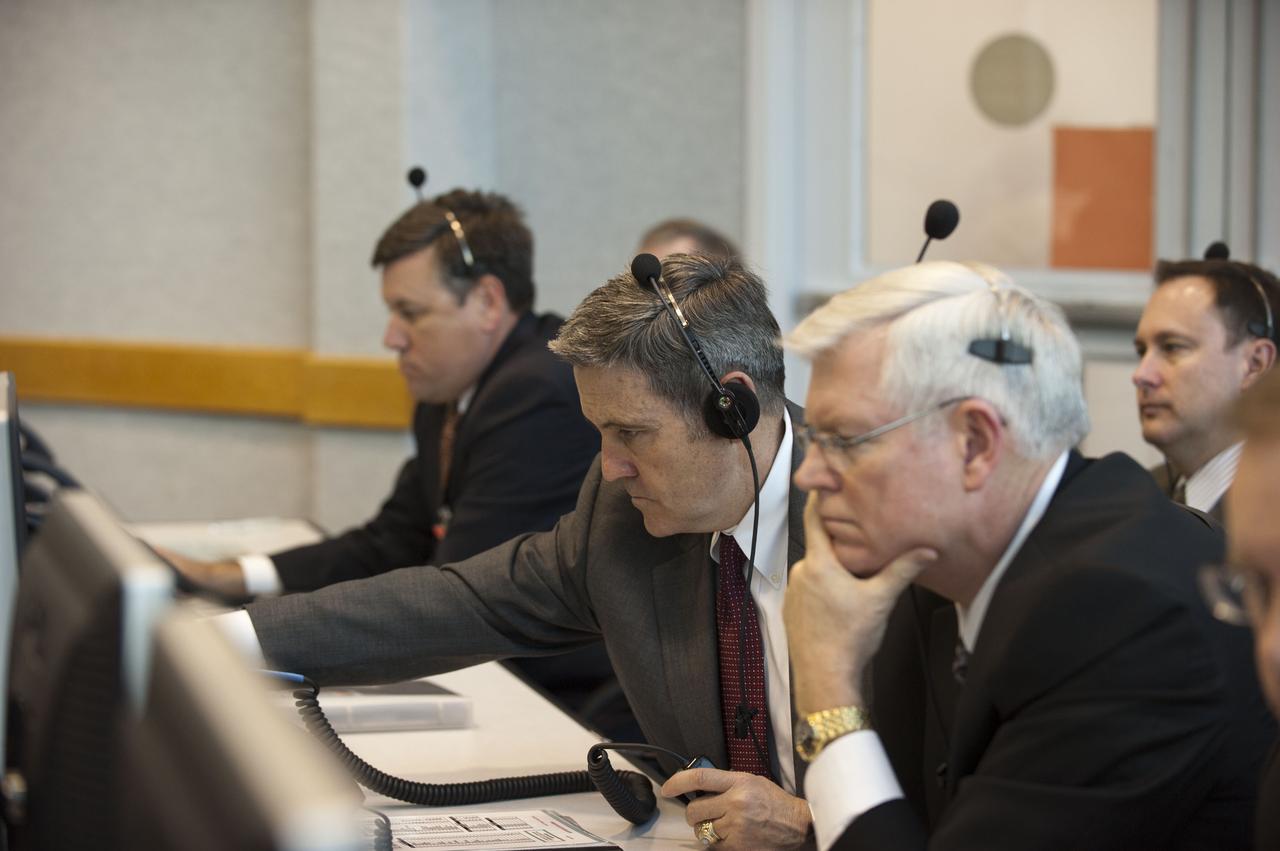
STS133-S-062 (24 Feb. 2011) --- In Firing Room 4 of the Launch Control Center at NASA's Kennedy Space Center in Florida, Stennis Center Director Patrick Scheuermann, left, Kennedy's Center Director Bob Cabana, Johnson Space Center Director Mike Coats and Marshall Center Director Robert Lightfoot (extreme right), monitor the countdown to launch of space shuttle Discovery on its STS-133 mission to the International Space Station. Discovery and its six-member crew are on a mission to deliver the Permanent Multipurpose Module, packed with supplies and critical spare parts, as well as Robonaut 2, the dexterous humanoid astronaut helper, to the orbiting outpost. Discovery is making its 39th mission and is scheduled to be retired following STS-133. This is the 133rd Space Shuttle Program mission and the 35th shuttle voyage to the space station. Photo credit: NASA or National Aeronautics and Space Administration
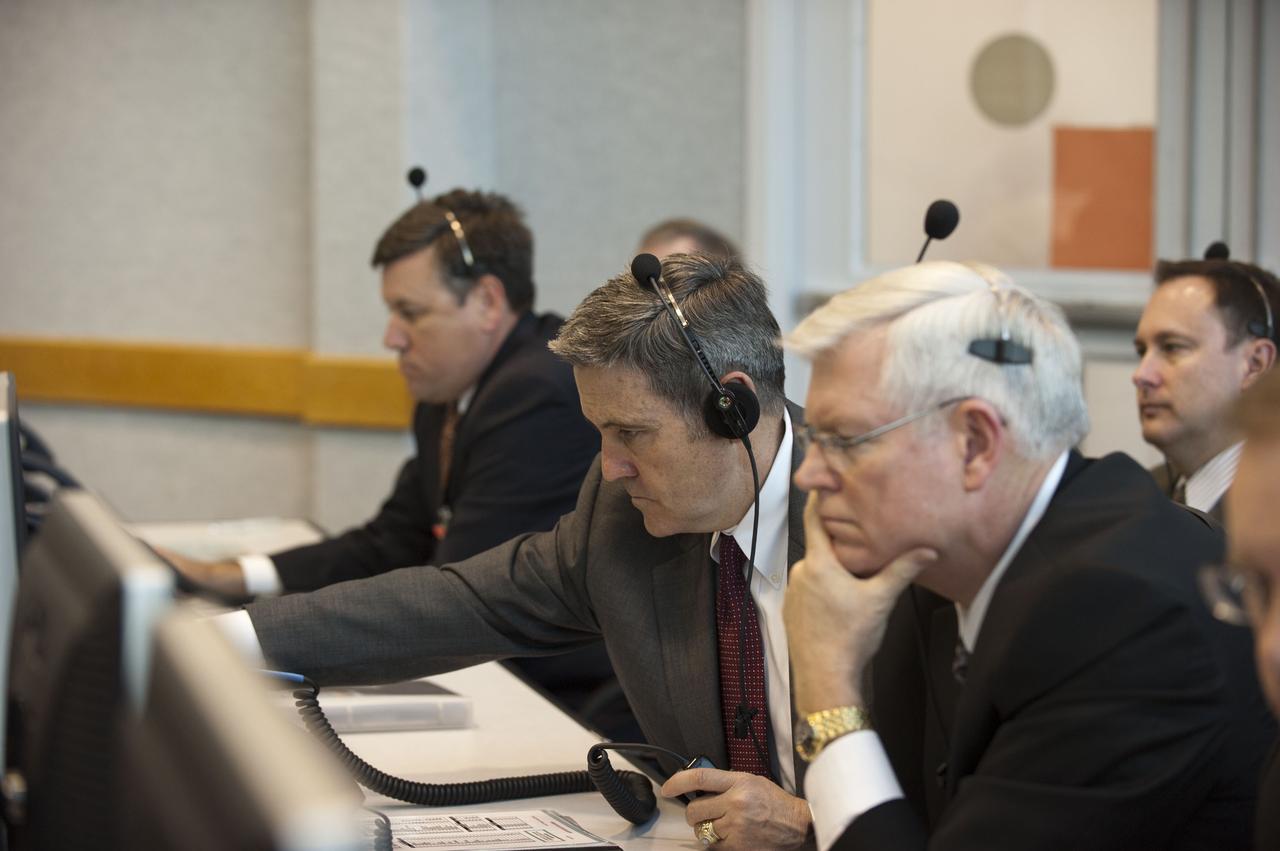
CAPE CANAVERAL, Fla. -- In Firing Room 4 of the Launch Control Center at NASA's Kennedy Space Center in Florida, Stennis Center Director Patrick Scheuermann, left, Kennedy's Center Director Bob Cabana, Johnson Space Center Director Mike Coats and Marshall Center Director Robert Lightfoot (extreme right), monitor the countdown to launch of space shuttle Discovery on its STS-133 mission to the International Space Station. Discovery and its six-member crew are on a mission to deliver the Permanent Multipurpose Module, packed with supplies and critical spare parts, as well as Robonaut 2, the dexterous humanoid astronaut helper, to the orbiting outpost. Discovery is making its 39th mission and is scheduled to be retired following STS-133. This is the 133rd Space Shuttle Program mission and the 35th shuttle voyage to the space station. For more information on the STS-133 mission, visit www.nasa.gov/mission_pages/shuttle/shuttlemissions/sts133/. Photo credit: NASA/Kim Shiflett

CAPE CANAVERAL, Fla. -- At the Banana River Creek VIP viewing area at NASA's Kennedy Space Center in Florida, Marshall Space Flight Center Director Robert Lightfoot speaks to media and spectators before the launch of space shuttle Atlantis on its STS-135 mission to the International Space Station. Also seen here are Stennis Space Center Director Patrick Scheuermann (left) and Johnson Space Center Director Mike Coats. Atlantis with its crew of four; Commander Chris Ferguson, Pilot Doug Hurley, Mission Specialists Sandy Magnus and Rex Walheim, lifted off at 11:29 a.m. EDT on July 8, 2011 to deliver the Raffaello multi-purpose logistics module packed with supplies and spare parts for the International Space Station. Atlantis also will fly the Robotic Refueling Mission experiment that will investigate the potential for robotically refueling existing satellites in orbit. In addition, Atlantis will return with a failed ammonia pump module to help NASA better understand the failure mechanism and improve pump designs for future systems. STS-135 is the 33rd flight of Atlantis, the 37th shuttle mission to the space station, and the 135th and final mission of NASA's Space Shuttle Program. For more information, visit www.nasa.gov/mission_pages/shuttle/shuttlemissions/sts135/index.html. Photo credit: NASA/Chad Baumer

CAPE CANAVERAL, Fla. -- At the Banana River Creek VIP viewing area at NASA's Kennedy Space Center in Florida, Kennedy Center Director Bob Cabana speaks to media and spectators before the launch of space shuttle Atlantis on its STS-135 mission to the International Space Station. Seen also are Stennis Space Center Director Patrick Scheuermann (left), Marshall Space Flight Center Director Robert Lightfoot and Johnson Space Center Director Mike Coats. Atlantis with its crew of four; Commander Chris Ferguson, Pilot Doug Hurley, Mission Specialists Sandy Magnus and Rex Walheim, lifted off at 11:29 a.m. EDT on July 8, 2011 to deliver the Raffaello multi-purpose logistics module packed with supplies and spare parts for the International Space Station. Atlantis also will fly the Robotic Refueling Mission experiment that will investigate the potential for robotically refueling existing satellites in orbit. In addition, Atlantis will return with a failed ammonia pump module to help NASA better understand the failure mechanism and improve pump designs for future systems. STS-135 is the 33rd flight of Atlantis, the 37th shuttle mission to the space station, and the 135th and final mission of NASA's Space Shuttle Program. For more information, visit www.nasa.gov/mission_pages/shuttle/shuttlemissions/sts135/index.html. Photo credit: NASA/Chad Baumer
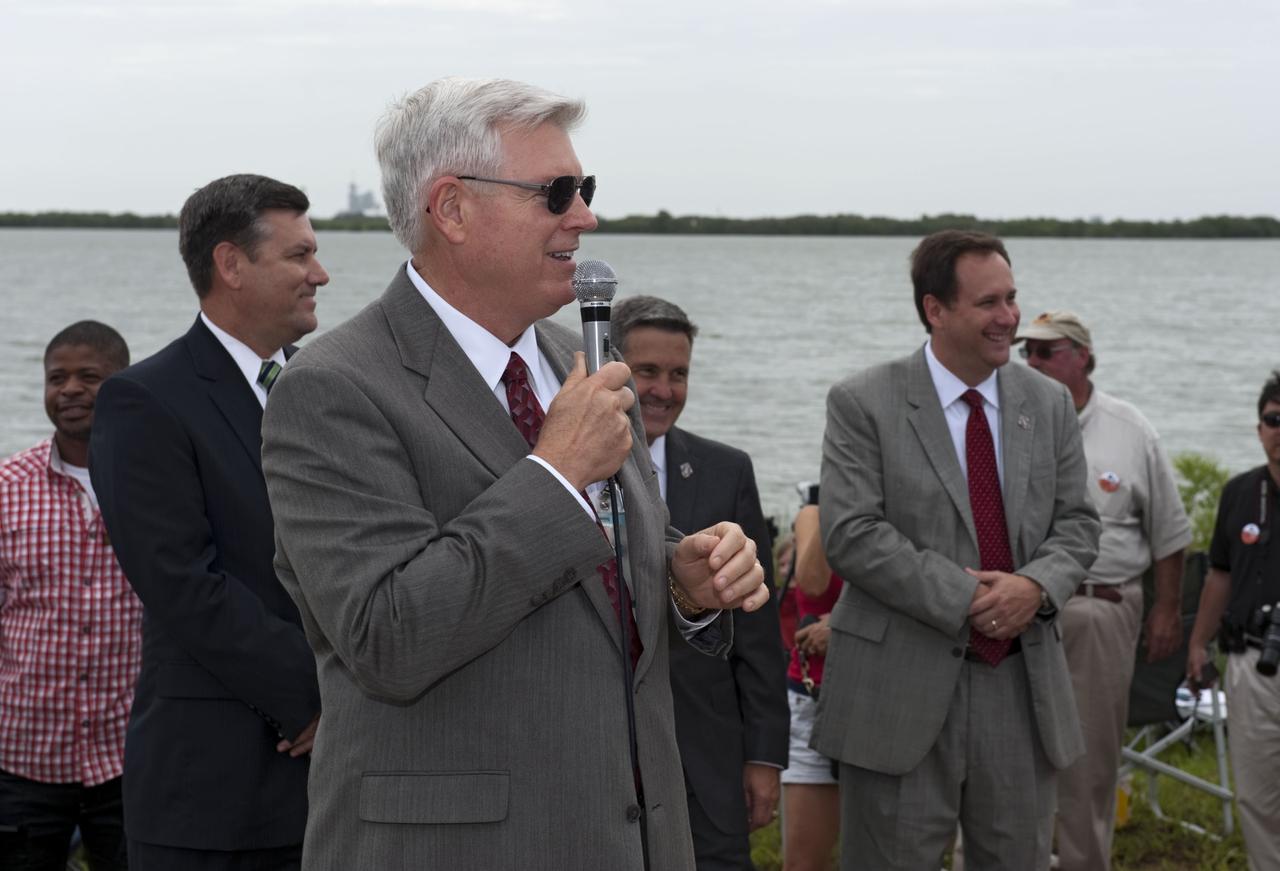
CAPE CANAVERAL, Fla. -- At the Banana River Creek VIP viewing area at NASA's Kennedy Space Center in Florida, Johnson Space Center Director Mike Coats speaks to media and spectators before the launch of space shuttle Atlantis on its STS-135 mission to the International Space Station. Seen also Stennis Space Center Director Patrick Scheuermann (left), Kennedy Center Director Bob Cabana and Marshall Space Flight Center Director Robert Lightfoot. Atlantis with its crew of four; Commander Chris Ferguson, Pilot Doug Hurley, Mission Specialists Sandy Magnus and Rex Walheim, lifted off at 11:29 a.m. EDT on July 8, 2011 to deliver the Raffaello multi-purpose logistics module packed with supplies and spare parts for the International Space Station. Atlantis also will fly the Robotic Refueling Mission experiment that will investigate the potential for robotically refueling existing satellites in orbit. In addition, Atlantis will return with a failed ammonia pump module to help NASA better understand the failure mechanism and improve pump designs for future systems. STS-135 is the 33rd flight of Atlantis, the 37th shuttle mission to the space station, and the 135th and final mission of NASA's Space Shuttle Program. For more information, visit www.nasa.gov/mission_pages/shuttle/shuttlemissions/sts135/index.html. Photo credit: NASA/Chad Baumer
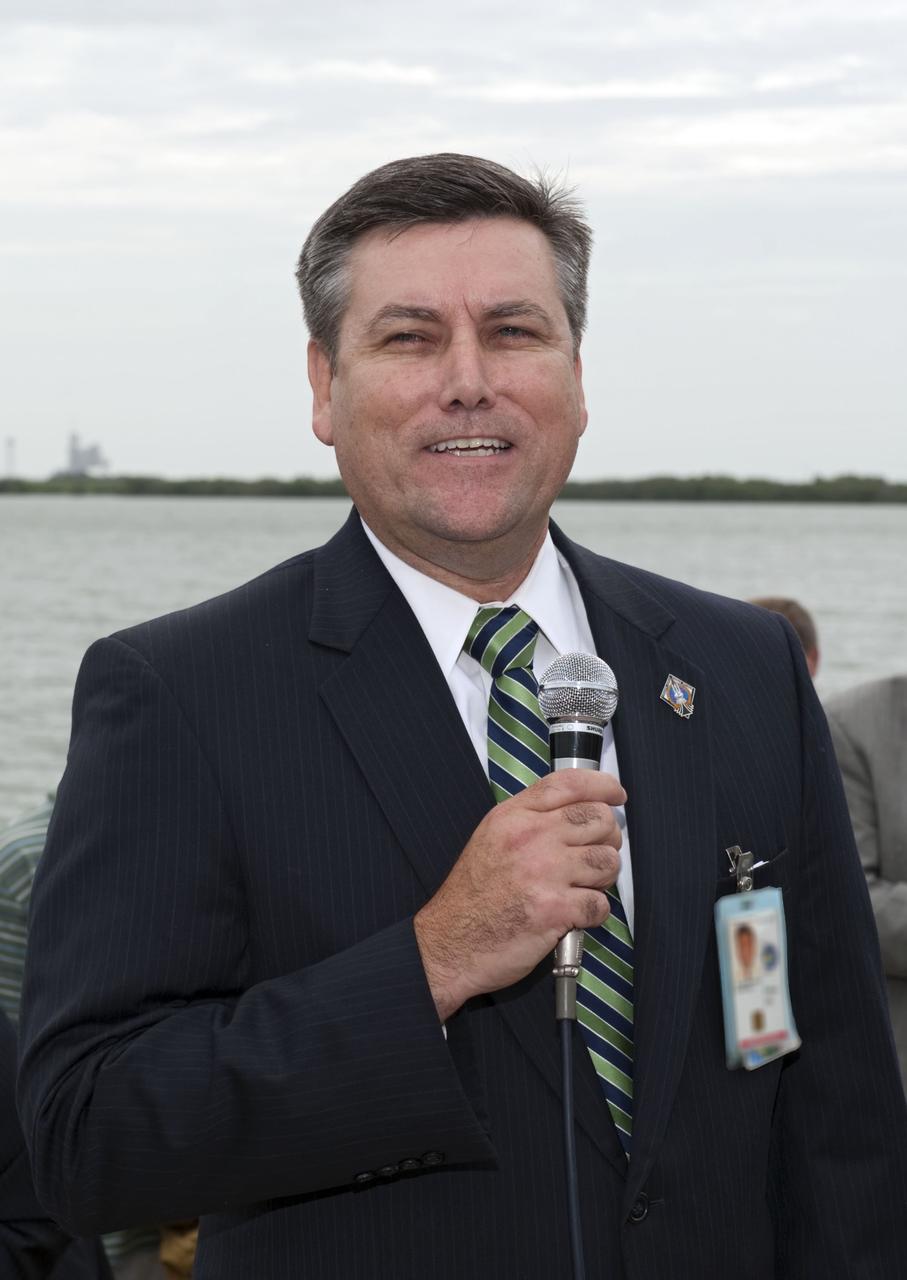
CAPE CANAVERAL, Fla. -- At the Banana River Creek VIP viewing area at NASA's Kennedy Space Center in Florida, Stennis Space Center Director Patrick Scheuermann speaks to media and spectators before the launch of space shuttle Atlantis on its STS-135 mission to the International Space Station. Atlantis with its crew of four; Commander Chris Ferguson, Pilot Doug Hurley, Mission Specialists Sandy Magnus and Rex Walheim, lifted off at 11:29 a.m. EDT on July 8, 2011 to deliver the Raffaello multi-purpose logistics module packed with supplies and spare parts for the International Space Station. Atlantis also will fly the Robotic Refueling Mission experiment that will investigate the potential for robotically refueling existing satellites in orbit. In addition, Atlantis will return with a failed ammonia pump module to help NASA better understand the failure mechanism and improve pump designs for future systems. STS-135 is the 33rd flight of Atlantis, the 37th shuttle mission to the space station, and the 135th and final mission of NASA's Space Shuttle Program. For more information, visit www.nasa.gov/mission_pages/shuttle/shuttlemissions/sts135/index.html. Photo credit: NASA/Chad Baumer