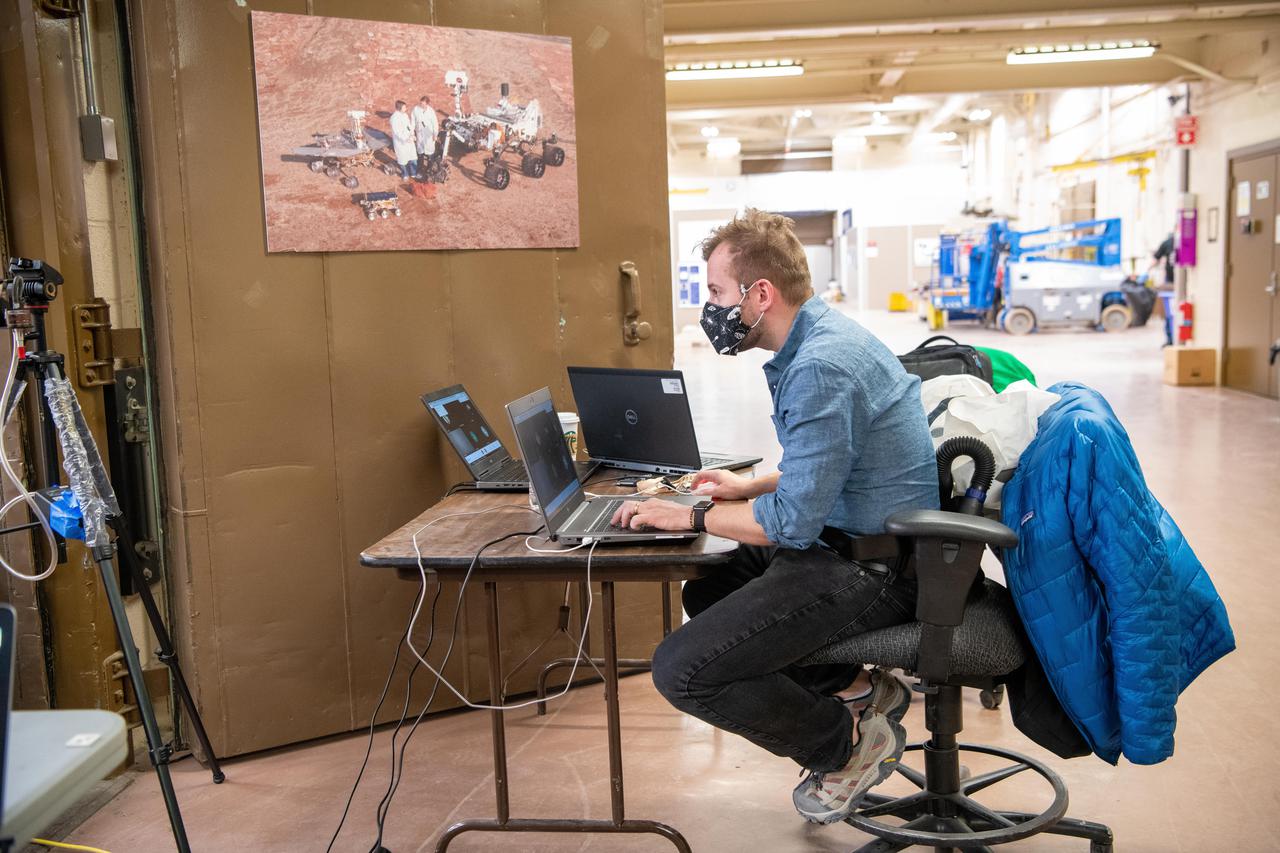
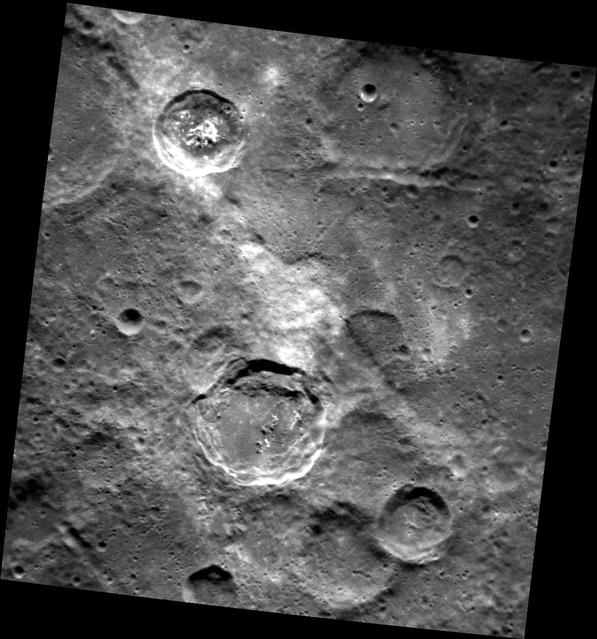
GSI Geological Scene Investigation
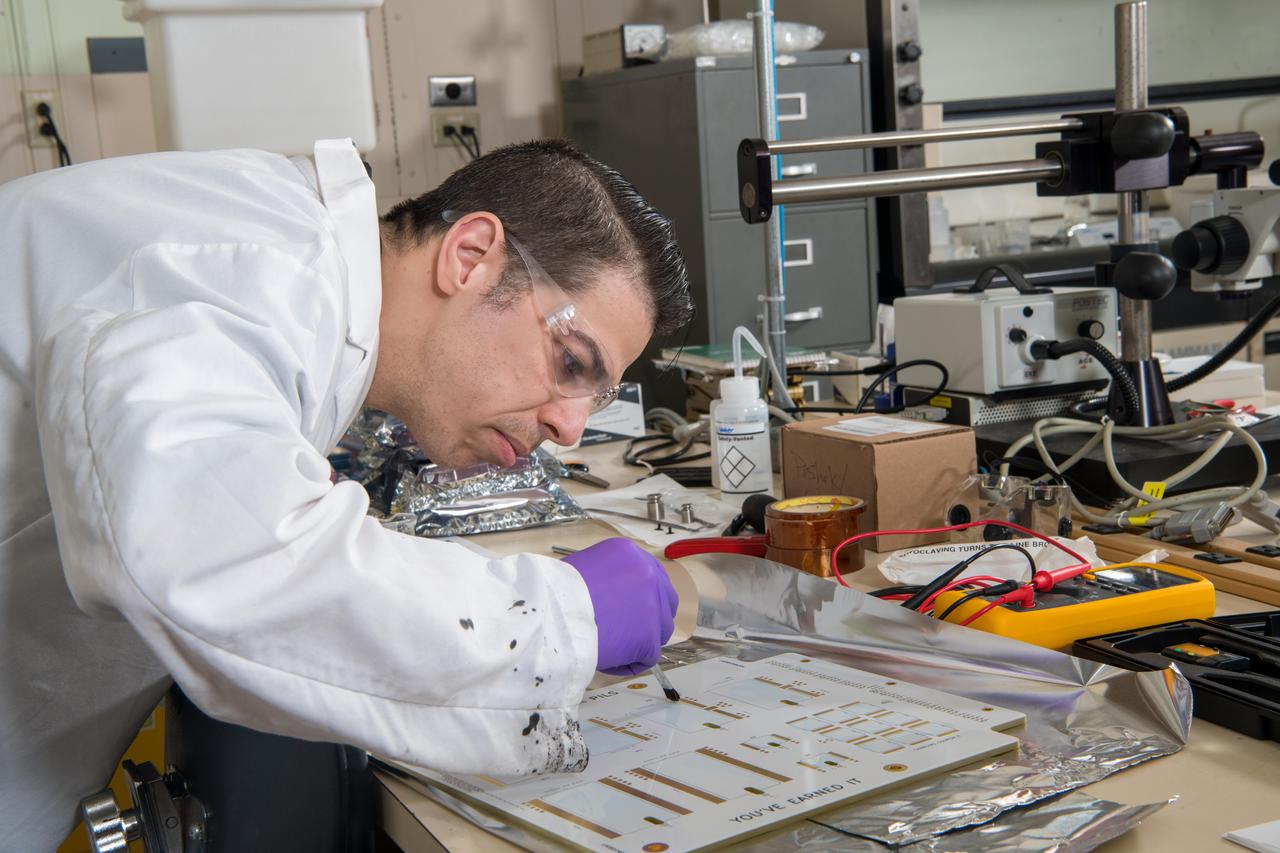
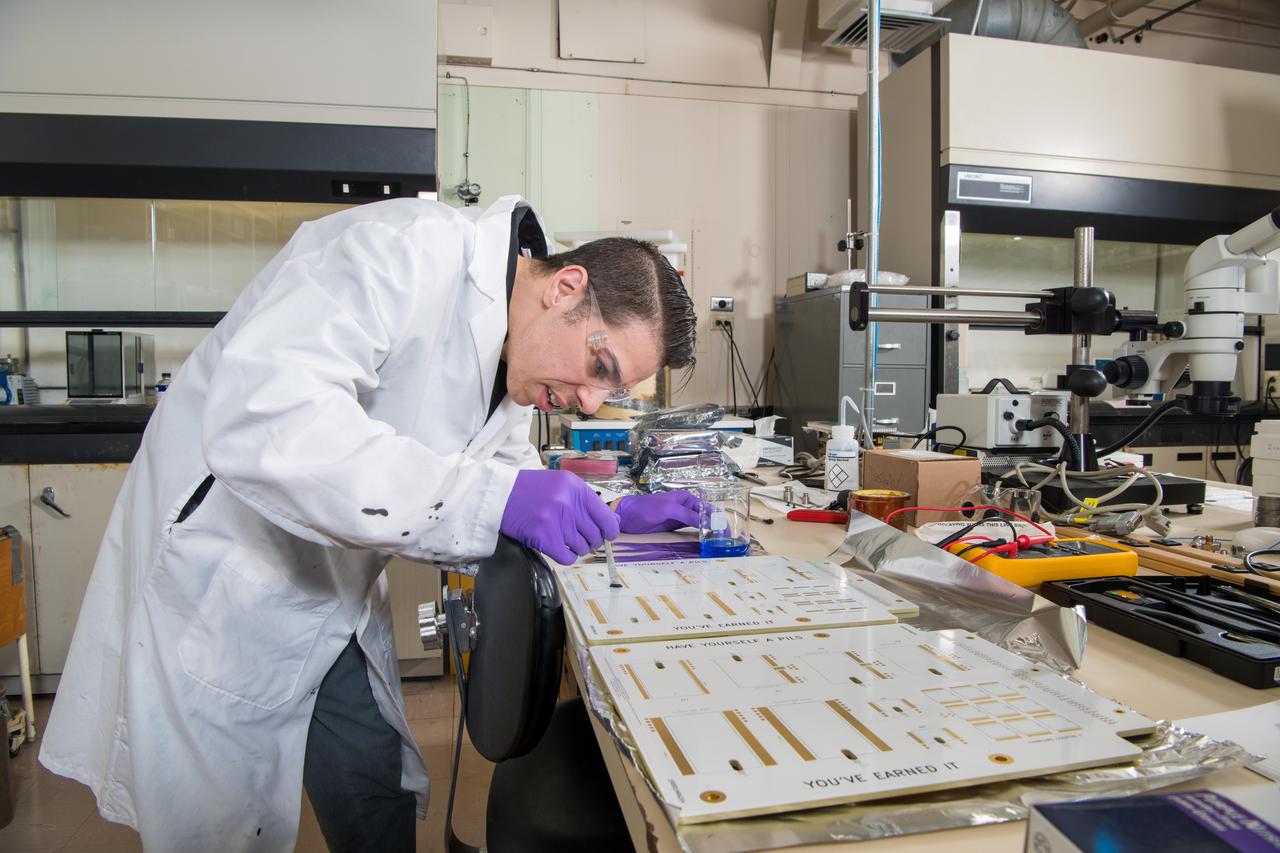
Photovoltaic Investigation on the Lunar Surface – PILS
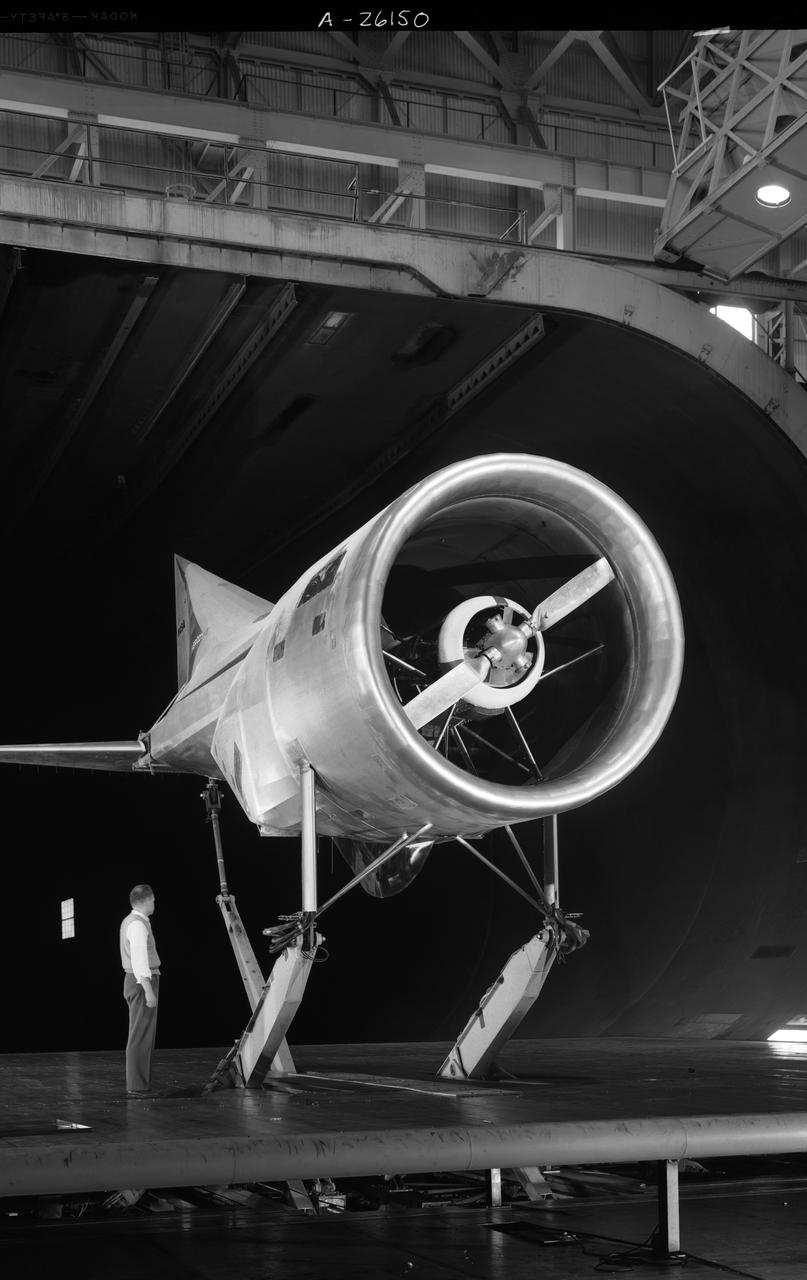
Collins Aerodyne vertical take-off and landing (VTOL) aircraft investigations. Ground plane support system.  3/4 front view. Dave Koening (from Collins Aerodyne) in photo.  Mounted on variable height struts, ground board system, zero degree angle of attack.  01/11/1960
Collins Aerodyne VTOL aircraft investigations
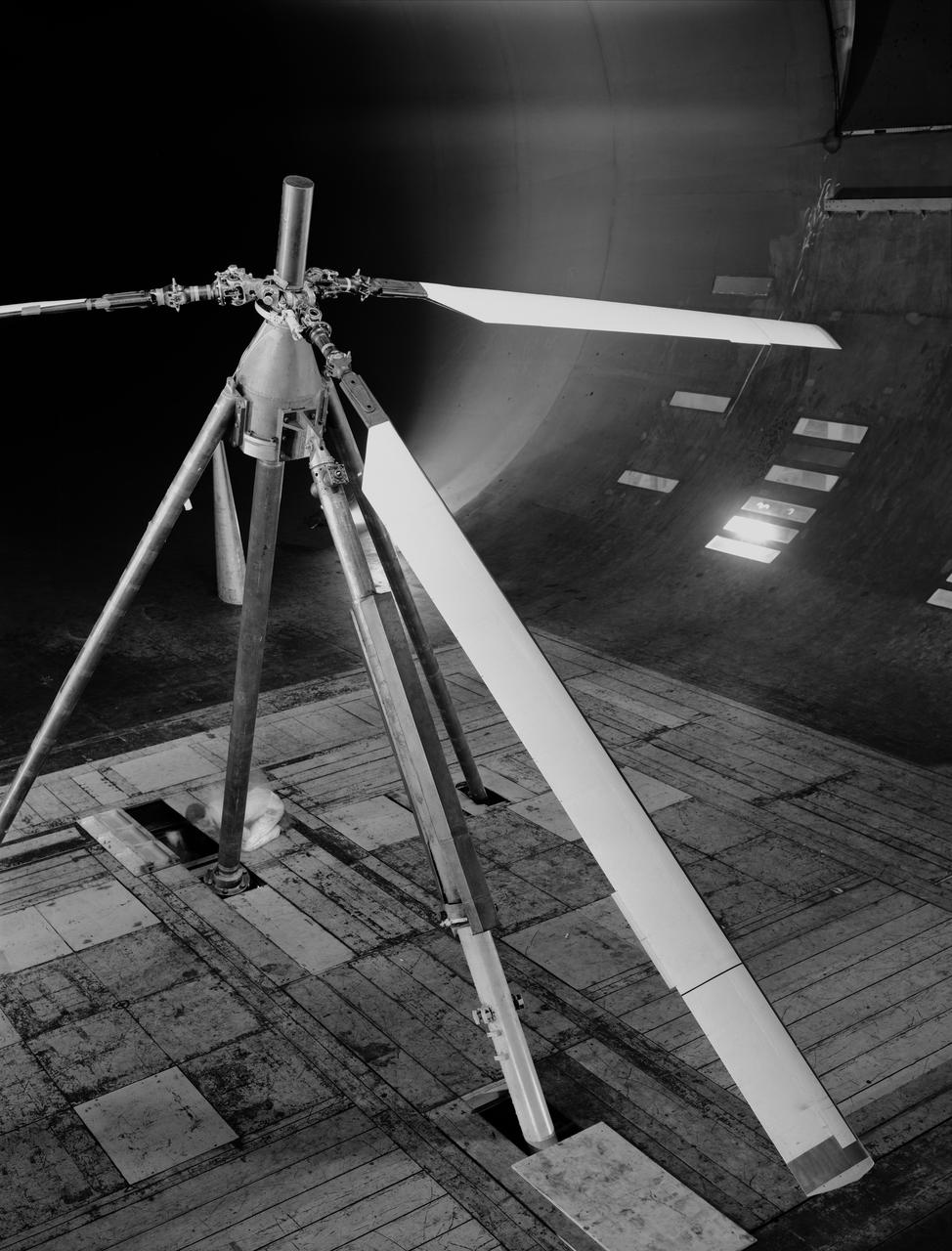
Experimental investigation of boundary layer control to helicopter rotor blades to increase forward speed capabilities. 3/4 overhead view. Shaft angle - 35deg.
Investigation of Boundary Layer Control to Helicopter Rotor Blades.
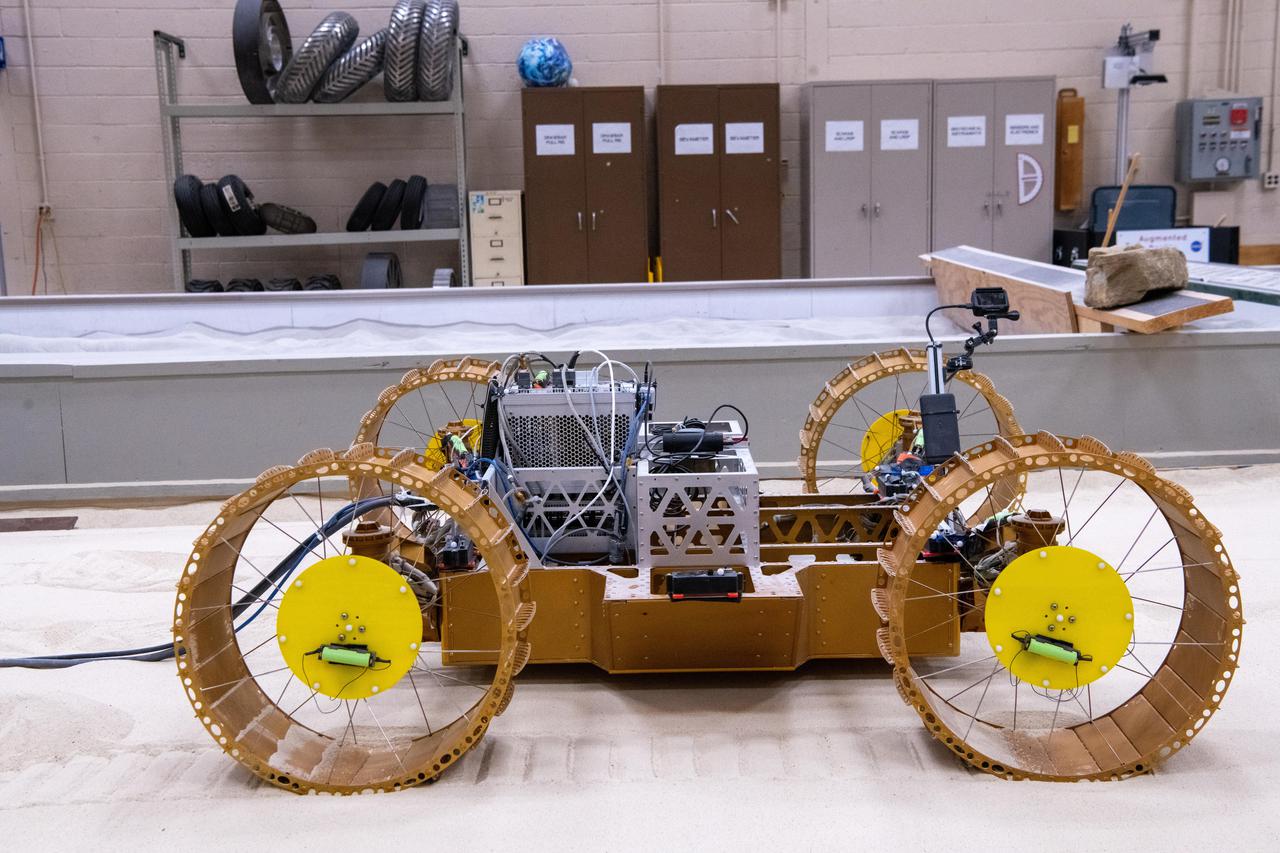
Volatiles Investigating Polar Exploration Rover (Viper)
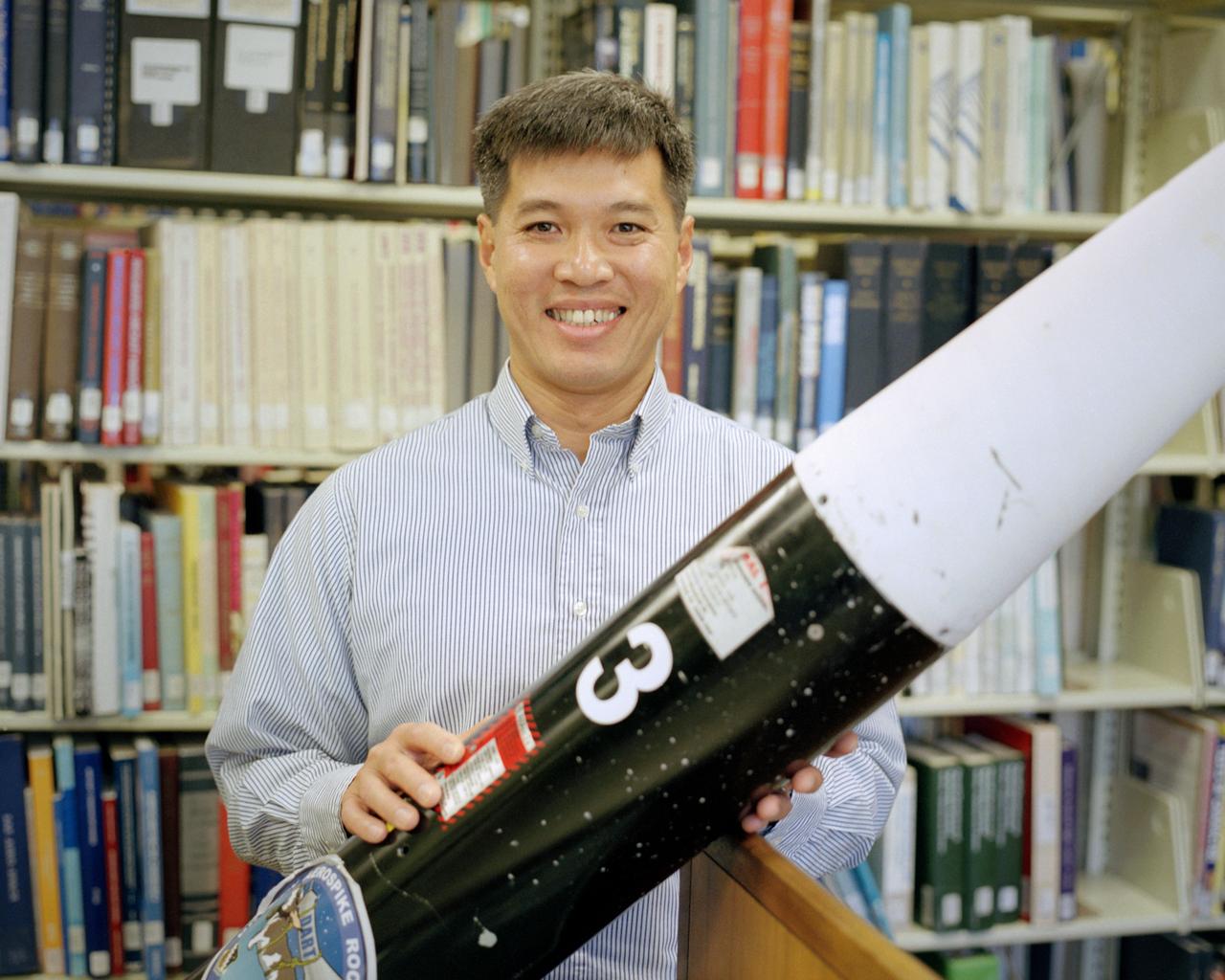
Trong Bui, NASA Dryden's principal investigator for the aerospike rocket tests, holds the first of two 10-ft. long rockets that were flown at speeds up to Mach 1.5, the first known supersonic tests of rockets with aerospike nozzles. The goals of the flight research project were to obtain aerospike rocket nozzle performance data in flight and to investigate the effects of transonic flow and transient flight conditions on aerospike nozzle performance.
Trong Bui, NASA Dryden's principal investigator for the aerospike rocket tests, with one of two rockets flown in the first tests.
Volatiles Investigating Polar Exploration Rover (Viper)
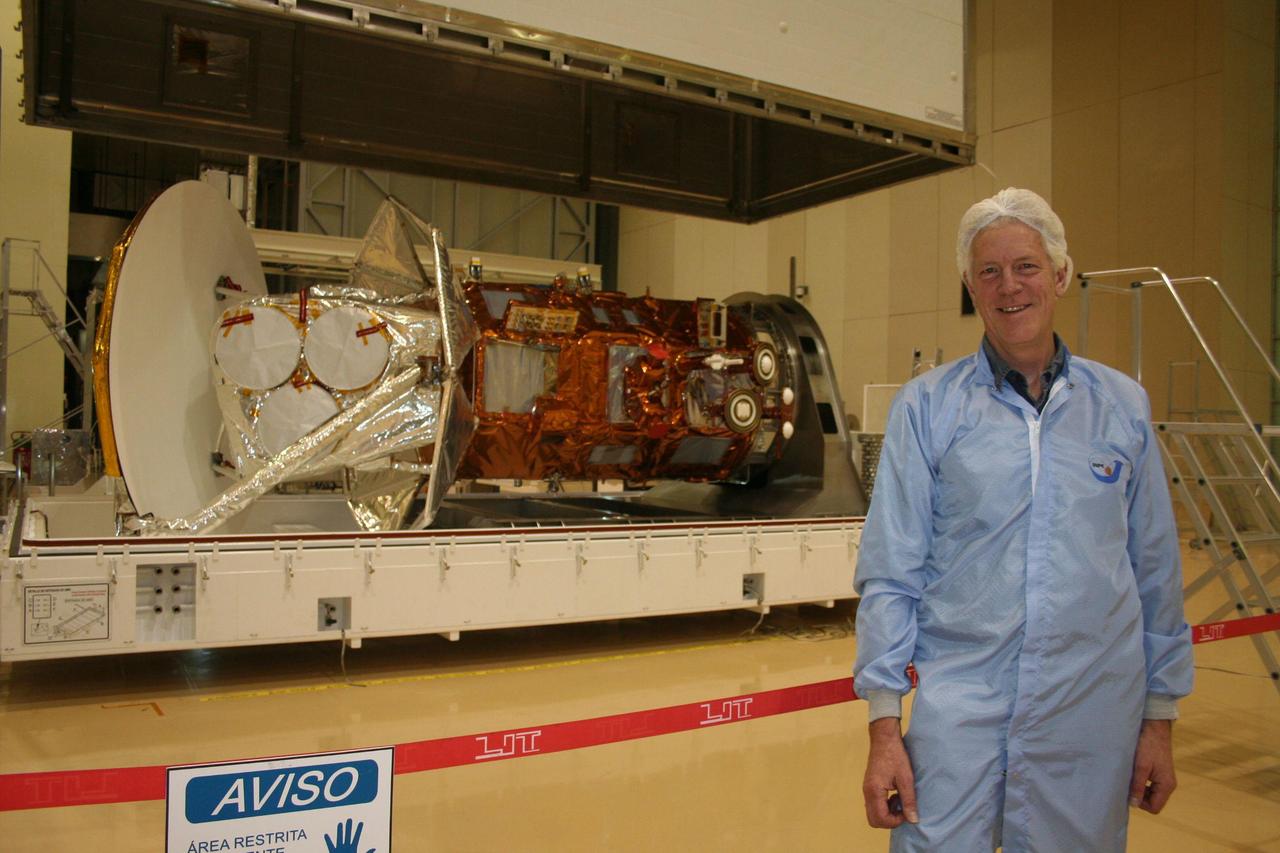
NASA Aquarius Principal Investigator Gary Lagerloef photographed in front of the Aquarius/SAC-D satellite observatory as it is being readied for transportation from Brazil to Vandenberg Air Force Base in California for a June 2011 launch.
Aquarius Principal Investigator with Observatory
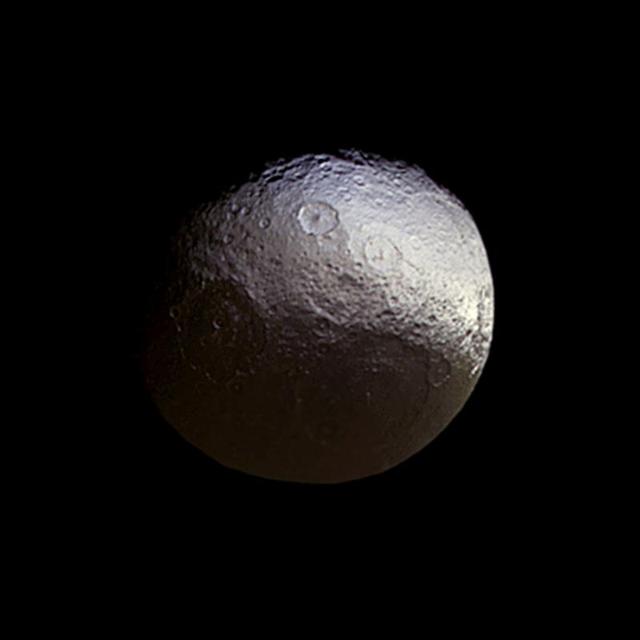
NASA Cassini spacecraft stared toward Saturn two-toned moon Iapetus for about a week in early 2015, in a campaign motivated in part to investigate subtle color differences within the moon bright terrain.
Investigating Subtle Colors on Iapetus
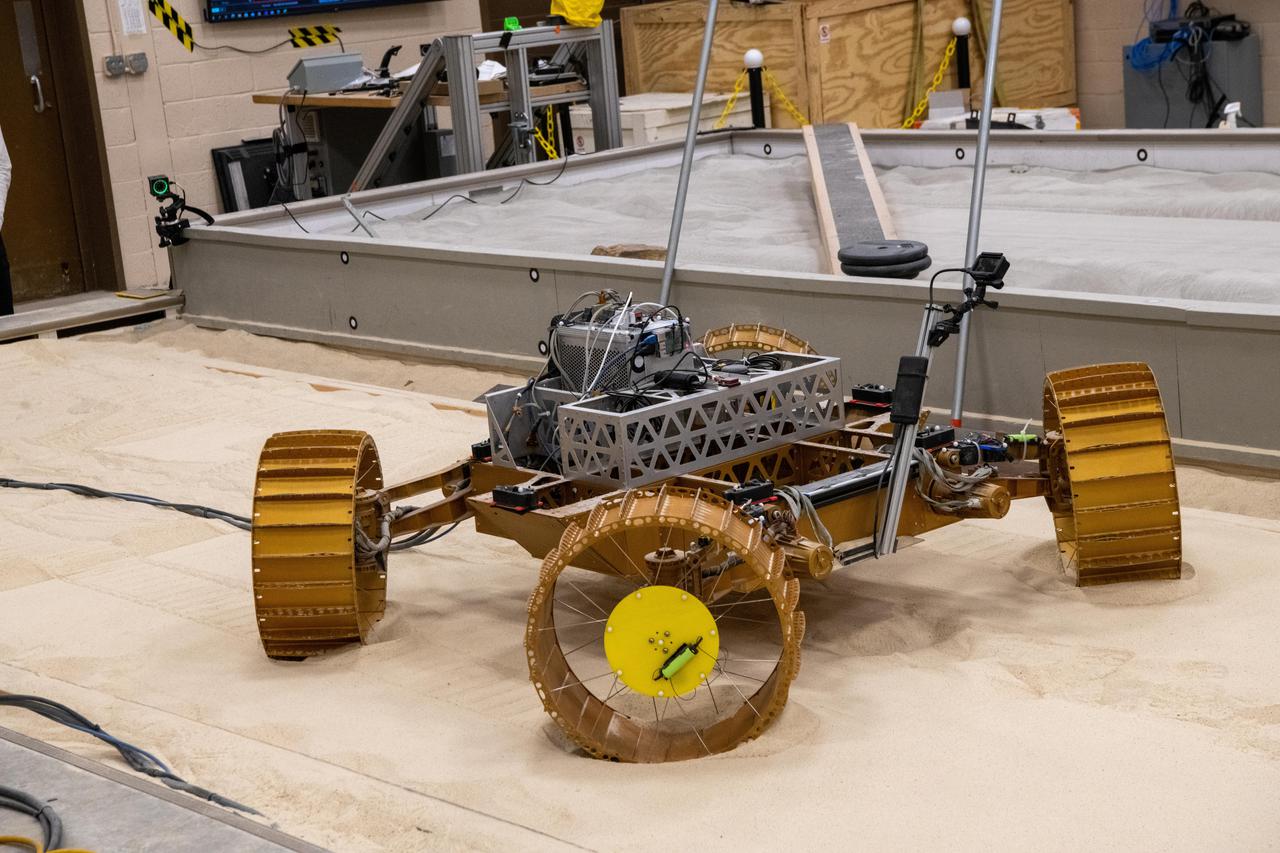
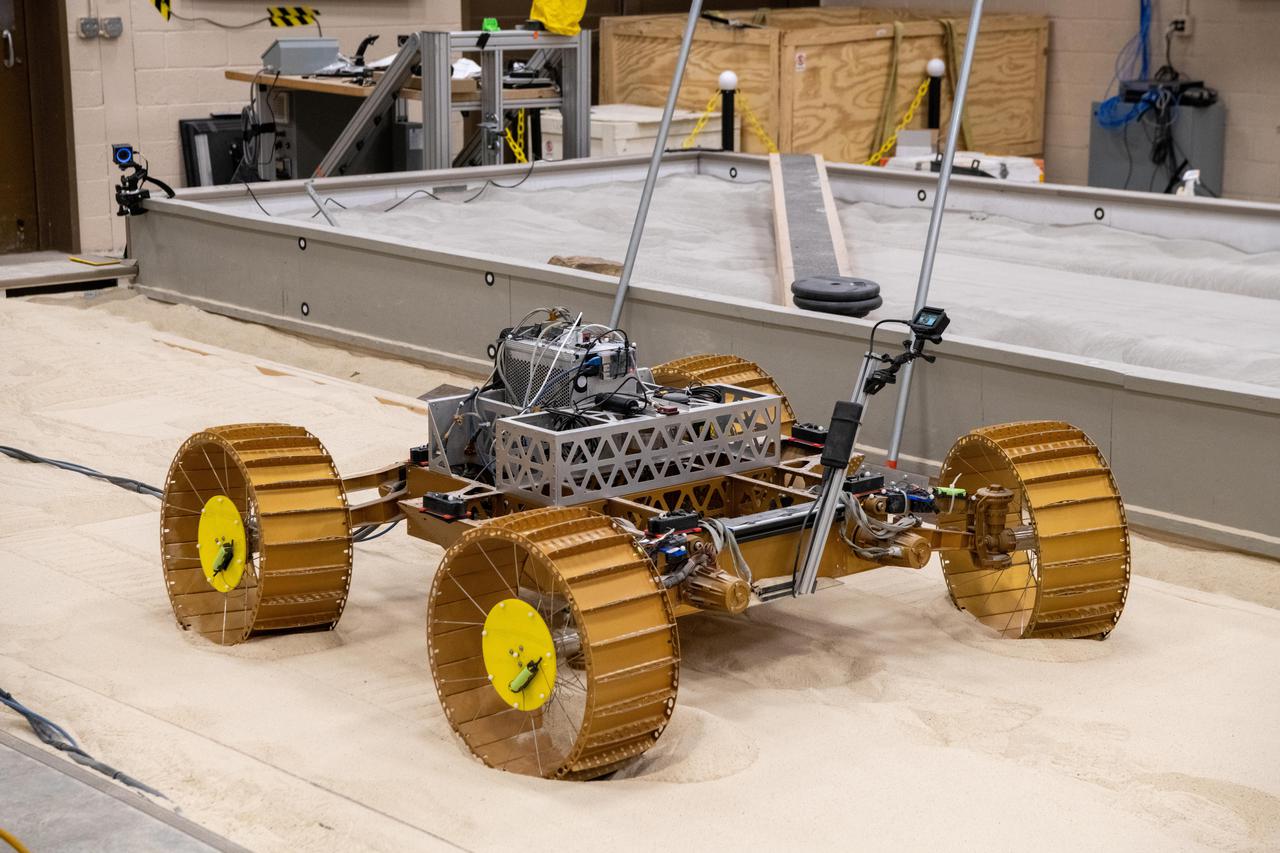
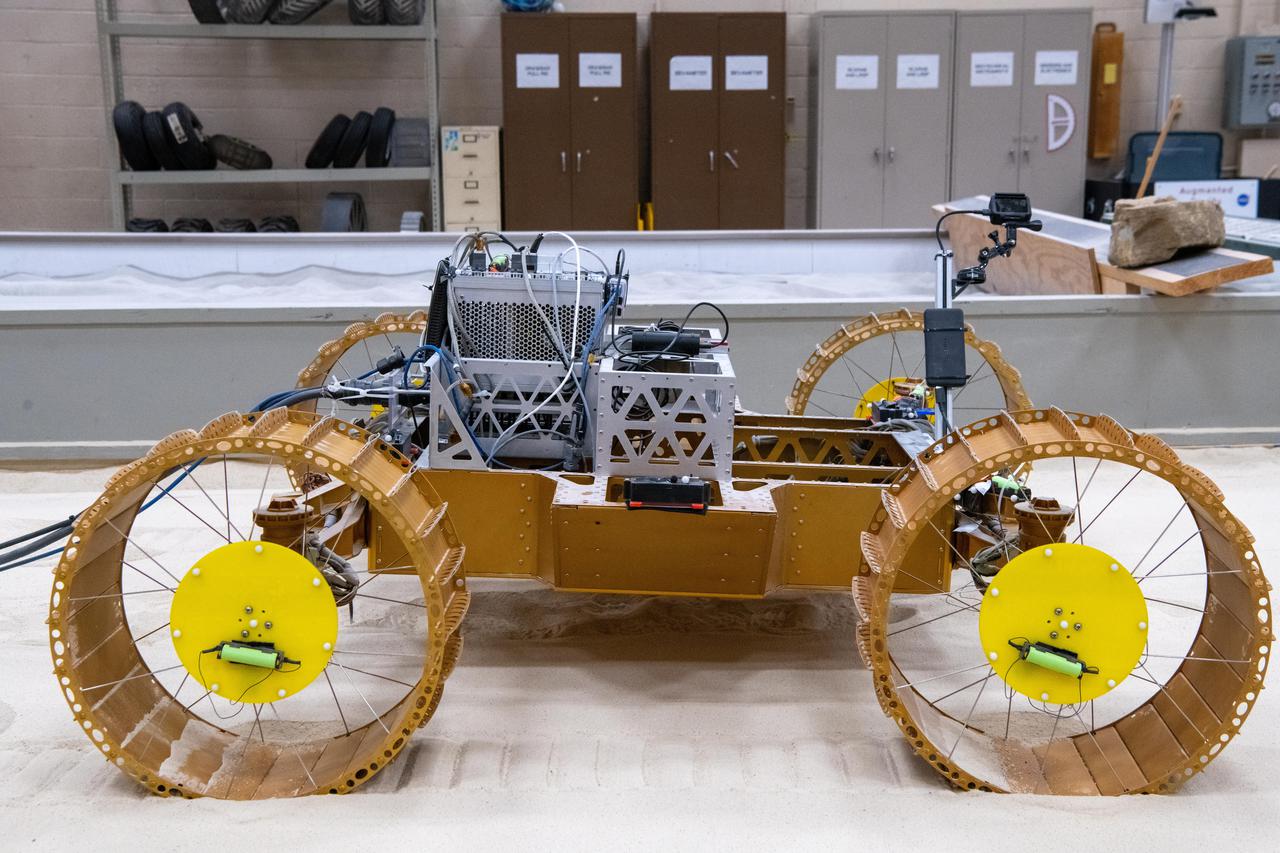
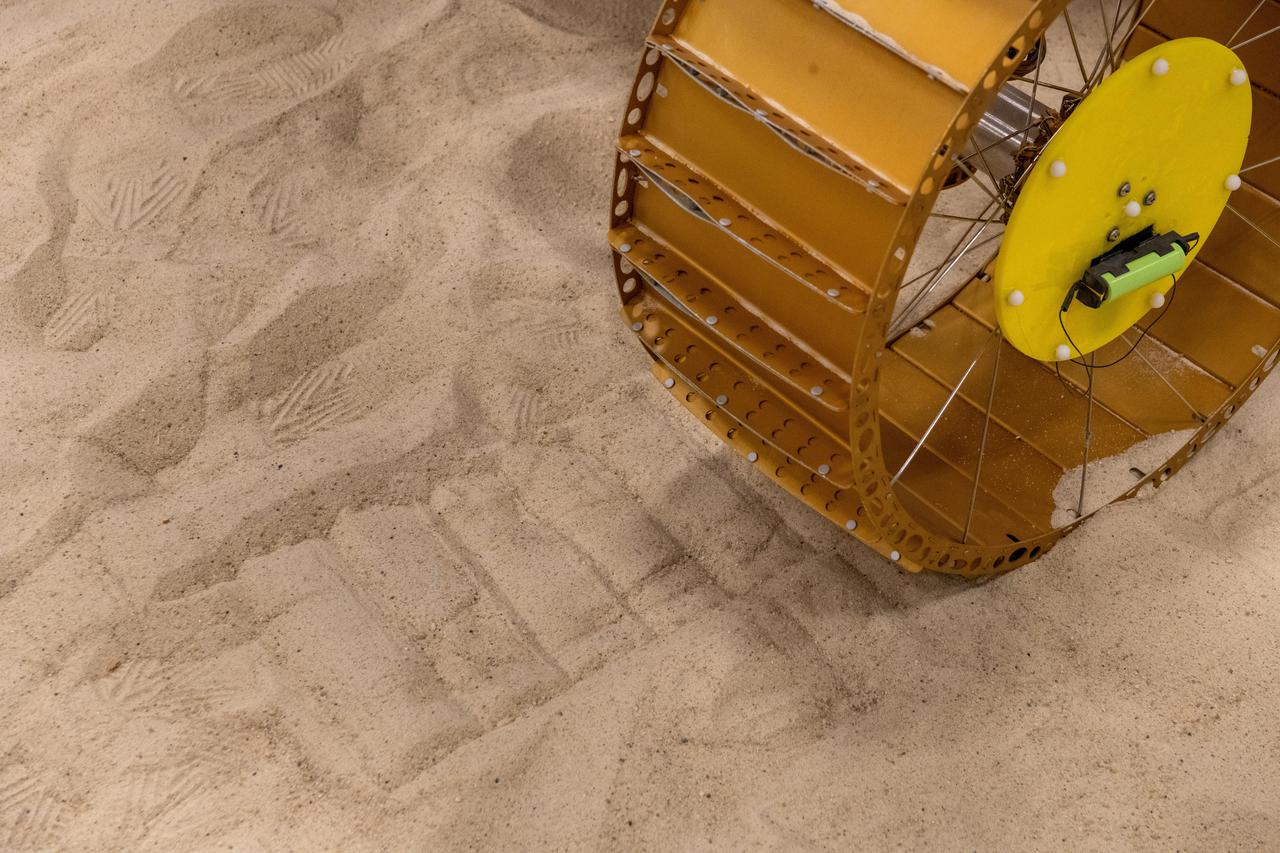
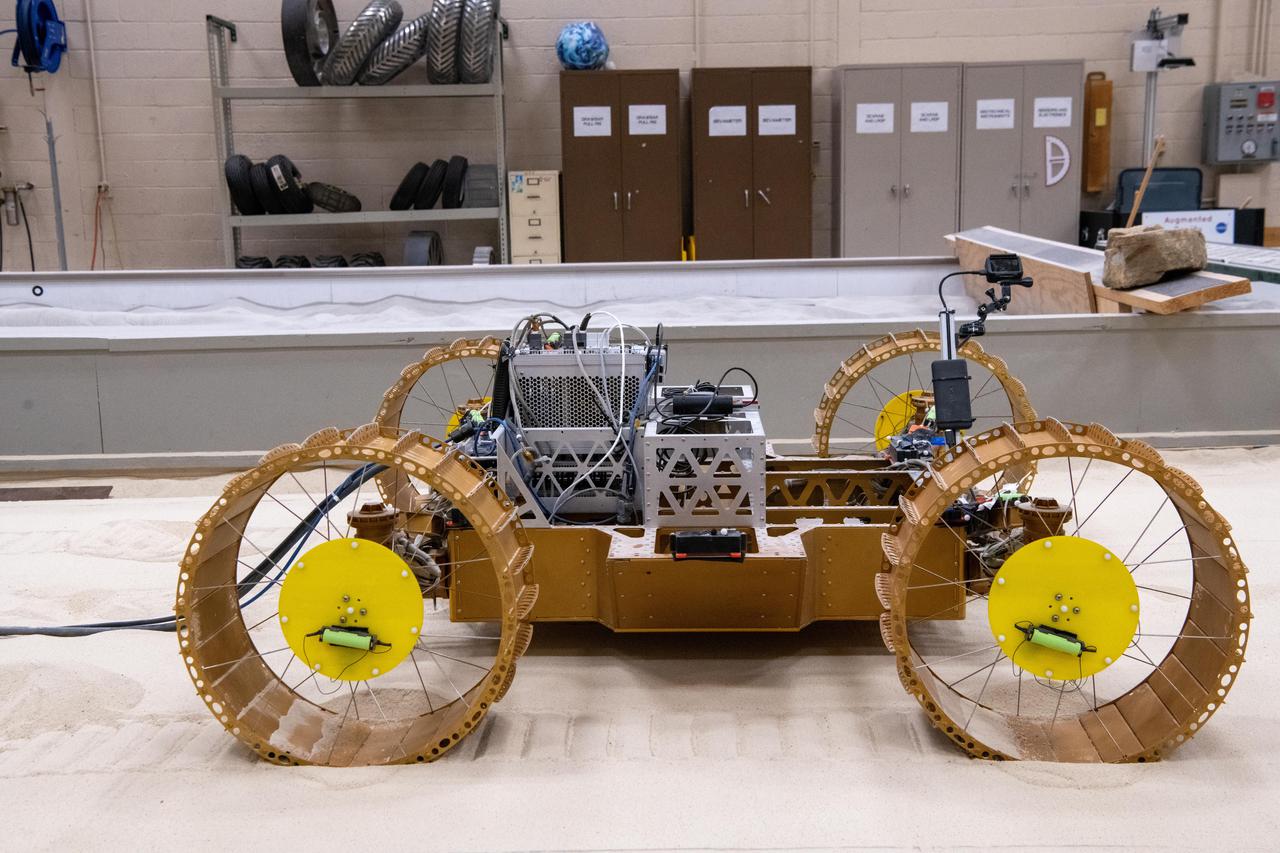
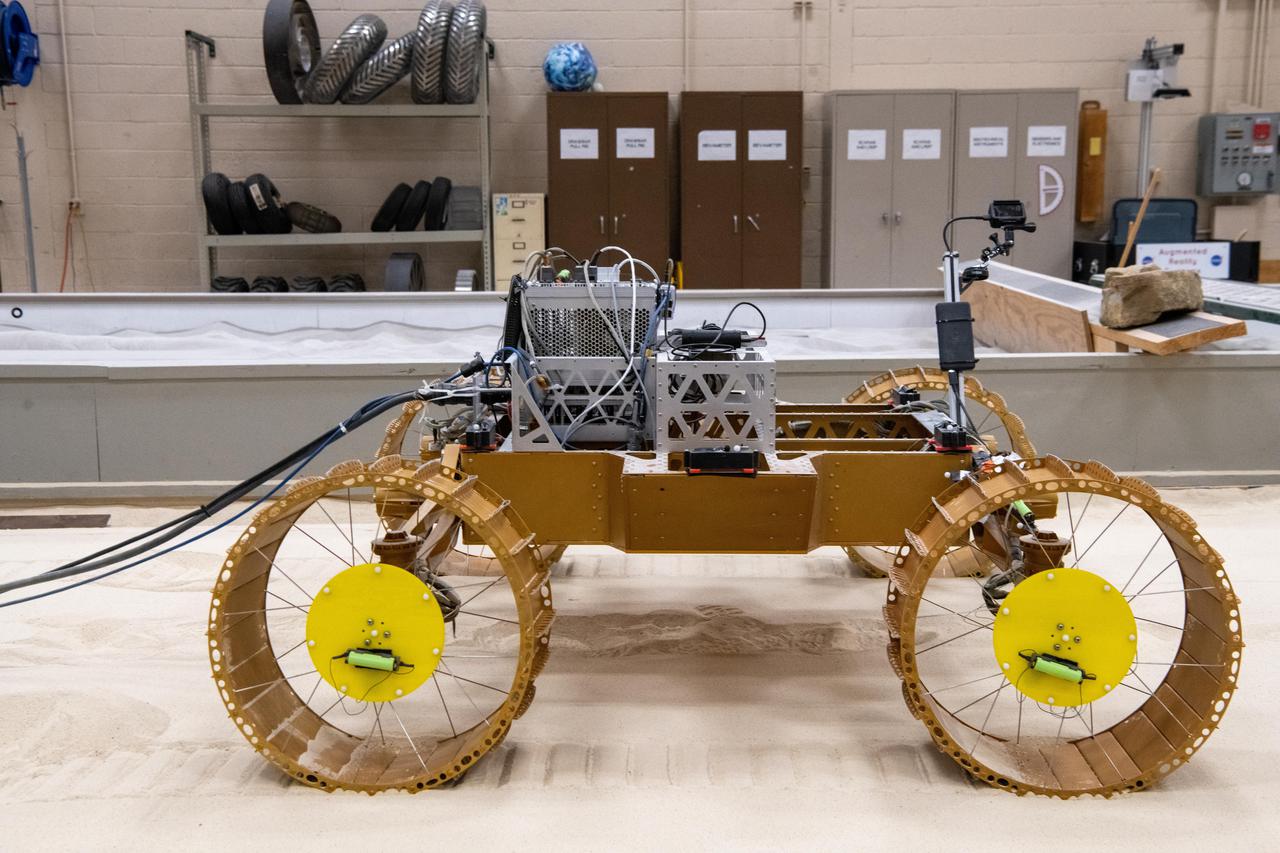
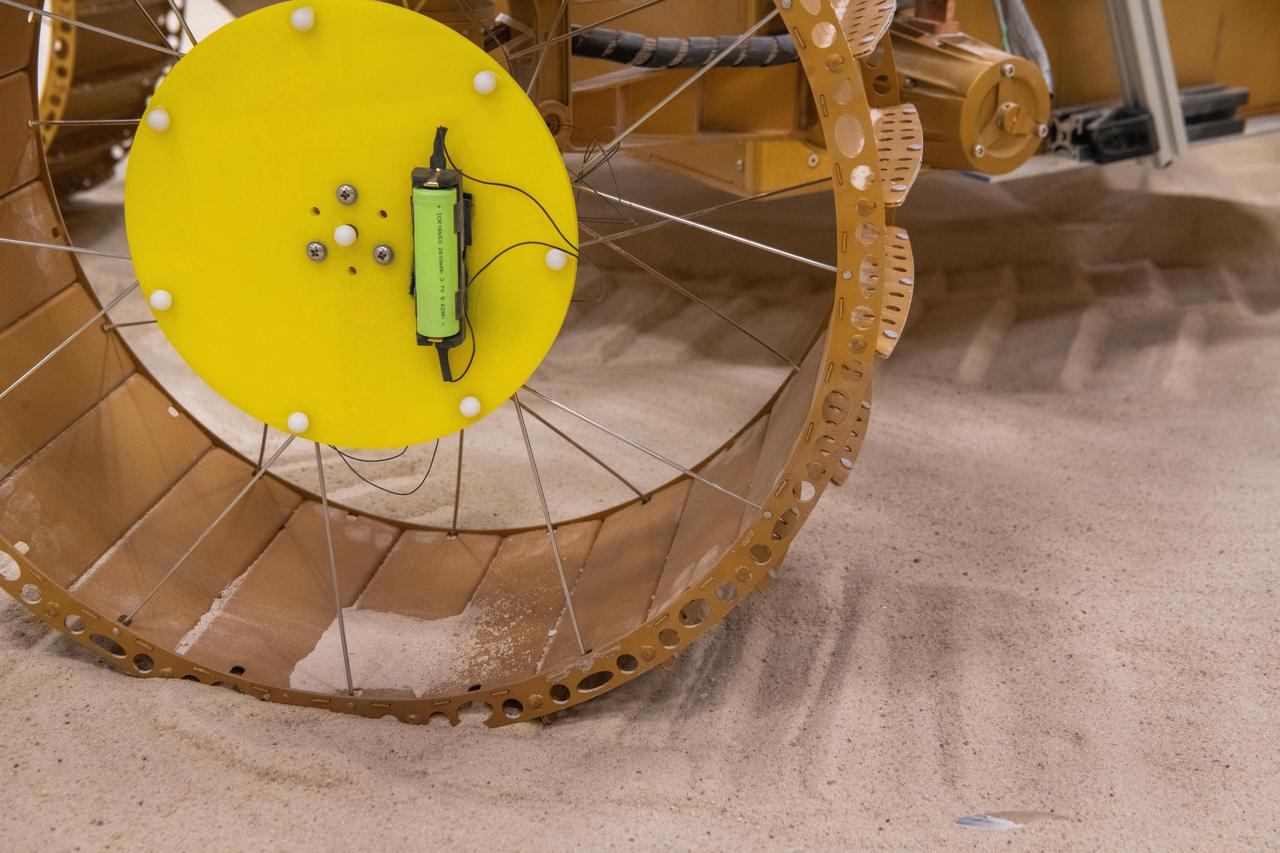
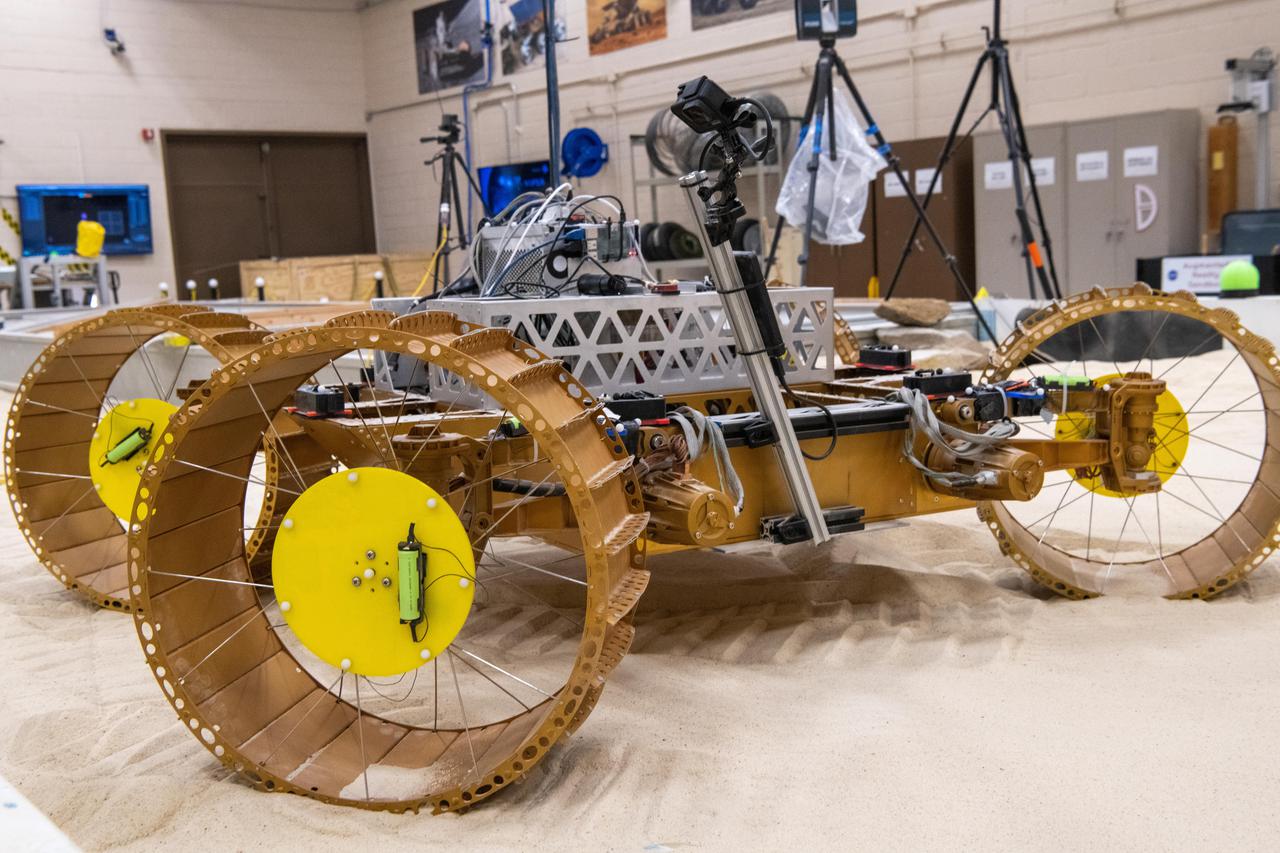
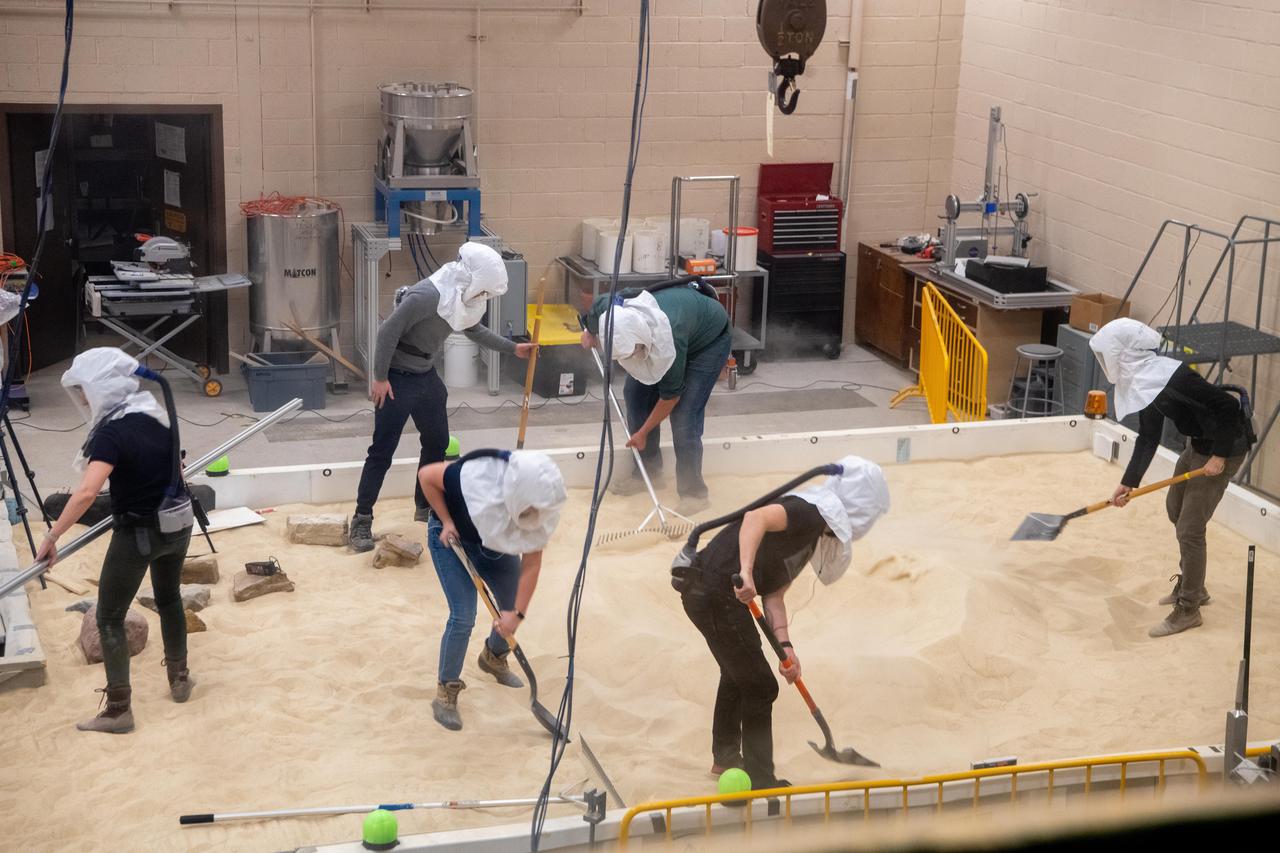
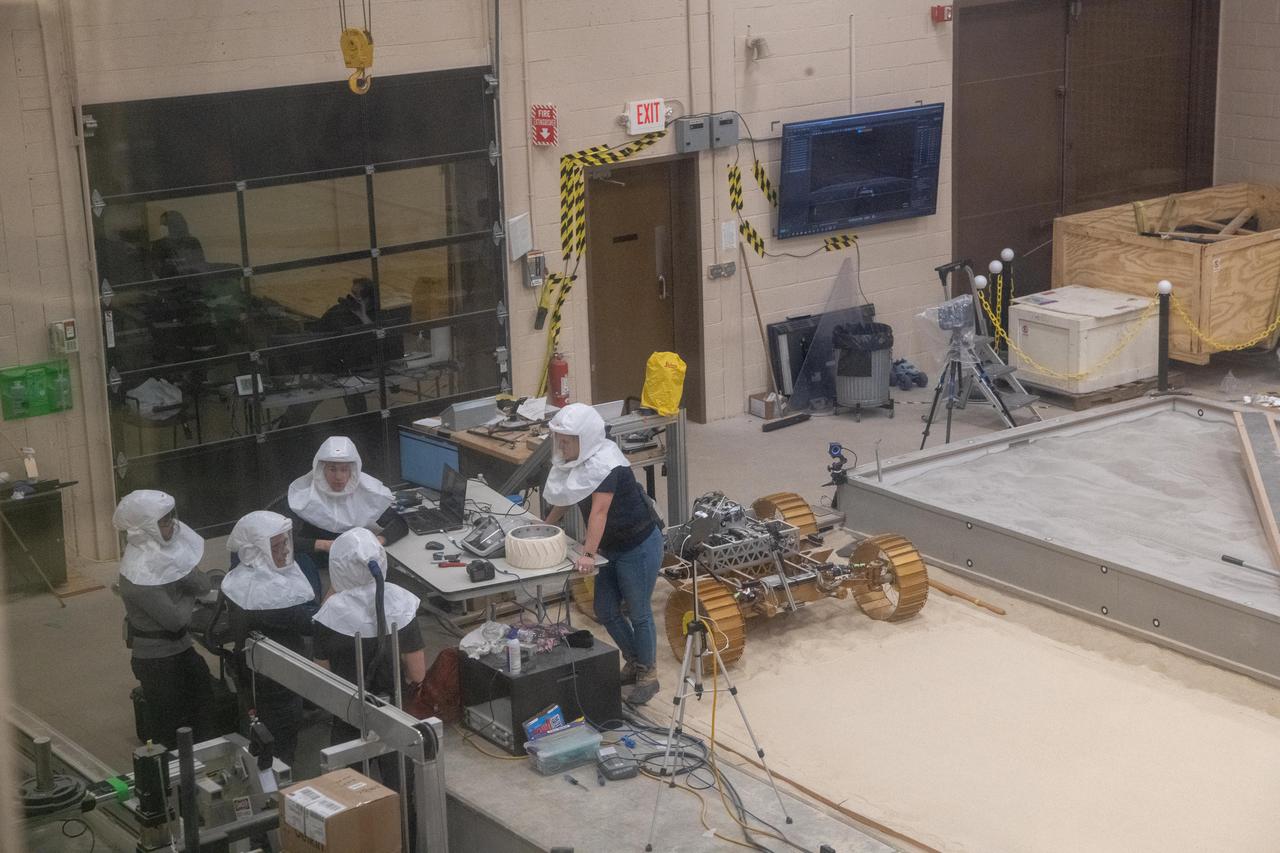
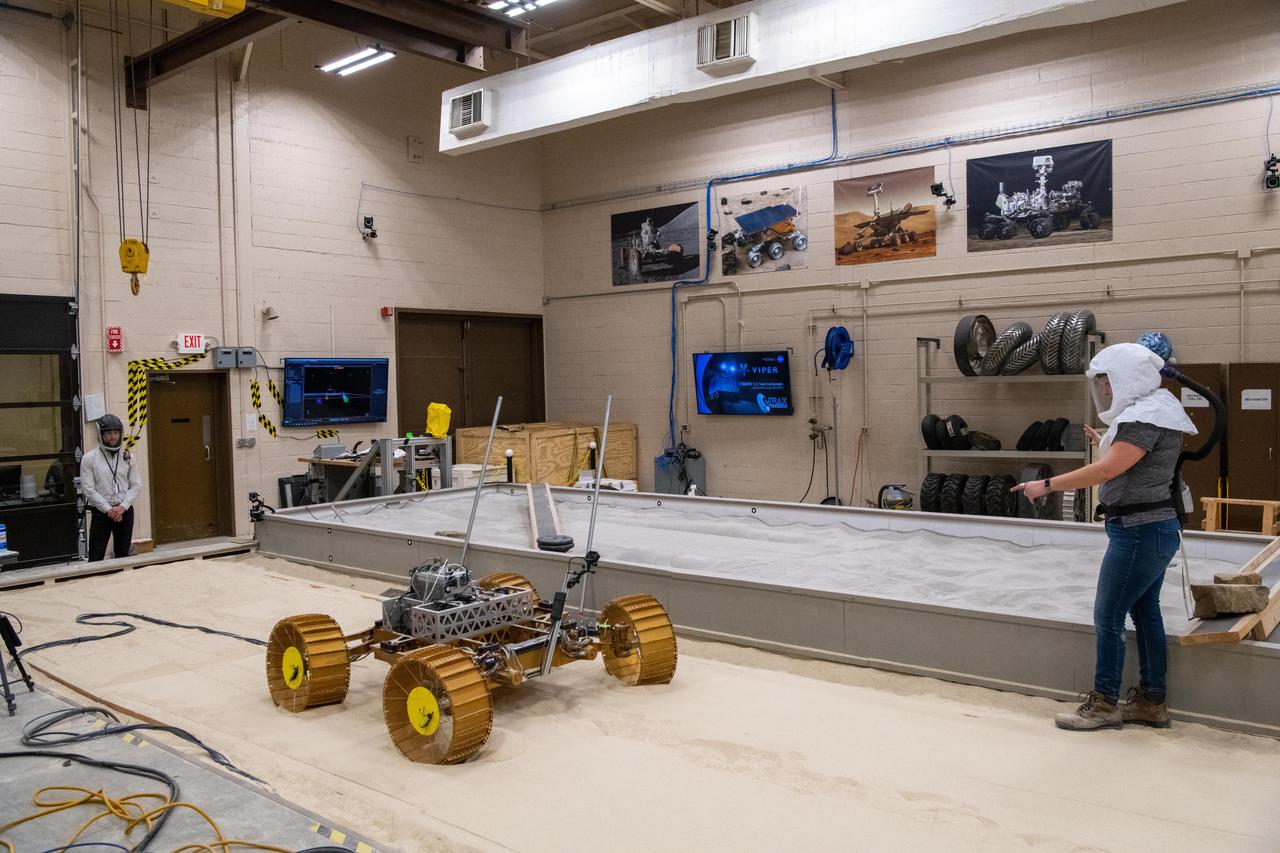
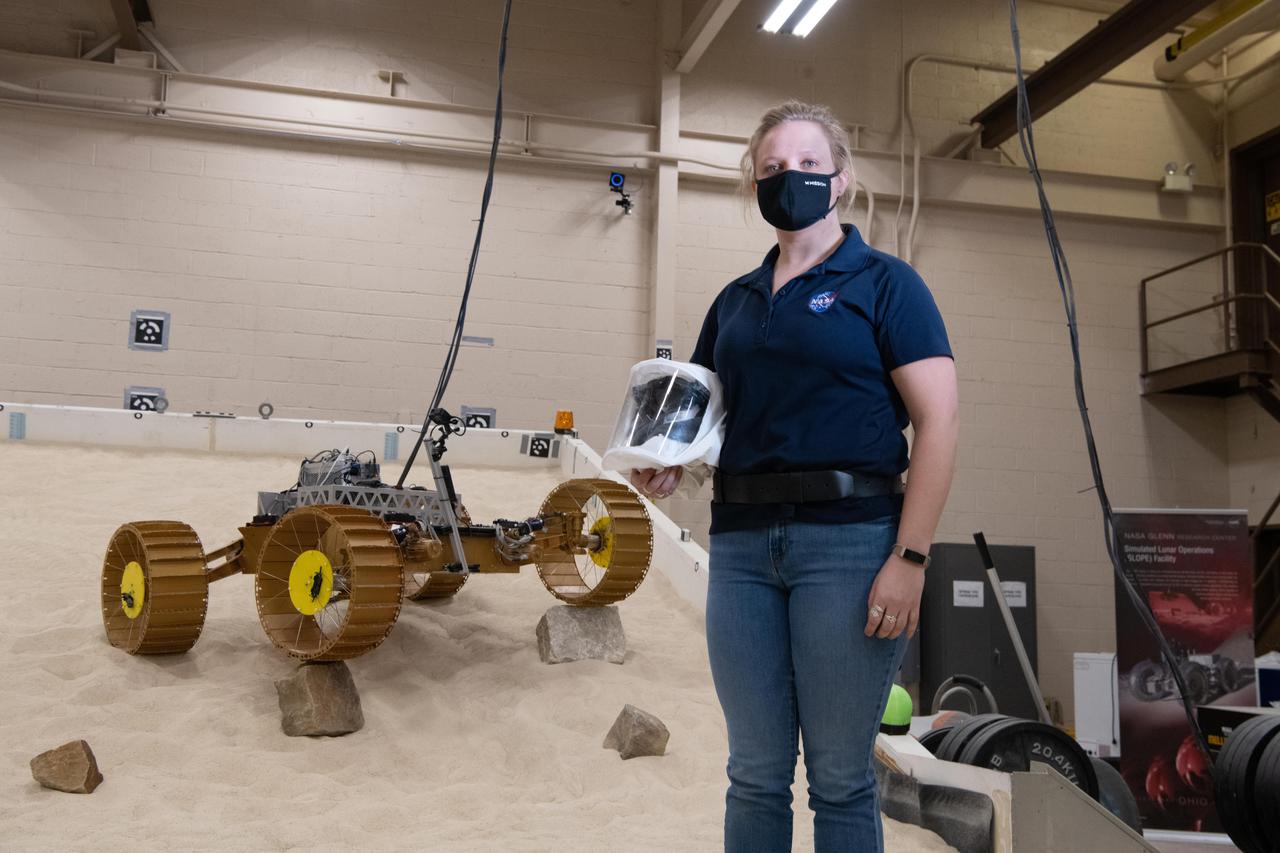
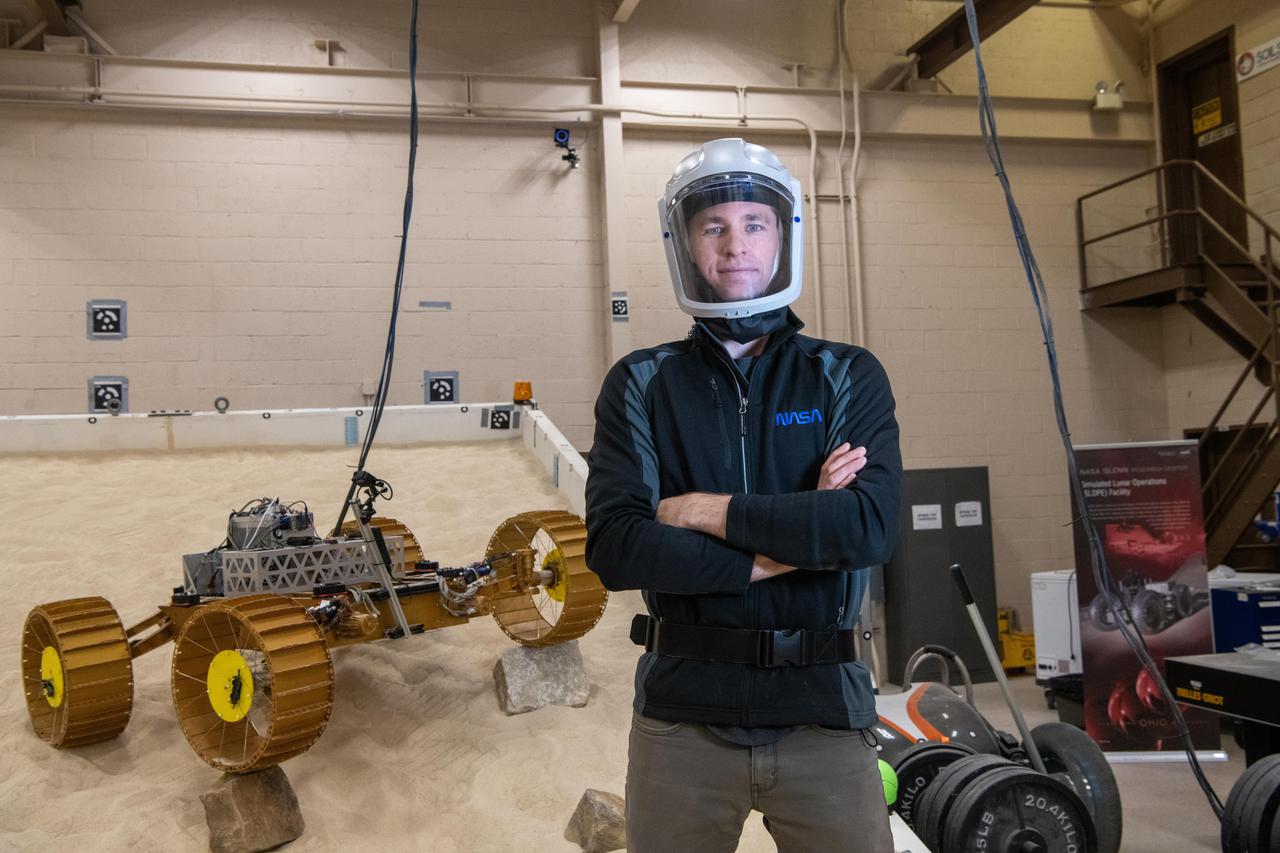
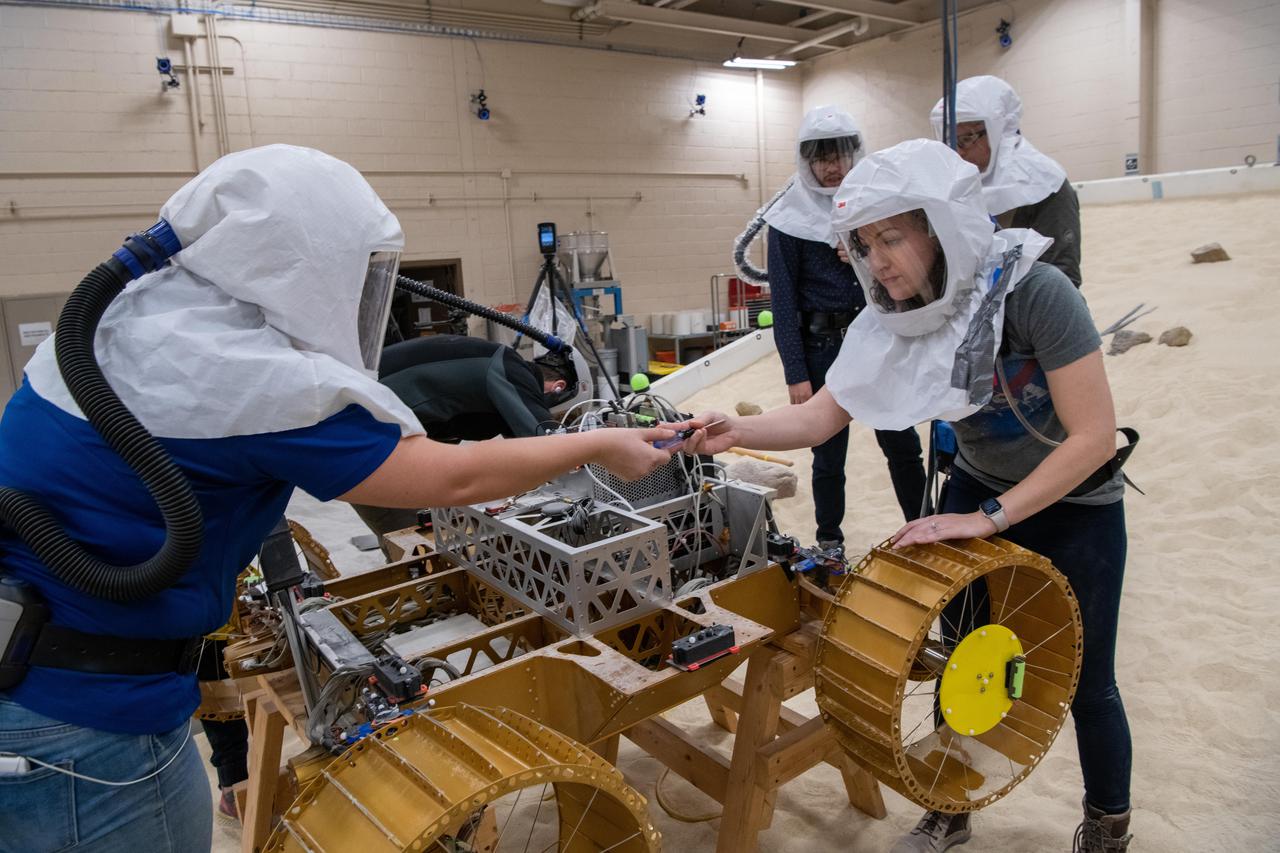
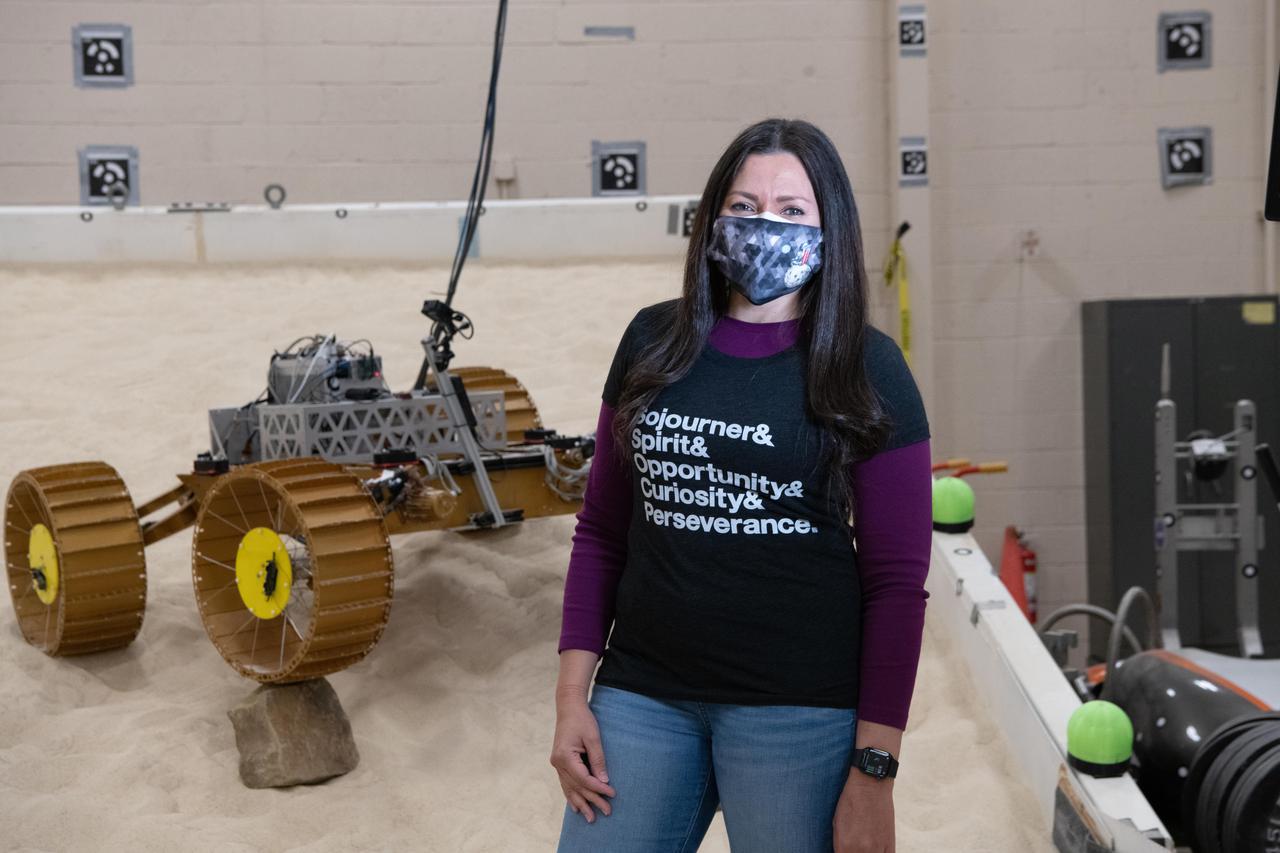
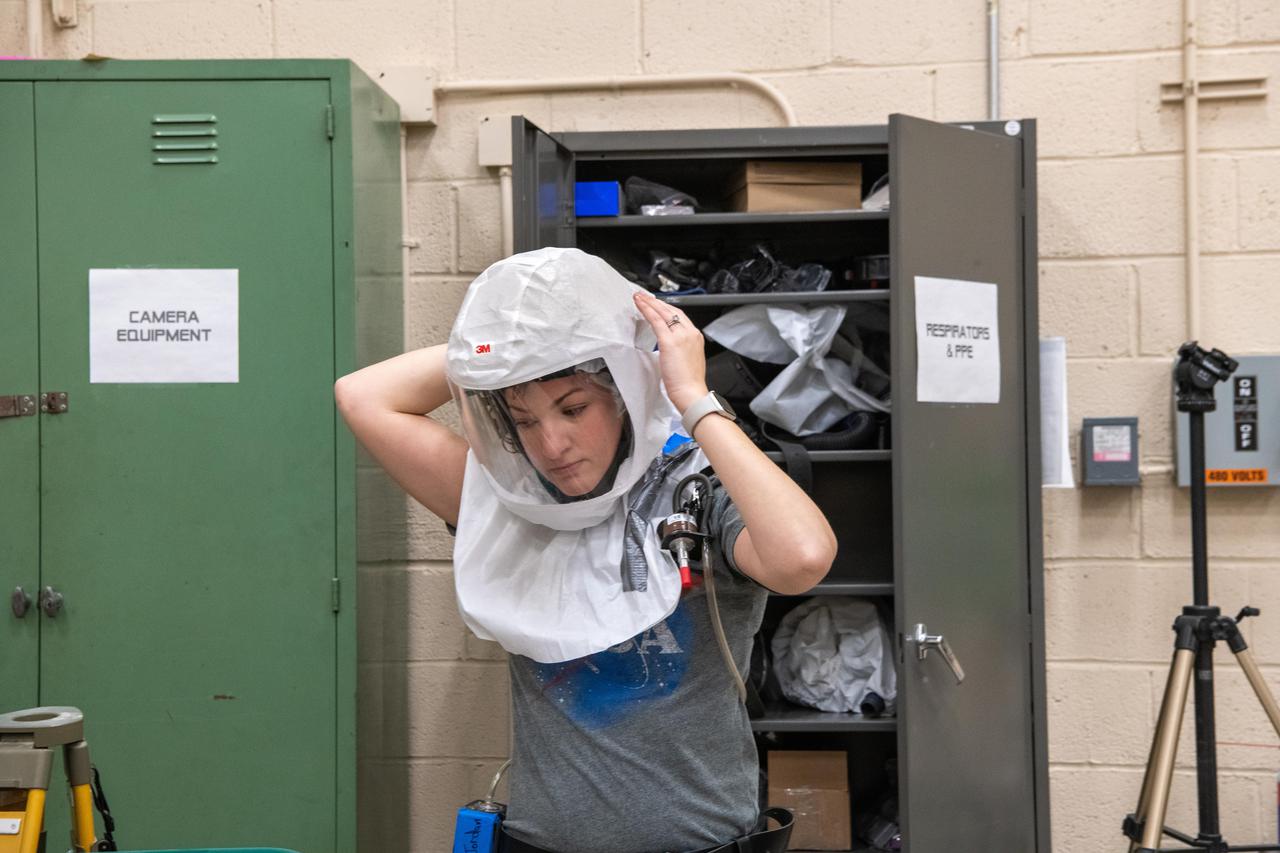
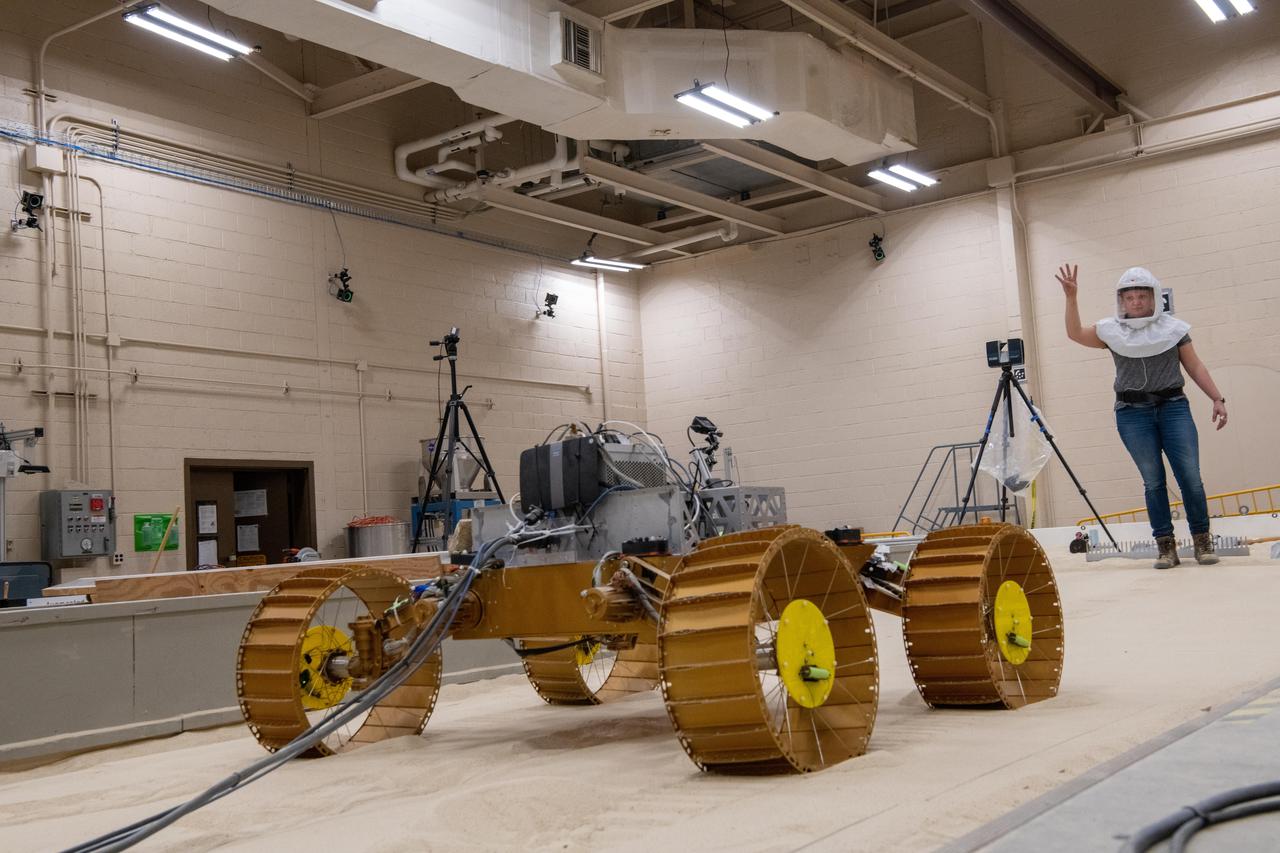
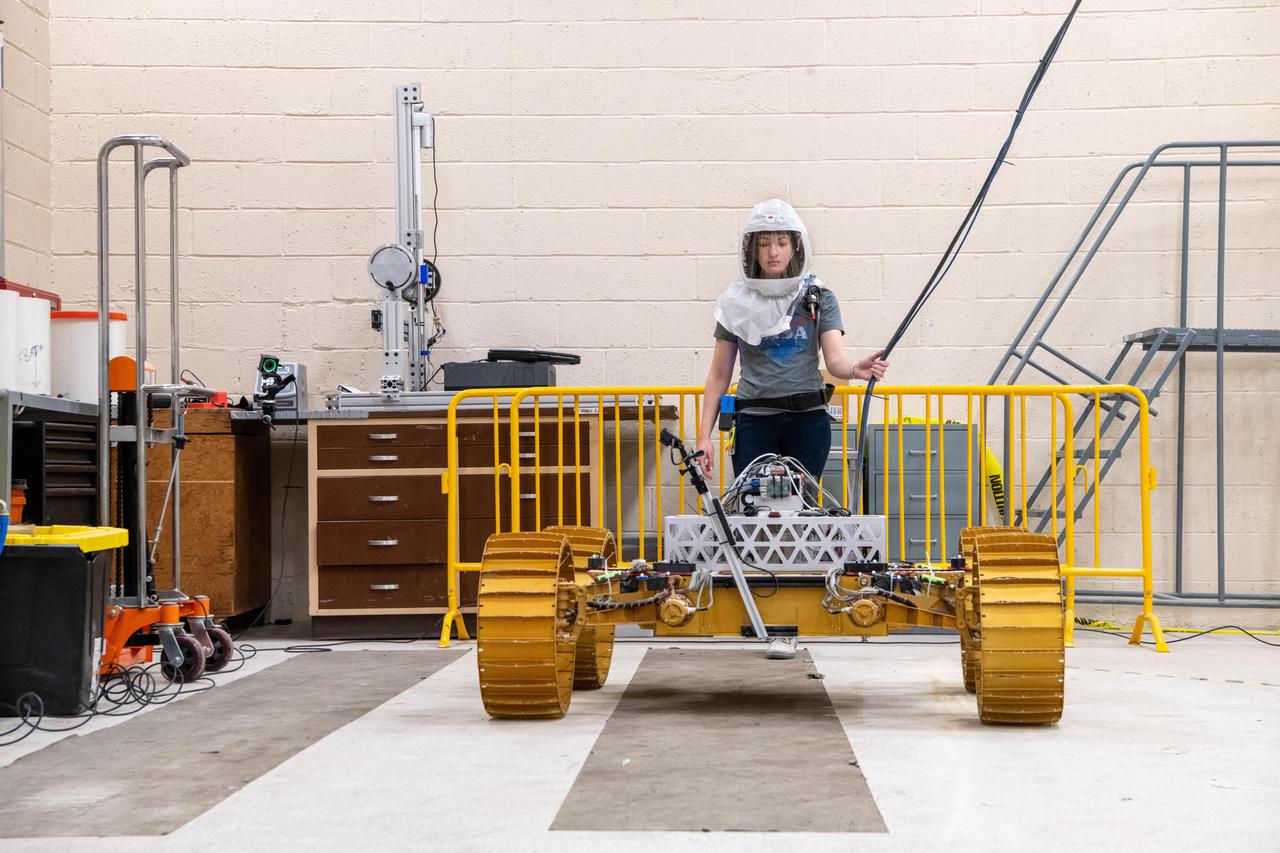
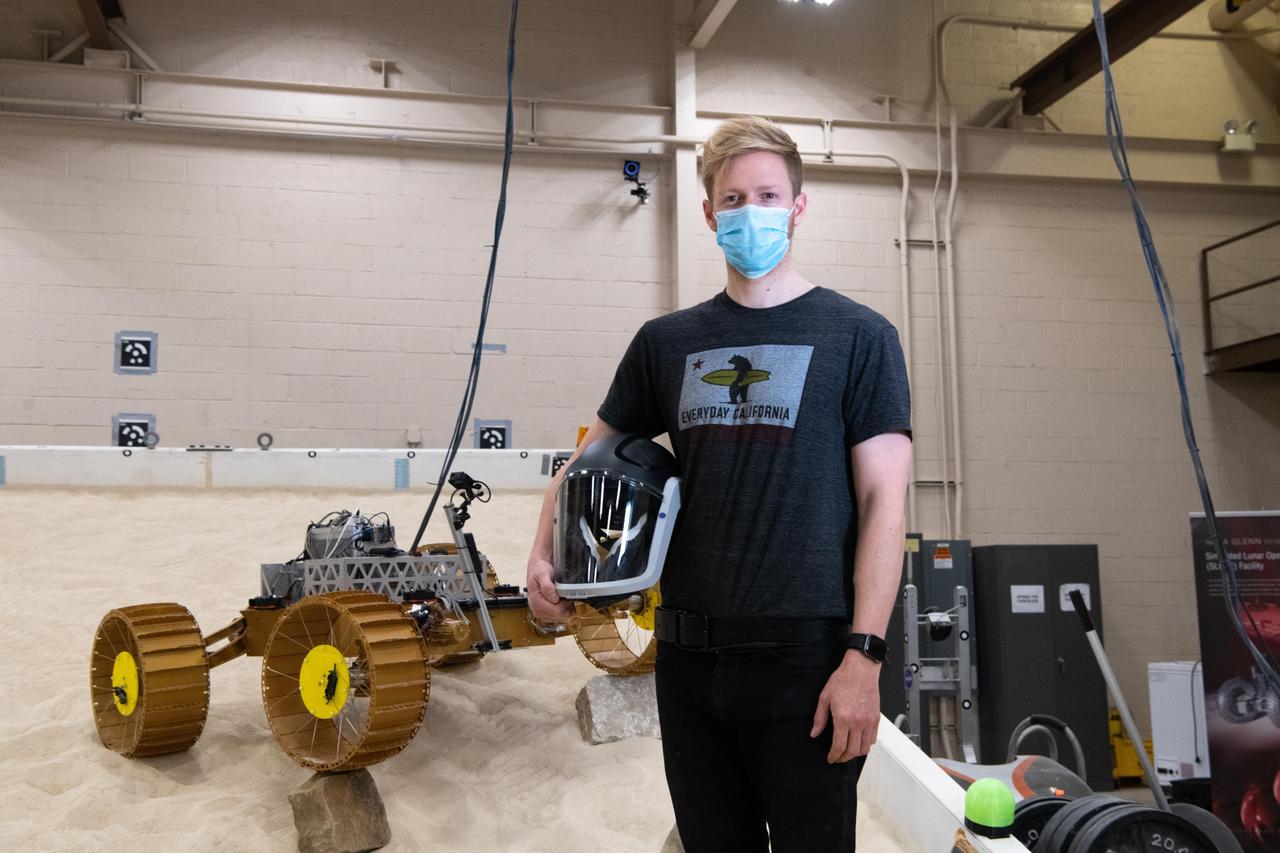
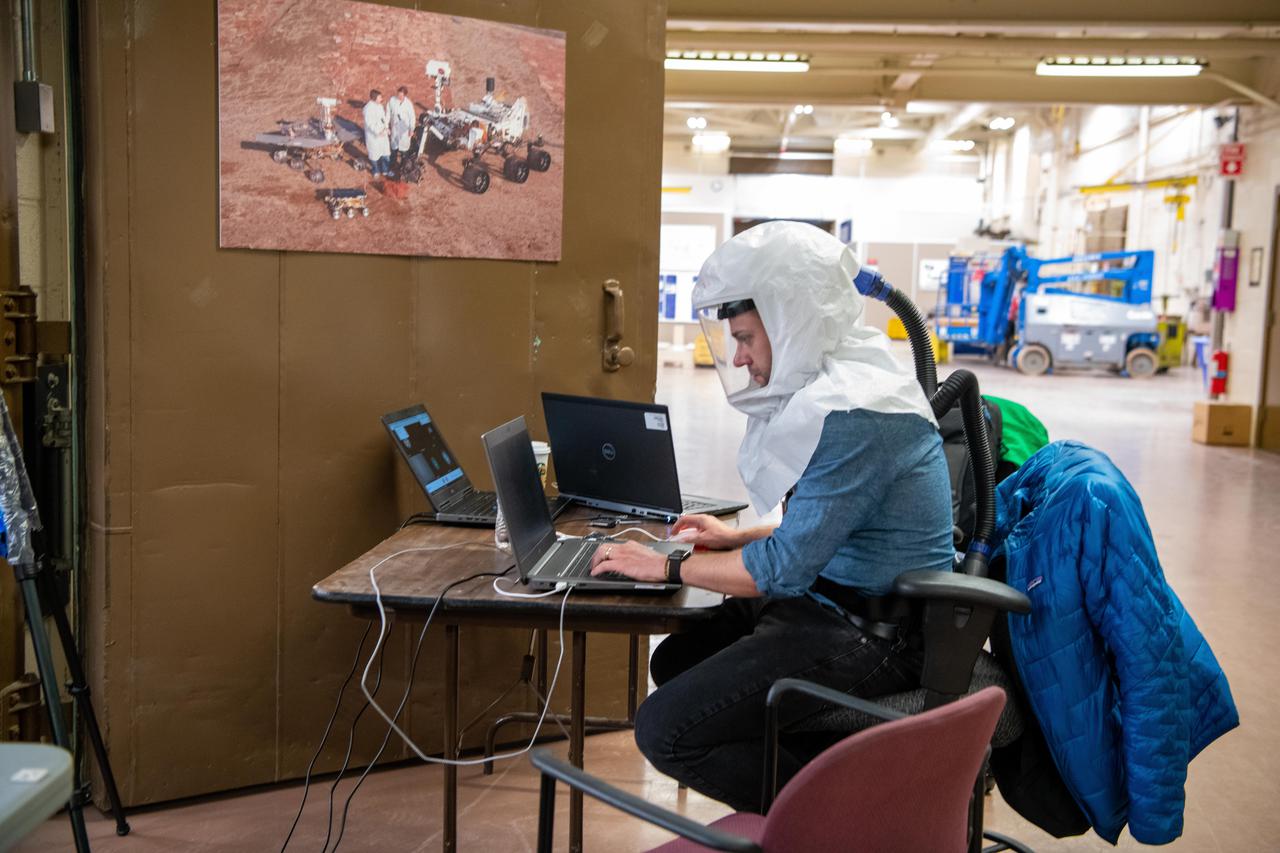
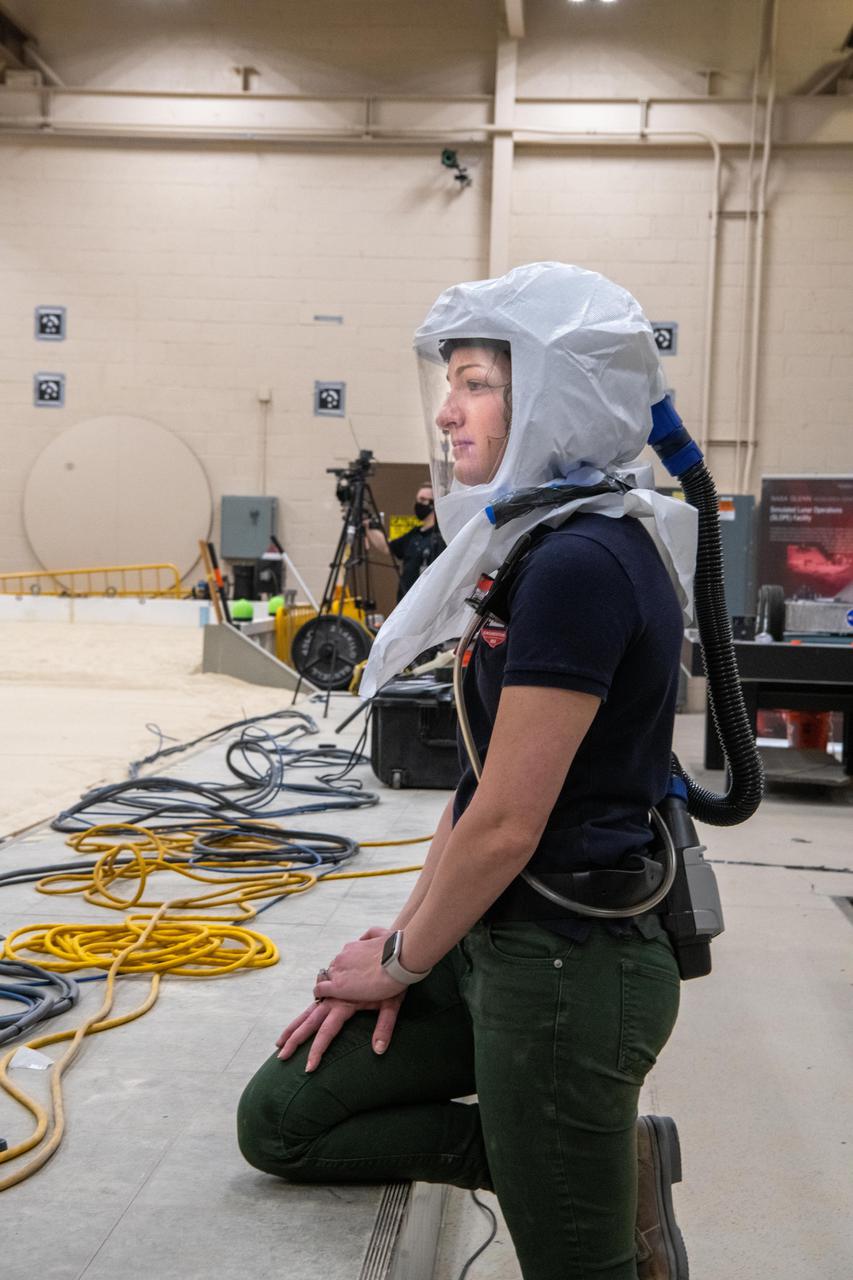
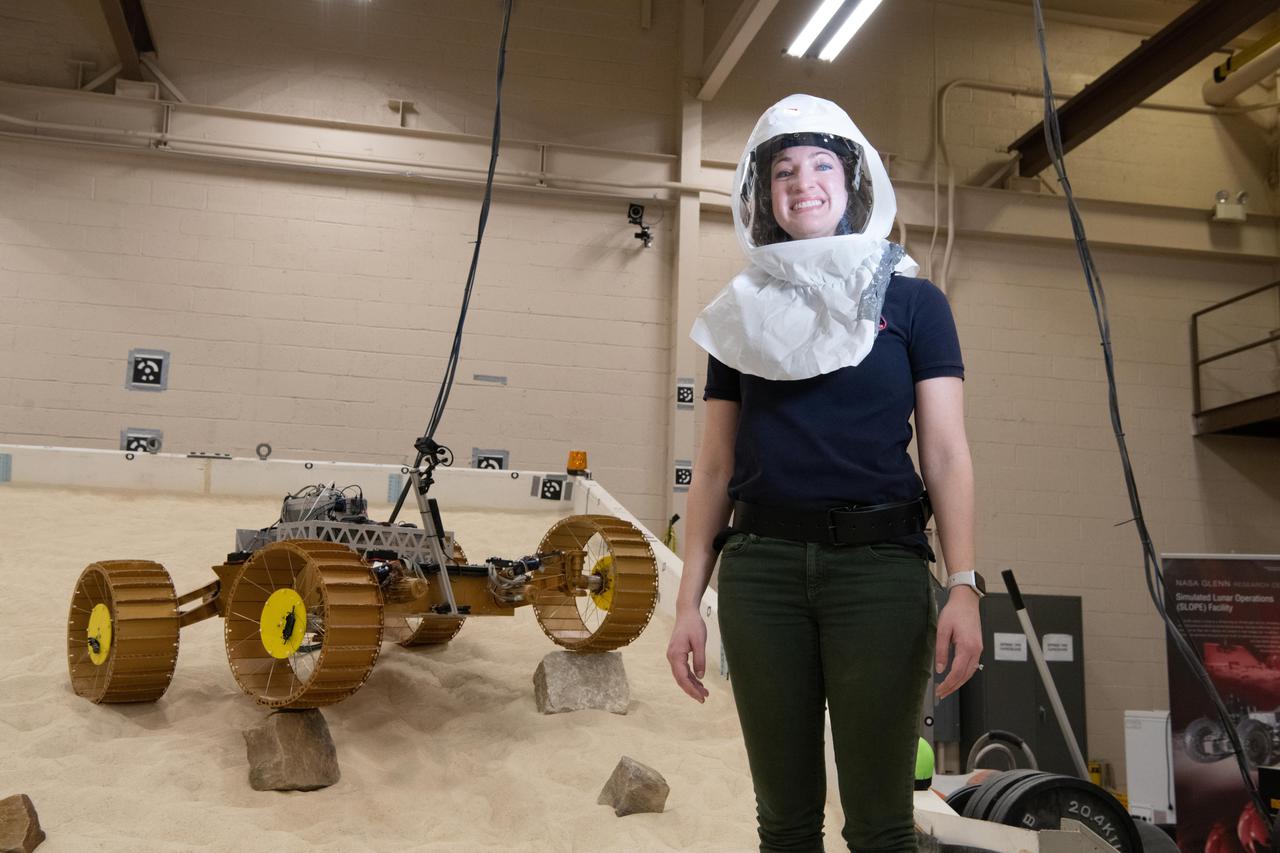
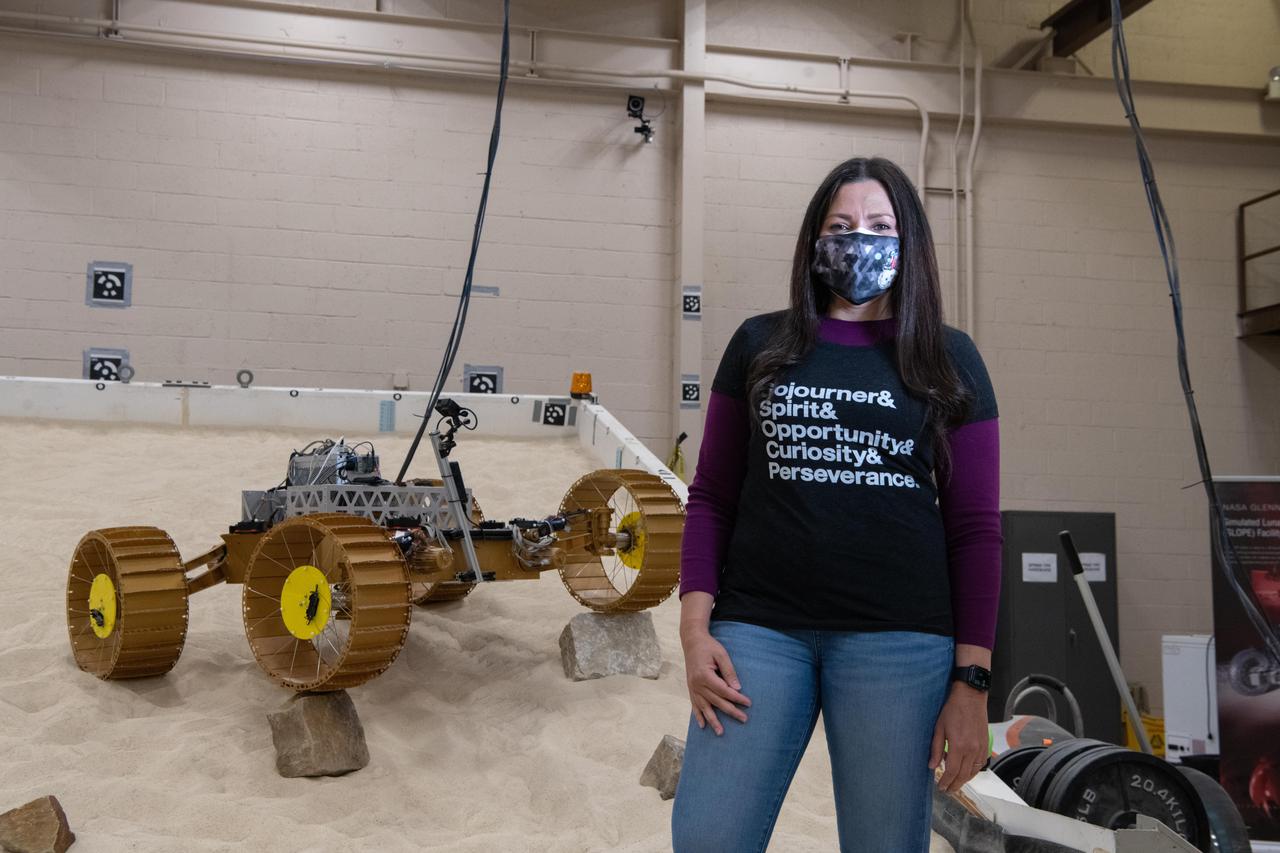
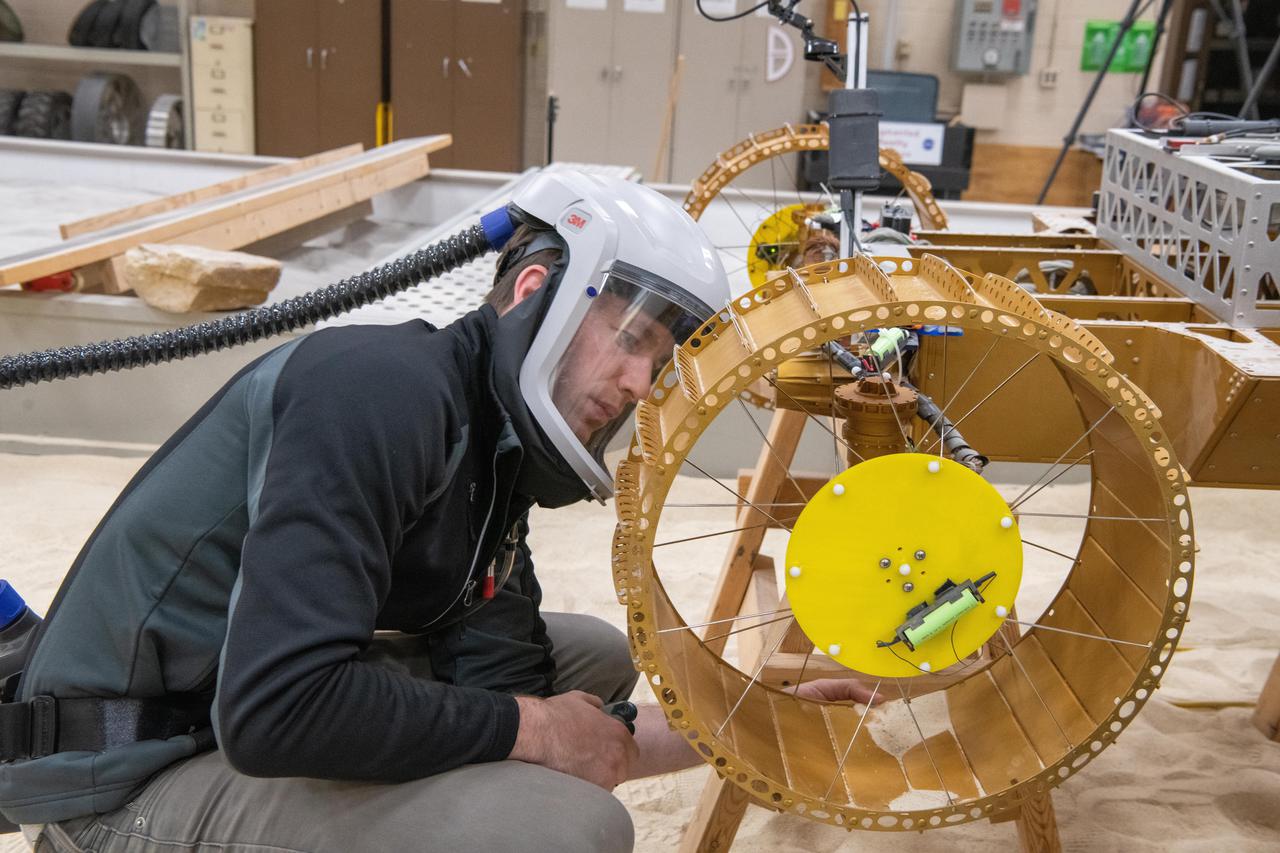
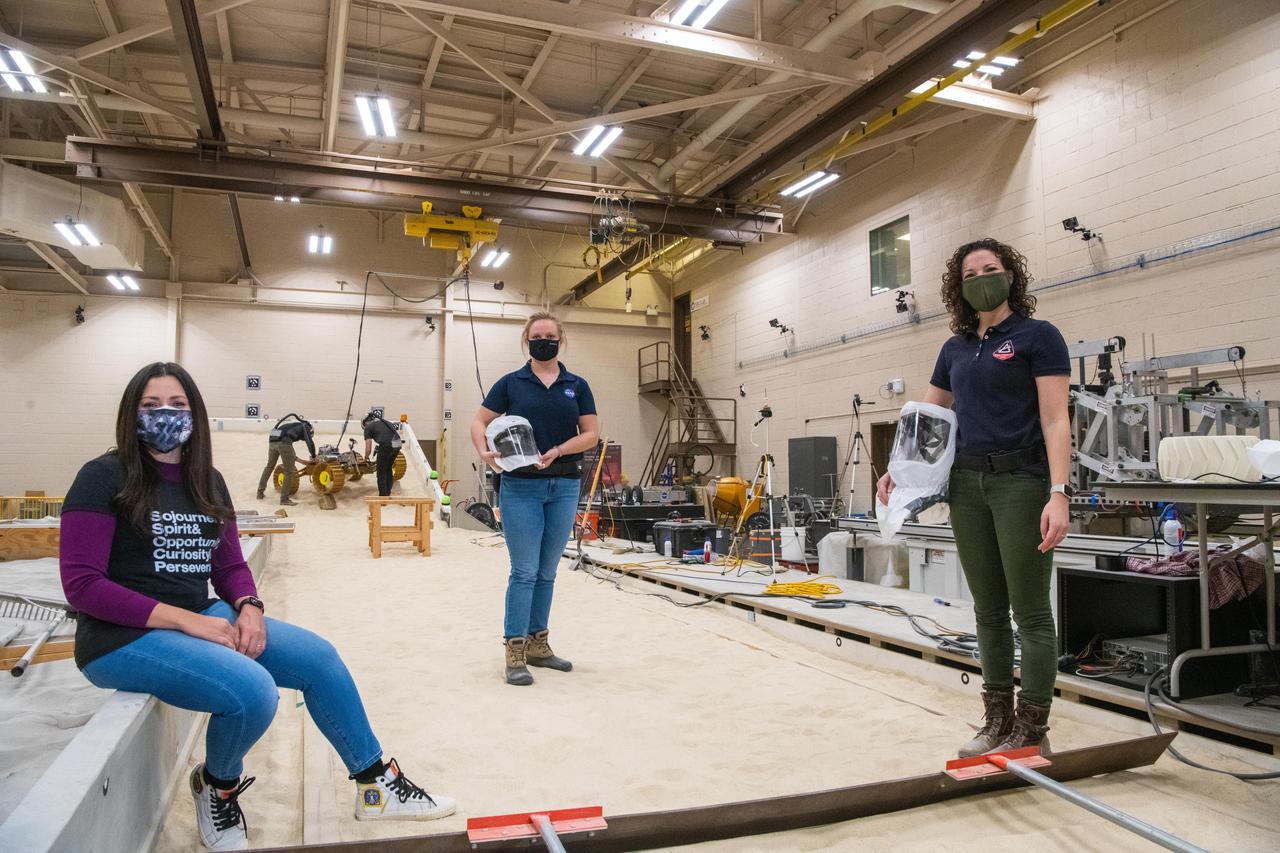
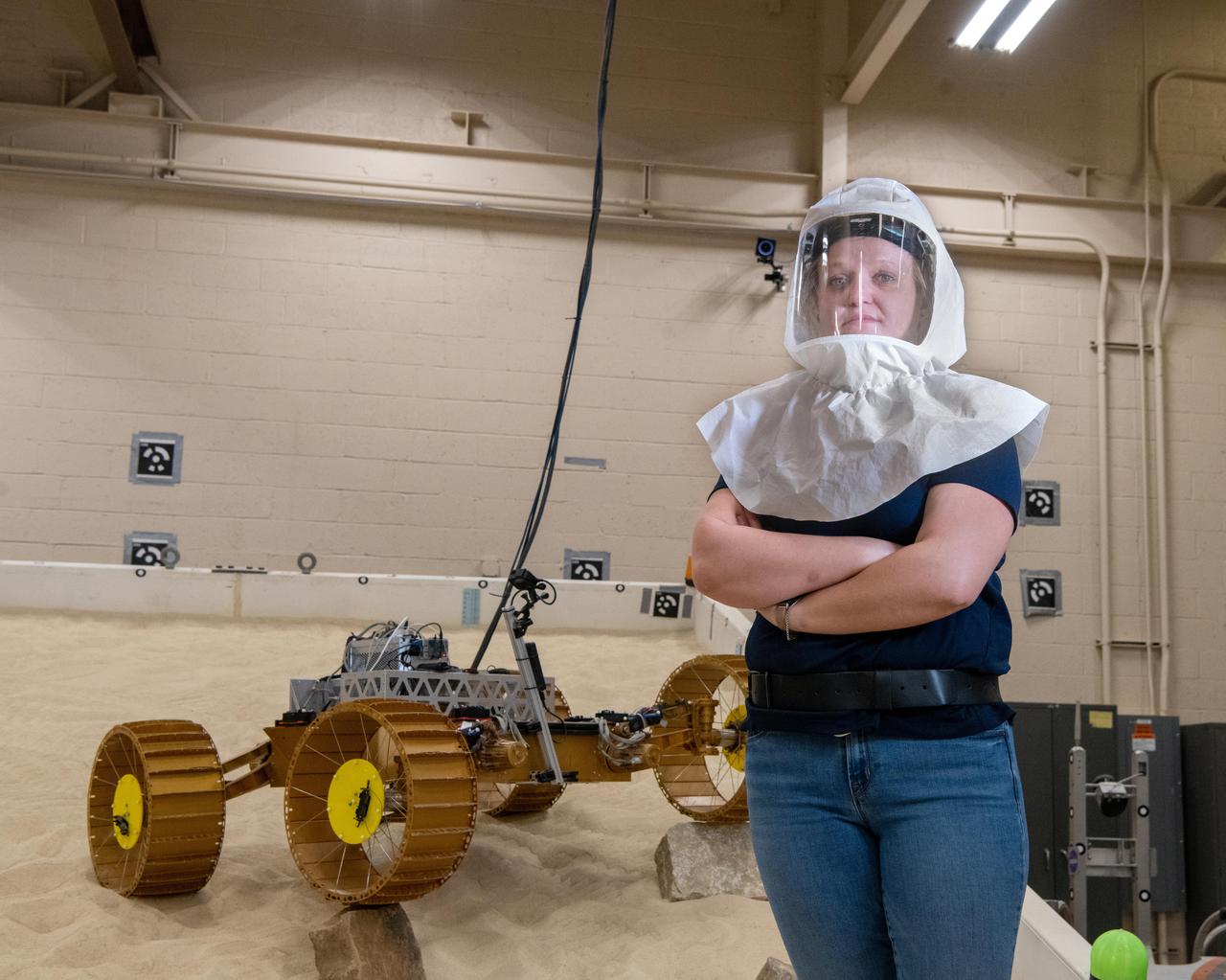
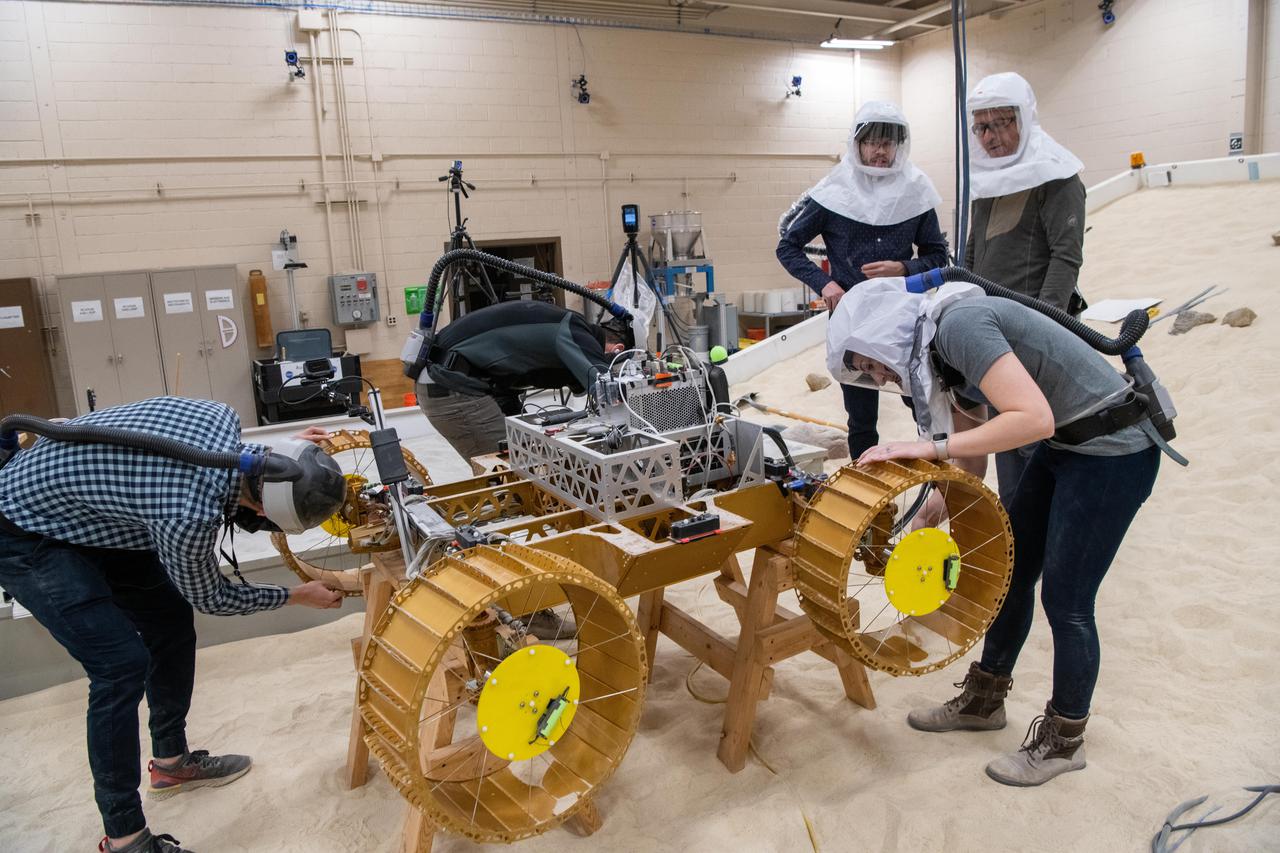
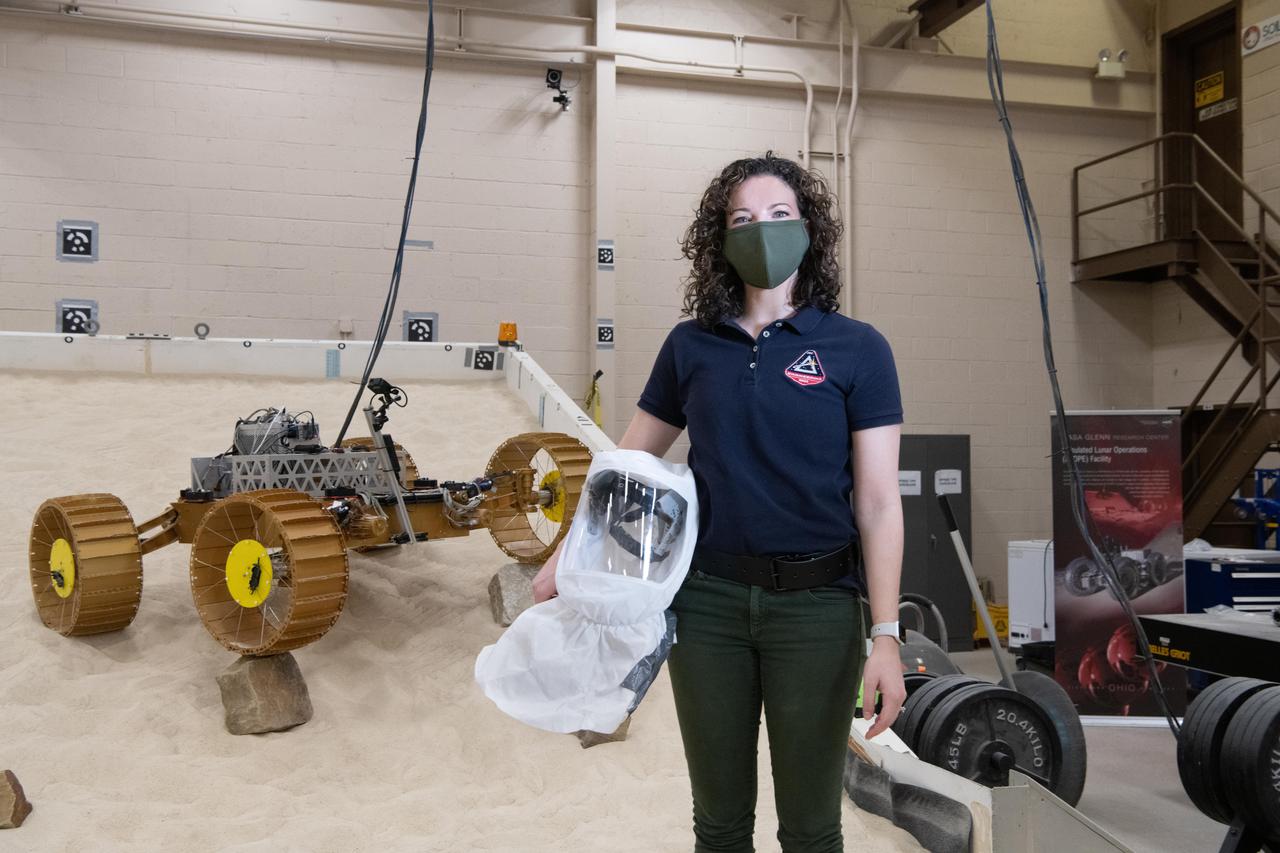
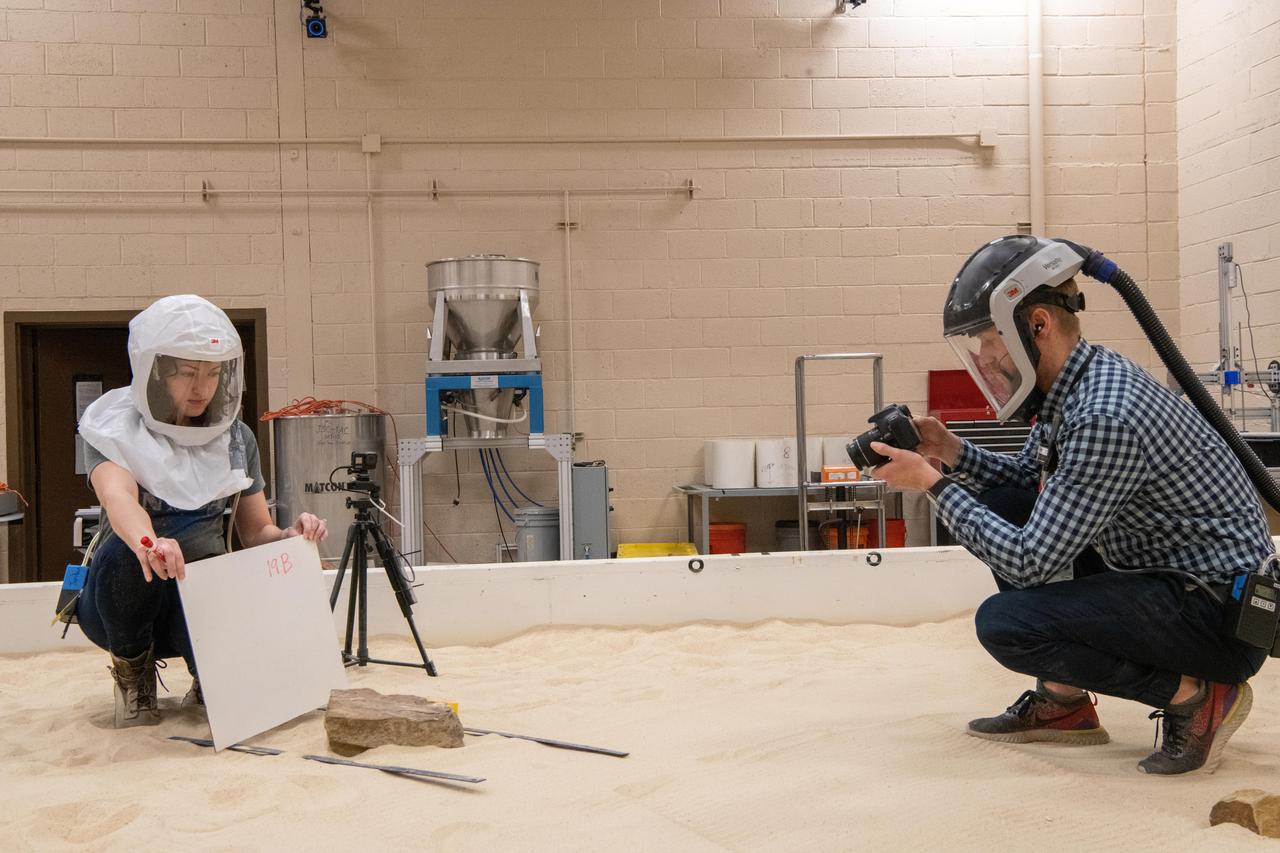
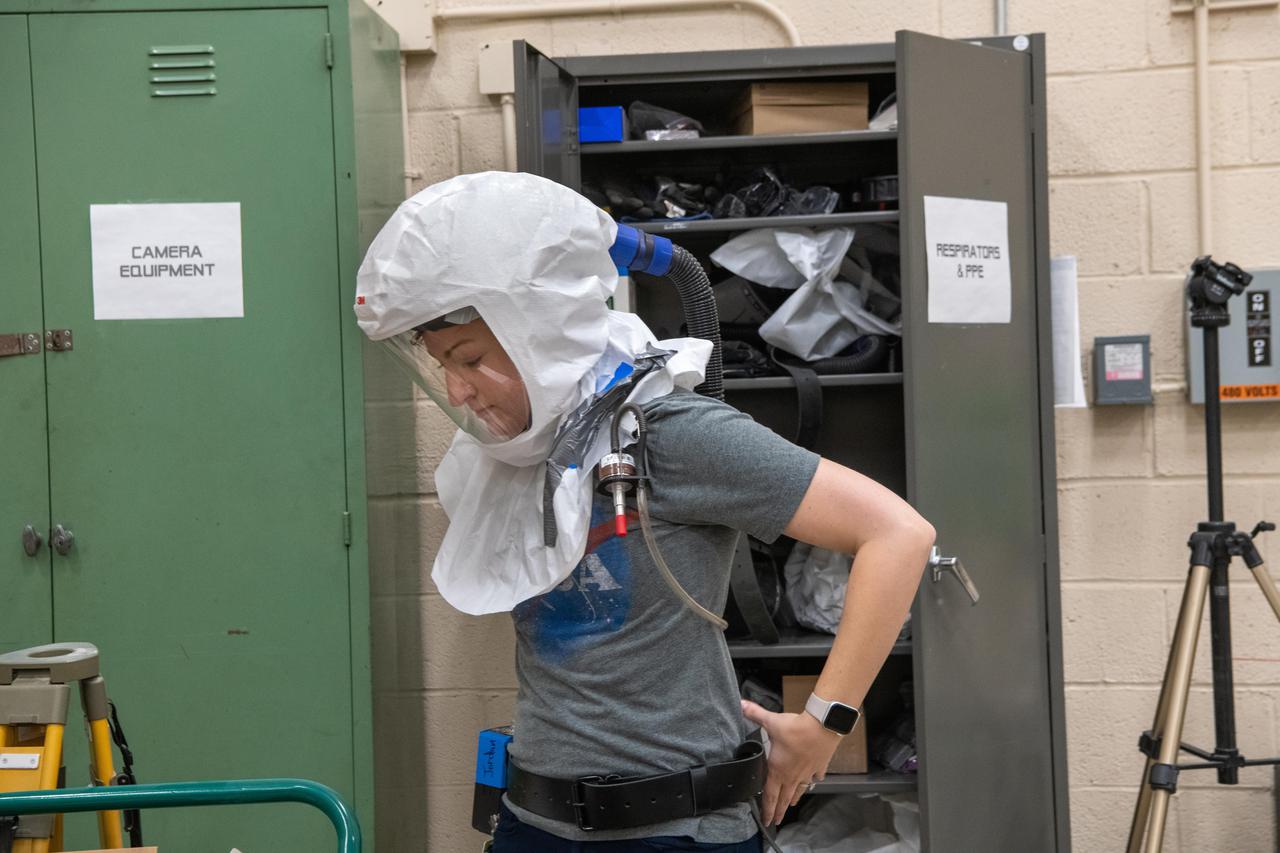
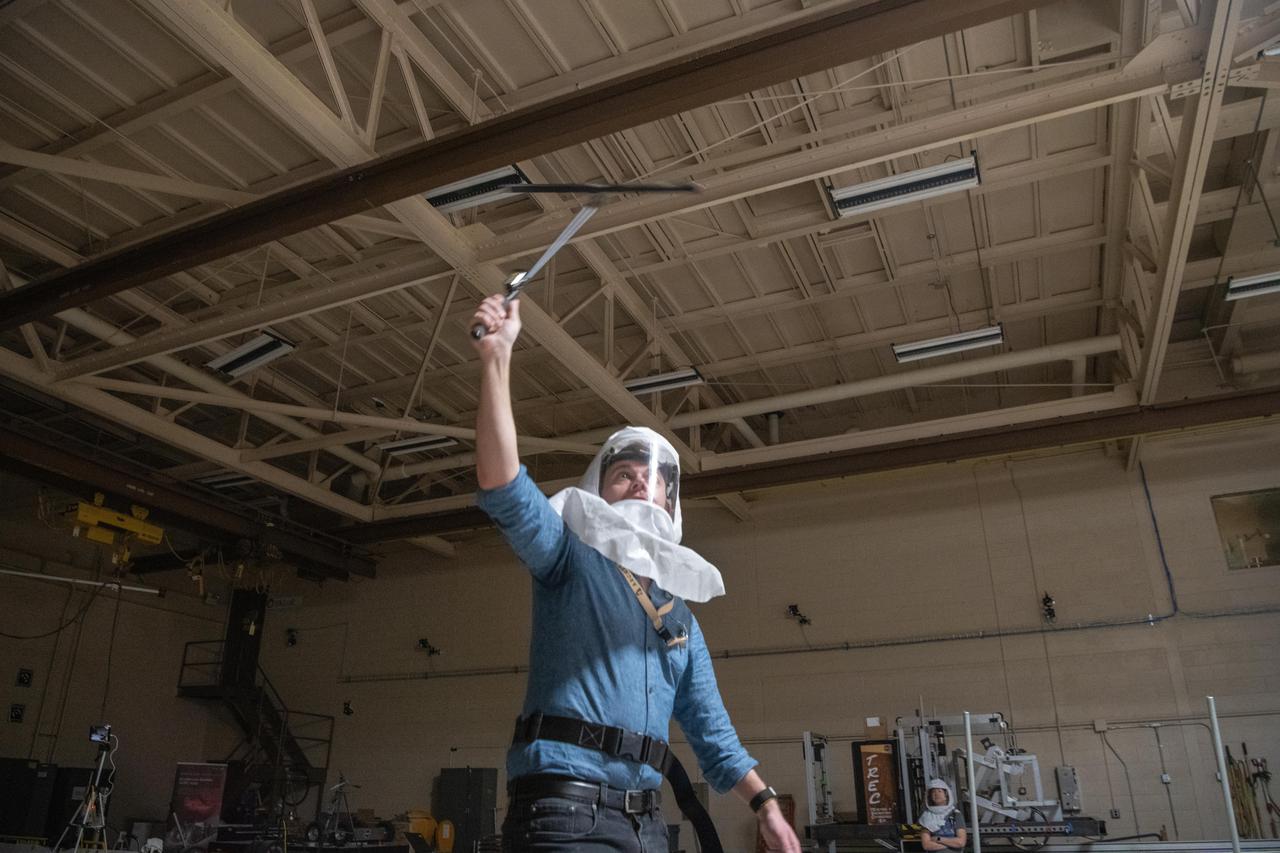
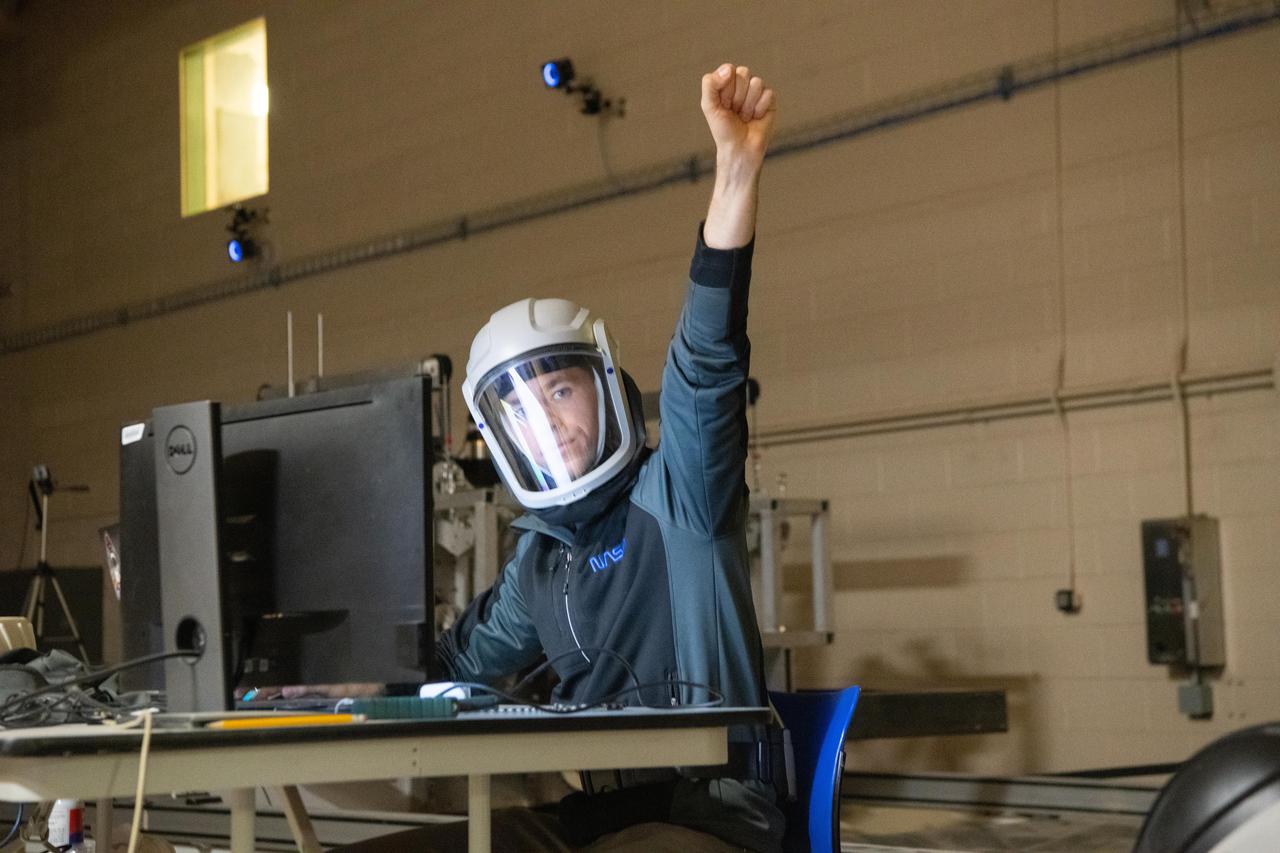
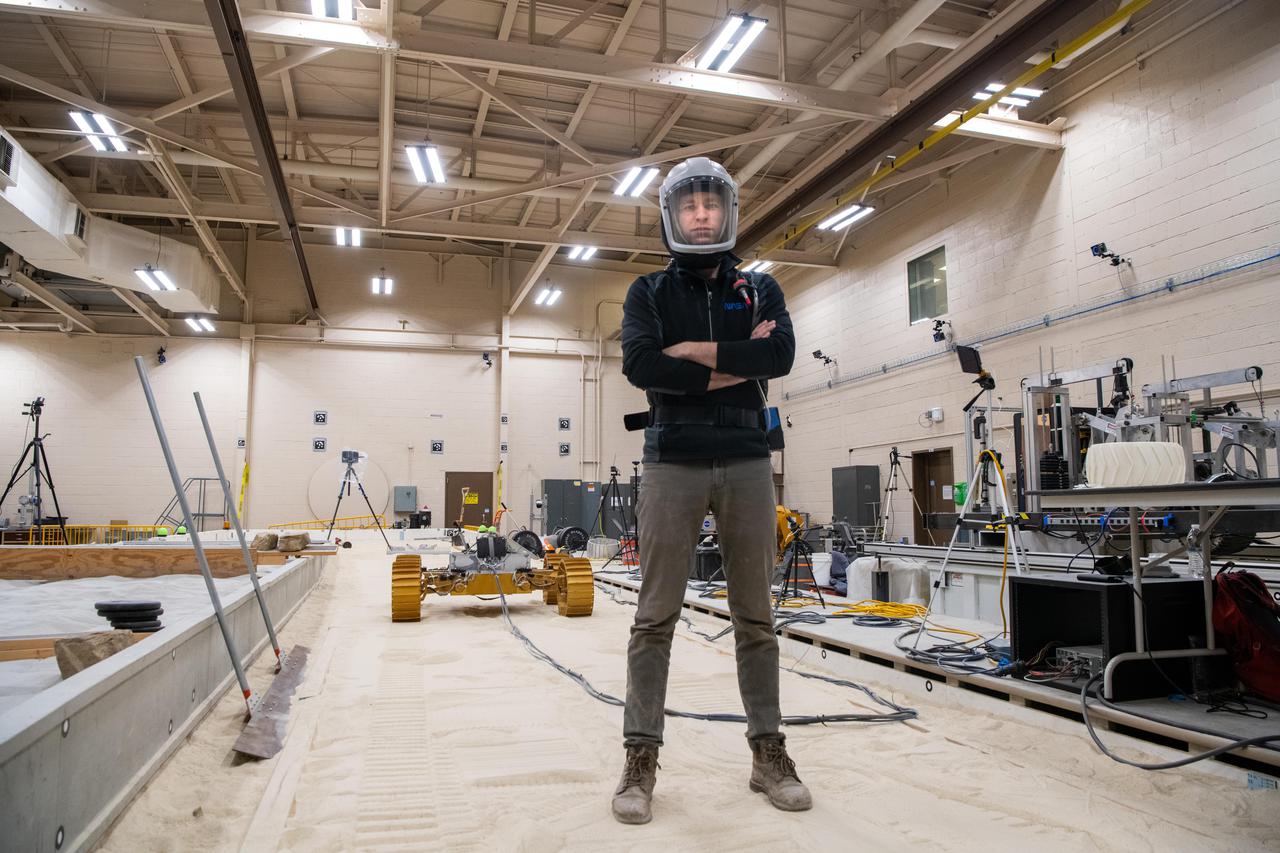
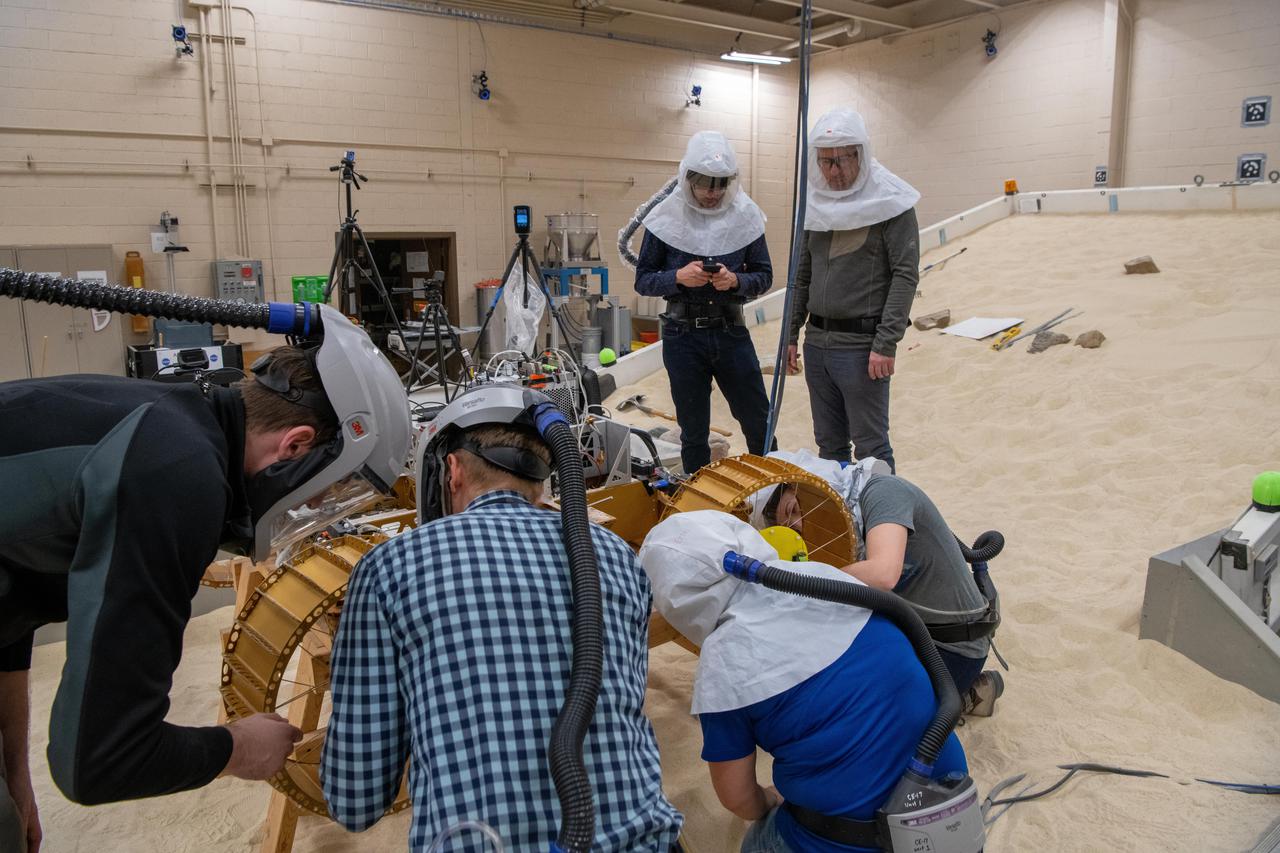
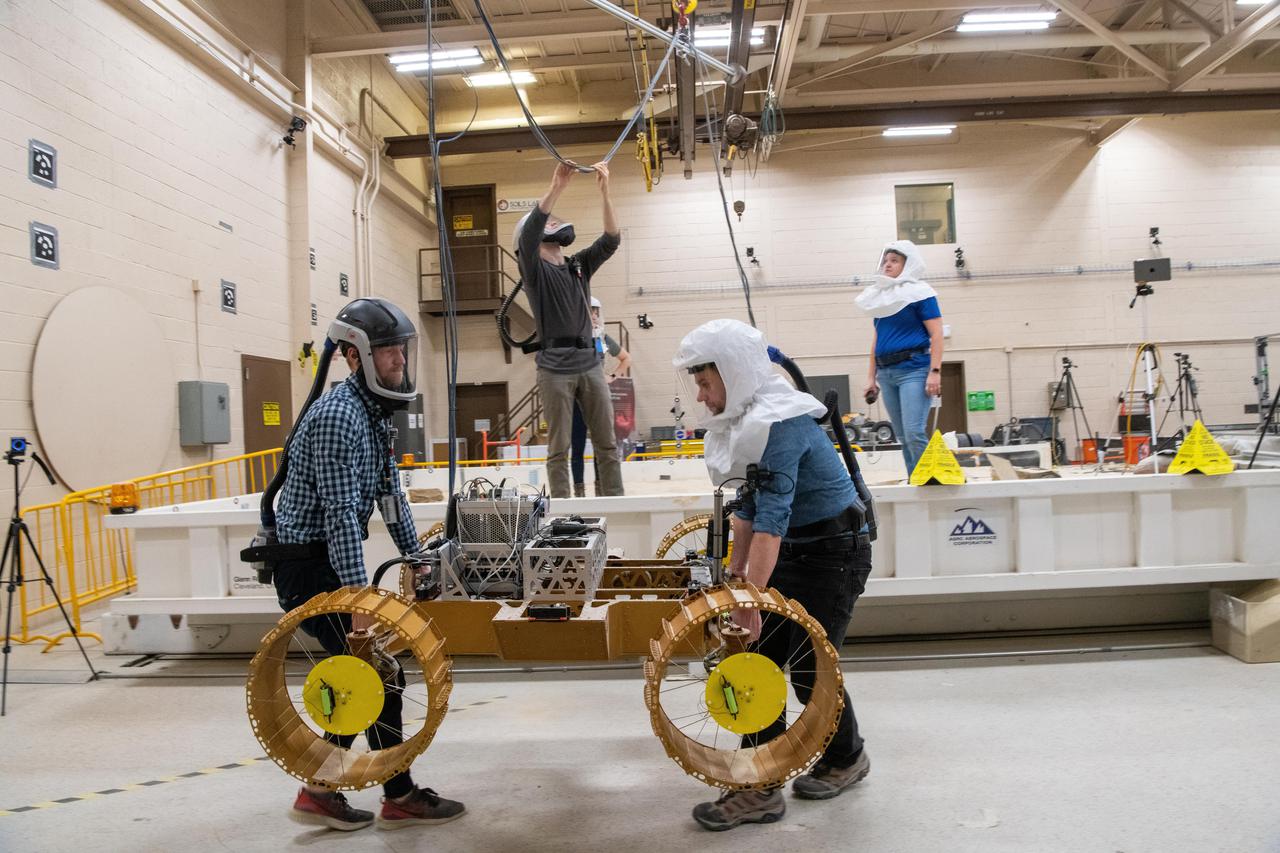
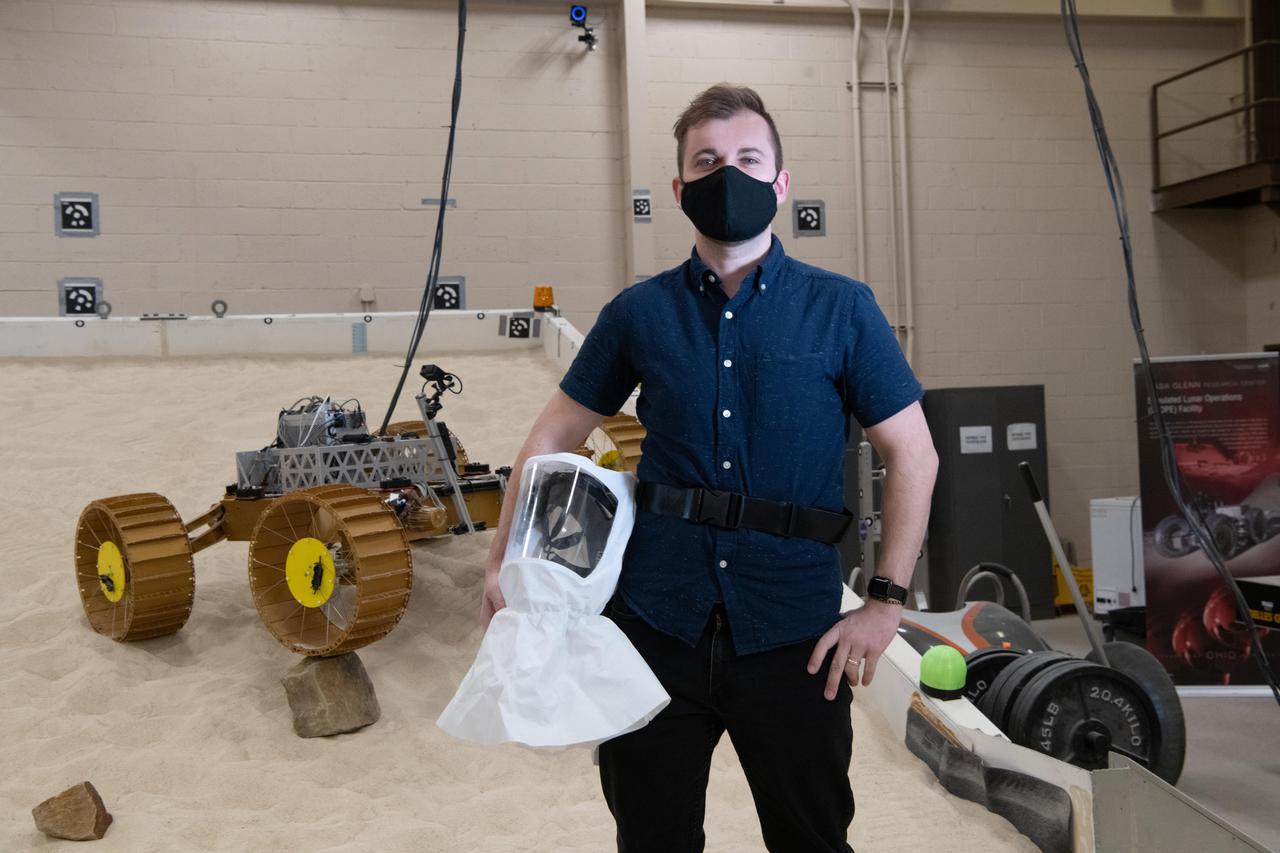
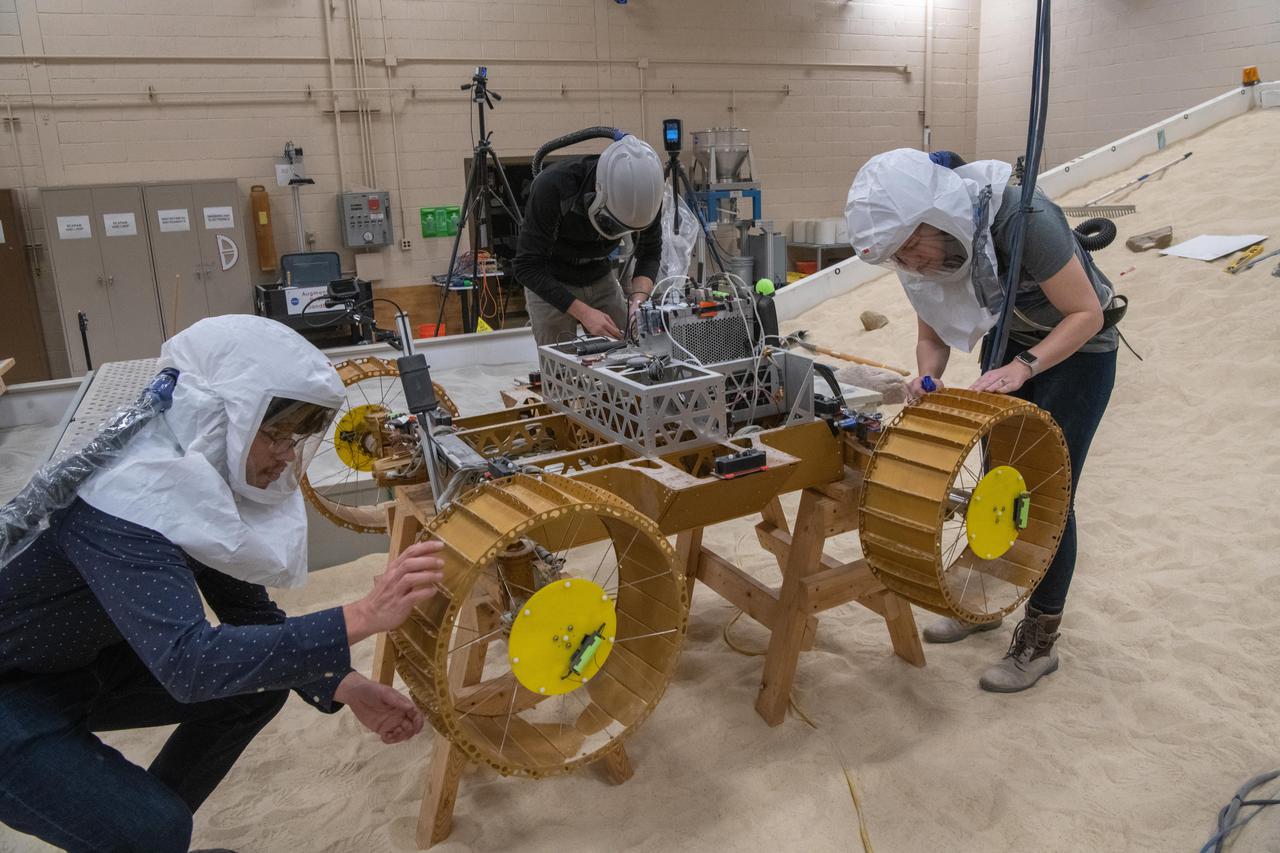
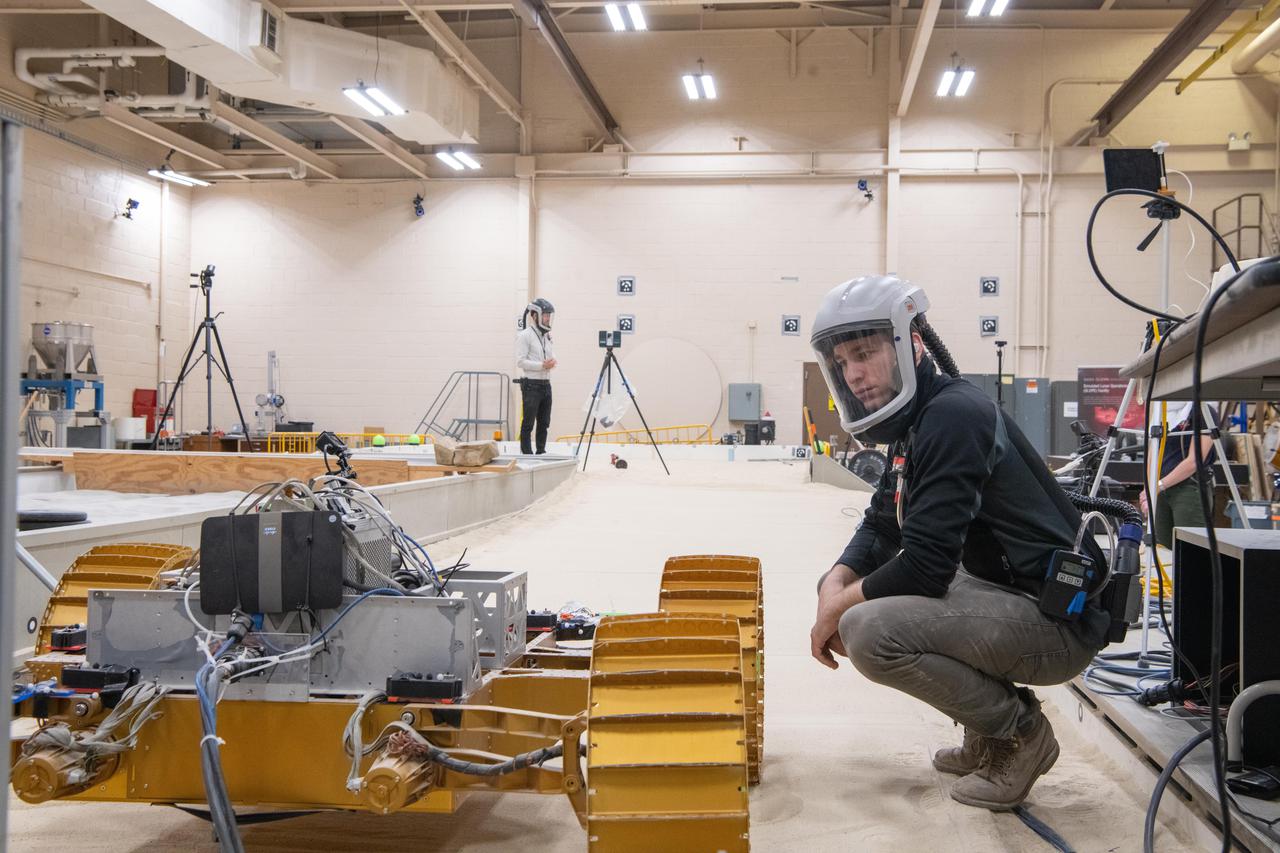
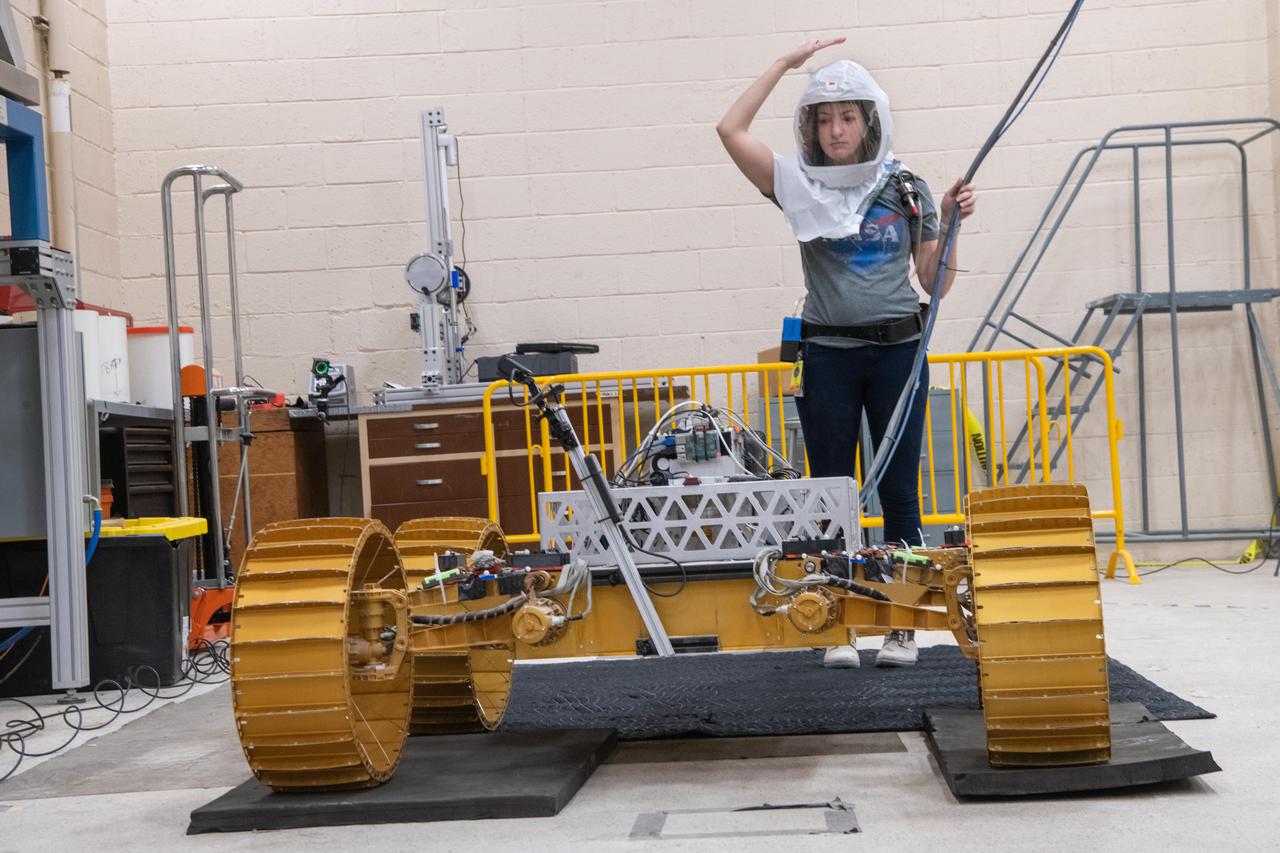
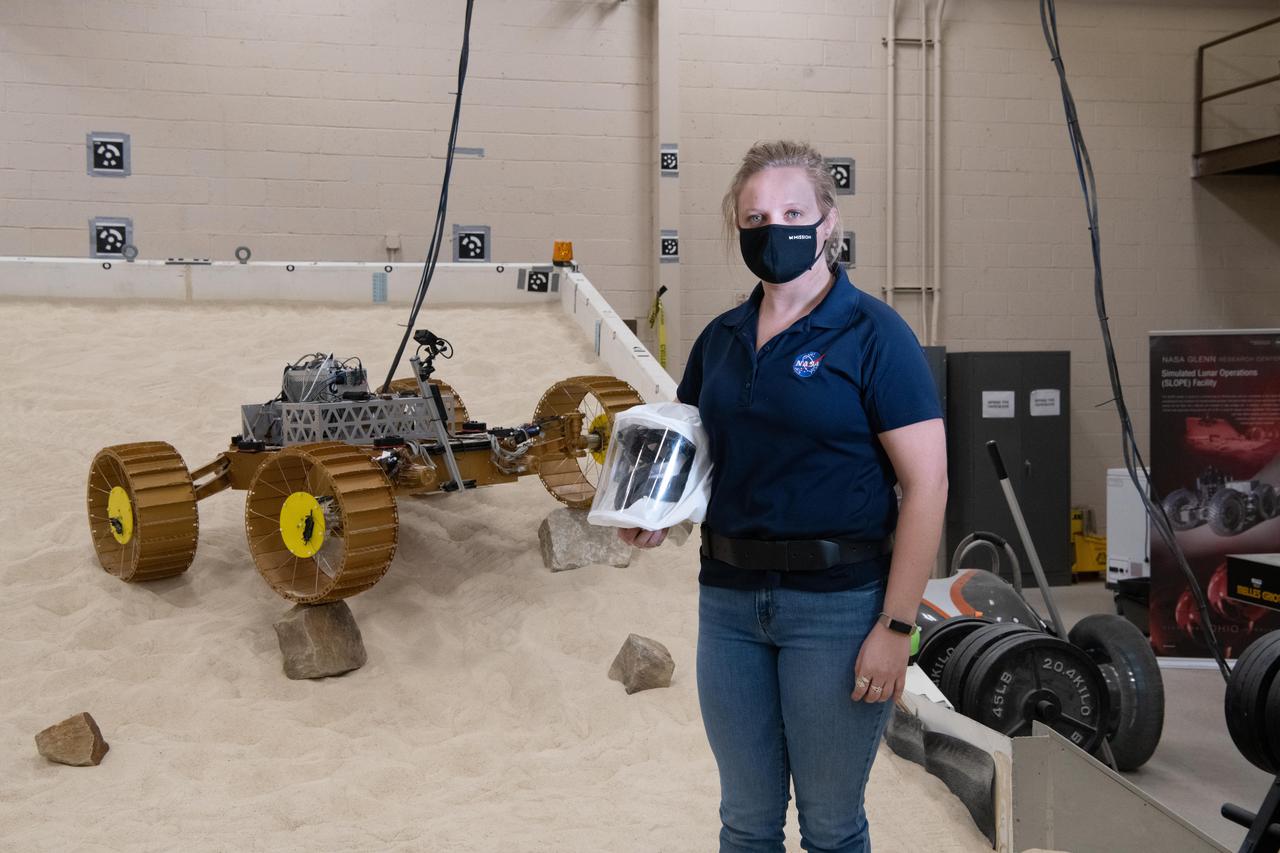
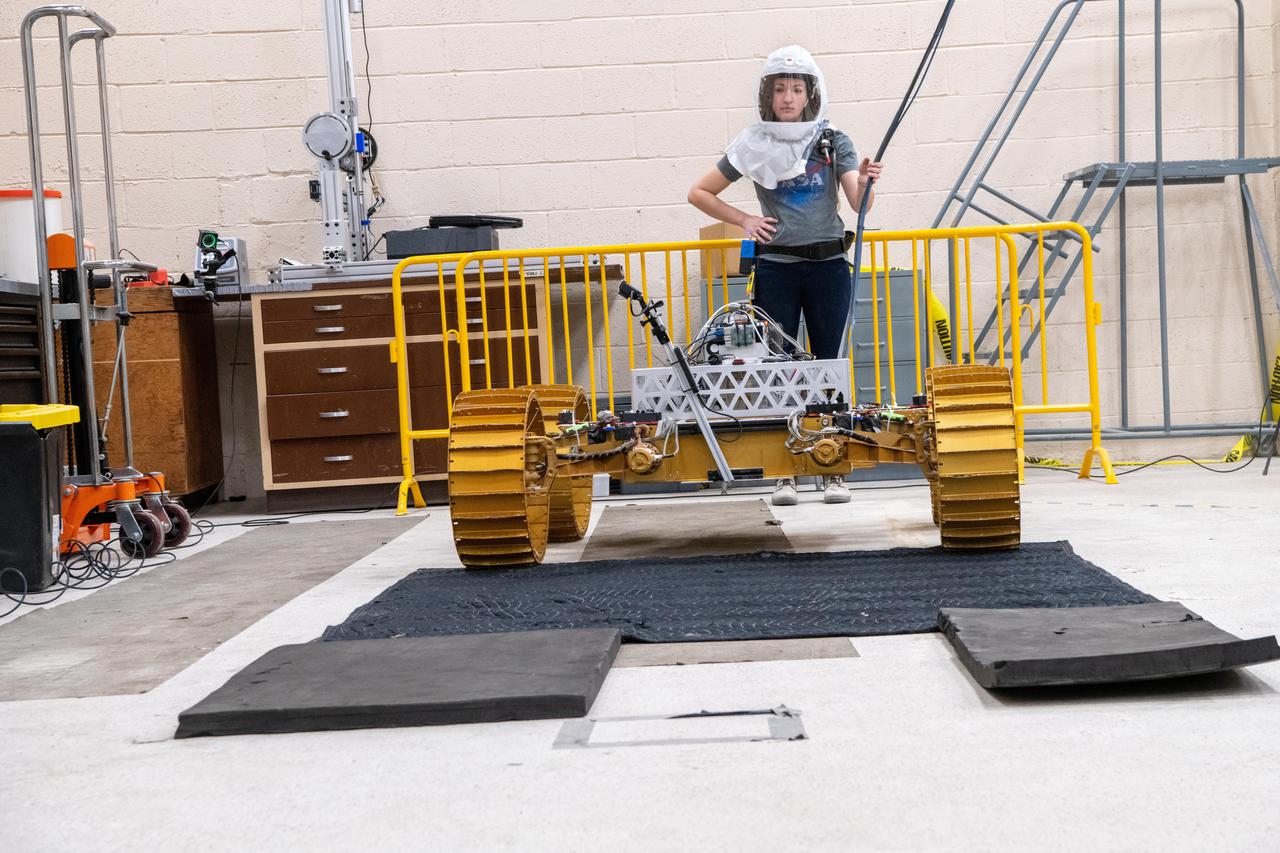
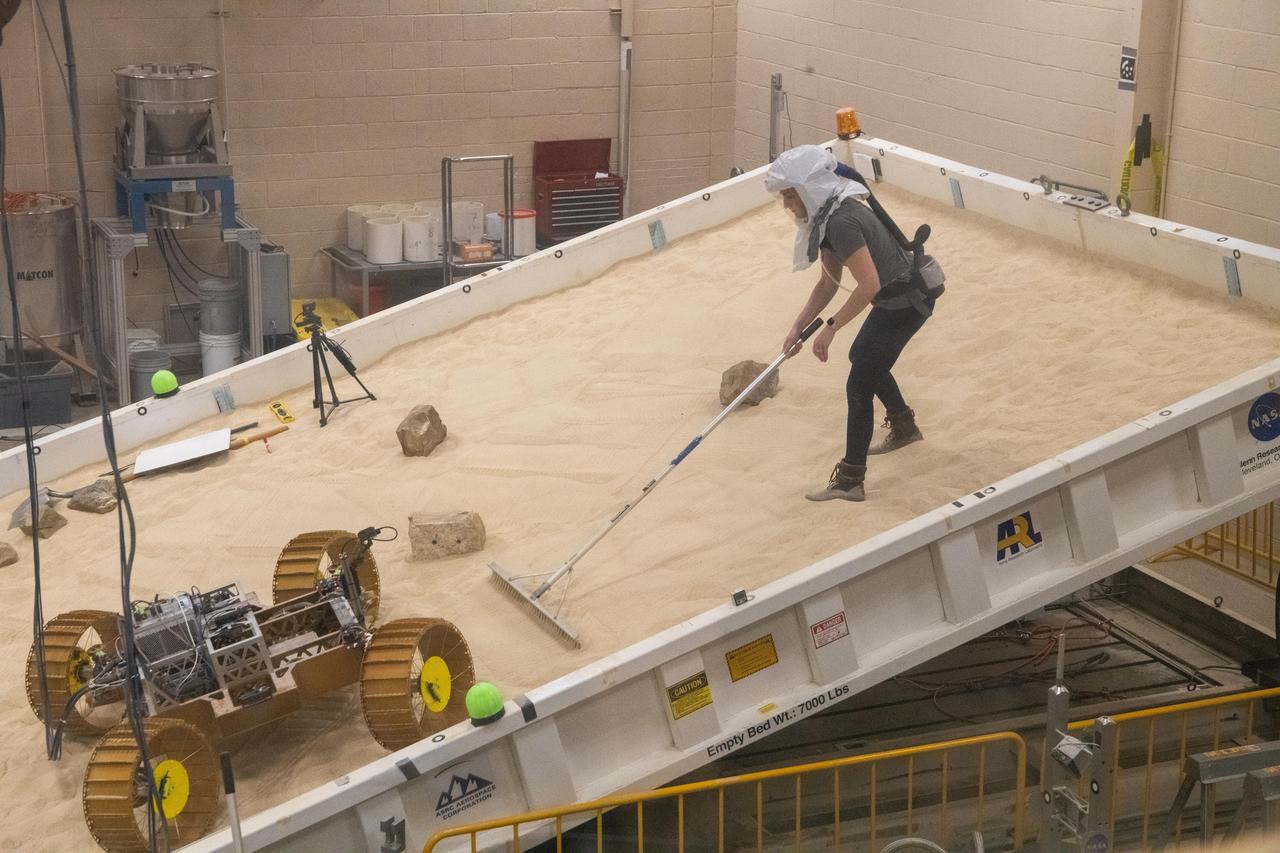
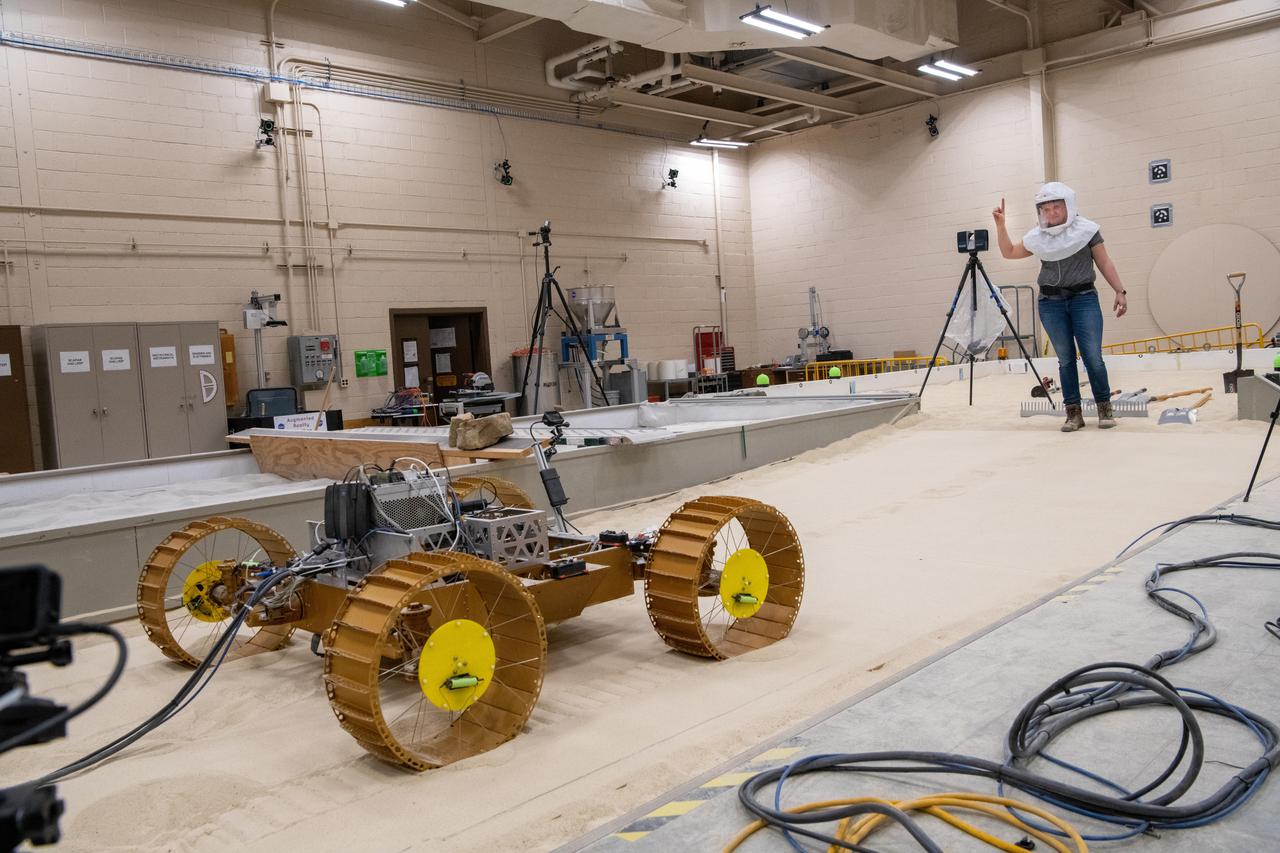
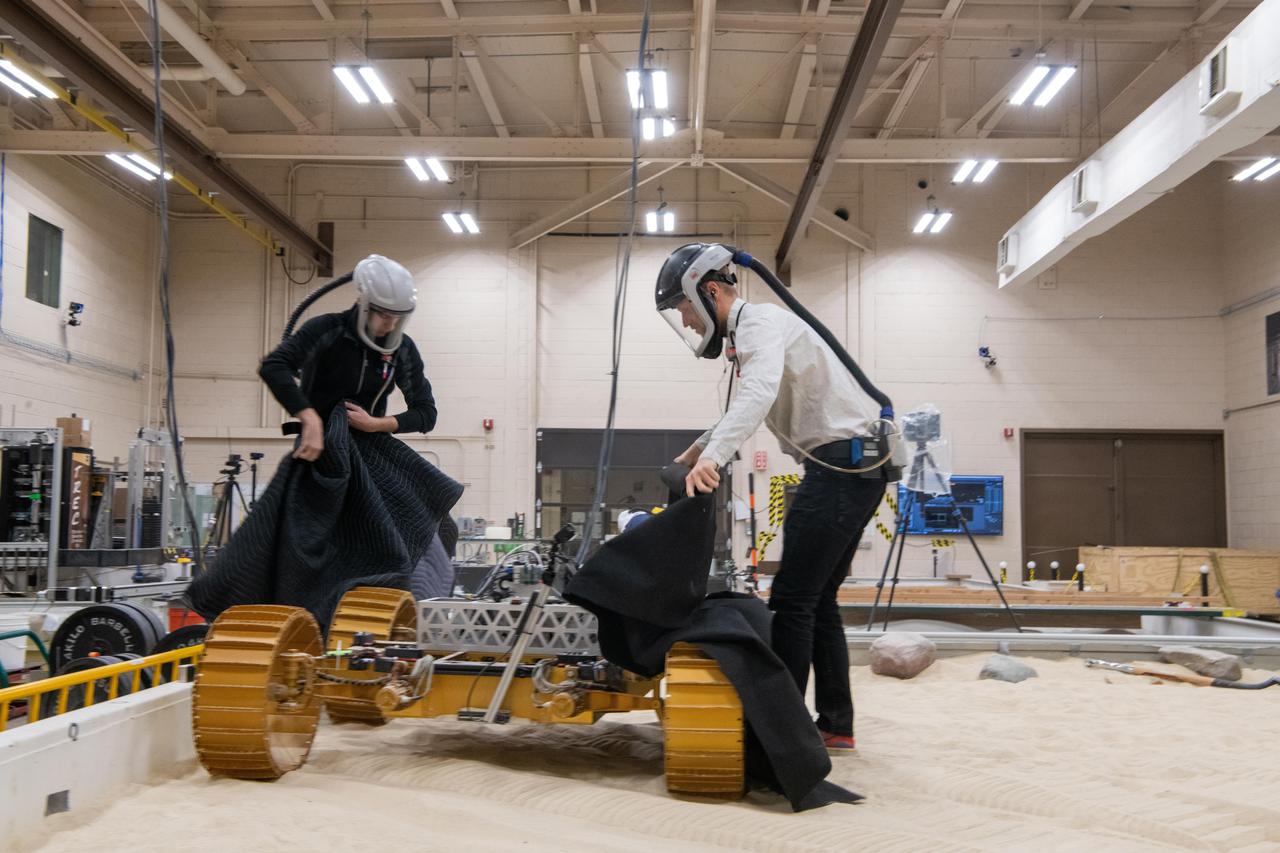
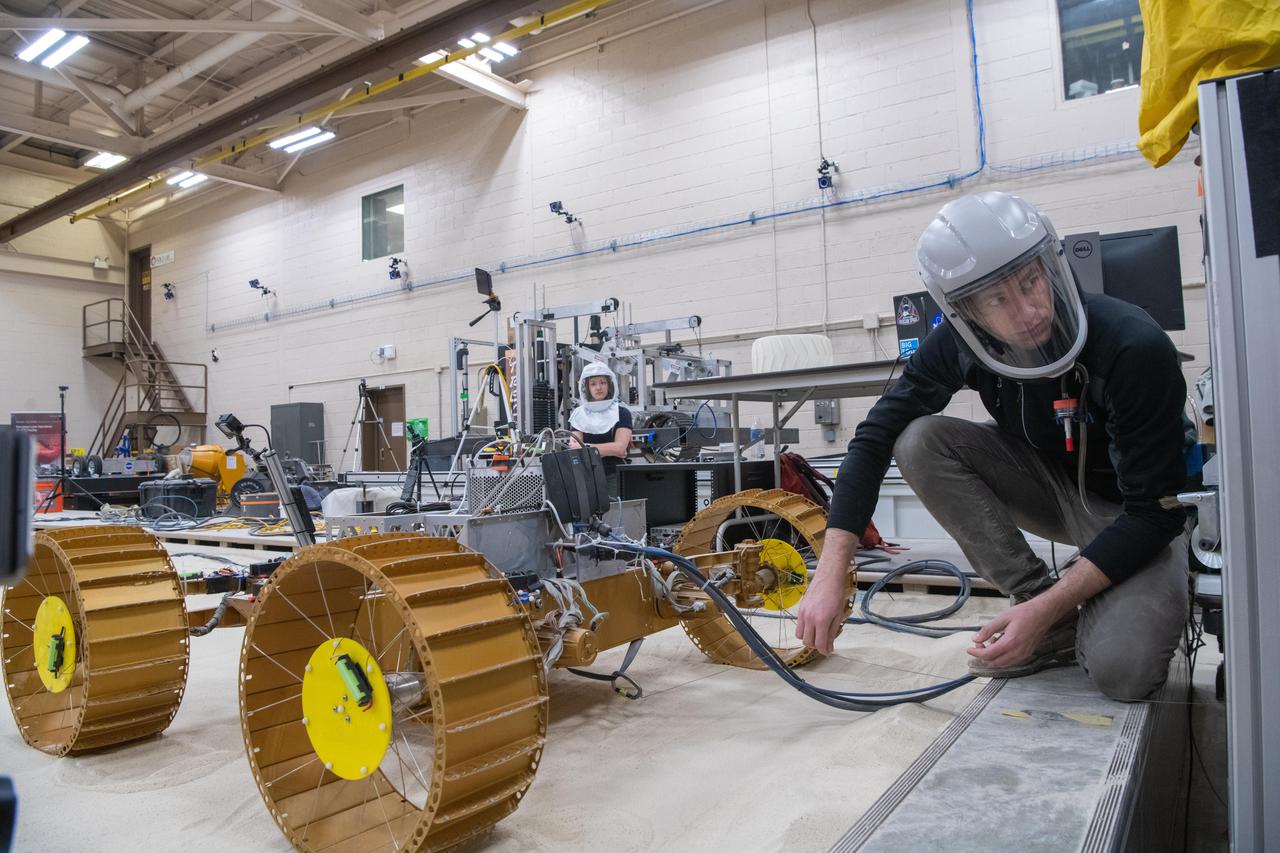
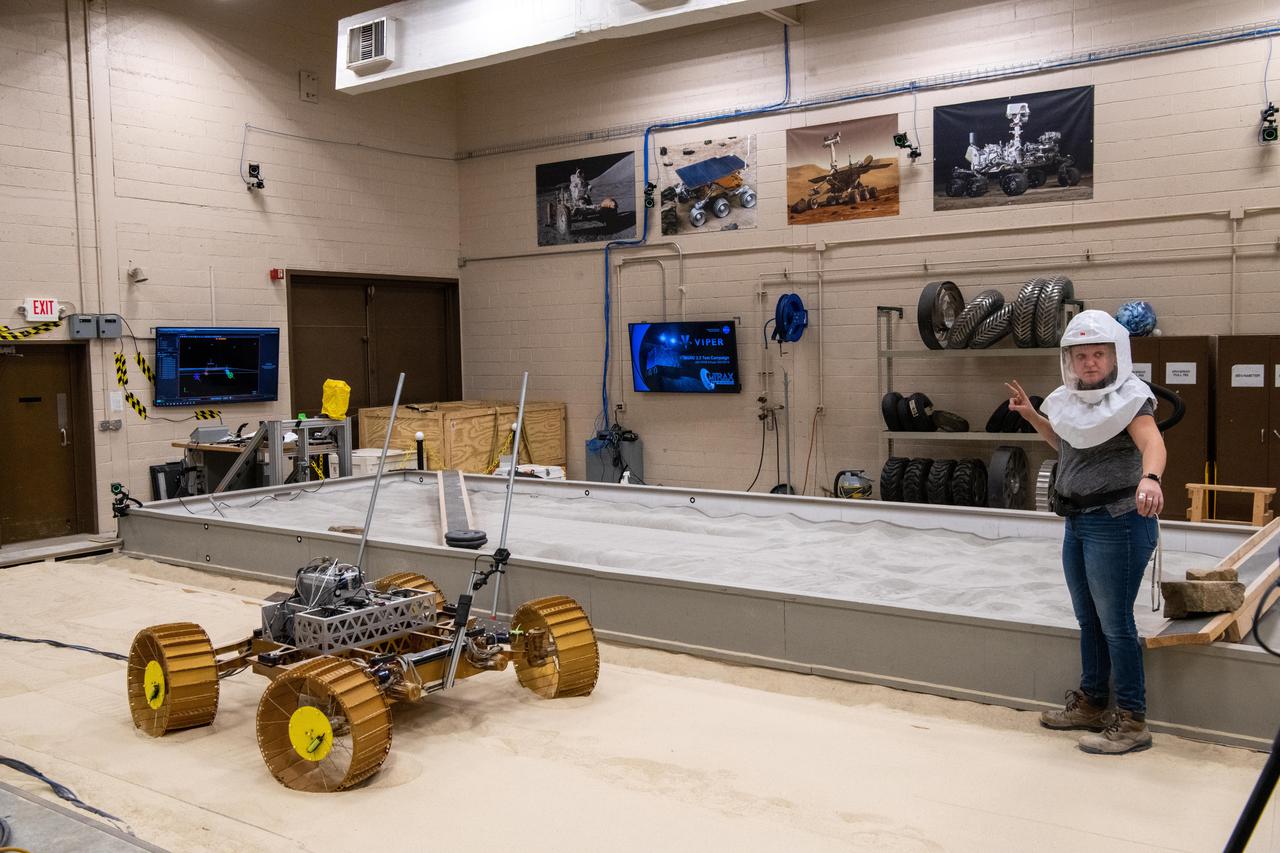
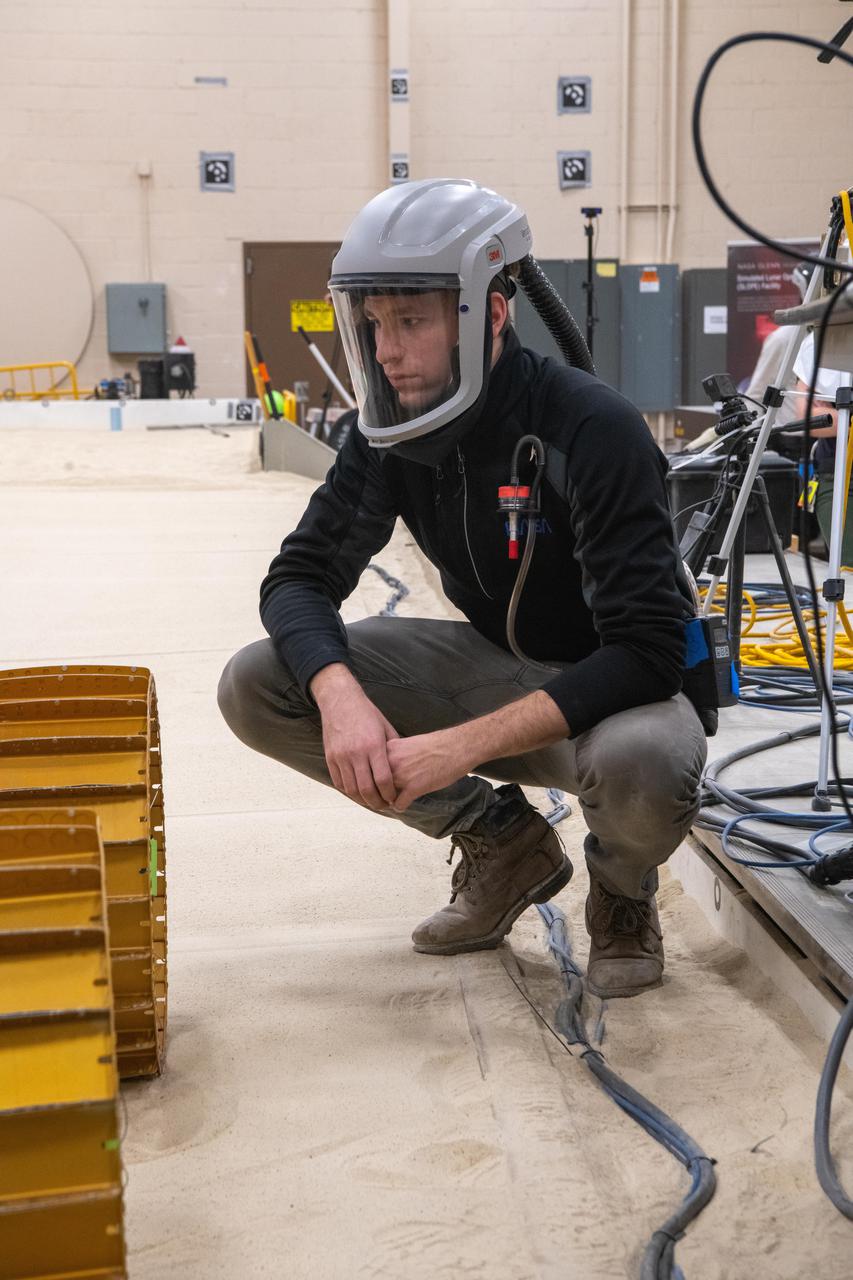
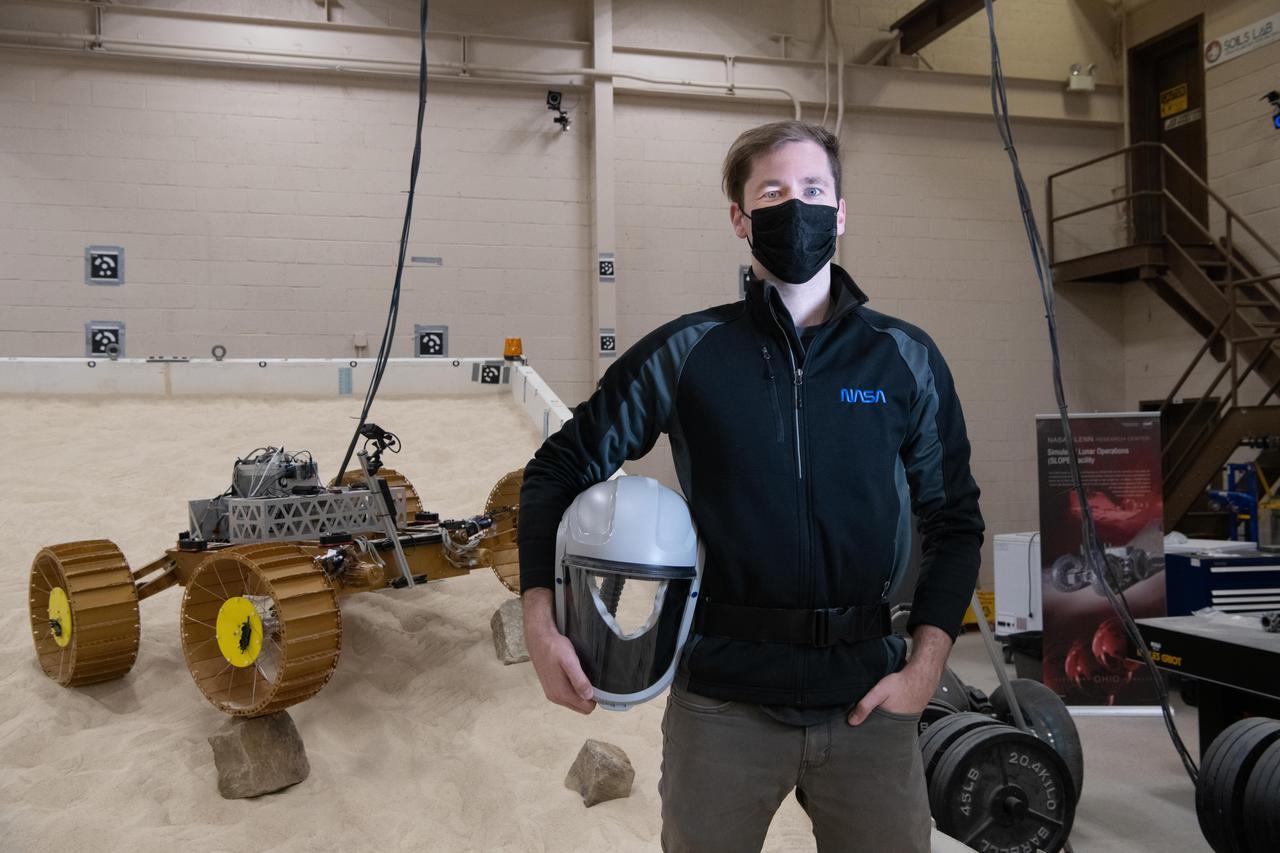
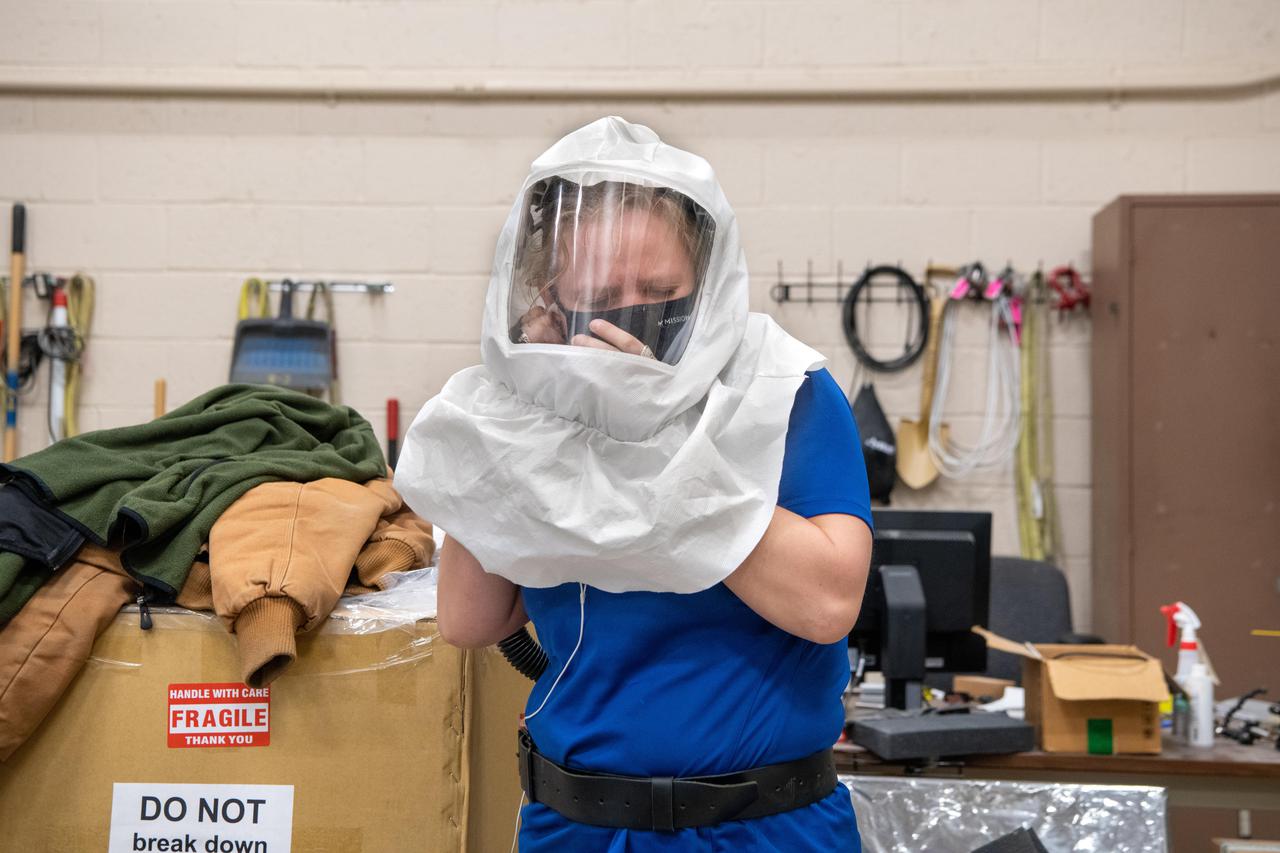
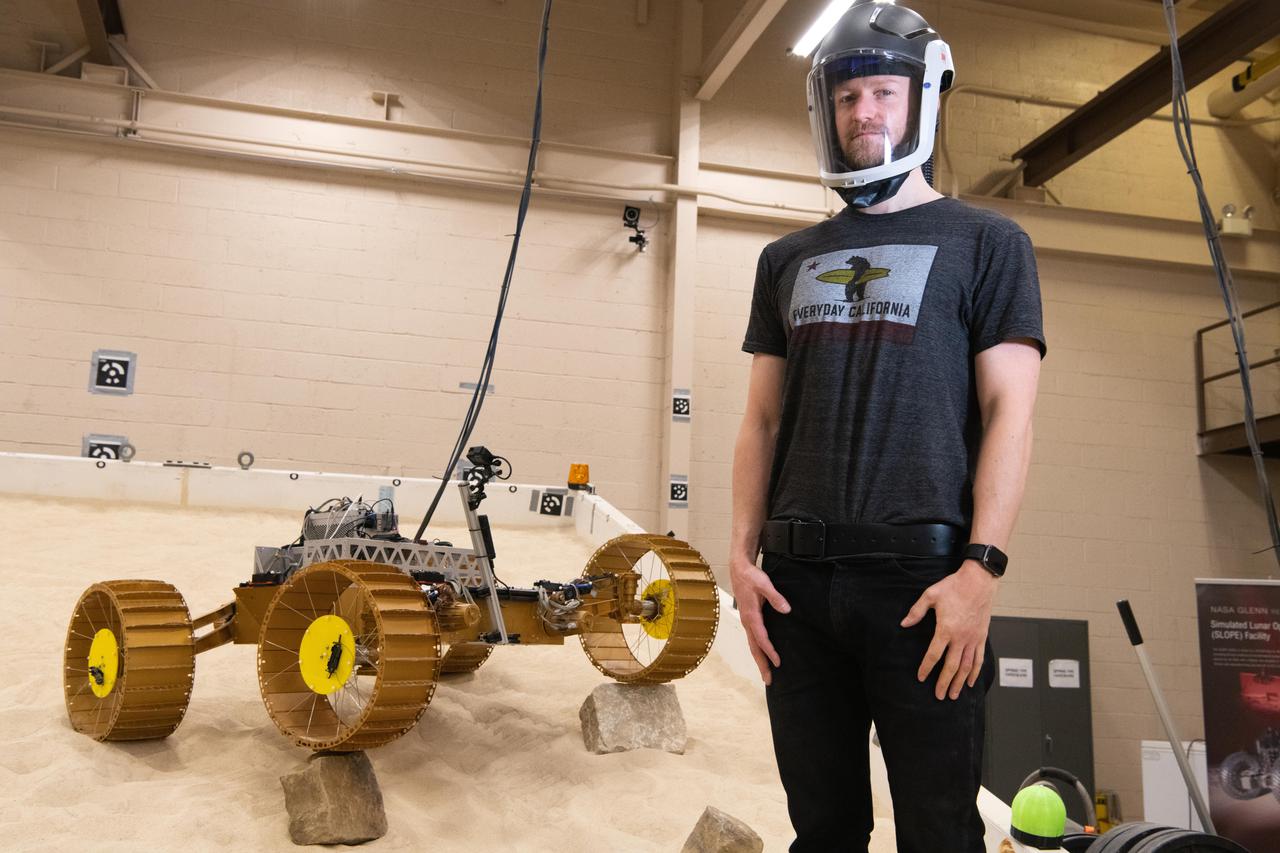
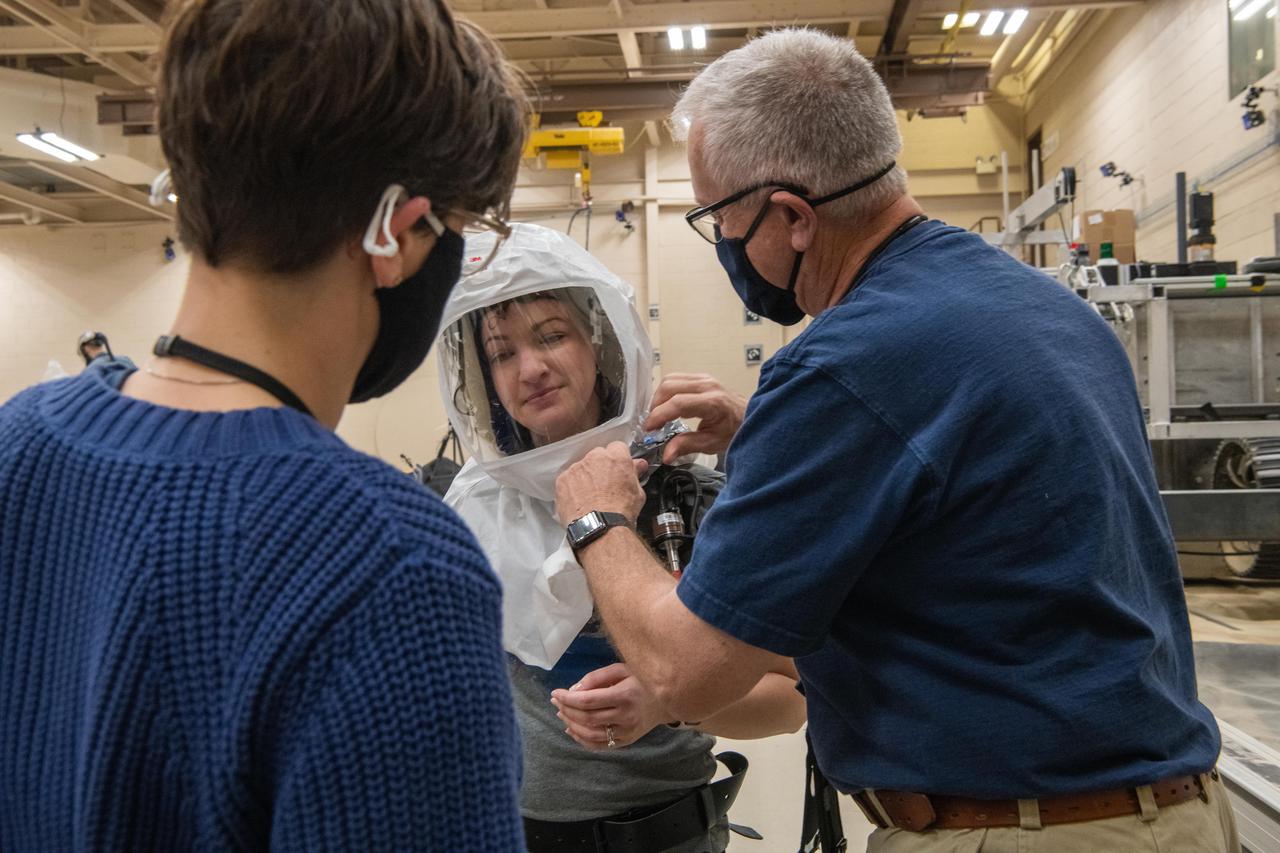
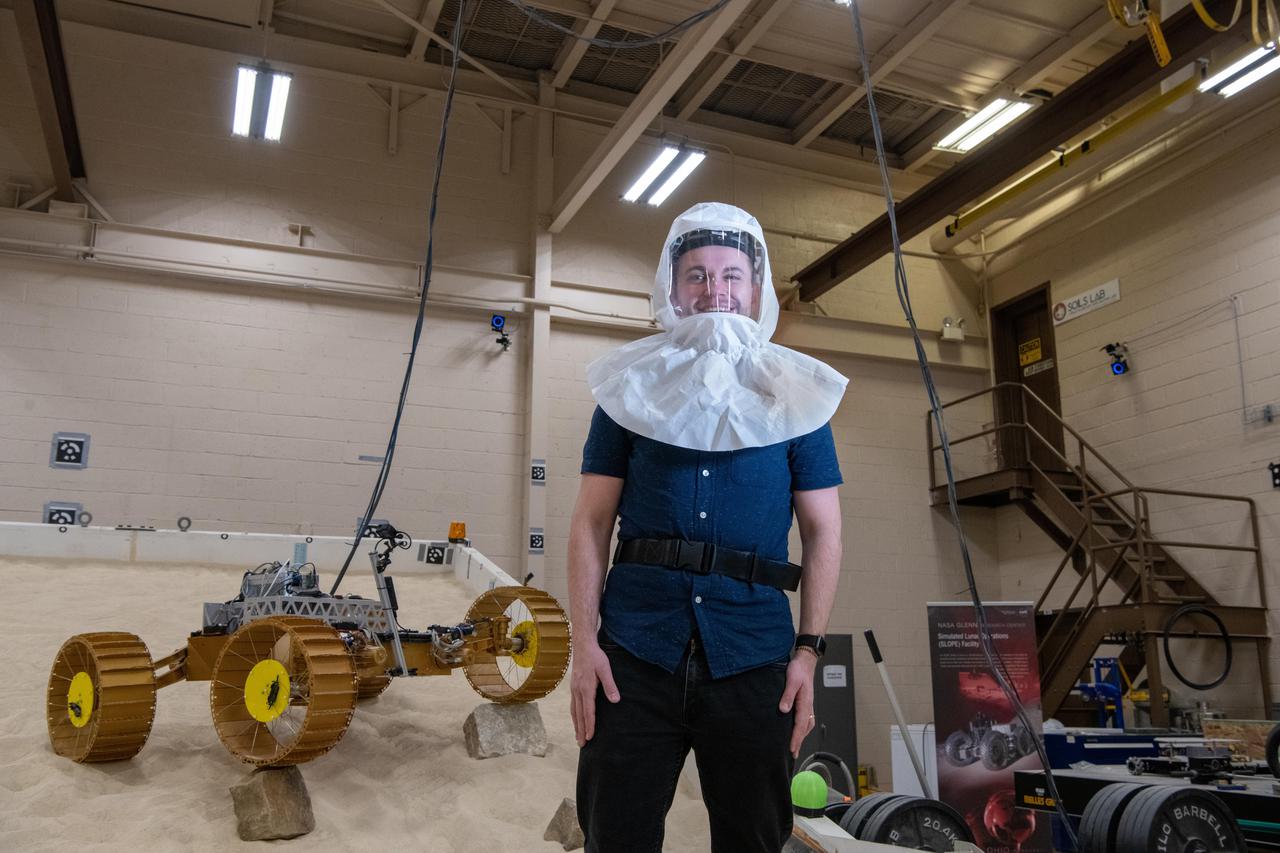
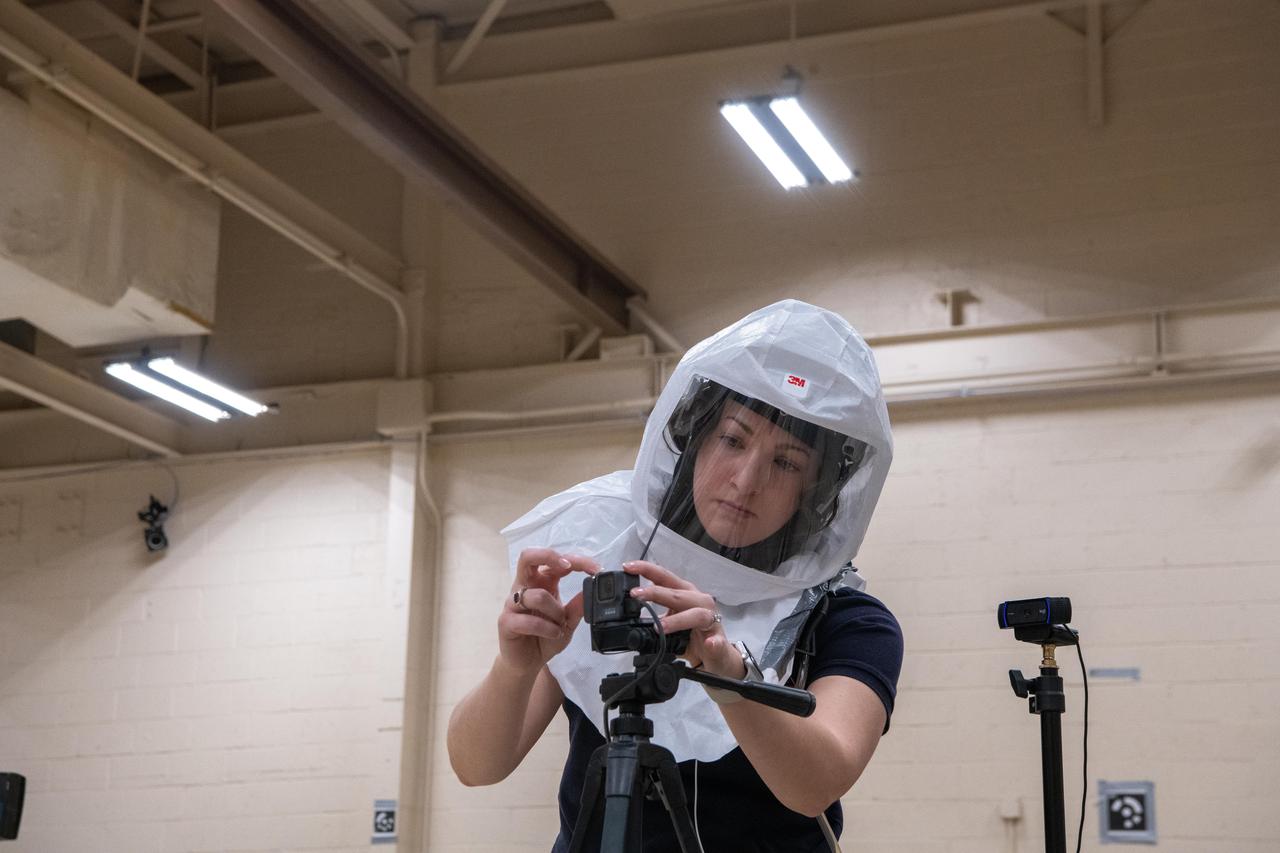
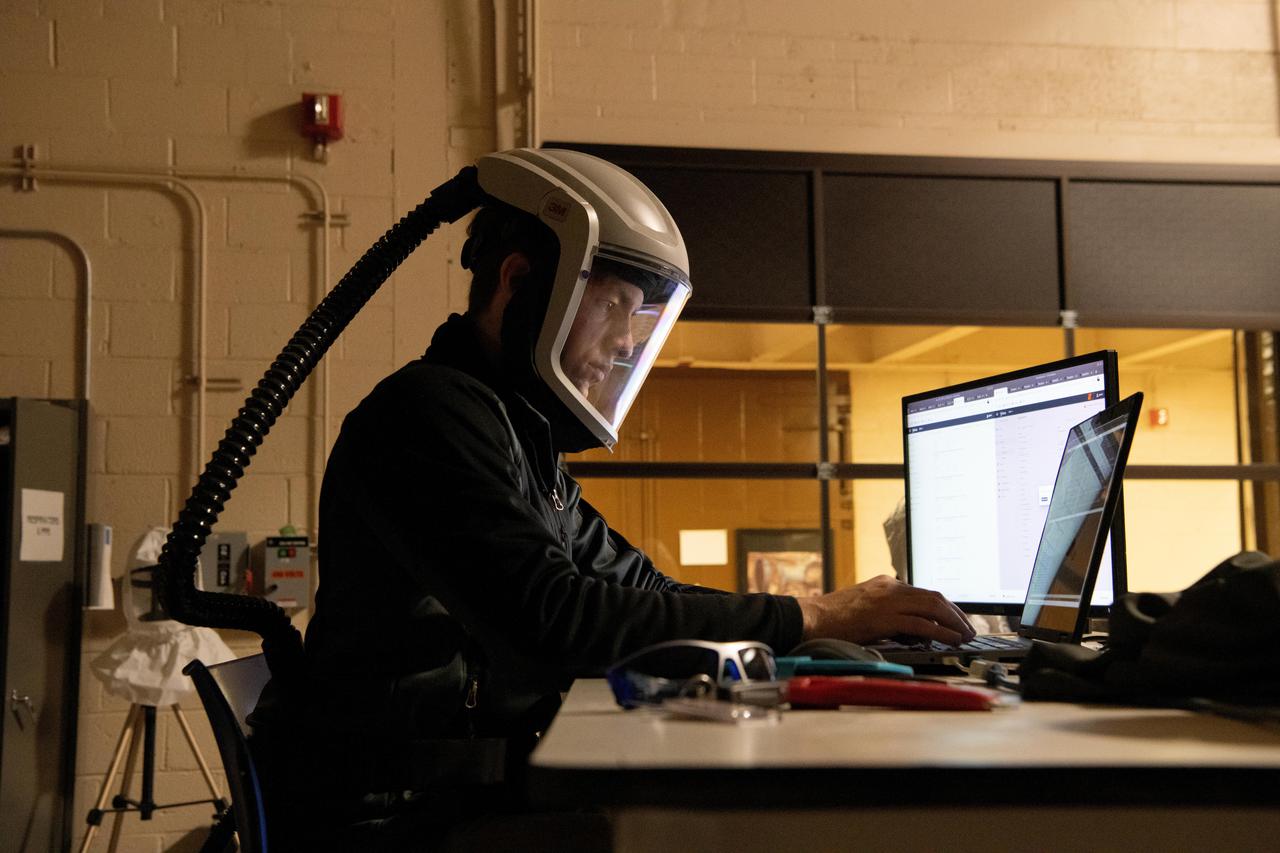
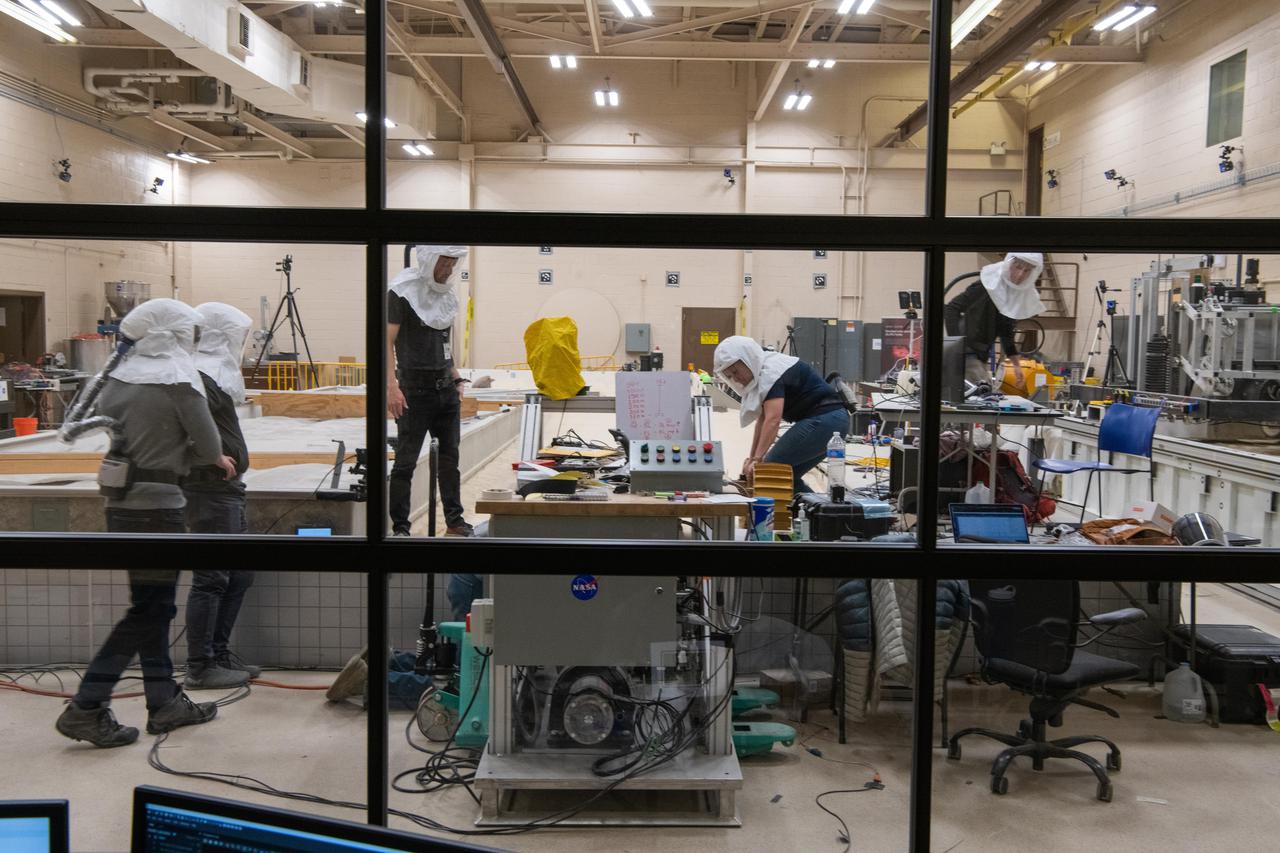
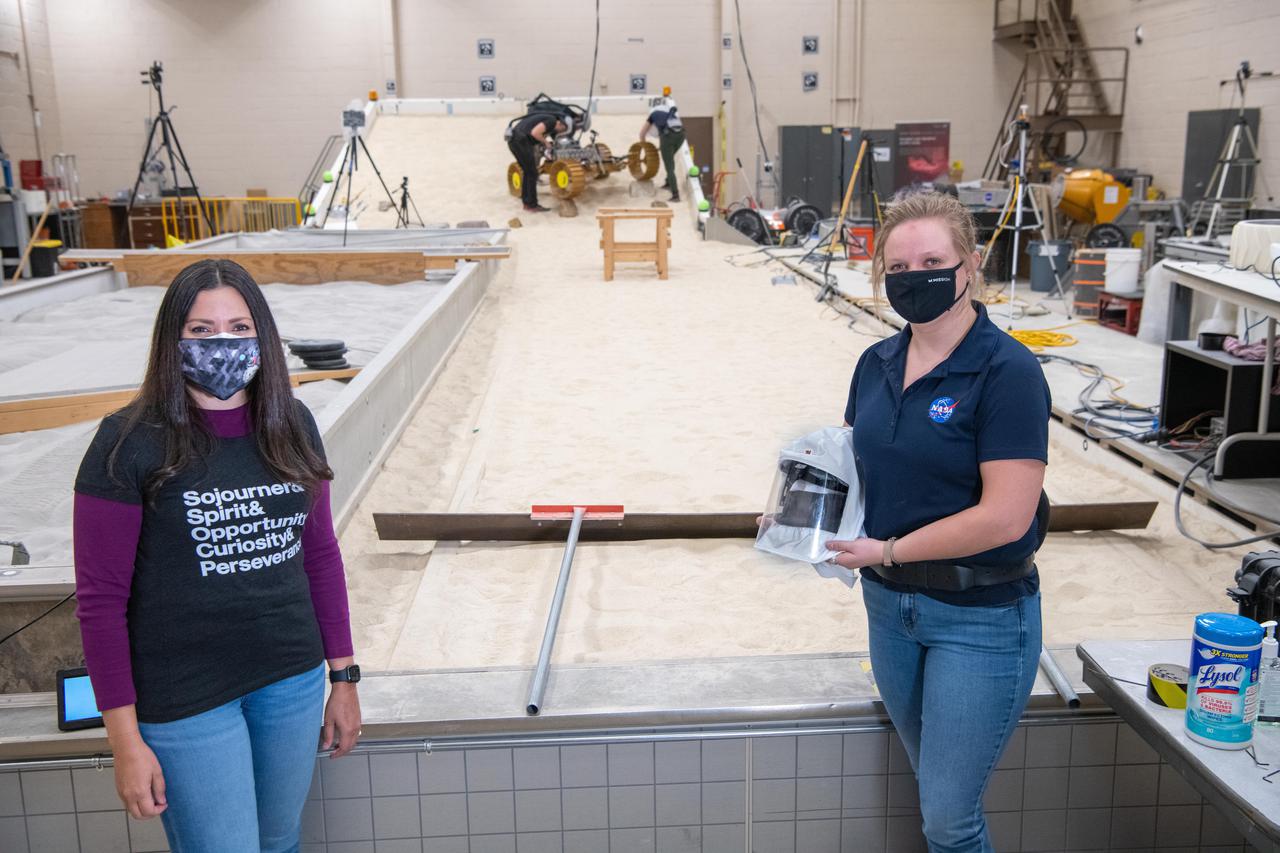
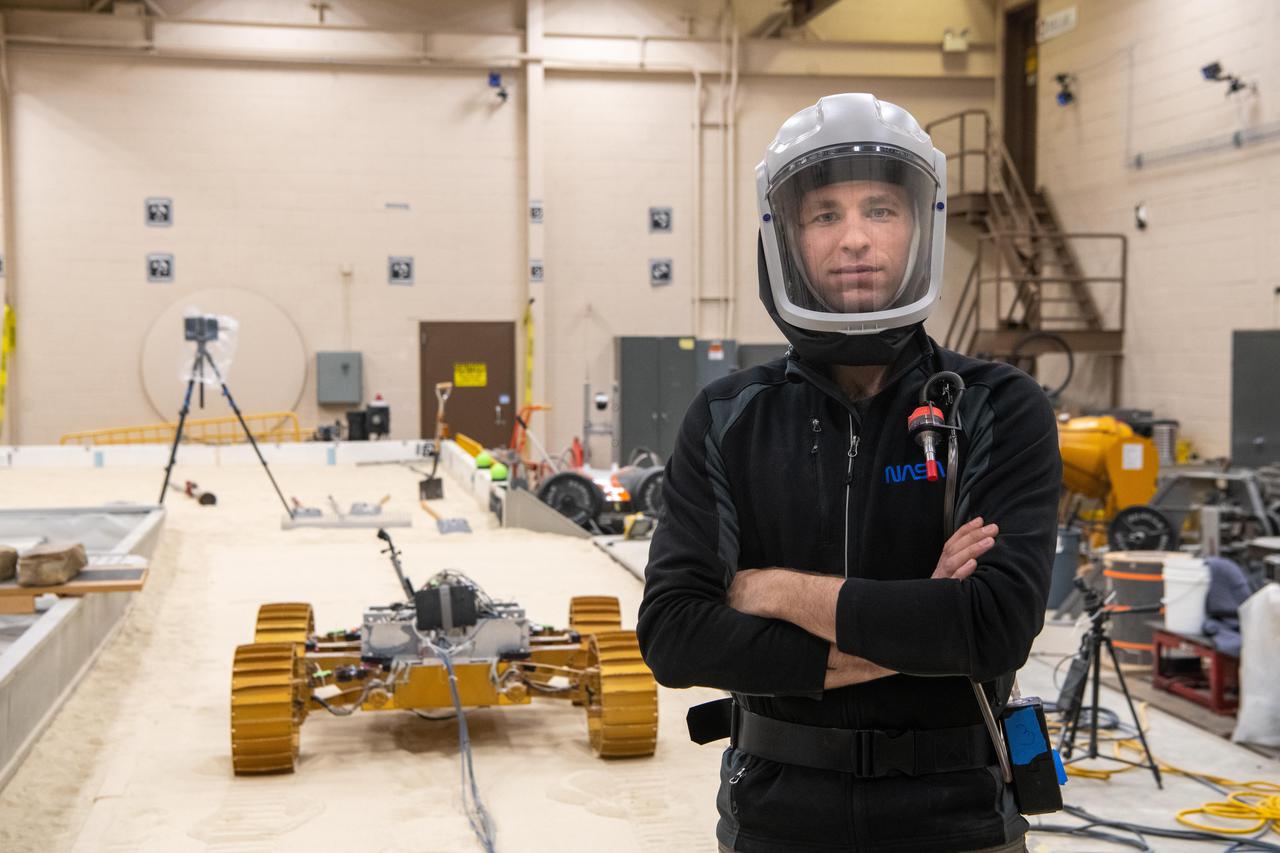
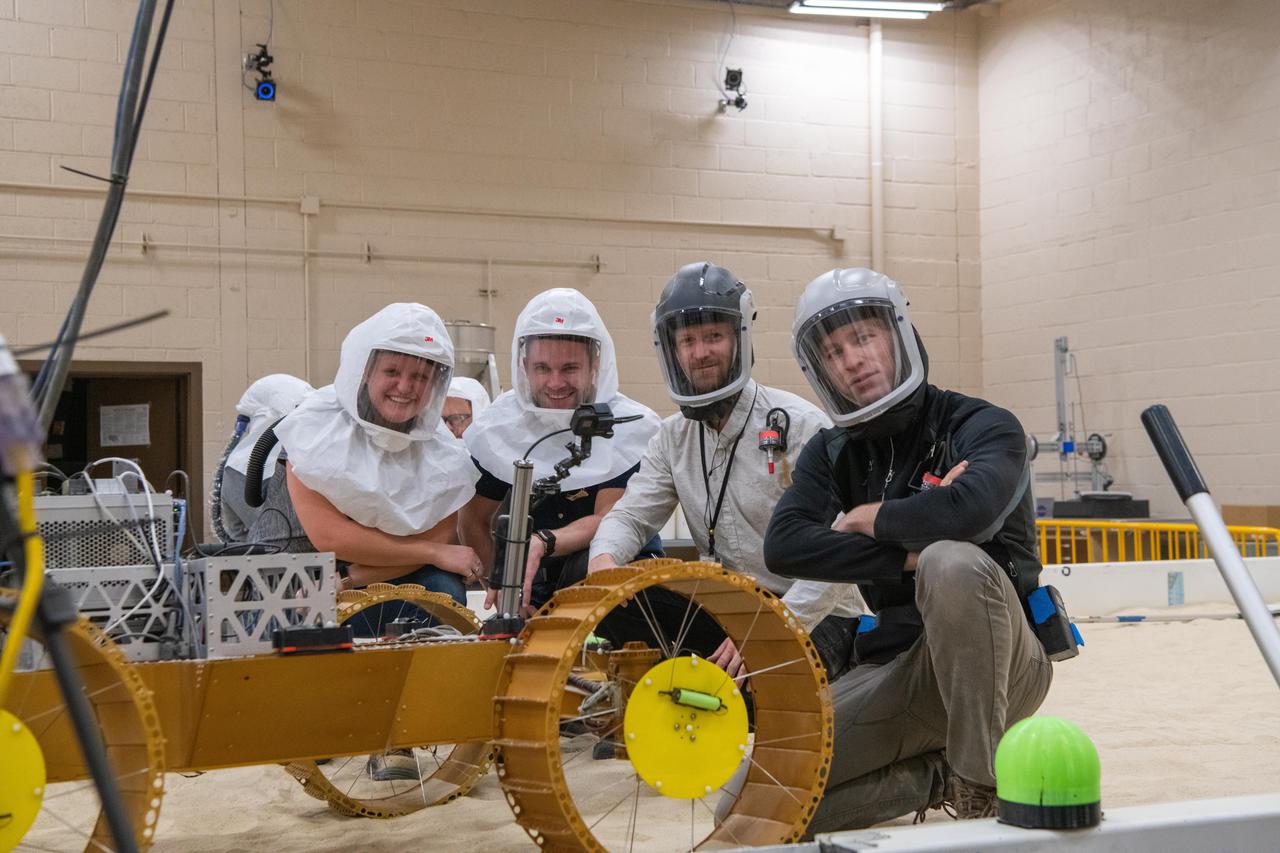
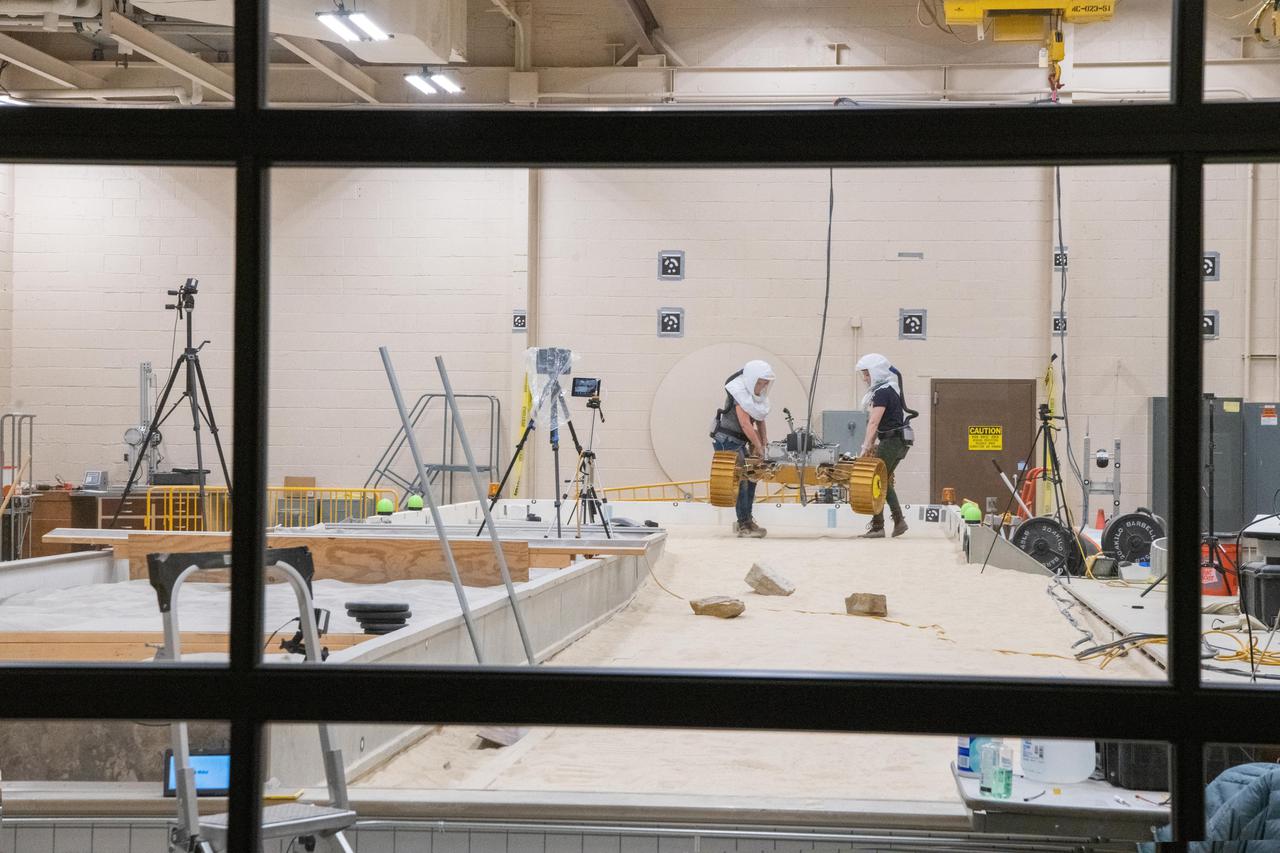
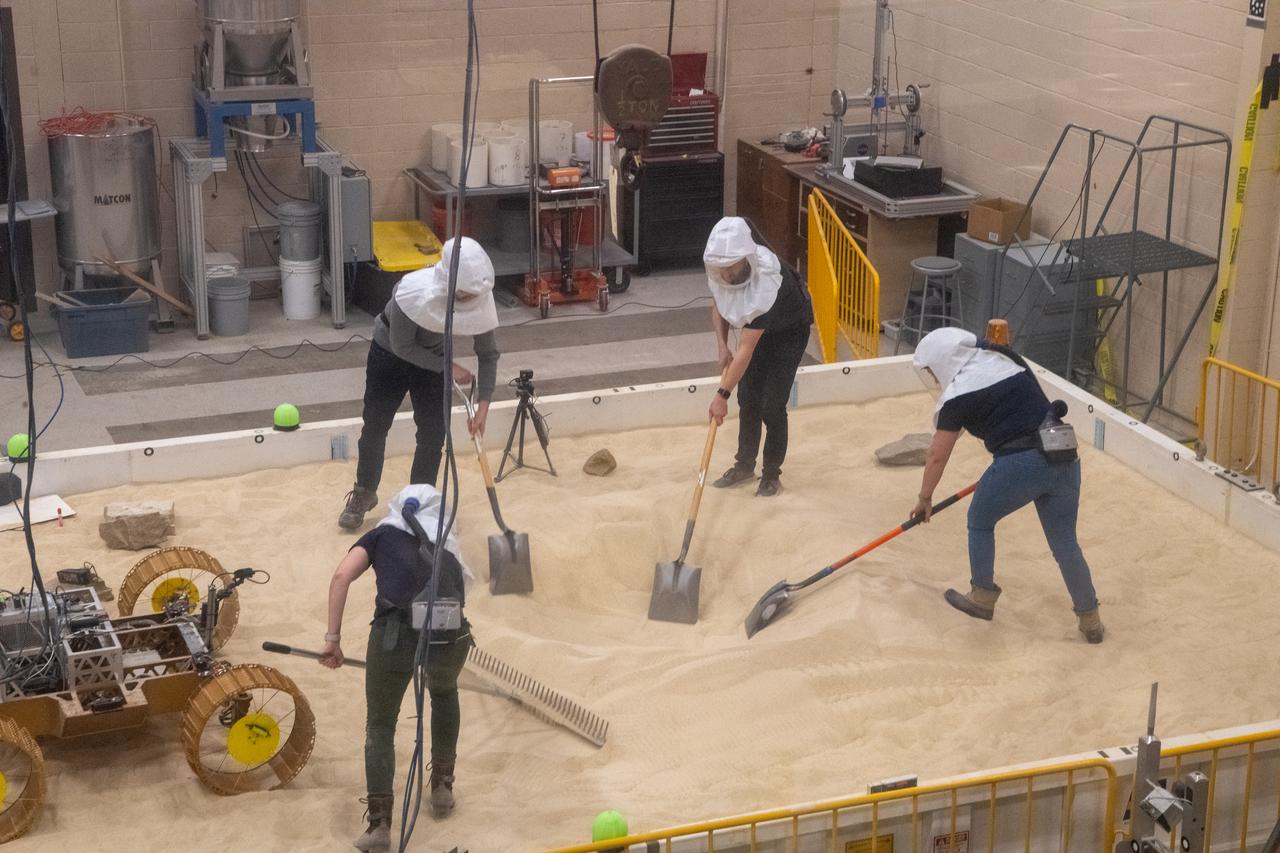
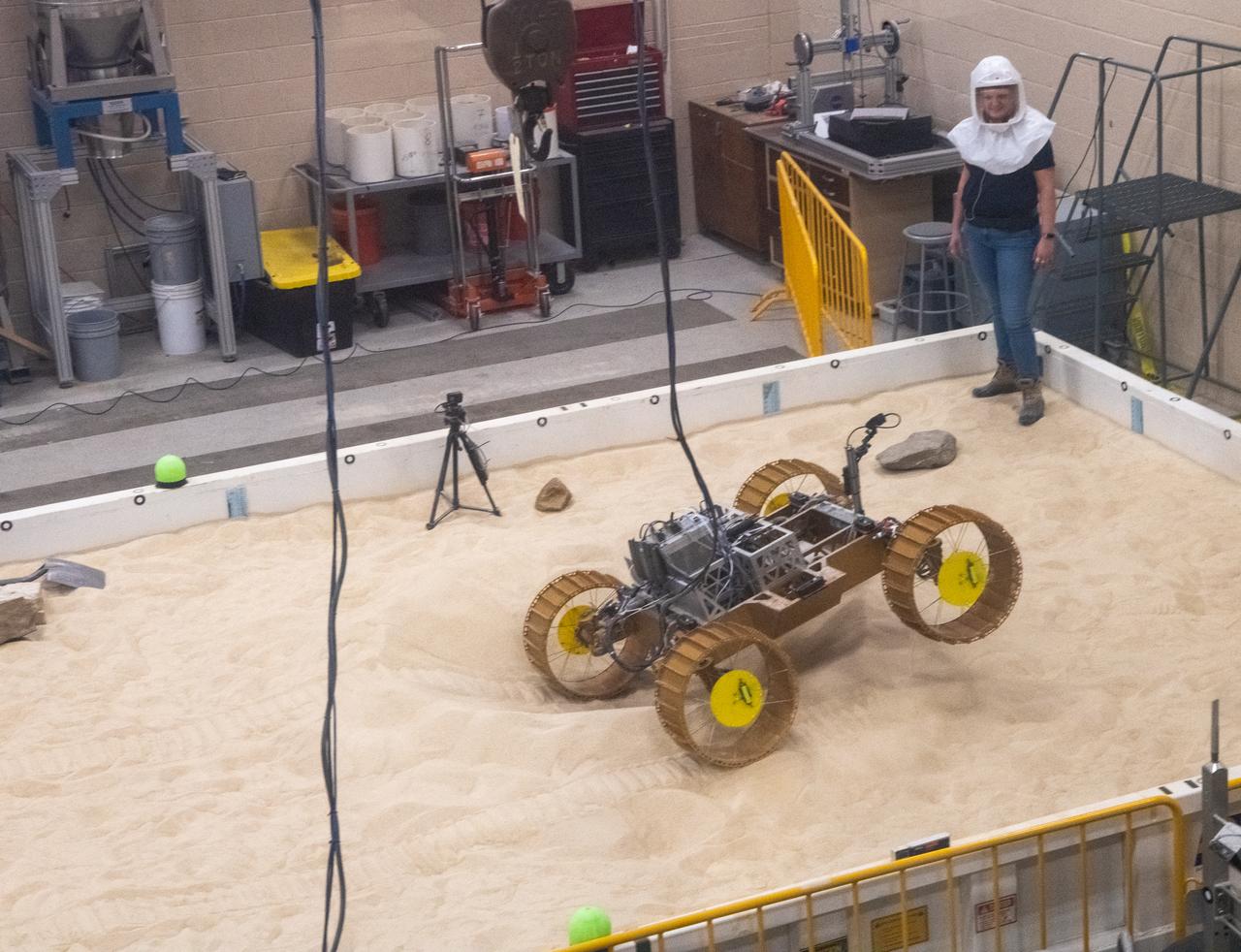
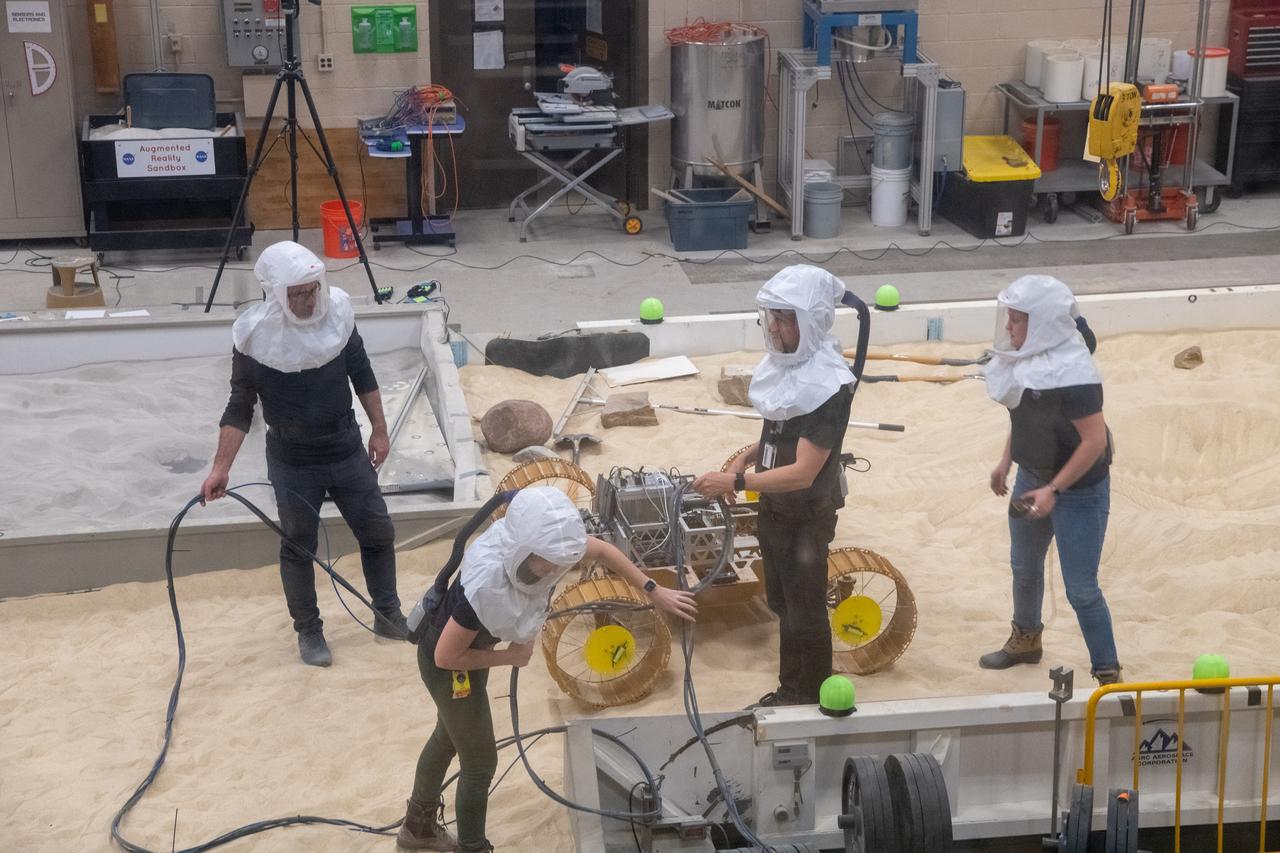
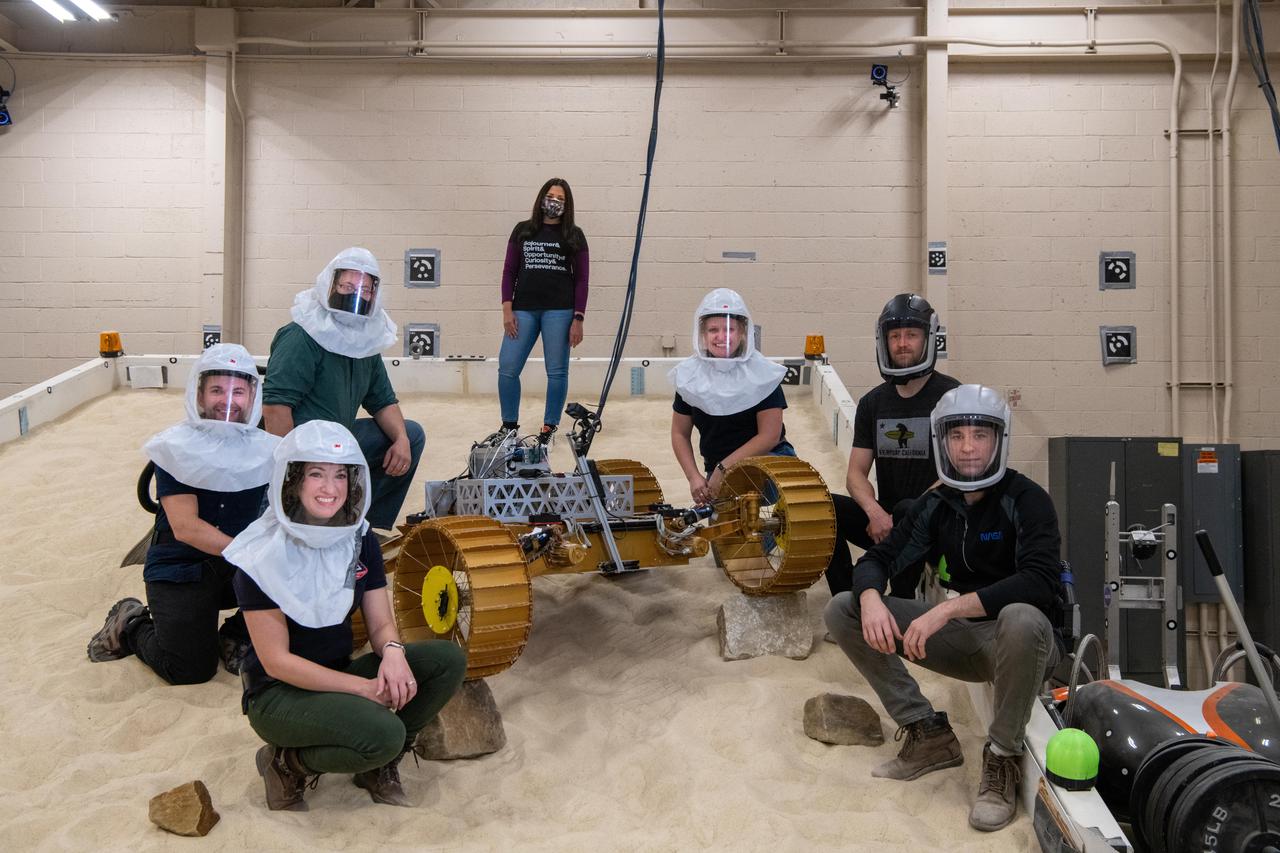
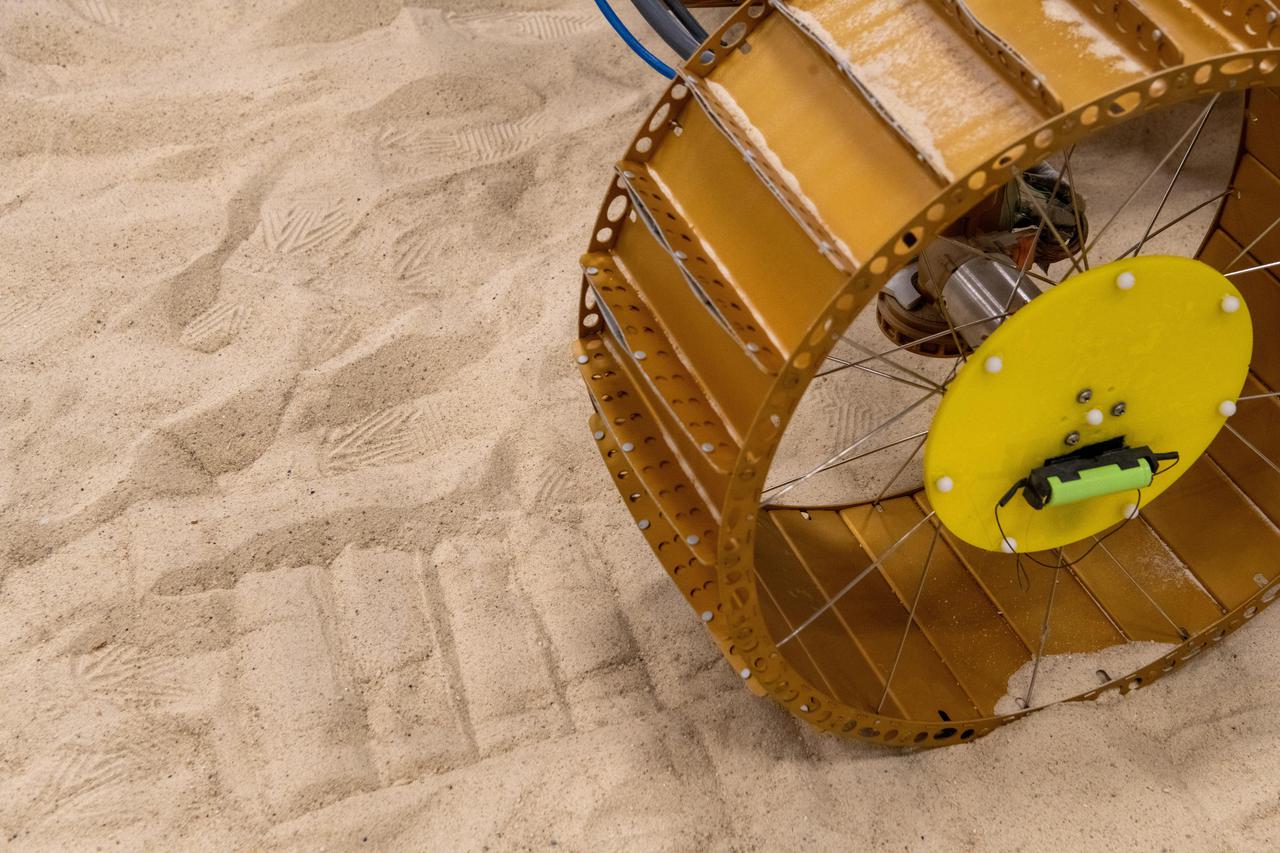
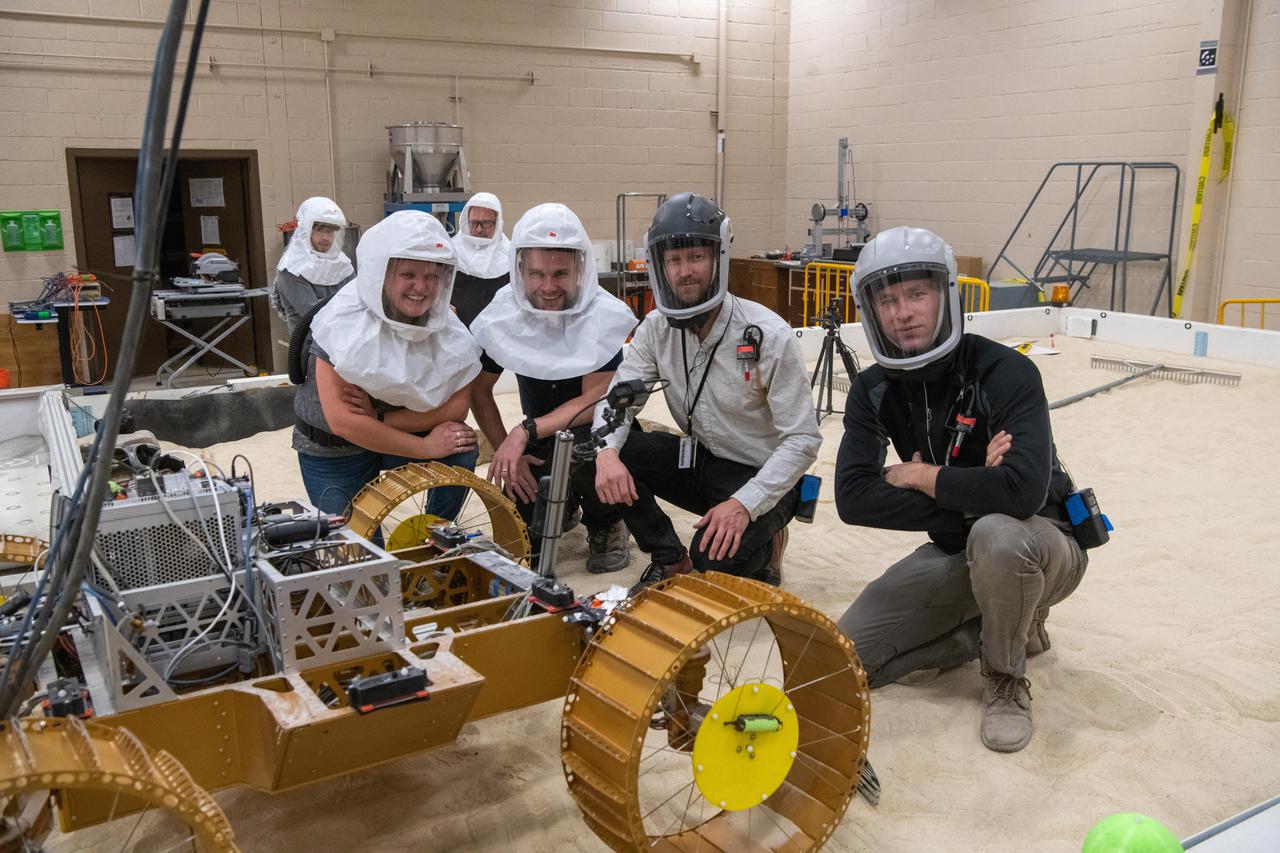
Volatiles Investigating Polar Exploration Rover, VIPER Testing in the Simulated Lunar Operations Lab, SLOPE Laboratory
Volatiles Investigating Polar Exploration Rover, VIPER Testin...
Volatiles Investigating Polar Exploration Rover, VIPER Testing in the Simulated Lunar Operations Lab, SLOPE Laboratory
Volatiles Investigating Polar Exploration Rover, VIPER Testin...
Volatiles Investigating Polar Exploration Rover, VIPER Testing in the Simulated Lunar Operations Lab, SLOPE Laboratory
Volatiles Investigating Polar Exploration Rover, VIPER Testin...
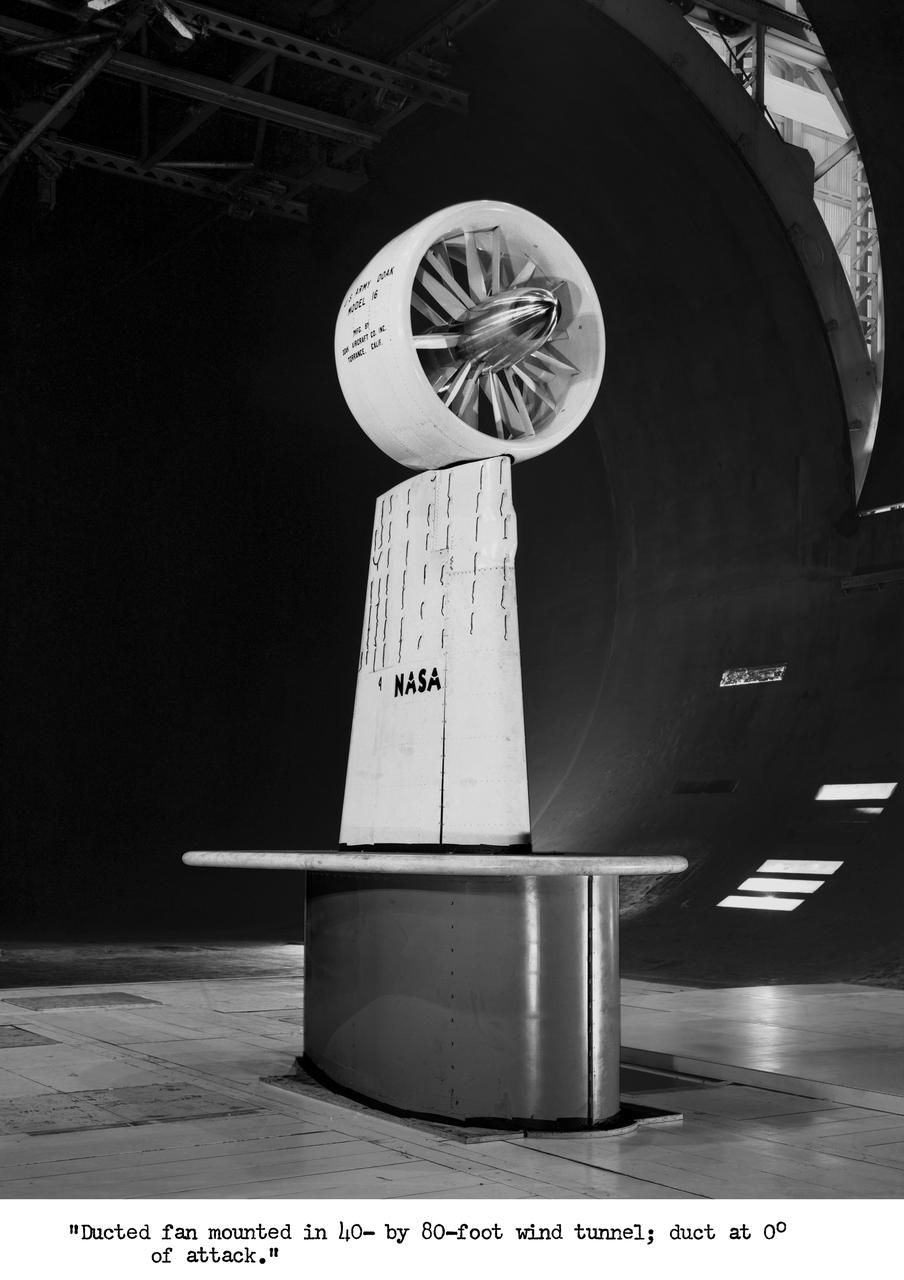
Wind Tunnel investigation of ducted fan though 180 deg angle of attack. 3/4 front view of Doak ducted fan, semi-span model with tufts.
Investigation of Ducted Fan in Ames 40x80 Foot Wind Tunnel.
Volatiles Investigating Polar Exploration Rover (Viper)
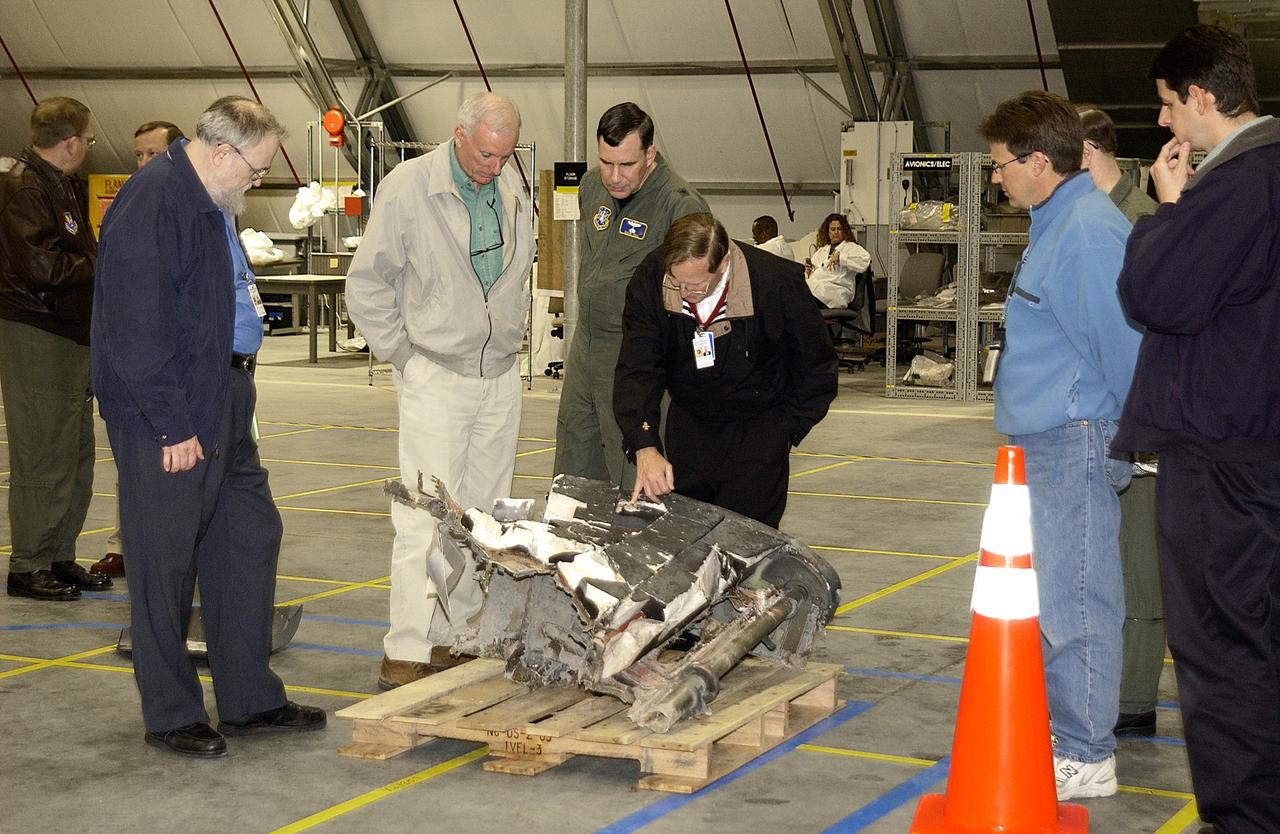
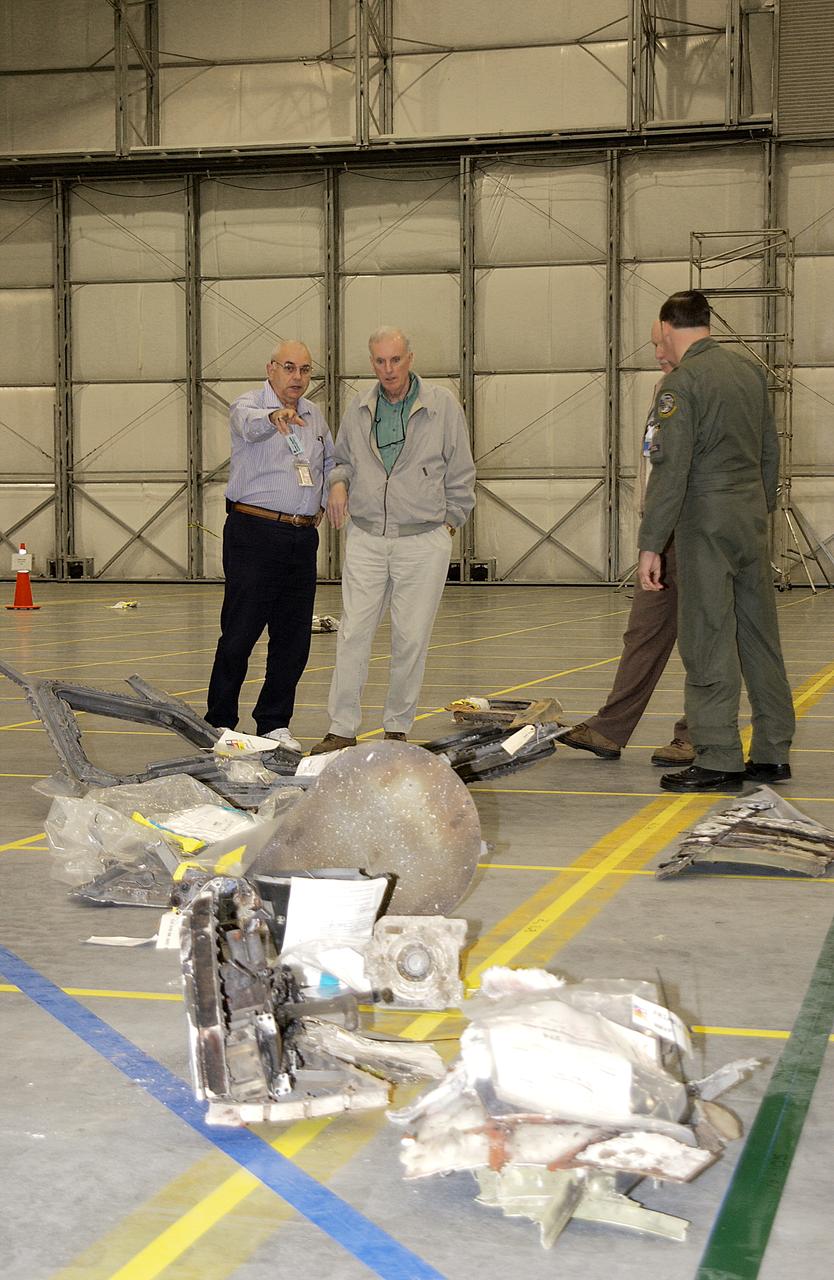
Members of the Columbia Accident Investigation Board examine pieces of Columbia debris in the RLV Hangar. The debris was shipped from the collection point at Barksdale Air Force Base, Shreveport, La. As part of the ongoing investigation into the tragic accident that claimed Columbia and her crew of seven, workers will attempt to reconstruct the orbiter inside the RLV.
Columbia Accident Investigation Board
Members of the Columbia Accident Investigation Board examine pieces of Columbia debris in the RLV Hangar. The debris was shipped from the collection point at Barksdale Air Force Base, Shreveport, La. As part of the ongoing investigation into the tragic accident that claimed Columbia and her crew of seven, workers will attempt to reconstruct the orbiter inside the RLV.
Columbia Accident Investigation Board
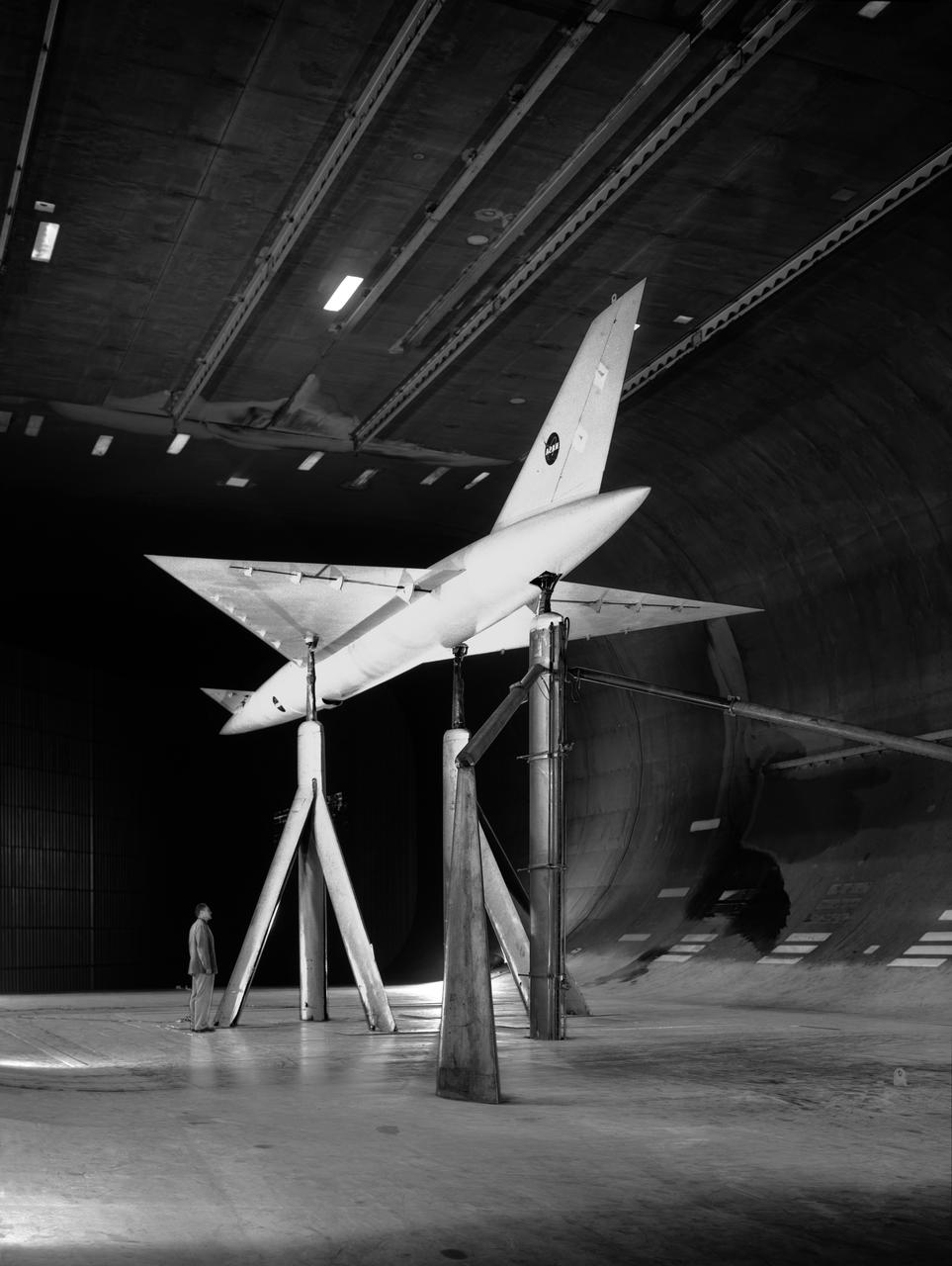
Low Speed investigation of a supersonic transport model with delta wing and delta conard, in the 40x80 Wind Tunnel. R 975 T  Zero angel of attack.  3/4 rear view from below.
Low Speed Investigation of a Supersonic Transport Model in the 40x80 Foot Wind Tunnel.
One investigation on NASA's Mars 2020 rover will extract oxygen from the Martian atmosphere. It is called MOXIE, for Mars Oxygen In-Situ Resource Utilization Experiment. In this image, MOXIE Principal Investigator Michael Hecht, of the Massachusetts Institute of Technology, Cambridge, is in the MOXIE development laboratory at NASA's Jet Propulsion Laboratory, Pasadena, California.  Mars' atmosphere is mostly carbon dioxide. Demonstration of the capability for extracting oxygen from it, under Martian environmental conditions, will be a pioneering step toward how humans on Mars will use the Red Planet's natural resources. Oxygen can be used in the rocket   http://photojournal.jpl.nasa.gov/catalog/PIA20761
Mars 2020 MOXIE Laboratory and Principal Investigator
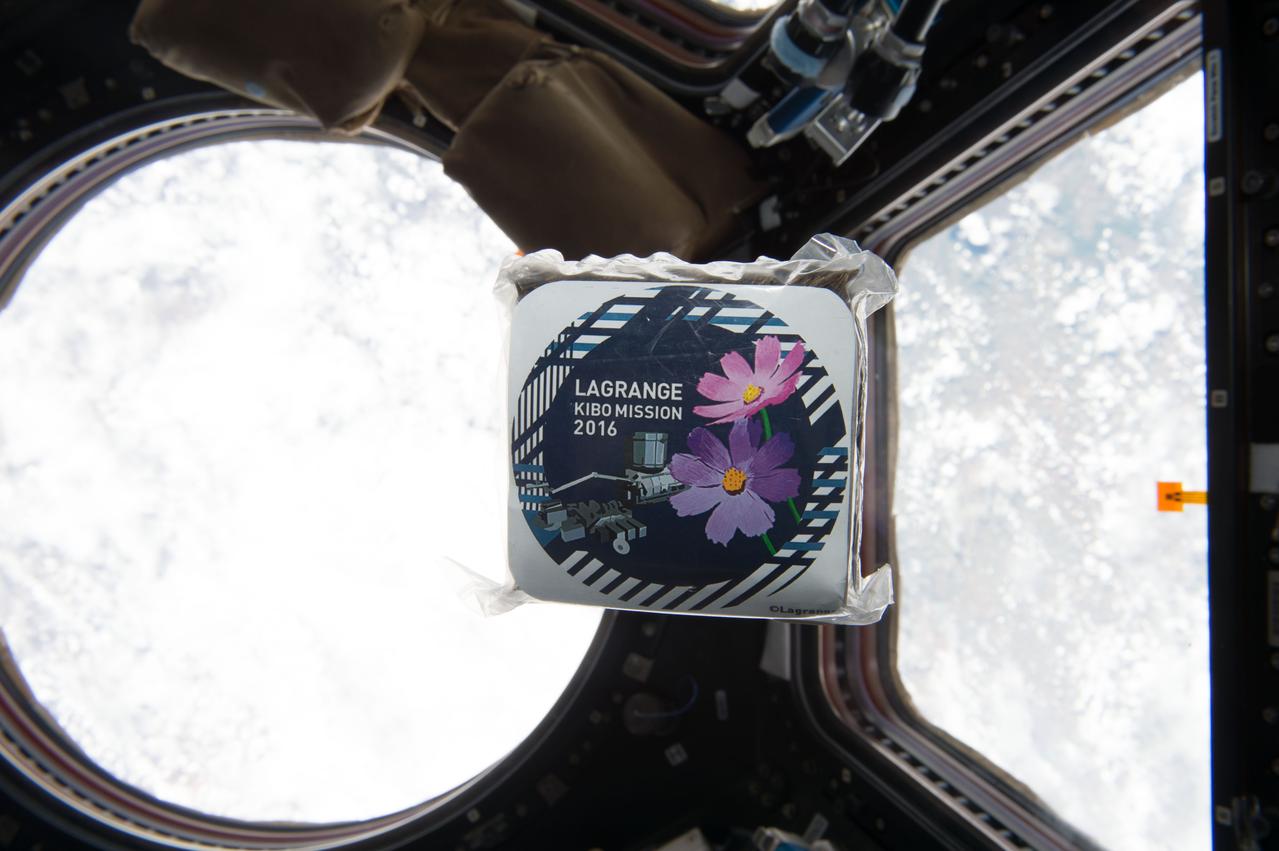
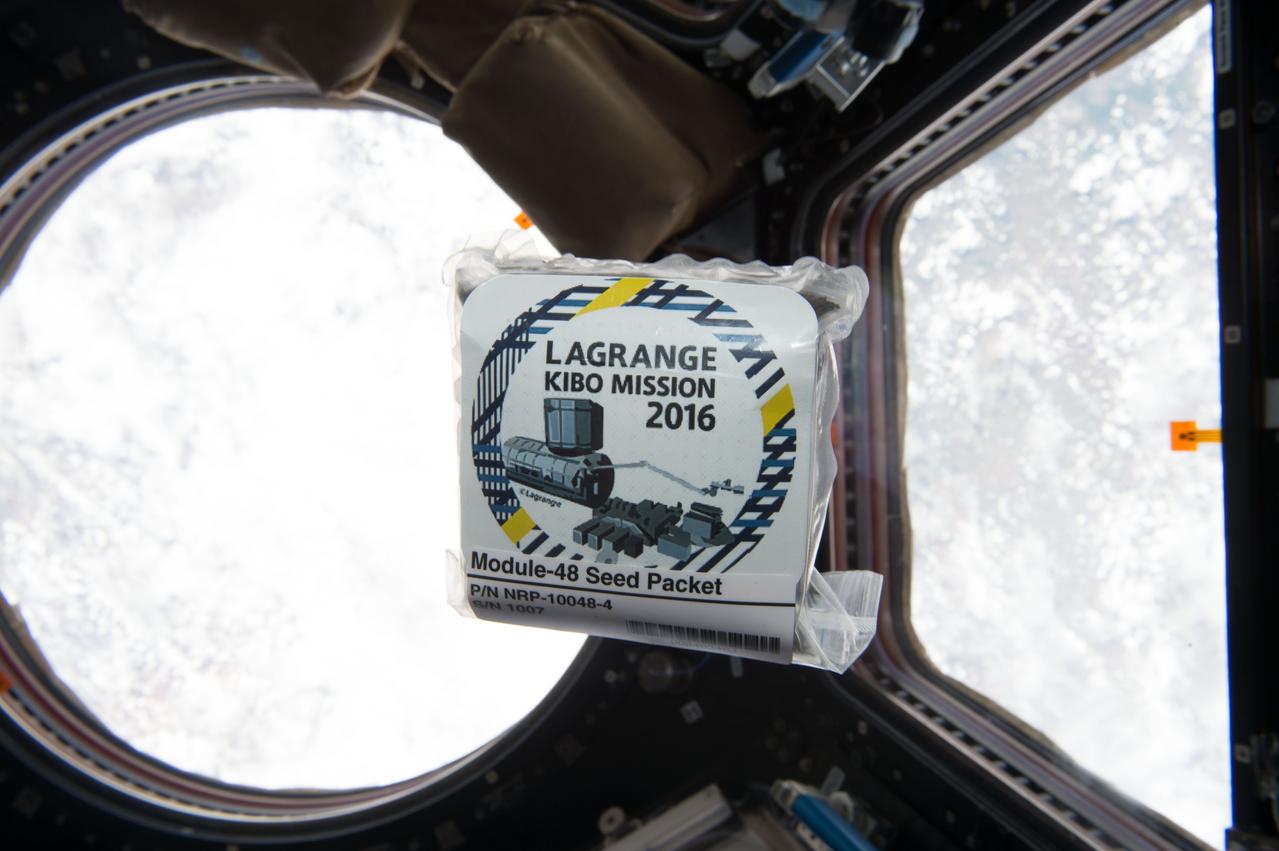
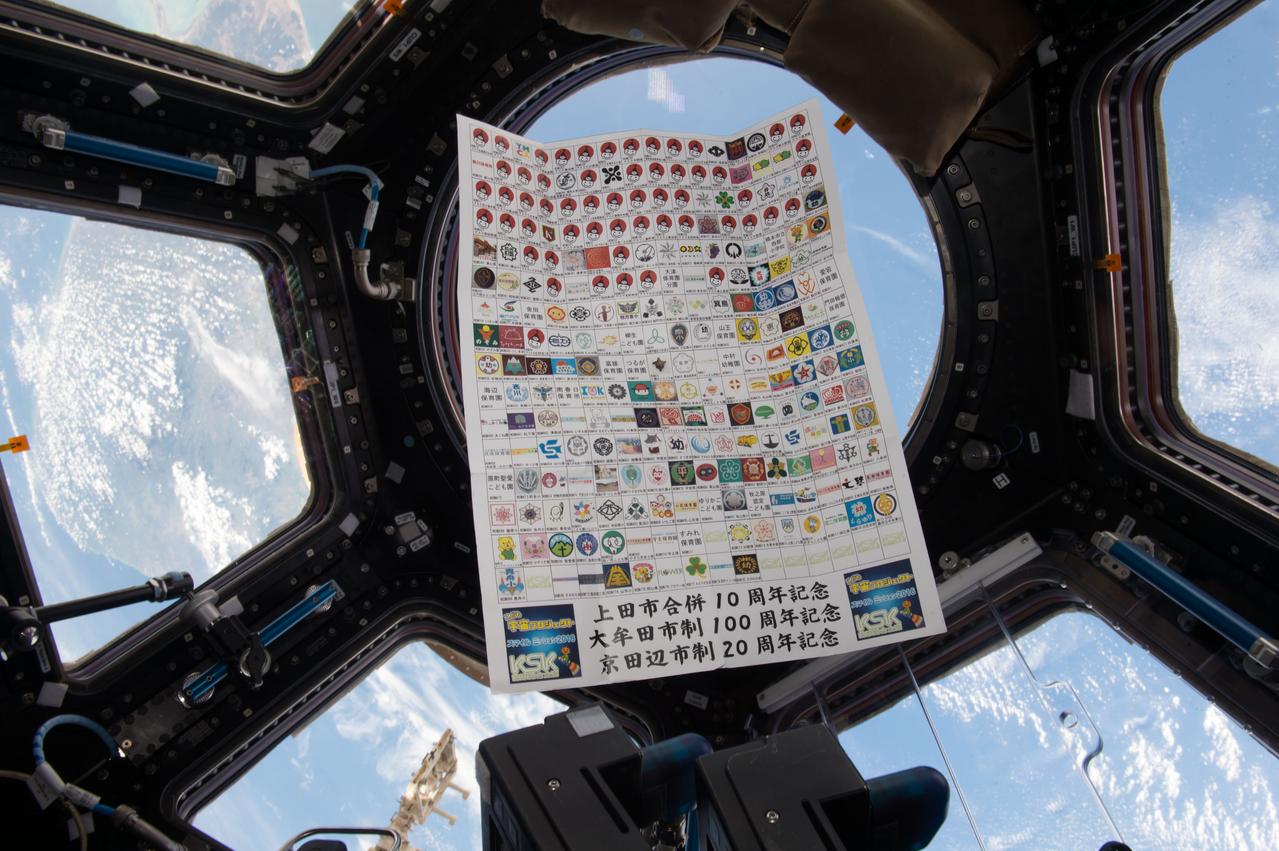
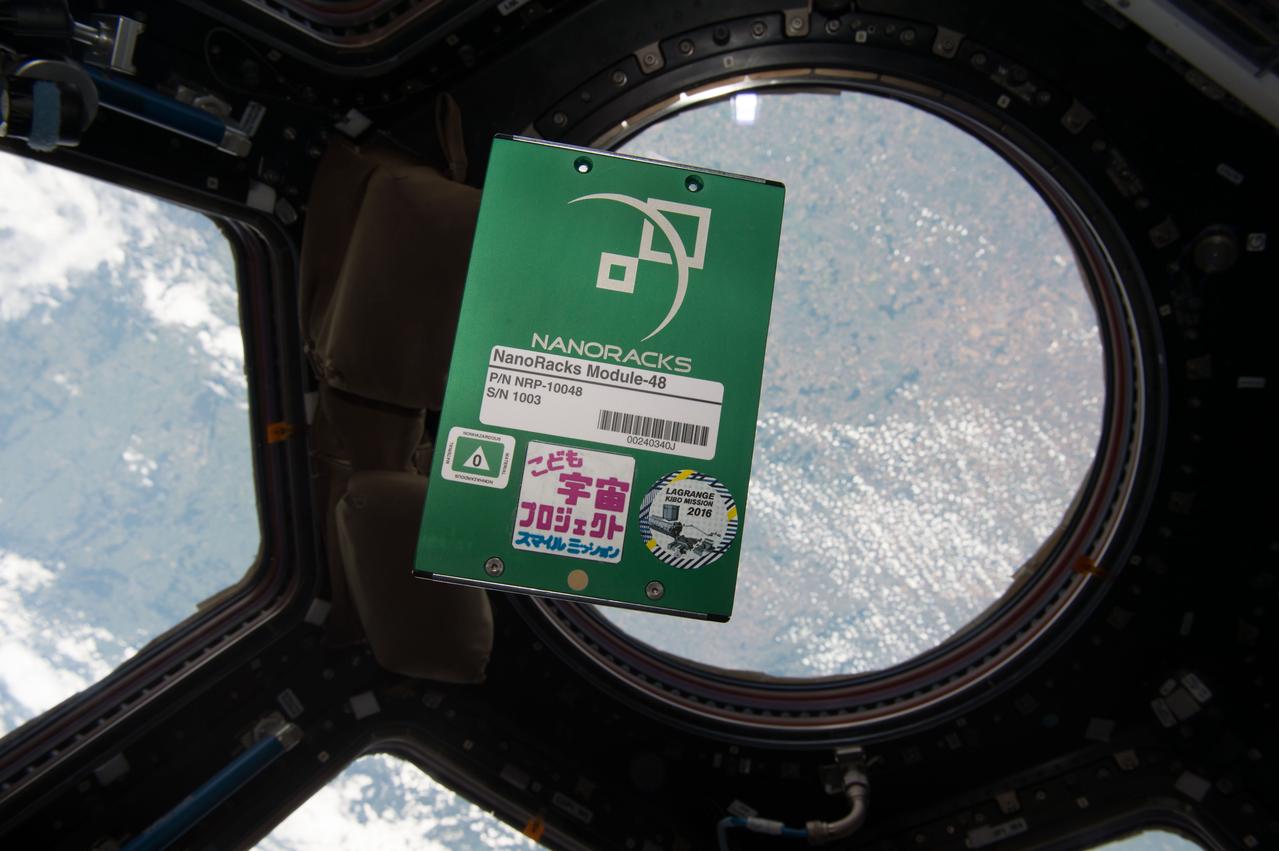
iss052e009450 (6/29/2017) --- A view of items from the NanoRacks-Lagrange investigation floating in front of the windows in the Cupola module aboard the International Space Station (ISS). NanoRacks-Lagrange seeks to increase interest in space. For this investigation, student photos and printed logos sheets are launched to the International Space Station (ISS) with a message card. Additionally, plant seeds are flown to the ISS. The students plant the seeds once they return to Earth and compare them to plants grown from regular seeds. Students are able to touch and feel close to space through this experiment.
NanoRacks Module-48 investigation
iss052e009465 (6/29/2017) --- A view of items from the NanoRacks-Lagrange investigation floating in front of the windows in the Cupola module aboard the International Space Station (ISS). NanoRacks-Lagrange seeks to increase interest in space. For this investigation, student photos and printed logos sheets are launched to the International Space Station (ISS) with a message card. Additionally, plant seeds are flown to the ISS. The students plant the seeds once they return to Earth and compare them to plants grown from regular seeds. Students are able to touch and feel close to space through this experiment.
NanoRacks Module-48 investigation
iss052e009477 (6/29/2017) --- A view of items from the NanoRacks-Lagrange investigation floating in front of the windows in the Cupola module aboard the International Space Station (ISS). NanoRacks-Lagrange seeks to increase interest in space. For this investigation, student photos and printed logos sheets are launched to the International Space Station (ISS) with a message card. Additionally, plant seeds are flown to the ISS. The students plant the seeds once they return to Earth and compare them to plants grown from regular seeds. Students are able to touch and feel close to space through this experiment.
NanoRacks Module-48 investigation
iss052e009464 (6/29/2017) --- A view of items from the NanoRacks-Lagrange investigation floating in front of the windows in the Cupola module aboard the International Space Station (ISS). NanoRacks-Lagrange seeks to increase interest in space. For this investigation, student photos and printed logos sheets are launched to the International Space Station (ISS) with a message card. Additionally, plant seeds are flown to the ISS. The students plant the seeds once they return to Earth and compare them to plants grown from regular seeds. Students are able to touch and feel close to space through this experiment.
NanoRacks Module-48 investigation
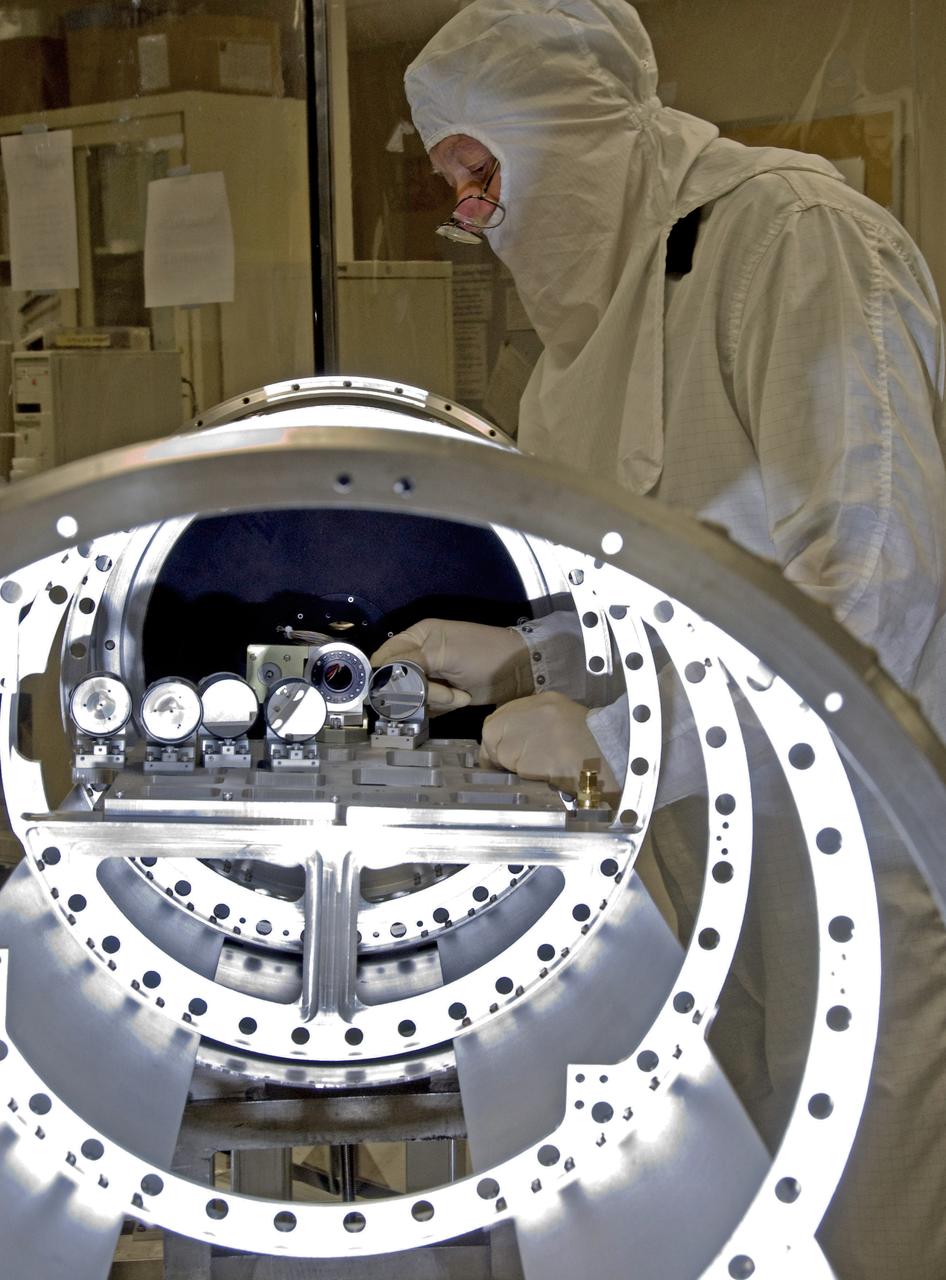
MARSHALL SCIENTIST ED WEST ASSEMBLES THE OPTICAL SYSTEM OF THE SOLAR ULTRAVIOLET MAGNETOGRAPH INVESTIGATION TELESCOPE
1001388
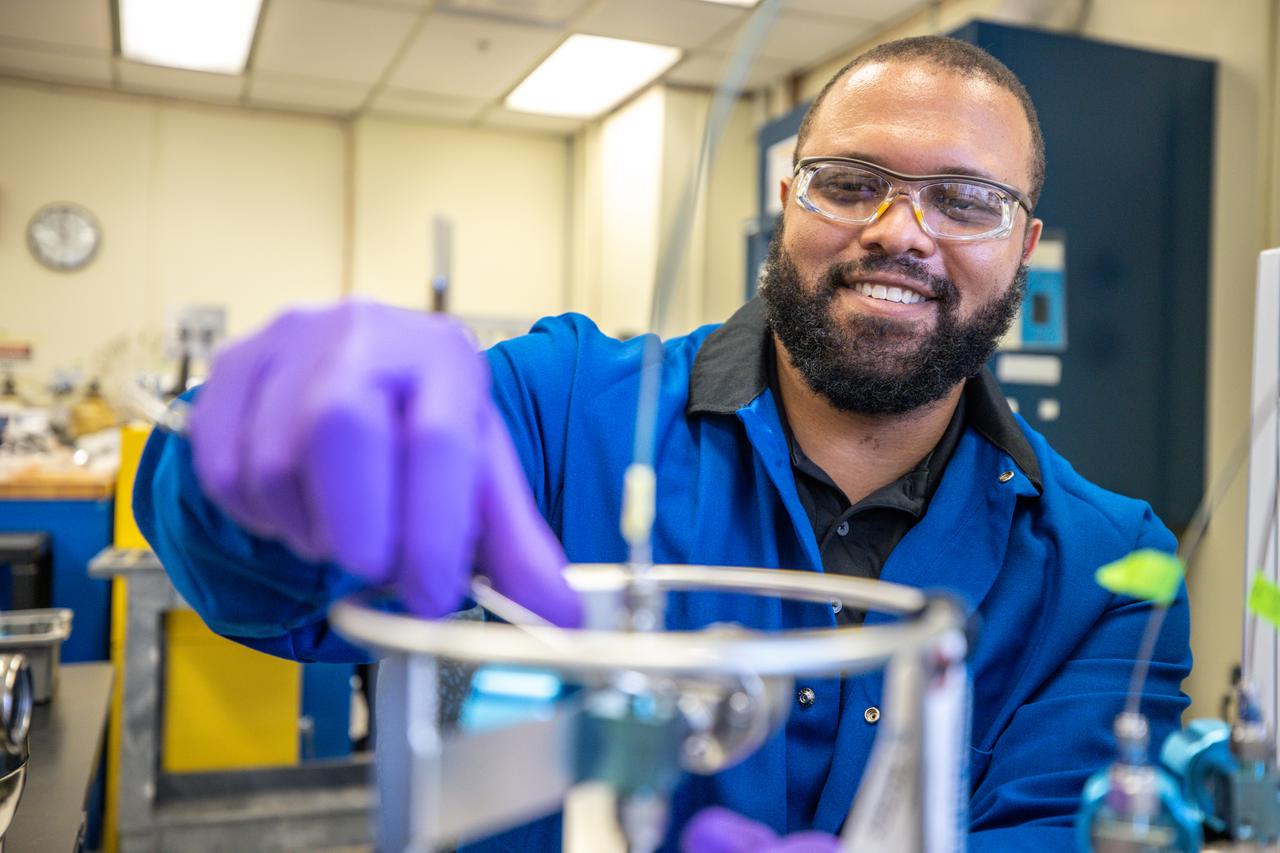
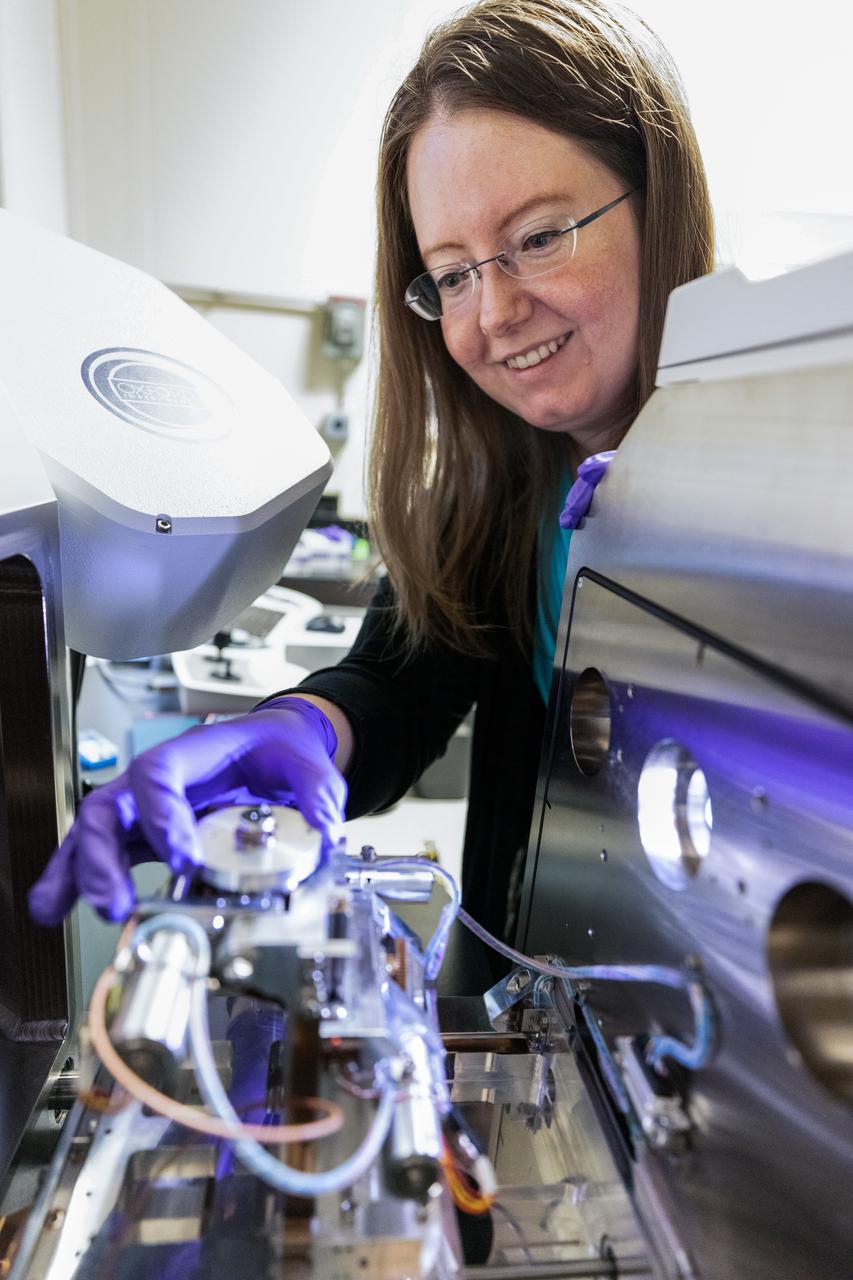
Chemist Trey Barnes prepares a gas sample for injection into a gas chromatography-mass spectrometry system preconcentrator for analyzing trace level gas contaminants inside NASA Engineering’s Analytical Laboratories at Kennedy Space Center in Florida on July 7, 2021. One of seven branches in the NASA Laboratories, Development, and Testing Division, the Analytical Laboratories branch provides microscopic imagery and analysis through the use of a wide variety of microscopic techniques to identify contaminants and other urgent problems associated with aerospace flight hardware, ground support equipment, and related facilities.
CSI: Chemistry Space Investigation
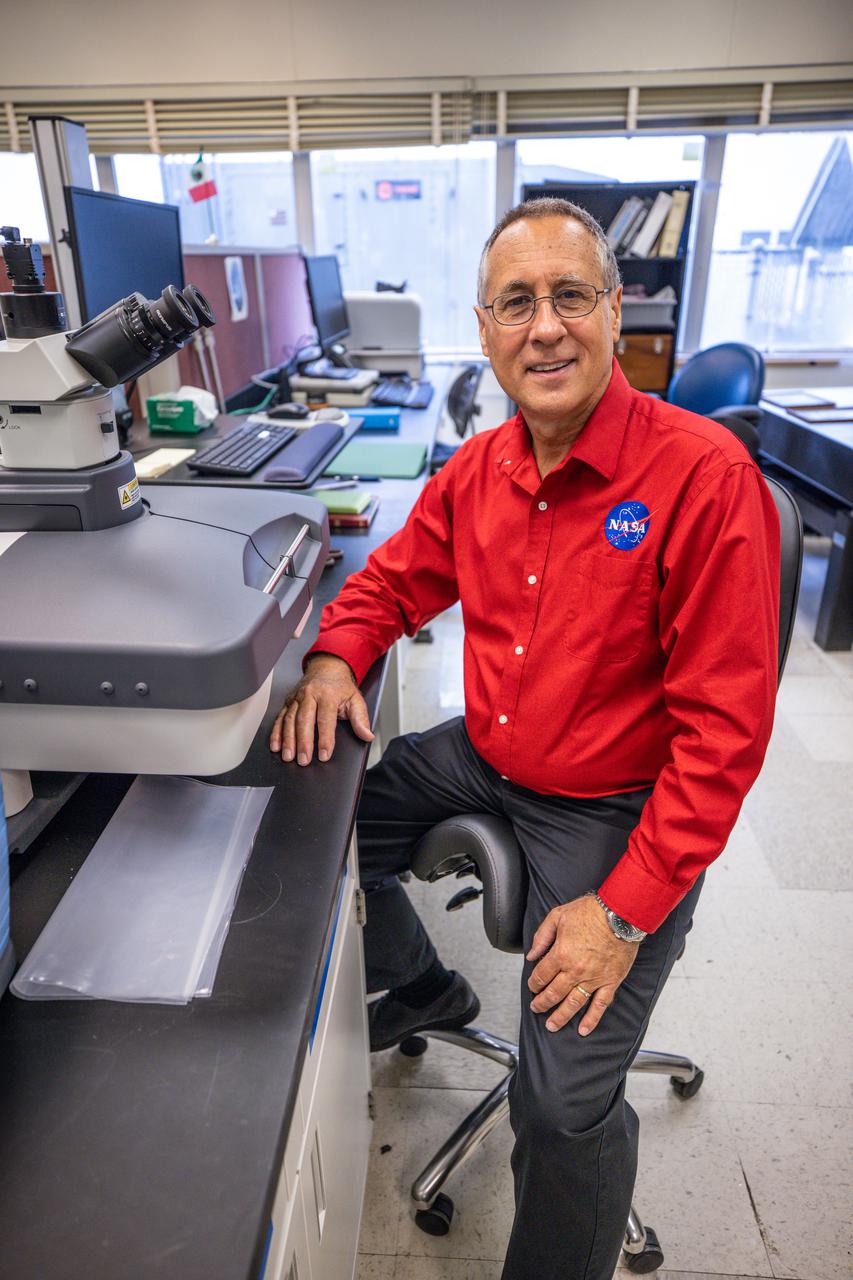
Lead chemist Philip Howard poses for a photo inside NASA Engineering’s Analytical Laboratories at Kennedy Space Center in Florida on July 7, 2021. One of seven branches in the NASA Laboratories, Development, and Testing Division, the Analytical Laboratories branch provides microscopic imagery and analysis through the use of a wide variety of microscopic techniques to identify contaminants and other urgent problems associated with aerospace flight hardware, ground support equipment, and related facilities.
CSI: Chemistry Space Investigation
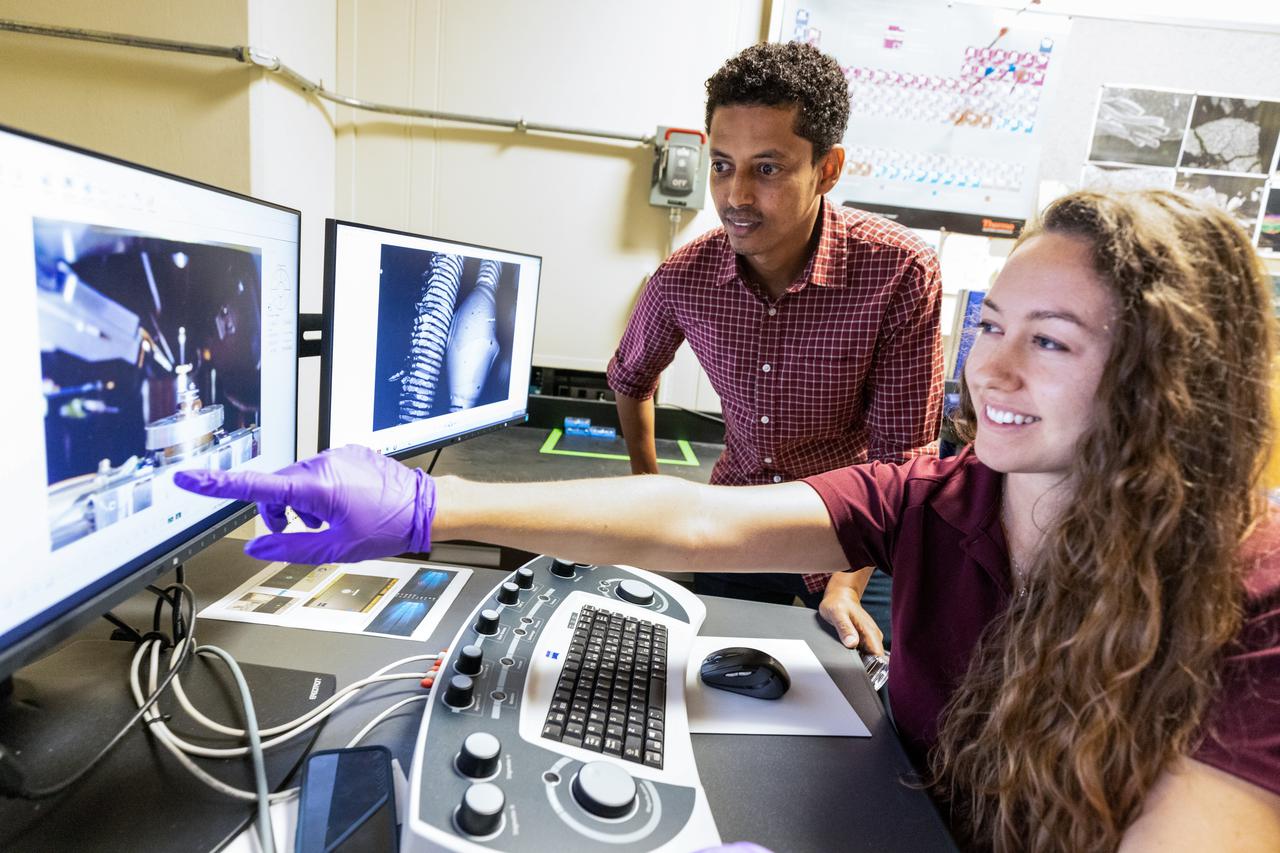
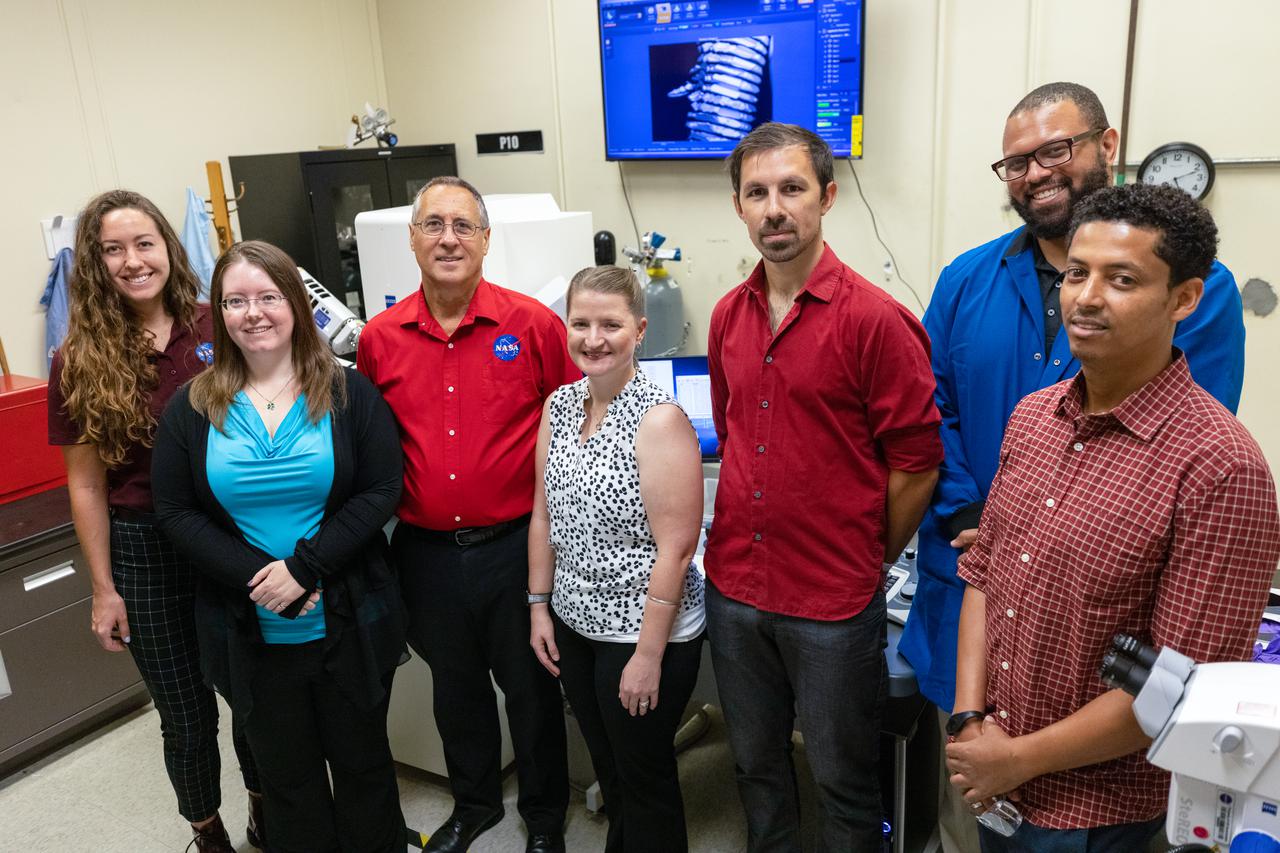
Chemists from NASA Engineering’s Analytical Laboratories at Kennedy Space Center in Florida pose for a photo near a scanning electron microscope on July 7, 2021. From left to right is Macy Mullen, structural materials; Athela Frandsen, structural materials; Philip Howard, lead, structural materials; Janelle Coutts, gas and fluid systems; David Rinderknecht, structural materials; Trey Barnes, Earth biosphere studies; and Misle Tessema, Earth biosphere studies. One of seven branches in the NASA Laboratories, Development, and Testing Division, the Analytical Laboratories branch provides microscopic imagery and analysis through the use of a wide variety of microscopic techniques to identify contaminants and other urgent problems associated with aerospace flight hardware, ground support equipment, and related facilities.
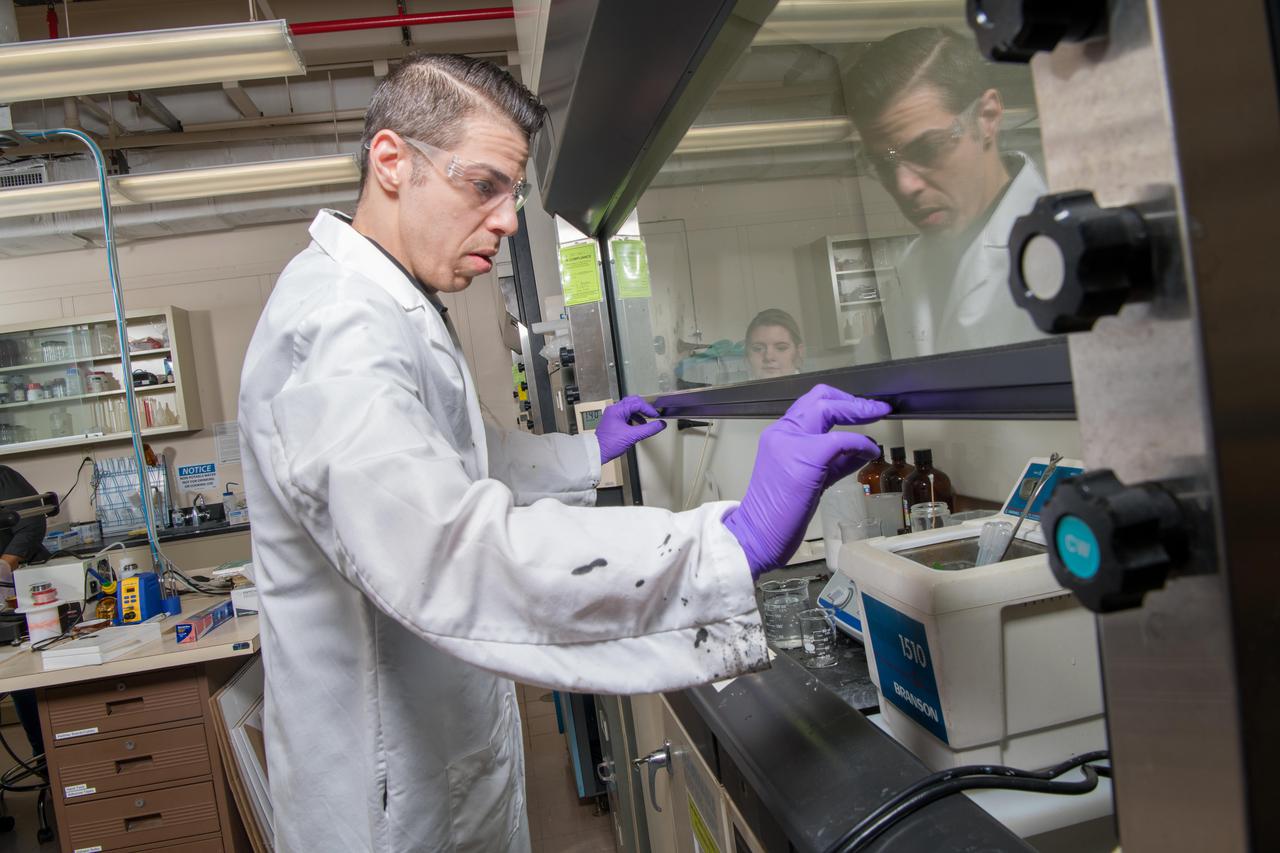
CSI: Chemistry Space Investigation
Chemists Misle Tessema (left) and Macy Mullen (right) discuss scanning electron microscope operations inside NASA Engineering’s Analytical Laboratories at Kennedy Space Center in Florida on July 7, 2021. One of seven branches in the NASA Laboratories, Development, and Testing Division, the Analytical Laboratories branch provides microscopic imagery and analysis through the use of a wide variety of microscopic techniques to identify contaminants and other urgent problems associated with aerospace flight hardware, ground support equipment, and related facilities.
CSI: Chemistry Space Investigation
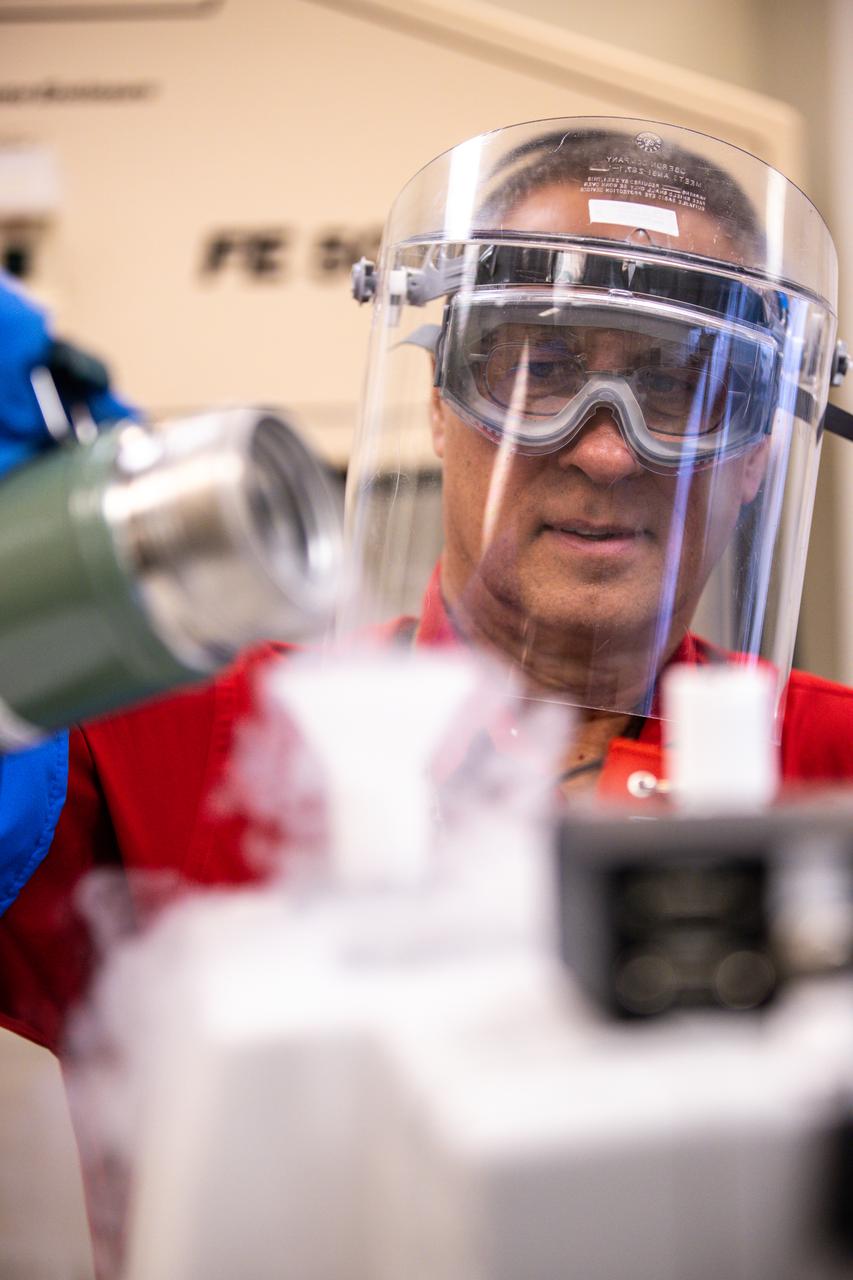
Lead chemist Philip Howard pours liquid nitrogen into the Fourier-transform infrared spectrometer to cool the detector in NASA Engineering’s Analytical Laboratories at Kennedy Space Center in Florida on July 7, 2021. One of seven branches in the NASA Laboratories, Development, and Testing Division, the Analytical Laboratories branch provides microscopic imagery and analysis through the use of a wide variety of microscopic techniques to identify contaminants and other urgent problems associated with aerospace flight hardware, ground support equipment, and related facilities.
CSI: Chemistry Space Investigation
Chemist Athela Frandsen from NASA Engineering’s Analytical Laboratories at Kennedy Space Center in Florida loads a sample into a scanning electron microscope on July 7, 2021. One of seven branches in the NASA Laboratories, Development, and Testing Division, the Analytical Laboratories branch provides microscopic imagery and analysis through the use of a wide variety of microscopic techniques to identify contaminants and other urgent problems associated with aerospace flight hardware, ground support equipment, and related facilities.
CSI: Chemistry Space Investigation
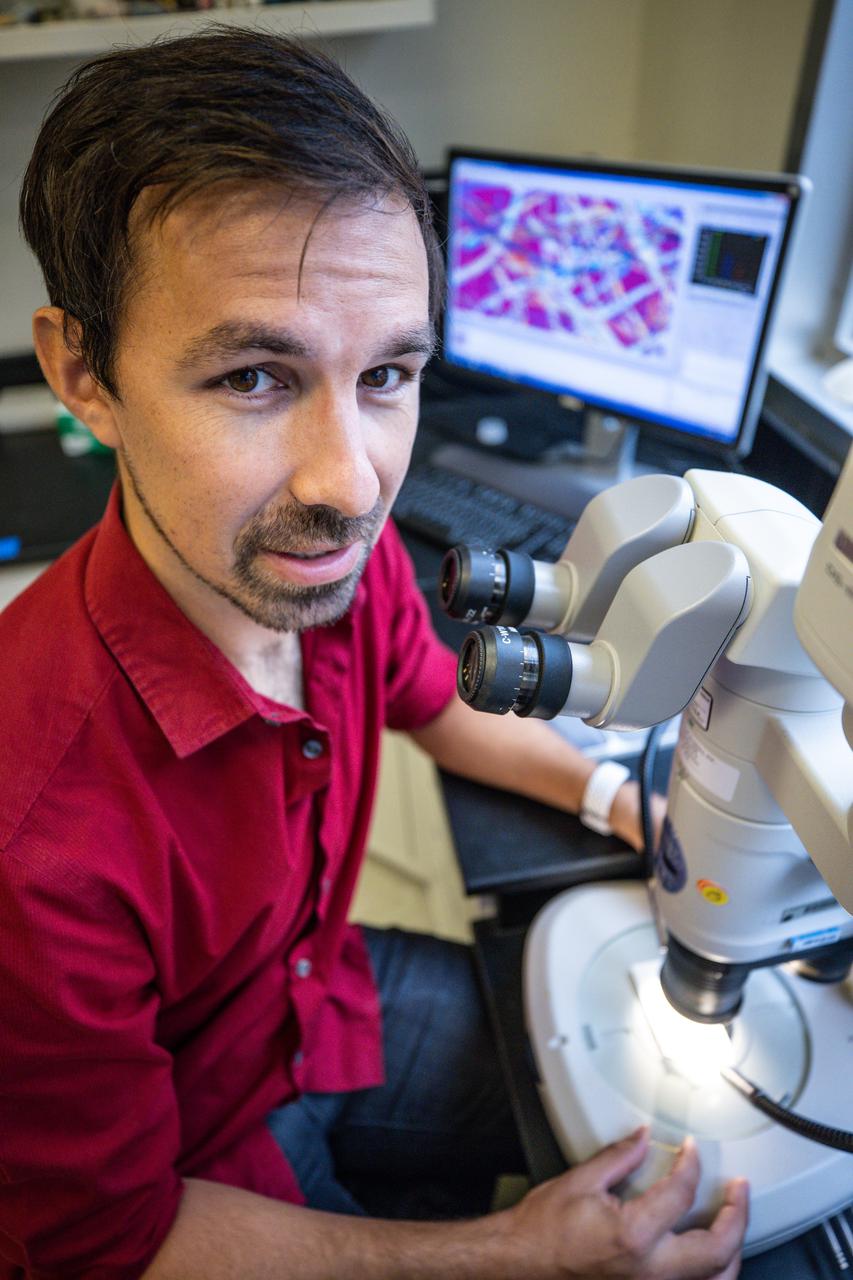
Chemist David Rinderknecht analyzes a sample on the stereomicroscope inside NASA Engineering’s Analytical Laboratories at Kennedy Space Center in Florida on July 7, 2021. One of seven branches in the NASA Laboratories, Development, and Testing Division, the Analytical Laboratories branch provides microscopic imagery and analysis through the use of a wide variety of microscopic techniques to identify contaminants and other urgent problems associated with aerospace flight hardware, ground support equipment, and related facilities.
CSI: Chemistry Space Investigation
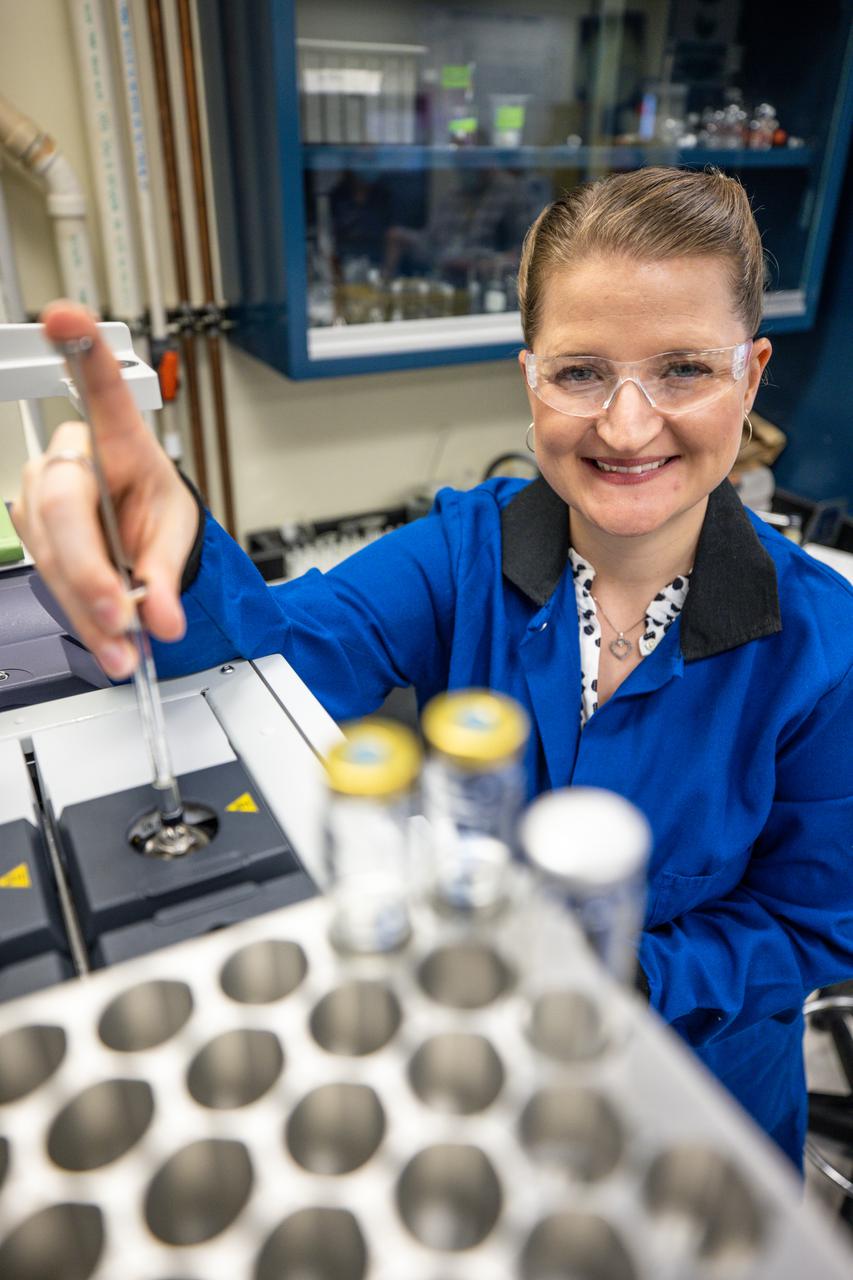
Senior analytical chemist Janelle Coutts injects a sample for gas chromatography-mass spectrometry analysis inside NASA Engineering’s Analytical Laboratories at Kennedy Space Center in Florida on July 7, 2021. One of seven branches in the NASA Laboratories, Development, and Testing Division, the Analytical Laboratories branch provides microscopic imagery and analysis through the use of a wide variety of microscopic techniques to identify contaminants and other urgent problems associated with aerospace flight hardware, ground support equipment, and related facilities.
CSI: Chemistry Space Investigation
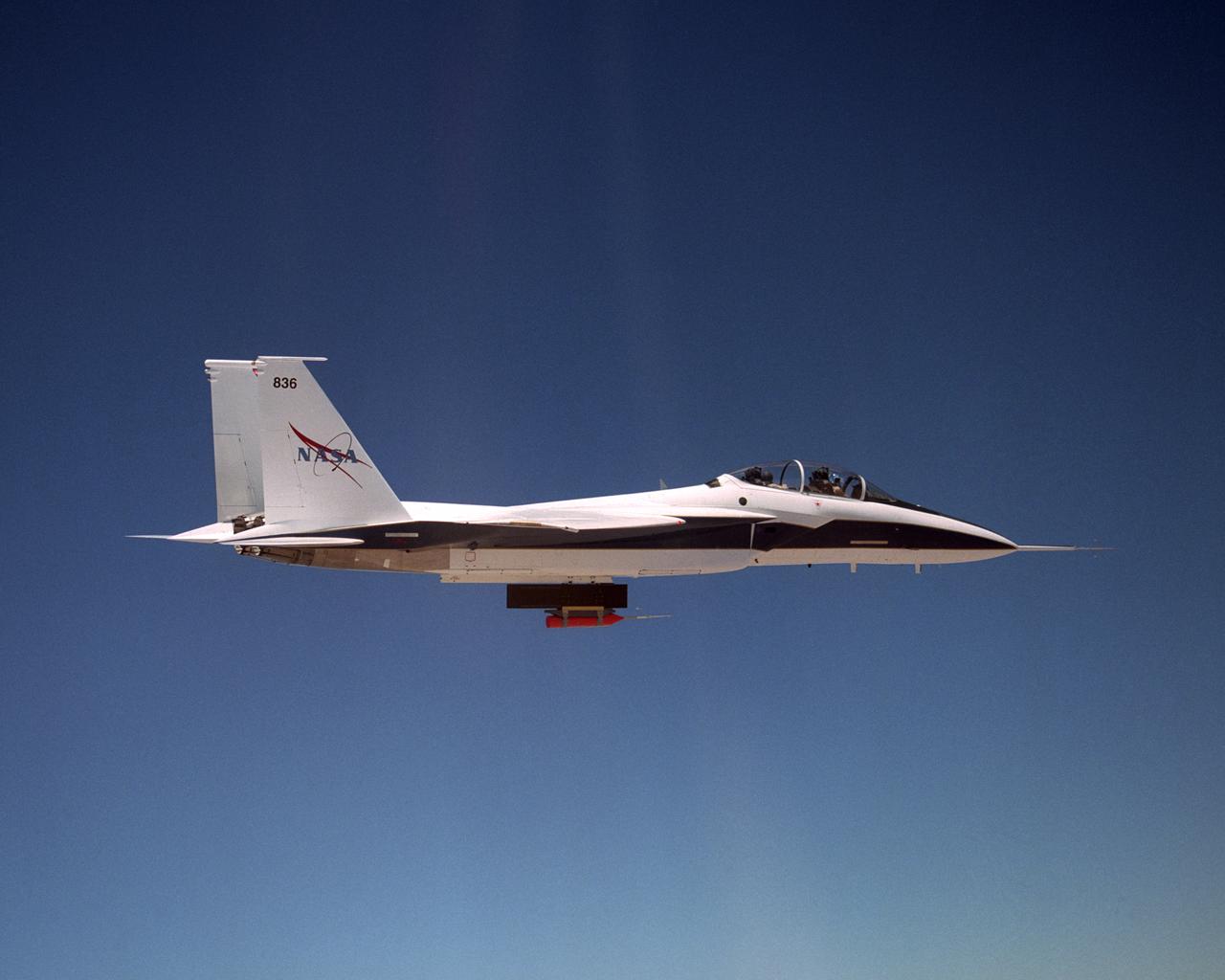
NASA's F-15B Research Testbed aircraft flew instrumentation in June 2004 called the Local Mach Investigation (LMI), designed to gather local airflow data for future research projects using the aircraft's Propulsion Flight Test Fixture (PFTF). The PFTF is the black rectangular fixture attached to the aircraft's belly. The LMI package was located in the orange device attached to the PFTF.
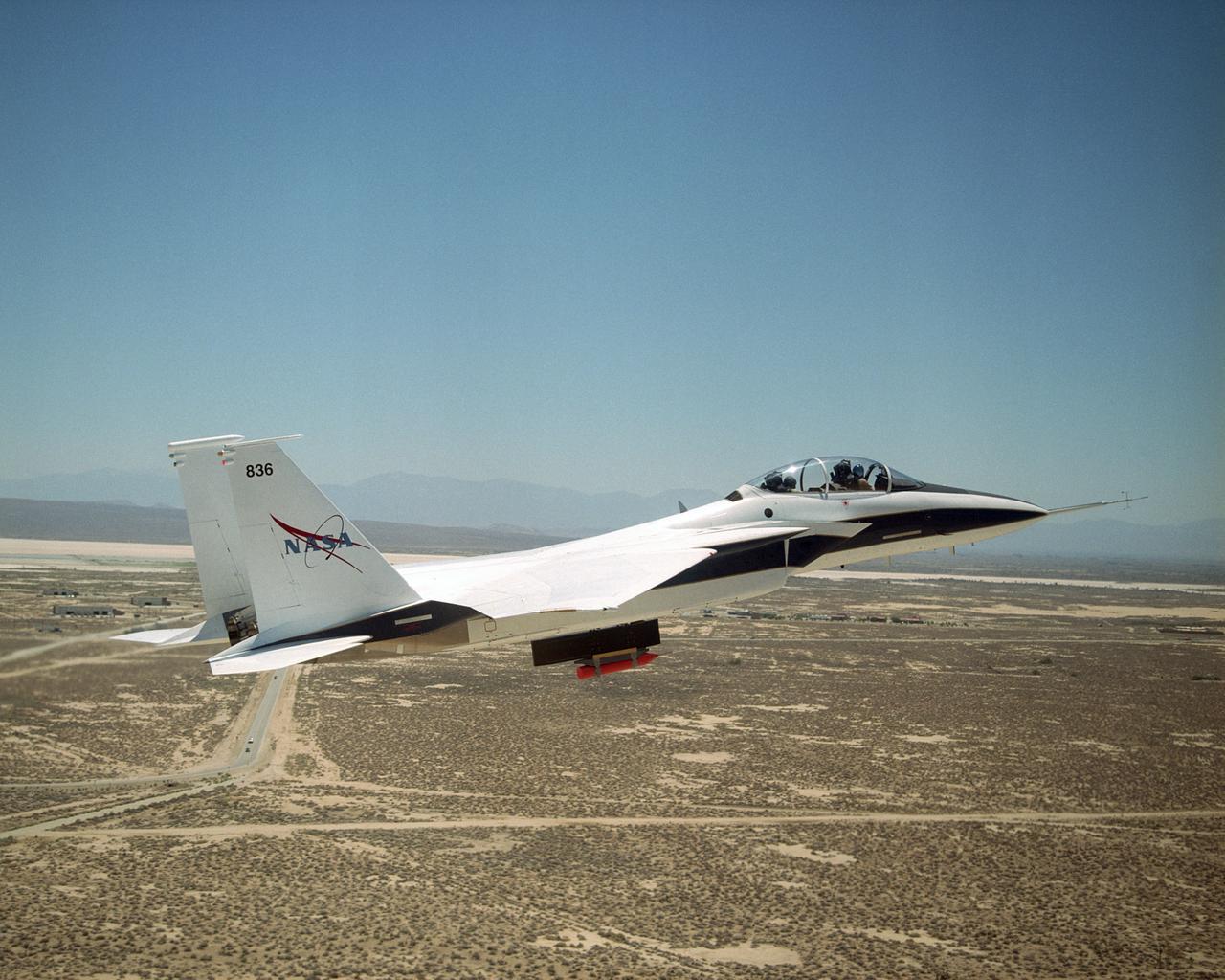
NASA's F-15B conducts a local Mach investigation flight over California's Mojave Desert.
NASA's F-15B Research Testbed aircraft flew instrumentation in June 2004 called the Local Mach Investigation (LMI), designed to gather local airflow data for future research projects using the aircraft's Propulsion Flight Test Fixture (PFTF). The PFTF is the black rectangular fixture attached to the aircraft's belly. The LMI package was located in the orange device attached to the PFTF.
NASA's F-15B conducts a local Mach investigation flight over California's Mojave Desert.
NASA's F-15B Research Testbed aircraft flew instrumentation in June 2004 called the Local Mach Investigation (LMI), designed to gather local airflow data for future research projects using the aircraft's Propulsion Flight Test Fixture (PFTF). The PFTF is the black rectangular fixture attached to the aircraft's belly. The LMI package was located in the orange device attached to the PFTF.
NASA's F-15B conducts a local Mach investigation flight over California's Mojave Desert.