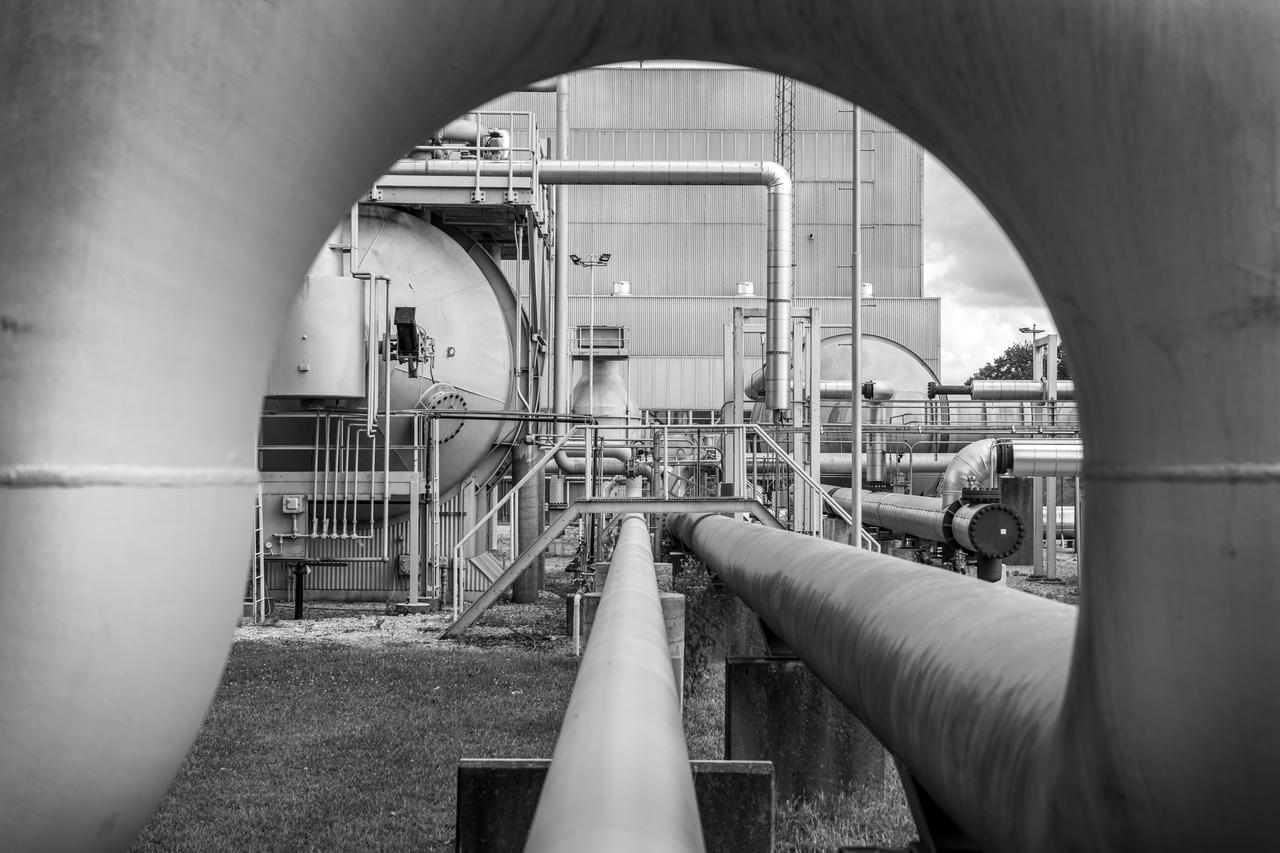
The In-Space Propulsion Facility (ISP) is shown at NASA’s Neil Armstrong Test Facility in Sandusky, Ohio. ISP is the world’s only facility capable of full-scale rocket engine and launch vehicle system level tests. Photo Credit: (NASA/Jordan Salkin)
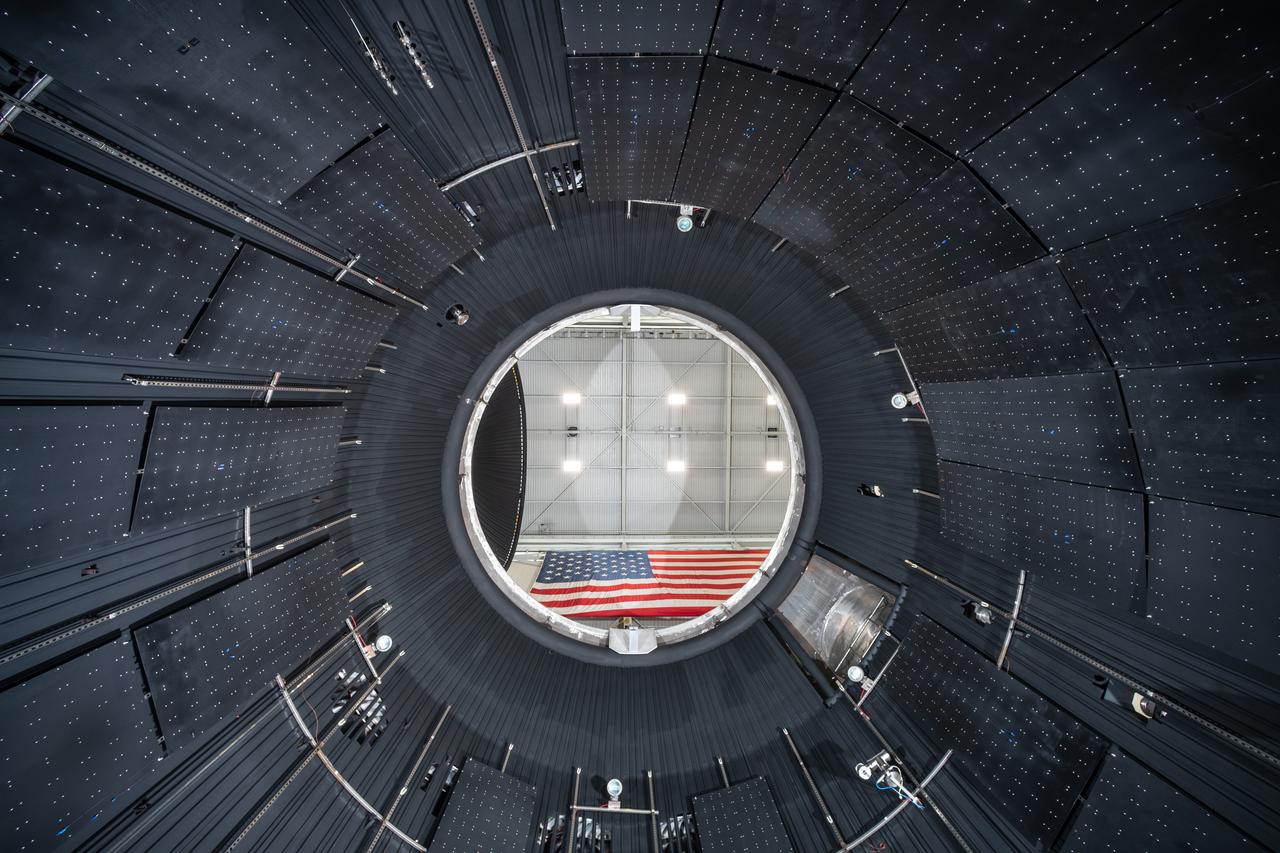
The vacuum chamber of the In-Space Propulsion (ISP) facility at the Neil Armstrong Test Facility spans 38ft in diameter and is 62ft tall. ISP is the world’s only facility capable of full-scale rocket engine and launch vehicle system level tests. ISP also has a vacuum range of up to 100 statute miles in altitude. This is a view from inside the chamber. Photo Credit: (NASA/Jordan Salkin)
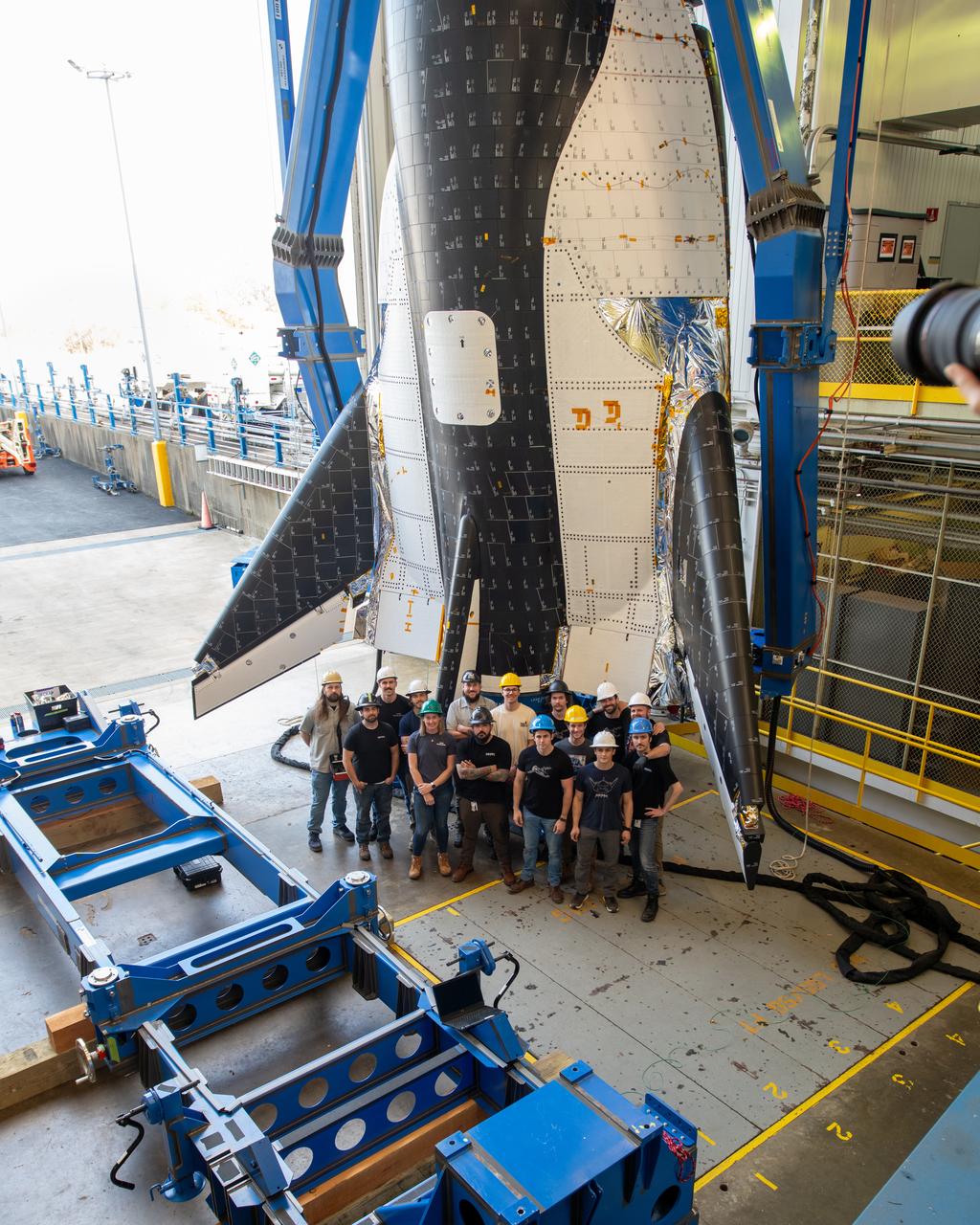
Group photo of the crew just before the critical lift of Dream Chaser into the chamber at ISP (In Space Propulsion) NASA GRC-ATF. Once lifted and lowered into the test chamber, it will be exposed to the harsh cold conditions of space for extended periods of time. Sierra Space Dream Chaser space plane will be lifted into the chamber at ISP (In Space Propulsion) facility, building 3211 at ATF (Armstrong Test Facility) for environmental testing
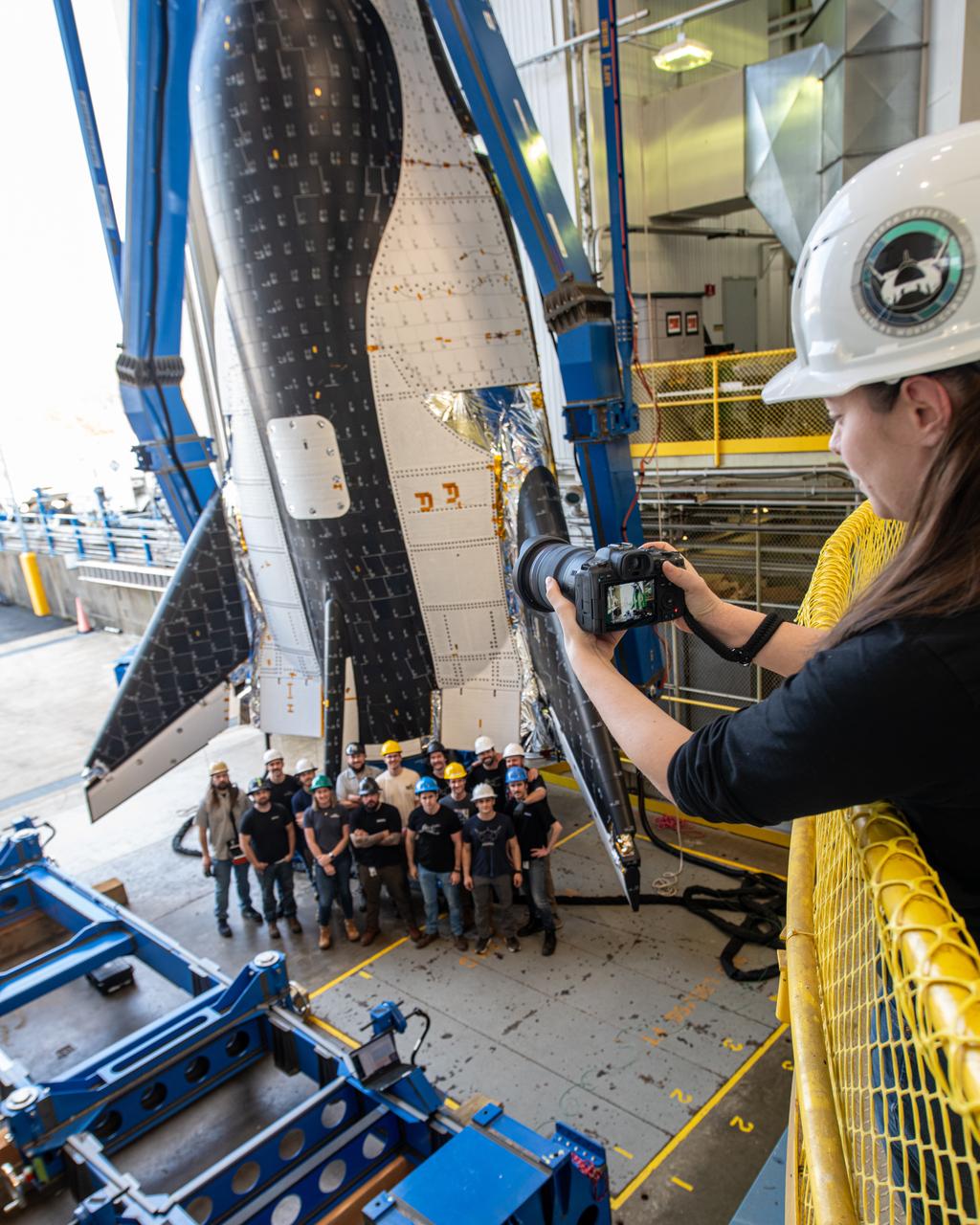
Sierra Space photographer, Shay Saldana is photographed taking a group photo of the crew just before the critical lift of Dream Chaser into the chamber at ISP (In Space Propulsion) NASA GRC-ATF. Once lifted and lowered into the test chamber, it will be exposed to the harsh cold conditions of space for extended periods of time

The Sierra Space Plane, Dream Chaser, suspended by a crane sits just inside the overhead door of the ISP (In Space Propulsion) test facility at NASA GRC-ATF. Once lifted and lowered into the test chamber, it will be exposed to the harsh cold conditions of space for testing in extended periods of time.
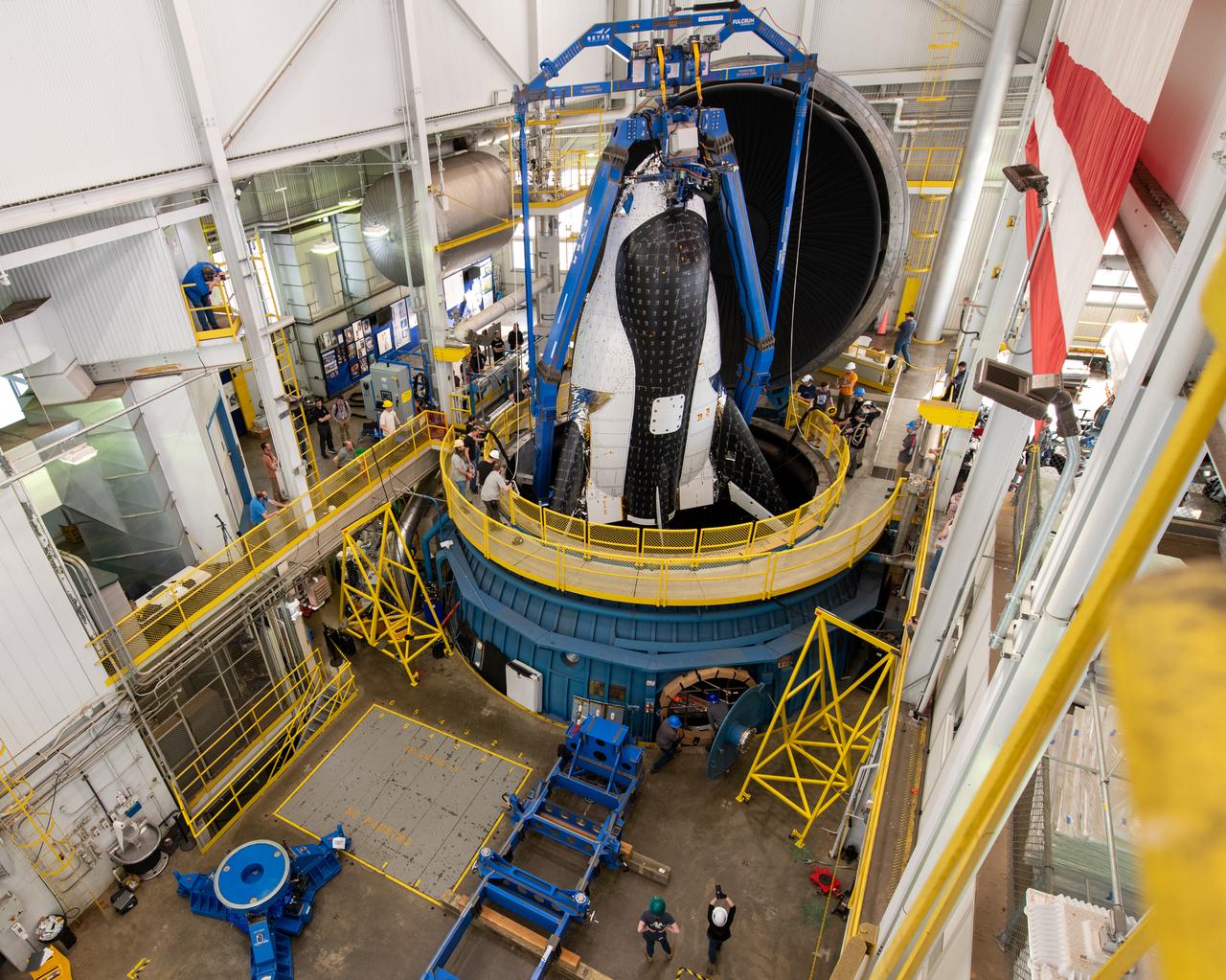
Sierra Space Dream Chaser space plane is lifted into the chamber at ISP (In Space Propulsion) facility, building 3211 at ATF (Armstrong Test Facility) for environmental testing. Once lowered into the test chamber, it will be exposed to the harsh cold conditions of space for extended periods of time.
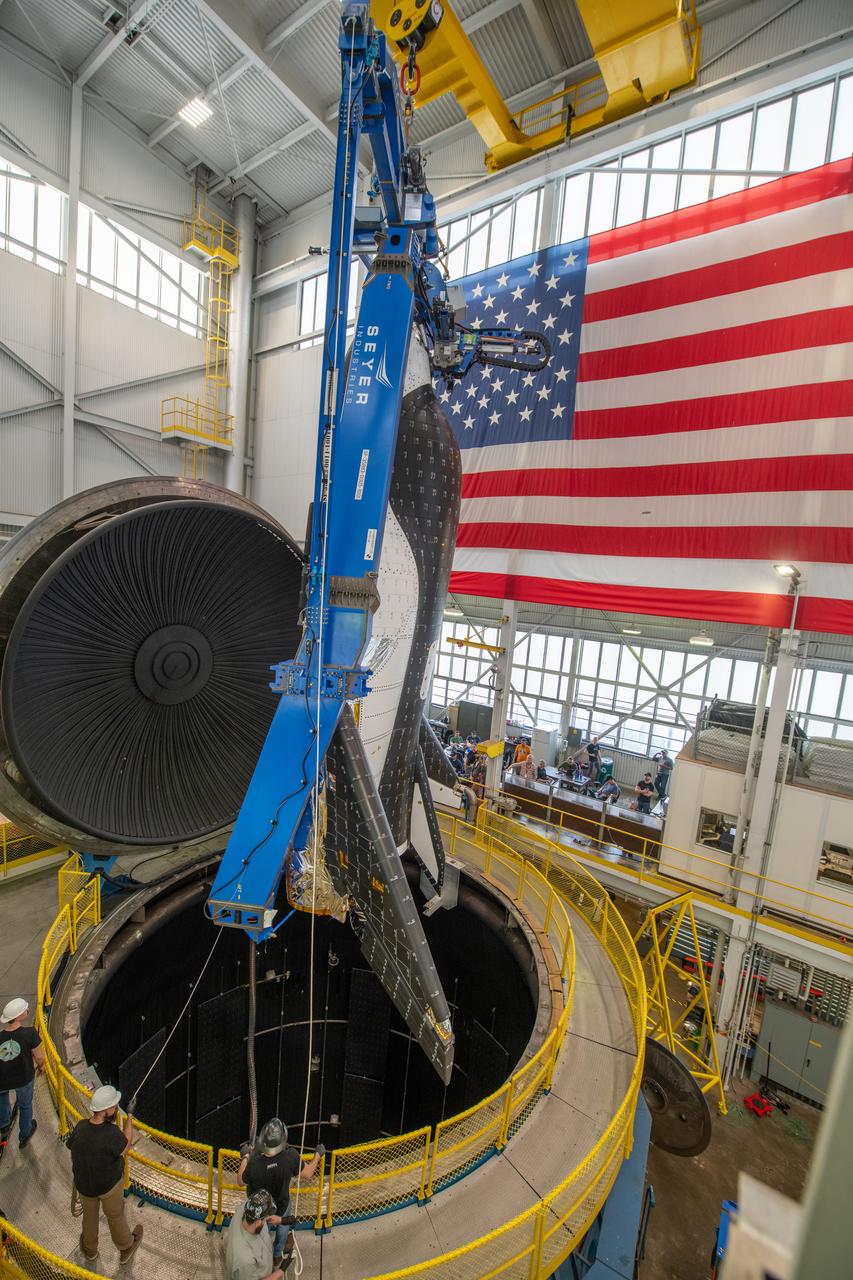
Sierra Space Dream Chaser space plane is lifted into the chamber at ISP (In Space Propulsion) facility, building 3211 at ATF (Armstrong Test Facility) for environmental testing. Once lowered into the test chamber, it will be exposed to the harsh cold conditions of space for extended periods of time.
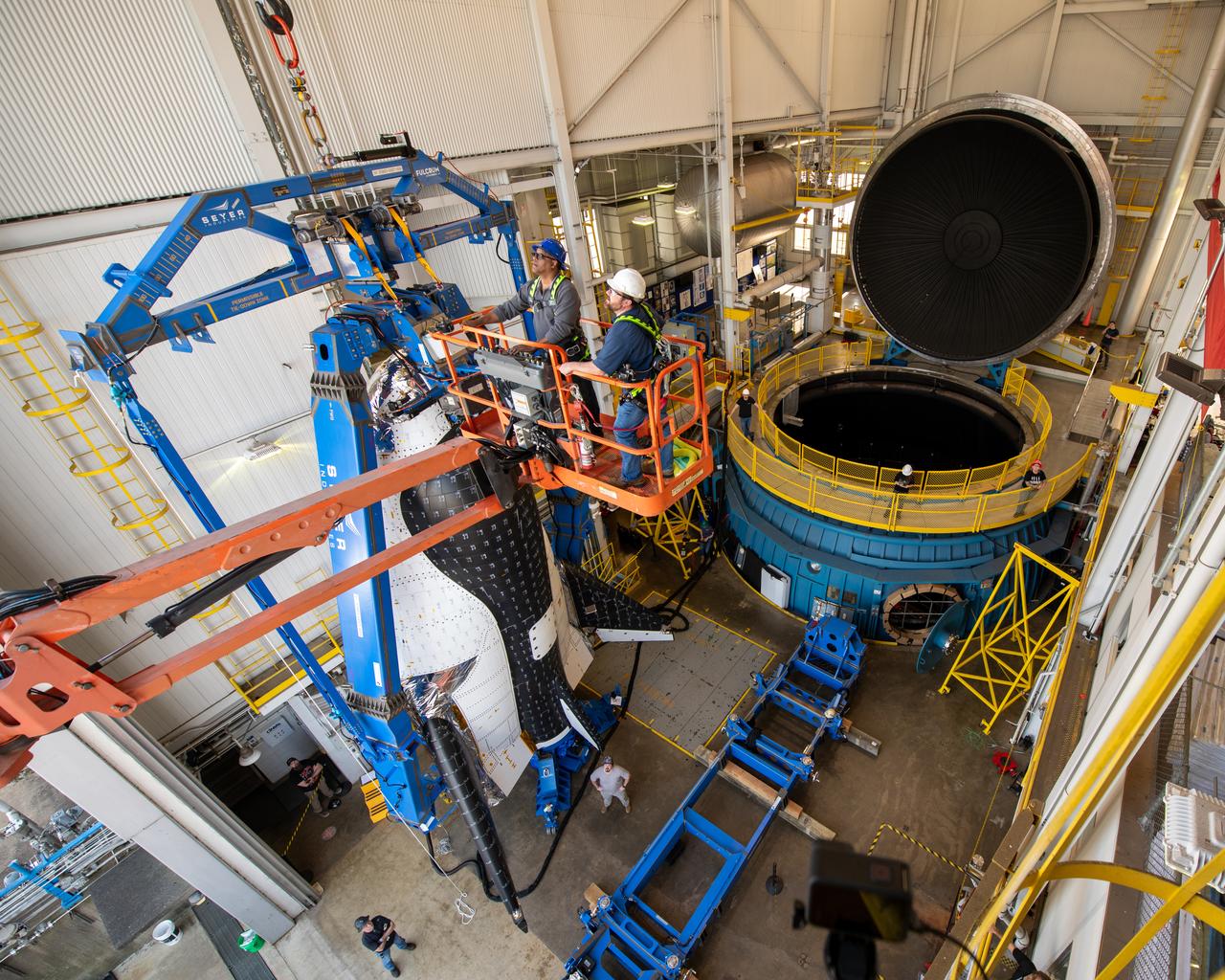
Final inspection of the crane operation just before the critical lift of the Sierra Space Plane, Dream Chaser. It will go into the chamber at ISP (In Space Propulsion) NASA GRC-ATF. Once lowered into the test chamber, it will be exposed to the harsh cold conditions of space for extended periods of time at building 3211 at ATF (Armstrong Test Facility) for environmental testing.
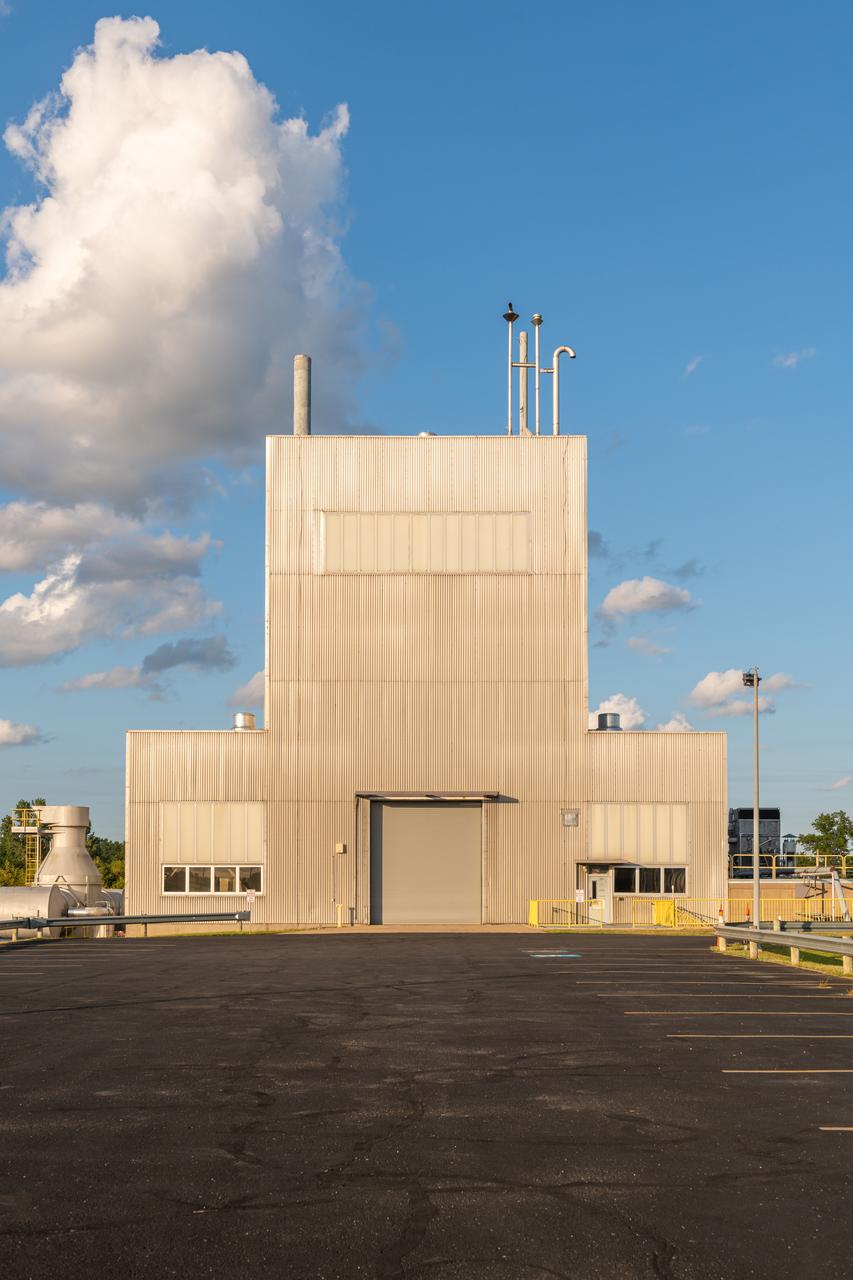
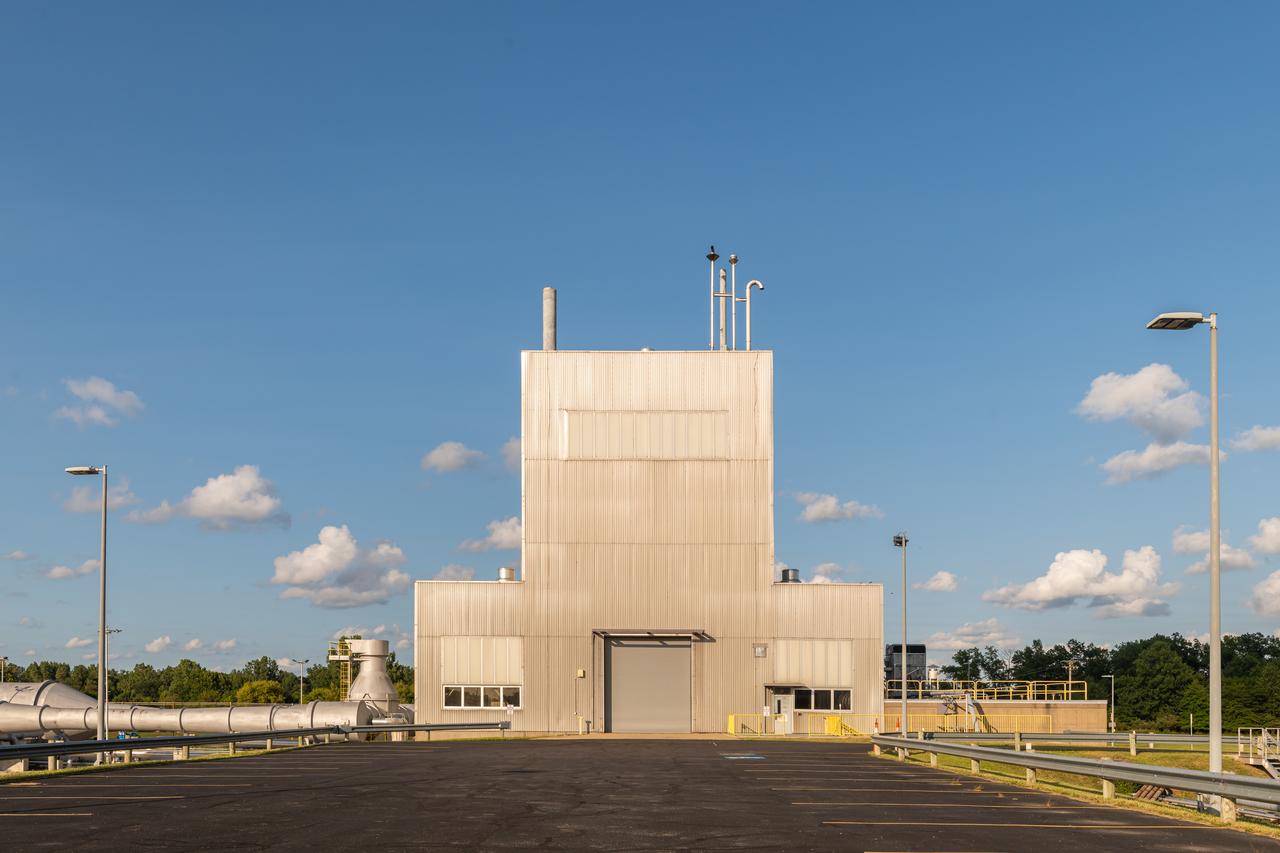
NASA’s In-Space Propulsion Facility located at Neil Armstrong Test Facility in Sandusky Ohio is the world’s only high altitude test facility capable of full-scale rocket engine and launch vehicle system level tests. The facility supports mission profile thermal vacuum simulation and engine firing. The engine or vehicle can be exposed for indefinite periods to low ambient pressures, low-background temperatures, and dynamic solar heating, simulating the environment the hardware will encounter during orbital or interplanetary travel. Photo Credit: (NASA/Jordan Salkin)
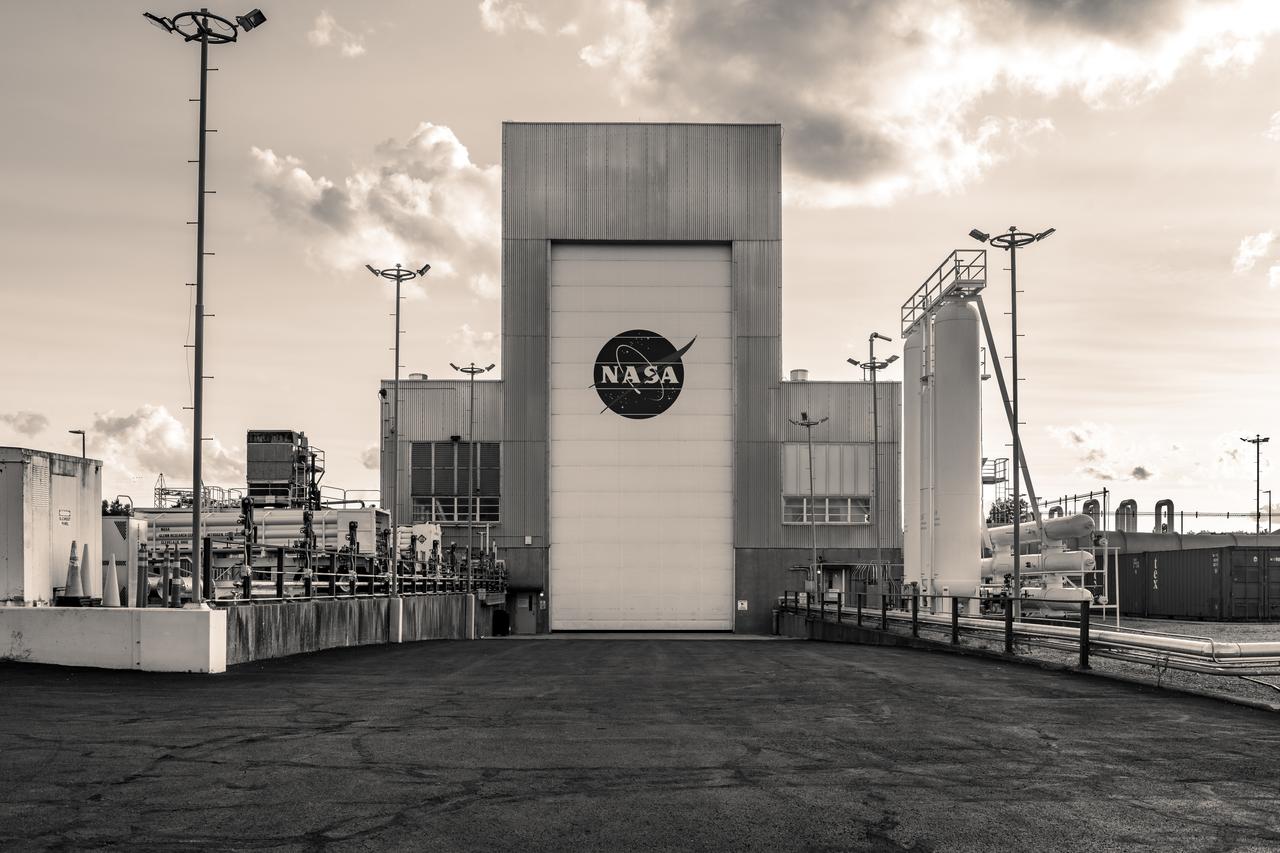
NASA’s In-Space Propulsion Facility located at Neil Armstrong Test Facility in Sandusky Ohio is the world’s only high altitude test facility capable of full-scale rocket engine and launch vehicle system level tests. The facility supports mission profile thermal vacuum simulation and engine firing. The engine or vehicle can be exposed for indefinite periods to low ambient pressures, low-background temperatures, and dynamic solar heating, simulating the environment the hardware will encounter during orbital or interplanetary travel. Photo Credit: (NASA/Jordan Salkin)
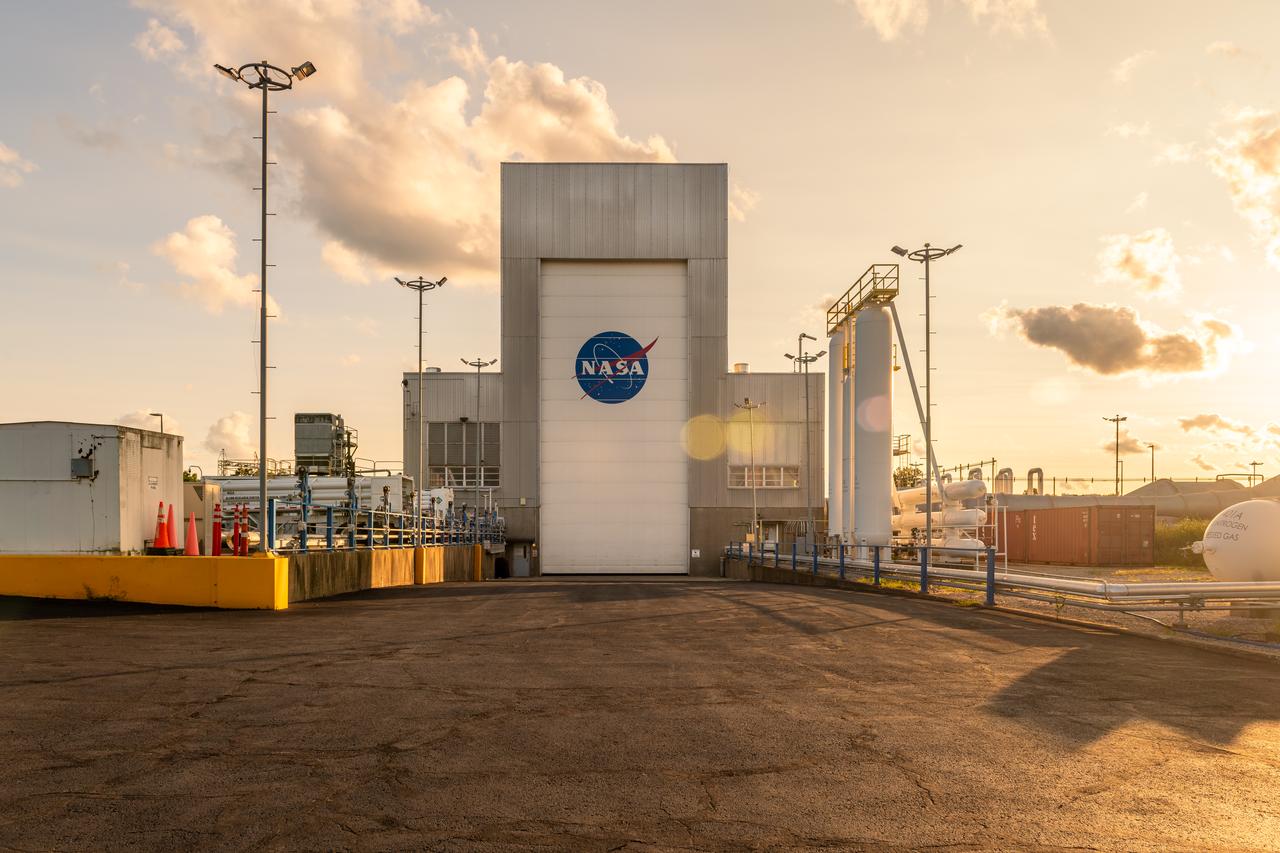
NASA’s In-Space Propulsion Facility located at Neil Armstrong Test Facility in Sandusky Ohio is the world’s only high altitude test facility capable of full-scale rocket engine and launch vehicle system level tests. The facility supports mission profile thermal vacuum simulation and engine firing. The engine or vehicle can be exposed for indefinite periods to low ambient pressures, low-background temperatures, and dynamic solar heating, simulating the environment the hardware will encounter during orbital or interplanetary travel. Photo Credit: (NASA/Jordan Salkin)
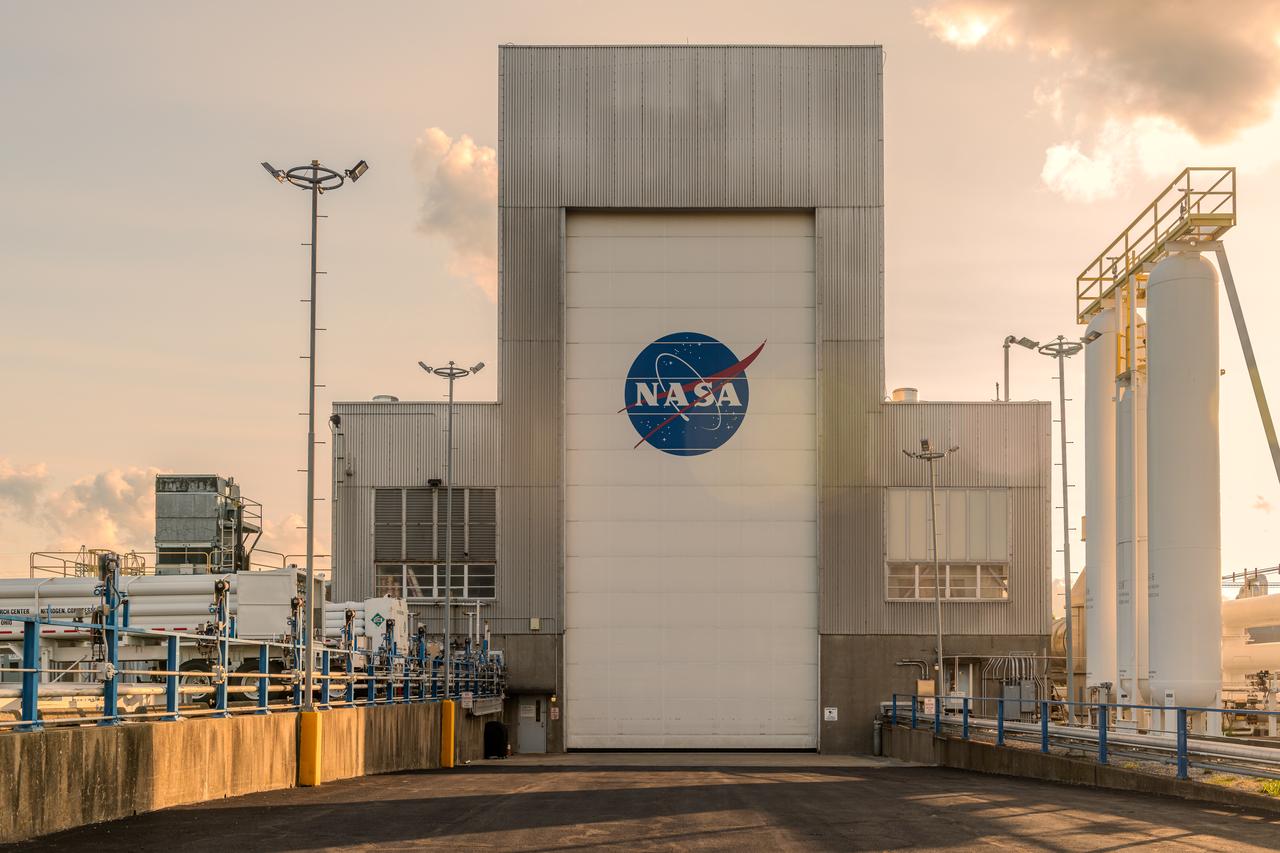
NASA’s In-Space Propulsion Facility located at Neil Armstrong Test Facility in Sandusky Ohio is the world’s only high altitude test facility capable of full-scale rocket engine and launch vehicle system level tests. The facility supports mission profile thermal vacuum simulation and engine firing. The engine or vehicle can be exposed for indefinite periods to low ambient pressures, low-background temperatures, and dynamic solar heating, simulating the environment the hardware will encounter during orbital or interplanetary travel. Photo Credit: (NASA/Jordan Salkin)
NASA’s In-Space Propulsion Facility located at Neil Armstrong Test Facility in Sandusky Ohio is the world’s only high altitude test facility capable of full-scale rocket engine and launch vehicle system level tests. The facility supports mission profile thermal vacuum simulation and engine firing. The engine or vehicle can be exposed for indefinite periods to low ambient pressures, low-background temperatures, and dynamic solar heating, simulating the environment the hardware will encounter during orbital or interplanetary travel. Photo Credit: (NASA/Jordan Salkin)
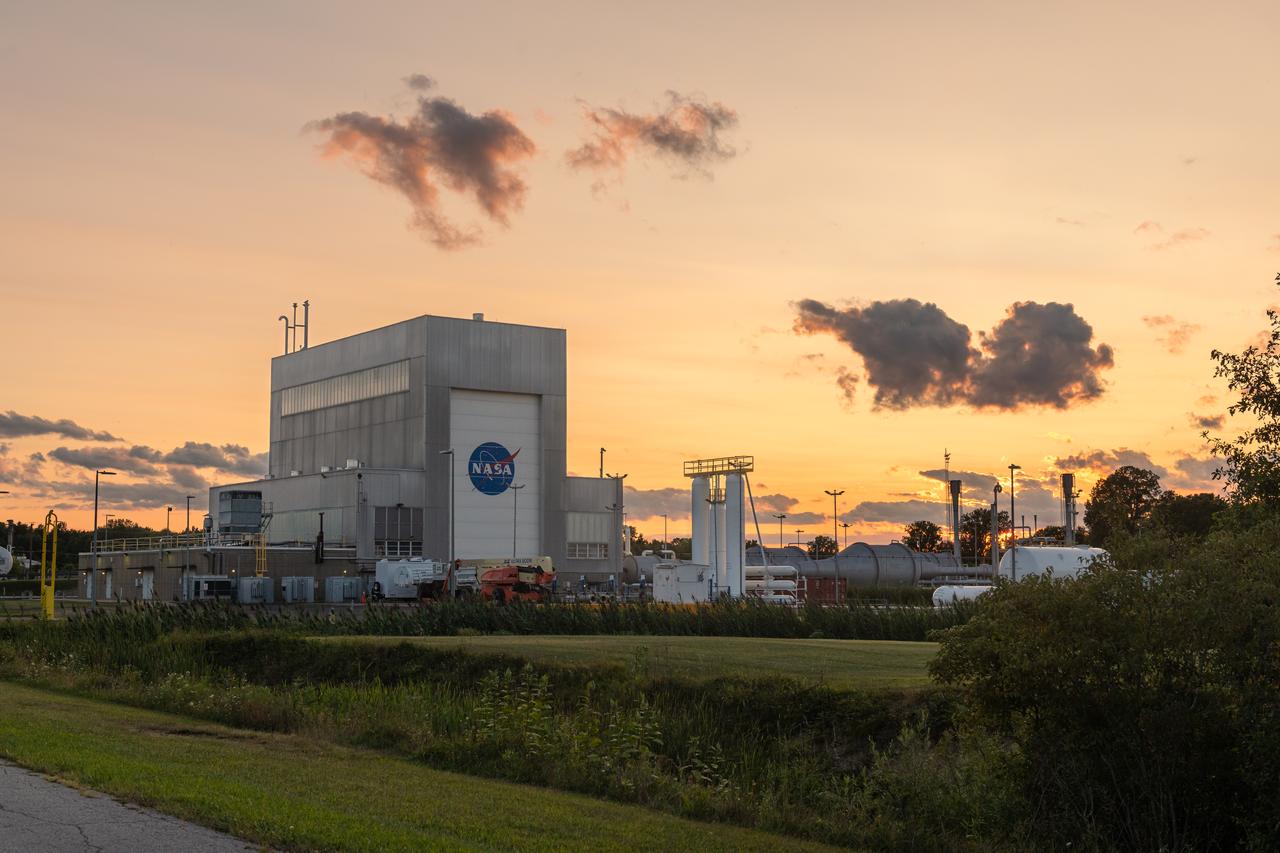
NASA’s In-Space Propulsion Facility located at Neil Armstrong Test Facility in Sandusky Ohio is the world’s only high altitude test facility capable of full-scale rocket engine and launch vehicle system level tests. The facility supports mission profile thermal vacuum simulation and engine firing. The engine or vehicle can be exposed for indefinite periods to low ambient pressures, low-background temperatures, and dynamic solar heating, simulating the environment the hardware will encounter during orbital or interplanetary travel. Photo Credit: (NASA/Jordan Salkin)
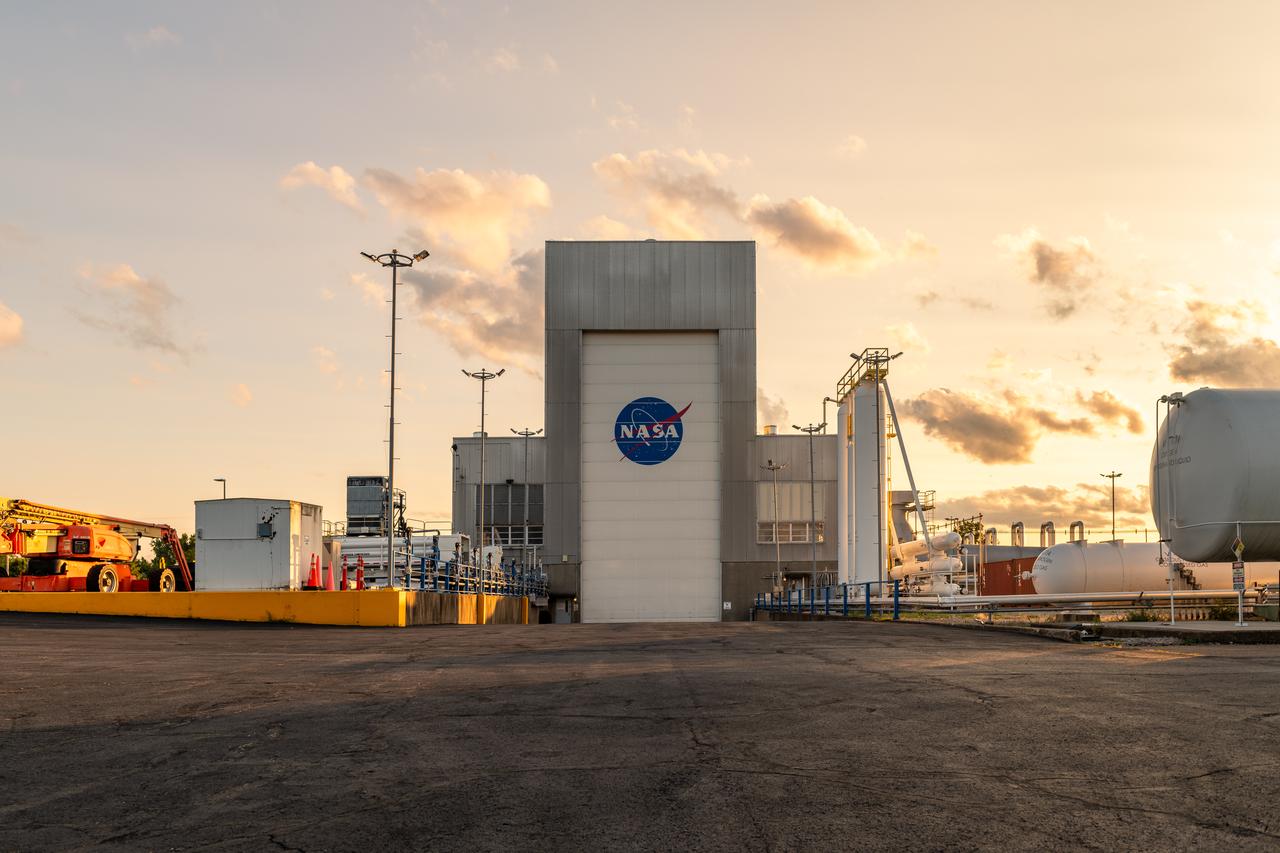
NASA’s In-Space Propulsion Facility located at Neil Armstrong Test Facility in Sandusky Ohio is the world’s only high altitude test facility capable of full-scale rocket engine and launch vehicle system level tests. The facility supports mission profile thermal vacuum simulation and engine firing. The engine or vehicle can be exposed for indefinite periods to low ambient pressures, low-background temperatures, and dynamic solar heating, simulating the environment the hardware will encounter during orbital or interplanetary travel. Photo Credit: (NASA/Jordan Salkin)
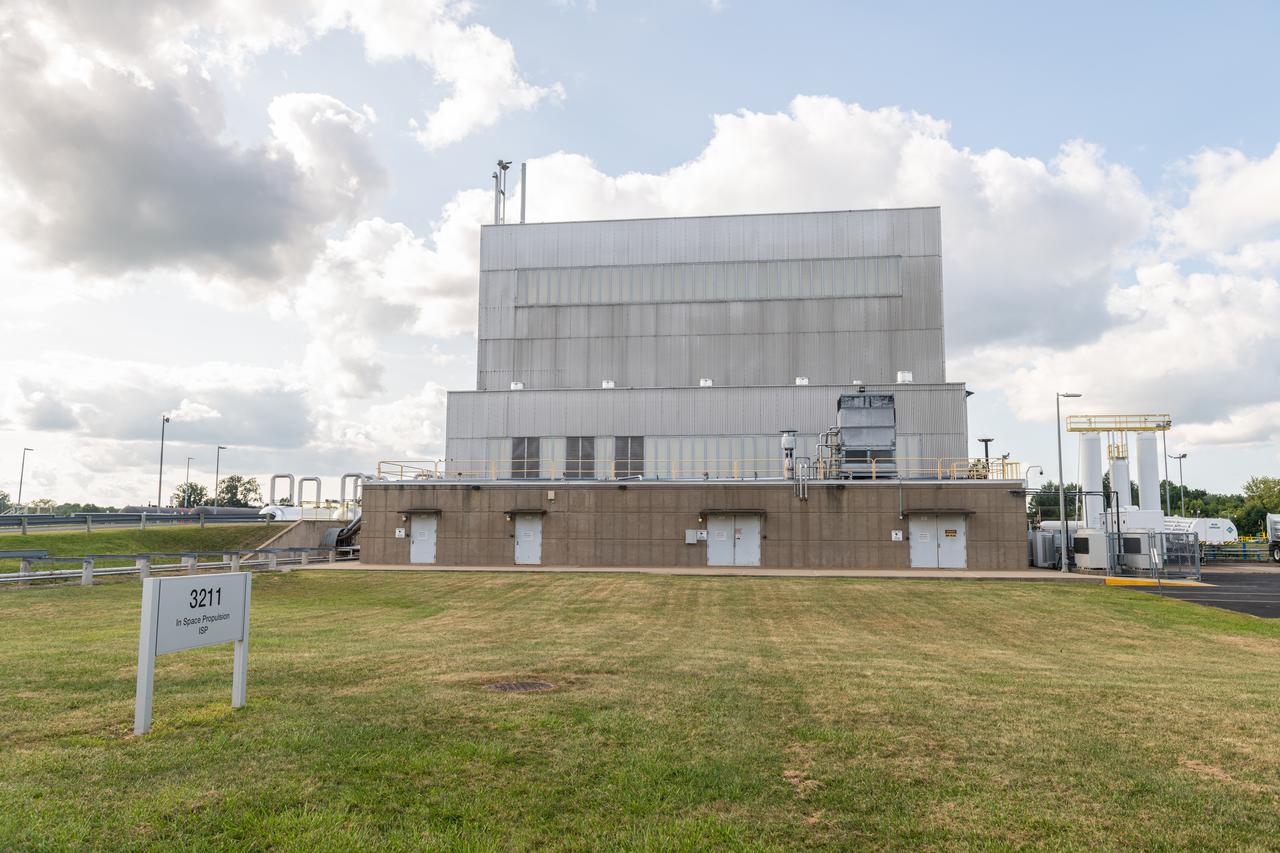
NASA’s In-Space Propulsion Facility located at Neil Armstrong Test Facility in Sandusky Ohio is the world’s only high altitude test facility capable of full-scale rocket engine and launch vehicle system level tests. The facility supports mission profile thermal vacuum simulation and engine firing. The engine or vehicle can be exposed for indefinite periods to low ambient pressures, low-background temperatures, and dynamic solar heating, simulating the environment the hardware will encounter during orbital or interplanetary travel. Photo Credit: (NASA/Jordan Salkin)
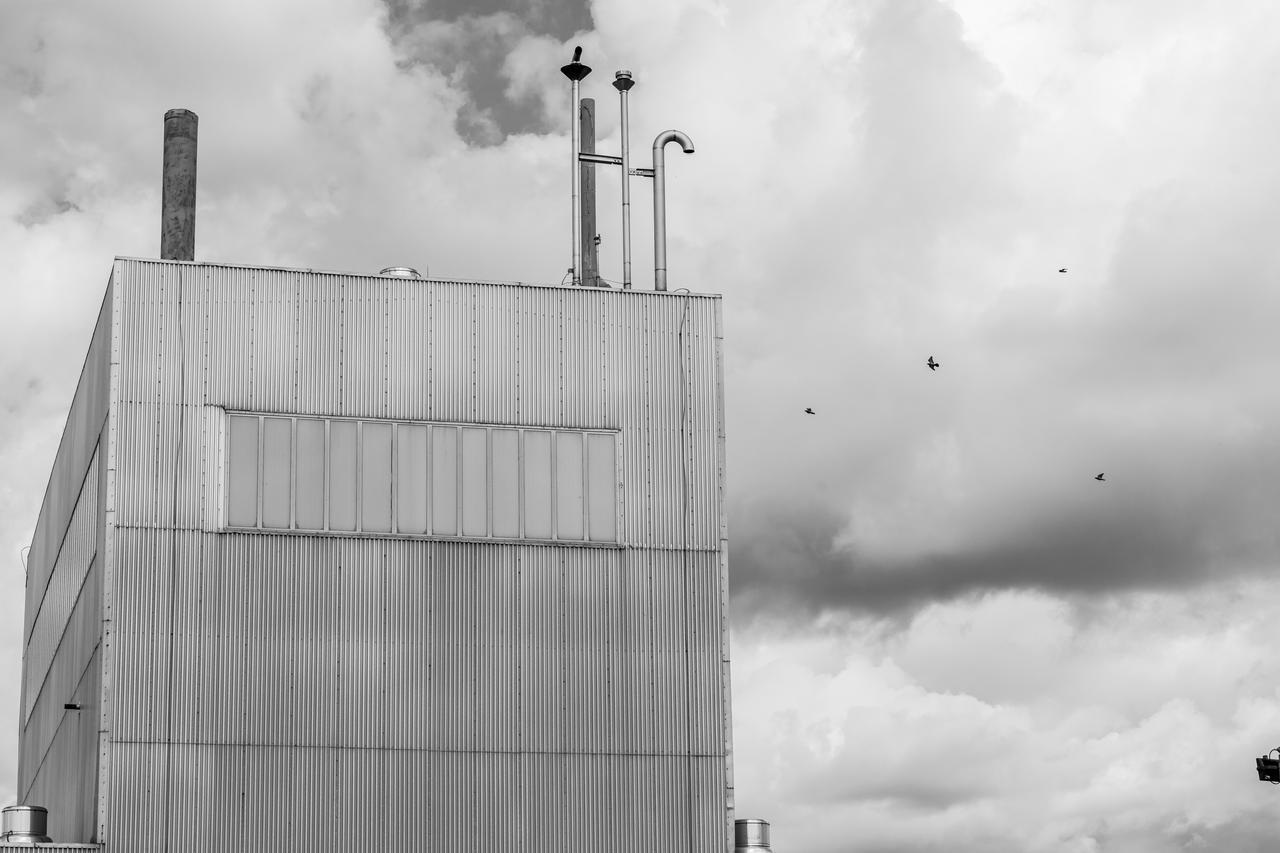
NASA’s In-Space Propulsion Facility located at Neil Armstrong Test Facility in Sandusky Ohio is the world’s only high altitude test facility capable of full-scale rocket engine and launch vehicle system level tests. The facility supports mission profile thermal vacuum simulation and engine firing. The engine or vehicle can be exposed for indefinite periods to low ambient pressures, low-background temperatures, and dynamic solar heating, simulating the environment the hardware will encounter during orbital or interplanetary travel. Photo Credit: (NASA/Jordan Salkin)
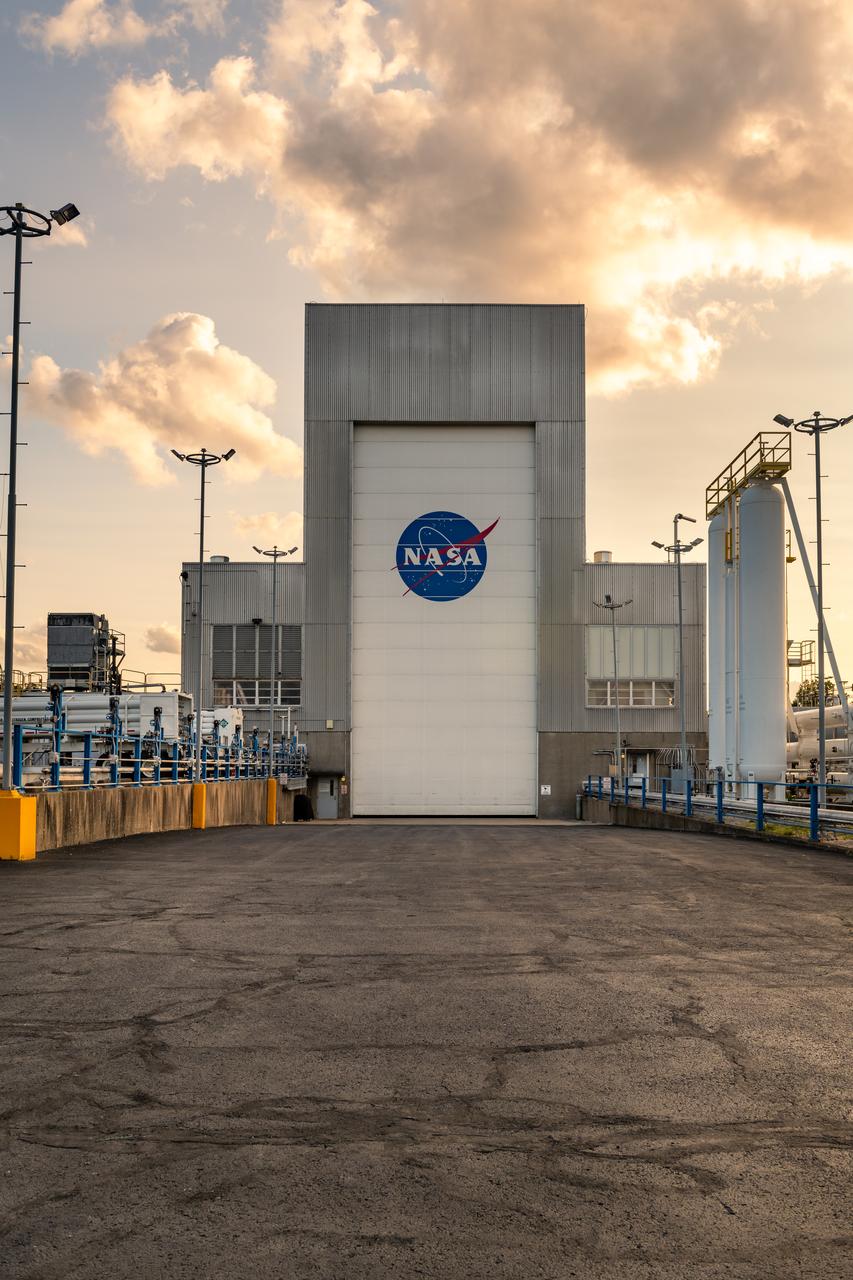
NASA’s In-Space Propulsion Facility located at Neil Armstrong Test Facility in Sandusky Ohio is the world’s only high altitude test facility capable of full-scale rocket engine and launch vehicle system level tests. The facility supports mission profile thermal vacuum simulation and engine firing. The engine or vehicle can be exposed for indefinite periods to low ambient pressures, low-background temperatures, and dynamic solar heating, simulating the environment the hardware will encounter during orbital or interplanetary travel. Photo Credit: (NASA/Jordan Salkin)
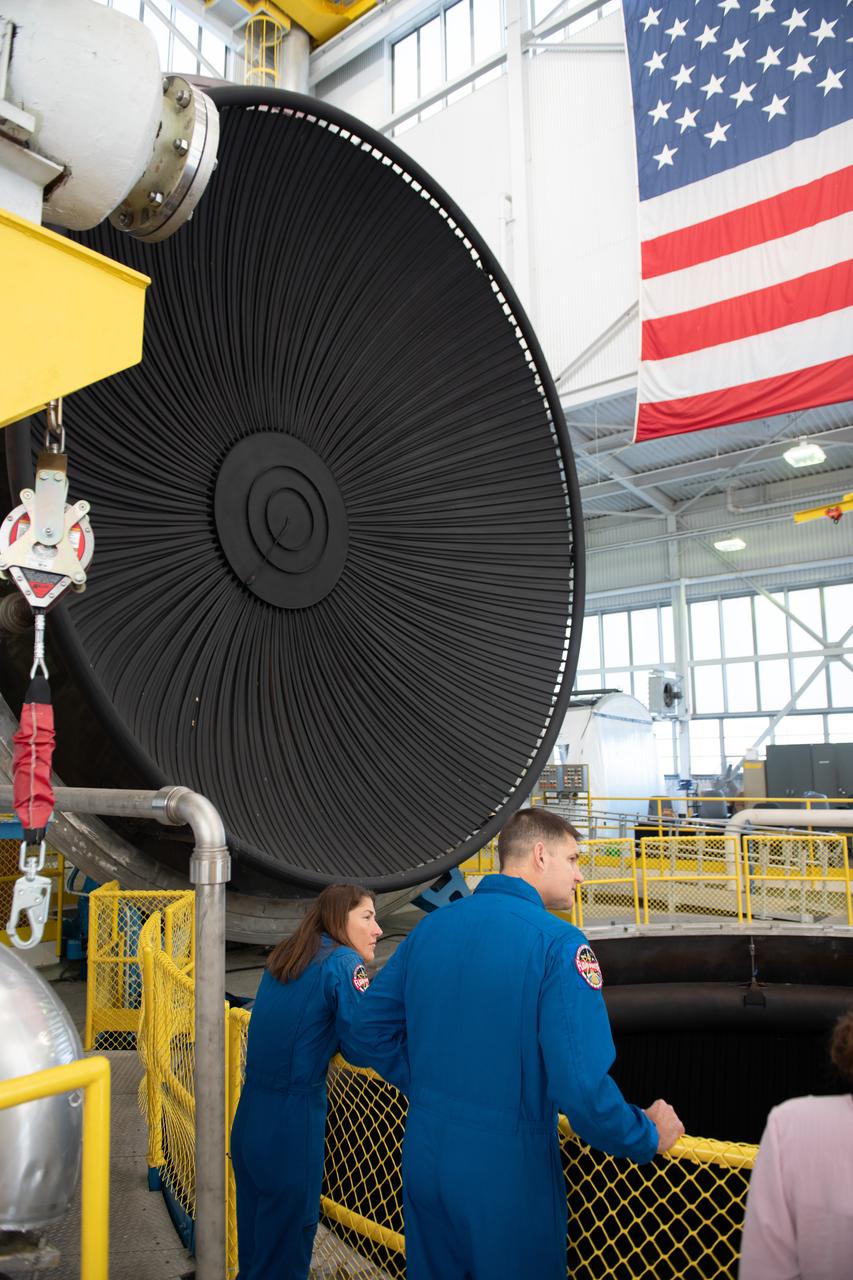
Tours were given of the In Space Propulsion Facility (ISP). NASA’s Facility is the world’s only high altitude test facility capable of full-scale rocket engine and launch vehicle system level tests. The facility supports mission profile thermal vacuum simulation and engine firing. Pictured are Mission Specialists Christina Koch and Jeremy Hansen. Employees meet three of the four astronauts who will venture around the Moon on Artemis II, the first crewed flight paving the way for future lunar surface missions. Commander Reid Wiseman and Mission Specialists Christina Koch and Jeremy Hansen will be on hand to discuss their upcoming mission and participate in a Question and Answer session with employees afterward. Hansen is an astronaut with the Canadian Space Agency. Victor Glover, the pilot and fourth crew member, was not present. Photo Credit: (NASA/Sara Lowthian-Hanna)
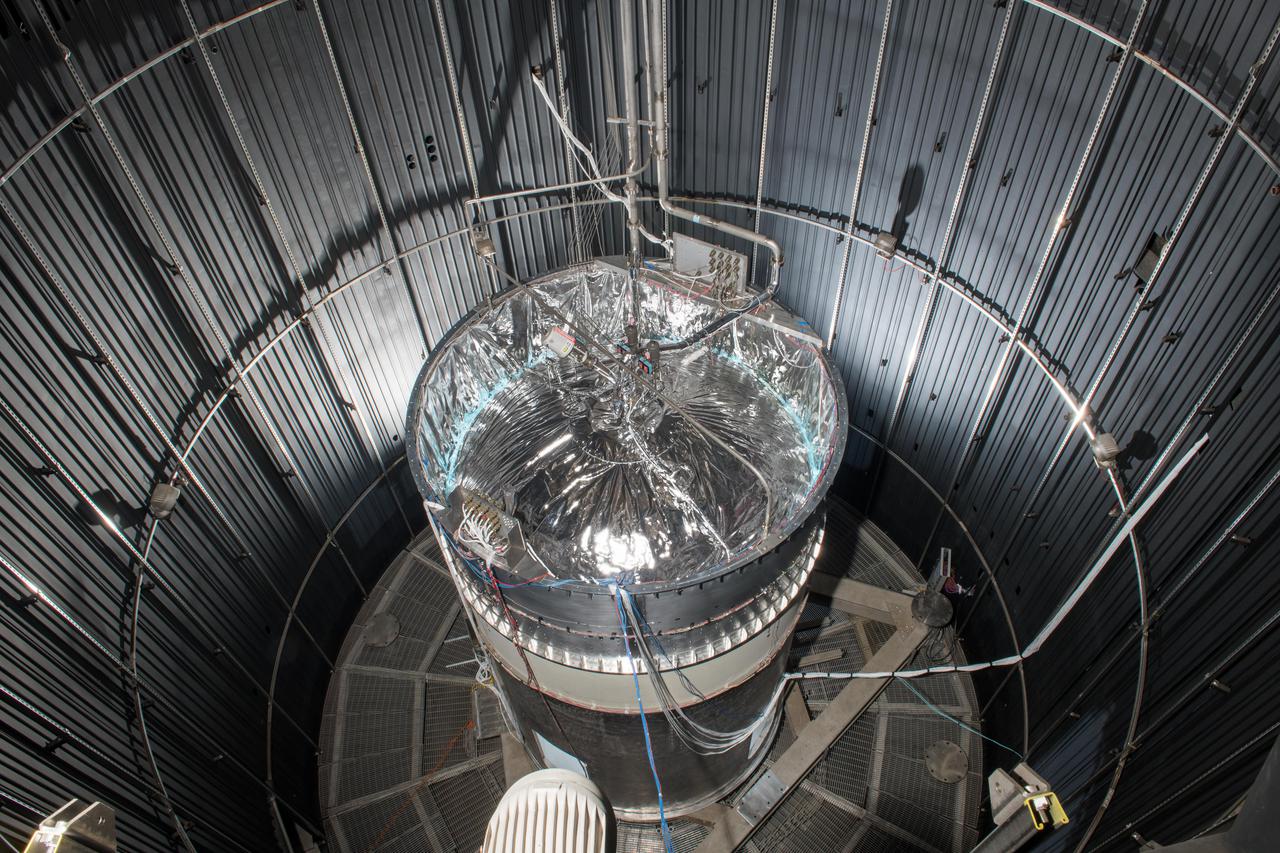
Structural Heat Intercept-Insulation-Vibration Evaluation Rig, SHIVER

Structural Heat Intercept-Insulation-Vibration Evaluation Rig, SHIVER
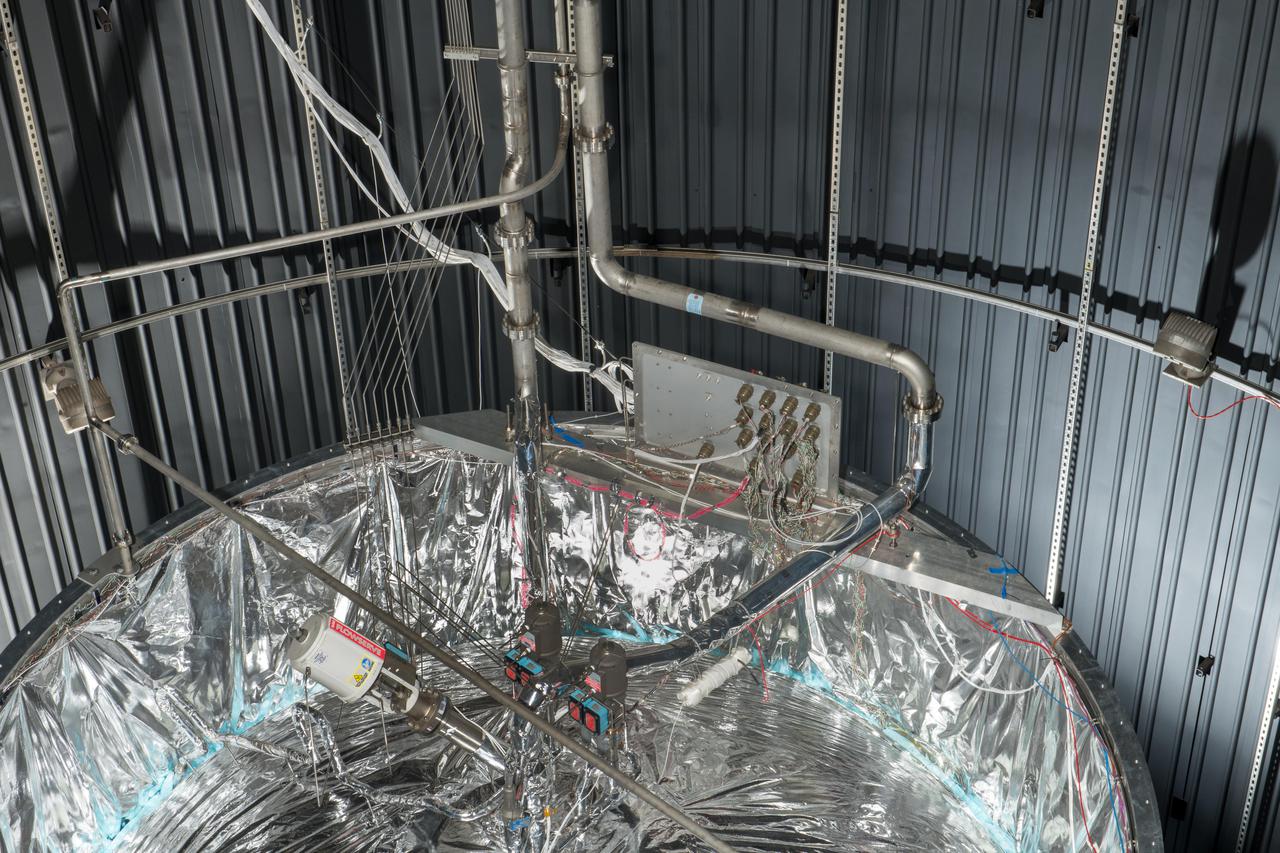
Structural Heat Intercept-Insulation-Vibration Evaluation Rig, SHIVER
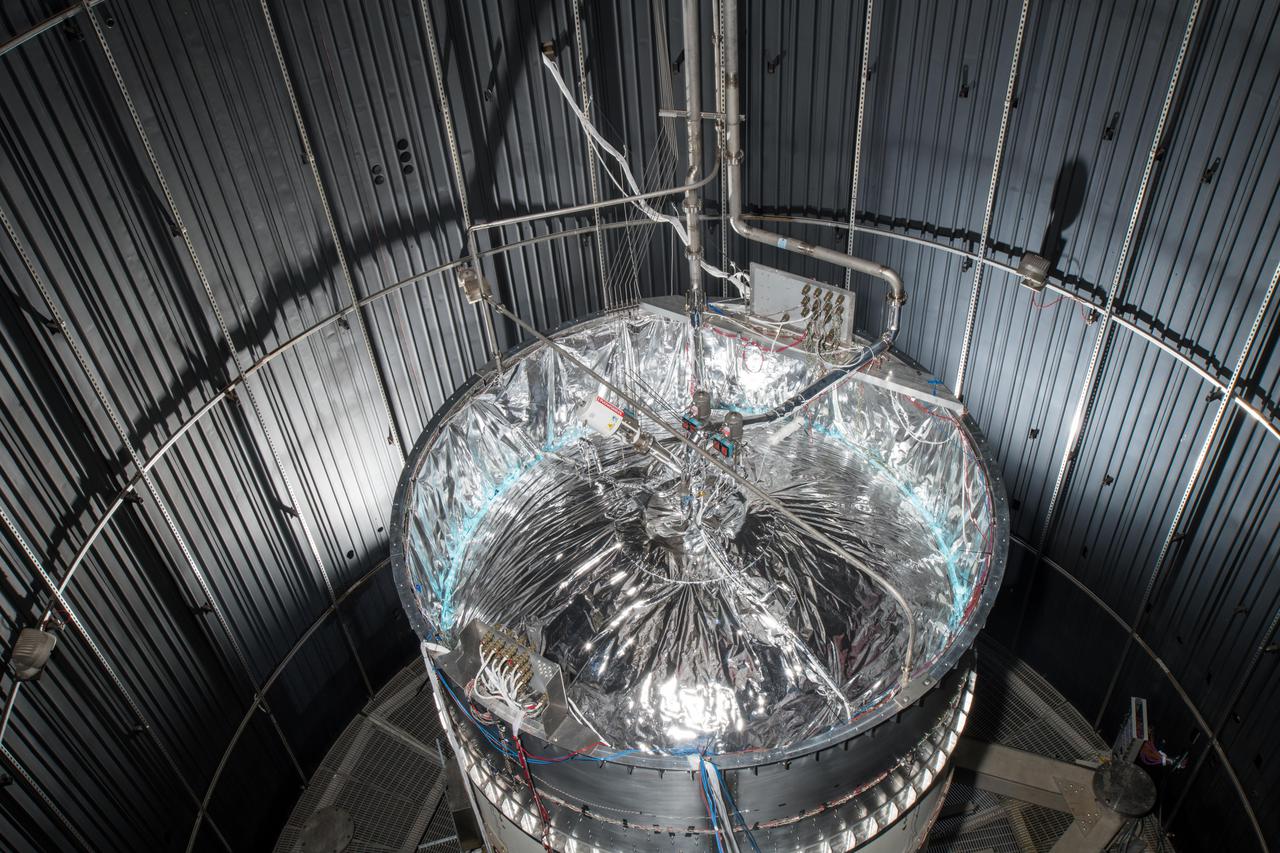
Structural Heat Intercept-Insulation-Vibration Evaluation Rig, SHIVER
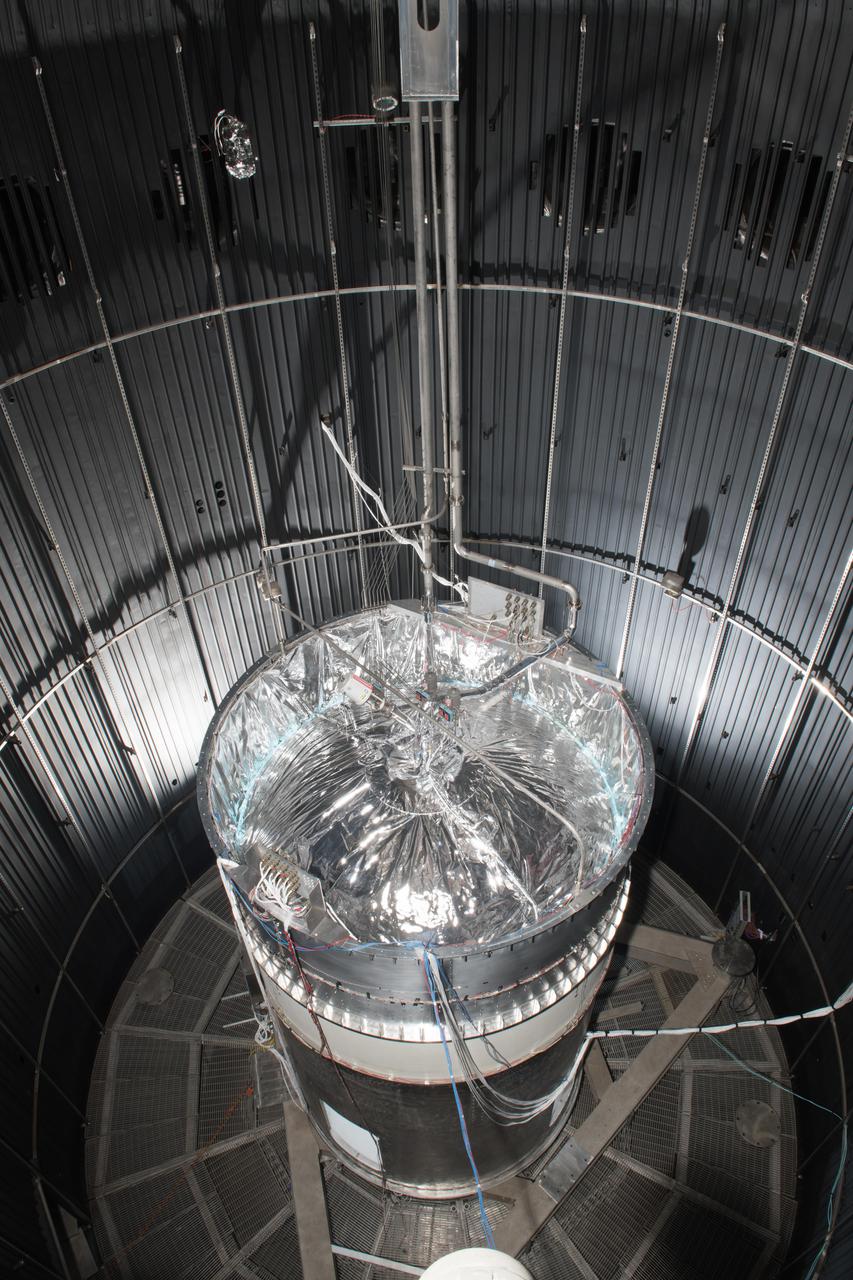
Structural Heat Intercept-Insulation-Vibration Evaluation Rig, SHIVER
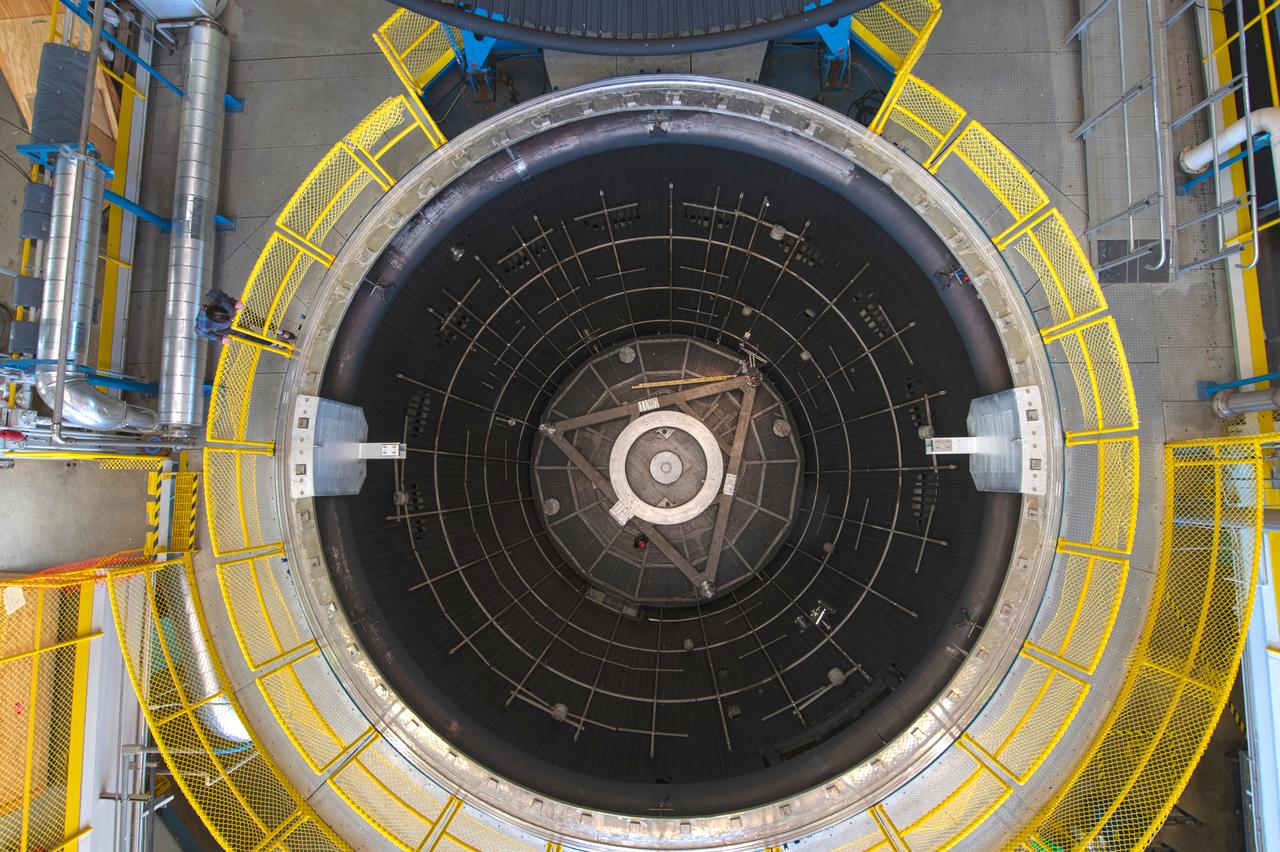
The test chamber is 38 ft in diameter by 62 ft deep amd made of stainless steel. It is vacuum rated at 10-7 torr long duration (Local atmospheric pressure to 100 statute miles altitude). The vacuum chamber surfaces are lined with a liquid nitrogen cold wall, capable of maintaining -320 °F. A quartz infrared heating system can be programmed to radiate a sinusoidal distribution, simulating rotational solar heating. Photo Credit: (NASA/Quentin Schwinn)
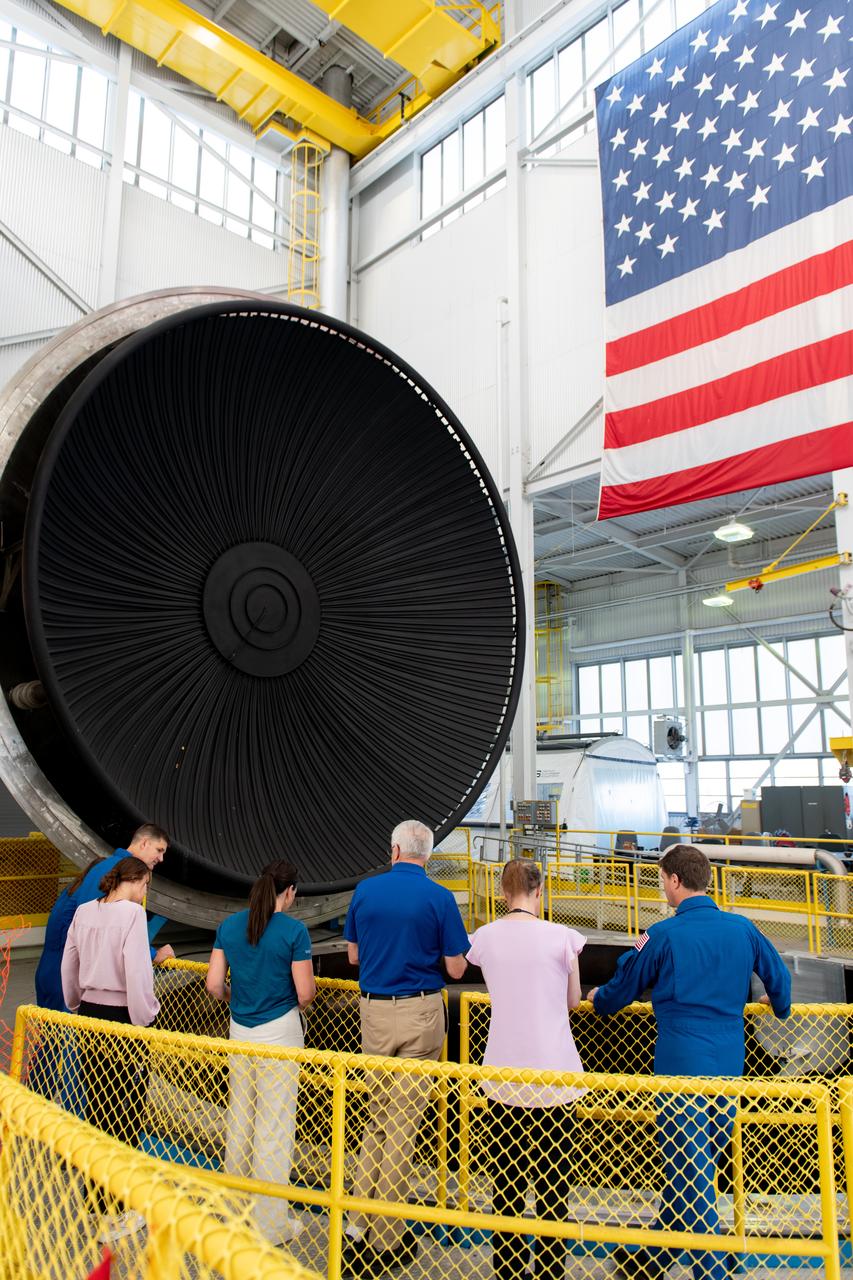
Tours were given of the In Space Propulsion Facility (ISP). NASA’s Facility is the world’s only high altitude test facility capable of full-scale rocket engine and launch vehicle system level tests. The facility supports mission profile thermal vacuum simulation and engine firing. Pictured are Mission Specialists Christina Koch and Jeremy Hansen, Penelope Garcia-Galan, Kathryn Oriti, General David Stringer, Tiffany O'Rourke and Commander Reid Wiseman. Employees meet three of the four astronauts who will venture around the Moon on Artemis II, the first crewed flight paving the way for future lunar surface missions. Commander Reid Wiseman and Mission Specialists Christina Koch and Jeremy Hansen will be on hand to discuss their upcoming mission and participate in a Question and Answer session with employees afterward. Hansen is an astronaut with the Canadian Space Agency. Victor Glover, the pilot and fourth crew member, will not be present.
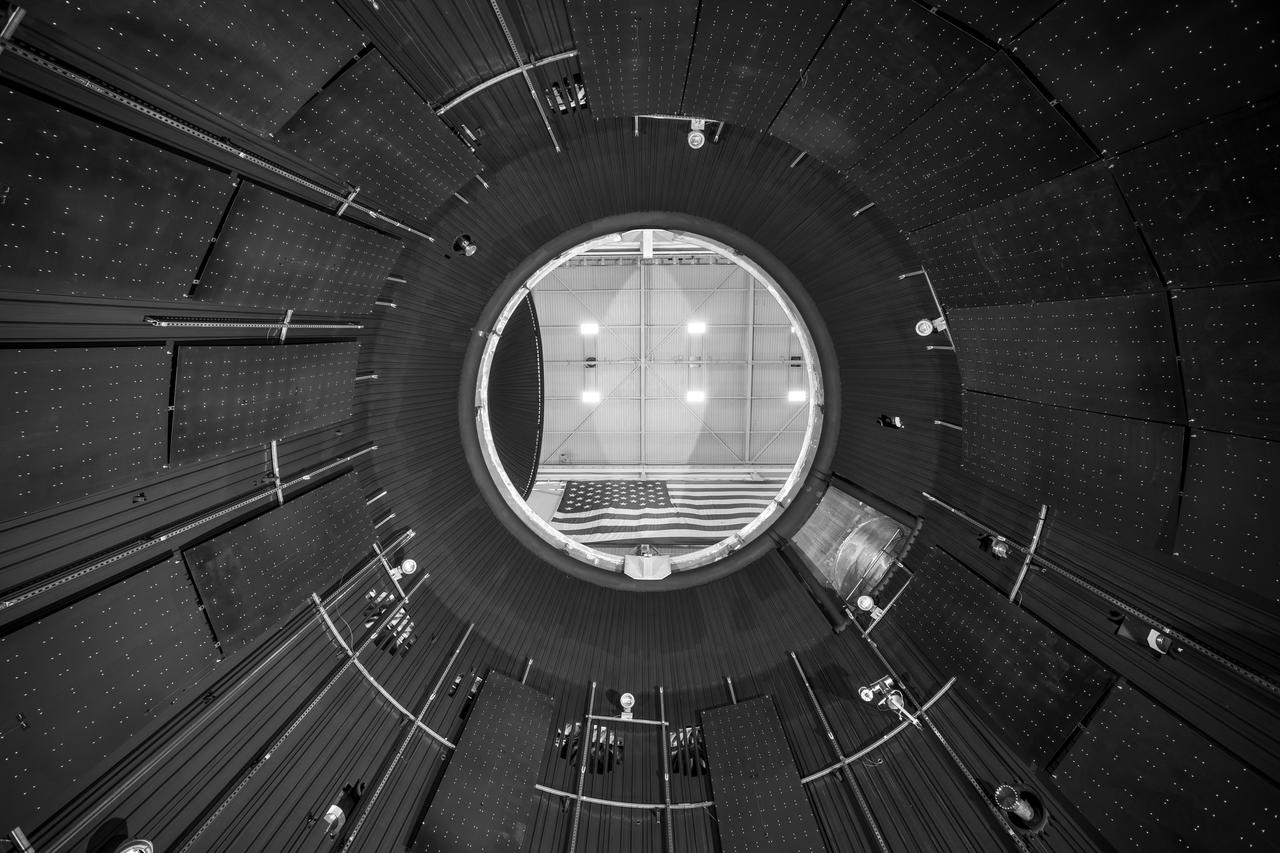
NASA’s In-Space Propulsion Facility located at Neil Armstrong Test Facility in Sandusky Ohio is the world’s only high altitude test facility capable of full-scale rocket engine and launch vehicle system level tests. The facility supports mission profile thermal vacuum simulation and engine firing. The engine or vehicle can be exposed for indefinite periods to low ambient pressures, low-background temperatures, and dynamic solar heating, simulating the environment the hardware will encounter during orbital or interplanetary travel. This is a view from inside the chamber looking up toward the American flag. Photo Credit: (NASA/Jordan Salkin)
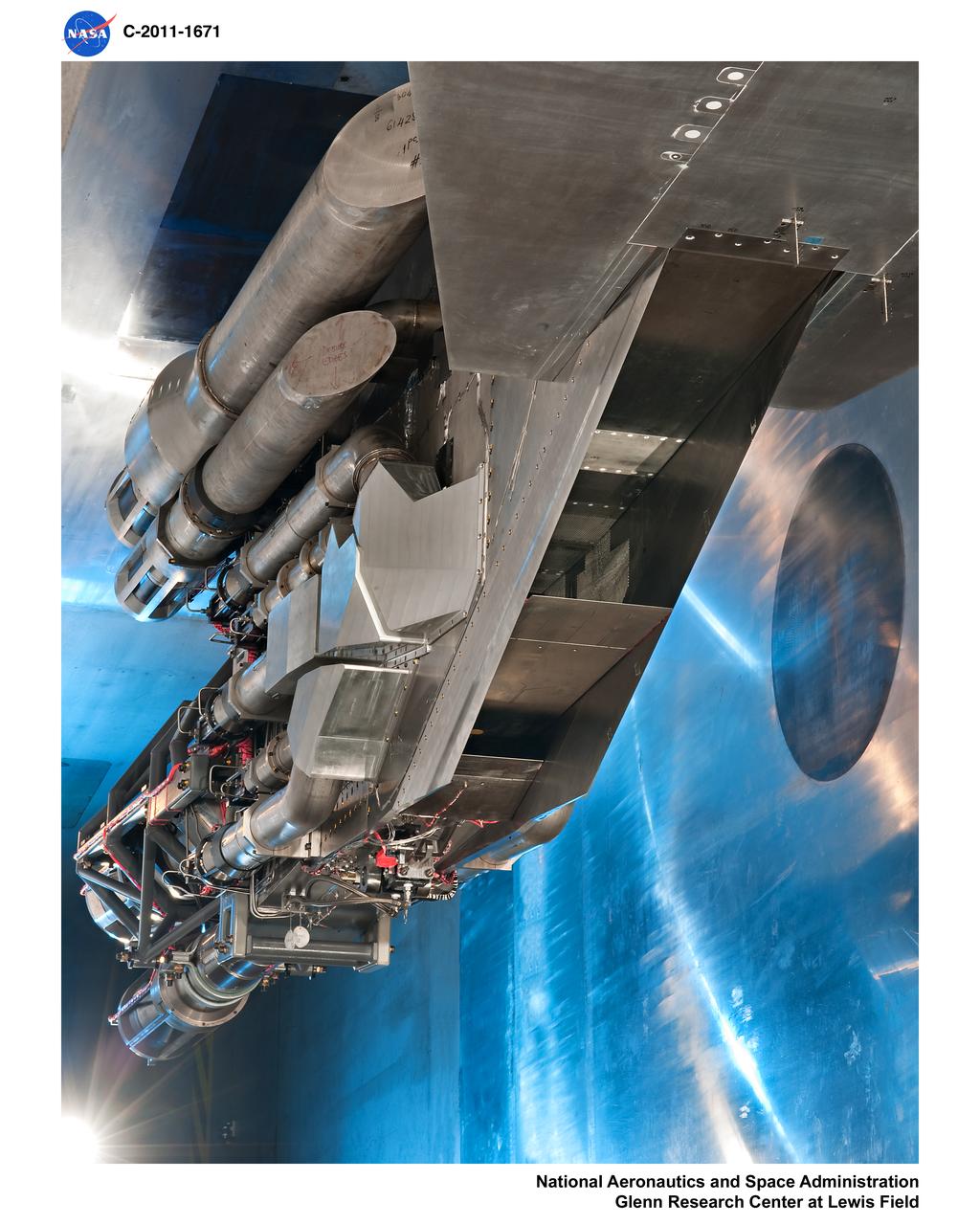
The NASA Fundamental Aeronautics Hypersonics project is focused on technologies for combined cycle, air-breathing propulsions systems to enable reusable launch systems for access to space. Turbine Based Combined Cycle (TBCC) propulsion systems offer specific impulse (Isp) improvements over rocket-based propulsion systems in the subsonic takeoff and re turn mission segments and offer improved safety. The potential to realize more aircraft-like operations with expanded launch site capability and reduced system maintenance are additional benefits.
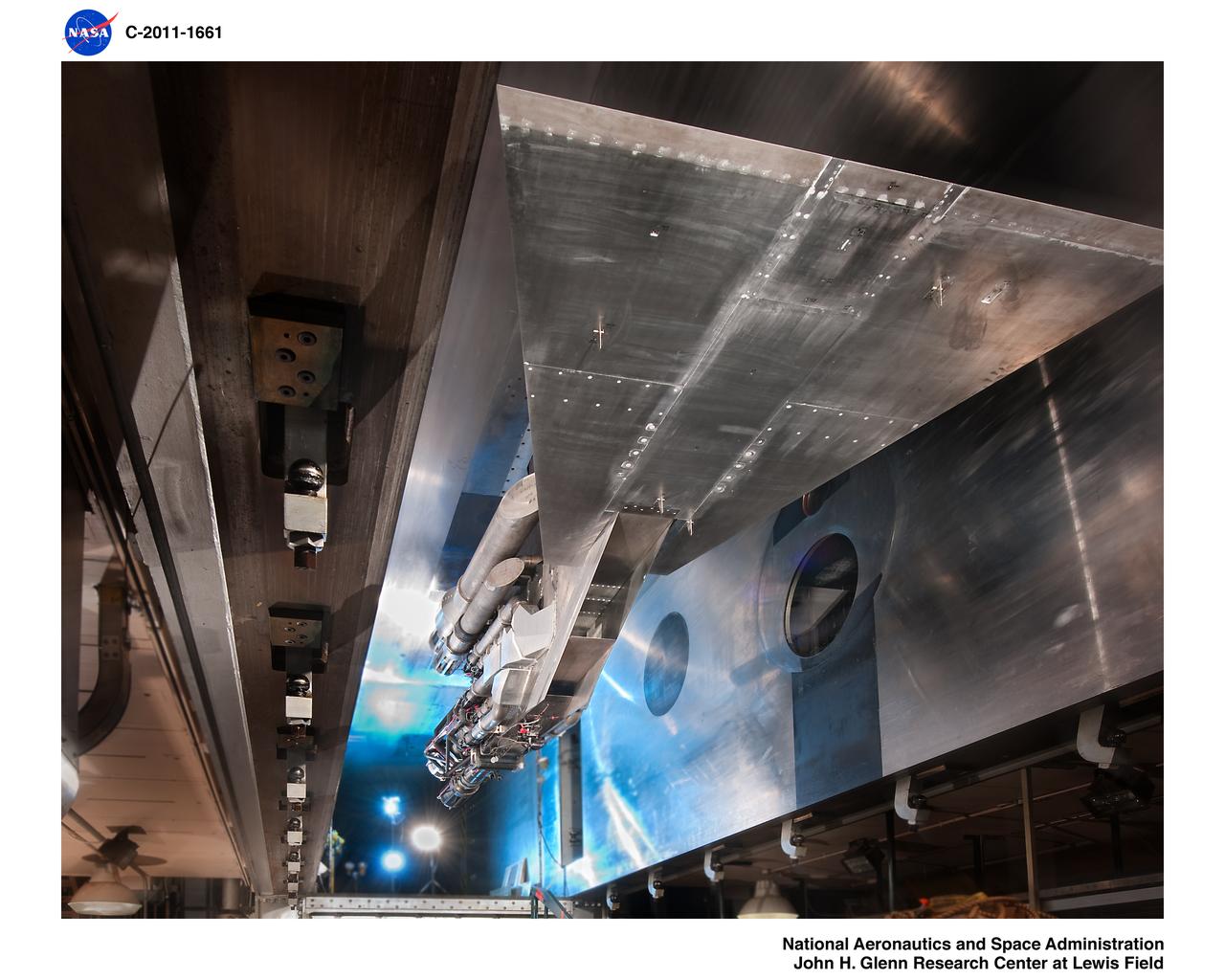
The NASA Fundamental Aeronautics Hypersonics project is focused on technologies for combined cycle, air-breathing propulsions systems to enable reusable launch systems for access to space. Turbine Based Combined Cycle (TBCC) propulsion systems offer specific impulse (Isp) improvements over rocket-based propulsion systems in the subsonic takeoff and re turn mission segments and offer improved safety. The potential to realize more aircraft-like operations with expanded launch site capability and reduced system maintenance are additional benefits.
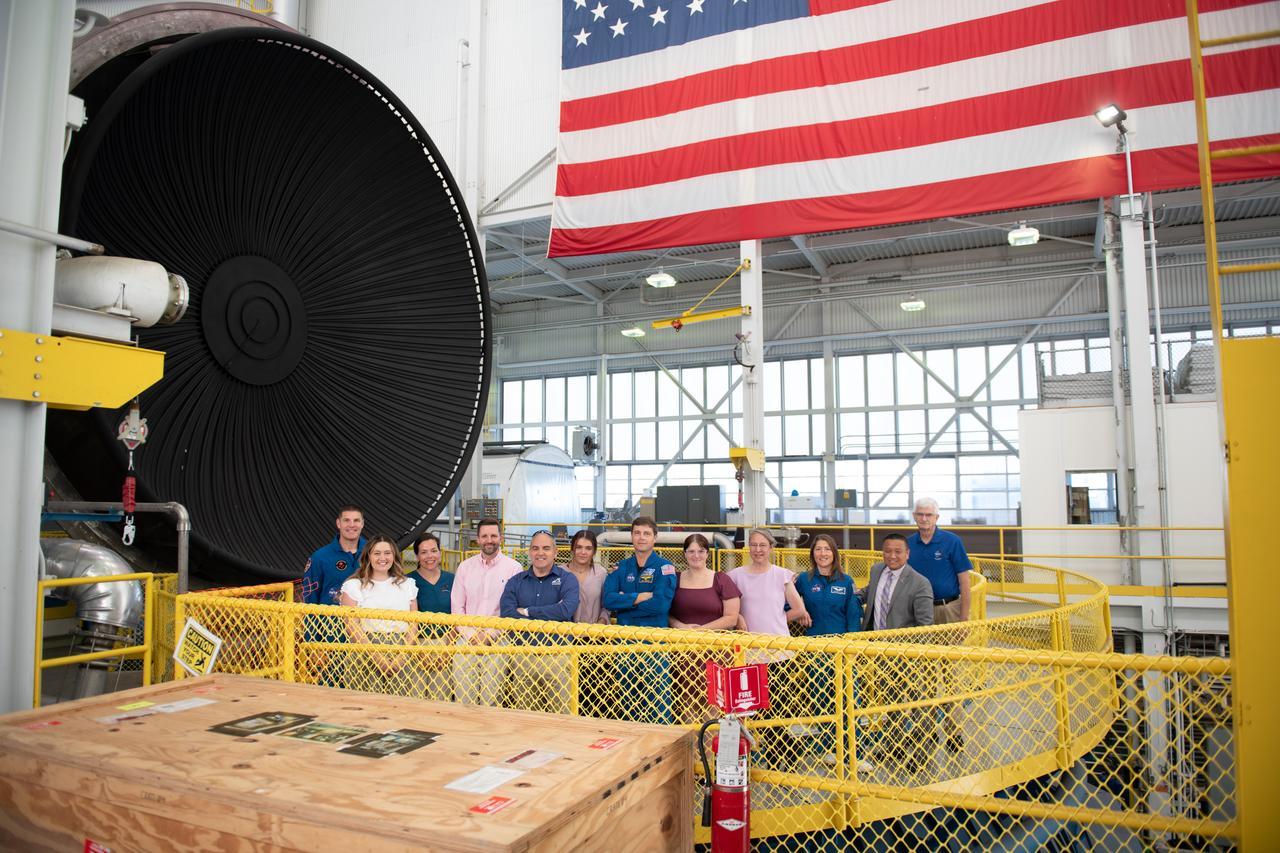
Tours were given of the In Space Propulsion Facility (ISP) in Sandusky, OH at Neil Armstrong Test Facility. NASA’s Facility is the world’s only high altitude test facility capable of full-scale rocket engine and launch vehicle system level tests. The facility supports mission profile thermal vacuum simulation and engine firing. From Left to Right: Jeremy Hansen, Allison Tankersley, Kathryn Oriti, Jan-Henrik Horstmann, Carlos Garcia-Galan, Penelope Garcia-Galan, Reid Wiseman, Jessica Isabell, Tiffany O'Rourke, Howard Hu, General David Stringer. Commander Reid Wiseman and Mission Specialists Christina Koch and Jeremy Hansen will be on hand to discuss their upcoming mission and participate in a Question and Answer session with employees afterward. Hansen is an astronaut with the Canadian Space Agency. Victor Glover, the pilot and fourth crew member, will not be present. Photo Credit: (NASA/Sara Lowthian-Hanna)
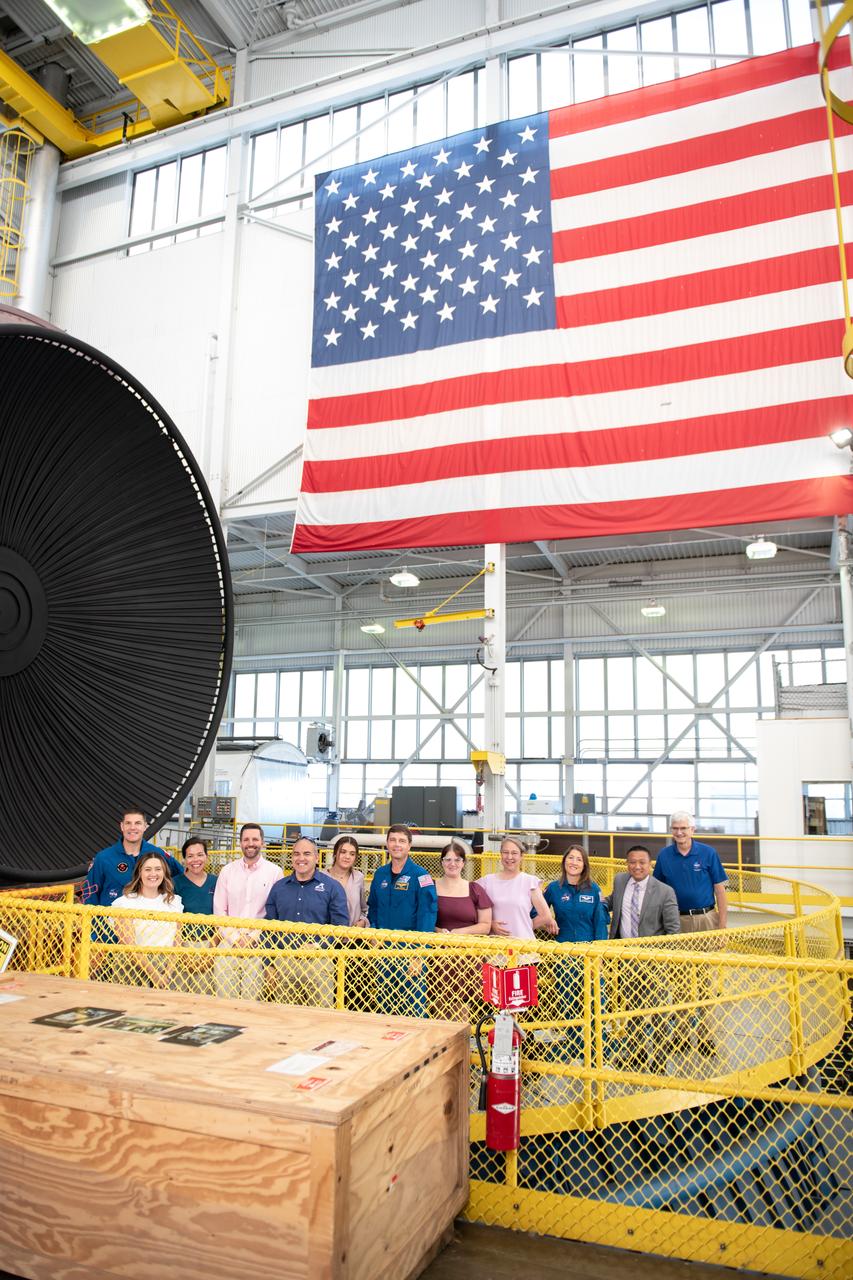
Tours were given of the In Space Propulsion Facility (ISP) in Sandusky, OH at Neil Armstrong Test Facility. NASA’s Facility is the world’s only high altitude test facility capable of full-scale rocket engine and launch vehicle system level tests. The facility supports mission profile thermal vacuum simulation and engine firing. From Left to Right: Jeremy Hansen, Allison Tankersley, Kathryn Oriti, Jan-Henrik Horstmann, Carlos Garcia-Galan, Penelope Garcia-Galan, Reid Wiseman, Jessica Isabell, Tiffany O'Rourke, Howard Hu, General David Stringer. Commander Reid Wiseman and Mission Specialists Christina Koch and Jeremy Hansen will be on hand to discuss their upcoming mission and participate in a Question and Answer session with employees afterward. Hansen is an astronaut with the Canadian Space Agency. Victor Glover, the pilot and fourth crew member, will not be present. Photo Credit: (NASA/Sara Lowthian-Hanna)
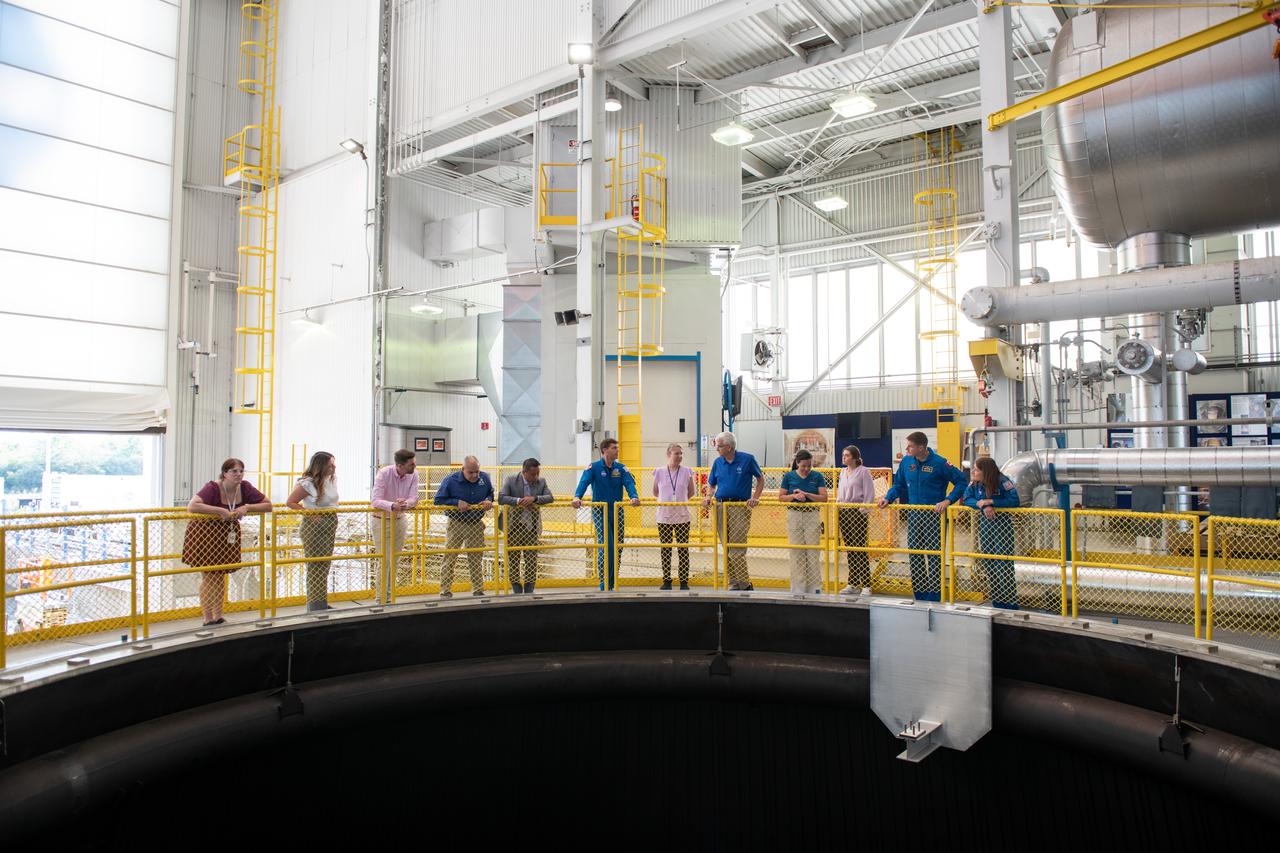
Tours were given of the In Space Propulsion Facility (ISP) in Sandusky, OH at Neil Armstrong Test Facility. NASA’s Facility is the world’s only high altitude test facility capable of full-scale rocket engine and launch vehicle system level tests. The facility supports mission profile thermal vacuum simulation and engine firing. Pictured are Jessica Isabell, Allison Tankersley, Jan-Henrik Horstmann, Carlos Garcia-Galan, Howard Hu, Commader Reid Wiseman, Tiffany O'Rourke, General David Stringer, Kathryn Oriti, Penelope Garcia-Galan, Mission Specialists Christina Koch and Jeremy Hansen. Employees meet three of the four astronauts who will venture around the Moon on Artemis II, the first crewed flight paving the way for future lunar surface missions. Commander Reid Wiseman and Mission Specialists Christina Koch and Jeremy Hansen will be on hand to discuss their upcoming mission and participate in a Question and Answer session with employees afterward. Hansen is an astronaut with the Canadian Space Agency. Victor Glover, the pilot and fourth crew member, will not be present.
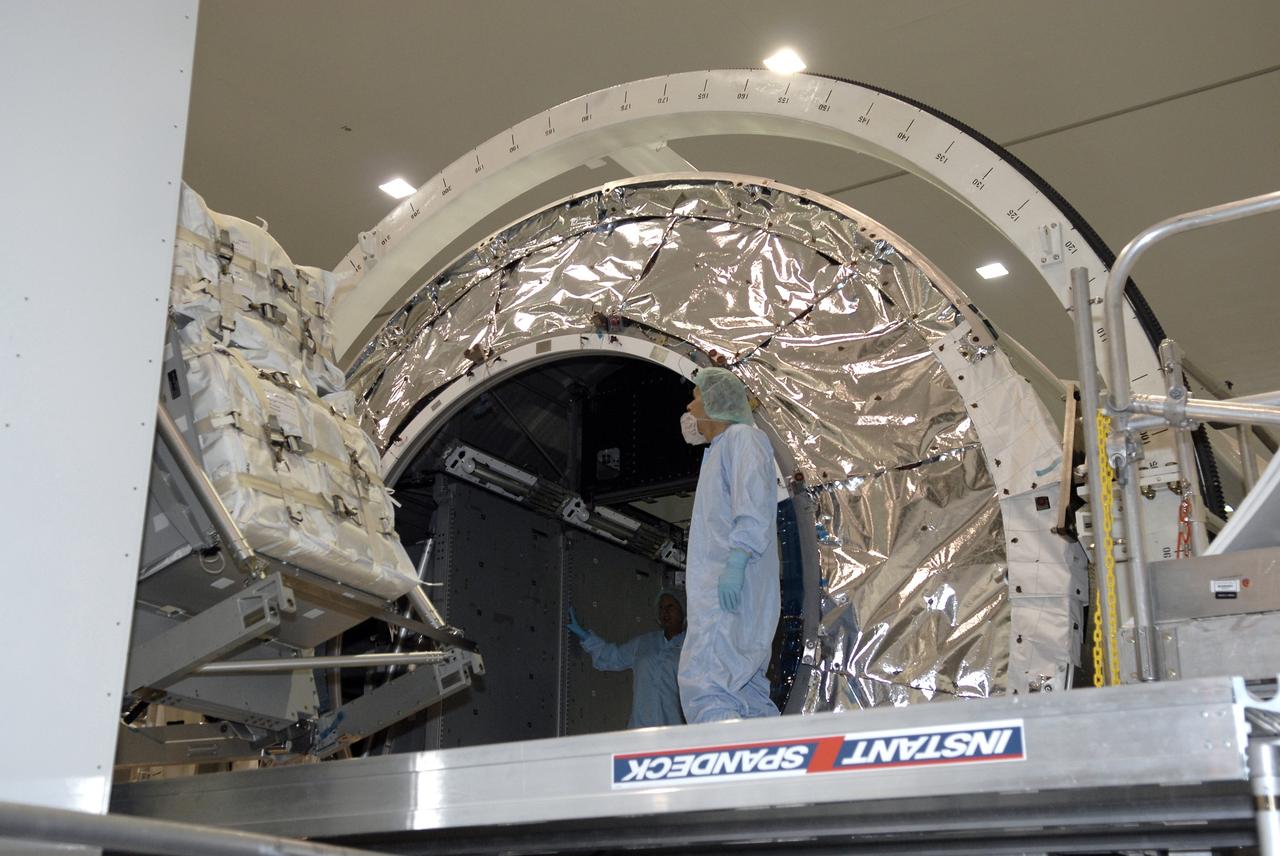
CAPE CANAVERAL, Fla. – In the Space Station Processing Facility at NASA's Kennedy Space Center in Florida, the rack insertion device moves the Resupply Stowage Platform, or RSP, toward the opening in the multi-purpose logistics module Leonardo. The module is part of the payload for space shuttle Discovery's STS-128 mission. Discovery will carry science and storage racks to the International Space Station . Launch of Discovery is targeted for Aug. 6. Photo credit: NASA/Kim Shiflett
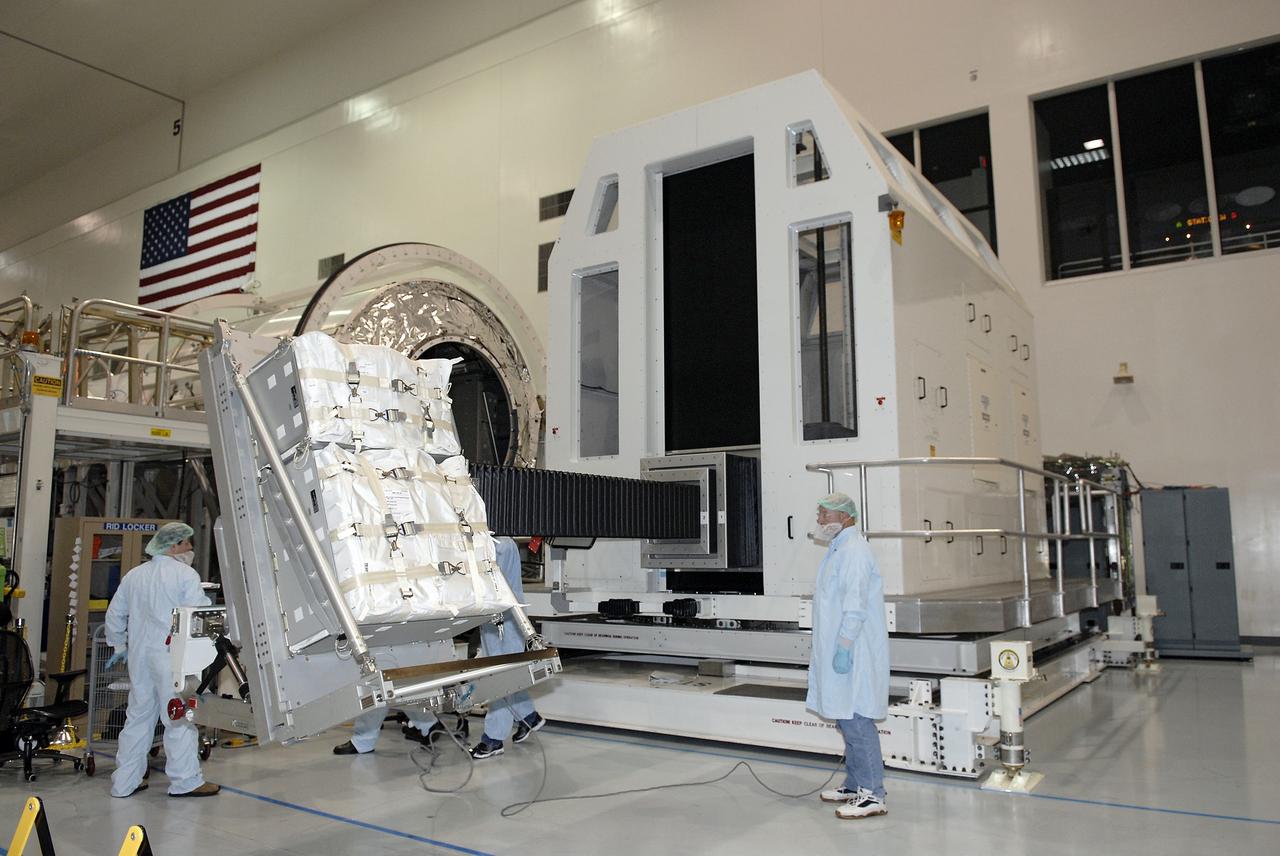
CAPE CANAVERAL, Fla. – In the Space Station Processing Facility at NASA's Kennedy Space Center in Florida, the rack insertion device lifts the Resupply Stowage Platform, or RSP, for installation in the multi-purpose logistics module Leonardo. The module is part of the payload for space shuttle Discovery's STS-128 mission. Discovery will carry science and storage racks to the International Space Station . Launch of Discovery is targeted for Aug. 6. Photo credit: NASA/Kim Shiflett
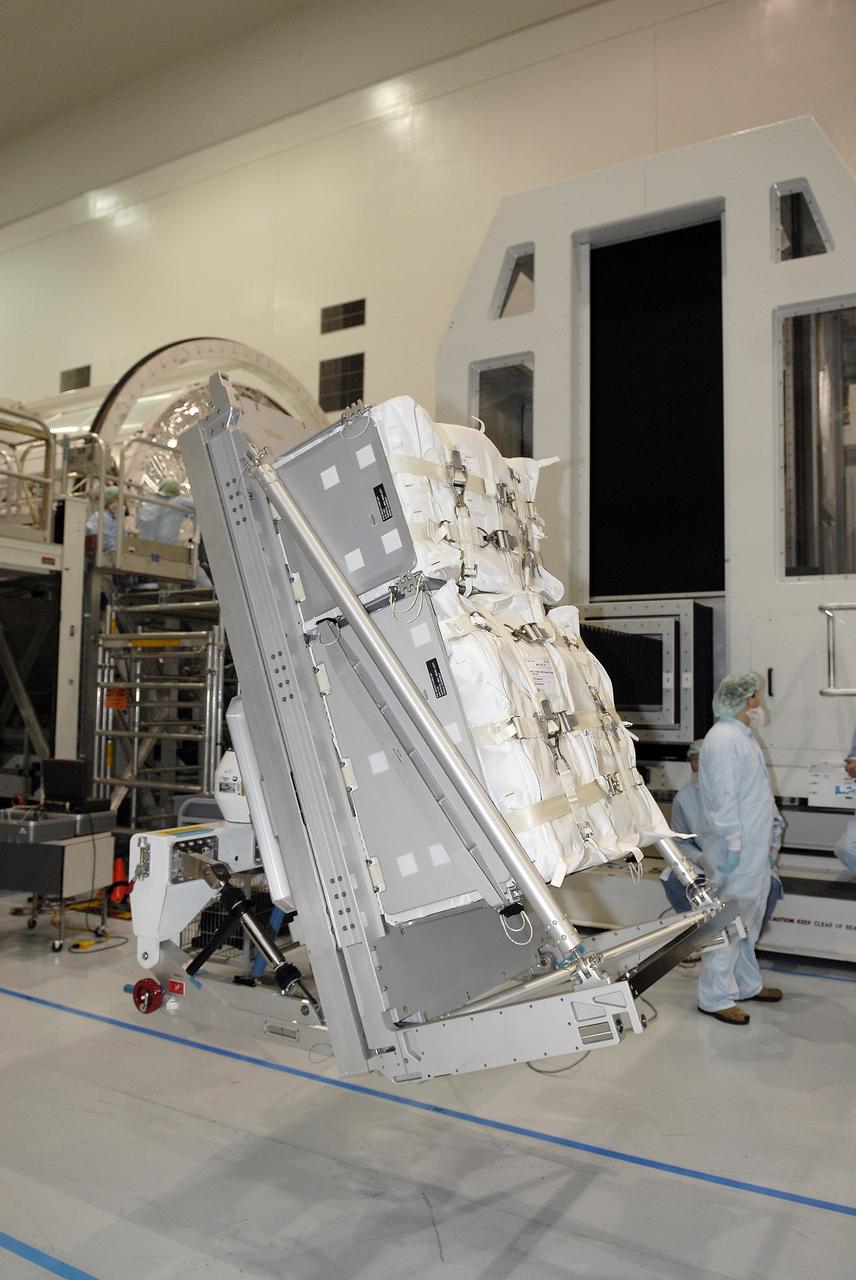
CAPE CANAVERAL, Fla. – In the Space Station Processing Facility at NASA's Kennedy Space Center in Florida, the Resupply Stowage Platform, or RSP, is ready for installation in the multi-purpose logistics module Leonardo. The module is part of the payload for space shuttle Discovery's STS-128 mission. Discovery will carry science and storage racks to the International Space Station . Launch of Discovery is targeted for Aug. 6. Photo credit: NASA/Kim Shiflett
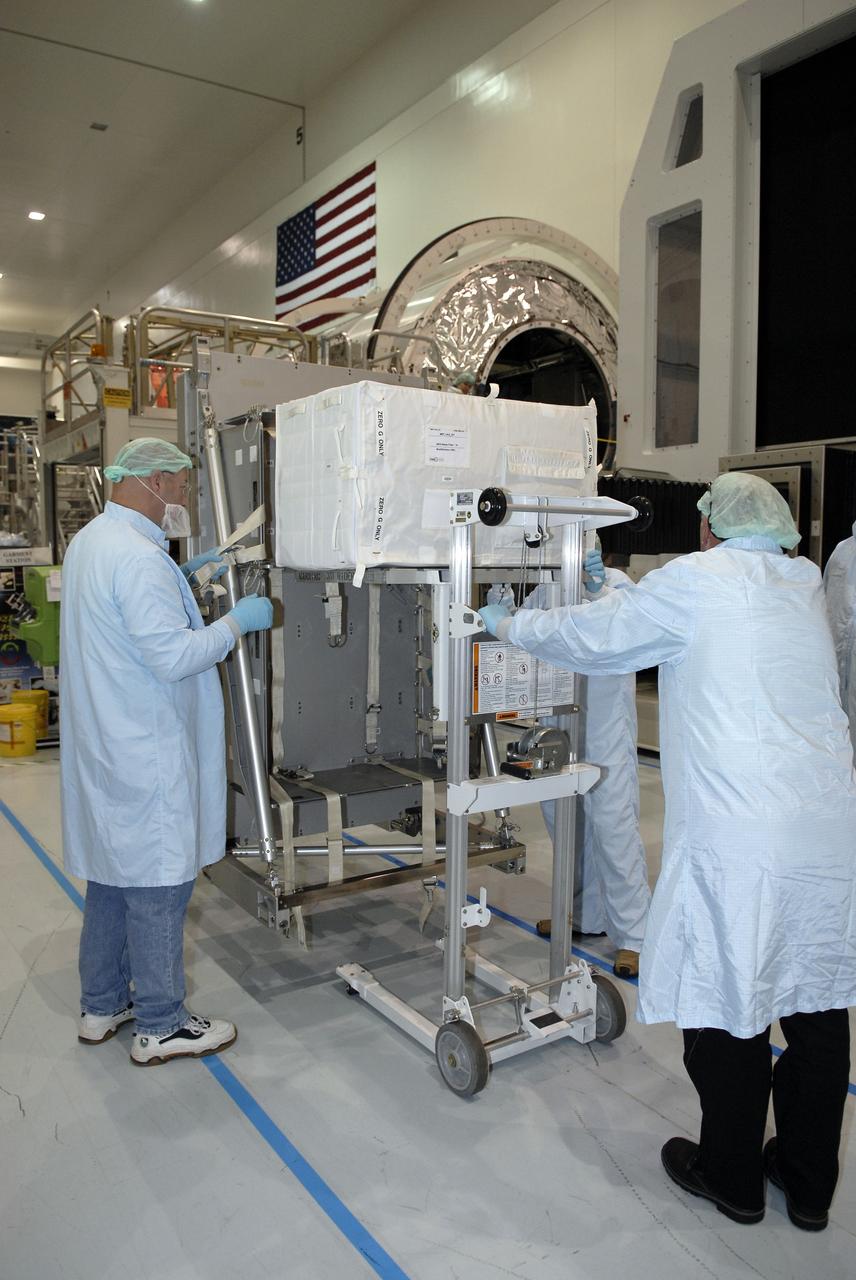
CAPE CANAVERAL, Fla. – In the Space Station Processing Facility at NASA's Kennedy Space Center in Florida, technicians maneuver the Resupply Stowage Platform, or RSP, toward the rack insertion device. The device will help install the RSP in the multi-purpose logistics module Leonardo. The module is part of the payload for space shuttle Discovery's STS-128 mission. Discovery will carry science and storage racks to the International Space Station . Launch of Discovery is targeted for Aug. 6. Photo credit: NASA/Kim Shiflett
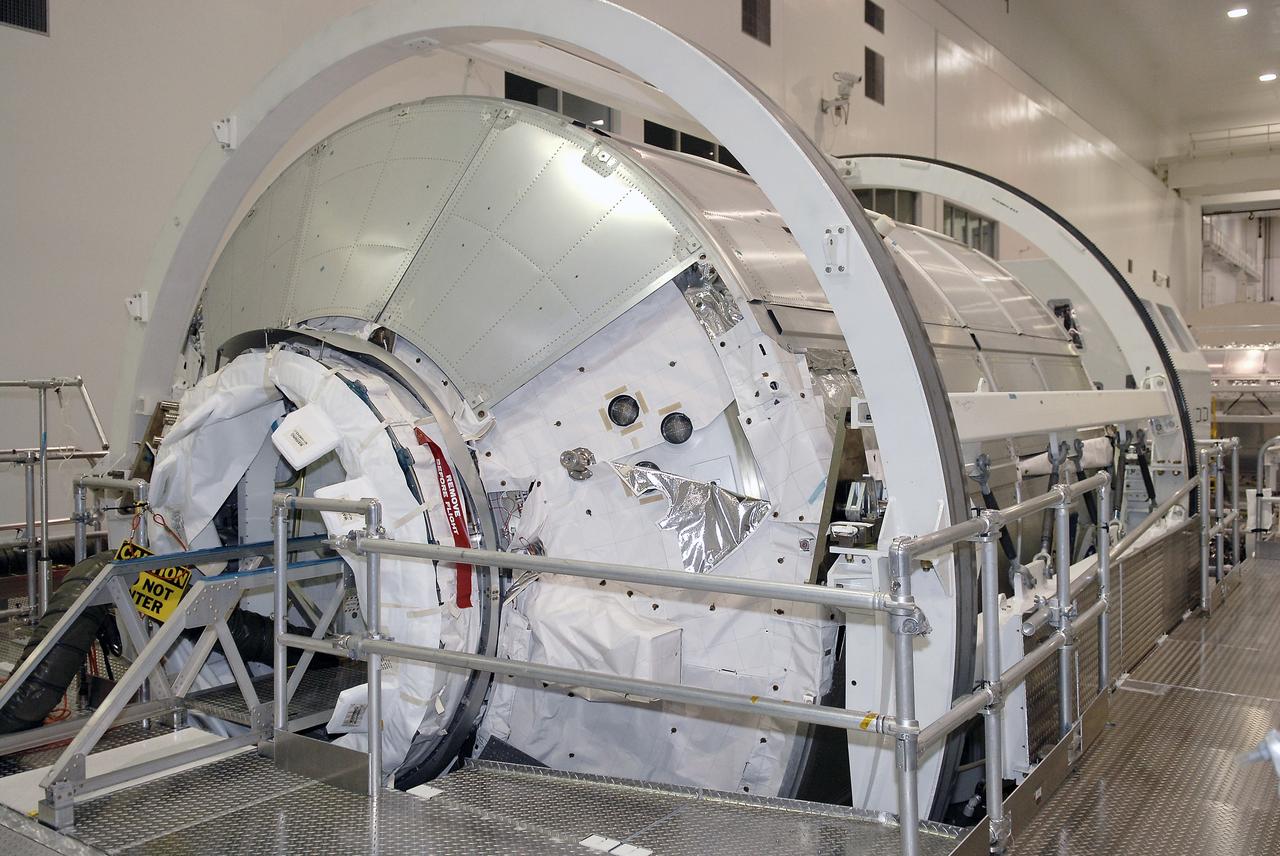
CAPE CANAVERAL, Fla. – The multi-purpose logistics module Leonardo is seen in the Space Station Processing Facility at NASA's Kennedy Space Center in Florida. A Resupply Stowage Platform, or RSP, containing equipment was just installed inside. The module is part of the payload for space shuttle Discovery's STS-128 mission. Discovery will carry science and storage racks to the International Space Station . Launch of Discovery is targeted for Aug. 6. Photo credit: NASA/Kim Shiflett
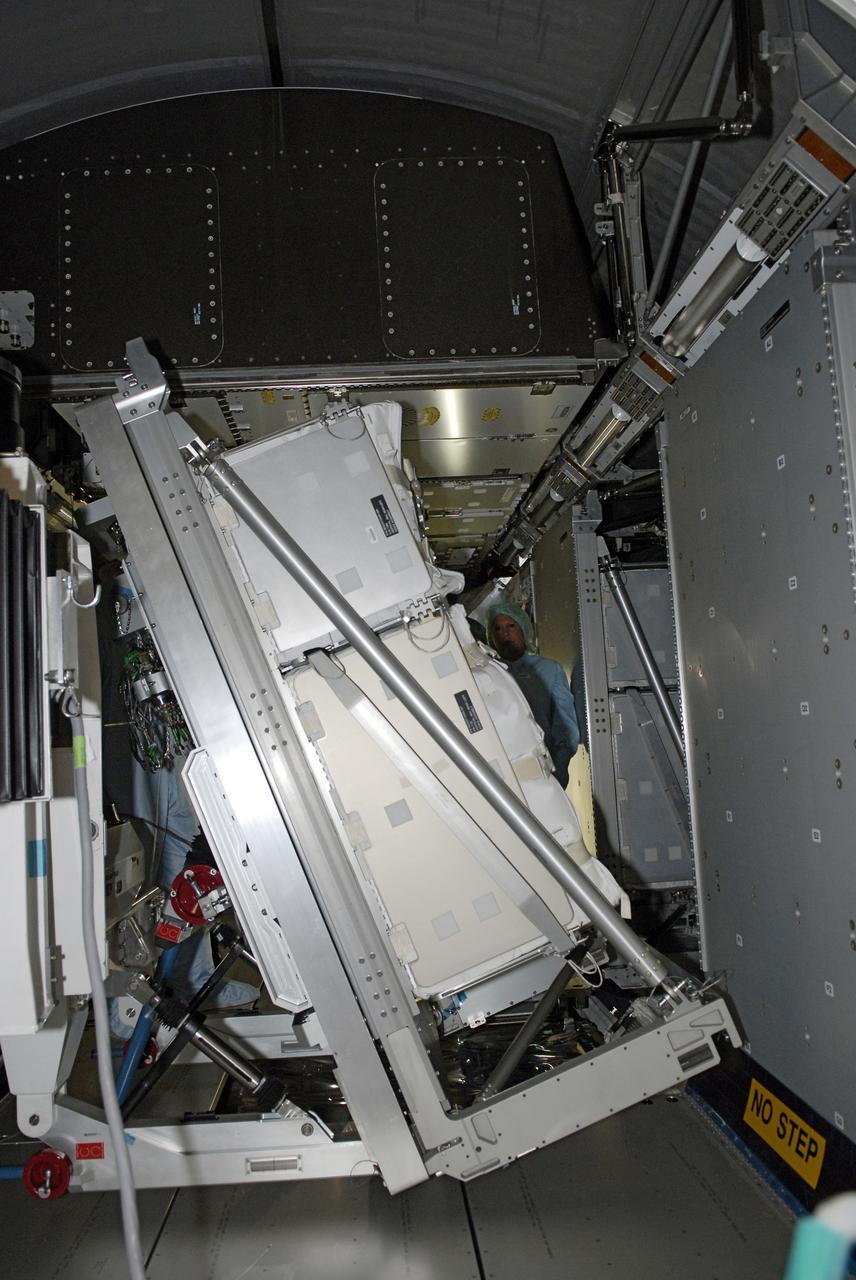
CAPE CANAVERAL, Fla. – In the Space Station Processing Facility at NASA's Kennedy Space Center in Florida, the Resupply Stowage Platform, or RSP, is moved into the multi-purpose logistics module Leonardo. The module is part of the payload for space shuttle Discovery's STS-128 mission. Discovery will carry science and storage racks to the International Space Station . Launch of Discovery is targeted for Aug. 6. Photo credit: NASA/Kim Shiflett
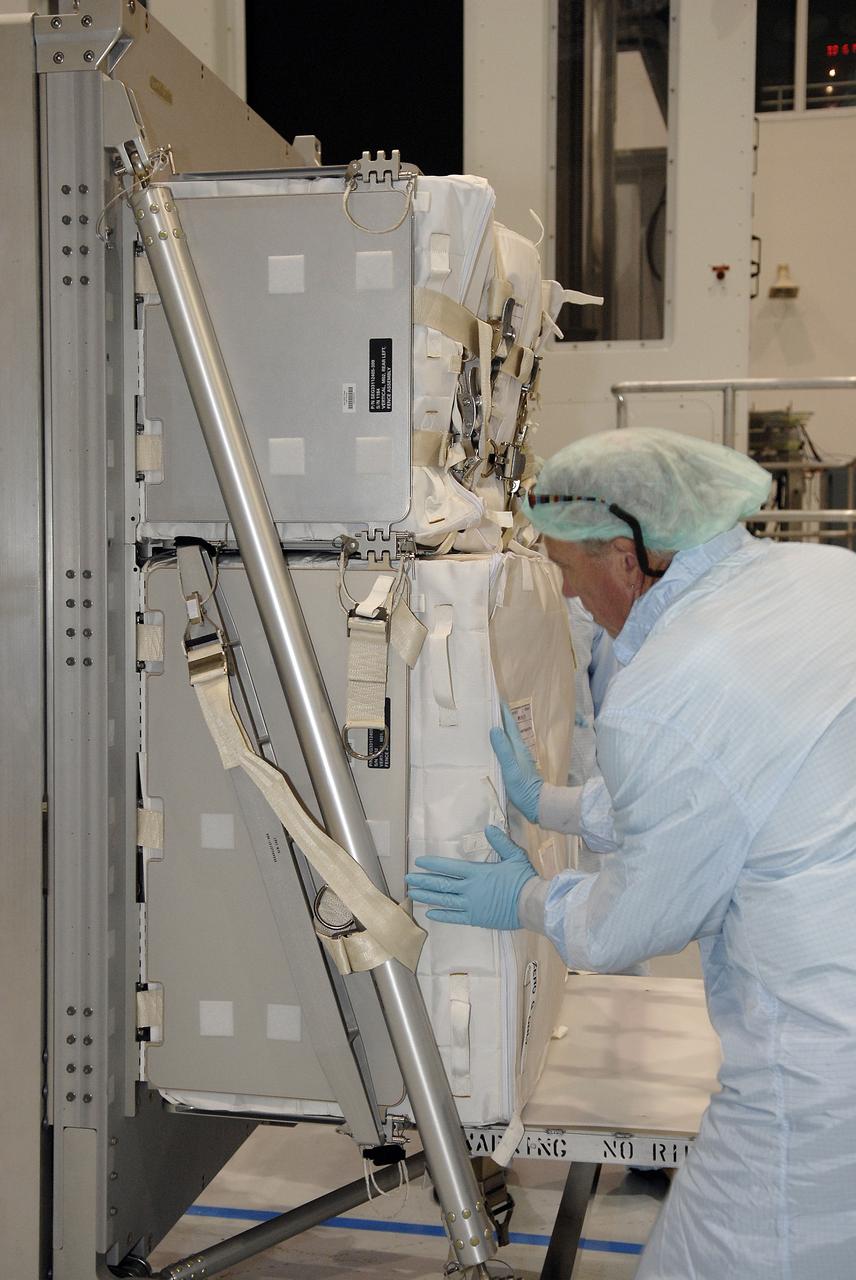
CAPE CANAVERAL, Fla. – In the Space Station Processing Facility at NASA's Kennedy Space Center in Florida, technicians place equipment in the Resupply Stowage Platform, or RSP, to be installed in the multi-purpose logistics module Leonardo. The module is part of the payload for space shuttle Discovery's STS-128 mission. Discovery will carry science and storage racks to the International Space Station . Launch of Discovery is targeted for Aug. 6. Photo credit: NASA/Kim Shiflett
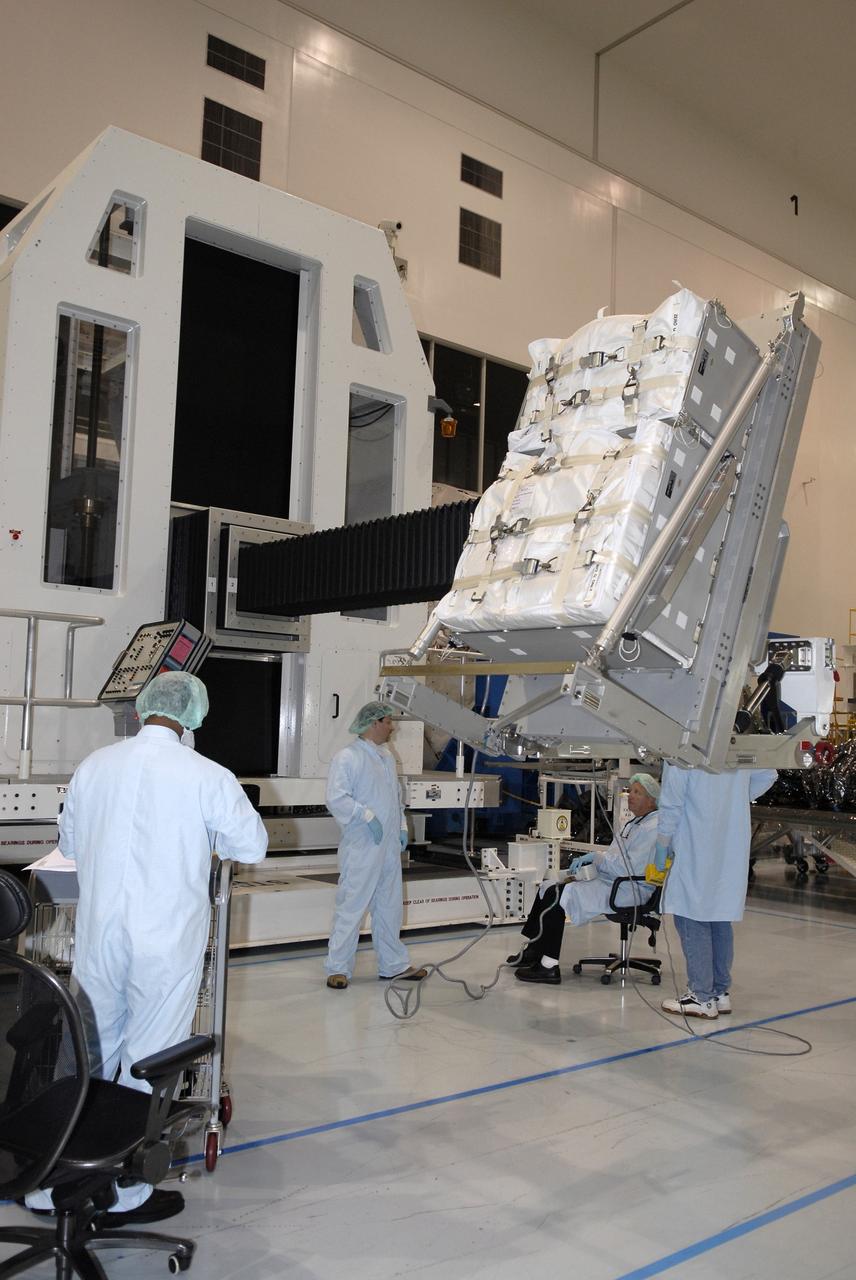
CAPE CANAVERAL, Fla. – In the Space Station Processing Facility at NASA's Kennedy Space Center in Florida, the rack insertion device lifts the Resupply Stowage Platform, or RSP, for installation in the multi-purpose logistics module Leonardo. The module is part of the payload for space shuttle Discovery's STS-128 mission. Discovery will carry science and storage racks to the International Space Station . Launch of Discovery is targeted for Aug. 6. Photo credit: NASA/Kim Shiflett
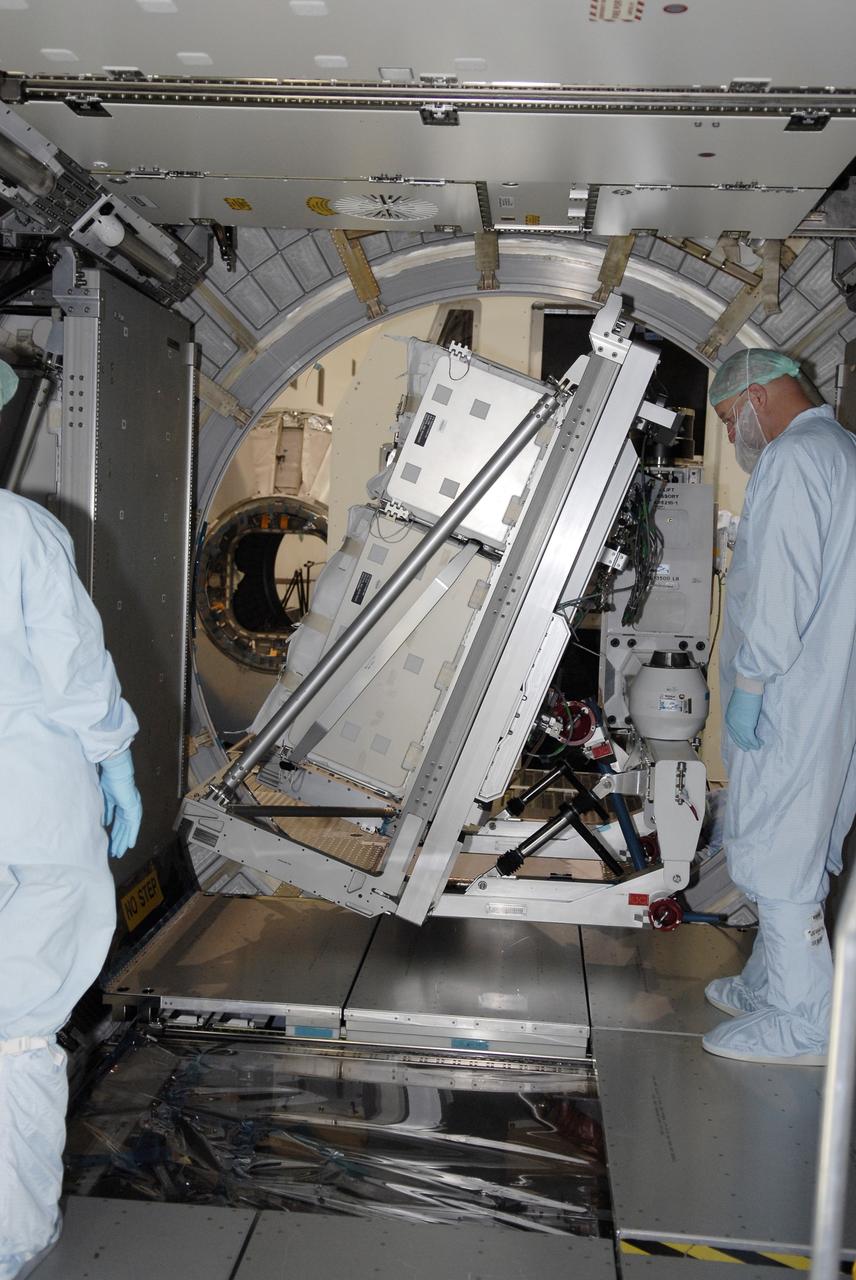
CAPE CANAVERAL, Fla. – In the Space Station Processing Facility at NASA's Kennedy Space Center in Florida, technicians watch as the rack insertion device maneuvers the Resupply Stowage Platform, or RSP, into the multi-purpose logistics module Leonardo. The module is part of the payload for space shuttle Discovery's STS-128 mission. Discovery will carry science and storage racks to the International Space Station . Launch of Discovery is targeted for Aug. 6. Photo credit: NASA/Kim Shiflett
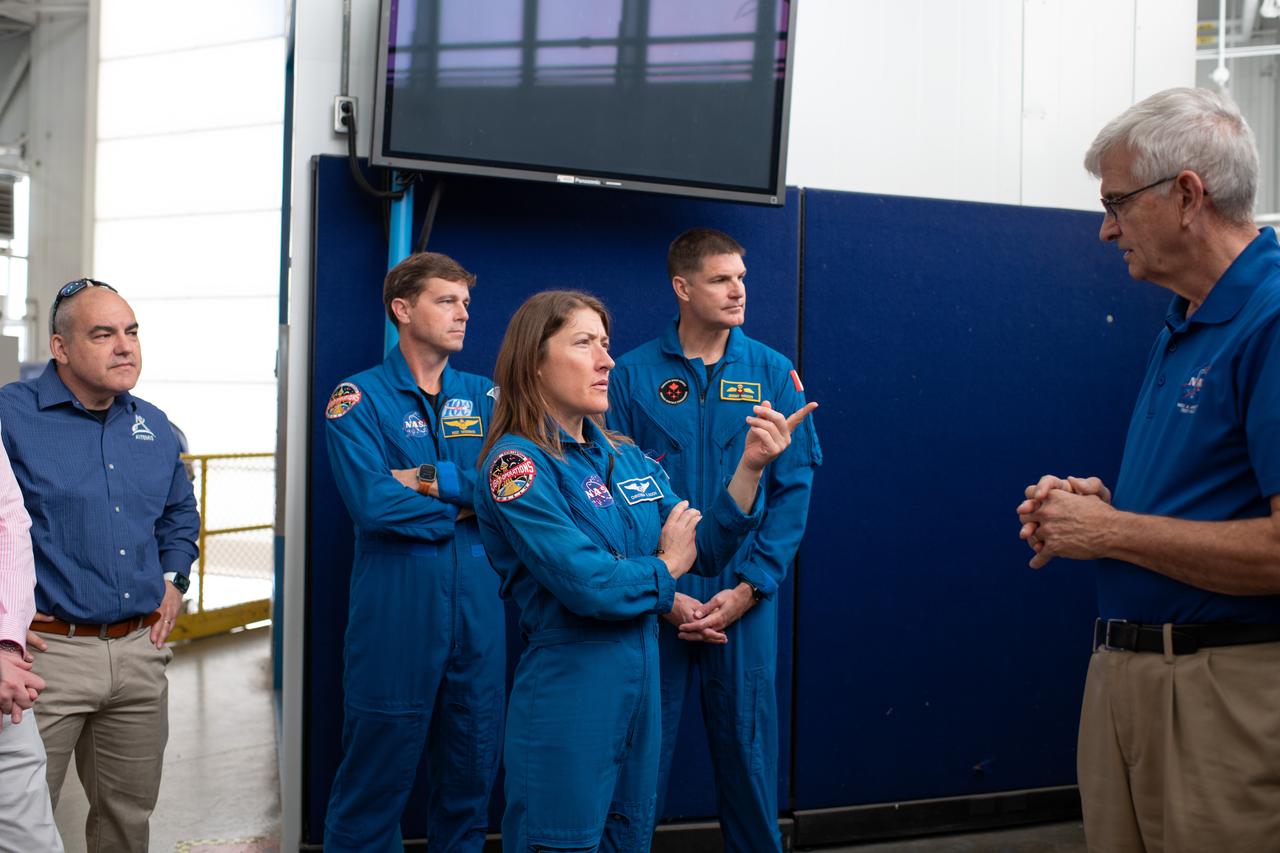
Tours were given of the In Space Propulsion Facility (ISP) in Sandusky, OH at Neil Armstrong Test Facility. NASA’s Facility is the world’s only high altitude test facility capable of full-scale rocket engine and launch vehicle system level tests. The facility supports mission profile thermal vacuum simulation and engine firing. Employees meet three of the four astronauts who will venture around the Moon on Artemis II, the first crewed flight paving the way for future lunar surface missions. Commander Reid Wiseman and Mission Specialists Christina Koch and Jeremy Hansen will be on hand to discuss their upcoming mission and participate in a Question and Answer session with employees afterward. Hansen is an astronaut with the Canadian Space Agency. Victor Glover, the pilot and fourth crew member, will not be present. Awards were given to employees that participated in Orion for Artemis I.
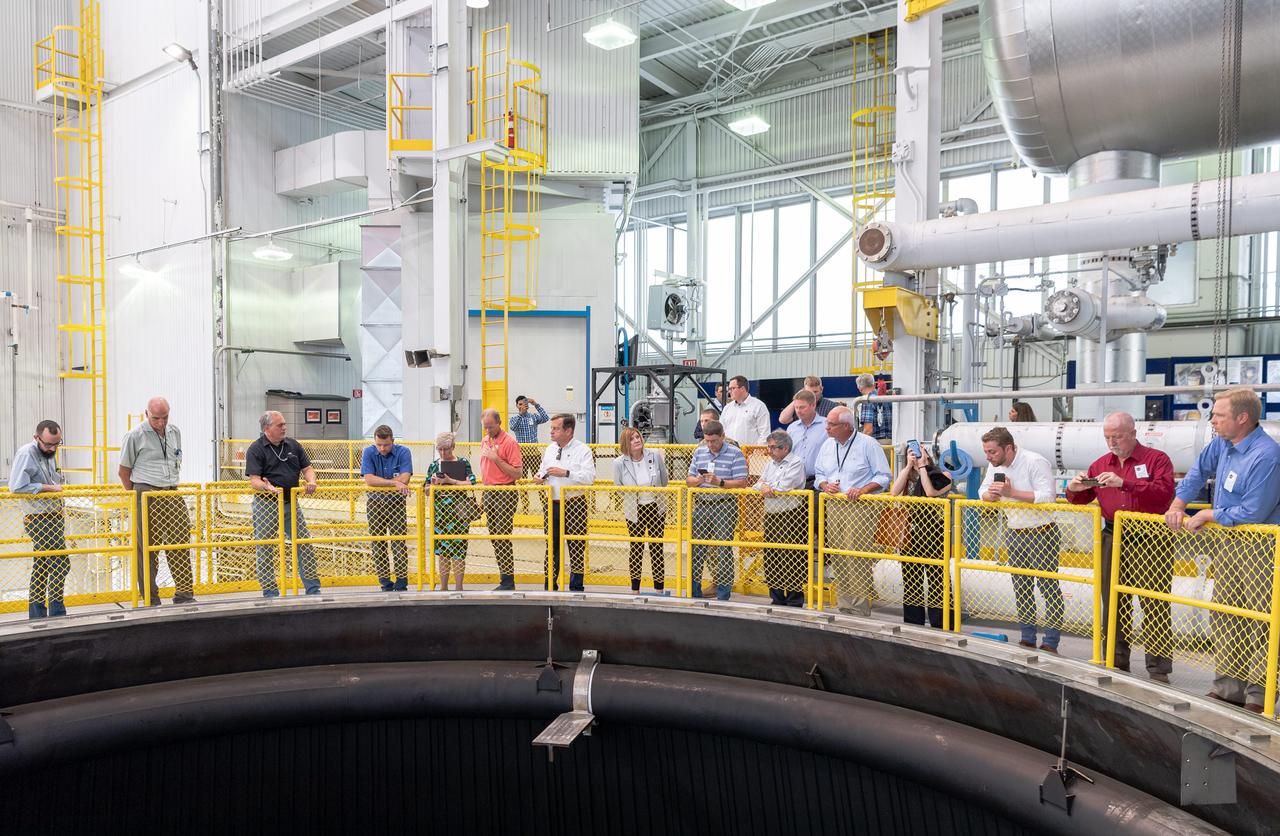
The inaugural Glenn Symposium focused on advancements in aerospace technology including power and propulsion, autonomy and communications, low boom supersonics, hypersonics, and more. Discussion also encompassed humans returning to the moon, including challenges associated with the 2024 mission.
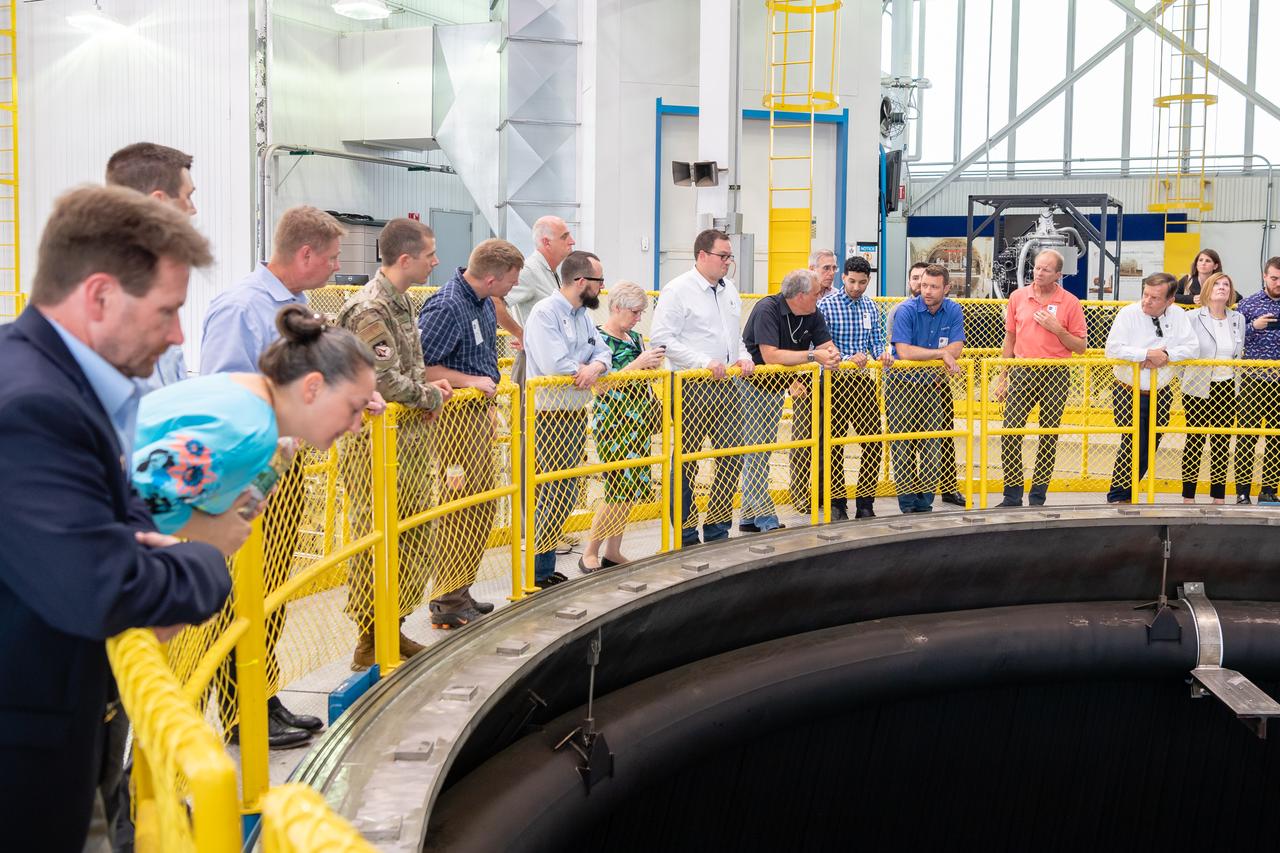
The inaugural Glenn Symposium focused on advancements in aerospace technology including power and propulsion, autonomy and communications, low boom supersonics, hypersonics, and more. Discussion also encompassed humans returning to the moon, including challenges associated with the 2024 mission.
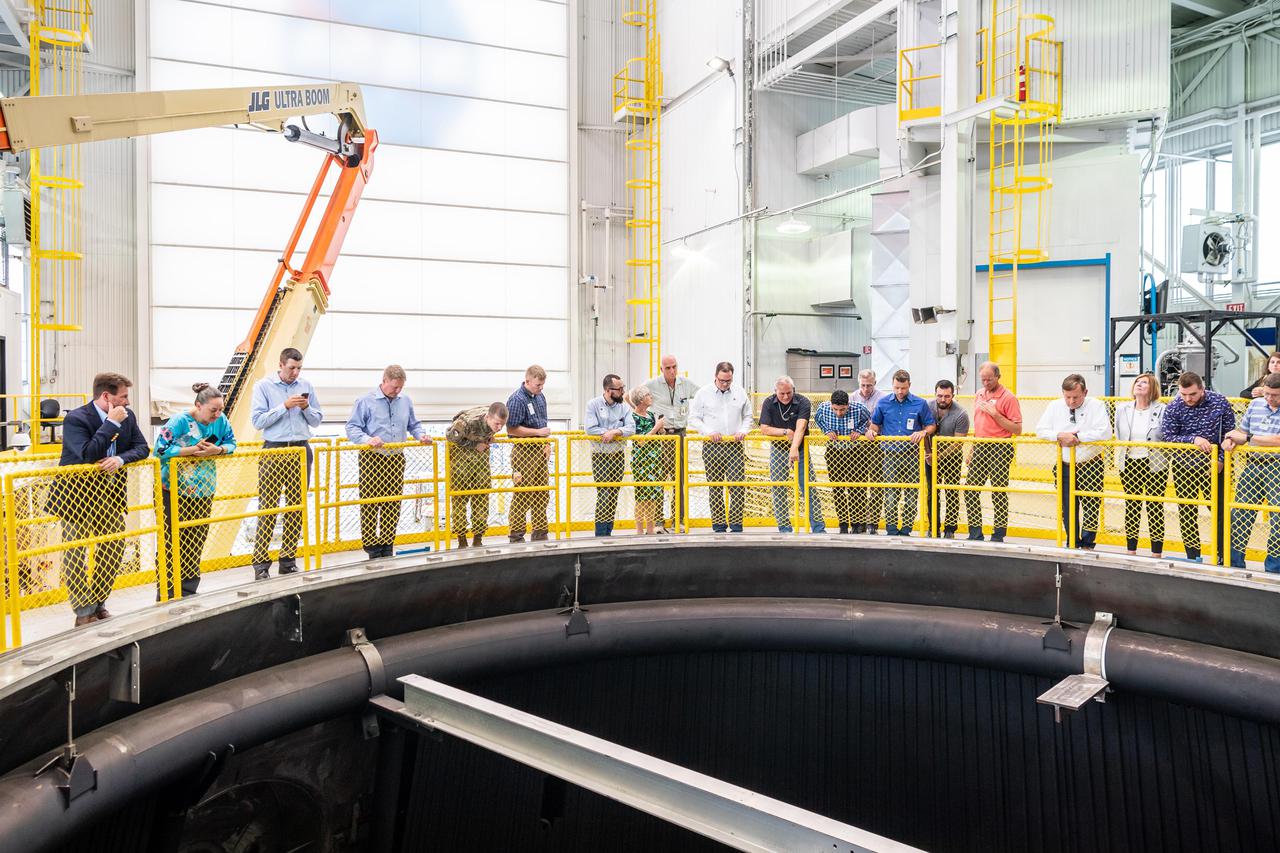
The inaugural Glenn Symposium focused on advancements in aerospace technology including power and propulsion, autonomy and communications, low boom supersonics, hypersonics, and more. Discussion also encompassed humans returning to the moon, including challenges associated with the 2024 mission.
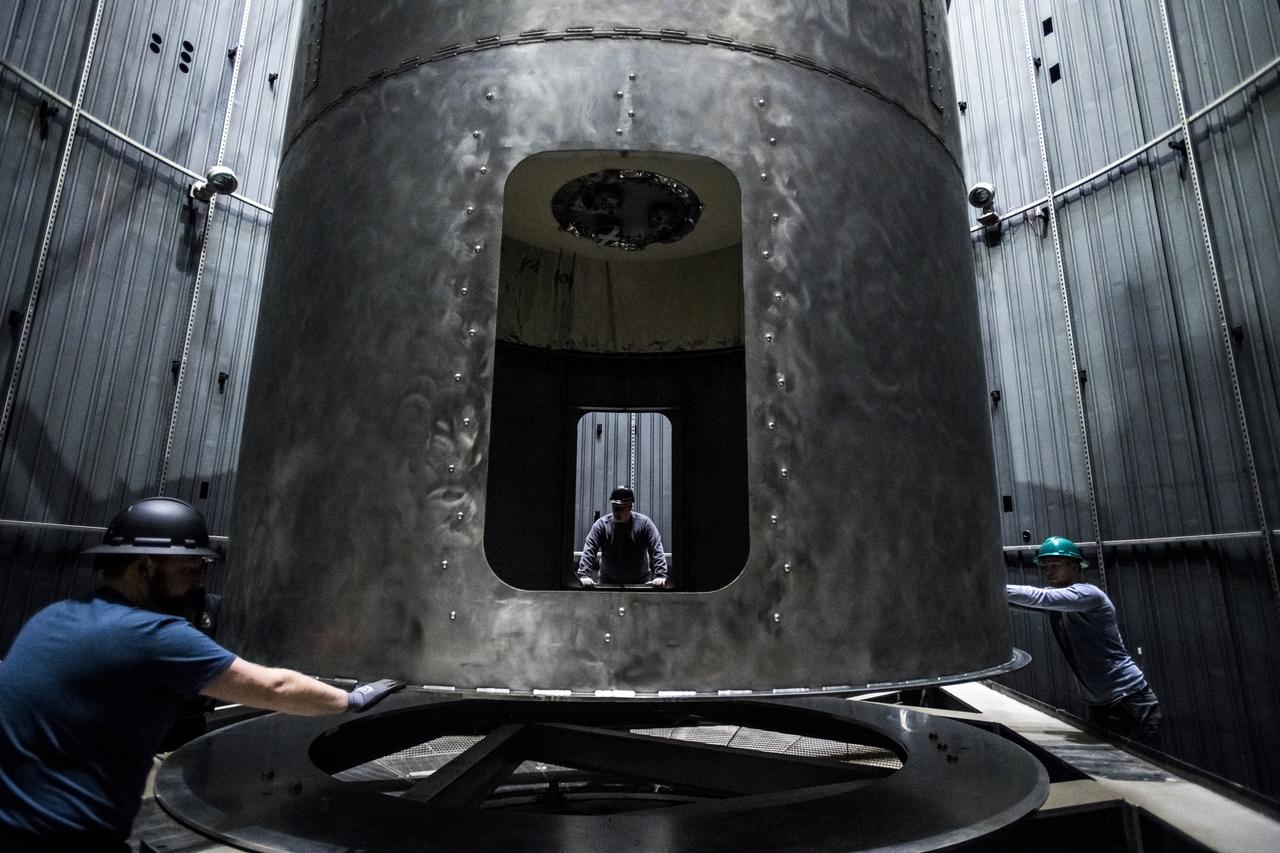
Structural Heat Intercept, Insulation and Vibration Evaluation Rig, SHIIVER is installed in the In-Space Propulsion Chamber at NASA Glenn, Plum Brook Station

SpaceX’s Crew Dragon is at NASA’s Glenn Research Center, Plum Brook Station in Ohio, ready to undergo testing in the In-Space Propulsion Facility — the world’s only facility capable of testing full-scale upper-stage launch vehicles and rocket engines under simulated high-altitude conditions. The chamber will allow SpaceX and NASA to verify Crew Dragon’s ability to withstand the extreme temperatures and vacuum of space. This is the spacecraft that SpaceX will fly during its Demonstration Mission 1 flight test under NASA’s Commercial Crew Transportation Capability contract with the goal of returning human spaceflight launch capabilities to the U.S.