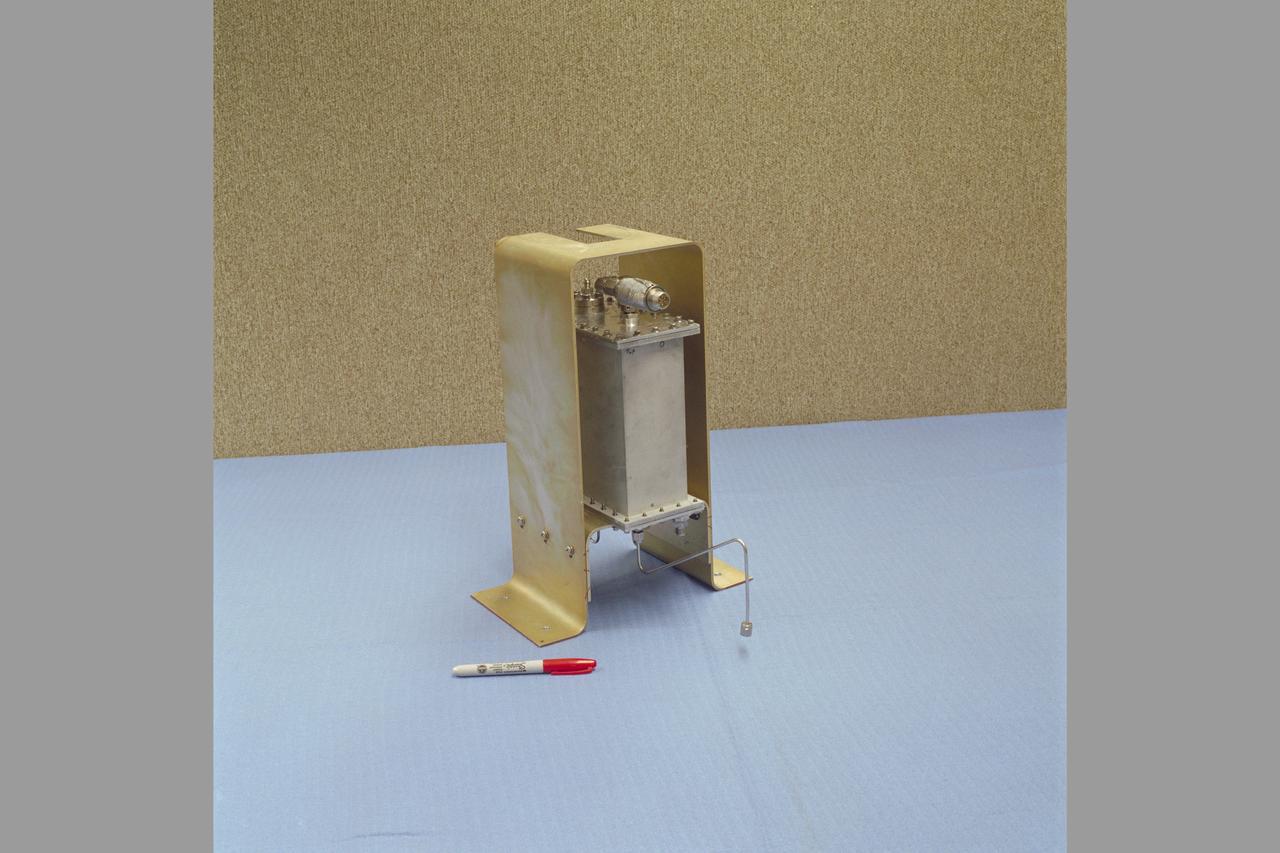
adsorption compression for Mars ISRU ( In-SITU Resource Utilization) N-239 lab
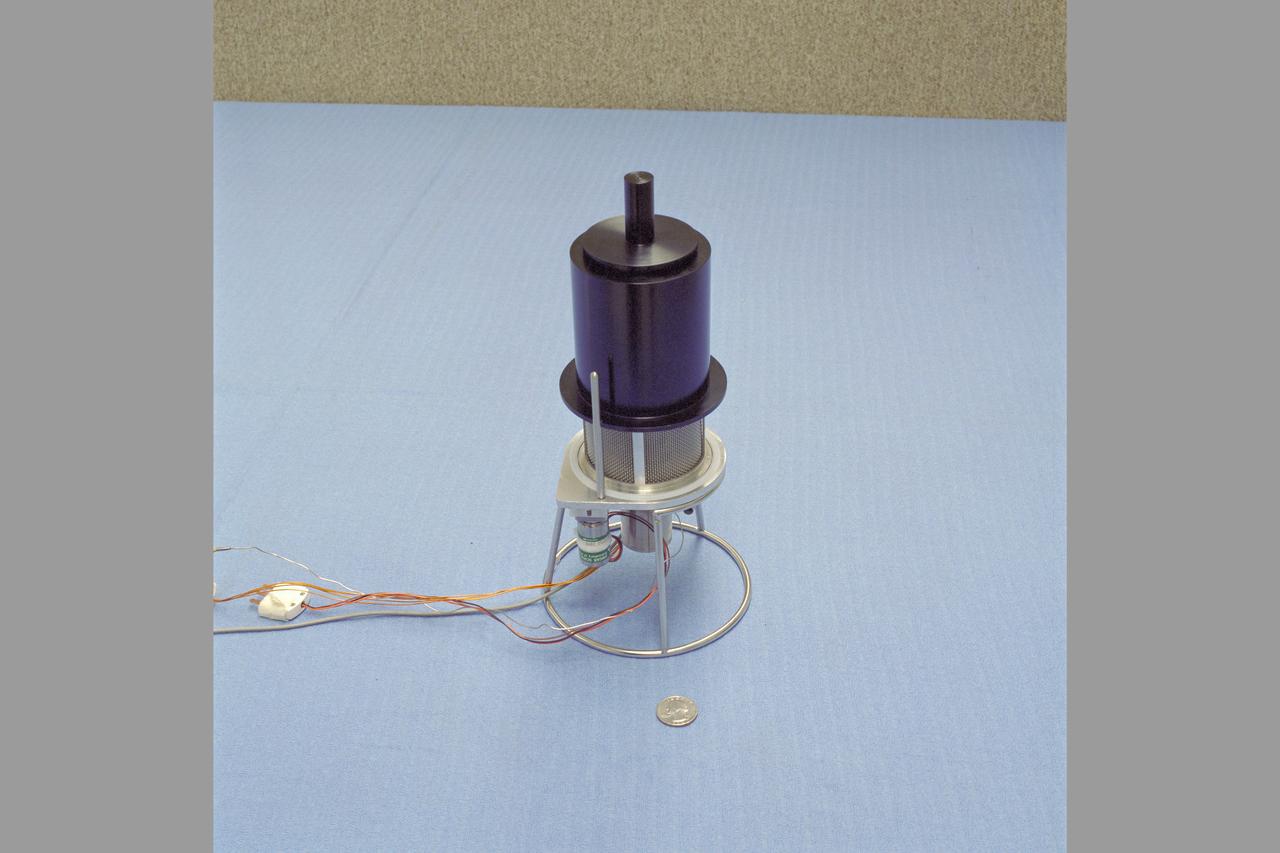
adsorption compression for Mars ISRU ( In-SITU Resource Utilization) N-239 lab
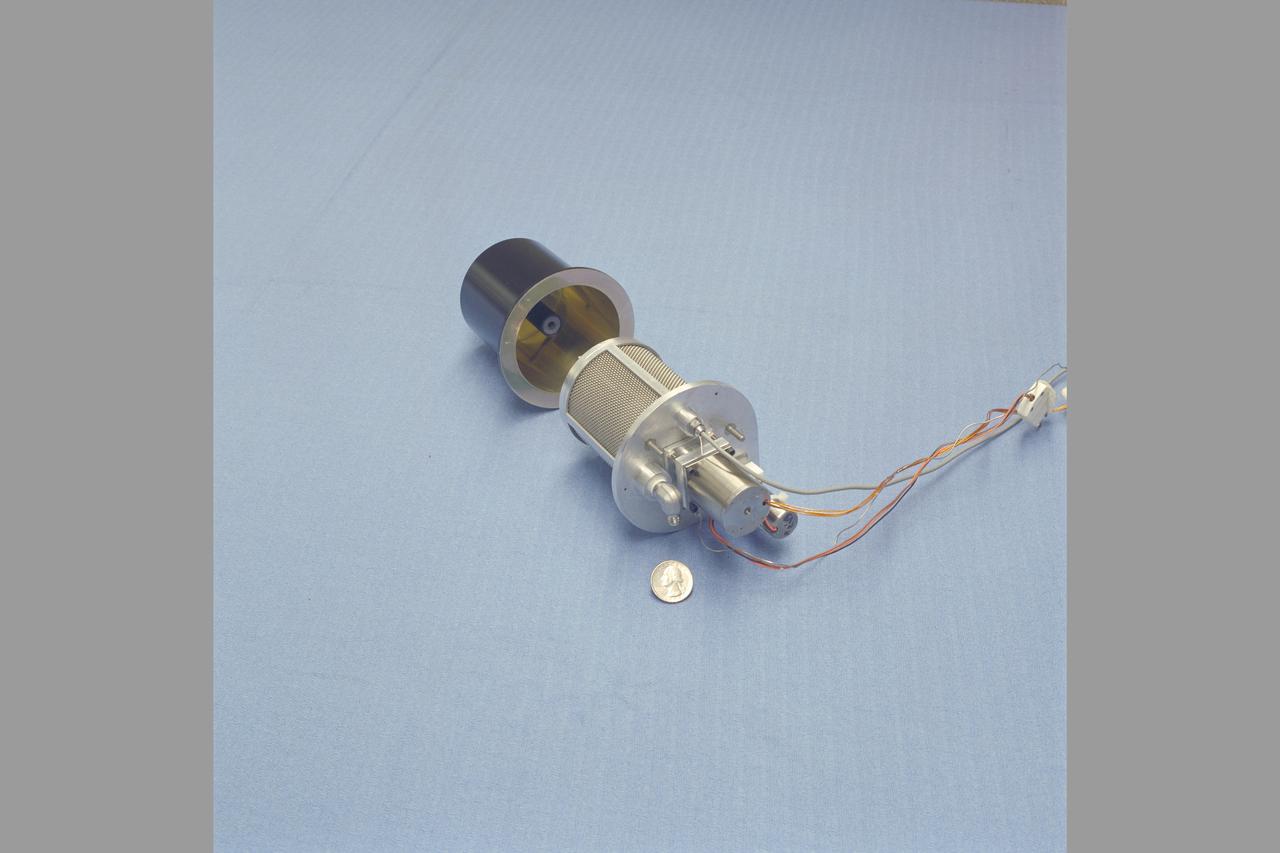
adsorption compression for Mars ISRU ( In-SITU Resource Utilization) N-239 lab
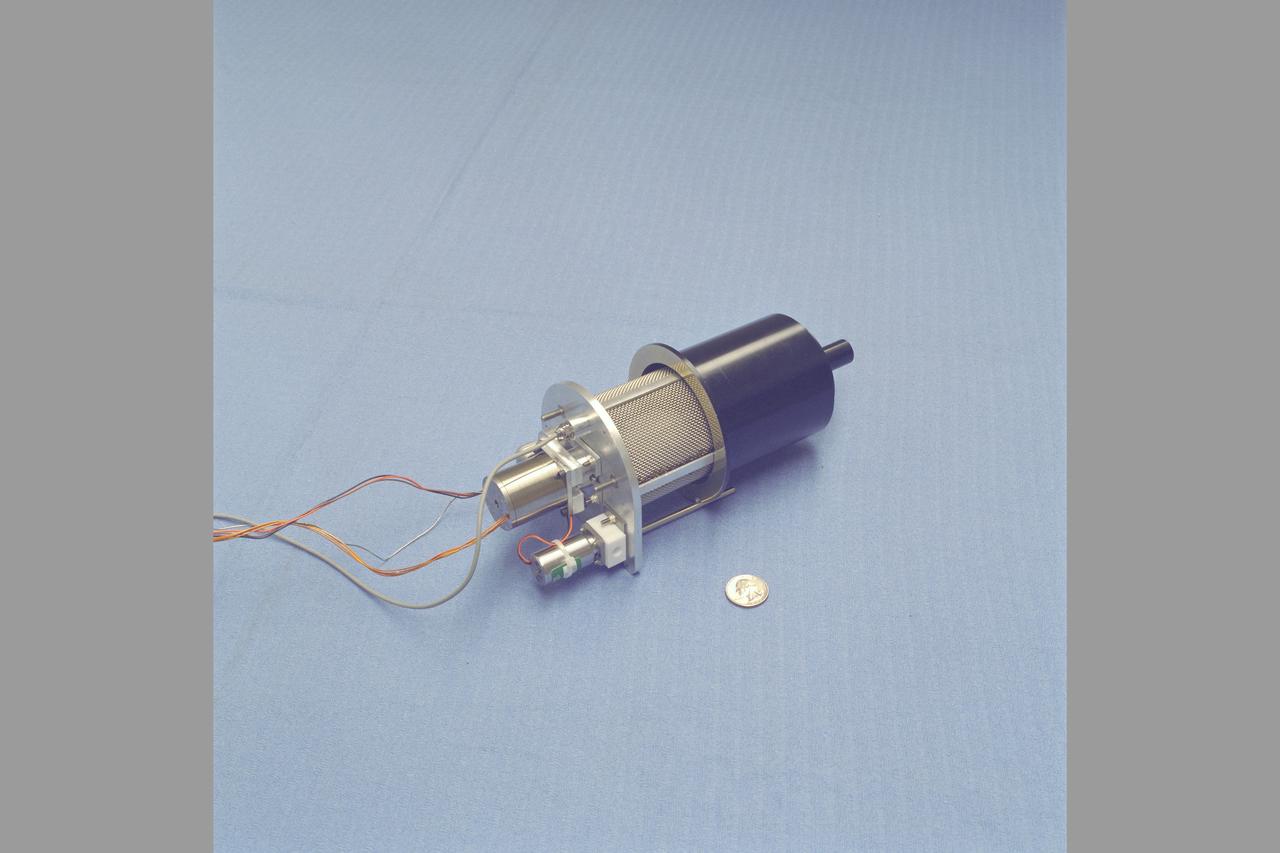
adsorption compression for Mars ISRU ( In-SITU Resource Utilization) N-239 lab
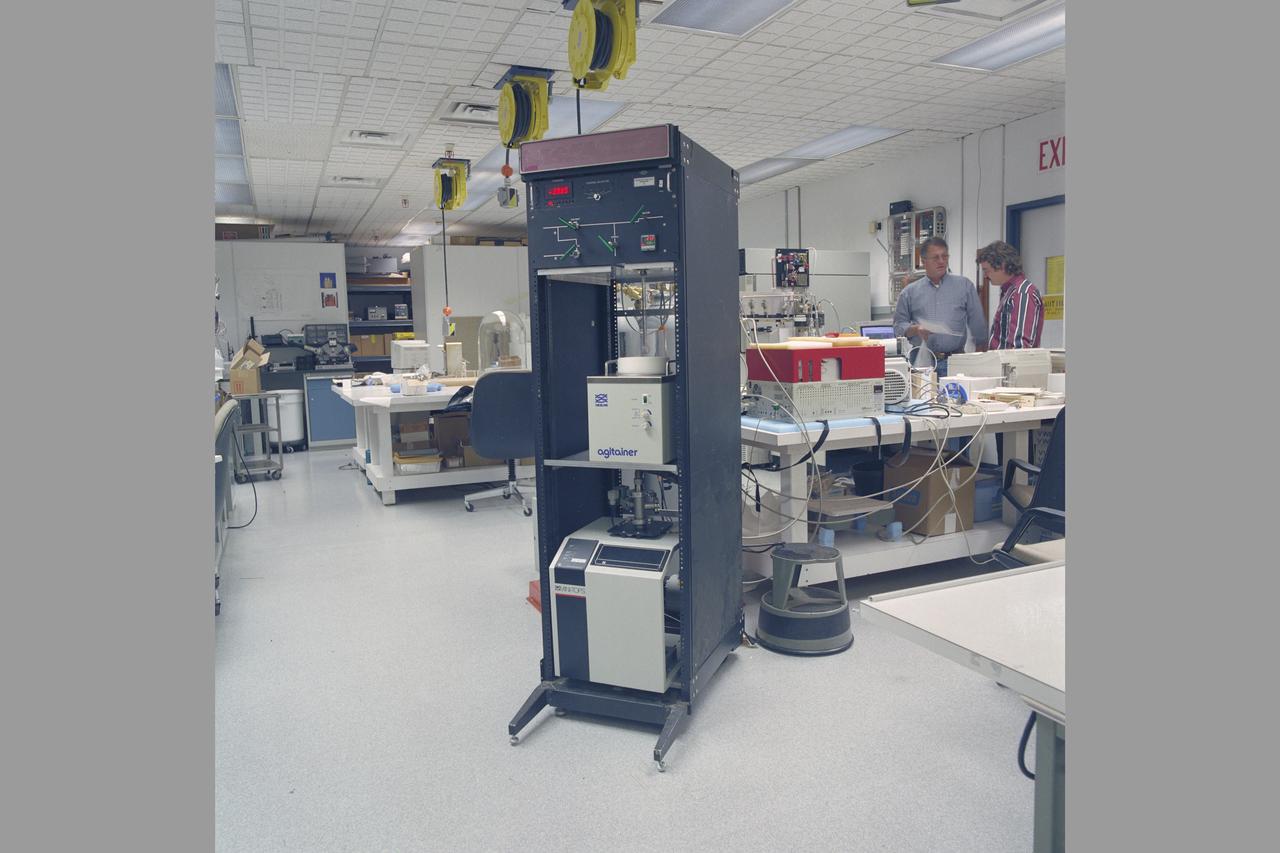
Mars Environmental Chamber. Absorption Compression for Mars ISRU (In-SITU Resource Utilization) N-239.
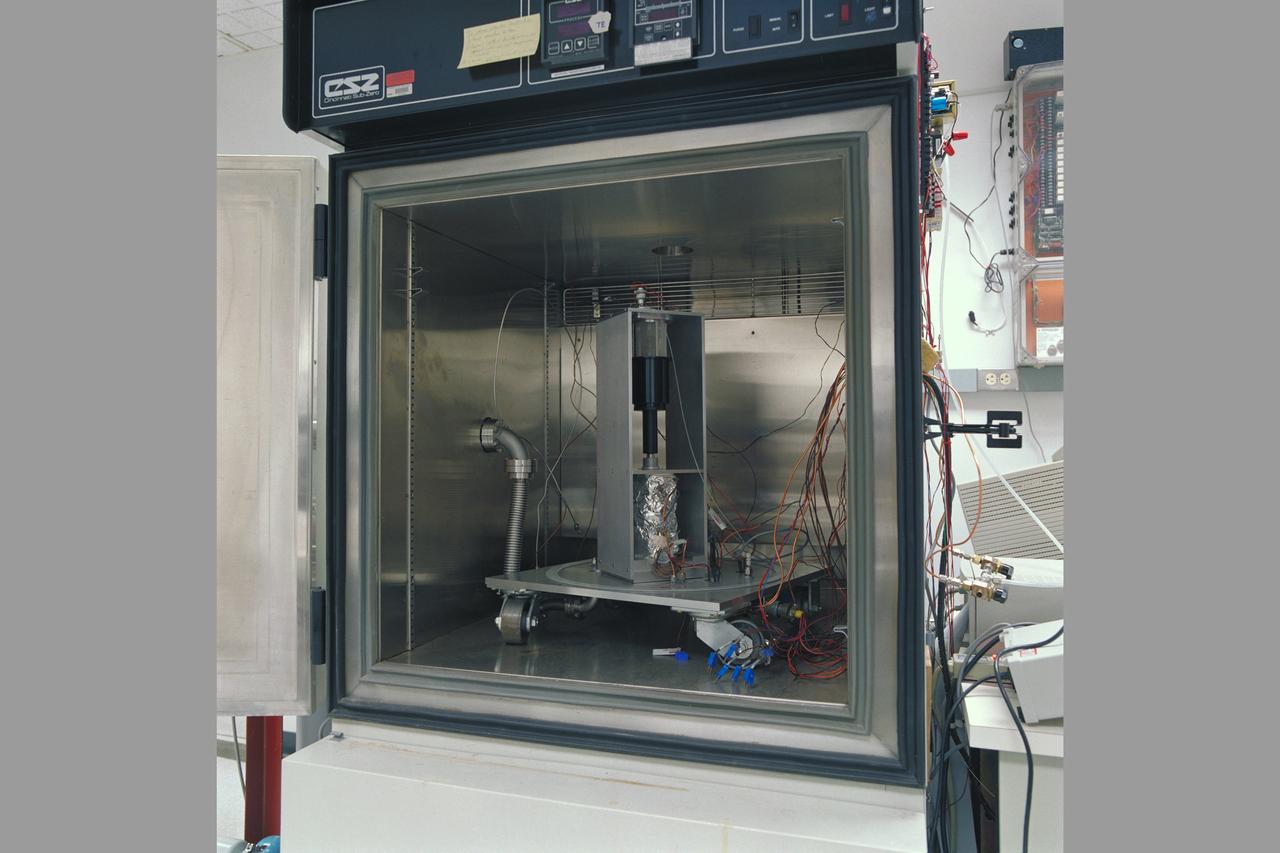
Mars Environmental Chamber. Absorption Compression for Mars ISRU (In-SITU Resource Utilization) N-239.
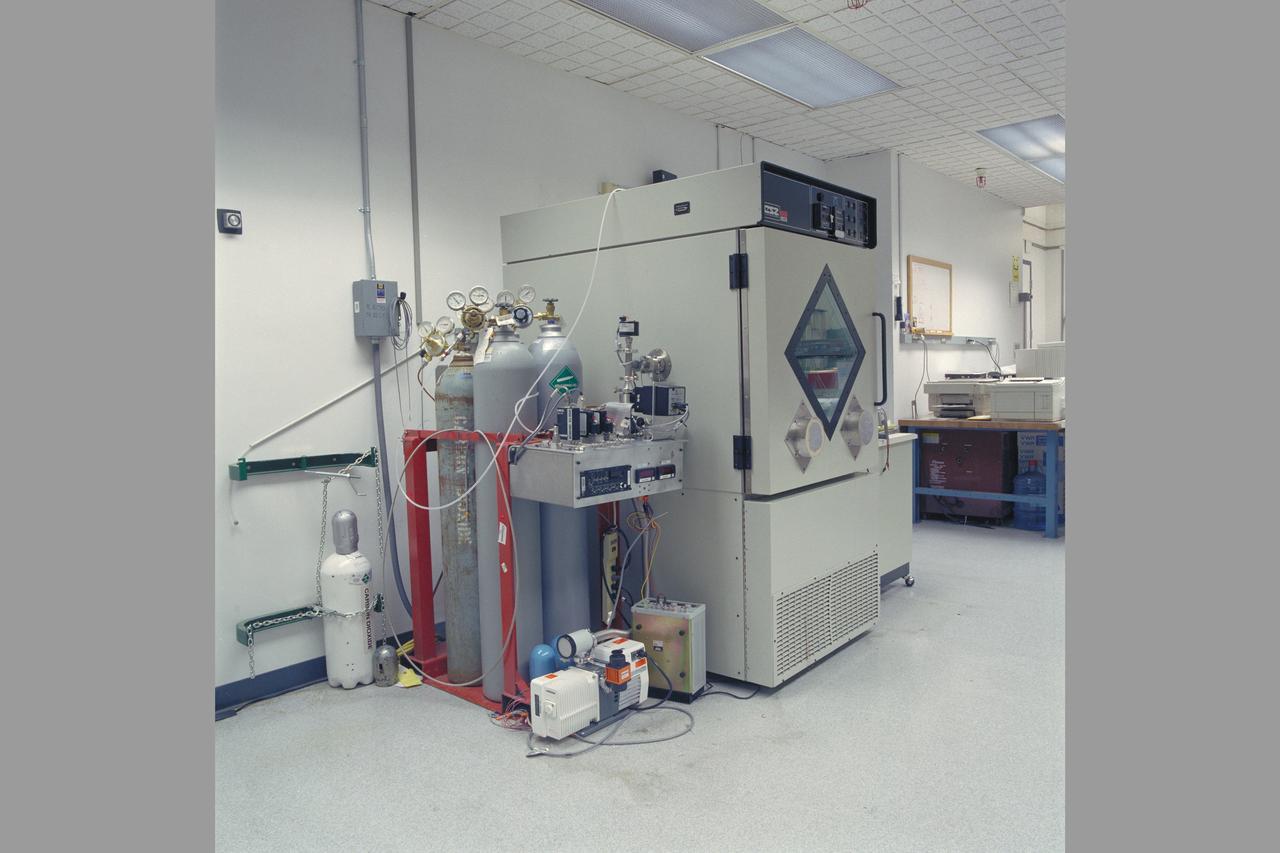
Mars Environmental Chamber. Absorption Compression for Mars ISRU (In-SITU Resource Utilization) N-239.
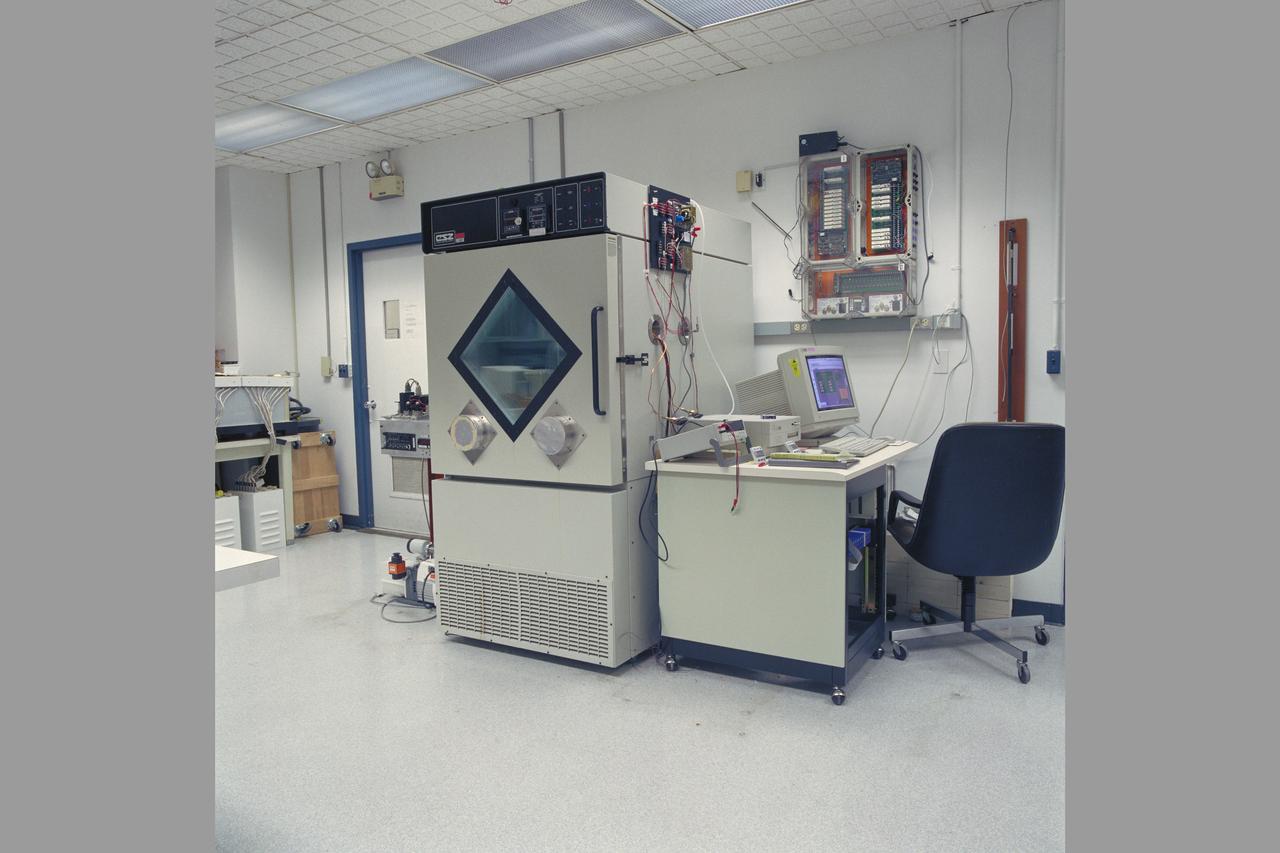
Mars Environmental Chamber. Absorption Compression for Mars ISRU (In-SITU Resource Utilization) N-239.
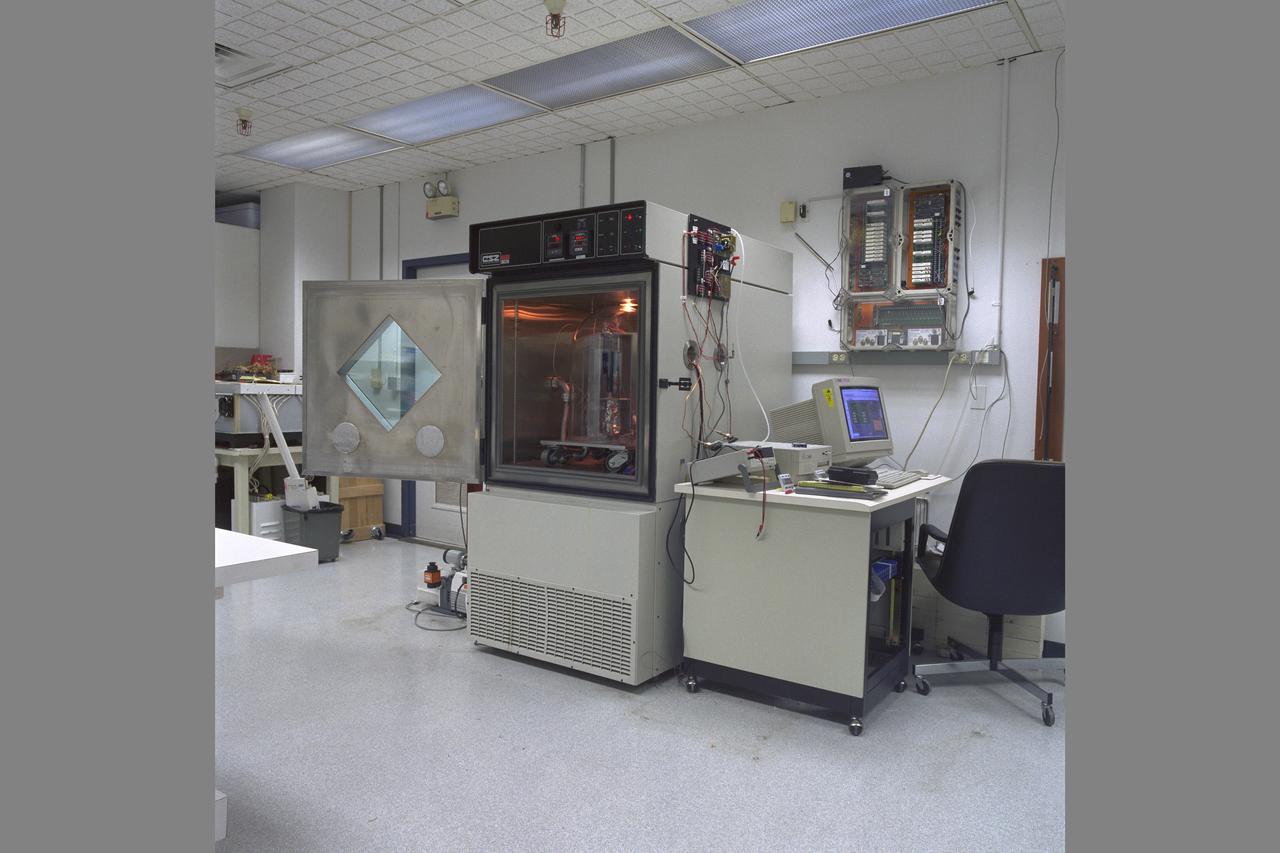
Mars Environmental Chamber. Absorption Compression for Mars ISRU (In-SITU Resource Utilization) N-239.
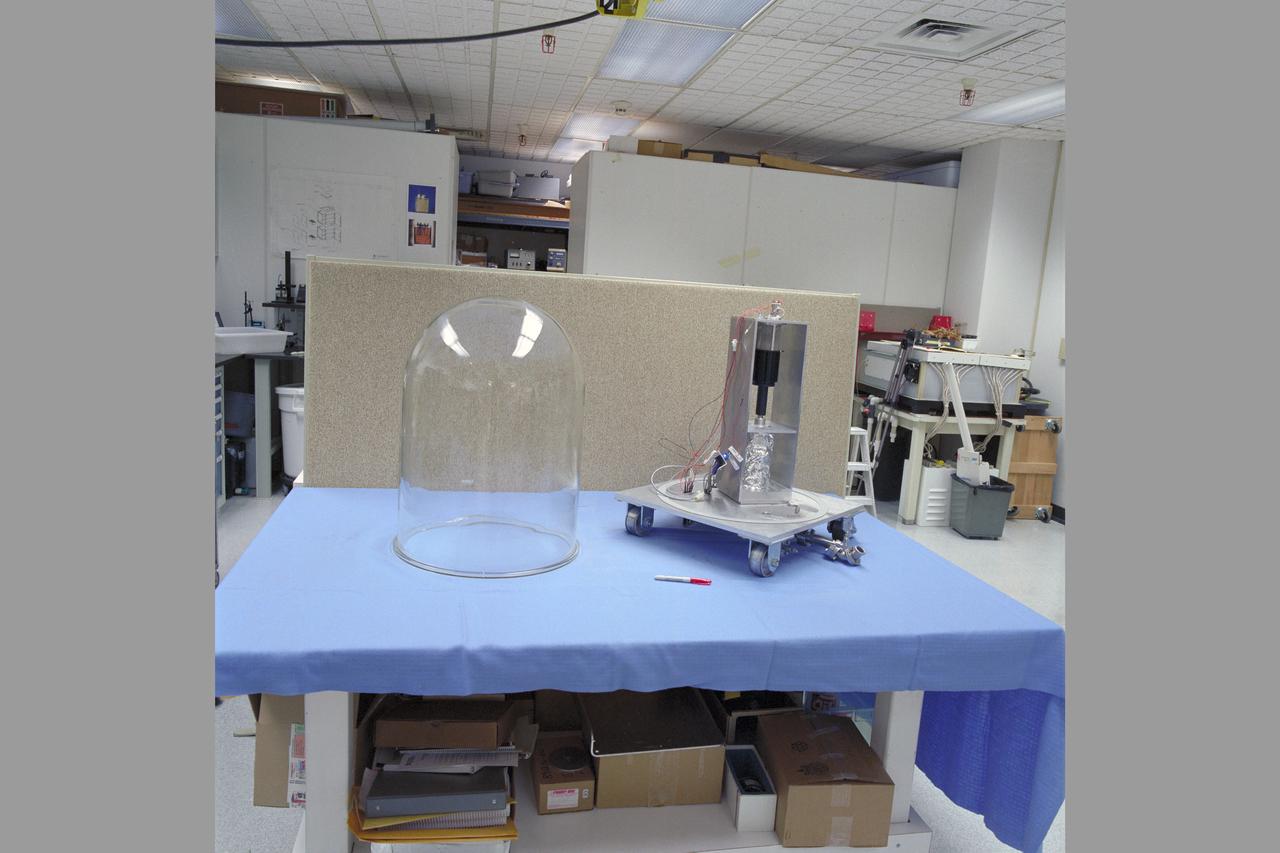
Mars Environmental Chamber. Absorption Compression for Mars ISRU (In-SITU Resource Utilization) N-239.
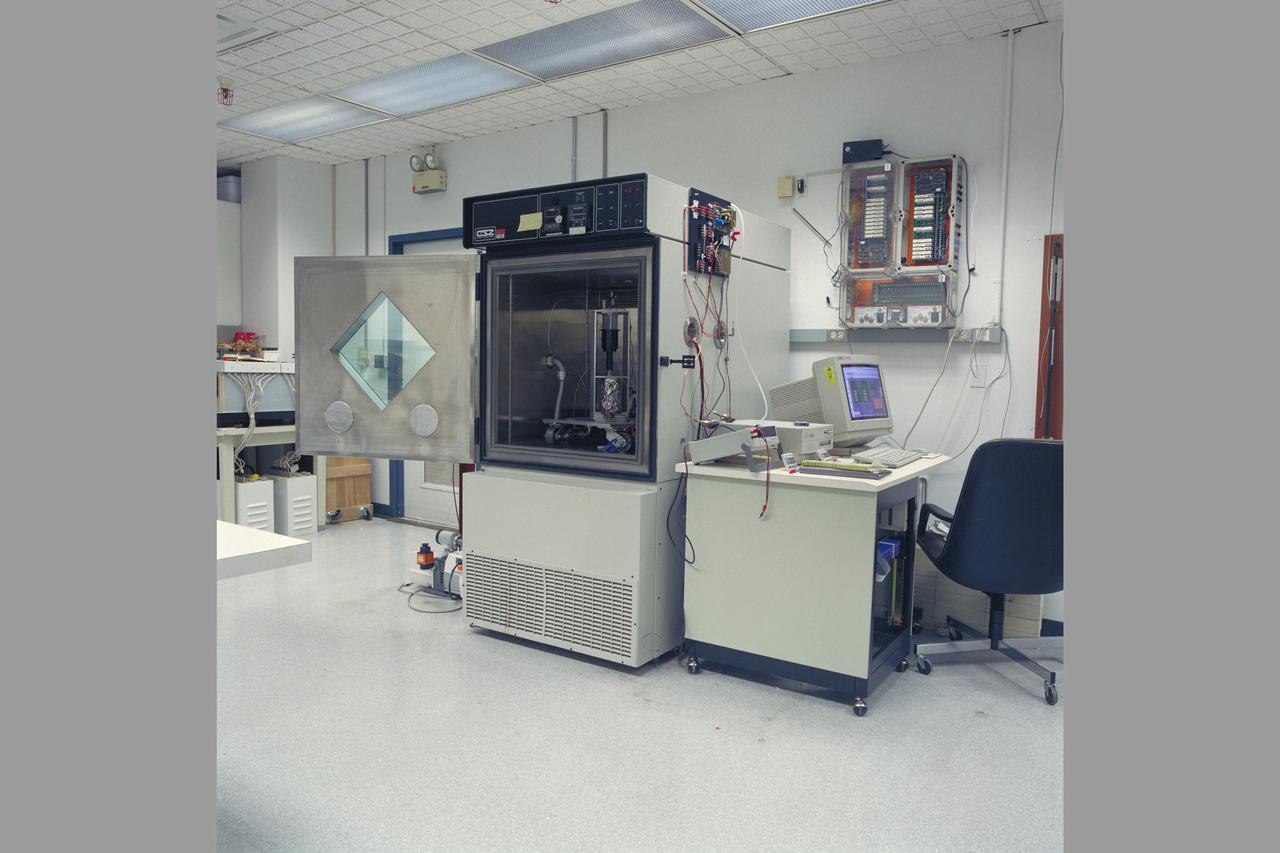
Mars Environmental Chamber. Absorption Compression for Mars ISRU (In-SITU Resource Utilization) N-239.
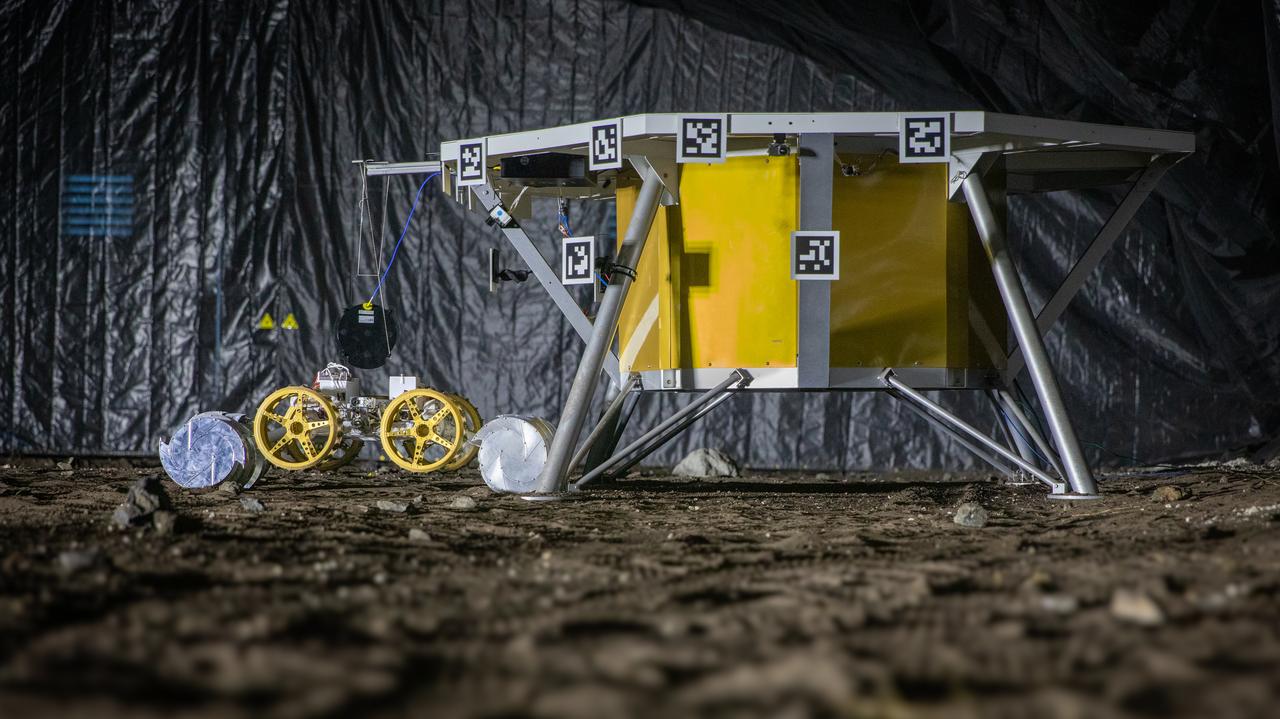
NASA’s ISRU Pilot Excavator (IPEx) performs a simulated lunar mission in a testbed at the agency’s Kennedy Space Center on Friday, Aug. 30, 2024. IPEx functions as both an excavator and a dump truck to mine and transport lunar regolith, the loose rocky material on the Moon’s surface, which is crucial for future lunar missions and In-Situ Resource Utilization (ISRU) processes. This dual capability makes IPEx an indispensable tool for sustainable lunar exploration.
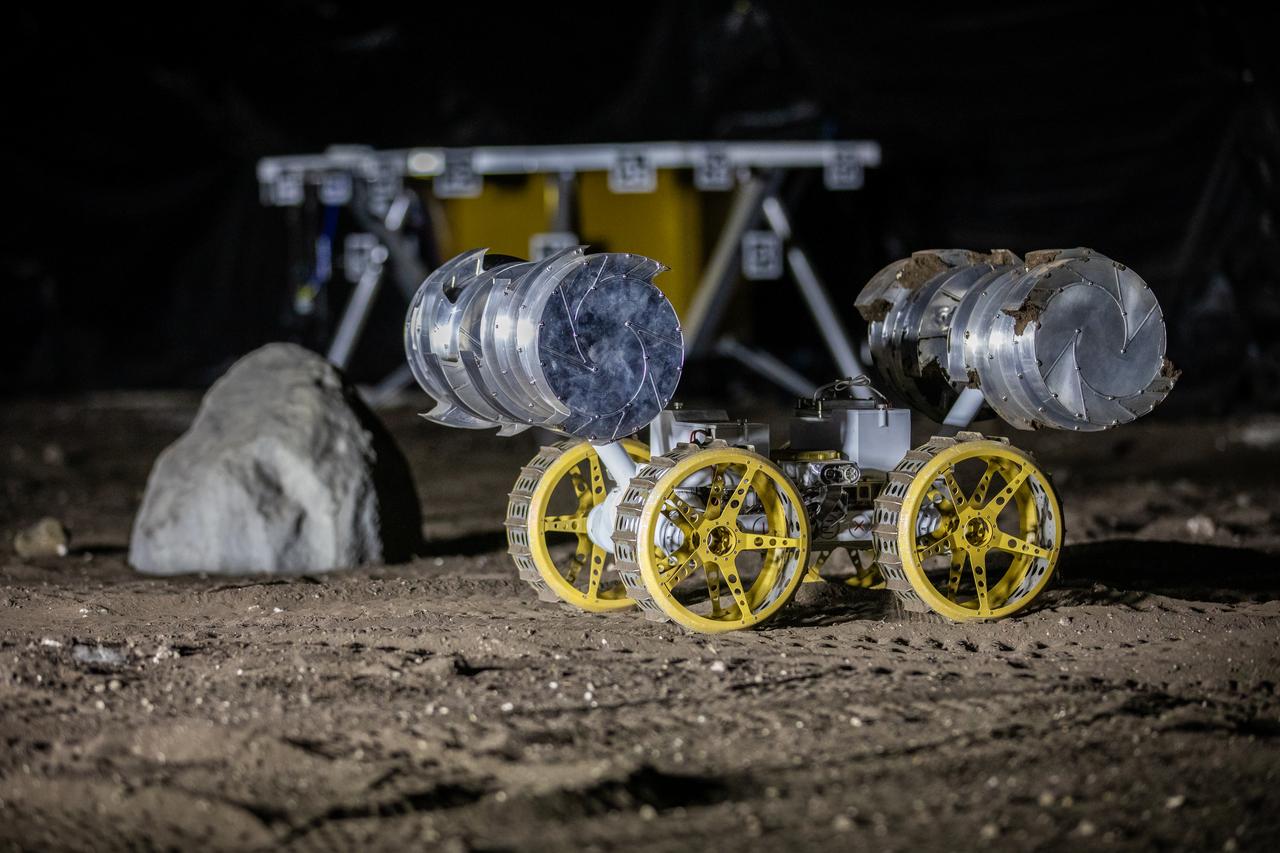
NASA’s ISRU Pilot Excavator (IPEx) performs a simulated lunar mission in a testbed at the agency’s Kennedy Space Center on Friday, Aug. 30, 2024. IPEx functions as both an excavator and a dump truck to mine and transport lunar regolith, the loose rocky material on the Moon’s surface, which is crucial for future lunar missions and In-Situ Resource Utilization (ISRU) processes. This dual capability makes IPEx an indispensable tool for sustainable lunar exploration.
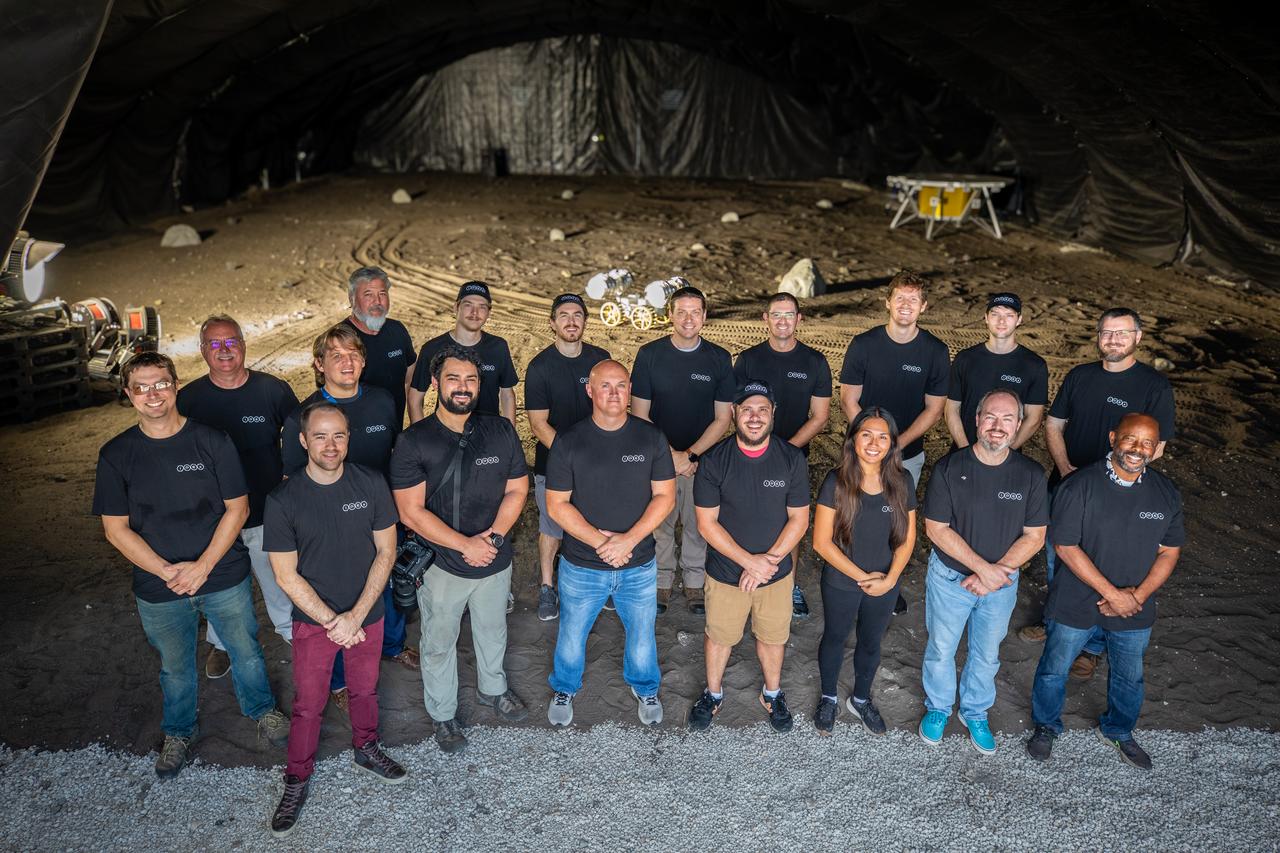
A team from the Granular Mechanics and Regolith Operations lab who developed and tested NASA’s ISRU Pilot Excavator (IPEx) pose for a photo on Friday, Aug. 30, 2024, in a testbed located at NASA’s Kennedy Space Center in Florida. IPEx functions as both an excavator and a dump truck to mine and transport lunar regolith, the loose rocky material on the Moon’s surface, which is crucial for future lunar missions and In-Situ Resource Utilization (ISRU) processes. This dual capability makes IPEx an indispensable tool for sustainable lunar exploration.
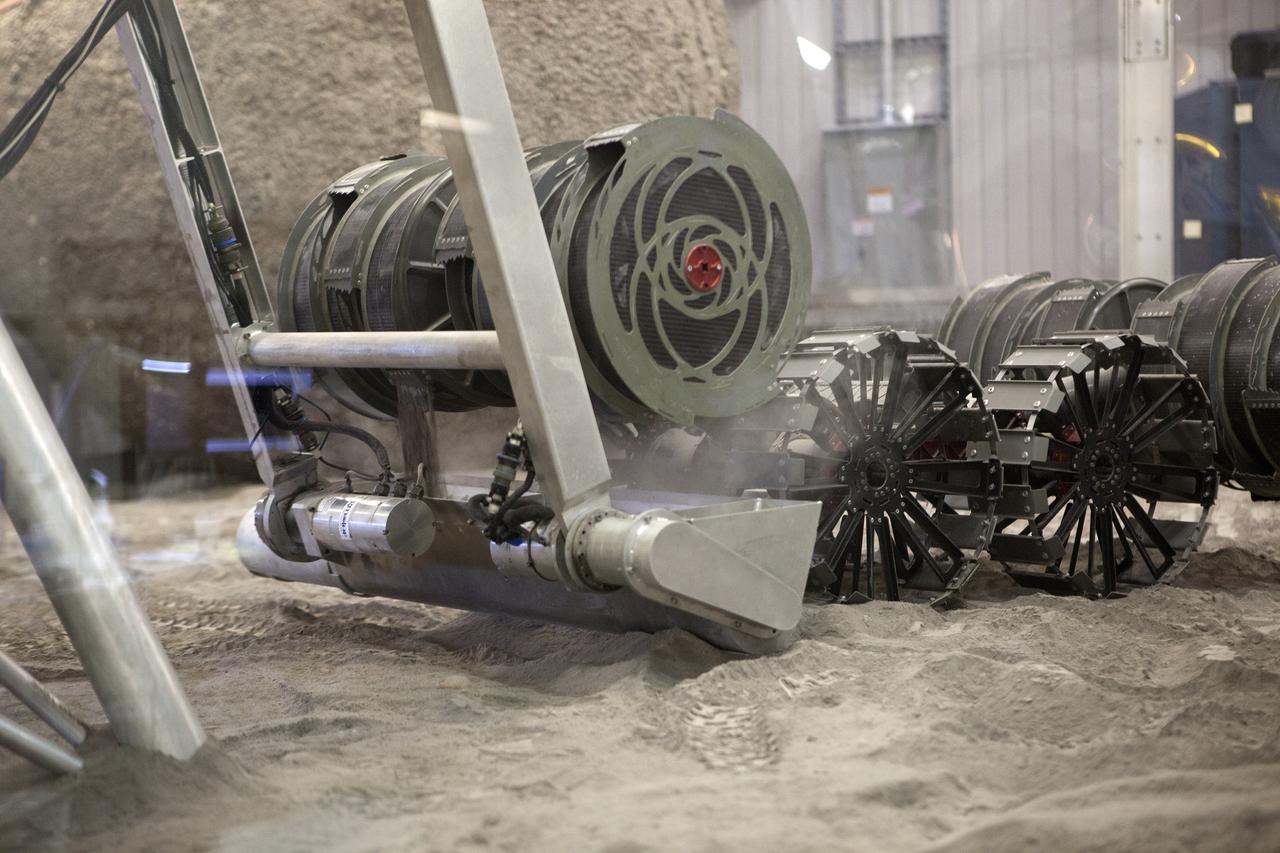
An integrated test of the MARCO POLO/Mars Pathfinder in-situ resource utilization, or ISRU, system takes place at NASA’s Kennedy Space Center in Florida. A mockup of MARCO POLO, an ISRU propellant production technology demonstration simulated mission, is tested in a regolith bin with RASSOR 2.0, the Regolith Advanced Surface Systems Operations Robot. On the surface of Mars, mining robots like RASSOR will dig down into the regolith and take the material to a processing plant where usable elements such as hydrogen, oxygen and water can be extracted for life support systems. Regolith also shows promise for both construction and creating elements for rocket fuel.
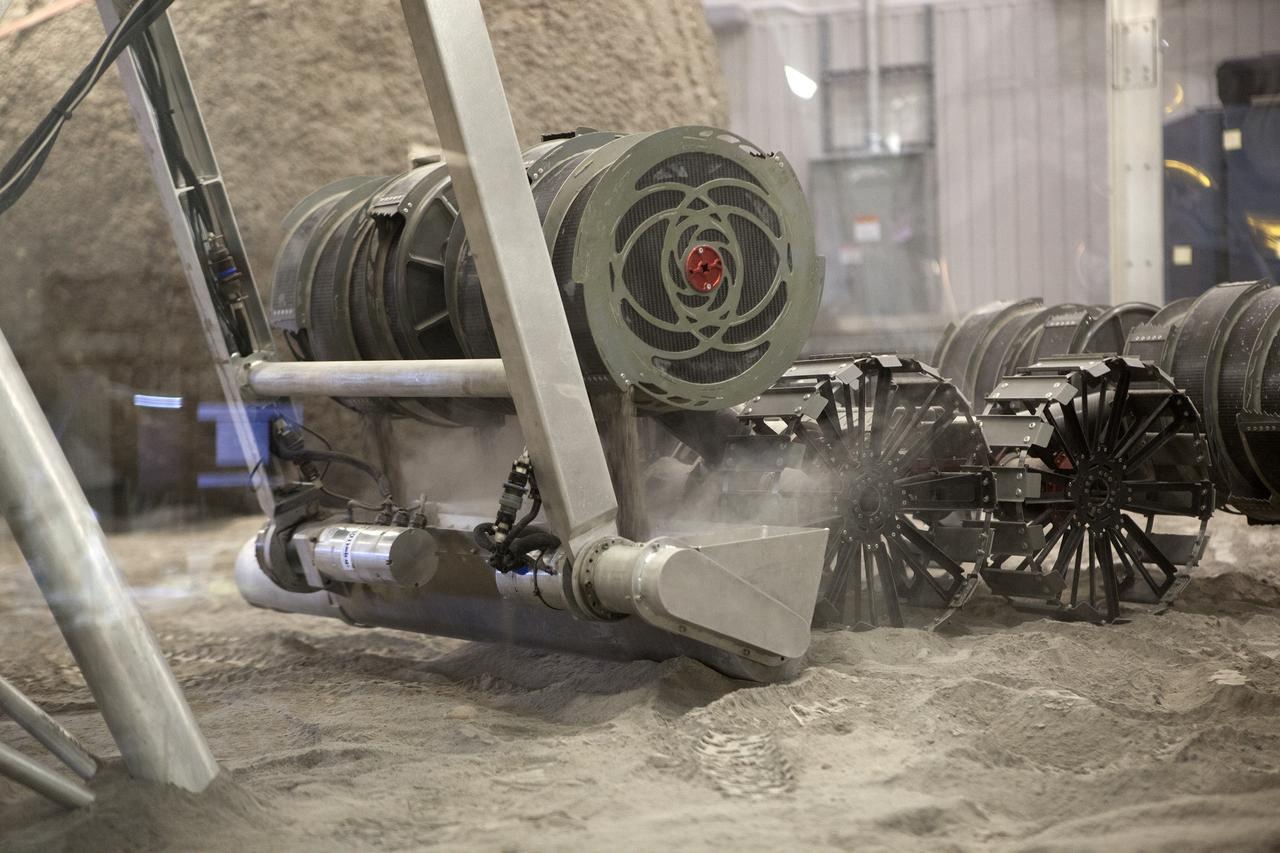
An integrated test of the MARCO POLO/Mars Pathfinder in-situ resource utilization, or ISRU, system takes place at NASA’s Kennedy Space Center in Florida. A mockup of MARCO POLO, an ISRU propellant production technology demonstration simulated mission, is tested in a regolith bin with RASSOR 2.0, the Regolith Advanced Surface Systems Operations Robot. On the surface of Mars, mining robots like RASSOR will dig down into the regolith and take the material to a processing plant where usable elements such as hydrogen, oxygen and water can be extracted for life support systems. Regolith also shows promise for both construction and creating elements for rocket fuel.
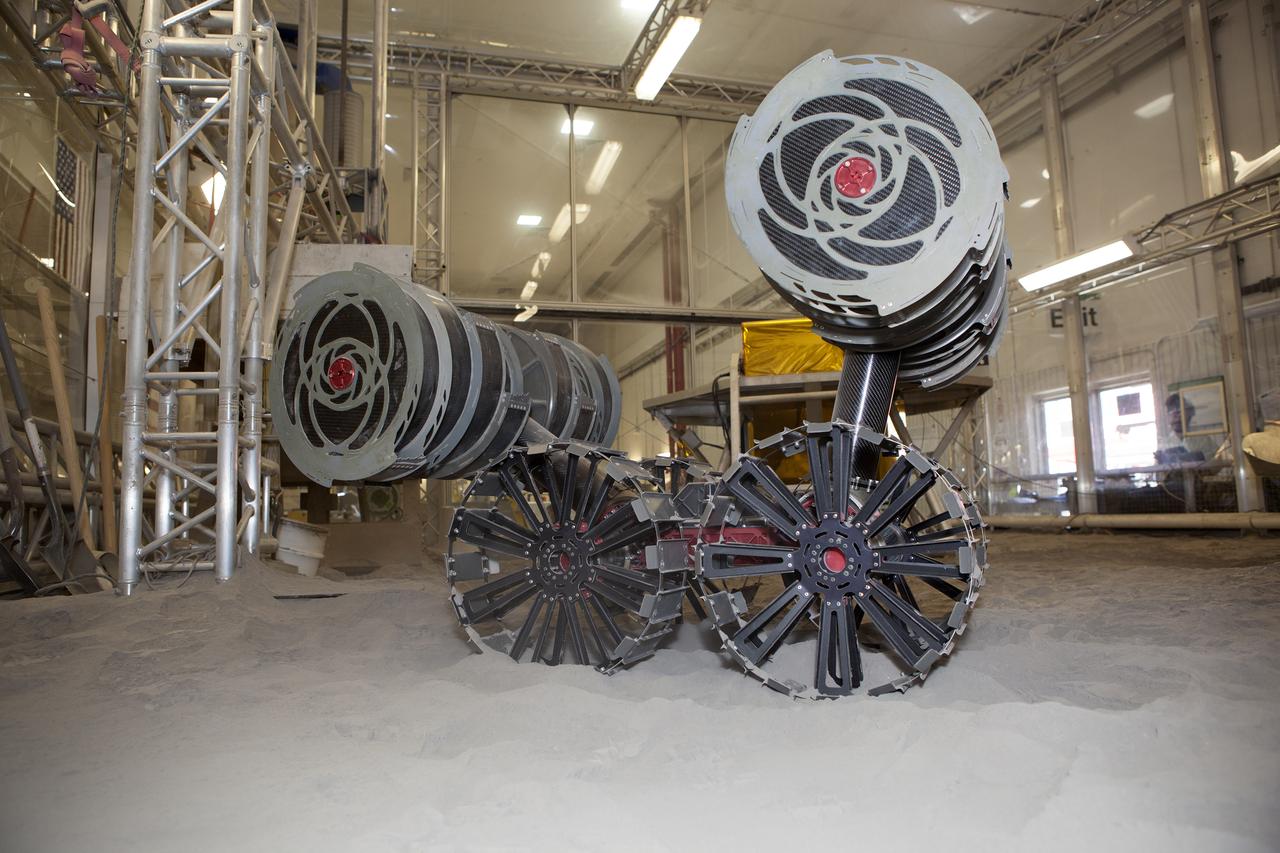
An integrated test of the MARCO POLO/Mars Pathfinder in-situ resource utilization, or ISRU, system takes place at NASA’s Kennedy Space Center in Florida. A mockup of MARCO POLO, an ISRU propellant production technology demonstration simulated mission, is tested in a regolith bin with RASSOR 2.0, the Regolith Advanced Surface Systems Operations Robot. On the surface of Mars, mining robots like RASSOR will dig down into the regolith and take the material to a processing plant where usable elements such as hydrogen, oxygen and water can be extracted for life support systems. Regolith also shows promise for both construction and creating elements for rocket fuel.
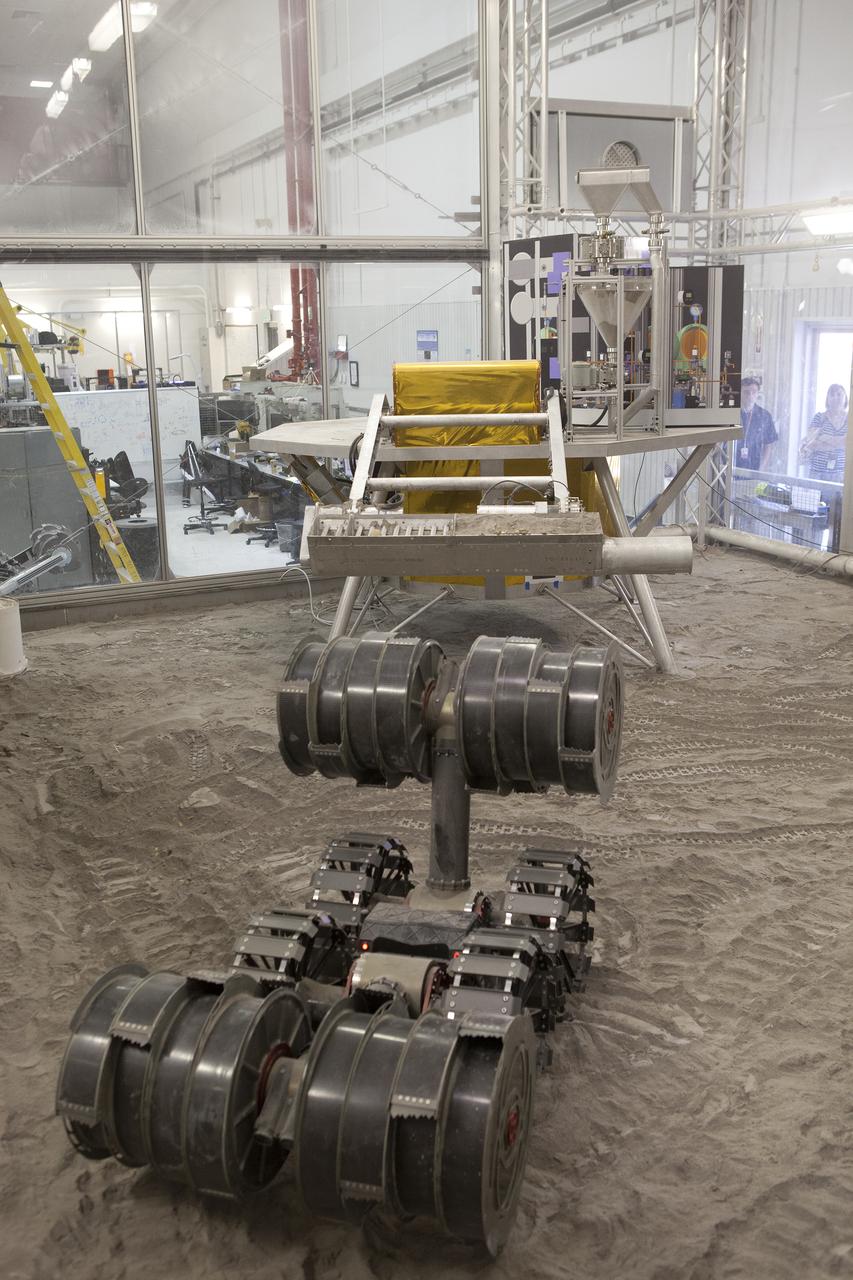
An integrated test of the MARCO POLO/Mars Pathfinder in-situ resource utilization, or ISRU, system takes place at NASA’s Kennedy Space Center in Florida. A mockup of MARCO POLO, an ISRU propellant production technology demonstration simulated mission, is tested in a regolith bin with RASSOR 2.0, the Regolith Advanced Surface Systems Operations Robot. On the surface of Mars, mining robots like RASSOR will dig down into the regolith and take the material to a processing plant where usable elements such as hydrogen, oxygen and water can be extracted for life support systems. Regolith also shows promise for both construction and creating elements for rocket fuel.
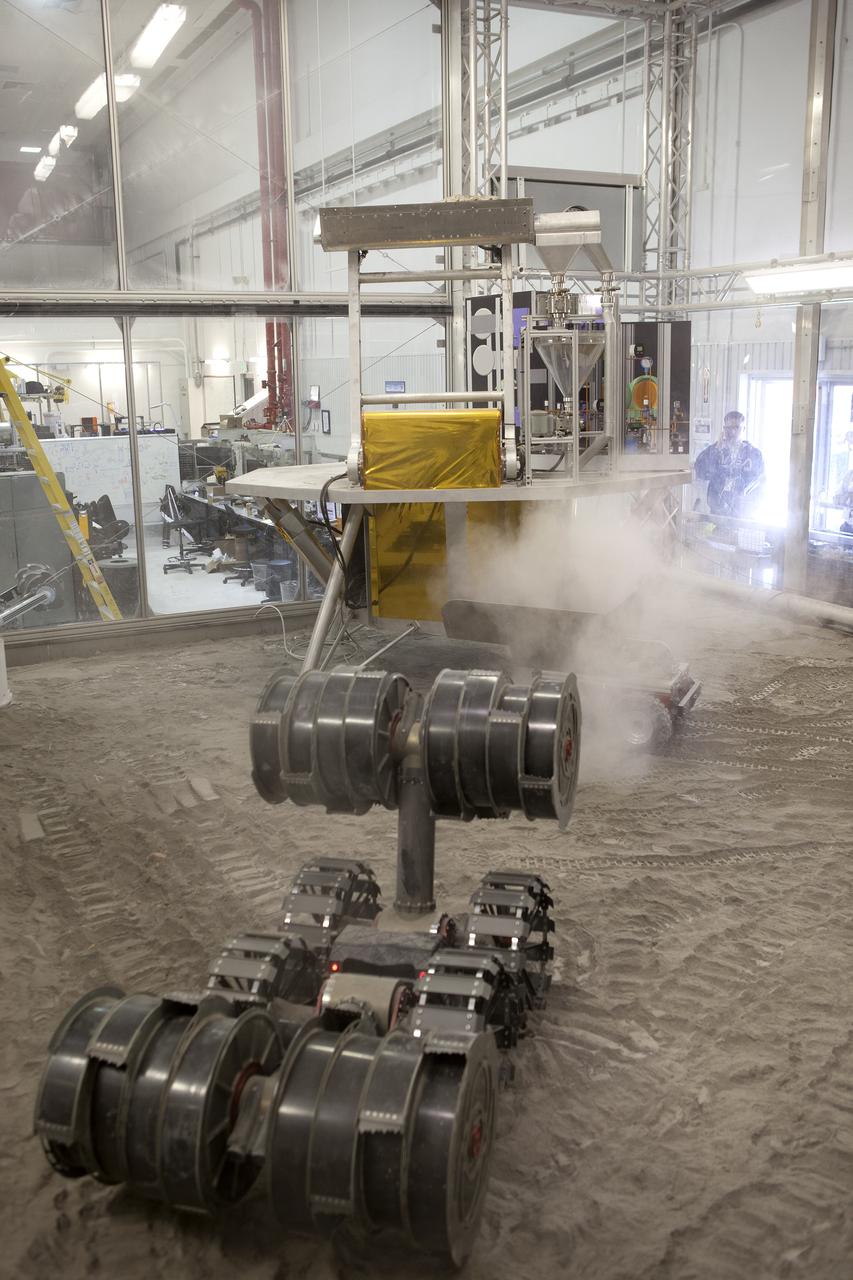
An integrated test of the MARCO POLO/Mars Pathfinder in-situ resource utilization, or ISRU, system takes place at NASA’s Kennedy Space Center in Florida. A mockup of MARCO POLO, an ISRU propellant production technology demonstration simulated mission, is tested in a regolith bin with RASSOR 2.0, the Regolith Advanced Surface Systems Operations Robot. On the surface of Mars, mining robots like RASSOR will dig down into the regolith and take the material to a processing plant where usable elements such as hydrogen, oxygen and water can be extracted for life support systems. Regolith also shows promise for both construction and creating elements for rocket fuel.
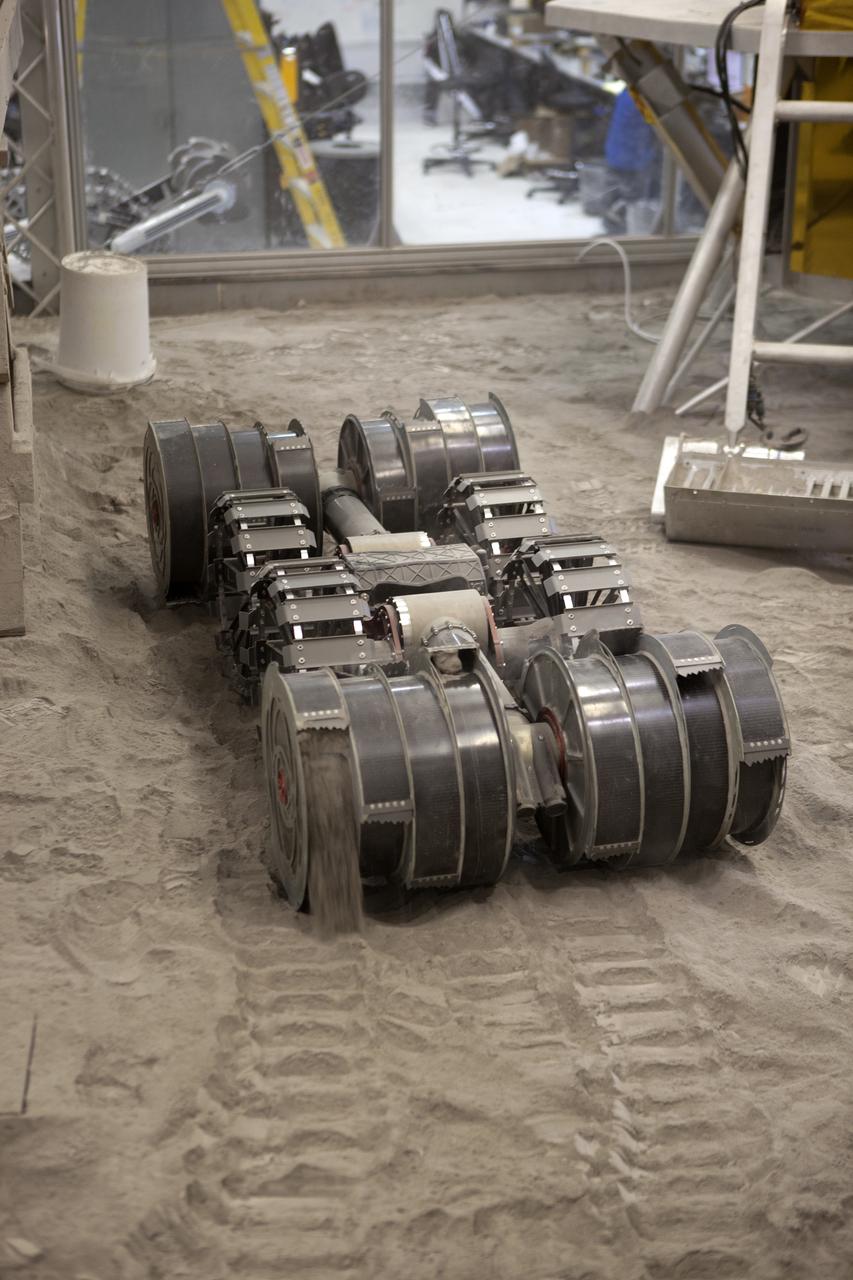
An integrated test of the MARCO POLO/Mars Pathfinder in-situ resource utilization, or ISRU, system takes place at NASA’s Kennedy Space Center in Florida. A mockup of MARCO POLO, an ISRU propellant production technology demonstration simulated mission, is tested in a regolith bin with RASSOR 2.0, the Regolith Advanced Surface Systems Operations Robot. On the surface of Mars, mining robots like RASSOR will dig down into the regolith and take the material to a processing plant where usable elements such as hydrogen, oxygen and water can be extracted for life support systems. Regolith also shows promise for both construction and creating elements for rocket fuel.
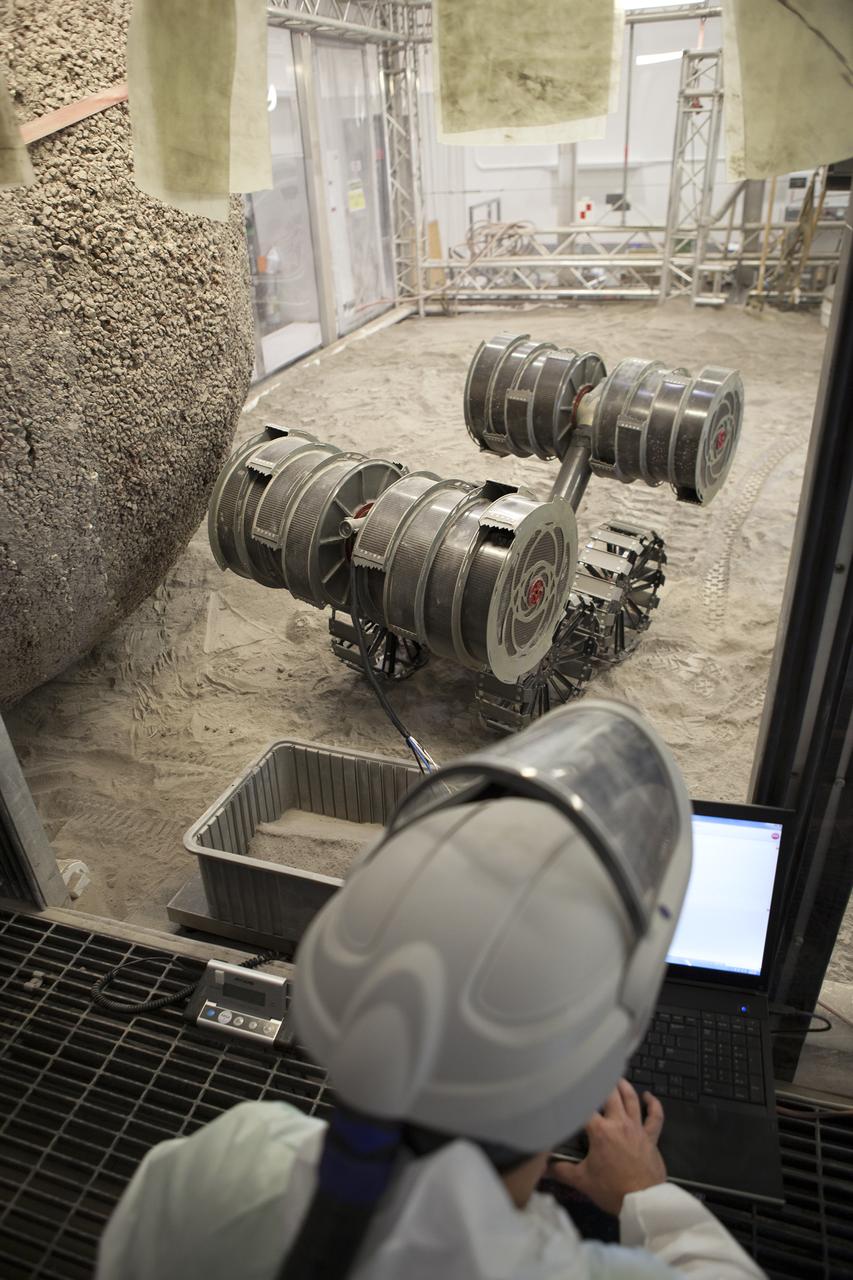
An integrated test of the MARCO POLO/Mars Pathfinder in-situ resource utilization, or ISRU, system takes place at NASA’s Kennedy Space Center in Florida. A mockup of MARCO POLO, an ISRU propellant production technology demonstration simulated mission, is tested in a regolith bin with RASSOR 2.0, the Regolith Advanced Surface Systems Operations Robot. On the surface of Mars, mining robots like RASSOR will dig down into the regolith and take the material to a processing plant where usable elements such as hydrogen, oxygen and water can be extracted for life support systems. Regolith also shows promise for both construction and creating elements for rocket fuel.
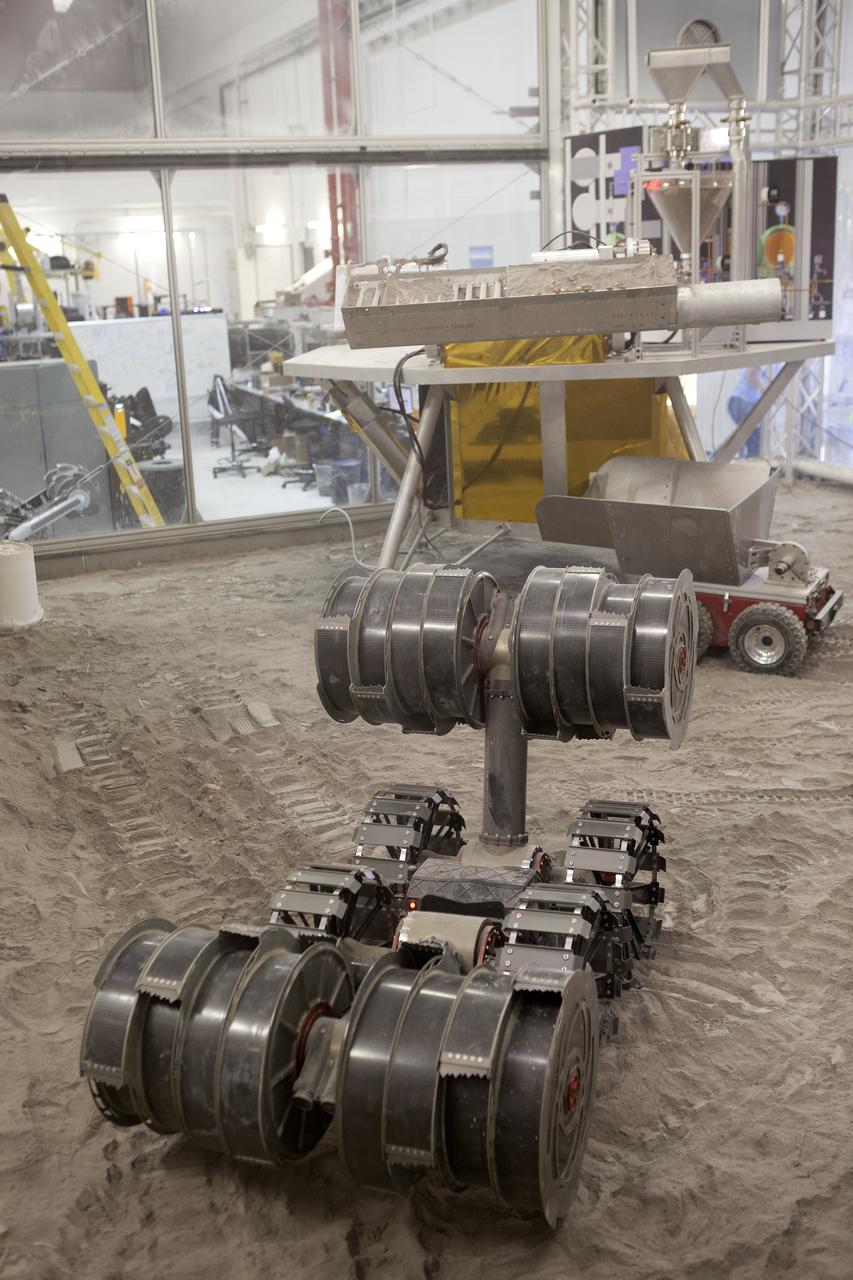
An integrated test of the MARCO POLO/Mars Pathfinder in-situ resource utilization, or ISRU, system takes place at NASA’s Kennedy Space Center in Florida. A mockup of MARCO POLO, an ISRU propellant production technology demonstration simulated mission, is tested in a regolith bin with RASSOR 2.0, the Regolith Advanced Surface Systems Operations Robot. On the surface of Mars, mining robots like RASSOR will dig down into the regolith and take the material to a processing plant where usable elements such as hydrogen, oxygen and water can be extracted for life support systems. Regolith also shows promise for both construction and creating elements for rocket fuel.

An integrated test of the MARCO POLO/Mars Pathfinder in-situ resource utilization, or ISRU, system takes place at NASA’s Kennedy Space Center in Florida. A mockup of MARCO POLO, an ISRU propellant production technology demonstration simulated mission, is tested in a regolith bin with RASSOR 2.0, the Regolith Advanced Surface Systems Operations Robot. On the surface of Mars, mining robots like RASSOR will dig down into the regolith and take the material to a processing plant where usable elements such as hydrogen, oxygen and water can be extracted for life support systems. Regolith also shows promise for both construction and creating elements for rocket fuel.
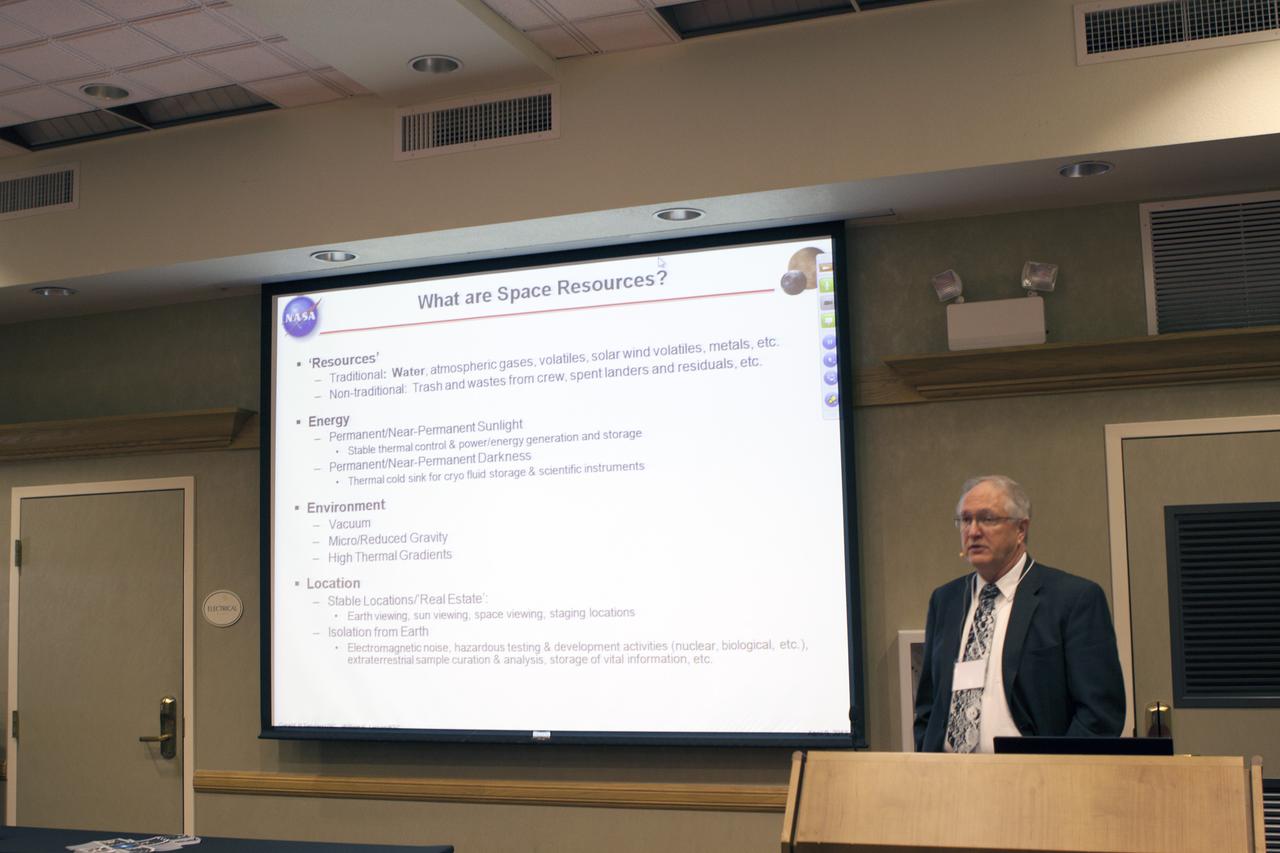
CAPE CANAVERAL, Fla. – At the Courtyard by Marriott hotel in Cocoa Beach, Fla., William Larson, retired NASA ISRU project manager, talks to participants in the room and those participating online during the Third International Workshop on Lunar Superconductor Applications. The workshop included presentations from several engineers and researchers at Kennedy Space Center. The three-day workshop included presentations from speakers throughout the country and focused on Lunar in-situ resource utilization, NASA’s Lunar Ice Prospector called RESOLVE, CubeSats, cryogenic storage and many other topics related to lunar exploration. Photo credit: NASA_Jim Grossmann
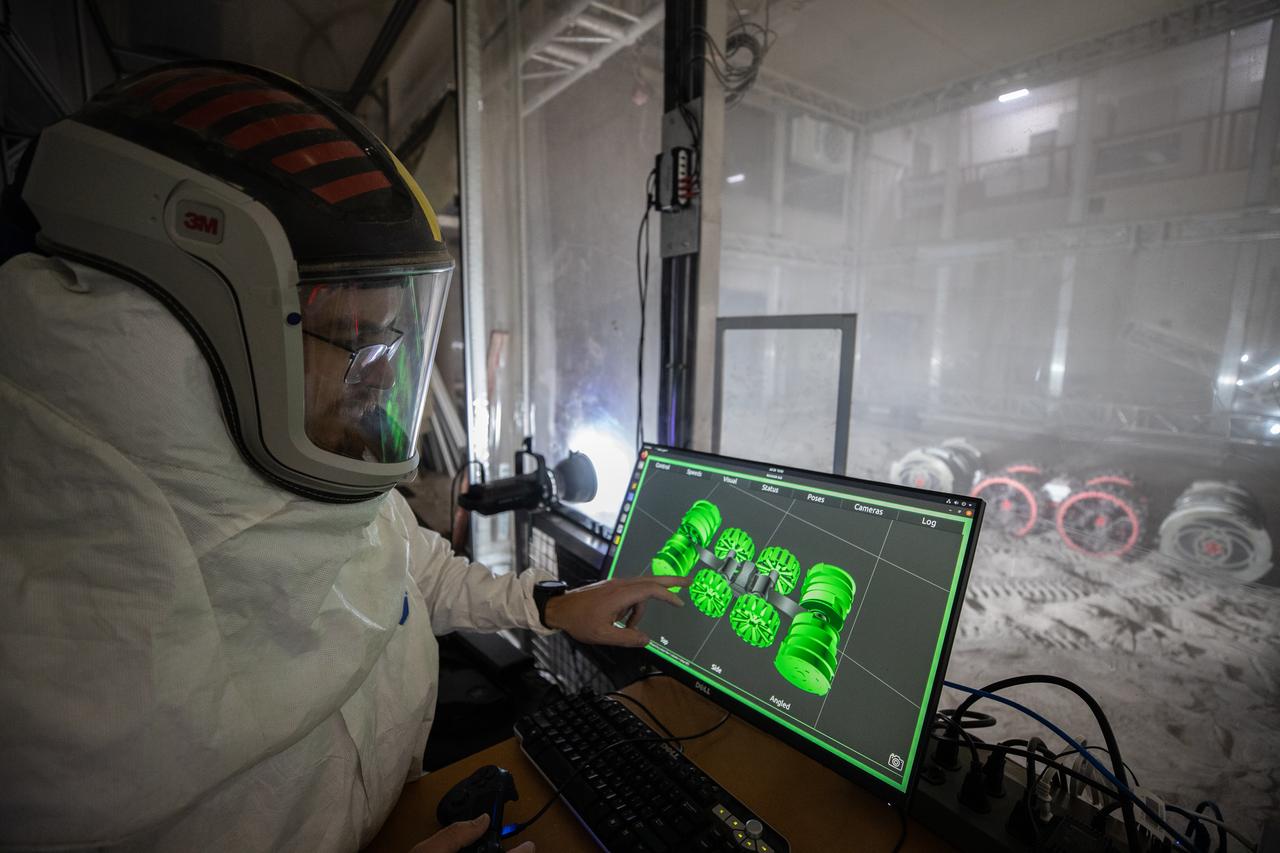
A team from the Granular Mechanics and Regolith Operations Lab operates a test of the ISRU Pilot Excavator in regolith bin inside Swamp Works at NASA’s Kennedy Space Center in Florida on July 28, 2022. Tests use a gravity assist offload system to simulate reduced gravity conditions found on the Moon. On the surface of the Moon, mining robots like the Pilot Excavator will excavate the regolith and take the material to a processing plant where usable elements such as hydrogen, oxygen and water can be extracted for life support systems. The Pilot Excavator can scoop up icy regolith which can be used to make operations on the Moon sustainable.
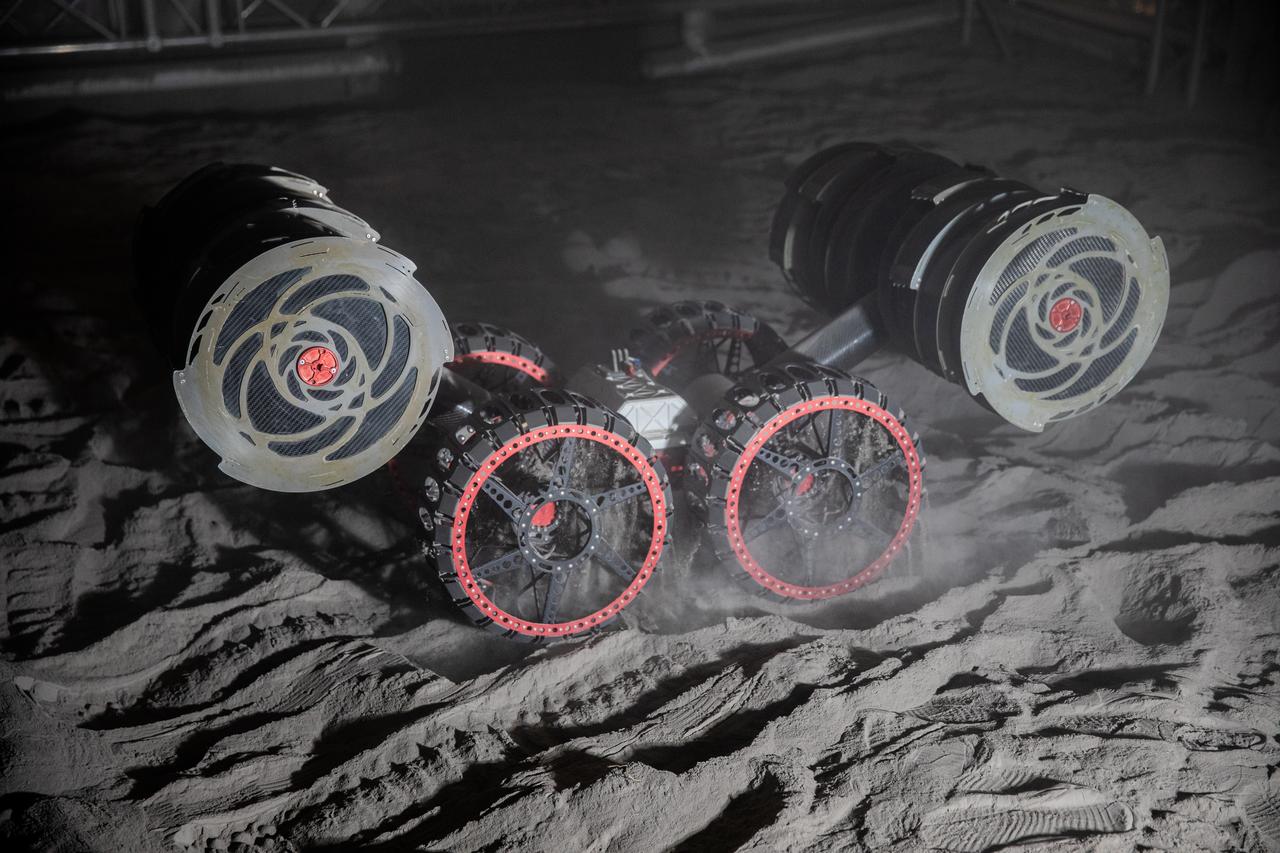
With the lights out, the ISRU Pilot Excavator digs in regolith bin during testing inside Swamp Works at NASA’s Kennedy Space Center in Florida on July 28, 2022. Tests use a gravity assist offload system to simulate reduced gravity conditions found on the Moon. On the surface of the Moon, mining robots like the Pilot Excavator will excavate the regolith and take the material to a processing plant where usable elements such as hydrogen, oxygen and water can be extracted for life support systems. The Pilot Excavator can scoop up icy regolith which can be used to make operations on the Moon sustainable.
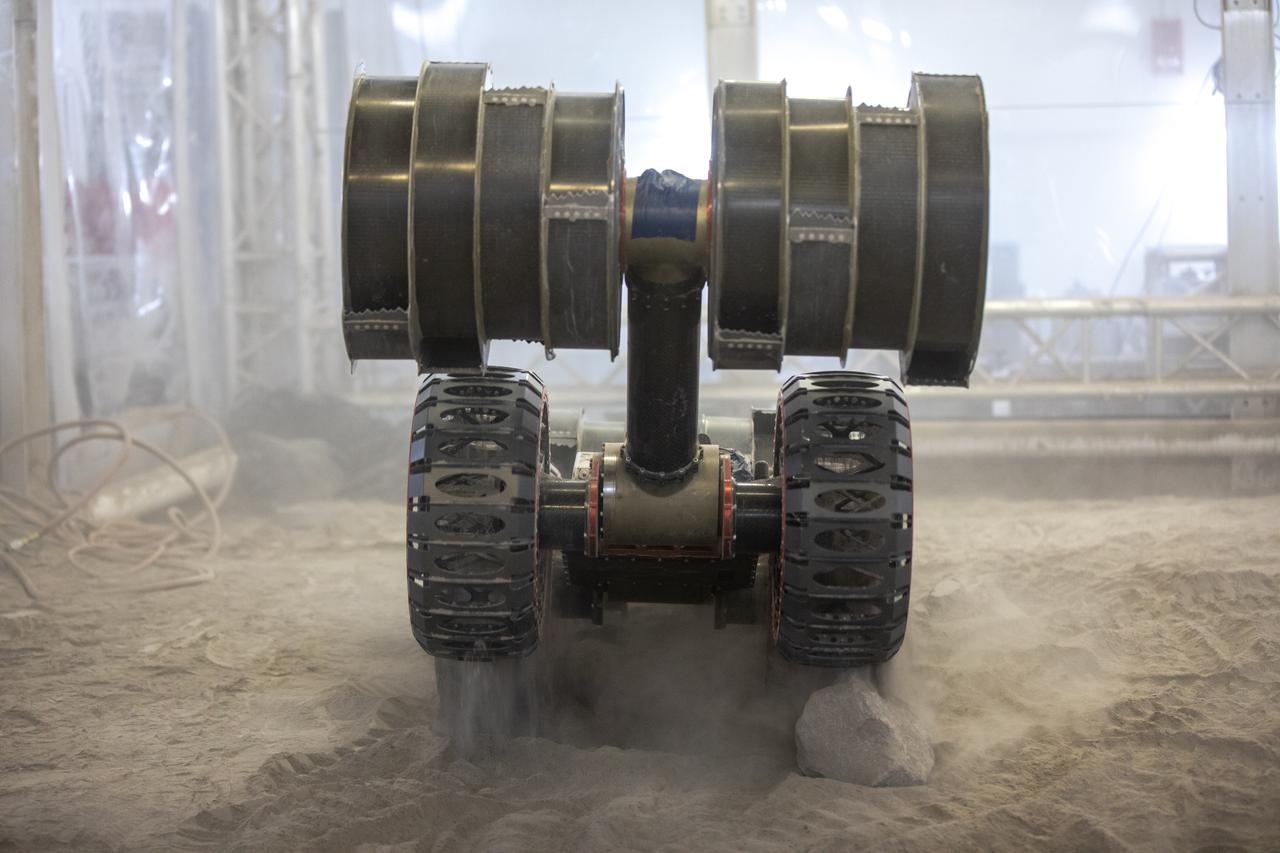
The ISRU Pilot Excavator is tested in the regolith bin inside Swamp Works at NASA’s Kennedy Space Center in Florida on July 28, 2022. Tests use a gravity assist offload system to simulate reduced gravity conditions found on the Moon. On the surface of the Moon, mining robots like the Pilot Excavator will excavate the regolith and take the material to a processing plant where usable elements such as hydrogen, oxygen and water can be extracted for life support systems. The Pilot Excavator can scoop up icy regolith which can be used to make operations on the Moon sustainable.
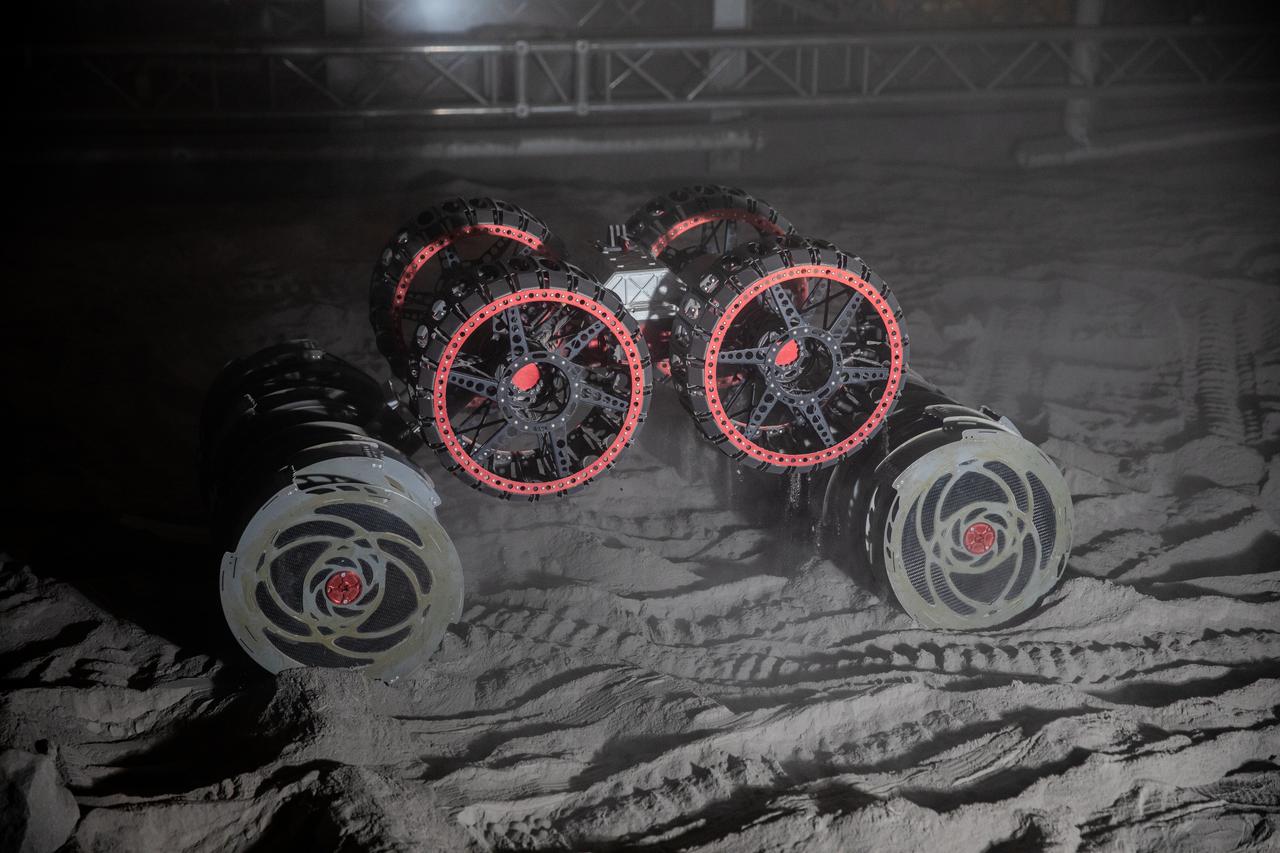
With the lights out, the ISRU Pilot Excavator digs in regolith bin during testing inside Swamp Works at NASA’s Kennedy Space Center in Florida on July 28, 2022. Tests use a gravity assist offload system to simulate reduced gravity conditions found on the Moon. On the surface of the Moon, mining robots like the Pilot Excavator will excavate the regolith and take the material to a processing plant where usable elements such as hydrogen, oxygen and water can be extracted for life support systems. The Pilot Excavator can scoop up icy regolith which can be used to make operations on the Moon sustainable.
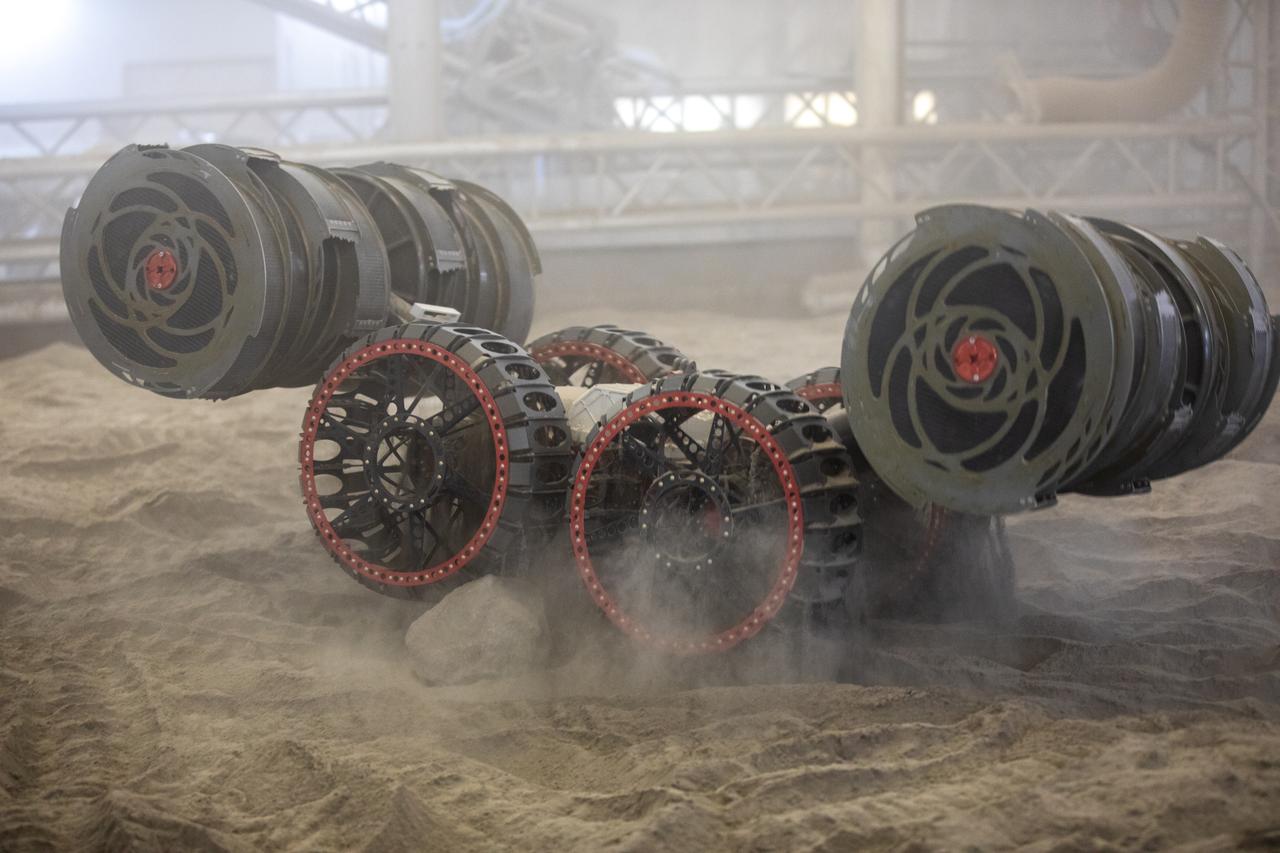
The ISRU Pilot Excavator digs in the regolith bin during testing inside Swamp Works at NASA’s Kennedy Space Center in Florida on July 28, 2022. Tests use a gravity assist offload system to simulate reduced gravity conditions found on the Moon. On the surface of the Moon, mining robots like the Pilot Excavator will excavate the regolith and take the material to a processing plant where usable elements such as hydrogen, oxygen and water can be extracted for life support systems. The Pilot Excavator can scoop up icy regolith which can be used to make operations on the Moon sustainable.
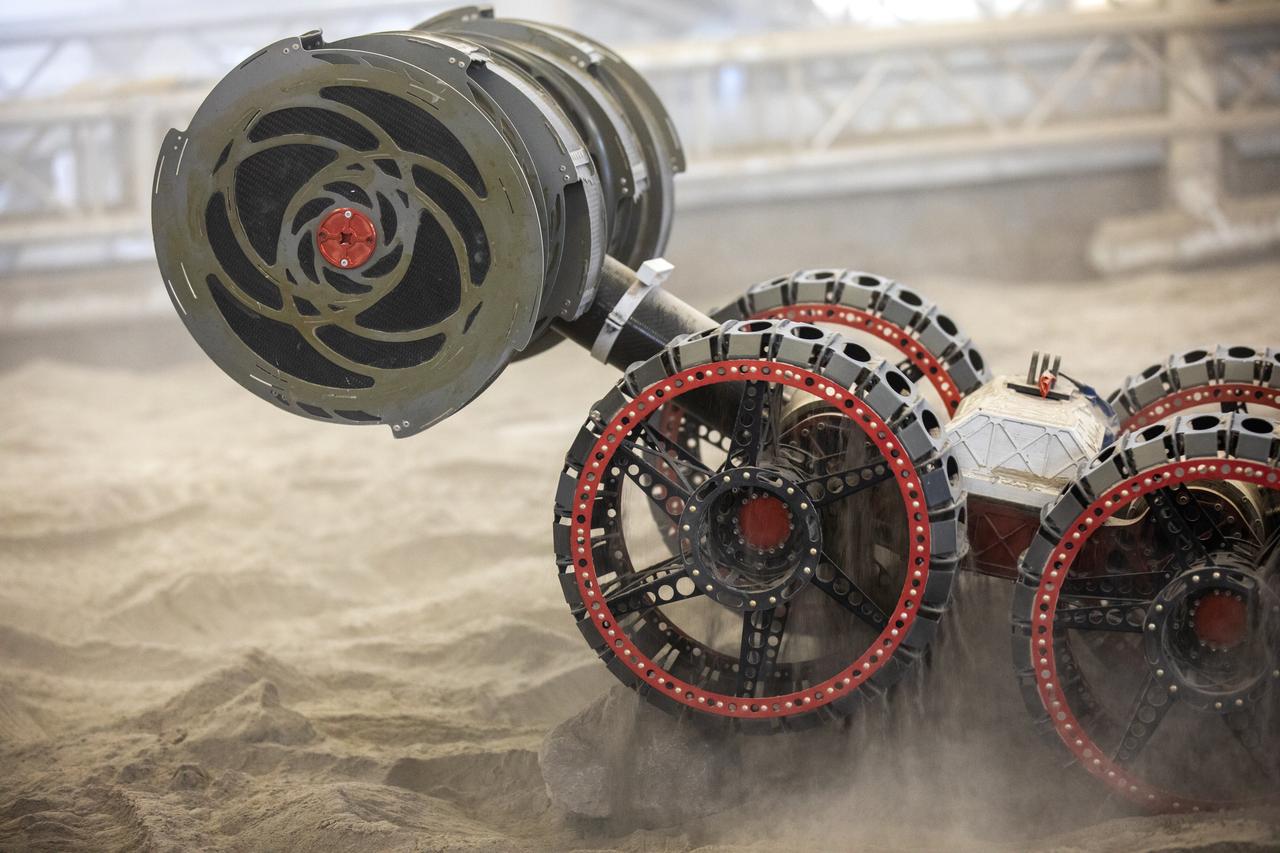
The ISRU Pilot Excavator digs its way through the regolith bin during testing inside Swamp Works at NASA’s Kennedy Space Center in Florida on July 28, 2022. Tests use a gravity assist offload system to simulate reduced gravity conditions found on the Moon. On the surface of the Moon, mining robots like the Pilot Excavator will excavate the regolith and take the material to a processing plant where usable elements such as hydrogen, oxygen and water can be extracted for life support systems. The Pilot Excavator can scoop up icy regolith which can be used to make operations on the Moon sustainable.
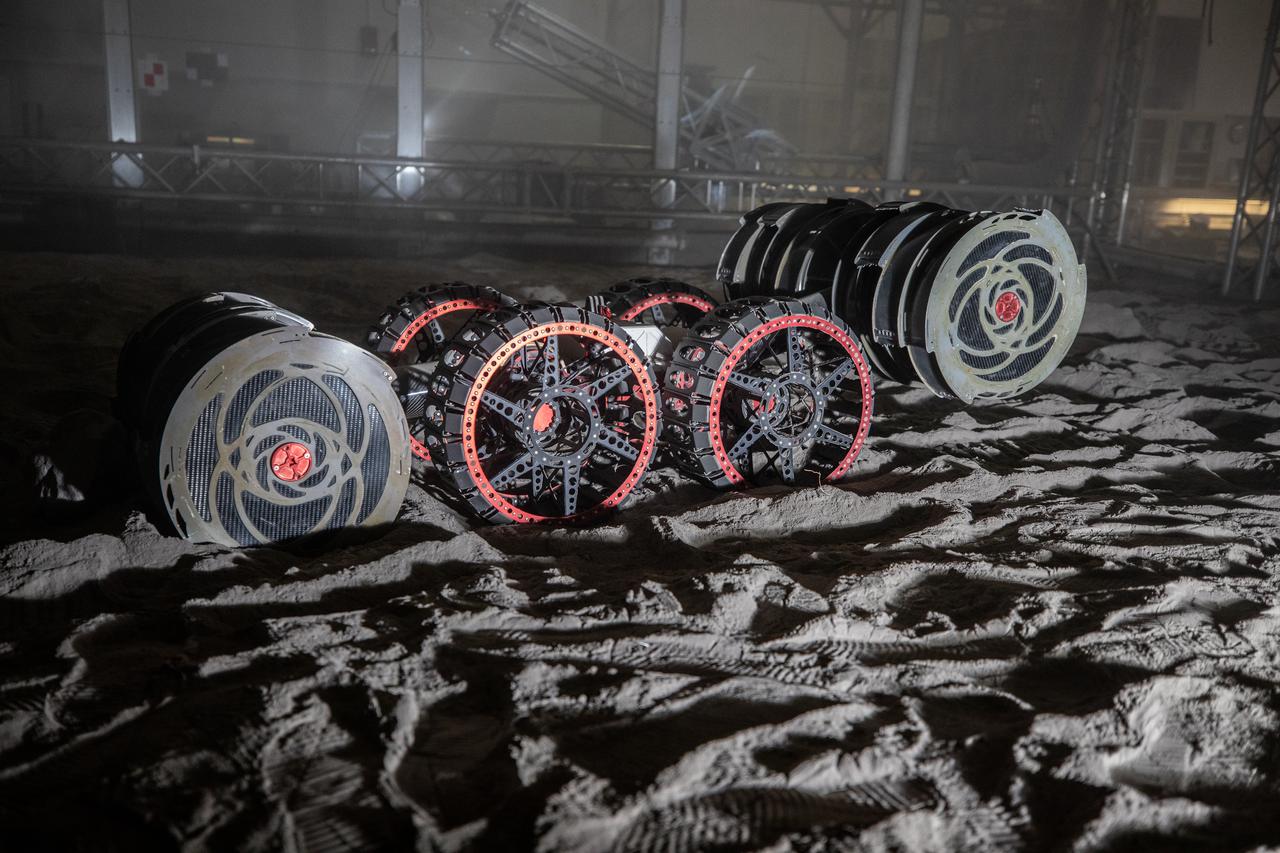
With the lights out, the ISRU Pilot Excavator digs in the regolith bin during testing inside Swamp Works at NASA’s Kennedy Space Center in Florida on July 28, 2022. Tests use a gravity assist offload system to simulate reduced gravity conditions found on the Moon. On the surface of the Moon, mining robots like the Pilot Excavator will excavate the regolith and take the material to a processing plant where usable elements such as hydrogen, oxygen and water can be extracted for life support systems. The Pilot Excavator can scoop up icy regolith which can be used to make operations on the Moon sustainable.
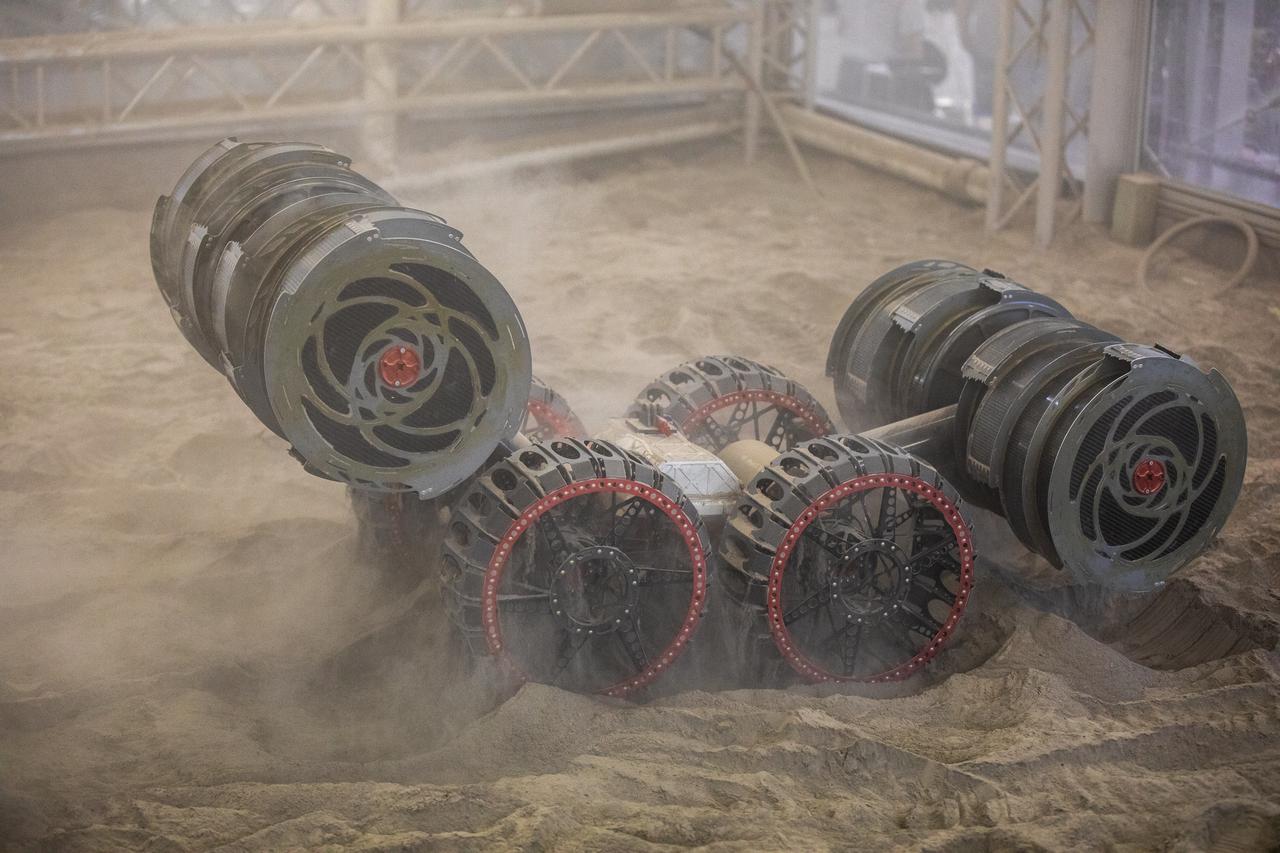
The ISRU Pilot Excavator digs in the regolith bin during testing inside Swamp Works at NASA’s Kennedy Space Center in Florida on July 28, 2022. Tests use a gravity assist offload system to simulate reduced gravity conditions found on the Moon. On the surface of the Moon, mining robots like the Pilot Excavator will excavate the regolith and take the material to a processing plant where usable elements such as hydrogen, oxygen and water can be extracted for life support systems. The Pilot Excavator can scoop up icy regolith which can be used to make operations on the Moon sustainable.
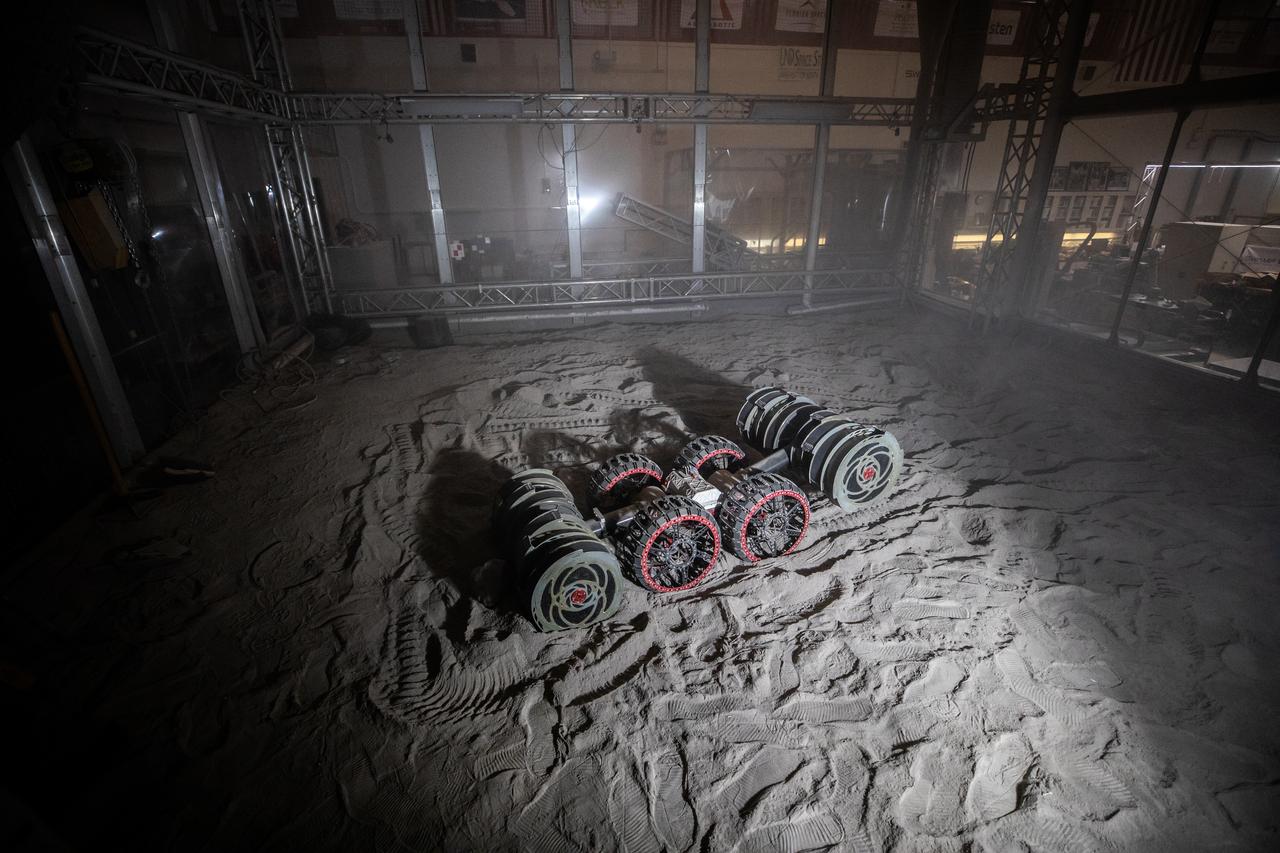
With the lights out, the ISRU Pilot Excavator digs in regolith bin during testing inside Swamp Works at NASA’s Kennedy Space Center in Florida on July 28, 2022. Tests use a gravity assist offload system to simulate reduced gravity conditions found on the Moon. On the surface of the Moon, mining robots like the Pilot Excavator will excavate the regolith and take the material to a processing plant where usable elements such as hydrogen, oxygen and water can be extracted for life support systems. The Pilot Excavator can scoop up icy regolith which can be used to make operations on the Moon sustainable.
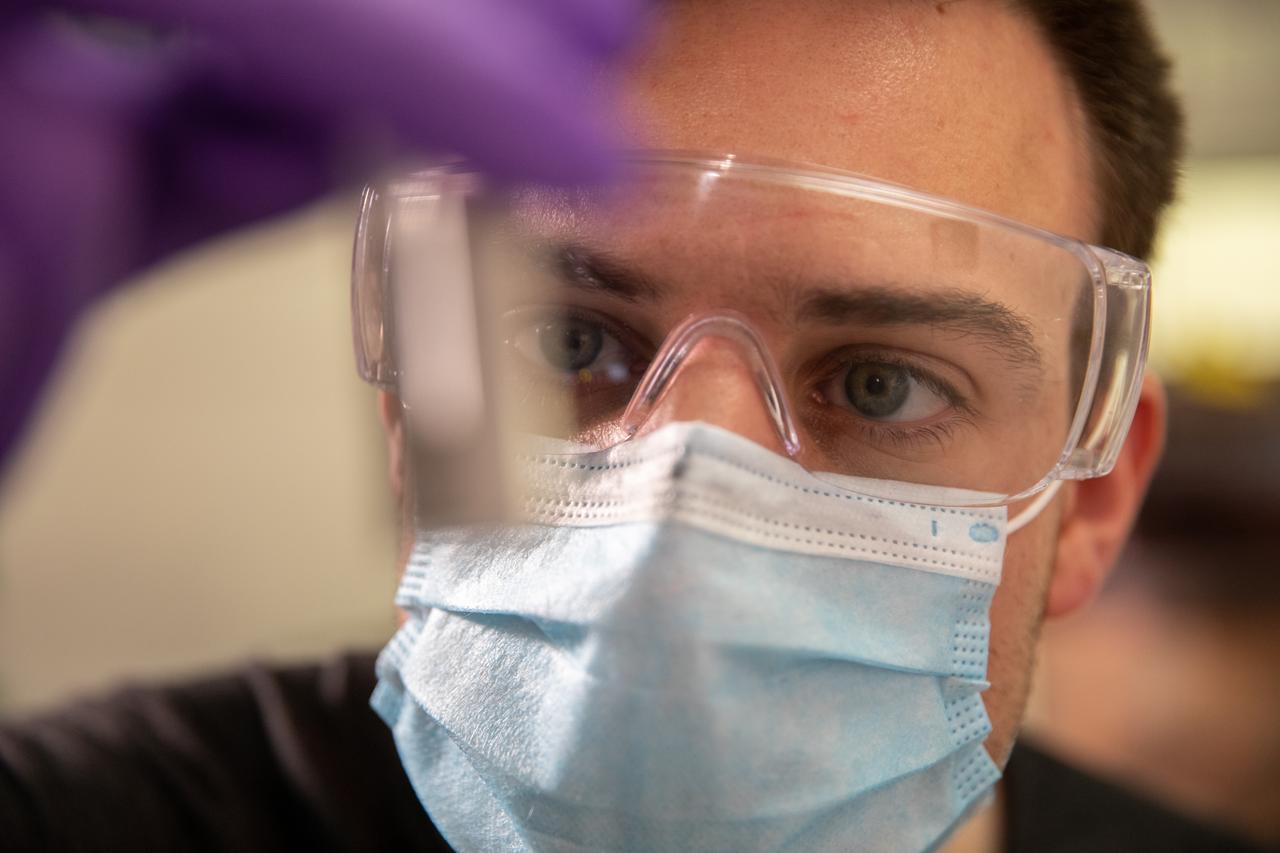
Kevin Grossman, project lead for the Gaseous Lunar Oxygen from Regolith Electrolysis (GaLORE) project at NASA Kennedy Space Center’s Swamp Works, inspects a piece of hardware for GaLORE on July 21, 2020, inside a laboratory at the center’s Neil Armstrong Operations and Checkout Building. Grossman is leading an Early Career Initiative project that is investing in turning lunar regolith into oxygen that could be used for life support for sustainable human lunar exploration on long-duration missions to Mars. GaLORE was selected as an Early Career Initiative project by NASA’s Space Technology Mission directorate.
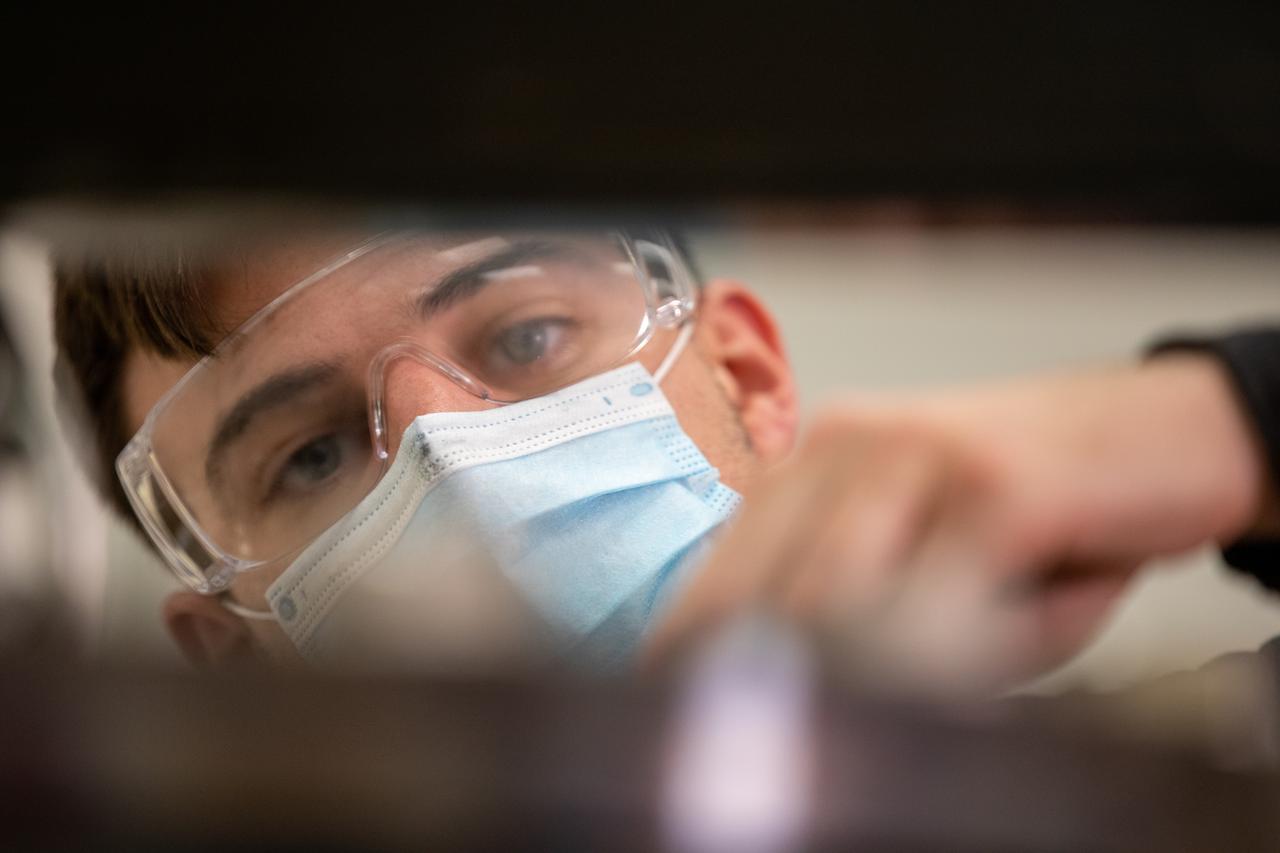
Kevin Grossman, project lead for the Gaseous Lunar Oxygen from Regolith Electrolysis (GaLORE) project at NASA Kennedy Space Center’s Swamp Works, works on the hardware for GaLORE on July 21, 2020, inside a laboratory at the center’s Neil Armstrong Operations and Checkout Building. Grossman is leading an Early Career Initiative project that is investing in turning lunar regolith into oxygen that could be used for life support for sustainable human lunar exploration on long-duration missions to Mars. GaLORE was selected as an Early Career Initiative project by NASA’s Space Technology Mission directorate.
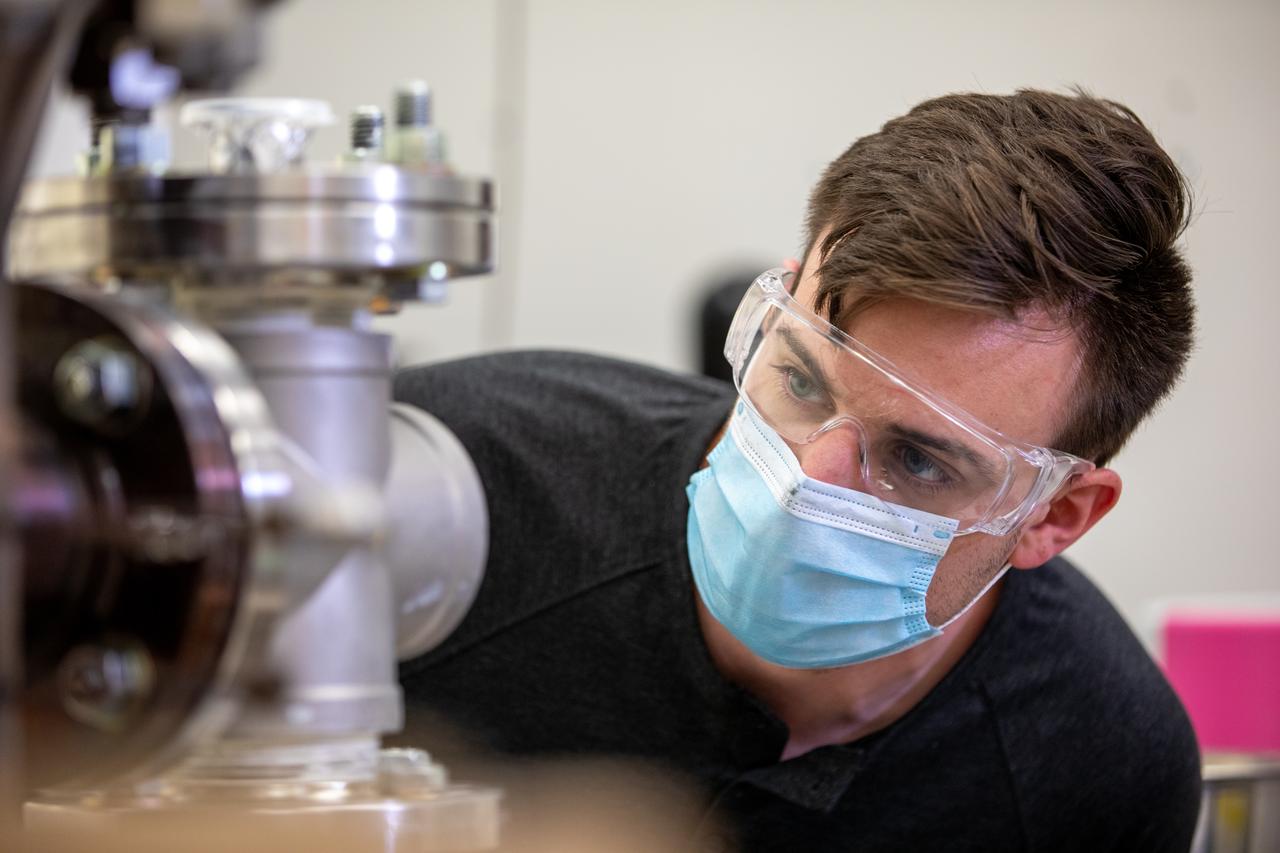
Kevin Grossman, project lead for the Gaseous Lunar Oxygen from Regolith Electrolysis (GaLORE) project at NASA Kennedy Space Center’s Swamp Works, works on the hardware for GaLORE on July 21, 2020, inside a laboratory at the center’s Neil Armstrong Operations and Checkout Building. Grossman is leading an Early Career Initiative project that is investing in turning lunar regolith into oxygen that could be used for life support for sustainable human lunar exploration on long-duration missions to Mars. GaLORE was selected as an Early Career Initiative project by NASA’s Space Technology Mission directorate.
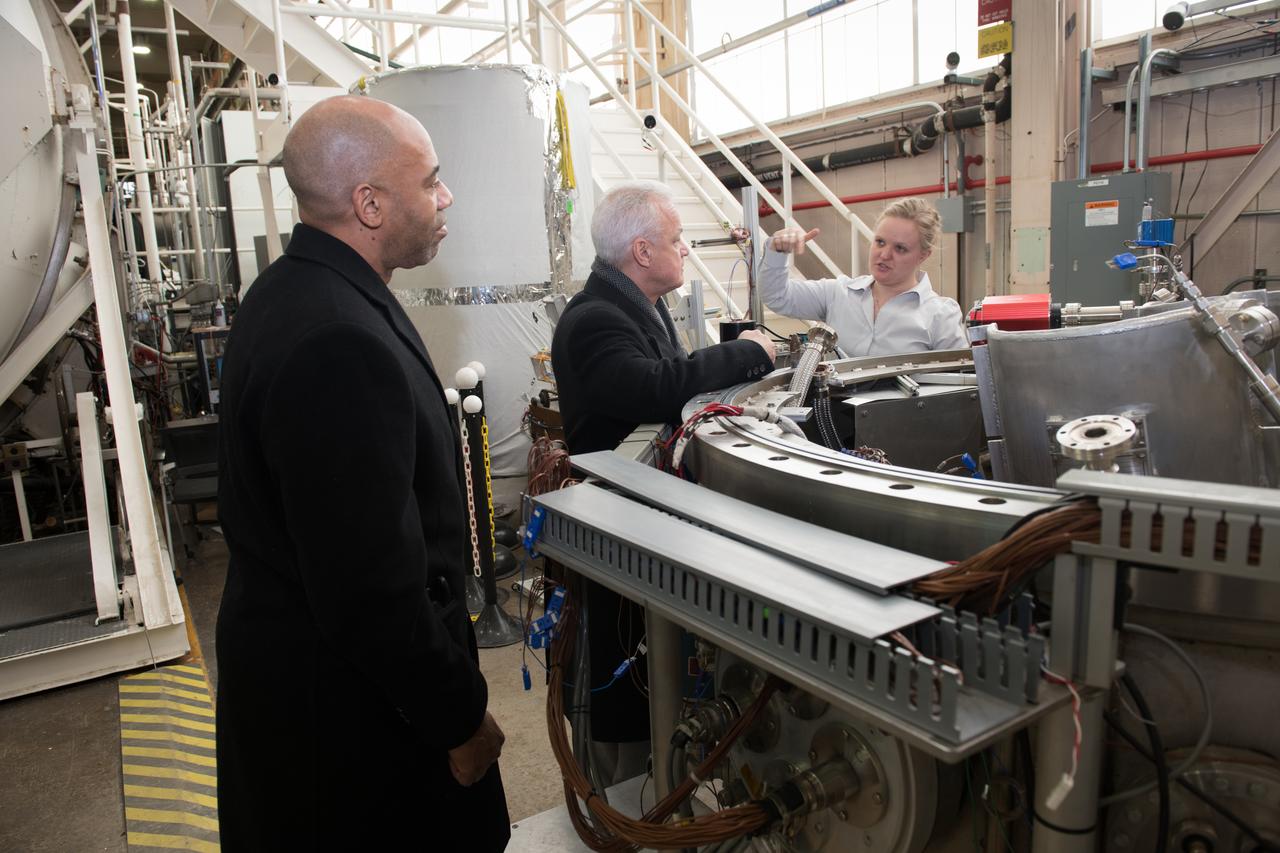
Office of the Chief Technologist, OCT Innovation Workshop, and Facility Tours
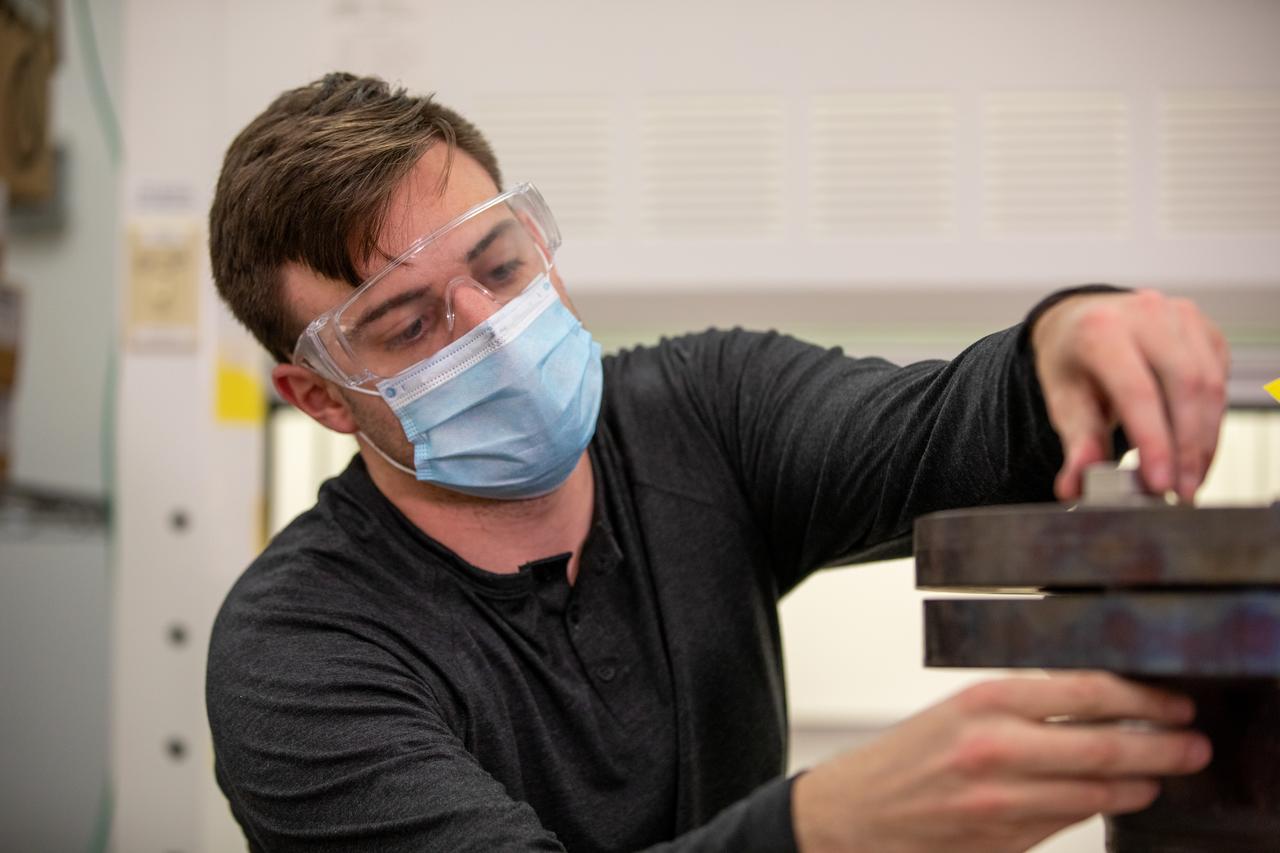
Kevin Grossman, project lead for the Gaseous Lunar Oxygen from Regolith Electrolysis (GaLORE) project at NASA Kennedy Space Center’s Swamp Works, checks the hardware for GaLORE on July 21, 2020, inside a laboratory at the center’s Neil Armstrong Operations and Checkout Building. Grossman is leading an Early Career Initiative project that is investing in turning lunar regolith into oxygen that could be used for life support for sustainable human lunar exploration on long-duration missions to Mars. GaLORE was selected as an Early Career Initiative project by NASA’s Space Technology Mission directorate.
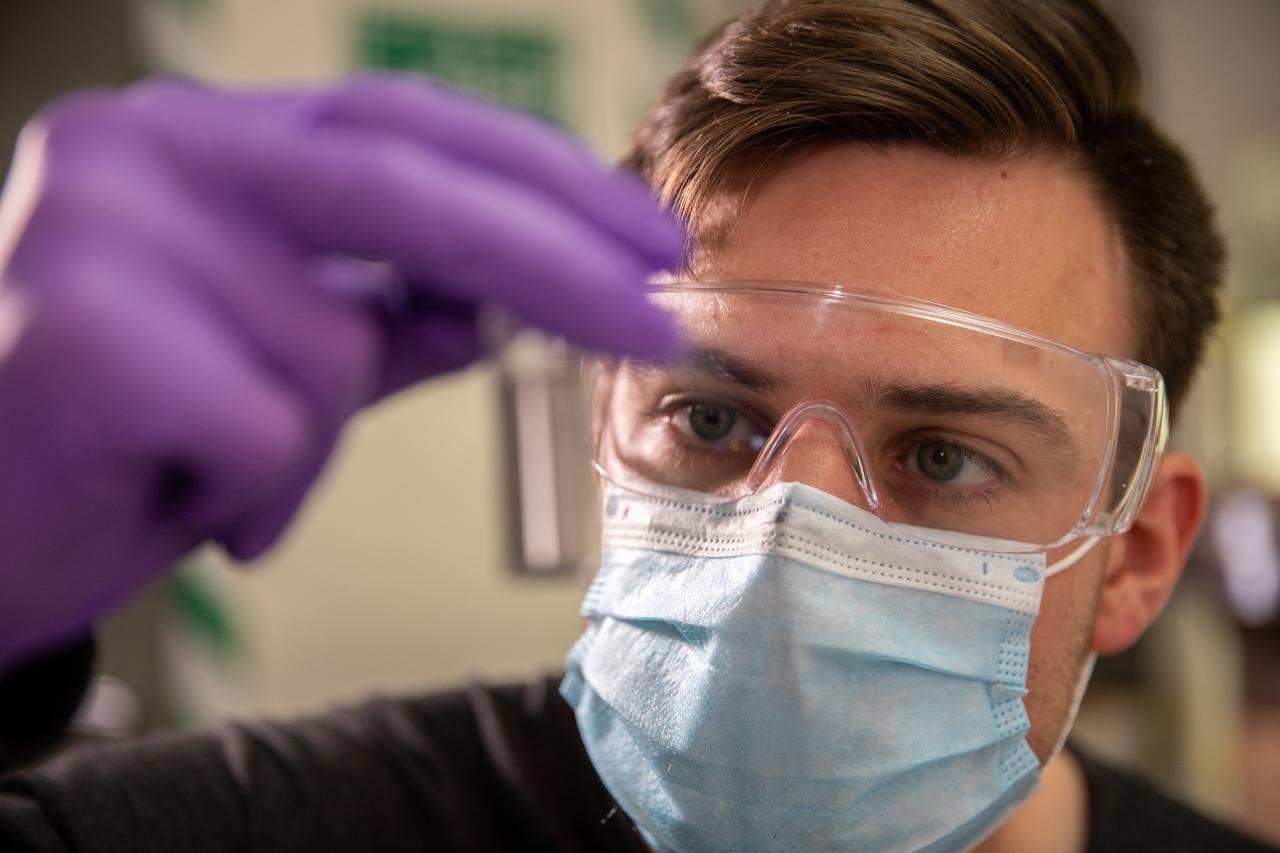
Kevin Grossman, project lead for the Gaseous Lunar Oxygen from Regolith Electrolysis (GaLORE) project at NASA Kennedy Space Center’s Swamp Works, inspects a piece of hardware for GaLORE on July 21, 2020, inside a laboratory at the center’s Neil Armstrong Operations and Checkout Building. Grossman is leading an Early Career Initiative project that is investing in turning lunar regolith into oxygen that could be used for life support for sustainable human lunar exploration on long-duration missions to Mars. GaLORE was selected as an Early Career Initiative project by NASA’s Space Technology Mission directorate.
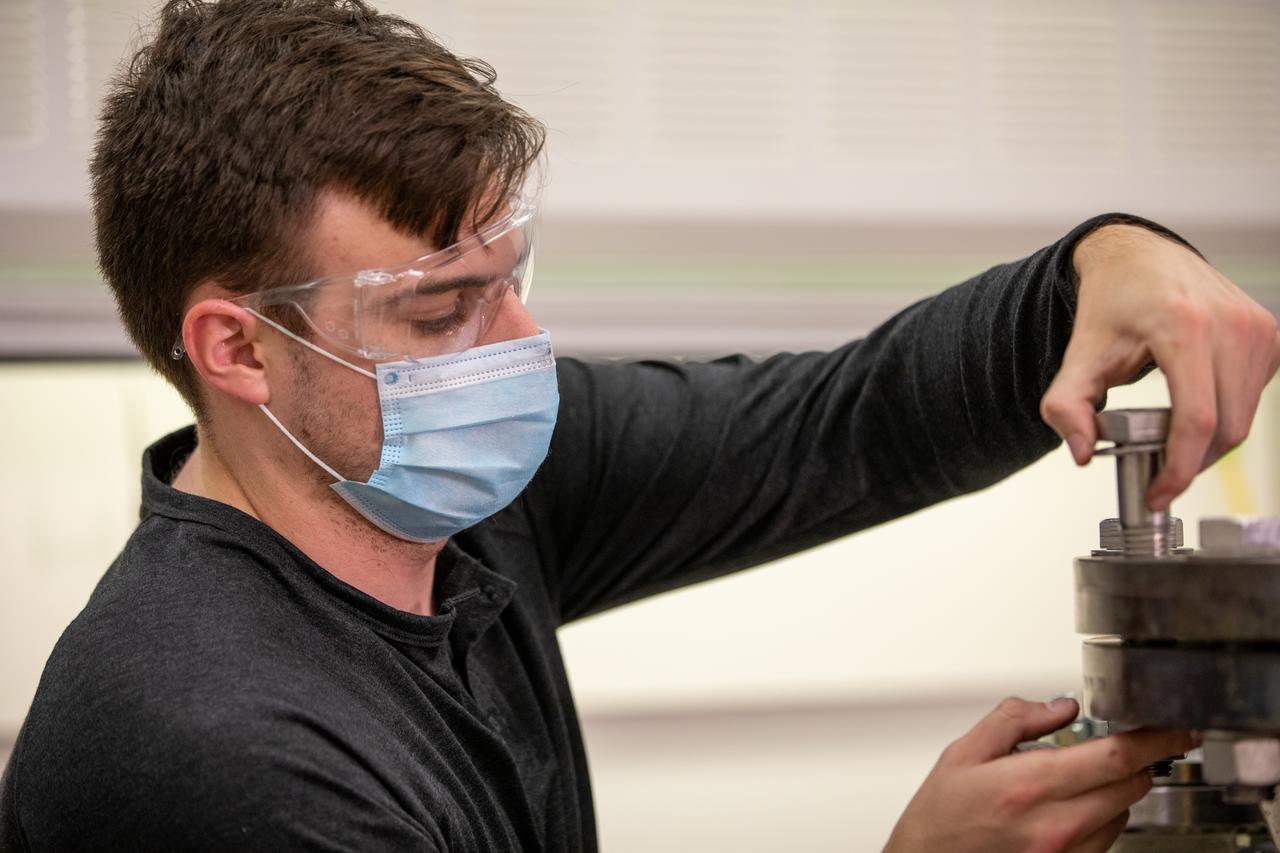
Kevin Grossman, project lead for the Gaseous Lunar Oxygen from Regolith Electrolysis (GaLORE) project at NASA Kennedy Space Center’s Swamp Works, checks the hardware for GaLORE on July 21, 2020, inside a laboratory at the center’s Neil Armstrong Operations and Checkout Building. Grossman is leading an Early Career Initiative project that is investing in turning lunar regolith into oxygen that could be used for life support for sustainable human lunar exploration on long-duration missions to Mars. GaLORE was selected as an Early Career Initiative project by NASA’s Space Technology Mission directorate.
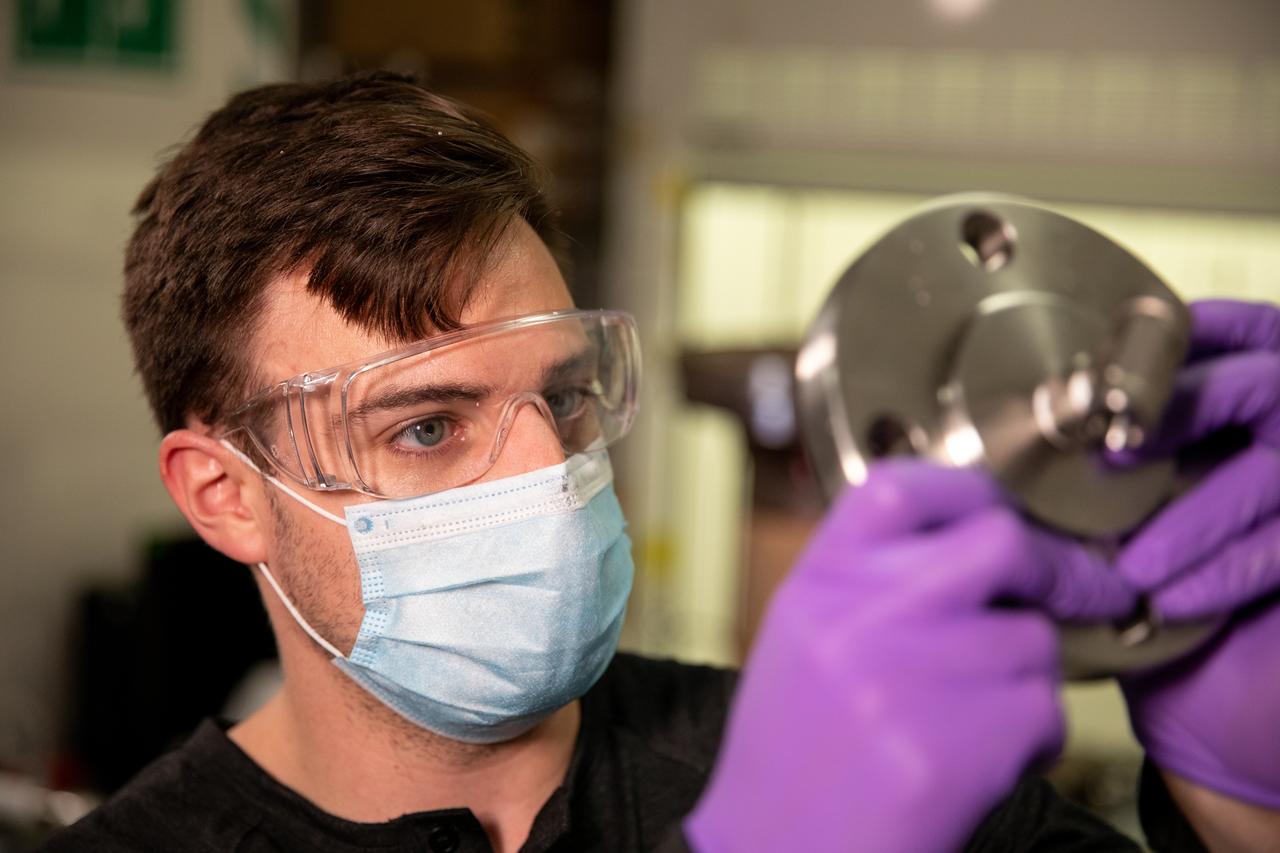
Kevin Grossman, project lead for the Gaseous Lunar Oxygen from Regolith Electrolysis (GaLORE) project at NASA Kennedy Space Center’s Swamp Works, inspects a piece of hardware for GaLORE on July 21, 2020, inside a laboratory at the center’s Neil Armstrong Operations and Checkout Building. Grossman is leading an Early Career Initiative project that is investing in turning lunar regolith into oxygen that could be used for life support for sustainable human lunar exploration on long-duration missions to Mars. GaLORE was selected as an Early Career Initiative project by NASA’s Space Technology Mission directorate.
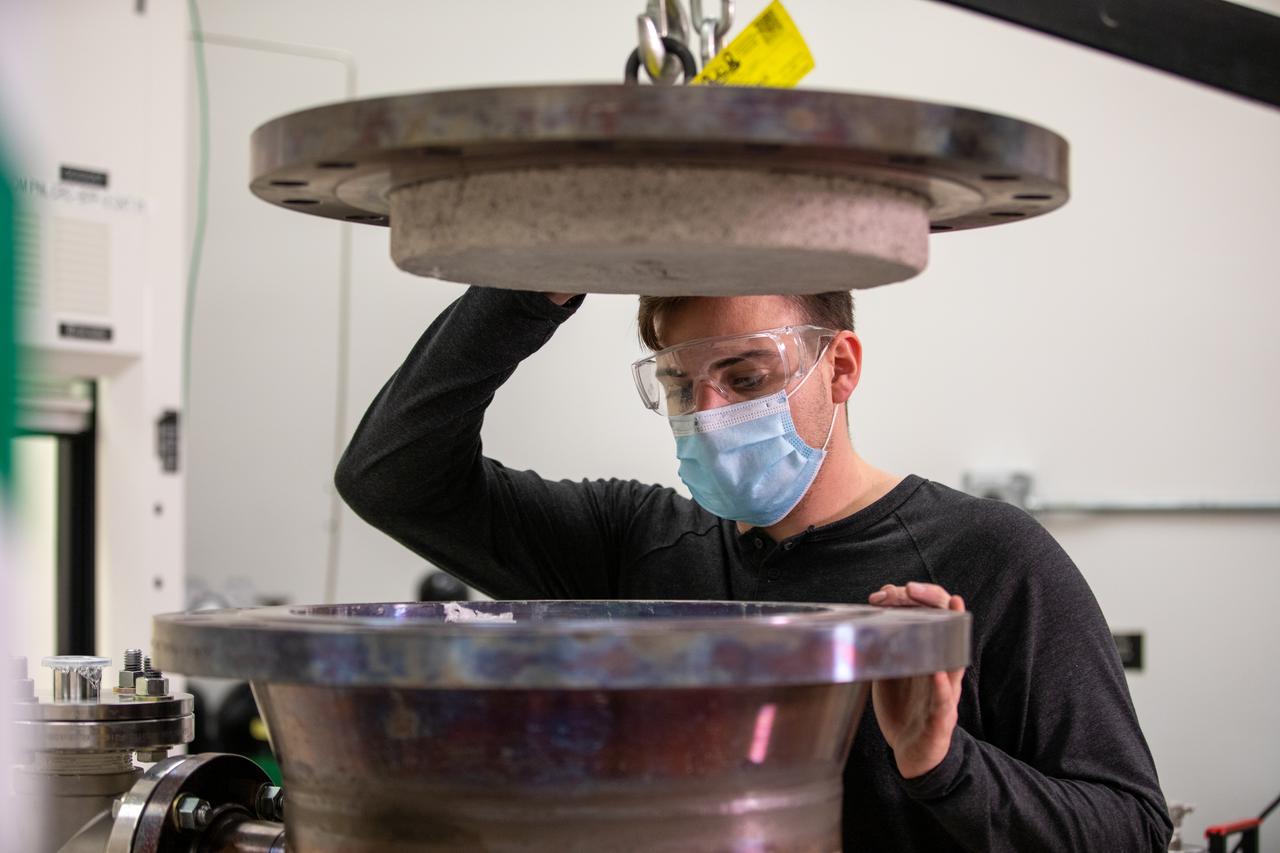
Kevin Grossman, project lead for the Gaseous Lunar Oxygen from Regolith Electrolysis (GaLORE) project at NASA Kennedy Space Center’s Swamp Works, checks the hardware for GaLORE on July 21, 2020, inside a laboratory at the center’s Neil Armstrong Operations and Checkout Building. Grossman is leading an Early Career Initiative project that is investing in turning lunar regolith into oxygen that could be used for life support for sustainable human lunar exploration on long-duration missions to Mars. GaLORE was selected as an Early Career Initiative project by NASA’s Space Technology Mission directorate.
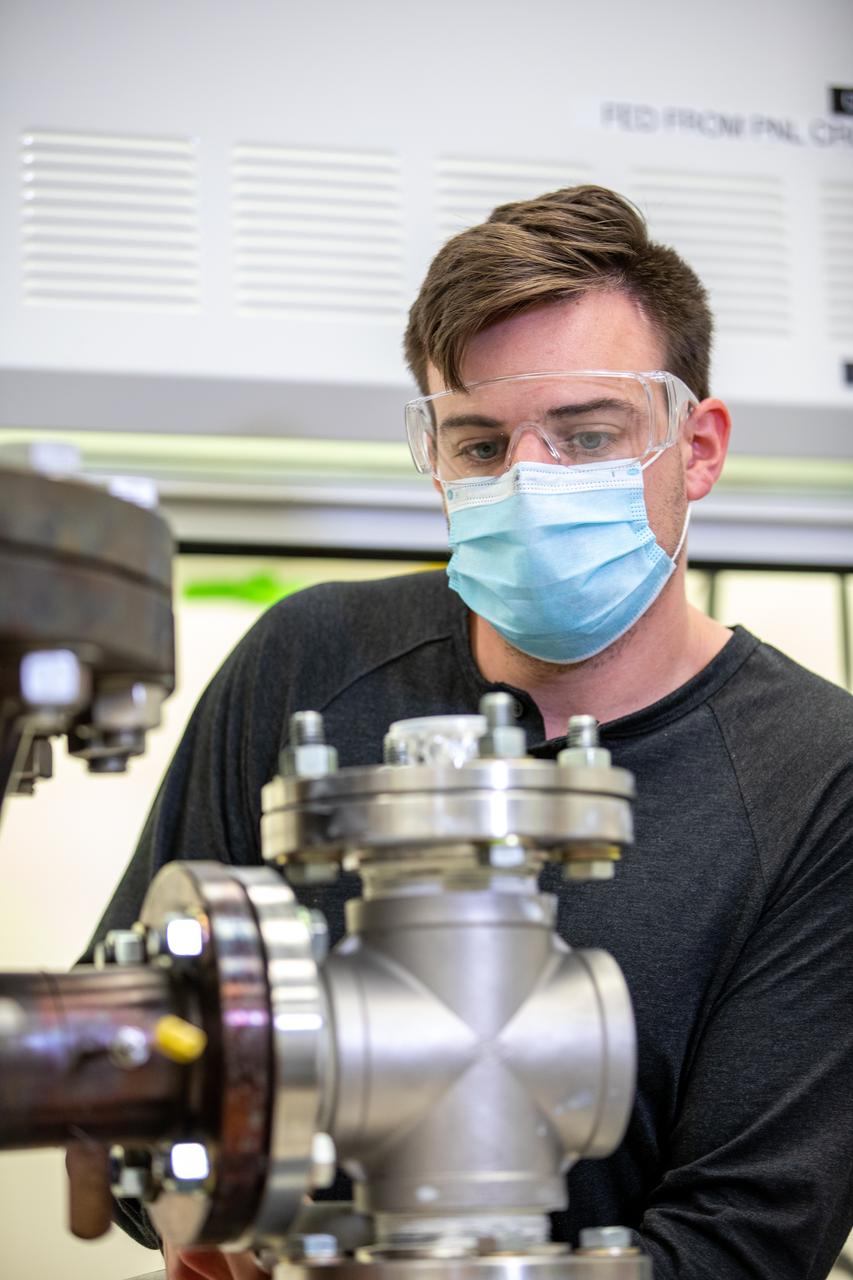
Kevin Grossman, project lead for the Gaseous Lunar Oxygen from Regolith Electrolysis (GaLORE) project at NASA Kennedy Space Center’s Swamp Works, works on the hardware for GaLORE on July 21, 2020, inside a laboratory at the center’s Neil Armstrong Operations and Checkout Building. Grossman is leading an Early Career Initiative project that is investing in turning lunar regolith into oxygen that could be used for life support for sustainable human lunar exploration on long-duration missions to Mars. GaLORE was selected as an Early Career Initiative project by NASA’s Space Technology Mission directorate.
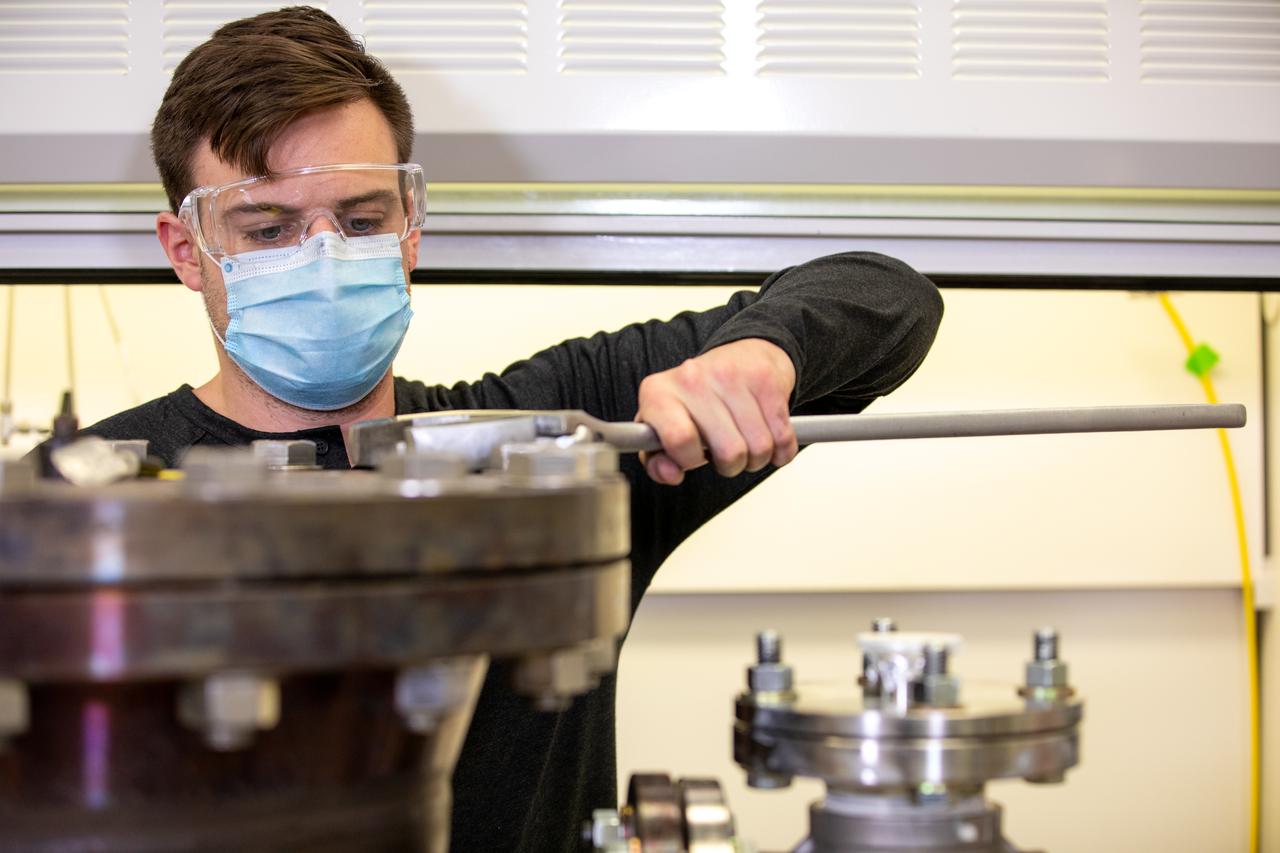
Kevin Grossman, project lead for the Gaseous Lunar Oxygen from Regolith Electrolysis (GaLORE) project at NASA Kennedy Space Center’s Swamp Works, works on the hardware for GaLORE on July 21, 2020, inside a laboratory at the center’s Neil Armstrong Operations and Checkout Building. Grossman is leading an Early Career Initiative project that is investing in turning lunar regolith into oxygen that could be used for life support for sustainable human lunar exploration on long-duration missions to Mars. GaLORE was selected as an Early Career Initiative project by NASA’s Space Technology Mission directorate.
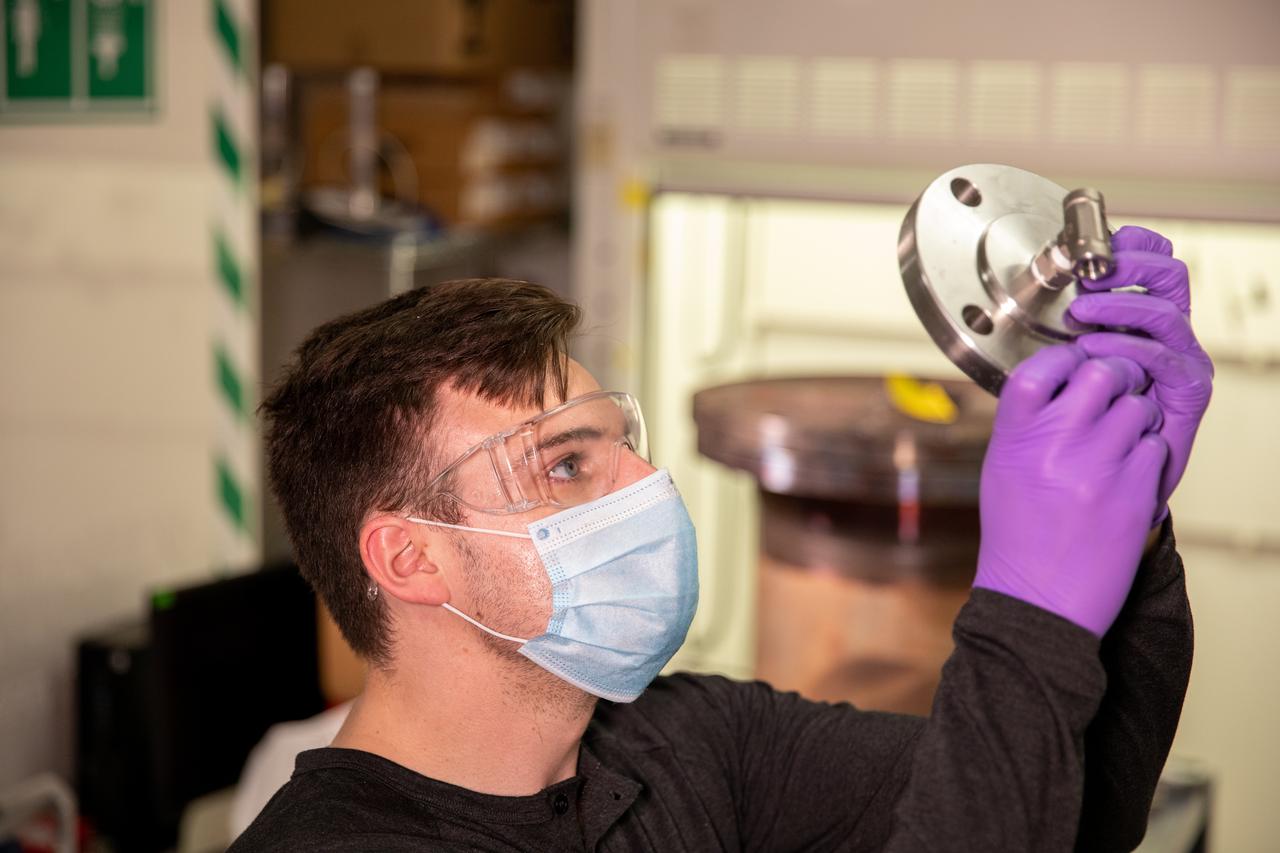
Kevin Grossman, project lead for the Gaseous Lunar Oxygen from Regolith Electrolysis (GaLORE) project at NASA Kennedy Space Center’s Swamp Works, inspects a piece of hardware for GaLORE on July 21, 2020, inside a laboratory at the center’s Neil Armstrong Operations and Checkout Building. Grossman is leading an Early Career Initiative project that is investing in turning lunar regolith into oxygen that could be used for life support for sustainable human lunar exploration on long-duration missions to Mars. GaLORE was selected as an Early Career Initiative project by NASA’s Space Technology Mission directorate.
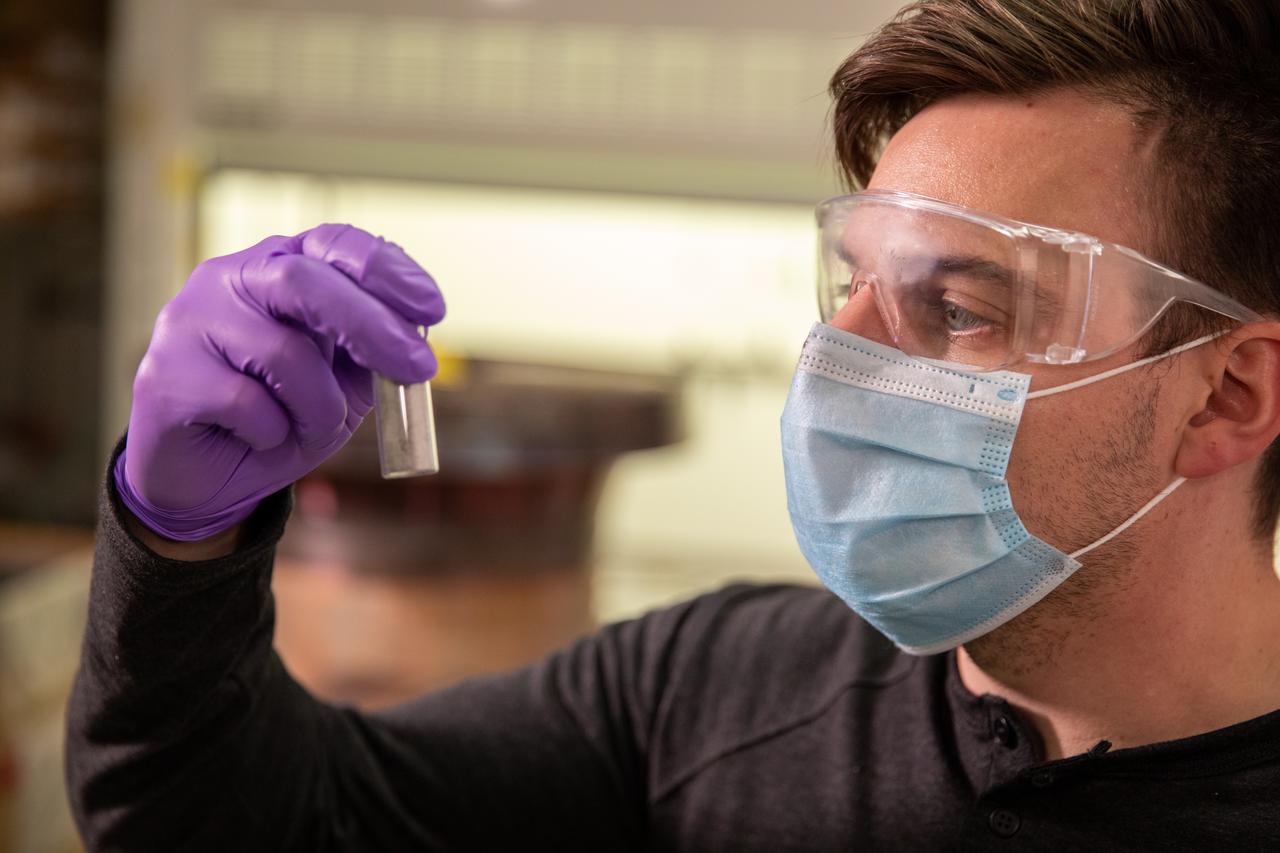
Kevin Grossman, project lead for the Gaseous Lunar Oxygen from Regolith Electrolysis (GaLORE) project at NASA Kennedy Space Center’s Swamp Works, inspects a piece of hardware for GaLORE on July 21, 2020, inside a laboratory at the center’s Neil Armstrong Operations and Checkout Building. Grossman is leading an Early Career Initiative project that is investing in turning lunar regolith into oxygen that could be used for life support for sustainable human lunar exploration on long-duration missions to Mars. GaLORE was selected as an Early Career Initiative project by NASA’s Space Technology Mission directorate.
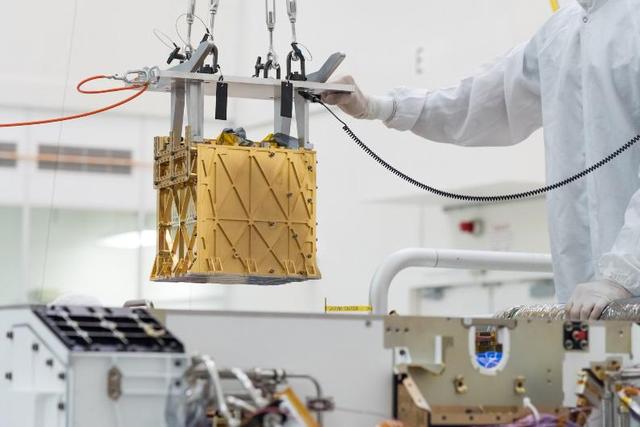
MOXIE (Mars Oxygen In-Situ Resource Utilization Experiment) was launched aboard NASA's Perseverance rover to test a technology for extracting oxygen from the Red Planet's carbon dioxide-rich atmosphere. Audio of MOXIE's air compressor at work on Mars was captured by the microphone on Perseverance's SuperCam instrument on May 27, 2021, the 96th day of the rover's mission. Since Perseverance landed on Mars in 2021, MOXIE generated a total of 122 grams of oxygen – about what a small dog breathes in 10 hours. At its most efficient, MOXIE was able to produce 12 grams of oxygen an hour – twice as much as NASA's original goals for the instrument – at 98% purity or better. On its final, 16th run, on Aug. 7, 2023, the instrument made 9.8 grams of oxygen. MOXIE successfully completed all of its technical requirements and was operated at a variety of conditions throughout a full Mars year, allowing the instrument's developers to learn a great deal about the technology. MOXIE produces molecular oxygen through an electrochemical process that separates one oxygen atom from each molecule of carbon dioxide pumped in from Mars' thin atmosphere. As these gases flow through the system, they're analyzed to check the purity and quantity of oxygen produced. While many of Perseverance's experiments are addressing primary science goals, MOXIE was focused on future human exploration. MOXIE served as the first-ever demonstration of technology that humans could use to survive on, and leave, the Red Planet. An oxygen-producing system could help future missions in various ways, but the most important of them would be as a source of rocket propellant, which would be required in industrial quantities to launch rockets with astronauts for their return trip home. Rather than bringing large quantities of oxygen with them to Mars, future astronauts could live off the land, using materials they find on the planet's surface to survive. This concept – called in-situ resource utilization, or ISRU – has evolved into a growing area of research. A key objective for Perseverance's mission on Mars is astrobiology, including the search for signs of ancient microbial life. The rover will characterize the planet's geology and past climate, pave the way for human exploration of the Red Planet, and be the first mission to collect and cache Martian rock and regolith (broken rock and dust). Subsequent NASA missions, in cooperation with ESA (European Space Agency), would send spacecraft to Mars to collect these sealed samples from the surface and return them to Earth for in-depth analysis. The Mars 2020 Perseverance mission is part of NASA's Moon to Mars exploration approach, which includes Artemis missions to the Moon that will help prepare for human exploration of the Red Planet. Audio file available at https://photojournal.jpl.nasa.gov/catalog/PIA26041