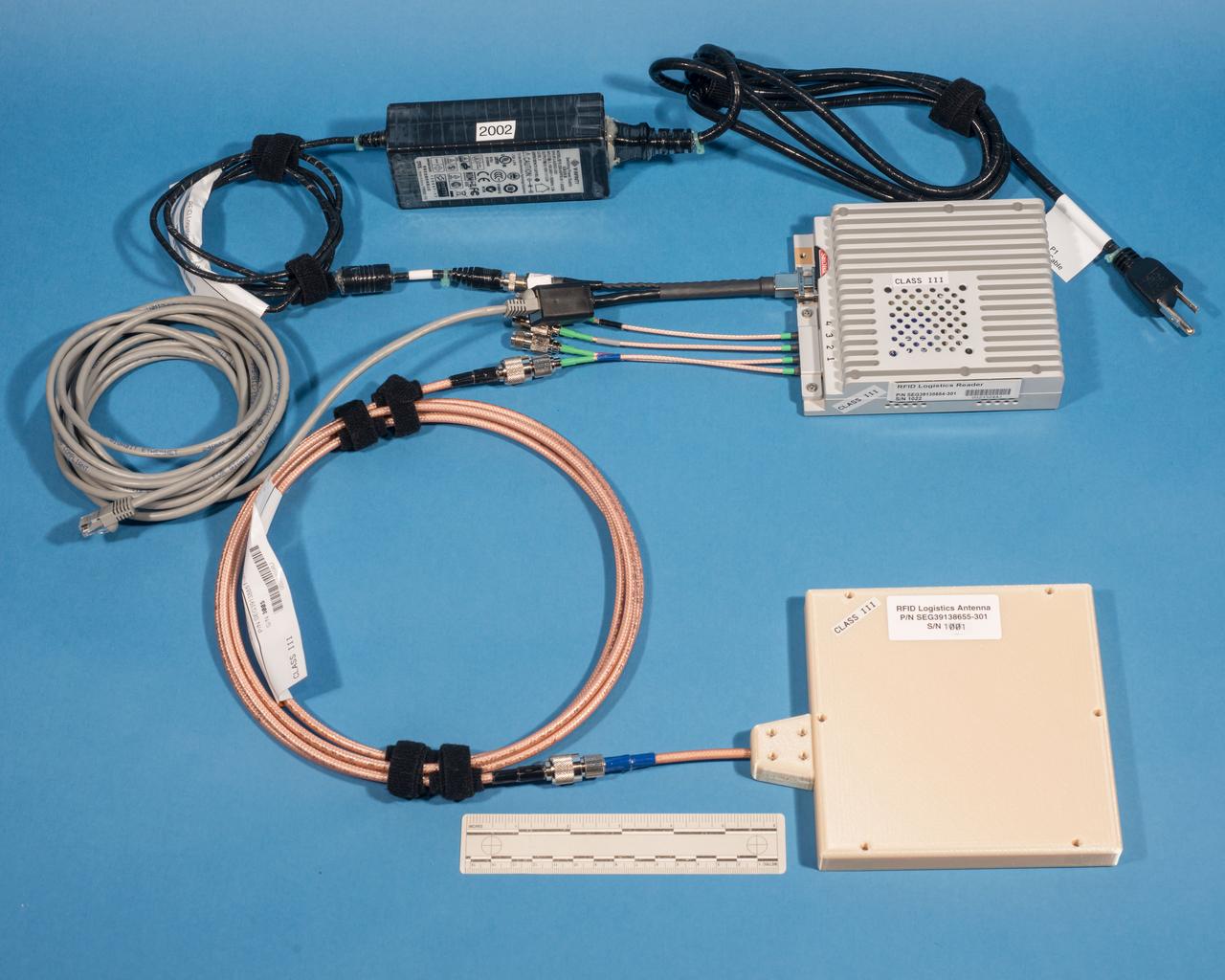
jsc2016e107373 (8/29/2016) --- Photographic documentation taken of REALM-1 (ISS OPNOM RFID Logistics) flight hardware in bldg 14 prior to delivery for launch. The RFID-Enabled Autonomous Logistics Management (REALM) (RFID Logistics Awareness) investigation tests a radio-based inventory control system to keep track of everything inside the football-field-sized ISS. Some aspects of the technology are commonly used on Earth, but other aspects are experimental in nature.
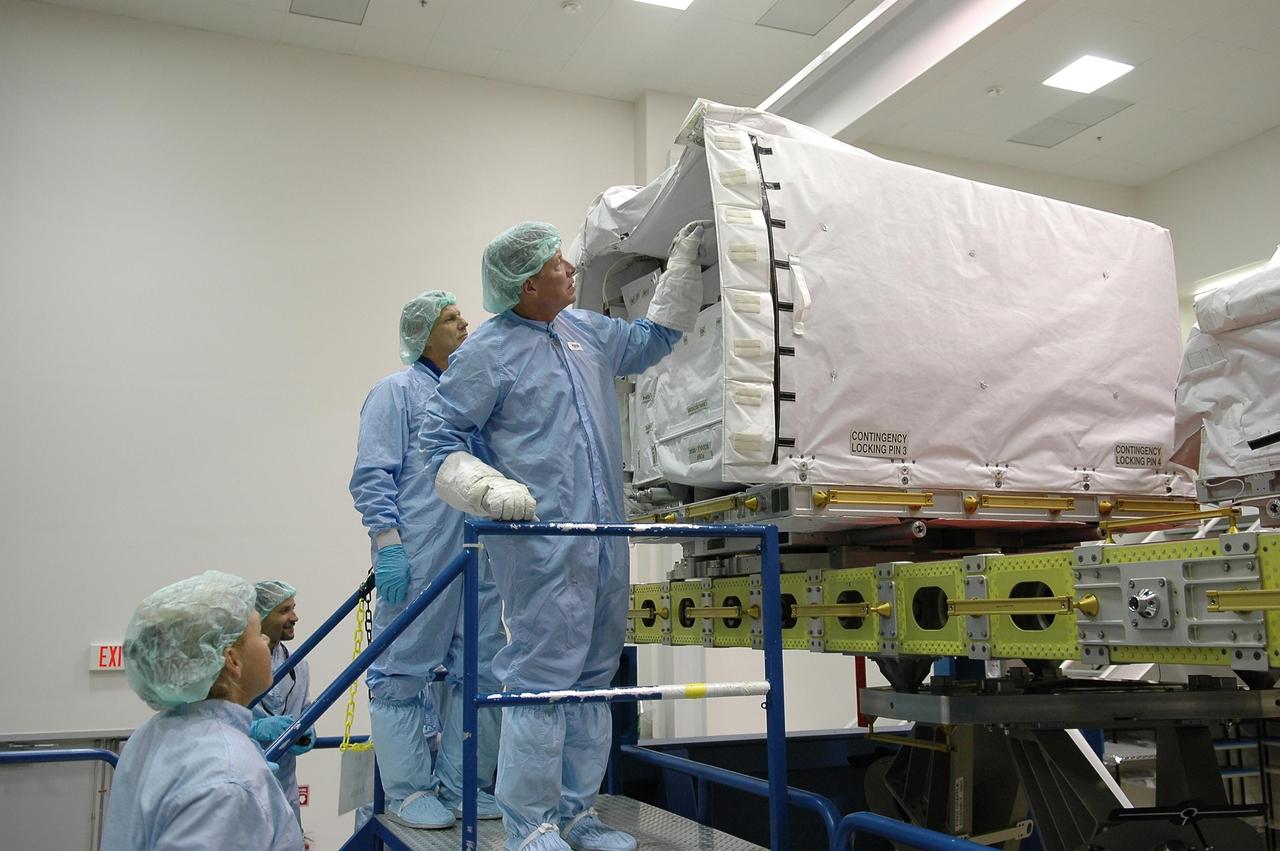
KENNEDY SPACE CENTER, FLA. - Members of the STS-121 crew are at the SPACEHAB facility in Cape Canaveral to participate in a Crew Equipment Interface Test. On the top of the stand are Mission Specialists Piers Sellers (left) and Michael Fossum. This test allows the astronauts to become familiar with equipment they will be using on their upcoming mission. STS-121 is scheduled to launch in July aboard Space Shuttle Discovery. Photo credit: NASA/Kim Shiflett
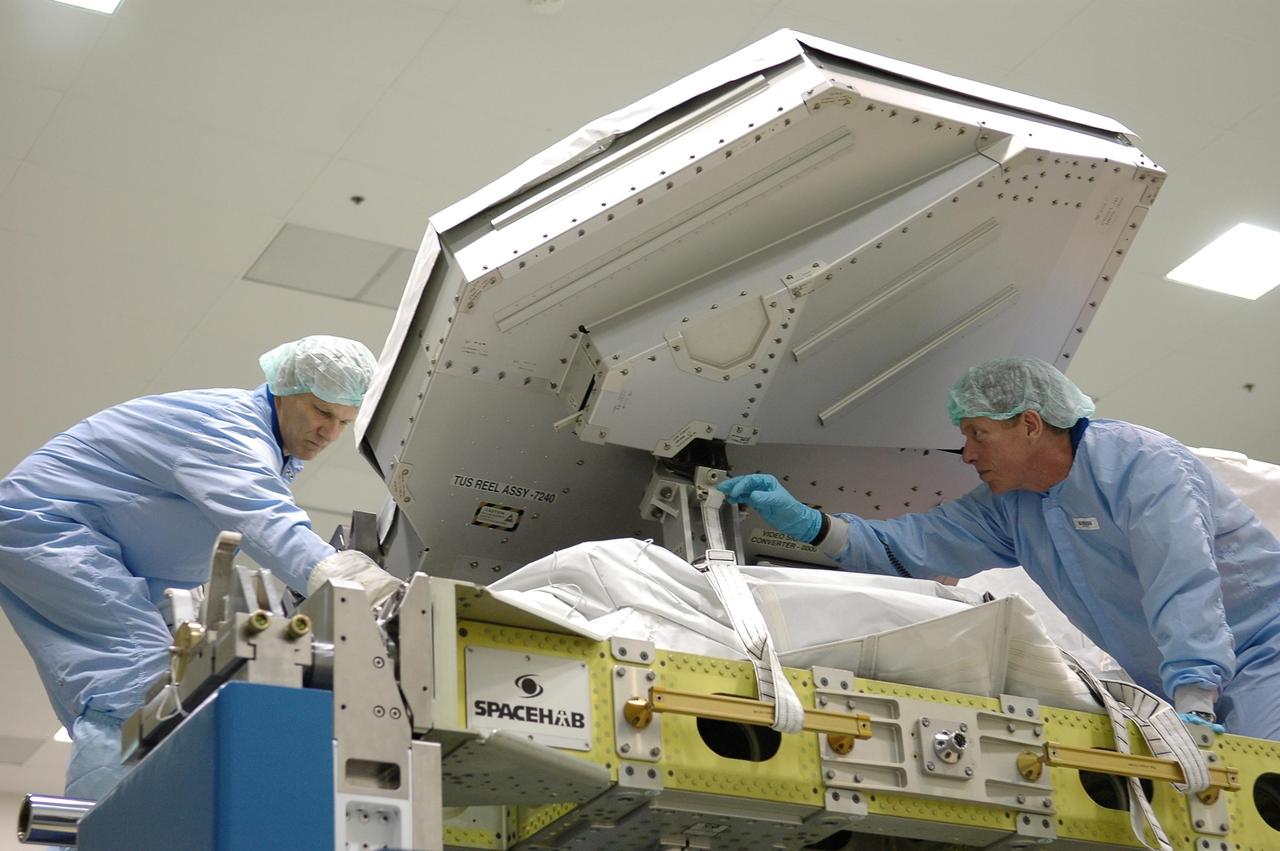
KENNEDY SPACE CENTER, FLA. - STS-121 Mission Specialist Piers Sellers (left) and Commander Steven Lindsey (right) are practicing removing the cover and strap on the trailing umbilical assembly at the SPACEHAB facility in Cape Canaveral during a Crew Equipment Interface Test. This test allows the astronauts to become familiar with equipment they will be using on their upcoming mission. STS-121 is scheduled to launch in July aboard Space Shuttle Discovery. Photo credit: NASA/Kim Shiflett
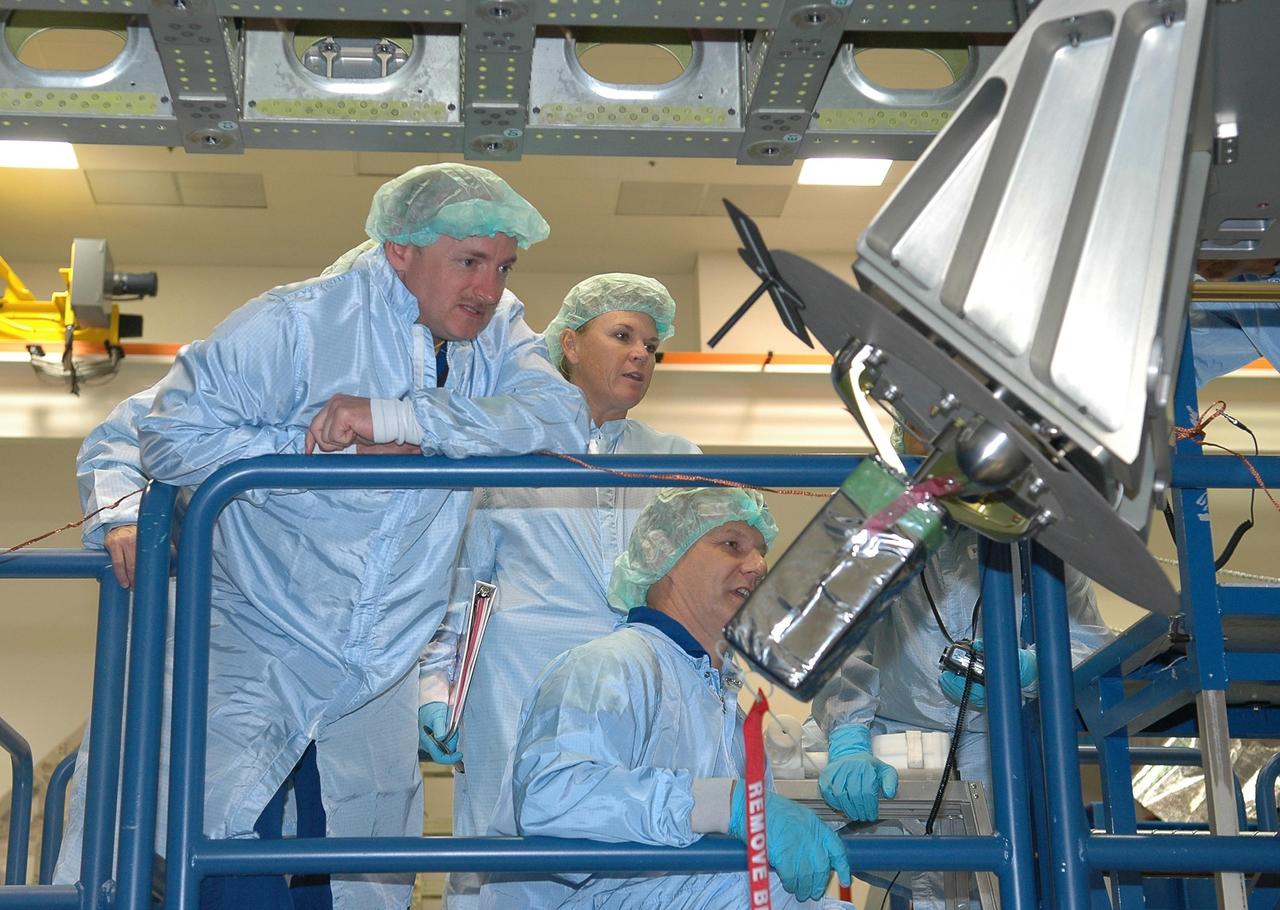
KENNEDY SPACE CENTER, FLA. - Mission STS-121 Pilot Mark Kelly (left) and Mission Specialist Piers Sellers (kneeling) get a close look at the Integrated Cargo Carrier at the SPACEHAB facility in Cape Canaveral during a Crew Equipment Interface Test. This test allows the astronauts to become familiar with equipment they will be using on their upcoming mission. STS-121 is scheduled to launch in July aboard Space Shuttle Discovery. Photo credit: NASA/Kim Shiflett
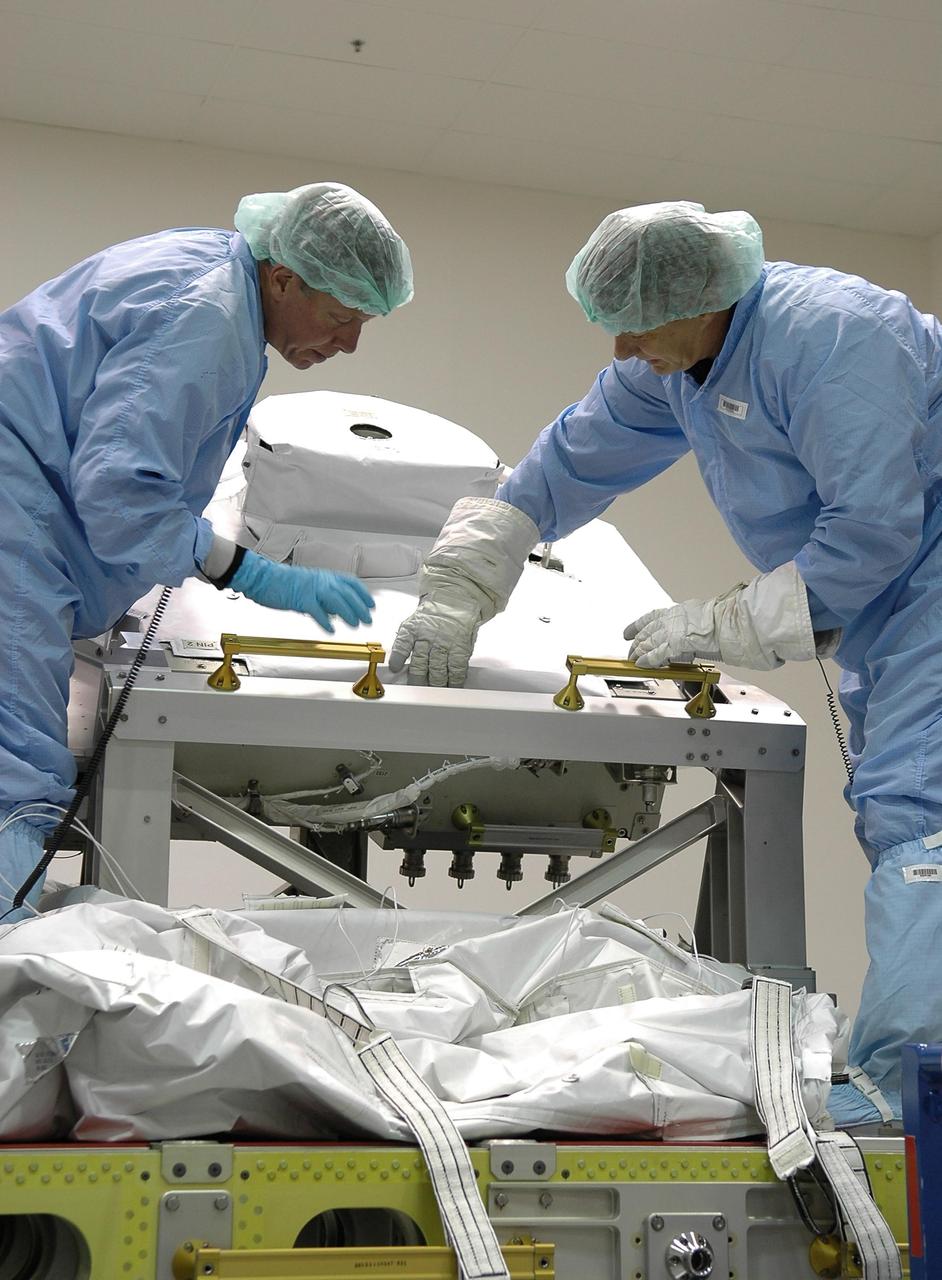
KENNEDY SPACE CENTER, FLA. - STS-121 Commander Steven Lindsey (left) and Mission Specialist Piers Sellers (right) are removing a cover on the trailing umbilical assembly at the SPACEHAB facility in Cape Canaveral during a Crew Equipment Interface Test. This test allows the astronauts to become familiar with equipment they will be using on their upcoming mission. STS-121 is scheduled to launch in July aboard Space Shuttle Discovery. Photo credit: NASA/Kim Shiflett

KENNEDY SPACE CENTER, FLA. - Mission STS-121 Pilot Mark Kelly, and Mission Specialist Piers Sellers (kneeling) and Commander Steven Lindsey (right) get a close look at the Integrated Cargo Carrier at the SPACEHAB facility in Cape Canaveral during a Crew Equipment Interface Test. This test allows the astronauts to become familiar with equipment they will be using on their upcoming mission. STS-121 is scheduled to launch in July aboard Space Shuttle Discovery. Photo credit: NASA/Kim Shiflett
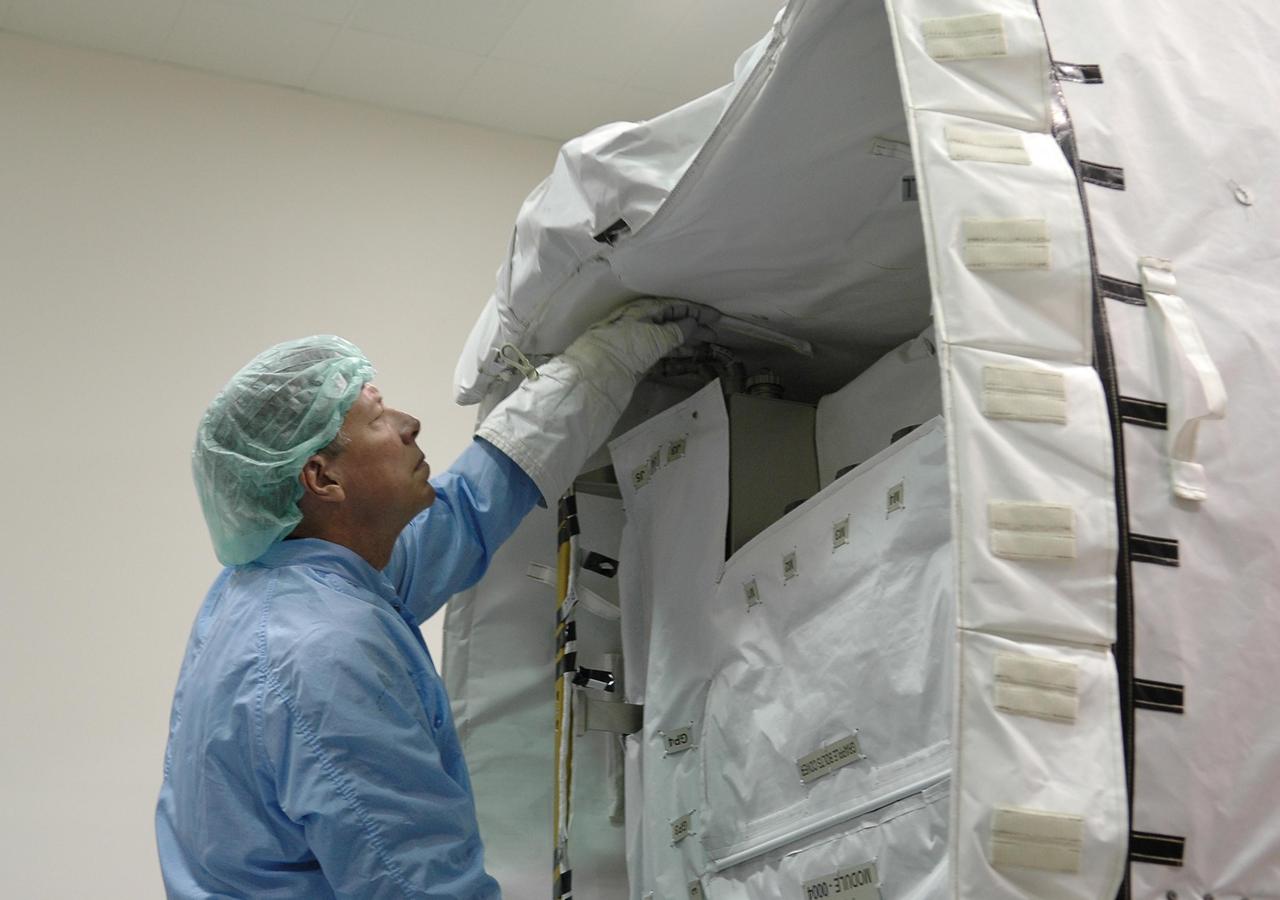
KENNEDY SPACE CENTER, FLA. - Mission Specialist Michael Fossum looks at the pump module at the SPACEHAB facility in Cape Canaveral during a Crew Equipment Interface Test. This test allows the astronauts to become familiar with equipment they will be using on their upcoming mission. STS-121 is scheduled to launch in July aboard Space Shuttle Discovery. Photo credit: NASA/Kim Shiflett
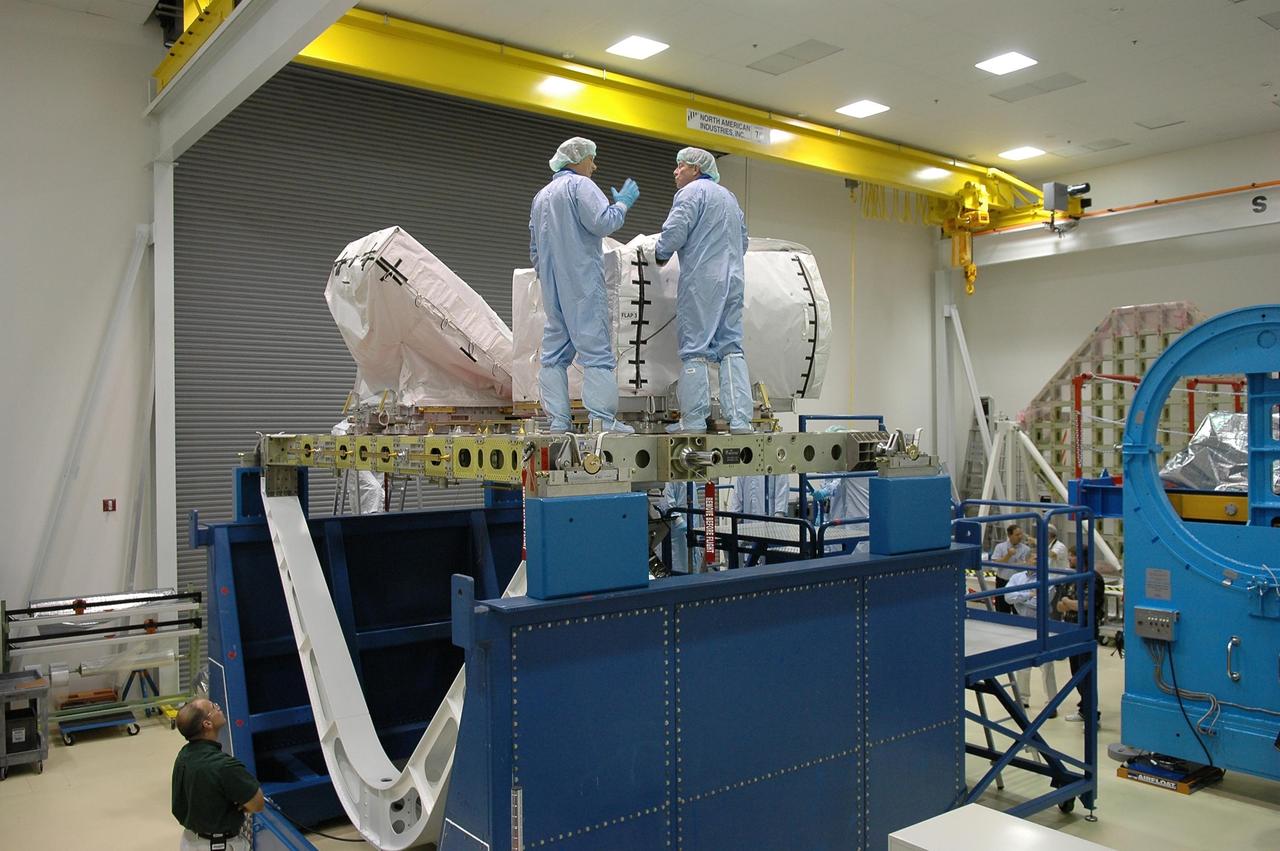
KENNEDY SPACE CENTER, FLA. - Mission Specialist Piers Sellers (left) and Commander Steven Lindsey (right) are working with the pump module at the SPACEHAB facility in Cape Canaveral during a Crew Equipment Interface Test. This test allows the astronauts to become familiar with equipment they will be using on their upcoming mission. STS-121 is scheduled to launch in July aboard Space Shuttle Discovery. Photo credit: NASA/Kim Shiflett
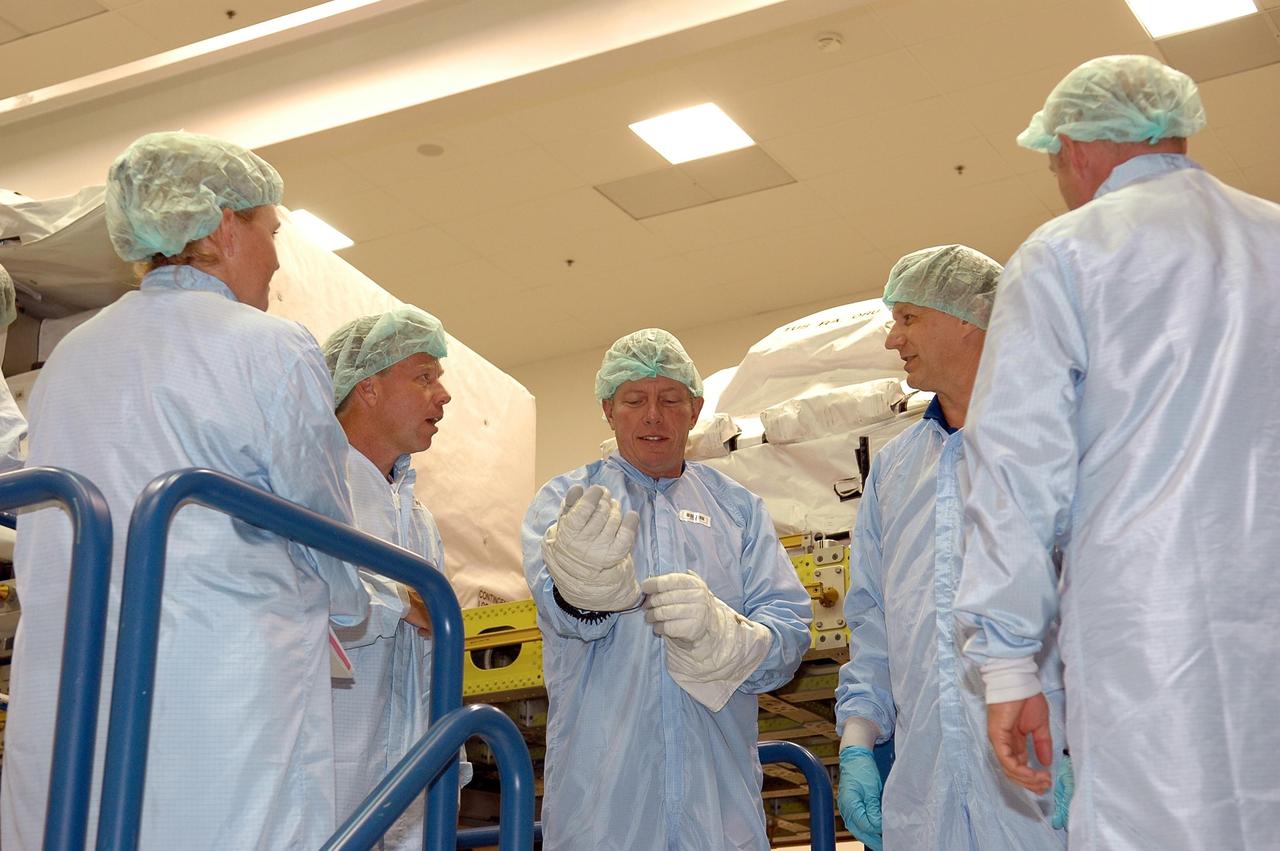
KENNEDY SPACE CENTER, FLA. - While STS-121 Mission Specialist Michael Fossum (center) fixes his glove, Commander Steven Lindsey (left) and Mission Specialist Piers Sellers (right) talk about their next step in the Crew Equipment Interface Test at the SPACEHAB facility in Cape Canaveral. This test allows the astronauts to become familiar with equipment they will be using on their upcoming mission. STS-121 is scheduled to launch in July aboard Space Shuttle Discovery. Photo credit: NASA/Kim Shiflett
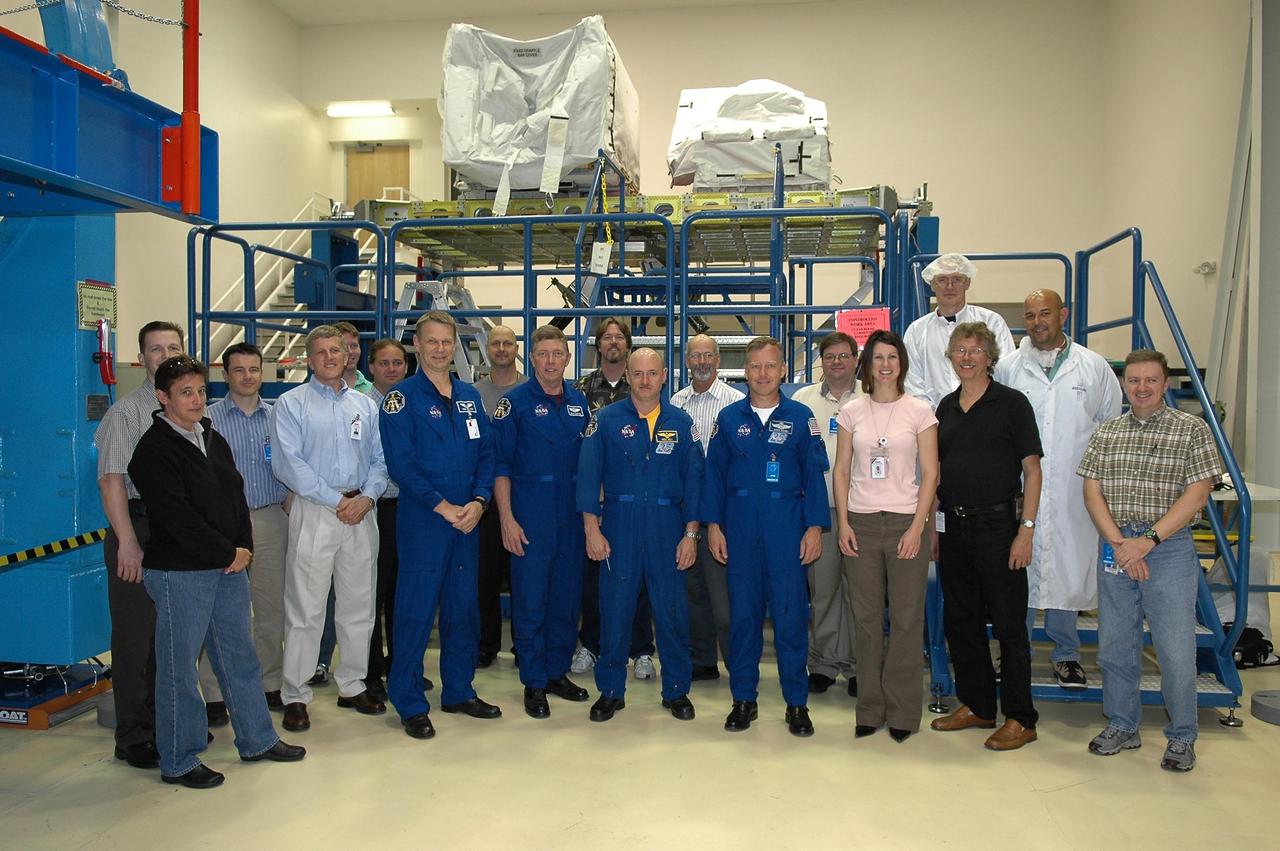
KENNEDY SPACE CENTER, FLA. - Members of the STS-121 crew pose with workers in the SPACEHAB facility in Cape Canaveral during the Crew Equipment Interface Test. The astronauts (in blue suits) are Mission Specialists Piers Sellers and Michael Fossum, Pilot Mark Kelly and Commander Steven Lindsey. This test allows the astronauts to become familiar with equipment they will be using on their upcoming mission. STS-121 is scheduled to launch in July aboard Space Shuttle Discovery. Photo credit: NASA/Kim Shiflett
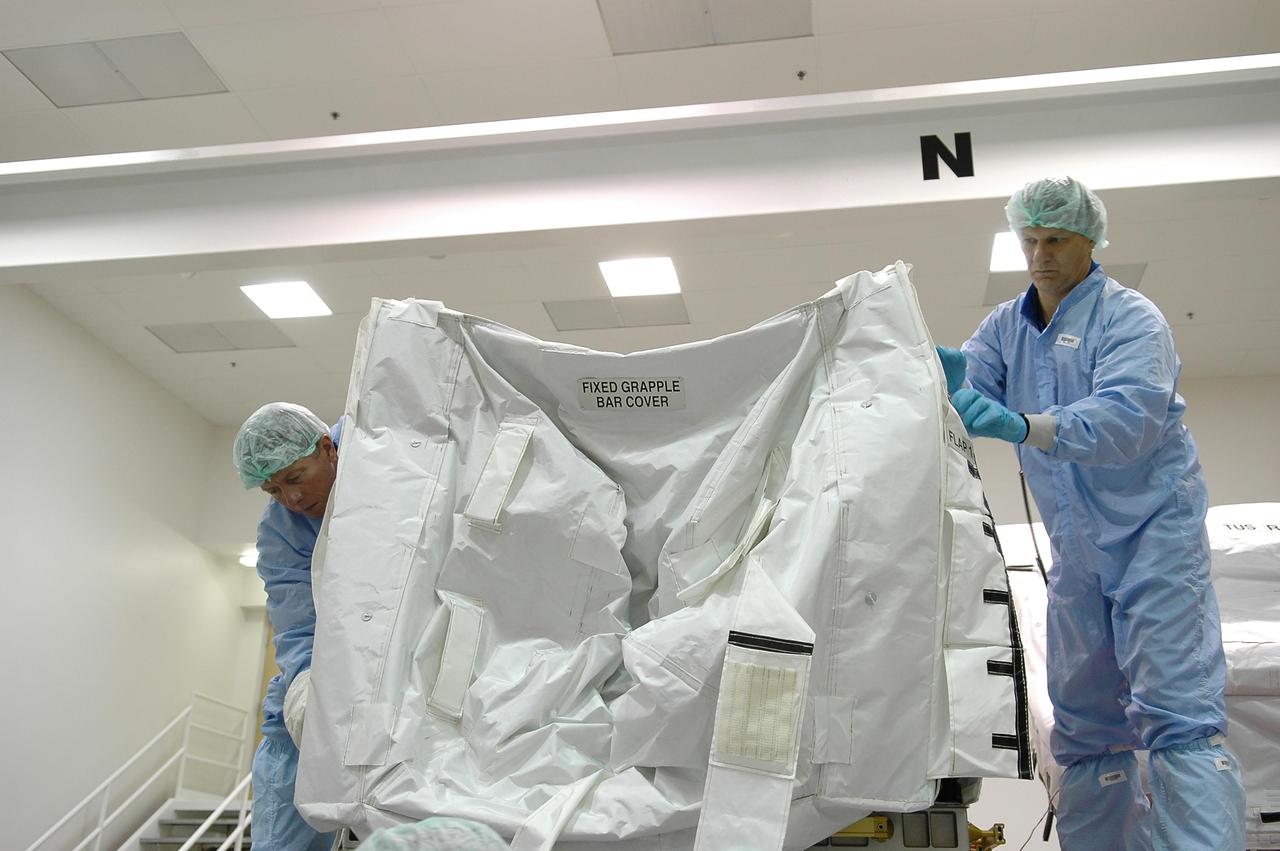
KENNEDY SPACE CENTER, FLA. - STS-121 Mission Specialist Piers Sellers (left) and Commander Steven Lindsey (right)are practicing removing the cover on the pump module at the SPACEHAB facility in Cape Canaveral during a Crew Equipment Interface Test. This test allows the astronauts to become familiar with equipment they will be using on their upcoming mission. STS-121 is scheduled to launch in July aboard Space Shuttle Discovery. Photo credit: NASA/Kim Shiflett
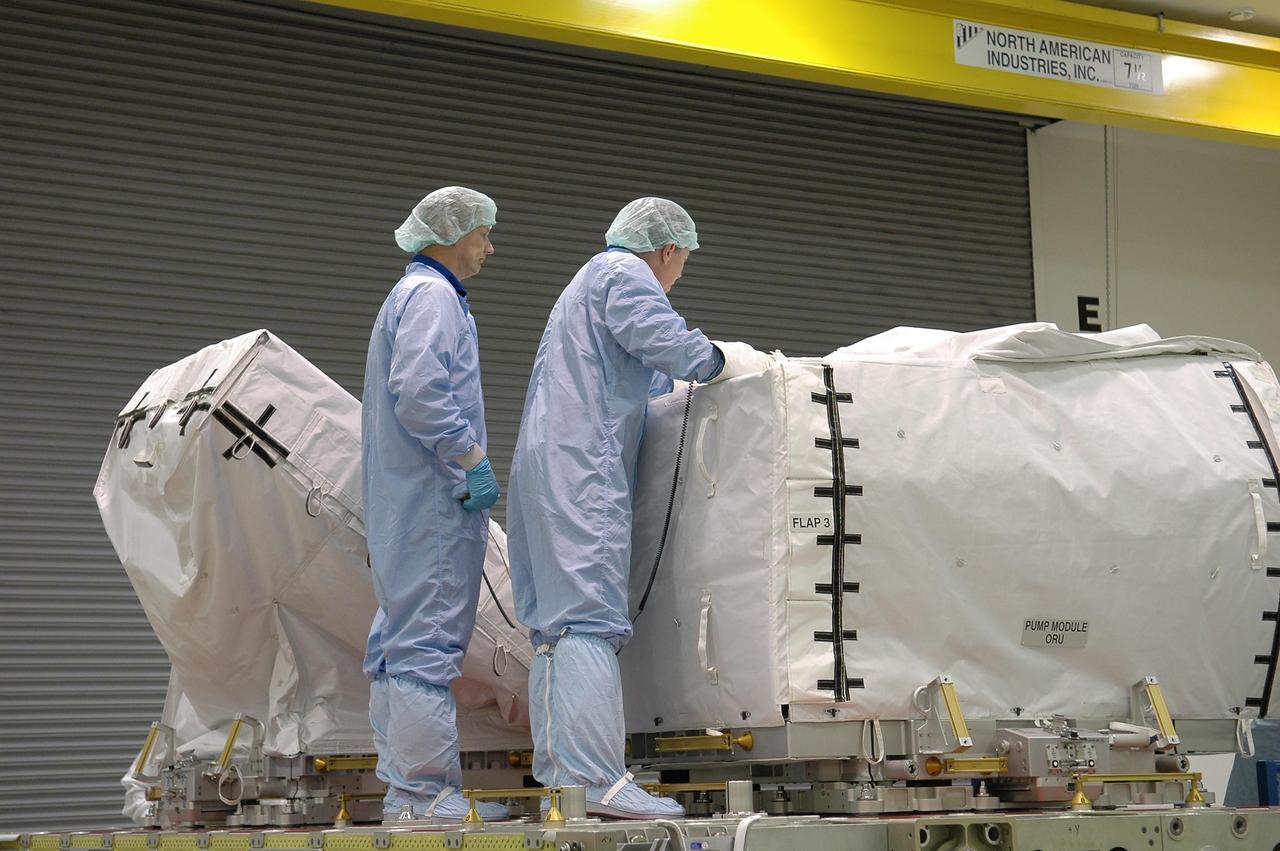
KENNEDY SPACE CENTER, FLA. - Mission Specialist Piers Sellers (left) and Commander Steven Lindsey work with the pump module at the SPACEHAB facility in Cape Canaveral during a Crew Equipment Interface Test. This test allows the astronauts to become familiar with equipment they will be using on their upcoming mission. STS-121 is scheduled to launch in July aboard Space Shuttle Discovery. Photo credit: NASA/Kim Shiflett
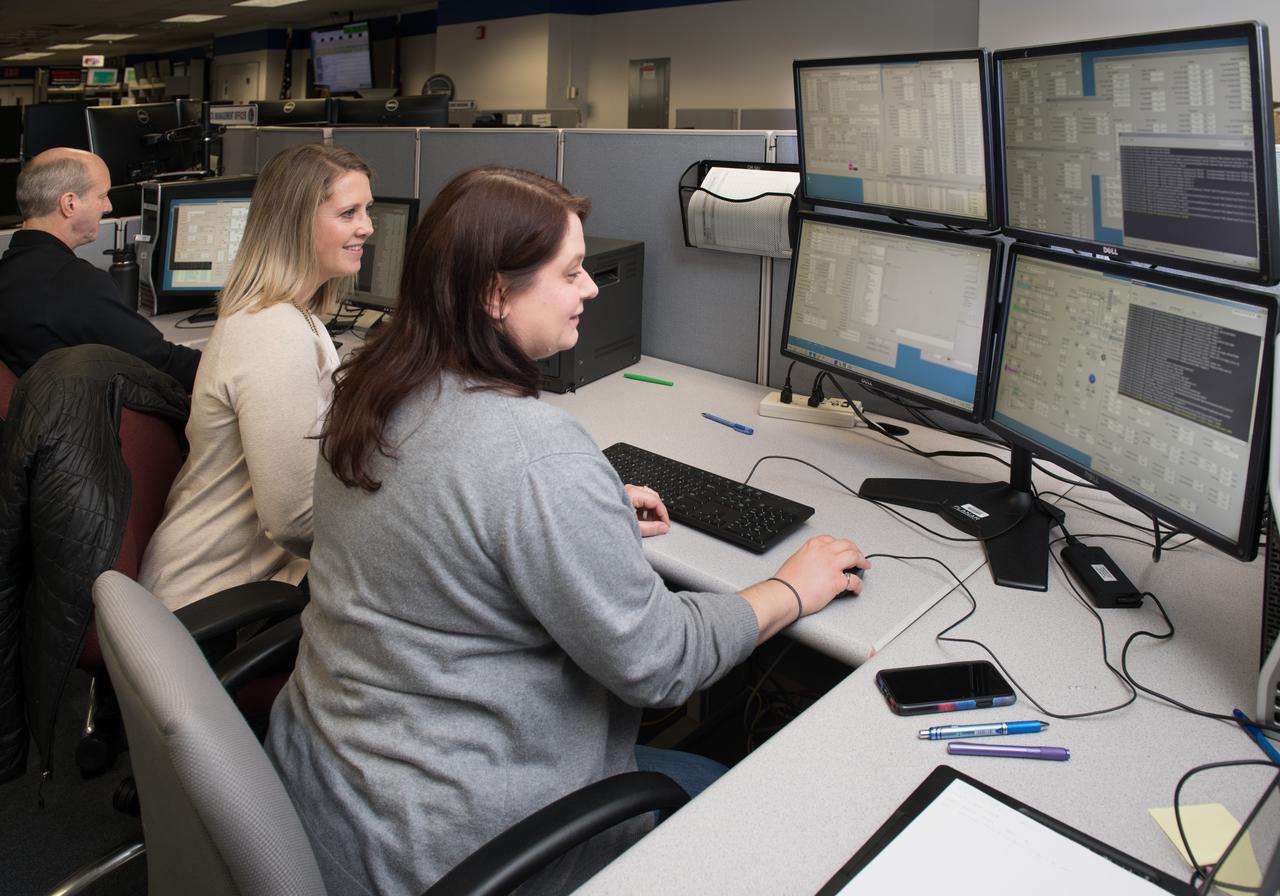
Testing of software with ground hardware for the Structue and Response of Spherical Diffusion Flames, s-Flame, experiment - of the Advanced Combustion via Microgravity Experiments, ACME, project conducted in the ISS Combustion Integrated Rack, CIR - by ACME Software Engineer Jeffrey Eggers, Operations Lead Angela Adams, and Planning Lead Melani Smajdek in the Telescience Support Center, TSC, also known as the Glenn ISS Payload Operations Center, GIPOC
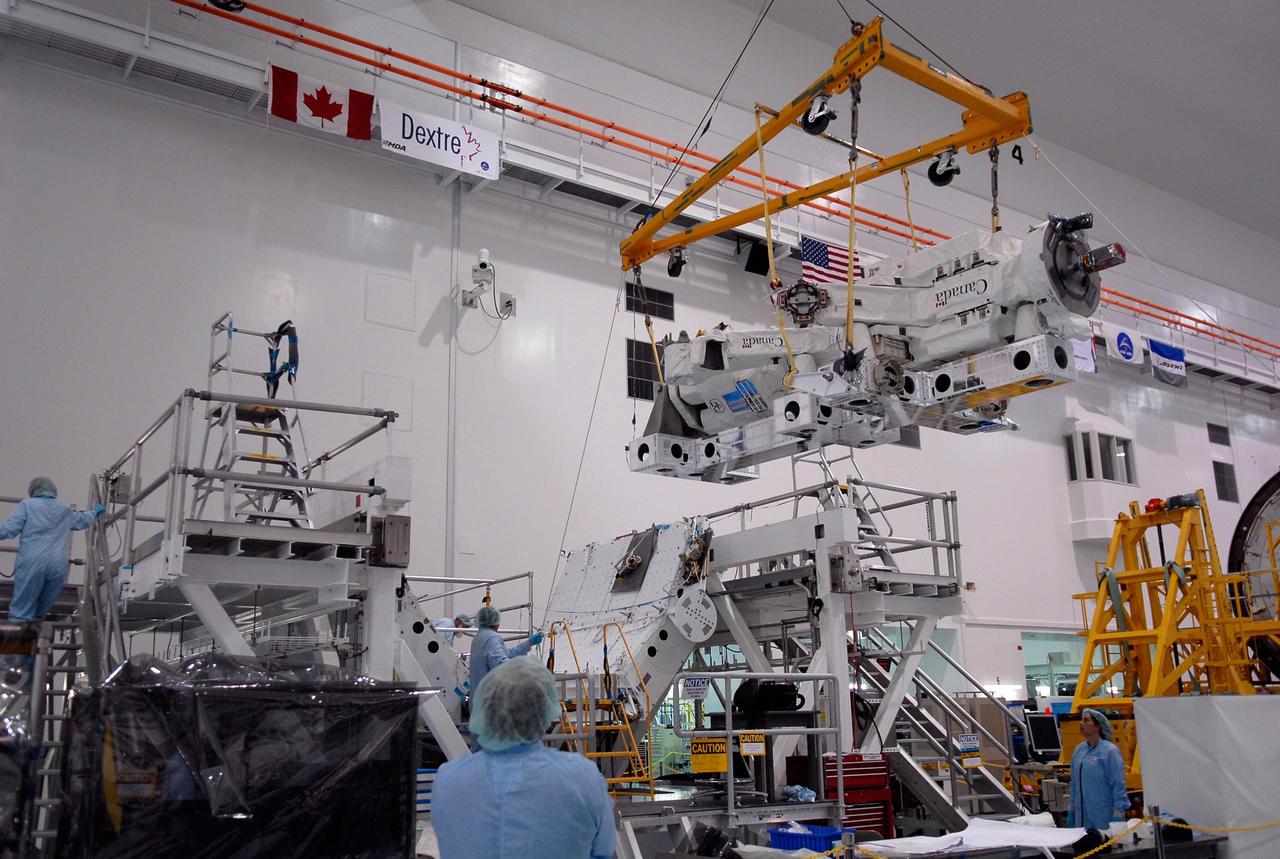
KENNEDY SPACE CENTER, FLA. -- In the Space Station Processing Facility at NASA's Kennedy Space Center, technicians monitor the Special Purpose Dexterous Manipulator, known as Dextre, as a crane moves it near its destination onto a pallet. Processing of the payload is under way for its mission to the International Space Station. Dextre will work with the mobile base and Canadarm2 on the station to perform critical construction and maintenance tasks. Dextre is part of the payload scheduled on mission STS-123, targeted to launch Feb. 14, 2008. Photo credit: NASA/Kim Shiflett
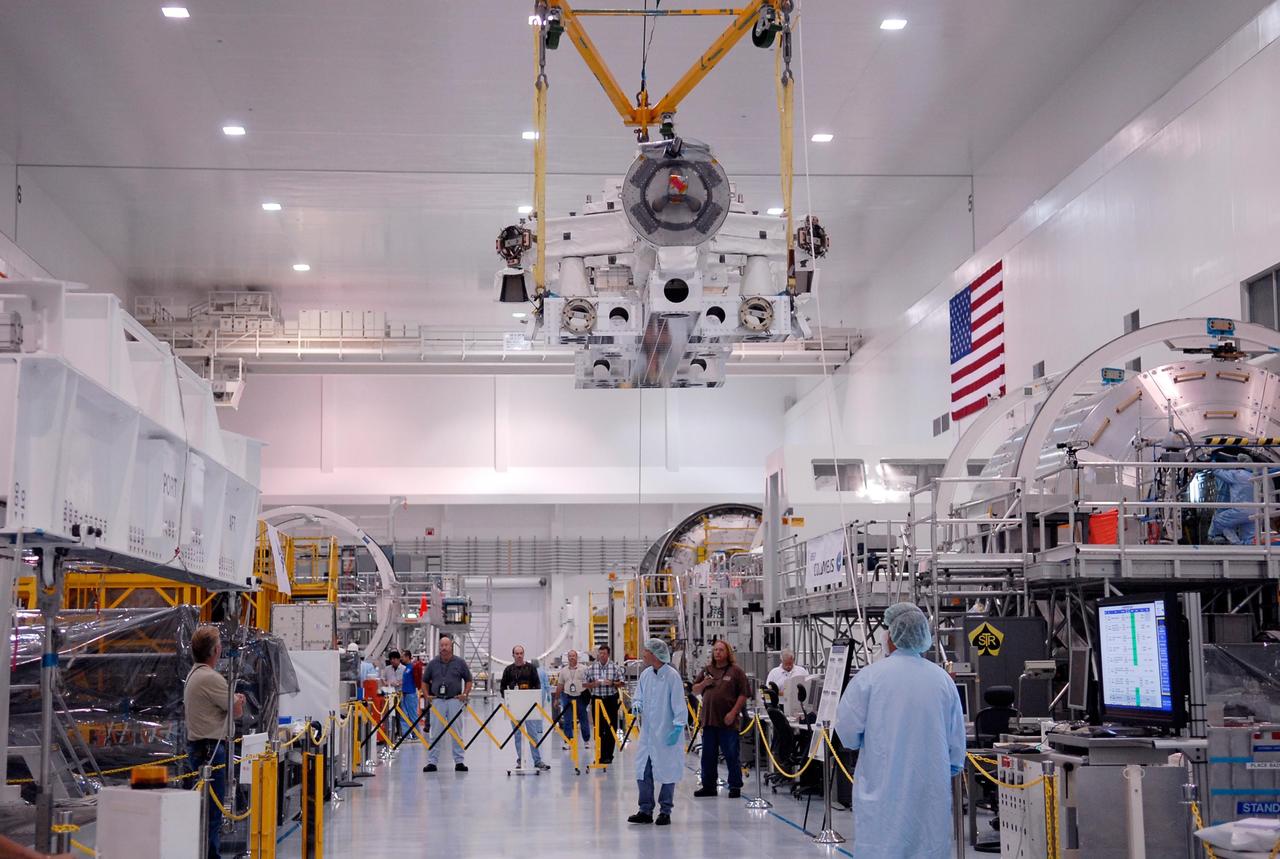
KENNEDY SPACE CENTER, FLA. -- In the Space Station Processing Facility at NASA's Kennedy Space Center, a crane lifts the Special Purpose Dexterous Manipulator, known as Dextre, high above the heads of the workers below to a position on a pallet. Processing of the payload is under way for its mission to the International Space Station. Dextre will work with the mobile base and Canadarm2 on the station to perform critical construction and maintenance tasks. Dextre is part of the payload scheduled on mission STS-123, targeted to launch Feb. 14, 2008. Photo credit: NASA/Kim Shiflett
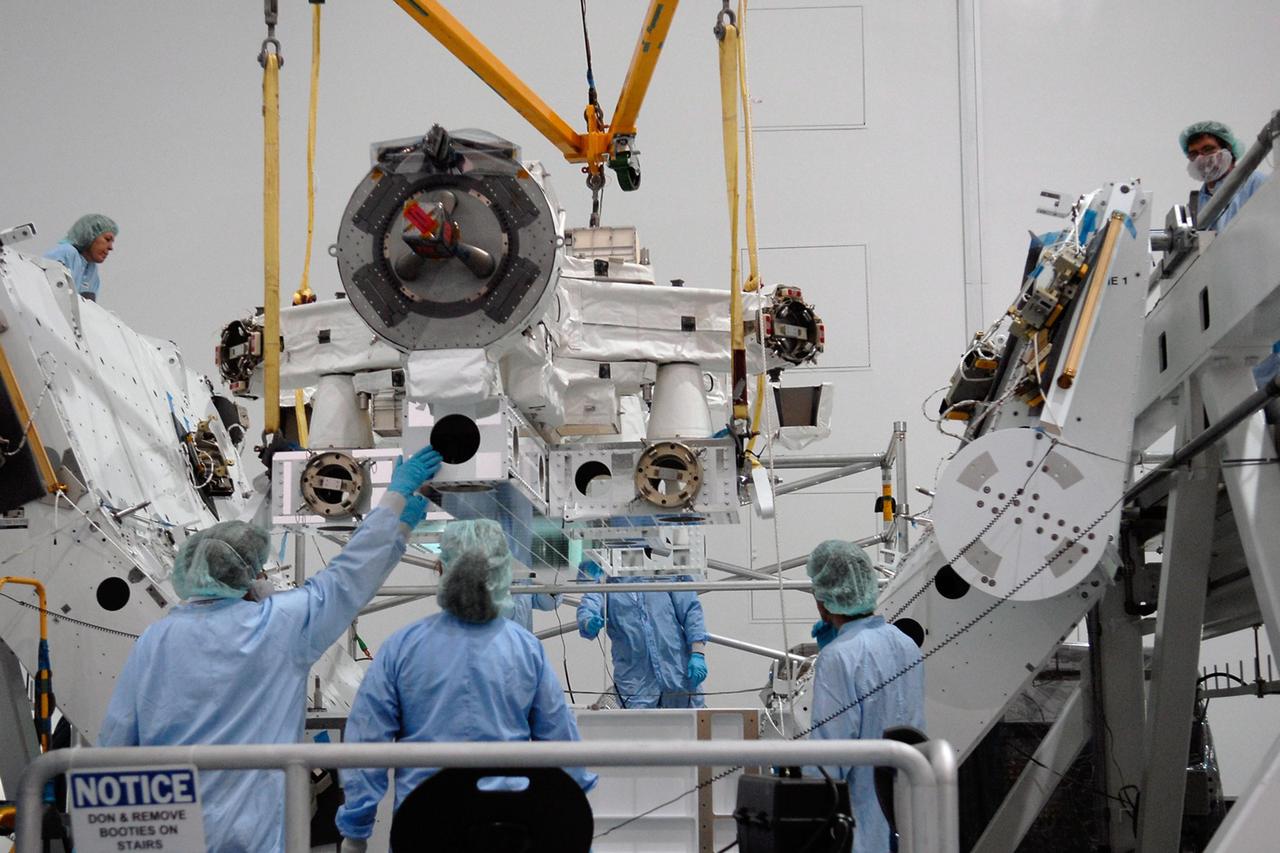
KENNEDY SPACE CENTER, FLA. -- In the Space Station Processing Facility at NASA's Kennedy Space Center, technicians monitor the Special Purpose Dexterous Manipulator, known as Dextre, as a crane moves it into position on a pallet. Processing of the payload is under way for its mission to the International Space Station. Dextre will work with the mobile base and Canadarm2 on the station to perform critical construction and maintenance tasks. Dextre is part of the payload scheduled on mission STS-123, targeted to launch Feb. 14, 2008. Photo credit: NASA/Kim Shiflett
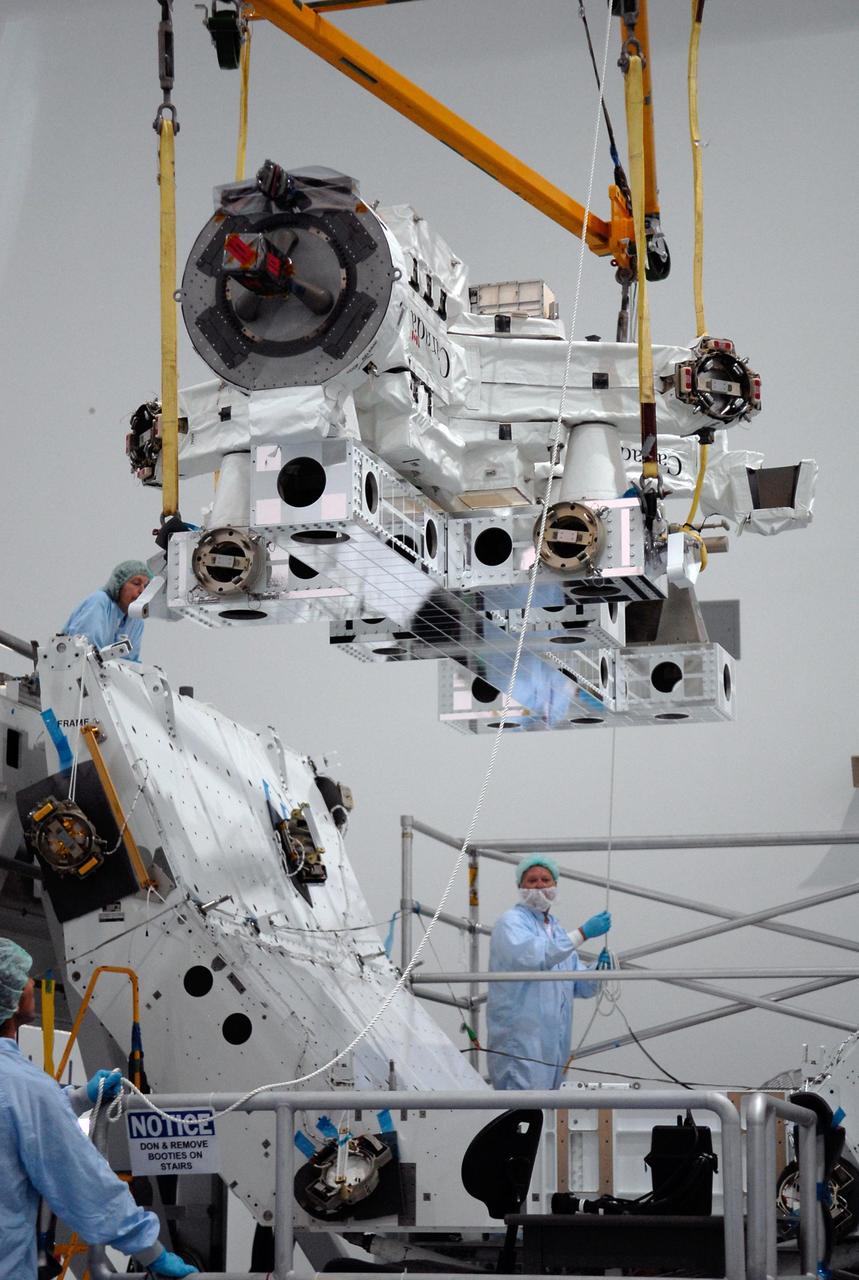
KENNEDY SPACE CENTER, FLA. -- In the Space Station Processing Facility at NASA's Kennedy Space Center, technicians guide the Special Purpose Dexterous Manipulator, known as Dextre, as a crane lowers it toward a pallet. Processing of the payload is under way for its mission to the International Space Station. Dextre will work with the mobile base and Canadarm2 on the station to perform critical construction and maintenance tasks. Dextre is part of the payload scheduled on mission STS-123, targeted to launch Feb. 14, 2008. Photo credit: NASA/Kim Shiflett
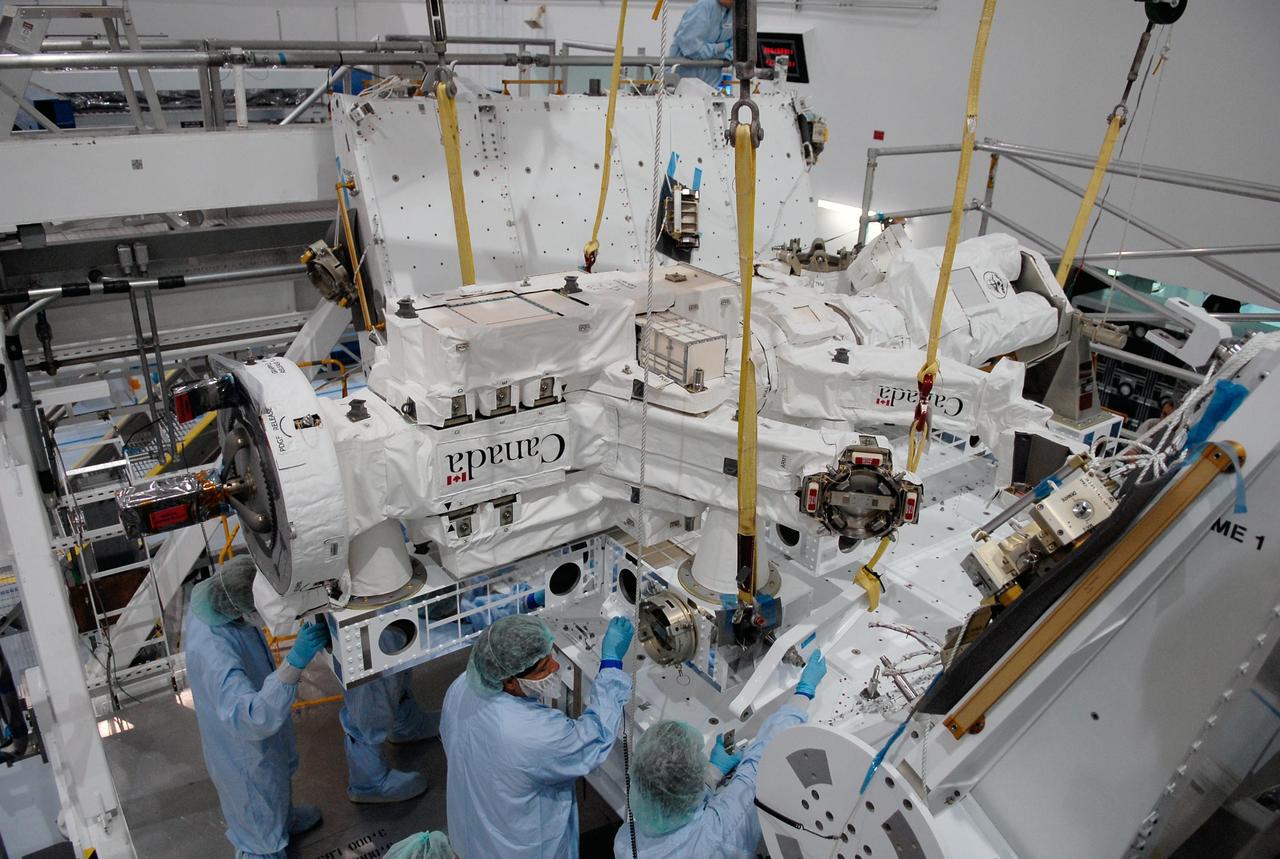
KENNEDY SPACE CENTER, FLA. -- In the Space Station Processing Facility at NASA's Kennedy Space Center, technicians adjust the Special Purpose Dexterous Manipulator, known as Dextre, into position on a pallet. Processing of the payload is under way for its mission to the International Space Station. Dextre will work with the mobile base and Canadarm2 on the station to perform critical construction and maintenance tasks. Dextre is part of the payload scheduled on mission STS-123, targeted to launch Feb. 14, 2008. Photo credit: NASA/Kim Shiflett

KENNEDY SPACE CENTER, FLA. -- In the Space Station Processing Facility at NASA's Kennedy Space Center, technicians prepare the Special Purpose Dexterous Manipulator, known as Dextre, for its move onto a pallet. Processing of the payload is under way for its mission to the International Space Station. Dextre will work with the mobile base and Canadarm2 on the station to perform critical construction and maintenance tasks. Dextre is part of the payload scheduled on mission STS-123, targeted to launch Feb. 14, 2008. Photo credit: NASA/Kim Shiflett
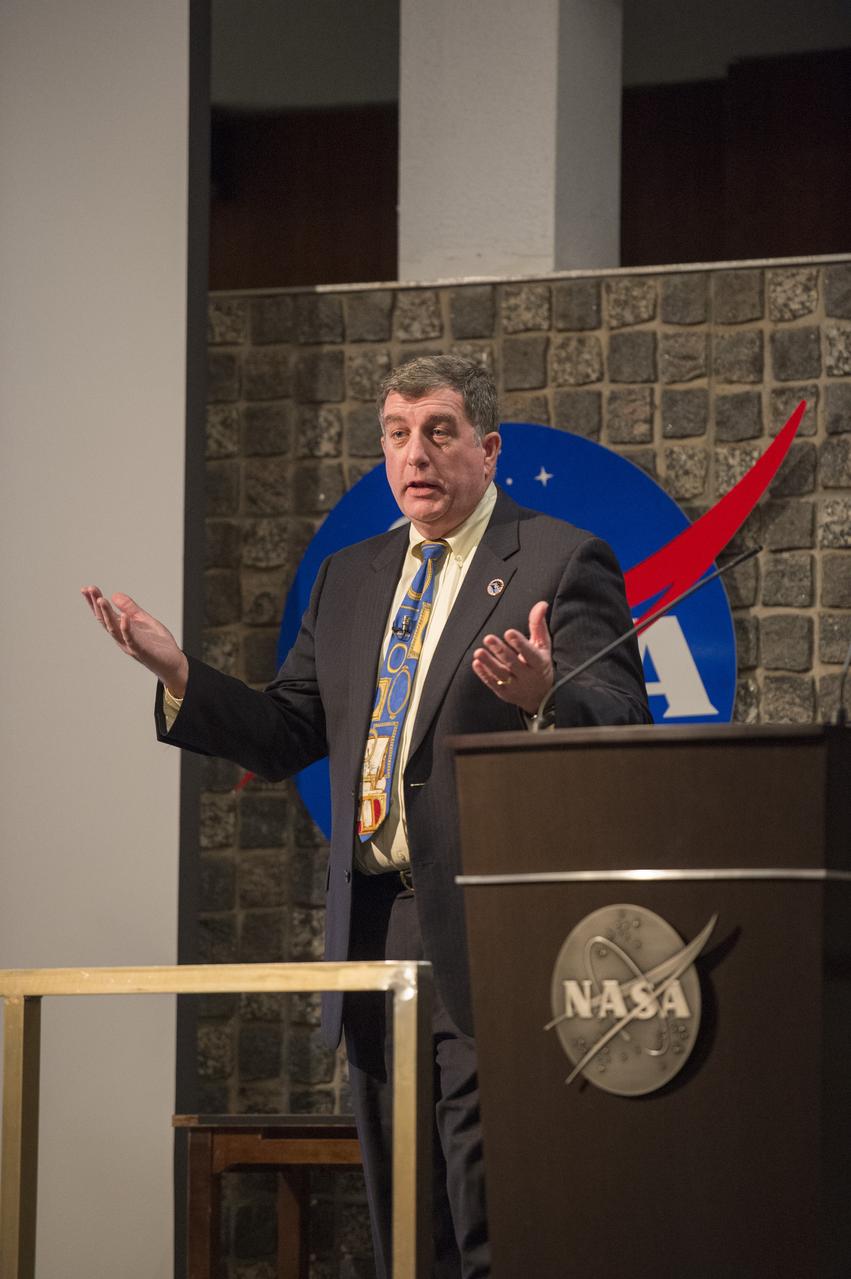
International Space Station program manager Kirk Shireman addresses station hardware and science teams at NASA's Marshall Space Flight Center.
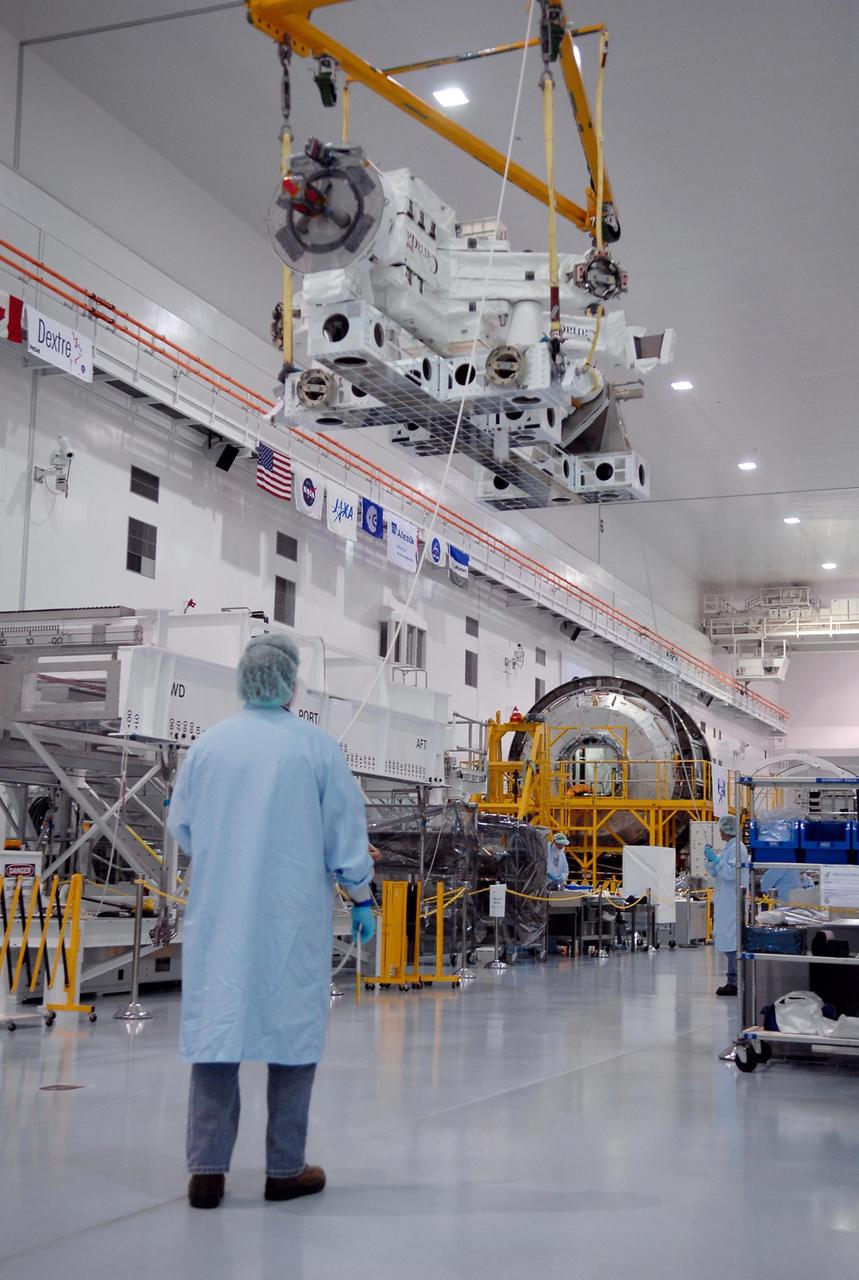
KENNEDY SPACE CENTER, FLA. -- In the Space Station Processing Facility at NASA's Kennedy Space Center, technicians monitor the Special Purpose Dexterous Manipulator, known as Dextre, as a crane moves it into position onto a pallet. Processing of the payload is under way for its mission to the International Space Station. Dextre will work with the mobile base and Canadarm2 on the station to perform critical construction and maintenance tasks. Dextre is part of the payload scheduled on mission STS-123, targeted to launch Feb. 14, 2008. Photo credit: NASA/Kim Shiflett
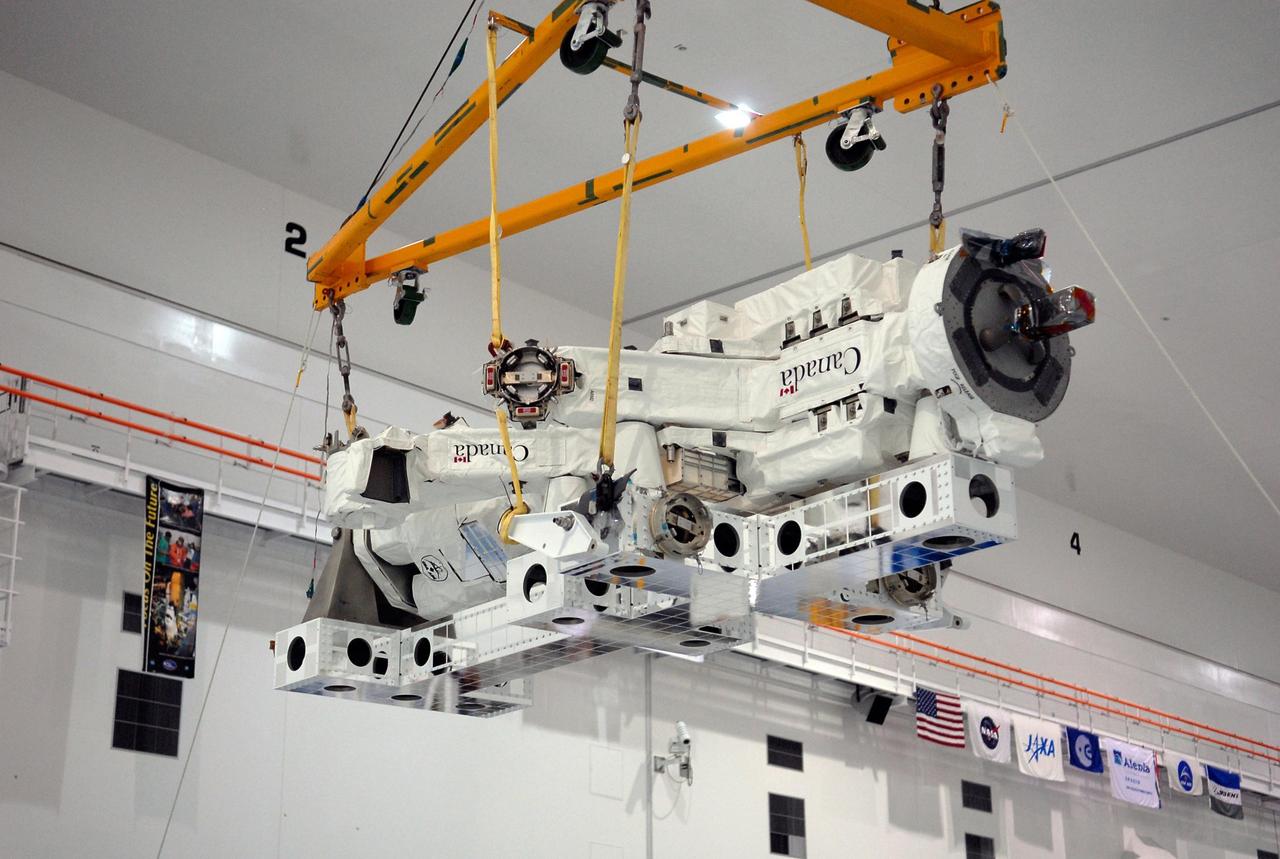
KENNEDY SPACE CENTER, FLA. -- In the Space Station Processing Facility at NASA's Kennedy Space Center, a crane lifts the Special Purpose Dexterous Manipulator, known as Dextre, to position it onto a pallet. Processing of the payload is under way for its mission to the International Space Station. Dextre will work with the mobile base and Canadarm2 on the station to perform critical construction and maintenance tasks. Dextre is part of the payload scheduled on mission STS-123, targeted to launch Feb. 14, 2008. Photo credit: NASA/Kim Shiflett
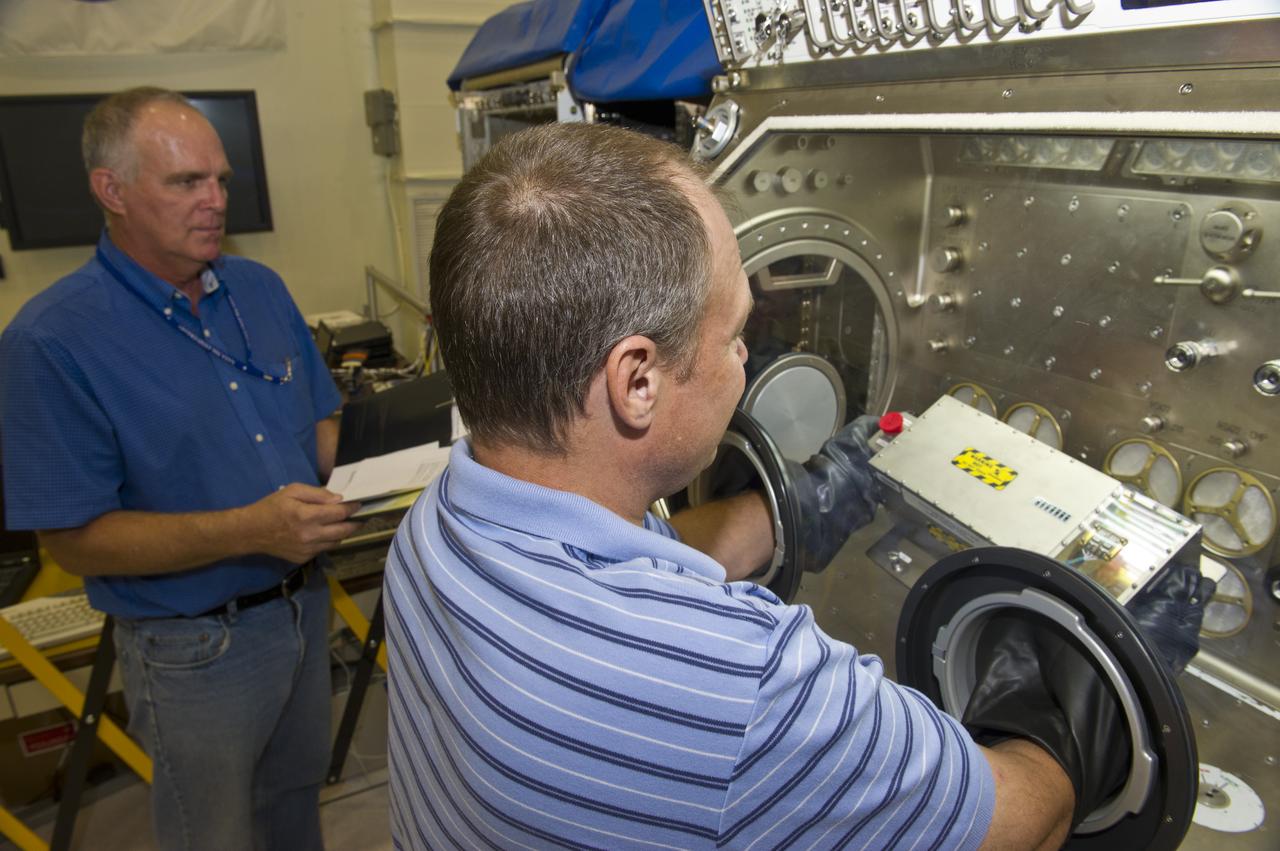
MSG TEAM MEMBERS JOHN WILSON, (L), AND PHILLIP BRYANT TEST AND INTEGRATE HARDWARE BEFORE SENDING TO ISS
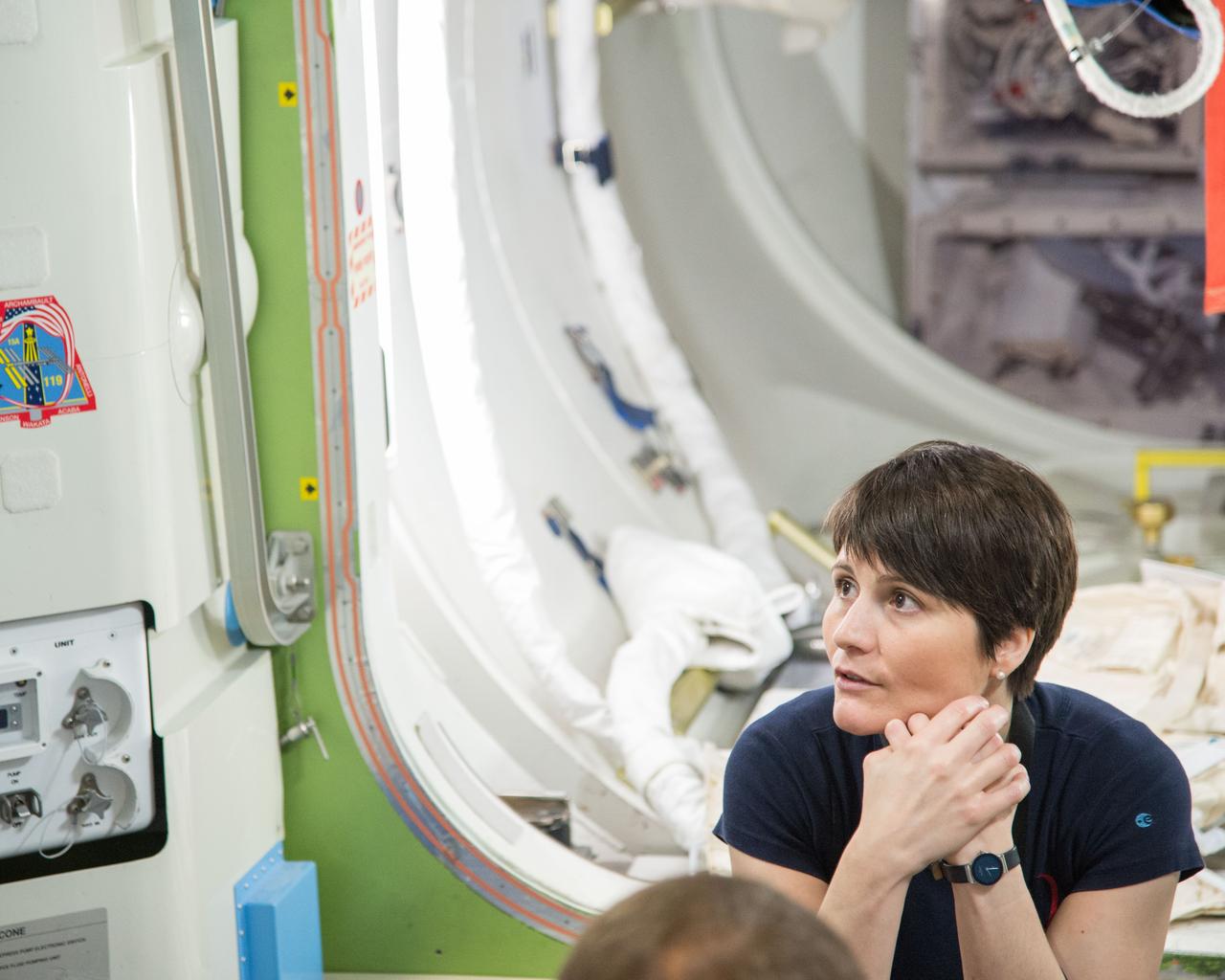
PHOTO DATE: 11-16-12 LOCATION: Bldg. 9NW - ISS Mockups SUBJECT: Expedition 41/42 crew members Barry Wilmore, Terry Virts and Italian ESA astronaut Samantha Cristoforetti during ISS Joint AL Hardware training in the ISS mockups. PHOTOGRAPHER: BILL STAFFORD
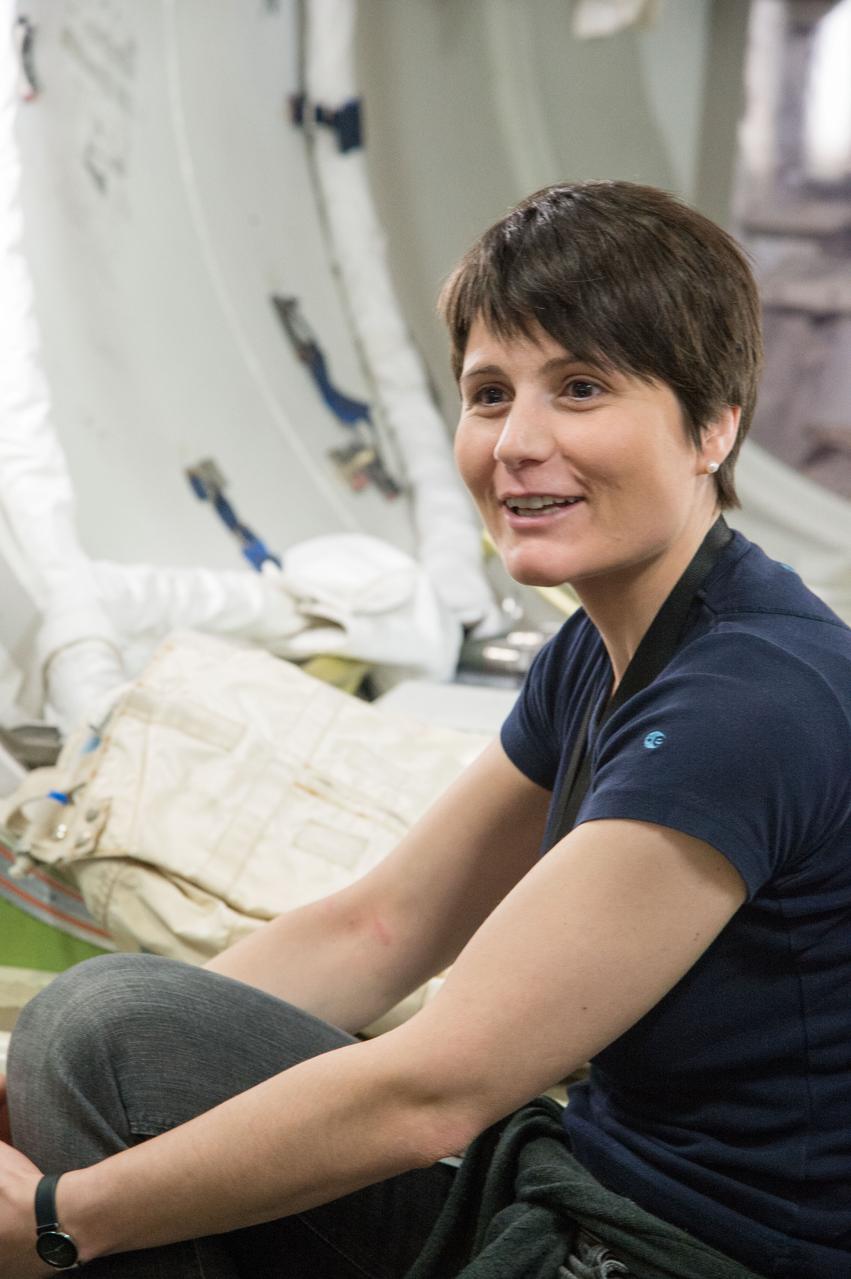
PHOTO DATE: 11-16-12 LOCATION: Bldg. 9NW - ISS Mockups SUBJECT: Expedition 41/42 crew members Barry Wilmore, Terry Virts and Italian ESA astronaut Samantha Cristoforetti during ISS Joint AL Hardware training in the ISS mockups. PHOTOGRAPHER: BILL STAFFORD
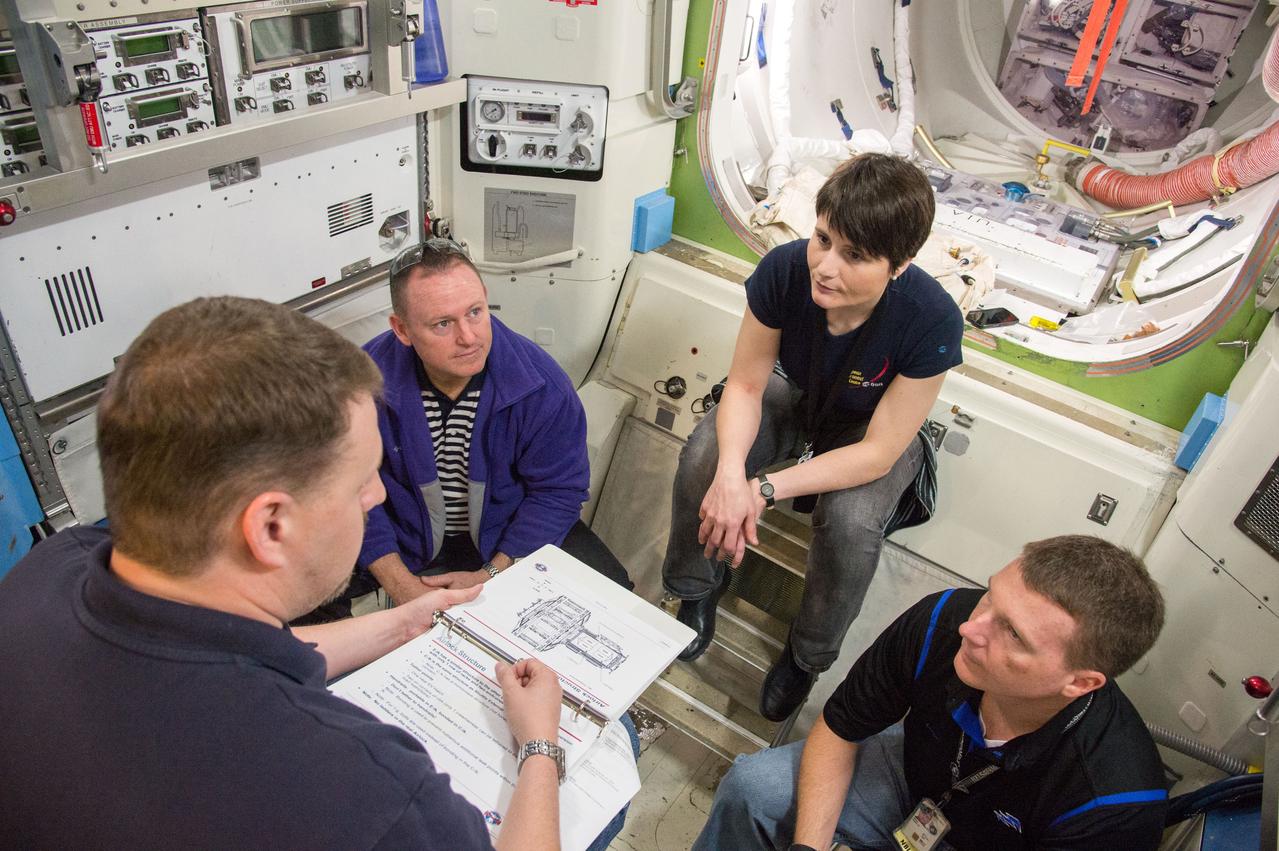
PHOTO DATE: 11-16-12 LOCATION: Bldg. 9NW - ISS Mockups SUBJECT: Expedition 41/42 crew members Barry Wilmore, Terry Virts and Italian ESA astronaut Samantha Cristoforetti during ISS Joint AL Hardware training in the ISS mockups. PHOTOGRAPHER: BILL STAFFORD
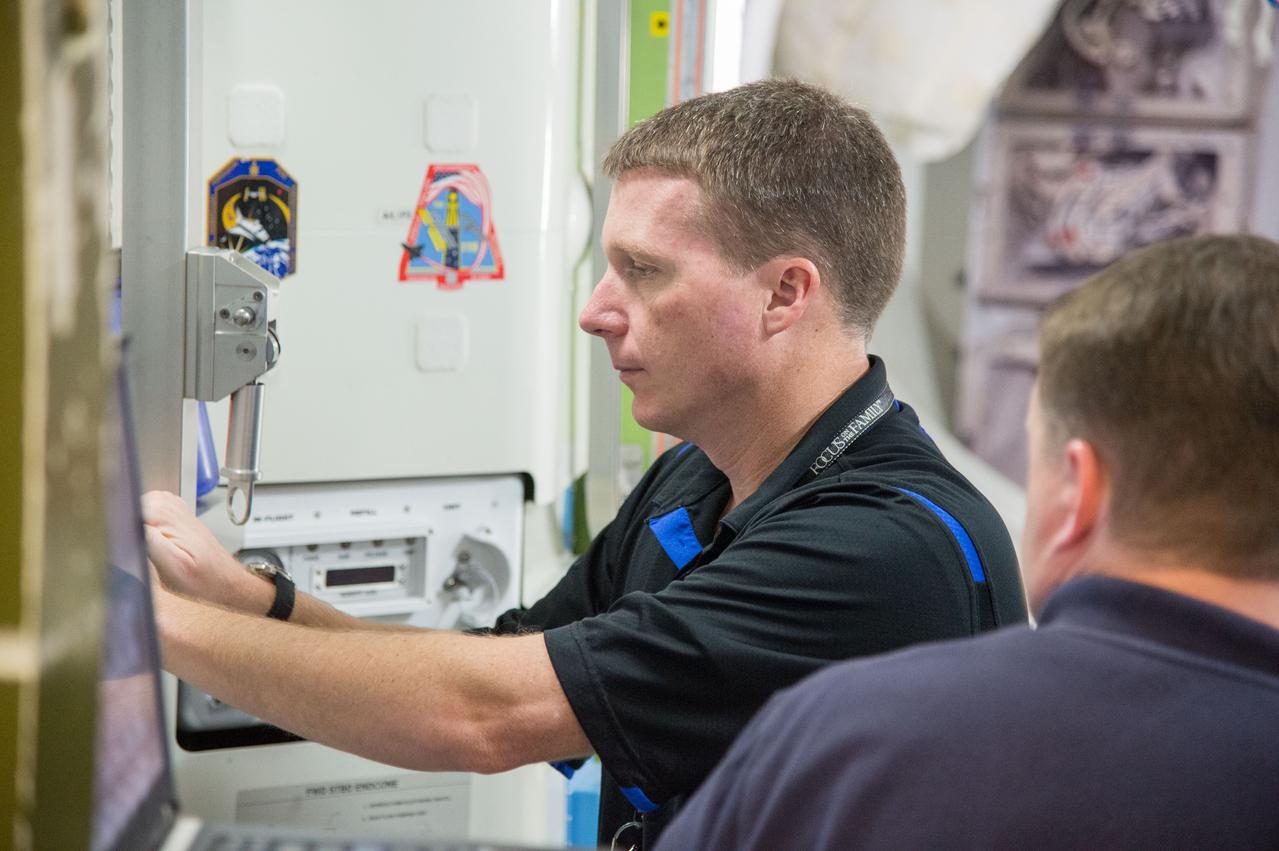
PHOTO DATE: 11-16-12 LOCATION: Bldg. 9NW - ISS Mockups SUBJECT: Expedition 41/42 crew members Barry Wilmore, Terry Virts and Italian ESA astronaut Samantha Cristoforetti during ISS Joint AL Hardware training in the ISS mockups. PHOTOGRAPHER: BILL STAFFORD

PHOTO DATE: 11-16-12 LOCATION: Bldg. 9NW - ISS Mockups SUBJECT: Expedition 41/42 crew members Barry Wilmore, Terry Virts and Italian ESA astronaut Samantha Cristoforetti during ISS Joint AL Hardware training in the ISS mockups. PHOTOGRAPHER: BILL STAFFORD
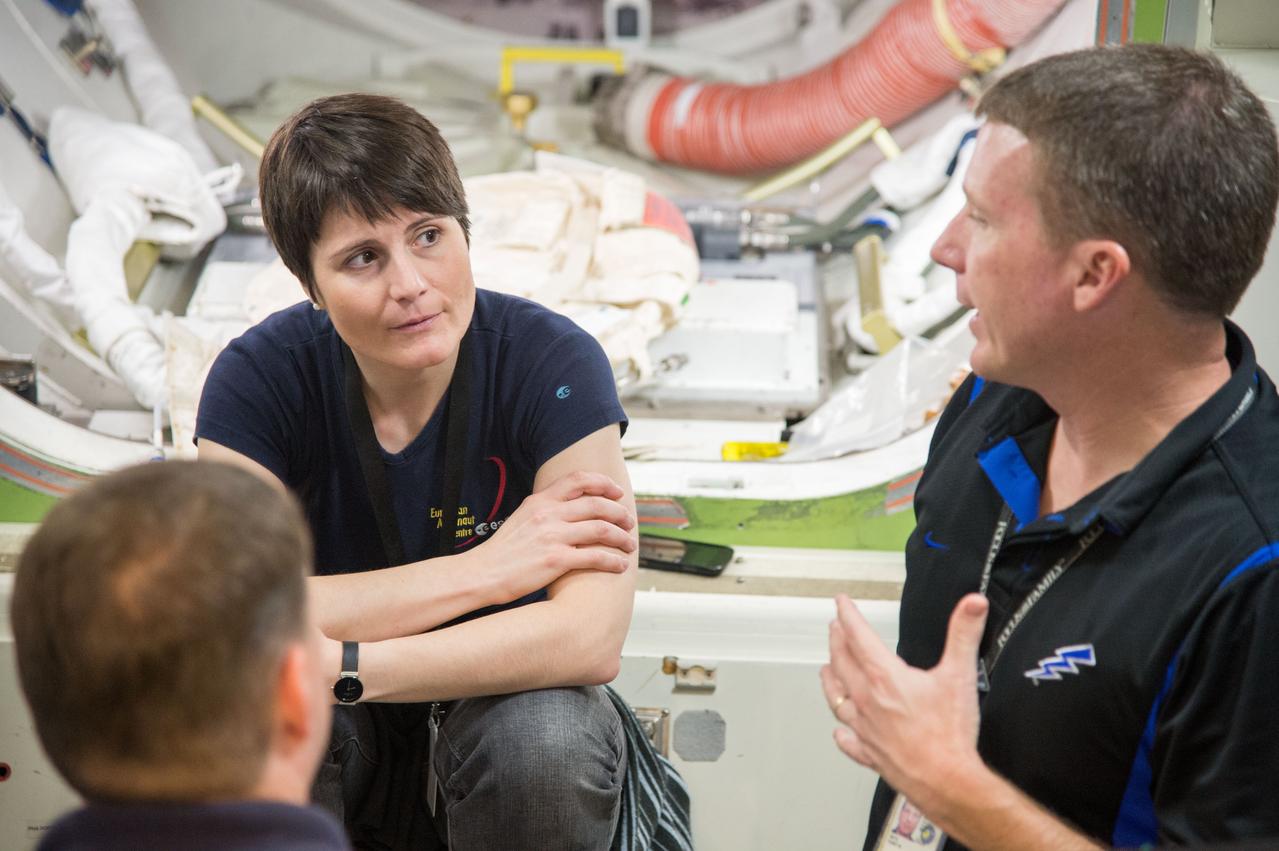
PHOTO DATE: 11-16-12 LOCATION: Bldg. 9NW - ISS Mockups SUBJECT: Expedition 41/42 crew members Barry Wilmore, Terry Virts and Italian ESA astronaut Samantha Cristoforetti during ISS Joint AL Hardware training in the ISS mockups. PHOTOGRAPHER: BILL STAFFORD
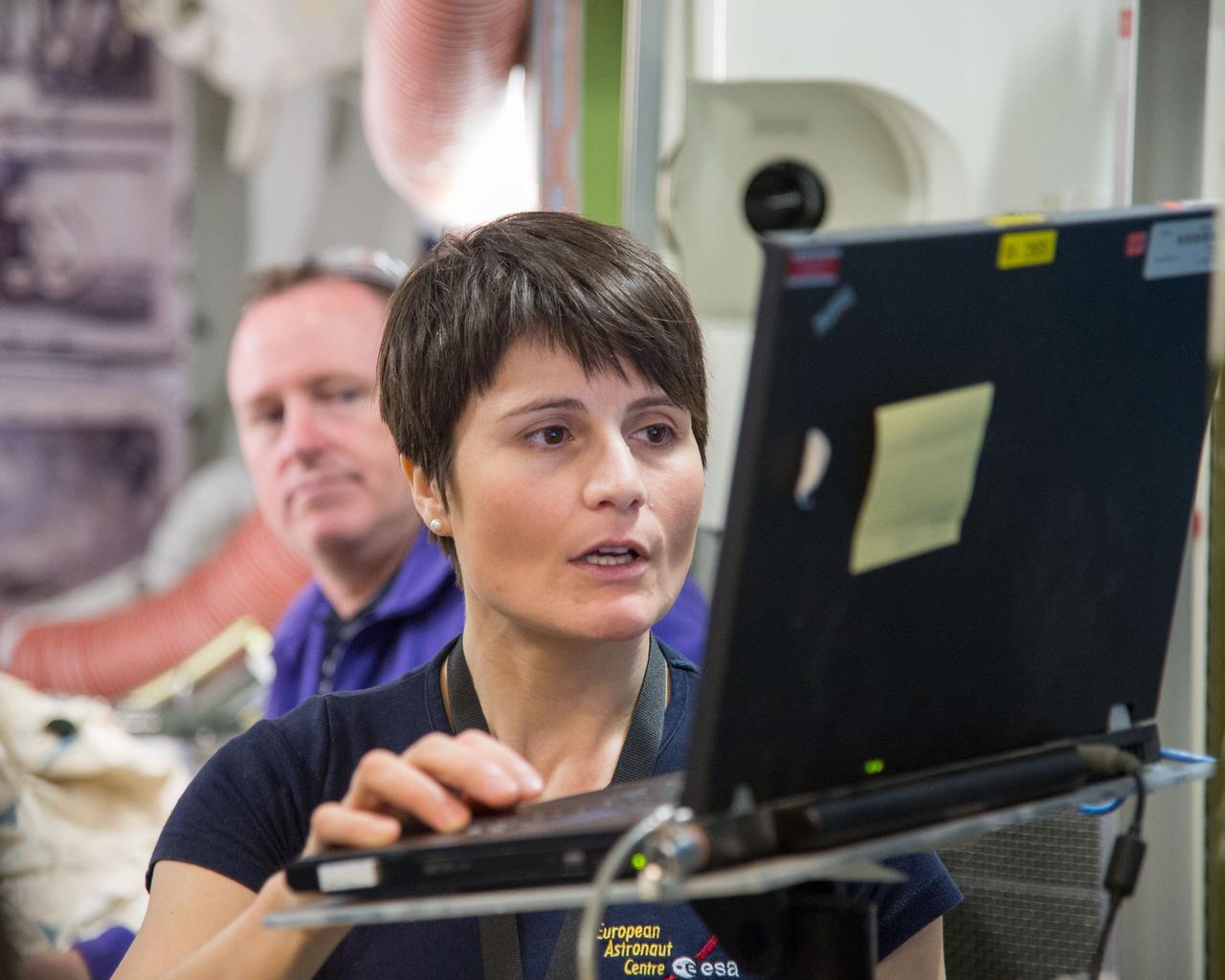
PHOTO DATE: 11-16-12 LOCATION: Bldg. 9NW - ISS Mockups SUBJECT: Expedition 41/42 crew members Barry Wilmore, Terry Virts and Italian ESA astronaut Samantha Cristoforetti during ISS Joint AL Hardware training in the ISS mockups. PHOTOGRAPHER: BILL STAFFORD
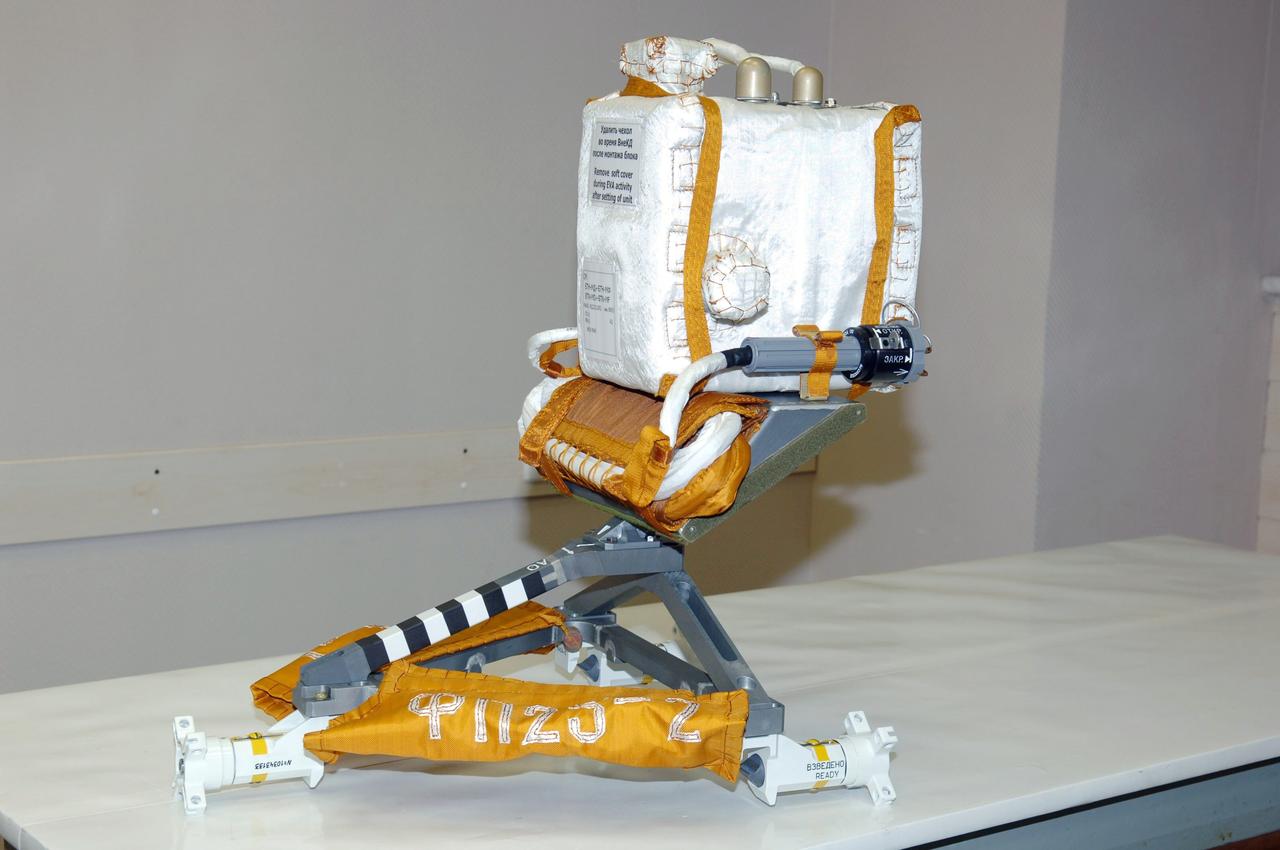
jsc2006e51966 (12/1/2006) --- A preflight view of BTN-M1 hardware without a cover for the BTN-Neutron experiment to be delivered to the ISS during the 23P flight.
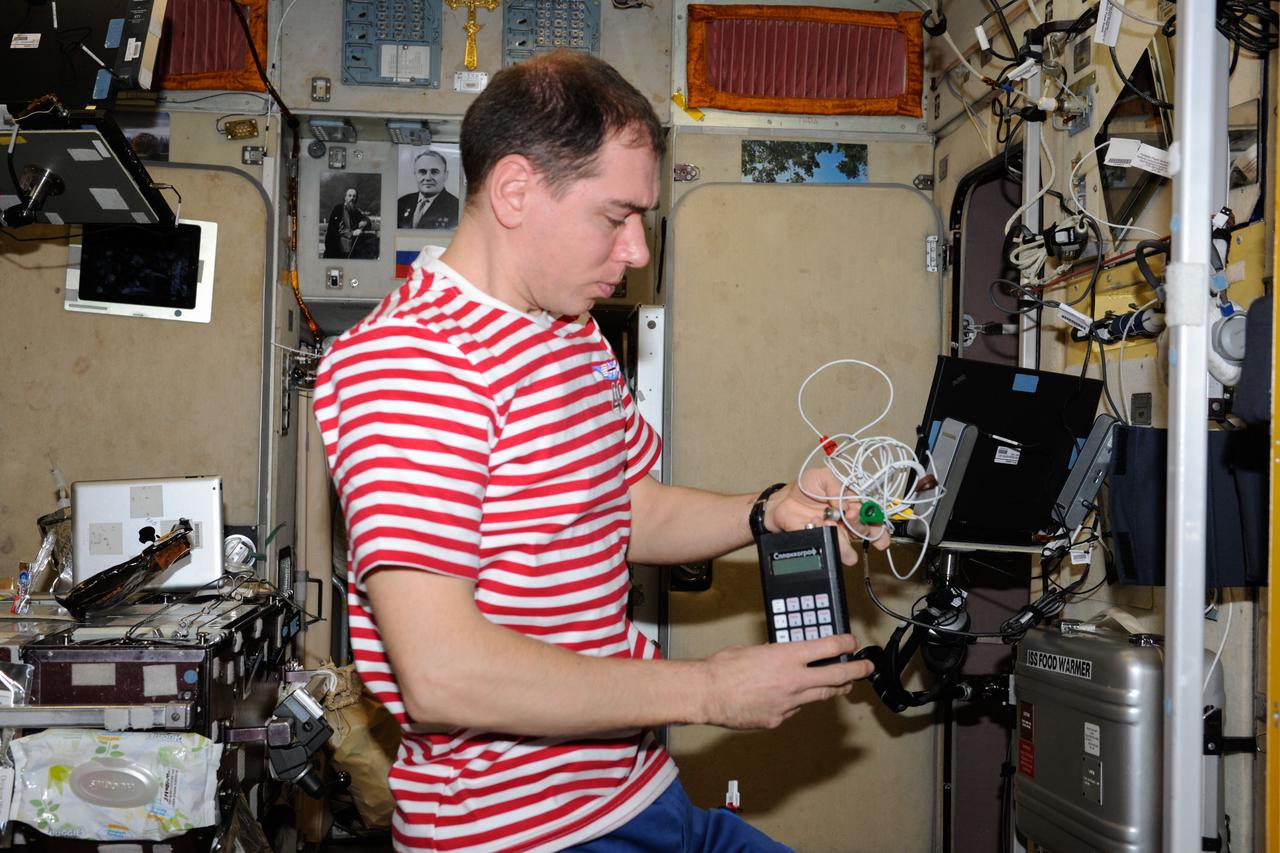
iss046e000891 (12/14/2015) --- Cosmonaut Sergey Volkov is photographed working with Splankh experiment hardware in the Service Module (SM) aboard the International Space Station (ISS).
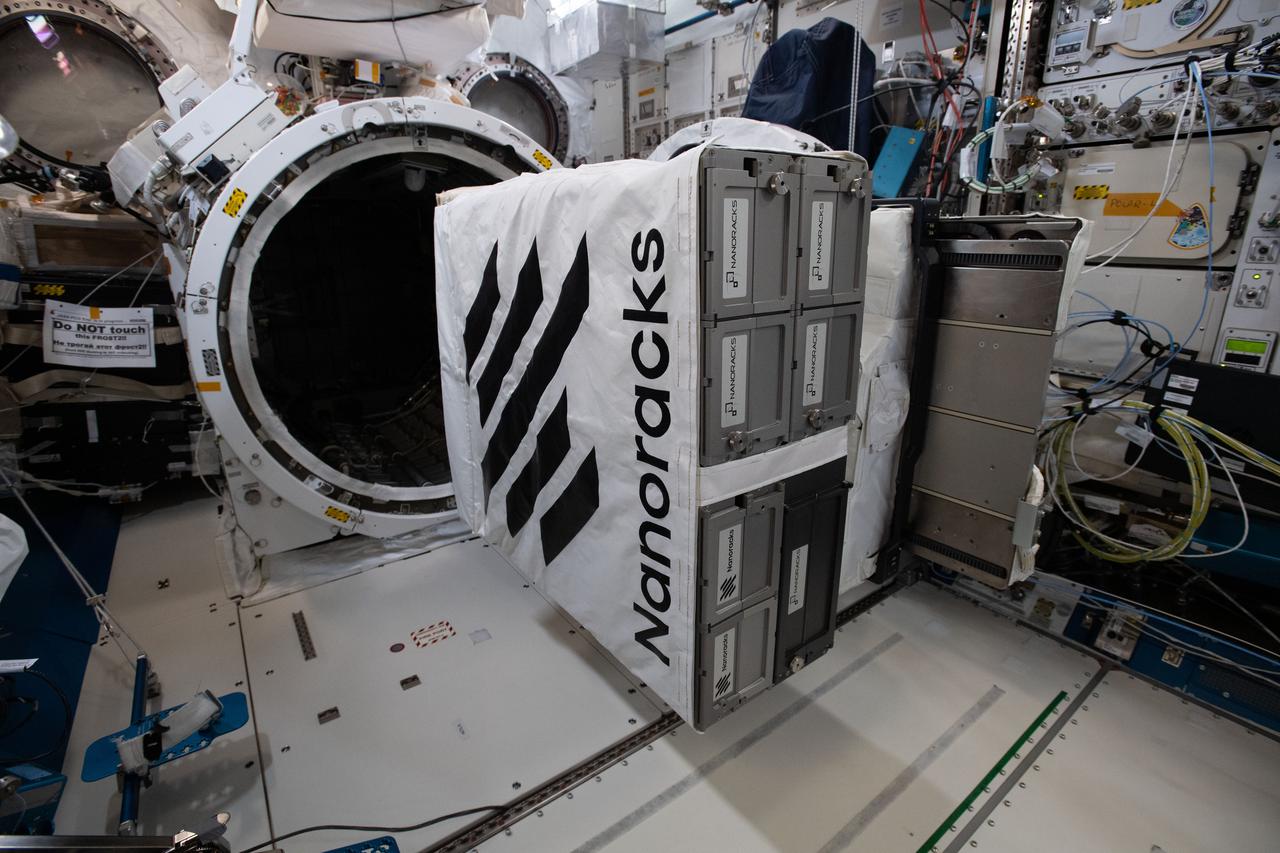
iss065e444435 (10/11/2021) --- A view of NanoRacks CubeSat Deployers hardware on the MPEP (Multipurpose Experiment Platform) aboard the International Space Station (ISS).
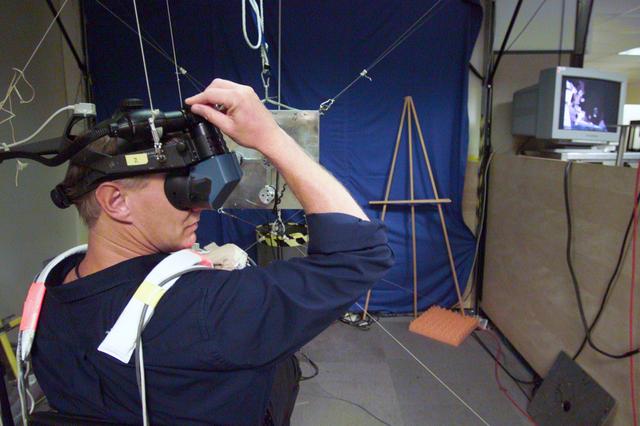
JSC2002-E-34618 (21 August 2002) --- Astronaut Piers J. Sellers, STS-112 mission specialist, uses virtual reality hardware in the Space Vehicle Mockup Facility at the Johnson Space Center (JSC) to rehearse some of his duties on the upcoming mission to the International Space Station (ISS). This type of virtual reality training allows the astronauts to wear a helmet and special gloves while looking at computer displays simulating actual movements around the various locations on the International Space Station (ISS) hardware with which they will be working.
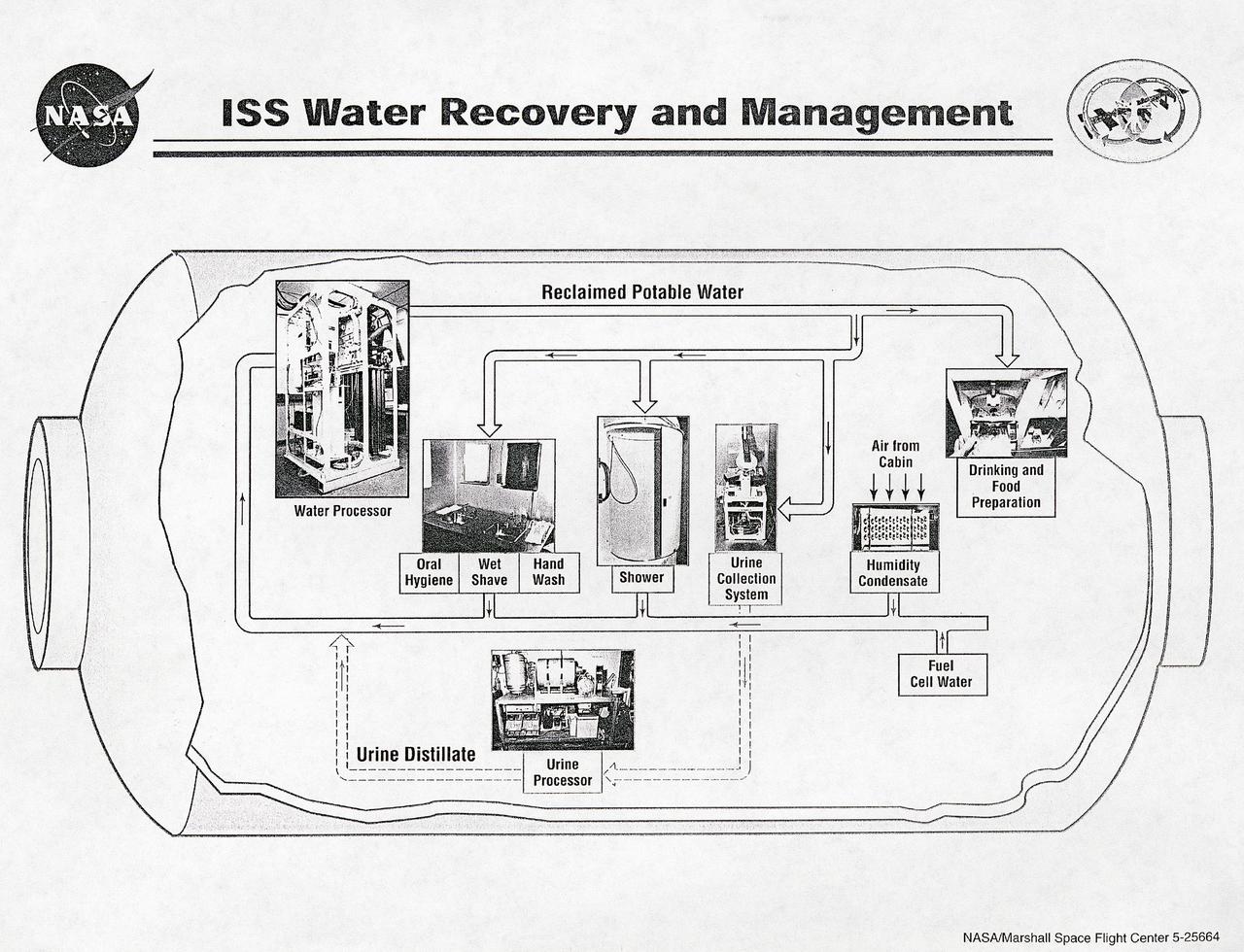
This diagram shows the flow of water recovery and management in the International Space Station (ISS). The Environmental Control and Life Support System (ECLSS) Group of the Flight Projects Directorate at the Marshall Space Flight Center is responsible for the regenerative ECLSS hardware, as well as providing technical support for the rest of the system. The regenerative ECLSS, whose main components are the Water Recovery System (WRS), and the Oxygen Generation System (OGS), reclaims and recycles water oxygen. The ECLSS maintains a pressurized habitation environment, provides water recovery and storage, maintains and provides fire detection/ suppression, and provides breathable air and a comfortable atmosphere in which to live and work within the ISS. The ECLSS hardware will be located in the Node 3 module of the ISS.
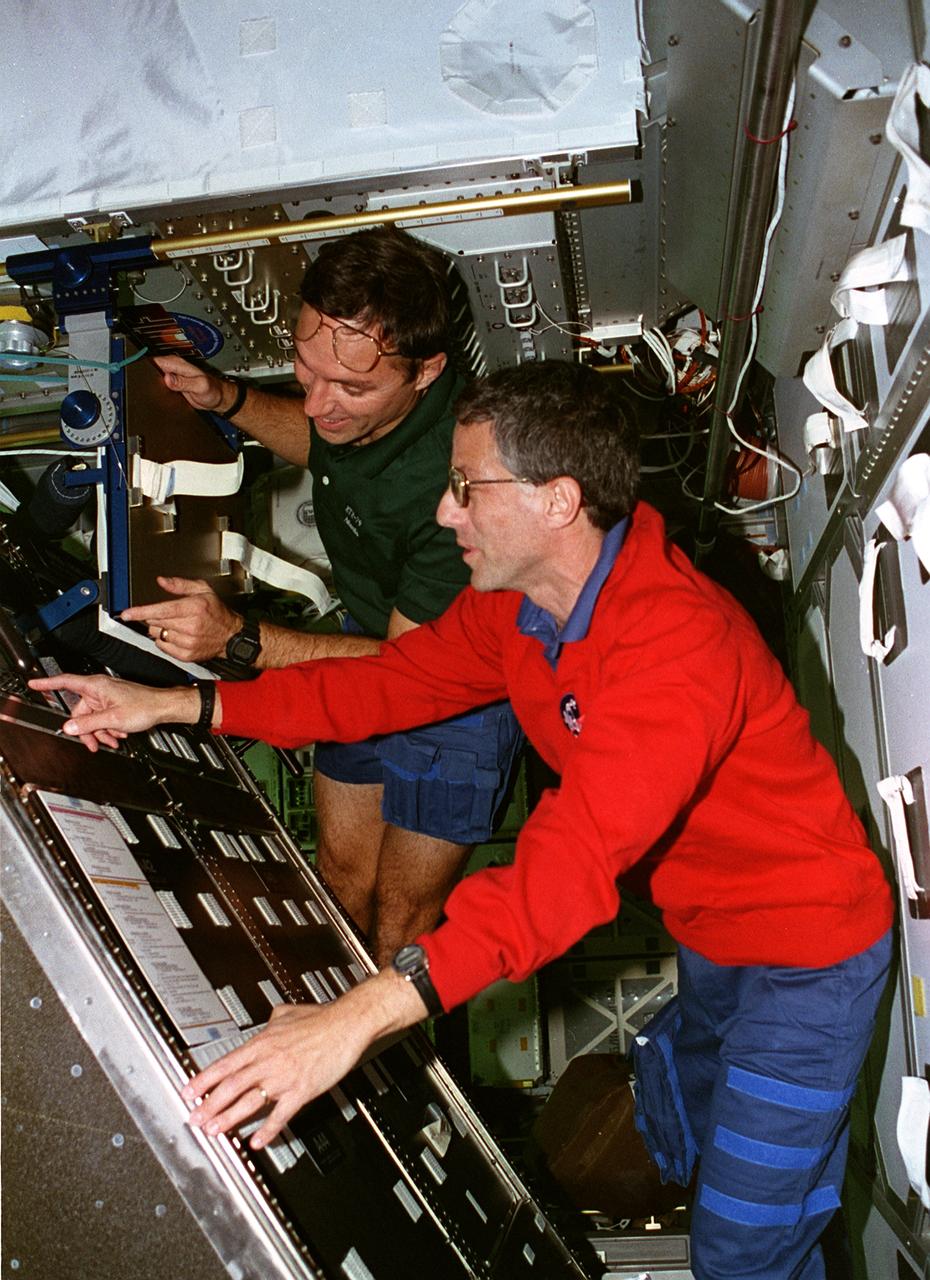
STS079-302-006 (16-26 Sept. 1996) --- Astronauts Jerome (Jay) Apt (right) and Carl E. Walz, both mission specialists, tilt the Active Rack Isolation System (ARIS) hardware which was included on this flight to evaluate conditions and hardware requirements for the International Space Station (ISS). The ARIS is designed to isolate certain experiments from major disturbances that are expected to be found on the ISS, such as vibrations caused by the movement of mechanisms and crew members and the operation of equipment. STS-79 was chosen for the inclusion of the experiment because the Shuttle-Mir complex more closely approximates the acceleration environment of the ISS.
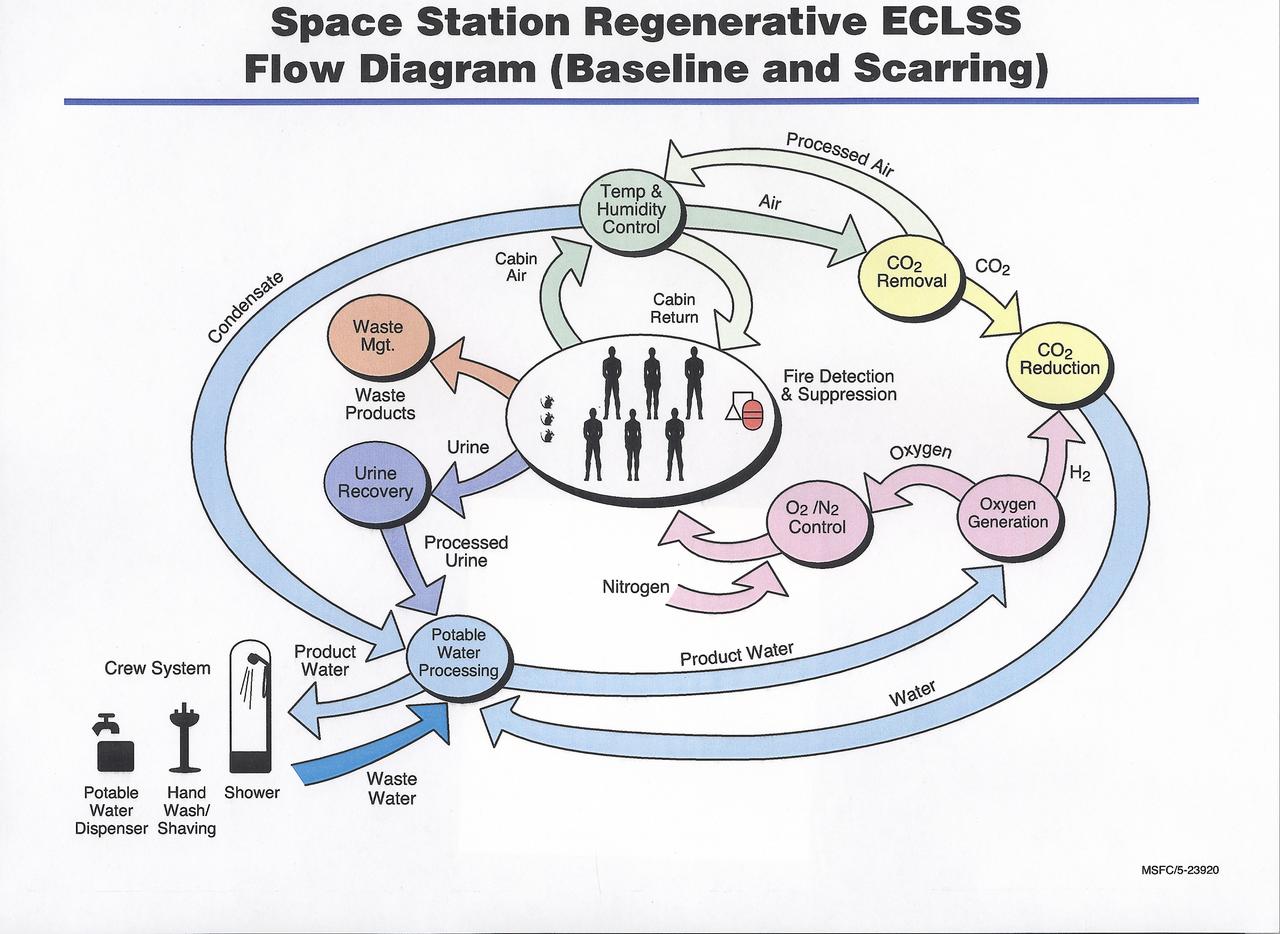
This diagram shows the flow of recyclable resources in the International Space Station (ISS). The Environmental Control and Life Support System (ECLSS) Group of the Flight Projects Directorate at the Marshall Space Flight Center is responsible for the regenerative ECLSS hardware, as well as providing technical support for the rest of the system. The regenerative ECLSS, whose main components are the Water Recovery System (WRS), and the Oxygen Generation System (OGS), reclaims and recycles water and oxygen. The ECLSS maintains a pressurized habitation environment, provides water recovery and storage, maintains and provides fire detection / suppression, and provides breathable air and a comfortable atmosphere in which to live and work within the ISS. The ECLSS hardware will be located in the Node 3 module of the ISS.
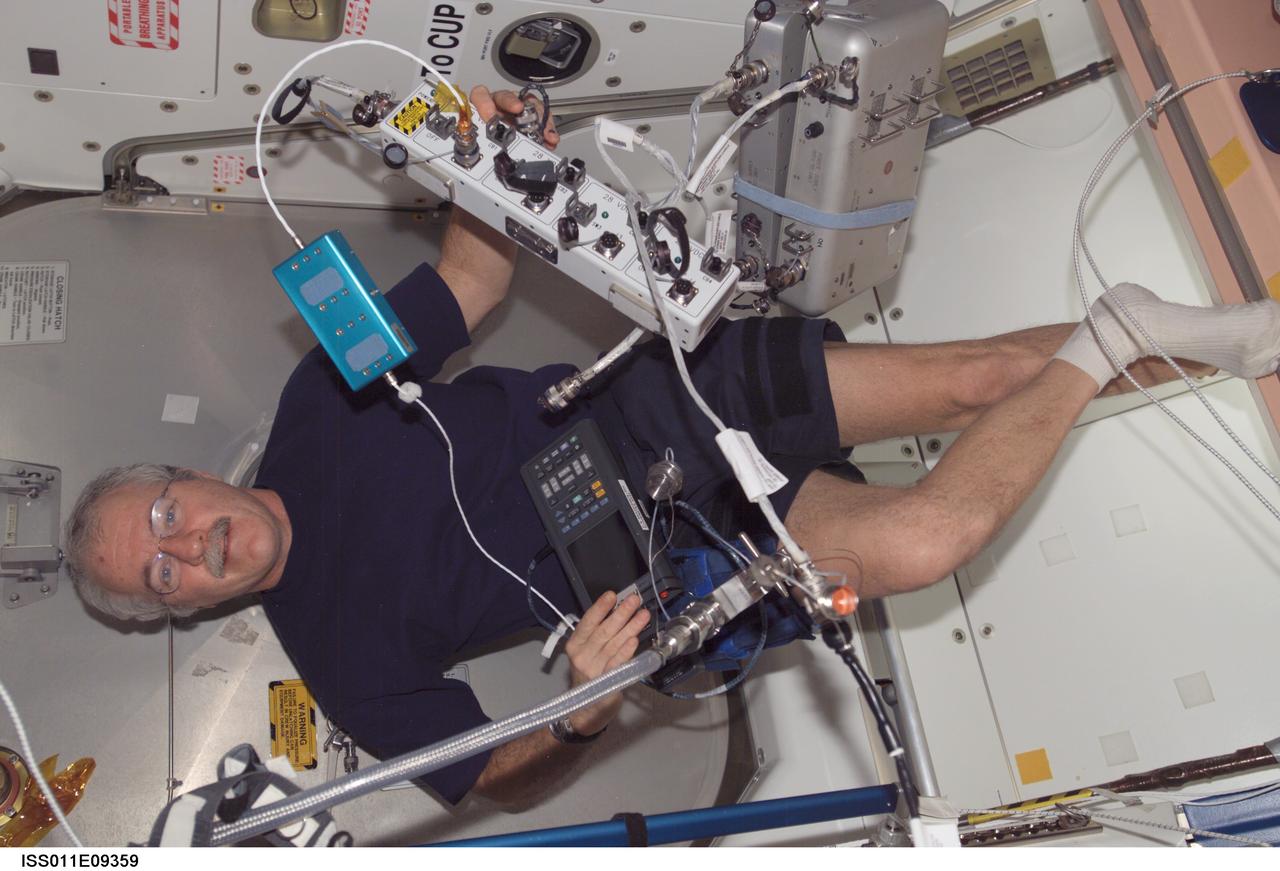
ISS011-E-09359 (21 June 2005) --- Astronaut John L. Phillips, Expedition 11 NASA ISS science officer and flight engineer, tries to sort out various hardware in the Unity node of the International Space Station (ISS).
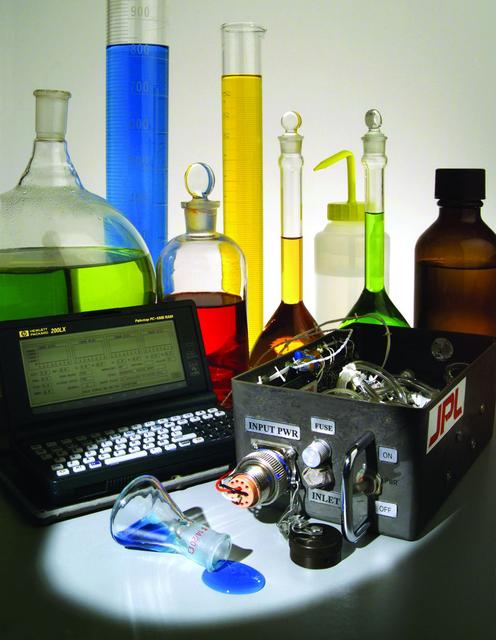
The Jet Propulsion Laboratory has designed and built an electronic nose system -- ENose -- to take on the duty of staying alert for smells that could indicate hazardous conditions in a closed spacecraft environment. Its sensors are tailored so they conduct electricity differently when an air stream carries a particular chemical across them. JPL has designed and built a 3-pound flight version (shown with palm-size control and data computer). The active parts are 32 sensors, each with a different mix of polymers saturated with carbon. When certain chemicals latch onto a sensor, they change how the sensor conducts electricity. This signal tells how much of a compound is in the air. The electronic nose flown aboard STS-95 in 1998 was capable of successfully detecting 10 toxic compounds.
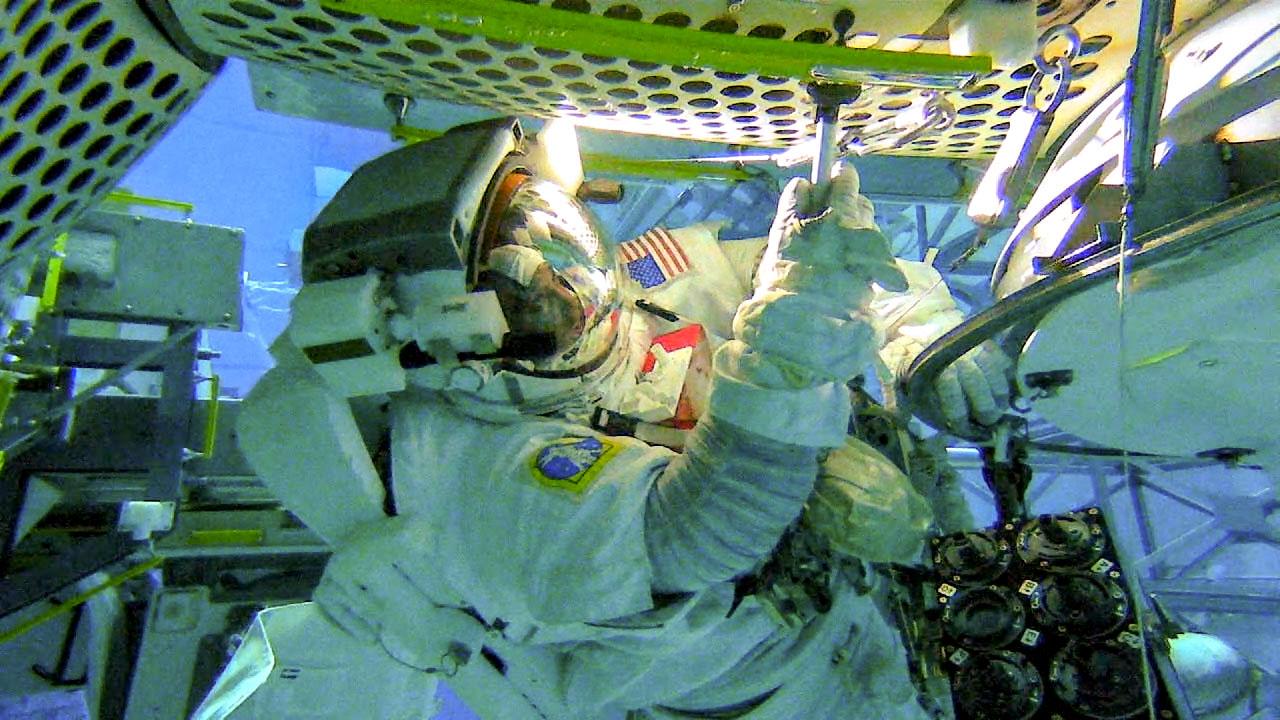
jsc2023e026248 (2/7/2023) --- NASA astronaut Victor Glover tests hardware for the ISS External Microorganisms investigation at the Neutral Buoyancy Laboratory at NASA’s Johnson Space Center in Houston.
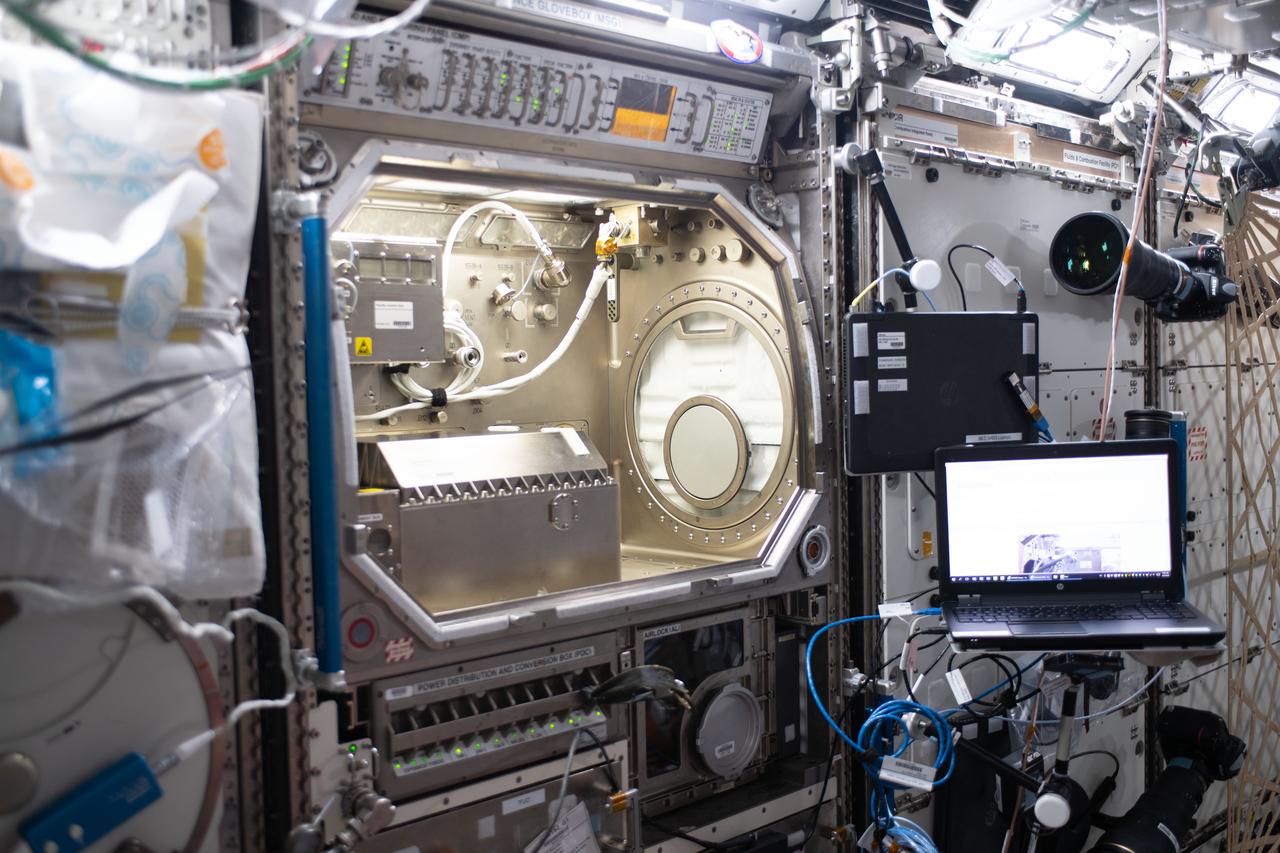
iss062e080867 (3/5/2020) --- A view of the Transparent Alloys Hardware Setup in the Microgravity Sciences Glovebox (MSG) Work Volume (WV) in the U.S. Destiny Laboratory aboard the International Space Station (ISS).
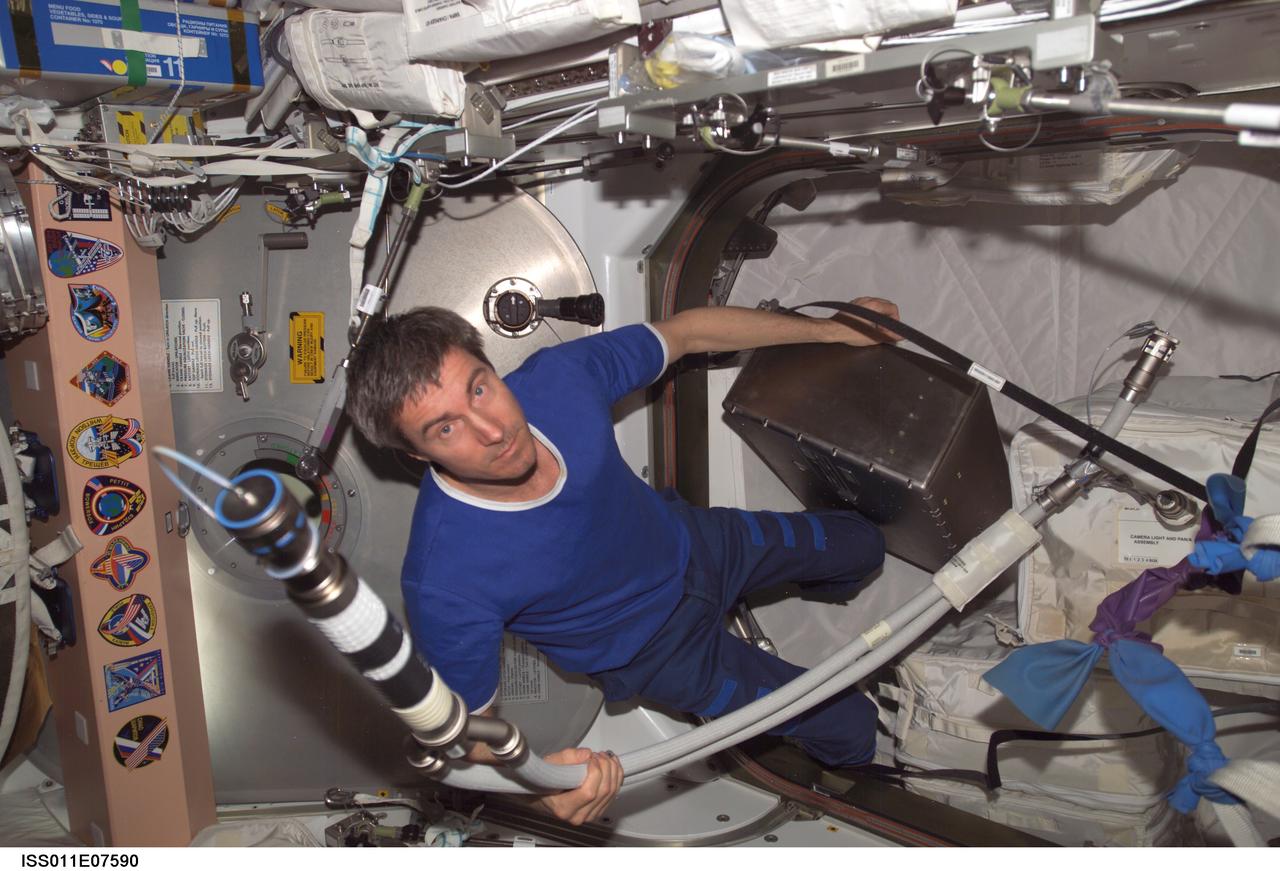
ISS011-E-07590 (30 May 2005) --- Cosmonaut Sergei K. Krikalev, Expedition 11 commander representing Russia's Federal Space Agency, participates in hardware transfers on the International Space Station (ISS).
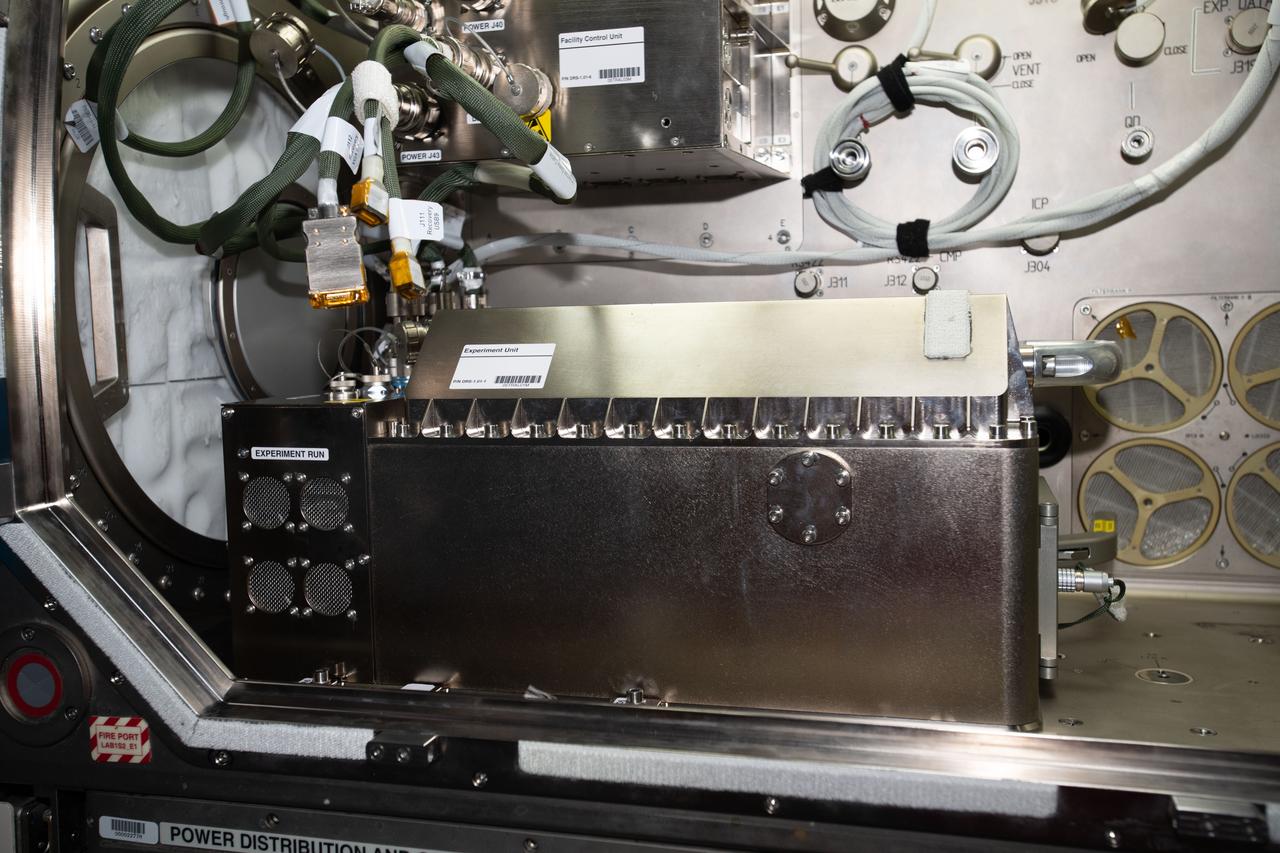
iss062e081047 (3/5/2020) --- A view of the Transparent Alloys Hardware Setup in the Microgravity Sciences Glovebox (MSG) Work Volume (WV) in the U.S. Destiny Laboratory aboard the International Space Station (ISS).
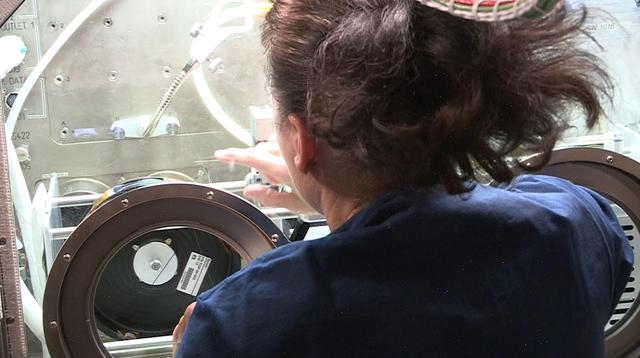
jsc2021e012558 (12/2021) --- NASA astronaut Shannon Walker, handling the fiber produced by the second iteration of FOP hardware (FOP1.5) during the ISS demo in December 2020. Image courtesy of Physical Optics Corporation.
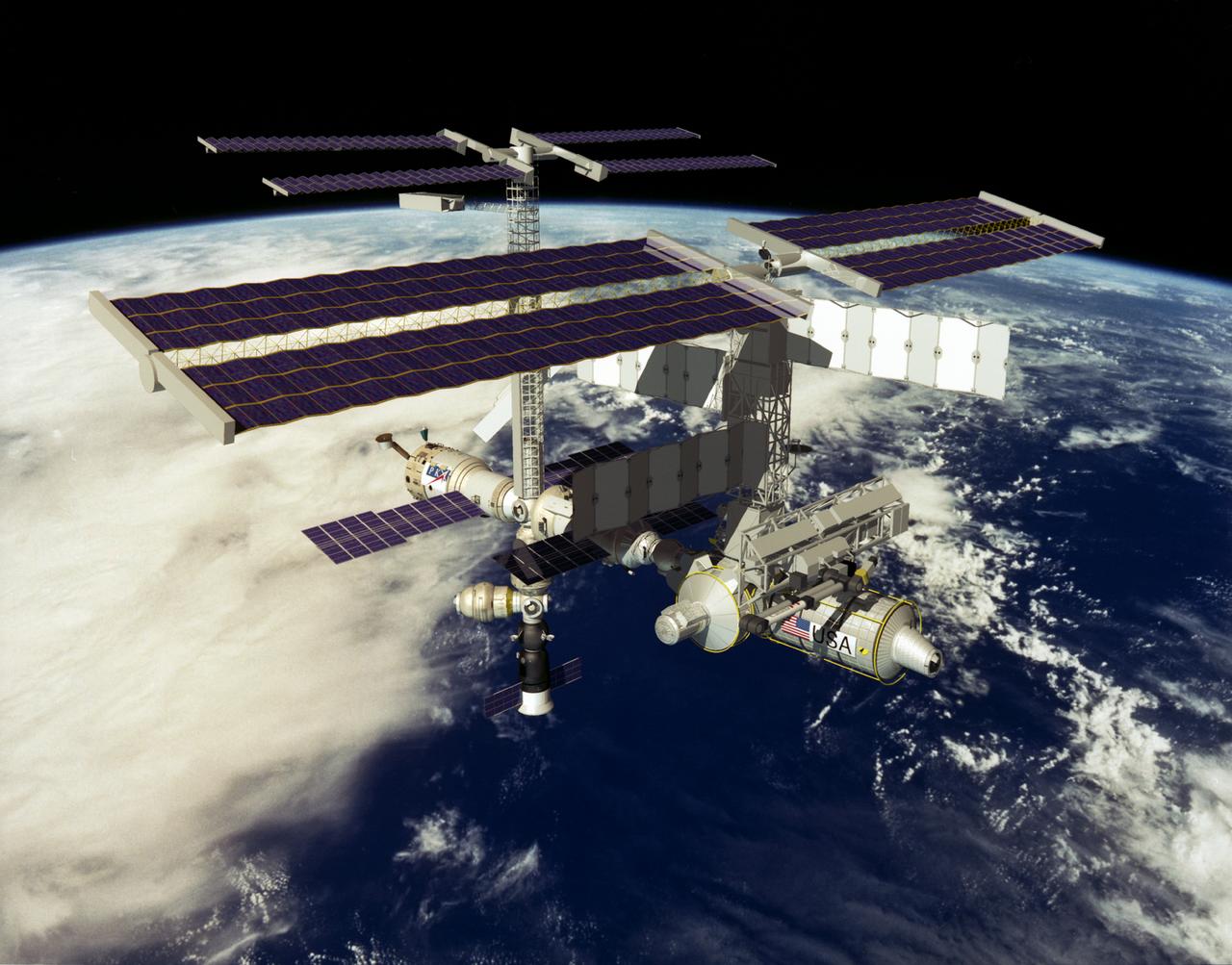
This computer generated scene of the International Space Station (ISS) represents the first addition of hardware following the completion of Phase II. The 8-A Phase shows the addition of the S-9 truss.

Photographs of the Low Impact Docking System (LIDS); this hardware is a test for the ORION docking birthing system to connect the Crew Exploration Vehicle (CEV) to the International Space Station (ISS); atomic oxygen 12 inch seals testing
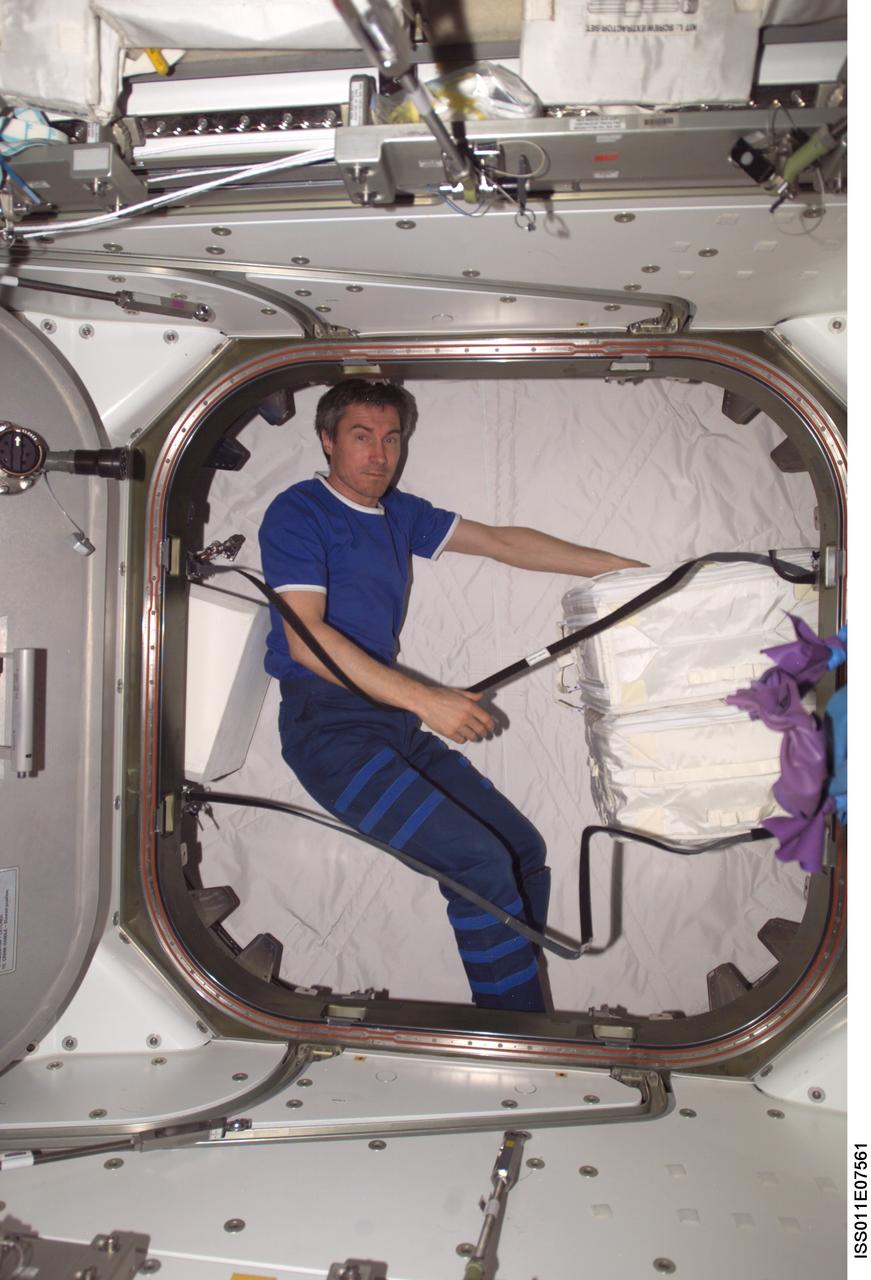
ISS011-E-07561 (30 May 2005) --- Cosmonaut Sergei K. Krikalev, Expedition 11 commander representing Russia's Federal Space Agency, participates in hardware transfers on the International Space Station (ISS).
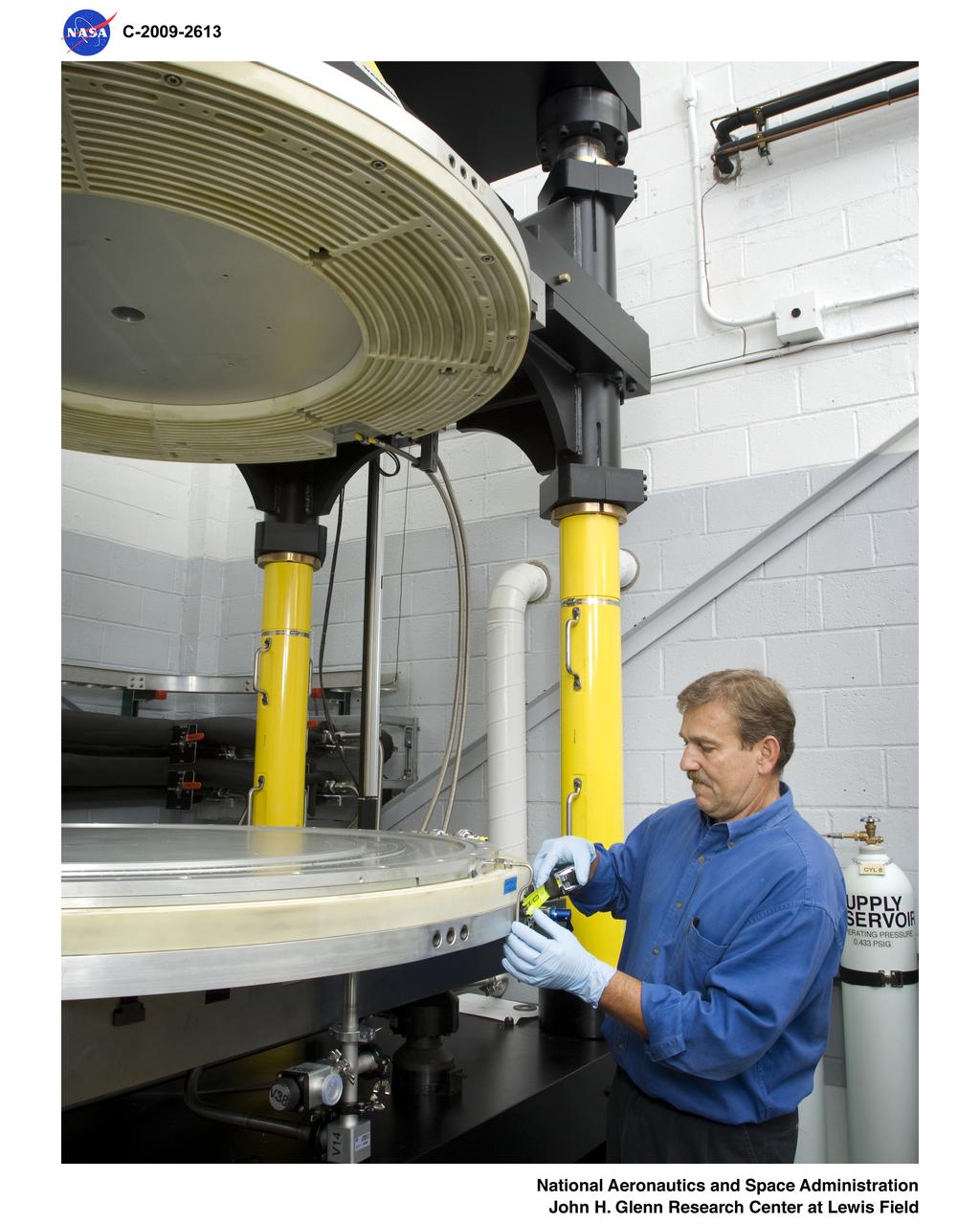
Photographs of the Low Impact Docking System (LIDS); this hardware is a test for the ORION docking birthing system to connect Crew Exploration Vehicle (CEV) to the International Space Station (ISS)
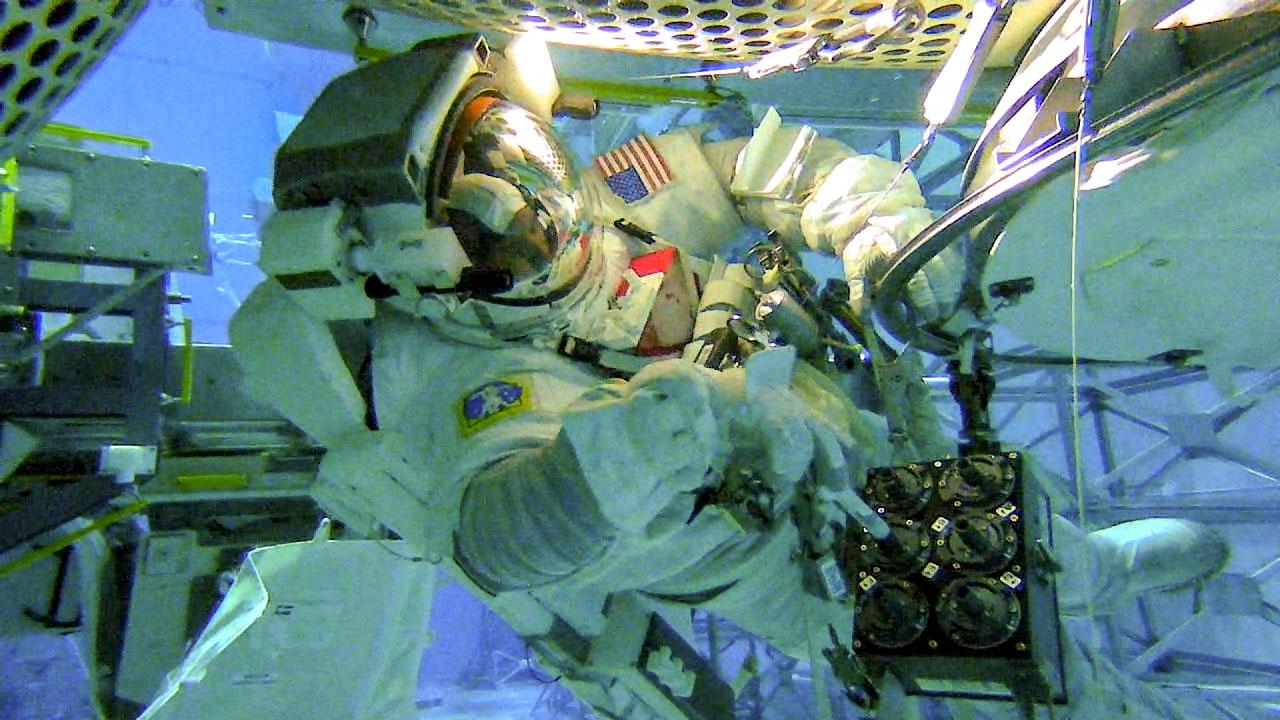
jsc2023e026247 (2/7/2023) --- NASA astronaut Victor Glover tests hardware for the ISS External Microorganisms investigation at the Neutral Buoyancy Laboratory at NASA’s Johnson Space Center in Houston.
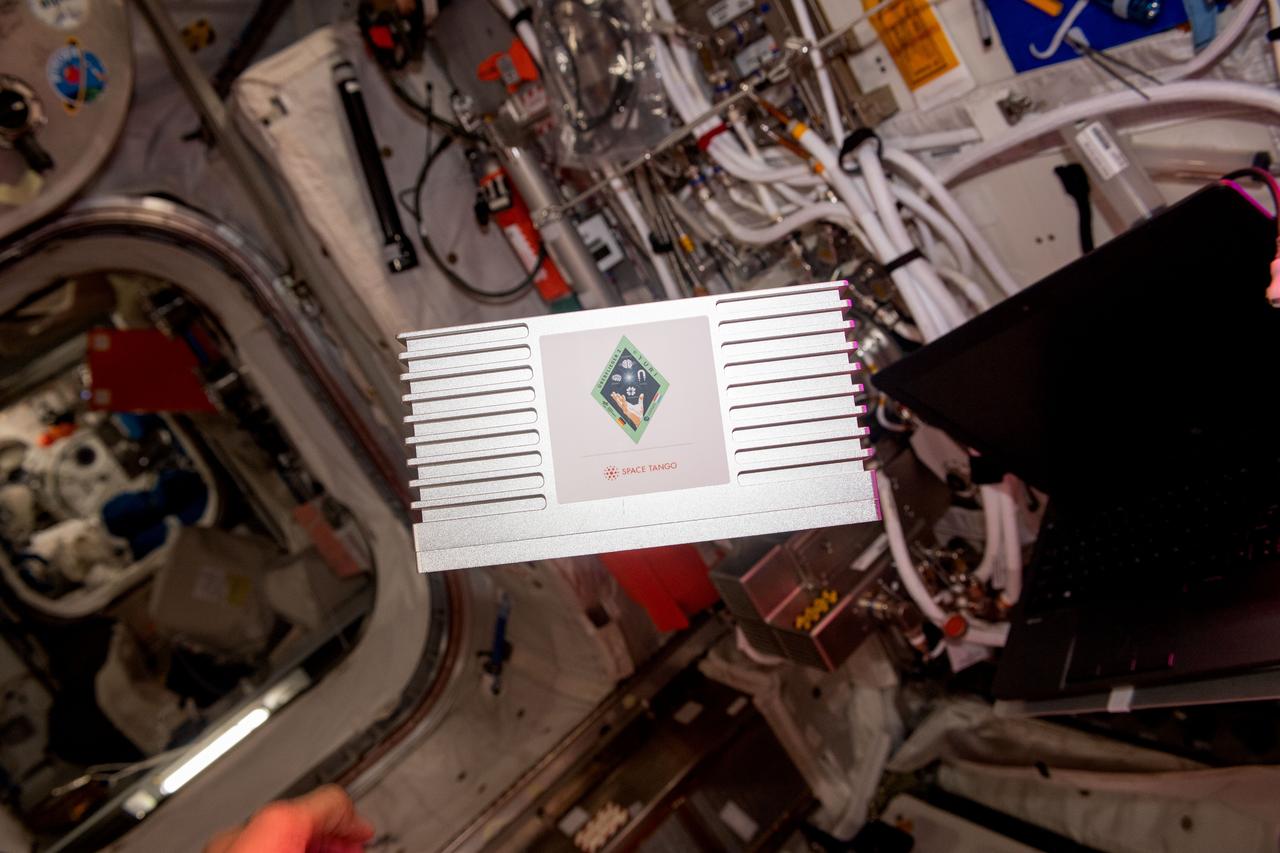
iss069e003201 (4/13/2023) --- A view of the Yuri investigation aboard the International Space Station (ISS). Yuri uses Space Tango CubeLab hardware to host four independent investigations developed by research teams in Germany and Luxembourg.
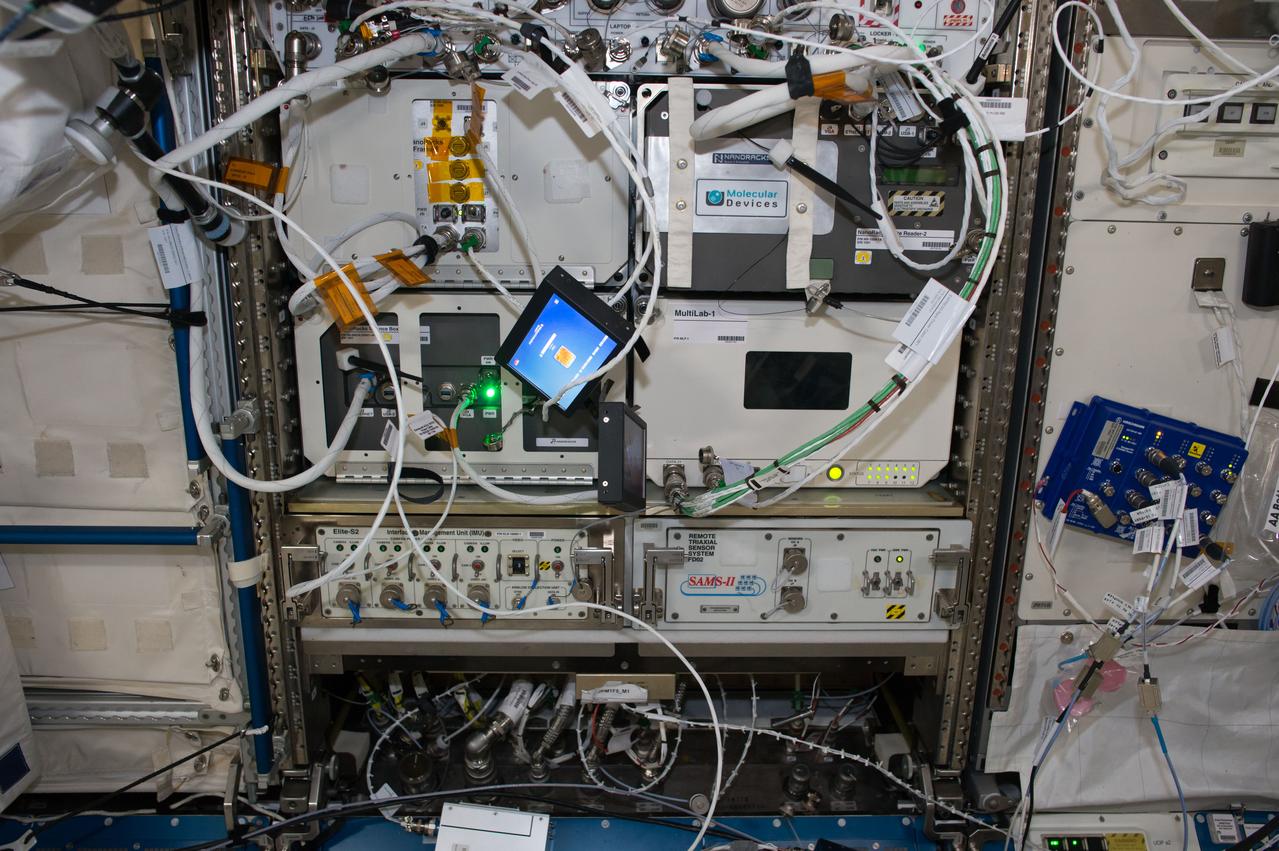
iss050e033362 (1/18/2017) -- A view of Space Acceleration Measurement System-II (SAMS-II), an ongoing study of the small forces (vibrations and accelerations) on the International Space Station (ISS) resulting from the operation of hardware, crew activities, dockings and maneuvering. Results generalize the types of vibrations affecting vibration-sensitive experiments and structural life of ISS. Investigators and Structural Analysts seek to better understand the vibration environment on the ISS using SAMS-II data and assessing station loads and dynamics.
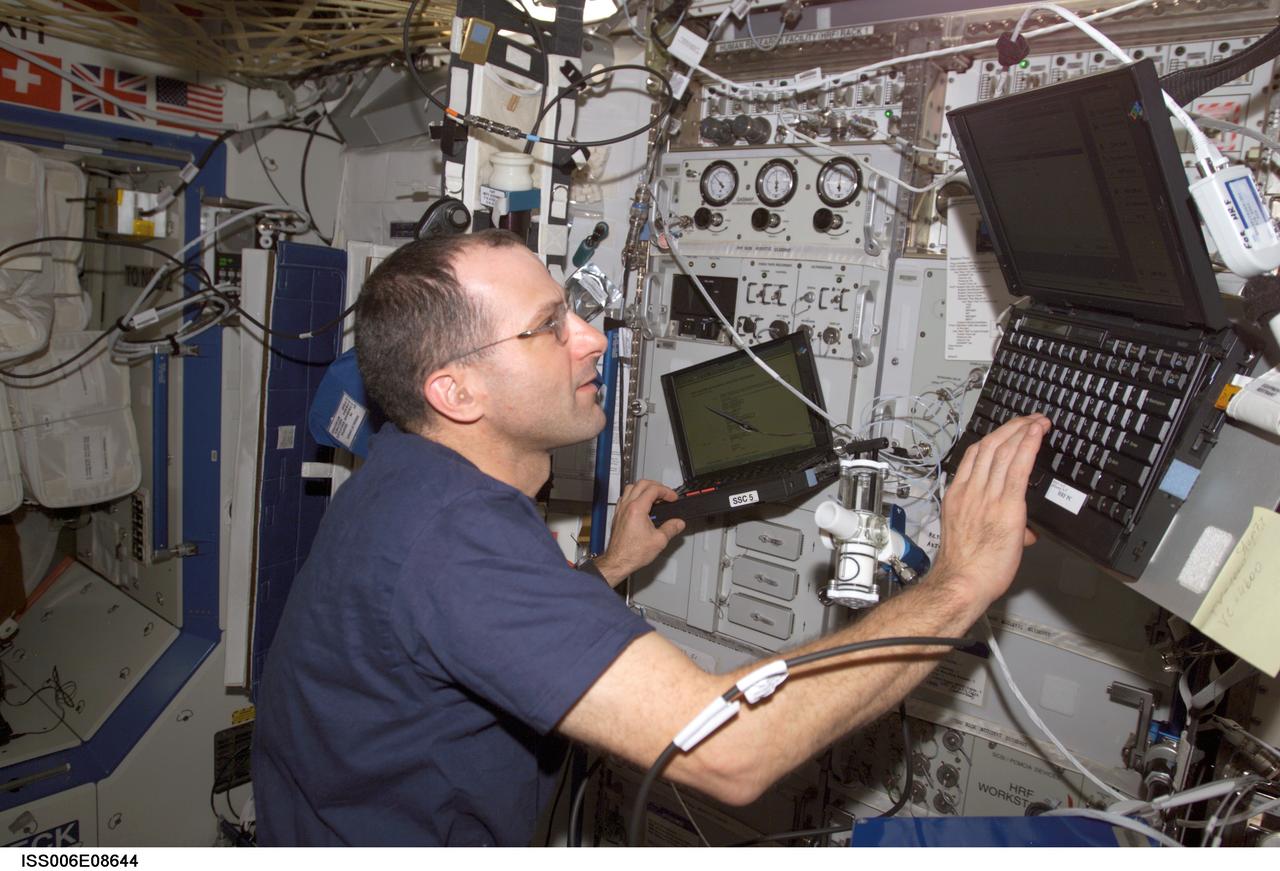
ISS006-E-08644 (9 December 2002) --- Astronaut Donald R. Pettit, Expedition Six NASA ISS science officer, works to set up Pulmonary Function in Flight (PuFF) hardware in preparation for a Human Research Facility (HRF) experiment in the Destiny laboratory on the International Space Station (ISS). Expedition Six is the fourth and final expedition crew to perform the HRF/PuFF Experiment on the ISS.
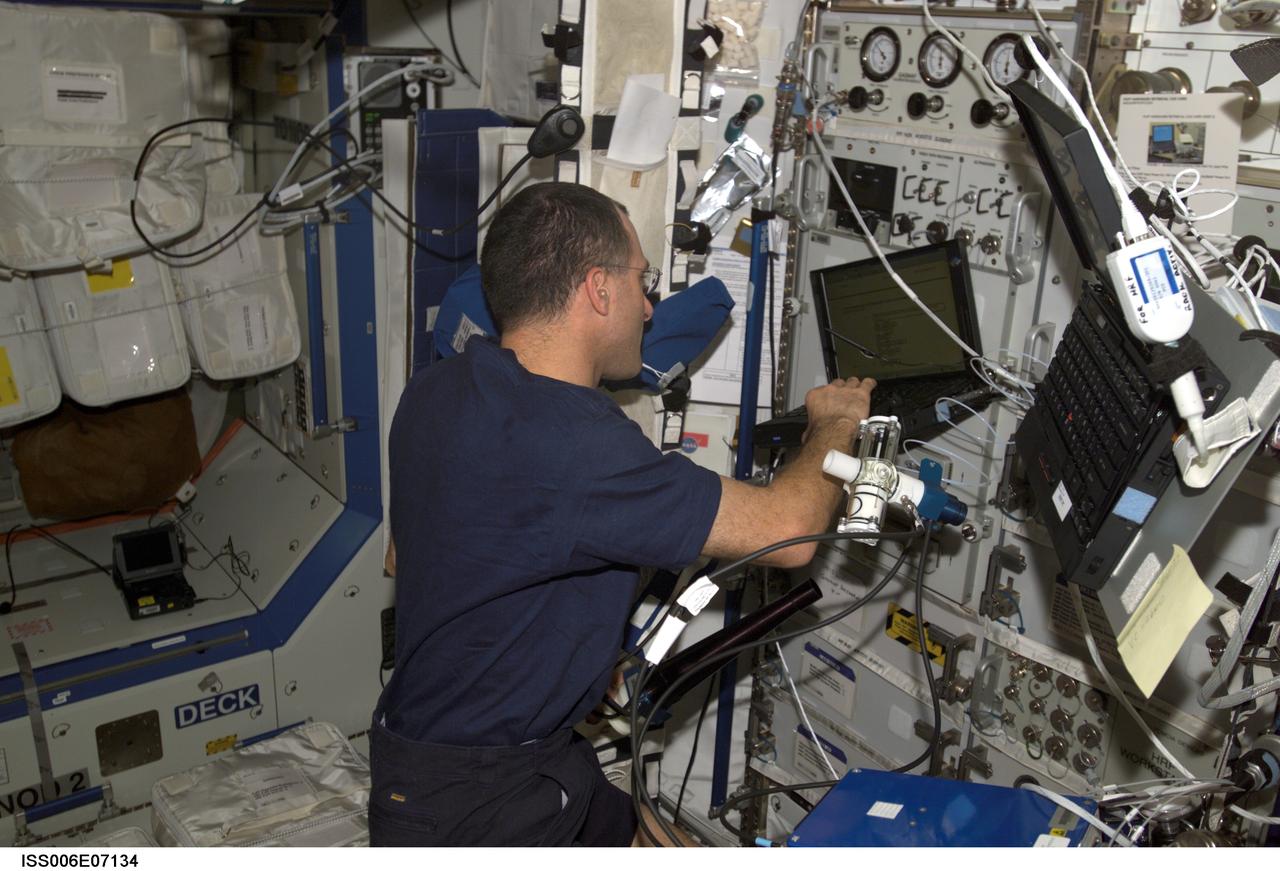
ISS006-E-07134 (9 December 2002) --- Astronaut Donald R. Pettit, Expedition Six NASA ISS science officer, works to set up Pulmonary Function in Flight (PuFF) hardware in preparation for a Human Research Facility (HRF) experiment in the Destiny laboratory on the International Space Station (ISS). Expedition Six is the fourth and final expedition crew to perform the HRF/PuFF Experiment on the ISS.
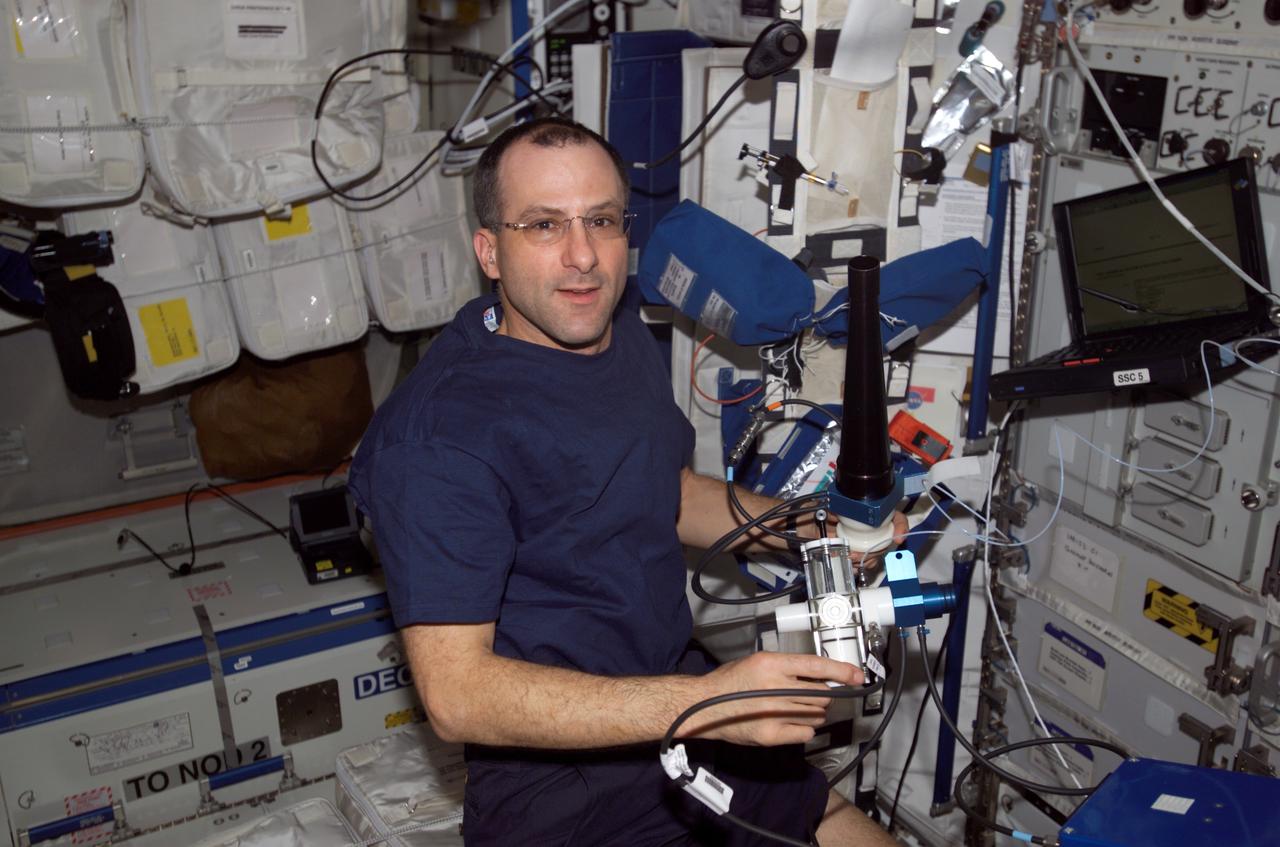
ISS006-E-07133 (9 December 2002) --- Astronaut Donald R. Pettit, Expedition 6 NASA ISS science officer, works to set up Pulmonary Function in Flight (PuFF) hardware in preparation for a Human Research Facility (HRF) experiment in the Destiny laboratory on the International Space Station (ISS). Expedition 6 is the fourth and final expedition crew to perform the HRF/PuFF Experiment on the ISS.
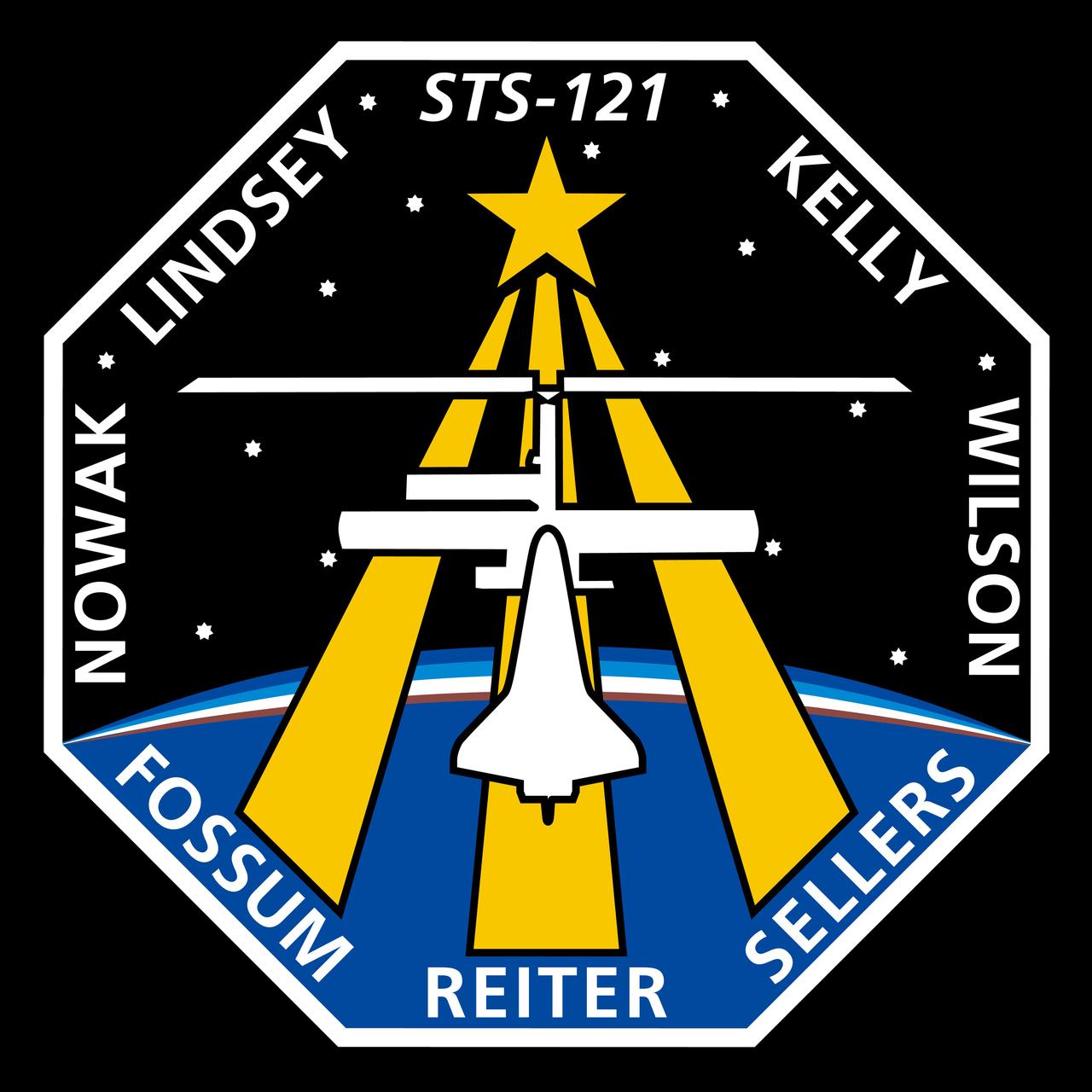
The STS-121 patch depicts the Space Shuttle docked with the International Space Station (ISS) in the foreground, overlaying the astronaut symbol with three gold columns and a gold star. The ISS is shown in the configuration that it was during the STS-121 mission. The background shows the nighttime Earth with a dawn breaking over the horizon. STS-121, ISS mission ULF1.1, was the final Shuttle Return to Flight test mission. This utilization and logistics flight delivered a multipurpose logistics module (MPLM) to the ISS with several thousand pounds of new supplies and experiments. In addition, some new orbital replacement units (ORUs) were delivered and stowed externally on the ISS on a special pallet. These ORUs are spares for critical machinery located on the outside of the ISS. During this mission the crew also carried out testing of Shuttle inspection and repair hardware, as well as evaluated operational techniques and concepts for conducting on-orbit inspection and repair.
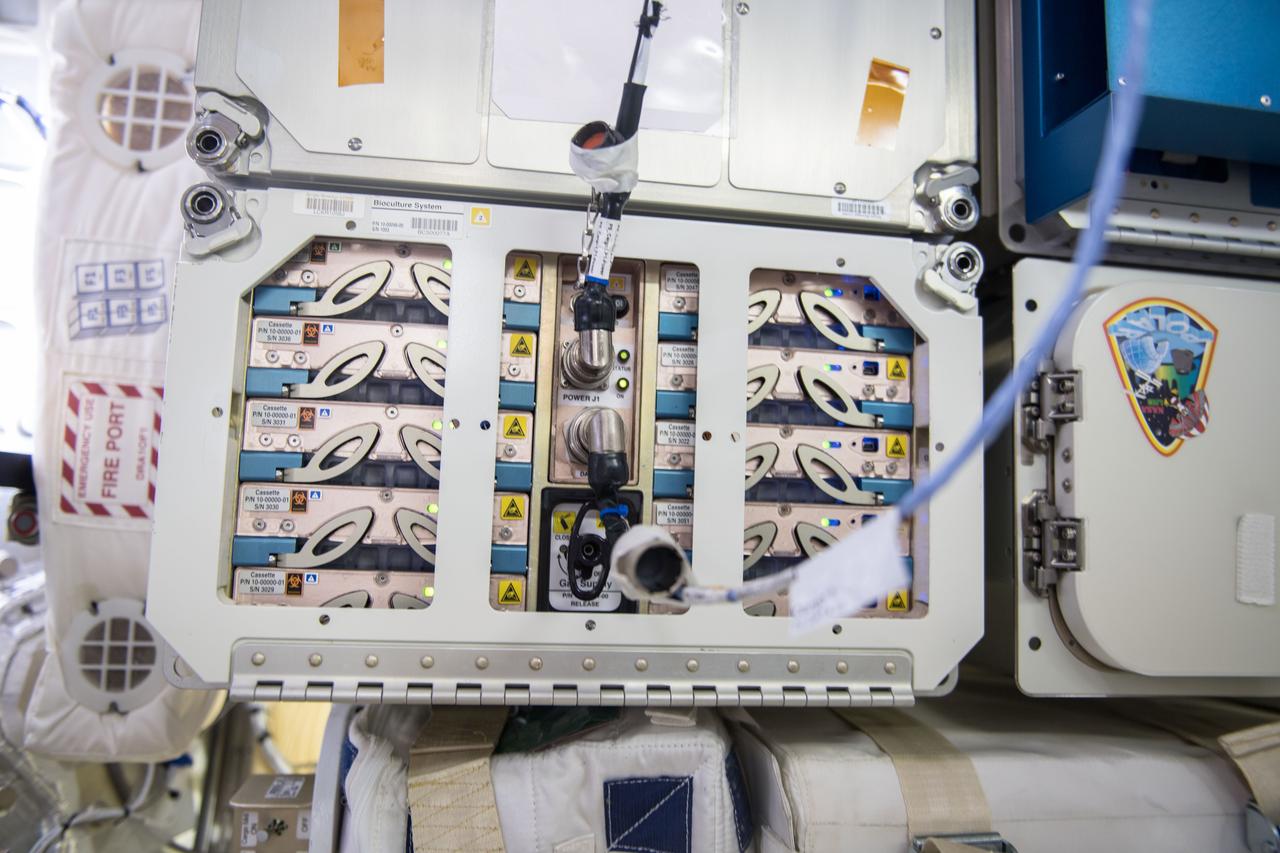
iss054e020928 (1/12/2018) --- Photo documentation of the Bioculture System Facility installed in the SpaceX Dragon Commercial Resupply Services-13 (CRS-13) spacecraft for return to Earth. The Bioculture System Hardware Validation (Cell Science-Validation) tests the performance and life-support capability of a new cell culture hardware system for use aboard the International Space Station (ISS).
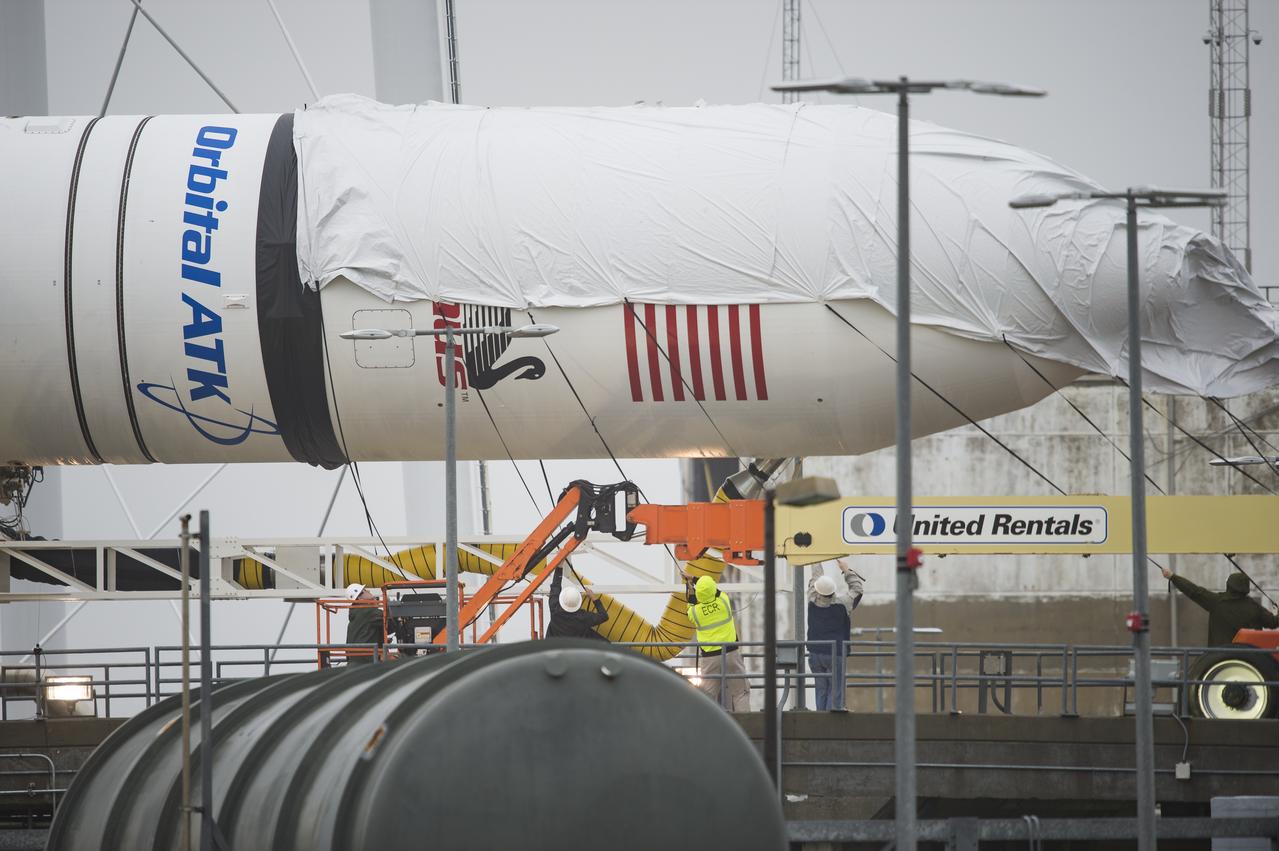
The Orbital ATK Antares rocket, with the Cygnus spacecraft onboard, is prepared to be raised at launch Pad-0A, Friday, May 18, 2018 at Wallops Flight Facility in Virginia. The Antares will launch with the Cygnus spacecraft filled with 7,400 pounds of cargo for the International Space Station (ISS), including science experiments, crew supplies, and vehicle hardware. The mission is Orbital ATK's ninth contracted cargo delivery flight to ISS for NASA. Photo Credit: (NASA/Aubrey Gemignani)
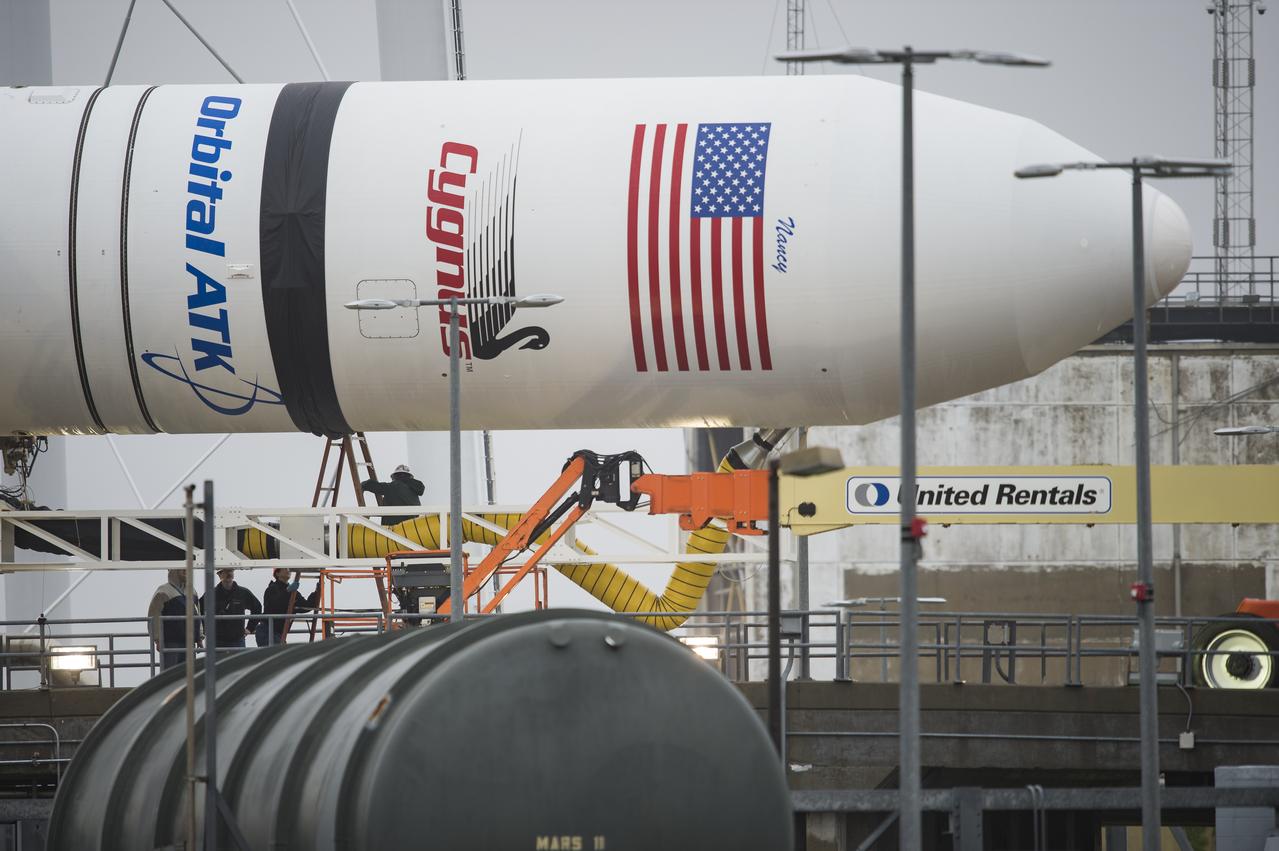
The Orbital ATK Antares rocket, with the Cygnus spacecraft onboard, is prepared to be raised at launch Pad-0A, Friday, May 18, 2018 at Wallops Flight Facility in Virginia. The Antares will launch with the Cygnus spacecraft filled with 7,400 pounds of cargo for the International Space Station (ISS), including science experiments, crew supplies, and vehicle hardware. The mission is Orbital ATK's ninth contracted cargo delivery flight to ISS for NASA. Photo Credit: (NASA/Aubrey Gemignani)
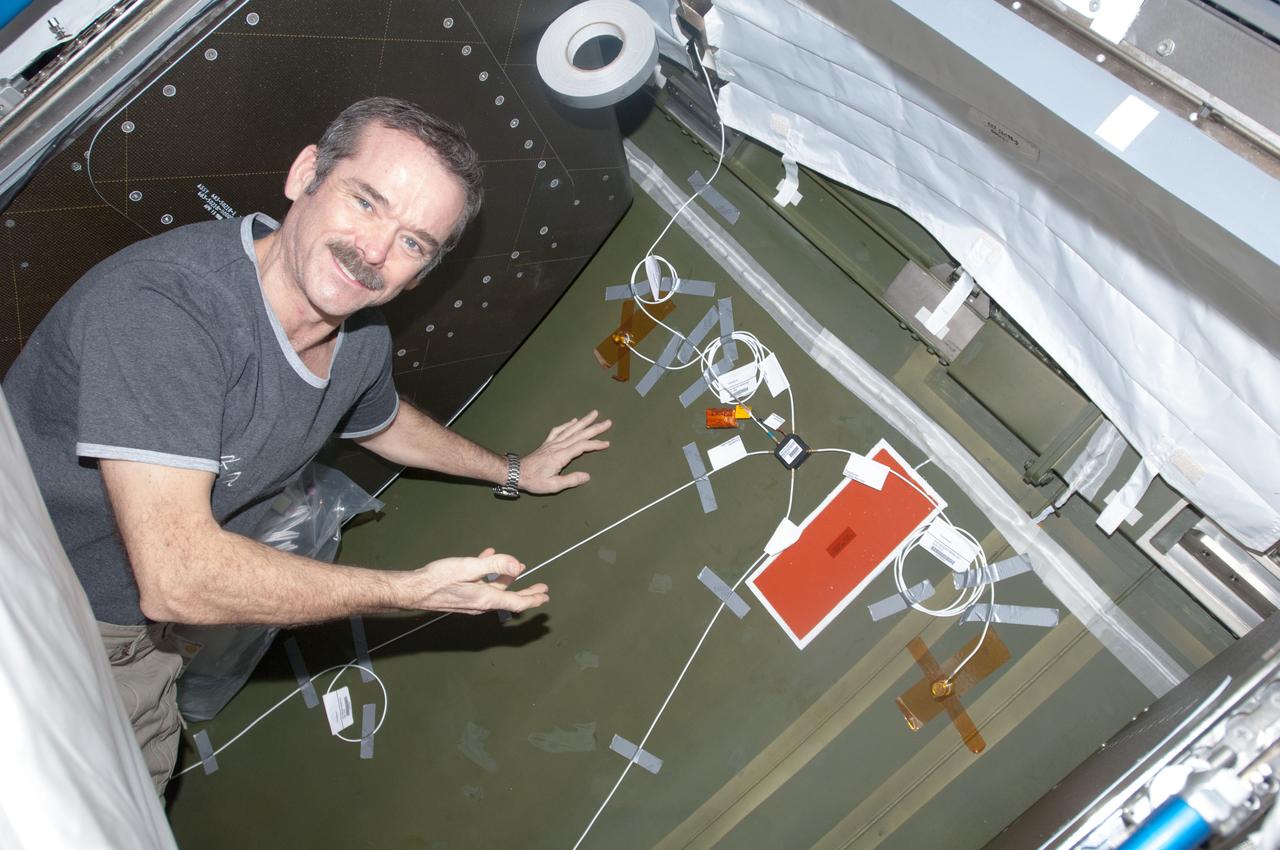
View of Canadian Space Agency (CSA) Chris Hadfield,Expedition 34 Flight Engineer (FE),installing Ultra-Sonic Background Noise Tests (UBNT) sensors behind rack in the U.S. Laboratory using the International Space Station (ISS) as Testbed for Analog Research (ISTAR) procedures. These sensors detect high frequency noise levels generated by ISS hardware and equipment operating within the U.S. Laboratory. Photo was taken during Expedition 34.

The Orbital ATK Antares rocket, with the Cygnus spacecraft onboard, is raised at launch Pad-0A, Friday, May 18, 2018 at Wallops Flight Facility in Virginia. The Antares will launch with the Cygnus spacecraft filled with 7,400 pounds of cargo for the International Space Station (ISS), including science experiments, crew supplies, and vehicle hardware. The mission is Orbital ATK's ninth contracted cargo delivery flight to ISS for NASA. Photo Credit: (NASA/Aubrey Gemignani)
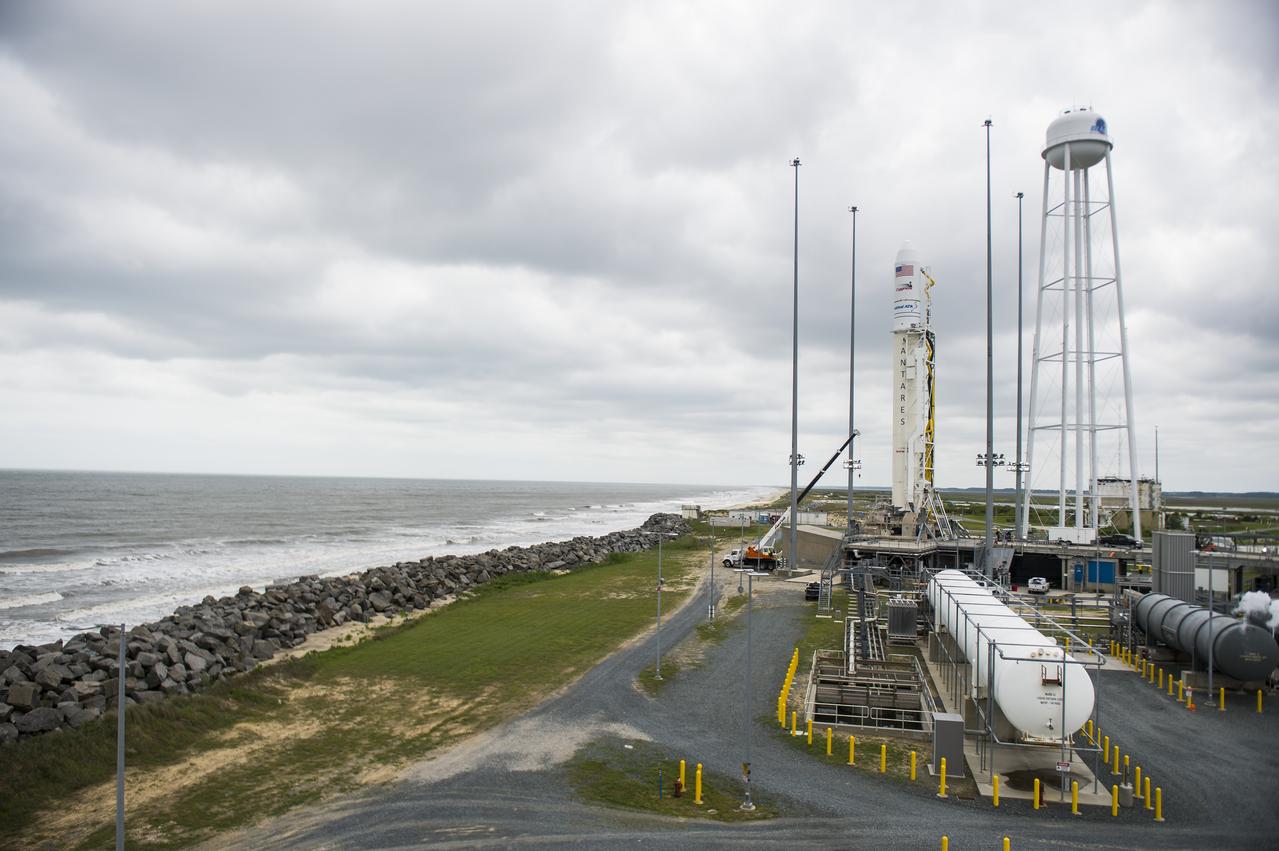
The Orbital ATK Antares rocket, with the Cygnus spacecraft onboard, is seen at launch Pad-0A, Sunday, May 20, 2018 at Wallops Flight Facility in Virginia. The Antares will launch with the Cygnus spacecraft filled with 7,400 pounds of cargo for the International Space Station (ISS), including science experiments, crew supplies, and vehicle hardware. The mission is Orbital ATK's ninth contracted cargo delivery flight to ISS for NASA. Photo Credit: (NASA/Aubrey Gemignani)
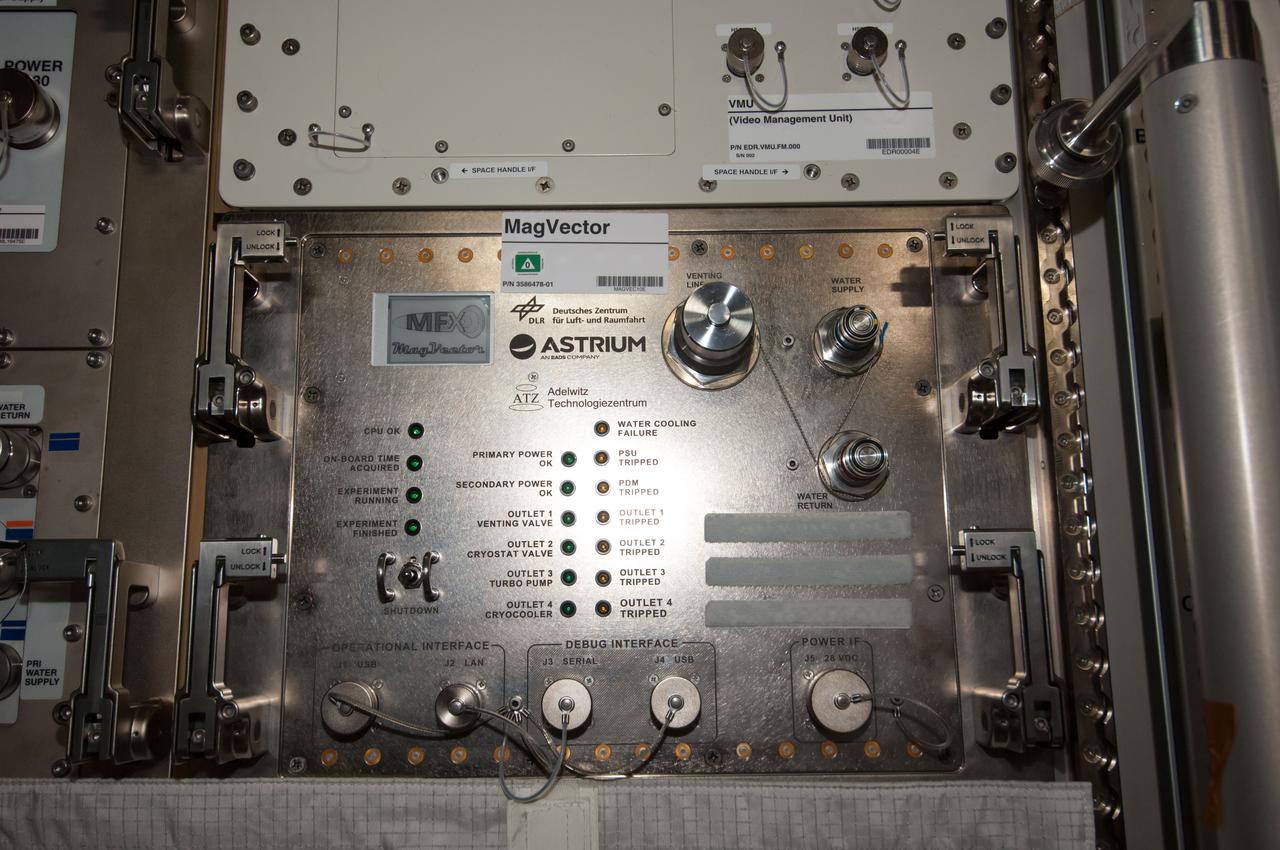
iss040e108291 (8/26/2014) --- Photographic documentation of final installation of MAGVECTOR hardware in the Columbus module aboard the International Space Station (ISS). MAGVECTOR qualitatively investigates the interaction between a moving magnetic field and an electrical conductor. The set up will provide initial insights regarding the principal feasibility on board the ISS,future improvements and phenomenological trends and dependencies. The expected changes in the magnetic field structure on the Ram and Wake side of the electrical conductor are of interest for technical applications as well as for astrophysical research.
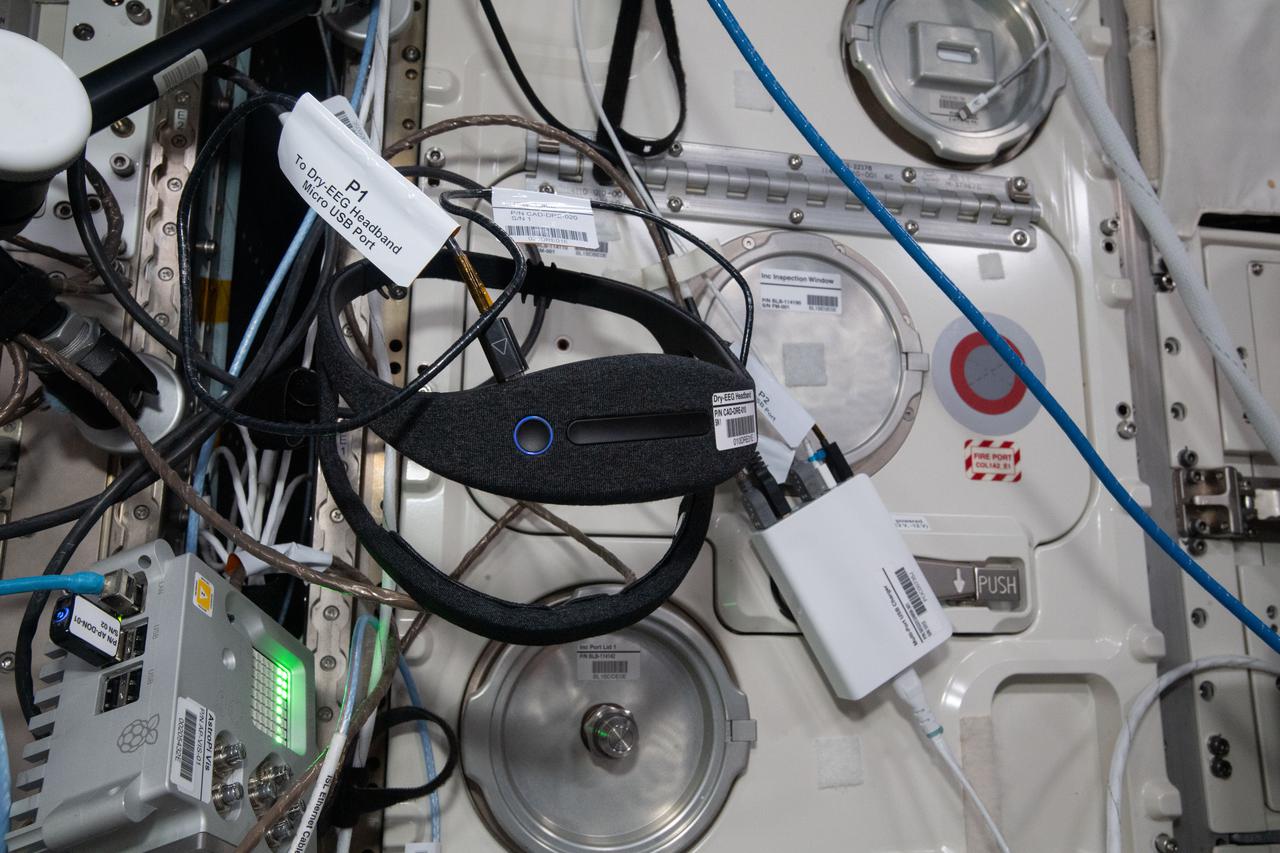
iss065e423775 (9/20/2021) --- A view of the Sleep Monitoring in Space with Dry-EEG Headband (Dreams) hardware in the Columbus module aboard the International Space Station (ISS). Dreams is a technology demonstration investigation that utilizes the Dry-EEG Headband: an effective, affordable, and comfortable solution to monitor astronaut sleep quality during long-duration spaceflight aboard the International Space Station (ISS).

The Orbital ATK Antares rocket, with the Cygnus spacecraft onboard, is raised at launch Pad-0A, Friday, May 18, 2018 at Wallops Flight Facility in Virginia. The Antares will launch with the Cygnus spacecraft filled with 7,400 pounds of cargo for the International Space Station (ISS), including science experiments, crew supplies, and vehicle hardware. The mission is Orbital ATK's ninth contracted cargo delivery flight to ISS for NASA. Photo Credit: (NASA/Aubrey Gemignani)
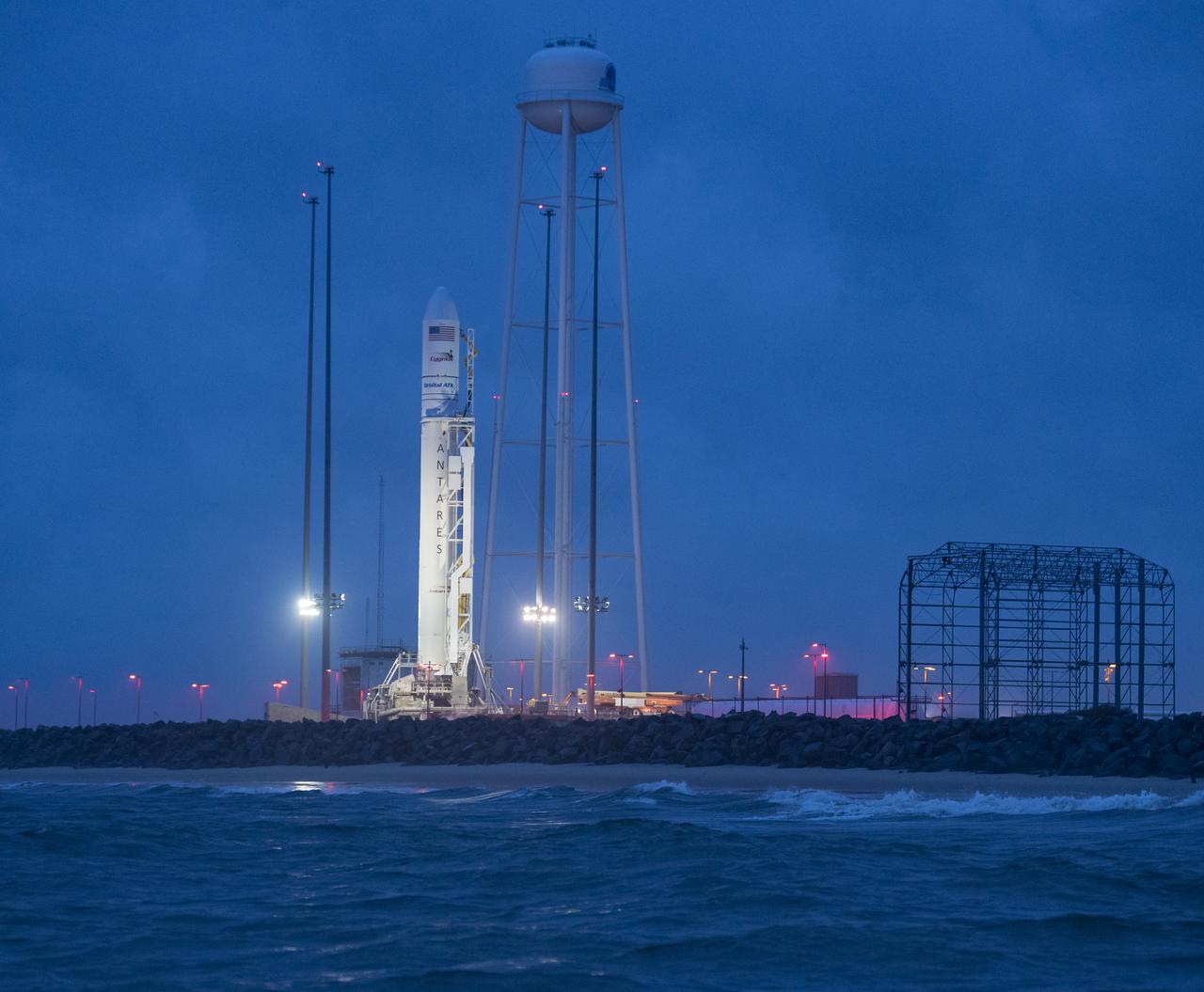
The Orbital ATK Antares rocket, with the Cygnus spacecraft onboard, is seen at launch Pad-0A, early Sunday, May 20, 2018 at Wallops Flight Facility in Virginia. The Antares will launch with the Cygnus spacecraft filled with 7,400 pounds of cargo for the International Space Station (ISS), including science experiments, crew supplies, and vehicle hardware. The mission is Orbital ATK's ninth contracted cargo delivery flight to ISS for NASA. Photo Credit: (NASA/Aubrey Gemignani)

JSC2001-E-39085 (18 October 2001) --- Cosmonaut Valeri G. Korzun (left), Expedition Five mission commander, astronaut Peggy A. Whitson, Expedition Five flight engineer, and astronaut Carl E. Walz, Expedition Four flight engineer, use the virtual reality lab at the Johnson Space Center (JSC) to train for their duties on the International Space Station (ISS). This type of computer interface paired with virtual reality training hardware and software helps the entire team for dealing with ISS elements. Korzun represents Rosaviakosmos.
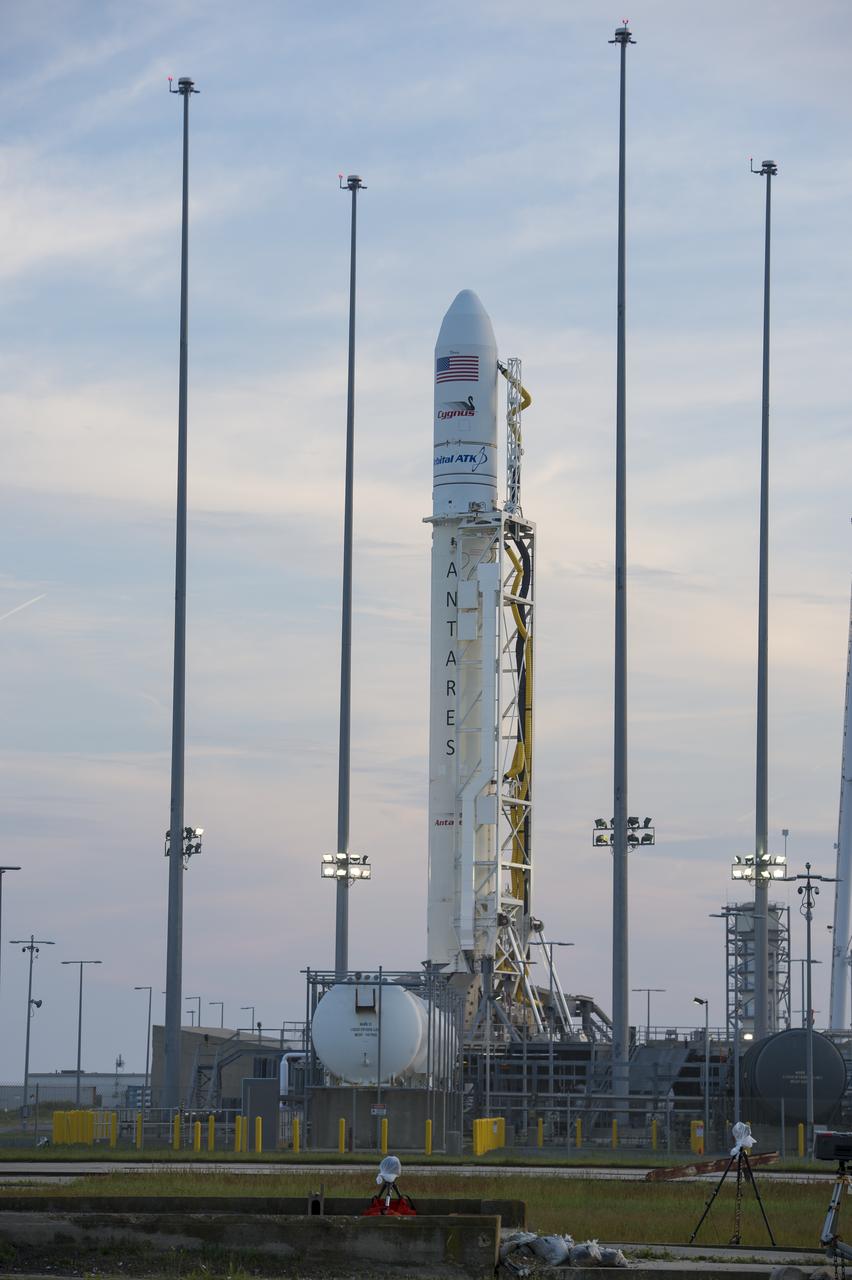
The Orbital ATK Antares rocket, with the Cygnus spacecraft onboard, is seen at launch Pad-0A, Sunday, May 20, 2018 at Wallops Flight Facility in Virginia. The Antares will launch with the Cygnus spacecraft filled with 7,400 pounds of cargo for the International Space Station (ISS), including science experiments, crew supplies, and vehicle hardware. The mission is Orbital ATK's ninth contracted cargo delivery flight to ISS for NASA. Photo Credit: (NASA/Aubrey Gemignani)
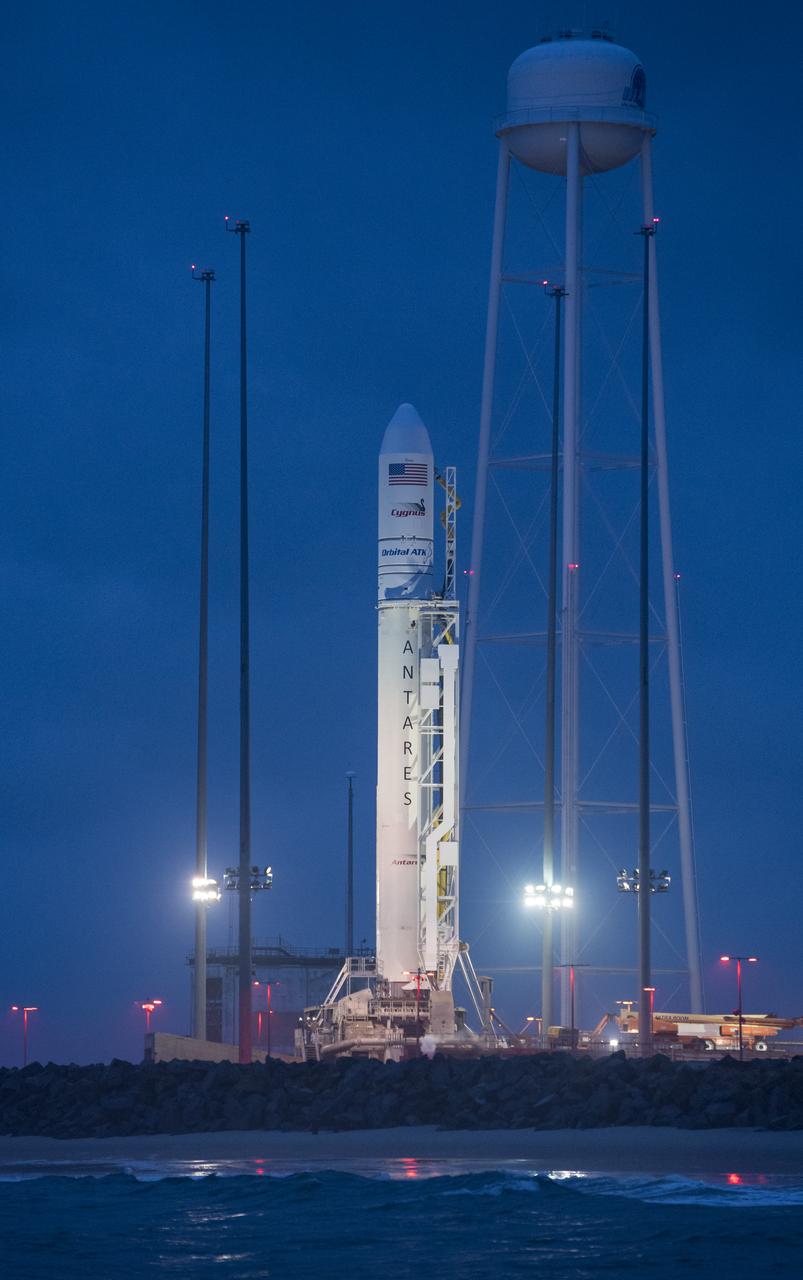
The Orbital ATK Antares rocket, with the Cygnus spacecraft onboard, is seen at launch Pad-0A, at sunrise Sunday, May 20, 2018 at Wallops Flight Facility in Virginia. The Antares will launch with the Cygnus spacecraft filled with 7,400 pounds of cargo for the International Space Station (ISS), including science experiments, crew supplies, and vehicle hardware. The mission is Orbital ATK's ninth contracted cargo delivery flight to ISS for NASA. Photo Credit: (NASA/Aubrey Gemignani)
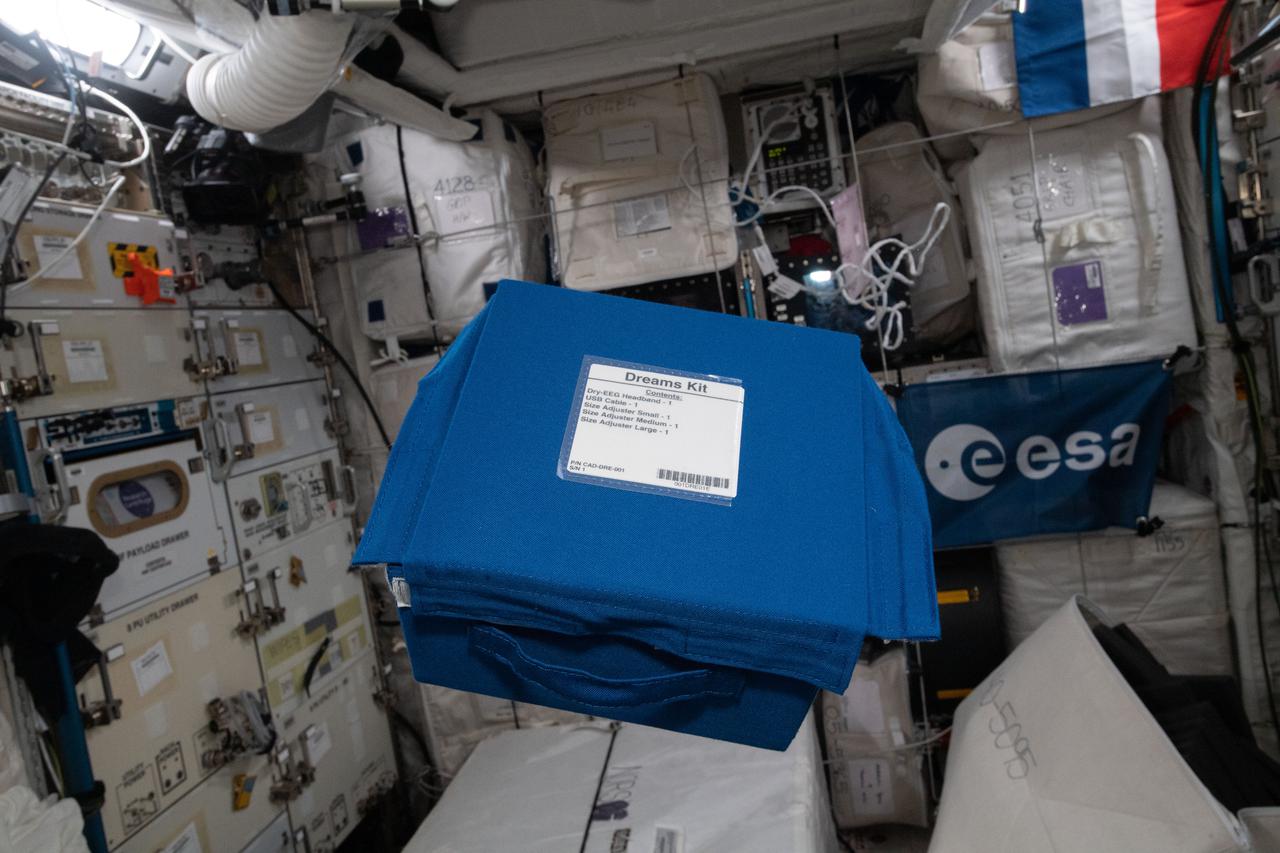
iss065e423768 (9/20/2021) --- A view of the Sleep Monitoring in Space with Dry-EEG Headband (Dreams) hardware in the Columbus module aboard the International Space Station (ISS). Dreams is a technology demonstration investigation that utilizes the Dry-EEG Headband: an effective, affordable, and comfortable solution to monitor astronaut sleep quality during long-duration spaceflight aboard the International Space Station (ISS).
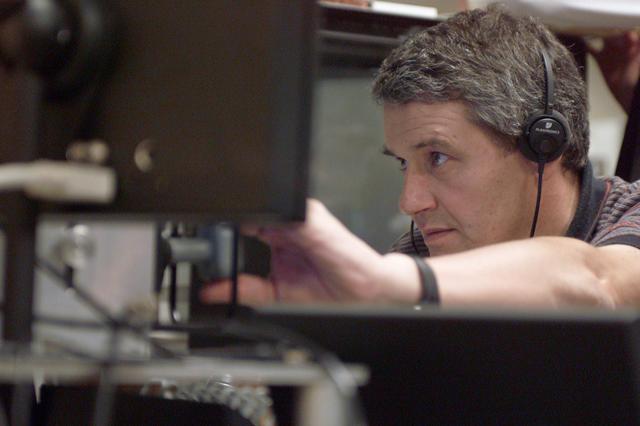
JSC2001-E-39090 (18 October 2001) --- Cosmonaut Valeri G. Korzun, Expedition Five mission commander representing Rosaviakosmos, uses the virtual reality lab at the Johnson Space Center (JSC) to train for his duties on the International Space Station (ISS). This type of computer interface paired with virtual reality training hardware and software helps the entire team for dealing with ISS elements.
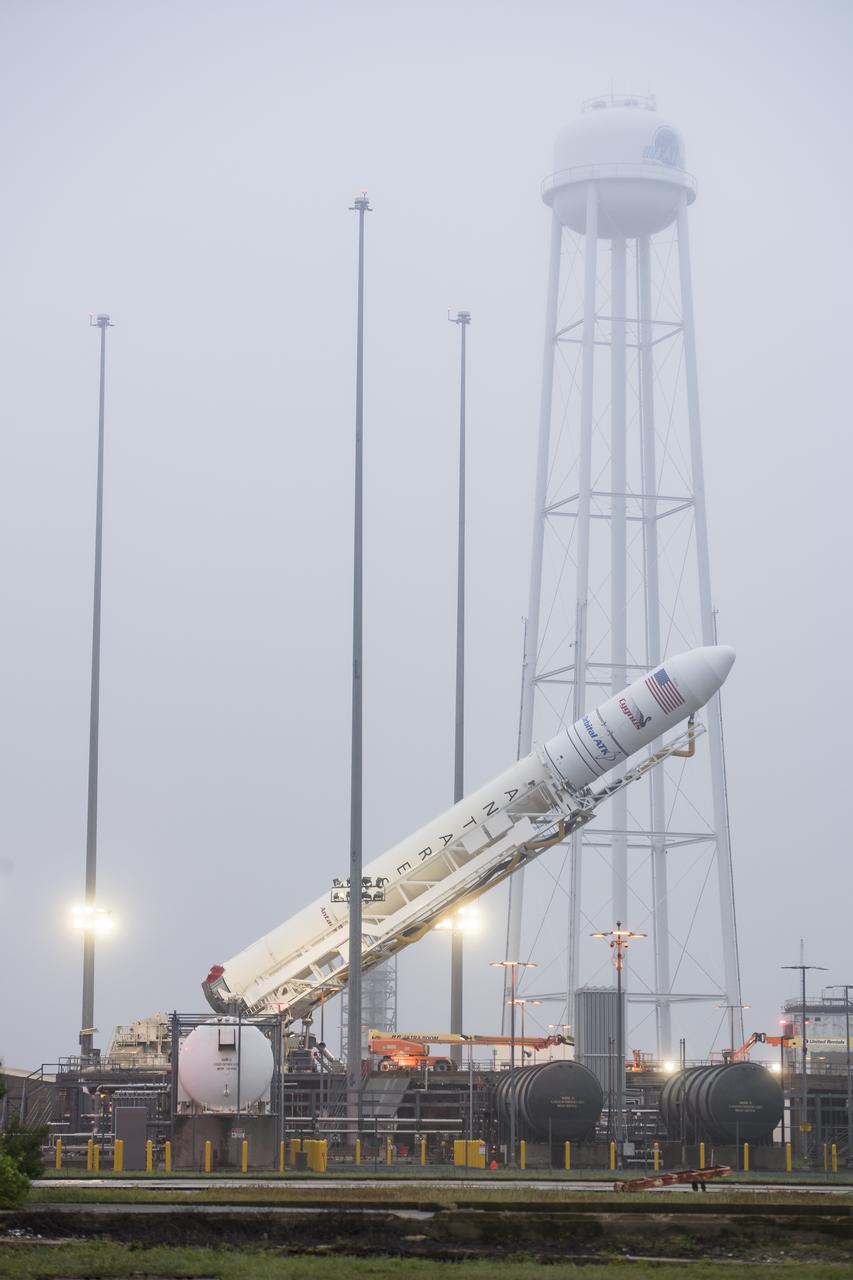
The Orbital ATK Antares rocket, with the Cygnus spacecraft onboard, is raised at launch Pad-0A, Friday, May 18, 2018 at Wallops Flight Facility in Virginia. The Antares will launch with the Cygnus spacecraft filled with 7,400 pounds of cargo for the International Space Station (ISS), including science experiments, crew supplies, and vehicle hardware. The mission is Orbital ATK's ninth contracted cargo delivery flight to ISS for NASA. Photo Credit: (NASA/Aubrey Gemignani)
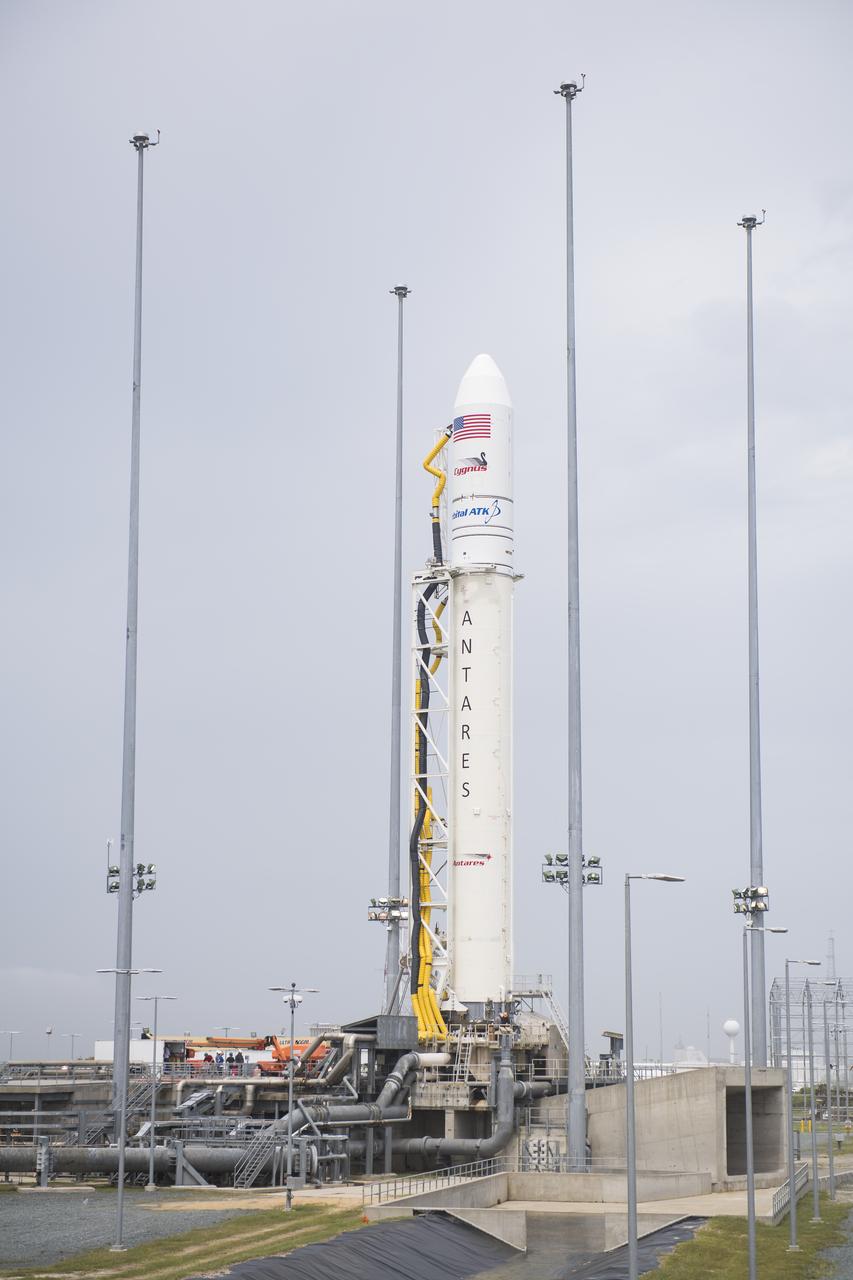
The Orbital ATK Antares rocket, with the Cygnus spacecraft onboard, is seen at launch Pad-0A, Saturday, May 19, 2018 at Wallops Flight Facility in Virginia. The Antares will launch with the Cygnus spacecraft filled with 7,400 pounds of cargo for the International Space Station (ISS), including science experiments, crew supplies, and vehicle hardware. The mission is Orbital ATK's ninth contracted cargo delivery flight to ISS for NASA. Photo Credit: (NASA/Aubrey Gemignani)
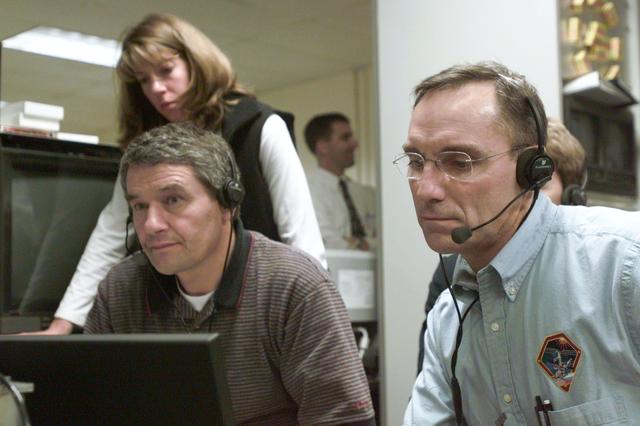
JSC2001-E-39082 (18 October 2001) --- Cosmonaut Valeri G. Korzun (left), Expedition Five mission commander, and astronaut Carl E. Walz, Expedition Four flight engineer, use the virtual reality lab at the Johnson Space Center (JSC) to train for their duties on the International Space Station (ISS). This type of computer interface paired with virtual reality training hardware and software helps the entire team for dealing with ISS elements. Korzun represents Rosaviakosmos.
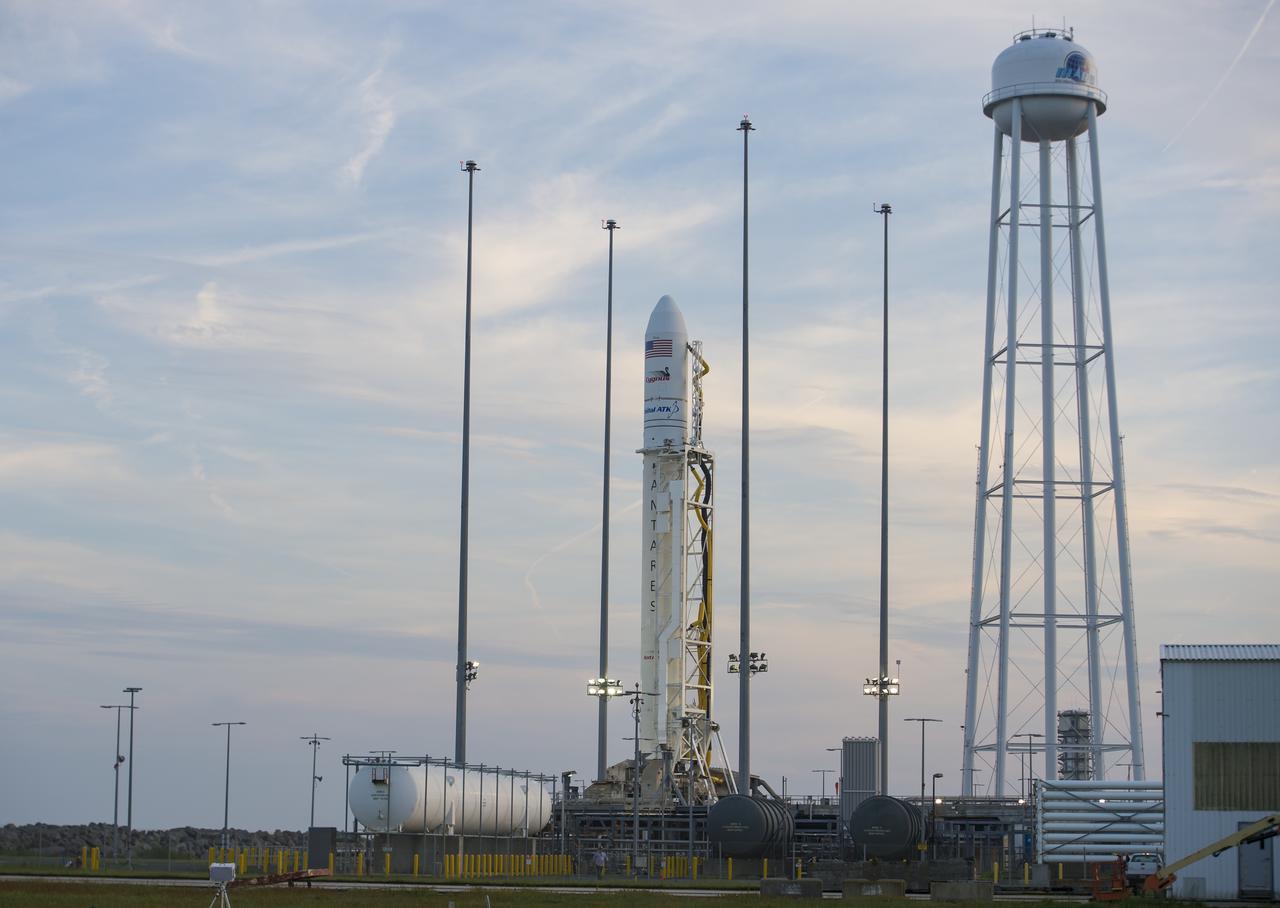
The Orbital ATK Antares rocket, with the Cygnus spacecraft onboard, is seen at launch Pad-0A, Sunday, May 20, 2018 at Wallops Flight Facility in Virginia. The Antares will launch with the Cygnus spacecraft filled with 7,400 pounds of cargo for the International Space Station (ISS), including science experiments, crew supplies, and vehicle hardware. The mission is Orbital ATK's ninth contracted cargo delivery flight to ISS for NASA. Photo Credit: (NASA/Aubrey Gemignani)

The Orbital ATK Antares rocket, with the Cygnus spacecraft onboard, is seen at launch Pad-0A, Sunday, May 20, 2018 at Wallops Flight Facility in Virginia. The Antares will launch with the Cygnus spacecraft filled with 7,400 pounds of cargo for the International Space Station (ISS), including science experiments, crew supplies, and vehicle hardware. The mission is Orbital ATK's ninth contracted cargo delivery flight to ISS for NASA. Photo Credit: (NASA/Aubrey Gemignani)
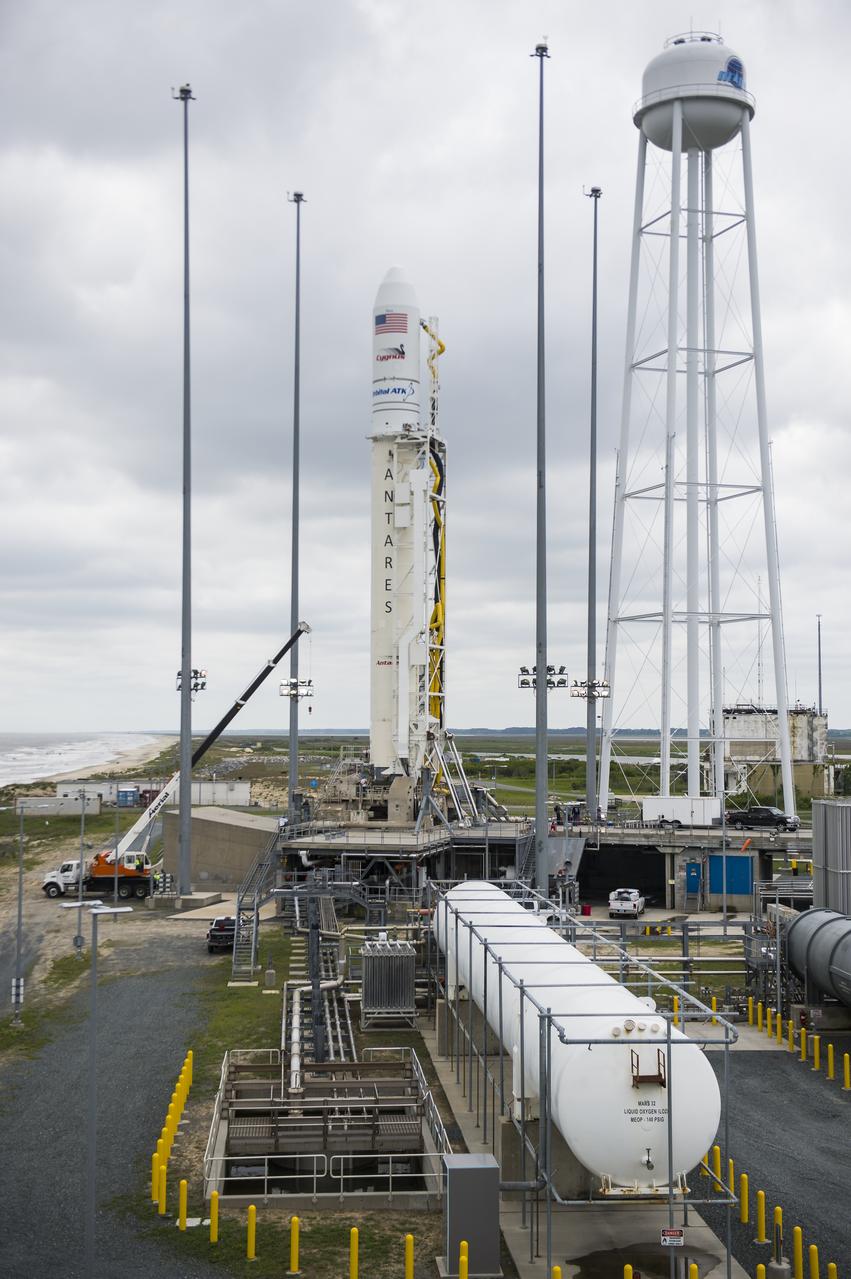
The Orbital ATK Antares rocket, with the Cygnus spacecraft onboard, is seen at launch Pad-0A, Sunday, May 20, 2018 at Wallops Flight Facility in Virginia. The Antares will launch with the Cygnus spacecraft filled with 7,400 pounds of cargo for the International Space Station (ISS), including science experiments, crew supplies, and vehicle hardware. The mission is Orbital ATK's ninth contracted cargo delivery flight to ISS for NASA. Photo Credit: (NASA/Aubrey Gemignani)

The Orbital ATK Antares rocket, with the Cygnus spacecraft onboard, is seen at launch Pad-0A, Saturday, May 19, 2018 at Wallops Flight Facility in Virginia. The Antares will launch with the Cygnus spacecraft filled with 7,400 pounds of cargo for the International Space Station (ISS), including science experiments, crew supplies, and vehicle hardware. The mission is Orbital ATK's ninth contracted cargo delivery flight to ISS for NASA. Photo Credit: (NASA/Aubrey Gemignani)
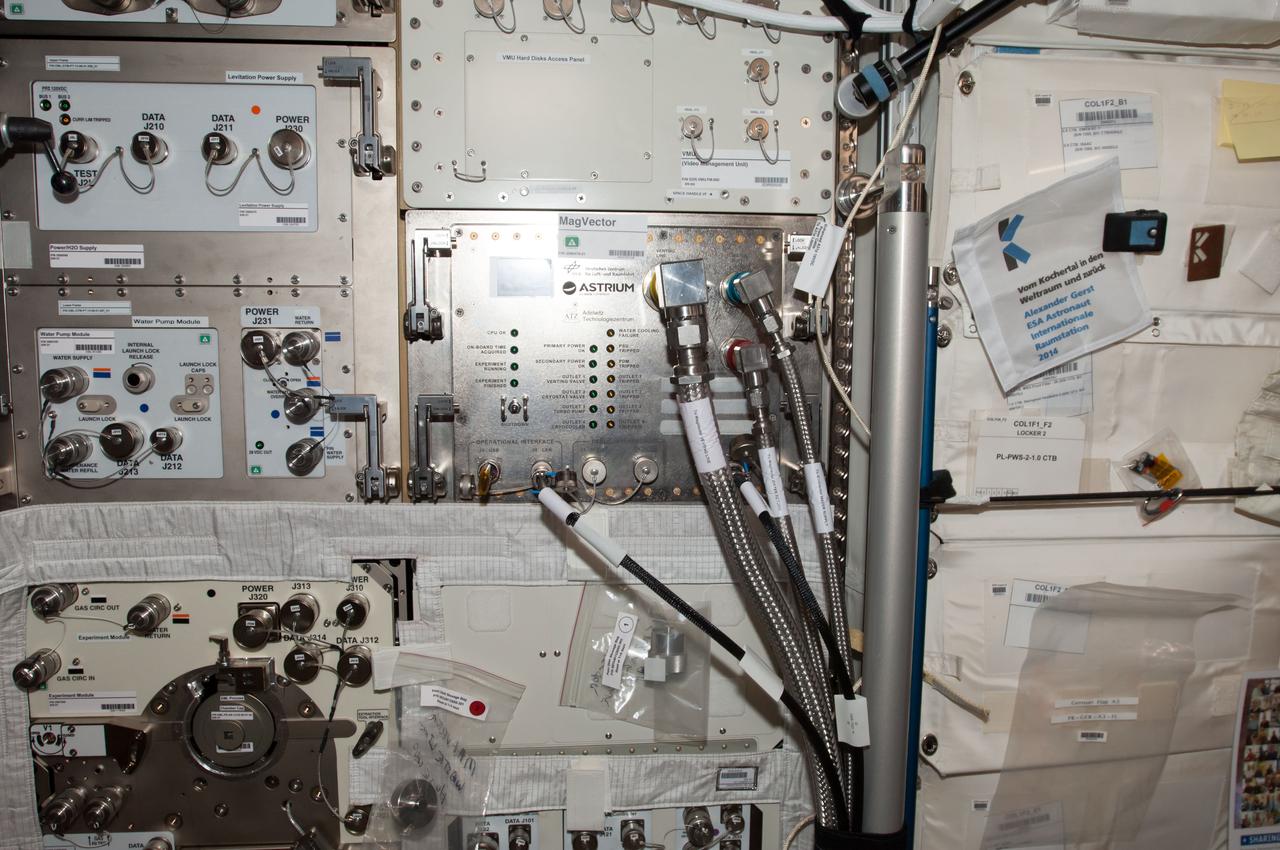
iss040e123621 (9/4/2014) --- Photographic documentation of final installation of MAGVECTOR hardware in the Columbus module aboard the International Space Station (ISS). MAGVECTOR qualitatively investigates the interaction between a moving magnetic field and an electrical conductor. The set up will provide initial insights regarding the principal feasibility on board the ISS,future improvements and phenomenological trends and dependencies. The expected changes in the magnetic field structure on the Ram and Wake side of the electrical conductor are of interest for technical applications as well as for astrophysical research.

The Orbital ATK Antares rocket, with the Cygnus spacecraft onboard, is seen at launch Pad-0A, Saturday, May 19, 2018 at Wallops Flight Facility in Virginia. The Antares will launch with the Cygnus spacecraft filled with 7,400 pounds of cargo for the International Space Station (ISS), including science experiments, crew supplies, and vehicle hardware. The mission is Orbital ATK's ninth contracted cargo delivery flight to ISS for NASA. Photo Credit: (NASA/Aubrey Gemignani)
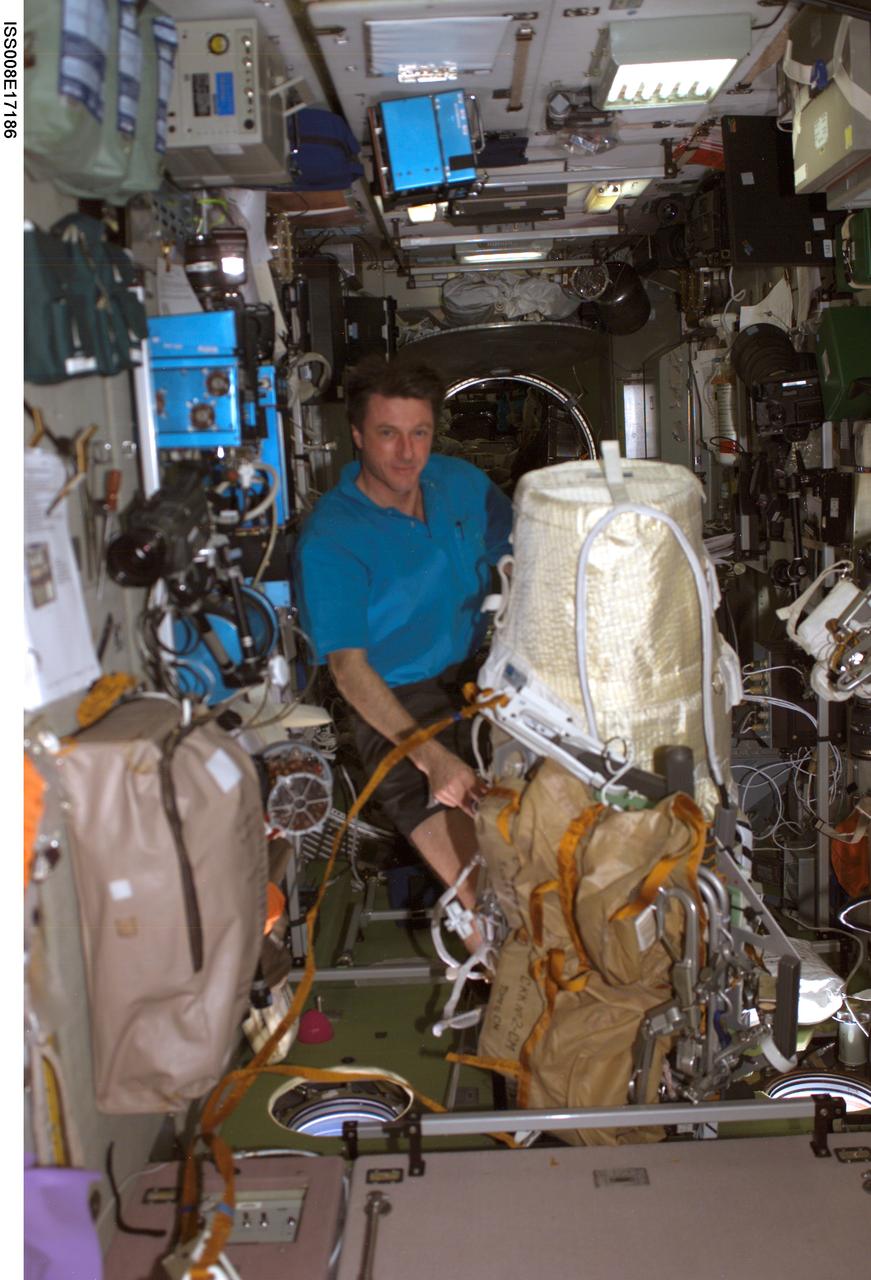
ISS008-E-17186 (24 February 2004) --- Astronaut C. Michael Foale, Expedition 8 NASA ISS science officer and commander, works with the extravehicular activity (EVA) bundle in the Zvezda Service Module on the International Space Station (ISS). The Matroshka experiment package is shrouded (aft) with the brown carry bags for the CKK hardware (fwd) along with tools and other needed items. It is all bundled to a Russian EVA integrated equipment carrier.
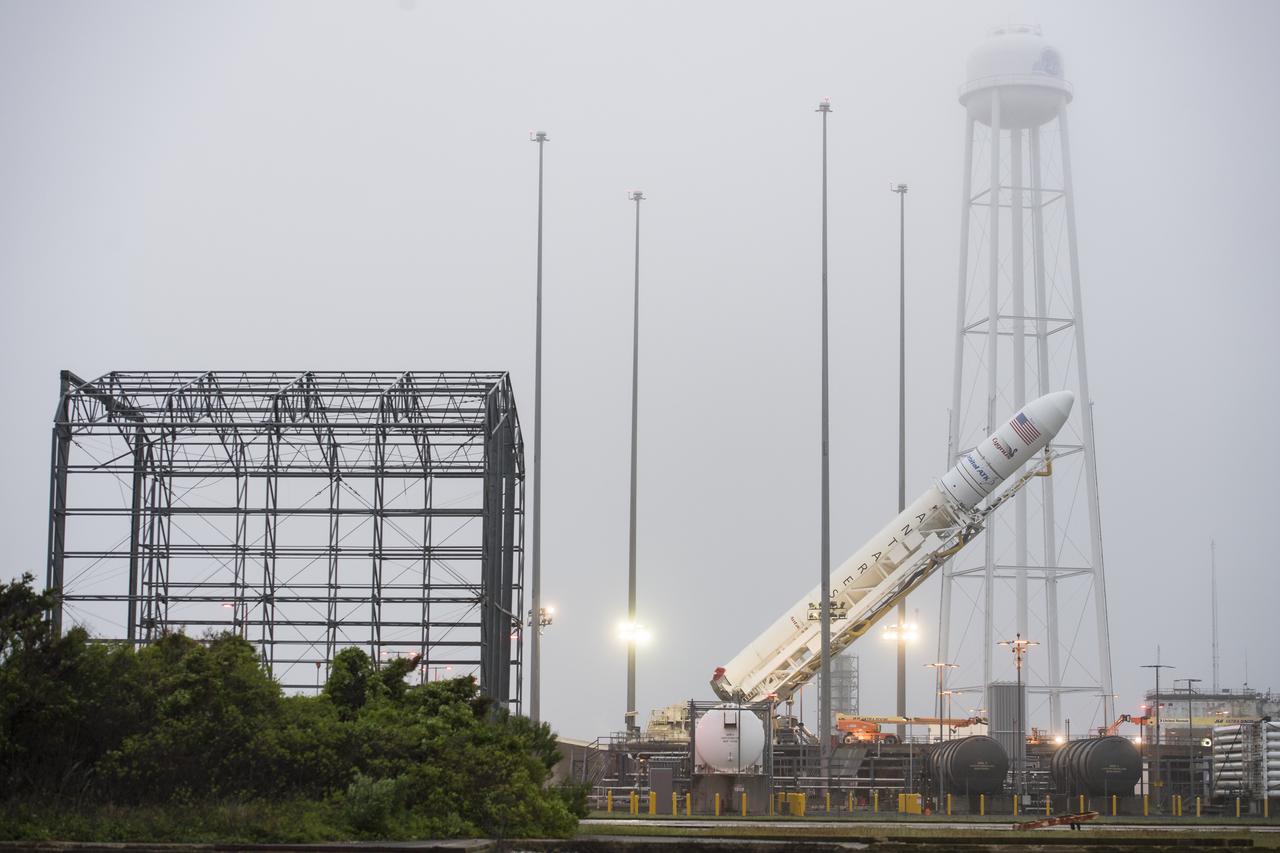
The Orbital ATK Antares rocket, with the Cygnus spacecraft onboard, is raised at launch Pad-0A, Friday, May 18, 2018 at Wallops Flight Facility in Virginia. The Antares will launch with the Cygnus spacecraft filled with 7,400 pounds of cargo for the International Space Station (ISS), including science experiments, crew supplies, and vehicle hardware. The mission is Orbital ATK's ninth contracted cargo delivery flight to ISS for NASA. Photo Credit: (NASA/Aubrey Gemignani)
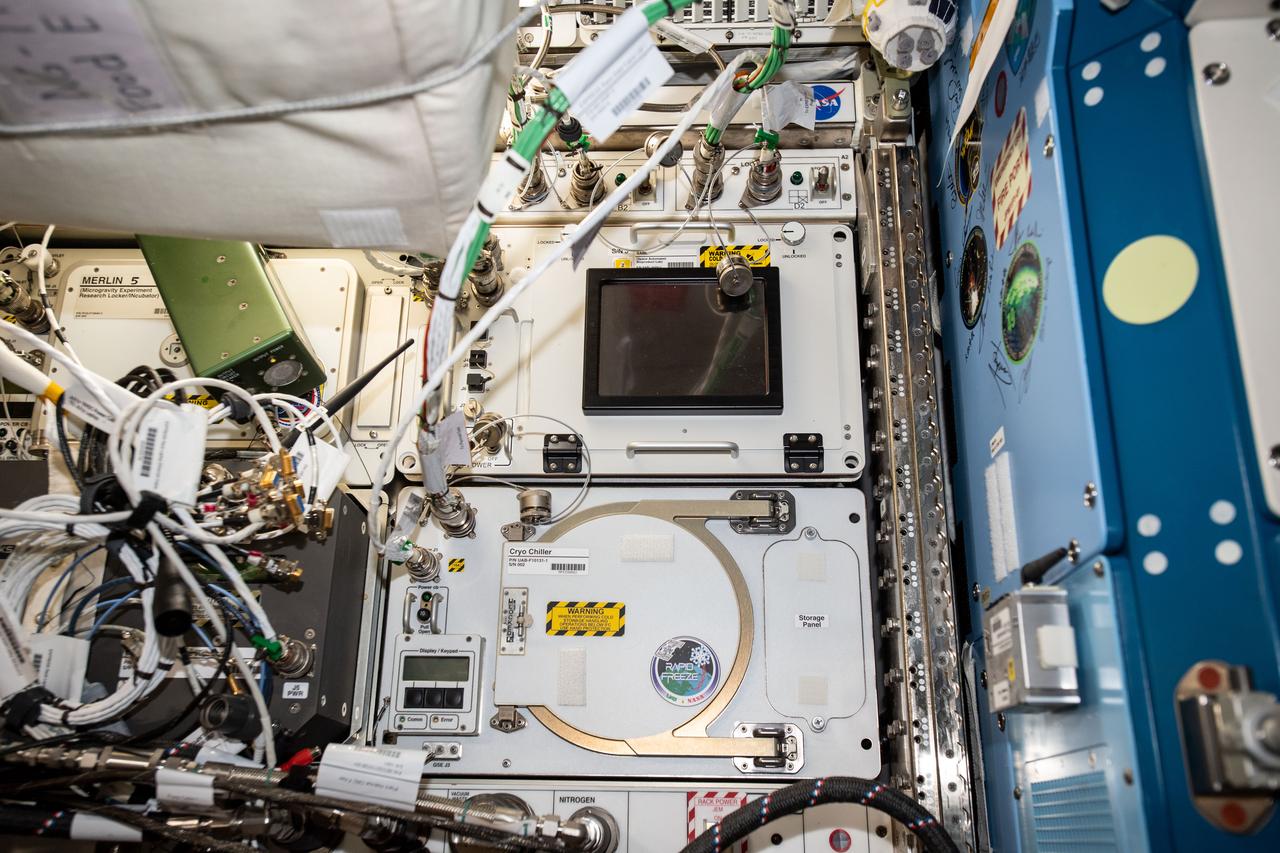
iss059e034456 (4/23/2019) --- A view of the Cryo Chiller Hardware during installation aboard the International Space Station (ISS). Cryo Chiller is a single Expedite the Processing of Experiments to Space Station (EXPRESS) locker replacement unit which provides rapid freezing capability in support of biological sciences, as well as temperature-controlled transfer to/from the International Space Station (ISS) on visiting vehicles.
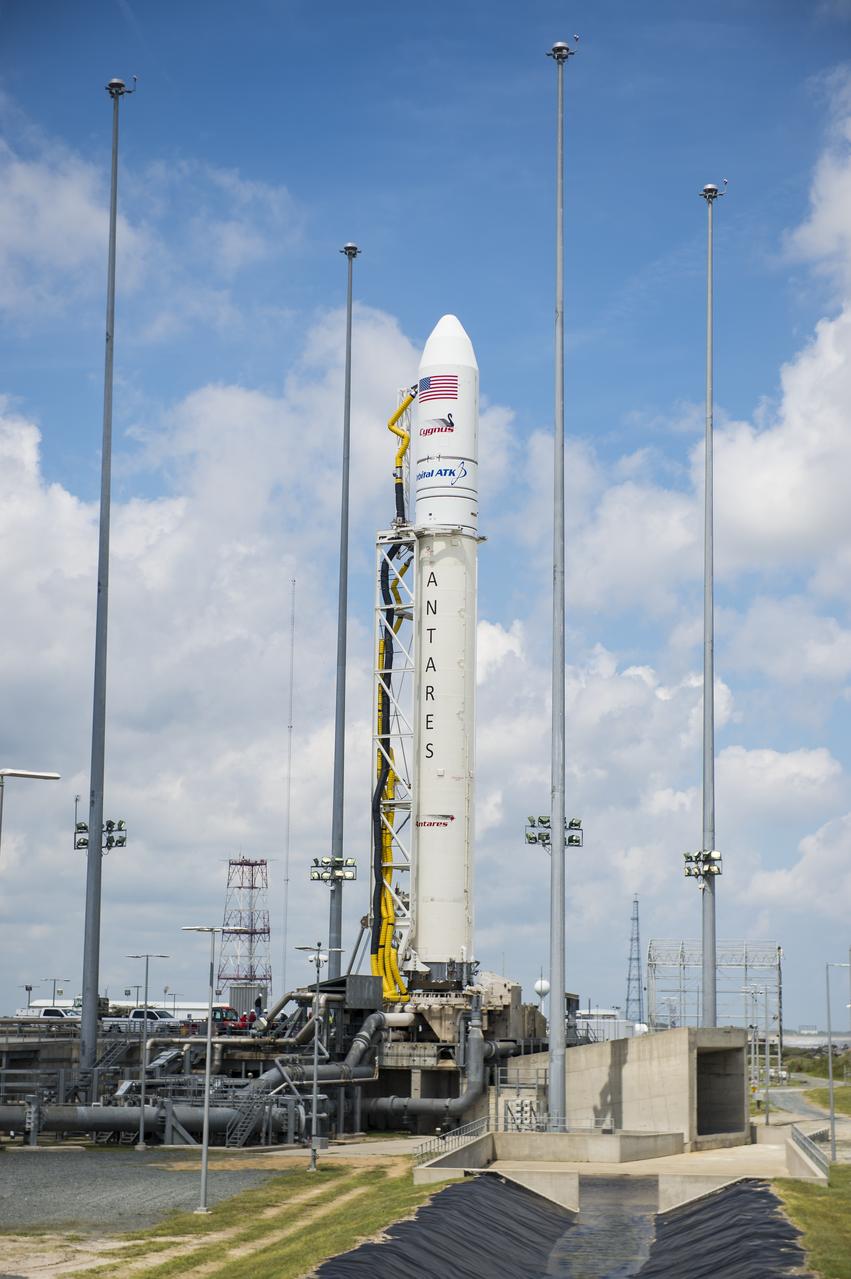
The Orbital ATK Antares rocket, with the Cygnus spacecraft onboard, is seen at launch Pad-0A, Sunday, May 20, 2018 at Wallops Flight Facility in Virginia. The Antares will launch with the Cygnus spacecraft filled with 7,400 pounds of cargo for the International Space Station (ISS), including science experiments, crew supplies, and vehicle hardware. The mission is Orbital ATK's ninth contracted cargo delivery flight to ISS for NASA. Photo Credit: (NASA/Aubrey Gemignani)
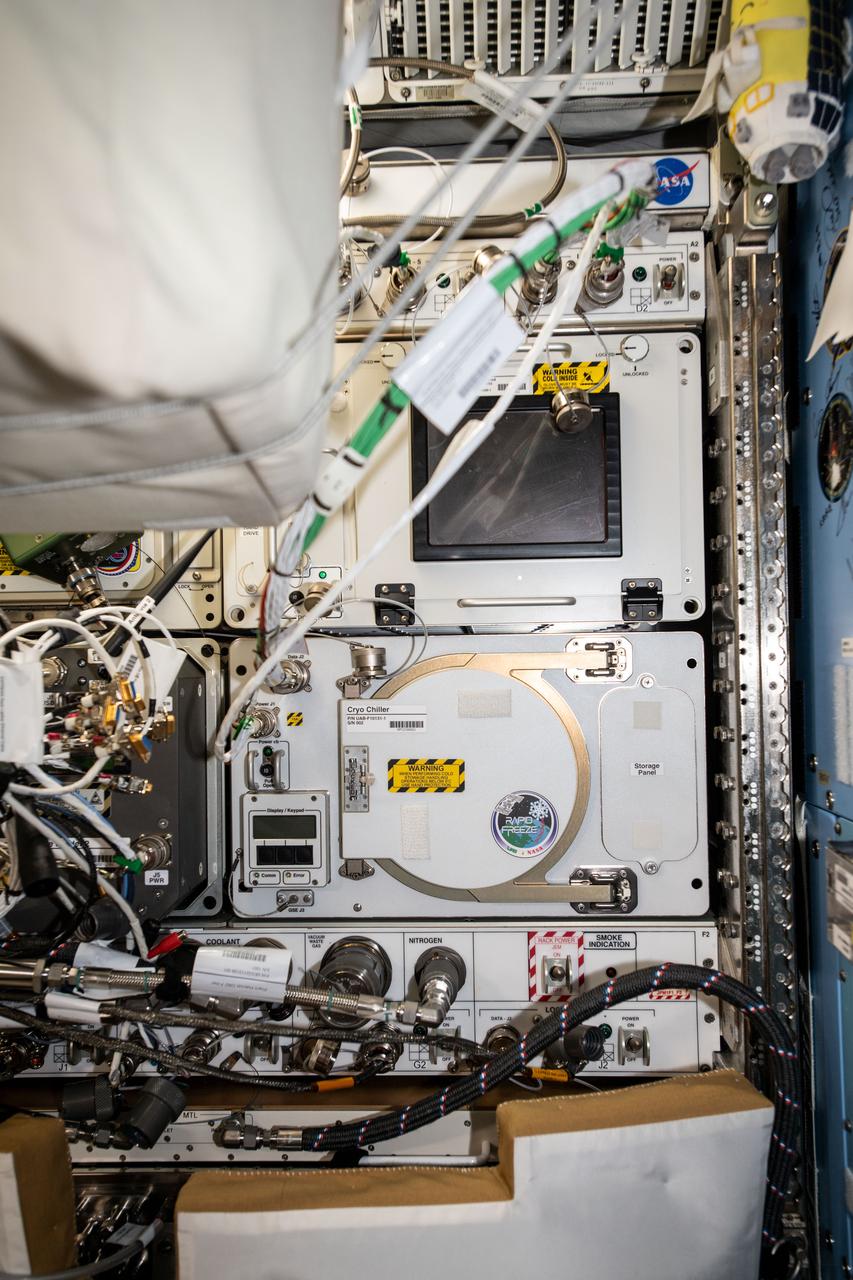
iss059e034458 (4/23/2019) --- A view of the Cryo Chiller Hardware during installation aboard the International Space Station (ISS). Cryo Chiller is a single Expedite the Processing of Experiments to Space Station (EXPRESS) locker replacement unit which provides rapid freezing capability in support of biological sciences, as well as temperature-controlled transfer to/from the International Space Station (ISS) on visiting vehicles.
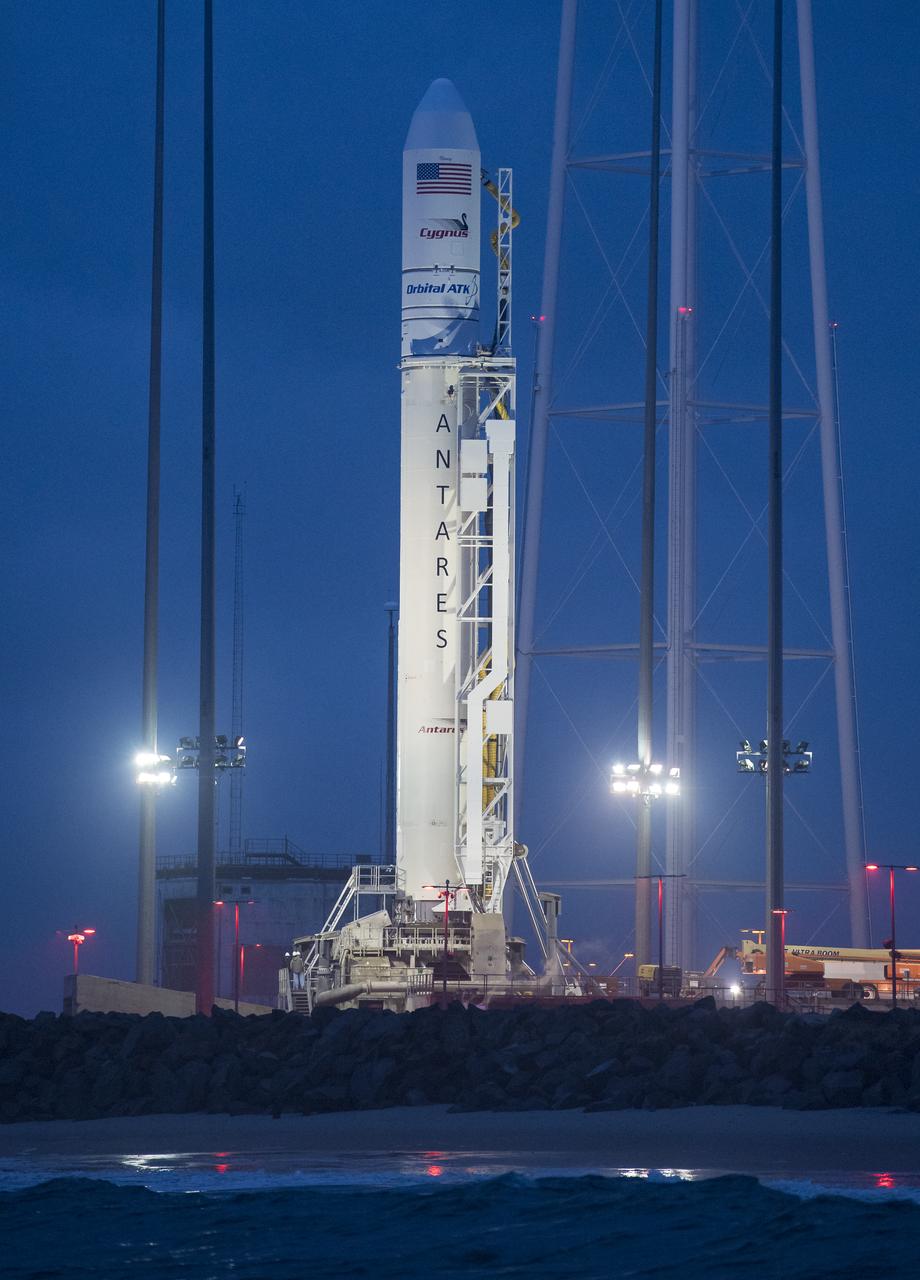
The Orbital ATK Antares rocket, with the Cygnus spacecraft onboard, is seen at launch Pad-0A, early Sunday, May 20, 2018 at Wallops Flight Facility in Virginia. The Antares will launch with the Cygnus spacecraft filled with 7,400 pounds of cargo for the International Space Station (ISS), including science experiments, crew supplies, and vehicle hardware. The mission is Orbital ATK's ninth contracted cargo delivery flight to ISS for NASA. Photo Credit: (NASA/Aubrey Gemignani)
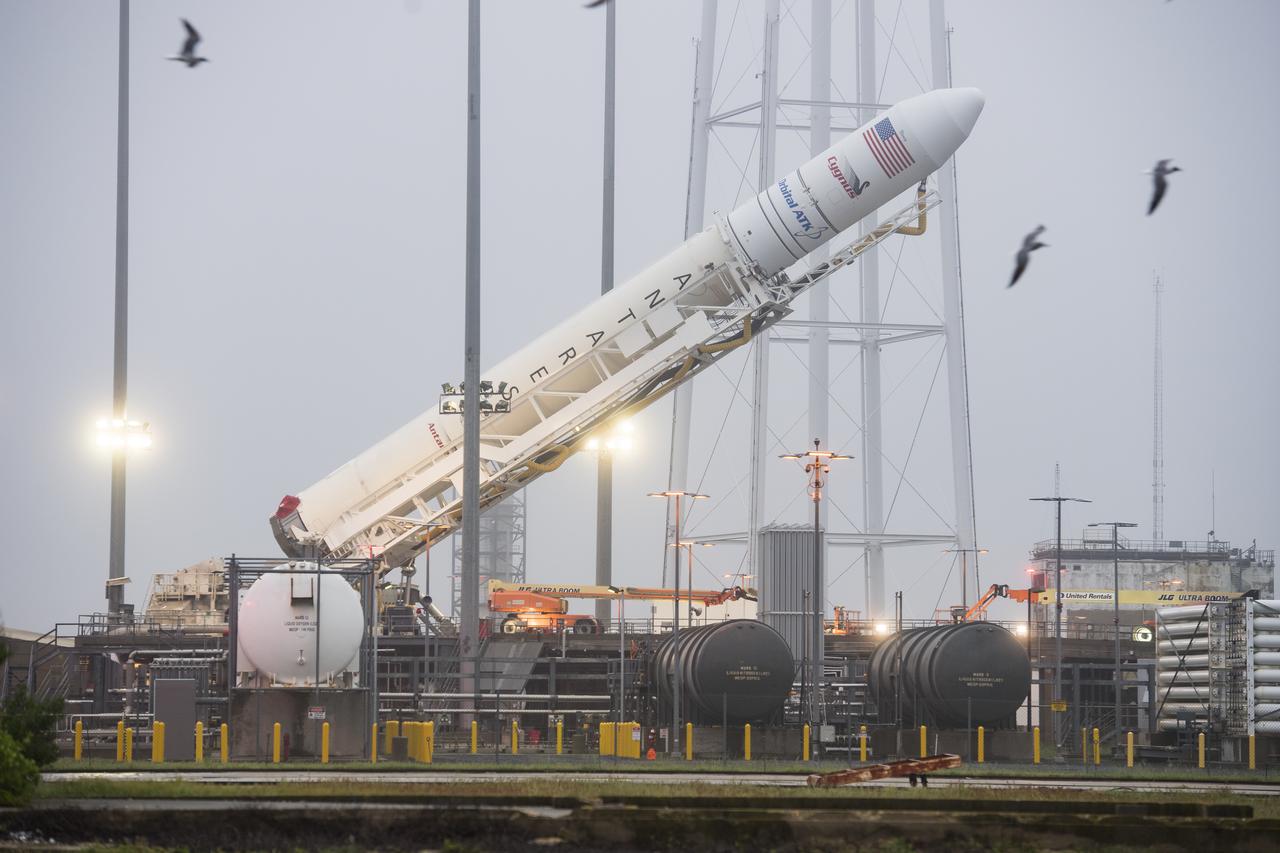
The Orbital ATK Antares rocket, with the Cygnus spacecraft onboard, is raised at launch Pad-0A, Friday, May 18, 2018 at Wallops Flight Facility in Virginia. The Antares will launch with the Cygnus spacecraft filled with 7,400 pounds of cargo for the International Space Station (ISS), including science experiments, crew supplies, and vehicle hardware. The mission is Orbital ATK's ninth contracted cargo delivery flight to ISS for NASA. Photo Credit: (NASA/Aubrey Gemignani)
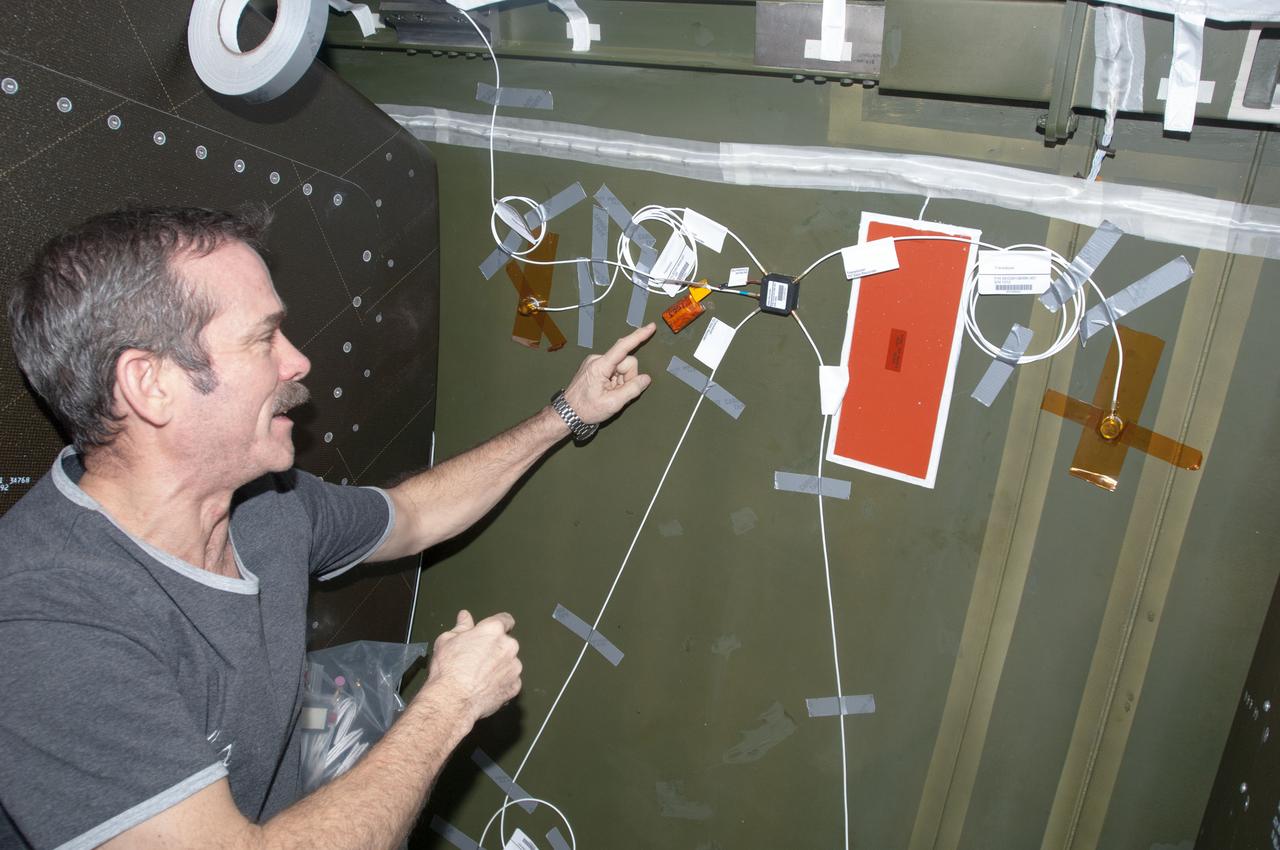
ISS034-E-038211 (1 Feb. 2013) --- Canadian Space Agency astronaut Chris Hadfield, Expedition 34 flight engineer, installs Ultra-Sonic Background Noise Tests (UBNT) sensors behind a rack in the Destiny laboratory, using the International Space Station (ISS) as Testbed for Analog Research (ISTAR) procedures. These sensors detect high frequency noise levels generated by ISS hardware and equipment operating within Destiny.
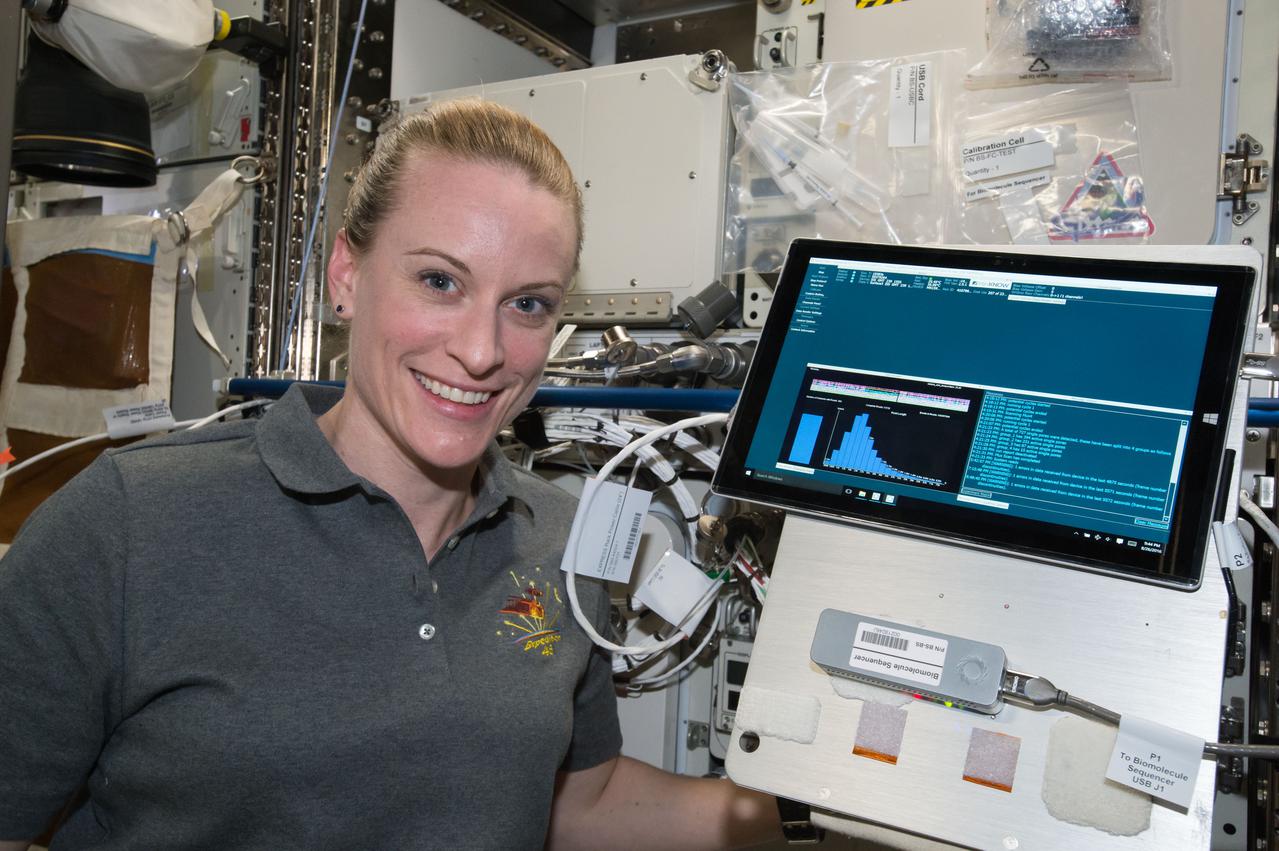
iss048e066523 (8/26/2016) --- NASA astronaut Kate Rubins poses for a photo with Biomolecule Sequencer experiment hardware (Surface Pro 3 tablet and MinION) during the first sample initialization run. The image was taken in the Destiny U.S. Laboratory aboard the International Space Station (ISS).
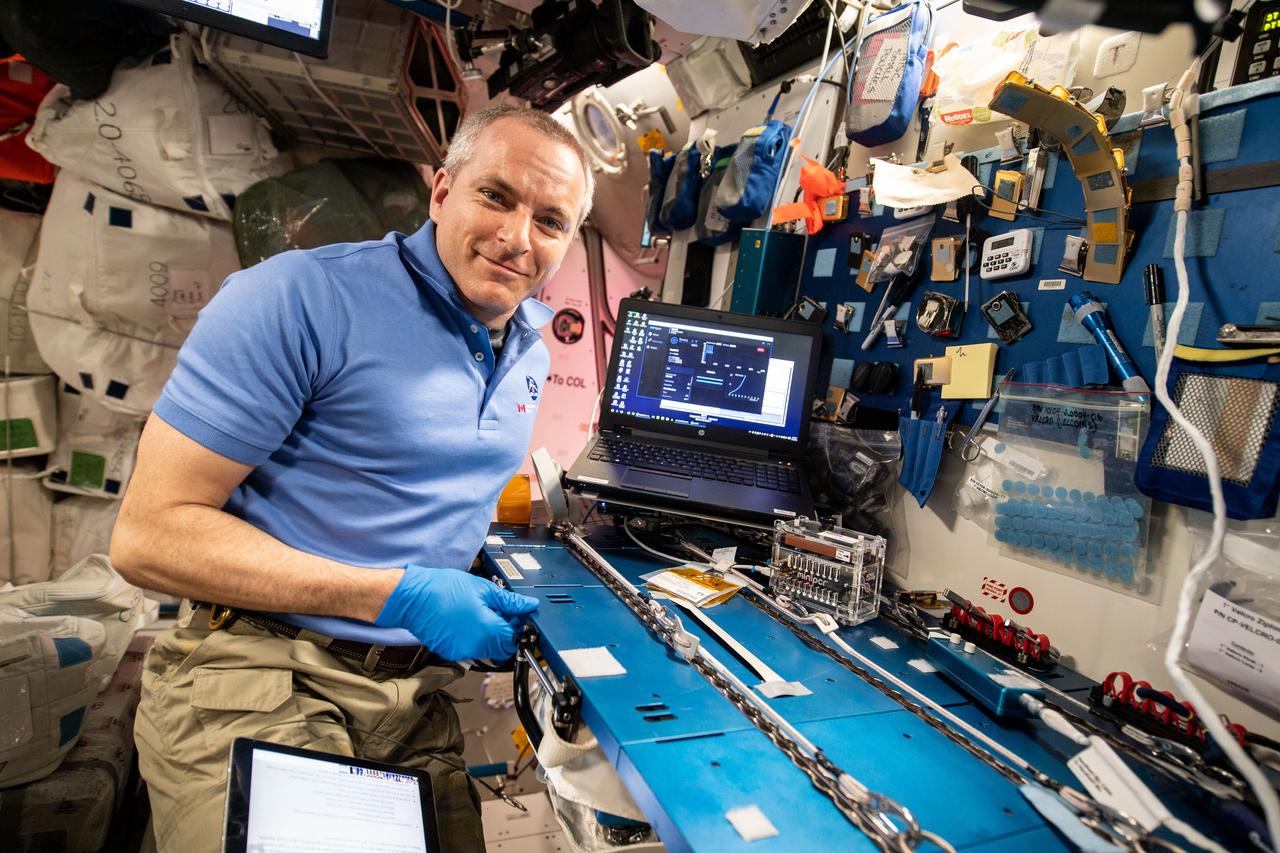
iss059e061607 (5/14/2019) --- Canadian Space Agency (CSA) astronaut David Saint-Jacques works with the miniPCR hardware inside the Columbus laboratory module onboard the International Space Station (ISS) for the Genes In Space-6 experiment that is exploring how space radiation damages DNA and how the cell repair mechanism works in microgravity.
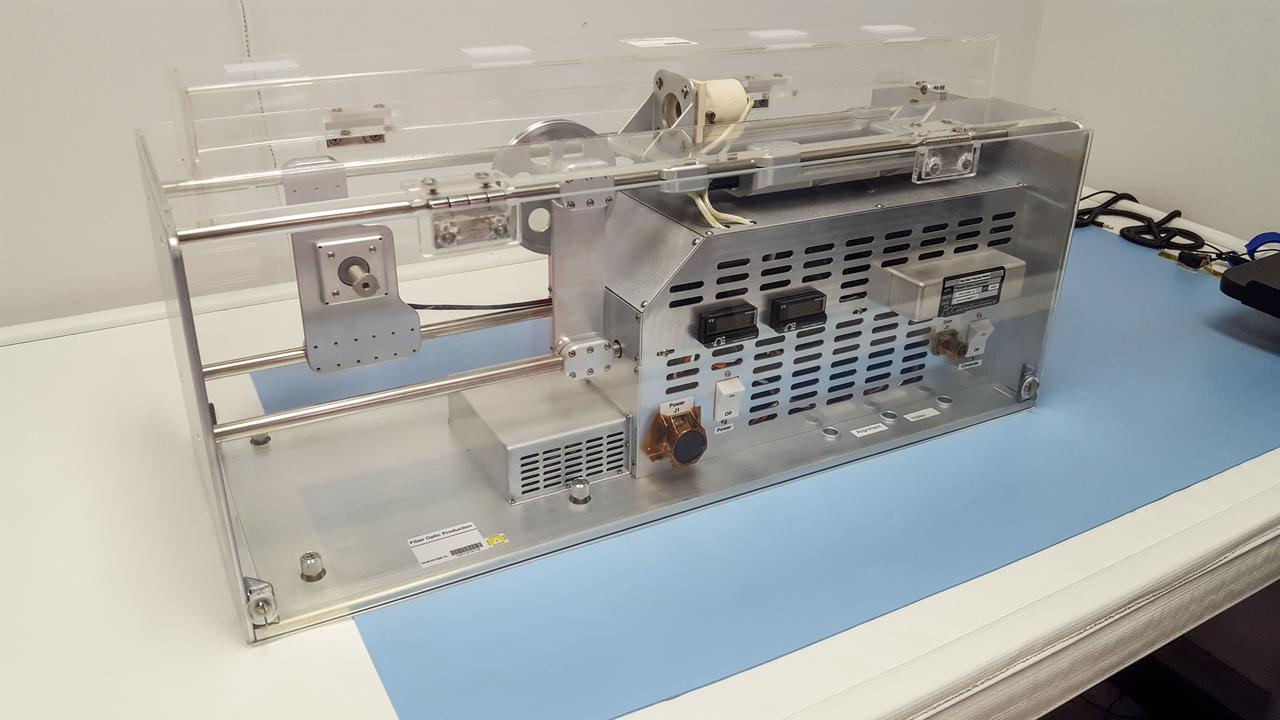
jsc2019e048245 (3/6/2019) — Preflight imagery of the Fiber Optic Production hardware. Physical Optics Corporation’s (POC’s) Fiber Optic Production investigation will create optical fibers with high commercial value aboard the International Space Station (ISS)and will operate within the Microgravity Science Glovebox (MSG).
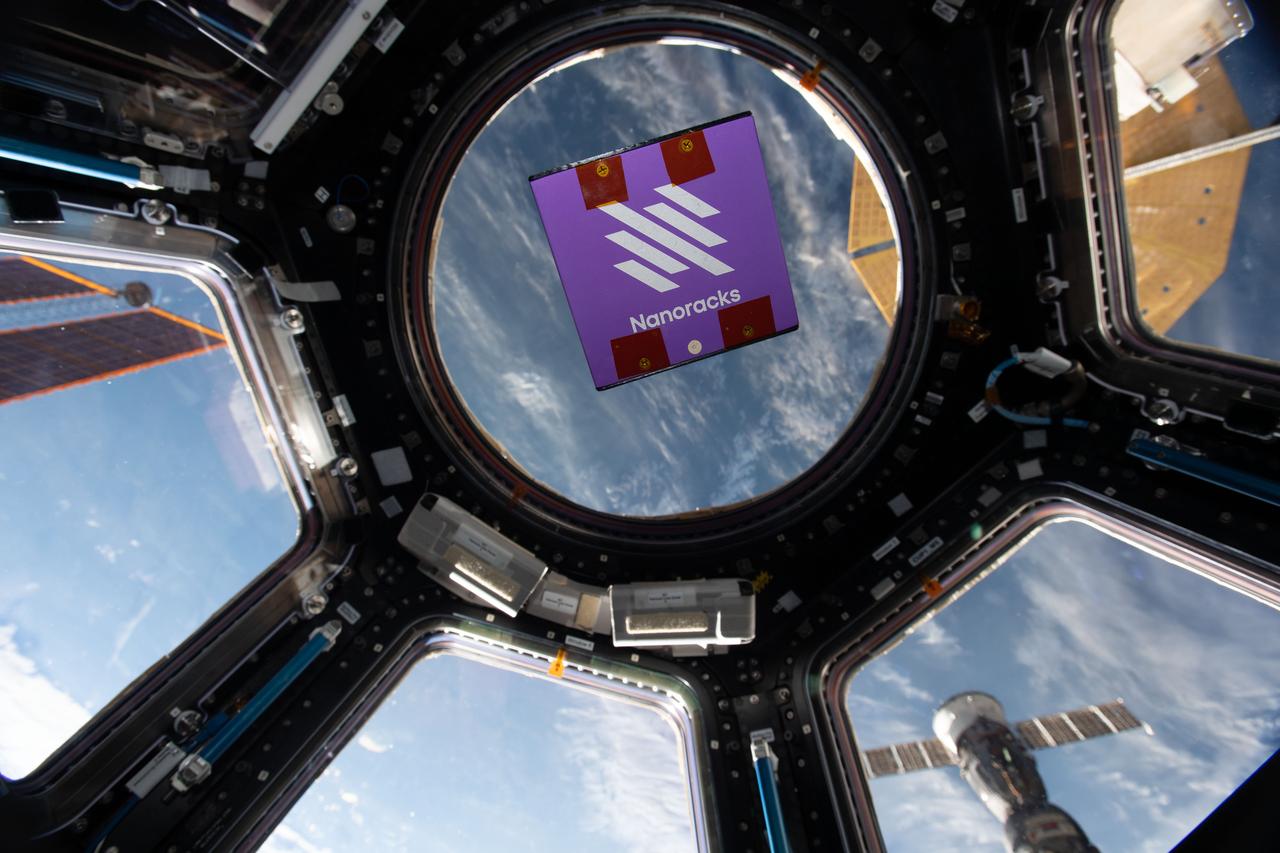
iss067e066375 (5/23/2022) --- A view of the SpaceChain 2.0 investigation in the cupola module aboard the International space Station (ISS). The SpaceChain 2.0 investigation verifies the hardware and software required to extend robust blockchain capabilities into the developing space economy.
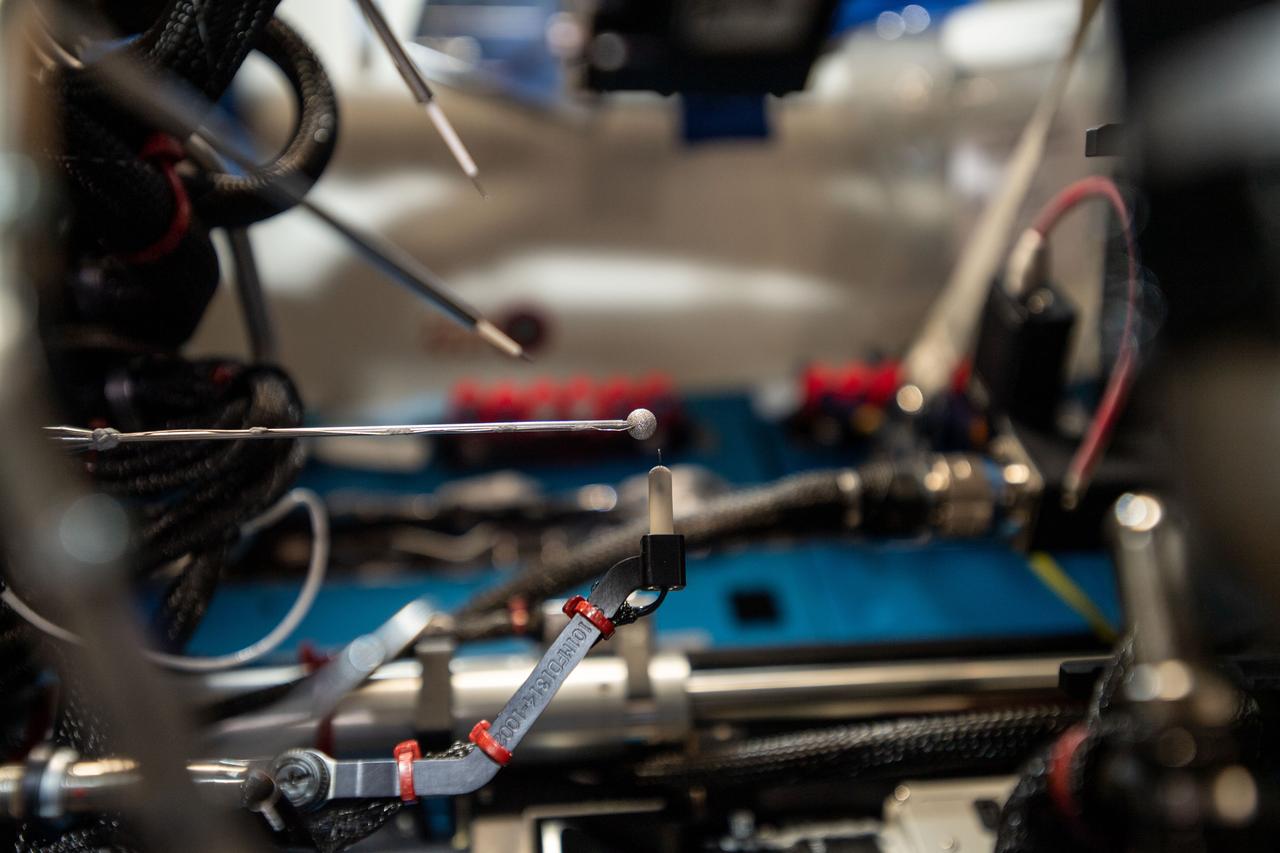
iss059e103188 (6/14/2019) --- Photo documentation taken aboard the International Space Station (ISS) during the Fluids and Combustion Facility (FCF) Combustion Integration Rack (CIR) / Advanced Combustion via Microgravity Experiments (ACME) / Flame Design hardware replacement.
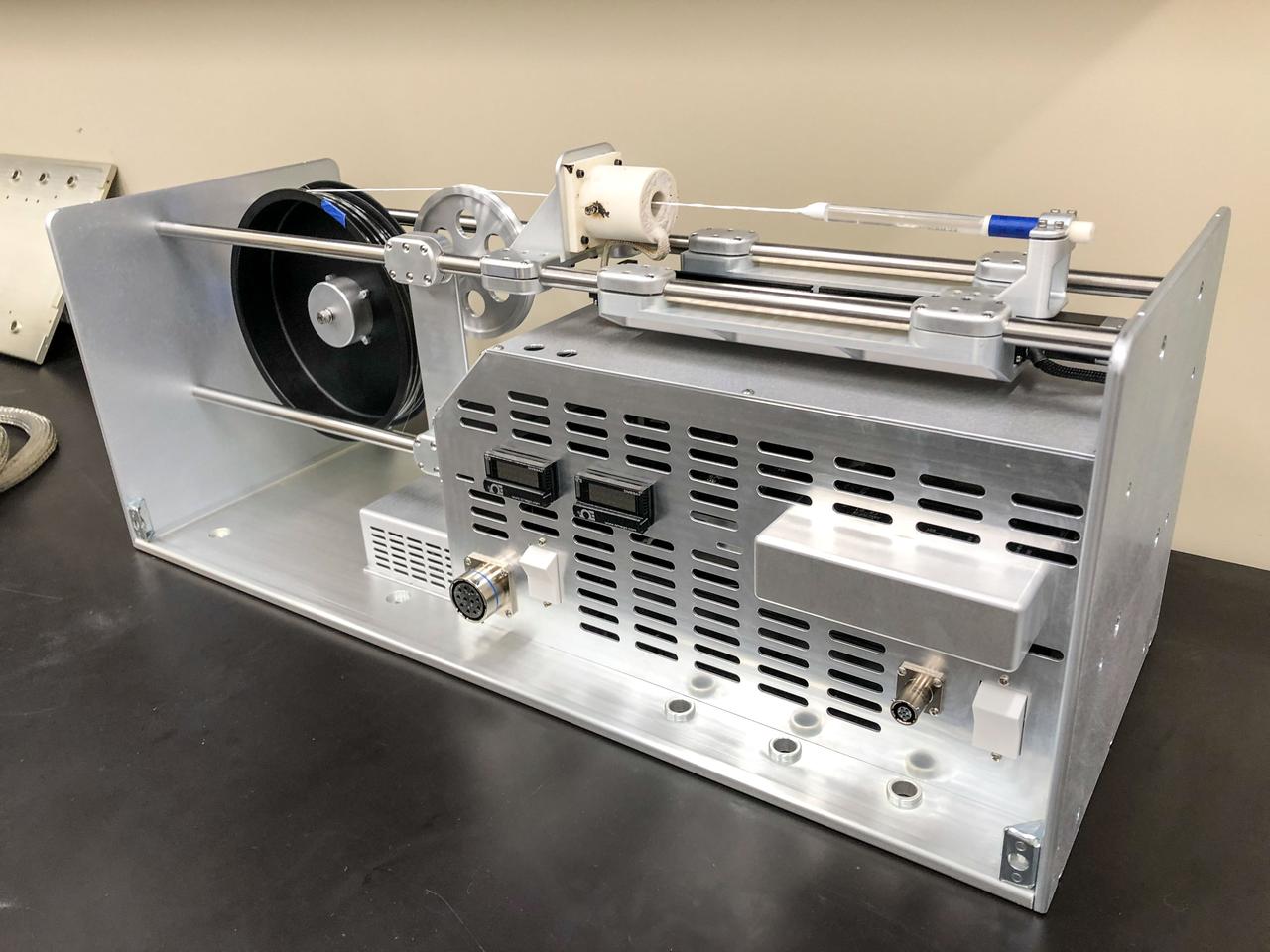
jsc2019e048247 (9/28/2018) — Preflight imagery of the Fiber Optic Production hardware. Physical Optics Corporation’s (POC’s) Fiber Optic Production investigation will create optical fibers with high commercial value aboard the International Space Station (ISS)and will operate within the Microgravity Science Glovebox (MSG).
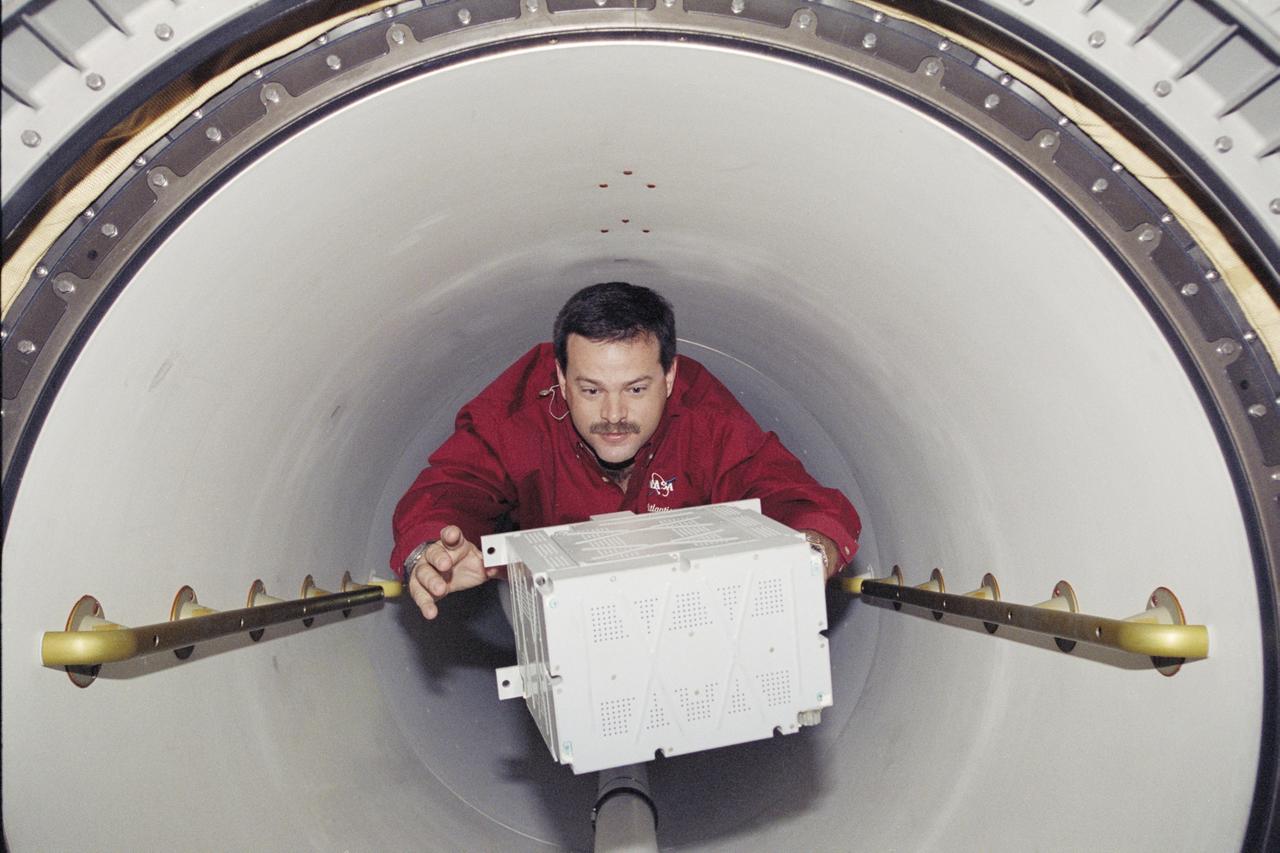
STS106-301-018 (8-20 September 2000) --- Astronaut Scott D. Altman, pilot, translates through the tunnel to the International Space Station (ISS) with a new battery in hand. The seven-man STS-106 crew was in the process of a major moving effort of supplies and hardware from the Space Shuttle Atlantis to the station.
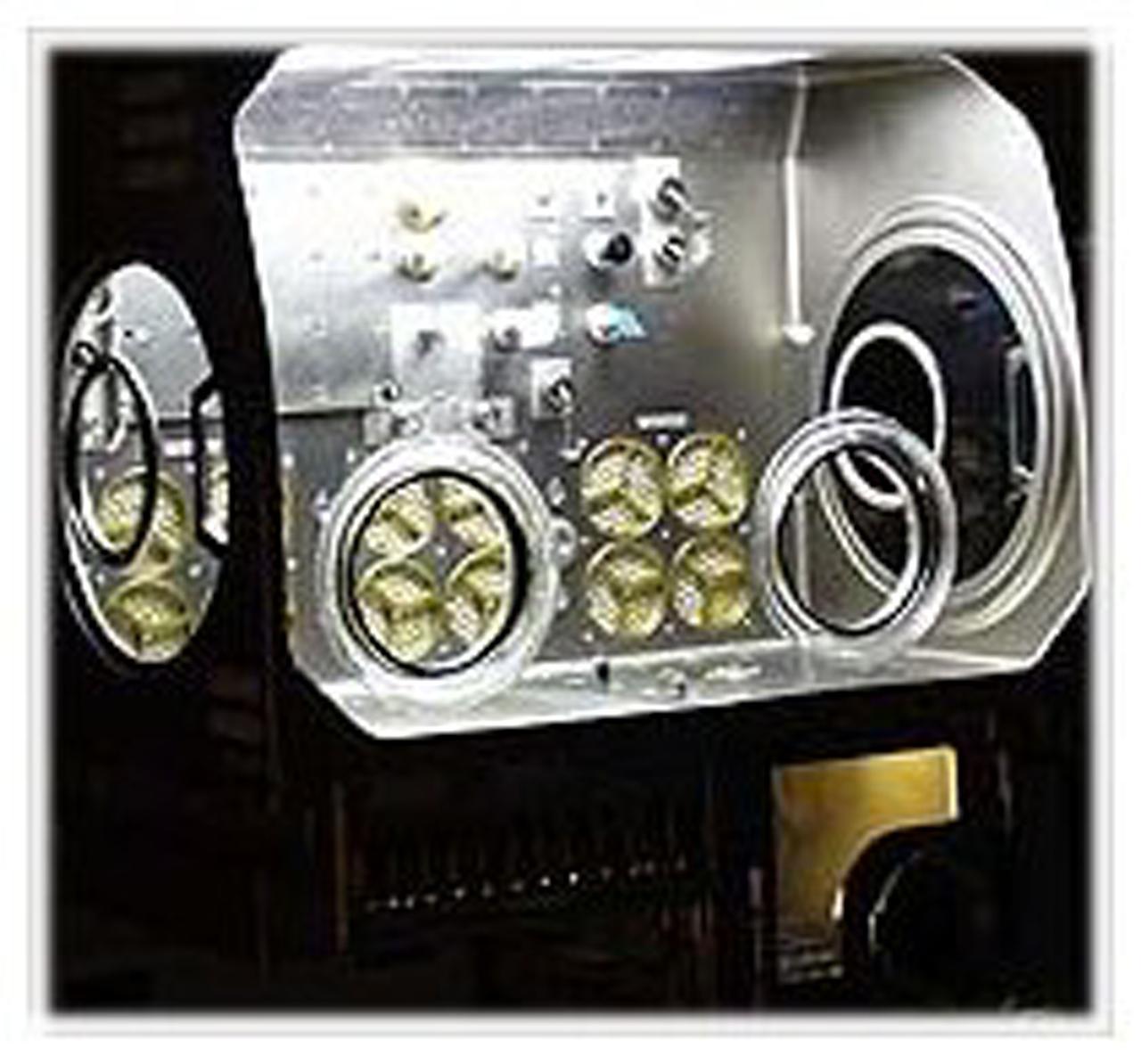
A versatile experiment facility for the International Space Station moved closer to flight recently with delivery of the ground-test model to NASA's Marshall Flight Center. The Microgravity Science Glovebox Ground Unit was delivered to the Microgravity Development Laboratory will be used to test hardware and procedures for the flight model of the glovebox aboard the ISS's Laboratory Module, Destiny.
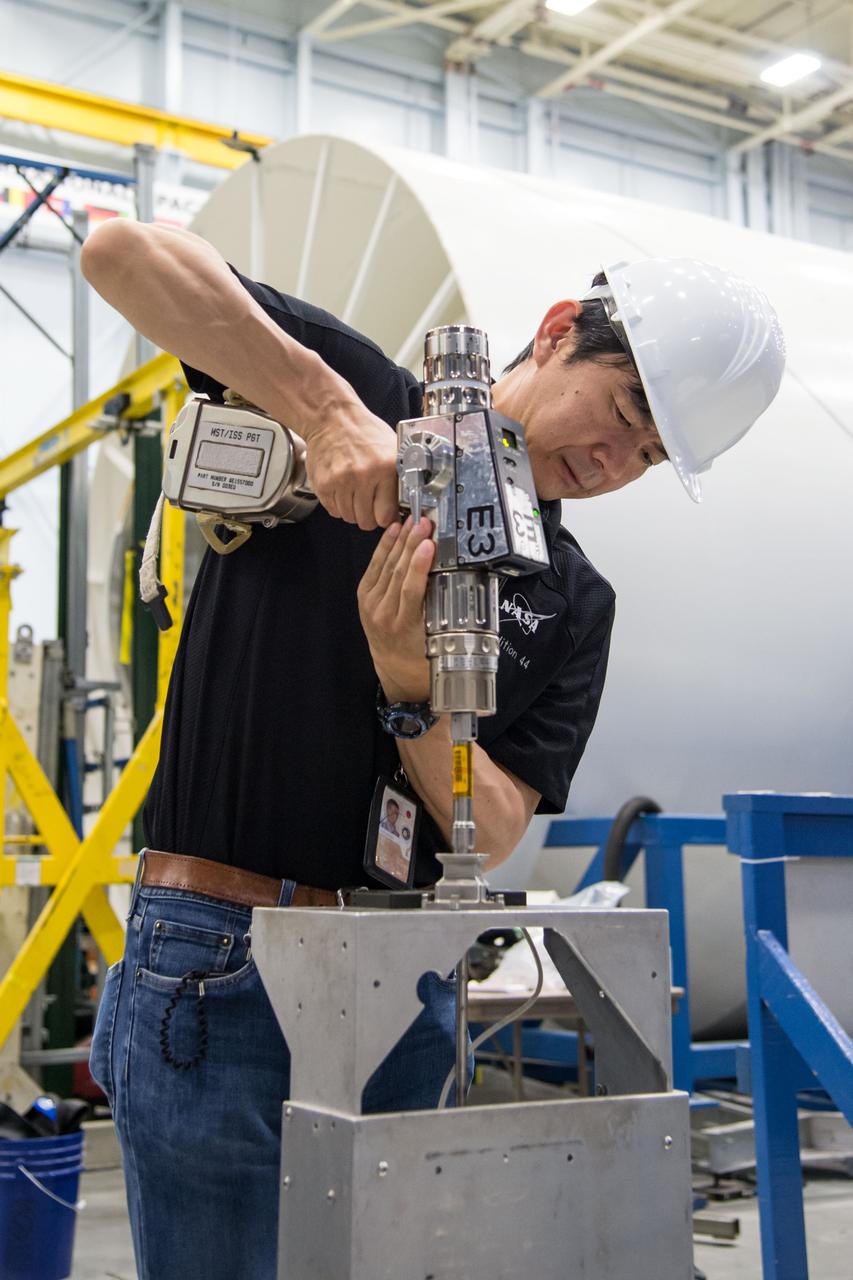
Date: 07-01-14 Location: Bldg 9NW, POGO station Subject: Expedition 44/45 crew members Kjell Lindgren and JAXA astronaut Kimiya Yui during ISS EVA Hi-Fi Hardware 2 training with instructor Scott Way Photographer: James Blair
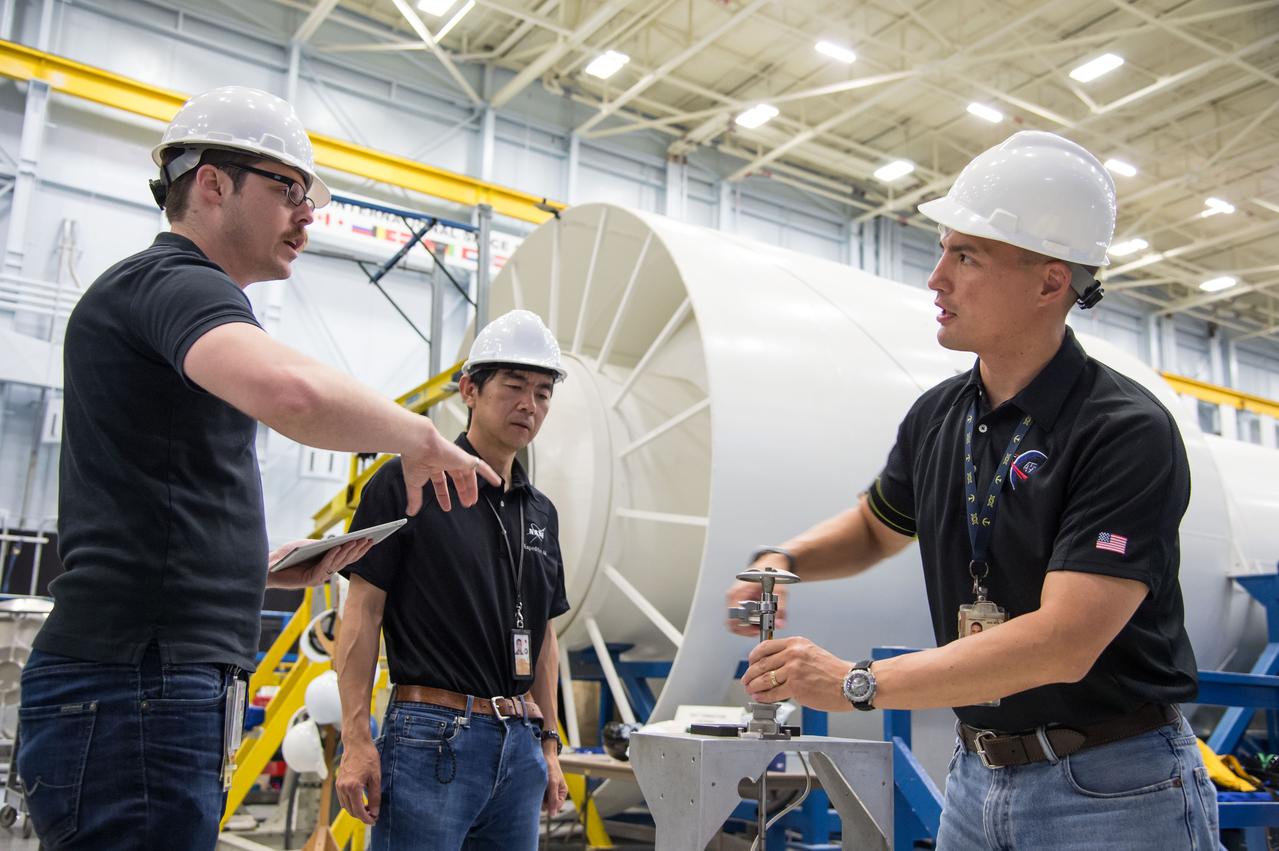
Date: 07-01-14 Location: Bldg 9NW, POGO station Subject: Expedition 44/45 crew members Kjell Lindgren and JAXA astronaut Kimiya Yui during ISS EVA Hi-Fi Hardware 2 training with instructor Scott Way Photographer: James Blair

jsc2021e010332 (5/1/2019) --- The Veggie plant growth hardware at the Kennedy Space Center (KSC) with the TICTOC cotton investigation. Targeting Improved Cotton Through Orbital Cultivation (TICTOC) investigates the morphological and molecular adaptations of cotton seedlings to the microgravity environment encountered in the International Space Station (ISS). Image courtesy of Jeff Richards.
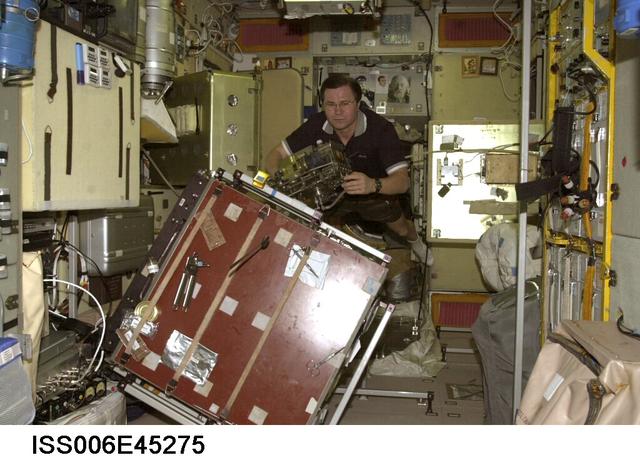
ISS006-E-45275 (21 March 2003) --- Cosmonaut Nikolai M. Budarin, Expedition Six flight engineer, holds a piece of hardware near a worktable in the Zvezda Service Module on the International Space Station (ISS). Budarin represents Rosaviakosmos.
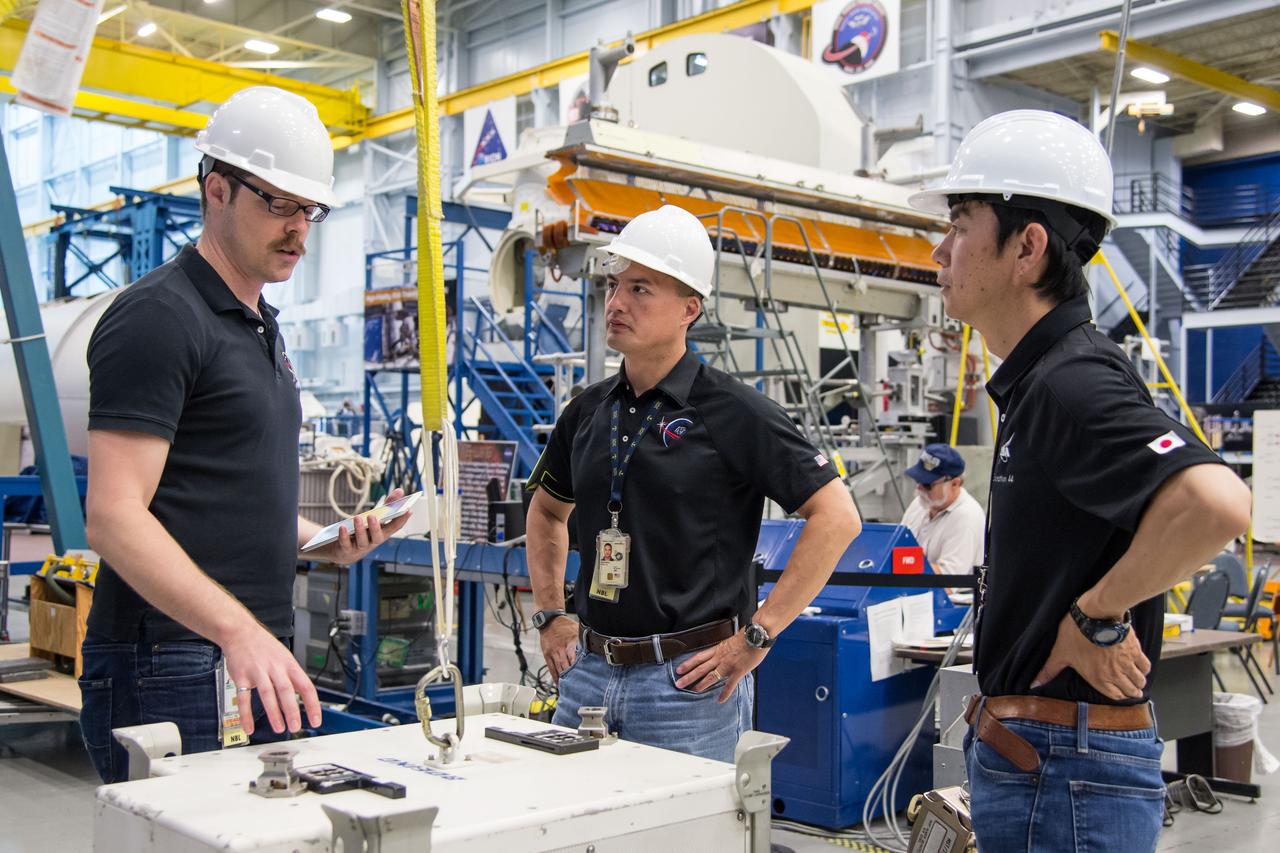
Date: 07-01-14 Location: Bldg 9NW, POGO station Subject: Expedition 44/45 crew members Kjell Lindgren and JAXA astronaut Kimiya Yui during ISS EVA Hi-Fi Hardware 2 training with instructor Scott Way Photographer: James Blair