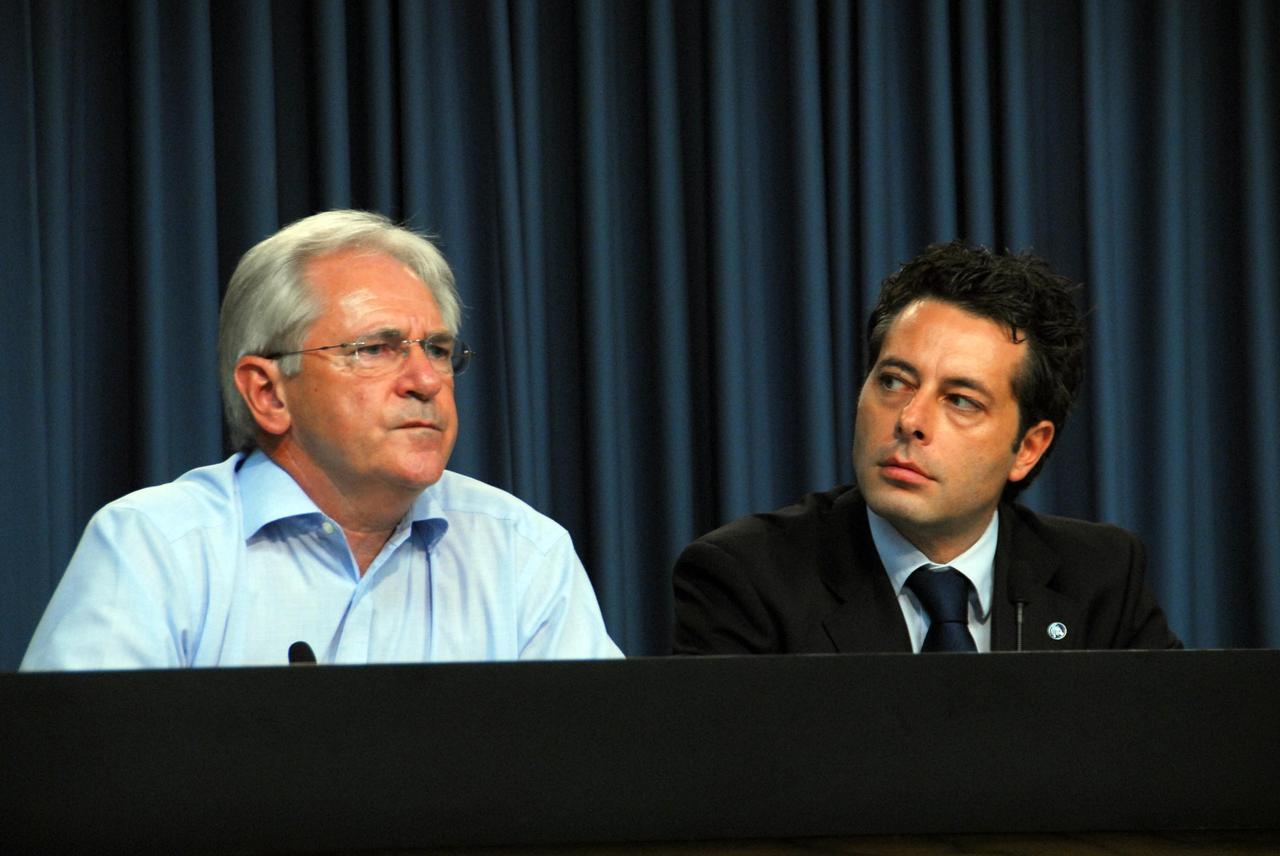
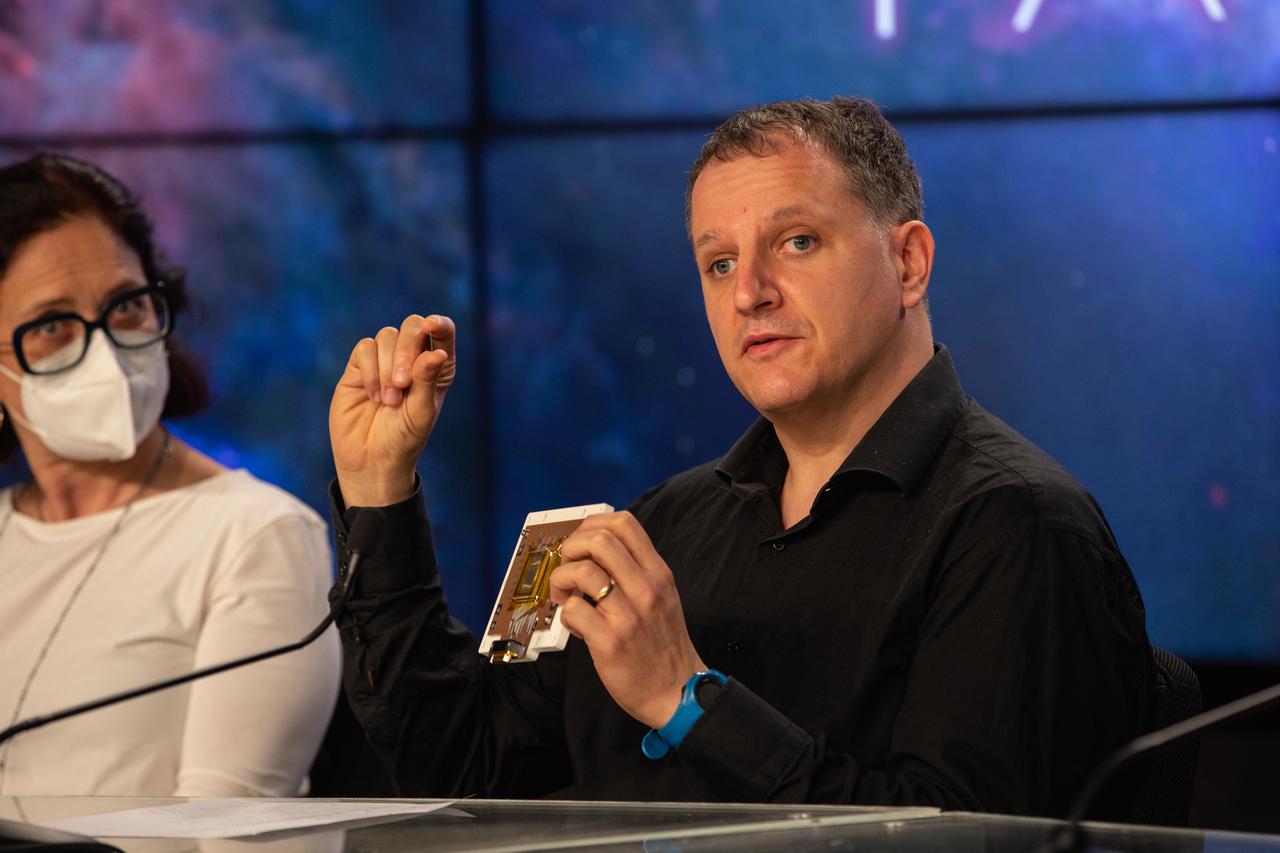
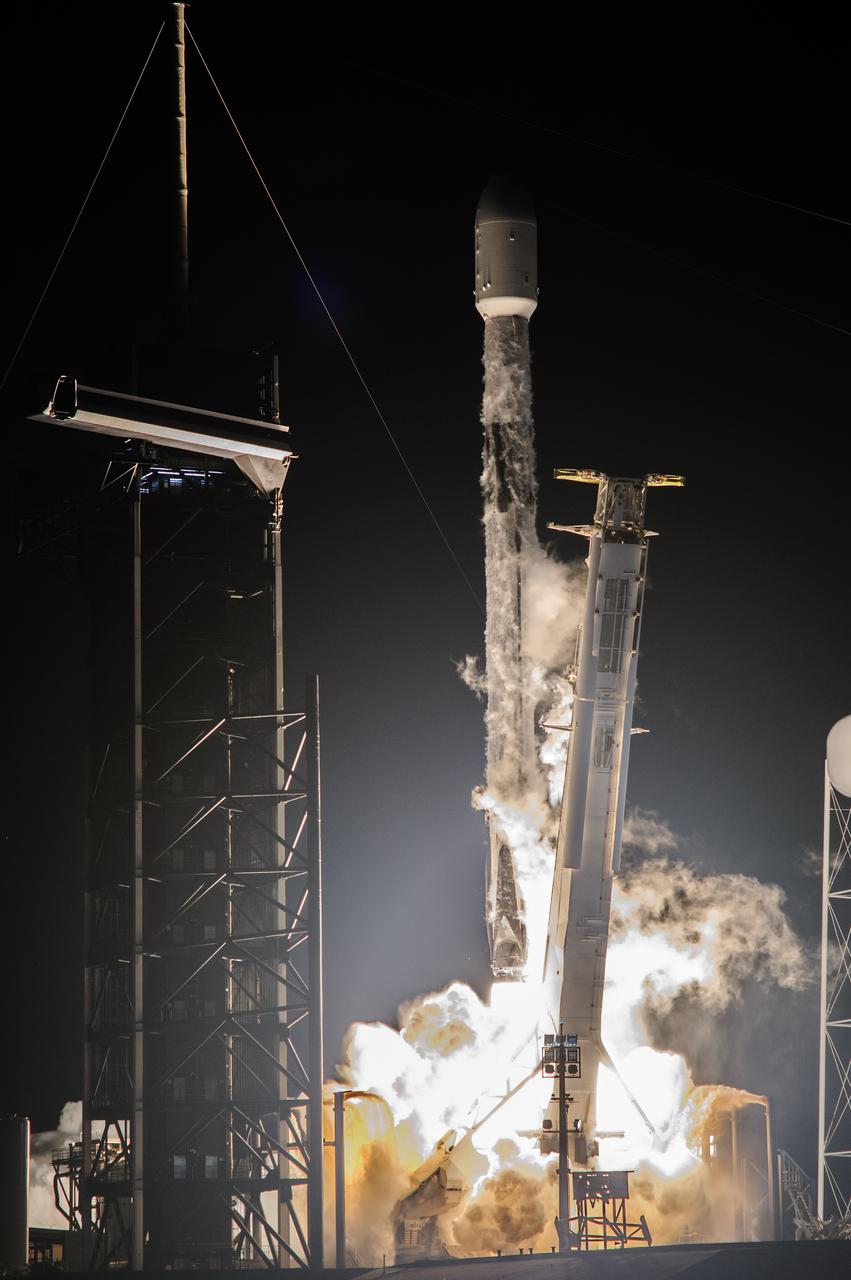
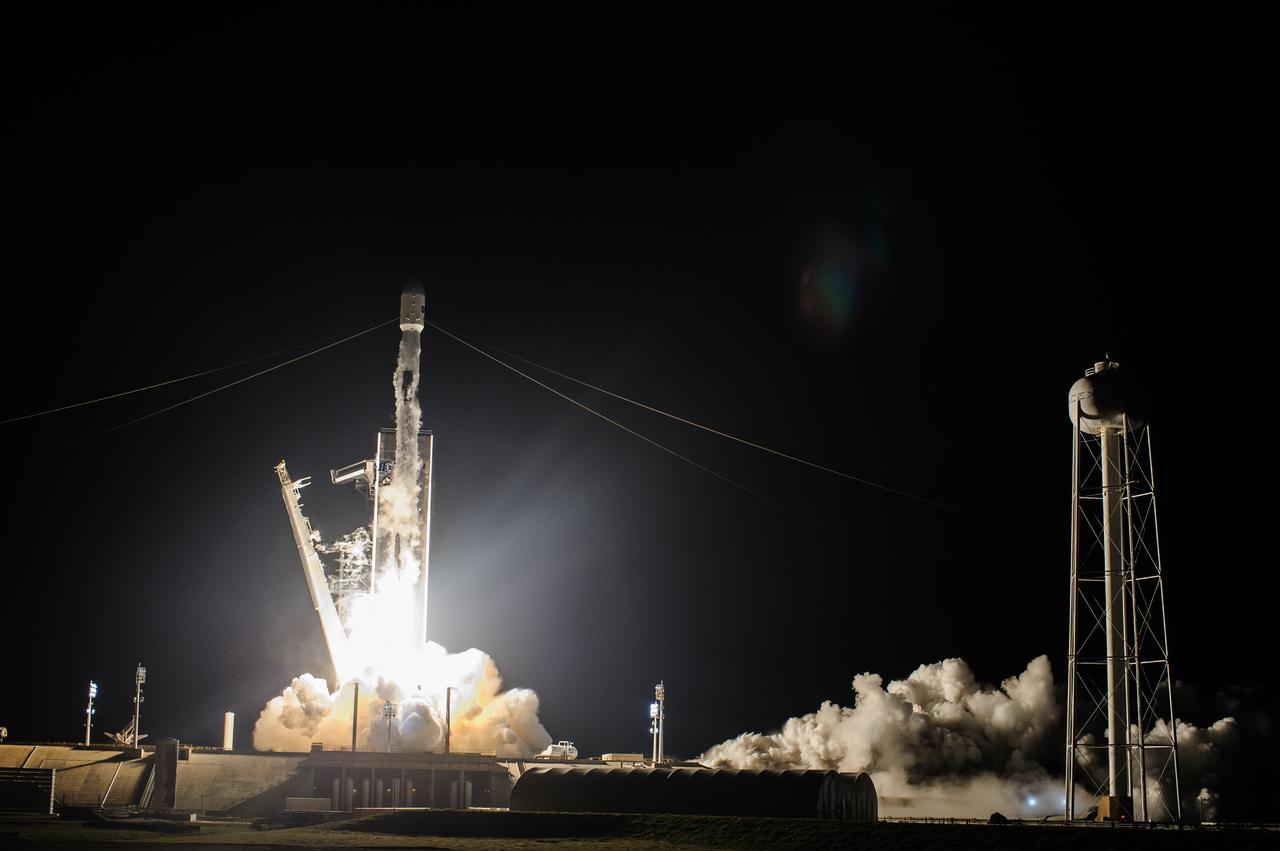
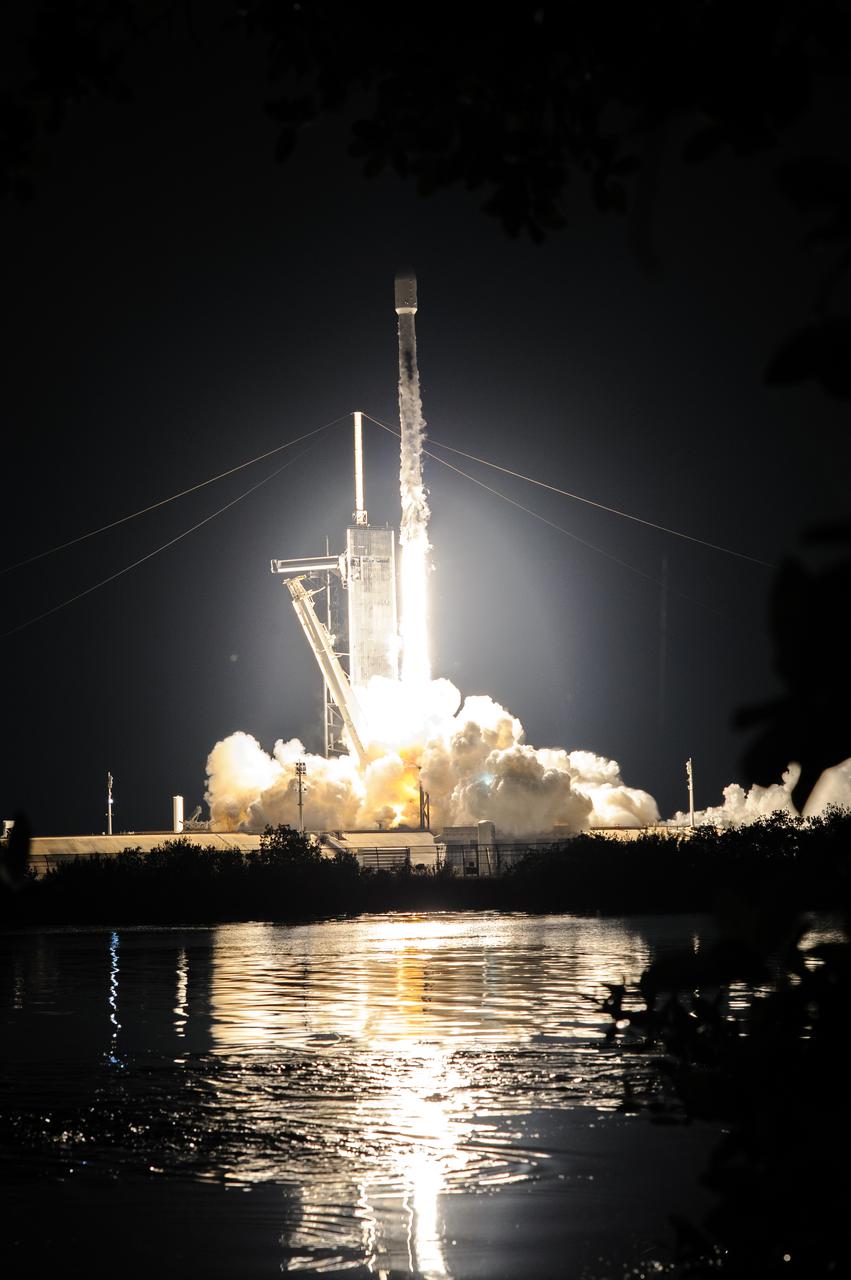
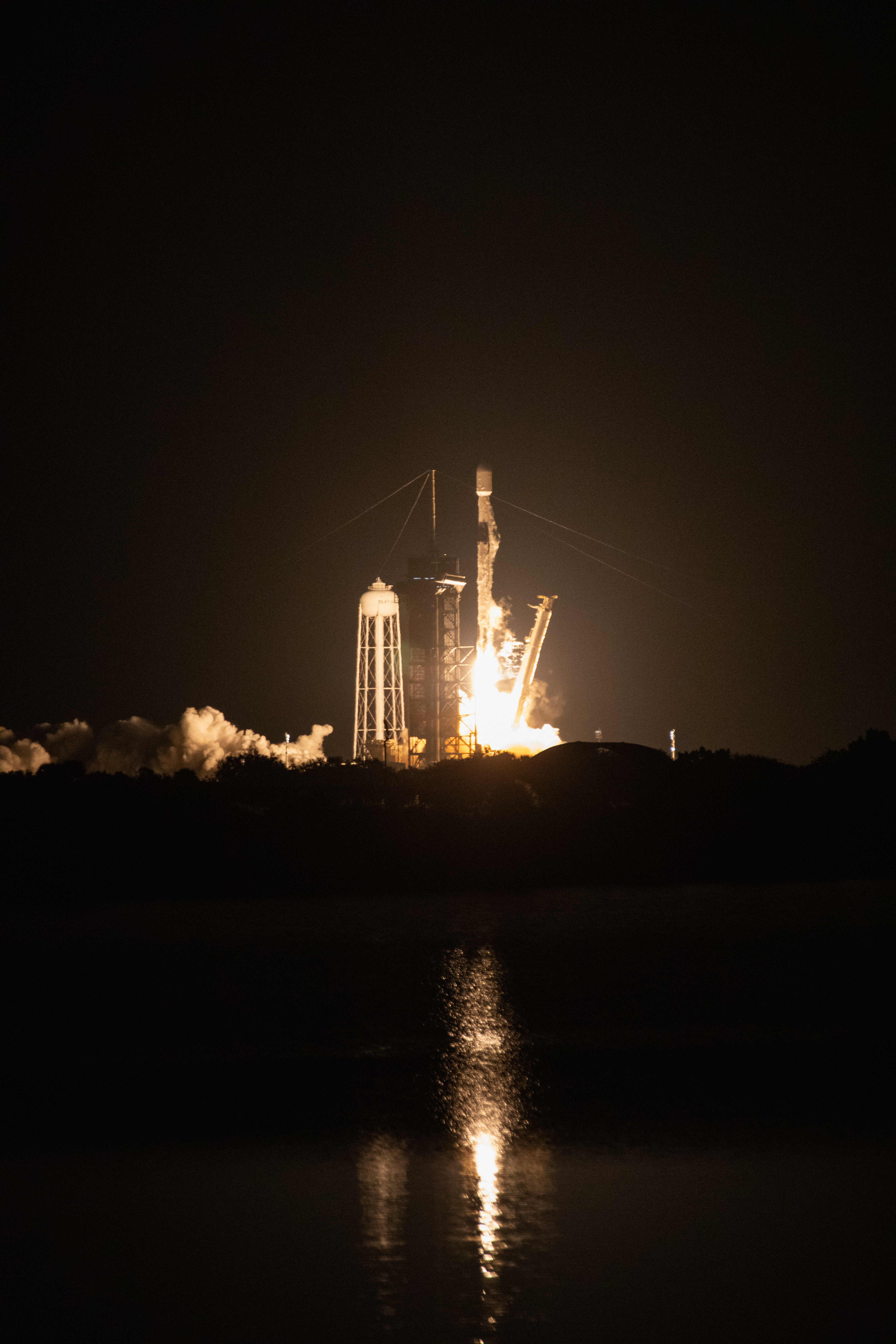
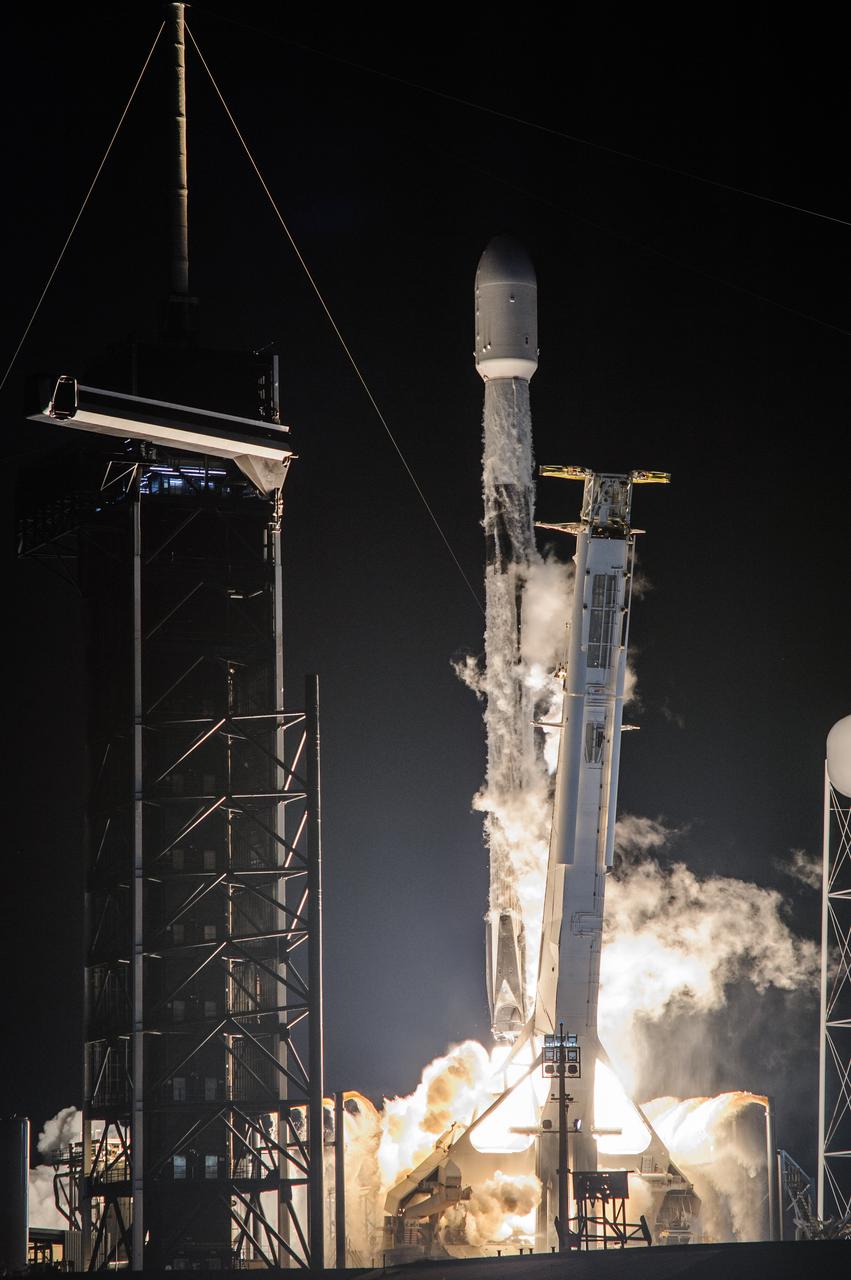
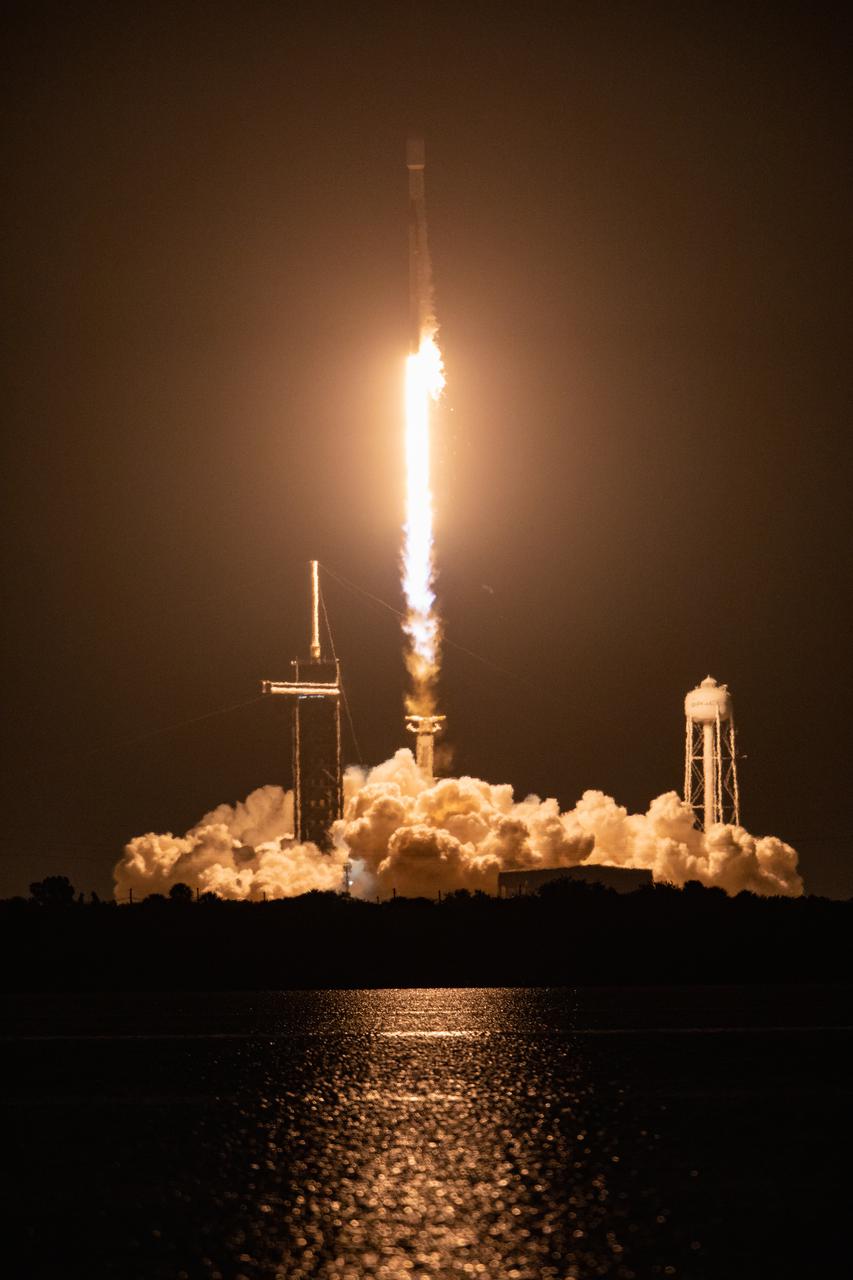
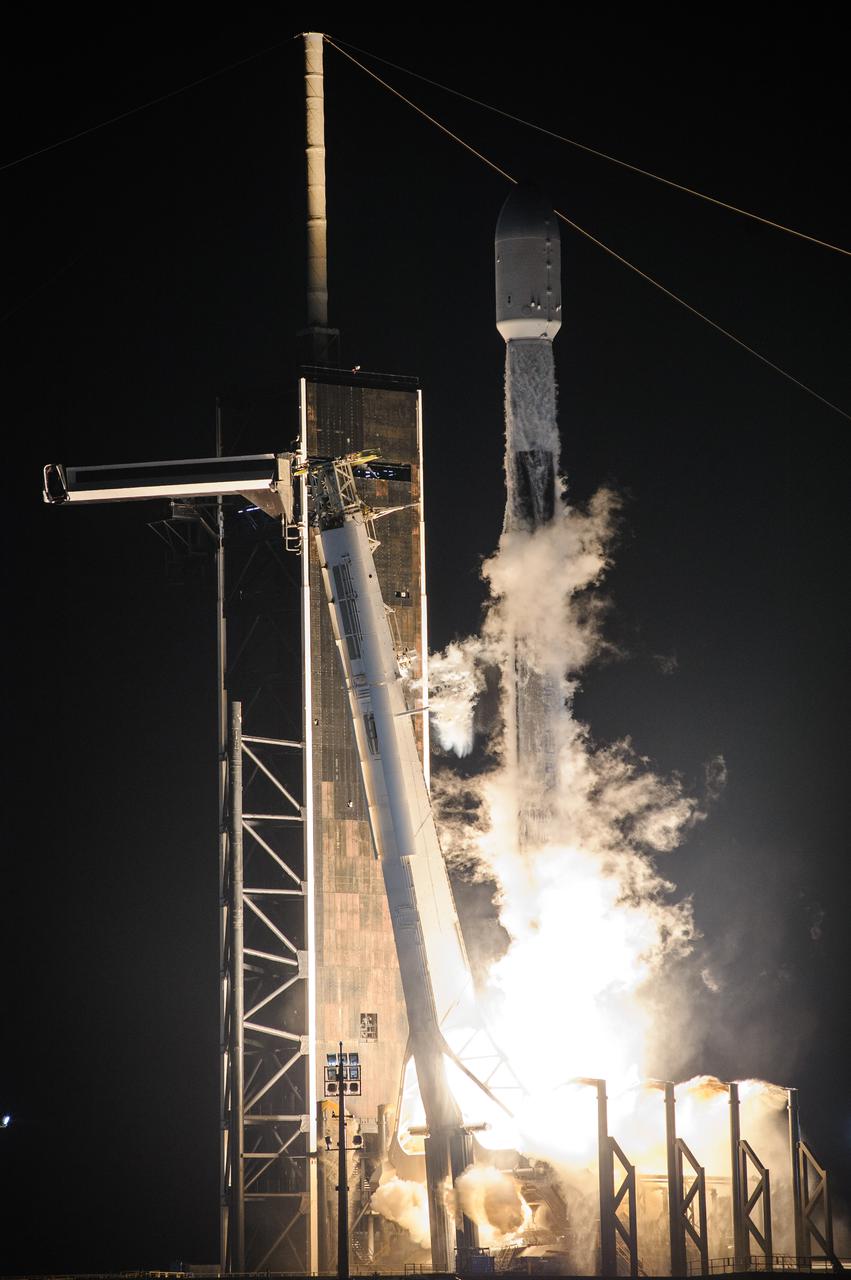
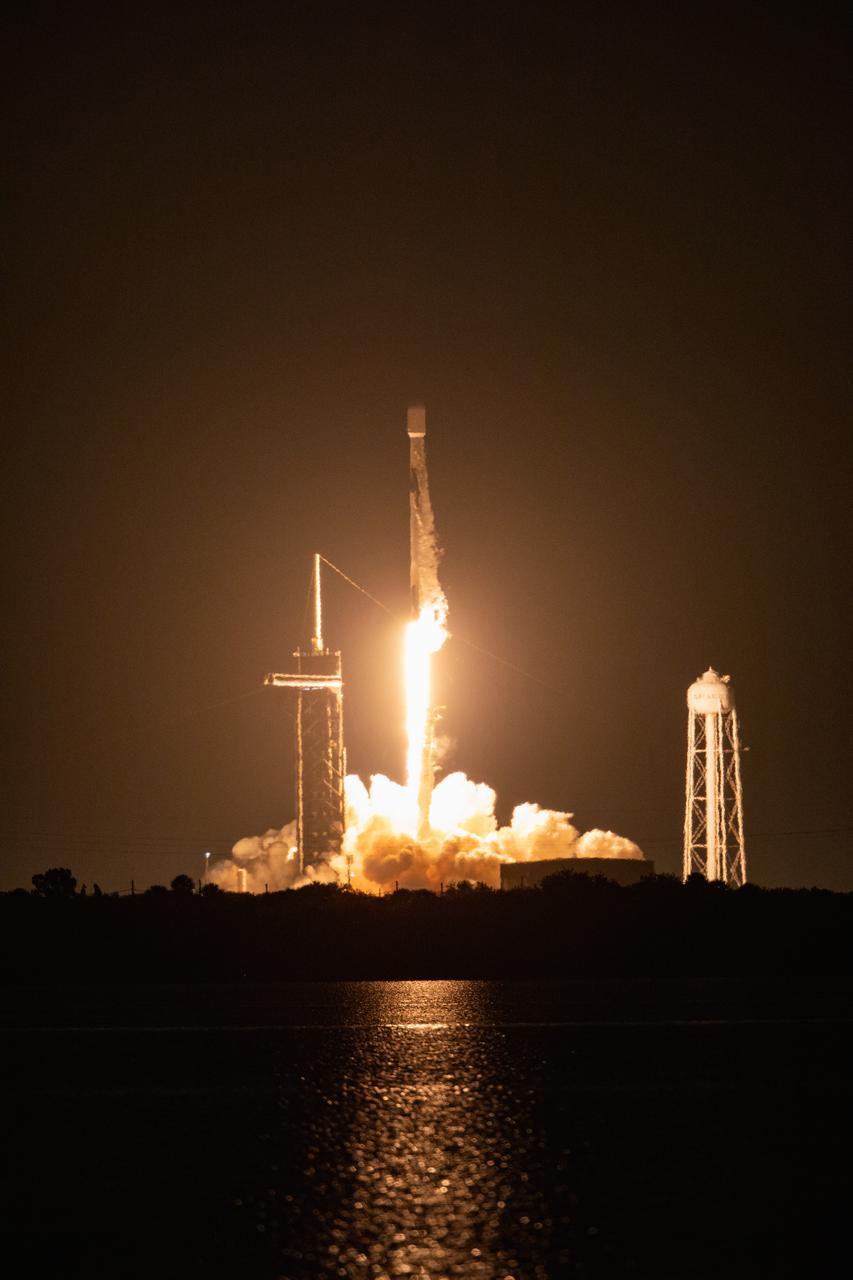
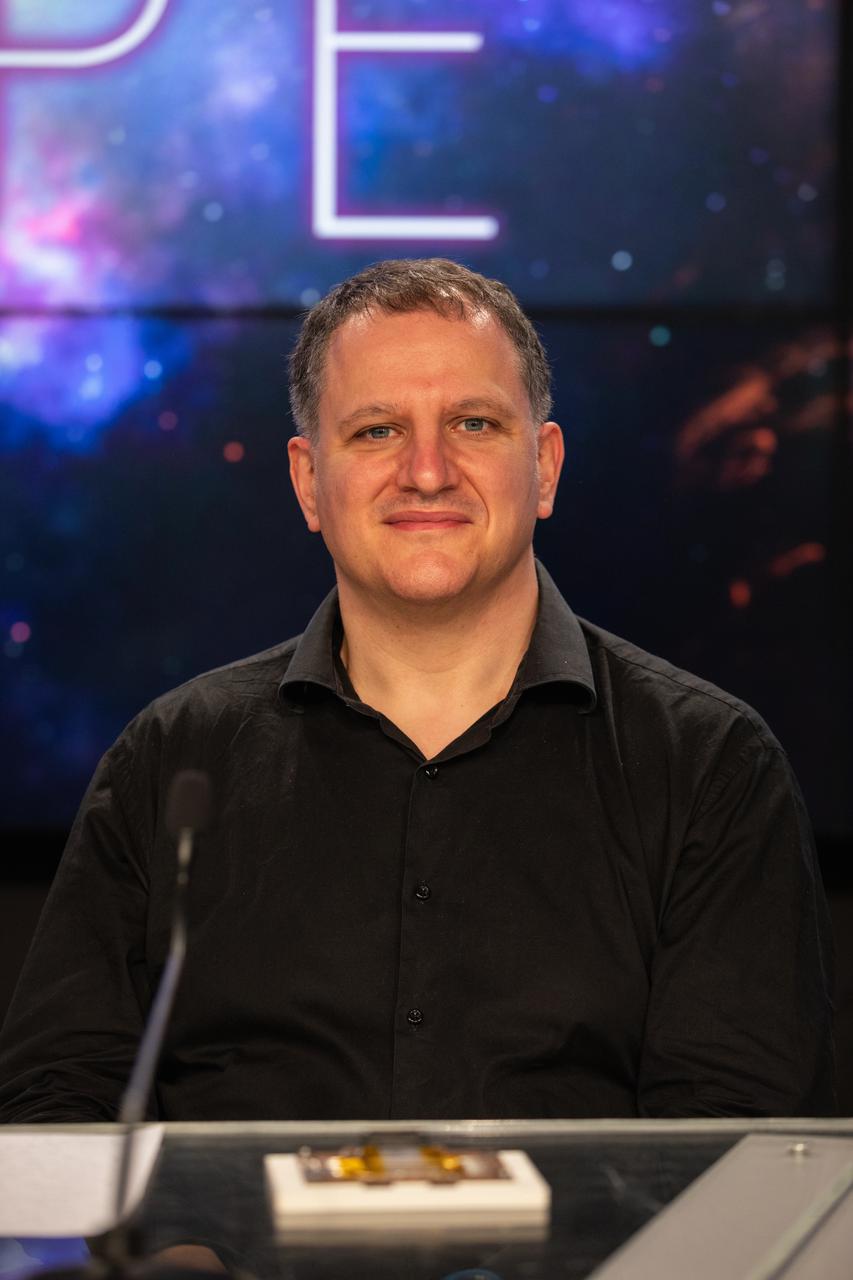
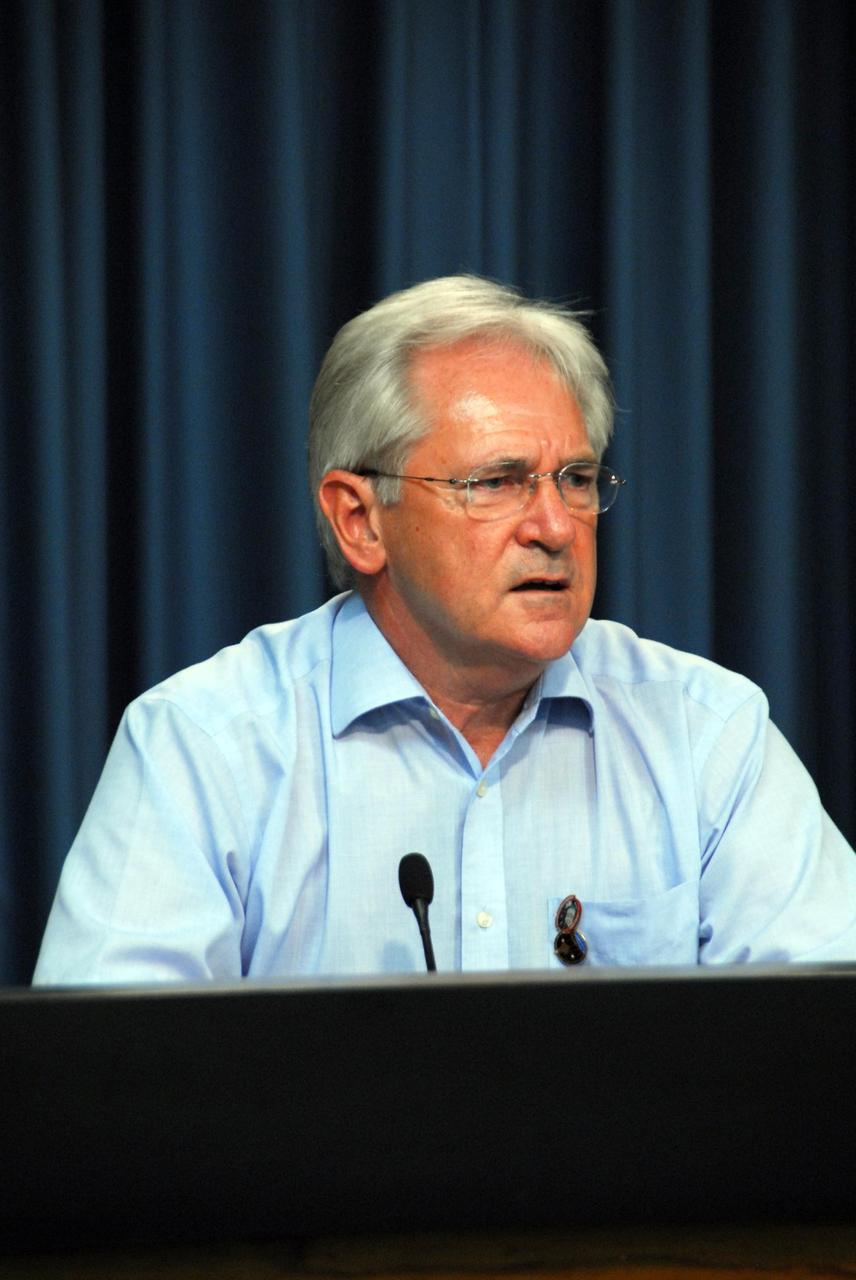
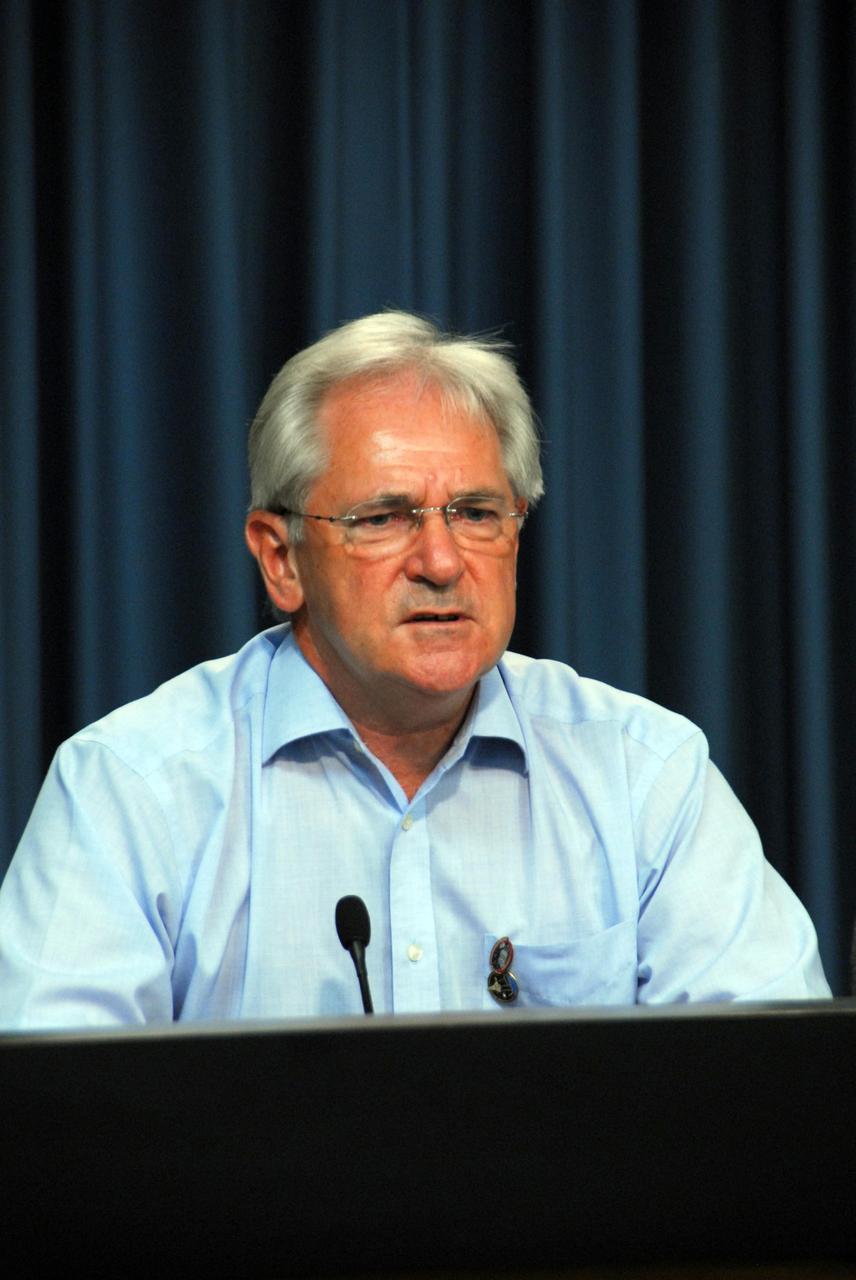
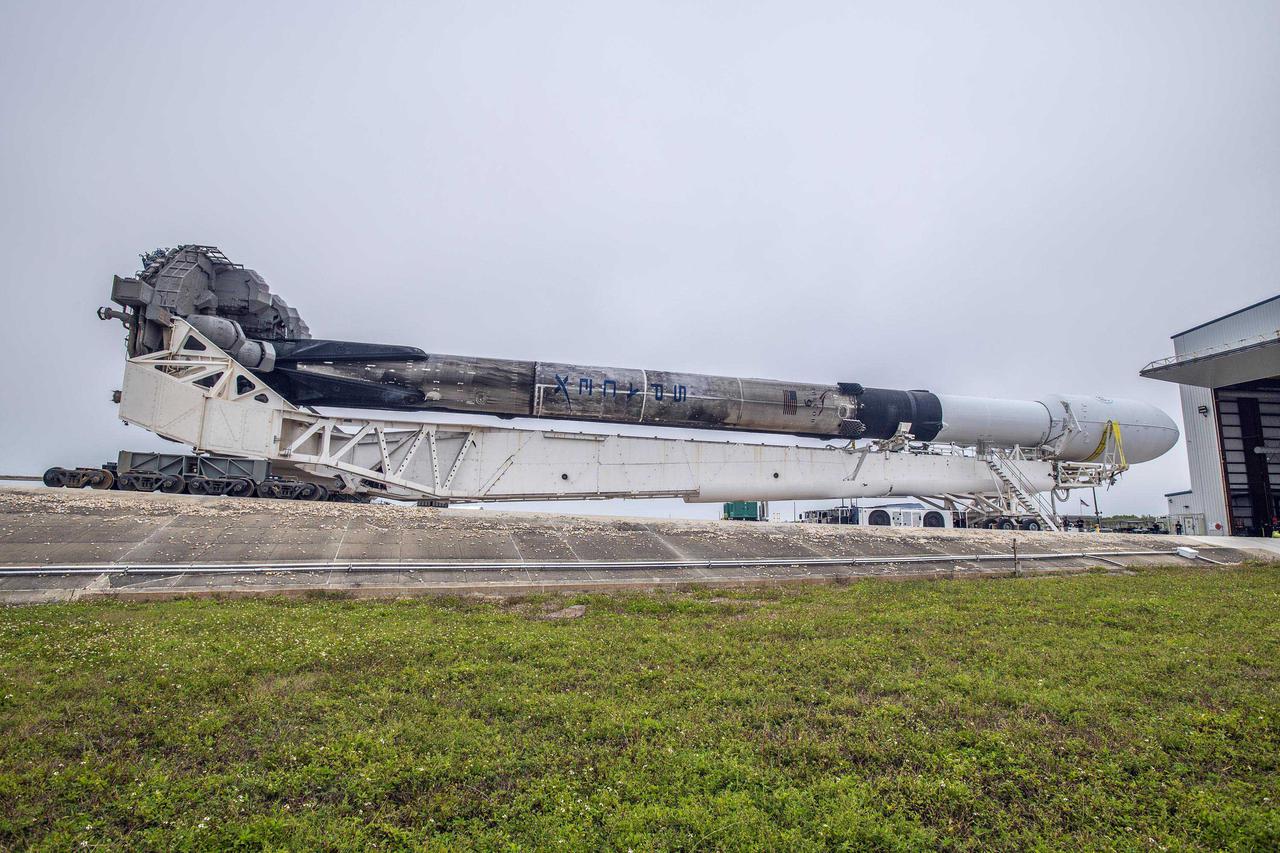
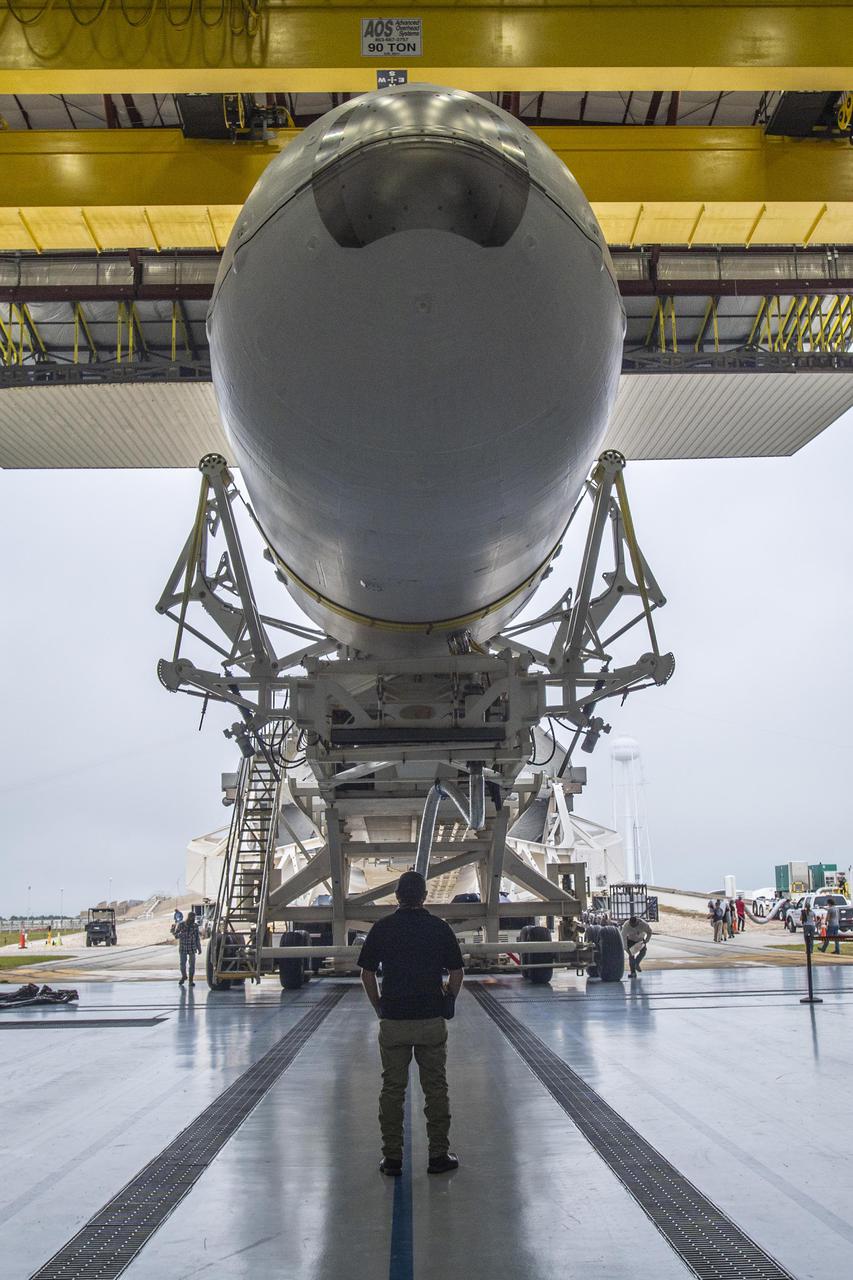
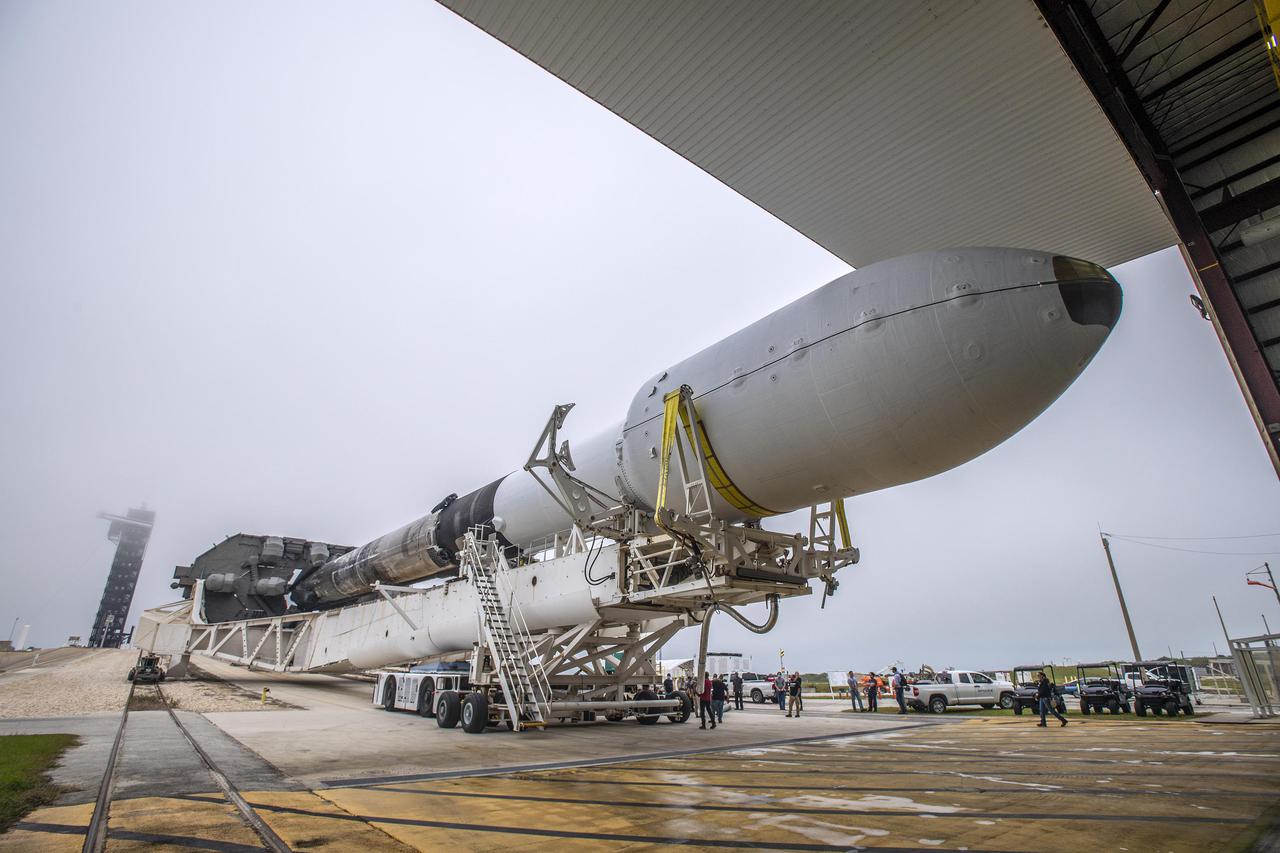
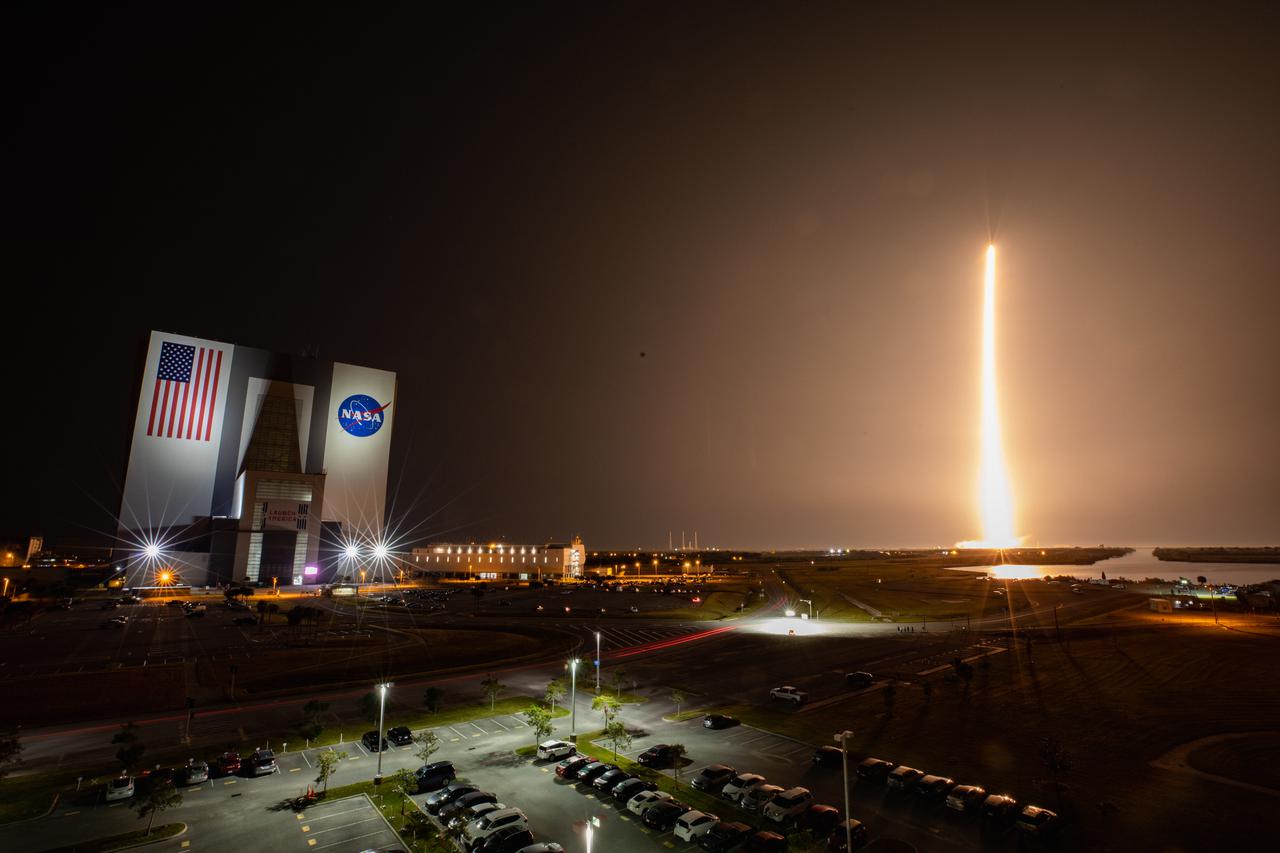
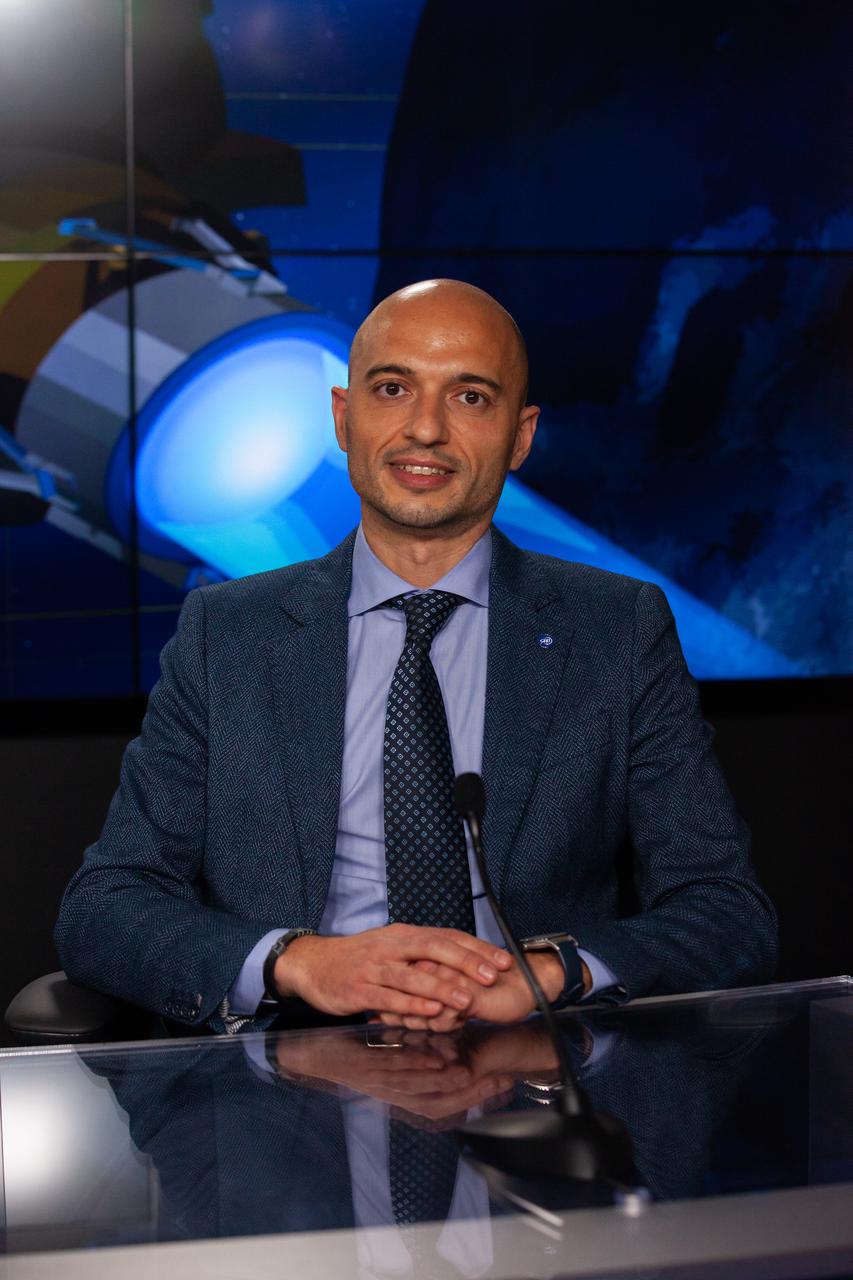
Simone Pirrotta, Light Italian CubeSat for Imaging of Asteroids (LICIACube) project manager for the Italian Space Agency, participates in an engineering briefing for NASA’s Double Asteroid Redirection Test (DART) mission at Vandenberg Space Force Base in California on Nov. 21, 2021. DART is the first mission to test technologies for preventing an impact of Earth by a hazardous asteroid. The mission is scheduled to launch no earlier than 1:21 a.m. EST Wednesday, Nov. 24 (10:21 p.m. PST Tuesday, Nov. 23), aboard a SpaceX Falcon 9 rocket from Vandenberg. NASA's Launch Services Program based at Kennedy Space Center in Florida, America's multi-user spaceport, is managing the launch.
DART Investigation & Engineering Briefing
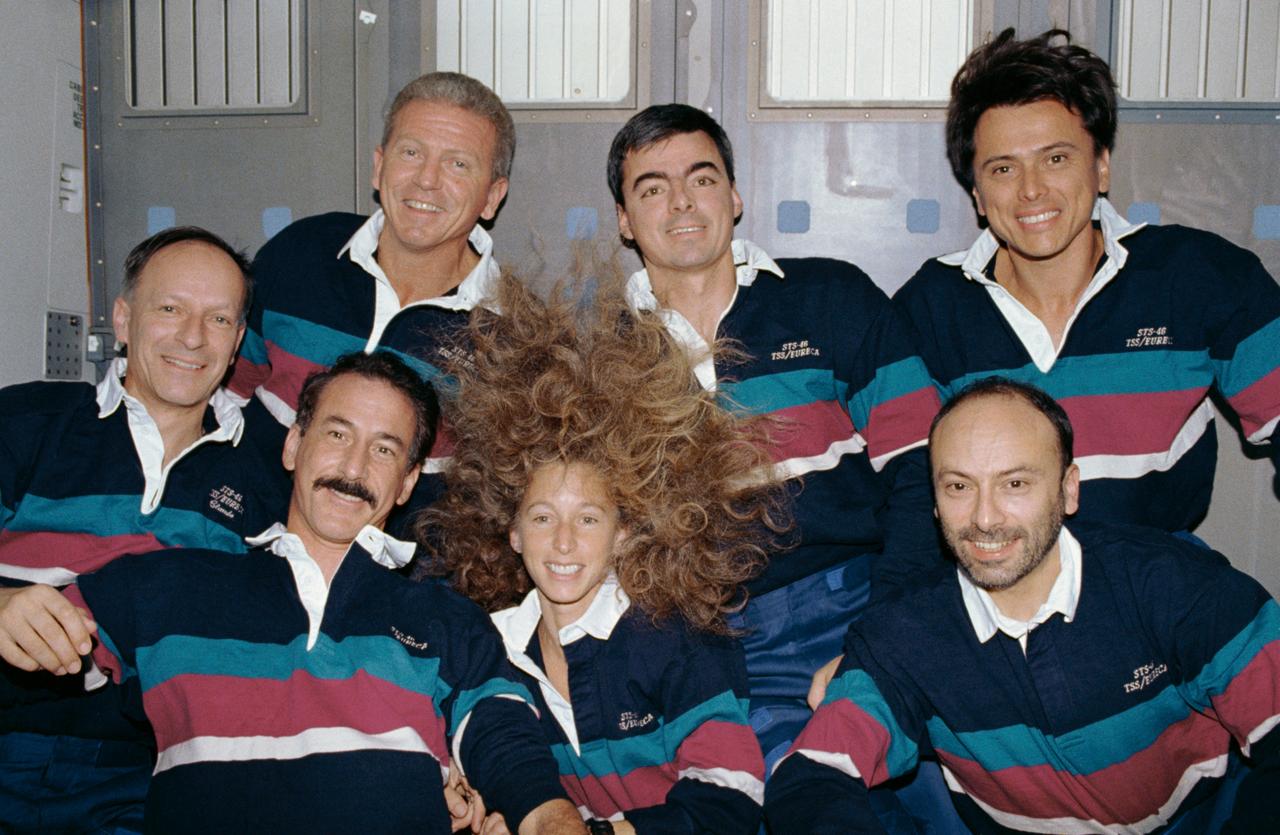
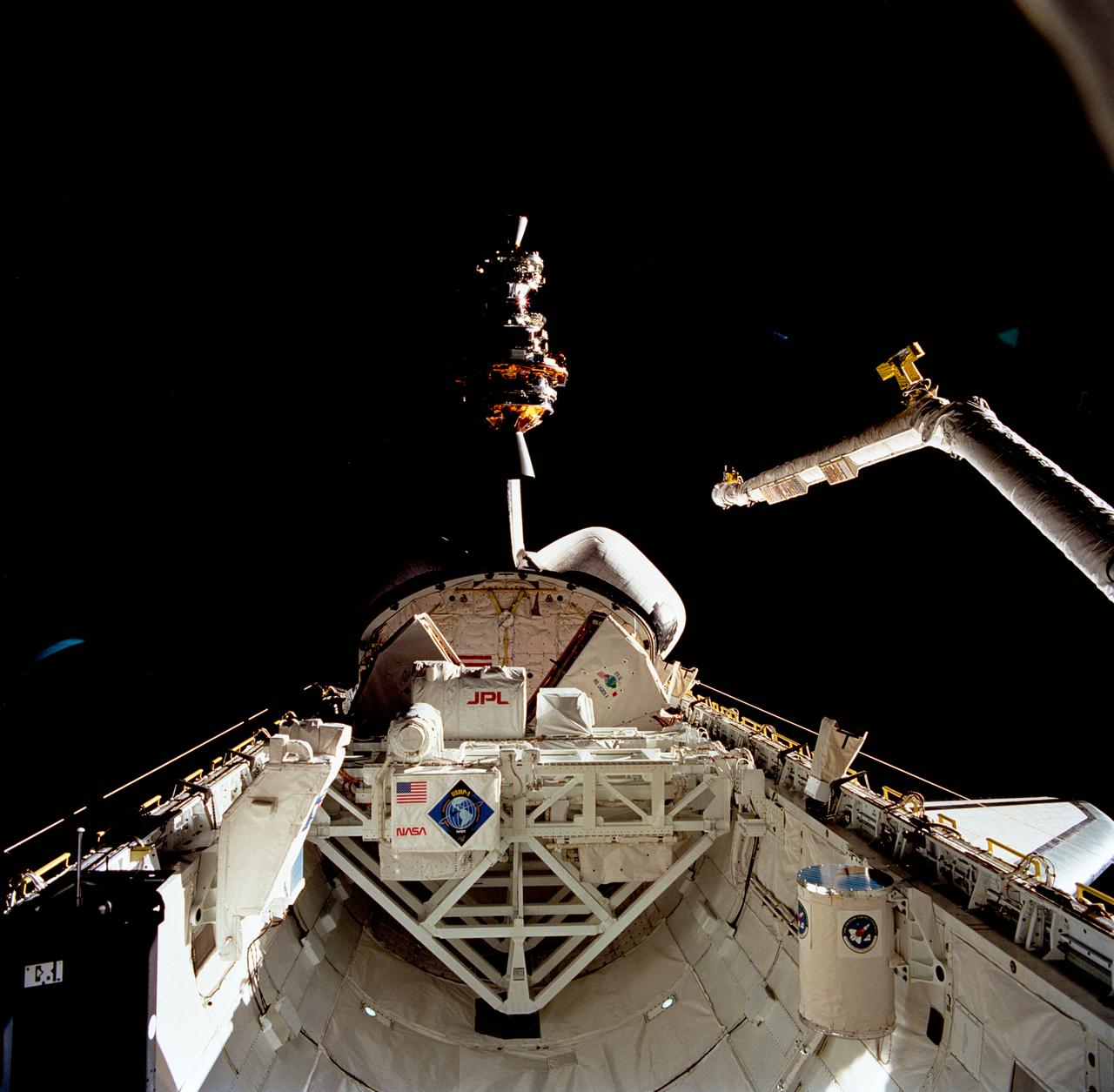
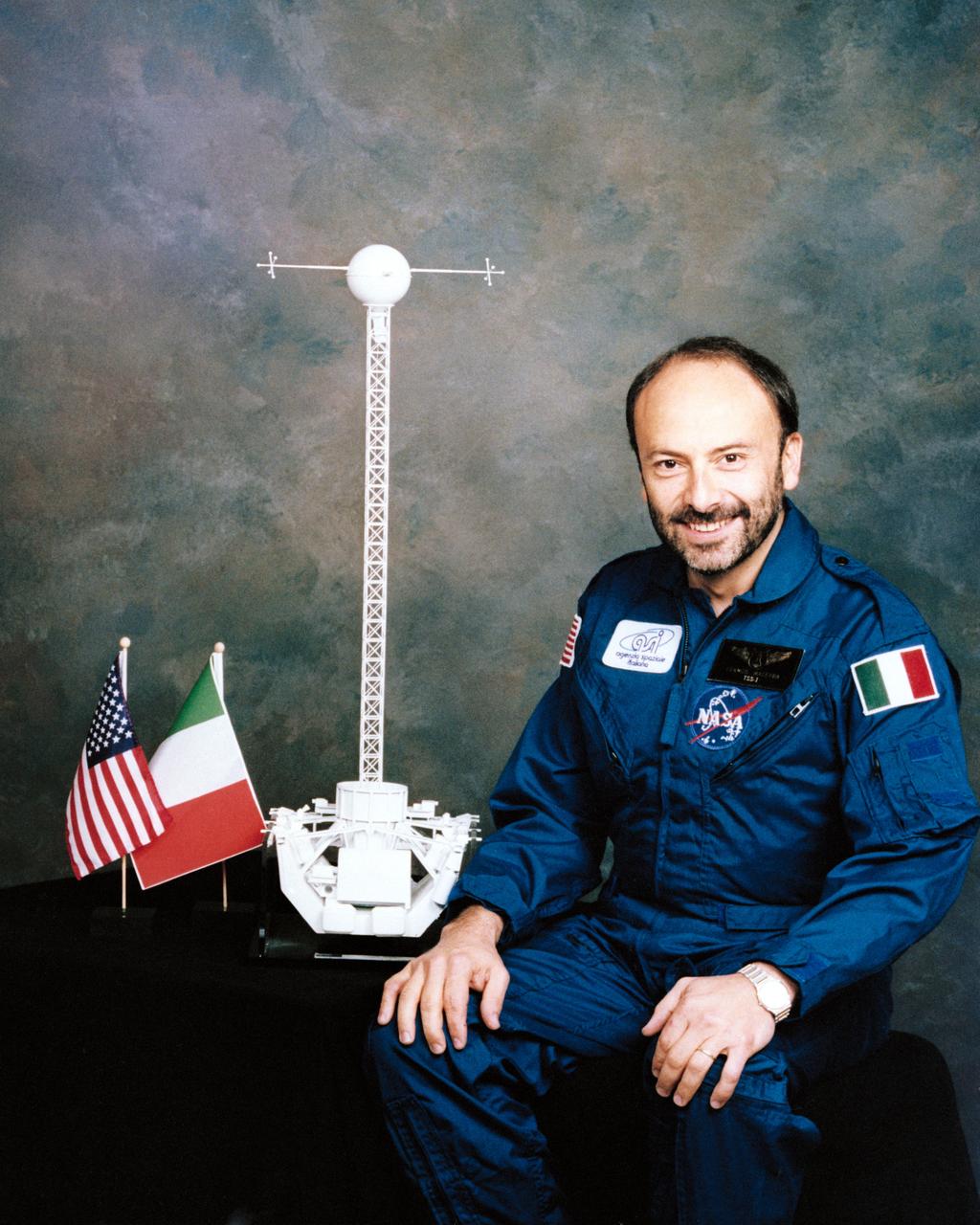
S92-30926 (12 March 1992) --- Astronaut Franco Malerba, STS-46 Italian Payload Specialist.
Portrait of STS-46 Italian Payload Specialist Franco Malerba taken at MSFC
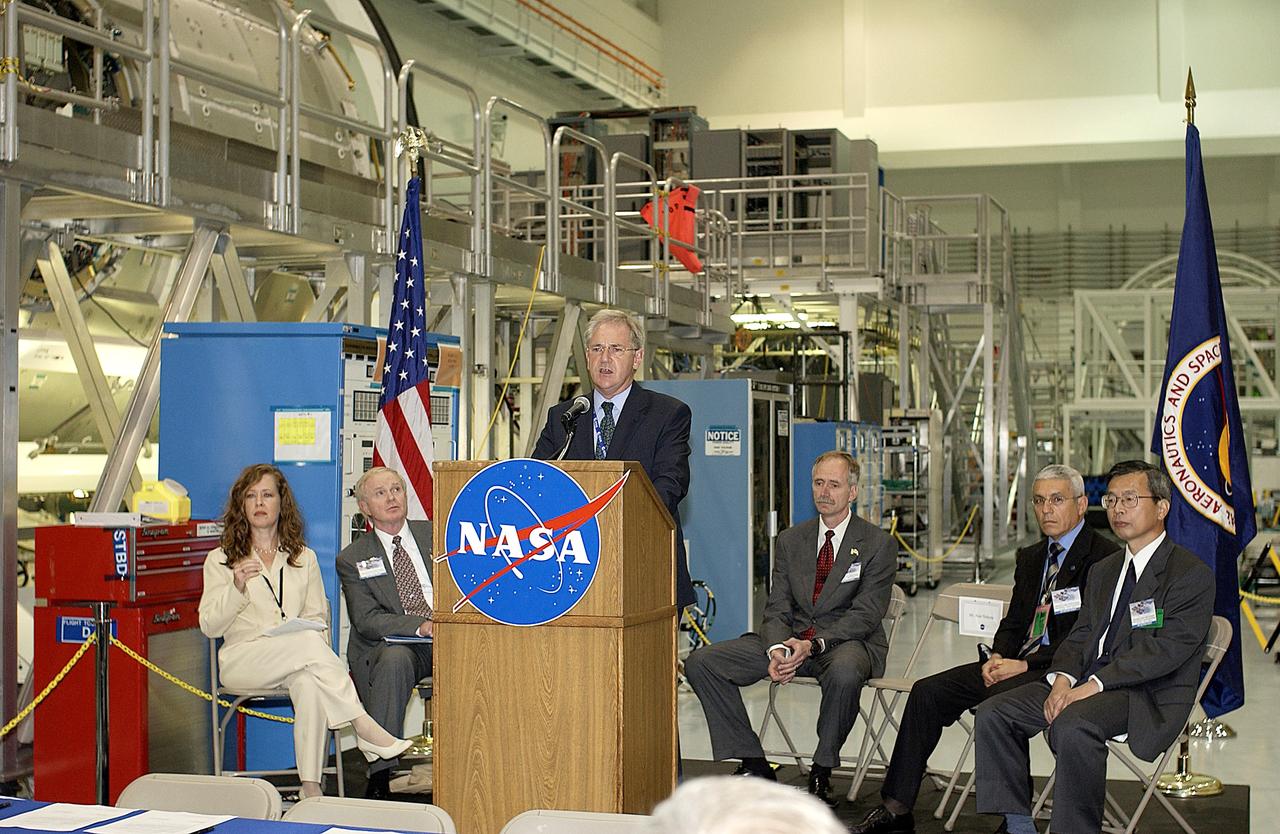
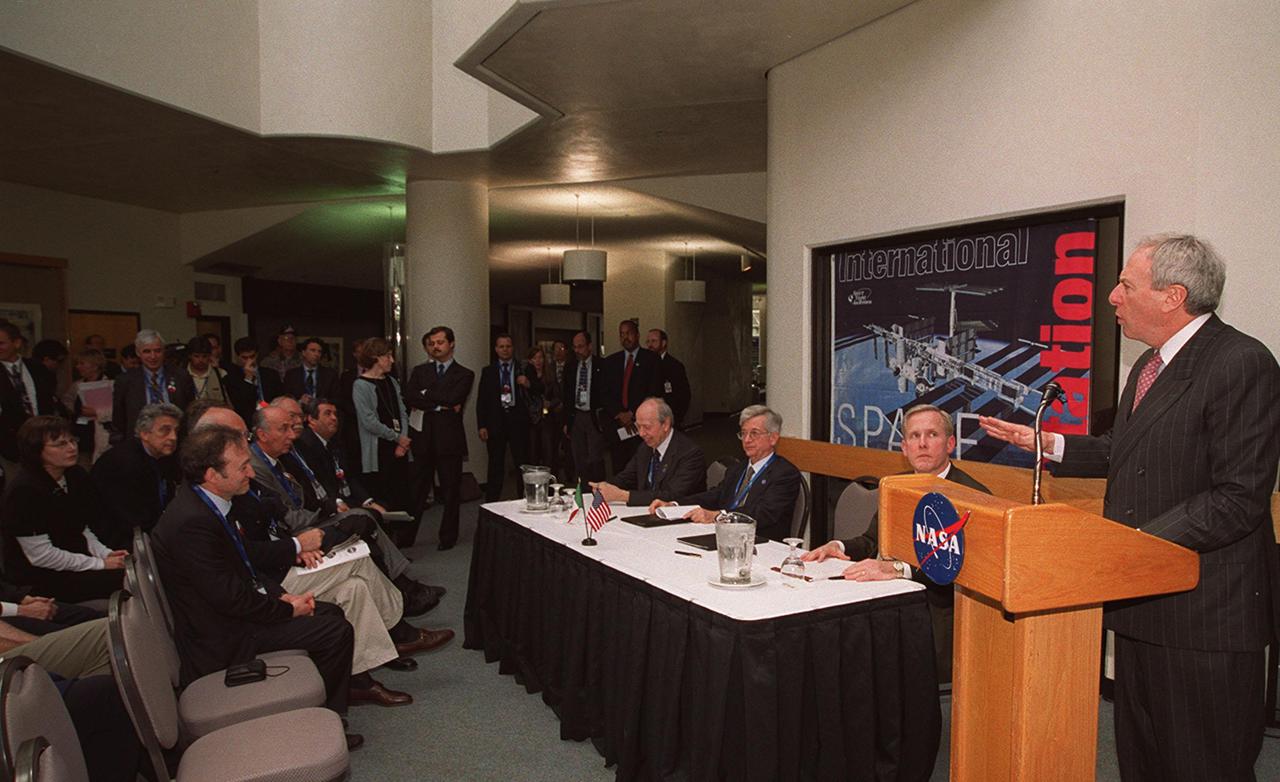
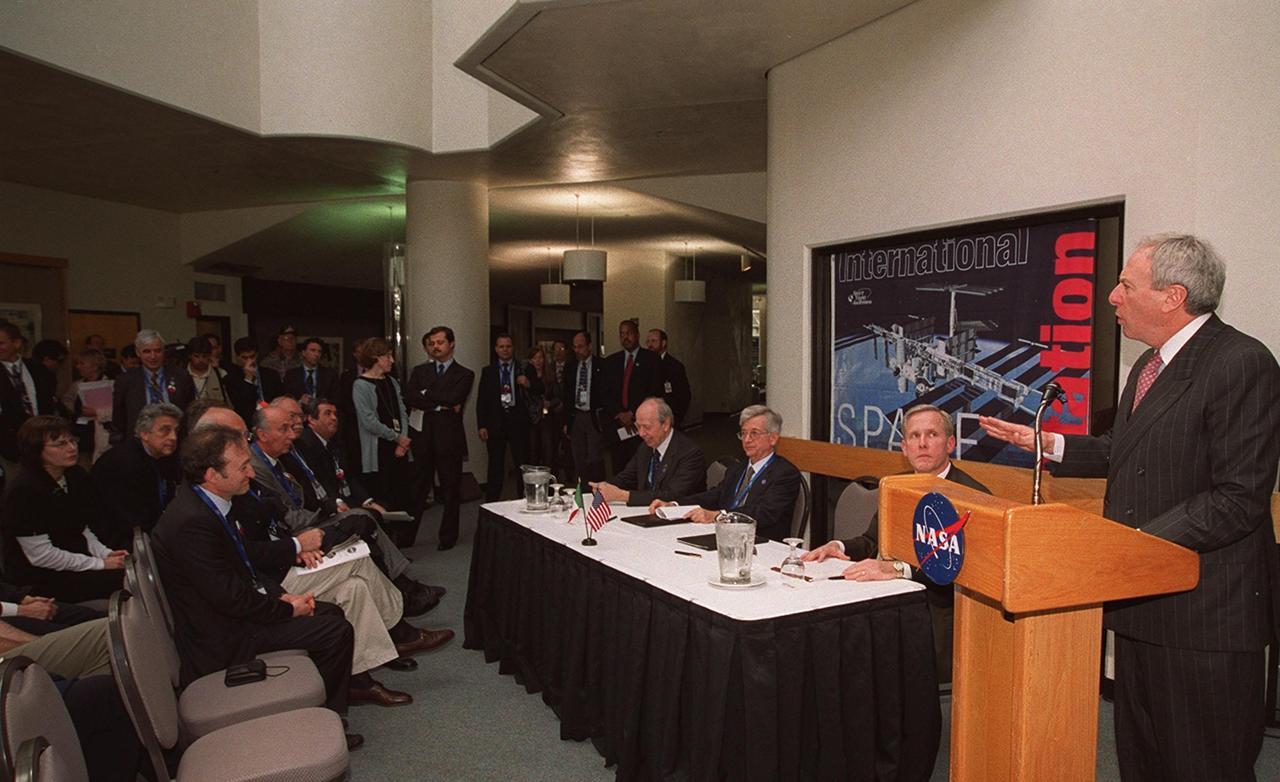
KENNEDY SPACE CENTER, FLA. -   Alan Thirkettle, International Space Station Program manager for Node 2, European Space Agency (ESA), speaks to guests and the media gathered in the Space Station Processing Facility at a ceremony highlighting the arrival of two major components of the International Space Station.  NASA's Node 2, built by the European Space Agency (ESA) in Italy, arrived at KSC on June 1. It will be the next pressurized module installed on the Station. The pressurized module of the Japanese Experiment Module (JEM), named "Kibo" (Hope), arrived at KSC on June 4. It is Japan's primary contribution to the Station. The ceremony held today included the official transfer of ownership signing of Node 2 between the ESA and NASA.. Emceed by Lisa Malone, deputy director of External Relations and Business Development at KSC, the ceremony also included these speakers: Center Director Roy Bridges Jr.; NASA’s Michael C. Kostelnik, deputy associate administrator for International Space Station and Shuttle Programs and William Gerstenmaier, International Space Station Program manager; Andrea Lorenzoni, International Space Station Program manager for Node 2, Italian Space Agency; and Kuniaki Shiraki, JEM Project manager, National Aerospace and Development Agency of Japan.
KENNEDY SPACE CENTER, FLA. - Alan Thirkettle, International Space Station Program manager for Node 2, European Space Agency (ESA), speaks to guests and the media gathered in the Space Station Processing Facility at a ceremony highlighting the arrival of two major components of the International Space Station. NASA's Node 2, built by the European Space Agency (ESA) in Italy, arrived at KSC on June 1. It will be the next pressurized module installed on the Station. The pressurized module of the Japanese Experiment Module (JEM), named "Kibo" (Hope), arrived at KSC on June 4. It is Japan's primary contribution to the Station. The ceremony held today included the official transfer of ownership signing of Node 2 between the ESA and NASA.. Emceed by Lisa Malone, deputy director of External Relations and Business Development at KSC, the ceremony also included these speakers: Center Director Roy Bridges Jr.; NASA’s Michael C. Kostelnik, deputy associate administrator for International Space Station and Shuttle Programs and William Gerstenmaier, International Space Station Program manager; Andrea Lorenzoni, International Space Station Program manager for Node 2, Italian Space Agency; and Kuniaki Shiraki, JEM Project manager, National Aerospace and Development Agency of Japan.
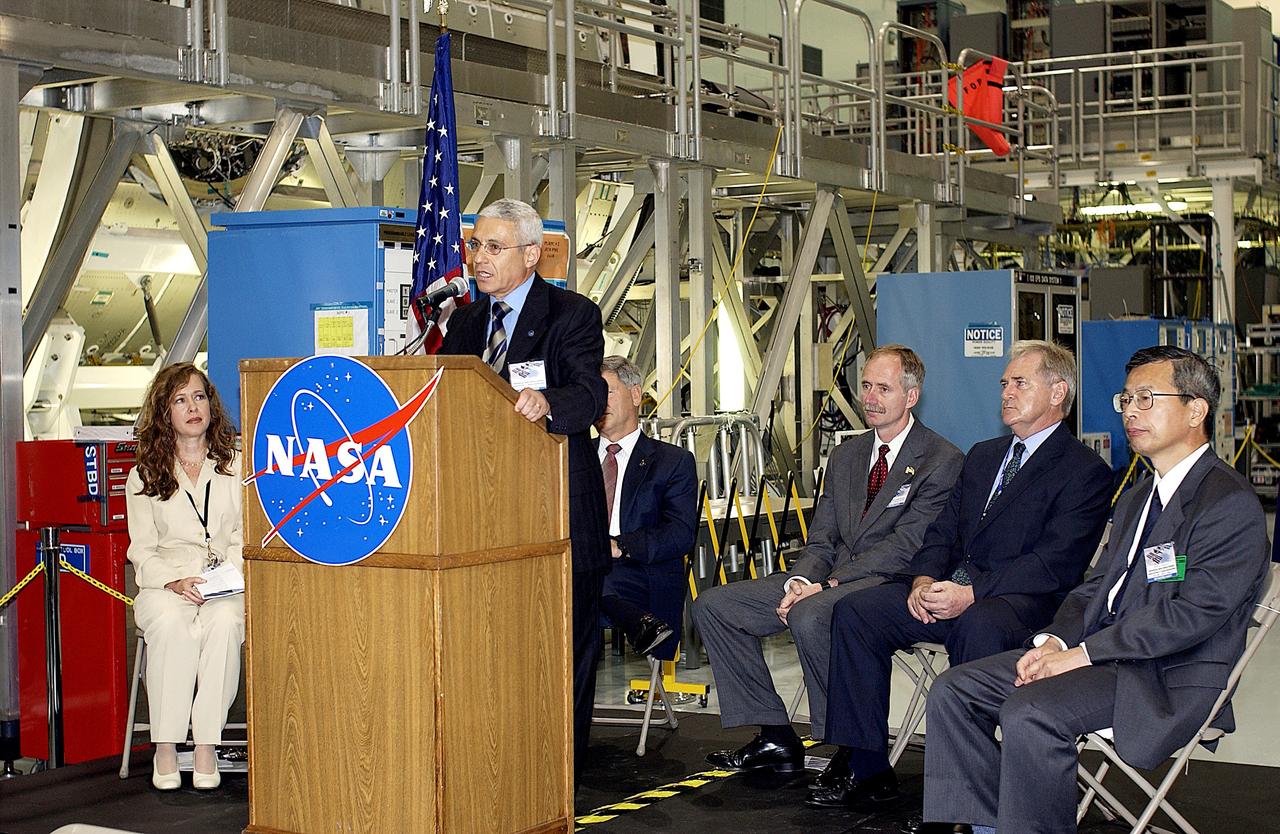
KENNEDY SPACE CENTER, FLA. -   At a ceremony highlighting the arrival of two major components of the International Space Station, William Gerstenmaier, International Space Station Program manager, points to one of the components as he speaks to guests and the media gathered in the Space Station Processing Facility.  NASA's Node 2, built by the European Space Agency (ESA) in Italy, arrived at KSC on June 1. It will be the next pressurized module installed on the Station. The pressurized module of the Japanese Experiment Module (JEM), named "Kibo" (Hope), arrived at KSC on June 4. It is Japan's primary contribution to the Station. The ceremony held today included the official transfer of ownership signing of Node 2 between the ESA and NASA.. Emceed by Lisa Malone, deputy director of External Relations and Business Development at KSC, the ceremony also included these speakers: Center Director Roy Bridges Jr.; NASA’s Michael C. Kostelnik, deputy associate administrator for International Space Station and Shuttle Programs; Alan Thirkettle, International Space Station Program manager for Node 2, ESA; Andrea Lorenzoni, International Space Station Program manager for Node 2, Italian Space Agency; and Kuniaki Shiraki, JEM Project manager, National Aerospace and Development Agency of Japan.
KENNEDY SPACE CENTER, FLA. - At a ceremony highlighting the arrival of two major components of the International Space Station, William Gerstenmaier, International Space Station Program manager, points to one of the components as he speaks to guests and the media gathered in the Space Station Processing Facility. NASA's Node 2, built by the European Space Agency (ESA) in Italy, arrived at KSC on June 1. It will be the next pressurized module installed on the Station. The pressurized module of the Japanese Experiment Module (JEM), named "Kibo" (Hope), arrived at KSC on June 4. It is Japan's primary contribution to the Station. The ceremony held today included the official transfer of ownership signing of Node 2 between the ESA and NASA.. Emceed by Lisa Malone, deputy director of External Relations and Business Development at KSC, the ceremony also included these speakers: Center Director Roy Bridges Jr.; NASA’s Michael C. Kostelnik, deputy associate administrator for International Space Station and Shuttle Programs; Alan Thirkettle, International Space Station Program manager for Node 2, ESA; Andrea Lorenzoni, International Space Station Program manager for Node 2, Italian Space Agency; and Kuniaki Shiraki, JEM Project manager, National Aerospace and Development Agency of Japan.
KENNEDY SPACE CENTER, FLA. -  NASA's Michael C. Kostelnik, deputy associate administrator for International Space Station and Shuttle Programs, speaks to guests and the media gathered in the Space Station Processing Facility for a ceremony to highlight the arrival of two major components of the International Space Station.  NASA's Node 2, built by the European Space Agency (ESA) in Italy arrived at KSC on June 1. It will be the next pressurized module installed on the Station. The pressurized module of the Japanese Experiment Module (JEM), named "Kibo" (Hope) arrived at KSC on June 4. It is Japan's primary contribution to the Station. The ceremony held today included the official transfer of ownership signing of Node 2 between the ESA and NASA.. Emceed by Lisa Malone (far left),  deputy director of External Relations and Business Development at KSC, the ceremony also included these speakers: Center Director Roy Bridges Jr. (second from left); William Gerstenmaier, International Space Station Program manager; Alan Thirkettle, International Space Station Program manager for Node 2, ESA; Andrea Lorenzoni, International Space Station Program manager for Node 2, Italian Space Agency; and Kuniaki Shiraki, JEM Project manager, National Aerospace and Development Agency of Japan.
KENNEDY SPACE CENTER, FLA. - NASA's Michael C. Kostelnik, deputy associate administrator for International Space Station and Shuttle Programs, speaks to guests and the media gathered in the Space Station Processing Facility for a ceremony to highlight the arrival of two major components of the International Space Station. NASA's Node 2, built by the European Space Agency (ESA) in Italy arrived at KSC on June 1. It will be the next pressurized module installed on the Station. The pressurized module of the Japanese Experiment Module (JEM), named "Kibo" (Hope) arrived at KSC on June 4. It is Japan's primary contribution to the Station. The ceremony held today included the official transfer of ownership signing of Node 2 between the ESA and NASA.. Emceed by Lisa Malone (far left), deputy director of External Relations and Business Development at KSC, the ceremony also included these speakers: Center Director Roy Bridges Jr. (second from left); William Gerstenmaier, International Space Station Program manager; Alan Thirkettle, International Space Station Program manager for Node 2, ESA; Andrea Lorenzoni, International Space Station Program manager for Node 2, Italian Space Agency; and Kuniaki Shiraki, JEM Project manager, National Aerospace and Development Agency of Japan.
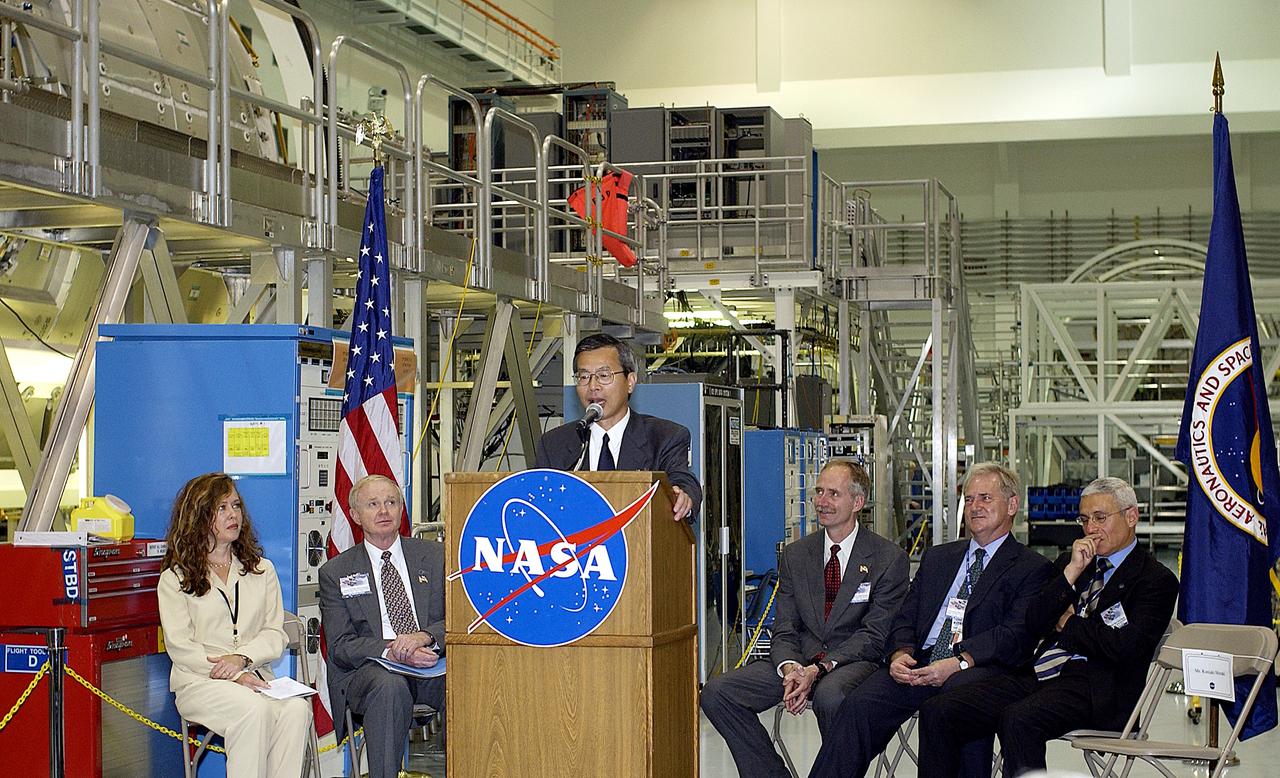
KENNEDY SPACE CENTER, FLA. -  Kuniaki Shiraki, JEM Project manager, National Aerospace and Development Agency of Japan,  speaks to guests and the media gathered in the Space Station Processing Facility at a ceremony highlighting the arrival of two major components of the International Space Station.  NASA's Node 2, built by the European Space Agency (ESA) in Italy, arrived at KSC on June 1. It will be the next pressurized module installed on the Station. The pressurized module of the Japanese Experiment Module (JEM), named "Kibo" (Hope), arrived at KSC on June 4. It is Japan's primary contribution to the Station. The ceremony held today included the official transfer of ownership signing of Node 2 between the ESA and NASA.. Emceed by Lisa Malone (far left), deputy director of External Relations and Business Development at KSC, the ceremony also included these speakers: Center Director Roy Bridges Jr. (second from left); NASA’s Michael C. Kostelnik, deputy associate administrator for International Space Station and Shuttle Programs and William Gerstenmaier, International Space Station Program manager; Alan Thirkettle, International Space Station Program manager for Node 2, ESA; and Andrea Lorenzoni, International Space Station Program manager for Node 2, Italian Space Agency.
KENNEDY SPACE CENTER, FLA. - Kuniaki Shiraki, JEM Project manager, National Aerospace and Development Agency of Japan, speaks to guests and the media gathered in the Space Station Processing Facility at a ceremony highlighting the arrival of two major components of the International Space Station. NASA's Node 2, built by the European Space Agency (ESA) in Italy, arrived at KSC on June 1. It will be the next pressurized module installed on the Station. The pressurized module of the Japanese Experiment Module (JEM), named "Kibo" (Hope), arrived at KSC on June 4. It is Japan's primary contribution to the Station. The ceremony held today included the official transfer of ownership signing of Node 2 between the ESA and NASA.. Emceed by Lisa Malone (far left), deputy director of External Relations and Business Development at KSC, the ceremony also included these speakers: Center Director Roy Bridges Jr. (second from left); NASA’s Michael C. Kostelnik, deputy associate administrator for International Space Station and Shuttle Programs and William Gerstenmaier, International Space Station Program manager; Alan Thirkettle, International Space Station Program manager for Node 2, ESA; and Andrea Lorenzoni, International Space Station Program manager for Node 2, Italian Space Agency.
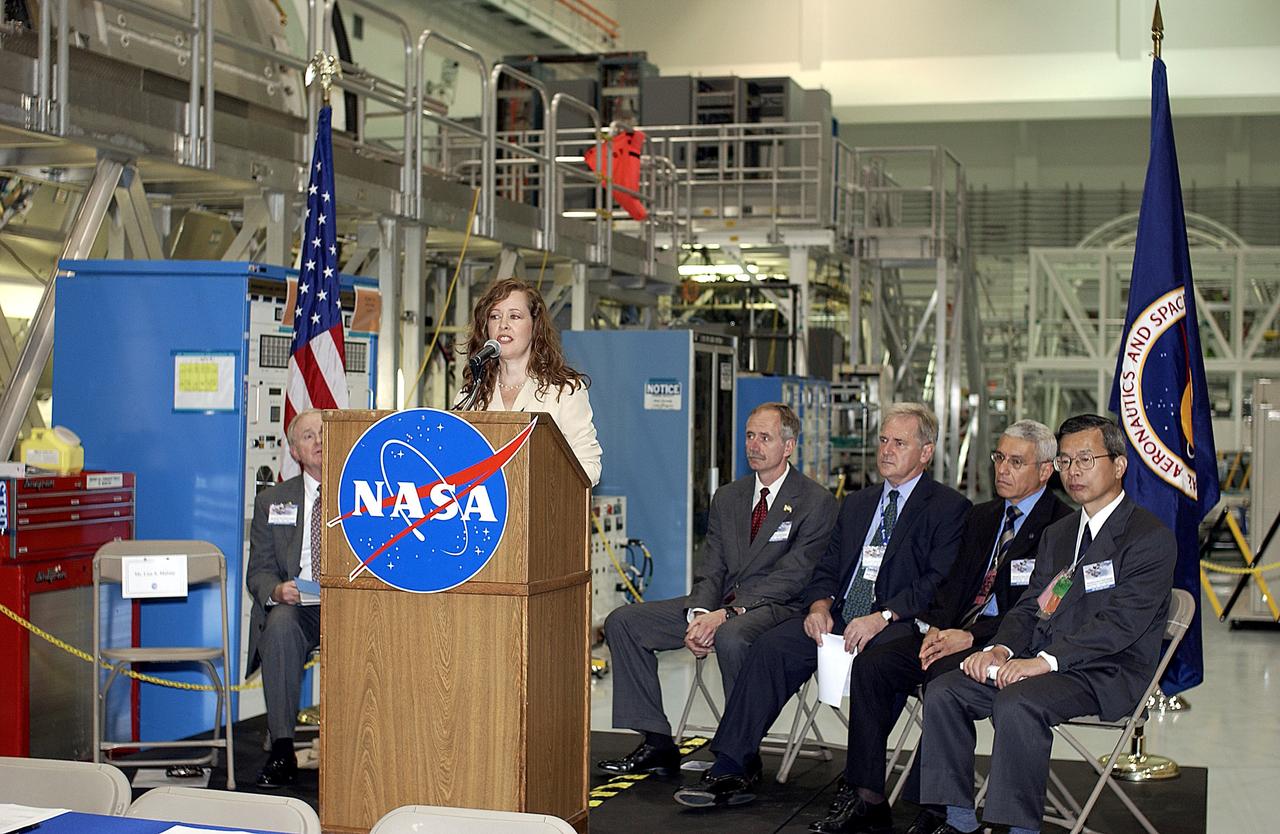
KENNEDY SPACE CENTER, FLA. -   Lisa Malone, deputy director of External Relations and Business Development at KSC, emcees a ceremony in the Space Station Processing Facility to highlight the arrival of two major components of the International Space Station.  NASA's Node 2, built by the European Space Agency (ESA) in Italy arrived at KSC on June 1. It will be the next pressurized module installed on the Station. The pressurized module of the Japanese Experiment Module (JEM), named "Kibo" (Hope) arrived at KSC on June 4. It is Japan's primary contribution to the Station. The ceremony held today included the official transfer of ownership signing of Node 2 between the ESA and NASA..  Speakers at the ceremony included KSC Director Roy Bridges Jr.; NASA's Michael C. Kostelnik, deputy associate administrator for International Space Station and Shuttle Programs, and William Gerstenmaier, International Space Station Program manager; Alan Thirkettle, International Space Station Program manager for Node 2, ESA; Andrea Lorenzoni, International Space Station Program manager for Node 2, Italian Space Agency; Kuniaki Shiraki, JEM Project manager, National Aerospace and Development Agency of Japan.
KENNEDY SPACE CENTER, FLA. - Lisa Malone, deputy director of External Relations and Business Development at KSC, emcees a ceremony in the Space Station Processing Facility to highlight the arrival of two major components of the International Space Station. NASA's Node 2, built by the European Space Agency (ESA) in Italy arrived at KSC on June 1. It will be the next pressurized module installed on the Station. The pressurized module of the Japanese Experiment Module (JEM), named "Kibo" (Hope) arrived at KSC on June 4. It is Japan's primary contribution to the Station. The ceremony held today included the official transfer of ownership signing of Node 2 between the ESA and NASA.. Speakers at the ceremony included KSC Director Roy Bridges Jr.; NASA's Michael C. Kostelnik, deputy associate administrator for International Space Station and Shuttle Programs, and William Gerstenmaier, International Space Station Program manager; Alan Thirkettle, International Space Station Program manager for Node 2, ESA; Andrea Lorenzoni, International Space Station Program manager for Node 2, Italian Space Agency; Kuniaki Shiraki, JEM Project manager, National Aerospace and Development Agency of Japan.
KENNEDY SPACE CENTER, FLA. -  Center Director Roy Bridges Jr. speaks to the media and guests gathered in the Space Station Processing Facility for a ceremony to highlight the arrival of two major components of the International Space Station.  NASA's Node 2, built by the European Space Agency (ESA) in Italy arrived at KSC on June 1. It will be the next pressurized module installed on the Station. The pressurized module of the Japanese Experiment Module (JEM), named "Kibo" (Hope) arrived at KSC on June 4. It is Japan's primary contribution to the Station. The ceremony held today included the official transfer of ownership signing of Node 2 between the ESA and NASA.. Emceed by Lisa Malone (left),  deputy director of External Relations and Business Development at KSC, the ceremony also included these speakers: NASA's Michael C. Kostelnik, deputy associate administrator for International Space Station and Shuttle Programs, and William Gerstenmaier, International Space Station Program manager; Alan Thirkettle, International Space Station Program manager for Node 2, ESA; Andrea Lorenzoni, International Space Station Program manager for Node 2, Italian Space Agency; Kuniaki Shiraki, JEM Project manager, National Aerospace and Development Agency of Japan.
KENNEDY SPACE CENTER, FLA. - Center Director Roy Bridges Jr. speaks to the media and guests gathered in the Space Station Processing Facility for a ceremony to highlight the arrival of two major components of the International Space Station. NASA's Node 2, built by the European Space Agency (ESA) in Italy arrived at KSC on June 1. It will be the next pressurized module installed on the Station. The pressurized module of the Japanese Experiment Module (JEM), named "Kibo" (Hope) arrived at KSC on June 4. It is Japan's primary contribution to the Station. The ceremony held today included the official transfer of ownership signing of Node 2 between the ESA and NASA.. Emceed by Lisa Malone (left), deputy director of External Relations and Business Development at KSC, the ceremony also included these speakers: NASA's Michael C. Kostelnik, deputy associate administrator for International Space Station and Shuttle Programs, and William Gerstenmaier, International Space Station Program manager; Alan Thirkettle, International Space Station Program manager for Node 2, ESA; Andrea Lorenzoni, International Space Station Program manager for Node 2, Italian Space Agency; Kuniaki Shiraki, JEM Project manager, National Aerospace and Development Agency of Japan.
KENNEDY SPACE CENTER, FLA. -  Center Director Roy Bridges Jr. speaks to the media and guests gathered in the Space Station Processing Facility for a ceremony to highlight the arrival of two major components of the International Space Station.  NASA's Node 2, built by the European Space Agency (ESA) in Italy arrived at KSC on June 1. It will be the next pressurized module installed on the Station. The pressurized module of the Japanese Experiment Module (JEM), named "Kibo" (Hope) arrived at KSC on June 4. It is Japan's primary contribution to the Station. The ceremony held today included the official transfer of ownership signing of Node 2 between the ESA and NASA.. Emceed by Lisa Malone (left) ,  deputy director of External Relations and Business Development at KSC, the ceremony also included these speakers: NASA's Michael C. Kostelnik, deputy associate administrator for International Space Station and Shuttle Programs, and William Gerstenmaier, International Space Station Program manager; Alan Thirkettle, International Space Station Program manager for Node 2, ESA; Andrea Lorenzoni, International Space Station Program manager for Node 2, Italian Space Agency; Kuniaki Shiraki, JEM Project manager, National Aerospace and Development Agency of Japan.
KENNEDY SPACE CENTER, FLA. - Center Director Roy Bridges Jr. speaks to the media and guests gathered in the Space Station Processing Facility for a ceremony to highlight the arrival of two major components of the International Space Station. NASA's Node 2, built by the European Space Agency (ESA) in Italy arrived at KSC on June 1. It will be the next pressurized module installed on the Station. The pressurized module of the Japanese Experiment Module (JEM), named "Kibo" (Hope) arrived at KSC on June 4. It is Japan's primary contribution to the Station. The ceremony held today included the official transfer of ownership signing of Node 2 between the ESA and NASA.. Emceed by Lisa Malone (left) , deputy director of External Relations and Business Development at KSC, the ceremony also included these speakers: NASA's Michael C. Kostelnik, deputy associate administrator for International Space Station and Shuttle Programs, and William Gerstenmaier, International Space Station Program manager; Alan Thirkettle, International Space Station Program manager for Node 2, ESA; Andrea Lorenzoni, International Space Station Program manager for Node 2, Italian Space Agency; Kuniaki Shiraki, JEM Project manager, National Aerospace and Development Agency of Japan.
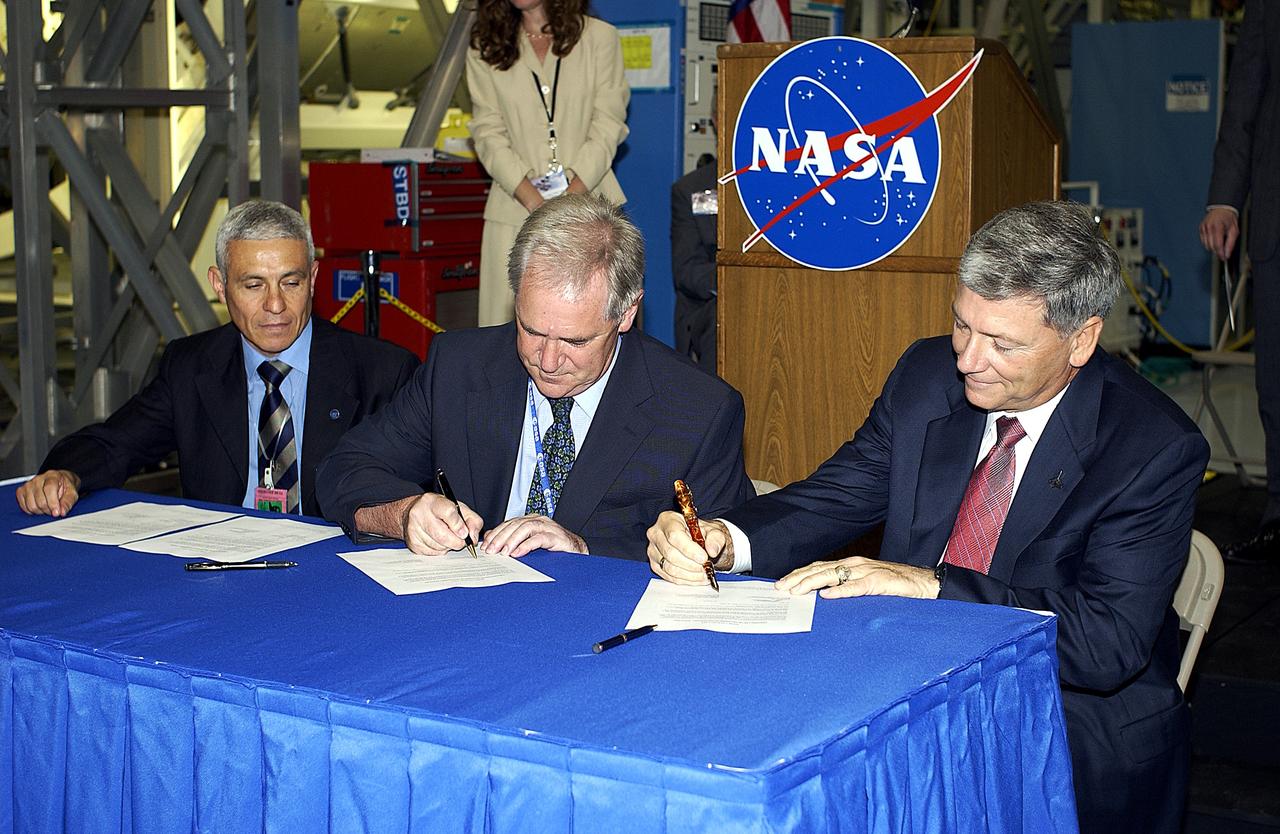
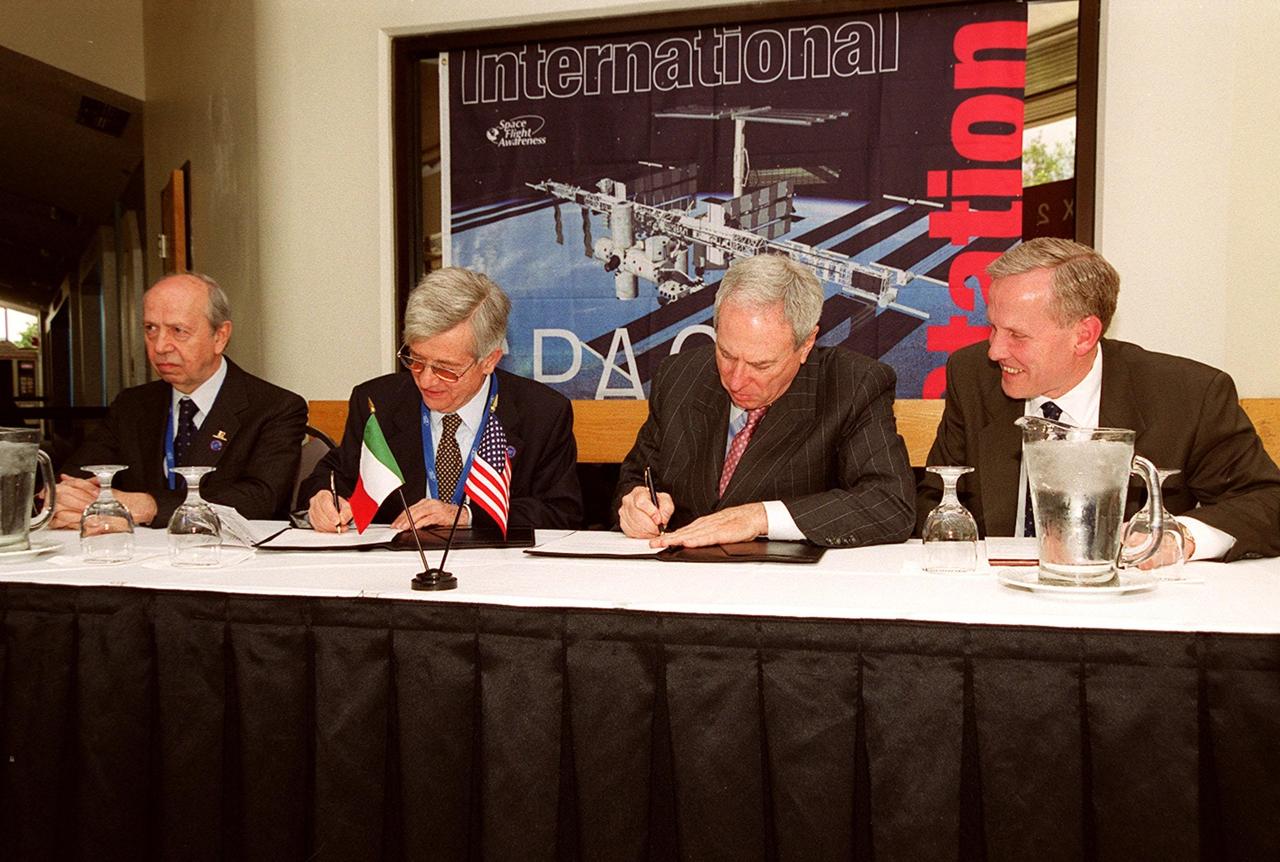
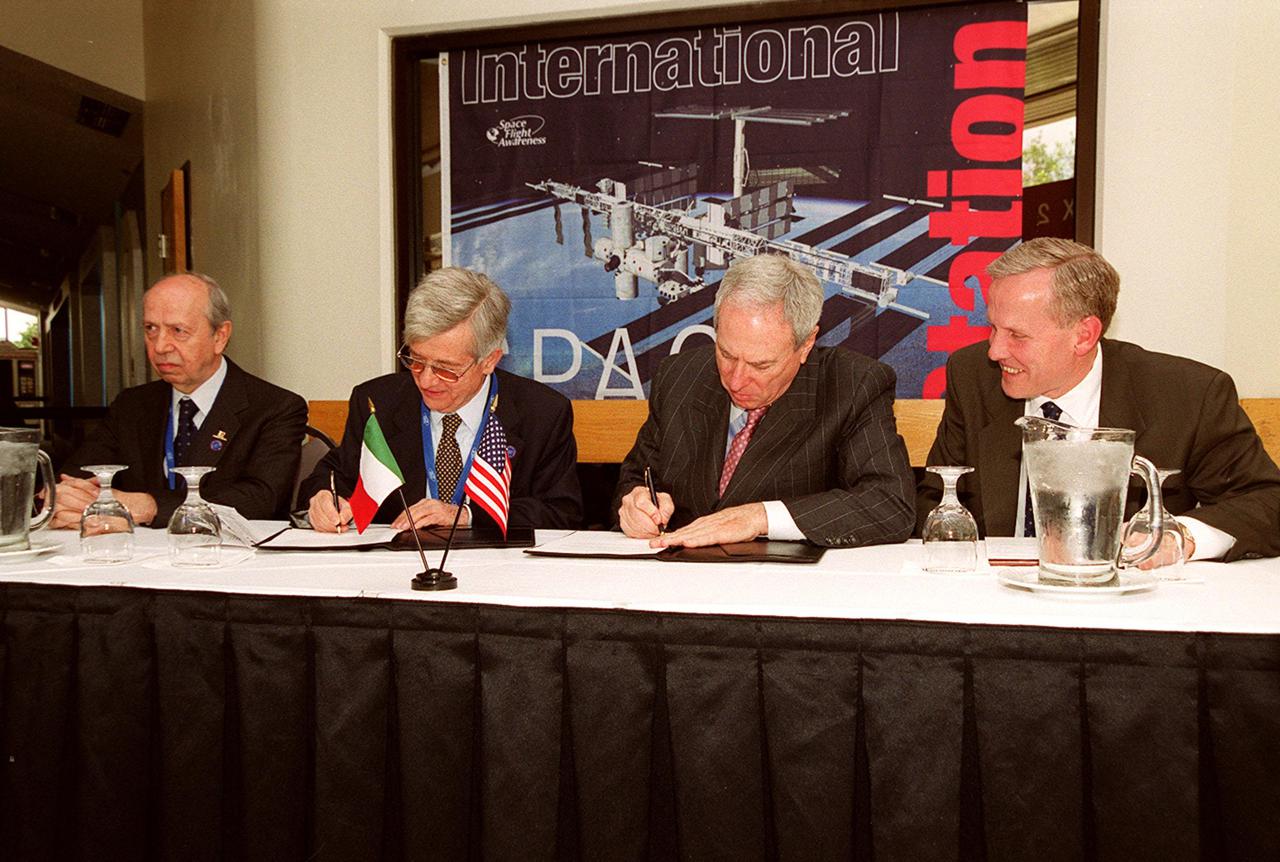
KENNEDY SPACE CENTER, FLA. - Andrea Lorenzoni, International Space Station Program manager for Node 2, Italian Space Agency; Alan Thirkettle, International Space Station Program manager for Node 2, European Space Agency (ESA); and NASA’s Michael C. Kostelnik, deputy associate administrator for International Space Station and Shuttle Programs, sign documents officially transferring ownership of Node 2 between the ESA and NASA. The signing was part of a  ceremony highlighting the arrival of two major components of the International Space Station.  NASA's Node 2, built by the European Space Agency (ESA) in Italy, arrived at KSC on June 1. It will be the next pressurized module installed on the Station. The pressurized module (above right) of the Japanese Experiment Module (JEM),  named "Kibo" (Hope), arrived at KSC on June 4. It is Japan's primary contribution to the Station. Emceed by Lisa Malone (far left), deputy director of External Relations and Business Development at KSC, the ceremony also included these speakers: Center Director Roy Bridges Jr.; NASA’s William Gerstenmaier, International Space Station Program manager; and Kuniaki Shiraki, JEM Project manager, National Aerospace and Development Agency of Japan.
KENNEDY SPACE CENTER, FLA. - Andrea Lorenzoni, International Space Station Program manager for Node 2, Italian Space Agency; Alan Thirkettle, International Space Station Program manager for Node 2, European Space Agency (ESA); and NASA’s Michael C. Kostelnik, deputy associate administrator for International Space Station and Shuttle Programs, sign documents officially transferring ownership of Node 2 between the ESA and NASA. The signing was part of a ceremony highlighting the arrival of two major components of the International Space Station. NASA's Node 2, built by the European Space Agency (ESA) in Italy, arrived at KSC on June 1. It will be the next pressurized module installed on the Station. The pressurized module (above right) of the Japanese Experiment Module (JEM), named "Kibo" (Hope), arrived at KSC on June 4. It is Japan's primary contribution to the Station. Emceed by Lisa Malone (far left), deputy director of External Relations and Business Development at KSC, the ceremony also included these speakers: Center Director Roy Bridges Jr.; NASA’s William Gerstenmaier, International Space Station Program manager; and Kuniaki Shiraki, JEM Project manager, National Aerospace and Development Agency of Japan.
KENNEDY SPACE CENTER, FLA. -   NASA's Michael C. Kostelnik, deputy associate administrator for International Space Station and Shuttle Programs, speaks to guests and the media gathered in the Space Station Processing Facility for a ceremony to highlight the arrival of two major components of the International Space Station.  NASA's Node 2, built by the European Space Agency (ESA) in Italy arrived at KSC on June 1. It will be the next pressurized module installed on the Station. The pressurized module of the Japanese Experiment Module (JEM), named "Kibo" (Hope) arrived at KSC on June 4. It is Japan's primary contribution to the Station. The ceremony held today included the official transfer of ownership signing of Node 2 between the ESA and NASA.. Emceed by Lisa Malone (far left),  deputy director of External Relations and Business Development at KSC, the ceremony also included these speakers: Center Director Roy Bridges Jr. (second from left); William Gerstenmaier, International Space Station Program manager; Alan Thirkettle, International Space Station Program manager for Node 2, ESA; Andrea Lorenzoni, International Space Station Program manager for Node 2, Italian Space Agency; and Kuniaki Shiraki, JEM Project manager, National Aerospace and Development Agency of Japan.
KENNEDY SPACE CENTER, FLA. - NASA's Michael C. Kostelnik, deputy associate administrator for International Space Station and Shuttle Programs, speaks to guests and the media gathered in the Space Station Processing Facility for a ceremony to highlight the arrival of two major components of the International Space Station. NASA's Node 2, built by the European Space Agency (ESA) in Italy arrived at KSC on June 1. It will be the next pressurized module installed on the Station. The pressurized module of the Japanese Experiment Module (JEM), named "Kibo" (Hope) arrived at KSC on June 4. It is Japan's primary contribution to the Station. The ceremony held today included the official transfer of ownership signing of Node 2 between the ESA and NASA.. Emceed by Lisa Malone (far left), deputy director of External Relations and Business Development at KSC, the ceremony also included these speakers: Center Director Roy Bridges Jr. (second from left); William Gerstenmaier, International Space Station Program manager; Alan Thirkettle, International Space Station Program manager for Node 2, ESA; Andrea Lorenzoni, International Space Station Program manager for Node 2, Italian Space Agency; and Kuniaki Shiraki, JEM Project manager, National Aerospace and Development Agency of Japan.
KENNEDY SPACE CENTER, FLA. - Kuniaki Shiraki, JEM Project manager, National Aerospace and Development Agency of Japan,  speaks to guests and the media gathered in the Space Station Processing Facility at a ceremony highlighting the arrival of two major components of the International Space Station.  NASA's Node 2, built by the European Space Agency (ESA) in Italy, arrived at KSC on June 1. It will be the next pressurized module installed on the Station. The pressurized module (above right)  of the Japanese Experiment Module (JEM),  named "Kibo" (Hope), arrived at KSC on June 4. It is Japan's primary contribution to the Station. The ceremony held today included the official transfer of ownership signing of Node 2 between the ESA and NASA.. Emceed by Lisa Malone (far left), deputy director of External Relations and Business Development at KSC, the ceremony also included these speakers: Center Director Roy Bridges Jr. (second from left); NASA’s Michael C. Kostelnik, deputy associate administrator for International Space Station and Shuttle Programs and William Gerstenmaier, International Space Station Program manager ; Alan Thirkettle, International Space Station Program manager for Node 2, ESA; and Andrea Lorenzoni, International Space Station Program manager for Node 2, Italian Space Agency.
KENNEDY SPACE CENTER, FLA. - Kuniaki Shiraki, JEM Project manager, National Aerospace and Development Agency of Japan, speaks to guests and the media gathered in the Space Station Processing Facility at a ceremony highlighting the arrival of two major components of the International Space Station. NASA's Node 2, built by the European Space Agency (ESA) in Italy, arrived at KSC on June 1. It will be the next pressurized module installed on the Station. The pressurized module (above right) of the Japanese Experiment Module (JEM), named "Kibo" (Hope), arrived at KSC on June 4. It is Japan's primary contribution to the Station. The ceremony held today included the official transfer of ownership signing of Node 2 between the ESA and NASA.. Emceed by Lisa Malone (far left), deputy director of External Relations and Business Development at KSC, the ceremony also included these speakers: Center Director Roy Bridges Jr. (second from left); NASA’s Michael C. Kostelnik, deputy associate administrator for International Space Station and Shuttle Programs and William Gerstenmaier, International Space Station Program manager ; Alan Thirkettle, International Space Station Program manager for Node 2, ESA; and Andrea Lorenzoni, International Space Station Program manager for Node 2, Italian Space Agency.
KENNEDY SPACE CENTER, FLA. -  Kuniaki Shiraki, JEM Project manager, National Aerospace and Development Agency of Japan,  speaks to guests and the media gathered in the Space Station Processing Facility at a ceremony highlighting the arrival of two major components of the International Space Station.  NASA's Node 2, built by the European Space Agency (ESA) in Italy, arrived at KSC on June 1. It will be the next pressurized module installed on the Station. The pressurized module of the Japanese Experiment Module (JEM), named "Kibo" (Hope), arrived at KSC on June 4. It is Japan's primary contribution to the Station. The ceremony held today included the official transfer of ownership signing of Node 2 between the ESA and NASA.. Emceed by Lisa Malone, deputy director of External Relations and Business Development at KSC, the ceremony also included these speakers: Center Director Roy Bridges Jr.; NASA’s Michael C. Kostelnik, deputy associate administrator for International Space Station and Shuttle Programs and William Gerstenmaier, International Space Station Program manager ; Alan Thirkettle, International Space Station Program manager for Node 2, ESA; and Andrea Lorenzoni, International Space Station Program manager for Node 2, Italian Space Agency.
KENNEDY SPACE CENTER, FLA. - Kuniaki Shiraki, JEM Project manager, National Aerospace and Development Agency of Japan, speaks to guests and the media gathered in the Space Station Processing Facility at a ceremony highlighting the arrival of two major components of the International Space Station. NASA's Node 2, built by the European Space Agency (ESA) in Italy, arrived at KSC on June 1. It will be the next pressurized module installed on the Station. The pressurized module of the Japanese Experiment Module (JEM), named "Kibo" (Hope), arrived at KSC on June 4. It is Japan's primary contribution to the Station. The ceremony held today included the official transfer of ownership signing of Node 2 between the ESA and NASA.. Emceed by Lisa Malone, deputy director of External Relations and Business Development at KSC, the ceremony also included these speakers: Center Director Roy Bridges Jr.; NASA’s Michael C. Kostelnik, deputy associate administrator for International Space Station and Shuttle Programs and William Gerstenmaier, International Space Station Program manager ; Alan Thirkettle, International Space Station Program manager for Node 2, ESA; and Andrea Lorenzoni, International Space Station Program manager for Node 2, Italian Space Agency.
KENNEDY SPACE CENTER, FLA. -   Alan Thirkettle, International Space Station Program manager for Node 2, European Space Agency (ESA), speaks to guests and the media gathered in the Space Station Processing Facility at a ceremony highlighting the arrival of two major components of the International Space Station.  NASA's Node 2, built by ESA in Italy, arrived at KSC on June 1. It will be the next pressurized module installed on the Station. The pressurized module of the Japanese Experiment Module (JEM), named "Kibo" (Hope), arrived at KSC on June 4. It is Japan's primary contribution to the Station. The ceremony held today included the official transfer of ownership signing of Node 2 between the ESA and NASA.. Emceed by Lisa Malone, deputy director of External Relations and Business Development at KSC, the ceremony also included these speakers: Center Director Roy Bridges Jr.; NASA’s Michael C. Kostelnik, deputy associate administrator for International Space Station and Shuttle Programs and William Gerstenmaier, International Space Station Program manager; Andrea Lorenzoni, International Space Station Program manager for Node 2, Italian Space Agency; and Kuniaki Shiraki, JEM Project manager, National Aerospace and Development Agency of Japan.
KENNEDY SPACE CENTER, FLA. - Alan Thirkettle, International Space Station Program manager for Node 2, European Space Agency (ESA), speaks to guests and the media gathered in the Space Station Processing Facility at a ceremony highlighting the arrival of two major components of the International Space Station. NASA's Node 2, built by ESA in Italy, arrived at KSC on June 1. It will be the next pressurized module installed on the Station. The pressurized module of the Japanese Experiment Module (JEM), named "Kibo" (Hope), arrived at KSC on June 4. It is Japan's primary contribution to the Station. The ceremony held today included the official transfer of ownership signing of Node 2 between the ESA and NASA.. Emceed by Lisa Malone, deputy director of External Relations and Business Development at KSC, the ceremony also included these speakers: Center Director Roy Bridges Jr.; NASA’s Michael C. Kostelnik, deputy associate administrator for International Space Station and Shuttle Programs and William Gerstenmaier, International Space Station Program manager; Andrea Lorenzoni, International Space Station Program manager for Node 2, Italian Space Agency; and Kuniaki Shiraki, JEM Project manager, National Aerospace and Development Agency of Japan.
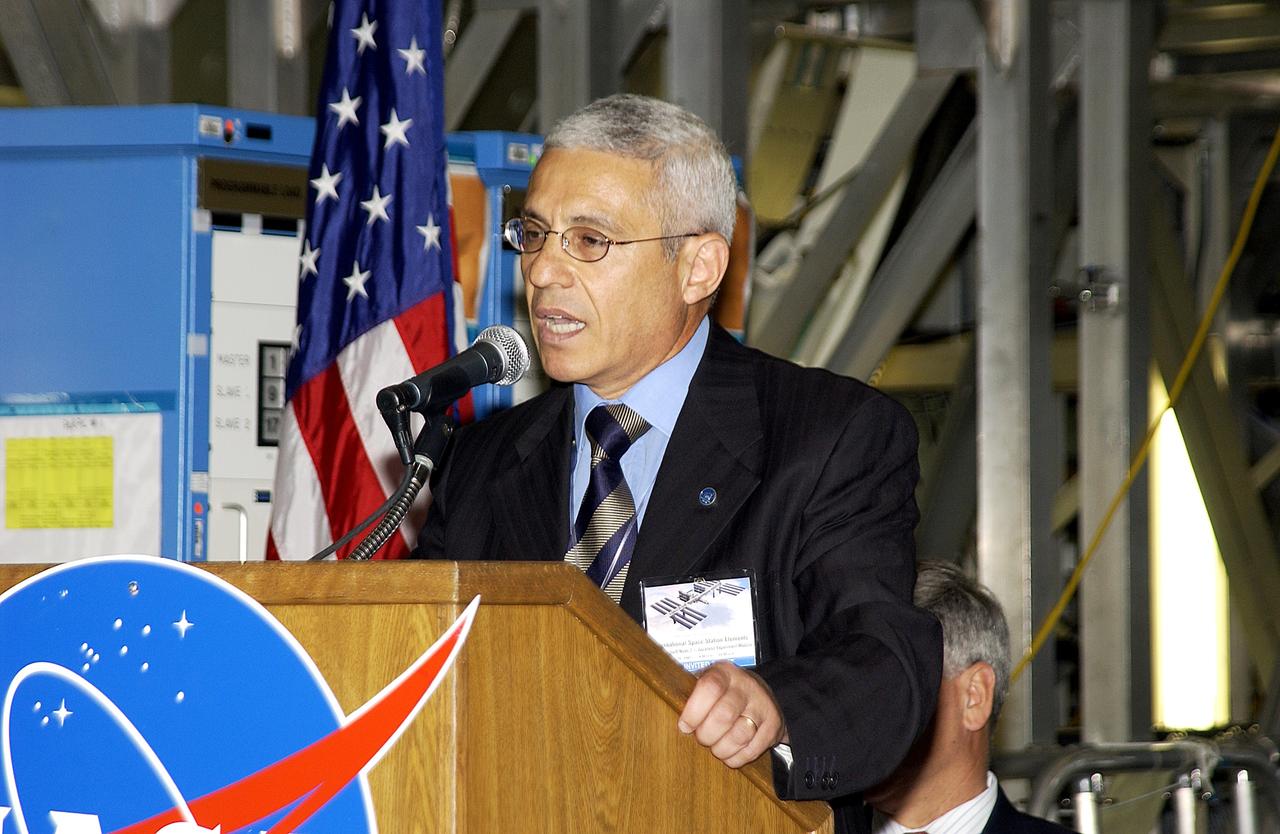
KENNEDY SPACE CENTER, FLA. -  Andrea Lorenzoni, International Space Station Program manager for Node 2, Italian Space Agency, speaks to guests and the media gathered in the Space Station Processing Facility at a ceremony highlighting the arrival of two major components of the International Space Station.  NASA's Node 2, built by the European Space Agency (ESA) in Italy, arrived at KSC on June 1. It will be the next pressurized module installed on the Station. The pressurized module of the Japanese Experiment Module (JEM), named "Kibo" (Hope), arrived at KSC on June 4. It is Japan's primary contribution to the Station. The ceremony held today included the official transfer of ownership signing of Node 2 between the ESA and NASA.. Emceed by Lisa Malone, deputy director of External Relations and Business Development at KSC, the ceremony also included these speakers: Center Director Roy Bridges Jr.; NASA’s Michael C. Kostelnik, deputy associate administrator for International Space Station and Shuttle Programs and William Gerstenmaier, International Space Station Program manager; Alan Thirkettle, International Space Station Program manager for Node 2, ESA; and Kuniaki Shiraki, JEM Project manager, National Aerospace and Development Agency of Japan.
KENNEDY SPACE CENTER, FLA. - Andrea Lorenzoni, International Space Station Program manager for Node 2, Italian Space Agency, speaks to guests and the media gathered in the Space Station Processing Facility at a ceremony highlighting the arrival of two major components of the International Space Station. NASA's Node 2, built by the European Space Agency (ESA) in Italy, arrived at KSC on June 1. It will be the next pressurized module installed on the Station. The pressurized module of the Japanese Experiment Module (JEM), named "Kibo" (Hope), arrived at KSC on June 4. It is Japan's primary contribution to the Station. The ceremony held today included the official transfer of ownership signing of Node 2 between the ESA and NASA.. Emceed by Lisa Malone, deputy director of External Relations and Business Development at KSC, the ceremony also included these speakers: Center Director Roy Bridges Jr.; NASA’s Michael C. Kostelnik, deputy associate administrator for International Space Station and Shuttle Programs and William Gerstenmaier, International Space Station Program manager; Alan Thirkettle, International Space Station Program manager for Node 2, ESA; and Kuniaki Shiraki, JEM Project manager, National Aerospace and Development Agency of Japan.
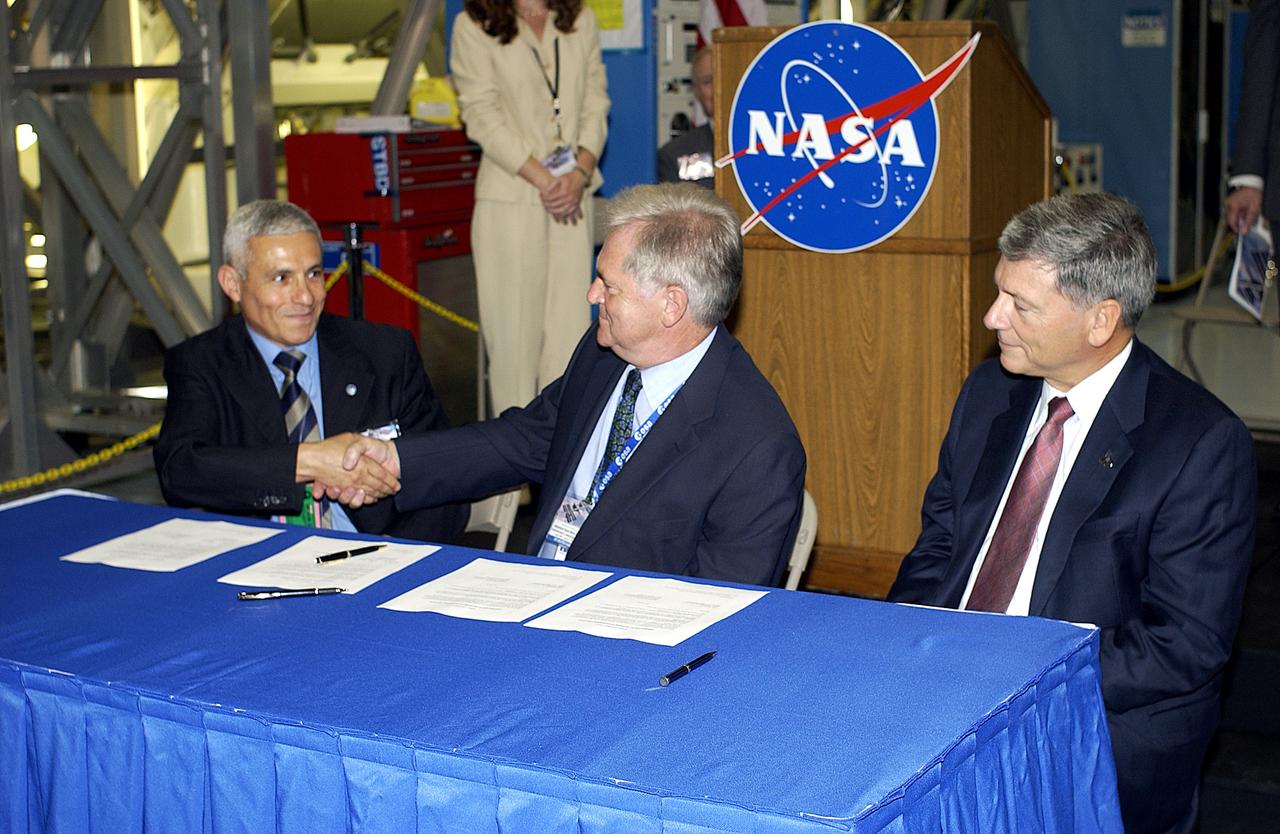
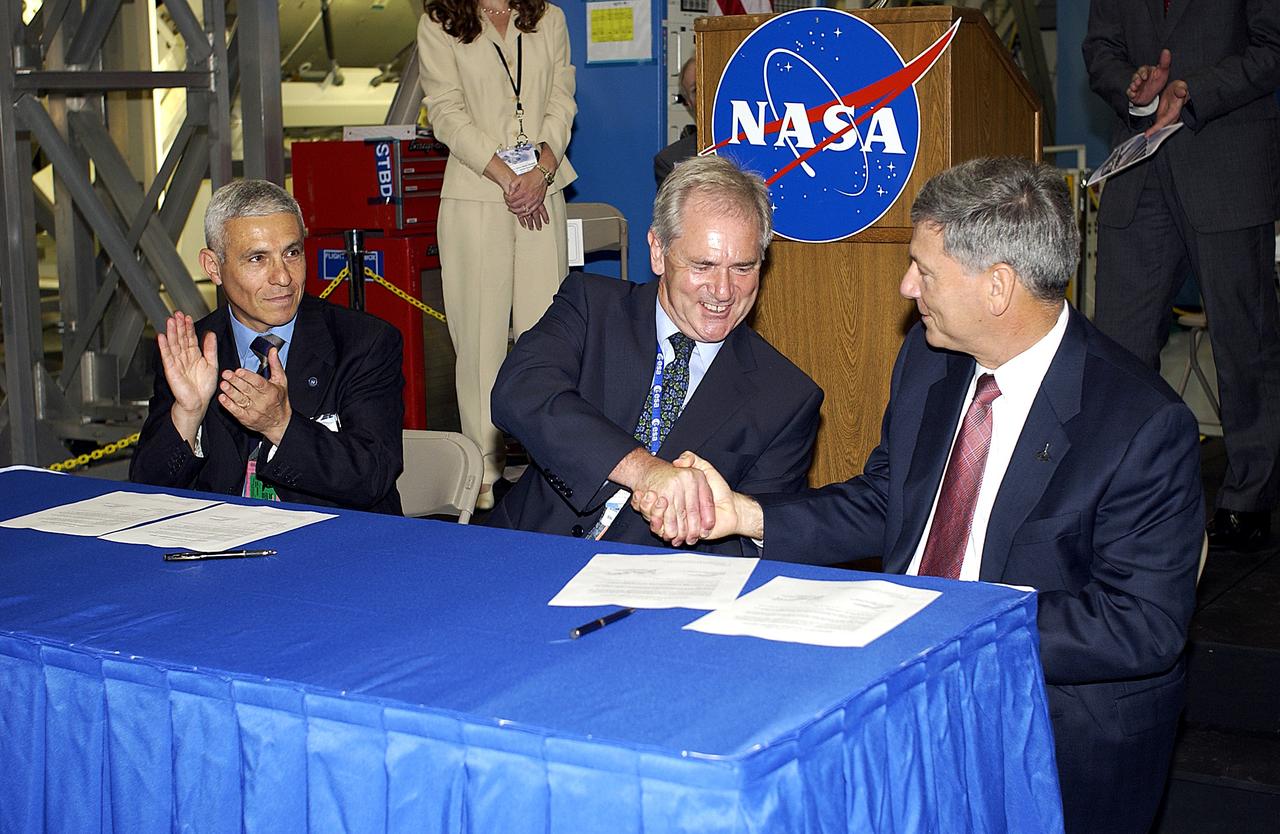
KENNEDY SPACE CENTER, FLA. - At ceremony highlighting the arrival of two major components of the International Space Station, Node 2 and the Japanese Experiment Module (JEM), ownership of Node 2 was officially transferred between the European Space Agency and NASA.  Shaking hands after the signing are Andrea Lorenzoni, International Space Station Program manager for Node 2, Italian Space Agency; and Alan Thirkettle, International Space Station Program manager for Node 2, European Space Agency (ESA).  At right is NASA’s Michael C. Kostelnik, deputy associate administrator for International Space Station and Shuttle Programs.  NASA's Node 2, built by ESA in Italy, arrived at KSC on June 1. It will be the next pressurized module installed on the Station. The pressurized module of the Japanese Experiment Module (JEM),  named "Kibo" (Hope), arrived at KSC on June 4. It is Japan's primary contribution to the Station. Emceed by Lisa Malone, deputy director of External Relations and Business Development at KSC, the ceremony also included these speakers: Center Director Roy Bridges Jr.; NASA’s William Gerstenmaier, International Space Station Program manager; and Kuniaki Shiraki, JEM Project manager, National Aerospace and Development Agency of Japan.
KENNEDY SPACE CENTER, FLA. - At ceremony highlighting the arrival of two major components of the International Space Station, Node 2 and the Japanese Experiment Module (JEM), ownership of Node 2 was officially transferred between the European Space Agency and NASA. Shaking hands after the signing are Andrea Lorenzoni, International Space Station Program manager for Node 2, Italian Space Agency; and Alan Thirkettle, International Space Station Program manager for Node 2, European Space Agency (ESA). At right is NASA’s Michael C. Kostelnik, deputy associate administrator for International Space Station and Shuttle Programs. NASA's Node 2, built by ESA in Italy, arrived at KSC on June 1. It will be the next pressurized module installed on the Station. The pressurized module of the Japanese Experiment Module (JEM), named "Kibo" (Hope), arrived at KSC on June 4. It is Japan's primary contribution to the Station. Emceed by Lisa Malone, deputy director of External Relations and Business Development at KSC, the ceremony also included these speakers: Center Director Roy Bridges Jr.; NASA’s William Gerstenmaier, International Space Station Program manager; and Kuniaki Shiraki, JEM Project manager, National Aerospace and Development Agency of Japan.
KENNEDY SPACE CENTER, FLA. -  Center Director Roy Bridges Jr. speaks to the media and guests gathered in the Space Station Processing Facility for a ceremony to highlight the arrival of two major components of the International Space Station.  NASA's Node 2, built by the European Space Agency (ESA) in Italy arrived at KSC on June 1. It will be the next pressurized module installed on the Station. The pressurized module of the Japanese Experiment Module (JEM), named "Kibo" (Hope) arrived at KSC on June 4. It is Japan's primary contribution to the Station. The ceremony held today included the official transfer of ownership signing of Node 2 between the ESA and NASA.. Emceed by Lisa Malone (far left),  deputy director of External Relations and Business Development at KSC, the ceremony also included these speakers: NASA's Michael C. Kostelnik, deputy associate administrator for International Space Station and Shuttle Programs, and William Gerstenmaier, International Space Station Program manager; Alan Thirkettle, International Space Station Program manager for Node 2, ESA; Andrea Lorenzoni, International Space Station Program manager for Node 2, Italian Space Agency; Kuniaki Shiraki, JEM Project manager, National Aerospace and Development Agency of Japan.
KENNEDY SPACE CENTER, FLA. - Center Director Roy Bridges Jr. speaks to the media and guests gathered in the Space Station Processing Facility for a ceremony to highlight the arrival of two major components of the International Space Station. NASA's Node 2, built by the European Space Agency (ESA) in Italy arrived at KSC on June 1. It will be the next pressurized module installed on the Station. The pressurized module of the Japanese Experiment Module (JEM), named "Kibo" (Hope) arrived at KSC on June 4. It is Japan's primary contribution to the Station. The ceremony held today included the official transfer of ownership signing of Node 2 between the ESA and NASA.. Emceed by Lisa Malone (far left), deputy director of External Relations and Business Development at KSC, the ceremony also included these speakers: NASA's Michael C. Kostelnik, deputy associate administrator for International Space Station and Shuttle Programs, and William Gerstenmaier, International Space Station Program manager; Alan Thirkettle, International Space Station Program manager for Node 2, ESA; Andrea Lorenzoni, International Space Station Program manager for Node 2, Italian Space Agency; Kuniaki Shiraki, JEM Project manager, National Aerospace and Development Agency of Japan.
KENNEDY SPACE CENTER, FLA. -   Andrea Lorenzoni, International Space Station Program manager for Node 2, Italian Space Agency, speaks to guests and the media gathered in the Space Station Processing Facility at a ceremony highlighting the arrival of two major components of the International Space Station.  NASA's Node 2, built by the European Space Agency (ESA) in Italy, arrived at KSC on June 1. It will be the next pressurized module installed on the Station. The pressurized module of the Japanese Experiment Module (JEM), named "Kibo" (Hope), arrived at KSC on June 4. It is Japan's primary contribution to the Station. The ceremony held today included the official transfer of ownership signing of Node 2 between the ESA and NASA.. Emceed by Lisa Malone (far left), deputy director of External Relations and Business Development at KSC, the ceremony also included these speakers: Center Director Roy Bridges Jr.; NASA’s Michael C. Kostelnik, deputy associate administrator for International Space Station and Shuttle Programs, and William Gerstenmaier, International Space Station Program manager ; Alan Thirkettle, International Space Station Program manager for Node 2, ESA; and Kuniaki Shiraki, JEM Project manager, National Aerospace and Development Agency of Japan.
KENNEDY SPACE CENTER, FLA. - Andrea Lorenzoni, International Space Station Program manager for Node 2, Italian Space Agency, speaks to guests and the media gathered in the Space Station Processing Facility at a ceremony highlighting the arrival of two major components of the International Space Station. NASA's Node 2, built by the European Space Agency (ESA) in Italy, arrived at KSC on June 1. It will be the next pressurized module installed on the Station. The pressurized module of the Japanese Experiment Module (JEM), named "Kibo" (Hope), arrived at KSC on June 4. It is Japan's primary contribution to the Station. The ceremony held today included the official transfer of ownership signing of Node 2 between the ESA and NASA.. Emceed by Lisa Malone (far left), deputy director of External Relations and Business Development at KSC, the ceremony also included these speakers: Center Director Roy Bridges Jr.; NASA’s Michael C. Kostelnik, deputy associate administrator for International Space Station and Shuttle Programs, and William Gerstenmaier, International Space Station Program manager ; Alan Thirkettle, International Space Station Program manager for Node 2, ESA; and Kuniaki Shiraki, JEM Project manager, National Aerospace and Development Agency of Japan.
KENNEDY SPACE CENTER, FLA. -   NASA’s Michael C. Kostelnik, deputy associate administrator for International Space Station and Shuttle Programs, speaks to guests and the media gathered in the Space Station Processing Facility for a ceremony to highlight the arrival of two major components of the International Space Station.  NASA's Node 2, built by the European Space Agency (ESA) in Italy arrived at KSC on June 1. It will be the next pressurized module installed on the Station. The pressurized module of the Japanese Experiment Module (JEM), named "Kibo" (Hope) arrived at KSC on June 4. It is Japan's primary contribution to the Station. The ceremony held today included the official transfer of ownership signing of Node 2 between the ESA and NASA.. Emceed by Lisa Malone, deputy director of External Relations and Business Development at KSC, the ceremony also included these speakers: Center Director Roy Bridges Jr.; William Gerstenmaier, International Space Station Program manager; Alan Thirkettle, International Space Station Program manager for Node 2, ESA; Andrea Lorenzoni, International Space Station Program manager for Node 2, Italian Space Agency; and Kuniaki Shiraki, JEM Project manager, National Aerospace and Development Agency of Japan.
KENNEDY SPACE CENTER, FLA. - NASA’s Michael C. Kostelnik, deputy associate administrator for International Space Station and Shuttle Programs, speaks to guests and the media gathered in the Space Station Processing Facility for a ceremony to highlight the arrival of two major components of the International Space Station. NASA's Node 2, built by the European Space Agency (ESA) in Italy arrived at KSC on June 1. It will be the next pressurized module installed on the Station. The pressurized module of the Japanese Experiment Module (JEM), named "Kibo" (Hope) arrived at KSC on June 4. It is Japan's primary contribution to the Station. The ceremony held today included the official transfer of ownership signing of Node 2 between the ESA and NASA.. Emceed by Lisa Malone, deputy director of External Relations and Business Development at KSC, the ceremony also included these speakers: Center Director Roy Bridges Jr.; William Gerstenmaier, International Space Station Program manager; Alan Thirkettle, International Space Station Program manager for Node 2, ESA; Andrea Lorenzoni, International Space Station Program manager for Node 2, Italian Space Agency; and Kuniaki Shiraki, JEM Project manager, National Aerospace and Development Agency of Japan.
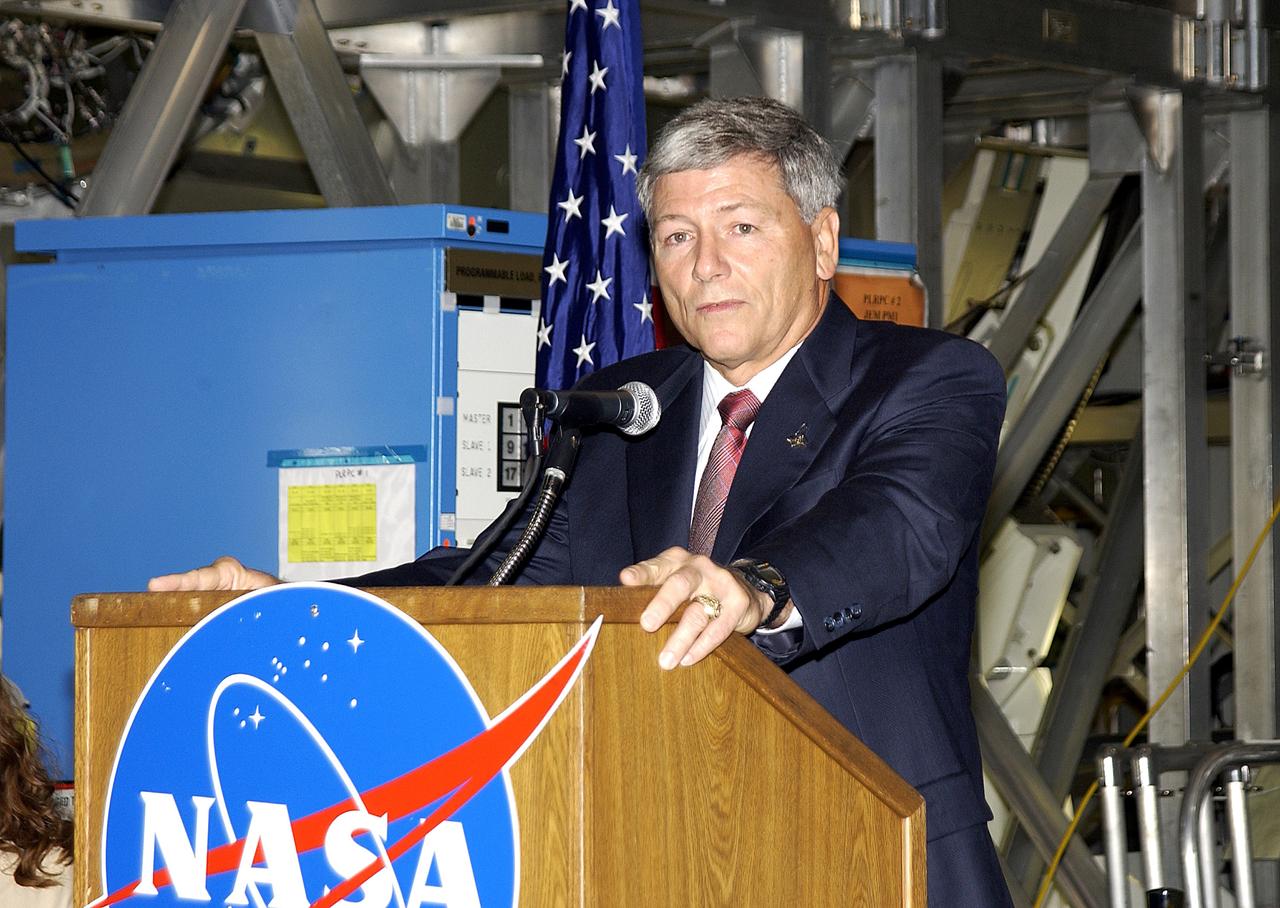
KENNEDY SPACE CENTER, FLA. - At a ceremony highlighting the arrival of two major components of the International Space Station, Node 2 and the Japanese Experiment Module (JEM), ownership of Node 2 was officially transferred between the European Space Agency (ESA) and NASA.  Shaking hands after the signing are (left) Andrea Lorenzoni, International Space Station Program manager for Node 2, Italian Space Agency, and (right) NASA’s Michael C. Kostelnik (right), deputy associate administrator for International Space Station and Shuttle Programs.  Also part of the signing is (center) Alan Thirkettle (center), International Space Station Program manager for Node 2, European Space Agency.  NASA's Node 2, built by ESA in Italy, arrived at KSC on June 1. It will be the next pressurized module installed on the Station. The pressurized module of the Japanese Experiment Module (JEM),  named "Kibo" (Hope), arrived at KSC on June 4. It is Japan's primary contribution to the Station. Emceed by Lisa Malone (background, left),  deputy director of External Relations and Business Development at KSC, the ceremony also included these speakers: Center Director Roy Bridges Jr.; NASA’s William Gerstenmaier, International Space Station Program manager; and Kuniaki Shiraki, JEM Project manager, National Aerospace and Development Agency of Japan.
KENNEDY SPACE CENTER, FLA. - At a ceremony highlighting the arrival of two major components of the International Space Station, Node 2 and the Japanese Experiment Module (JEM), ownership of Node 2 was officially transferred between the European Space Agency (ESA) and NASA. Shaking hands after the signing are (left) Andrea Lorenzoni, International Space Station Program manager for Node 2, Italian Space Agency, and (right) NASA’s Michael C. Kostelnik (right), deputy associate administrator for International Space Station and Shuttle Programs. Also part of the signing is (center) Alan Thirkettle (center), International Space Station Program manager for Node 2, European Space Agency. NASA's Node 2, built by ESA in Italy, arrived at KSC on June 1. It will be the next pressurized module installed on the Station. The pressurized module of the Japanese Experiment Module (JEM), named "Kibo" (Hope), arrived at KSC on June 4. It is Japan's primary contribution to the Station. Emceed by Lisa Malone (background, left), deputy director of External Relations and Business Development at KSC, the ceremony also included these speakers: Center Director Roy Bridges Jr.; NASA’s William Gerstenmaier, International Space Station Program manager; and Kuniaki Shiraki, JEM Project manager, National Aerospace and Development Agency of Japan.
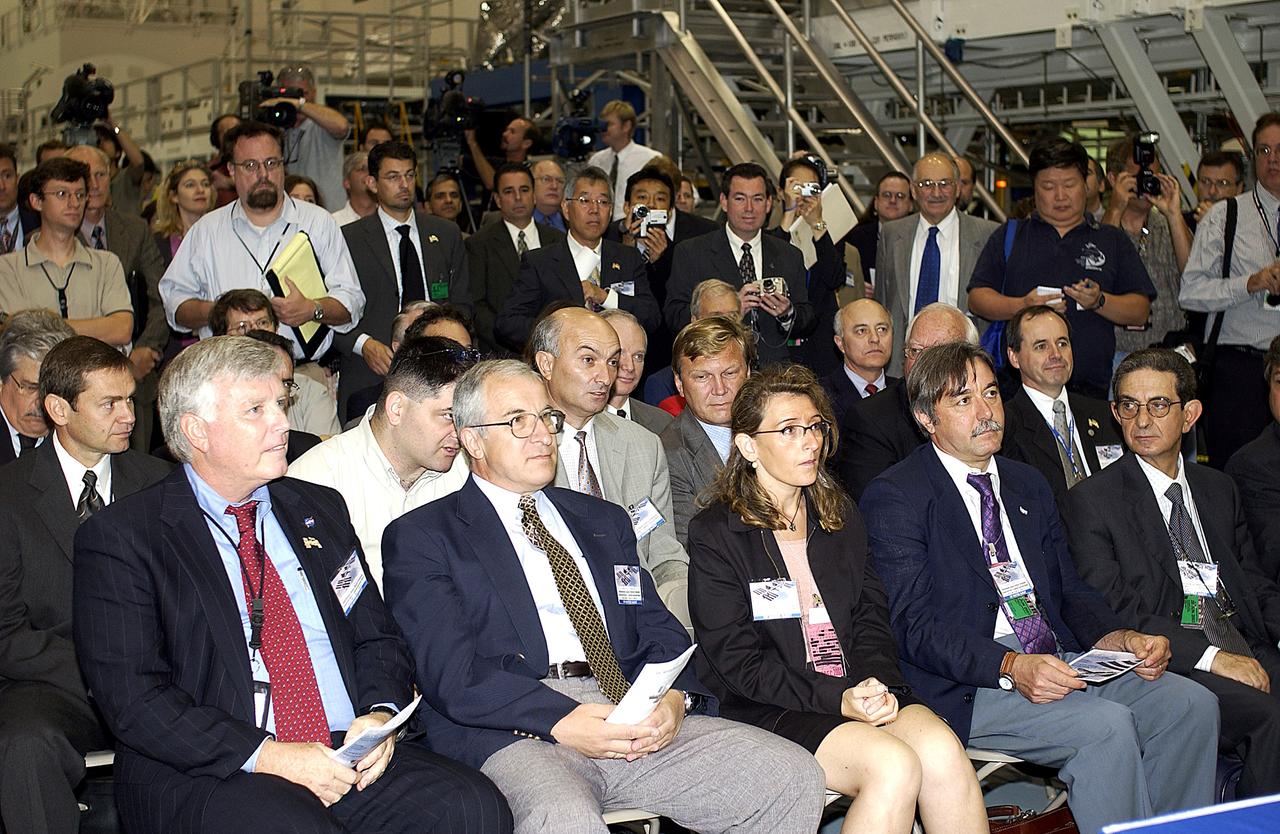
KENNEDY SPACE CENTER, FLA. -  In the Space Station Processing Facility, media and guests listen intently to remarks during a ceremony to highlight the arrival of two major components of the International Space Station.  NASA's Node 2, built by the European Space Agency (ESA) in Italy arrived at KSC on June 1. It will be the next pressurized module installed on the Station. The pressurized module of the Japanese Experiment Module (JEM), named "Kibo" (Hope) arrived at KSC on June 4. It is Japan's primary contribution to the Station. The ceremony held today included the official transfer of ownership signing of Node 2 between the ESA and NASA.. Emceed by Lisa Malone,  deputy director of External Relations and Business Development at KSC, the ceremony included these speakers: KSC Director Roy Bridges Jr.; NASA's Michael C. Kostelnik, deputy associate administrator for International Space Station and Shuttle Programs, and William Gerstenmaier, International Space Station Program manager; Alan Thirkettle, International Space Station Program manager for Node 2, ESA; Andrea Lorenzoni, International Space Station Program manager for Node 2, Italian Space Agency; Kuniaki Shiraki, JEM Project manager, National Aerospace and Development Agency of Japan.
KENNEDY SPACE CENTER, FLA. - In the Space Station Processing Facility, media and guests listen intently to remarks during a ceremony to highlight the arrival of two major components of the International Space Station. NASA's Node 2, built by the European Space Agency (ESA) in Italy arrived at KSC on June 1. It will be the next pressurized module installed on the Station. The pressurized module of the Japanese Experiment Module (JEM), named "Kibo" (Hope) arrived at KSC on June 4. It is Japan's primary contribution to the Station. The ceremony held today included the official transfer of ownership signing of Node 2 between the ESA and NASA.. Emceed by Lisa Malone, deputy director of External Relations and Business Development at KSC, the ceremony included these speakers: KSC Director Roy Bridges Jr.; NASA's Michael C. Kostelnik, deputy associate administrator for International Space Station and Shuttle Programs, and William Gerstenmaier, International Space Station Program manager; Alan Thirkettle, International Space Station Program manager for Node 2, ESA; Andrea Lorenzoni, International Space Station Program manager for Node 2, Italian Space Agency; Kuniaki Shiraki, JEM Project manager, National Aerospace and Development Agency of Japan.
KENNEDY SPACE CENTER, FLA. - At a ceremony highlighting the arrival of two major components of the International Space Station, Node 2 and the Japanese Experiment Module (JEM), ownership of Node 2 was officially transferred between the European Space Agency (ESA) and NASA.  Shaking hands after the signing are Alan Thirkettle (center), International Space Station Program manager for Node 2, ESA; and NASA’s Michael C. Kostelnik (right), deputy associate administrator for International Space Station and Shuttle Programs.  At left, also part of the signing, is Andrea Lorenzoni (left), International Space Station Program manager for Node 2, Italian Space Agency.  NASA's Node 2, built by ESA in Italy, arrived at KSC on June 1. It will be the next pressurized module installed on the Station. The pressurized module of the Japanese Experiment Module (JEM),  named "Kibo" (Hope), arrived at KSC on June 4. It is Japan's primary contribution to the Station. Emceed by Lisa Malone, deputy director of External Relations and Business Development at KSC, the ceremony also included these speakers: Center Director Roy Bridges Jr.; NASA’s William Gerstenmaier, International Space Station Program manager; and Kuniaki Shiraki, JEM Project manager, National Aerospace and Development Agency of Japan.
KENNEDY SPACE CENTER, FLA. - At a ceremony highlighting the arrival of two major components of the International Space Station, Node 2 and the Japanese Experiment Module (JEM), ownership of Node 2 was officially transferred between the European Space Agency (ESA) and NASA. Shaking hands after the signing are Alan Thirkettle (center), International Space Station Program manager for Node 2, ESA; and NASA’s Michael C. Kostelnik (right), deputy associate administrator for International Space Station and Shuttle Programs. At left, also part of the signing, is Andrea Lorenzoni (left), International Space Station Program manager for Node 2, Italian Space Agency. NASA's Node 2, built by ESA in Italy, arrived at KSC on June 1. It will be the next pressurized module installed on the Station. The pressurized module of the Japanese Experiment Module (JEM), named "Kibo" (Hope), arrived at KSC on June 4. It is Japan's primary contribution to the Station. Emceed by Lisa Malone, deputy director of External Relations and Business Development at KSC, the ceremony also included these speakers: Center Director Roy Bridges Jr.; NASA’s William Gerstenmaier, International Space Station Program manager; and Kuniaki Shiraki, JEM Project manager, National Aerospace and Development Agency of Japan.
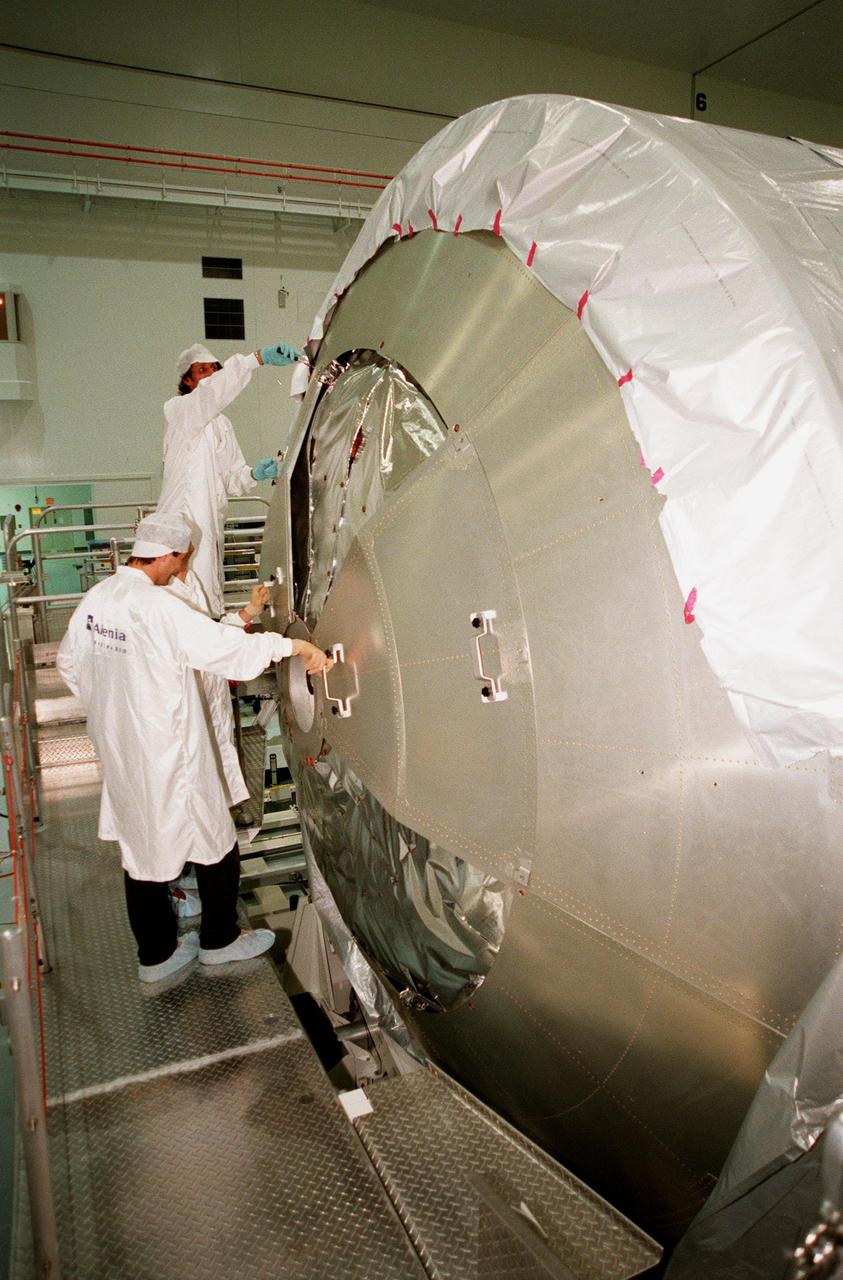
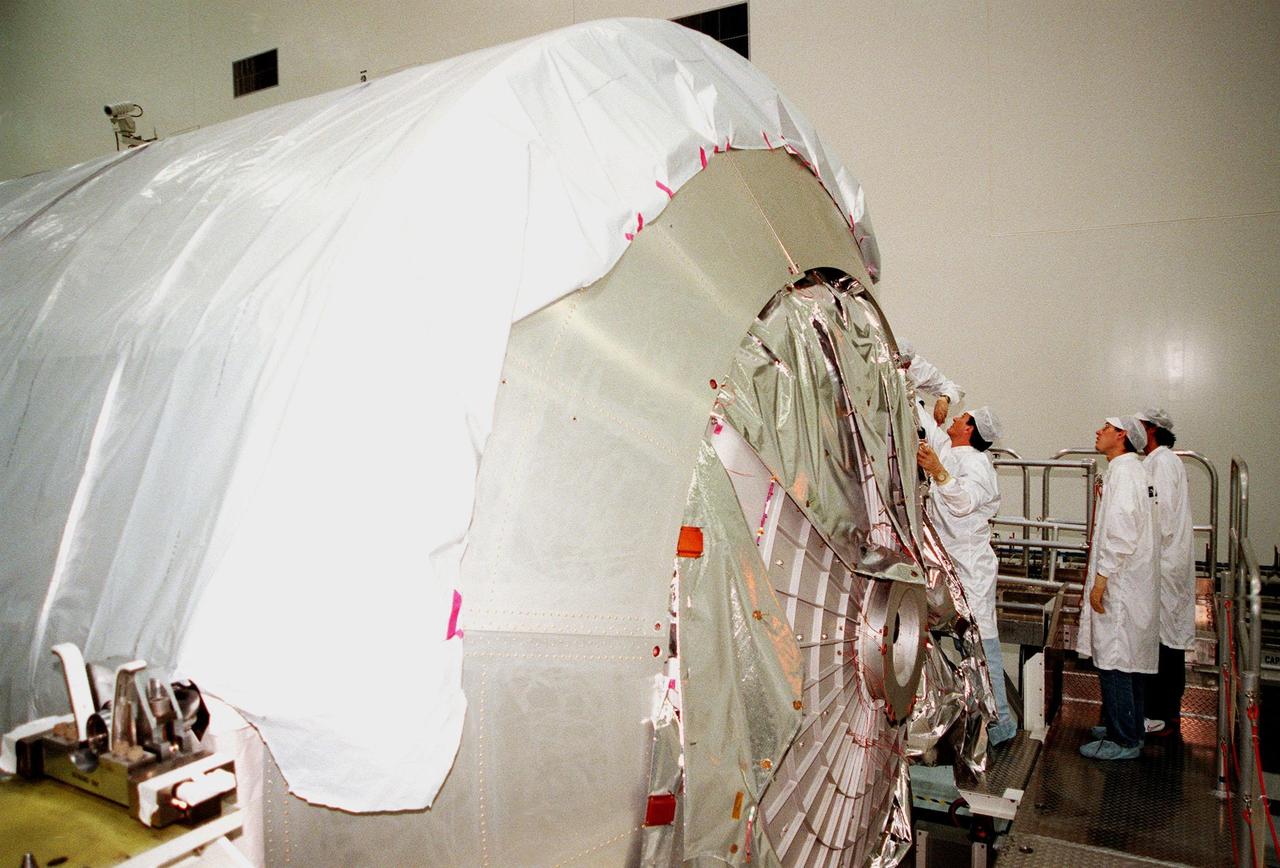
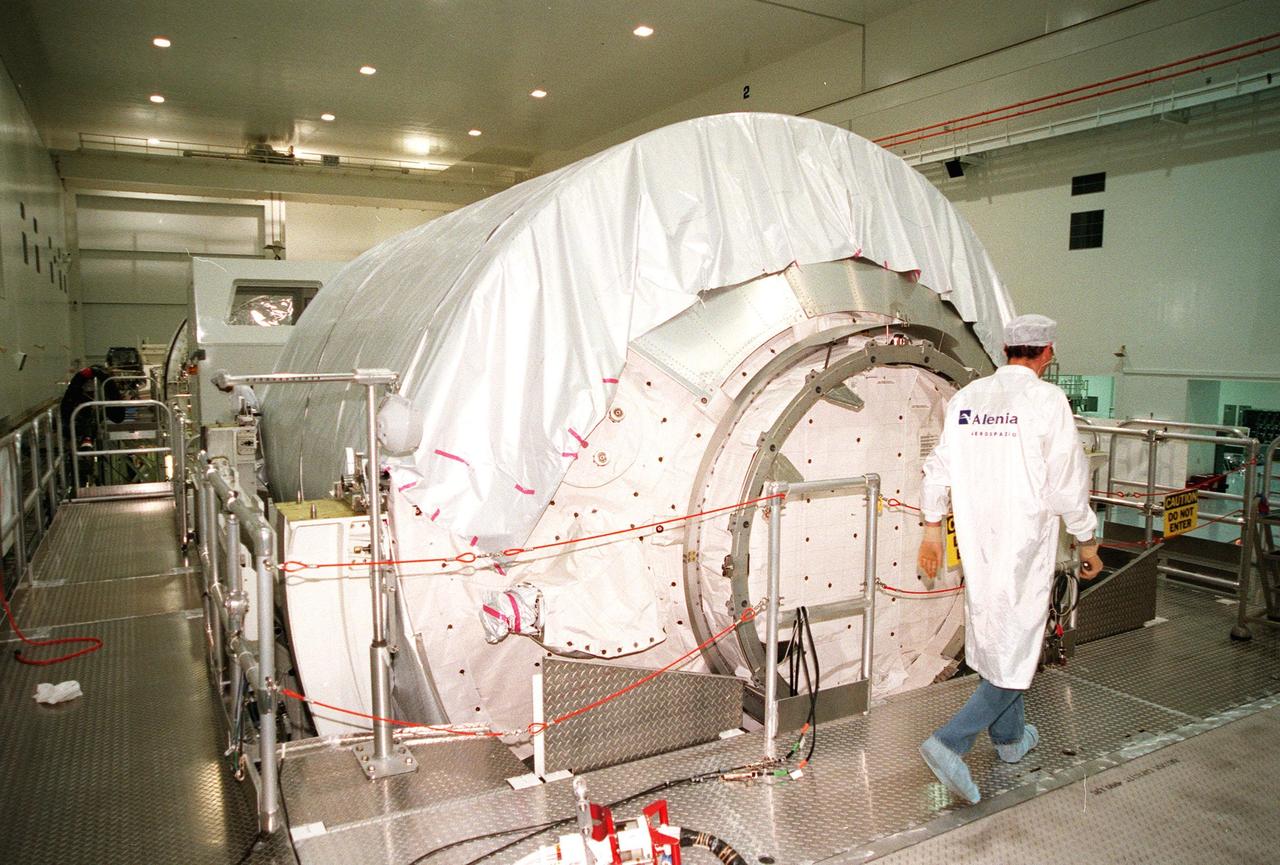
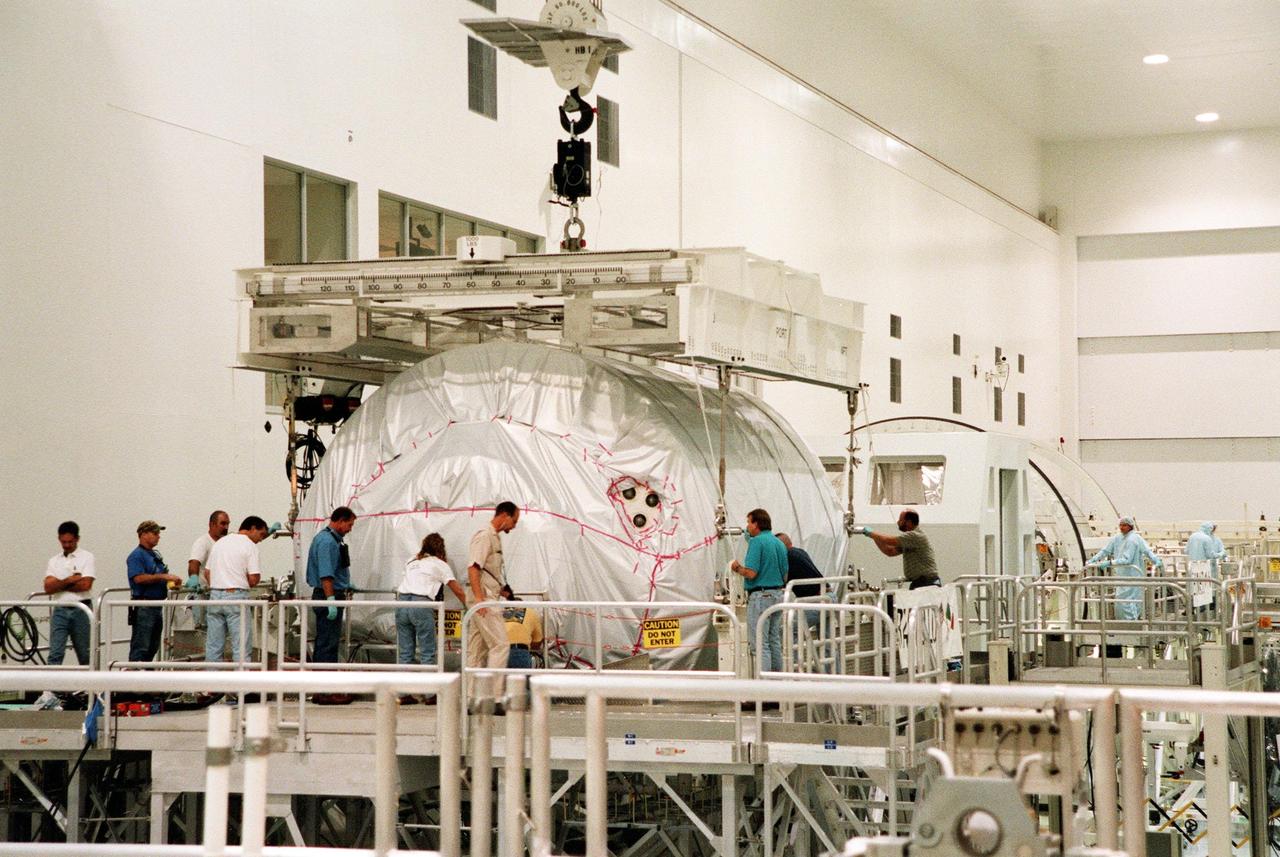
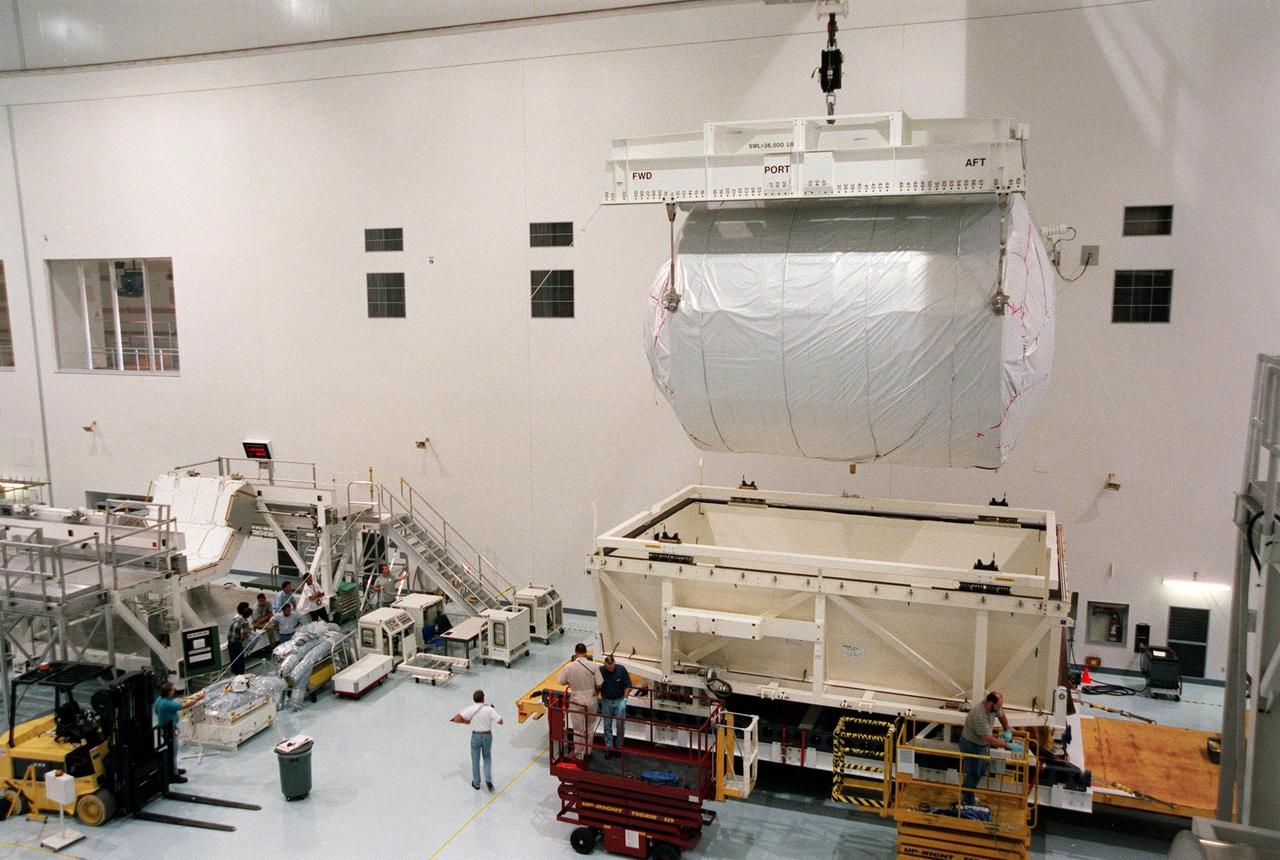
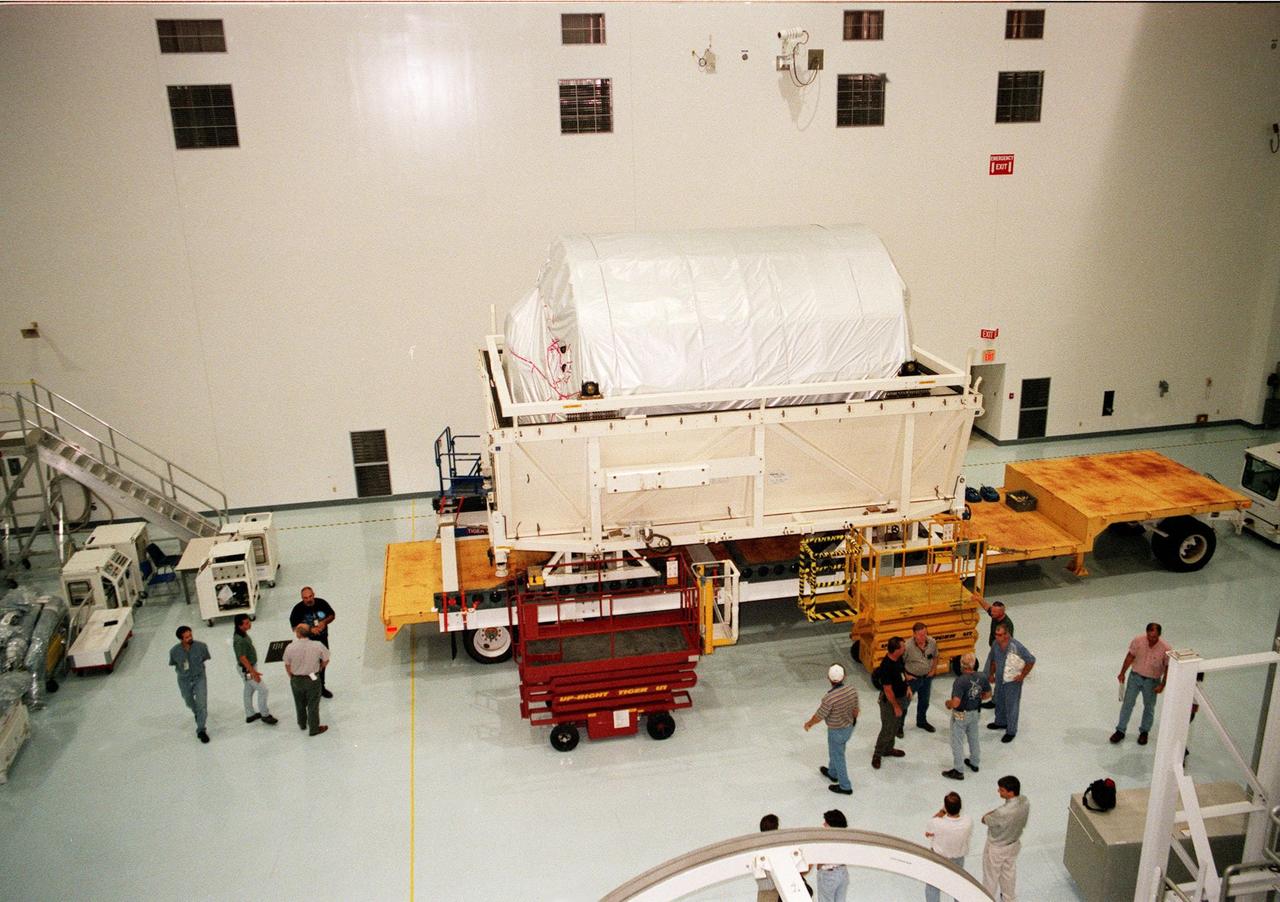
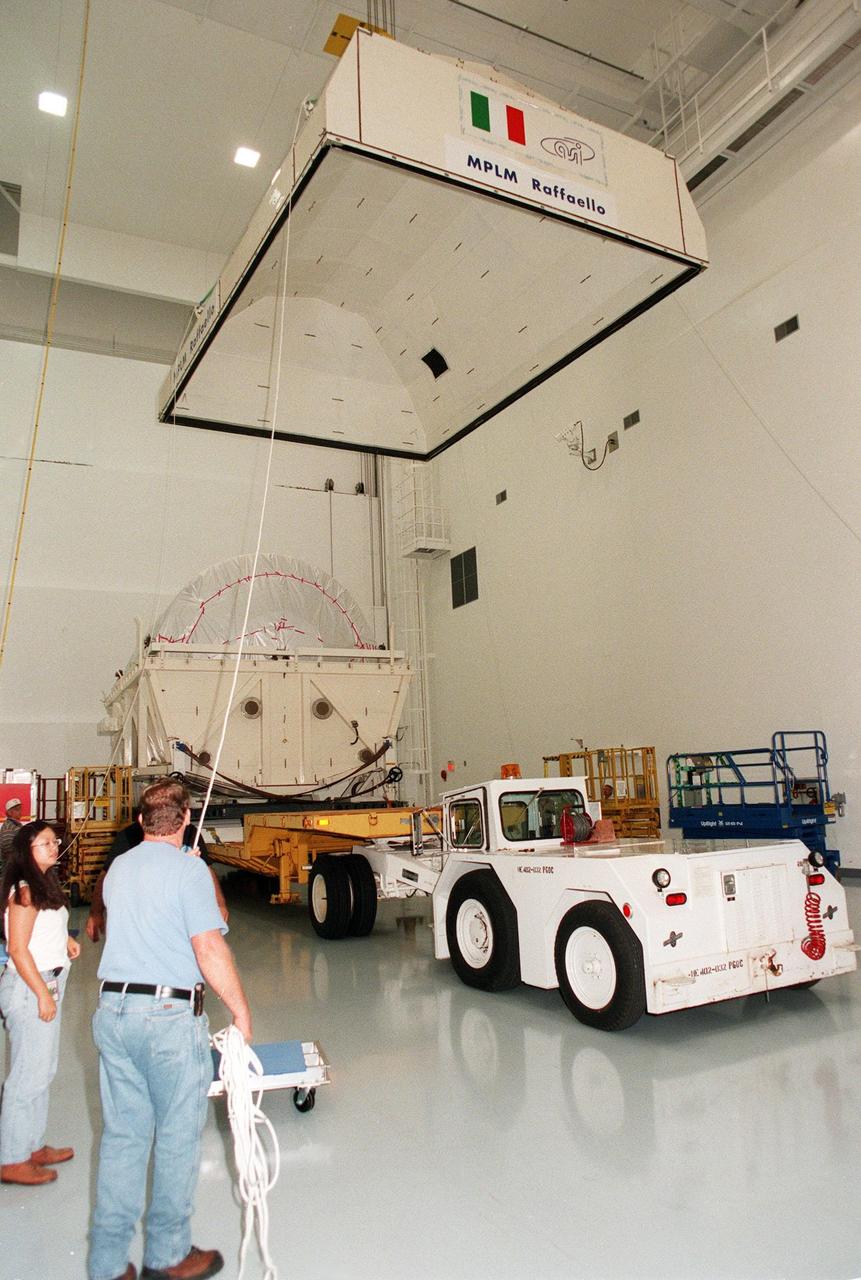
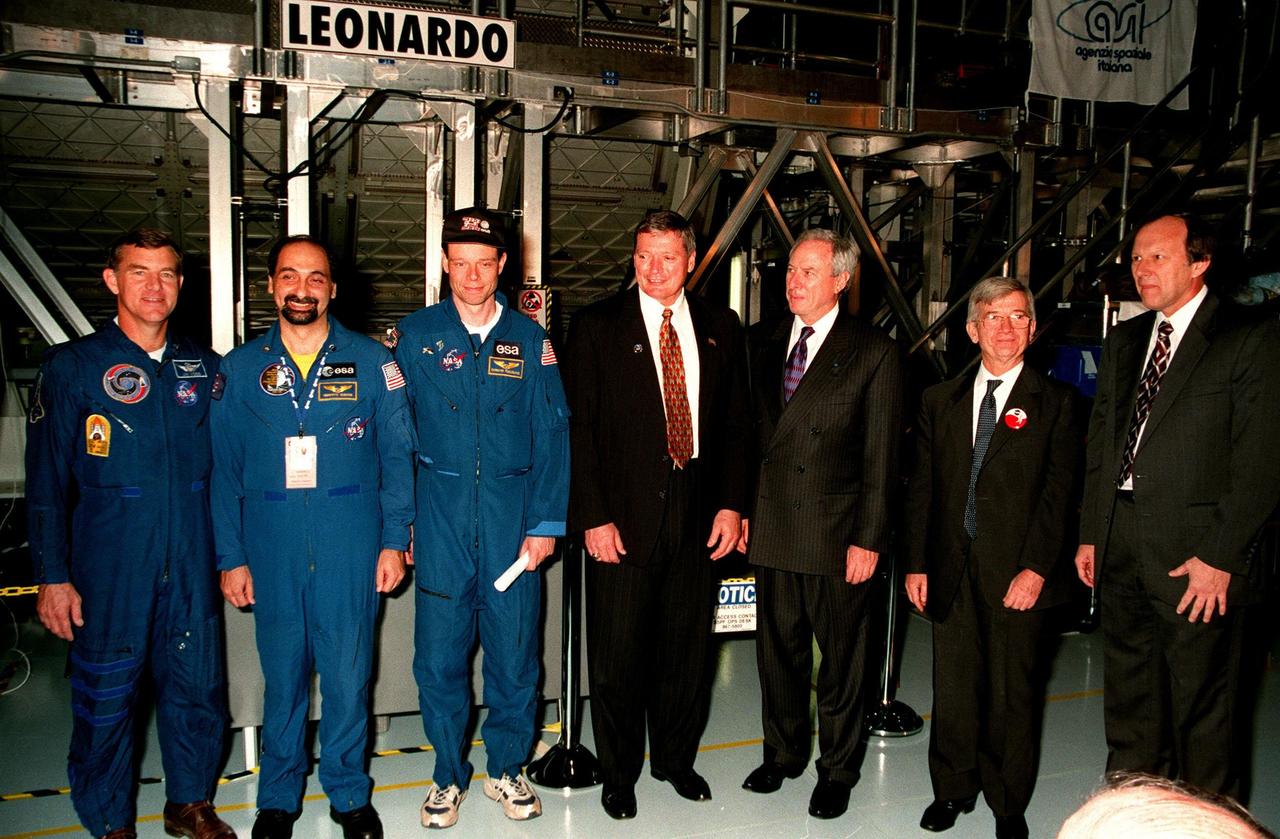
KENNEDY SPACE CENTER, FLA. -- In the Space Station Processing Facility (SSPF), workers from the Italian aerospace company Alenia Aerospazio begin removing the protective cover from the Multi-Purpose Logistics Module (MPLM) called Raffaello. The Italian aerospace company will provide engineering support for Raffaello, along with NASA, Boeing and the Italian Space Agency. One of Italy's major contributions to the ISS program, the MPLM is a reusable logistics carrier and the primary delivery system used to resupply and return station cargo requiring a pressurized environment. Weighing nearly 4.5 tons, the Raffaello measures 21 feet long and 15 feet in diameter. Raffaello will undergo testing. joining the first Italian-built MPLM, Leonardo, also in the SSPF. Raffaello is scheduled to be launched on mission STS-100 on July 27, 2000
KSC-99pp1029
KENNEDY SPACE CENTER, FLA. -- In the Space Station Processing Facility (SSPF), workers from the Italian aerospace company Alenia Aerospazio begin removing the protective cover from the Multi-Purpose Logistics Module (MPLM) called Raffaello. The Italian aerospace company will provide engineering support for Raffaello, along with NASA, Boeing and the Italian Space Agency. One of Italy's major contributions to the ISS program, the MPLM is a reusable logistics carrier and the primary delivery system used to resupply and return station cargo requiring a pressurized environment. Weighing nearly 4.5 tons, the Raffaello measures 21 feet long and 15 feet in diameter. Raffaello will undergo testing. joining the first Italian-built MPLM, Leonardo, also in the SSPF. Raffaello is scheduled to be launched on mission STS-100 on July 27, 2000
KSC-99pp1028
KENNEDY SPACE CENTER, FLA. - Alan Thirkettle (center), International Space Station Program manager for Node 2, European Space Agency (ESA); and NASA’s Michael C. Kostelnik (right), deputy associate administrator for International Space Station and Shuttle Programs, sign documents officially transferring ownership of Node 2 between the ESA and NASA.  At left, also part of the signing, is Andrea Lorenzoni (left), International Space Station Program manager for Node 2, Italian Space Agency.  NASA's Node 2, built by ESA in Italy, arrived at KSC on June 1. It will be the next pressurized module installed on the Station. The pressurized module of the Japanese Experiment Module (JEM),  named "Kibo" (Hope), arrived at KSC on June 4. It is Japan's primary contribution to the Station. Emceed by Lisa Malone, deputy director of External Relations and Business Development at KSC, the ceremony also included these speakers: Center Director Roy Bridges Jr.; NASA’s William Gerstenmaier, International Space Station Program manager; and Kuniaki Shiraki, JEM Project manager, National Aerospace and Development Agency of Japan.
KENNEDY SPACE CENTER, FLA. - Alan Thirkettle (center), International Space Station Program manager for Node 2, European Space Agency (ESA); and NASA’s Michael C. Kostelnik (right), deputy associate administrator for International Space Station and Shuttle Programs, sign documents officially transferring ownership of Node 2 between the ESA and NASA. At left, also part of the signing, is Andrea Lorenzoni (left), International Space Station Program manager for Node 2, Italian Space Agency. NASA's Node 2, built by ESA in Italy, arrived at KSC on June 1. It will be the next pressurized module installed on the Station. The pressurized module of the Japanese Experiment Module (JEM), named "Kibo" (Hope), arrived at KSC on June 4. It is Japan's primary contribution to the Station. Emceed by Lisa Malone, deputy director of External Relations and Business Development at KSC, the ceremony also included these speakers: Center Director Roy Bridges Jr.; NASA’s William Gerstenmaier, International Space Station Program manager; and Kuniaki Shiraki, JEM Project manager, National Aerospace and Development Agency of Japan.
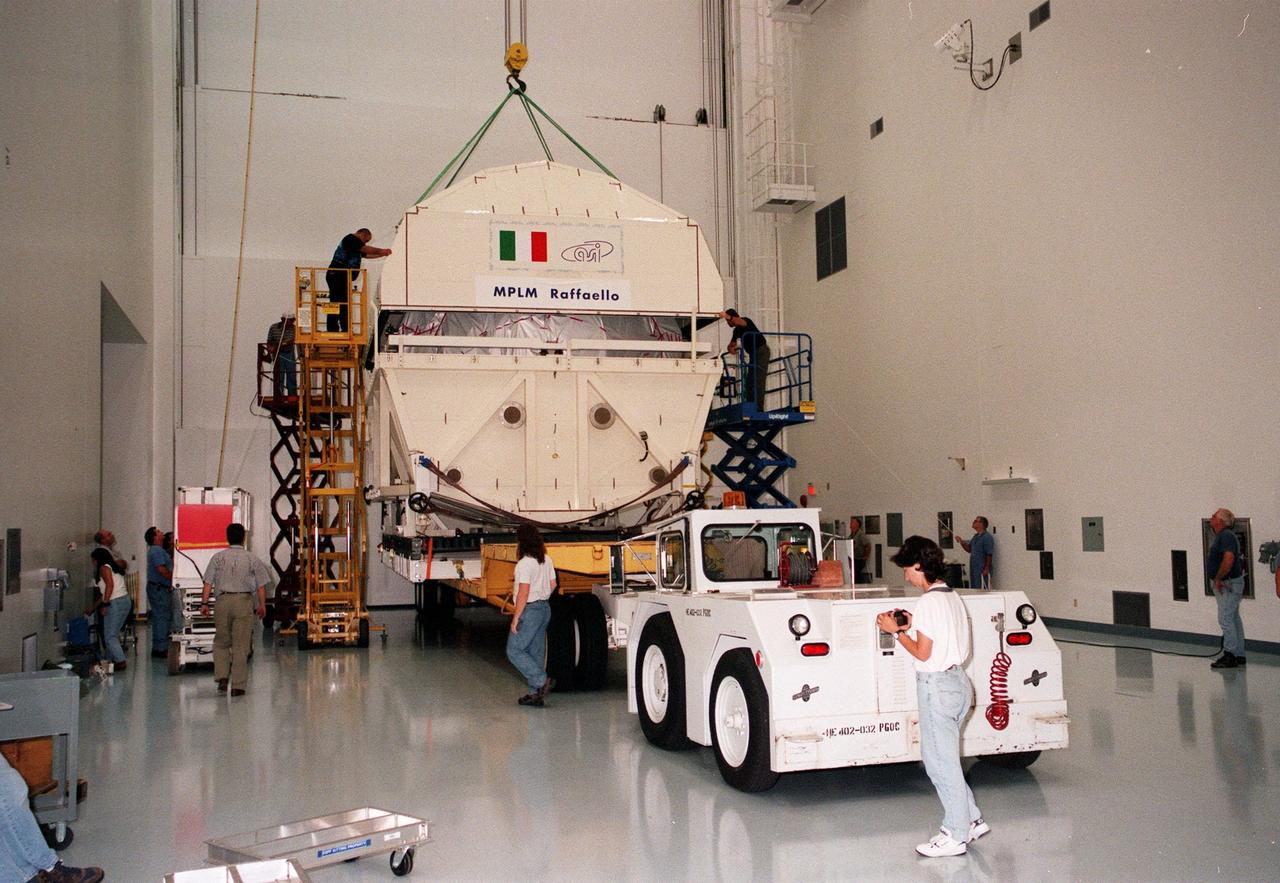
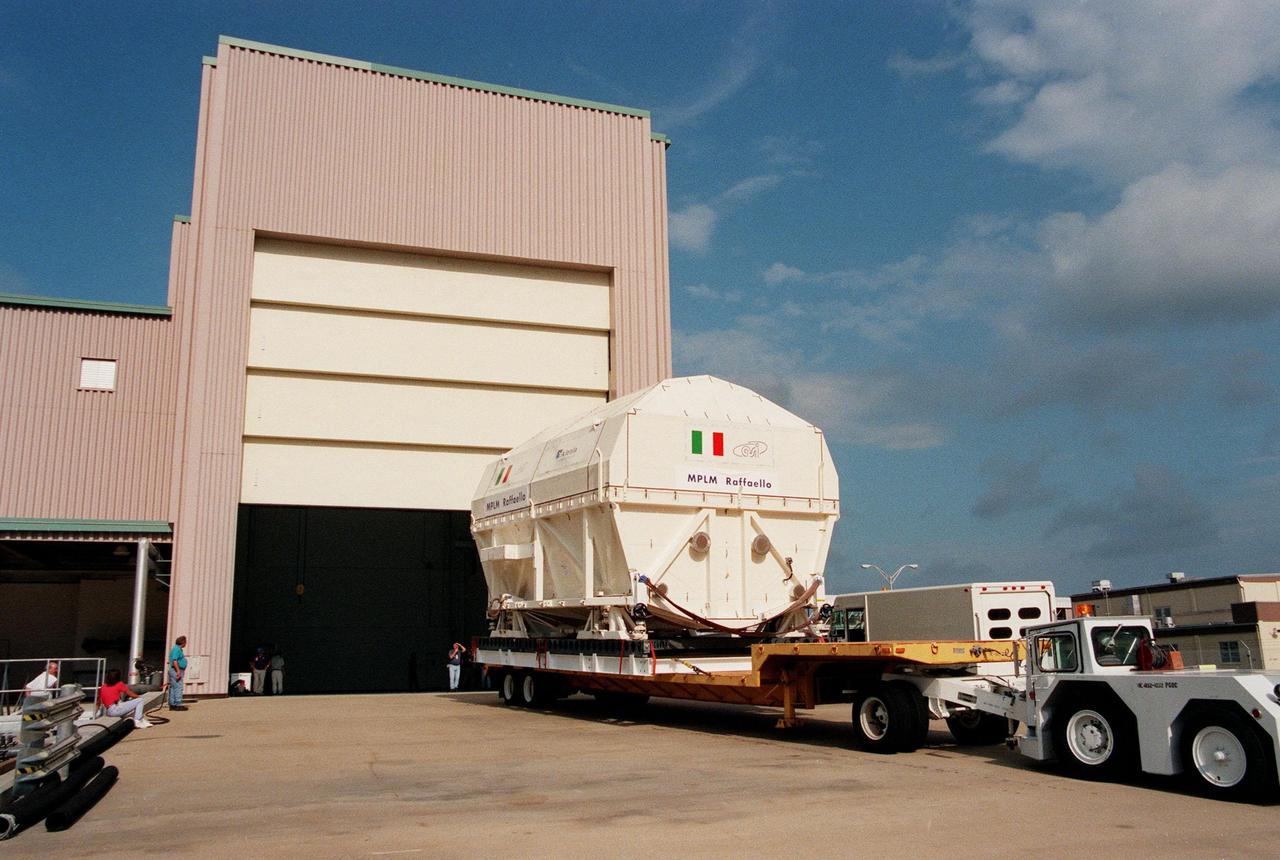
KENNEDY SPACE CENTER, FLA. -- The Multi-Purpose Logistics Module (MPLM) called Raffaello rests in its workstand in the Space Station Processing Facility (SSPF) as an Alenia Aerospazio worker passes by. The Italian aerospace company will provide engineering support for Raffaello, along with NASA, Boeing and the Italian Space Agency. One of Italy's major contributions to the ISS program, the MPLM is a reusable logistics carrier and the primary delivery system used to resupply and return station cargo requiring a pressurized environment. Weighing nearly 4.5 tons, the Raffaello measures 21 feet long and 15 feet in diameter. Raffaello will undergo testing. joining the first Italian-built MPLM, Leonardo, also in the SSPF. Raffaello is scheduled to be launched on mission STS-100 on July 27, 2000
KSC-99pp1027
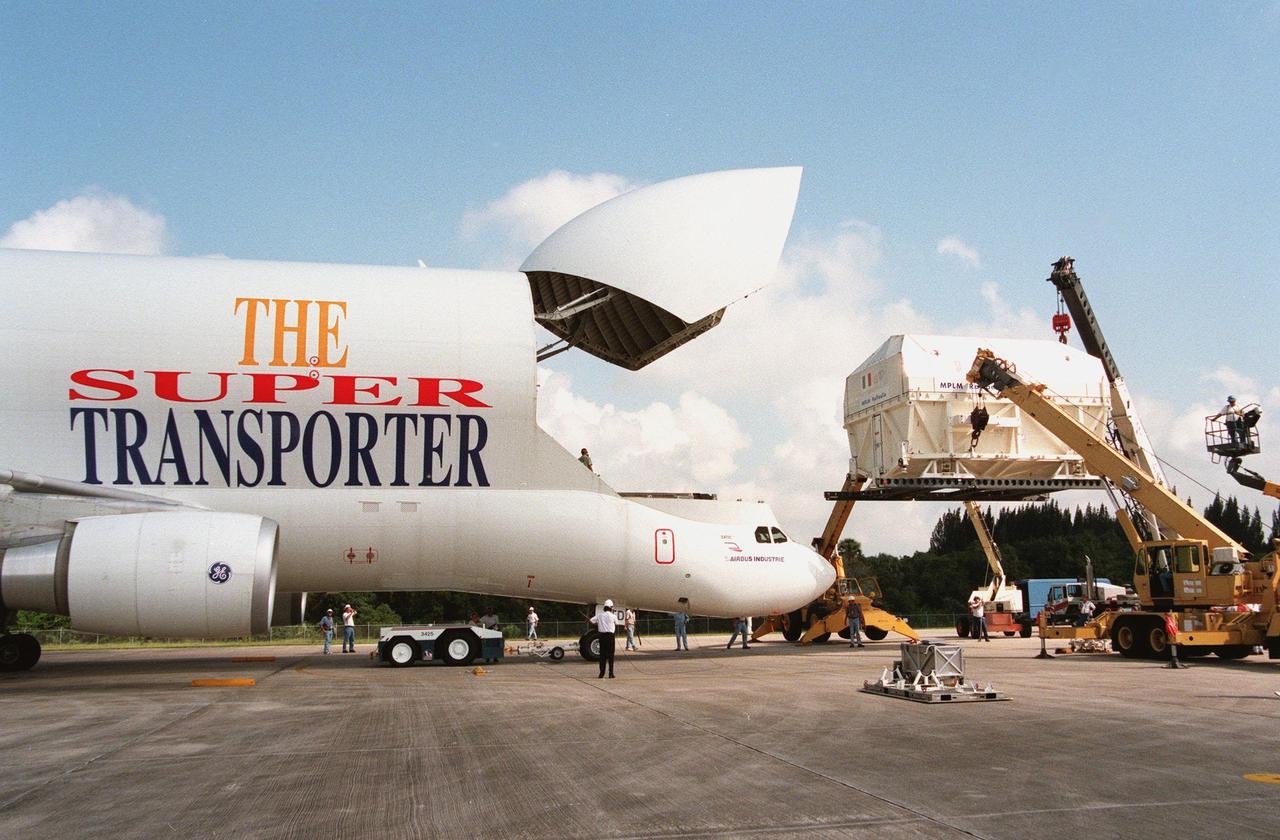
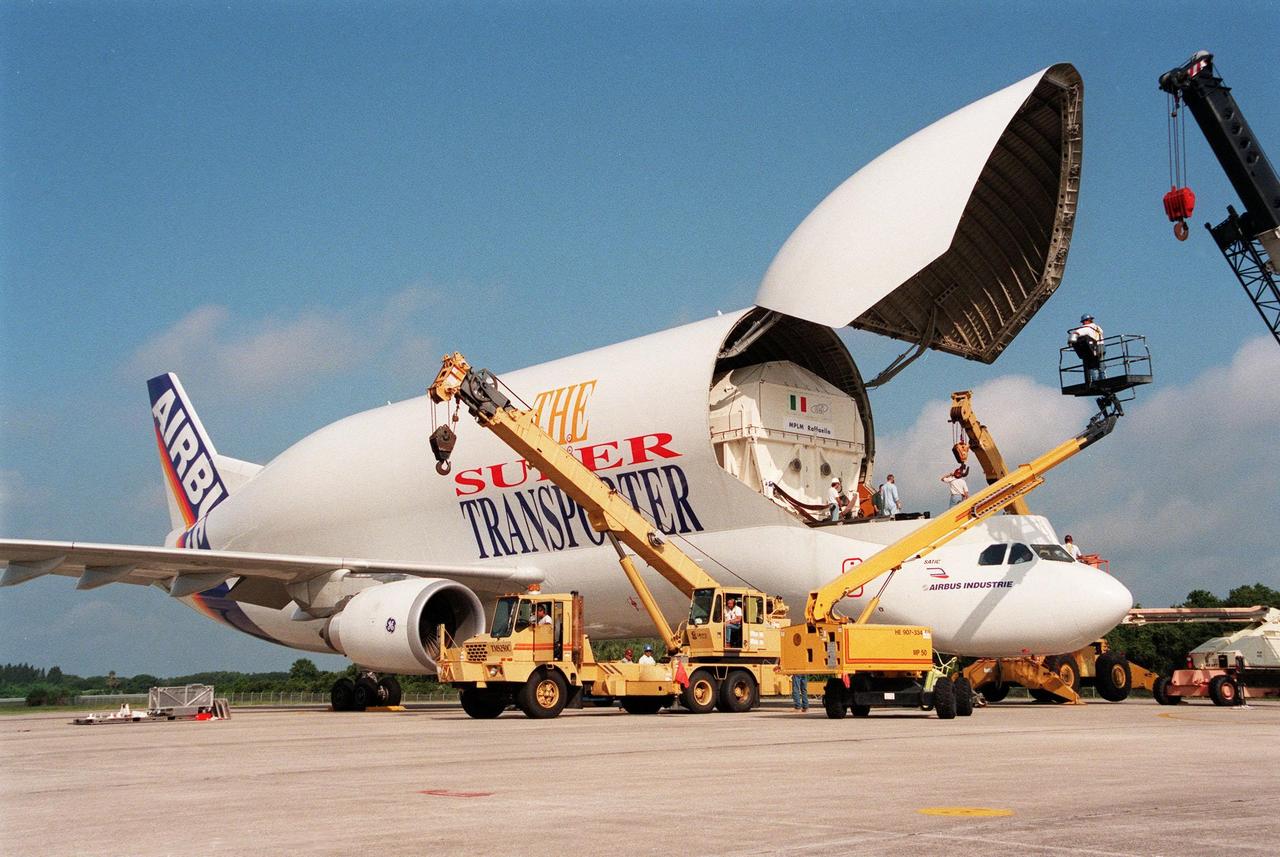
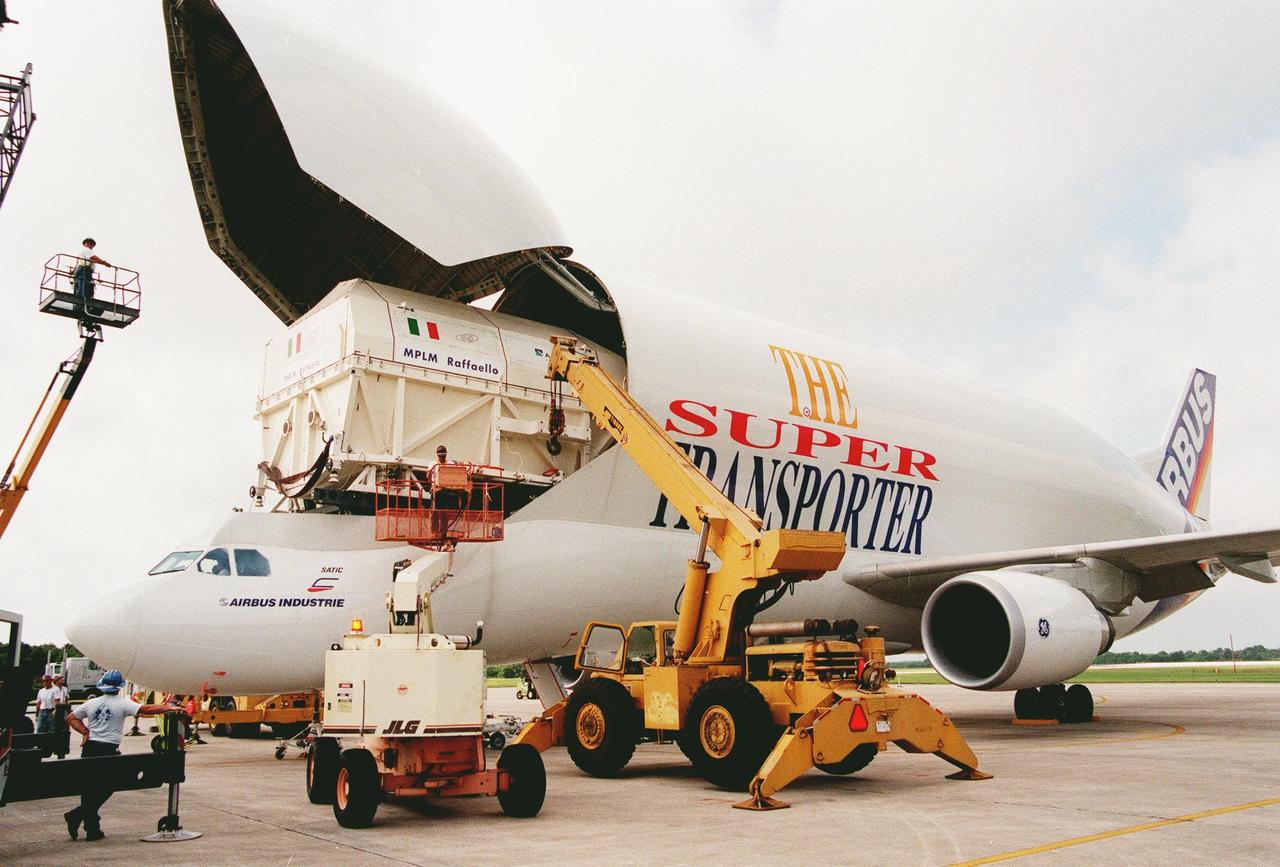
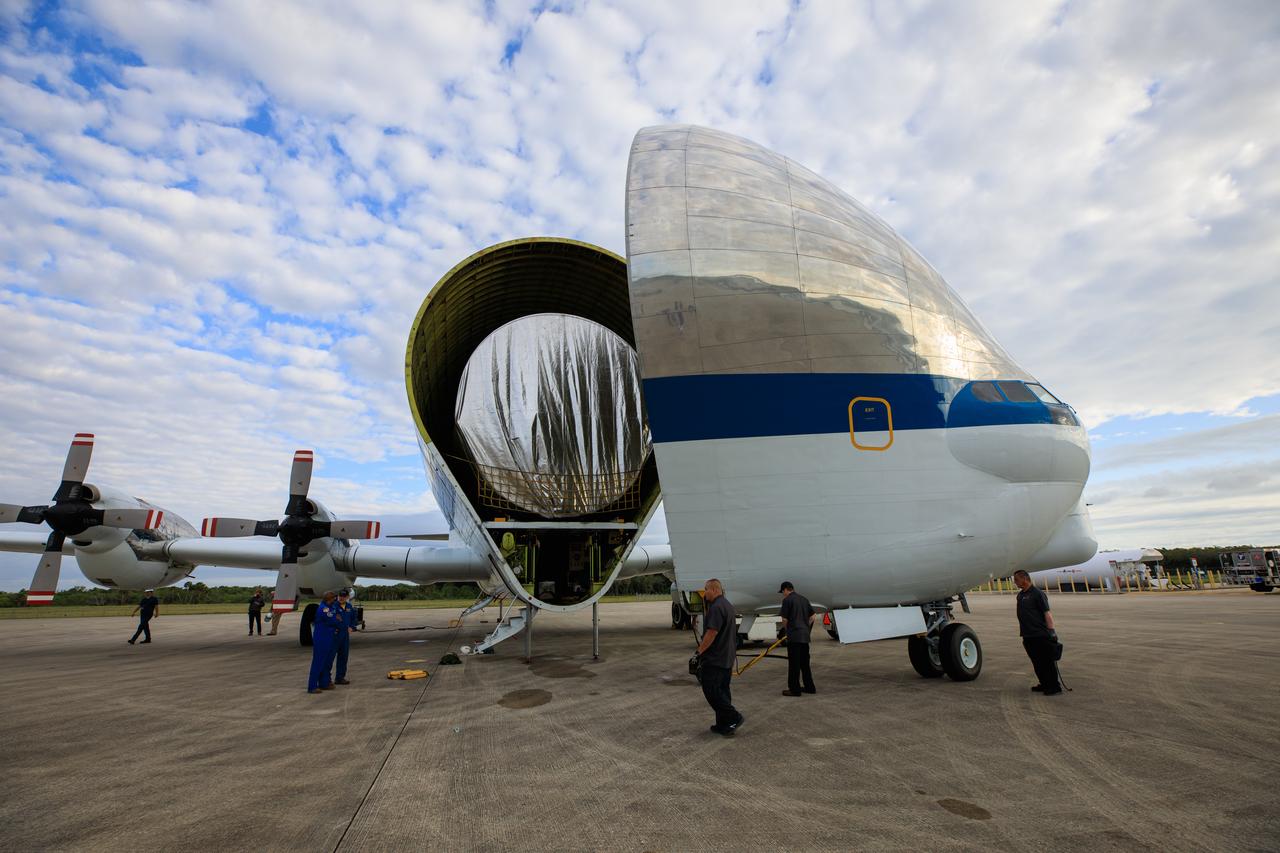
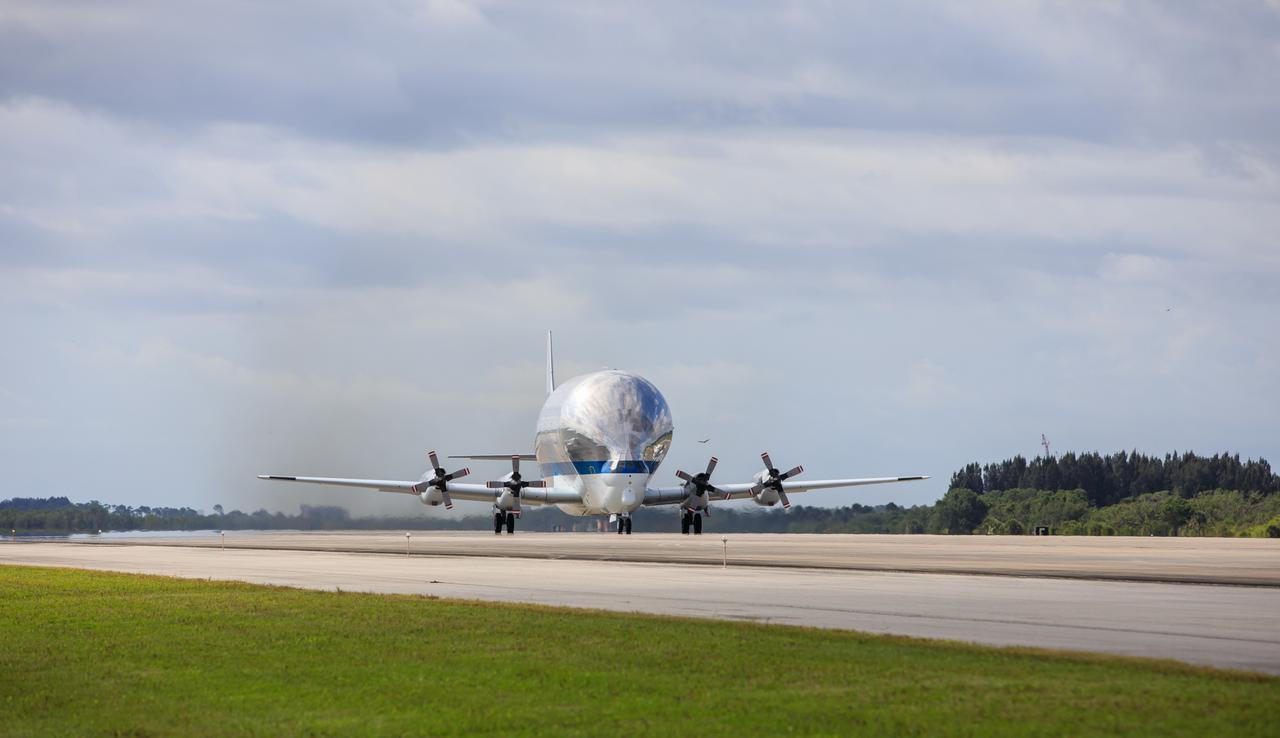
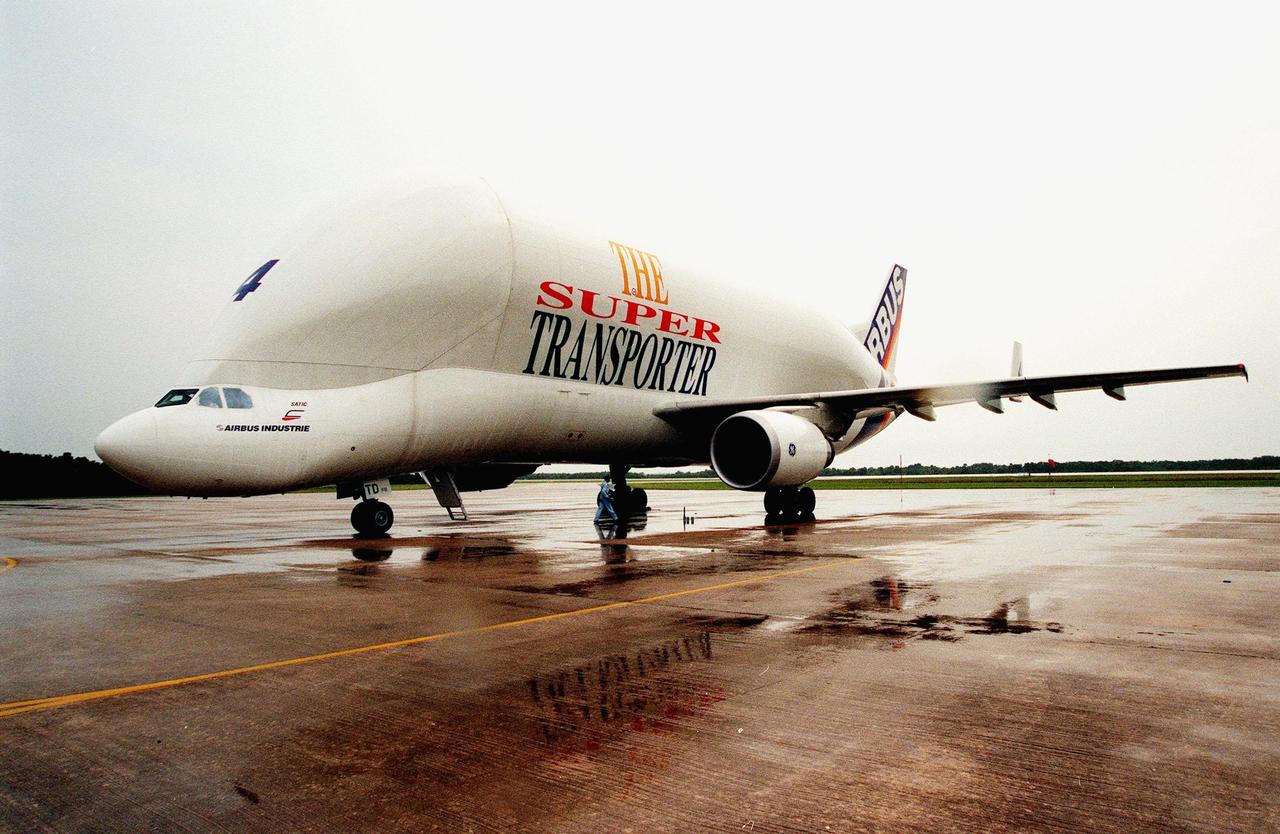
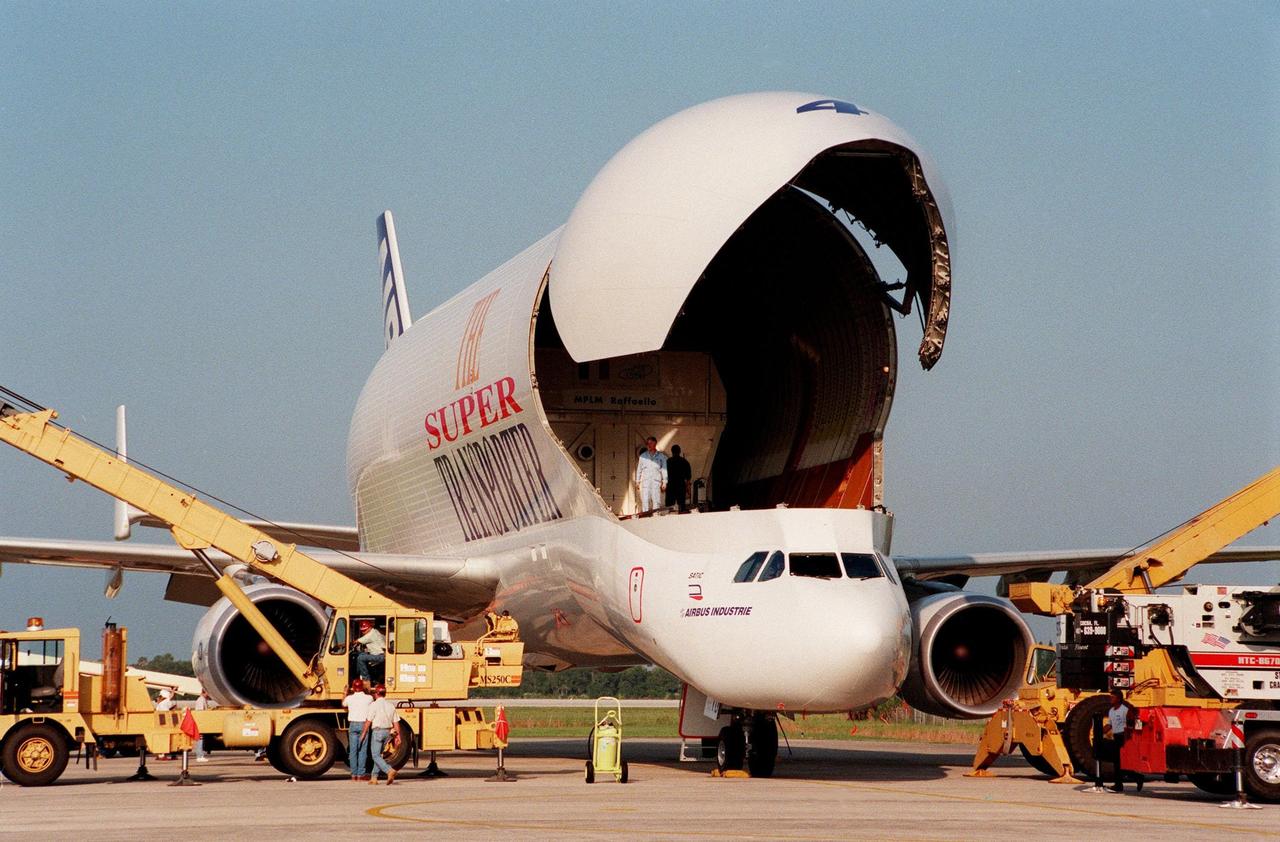
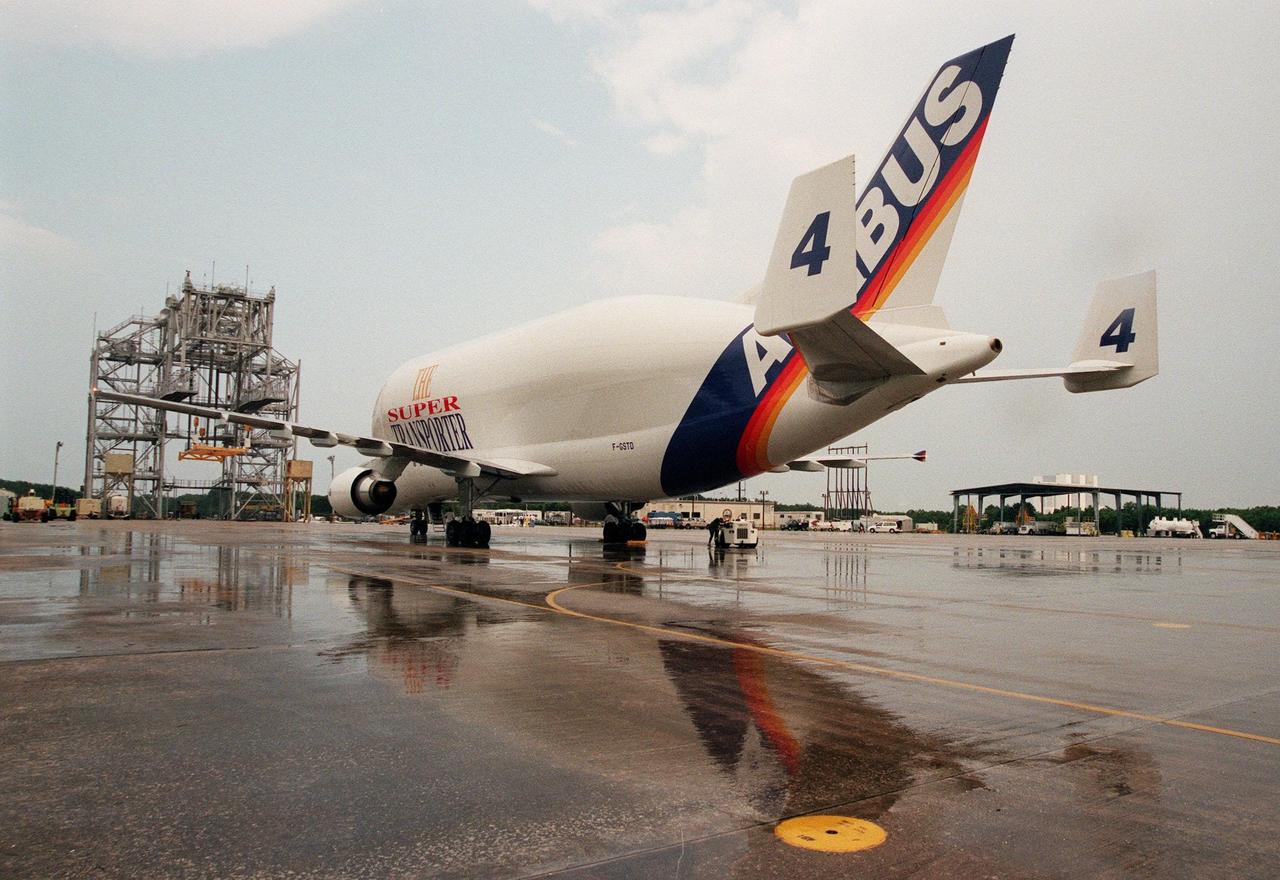
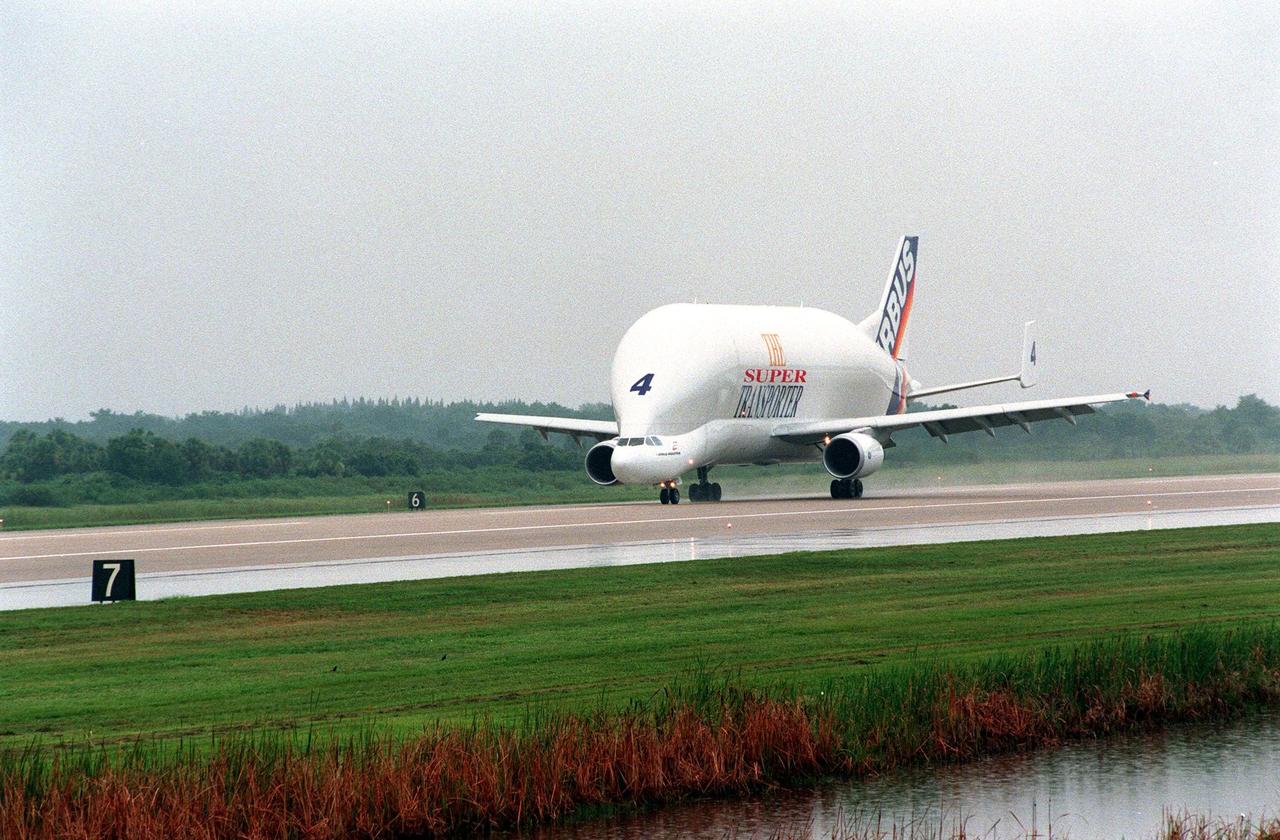
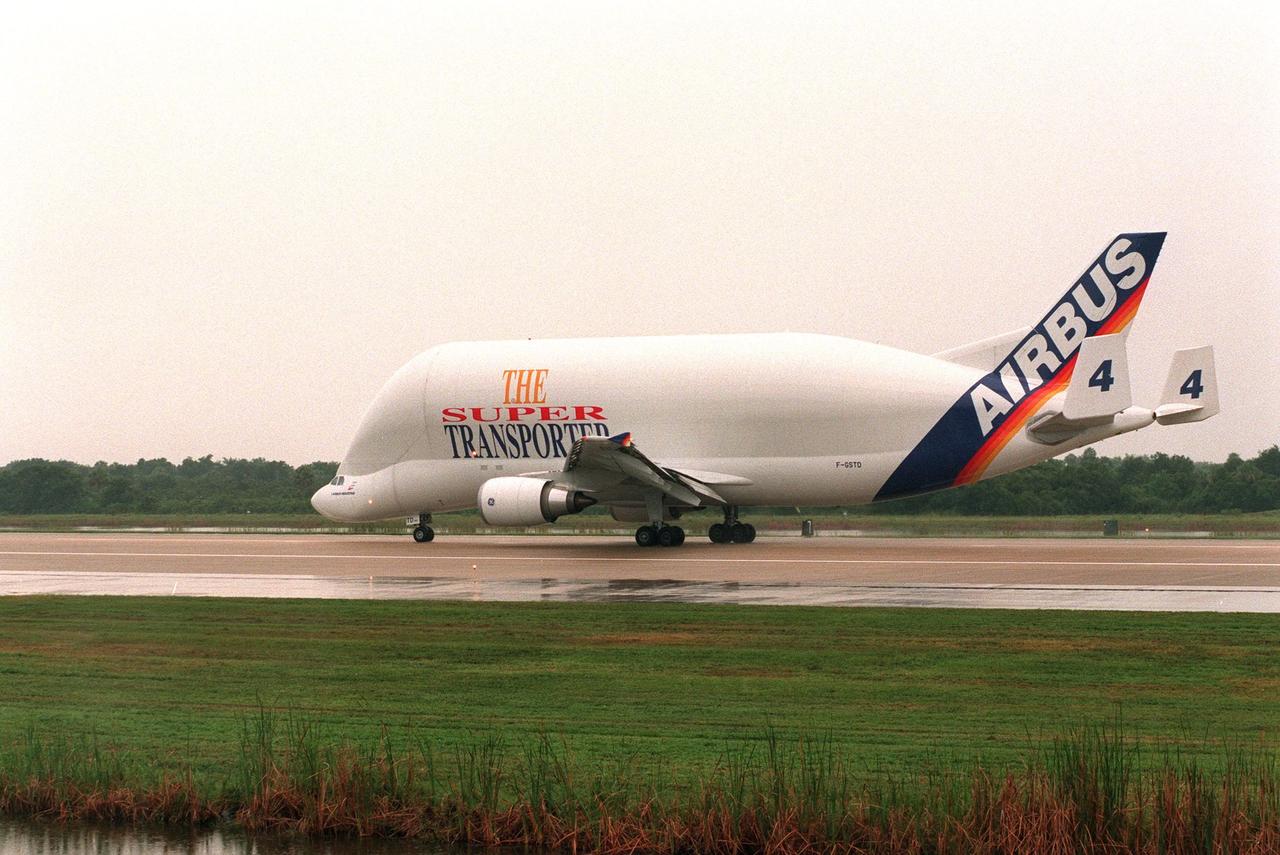
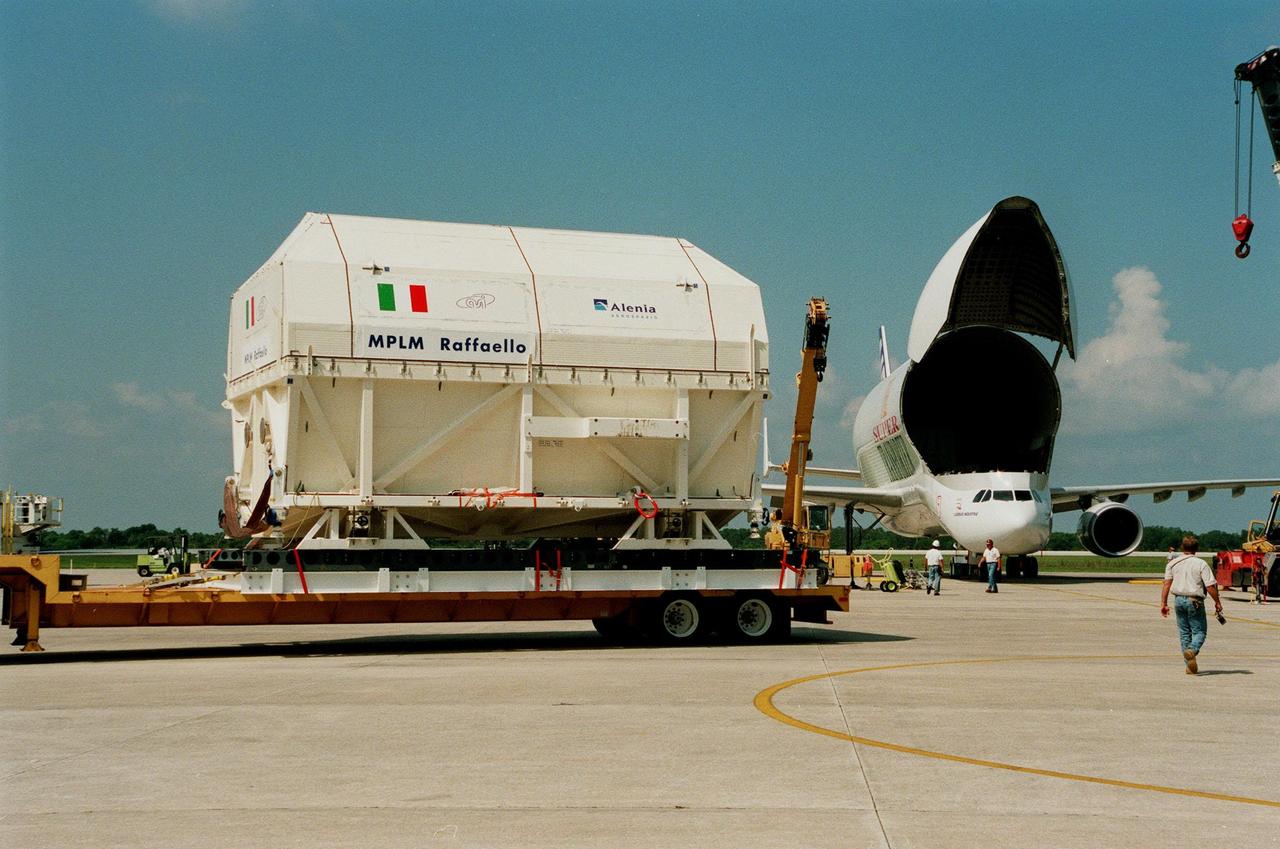
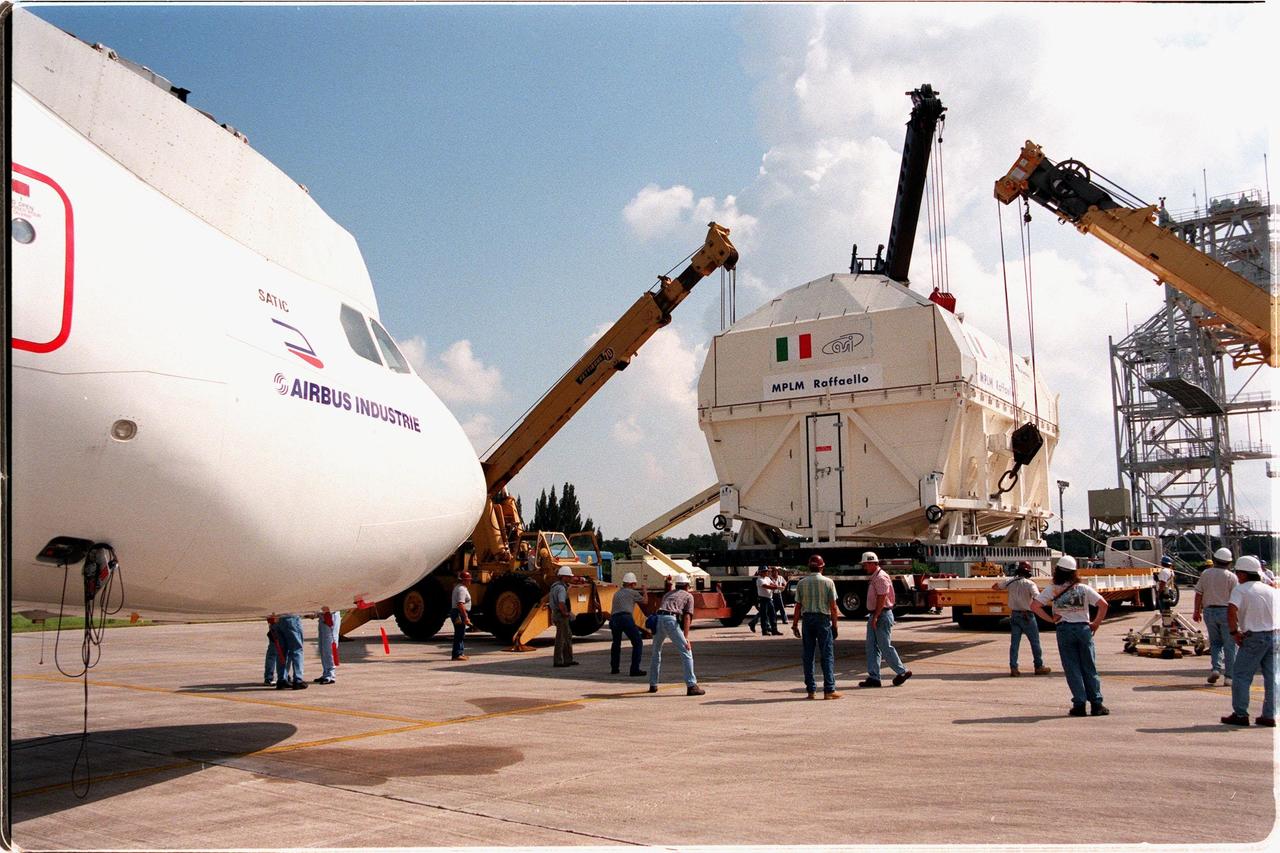
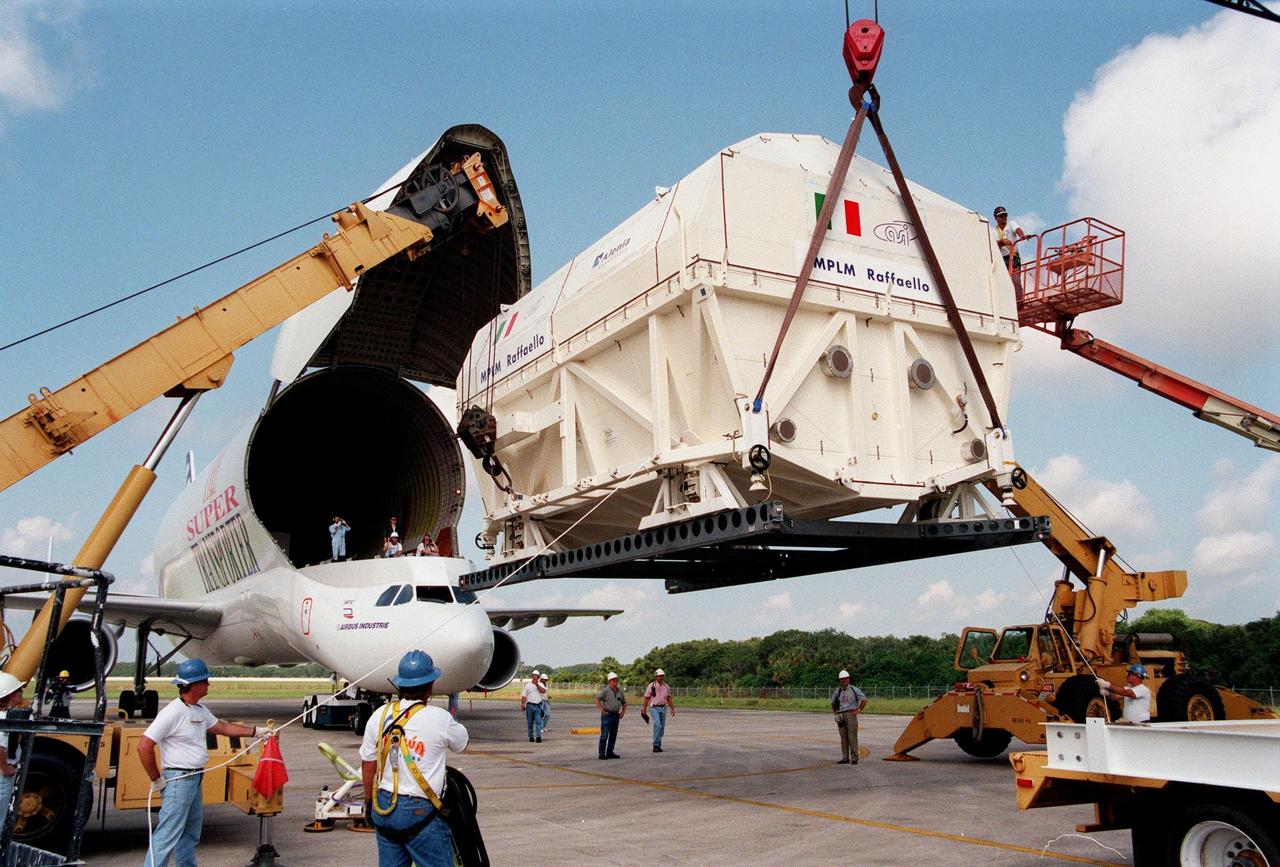
KENNEDY SPACE CENTER, FLA. -- Workers on cranes circle the "Beluga" Super Transporter at the Shuttle Landing Facility, ready to help offload the Raffaello, the second Multi-Purpose Logistics Module (MPLM) for the International Space Station (ISS). One of Italy's major contributions to the ISS program, the MPLM is a reusable logistics carrier and the primary delivery system used to resupply and return station cargo requiring a pressurized environment. Weighing nearly 4.5 tons, the module measures 21 feet long and 15 feet in diameter. Raffaello will join Leonardo, the first Italian-built MPLM, in the Space Station Processing Facility for testing. NASA, Boeing, the Italian Space Agency and Alenia Aerospazio will provide engineering support
KSC-99pp1013
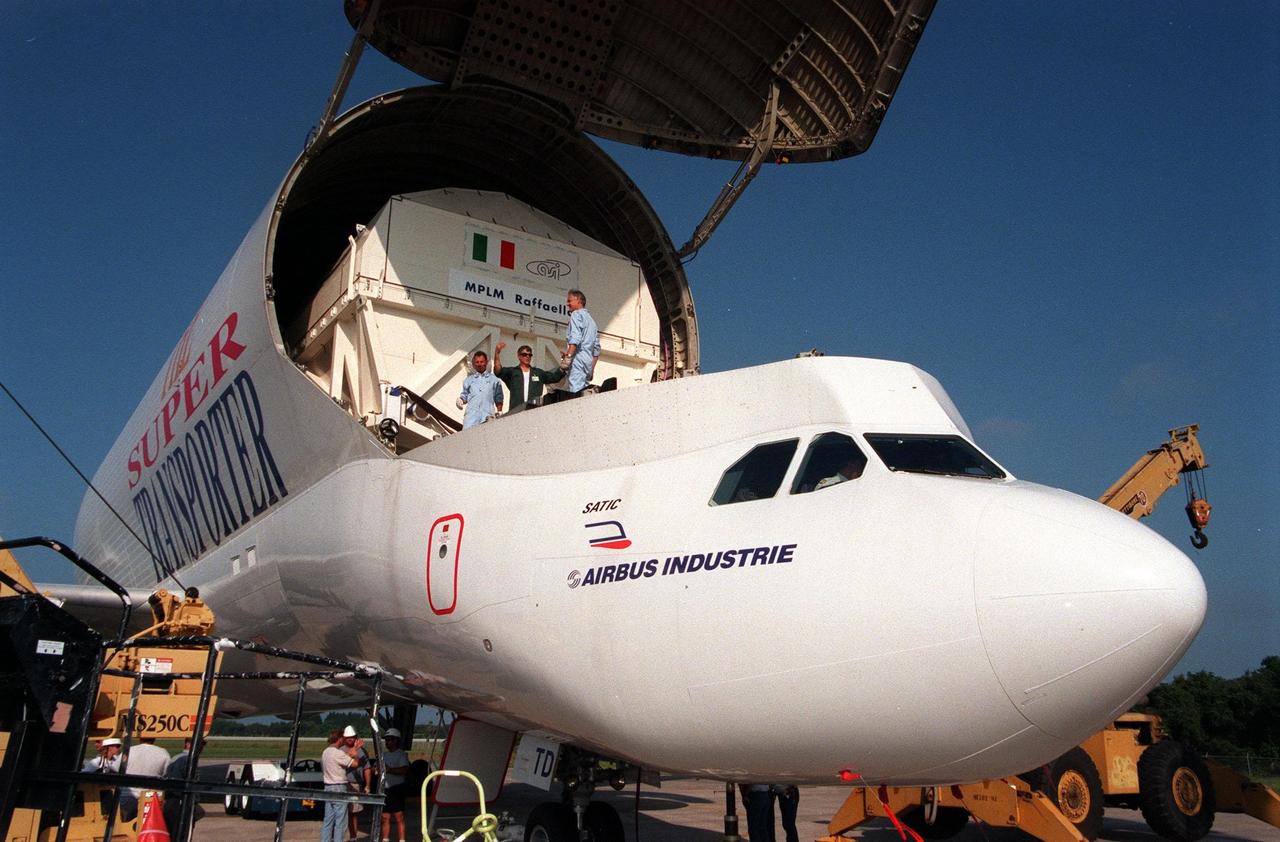
KENNEDY SPACE CENTER, FLA. -- At the Shuttle Landing Facility, workers begin offloading the Raffaello, the second Multi-Purpose Logistics Module (MPLM) for the International Space Station (ISS), from the "Beluga" Super Transporter that brought it from Italy. One of Italy's major contributions to the ISS program, the MPLM is a reusable logistics carrier and the primary delivery system used to resupply and return station cargo requiring a pressurized environment. Weighing nearly 4.5 tons, the module measures 21 feet long and 15 feet in diameter. Raffaello will join Leonardo, the first Italian-built MPLM, in the Space Station Processing Facility for testing. NASA, Boeing, the Italian Space Agency and Alenia Aerospazio will provide engineering support
KSC-99pp1012
KENNEDY SPACE CENTER, FLA. -- A crane is attached to the Raffaello, the second Multi-Purpose Logistics Module (MPLM) for the International Space Station (ISS), before offloading the MPLM from the "Beluga" Super Transporter. One of Italy's major contributions to the ISS program, the MPLM is a reusable logistics carrier and the primary delivery system used to resupply and return station cargo requiring a pressurized environment. Weighing nearly 4.5 tons, the module measures 21 feet long and 15 feet in diameter. Raffaello will join Leonardo, the first Italian-built MPLM, in the Space Station Processing Facility for testing. NASA, Boeing, the Italian Space Agency and Alenia Aerospazio will provide engineering support
KSC-99pp1014
KENNEDY SPACE CENTER, FLA. -- The second Multi-Purpose Logistics Module (MPLM) for the International Space Station (ISS), named Raffaello, is moved out of the "Beluga" Super Transporter at the Shuttle Landing Facility. One of Italy's major contributions to the ISS program, the MPLM is a reusable logistics carrier and the primary delivery system used to resupply and return station cargo requiring a pressurized environment. Weighing nearly 4.5 tons, the module measures 21 feet long and 15 feet in diameter. Raffaello will join Leonardo, the first Italian-built MPLM, in the Space Station Processing Facility for testing. NASA, Boeing, the Italian Space Agency and Alenia Aerospazio will provide engineering support
KSC-99pp1015
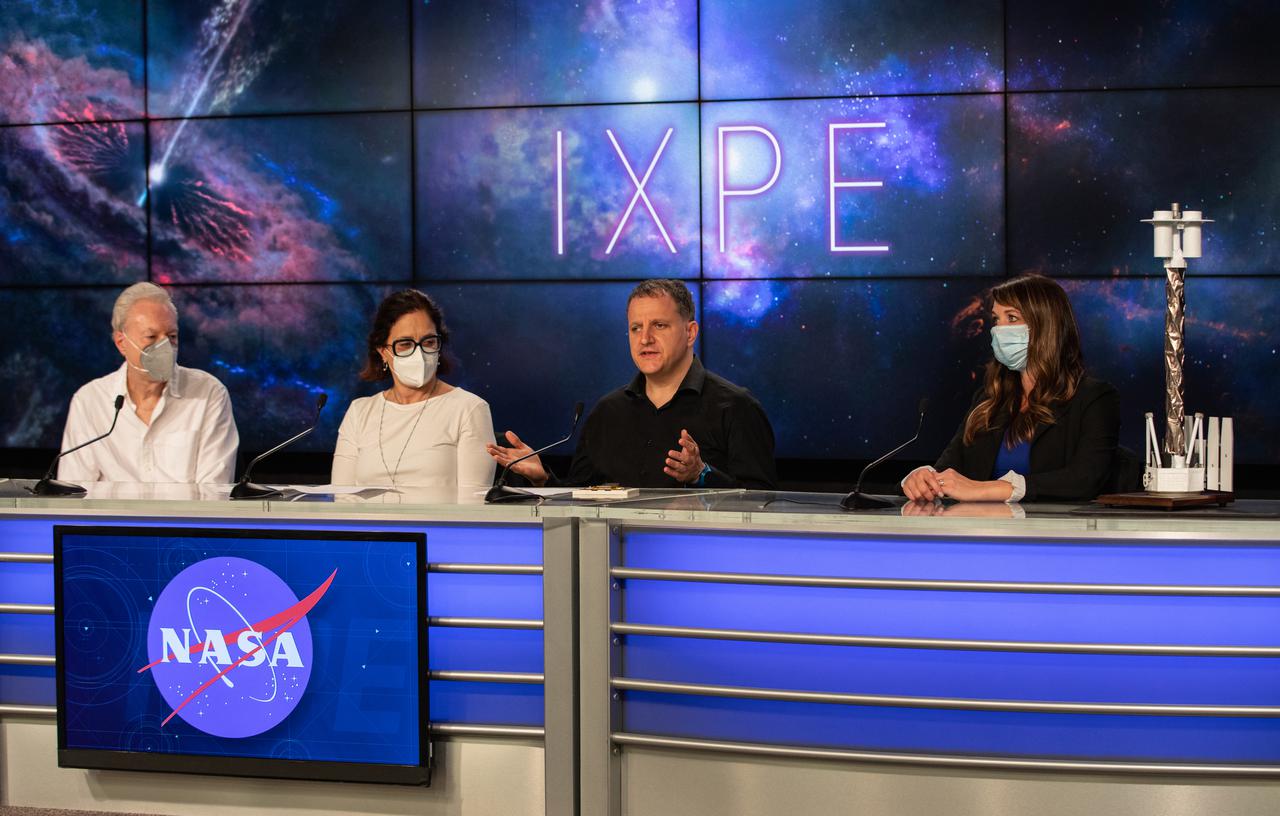
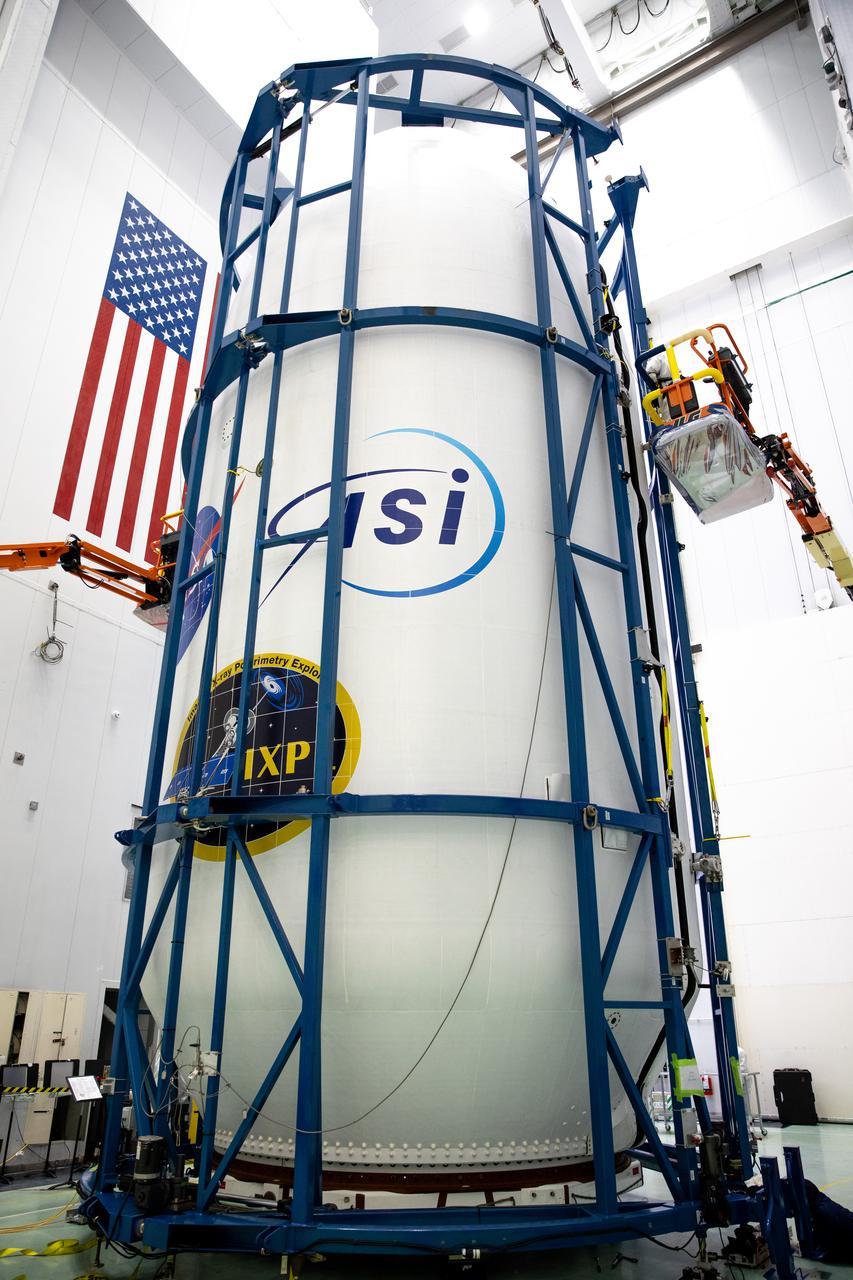
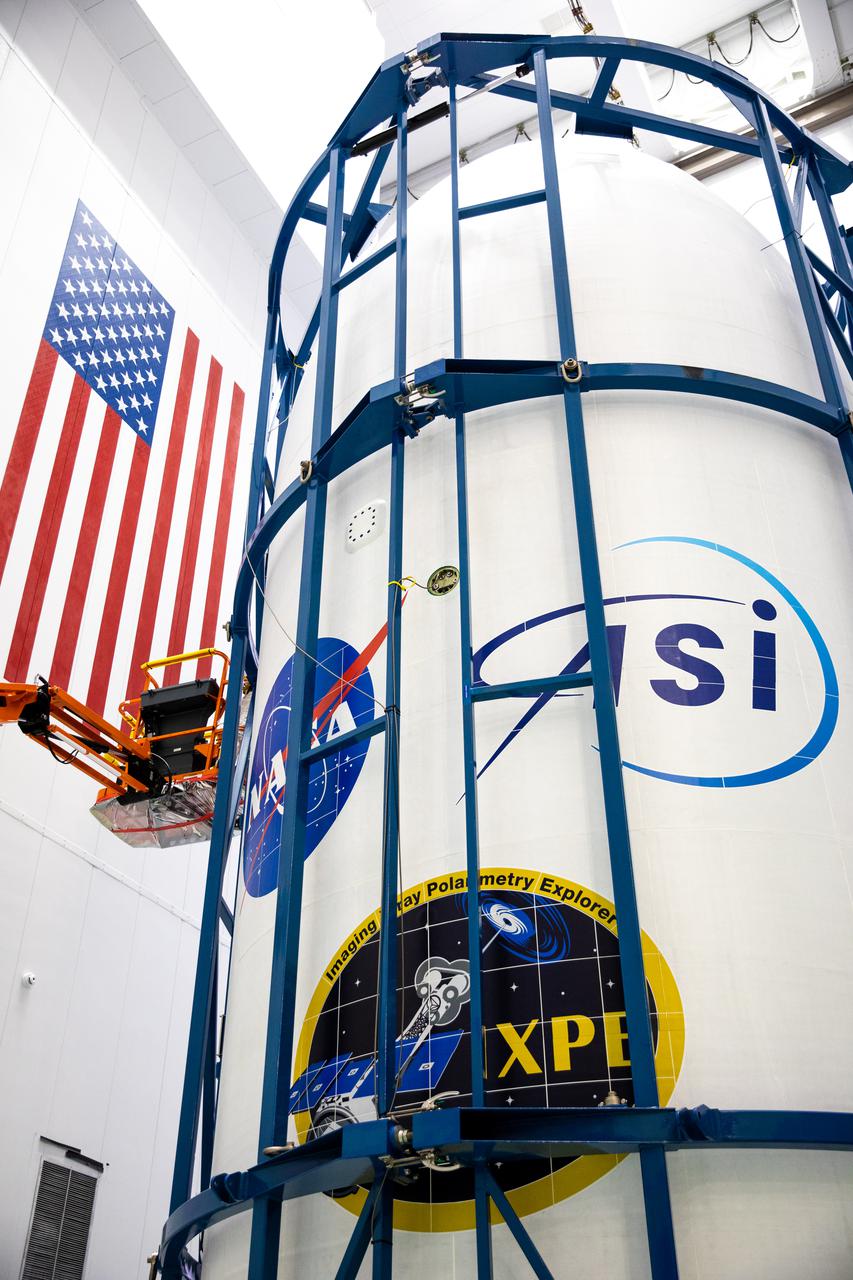
A payload briefing for NASA’s Imaging X-ray Polarimetry Explorer (IXPE) spacecraft is held on Dec.7, 2021 at NASA’s Kennedy Space Center in Florida. Participants from left are Brian Ramsey, deputy principal investigator, NASA’s Marshall Space Flight Center; Elisabetta Cavazzuti, ASI IXPE program manager, Italian Space Agency; Luca Baldini, Italian co-principal investigator, NASA’s Marshall Space Flight Center; and MacKenzie Ferrie, IXPE program manager, Ball Aerospace. IXPE is scheduled to launch no earlier than 1 a.m. EST Thursday, Dec. 9, on a SpaceX Falcon 9 rocket from Kennedy’s Launch Complex 39A. NASA’s Launch Services Program is managing this launch. NASA’s Marshall Space Flight Center in Huntsville, Alabama, manages the IXPE mission. Ball Aerospace, headquartered in Broomfield, Colorado, manages spacecraft operations with support from the University of Colorado at Boulder. NASA’s Goddard Space Flight Center in Greenbelt, Maryland, manages the Explorers Program for the agency’s Science Mission Directorate in Washington. The U.S. Space Force’s Space Launch Delta 45 provides range support for this launch. SpaceX is providing the launch vehicle for this mission.
IXPE Payload Briefing
A payload briefing for NASA’s Imaging X-ray Polarimetry Explorer (IXPE) spacecraft is held on Dec.7, 2021 at NASA’s Kennedy Space Center in Florida. Participants from left are Karen Fox, moderator, NASA Communications; Brian Ramsey, deputy principal investigator, NASA’s Marshall Space Flight Center; Elisabetta Cavazzuti, ASI IXPE program manager, Italian Space Agency; Luca Baldini, Italian co-principal investigator, NASA’s Marshall Space Flight Center; and MacKenzie Ferrie, IXPE program manager, Ball Aerospace. IXPE is scheduled to launch no earlier than 1 a.m. EST Thursday, Dec. 9, on a SpaceX Falcon 9 rocket from Kennedy’s Launch Complex 39A. NASA’s Launch Services Program is managing this launch. NASA’s Marshall Space Flight Center in Huntsville, Alabama, manages the IXPE mission. Ball Aerospace, headquartered in Broomfield, Colorado, manages spacecraft operations with support from the University of Colorado at Boulder. NASA’s Goddard Space Flight Center in Greenbelt, Maryland, manages the Explorers Program for the agency’s Science Mission Directorate in Washington. The U.S. Space Force’s Space Launch Delta 45 provides range support for this launch. SpaceX is providing the launch vehicle for this mission.
IXPE Payload Briefing
A payload briefing for NASA’s Imaging X-ray Polarimetry Explorer (IXPE) spacecraft is held on Dec.7, 2021 at NASA’s Kennedy Space Center in Florida. Participants from left are Karen Fox, moderator, NASA Communications; Brian Ramsey, deputy principal investigator, NASA’s Marshall Space Flight Center; Elisabetta Cavazzuti, ASI IXPE program manager, Italian Space Agency; Luca Baldini, Italian co-principal investigator, NASA’s Marshall Space Flight Center; and MacKenzie Ferrie, IXPE program manager, Ball Aerospace. IXPE is scheduled to launch no earlier than 1 a.m. EST Thursday, Dec. 9, on a SpaceX Falcon 9 rocket from Kennedy’s Launch Complex 39A. NASA’s Launch Services Program is managing this launch. NASA’s Marshall Space Flight Center in Huntsville, Alabama, manages the IXPE mission. Ball Aerospace, headquartered in Broomfield, Colorado, manages spacecraft operations with support from the University of Colorado at Boulder. NASA’s Goddard Space Flight Center in Greenbelt, Maryland, manages the Explorers Program for the agency’s Science Mission Directorate in Washington. The U.S. Space Force’s Space Launch Delta 45 provides range support for this launch. SpaceX is providing the launch vehicle for this mission.
IXPE Payload Briefing
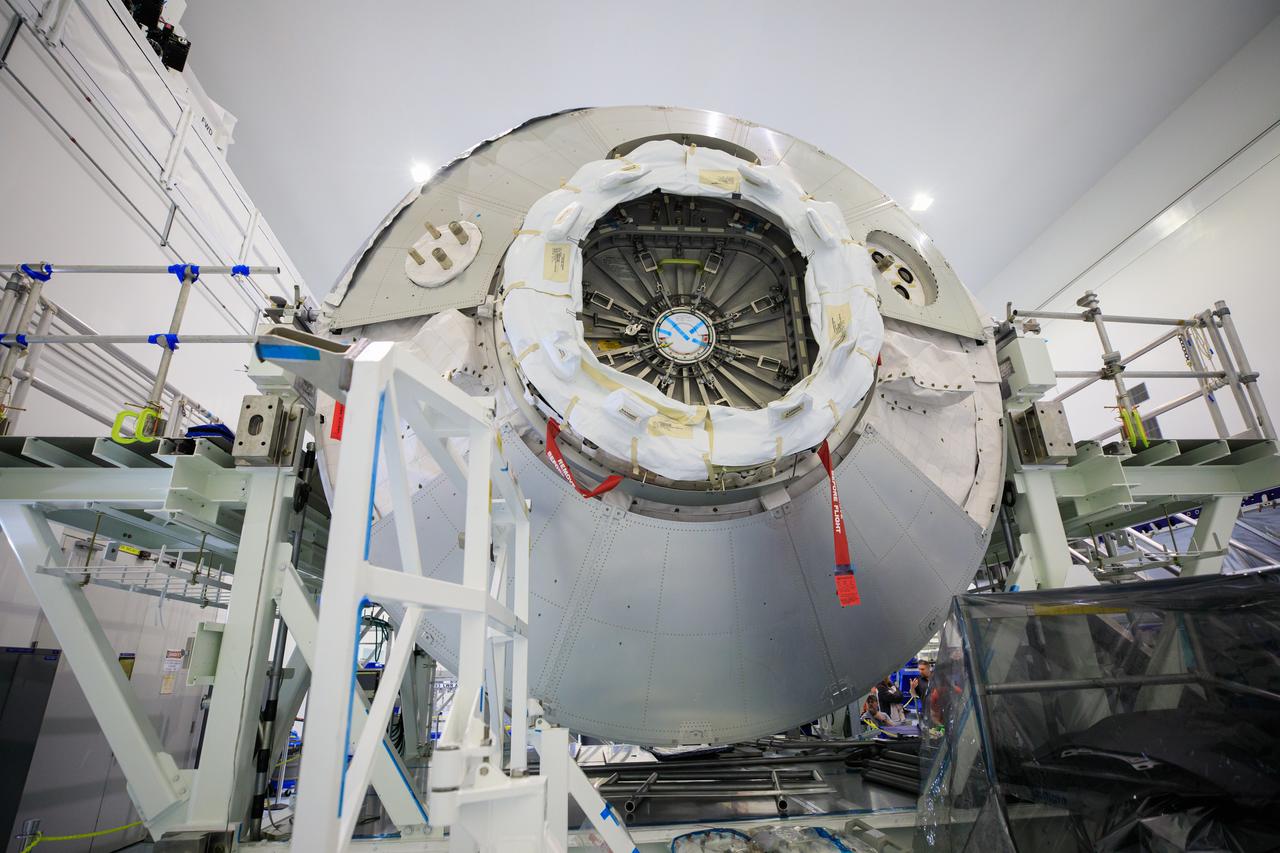
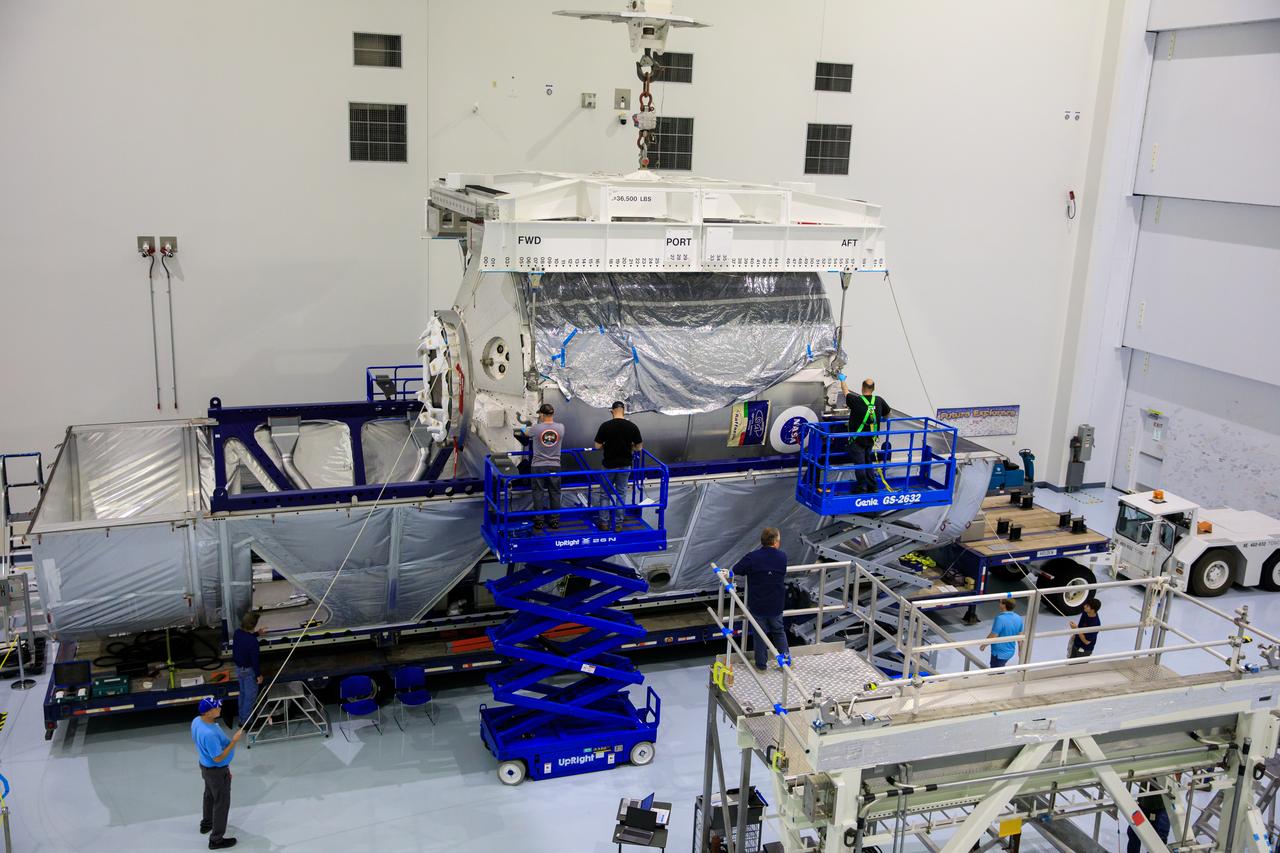
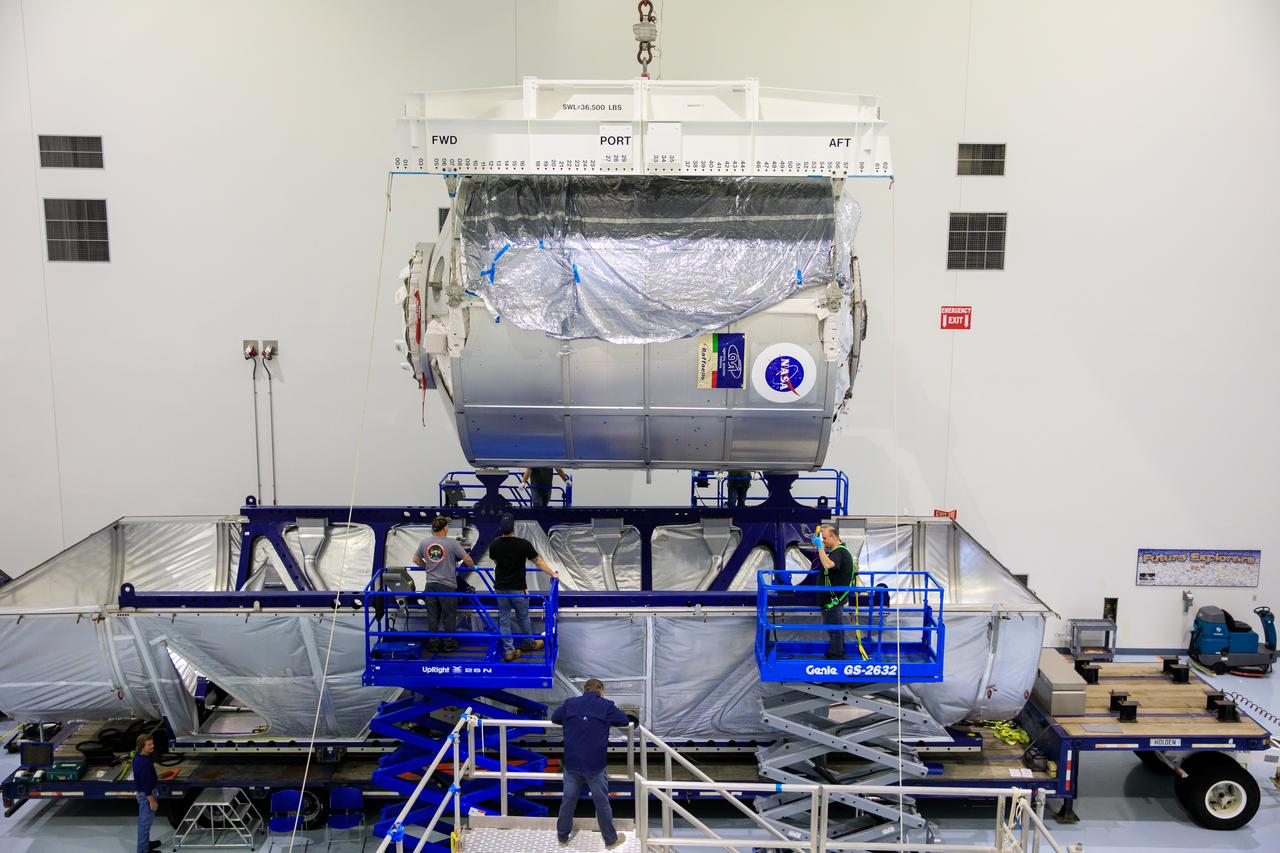
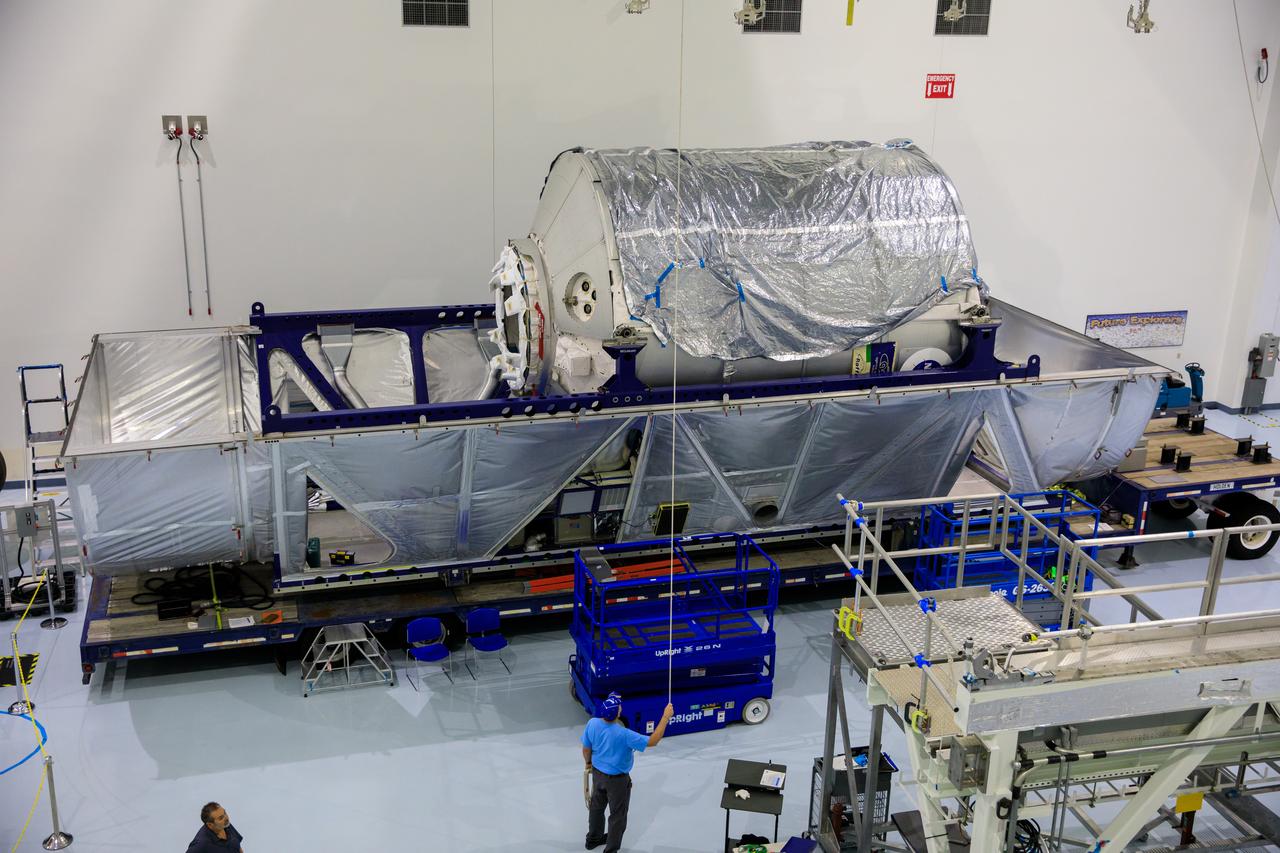
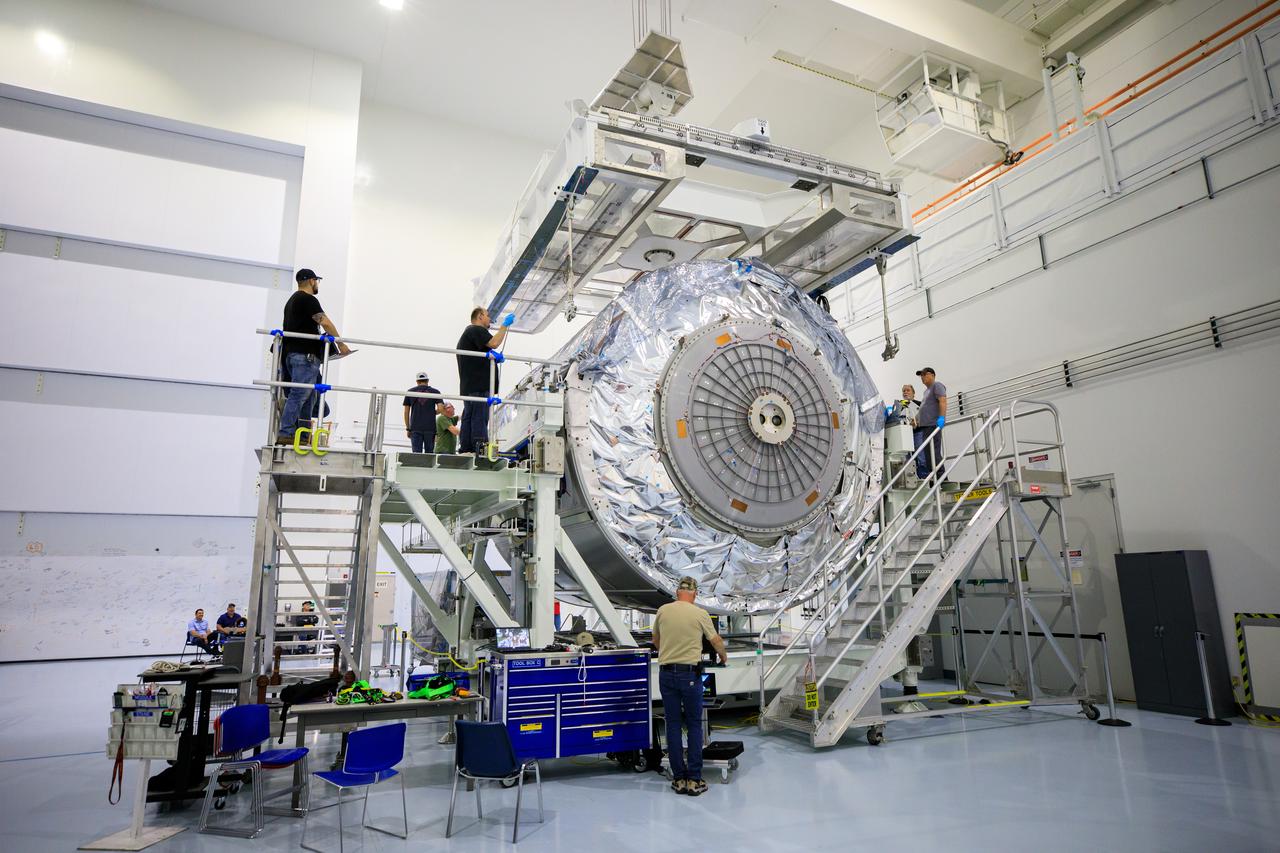
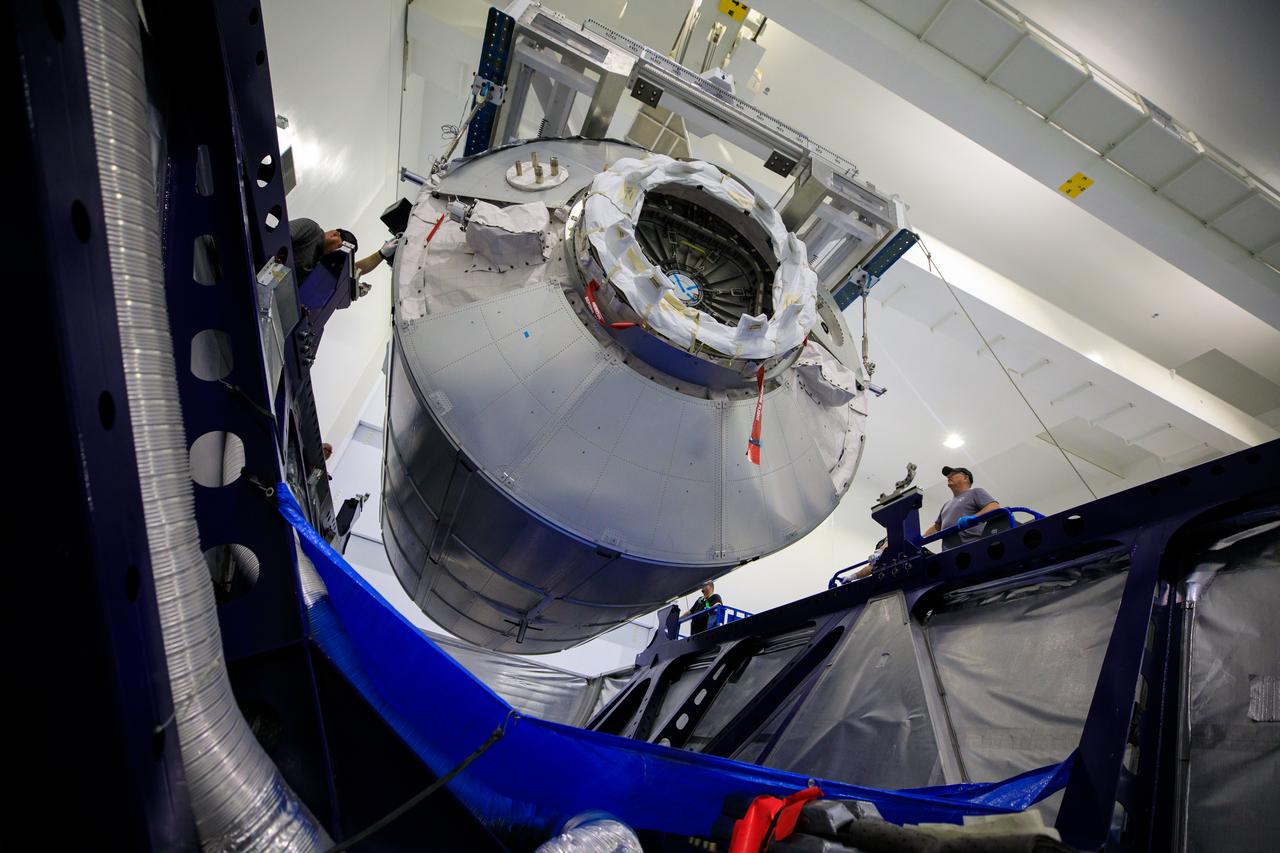
The Multi-Purpose Logistics Module (MPLM), used during the Space Shuttle Program to transfer cargo to and from the International Space Station, is hoisted up by crane inside the Space Station Processing Facility high bay at NASA’s Kennedy Space Center in Florida on April 20, 2023. The MPLM is being prepared for transport to Ellington Field in Houston, where it will then be transported by road to Axiom’s facility near Ellington to be utilized to further commercialization of space. Three MPLMs were built by Thales Alenia Space Italia (TASI) for the Italian Space Agency (ASI) and named after Italian masters (Leonardo, Raffaello, and Donatello). Only two ever flew to the space station, Leonardo and Raffaello, with Axiom intending to use Raffaello as a future element that will attach to a segment being built by the company for addition to the space station.
MPLM Hoist
The Multi-Purpose Logistics Module (MPLM), used during the Space Shuttle Program to transfer cargo to and from the International Space Station, is lowered by crane into its transport container inside the Space Station Processing Facility high bay at NASA’s Kennedy Space Center in Florida on April 20, 2023. The MPLM is being prepared for transport to Ellington Field in Houston, where it will then be transported by road to Axiom’s facility near Ellington to be utilized to further commercialization of space. Three MPLMs were built by Thales Alenia Space Italia (TASI) for the Italian Space Agency (ASI) and named after Italian masters (Leonardo, Raffaello, and Donatello). Only two ever flew to the space station, Leonardo and Raffaello, with Axiom intending to use Raffaello as a future element that will attach to a segment being built by the company for addition to the space station.
MPLM Hoist
The Multi-Purpose Logistics Module (MPLM), used during the Space Shuttle Program to transfer cargo to and from the International Space Station, is moved by crane inside the Space Station Processing Facility high bay at NASA’s Kennedy Space Center in Florida on April 20, 2023. The MPLM is being prepared for transport to Ellington Field in Houston, where it will then be transported by road to Axiom’s facility near Ellington to be utilized to further commercialization of space. Three MPLMs were built by Thales Alenia Space Italia (TASI) for the Italian Space Agency (ASI) and named after Italian masters (Leonardo, Raffaello, and Donatello). Only two ever flew to the space station, Leonardo and Raffaello, with Axiom intending to use Raffaello as a future element that will attach to a segment being built by the company for addition to the space station.
MPLM Hoist
The Multi-Purpose Logistics Module (MPLM), used during the Space Shuttle Program to transfer cargo to and from the International Space Station, is secured in a stand inside the Space Station Processing Facility high bay at NASA’s Kennedy Space Center in Florida on April 20, 2023. The MPLM is being prepared for transport to Ellington Field in Houston, where it will then be transported by road to Axiom’s facility near Ellington to be utilized to further commercialization of space. Three MPLMs were built by Thales Alenia Space Italia (TASI) for the Italian Space Agency (ASI) and named after Italian masters (Leonardo, Raffaello, and Donatello). Only two ever flew to the space station, Leonardo and Raffaello, with Axiom intending to use Raffaello as a future element that will attach to a segment being built by the company for addition to the space station.
MPLM Hoist
The Multi-Purpose Logistics Module (MPLM), used during the Space Shuttle Program to transfer cargo to and from the International Space Station, is lifted by crane inside the Space Station Processing Facility high bay at NASA’s Kennedy Space Center in Florida on April 20, 2023. The MPLM is being prepared for transport to Ellington Field in Houston, where it will then be transported by road to Axiom’s facility near Ellington to be utilized to further commercialization of space. Three MPLMs were built by Thales Alenia Space Italia (TASI) for the Italian Space Agency (ASI) and named after Italian masters (Leonardo, Raffaello, and Donatello). Only two ever flew to the space station, Leonardo and Raffaello, with Axiom intending to use Raffaello as a future element that will attach to a segment being built by the company for addition to the space station.
MPLM Hoist
The Multi-Purpose Logistics Module (MPLM), used during the Space Shuttle Program to transfer cargo to and from the International Space Station, is lowered by crane into its transport container inside the Space Station Processing Facility high bay at NASA’s Kennedy Space Center in Florida on April 20, 2023. The MPLM is being prepared for transport to Ellington Field in Houston, where it will then be transported by road to Axiom’s facility near Ellington to be utilized to further commercialization of space. Three MPLMs were built by Thales Alenia Space Italia (TASI) for the Italian Space Agency (ASI) and named after Italian masters (Leonardo, Raffaello, and Donatello). Only two ever flew to the space station, Leonardo and Raffaello, with Axiom intending to use Raffaello as a future element that will attach to a segment being built by the company for addition to the space station.
MPLM Hoist
The Multi-Purpose Logistics Module (MPLM), used during the Space Shuttle Program to transfer cargo to and from the International Space Station, is secured in its transport container inside the Space Station Processing Facility high bay at NASA’s Kennedy Space Center in Florida on April 20, 2023. The MPLM is being prepared for transport to Ellington Field in Houston, where it will then be transported by road to Axiom’s facility near Ellington to be utilized to further commercialization of space. Three MPLMs were built by Thales Alenia Space Italia (TASI) for the Italian Space Agency (ASI) and named after Italian masters (Leonardo, Raffaello, and Donatello). Only two ever flew to the space station, Leonardo and Raffaello, with Axiom intending to use Raffaello as a future element that will attach to a segment being built by the company for addition to the space station.
MPLM Hoist
The Multi-Purpose Logistics Module (MPLM), used during the Space Shuttle Program to transfer cargo to and from the International Space Station, is lowered by crane into its transport container inside the Space Station Processing Facility high bay at NASA’s Kennedy Space Center in Florida on April 20, 2023. The MPLM is being prepared for transport to Ellington Field in Houston, where it will then be transported by road to Axiom’s facility near Ellington to be utilized to further commercialization of space. Three MPLMs were built by Thales Alenia Space Italia (TASI) for the Italian Space Agency (ASI) and named after Italian masters (Leonardo, Raffaello, and Donatello). Only two ever flew to the space station, Leonardo and Raffaello, with Axiom intending to use Raffaello as a future element that will attach to a segment being built by the company for addition to the space station.
MPLM Hoist
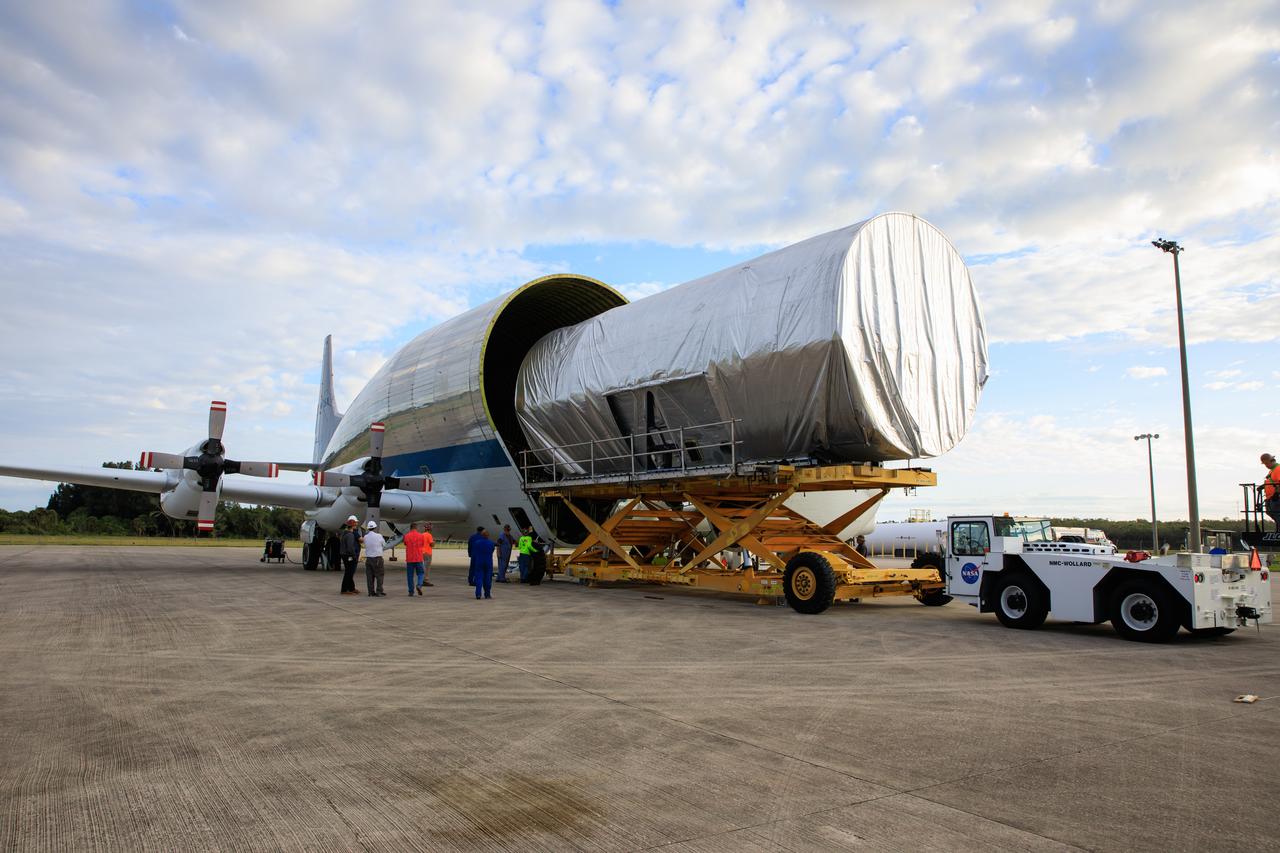
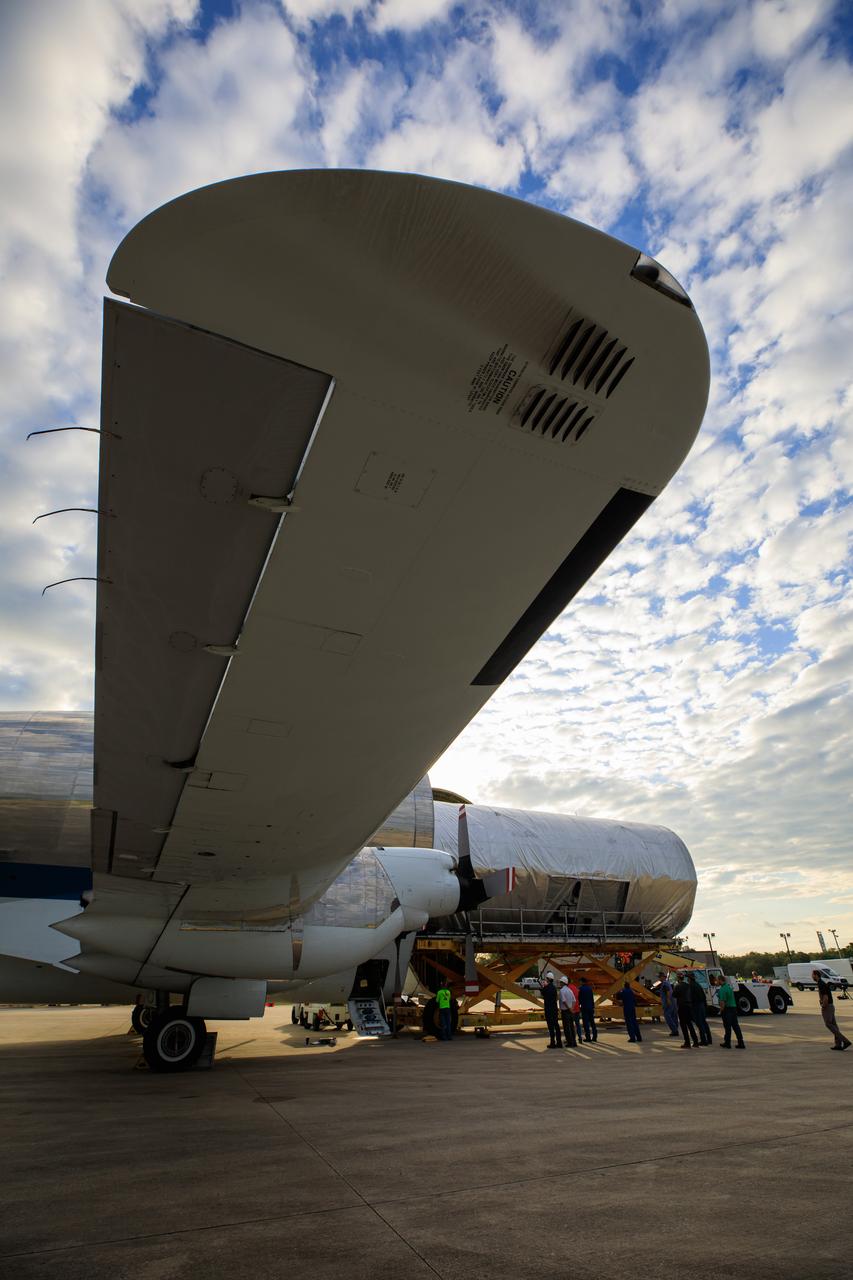
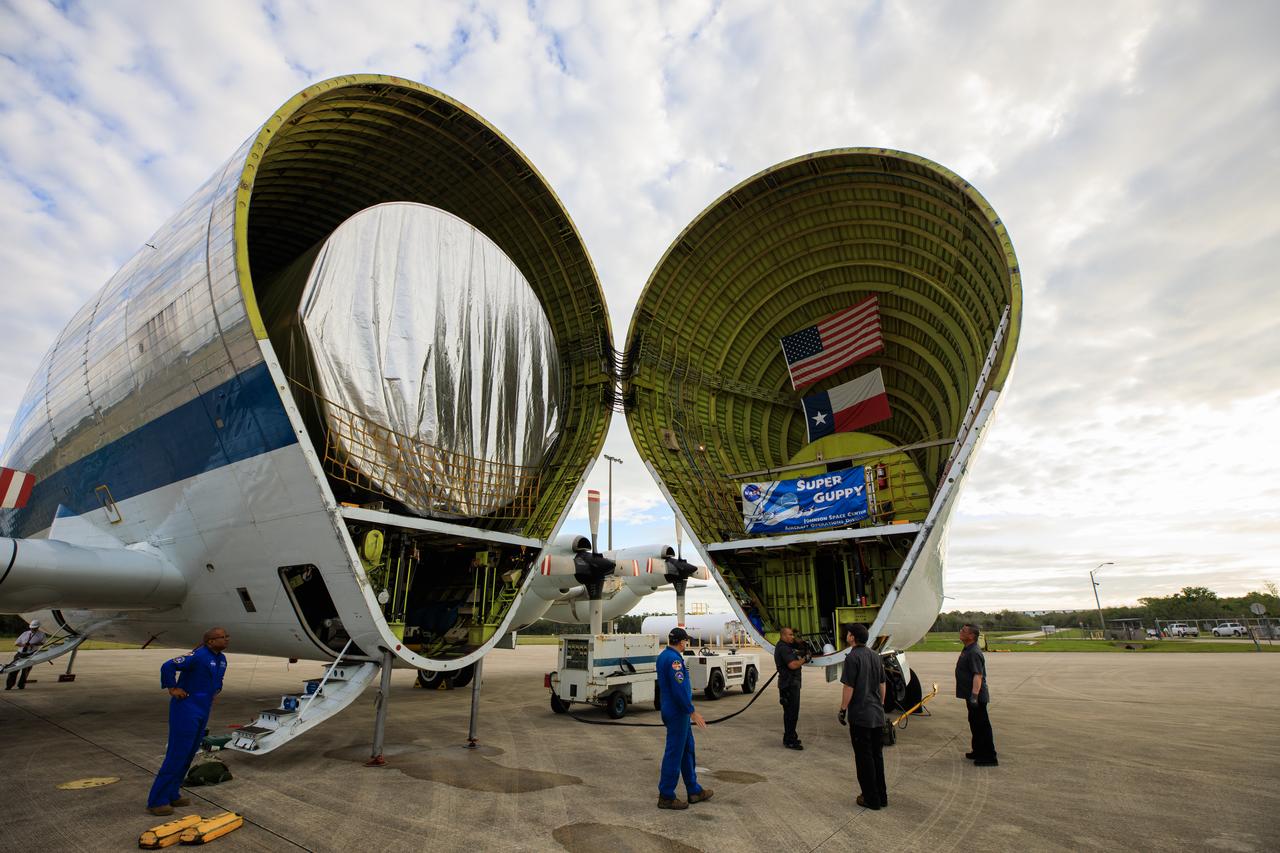
The Multi-Purpose Logistics Module (MPLM), used during the Space Shuttle Program to transfer cargo to and from the International Space Station, is loaded into NASA's Super Guppy aircraft at the Launch and Landing Facility runway at Kennedy Space Center in Florida on April 25, 2023. The MPLM will be transported to Ellington Field in Houston, where it will then be transported by road to Axiom’s facility near Ellington to be utilized to further commercialization of space. Three MPLMs were built by Thales Alenia Space Italia (TASI) for the Italian Space Agency (ASI) and named after Italian masters (Leonardo, Raffaello, and Donatello). Only two ever flew to the space station, Leonardo and Raffaello, with Axiom intending to use the Raffaello module as a future element that will attach to a segment being built by the company for addition to the station.
MPLM Transfer to Super Guppy
NASA's Super Guppy aircraft lifts off from the Launch and Landing Facility runway at Kennedy Space Center in Florida on April 25, 2023. Carrying the Multi-Purpose Logistics Module (MPLM), used during the Space Shuttle Program to transfer cargo to and from the International Space Station, the aircraft is transporting the module to Ellington Field in Houston, where it will then be transported by road to Axiom’s facility near Ellington to be utilized to further commercialization of space. Three MPLMs were built by Thales Alenia Space Italia (TASI) for the Italian Space Agency (ASI) and named after Italian masters (Leonardo, Raffaello, and Donatello). Only two ever flew to the space station, Leonardo and Raffaello, with Axiom intending to use the Raffaello module as a future element that will attach to a segment being built by the company for addition to the station.
MPLM Transfer to Super Guppy
The Multi-Purpose Logistics Module (MPLM), used during the Space Shuttle Program to transfer cargo to and from the International Space Station, is loaded into NASA's Super Guppy aircraft at the Launch and Landing Facility runway at Kennedy Space Center in Florida on April 25, 2023. The MPLM will be transported to Ellington Field in Houston, where it will then be transported by road to Axiom’s facility near Ellington to be utilized to further commercialization of space. Three MPLMs were built by Thales Alenia Space Italia (TASI) for the Italian Space Agency (ASI) and named after Italian masters (Leonardo, Raffaello, and Donatello). Only two ever flew to the space station, Leonardo and Raffaello, with Axiom intending to use the Raffaello module as a future element that will attach to a segment being built by the company for addition to the station.
MPLM Transfer to Super Guppy
The Multi-Purpose Logistics Module (MPLM), used during the Space Shuttle Program to transfer cargo to and from the International Space Station, is loaded into NASA's Super Guppy aircraft at the Launch and Landing Facility runway at Kennedy Space Center in Florida on April 25, 2023. The MPLM will be transported to Ellington Field in Houston, where it will then be transported by road to Axiom’s facility near Ellington to be utilized to further commercialization of space. Three MPLMs were built by Thales Alenia Space Italia (TASI) for the Italian Space Agency (ASI) and named after Italian masters (Leonardo, Raffaello, and Donatello). Only two ever flew to the space station, Leonardo and Raffaello, with Axiom intending to use the Raffaello module as a future element that will attach to a segment being built by the company for addition to the station.
MPLM Transfer to Super Guppy
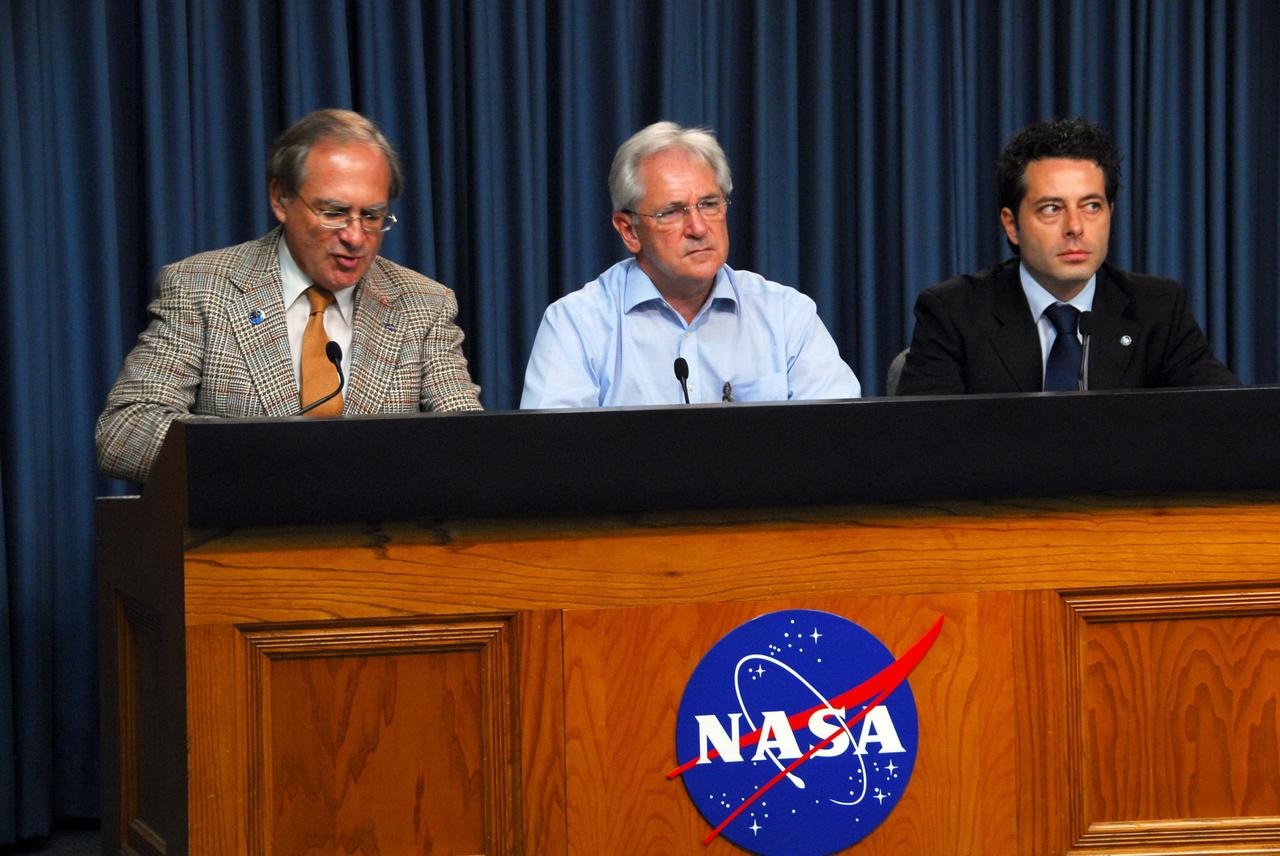
KENNEDY SPACE CENTER, FLA. -- Alan Thirkettle, the International Space Station Program Manager for ESA, the European Space Agency, and Mauro Piermaria, the ESPERIA mission manager for ASI, the Italian Space Agency, participate in a news briefing on the launch readiness of space shuttle mission STS-120.  The STS-120 mission will be the 23rd shuttle flight to the International Space Station, delivering the Italian-built U.S. Node 2, called Harmony. The seven-member crew includes ESA astronaut Paolo Nespoli from Italy. The 14-day mission includes five spacewalks -- four by shuttle crew members and one by the station's Expedition 16 crew -- to install Harmony and move the P6 solar arrays to their permanent position and deploy them. Launch aboard space shuttle Discovery is planned for 11:38 a.m. EDT Oct. 23, and Discovery is scheduled to complete its mission and return home on Nov. 6.  Photo credit: NASA/George Shelton
KSC-07pd2913
The Multi-Purpose Logistics Module (MPLM), used during the Space Shuttle Program to transfer cargo to and from the International Space Station, is loaded into NASA's Super Guppy aircraft at the Launch and Landing Facility runway at Kennedy Space Center in Florida on April 25, 2023. The MPLM will be transported to Ellington Field in Houston, where it will then be transported by road to Axiom’s facility near Ellington to be utilized to further commercialization of space. Three MPLMs were built by Thales Alenia Space Italia (TASI) for the Italian Space Agency (ASI) and named after Italian masters (Leonardo, Raffaello, and Donatello). Only two ever flew to the space station, Leonardo and Raffaello, with Axiom intending to use the Raffaello module as a future element that will attach to a segment being built by the company for addition to the station.
MPLM Transfer to Super Guppy
NASA's Super Guppy aircraft lifts off from the Launch and Landing Facility runway at Kennedy Space Center in Florida on April 25, 2023. Carrying the Multi-Purpose Logistics Module (MPLM), used during the Space Shuttle Program to transfer cargo to and from the International Space Station, the aircraft is transporting the module to Ellington Field in Houston, where it will then be transported by road to Axiom’s facility near Ellington to be utilized to further commercialization of space. Three MPLMs were built by Thales Alenia Space Italia (TASI) for the Italian Space Agency (ASI) and named after Italian masters (Leonardo, Raffaello, and Donatello). Only two ever flew to the space station, Leonardo and Raffaello, with Axiom intending to use the Raffaello module as a future element that will attach to a segment being built by the company for addition to the station.
MPLM Transfer to Super Guppy
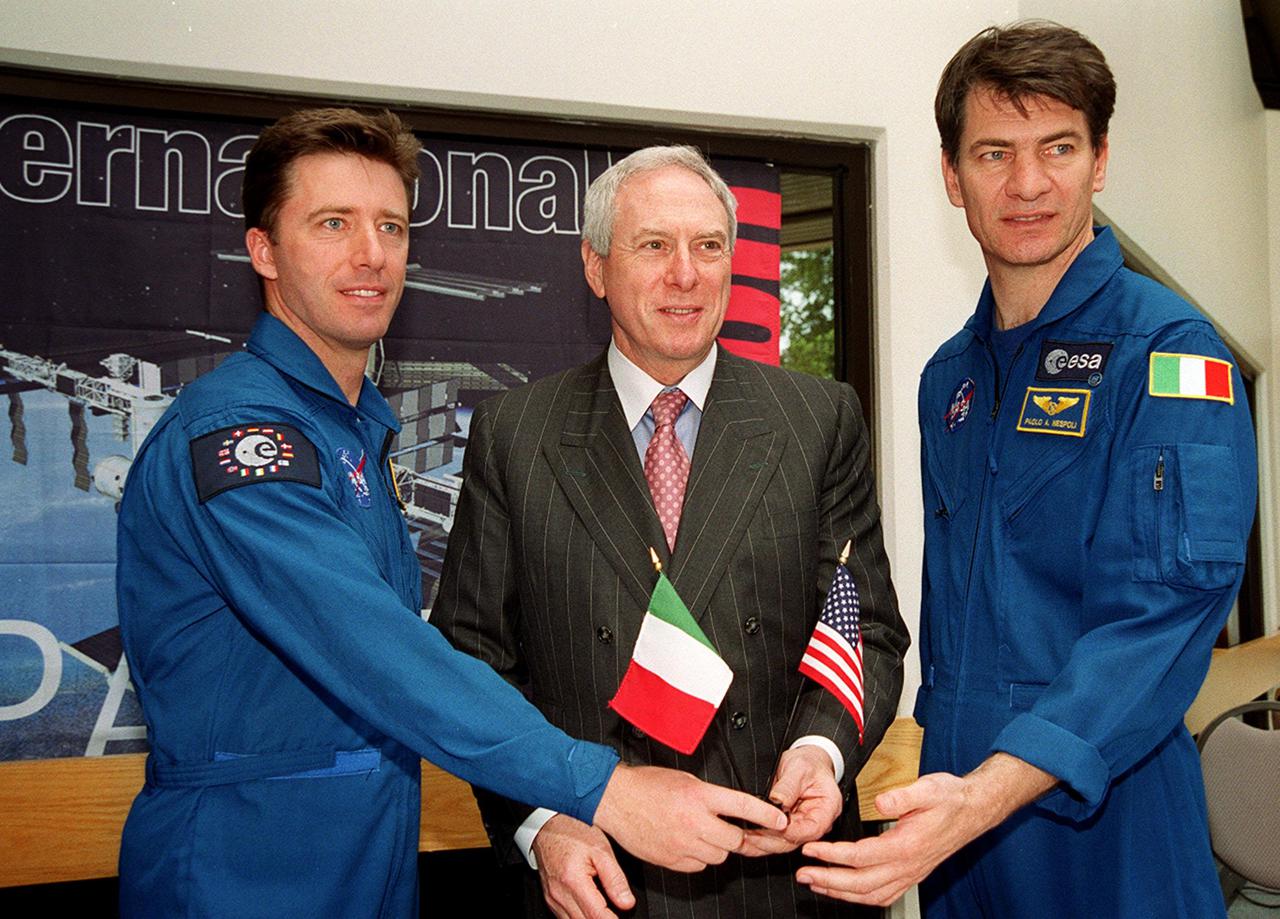
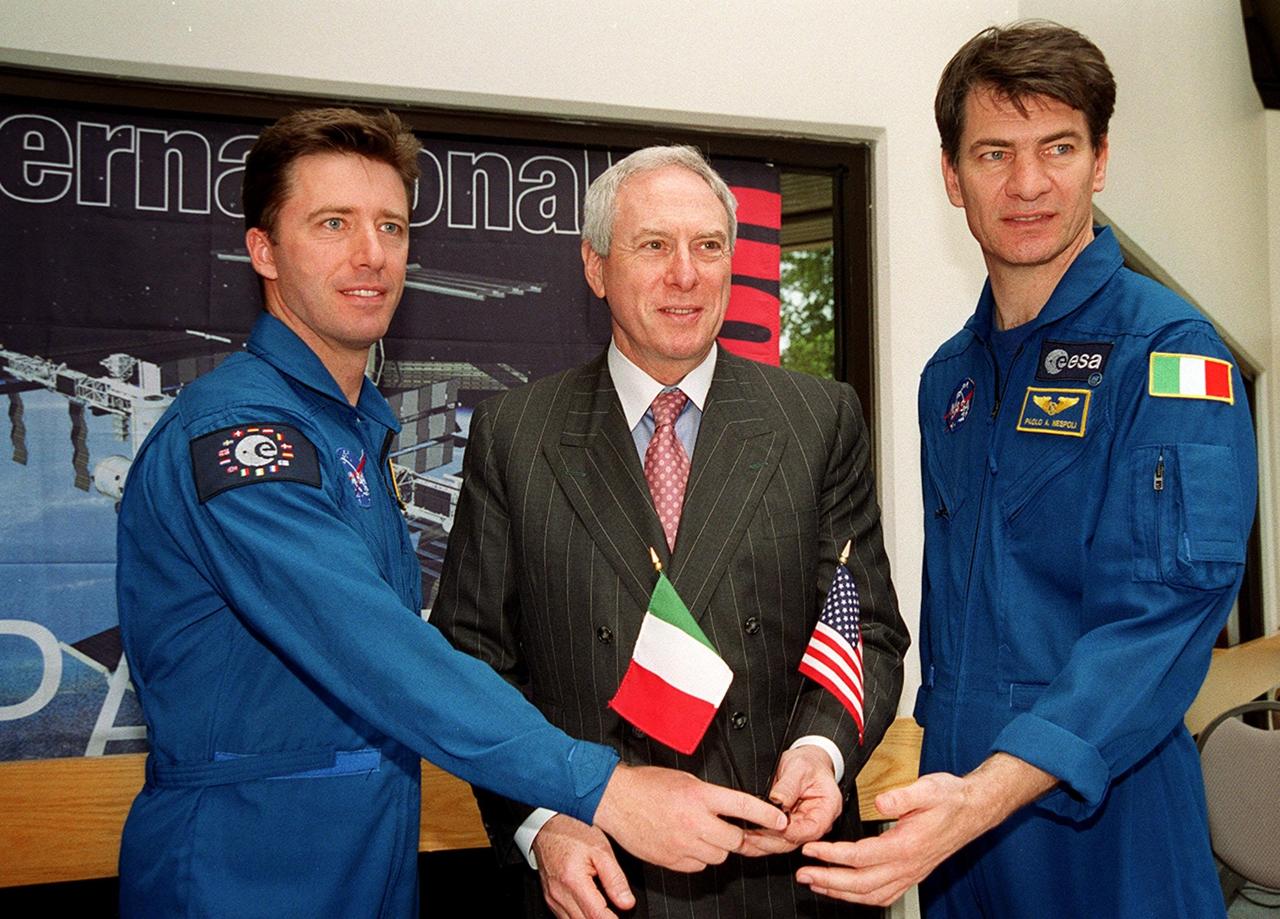
At a signing ceremony between the Italian Space Agency (ASI) and NASA for a Framework for Cooperation to build the Habitation Module for the International Space Station, Italian astronauts with the European Space Agency pose with NASA Administrator Daniel S. Goldin. On the left is Roberto Vittori and on the right is Paolo A. Nespoli. The Framework is a potential bilateral cooperative agreement that could result in ASI development of a U.S. Habitation Module for the International Space Station. This agreement allows the U.S. to explore an alternative approach to achieve full crew habitation for the ISS. A Memorandum of Understanding (MOU) between NASA and ASI will be required to formally document NASA and ASI’s respective responsibilities in a legally binding document. The Framework signed today would form the basis for a potential MOU which NASA and ASI would sign after completion of the program assessment and subsequent negotiations. The ceremony took place at the IMAX Theater, Kennedy Space Center Visitor Complex
KSC-01PP-0823
At a signing ceremony between the Italian Space Agency (ASI) and NASA for a Framework for Cooperation to build the Habitation Module for the International Space Station, Italian astronauts with the European Space Agency pose with NASA Administrator Daniel S. Goldin. On the left is Roberto Vittori and on the right is Paolo A. Nespoli. The Framework is a potential bilateral cooperative agreement that could result in ASI development of a U.S. Habitation Module for the International Space Station. This agreement allows the U.S. to explore an alternative approach to achieve full crew habitation for the ISS. A Memorandum of Understanding (MOU) between NASA and ASI will be required to formally document NASA and ASI’s respective responsibilities in a legally binding document. The Framework signed today would form the basis for a potential MOU which NASA and ASI would sign after completion of the program assessment and subsequent negotiations. The ceremony took place at the IMAX Theater, Kennedy Space Center Visitor Complex
KSC01pp0823
A payload briefing for NASA’s Imaging X-ray Polarimetry Explorer (IXPE) spacecraft is held on Dec.7, 2021 at NASA’s Kennedy Space Center in Florida. Participants from left are Elisabetta Cavazzuti, ASI IXPE program manager, Italian Space Agency; and Luca Baldini, Italian co-principal investigator, NASA’s Marshall Space Flight Center. IXPE is scheduled to launch no earlier than 1 a.m. EST Thursday, Dec. 9, on a SpaceX Falcon 9 rocket from Kennedy’s Launch Complex 39A. NASA’s Launch Services Program is managing this launch. NASA’s Marshall Space Flight Center in Huntsville, Alabama, manages the IXPE mission. Ball Aerospace, headquartered in Broomfield, Colorado, manages spacecraft operations with support from the University of Colorado at Boulder. NASA’s Goddard Space Flight Center in Greenbelt, Maryland, manages the Explorers Program for the agency’s Science Mission Directorate in Washington. The U.S. Space Force’s Space Launch Delta 45 provides range support for this launch. SpaceX is providing the launch vehicle for this mission.
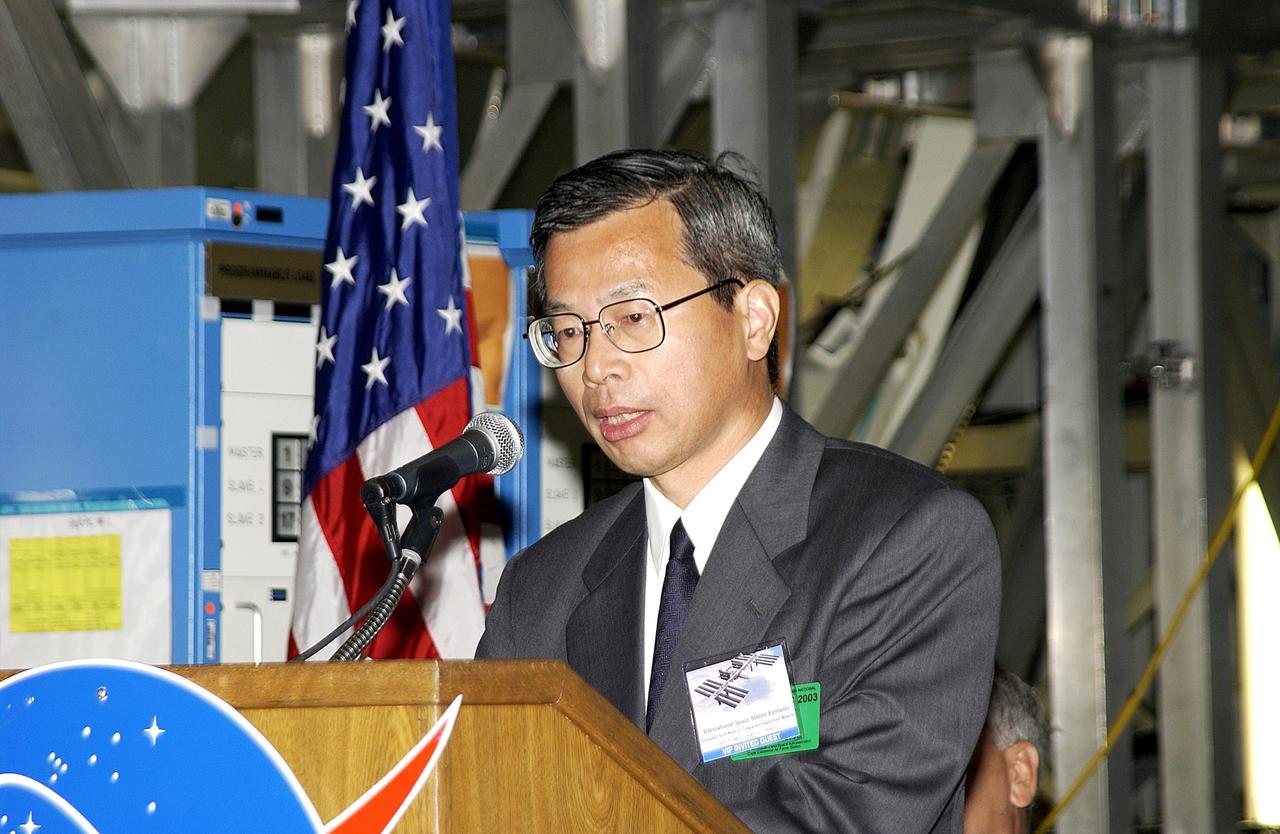
IXPE Payload Briefing
KENNEDY SPACE CENTER, FLA. -- At the Shuttle Landing Facility, the one-piece, upward-hinged main cargo door of the Airbus Industrie A300-600ST "Beluga" Super Transporter is open to offload its cargo, the second Multi-Purpose Logistics Module (MPLM) for the International Space Station (ISS). One of Italy's major contributions to the ISS program, the MPLM, named Raffaello, is a reusable logistics carrier and the primary delivery system used to resupply and return station cargo requiring a pressurized environment. Weighing nearly 4.5 tons, the module measures 21 feet long and 15 feet in diameter. Raffaello will join Leonardo, the first Italian-built MPLM, in the Space Station Processing Facility for testing. NASA, Boeing, the Italian Space Agency and Alenia Aerospazio will provide engineering support
KSC-99pp1011
KENNEDY SPACE CENTER, FLA. -- An Airbus Industrie A300-600ST "Beluga" Super Transporter touches down at the Shuttle Landing Facility to deliver its cargo, the second Multi-Purpose Logistics Module (MPLM) for the International Space Station (ISS). One of Italy's major contributions to the ISS program, the MPLM, named Raffaello, is a reusable logistics carrier and the primary delivery system used to resupply and return station cargo requiring a pressurized environment. Weighing nearly 4.5 tons, the module measures 21 feet long and 15 feet in diameter. Raffaello will join Leonardo, the first Italian-built MPLM, in the Space Station Processing Facility for testing. NASA, Boeing, the Italian Space Agency and Alenia Aerospazio will provide engineering support
KSC-99pp1004
KENNEDY SPACE CENTER, FLA. -- An Airbus Industrie A300-600ST "Beluga" Super Transporter lands in the rain at the Shuttle Landing Facility to deliver its cargo, the second Multi-Purpose Logistics Module (MPLM) for the International Space Station (ISS). One of Italy's major contributions to the ISS program, the MPLM, named Raffaello, is a reusable logistics carrier and the primary delivery system used to resupply and return station cargo requiring a pressurized environment. Weighing nearly 4.5 tons, the module measures 21 feet long and 15 feet in diameter. Raffaello will join Leonardo, the first Italian-built MPLM, in the Space Station Processing Facility for testing. NASA, Boeing, the Italian Space Agency and Alenia Aerospazio will provide engineering support
KSC-99pp1005
KENNEDY SPACE CENTER, FLA. -- An Airbus Industrie A300-600ST "Beluga" Super Transporter is reflected in the rain puddles as it comes to a stop at the Shuttle Landing Facility. The Beluga is carrying the Raffaello, the second Multi-Purpose Logistics Module (MPLM) for the International Space Station (ISS). One of Italy's major contributions to the ISS program, the MPLM is a reusable logistics carrier and the primary delivery system used to resupply and return station cargo requiring a pressurized environment. Weighing nearly 4.5 tons, the module measures 21 feet long and 15 feet in diameter. Raffaello will join Leonardo, the first Italian-built MPLM, in the Space Station Processing Facility for testing. NASA, Boeing, the Italian Space Agency and Alenia Aerospazio will provide engineering support
KSC-99pp1007
KENNEDY SPACE CENTER, FLA. -- An Airbus Industrie A300-600ST "Beluga" Super Transporter is reflected in the rain puddles as it taxis toward the mate/demate tower at the Shuttle Landing Facility. The Beluga is carrying the Raffaello, the second Multi-Purpose Logistics Module (MPLM) for the International Space Station (ISS). One of Italy's major contributions to the ISS program, the MPLM is a reusable logistics carrier and the primary delivery system used to resupply and return station cargo requiring a pressurized environment. Weighing nearly 4.5 tons, the module measures 21 feet long and 15 feet in diameter. Raffaello will join Leonardo, the first Italian-built MPLM, in the Space Station Processing Facility for testing. NASA, Boeing, the Italian Space Agency and Alenia Aerospazio will provide engineering support
KSC-99pp1006
KENNEDY SPACE CENTER, FLA. -- Inside the Space Station Processing Facility, two Multi-Purpose Logistics Modules, Italian-built Raffaello and Leonardo, undergo testing. Italy's major contributions to the International Space Station program, Raffaello and Leonardo are reusable logistics carriers to resupply and return Space Station cargo requiring a pressurized environment. They are slated as payloads on missions STS-102 and STS-100, respectively. Dates have not yet been determined for the two missions
KSC-00pp0294
KENNEDY SPACE CENTER, FLA. -- Inside the Space Station Processing Facility, two Multi-Purpose Logistics Modules, Italian-built Raffaello and Leonardo, undergo testing. Italy's major contributions to the International Space Station program, Raffaello and Leonardo are reusable logistics carriers to resupply and return Space Station cargo requiring a pressurized environment. They are slated as payloads on missions STS-102 and STS-100, respectively. Dates have not yet been determined for the two missions
KSC00pp0294
NASA’s Imaging X-Ray Polarimetry Explorer (IXPE) spacecraft and nose fairing are brought together for encapsulation inside SpaceX’s Payload Processing Facility at Kennedy Space Center in Florida on Dec. 2, 2021. The mission is scheduled to launch no earlier than Thursday, Dec. 9, at 1 a.m. EST, on a SpaceX Falcon 9 rocket from Launch Complex 39A at NASA’s Kennedy Space Center in Florida. IXPE is the first satellite dedicated to measuring the polarization of X-rays from a variety of cosmic sources, such as black holes and neutron stars.
NASA’s Imaging X-Ray Polarimetry Explorer (IXPE) Encapsulation
NASA’s Imaging X-Ray Polarimetry Explorer (IXPE) spacecraft and nose fairing are brought together for encapsulation inside SpaceX’s Payload Processing Facility at Kennedy Space Center in Florida on Dec. 2, 2021. The mission is scheduled to launch no earlier than Thursday, Dec. 9, at 1 a.m. EST, on a SpaceX Falcon 9 rocket from Launch Complex 39A at NASA’s Kennedy Space Center in Florida. IXPE is the first satellite dedicated to measuring the polarization of X-rays from a variety of cosmic sources, such as black holes and neutron stars.
NASA’s Imaging X-Ray Polarimetry Explorer (IXPE) Encapsulation
Giorgio Saccoccia Head of the Italian Space Agency (ASI), left, and NASA Administrator Jim Bridenstine shake hands after signing a joint statement acknowledging the strong ongoing cooperation between the agencies, and identifying areas of potential future cooperation on and around the Moon as part of NASA’s Artemis program at the 70th International Astronautical Congress, Wednesday, Oct. 23, 2019 in Washington. Photo Credit: (NASA/Joel Kowsky)
70th International Astronautical Congress
Giorgio Saccoccia Head of the Italian Space Agency (ASI), left, and NASA Administrator Jim Bridenstine sign a joint statement acknowledging the strong ongoing cooperation between the agencies, and identifying areas of potential future cooperation on and around the Moon as part of NASA’s Artemis program at the 70th International Astronautical Congress, Wednesday, Oct. 23, 2019 in Washington. Photo Credit: (NASA/Joel Kowsky)
70th International Astronautical Congress
Elisabetta Cavazzuti, ASI IXPE program manager, Italian Space Agency, participates in a payload briefing for NASA’s Imaging X-ray Polarimetry Explorer (IXPE) spacecraft on Dec.7, 2021 at NASA’s Kennedy Space Center in Florida. IXPE is scheduled to launch no earlier than 1 a.m. EST Thursday, Dec. 9, on a SpaceX Falcon 9 rocket from Kennedy’s Launch Complex 39A. NASA’s Launch Services Program is managing this launch. NASA’s Marshall Space Flight Center in Huntsville, Alabama, manages the IXPE mission. Ball Aerospace, headquartered in Broomfield, Colorado, manages spacecraft operations with support from the University of Colorado at Boulder. NASA’s Goddard Space Flight Center in Greenbelt, Maryland, manages the Explorers Program for the agency’s Science Mission Directorate in Washington. The U.S. Space Force’s Space Launch Delta 45 provides range support for this launch. SpaceX is providing the launch vehicle for this mission.
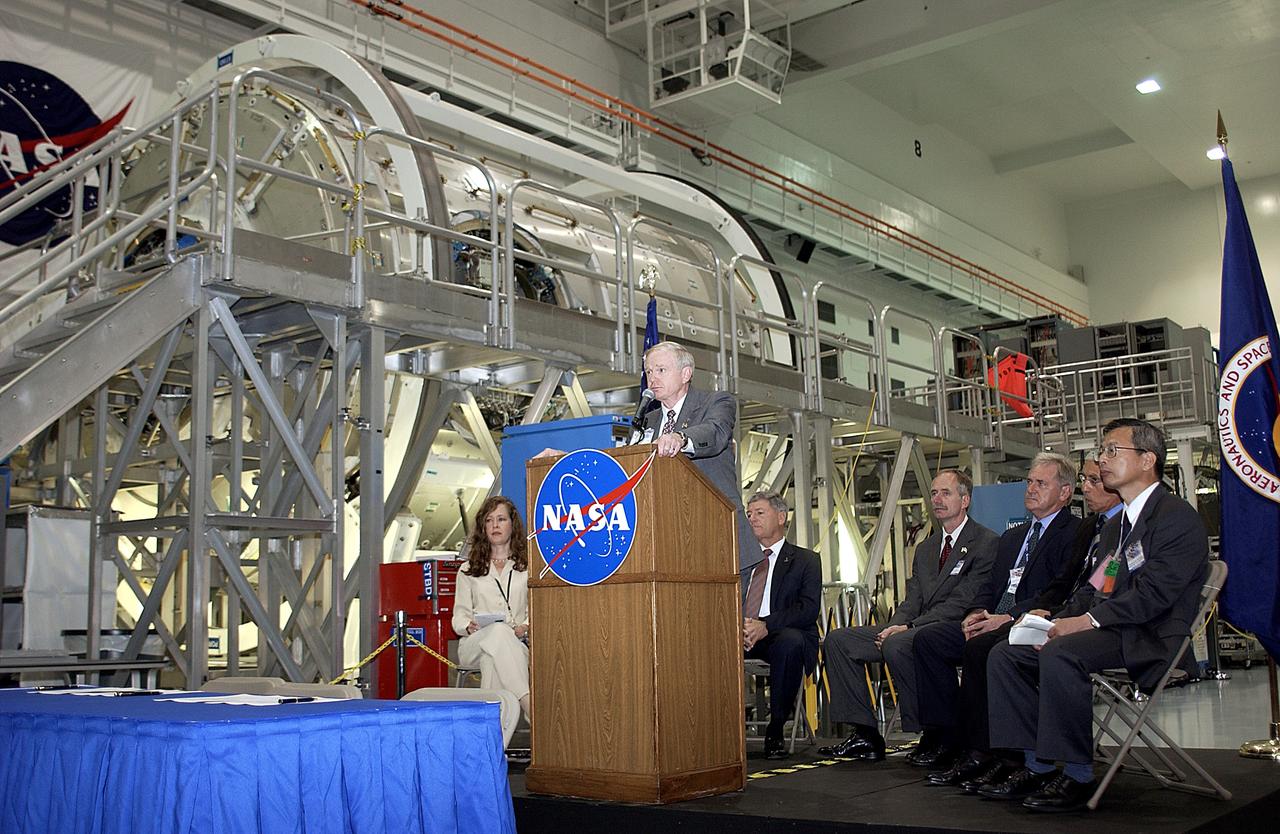
IXPE Payload Briefing
KENNEDY SPACE CENTER, FLA. -- Inside a high bay in the Space Station Processing Facility (SSPF), workers on the floor oversee the transfer of the Multi-Purpose Logistics Module (MPLM) called Raffaello to a workstand where it will undergo testing. Sharing the space in the SSPF is the first Italian-built MPLM, Leonardo, seen at right, and the U.S. Lab, Destiny, in the background. One of Italy's major contributions to the ISS program, the MPLM is a reusable logistics carrier and the primary delivery system used to resupply and return station cargo requiring a pressurized environment. Weighing nearly 4.5 tons, the Raffaello measures 21 feet long and 15 feet in diameter. Raffaello is scheduled to be launched on mission STS-100 July 27, 2000
KSC-99pp1024
KENNEDY SPACE CENTER, FLA. -- The Multi-Purpose Logistics Module (MPLM) called Raffaello sits on a transporter waiting for transfer to the Space Station Processing Facility (SSPF). At the SSPF the Raffaello will undergo testing, joining the first Italian-built MPLM, Leonardo. One of Italy's major contributions to the ISS program, the MPLM is a reusable logistics carrier and the primary delivery system used to resupply and return station cargo requiring a pressurized environment. Weighing nearly 4.5 tons, the Raffaello measures 21 feet long and 15 feet in diameter. Raffaello is scheduled to be launched on mission STS-100 July 27, 2000
KSC-99pp1018
KENNEDY SPACE CENTER, FLA. -- The Multi-Purpose Logistics Module (MPLM) called Raffaello arrives in its shipping canister at the Space Station Processing Facility (SSPF). There it will undergo testing, joining the first Italian-built MPLM, Leonardo, in the SSPF. One of Italy's major contributions to the ISS program, the MPLM is a reusable logistics carrier and the primary delivery system used to resupply and return station cargo requiring a pressurized environment. Weighing nearly 4.5 tons, the Raffaello measures 21 feet long and 15 feet in diameter. Raffaello is scheduled to be launched on mission STS-100 July 27, 2000
KSC-99pp1019
KENNEDY SPACE CENTER, FLA. -- Inside a high bay in the Space Station Processing Facility (SSPF), the Multi-Purpose Logistics Module (MPLM) called Raffaello waits for transfer to a workstand. There it will undergo testing, joining the first Italian-built MPLM, Leonardo, in the SSPF. One of Italy's major contributions to the ISS program, the MPLM is a reusable logistics carrier and the primary delivery system used to resupply and return station cargo requiring a pressurized environment. Weighing nearly 4.5 tons, the Raffaello measures 21 feet long and 15 feet in diameter. Raffaello is scheduled to be launched on mission STS-100 July 27, 2000
KSC-99pp1022
KENNEDY SPACE CENTER, FLA. -- Workers oversee the placement of the Multi-Purpose Logistics Module (MPLM) called Raffaello as a crane lowers it onto a workstand in the Space Station Processing Facility (SSPF). One of Italy's major contributions to the ISS program, the MPLM is a reusable logistics carrier and the primary delivery system used to resupply and return station cargo requiring a pressurized environment. Weighing nearly 4.5 tons, the Raffaello measures 21 feet long and 15 feet in diameter. Raffaello will undergo testing. joining the first Italian-built MPLM, Leonardo, also in the SSPF. Raffaello is scheduled to be launched on mission STS-100 on July 27, 2000
KSC-99pp1026
KENNEDY SPACE CENTER, FLA. -- Inside a high bay in the Space Station Processing Facility (SSPF), the Multi-Purpose Logistics Module (MPLM) called Raffaello is lifted out of its canister by an overhead crane. It will be moved to a workstand to undergo testing. Raffaello joins the first Italian-built MPLM, Leonardo, in the SSPF. One of Italy's major contributions to the ISS program, the MPLM is a reusable logistics carrier and the primary delivery system used to resupply and return station cargo requiring a pressurized environment. Weighing nearly 4.5 tons, the Raffaello measures 21 feet long and 15 feet in diameter. Raffaello is scheduled to be launched on mission STS-100 July 27, 2000
KSC-99pp1023
KENNEDY SPACE CENTER, FLA. -- Inside a high bay of the Space Station Processing Facility (SSPF), workers begin removing the shipping canister from around the Multi-Purpose Logistics Module (MPLM) called Raffaello. After transfer to a workstand, the MPLM will undergo testing, joining the first Italian-built MPLM, Leonardo, in the SSPF. One of Italy's major contributions to the ISS program, the MPLM is a reusable logistics carrier and the primary delivery system used to resupply and return station cargo requiring a pressurized environment. Weighing nearly 4.5 tons, the Raffaello measures 21 feet long and 15 feet in diameter. Raffaello is scheduled to be launched on mission STS-100 July 27, 2000
KSC-99pp1020
KENNEDY SPACE CENTER, FLA. -- Cranes supporting the Multi-Purpose Logistics Module (MPLM) called Raffaello lower it onto a transporter for transfer to the Space Station Processing Facility (SSPF). At the SSPF the Raffaello will undergo testing, joining the first Italian-built MPLM, Leonardo. One of Italy's major contributions to the ISS program, the MPLM is a reusable logistics carrier and the primary delivery system used to resupply and return station cargo requiring a pressurized environment. Weighing nearly 4.5 tons, the Raffaello measures 21 feet long and 15 feet in diameter. Raffaello is scheduled to be launched on mission STS-100 July 27, 2000
KSC-99pp1017
KENNEDY SPACE CENTER, FLA. -- Inside a high bay of the Space Station Processing Facility (SSPF), workers remove the top of the shipping canister from the Multi-Purpose Logistics Module (MPLM) called Raffaello. After transfer to a workstand, the MPLM will undergo testing, joining the first Italian-built MPLM, Leonardo, in the SSPF. One of Italy's major contributions to the ISS program, the MPLM is a reusable logistics carrier and the primary delivery system used to resupply and return station cargo requiring a pressurized environment. Weighing nearly 4.5 tons, the Raffaello measures 21 feet long and 15 feet in diameter. Raffaello is scheduled to be launched on mission STS-100 July 27, 2000
KSC-99pp1021
A SpaceX Falcon 9 rocket roars off the launch pad at Launch Complex 39A at NASA’s Kennedy Space Center in Florida at 1 a.m. EST on Thursday, Dec. 9, 2021, carrying NASA’s Imaging X-ray Polarimetry Explorer (IXPE) spacecraft. NASA’s Launch Services Program managed this launch. NASA’s Marshall Space Flight Center in Huntsville, Alabama, manages the IXPE mission. Ball Aerospace, headquartered in Broomfield, Colorado, manages spacecraft operations with support from the University of Colorado at Boulder. NASA’s Goddard Space Flight Center in Greenbelt, Maryland, manages the Explorers Program for the agency’s Science Mission Directorate in Washington. The IXPE spacecraft includes three space telescopes with sensitive detectors capable of measuring the polarization of cosmic X-rays, allowing scientists to answer fundamental questions about extremely complex environments in space where gravitational, electric, and magnetic fields are at their limits. The project is a collaboration between NASA and the Italian Space Agency.
IXPE Liftoff
A SpaceX Falcon 9 rocket roars off the launch pad at Launch Complex 39A at NASA’s Kennedy Space Center in Florida at 1 a.m. EST on Thursday, Dec. 9, 2021, carrying NASA’s Imaging X-ray Polarimetry Explorer (IXPE) spacecraft. NASA’s Launch Services Program managed this launch. NASA’s Marshall Space Flight Center in Huntsville, Alabama, manages the IXPE mission. Ball Aerospace, headquartered in Broomfield, Colorado, manages spacecraft operations with support from the University of Colorado at Boulder. NASA’s Goddard Space Flight Center in Greenbelt, Maryland, manages the Explorers Program for the agency’s Science Mission Directorate in Washington. The IXPE spacecraft includes three space telescopes with sensitive detectors capable of measuring the polarization of cosmic X-rays, allowing scientists to answer fundamental questions about extremely complex environments in space where gravitational, electric, and magnetic fields are at their limits. The project is a collaboration between NASA and the Italian Space Agency.
IXPE Liftoff
A SpaceX Falcon 9 rocket roars off the launch pad at Launch Complex 39A at NASA’s Kennedy Space Center in Florida at 1 a.m. EST on Thursday, Dec. 9, 2021, carrying NASA’s Imaging X-ray Polarimetry Explorer (IXPE) spacecraft. NASA’s Launch Services Program managed this launch. NASA’s Marshall Space Flight Center in Huntsville, Alabama, manages the IXPE mission. Ball Aerospace, headquartered in Broomfield, Colorado, manages spacecraft operations with support from the University of Colorado at Boulder. NASA’s Goddard Space Flight Center in Greenbelt, Maryland, manages the Explorers Program for the agency’s Science Mission Directorate in Washington. The IXPE spacecraft includes three space telescopes with sensitive detectors capable of measuring the polarization of cosmic X-rays, allowing scientists to answer fundamental questions about extremely complex environments in space where gravitational, electric, and magnetic fields are at their limits. The project is a collaboration between NASA and the Italian Space Agency.
IXPE Liftoff
A SpaceX Falcon 9 rocket roars off the launch pad at Launch Complex 39A at NASA’s Kennedy Space Center in Florida at 1 a.m. EST on Thursday, Dec. 9, 2021, carrying NASA’s Imaging X-ray Polarimetry Explorer (IXPE) spacecraft. NASA’s Launch Services Program managed this launch. NASA’s Marshall Space Flight Center in Huntsville, Alabama, manages the IXPE mission. Ball Aerospace, headquartered in Broomfield, Colorado, manages spacecraft operations with support from the University of Colorado at Boulder. NASA’s Goddard Space Flight Center in Greenbelt, Maryland, manages the Explorers Program for the agency’s Science Mission Directorate in Washington. The IXPE spacecraft includes three space telescopes with sensitive detectors capable of measuring the polarization of cosmic X-rays, allowing scientists to answer fundamental questions about extremely complex environments in space where gravitational, electric, and magnetic fields are at their limits. The project is a collaboration between NASA and the Italian Space Agency.
IXPE Liftoff
A SpaceX Falcon 9 rocket roars off the launch pad at Launch Complex 39A at NASA’s Kennedy Space Center in Florida at 1 a.m. EST on Thursday, Dec. 9, 2021, carrying NASA’s Imaging X-ray Polarimetry Explorer (IXPE) spacecraft. NASA’s Launch Services Program managed this launch. NASA’s Marshall Space Flight Center in Huntsville, Alabama, manages the IXPE mission. Ball Aerospace, headquartered in Broomfield, Colorado, manages spacecraft operations with support from the University of Colorado at Boulder. NASA’s Goddard Space Flight Center in Greenbelt, Maryland, manages the Explorers Program for the agency’s Science Mission Directorate in Washington. The IXPE spacecraft includes three space telescopes with sensitive detectors capable of measuring the polarization of cosmic X-rays, allowing scientists to answer fundamental questions about extremely complex environments in space where gravitational, electric, and magnetic fields are at their limits. The project is a collaboration between NASA and the Italian Space Agency.
IXPE Liftoff
A SpaceX Falcon 9 rocket roars off the launch pad at Launch Complex 39A at NASA’s Kennedy Space Center in Florida at 1 a.m. EST on Thursday, Dec. 9, 2021, carrying NASA’s Imaging X-ray Polarimetry Explorer (IXPE) spacecraft. NASA’s Launch Services Program managed this launch. NASA’s Marshall Space Flight Center in Huntsville, Alabama, manages the IXPE mission. Ball Aerospace, headquartered in Broomfield, Colorado, manages spacecraft operations with support from the University of Colorado at Boulder. NASA’s Goddard Space Flight Center in Greenbelt, Maryland, manages the Explorers Program for the agency’s Science Mission Directorate in Washington. The IXPE spacecraft includes three space telescopes with sensitive detectors capable of measuring the polarization of cosmic X-rays, allowing scientists to answer fundamental questions about extremely complex environments in space where gravitational, electric, and magnetic fields are at their limits. The project is a collaboration between NASA and the Italian Space Agency.
IXPE Liftoff
A SpaceX Falcon 9 rocket roars off the launch pad at Launch Complex 39A at NASA’s Kennedy Space Center in Florida at 1 a.m. EST on Thursday, Dec. 9, 2021, carrying NASA’s Imaging X-ray Polarimetry Explorer (IXPE) spacecraft. NASA’s Launch Services Program managed this launch. NASA’s Marshall Space Flight Center in Huntsville, Alabama, manages the IXPE mission. Ball Aerospace, headquartered in Broomfield, Colorado, manages spacecraft operations with support from the University of Colorado at Boulder. NASA’s Goddard Space Flight Center in Greenbelt, Maryland, manages the Explorers Program for the agency’s Science Mission Directorate in Washington. The IXPE spacecraft includes three space telescopes with sensitive detectors capable of measuring the polarization of cosmic X-rays, allowing scientists to answer fundamental questions about extremely complex environments in space where gravitational, electric, and magnetic fields are at their limits. The project is a collaboration between NASA and the Italian Space Agency.
IXPE Liftoff
A SpaceX Falcon 9 rocket roars off the launch pad at Launch Complex 39A at NASA’s Kennedy Space Center in Florida at 1 a.m. EST on Thursday, Dec. 9, 2021, carrying NASA’s Imaging X-ray Polarimetry Explorer (IXPE) spacecraft. NASA’s Launch Services Program managed this launch. NASA’s Marshall Space Flight Center in Huntsville, Alabama, manages the IXPE mission. Ball Aerospace, headquartered in Broomfield, Colorado, manages spacecraft operations with support from the University of Colorado at Boulder. NASA’s Goddard Space Flight Center in Greenbelt, Maryland, manages the Explorers Program for the agency’s Science Mission Directorate in Washington. The IXPE spacecraft includes three space telescopes with sensitive detectors capable of measuring the polarization of cosmic X-rays, allowing scientists to answer fundamental questions about extremely complex environments in space where gravitational, electric, and magnetic fields are at their limits. The project is a collaboration between NASA and the Italian Space Agency.
IXPE Liftoff
Luca Baldini, Italian co-principal investigator, National Institute for Nuclear Physics, participates in a payload briefing for NASA’s Imaging X-ray Polarimetry Explorer (IXPE) spacecraft on Dec.7, 2021 at NASA’s Kennedy Space Center in Florida. IXPE is scheduled to launch no earlier than 1 a.m. EST Thursday, Dec. 9, on a SpaceX Falcon 9 rocket from Kennedy’s Launch Complex 39A. NASA’s Launch Services Program is managing this launch. NASA’s Marshall Space Flight Center in Huntsville, Alabama, manages the IXPE mission. Ball Aerospace, headquartered in Broomfield, Colorado, manages spacecraft operations with support from the University of Colorado at Boulder. NASA’s Goddard Space Flight Center in Greenbelt, Maryland, manages the Explorers Program for the agency’s Science Mission Directorate in Washington. The U.S. Space Force’s Space Launch Delta 45 provides range support for this launch. SpaceX is providing the launch vehicle for this mission.
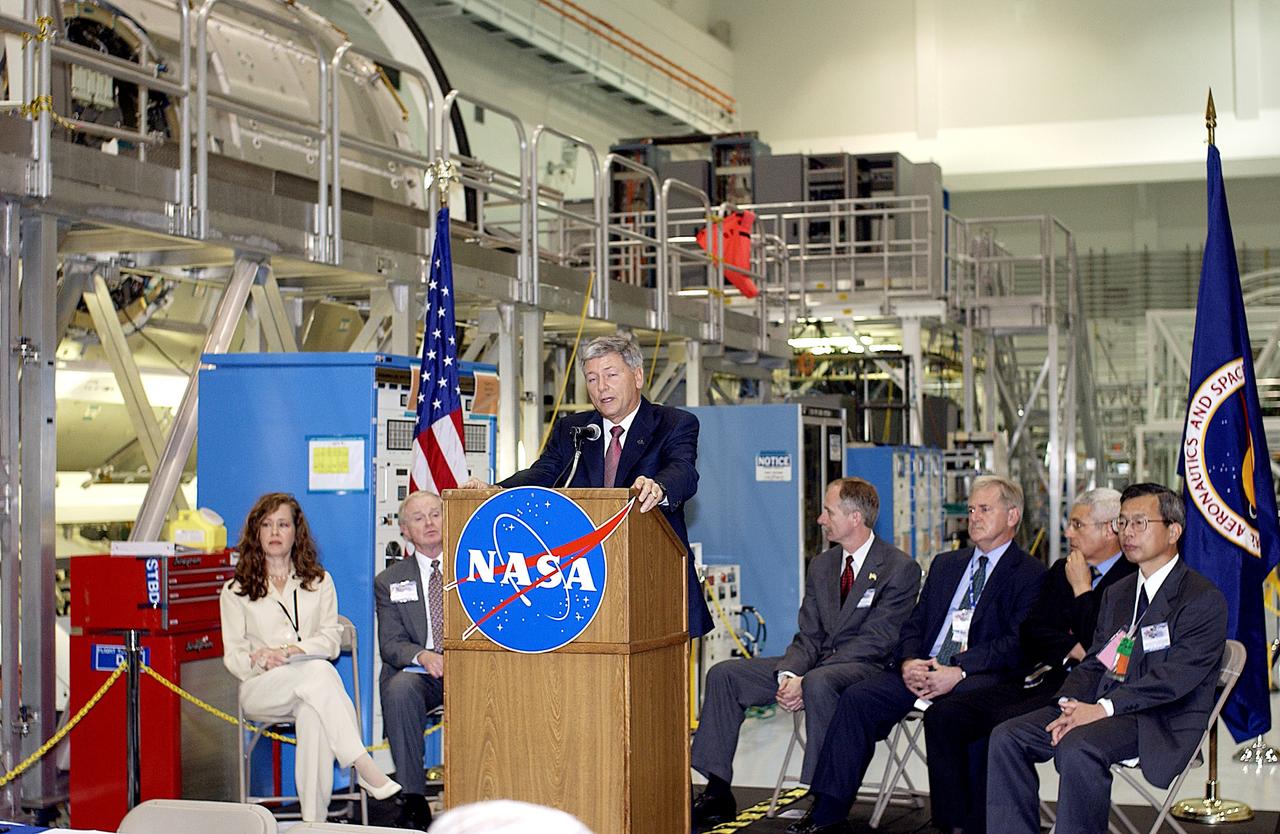
IXPE Payload Briefing
STS046-12-009 (31 July-8 Aug. 1992) --- The seven crew members for the STS-46 mission pose for the traditional in-flight portrait onboard the Earth-orbiting space shuttle Atlantis. In the rear are, left to right, astronauts Loren J. Shriver, commander; Andrew M. Allen, pilot; and Franklin R. Chang-Diaz, mission specialist. In front are, left to right, Swiss scientist Claude Nicollier, mission specialist representing the European Space Agency (ESA); astronaut Jeffrey A. Hoffman, payload commander; astronaut Marsha S. Ivins, mission specialist; and Franco Malerba, payload specialist representing the Italian Space Agency (ASI).
STS-46 crew poses for onboard (in-space) portrait on OV-104's middeck
KENNEDY SPACE CENTER, FLA. -- Representatives of NASA's international partners participate in a news briefing on the launch readiness of space shuttle mission STS-120. From left are George Diller, briefing moderator for NASA; Alan Thirkettle, International Space Station Program Manager for ESA, the European Space Agency; and Mauro Piermaria, ESPERIA mission manager for ASI, the Italian Space Agency. The STS-120 mission will be the 23rd shuttle flight to the International Space Station, delivering the Italian-built U.S. Node 2, called Harmony. The seven-member crew includes ESA astronaut Paolo Nespoli from Italy. The 14-day mission includes five spacewalks -- four by shuttle crew members and one by the station's Expedition 16 crew -- to install Harmony and move the P6 solar arrays to their permanent position and deploy them. Launch aboard space shuttle Discovery is planned for 11:38 a.m. EDT Oct. 23, and Discovery is scheduled to complete its mission and return home on Nov. 6.  Photo credit: NASA/George Shelton
KSC-07pd2910
At a signing ceremony between the Italian Space Agency (ASI) and NASA for a Framework for Cooperation to build the Habitation Module for the International Space Station, NASA Administrator Daniel S. Goldin speaks to attendees. Seated at the table next to Goldin are The Honorable Lamberto Dini, Minister of Foreign Affairs, Republic of Italy (far left), Italian Space Agency President Sergio DeJulio, and John Schumacher, assistant administrator, NASA External Relations. The Framework is a potential bilateral cooperative agreement that could result in ASI development of a U.S. Habitation Module for the International Space Station. This agreement allows the U.S. to explore an alternative approach to achieve full crew habitation for the ISS. A Memorandum of Understanding (MOU) between NASA and ASI will be required to formally document NASA and ASI’s respective responsibilities in a legally binding document. The Framework signed today would form the basis for a potential MOU which NASA and ASI would sign after completion of the program assessment and subsequent negotiations.The ceremony took place at the IMAX Theater, Kennedy Space Center Visitor Complex
KSC-01PP-0822
At a signing ceremony between the Italian Space Agency (ASI) and NASA for a Framework for Cooperation to build the Habitation Module for the International Space Station, NASA Administrator Daniel S. Goldin speaks to attendees. Seated at the table next to Goldin are The Honorable Lamberto Dini, Minister of Foreign Affairs, Republic of Italy (far left), Italian Space Agency President Sergio DeJulio, and John Schumacher, assistant administrator, NASA External Relations. The Framework is a potential bilateral cooperative agreement that could result in ASI development of a U.S. Habitation Module for the International Space Station. This agreement allows the U.S. to explore an alternative approach to achieve full crew habitation for the ISS. A Memorandum of Understanding (MOU) between NASA and ASI will be required to formally document NASA and ASI’s respective responsibilities in a legally binding document. The Framework signed today would form the basis for a potential MOU which NASA and ASI would sign after completion of the program assessment and subsequent negotiations.The ceremony took place at the IMAX Theater, Kennedy Space Center Visitor Complex
KSC01pp0822
STS052-80-030 (23 Oct 1992) --- One of a series of three views of the deployment of the Laser Geodynamic Satellite (LAGEOS). The photograph was taken with a 70mm handheld camera aimed through the aft flight deck windows of the Earth-orbiting Space Shuttle Columbia.  A crew of five NASA astronauts and a Canadian payload specialist spent ten days aboard Columbia for the STS-52 mission.
STS-52 deployment of LAGEOS / IRIS spacecraft from OV-102's payload bay (PLB)
KENNEDY SPACE CENTER, FLA. -- Participants pose for a photo at the Space Station Processing Facility ceremony transferring the "Leonardo" Multipurpose Logistics Module (MPLM) from the Italian Space Agency, Agenzia Spaziale Italiana (ASI), to NASA. From left, they are astronaut Jim Voss, European Space Agency astronauts Umberto Guidoni of Italy and Christer Fuglesang of Sweden, NASA International Space Station Program Manager Randy Brinkley, NASA Administrator Daniel S. Goldin, ASI President Sergio De Julio and Stephen Francois, director, International Space Station Launch Site Support at KSC. The MPLM, a reusable logistics carrier, will be the primary delivery system used to resupply and return International Space Station cargo requiring a pressurized environment. Leonardo is the first of three MPLM carriers for the International Space Station. It is scheduled to be launched on Space Shuttle Mission STS-100, targeted for April 2000
KSC-98pc1776
KENNEDY SPACE CENTER, FLA. -- Alan Thirkettle, the International Space Station Program Manager for ESA, the European Space Agency, participates in a news briefing on the launch readiness of space shuttle mission STS-120.  The STS-120 mission will be the 23rd shuttle flight to the International Space Station, delivering the Italian-built U.S. Node 2, called Harmony. The seven-member crew includes ESA astronaut Paolo Nespoli from Italy. The 14-day mission includes five spacewalks -- four by shuttle crew members and one by the station's Expedition 16 crew -- to install Harmony and move the P6 solar arrays to their permanent position and deploy them. Launch aboard space shuttle Discovery is planned for 11:38 a.m. EDT Oct. 23, and Discovery is scheduled to complete its mission and return home on Nov. 6.  Photo credit: NASA/George Shelton
KSC-07pd2911
KENNEDY SPACE CENTER, FLA. -- Alan Thirkettle, the International Space Station Program Manager for ESA, the European Space Agency, answers questions from the media during a news briefing on the launch readiness of space shuttle mission STS-120.  The STS-120 mission will be the 23rd shuttle flight to the International Space Station, delivering the Italian-built U.S. Node 2, called Harmony. The seven-member crew includes ESA astronaut Paolo Nespoli from Italy. The 14-day mission includes five spacewalks -- four by shuttle crew members and one by the station's Expedition 16 crew -- to install Harmony and move the P6 solar arrays to their permanent position and deploy them. Launch aboard space shuttle Discovery is planned for 11:38 a.m. EDT Oct. 23, and Discovery is scheduled to complete its mission and return home on Nov. 6.  Photo credit: NASA/George Shelton
KSC-07pd2912
KENNEDY SPACE CENTER, FLA. --  In the firing room of the Launch Control Center at NASA's Kennedy Space Center, all eyes are on the successful launch of space shuttle Discovery on mission STS-120.  From left are Space Shuttle Program Manager Wayne Hale, Associate Administrator for NASA Space Operations William Gerstenmaier, NASA Flow Director Stephanie Stilson and Johnson Space Center Director Michael Coats. Liftoff was on time at 11:38:19 a.m. EDT.  Liftoff was on time at 11:38:19 a.m. EDT.  Discovery carries the Italian-built U.S. Node 2, called Harmony.  During the 14-day STS-120 mission, the crew will install Harmony and move the P6 solar arrays to their permanent position and deploy them. Discovery is expected to complete its mission and return home at 4:47 a.m. EST on Nov. 6. Photo credit: NASA/Kim Shiflett
KSC-07pd2953
NASA Administrator Daniel S. Goldin and Italian Space Agency (ASI) President Sergio DeJulio sign a Framework for Cooperation to build the Habitation Module for the International Space Station. Seated at the table (left to right) are The Honorable Lamberto Dini, Minister of Foreign Affairs, Republic of Italy; DeJulio; Goldin; and John Schumacher, assistant administrator, External Relations, NASA. The Framework is a potential bilateral cooperative agreement that could result in ASI development of a U.S. Habitation Module for the International Space Station. This agreement allows the U.S. to explore an alternative approach to achieve full crew habitation for the ISS. A Memorandum of Understanding (MOU) between NASA and ASI will be required to formally document NASA and ASI’s respective responsibilities in a legally binding document. The Framework signed today would form the basis for a potential MOU which NASA and ASI would sign after completion of the program assessment and subsequent negotiations. The ceremony took place at the IMAX Theater, Kennedy Space Center Visitor Complex
KSC-01PP-0820
NASA Administrator Daniel S. Goldin and Italian Space Agency (ASI) President Sergio DeJulio sign a Framework for Cooperation to build the Habitation Module for the International Space Station. Seated at the table (left to right) are The Honorable Lamberto Dini, Minister of Foreign Affairs, Republic of Italy; DeJulio; Goldin; and John Schumacher, assistant administrator, External Relations, NASA. The Framework is a potential bilateral cooperative agreement that could result in ASI development of a U.S. Habitation Module for the International Space Station. This agreement allows the U.S. to explore an alternative approach to achieve full crew habitation for the ISS. A Memorandum of Understanding (MOU) between NASA and ASI will be required to formally document NASA and ASI’s respective responsibilities in a legally binding document. The Framework signed today would form the basis for a potential MOU which NASA and ASI would sign after completion of the program assessment and subsequent negotiations. The ceremony took place at the IMAX Theater, Kennedy Space Center Visitor Complex
KSC01pp0820
KENNEDY SPACE CENTER, FLA. -- Under clear and cloud-spotted skies at the Shuttle Landing Facility, cranes support the Multi-Purpose Logistics Module (MPLM) called Raffaello after the "Beluga" Super Transporter (left) has rolled away from it. Raffaello will be transferred to the Space Station Processing Facility for testing, joining the first Italian-built MPLM, Leonardo. One of Italy's major contributions to the ISS program, the MPLM is a reusable logistics carrier and the primary delivery system used to resupply and return station cargo requiring a pressurized environment. Weighing nearly 4.5 tons, the module measures 21 feet long and 15 feet in diameter. Raffaello is scheduled to be launched on mission STS-100 July 27, 2000
KSC-99pp1016
KENNEDY SPACE CENTER, FLA. -- The Multi-Purpose Logistics Module (MPLM) called Raffaello is suspended above a workstand in the Space Station Processing Facility (SSPF) where it will undergo testing. One of Italy's major contributions to the ISS program, the MPLM is a reusable logistics carrier and the primary delivery system used to resupply and return station cargo requiring a pressurized environment. Weighing nearly 4.5 tons, the Raffaello measures 21 feet long and 15 feet in diameter. Also inside the SSPF is the first Italian-built MPLM, Leonardo, also undergoing testing for its launch on mission STS-102 scheduled for June 29, 2000. Raffaello is scheduled to be launched on mission STS-100 on July 27, 2000
KSC-99pp1025
A SpaceX Falcon 9 rocket with NASA’s Imaging X-ray Polarimetry Explorer (IXPE) spacecraft, begins rollout to Launch Complex 39A at NASA’s Kennedy Space Center in Florida on Dec. 7, 2021. IXPE is scheduled to launch no earlier than 1 a.m. EST Thursday, Dec. 9. NASA’s Launch Services Program is managing this launch. NASA’s Marshall Space Flight Center in Huntsville, Alabama, manages the IXPE mission. Ball Aerospace, headquartered in Broomfield, Colorado, manages spacecraft operations with support from the University of Colorado at Boulder. NASA’s Goddard Space Flight Center in Greenbelt, Maryland, manages the Explorers Program for the agency’s Science Mission Directorate in Washington. The U.S. Space Force’s Space Launch Delta 45 provides range support for this launch. SpaceX is providing the launch vehicle for this mission. The IXPE spacecraft includes three space telescopes with sensitive detectors capable of measuring the polarization of cosmic X-rays, allowing scientists to answer fundamental questions about extremely complex environments in space where gravitational, electric, and magnetic fields are at their limits. The project is a collaboration between NASA and the Italian Space Agency.
IXPE Rollout at LC 39A
A SpaceX Falcon 9 rocket with NASA’s Imaging X-ray Polarimetry Explorer (IXPE) spacecraft, begins rollout to Launch Complex 39A at NASA’s Kennedy Space Center in Florida on Dec. 7, 2021. IXPE is scheduled to launch no earlier than 1 a.m. EST Thursday, Dec. 9. NASA’s Launch Services Program is managing this launch. NASA’s Marshall Space Flight Center in Huntsville, Alabama, manages the IXPE mission. Ball Aerospace, headquartered in Broomfield, Colorado, manages spacecraft operations with support from the University of Colorado at Boulder. NASA’s Goddard Space Flight Center in Greenbelt, Maryland, manages the Explorers Program for the agency’s Science Mission Directorate in Washington. The U.S. Space Force’s Space Launch Delta 45 provides range support for this launch. SpaceX is providing the launch vehicle for this mission. The IXPE spacecraft includes three space telescopes with sensitive detectors capable of measuring the polarization of cosmic X-rays, allowing scientists to answer fundamental questions about extremely complex environments in space where gravitational, electric, and magnetic fields are at their limits. The project is a collaboration between NASA and the Italian Space Agency.
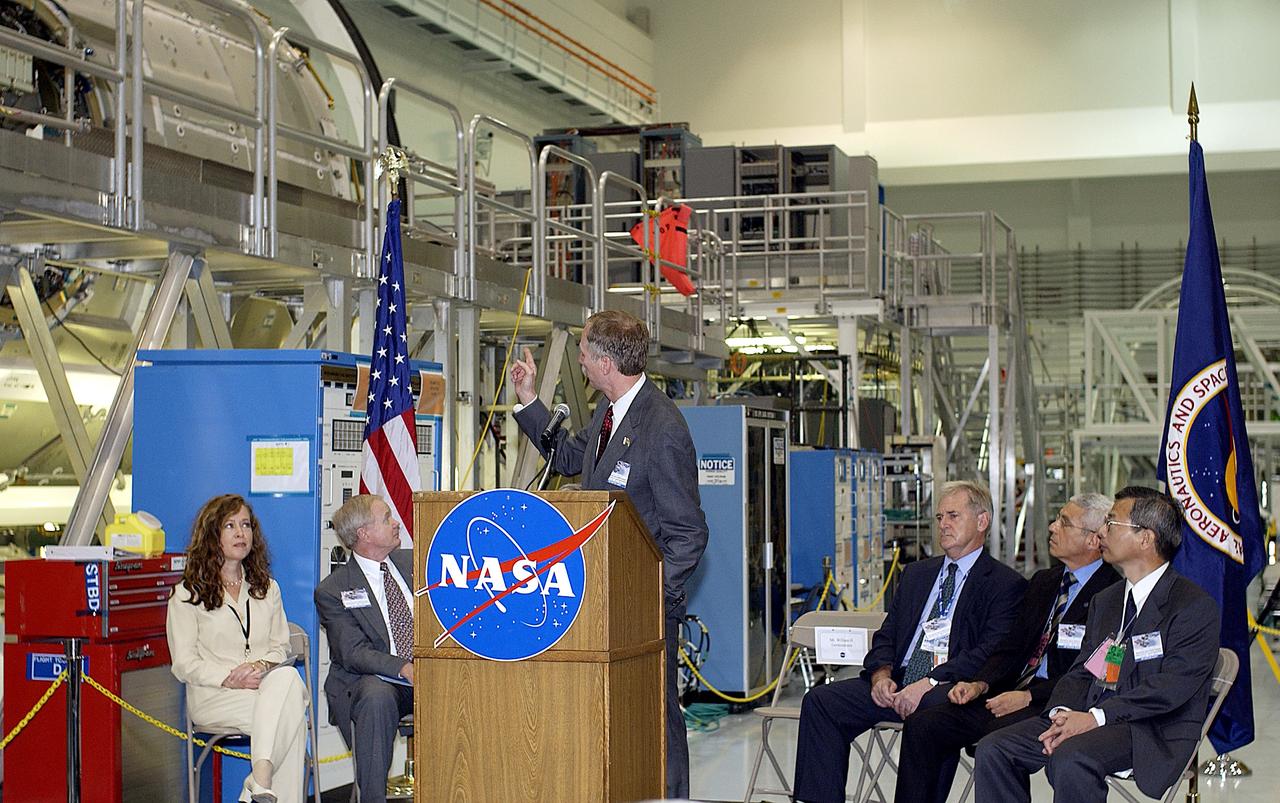
IXPE Rollout at LC 39A
A SpaceX Falcon 9 rocket with NASA’s Imaging X-ray Polarimetry Explorer (IXPE) spacecraft, rolls out to Launch Complex 39A at NASA’s Kennedy Space Center in Florida on Dec. 7, 2021. IXPE is scheduled to launch no earlier than 1 a.m. EST Thursday, Dec. 9. NASA’s Launch Services Program is managing this launch. NASA’s Marshall Space Flight Center in Huntsville, Alabama, manages the IXPE mission. Ball Aerospace, headquartered in Broomfield, Colorado, manages spacecraft operations with support from the University of Colorado at Boulder. NASA’s Goddard Space Flight Center in Greenbelt, Maryland, manages the Explorers Program for the agency’s Science Mission Directorate in Washington. The U.S. Space Force’s Space Launch Delta 45 provides range support for this launch. SpaceX is providing the launch vehicle for this mission. The IXPE spacecraft includes three space telescopes with sensitive detectors capable of measuring the polarization of cosmic X-rays, allowing scientists to answer fundamental questions about extremely complex environments in space where gravitational, electric, and magnetic fields are at their limits. The project is a collaboration between NASA and the Italian Space Agency.
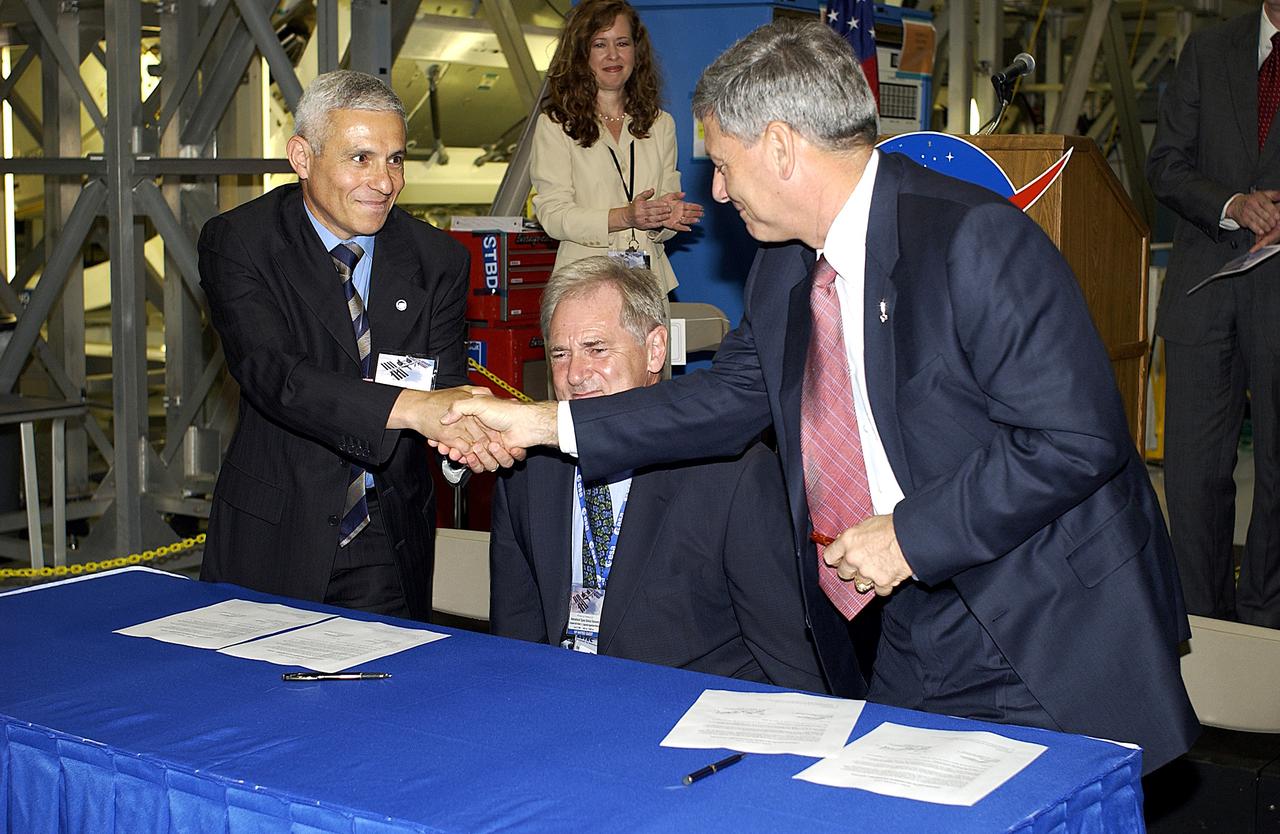
IXPE Rollout at LC 39A
A SpaceX Falcon 9 rocket with NASA’s Imaging X-ray Polarimetry Explorer (IXPE) spacecraft, rolls out to Launch Complex 39A at NASA’s Kennedy Space Center in Florida on Dec. 7, 2021. IXPE is scheduled to launch no earlier than 1 a.m. EST Thursday, Dec. 9. NASA’s Launch Services Program is managing this launch. NASA’s Marshall Space Flight Center in Huntsville, Alabama, manages the IXPE mission. Ball Aerospace, headquartered in Broomfield, Colorado, manages spacecraft operations with support from the University of Colorado at Boulder. NASA’s Goddard Space Flight Center in Greenbelt, Maryland, manages the Explorers Program for the agency’s Science Mission Directorate in Washington. The U.S. Space Force’s Space Launch Delta 45 provides range support for this launch. SpaceX is providing the launch vehicle for this mission. The IXPE spacecraft includes three space telescopes with sensitive detectors capable of measuring the polarization of cosmic X-rays, allowing scientists to answer fundamental questions about extremely complex environments in space where gravitational, electric, and magnetic fields are at their limits. The project is a collaboration between NASA and the Italian Space Agency.
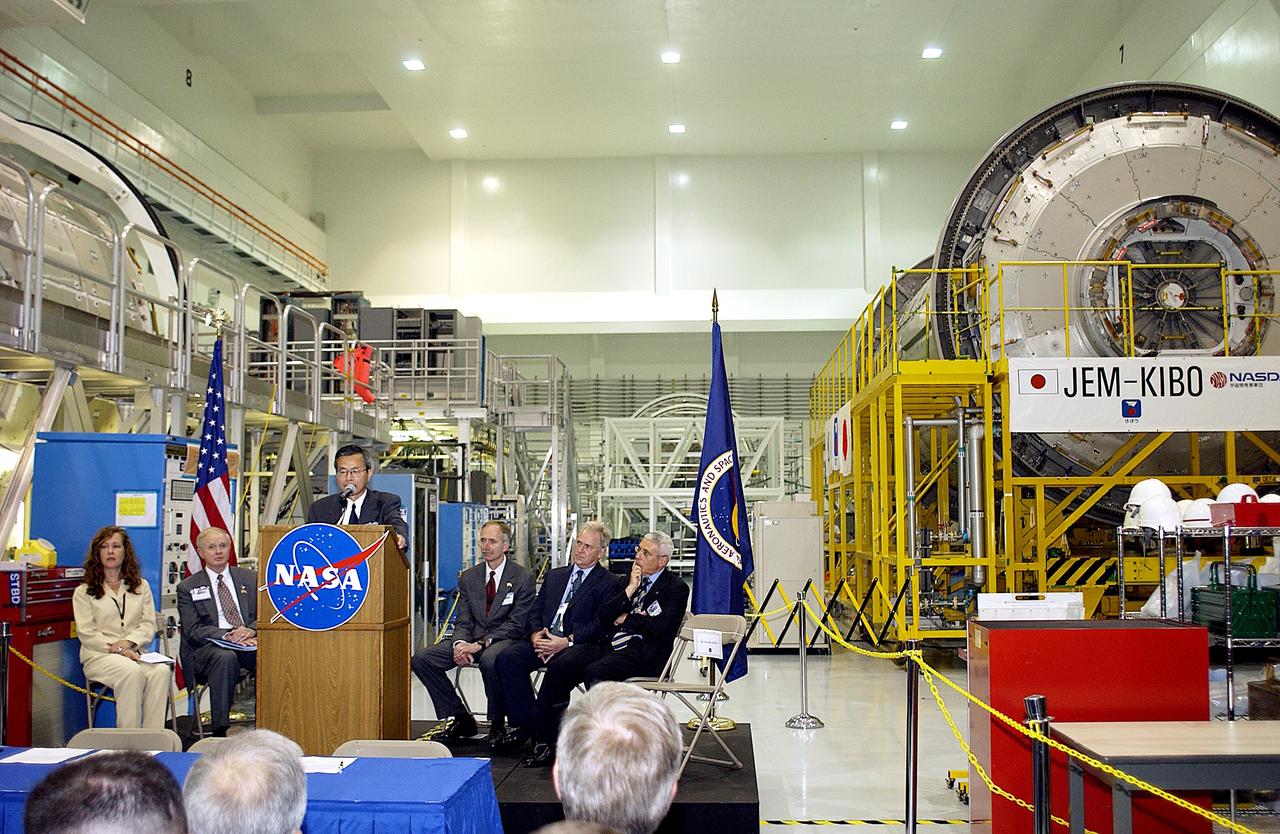
IXPE Rollout at LC 39A
A SpaceX Falcon 9 rocket soars upward after liftoff from the launch pad at Launch Complex 39A at NASA’s Kennedy Space Center in Florida at 1 a.m. EST on Thursday, Dec. 9, 2021. The Falcon 9 carries NASA’s Imaging X-ray Polarimetry Explorer (IXPE) spacecraft. NASA’s Launch Services Program managed this launch. NASA’s Marshall Space Flight Center in Huntsville, Alabama, manages the IXPE mission. Ball Aerospace, headquartered in Broomfield, Colorado, manages spacecraft operations with support from the University of Colorado at Boulder. NASA’s Goddard Space Flight Center in Greenbelt, Maryland, manages the Explorers Program for the agency’s Science Mission Directorate in Washington. The IXPE spacecraft includes three space telescopes with sensitive detectors capable of measuring the polarization of cosmic X-rays, allowing scientists to answer fundamental questions about extremely complex environments in space where gravitational, electric, and magnetic fields are at their limits. The project is a collaboration between NASA and the Italian Space Agency.
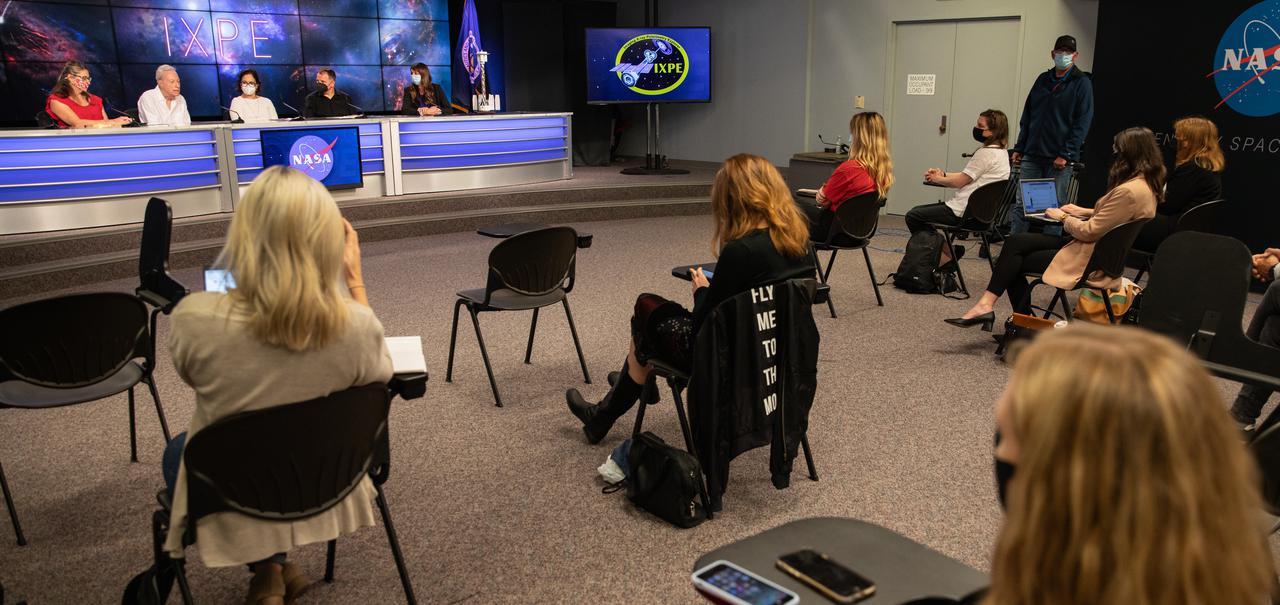
IXPE Liftoff
A SpaceX Falcon 9 rocket soars upward after liftoff from the launch pad at Launch Complex 39A at NASA’s Kennedy Space Center in Florida at 1 a.m. EST on Thursday, Dec. 9, 2021. The Falcon 9 carries NASA’s Imaging X-ray Polarimetry Explorer (IXPE) spacecraft. NASA’s Launch Services Program managed this launch. NASA’s Marshall Space Flight Center in Huntsville, Alabama, manages the IXPE mission. Ball Aerospace, headquartered in Broomfield, Colorado, manages spacecraft operations with support from the University of Colorado at Boulder. NASA’s Goddard Space Flight Center in Greenbelt, Maryland, manages the Explorers Program for the agency’s Science Mission Directorate in Washington. The IXPE spacecraft includes three space telescopes with sensitive detectors capable of measuring the polarization of cosmic X-rays, allowing scientists to answer fundamental questions about extremely complex environments in space where gravitational, electric, and magnetic fields are at their limits. The project is a collaboration between NASA and the Italian Space Agency.
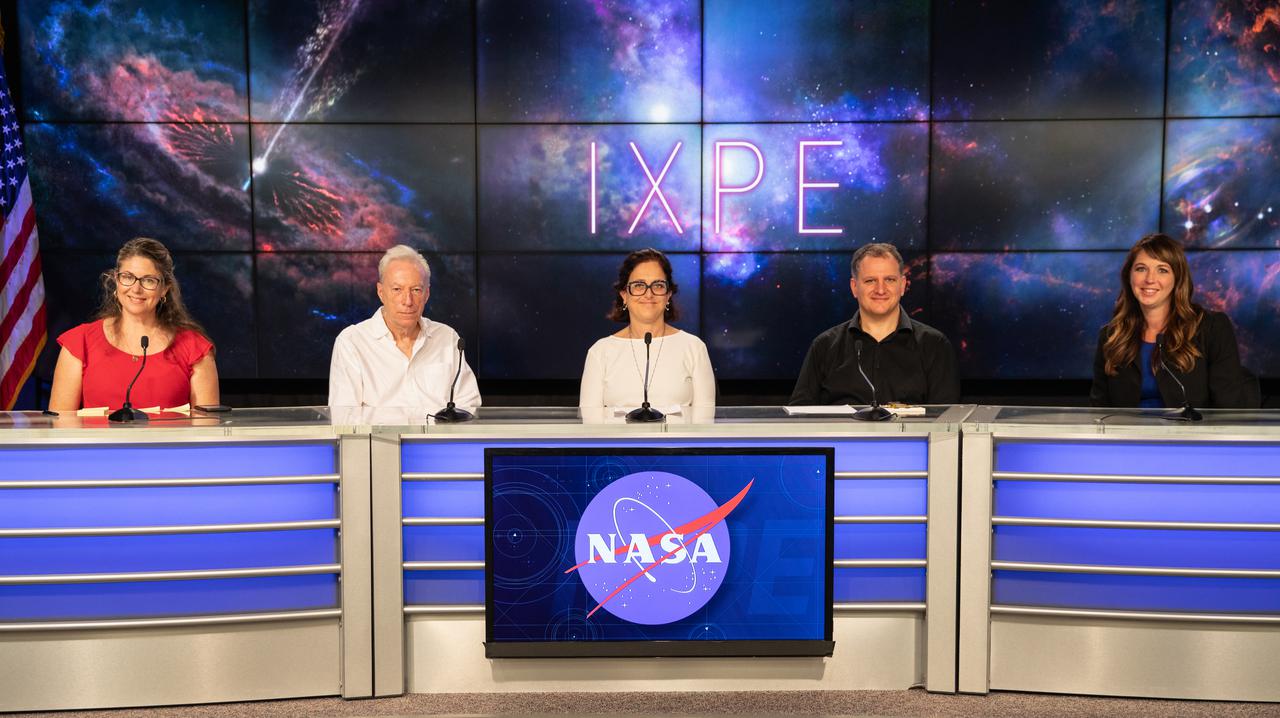
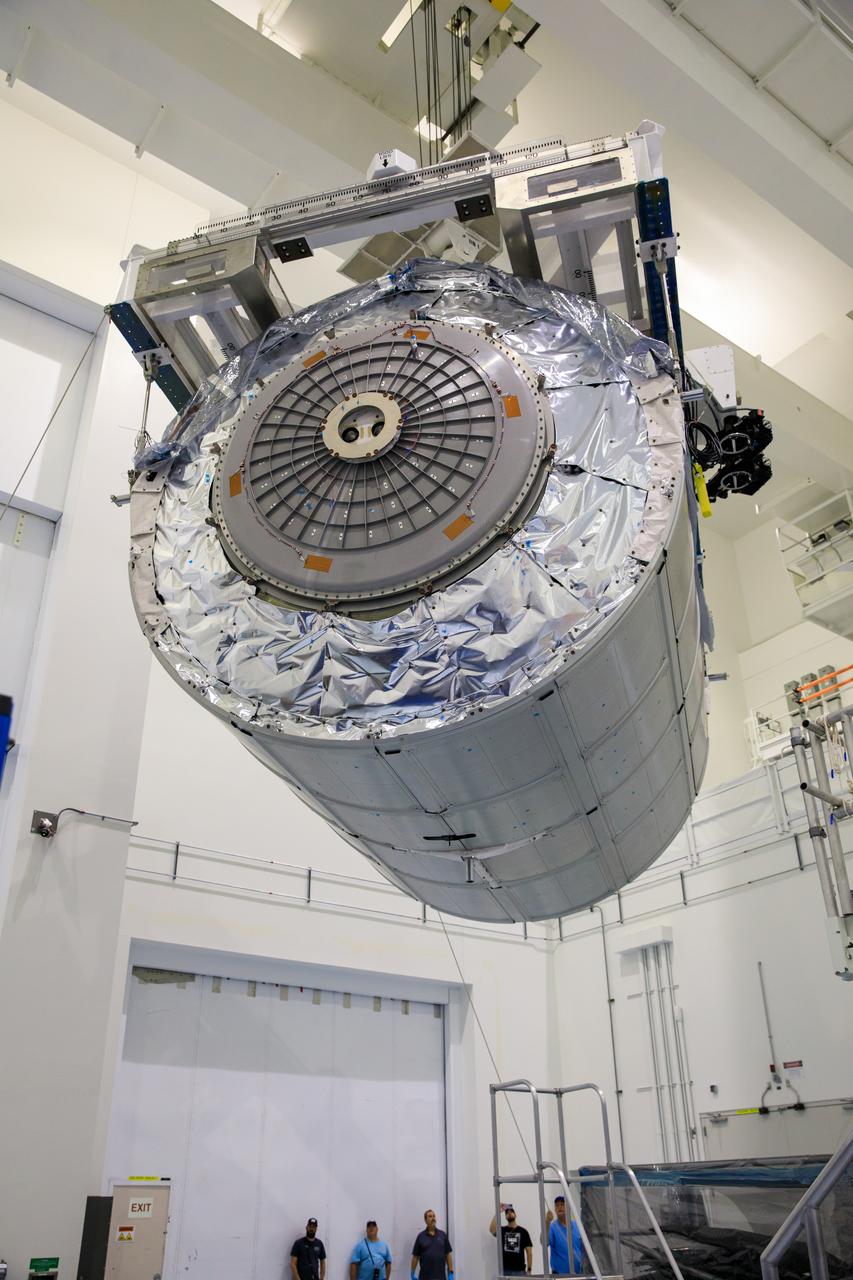
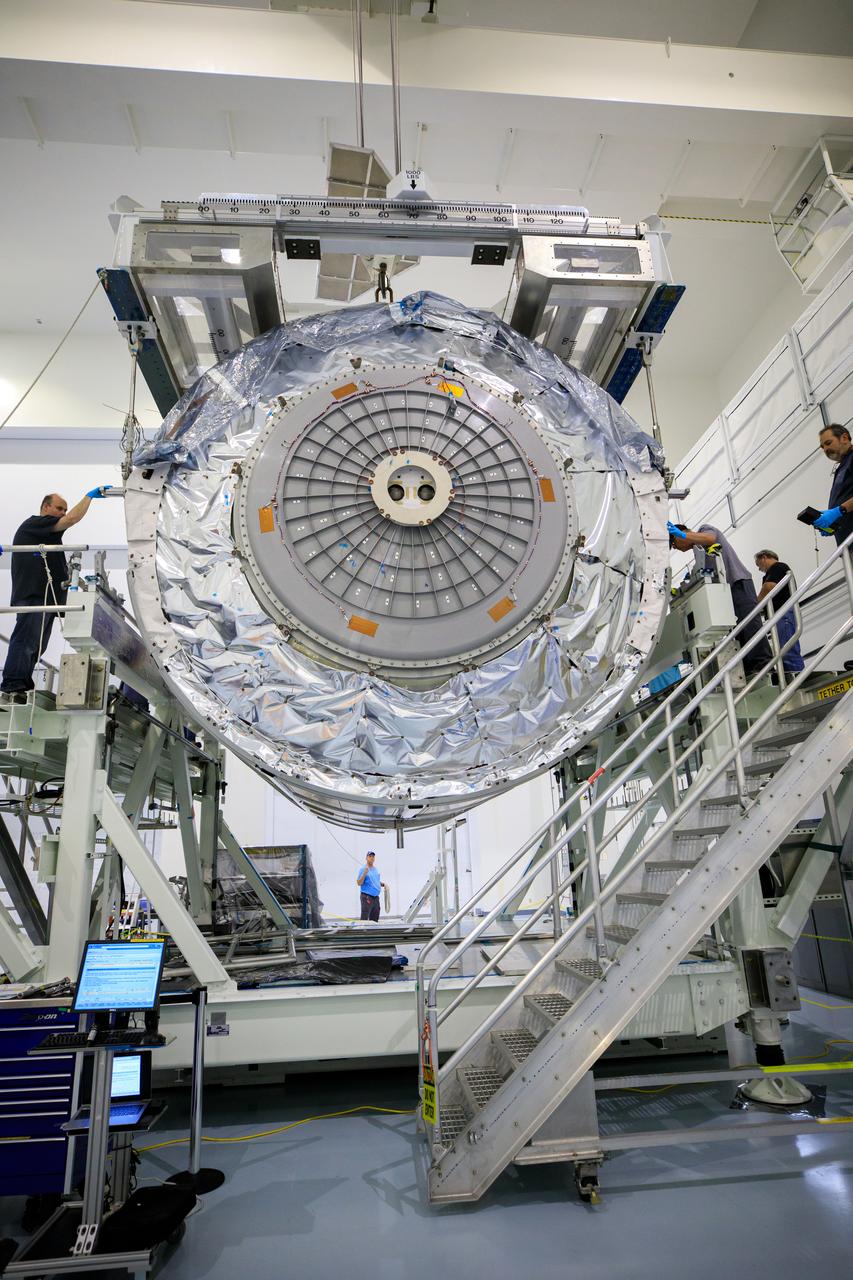
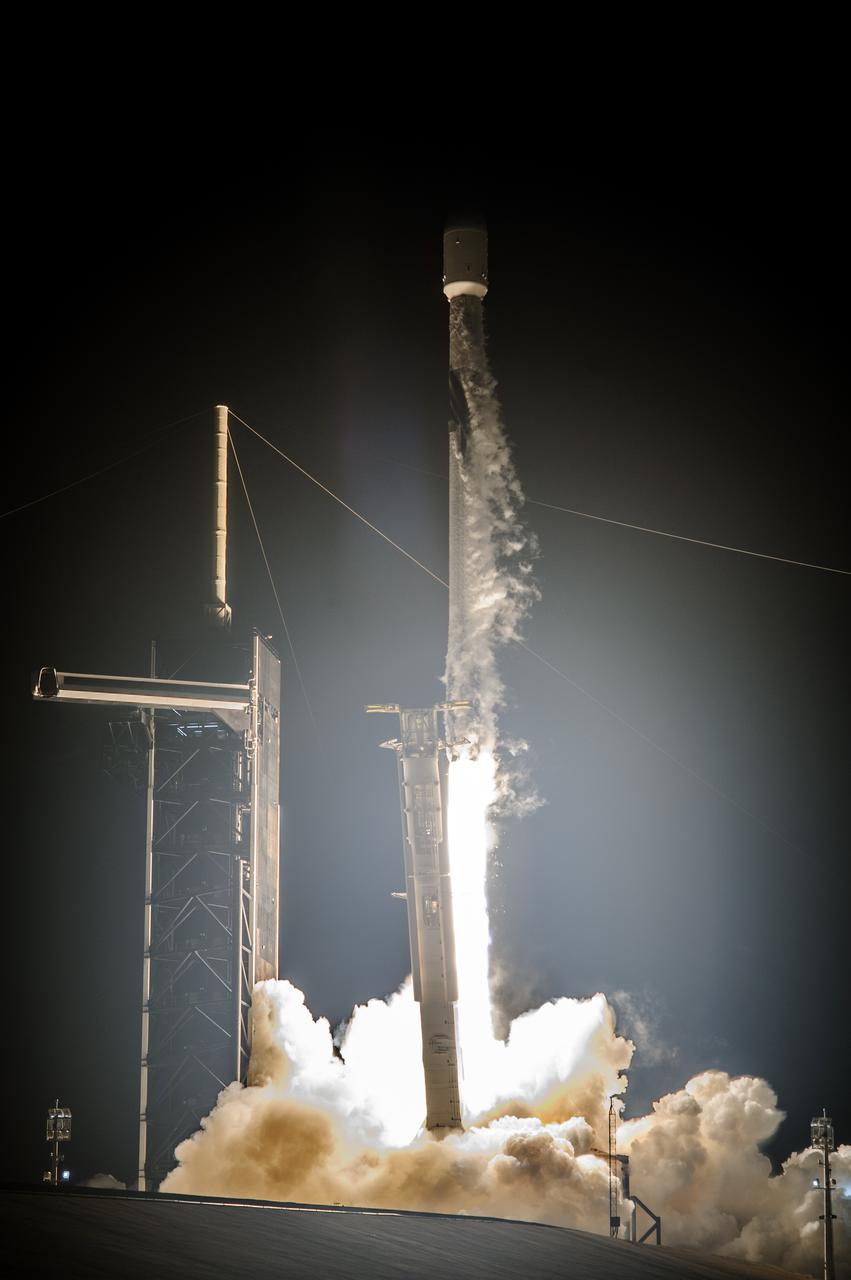
IXPE Liftoff