
The SpaceX Falcon 9 rocket that will be used for the company’s In-Flight Abort Test arrives at SpaceX’s hangar at Launch Complex 39 at NASA’s Kennedy Space Center in Florida. The test will demonstrate the spacecraft and launch system’s ability to abort in the unlikely case of an emergency after liftoff. It is an important step before NASA astronauts Bob Behnken and Doug Hurley are transported to the International Space Station aboard Crew Dragon as part of NASA’s Commercial Crew Program.
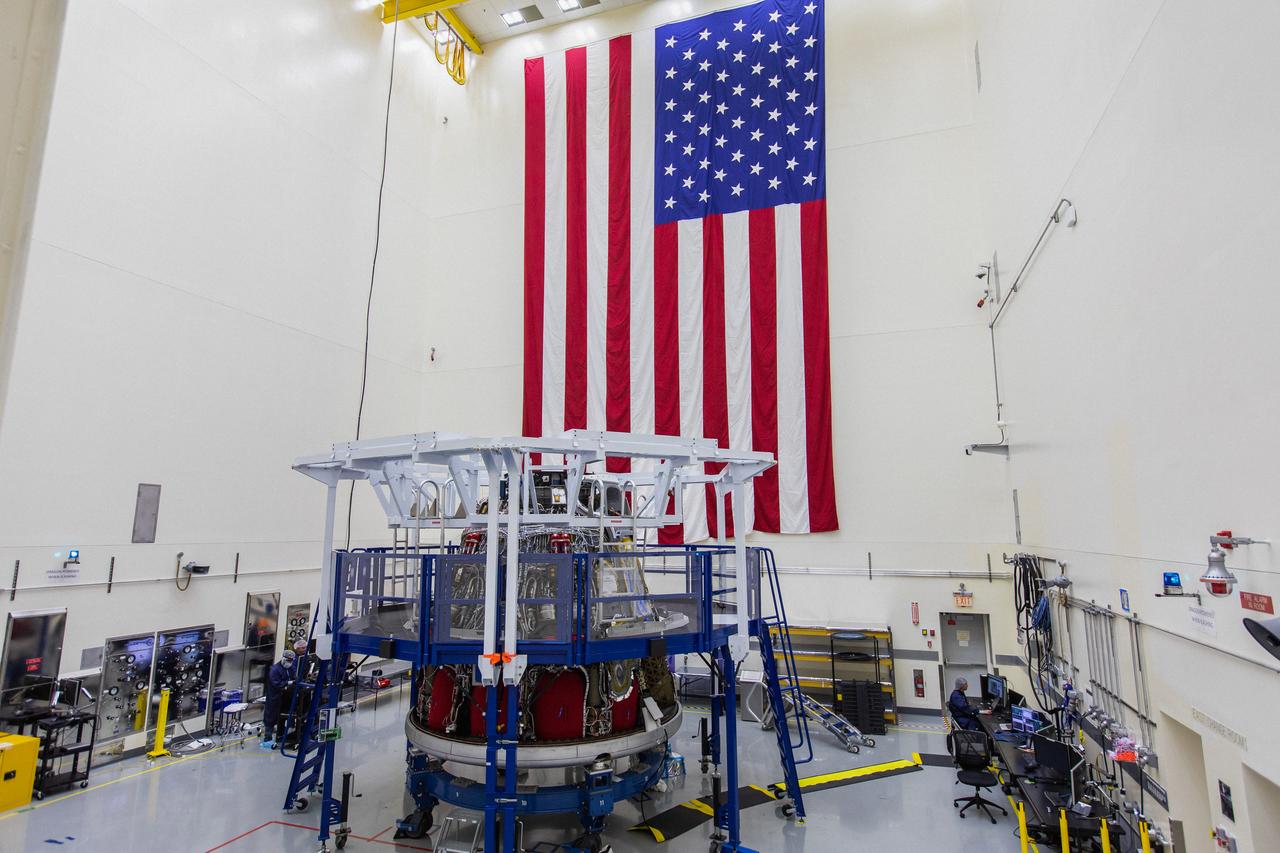
The SpaceX Crew Dragon spacecraft that will be used for the company’s In-Flight Abort Test arrives at SpaceX’s hangar at Launch Complex 39 at NASA’s Kennedy Space Center in Florida. The test will demonstrate the spacecraft and launch system’s ability to abort in the unlikely case of an emergency after liftoff. It is an important step before NASA astronauts Bob Behnken and Doug Hurley are transported to the International Space Station aboard Crew Dragon as part of NASA’s Commercial Crew Program.
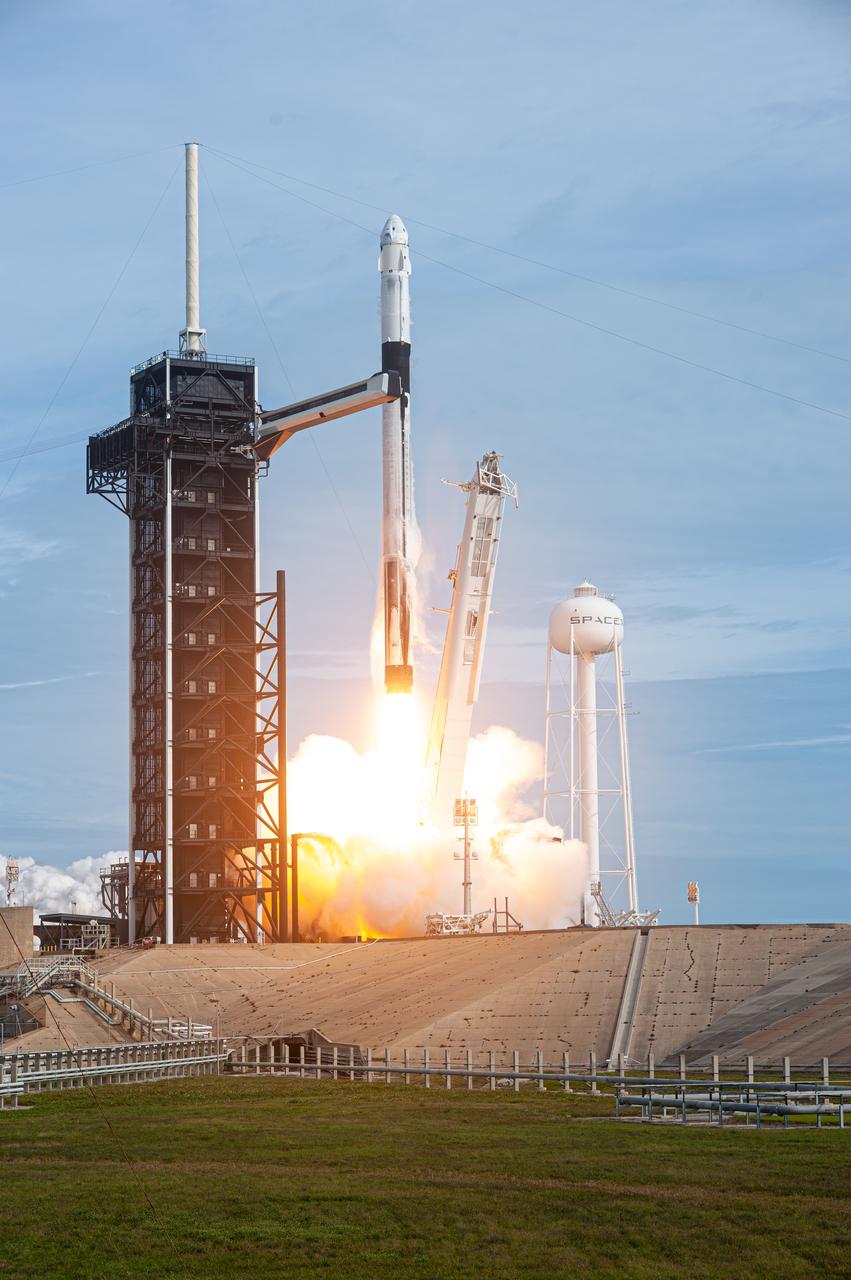
A SpaceX Falcon 9 rocket lifts off from Launch Complex 39A at NASA’s Kennedy Space Center in Florida at 10:30 a.m. EST on Jan. 19, 2020, carrying the Crew Dragon spacecraft on the company’s uncrewed In-Flight Abort Test. The flight test demonstrated the spacecraft’s escape capabilities in preparation for crewed flights to the International Space Station as part of the agency’s Commercial Crew Program.
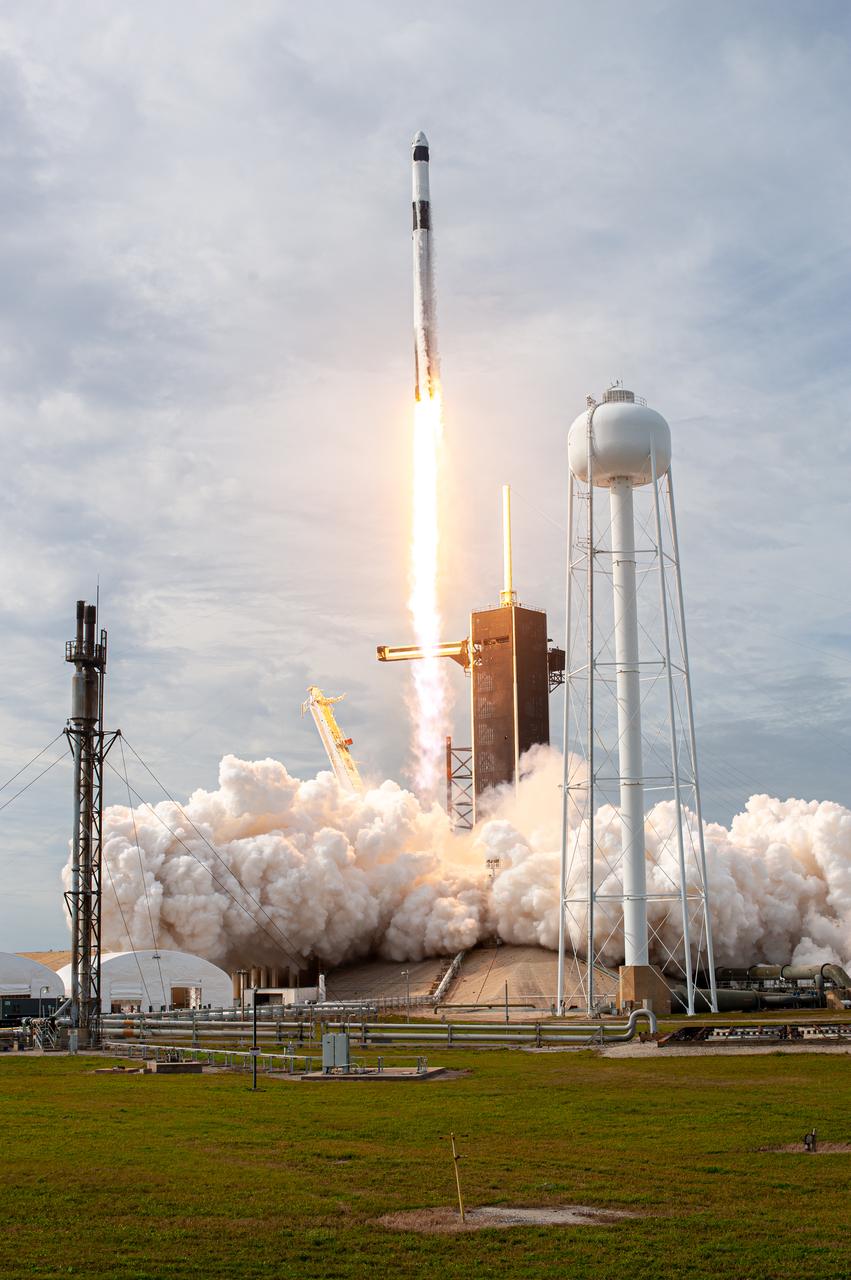
A SpaceX Falcon 9 rocket lifts off from Launch Complex 39A at NASA’s Kennedy Space Center in Florida at 10:30 a.m. EST on Jan. 19, 2020, carrying the Crew Dragon spacecraft on the company’s uncrewed In-Flight Abort Test. The flight test demonstrated the spacecraft’s escape capabilities in preparation for crewed flights to the International Space Station as part of the agency’s Commercial Crew Program.
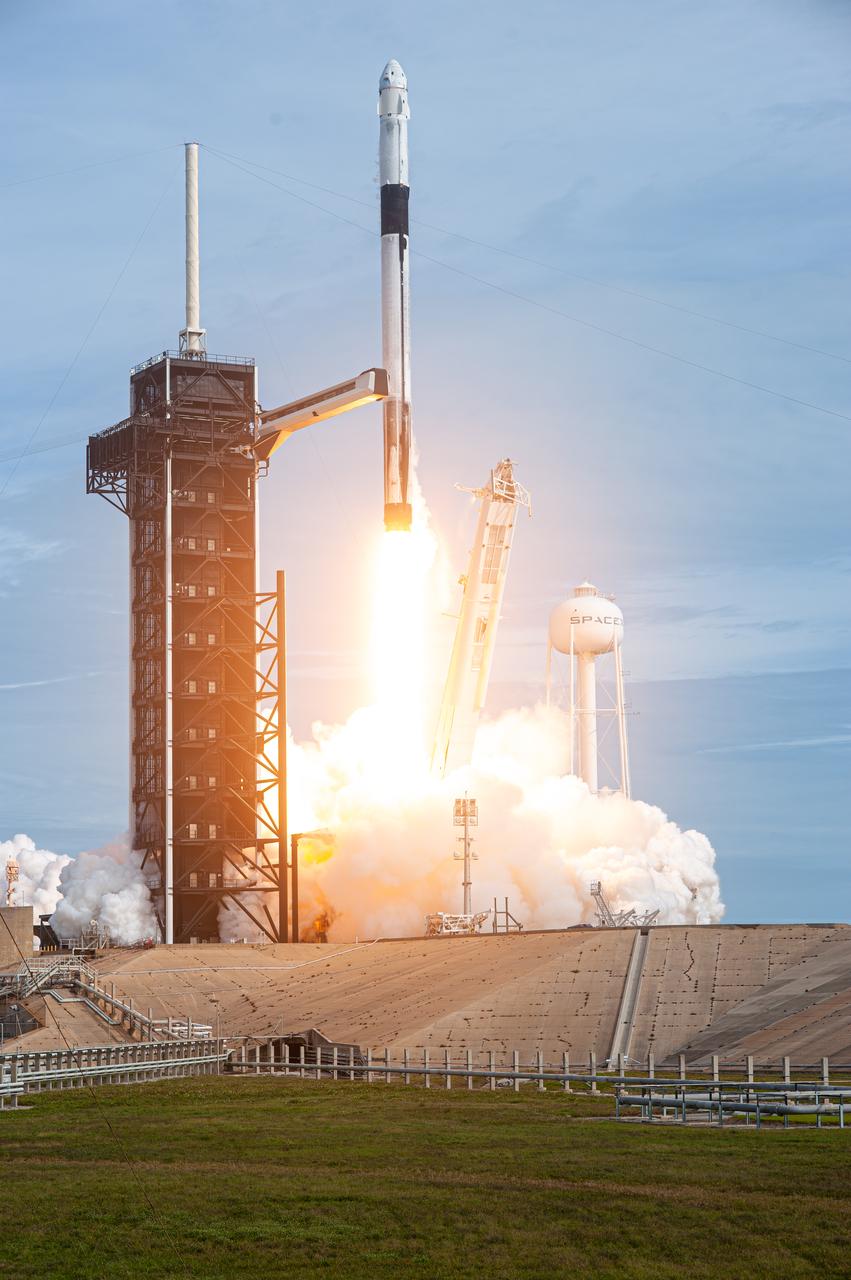
A SpaceX Falcon 9 rocket lifts off from Launch Complex 39A at NASA’s Kennedy Space Center in Florida at 10:30 a.m. EST on Jan. 19, 2020, carrying the Crew Dragon spacecraft on the company’s uncrewed In-Flight Abort Test. The flight test demonstrated the spacecraft’s escape capabilities in preparation for crewed flights to the International Space Station as part of the agency’s Commercial Crew Program.
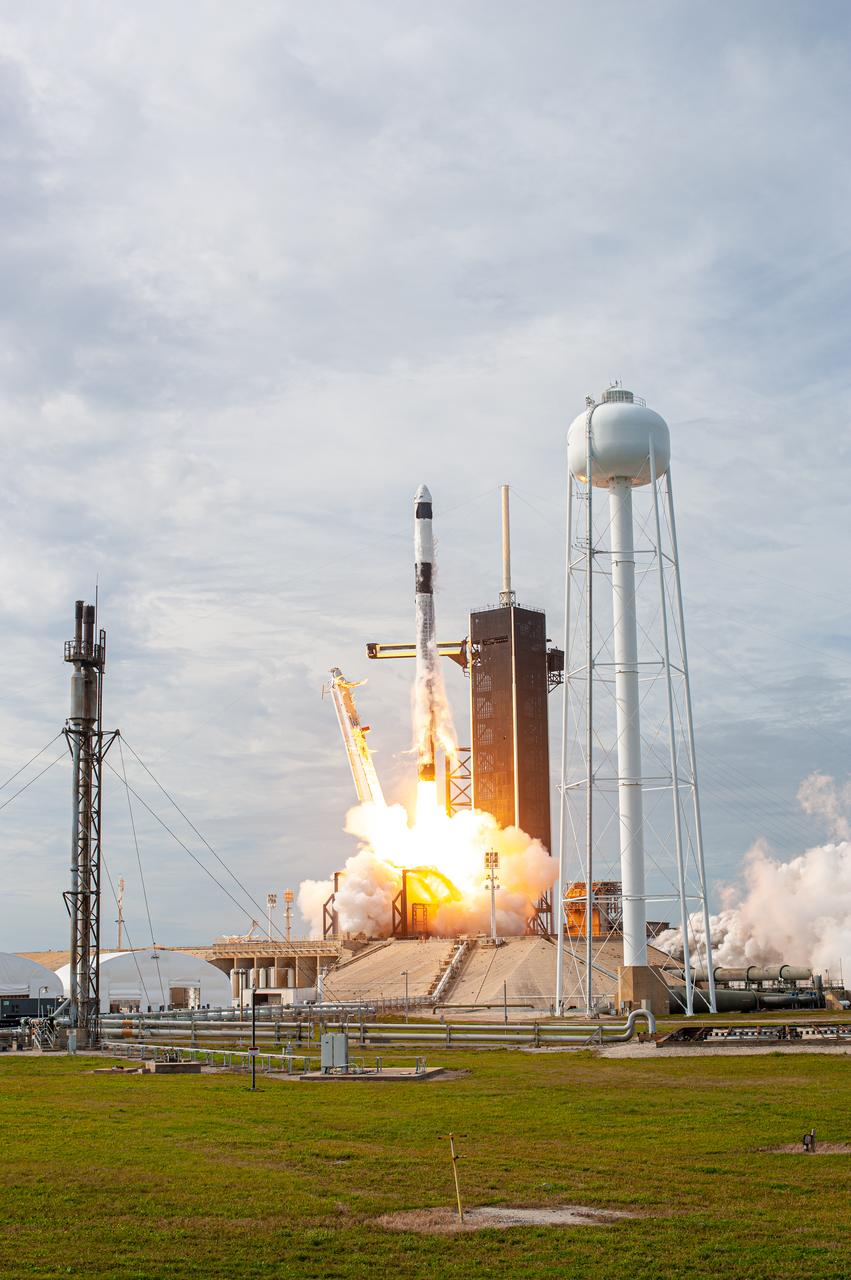
A SpaceX Falcon 9 rocket lifts off from Launch Complex 39A at NASA’s Kennedy Space Center in Florida at 10:30 a.m. EST on Jan. 19, 2020, carrying the Crew Dragon spacecraft on the company’s uncrewed In-Flight Abort Test. The flight test demonstrated the spacecraft’s escape capabilities in preparation for crewed flights to the International Space Station as part of the agency’s Commercial Crew Program.
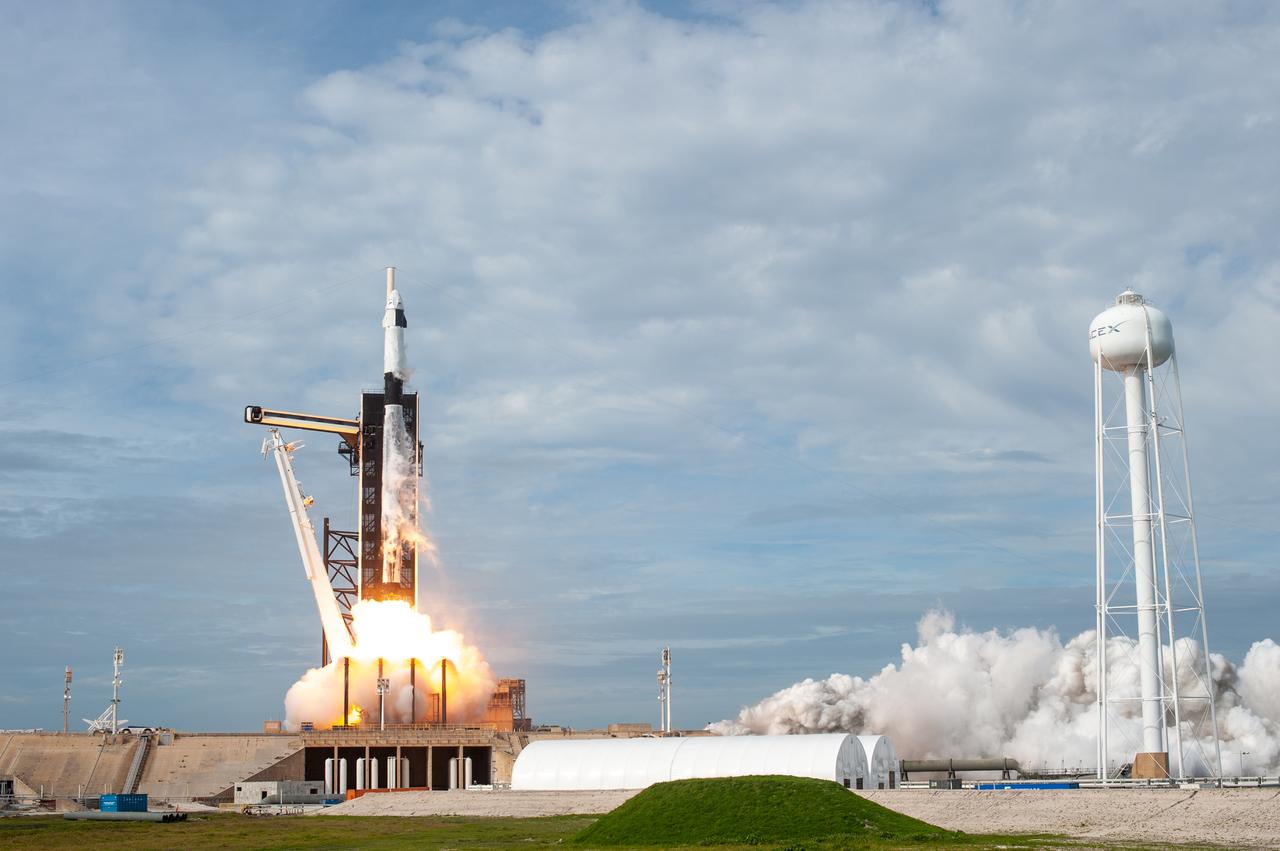
A SpaceX Falcon 9 rocket lifts off from Launch Complex 39A at NASA’s Kennedy Space Center in Florida at 10:30 a.m. EST on Jan. 19, 2020, carrying the Crew Dragon spacecraft on the company’s uncrewed In-Flight Abort Test. The flight test demonstrated the spacecraft’s escape capabilities in preparation for crewed flights to the International Space Station as part of the agency’s Commercial Crew Program.
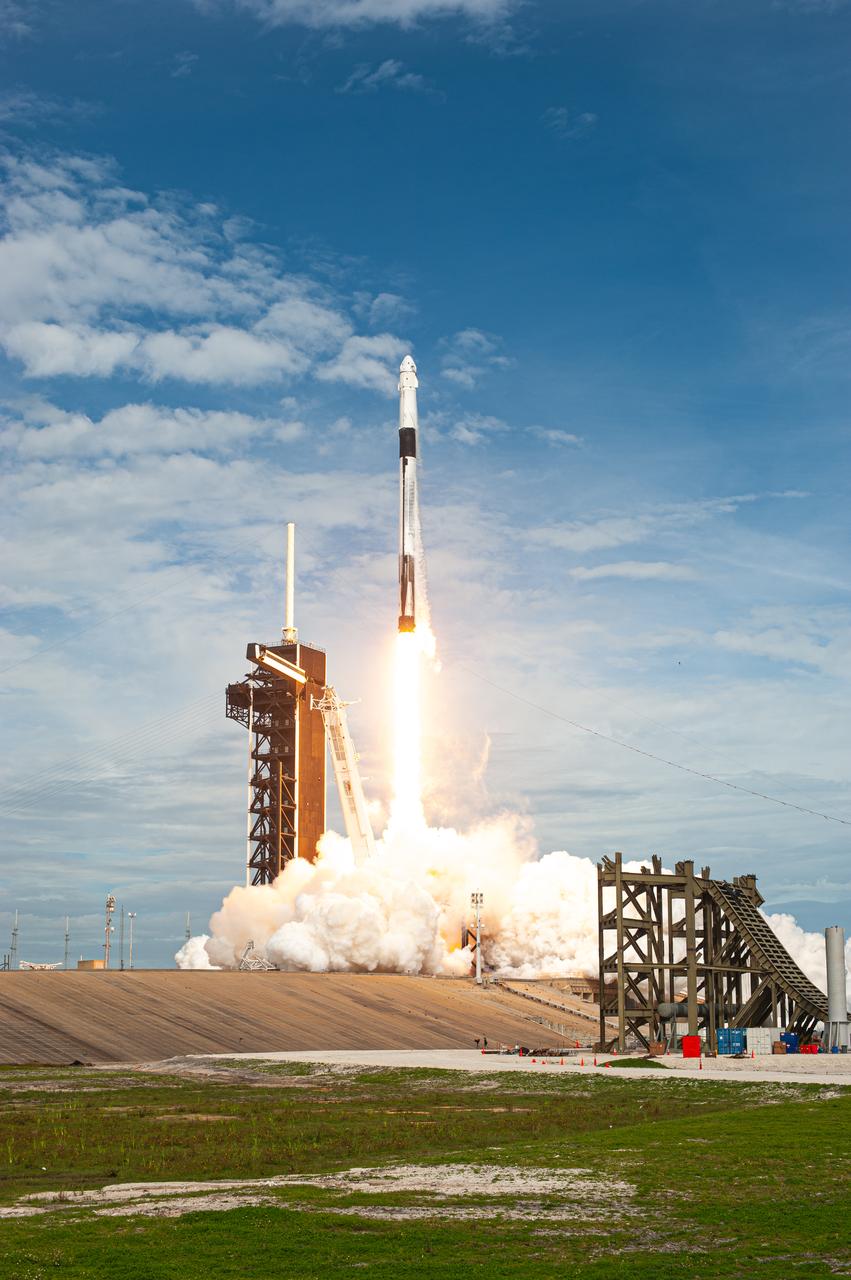
A SpaceX Falcon 9 rocket lifts off from Launch Complex 39A at NASA’s Kennedy Space Center in Florida at 10:30 a.m. EST on Jan. 19, 2020, carrying the Crew Dragon spacecraft on the company’s uncrewed In-Flight Abort Test. The flight test demonstrated the spacecraft’s escape capabilities in preparation for crewed flights to the International Space Station as part of the agency’s Commercial Crew Program.
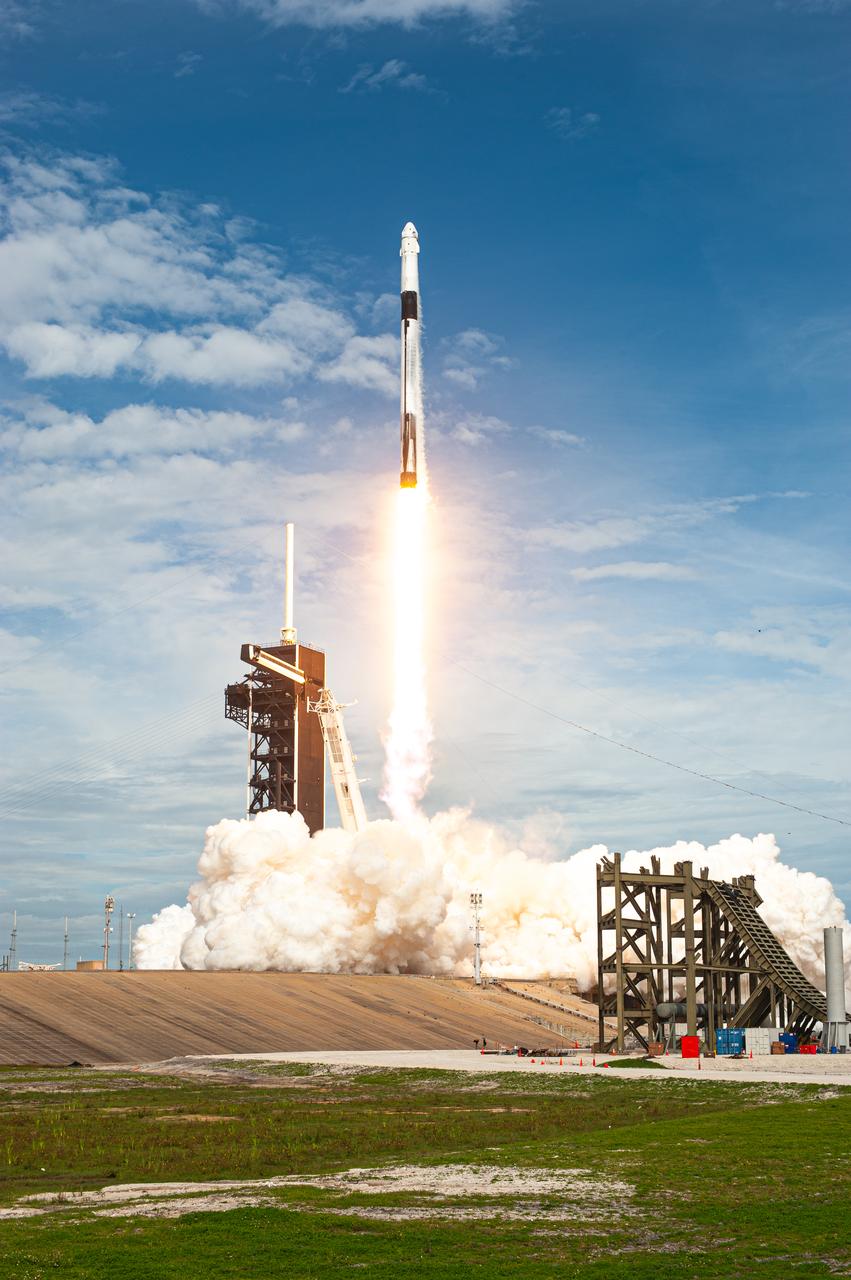
A SpaceX Falcon 9 rocket lifts off from Launch Complex 39A at NASA’s Kennedy Space Center in Florida at 10:30 a.m. EST on Jan. 19, 2020, carrying the Crew Dragon spacecraft on the company’s uncrewed In-Flight Abort Test. The flight test demonstrated the spacecraft’s escape capabilities in preparation for crewed flights to the International Space Station as part of the agency’s Commercial Crew Program.

A SpaceX Falcon 9 rocket lifts off from Launch Complex 39A at NASA’s Kennedy Space Center in Florida at 10:30 a.m. EST on Jan. 19, 2020, carrying the Crew Dragon spacecraft on the company’s uncrewed In-Flight Abort Test. The flight test demonstrated the spacecraft’s escape capabilities in preparation for crewed flights to the International Space Station as part of the agency’s Commercial Crew Program.
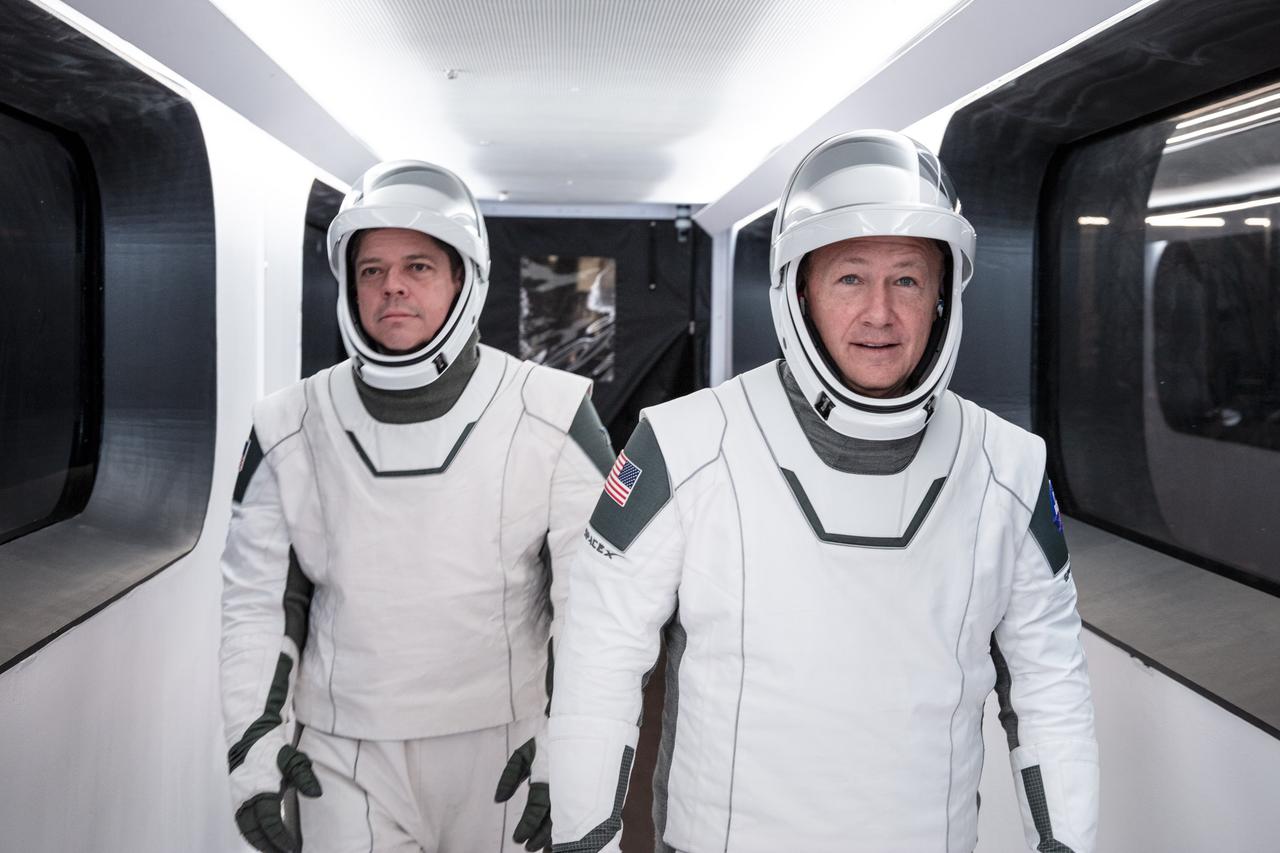
NASA astronauts Bob Behnken, left, and Doug Hurley, wearing SpaceX spacesuits, walk through the Crew Access Arm connecting the launch tower to the SpaceX Crew Dragon spacecraft during a dress rehearsal at NASA’s Kennedy Space Center in Florida on Jan. 17, 2020. A SpaceX Falcon 9 rocket and Crew Dragon spacecraft stand on the launch pad at Launch Complex 39A ahead of the company’s uncrewed In-Flight Abort Test. The flight test will demonstrate the spacecraft’s escape capabilities in preparation for crewed flights to the International Space Station as part of the agency’s Commercial Crew Program. Behnken and Hurley are slated to fly on the company’s first crewed mission, Demo-2.
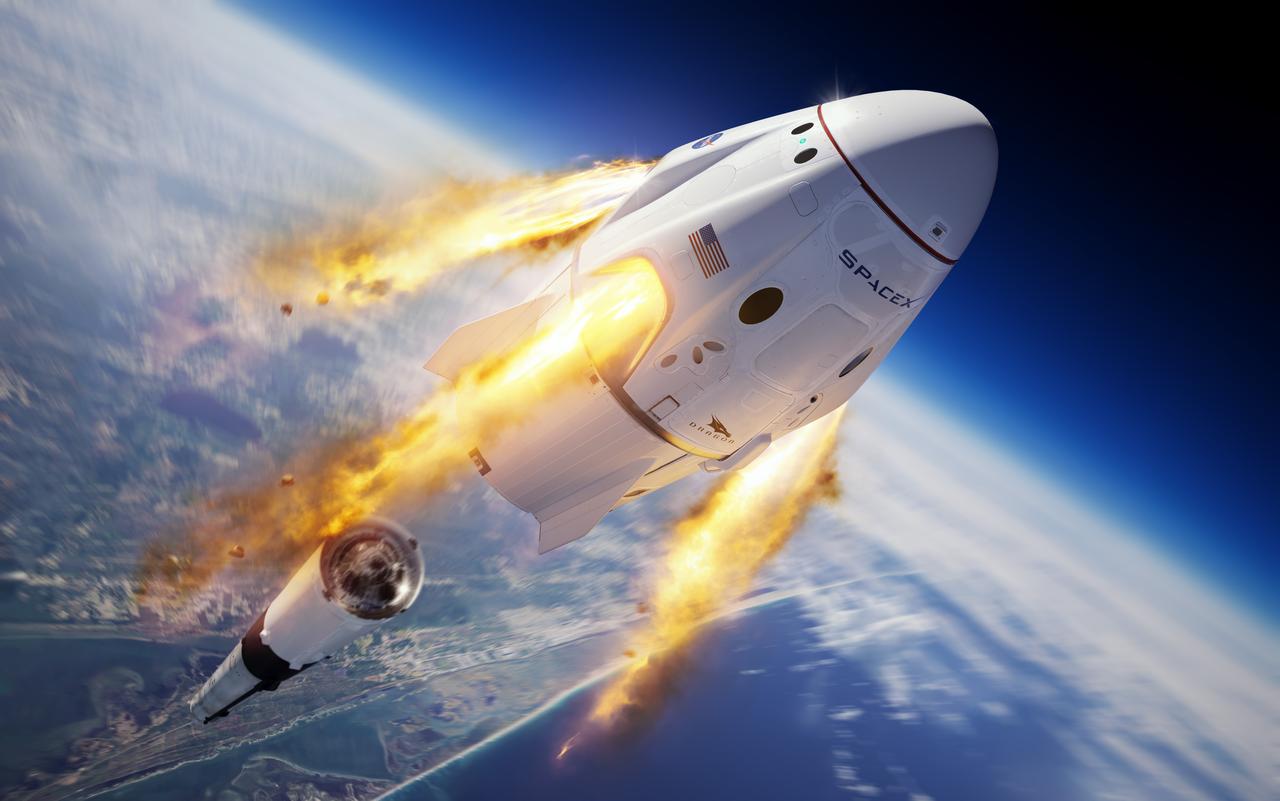
Illustration of the SpaceX Crew Dragon and Falcon 9 rocket during the company’s uncrewed In-Flight Abort Test for NASA’s Commercial Crew Program. This demonstration test of Crew Dragon’s launch escape capabilities is designed to provide valuable data toward NASA certifying SpaceX’s crew transportation system for carrying astronauts to and from the International Space Station.
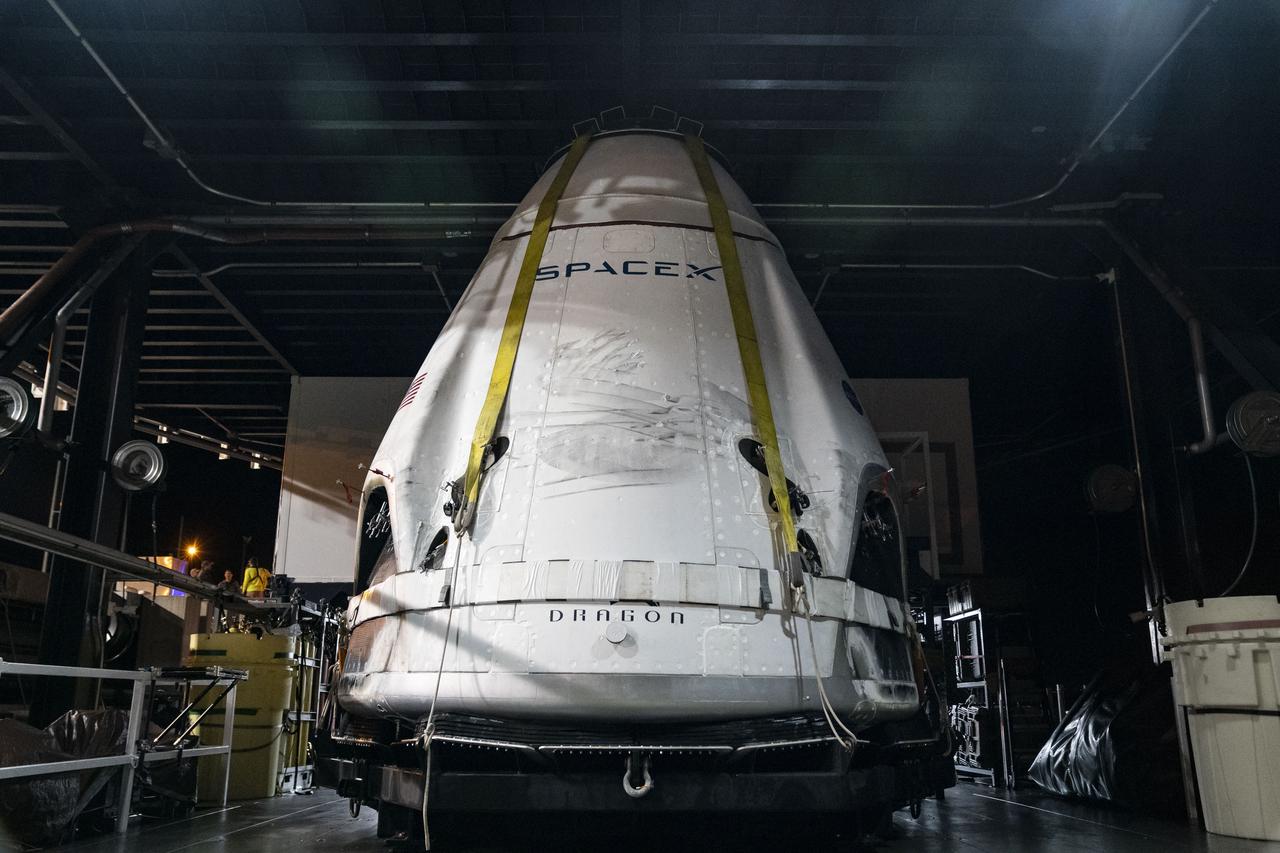
The SpaceX Crew Dragon spacecraft is offloaded from the company’s recovery ship, Go Searcher, at the Port Canaveral Army wharf in Florida carrying the company’s Crew Dragon spacecraft following the uncrewed In-Flight Abort Test, Jan. 19, 2020. The spacecraft lifted off atop a SpaceX Falcon 9 rocket at 10:30 a.m. EST from Launch Complex 39A at NASA’s Kennedy Space Center. The flight test, which concluded with the Crew Dragon’s planned splashdown in the Atlantic Ocean, demonstrated the spacecraft’s escape capabilities in preparation for crewed flights to the International Space Station as part of the agency’s Commercial Crew Program.

Kathy Lueders, manager of NASA’s Commercial Crew Program, participates in a briefing at the agency’s Kennedy Space Center in Florida on Jan. 17, 2020, prior to launch of SpaceX’s uncrewed In-Flight Abort Test. A SpaceX Falcon 9 rocket topped by the company’s Crew Dragon spacecraft will lift off from Kennedy’s Launch Complex 39A, then begin the launch-abort sequence. The spacecraft will demonstrate its escape capabilities in preparation for crewed flights to the International Space Station as part of the agency’s Commercial Crew Program.
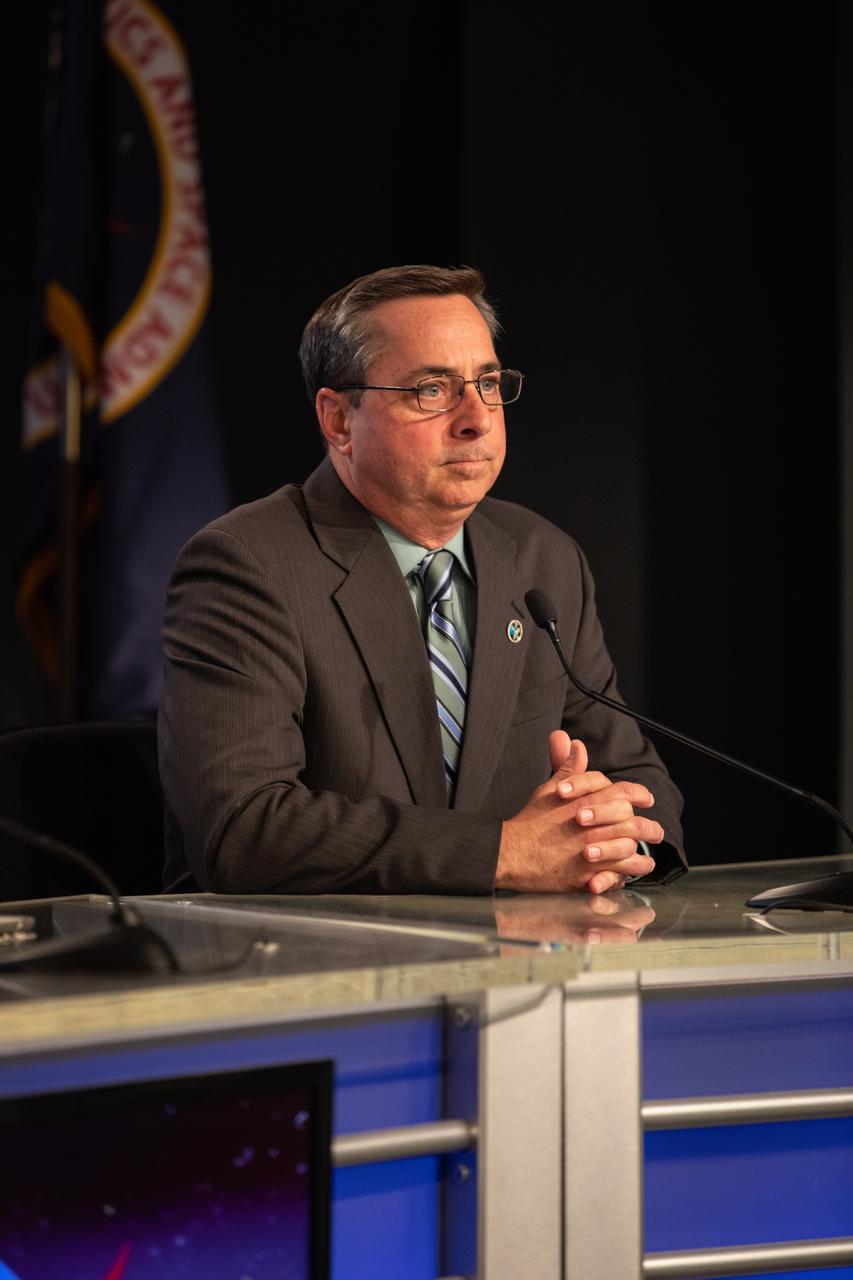
Mike McAleenan, launch weather officer with the U.S. Air Force 45th Weather Squadron, participates in a briefing at NASA’s Kennedy Space Center in Florida on Jan. 17, 2020, prior to launch of SpaceX’s uncrewed In-Flight Abort Test. A SpaceX Falcon 9 rocket topped by the company’s Crew Dragon spacecraft will lift off from Kennedy’s Launch Complex 39A, then begin the launch-abort sequence. The spacecraft will demonstrate its escape capabilities in preparation for crewed flights to the International Space Station as part of the agency’s Commercial Crew Program.

Benji Reed, director of Crew Mission Management for SpaceX, participates in a briefing at NASA’s Kennedy Space Center in Florida on Jan. 17, 2020, prior to launch of SpaceX’s uncrewed In-Flight Abort Test. A SpaceX Falcon 9 rocket topped by the company’s Crew Dragon spacecraft will lift off from Kennedy’s Launch Complex 39A, then begin the launch-abort sequence. The spacecraft will demonstrate its escape capabilities in preparation for crewed flights to the International Space Station as part of the agency’s Commercial Crew Program.

Josh Finch of NASA Communications moderates a briefing at the agency's Kennedy Space Center in Florida on Jan. 17, 2020, prior to launch of SpaceX’s uncrewed In-Flight Abort Test. A SpaceX Falcon 9 rocket topped by the company’s Crew Dragon spacecraft will lift off from Kennedy’s Launch Complex 39A, then begin the launch-abort sequence. The spacecraft will demonstrate its escape capabilities in preparation for crewed flights to the International Space Station as part of the agency’s Commercial Crew Program.
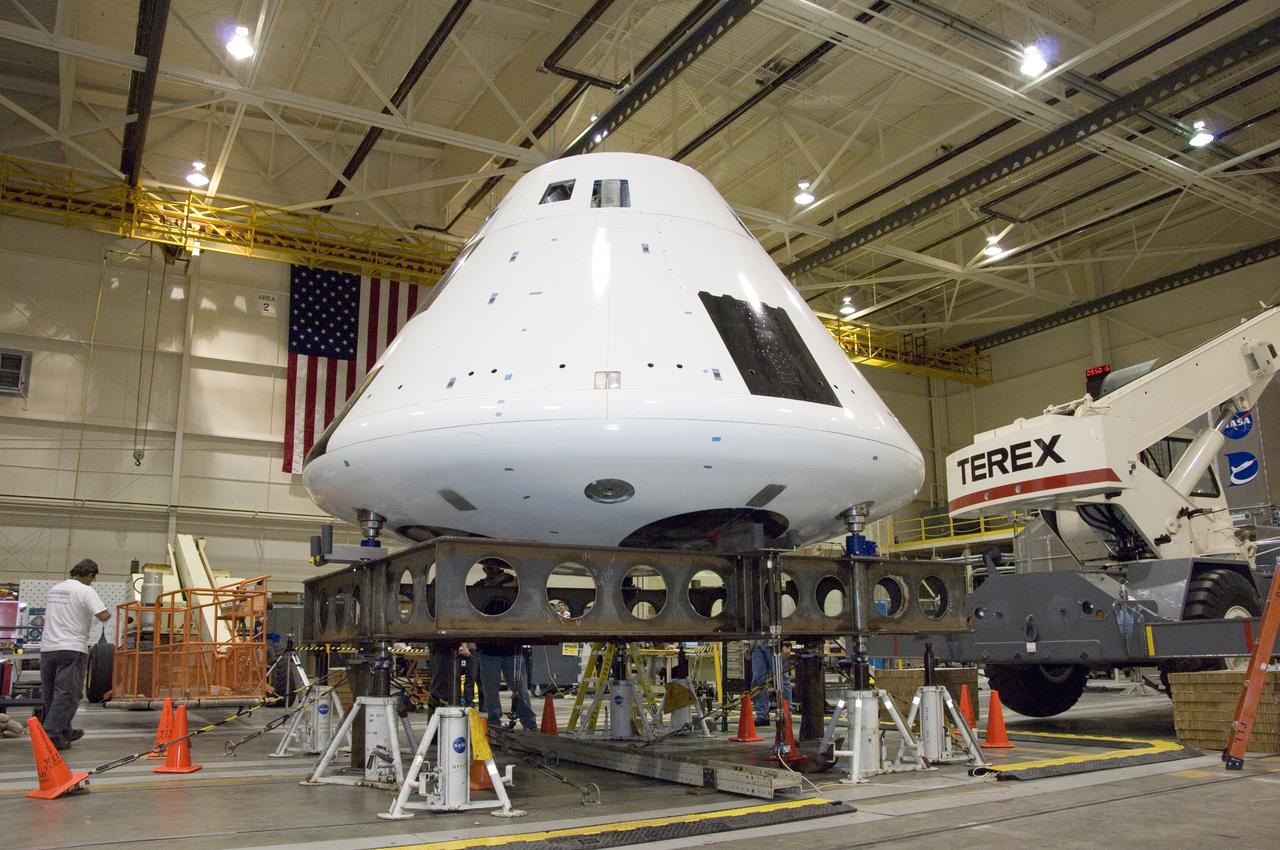
The boilerplate Orion crew module for the Orion Launch Abort System Pad Abort-1 flight test undergoes moment-of-inertia testing at NASA Dryden's Flight Loads Lab.
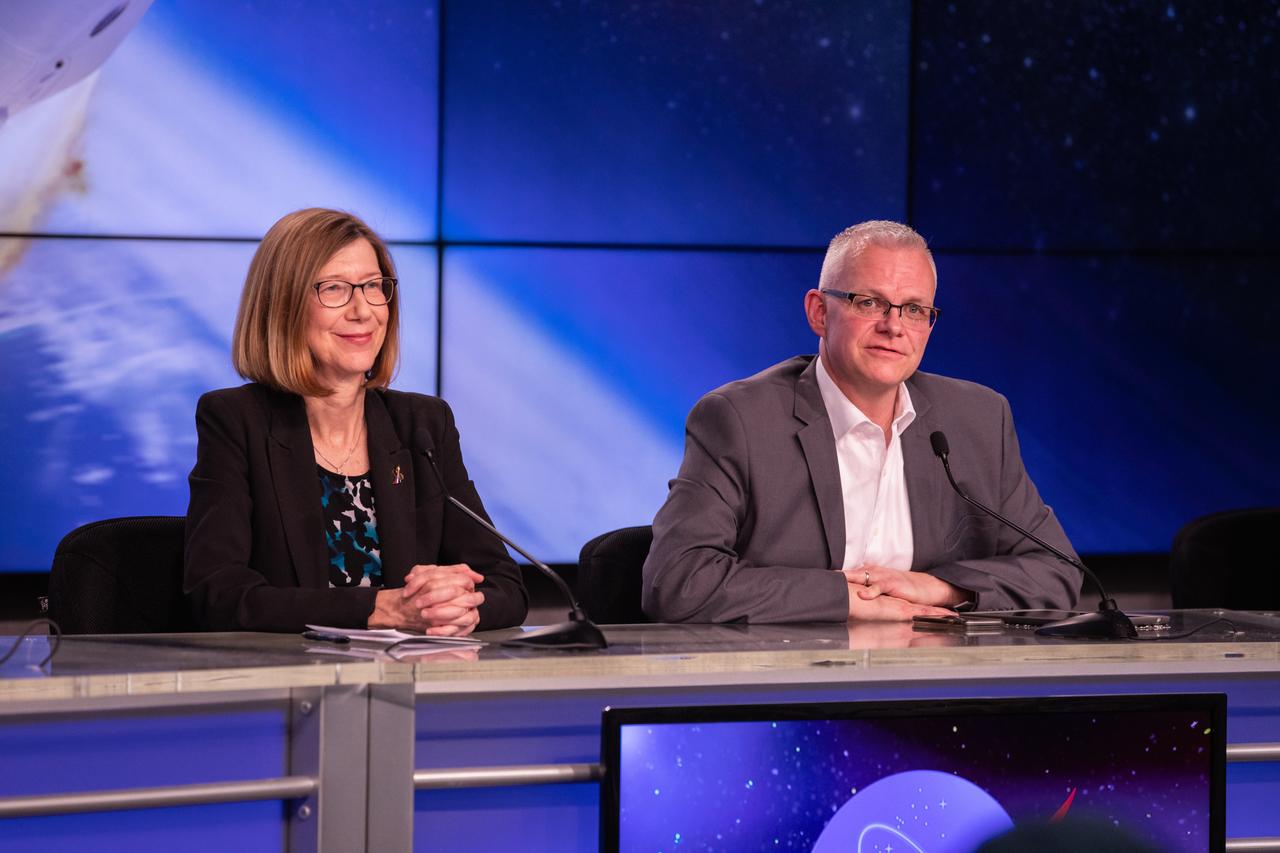
Kathy Lueders, manager of NASA’s Commercial Crew Program, left, and Benji Reed, director of Crew Mission Management for SpaceX, participate in a briefing at the agency’s Kennedy Space Center in Florida on Jan. 17, 2020, prior to launch of SpaceX’s uncrewed In-Flight Abort Test. A SpaceX Falcon 9 rocket topped by the company’s Crew Dragon spacecraft will lift off from Kennedy’s Launch Complex 39A, then begin the launch-abort sequence. The spacecraft will demonstrate its escape capabilities in preparation for crewed flights to the International Space Station as part of the agency’s Commercial Crew Program.
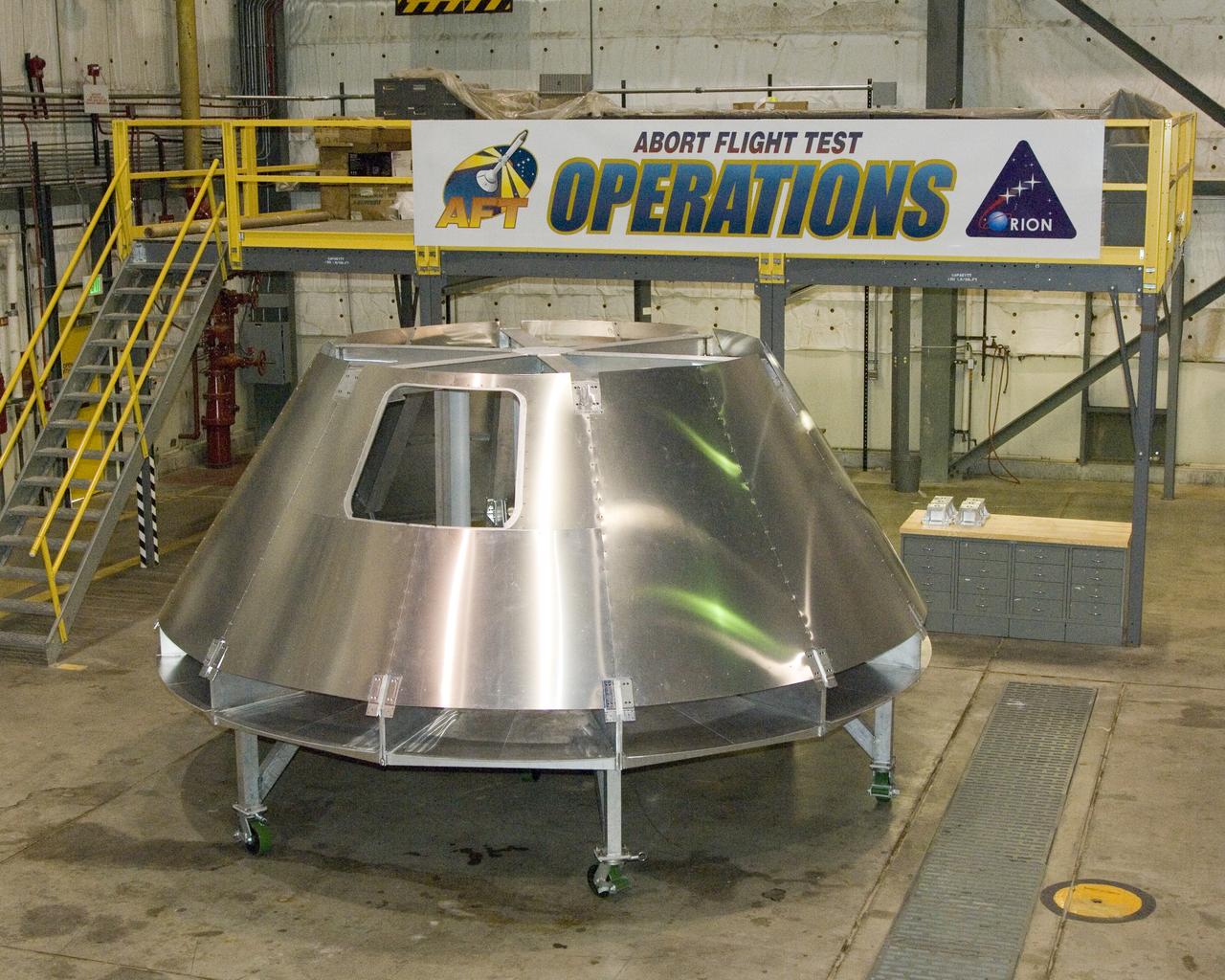
NASA Dryden's mockup Orion crew module is located in Dryden's Shuttle hangar, where abort flight test equipment is being positioned.
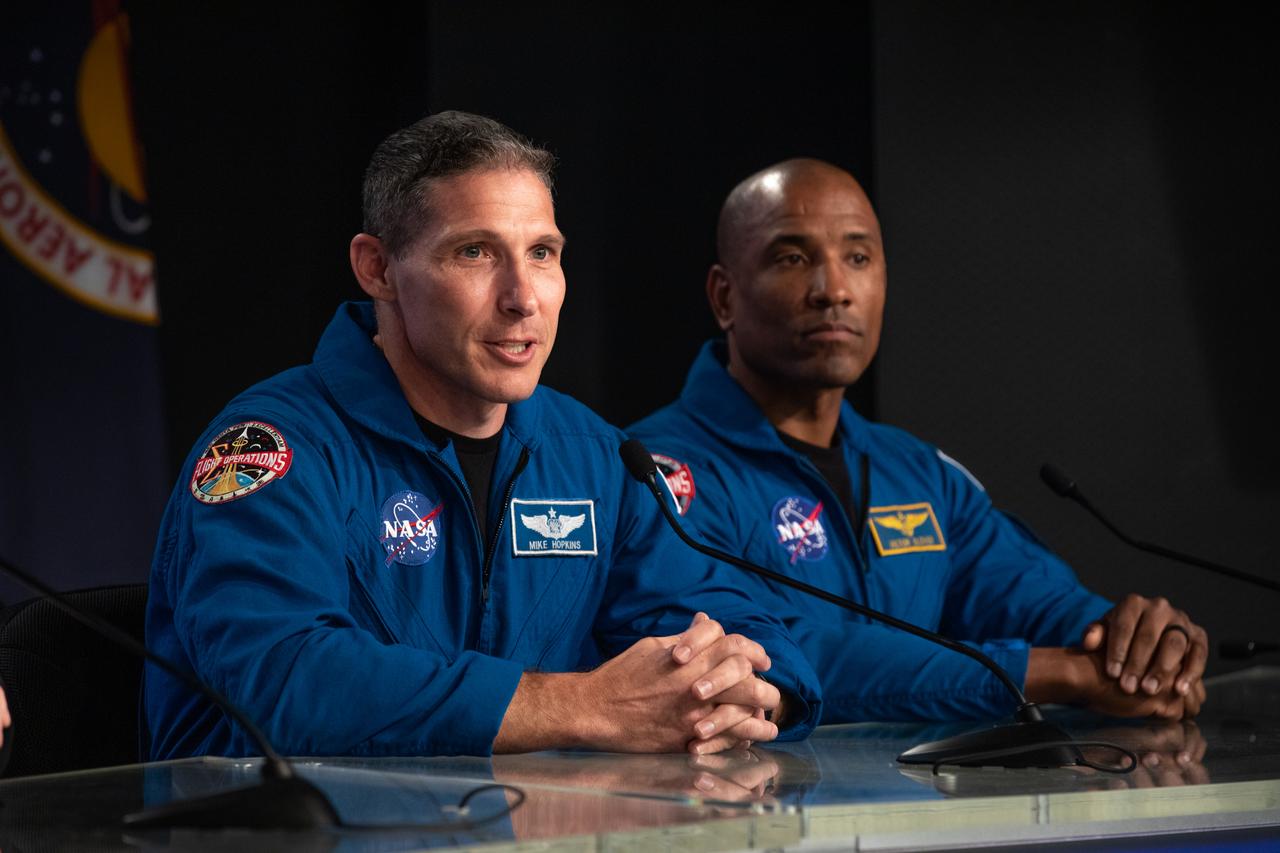
NASA astronaut Mike Hopkins, left, speaks during a briefing at the agency’s Kennedy Space Center in Florida following the uncrewed In-Flight Abort Test on Jan. 19, 2020. Beside Hopkins is NASA astronaut Victor Glover. During the flight test, a SpaceX Falcon 9 rocket and Crew Dragon spacecraft lifted off from Kennedy’s Launch Complex 39A and began a planned launch-abort sequence demonstrating the spacecraft’s escape capabilities. The Crew Dragon splashed down in the Atlantic Ocean as expected. The In-Flight Abort Test is a critical milestone in preparation for crewed flights to the International Space Station as part of the agency’s Commercial Crew Program.
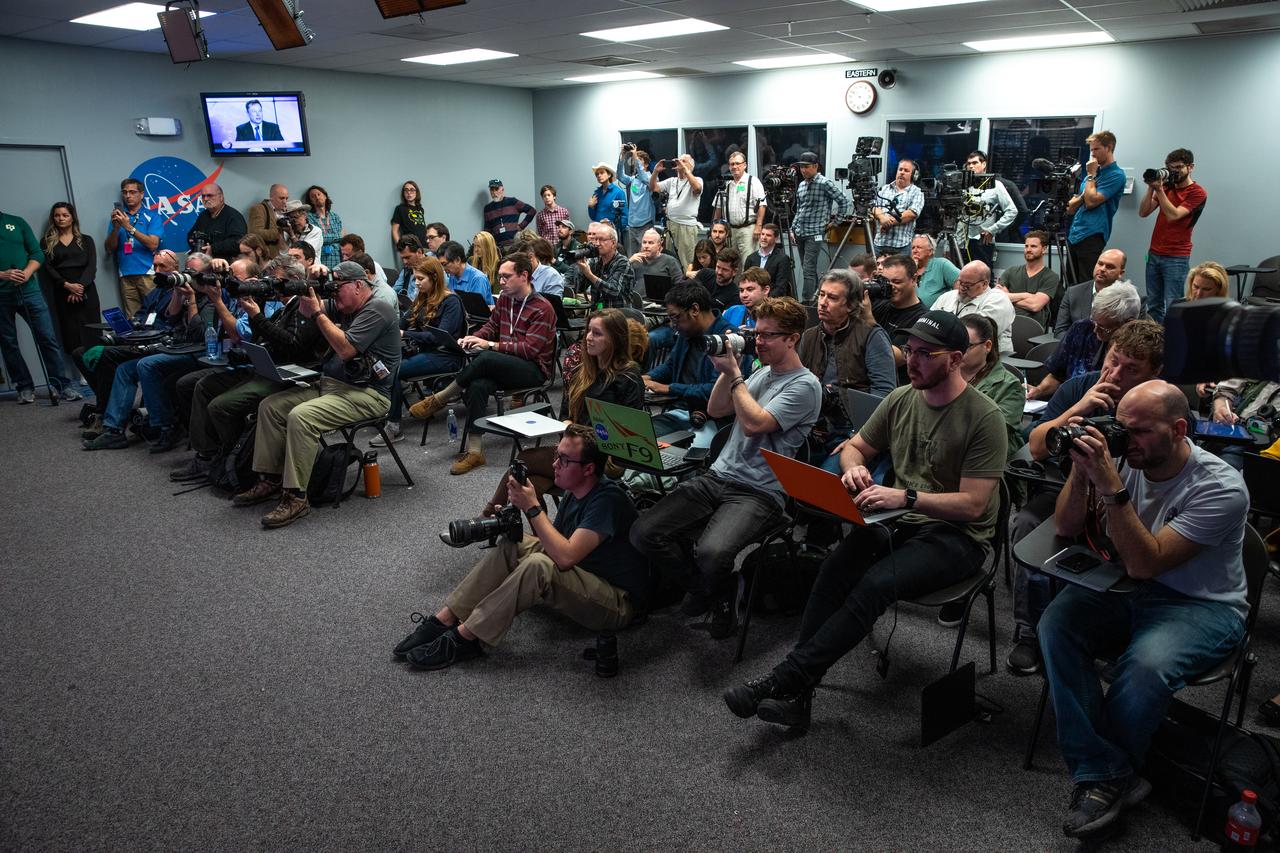
Members of the news media listen as officials from NASA and SpaceX participate in a briefing at the agency’s Kennedy Space Center in Florida following the company’s uncrewed In-Flight Abort Test on Jan. 19, 2020. During the flight test, a SpaceX Falcon 9 rocket and Crew Dragon spacecraft lifted off from Kennedy’s Launch Complex 39A and began a planned launch-abort sequence demonstrating the spacecraft’s escape capabilities. The Crew Dragon splashed down in the Atlantic Ocean as expected. The In-Flight Abort Test is a critical milestone in preparation for crewed flights to the International Space Station as part of the agency’s Commercial Crew Program.
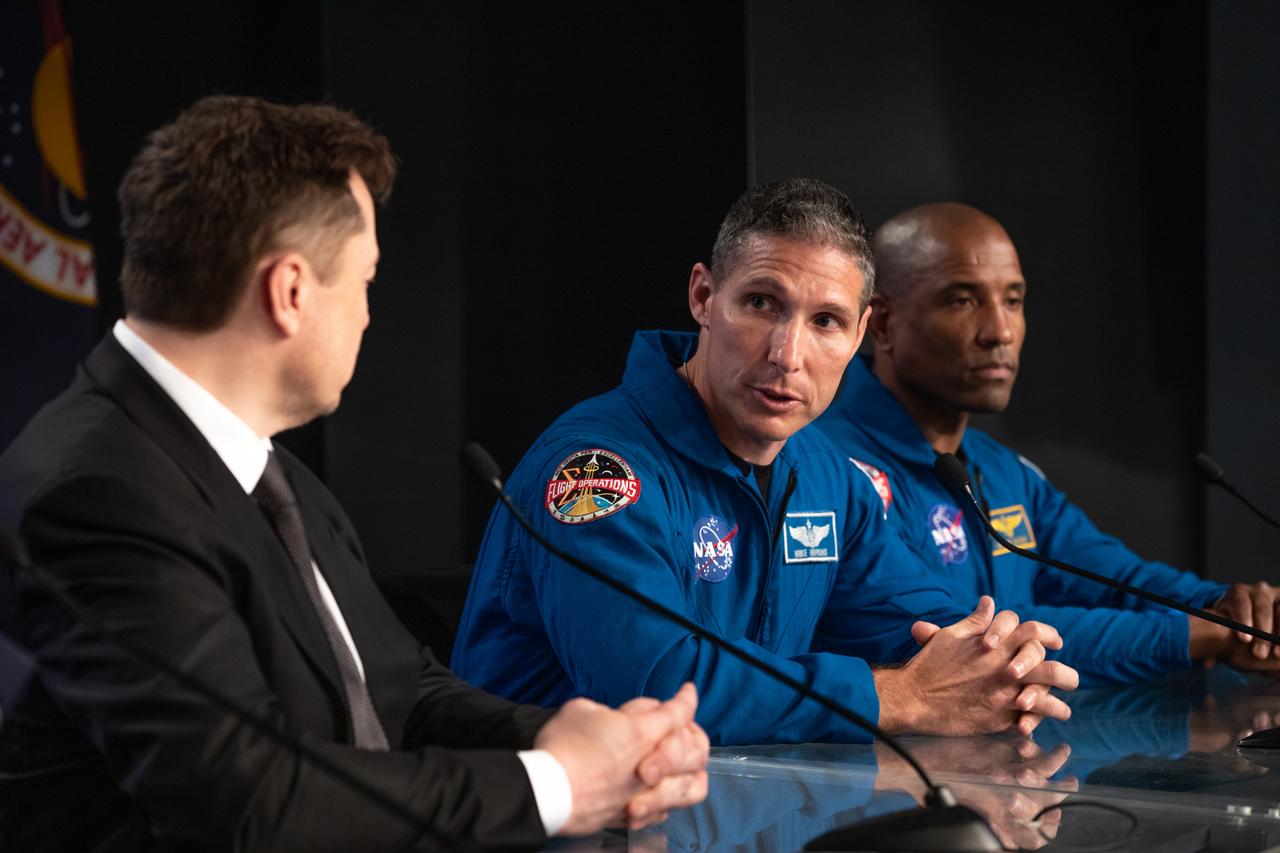
NASA astronaut Mike Hopkins, center, speaks during a briefing at the agency’s Kennedy Space Center in Florida following the uncrewed In-Flight Abort Test on Jan. 19, 2020. From left to right are SpaceX Chief Engineer Elon Musk, Hopkins, and NASA astronaut Victor Glover. During the flight test, a SpaceX Falcon 9 rocket and Crew Dragon spacecraft lifted off from Kennedy’s Launch Complex 39A and began a planned launch-abort sequence demonstrating the spacecraft’s escape capabilities. The Crew Dragon splashed down in the Atlantic Ocean as expected. The In-Flight Abort Test is a critical milestone in preparation for crewed flights to the International Space Station as part of the agency’s Commercial Crew Program.
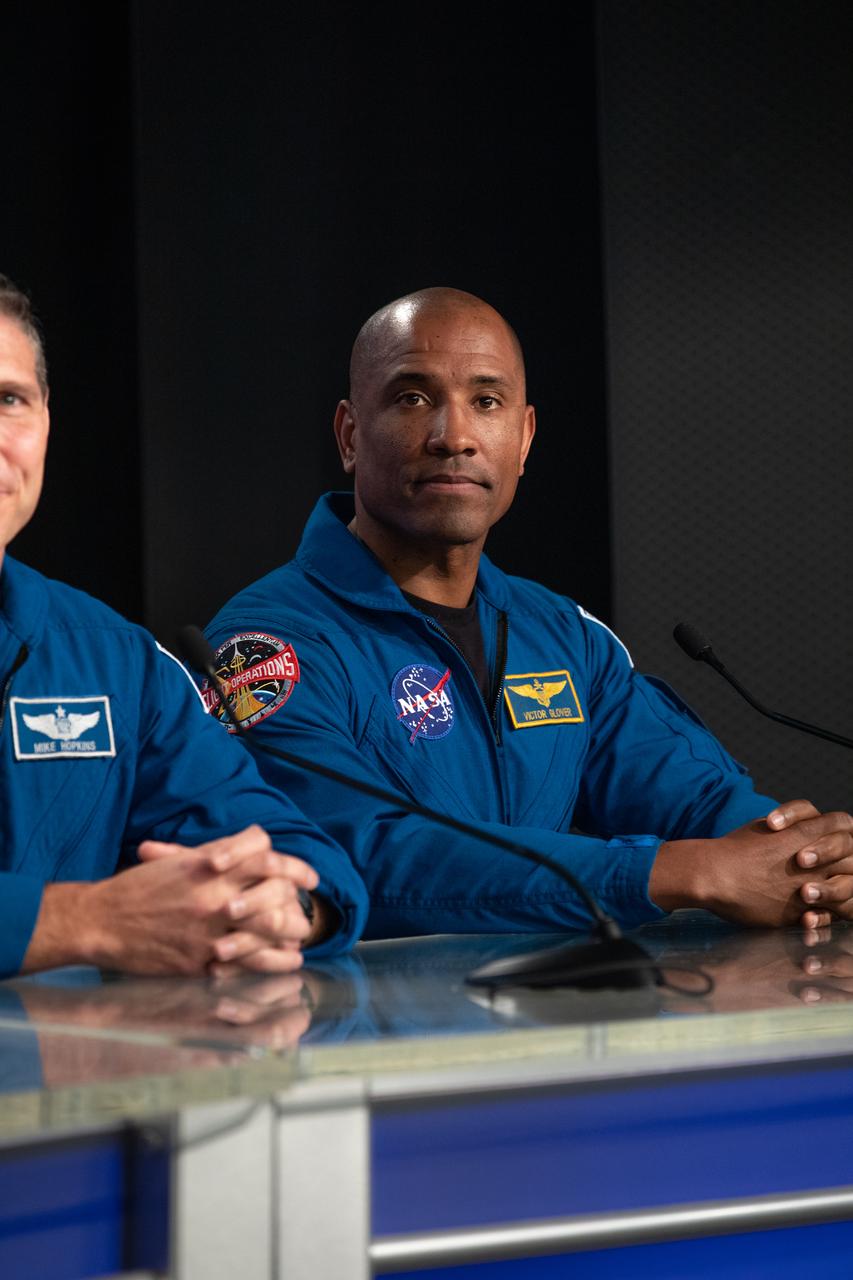
NASA astronaut Victor Glover participates in a briefing at the agency’s Kennedy Space Center in Florida following the company’s uncrewed In-Flight Abort Test on Jan. 19, 2020. During the flight test, a SpaceX Falcon 9 rocket and Crew Dragon spacecraft lifted off from Kennedy’s Launch Complex 39A and began a planned launch-abort sequence demonstrating the spacecraft’s escape capabilities. The Crew Dragon splashed down in the Atlantic Ocean as expected. The In-Flight Abort Test is a critical milestone in preparation for crewed flights to the International Space Station as part of the agency’s Commercial Crew Program.
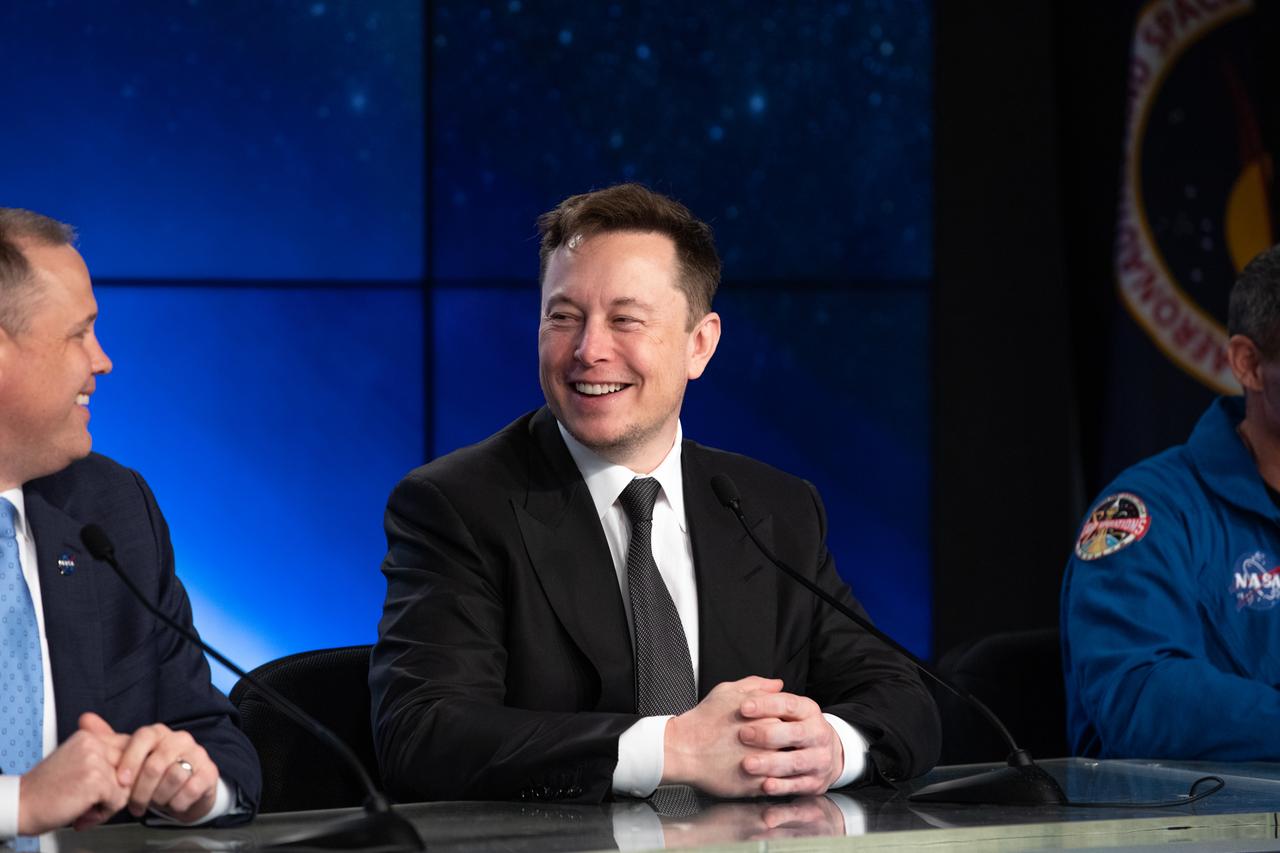
SpaceX Chief Engineer Elon Musk, right, speaks during a briefing at the agency’s Kennedy Space Center in Florida following the company’s uncrewed In-Flight Abort Test on Jan. 19, 2020. Beside Musk is NASA Administrator Jim Bridenstine. During the flight test, a SpaceX Falcon 9 rocket and Crew Dragon spacecraft lifted off from Kennedy’s Launch Complex 39A and began a planned launch-abort sequence demonstrating the spacecraft’s escape capabilities. The Crew Dragon splashed down in the Atlantic Ocean as expected. The In-Flight Abort Test is a critical milestone in preparation for crewed flights to the International Space Station as part of the agency’s Commercial Crew Program.
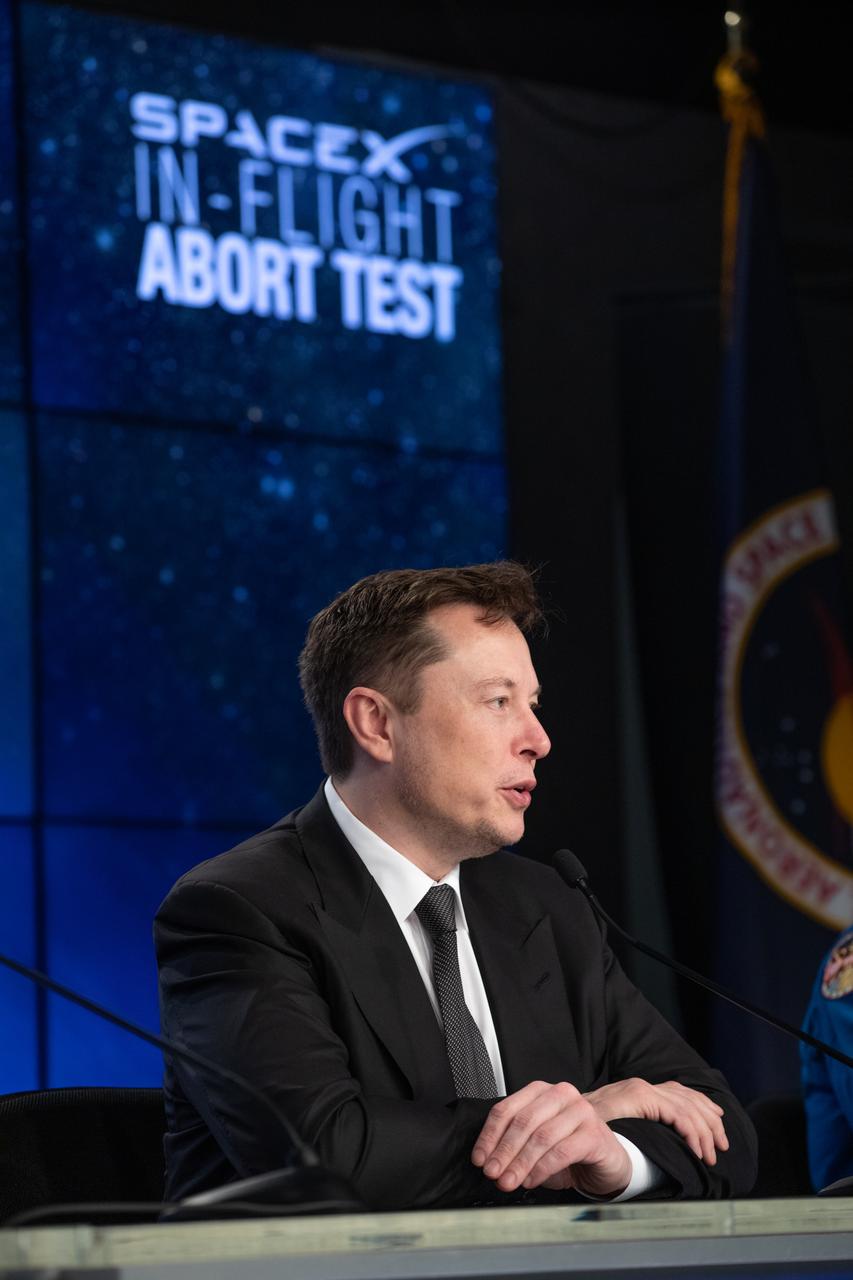
SpaceX Chief Engineer Elon Musk participates in a briefing at the agency’s Kennedy Space Center in Florida following the company’s uncrewed In-Flight Abort Test on Jan. 19, 2020. During the flight test, a SpaceX Falcon 9 rocket and Crew Dragon spacecraft lifted off from Kennedy’s Launch Complex 39A and began a planned launch-abort sequence demonstrating the spacecraft’s escape capabilities. The Crew Dragon splashed down in the Atlantic Ocean as expected. The In-Flight Abort Test is a critical milestone in preparation for crewed flights to the International Space Station as part of the agency’s Commercial Crew Program.
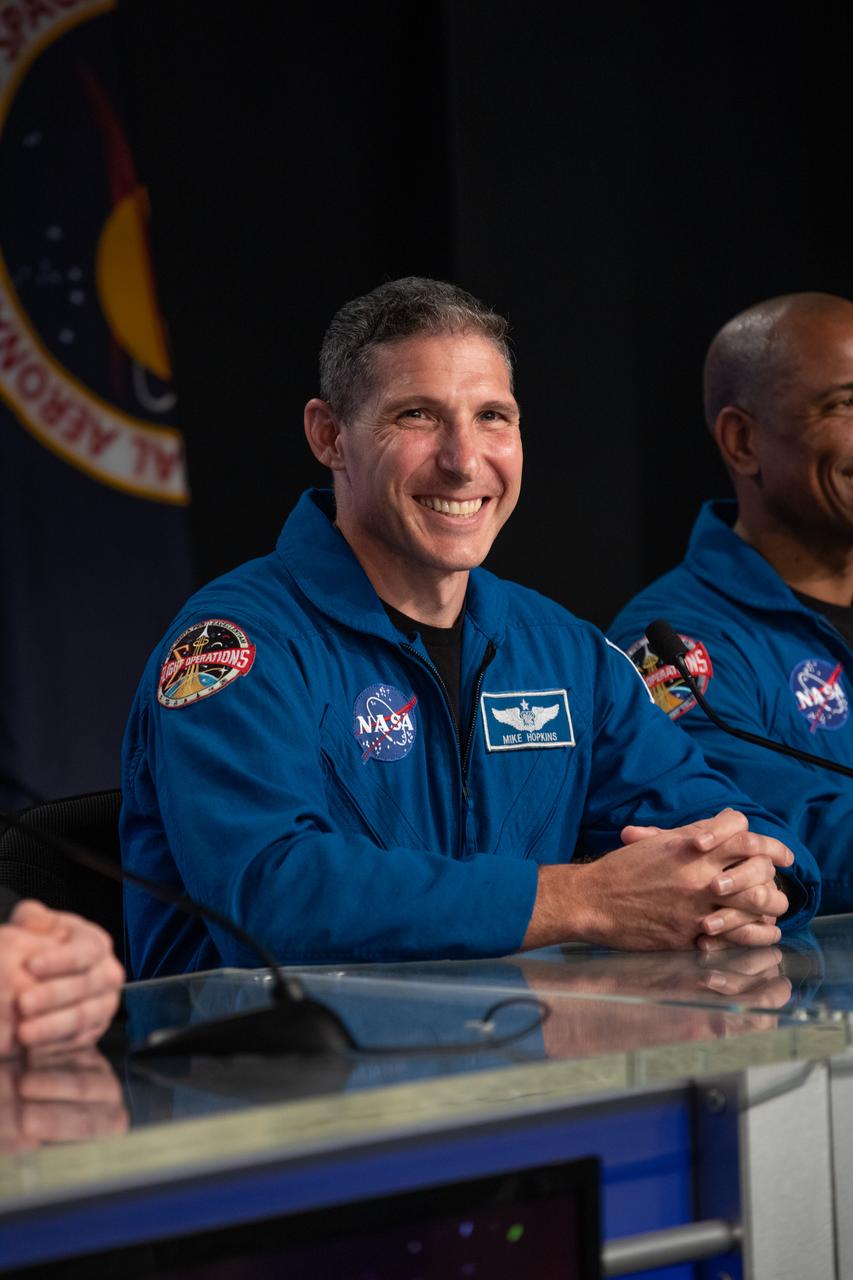
NASA astronaut Mike Hopkins participates in a briefing at the agency’s Kennedy Space Center in Florida following the company’s uncrewed In-Flight Abort Test on Jan. 19, 2020. During the flight test, a SpaceX Falcon 9 rocket and Crew Dragon spacecraft lifted off from Kennedy’s Launch Complex 39A and began a planned launch-abort sequence demonstrating the spacecraft’s escape capabilities. The Crew Dragon splashed down in the Atlantic Ocean as expected. The In-Flight Abort Test is a critical milestone in preparation for crewed flights to the International Space Station as part of the agency’s Commercial Crew Program.

Kathy Lueders, manager of NASA’s Commercial Crew Program, participates in a briefing at the agency’s Kennedy Space Center in Florida following the company’s uncrewed In-Flight Abort Test on Jan. 19, 2020. During the flight test, a SpaceX Falcon 9 rocket and Crew Dragon spacecraft lifted off from Kennedy’s Launch Complex 39A and began a planned launch-abort sequence demonstrating the spacecraft’s escape capabilities. The Crew Dragon splashed down in the Atlantic Ocean as expected. The In-Flight Abort Test is a critical milestone in preparation for crewed flights to the International Space Station as part of the agency’s Commercial Crew Program.
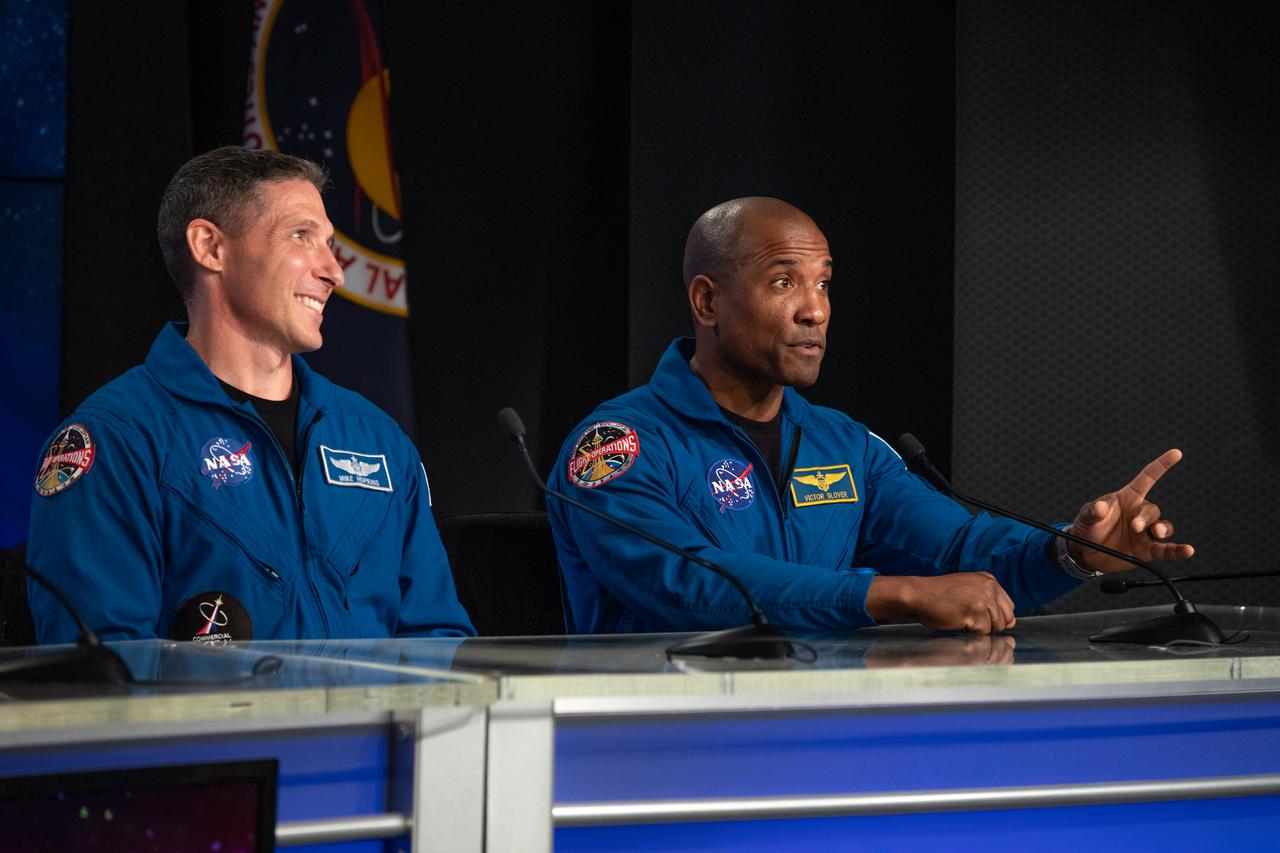
NASA astronaut Victor Glover, right, speaks during a briefing at the agency’s Kennedy Space Center in Florida following the uncrewed In-Flight Abort Test on Jan. 19, 2020. Beside Glover is NASA astronaut Mike Hopkins. During the flight test, a SpaceX Falcon 9 rocket and Crew Dragon spacecraft lifted off from Kennedy’s Launch Complex 39A and began a planned launch-abort sequence demonstrating the spacecraft’s escape capabilities. The Crew Dragon splashed down in the Atlantic Ocean as expected. The In-Flight Abort Test is a critical milestone in preparation for crewed flights to the International Space Station as part of the agency’s Commercial Crew Program.
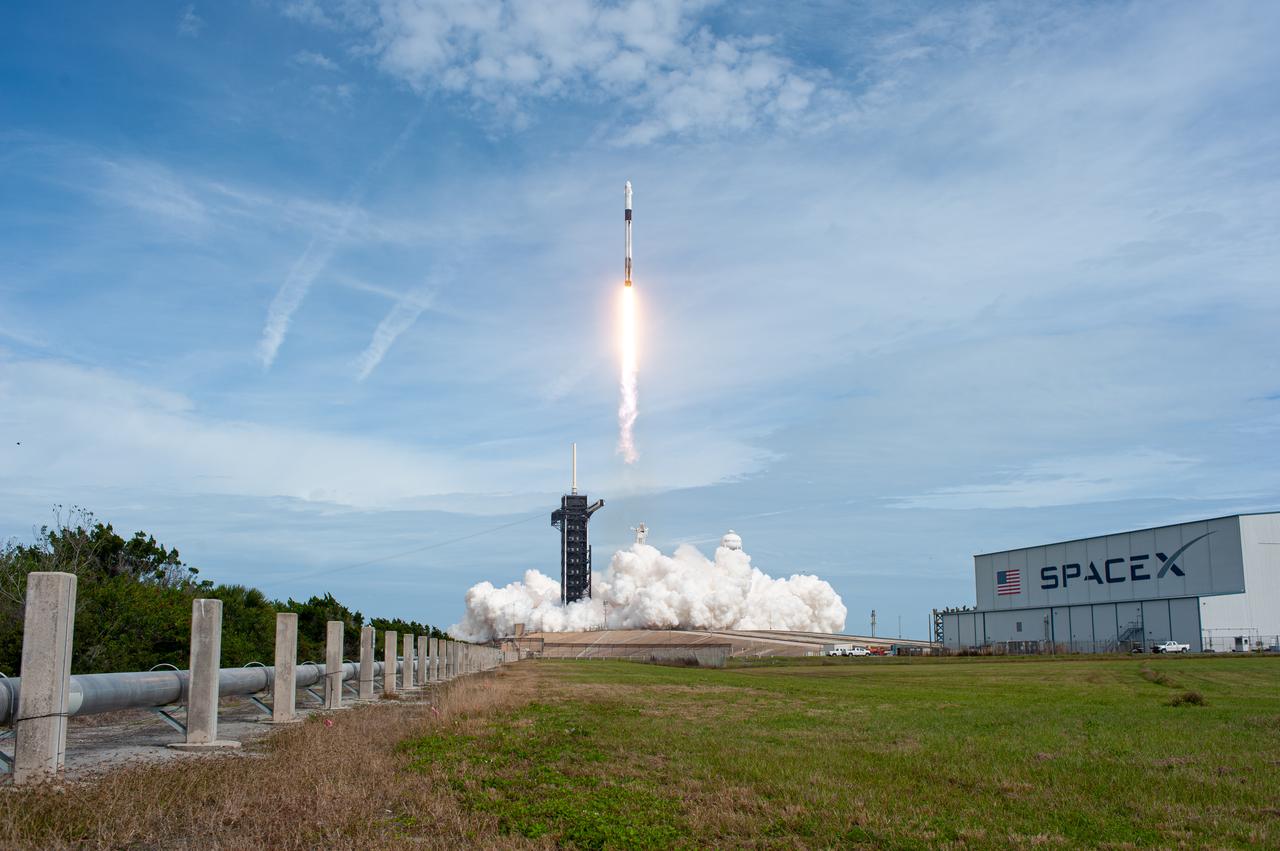
A SpaceX Falcon 9 rocket lifts off from Launch Complex 39A at NASA’s Kennedy Space Center in Florida at 10:30 a.m. EST on Jan. 19, 2020, carrying the Crew Dragon spacecraft on the company’s uncrewed In-Flight Abort Test. The flight test demonstrated the spacecraft’s escape capabilities in preparation for crewed flights to the International Space Station as part of the agency’s Commercial Crew Program.
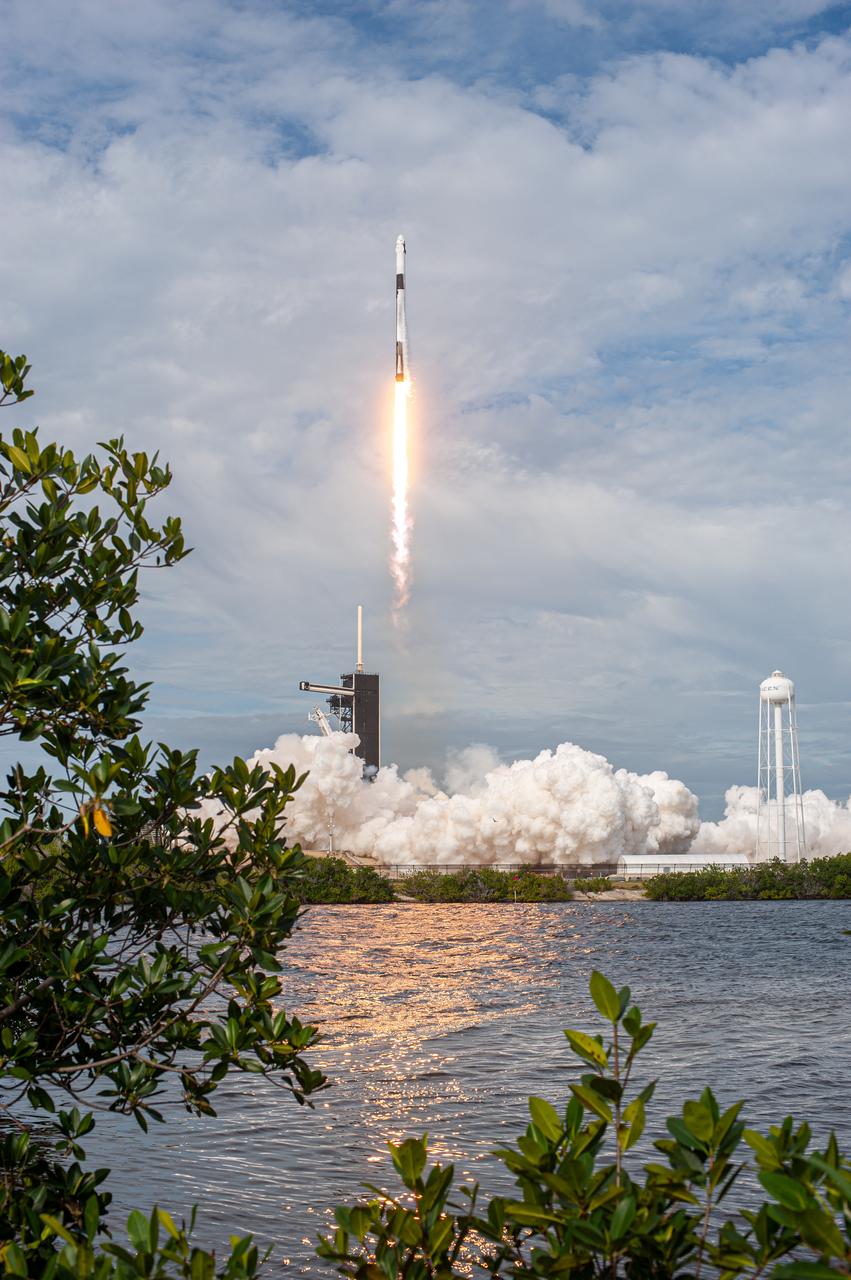
A SpaceX Falcon 9 rocket lifts off from Launch Complex 39A at NASA’s Kennedy Space Center in Florida at 10:30 a.m. EST on Jan. 19, 2020, carrying the Crew Dragon spacecraft on the company’s uncrewed In-Flight Abort Test. The flight test demonstrated the spacecraft’s escape capabilities in preparation for crewed flights to the International Space Station as part of the agency’s Commercial Crew Program.
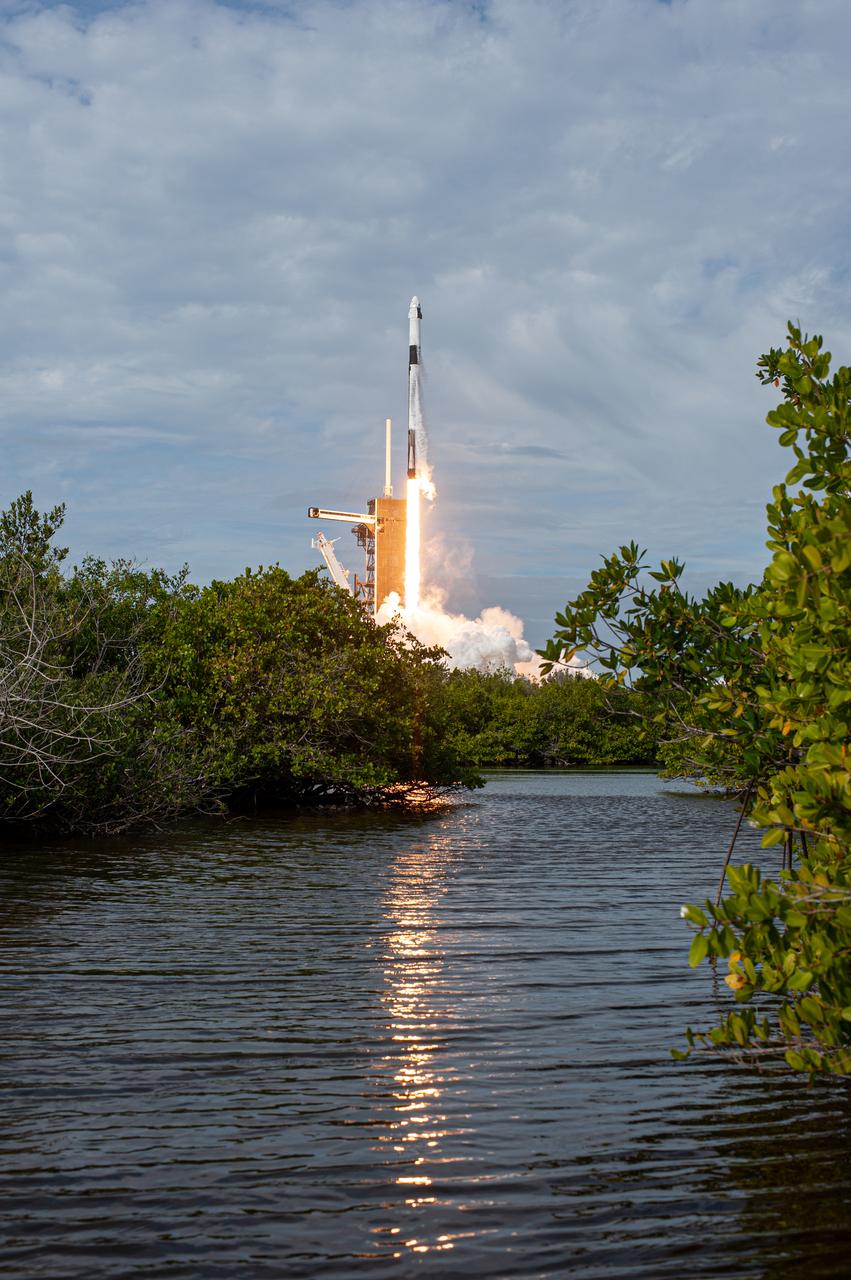
A SpaceX Falcon 9 rocket lifts off from Launch Complex 39A at NASA’s Kennedy Space Center in Florida at 10:30 a.m. EST on Jan. 19, 2020, carrying the Crew Dragon spacecraft on the company’s uncrewed In-Flight Abort Test. The flight test demonstrated the spacecraft’s escape capabilities in preparation for crewed flights to the International Space Station as part of the agency’s Commercial Crew Program.
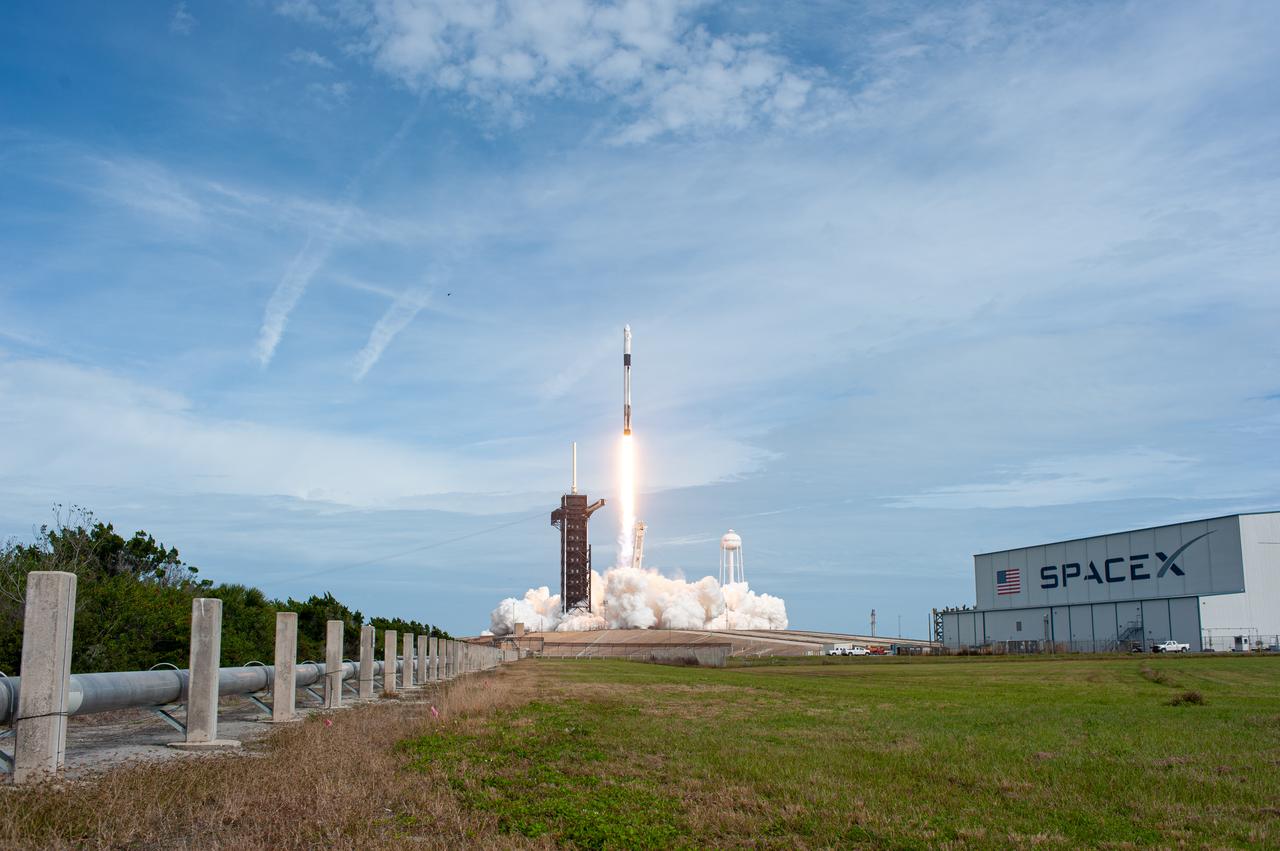
A SpaceX Falcon 9 rocket lifts off from Launch Complex 39A at NASA’s Kennedy Space Center in Florida at 10:30 a.m. EST on Jan. 19, 2020, carrying the Crew Dragon spacecraft on the company’s uncrewed In-Flight Abort Test. The flight test demonstrated the spacecraft’s escape capabilities in preparation for crewed flights to the International Space Station as part of the agency’s Commercial Crew Program.
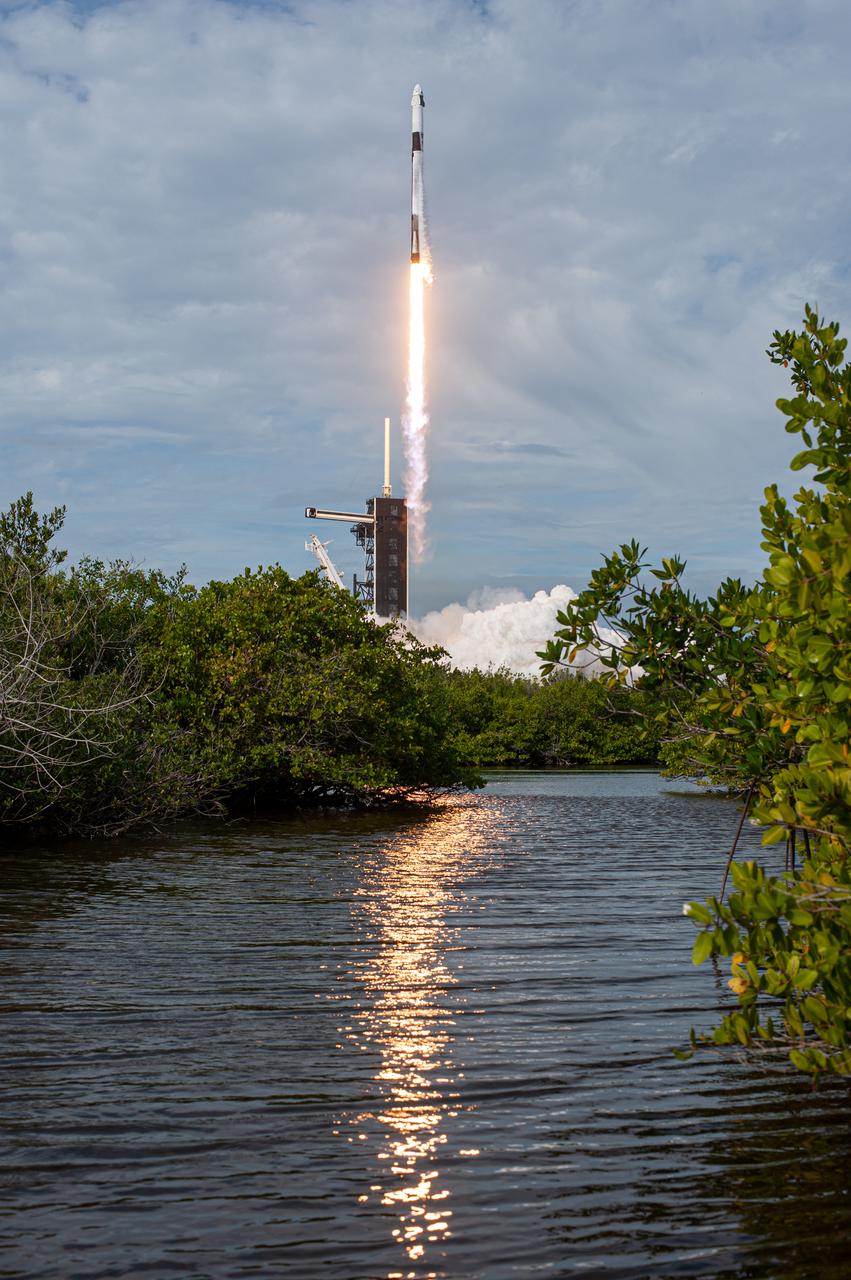
A SpaceX Falcon 9 rocket lifts off from Launch Complex 39A at NASA’s Kennedy Space Center in Florida at 10:30 a.m. EST on Jan. 19, 2020, carrying the Crew Dragon spacecraft on the company’s uncrewed In-Flight Abort Test. The flight test demonstrated the spacecraft’s escape capabilities in preparation for crewed flights to the International Space Station as part of the agency’s Commercial Crew Program.
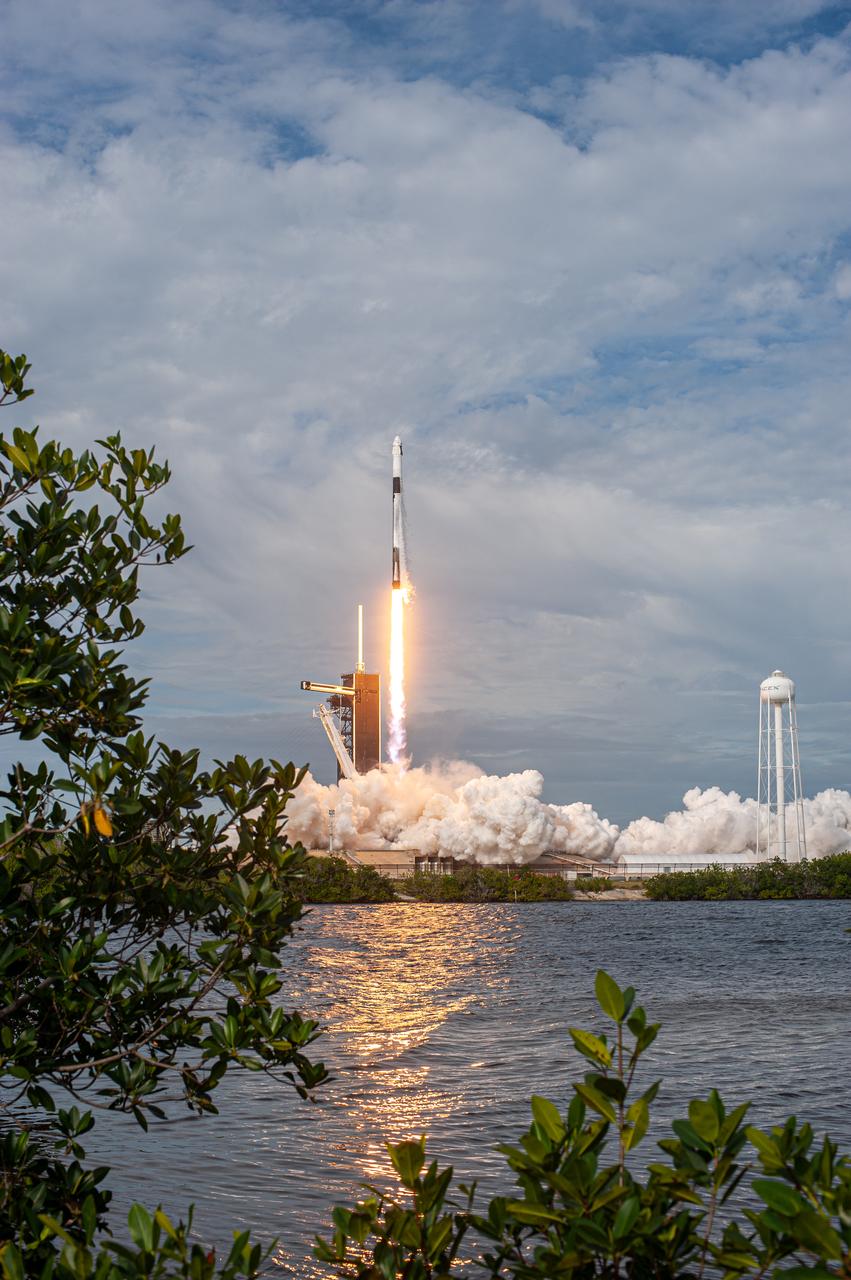
A SpaceX Falcon 9 rocket lifts off from Launch Complex 39A at NASA’s Kennedy Space Center in Florida at 10:30 a.m. EST on Jan. 19, 2020, carrying the Crew Dragon spacecraft on the company’s uncrewed In-Flight Abort Test. The flight test demonstrated the spacecraft’s escape capabilities in preparation for crewed flights to the International Space Station as part of the agency’s Commercial Crew Program.
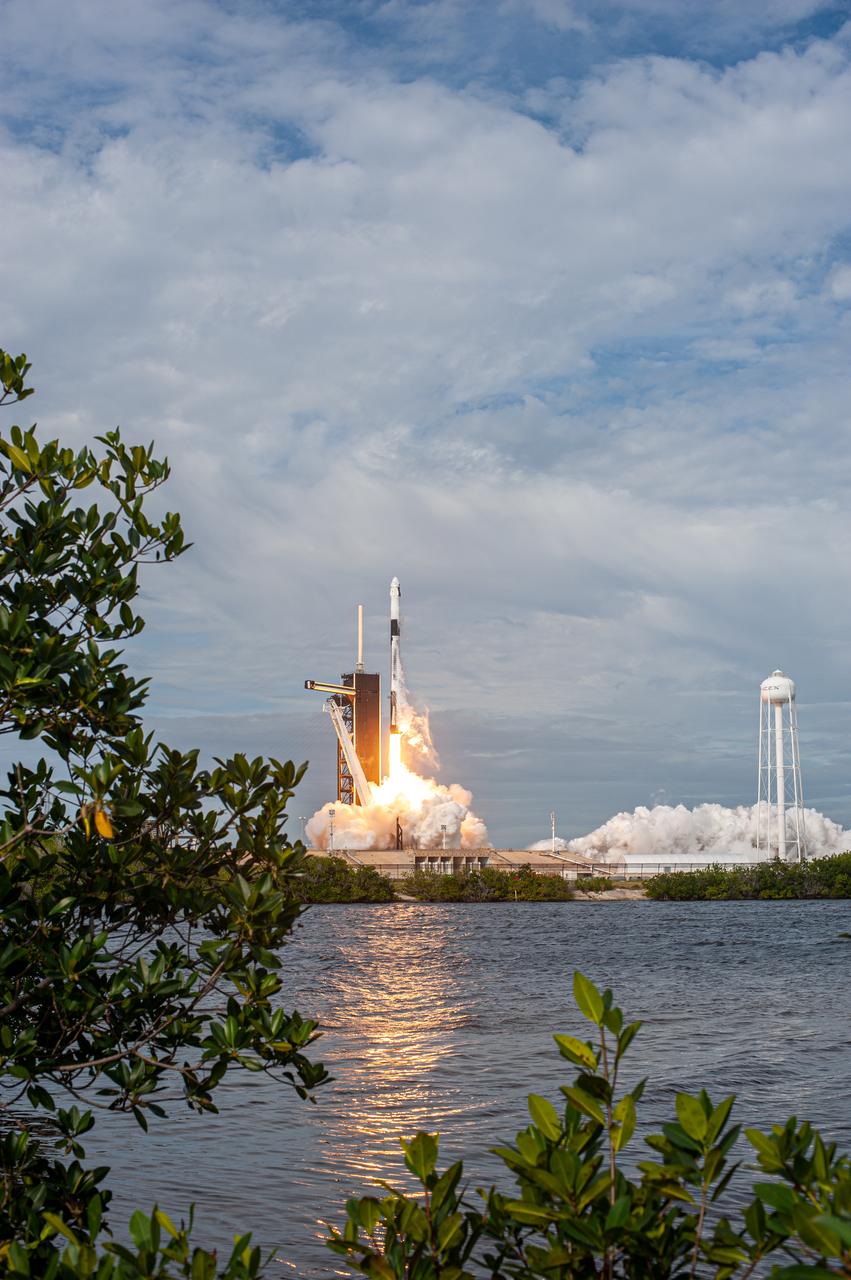
A SpaceX Falcon 9 rocket lifts off from Launch Complex 39A at NASA’s Kennedy Space Center in Florida at 10:30 a.m. EST on Jan. 19, 2020, carrying the Crew Dragon spacecraft on the company’s uncrewed In-Flight Abort Test. The flight test demonstrated the spacecraft’s escape capabilities in preparation for crewed flights to the International Space Station as part of the agency’s Commercial Crew Program.
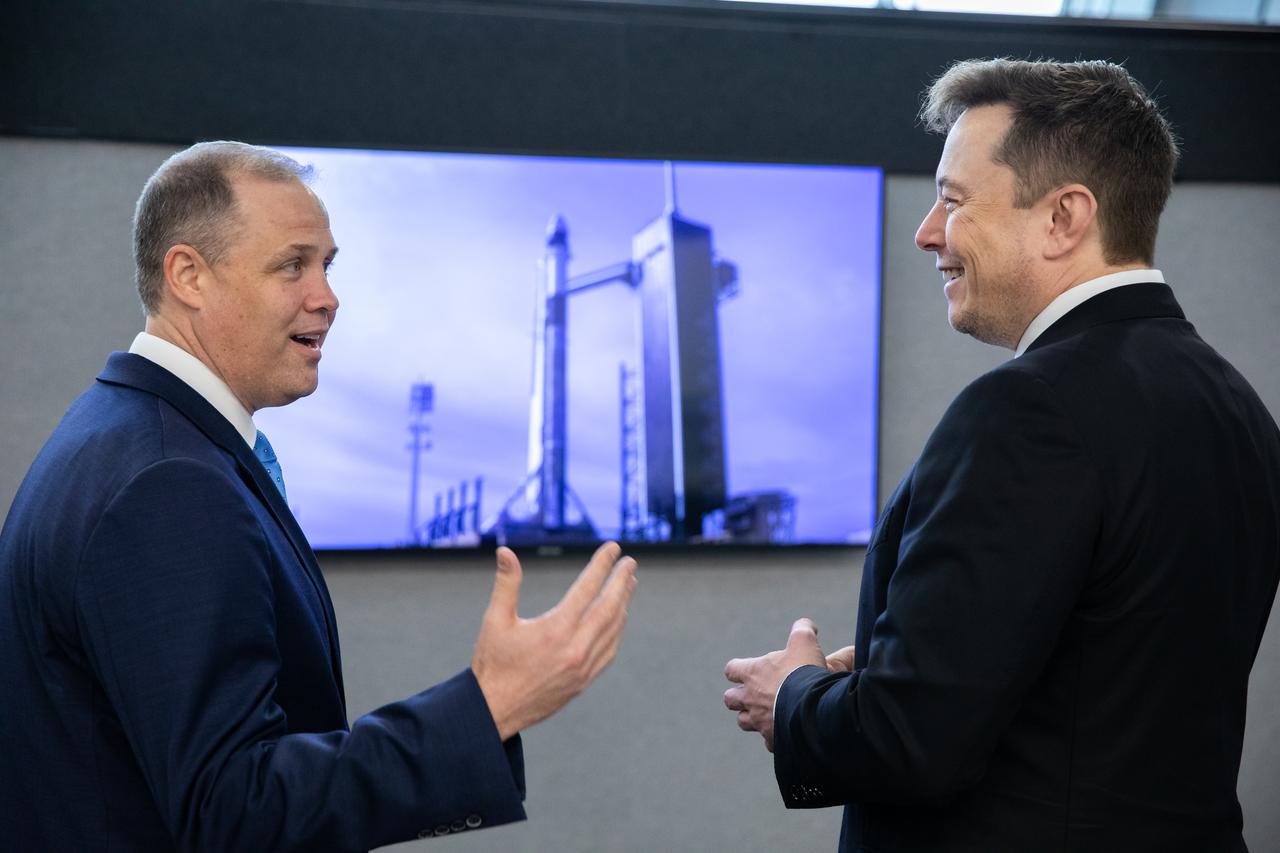
NASA Administrator Jim Bridenstine, left, and SpaceX Chief Engineer Elon Musk converse inside Firing Room 4 in Kennedy Space Center’s Launch Control Center while awaiting the liftoff of a SpaceX Falcon 9 rocket and Crew Dragon spacecraft on the uncrewed In-Flight Abort Test, Jan. 19, 2020. The test demonstrated the spacecraft’s escape capabilities in preparation for crewed flights to the International Space Station as part of the agency’s Commercial Crew Program.
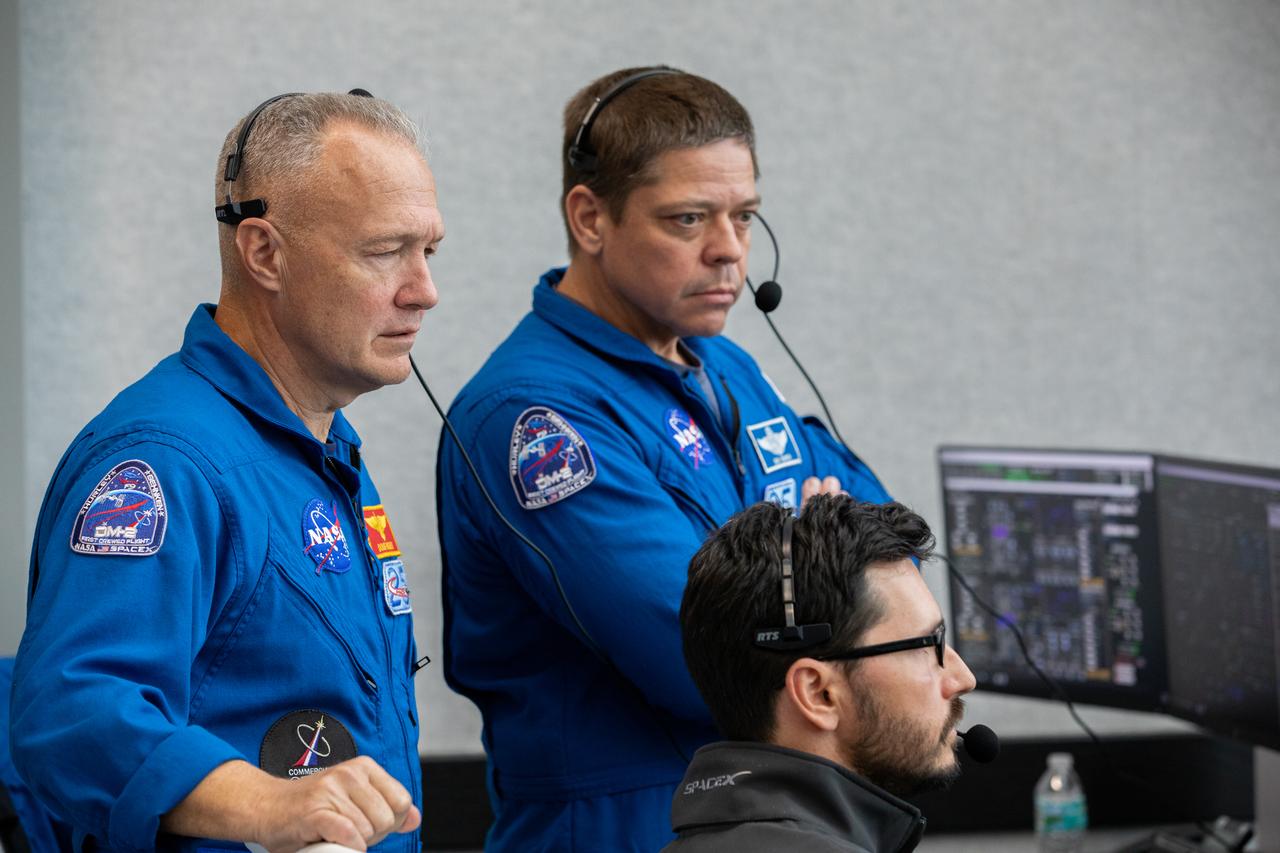
NASA astronauts Doug Hurley, left, and Bob Behnken watch the liftoff of a SpaceX Falcon 9 rocket and Crew Dragon spacecraft on the uncrewed In-Flight Abort Test, Jan. 19, 2020, inside Firing Room 4 in Kennedy Space Center’s Launch Control Center. The test demonstrated the spacecraft’s escape capabilities in preparation for crewed flights to the International Space Station as part of the agency’s Commercial Crew Program.
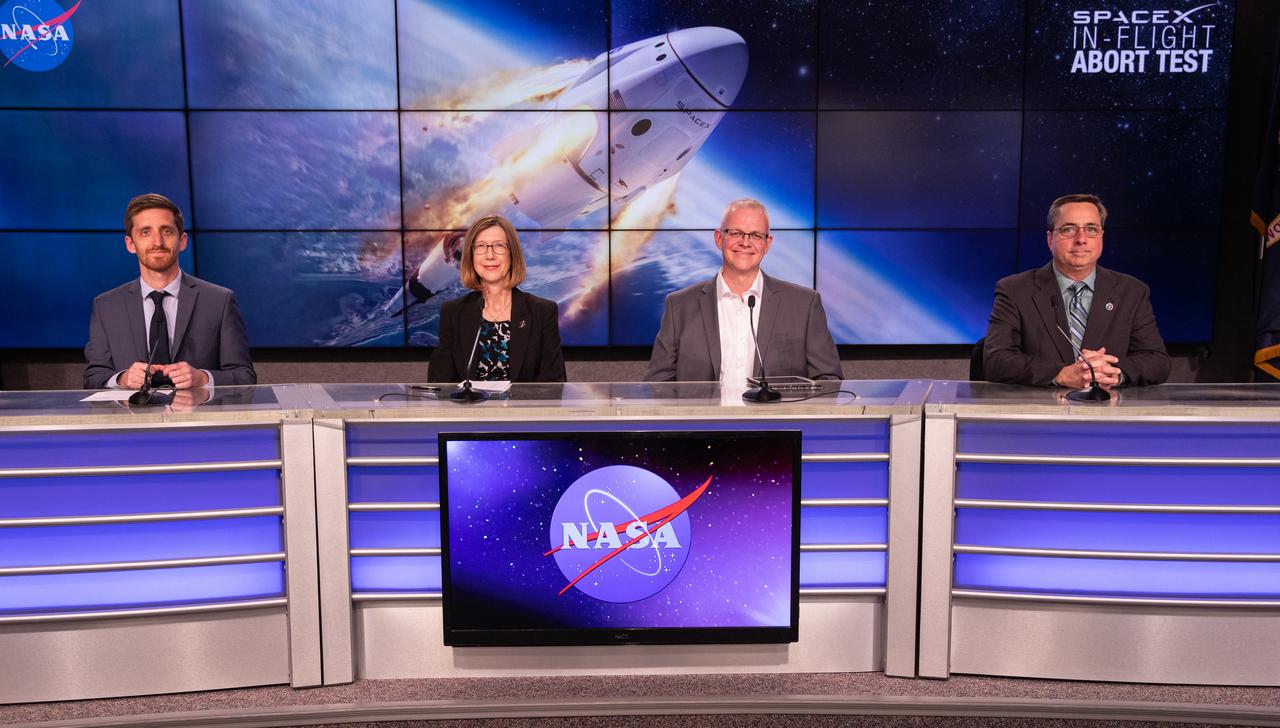
Officials from NASA, SpaceX and the U.S. Air Force participate in a briefing at the agency’s Kennedy Space Center in Florida on Jan. 17, 2020, prior to launch of SpaceX’s uncrewed In-Flight Abort Test. From left to right are Josh Finch, NASA Communications; Kathy Lueders, program manager, NASA’s Commercial Crew Program; Benji Reed, director of Crew Mission Management, SpaceX; and Mike McAleenan, launch weather officer with the Air Force’s 45th Weather Squadron. A SpaceX Falcon 9 rocket topped by the company’s Crew Dragon spacecraft will lift off from Kennedy’s Launch Complex 39A, then begin the launch-abort sequence. The spacecraft will demonstrate its escape capabilities in preparation for crewed flights to the International Space Station as part of the agency’s Commercial Crew Program.
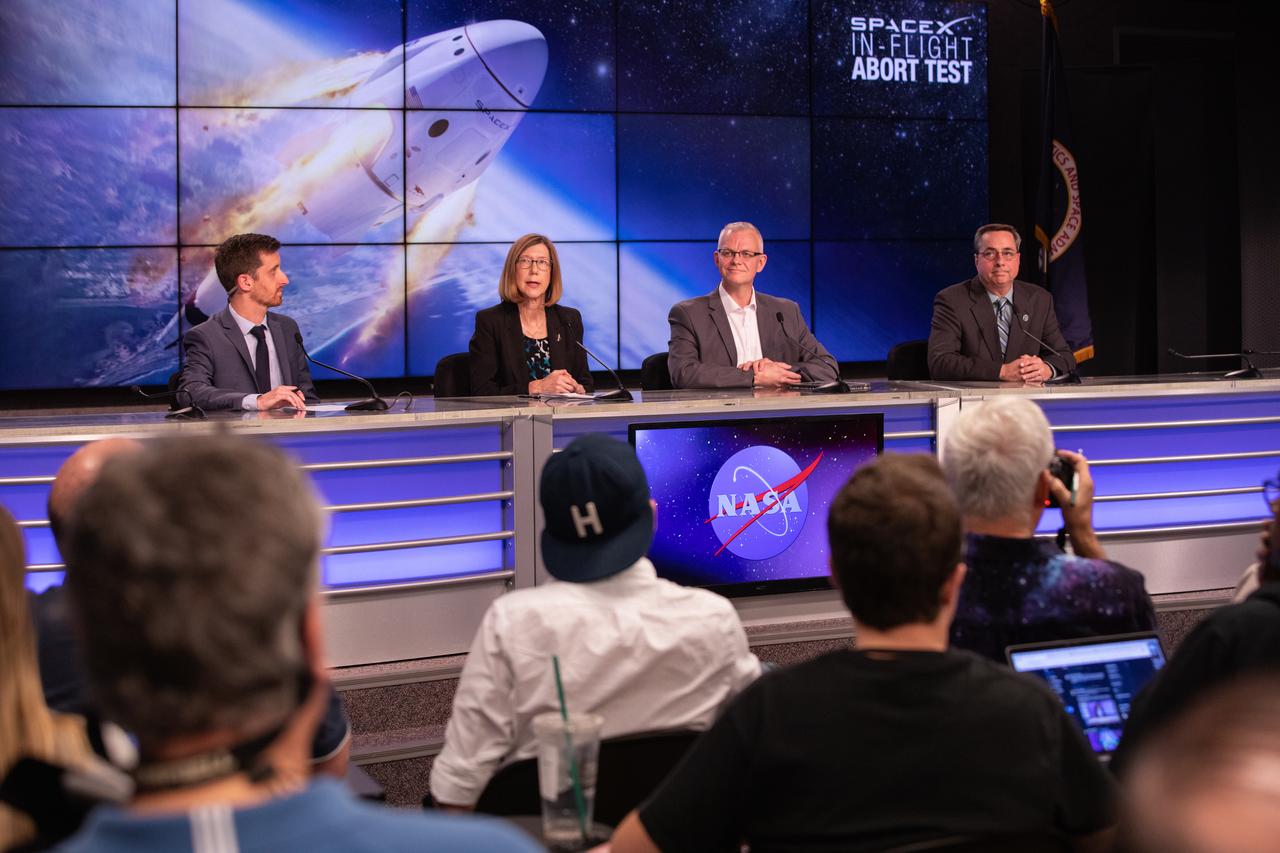
Officials from NASA, SpaceX and the U.S. Air Force participate in a briefing at the agency’s Kennedy Space Center in Florida on Jan. 17, 2020, prior to launch of SpaceX’s uncrewed In-Flight Abort Test. From left to right are Josh Finch, NASA Communications; Kathy Lueders, program manager, NASA’s Commercial Crew Program; Benji Reed, director of Crew Mission Management, SpaceX; and Mike McAleenan, launch weather officer with the Air Force’s 45th Weather Squadron. A SpaceX Falcon 9 rocket topped by the company’s Crew Dragon spacecraft will lift off from Kennedy’s Launch Complex 39A, then begin the launch-abort sequence. The spacecraft will demonstrate its escape capabilities in preparation for crewed flights to the International Space Station as part of the agency’s Commercial Crew Program.
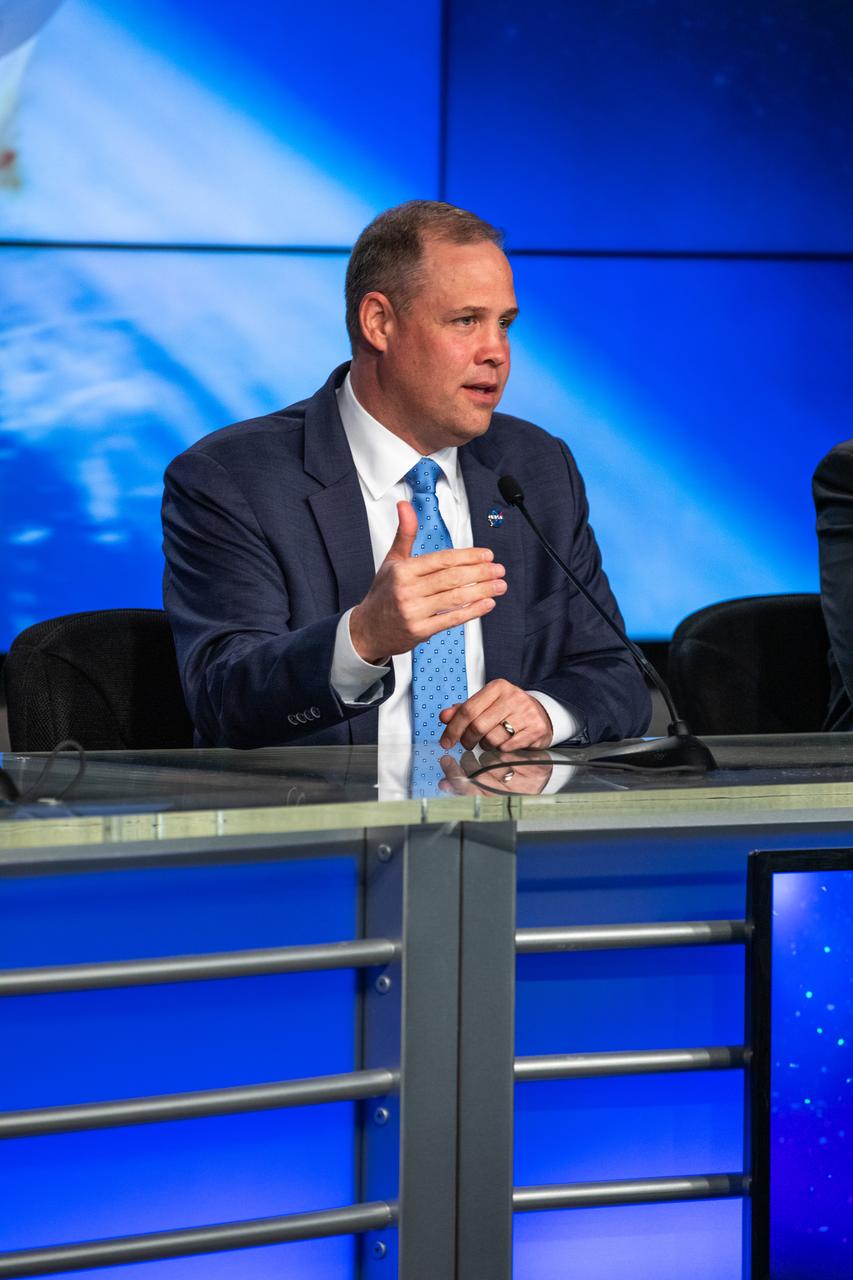
NASA Administrator Jim Bridenstine speaks during a briefing at the agency’s Kennedy Space Center in Florida following the uncrewed In-Flight Abort Test on Jan. 19, 2020. From left to right are Kathy Lueders, program manager, NASA’s Commercial Crew Program; Bridenstine; and Elon Musk, chief engineer, SpaceX. During the flight test, a SpaceX Falcon 9 rocket and Crew Dragon spacecraft lifted off from Kennedy’s Launch Complex 39A and began a planned launch-abort sequence demonstrating the spacecraft’s escape capabilities. The Crew Dragon splashed down in the Atlantic Ocean as expected. The In-Flight Abort Test is a critical milestone in preparation for crewed flights to the International Space Station as part of the agency’s Commercial Crew Program.
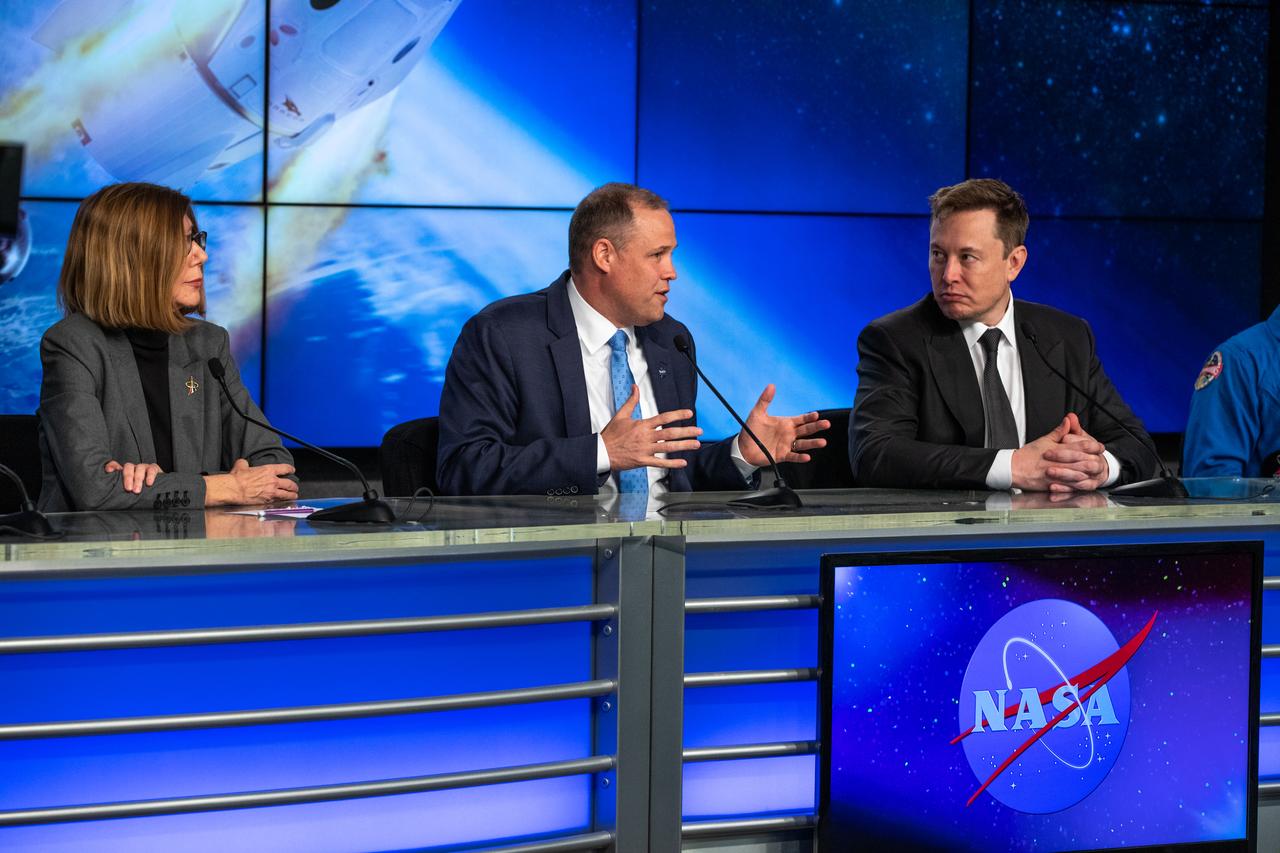
NASA Administrator Jim Bridenstine, center, speaks during a briefing at the agency’s Kennedy Space Center in Florida following the uncrewed In-Flight Abort Test on Jan. 19, 2020. From left to right are Kathy Lueders, program manager, NASA’s Commercial Crew Program; Bridenstine; and Elon Musk, chief engineer, SpaceX. During the flight test, a SpaceX Falcon 9 rocket and Crew Dragon spacecraft lifted off from Kennedy’s Launch Complex 39A and began a planned launch-abort sequence demonstrating the spacecraft’s escape capabilities. The Crew Dragon splashed down in the Atlantic Ocean as expected. The In-Flight Abort Test is a critical milestone in preparation for crewed flights to the International Space Station as part of the agency’s Commercial Crew Program.
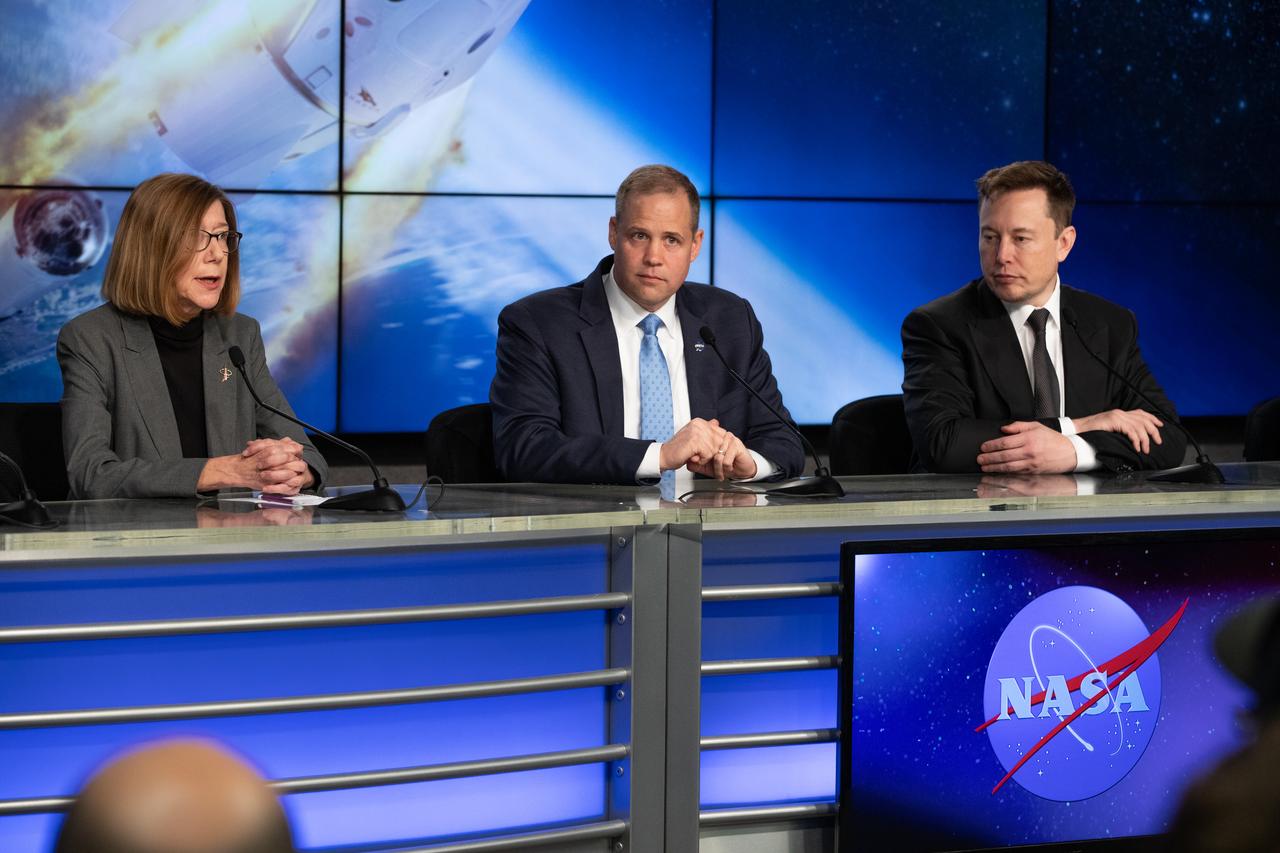
Officials from NASA and SpaceX participate in a briefing at the agency’s Kennedy Space Center in Florida following the company’s uncrewed In-Flight Abort Test on Jan. 19, 2020. From left to right are Kathy Lueders, program manager, NASA’s Commercial Crew Program; NASA Administrator Jim Bridenstine; and Elon Musk, chief engineer, SpaceX. During the flight test, a SpaceX Falcon 9 rocket and Crew Dragon spacecraft lifted off from Kennedy’s Launch Complex 39A and began a planned launch-abort sequence demonstrating the spacecraft’s escape capabilities. The Crew Dragon splashed down in the Atlantic Ocean as expected. The In-Flight Abort Test is a critical milestone in preparation for crewed flights to the International Space Station as part of the agency’s Commercial Crew Program.
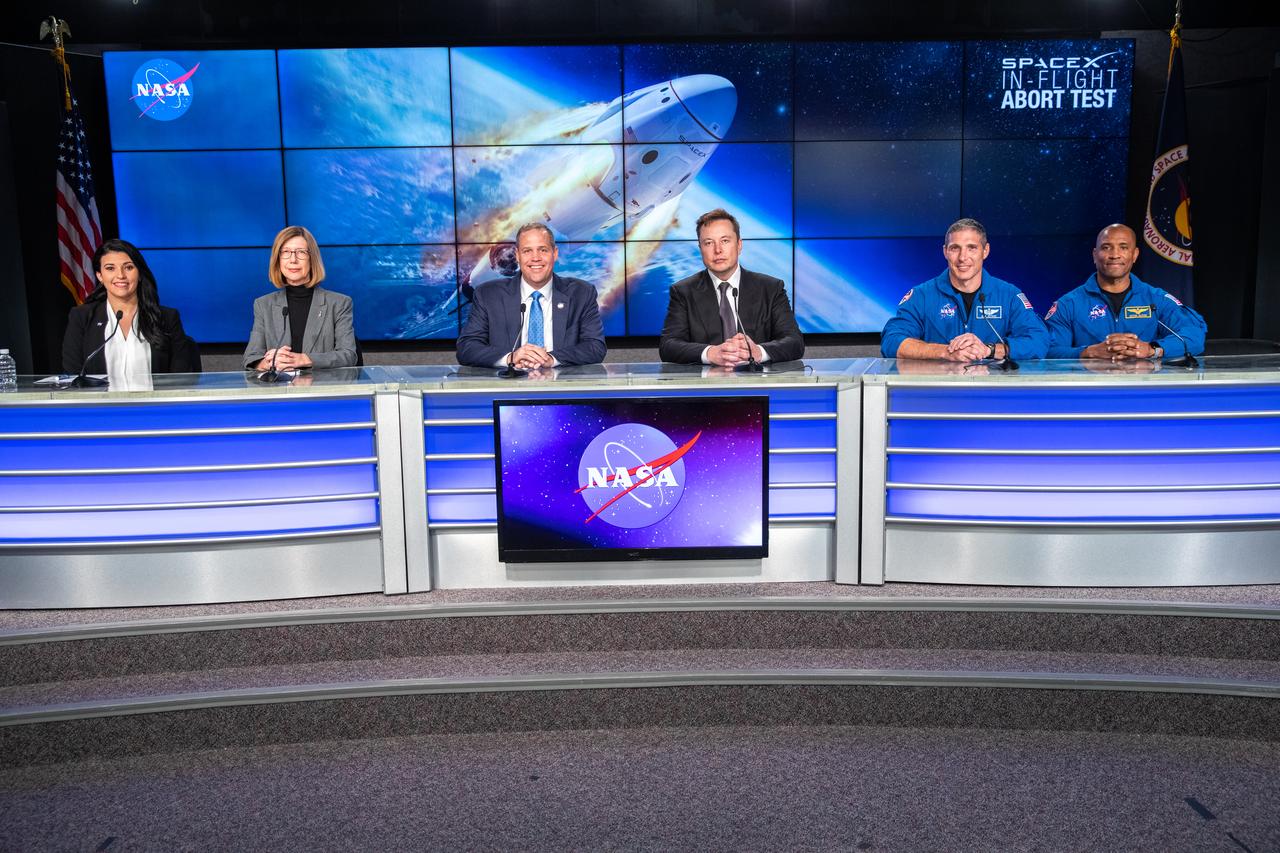
Officials from NASA and SpaceX participate in a briefing at the agency’s Kennedy Space Center in Florida following the company’s uncrewed In-Flight Abort Test on Jan. 19, 2020. From left to right are Bettina Inclan, NASA Communications; Kathy Lueders, program manager, NASA’s Commercial Crew Program; NASA Administrator Jim Bridenstine; Elon Musk, chief engineer, SpaceX; and NASA astronauts Mike Hopkins and Victor Glover. During the flight test, a SpaceX Falcon 9 rocket and Crew Dragon spacecraft lifted off from Kennedy’s Launch Complex 39A and began a planned launch-abort sequence demonstrating the spacecraft’s escape capabilities. The Crew Dragon splashed down in the Atlantic Ocean as expected. The In-Flight Abort Test is a critical milestone in preparation for crewed flights to the International Space Station as part of the agency’s Commercial Crew Program.
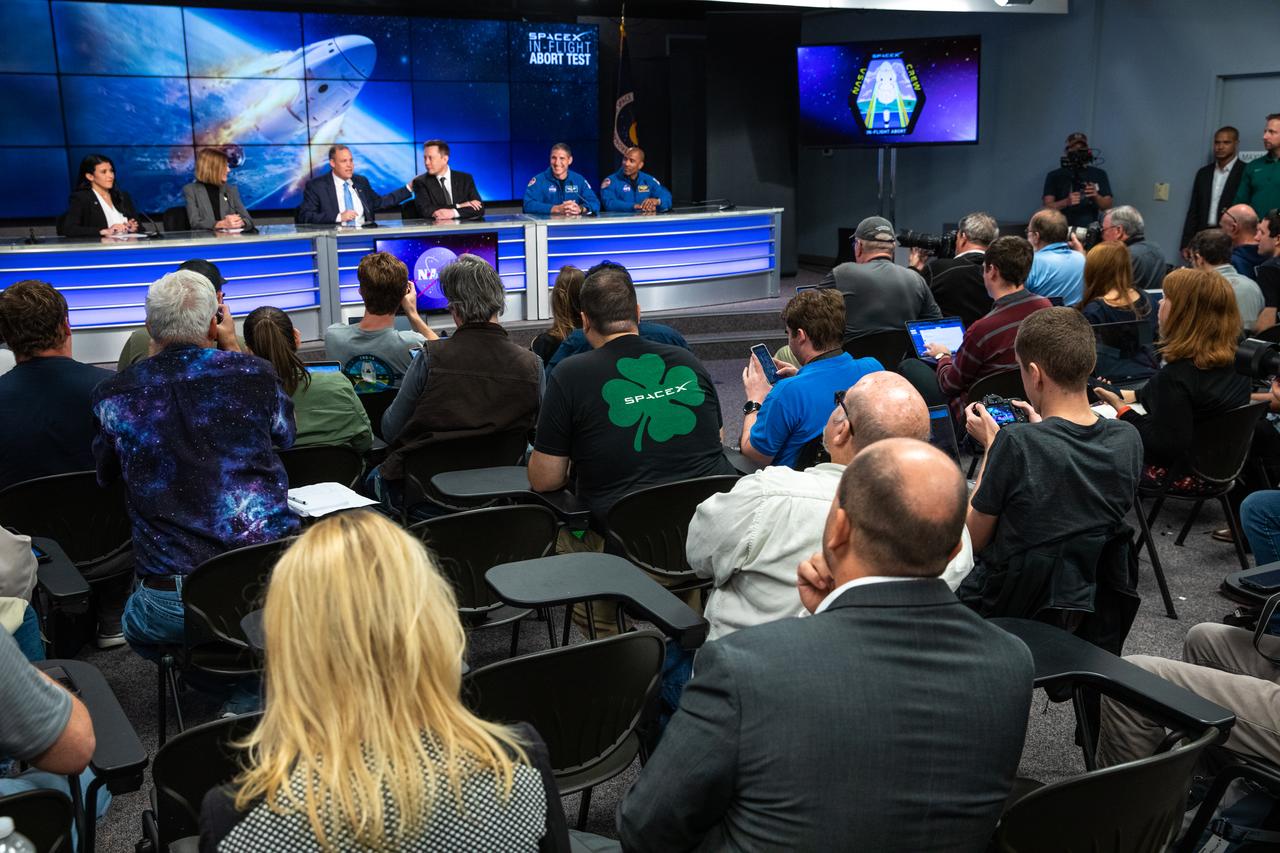
Officials from NASA and SpaceX participate in a briefing at the agency’s Kennedy Space Center in Florida following the company’s uncrewed In-Flight Abort Test on Jan. 19, 2020. From left to right are Bettina Inclan, NASA Communications; Kathy Lueders, program manager, NASA’s Commercial Crew Program; NASA Administrator Jim Bridenstine; Elon Musk, chief engineer, SpaceX; and NASA astronauts Mike Hopkins and Victor Glover. During the flight test, a SpaceX Falcon 9 rocket and Crew Dragon spacecraft lifted off from Kennedy’s Launch Complex 39A and began a planned launch-abort sequence demonstrating the spacecraft’s escape capabilities. The Crew Dragon splashed down in the Atlantic Ocean as expected. The In-Flight Abort Test is a critical milestone in preparation for crewed flights to the International Space Station as part of the agency’s Commercial Crew Program.
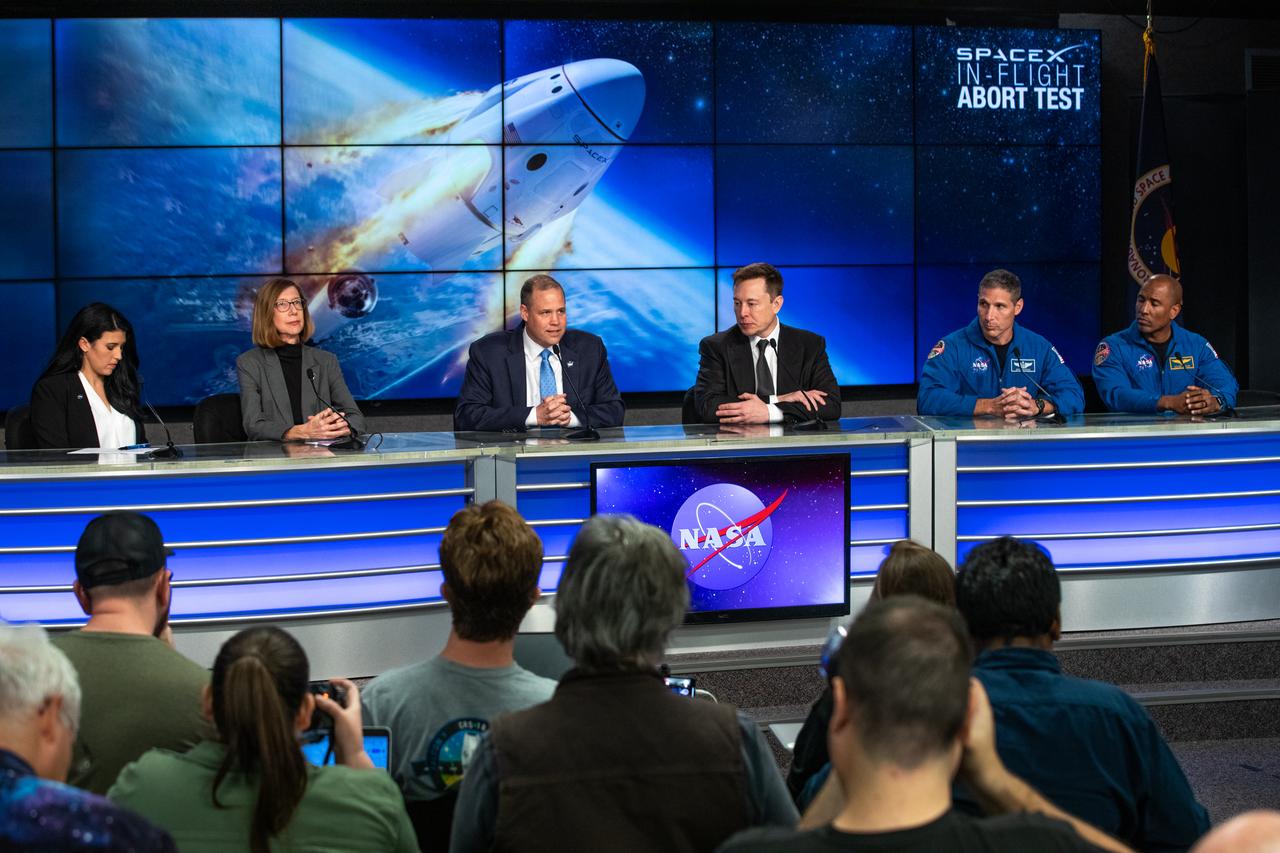
Officials from NASA and SpaceX participate in a briefing at the agency’s Kennedy Space Center in Florida following the company’s uncrewed In-Flight Abort Test on Jan. 19, 2020. From left to right are Bettina Inclan, NASA Communications; Kathy Lueders, program manager, NASA’s Commercial Crew Program; NASA Administrator Jim Bridenstine; Elon Musk, chief engineer, SpaceX; and NASA astronauts Mike Hopkins and Victor Glover. During the flight test, a SpaceX Falcon 9 rocket and Crew Dragon spacecraft lifted off from Kennedy’s Launch Complex 39A and began a planned launch-abort sequence demonstrating the spacecraft’s escape capabilities. The Crew Dragon splashed down in the Atlantic Ocean as expected. The In-Flight Abort Test is a critical milestone in preparation for crewed flights to the International Space Station as part of the agency’s Commercial Crew Program.
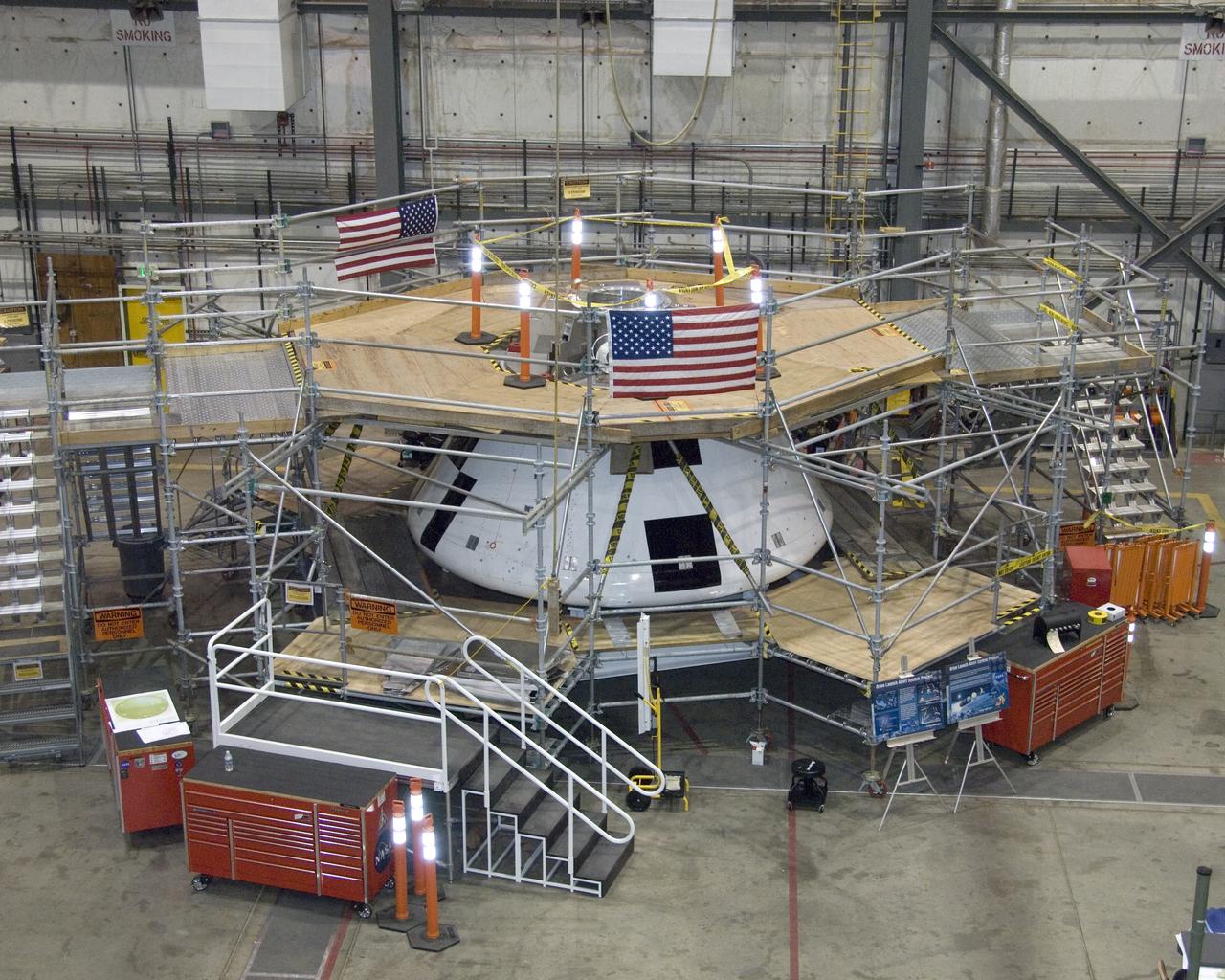
Surrounded by work platforms, NASA's first full-scale Orion abort flight test (AFT) crew module (center) is undergoing preparations at the NASA Dryden Flight Research Center in California for the first flight test of Orion's launch abort system.
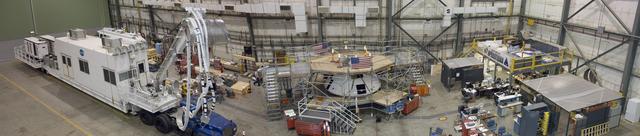
Surrounded by work platforms, NASA's first full-scale Orion abort flight test (AFT) crew module (center) is undergoing preparations at the NASA Dryden Flight Research Center in California for the first flight test of Orion's launch abort system. To the left is a space shuttle orbiter purge vehicle sharing the hangar.
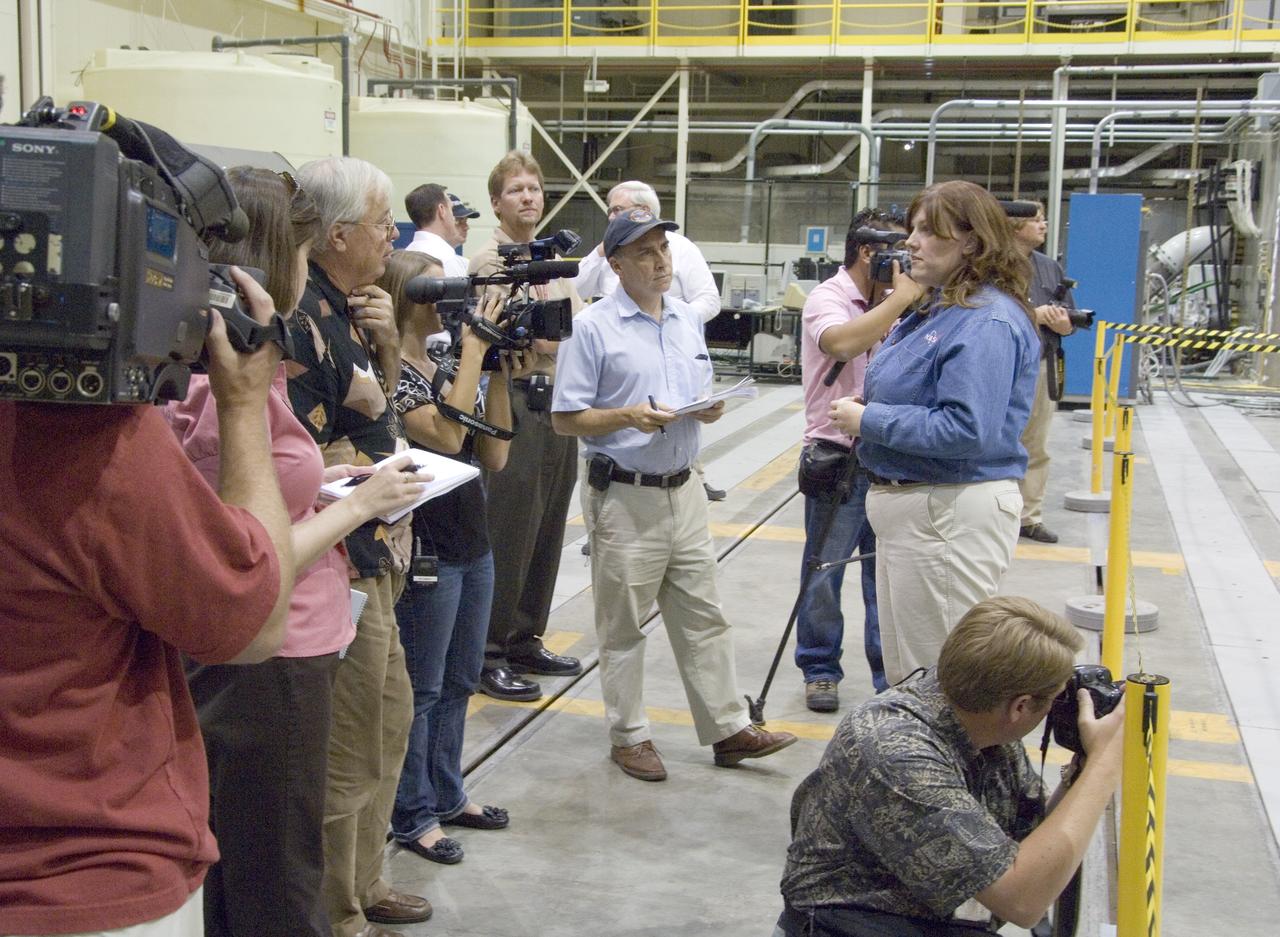
Cathy Bahm, Orion Abort Flight Test integration deputy project manager, briefs news media on the progress of testing in NASA Dryden's Flight Loads Laboratory.
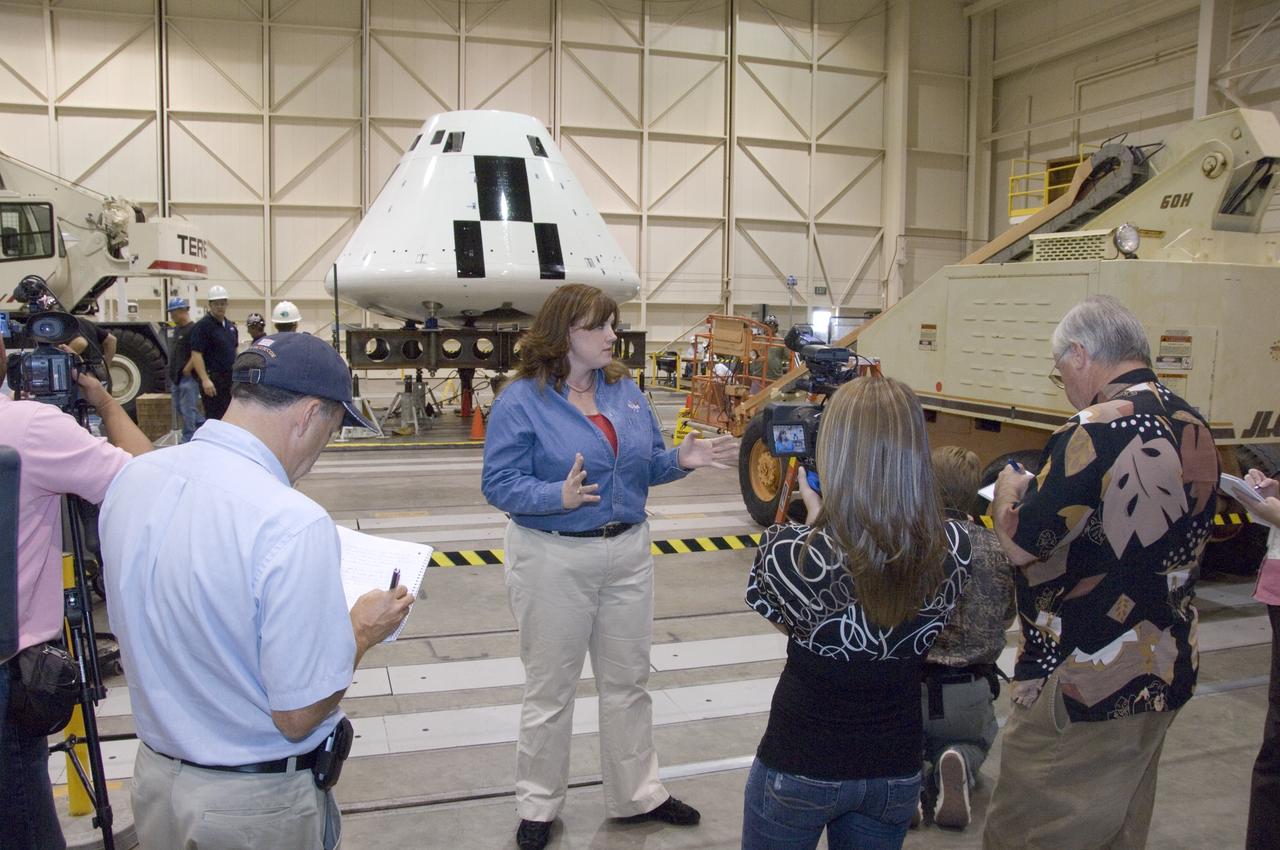
Cathy Bahm, Orion Abort Flight Test integration deputy project manager, briefs news media on the progress of testing in NASA Dryden's Flight Loads Laboratory.
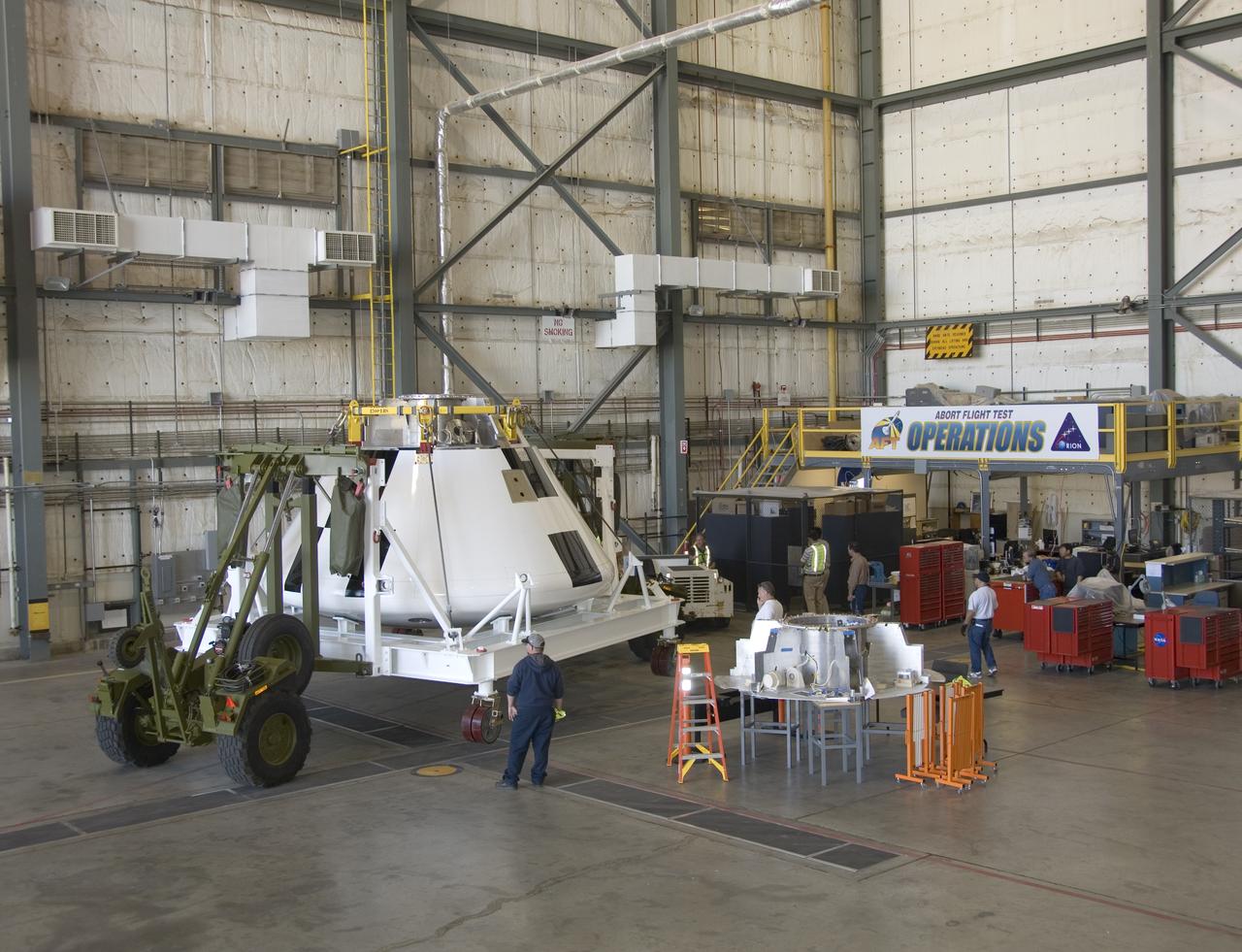
A full-scale flight-test mockup of the Constellation program's Orion crew vehicle arrived at NASA's Dryden Flight Research Center in late March 2008 to undergo preparations for the first short-range flight test of the spacecraft's astronaut escape system later that year. Engineers and technicians at NASA's Langley Research Center fabricated the structure, which precisely represents the size, outer shape and mass characteristics of the Orion space capsule. The Orion crew module mockup was ferried to NASA Dryden on an Air Force C-17. After painting in the Edwards Air Force Base paint hangar, the conical capsule was taken to Dryden for installation of flight computers, instrumentation and other electronics prior to being sent to the U.S. Army's White Sands Missile Range in New Mexico for integration with the escape system and the first abort flight test in late 2008. The tests were designed to ensure a safe, reliable method of escape for astronauts in case of an emergency.
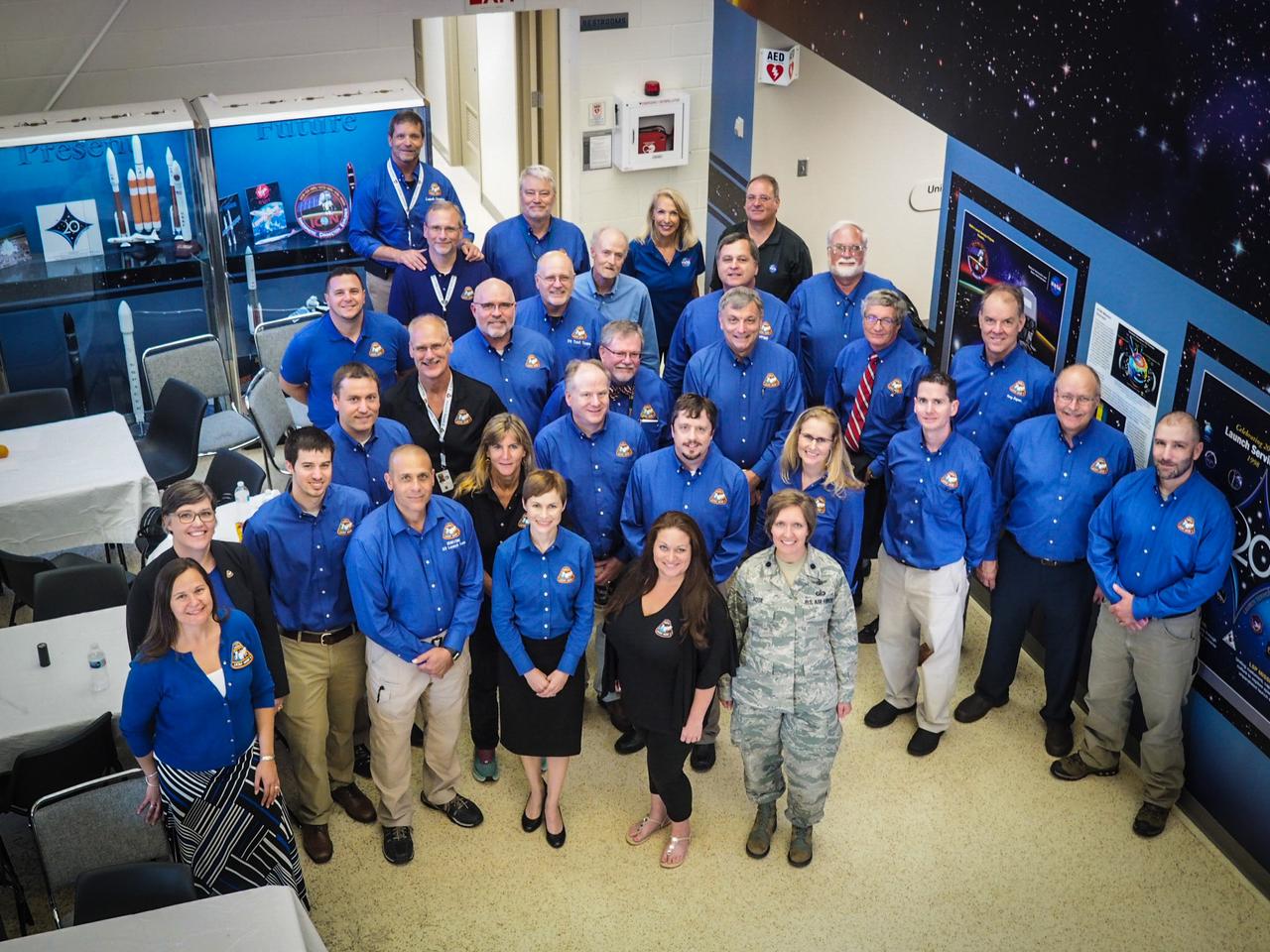
From Hangar AE at Cape Canaveral Air Force Station, the Orion team conducted the successful flight test of the Launch Abort System on Ascent Abort-2 (AA-2) on July 2, 2019.
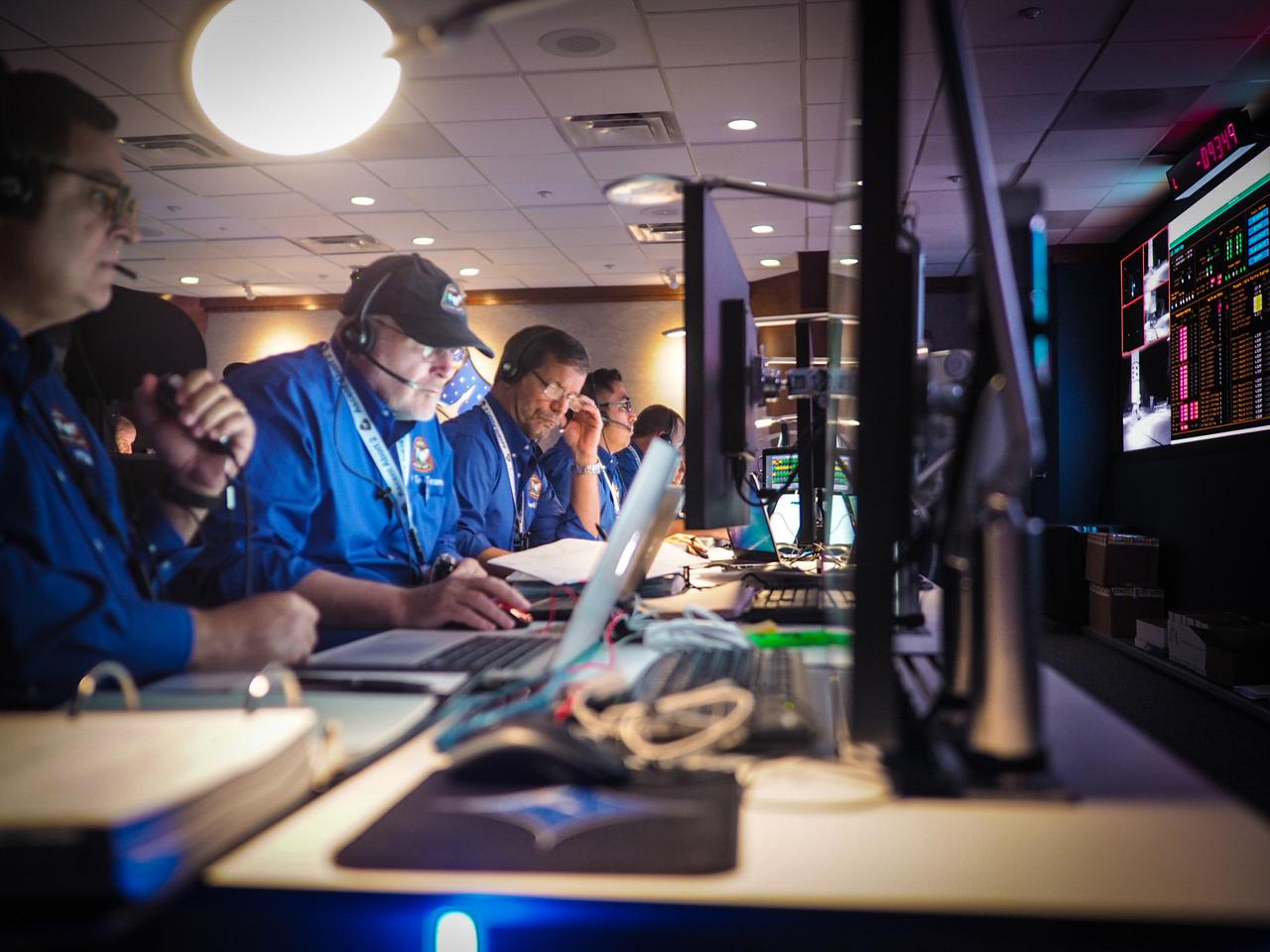
From Hangar AE at Cape Canaveral Air Force Station, the Orion team conducted the successful flight test of the Launch Abort System on Ascent Abort-2 (AA-2) on July 2, 2019.
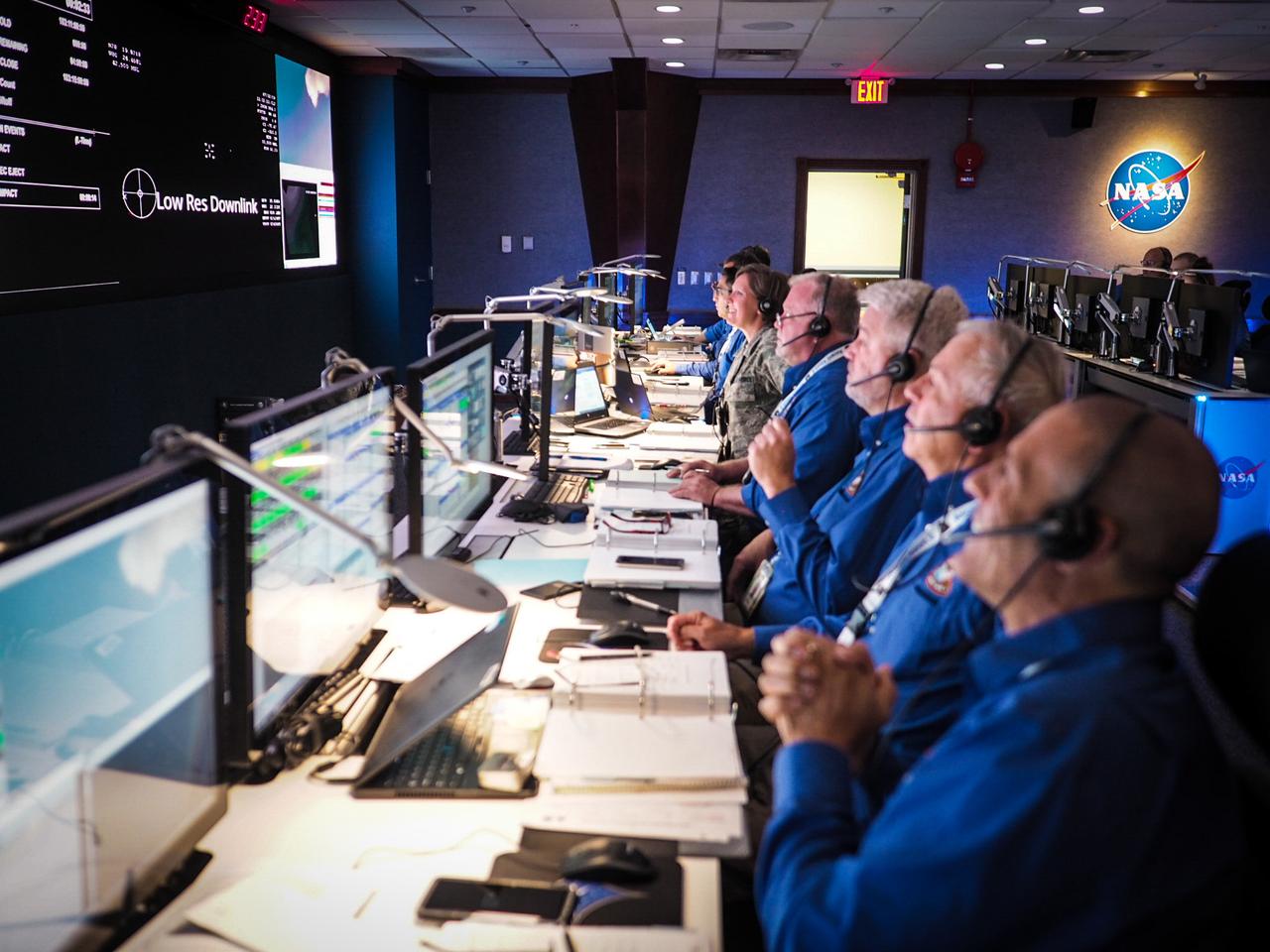
From Hangar AE at Cape Canaveral Air Force Station, the Orion team conducted the successful flight test of the Launch Abort System on Ascent Abort-2 (AA-2) on July 2, 2019.
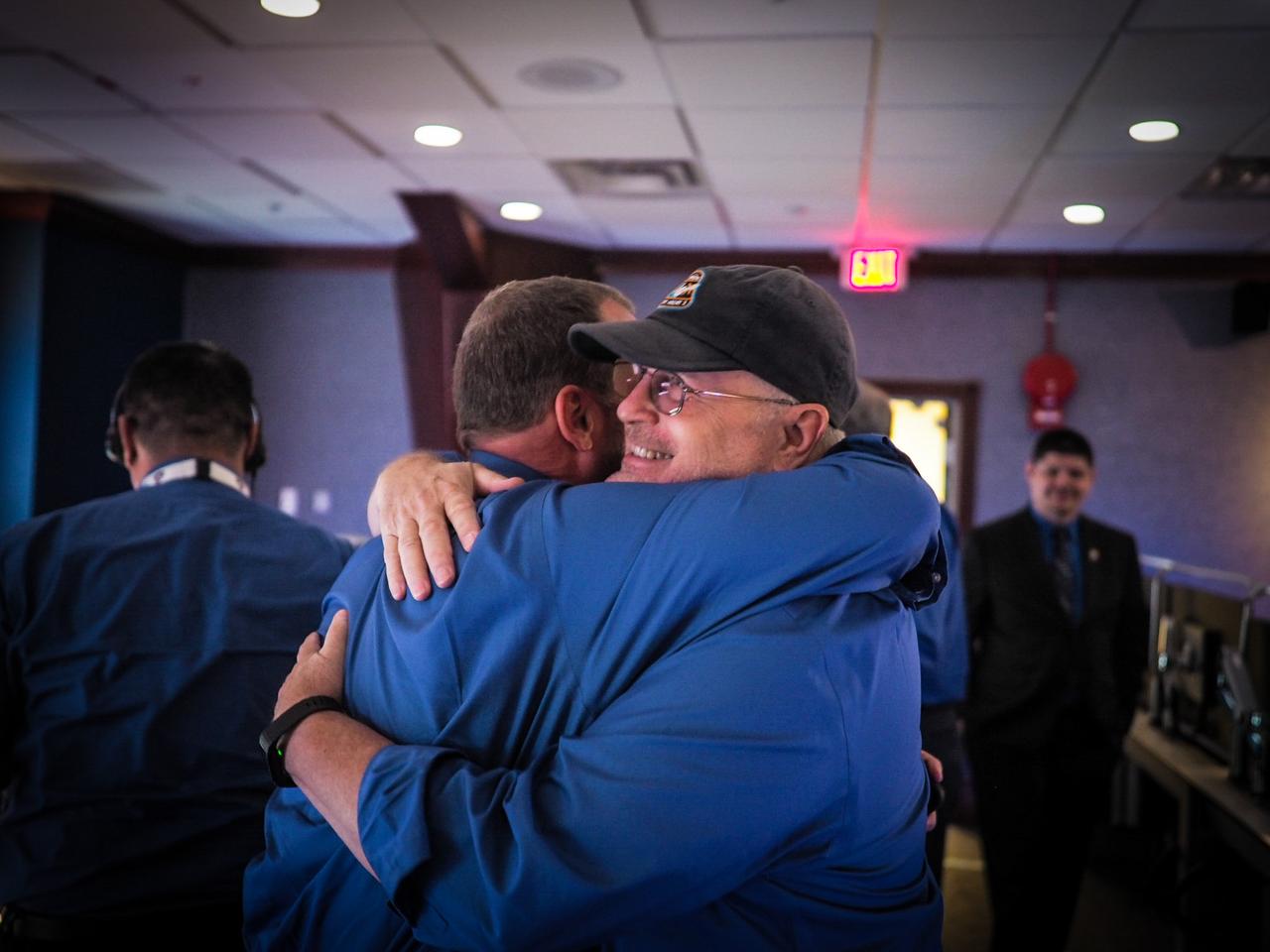
From Hangar AE at Cape Canaveral Air Force Station, the Orion team conducted the successful flight test of the Launch Abort System on Ascent Abort-2 (AA-2) on July 2, 2019.
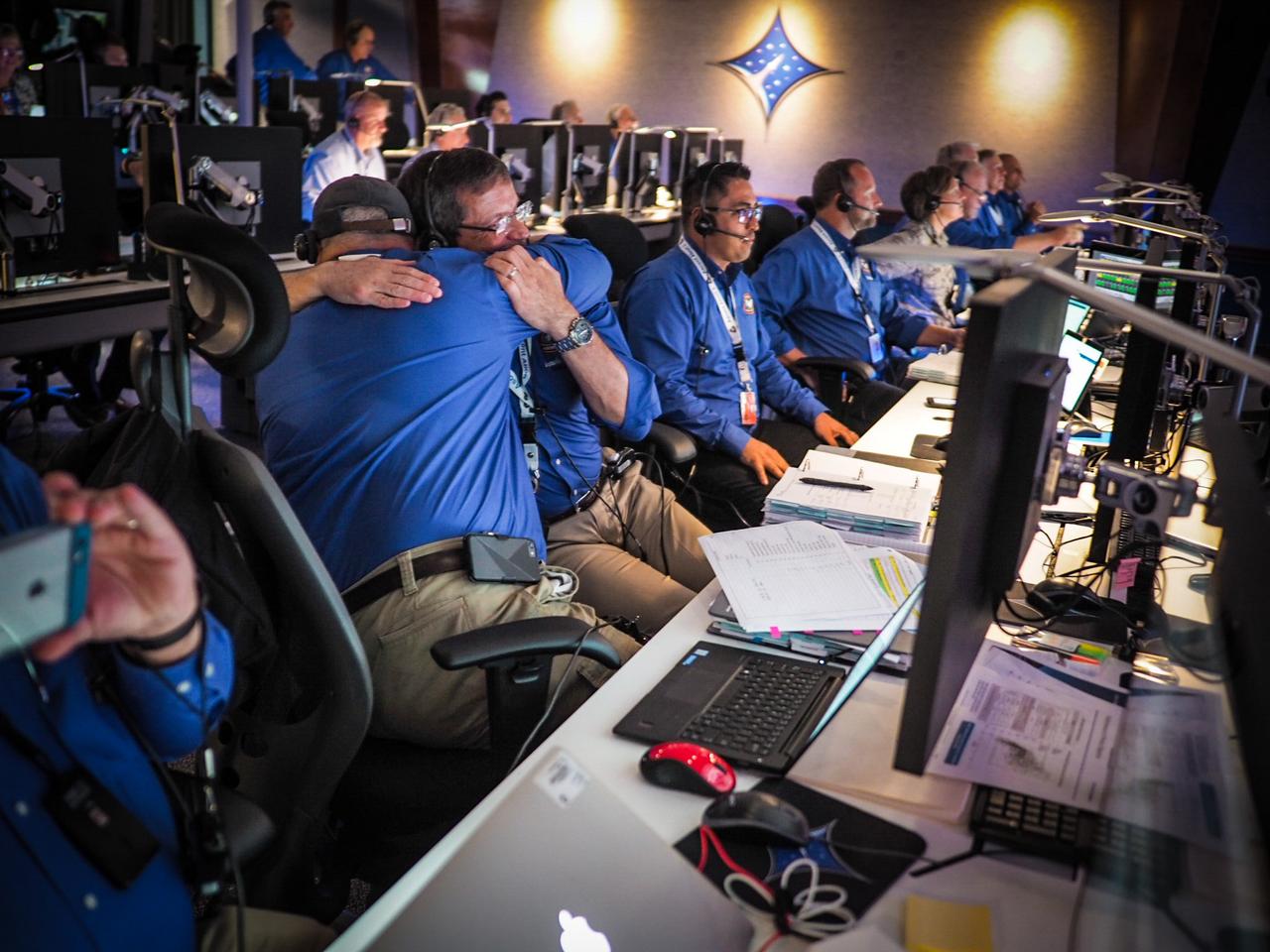
From Hangar AE at Cape Canaveral Air Force Station, the Orion team conducted the successful flight test of the Launch Abort System on Ascent Abort-2 (AA-2) on July 2, 2019.
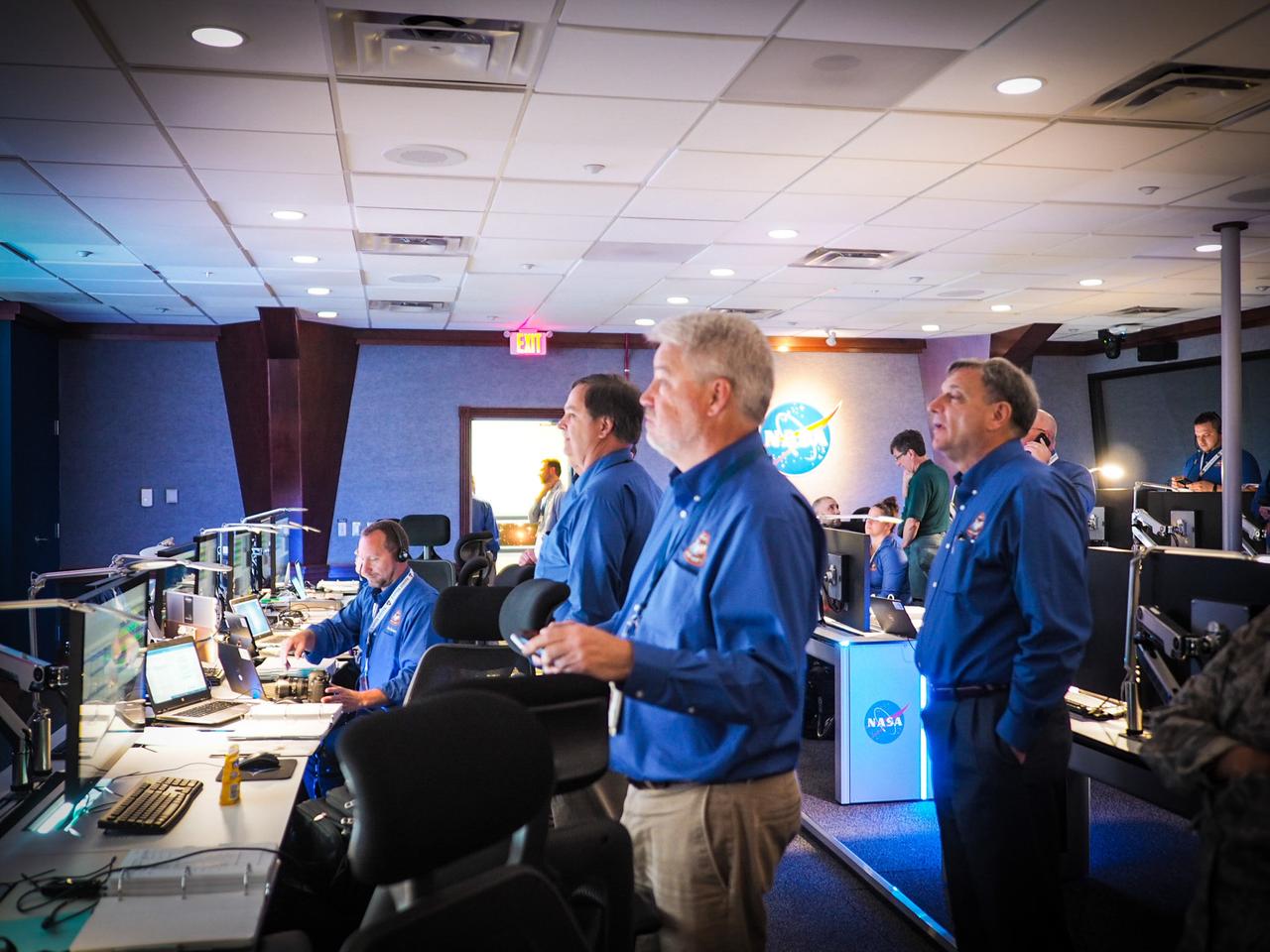
From Hangar AE at Cape Canaveral Air Force Station, the Orion team conducted the successful flight test of the Launch Abort System on Ascent Abort-2 (AA-2) on July 2, 2019.
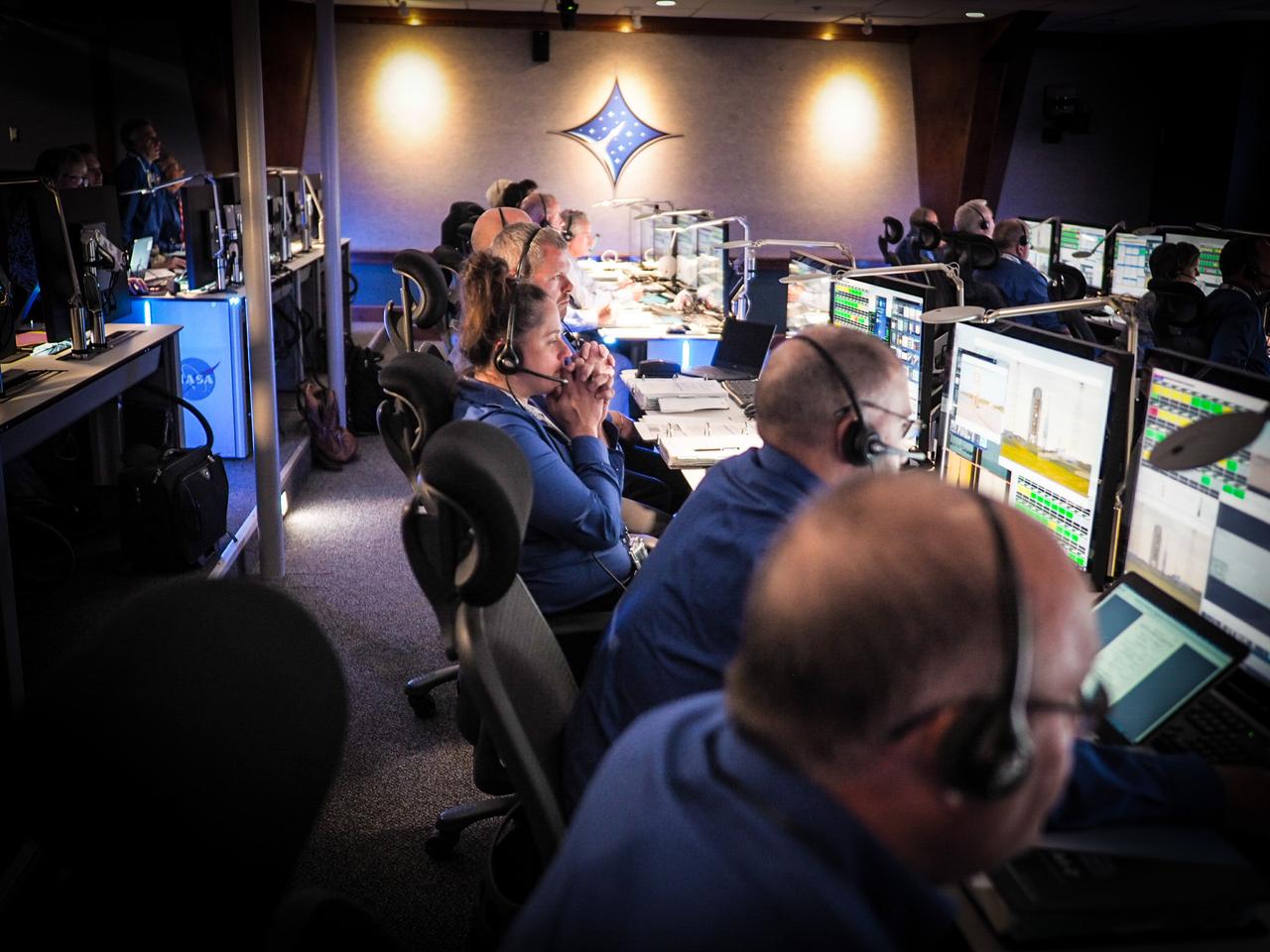
From Hangar AE at Cape Canaveral Air Force Station, the Orion team conducted the successful flight test of the Launch Abort System on Ascent Abort-2 (AA-2) on July 2, 2019.
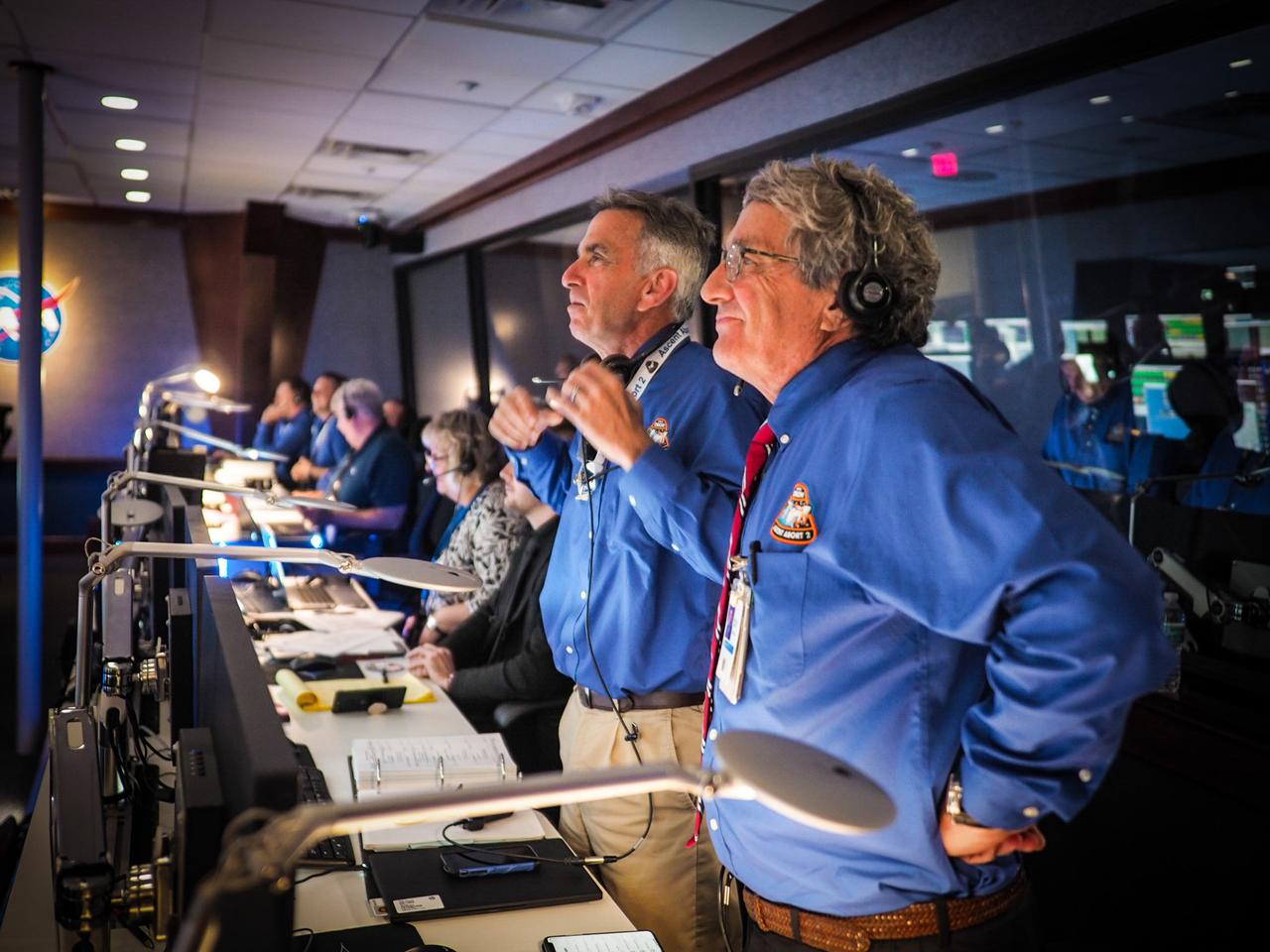
From Hangar AE at Cape Canaveral Air Force Station, the Orion team conducted the successful flight test of the Launch Abort System on Ascent Abort-2 (AA-2) on July 2, 2019.
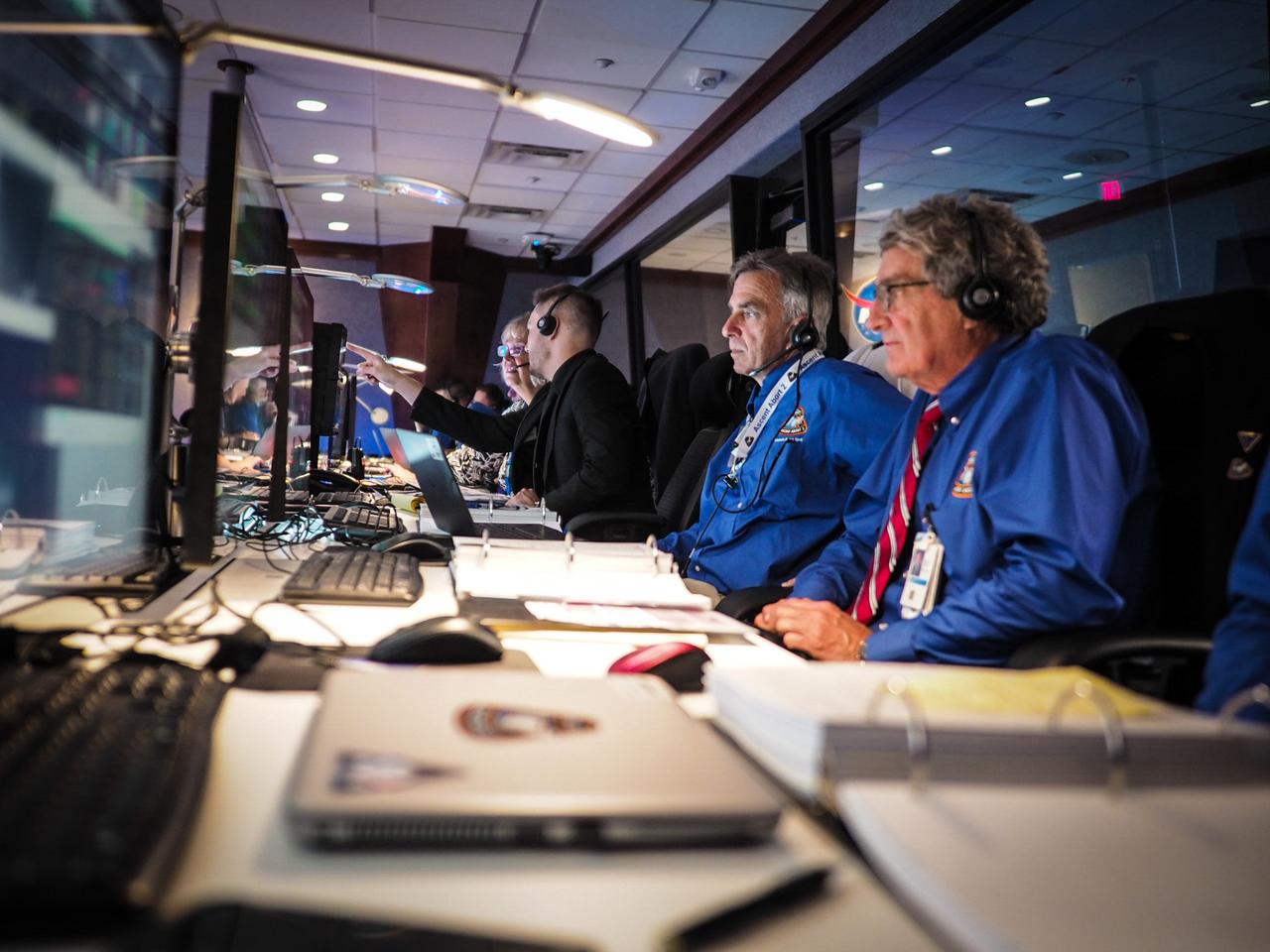
From Hangar AE at Cape Canaveral Air Force Station, the Orion team conducted the successful flight test of the Launch Abort System on Ascent Abort-2 (AA-2) on July 2, 2019.
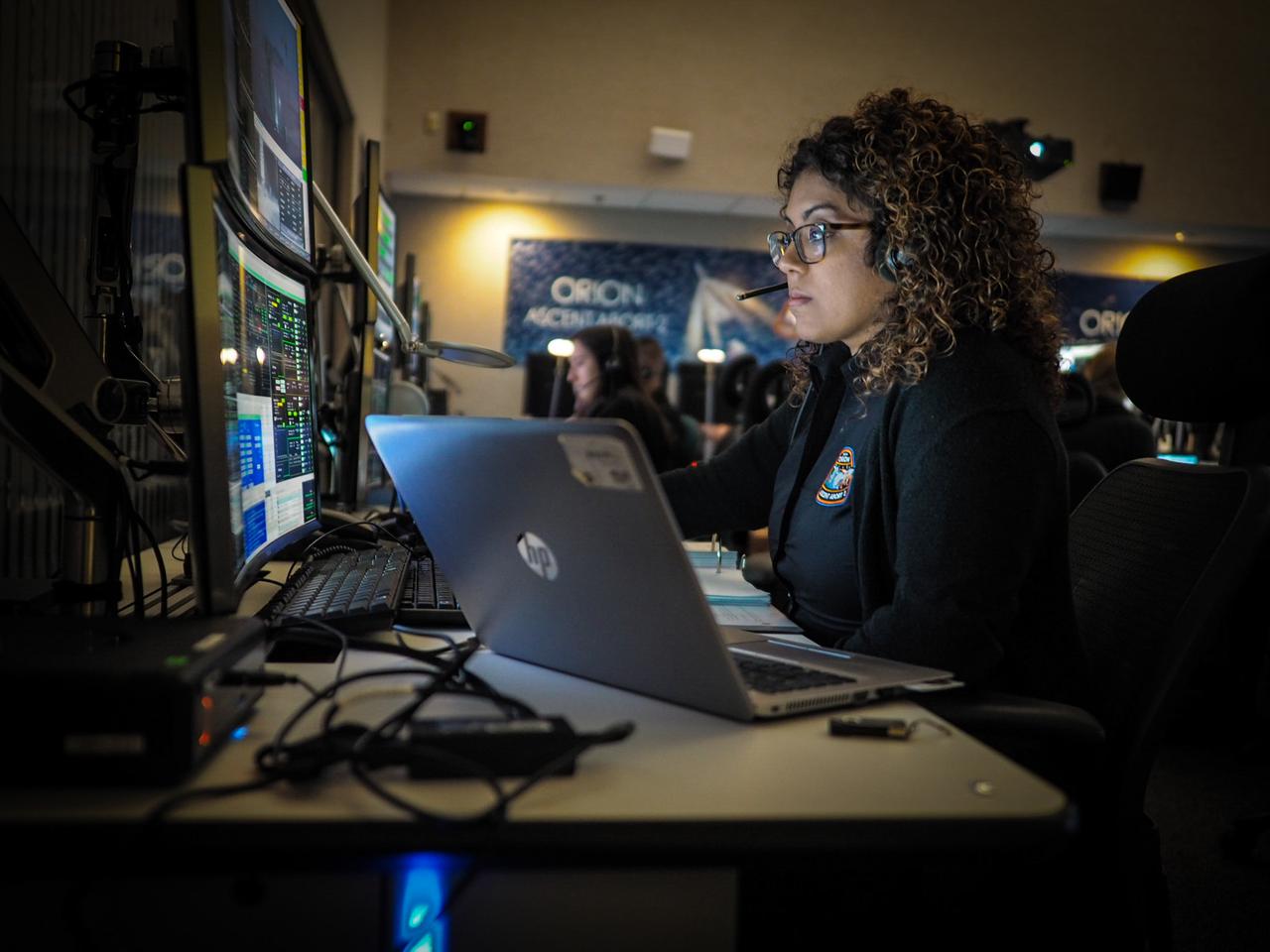
From Hangar AE at Cape Canaveral Air Force Station, the Orion team conducted the successful flight test of the Launch Abort System on Ascent Abort-2 (AA-2) on July 2, 2019.
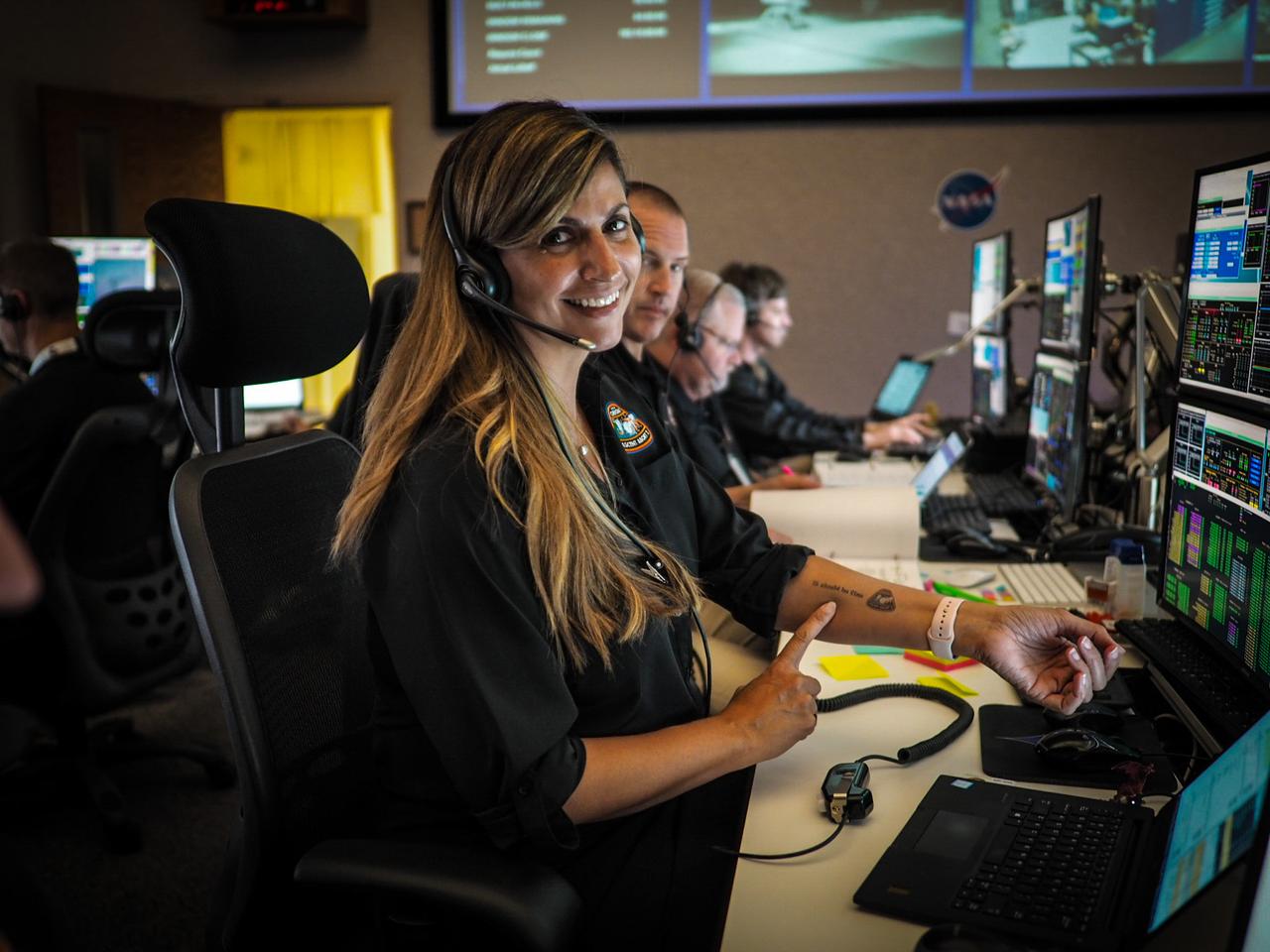
From Hangar AE at Cape Canaveral Air Force Station, the Orion team conducted the successful flight test of the Launch Abort System on Ascent Abort-2 (AA-2) on July 2, 2019.
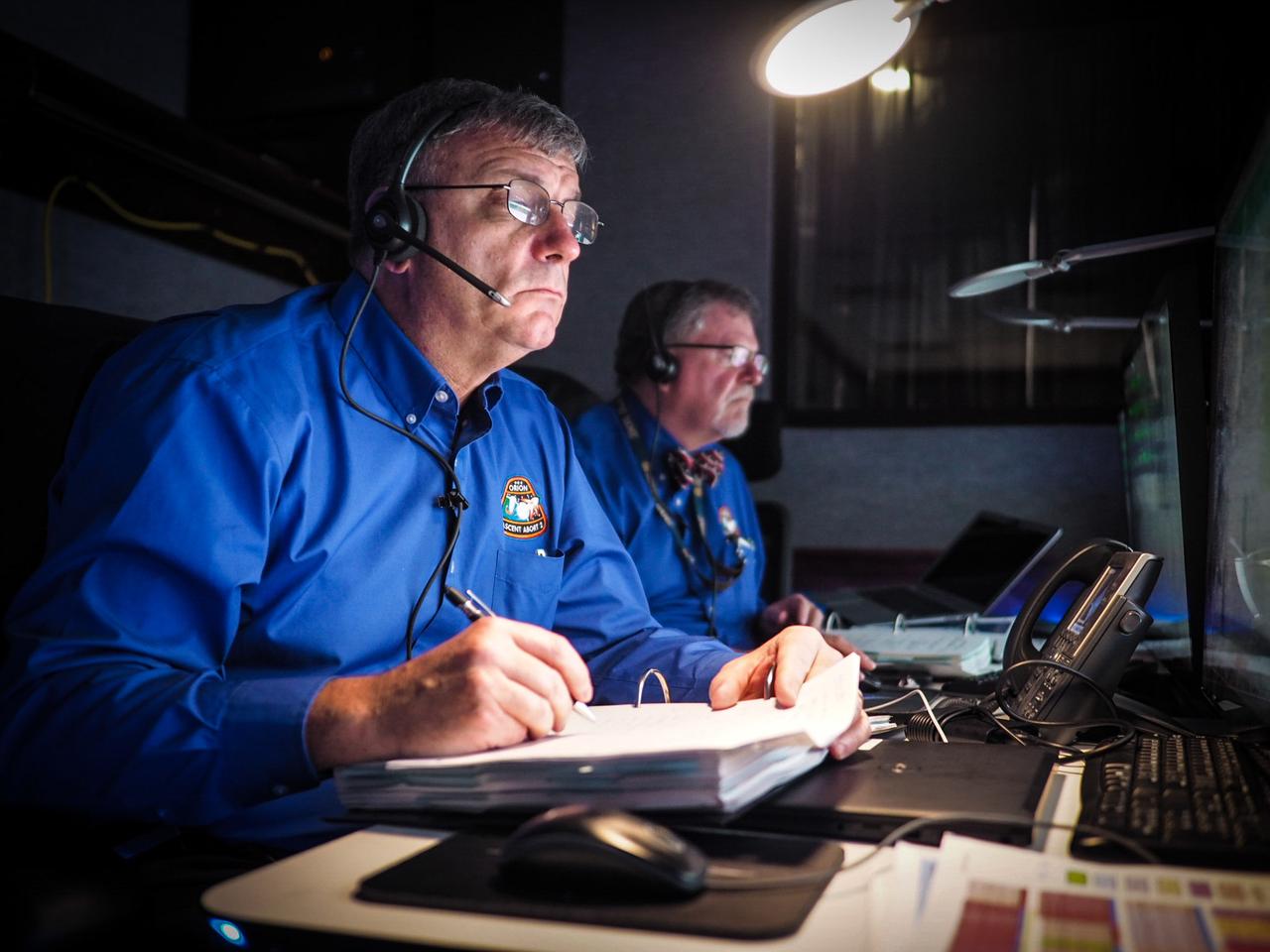
From Hangar AE at Cape Canaveral Air Force Station, the Orion team conducted the successful flight test of the Launch Abort System on Ascent Abort-2 (AA-2) on July 2, 2019.
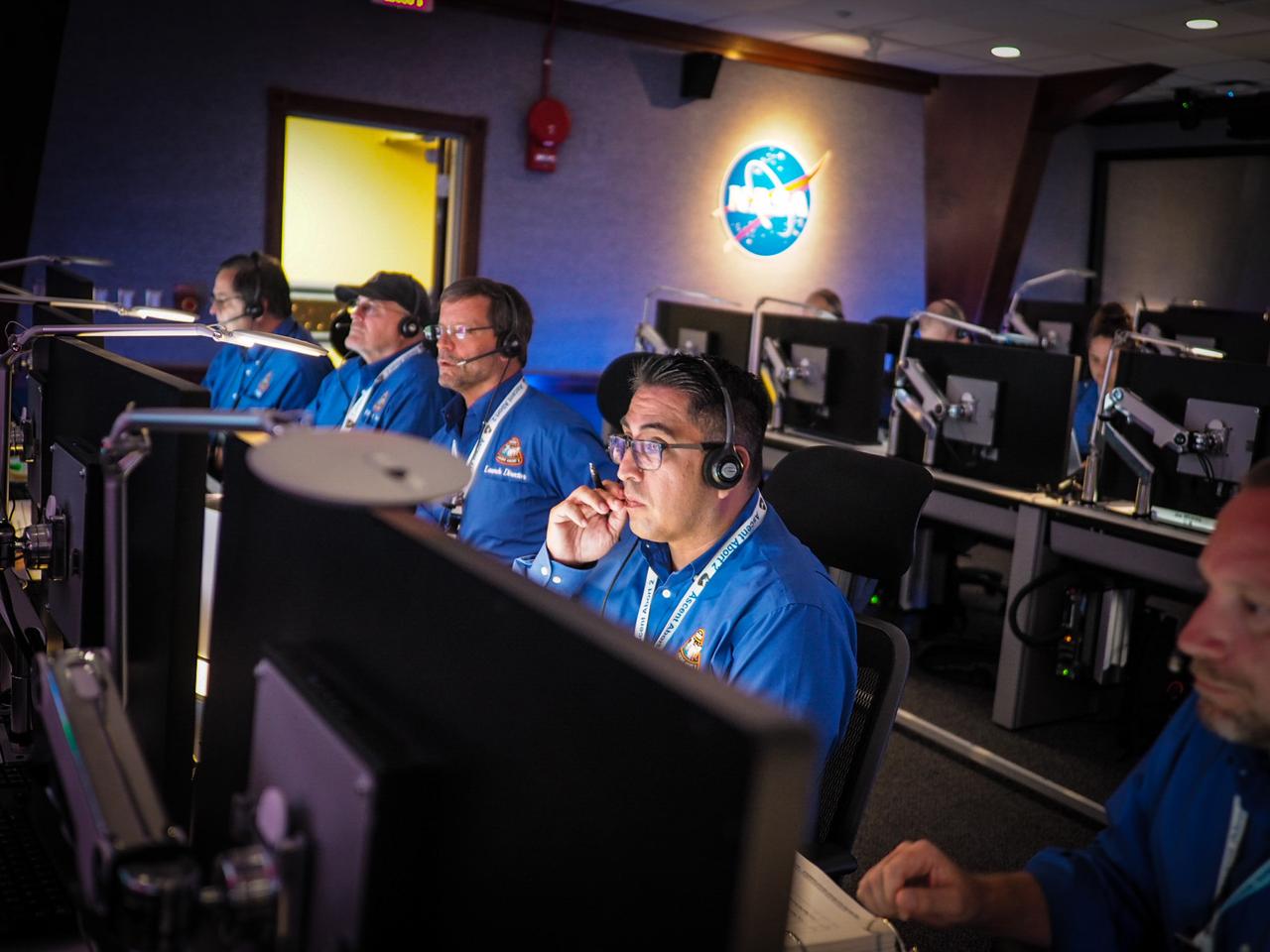
From Hangar AE at Cape Canaveral Air Force Station, the Orion team conducted the successful flight test of the Launch Abort System on Ascent Abort-2 (AA-2) on July 2, 2019.
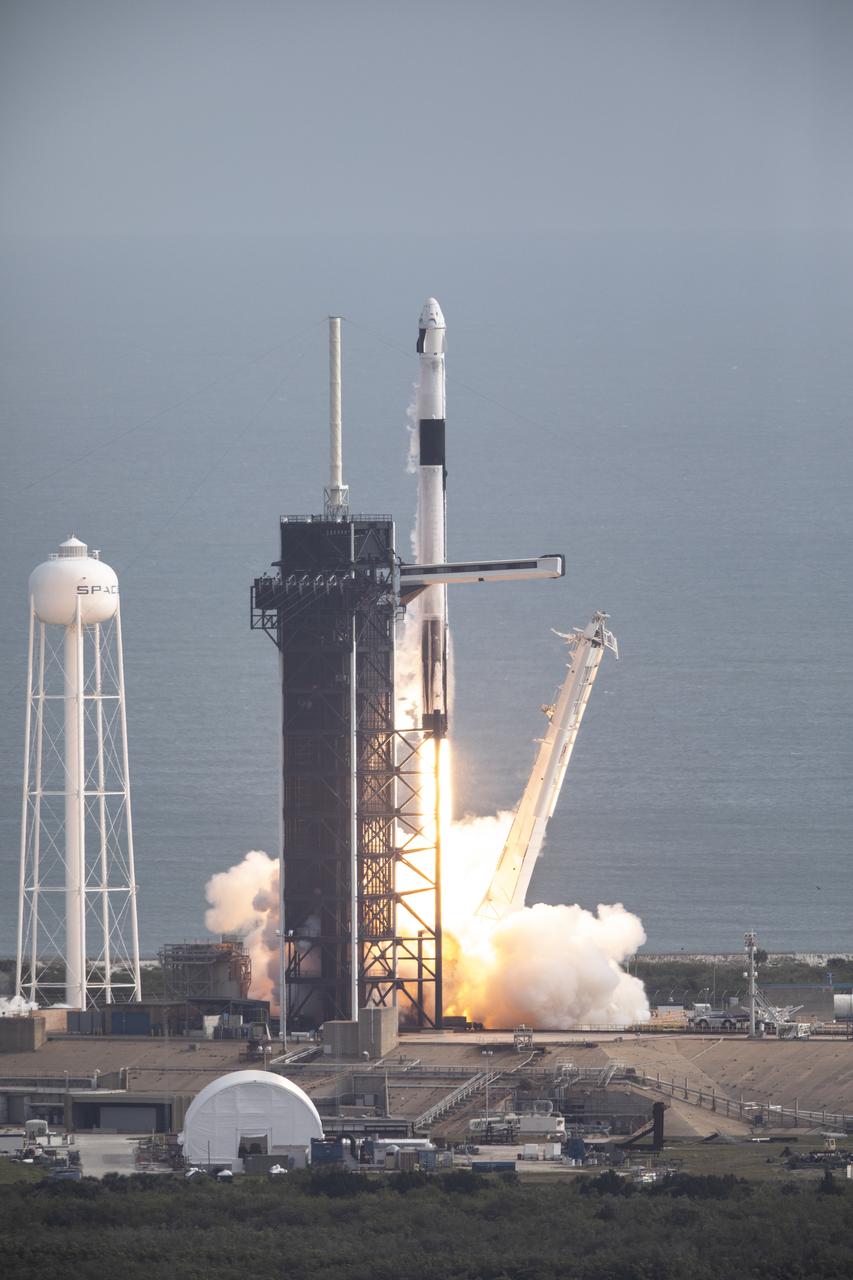
A SpaceX Falcon 9 rocket lifts off from Launch Complex 39A at NASA’s Kennedy Space Center in Florida at 10:30 a.m. EST on Jan. 19, 2020, carrying the Crew Dragon spacecraft on the company’s uncrewed In-Flight Abort Test. The flight test demonstrated the spacecraft’s escape capabilities in preparation for crewed flights to the International Space Station as part of the agency’s Commercial Crew Program.
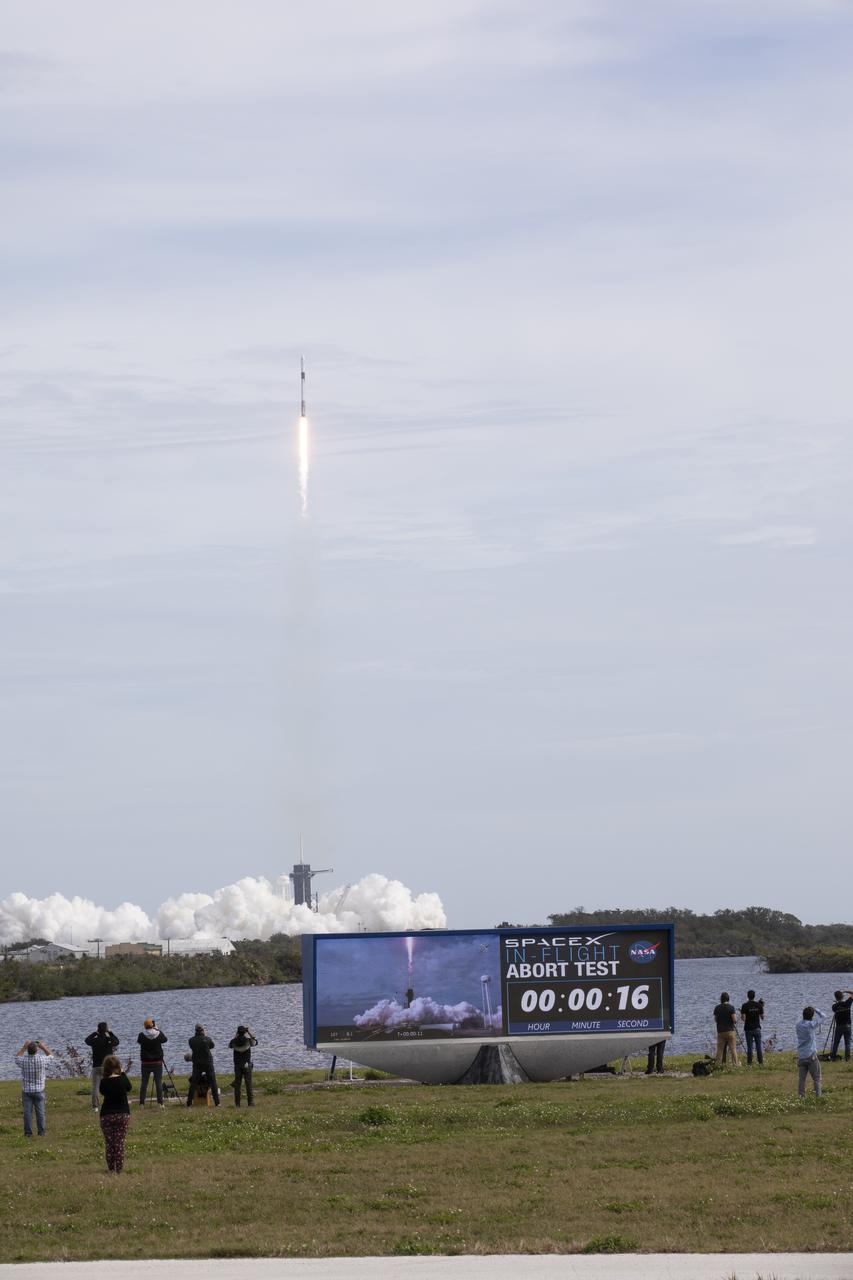
The countdown clock at NASA’s Kennedy Space Center in Florida shows an elapsed time of 16 seconds as the SpaceX Falcon 9 rocket lifts off from Launch Complex 39A on the uncrewed In-Flight Abort Test, Jan. 19, 2020. The rocket carried the company’s Crew Dragon on a flight test that demonstrated the spacecraft’s escape capabilities in preparation for crewed flights to the International Space Station as part of the agency’s Commercial Crew Program.
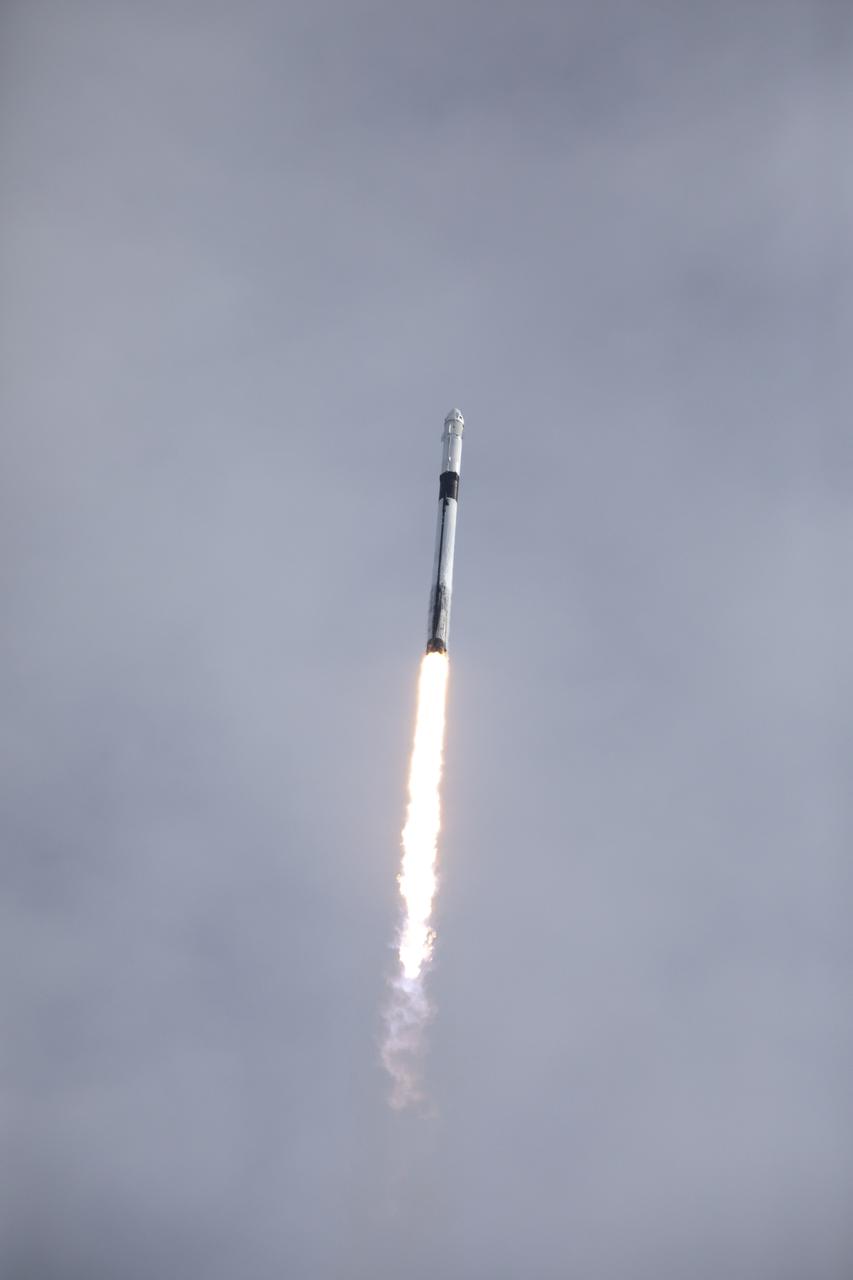
A SpaceX Falcon 9 rocket lifts off from Launch Complex 39A at NASA’s Kennedy Space Center in Florida at 10:30 a.m. EST on Jan. 19, 2020, carrying the Crew Dragon spacecraft on the company’s uncrewed In-Flight Abort Test. The flight test demonstrated the spacecraft’s escape capabilities in preparation for crewed flights to the International Space Station as part of the agency’s Commercial Crew Program.
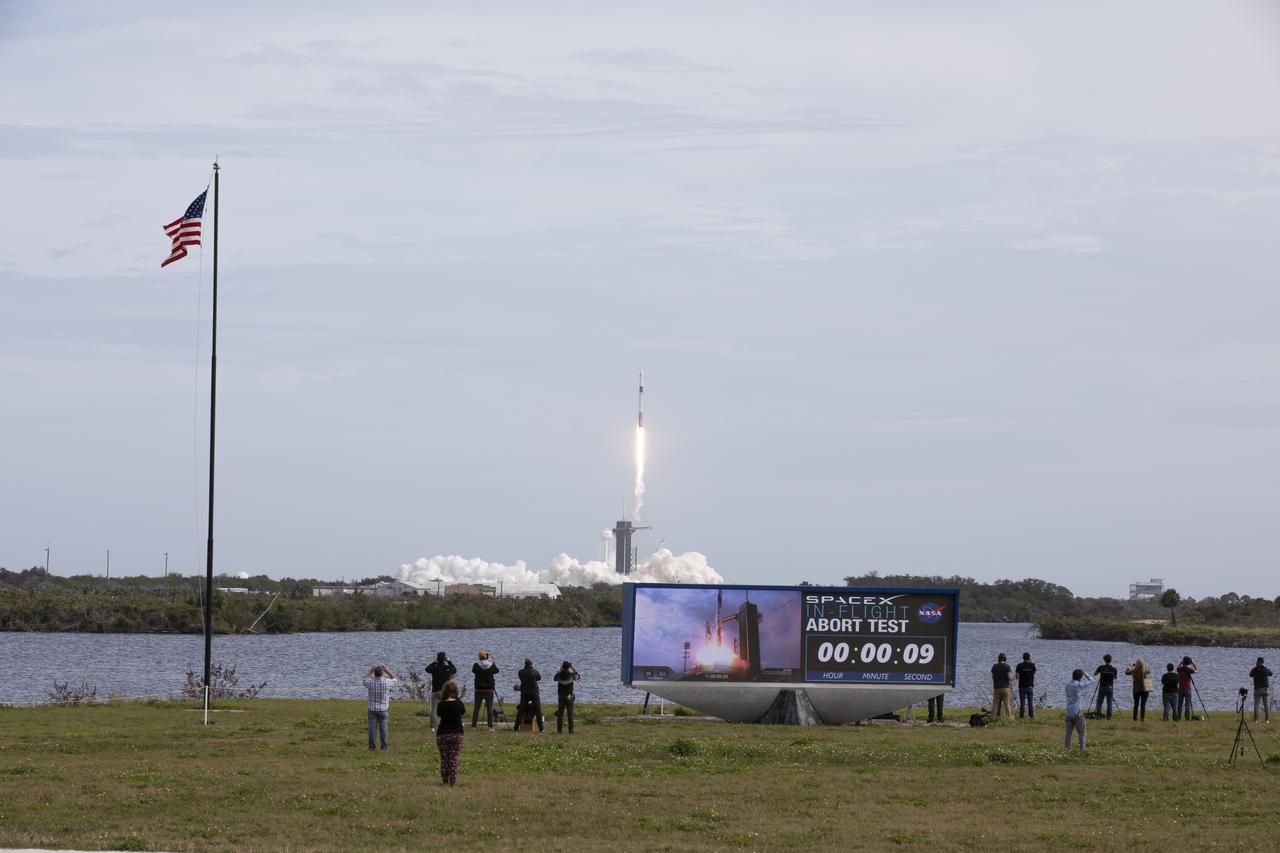
The countdown clock at NASA’s Kennedy Space Center in Florida shows an elapsed time of nine seconds as the SpaceX Falcon 9 rocket lifts off from Launch Complex 39A on the uncrewed In-Flight Abort Test, Jan. 19, 2020. The rocket carried the company’s Crew Dragon on a flight test that demonstrated the spacecraft’s escape capabilities in preparation for crewed flights to the International Space Station as part of the agency’s Commercial Crew Program.

A SpaceX Falcon 9 rocket lifts off from Launch Complex 39A at NASA’s Kennedy Space Center in Florida at 10:30 a.m. EST on Jan. 19, 2020, carrying the Crew Dragon spacecraft on the company’s uncrewed In-Flight Abort Test. The flight test demonstrated the spacecraft’s escape capabilities in preparation for crewed flights to the International Space Station as part of the agency’s Commercial Crew Program.
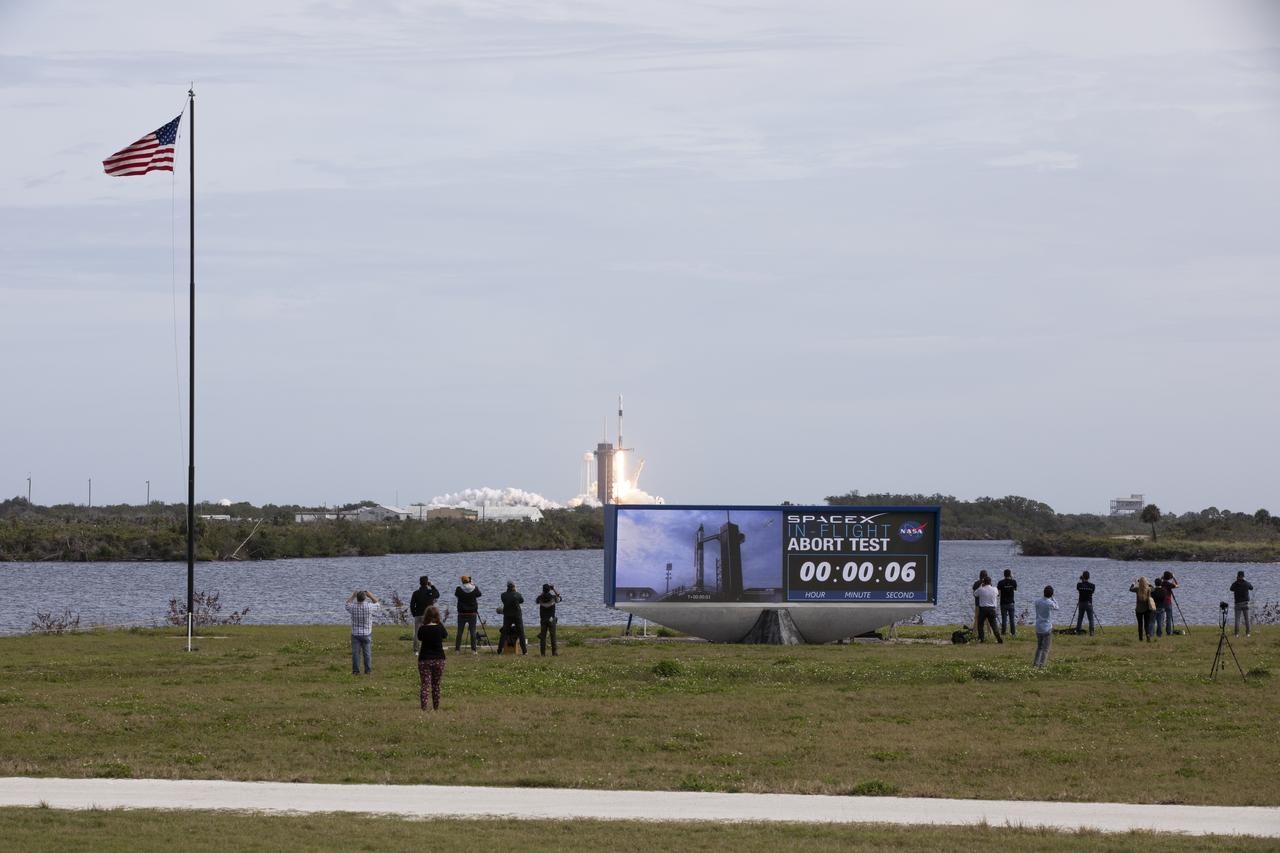
The countdown clock at NASA’s Kennedy Space Center in Florida shows an elapsed time of six seconds as the SpaceX Falcon 9 rocket lifts off from Launch Complex 39A on the uncrewed In-Flight Abort Test, Jan. 19, 2020. The rocket carried the company’s Crew Dragon on a flight test that demonstrated the spacecraft’s escape capabilities in preparation for crewed flights to the International Space Station as part of the agency’s Commercial Crew Program.
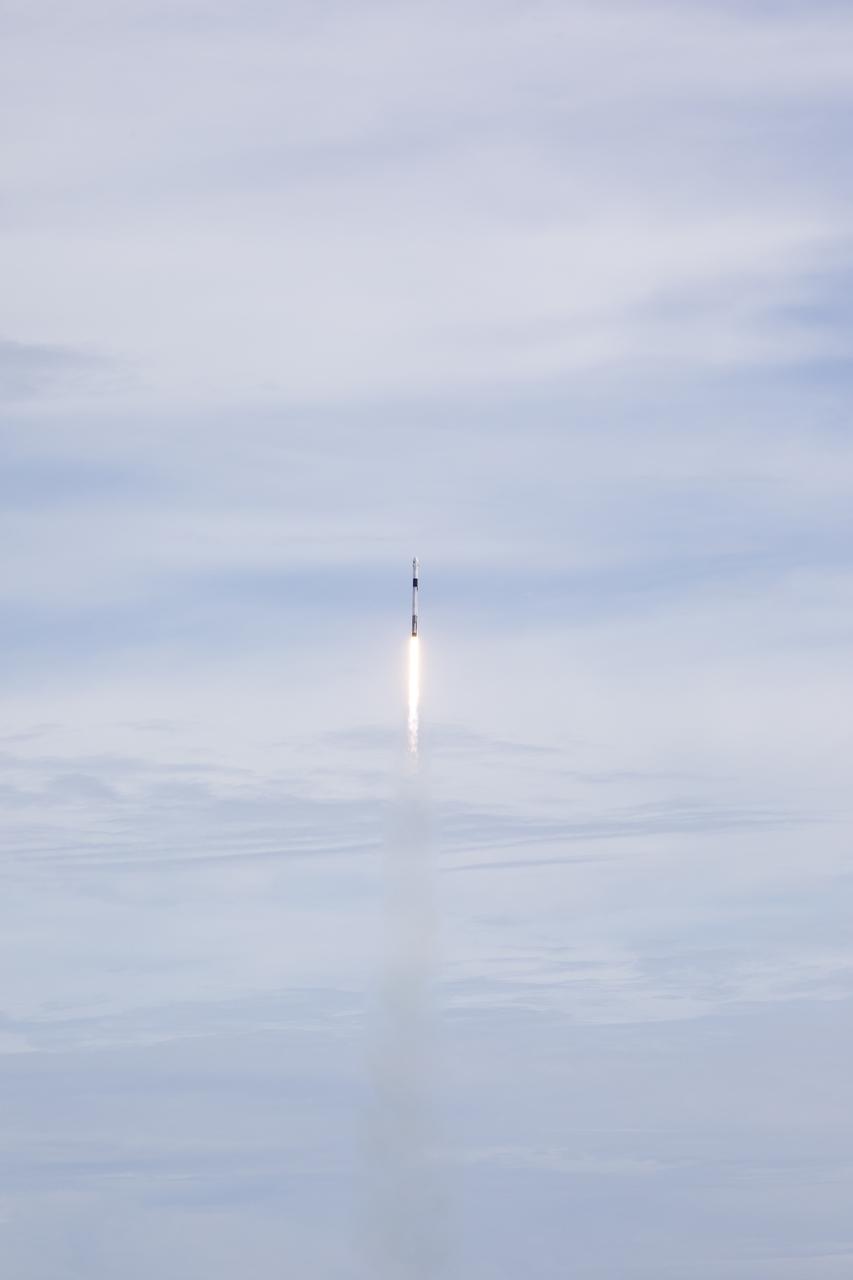
A SpaceX Falcon 9 rocket lifts off from Launch Complex 39A at NASA’s Kennedy Space Center in Florida on Jan. 19, 2020, carrying the Crew Dragon spacecraft on the company’s uncrewed In-Flight Abort Test. The flight test demonstrated the spacecraft’s escape capabilities in preparation for crewed flights to the International Space Station as part of the agency’s Commercial Crew Program.

A SpaceX Falcon 9 rocket lifts off from Launch Complex 39A at NASA’s Kennedy Space Center in Florida at 10:30 a.m. EST on Jan. 19, 2020, carrying the Crew Dragon spacecraft on the company’s uncrewed In-Flight Abort Test. The flight test demonstrated the spacecraft’s escape capabilities in preparation for crewed flights to the International Space Station as part of the agency’s Commercial Crew Program.
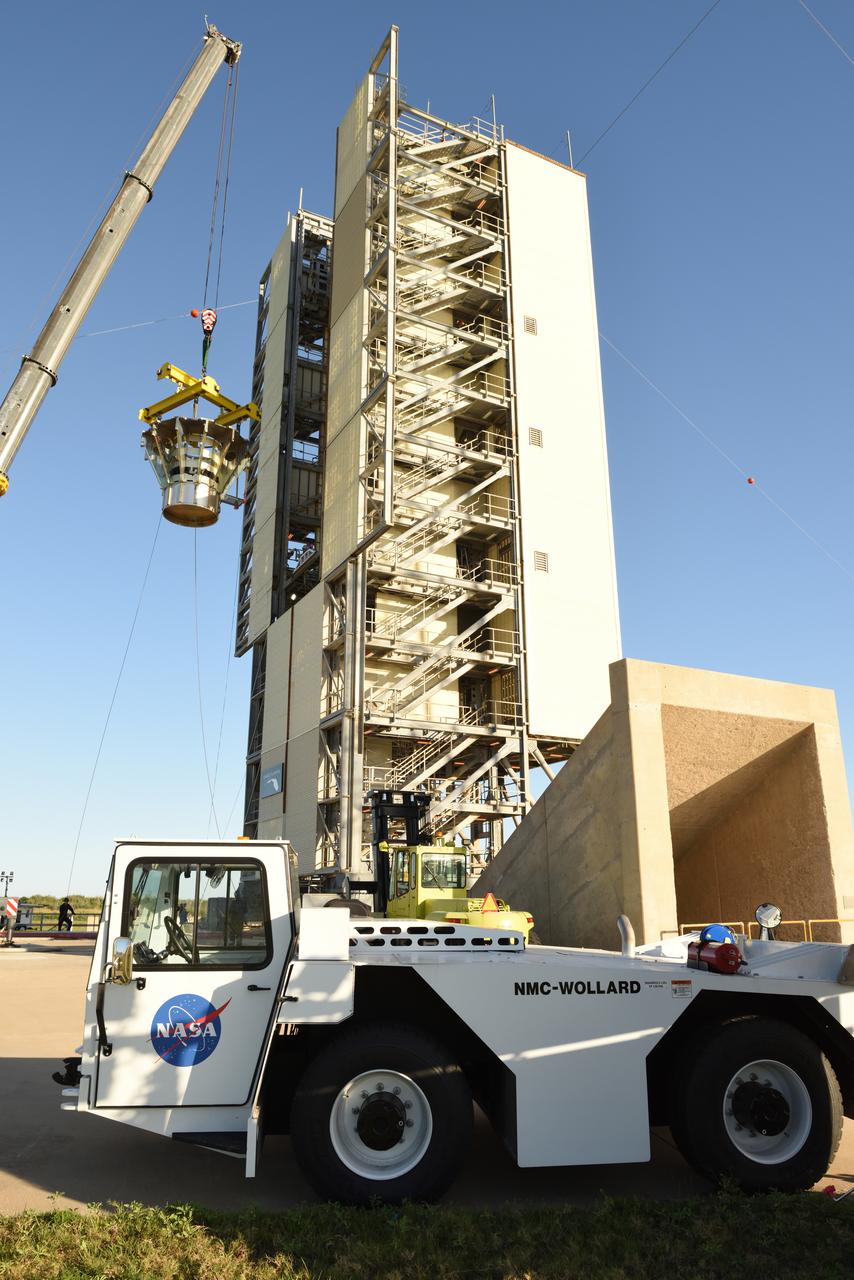
The Abort Test Booster, the rocket which will propel Orion's Launch Abort System and crew module / separation ring during the Ascent Abort -2 (AA-2) flight test, is stacked at the launch pad at Cape Canaveral Air Force Station in Florida on April 12, 2019.
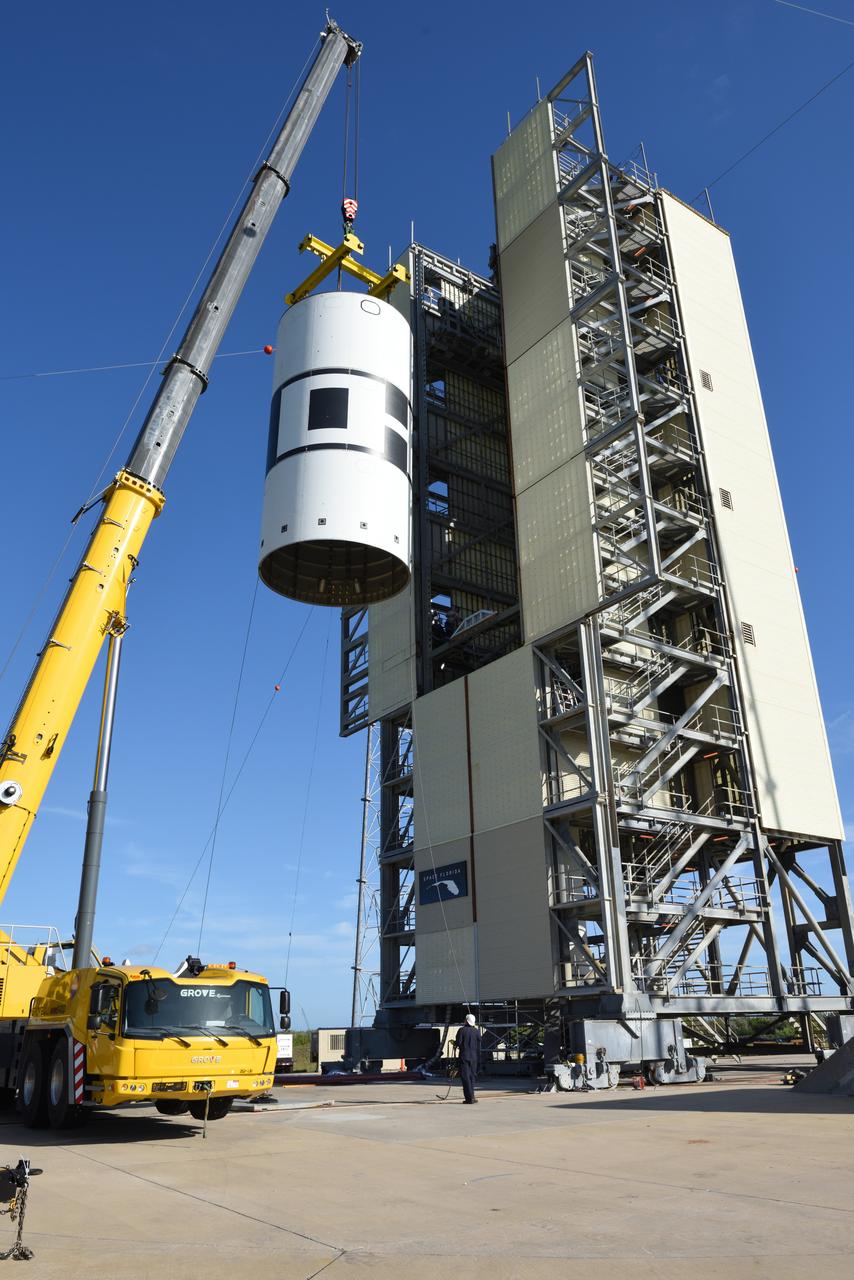
The Abort Test Booster, the rocket which will propel Orion's Launch Abort System and crew module / separation ring during the Ascent Abort -2 (AA-2) flight test, is stacked at the launch pad at Cape Canaveral Air Force Station in Florida on April 12, 2019.
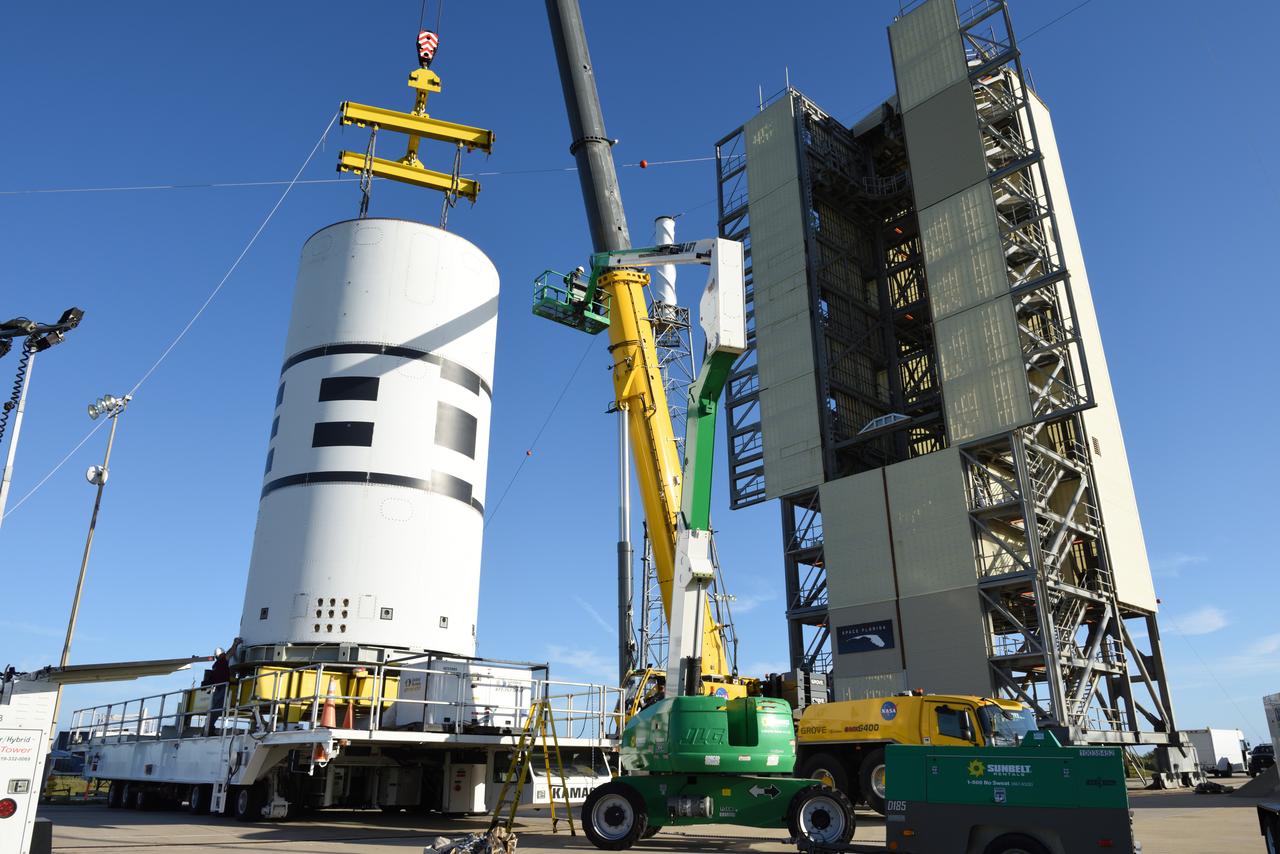
The Abort Test Booster, the rocket which will propel Orion's Launch Abort System and crew module / separation ring during the Ascent Abort -2 (AA-2) flight test, is stacked at the launch pad at Cape Canaveral Air Force Station in Florida on April 12, 2019.
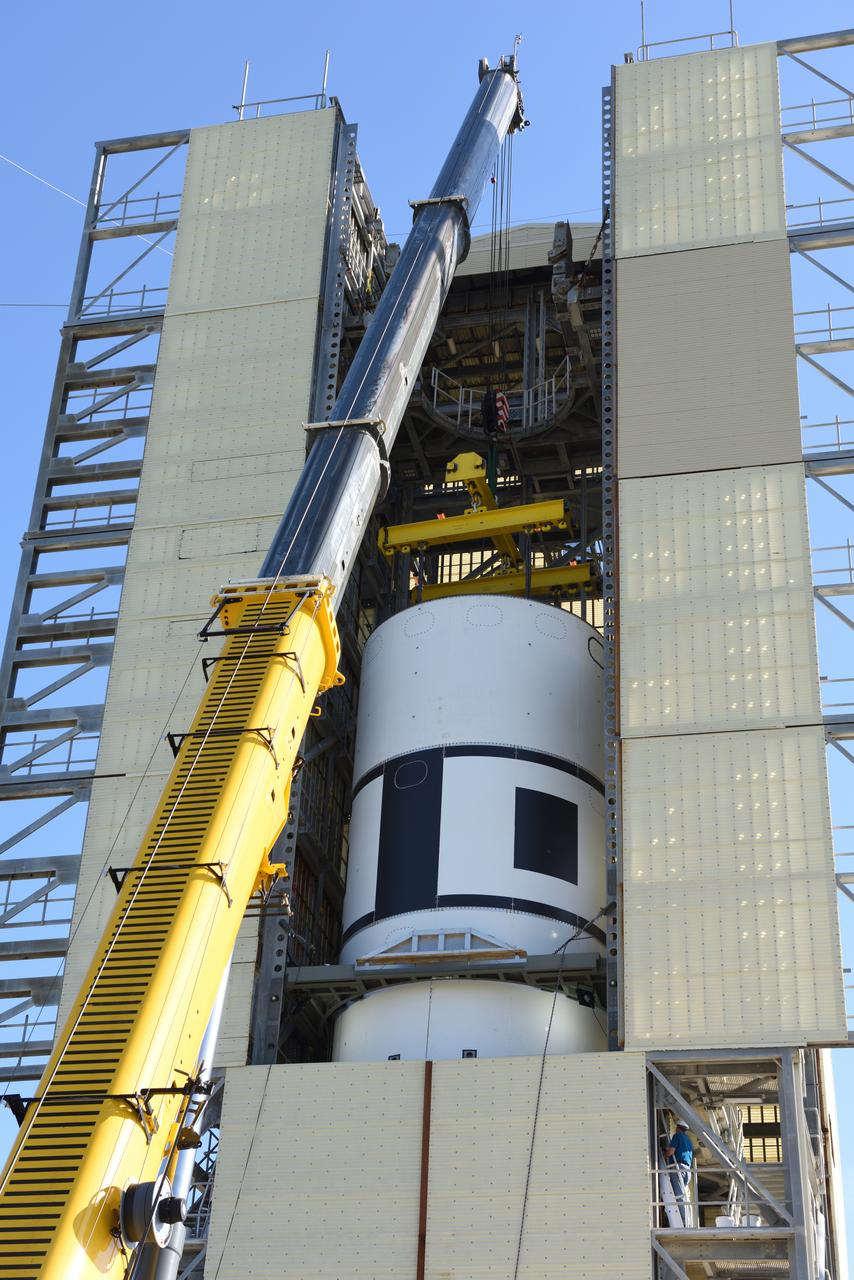
The Abort Test Booster, the rocket which will propel Orion's Launch Abort System and crew module / separation ring during the Ascent Abort -2 (AA-2) flight test, is stacked at the launch pad at Cape Canaveral Air Force Station in Florida on April 12, 2019.
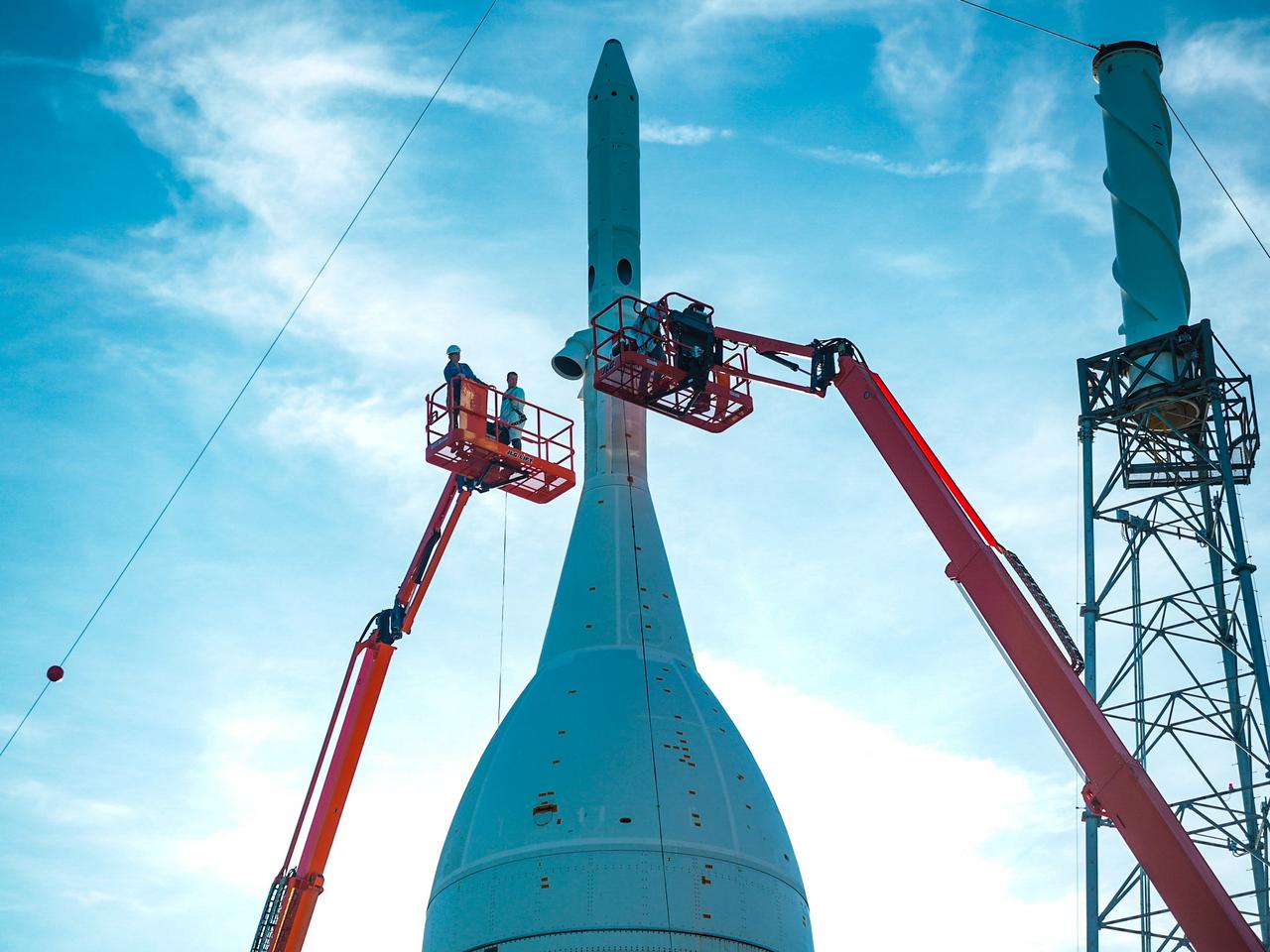
On July 1, 2019, the Orion Launch Abort System and Crew Module attached to the abort test booster are readied for flight on Ascent Abort-2 (AA-2). The successful test demonstrated the ability to carry the crew to safety in case of a mishap during ascent.
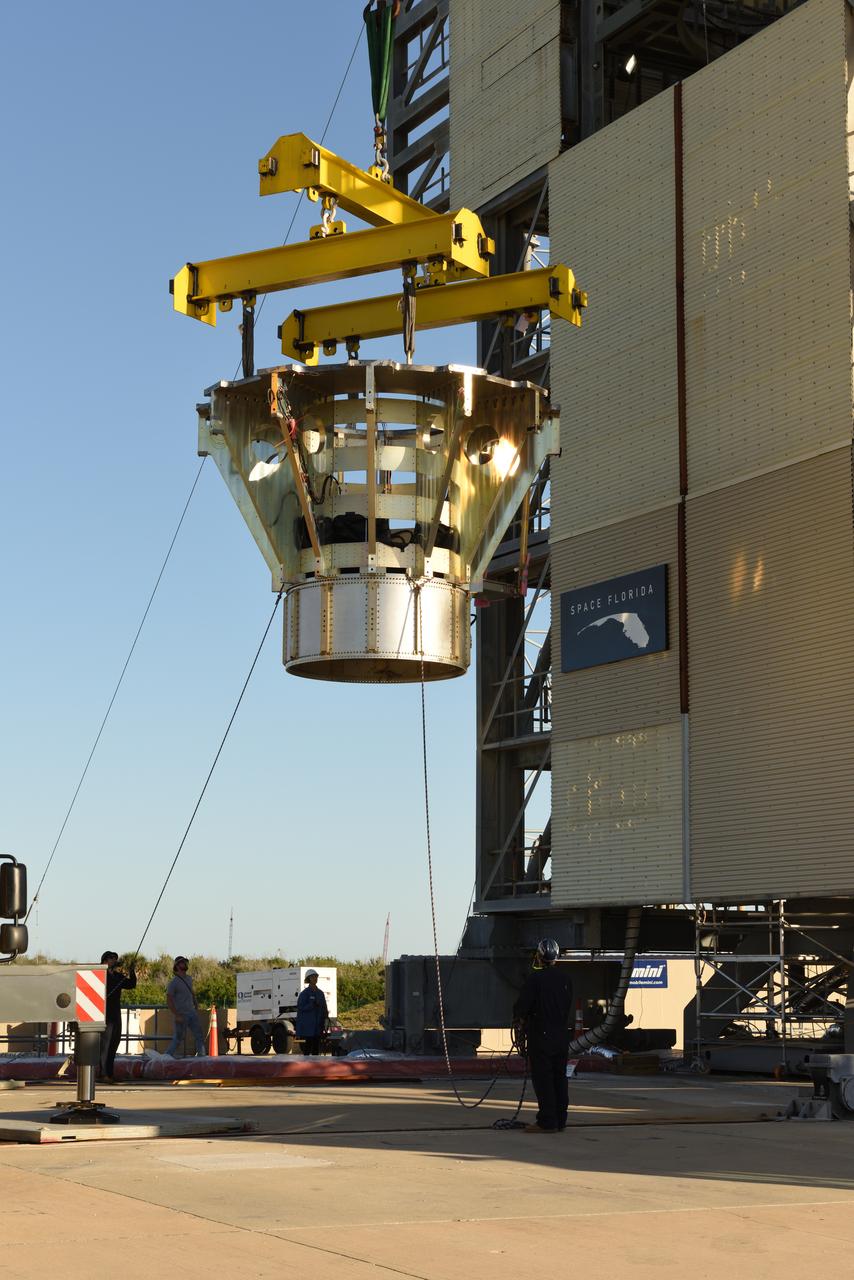
The Abort Test Booster, the rocket which will propel Orion's Launch Abort System and crew module / separation ring during the Ascent Abort -2 (AA-2) flight test, is stacked at the launch pad at Cape Canaveral Air Force Station in Florida on April 12, 2019.
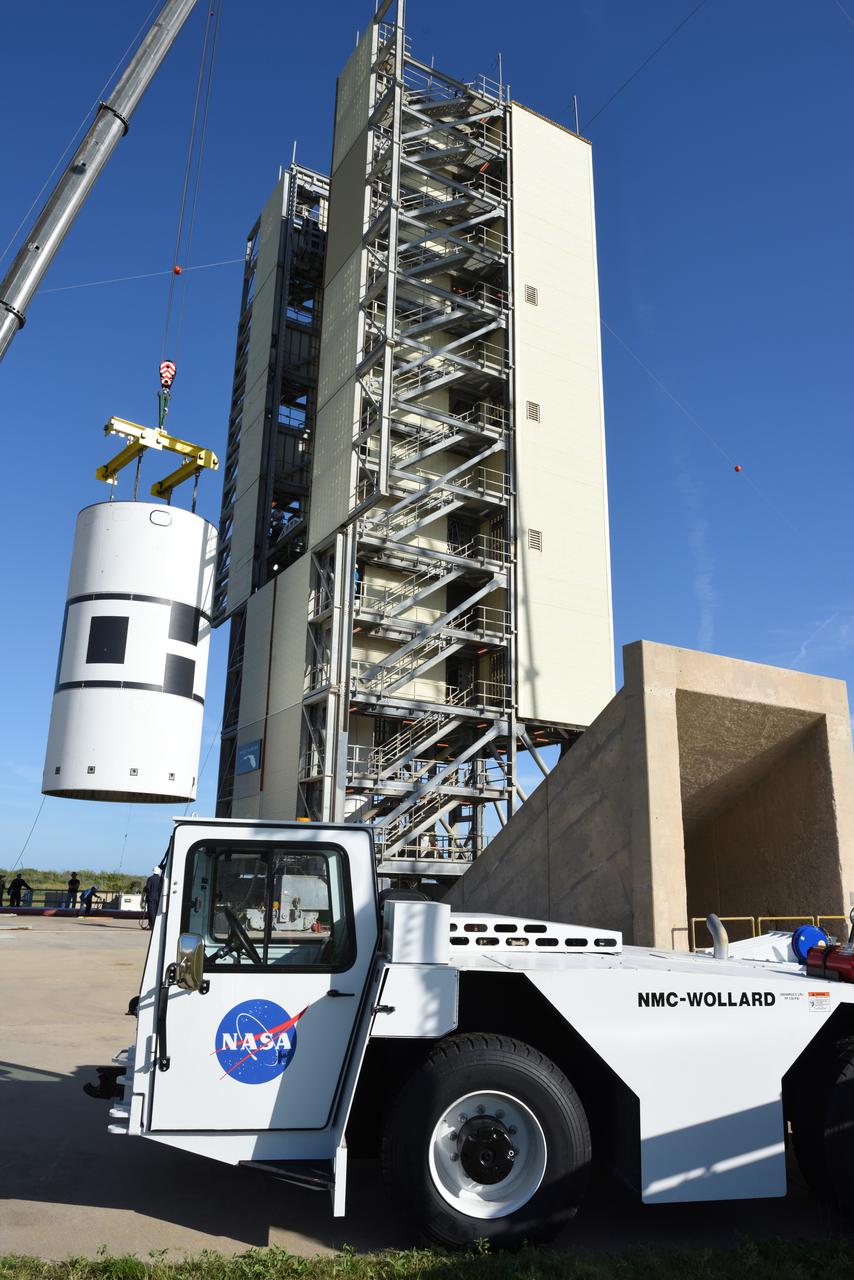
The Abort Test Booster, the rocket which will propel Orion's Launch Abort System and crew module / separation ring during the Ascent Abort -2 (AA-2) flight test, is stacked at the launch pad at Cape Canaveral Air Force Station in Florida on April 12, 2019.
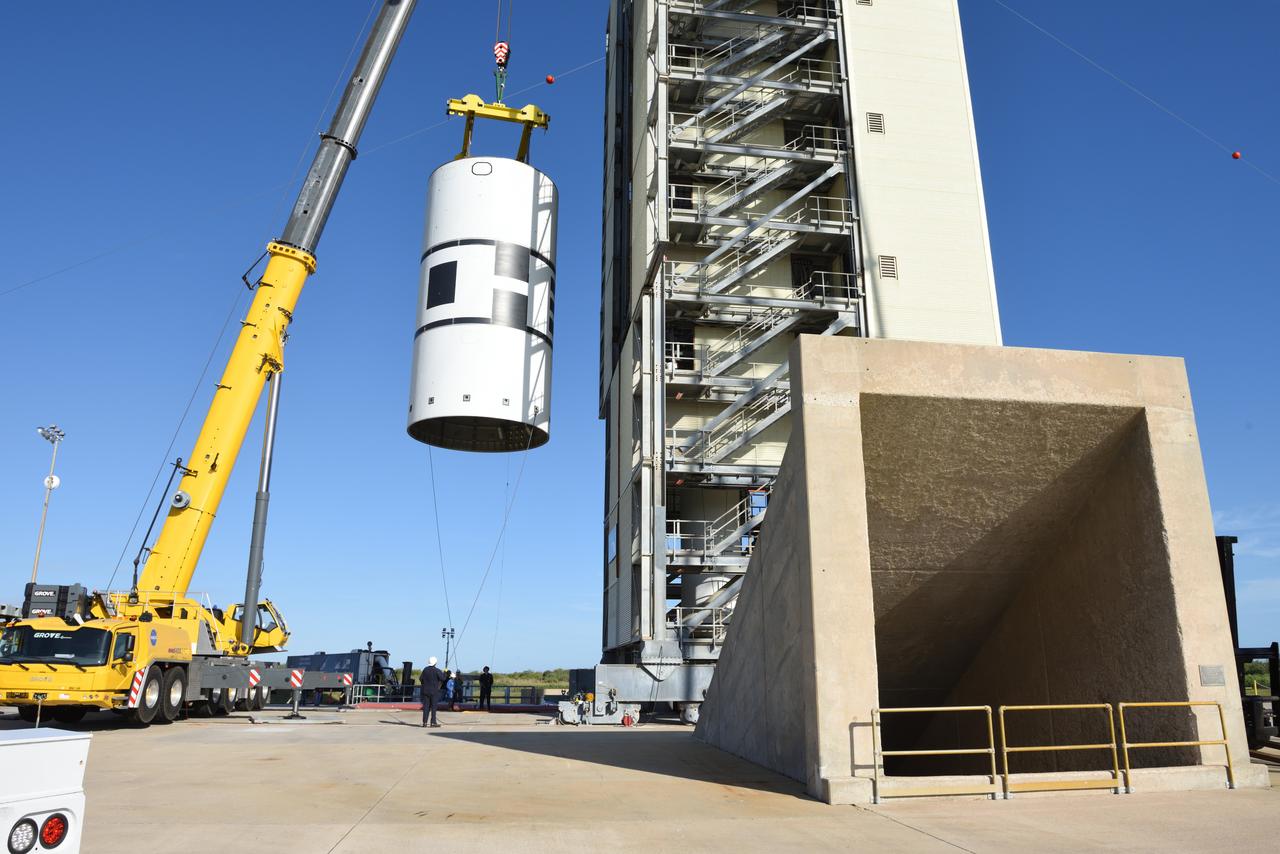
The Abort Test Booster, the rocket which will propel Orion's Launch Abort System and crew module / separation ring during the Ascent Abort -2 (AA-2) flight test, is stacked at the launch pad at Cape Canaveral Air Force Station in Florida on April 12, 2019.
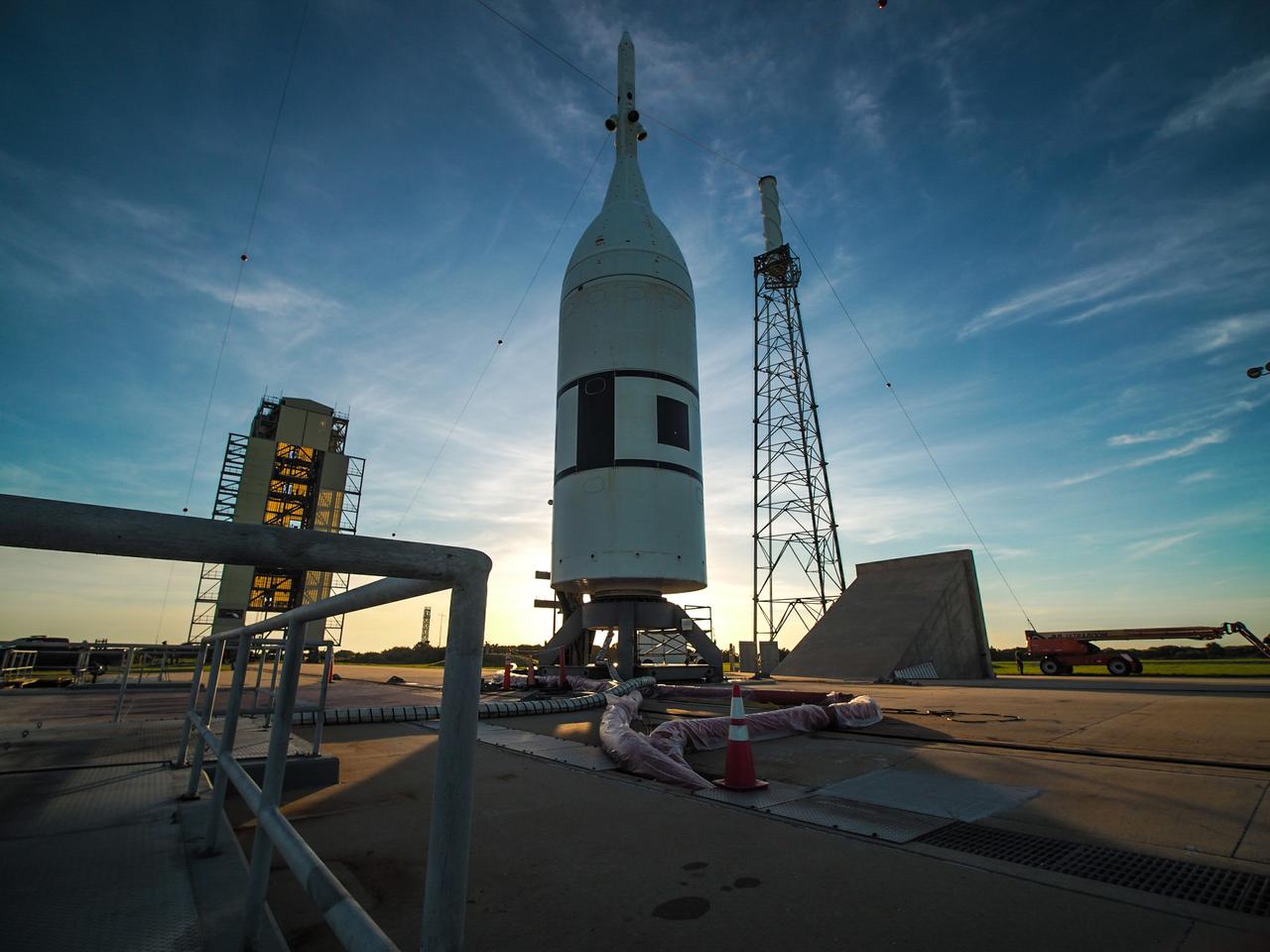
On July 1, 2019, the Orion Launch Abort System and Crew Module attached to the abort test booster are readied for flight on Ascent Abort-2 (AA-2). The successful test demonstrated the ability to carry the crew to safety in case of a mishap during ascent.
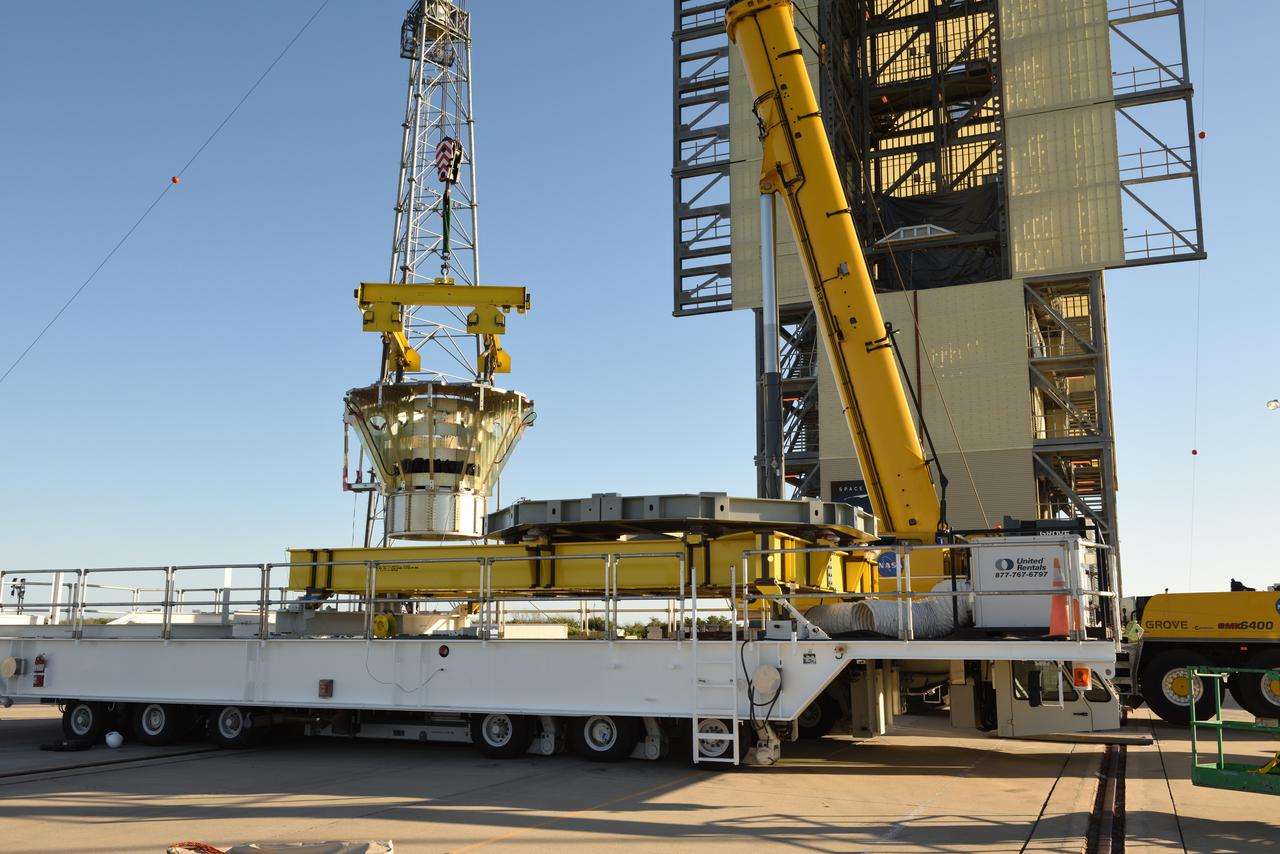
The Abort Test Booster, the rocket which will propel Orion's Launch Abort System and crew module / separation ring during the Ascent Abort -2 (AA-2) flight test, is stacked at the launch pad at Cape Canaveral Air Force Station in Florida on April 12, 2019.
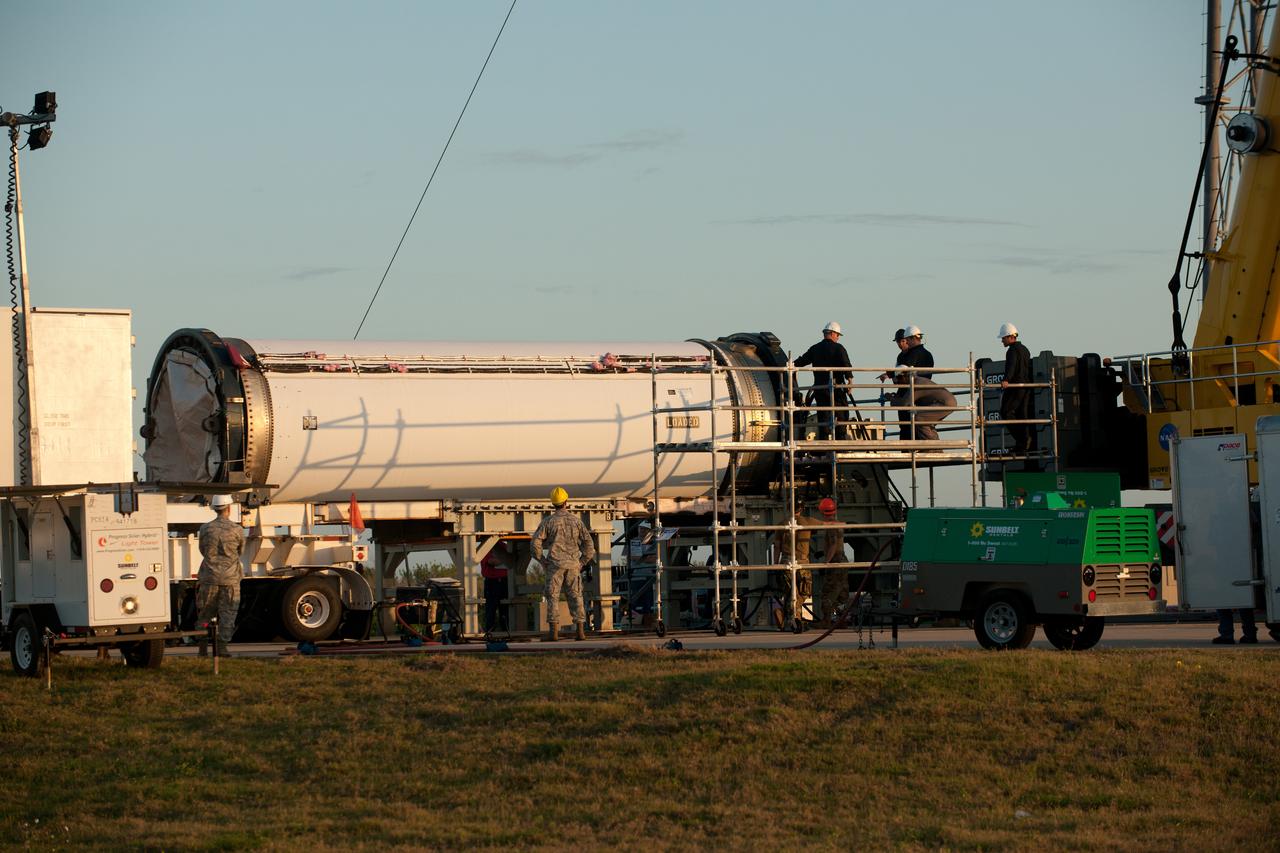
The Abort Test Booster, the rocket which will propel Orion's Launch Abort System and crew module / separation ring during the Ascent Abort -2 (AA-2) flight test, is stacked at the launch pad at Cape Canaveral Air Force Station in Florida on April 12, 2019.
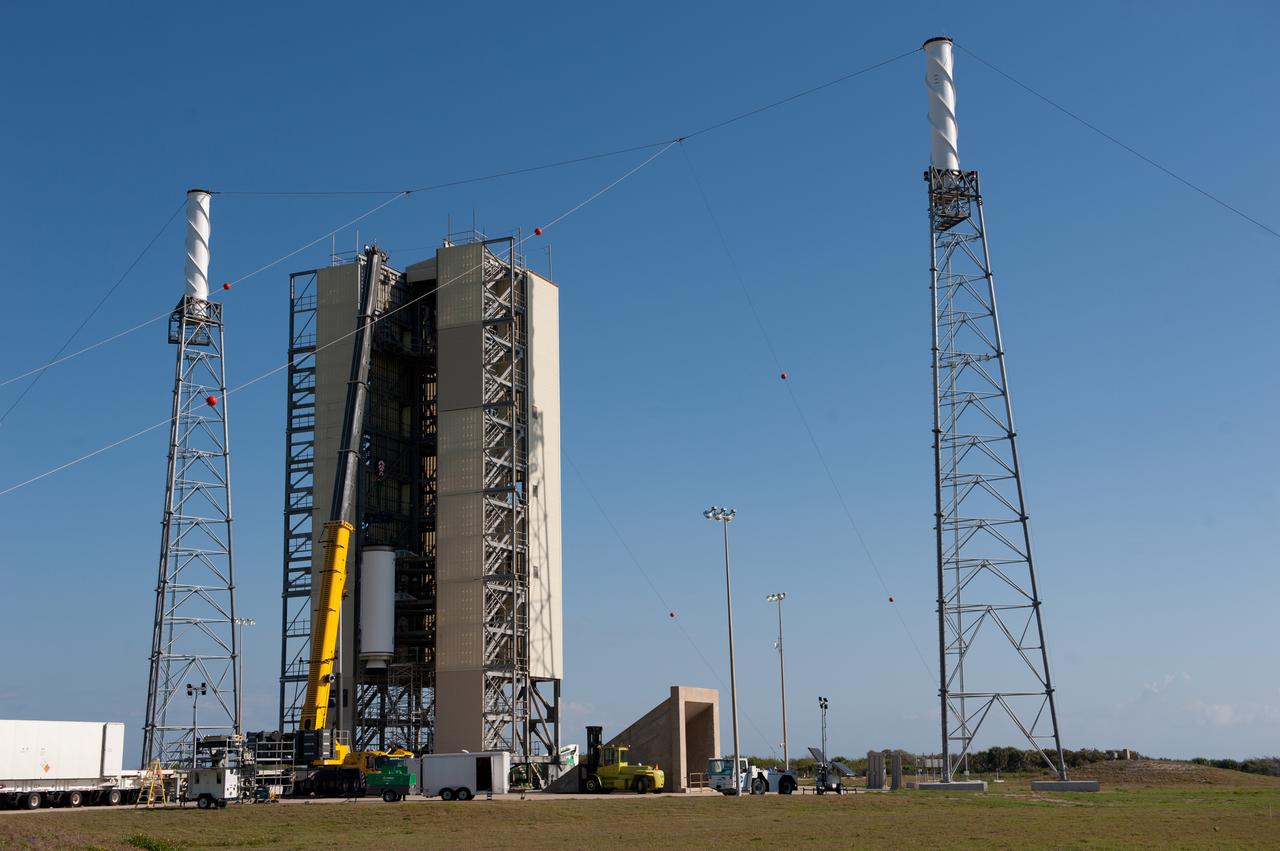
The Abort Test Booster, the rocket which will propel Orion's Launch Abort System and crew module / separation ring during the Ascent Abort -2 (AA-2) flight test, is stacked at the launch pad at Cape Canaveral Air Force Station in Florida on April 12, 2019.
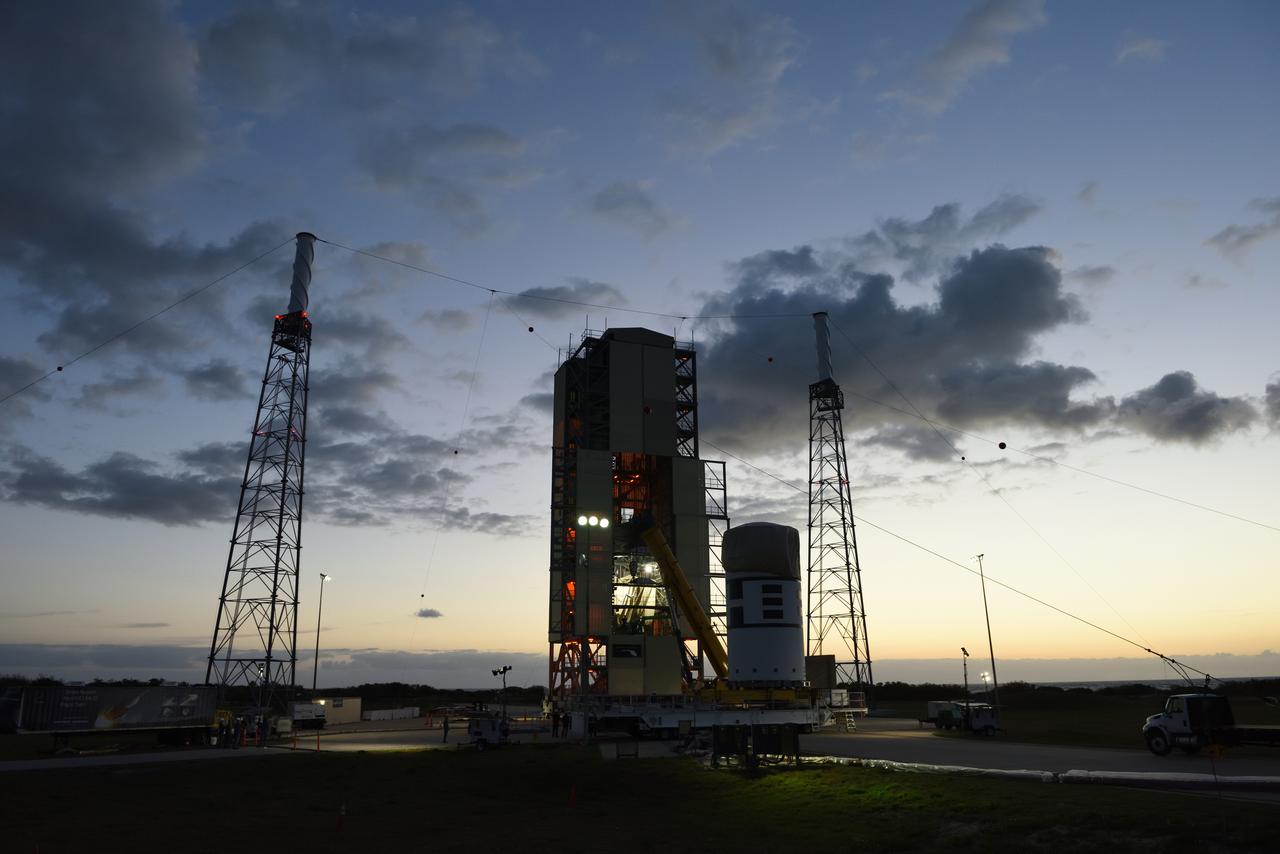
The Abort Test Booster, the rocket which will propel Orion's Launch Abort System and crew module / separation ring during the Ascent Abort -2 (AA-2) flight test, is stacked at the launch pad at Cape Canaveral Air Force Station in Florida on April 12, 2019.
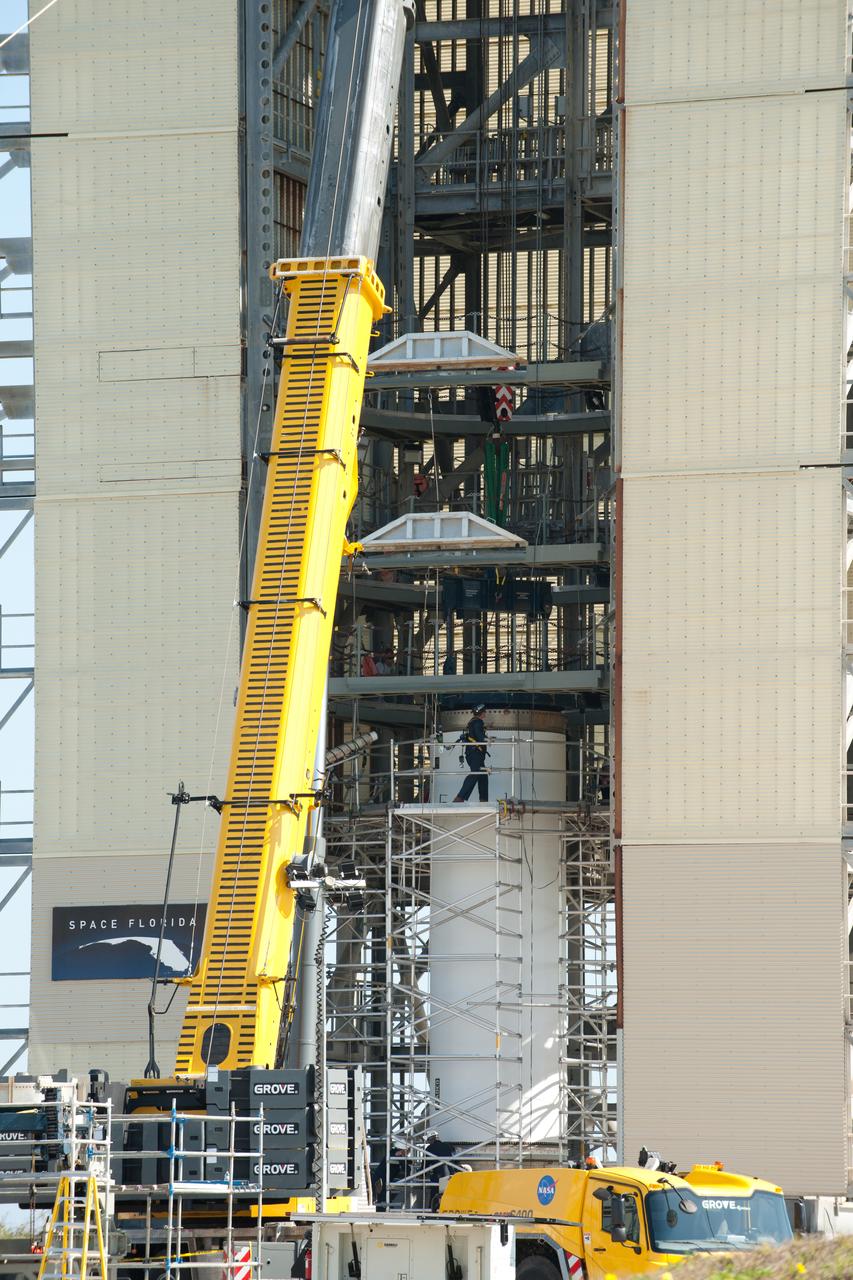
The Abort Test Booster, the rocket which will propel Orion's Launch Abort System and crew module / separation ring during the Ascent Abort -2 (AA-2) flight test, is stacked at the launch pad at Cape Canaveral Air Force Station in Florida on April 12, 2019.
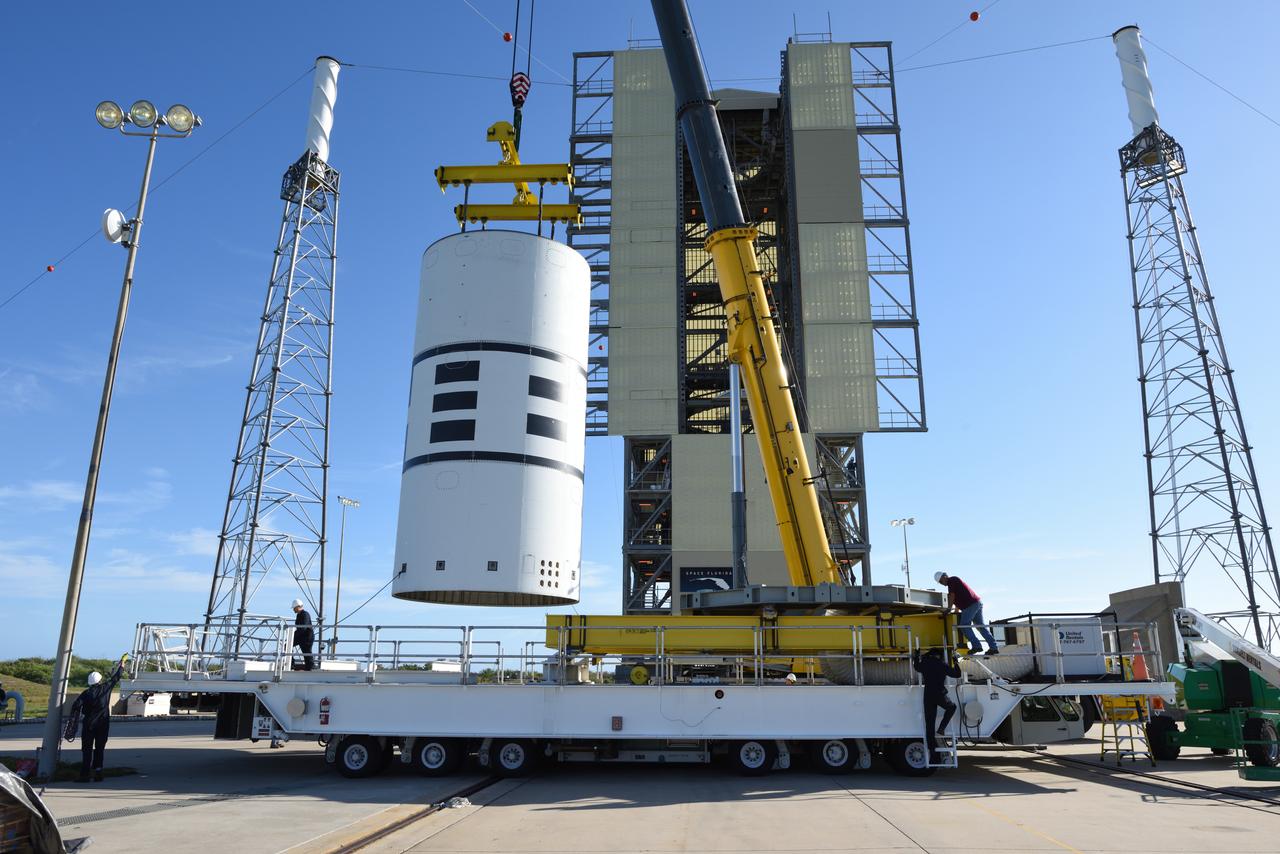
The Abort Test Booster, the rocket which will propel Orion's Launch Abort System and crew module / separation ring during the Ascent Abort -2 (AA-2) flight test, is stacked at the launch pad at Cape Canaveral Air Force Station in Florida on April 12, 2019.
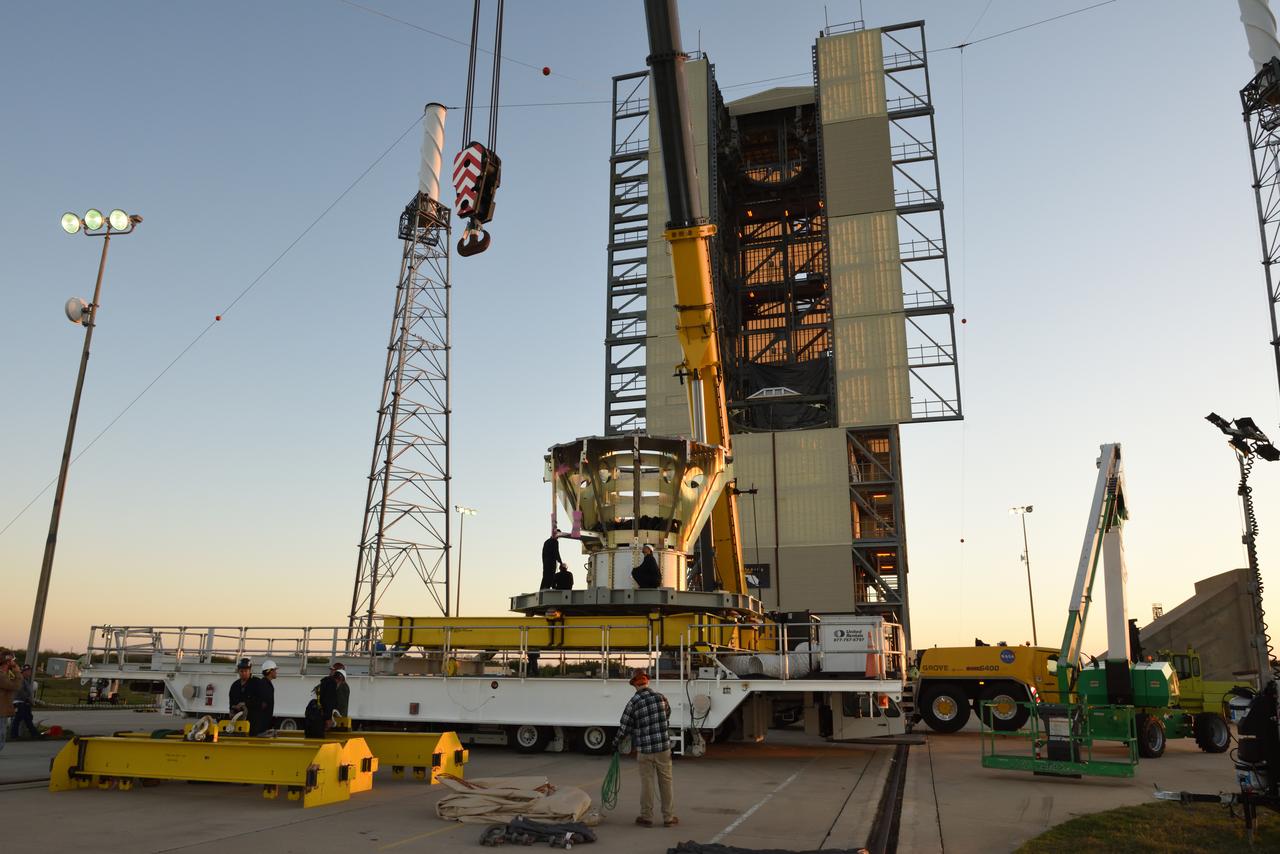
The Abort Test Booster, the rocket which will propel Orion's Launch Abort System and crew module / separation ring during the Ascent Abort -2 (AA-2) flight test, is stacked at the launch pad at Cape Canaveral Air Force Station in Florida on April 12, 2019.
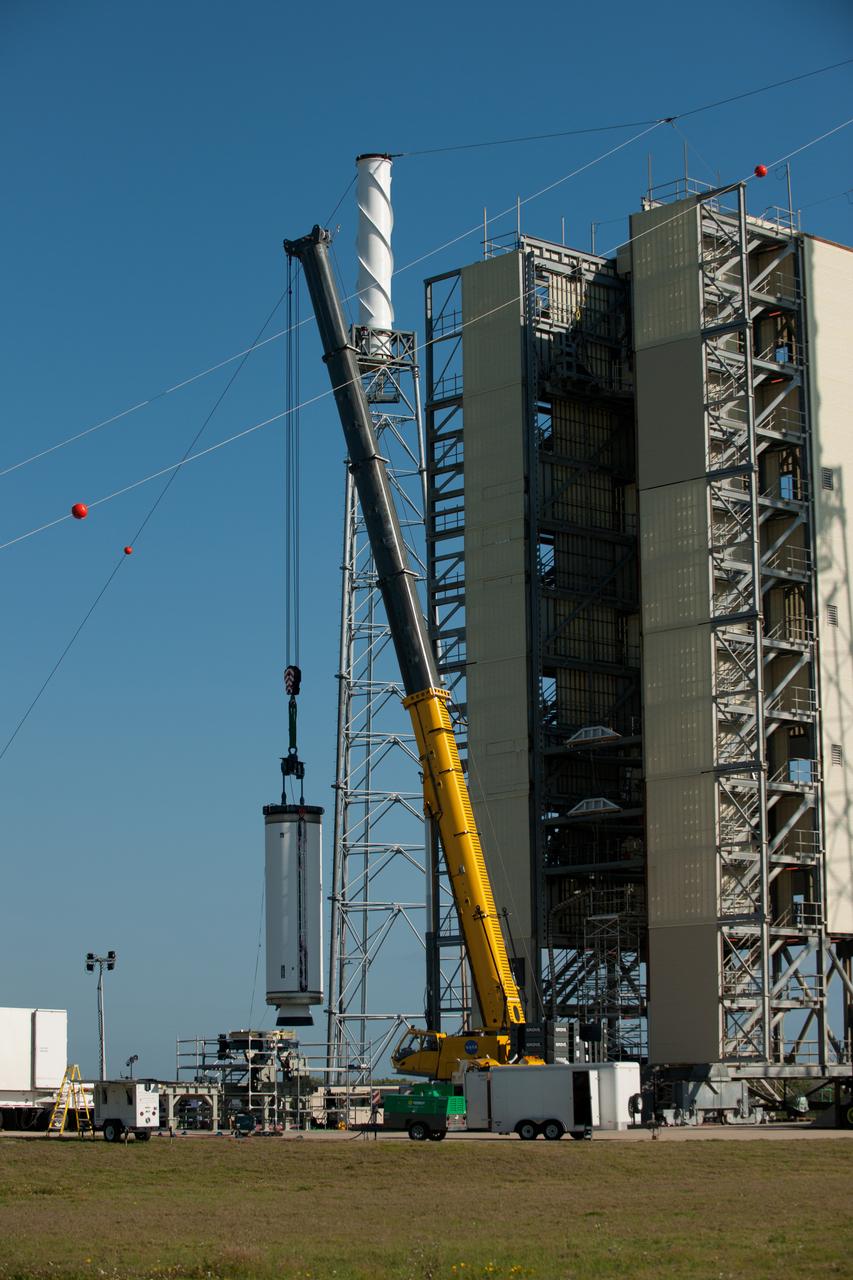
The Abort Test Booster, the rocket which will propel Orion's Launch Abort System and crew module / separation ring during the Ascent Abort -2 (AA-2) flight test, is stacked at the launch pad at Cape Canaveral Air Force Station in Florida on April 12, 2019.
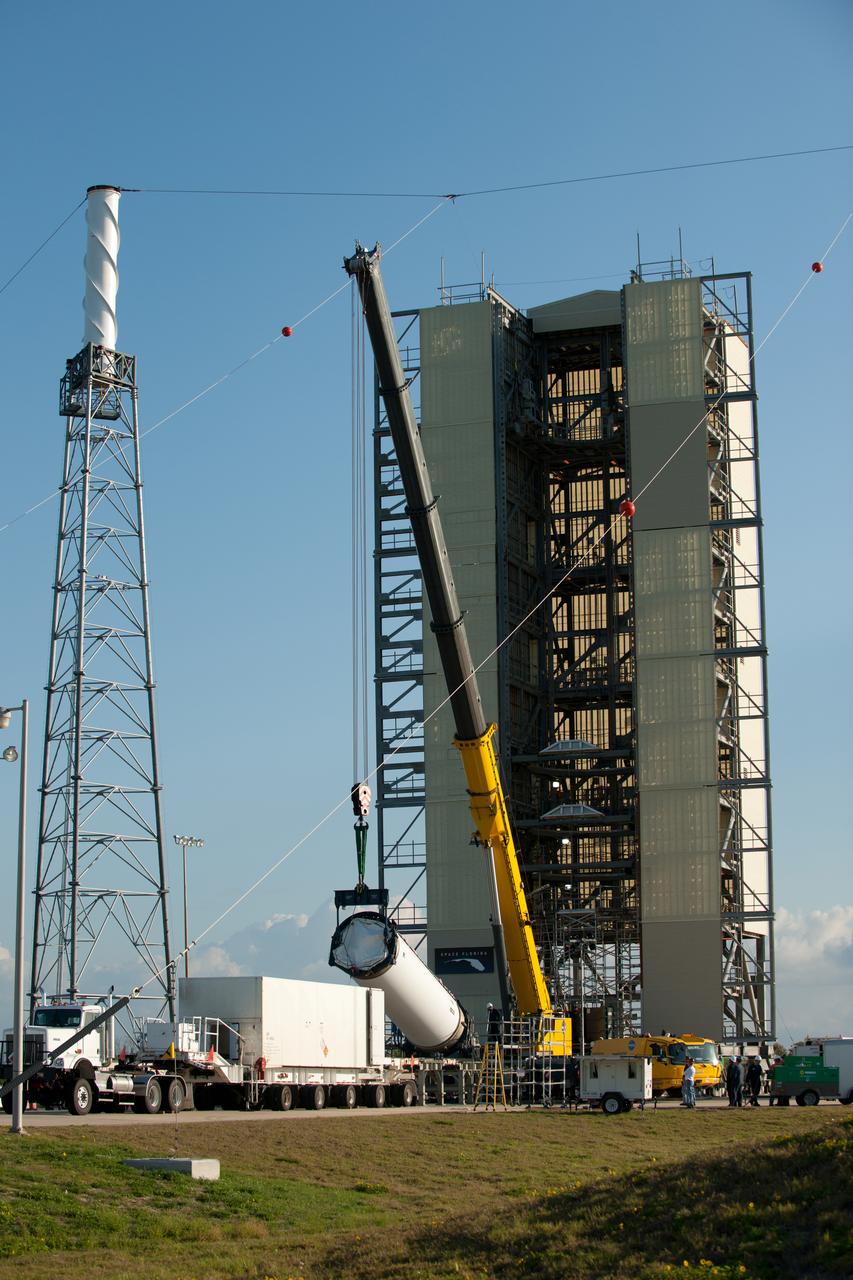
The Abort Test Booster, the rocket which will propel Orion's Launch Abort System and crew module / separation ring during the Ascent Abort -2 (AA-2) flight test, is stacked at the launch pad at Cape Canaveral Air Force Station in Florida on April 12, 2019.
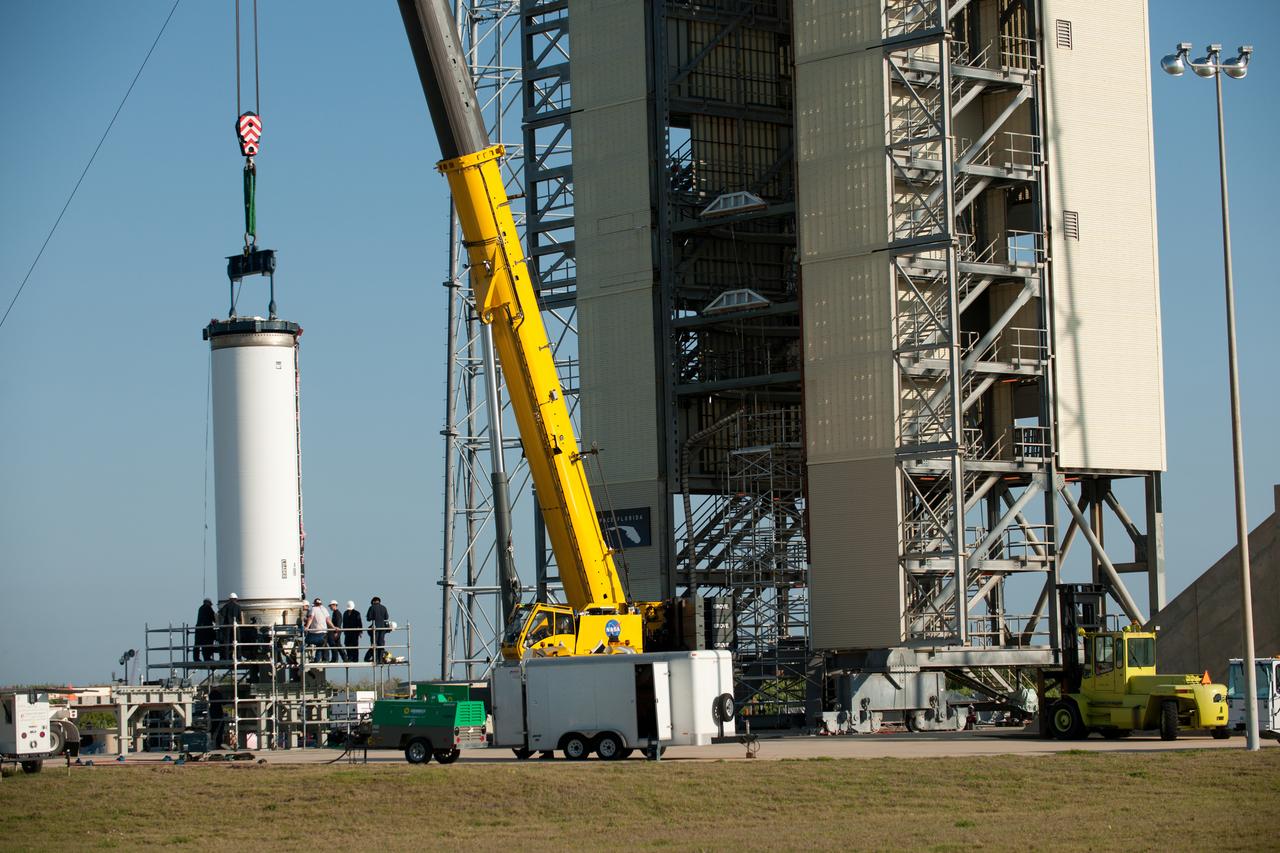
The Abort Test Booster, the rocket which will propel Orion's Launch Abort System and crew module / separation ring during the Ascent Abort -2 (AA-2) flight test, is stacked at the launch pad at Cape Canaveral Air Force Station in Florida on April 12, 2019.

On July 1, 2019, the Orion Launch Abort System and Crew Module attached to the abort test booster are readied for flight on Ascent Abort-2 (AA-2). The successful test demonstrated the ability to carry the crew to safety in case of a mishap during ascent.
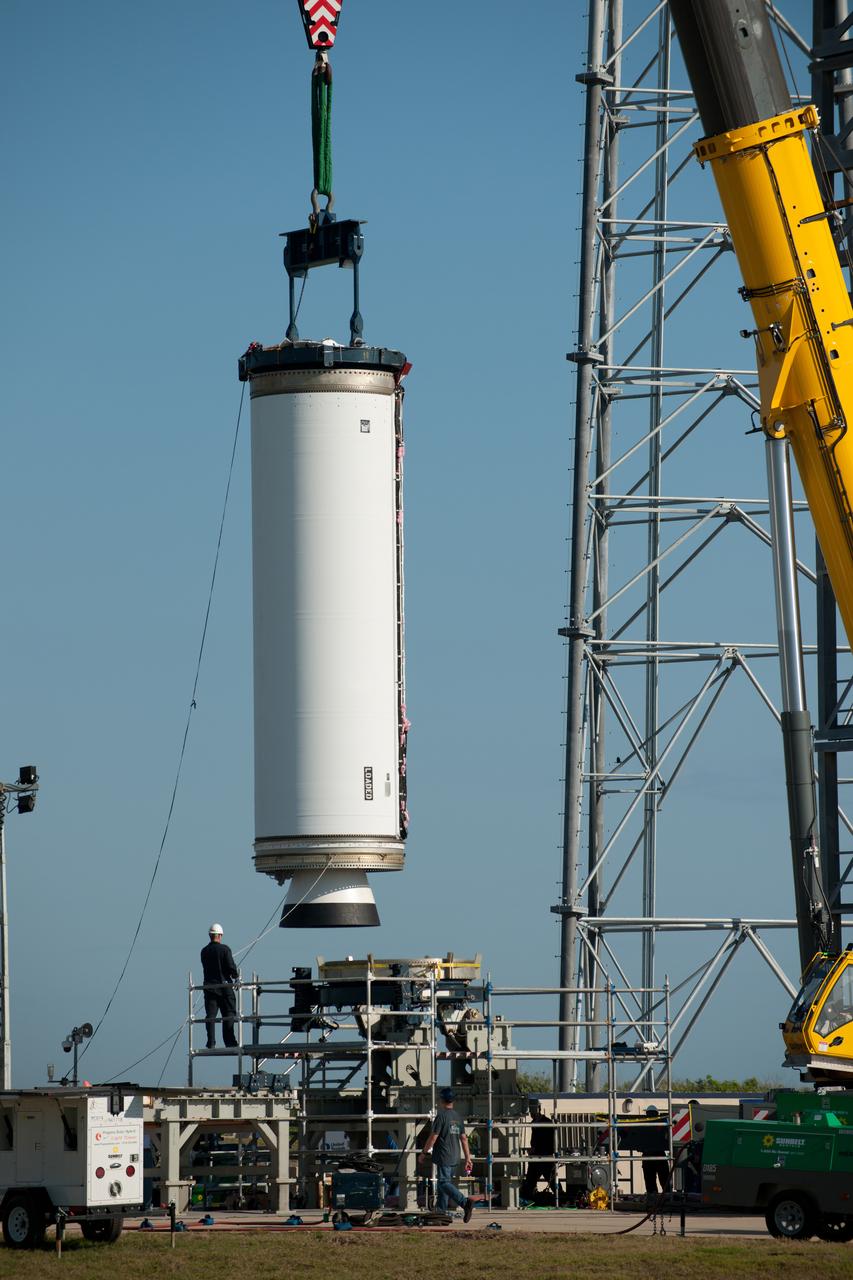
The Abort Test Booster, the rocket which will propel Orion's Launch Abort System and crew module / separation ring during the Ascent Abort -2 (AA-2) flight test, is stacked at the launch pad at Cape Canaveral Air Force Station in Florida on April 12, 2019.
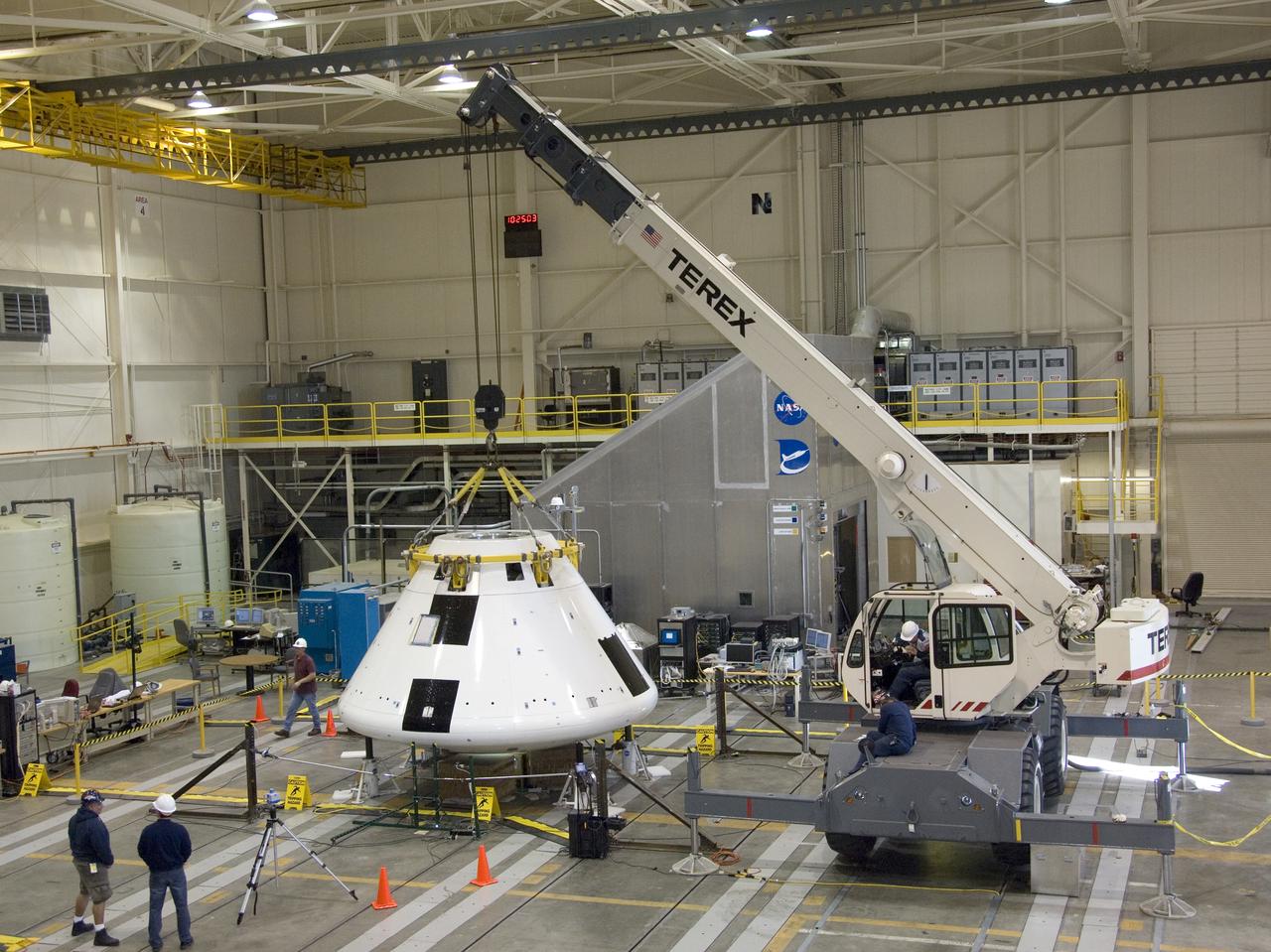
Under the watchful eyes of technicians, a crane positions the Orion PA-1 Abort Flight Test module for mass properties testing in NASA Dryden's Flight Loads Lab.
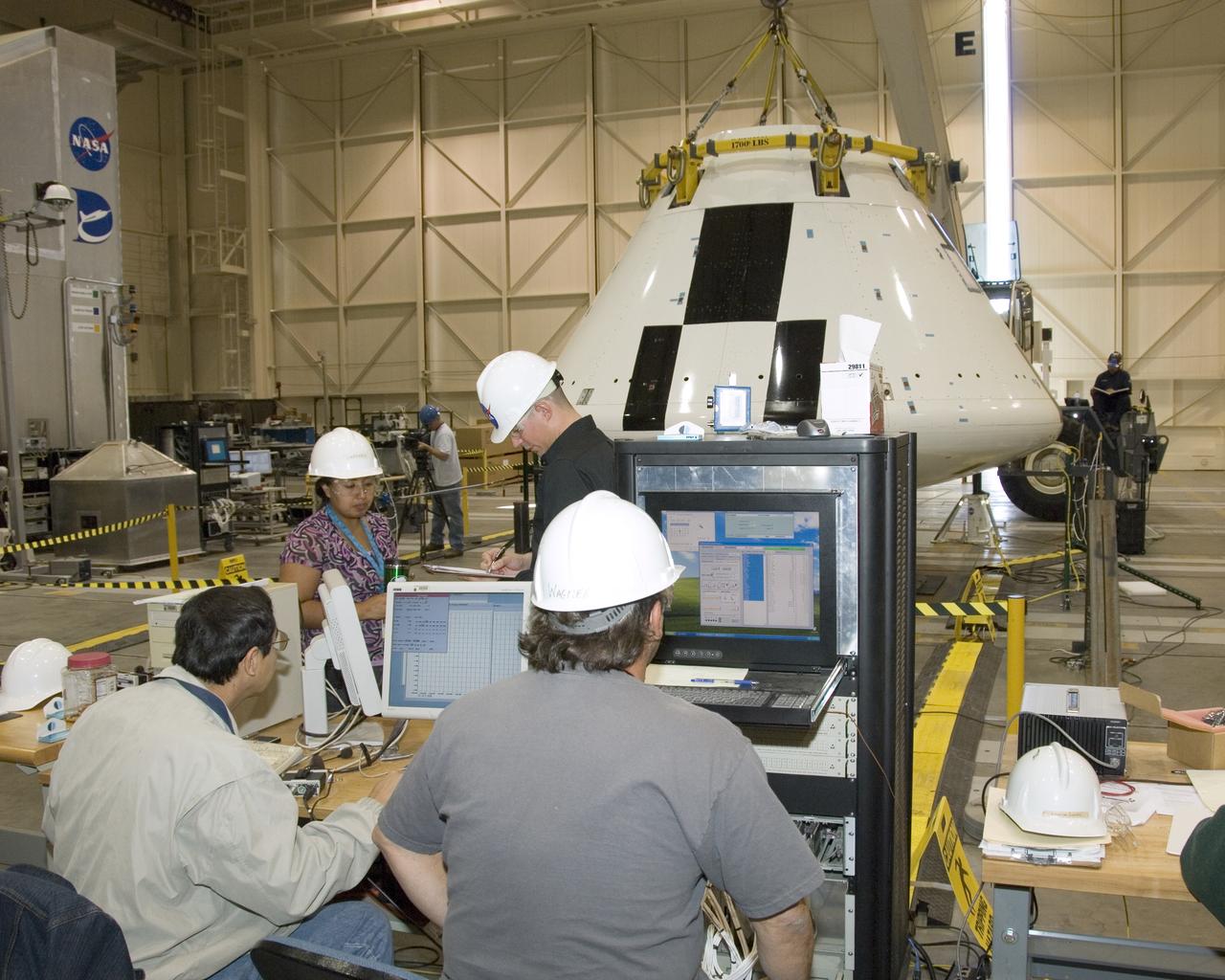
Engineers and technicians pore over data during moment-of-inertia testing on the Orion PA-1 Abort Flight Test module in the NASA Dryden Flight Loads Laboratory.
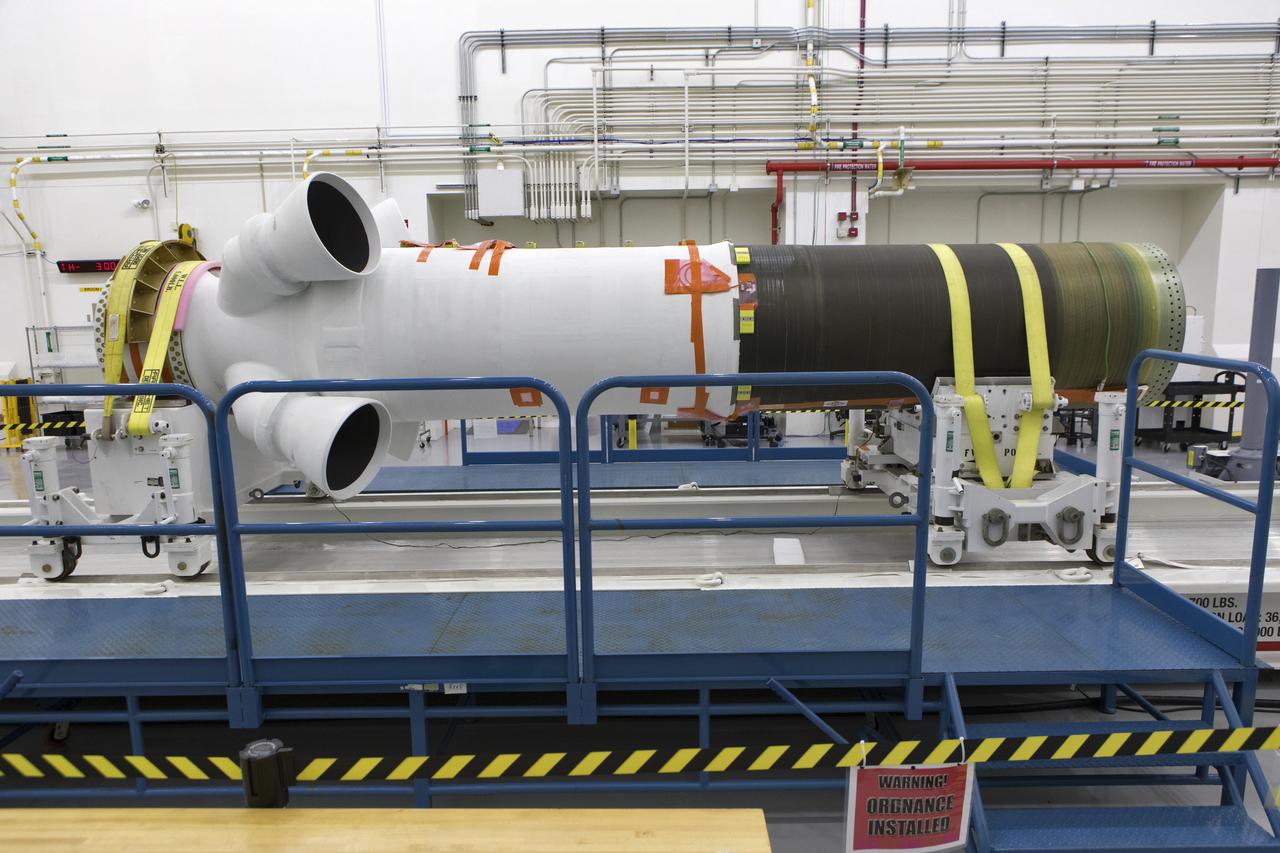
The abort motor for Orion's Launch Abort System (LAS) is secured on a work stand inside the Launch Abort System Facility on Aug. 28, 2018, at NASA's Kennedy Space Center in Florida. This motor will be used for flight during a full-stress test of the LAS, called Ascent Abort-2 (AA-2) flight test, scheduled for April 2019. The abort motor is what will activate to pull the Orion crew module away during the event of an emergency during ascent. AA-2 will launch from Space Launch Complex 46, carrying a fully functional LAS and a 22,000-pound Orion test vehicle to an altitude of 31,000 feet and traveling at more than 1,000 miles an hour. The test will verify the LAS can steer the crew module and astronauts aboard to safety in the event of an issue with the Space Launch System (SLS) rocket when the spacecraft is under the highest aerodynamic loads it will experience during a rapid climb into space. NASA's Orion and Exploration Ground Systems programs and contractors from Jacob's and Northrup Grumman in conjunction with the Air Force Space and Missile Center's Launch Operations branch are performing flight operations for AA-2.
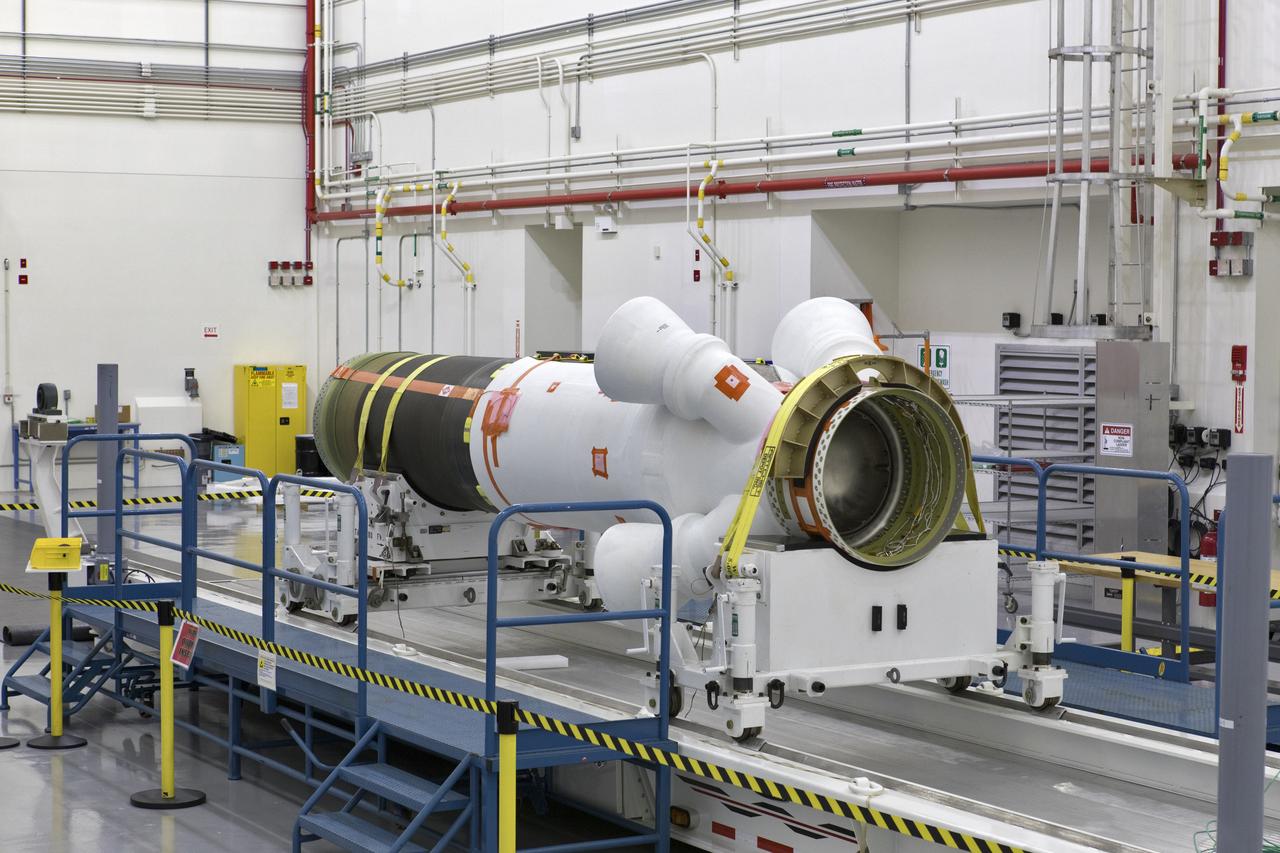
The abort motor for Orion's Launch Abort System (LAS) is secured on a work stand inside the Launch Abort System Facility on Aug. 28, 2018, at NASA's Kennedy Space Center in Florida. This motor will be used for flight during a full-stress test of the LAS, called Ascent Abort-2 (AA-2) flight test, scheduled for April 2019. The abort motor is what will activate to pull the Orion crew module away during the event of an emergency during ascent. AA-2 will launch from Space Launch Complex 46, carrying a fully functional LAS and a 22,000-pound Orion test vehicle to an altitude of 31,000 feet and traveling at more than 1,000 miles an hour. The test will verify the LAS can steer the crew module and astronauts aboard to safety in the event of an issue with the Space Launch System (SLS) rocket when the spacecraft is under the highest aerodynamic loads it will experience during a rapid climb into space. NASA's Orion and Exploration Ground Systems programs and contractors from Jacob's and Northrup Grumman in conjunction with the Air Force Space and Missile Center's Launch Operations branch are performing flight operations for AA-2.
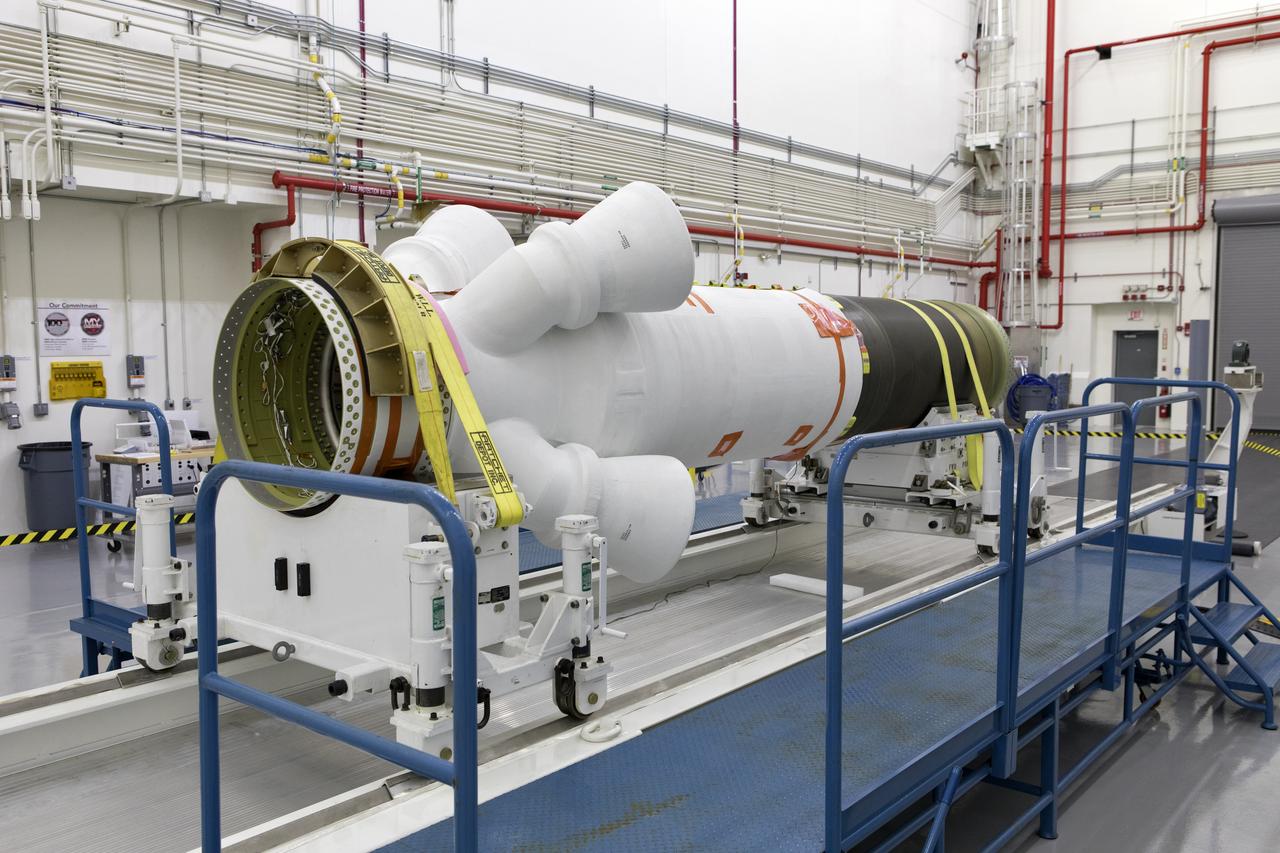
The abort motor for Orion's Launch Abort System (LAS) is secured on a work stand inside the Launch Abort System Facility on Aug. 28, 2018, at NASA's Kennedy Space Center in Florida. This motor will be used for flight during a full-stress test of the LAS, called Ascent Abort-2 (AA-2) flight test, scheduled for April 2019. The abort motor is what will activate to pull the Orion crew module away during the event of an emergency during ascent. AA-2 will launch from Space Launch Complex 46, carrying a fully functional LAS and a 22,000-pound Orion test vehicle to an altitude of 31,000 feet and traveling at more than 1,000 miles an hour. The test will verify the LAS can steer the crew module and astronauts aboard to safety in the event of an issue with the Space Launch System (SLS) rocket when the spacecraft is under the highest aerodynamic loads it will experience during a rapid climb into space. NASA's Orion and Exploration Ground Systems programs and contractors from Jacob's and Northrup Grumman in conjunction with the Air Force Space and Missile Center's Launch Operations branch are performing flight operations for AA-2.
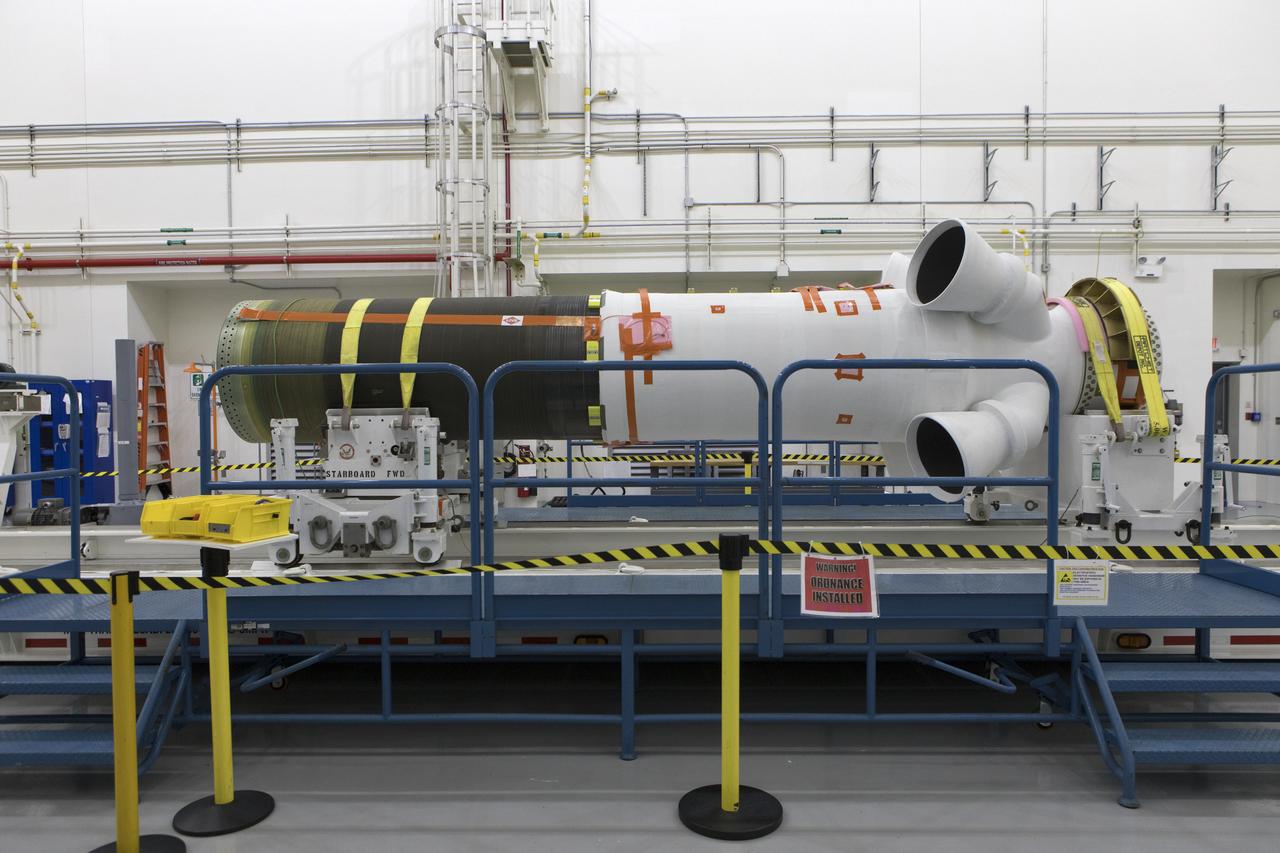
The abort motor for Orion's Launch Abort System (LAS) is secured on a work stand inside the Launch Abort System Facility on Aug. 28, 2018, at NASA's Kennedy Space Center in Florida. This motor will be used for flight during a full-stress test of the LAS, called Ascent Abort-2 (AA-2) flight test, scheduled for April 2019. The abort motor is what will activate to pull the Orion crew module away during the event of an emergency during ascent. AA-2 will launch from Space Launch Complex 46, carrying a fully functional LAS and a 22,000-pound Orion test vehicle to an altitude of 31,000 feet and traveling at more than 1,000 miles an hour. The test will verify the LAS can steer the crew module and astronauts aboard to safety in the event of an issue with the Space Launch System (SLS) rocket when the spacecraft is under the highest aerodynamic loads it will experience during a rapid climb into space. NASA's Orion and Exploration Ground Systems programs and contractors from Jacob's and Northrup Grumman in conjunction with the Air Force Space and Missile Center's Launch Operations branch are performing flight operations for AA-2.
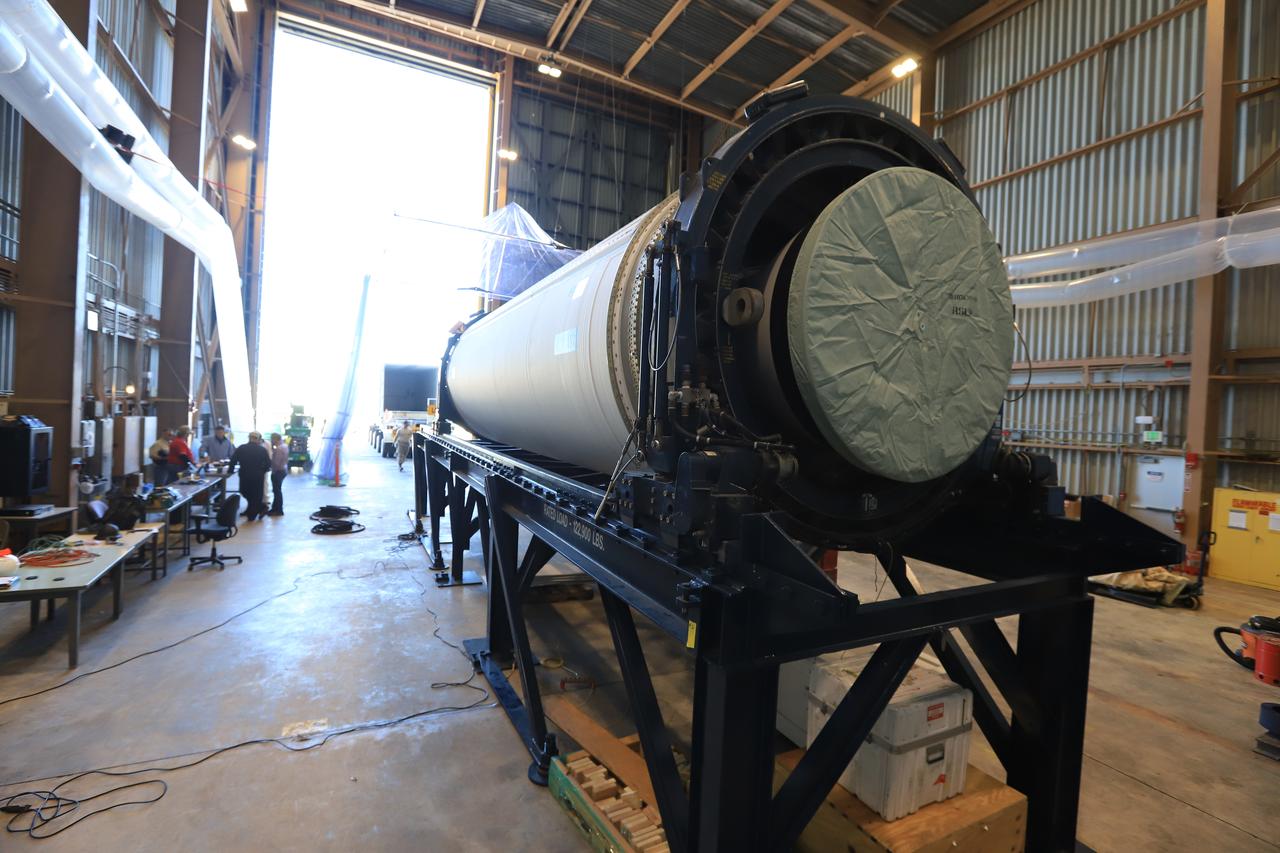
The Northrup Grumman SR118 for Ascent Abort-2 (AA-2) which is loaded with propellants moves from the Launch Abort System Facility (LASF) to the Rotation Protection and Surge Facility at Kennedy Space Center for continued flight processing on Jan. 29, 2019.