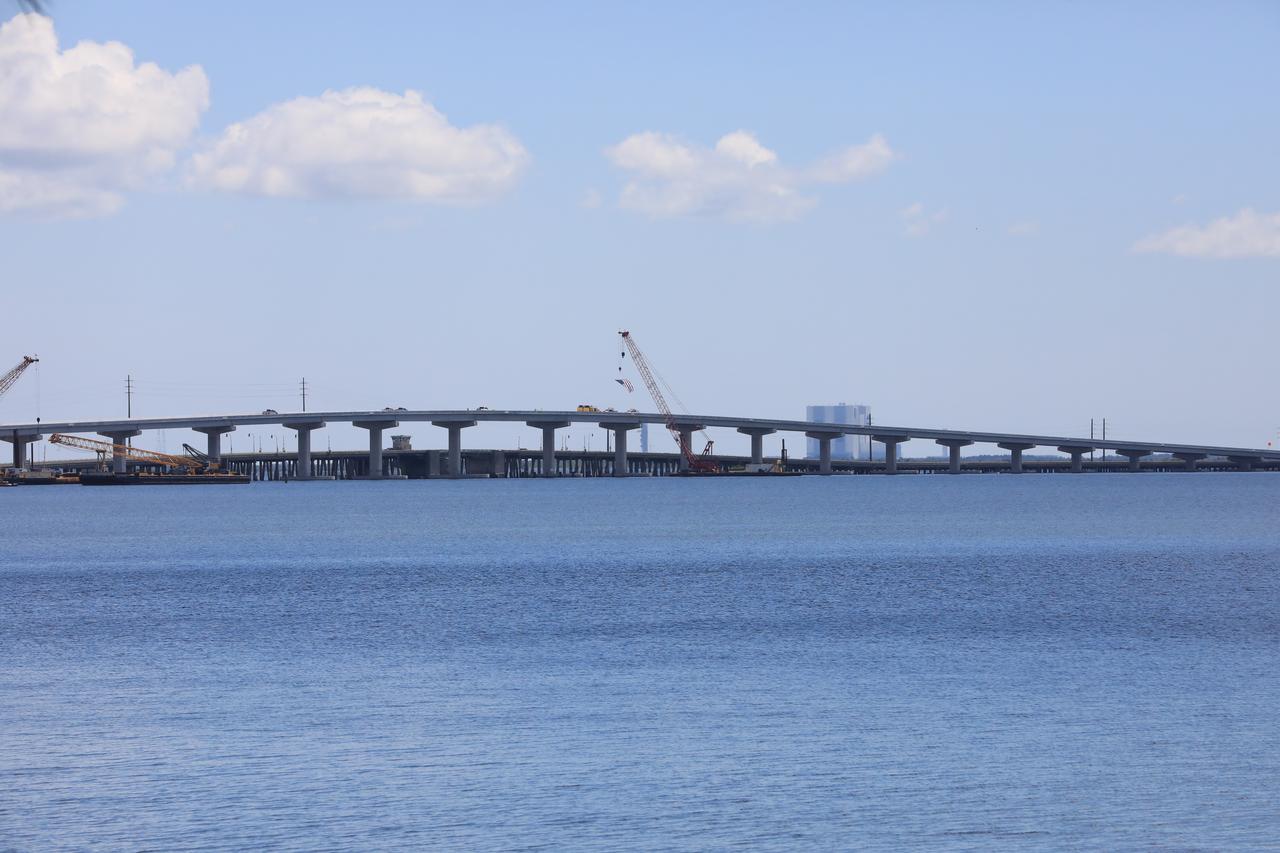
In view is the upgraded eastbound span of the Indian River Bridge leading to NASA’s Kennedy Space Center in Florida. A ribbon cutting ceremony was held June 9, 2023 to officially open the East part of the bridge. The new high-rise bridge serves as the primary entrance and exit to the space center for employees and visitors. The bridge spans the Indian River Lagoon and connects Kennedy and the Cape Canaveral Space Force Station to the mainland via State Road 405/NASA Causeway in Titusville. This first section of the bridge replaces the two-lane drawbridge which was built in the mid-1960s to support the Apollo program.
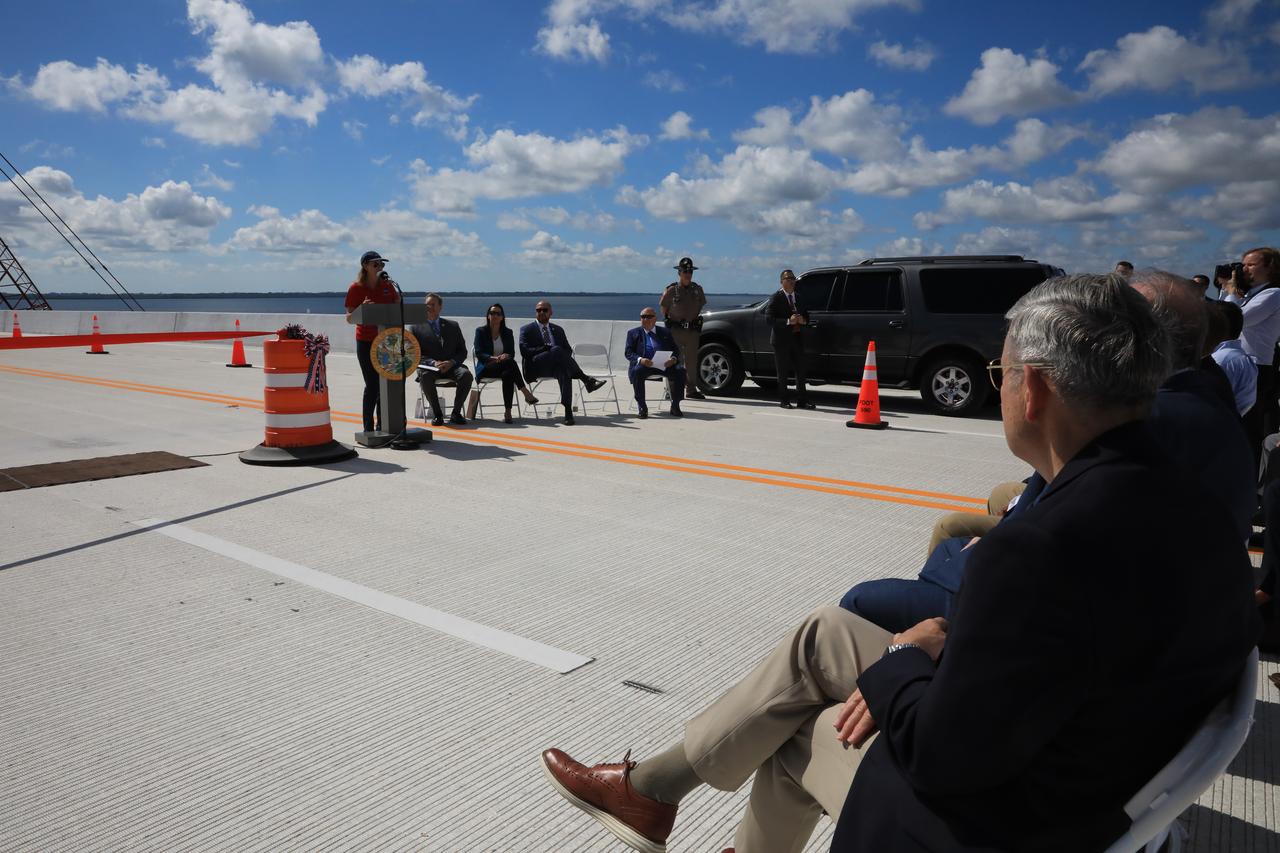
NASA Kennedy Space Center Director Janet Petro speaks during the grand opening ceremony for the upgraded eastbound span of the Indian River Bridge near Kennedy Space Center on June 9, 2023. The new high-rise bridge serves as the primary entrance and exit to the space center for employees and visitors. The bridge spans the Indian River Lagoon and connects Kennedy and the Cape Canaveral Space Force Station to the mainland via State Road 405/NASA Causeway in Titusville. This first section of the bridge replaces the two-lane drawbridge which was built in the mid-1960s to support the Apollo program.
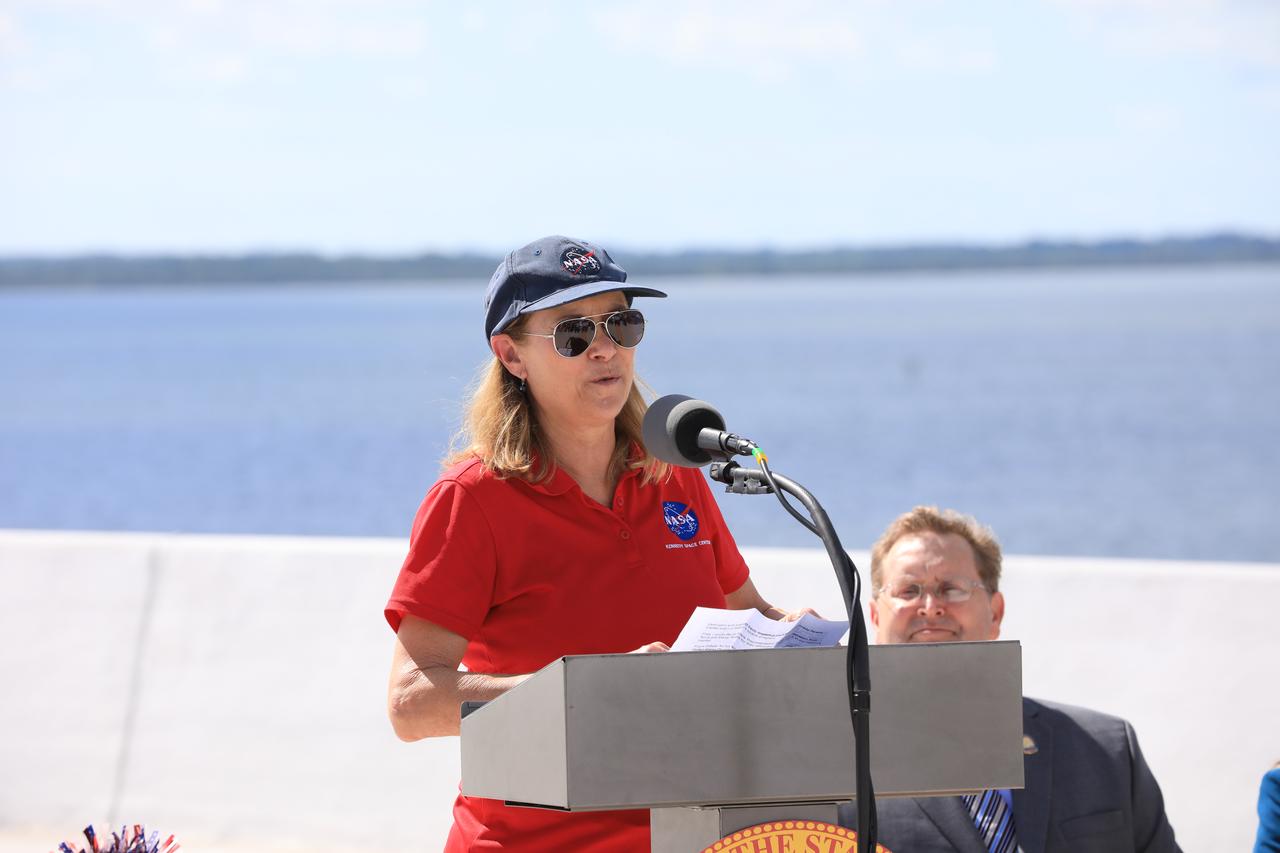
NASA Kennedy Space Center Director Janet Petro speaks during the grand opening ceremony for the upgraded eastbound span of the Indian River Bridge near the center on June 9, 2023. The new high-rise bridge serves as the primary entrance and exit to the space center for employees and visitors. The bridge spans the Indian River Lagoon and connects Kennedy and the Cape Canaveral Space Force Station to the mainland via State Road 405/NASA Causeway in Titusville. This first section of the bridge replaces the two-lane drawbridge which was built in the mid-1960s to support the Apollo program.
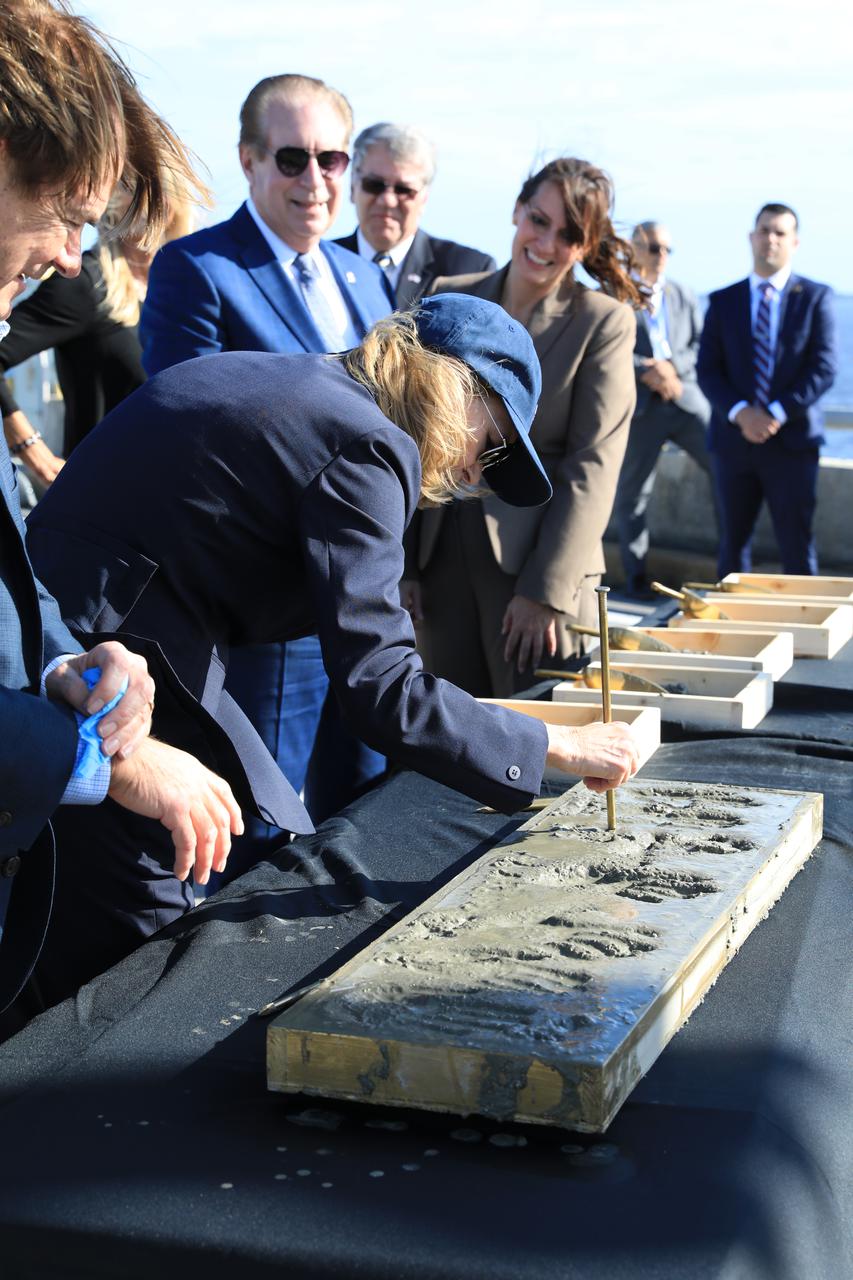
Center Director Janet Petro joins partners and elected officials for a groundbreaking ceremony on a new NASA Causeway bridge over the Indian River leading to NASA’s Kennedy Space Center on Merritt Island in Florida. The construction is made possible through a $90M Infrastructure for Rebuilding America (INFRA) grant, which was awarded thanks to an extensive effort by NASA, the State of Florida – through Florida Department of Transportation and Space Florida – as well as support from industry partners, other local, state, and federal government agencies. The new bridge enables Kennedy’s growth as a multi-user spaceport and will allow NASA to better support the space industry. Construction is scheduled to take several years. To commemorate the day, speakers left a handprint and signed their name in cement.
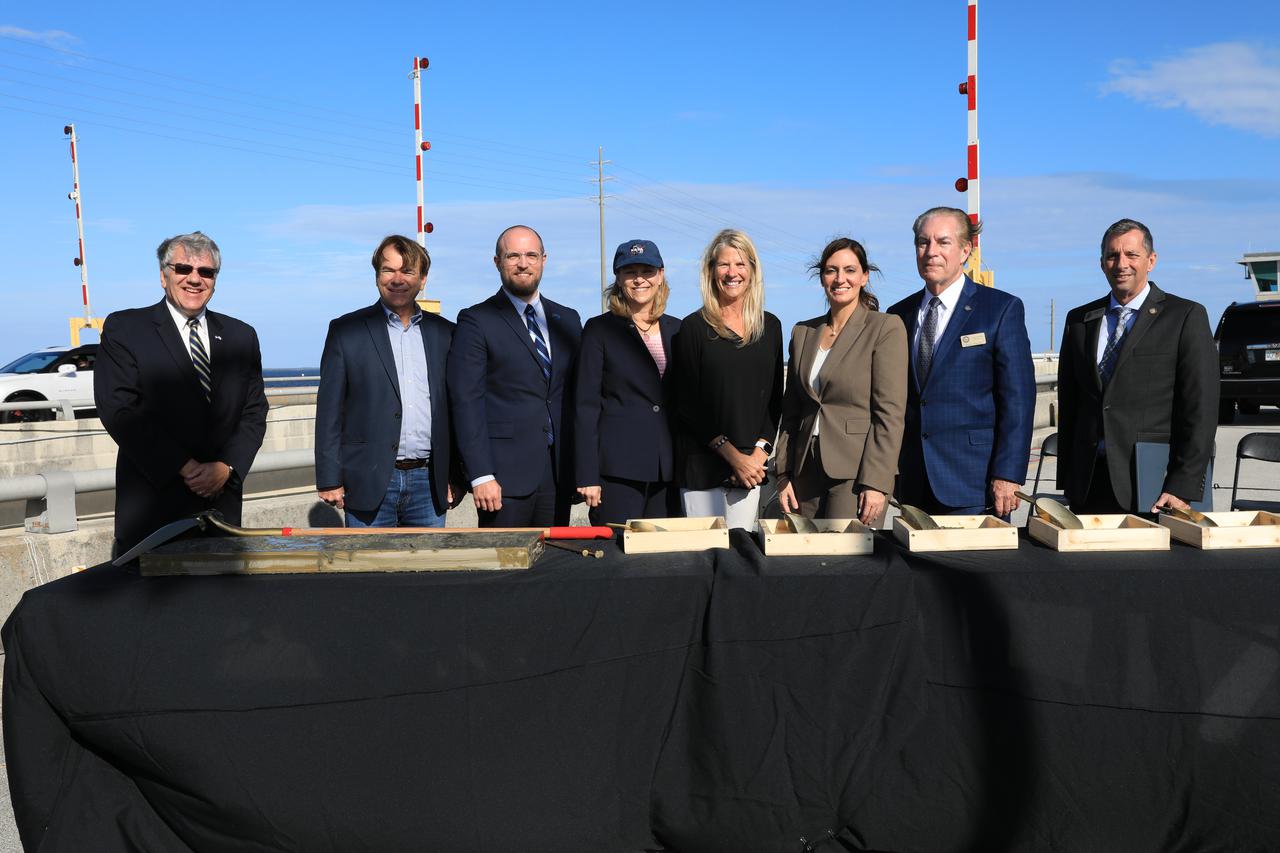
Center Director Janet Petro joins partners and elected officials for a groundbreaking ceremony on a new NASA Causeway bridge over the Indian River leading to NASA’s Kennedy Space Center on Merritt Island in Florida. The construction is made possible through a $90M Infrastructure for Rebuilding America (INFRA) grant, which was awarded thanks to an extensive effort by NASA, the State of Florida – through Florida Department of Transportation and Space Florida – as well as support from industry partners, other local, state, and federal government agencies. The new bridge enables Kennedy’s growth as a multi-user spaceport and will allow NASA to better support the space industry. Construction is scheduled to take several years. To commemorate the day, speakers left a handprint and signed their name in cement.
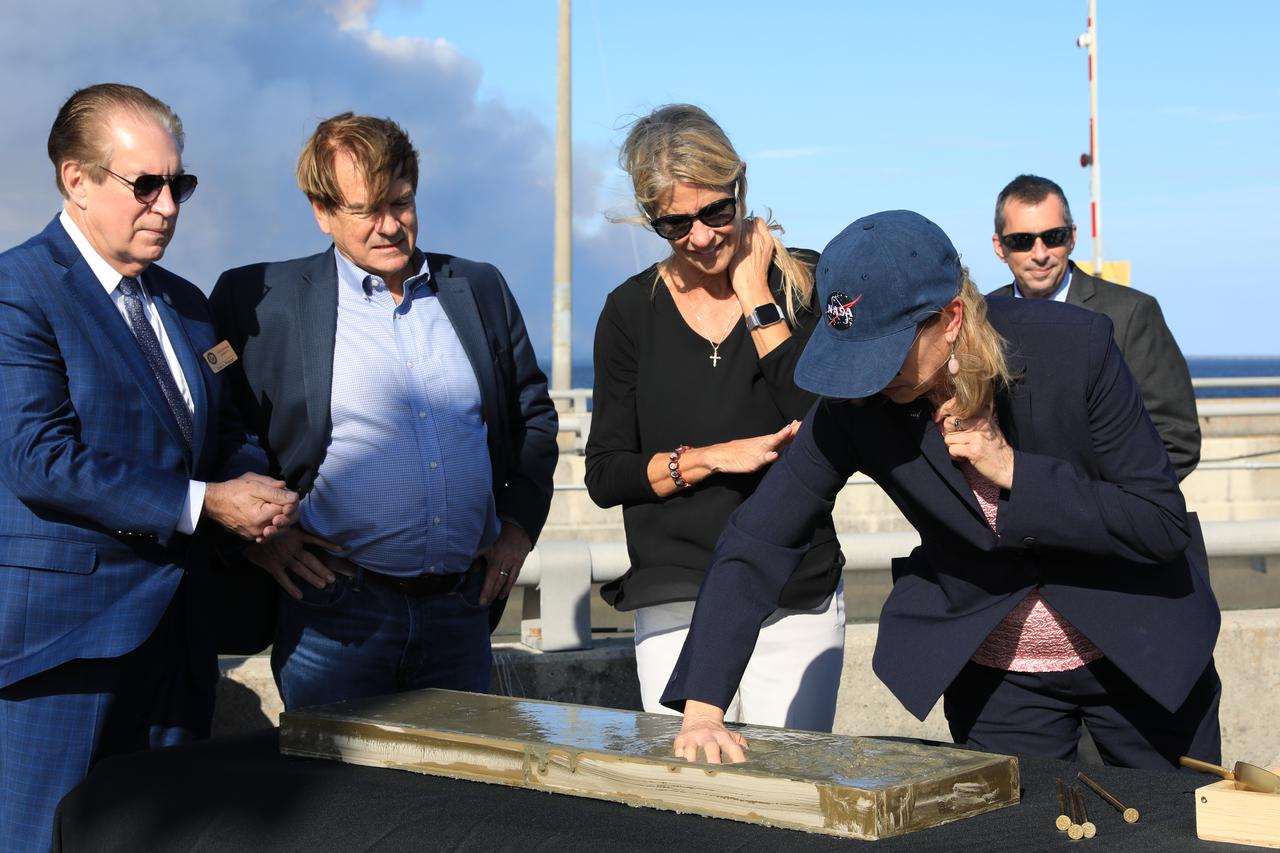
Center Director Janet Petro joins partners and elected officials for a groundbreaking ceremony on a new NASA Causeway bridge over the Indian River leading to NASA’s Kennedy Space Center on Merritt Island in Florida. The construction is made possible through a $90M Infrastructure for Rebuilding America (INFRA) grant, which was awarded thanks to an extensive effort by NASA, the State of Florida – through Florida Department of Transportation and Space Florida – as well as support from industry partners, other local, state, and federal government agencies. The new bridge enables Kennedy’s growth as a multi-user spaceport and will allow NASA to better support the space industry. Construction is scheduled to take several years. To commemorate the day, speakers left a handprint and signed their name in cement.
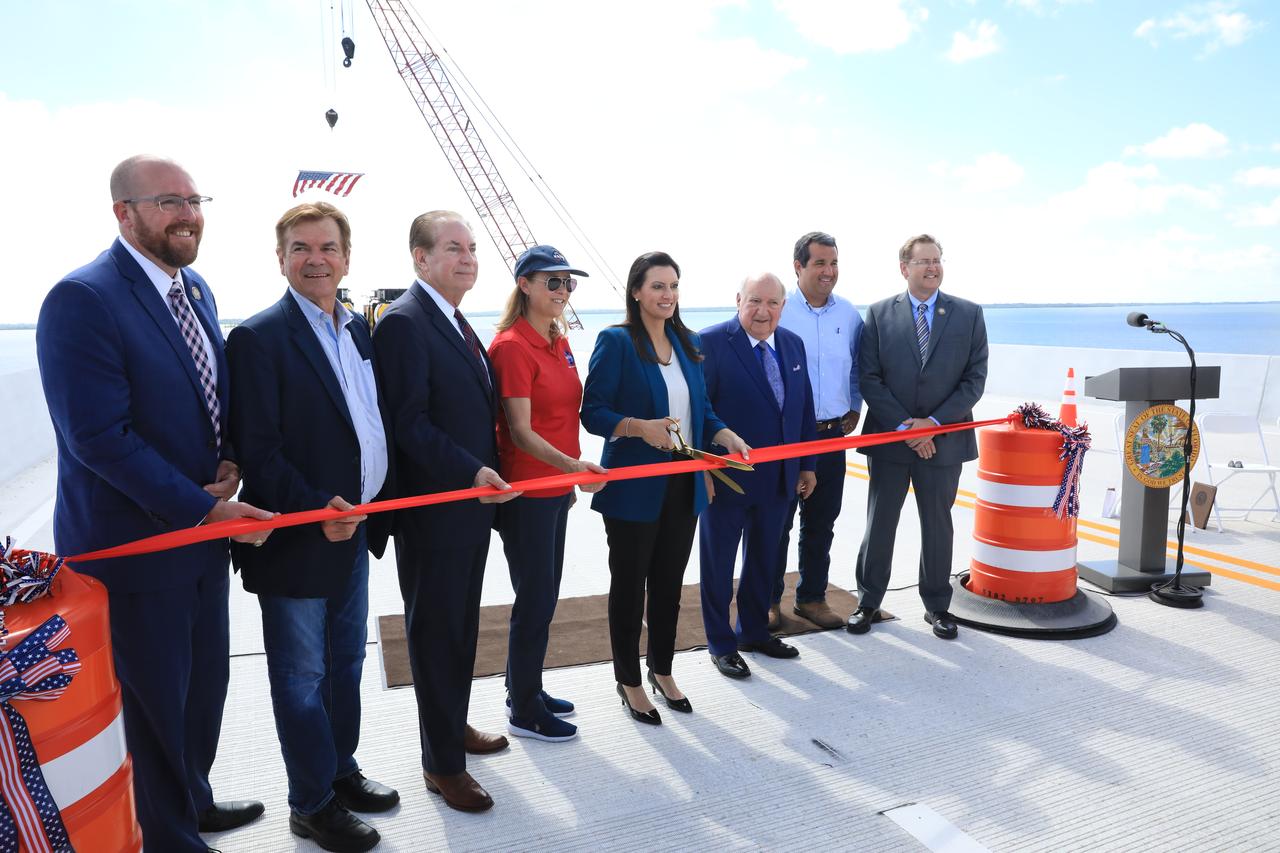
A ribbon cutting ceremony on the upgraded eastbound span of the Indian River Bridge is held on June 9, 2023 near NASA’s Kennedy Space Center in Florida. From left are Florida Department of Transportation State Secretary Jared Perdue; Florida State House Representative Thad Altman; Florida State Senator Tom Wright; Kennedy Space Center Director Janet Petro; Florida Lieutenant Governor Jeanette Nuñez (cutting the ribbon); Frank DiBello, Space Florida President/Chief Executive Officer; Florida State House Representative Tyler Sirois; and FDOT District Five Secretary John Tyler. The new high-rise bridge serves as the primary entrance and exit to the space center for employees and visitors. The bridge spans the Indian River Lagoon and connects Kennedy and the Cape Canaveral Space Force Station to the mainland via State Road 405/NASA Causeway in Titusville. This first section of the bridge replaces the two-lane drawbridge which was built in the mid-1960s to support the Apollo program.
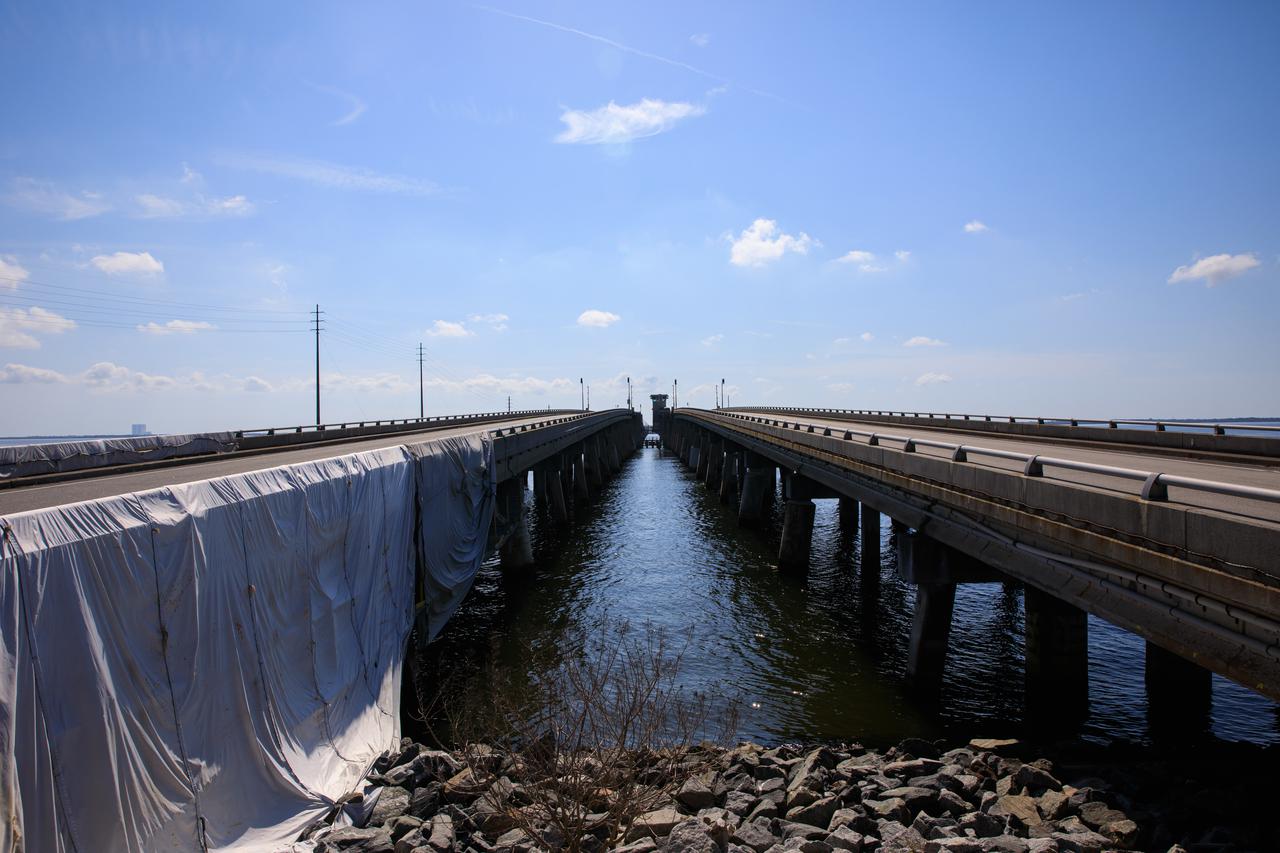
NASA’s bridge engineering team at Kennedy Space Center is managing multiple critical projects on the Indian River Bridge. This includes running new utility lines and safeguarding the existing wires and piping prior to the beginning of construction of the new Brevard County bridge. The much-traveled structure is a key access and evacuation route for the Florida spaceport and Cape Canaveral Space Force Station. Also known as the NASA Causeway Bridge, the Indian River Bridge was built in 1964.
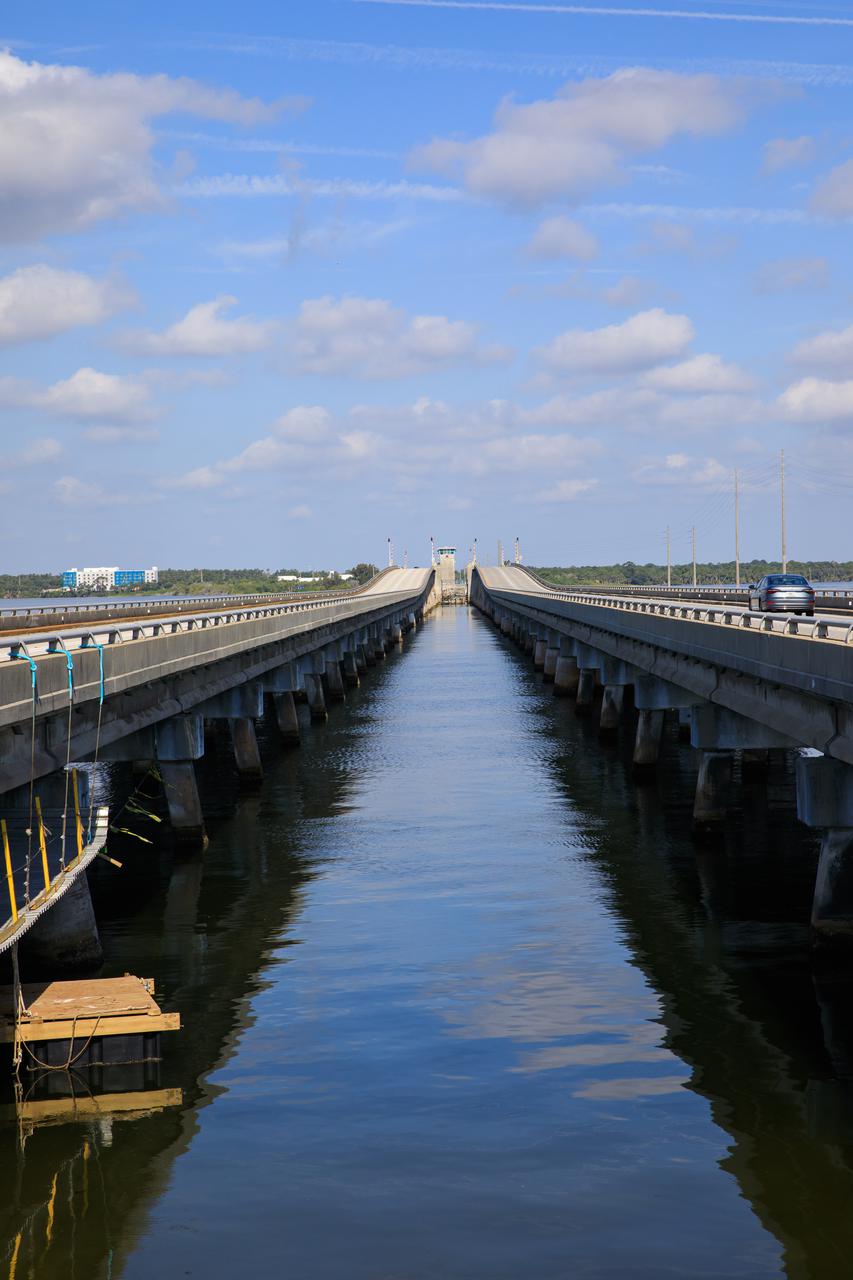
NASA’s bridge engineering team at Kennedy Space Center is managing multiple critical projects on the Indian River Bridge. This includes running new utility lines and safeguarding the existing wires and piping prior to the beginning of construction of the new Brevard County bridge. The much-traveled structure is a key access and evacuation route for the Florida spaceport and Cape Canaveral Space Force Station. Also known as the NASA Causeway Bridge, the Indian River Bridge was built in 1964.
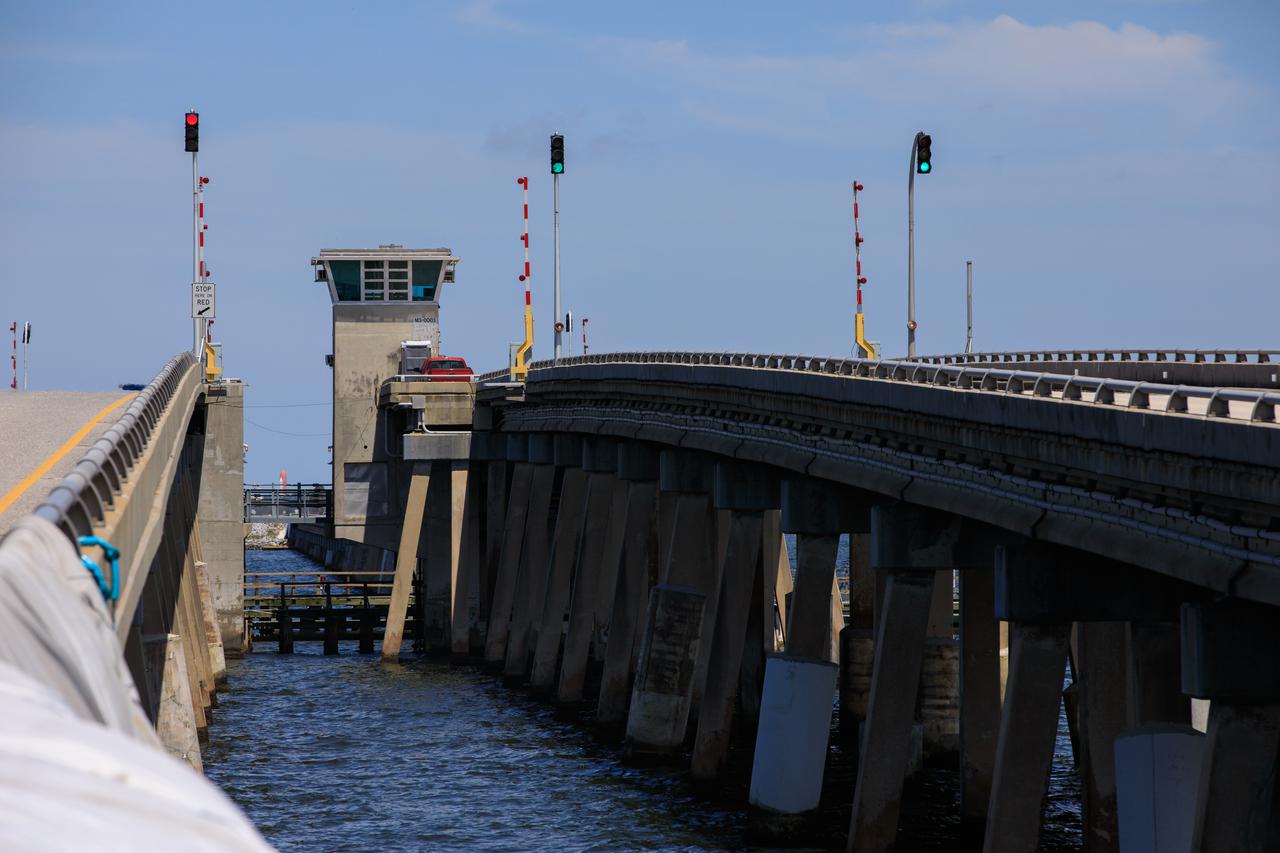
NASA’s bridge engineering team at Kennedy Space Center is managing multiple critical projects on the Indian River Bridge. This includes running new utility lines and safeguarding the existing wires and piping prior to the beginning of construction of the new Brevard County bridge. The much-traveled structure is a key access and evacuation route for the Florida spaceport and Cape Canaveral Space Force Station. Also known as the NASA Causeway Bridge, the Indian River Bridge was built in 1964.
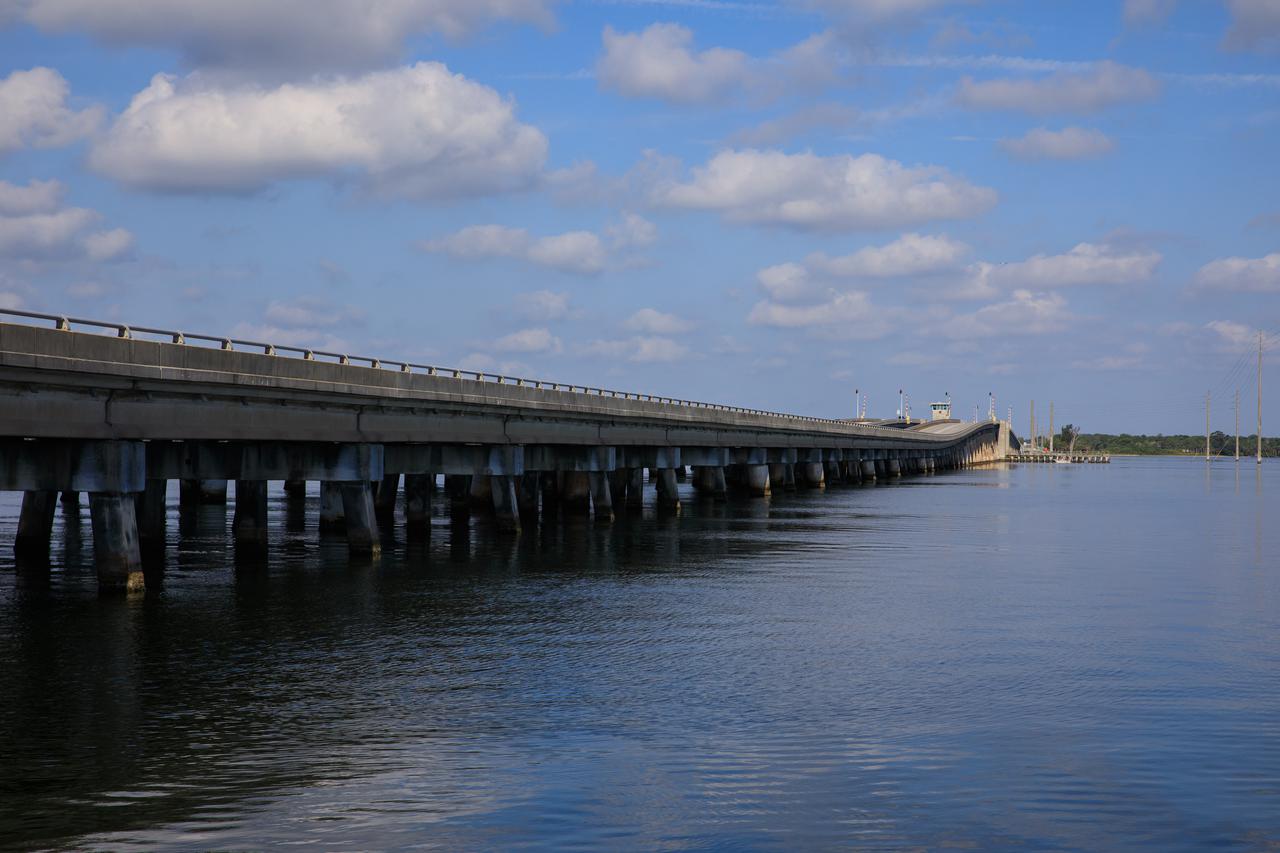
NASA’s bridge engineering team at Kennedy Space Center is managing multiple critical projects on the Indian River Bridge. This includes running new utility lines and safeguarding the existing wires and piping prior to the beginning of construction of the new Brevard County bridge. The much-traveled structure is a key access and evacuation route for the Florida spaceport and Cape Canaveral Space Force Station. Also known as the NASA Causeway Bridge, the Indian River Bridge was built in 1964.
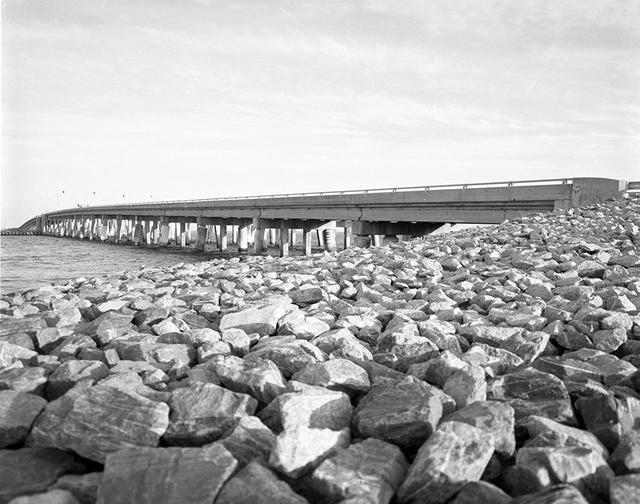
View of the Indian River Bridge
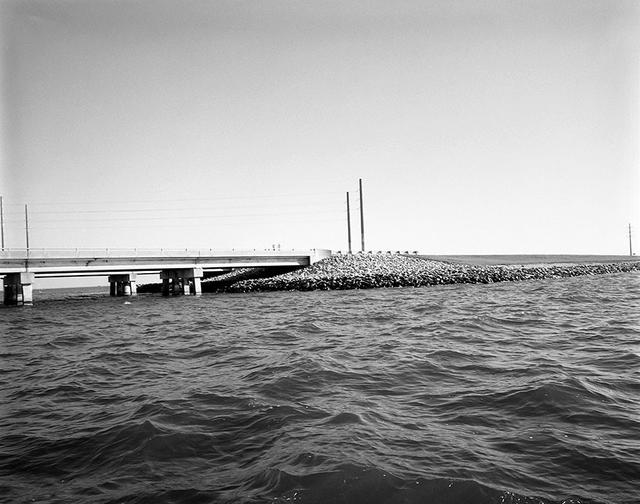
View of the Indian River Bridge
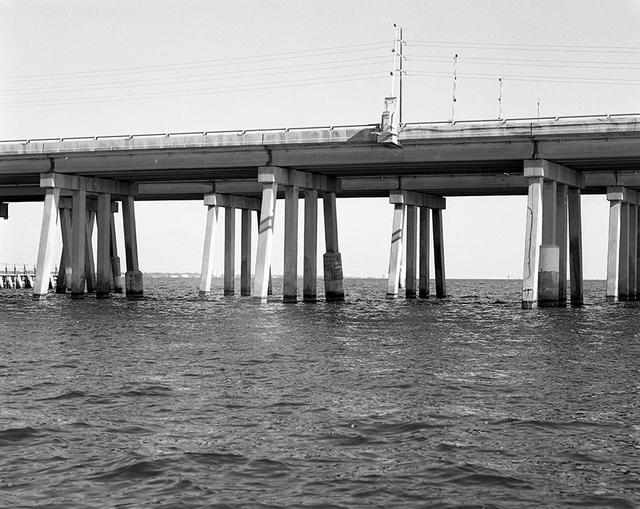
View of the Indian River Bridge
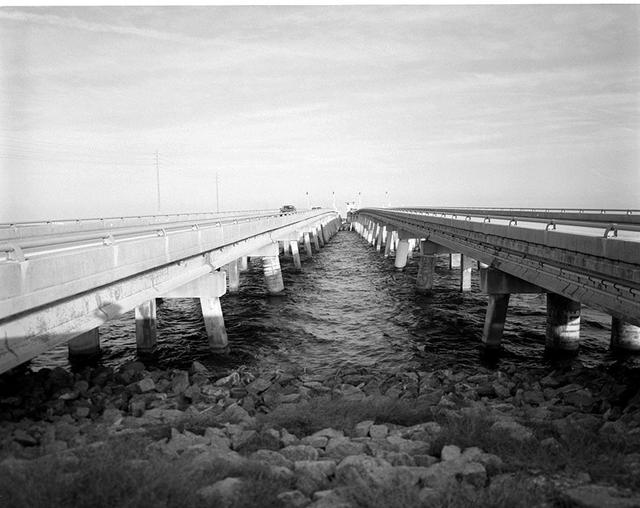
View of the Indian River Bridge
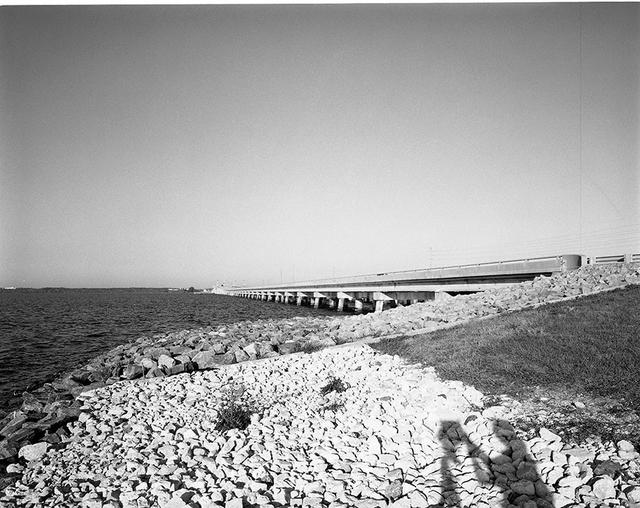
View of the Indian River Bridge
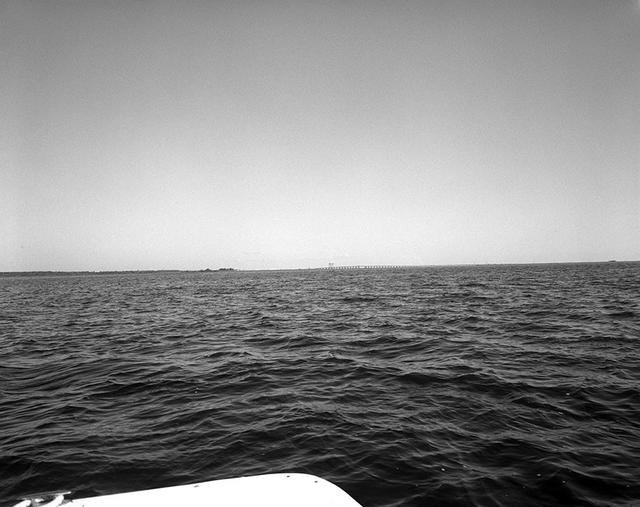
View of the Indian River Bridge
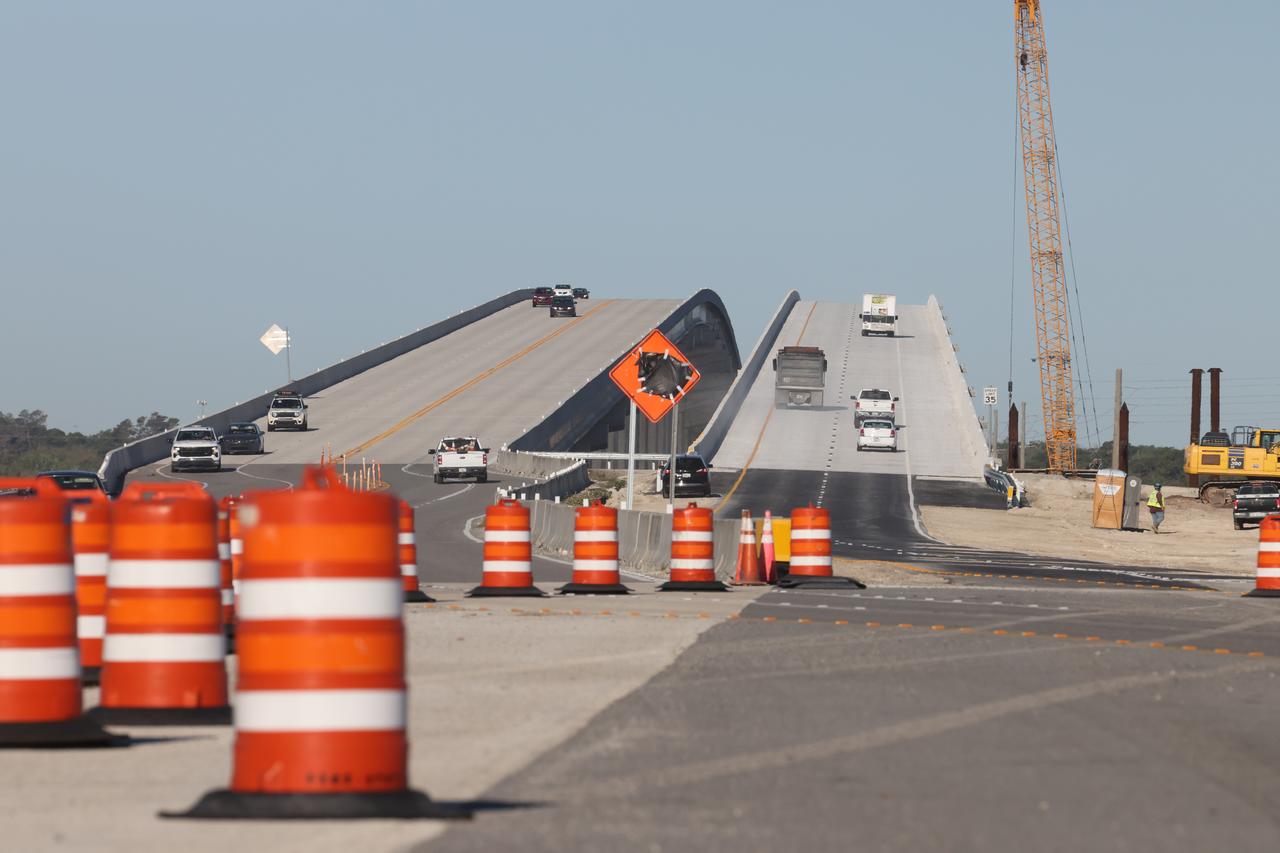
Cars drive over the newly completed westbound portion (right side of photo) of the NASA Causeway Bridge leading away from NASA’s Kennedy Space Center in Florida on Wednesday, March 19, 2025. The Florida Department of Transportation (FDOT) opened the span on Tuesday, March 18, 2025, alongside its twin on the eastbound side, which has accommodated traffic in both directions since FDOT opened it on June 9, 2023. The high-rise bridge spans the Indian River Lagoon and connects NASA Kennedy and the Cape Canaveral Space Force Station to the mainland via State Road 405/NASA Causeway in Titusville, replacing the two-lane drawbridge built in the mid-1960s to support the Apollo program.
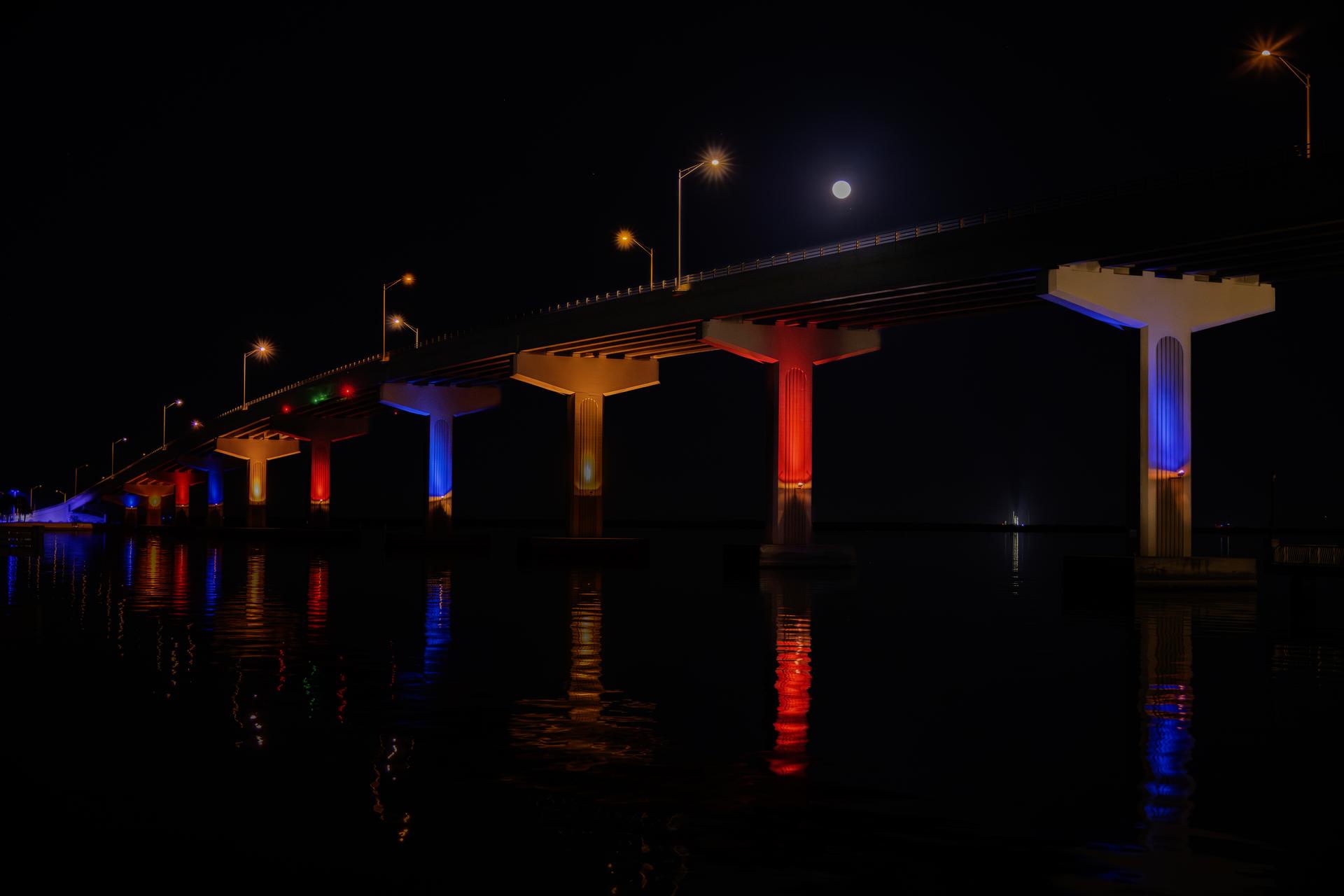
The Moon shines over the Max Brewer Bridge during the Artemis II wet dress rehearsal on Monday, Feb. 2, 2026, in Titusville, Florida. The bridge spanning the Indian River Lagoon is a popular launch viewing location for Kennedy Space Center and Cape Canaveral Space Force Station.
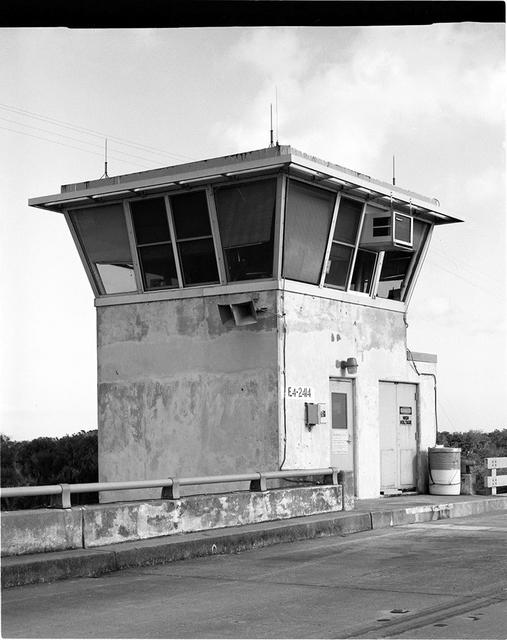
View of the Haulover Canal Bridge
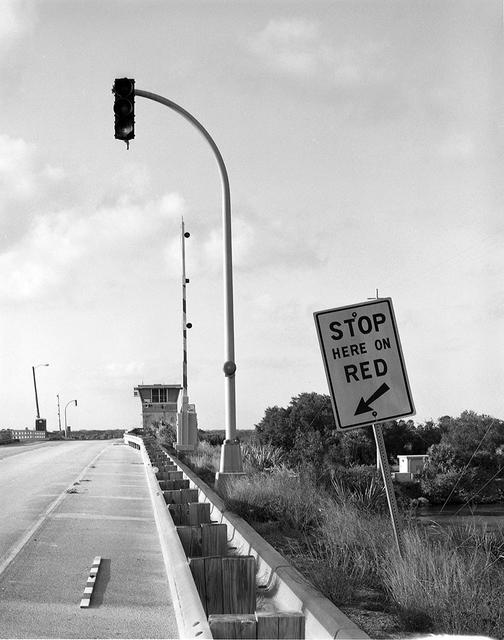
View of the Haulover Canal Bridge
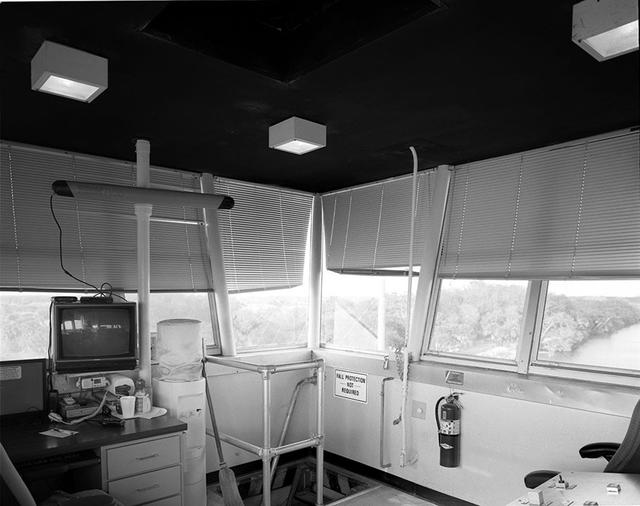
Interior view of the Haulover Canal Bridge Control Tower
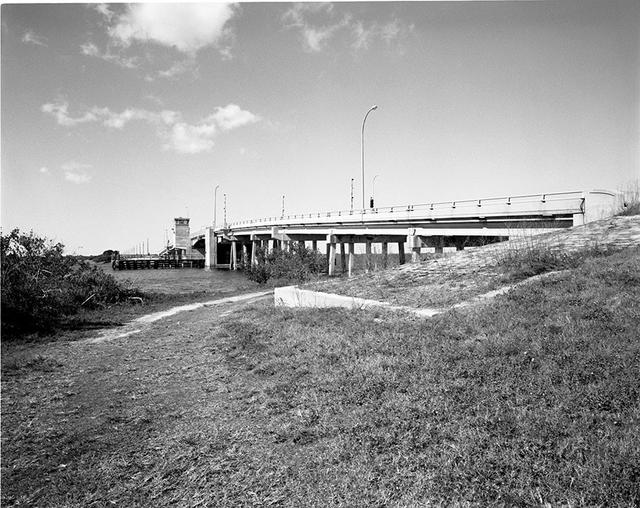
View of the Banana River Bridge
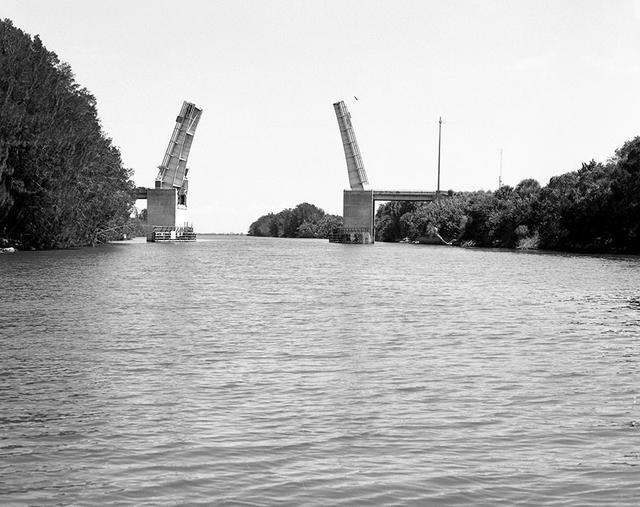
View of the Haulover Canal Bridge
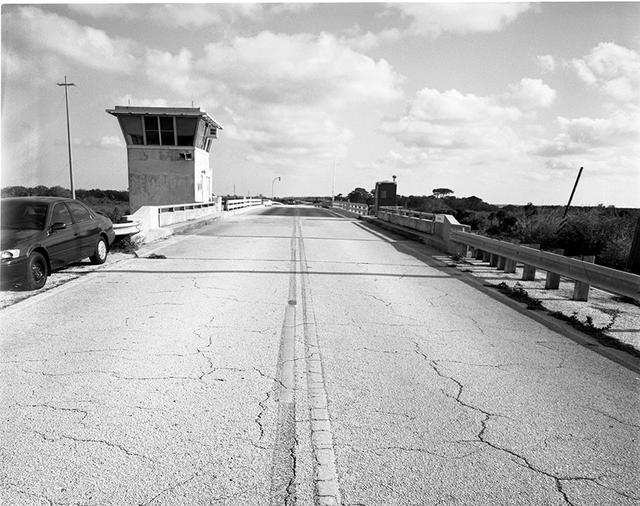
View of the Haulover Canal Bridge
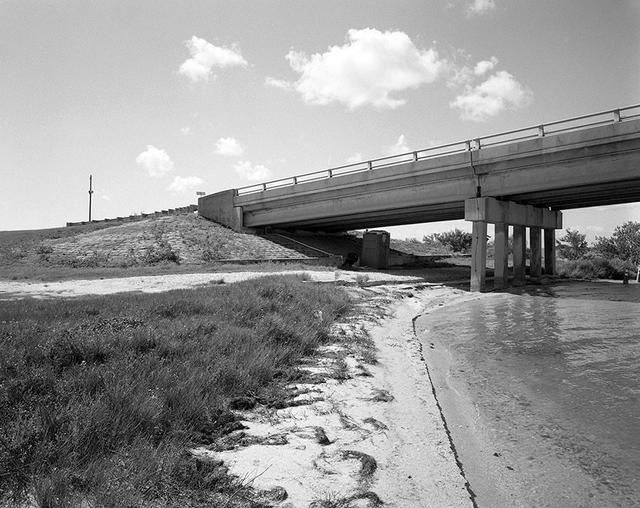
View of the Banana River Bridge
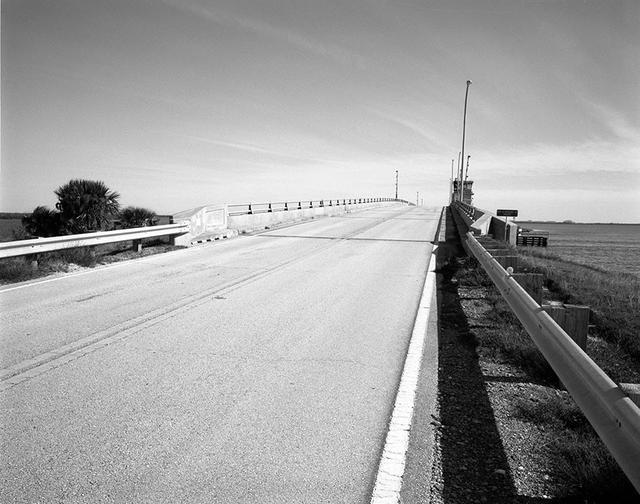
View of the Banana River Bridge
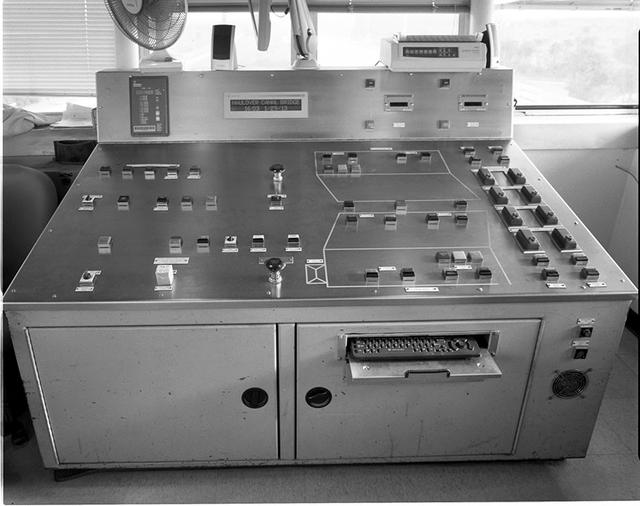
Interior view of the Haulover Canal Bridge Control Tower
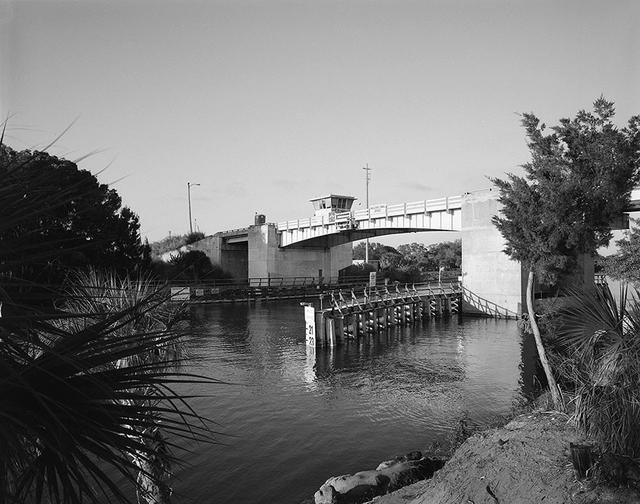
View of the Haulover Canal Bridge
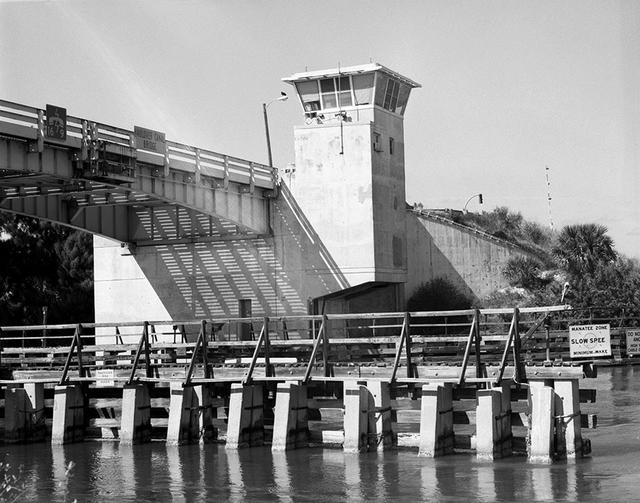
View of the Haulover Canal Bridge
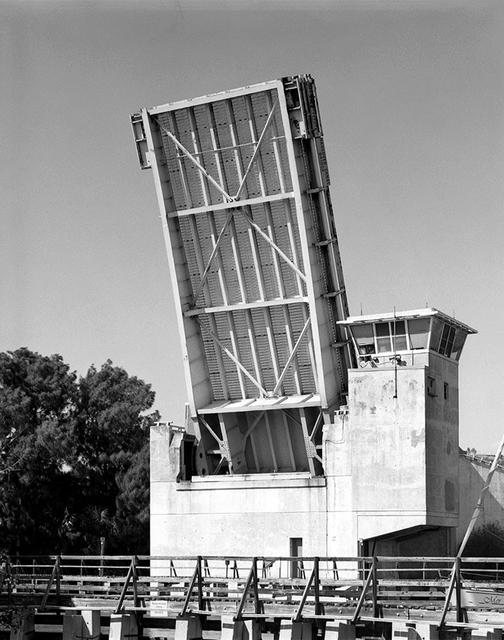
View of the Haulover Canal Bridge
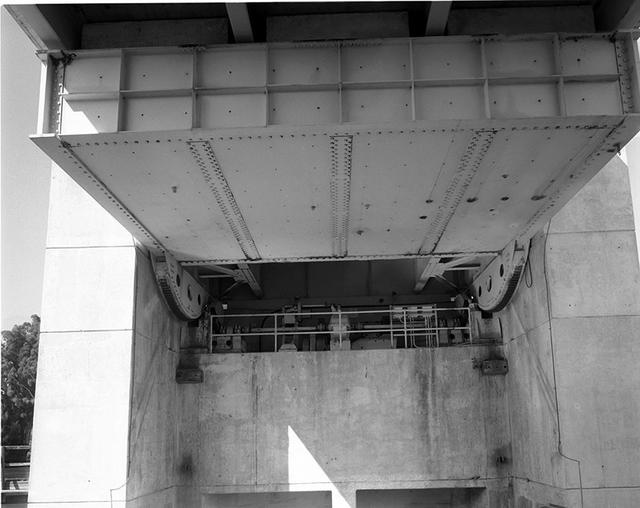
View of the Haulover Canal Bridge
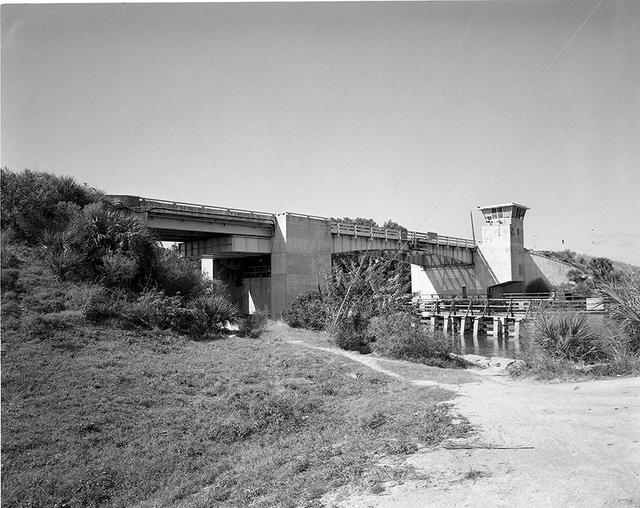
View of the Haulover Canal Bridge
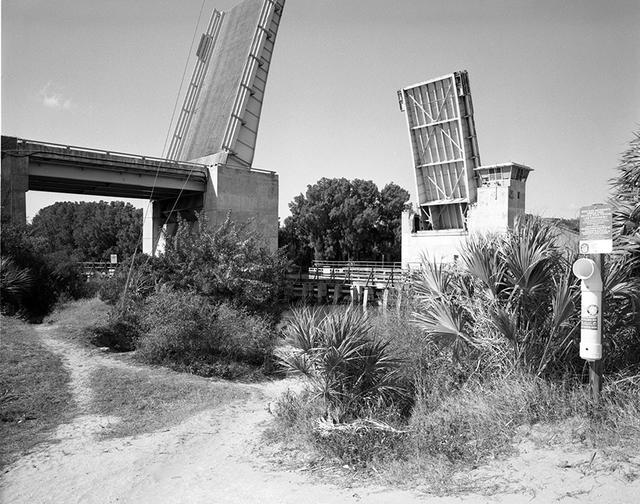
View of the Haulover Canal Bridge
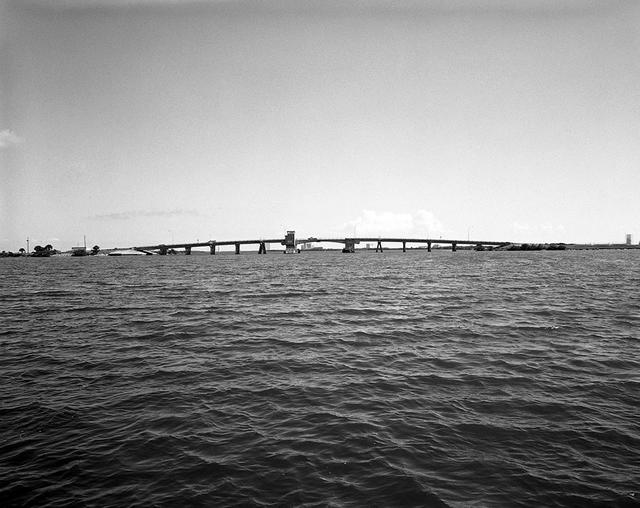
View of the Banana River Bridge
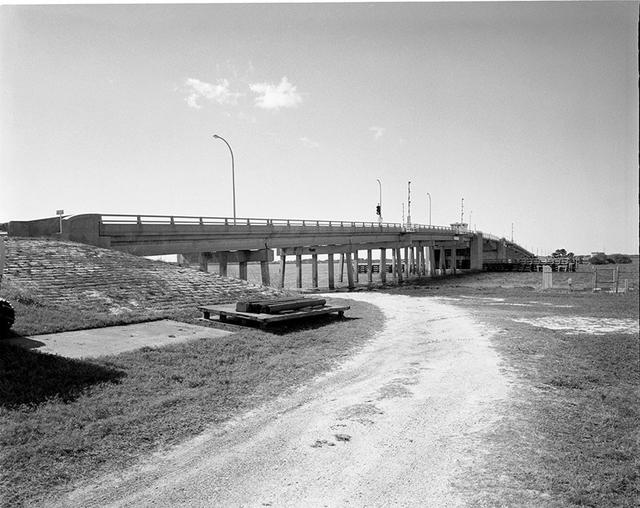
View of the Banana River Bridge
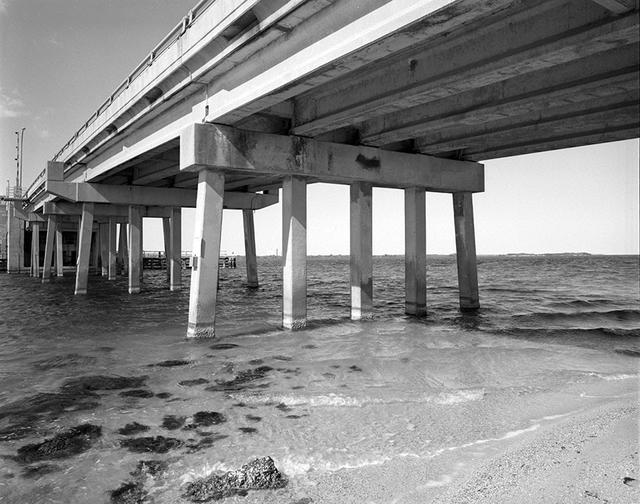
View of the Banana River Bridge

View of the Haulover Canal Bridge
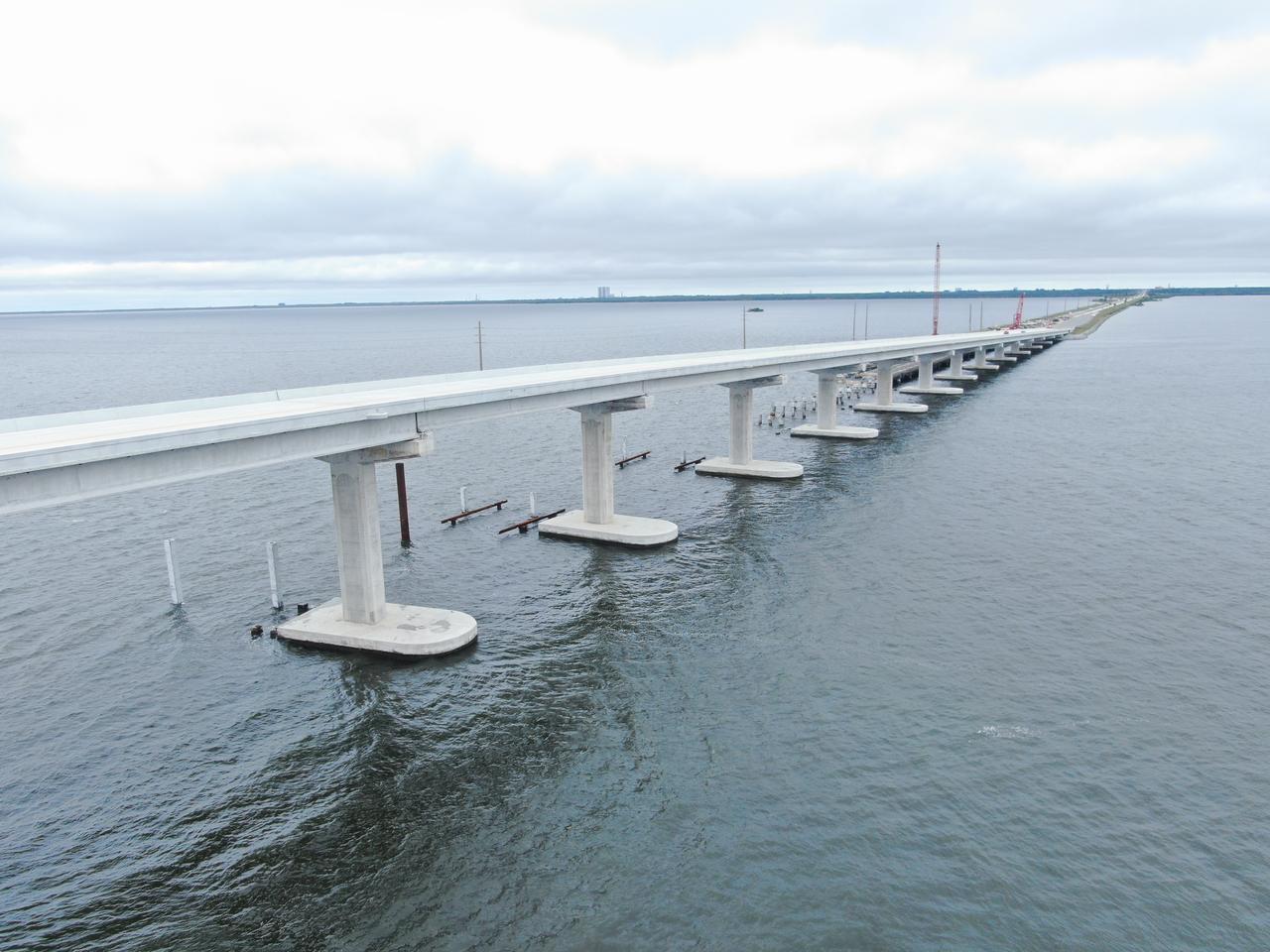
In this aerial view, crews with Orion Marine Construction work to complete the westbound span of the Indian River Bridge while daily traffic moves along the upgraded eastbound lanes of the bridge leading to NASA’s Kennedy Space Center in Florida on Monday, Nov. 27, 2023. The bridge crosses the Indian River Lagoon and connects Kennedy and the Cape Canaveral Space Force Station to the mainland via State Road 405/NASA Causeway in nearby Titusville. The new high-rise bridge serves as the primary entrance and exit to the space center for employees and visitors. The new bridge spans replace a pair of two-lane drawbridges built in the mid-1960s to support NASA’s Apollo program. The first of the two new spans opened to the public ahead of schedule on June 9, 2023. In development for well over a decade, the load capacity, width, and grade of the bridge were designed to support the largest future payloads and vehicles at the spaceport while simultaneously supporting increased public traffic to and from Kennedy.
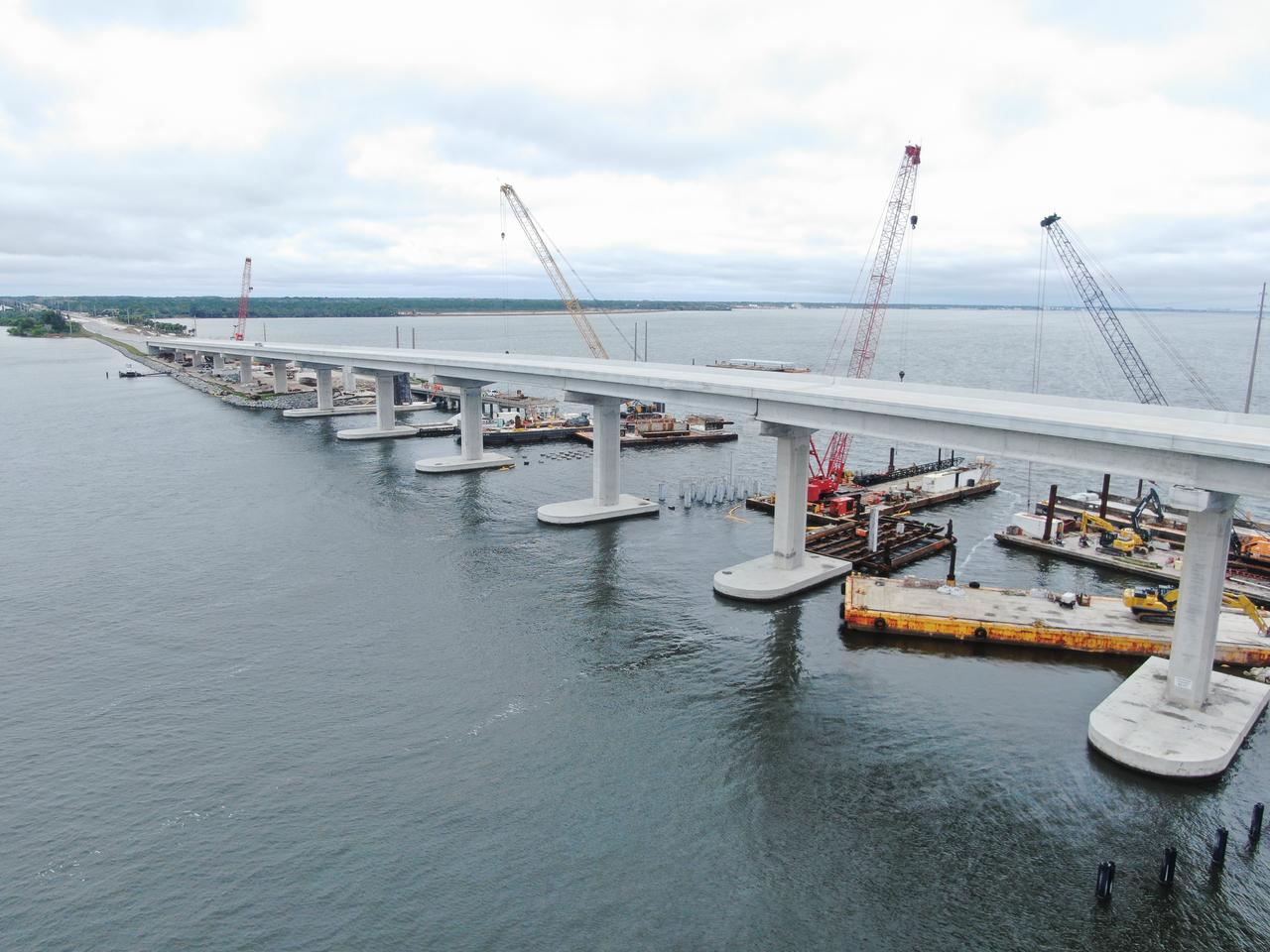
In this aerial view, crews with Orion Marine Construction work to complete the westbound span of the Indian River Bridge while daily traffic moves along the upgraded eastbound lanes of the bridge leading to NASA’s Kennedy Space Center in Florida on Monday, Nov. 27, 2023. The bridge crosses the Indian River Lagoon and connects Kennedy and the Cape Canaveral Space Force Station to the mainland via State Road 405/NASA Causeway in nearby Titusville. The new high-rise bridge serves as the primary entrance and exit to the space center for employees and visitors. The new bridge spans replace a pair of two-lane drawbridges built in the mid-1960s to support NASA’s Apollo program. The first of the two new spans opened to the public ahead of schedule on June 9, 2023. In development for well over a decade, the load capacity, width, and grade of the bridge were designed to support the largest future payloads and vehicles at the spaceport while simultaneously supporting increased public traffic to and from Kennedy.
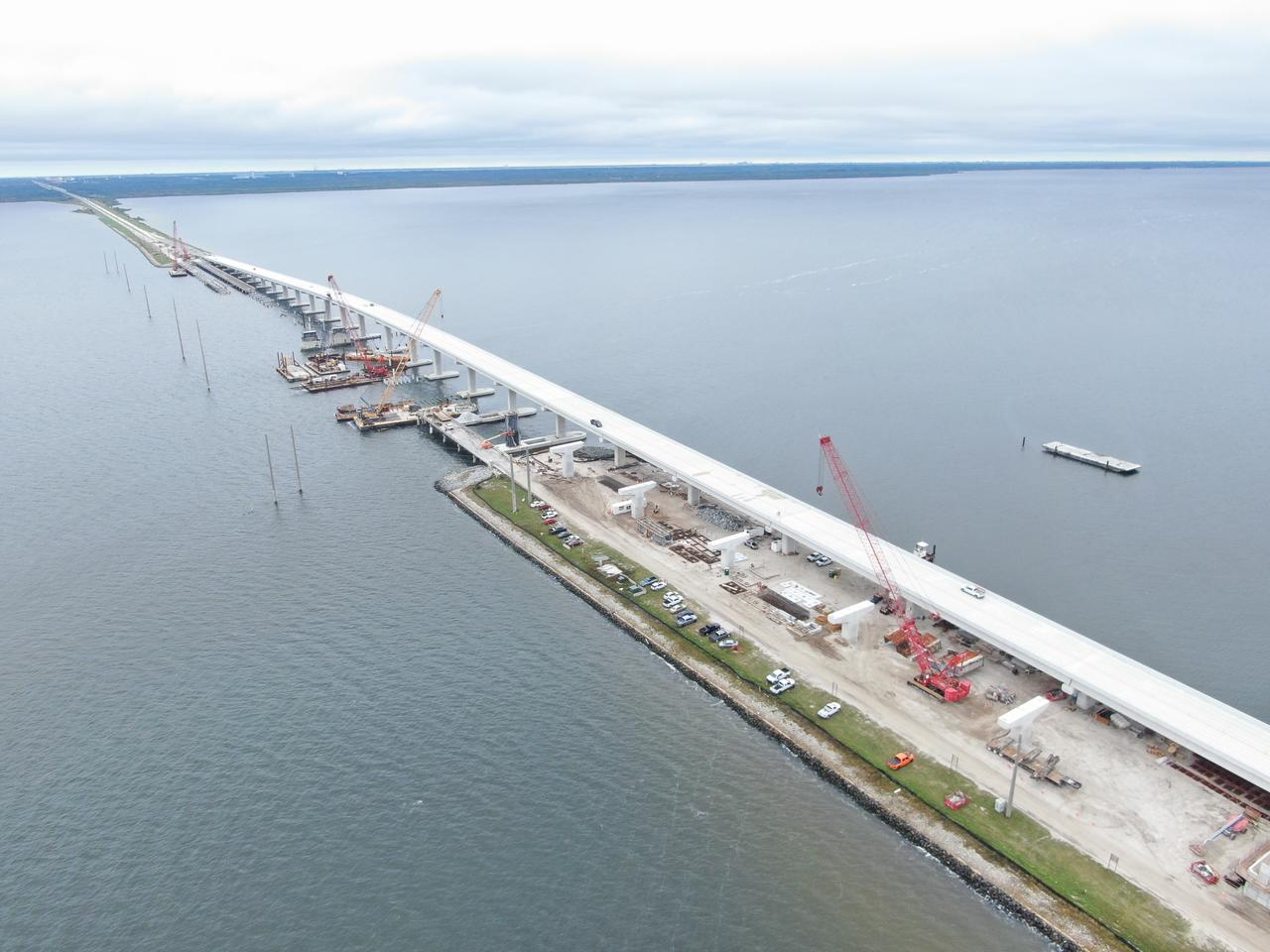
In this aerial view, crews with Orion Marine Construction work to complete the westbound span of the Indian River Bridge while daily traffic moves along the upgraded eastbound lanes of the bridge leading to NASA’s Kennedy Space Center in Florida on Monday, Nov. 27, 2023. The bridge crosses the Indian River Lagoon and connects Kennedy and the Cape Canaveral Space Force Station to the mainland via State Road 405/NASA Causeway in nearby Titusville. The new high-rise bridge serves as the primary entrance and exit to the space center for employees and visitors. The new bridge spans replace a pair of two-lane drawbridges built in the mid-1960s to support NASA’s Apollo program. The first of the two new spans opened to the public ahead of schedule on June 9, 2023. In development for well over a decade, the load capacity, width, and grade of the bridge were designed to support the largest future payloads and vehicles at the spaceport while simultaneously supporting increased public traffic to and from Kennedy.
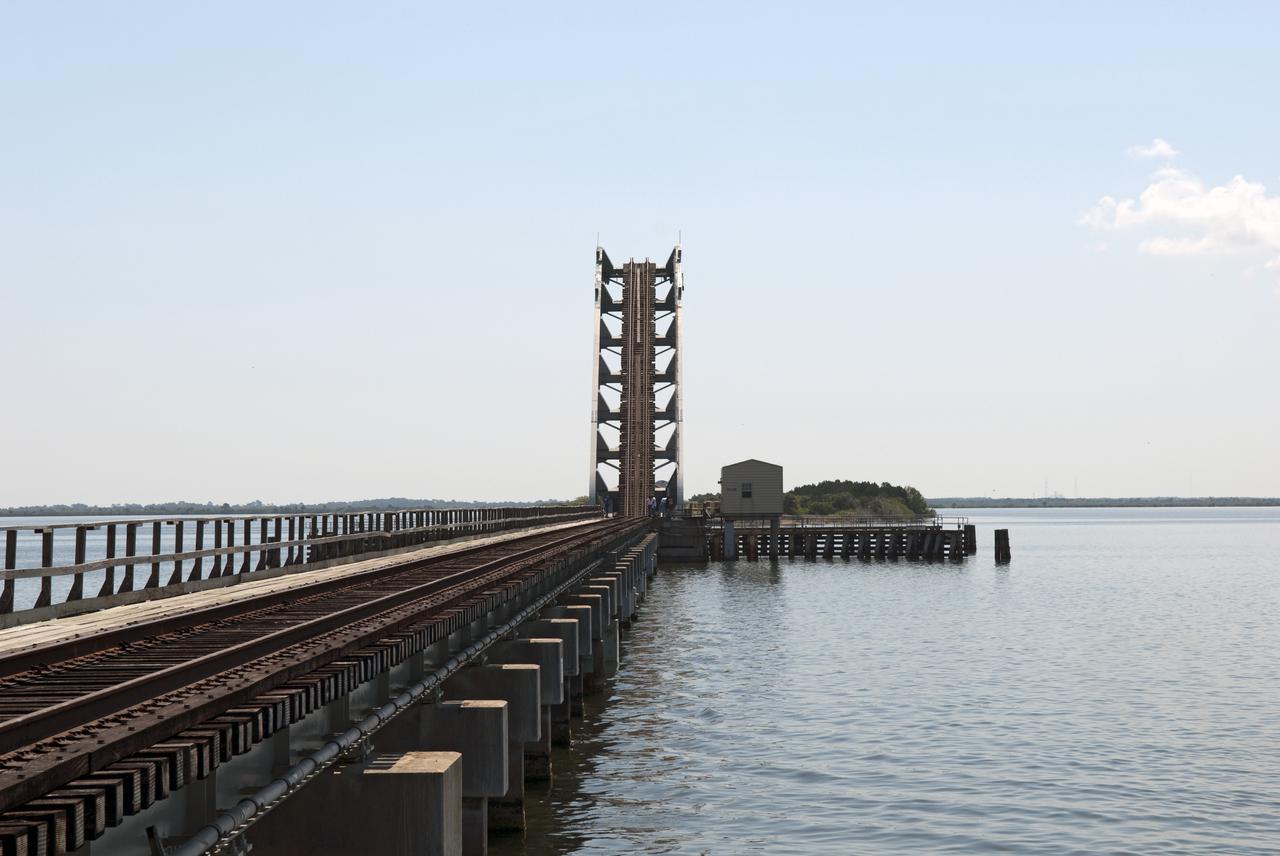
CAPE CANAVERAL, Fla. - The NASA Railroad draw bridge over the Indian River begins to close for the train carrying the last space shuttle solid rocket booster segments to NASA's Kennedy Space Center. Six cars transported the segments along the Florida East Coast Railway, which began at the ATK solid rocket booster plant in Promontory, Utah. The booster segments will be used for shuttle Atlantis on what currently is planned as the 'launch on need,' or potential rescue mission for the final shuttle flight, Endeavour's STS-134 mission. For information, visit www.nasa.gov_shuttle. Photo credit: NASA_Jim Grossmann
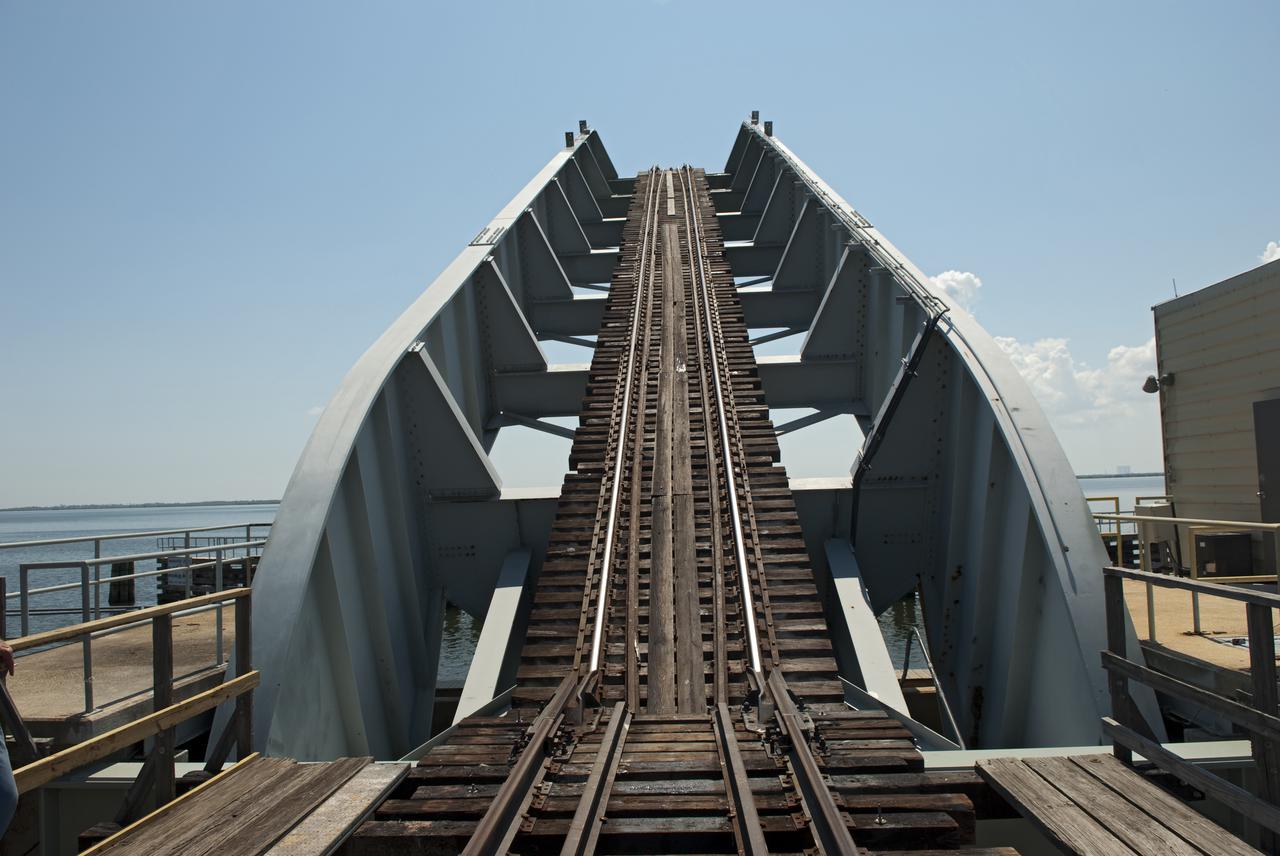
CAPE CANAVERAL, Fla. - The NASA Railroad draw bridge over the Indian River begins to close for the train carrying the last space shuttle solid rocket booster segments to NASA's Kennedy Space Center. Six cars transported the segments along the Florida East Coast Railway, which began at the ATK solid rocket booster plant in Promontory, Utah. The booster segments will be used for shuttle Atlantis on what currently is planned as the 'launch on need,' or potential rescue mission for the final shuttle flight, Endeavour's STS-134 mission. For information, visit www.nasa.gov_shuttle. Photo credit: NASA_Jim Grossmann
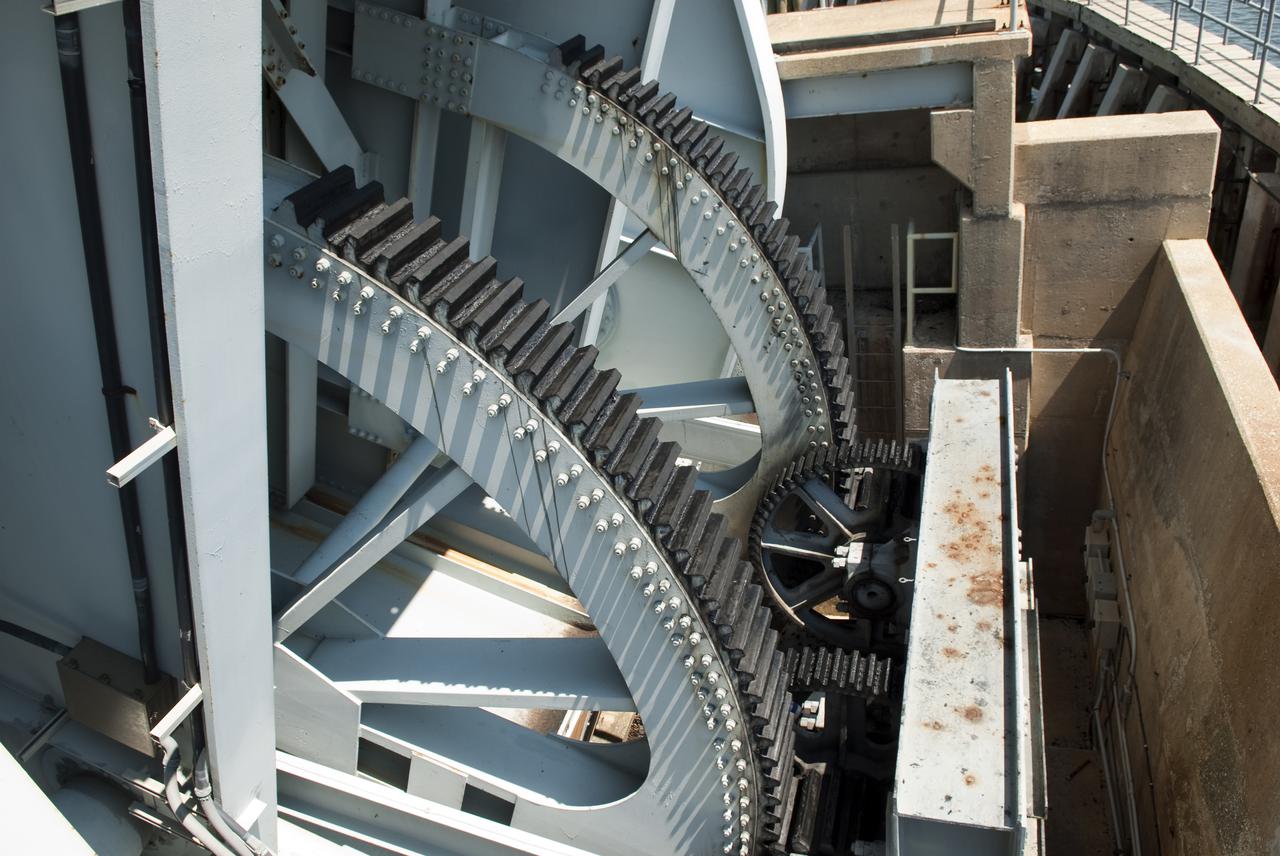
CAPE CANAVERAL, Fla. - Gears close the NASA Railroad draw bridge over the Indian River for the train carrying the last space shuttle solid rocket booster segments to NASA's Kennedy Space Center. Six cars transported the segments along the Florida East Coast Railway, which began at the ATK solid rocket booster plant in Promontory, Utah. The booster segments will be used for shuttle Atlantis on what currently is planned as the 'launch on need,' or potential rescue mission for the final shuttle flight, Endeavour's STS-134 mission. For information, visit www.nasa.gov_shuttle. Photo credit: NASA_Jim Grossmann
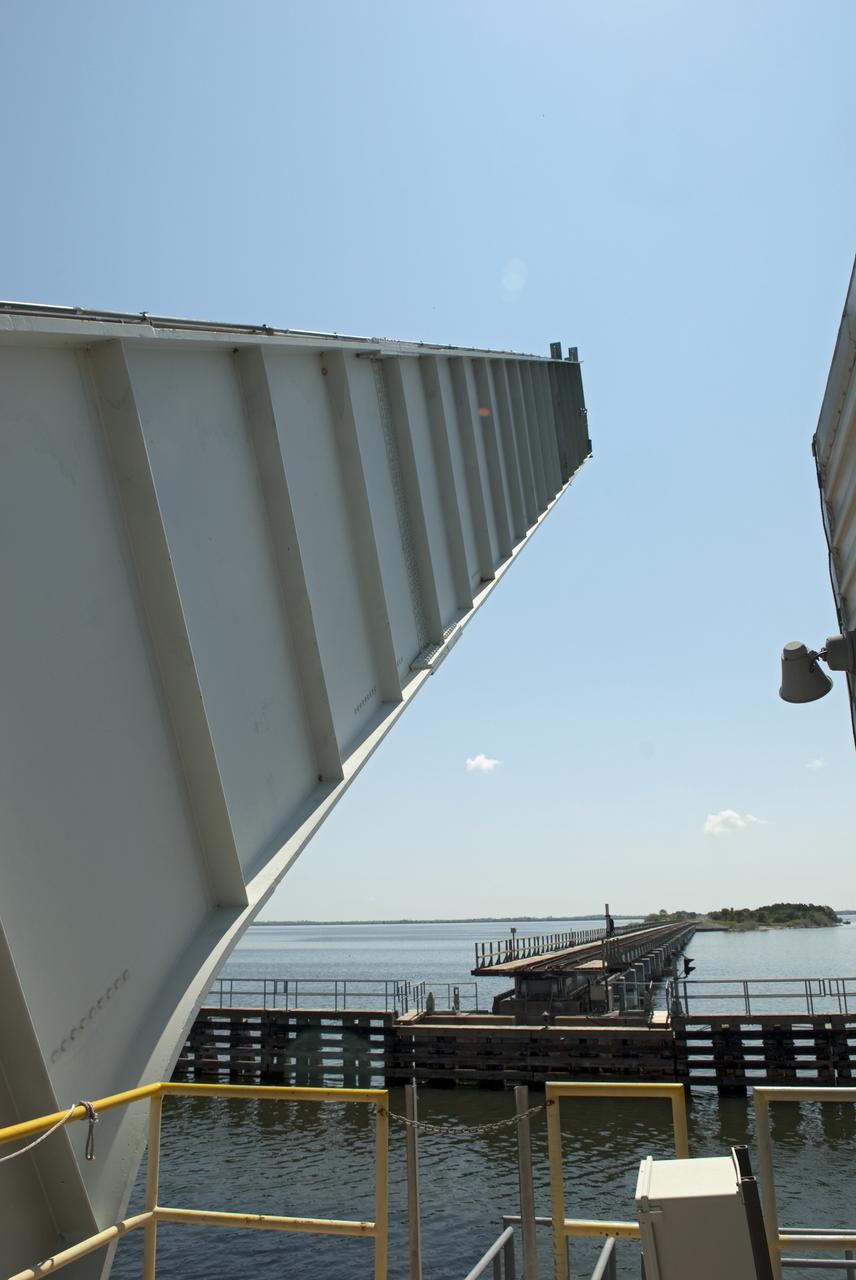
CAPE CANAVERAL, Fla. - The NASA Railroad draw bridge over the Indian River begins to close for the train carrying the last space shuttle solid rocket booster segments to NASA's Kennedy Space Center. Six cars transported the segments along the Florida East Coast Railway, which began at the ATK solid rocket booster plant in Promontory, Utah. The booster segments will be used for shuttle Atlantis on what currently is planned as the 'launch on need,' or potential rescue mission for the final shuttle flight, Endeavour's STS-134 mission. For information, visit www.nasa.gov_shuttle. Photo credit: NASA_Jim Grossmann
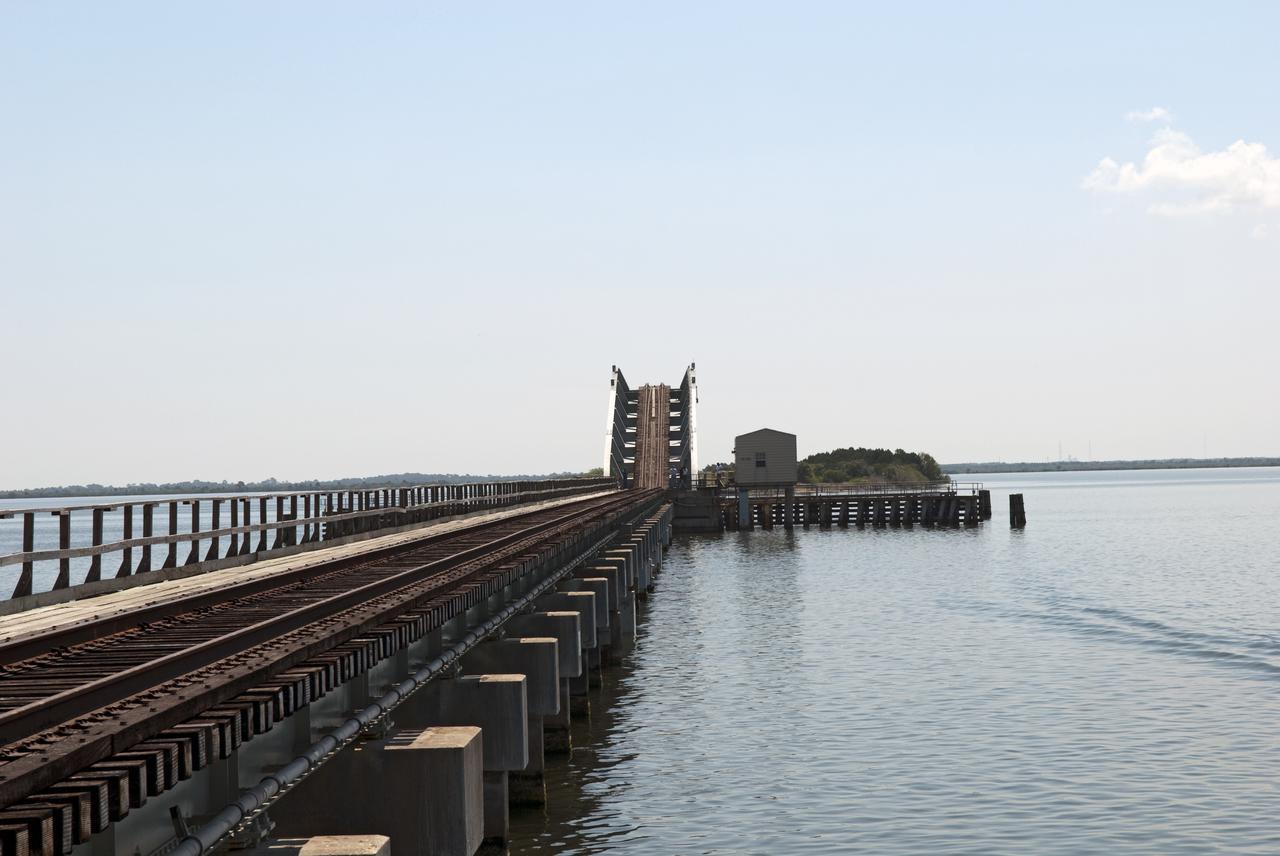
CAPE CANAVERAL, Fla. - The NASA Railroad draw bridge over the Indian River begins to close for the train carrying the last space shuttle solid rocket booster segments to NASA's Kennedy Space Center. Six cars transported the segments along the Florida East Coast Railway, which began at the ATK solid rocket booster plant in Promontory, Utah. The booster segments will be used for shuttle Atlantis on what currently is planned as the 'launch on need,' or potential rescue mission for the final shuttle flight, Endeavour's STS-134 mission. For information, visit www.nasa.gov_shuttle. Photo credit: NASA_Jim Grossmann
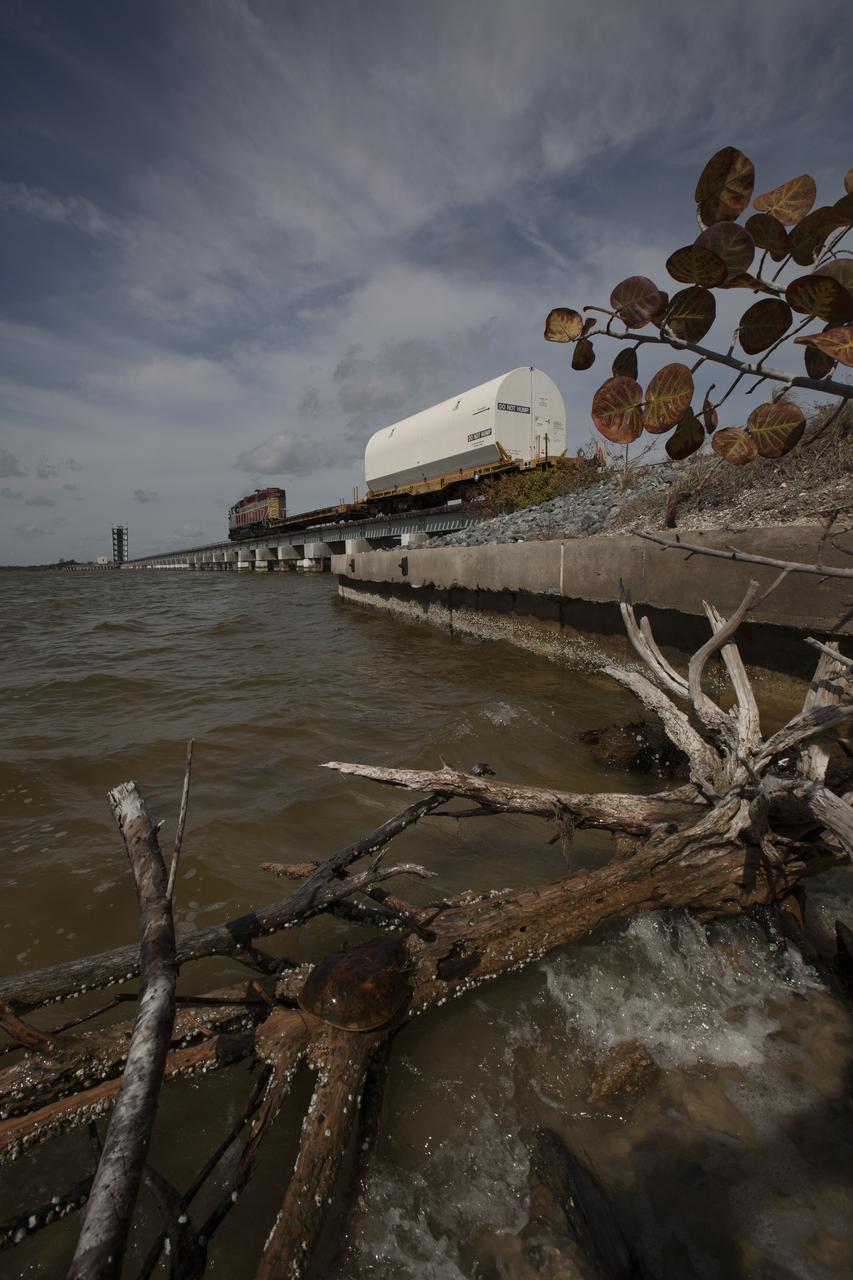
An Iowa Northern locomotive, contracted by Goodloe Transportation of Chicago, travels along the NASA railroad bridge over the Indian River north of Kennedy Space Center, carrying one of two containers on a railcar for transport to the NASA Jay Jay railroad yard. The containers held two pathfinders, or test versions, of solid rocket booster segments for NASA’s Space Launch System rocket that were delivered to the Rotation, Processing and Surge Facility (RPSF). Inside the RPSF, the Ground Systems Development and Operations Program and Jacobs Engineering, on the Test and Operations Support Contract, will conduct a series of lifts, moves and stacking operations using the booster segments, which are inert, to prepare for Exploration Mission-1, deep-space missions and the journey to Mars. The pathfinder booster segments are from Orbital ATK in Utah.
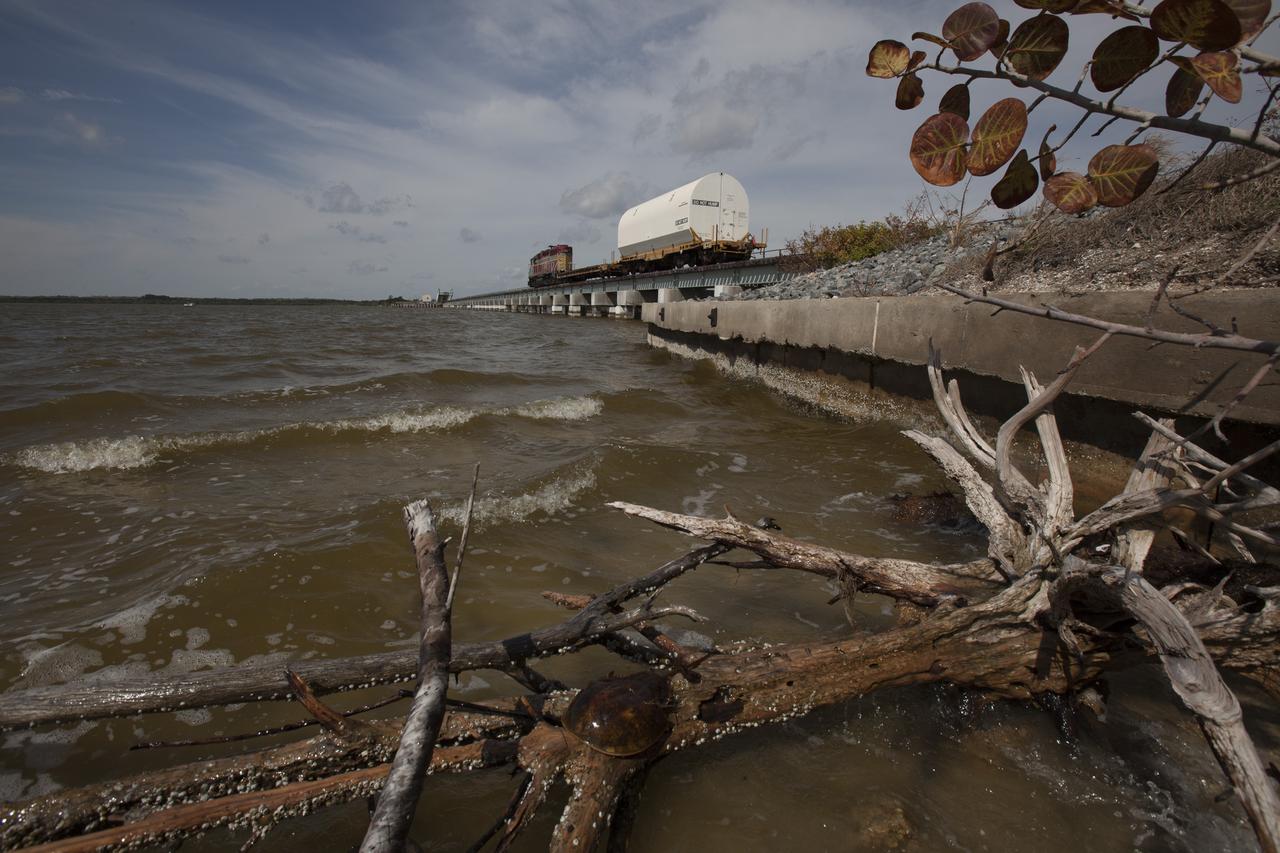
An Iowa Northern locomotive, contracted by Goodloe Transportation of Chicago, travels along the NASA railroad bridge over the Indian River north of Kennedy Space Center, carrying one of two containers on a railcar for transport to the NASA Jay Jay railroad yard near the center. The containers held two pathfinders, or test versions, of solid rocket booster segments for NASA’s Space Launch System rocket that were delivered to the Rotation, Processing and Surge Facility (RPSF). Inside the RPSF, the Ground Systems Development and Operations Program and Jacobs Engineering, on the Test and Operations Support Contract, will conduct a series of lifts, moves and stacking operations using the booster segments, which are inert, to prepare for Exploration Mission-1, deep-space missions and the journey to Mars. The pathfinder booster segments are from Orbital ATK in Utah.
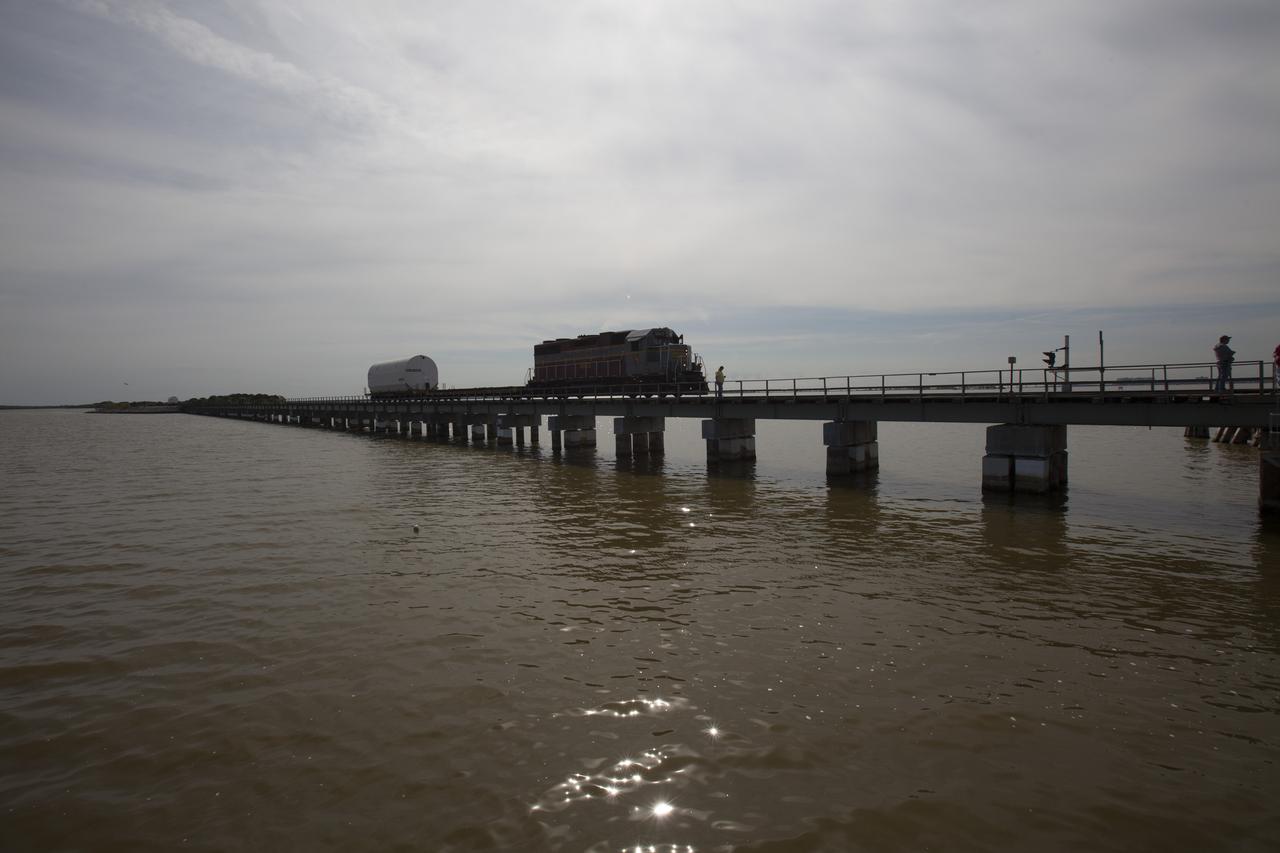
An Iowa Northern locomotive, contracted by Goodloe Transportation of Chicago, travels along the NASA railroad bridge over the Indian River north of Kennedy Space Center, carrying one of two containers on a railcar for transport to the NASA Jay Jay railroad yard. The containers held two pathfinders, or test versions, of solid rocket booster segments for NASA’s Space Launch System rocket that were delivered to the Rotation, Processing and Surge Facility (RPSF). Inside the RPSF, the Ground Systems Development and Operations Program and Jacobs Engineering, on the Test and Operations Support Contract, will conduct a series of lifts, moves and stacking operations using the booster segments, which are inert, to prepare for Exploration Mission-1, deep-space missions and the journey to Mars. The pathfinder booster segments are from Orbital ATK in Utah.
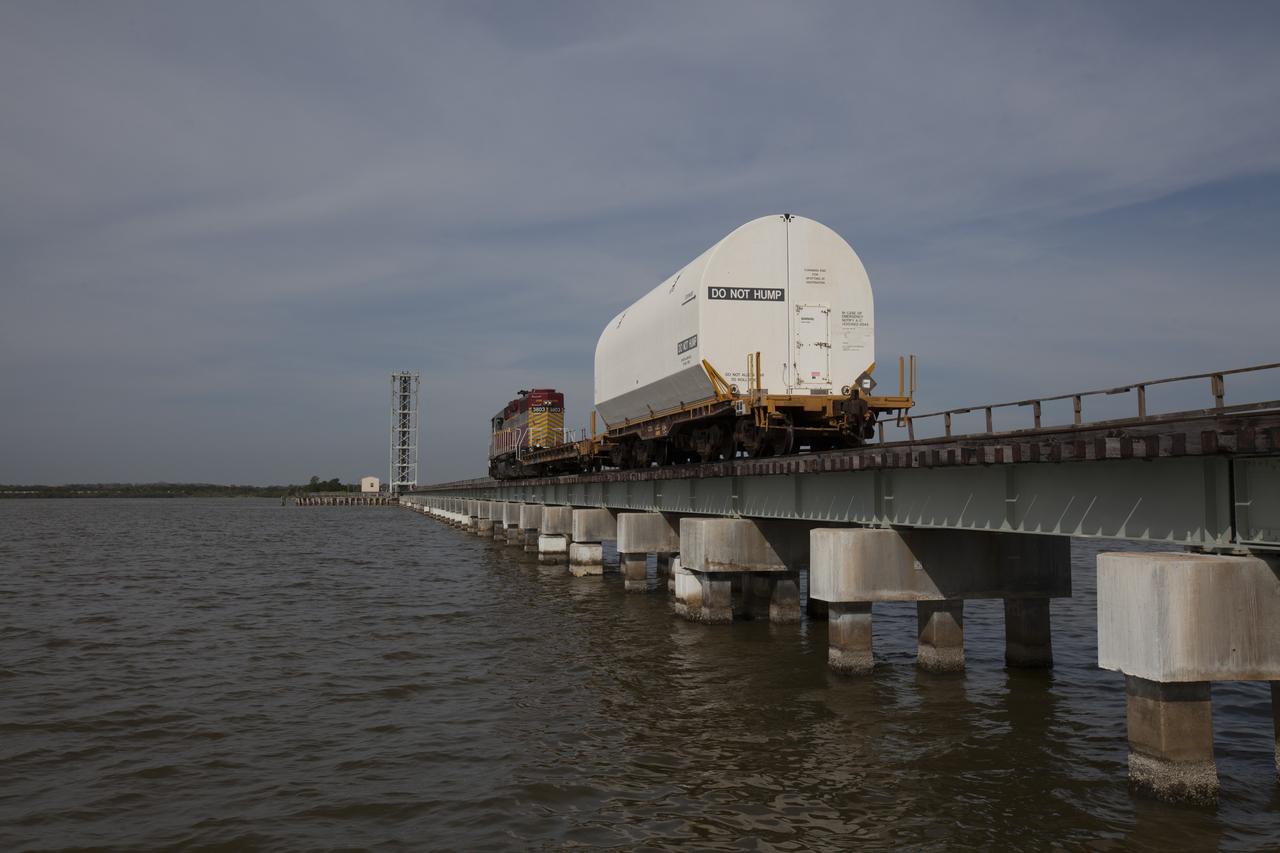
An Iowa Northern locomotive, conracted by Goodloe Transportation of Chicago, travels along the NASA railroad bridge over the Indian River north of Kennedy Space Center, with two containers on railcars for transport to the NASA Jay Jay railroad yard. The containers held two pathfinders, or test versions, of solid rocket booster segments for NASA’s Space Launch System rocket that were delivered to the Rotation, Processing and Surge Facility (RPSF). Inside the RPSF, the Ground Systems Development and Operations Program and Jacobs Engineering, on the Test and Operations Support Contract, will conduct a series of lifts, moves and stacking operations using the booster segments, which are inert, to prepare for Exploration Mission-1, deep-space missions and the journey to Mars. The pathfinder booster segments are from Orbital ATK in Utah.
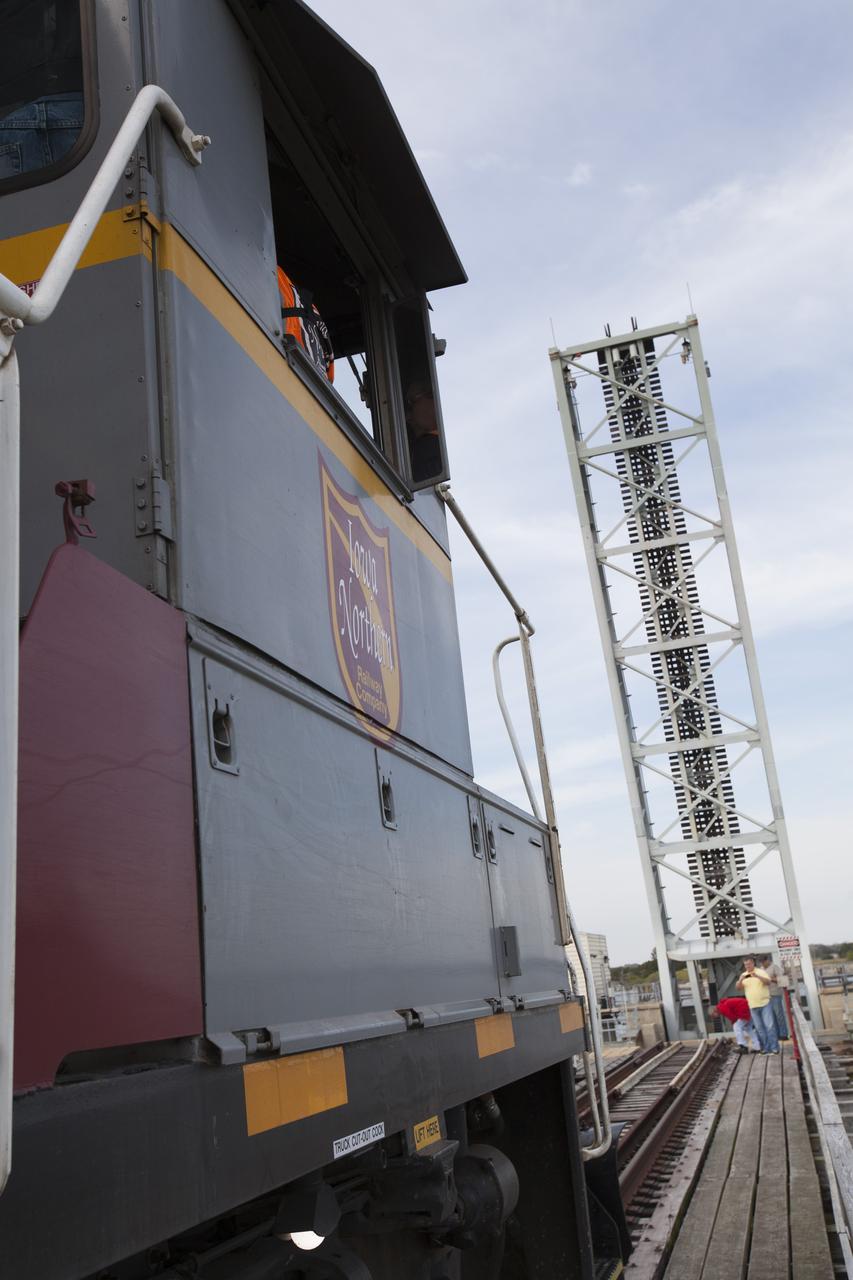
An Iowa Northern locomotive, contracted by Goodloe Transportation of Chicago, approaches the raised span of the NASA railroad bridge to continue over the Indian River north of Kennedy Space Center with two containers on railcars for storage at the NASA Jay Jay railroad yard. The containers held two pathfinders, or test versions, of solid rocket booster segments for NASA’s Space Launch System rocket that were delivered to the Rotation, Processing and Surge Facility (RPSF). Inside the RPSF, the Ground Systems Development and Operations Program and Jacobs Engineering, on the Test and Operations Support Contract, will conduct a series of lifts, moves and stacking operations using the booster segments, which are inert, to prepare for Exploration Mission-1, deep-space missions and the journey to Mars. The pathfinder booster segments are from Orbital ATK in Utah.
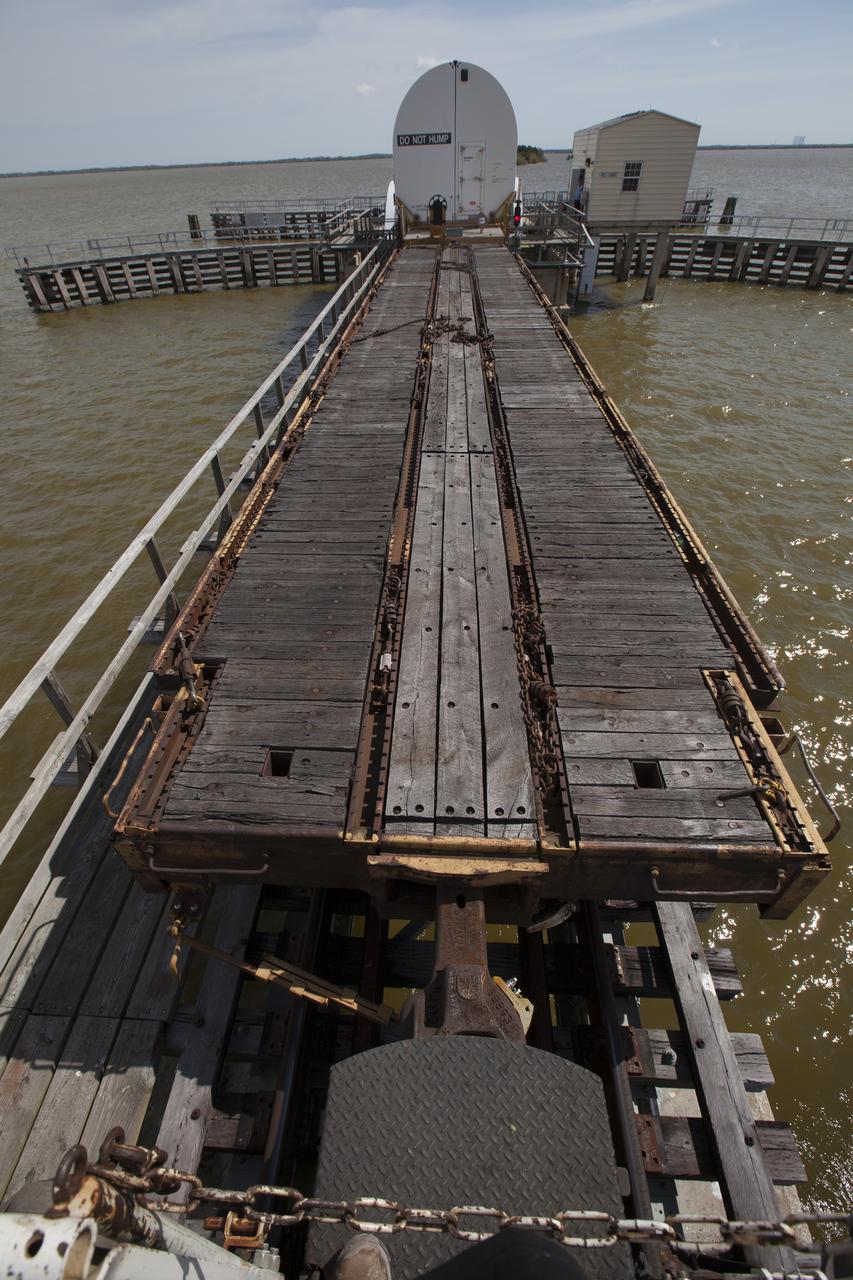
An Iowa Northern locomotive, contracted by Goodloe Transportation of Chicago, continues along the NASA railroad bridge over the Indian River north of Kennedy Space Center, carrying one of two containers on a railcar for transport to the NASA Jay Jay railroad yard. The containers held two pathfinders, or test versions, of solid rocket booster segments for NASA’s Space Launch System rocket that were delivered to the Rotation, Processing and Surge Facility (RPSF). Inside the RPSF, the Ground Systems Development and Operations Program and Jacobs Engineering, on the Test and Operations Support Contract, will conduct a series of lifts, moves and stacking operations using the booster segments, which are inert, to prepare for Exploration Mission-1, deep-space missions and the journey to Mars. The pathfinder booster segments are from Orbital ATK in Utah.
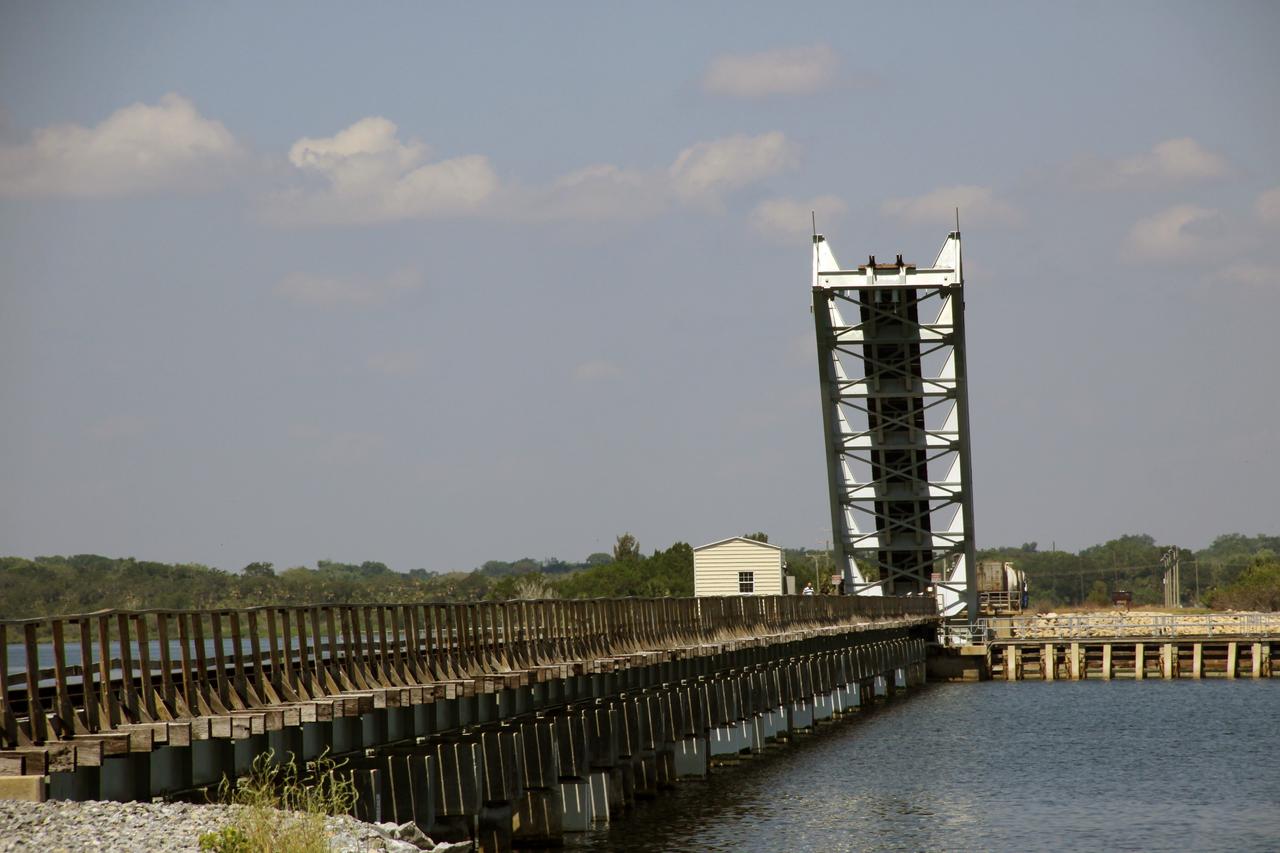
CAPE CANAVERAL, Fla. – The drawbridge span of the NASA Railroad’s Jay Jay Railroad Bridge over the Indian River north of Launch Complex 39 at NASA’s Kennedy Space Center in Florida is reopened following the passage of a NASA Railroad train. The permanent configuration of the bridge is open the span is lowered only for a train to cross. The railroad cars were needed in support of the Space Shuttle Program but currently are not in use by NASA following the completion of the program in 2011. Originally, the tankers belonged to the U.S. Bureau of Mines. At the peak of the shuttle program, there were approximately 30 cars in the fleet. About half the cars were returned to the bureau as launch activity diminished. Five tank cars are being loaned to SpaceX and repurposed to support their engine tests in Texas. Eight cars previously were shipped to California on loan to support the SpaceX Falcon 9 rocket launches from Space Launch Complex-4 on Vandenberg Air Force Base. SpaceX already has three helium tank cars previously used for the shuttle program at Space Launch Complex-40 on Cape Canaveral Air Force Station in Florida. For more information, visit http://www.nasa.gov/spacex. Photo credit: NASA/Jim Grossmann
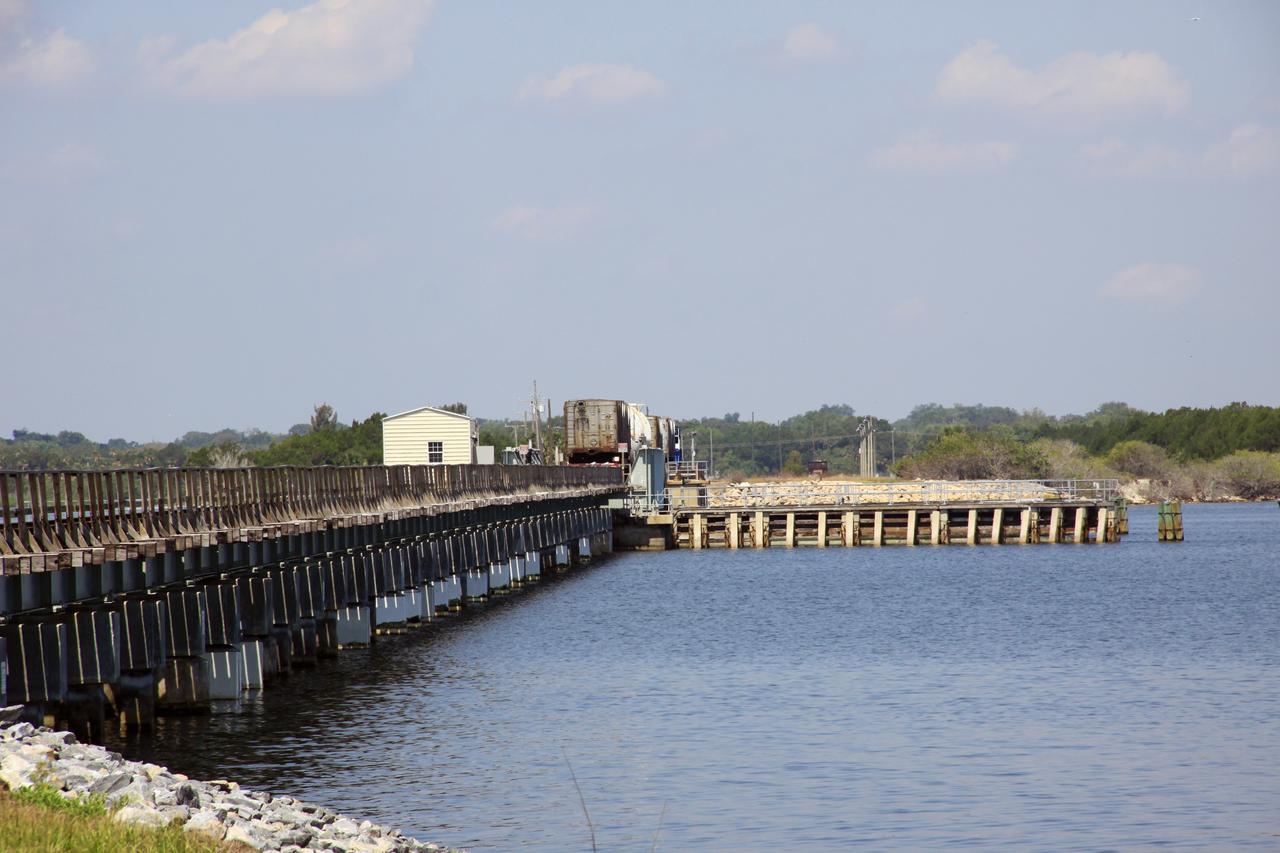
CAPE CANAVERAL, Fla. – A NASA Railroad train has crossed the Indian River on the railroad’s Jay Jay Railroad Bridge north of Launch Complex 39 at NASA’s Kennedy Space Center in Florida. The train is on its way to the Florida East Coast Railway interchange in Titusville, Fla., where the train’s helium tank cars, a liquid oxygen tank car, and a liquid hydrogen dewar or tank car will be transferred for delivery to the SpaceX engine test complex outside McGregor, Texas. The railroad cars were needed in support of the Space Shuttle Program but currently are not in use by NASA following the completion of the program in 2011. Originally, the tankers belonged to the U.S. Bureau of Mines. At the peak of the shuttle program, there were approximately 30 cars in the fleet. About half the cars were returned to the bureau as launch activity diminished. Five tank cars are being loaned to SpaceX and repurposed to support their engine tests in Texas. Eight cars previously were shipped to California on loan to support the SpaceX Falcon 9 rocket launches from Space Launch Complex-4 on Vandenberg Air Force Base. SpaceX already has three helium tank cars previously used for the shuttle program at Space Launch Complex-40 on Cape Canaveral Air Force Station in Florida. For more information, visit http://www.nasa.gov/spacex. Photo credit: NASA/Jim Grossmann
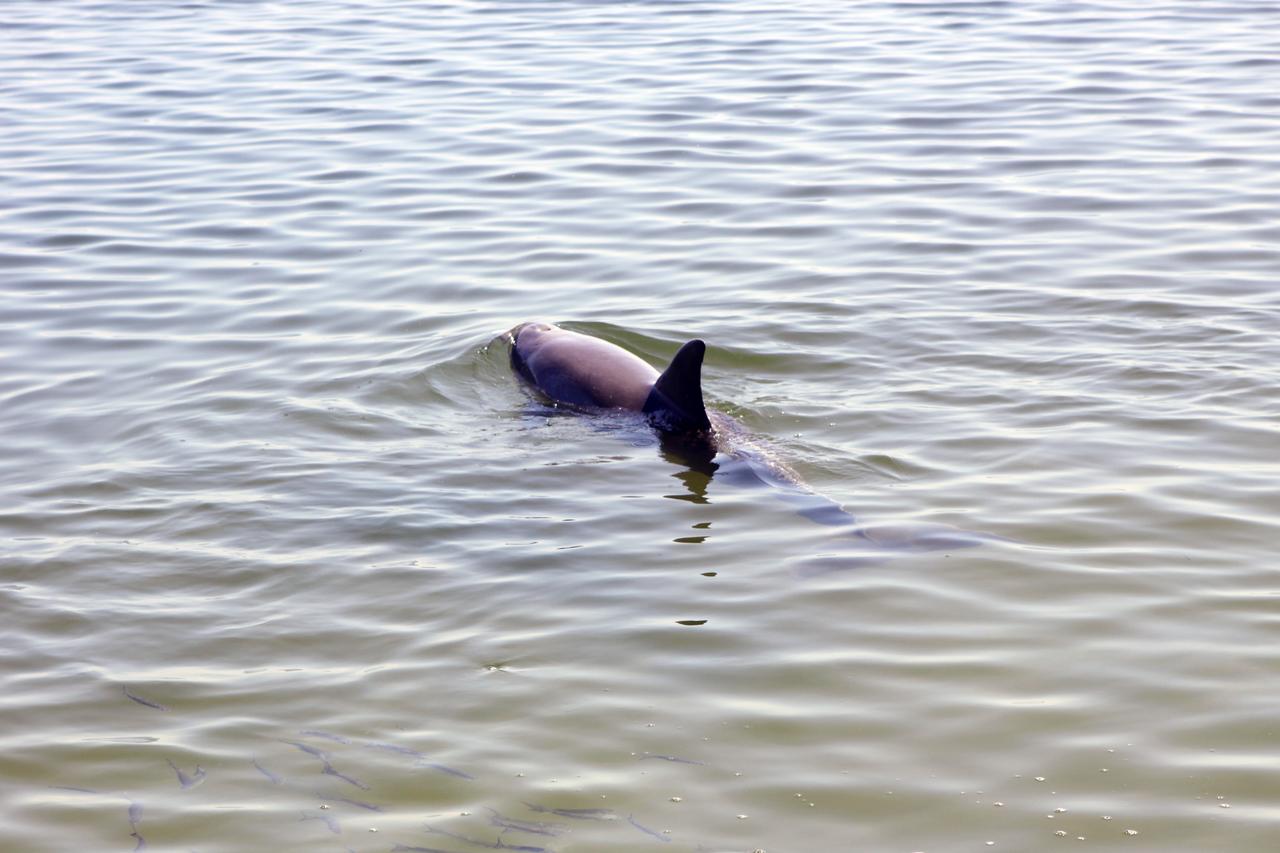
CAPE CANAVERAL, Fla. – A dolphin swims in the Indian River near the NASA Railroad’s Jay Jay Railroad Bridge north of Launch Complex 39 at NASA’s Kennedy Space Center in Florida. The dolphin was spotted by a cameraman on hand to photograph a NASA Railroad train on its way to the Florida East Coast Railway interchange in Titusville, Fla., where the train’s helium tank cars, a liquid oxygen tank car, and a liquid hydrogen dewar or tank car will be transferred for delivery to the SpaceX engine test complex outside McGregor, Texas. The railroad cars were needed in support of the Space Shuttle Program but currently are not in use by NASA following the completion of the program in 2011. Originally, the tankers belonged to the U.S. Bureau of Mines. At the peak of the shuttle program, there were approximately 30 cars in the fleet. About half the cars were returned to the bureau as launch activity diminished. Five tank cars are being loaned to SpaceX and repurposed to support their engine tests in Texas. Eight cars previously were shipped to California on loan to support the SpaceX Falcon 9 rocket launches from Space Launch Complex-4 on Vandenberg Air Force Base. SpaceX already has three helium tank cars previously used for the shuttle program at Space Launch Complex-40 on Cape Canaveral Air Force Station in Florida. For more information, visit http://www.nasa.gov/spacex. Photo credit: NASA/Jim Grossmann
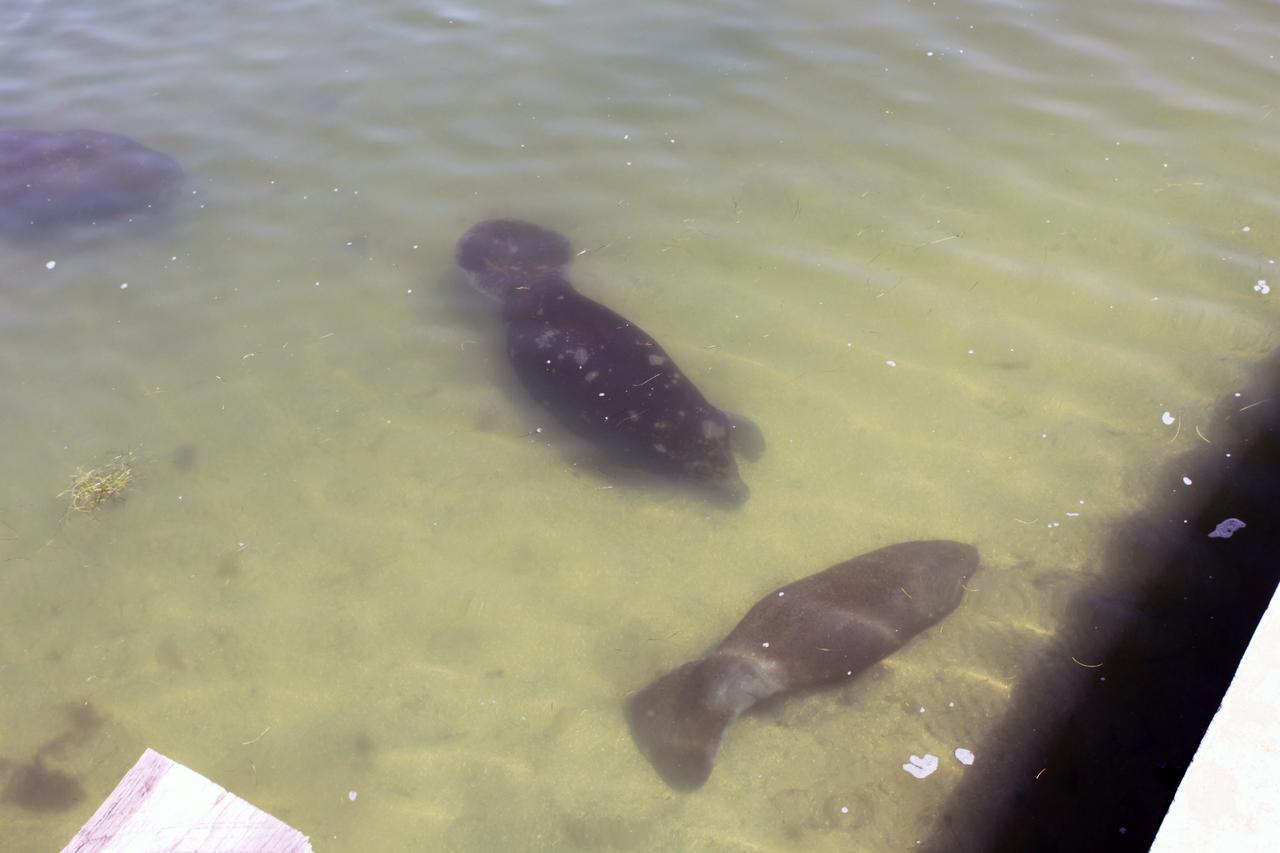
CAPE CANAVERAL, Fla. – Manatees relax in the Indian River near the NASA Railroad’s Jay Jay Railroad Bridge north of Launch Complex 39 at NASA’s Kennedy Space Center in Florida. The manatees were spotted by a cameraman on hand to photograph a NASA Railroad train on its way to the Florida East Coast Railway interchange in Titusville, Fla., where the train’s helium tank cars, a liquid oxygen tank car, and a liquid hydrogen dewar or tank car will be transferred for delivery to the SpaceX engine test complex outside McGregor, Texas. The railroad cars were needed in support of the Space Shuttle Program but currently are not in use by NASA following the completion of the program in 2011. Originally, the tankers belonged to the U.S. Bureau of Mines. At the peak of the shuttle program, there were approximately 30 cars in the fleet. About half the cars were returned to the bureau as launch activity diminished. Five tank cars are being loaned to SpaceX and repurposed to support their engine tests in Texas. Eight cars previously were shipped to California on loan to support the SpaceX Falcon 9 rocket launches from Space Launch Complex-4 on Vandenberg Air Force Base. SpaceX already has three helium tank cars previously used for the shuttle program at Space Launch Complex-40 on Cape Canaveral Air Force Station in Florida. For more information, visit http://www.nasa.gov/spacex. Photo credit: NASA/Jim Grossmann
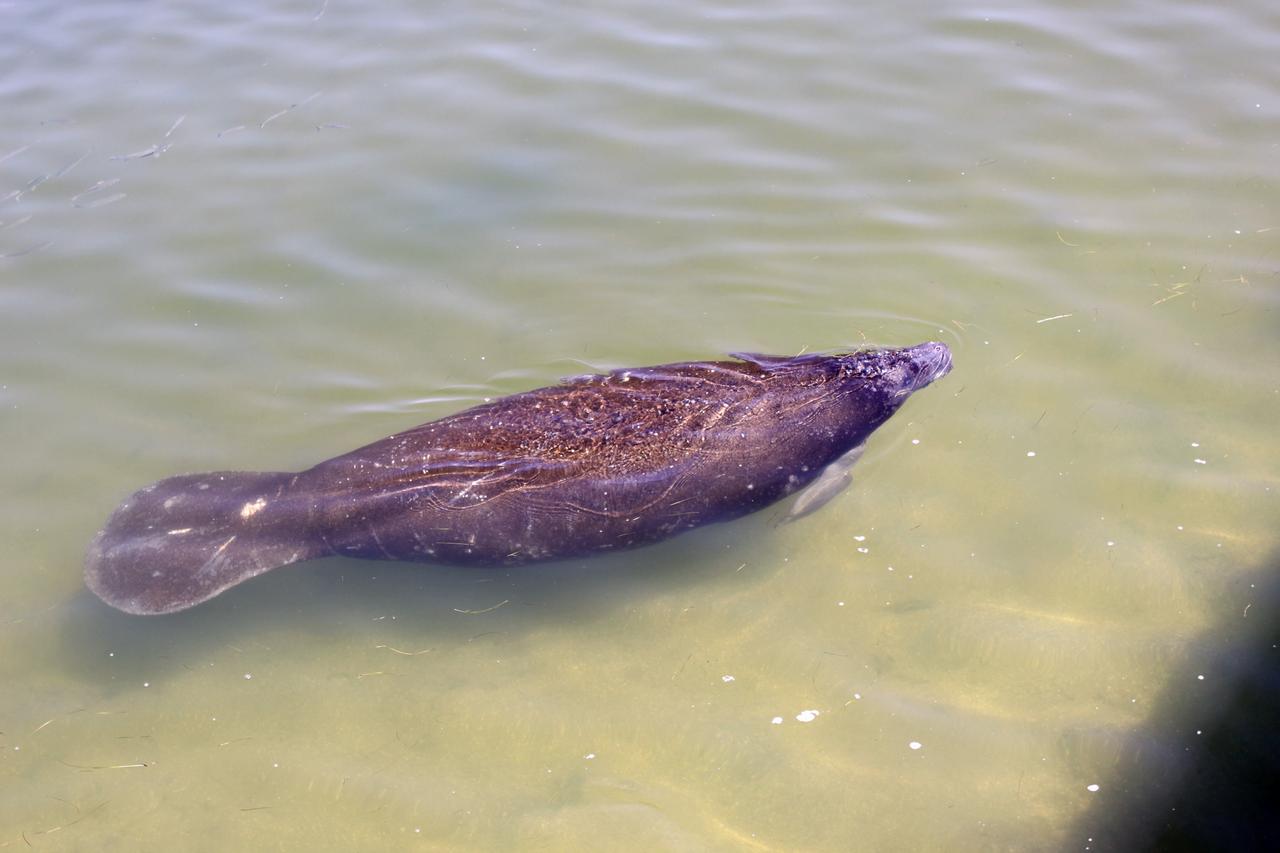
CAPE CANAVERAL, Fla. – A manatee relaxes in the Indian River near the NASA Railroad’s Jay Jay Railroad Bridge north of Launch Complex 39 at NASA’s Kennedy Space Center in Florida. The manatee was spotted by a cameraman on hand to photograph a NASA Railroad train on its way to the Florida East Coast Railway interchange in Titusville, Fla., where the train’s helium tank cars, a liquid oxygen tank car, and a liquid hydrogen dewar or tank car will be transferred for delivery to the SpaceX engine test complex outside McGregor, Texas. The railroad cars were needed in support of the Space Shuttle Program but currently are not in use by NASA following the completion of the program in 2011. Originally, the tankers belonged to the U.S. Bureau of Mines. At the peak of the shuttle program, there were approximately 30 cars in the fleet. About half the cars were returned to the bureau as launch activity diminished. Five tank cars are being loaned to SpaceX and repurposed to support their engine tests in Texas. Eight cars previously were shipped to California on loan to support the SpaceX Falcon 9 rocket launches from Space Launch Complex-4 on Vandenberg Air Force Base. SpaceX already has three helium tank cars previously used for the shuttle program at Space Launch Complex-40 on Cape Canaveral Air Force Station in Florida. For more information, visit http://www.nasa.gov/spacex. Photo credit: NASA/Jim Grossmann
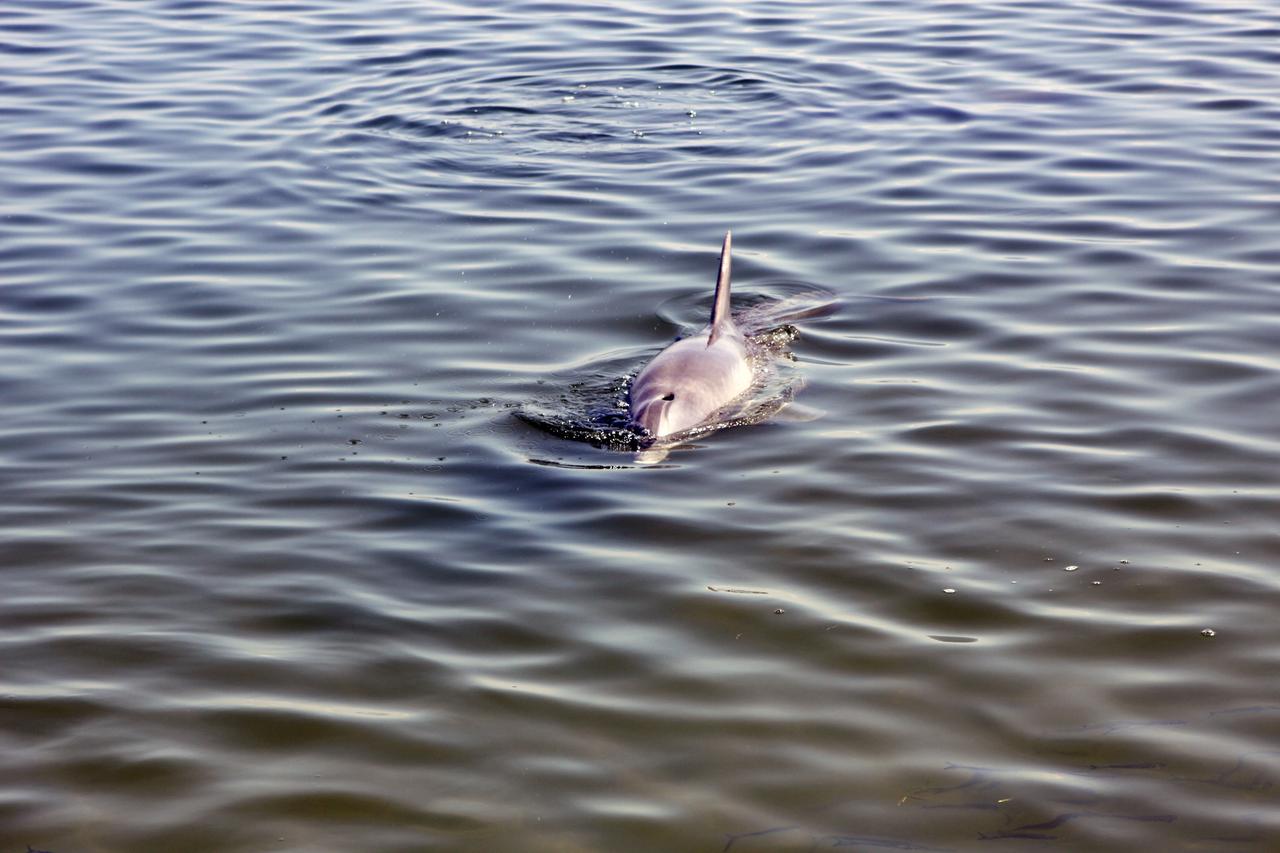
CAPE CANAVERAL, Fla. – Bubbles form around a dolphin splashing in the Indian River near the NASA Railroad’s Jay Jay Railroad Bridge north of Launch Complex 39 at NASA’s Kennedy Space Center in Florida. The dolphin was spotted by a cameraman on hand to photograph a NASA Railroad train on its way to the Florida East Coast Railway interchange in Titusville, Fla., where the train’s helium tank cars, a liquid oxygen tank car, and a liquid hydrogen dewar or tank car will be transferred for delivery to the SpaceX engine test complex outside McGregor, Texas. The railroad cars were needed in support of the Space Shuttle Program but currently are not in use by NASA following the completion of the program in 2011. Originally, the tankers belonged to the U.S. Bureau of Mines. At the peak of the shuttle program, there were approximately 30 cars in the fleet. About half the cars were returned to the bureau as launch activity diminished. Five tank cars are being loaned to SpaceX and repurposed to support their engine tests in Texas. Eight cars previously were shipped to California on loan to support the SpaceX Falcon 9 rocket launches from Space Launch Complex-4 on Vandenberg Air Force Base. SpaceX already has three helium tank cars previously used for the shuttle program at Space Launch Complex-40 on Cape Canaveral Air Force Station in Florida. For more information, visit http://www.nasa.gov/spacex. Photo credit: NASA/Jim Grossmann
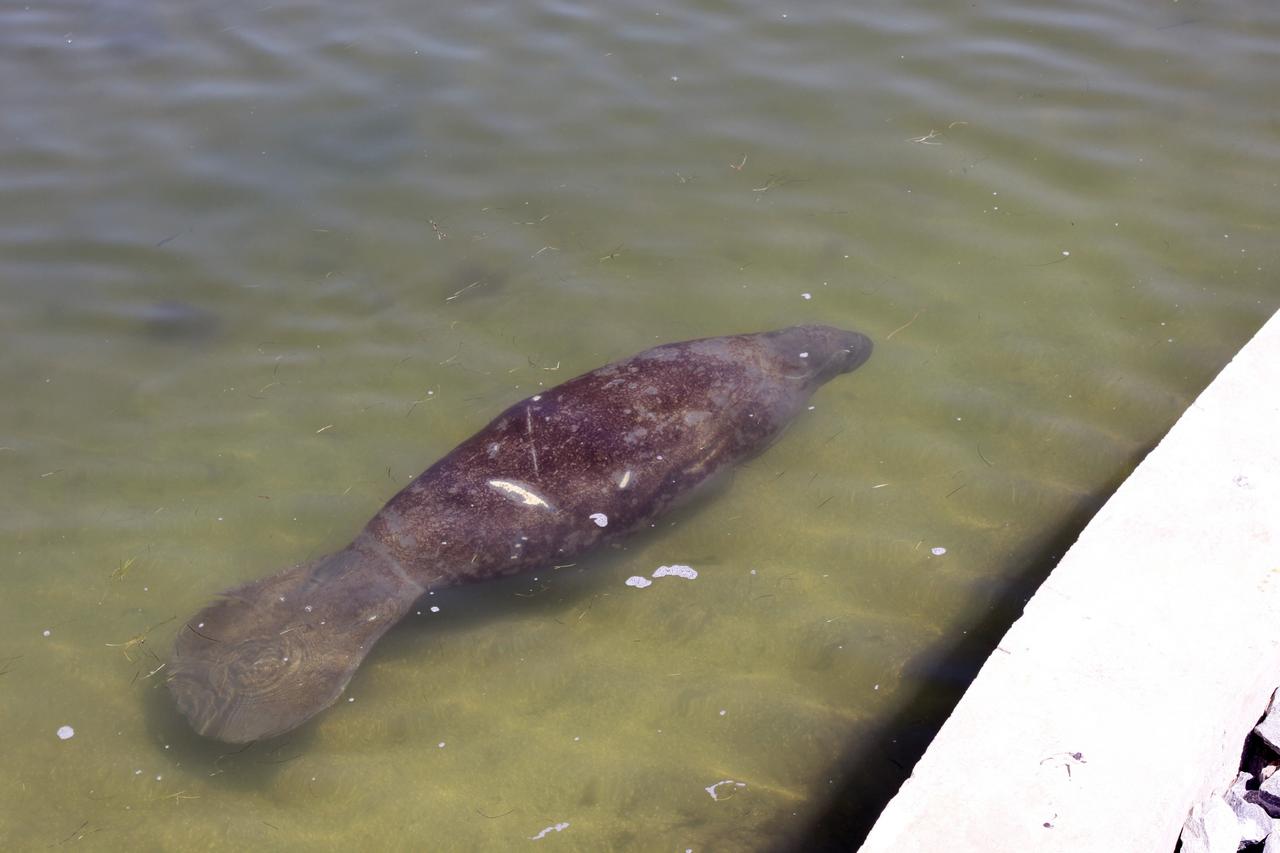
CAPE CANAVERAL, Fla. – A manatee relaxes in the Indian River near the NASA Railroad’s Jay Jay Railroad Bridge north of Launch Complex 39 at NASA’s Kennedy Space Center in Florida. The manatee was spotted by a cameraman on hand to photograph a NASA Railroad train on its way to the Florida East Coast Railway interchange in Titusville, Fla., where the train’s helium tank cars, a liquid oxygen tank car, and a liquid hydrogen dewar or tank car will be transferred for delivery to the SpaceX engine test complex outside McGregor, Texas. The railroad cars were needed in support of the Space Shuttle Program but currently are not in use by NASA following the completion of the program in 2011. Originally, the tankers belonged to the U.S. Bureau of Mines. At the peak of the shuttle program, there were approximately 30 cars in the fleet. About half the cars were returned to the bureau as launch activity diminished. Five tank cars are being loaned to SpaceX and repurposed to support their engine tests in Texas. Eight cars previously were shipped to California on loan to support the SpaceX Falcon 9 rocket launches from Space Launch Complex-4 on Vandenberg Air Force Base. SpaceX already has three helium tank cars previously used for the shuttle program at Space Launch Complex-40 on Cape Canaveral Air Force Station in Florida. For more information, visit http://www.nasa.gov/spacex. Photo credit: NASA/Jim Grossmann
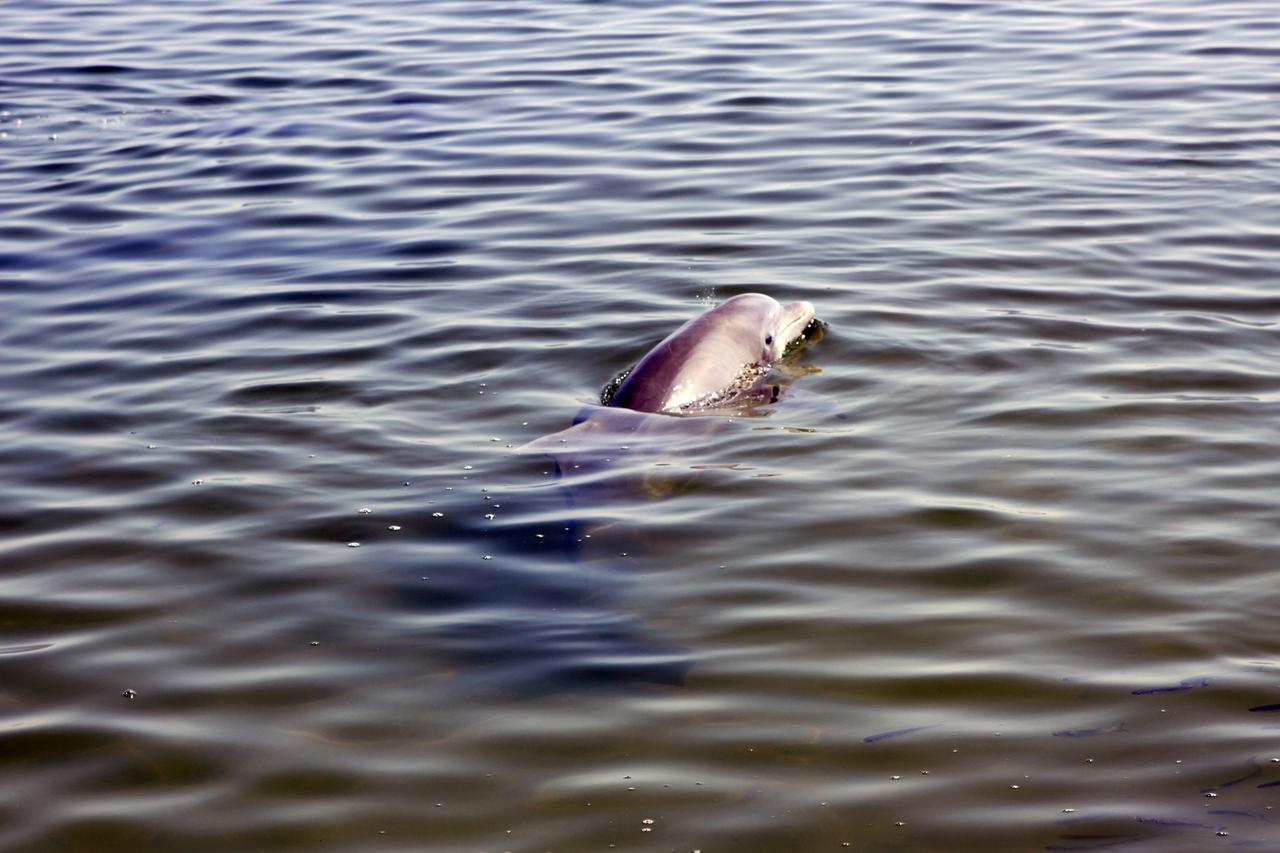
CAPE CANAVERAL, Fla. – A dolphin plays in the Indian River near the NASA Railroad’s Jay Jay Railroad Bridge north of Launch Complex 39 at NASA’s Kennedy Space Center in Florida. The dolphin was spotted by a cameraman on hand to photograph a NASA Railroad train on its way to the Florida East Coast Railway interchange in Titusville, Fla., where the train’s helium tank cars, a liquid oxygen tank car, and a liquid hydrogen dewar or tank car will be transferred for delivery to the SpaceX engine test complex outside McGregor, Texas. The railroad cars were needed in support of the Space Shuttle Program but currently are not in use by NASA following the completion of the program in 2011. Originally, the tankers belonged to the U.S. Bureau of Mines. At the peak of the shuttle program, there were approximately 30 cars in the fleet. About half the cars were returned to the bureau as launch activity diminished. Five tank cars are being loaned to SpaceX and repurposed to support their engine tests in Texas. Eight cars previously were shipped to California on loan to support the SpaceX Falcon 9 rocket launches from Space Launch Complex-4 on Vandenberg Air Force Base. SpaceX already has three helium tank cars previously used for the shuttle program at Space Launch Complex-40 on Cape Canaveral Air Force Station in Florida. For more information, visit http://www.nasa.gov/spacex. Photo credit: NASA/Jim Grossmann
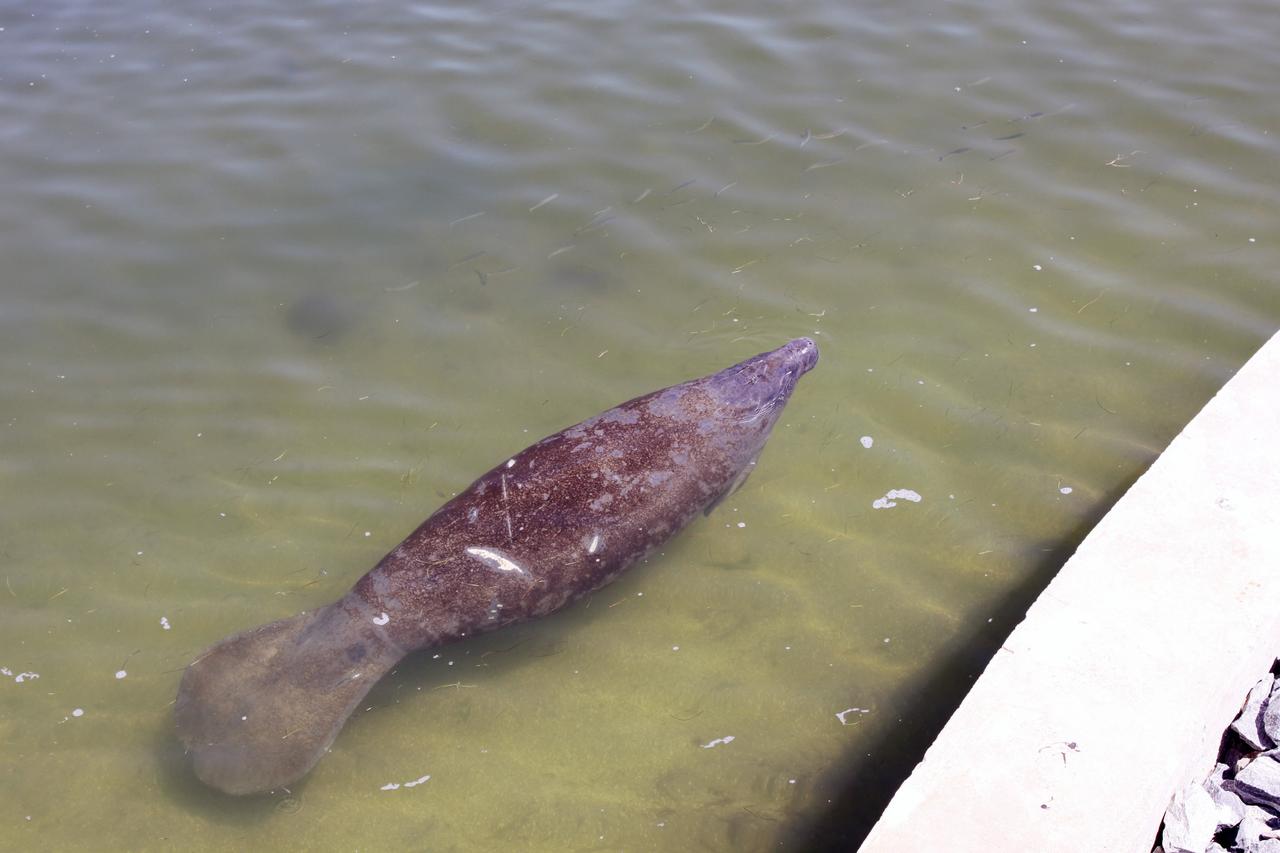
CAPE CANAVERAL, Fla. – A manatee swims in the Indian River near the NASA Railroad’s Jay Jay Railroad Bridge north of Launch Complex 39 at NASA’s Kennedy Space Center in Florida. The manatee was spotted by a cameraman on hand to photograph a NASA Railroad train on its way to the Florida East Coast Railway interchange in Titusville, Fla., where the train’s helium tank cars, a liquid oxygen tank car, and a liquid hydrogen dewar or tank car will be transferred for delivery to the SpaceX engine test complex outside McGregor, Texas. The railroad cars were needed in support of the Space Shuttle Program but currently are not in use by NASA following the completion of the program in 2011. Originally, the tankers belonged to the U.S. Bureau of Mines. At the peak of the shuttle program, there were approximately 30 cars in the fleet. About half the cars were returned to the bureau as launch activity diminished. Five tank cars are being loaned to SpaceX and repurposed to support their engine tests in Texas. Eight cars previously were shipped to California on loan to support the SpaceX Falcon 9 rocket launches from Space Launch Complex-4 on Vandenberg Air Force Base. SpaceX already has three helium tank cars previously used for the shuttle program at Space Launch Complex-40 on Cape Canaveral Air Force Station in Florida. For more information, visit http://www.nasa.gov/spacex. Photo credit: NASA/Jim Grossmann