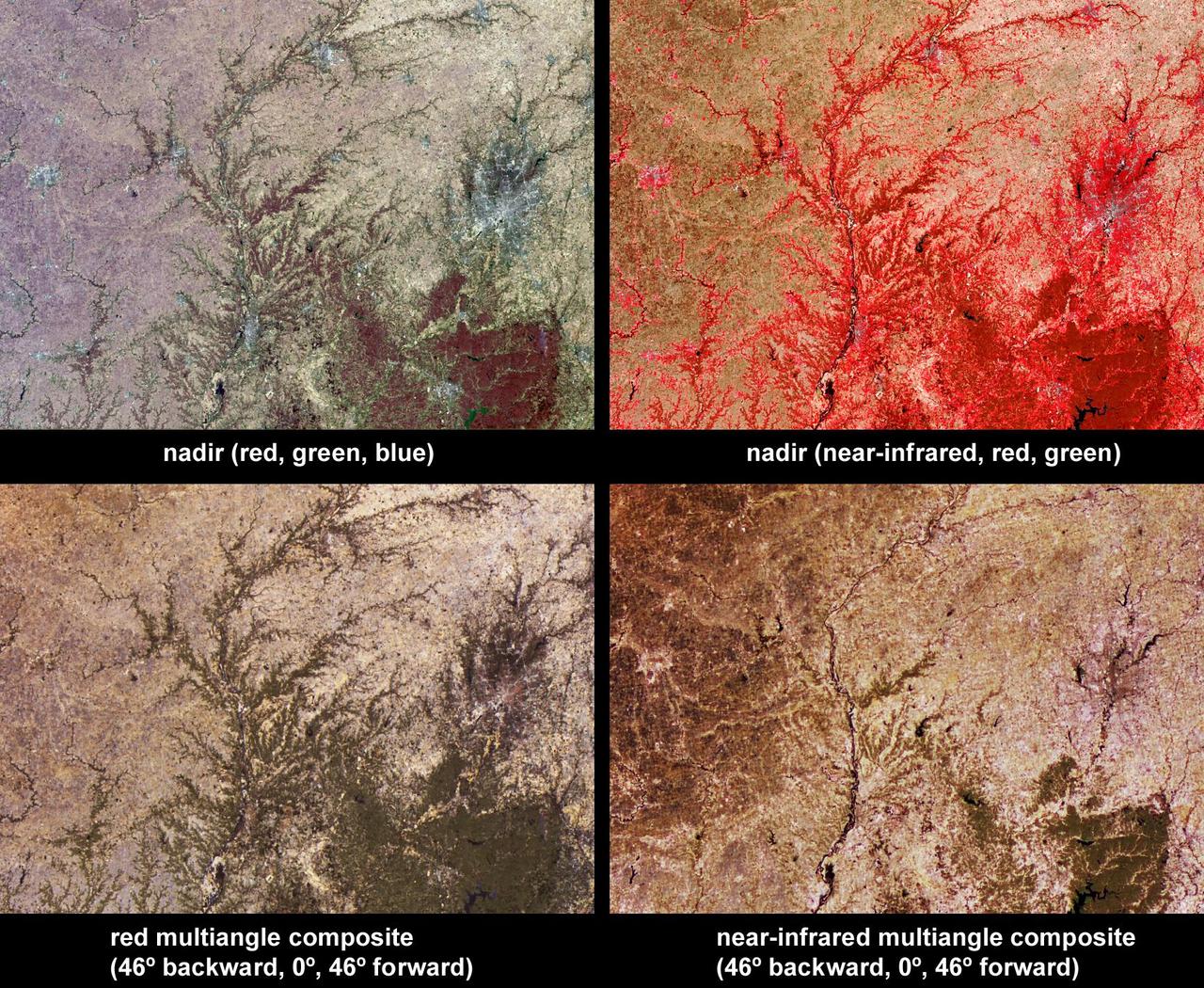
Vegetation across southeast Illinois and central Indiana is shown in this set of multispectral and multiangle images from NASA Terra spacecraft, captured on April 5, 2004.
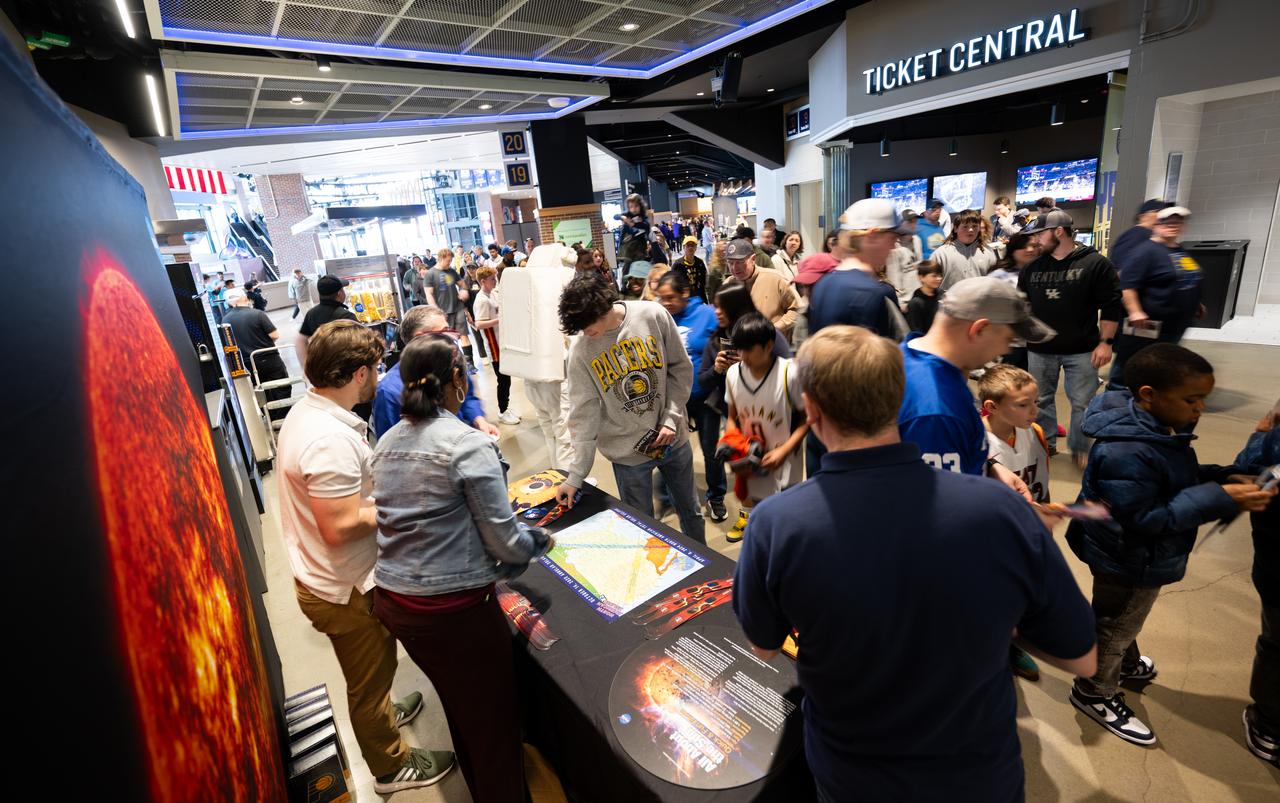
NASA staff pass out solar glasses and eclipse information before the start of a basketball game between the Indiana Pacers and the Miami Heat, Sunday, April 7, 2024, at Gainbridge Fieldhouse in Indianapolis, Ind. On Monday, April 8, a total solar eclipse will sweep across a narrow portion of the North American continent from Mexico’s Pacific coast to the Atlantic coast of Newfoundland, Canada, while a partial solar eclipse will be visible across the entire North American continent along with parts of Central America and Europe. Photo Credit: (NASA/Joel Kowsky)
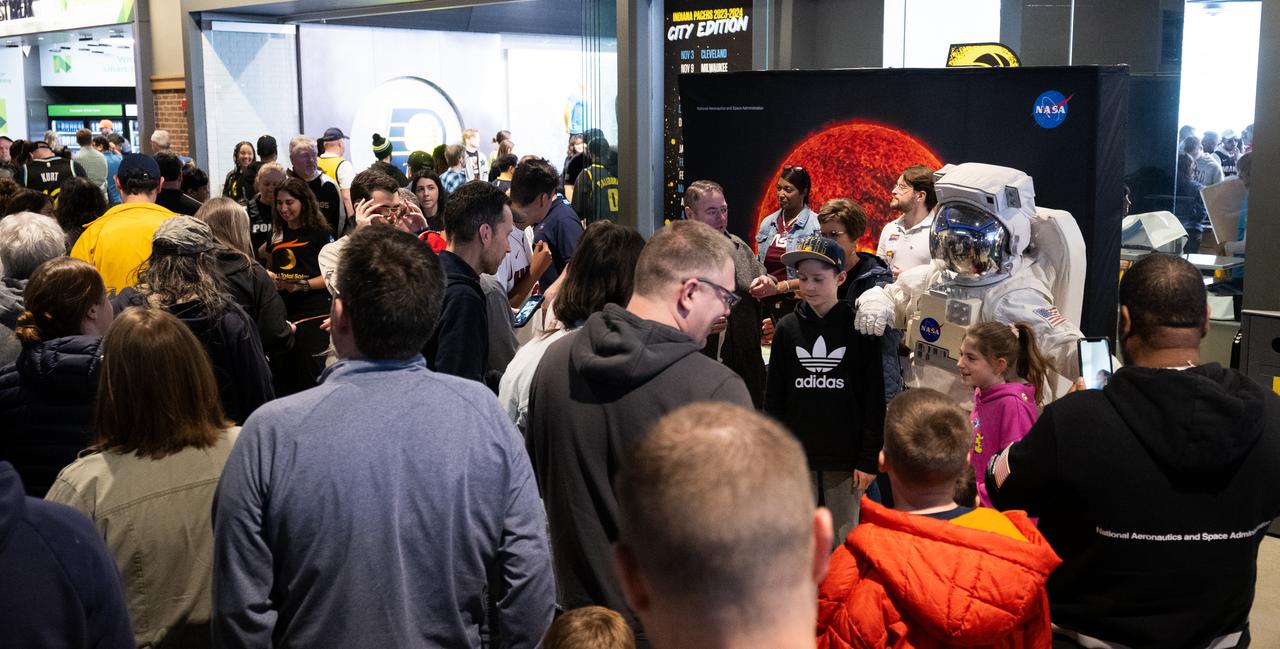
NASA employees pass out solar glasses and eclipse information as fans stop to take pictures with Spacey Casey before the start of a basketball game between the Indiana Pacers and the Miami Heat, Sunday, April 7, 2024, at Gainbridge Fieldhouse in Indianapolis, Ind. On Monday, April 8, a total solar eclipse will sweep across a narrow portion of the North American continent from Mexico’s Pacific coast to the Atlantic coast of Newfoundland, Canada, while a partial solar eclipse will be visible across the entire North American continent along with parts of Central America and Europe. Photo Credit: (NASA/Joel Kowsky)
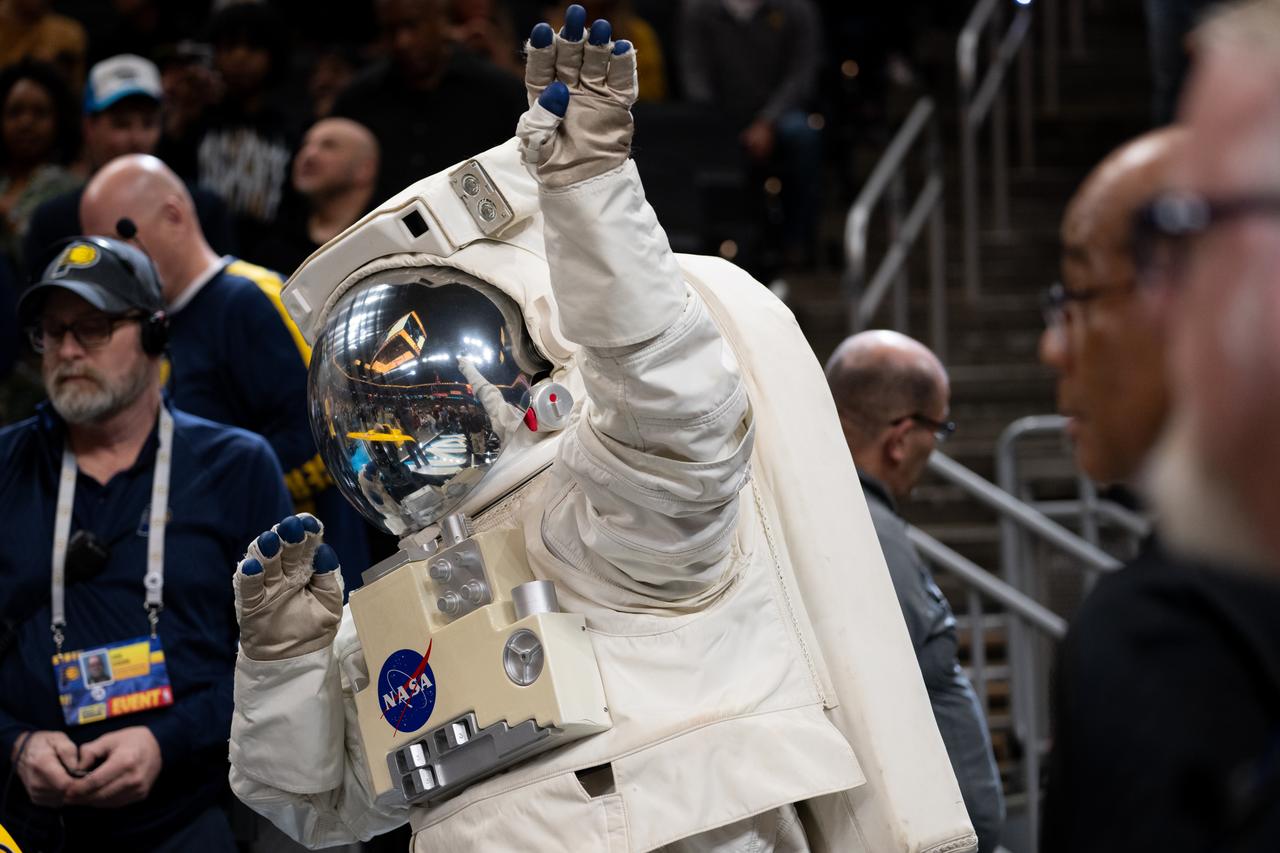
before the start of a basketball game between the Indiana Pacers and the Miami Heat, Sunday, April 7, 2024, at Gainbridge Fieldhouse in Indianapolis, Ind. On Monday, April 8, a total solar eclipse will sweep across a narrow portion of the North American continent from Mexico’s Pacific coast to the Atlantic coast of Newfoundland, Canada, while a partial solar eclipse will be visible across the entire North American continent along with parts of Central America and Europe. Photo Credit: (NASA/Joel Kowsky)
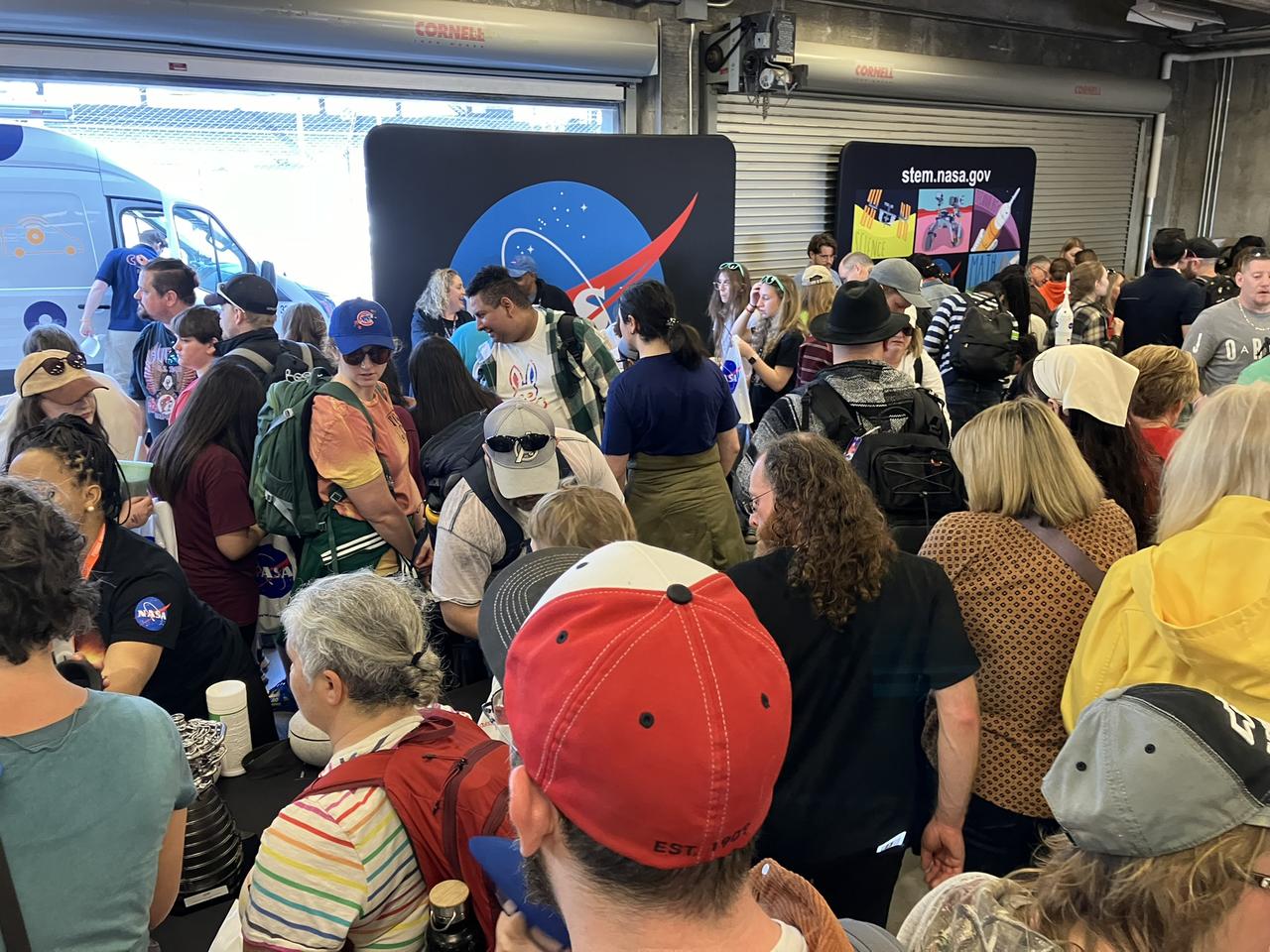
People learn about the work conducted at NASA Stennis in south Mississippi while visiting the NASA Stennis booth at the Indianapolis Motor Speedway in Indiana on April 8.

Visitors enjoy an RS-25 engine test using the virtual reality goggles at the NASA Stennis booth during solar eclipse activities at the Indianapolis Motor Speedway in Indiana on April 8.
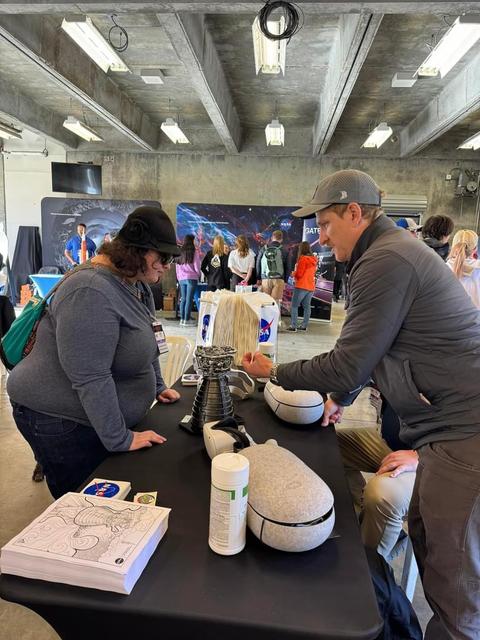
NASA mechanical test operations engineer Briou Bourgeois speaks with a visitor to the NASA Stennis booth during solar eclipse activities at the Indianapolis Motor Speedway in Indiana on April 8.
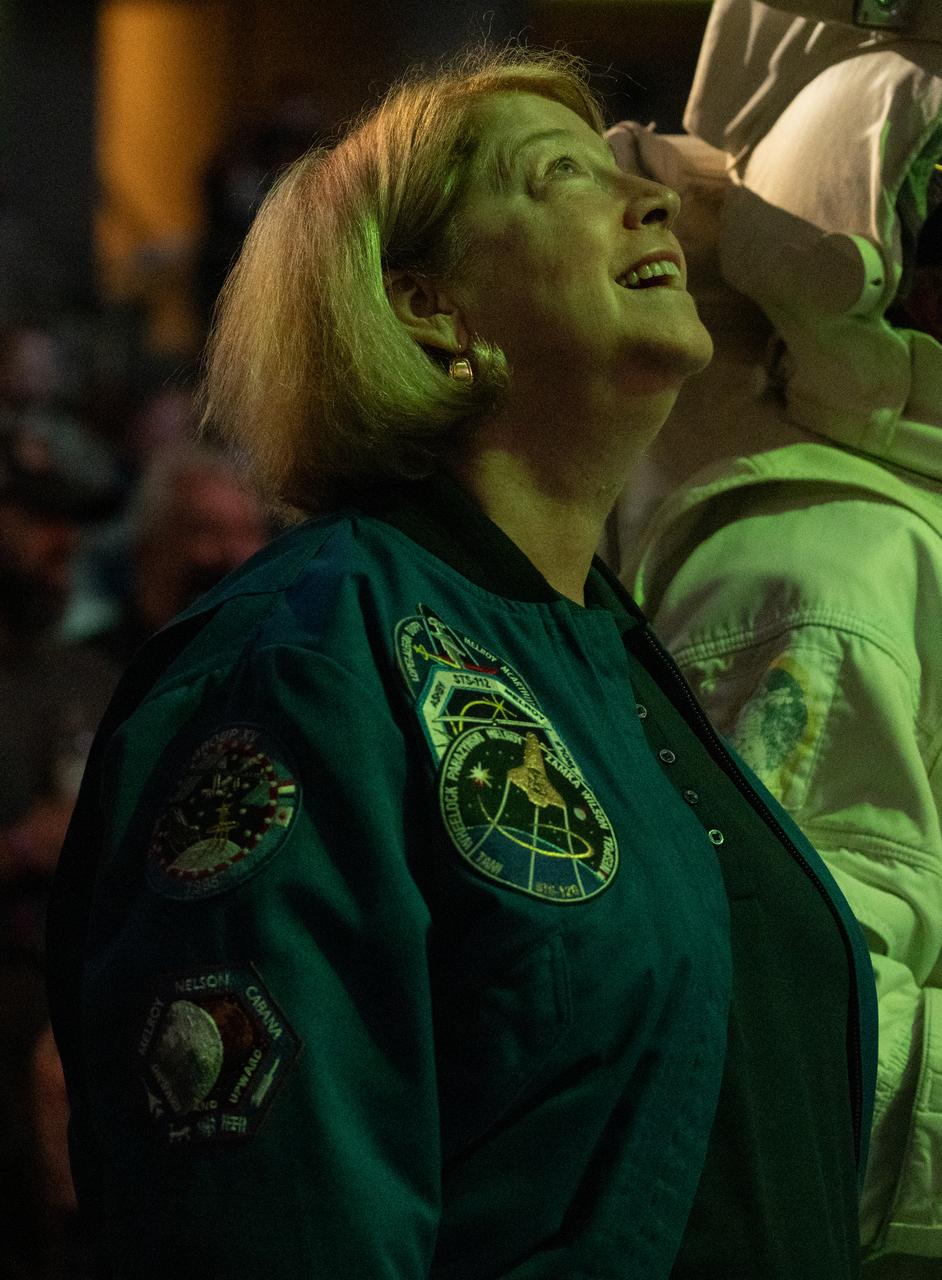
NASA Deputy Administrator Pam Melroy is seen before the start of a basketball game between the Indiana Pacers and the Miami Heat, Sunday, April 7, 2024, at Gainbridge Fieldhouse in Indianapolis, Ind. On Monday, April 8, a total solar eclipse will sweep across a narrow portion of the North American continent from Mexico’s Pacific coast to the Atlantic coast of Newfoundland, Canada, while a partial solar eclipse will be visible across the entire North American continent along with parts of Central America and Europe. Photo Credit: (NASA/Joel Kowsky)
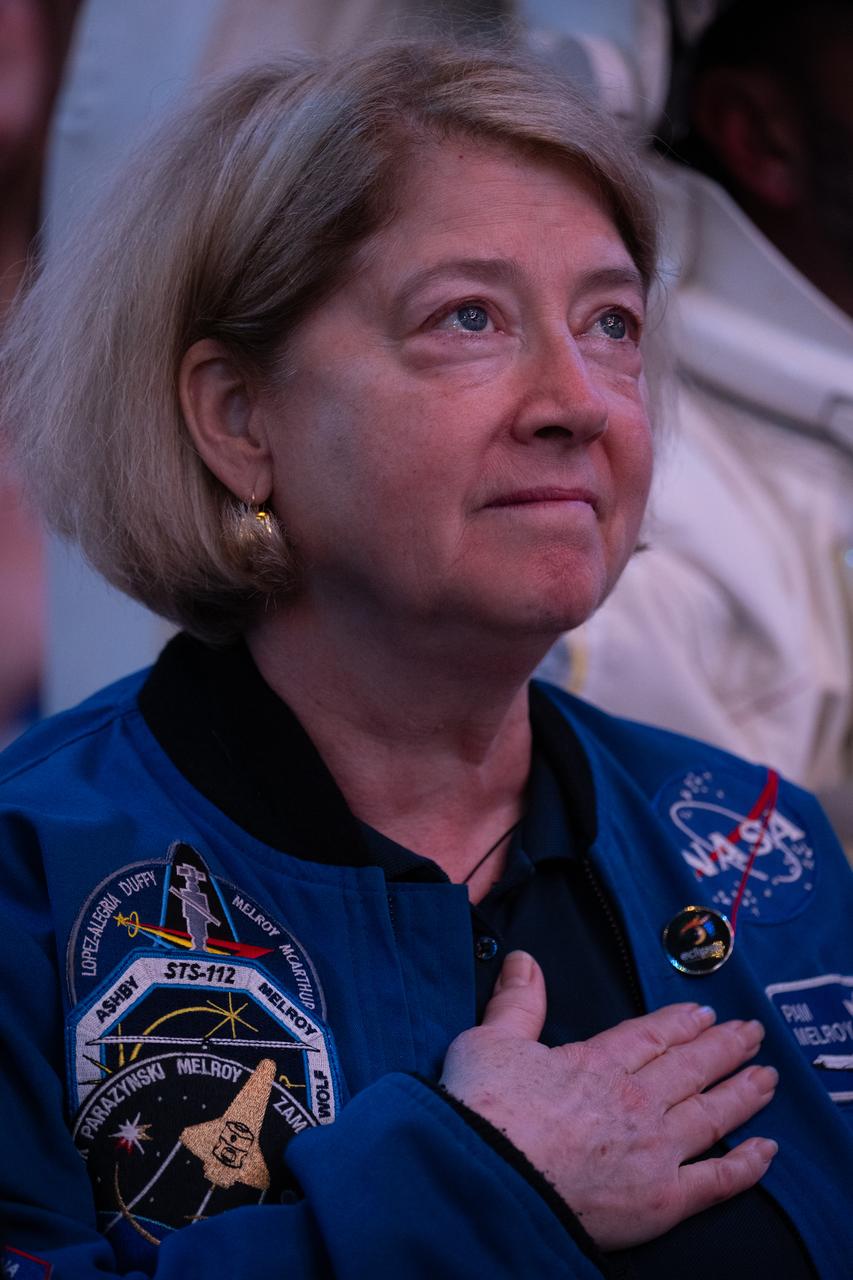
NASA Deputy Administrator Pam Melroy is seen as the National Anthem is sung before the start of a basketball game between the Indiana Pacers and the Miami Heat, Sunday, April 7, 2024, at Gainbridge Fieldhouse in Indianapolis, Ind. On Monday, April 8, a total solar eclipse will sweep across a narrow portion of the North American continent from Mexico’s Pacific coast to the Atlantic coast of Newfoundland, Canada, while a partial solar eclipse will be visible across the entire North American continent along with parts of Central America and Europe. Photo Credit: (NASA/Joel Kowsky)
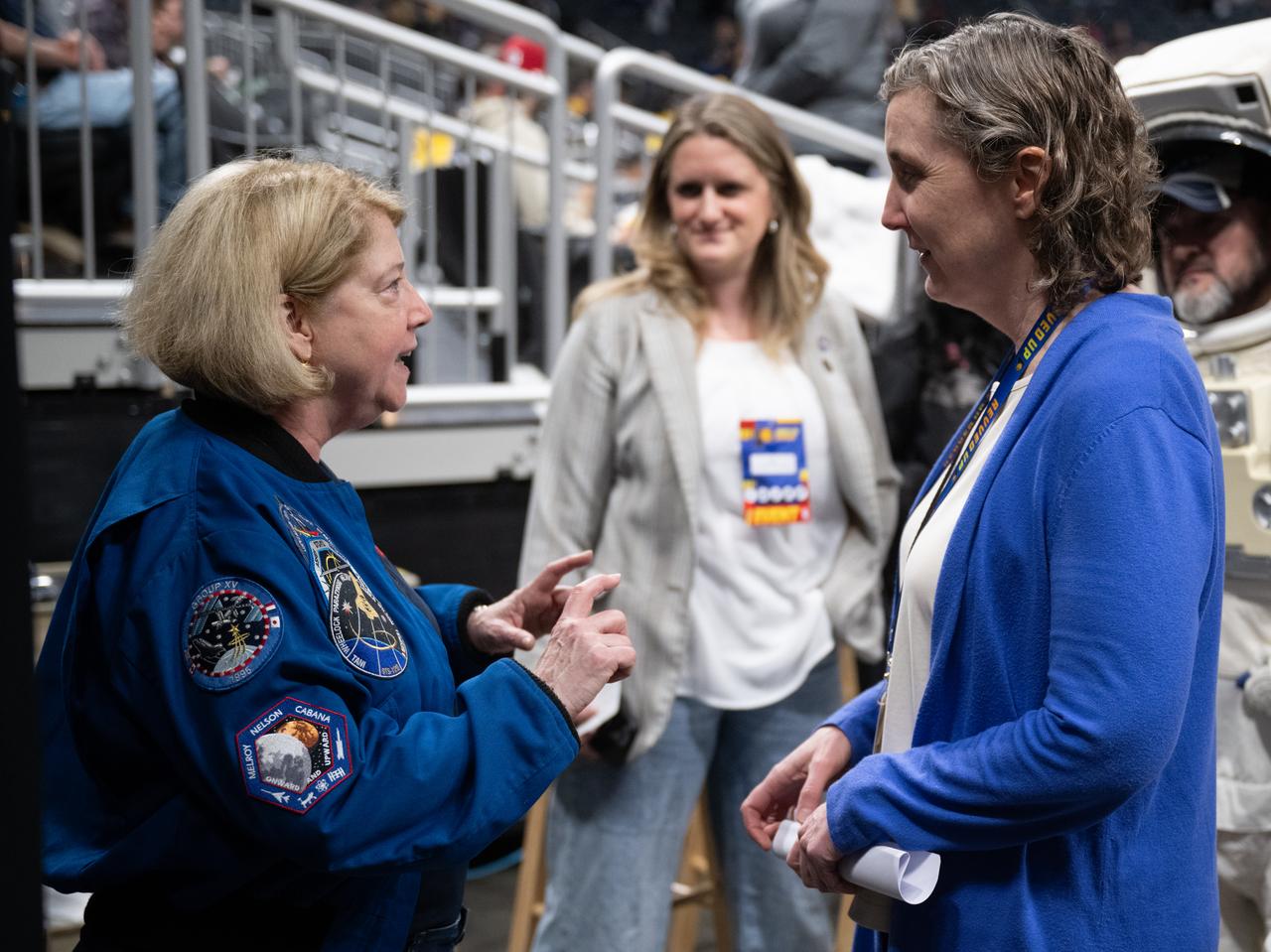
NASA Deputy Administrator Pam Melroy, left, speaks with Mel Raines, president and chief operating officer of Pacers Sports & Entertainment, before the start of a basketball game between the Indiana Pacers and the Miami Heat, Sunday, April 7, 2024, at Gainbridge Fieldhouse in Indianapolis, Ind. On Monday, April 8, a total solar eclipse will sweep across a narrow portion of the North American continent from Mexico’s Pacific coast to the Atlantic coast of Newfoundland, Canada, while a partial solar eclipse will be visible across the entire North American continent along with parts of Central America and Europe. Photo Credit: (NASA/Joel Kowsky)
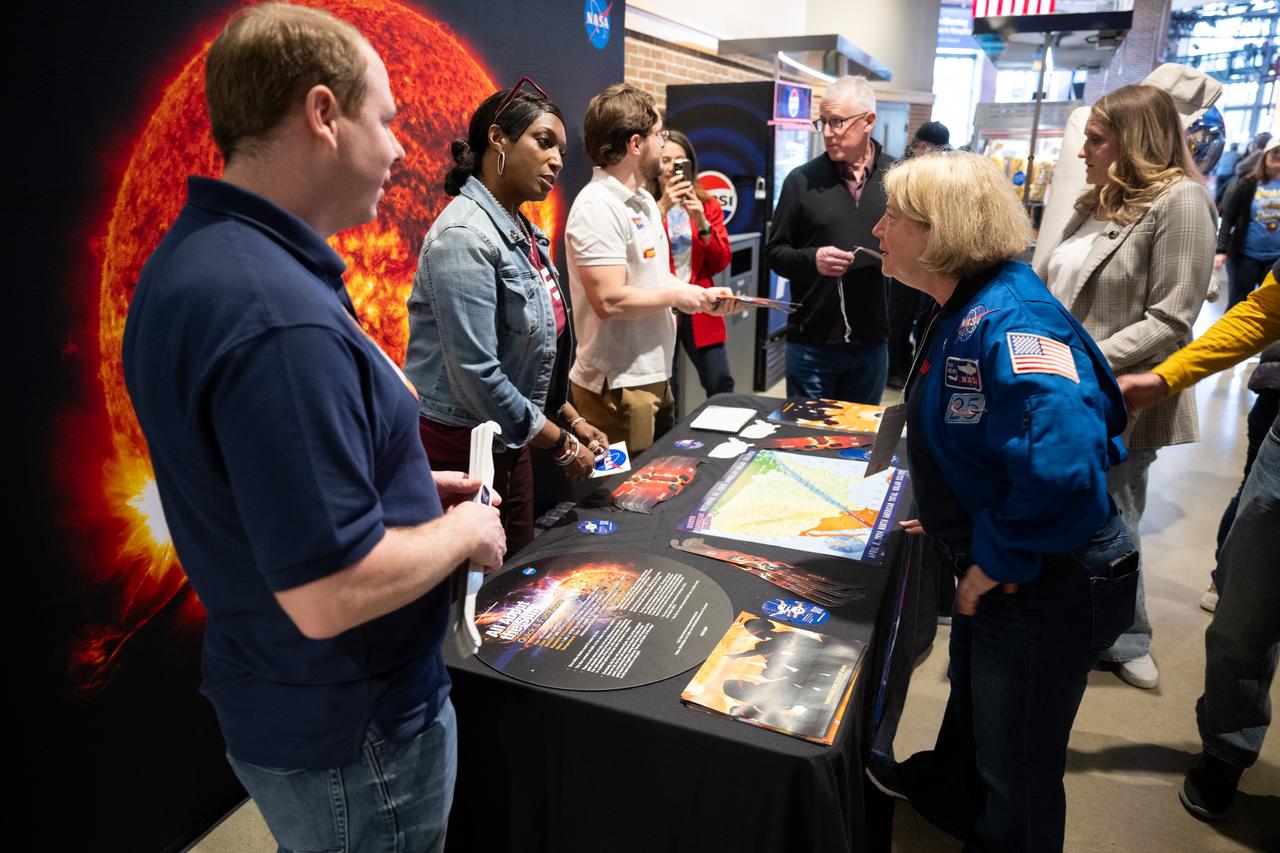
NASA Deputy Administrator Pam Melroy, right, visits with NASA employees passing before the start of a basketball game between the Indiana Pacers and the Miami Heat, Sunday, April 7, 2024, at Gainbridge Fieldhouse in Indianapolis, Ind. On Monday, April 8, a total solar eclipse will sweep across a narrow portion of the North American continent from Mexico’s Pacific coast to the Atlantic coast of Newfoundland, Canada, while a partial solar eclipse will be visible across the entire North American continent along with parts of Central America and Europe. Photo Credit: (NASA/Joel Kowsky)
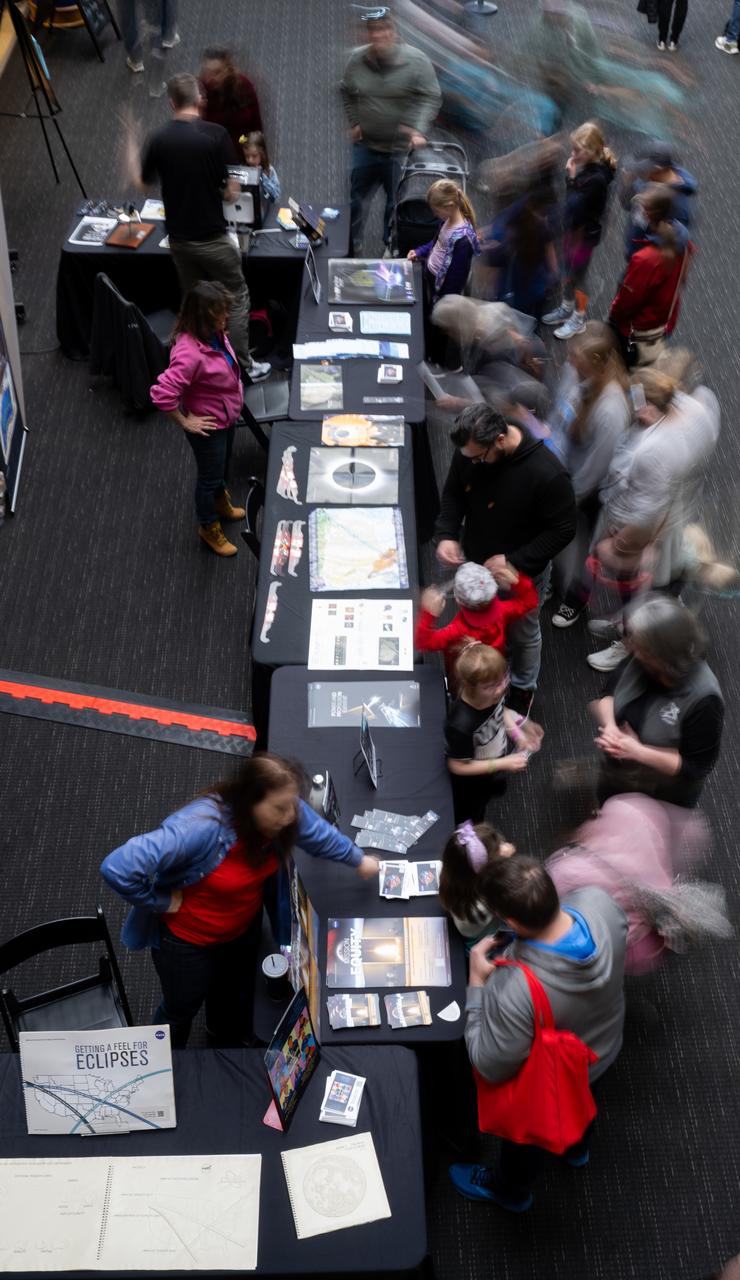
Visitors to The Children’s Museum of Indianapolis learn about the upcoming total solar eclipse from NASA staff, Sunday, April 7, 2024, in Indianapolis, Ind. On Monday, April 8, a total solar eclipse will sweep across a narrow portion of the North American continent from Mexico’s Pacific coast to the Atlantic coast of Newfoundland, Canada, while a partial solar eclipse will be visible across the entire North American continent along with parts of Central America and Europe. Photo Credit: (NASA/Joel Kowsky)
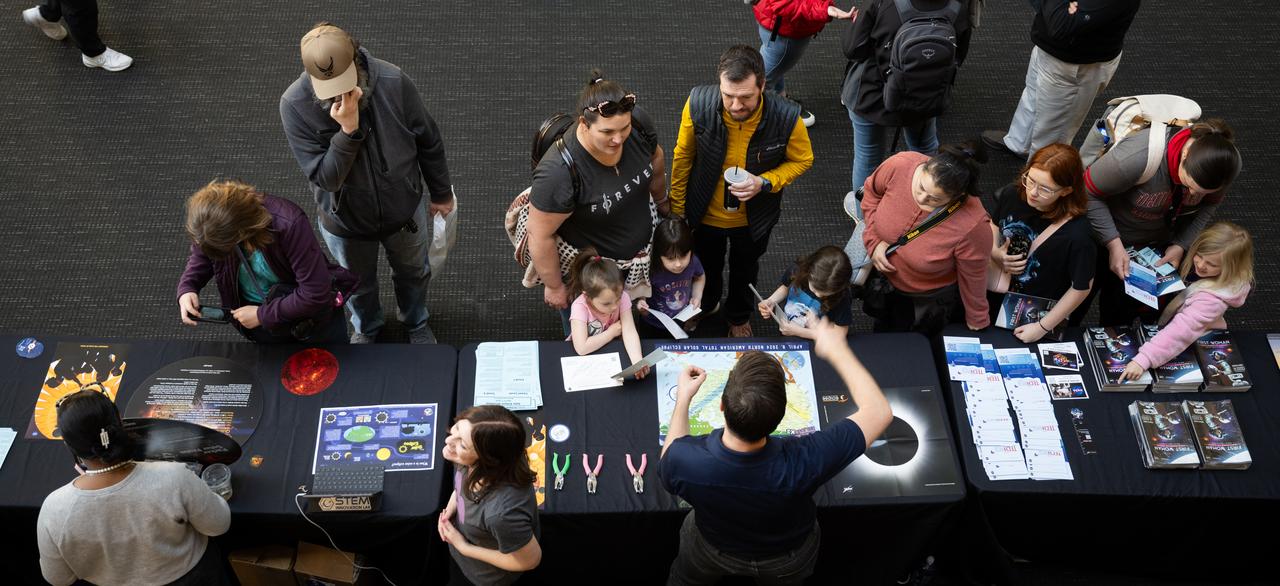
Visitors to The Children’s Museum of Indianapolis learn about the upcoming total solar eclipse from NASA staff, Saturday, April 6, 2024, in Indianapolis, Ind. On Monday, April 8, a total solar eclipse will sweep across a narrow portion of the North American continent from Mexico’s Pacific coast to the Atlantic coast of Newfoundland, Canada, while a partial solar eclipse will be visible across the entire North American continent along with parts of Central America and Europe. Photo Credit: (NASA/Joel Kowsky)
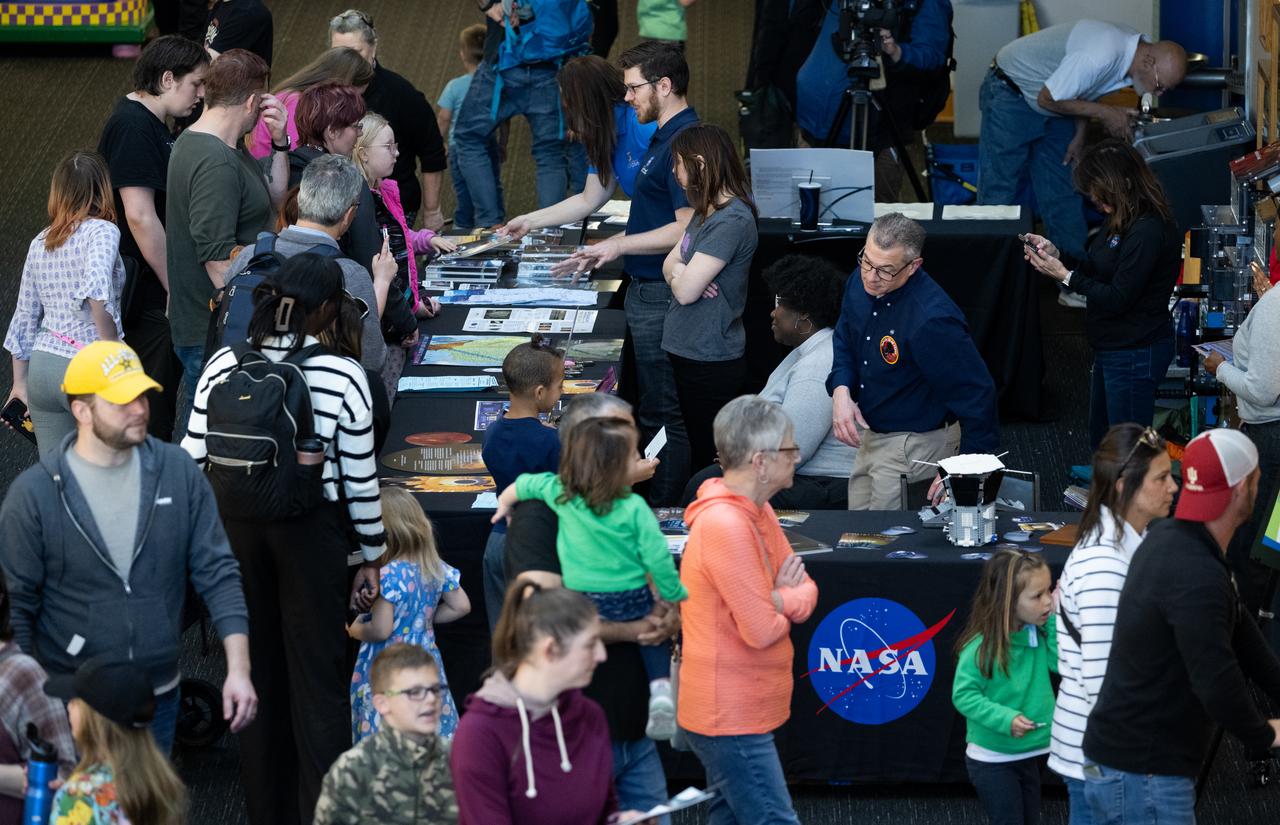
Visitors to The Children’s Museum of Indianapolis learn about the upcoming total solar eclipse from NASA staff, Saturday, April 6, 2024, in Indianapolis, Ind. On Monday, April 8, a total solar eclipse will sweep across a narrow portion of the North American continent from Mexico’s Pacific coast to the Atlantic coast of Newfoundland, Canada, while a partial solar eclipse will be visible across the entire North American continent along with parts of Central America and Europe. Photo Credit: (NASA/Joel Kowsky)
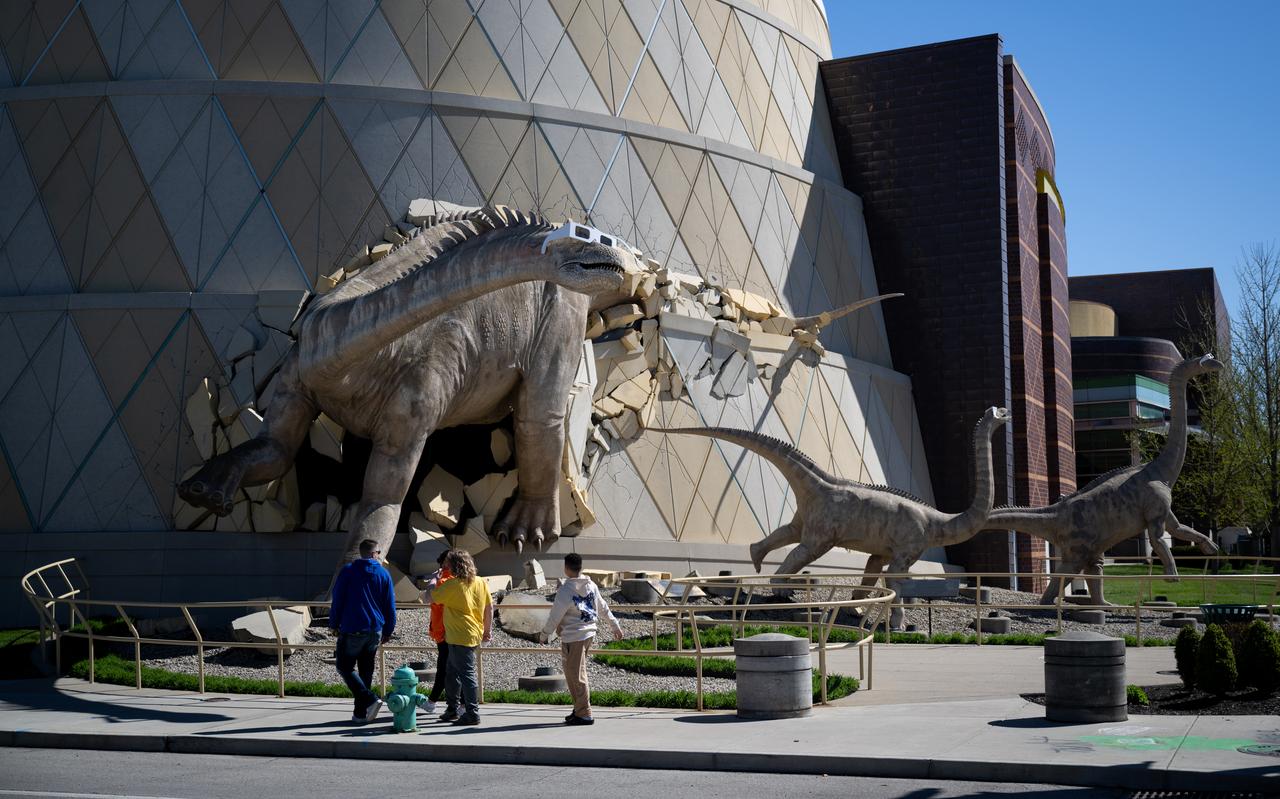
Visitors walk past sculptures of an adult and two juvenile Alamosaurs wearing solar glasses outside of The Children’s Museum of Indianapolis, Saturday, April 6, 2024, in Indianapolis, Ind. On Monday, April 8, a total solar eclipse will sweep across a narrow portion of the North American continent from Mexico’s Pacific coast to the Atlantic coast of Newfoundland, Canada, while a partial solar eclipse will be visible across the entire North American continent along with parts of Central America and Europe. Photo Credit: (NASA/Joel Kowsky)
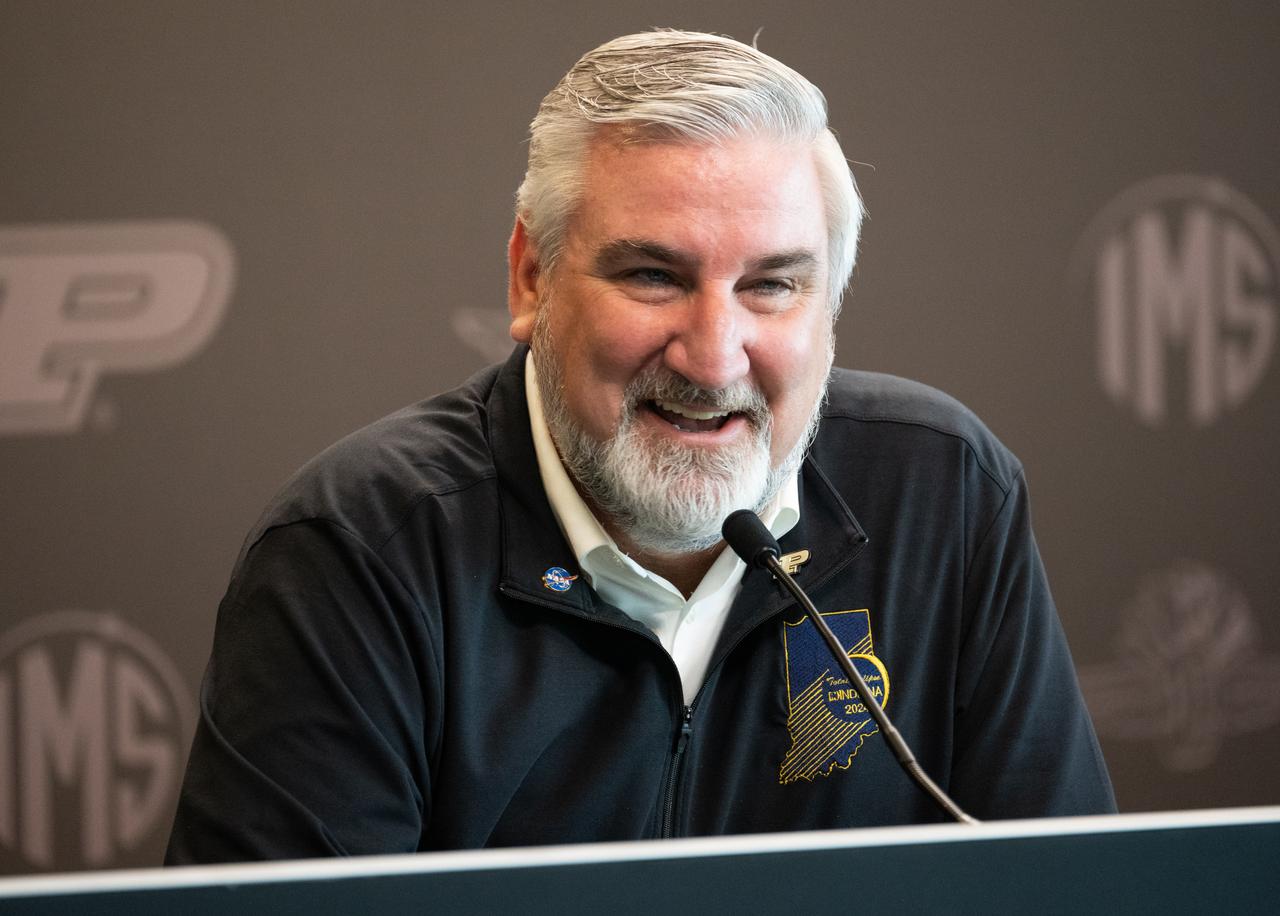
Indiana Governor Eric Holcomb is seen during a press conference at the Indianapolis Motor Speedway ahead of a total solar eclipse, Monday, April 8, 2024, in Indianapolis, Ind. A total solar eclipse will sweep across a narrow portion of the North American continent from Mexico’s Pacific coast to the Atlantic coast of Newfoundland, Canada. A partial solar eclipse will be visible across the entire North American continent along with parts of Central America and Europe. Photo Credit: (NASA/Joel Kowsky)

People are seen as they watch a total solar eclipse at the Indianapolis Motor Speedway, Monday, April 8, 2024, in Indianapolis, Indiana. A total solar eclipse swept across a narrow portion of the North American continent from Mexico’s Pacific coast to the Atlantic coast of Newfoundland, Canada. A partial solar eclipse was visible across the entire North American continent along with parts of Central America and Europe. Photo Credit: (NASA/Joel Kowsky)
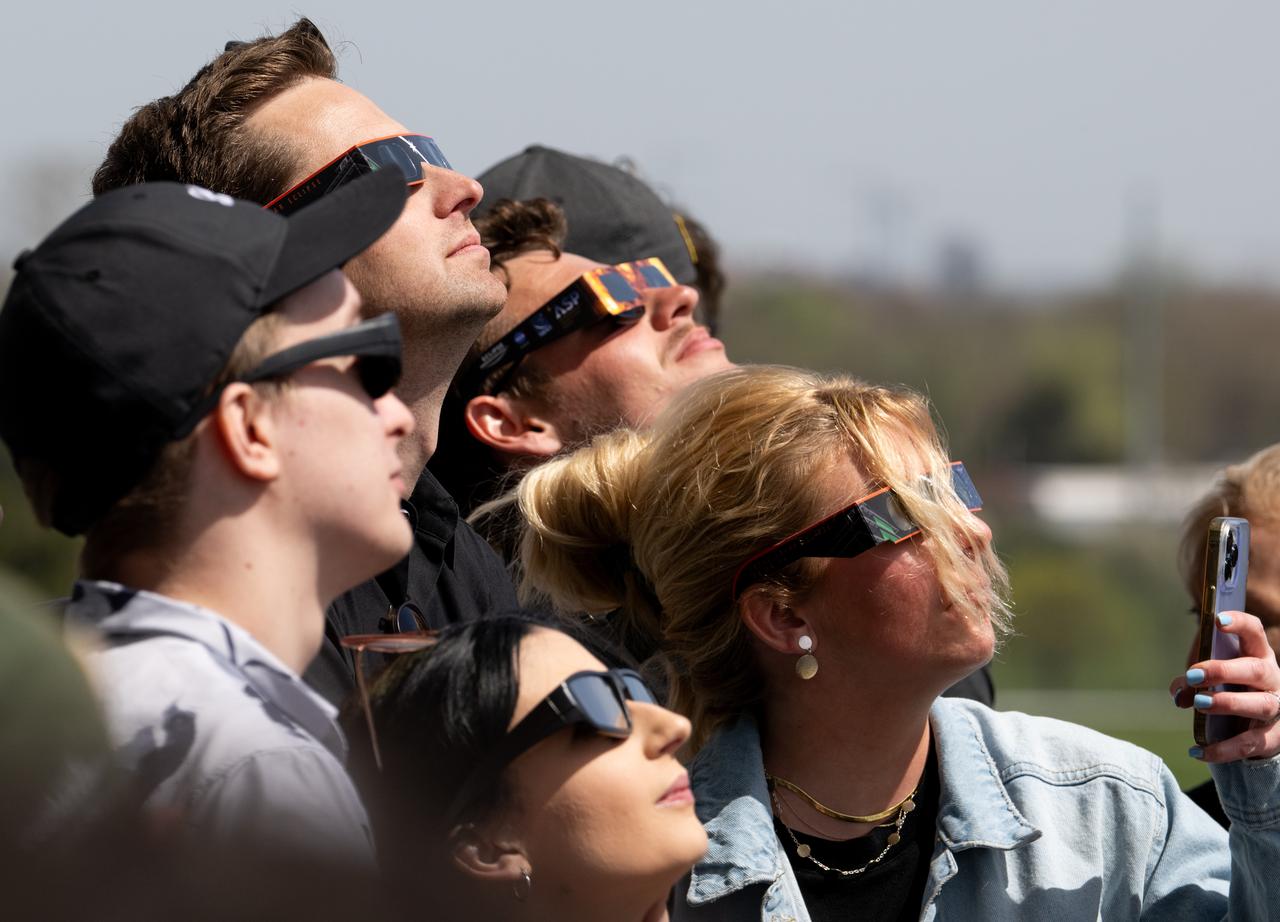
People are seen as they watch a total solar eclipse through protective glasses at the Indianapolis Motor Speedway, Monday, April 8, 2024, in Indianapolis, Indiana. A total solar eclipse swept across a narrow portion of the North American continent from Mexico’s Pacific coast to the Atlantic coast of Newfoundland, Canada. A partial solar eclipse was visible across the entire North American continent along with parts of Central America and Europe. Photo Credit: (NASA/Joel Kowsky)
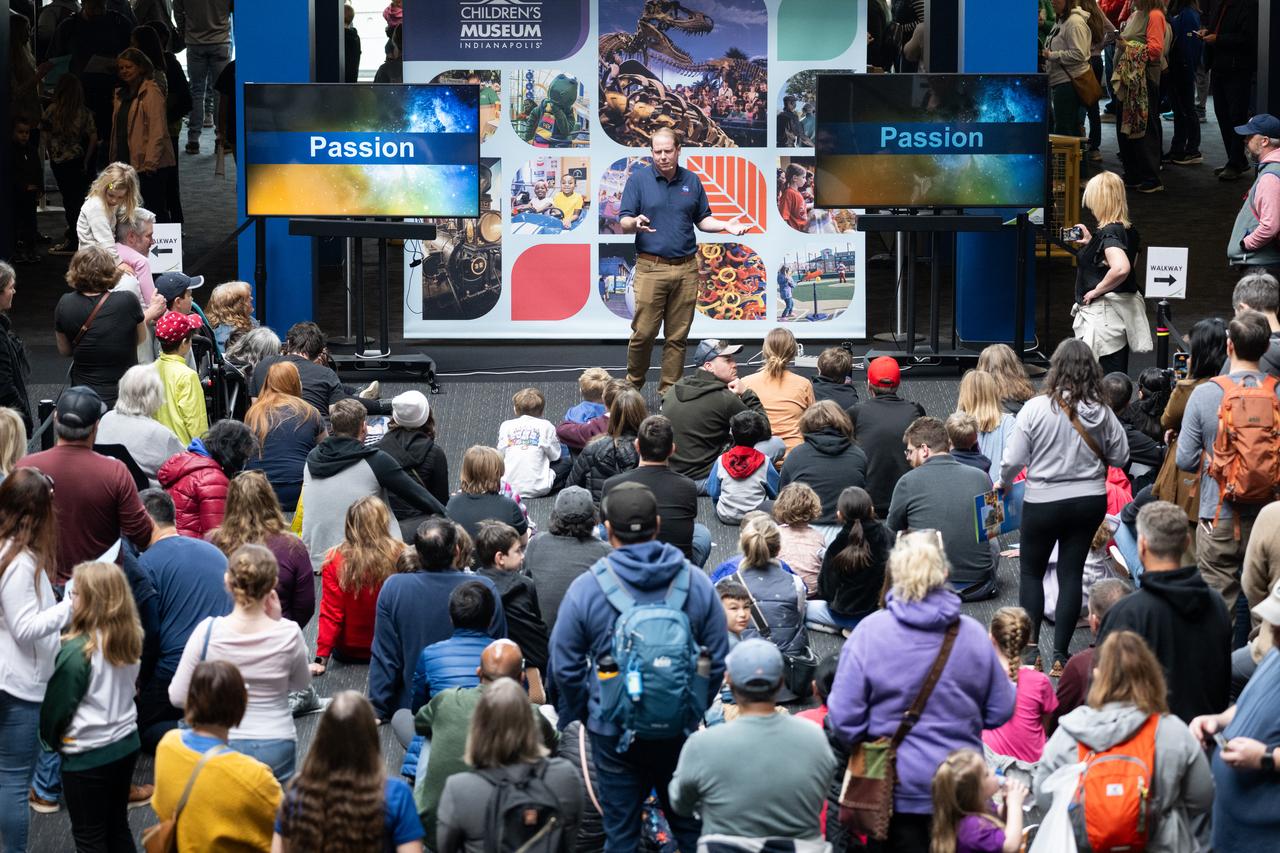
Bradley Williams, program executive in the Heliophysics Division of NASA's Science Mission Directorate, speaks to visitors at The Children’s Museum of Indianapolis, Sunday, April 7, 2024, in Indianapolis, Ind. On Monday, April 8, a total solar eclipse will sweep across a narrow portion of the North American continent from Mexico’s Pacific coast to the Atlantic coast of Newfoundland, Canada, while a partial solar eclipse will be visible across the entire North American continent along with parts of Central America and Europe. Photo Credit: (NASA/Joel Kowsky)
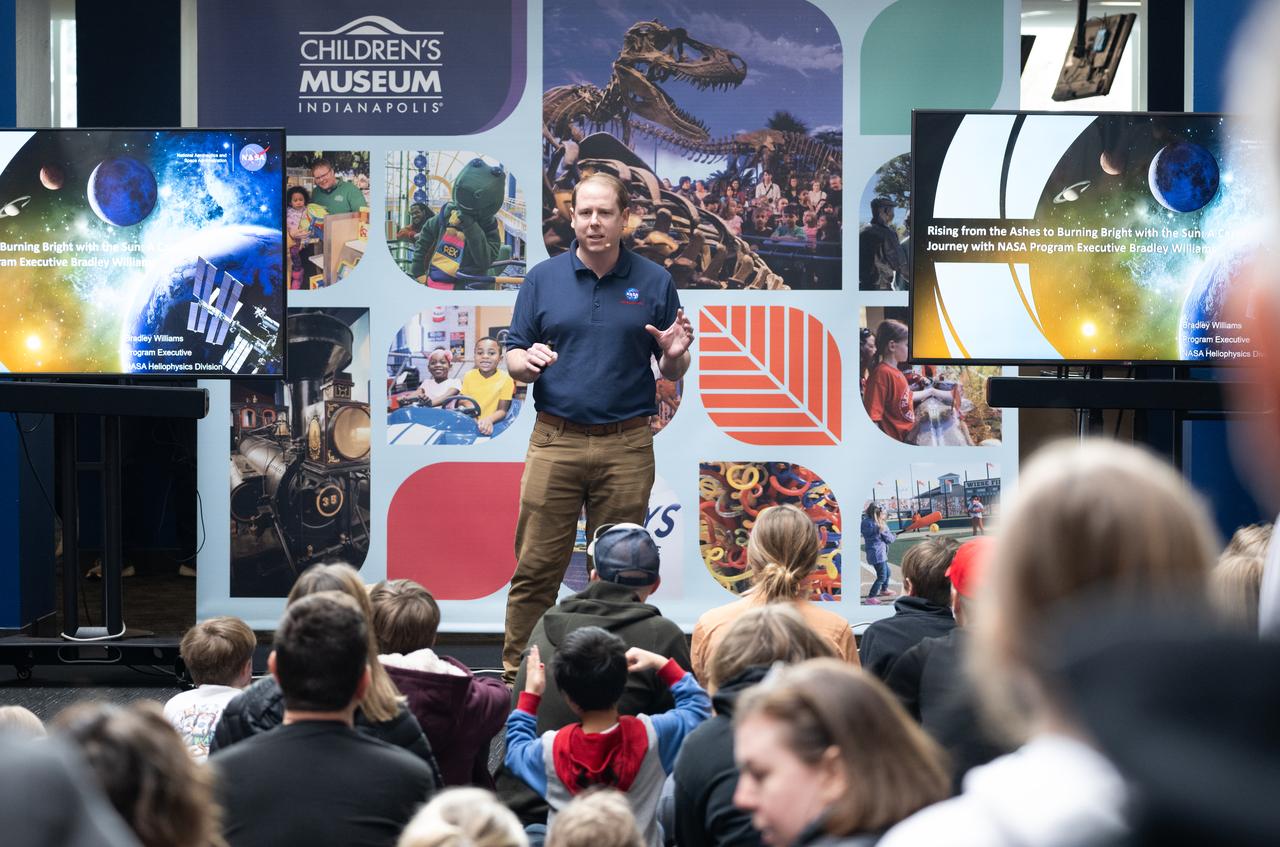
Bradley Williams, program executive in the Heliophysics Division of NASA's Science Mission Directorate, speaks to visitors at The Children’s Museum of Indianapolis, Sunday, April 7, 2024, in Indianapolis, Ind. On Monday, April 8, a total solar eclipse will sweep across a narrow portion of the North American continent from Mexico’s Pacific coast to the Atlantic coast of Newfoundland, Canada, while a partial solar eclipse will be visible across the entire North American continent along with parts of Central America and Europe. Photo Credit: (NASA/Joel Kowsky)
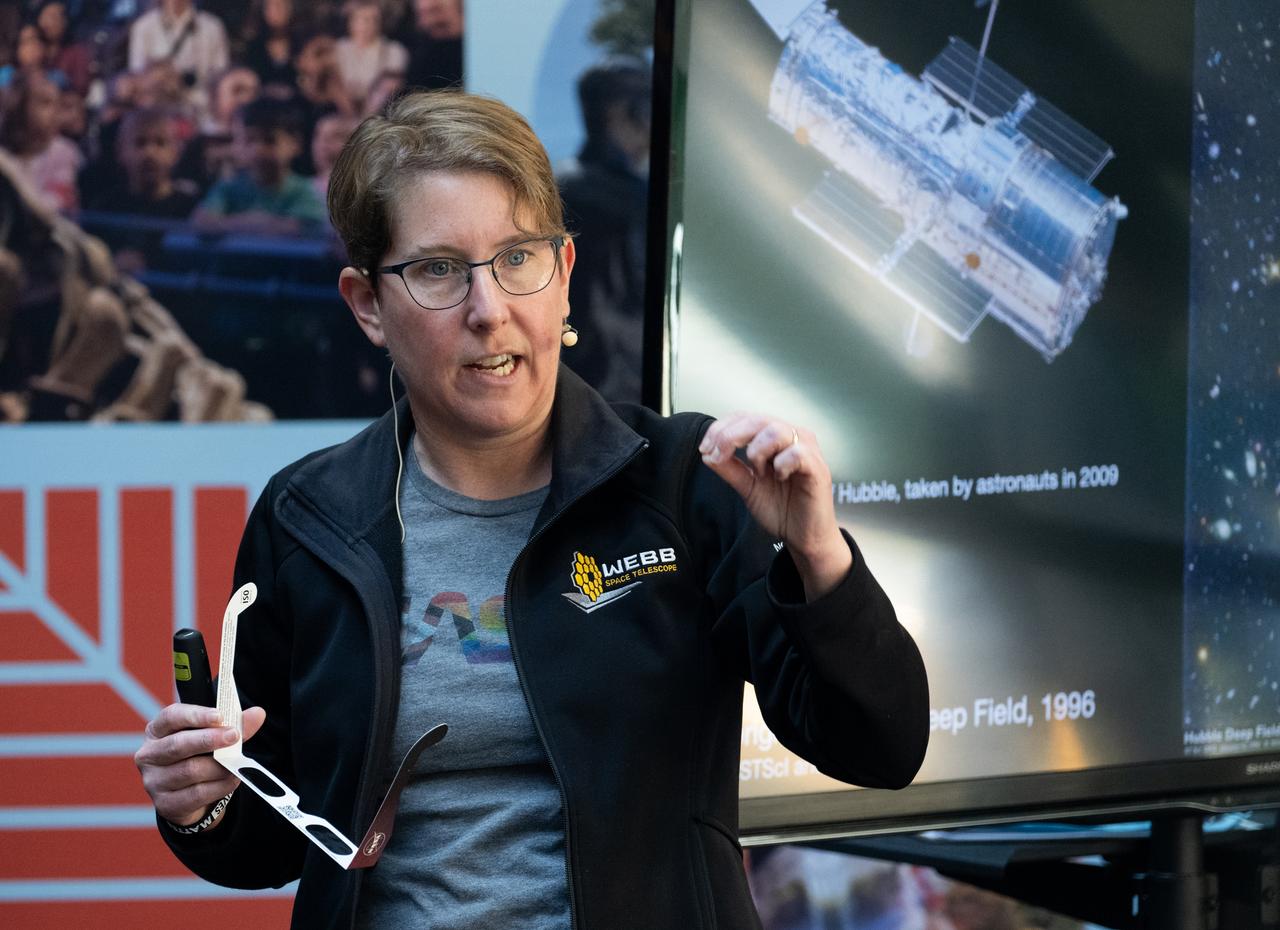
Jane Rigby, senior project scientist for NASA's James Webb Space Telescope, speaks to visitors at The Children’s Museum of Indianapolis, Saturday, April 6, 2024, in Indianapolis, Ind. On Monday, April 8, a total solar eclipse will sweep across a narrow portion of the North American continent from Mexico’s Pacific coast to the Atlantic coast of Newfoundland, Canada, while a partial solar eclipse will be visible across the entire North American continent along with parts of Central America and Europe. Photo Credit: (NASA/Joel Kowsky)
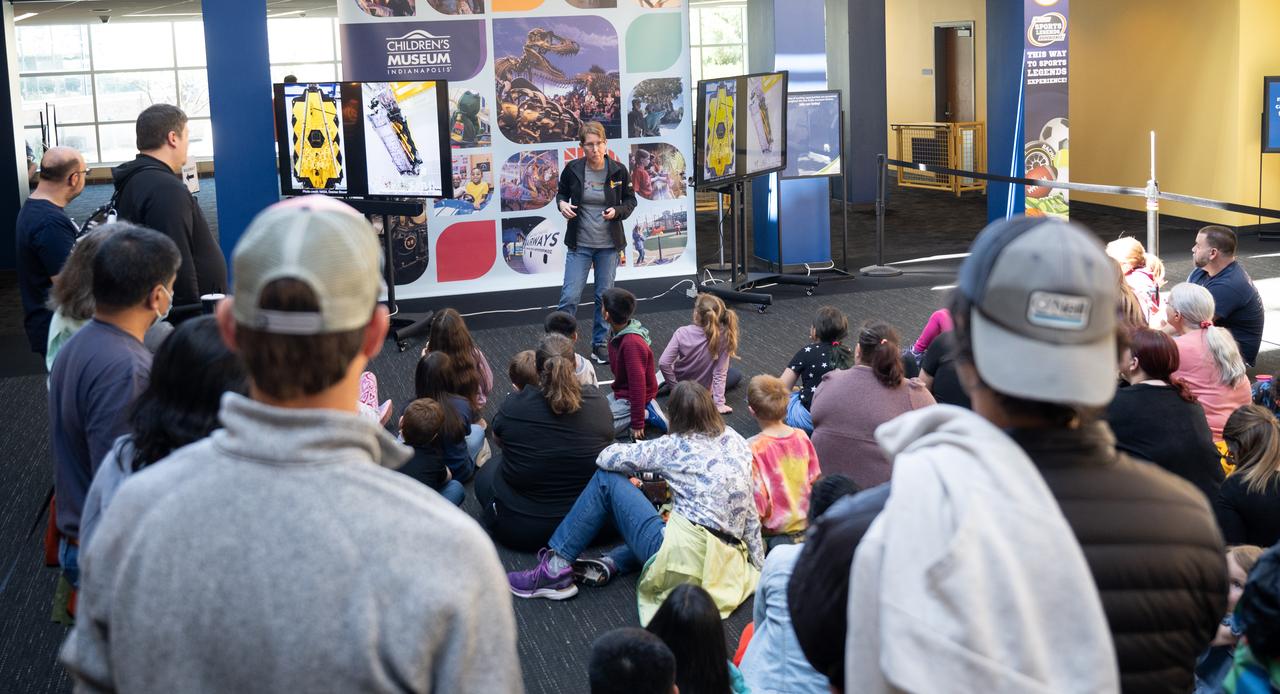
Jane Rigby, senior project scientist for NASA's James Webb Space Telescope, speaks to visitors at The Children’s Museum of Indianapolis, Saturday, April 6, 2024, in Indianapolis, Ind. On Monday, April 8, a total solar eclipse will sweep across a narrow portion of the North American continent from Mexico’s Pacific coast to the Atlantic coast of Newfoundland, Canada, while a partial solar eclipse will be visible across the entire North American continent along with parts of Central America and Europe. Photo Credit: (NASA/Joel Kowsky)
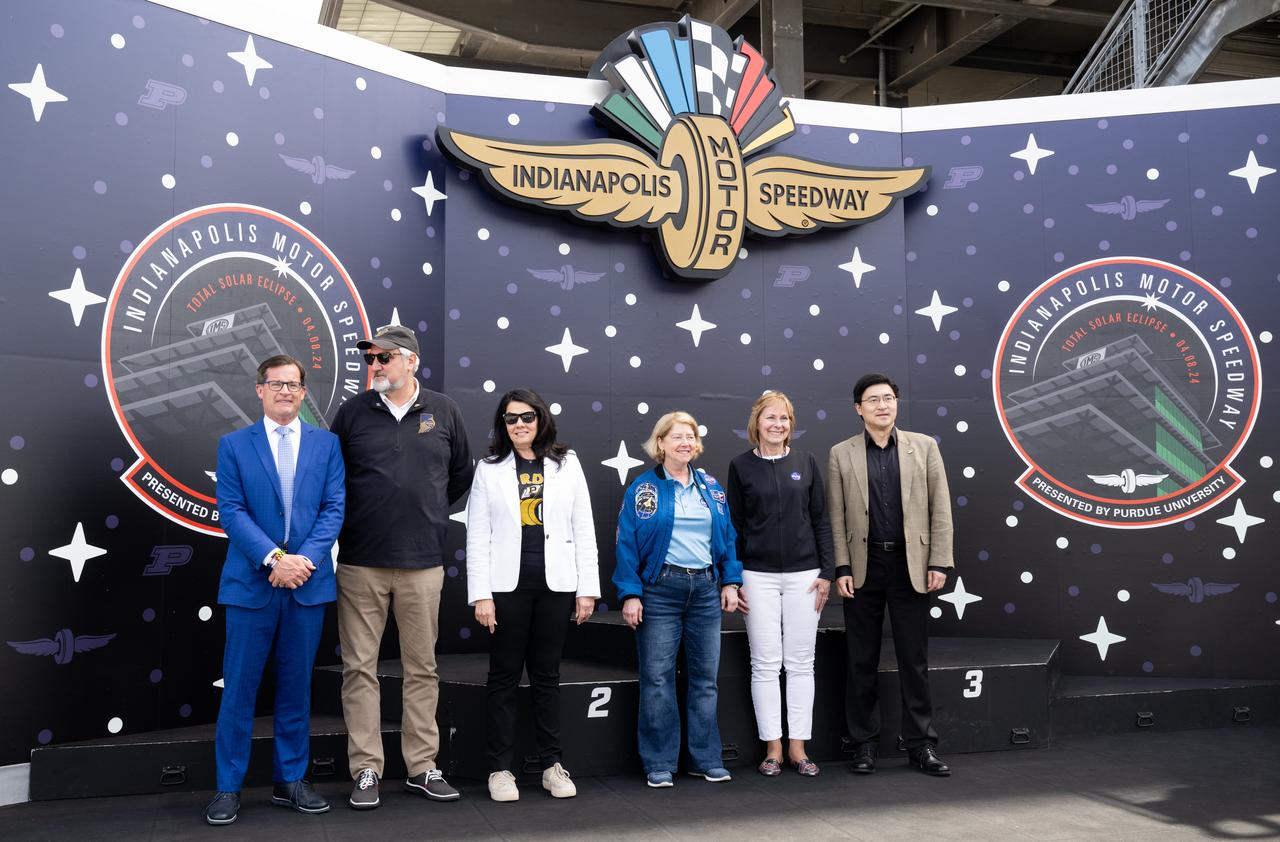
Doug Boles, Indianapolis Motor Speedway President, left, Indiana Gov. Eric Holcomb, Janet Holcomb, Indiana’s First Lady, NASA Deputy Administrator Pam Melroy, Peg Luce, deputy director of the Heliophysics Division of NASA's Science Mission Directorate, and Mung Chiang, President of Purdue University are seen during opening ceremonies at the Indianapolis Motor Speedway ahead of the total solar eclipse, Monday, April 8, 2024, in Indianapolis, Ind. A total solar eclipse swept across a narrow portion of the North American continent from Mexico’s Pacific coast to the Atlantic coast of Newfoundland, Canada. A partial solar eclipse was visible across the entire North American continent along with parts of Central America and Europe. Photo Credit: (NASA/Joel Kowsky)
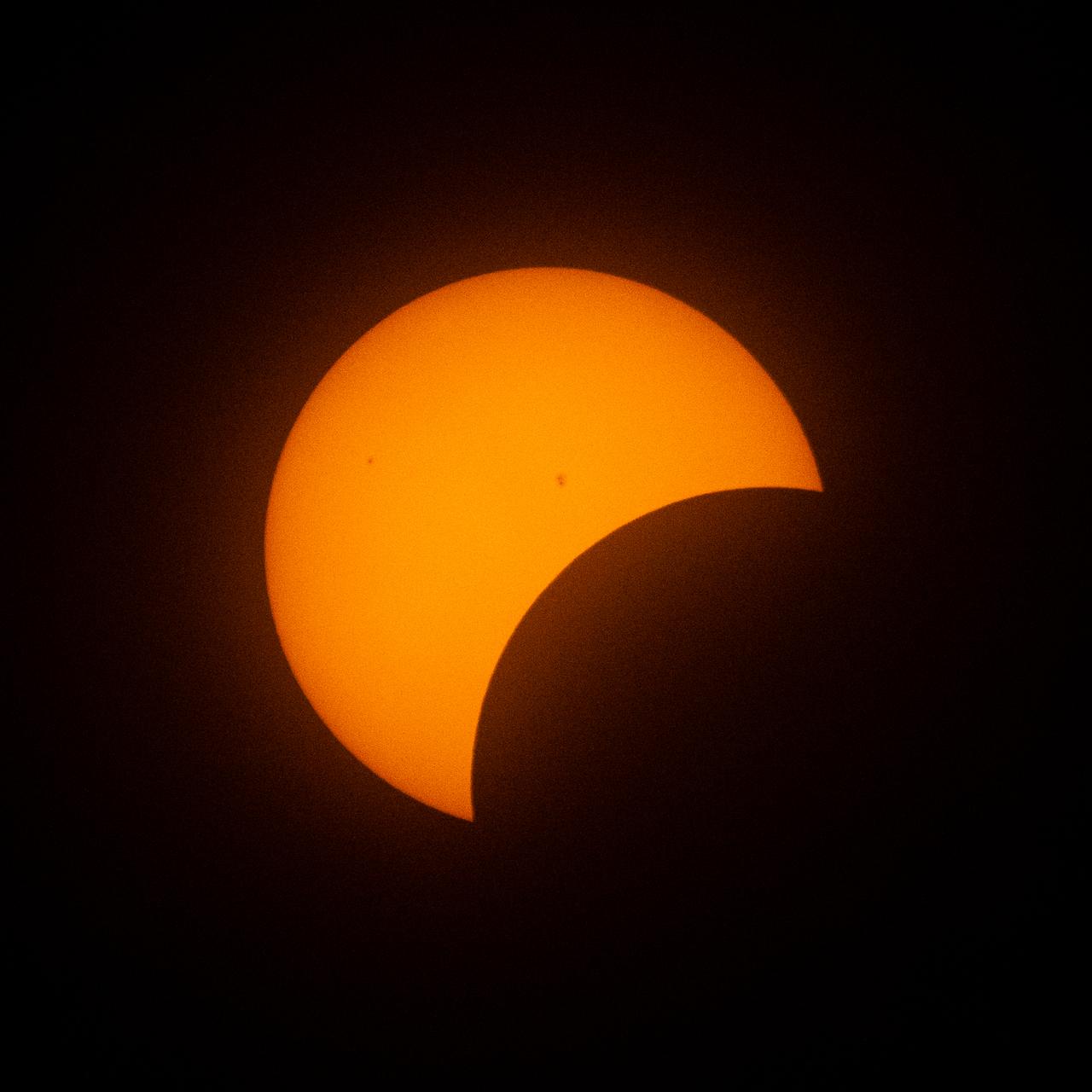
The Moon is seen passing in front of the Sun during a partial solar eclipse from the Indianapolis Motor Speedway, Monday, April 8, 2024, in Indianapolis, Indiana. A total solar eclipse swept across a narrow portion of the North American continent from Mexico’s Pacific coast to the Atlantic coast of Newfoundland, Canada. A partial solar eclipse was visible across the entire North American continent along with parts of Central America and Europe. Photo Credit: (NASA/Joel Kowsky)
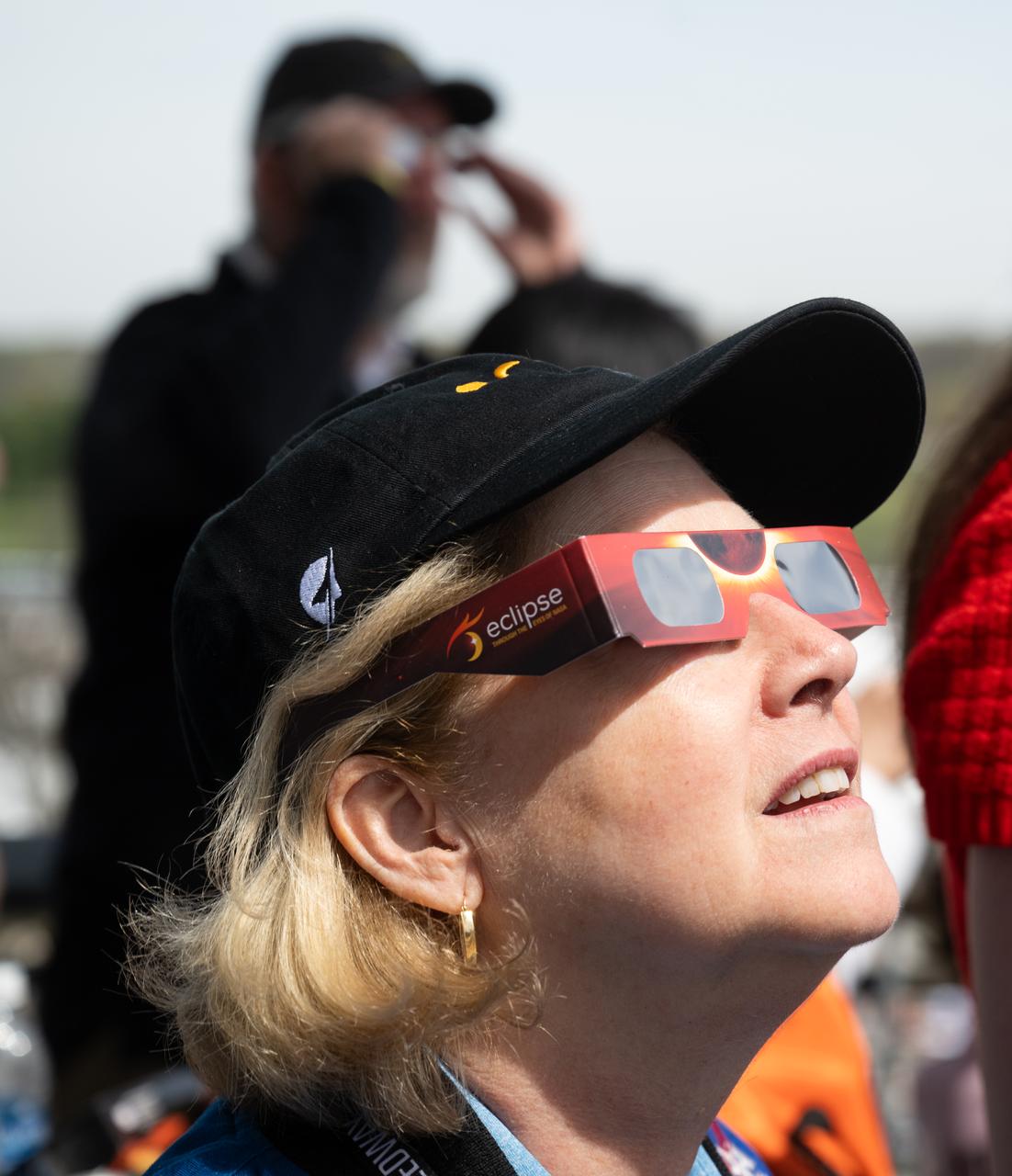
NASA Deputy Administrator Pam Melroy is seen as she watchs a total solar eclipse through protective glasses at the Indianapolis Motor Speedway, Monday, April 8, 2024, in Indianapolis, Indiana. A total solar eclipse swept across a narrow portion of the North American continent from Mexico’s Pacific coast to the Atlantic coast of Newfoundland, Canada. A partial solar eclipse was visible across the entire North American continent along with parts of Central America and Europe. Photo Credit: (NASA/Joel Kowsky)
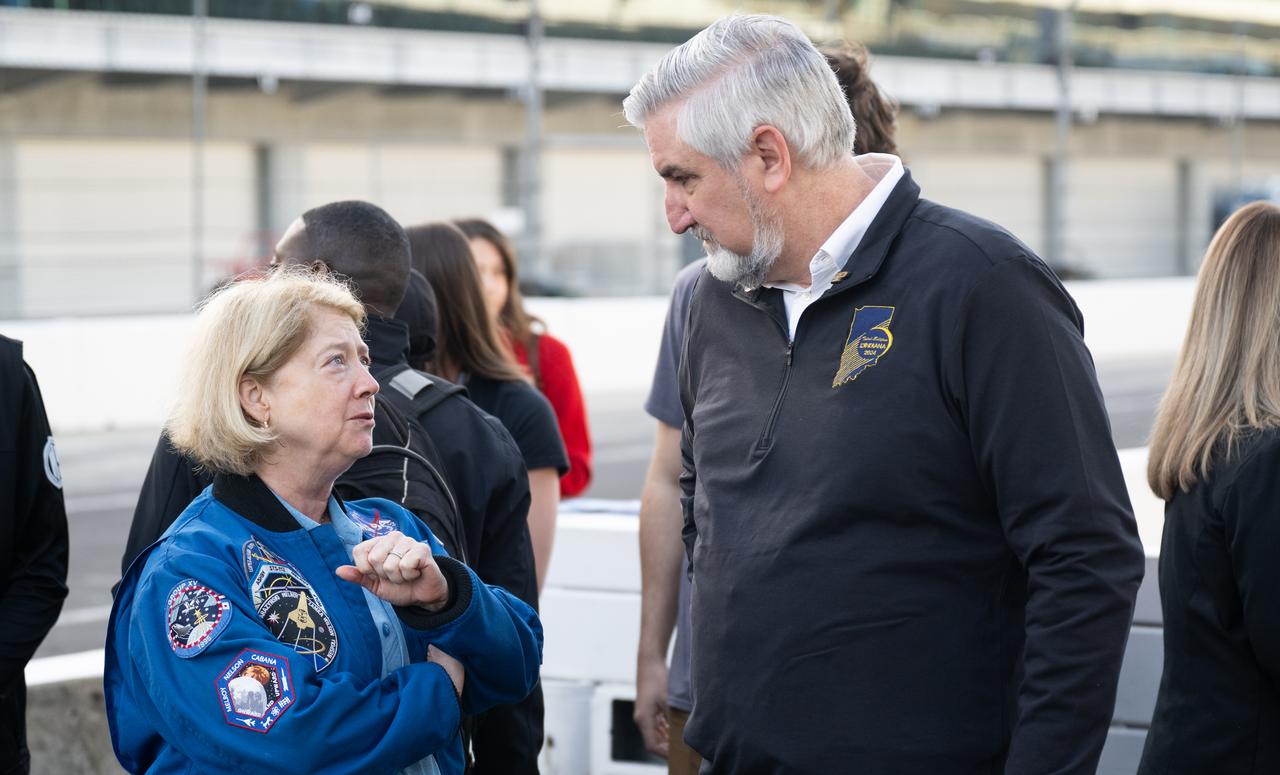
NASA Deputy Administrator Pam Melroy, left, and Indiana Governor Eric Holcomb are seen at the Indianapolis Motor Speedway ahead of a total solar eclipse, Monday, April 8, 2024, in Indianapolis, Ind. A total solar eclipse swept across a narrow portion of the North American continent from Mexico’s Pacific coast to the Atlantic coast of Newfoundland, Canada. A partial solar eclipse was visible across the entire North American continent along with parts of Central America and Europe. Photo Credit: (NASA/Joel Kowsky)
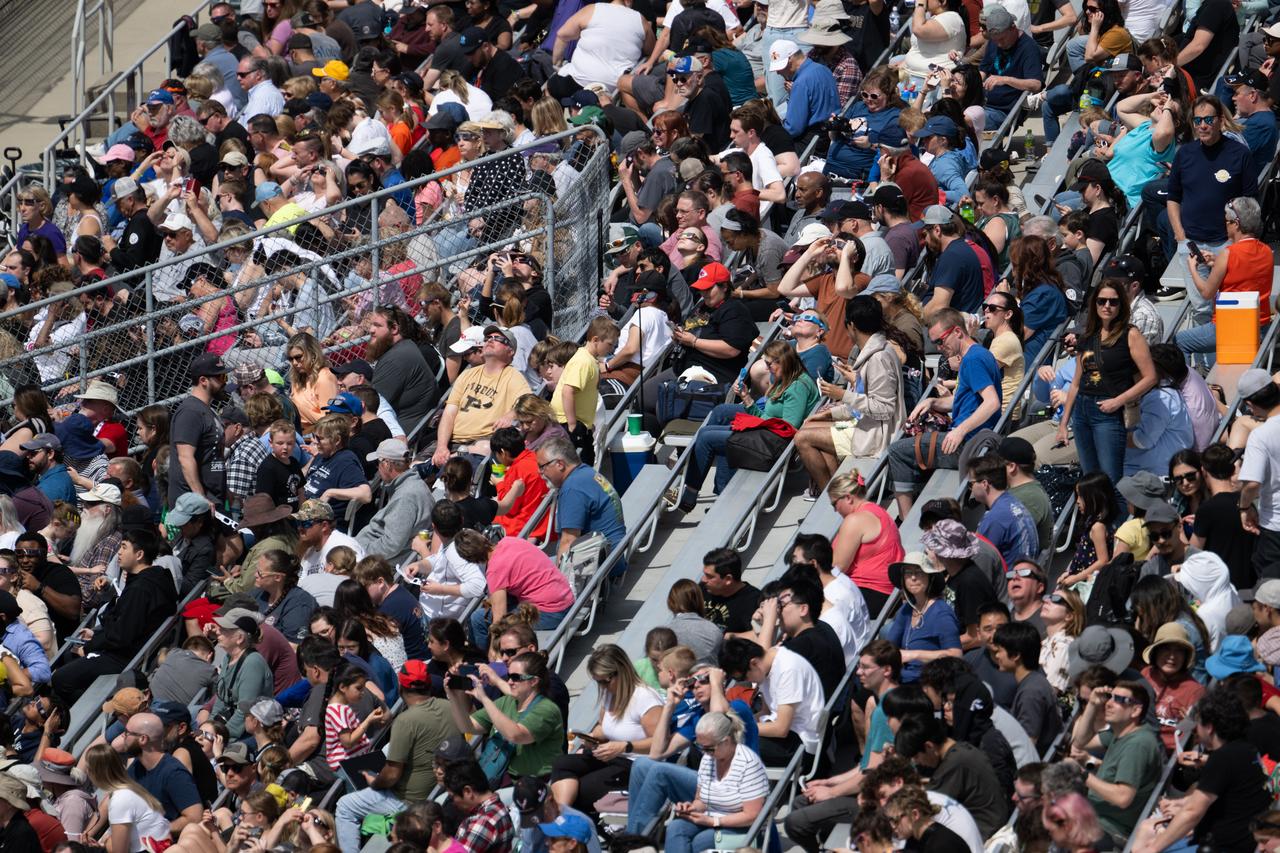
Attendees view the progression of a total solar eclipse from the Indianapolis Motor Speedway, Monday, April 8, 2024, in Indianapolis, Indiana. A total solar eclipse swept across a narrow portion of the North American continent from Mexico’s Pacific coast to the Atlantic coast of Newfoundland, Canada. A partial solar eclipse was visible across the entire North American continent along with parts of Central America and Europe. Photo Credit: (NASA/Joel Kowsky)
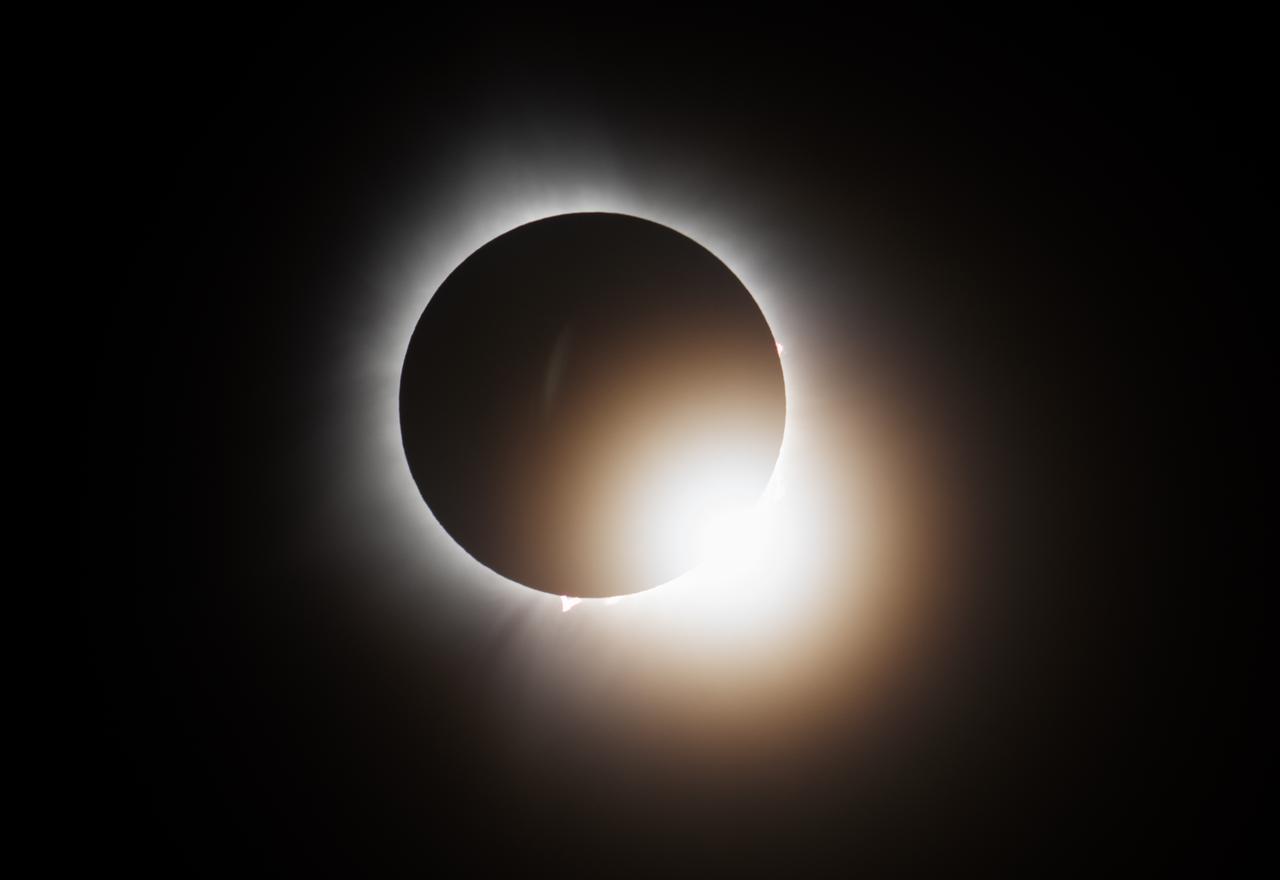
A total solar eclipse is seen from the Indianapolis Motor Speedway, Monday, April 8, 2024, in Indianapolis, Indiana. A total solar eclipse swept across a narrow portion of the North American continent from Mexico’s Pacific coast to the Atlantic coast of Newfoundland, Canada. A partial solar eclipse was visible across the entire North American continent along with parts of Central America and Europe. Photo Credit: (NASA/Joel Kowsky)
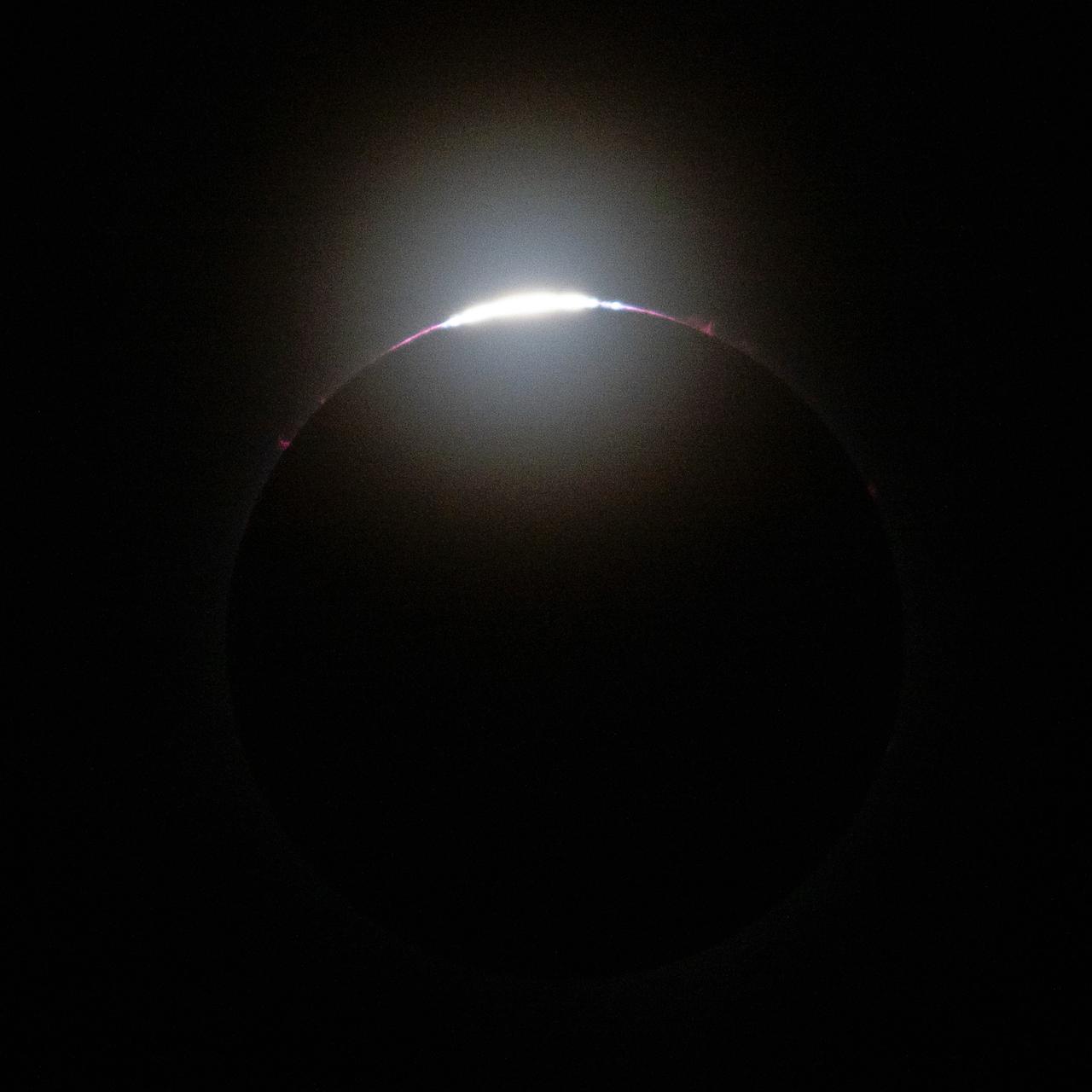
A total solar eclipse is seen from the Indianapolis Motor Speedway, Monday, April 8, 2024, in Indianapolis, Indiana. A total solar eclipse swept across a narrow portion of the North American continent from Mexico’s Pacific coast to the Atlantic coast of Newfoundland, Canada. A partial solar eclipse was visible across the entire North American continent along with parts of Central America and Europe. Photo Credit: (NASA/Joel Kowsky)
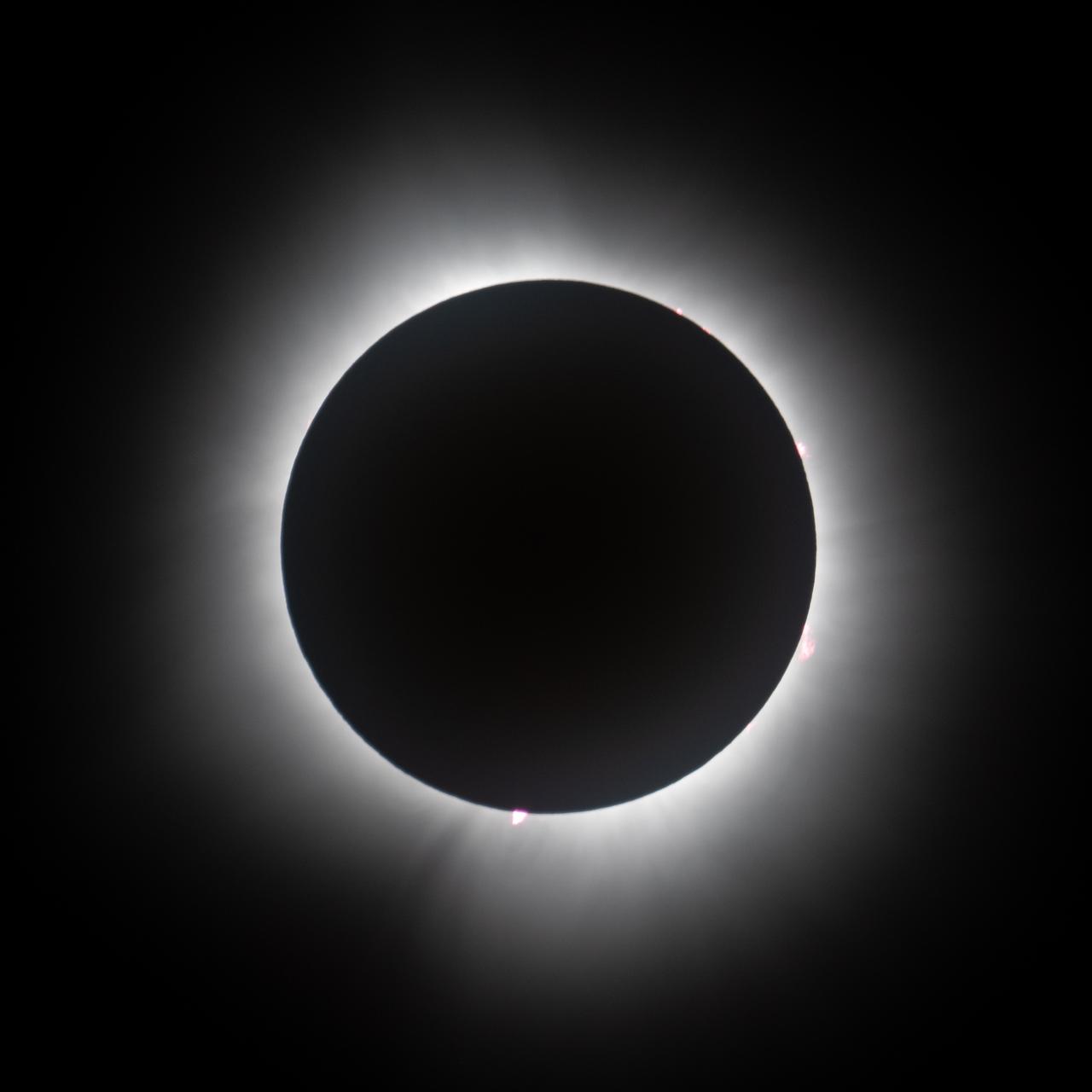
A total solar eclipse is seen from the Indianapolis Motor Speedway, Monday, April 8, 2024, in Indianapolis, Indiana. A total solar eclipse swept across a narrow portion of the North American continent from Mexico’s Pacific coast to the Atlantic coast of Newfoundland, Canada. A partial solar eclipse was visible across the entire North American continent along with parts of Central America and Europe. Photo Credit: (NASA/Joel Kowsky)
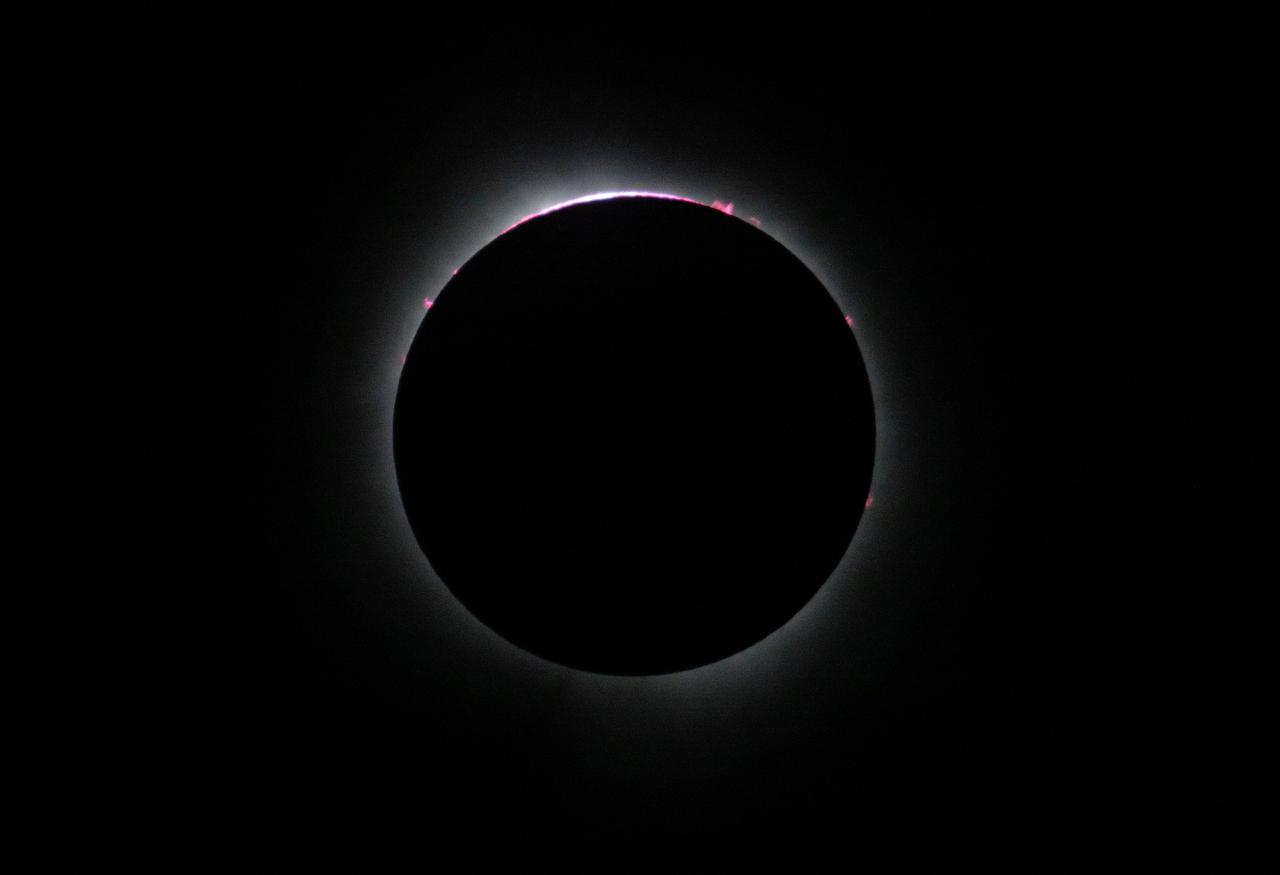
A total solar eclipse is seen from the Indianapolis Motor Speedway, Monday, April 8, 2024, in Indianapolis, Indiana. A total solar eclipse swept across a narrow portion of the North American continent from Mexico’s Pacific coast to the Atlantic coast of Newfoundland, Canada. A partial solar eclipse was visible across the entire North American continent along with parts of Central America and Europe. Photo Credit: (NASA/Joel Kowsky)

Attendees are seen in the grandstands of the Indianapolis Motor Speedway ahead of a total solar eclipse, Monday, April 8, 2024, in Indianapolis, Indiana. A total solar eclipse swept across a narrow portion of the North American continent from Mexico’s Pacific coast to the Atlantic coast of Newfoundland, Canada. A partial solar eclipse was visible across the entire North American continent along with parts of Central America and Europe. Photo Credit: (NASA/Joel Kowsky)
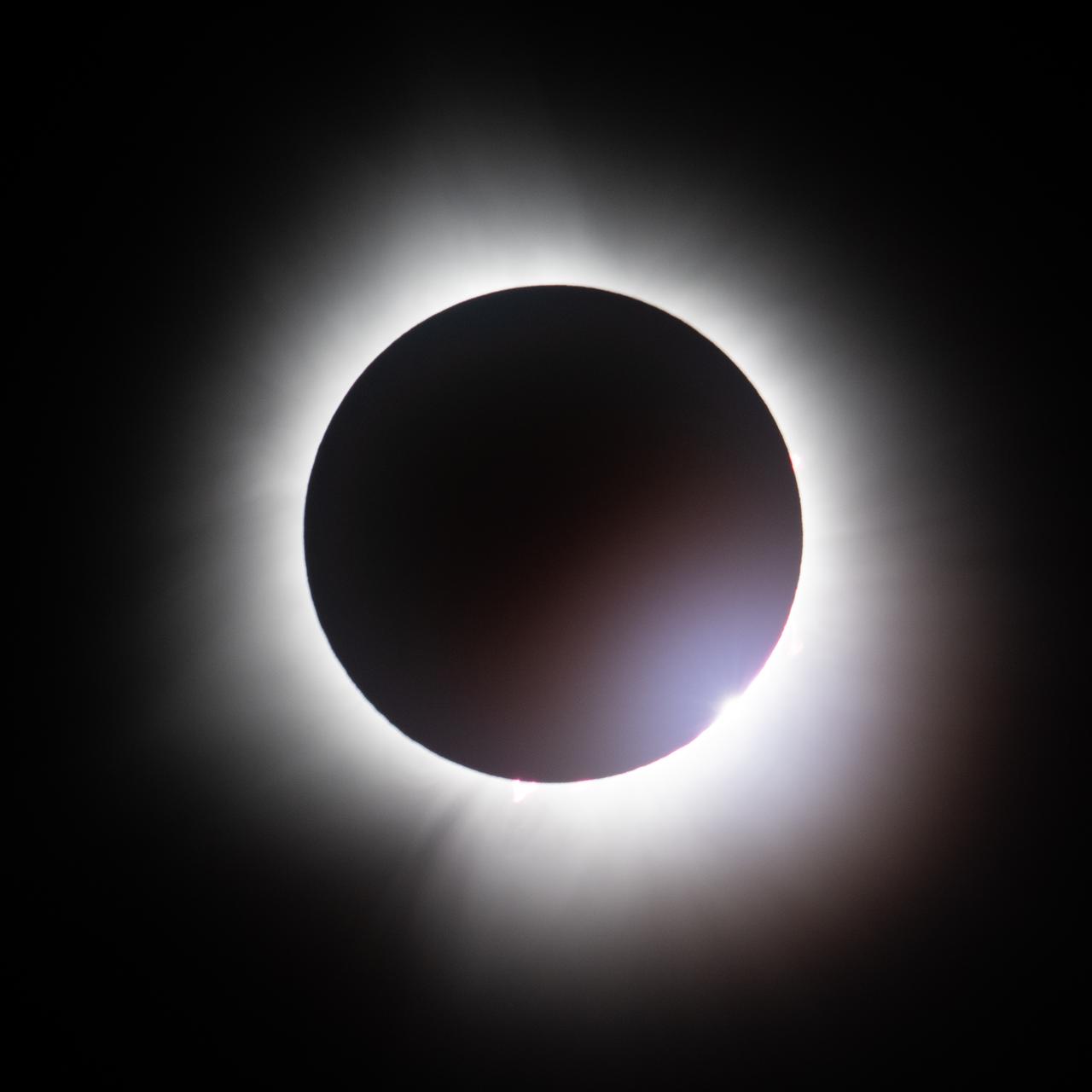
A total solar eclipse is seen from the Indianapolis Motor Speedway, Monday, April 8, 2024, in Indianapolis, Indiana. A total solar eclipse swept across a narrow portion of the North American continent from Mexico’s Pacific coast to the Atlantic coast of Newfoundland, Canada. A partial solar eclipse was visible across the entire North American continent along with parts of Central America and Europe. Photo Credit: (NASA/Joel Kowsky)

Attendees are seen on the track at at the Indianapolis Motor Speedway as they watch the progression of a total solar eclipse, Monday, April 8, 2024, in Indianapolis, Indiana. A total solar eclipse swept across a narrow portion of the North American continent from Mexico’s Pacific coast to the Atlantic coast of Newfoundland, Canada. A partial solar eclipse was visible across the entire North American continent along with parts of Central America and Europe. Photo Credit: (NASA/Joel Kowsky)
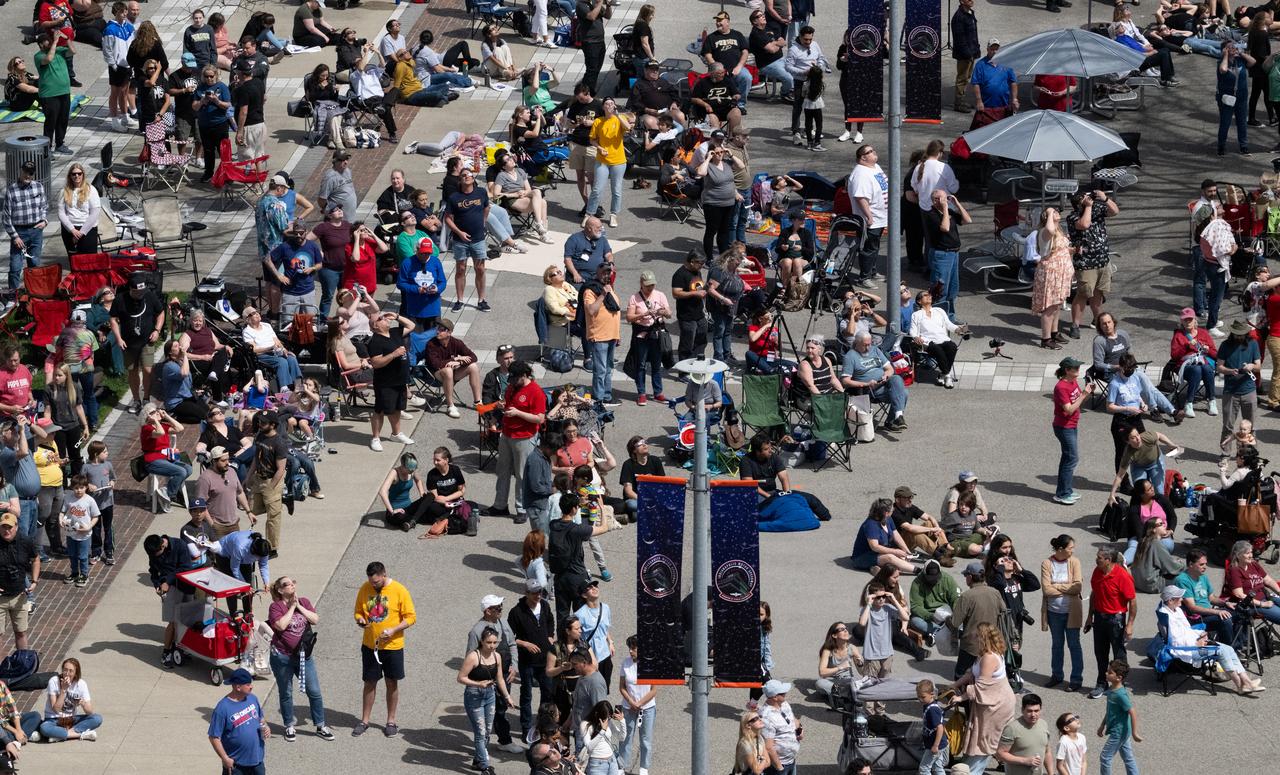
Attendees are seen on Pagoda Plaza as they watch the progression of a total solar eclipse from the Indianapolis Motor Speedway, Monday, April 8, 2024, in Indianapolis, Indiana. A total solar eclipse swept across a narrow portion of the North American continent from Mexico’s Pacific coast to the Atlantic coast of Newfoundland, Canada. A partial solar eclipse was visible across the entire North American continent along with parts of Central America and Europe. Photo Credit: (NASA/Joel Kowsky)
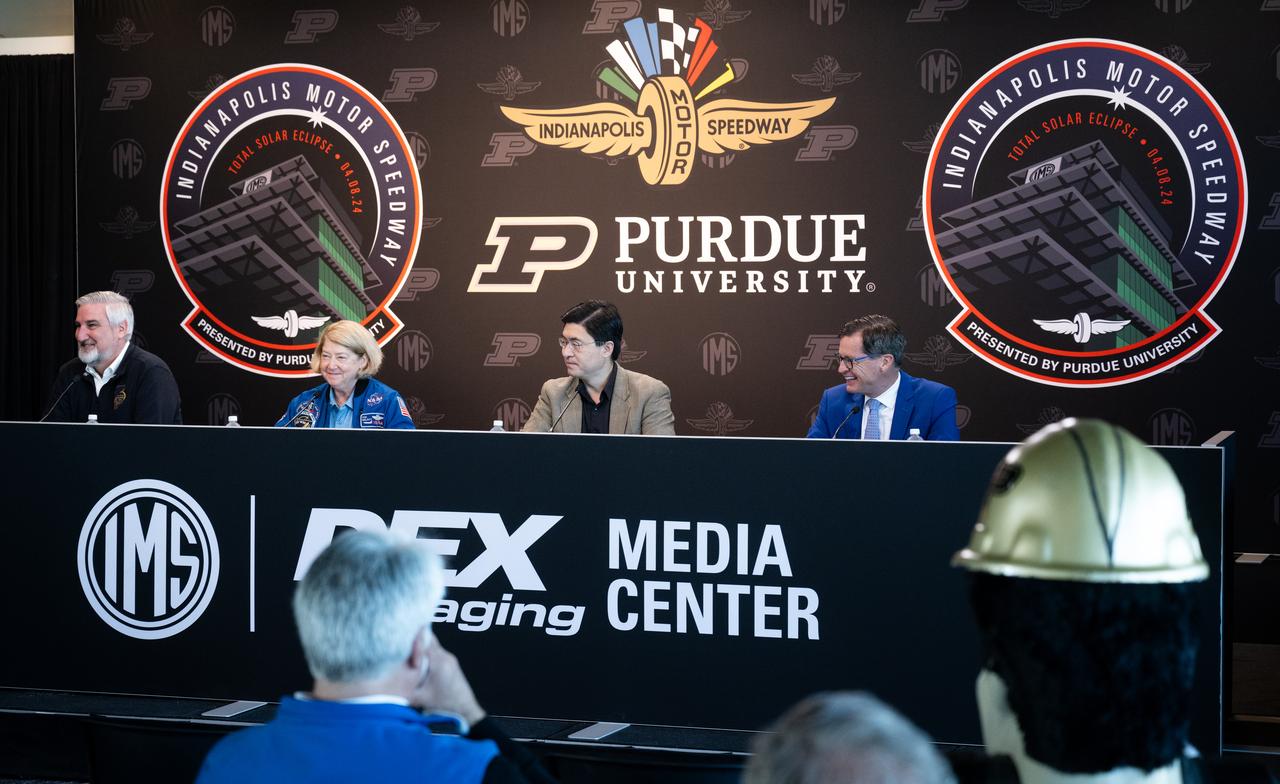
Indiana Governor Eric Holcomb, left, NASA Deputy Administrator Pam Melroy, Mung Chiang, President of Purdue University, and Doug Boles, Indianapolis Motor Speedway President, are seen during a press conference at the Indianapolis Motor Speedway ahead of a total solar eclipse, Monday, April 8, 2024, in Indianapolis, Ind. A total solar eclipse will sweep across a narrow portion of the North American continent from Mexico’s Pacific coast to the Atlantic coast of Newfoundland, Canada. A partial solar eclipse will be visible across the entire North American continent along with parts of Central America and Europe. Photo Credit: (NASA/Joel Kowsky)

Environmental Portrait of a Telecommunications Engineer with the University of Indiana Heart Pump, Motor Controller Electronics
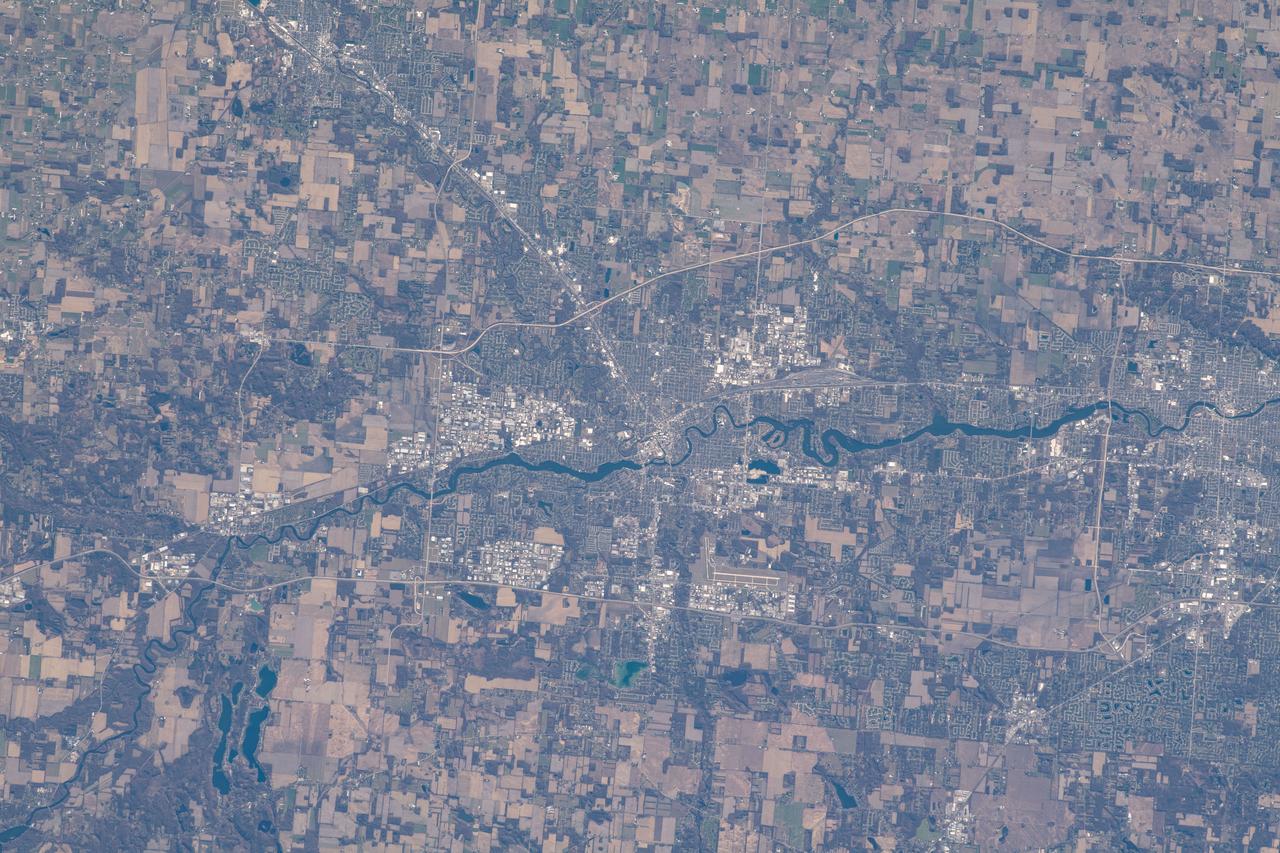
iss064e009767 (Dec. 4, 2020) --- Elkhart, Indiana, split by the St. Joseph River, was pictured from the International Space Station as it orbited 262 miles above.
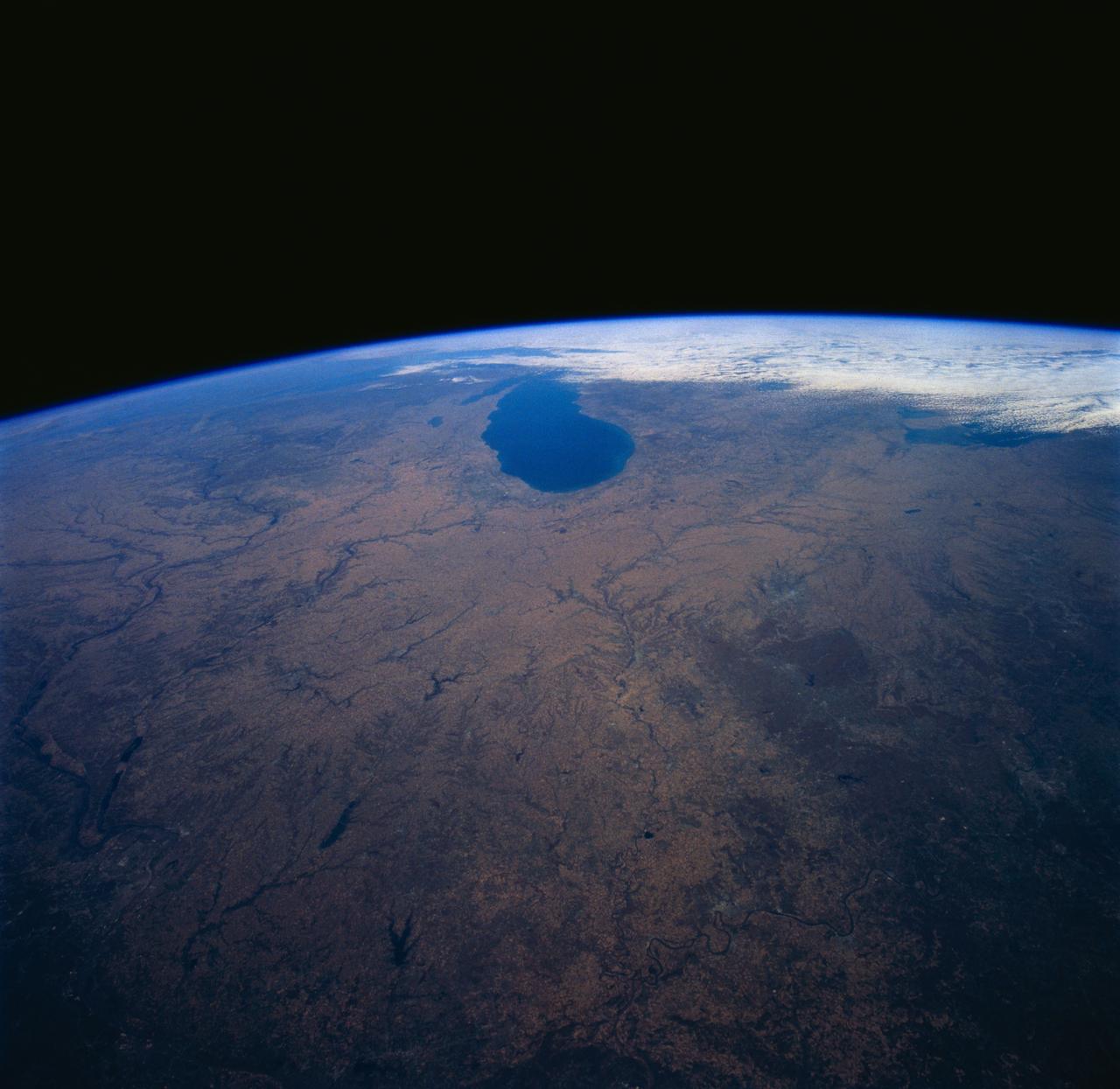
STS058-102-018 (18 Oct-1 Nov 1993) --- A cloud-free, wide-angle view from above western Tennessee to the northern edge of Lake Michigan. The view extends from Saint Louis, Missouri near the lower left-hand corner, past Evansville, Indiana and Louisville, Kentucky to Cincinnati, Ohio. A range of hills covered by trees in Fall foliage extends from the Ohio River toward Lake Michigan, ending just southwest of Indianapolis, Indiana.
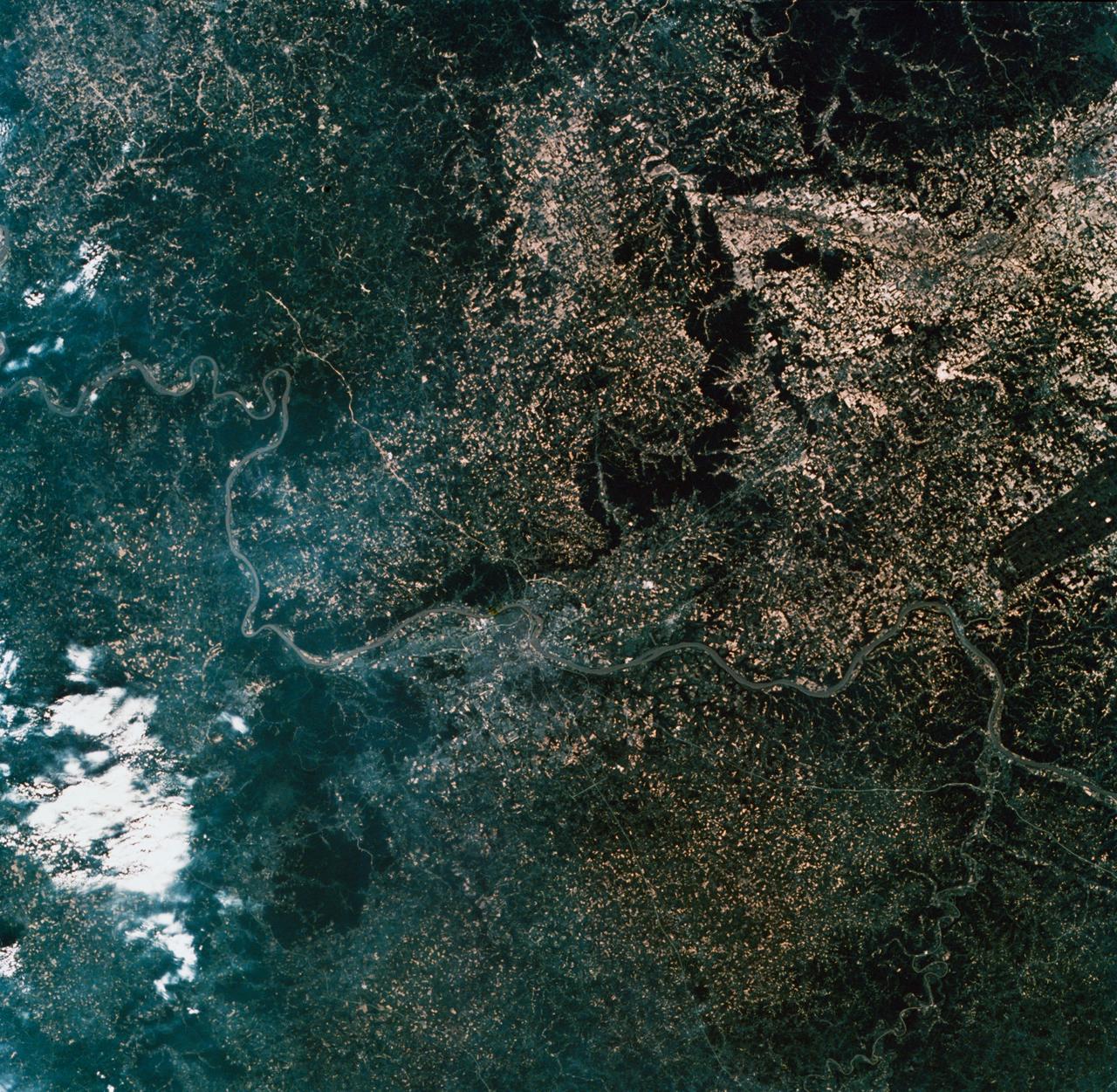
SL2-10-260 (22 June 1973) --- The meandering Ohio River bisecting this image is the border between Kentucky and Indiana. Louisville, KY (38.5N, 86.0W) on the south shore, is the main city seen in this predominately agricultural region where much of the native hardwood forests have been preserved in the hilly terrain. The main crops in this region include corn, alfalfa, wheat and soybeans. The dark rectangle in south Indiana near the river is The U.S. Army's Jefferson Proving Ground. Photo credit: NASA
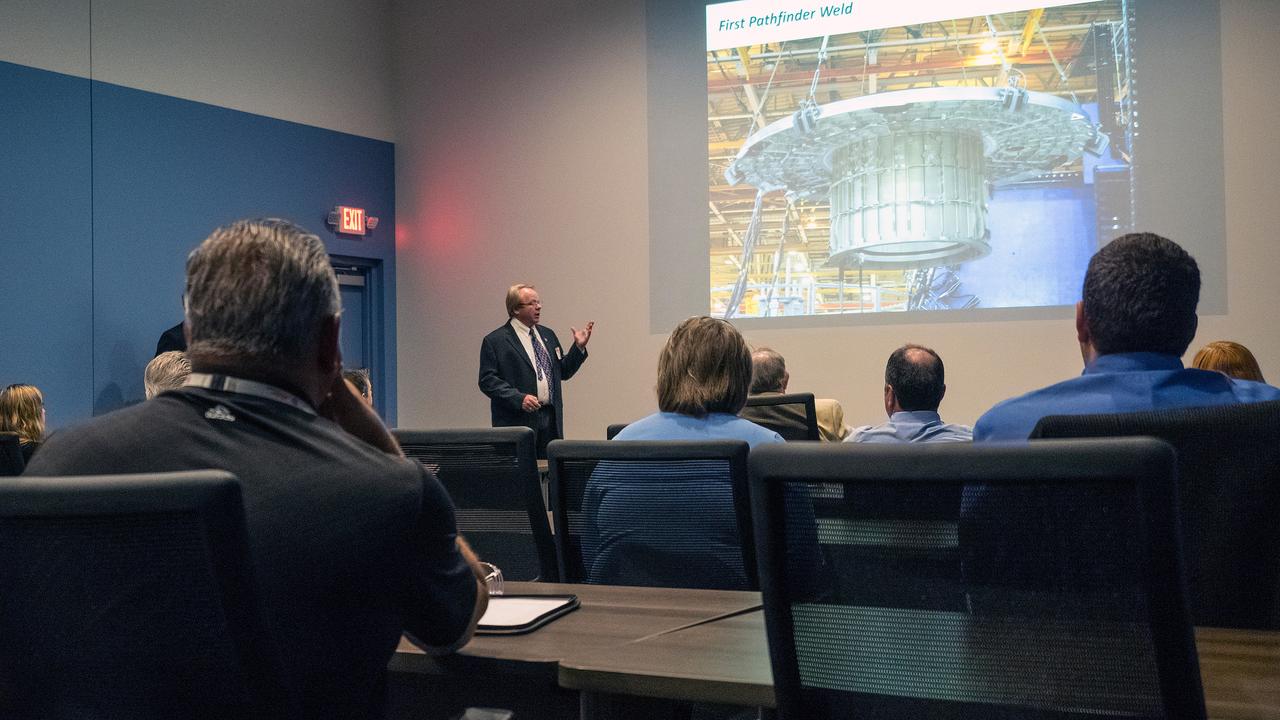
The Orion team visits Major Tool and Machine in Indianapolis, Indiana to see the progress on the cone panel for the Artemis I Orion spacecraft on June 10, 2015. Part of Batch image transfer from Flickr.
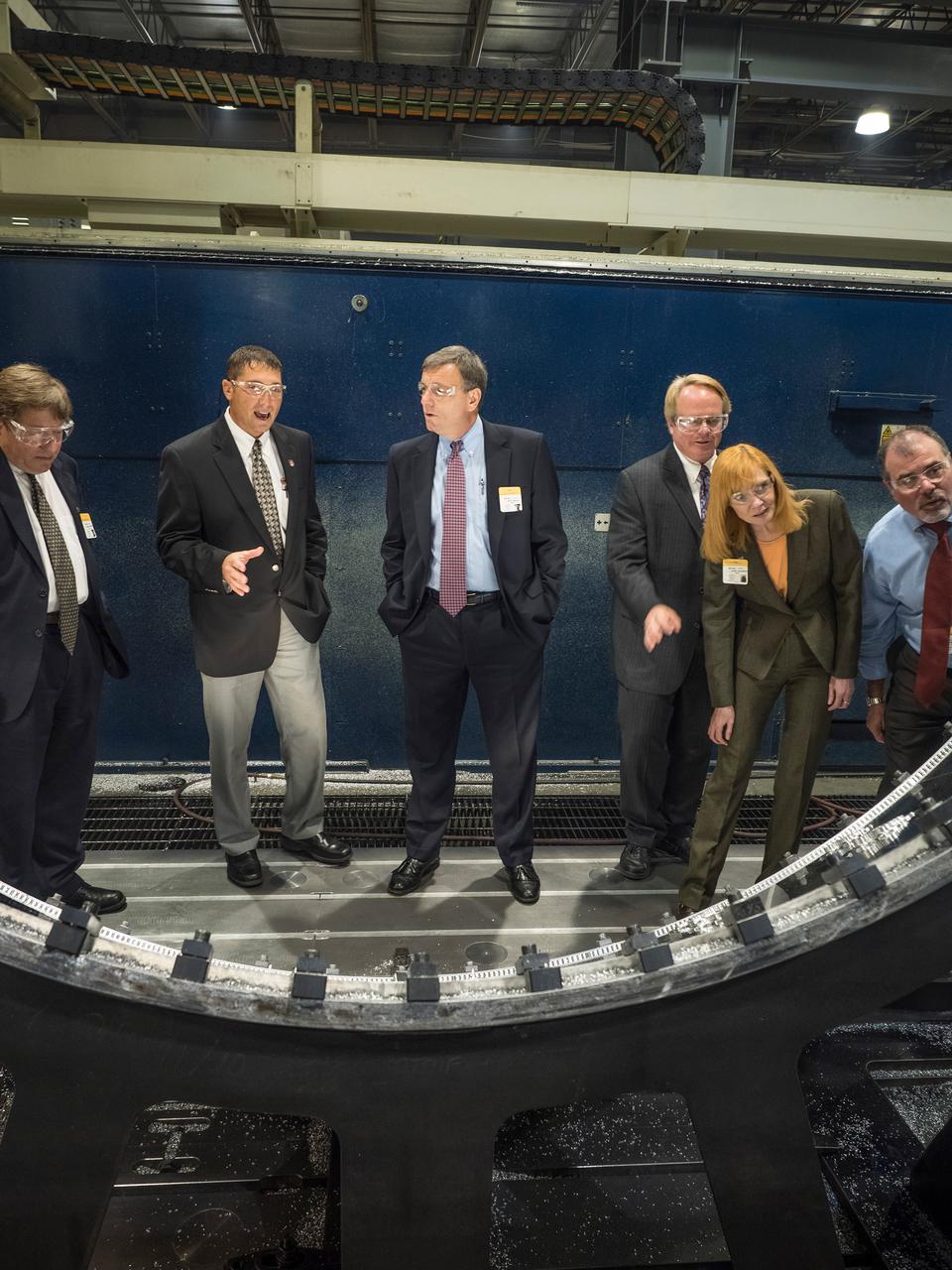
The Orion team visits Major Tool and Machine in Indianapolis, Indiana to see the progress on the cone panel for the Artemis I Orion spacecraft on June 11, 2015. Part of Batch image transfer from Flickr.
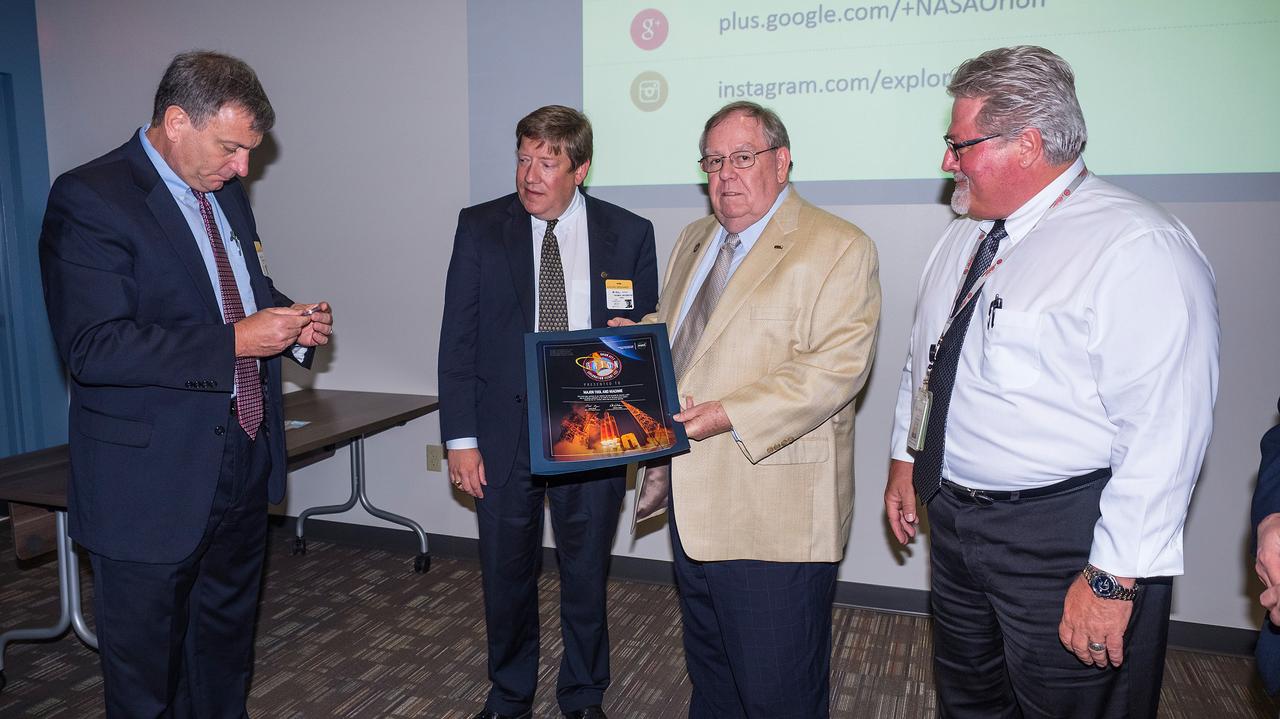
The Orion team visits Major Tool and Machine in Indianapolis, Indiana to see the progress on the cone panel for the Artemis I Orion spacecraft on June 11, 2015. Part of Batch image transfer from Flickr.
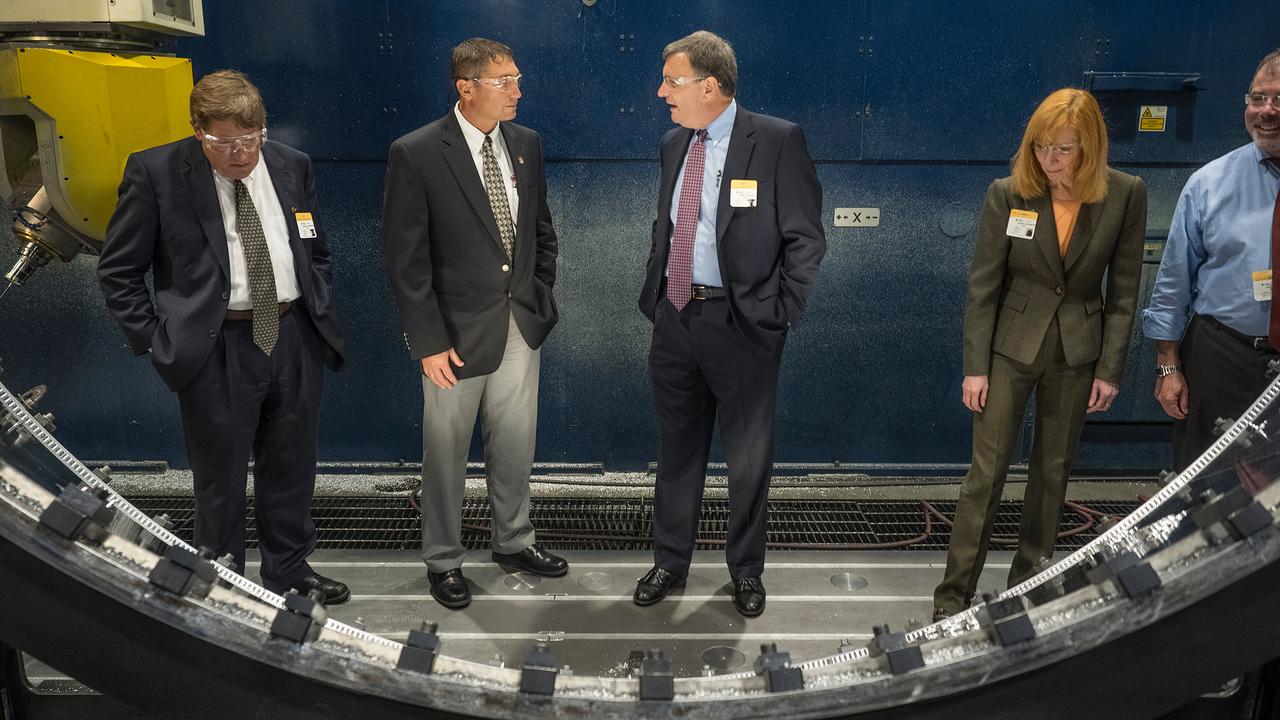
The Orion team visits Major Tool and Machine in Indianapolis, Indiana to see the progress on the cone panel for the Artemis I Orion spacecraft on June 11, 2015. Part of Batch image transfer from Flickr.
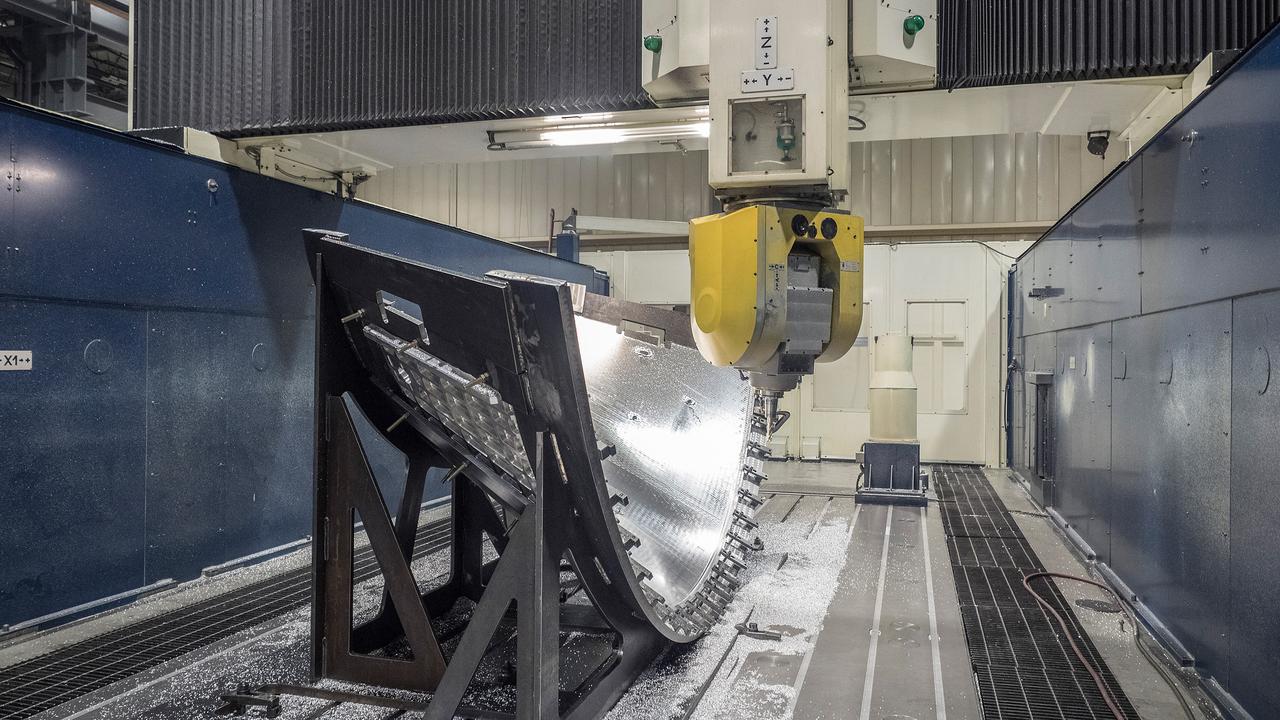
The Orion team visits Major Tool and Machine in Indianapolis, Indiana to see the progress on the cone panel for the Artemis I Orion spacecraft on June 10, 2015. Part of Batch image transfer from Flickr.

The Orion team visits Major Tool and Machine in Indianapolis, Indiana to see the progress on the cone panel for the Artemis I Orion spacecraft on June 10, 2015. Part of Batch image transfer from Flickr.
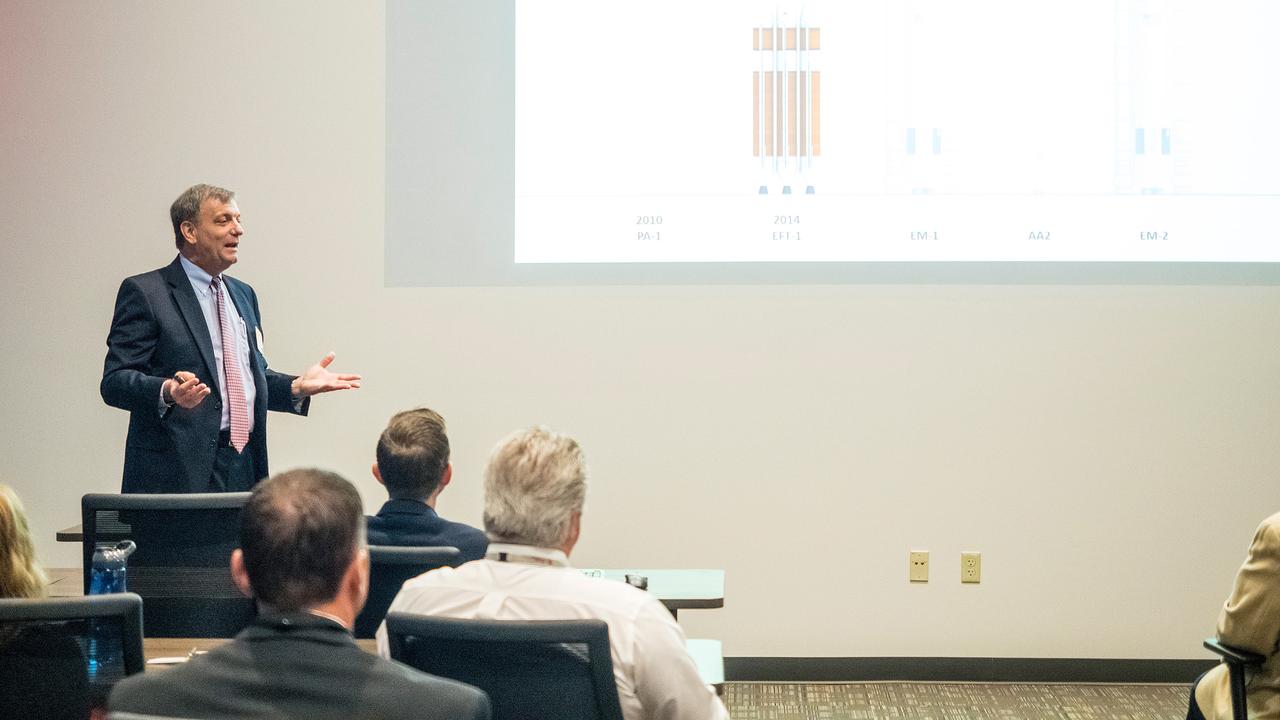
The Orion team visits Major Tool and Machine in Indianapolis, Indiana to see the progress on the cone panel for the Artemis I Orion spacecraft on June 10, 2015. Part of Batch image transfer from Flickr.
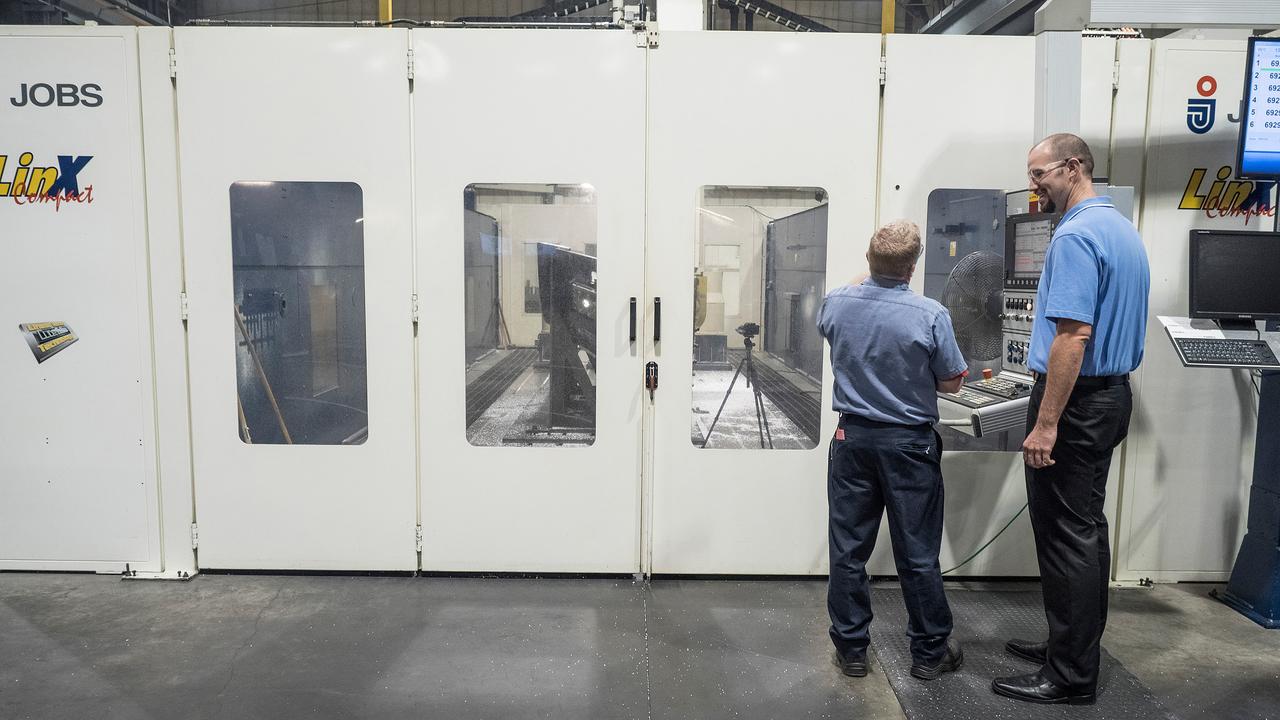
The Orion team visits Major Tool and Machine in Indianapolis, Indiana to see the progress on the cone panel for the Artemis I Orion spacecraft on June 10, 2015. Part of Batch image transfer from Flickr.
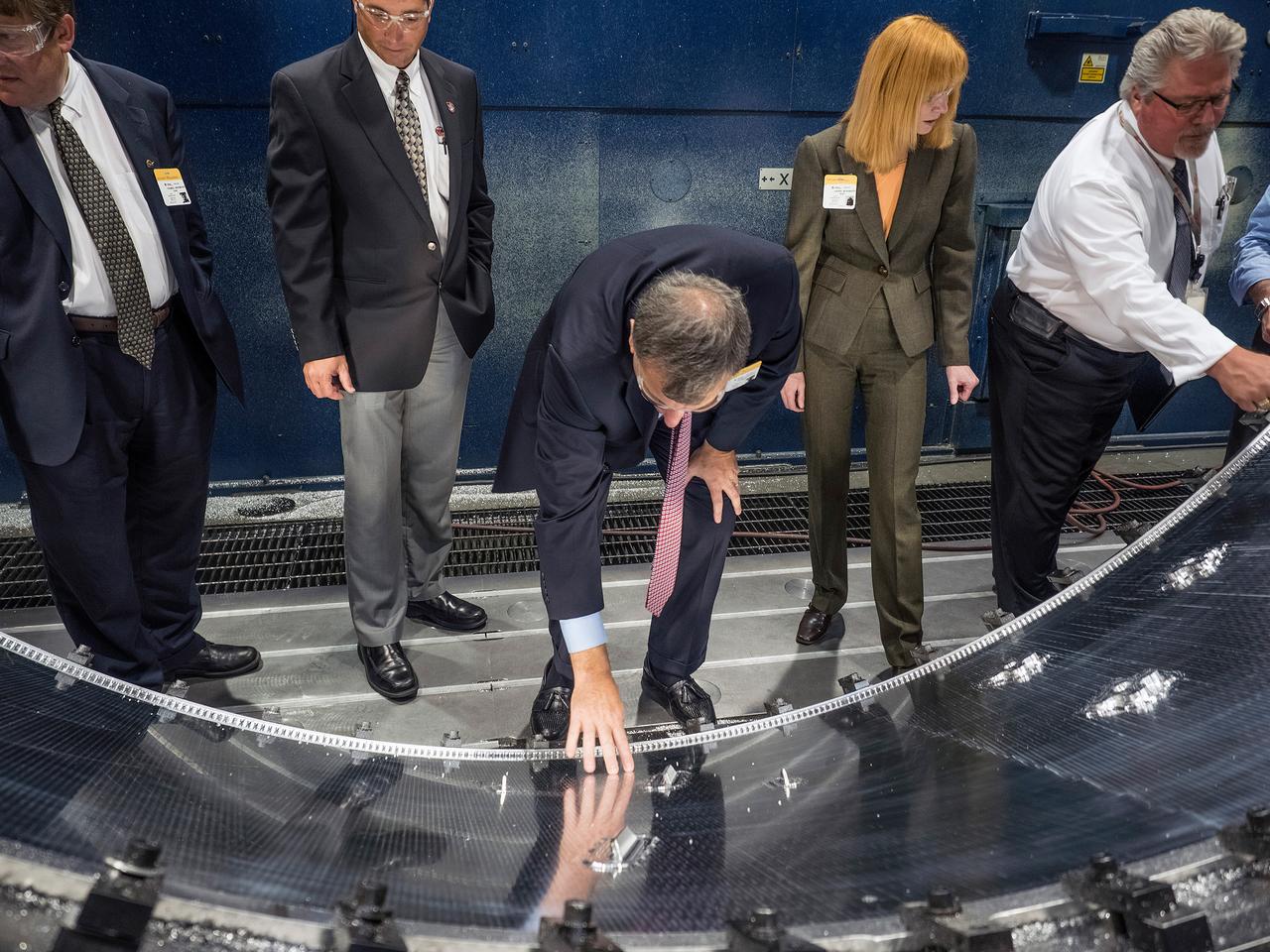
The Orion team visits Major Tool and Machine in Indianapolis, Indiana to see the progress on the cone panel for the Artemis I Orion spacecraft on June 10, 2015. Part of Batch image transfer from Flickr.
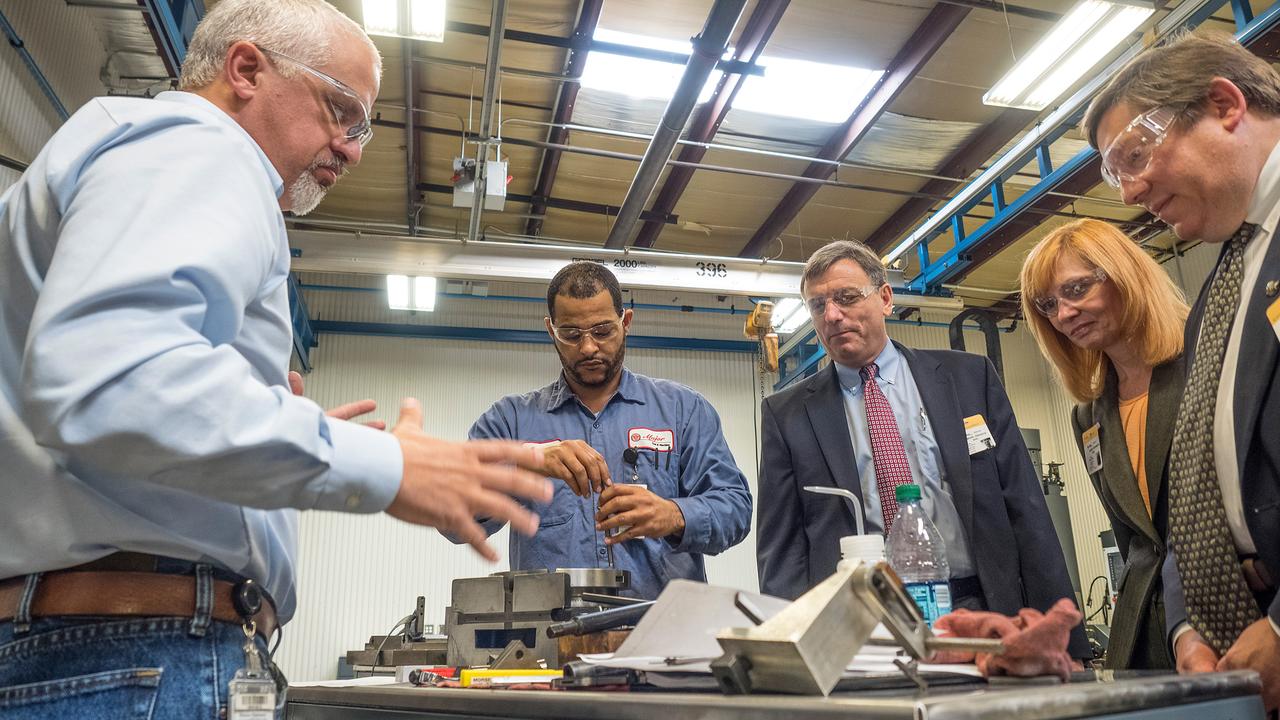
The Orion team visits Major Tool and Machine in Indianapolis, Indiana to see the progress on the cone panel for the Artemis I Orion spacecraft on June 11, 2015. Part of Batch image transfer from Flickr.
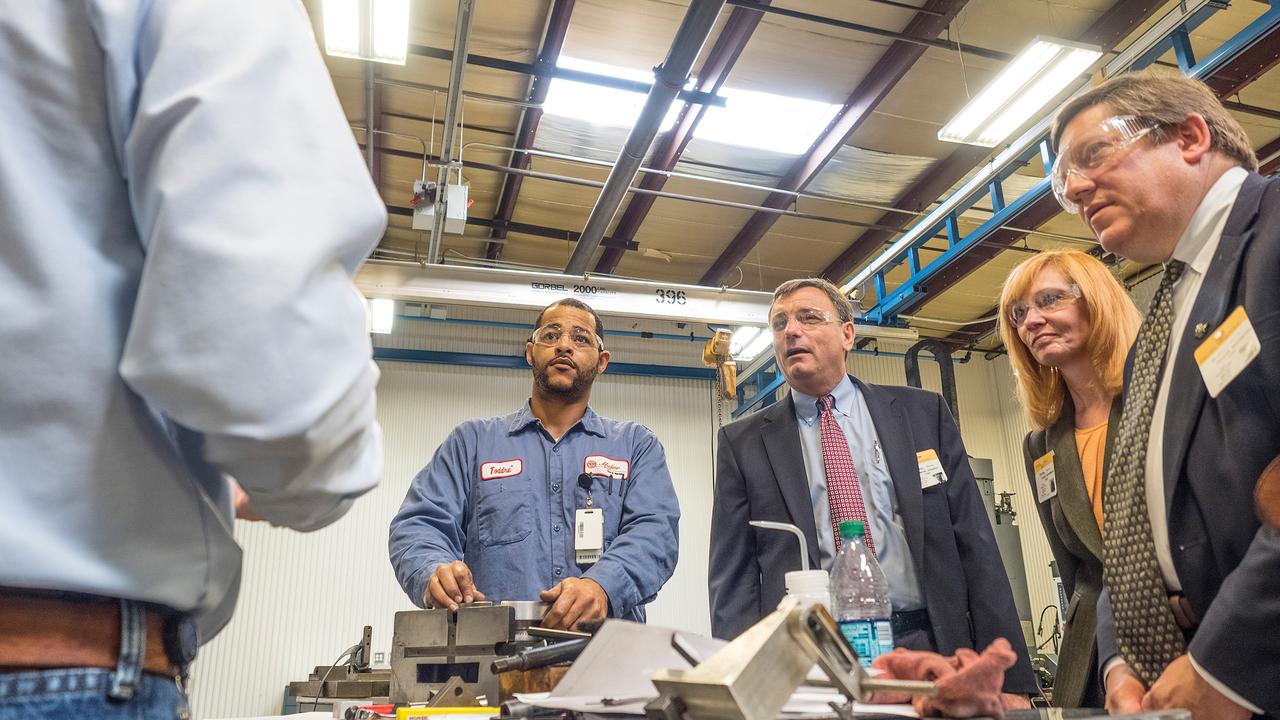
The Orion team visits Major Tool and Machine in Indianapolis, Indiana to see the progress on the cone panel for the Artemis I Orion spacecraft on June 11, 2015. Part of Batch image transfer from Flickr.
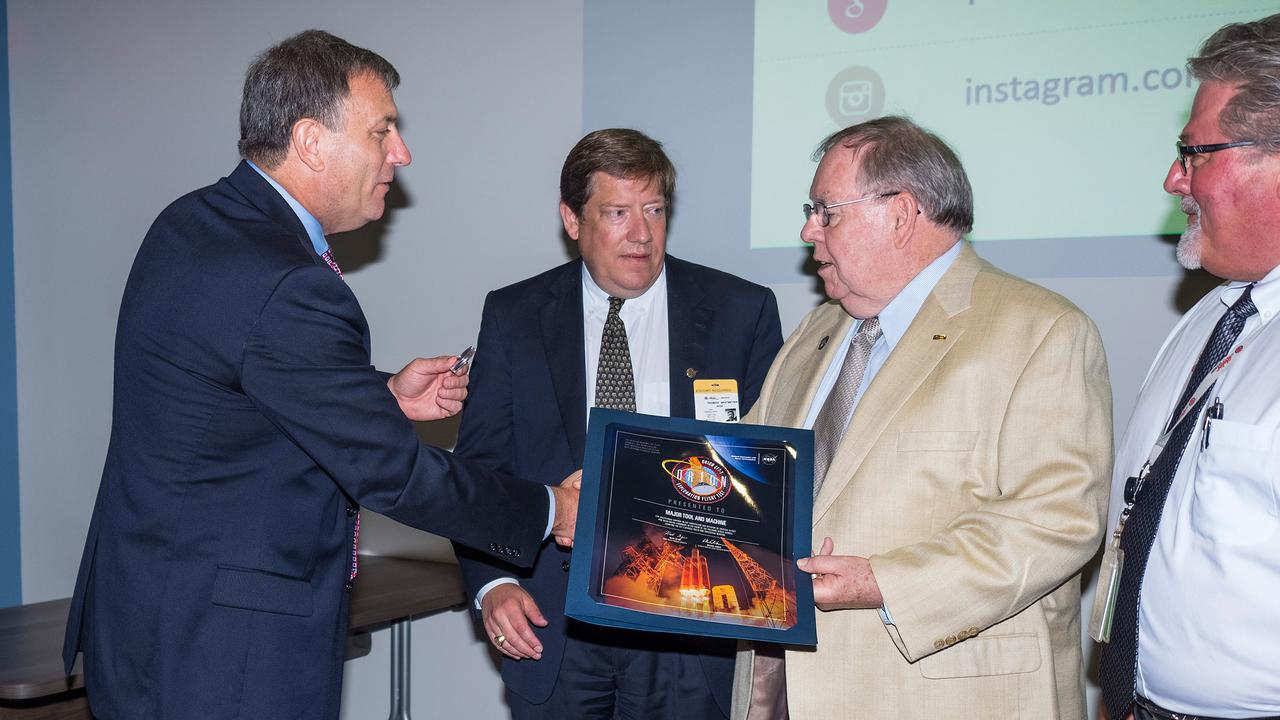
The Orion team visits Major Tool and Machine in Indianapolis, Indiana to see the progress on the cone panel for the Artemis I Orion spacecraft on June 11, 2015. Part of Batch image transfer from Flickr.
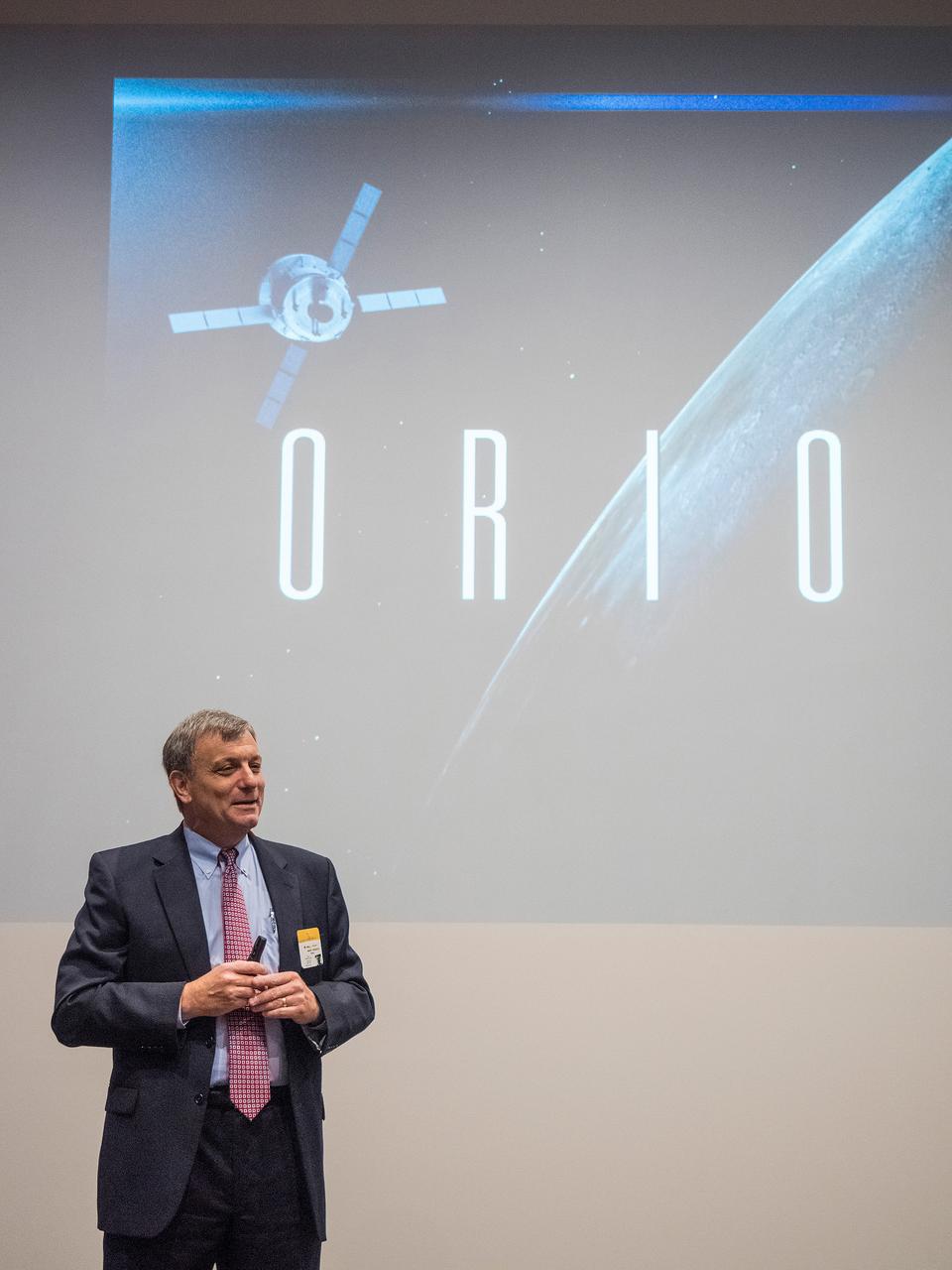
The Orion team visits Major Tool and Machine in Indianapolis, Indiana to see the progress on the cone panel for the Artemis I Orion spacecraft on June 10, 2015. Part of Batch image transfer from Flickr.
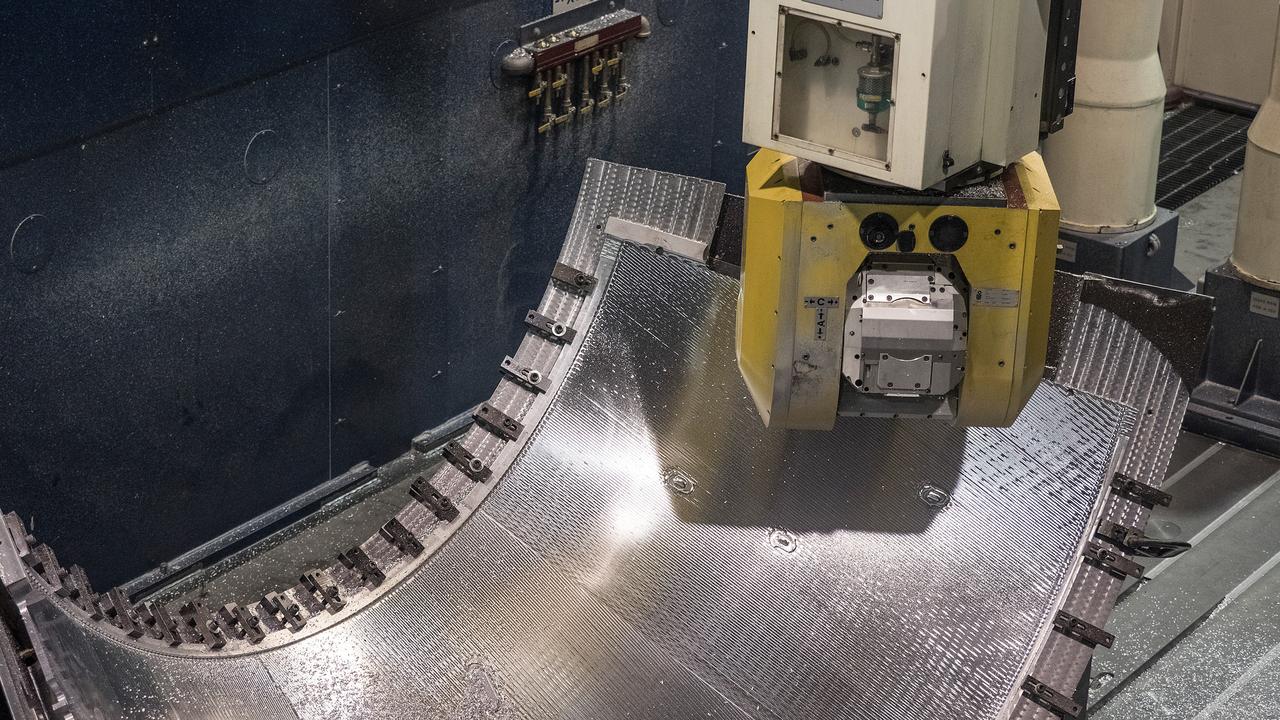
The Orion team visits Major Tool and Machine in Indianapolis, Indiana to see the progress on the cone panel for the Artemis I Orion spacecraft on June 10, 2015. Part of Batch image transfer from Flickr.

The Orion team visits Major Tool and Machine in Indianapolis, Indiana to see the progress on the cone panel for the Artemis I Orion spacecraft on June 11, 2015. Part of Batch image transfer from Flickr.
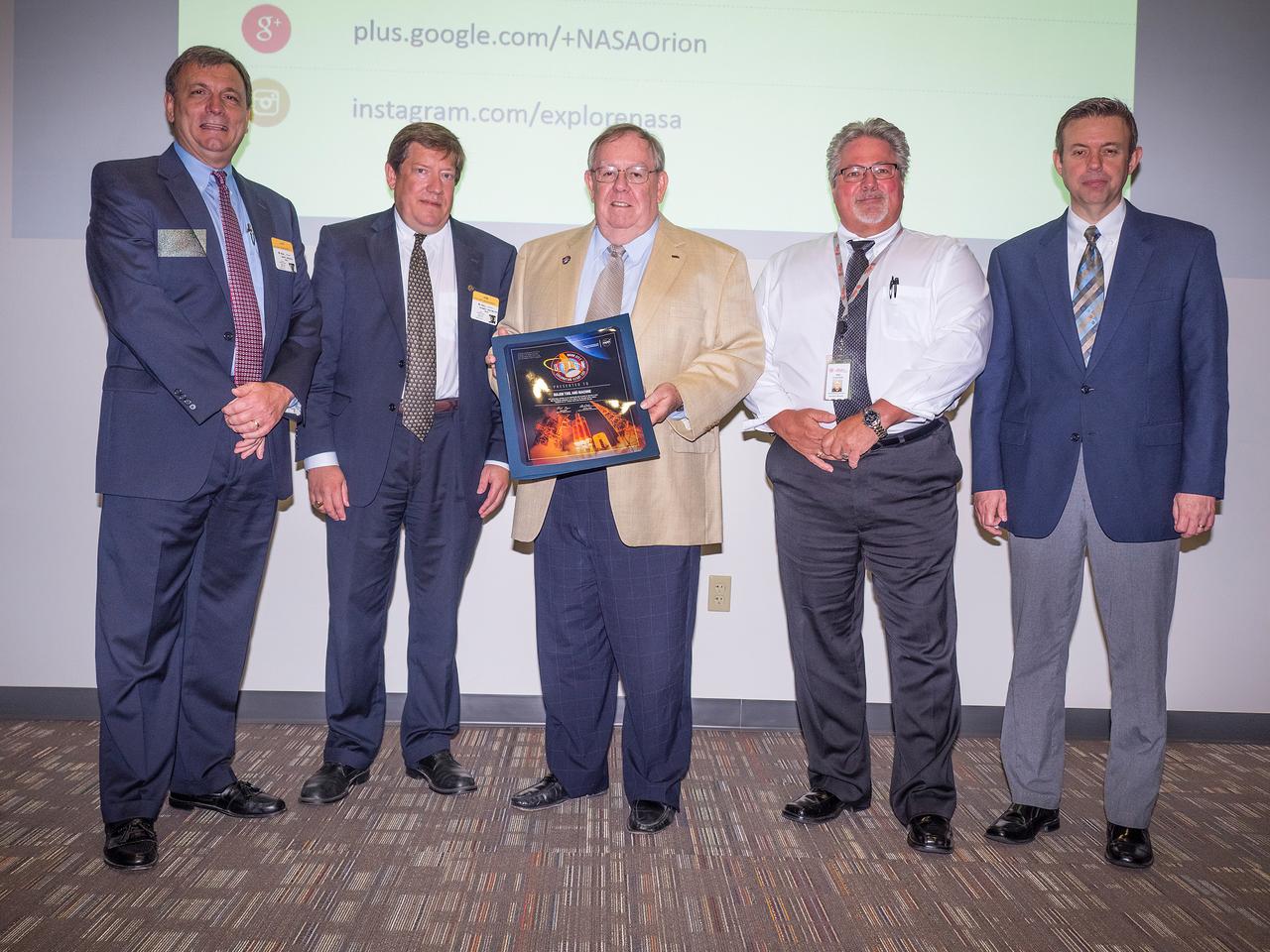
The Orion team visits Major Tool and Machine in Indianapolis, Indiana to see the progress on the cone panel for the Artemis I Orion spacecraft on June 10, 2015. Part of Batch image transfer from Flickr.

The Orion team visits Major Tool and Machine in Indianapolis, Indiana to see the progress on the cone panel for the Artemis I Orion spacecraft on June 11, 2015. Part of Batch image transfer from Flickr.
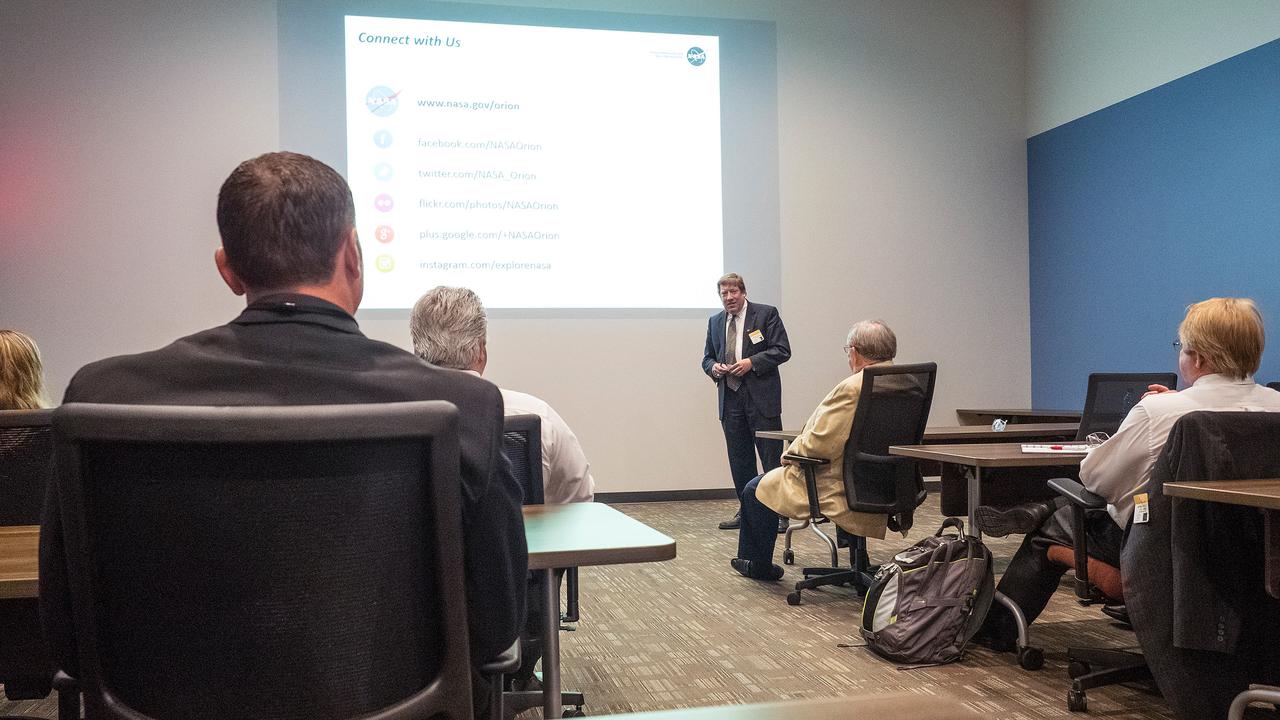
The Orion team visits Major Tool and Machine in Indianapolis, Indiana to see the progress on the cone panel for the Artemis I Orion spacecraft on June 11, 2015. Part of Batch image transfer from Flickr.
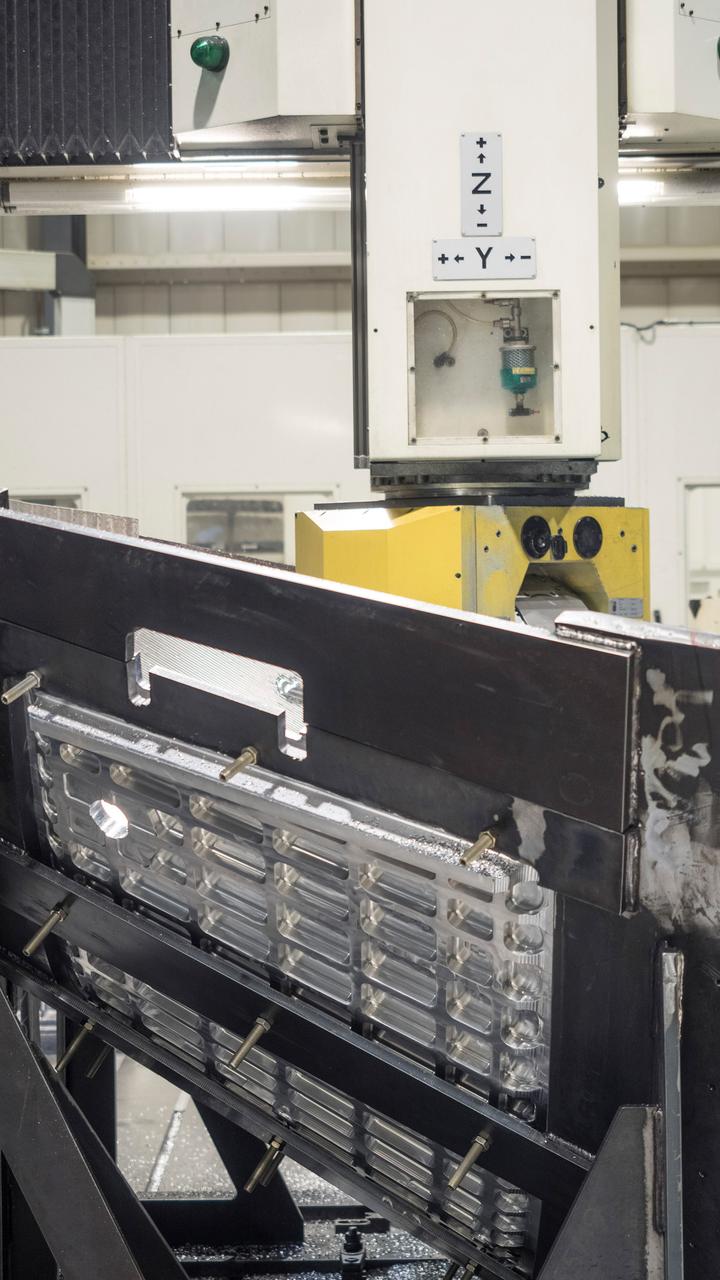
The Orion team visits Major Tool and Machine in Indianapolis, Indiana to see the progress on the cone panel for the Artemis I Orion spacecraft on June 10, 2015. Part of Batch image transfer from Flickr.
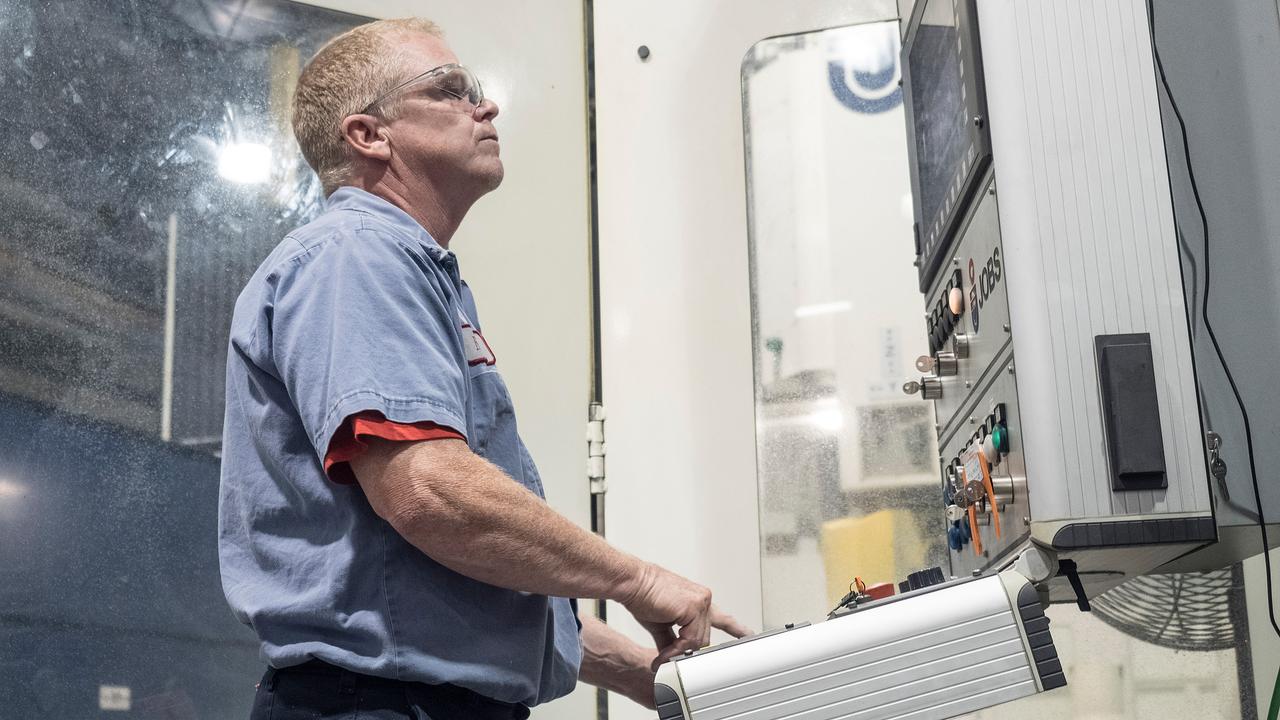
The Orion team visits Major Tool and Machine in Indianapolis, Indiana to see the progress on the cone panel for the Artemis I Orion spacecraft on June 10, 2015. Part of Batch image transfer from Flickr.
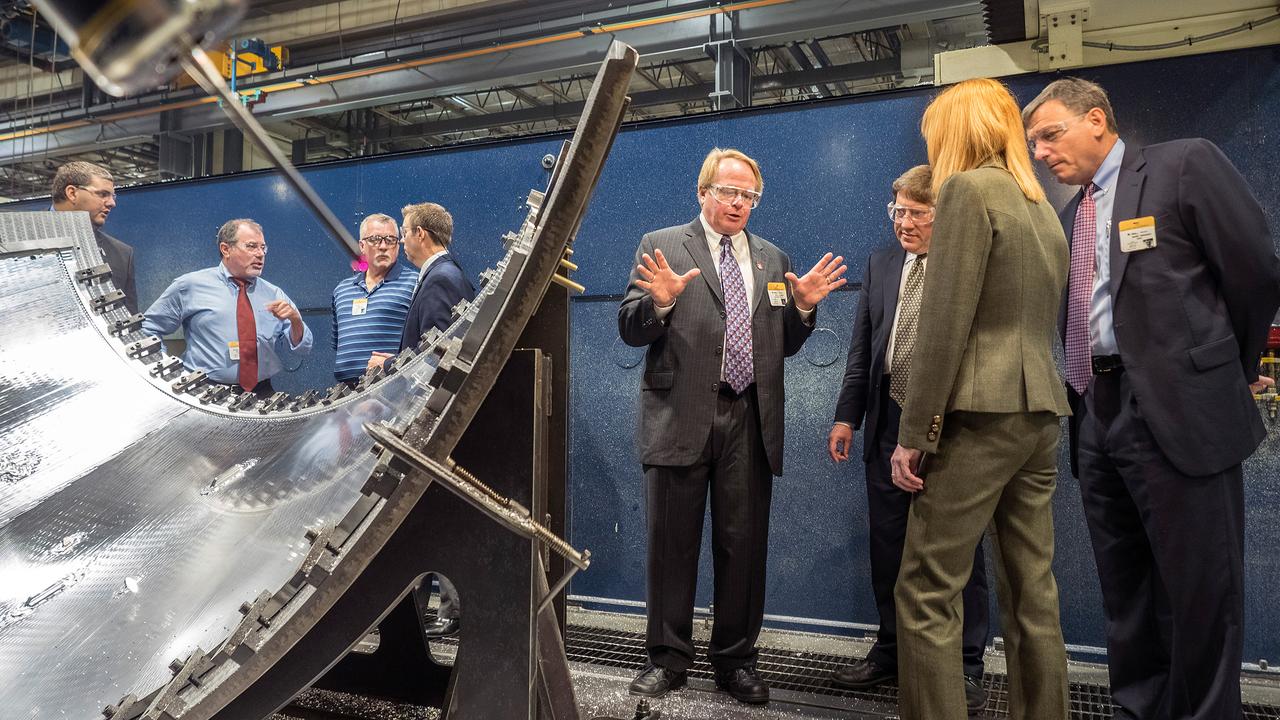
The Orion team visits Major Tool and Machine in Indianapolis, Indiana to see the progress on the cone panel for the Artemis I Orion spacecraft on June 10, 2015. Part of Batch image transfer from Flickr.
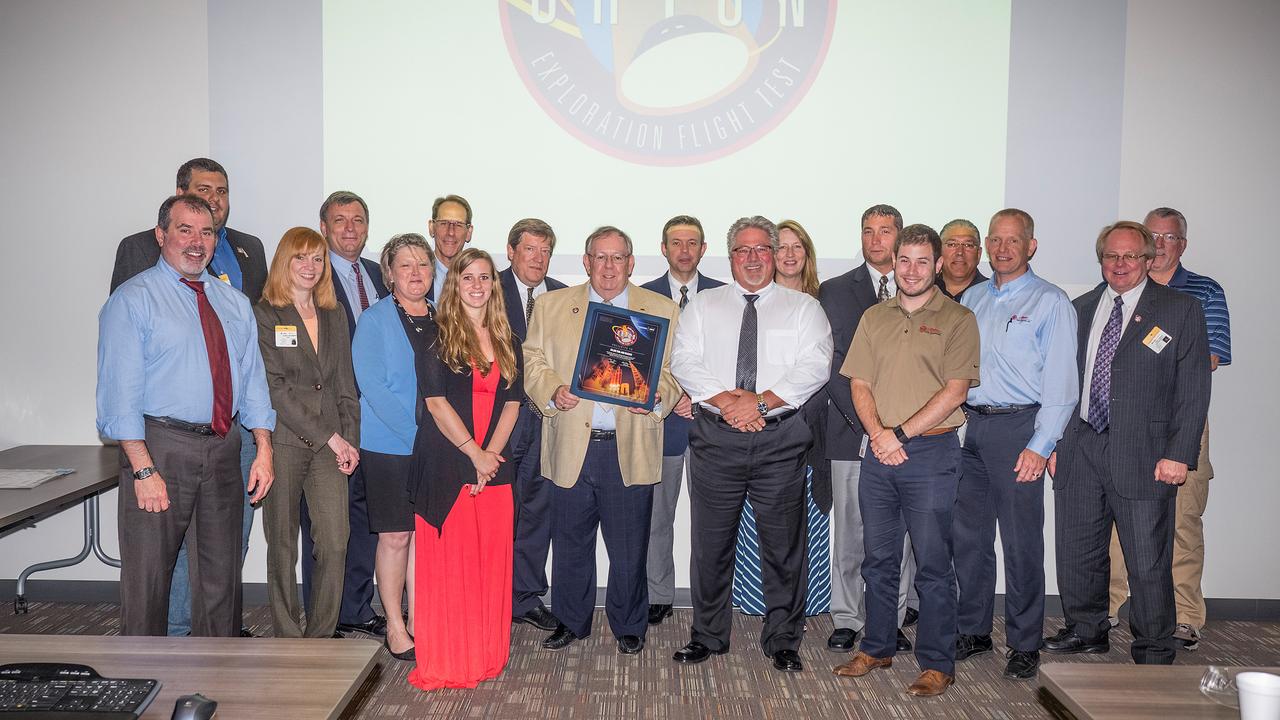
The Orion team visits Major Tool and Machine in Indianapolis, Indiana to see the progress on the cone panel for the Artemis I Orion spacecraft on June 10, 2015. Part of Batch image transfer from Flickr.
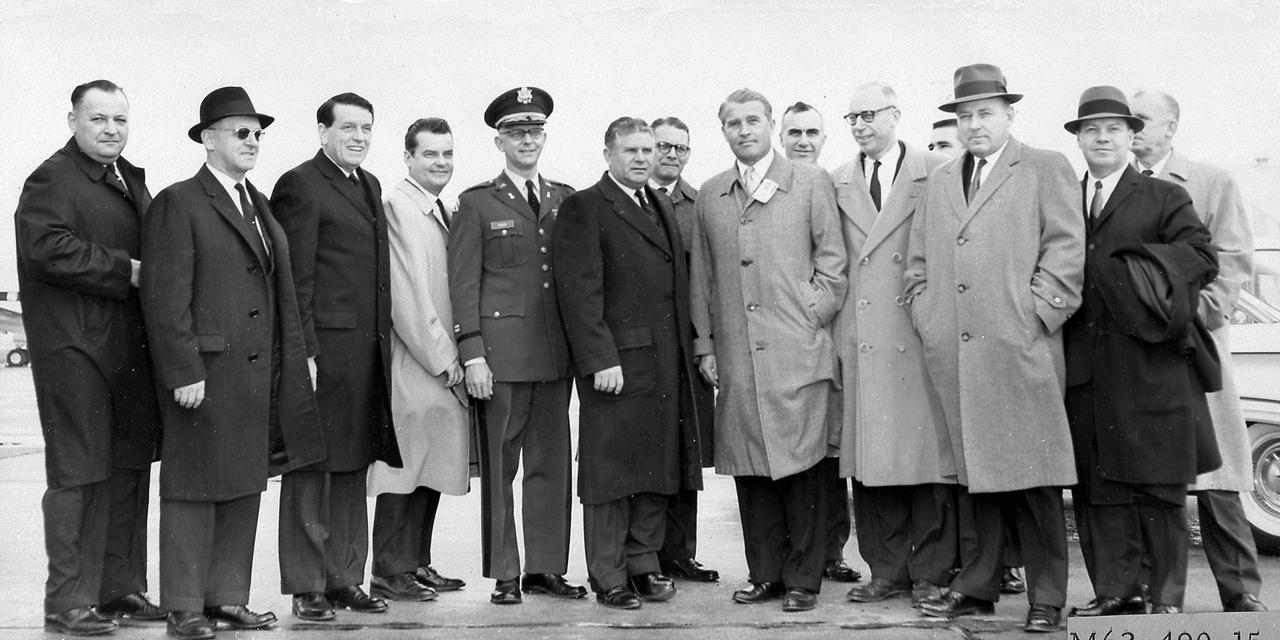
The members of the House Committee on Science and Astronautics visited the Marshall Space Flight Center (MSFC) on March 9, 1962 to gather first-hand information of the nation's space exploration program. The congressional group was composed of members of the Subcommittee on Marned Space Flight. Headed by Representative Olin E. Teague of Texas, other members were James G. Fulton, Pennsylvania; Ken Heckler, West Virginia; R. Walter Riehlman, New York; Richard L. Roudebush,, Indiana; John W. Davis, Georgia; James C. Corman, California; Joseph Waggoner, Louisiana; J. Edgar Chenoweth, Colorado; and William G. Bray, Indiana.

The members of the House Committee on Science and Astronautics visited the Marshall Space Flight Center (MSFC) on March 9, 1962 to gather first-hand information of the nation's space exploration program. The congressional group was composed of members of the Subcommittee on Marned Space Flight. Headed by Representative Olin E. Teague of Texas, other members were James G. Fulton, Pennsylvania; Ken Heckler, West Virginia; R. Walter Riehlman, New York; Richard L. Roudebush, Indiana; John W. Davis, Georgia; James C. Corman, California; Joseph Waggoner, Louisiana; J. Edgar Chenoweth, Colorado; and William G. Bray, Indiana.

Casey Swails, NASA Deputy Associate Administrator greets John Rhys-Davies, the actor best known for his roles as Gimli in The Lord of the Rings trilogy and Sallah in the Indiana Jones franchise, Friday, March 28, 2025 at the Mary W. Jackson NASA Headquarters building in Washington, DC. Photo Credit: (NASA/Aubrey Gemignani)
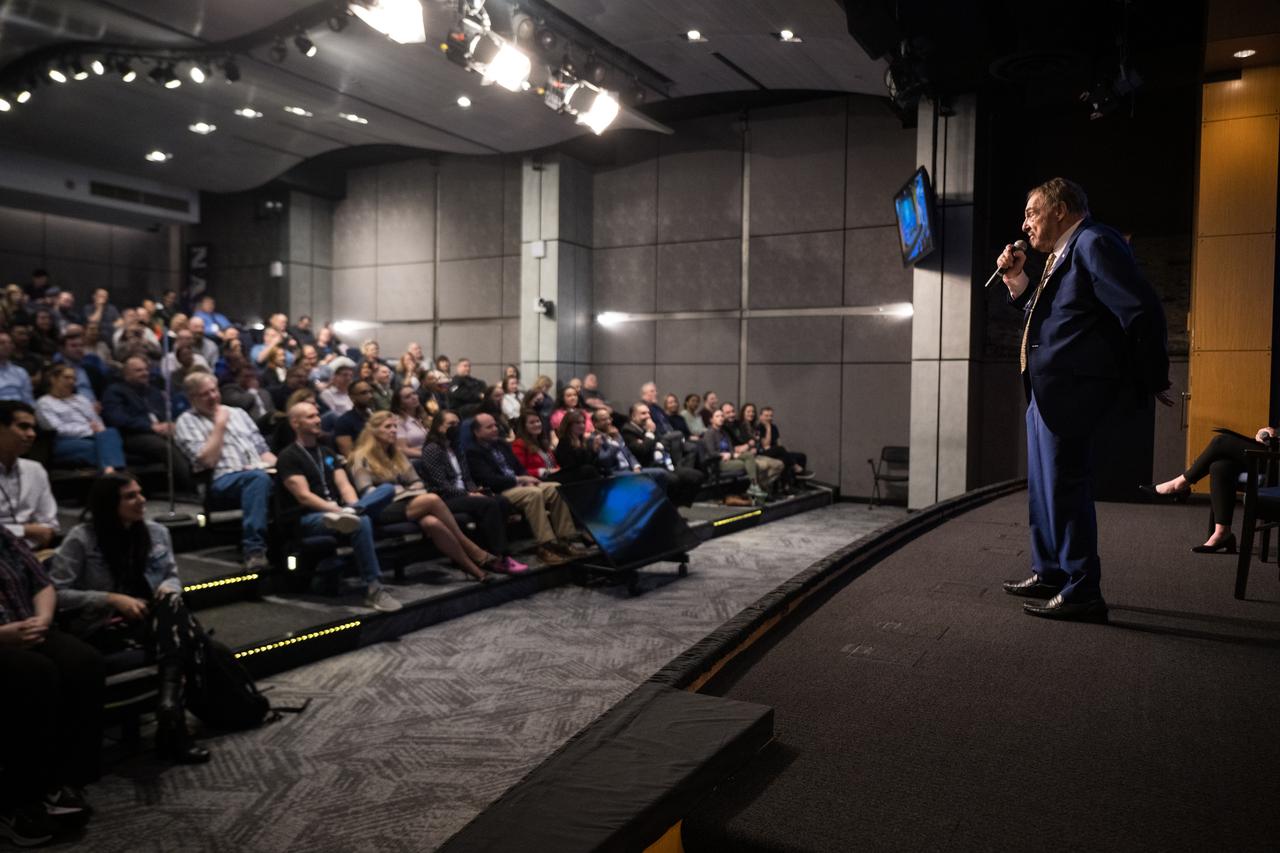
John Rhys-Davies, the actor best known for his roles as Gimli in The Lord of the Rings trilogy and Sallah in the Indiana Jones franchise provides remarks during an employee event, Friday, March 28, 2025 at the Mary W. Jackson NASA Headquarters building in Washington, DC. Photo Credit: (NASA/Aubrey Gemignani)

John Rhys-Davies, the actor best known for his roles as Gimli in The Lord of the Rings trilogy and Sallah in the Indiana Jones franchise provides remarks during an employee event, Friday, March 28, 2025 at the Mary W. Jackson NASA Headquarters building in Washington, DC. Photo Credit: (NASA/Aubrey Gemignani)
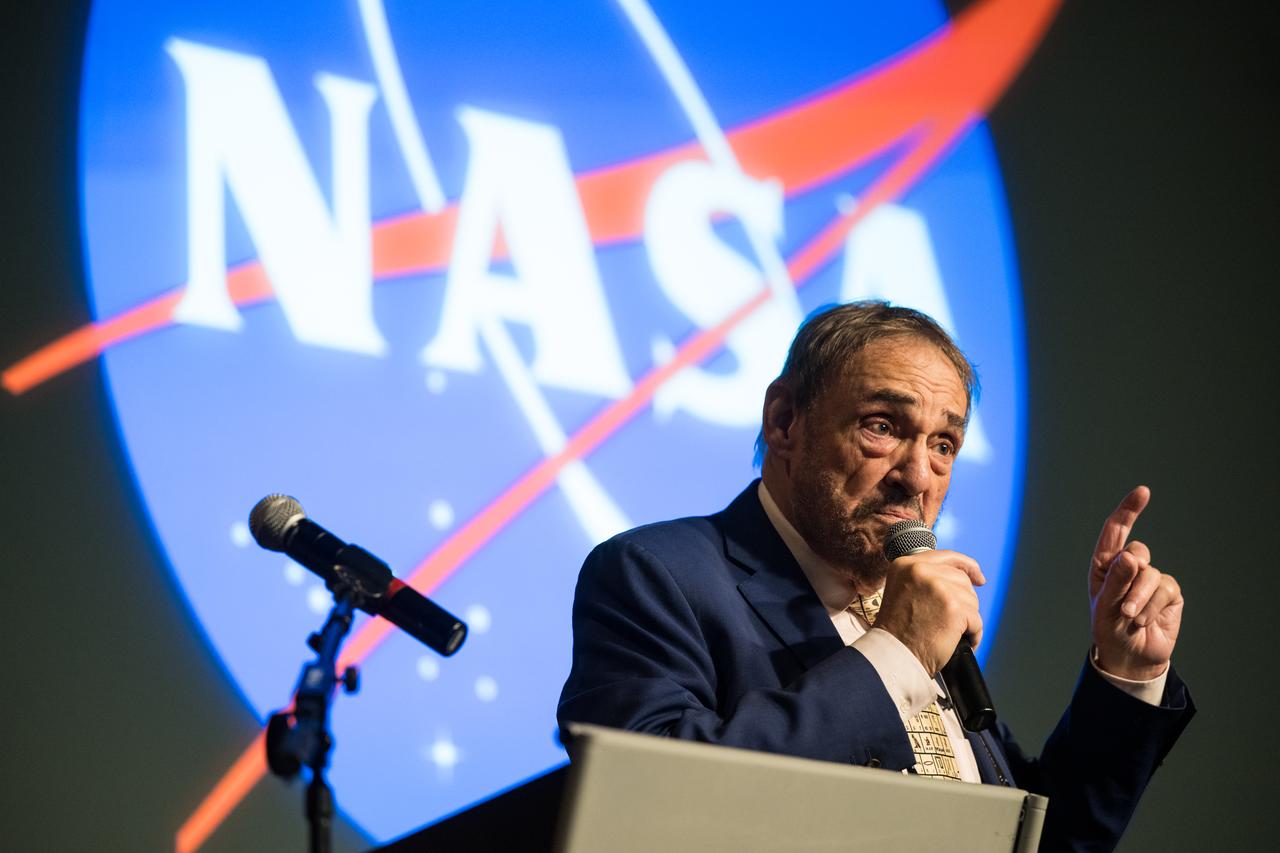
John Rhys-Davies, the actor best known for his roles as Gimli in The Lord of the Rings trilogy and Sallah in the Indiana Jones franchise provides remarks during an employee event, Friday, March 28, 2025 at the Mary W. Jackson NASA Headquarters building in Washington, DC. Photo Credit: (NASA/Aubrey Gemignani)

Casey Swails, NASA Deputy Associate Administrator walks with John Rhys-Davies, the actor best known for his roles as Gimli in The Lord of the Rings trilogy and Sallah in the Indiana Jones franchise, Friday, March 28, 2025 at the Mary W. Jackson NASA Headquarters building in Washington, DC. Photo Credit: (NASA/Aubrey Gemignani)
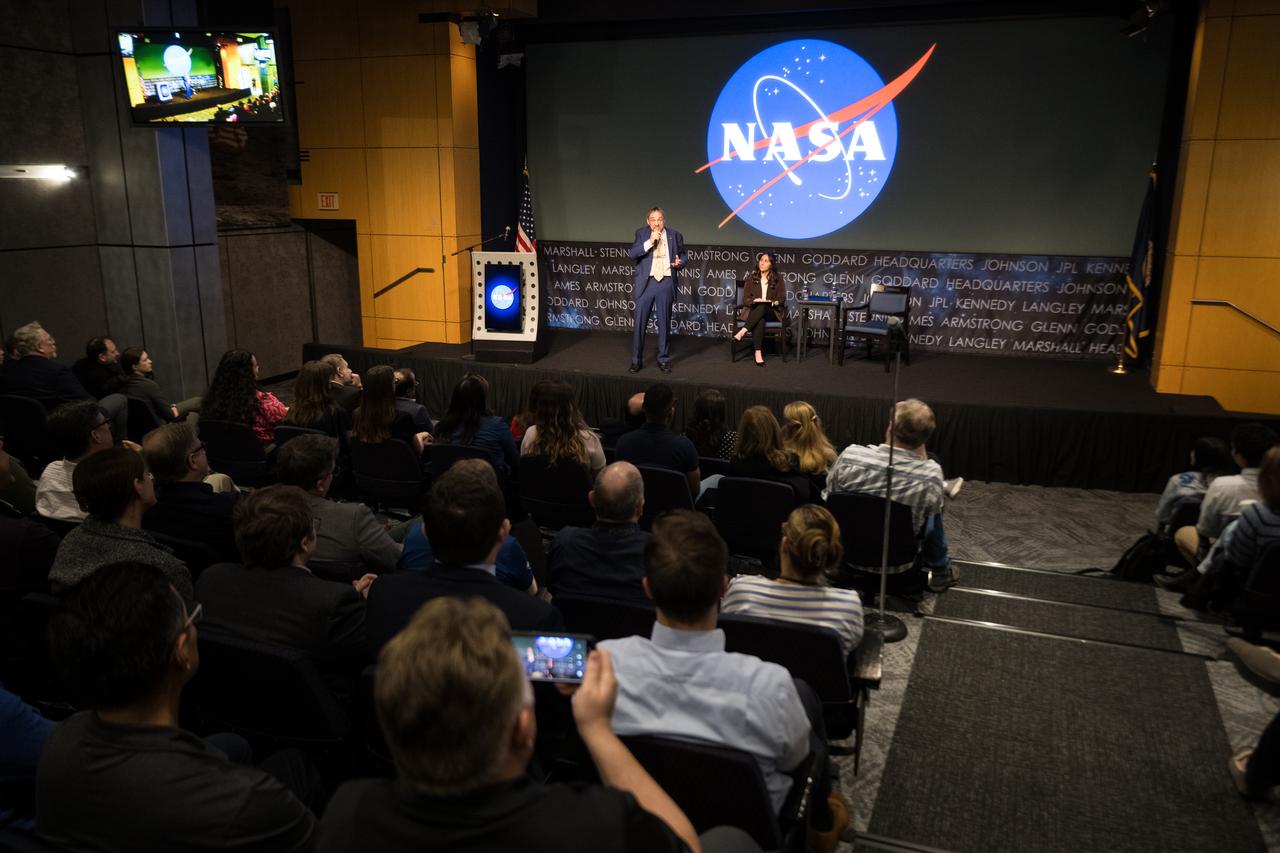
John Rhys-Davies, the actor best known for his roles as Gimli in The Lord of the Rings trilogy and Sallah in the Indiana Jones franchise provides remarks during an employee event, Friday, March 28, 2025 at the Mary W. Jackson NASA Headquarters building in Washington, DC. Photo Credit: (NASA/Aubrey Gemignani)

John Rhys-Davies, the actor best known for his roles as Gimli in The Lord of the Rings trilogy and Sallah in the Indiana Jones franchise provides remarks during an employee event, Friday, March 28, 2025 at the Mary W. Jackson NASA Headquarters building in Washington, DC. Photo Credit: (NASA/Aubrey Gemignani)

John Rhys-Davies, the actor best known for his roles as Gimli in The Lord of the Rings trilogy and Sallah in the Indiana Jones franchise provides remarks during an employee event, Friday, March 28, 2025 at the Mary W. Jackson NASA Headquarters building in Washington, DC. Photo Credit: (NASA/Aubrey Gemignani)

John Rhys-Davies, the actor best known for his roles as Gimli in The Lord of the Rings trilogy and Sallah in the Indiana Jones franchise visits the Space Operations Center (SOC), Friday, March 28, 2025 at the Mary W. Jackson NASA Headquarters building in Washington, DC. Photo Credit: (NASA/Aubrey Gemignani)
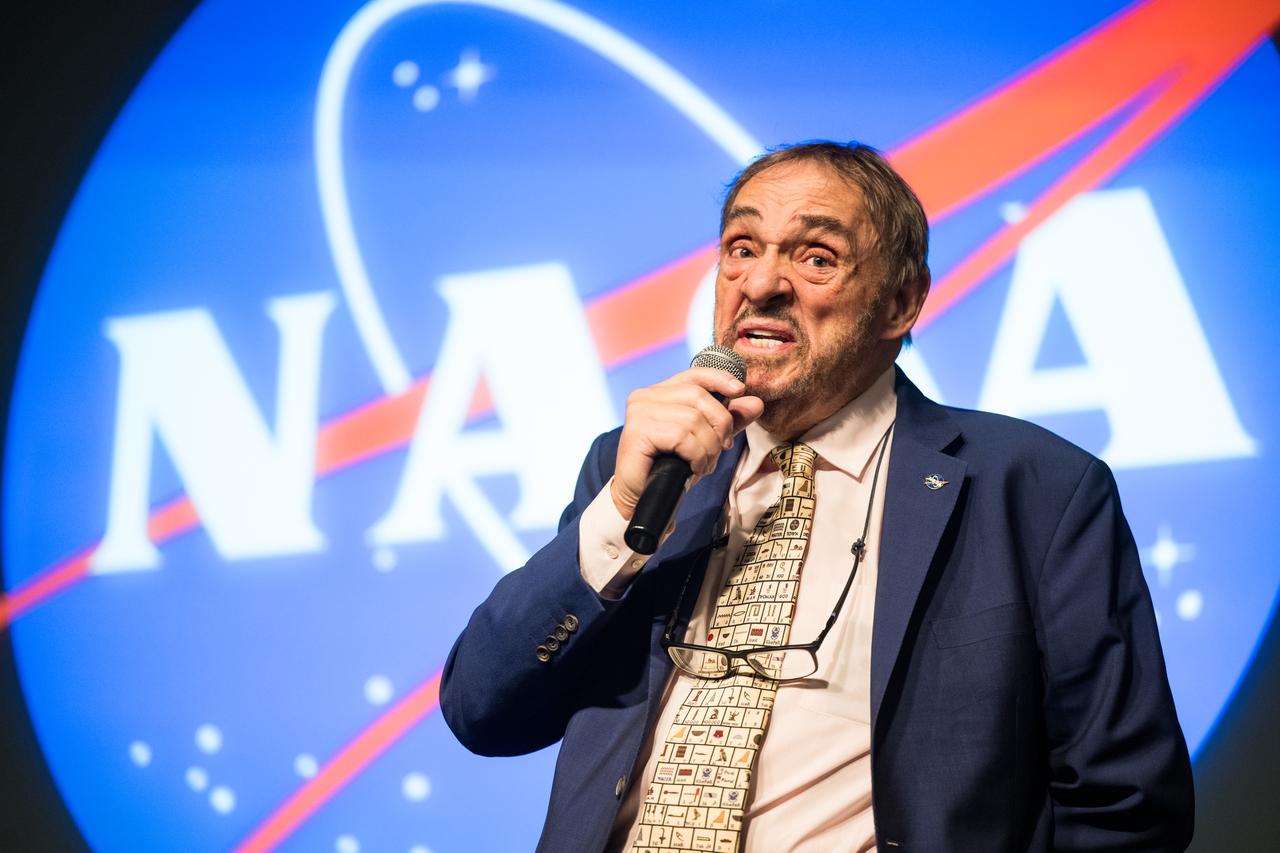
John Rhys-Davies, the actor best known for his roles as Gimli in The Lord of the Rings trilogy and Sallah in the Indiana Jones franchise provides remarks during an employee event, Friday, March 28, 2025 at the Mary W. Jackson NASA Headquarters building in Washington, DC. Photo Credit: (NASA/Aubrey Gemignani)
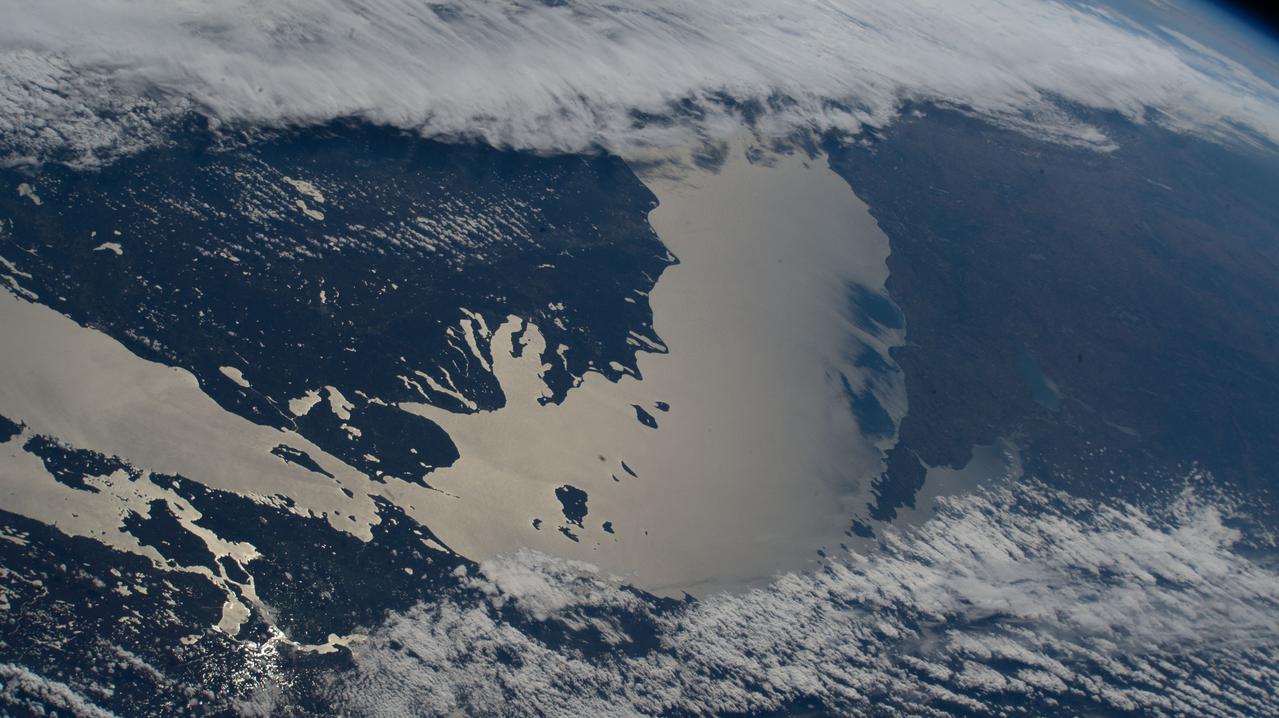
iss073e0865640 (Oct. 7, 2025) --- Lake Michigan beams in the afternoon sunlight as clouds blanket its southern tip—spanning Michigan, Indiana, and Illinois—in this photograph taken from the International Space Station while orbiting 263 miles above Earth. The northern tip of Lake Huron is visible at left.
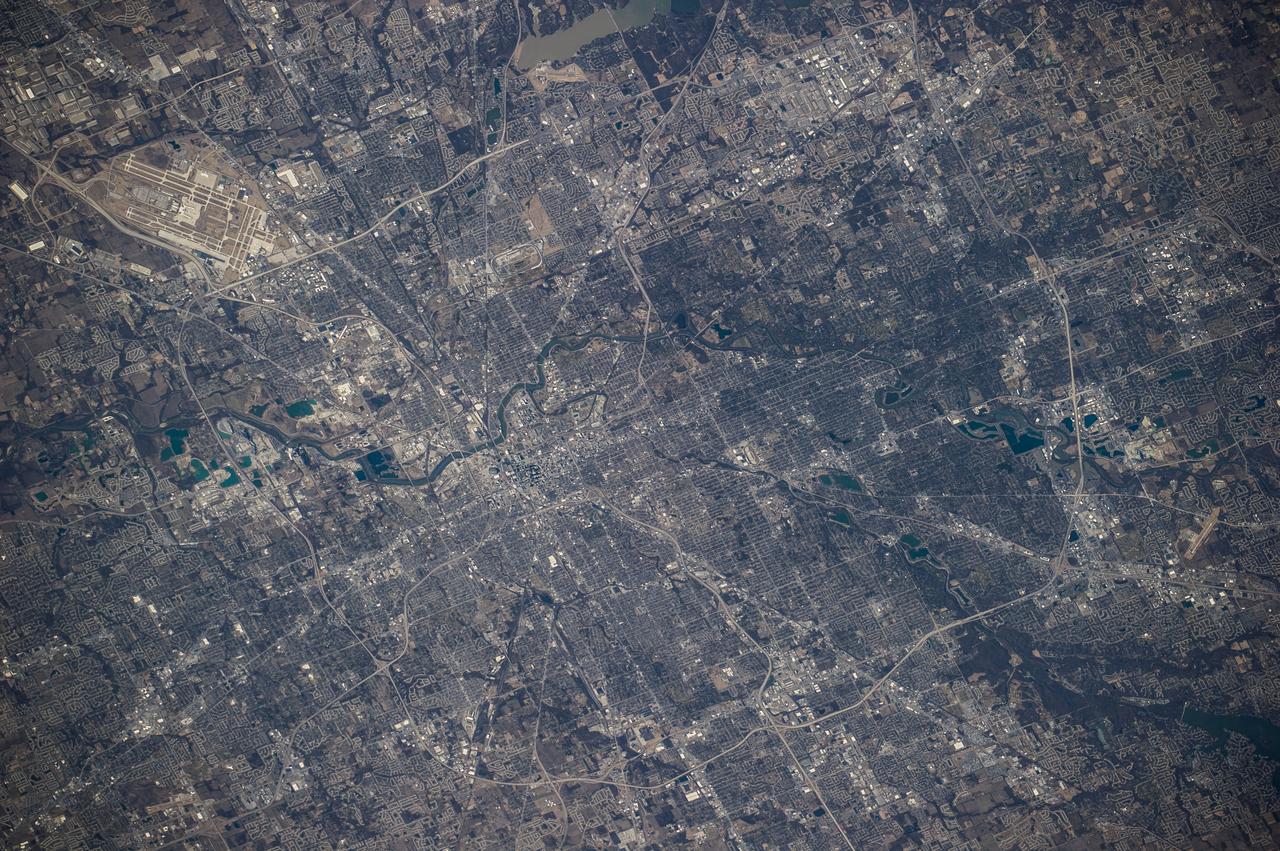
ISS034-E-056011 (25 Feb. 2013) --- One of the Expedition 34 crew members aboard the International Space Station took advantage of clear skies over Indianapolis, Indiana on Feb. 25 and captured this image of the capital city from a point some 240 miles above Earth.
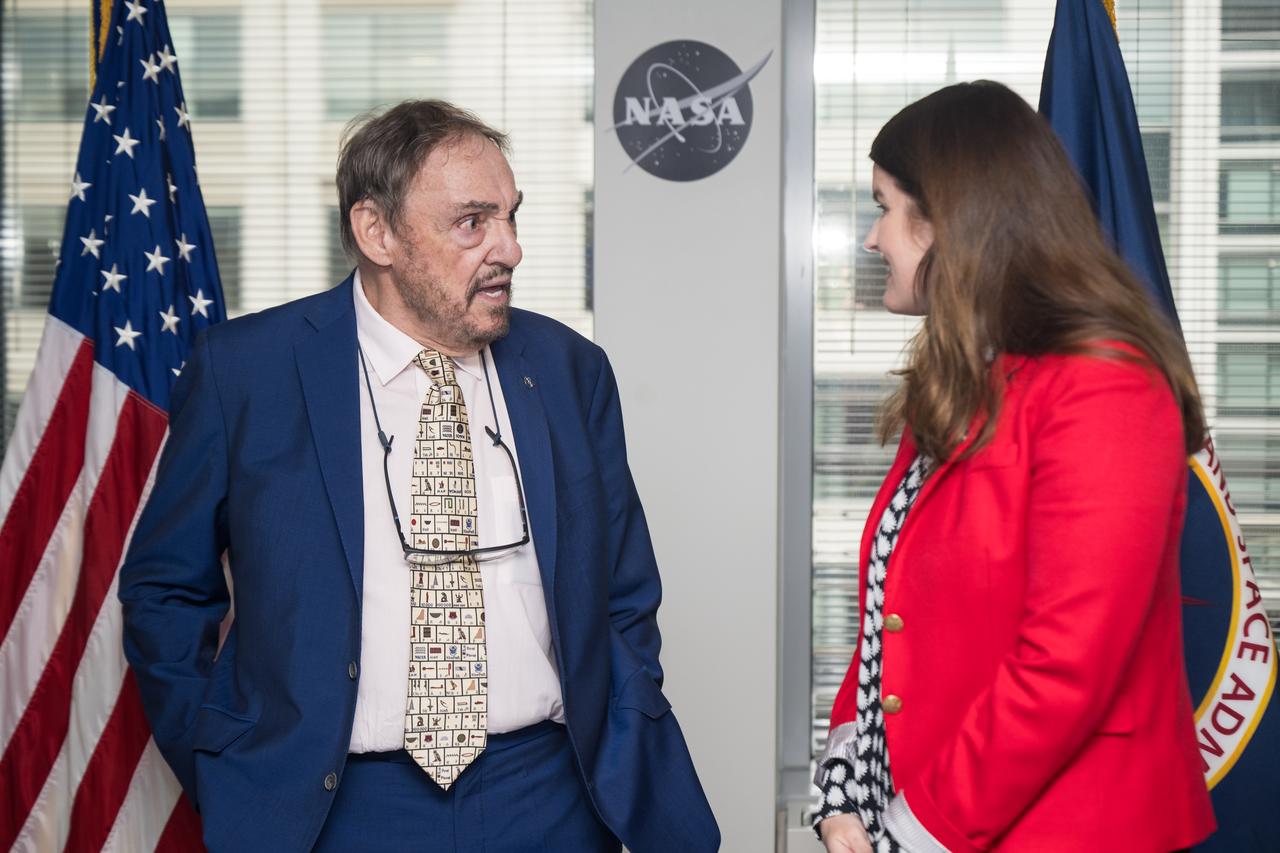
Casey Swails, NASA Deputy Associate Administrator speaks with John Rhys-Davies, the actor best known for his roles as Gimli in The Lord of the Rings trilogy and Sallah in the Indiana Jones franchise, Friday, March 28, 2025 at the Mary W. Jackson NASA Headquarters building in Washington, DC. Photo Credit: (NASA/Aubrey Gemignani)

John Rhys-Davies, the actor best known for his roles as Gimli in The Lord of the Rings trilogy and Sallah in the Indiana Jones franchise provides remarks during an employee event, Friday, March 28, 2025 at the Mary W. Jackson NASA Headquarters building in Washington, DC. Photo Credit: (NASA/Aubrey Gemignani)
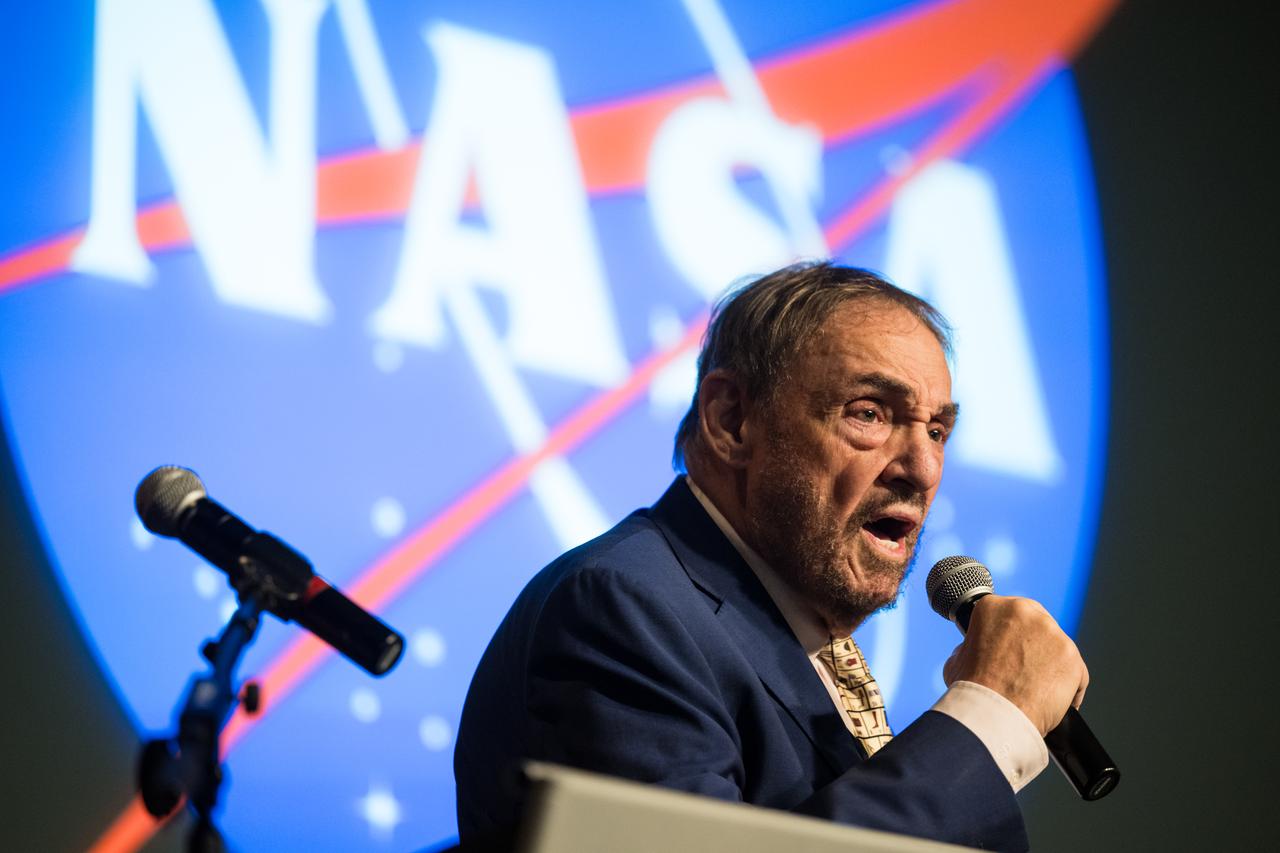
John Rhys-Davies, the actor best known for his roles as Gimli in The Lord of the Rings trilogy and Sallah in the Indiana Jones franchise provides remarks during an employee event, Friday, March 28, 2025 at the Mary W. Jackson NASA Headquarters building in Washington, DC. Photo Credit: (NASA/Aubrey Gemignani)

Jim Wilson, NASA public affairs officer, asks John Rhys-Davies, the actor best known for his roles as Gimli in The Lord of the Rings trilogy and Sallah in the Indiana Jones franchise, a question during an employee event, Friday, March 28, 2025 at the Mary W. Jackson NASA Headquarters building in Washington, DC. Photo Credit: (NASA/Aubrey Gemignani)
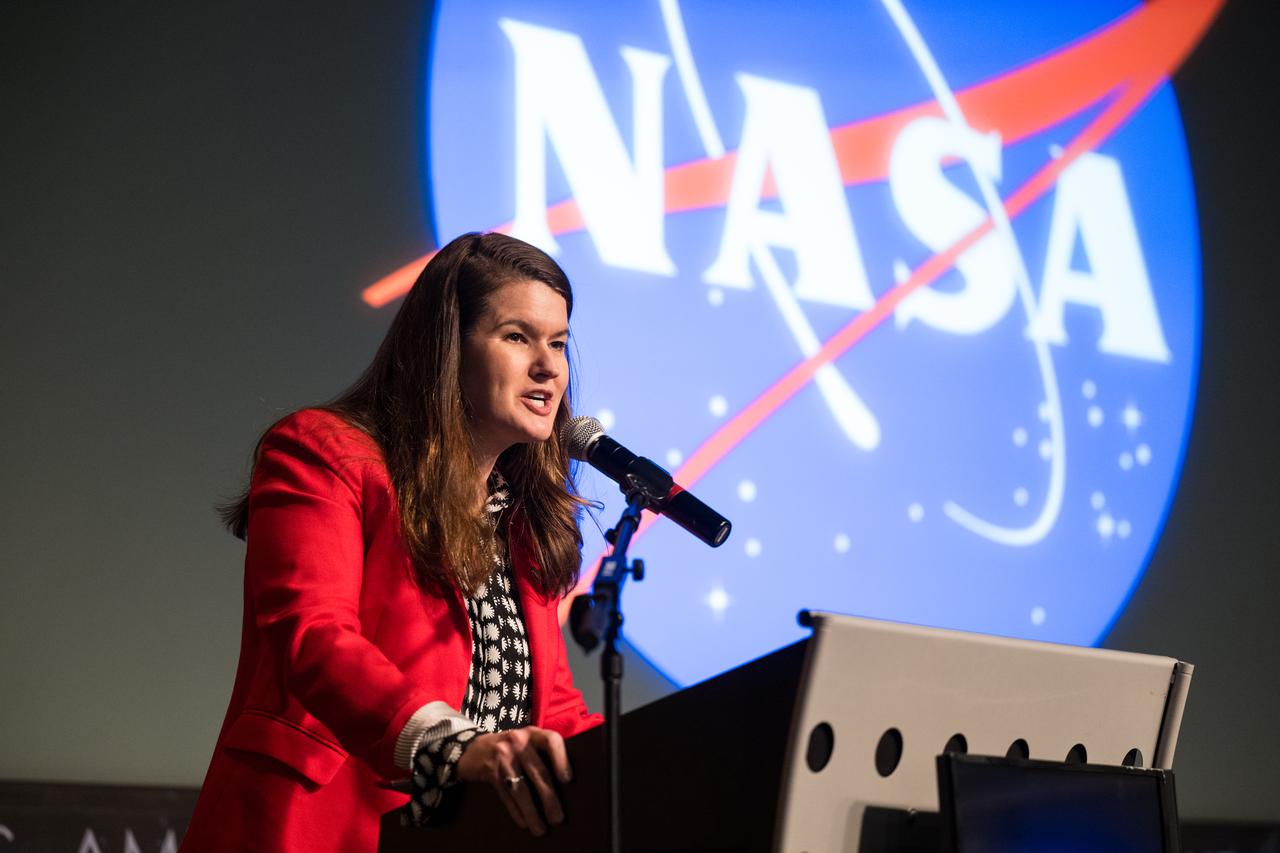
Casey Swails, NASA Deputy Associate Administrator, introduces John Rhys-Davies, the actor best known for his roles as Gimli in The Lord of the Rings trilogy and Sallah in the Indiana Jones franchise, during an employee event, Friday, March 28, 2025 at the Mary W. Jackson NASA Headquarters building in Washington, DC. Photo Credit: (NASA/Aubrey Gemignani)
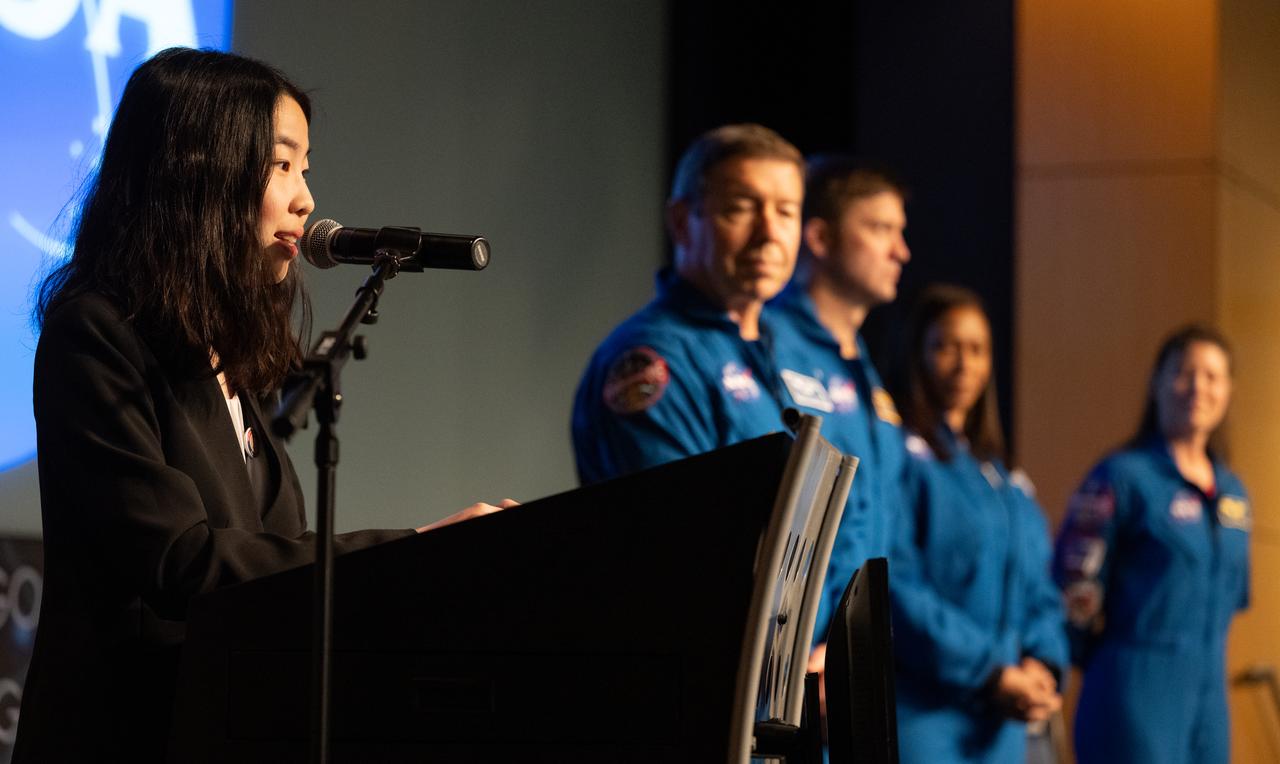
U.S. Senate Youth Program delegate Sophia Fu of Indiana introduces Expedition 71 NASA astronauts Michael Barratt, Matthew Dominick, Jeanette Epps, and Tracy Dyson, Wednesday, March 5, 2025 at the Mary W. Jackson NASA Headquarters Building in Washington. Dominick, Epps, Barratt, and Dyson served as part of Expedition 71 aboard the International Space Station. Photo Credit: (NASA/Joel Kowsky)

Alise Fisher, NASA Public Affairs Specialist, Science Mission Directorate, moderates a discussion with John Rhys-Davies, the actor best known for his roles as Gimli in The Lord of the Rings trilogy and Sallah in the Indiana Jones franchise, during an employee event, Friday, March 28, 2025 at the Mary W. Jackson NASA Headquarters building in Washington, DC. Photo Credit: (NASA/Aubrey Gemignani)

Casey Swails, NASA Deputy Associate Administrator, introduces John Rhys-Davies, the actor best known for his roles as Gimli in The Lord of the Rings trilogy and Sallah in the Indiana Jones franchise, during an employee event, Friday, March 28, 2025 at the Mary W. Jackson NASA Headquarters building in Washington, DC. Photo Credit: (NASA/Aubrey Gemignani)
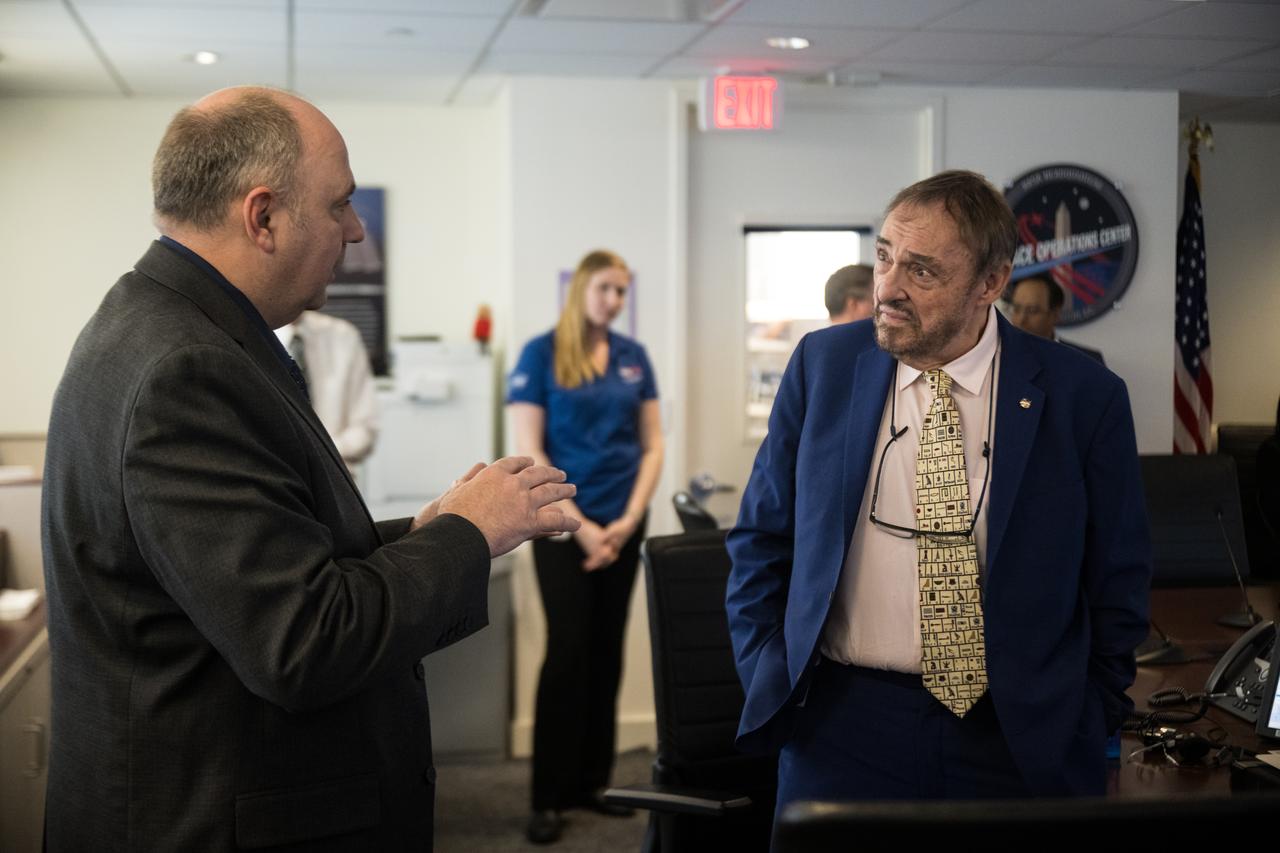
Kevin Metrocavage, NASA Headquarters Space Operations Center (SOC) Manager, Space Operations Mission Directorate, speaks with John Rhys-Davies, the actor best known for his roles as Gimli in The Lord of the Rings trilogy and Sallah in the Indiana Jones franchise, about the International Space Station in the SOC, Friday, March 28, 2025 at the Mary W. Jackson NASA Headquarters building in Washington, DC. Photo Credit: (NASA/Aubrey Gemignani)

Kevin Metrocavage, NASA Headquarters Space Operations Center (SOC) Manager, Space Operations Mission Directorate, speaks with John Rhys-Davies, the actor best known for his roles as Gimli in The Lord of the Rings trilogy and Sallah in the Indiana Jones franchise, about the International Space Station in the SOC, Friday, March 28, 2025 at the Mary W. Jackson NASA Headquarters building in Washington, DC. Photo Credit: (NASA/Aubrey Gemignani)

Alise Fisher, NASA Public Affairs Specialist, Science Mission Directorate, moderates a discussion with John Rhys-Davies, the actor best known for his roles as Gimli in The Lord of the Rings trilogy and Sallah in the Indiana Jones franchise, during an employee event, Friday, March 28, 2025 at the Mary W. Jackson NASA Headquarters building in Washington, DC. Photo Credit: (NASA/Aubrey Gemignani)
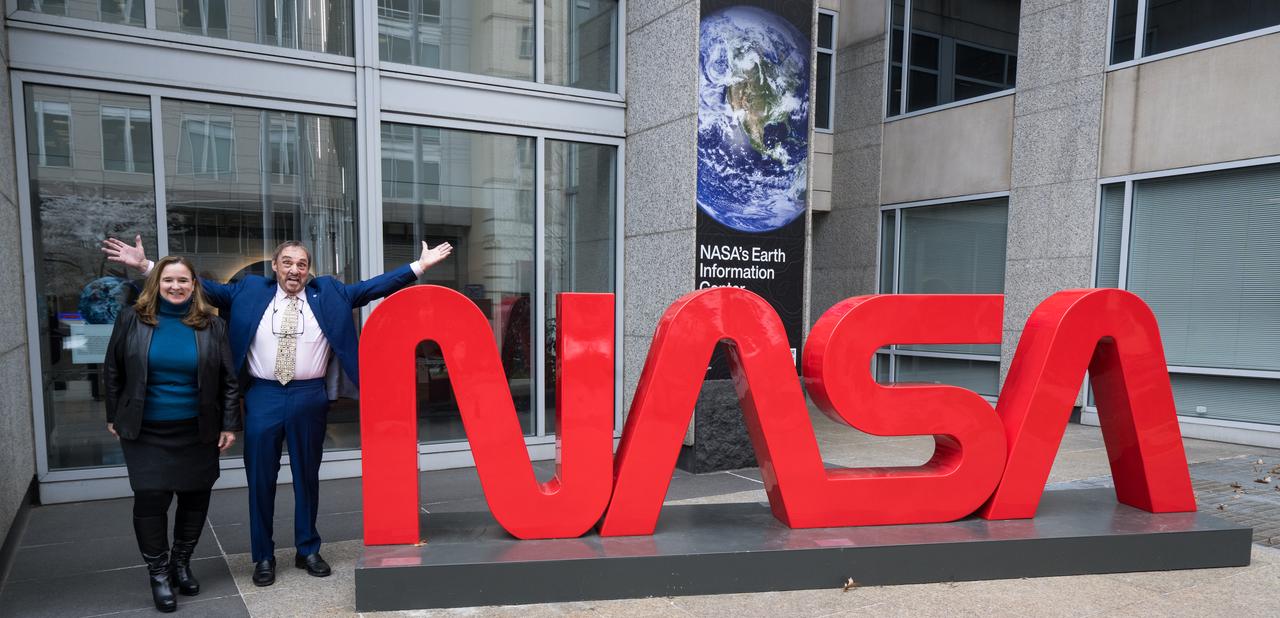
Dr. Karen St. Germain, NASA director of the Earth Science Division, left, and John Rhys-Davies, the actor best known for his roles as Gimli in The Lord of the Rings trilogy and Sallah in the Indiana Jones franchise, pose for a photo, Friday, March 28, 2025 at the Mary W. Jackson NASA Headquarters building in Washington, DC. Photo Credit: (NASA/Aubrey Gemignani)
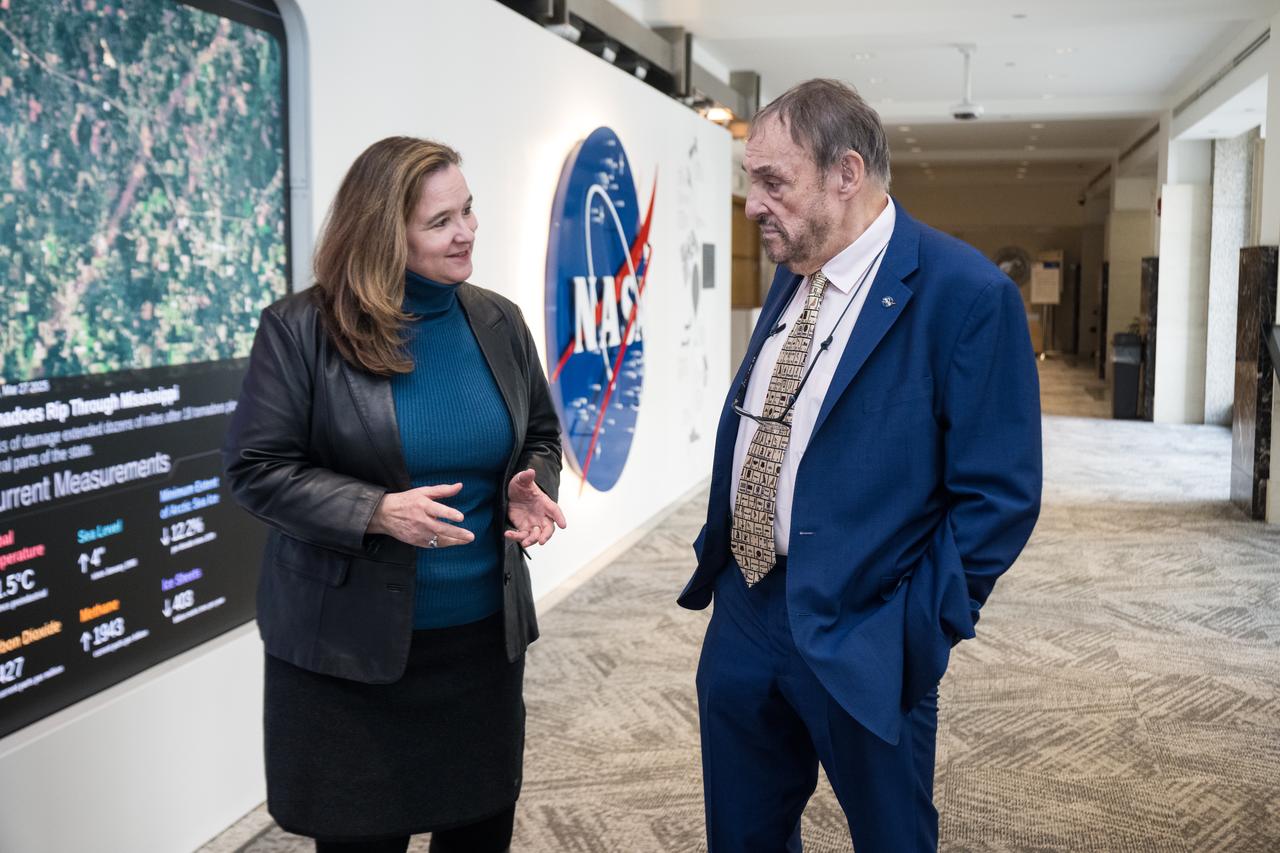
Dr. Karen St. Germain, NASA director of the Earth Science Division, speaks with John Rhys-Davies, the actor best known for his roles as Gimli in The Lord of the Rings trilogy and Sallah in the Indiana Jones franchise at the Earth Information Center (EIC), Friday, March 28, 2025 at the Mary W. Jackson NASA Headquarters building in Washington, DC. Photo Credit: (NASA/Aubrey Gemignani)
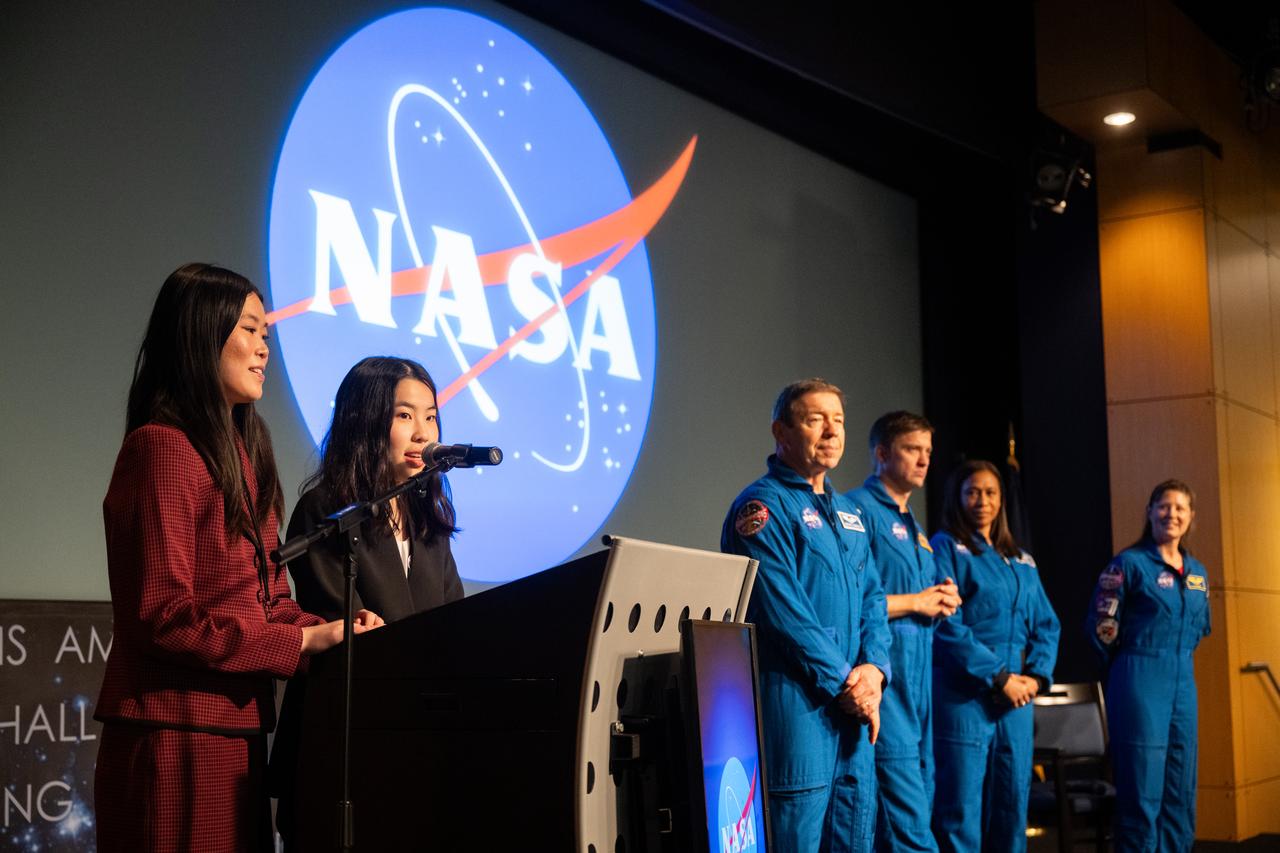
U.S. Senate Youth Program delegates Sarah Gao of California, left, and Sophia Fu of Indiana, introduce Expedition 71 NASA astronauts Michael Barratt, Matthew Dominick, Jeanette Epps, and Tracy Dyson, Wednesday, March 5, 2025 at the Mary W. Jackson NASA Headquarters Building in Washington. Dominick, Epps, Barratt, and Dyson served as part of Expedition 71 aboard the International Space Station. Photo Credit: (NASA/Joel Kowsky)
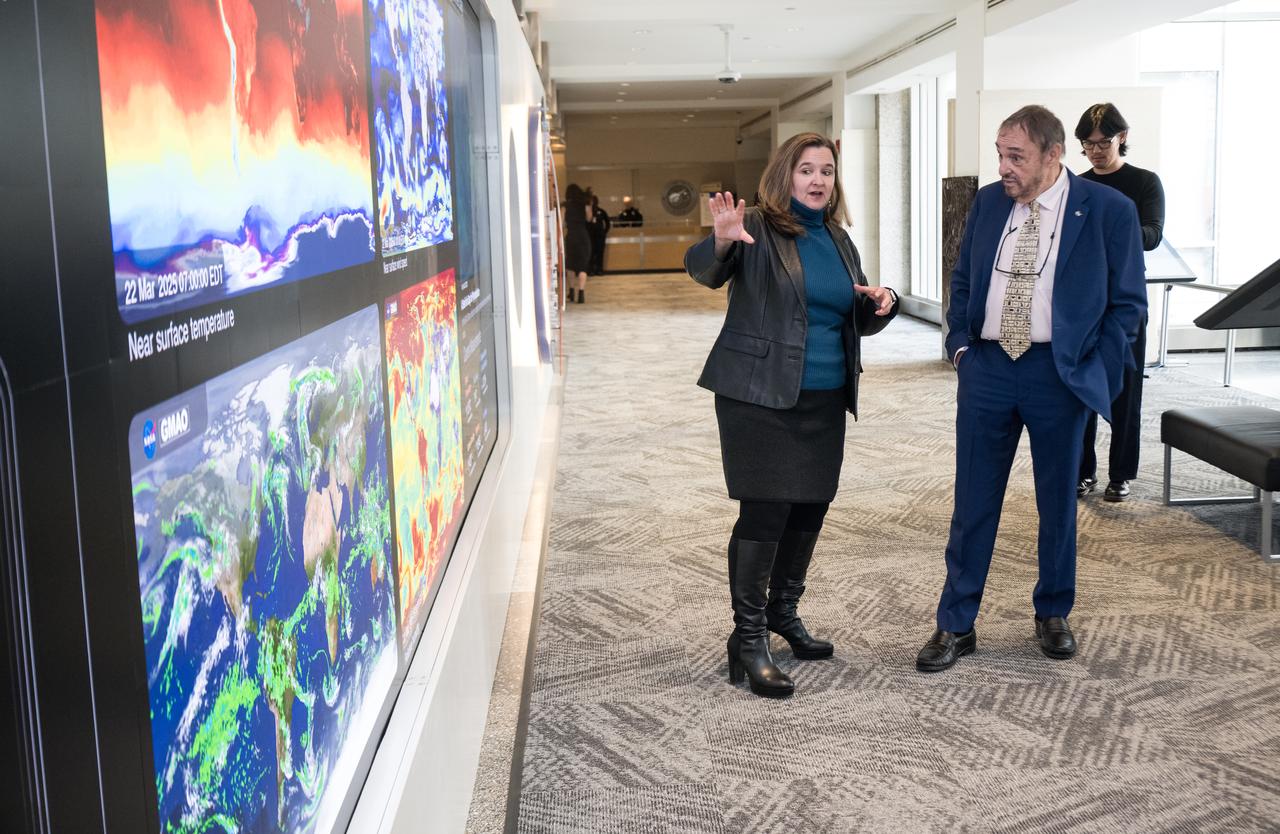
Dr. Karen St. Germain, NASA director of the Earth Science Division, speaks with John Rhys-Davies, the actor best known for his roles as Gimli in The Lord of the Rings trilogy and Sallah in the Indiana Jones franchise at the Earth Information Center (EIC), Friday, March 28, 2025 at the Mary W. Jackson NASA Headquarters building in Washington, DC. Photo Credit: (NASA/Aubrey Gemignani)
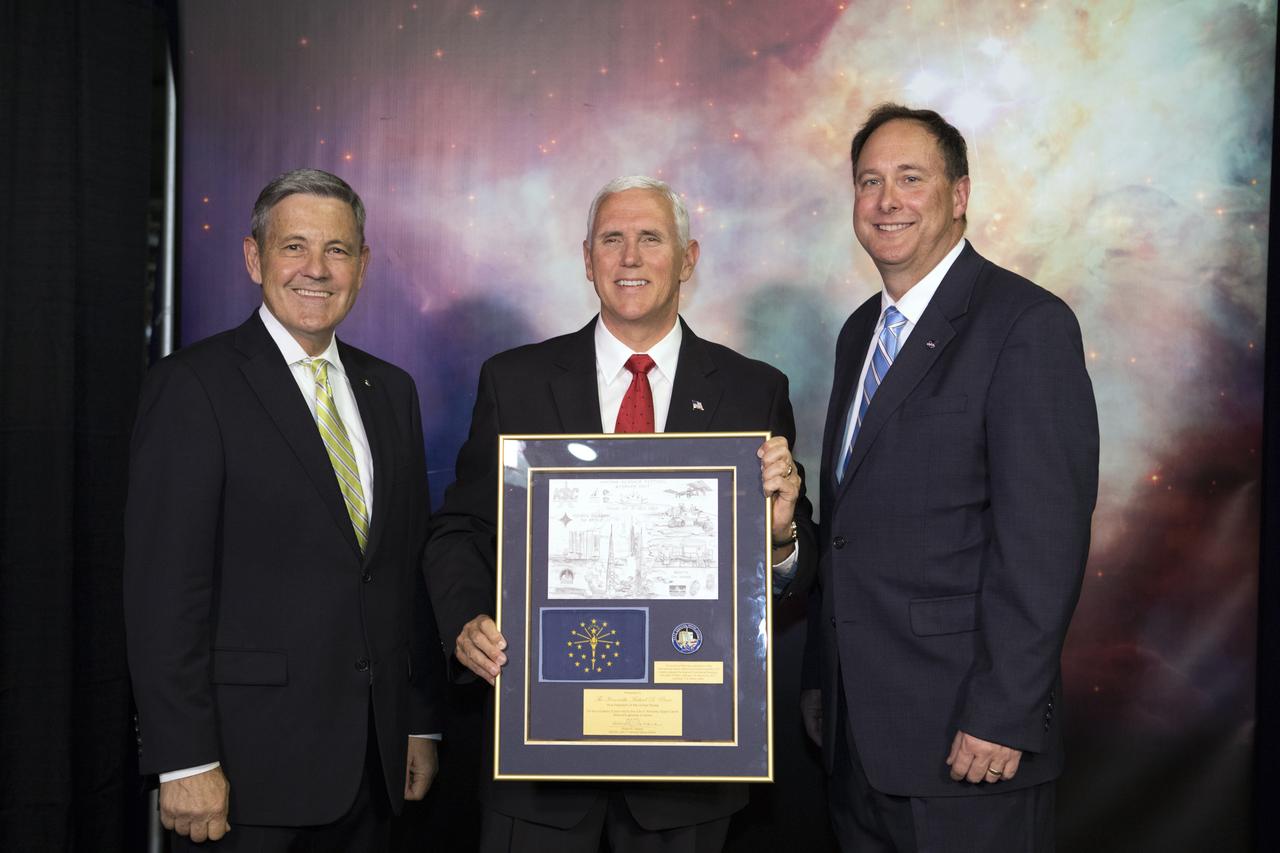
Kennedy Space Center Bob Cabana, left, and NASA's Acting Administrator Robert Lightfoot, right present Vice President Mike Pence with a framed plaque. At the top is an illustration featuring NASA's efforts to explore Mars. Also included is the flag of the Vice President's home state of Indiana that was flown on the SpaceX Commercial Resupply Services-10 flight in February and March this year. During his visit to Kennedy, the Vice President spoke inside the iconic Vehicle Assembly Building, where he thanked employees for advancing American leadership in space.

Dr. Karen St. Germain, NASA director of the Earth Science Division, speaks with John Rhys-Davies, the actor best known for his roles as Gimli in The Lord of the Rings trilogy and Sallah in the Indiana Jones franchise at the Earth Information Center (EIC), Friday, March 28, 2025 at the Mary W. Jackson NASA Headquarters building in Washington, DC. Photo Credit: (NASA/Aubrey Gemignani)

Dr. Karen St. Germain, NASA director of the Earth Science Division, speaks with John Rhys-Davies, the actor best known for his roles as Gimli in The Lord of the Rings trilogy and Sallah in the Indiana Jones franchise at the Earth Information Center (EIC), Friday, March 28, 2025 at the Mary W. Jackson NASA Headquarters building in Washington, DC. Photo Credit: (NASA/Aubrey Gemignani)
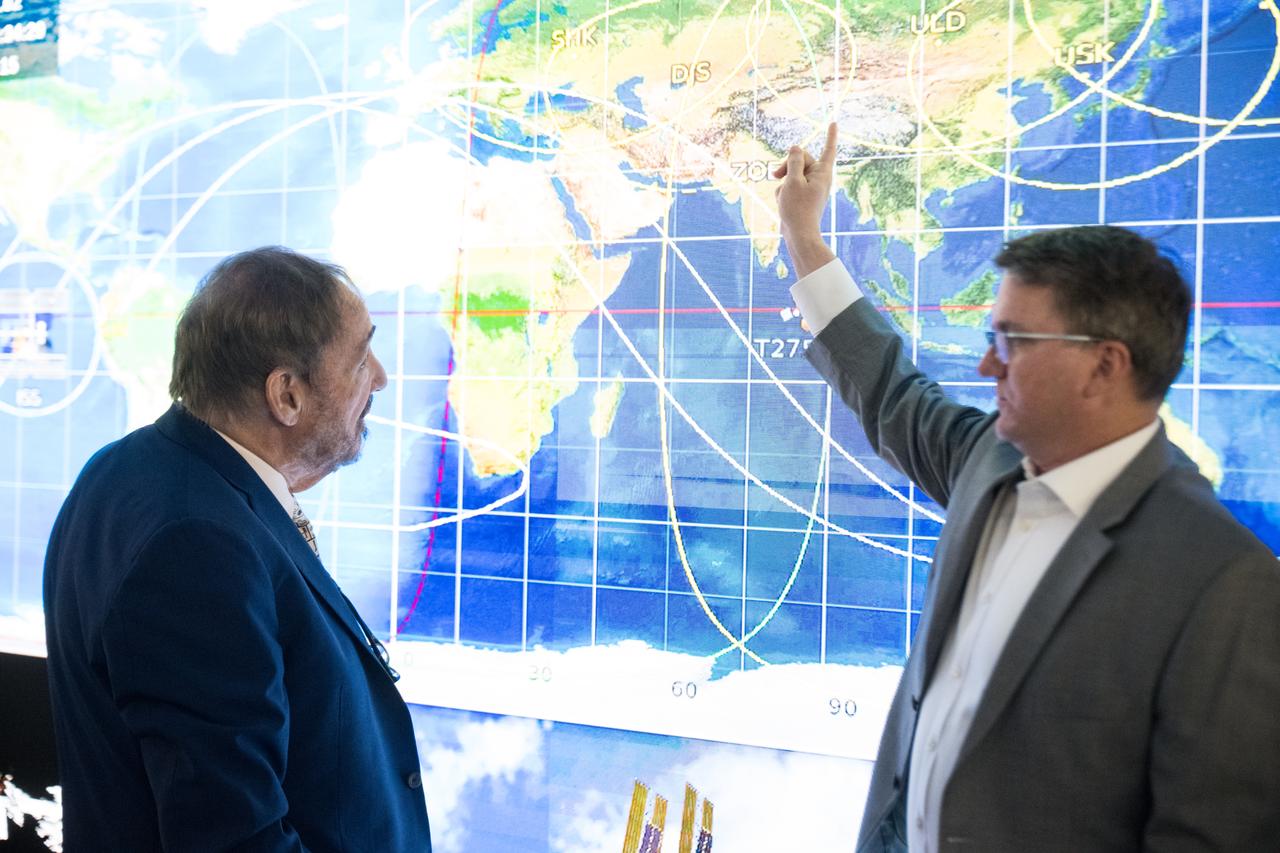
Jacob Keaton, NASA senior policy advisor in the International Space Station (ISS) Division in the Human Exploration and Operations Mission Directorate, speaks with John Rhys-Davies, the actor best known for his roles as Gimli in The Lord of the Rings trilogy and Sallah in the Indiana Jones franchise, in the Space Operations Center (SOC), Friday, March 28, 2025 at the Mary W. Jackson NASA Headquarters building in Washington, DC. Photo Credit: (NASA/Aubrey Gemignani)
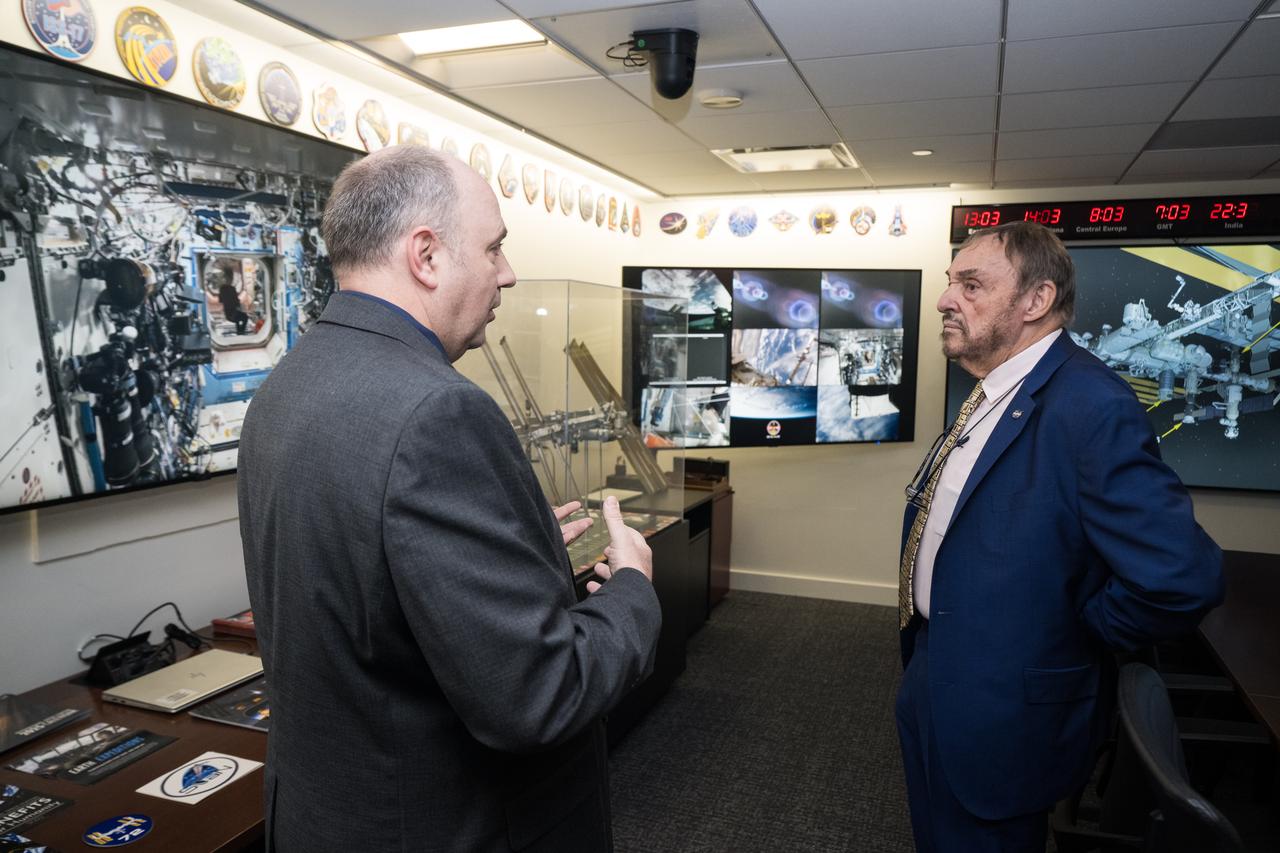
Kevin Metrocavage, NASA Headquarters Space Operations Center (SOC) Manager, Space Operations Mission Directorate, speaks with John Rhys-Davies, the actor best known for his roles as Gimli in The Lord of the Rings trilogy and Sallah in the Indiana Jones franchise, about the International Space Station in the SOC, Friday, March 28, 2025 at the Mary W. Jackson NASA Headquarters building in Washington, DC. Photo Credit: (NASA/Aubrey Gemignani)
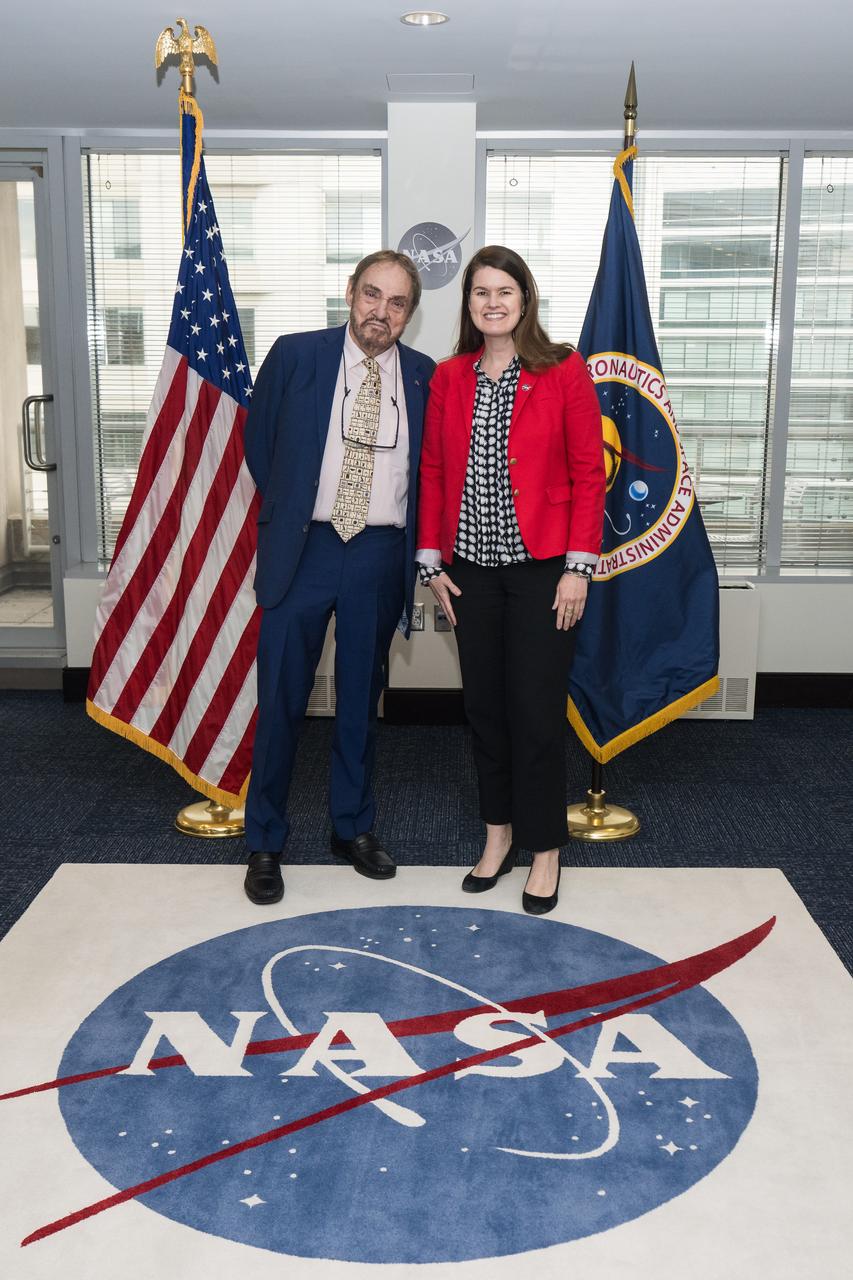
Casey Swails, NASA Deputy Associate Administrator poses for a photo with John Rhys-Davies, the actor best known for his roles as Gimli in The Lord of the Rings trilogy and Sallah in the Indiana Jones franchise, Friday, March 28, 2025 at the Mary W. Jackson NASA Headquarters building in Washington, DC. Photo Credit: (NASA/Aubrey Gemignani)

Kevin Metrocavage, NASA Headquarters Space Operations Center (SOC) Manager, Space Operations Mission Directorate, speaks with John Rhys-Davies, the actor best known for his roles as Gimli in The Lord of the Rings trilogy and Sallah in the Indiana Jones franchise, about the International Space Station in the SOC, Friday, March 28, 2025 at the Mary W. Jackson NASA Headquarters building in Washington, DC. Photo Credit: (NASA/Aubrey Gemignani)
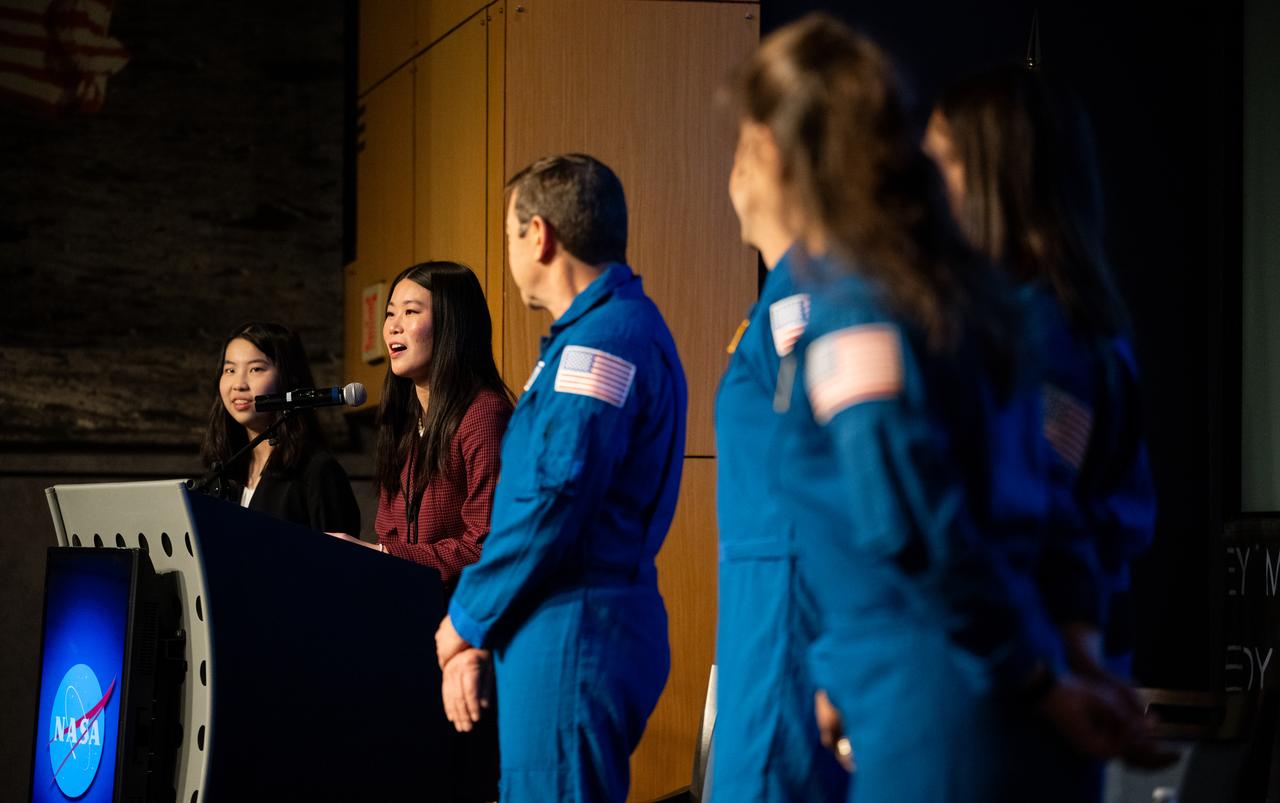
U.S. Senate Youth Program delegates Sarah Gao of California, second from left, and Sophia Fu of Indiana, left, introduce Expedition 71 NASA astronauts Michael Barratt, Matthew Dominick, Jeanette Epps, and Tracy Dyson, Wednesday, March 5, 2025 at the Mary W. Jackson NASA Headquarters Building in Washington. Dominick, Epps, Barratt, and Dyson served as part of Expedition 71 aboard the International Space Station. Photo Credit: (NASA/Joel Kowsky)
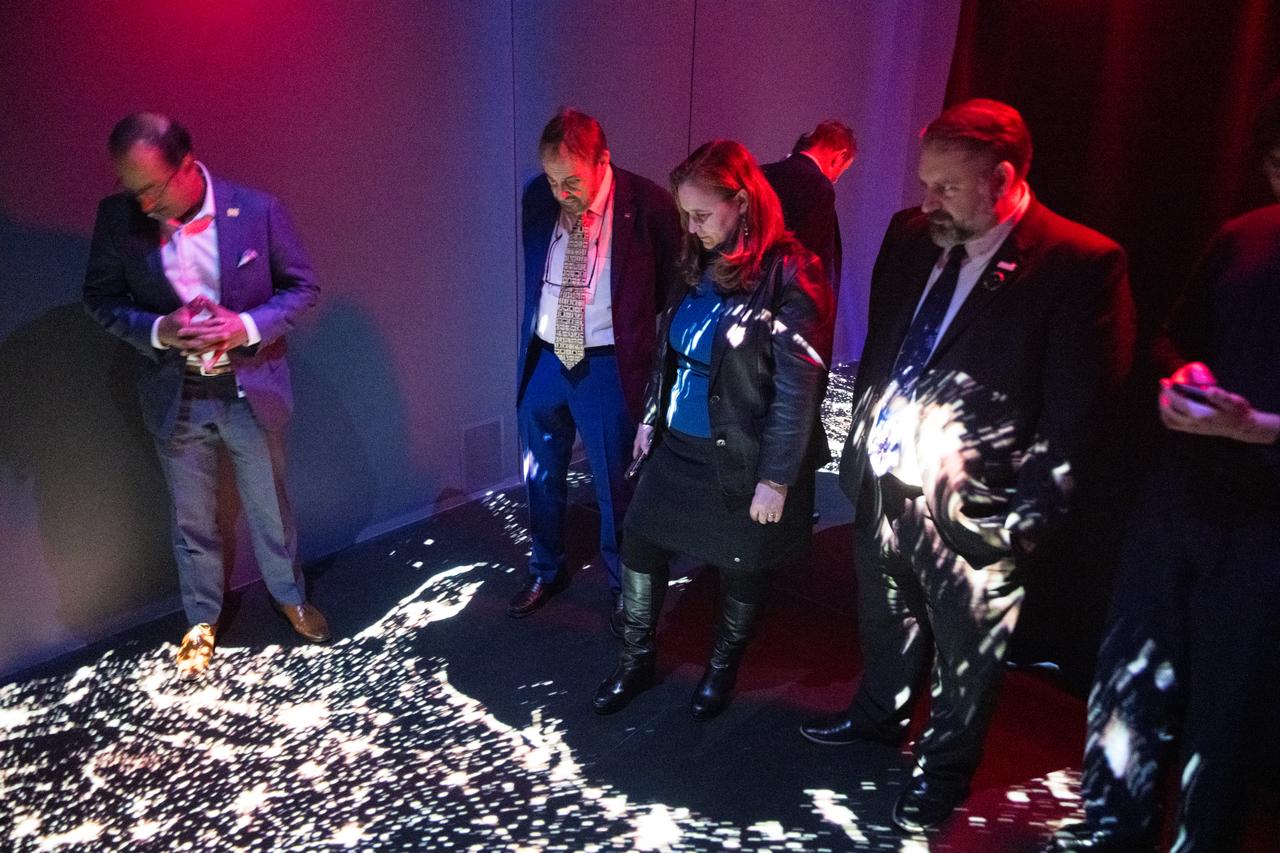
Dr. Karen St. Germain, NASA director of the Earth Science Division, and John Rhys-Davies, the actor best known for his roles as Gimli in The Lord of the Rings trilogy and Sallah in the Indiana Jones franchise, center left, visit the Earth Information Center (EIC), Friday, March 28, 2025 at the Mary W. Jackson NASA Headquarters building in Washington, DC. Photo Credit: (NASA/Aubrey Gemignani)