
The Global Ecosystem Dynamics Investigation (GEDI) Optical Bench is suspended from the crane in the Spacecraft Checkout and Integration Area (SCA) clean room at Goddard Space Flight Center. Final cleaning is performed prior to integration into the box structure.
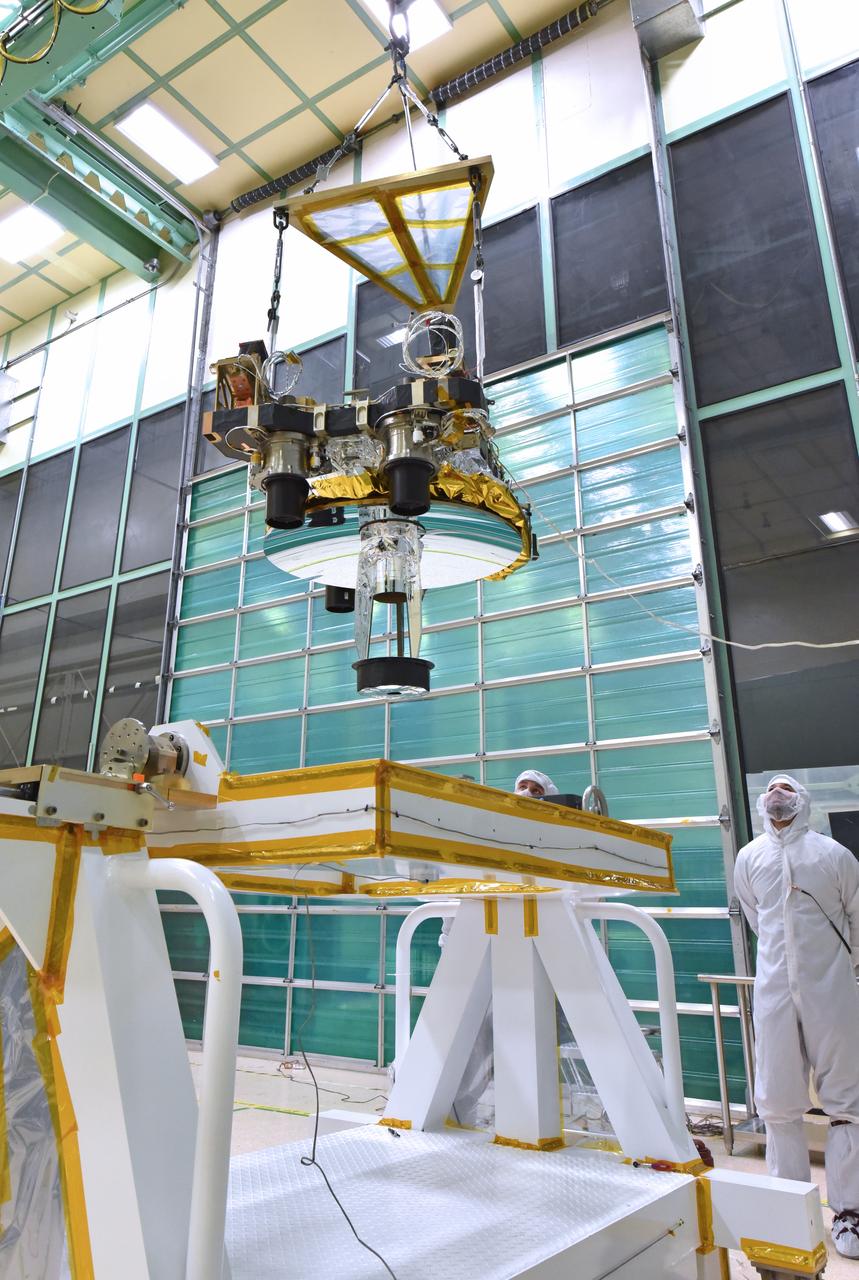
Engineers and technicians from the Global Ecosystem Dynamics Investigation (GEDI) use a crane to lift the Optical Bench during integration activities inside the Spacecraft Checkout and Integraton Area (SCA) clean room at Goddard Space Flight Center
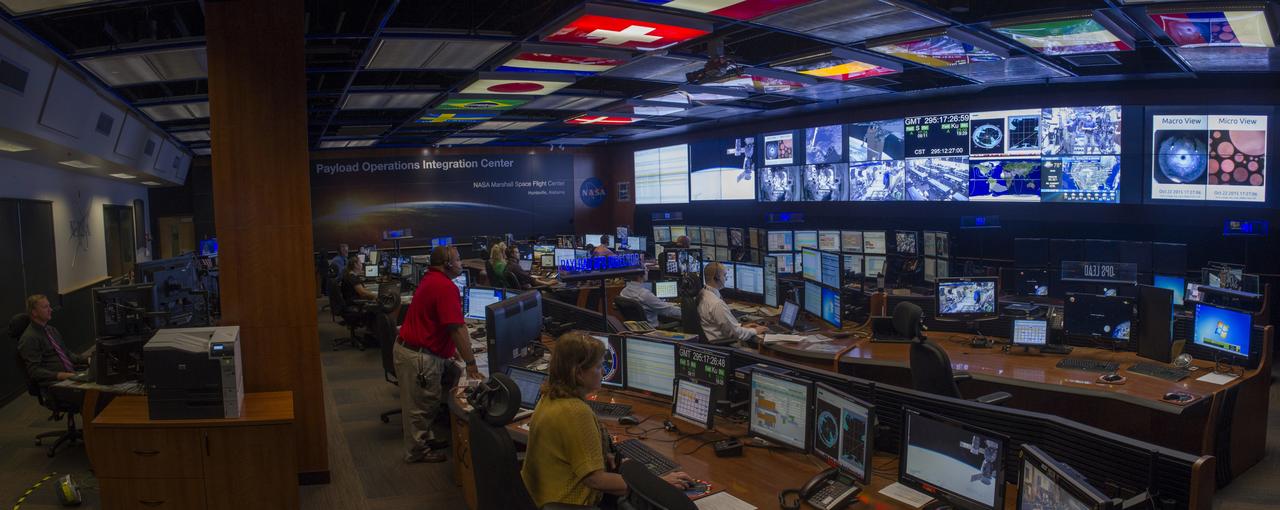
PANORAMIC VIEW OF PAYLOAD OPERATIONS INTEGRATION CENTER, PCA1, BLDG. 4663…UPDATED 10/21/15
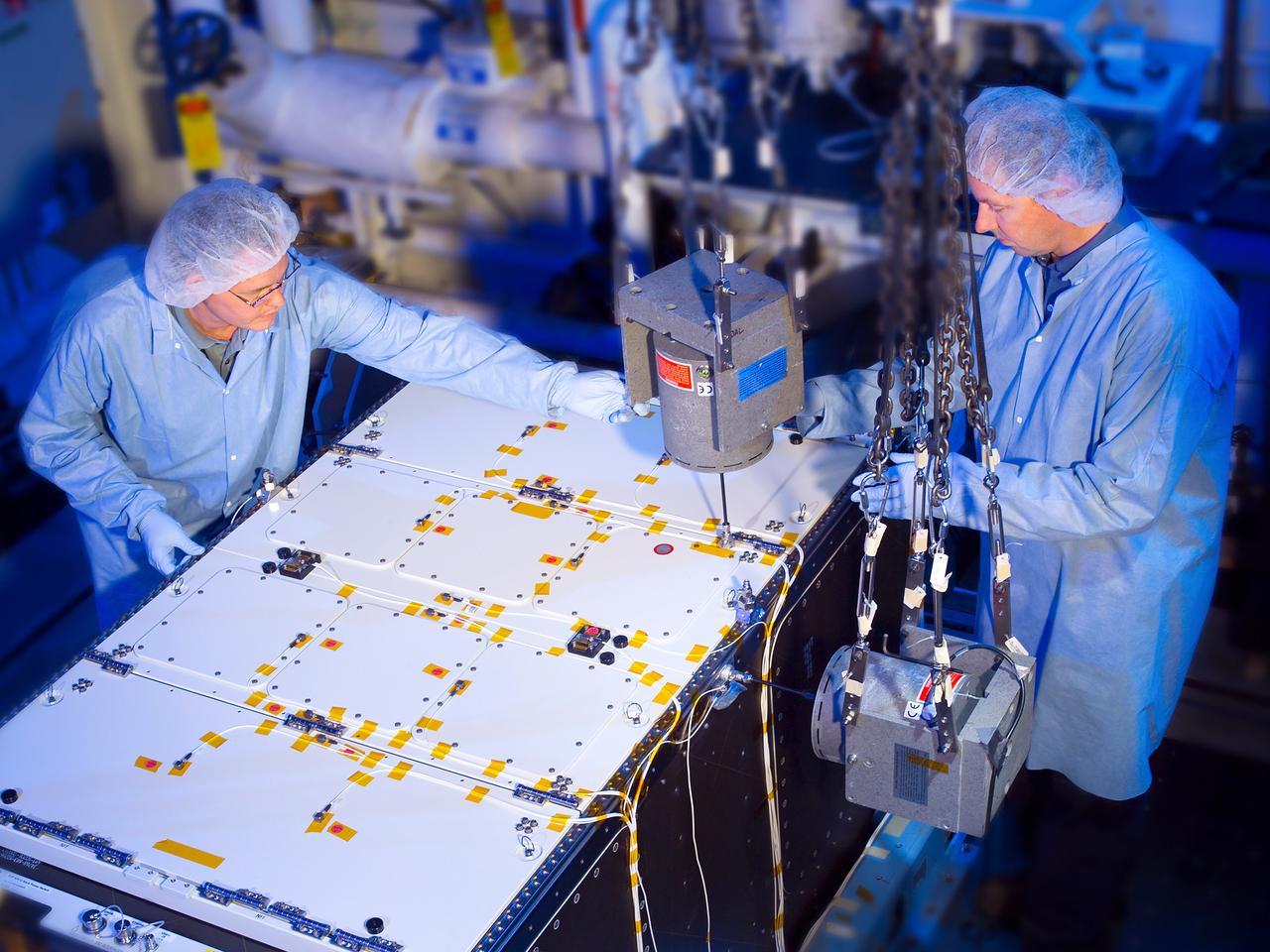
Fluids and Combustion Facility (FCF), Combustion Integration Rack (CIR) during testing in the Structural Dynamics Laboratory (SDL). The Fluids and Combustion Facility (FCF) is a set of two International Space Station (ISS) research facilities designed to support physical and biological experiments in support of technology development and validation in space. The FCF consists of two modular, reconfigurable racks called the Combustion Integration Rack (CIR) and the Fluids Integration Rack (FIR). The CIR and FIR were developed at NASAʼs Glenn Research Center.
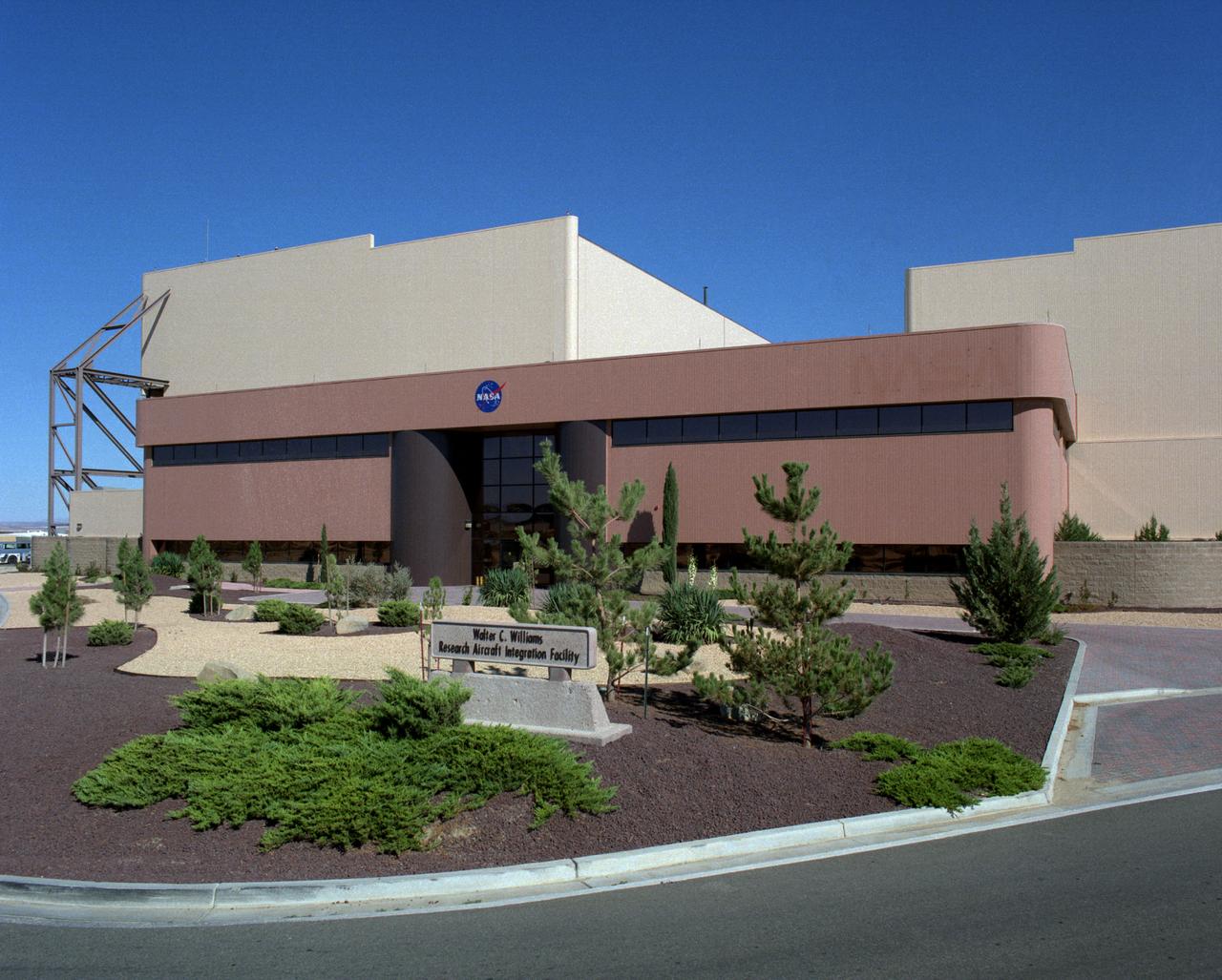
Walter C. Williams Research Aircraft Integration Facility (RAIF)

Dwight Mosby, Payload Operations Mission Division Manager, welcomes scientists and engineers from around the world as they participate in the annual Payload Operations and Integration Working Group meeting held Oct. 20-21. The event offers payload developers, investigators and project managers the opportunity to coordinate processes and schedules and to review the status of scientific payloads currently on or soon launching to the International Space Station. The gathering, hosted by NASA Marshall’s Payload Operations and Integration Center, was held virtually. The POIC is mission control for science on the International Space Station.
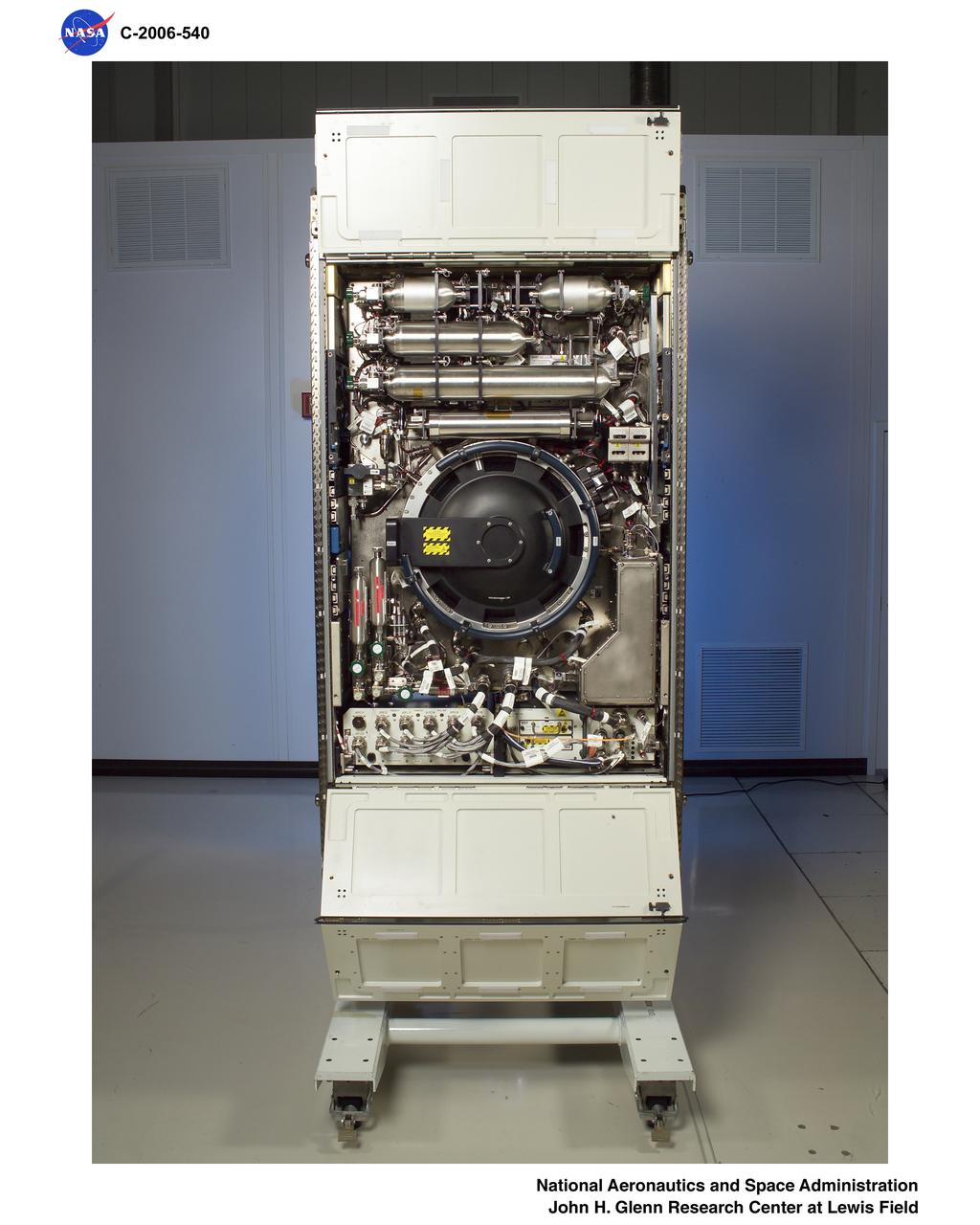
Combustion Integrated Rack (CIR)
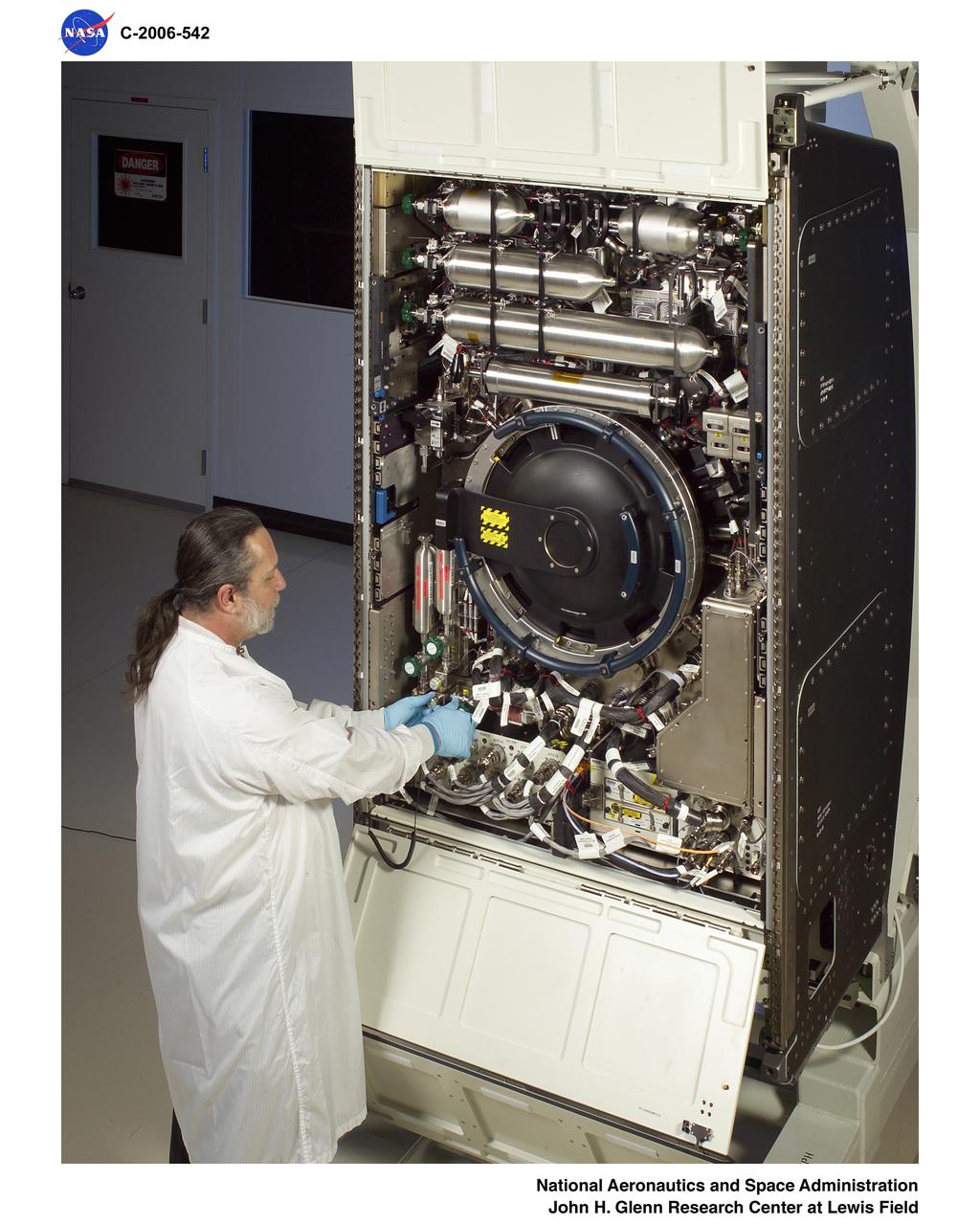
Combustion Integrated Rack (CIR)
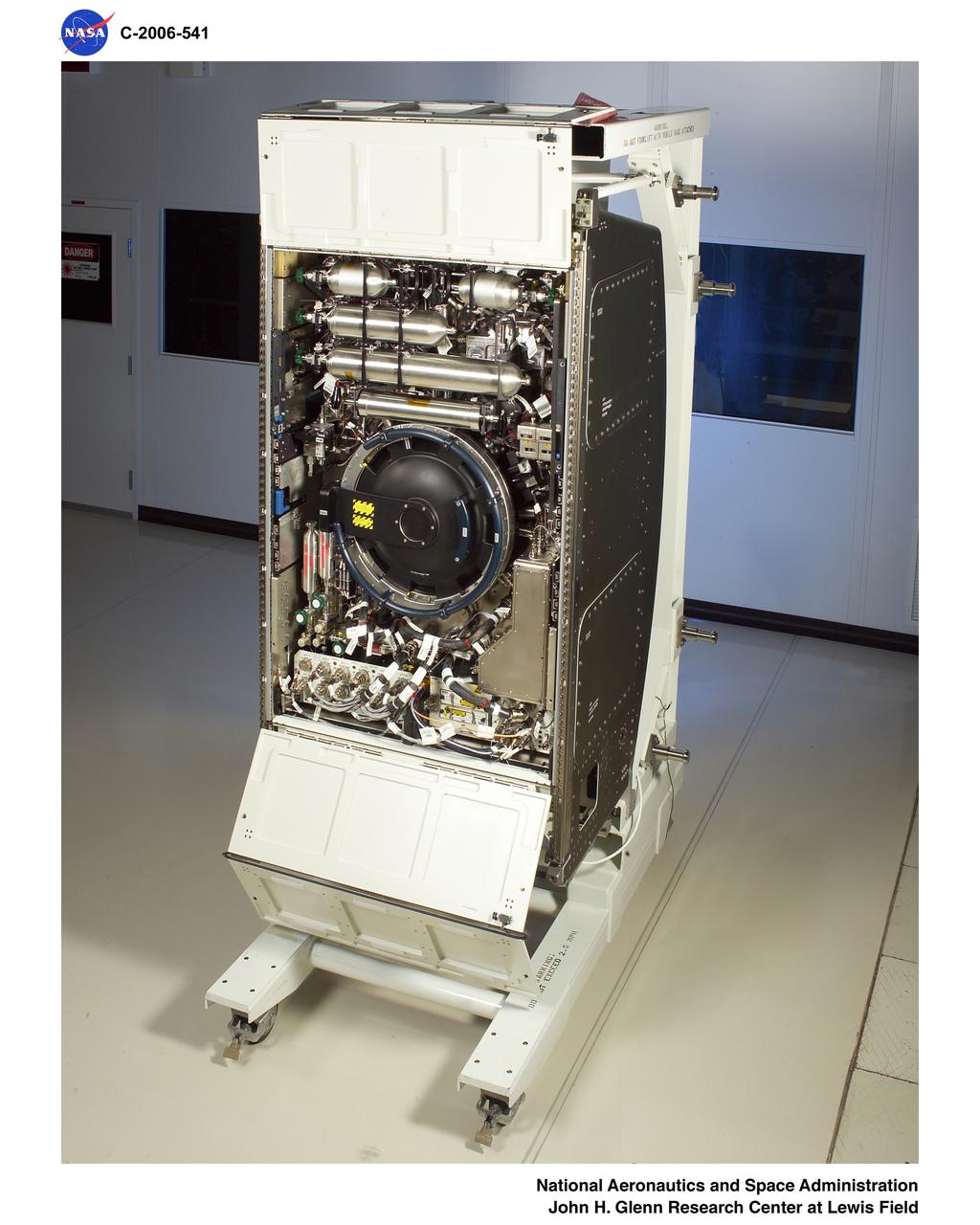
Combustion Integrated Rack (CIR)

A plume of fire lights up the night during a test of the Integrated Powerhead Demonstrator at Stennis Space Center's E-1 Test Stand.

Penny Pettigrew is an International Space Station Payload Communications Manager, or PAYCOM, in the Payload Operations Integration Center at NASA's Marshall Space Flight Center in Huntsville, Alabama.
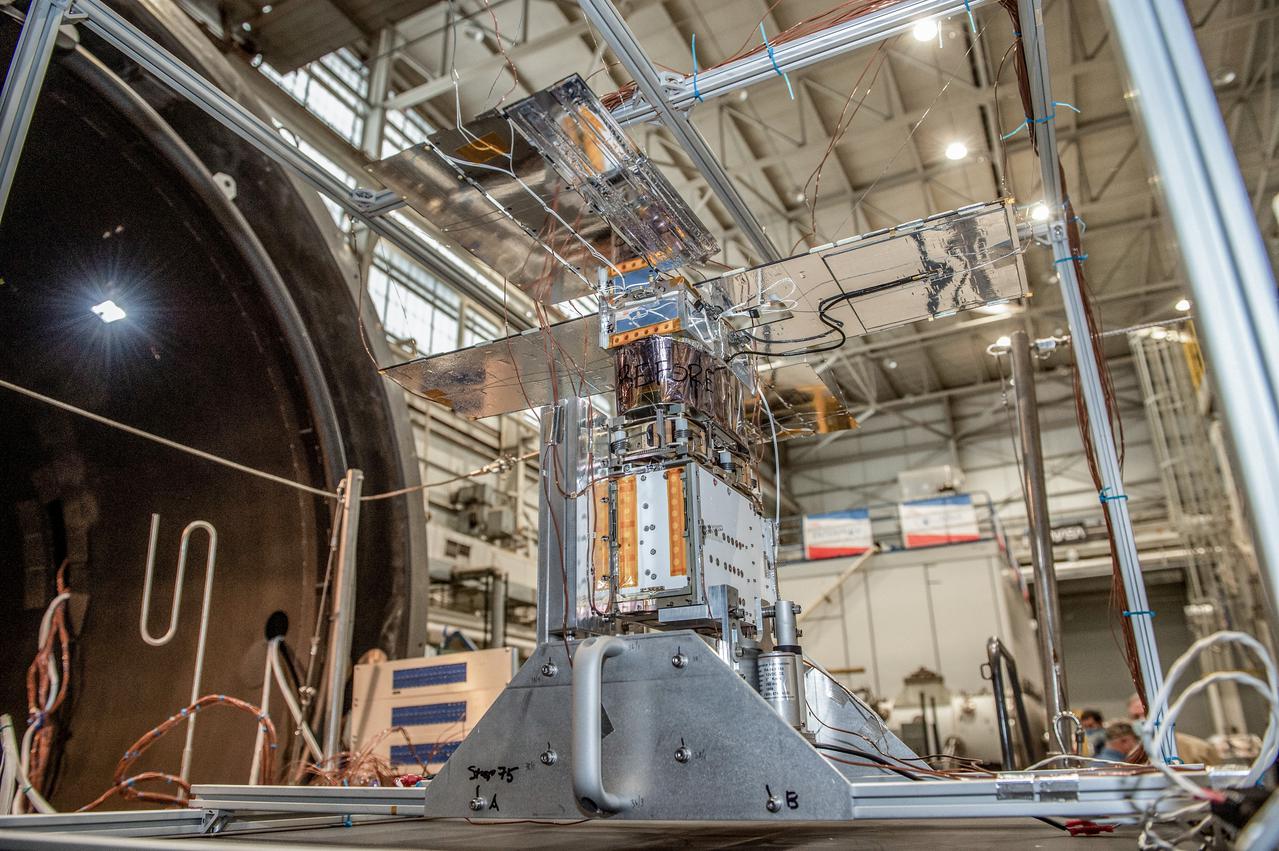
NEA Scout spacecraft after de-integration from hot box
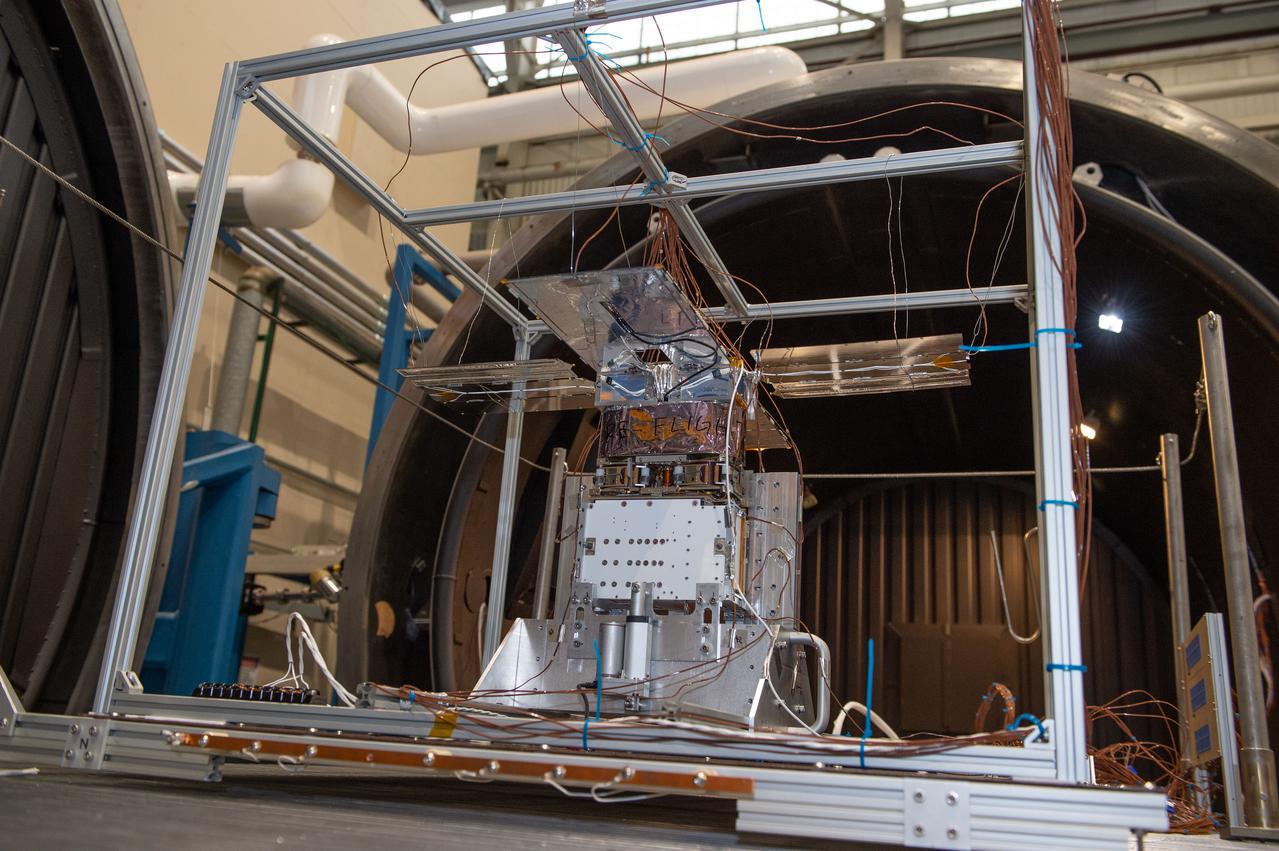
NEA Scout spacecraft after de-integration from hot box
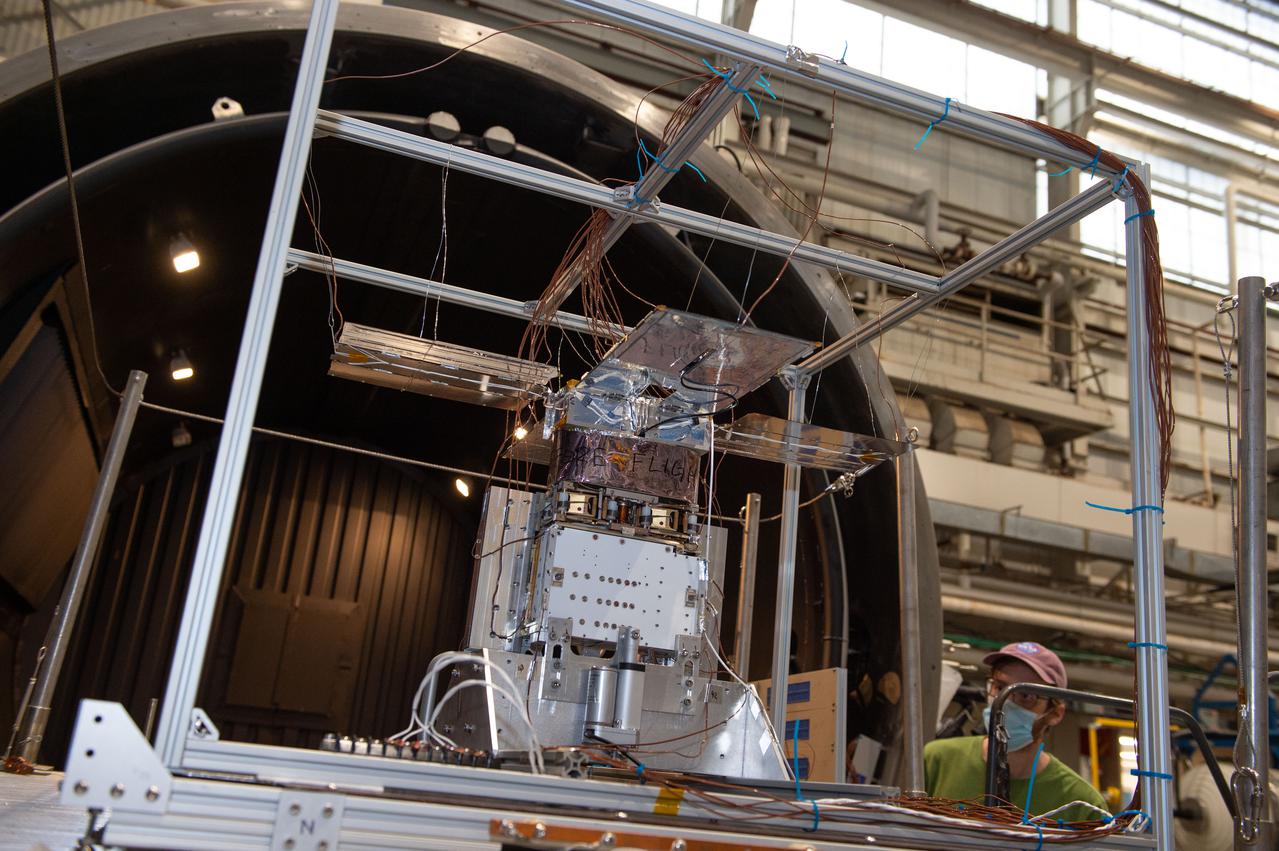
NEA Scout spacecraft after de-integration from hot box
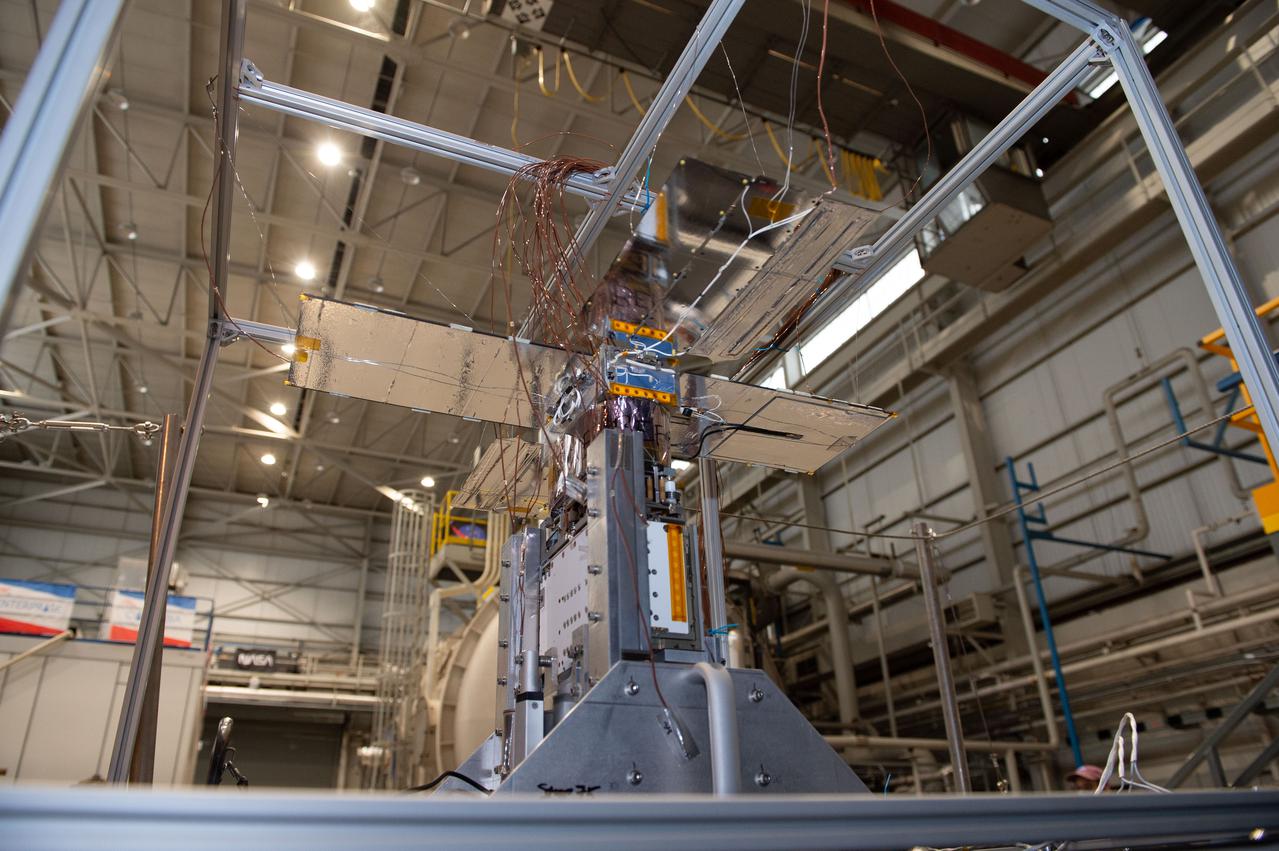
NEA Scout spacecraft after de-integration from hot box
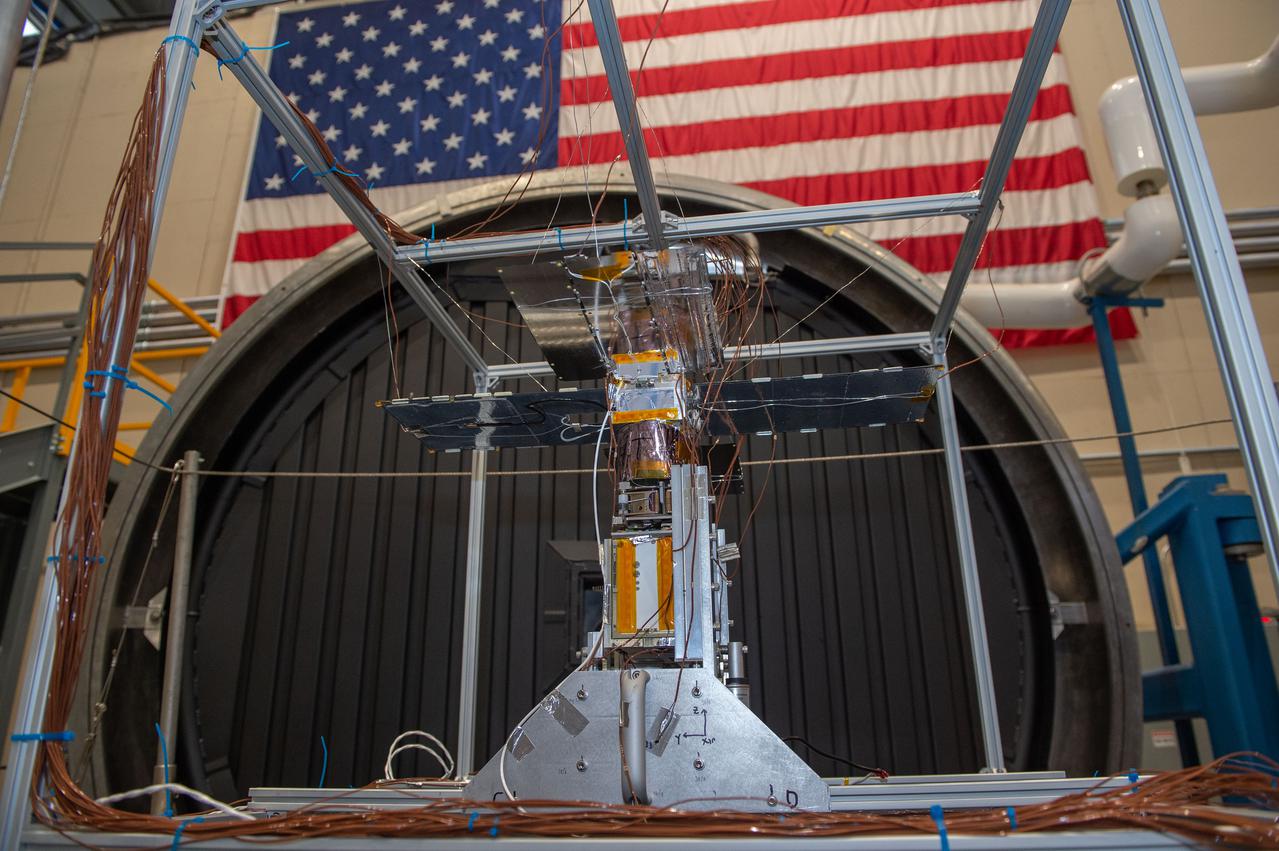
NEA Scout spacecraft after de-integration from hot box
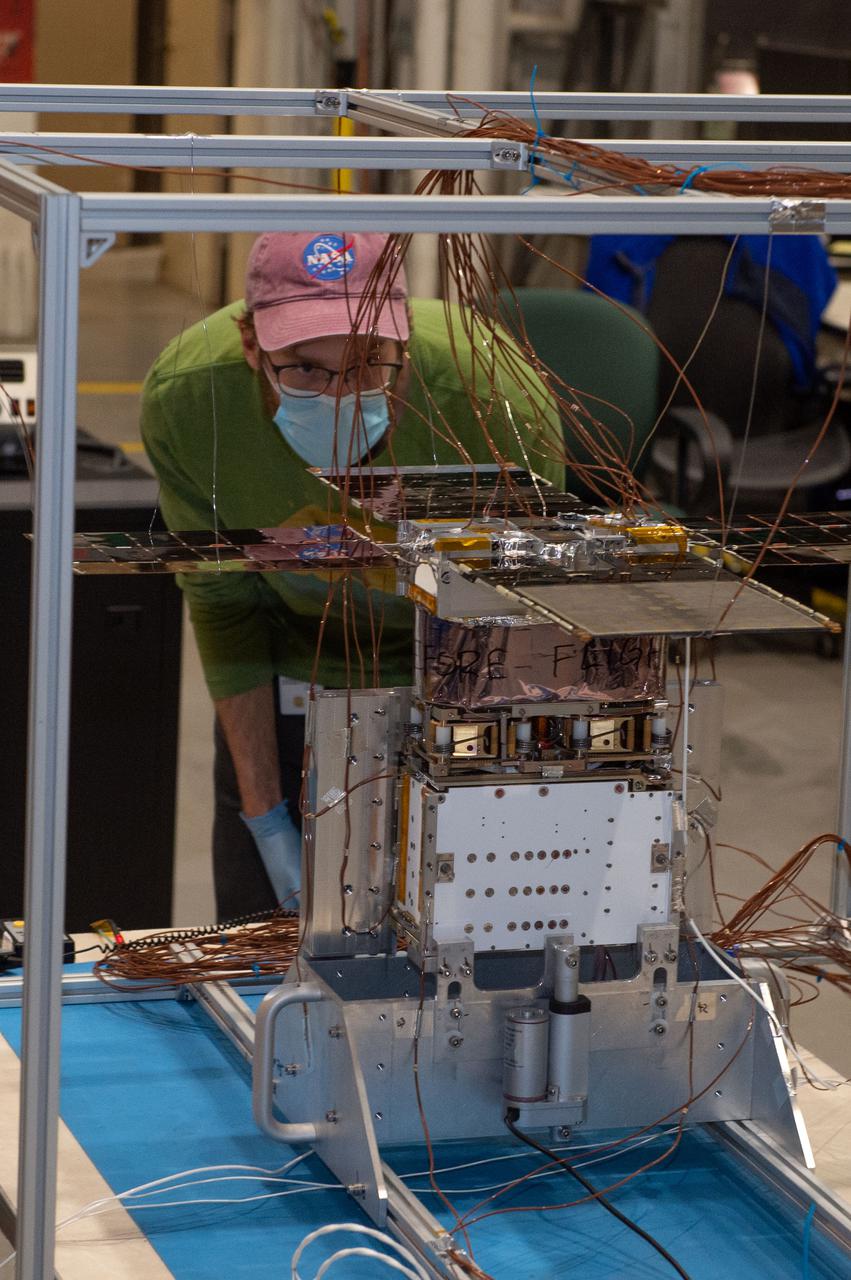
NEA Scout spacecraft after de-integration from hot box
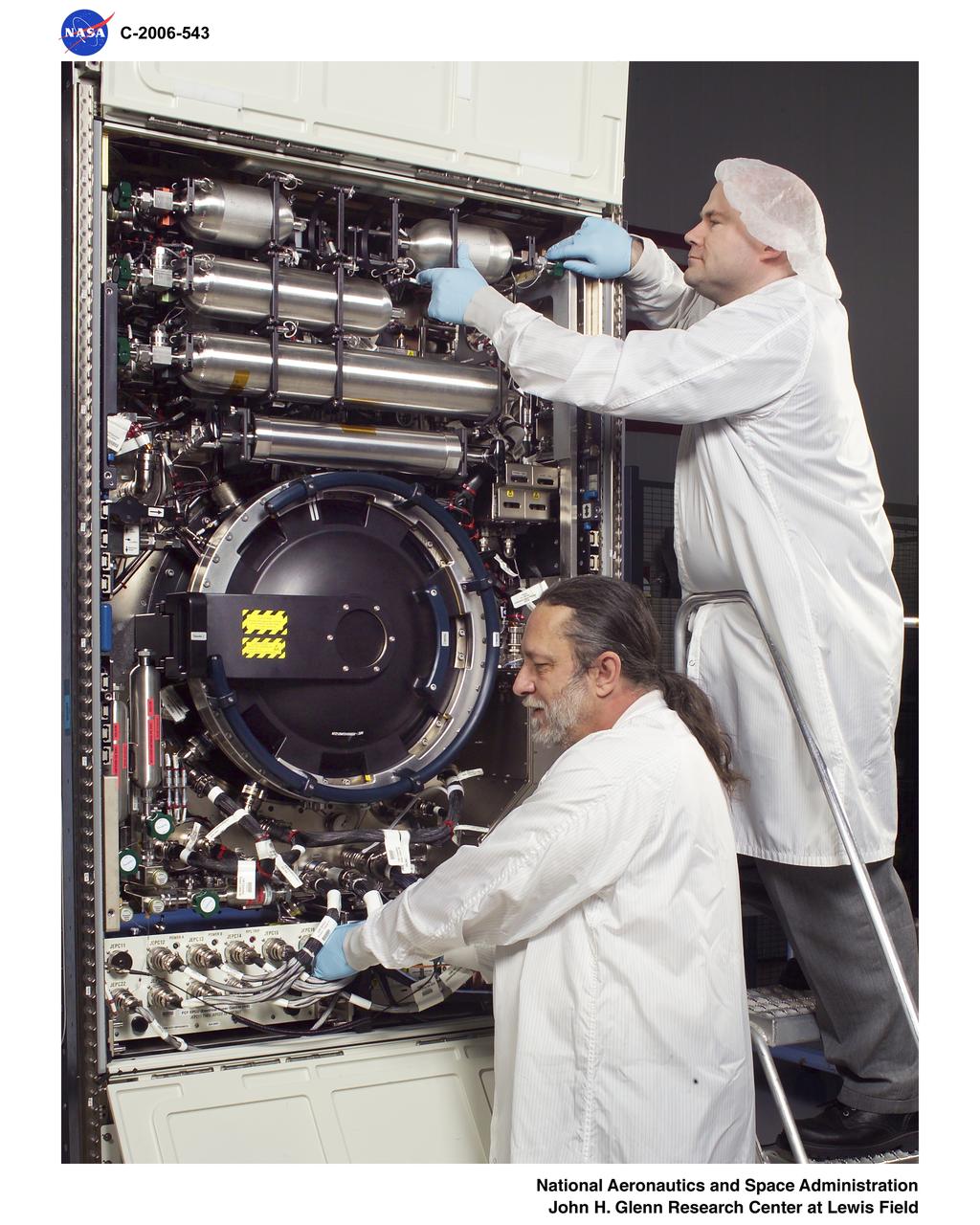
Combustion Integrated Rack (CIR)
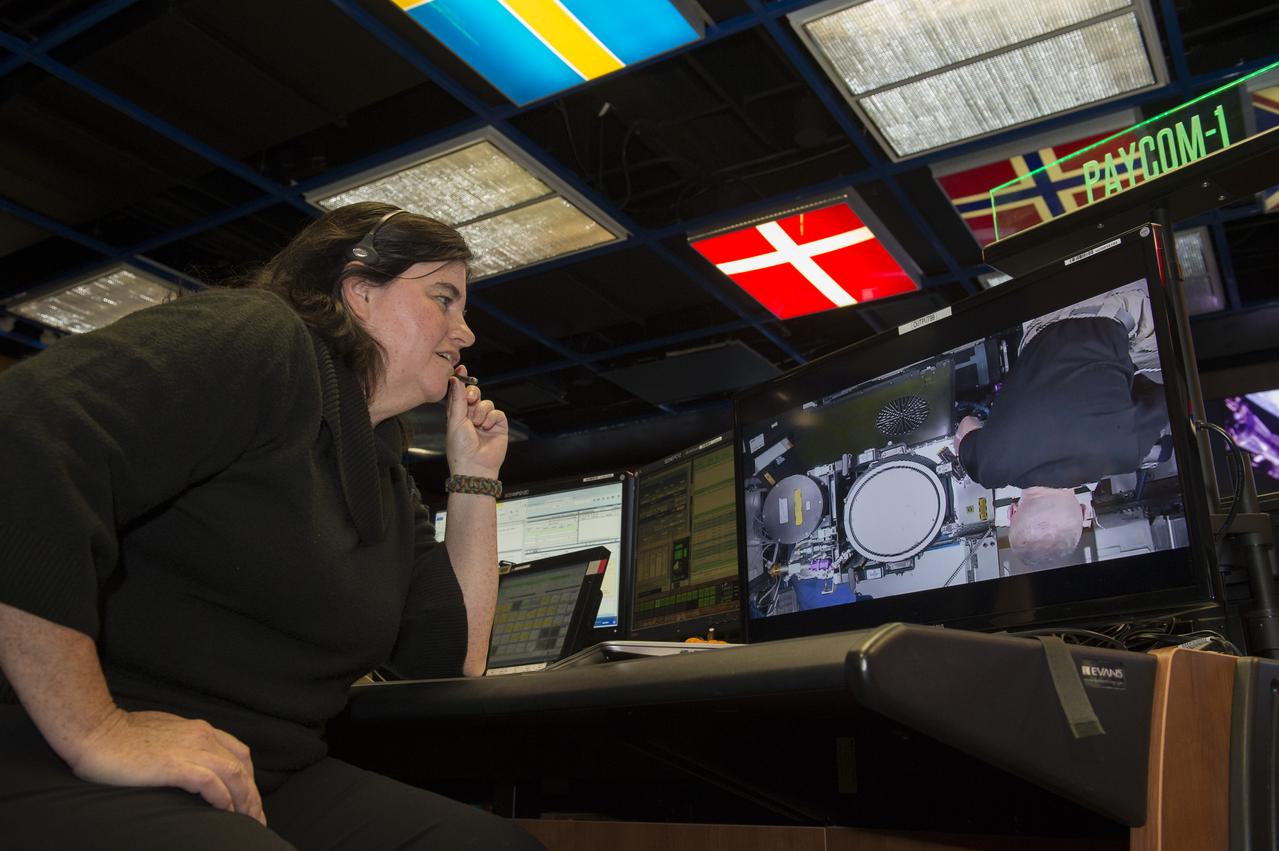
Penny Pettigrew chats in real time with a space station crew member conducting an experiment in microgravity some 250 miles overhead. The Payload Operations Integration Center cadre monitor science communications on station 24 hours a day, seven days a week, 365 days per year.
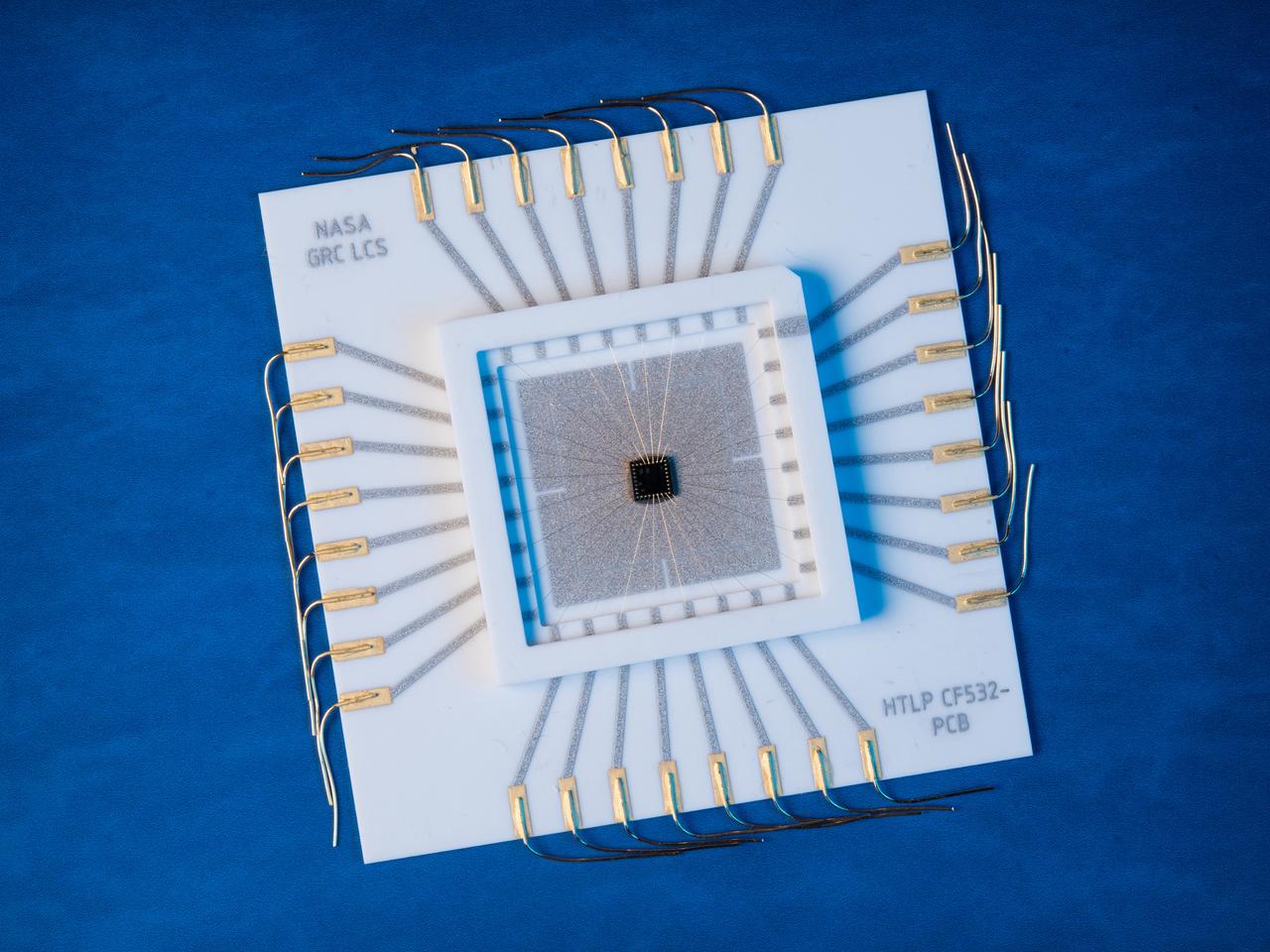
A multilevel interconnect silicon carbide integrated circuit chip with co-fired ceramic package and circuit board recently developed at the NASA GRC Smart Sensors and Electronics Systems Branch for high temperature applications. High temperature silicon carbide electronics and compatible packaging technologies are elements of instrumentation for aerospace engine control and long term inner-solar planet explorations.
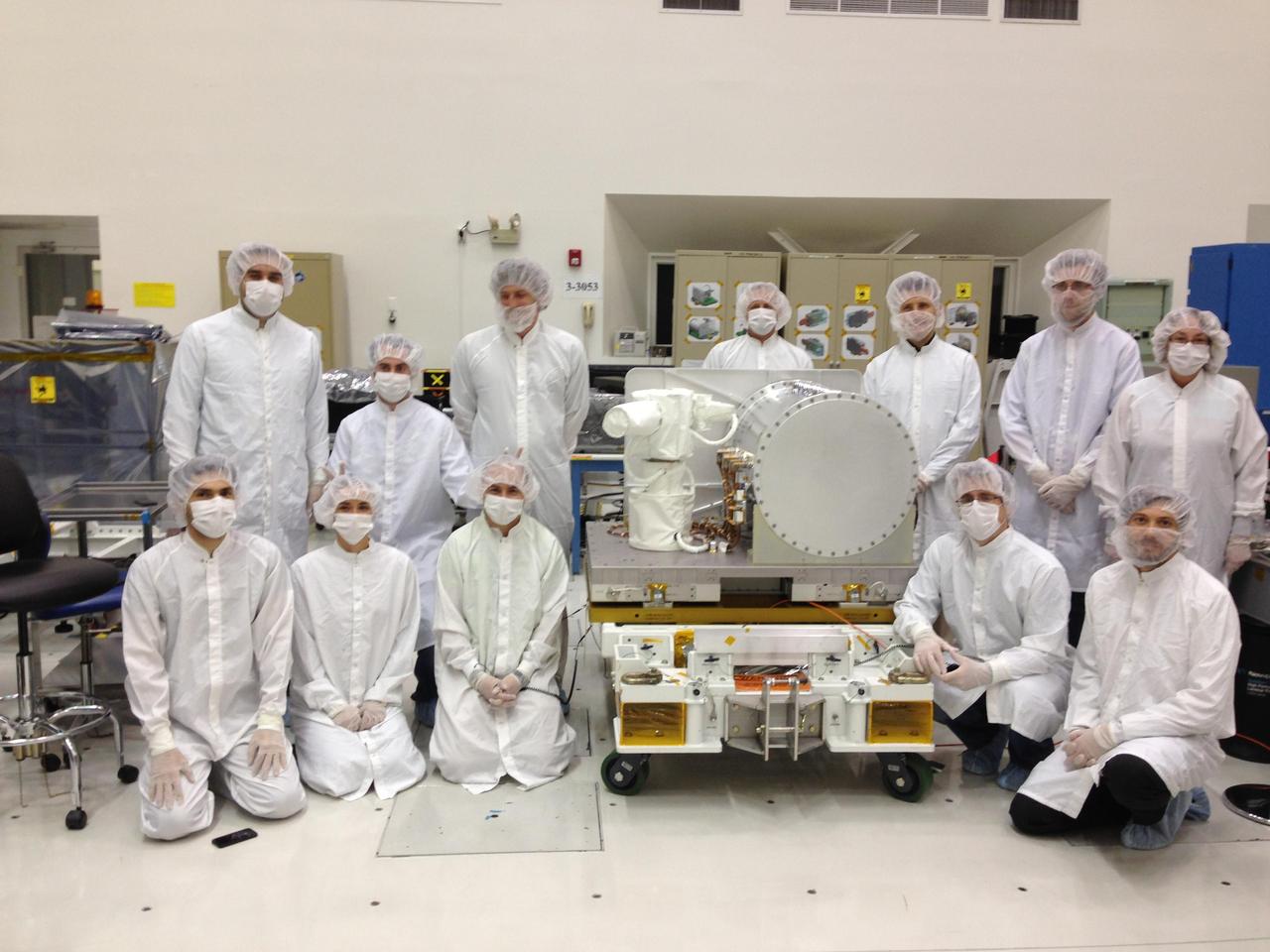
NASA Optical PAyload for Lasercomm Science OPALS integration and test team is seen at NASA Jet Propulsion Laboratory prior to OPALS shipment to Kennedy Space Center.
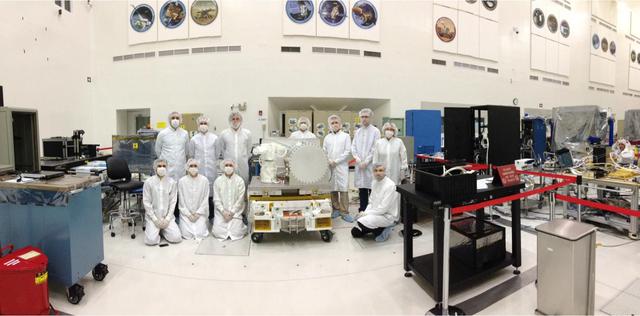
NASA Optical PAyload for Lasercomm Science OPALS integration and test team is seen at NASA Jet Propulsion Laboratory prior to OPALS shipment to Kennedy Space Center.
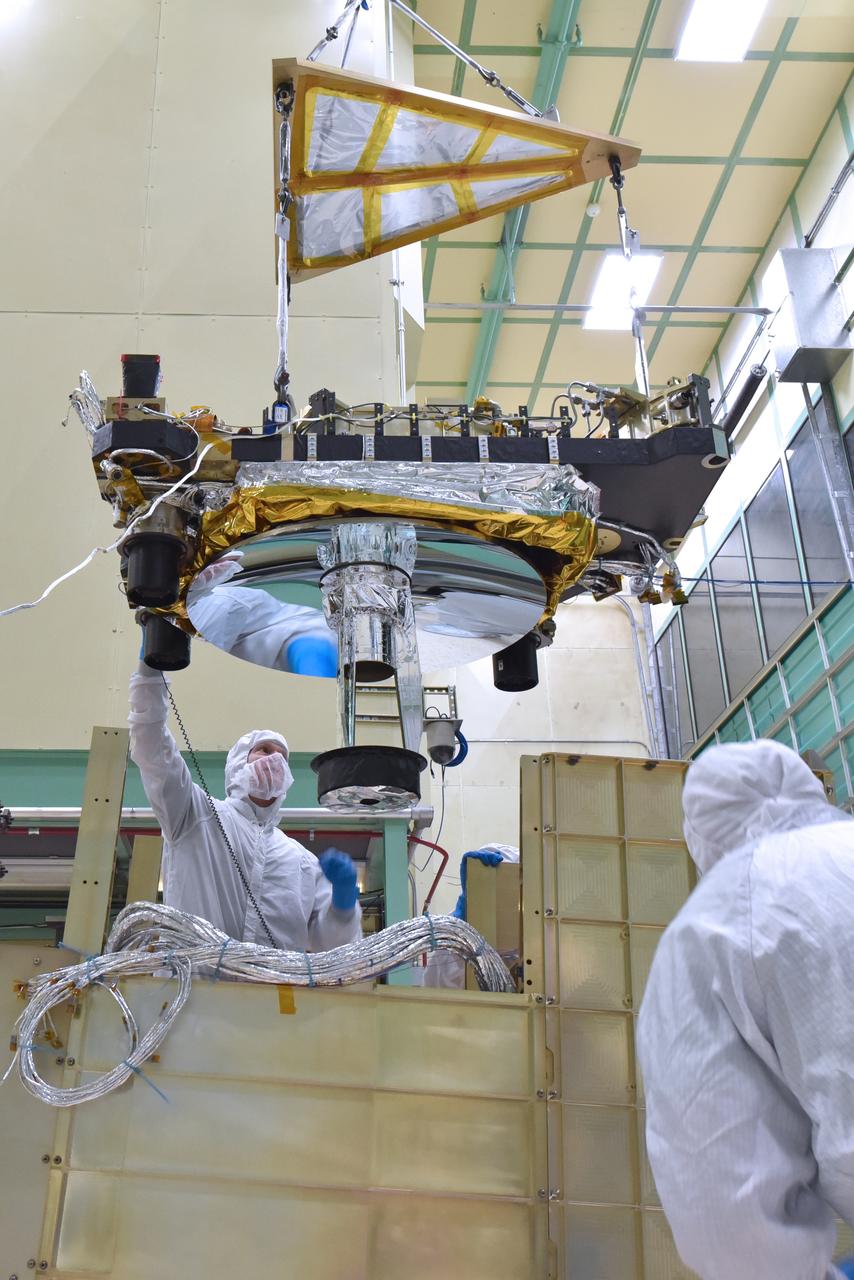
Engineers and technicians from the Global Ecosystem Dynamics Investigation (GEDI) integrate the Optical Bench and the Box Structure in the Spacecraft Checkout and Integration Area (SCA) clean room at Goddard Space Flight Center.
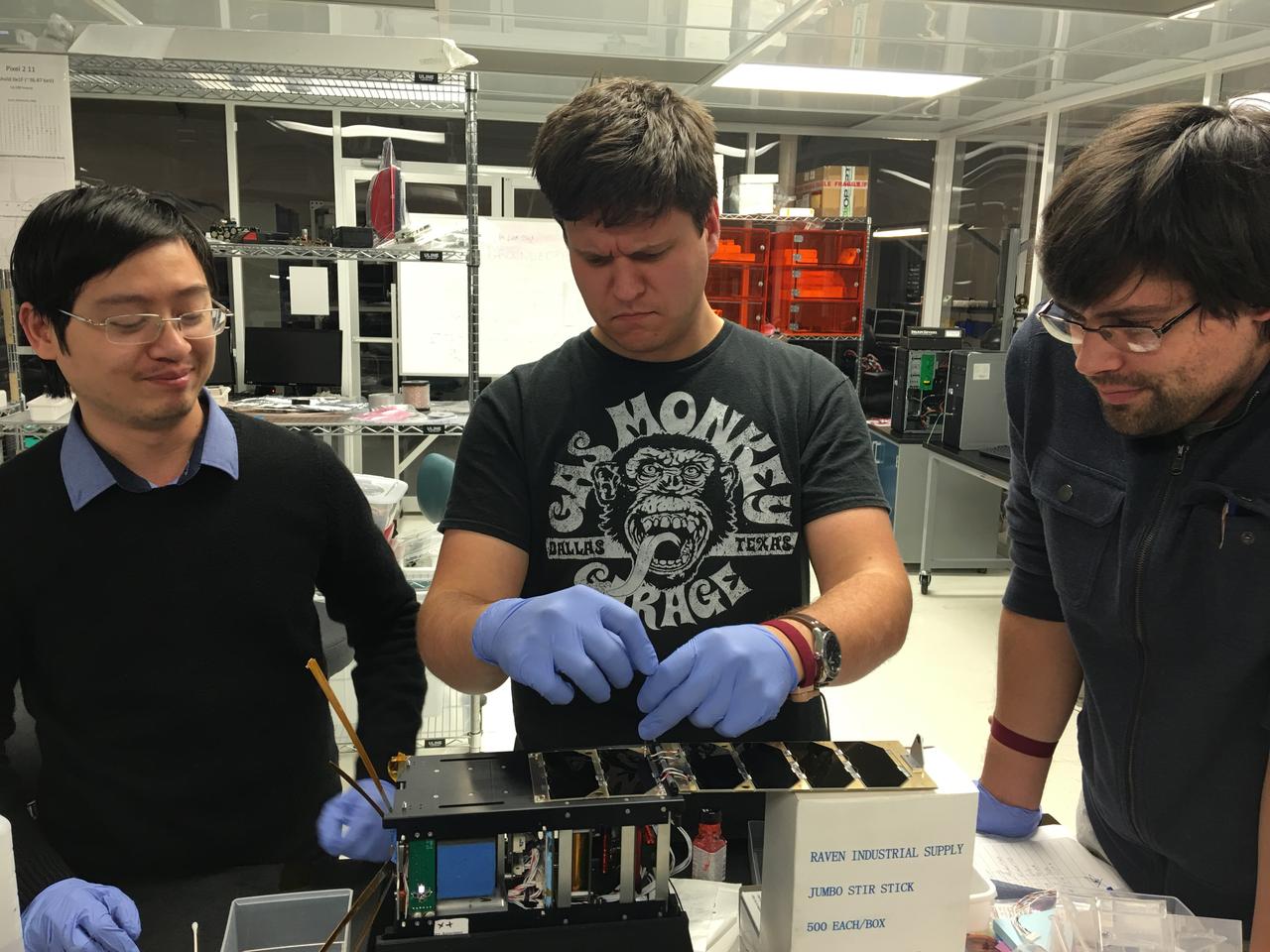
CXBN-2 Integration Team in the Morehead State University Spacecraft Integration and Assembly Facility. Left to right: Kein Dant, Yevgeniy Byleborodov, and Nate Richard. The Cosmic X-Ray Background NanoSat-2 (CXBN-2) CubeSat Mission developed by Morehead State University and its partners the Keldysh Institute (Moscow, Russia), the Maysville Community and Technical College (Morehead, KY) and KYSpace LLC (Lexington, KY) will increase the precision of measurements of the Cosmic X-Ray Background in the 30-50 keV range to a precision of <5%, thereby constraining models that attempt to explain the relative contribution of proposed sources lending insight into the underlying physics of the early universe. The mission addresses a fundamental science question that is central to our understanding of the structure, origin, and evolution of the universe by potentially lending insight into both the high-energy background radiation and into the evolution of primordial galaxies. Launched by NASA’s CubeSat Launch Initiative NET April 18, 2017 ELaNa XVII mission on the seventh Orbital-ATK Cygnus Commercial Resupply Services (OA-7) to the International Space Station and deployed on tbd.
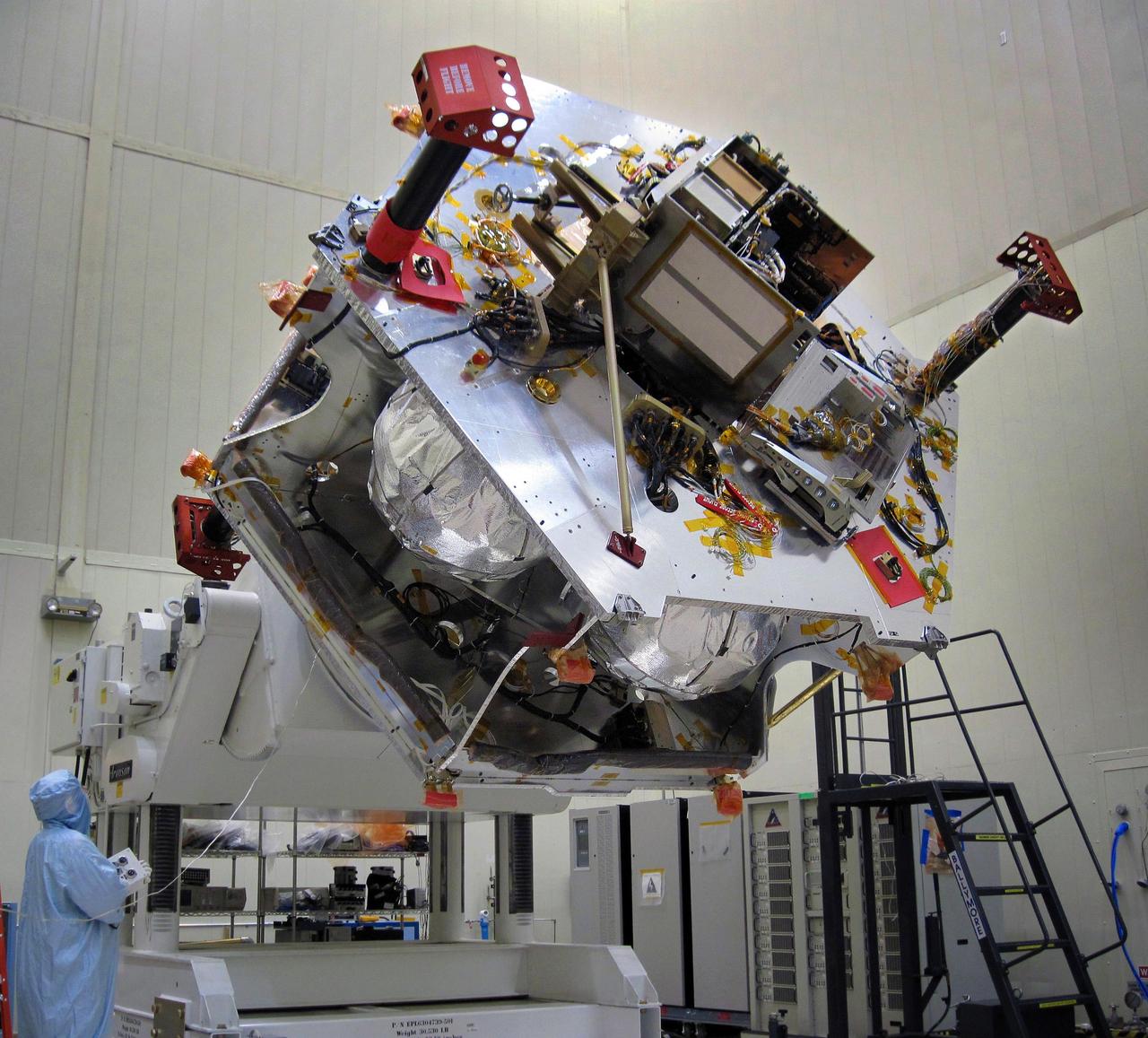
Once the radiation vault was installed on top of the propulsion module, NASA Juno spacecraft was lifted onto a large rotation fixture. The fixture allows the spacecraft to be turned for convenient access for integrating and testing instruments.
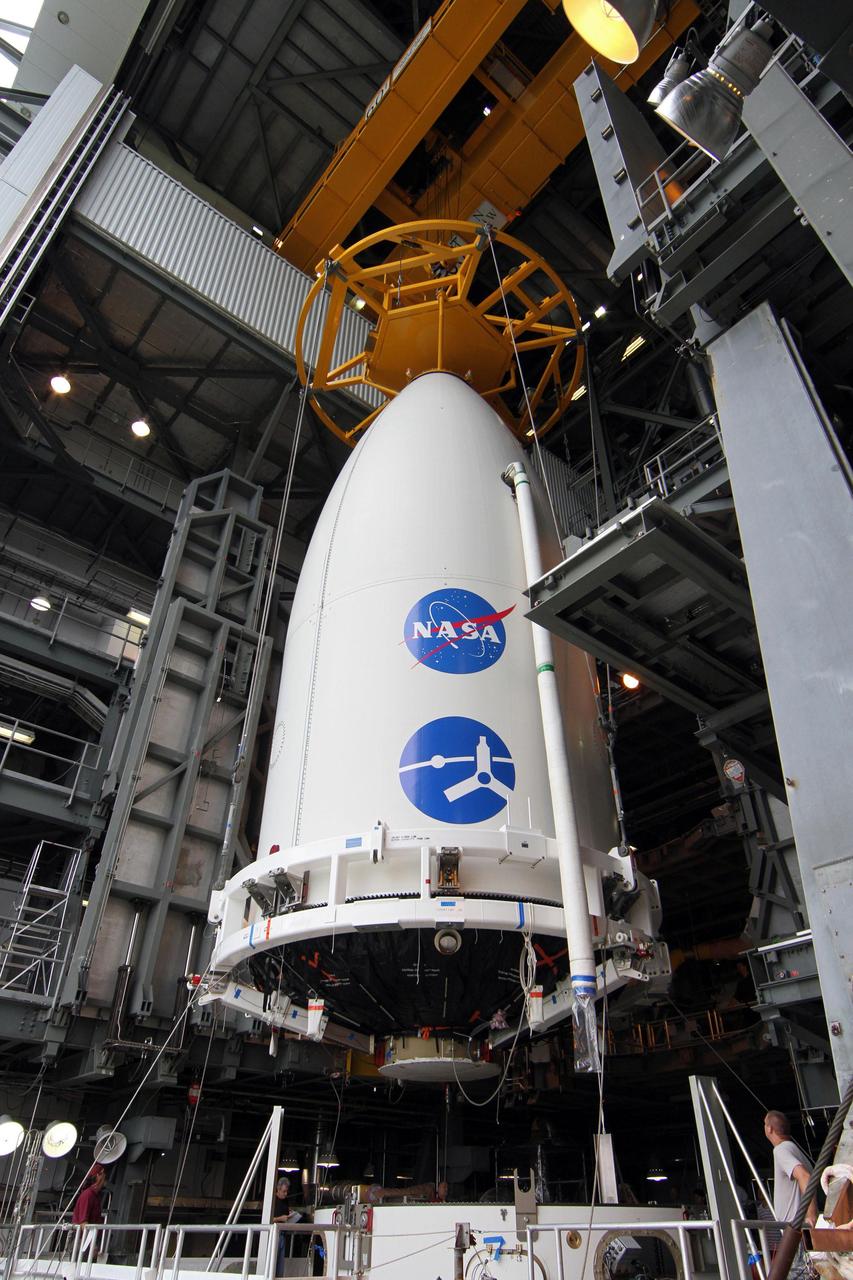
At Space Launch Complex 41, the Juno spacecraft, enclosed in an Atlas payload fairing, was transferred into the Vertical Integration Facility where it was positioned on top of the Atlas rocket stacked inside.

The Diviner instrument following integration to NASA Lunar Reconnaissance Orbiter. Diviner is one of seven instruments aboard the Lunar Reconnaissance Orbiter.
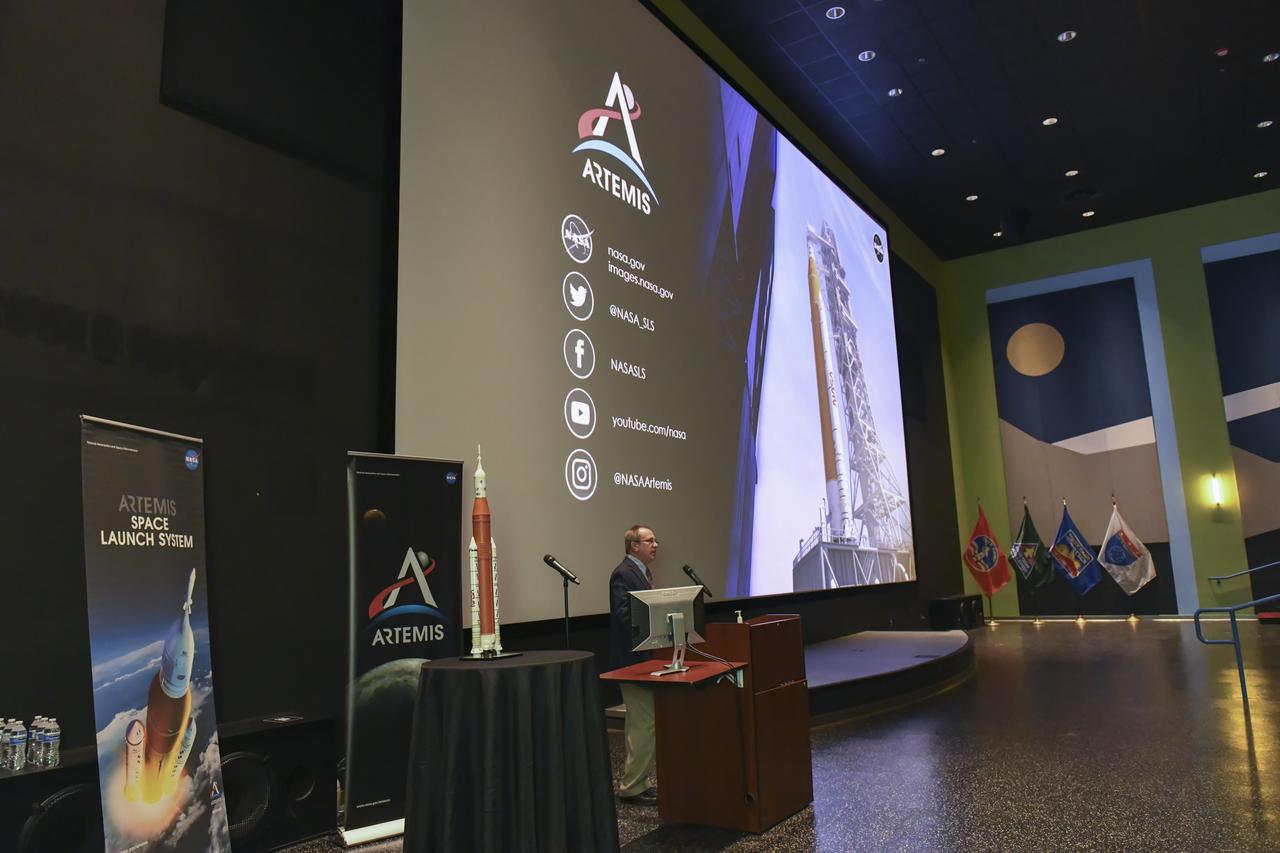
David Beaman, SLS Systems Engineering and Integration Manager, addresses audience at Chamber Media Briefing at USSRC.
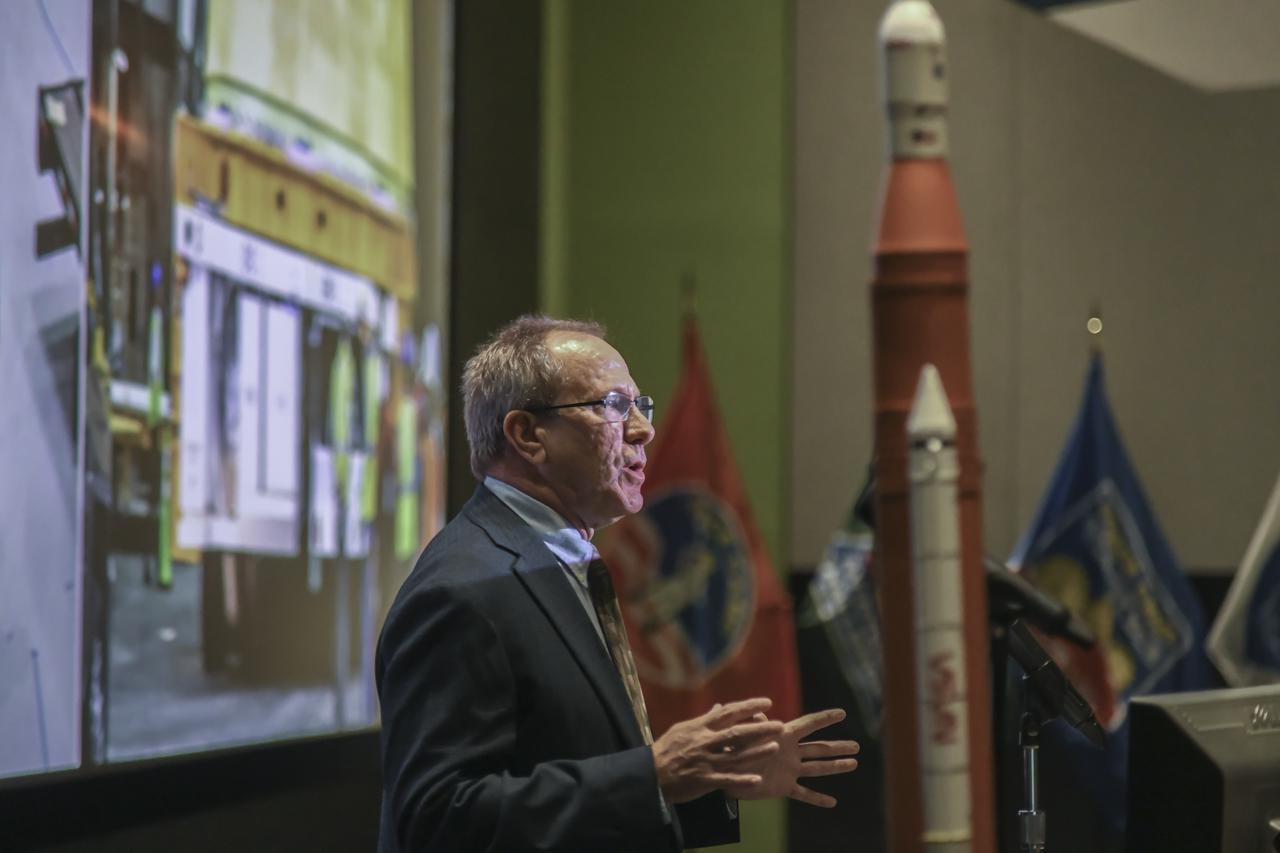
David Beaman, SLS Systems Engineering and Integration Manager, addresses audience at Chamber Media Briefing at USSRC.
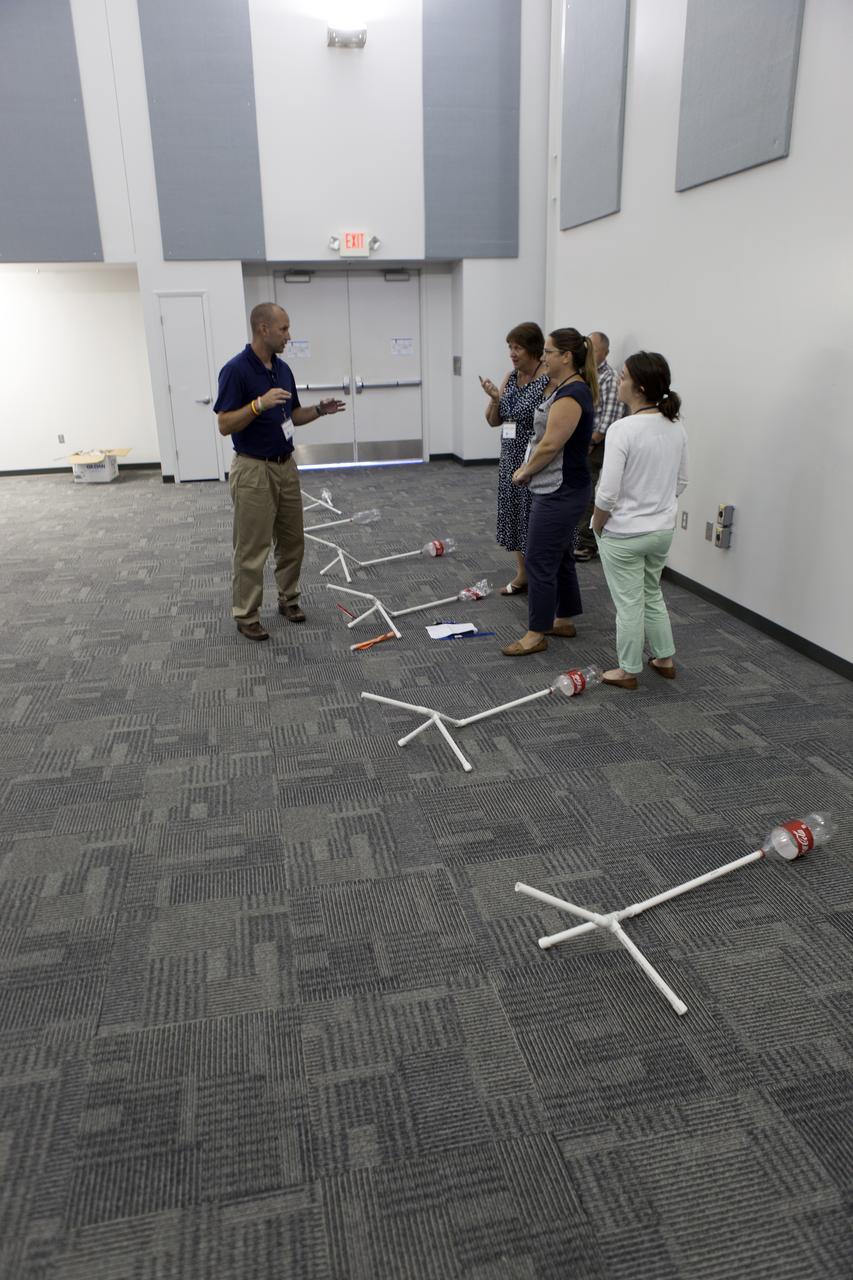
Teachers prepare to demonstrate the projects they built for the Rocketry Engineering Design Challenge during the 2017 GE Foundation High School STEM Integration Conference at the Center for Space Education at NASA's Kennedy Space Center. High school teachers from across the country took part in the week-long conference, which is designed to explore effective ways for teachers, schools and districts from across the country to integrate STEM throughout the curriculum. The conference is a partnership between GE Foundation and the National Science Teachers Association.
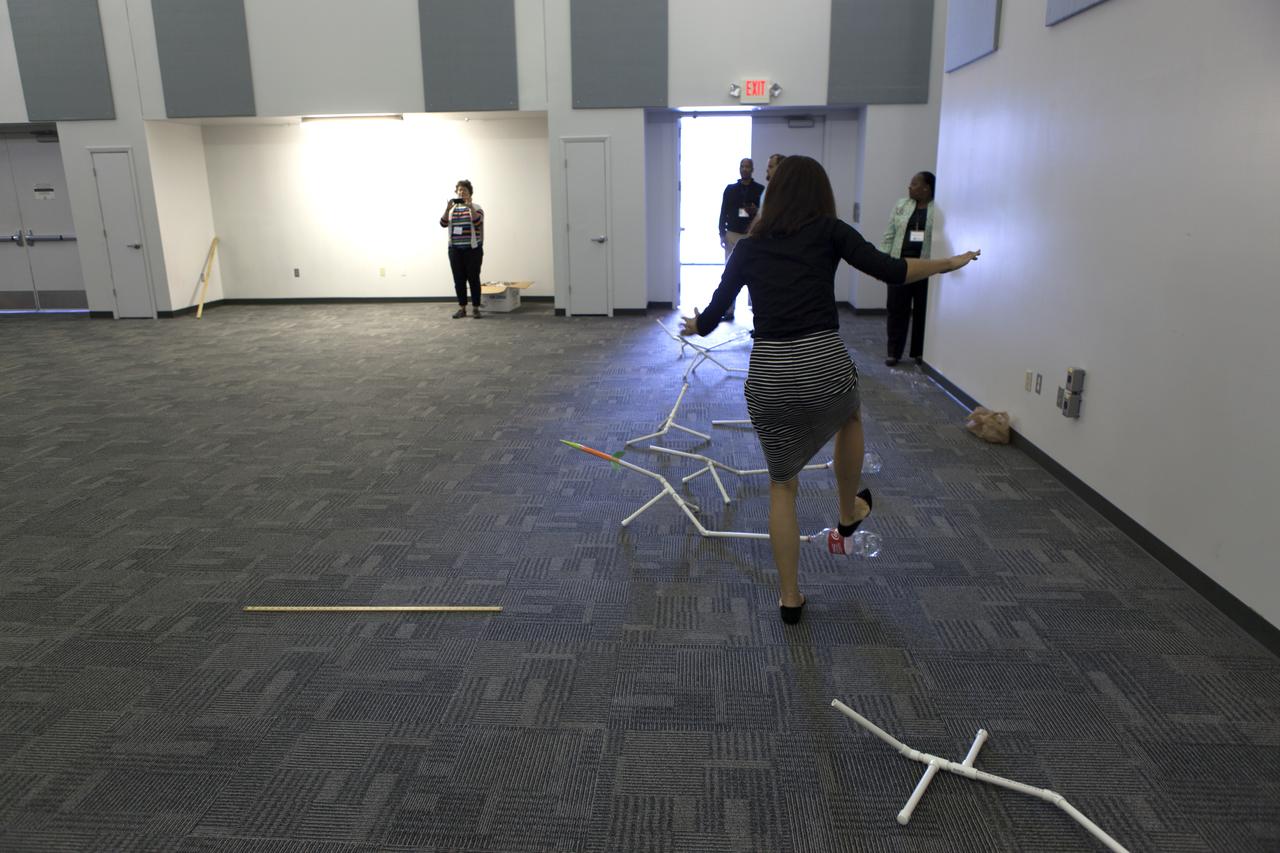
Teachers prepare to demonstrate the projects they built for the Rocketry Engineering Design Challenge during the 2017 GE Foundation High School STEM Integration Conference at the Center for Space Education at NASA's Kennedy Space Center. High school teachers from across the country took part in the week-long conference, which is designed to explore effective ways for teachers, schools and districts from across the country to integrate STEM throughout the curriculum. The conference is a partnership between GE Foundation and the National Science Teachers Association.
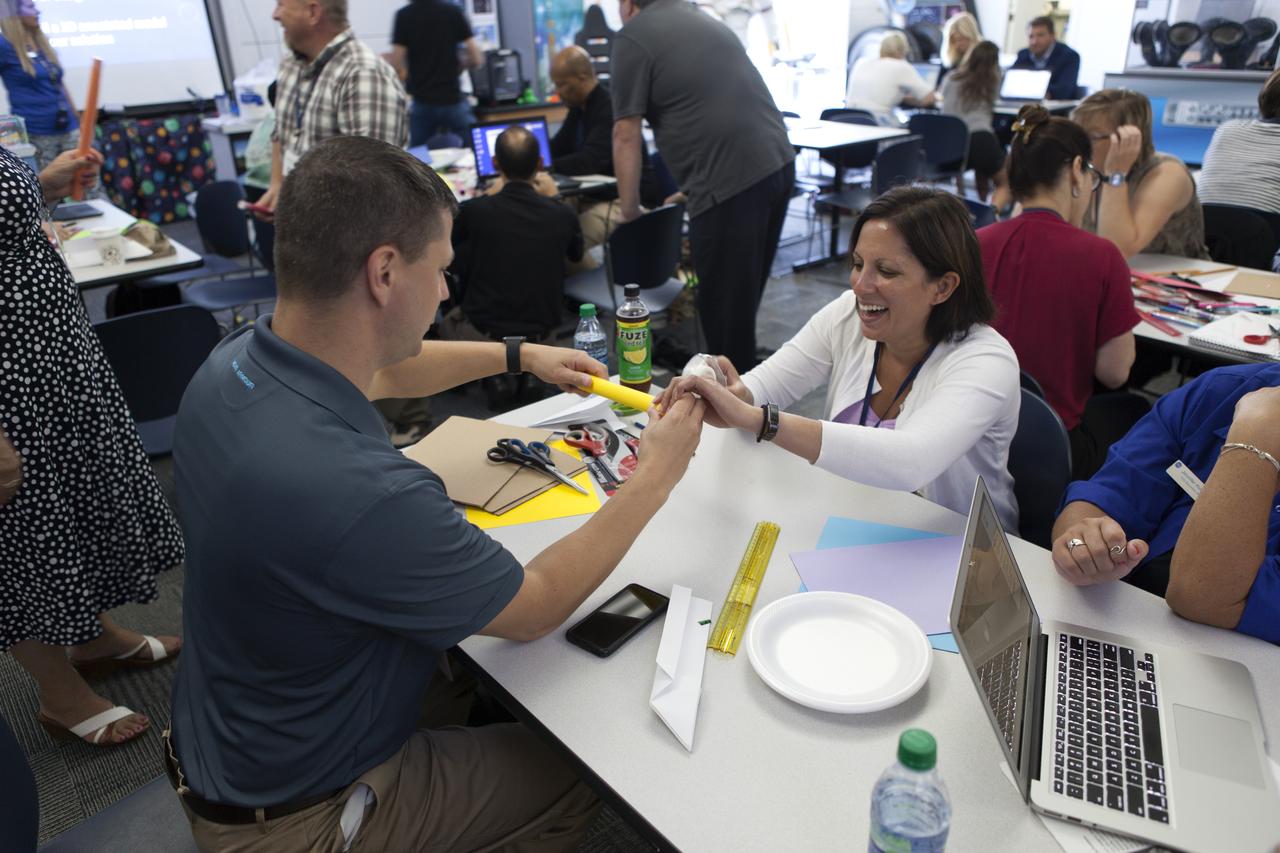
Teachers participate in the Rocketry Engineering Design Challenge during the 2017 GE Foundation High School STEM Integration Conference at the Center for Space Education at NASA's Kennedy Space Center. High school teachers from across the country took part in the week-long conference, which is designed to explore effective ways for teachers, schools and districts from across the country to integrate STEM throughout the curriculum. The conference is a partnership between GE Foundation and the National Science Teachers Association.

Teachers participate in the Rocketry Engineering Design Challenge during the 2017 GE Foundation High School STEM Integration Conference at the Center for Space Education at NASA's Kennedy Space Center. High school teachers from across the country took part in the week-long conference, which is designed to explore effective ways for teachers, schools and districts from across the country to integrate STEM throughout the curriculum. The conference is a partnership between GE Foundation and the National Science Teachers Association.
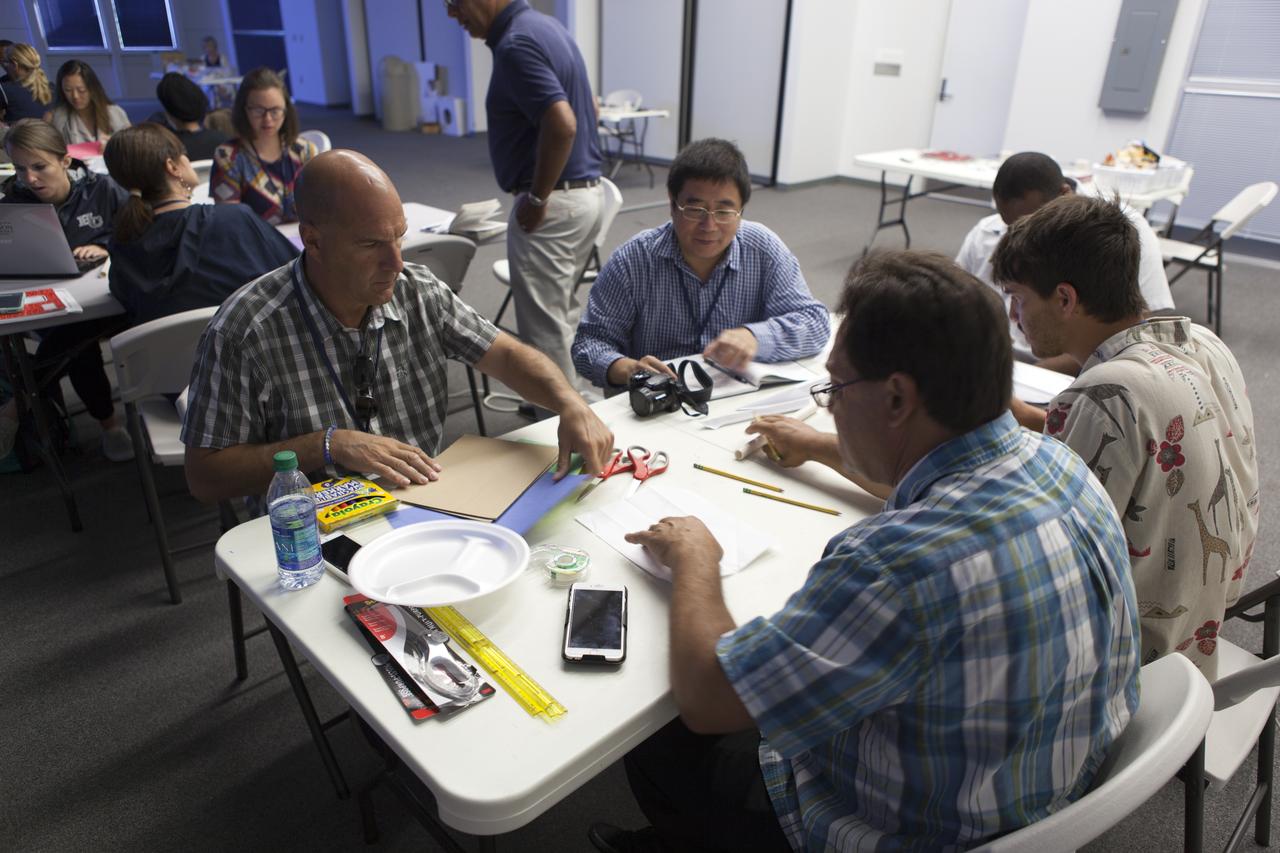
Teachers participate in the Rocketry Engineering Design Challenge during the 2017 GE Foundation High School STEM Integration Conference at the Center for Space Education at NASA's Kennedy Space Center. High school teachers from across the country took part in the week-long conference, which is designed to explore effective ways for teachers, schools and districts from across the country to integrate STEM throughout the curriculum. The conference is a partnership between GE Foundation and the National Science Teachers Association.
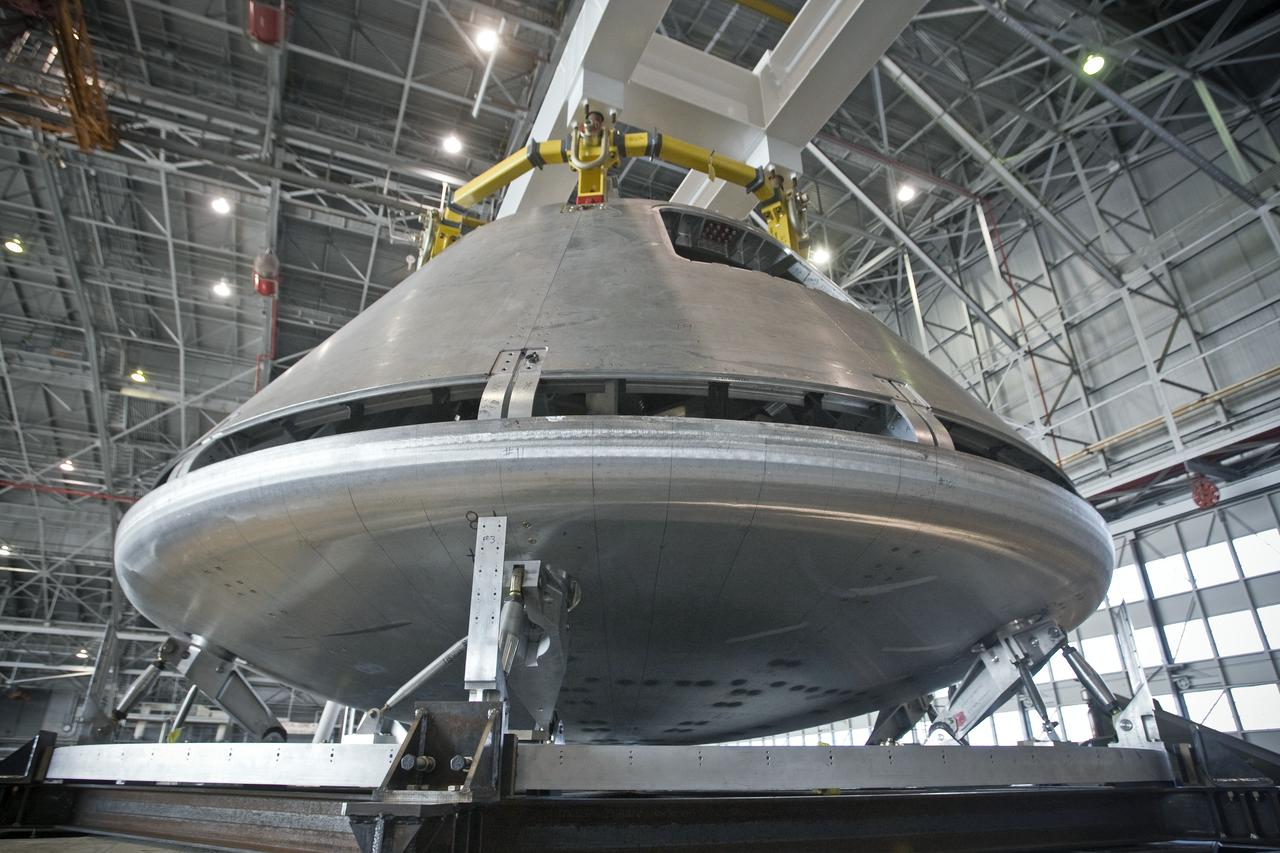
CM SepRing Integration work being done in NASA's Langley Hanger
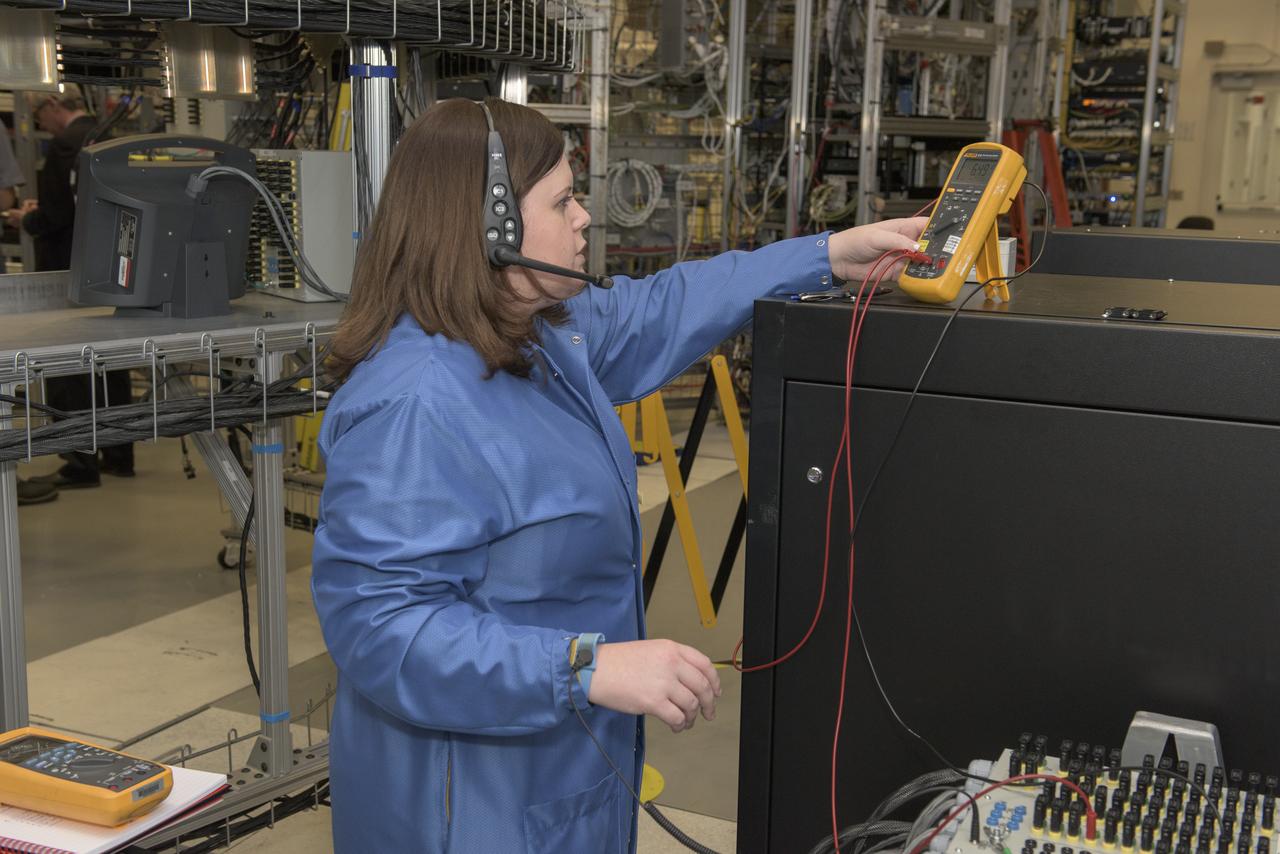
MOLLY GINTER TESTS AVIONICS SYSTEMS IN THE SYSTEMS INTEGRATION AND TEST FACILITY (SITF)
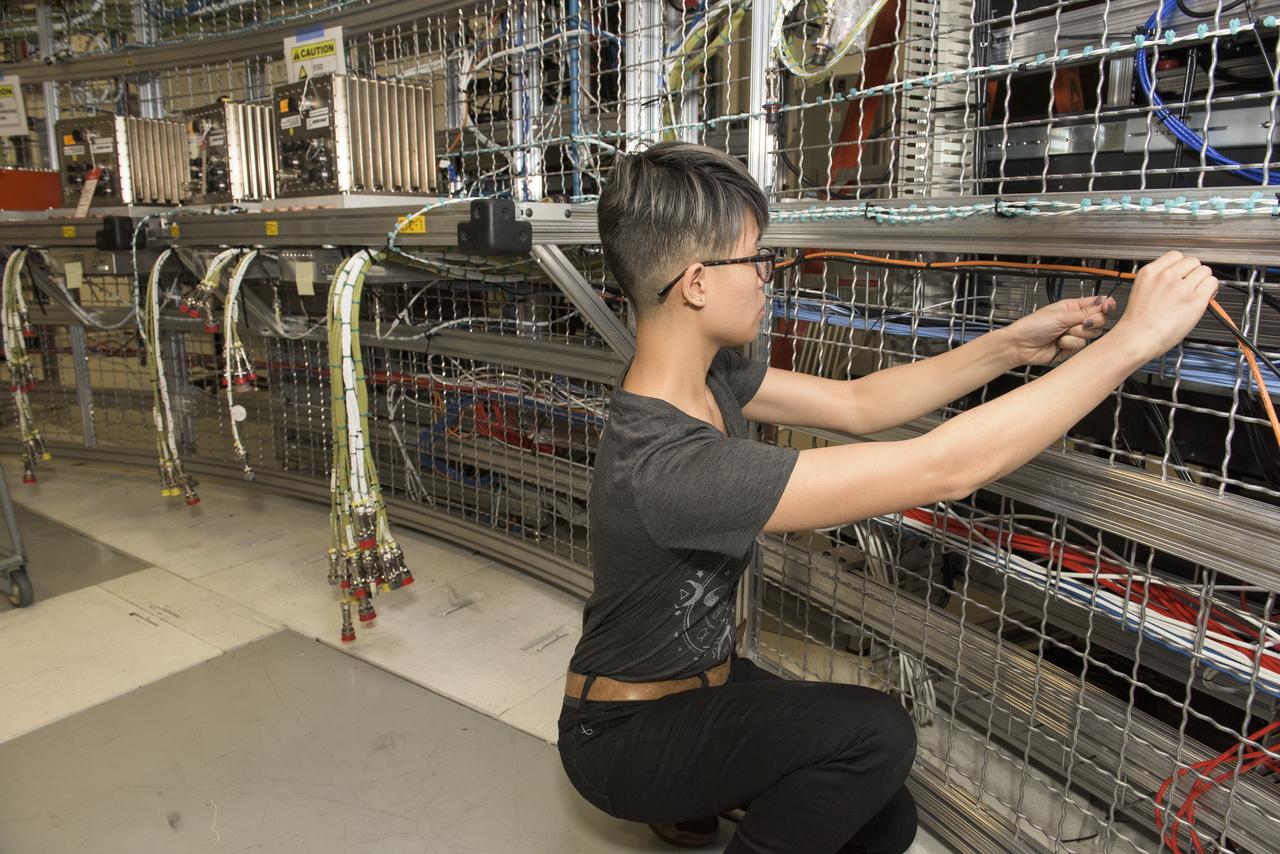
RATANA MACKRELL POSITIONS CABLES IN THE SYSTEMS INTEGRATION AND TEST FACILITY
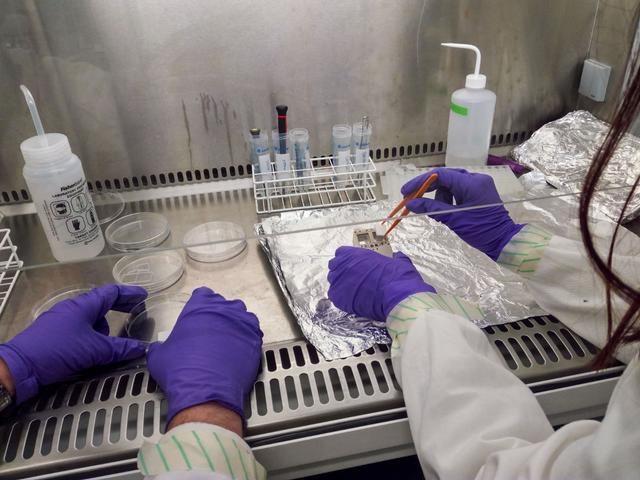
jsc2019e039819 (7/26/2019) --- Photo documentation of Rosa Santomartino and Annemiek Waajen integrating a bioreactor for the BioRock experiment. The purpose of the Biorock investigation is to examine the effects of altered gravity on the rock/microbe/liquid system as a whole. (Image Courtesy of: ESA)
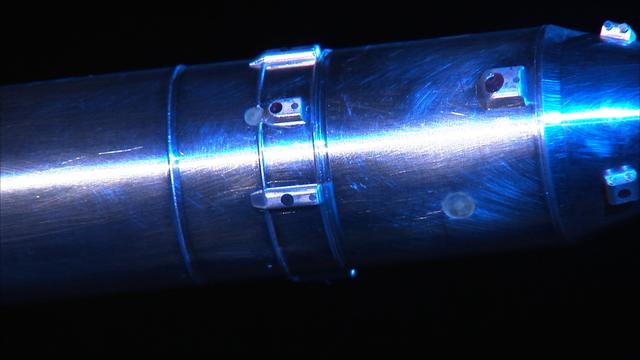
Testing of the subsonic and transonic mach number for clean and full protuberances in support of the Ares/CLV Integrated Vehicle at the Boeing facility in Missouri. This image is extracted from a high definition video file and is the highest resolution available.
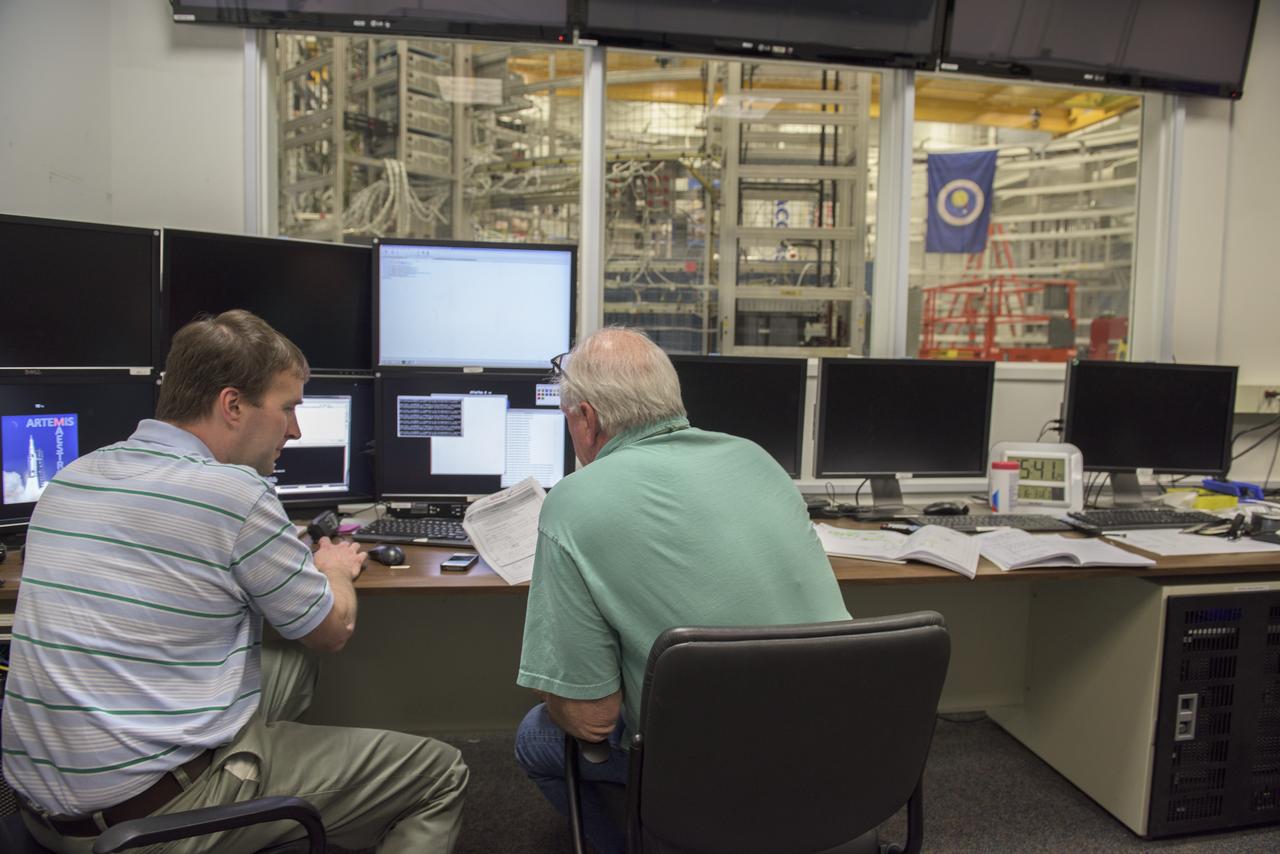
TOM SNYDER AND CHUCK ENSEY RUNNING TESTS OF THE AVIONICS SYSTEMS IN THE SYSTEMS INTEGRATION AND TEST FACILITY (SITF)
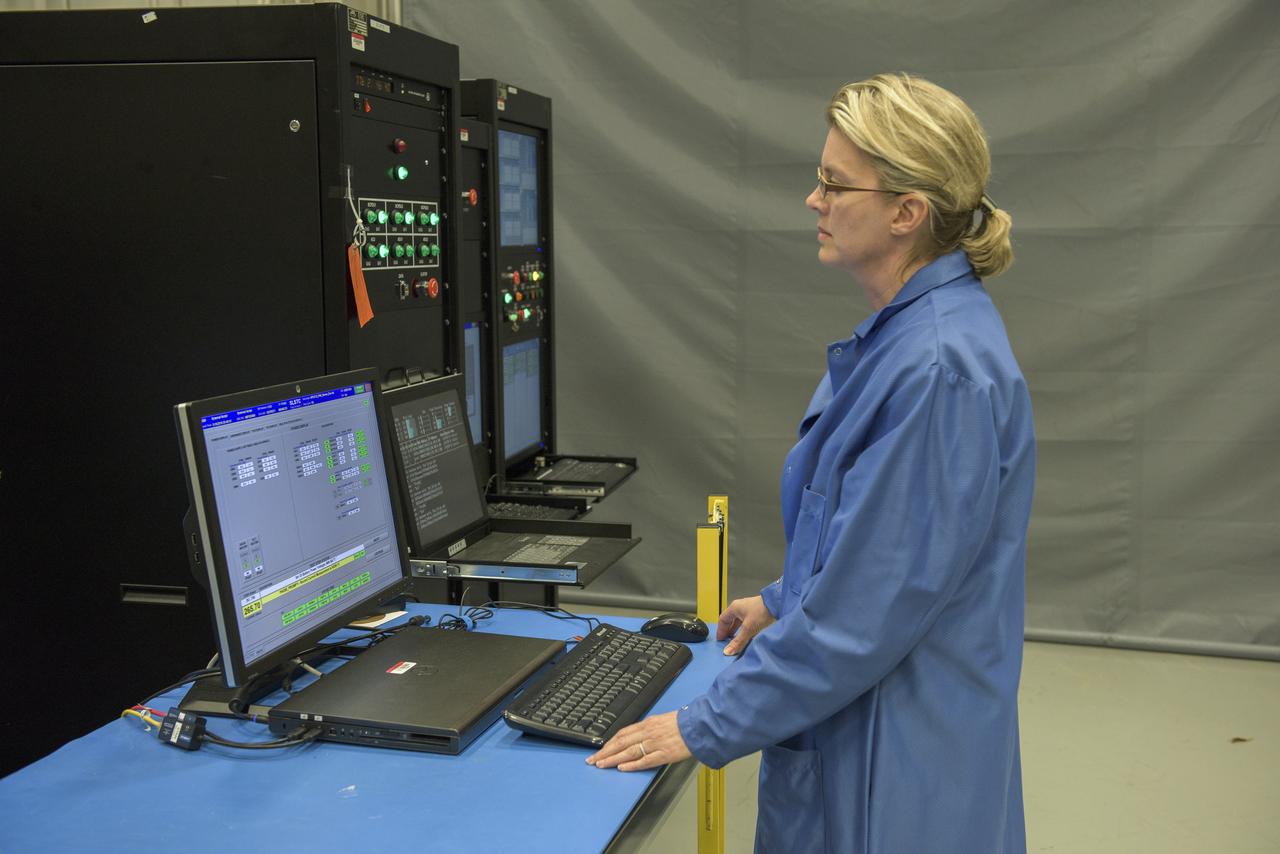
JENNIFER GRAHAM RUNNING TESTS OF THE AVIONICS SYSTEMS IN THE SYSTEMS INTEGRATION AND TEST FACILTIY (SITF)
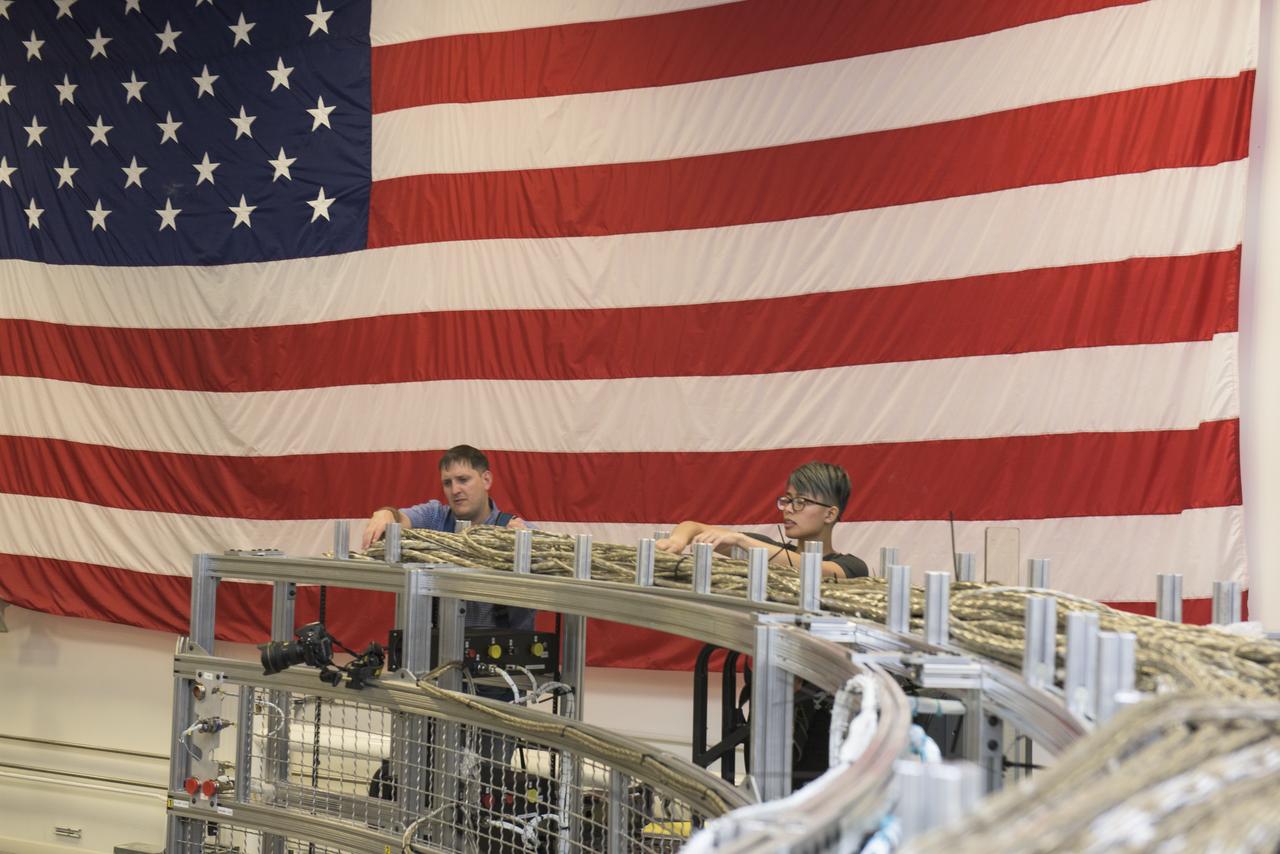
RYAN MACKRELL AND RATANA MEEKHAM INSPECT AVIONICS SYSTEMS CABLES IN THE SYSTEMS INTEGRATION AND TEST FACILITY (SITF)
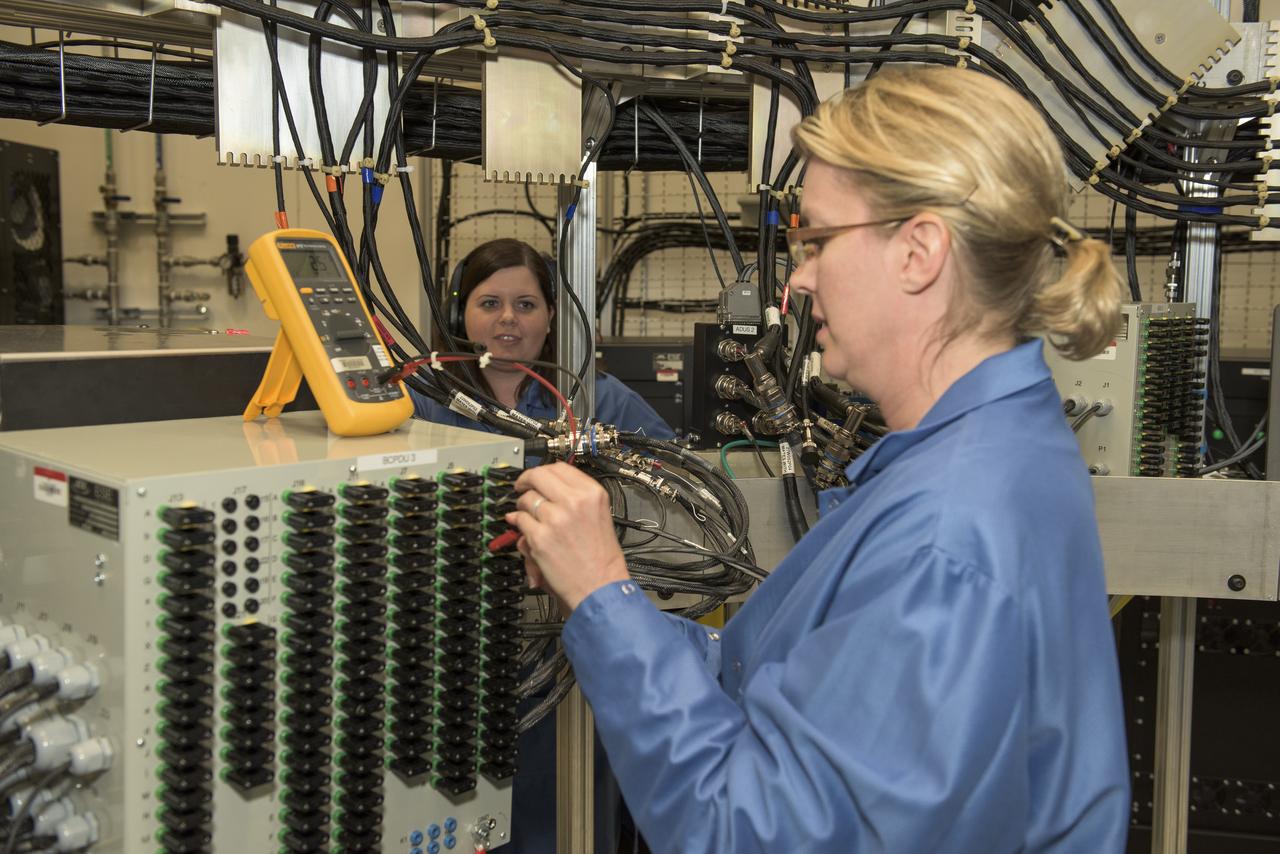
JENNIFER GRAHAM AND MOLLY GINTER RUNNING TESTS OF THE AVIONICS SYSTEMS IN THE SYSTEMS INTEGRATION AND TEST FACILITY (SITF)
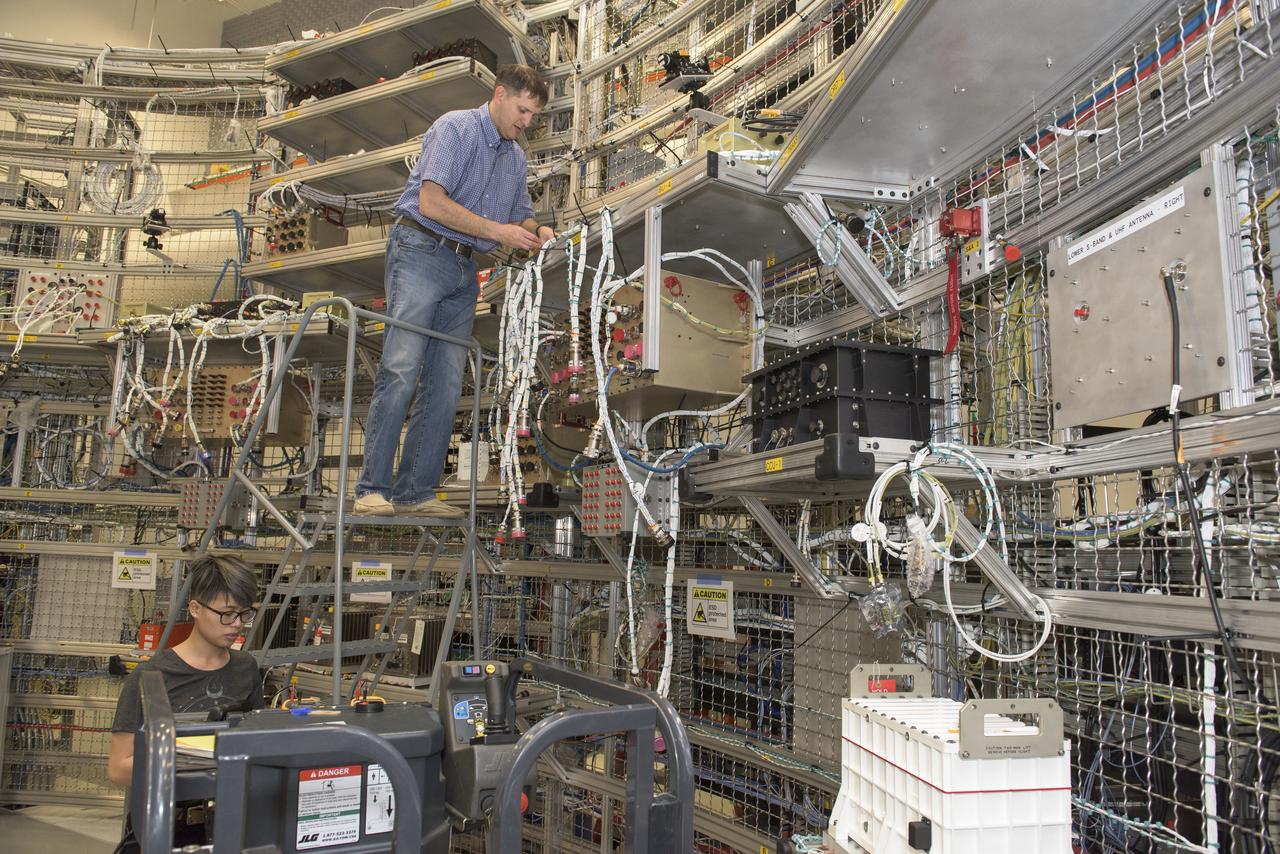
RYAN MACKRELL AND RATANA MEEKHAM INSPECT AVIONICS SYSTEMS CABLES IN THE SYSTEMS INTEGRATION AND TEST FACILITY (SITF).
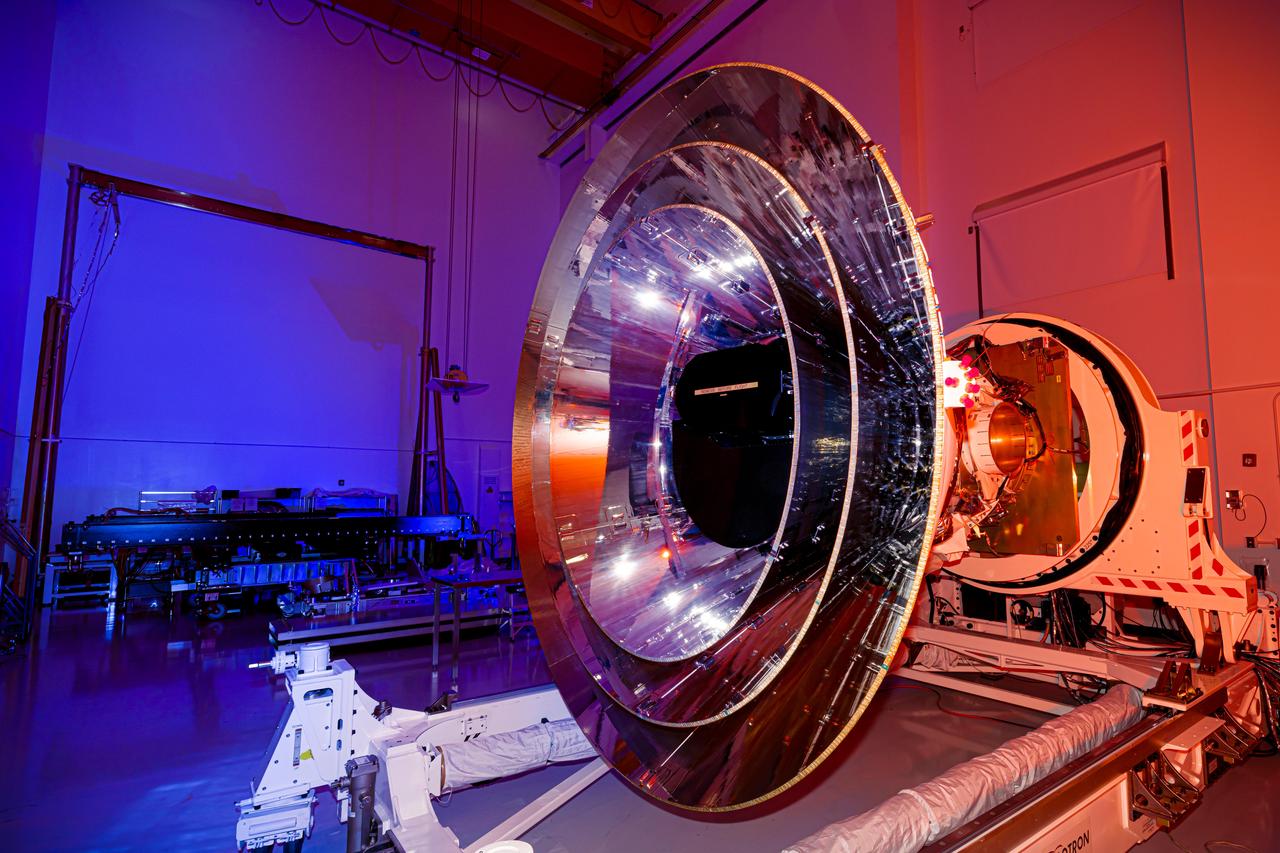
NASA's SPHEREx observatory undergoes integration and testing at BAE Systems in Boulder, Colorado, in April 2024. Short for Spectro-Photometer for the History of the Universe, Epoch of Reionization and Ices Explorer, SPHEREx will create a map of the cosmos like no other. Using a technique called spectroscopy to image the entire sky in 102 wavelengths of infrared light, SPHEREx will gather information about the composition of and distance to millions of galaxies and stars. With this map, scientists will study what happened in the first fraction of a second after the big bang, how galaxies formed and evolved, and the origins of water in planetary systems in our galaxy. https://photojournal.jpl.nasa.gov/catalog/PIA26538
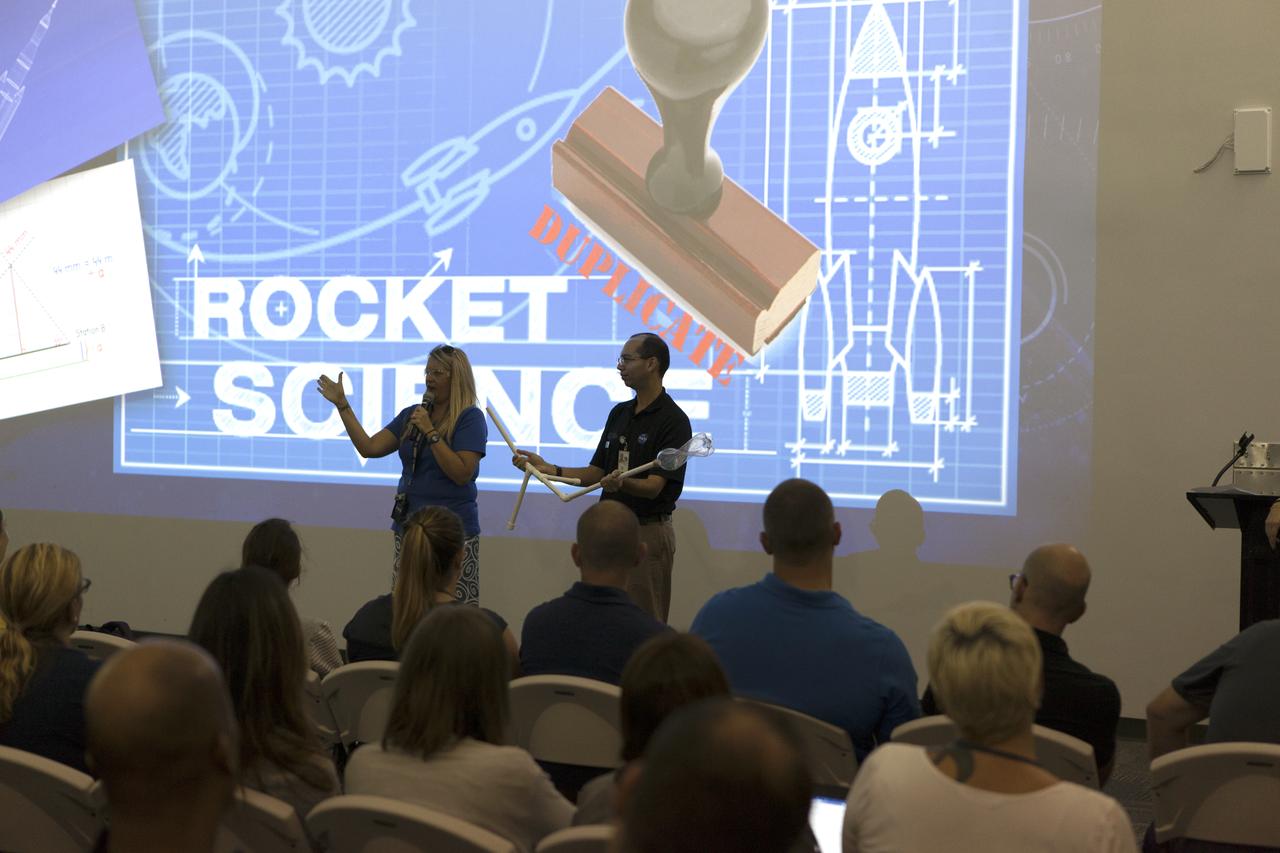
Education Specialists Lynn Dotson, left, of the NASA Public Engagement Center, and Lester Morales, right, of Texas State University's NASA STEM Educator Professional Development Collaborative, explain the Rocketry Engineering Design Challenge to teachers participating in the 2017 GE Foundation High School STEM Integration Conference at the Center for Space Education at NASA's Kennedy Space Center. High school teachers from across the country took part in the week-long conference, which is designed to explore effective ways for teachers, schools and districts from across the country to integrate STEM throughout the curriculum. The conference is a partnership between GE Foundation and the National Science Teachers Association.
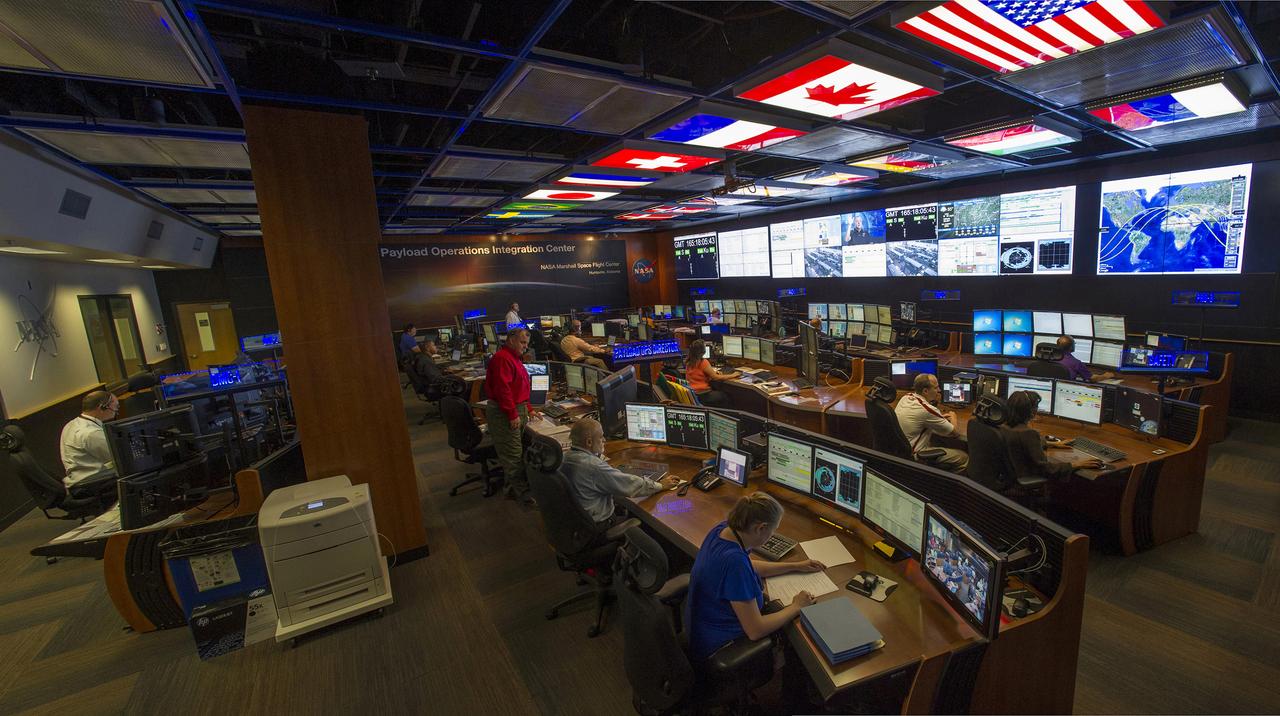
NEWLY REMODELED POIC (PAYLOAD OPERATIONS INTEGRATION CENTER) SHOWING ALL STATIONS STAFFED, JUNE 14, 2013

Phil Neudeck- Can Take the Heat When it comes to the heat of extreme environments like Venus, electronics can get fried within a few minutes of arrival. But NASA Researcher Phil Neudeck and his team have developed extremely durable silicon carbide semiconductor integrated circuits to survive those harsh conditions. After successfully testing the electronics in our high-pressure, high-temperature extreme environments chamber, there is now a path forward for Venus landers to survive and operate scientific experiments on the planet’s surface for longer durations.
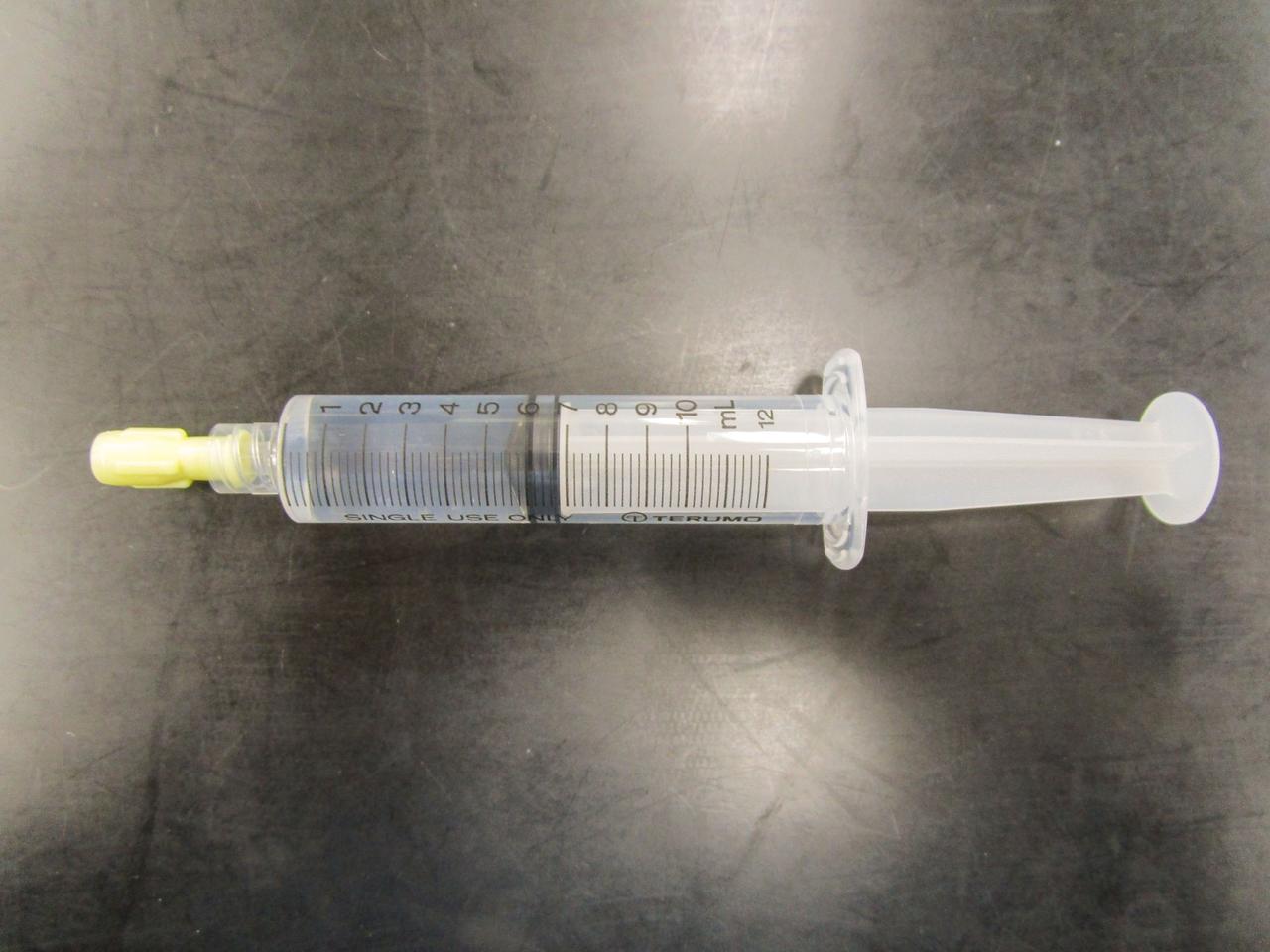
jsc2022e068257 (5/11/2022) --- A preflight view of the syringe used to transfer the nematode-suspended medium into Culture Bag/ Fixation Bag. Effect of the Space Environment on the Neural Integration System and Aging of the Model Animal C. elegans (Neural Integration System) uses nematodes to examine how microgravity affects the nervous system. Image courtesy of JAXA
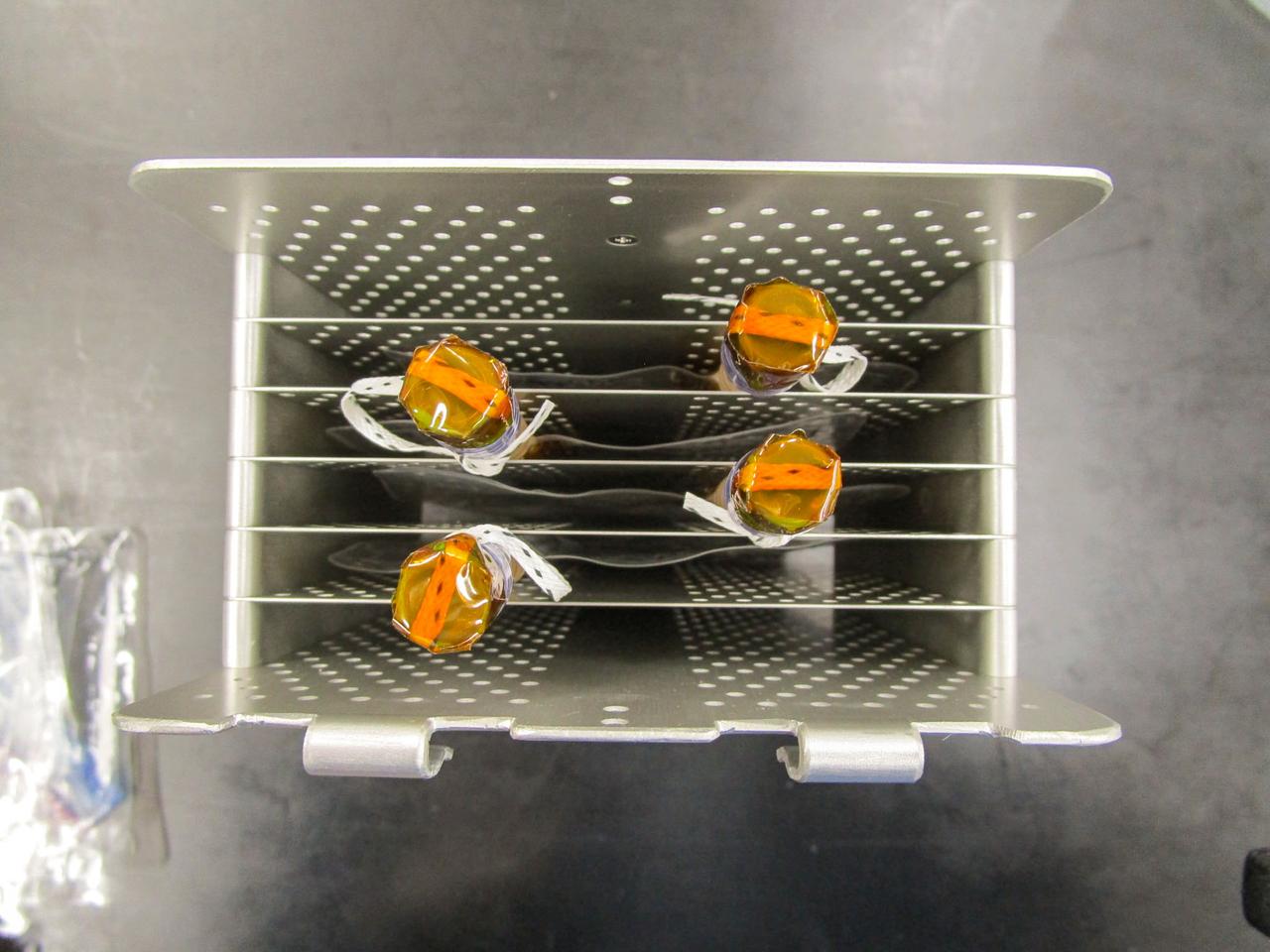
jsc2022e068256 (5/11/2022) --- A preflight image of the sample holder which holds the Culture Bags with port, and used to accommodate it to the Cell Biology Experiment Facility (CBEF) in KIBO module. Effect of the Space Environment on the Neural Integration System and Aging of the Model Animal C. elegans (Neural Integration System) uses nematodes to examine how microgravity affects the nervous system. Image courtesy of JAXA
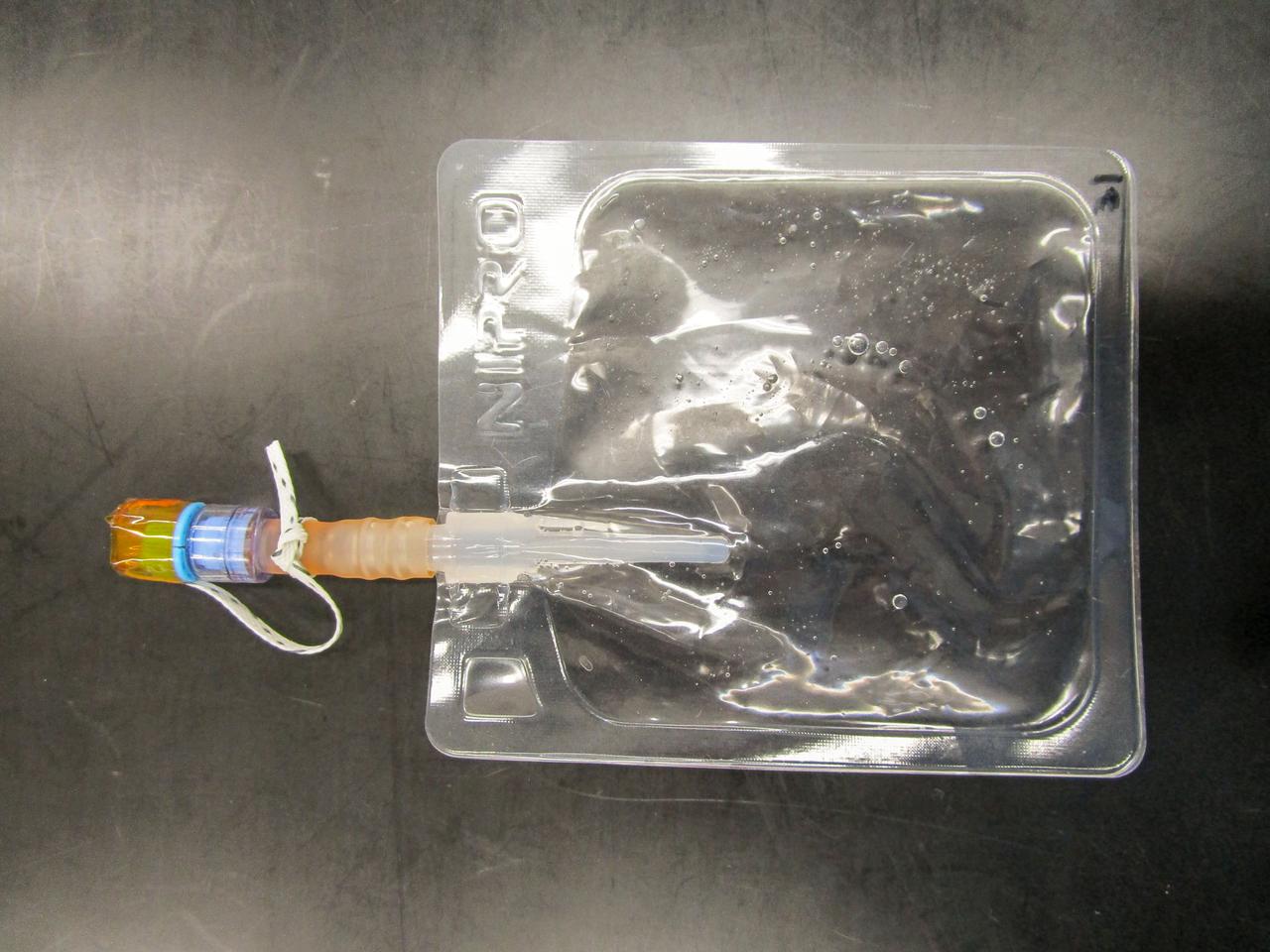
jsc2022e068258(5/11/2022) --- A preflight view of the Bag is used to culture nematodes in liquid medium, an injection port is available to transfer a portion of medium by using Syringe. Effect of the Space Environment on the Neural Integration System and Aging of the Model Animal C. elegans (Neural Integration System) uses nematodes to examine how microgravity affects the nervous system. Image courtesy of JAXA
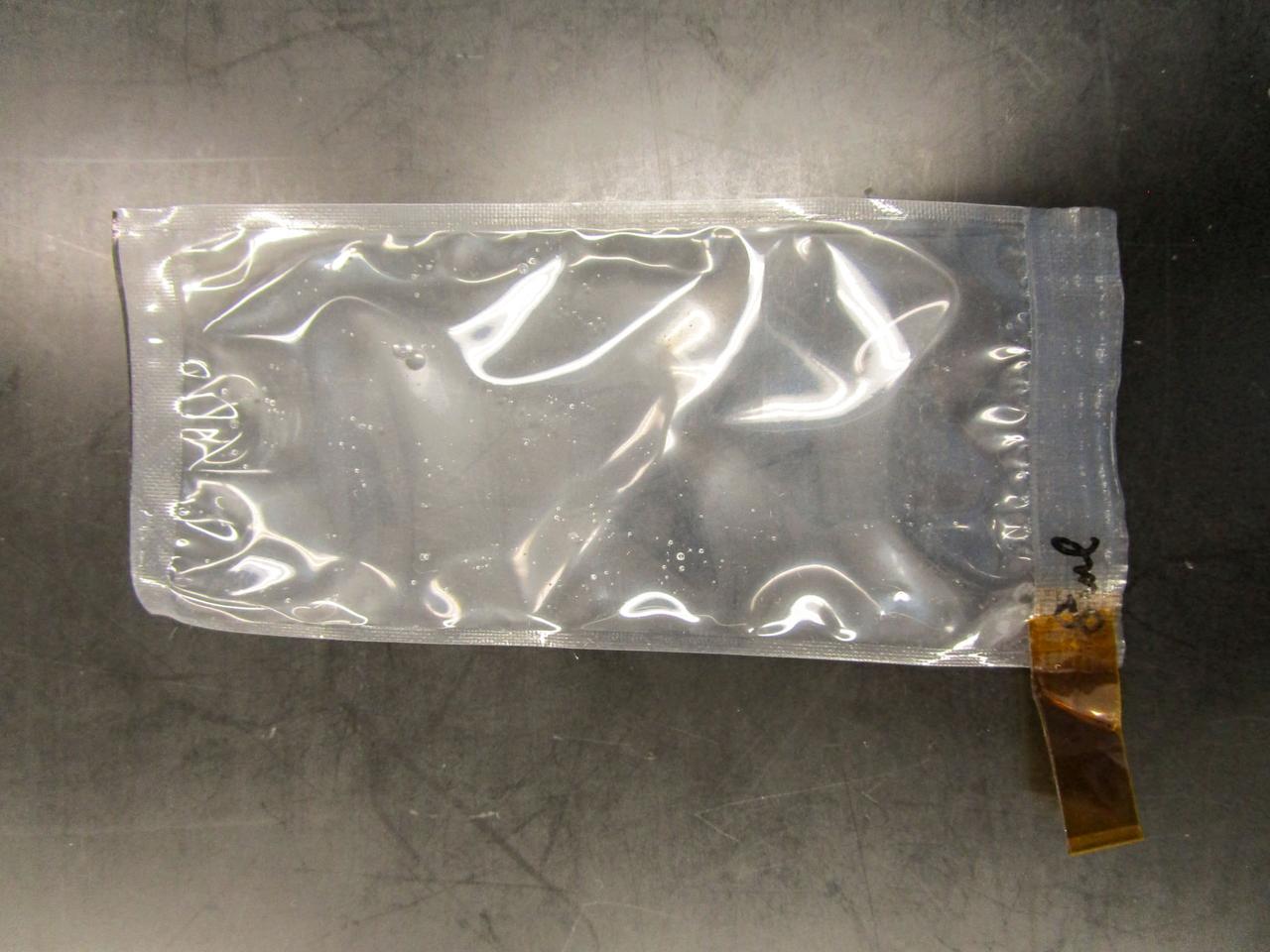
jsc2022e068255 (5/11/2022) --- A preflight view of the Observation Bag including nematode C. elegans to observe by confocal microscope in the ISS (COSMIC). Effect of the Space Environment on the Neural Integration System and Aging of the Model Animal C. elegans (Neural Integration System) uses nematodes to examine how microgravity affects the nervous system. Image courtesy of JAXA

The Carbon Mapper imaging spectrometer, which will measure the greenhouse gases methane and carbon dioxide from space, sits at NASA's Jet Propulsion Laboratory in Southern California in August 2023, before its September shipment to Planet Labs PBC in San Francisco. The instrument will be integrated into a Tanager satellite. Designed and built by JPL, imaging spectrometer will be part of an effort led by the nonprofit Carbon Mapper organization to collect data on greenhouse gas point-source emissions. The information will help locate and quantify "super-emitters" – the small percentage of individual sources responsible for a significant fraction of methane and carbon dioxide emissions around the world. https://photojournal.jpl.nasa.gov/catalog/PIA26092
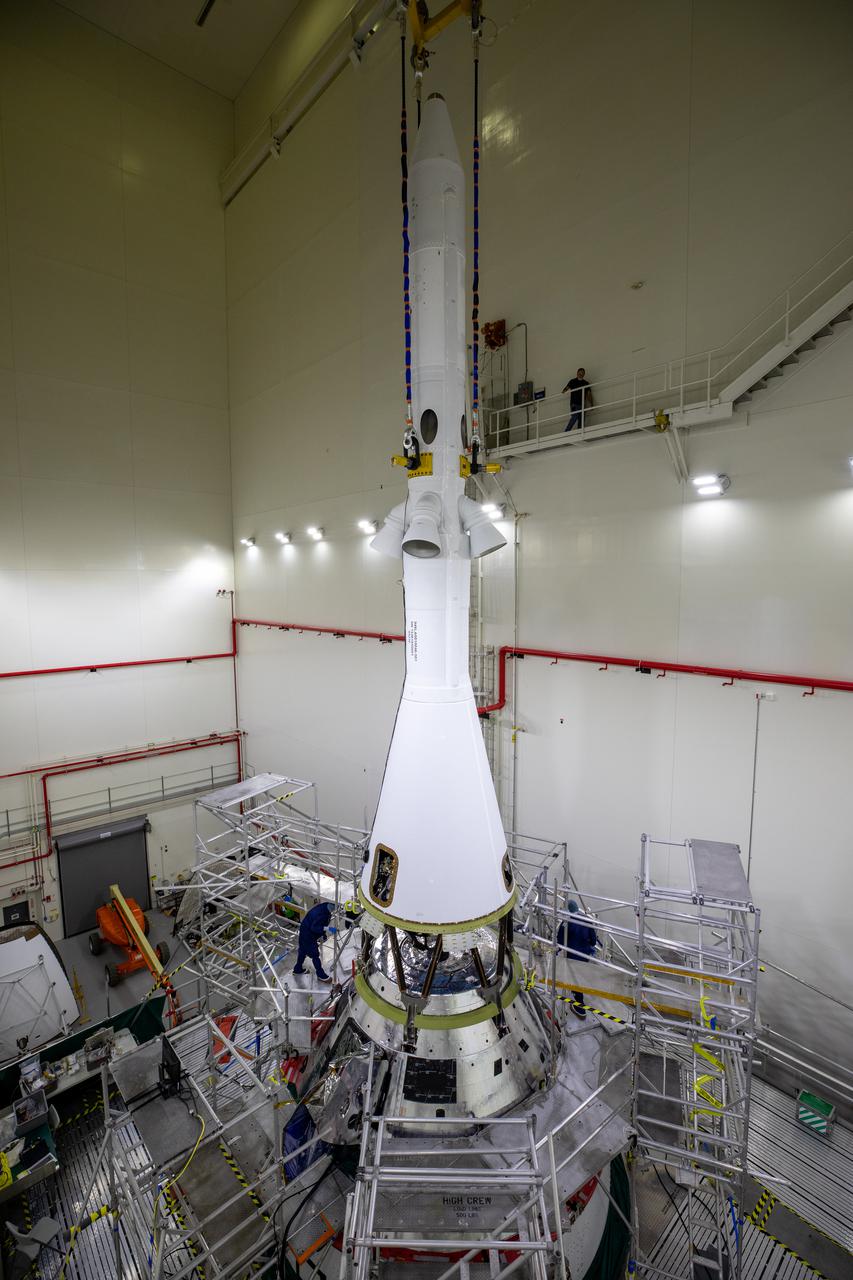
Teams with NASA’s Exploration Ground Systems (EGS) and contractor Jacobs integrated the launch abort system (LAS) with the Orion spacecraft inside the Launch Abort System Facility at NASA’s Kennedy Space Center in Florida on July 23, 2021. Launching later this year, Artemis I will be a test of the Orion spacecraft and Space Launch System rocket as an integrated system ahead of crewed flights to the Moon. Although there will be no crew the Artemis I, the launch abort system will collect flight data during the ascent to space and then jettison from the spacecraft. Next, technicians will install four panels, or ogives, that make up the fairing assembly and protect the spacecraft from heat, air, and acoustic environments during its entry into orbit. Once final checkouts are complete, Orion will join the Space Launch System for integration.
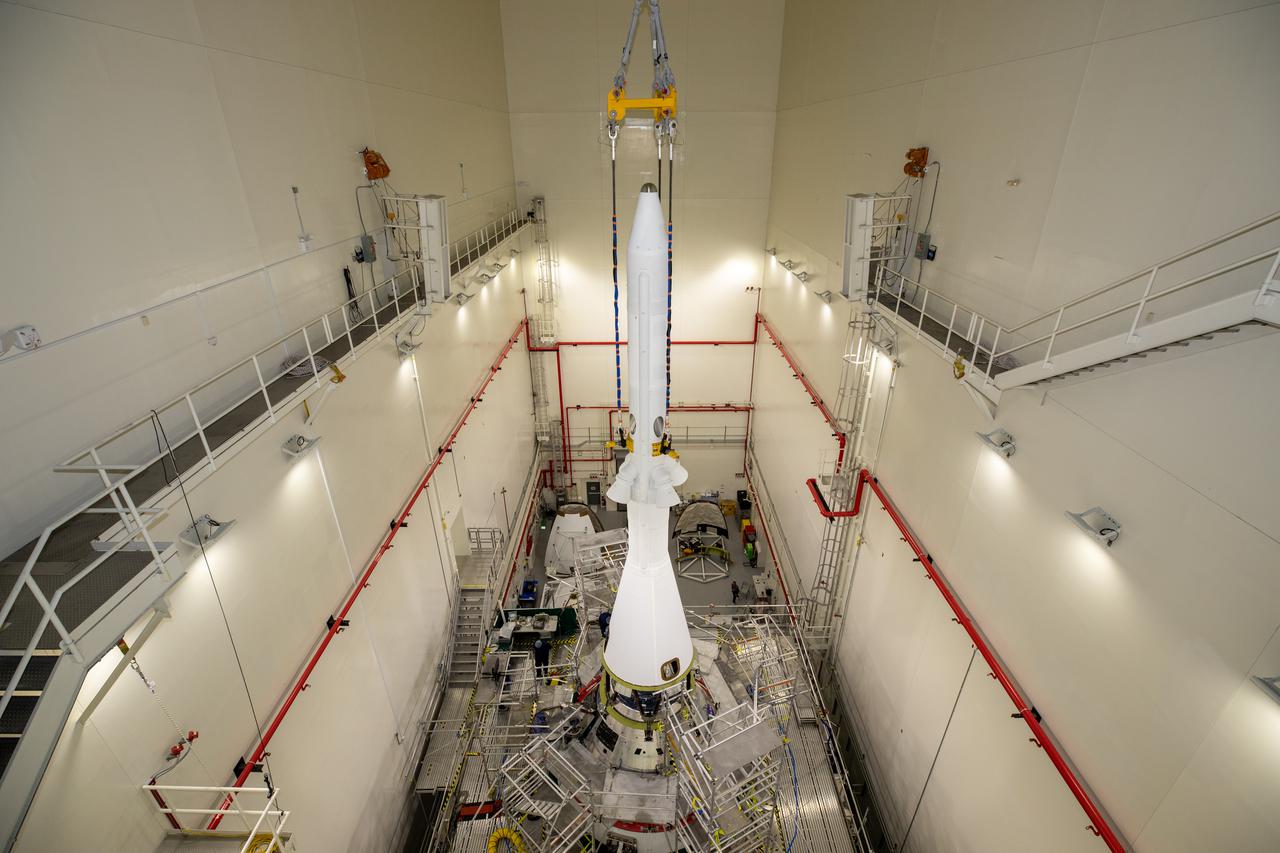
Teams with NASA’s Exploration Ground Systems (EGS) and contractor Jacobs integrated the launch abort system (LAS) with the Orion spacecraft inside the Launch Abort System Facility at NASA’s Kennedy Space Center in Florida on July 23, 2021. Launching later this year, Artemis I will be a test of the Orion spacecraft and Space Launch System rocket as an integrated system ahead of crewed flights to the Moon. Although there will be no crew the Artemis I, the launch abort system will collect flight data during the ascent to space and then jettison from the spacecraft. Next, technicians will install four panels, or ogives, that make up the fairing assembly and protect the spacecraft from heat, air, and acoustic environments during its entry into orbit. Once final checkouts are complete, Orion will join the Space Launch System for integration.
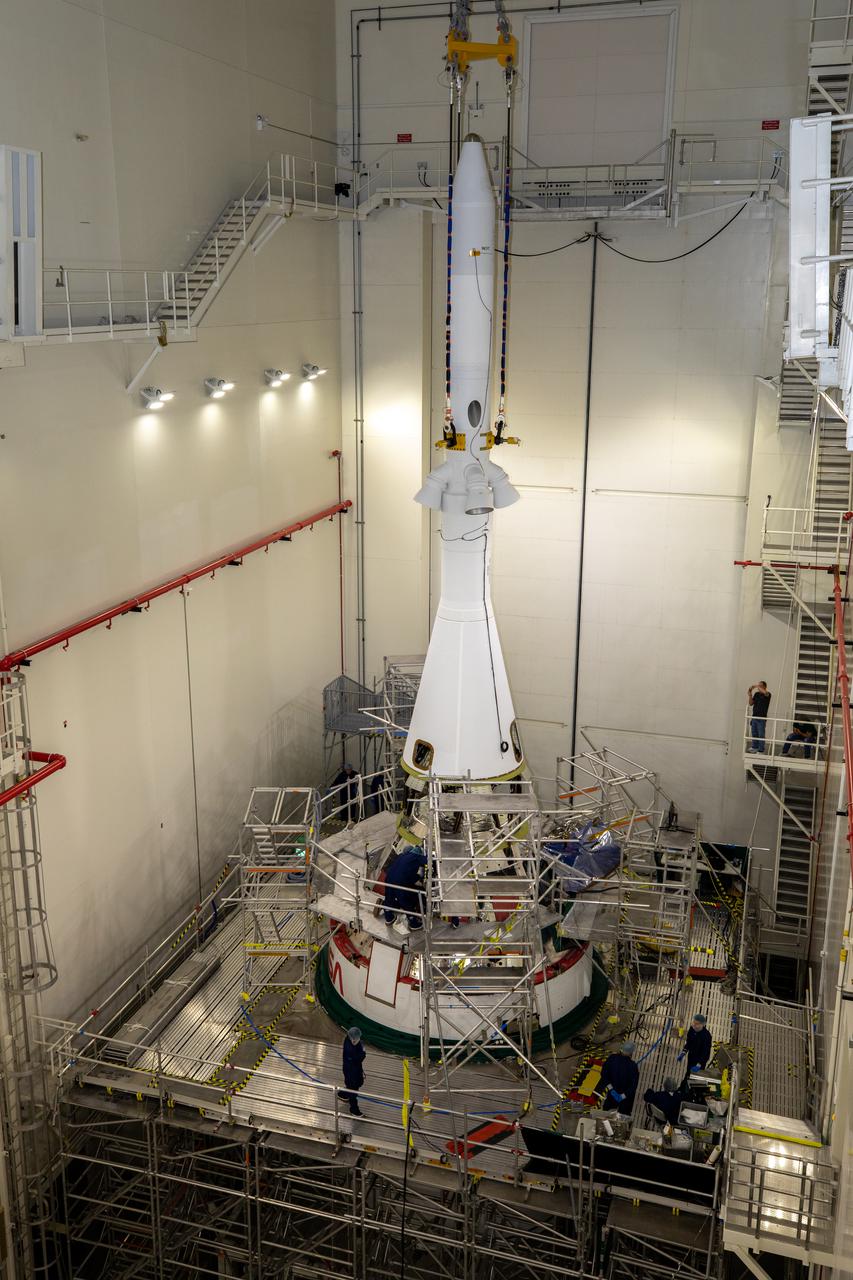
Teams with NASA’s Exploration Ground Systems (EGS) and contractor Jacobs integrated the launch abort system (LAS) with the Orion spacecraft inside the Launch Abort System Facility at NASA’s Kennedy Space Center in Florida on July 23, 2021. Launching later this year, Artemis I will be a test of the Orion spacecraft and Space Launch System rocket as an integrated system ahead of crewed flights to the Moon. Although there will be no crew the Artemis I, the launch abort system will collect flight data during the ascent to space and then jettison from the spacecraft. Next, technicians will install four panels, or ogives, that make up the fairing assembly and protect the spacecraft from heat, air, and acoustic environments during its entry into orbit. Once final checkouts are complete, Orion will join the Space Launch System for integration.
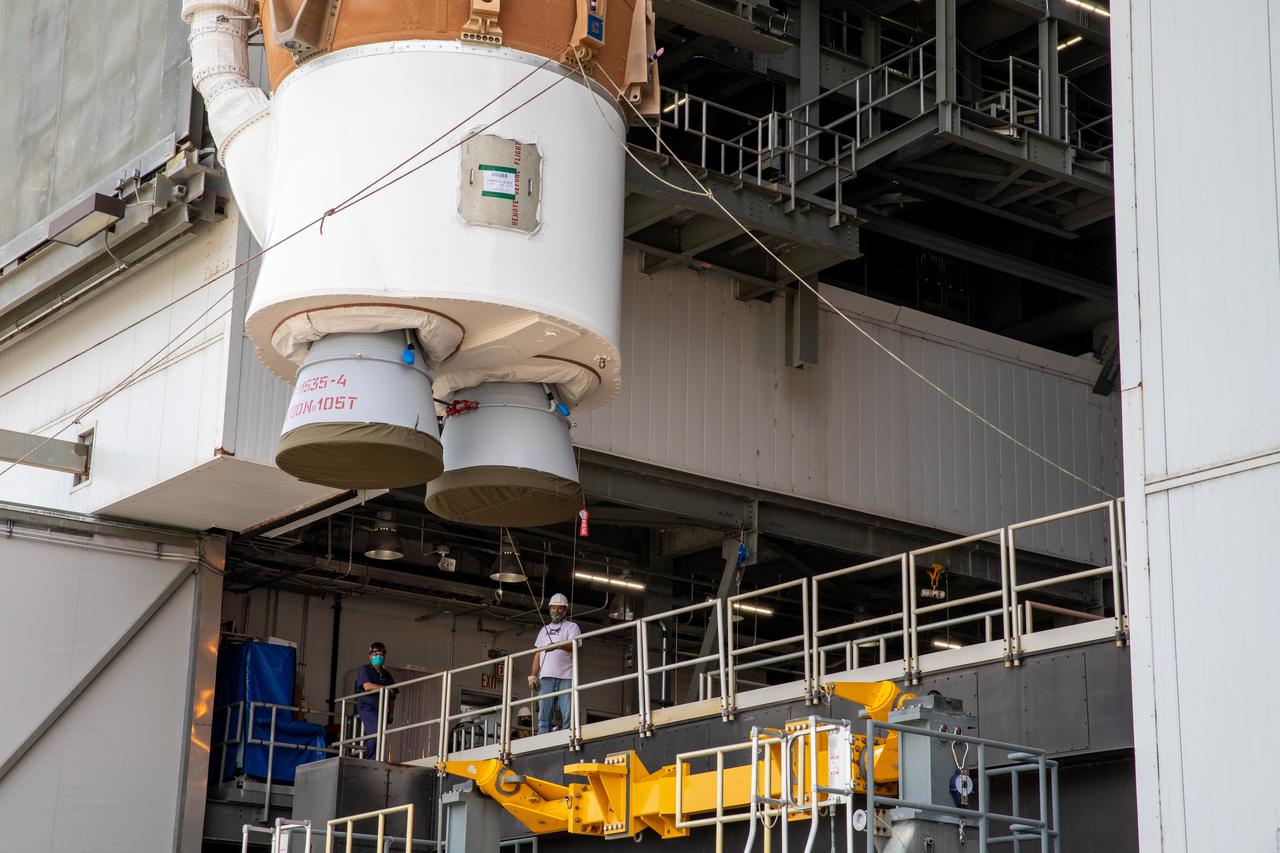
The United Launch Alliance Atlas V booster for NASA’s Mars Perseverance rover is lifted up in the Vertical Integration Facility at Launch Complex 41 at Cape Canaveral Air Force Station (CCAFS) in Florida on May 28, 2020. The Mars Perseverance rover is scheduled to launch in mid-July atop the Atlas V 541 rocket from Pad 41 at CCAFS. The rover is part of NASA’s Mars Exploration Program, a long-term effort of robotic exploration of the Red Planet. The rover will search for habitable conditions in the ancient past and signs of past microbial life on Mars. The Launch Services Program at Kennedy is responsible for launch management.
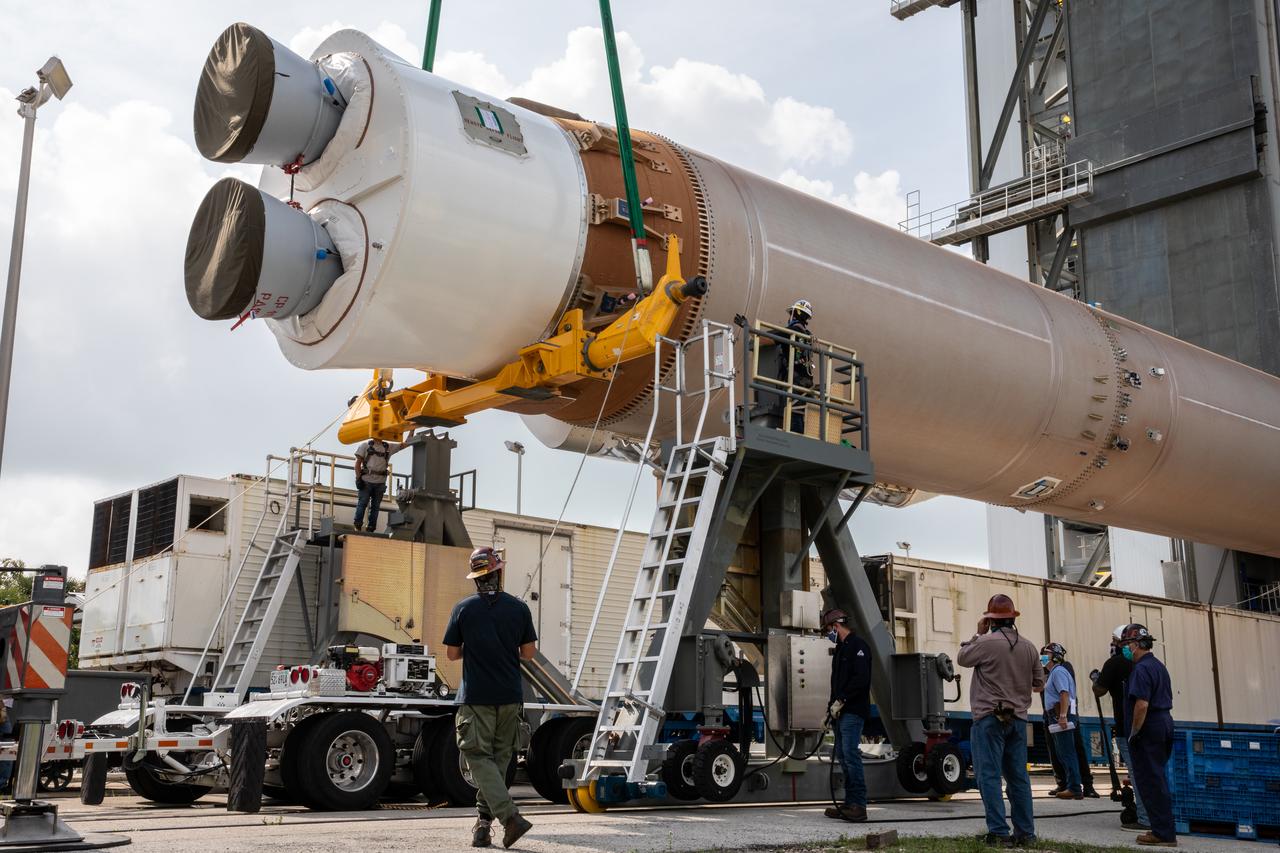
Preparations are underway to lift the United Launch Alliance Atlas V booster for NASA’s Mars Perseverance rover and move it into the Vertical Integration Facility at Launch Complex 41 at Cape Canaveral Air Force Station (CCAFS) in Florida on May 28, 2020. The Mars Perseverance rover is scheduled to launch in mid-July atop the Atlas V 541 rocket from Pad 41 at CCAFS. The rover is part of NASA’s Mars Exploration Program, a long-term effort of robotic exploration of the Red Planet. The rover will search for habitable conditions in the ancient past and signs of past microbial life on Mars. The Launch Services Program at Kennedy is responsible for launch management.
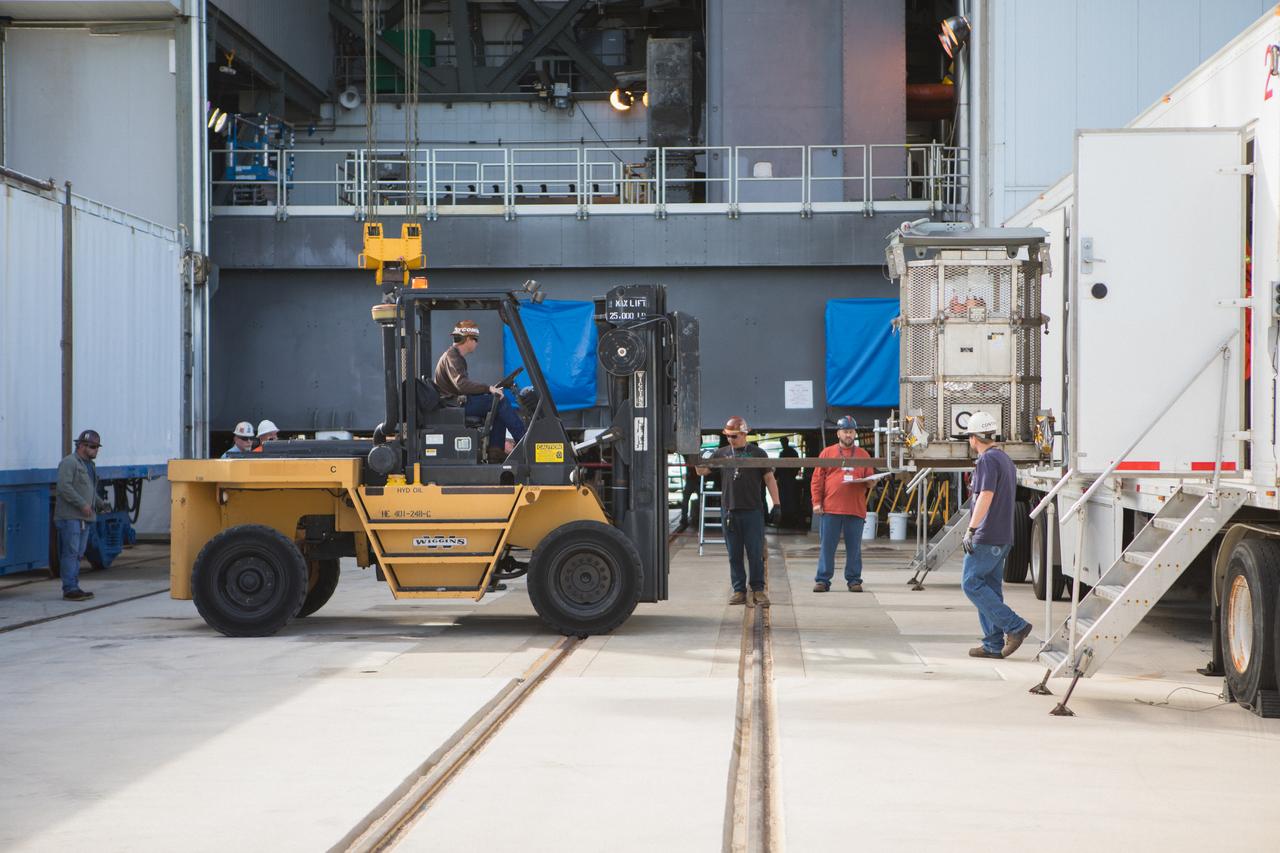
A test version of the Multi-Mission Radioisotope Thermoelectric Generator (MMRTG) for NASA’s Mars 2020 mission arrives at the United Launch Alliance Vertical Integration Facility (VIF) at Space Launch Complex 41 at Cape Canaveral Air Force Station in Florida on Feb. 15, 2019. The MMRTG simulator will be used to practice operations and procedures for carefully hoisting it up and into the VIF. The Mars 2020 rover mission is targeted to launch in July 2020 on a ULA Atlas V rocket from Pad 41. Mars 2020 is part of NASA’s Mars Exploration Program, a long-term effort of robotic exploration of the Red Planet. The rover will search for habitable conditions in the ancient past and signs of past microbial life on Mars.
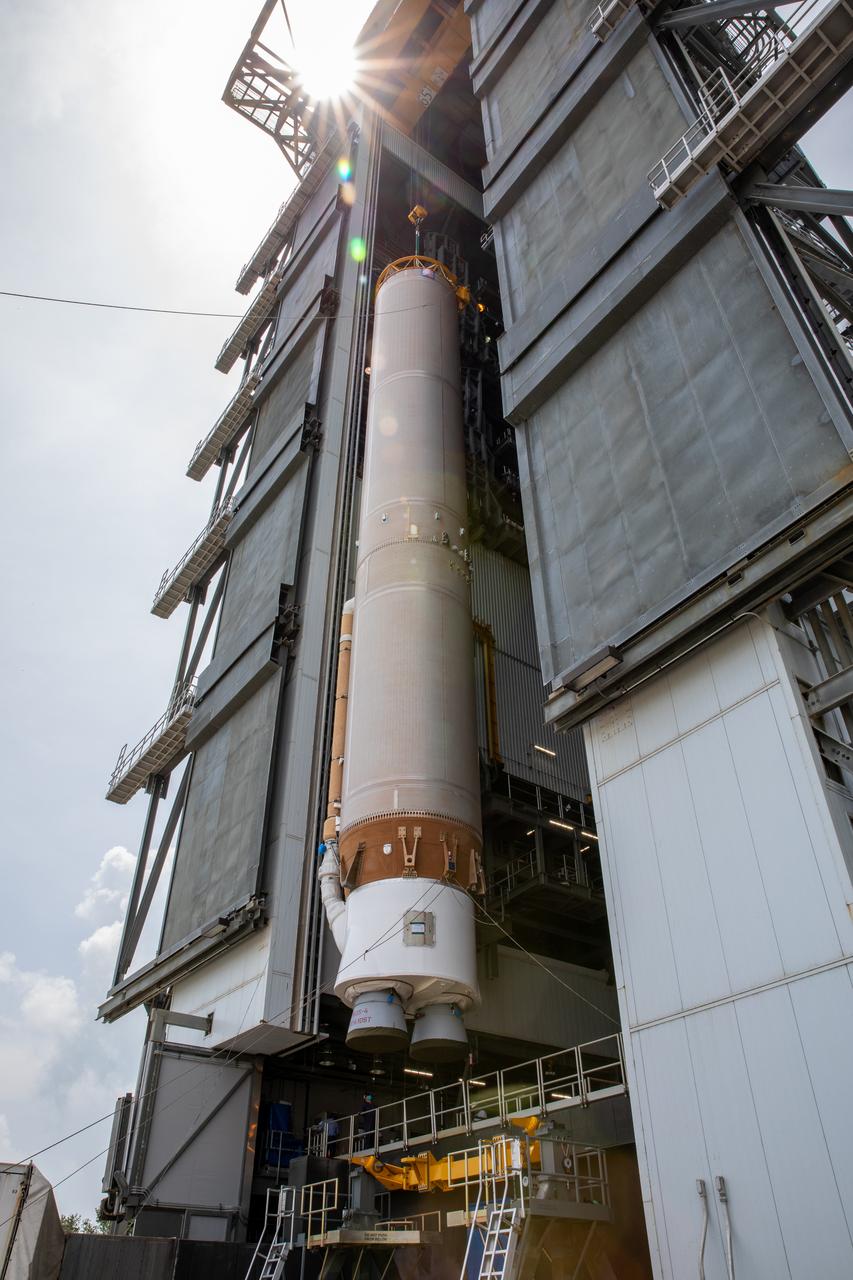
The United Launch Alliance Atlas V booster for NASA’s Mars Perseverance rover is lifted up in the Vertical Integration Facility at Launch Complex 41 at Cape Canaveral Air Force Station (CCAFS) in Florida on May 28, 2020. The Mars Perseverance rover is scheduled to launch in mid-July atop the Atlas V 541 rocket from Pad 41 at CCAFS. The rover is part of NASA’s Mars Exploration Program, a long-term effort of robotic exploration of the Red Planet. The rover will search for habitable conditions in the ancient past and signs of past microbial life on Mars. The Launch Services Program at Kennedy is responsible for launch management.
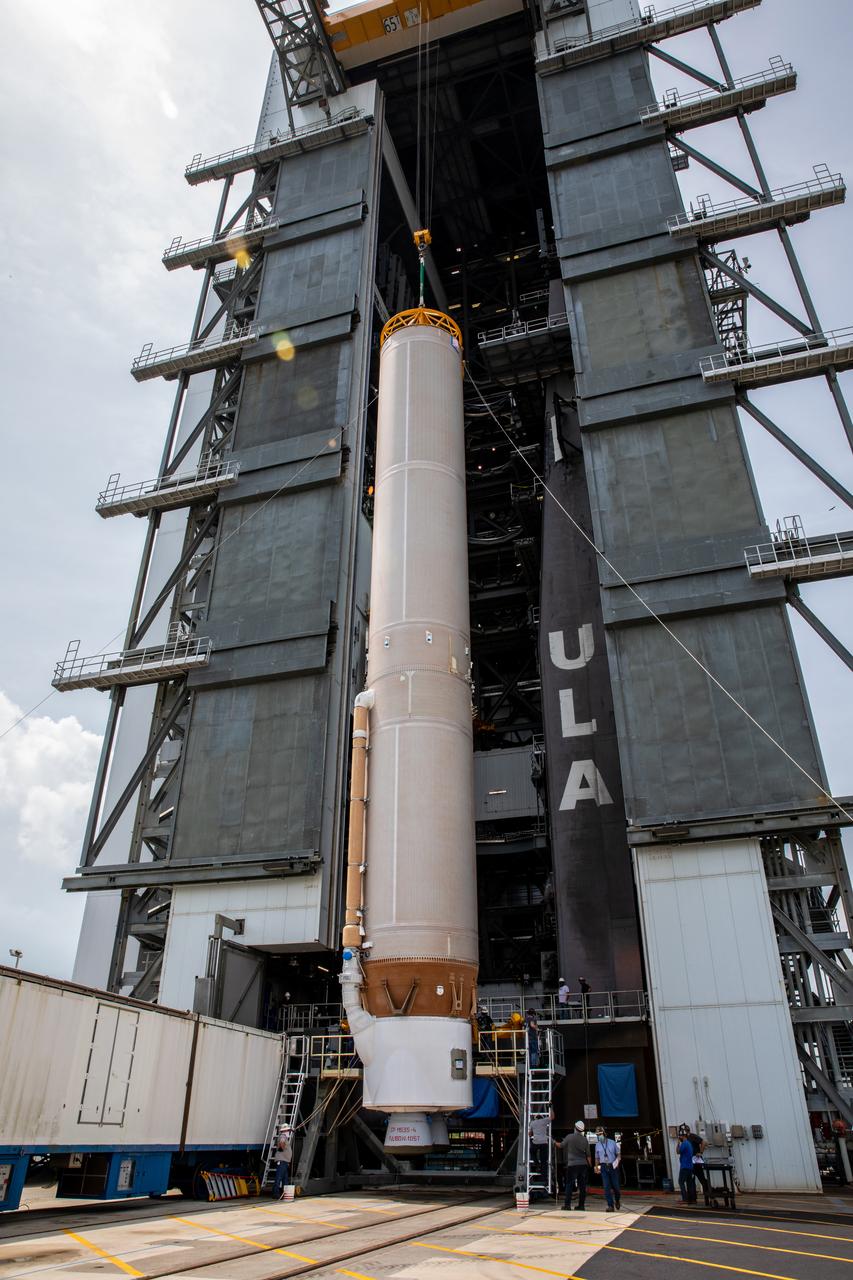
The United Launch Alliance Atlas V booster for NASA’s Mars Perseverance rover is hoisted up by crane in the Vertical Integration Facility at Launch Complex 41 at Cape Canaveral Air Force Station (CCAFS) in Florida on May 28, 2020. The Mars Perseverance rover is scheduled to launch in mid-July atop the Atlas V 541 rocket from Pad 41 at CCAFS. The rover is part of NASA’s Mars Exploration Program, a long-term effort of robotic exploration of the Red Planet. The rover will search for habitable conditions in the ancient past and signs of past microbial life on Mars. The Launch Services Program at Kennedy is responsible for launch management.
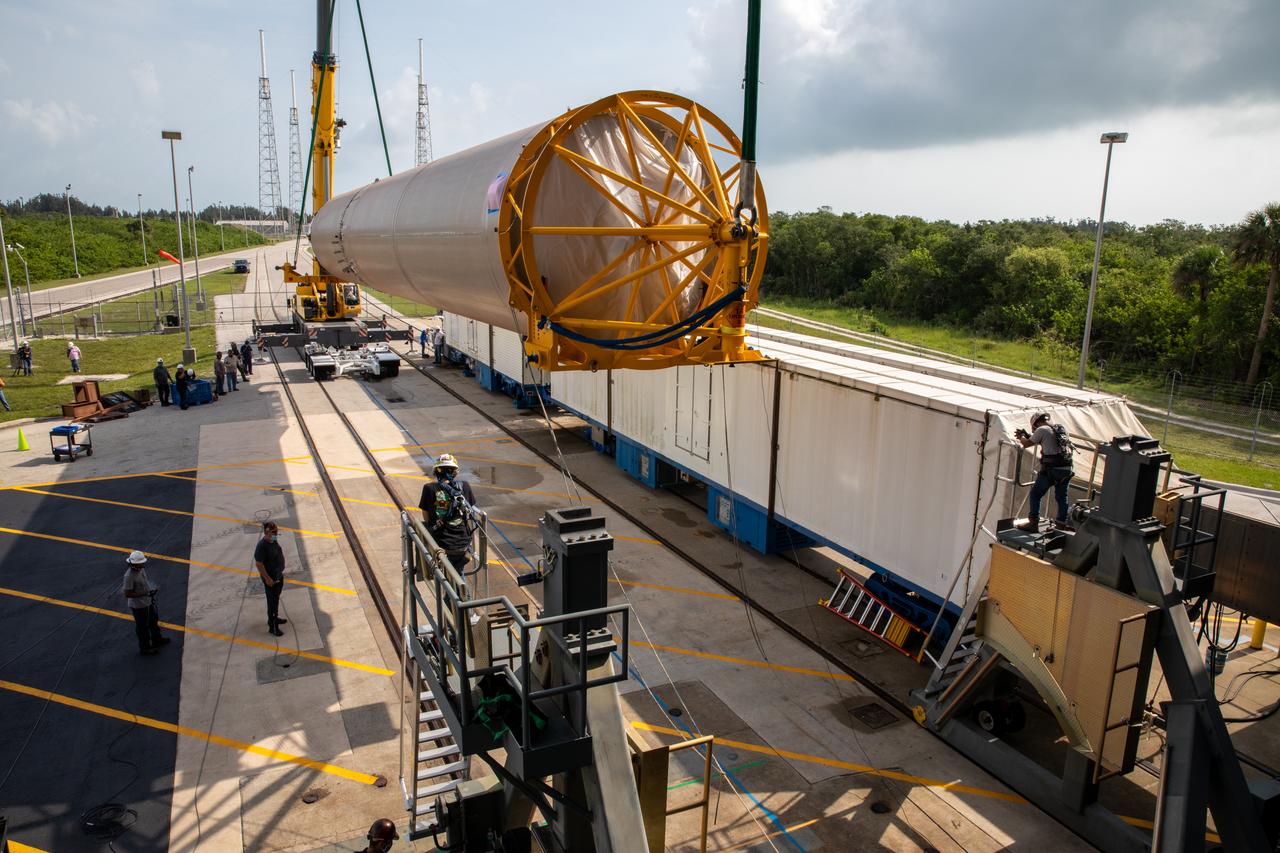
The United Launch Alliance Atlas V booster for NASA’s Mars Perseverance rover is being prepared for its lift up into the Vertical Integration Facility at Launch Complex 41 at Cape Canaveral Air Force Station (CCAFS) in Florida on May 28, 2020. The Mars Perseverance rover is scheduled to launch in mid-July atop the Atlas V 541 rocket from Pad 41 at CCAFS. The rover is part of NASA’s Mars Exploration Program, a long-term effort of robotic exploration of the Red Planet. The rover will search for habitable conditions in the ancient past and signs of past microbial life on Mars. The Launch Services Program at Kennedy is responsible for launch management.
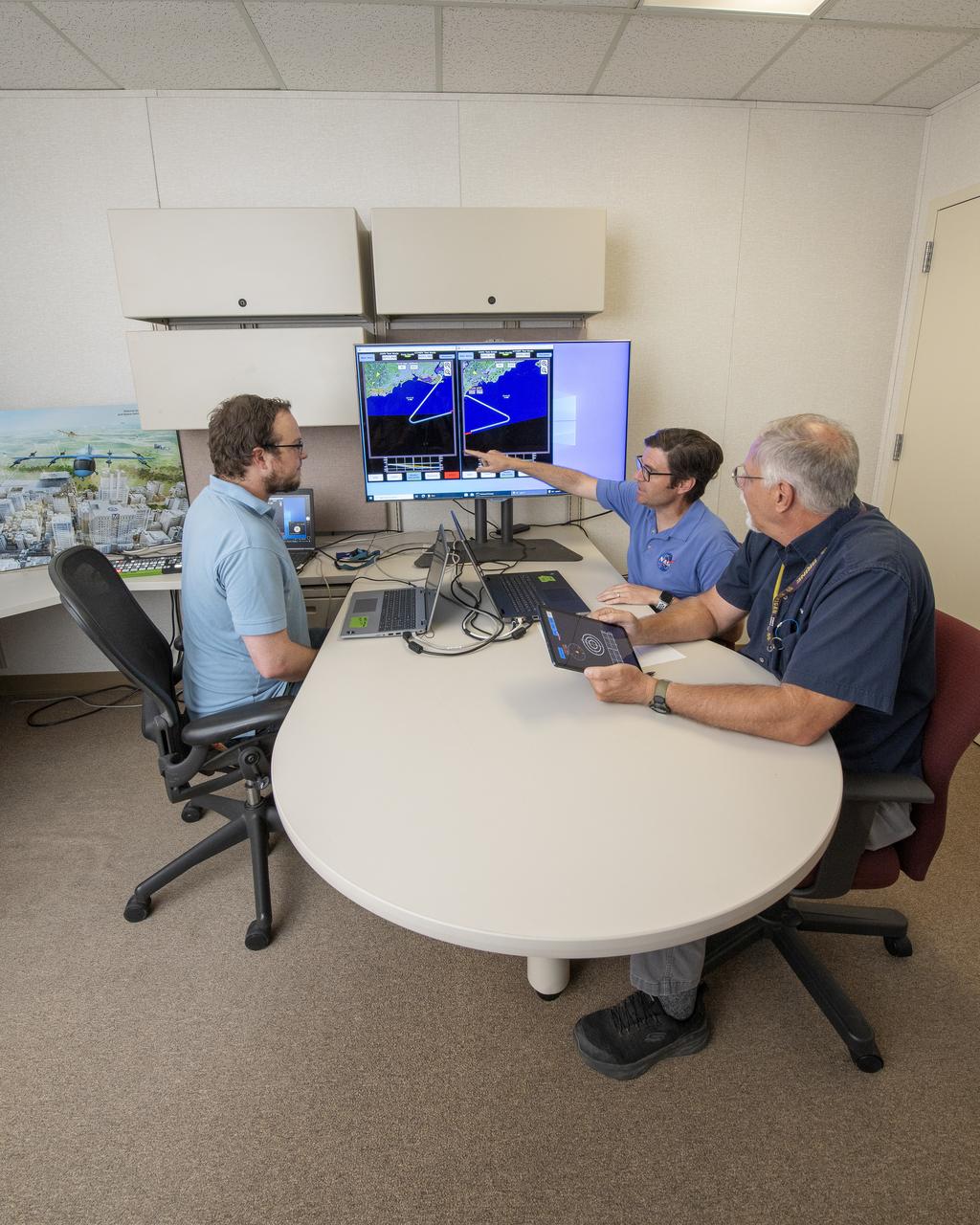
NASA software developer, Ethan Williams, left, pilot Scott Howe, and operations test consultant Jan Scofield run a flight path management software simulation at NASA’s Armstrong Flight Research Center in Edwards, California in May 2023. This simulation research supports the integration of automated systems for the advanced air mobility mission.
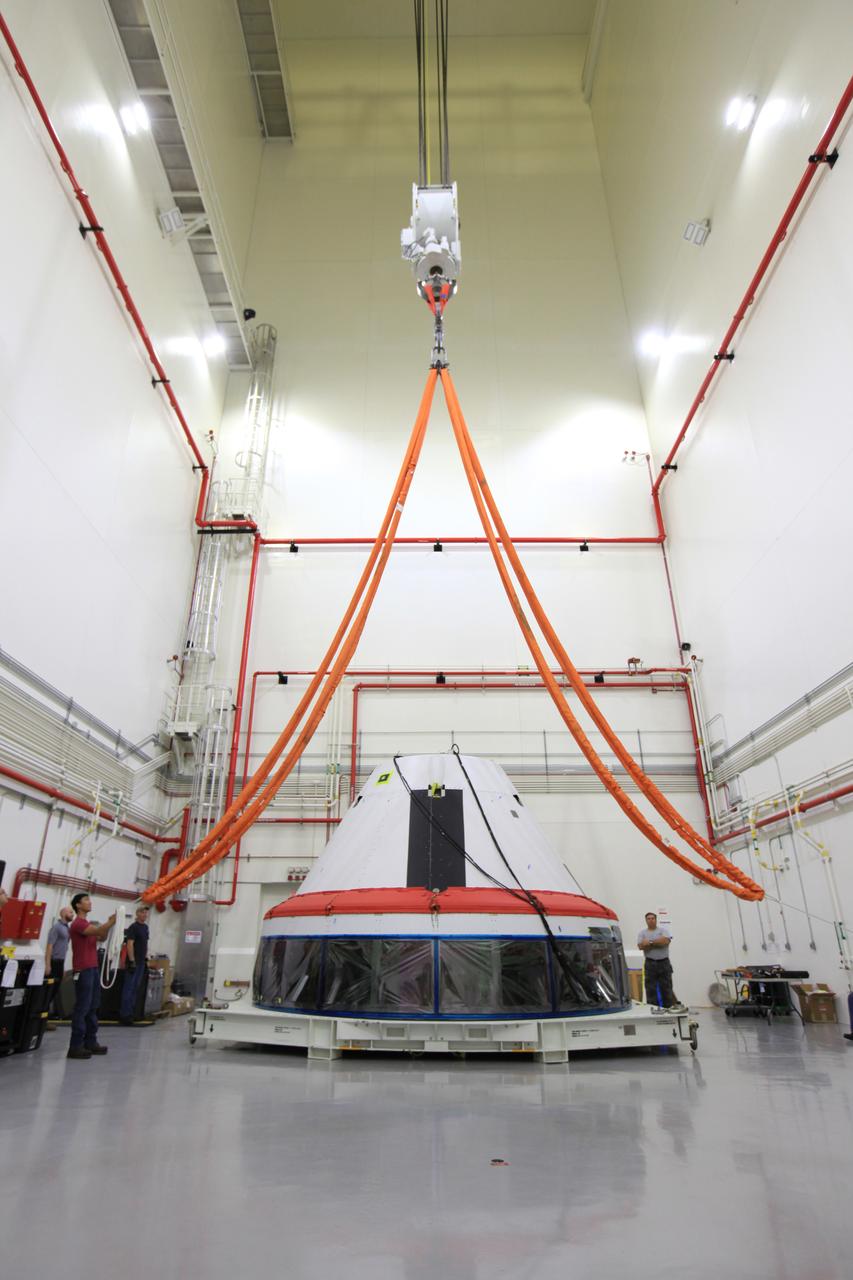
The Launch Abort System for the Ascent Abort-2 (AA-2) Flight Test is vertical and integrated with the crew module test article at the Launch Abort System Facility (LASF) at Kennedy Space Center on March 13, 2019.
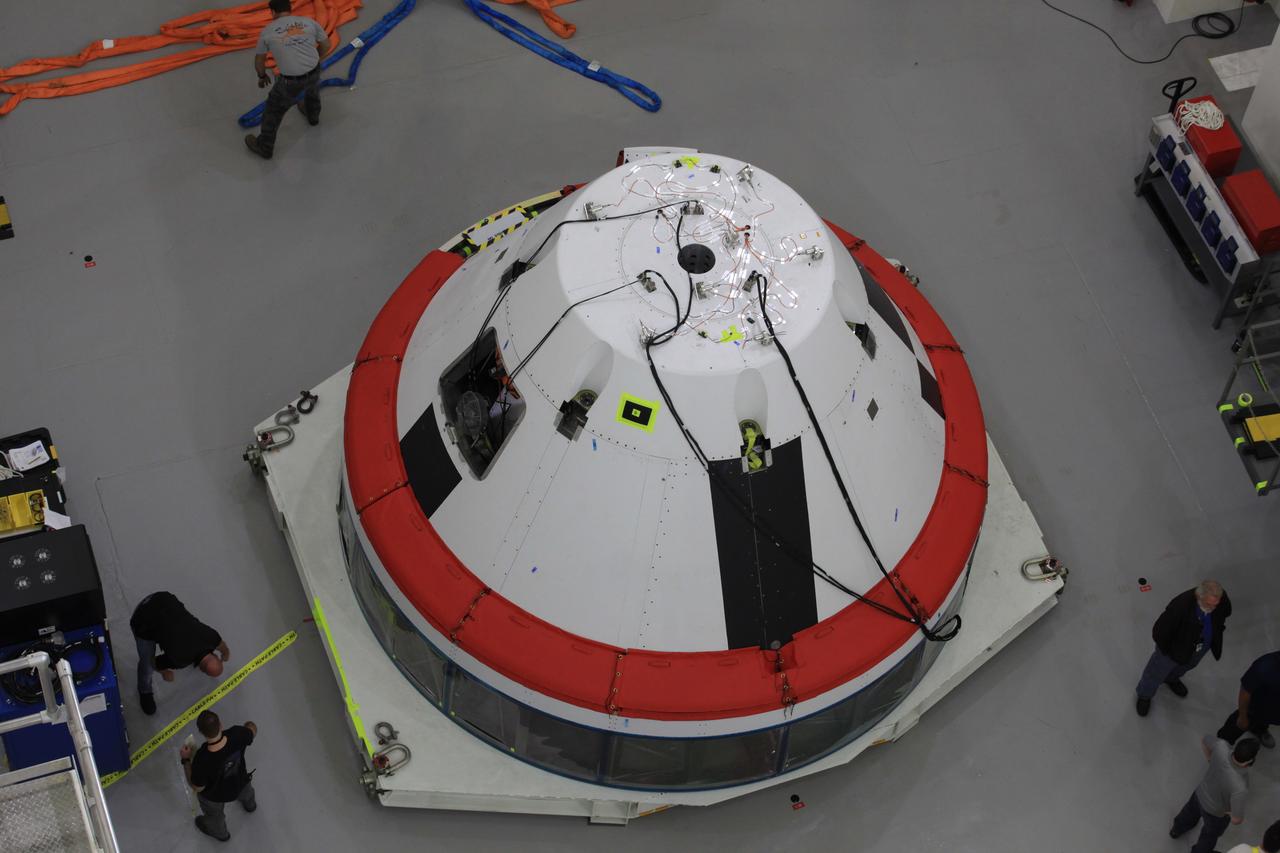
The Launch Abort System for the Ascent Abort-2 (AA-2) Flight Test is vertical and integrated with the crew module test article at the Launch Abort System Facility (LASF) at Kennedy Space Center on March 13, 2019.
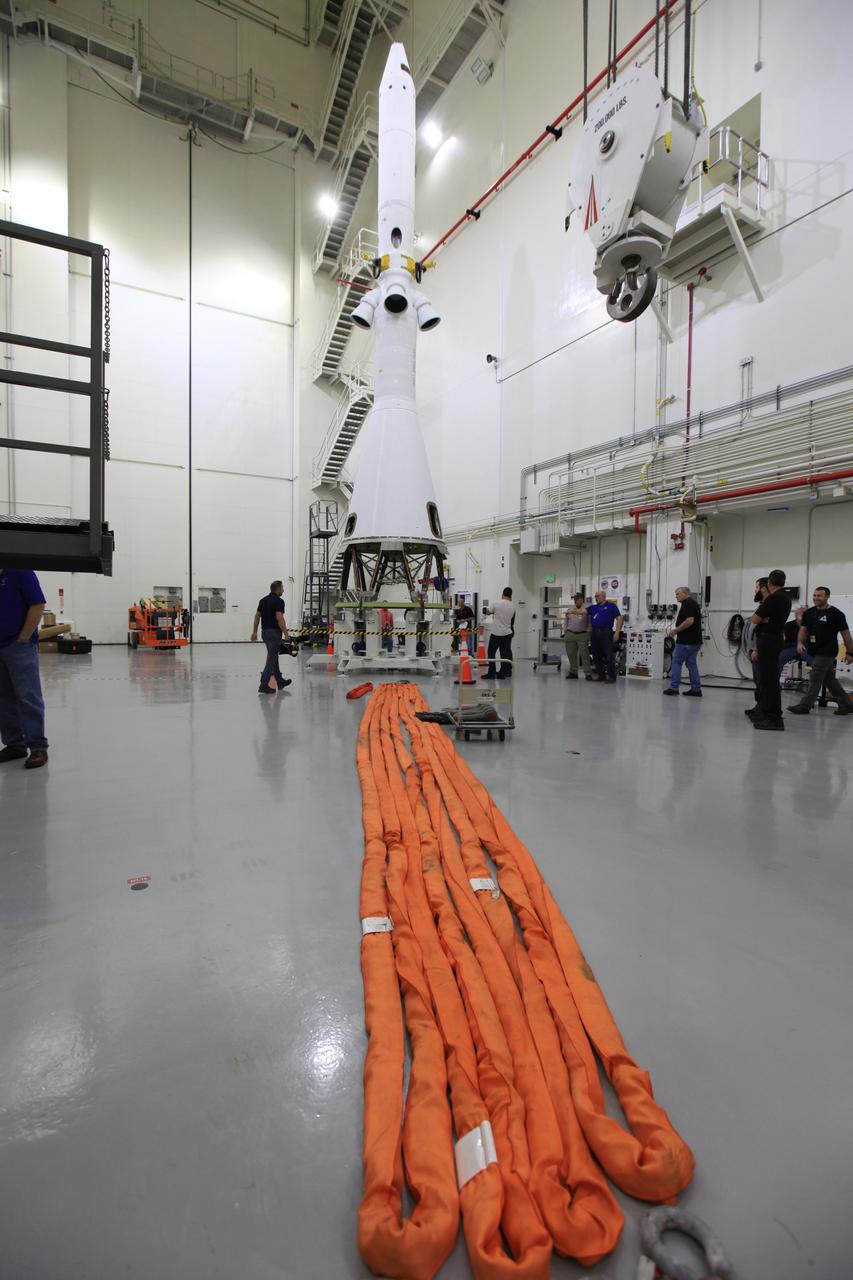
The Launch Abort System for the Ascent Abort-2 (AA-2) Flight Test is vertical and integrated with the crew module test article at the Launch Abort System Facility (LASF) at Kennedy Space Center on March 13, 2019.
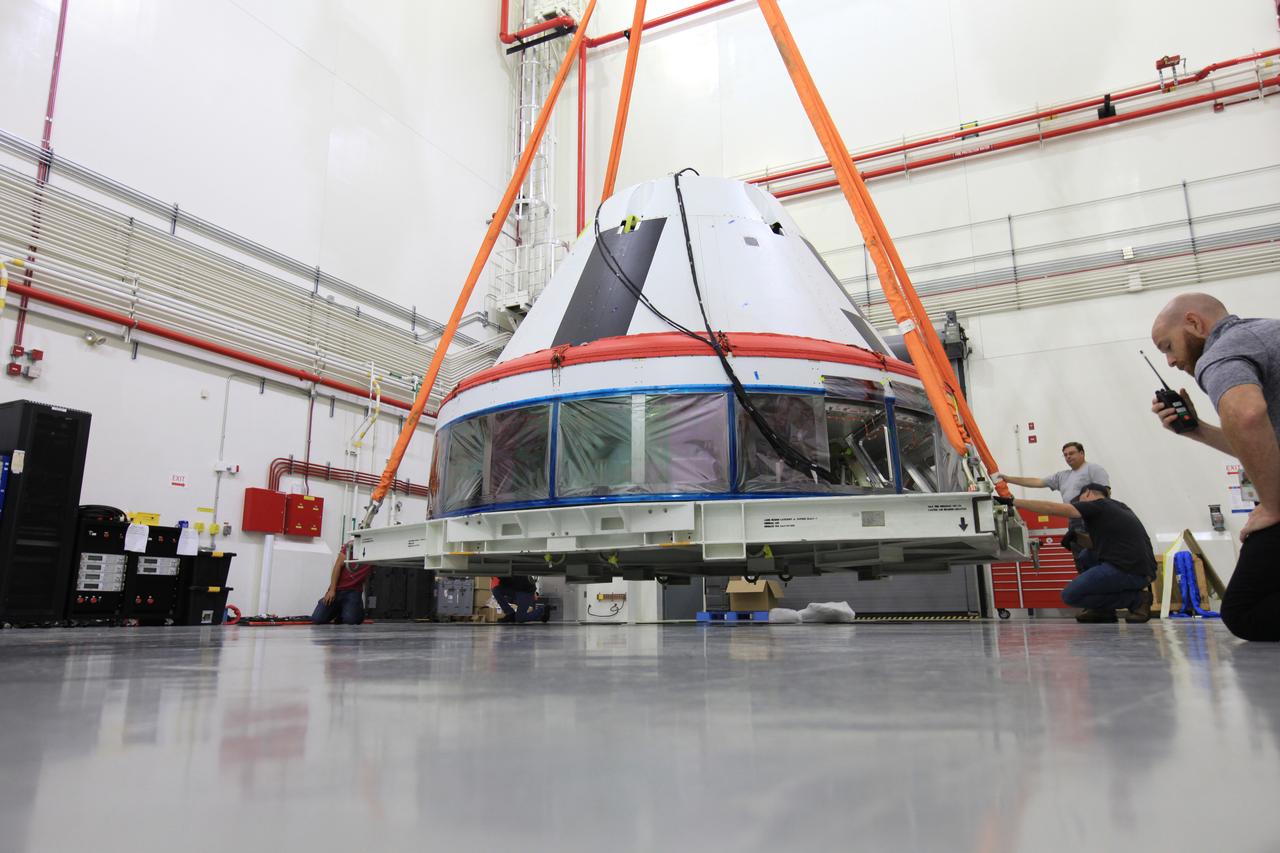
The Launch Abort System for the Ascent Abort-2 (AA-2) Flight Test is vertical and integrated with the crew module test article at the Launch Abort System Facility (LASF) at Kennedy Space Center on March 13, 2019.
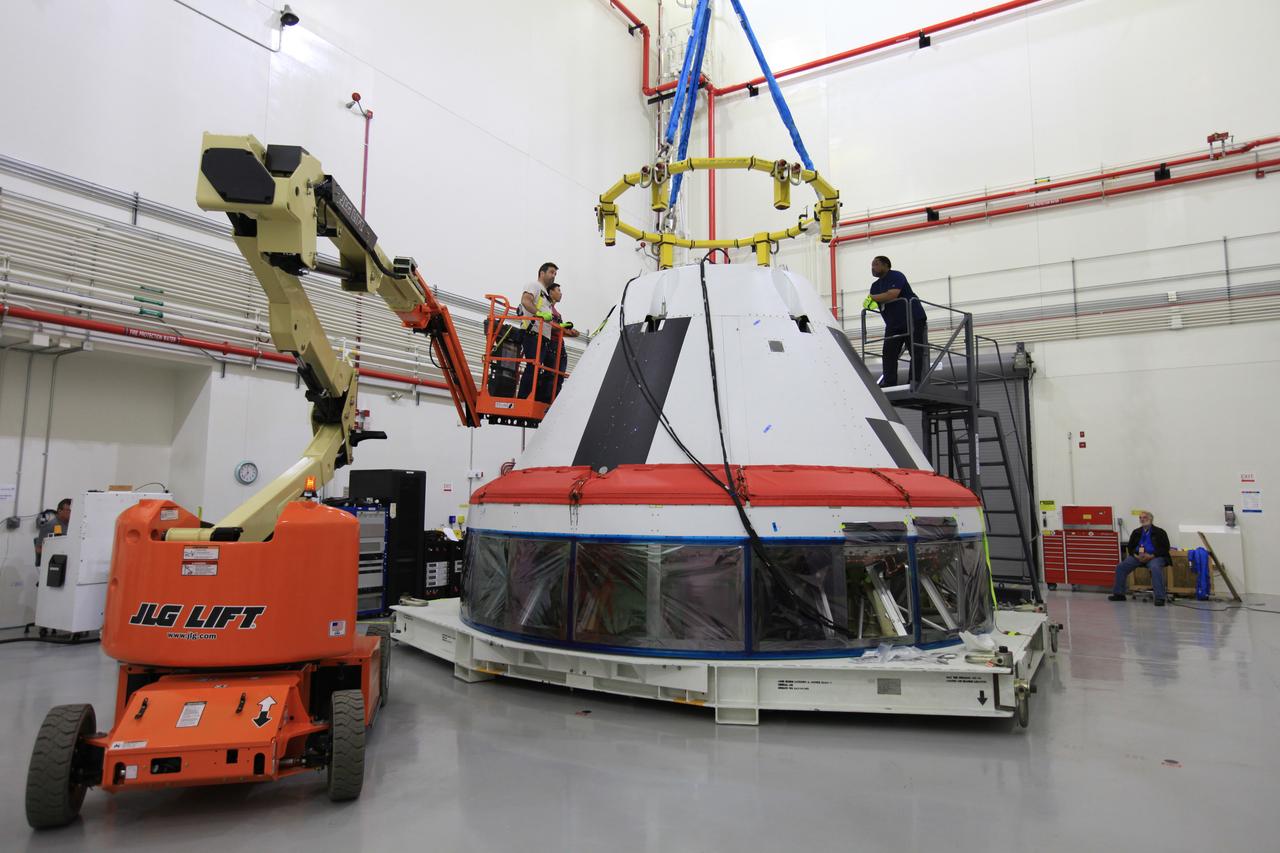
The Launch Abort System for the Ascent Abort-2 (AA-2) Flight Test is vertical and integrated with the crew module test article at the Launch Abort System Facility (LASF) at Kennedy Space Center on March 13, 2019.
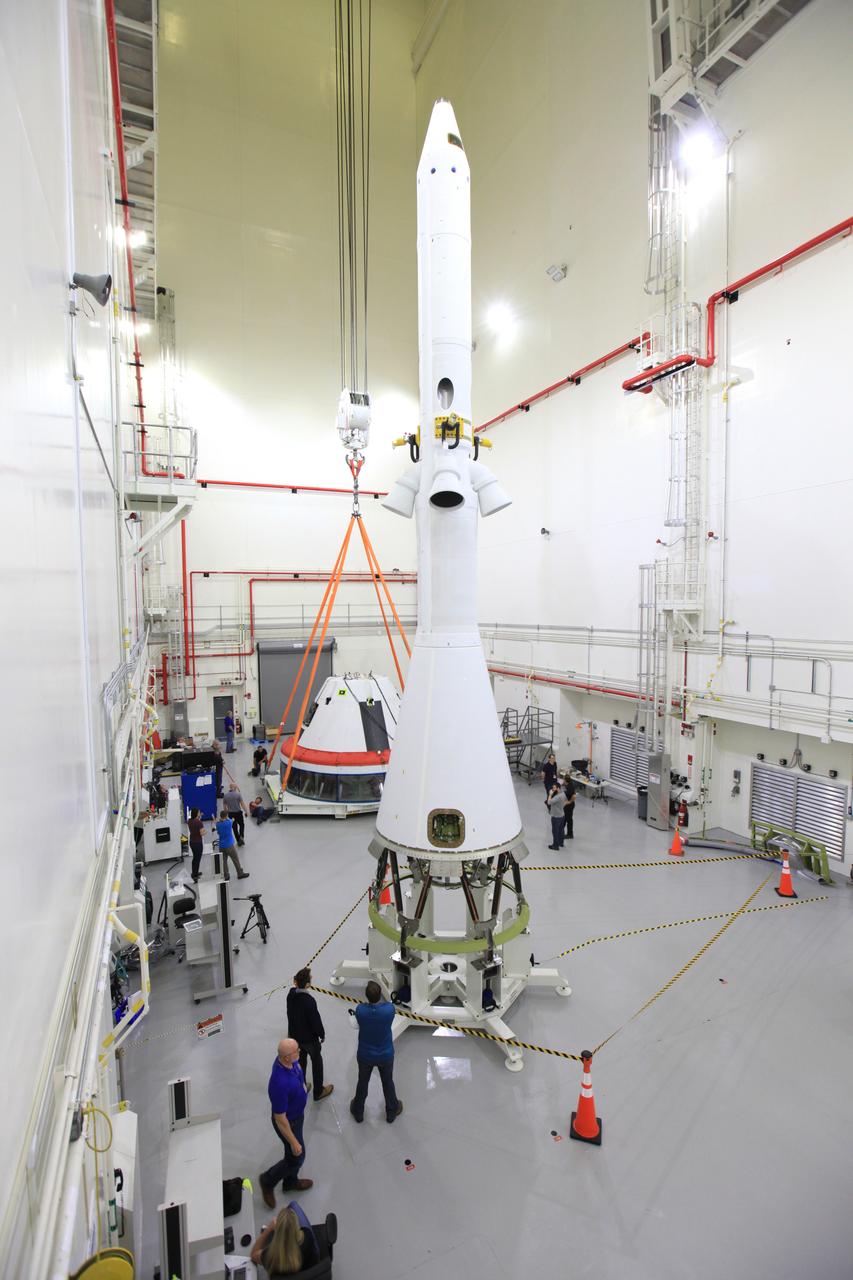
The Launch Abort System for the Ascent Abort-2 (AA-2) Flight Test is vertical and integrated with the crew module test article at the Launch Abort System Facility (LASF) at Kennedy Space Center on March 13, 2019.
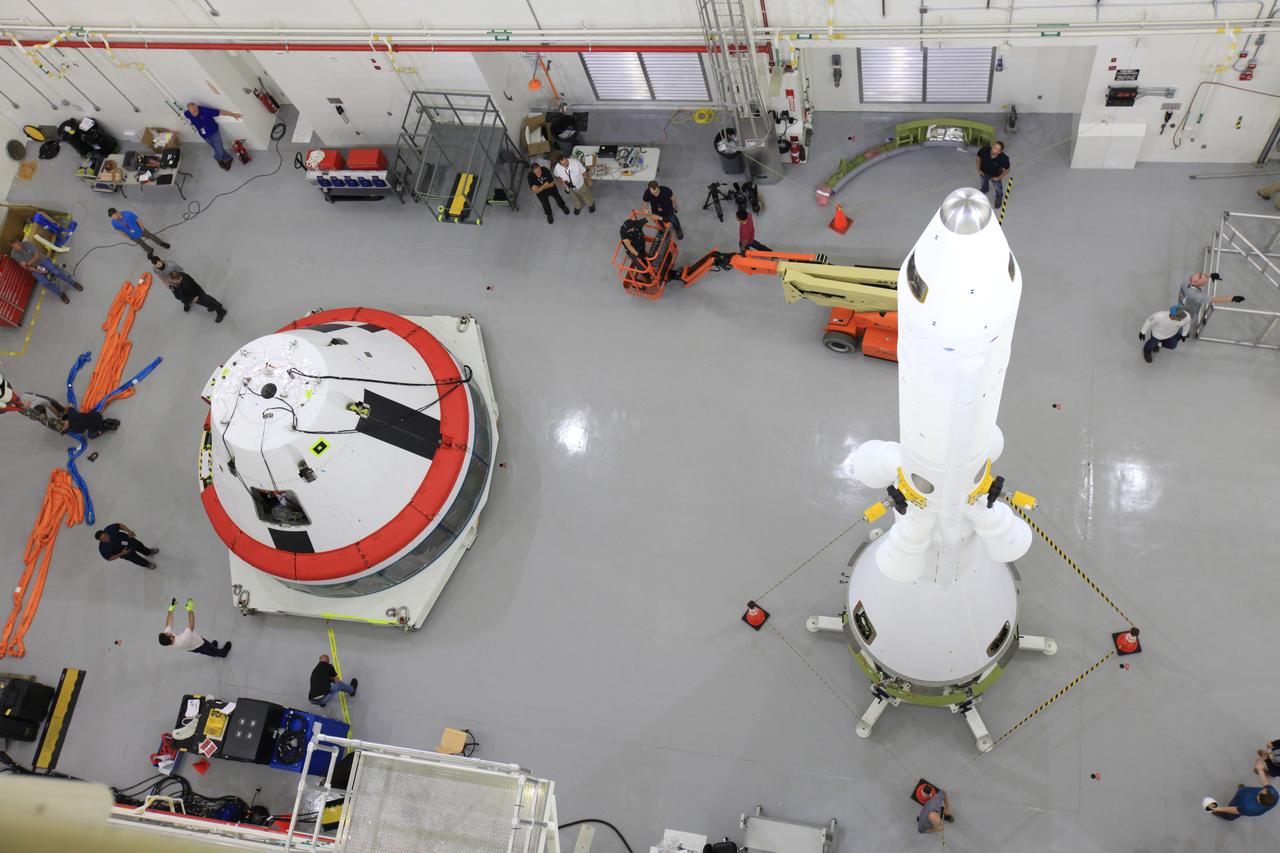
The Launch Abort System for the Ascent Abort-2 (AA-2) Flight Test is vertical and integrated with the crew module test article at the Launch Abort System Facility (LASF) at Kennedy Space Center on March 13, 2019.

The Launch Abort System for the Ascent Abort-2 (AA-2) Flight Test is vertical and integrated with the crew module test article at the Launch Abort System Facility (LASF) at Kennedy Space Center on March 13, 2019.
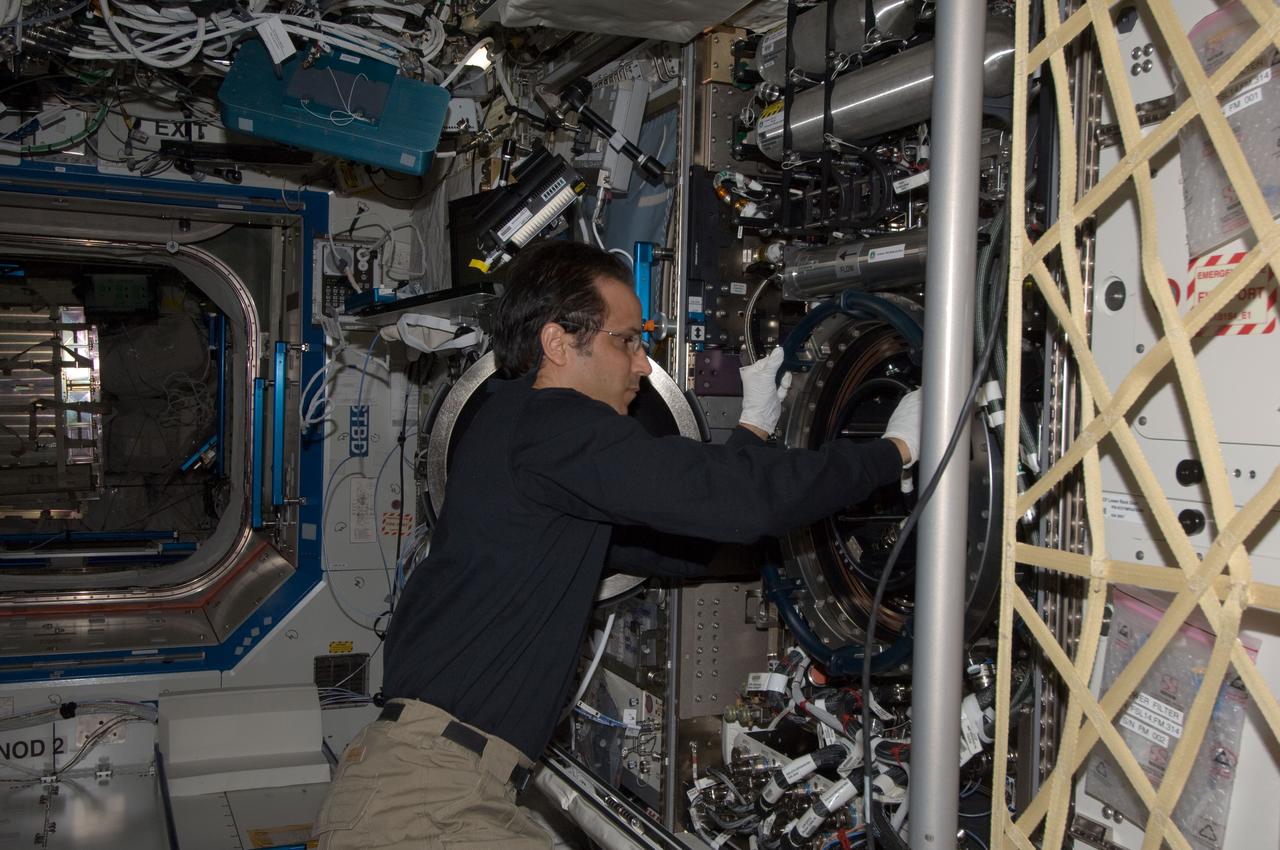
ISS032-E-014574 (7 Aug. 2012) --- NASA astronaut Joe Acaba, Expedition 32 flight engineer, works on the Combustion Integrated Rack (CIR) in the Destiny laboratory of the International Space Station.
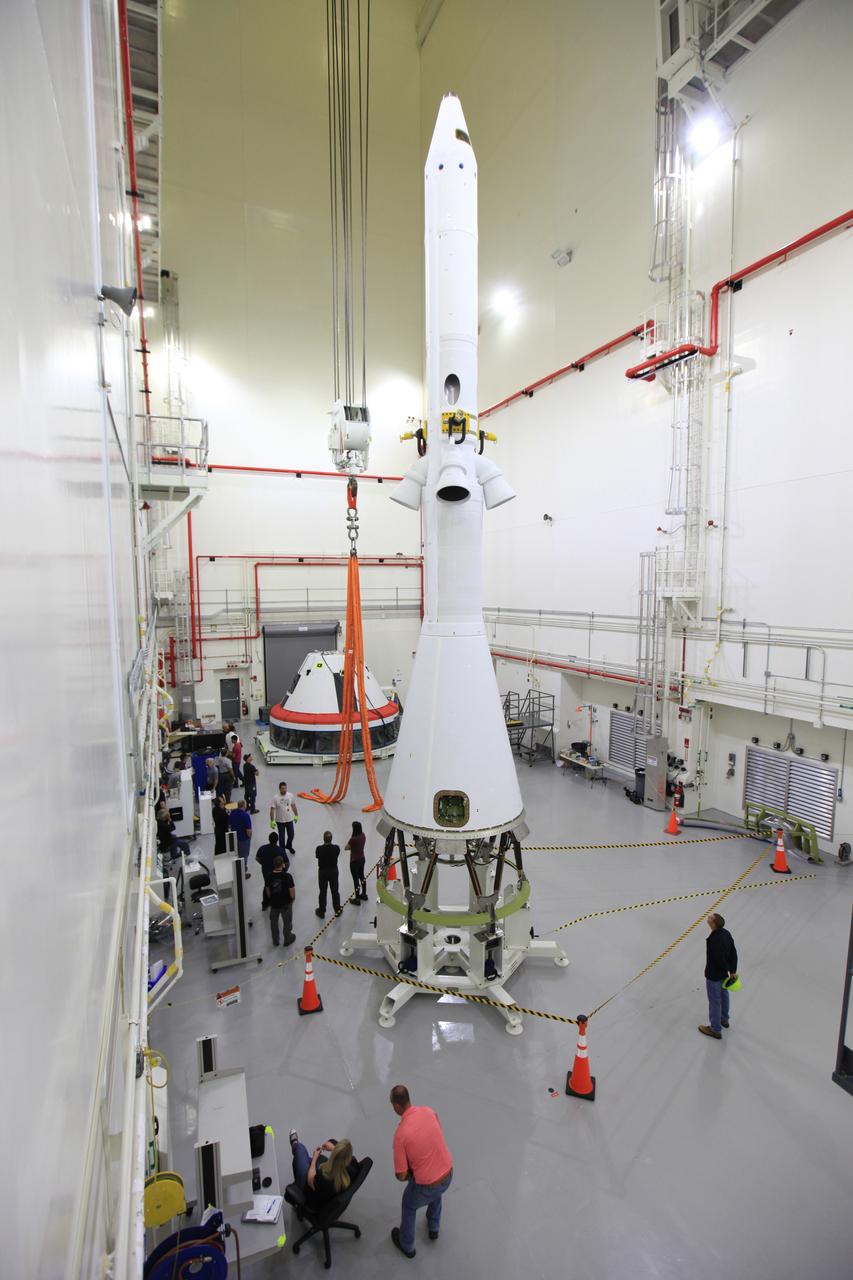
The Launch Abort System for the Ascent Abort-2 (AA-2) Flight Test is vertical and integrated with the crew module test article at the Launch Abort System Facility (LASF) at Kennedy Space Center on March 13, 2019.
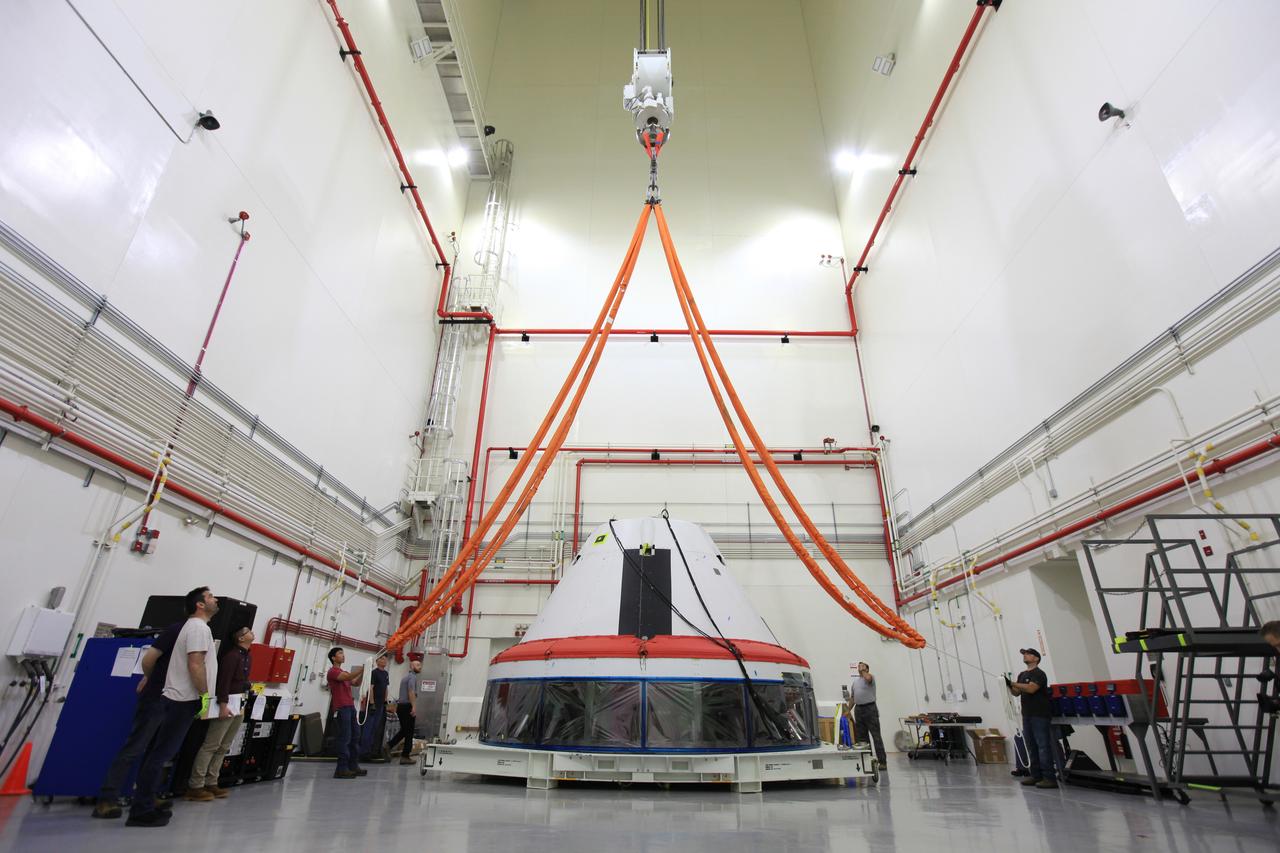
The Launch Abort System for the Ascent Abort-2 (AA-2) Flight Test is vertical and integrated with the crew module test article at the Launch Abort System Facility (LASF) at Kennedy Space Center on March 13, 2019.
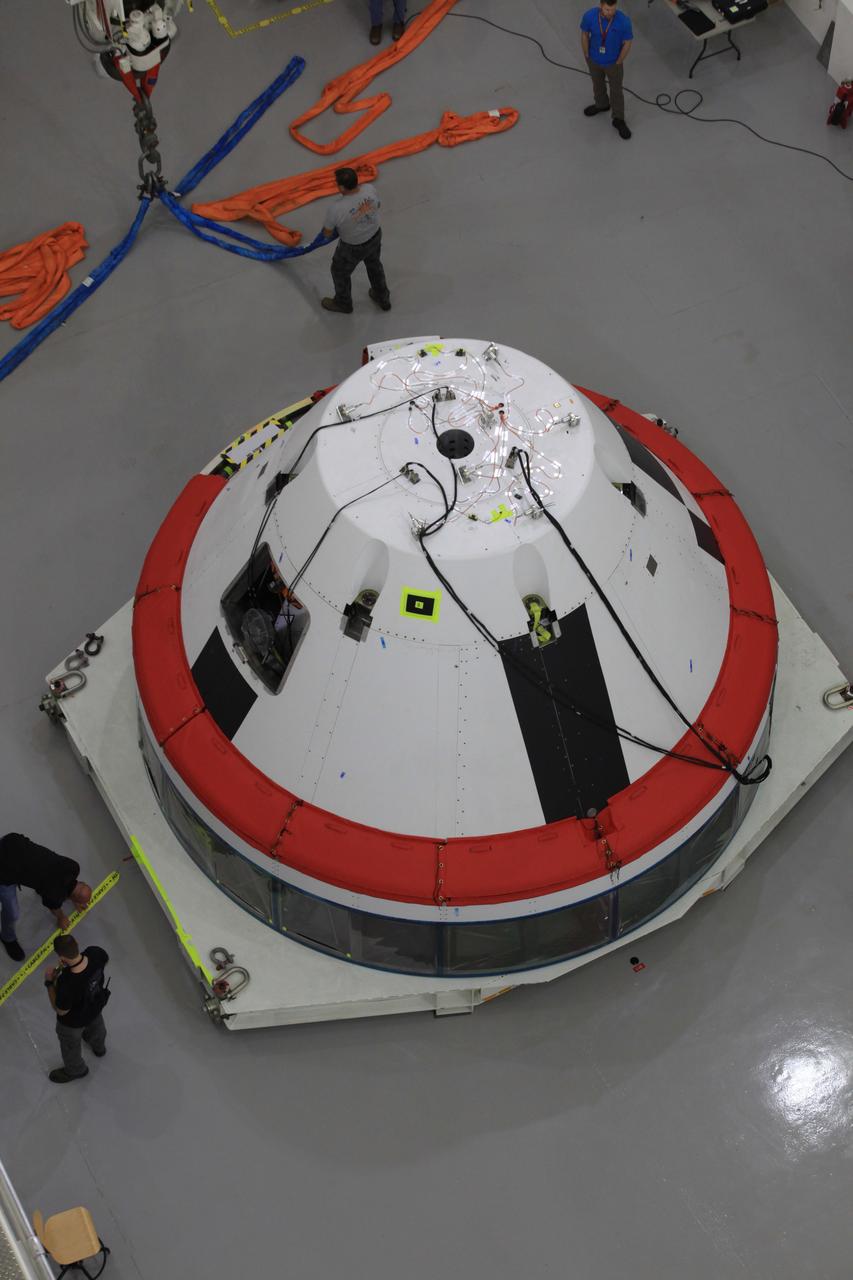
The Launch Abort System for the Ascent Abort-2 (AA-2) Flight Test is vertical and integrated with the crew module test article at the Launch Abort System Facility (LASF) at Kennedy Space Center on March 13, 2019.
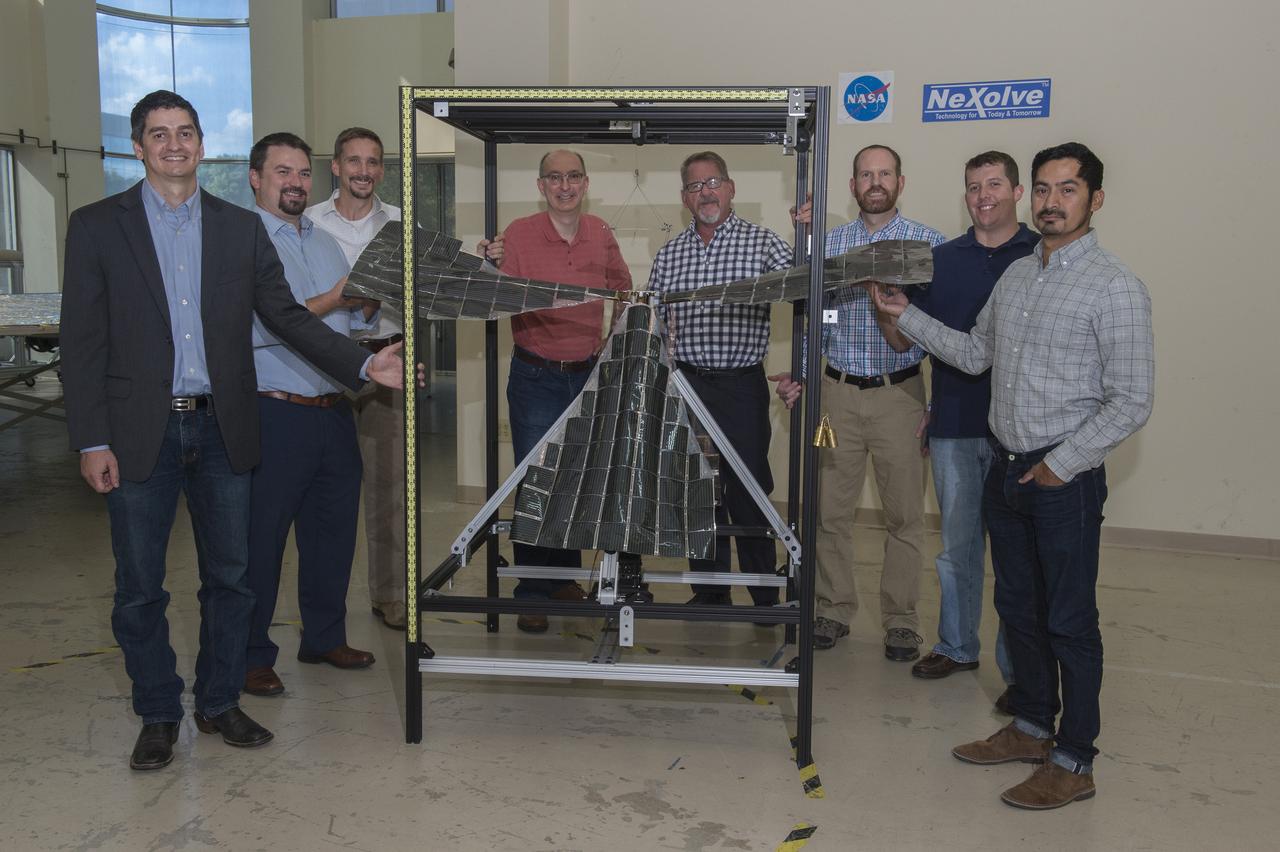
JOHN CARR, AT FAR LEFT, CO-PRINCIPAL INVESTIGATOR FOR NASA'S LIGHTWEIGHT INTEGRATED SOLAR ARRAY AND TRANSCEIVER PROJECT, POSES WITH THE LISA-T TEAM AFTER A DEMONSTRATION AND TESTING AT NEXOLVE
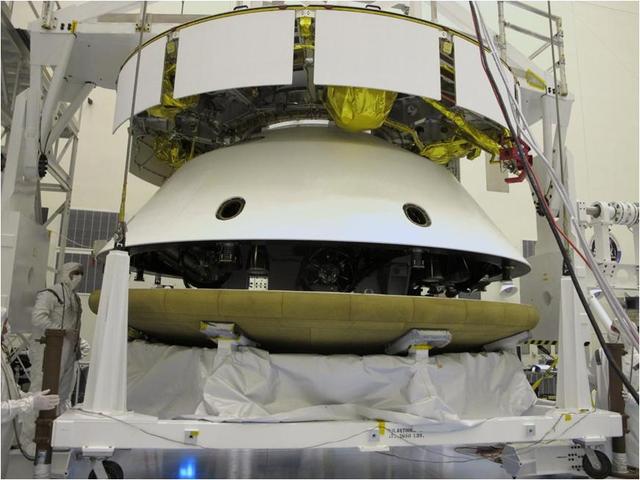
During final stacking of NASA Mars Science Laboratory spacecraft, the heat shield is positioned for integration with the rest of the spacecraft in this photograph from inside the Payload Hazardous Servicing Facility at NASA Kennedy Space Center, Fla.
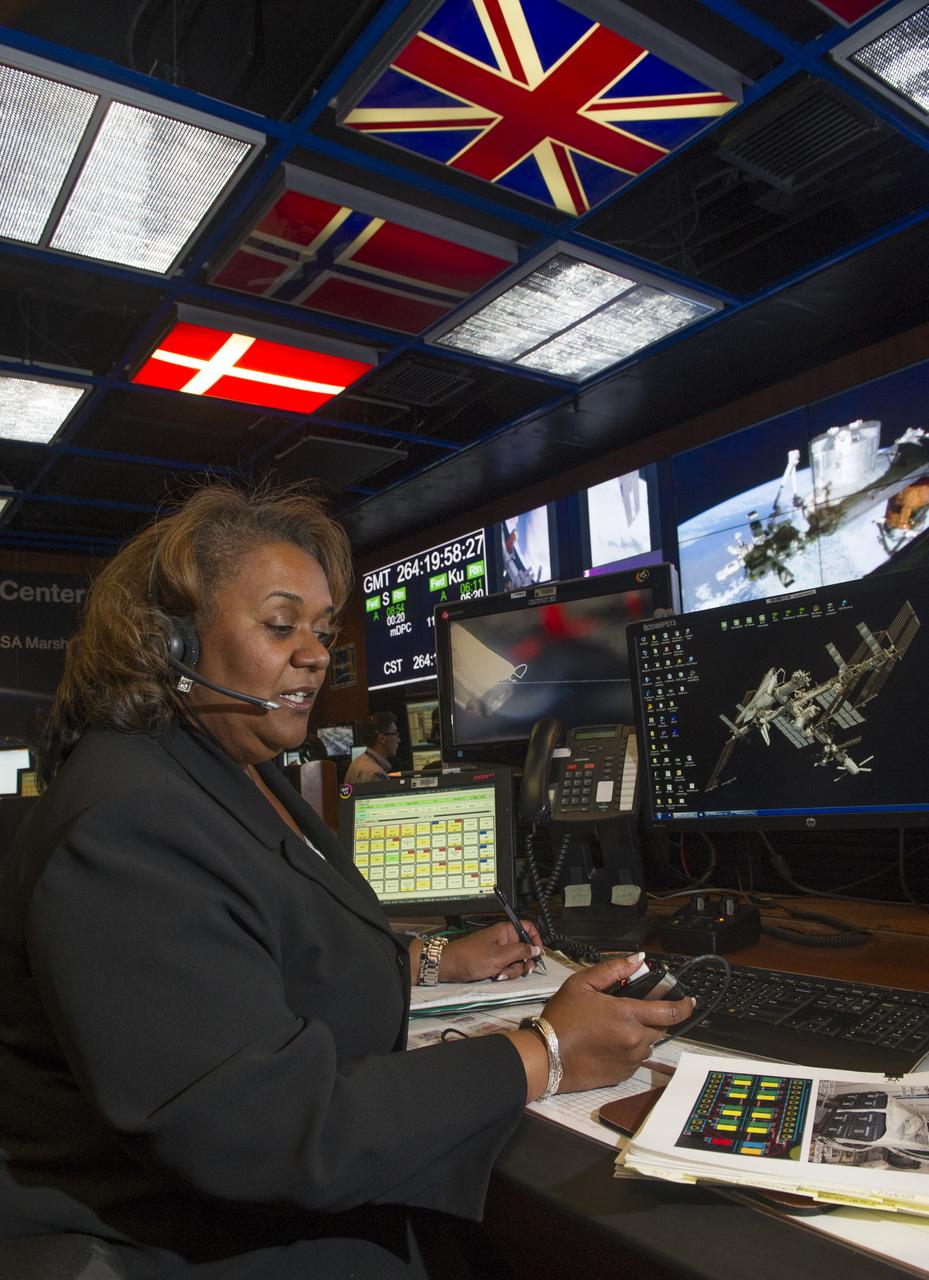
LYBREASE WOODARD ON CONSOLE AT PAYLOAD OPERATIONS CONTROL CENTER FOR FORBES MAGAZINE ARTICLE
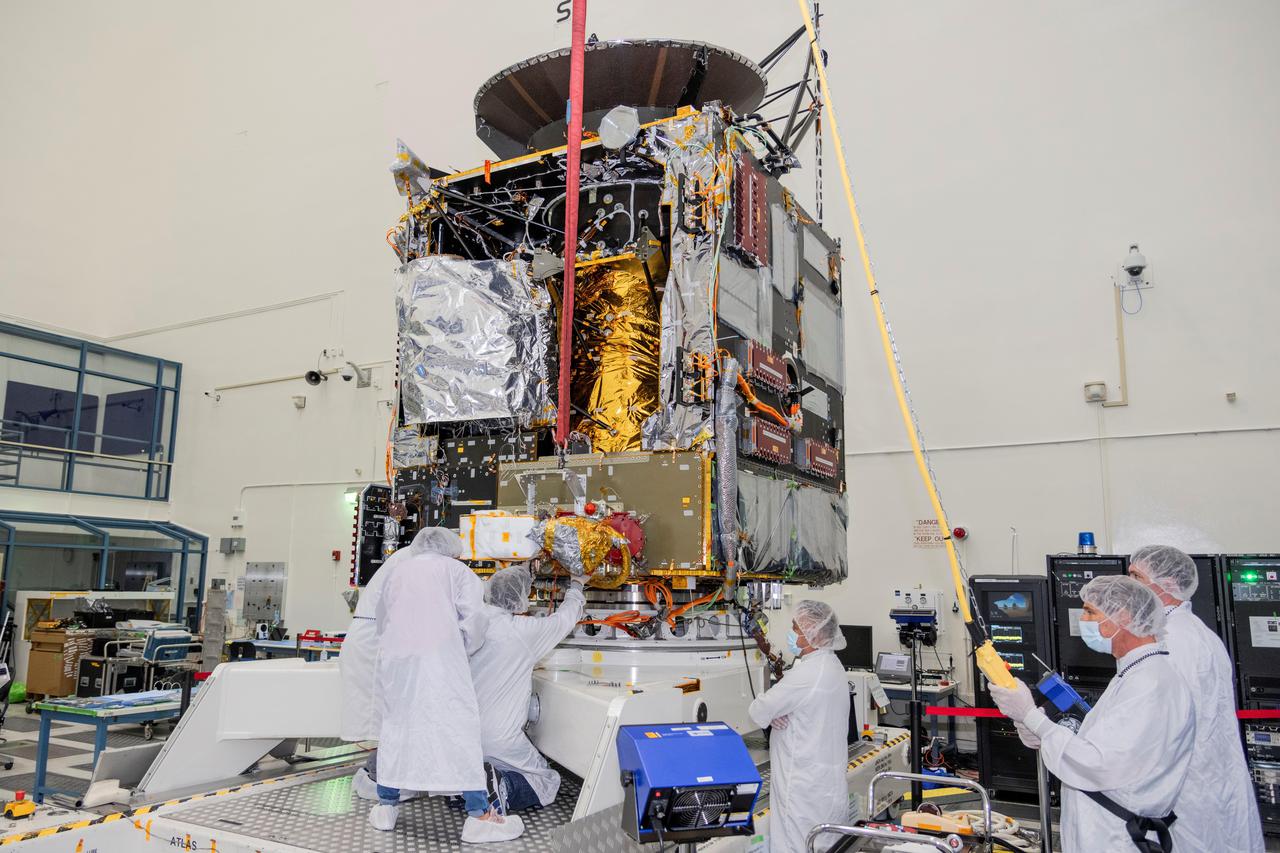
Engineers at NASA's Jet Propulsion Laboratory in Southern California work to integrate Hall thrusters into the agency's Psyche spacecraft in this July 2021 photo. One of the thrusters is visible on the side of the spacecraft beneath a red protective cover. Psyche is set to launch in August 2022 and will travel to its target, a metal-rich asteroid also named Psyche, under the power of solar electric propulsion. This super-efficient mode of propulsion uses solar arrays to capture sunlight that is converted into electricity to power the spacecraft's Hall thrusters. They work by turning xenon gas, a neutral gas used in car headlights and plasma TVs, into xenon ions. As the xenon ions are accelerated out of the thruster, they create the thrust that will propel the spacecraft. This will be the first use of Hall thrusters beyond lunar orbit, demonstrating that they could play a role in supporting future deep space missions. https://photojournal.jpl.nasa.gov/catalog/PIA24789

MARK ROBERTS, DATA MANAGEMENT COORDINATOR, AT HIS WORKSTATION IN THE PAYLOAD OPERATIONS INTEGRATION CENTER (POIC).

PANORAMA PHOTOGRAPHS OF THE NEWLY REMODELED PAYLOAD OPERATIONS INTEGRATION CENTER (POIC) IN BUILDING 4663 AT THE MARSHALL SPACE FLIGHT CENTER
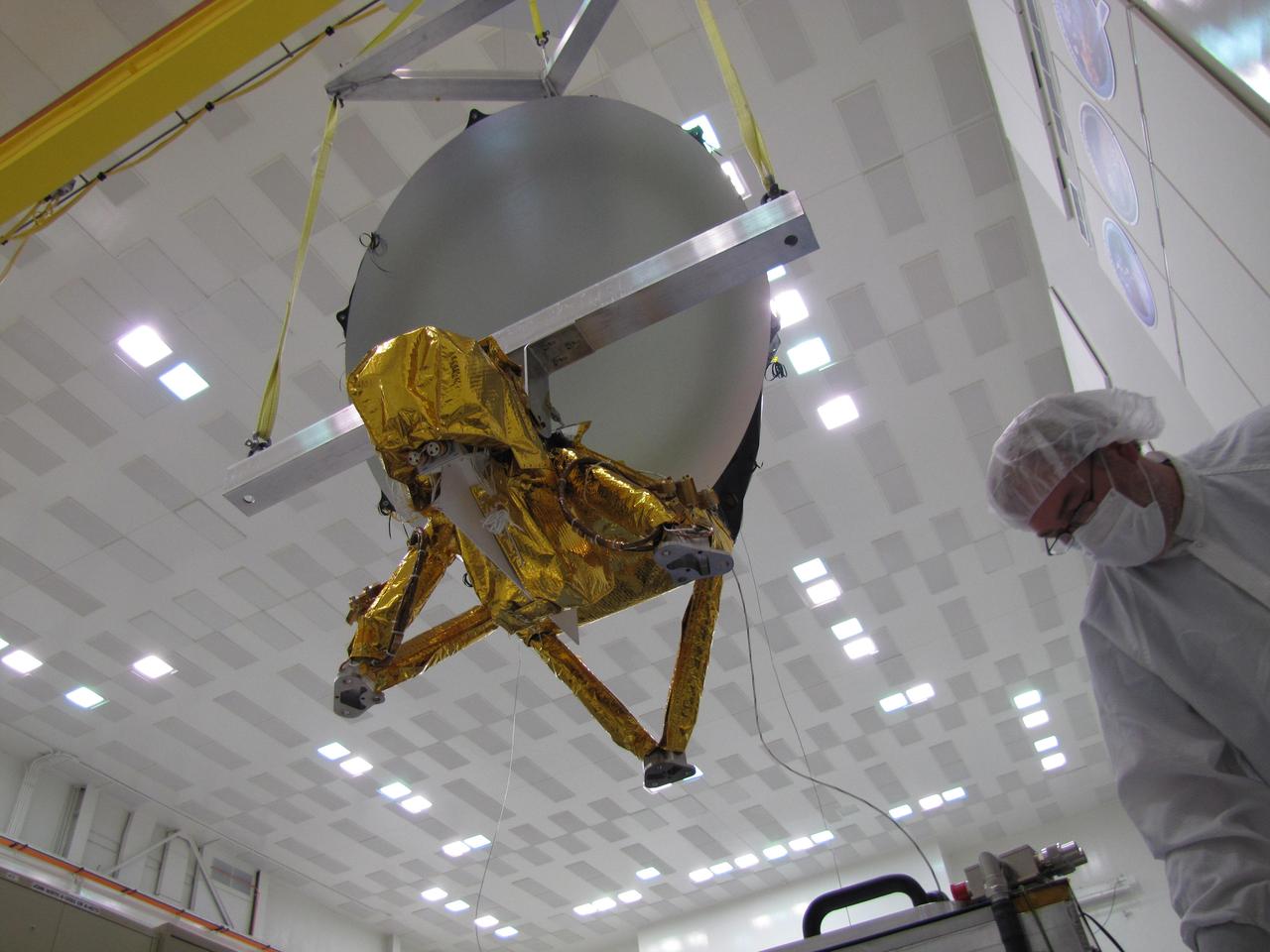
JPL technicians perform a practice run of the mechanical integration sequence that will be used to mate the Jason-3 spacecraft Advanced Microwave Radiometer instrument to the Jason-3 satellite.
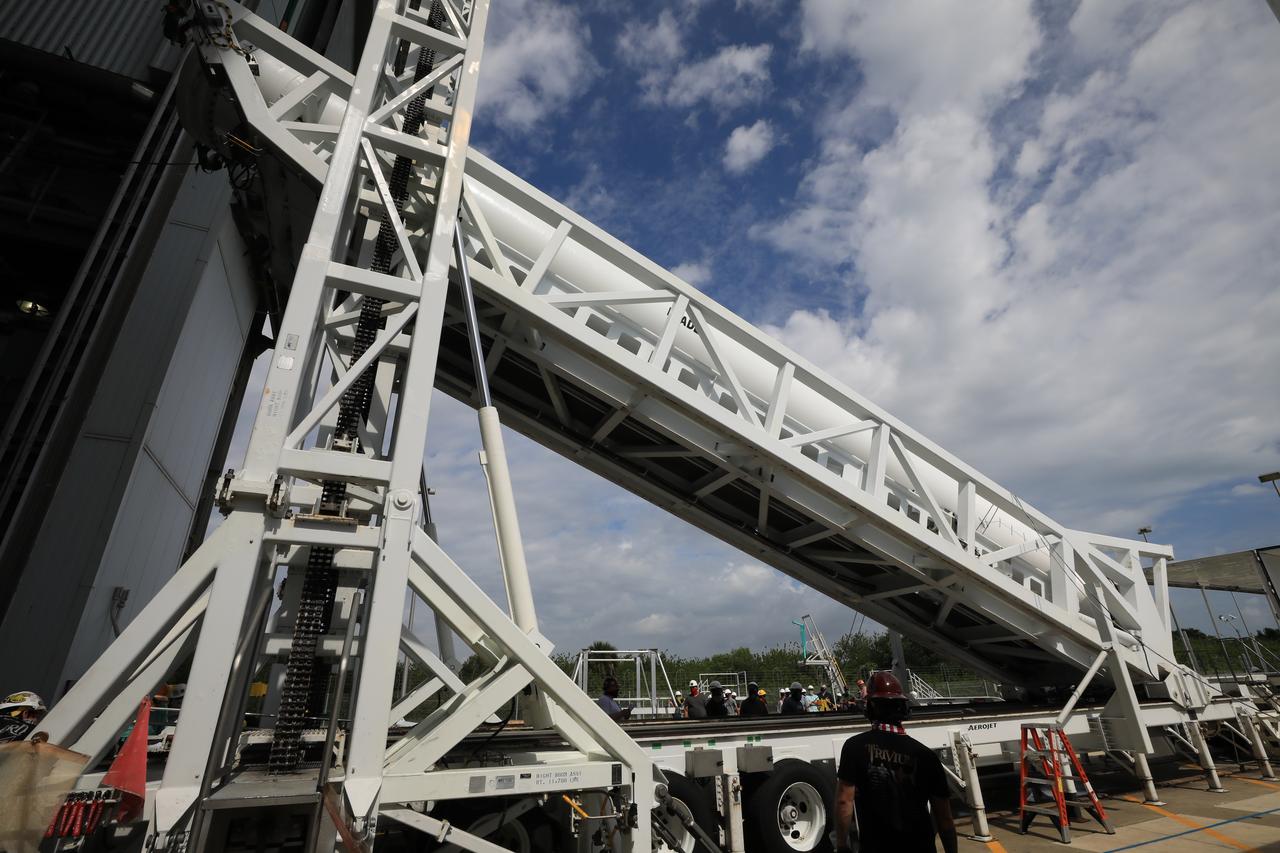
A lifting device raises the third of four solid rocket boosters (SRB) for the United Launch Alliance Atlas V 541 rocket into the vertical position at the Vertical Integration Facility (VIF) at Space Launch Complex 41 at Cape Canaveral Air Force Station (CCAFS) in Florida on June 8, 2020. The SRB will be lifted up and mated to the Atlas V booster in the VIF. NASA’s Mars 2020 mission with the Perseverance rover is scheduled to launch on July 20, 2020, atop the Atlas V rocket from Pad 41. The rover is part of NASA’s Mars Exploration Program, a long-term effort of robotic exploration of the Red Planet. The rover’s seven instruments will search for habitable conditions in the ancient past and signs of past microbial life on Mars. The Launch Services Program at Kennedy is responsible for launch management.
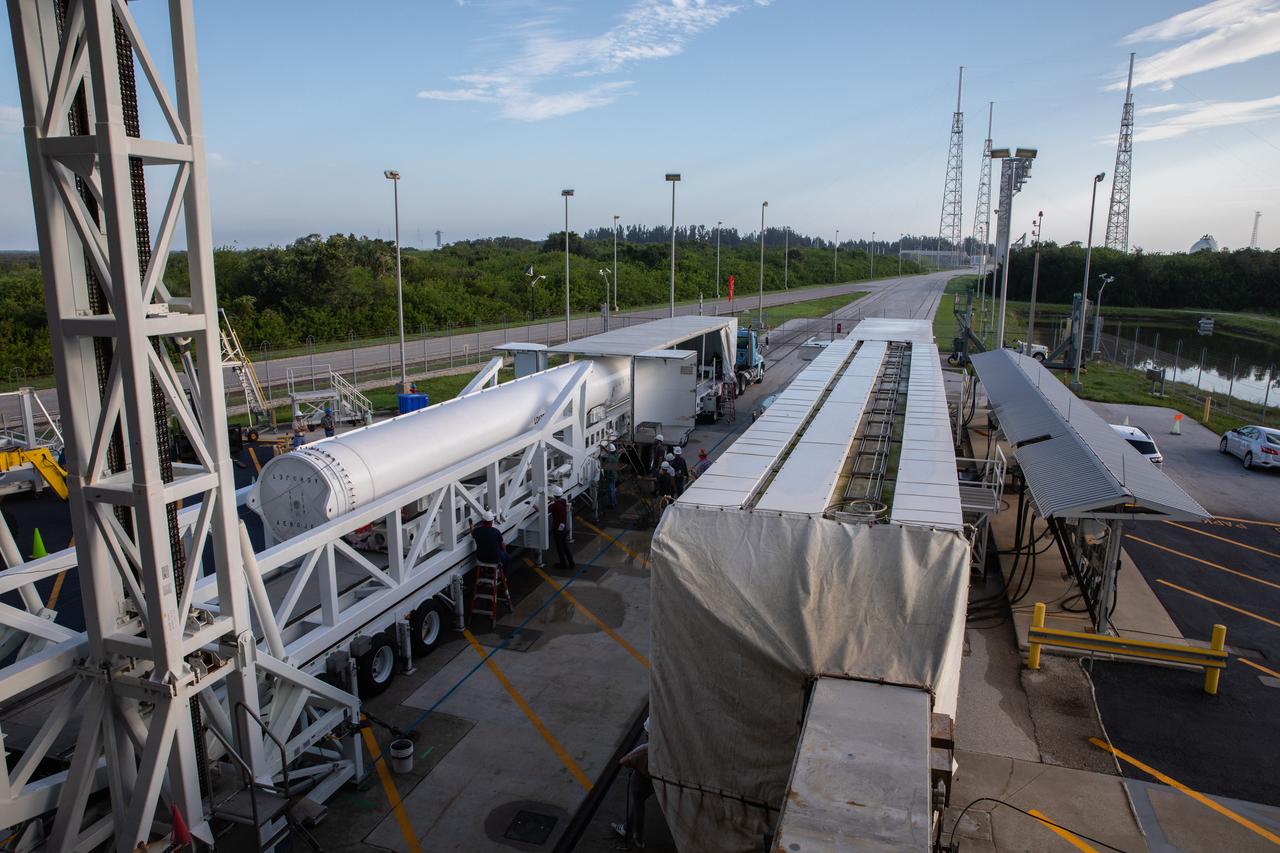
Preparations are underway to lift the fourth and final solid rocket booster (SRB) for the United Launch Alliance Atlas V 541 rocket into the Vertical Integration Facility (VIF) at Space Launch Complex 41 at Cape Canaveral Air Force Station (CCAFS) in Florida on June 9, 2020. The SRB will be lifted and mated to the Atlas V booster in the VIF. The Mars Perseverance rover is scheduled to launch in July 2020, atop the Atlas V rocket from Pad 41. The rover is part of NASA’s Mars Exploration Program, a long-term effort of robotic exploration of the Red Planet. The rover’s seven instruments will search for habitable conditions in the ancient past and signs of past microbial life on Mars. The Launch Services Program at Kennedy is responsible for launch management.
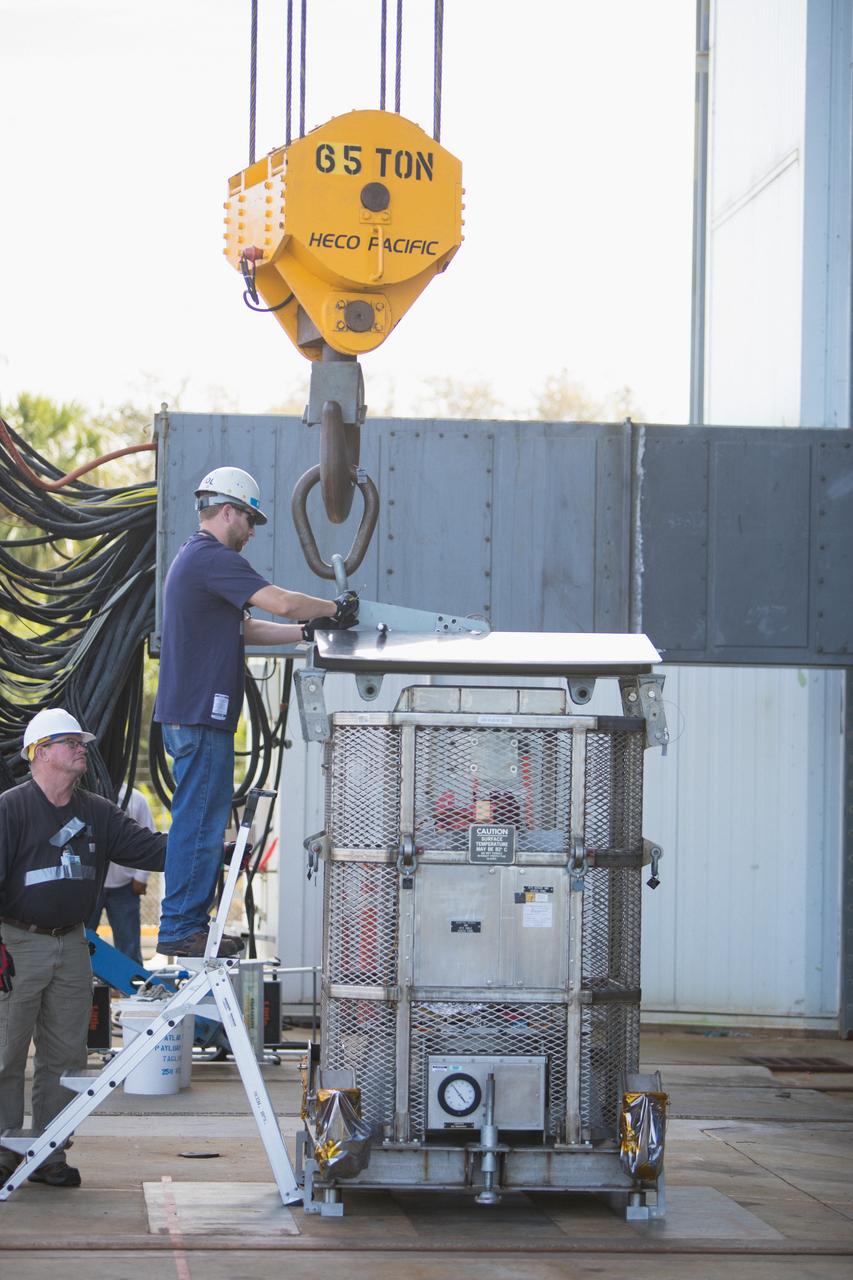
Technicians attach a crane to a test version of the Multi-Mission Radioisotope Thermoelectric Generator (MMRTG) for NASA’s Mars 2020 mission at the United Launch Alliance Vertical Integration Facility (VIF) at Space Launch Complex 41 at Cape Canaveral Air Force Station in Florida on Feb. 15, 2019. The MMRTG simulator will be used to practice operations and procedures for carefully hoisting it up and into the VIF. The Mars 2020 rover mission is targeted to launch in July 2020 on a ULA Atlas V rocket from Pad 41. Mars 2020 is part of NASA’s Mars Exploration Program, a long-term effort of robotic exploration of the Red Planet. The rover will search for habitable conditions in the ancient past and signs of past microbial life on Mars.
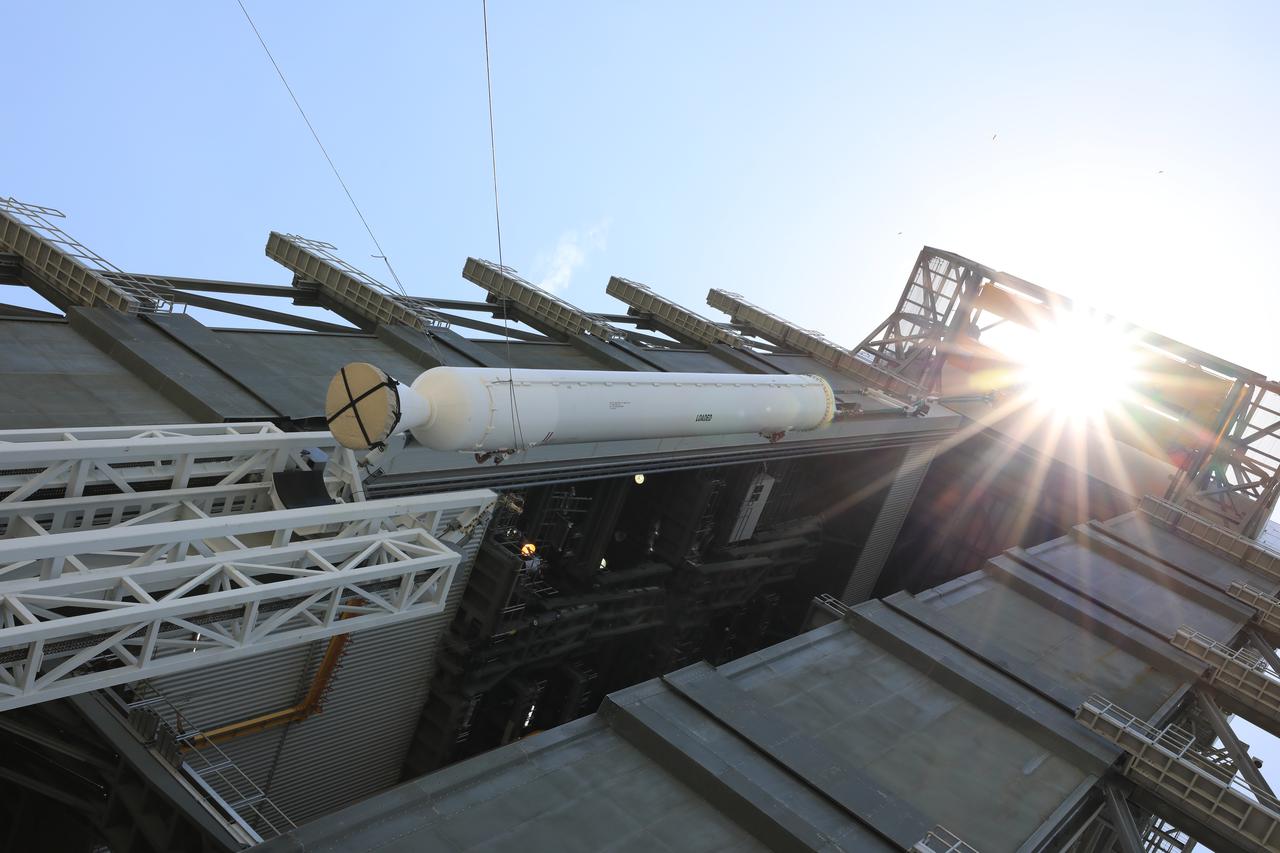
A crane is used to lift the third of four solid rocket boosters (SRB) for the United Launch Alliance Atlas V 541 rocket into the Vertical Integration Facility (VIF) at Space Launch Complex 41 at Cape Canaveral Air Force Station (CCAFS) in Florida on June 8, 2020. The SRB will be lifted up and mated to the Atlas V booster in the VIF. NASA’s Mars 2020 mission with the Perseverance rover is scheduled to launch on July 20, 2020, atop the Atlas V rocket from Pad 41. The rover is part of NASA’s Mars Exploration Program, a long-term effort of robotic exploration of the Red Planet. The rover’s seven instruments will search for habitable conditions in the ancient past and signs of past microbial life on Mars. The Launch Services Program at Kennedy is responsible for launch management.
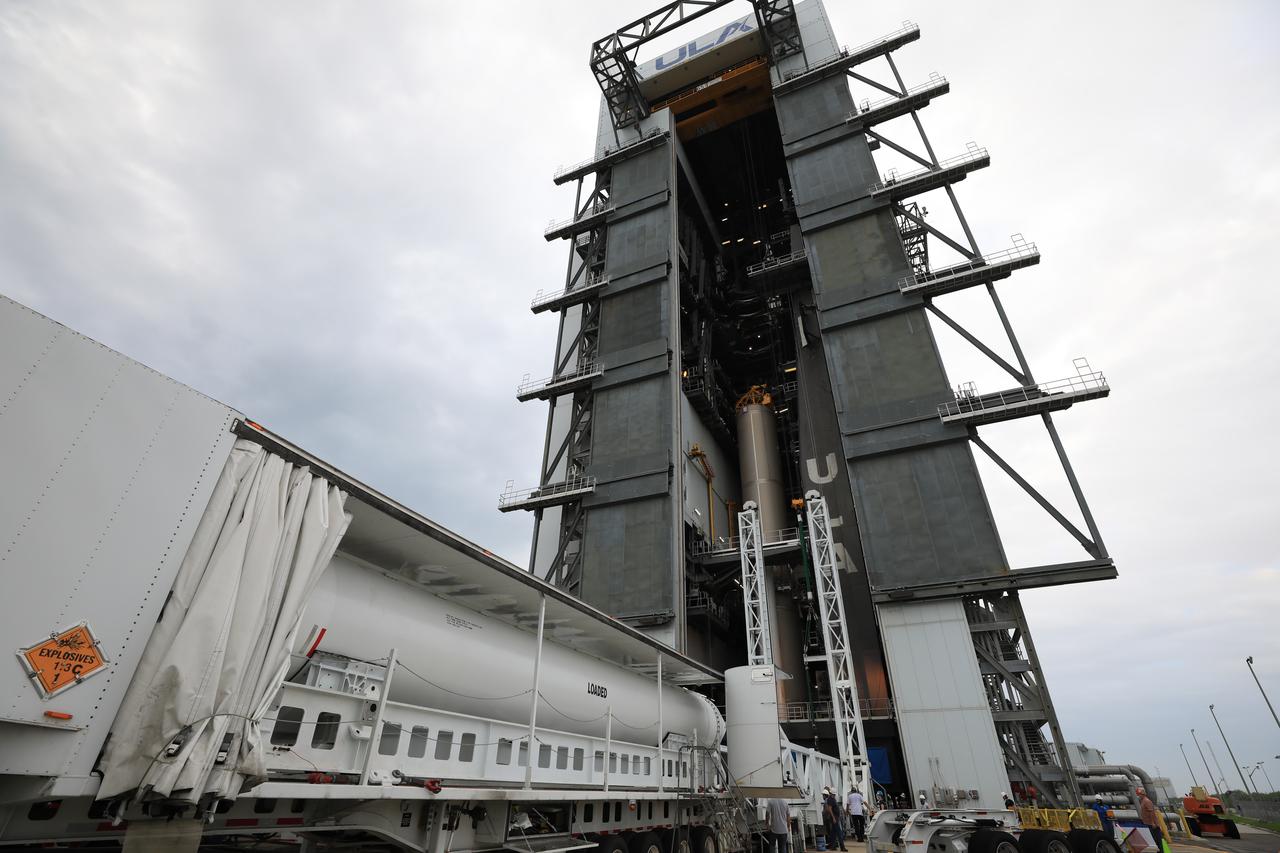
The third of four solid rocket boosters (SRB) for the United Launch Alliance Atlas V 541 rocket arrives at the Vertical Integration Facility (VIF) at Space Launch Complex 41 at Cape Canaveral Air Force Station (CCAFS) in Florida on June 8, 2020. The SRB will be prepared for lift and mating to the Atlas V booster in the VIF. The Mars 2020 mission with the Perseverance rover is scheduled to launch on July 20, 2020, atop the Atlas V rocket from Pad 41. The rover is part of NASA’s Mars Exploration Program, a long-term effort of robotic exploration of the Red Planet. The rover’s seven instruments will search for habitable conditions in the ancient past and signs of past microbial life on Mars. The Launch Services Program at Kennedy is responsible for launch management.
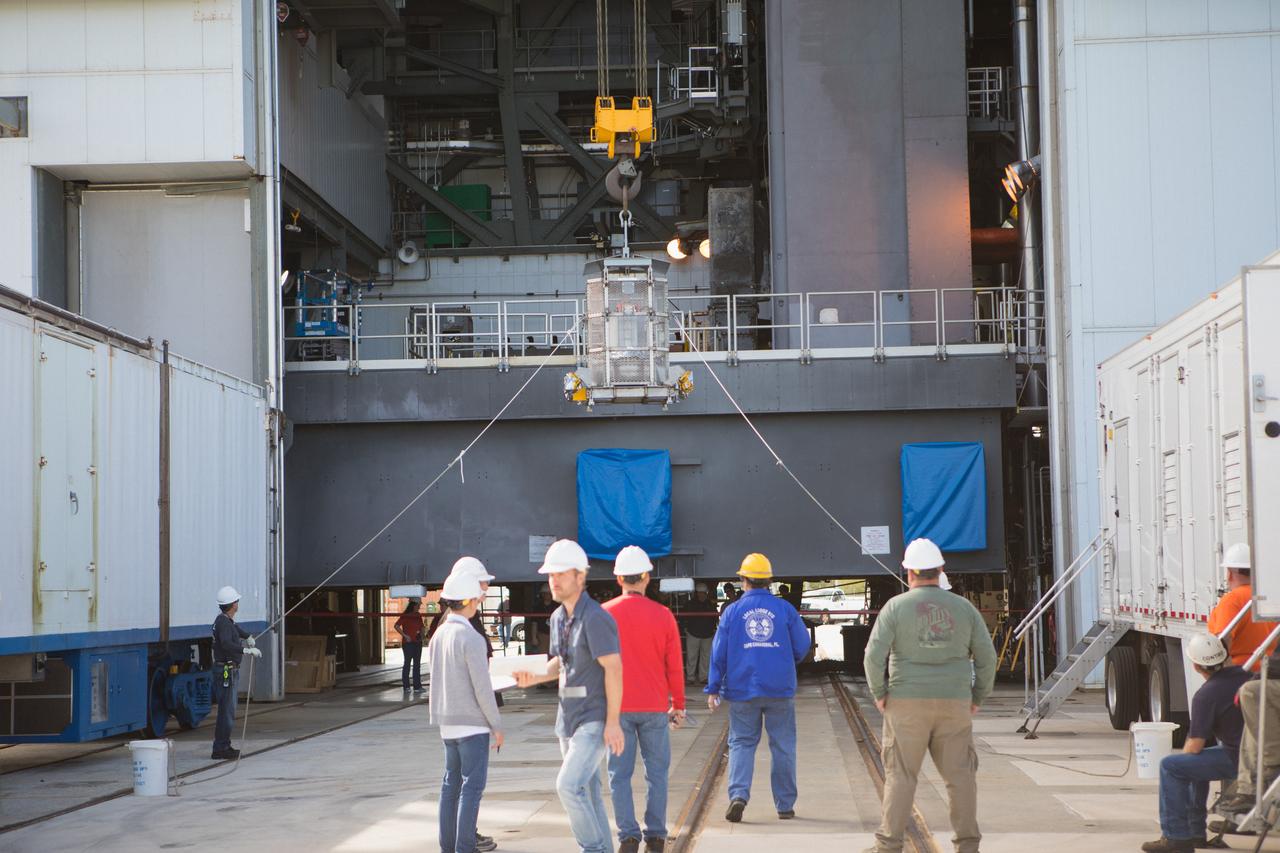
Technicians assist as a crane lifts up a test version of the Multi-Mission Radioisotope Thermoelectric Generator (MMRTG) for NASA’s Mars 2020 mission at the United Launch Alliance Vertical Integration Facility (VIF) at Space Launch Complex 41 at Cape Canaveral Air Force Station in Florida on Feb. 15, 2019. The MMRTG simulator is being used to practice operations and procedures for carefully hoisting it up and into the VIF. The Mars 2020 rover mission is targeted to launch in July 2020 on a ULA Atlas V rocket from Pad 41. Mars 2020 is part of NASA’s Mars Exploration Program, a long-term effort of robotic exploration of the Red Planet. The rover will search for habitable conditions in the ancient past and signs of past microbial life on Mars.
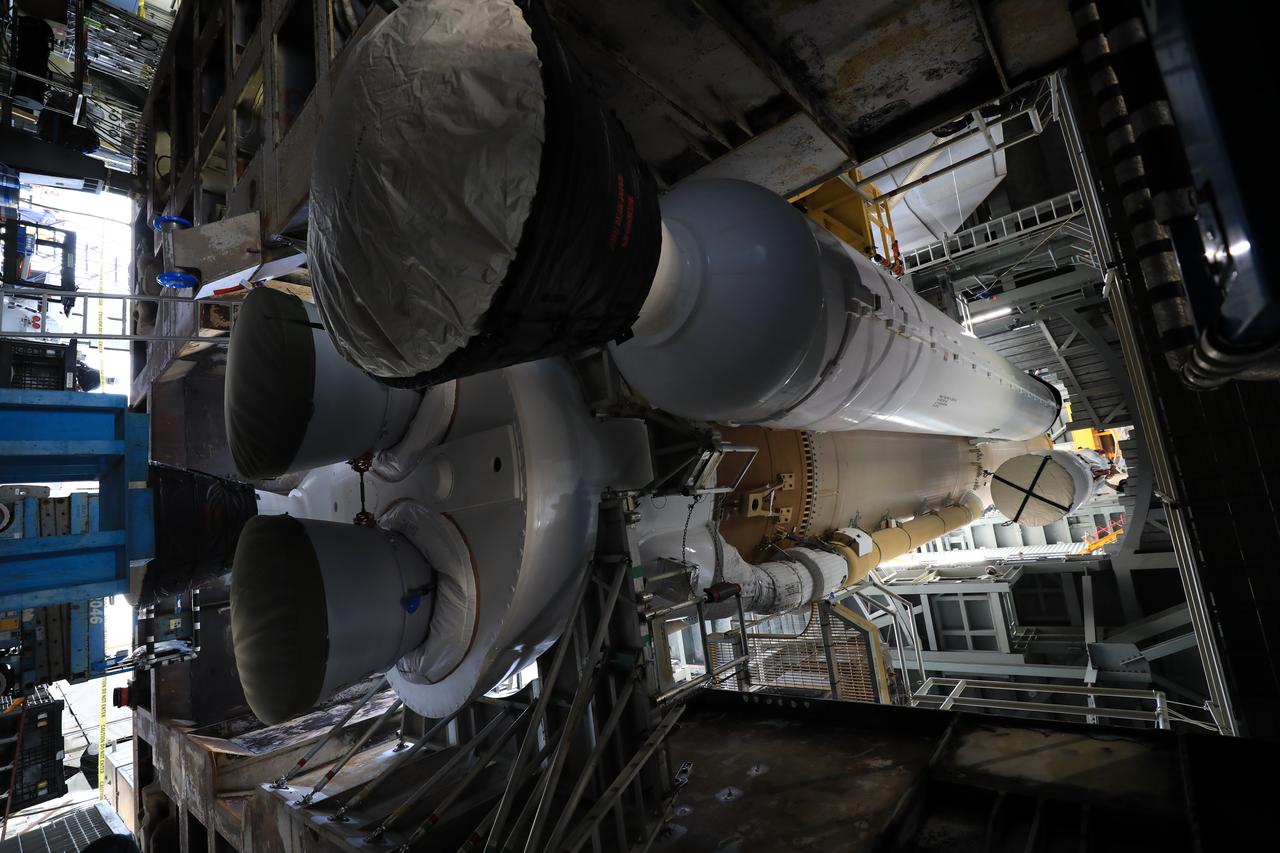
In this view looking up inside the Vertical Integration Facility at Space Launch Complex 41 at Cape Canaveral Air Force Station in Florida, the third of four solid rocket boosters (SRB) for the United Launch Alliance Atlas V 541 rocket is lowered by crane into position on June 8, 2020. The SRB will be mated to the Atlas V booster. NASA’s Mars 2020 mission with the Perseverance rover is scheduled to launch on July 20, 2020, atop the Atlas V rocket from Pad 41. The rover is part of NASA’s Mars Exploration Program, a long-term effort of robotic exploration of the Red Planet. The rover’s seven instruments will search for habitable conditions in the ancient past and signs of past microbial life on Mars. The Launch Services Program at Kennedy is responsible for launch management.
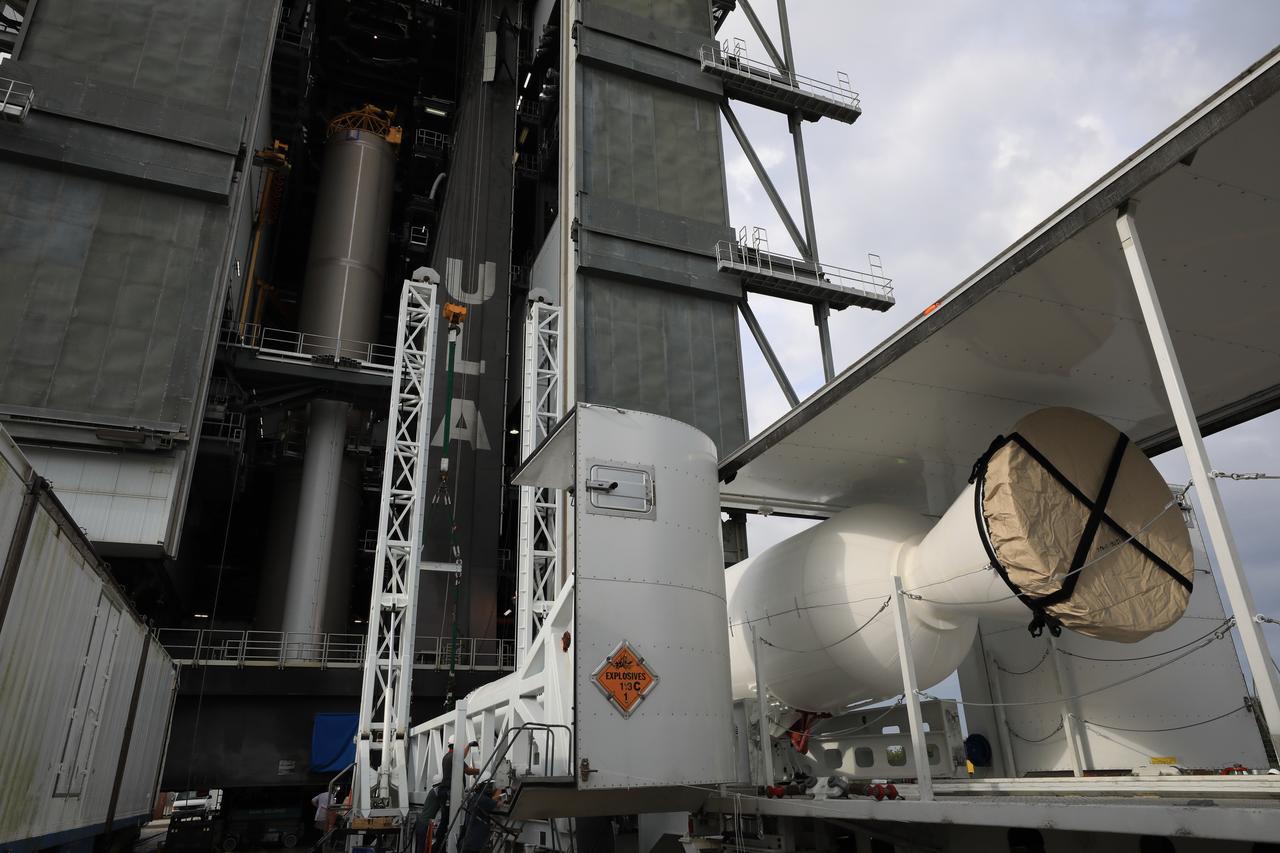
Preparations are underway to lift the third of four solid rocket boosters (SRB) for the United Launch Alliance Atlas V 541 rocket into the Vertical Integration Facility (VIF) at Space Launch Complex 41 at Cape Canaveral Air Force Station (CCAFS) in Florida on June 8, 2020. The SRB will be lifted and mated to the Atlas V booster in the VIF. The Mars Perseverance rover is scheduled to launch on July 20, 2020, atop the Atlas V rocket from Pad 41. The rover is part of NASA’s Mars Exploration Program, a long-term effort of robotic exploration of the Red Planet. The rover’s seven instruments will search for habitable conditions in the ancient past and signs of past microbial life on Mars. The Launch Services Program at Kennedy is responsible for launch management.
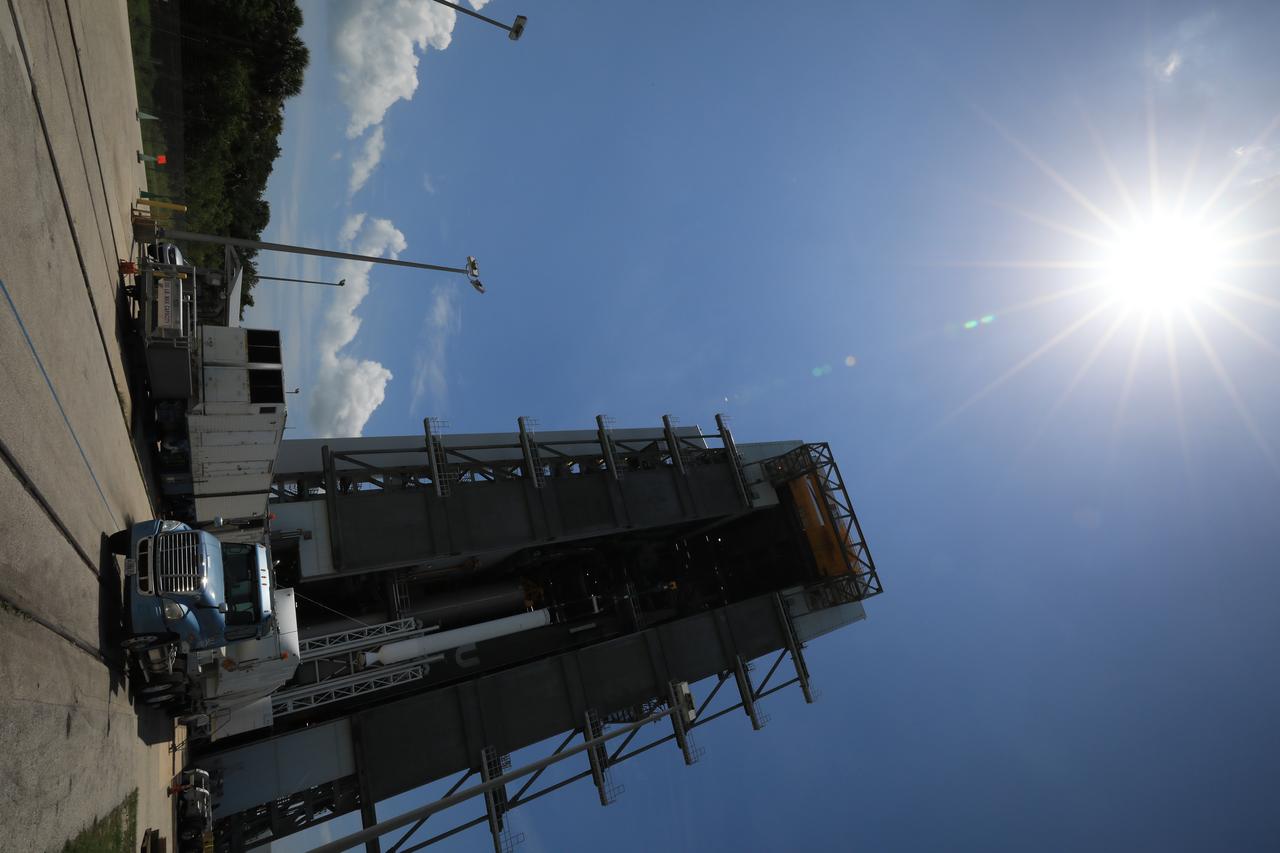
A crane is used to lift the third of four solid rocket boosters (SRB) for the United Launch Alliance Atlas V 541 rocket into the Vertical Integration Facility (VIF) at Space Launch Complex 41 at Cape Canaveral Air Force Station (CCAFS) in Florida on June 8, 2020. The SRB will be lifted up and mated to the Atlas V booster in the VIF. NASA’s Mars 2020 mission with the Perseverance rover is scheduled to launch on July 20, 2020, atop the Atlas V rocket from Pad 41. The rover is part of NASA’s Mars Exploration Program, a long-term effort of robotic exploration of the Red Planet. The rover’s seven instruments will search for habitable conditions in the ancient past and signs of past microbial life on Mars. The Launch Services Program at Kennedy is responsible for launch management.
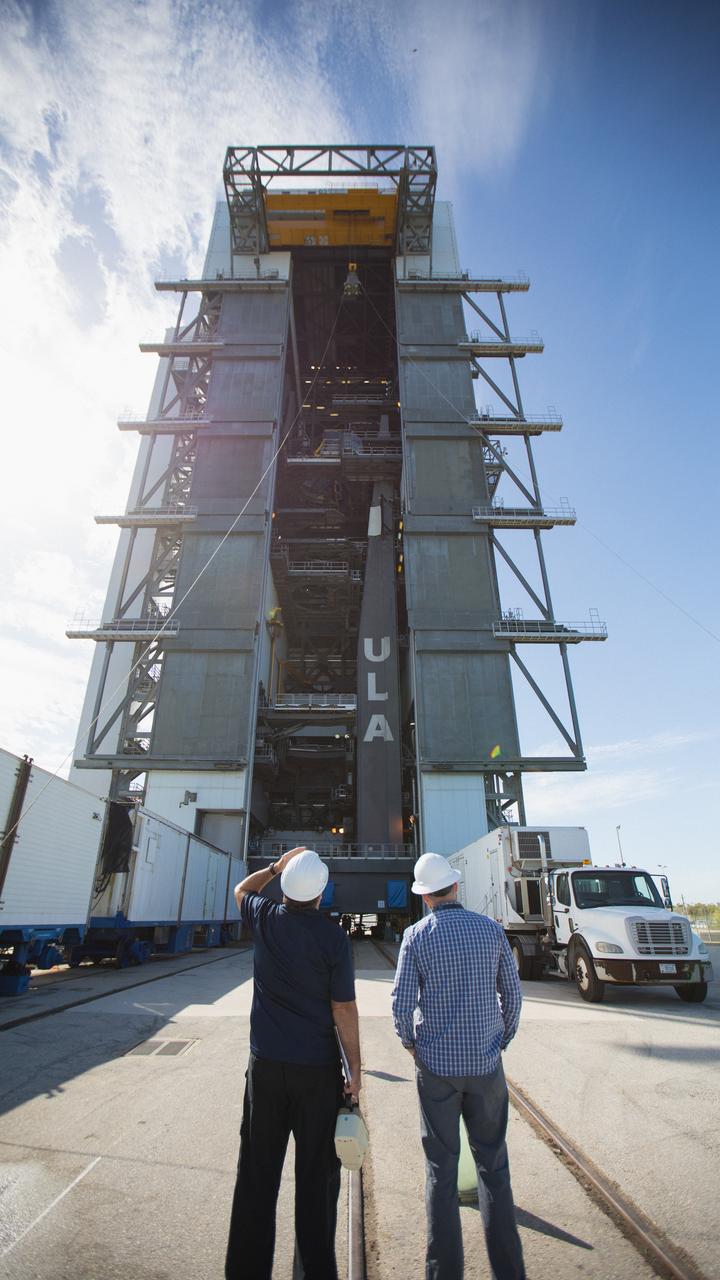
A crane is used to hoist a test version of the Multi-Mission Radioisotope Thermoelectric Generator (MMRTG) for NASA’s Mars 2020 mission up and into the United Launch Alliance Vertical Integration Facility (VIF) at Space Launch Complex 41 at Cape Canaveral Air Force Station in Florida on Feb. 15, 2019. The MMRTG simulator is being used to practice operations and procedures for carefully lifting it up and into the VIF. The Mars 2020 rover mission is targeted to launch in July 2020 on a ULA Atlas V rocket from Pad 41. Mars 2020 is part of NASA’s Mars Exploration Program, a long-term effort of robotic exploration of the Red Planet. The rover will search for habitable conditions in the ancient past and signs of past microbial life on Mars.
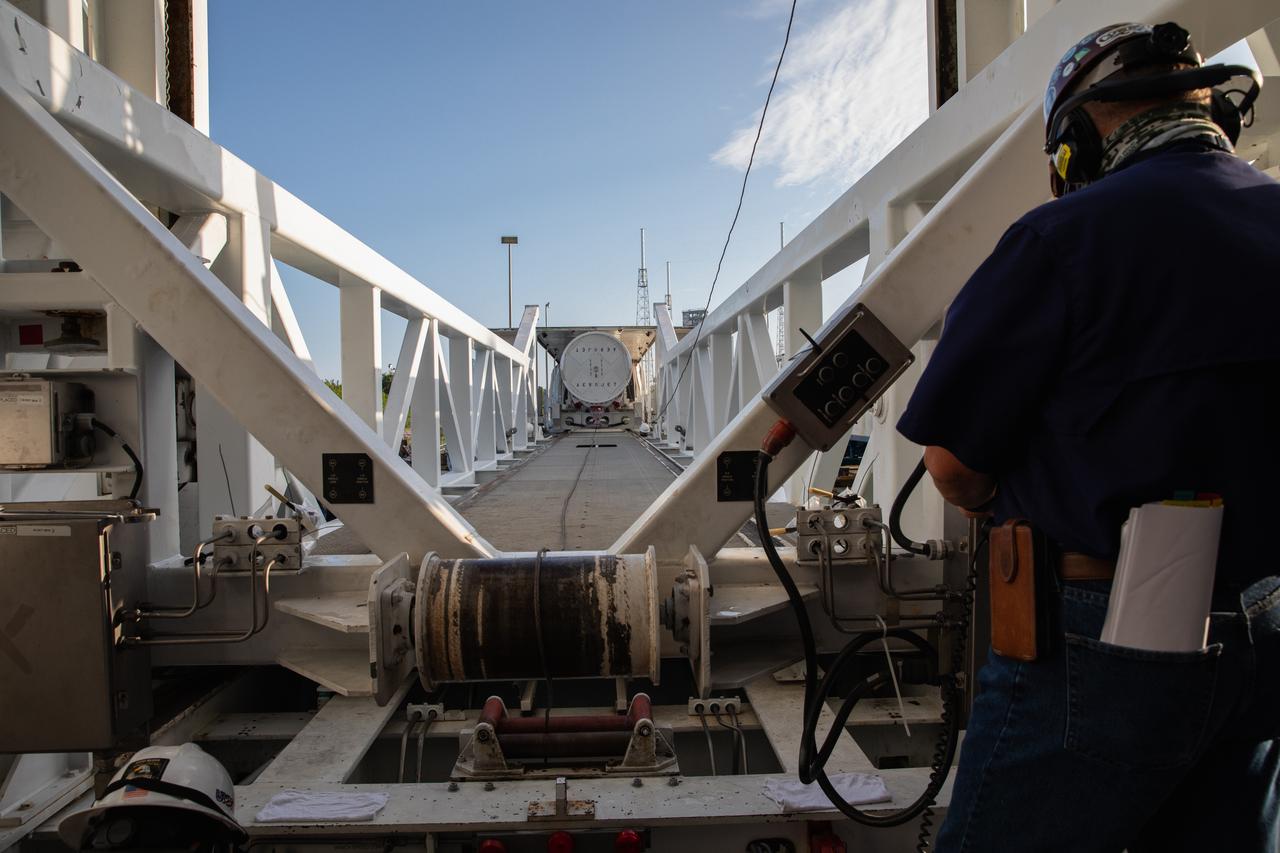
Preparations are underway to lift the fourth and final solid rocket booster (SRB) for the United Launch Alliance Atlas V 541 rocket into the Vertical Integration Facility (VIF) at Space Launch Complex 41 at Cape Canaveral Air Force Station (CCAFS) in Florida on June 9, 2020. The SRB will be lifted and mated to the Atlas V booster in the VIF. The Mars Perseverance rover is scheduled to launch in July 2020, atop the Atlas V rocket from Pad 41. The rover is part of NASA’s Mars Exploration Program, a long-term effort of robotic exploration of the Red Planet. The rover’s seven instruments will search for habitable conditions in the ancient past and signs of past microbial life on Mars. The Launch Services Program at Kennedy is responsible for launch management.
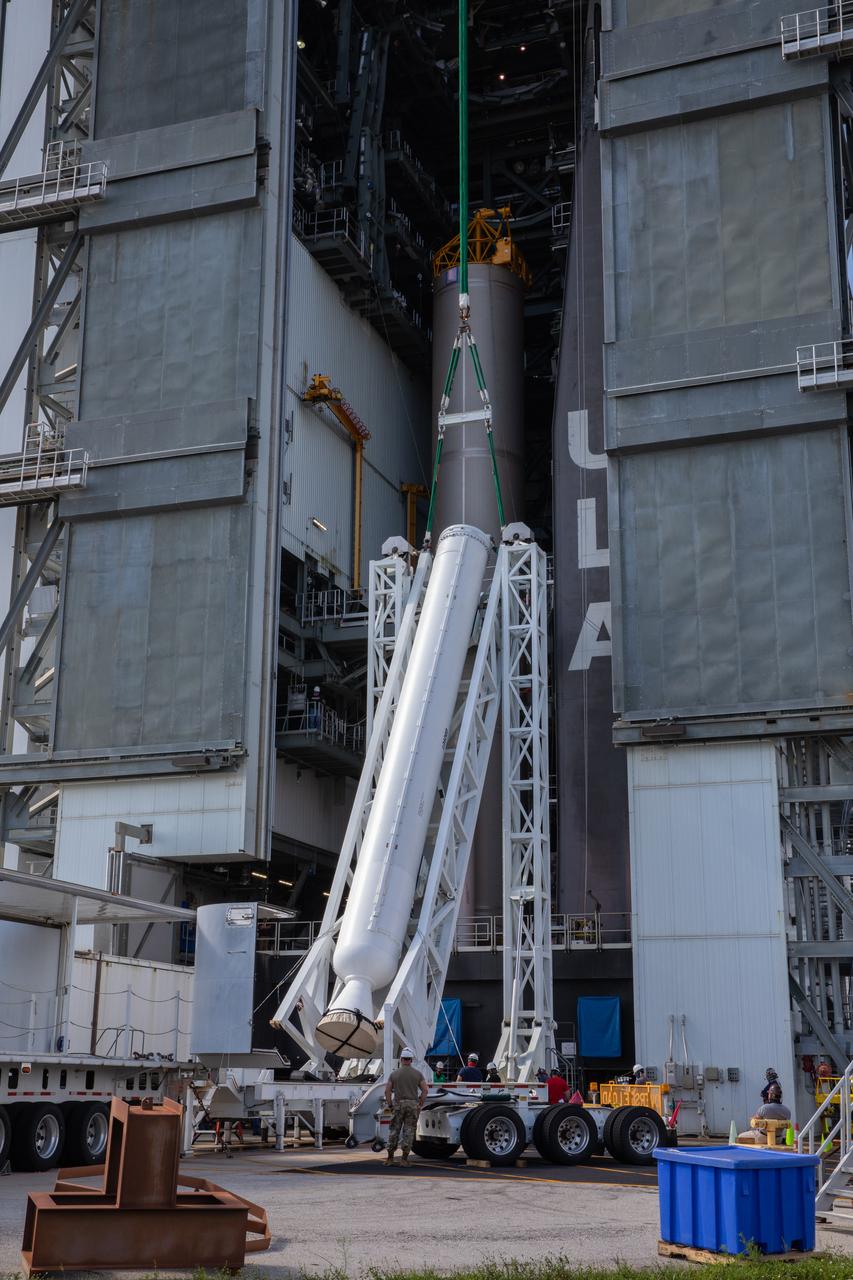
A lifting device raises the fourth and final solid rocket booster (SRB) for the United Launch Alliance Atlas V 541 rocket into the vertical position at the Vertical Integration Facility (VIF) at Space Launch Complex 41 at Cape Canaveral Air Force Station (CCAFS) in Florida on June 9, 2020. The SRB will be lifted up and mated to the Atlas V booster in the VIF. NASA’s Mars 2020 mission with the Perseverance rover is scheduled to launch in July 2020, atop the Atlas V rocket from Pad 41. The rover is part of NASA’s Mars Exploration Program, a long-term effort of robotic exploration of the Red Planet. The rover’s seven instruments will search for habitable conditions in the ancient past and signs of past microbial life on Mars. The Launch Services Program at Kennedy is responsible for launch management.
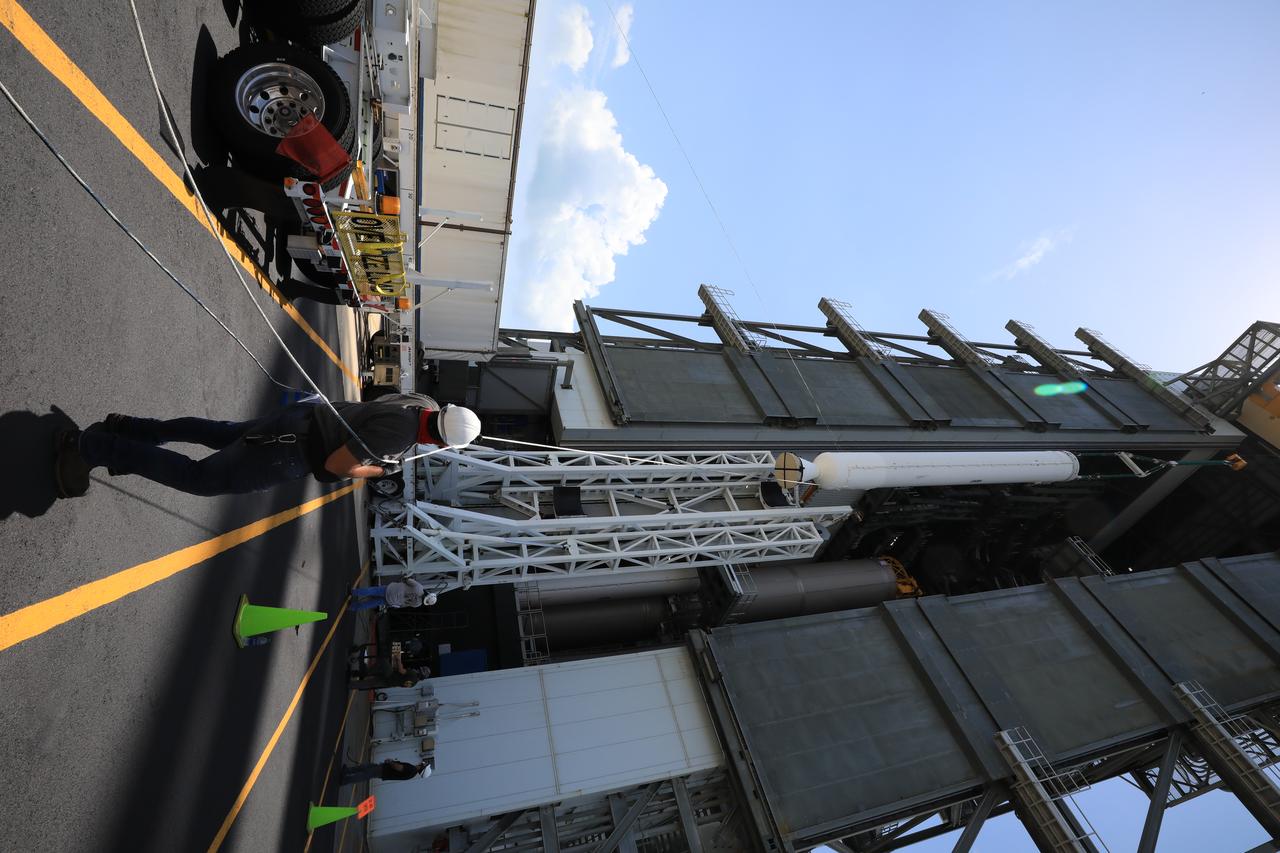
A crane is used to lift the third of four solid rocket boosters (SRB) for the United Launch Alliance Atlas V 541 rocket into the Vertical Integration Facility (VIF) at Space Launch Complex 41 at Cape Canaveral Air Force Station (CCAFS) in Florida on June 8, 2020. The SRB will be lifted up and mated to the Atlas V booster in the VIF. NASA’s Mars 2020 mission with the Perseverance rover is scheduled to launch on July 20, 2020, atop the Atlas V rocket from Pad 41. The rover is part of NASA’s Mars Exploration Program, a long-term effort of robotic exploration of the Red Planet. The rover’s seven instruments will search for habitable conditions in the ancient past and signs of past microbial life on Mars. The Launch Services Program at Kennedy is responsible for launch management.
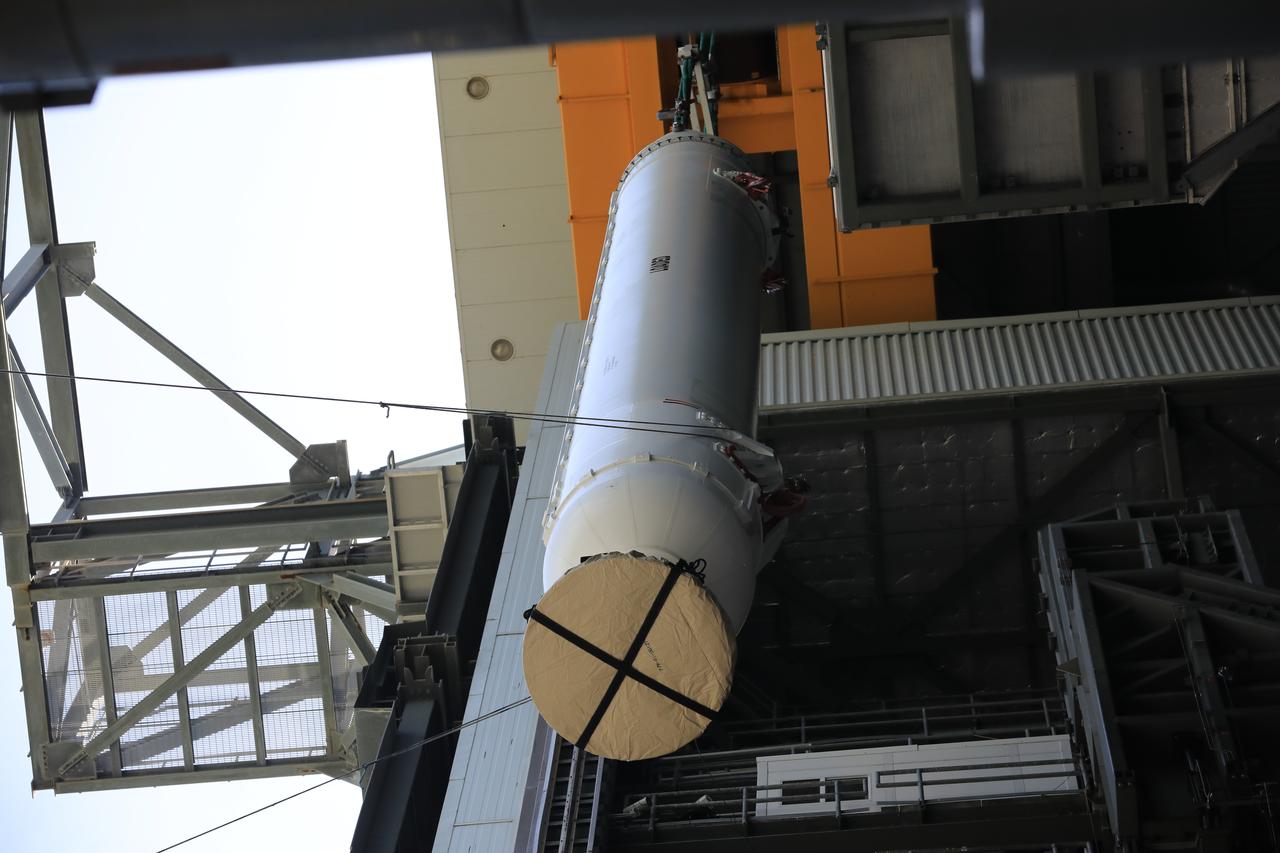
A view from inside the Vertical Integration Facility (VIF) at Space Launch Complex 41 at Cape Canaveral Air Force Station in Florida, as the third of four solid rocket boosters (SRB) for the United Launch Alliance Atlas V 541 rocket is lifted up by crane on June 8, 2020. The SRB will be mated to the Atlas V booster inside the VIF. NASA’s Mars 2020 mission with the Perseverance rover is scheduled to launch on July 20, 2020, atop the Atlas V rocket from Pad 41. The rover is part of NASA’s Mars Exploration Program, a long-term effort of robotic exploration of the Red Planet. The rover’s seven instruments will search for habitable conditions in the ancient past and signs of past microbial life on Mars. The Launch Services Program at Kennedy is responsible for launch management.
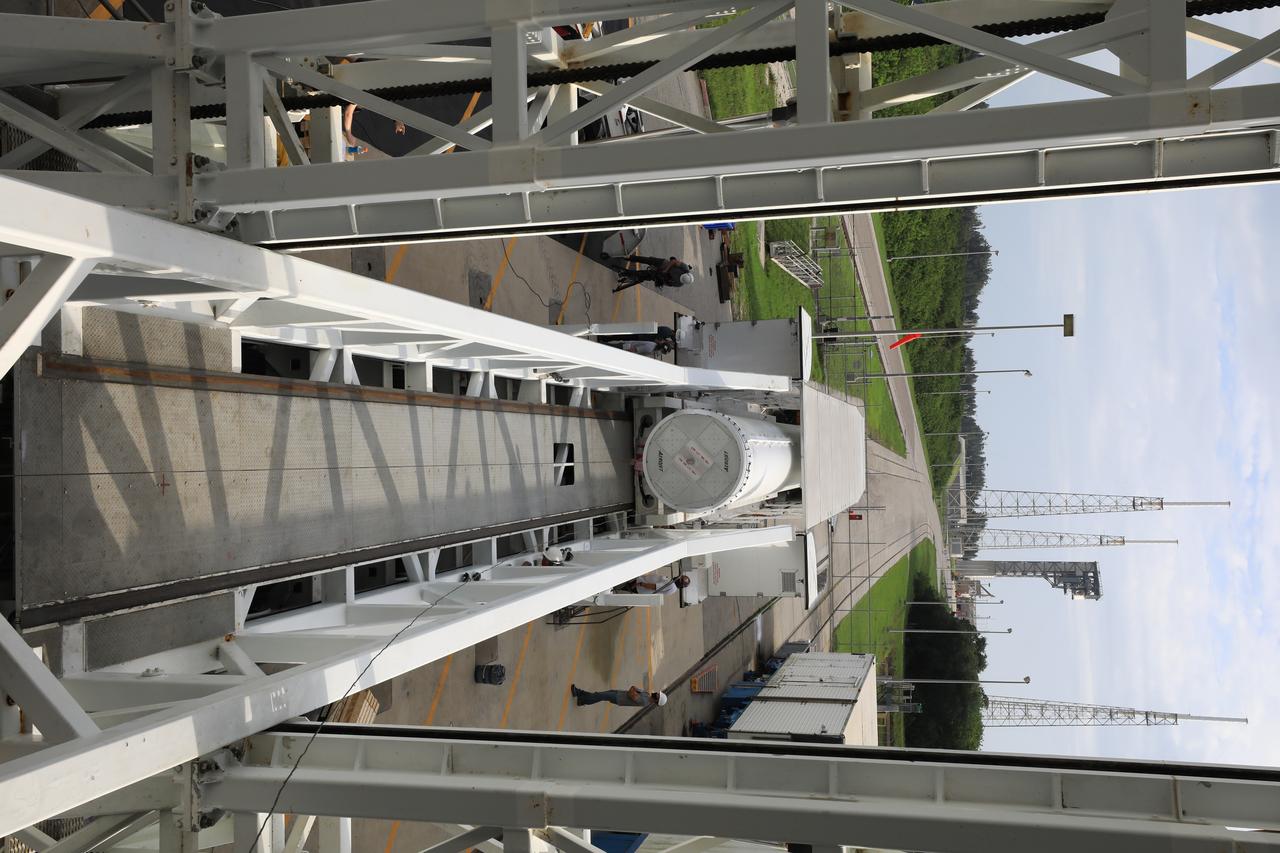
Preparations are underway to lift the third of four solid rocket boosters (SRB) for the United Launch Alliance Atlas V 541 rocket into the Vertical Integration Facility (VIF) at Space Launch Complex 41 at Cape Canaveral Air Force Station (CCAFS) in Florida on June 8, 2020. The SRB will be lifted and mated to the Atlas V booster in the VIF. The Mars Perseverance rover is scheduled to launch on July 20, 2020, atop the Atlas V rocket from Pad 41. The rover is part of NASA’s Mars Exploration Program, a long-term effort of robotic exploration of the Red Planet. The rover’s seven instruments will search for habitable conditions in the ancient past and signs of past microbial life on Mars. The Launch Services Program at Kennedy is responsible for launch management.
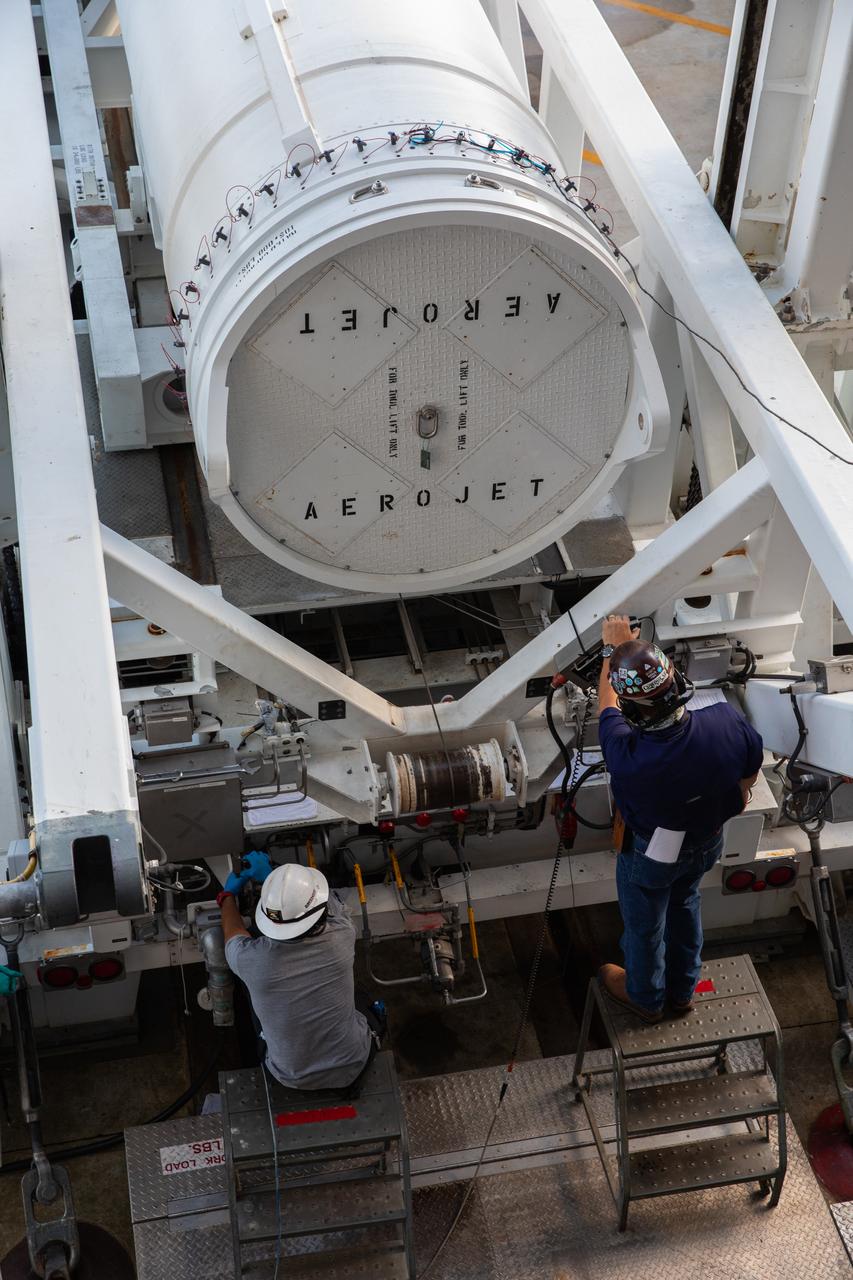
United Launch Alliance workers assist as a lifting device begins to raise the fourth and final solid rocket booster (SRB) for the United Launch Alliance Atlas V 541 rocket into the vertical position at the Vertical Integration Facility (VIF) at Space Launch Complex 41 at Cape Canaveral Air Force Station (CCAFS) in Florida on June 9, 2020. The SRB will be lifted up and mated to the Atlas V booster in the VIF. NASA’s Mars 2020 mission with the Perseverance rover is scheduled to launch in July 2020, atop the Atlas V rocket from Pad 41. The rover is part of NASA’s Mars Exploration Program, a long-term effort of robotic exploration of the Red Planet. The rover’s seven instruments will search for habitable conditions in the ancient past and signs of past microbial life on Mars. The Launch Services Program at Kennedy is responsible for launch management.
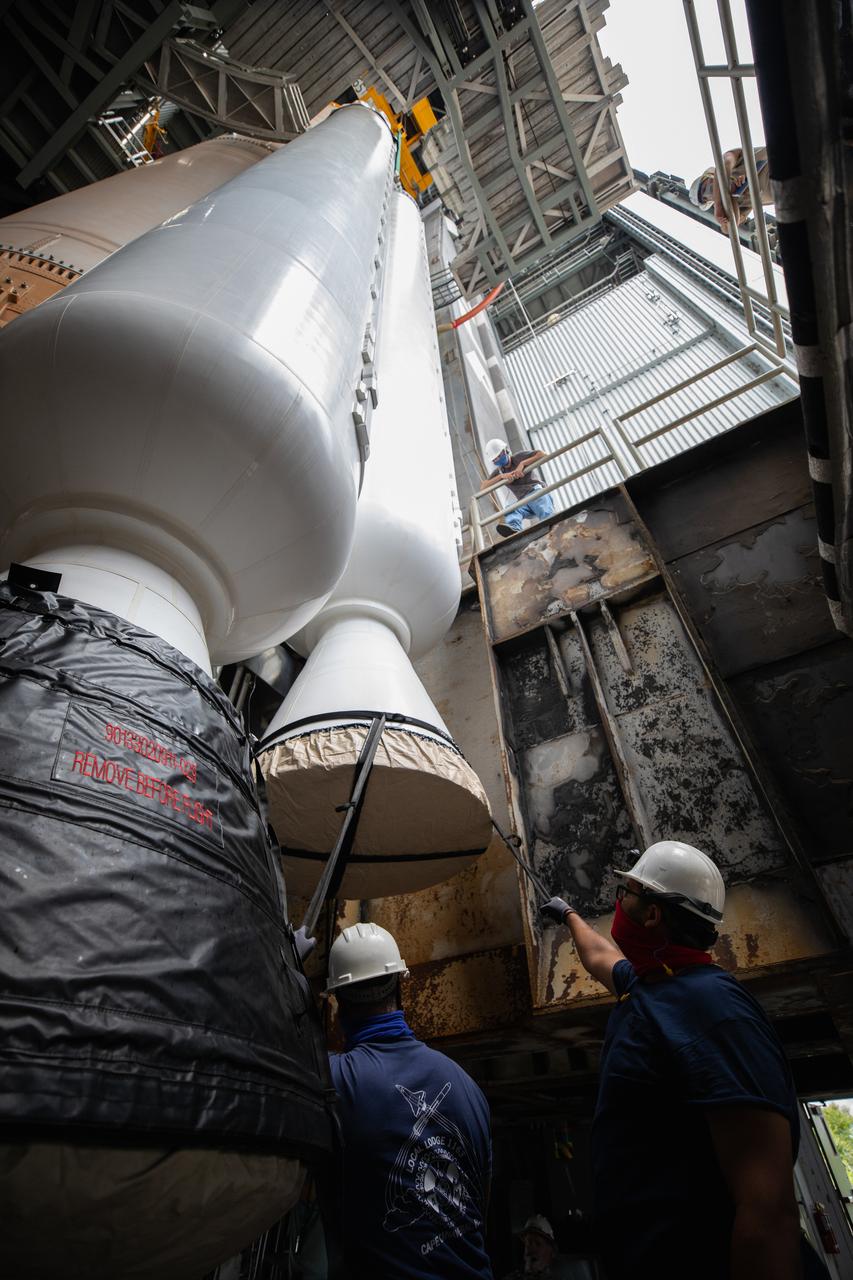
Inside the Vertical Integration Facility (VIF) at Space Launch Complex 41 at Cape Canaveral Air Force Station (CCAFS) in Florida, United Launch Alliance (ULA) workers watch as the fourth and final solid rocket booster (SRB) for the United Launch Alliance Atlas V 541 rocket is lowered by crane on June 9, 2020. The SRB will be mated to the Atlas V booster. NASA’s Mars 2020 mission with the Perseverance rover is scheduled to launch in July 2020, atop the Atlas V rocket from Pad 41. The rover is part of NASA’s Mars Exploration Program, a long-term effort of robotic exploration of the Red Planet. The rover’s seven instruments will search for habitable conditions in the ancient past and signs of past microbial life on Mars. The Launch Services Program at Kennedy is responsible for launch management.

A crane is used to lift the fourth and final solid rocket booster (SRB) for the United Launch Alliance Atlas V 541 rocket into the Vertical Integration Facility (VIF) at Space Launch Complex 41 at Cape Canaveral Air Force Station (CCAFS) in Florida on June 9, 2020. The SRB will be lifted up and mated to the Atlas V booster in the VIF. NASA’s Mars 2020 mission with the Perseverance rover is scheduled to launch in July 2020, atop the Atlas V rocket from Pad 41. The rover is part of NASA’s Mars Exploration Program, a long-term effort of robotic exploration of the Red Planet. The rover’s seven instruments will search for habitable conditions in the ancient past and signs of past microbial life on Mars. The Launch Services Program at Kennedy is responsible for launch management.