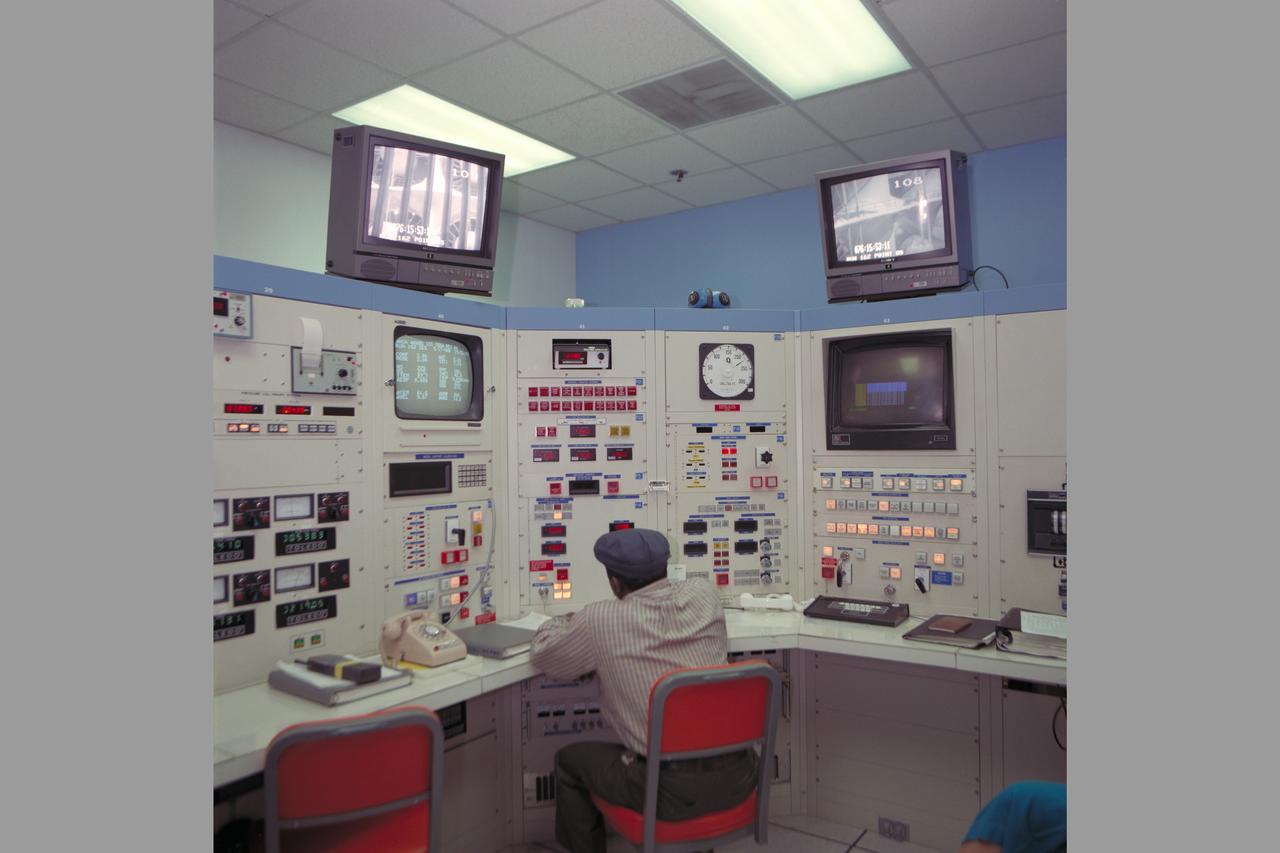
Intergrated Systems Test (IST) personnel; 40x80ft w.t. control room after NFAC modification.
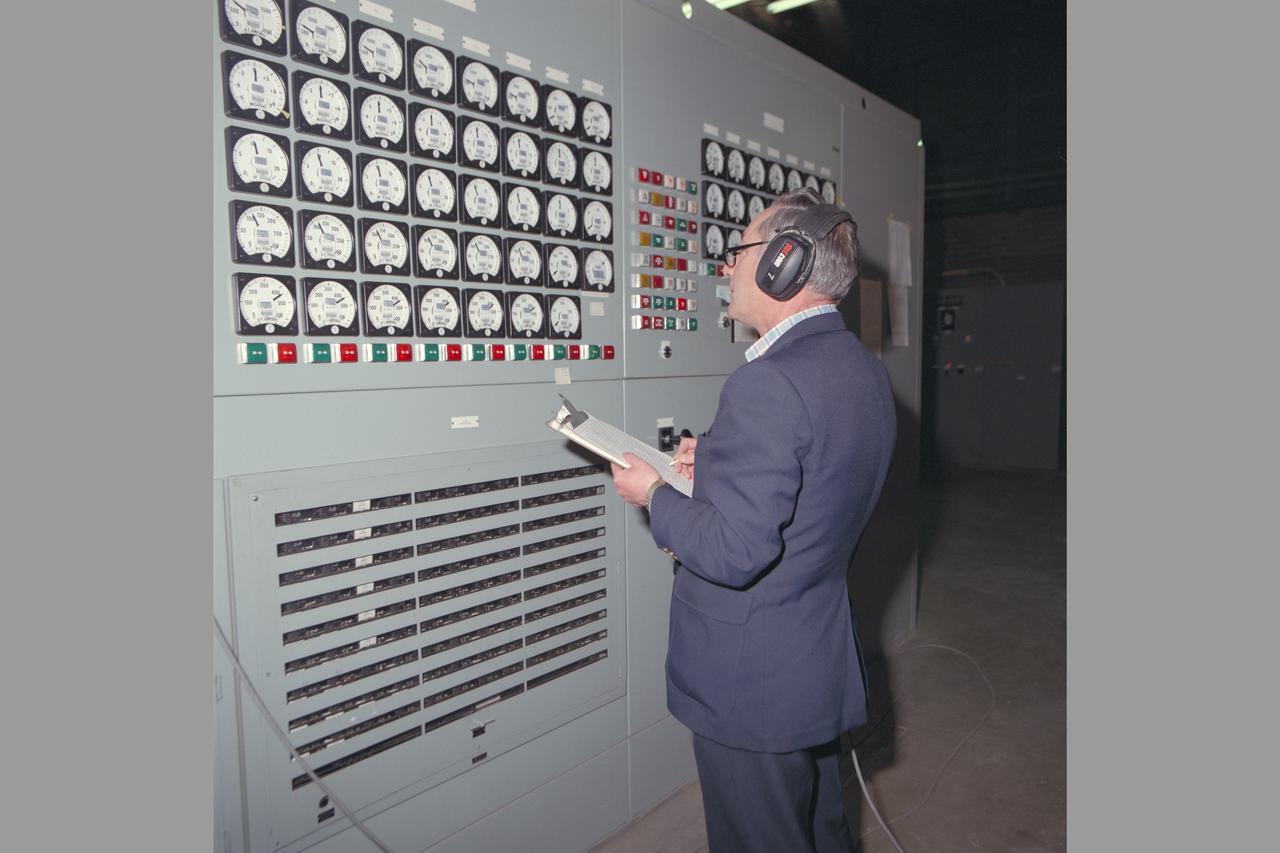
Intergrated Systems Test (IST) personnel; 40x80ft w.t. control room after NFAC modification.
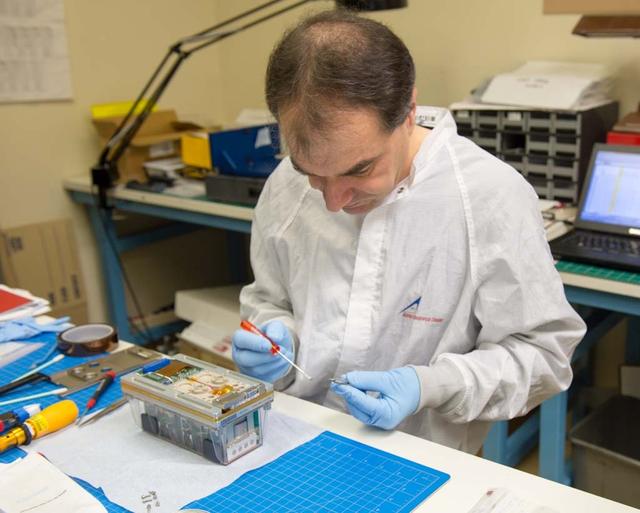
TROPI Seed Growth-1 payload (will fly to ISS on Space X 2) with Thomas Neidermaier, Europeon Modular Culitivation System Payload Intergration Manager both from Astrium Space Transportaton, Friedrichshafen, Germany.
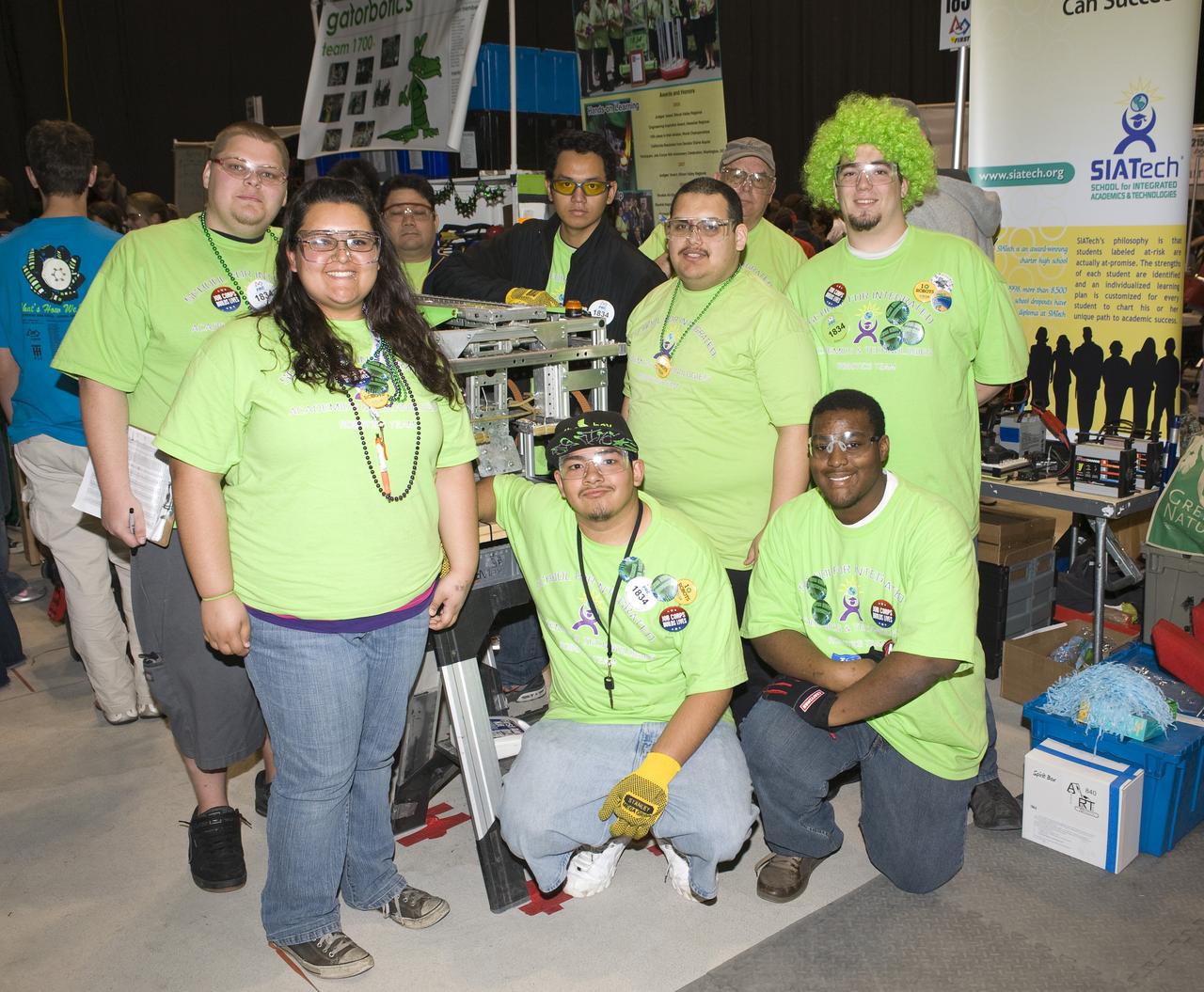
For Inspiration and Recognition of Science and Technology; FIRST Robotics Competition 2010 Silicon Valley Regional held at San Jose State University, San Jose, California Evolution, School for Intergrated Academics and Technology Team 1834
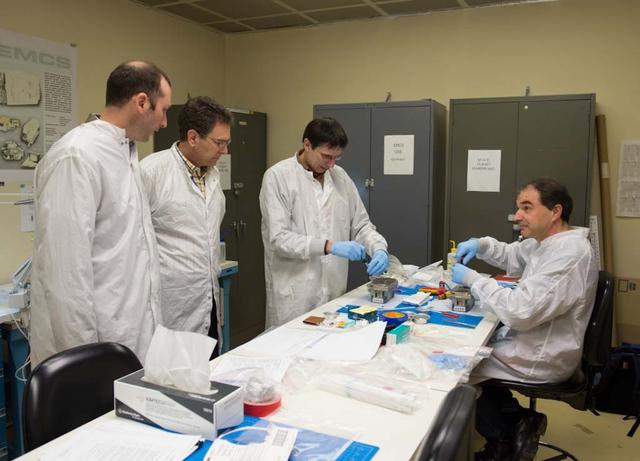
TROPI Seed Growth-1 payload (will fly to ISS on Space X 2) from left to right are Krisofer Vogelsong, Project Science Lead, Tropi SG-1, Lockheed Martin, NASA Ames, John Freeman Plant Scientist, Tropi SG-1, intrinsyx, NASA Ames, Reinhard Born, Europeon Modular Culitivation System Payload Engineering Manager standing and Thomas Neidermaier, Europeon Modular Culitivation System Payload Intergration Manager both from Astrium Space Transportaton ESA, Friedrichshafen, Germany.
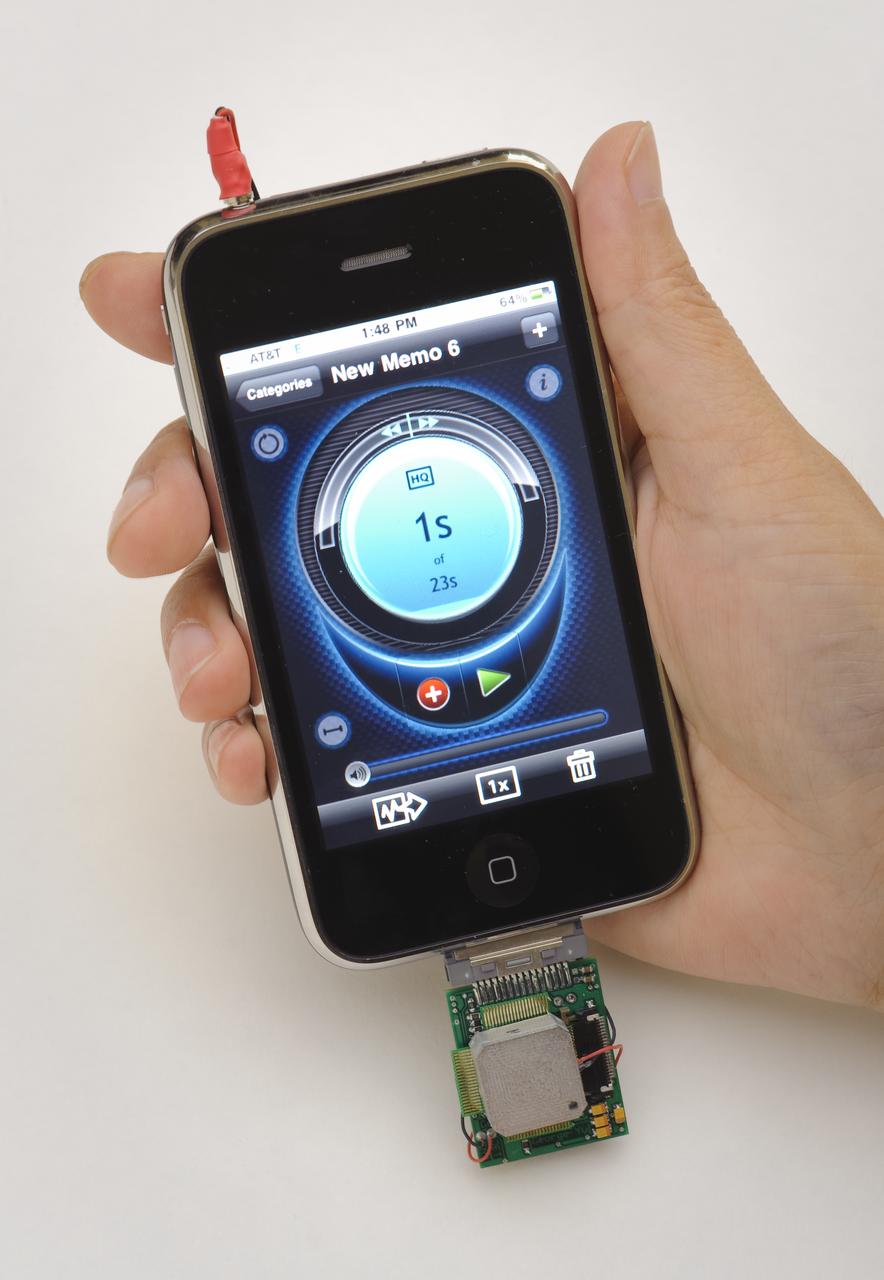
A Nanosensor Device for Cellphone Intergration and Chemical Sensing Network. iPhone with sensor chip, data aquisition board and sampling jet.(Note 4-4-2012:High Sensitive, Low Power and Compact Nano Sensors for Trache Chemical Detection' is the winner of the Government Invention of the Year Award 2012 (winning inventors Jing Li and Myya Meyyappan, NASA/ARC, and Yijiang Lu, University of California Santa Cruz. )
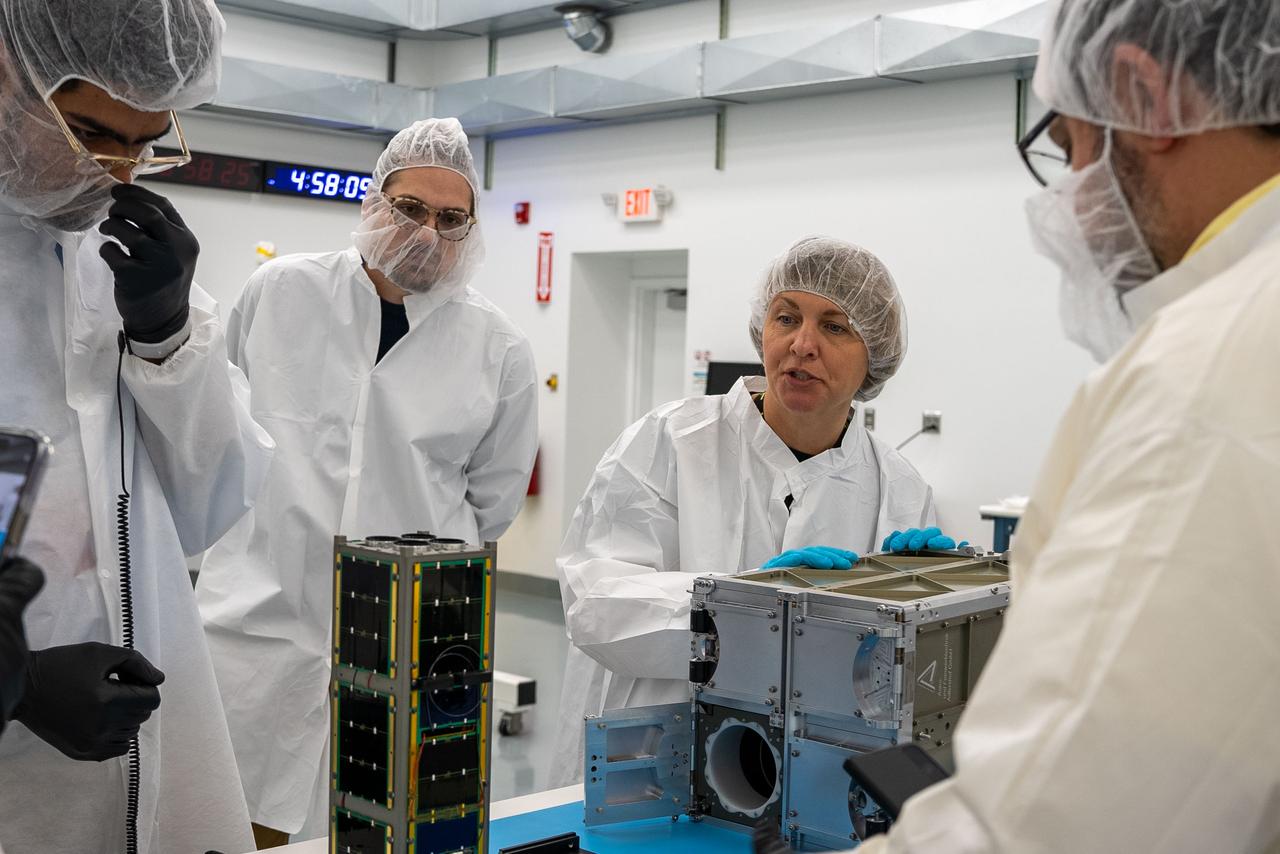
Technicians from the University of Maine prepare CubeSat MESAT-1 for integration at Firefly’s Payload Processing Facility at Vandenberg Space Force Base, California on Monday, April 22, 2024. MESAT-1, along with seven other payloads, will be integrated into a Firefly Aerospace Alpha rocket for NASA’s Educational Launch of Nanosatellites (ELaNa) 43 mission as part of the agency’s CubeSat Launch Initiative and Firefly’s Venture-Class Launch Services Demonstration 2 contract.
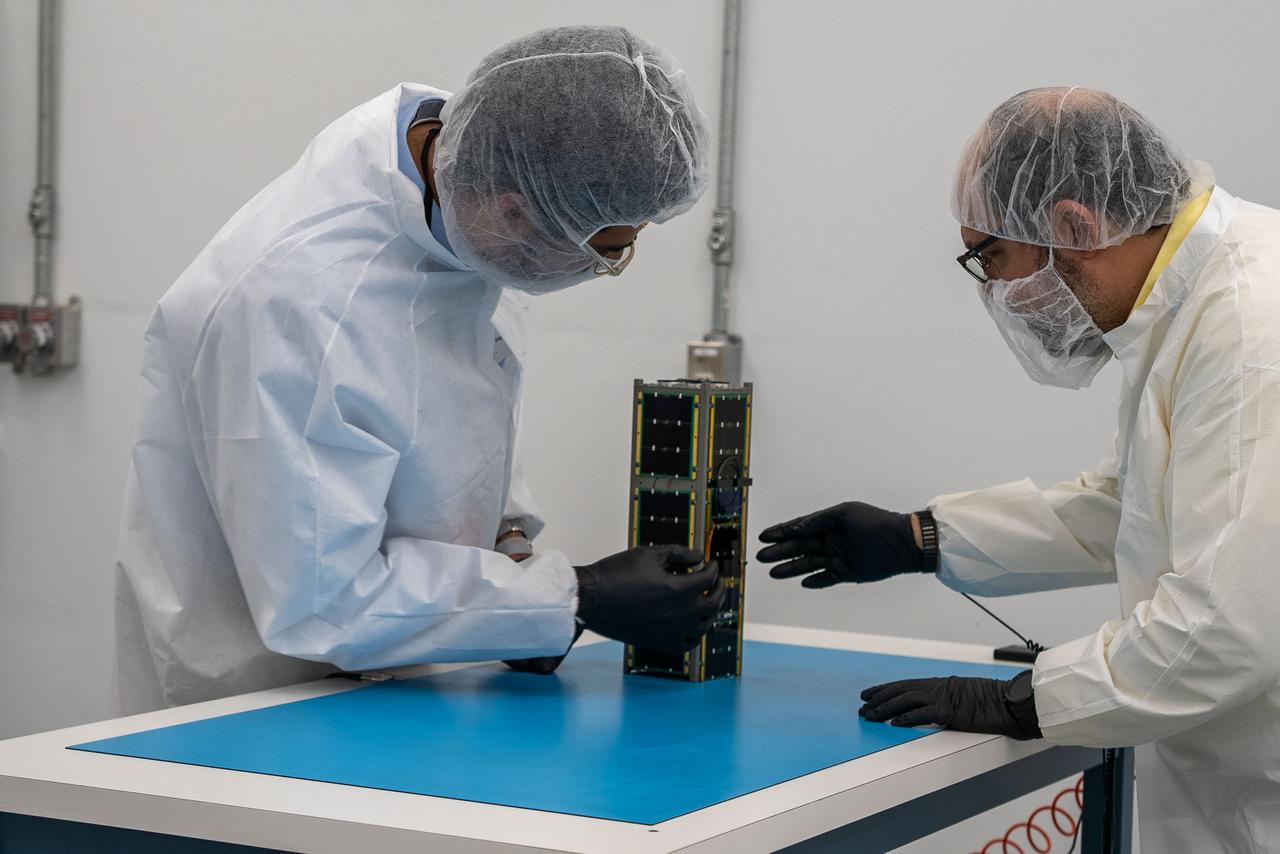
Technicians from the University of Maine prepare CubeSat MESAT-1 for integration at Firefly’s Payload Processing Facility at Vandenberg Space Force Base, California on Monday, April 22, 2024. MESAT-1, along with seven other payloads, will be integrated into a Firefly Aerospace Alpha rocket for NASA’s Educational Launch of Nanosatellites (ELaNa) 43 mission as part of the agency’s CubeSat Launch Initiative and Firefly’s Venture-Class Launch Services Demonstration 2 contract.
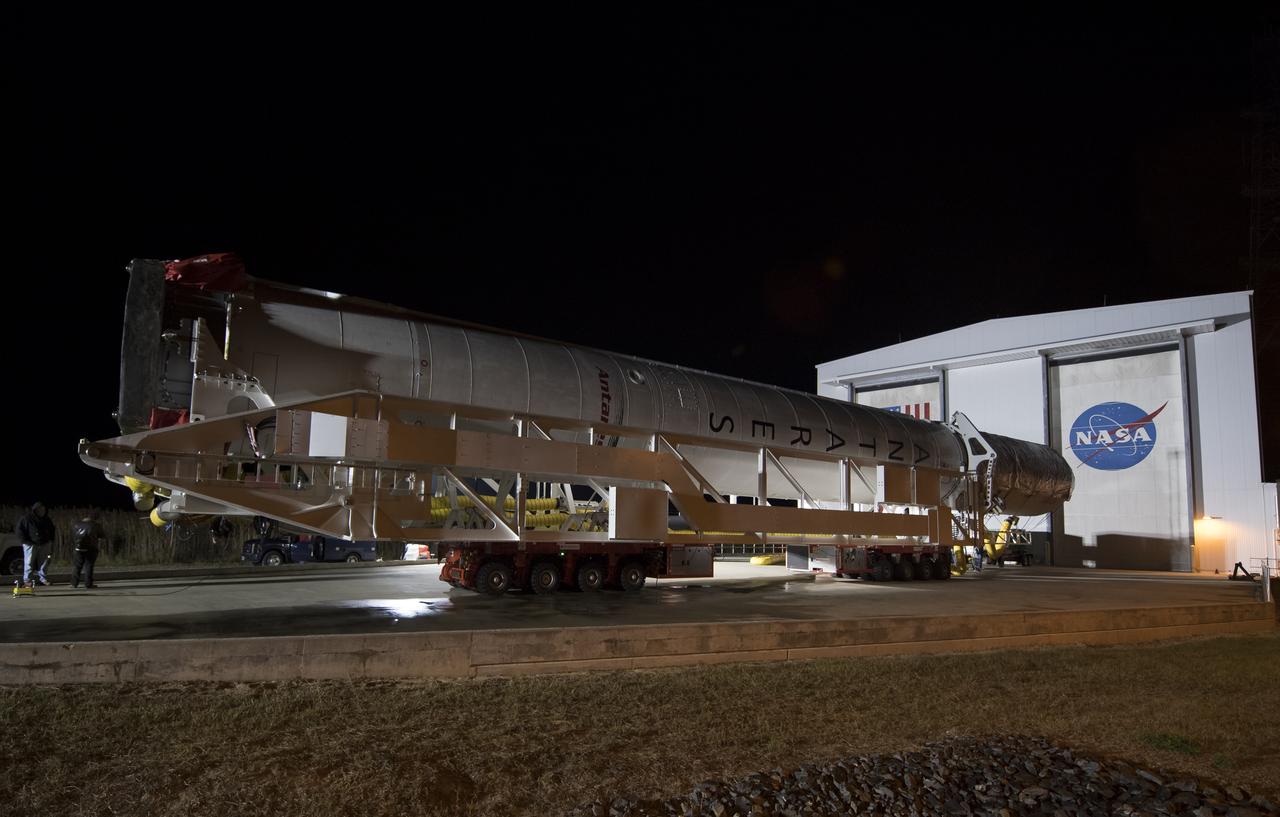
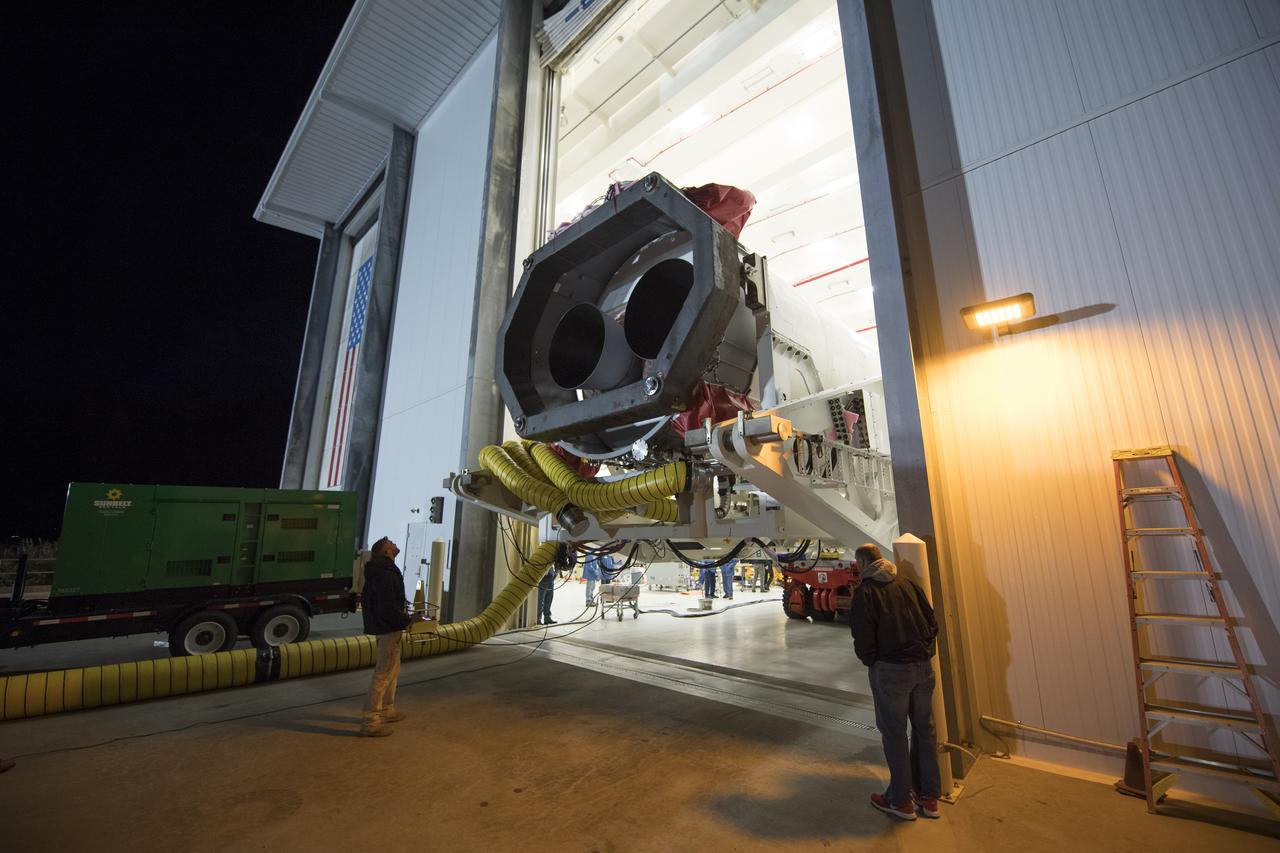
The Orbital ATK Antares rocket is rolled from the Horizontal Integration Facility (HIF) to launch Pad-0A, Thursday, Nov. 9, 2017 at NASA's Wallops Flight Facility in Virginia. Orbital ATK’s eighth contracted cargo resupply mission with NASA to the International Space Station will deliver over 7,400 pounds of science and research, crew supplies and vehicle hardware to the orbital laboratory and its crew. Photo Credit: (NASA/Bill Ingalls)

Technicians install the Korea AeroSpace Administration (KASA) K-Rad Cube within the Orion stage adapter inside the Multi-Payload Processing Facility at NASA’s Kennedy Space Center in Florida on Tuesday, Sept. 2, 2025. The K-Rad Cube, about the size of a shoebox, is one of the CubeSats slated to fly on NASA’s Artemis II test flight in 2026. Deploying in high Earth orbit from a spacecraft adapter on NASA’s SLS (Space Launch System) rocket after Orion is safely flying on its own with its crew of four astronauts, K-Rad Cube will use a dosimeter made of material designed to mimic human tissue to measure space radiation and assess biological effects at various altitudes across the Van Allen radiation belts, a critical area of research for human presence at the Moon and Mars.
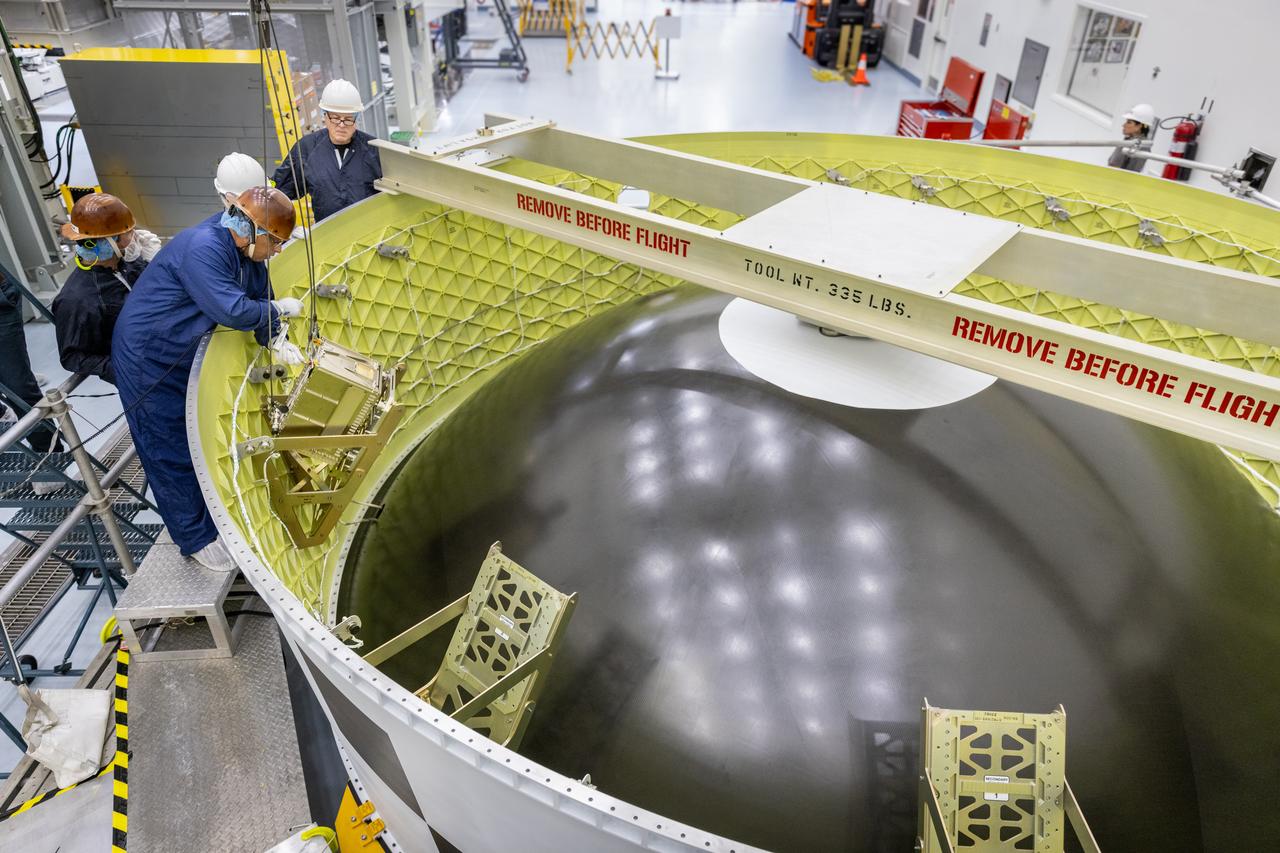
Technicians install the Korea AeroSpace Administration (KASA) K-Rad Cube within the Orion stage adapter inside the Multi-Payload Processing Facility at NASA’s Kennedy Space Center in Florida on Tuesday, Sept. 2, 2025. The K-Rad Cube, about the size of a shoebox, is one of the CubeSats slated to fly on NASA’s Artemis II test flight in 2026. Deploying in high Earth orbit from a spacecraft adapter on NASA’s SLS (Space Launch System) rocket after Orion is safely flying on its own with its crew of four astronauts, K-Rad Cube will use a dosimeter made of material designed to mimic human tissue to measure space radiation and assess biological effects at various altitudes across the Van Allen radiation belts, a critical area of research for human presence at the Moon and Mars.
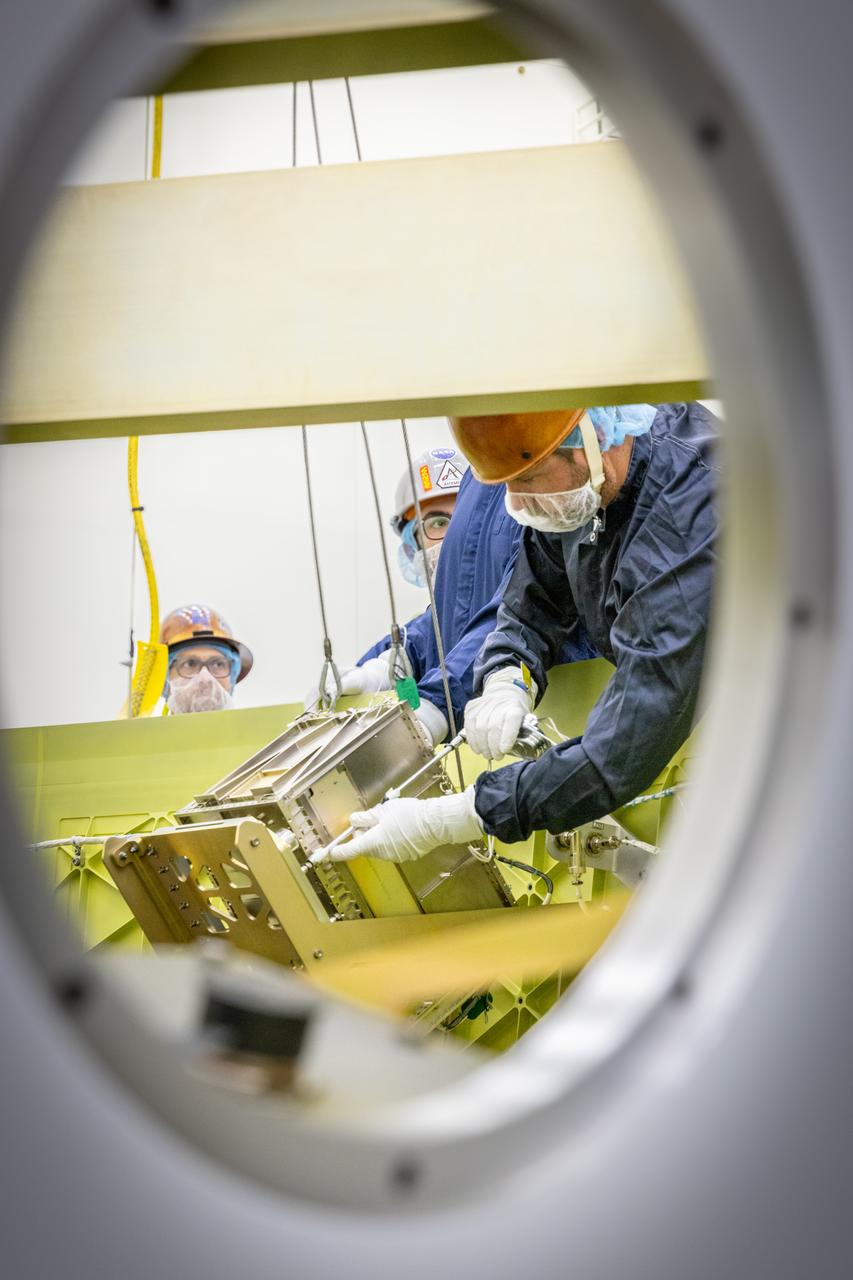
Technicians install the Korea AeroSpace Administration (KASA) K-Rad Cube within the Orion stage adapter inside the Multi-Payload Processing Facility at NASA’s Kennedy Space Center in Florida on Tuesday, Sept. 2, 2025. The K-Rad Cube, about the size of a shoebox, is one of the CubeSats slated to fly on NASA’s Artemis II test flight in 2026. Deploying in high Earth orbit from a spacecraft adapter on NASA’s SLS (Space Launch System) rocket after Orion is safely flying on its own with its crew of four astronauts, K-Rad Cube will use a dosimeter made of material designed to mimic human tissue to measure space radiation and assess biological effects at various altitudes across the Van Allen radiation belts, a critical area of research for human presence at the Moon and Mars.
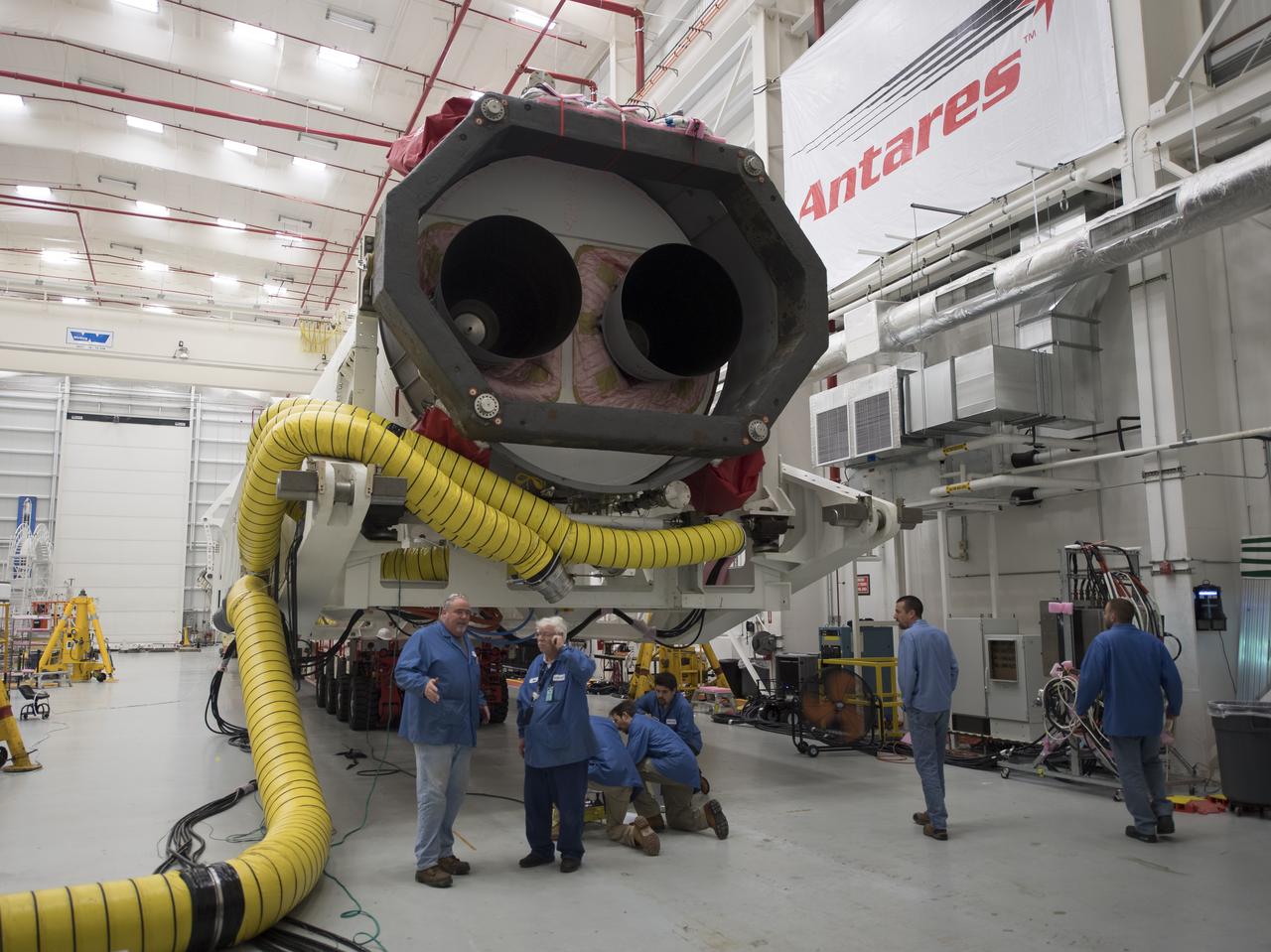
The Orbital ATK Antares rocket is rolled from the Horizontal Integration Facility (HIF) to launch Pad-0A, Thursday, Nov. 9, 2017 at NASA's Wallops Flight Facility in Virginia. Orbital ATK’s eighth contracted cargo resupply mission with NASA to the International Space Station will deliver over 7,400 pounds of science and research, crew supplies and vehicle hardware to the orbital laboratory and its crew. Photo Credit: (NASA/Bill Ingalls)
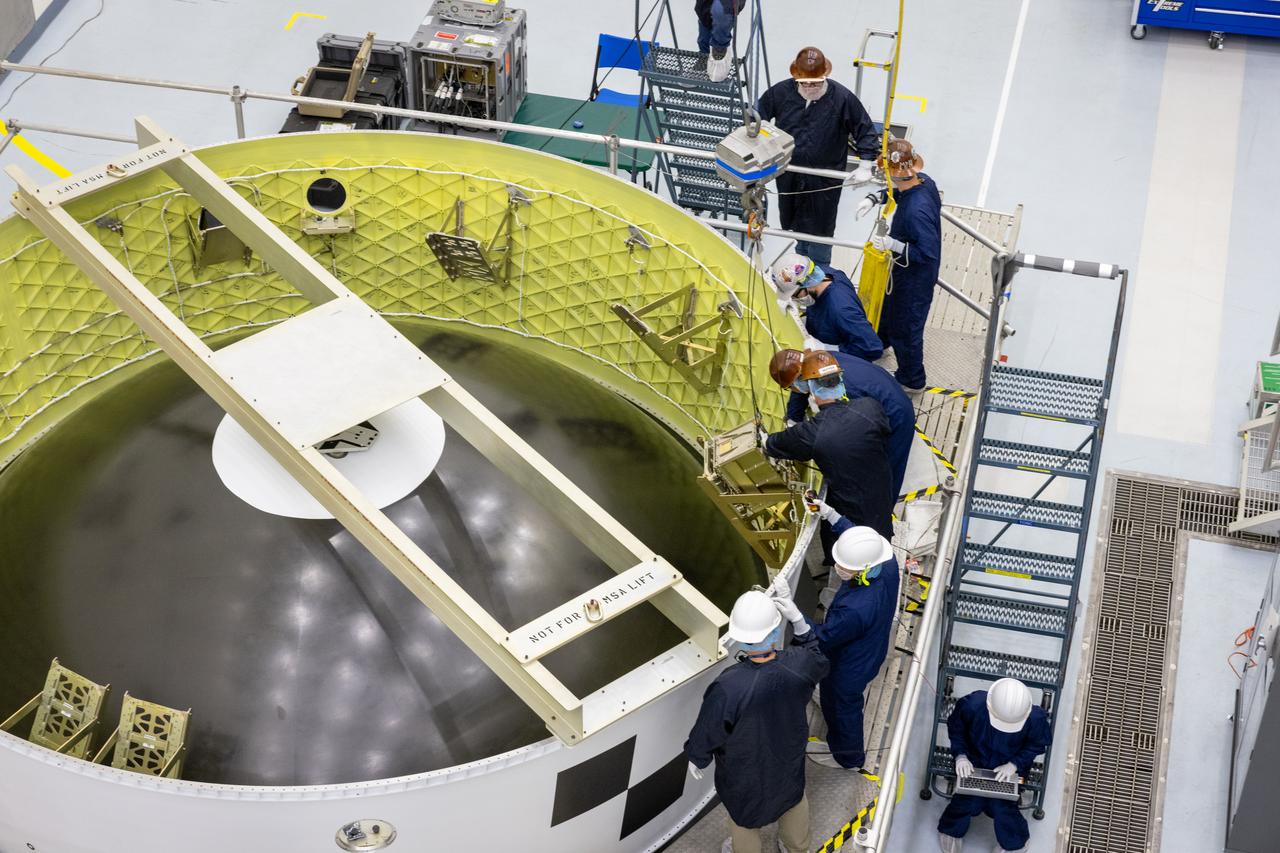
Technicians install the Korea AeroSpace Administration (KASA) K-Rad Cube within the Orion stage adapter inside the Multi-Payload Processing Facility at NASA’s Kennedy Space Center in Florida on Tuesday, Sept. 2, 2025. The K-Rad Cube, about the size of a shoebox, is one of the CubeSats slated to fly on NASA’s Artemis II test flight in 2026. Deploying in high Earth orbit from a spacecraft adapter on NASA’s SLS (Space Launch System) rocket after Orion is safely flying on its own with its crew of four astronauts, K-Rad Cube will use a dosimeter made of material designed to mimic human tissue to measure space radiation and assess biological effects at various altitudes across the Van Allen radiation belts, a critical area of research for human presence at the Moon and Mars.
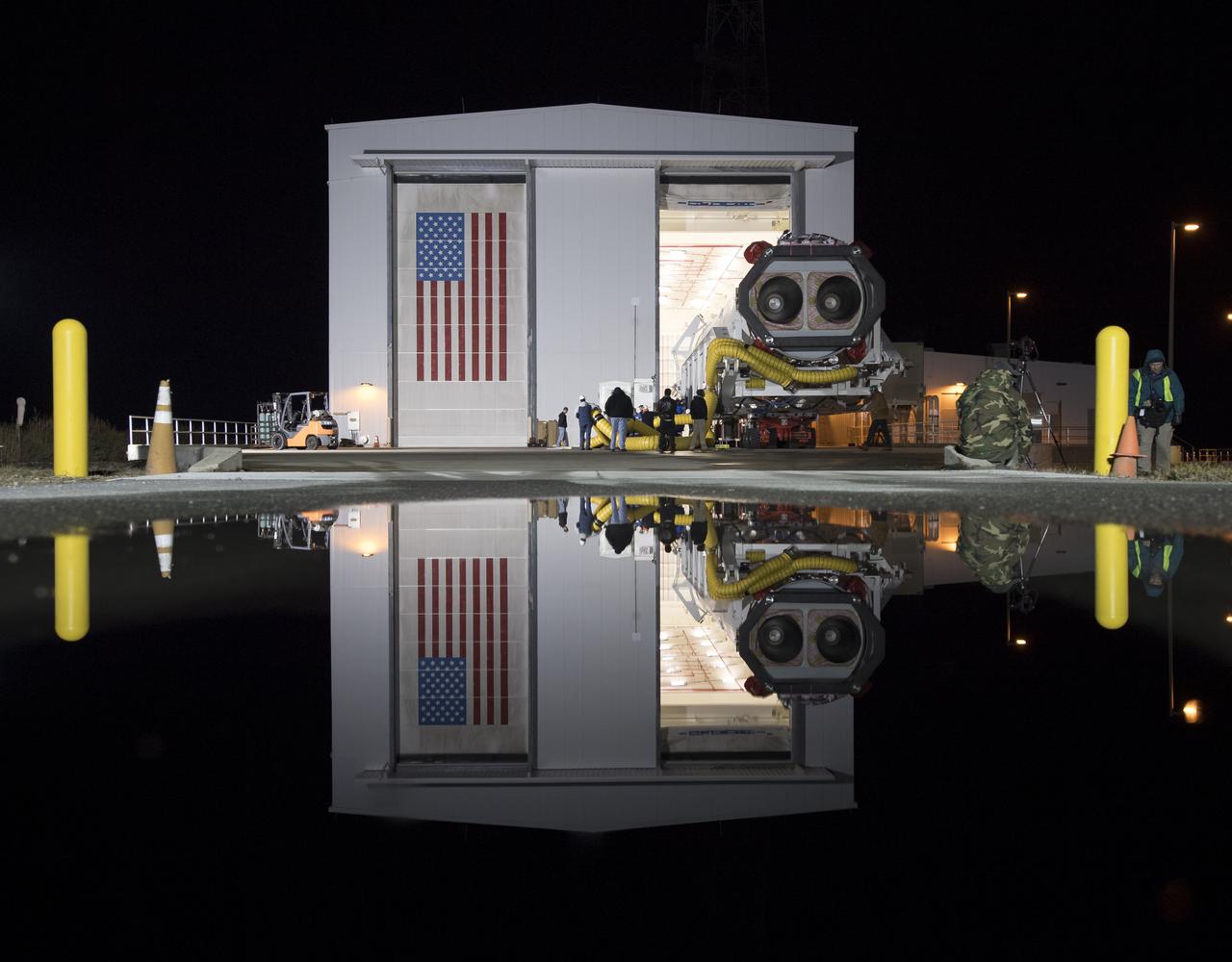
The Orbital ATK Antares rocket is rolled from the Horizontal Integration Facility (HIF) to launch Pad-0A, Thursday, Nov. 9, 2017 at NASA's Wallops Flight Facility in Virginia. Orbital ATK’s eighth contracted cargo resupply mission with NASA to the International Space Station will deliver over 7,400 pounds of science and research, crew supplies and vehicle hardware to the orbital laboratory and its crew. Photo Credit: (NASA/Bill Ingalls)
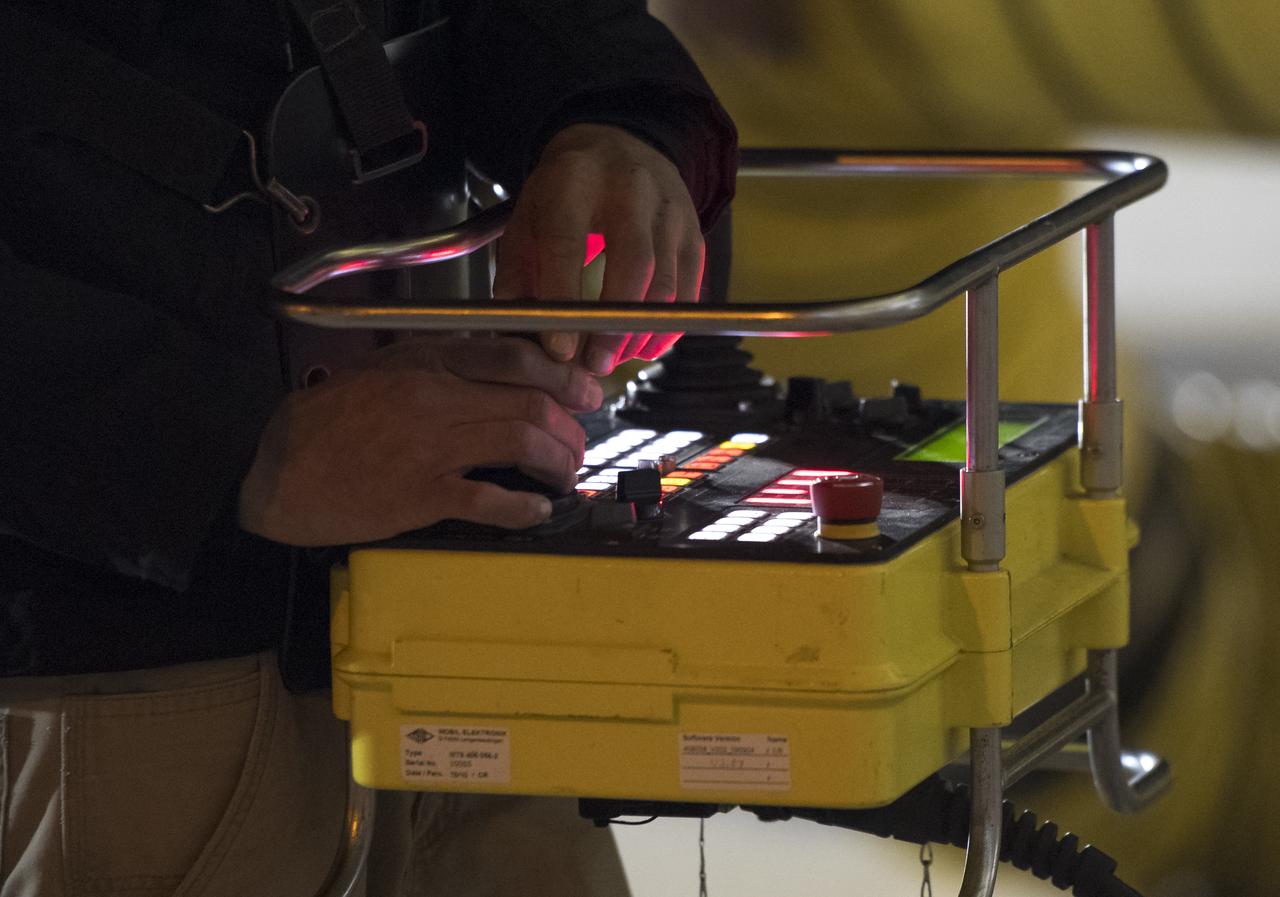
Orbital ATK Mechanical Technician Phil Kauthen drives the transporter with the Antares rocket aboard from the Horizontal Integration Facility to launch Pad-0A, Thursday, Nov. 9, 2017 at NASA's Wallops Flight Facility in Virginia. Orbital ATK’s eighth contracted cargo resupply mission with NASA to the International Space Station will deliver over 7,400 pounds of science and research, crew supplies and vehicle hardware to the orbital laboratory and its crew. Photo Credit: (NASA/Bill Ingalls)

Orbital ATK Mechanical Technician Phil Kauthen drives the transporter with the Antares rocket aboard from the Horizontal Integration Facility to launch Pad-0A, Thursday, Nov. 9, 2017 at NASA's Wallops Flight Facility in Virginia. Orbital ATK’s eighth contracted cargo resupply mission with NASA to the International Space Station will deliver over 7,400 pounds of science and research, crew supplies and vehicle hardware to the orbital laboratory and its crew. Photo Credit: (NASA/Bill Ingalls)
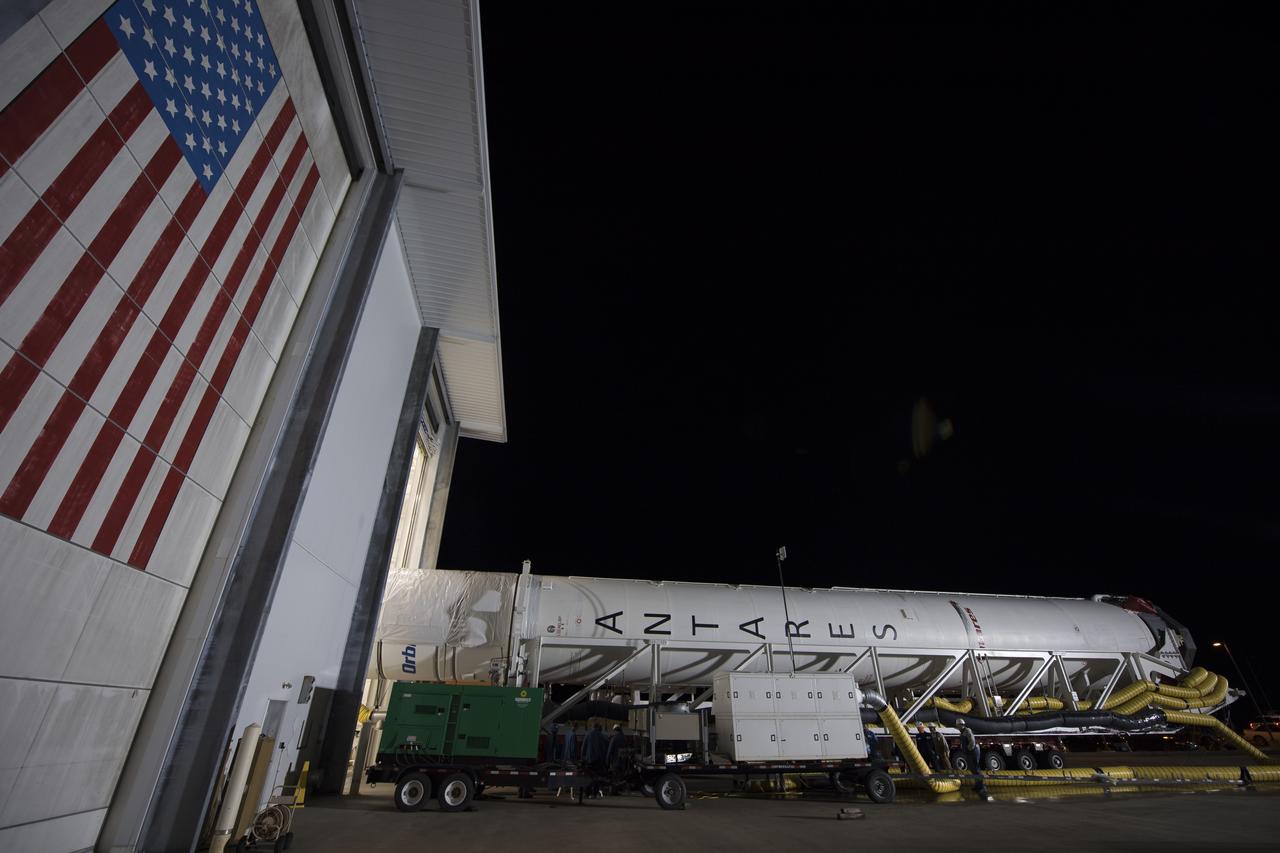
The Orbital ATK Antares rocket is rolled from the Horizontal Integration Facility (HIF) to launch Pad-0A, Thursday, Nov. 9, 2017 at NASA's Wallops Flight Facility in Virginia. Orbital ATK’s eighth contracted cargo resupply mission with NASA to the International Space Station will deliver over 7,400 pounds of science and research, crew supplies and vehicle hardware to the orbital laboratory and its crew. Photo Credit: (NASA/Bill Ingalls)
Orbital ATK Mechanical Technician Phil Kauthen drives the transporter with the Antares rocket aboard from the Horizontal Integration Facility to launch Pad-0A, Thursday, Nov. 9, 2017 at NASA's Wallops Flight Facility in Virginia. Orbital ATK’s eighth contracted cargo resupply mission with NASA to the International Space Station will deliver over 7,400 pounds of science and research, crew supplies and vehicle hardware to the orbital laboratory and its crew. Photo Credit: (NASA/Bill Ingalls)