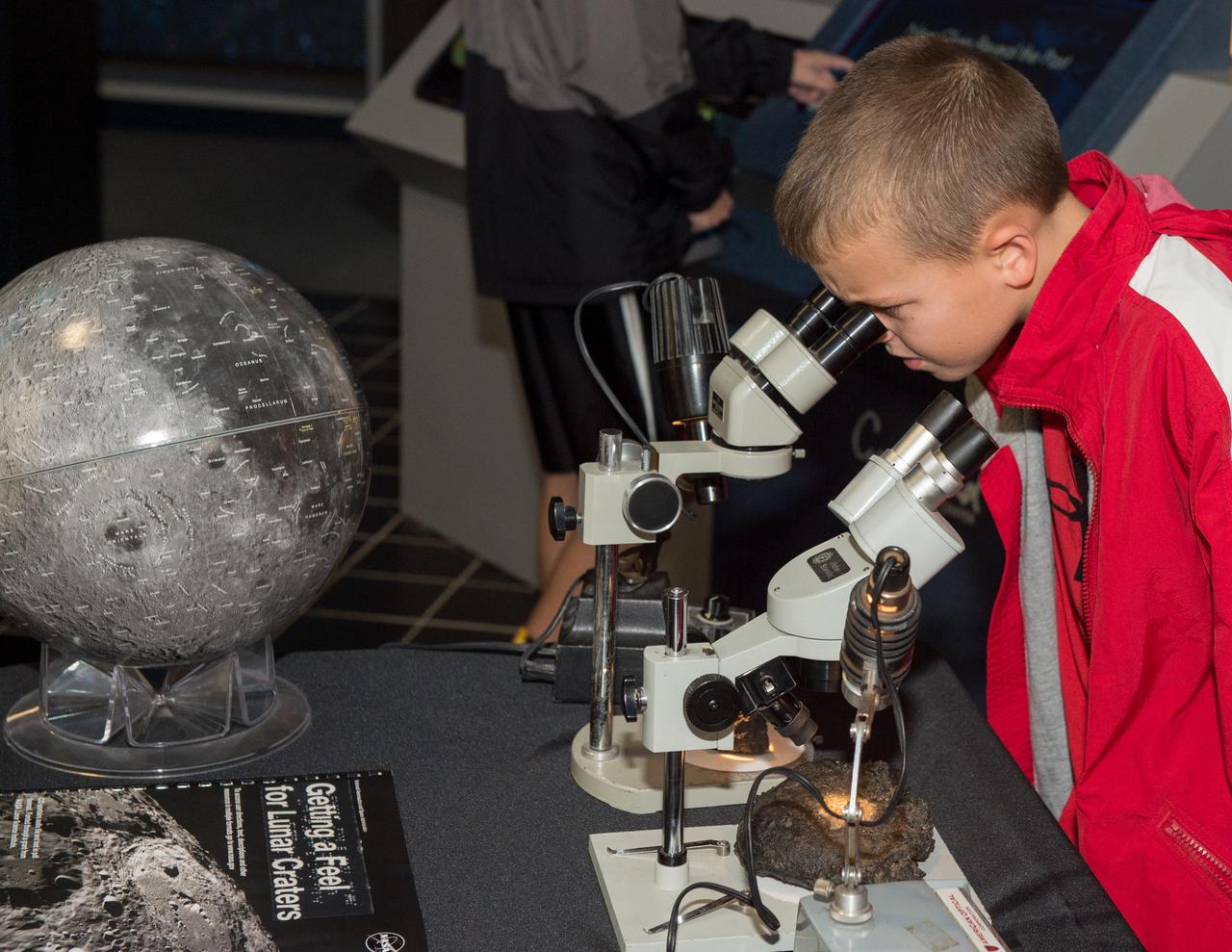
International Observe the Moon Night at the Goddard Visitor Center. Moon rocks and microscopes.
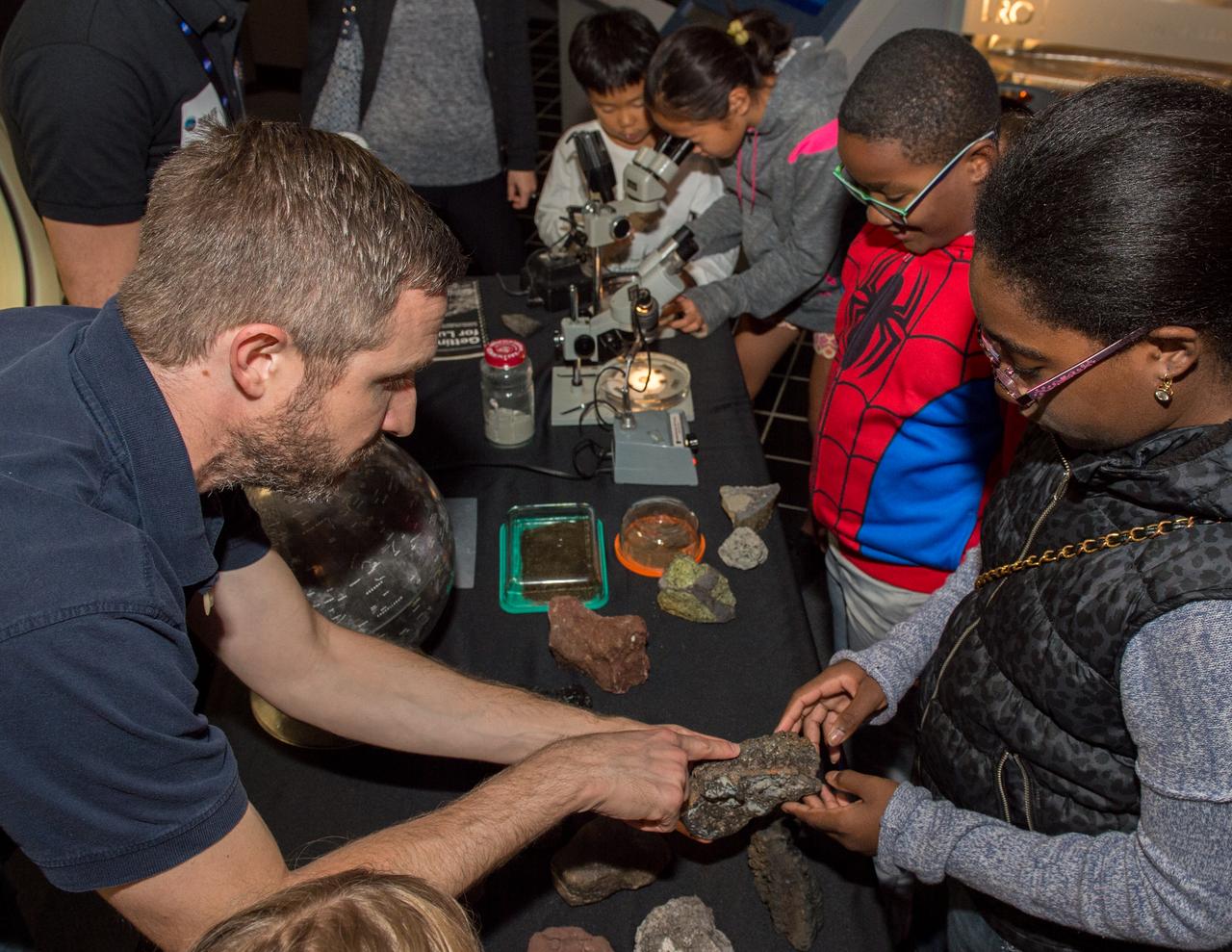
International Observe the Moon Night at the Goddard Visitor Center. Moon rocks and microscopes.
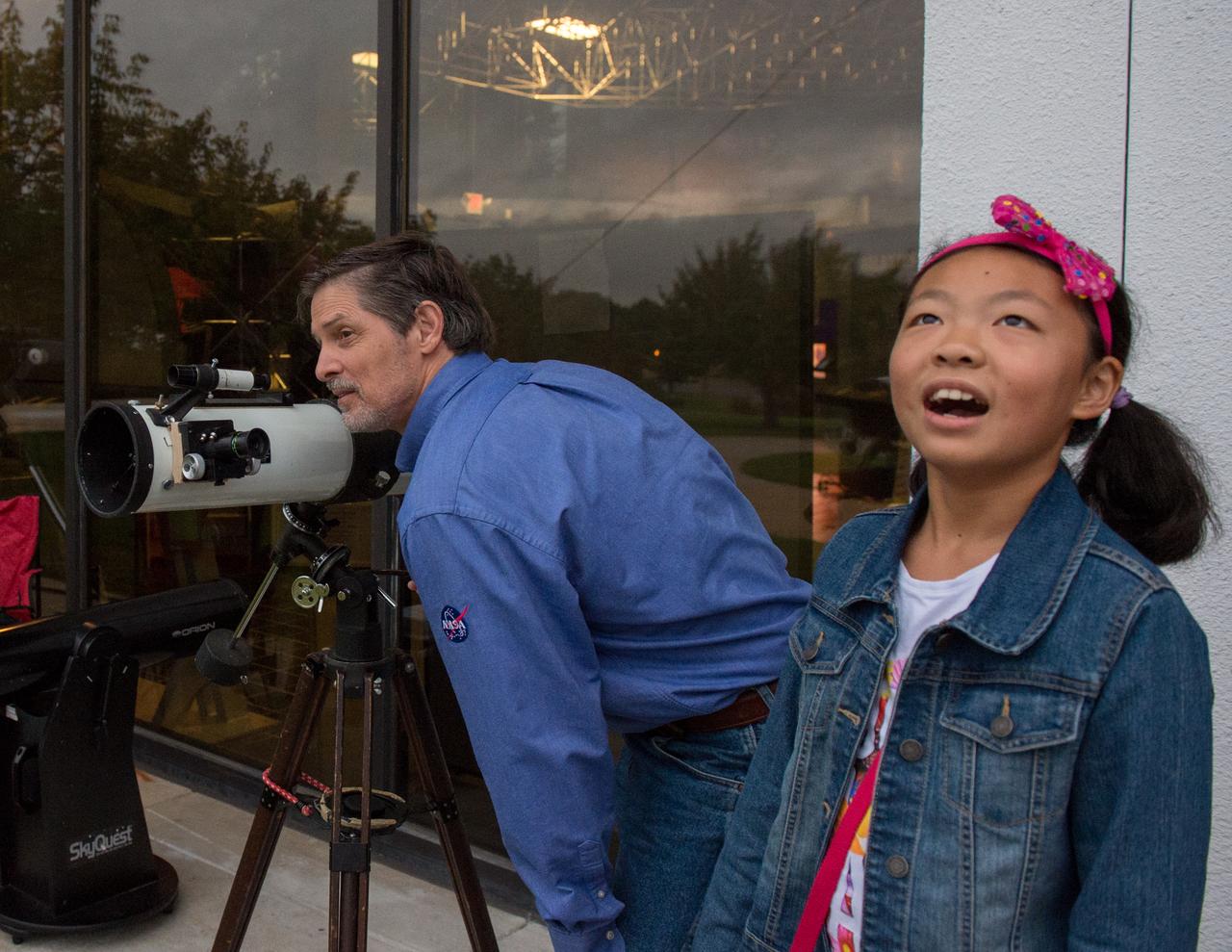
International Observe the Moon Night at the Goddard Visitor Center
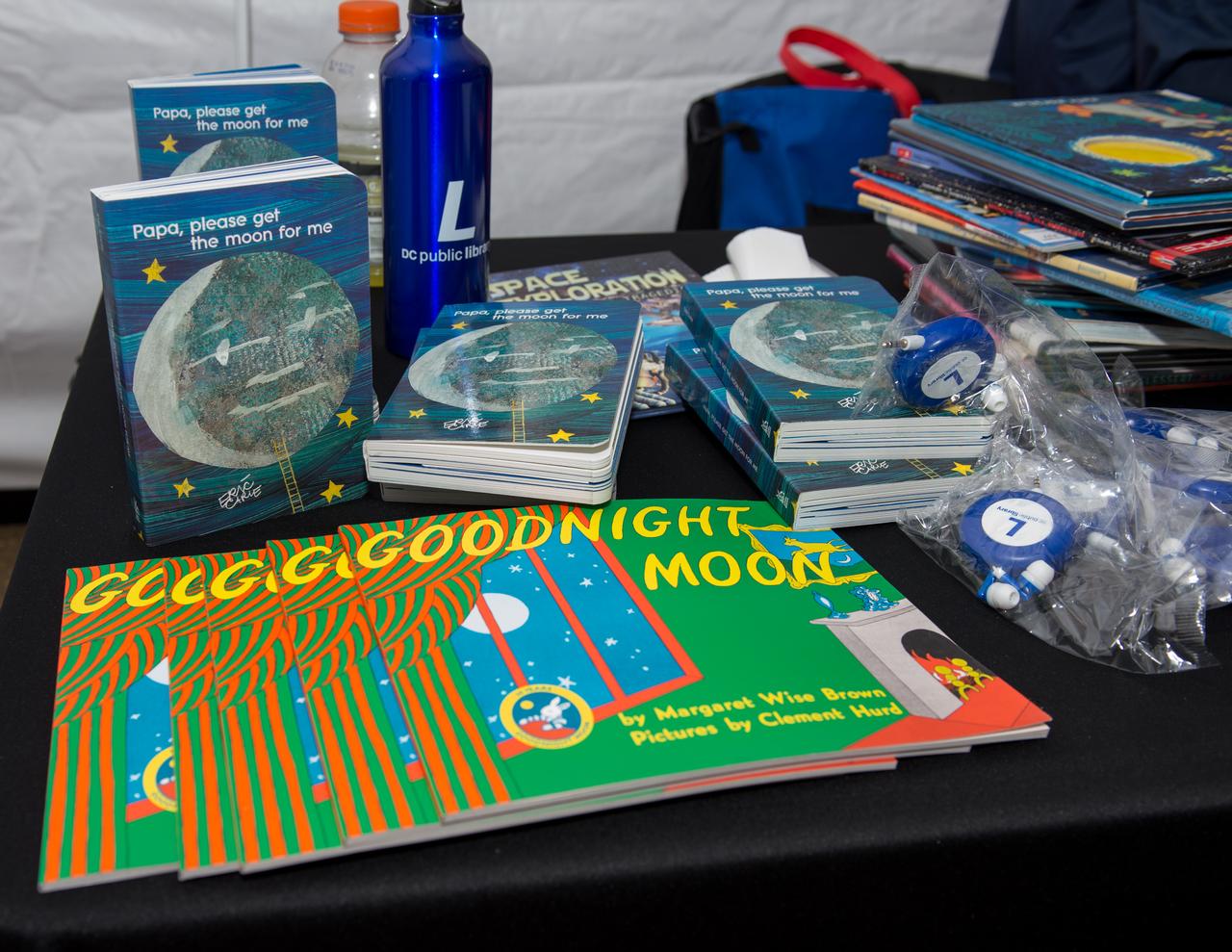
International Observe the Moon Night at the Goddard Visitor Center
International Observe the Moon Night at the Goddard Visitor Center
International Observe the Moon Night at the Goddard Visitor Center
International Observe the Moon Night at the Goddard Visitor Center
International Observe the Moon Night at the Goddard Visitor Center
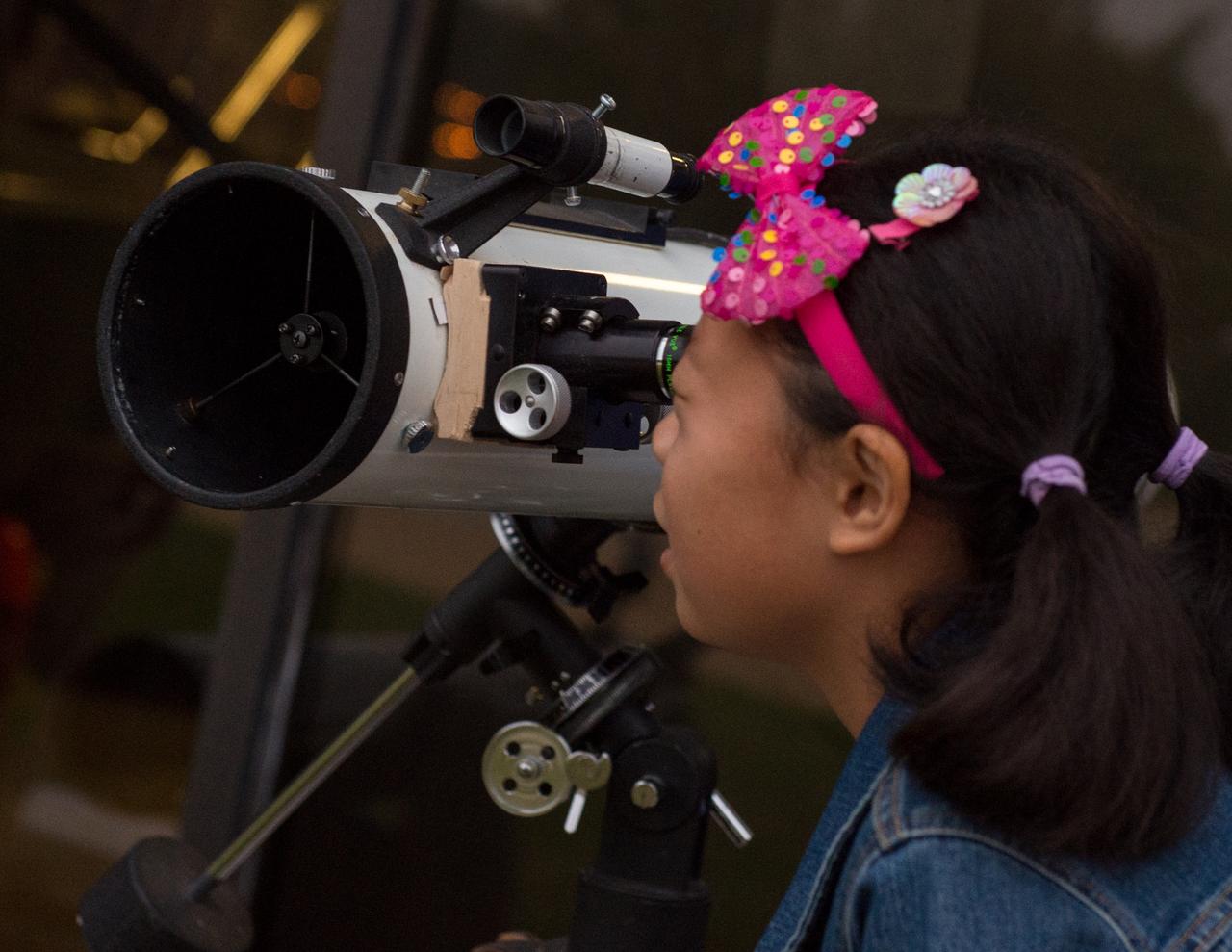
International Observe the Moon Night at the Goddard Visitor Center
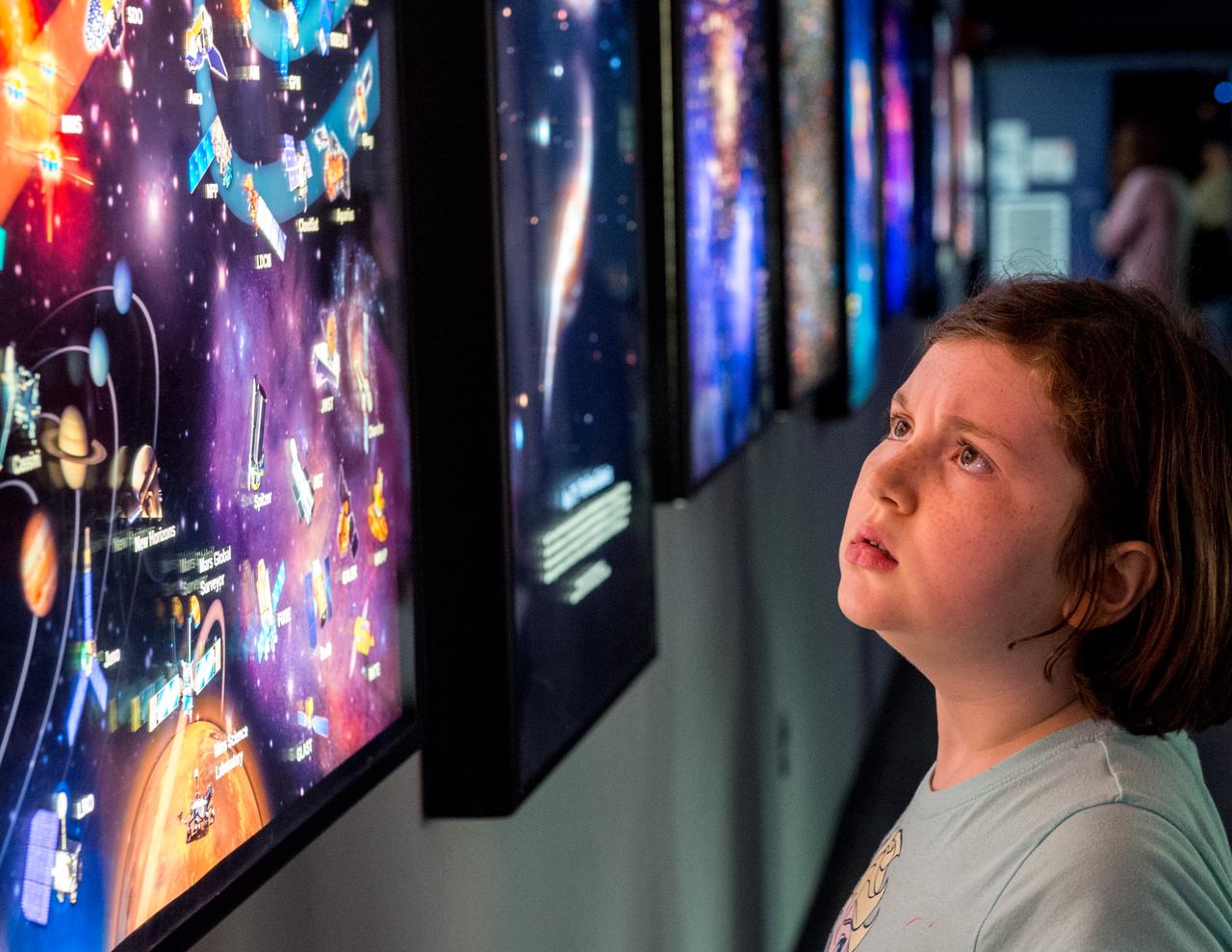
International Observe the Moon Night at the Goddard Visitor Center

International Observe the Moon Night at the Goddard Visitor Center
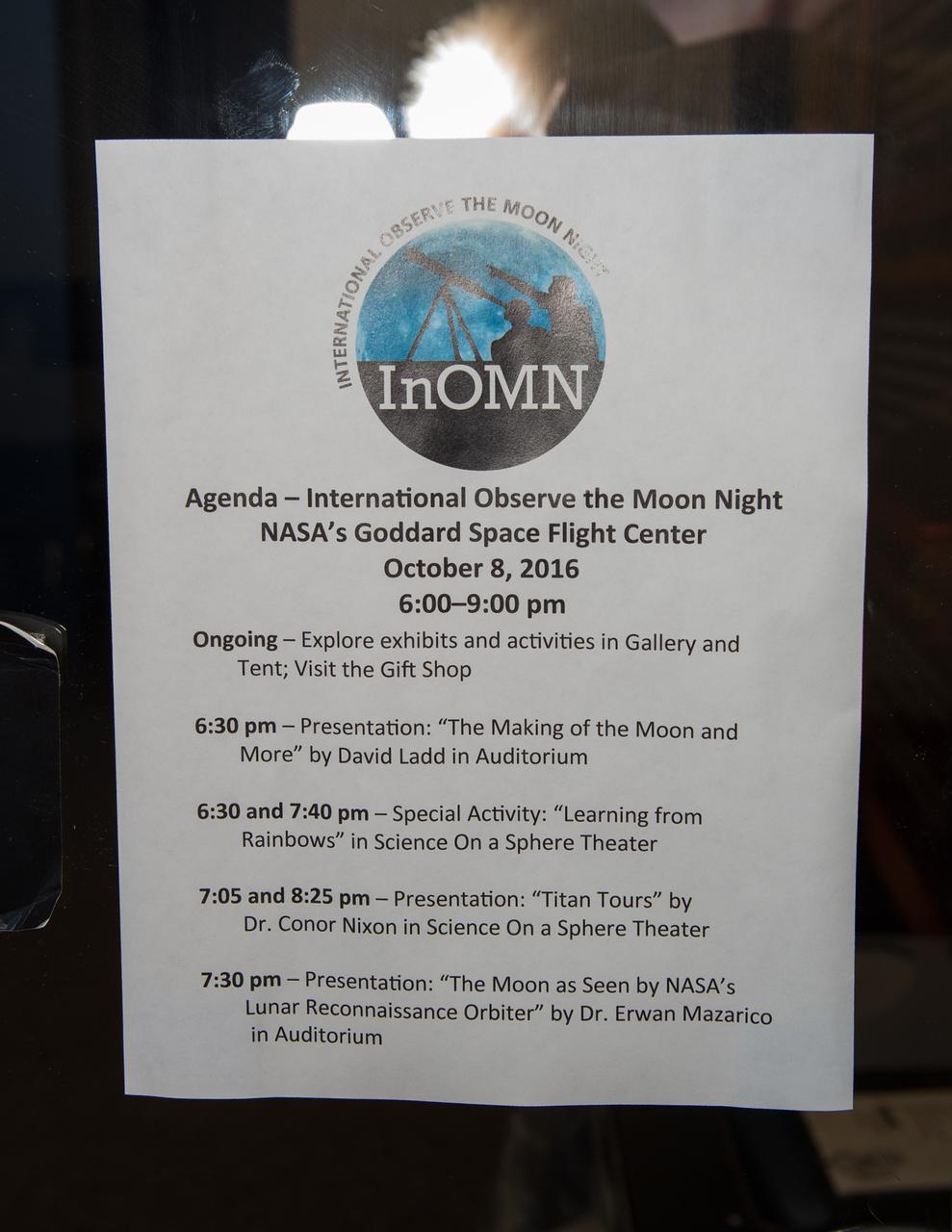
International Observe the Moon Night at the Goddard Visitor Center
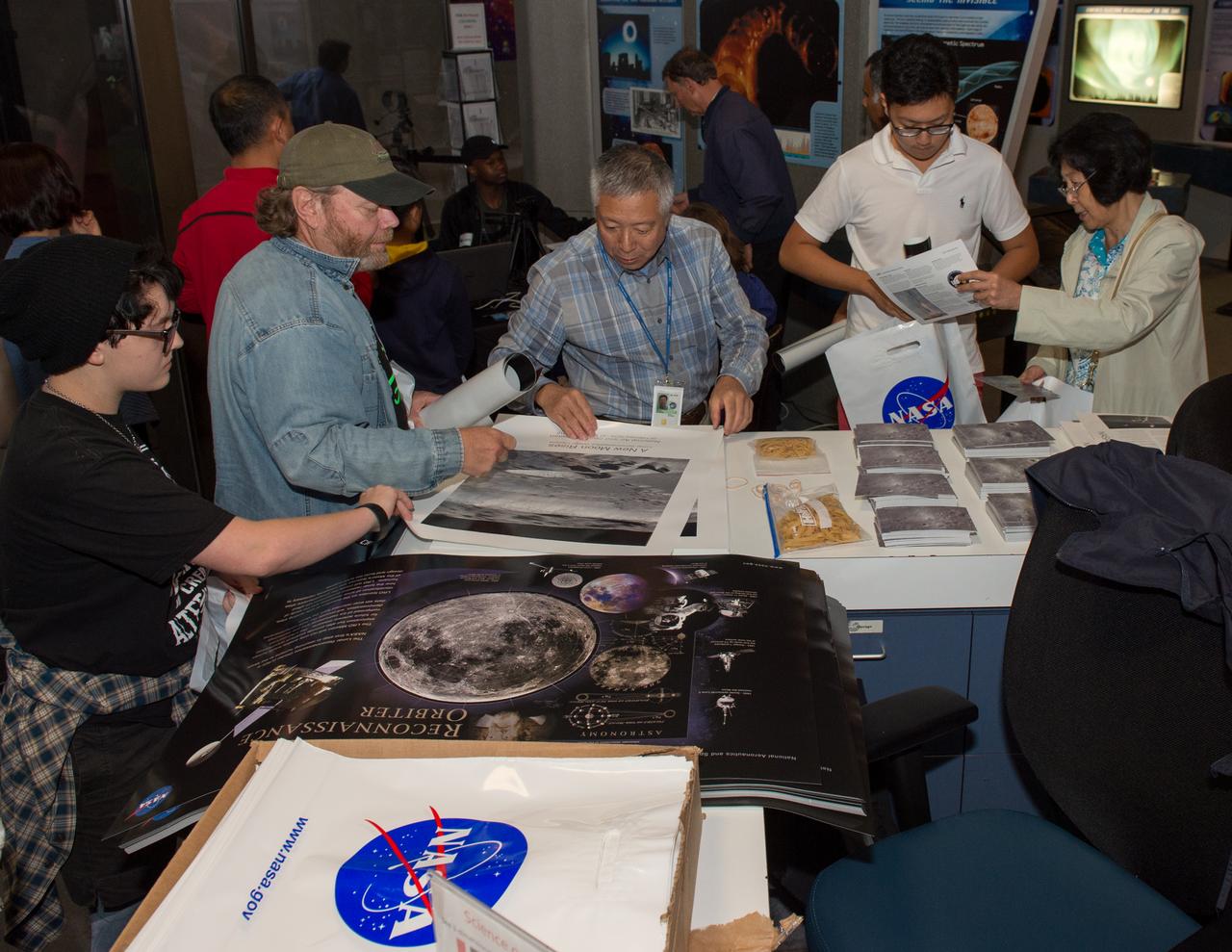
International Observe the Moon Night at the Goddard Visitor Center
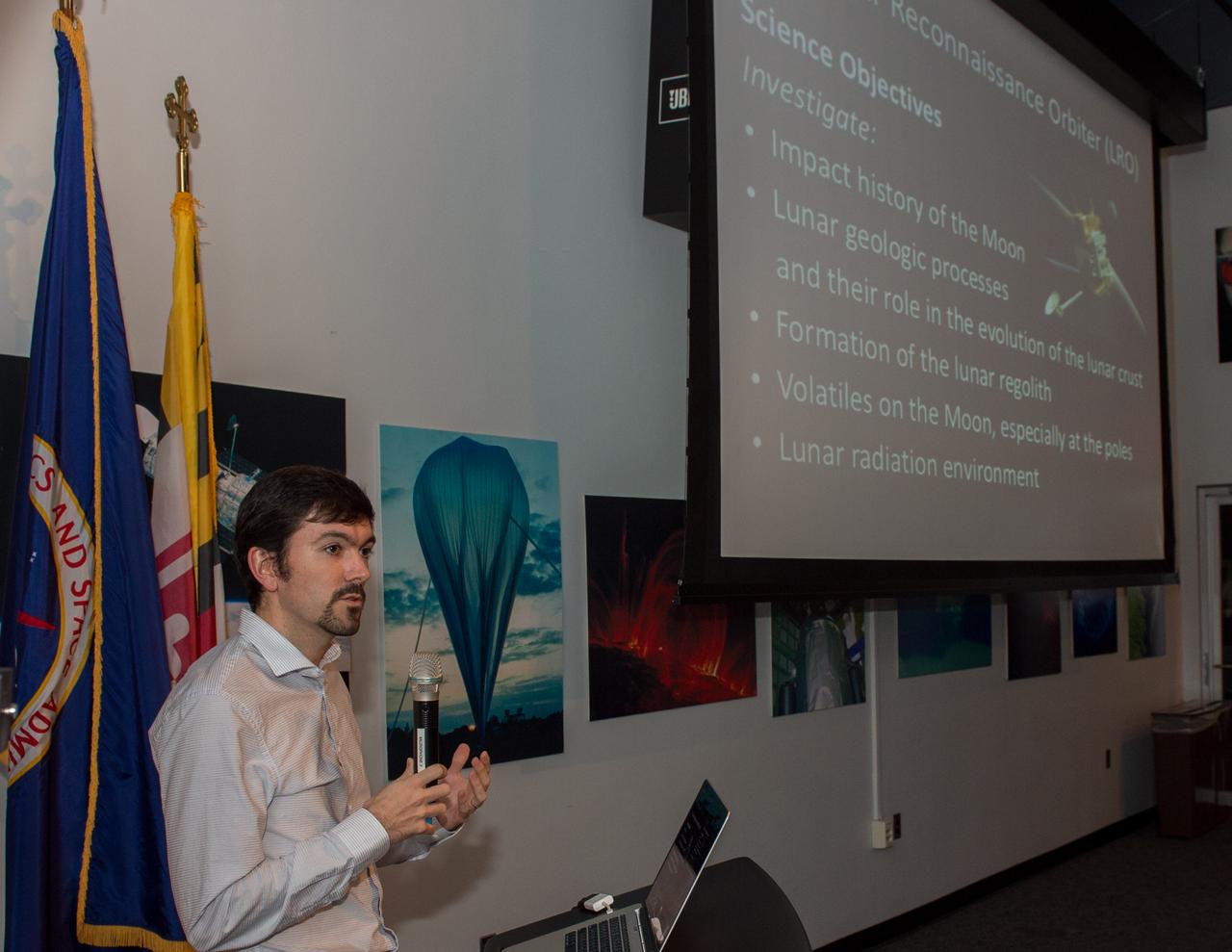
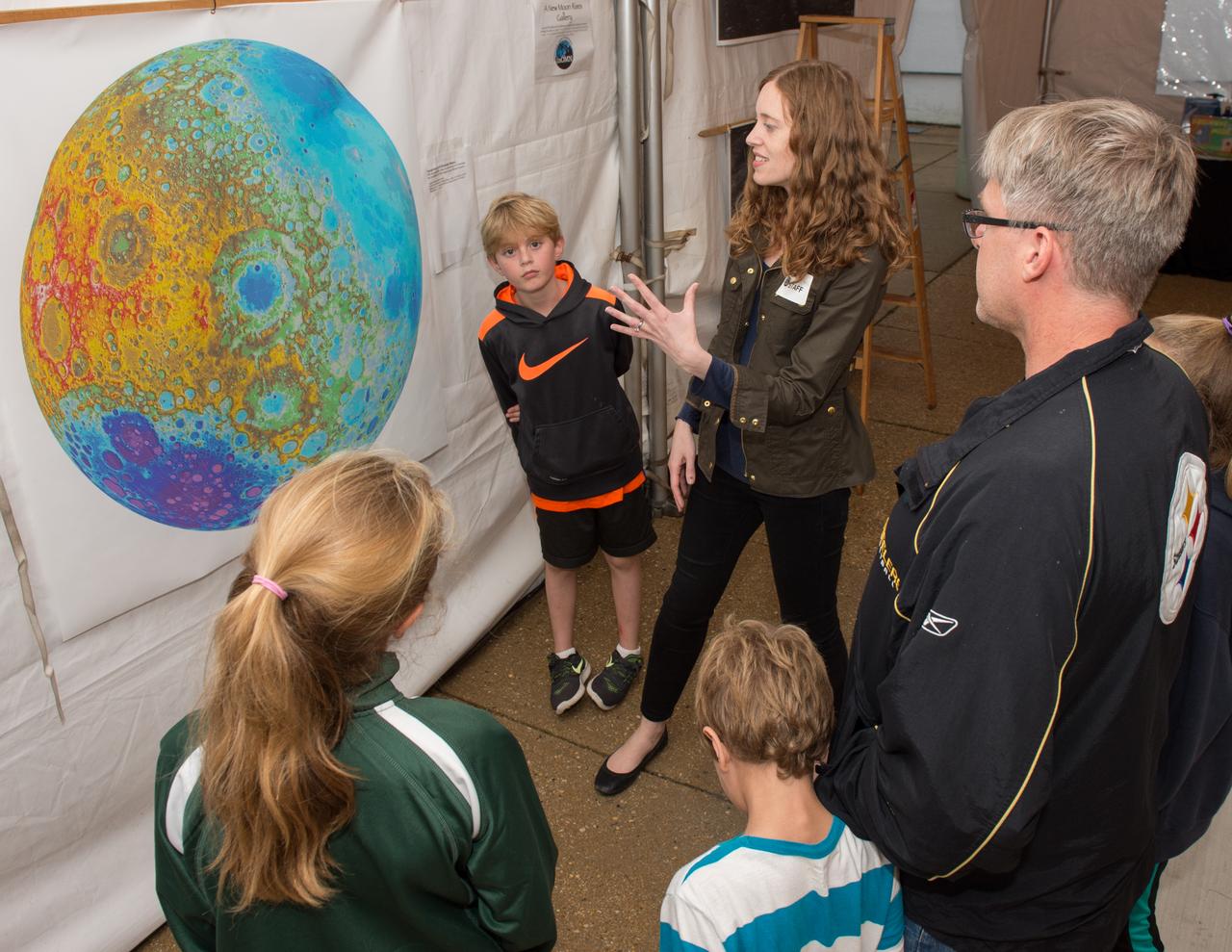
International Observe the Moon Night at the Goddard Visitor Center. The Moon as seen by Lunar Reconnaissance Orbiter presented by Dr. Erwan Mazarico.
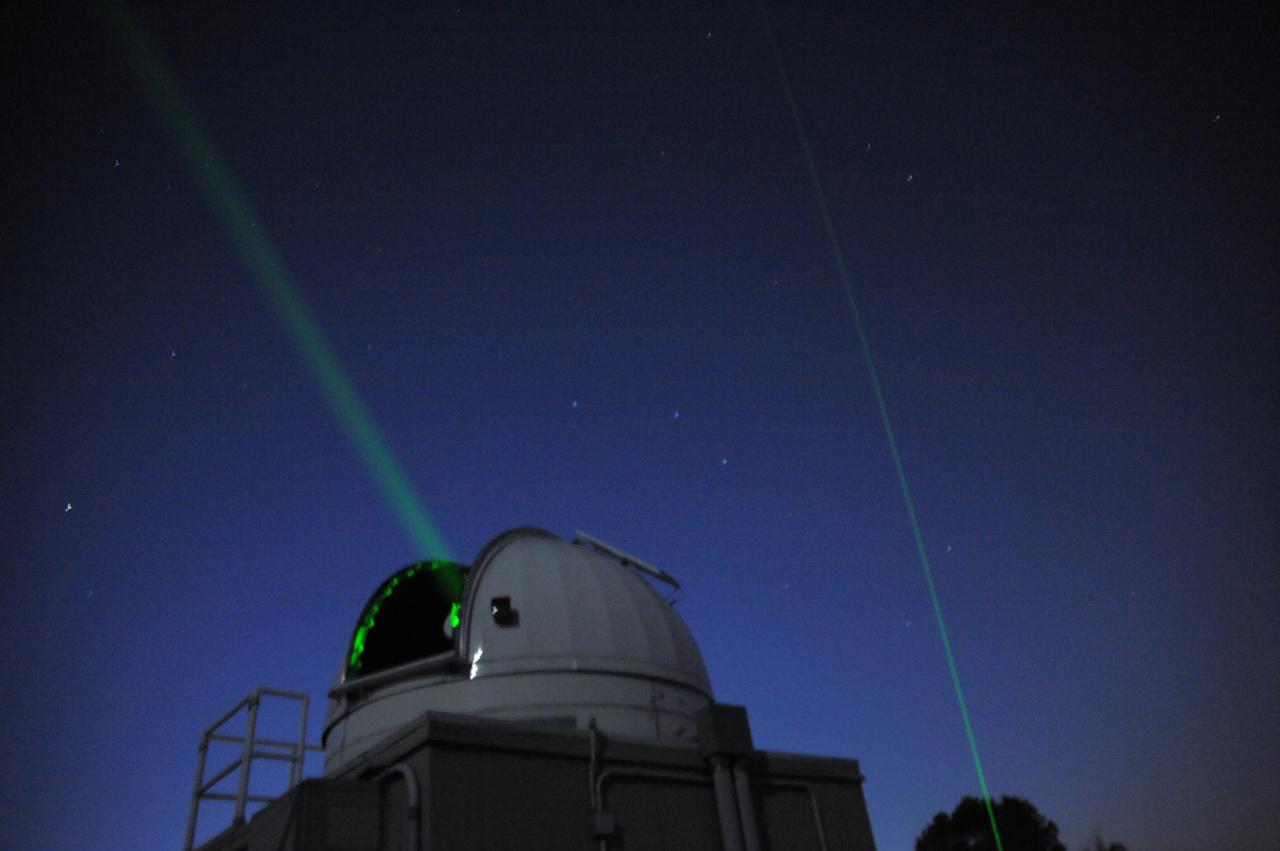
Double beams shoot into the night sky during the Internation Observe the Moon night event. Goddard's Laser Ranging Facility directs a laser toward the Lunar Reconassaince Orbiter on International Observe the Moon Night. (Sept 18, 2010) Background on laser ranging: <a href="http://www.nasa.gov/mission_pages/LRO/news/LRO_lr.html" rel="nofollow">www.nasa.gov/mission_pages/LRO/news/LRO_lr.html</a> Credit: NASA/GSFC/Debbie Mccallum On September 18, 2010 the world joined the NASA Goddard Space Flight Center's Visitor Center in Greenbelt, Md., as well as other NASA Centers to celebrate the first annual International Observe the Moon Night (InOMN). To read more go to: <a href="http://www.nasa.gov/centers/goddard/news/features/2010/moon-night.html" rel="nofollow">www.nasa.gov/centers/goddard/news/features/2010/moon-nigh...</a> <b><a href="http://www.nasa.gov/centers/goddard/home/index.html" rel="nofollow">NASA Goddard Space Flight Center</a></b> contributes to NASA’s mission through four scientific endeavors: Earth Science, Heliophysics, Solar System Exploration, and Astrophysics. Goddard plays a leading role in NASA’s endeavors by providing compelling scientific knowledge to advance the Agency’s mission. <b>Follow us on <a href="http://twitter.com/NASA_GoddardPix" rel="nofollow">Twitter</a></b> <b>Join us on <a href="http://www.facebook.com/pages/Greenbelt-MD/NASA-Goddard/395013845897?ref=tsd" rel="nofollow">Facebook</a></b>

Two beams flash across a starry sky toward the Moon at Optical Site. Goddard's Laser Ranging Facility directs a laser toward the Lunar Reconassaince Orbiter on International Observe the Moon Night. (Sept 18, 2010) Background on laser ranging: <a href="http://www.nasa.gov/mission_pages/LRO/news/LRO_lr.html" rel="nofollow">www.nasa.gov/mission_pages/LRO/news/LRO_lr.html</a> Credit: NASA/GSFC/Debbie Mccallum On September 18, 2010 the world joined the NASA Goddard Space Flight Center's Visitor Center in Greenbelt, Md., as well as other NASA Centers to celebrate the first annual International Observe the Moon Night (InOMN). To read more go to: <a href="http://www.nasa.gov/centers/goddard/news/features/2010/moon-night.html" rel="nofollow">www.nasa.gov/centers/goddard/news/features/2010/moon-nigh...</a> <b><a href="http://www.nasa.gov/centers/goddard/home/index.html" rel="nofollow">NASA Goddard Space Flight Center</a></b> contributes to NASA’s mission through four scientific endeavors: Earth Science, Heliophysics, Solar System Exploration, and Astrophysics. Goddard plays a leading role in NASA’s endeavors by providing compelling scientific knowledge to advance the Agency’s mission. <b>Follow us on <a href="http://twitter.com/NASA_GoddardPix" rel="nofollow">Twitter</a></b> <b>Join us on <a href="http://www.facebook.com/pages/Greenbelt-MD/NASA-Goddard/395013845897?ref=tsd" rel="nofollow">Facebook</a></b>
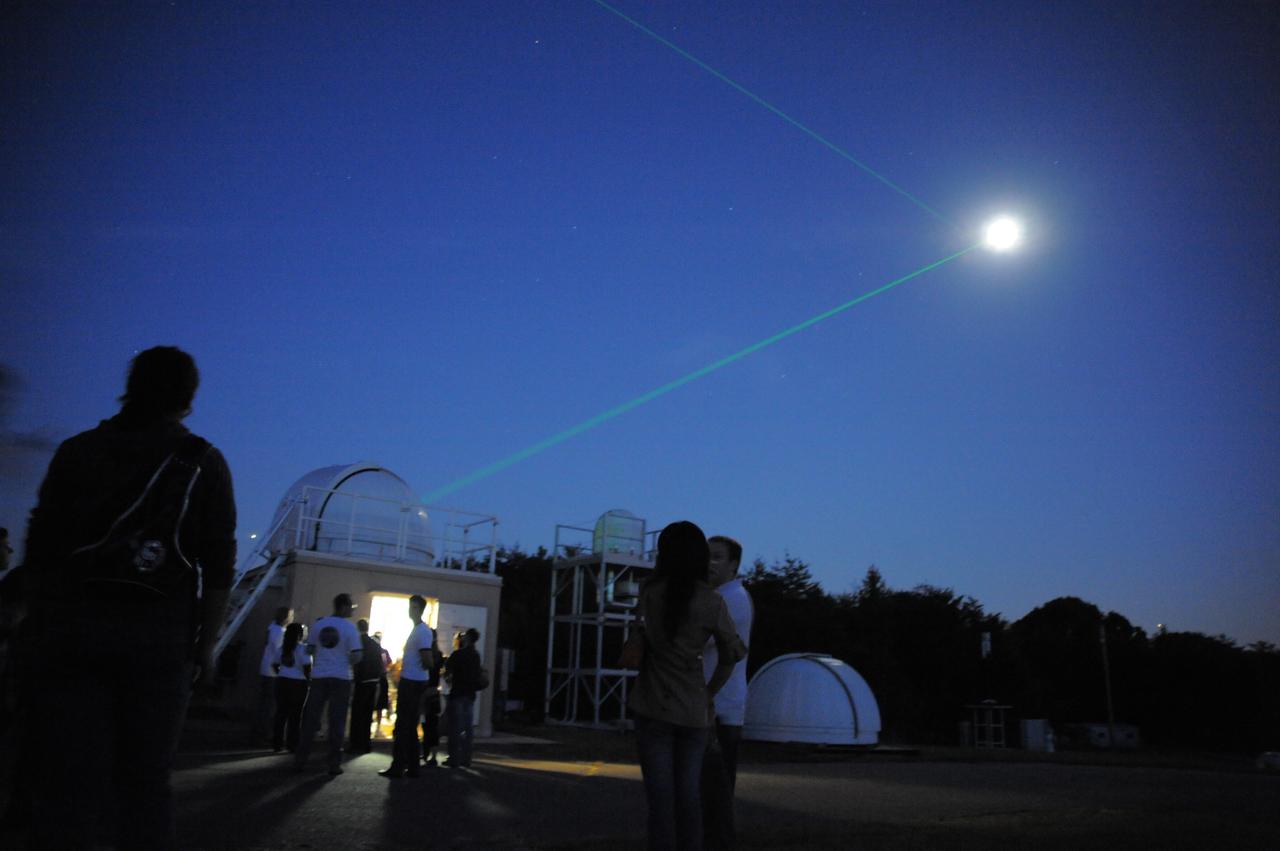
Visitors get a rare opportunity to view laser beams pointed at the moon at Optical Site. Goddard's Laser Ranging Facility directs a laser toward the Lunar Reconassaince Orbiter on International Observe the Moon Night. (Sept 18, 2010) Background on laser ranging: <a href="http://www.nasa.gov/mission_pages/LRO/news/LRO_lr.html" rel="nofollow">www.nasa.gov/mission_pages/LRO/news/LRO_lr.html</a> Credit: NASA/GSFC/Debbie Mccallum On September 18, 2010 the world joined the NASA Goddard Space Flight Center's Visitor Center in Greenbelt, Md., as well as other NASA Centers to celebrate the first annual International Observe the Moon Night (InOMN). To read more go to: <a href="http://www.nasa.gov/centers/goddard/news/features/2010/moon-night.html" rel="nofollow">www.nasa.gov/centers/goddard/news/features/2010/moon-nigh...</a> <b><a href="http://www.nasa.gov/centers/goddard/home/index.html" rel="nofollow">NASA Goddard Space Flight Center</a></b> contributes to NASA’s mission through four scientific endeavors: Earth Science, Heliophysics, Solar System Exploration, and Astrophysics. Goddard plays a leading role in NASA’s endeavors by providing compelling scientific knowledge to advance the Agency’s mission. <b>Follow us on <a href="http://twitter.com/NASA_GoddardPix" rel="nofollow">Twitter</a></b> <b>Join us on <a href="http://www.facebook.com/pages/Greenbelt-MD/NASA-Goddard/395013845897?ref=tsd" rel="nofollow">Facebook</a></b>
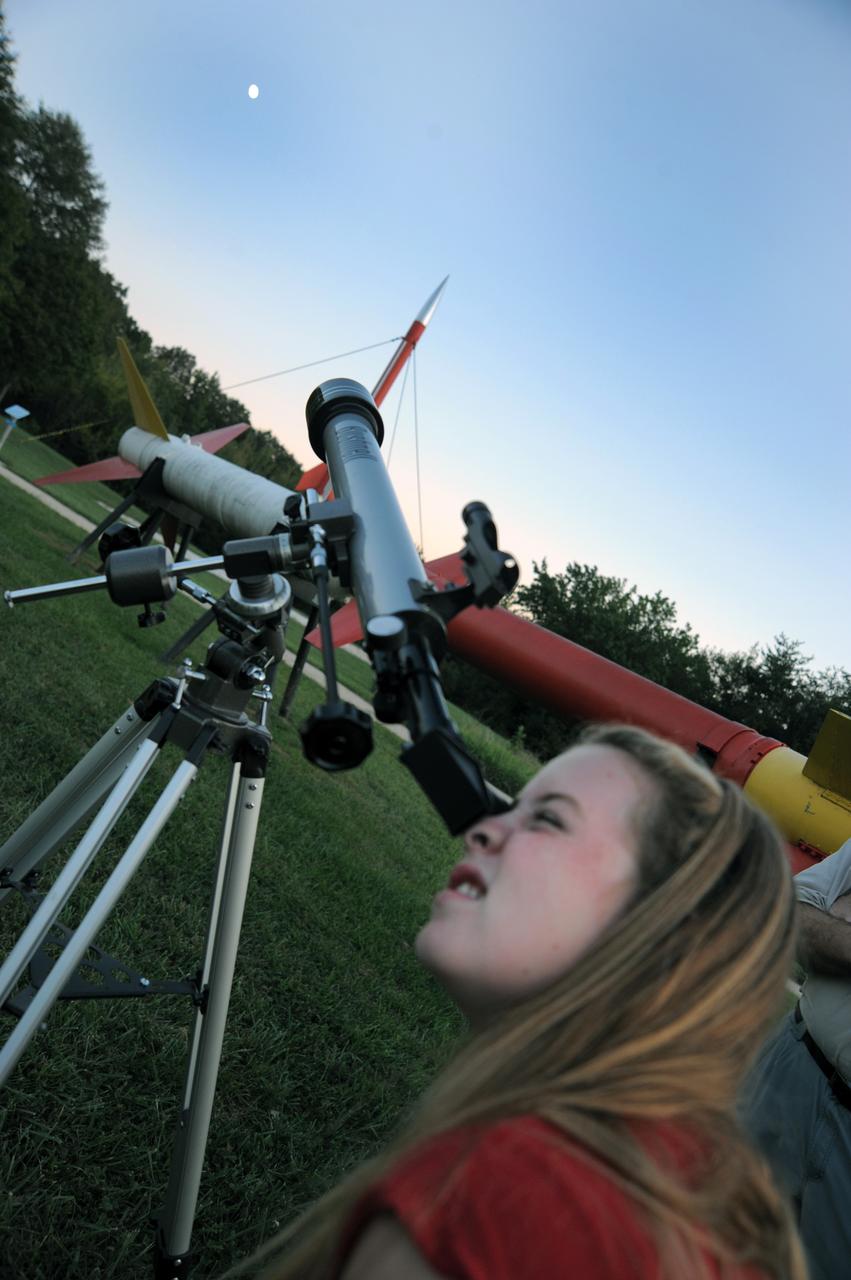
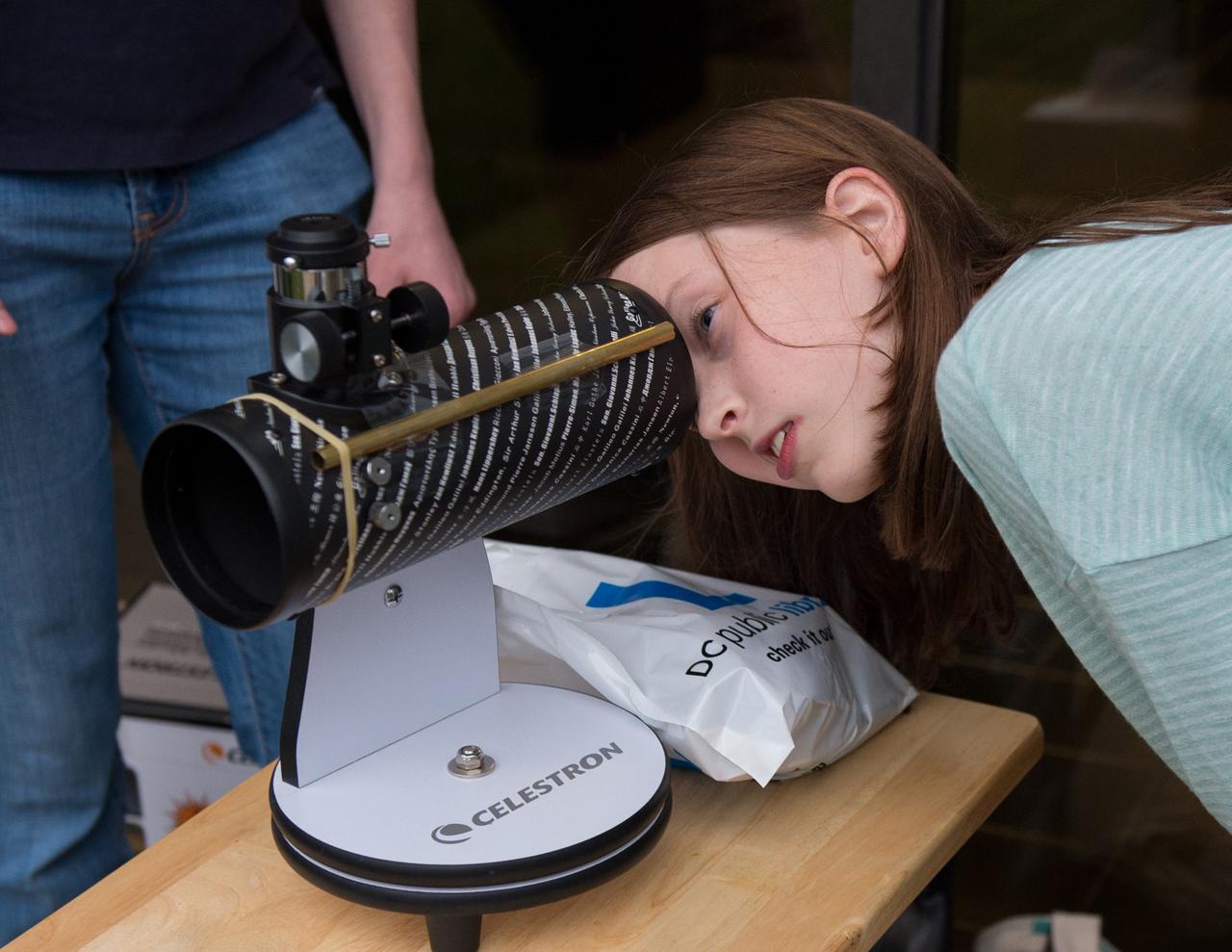
A young girl sees the moon through one of many telescopes set up at VC. Credit: NASA/GSFC/Debbie Mccallum On September 18, 2010 the world joined the NASA Goddard Space Flight Center's Visitor Center in Greenbelt, Md., as well as other NASA Centers to celebrate the first annual International Observe the Moon Night (InOMN). To read more go to: <a href="http://www.nasa.gov/centers/goddard/news/features/2010/moon-night.html" rel="nofollow">www.nasa.gov/centers/goddard/news/features/2010/moon-nigh...</a> <b><a href="http://www.nasa.gov/centers/goddard/home/index.html" rel="nofollow">NASA Goddard Space Flight Center</a></b> contributes to NASA’s mission through four scientific endeavors: Earth Science, Heliophysics, Solar System Exploration, and Astrophysics. Goddard plays a leading role in NASA’s endeavors by providing compelling scientific knowledge to advance the Agency’s mission. <b>Follow us on <a href="http://twitter.com/NASA_GoddardPix" rel="nofollow">Twitter</a></b> <b>Join us on <a href="http://www.facebook.com/pages/Greenbelt-MD/NASA-Goddard/395013845897?ref=tsd" rel="nofollow">Facebook</a></b>

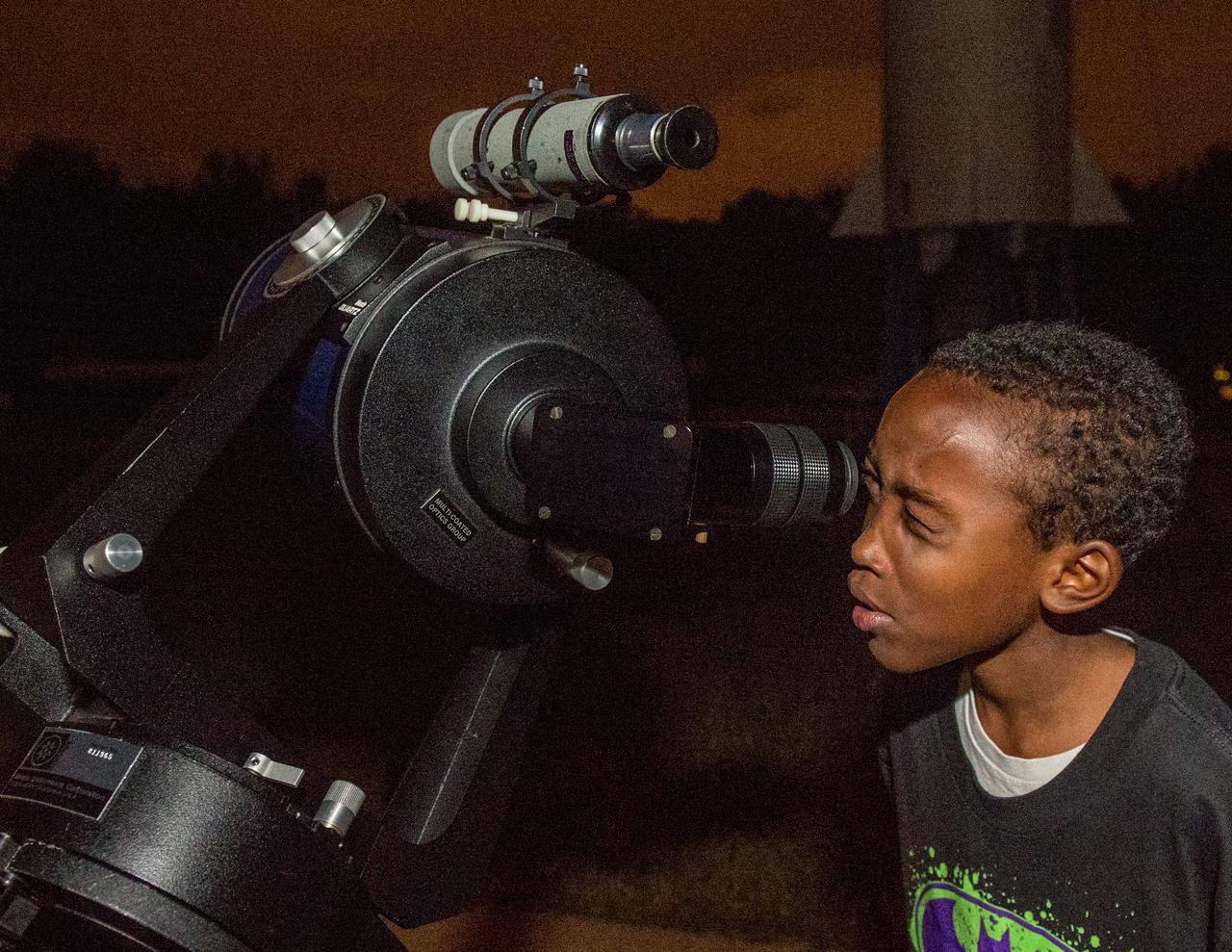
A young boy views the moon through a hand made telescope at VC. Credit: NASA/GSFC/Debbie Mccallum On September 18, 2010 the world joined the NASA Goddard Space Flight Center's Visitor Center in Greenbelt, Md., as well as other NASA Centers to celebrate the first annual International Observe the Moon Night (InOMN). To read more go to: <a href="http://www.nasa.gov/centers/goddard/news/features/2010/moon-night.html" rel="nofollow">www.nasa.gov/centers/goddard/news/features/2010/moon-nigh...</a> <b><a href="http://www.nasa.gov/centers/goddard/home/index.html" rel="nofollow">NASA Goddard Space Flight Center</a></b> contributes to NASA’s mission through four scientific endeavors: Earth Science, Heliophysics, Solar System Exploration, and Astrophysics. Goddard plays a leading role in NASA’s endeavors by providing compelling scientific knowledge to advance the Agency’s mission. <b>Follow us on <a href="http://twitter.com/NASA_GoddardPix" rel="nofollow">Twitter</a></b> <b>Join us on <a href="http://www.facebook.com/pages/Greenbelt-MD/NASA-Goddard/395013845897?ref=tsd" rel="nofollow">Facebook</a></b>
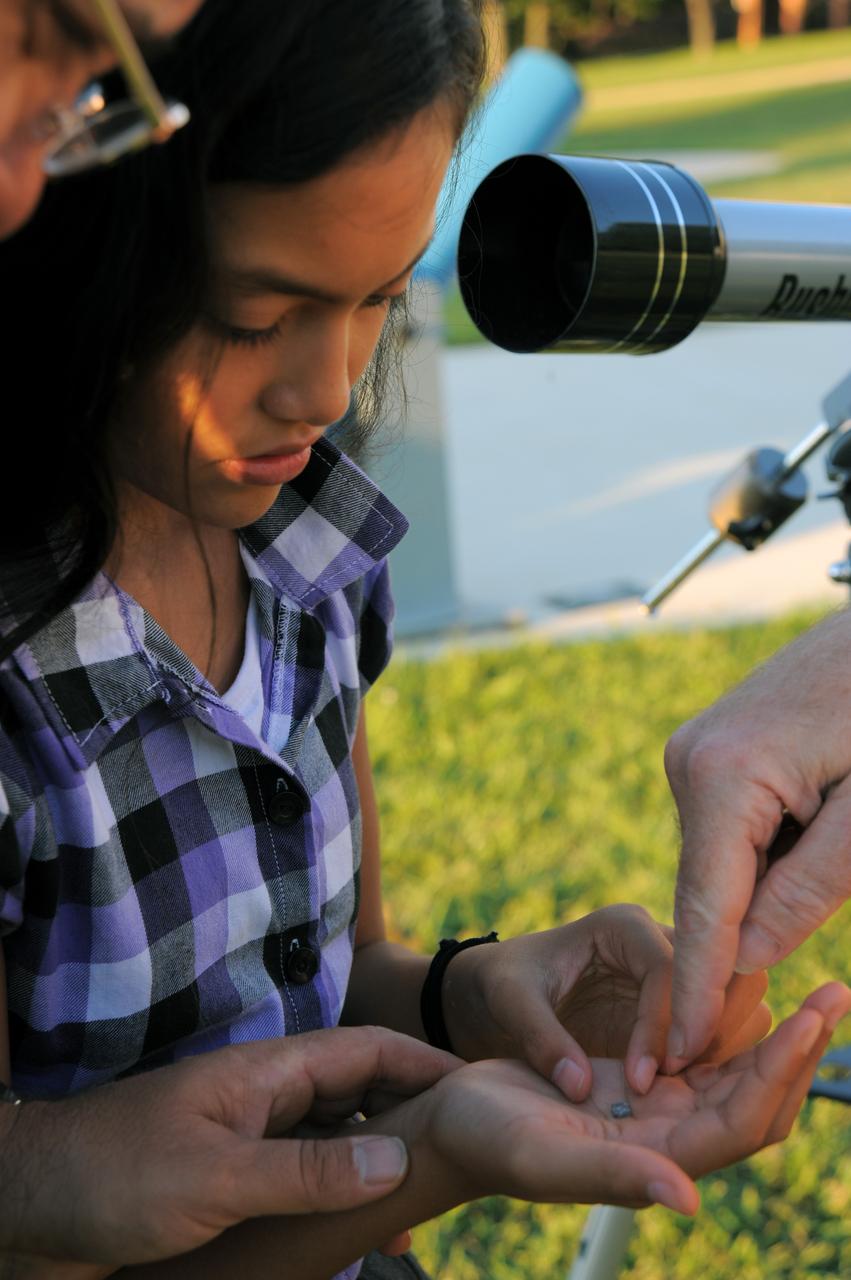
Young visitor touches a piece of moon rock at VC. Credit: NASA/GSFC/Debbie Mccallum On September 18, 2010 the world joined the NASA Goddard Space Flight Center's Visitor Center in Greenbelt, Md., as well as other NASA Centers to celebrate the first annual International Observe the Moon Night (InOMN). To read more go to: <a href="http://www.nasa.gov/centers/goddard/news/features/2010/moon-night.html" rel="nofollow">www.nasa.gov/centers/goddard/news/features/2010/moon-nigh...</a> <b><a href="http://www.nasa.gov/centers/goddard/home/index.html" rel="nofollow">NASA Goddard Space Flight Center</a></b> contributes to NASA’s mission through four scientific endeavors: Earth Science, Heliophysics, Solar System Exploration, and Astrophysics. Goddard plays a leading role in NASA’s endeavors by providing compelling scientific knowledge to advance the Agency’s mission. <b>Follow us on <a href="http://twitter.com/NASA_GoddardPix" rel="nofollow">Twitter</a></b> <b>Join us on <a href="http://www.facebook.com/pages/Greenbelt-MD/NASA-Goddard/395013845897?ref=tsd" rel="nofollow">Facebook</a></b>
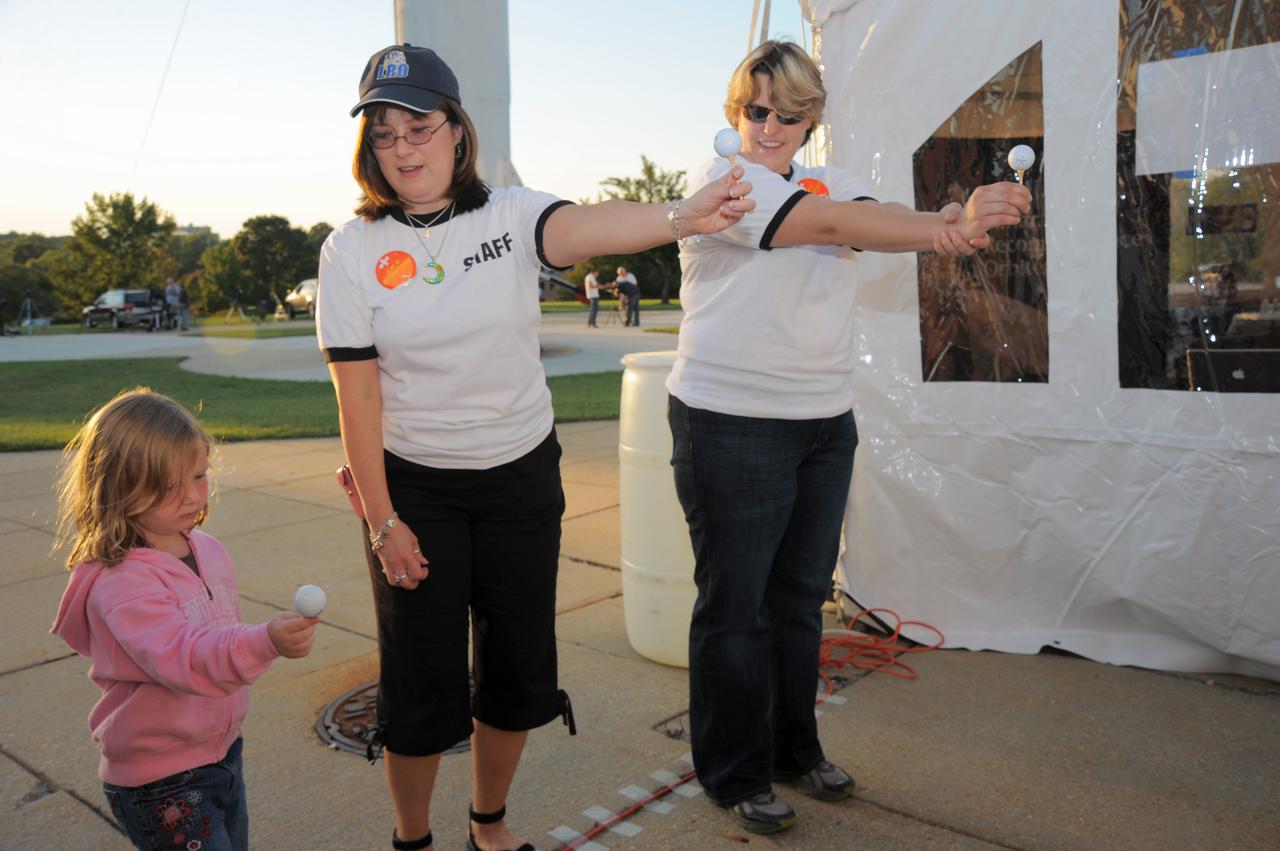
Cathie Peddie - Deputy Project Manager LRO (center) shows a young visitor shadows demo. Credit: NASA/GSFC/Debbie Mccallum On September 18, 2010 the world joined the NASA Goddard Space Flight Center's Visitor Center in Greenbelt, Md., as well as other NASA Centers to celebrate the first annual International Observe the Moon Night (InOMN). To read more go to: <a href="http://www.nasa.gov/centers/goddard/news/features/2010/moon-night.html" rel="nofollow">www.nasa.gov/centers/goddard/news/features/2010/moon-nigh...</a> <b><a href="http://www.nasa.gov/centers/goddard/home/index.html" rel="nofollow">NASA Goddard Space Flight Center</a></b> contributes to NASA’s mission through four scientific endeavors: Earth Science, Heliophysics, Solar System Exploration, and Astrophysics. Goddard plays a leading role in NASA’s endeavors by providing compelling scientific knowledge to advance the Agency’s mission. <b>Follow us on <a href="http://twitter.com/NASA_GoddardPix" rel="nofollow">Twitter</a></b> <b>Join us on <a href="http://www.facebook.com/pages/Greenbelt-MD/NASA-Goddard/395013845897?ref=tsd" rel="nofollow">Facebook</a></b>
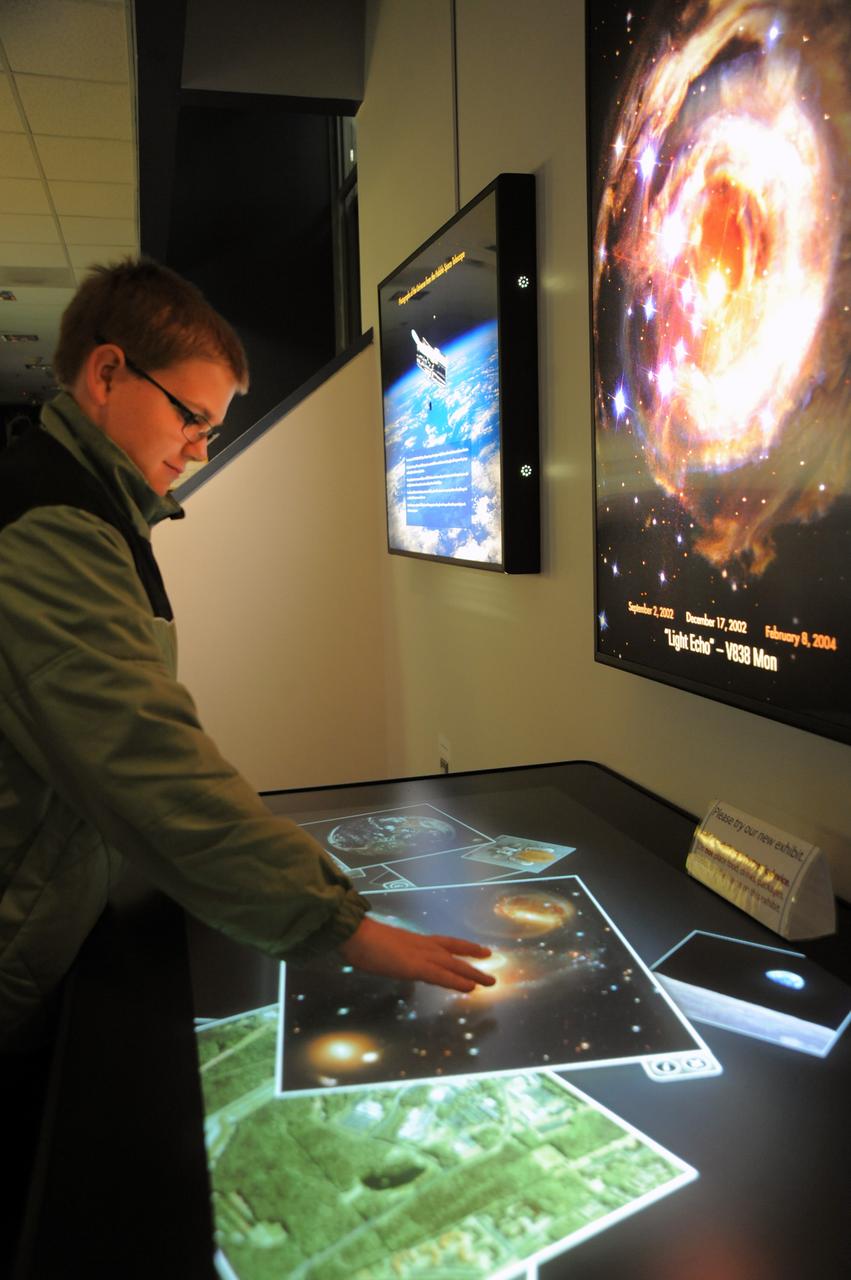
Visitor at touch display at VC. Credit: NASA/GSFC/Debbie Mccallum On September 18, 2010 the world joined the NASA Goddard Space Flight Center's Visitor Center in Greenbelt, Md., as well as other NASA Centers to celebrate the first annual International Observe the Moon Night (InOMN). To read more go to: <a href="http://www.nasa.gov/centers/goddard/news/features/2010/moon-night.html" rel="nofollow">www.nasa.gov/centers/goddard/news/features/2010/moon-nigh...</a> <b><a href="http://www.nasa.gov/centers/goddard/home/index.html" rel="nofollow">NASA Goddard Space Flight Center</a></b> contributes to NASA’s mission through four scientific endeavors: Earth Science, Heliophysics, Solar System Exploration, and Astrophysics. Goddard plays a leading role in NASA’s endeavors by providing compelling scientific knowledge to advance the Agency’s mission. <b>Follow us on <a href="http://twitter.com/NASA_GoddardPix" rel="nofollow">Twitter</a></b> <b>Join us on <a href="http://www.facebook.com/pages/Greenbelt-MD/NASA-Goddard/395013845897?ref=tsd" rel="nofollow">Facebook</a></b>
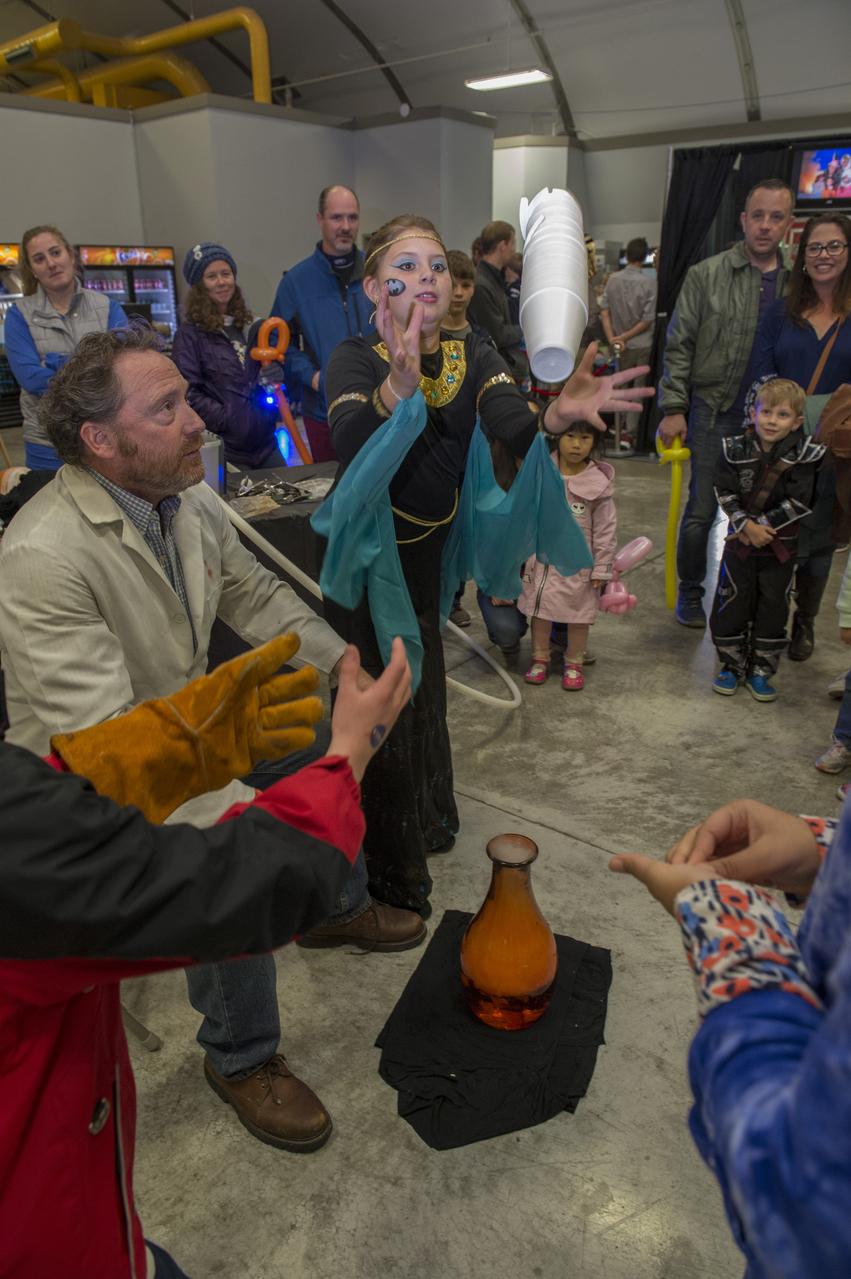
A volunteer assists an eager participant at International Observe the Moon Night Oct. 28 at the U.S. Space & Rocket Center. The event, hosted by the Planetary Missions Program at NASA's Marshall Space Flight Center, encourages observation and appreciation of the Moon and its connection to NASA planetary science and exploration, as well as our cultural and personal connections to it. Children attending the event had the opportunity to participate in planetary, science-based, hands-on activities
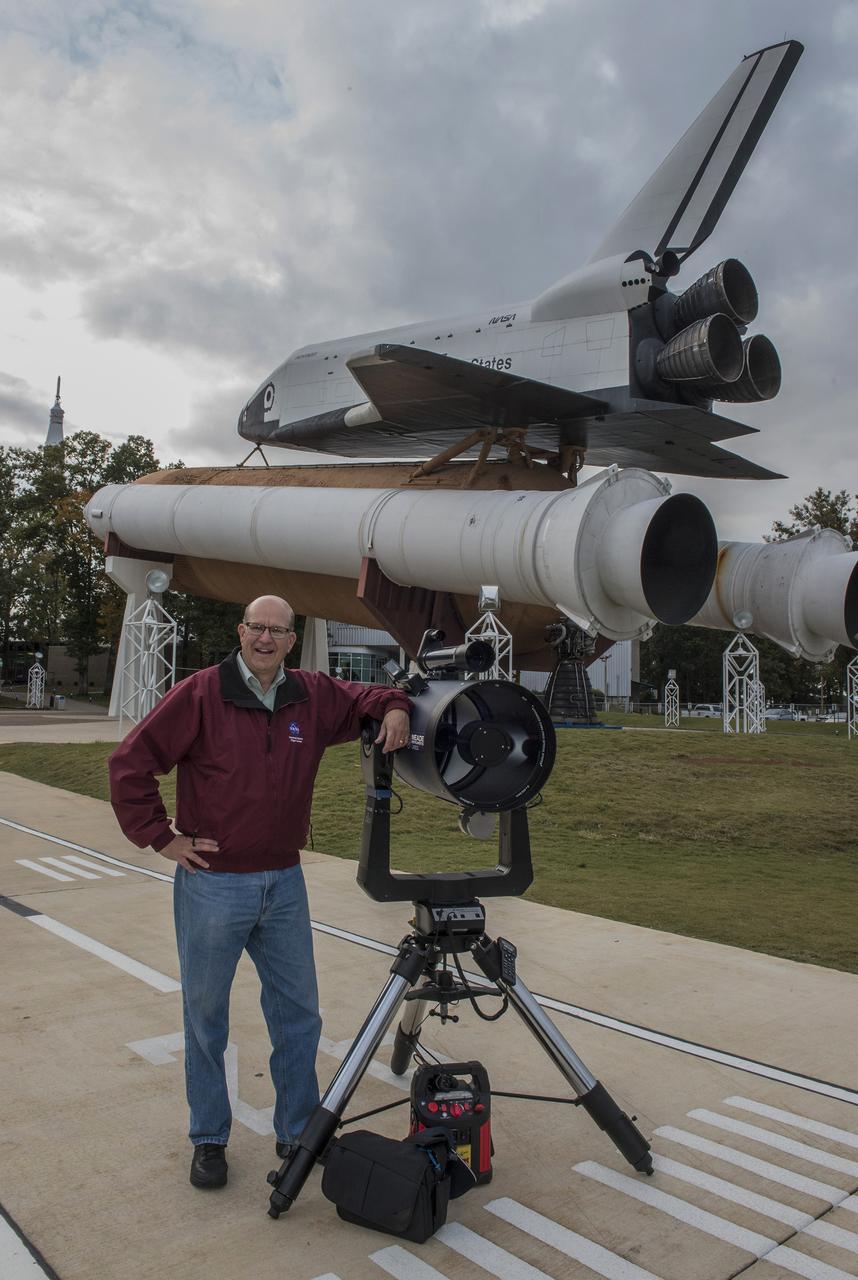
Volunteer Billy Hix with his telescope at International Observe the Moon Night. The event, hosted by the Planetary Missions Program at NASA's Marshall Space Flight Center, encourages observation and appreciation of the Moon and its connection to NASA planetary science and exploration, as well as our cultural and personal connections to it. Children attending the event had the opportunity to participate in planetary, science-based, hands-on activities
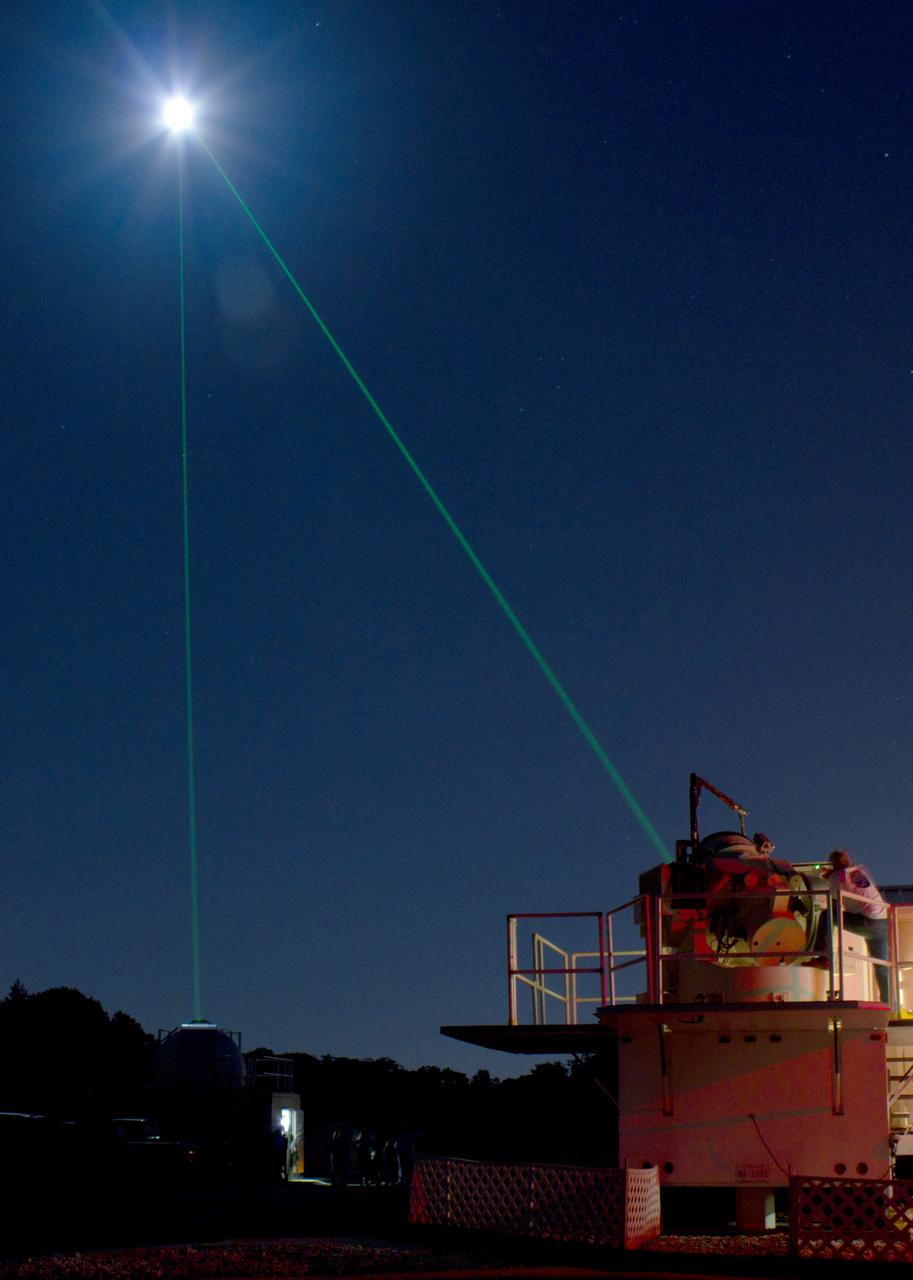
Goddard's Laser Ranging Facility directs a laser toward the Lunar Reconassaince Orbiter on International Observe the Moon Night. (Sept 18, 2010) Background on laser ranging: <a href="http://www.nasa.gov/mission_pages/LRO/news/LRO_lr.html" rel="nofollow">www.nasa.gov/mission_pages/LRO/news/LRO_lr.html</a> Information on inOMN <a href="http://www.nasa.gov/centers/goddard/news/features/2010/moon-night.html" rel="nofollow">www.nasa.gov/centers/goddard/news/features/2010/moon-nigh...</a> Credit: NASA/GSFC <b><a href="http://www.nasa.gov/centers/goddard/home/index.html" rel="nofollow">NASA Goddard Space Flight Center</a></b> contributes to NASA’s mission through four scientific endeavors: Earth Science, Heliophysics, Solar System Exploration, and Astrophysics. Goddard plays a leading role in NASA’s endeavors by providing compelling scientific knowledge to advance the Agency’s mission. <b>Follow us on <a href="http://twitter.com/NASA_GoddardPix" rel="nofollow">Twitter</a></b> <b>Join us on <a href="http://www.facebook.com/pages/Greenbelt-MD/NASA-Goddard/395013845897?ref=tsd" rel="nofollow">Facebook</a></b>
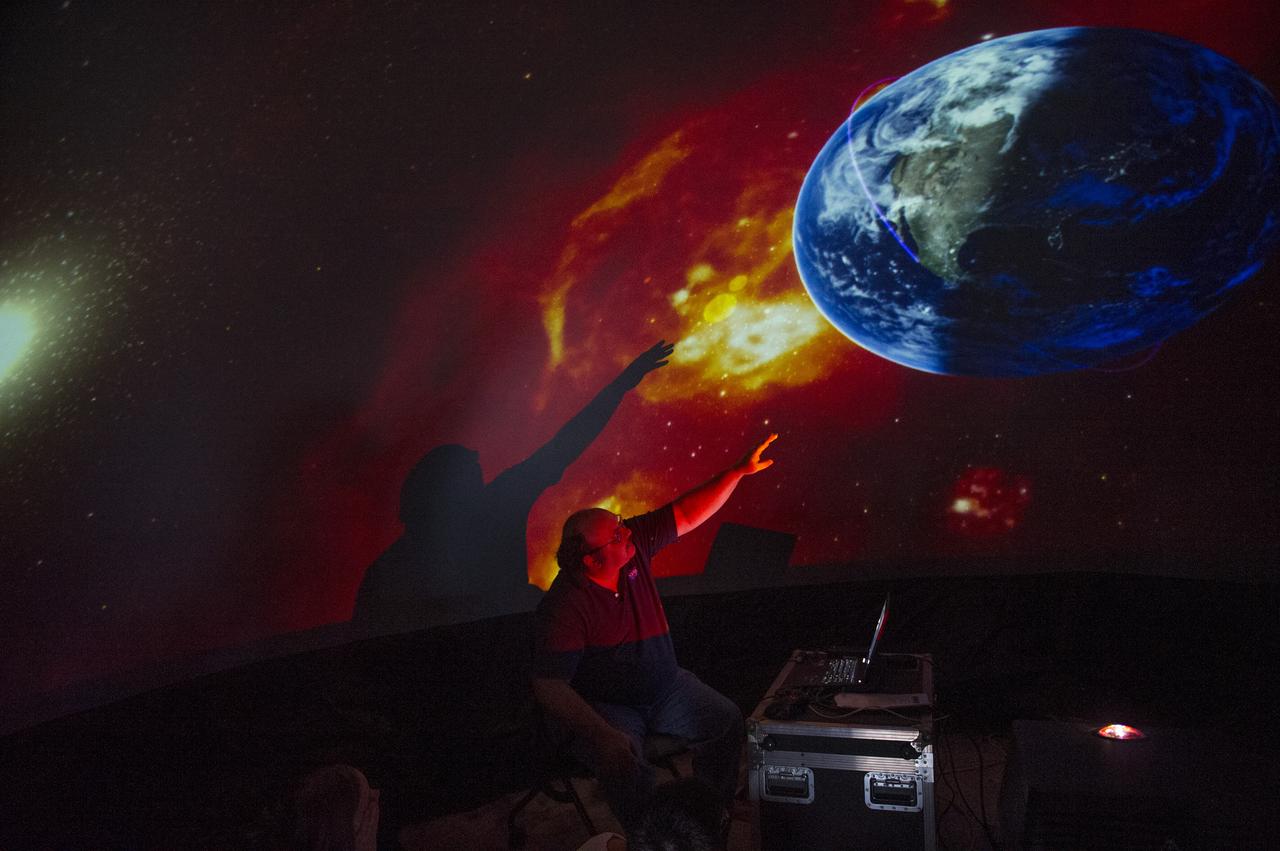
DR. BILL COOKE, LEAD OF MARSHALL'S METEOROID ENVIRONMENTS OFFICE, TOOK VISITORS ON A TOUR OF THE SOLAR SYSTEM IN ONE OF TWO INFLATABLE PLANETARIUMS FEATURED AT THE INTERNATIONAL OBSERVE THE MOON NIGHT AT NASA'S EDUCATION TRAINING FACILITY ON 9/22/12.
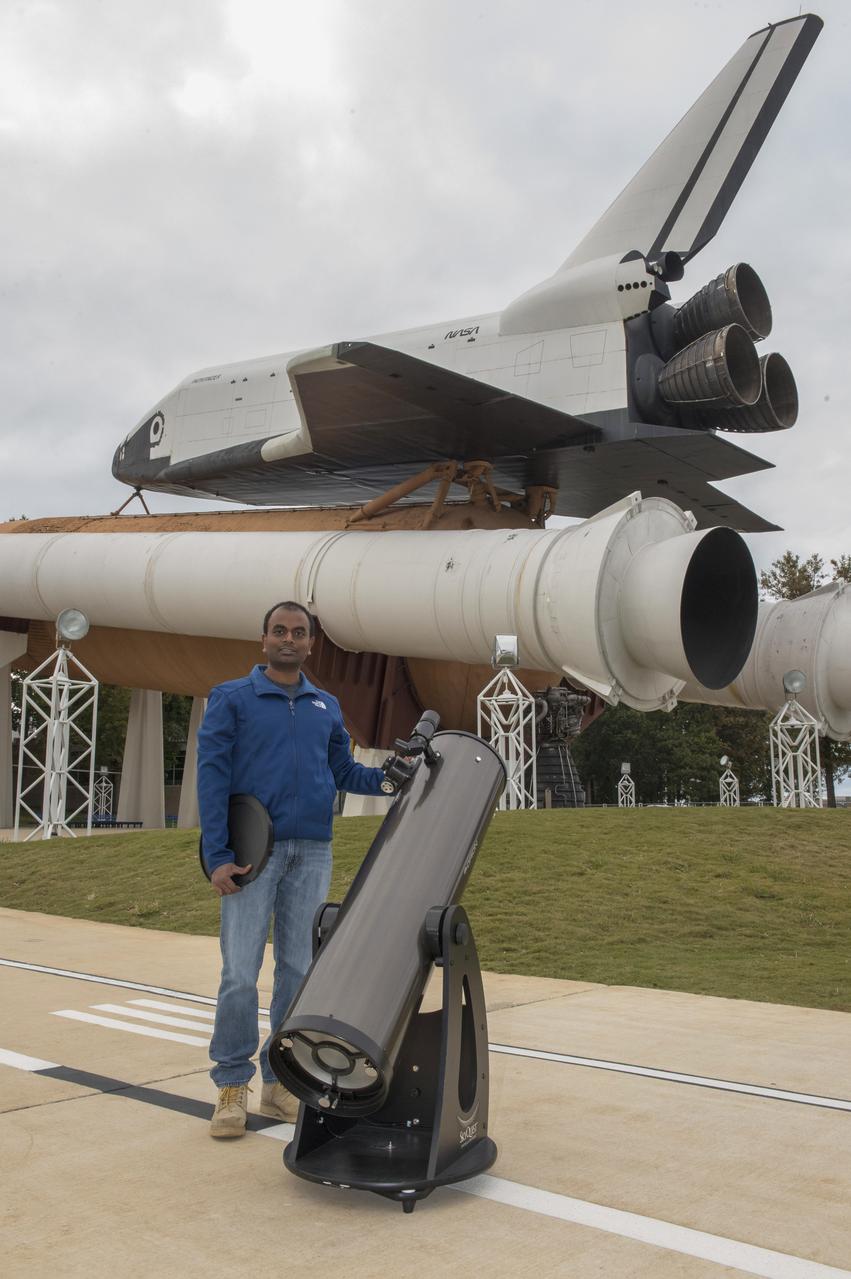
Marshall engineer Naveen Vetcha with his telescope. The event, hosted by the Planetary Missions Program at NASA's Marshall Space Flight Center, encourages observation and appreciation of the Moon and its connection to NASA planetary science and exploration, as well as our cultural and personal connections to it. Children attending the event had the opportunity to participate in planetary, science-based, hands-on activities
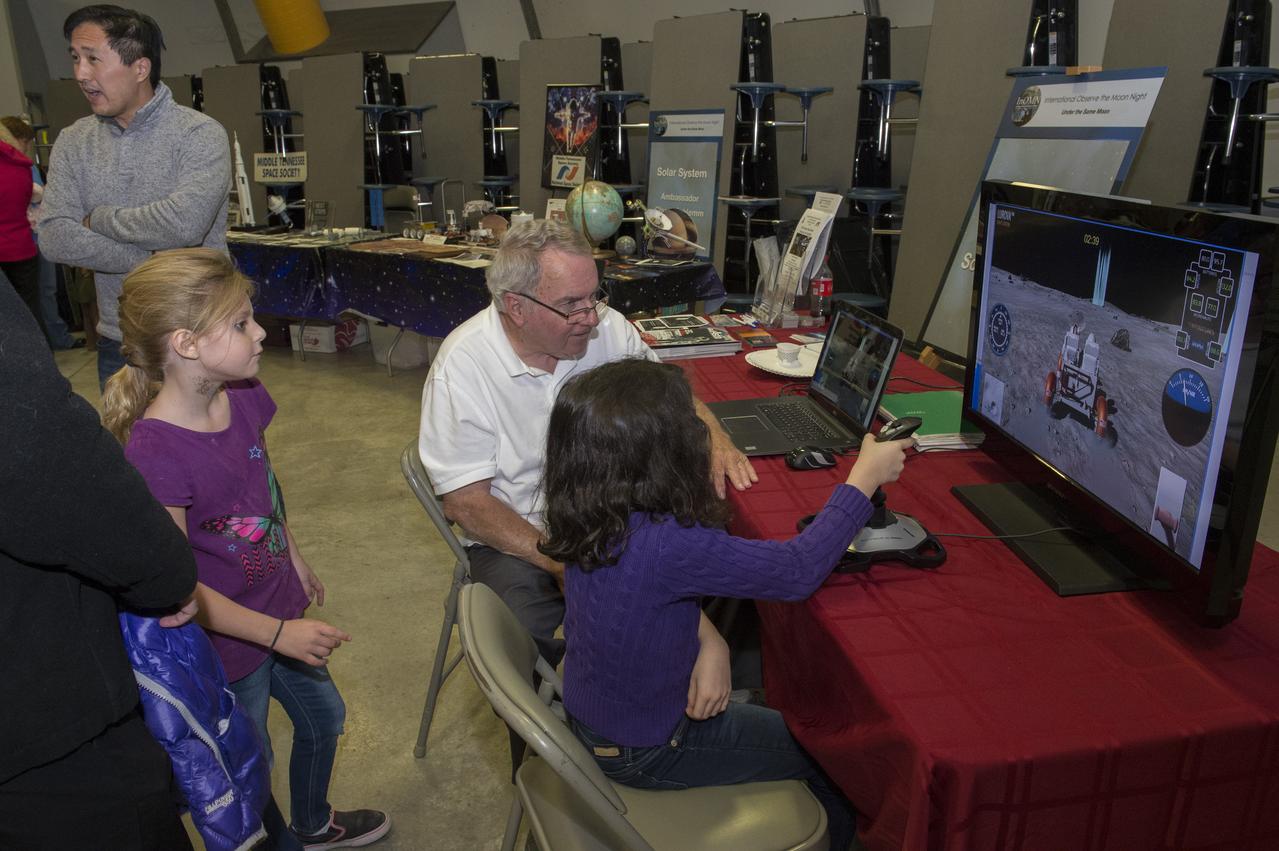
Marshall Space Flight Center retiree Ron Creel with young participant at LUROVA exhibit. The event, hosted by the Planetary Missions Program at NASA's Marshall Space Flight Center, encourages observation and appreciation of the Moon and its connection to NASA planetary science and exploration, as well as our cultural and personal connections to it. Children attending the event had the opportunity to participate in planetary, science-based, hands-on activities
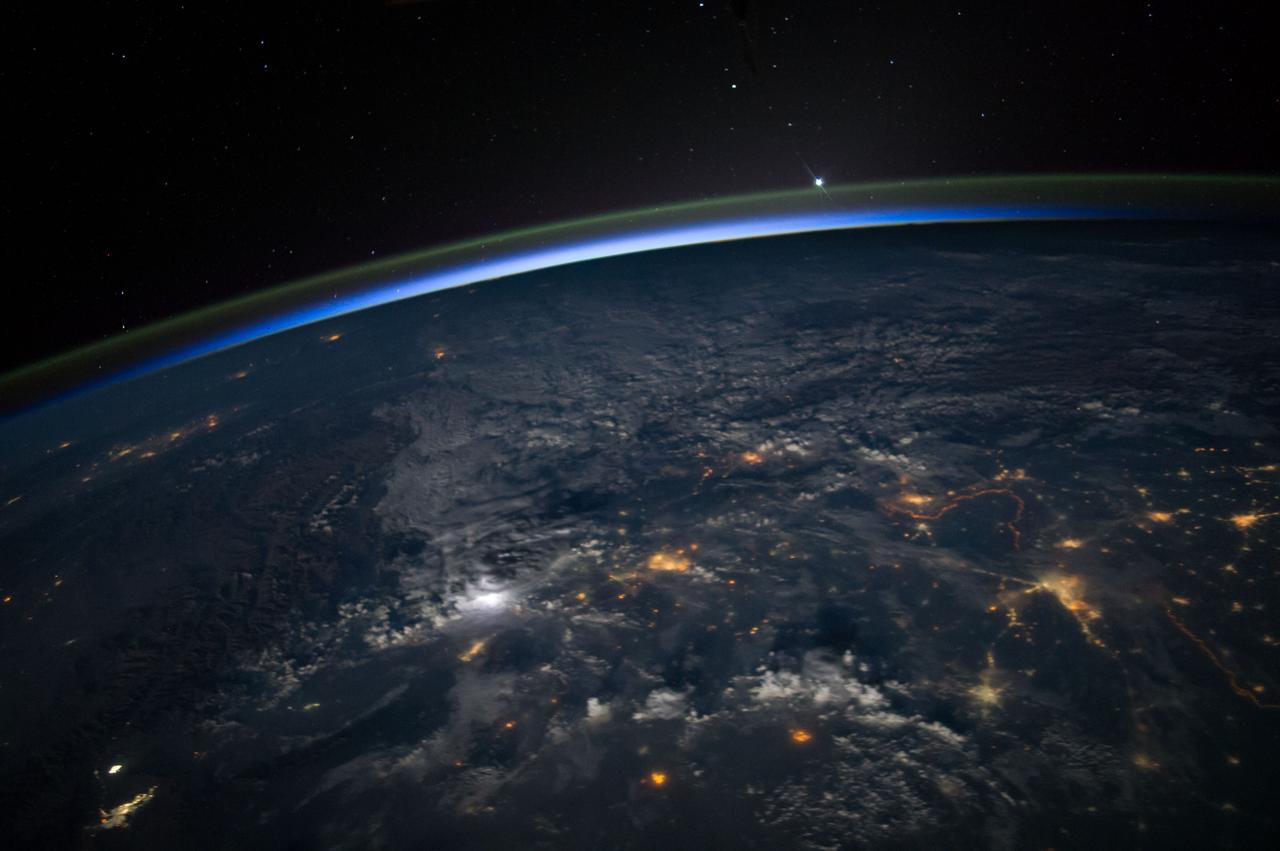
Earth Observation taken during a night pass by the Expedition 40 crew aboard the International Space Station (ISS). Folder lists this as: night pass over India with a bright moon and thunderstorms.
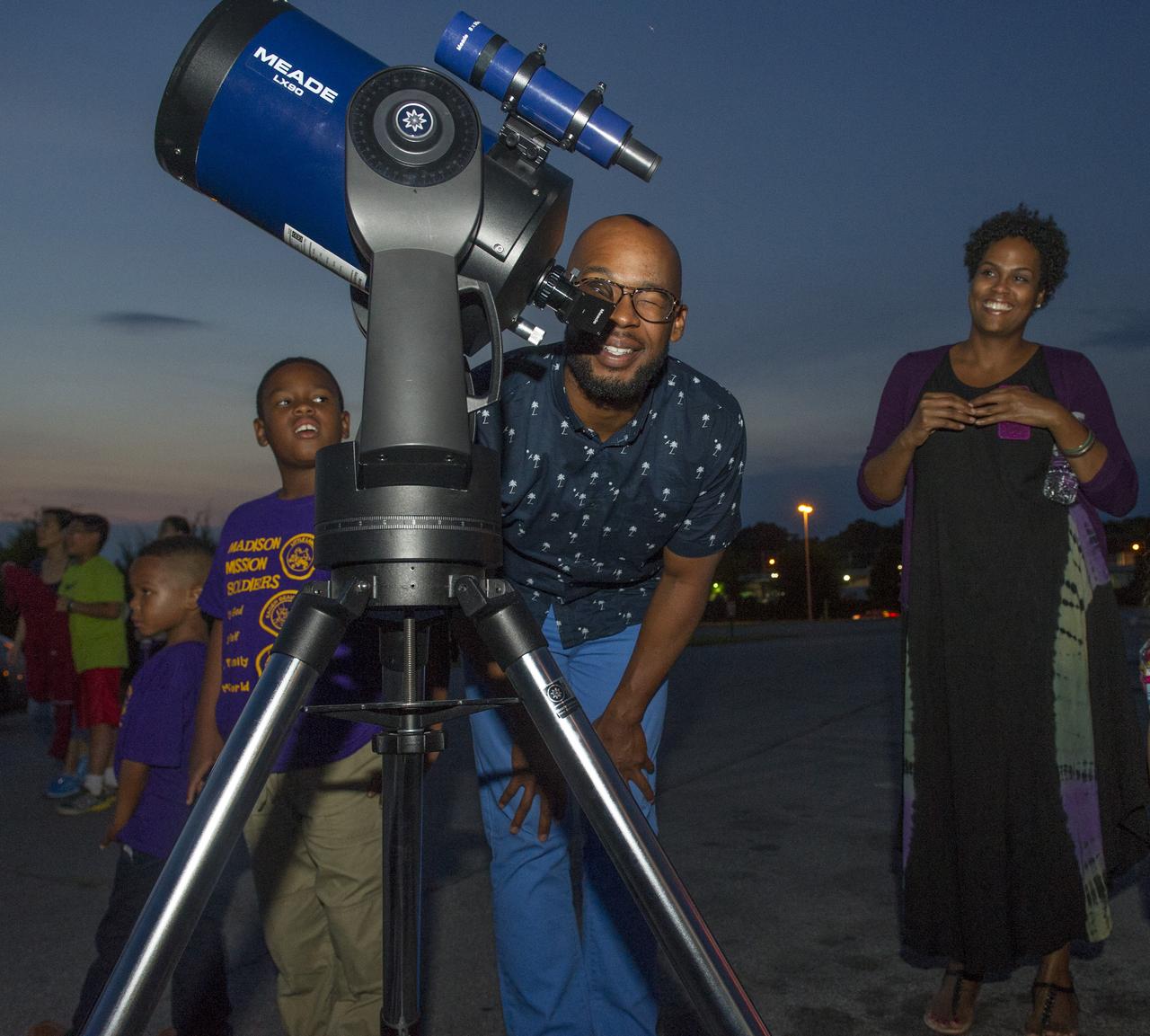
CAMILLE WILLIAMS, CS20, AND FAMILY VIEW THE MOON THROUGH TELESCOPE PROVIDED BY VON BRAUN ASTRONOMICAL SOCIETY AT INTERNATIONAL “OBSERVE THE MOON” NIGHT EVENT – USSRC DAVIDSON CENTER
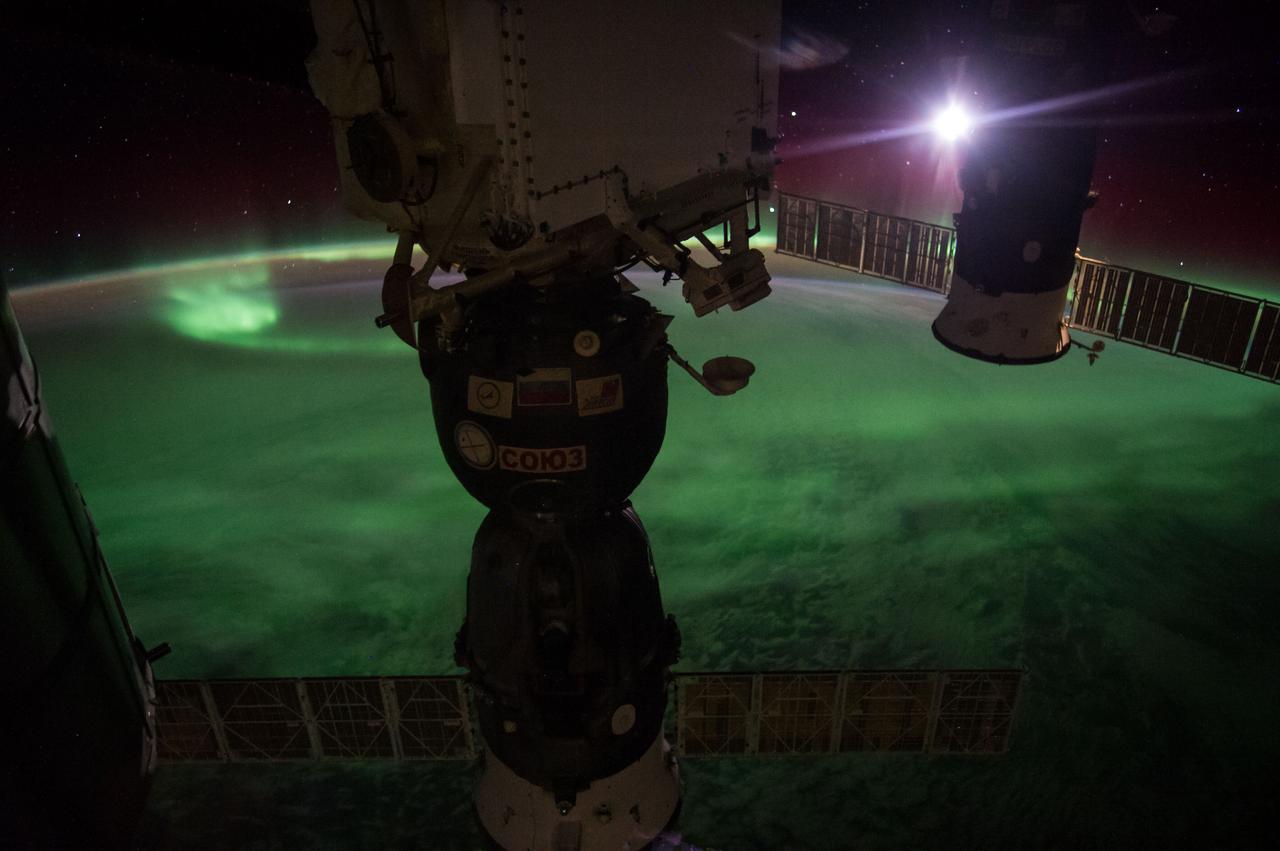
Earth Observation taken during a night pass by the Expedition 40 crew aboard the International Space Station (ISS). Folder lists this as: New Zealand Aurora night pass. Docked Soyuz and Progress spacecraft are visible. On crewmember's Flickr page - The Moon, about to dive into a glowing ocean of green᥿9.
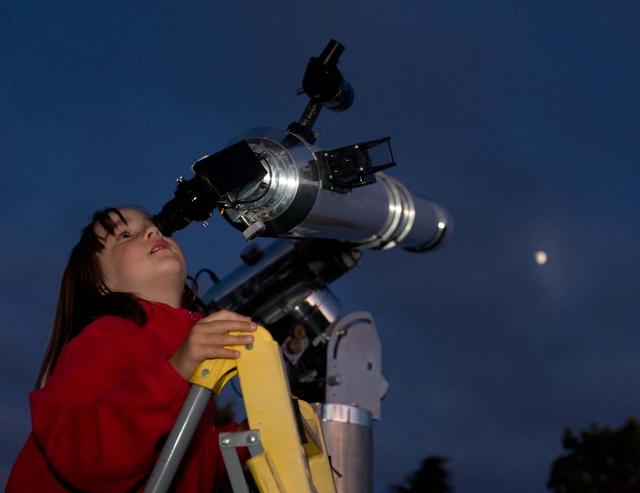
International Year of Asronomy 'Observe the Moon Night' public event on Shenandoah Plaza, located in NASA Research Park at NASA's Ames Research Center, Moffett Field, Calif. The moon observation eent featured dozens of telescopes set up by local amateur astronomers and astronomy clubs for the public to view the surface o the moon and other celestial objects. NASA experts will be on hand to provide information about NASA's plans for lunar exploration, including the recently launch Lunar Crater Observation Sensing Satellite (LCROSS) and Lunar Reconnaissance Obriter (LRO) missions.

International Year of Asronomy 'Observe the Moon Night' public event on Shenandoah Plaza, located in NASA Research Park at NASA's Ames Research Center, Moffett Field, Calif. The moon observation eent featured dozens of telescopes set up by local amateur astronomers and astronomy clubs for the public to view the surface o the moon and other celestial objects. NASA experts will be on hand to provide information about NASA's plans for lunar exploration, including the recently launch Lunar Crater Observation Sensing Satellite (LCROSS) and Lunar Reconnaissance Obriter (LRO) missions.
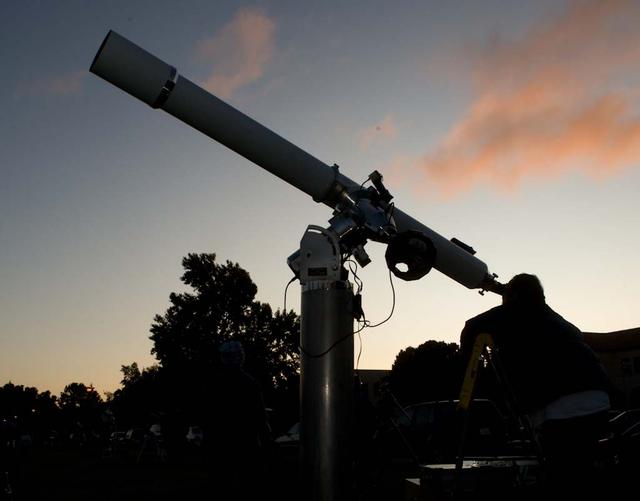
International Year of Asronomy 'Observe the Moon Night' public event on Shenandoah Plaza, located in NASA Research Park at NASA's Ames Research Center, Moffett Field, Calif. The moon observation eent featured dozens of telescopes set up by local amateur astronomers and astronomy clubs for the public to view the surface o the moon and other celestial objects. NASA experts will be on hand to provide information about NASA's plans for lunar exploration, including the recently launch Lunar Crater Observation Sensing Satellite (LCROSS) and Lunar Reconnaissance Obriter (LRO) missions.
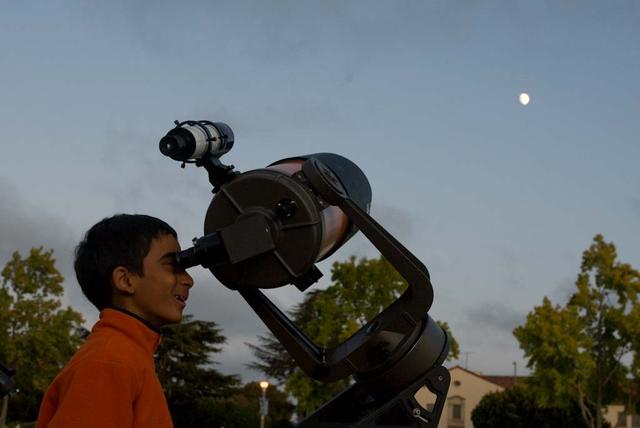
International Year of Asronomy 'Observe the Moon Night' public event on Shenandoah Plaza, located in NASA Research Park at NASA's Ames Research Center, Moffett Field, Calif. The moon observation eent featured dozens of telescopes set up by local amateur astronomers and astronomy clubs for the public to view the surface o the moon and other celestial objects. NASA experts will be on hand to provide information about NASA's plans for lunar exploration, including the recently launch Lunar Crater Observation Sensing Satellite (LCROSS) and Lunar Reconnaissance Obriter (LRO) missions.
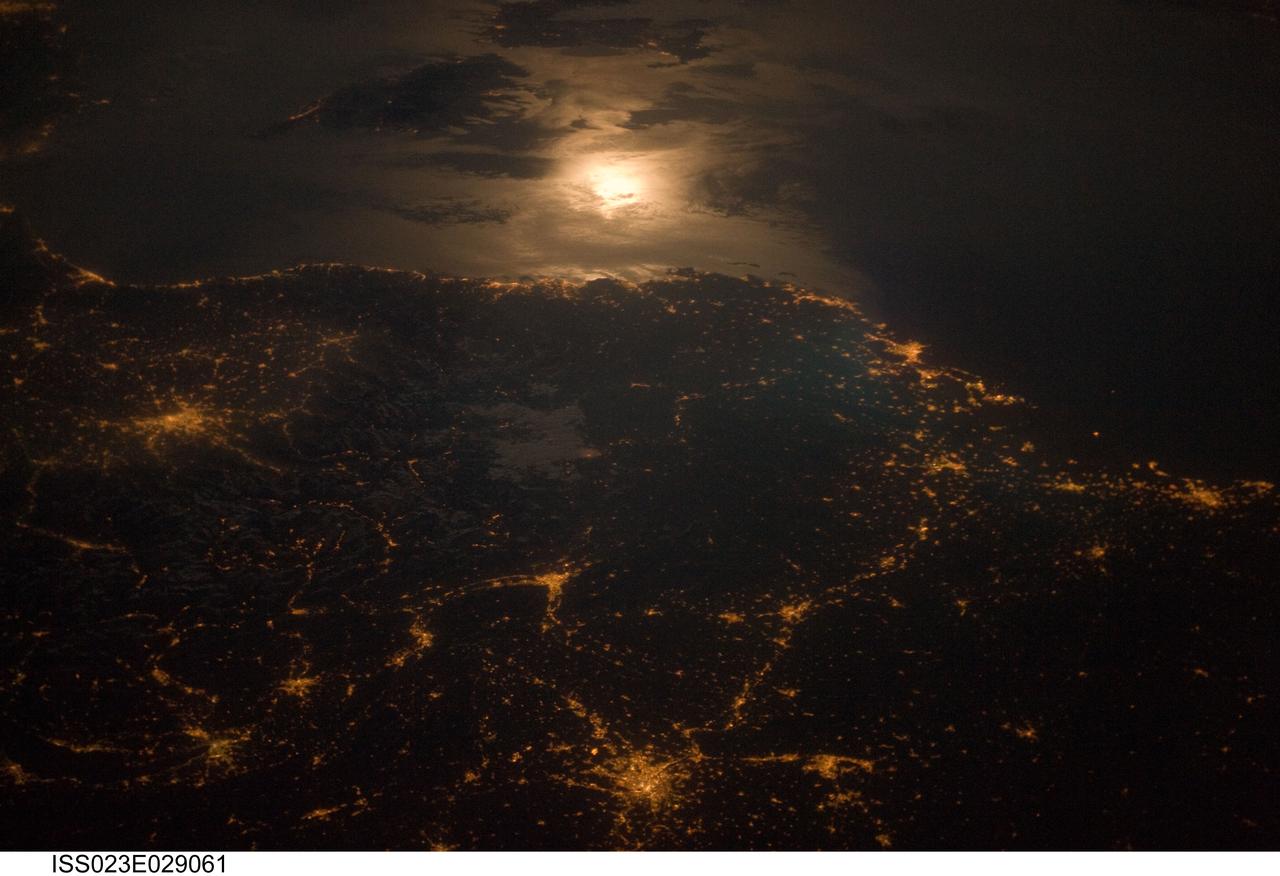
ISS023-E-029061 (28 April 2010) --- City lights at night along the France-Italy border, Europe are featured in this image photographed by an Expedition 23 crew member on the International Space Station (ISS). The brightly lit metropolitan areas of Torino (Italy), Lyon, and Marseille (both in France) stand out amidst numerous smaller urban areas in this dramatic photograph. The image captures the night time appearance of the France-Italy border area between the mountainous Alps to the north (not shown) and the island of Corsica in the Ligurian Sea to the south (top). The full moon reflects brightly on the water surface and also illuminates the tops of low patchy clouds over the border (center). This image was taken by an ISS crew member at approximately 11:55 p.m. local time when the station was located over the France-Belgium border near Luxembourg. Crew members orbiting Earth frequently collect images that include sunglint, or sunlight that reflects off a water surface at such an angle that it travels directly back towards the observer. Sunglint typically lends a mirror-like appearance to the water surface. During clear sky conditions reflected light from the moon can produce the same effect (moon glint) as illustrated in this view. The observer was looking towards the southeast at an oblique viewing angle at the time the image was taken; in other words, looking outwards from the ISS, not straight down towards Earth.
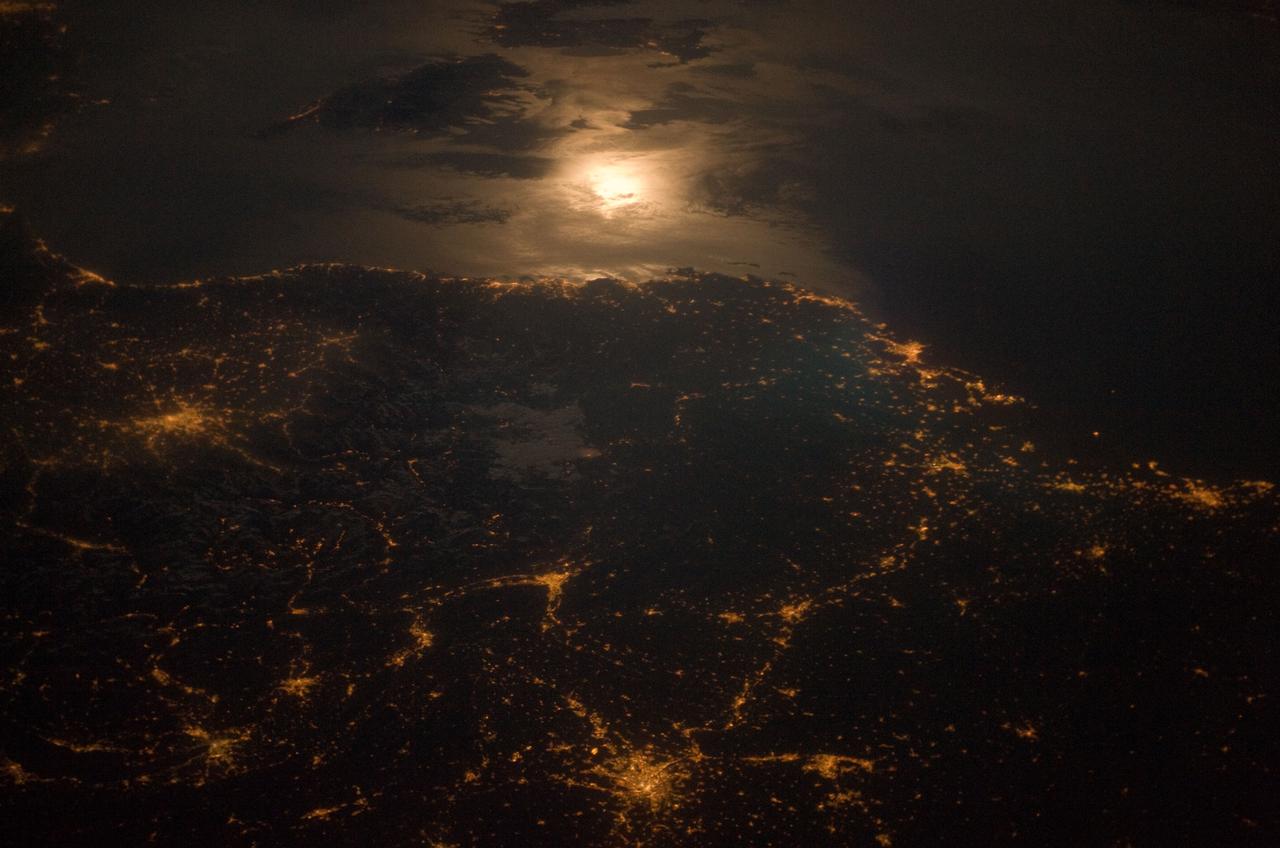
City lights at night along the France-Italy border, Europe are featured in this image photographed by an Expedition 23 crew member on the International Space Station (ISS). The brightly lit metropolitan areas of Torino (Italy), Lyon, and Marseille (both in France) stand out amidst numerous smaller urban areas in this dramatic photograph. The image captures the night time appearance of the France-Italy border area between the mountainous Alps to the north (not shown) and the island of Corsica in the Ligurian Sea to the south (top). The full moon reflects brightly on the water surface and also illuminates the tops of low patchy clouds over the border (center). This image was taken by an ISS crew member at approximately 11:55 p.m. local time when the station was located over the France-Belgium border near Luxembourg. Crew members orbiting Earth frequently collect images that include sunglint, or sunlight that reflects off a water surface at such an angle that it travels directly back towards the observer. Sunglint typically lends a mirror-like appearance to the water surface. During clear sky conditions reflected light from the moon can produce the same effect (moon glint) as illustrated in this view. The observer was looking towards the southeast at an oblique viewing angle at the time the image was taken; in other words, looking outwards from the ISS, not straight down towards Earth. Credit: NASA <b><a href="http://www.nasa.gov/audience/formedia/features/MP_Photo_Guidelines.html" rel="nofollow">NASA image use policy.</a></b> <b><a href="http://www.nasa.gov/centers/goddard/home/index.html" rel="nofollow">NASA Goddard Space Flight Center</a></b> enables NASA’s mission through four scientific endeavors: Earth Science, Heliophysics, Solar System Exploration, and Astrophysics. Goddard plays a leading role in NASA’s accomplishments by contributing compelling scientific knowledge to advance the Agency’s mission. <b>Follow us on <a href="http://twitter.com/NASAGoddardPix" rel="nofollow">Twitter</a></b> <b>Like us on <a href="http://www.facebook.com/pages/Greenbelt-MD/NASA-Goddard/395013845897?ref=tsd" rel="nofollow">Facebook</a></b> <b>Find us on <a href="http://instagram.com/nasagoddard?vm=grid" rel="nofollow">Instagram</a></b>