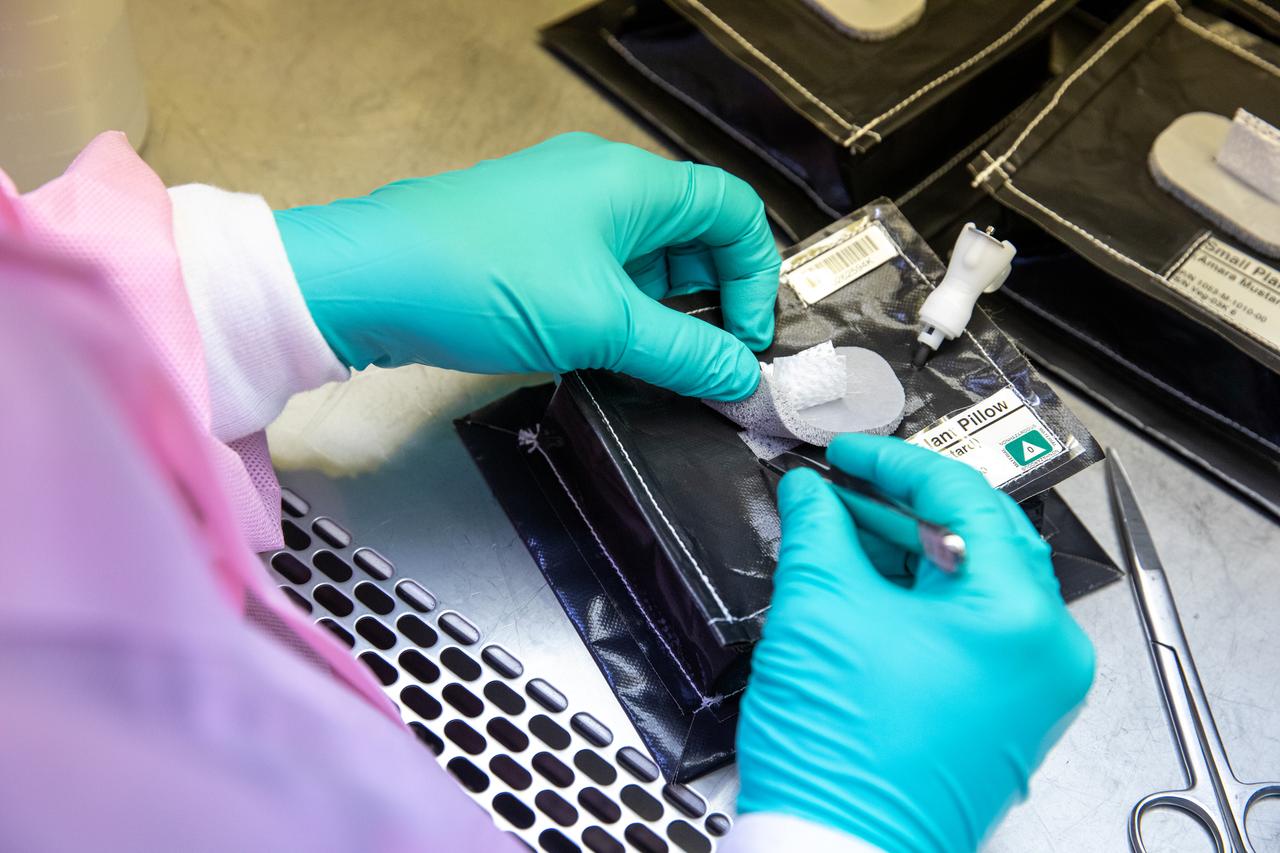
On Jan. 21, 2020, inside the Space Station Processing Facility at NASA’s Kennedy Space Center in Florida, intern Emily Kennebeck prepares plant pillows for their flight to the International Space Station. The pillows, which are a common method used to grow plants in space, are being sent to the orbiting laboratory on Northrop Grumman’s 13th resupply services (NG-13) mission for a series of VEG-03 experiments that will study the growth of three types of leafy greens in a microgravity environment. Once the pillows are assembled and packaged for flight, they will be transported to the agency’s Wallops Flight Facility in Virginia, where liftoff will occur. NG-13 is scheduled to launch on Feb. 9, 2020, at 5:39 p.m. EST.
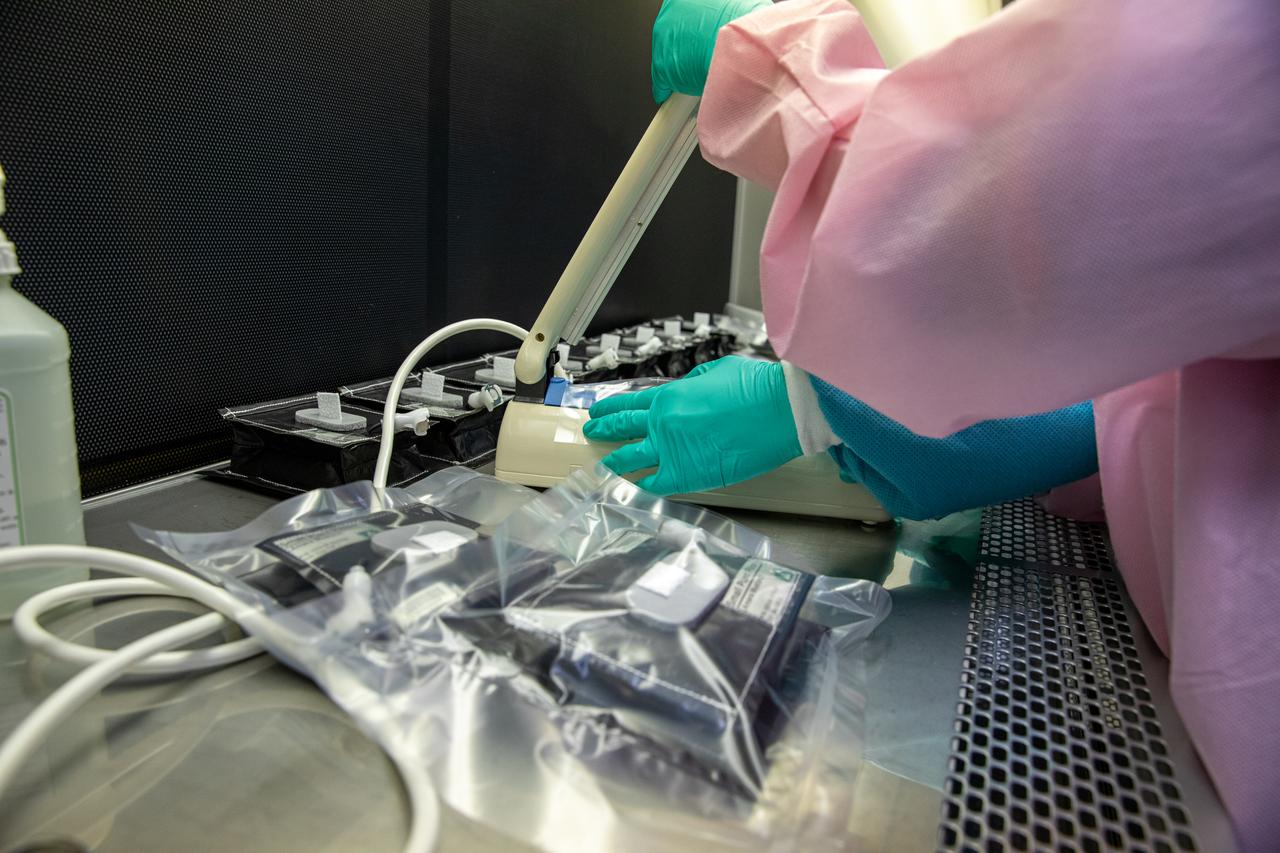
On Jan. 21, 2020, inside the Space Station Processing Facility at NASA’s Kennedy Space Center in Florida, intern Emily Kennebeck prepares plant pillows for their upcoming flight to the International Space Station. The pillows, which are a common method used to grow plants in space, are being sent to the orbiting laboratory on Northrop Grumman’s 13th resupply services (NG-13) mission for a series of VEG-03 experiments that will study the growth of three types of leafy greens in a microgravity environment. Once the pillows are assembled and packaged for flight, they will be transported to the agency’s Wallops Flight Facility in Virginia, where liftoff will occur. NG-13 is scheduled to launch on Feb. 9, 2020, at 5:39 p.m. EST.
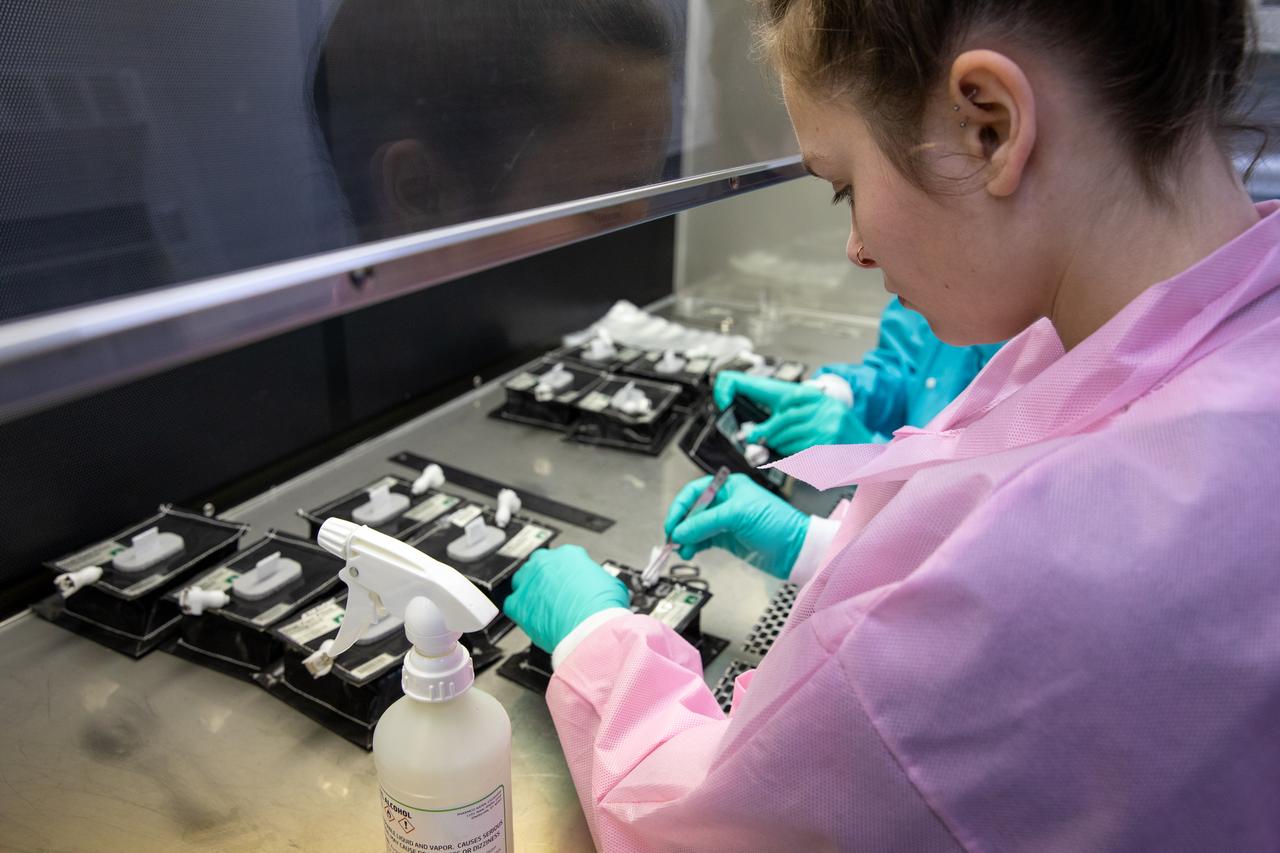
On Jan. 21, 2020, inside the Space Station Processing Facility at NASA’s Kennedy Space Center in Florida, intern Emily Kennebeck prepares plant pillows for their flight to the International Space Station. The pillows, which are a common method used to grow plants in space, are being sent to the orbiting laboratory on Northrop Grumman’s 13th resupply services (NG-13) mission for a series of VEG-03 experiments that will study the growth of three types of leafy greens in a microgravity environment. Once the pillows are assembled and packaged for flight, they will be transported to the agency’s Wallops Flight Facility in Virginia, where liftoff will occur. NG-13 is scheduled to launch on Feb. 9, 2020, at 5:39 p.m. EST.
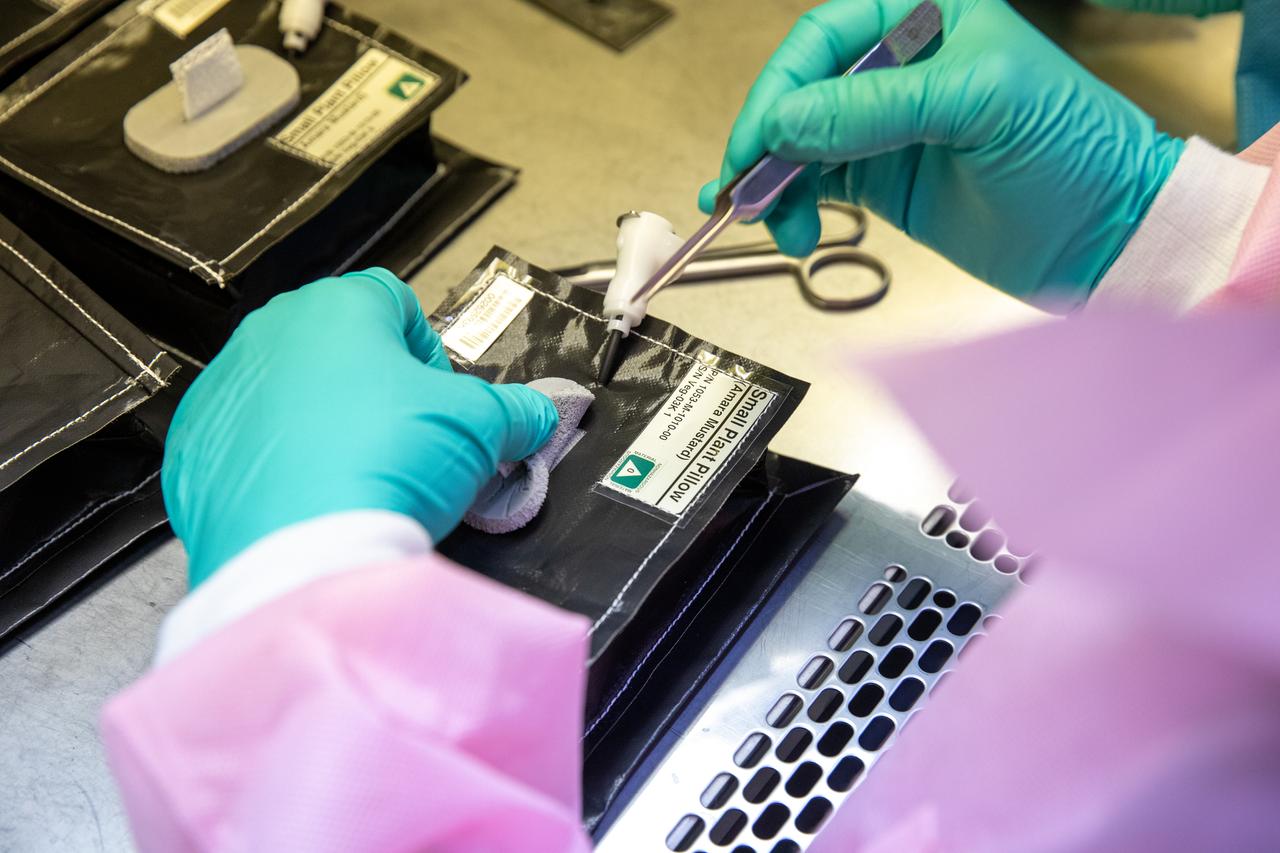
Inside the Space Station Processing Facility on Jan. 21, 2020, Emily Kennebeck, an intern at NASA’s Kennedy Space Center in Florida, prepares plant pillows for their flight to the International Space Station. The pillows, which are a common method used to grow plants in space, are being sent to the orbiting laboratory on Northrop Grumman’s 13th resupply services (NG-13) mission for a series of VEG-03 experiments that will study the growth of three types of leafy greens in a microgravity environment. Once the pillows are assembled and packaged for flight, they will be transported to the agency’s Wallops Flight Facility in Virginia, where liftoff will occur. NG-13 is scheduled to launch on Feb. 9, 2020, at 5:39 p.m. EST.
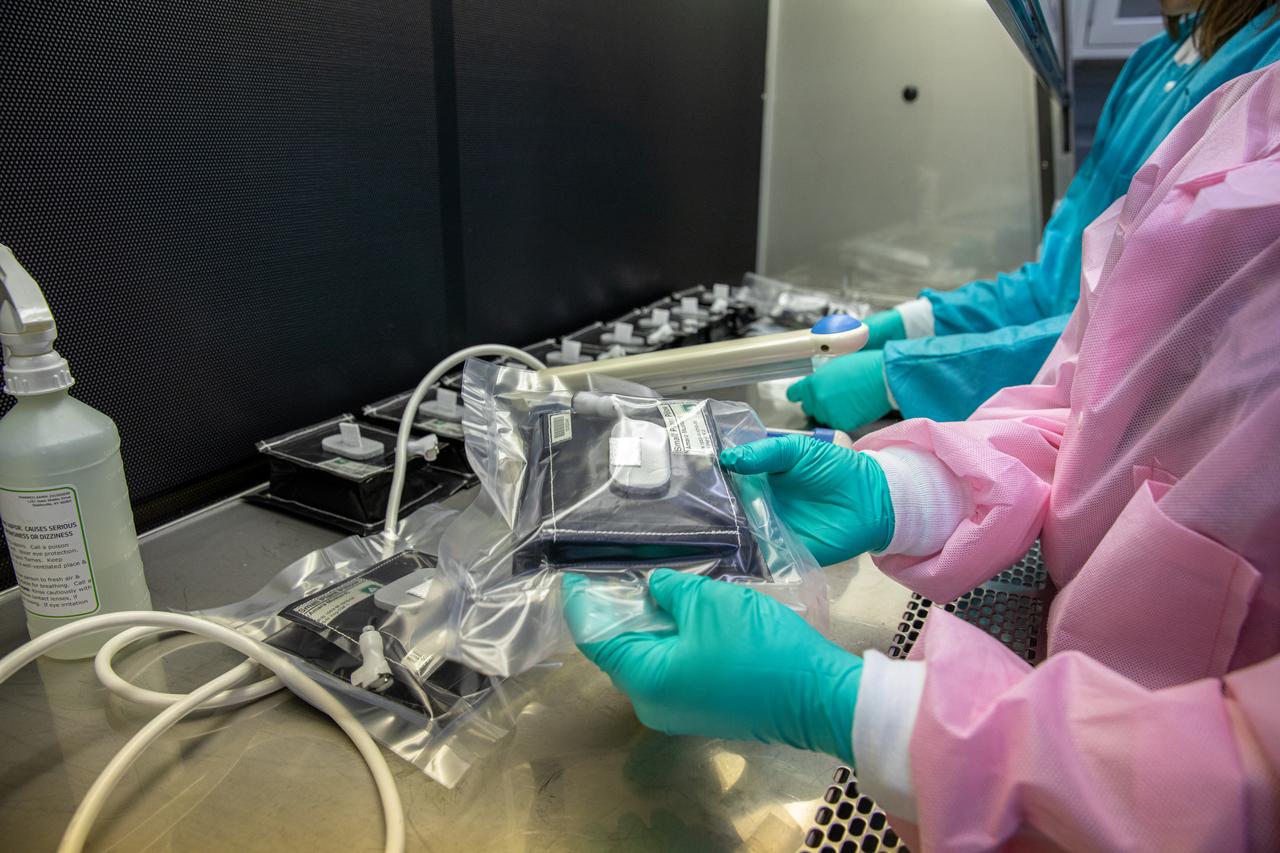
On Jan. 21, 2020, inside the Space Station Processing Facility at NASA’s Kennedy Space Center in Florida, intern Emily Kennebeck prepares plant pillows for their upcoming flight to the International Space Station. The pillows, which are a common method used to grow plants in space, are being sent to the orbiting laboratory on Northrop Grumman’s 13th resupply services (NG-13) mission for a series of VEG-03 experiments that will study the growth of three types of leafy greens in a microgravity environment. Once the pillows are assembled and packaged for flight, they will be transported to the agency’s Wallops Flight Facility in Virginia, where liftoff will occur. NG-13 is scheduled to launch on Feb. 9, 2020, at 5:39 p.m. EST.
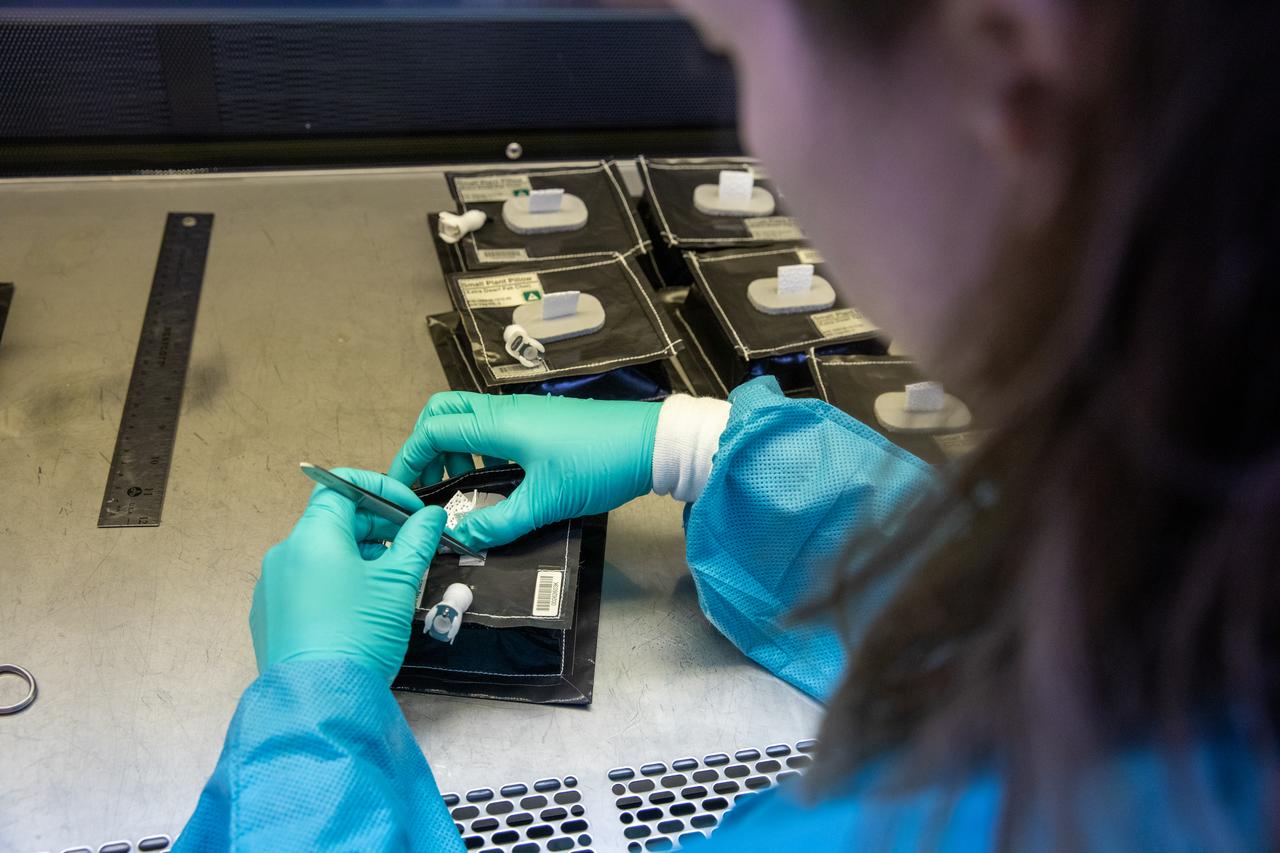
Inside the Space Station Processing Facility on Jan. 21, 2020, Jess Bunchek, a pseudonaut and associate scientist at NASA’s Kennedy Space Center in Florida, prepares plant pillows for their flight to the International Space Station. The pillows, which are a common method used to grow plants in space, are being sent to the orbiting laboratory on Northrop Grumman’s 13th resupply services (NG-13) mission for a series of VEG-03 experiments that will study the growth of three types of leafy greens in a microgravity environment. Once the pillows are assembled and packaged for flight, they will be transported to the agency’s Wallops Flight Facility in Virginia, where liftoff will occur. NG-13 is scheduled to launch on Feb. 9, 2020, at 5:39 p.m. EST.
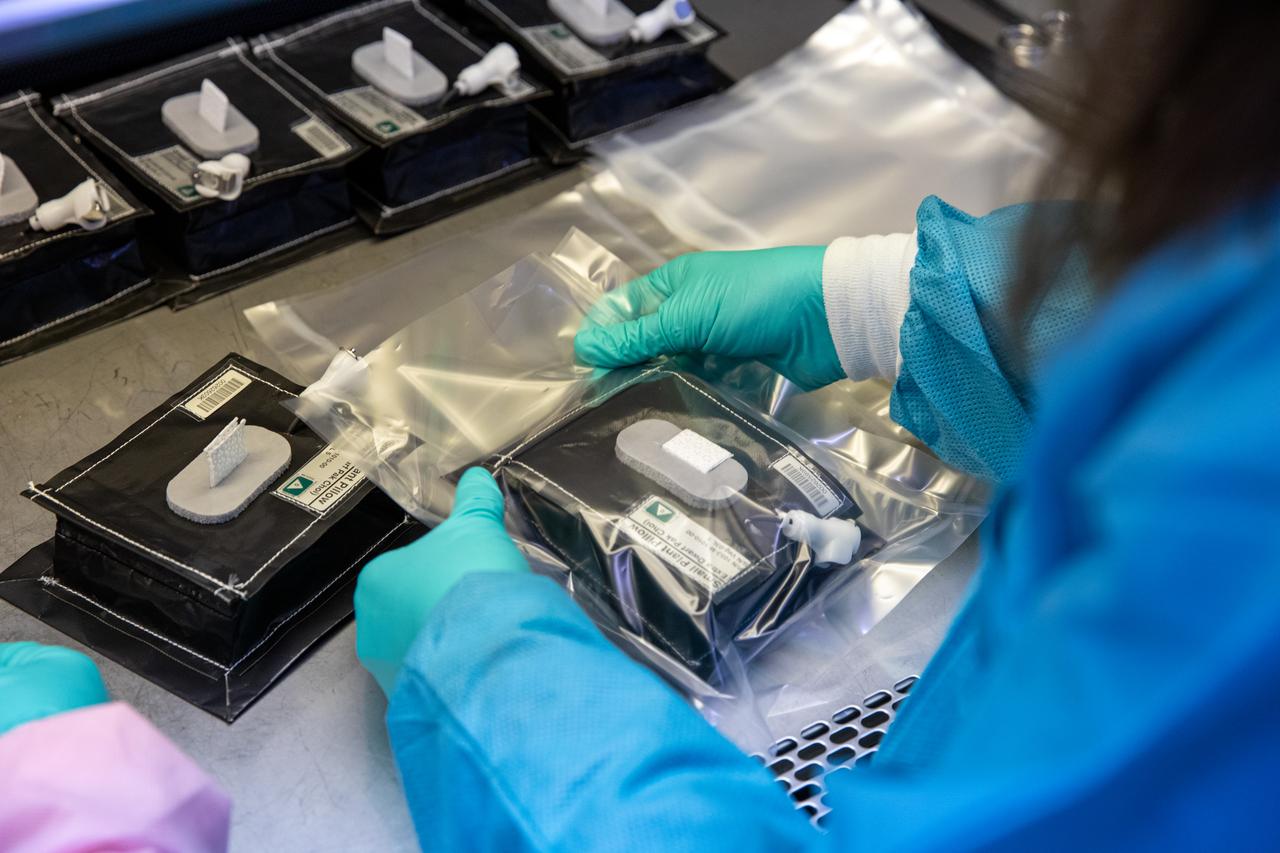
Inside the Space Station Processing Facility on Jan. 21, 2020, Jess Bunchek, a pseudonaut and associate scientist at NASA’s Kennedy Space Center in Florida, prepares plant pillows for their flight to the International Space Station. The pillows, which are a common method used to grow plants in space, are being sent to the orbiting laboratory on Northrop Grumman’s 13th resupply services (NG-13) mission for a series of VEG-03 experiments that will study the growth of three types of leafy greens in a microgravity environment. Once the pillows are assembled and packaged for flight, they will be transported to the agency’s Wallops Flight Facility in Virginia, where liftoff will occur. NG-13 is scheduled to launch on Feb. 9, 2020, at 5:39 p.m. EST.
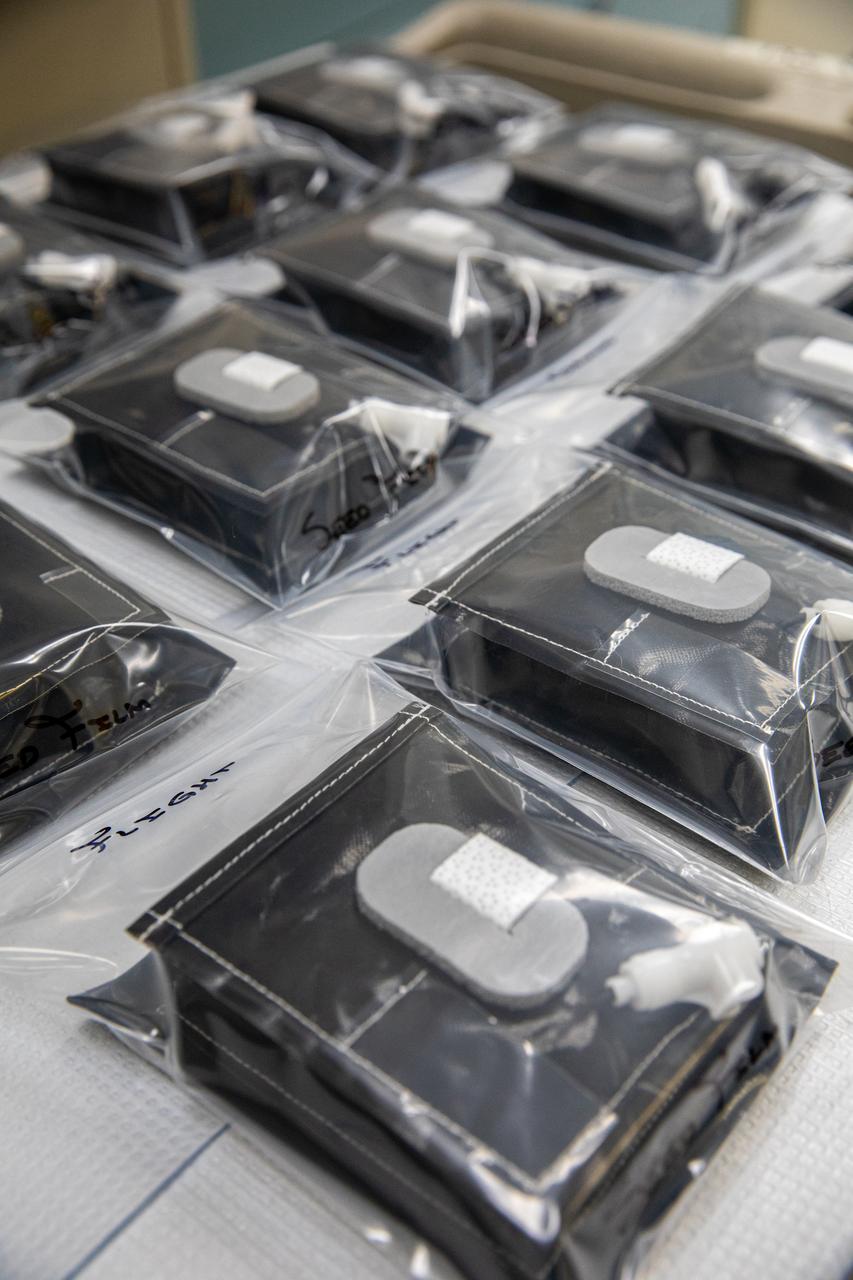
On Jan. 21, 2020, inside the Space Station Processing Facility at NASA’s Kennedy Space Center in Florida, plant pillows are packaged for their upcoming flight to the International Space Station on Northrop Grumman’s 13th resupply services (NG-13) mission. The pillows, which are a common method used to grow plants in space, are being sent to the orbiting laboratory for a series of VEG-03 experiments that will study the growth of three types of leafy greens in a microgravity environment. Once the pillows are assembled and packaged for flight, they will be transported to the agency’s Wallops Flight Facility in Virginia, where liftoff will occur. NG-13 is scheduled to launch on Feb. 9, 2020, at 5:39 p.m. EST.
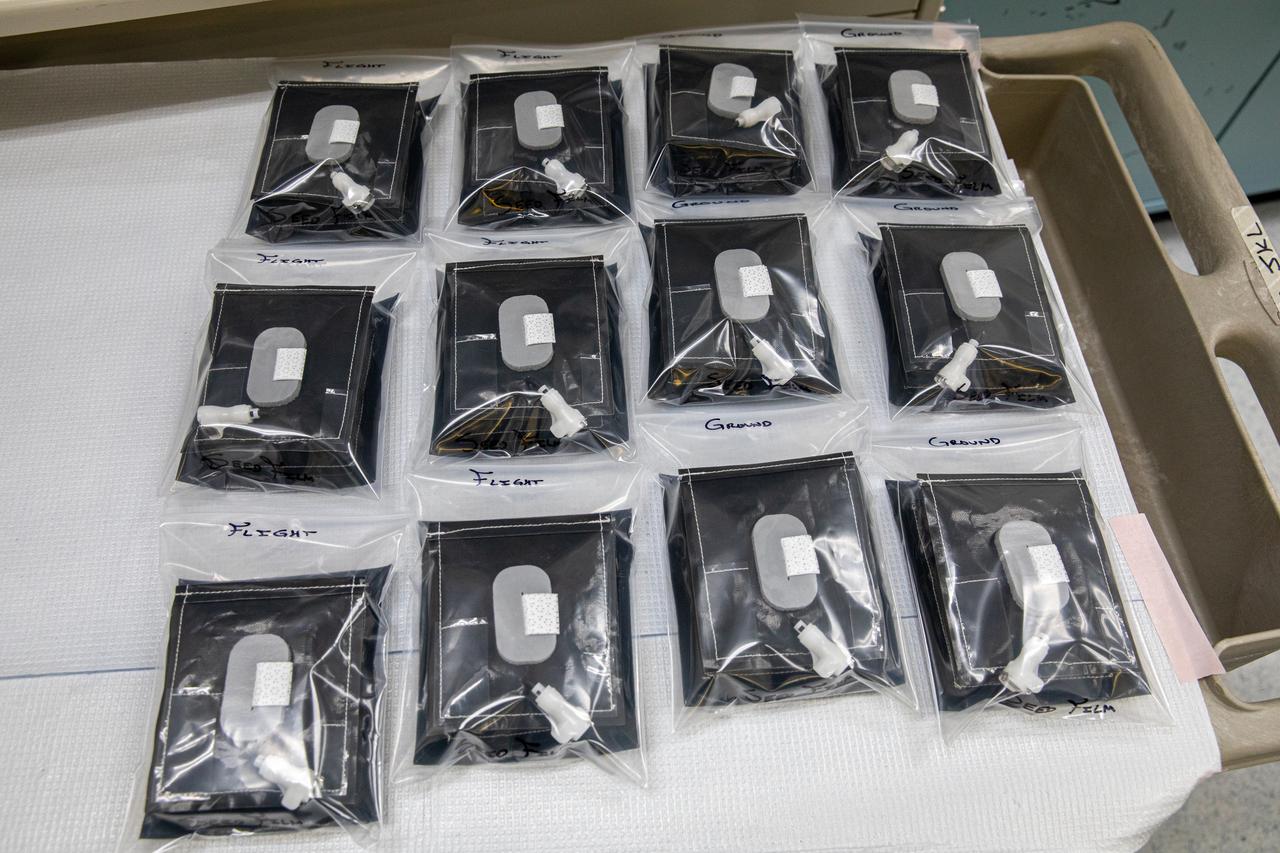
On Jan. 21, 2020, inside the Space Station Processing Facility at NASA’s Kennedy Space Center in Florida, plant pillows are packaged for their upcoming flight to the International Space Station on Northrop Grumman’s 13th resupply services (NG-13) mission. The pillows, which are a common method used to grow plants in space, are being sent to the orbiting laboratory for a series of VEG-03 experiments that will study the growth of three types of leafy greens in a microgravity environment. Once the pillows are assembled and packaged for flight, they will be transported to the agency’s Wallops Flight Facility in Virginia, where liftoff will occur. NG-13 is scheduled to launch on Feb. 9, 2020, at 5:39 p.m. EST.
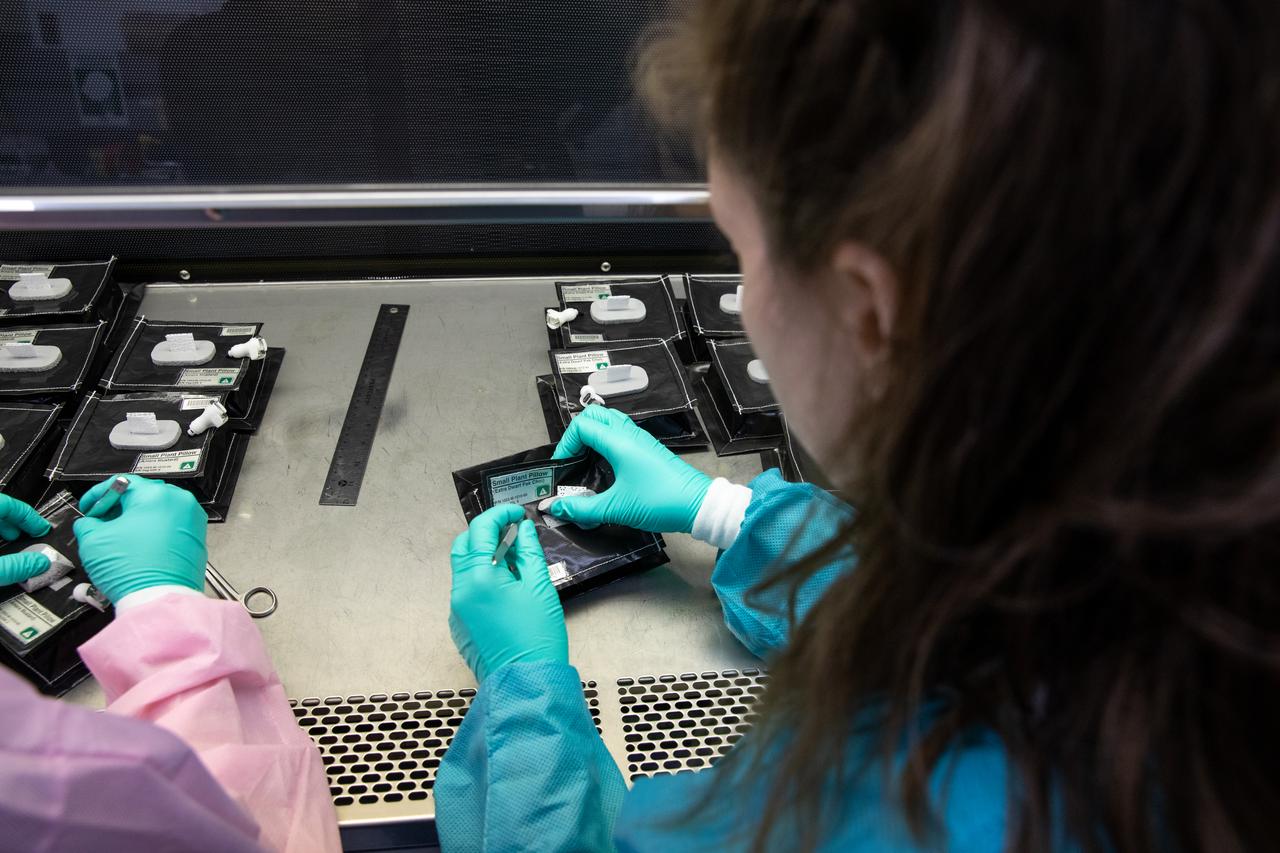
Inside the Space Station Processing Facility on Jan. 21, 2020, Jess Bunchek, a pseudonaut and associate scientist at NASA’s Kennedy Space Center in Florida, prepares plant pillows for their flight to the International Space Station. The pillows, which are a common method used to grow plants in space, are being sent to the orbiting laboratory on Northrop Grumman’s 13th resupply services (NG-13) mission for a series of VEG-03 experiments that will study the growth of three types of leafy greens in a microgravity environment. Once the pillows are assembled and packaged for flight, they will be transported to the agency’s Wallops Flight Facility in Virginia, where liftoff will occur. NG-13 is scheduled to launch on Feb. 9, 2020, at 5:39 p.m. EST.
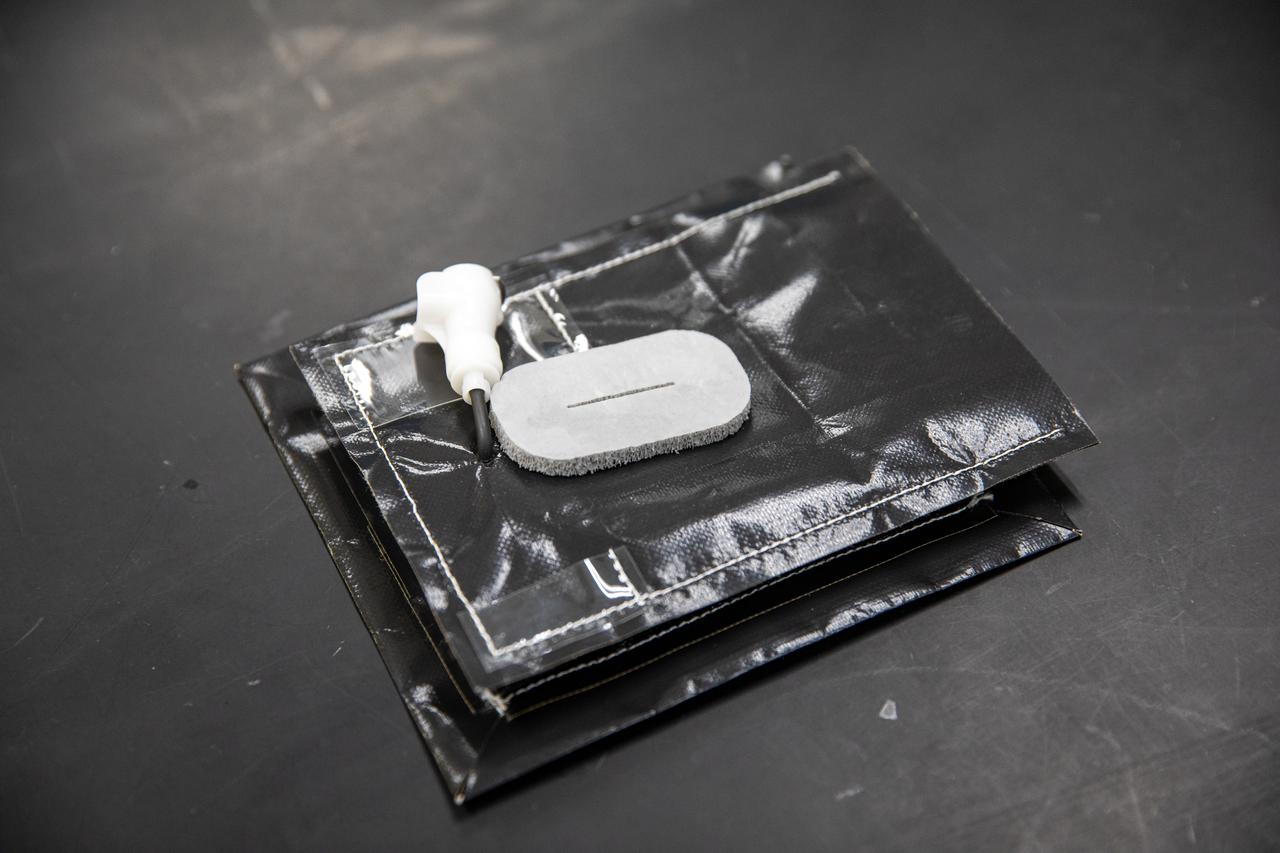
A plant pillow is photographed inside the Space Station Processing Facility at NASA’s Kennedy Space Center in Florida on Jan. 21, 2020, prior to being packaged for flight to the International Space Station. A number of plant pillows are being prepped to fly to the orbiting laboratory on Northrop Grumman’s 13th resupply services (NG-13) mission for a series of VEG-03 experiments that will study the growth of three types of leafy greens in a microgravity environment. Once the pillows are ready for flight, they will be transported to the agency’s Wallops Flight Facility in Virginia, where liftoff will occur. NG-13 is scheduled to launch on Feb. 9, 2020, at 5:39 p.m. EST.
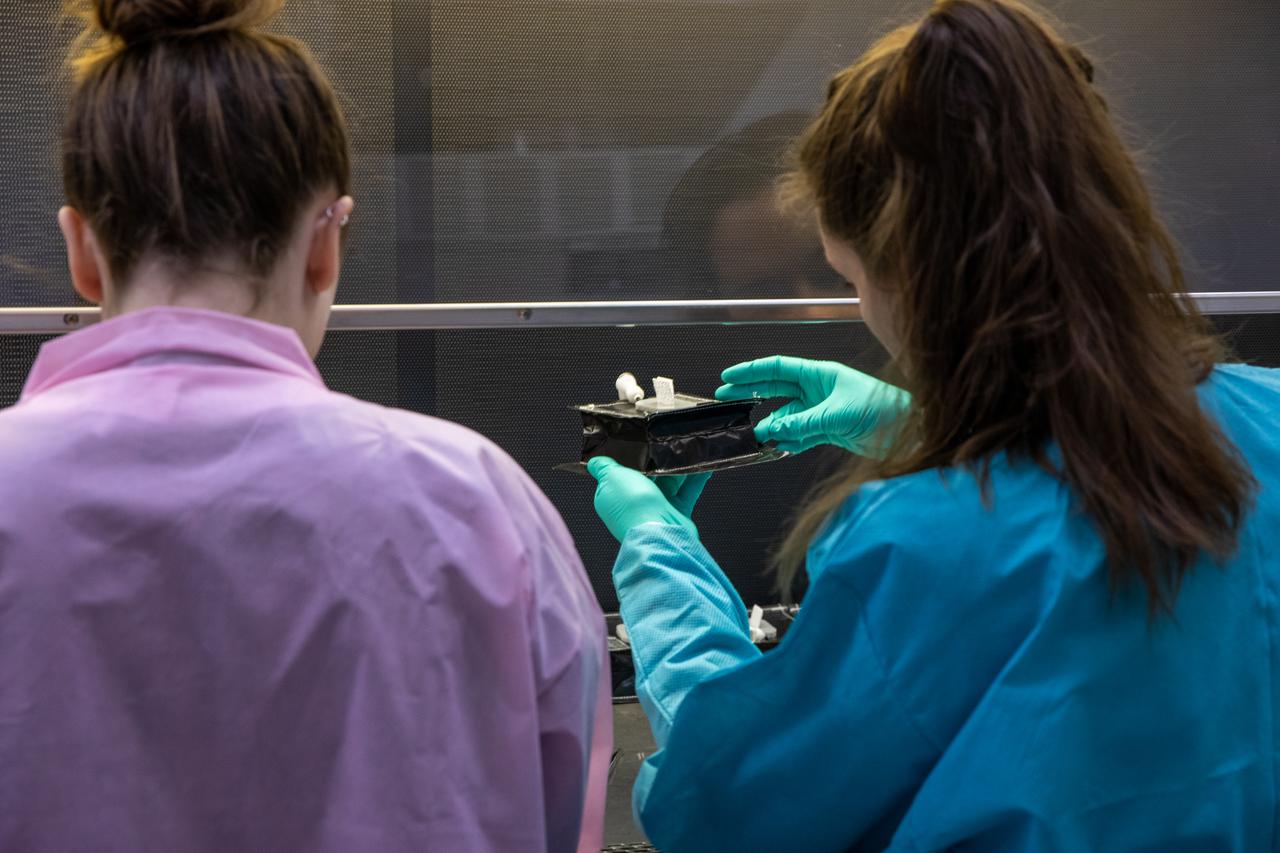
On Jan. 21, 2020, inside the Space Station Processing Facility at NASA’s Kennedy Space Center in Florida, intern Emily Kennebeck (left) and Jess Bunchek, a pseudonaut and associate scientist, prepare plant pillows for their flight to the International Space Station. The pillows, which are a common method used to grow plants in space, are being sent to the orbiting laboratory on Northrop Grumman’s 13th resupply services (NG-13) mission for a series of VEG-03 experiments that will study the growth of three types of leafy greens in a microgravity environment. Once the pillows are assembled and packaged for flight, they will be transported to the agency’s Wallops Flight Facility in Virginia, where liftoff will occur. NG-13 is scheduled to launch on Feb. 9, 2020, at 5:39 p.m. EST.
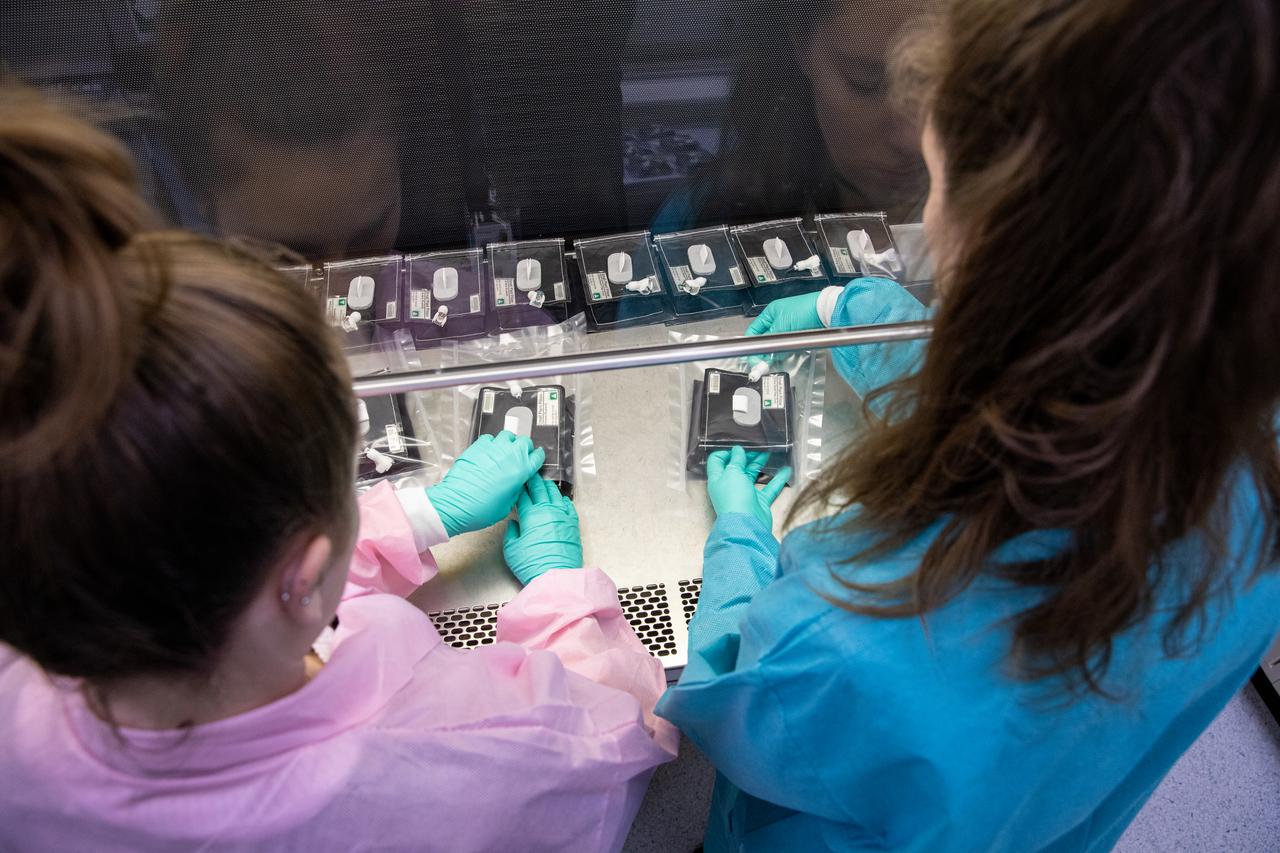
On Jan. 21, 2020, inside the Space Station Processing Facility at NASA’s Kennedy Space Center in Florida, intern Emily Kennebeck (left) and Jess Bunchek, a pseudonaut and associate scientist, prepare plant pillows for their upcoming flight to the International Space Station. The pillows, which are a common method used to grow plants in space, are being sent to the orbiting laboratory on Northrop Grumman’s 13th resupply services (NG-13) mission for a series of VEG-03 experiments that will study the growth of three types of leafy greens in a microgravity environment. Once the pillows are assembled and packaged for flight, they will be transported to the agency’s Wallops Flight Facility in Virginia, where liftoff will occur. NG-13 is scheduled to launch on Feb. 9, 2020, at 5:39 p.m. EST.
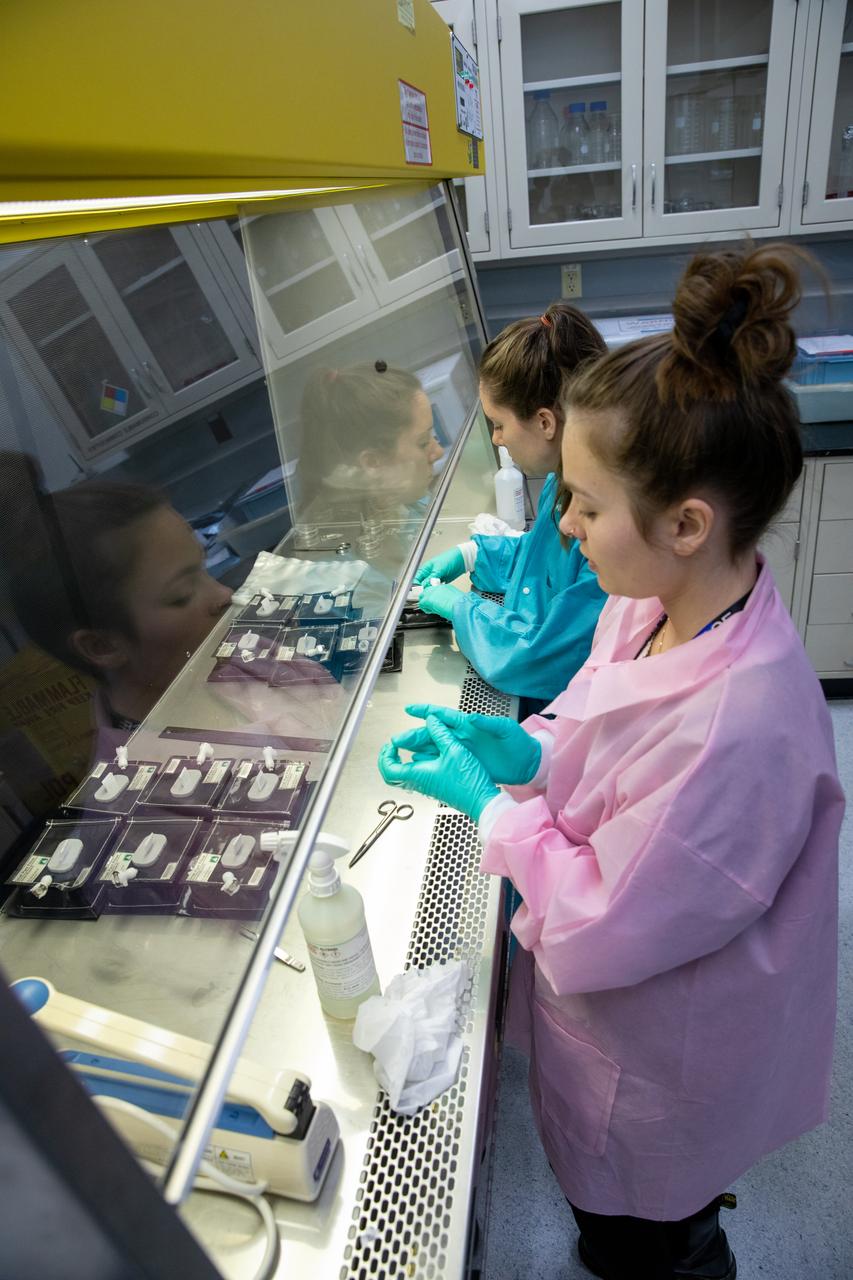
On Jan. 21, 2020, inside the Space Station Processing Facility at NASA’s Kennedy Space Center in Florida, intern Emily Kennebeck (left) and Jess Bunchek, a pseudonaut and associate scientist, prepare plant pillows for their flight to the International Space Station. The pillows, which are a common method used to grow plants in space, are being sent to the orbiting laboratory on Northrop Grumman’s 13th resupply services (NG-13) mission for a series of VEG-03 experiments that will study the growth of three types of leafy greens in a microgravity environment. Once the pillows are assembled and packaged for flight, they will be transported to the agency’s Wallops Flight Facility in Virginia, where liftoff will occur. NG-13 is scheduled to launch on Feb. 9, 2020, at 5:39 p.m. EST.
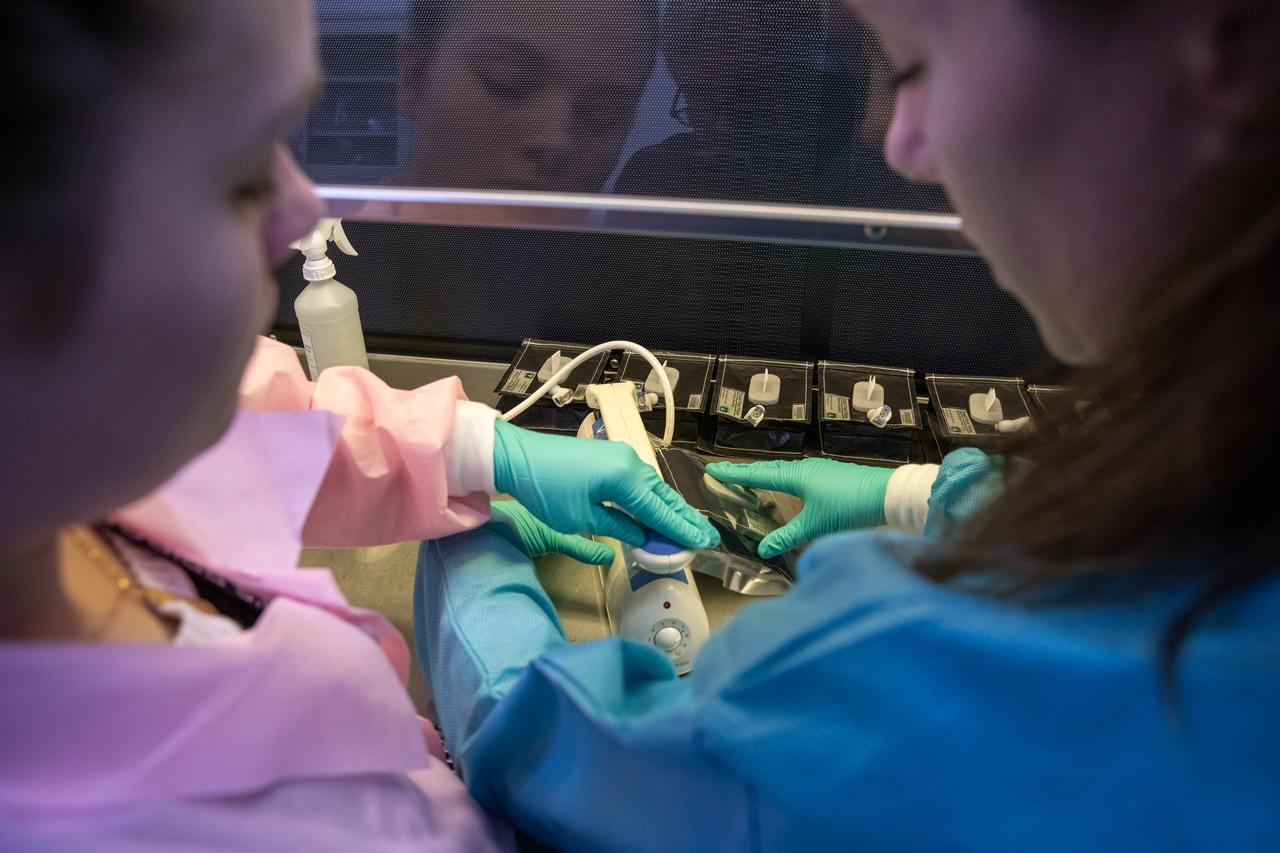
On Jan. 21, 2020, inside the Space Station Processing Facility at NASA’s Kennedy Space Center in Florida, intern Emily Kennebeck (left) and Jess Bunchek, a pseudonaut and associate scientist, prepare plant pillows for their upcoming flight to the International Space Station. The pillows, which are a common method used to grow plants in space, are being sent to the orbiting laboratory on Northrop Grumman’s 13th resupply services (NG-13) mission for a series of VEG-03 experiments that will study the growth of three types of leafy greens in a microgravity environment. Once the pillows are assembled and packaged for flight, they will be transported to the agency’s Wallops Flight Facility in Virginia, where liftoff will occur. NG-13 is scheduled to launch on Feb. 9, 2020, at 5:39 p.m.
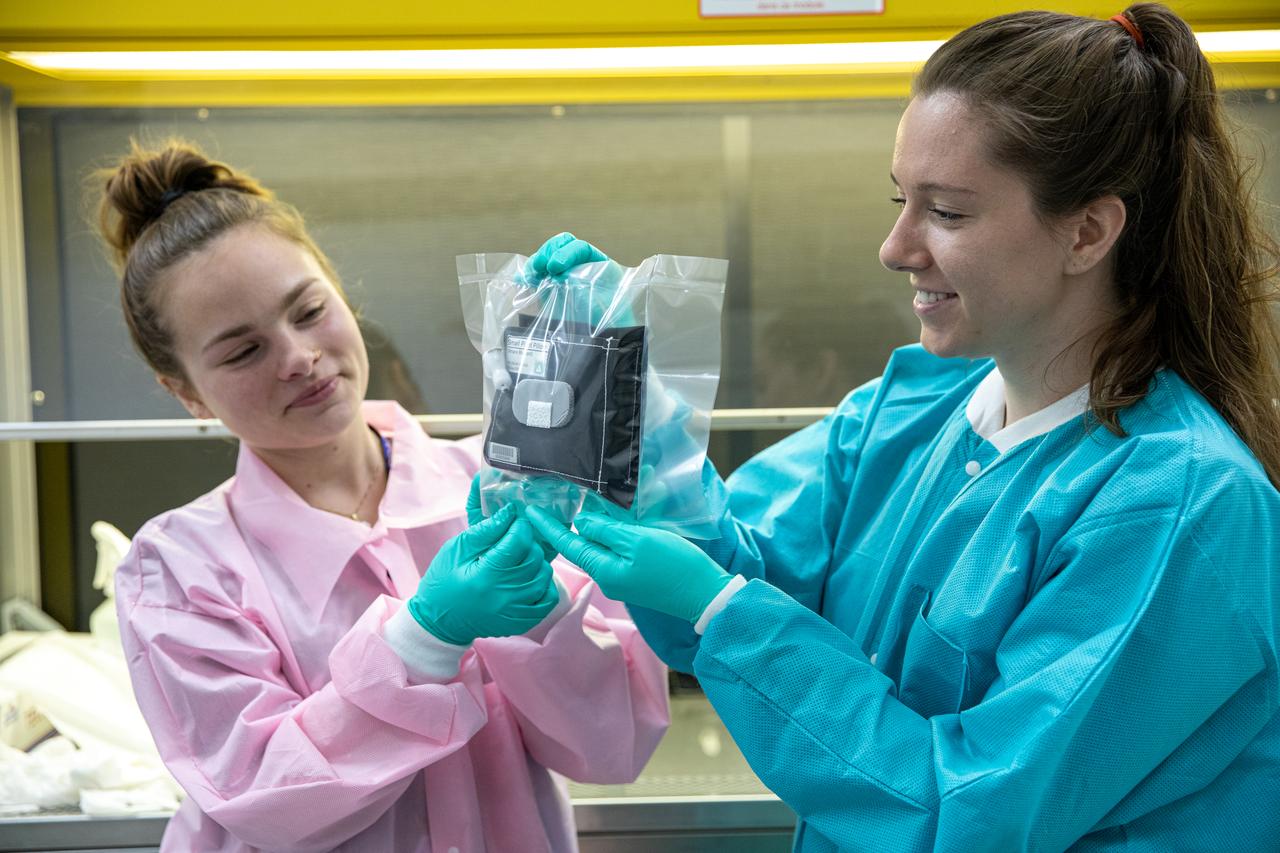
On Jan. 21, 2020, inside the Space Station Processing Facility at NASA’s Kennedy Space Center in Florida, intern Emily Kennebeck (left) and Jess Bunchek, a pseudonaut and associate scientist, prepare plant pillows for their upcoming flight to the International Space Station. The pillows, which are a common method used to grow plants in space, are being sent to the orbiting laboratory on Northrop Grumman’s 13th resupply services (NG-13) mission for a series of VEG-03 experiments that will study the growth of three types of leafy greens in a microgravity environment. Once the pillows are assembled and packaged for flight, they will be transported to the agency’s Wallops Flight Facility in Virginia, where liftoff will occur. NG-13 is scheduled to launch on Feb. 9, 2020, at 5:39 p.m. EST.
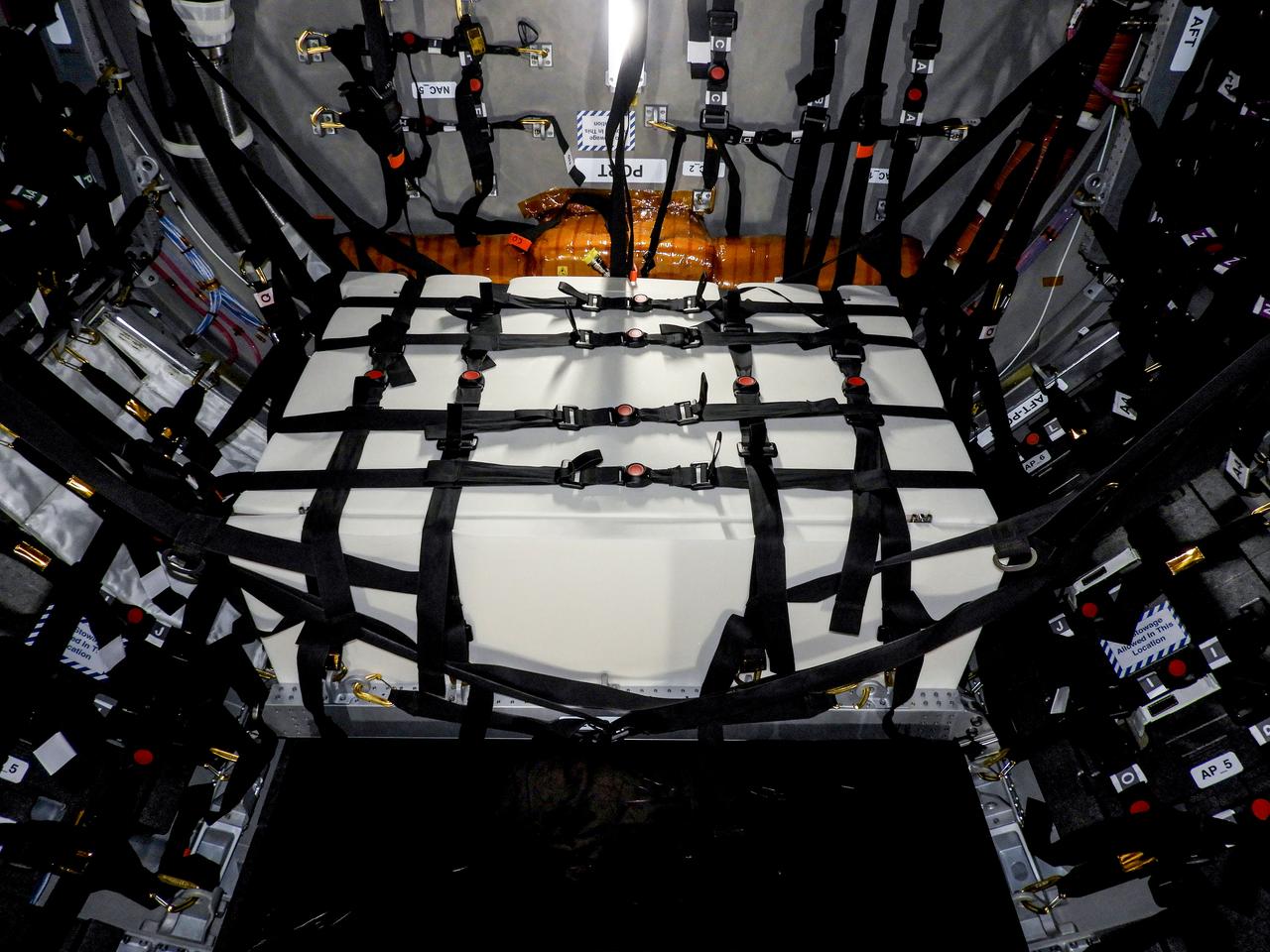
jsc2023e046377 (12/14/2019) --- A view of the Spacecraft Fire Safety Experiments (Saffire) VI experiment hardware, loaded inside the Northrop Grumman (NG) Cygnus cargo vehicle for the 19th NG resupply mission to the International Space Station. Saffire is a series of experiments to investigate how fire spreads on a variety of combustible materials in the microgravity environment. The experiments are ignited in the Cygnus cargo spacecraft after it departs the space station and before it reenters the Earth's atmosphere. Saffire-VI builds on prior results to test flammability at different oxygen levels and aims to further knowledge of realistic flame spread to aid the development of fire safety equipment and strategies for future spacecraft.
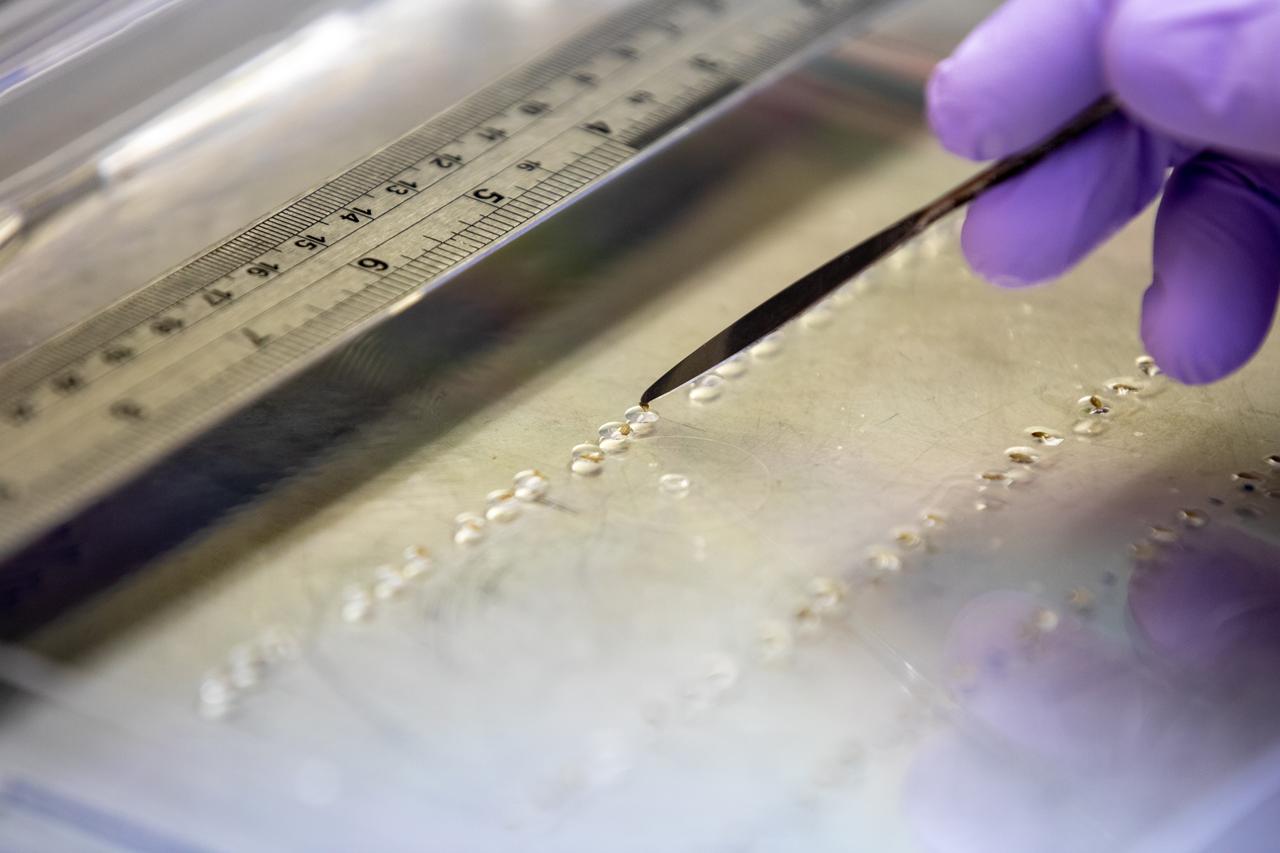
Inside the Space Station Processing Facility at NASA’s Kennedy Space Center in Florida, red romaine lettuce seeds are affixed to seed film – a new seed handling material – on Jan. 15, 2020. The seed film is being prepared for the VEG-03 J experiment that will fly to the International Space Station on Northrop Grumman’s 13th resupply services (NG-13) mission. This seed film experiment involves crew aboard the orbiting laboratory planting the seeds into plant pillows – a common method used to grow plants in space – themselves for the first time ever. The water-soluble, dissolving film addresses the challenge of handling seeds in a microgravity environment and also can be used to deliver fertilizers and other beneficial substances that help plants grow. NG-13 is scheduled to launch from the agency’s Wallops Flight Facility in Virginia on Feb. 9, 2020, at 5:39 p.m. EST.

Inside the Space Station Processing Facility at NASA’s Kennedy Space Center in Florida, a research scientist glues red romaine lettuce seeds to a sheet of seed film – a new seed handling material – on Jan. 15, 2020. The seed film is being prepared for the VEG-03 J experiment that will fly to the International Space Station on Northrop Grumman’s 13th resupply services (NG-13) mission. This seed film experiment involves crew aboard the orbiting laboratory planting the seeds into plant pillows – a common method used to grow plants in space – themselves for the first time ever. The water-soluble, dissolving film addresses the challenge of handling seeds in a microgravity environment and also can be used to deliver fertilizers and other beneficial substances that help plants grow. NG-13 is scheduled to launch from the agency’s Wallops Flight Facility in Virginia on Feb. 9, 2020, at 5:39 p.m. EST.
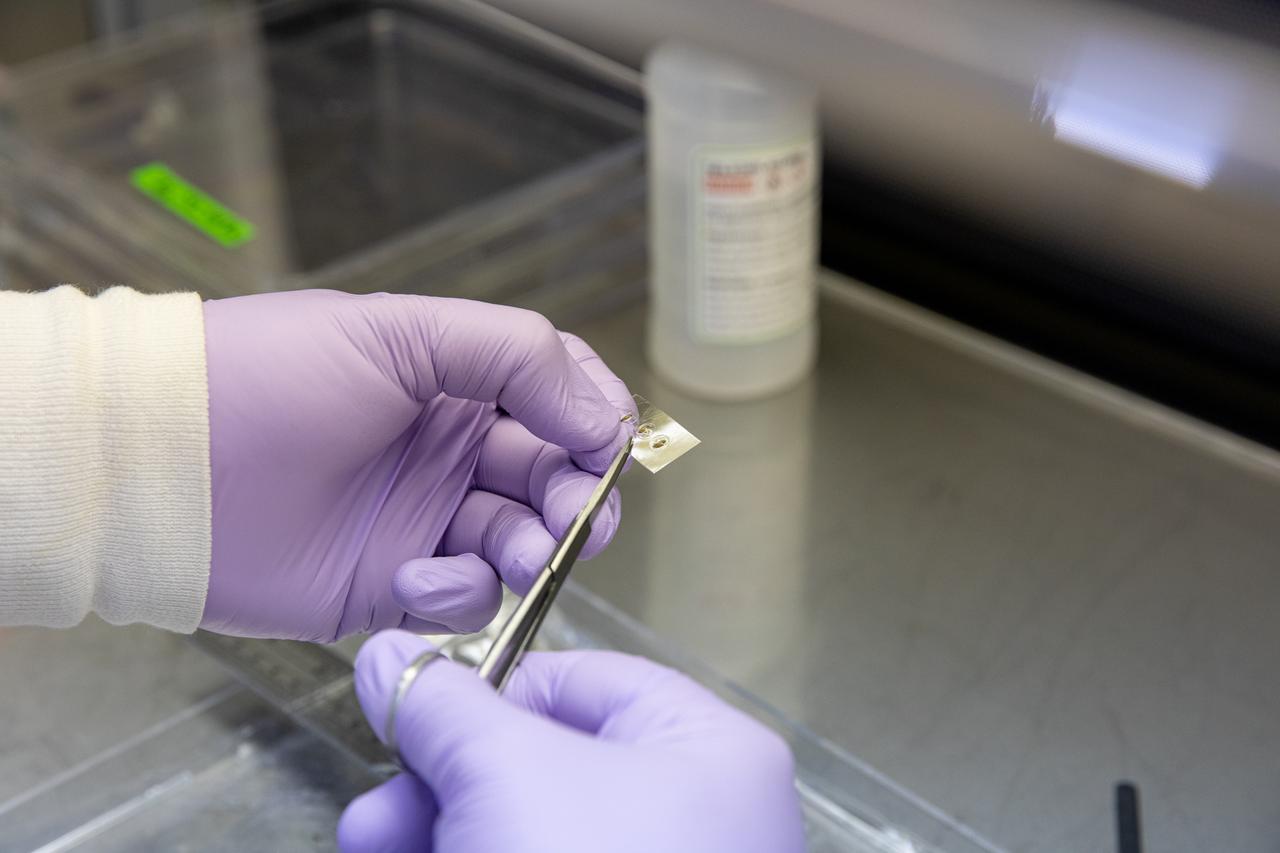
A research scientist at NASA’s Kennedy Space Center in Florida cuts strips of seed film – a new seed handling material containing red romaine lettuce seeds – inside the Space Station Processing Facility on Jan. 16, 2020. The seed film is being prepared for the VEG-03 J experiment that will fly to the International Space Station on Northrop Grumman’s 13th resupply services (NG-13) mission. This seed film experiment involves crew aboard the orbiting laboratory planting the seeds into plant pillows – a common method used to grow plants in space – themselves for the first time ever. The water-soluble, dissolving film addresses the challenge of handling seeds in a microgravity environment and also can be used to deliver fertilizers and other beneficial substances that help plants grow. NG-13 is scheduled to launch from the agency’s Wallops Flight Facility in Virginia on Feb. 9, 2020, at 5:39 p.m. EST.
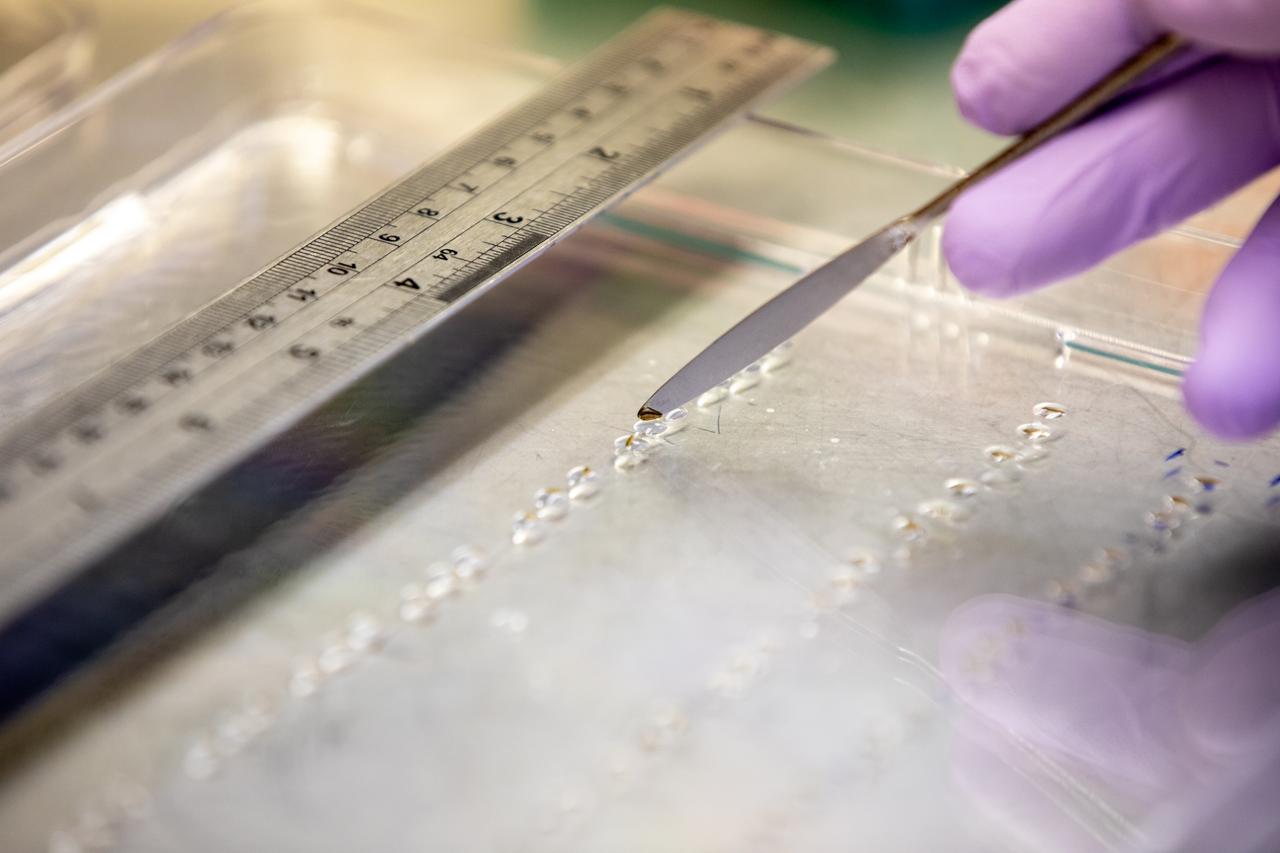
Inside the Space Station Processing Facility at NASA’s Kennedy Space Center in Florida, red romaine lettuce seeds are affixed to seed film – a new seed handling material – on Jan. 15, 2020. The seed film is being prepared for the VEG-03 J experiment that will fly to the International Space Station on Northrop Grumman’s 13th resupply services (NG-13) mission. This seed film experiment involves crew aboard the orbiting laboratory planting the seeds into plant pillows – a common method used to grow plants in space – themselves for the first time ever. The water-soluble, dissolving film addresses the challenge of handling seeds in a microgravity environment and also can be used to deliver fertilizers and other beneficial substances that help plants grow. NG-13 is scheduled to launch from the agency’s Wallops Flight Facility in Virginia on Feb. 9, 2020, at 5:39 p.m. EST.
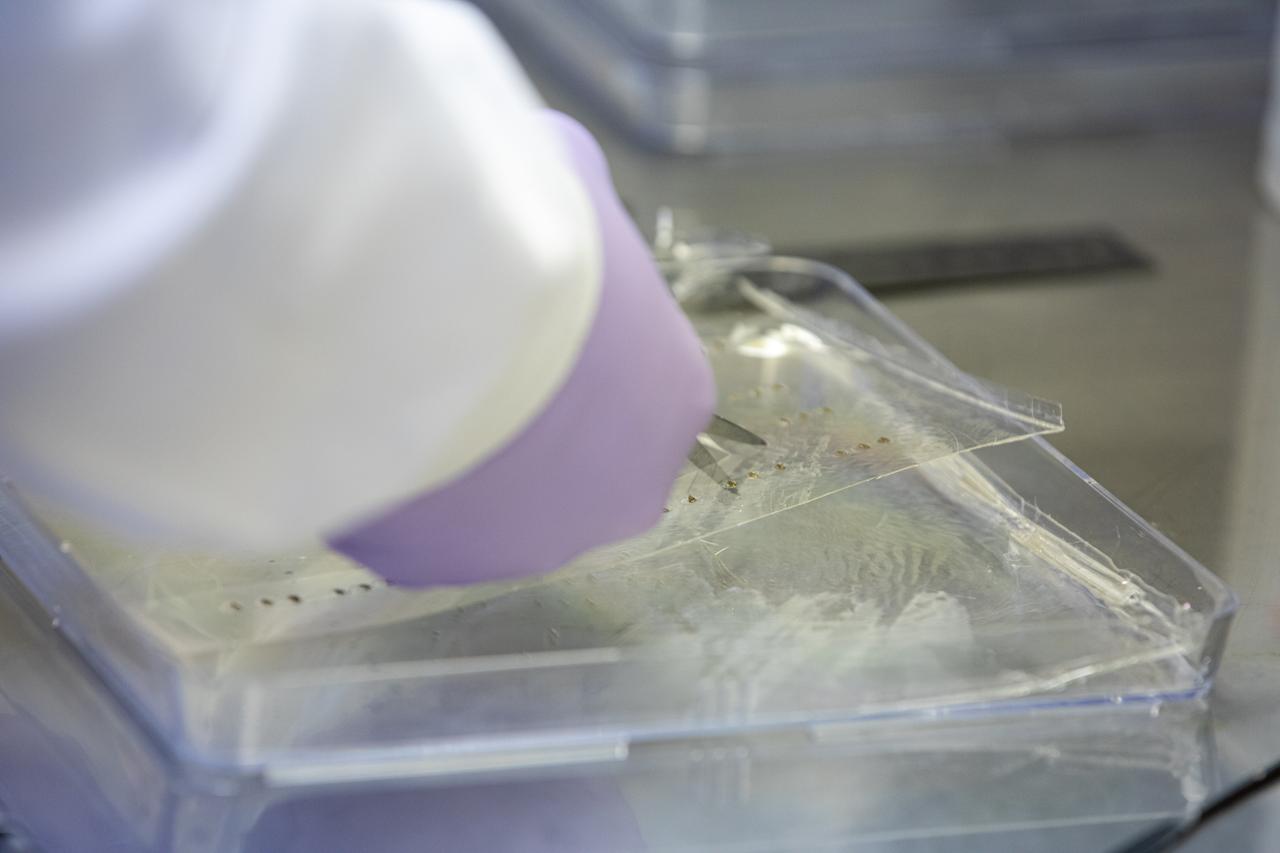
A research scientist at NASA’s Kennedy Space Center in Florida cuts strips of seed film – a new seed handling material containing red romaine lettuce seeds – inside the Space Station Processing Facility on Jan. 16, 2020. The seed film is being prepared for the VEG-03 J experiment that will fly to the International Space Station on Northrop Grumman’s 13th resupply services (NG-13) mission. This seed film experiment involves crew aboard the orbiting laboratory planting the seeds into plant pillows – a common method used to grow plants in space – themselves for the first time ever. The water-soluble, dissolving film addresses the challenge of handling seeds in a microgravity environment and also can be used to deliver fertilizers and other beneficial substances that help plants grow. NG-13 is scheduled to launch from the agency’s Wallops Flight Facility in Virginia on Feb. 9, 2020, at 5:39 p.m. EST.
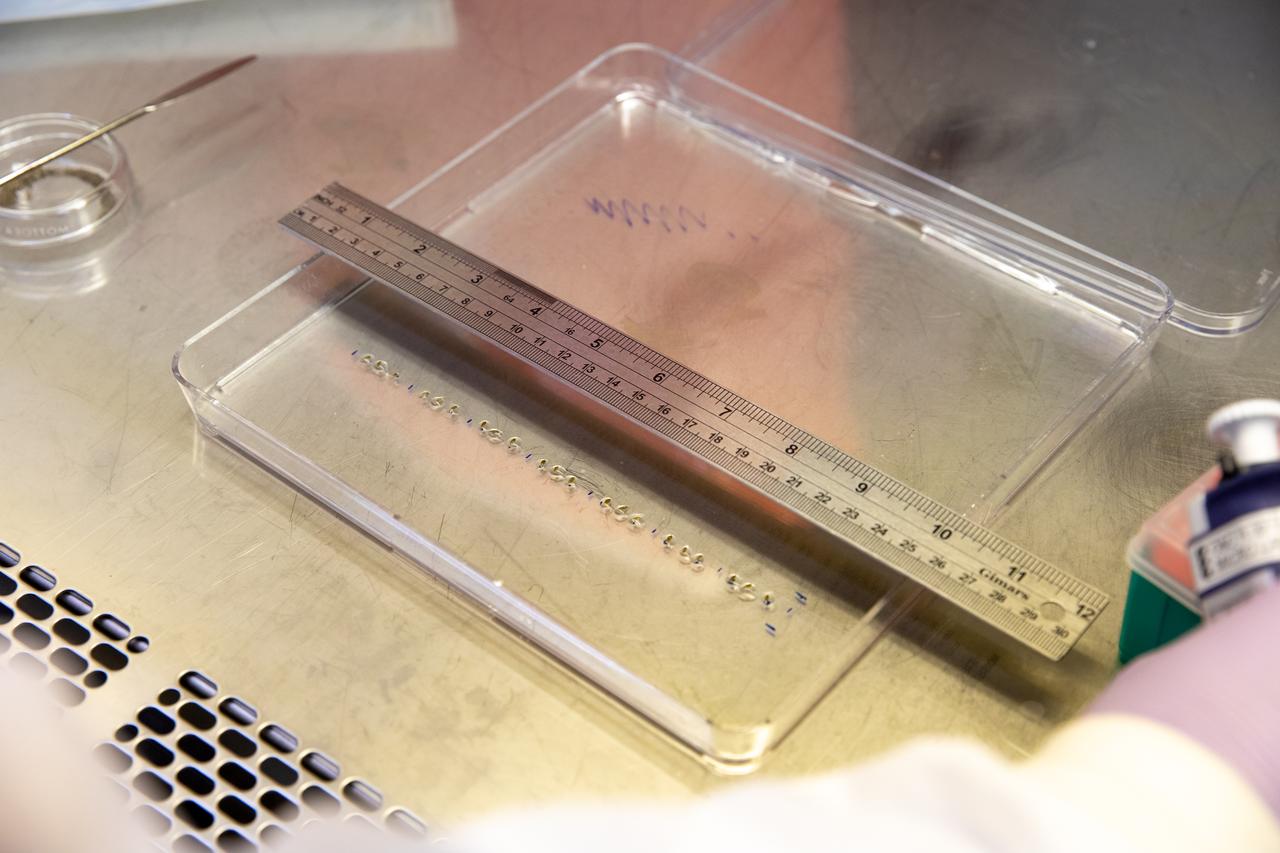
Inside the Space Station Processing Facility at NASA’s Kennedy Space Center in Florida, red romaine lettuce seeds are measured before being placed in seed film – a new seed handling material – on Jan. 15, 2020. The seed film is being prepared for the VEG-03 J experiment that will fly to the International Space Station on Northrop Grumman’s 13th resupply services (NG-13) mission. This seed film experiment involves crew aboard the orbiting laboratory planting the seeds into plant pillows – a common method used to grow plants in space – themselves for the first time ever. The water-soluble, dissolving film addresses the challenge of handling seeds in a microgravity environment and also can be used to deliver fertilizers and other beneficial substances that help plants grow. NG-13 is scheduled to launch from the agency’s Wallops Flight Facility in Virginia on Feb. 9, 2020, at 5:39 p.m. EST.
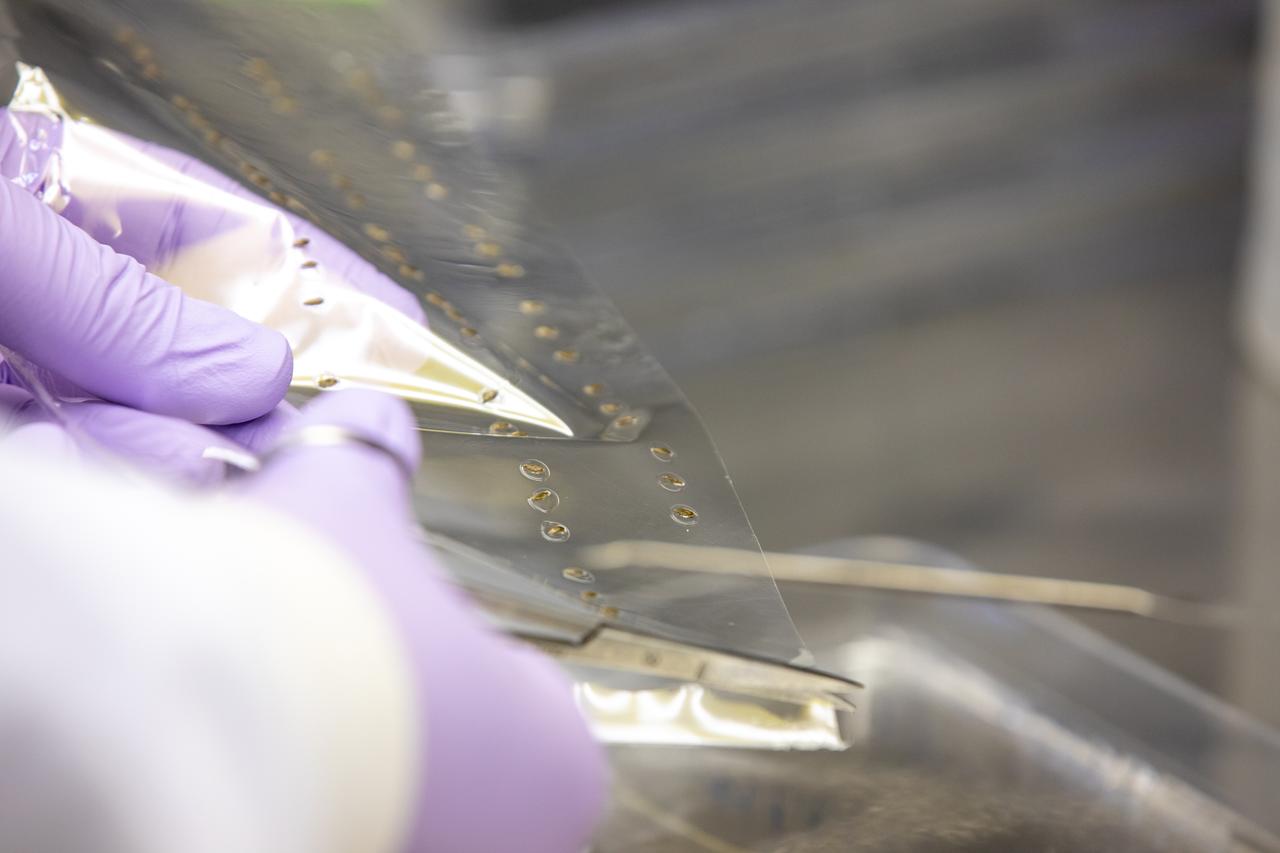
A research scientist at NASA’s Kennedy Space Center in Florida cuts strips of seed film – a new seed handling material containing red romaine lettuce seeds – inside the Space Station Processing Facility on Jan. 16, 2020. The seed film is being prepared for the VEG-03 J experiment that will fly to the International Space Station on Northrop Grumman’s 13th resupply services (NG-13) mission. This seed film experiment involves crew aboard the orbiting laboratory planting the seeds into plant pillows – a common method used to grow plants in space – themselves for the first time ever. The water-soluble, dissolving film addresses the challenge of handling seeds in a microgravity environment and also can be used to deliver fertilizers and other beneficial substances that help plants grow. NG-13 is scheduled to launch from the agency’s Wallops Flight Facility in Virginia on Feb. 9, 2020, at 5:39 p.m. EST.
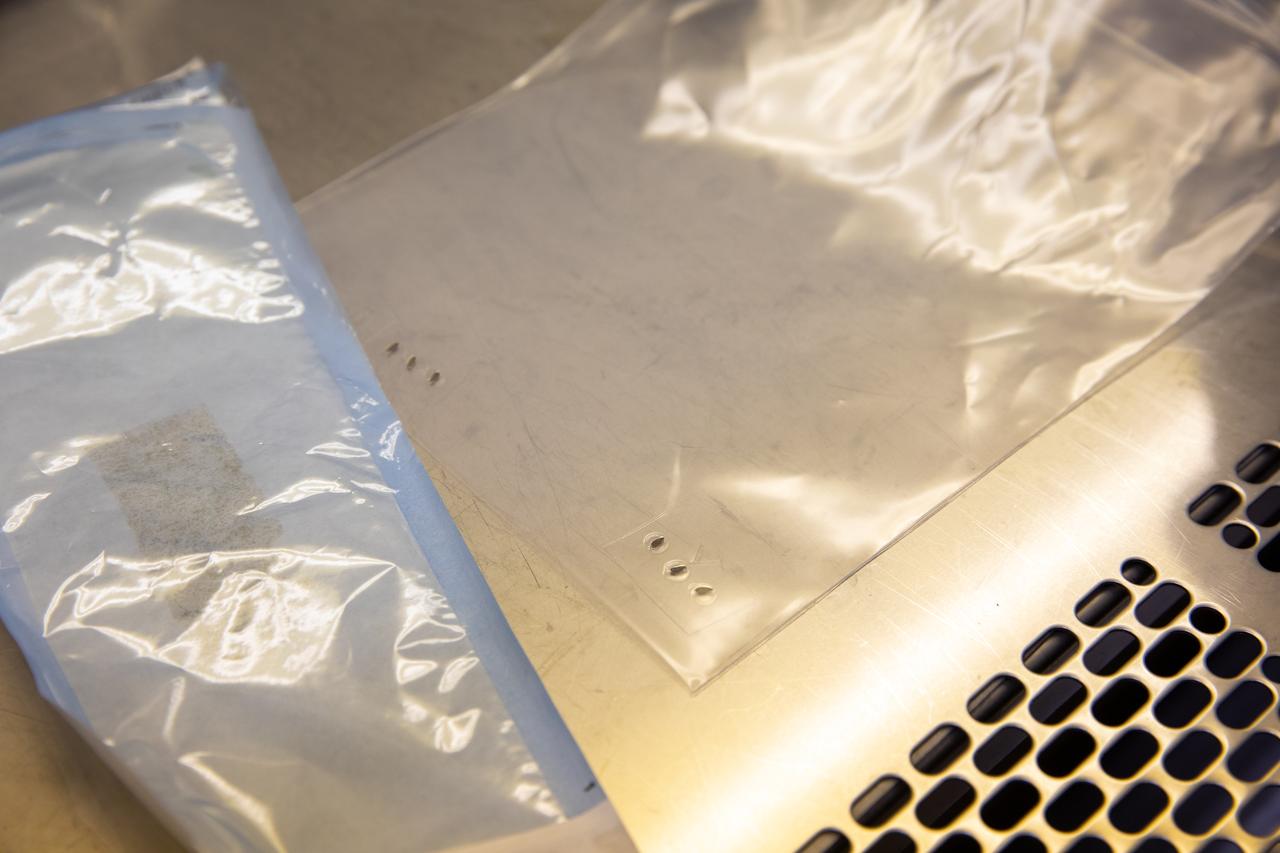
Strips of seed film – a new seed handling material containing red romaine lettuce seeds – are photographed inside the Space Station Processing Facility at NASA’s Kennedy Space Center in Florida on Jan. 16, 2020. The seed film is being prepared for the VEG-03 J experiment that will fly to the International Space Station on Northrop Grumman’s 13th resupply services (NG-13) mission. This seed film experiment involves crew aboard the orbiting laboratory planting the seeds into plant pillows – a common method used to grow plants in space – themselves for the first time ever. The water-soluble, dissolving film addresses the challenge of handling seeds in a microgravity environment and also can be used to deliver fertilizers and other beneficial substances that help plants grow. NG-13 is scheduled to launch from the agency’s Wallops Flight Facility in Virginia on Feb. 9, 2020, at 5:39 p.m. EST.
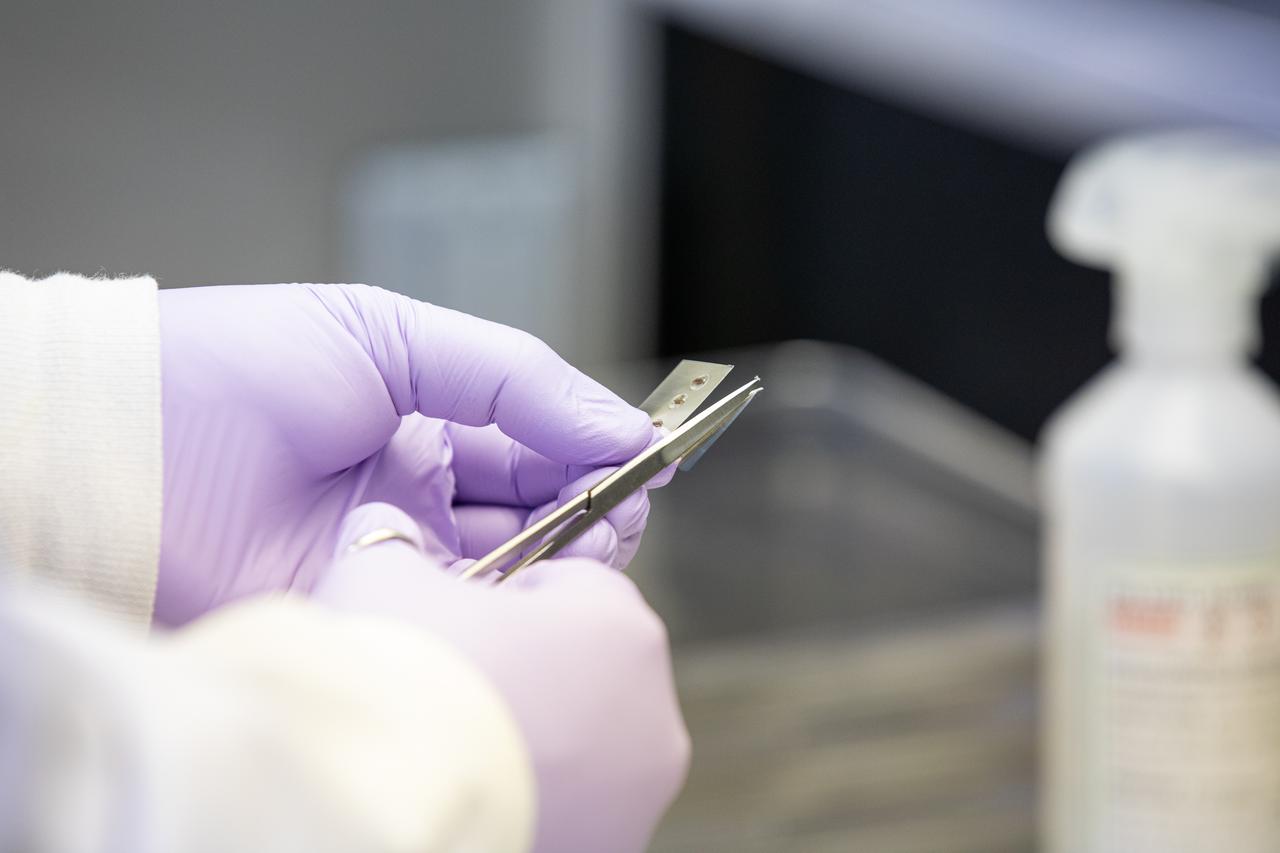
A research scientist at NASA’s Kennedy Space Center in Florida cuts strips of seed film – a new seed handling material containing red romaine lettuce seeds – inside the Space Station Processing Facility on Jan. 16, 2020. The seed film is being prepared for the VEG-03 J experiment that will fly to the International Space Station on Northrop Grumman’s 13th resupply services (NG-13) mission. This seed film experiment involves crew aboard the orbiting laboratory planting the seeds into plant pillows – a common method used to grow plants in space – themselves for the first time ever. The water-soluble, dissolving film addresses the challenge of handling seeds in a microgravity environment and also can be used to deliver fertilizers and other beneficial substances that help plants grow. NG-13 is scheduled to launch from the agency’s Wallops Flight Facility in Virginia on Feb. 9, 2020, at 5:39 p.m. EST.
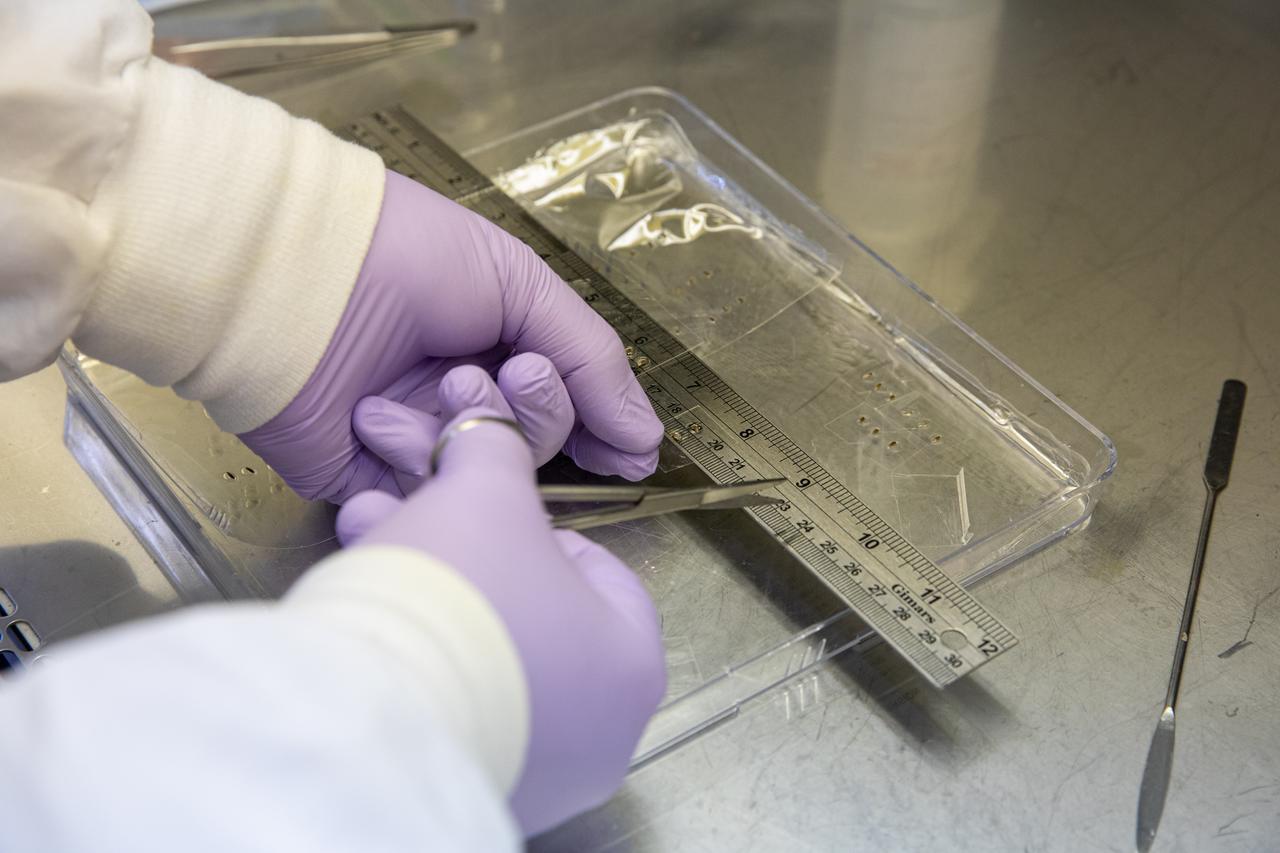
A research scientist at NASA’s Kennedy Space Center in Florida cuts strips of seed film – a new seed handling material containing red romaine lettuce seeds – inside the Space Station Processing Facility on Jan. 16, 2020. The seed film is being prepared for the VEG-03 J experiment that will fly to the International Space Station on Northrop Grumman’s 13th resupply services (NG-13) mission. This seed film experiment involves crew aboard the orbiting laboratory planting the seeds into plant pillows – a common method used to grow plants in space – themselves for the first time ever. The water-soluble, dissolving film addresses the challenge of handling seeds in a microgravity environment and also can be used to deliver fertilizers and other beneficial substances that help plants grow. NG-13 is scheduled to launch from the agency’s Wallops Flight Facility in Virginia on Feb. 9, 2020, at 5:39 p.m. EST.
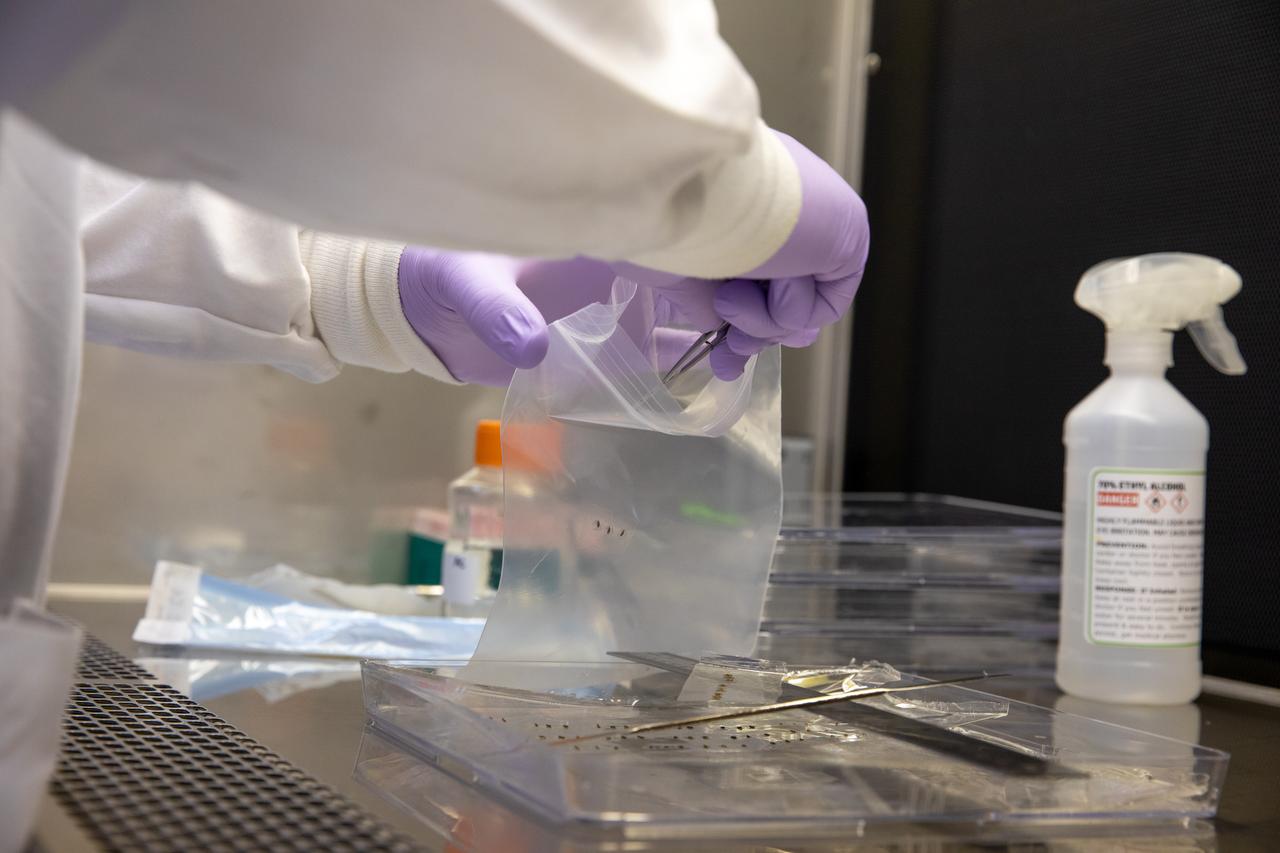
A research scientist at NASA’s Kennedy Space Center in Florida cuts and stores strips of seed film – a new seed handling material containing red romaine lettuce seeds – inside the Space Station Processing Facility on Jan. 16, 2020. The seed film is being prepared for the VEG-03 J experiment that will fly to the International Space Station on Northrop Grumman’s 13th resupply services (NG-13) mission. This seed film experiment involves crew aboard the orbiting laboratory planting the seeds into plant pillows – a common method used to grow plants in space – themselves for the first time ever. The water-soluble, dissolving film addresses the challenge of handling seeds in a microgravity environment and also can be used to deliver fertilizers and other beneficial substances that help plants grow. NG-13 is scheduled to launch from the agency’s Wallops Flight Facility in Virginia on Feb. 9, 2020, at 5:39 p.m. EST.
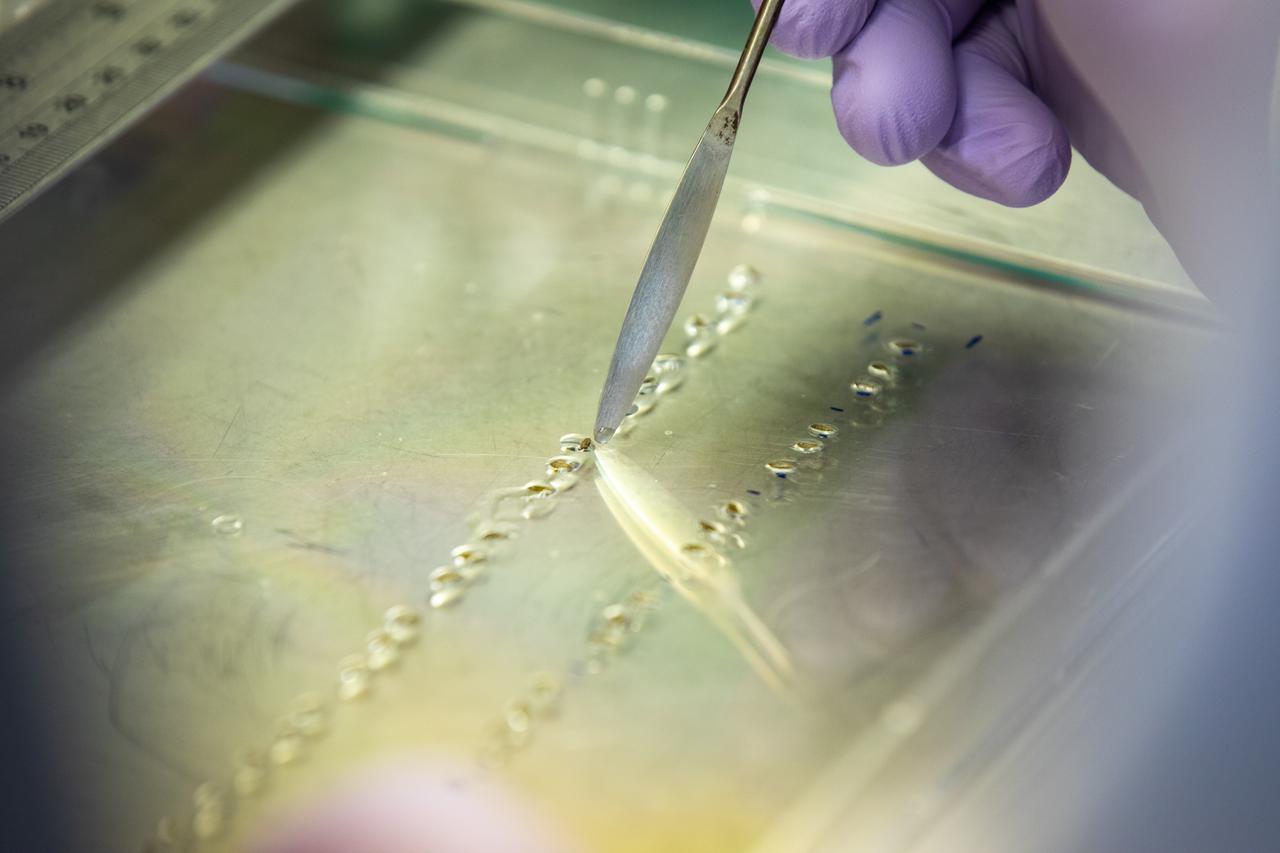
Inside the Space Station Processing Facility at NASA’s Kennedy Space Center in Florida, a researcher prepares red romaine lettuce seeds in seed film – a new seed handling material– on Jan. 15, 2020. The seed film is being prepared for the VEG-03 J experiment that will fly to the International Space Station on Northrop Grumman’s 13th resupply services (NG-13) mission. This seed film experiment involves crew aboard the orbiting laboratory planting the seeds into plant pillows – a common method used to grow plants in space – themselves for the first time ever. The water-soluble, dissolving film addresses the challenge of handling seeds in a microgravity environment and also can be used to deliver fertilizers and other beneficial substances that help plants grow. NG-13 is scheduled to launch from the agency’s Wallops Flight Facility in Virginia on Feb. 9, 2020, at 5:39 p.m. EST.
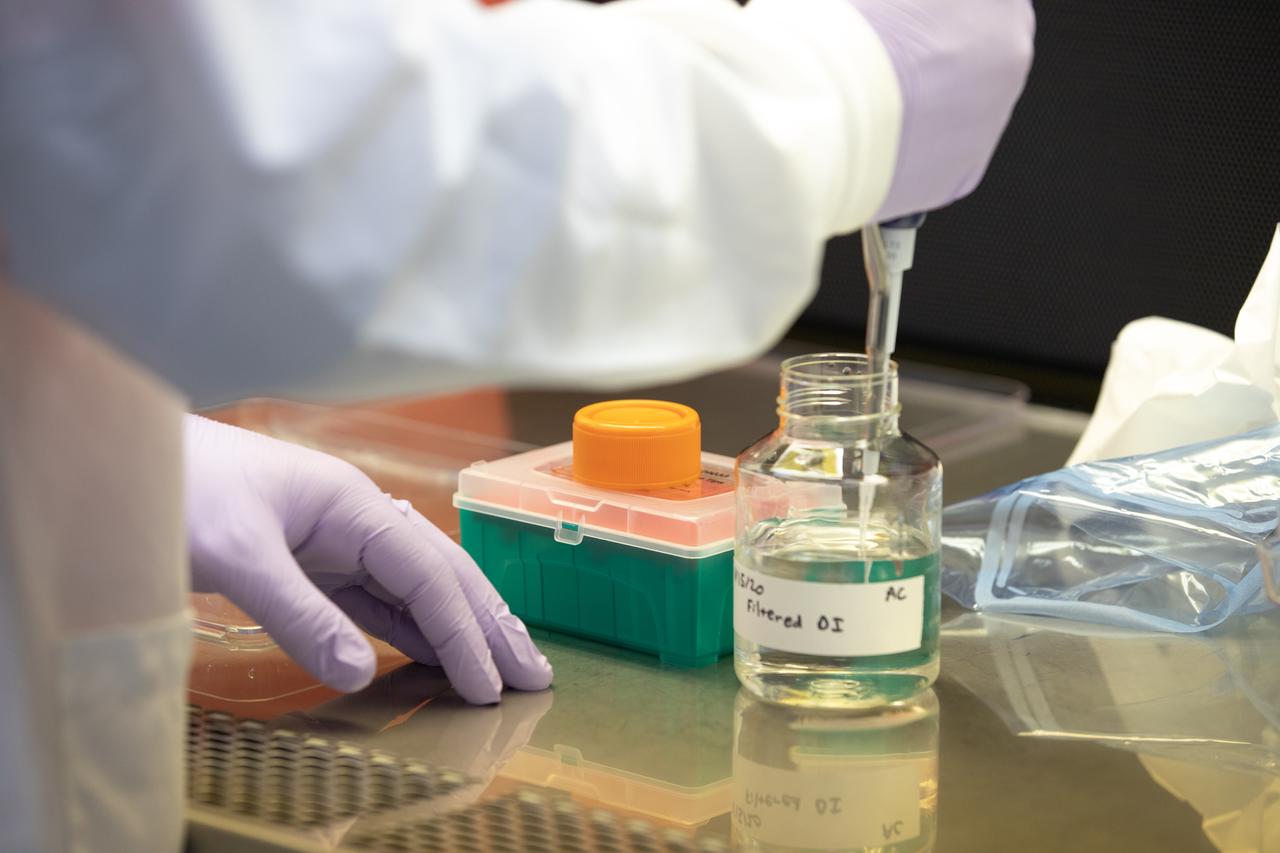
Inside the Space Station Processing Facility at NASA’s Kennedy Space Center in Florida, a research scientist is preparing to glue red romaine lettuce seeds to a sheet of seed film – a new seed handling material – on Jan. 15, 2020. The seed film is being prepared for the VEG-03 J experiment that will fly to the International Space Station on Northrop Grumman’s 13th resupply services (NG-13) mission. This seed film experiment involves crew aboard the orbiting laboratory planting the seeds into plant pillows – a common method used to grow plants in space – themselves for the first time ever. The water-soluble, dissolving film addresses the challenge of handling seeds in a microgravity environment and also can be used to deliver fertilizers and other beneficial substances that help plants grow. NG-13 is scheduled to launch from the agency’s Wallops Flight Facility in Virginia on Feb. 9, 2020, at 5:39 p.m. EST.
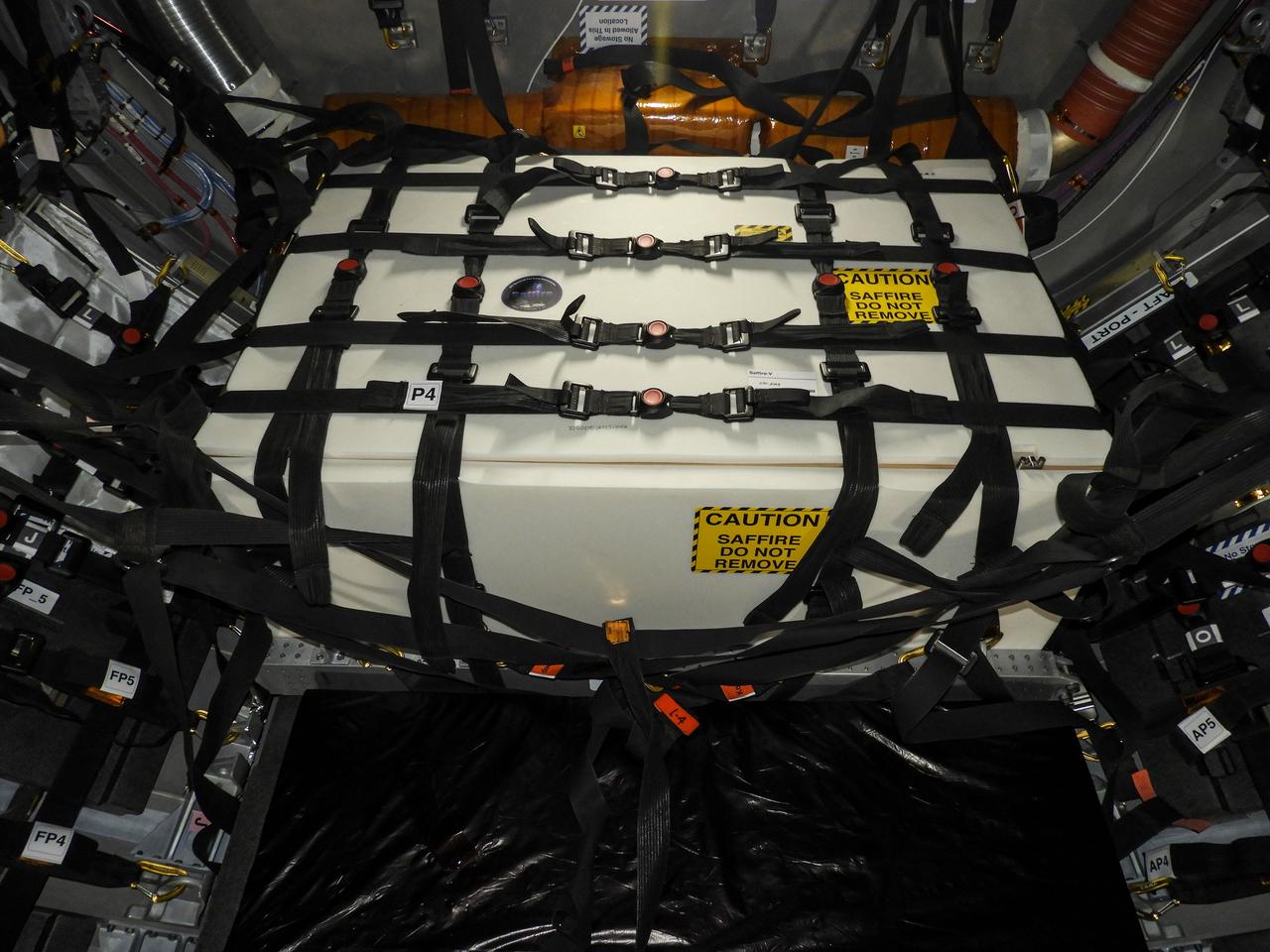
jsc2020e043815 (Sept. 10, 2020) --- A view of the Spacecraft Fire Safety Experiments (Saffire) V experiment hardware, loaded inside the Northrop Grumman(NG) Cygnus cargo vehicle for the 14th NG resupply mission to the International Space Station. Saffire is a series of experiments to investigate how fire spreads on a variety of combustible materials in the microgravity environment. The experiments are ignited in Cygnus cargo spacecraft after it departs the space station and before it reenters the Earth's atmosphere. Studying the development and growth of fire in a re-supply cargo vehicle eliminates the risk of exposure to humans in an occupied spacecraft. Understanding how fire behaves in microgravity, and how different materials propagate flames in space is immensely important for the development of future crew spacecraft.
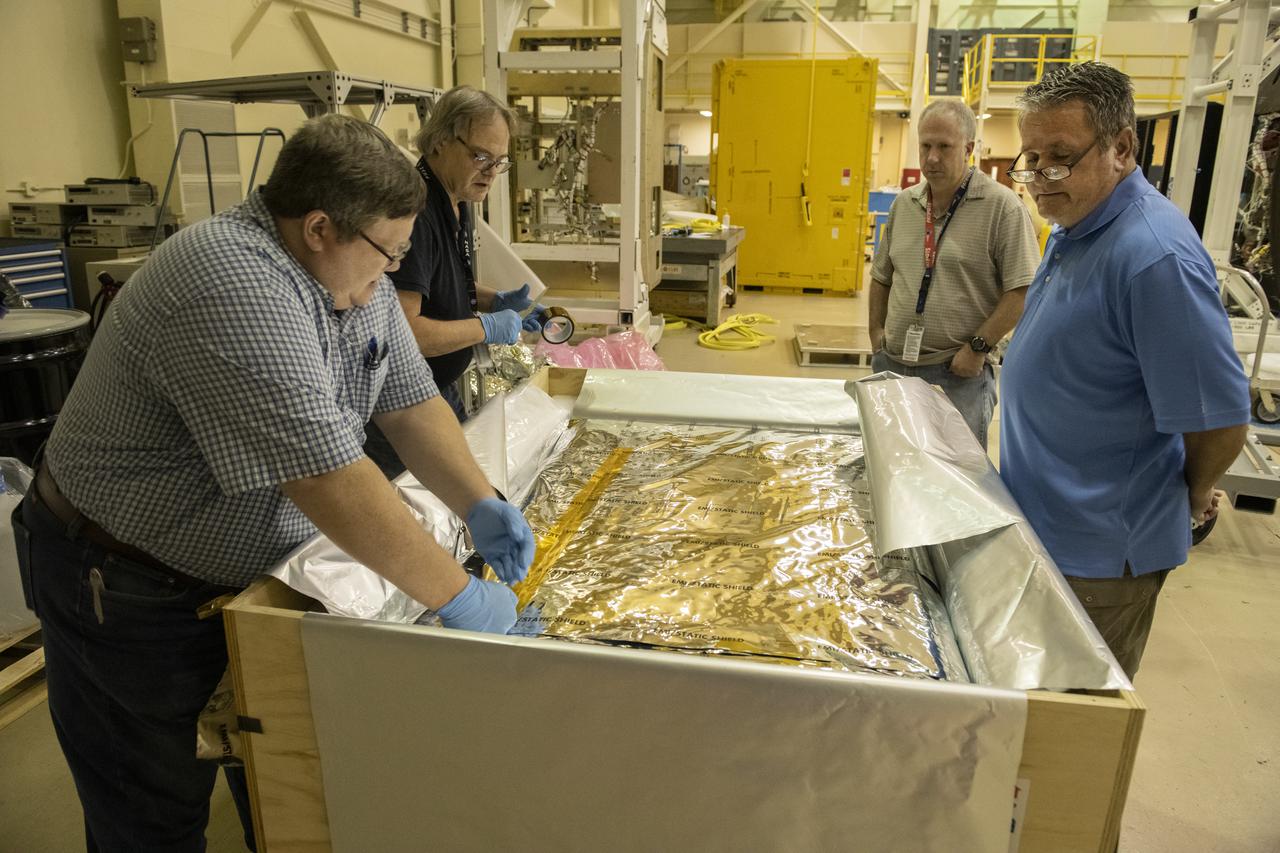
The 4-bed Carbon Dioxide Scrubber, new Environmental Control and Life Support Systems technology developed, built, tested, and integrated at NASA's Marshall Space Flight Center to be launched to the International Space Station, is readied for shipment to NASA's Wallops Flight Facility in Wallops Island, Virginia. The hardware will fly to space Aug. 1 via the Cygnus NG-16 commercial spacecraft, and will be tested aboard the space station for one year.

Containers carrying set of seeds for a Materials International Space Station Experiment (MISSE) are shown Feb. 11, 2021, at NASA’s Kennedy Space Center in Florida. The containers will fly aboard Northrop Grumman’s Cygnus spacecraft as part of NG-15, a NASA commercial resupply mission to the orbiting laboratory targeted for Feb. 20, 2021. They will be placed in the MISSE testing facility, located near the space station’s solar arrays, where they will be exposed to the extreme environment of space for six months before returning to Earth for further study.
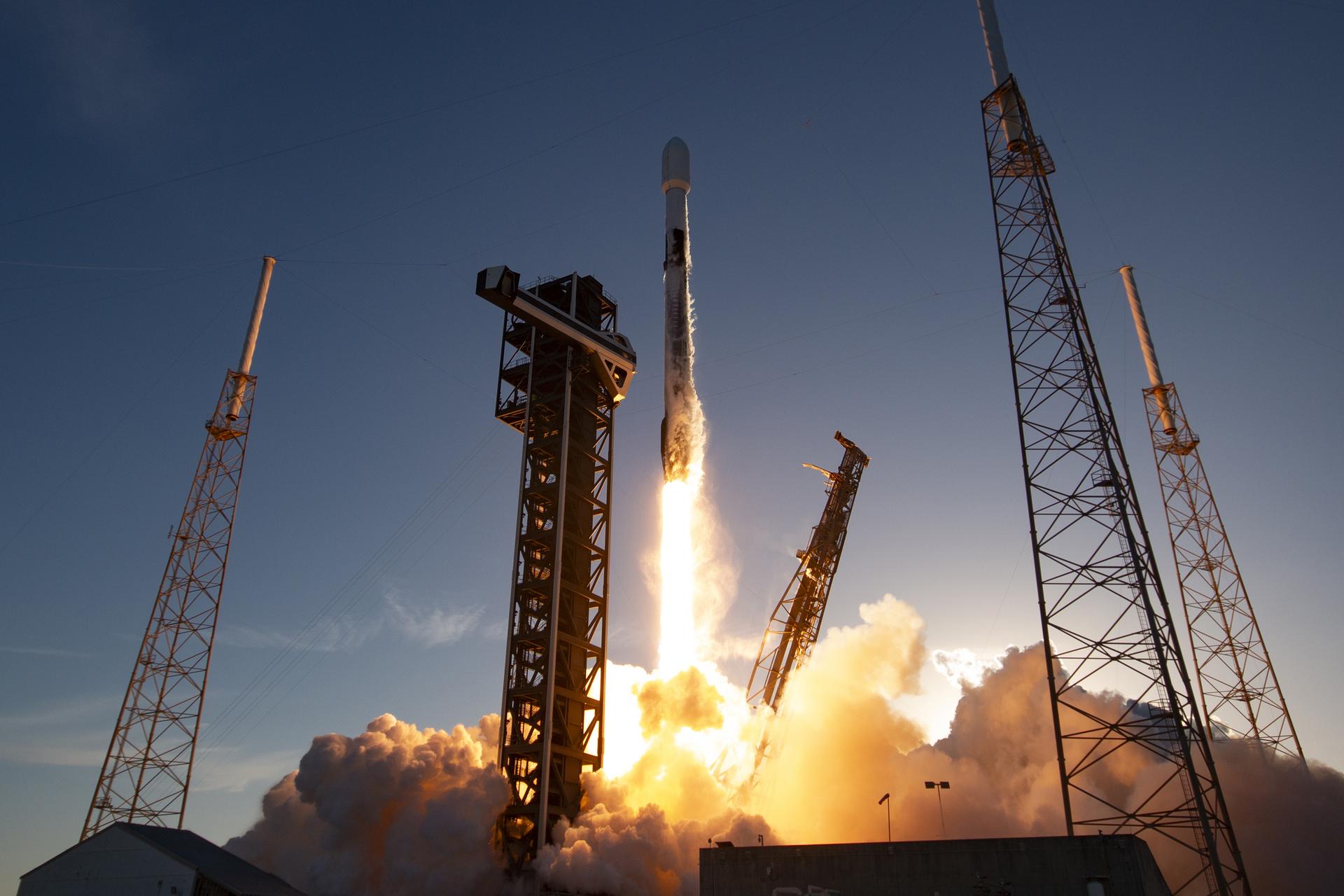
NASA’s Northrop Grumman Commercial Resupply Services 24 mission or Northrop Grumman CRS-24, launches Saturday, April 11, 2026, aboard the company’s Cygnus XL spacecraft atop a SpaceX Falcon 9 rocket from Space Launch Complex 40 at Cape Canaveral Space Force Station in Florida. The resupply mission will deliver approximately 11,000 pounds of science and supplies to the International Space Station.
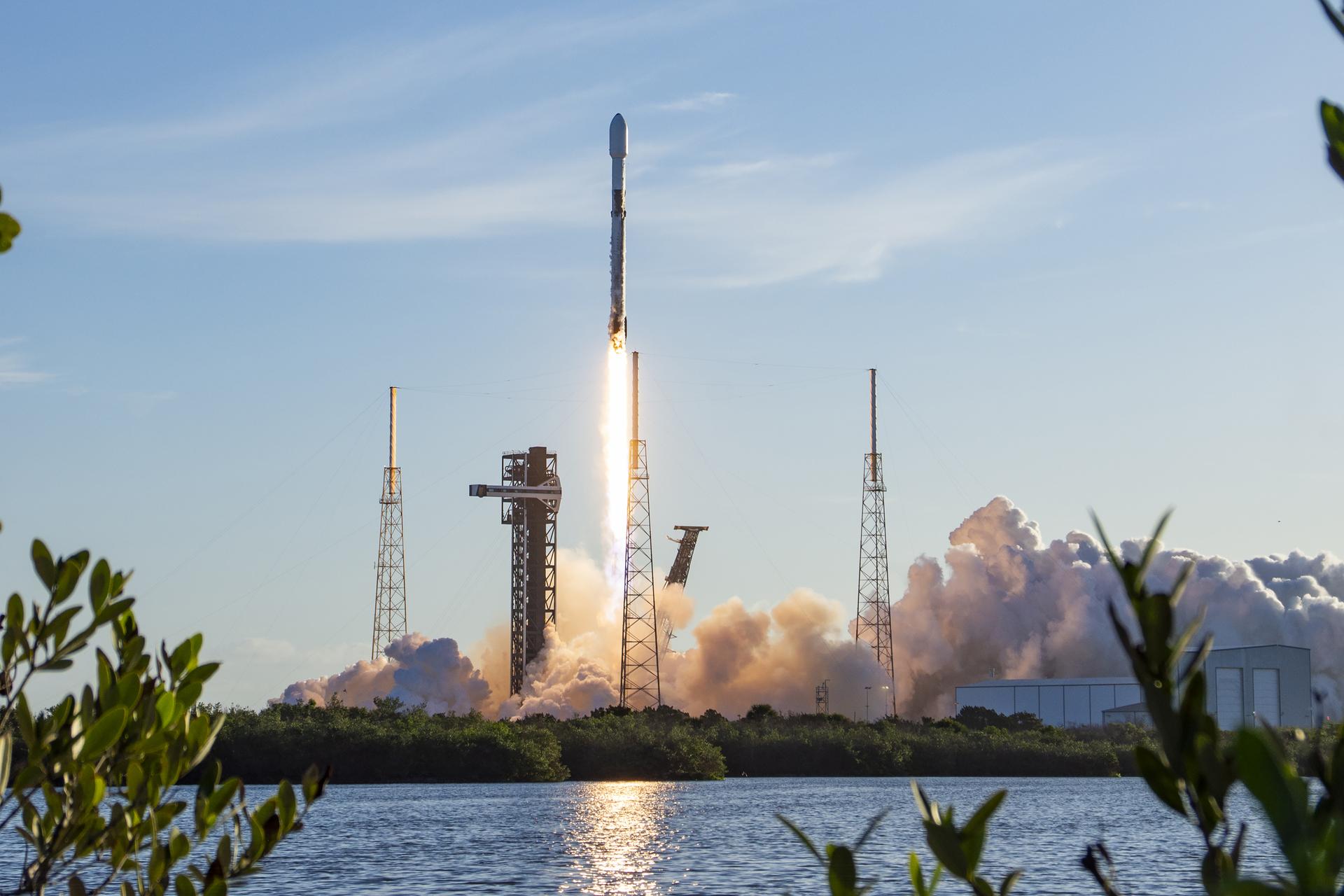
NASA’s Northrop Grumman Commercial Resupply Services 24 mission or Northrop Grumman CRS-24, launches Saturday, April 11, 2026, aboard the company’s Cygnus XL spacecraft atop a SpaceX Falcon 9 rocket from Space Launch Complex 40 at Cape Canaveral Space Force Station in Florida. The resupply mission will deliver approximately 11,000 pounds of science and supplies to the International Space Station.
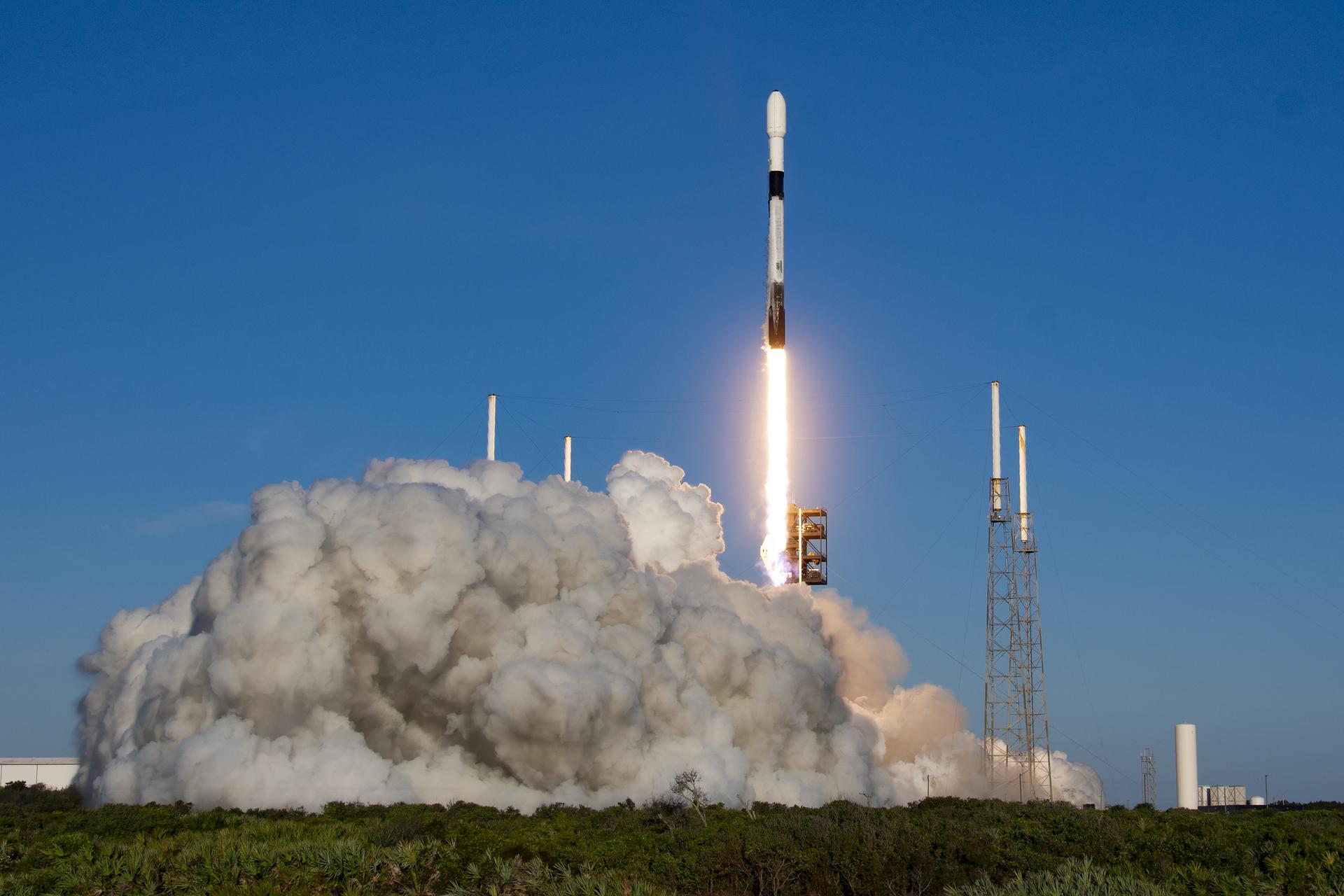
NASA’s Northrop Grumman Commercial Resupply Services 24 mission or Northrop Grumman CRS-24, launches Saturday, April 11, 2026, aboard the company’s Cygnus XL spacecraft atop a SpaceX Falcon 9 rocket from Space Launch Complex 40 at Cape Canaveral Space Force Station in Florida. The resupply mission will deliver approximately 11,000 pounds of science and supplies to the International Space Station.
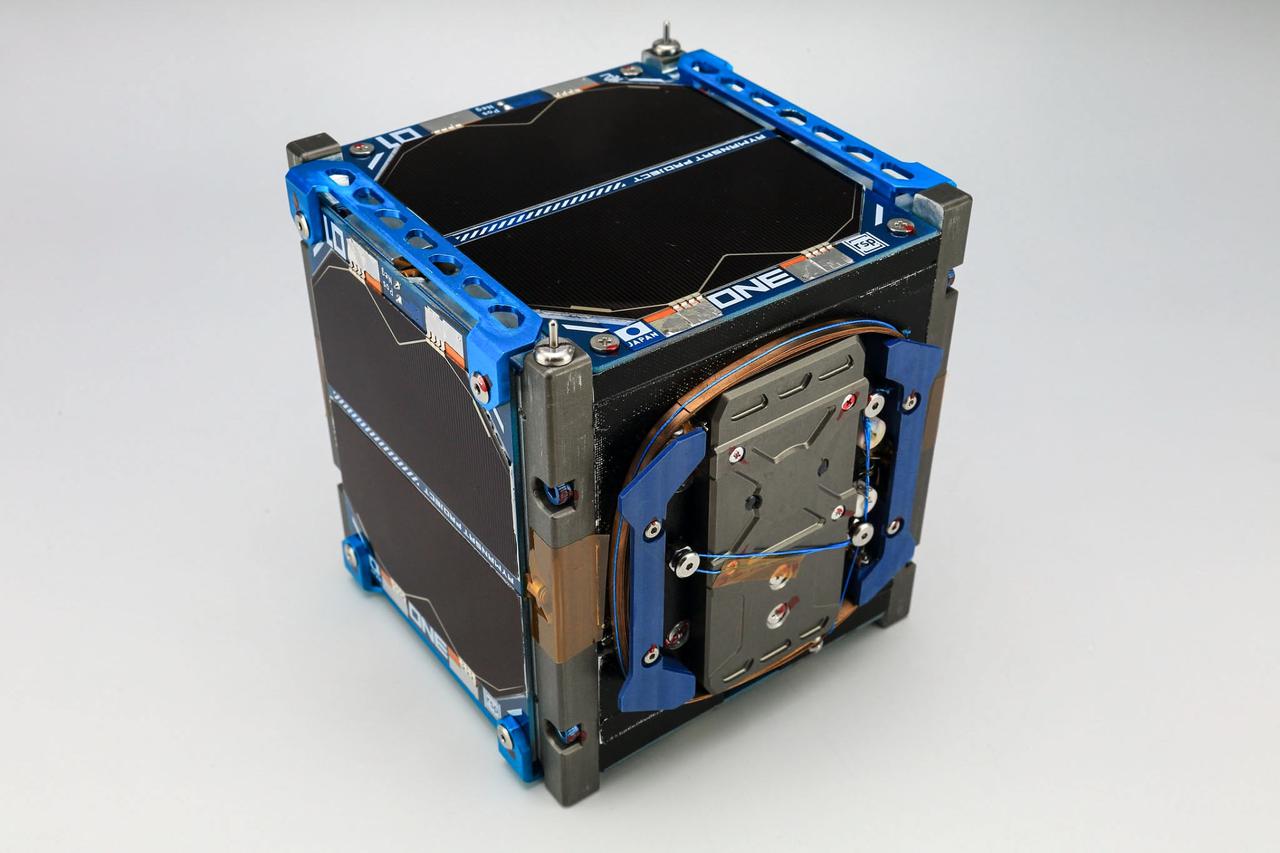
jsc2021e004417 (10/6/2020) --- A pre-flight view of the RSP-01 Flight Model. The RSP-01 satellite is a 1-Unit (1U) CubeSat that deploys during the JEM Small Satellite Orbital Deployer-16 (J-SSOD-16) micro-satellite deployment mission and is handled by the Japanese Experiment Module Remote Manipulator System (JEMRMS). RSP-01 is developed by Rymansat Spaces and launches to the International Space Station aboard the NG-15 Cygnus Cargo Vehicle. Image Credit: Rymansat Spaces.
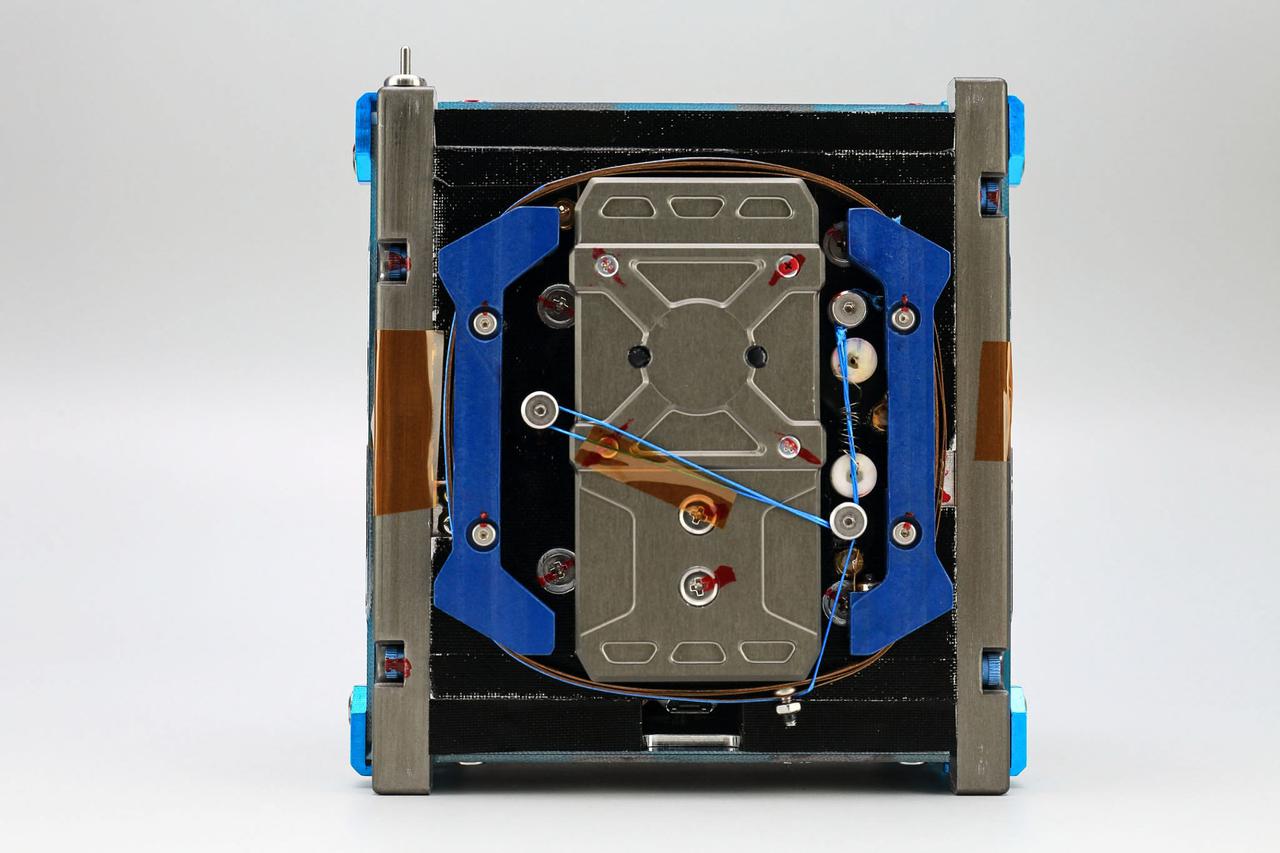
jsc2021e004418 (10/6/2020) --- A pre-flight view of the front side of the RSP-01 Flight Model. The RSP-01 satellite is a 1-Unit (1U) CubeSat that deploys during the JEM Small Satellite Orbital Deployer-16 (J-SSOD-16) micro-satellite deployment mission and is handled by the Japanese Experiment Module Remote Manipulator System (JEMRMS). RSP-01 is developed by Rymansat Spaces and launches to the International Space Station aboard the NG-15 Cygnus Cargo Vehicle. Image Credit: Rymansat Spaces.

jsc2021e004419 (10/27/2020) --- A pre-flight view of the RSP-01 Robot Arm Deployment. The RSP-01 satellite is a 1-Unit (1U) CubeSat that deploys during the JEM Small Satellite Orbital Deployer-16 (J-SSOD-16) micro-satellite deployment mission and is handled by the Japanese Experiment Module Remote Manipulator System (JEMRMS). RSP-01 is developed by Rymansat Spaces and launches to the International Space Station aboard the NG-15 Cygnus Cargo Vehicle. Image Credit: Rymansat Spaces.
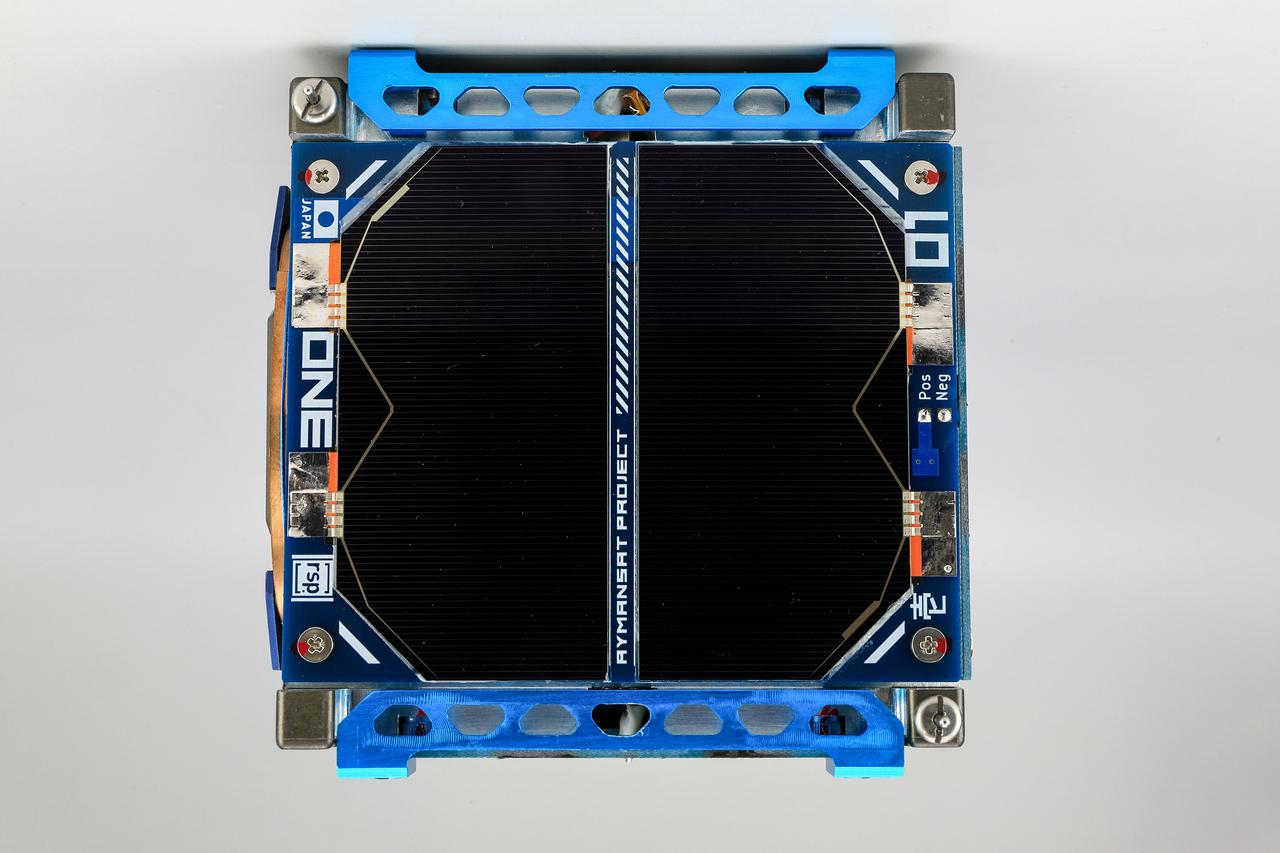
jsc2021e004420 (10/3/2020) --- A pre-flight view of the top of the RSP-01 Flight Model. The RSP-01 satellite is a 1-Unit (1U) CubeSat that deploys during the JEM Small Satellite Orbital Deployer-16 (J-SSOD-16) micro-satellite deployment mission and is handled by the Japanese Experiment Module Remote Manipulator System (JEMRMS). RSP-01 is developed by Rymansat Spaces and launches to the International Space Station aboard the NG-15 Cygnus Cargo Vehicle. Image Credit: Rymansat Spaces.
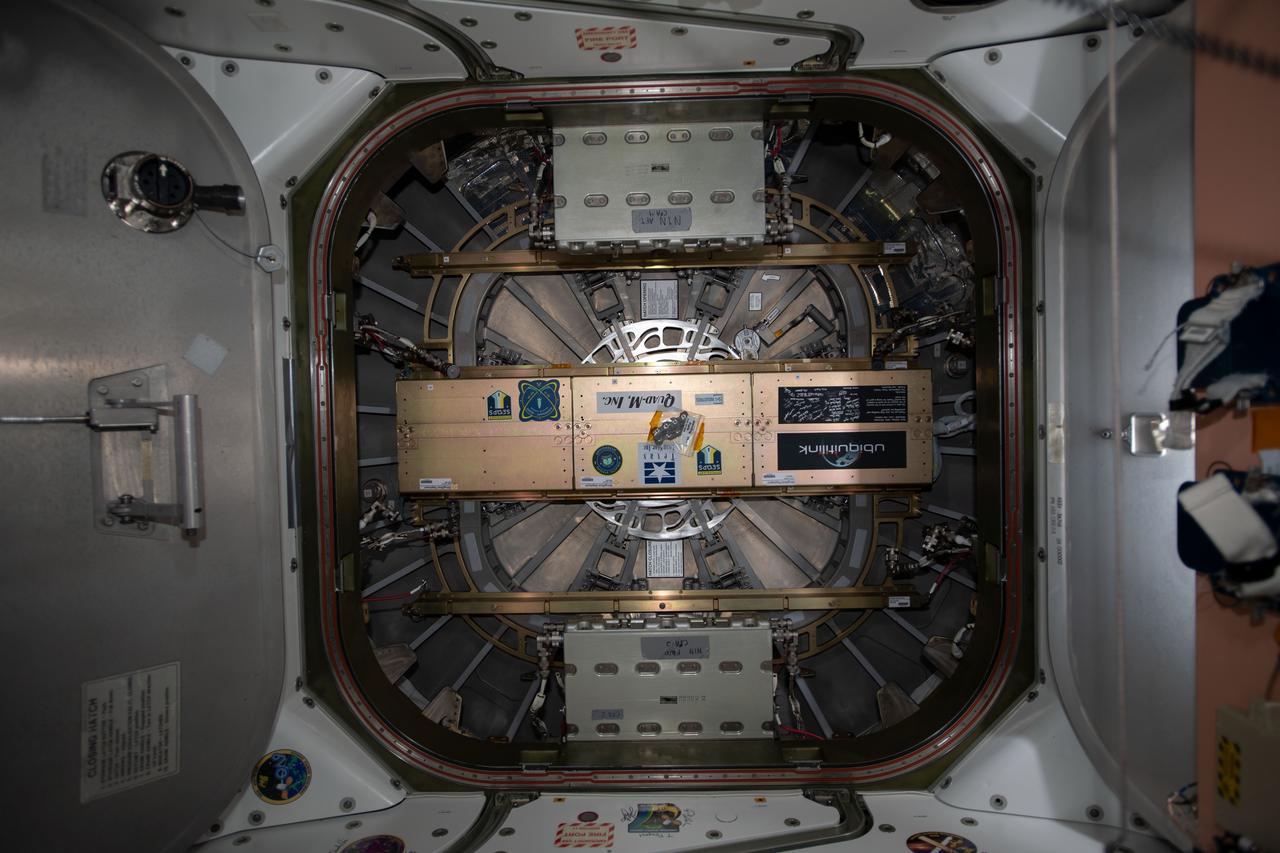
iss060e021430 (8/5/2019) --- Photo documentation of Slingshot mounted on the Passive Common Berthing Mechanism (PCBM) of the NG-11 Cygnus which is berthed to the International Space Station (ISS). SEOPS’ SlingShot is a small satellite deployment system that fits inside the Cygnus spacecraft’s Passive Common Berthing Mechanism (PCBM). SlingShot can accommodate up to 18 satellites that are deployed post Cygnus unberth.
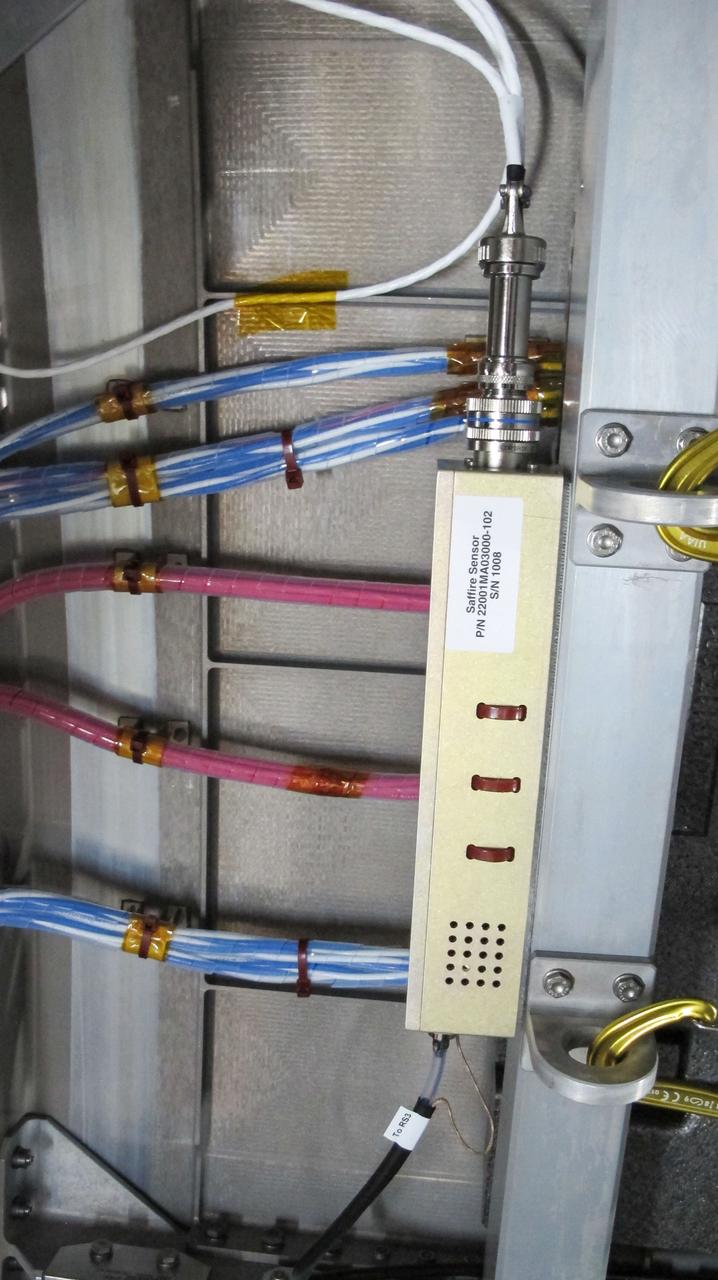
jsc2019e050038 (8/12/2019) --- Photo documentation taken during the NG-12 Crew Equipment Interface Test (CEIT) The view is of a SAFFIRE sensor. The NASA Advanced Exploration Systems program began a project to develop and demonstrate spacecraft fire safety technologies in relevant environments. The keystone of these demonstrations is a large-scale fire safety experiment conducted on an International Space Station (ISS) re-supply vehicle after it has undocked from the ISS and before it enters the atmosphere.
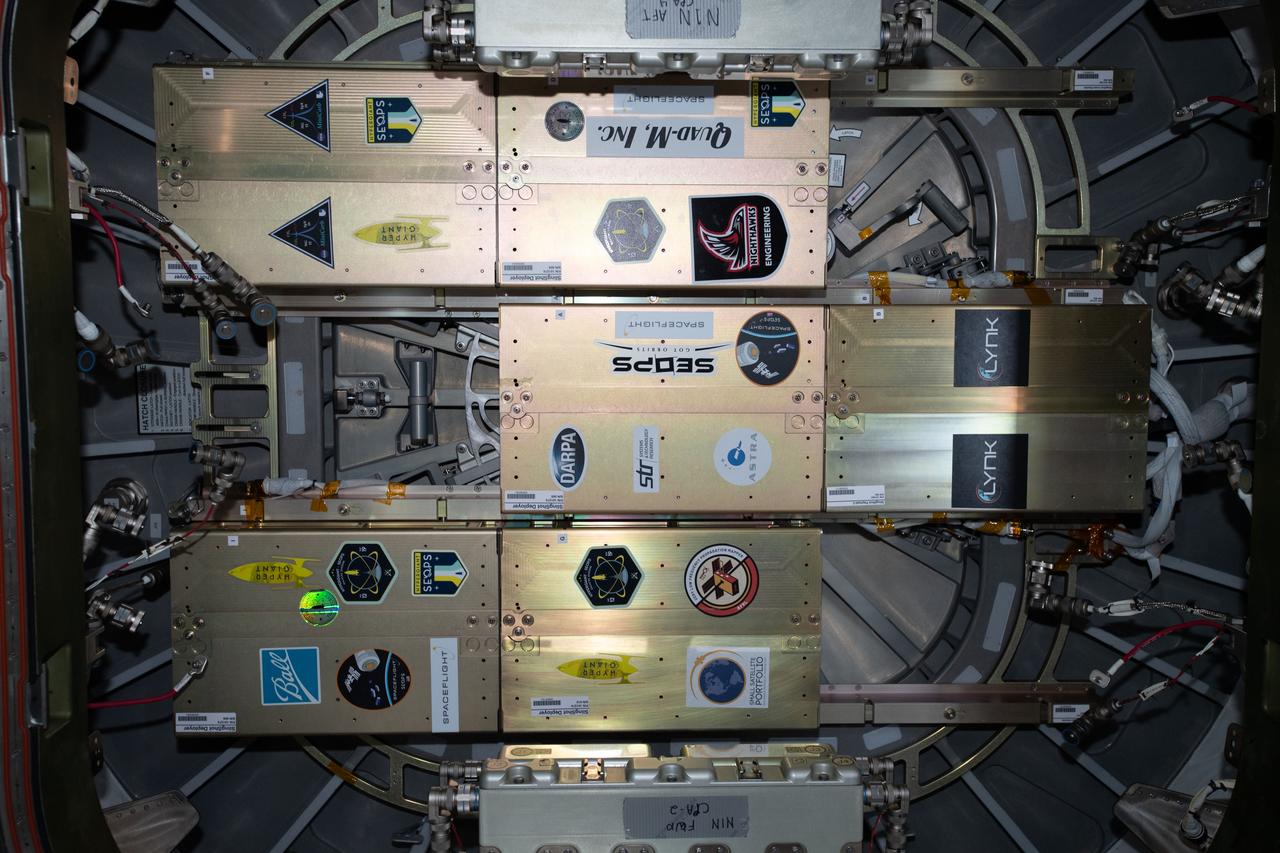
iss061e147761 (1/31/2020) --- A view from the Unity module aboard the International Space Station (ISS) of the Northrop Grumman NG-12 hatch. Attached to the hatch is the SlingShot small satellite deployer loaded with eight CubeSats that were deployed into Earth orbit for communications and atmospheric research several hours after Cygnus departed the orbiting lab on Jan. 31, 2019. The deployed CubeSats include: SEOPS-CIRiS, SEOPS-EDGECUBE, SEOPS-MakerSat, SEOPS-MiniCarb, SEOPS-ORCA, SEOPS-Quantum Radar, SEOPS-UbiquitiLink and SEOPS-VPM.
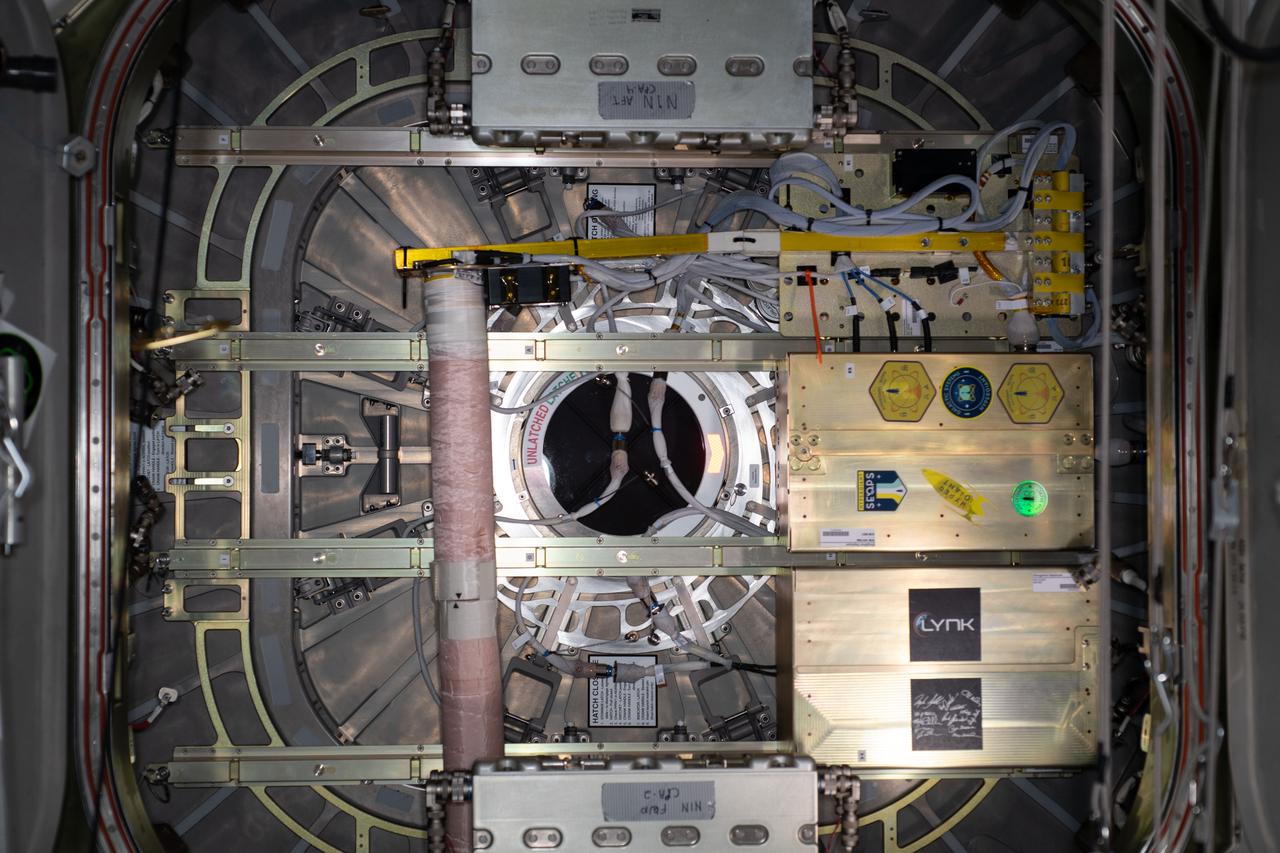
iss063e010534 (5/10/2020) --- A view from the Unity module aboard the International Space Station (ISS) of the Northrop Grumman NG-13 hatch. Attached to the hatch is the SlingShot small satellite deployer loaded with two CubeSats that will be deployed into Earth orbit after Cygnus departs the orbiting lab on May 11, 2020. The SEOPS-UbiquitiLink investigation furthers demonstrates the premise that small satellites/nano satellites can perform vital communications missions and provide valuable communications services. The SEOPS-WIDAR investigation demonstrates technologies that increase the utility of low-cost microsatellites, contributing to the increased commercialization of the International Space Station and low-Earth orbit.
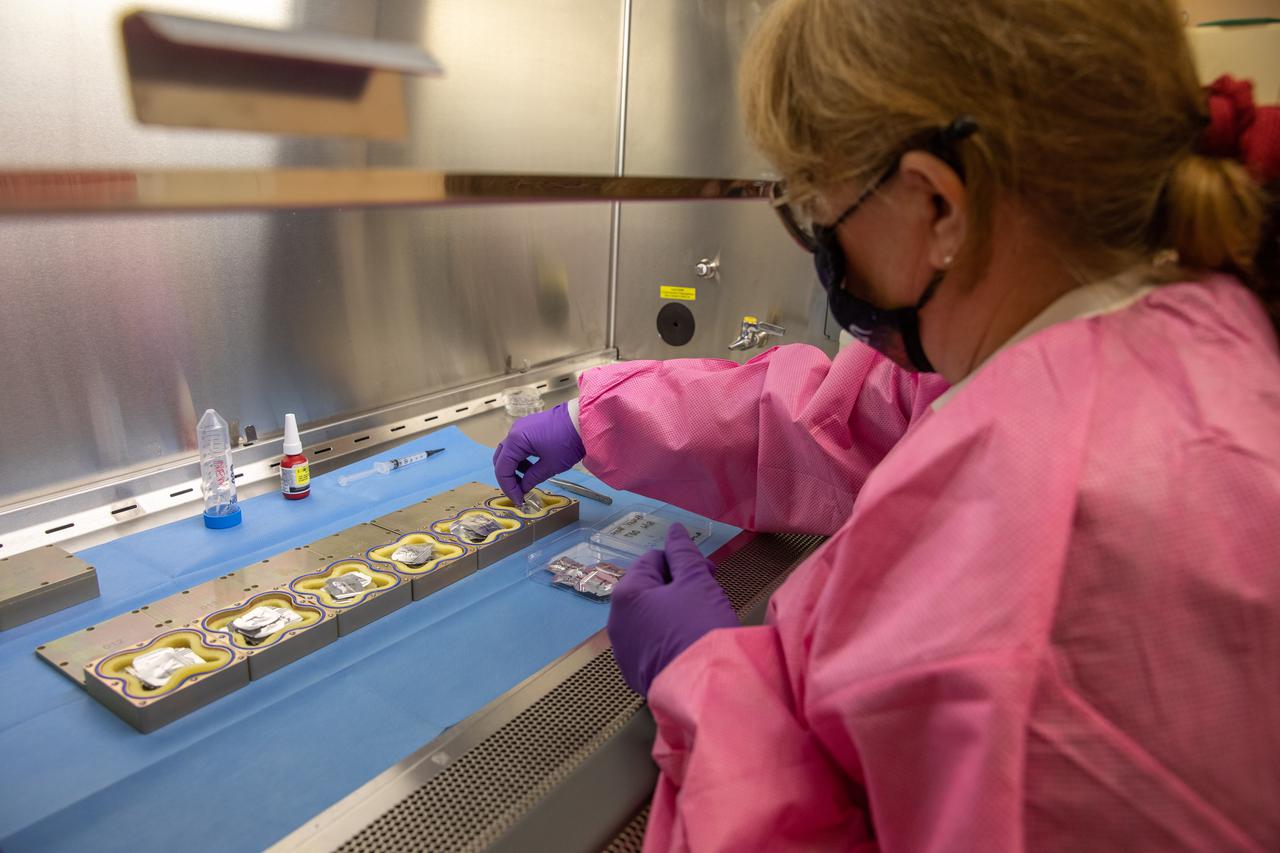
Christina Khodada, a research scientist working with the Exploration Research and Technology Programs, prepares containers Feb. 11, 2021, at NASA’s Kennedy Space Center in Florida for a Materials International Space Station Experiment (MISSE). The containers, carrying sets of seeds, will fly aboard Northrop Grumman’s Cygnus spacecraft as part of NG-15, a NASA commercial resupply mission to the orbiting laboratory targeted for Feb. 20, 2021. They will be placed in the MISSE testing facility, located near the space station’s solar arrays, where they will be exposed to the extreme environment of space for six months before returning to Earth for further study.

Jeffrey Richards, a project science coordinator working with the Exploration Research and Technology programs at NASA’s Kennedy Space Center in Florida, prepares containers Feb. 11, 2021, for a Materials International Space Station Experiment (MISSE). The containers, carrying sets of seeds, will fly aboard Northrop Grumman’s Cygnus spacecraft as part of NG-15, a NASA commercial resupply mission to the orbiting laboratory targeted for Feb. 20, 2021. They will be placed in the MISSE testing facility, located near the space station’s solar arrays, where they will be exposed to the extreme environment of space for six months before returning to Earth for further study.
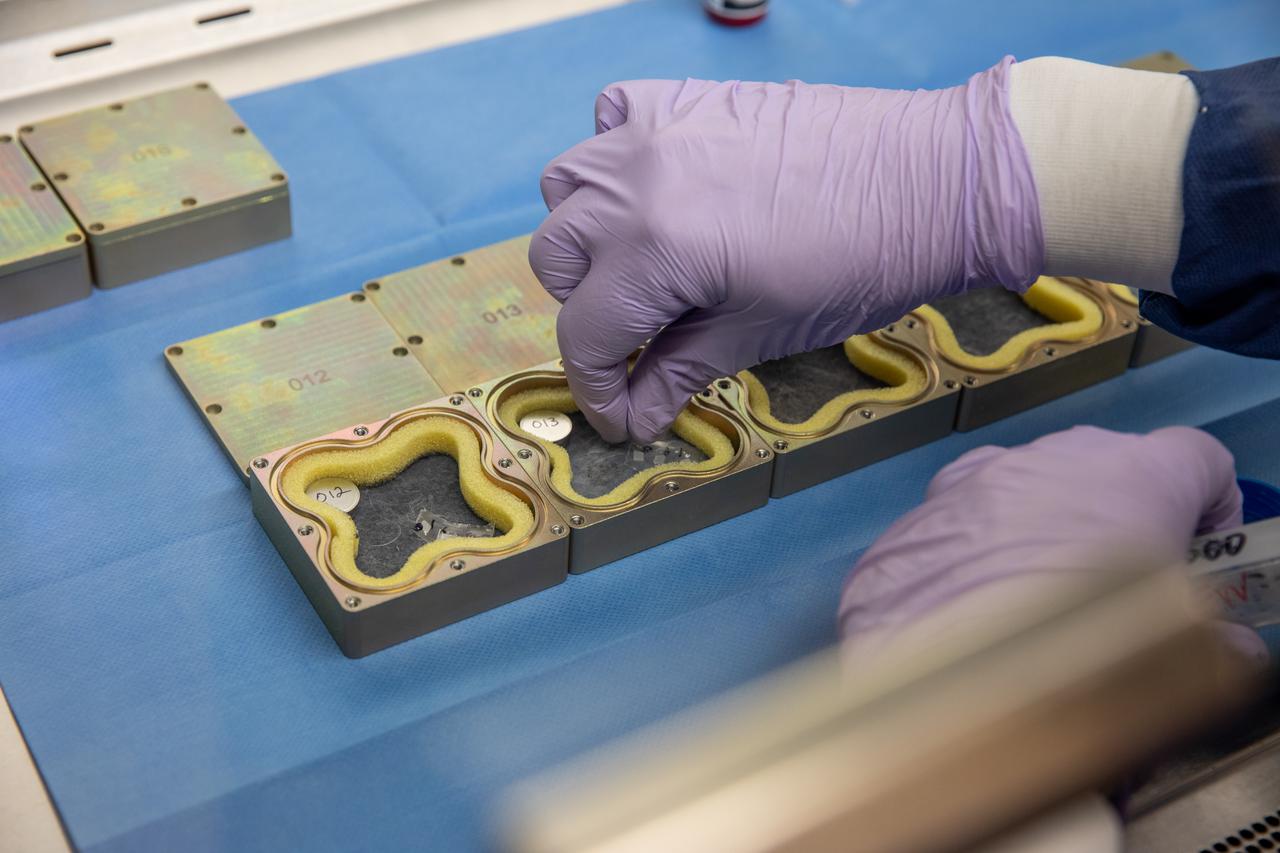
Jeffrey Richards, a project science coordinator working with the Exploration Research and Technology programs at NASA’s Kennedy Space Center in Florida, prepares containers Feb. 11, 2021, for a Materials International Space Station Experiment (MISSE). The containers, carrying sets of seeds, will fly aboard Northrop Grumman’s Cygnus spacecraft as part of NG-15, a NASA commercial resupply mission to the orbiting laboratory targeted for Feb. 20, 2021. They will be placed in the MISSE testing facility, located near the space station’s solar arrays, where they will be exposed to the extreme environment of space for six months before returning to Earth for further study.
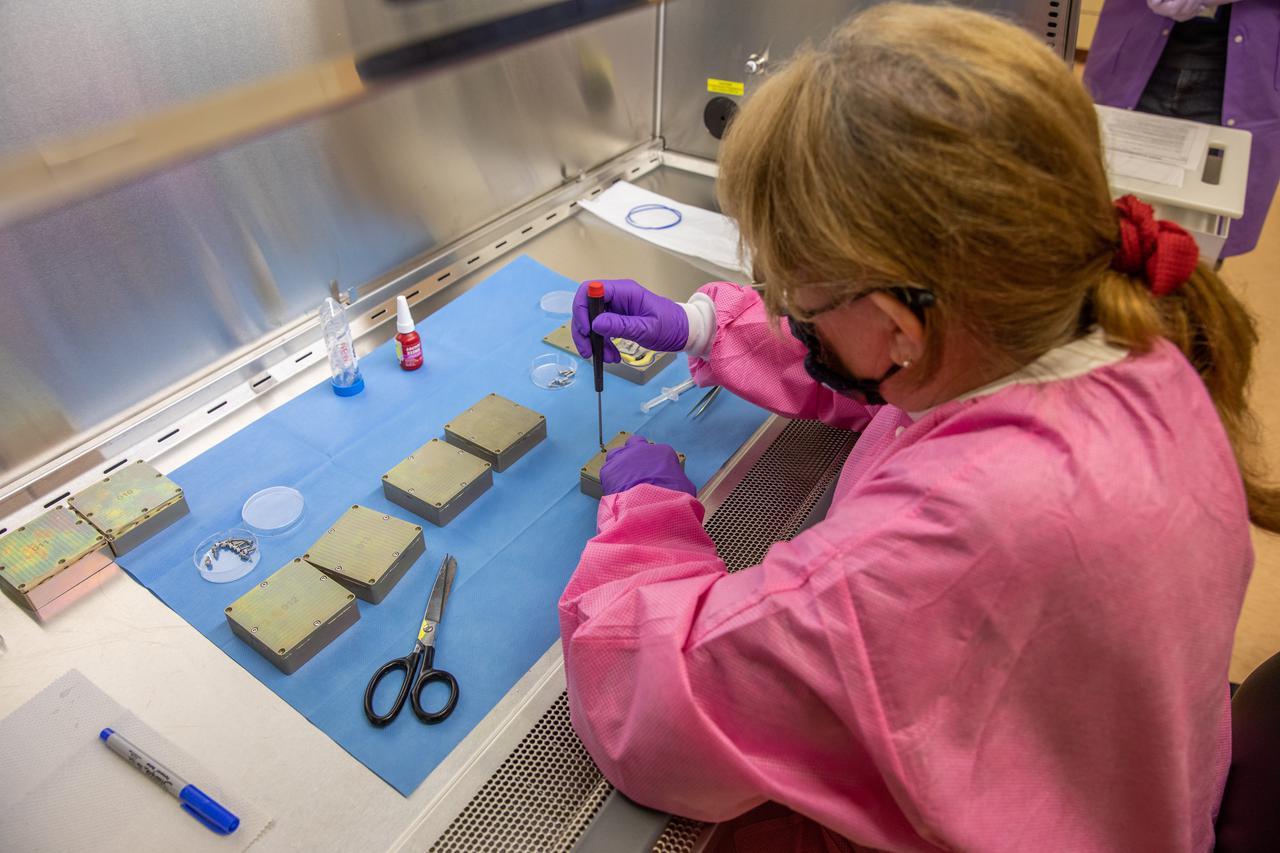
Christina Khodada, a research scientist working with the Exploration Research and Technology Programs, prepares containers Feb. 11, 2021, at NASA’s Kennedy Space Center in Florida for a Materials International Space Station Experiment (MISSE). The containers, carrying sets of seeds, will fly aboard Northrop Grumman’s Cygnus spacecraft as part of NG-15, a NASA commercial resupply mission to the orbiting laboratory targeted for Feb. 20, 2021. They will be placed in the MISSE testing facility, located near the space station’s solar arrays, where they will be exposed to the extreme environment of space for six months before returning to Earth for further study.
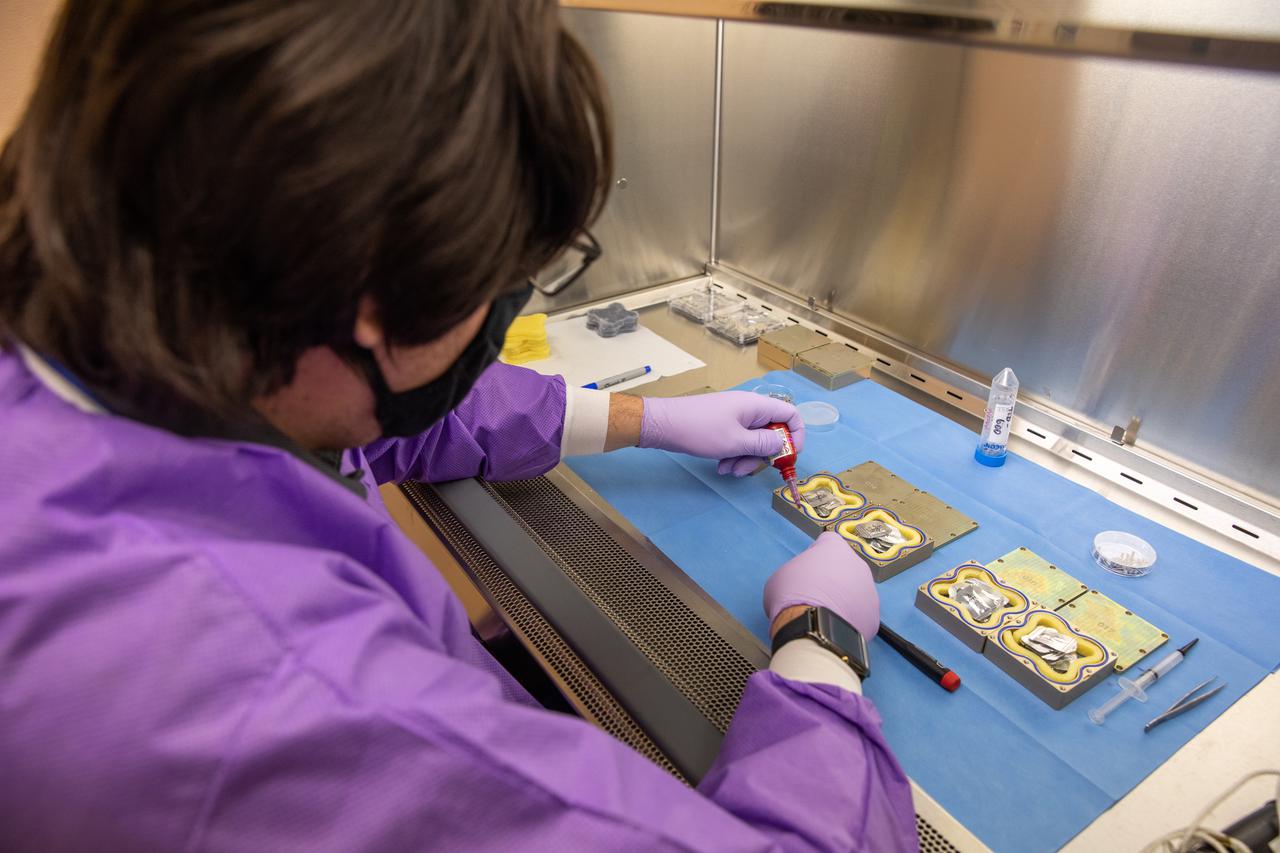
Cory Spern, a research scientist working with the Exploration Research and Technology programs at NASA’s Kennedy Space Center in Florida, prepares containers Feb. 11, 2021, for a Materials International Space Station Experiment (MISSE). The containers, carrying sets of seeds, will fly aboard Northrop Grumman’s Cygnus spacecraft as part of NG-15, a NASA commercial resupply mission to the orbiting laboratory targeted for Feb. 20, 2021. They will be placed in the MISSE testing facility, located near the space station’s solar arrays, where they will be exposed to the extreme environment of space for six months before returning to Earth for further study.

Jeffrey Richards, a project science coordinator working with the Exploration Research and Technology programs at NASA’s Kennedy Space Center in Florida, prepares containers Feb. 11, 2021, for a Materials International Space Station Experiment (MISSE). The containers, carrying sets of seeds, will fly aboard Northrop Grumman’s Cygnus spacecraft as part of NG-15, a NASA commercial resupply mission to the orbiting laboratory targeted for Feb. 20, 2021. They will be placed in the MISSE testing facility, located near the space station’s solar arrays, where they will be exposed to the extreme environment of space for six months before returning to Earth for further study.
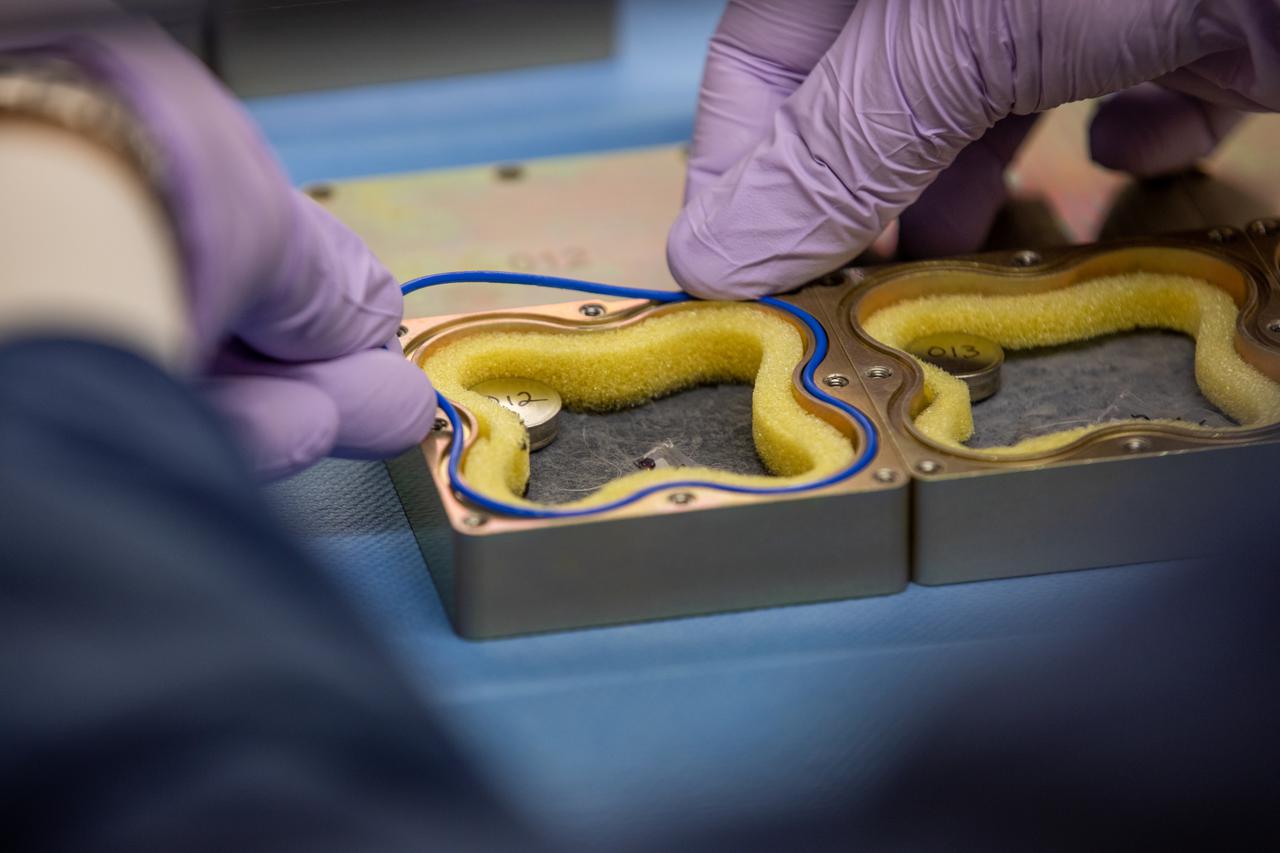
Jeffrey Richards, a project science coordinator working with the Exploration Research and Technology programs at NASA’s Kennedy Space Center in Florida, prepares containers Feb. 11, 2021, for a Materials International Space Station Experiment (MISSE). The containers, carrying sets of seeds, will fly aboard Northrop Grumman’s Cygnus spacecraft as part of NG-15, a NASA commercial resupply mission to the orbiting laboratory targeted for Feb. 20, 2021. They will be placed in the MISSE testing facility, located near the space station’s solar arrays, where they will be exposed to the extreme environment of space for six months before returning to Earth for further study.
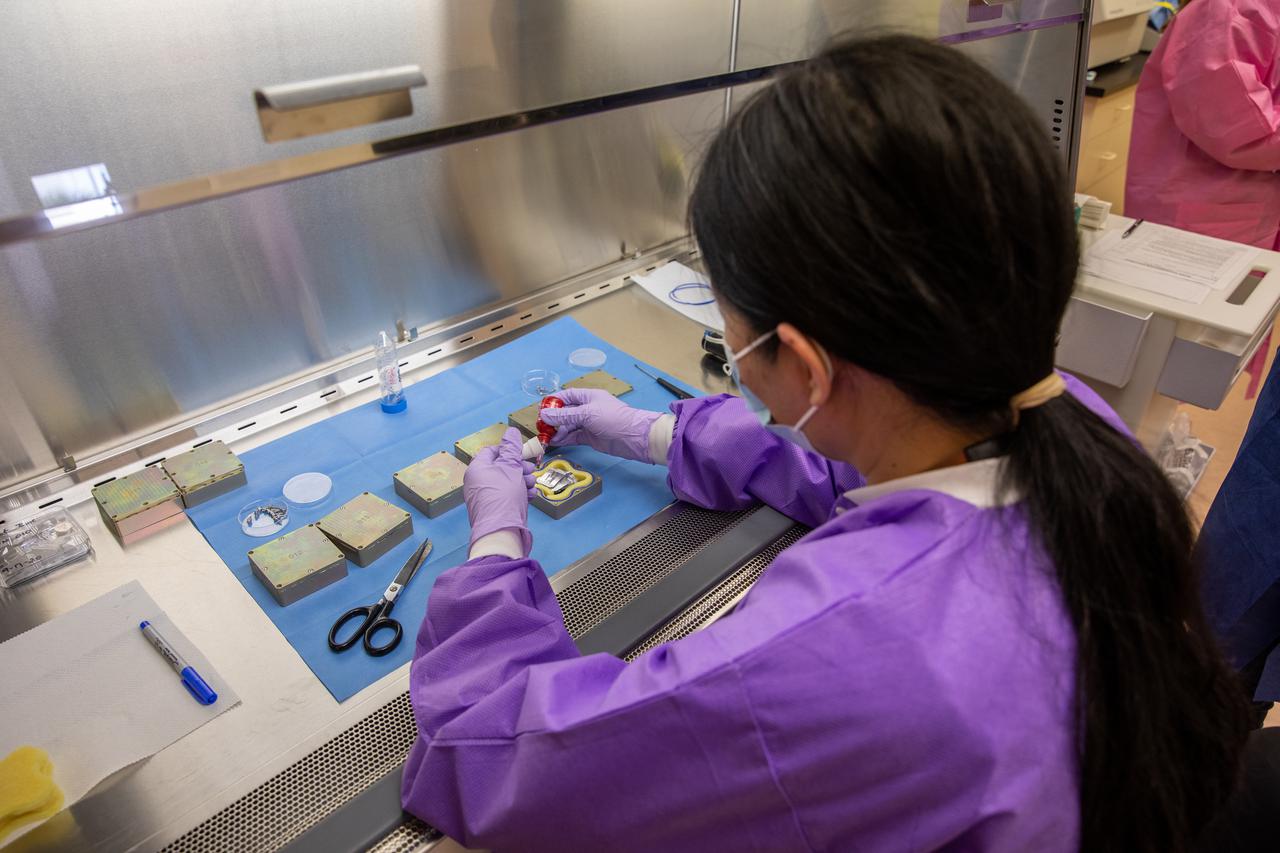
Ye Zhang, project scientist for the Exploration Research and Technology programs at NASA’s Kennedy Space Center in Florida, prepares containers for a Materials International Space Station Experiment (MISSE). The containers, carrying sets of seeds, will fly aboard Northrop Grumman’s Cygnus spacecraft as part of NG-15, a NASA commercial resupply mission to the orbiting laboratory targeted for Feb. 20, 2021. They will be placed in the MISSE testing facility, located near the space station’s solar arrays, where they will be exposed to the extreme environment of space for six months before returning to Earth for further study.

Jeffrey Richards, a project science coordinator working with the Exploration Research and Technology programs at NASA’s Kennedy Space Center in Florida, prepares containers Feb. 11, 2021, for a Materials International Space Station Experiment (MISSE). The containers, carrying sets of seeds, will fly aboard Northrop Grumman’s Cygnus spacecraft as part of NG-15, a NASA commercial resupply mission to the orbiting laboratory targeted for Feb. 20, 2021. They will be placed in the MISSE testing facility, located near the space station’s solar arrays, where they will be exposed to the extreme environment of space for six months before returning to Earth for further study.
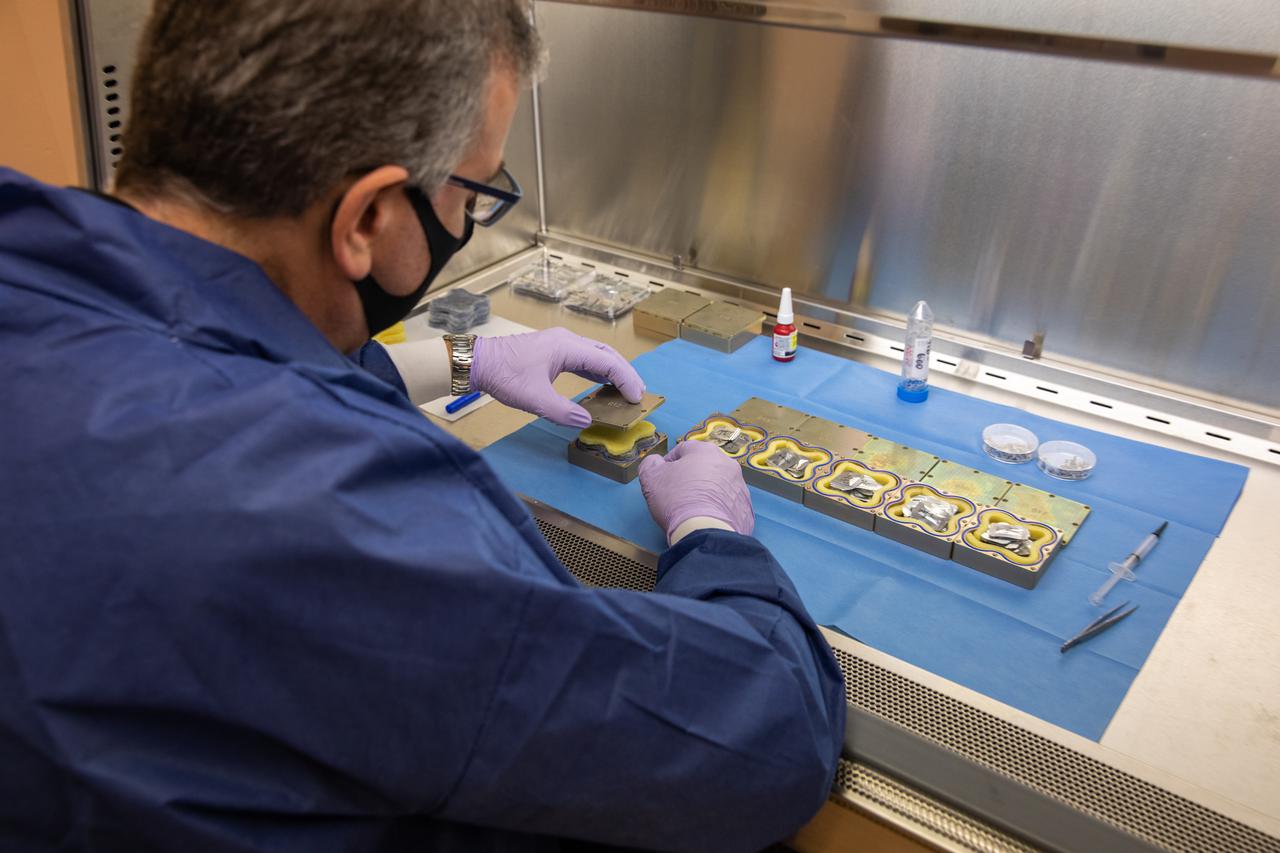
Jeffrey Richards, a project science coordinator working with the Exploration Research and Technology programs at NASA’s Kennedy Space Center in Florida, prepares containers Feb. 11, 2021, for a Materials International Space Station Experiment (MISSE). The containers, carrying sets of seeds, will fly aboard Northrop Grumman’s Cygnus spacecraft as part of NG-15, a NASA commercial resupply mission to the orbiting laboratory targeted for Feb. 20, 2021. They will be placed in the MISSE testing facility, located near the space station’s solar arrays, where they will be exposed to the extreme environment of for six months before returning to Earth for further study.
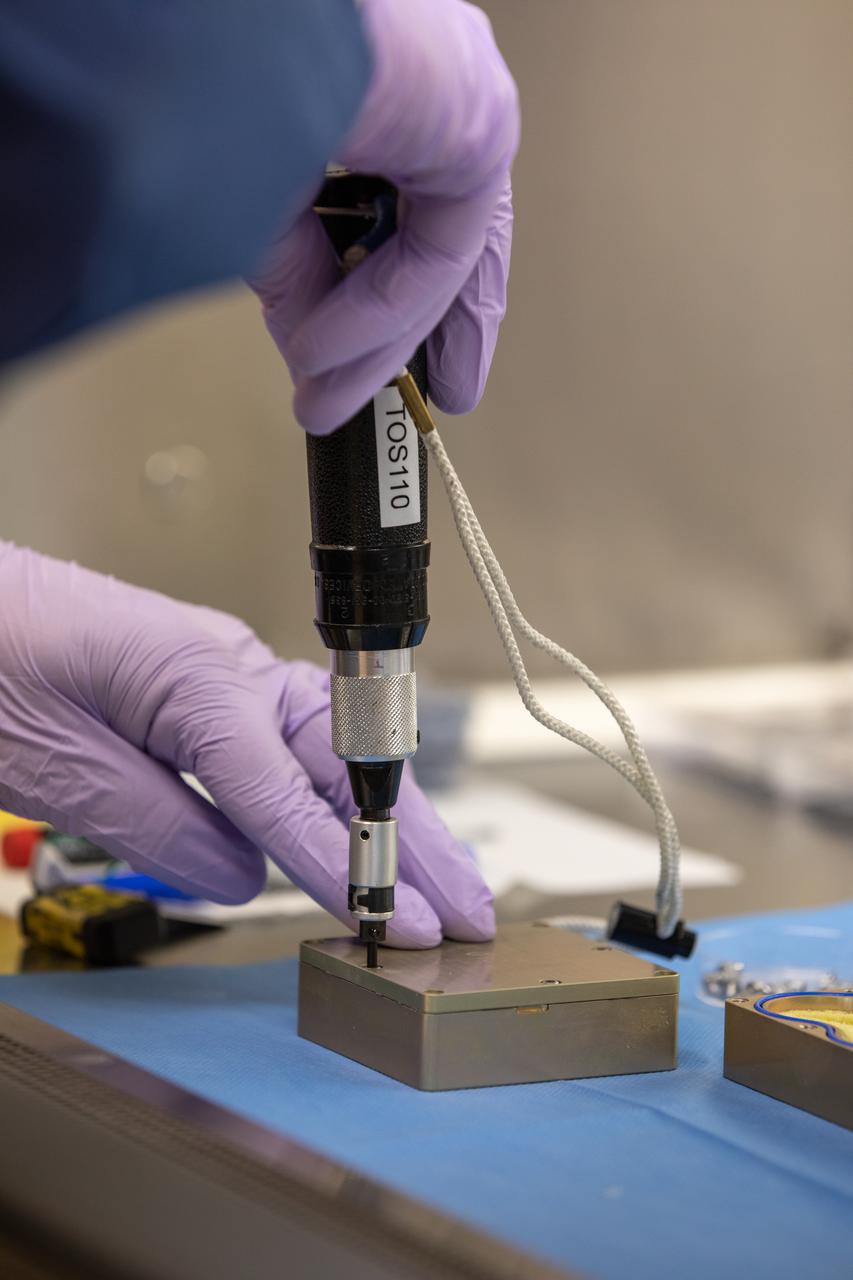
Jeffrey Richards, a project science coordinator working with the Exploration Research and Technology programs at NASA’s Kennedy Space Center in Florida, prepares containers Feb. 11, 2021, for a Materials International Space Station Experiment (MISSE). The containers, carrying sets of seeds, will fly aboard Northrop Grumman’s Cygnus spacecraft as part of NG-15, a NASA commercial resupply mission to the orbiting laboratory targeted for Feb. 20, 2021. They will be placed in the MISSE testing facility, located near the space station’s solar arrays, where they will be exposed to the extreme environment of for six months before returning to Earth for further study.
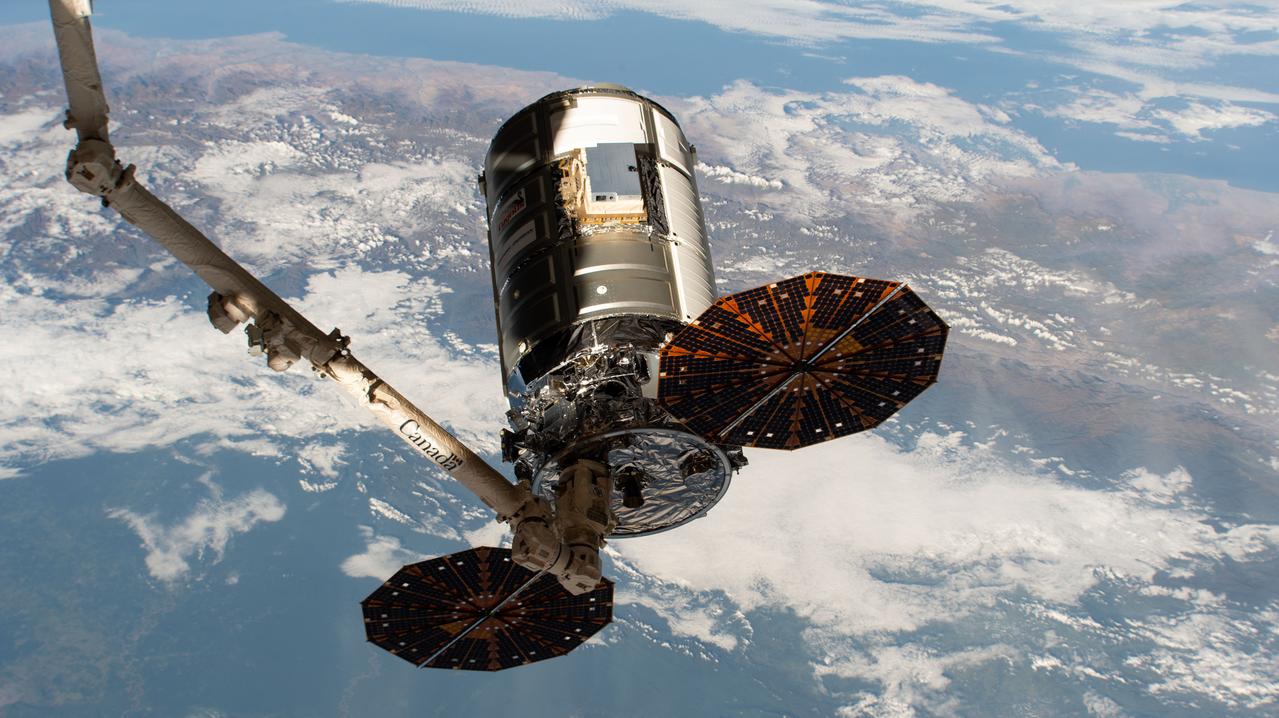
iss063e010583 (May 11, 2020) --- The Northrop Grumman (NG)-13 Cygnus vehicle (S.S. Robert Henry Lawrence Jr.) cargo craft is pictured in the grips of the Canadarm2 robotic arm shortly before its departure from the International Space Station (ISS) for a destructive re-entry over the South Pacific Ocean. Seen in the view is the High Definition Earth Viewing (HDEV) payload attached to the Cygnus. The HDEV experiment, deployed and activated in April 2014, placed four commercially available HD cameras on the exterior of the space station and used them to stream live video of Earth for viewing online. Almost 350 million viewers visited the site over HDEV’s life span.
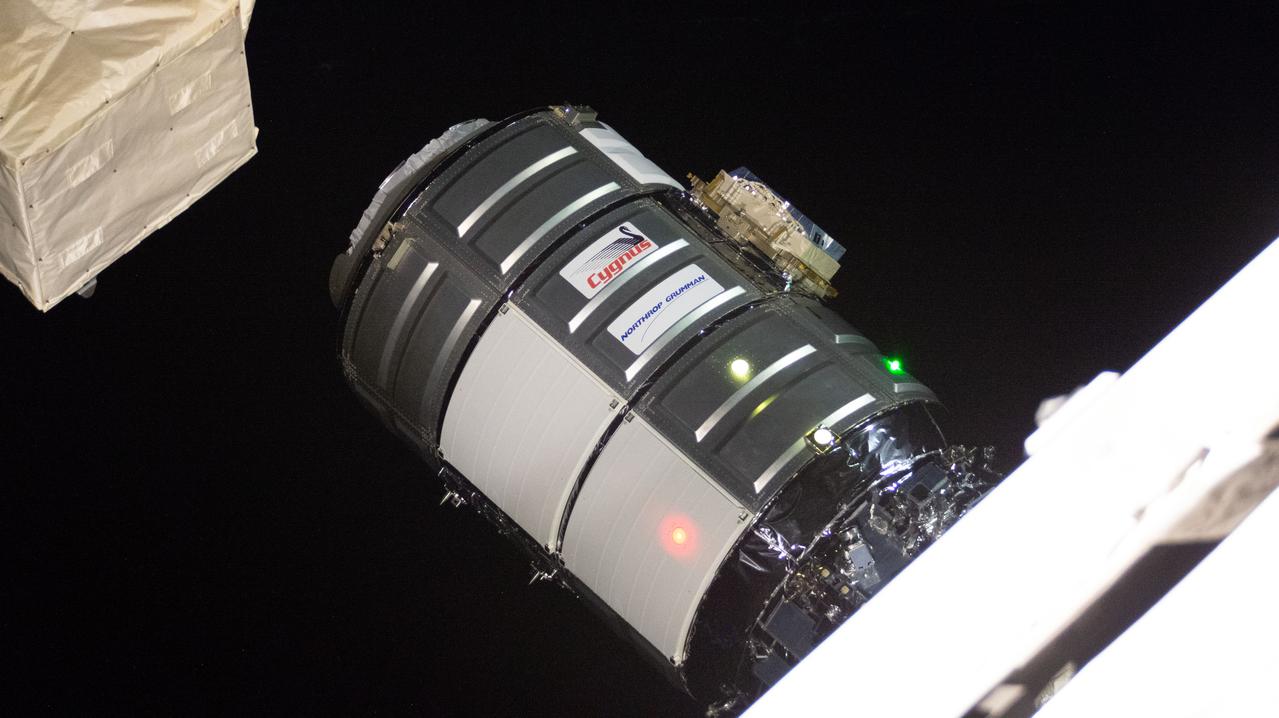
iss063e010584 (5/11/2020) --- The Northrop Grumman (NG)-13 Cygnus vehicle (S.S. Robert Henry Lawrence Jr.) cargo craft is pictured in the grips of the Canadarm2 robotic arm shortly before its departure from the International Space Station (ISS) for a destructive re-entry over the South Pacific Ocean. Seen in the view is the High Definition Earth Viewing (HDEV) payload attached to the Cygnus. The HDEV experiment, deployed and activated in April 2014, placed four commercially available HD cameras on the exterior of the space station and used them to stream live video of Earth for viewing online. Almost 350 million viewers visited the site over HDEV’s life span.
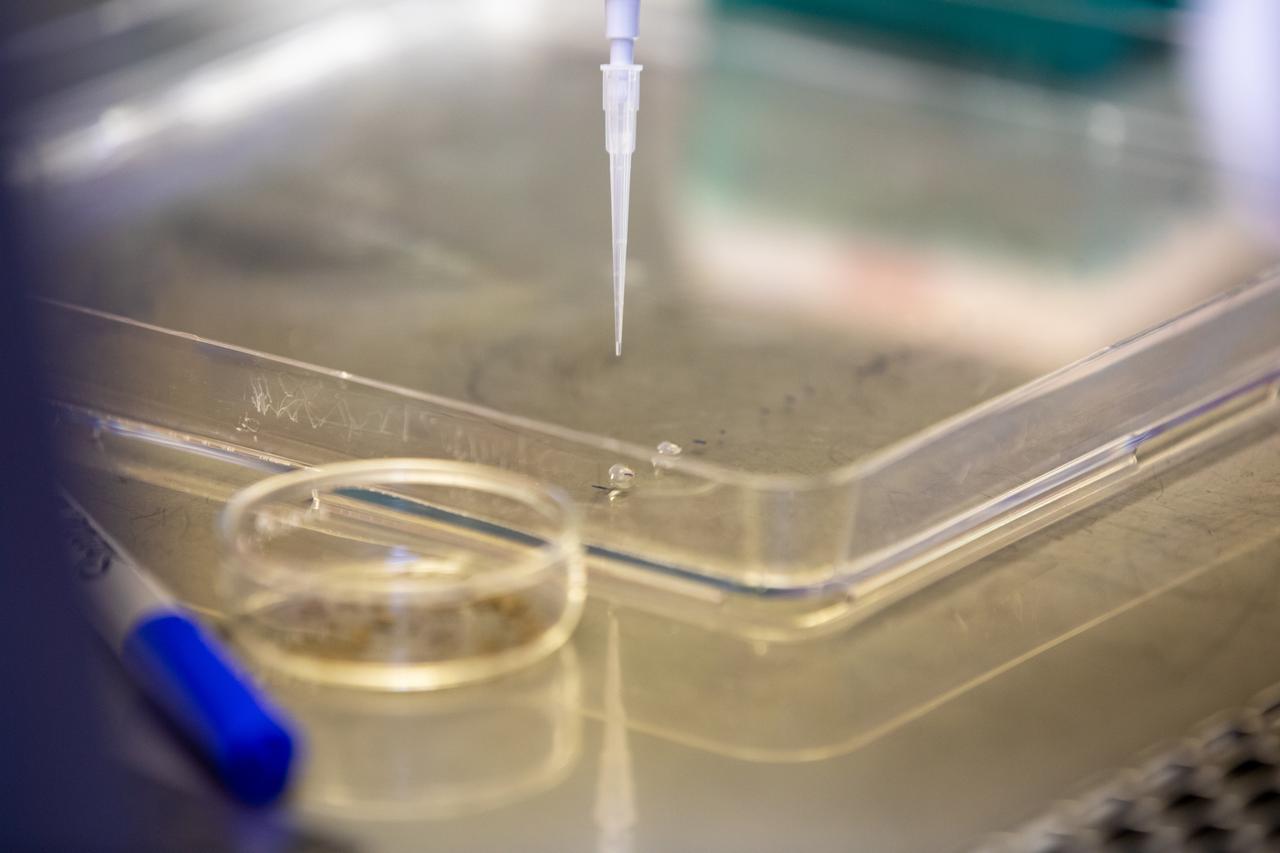
Aaron Curry, a research scientist with the Laboratory Support Services and Operations (LASSO) contract at NASA’s Kennedy Space Center in Florida affixes red romaine lettuce seeds to a sheet of seed film – a new seed handling material – inside the Space Station Processing Facility on Jan. 15, 2020. The seed film is being prepared for the VEG-03 J experiment that will fly to the International Space Station on Northrop Grumman’s 13th resupply services (NG-13) mission. This seed film experiment involves crew aboard the orbiting laboratory planting the seeds into plant pillows – a common method used to grow plants in space – themselves for the first time ever. The water-soluble, dissolving film addresses the challenge of handling seeds in a microgravity environment and also can be used to deliver fertilizers and other beneficial substances that help plants grow. NG-13 is scheduled to launch from the agency’s Wallops Flight Facility in Virginia on Feb. 9, 2020, at 5:39 p.m. EST.
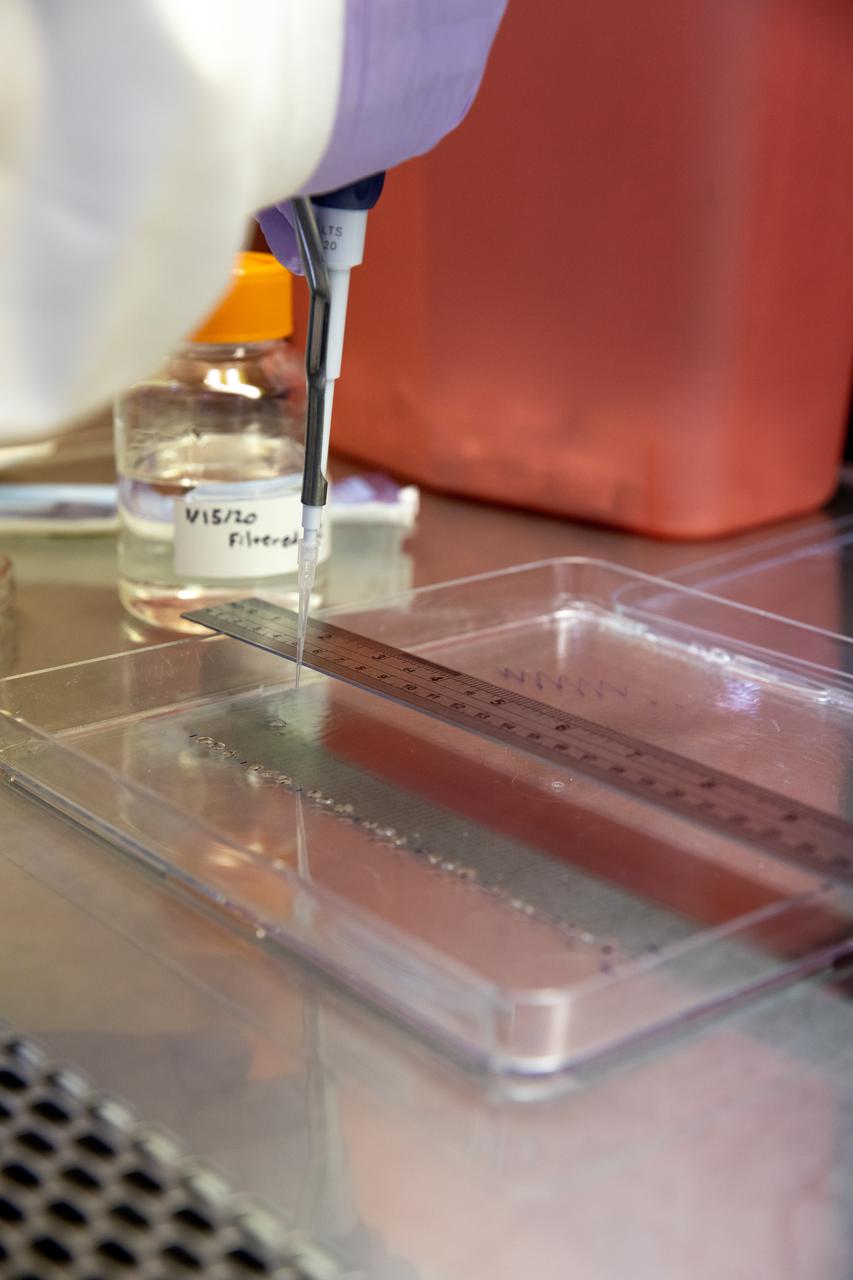
Aaron Curry, a research scientist with the Laboratory Support Services and Operations (LASSO) contract at NASA’s Kennedy Space Center in Florida affixes red romaine lettuce seeds to a sheet of seed film – a new seed handling material – inside the Space Station Processing Facility on Jan. 15, 2020. The seed film is being prepared for the VEG-03 J experiment that will fly to the International Space Station on Northrop Grumman’s 13th resupply services (NG-13) mission. This seed film experiment involves crew aboard the orbiting laboratory planting the seeds into plant pillows – a common method used to grow plants in space – themselves for the first time ever. The water-soluble, dissolving film addresses the challenge of handling seeds in a microgravity environment and also can be used to deliver fertilizers and other beneficial substances that help plants grow. NG-13 is scheduled to launch from the agency’s Wallops Flight Facility in Virginia on Feb. 9, 2020, at 5:39 p.m. EST.
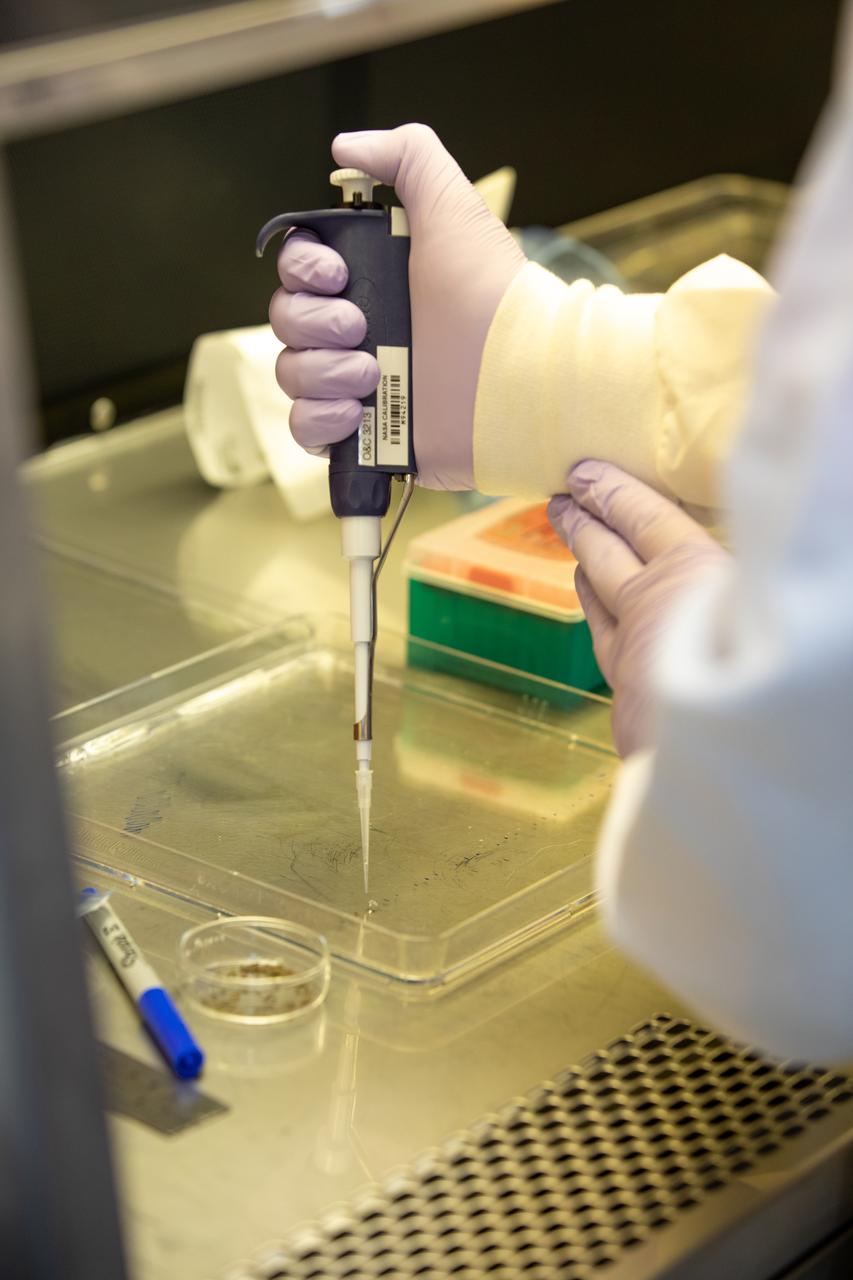
Aaron Curry, a research scientist with the Laboratory Support Services and Operations (LASSO) contract at NASA’s Kennedy Space Center in Florida affixes red romaine lettuce seeds to a sheet of seed film – a new seed handling material – inside the Space Station Processing Facility on Jan. 15, 2020. The seed film is being prepared for the VEG-03 J experiment that will fly to the International Space Station on Northrop Grumman’s 13th resupply services (NG-13) mission. This seed film experiment involves crew aboard the orbiting laboratory planting the seeds into plant pillows – a common method used to grow plants in space – themselves for the first time ever. The water-soluble, dissolving film addresses the challenge of handling seeds in a microgravity environment and also can be used to deliver fertilizers and other beneficial substances that help plants grow. NG-13 is scheduled to launch from the agency’s Wallops Flight Facility in Virginia on Feb. 9, 2020, at 5:39 p.m. EST.
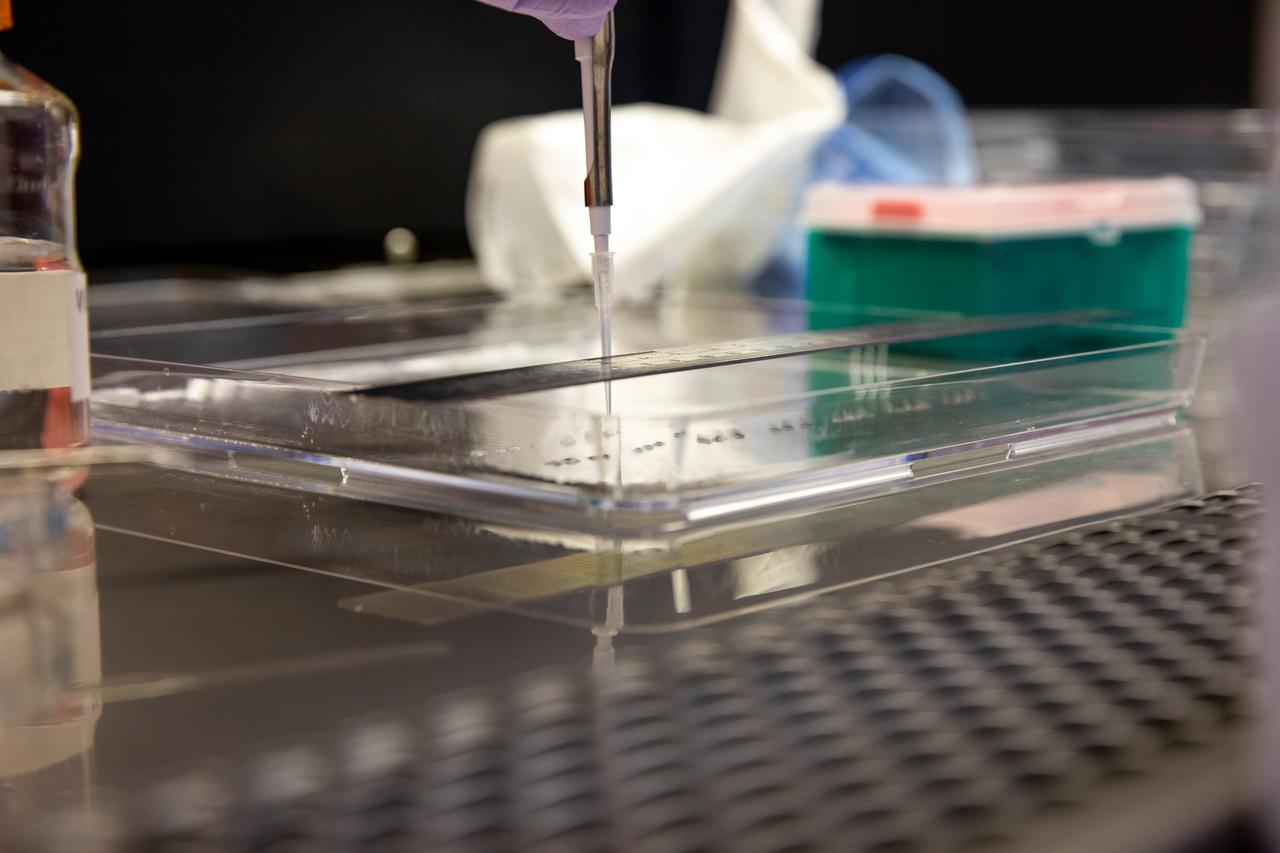
Aaron Curry, a research scientist with the Laboratory Support Services and Operations (LASSO) contract at NASA’s Kennedy Space Center in Florida affixes red romaine lettuce seeds to a sheet of seed film – a new seed handling material – inside the Space Station Processing Facility on Jan. 15, 2020. The seed film is being prepared for the VEG-03 J experiment that will fly to the International Space Station on Northrop Grumman’s 13th resupply services (NG-13) mission. This seed film experiment involves crew aboard the orbiting laboratory planting the seeds into plant pillows – a common method used to grow plants in space – themselves for the first time ever. The water-soluble, dissolving film addresses the challenge of handling seeds in a microgravity environment and also can be used to deliver fertilizers and other beneficial substances that help plants grow. NG-13 is scheduled to launch from the agency’s Wallops Flight Facility in Virginia on Feb. 9, 2020, at 5:39 p.m. EST.
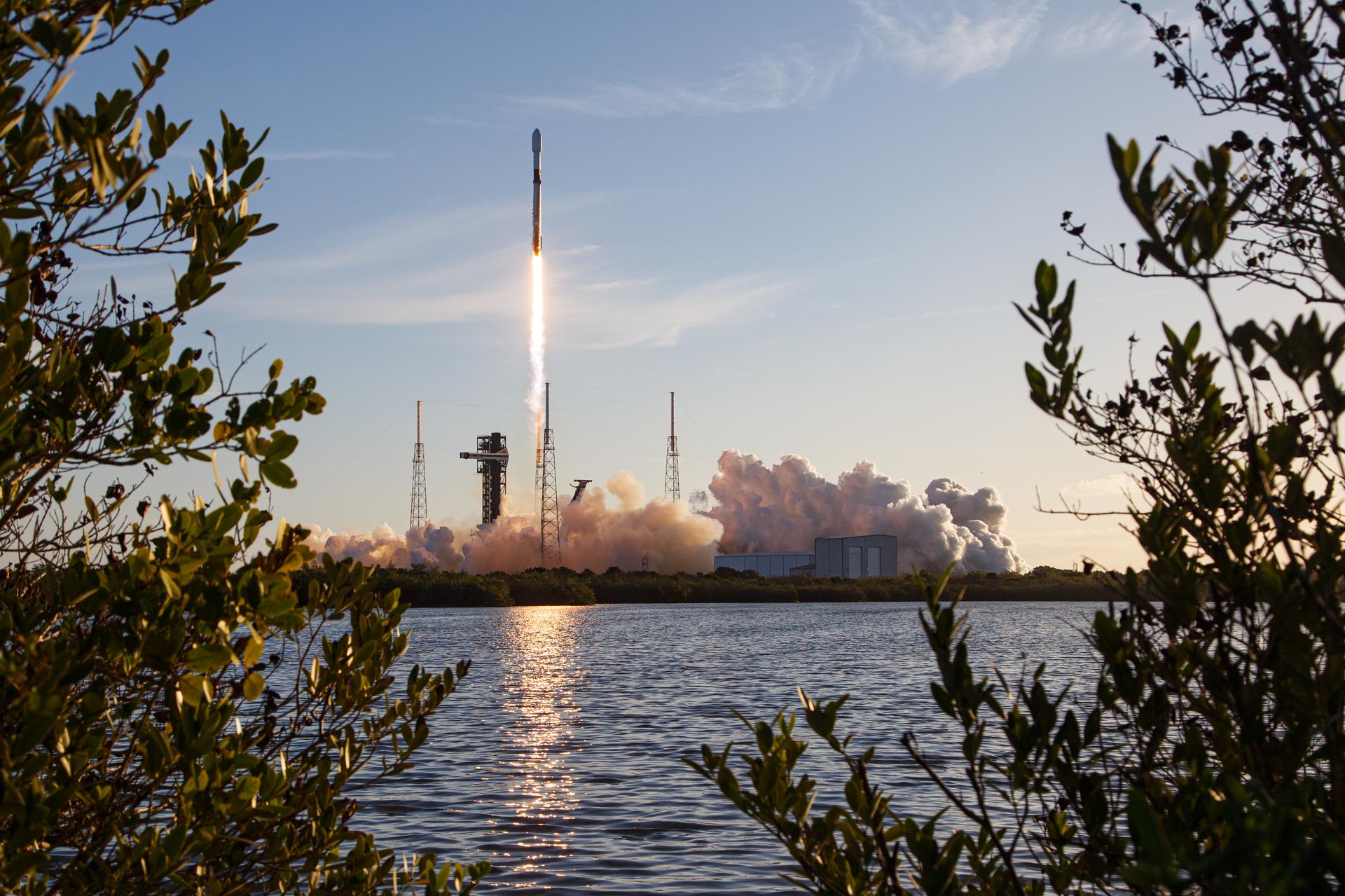
NASA’s Northrop Grumman Commercial Resupply Services 24 mission or Northrop Grumman CRS-24, launches Saturday, April 11, 2026, aboard the company’s Cygnus XL spacecraft atop a SpaceX Falcon 9 rocket from Space Launch Complex 40 at Cape Canaveral Space Force Station in Florida. The resupply mission will deliver approximately 11,000 pounds of science and supplies to the International Space Station.
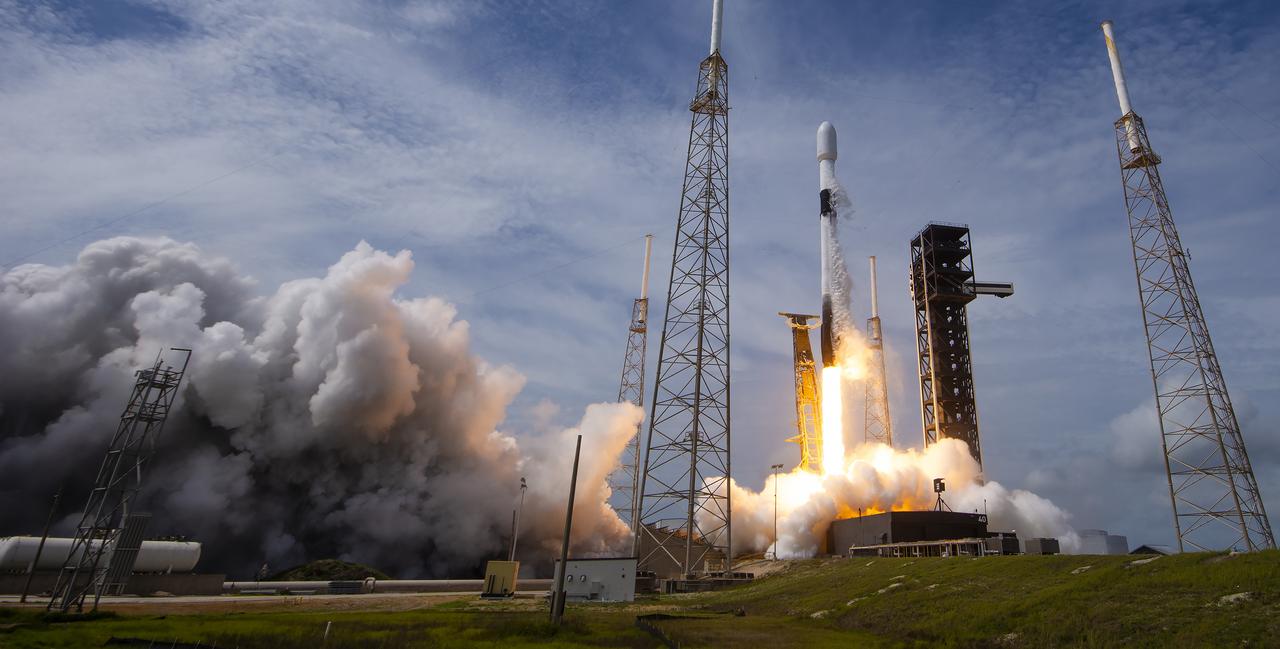
Northrop Grumman’s Cygnus spacecraft, atop a SpaceX Falcon 9 rocket, soars from Space Launch Complex 40 at Cape Canaveral Space Force Station in Florida on Sunday, Aug. 4, 2024, for the 21st Northrop Grumman commercial resupply mission for NASA. The spacecraft is expected to reach the space station Tuesday, Aug. 6, bringing 8,200 pounds of science investigations, supplies, and equipment for the international crew.
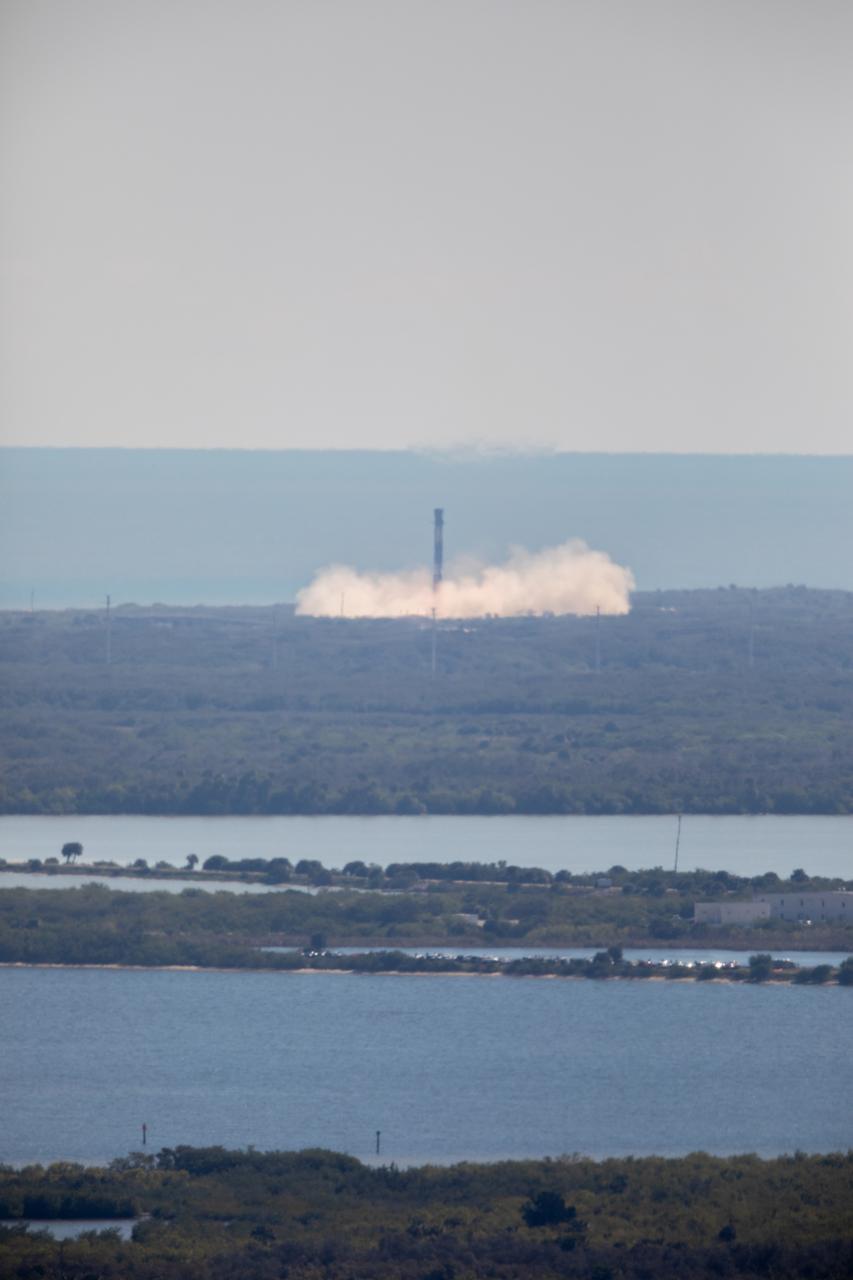
Following liftoff of Northrup Grumman's 20th commercial resupply services mission for NASA, the first stage of a SpaceX Falcon 9 rocket returns to Landing Zone 1. Launch of Northrop Grumman's Cygnus resupply spacecraft atop Falcon 9 occurred at 12:07 p.m. EST on Tuesday, Jan. 30 from Launch Complex 40 at Cape Canaveral Space Force Station in Florida.
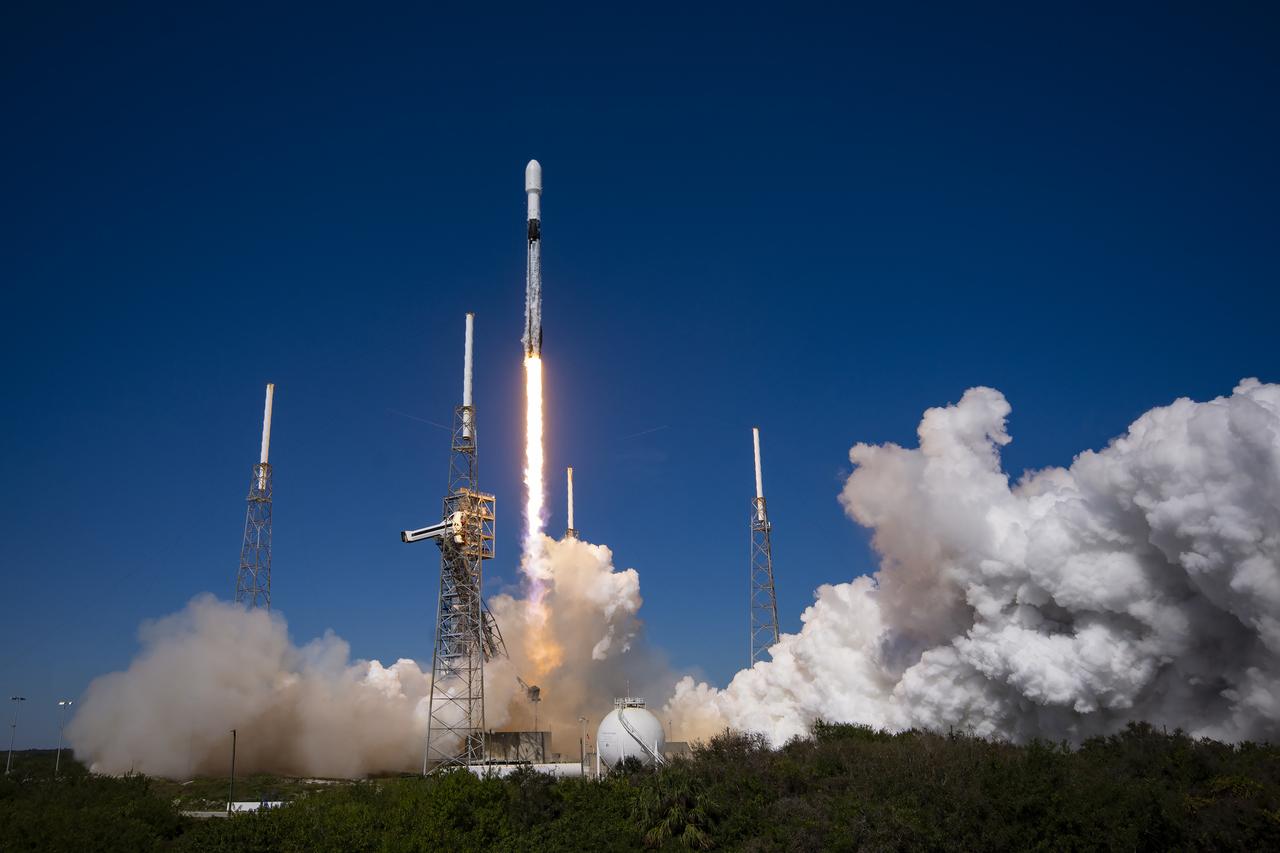
A successful liftoff from Space Launch Complex 40 at Cape Canaveral Space Force Station in Florida as Northrop Grumman’s Cygnus spacecraft, atop a SpaceX Falcon 9 rocket, heads to the International Space Station for the 20th Northrop Grumman resupply mission on Tuesday, Jan. 30, 2024. The spacecraft is expected to reach the space station Thursday, Feb. 1, 2024, bringing 8,200 pounds of science investigations, supplies, and equipment for the international crew.
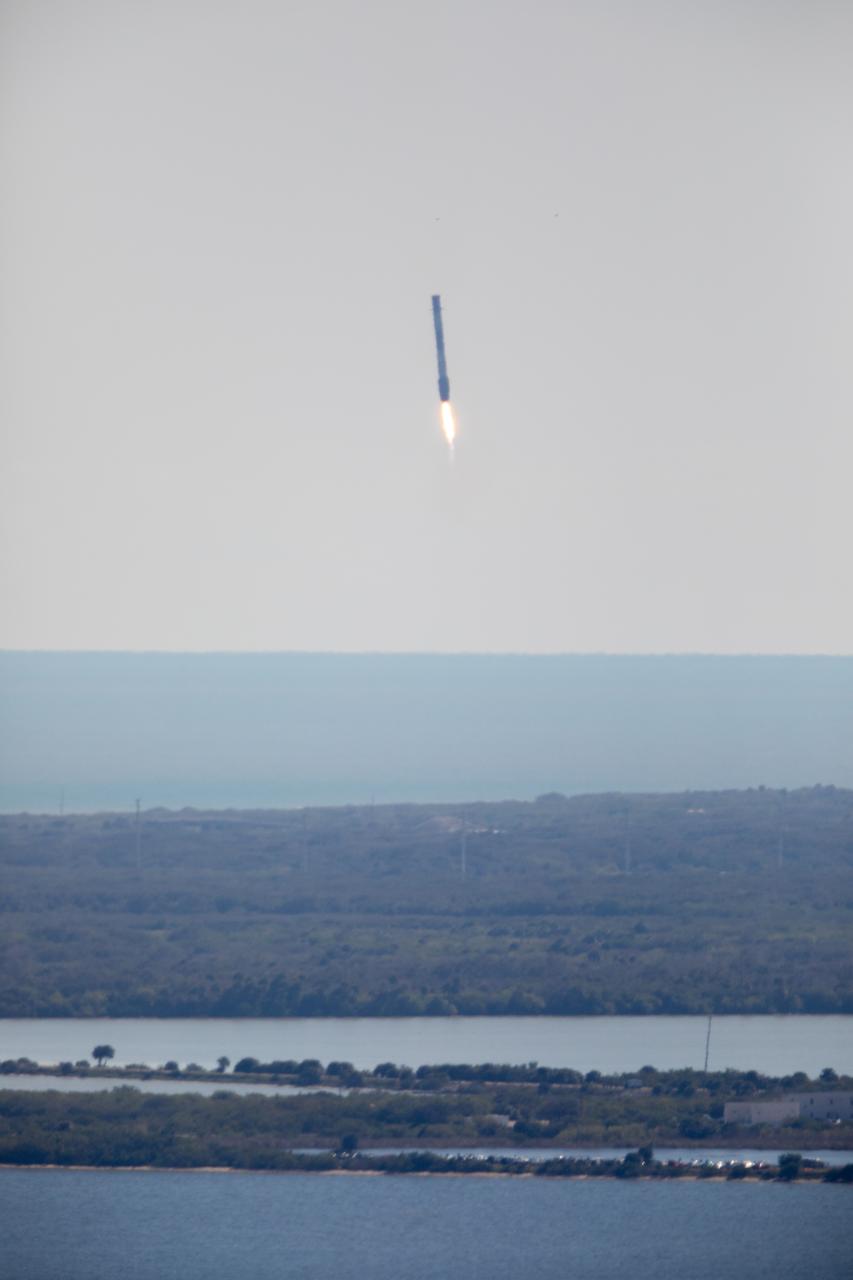
Following liftoff of Northrup Grumman's 20th commercial resupply services mission for NASA, the first stage of a SpaceX Falcon 9 rocket returns to Landing Zone 1. Launch of Northrop Grumman's Cygnus resupply spacecraft atop Falcon 9 occurred at 12:07 p.m. EST on Tuesday, Jan. 30 from Launch Complex 40 at Cape Canaveral Space Force Station in Florida.
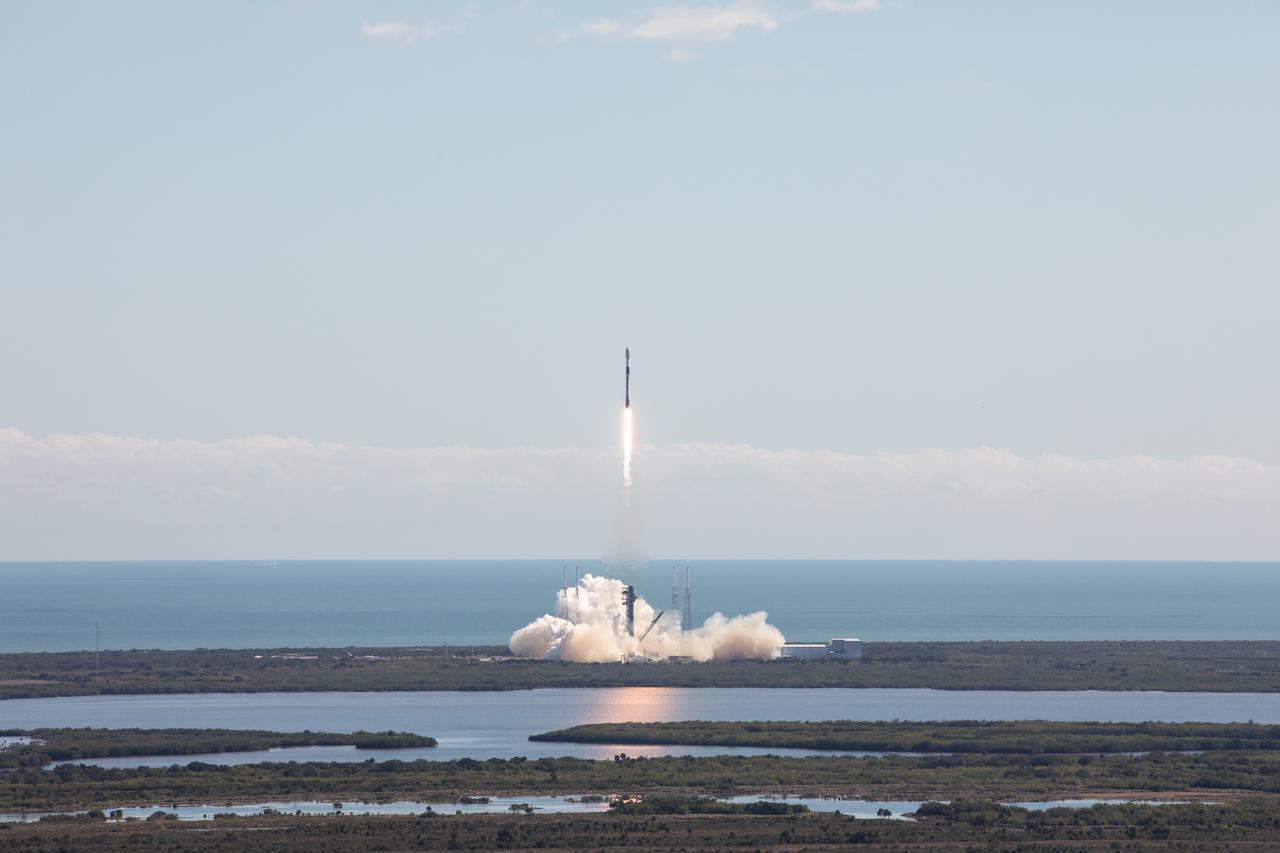
A successful liftoff from Space Launch Complex 40 at Cape Canaveral Space Force Station in Florida as Northrop Grumman’s Cygnus spacecraft, atop a SpaceX Falcon 9 rocket, heads to the International Space Station for the 20th Northrop Grumman resupply mission on Tuesday, Jan. 30, 2024. The spacecraft is expected to reach the space station Thursday, Feb. 1, 2024, bringing 8,200 pounds of science investigations, supplies, and equipment for the international crew.
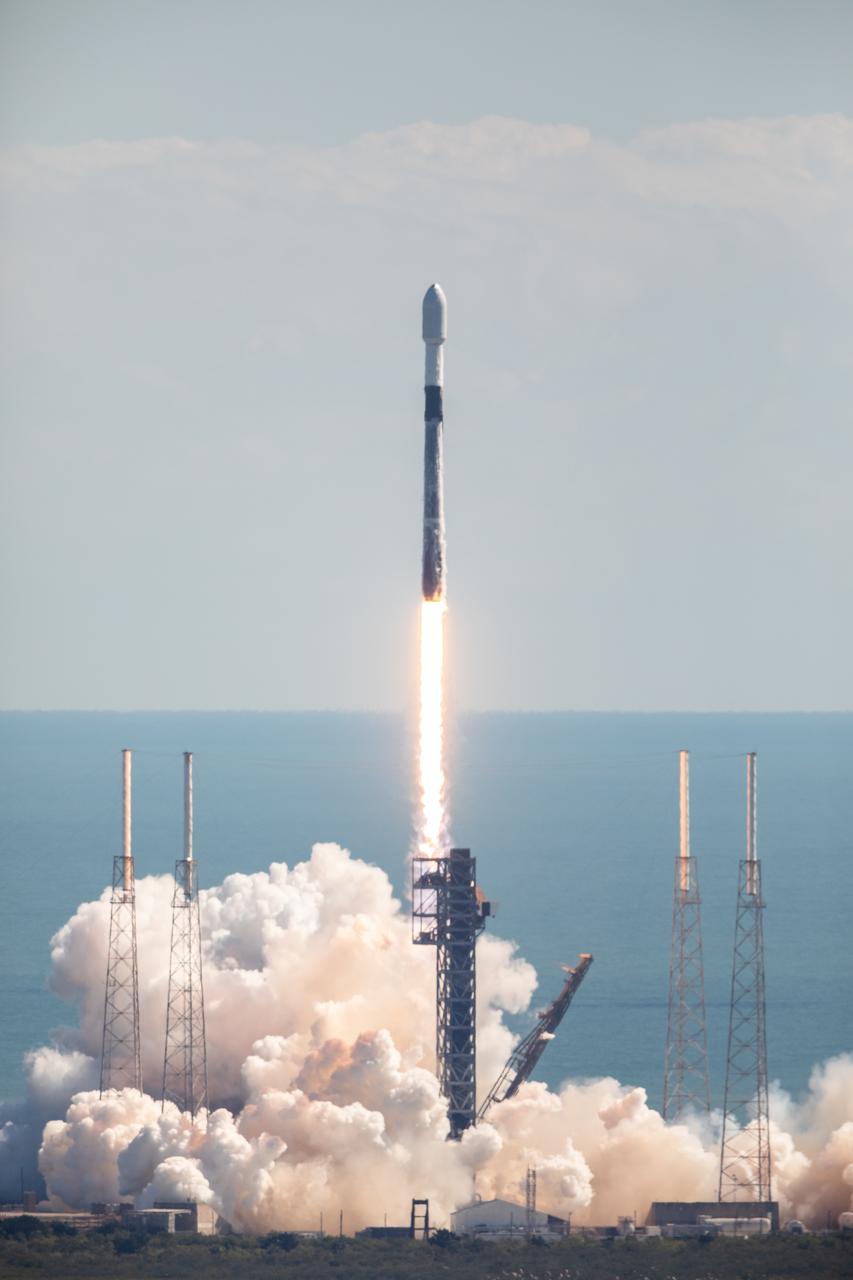
A successful liftoff from Space Launch Complex 40 at Cape Canaveral Space Force Station in Florida as Northrop Grumman’s Cygnus spacecraft, atop a SpaceX Falcon 9 rocket, heads to the International Space Station for the 20th Northrop Grumman resupply mission on Tuesday, Jan. 30, 2024. The spacecraft is expected to reach the space station Thursday, Feb. 1, 2024, bringing 8,200 pounds of science investigations, supplies, and equipment for the international crew.
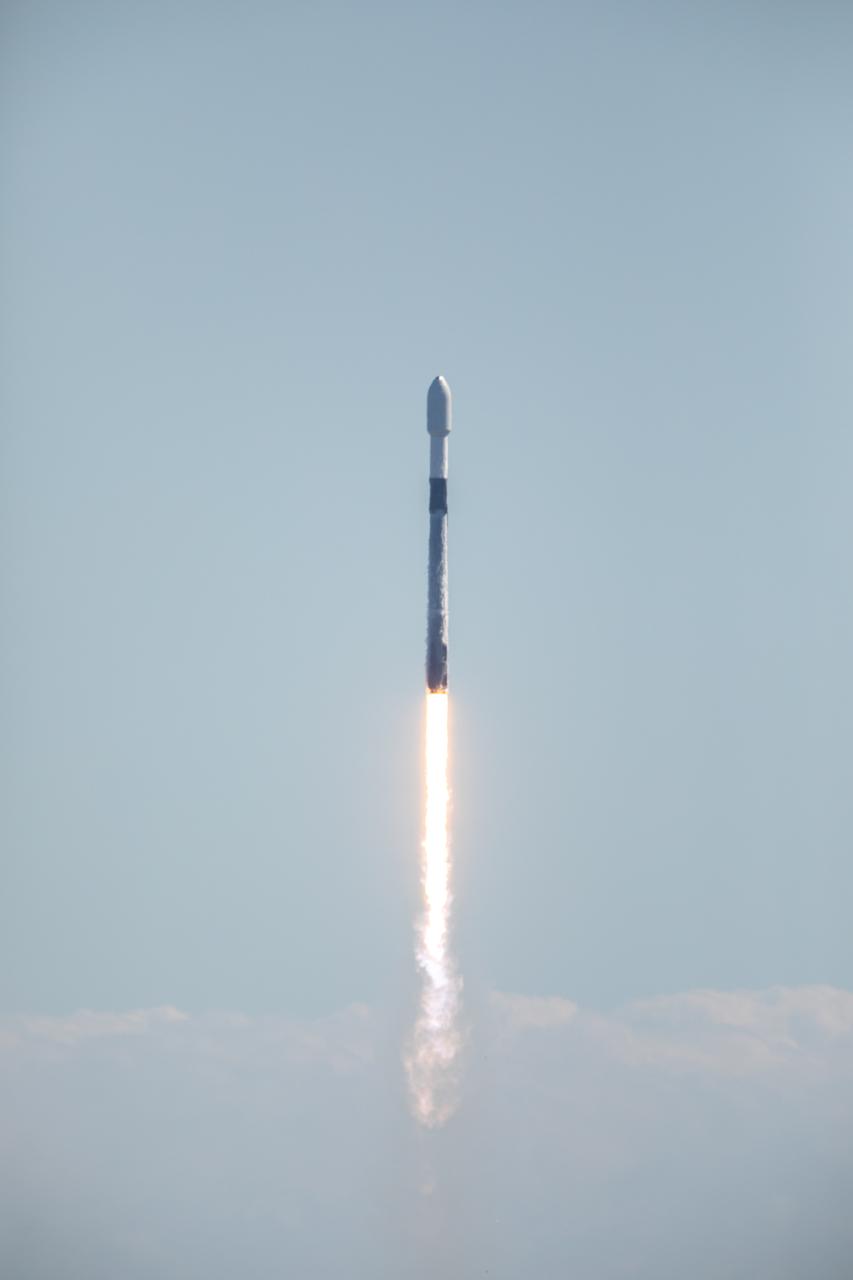
Northrop Grumman’s Cygnus spacecraft, atop a SpaceX 9 Falcon rocket, soars from Space Launch Complex 40 at Cape Canaveral Space Force Station in Florida on Tuesday, Jan. 30, 2024, for the 20th Northrop Grumman commercial resupply mission for NASA. The spacecraft will bring 8,200 pounds of science investigations, supplies, and equipment to the International Space Station including tests of a 3D metal printer, semiconductor manufacturing, and thermal protection systems. The Cygnus spacecraft is expected to reach the space station Thursday, Feb. 1, 2024, where it will remain until its expected departure in May.
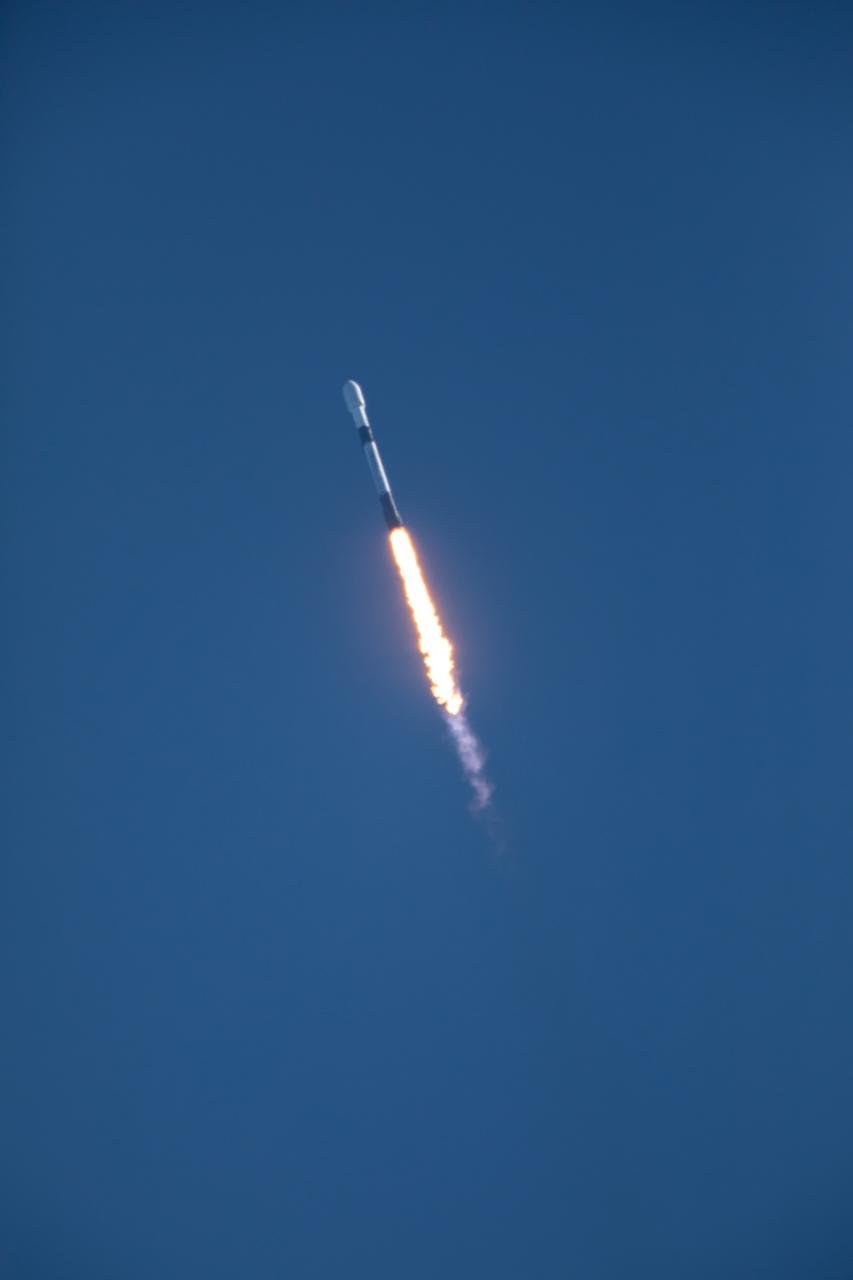
Northrop Grumman’s Cygnus spacecraft, atop a SpaceX 9 Falcon rocket, soars from Space Launch Complex 40 at Cape Canaveral Space Force Station in Florida on Tuesday, Jan. 30, 2024, for the 20th Northrop Grumman commercial resupply mission for NASA. The spacecraft will bring 8,200 pounds of science investigations, supplies, and equipment to the International Space Station including tests of a 3D metal printer, semiconductor manufacturing, and thermal protection systems. The Cygnus spacecraft is expected to reach the space station Thursday, Feb. 1, 2024, where it will remain until its expected departure in May.
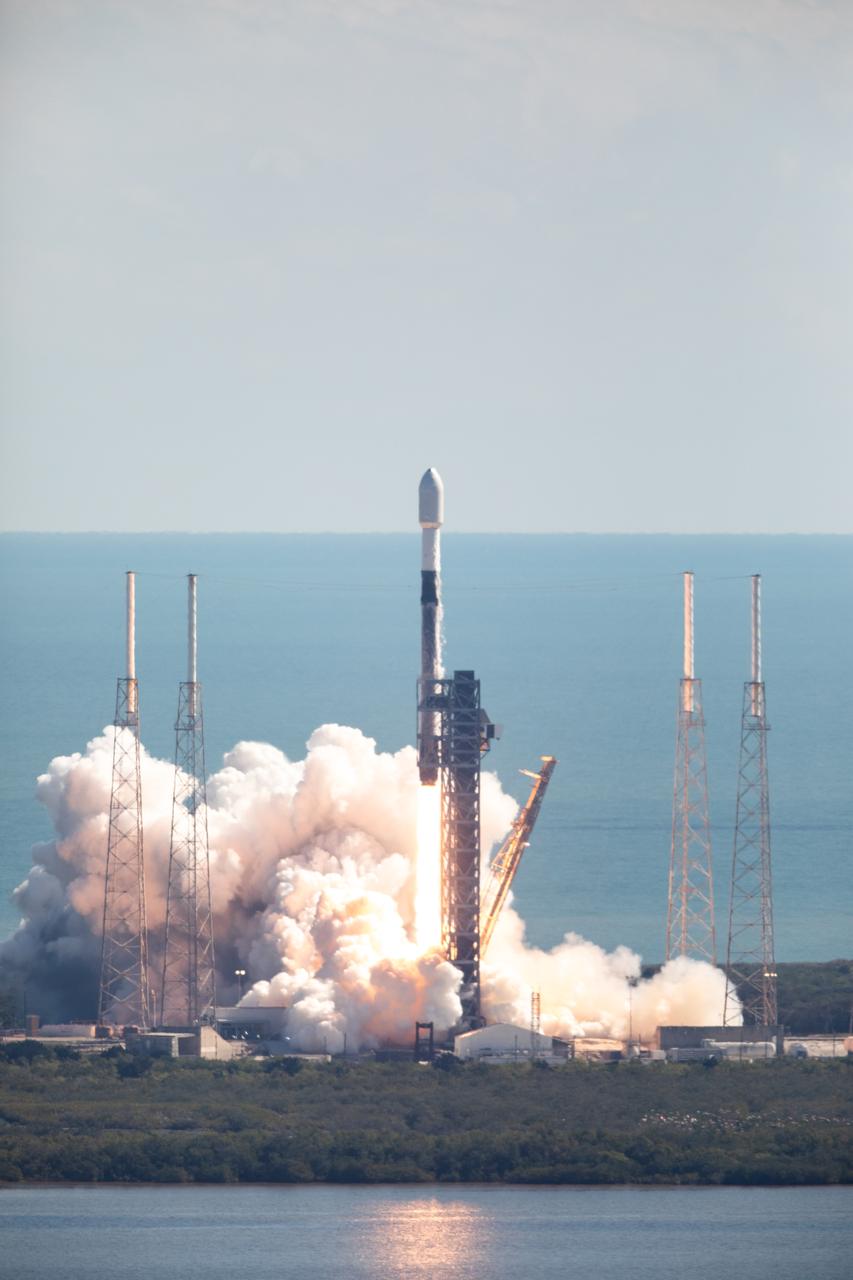
A successful liftoff from Space Launch Complex 40 at Cape Canaveral Space Force Station in Florida as Northrop Grumman’s Cygnus spacecraft, atop a SpaceX Falcon 9 rocket, heads to the International Space Station for the 20th Northrop Grumman resupply mission on Tuesday, Jan. 30, 2024. The spacecraft is expected to reach the space station Thursday, Feb. 1, 2024, bringing 8,200 pounds of science investigations, supplies, and equipment for the international crew.

Northrop Grumman’s Cygnus spacecraft, atop a SpaceX Falcon 9 rocket, soars from Space Launch Complex 40 at Cape Canaveral Space Force Station in Florida on Sunday, Aug. 4, 2024, for the 21st Northrop Grumman commercial resupply mission for NASA. The spacecraft is expected to reach the space station Tuesday, Aug. 6, bringing 8,200 pounds of science investigations, supplies, and equipment for the international crew.
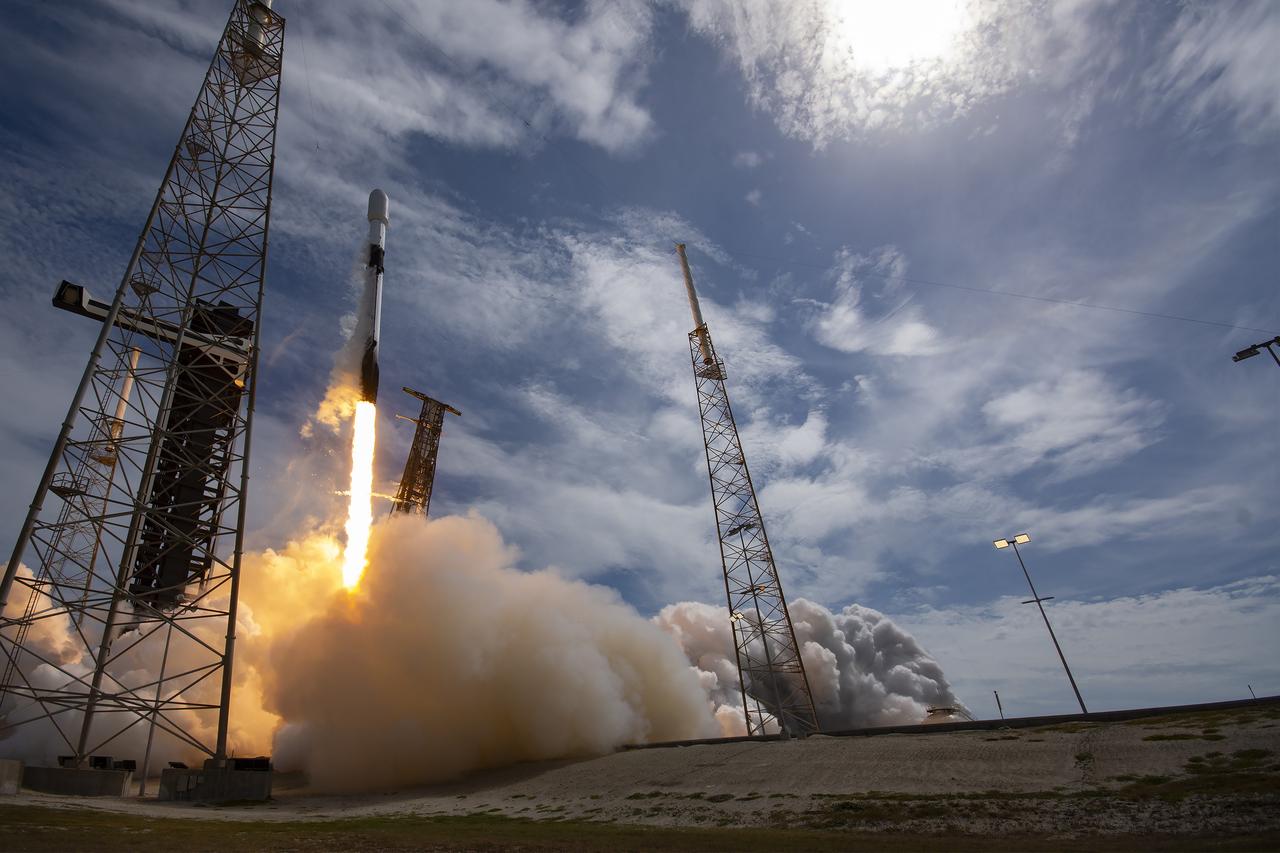
Northrop Grumman’s Cygnus spacecraft, atop a SpaceX 9 Falcon rocket, soars from Space Launch Complex 40 at Cape Canaveral Space Force Station in Florida on Sunday, Aug. 4, 2024, for the 21st Northrop Grumman commercial resupply mission for NASA. The spacecraft is expected to reach the space station Tuesday, Aug. 6, bringing 8,200 pounds of science investigations, supplies, and equipment for the international crew.
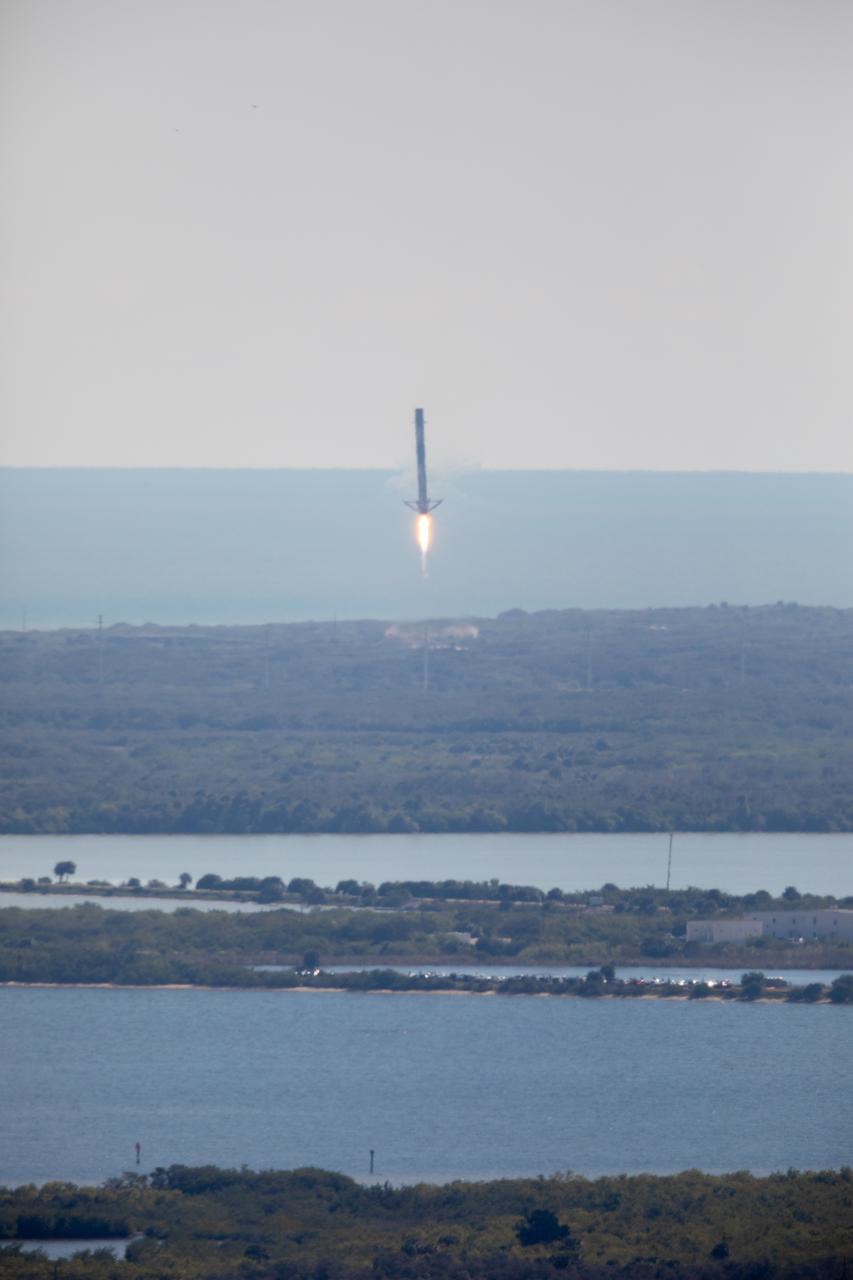
Following liftoff of Northrup Grumman's 20th commercial resupply services mission for NASA, the first stage of a SpaceX Falcon 9 rocket returns to Landing Zone 1. Launch of Northrop Grumman's Cygnus resupply spacecraft atop Falcon 9 occurred at 12:07 p.m. EST on Tuesday, Jan. 30 from Launch Complex 40 at Cape Canaveral Space Force Station in Florida.
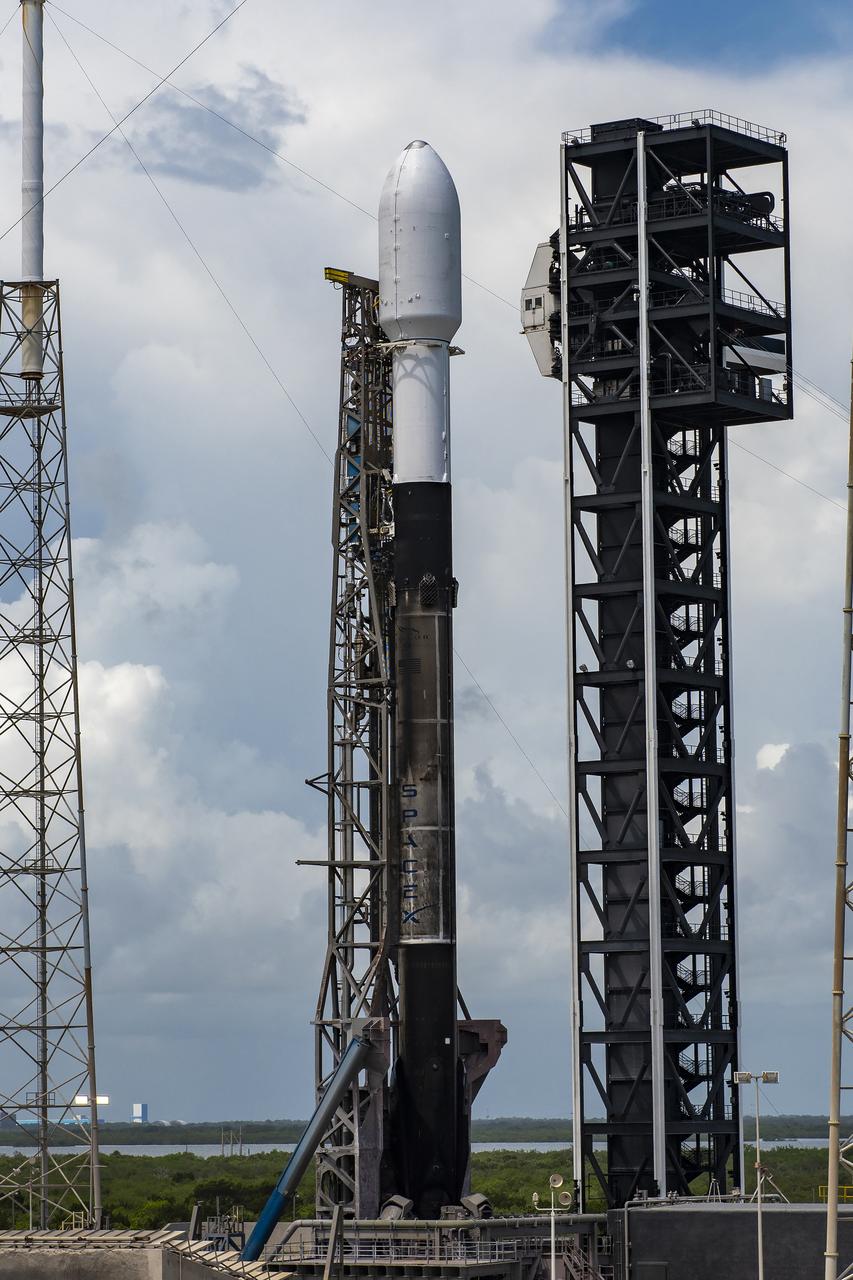
A Northrop Grumman Cygnus resupply spacecraft, atop a SpaceX Falcon 9 rocket, stands tall at Space Launch Complex 40 at Cape Canaveral Space Force Station in Florida on Sunday, Aug. 4, 2024, in preparation for a launch to the International Space Station. Cygnus will deliver 8,200 pounds of scientific investigations and cargo to the international crew.
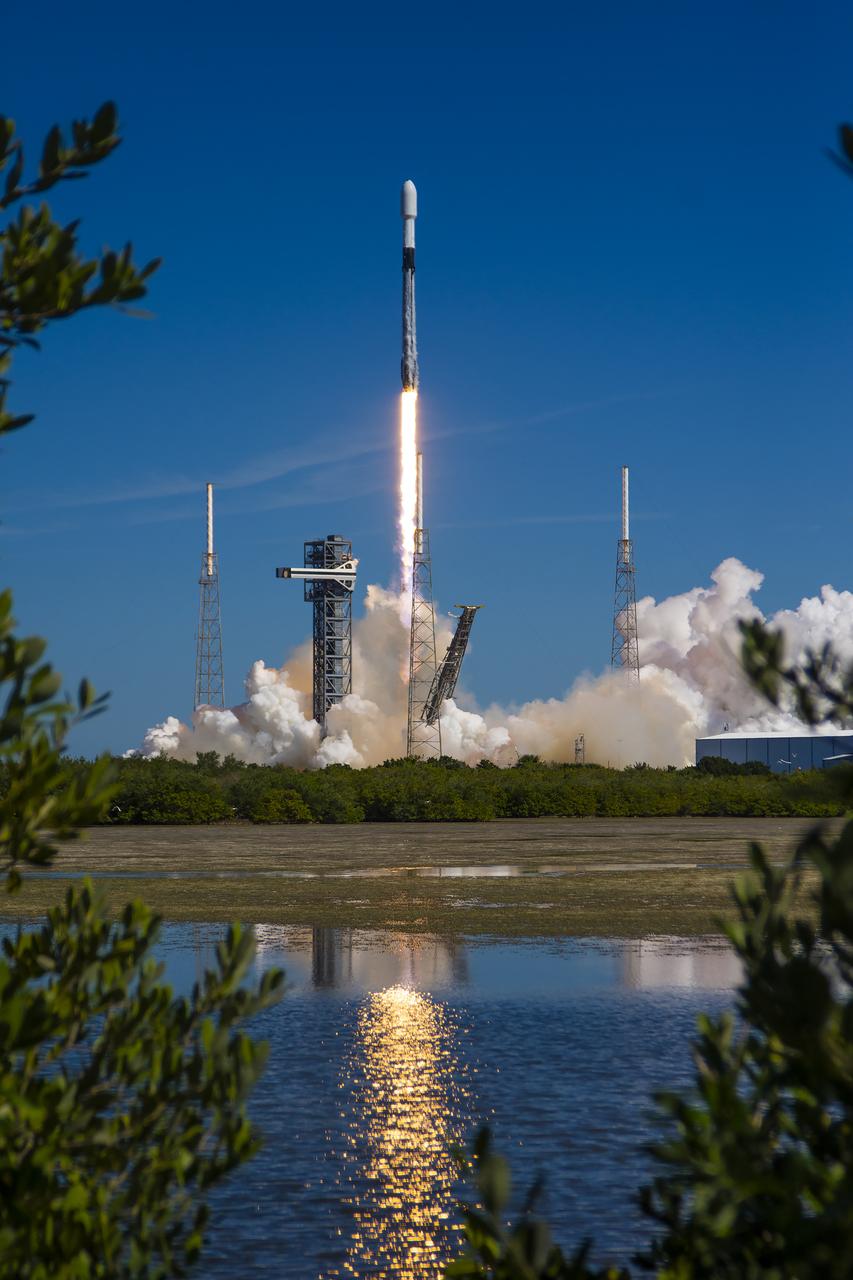
A successful liftoff from Space Launch Complex 40 at Cape Canaveral Space Force Station in Florida as Northrop Grumman’s Cygnus spacecraft, atop a SpaceX Falcon 9 rocket, heads to the International Space Station for the 20th Northrop Grumman resupply mission on Tuesday, Jan. 30, 2024. The spacecraft is expected to reach the space station Thursday, Feb. 1, 2024, bringing 8,200 pounds of science investigations, supplies, and equipment for the international crew.
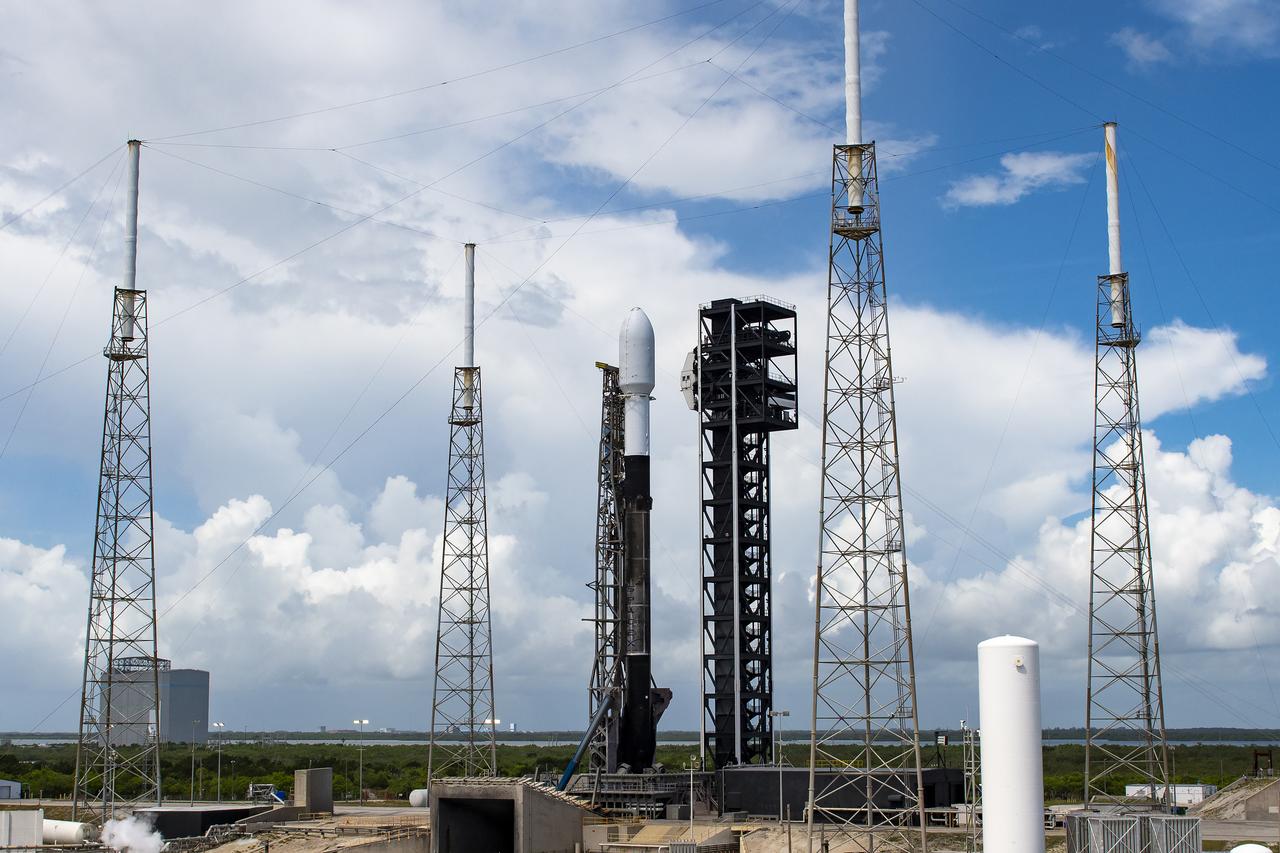
A Northrop Grumman Cygnus resupply spacecraft, atop a SpaceX Falcon 9 rocket, stands tall at Space Launch Complex 40 at Cape Canaveral Space Force Station in Florida on Sunday, Aug. 4, 2024, in preparation for a launch to the International Space Station. Cygnus will deliver 8,200 pounds of scientific investigations and cargo to the international crew.
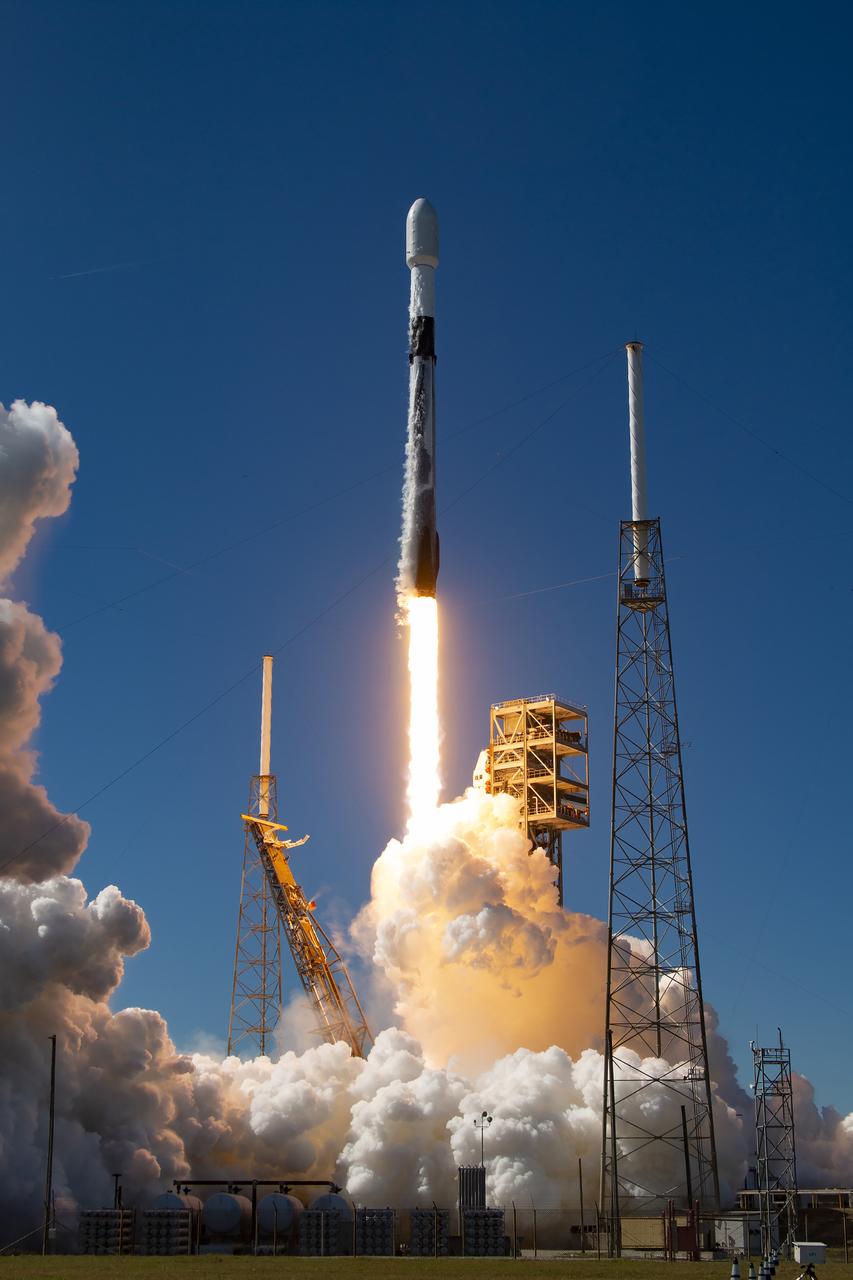
A successful liftoff from Space Launch Complex 40 at Cape Canaveral Space Force Station in Florida as Northrop Grumman’s Cygnus spacecraft, atop a SpaceX Falcon 9 rocket, heads to the International Space Station for the 20th Northrop Grumman resupply mission on Tuesday, Jan. 30, 2024. The spacecraft is expected to reach the space station Thursday, Feb. 1, 2024, bringing 8,200 pounds of science investigations, supplies, and equipment for the international crew.
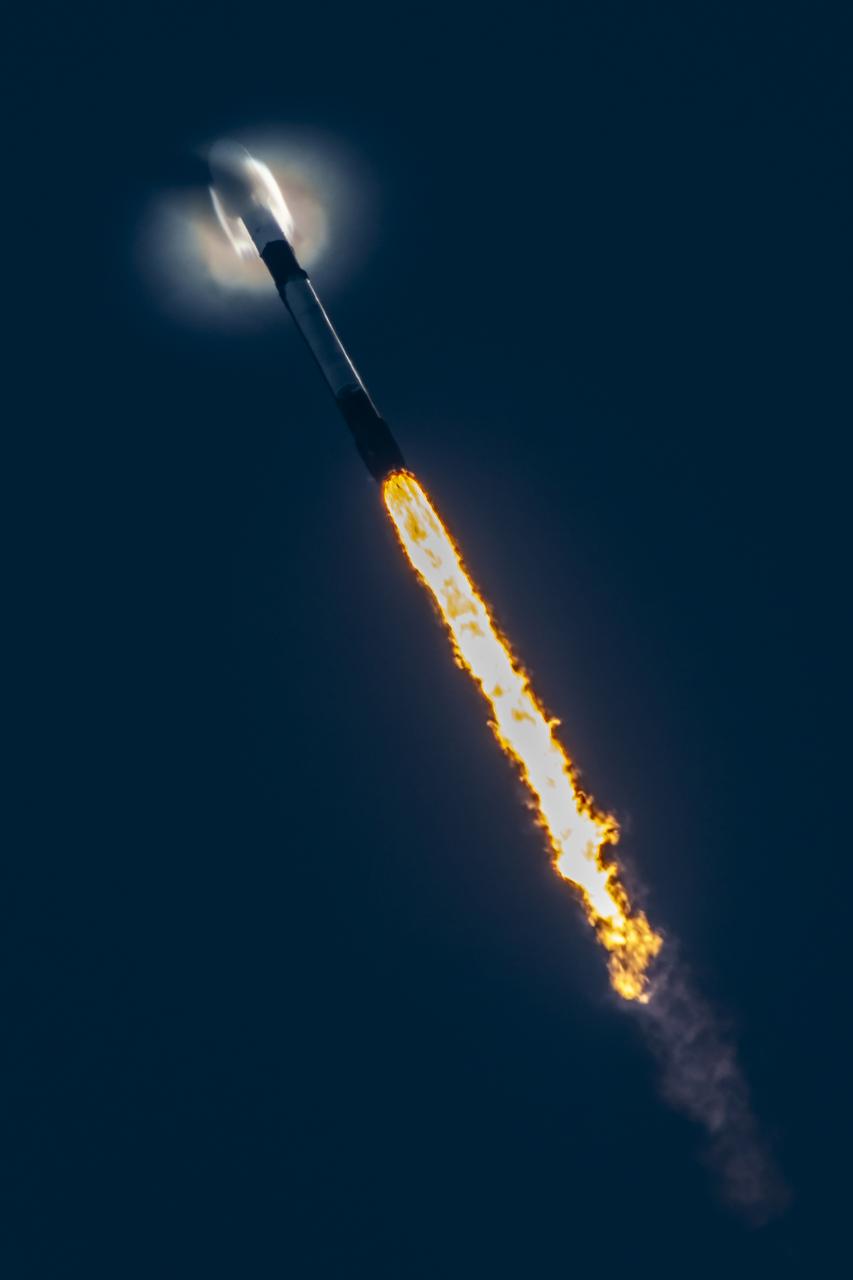
Northrop Grumman’s Cygnus spacecraft, atop a SpaceX 9 Falcon rocket, soars from Space Launch Complex 40 at Cape Canaveral Space Force Station in Florida on Tuesday, Jan. 30, 2024, for 20th Northrop Grumman commercial resupply mission for NASA. The spacecraft will bring 8,200 pounds of science investigations, supplies, and equipment to the International Space Station including tests of a 3D metal printer, semiconductor manufacturing, and thermal protection systems. The Cygnus spacecraft is expected to reach the space station Thursday, Feb. 1, 2024, where it will remain until its expected departure in May.
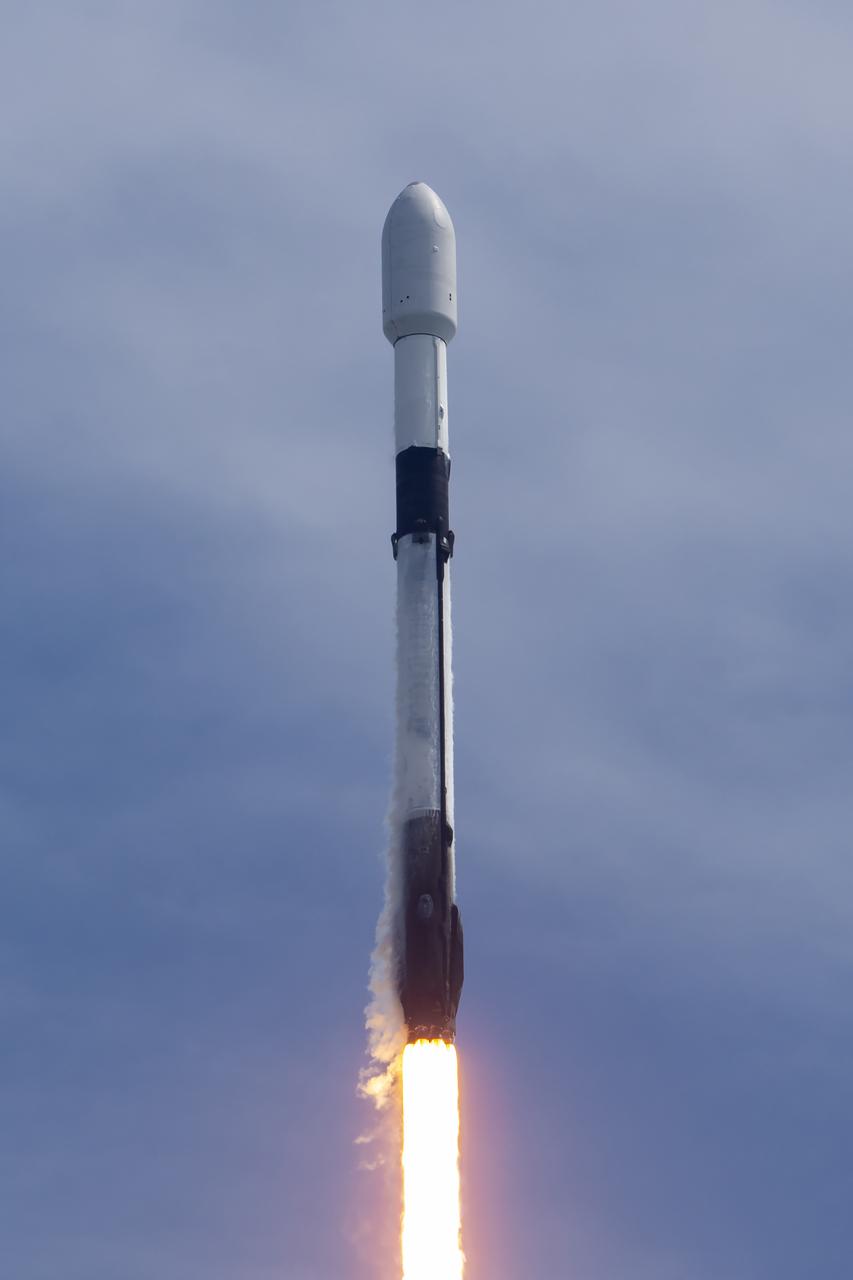
A successful liftoff from Space Launch Complex 40 at Cape Canaveral Space Force Station in Florida as Northrop Grumman’s Cygnus spacecraft, atop a SpaceX Falcon 9 rocket, heads to the International Space Station for the 21st Northrop Grumman resupply mission on Sunday, Aug. 4, 2024. The spacecraft is expected to reach the space station Tuesday, Aug. 6, bringing 8,200 pounds of science investigations, supplies, and equipment for the international crew.
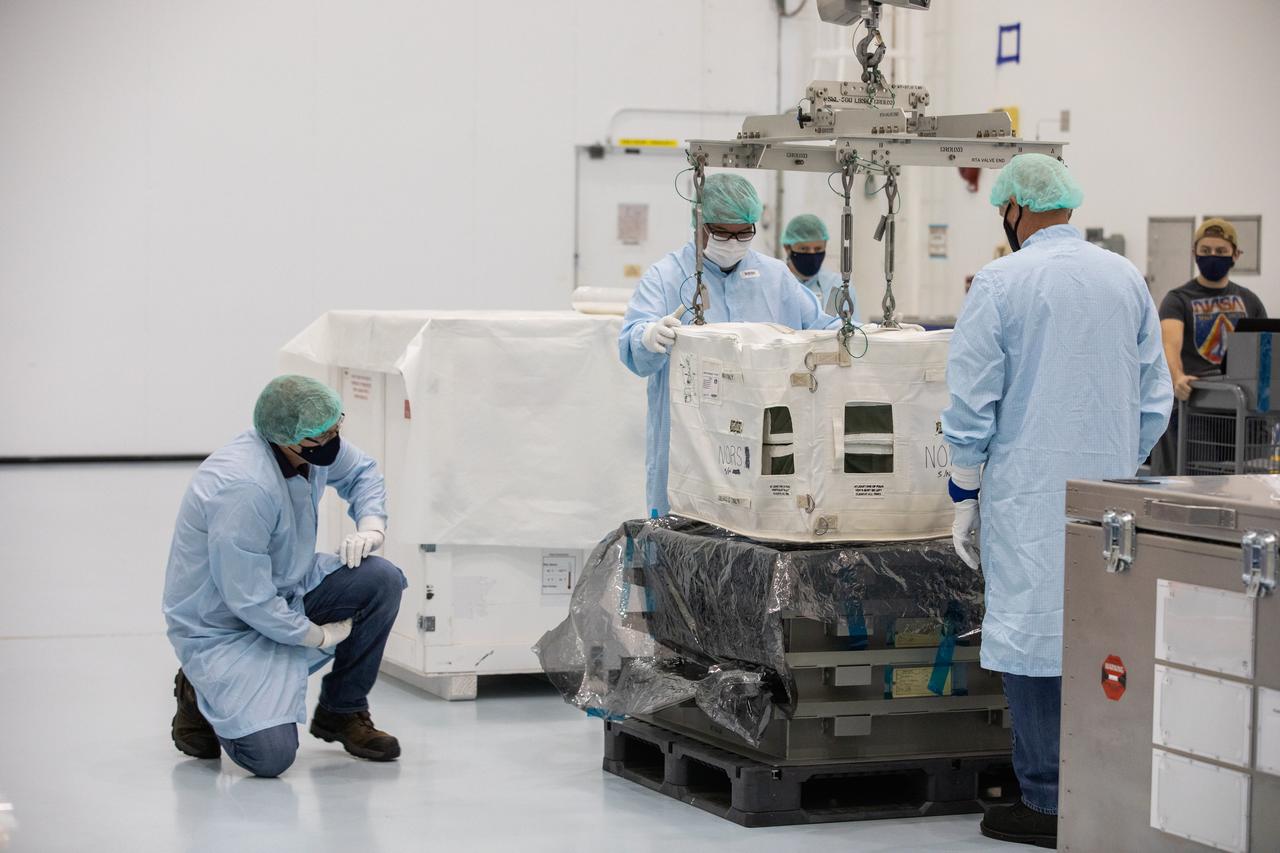
Technicians unpack and inspect a Nitrogen/Oxygen Recharge System (NORS) tank inside the Space Station Processing Facility high bay at NASA’s Kennedy Space Center in Florida on July 16, 2020. The NORS tanks and their support fixtures are designed to connect to the International Space Station’s existing air supply network to refill the previous generation of tanks installed during construction of the space station. These reusable tanks measure 3 feet long and 21 inches in diameter, and weigh about 200 pounds when filled. Once onboard, the tanks will be used to fill the oxygen and nitrogen tanks that supply the needed gases to the space station’s airlock for spacewalks. They could also be used to replenish the atmosphere inside the station. The NORS tanks will launch to the station later in the year on a commercial resupply mission.
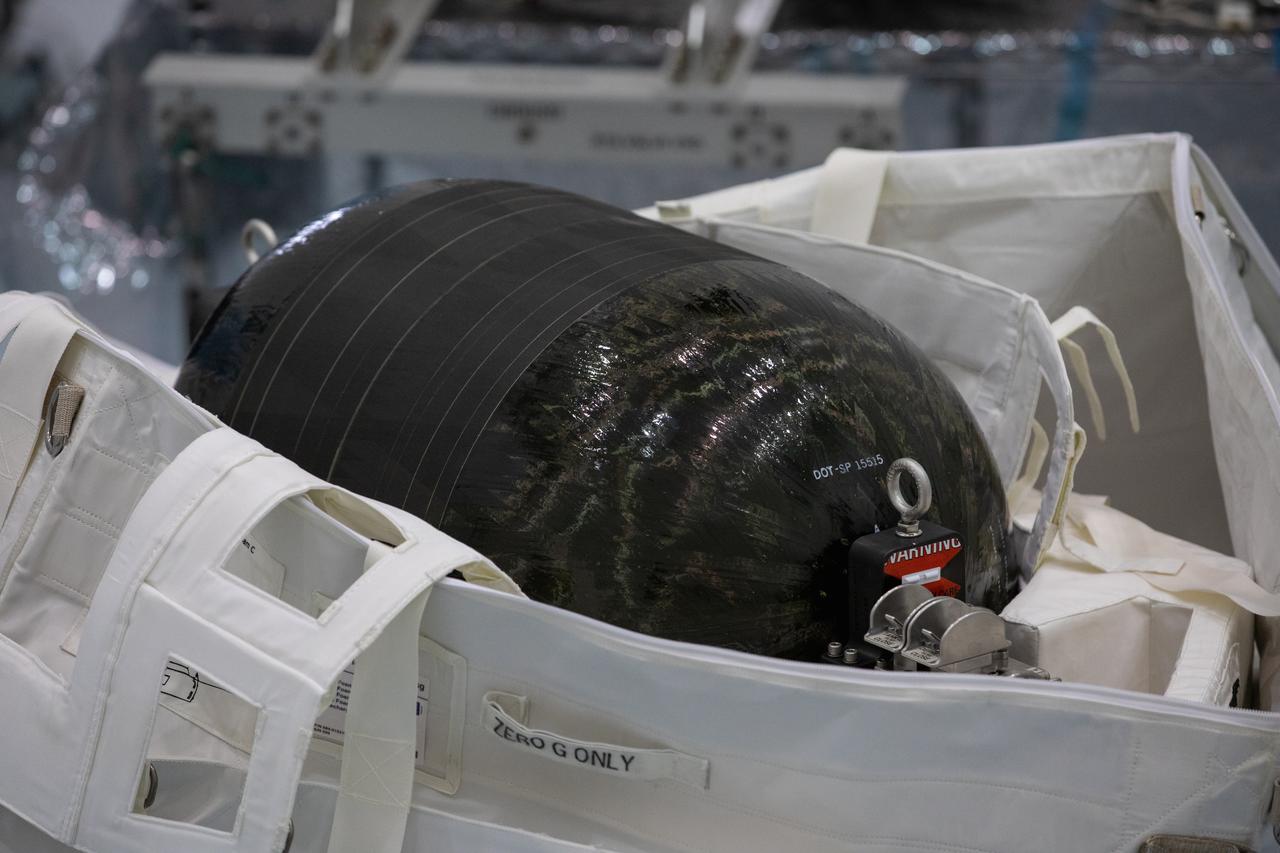
A Nitrogen/Oxygen Recharge System (NORS) tank is unpacked and readied for inspection inside the Space Station Processing Facility high bay at NASA’s Kennedy Space Center in Florida on July 16, 2020. The NORS tanks and their support fixtures are designed to connect to the International Space Station’s existing air supply network to refill the previous generation of tanks installed during construction of the space station. These reusable tanks measure 3 feet long and 21 inches in diameter, and weigh about 200 pounds when filled. Once onboard, the tanks will be used to fill the oxygen and nitrogen tanks that supply the needed gases to the space station’s airlock for spacewalks. They could also be used to replenish the atmosphere inside the station. The NORS tanks will launch to the station later in the year on a commercial resupply mission.
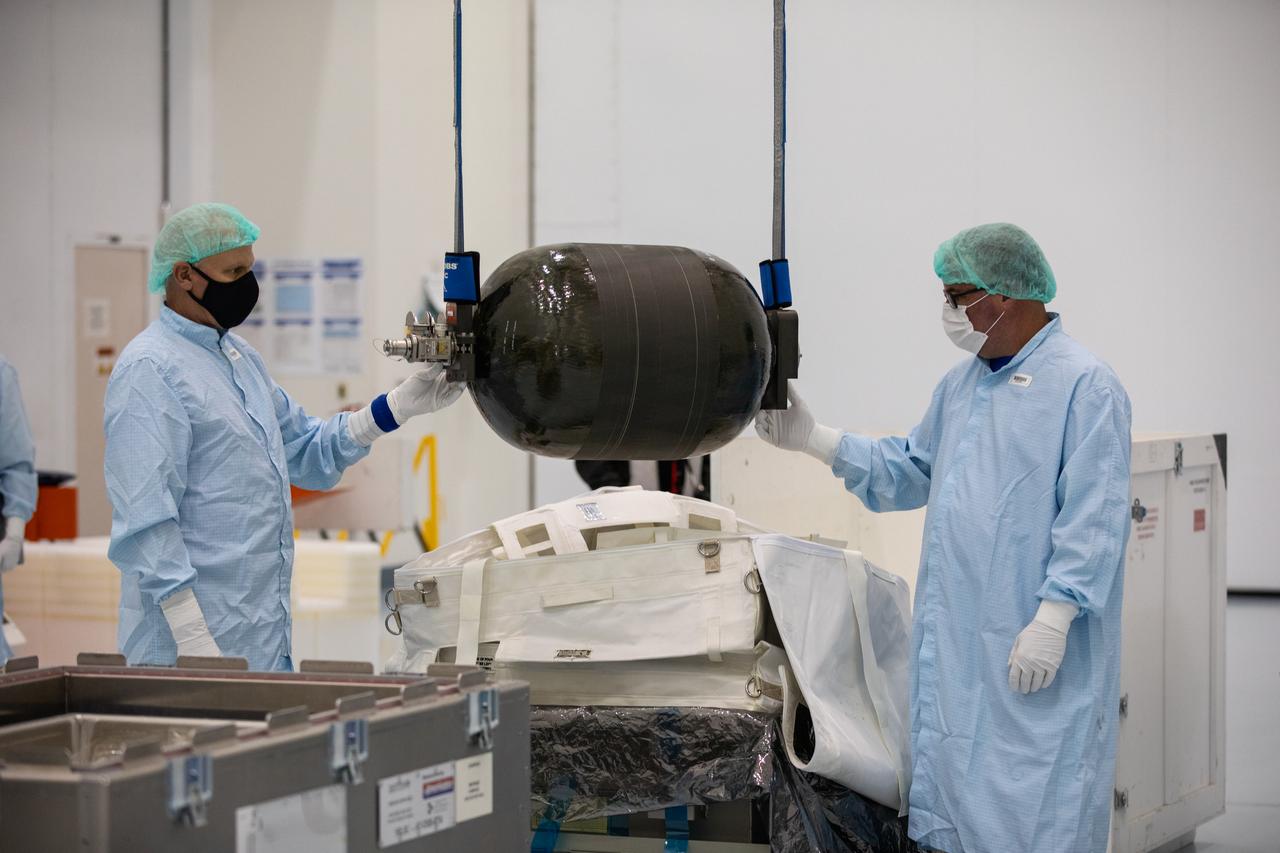
Technicians unpack and inspect a Nitrogen/Oxygen Recharge System (NORS) tank inside the Space Station Processing Facility high bay at NASA’s Kennedy Space Center in Florida on July 16, 2020. The NORS tanks and their support fixtures are designed to connect to the International Space Station’s existing air supply network to refill the previous generation of tanks installed during construction of the space station. These reusable tanks measure 3 feet long and 21 inches in diameter, and weigh about 200 pounds when filled. Once onboard, the tanks will be used to fill the oxygen and nitrogen tanks that supply the needed gases to the space station’s airlock for spacewalks. They could also be used to replenish the atmosphere inside the station. The NORS tanks will launch to the station later in the year on a commercial resupply mission.
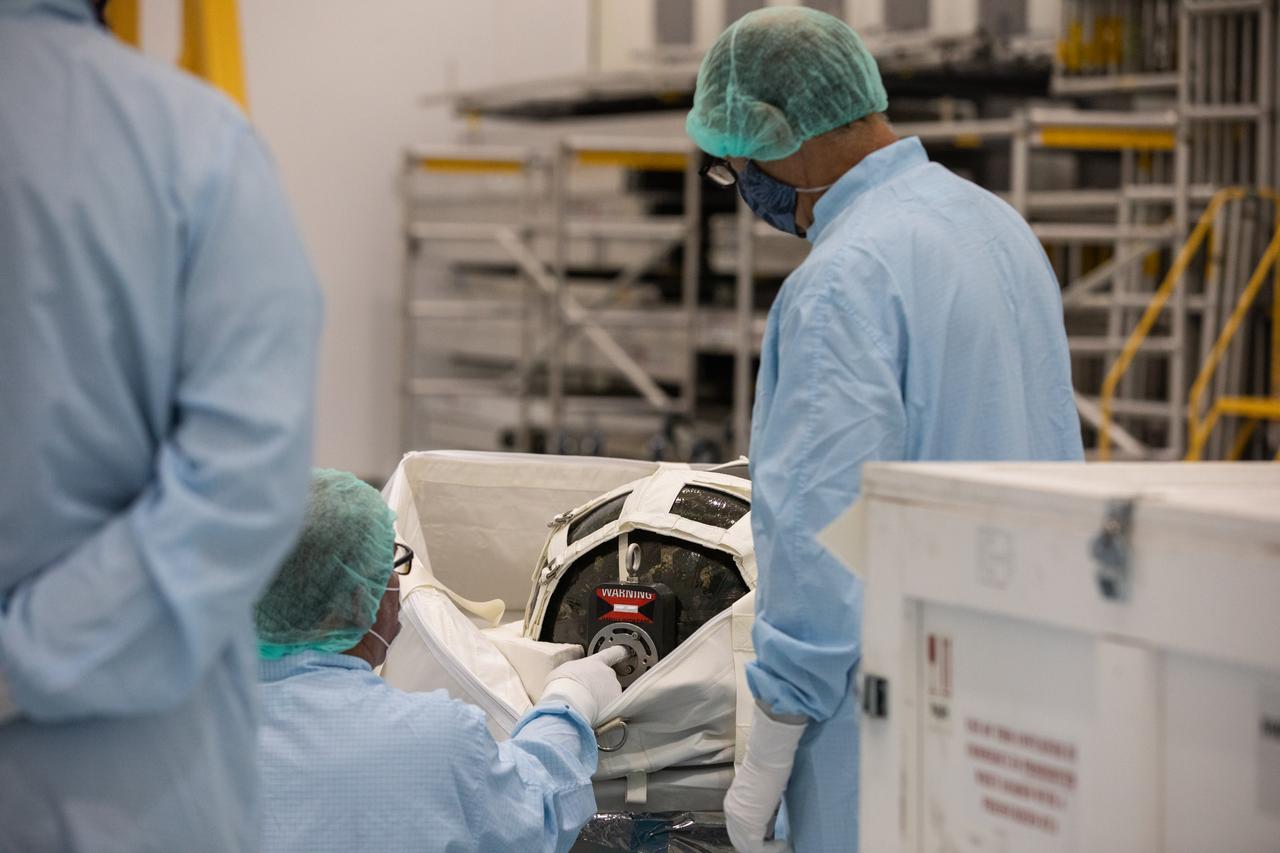
Technicians unpack and inspect a Nitrogen/Oxygen Recharge System (NORS) tank inside the Space Station Processing Facility high bay at NASA’s Kennedy Space Center in Florida on July 16, 2020. The NORS tanks and their support fixtures are designed to connect to the International Space Station’s existing air supply network to refill the previous generation of tanks installed during construction of the space station. These reusable tanks measure 3 feet long and 21 inches in diameter, and weigh about 200 pounds when filled. Once onboard, the tanks will be used to fill the oxygen and nitrogen tanks that supply the needed gases to the space station’s airlock for spacewalks. They could also be used to replenish the atmosphere inside the station. The NORS tanks will launch to the station later in the year on a commercial resupply mission.
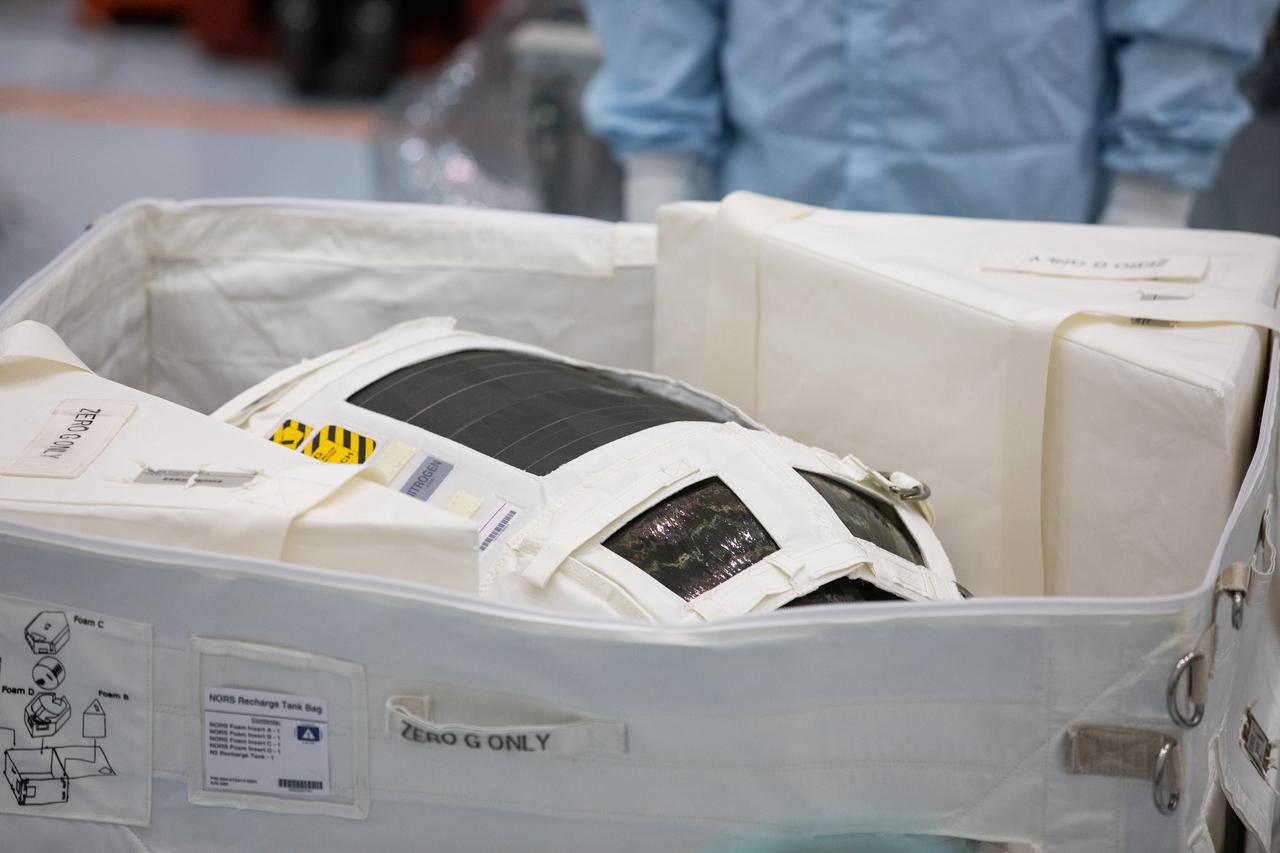
A Nitrogen/Oxygen Recharge System (NORS) tank is unpacked and readied for inspection inside the Space Station Processing Facility high bay at NASA’s Kennedy Space Center in Florida on July 16, 2020. The NORS tanks and their support fixtures are designed to connect to the International Space Station’s existing air supply network to refill the previous generation of tanks installed during construction of the space station. These reusable tanks measure 3 feet long and 21 inches in diameter, and weigh about 200 pounds when filled. Once onboard, the tanks will be used to fill the oxygen and nitrogen tanks that supply the needed gases to the space station’s airlock for spacewalks. They could also be used to replenish the atmosphere inside the station. The NORS tanks will launch to the station later in the year on a commercial resupply mission.

A technicians inspects a Nitrogen/Oxygen Recharge System (NORS) tank inside the Space Station Processing Facility high bay at NASA’s Kennedy Space Center in Florida on July 16, 2020. The NORS tanks and their support fixtures are designed to connect to the International Space Station’s existing air supply network to refill the previous generation of tanks installed during construction of the space station. These reusable tanks measure 3 feet long and 21 inches in diameter, and weigh about 200 pounds when filled. Once onboard, the tanks will be used to fill the oxygen and nitrogen tanks that supply the needed gases to the space station’s airlock for spacewalks. They could also be used to replenish the atmosphere inside the station. The NORS tanks will launch to the station later in the year on a commercial resupply mission.
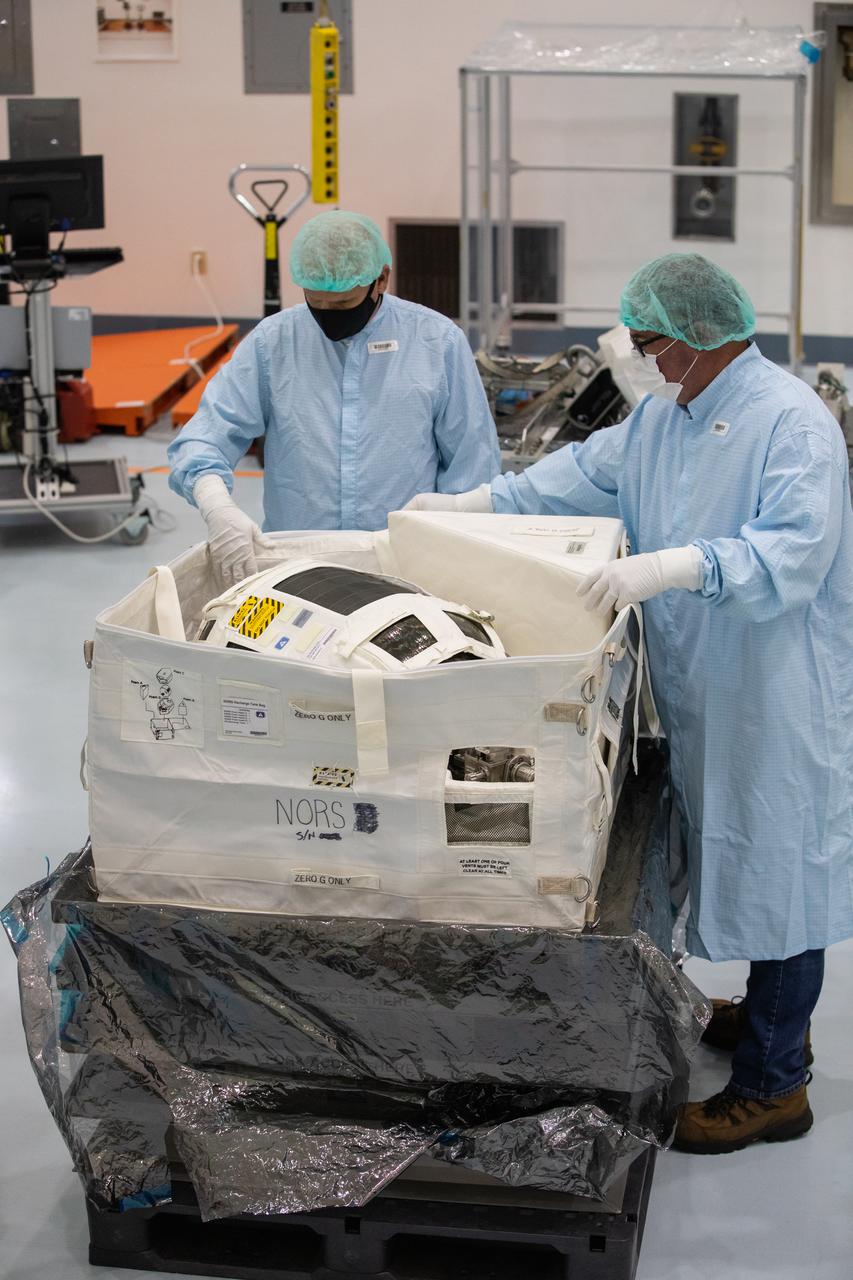
Technicians unpack and inspect a Nitrogen/Oxygen Recharge System (NORS) tank inside the Space Station Processing Facility high bay at NASA’s Kennedy Space Center in Florida on July 16, 2020. The NORS tanks and their support fixtures are designed to connect to the International Space Station’s existing air supply network to refill the previous generation of tanks installed during construction of the space station. These reusable tanks measure 3 feet long and 21 inches in diameter, and weigh about 200 pounds when filled. Once onboard, the tanks will be used to fill the oxygen and nitrogen tanks that supply the needed gases to the space station’s airlock for spacewalks. They could also be used to replenish the atmosphere inside the station. The NORS tanks will launch to the station later in the year on a commercial resupply mission.
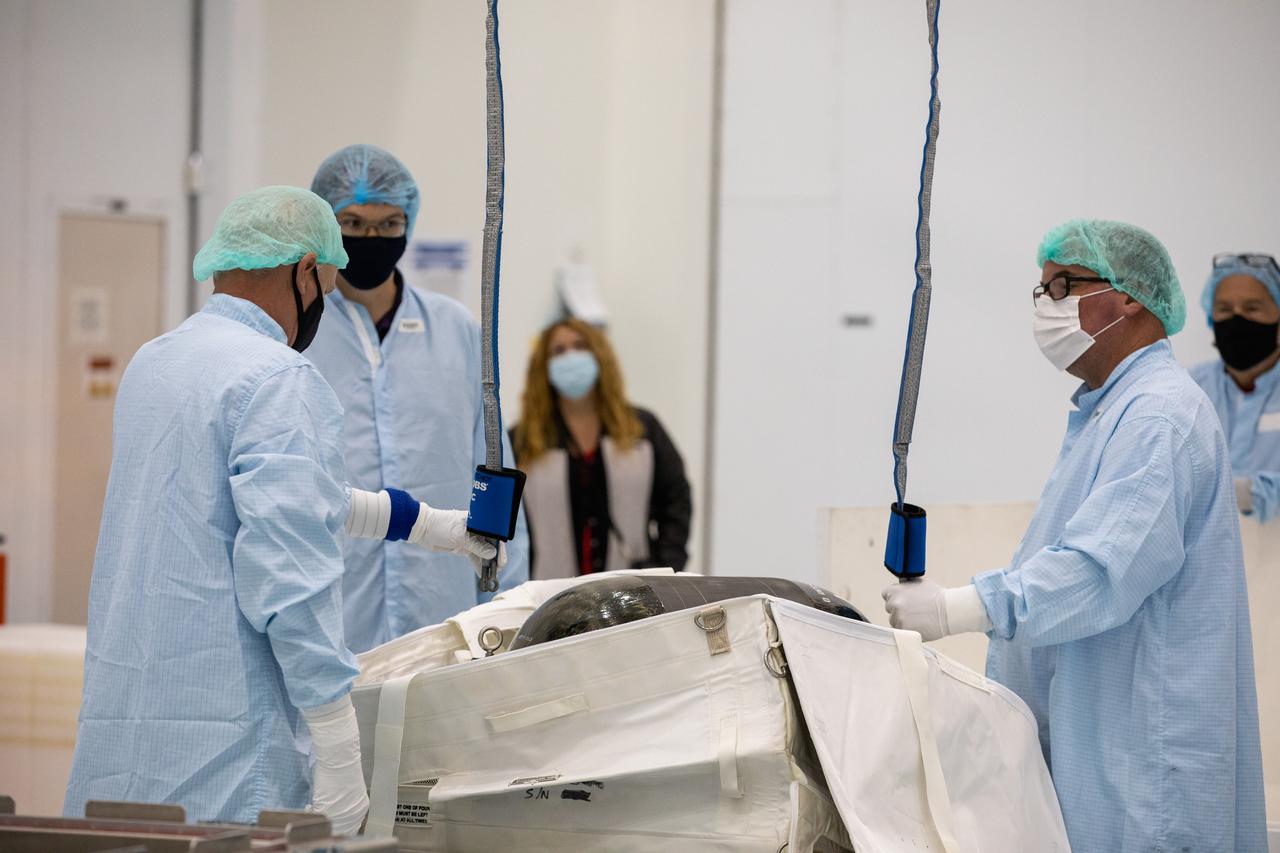
Technicians prepare to unpack and inspect a Nitrogen/Oxygen Recharge System (NORS) tank inside the Space Station Processing Facility high bay at NASA’s Kennedy Space Center in Florida on July 16, 2020. The NORS tanks and their support fixtures are designed to connect to the International Space Station’s existing air supply network to refill the previous generation of tanks installed during construction of the space station. These reusable tanks measure 3 feet long and 21 inches in diameter, and weigh about 200 pounds when filled. Once onboard, the tanks will be used to fill the oxygen and nitrogen tanks that supply the needed gases to the space station’s airlock for spacewalks. They could also be used to replenish the atmosphere inside the station. The NORS tanks will launch to the station later in the year on a commercial resupply mission.
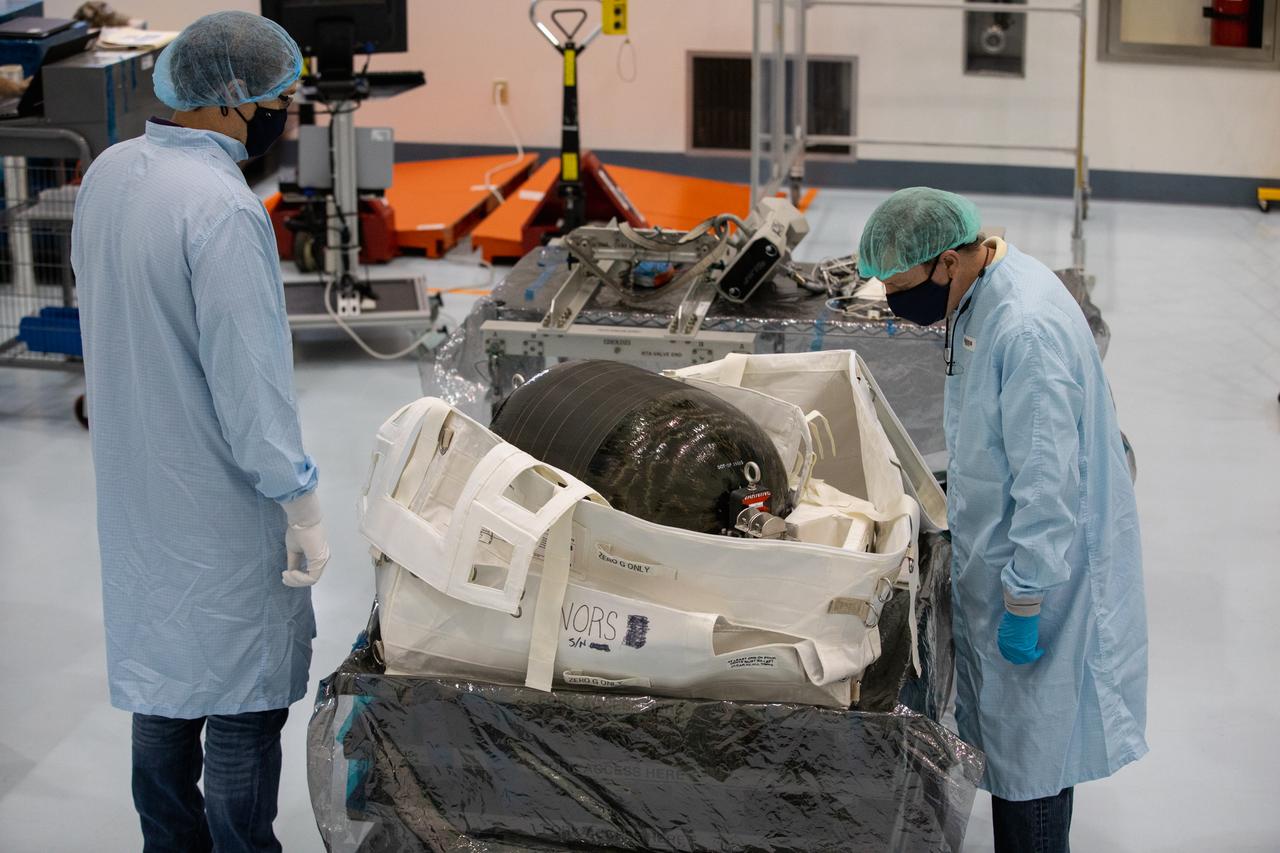
Technicians unpack and inspect a Nitrogen/Oxygen Recharge System (NORS) tank inside the Space Station Processing Facility high bay at NASA’s Kennedy Space Center in Florida on July 16, 2020. The NORS tanks and their support fixtures are designed to connect to the International Space Station’s existing air supply network to refill the previous generation of tanks installed during construction of the space station. These reusable tanks measure 3 feet long and 21 inches in diameter, and weigh about 200 pounds when filled. Once onboard, the tanks will be used to fill the oxygen and nitrogen tanks that supply the needed gases to the space station’s airlock for spacewalks. They could also be used to replenish the atmosphere inside the station. The NORS tanks will launch to the station later in the year on a commercial resupply mission.
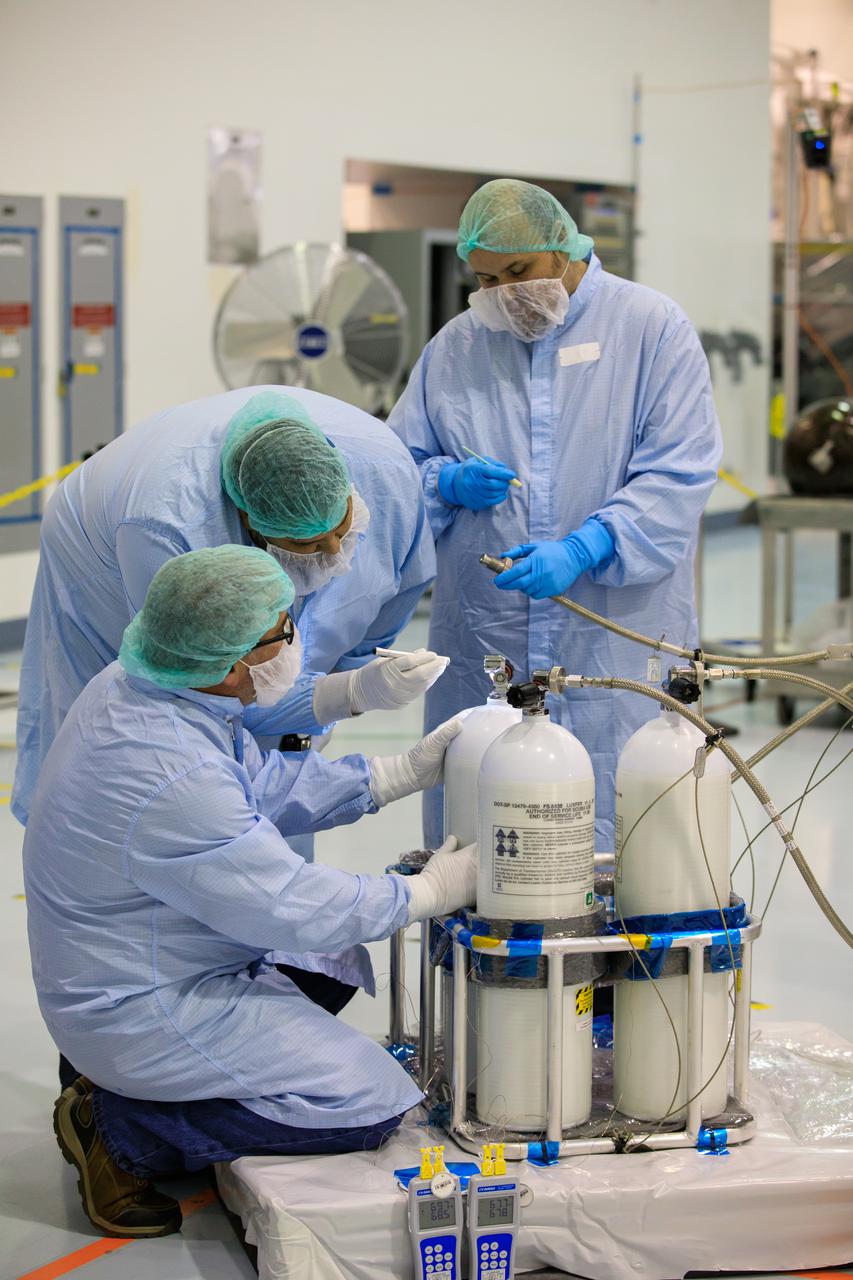
Inside the Space Station Processing Facility at NASA’s Kennedy Space Center in Florida on June 25, 2021, commercial off-the-shelf air tanks – normally used by divers – are filled with breathing air for use on the International Space Station. Using expendable air tanks for this purpose increases the efficiency of supplying air to the orbital laboratory. It also will supplement the reusable Nitrogen Oxygen Recharge System (NORS) tanks that NASA currently uses.
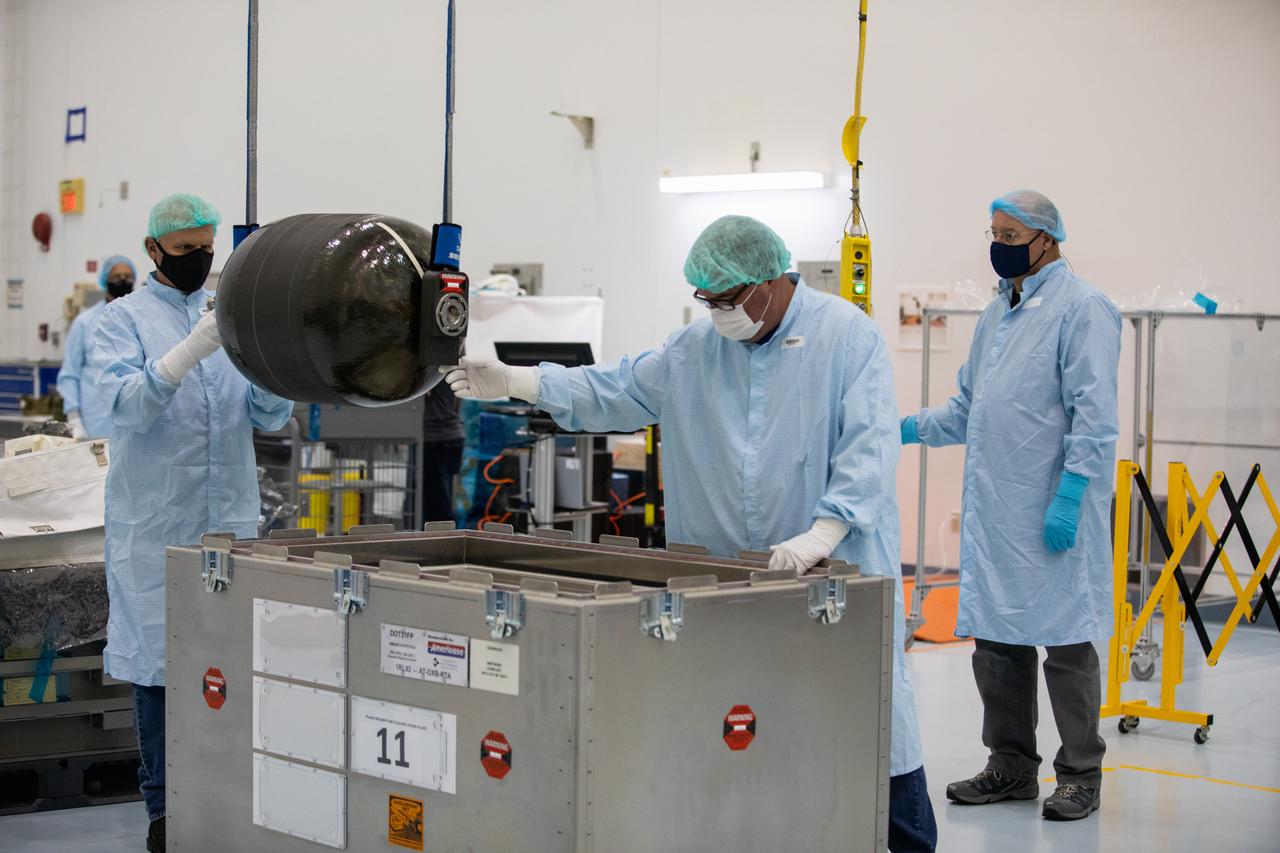
Technicians unpack and inspect a Nitrogen/Oxygen Recharge System (NORS) tank inside the Space Station Processing Facility high bay at NASA’s Kennedy Space Center in Florida on July 16, 2020. The NORS tanks and their support fixtures are designed to connect to the International Space Station’s existing air supply network to refill the previous generation of tanks installed during construction of the space station. These reusable tanks measure 3 feet long and 21 inches in diameter, and weigh about 200 pounds when filled. Once onboard, the tanks will be used to fill the oxygen and nitrogen tanks that supply the needed gases to the space station’s airlock for spacewalks. They could also be used to replenish the atmosphere inside the station. The NORS tanks will launch to the station later in the year on a commercial resupply mission.
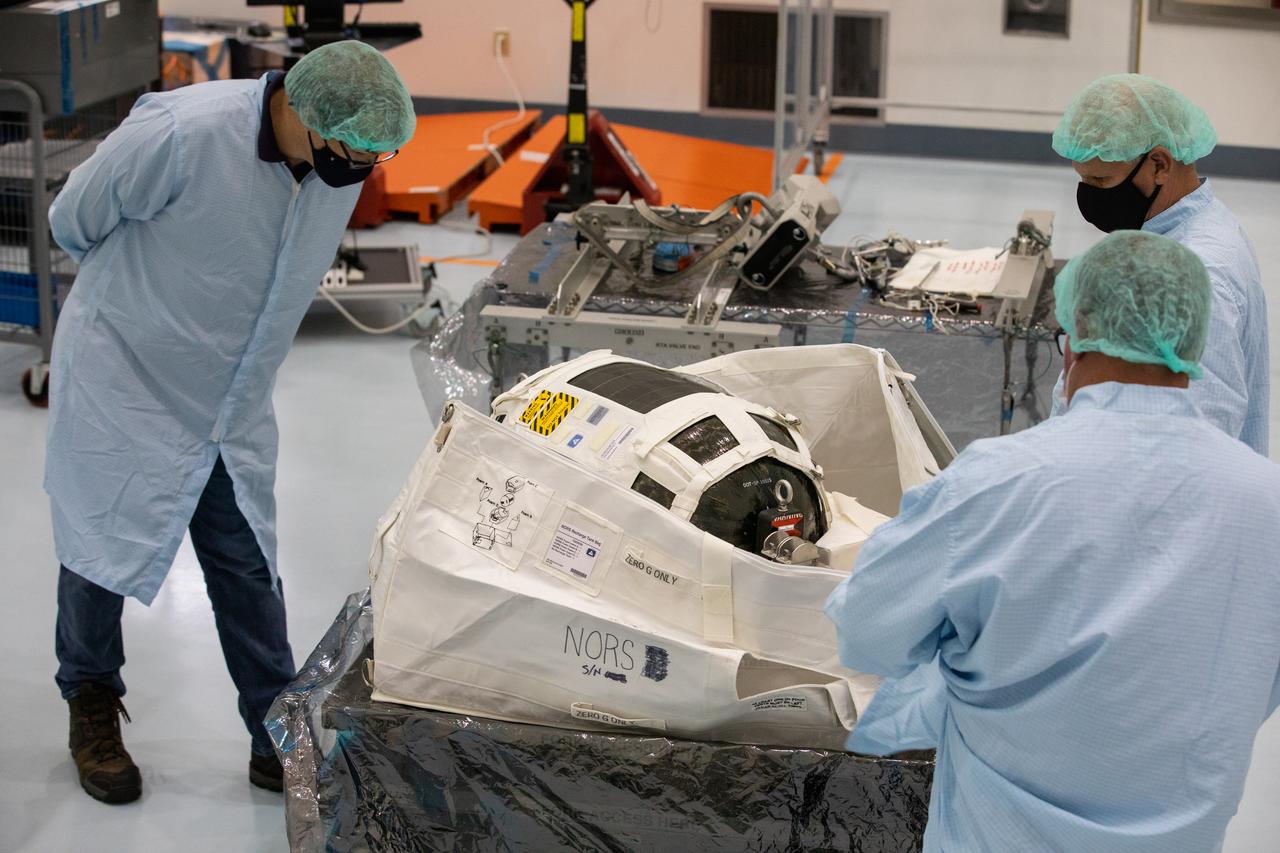
Technicians unpack and inspect a Nitrogen/Oxygen Recharge System (NORS) tank inside the Space Station Processing Facility high bay at NASA’s Kennedy Space Center in Florida on July 16, 2020. The NORS tanks and their support fixtures are designed to connect to the International Space Station’s existing air supply network to refill the previous generation of tanks installed during construction of the space station. These reusable tanks measure 3 feet long and 21 inches in diameter, and weigh about 200 pounds when filled. Once onboard, the tanks will be used to fill the oxygen and nitrogen tanks that supply the needed gases to the space station’s airlock for spacewalks. They could also be used to replenish the atmosphere inside the station. The NORS tanks will launch to the station later in the year on a commercial resupply mission.

A Nitrogen/Oxygen Recharge System (NORS) tank is unpacked and readied for inspection inside the Space Station Processing Facility high bay at NASA’s Kennedy Space Center in Florida on July 16, 2020. The NORS tanks and their support fixtures are designed to connect to the International Space Station’s existing air supply network to refill the previous generation of tanks installed during construction of the space station. These reusable tanks measure 3 feet long and 21 inches in diameter, and weigh about 200 pounds when filled. Once onboard, the tanks will be used to fill the oxygen and nitrogen tanks that supply the needed gases to the space station’s airlock for spacewalks. They could also be used to replenish the atmosphere inside the station. The NORS tanks will launch to the station later in the year on a commercial resupply mission.
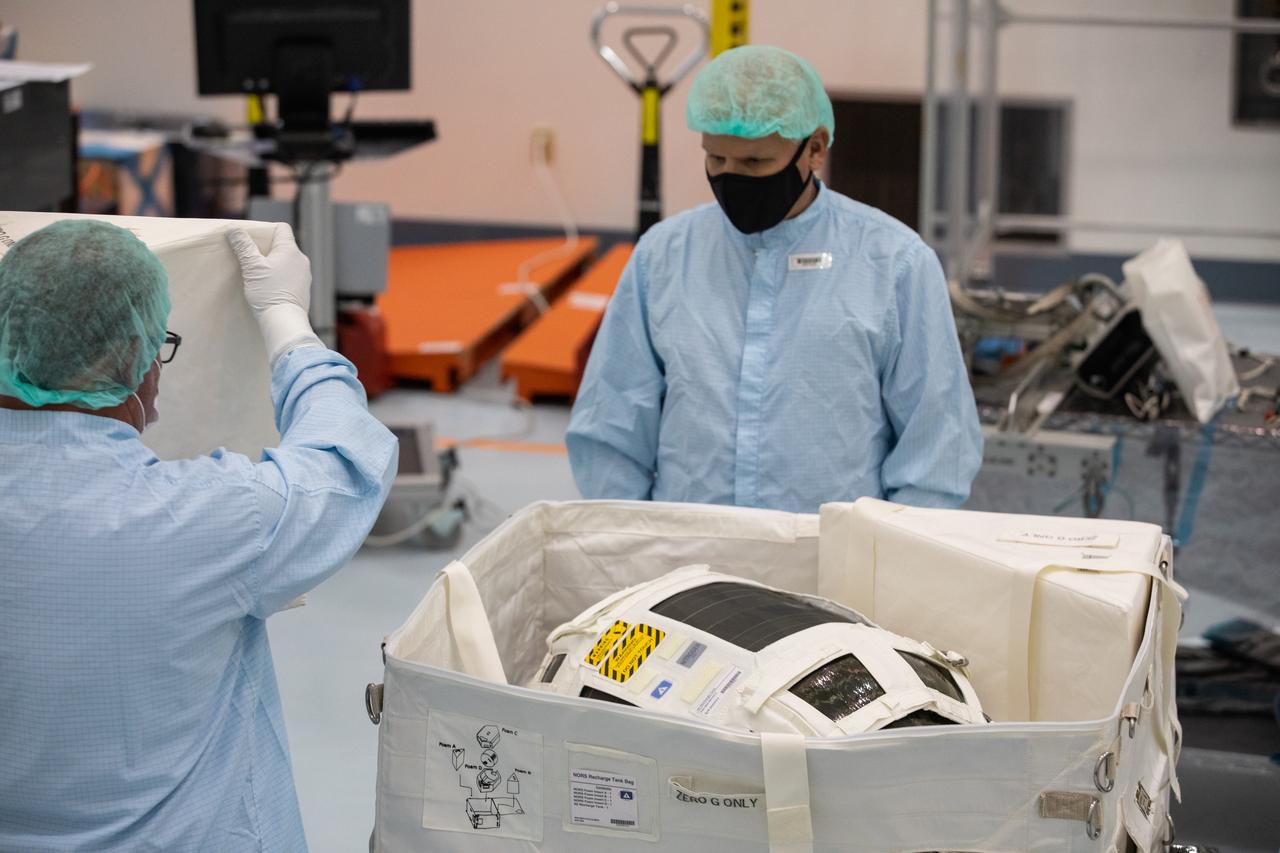
Technicians unpack and inspect a Nitrogen/Oxygen Recharge System (NORS) tank inside the Space Station Processing Facility high bay at NASA’s Kennedy Space Center in Florida on July 16, 2020. The NORS tanks and their support fixtures are designed to connect to the International Space Station’s existing air supply network to refill the previous generation of tanks installed during construction of the space station. These reusable tanks measure 3 feet long and 21 inches in diameter, and weigh about 200 pounds when filled. Once onboard, the tanks will be used to fill the oxygen and nitrogen tanks that supply the needed gases to the space station’s airlock for spacewalks. They could also be used to replenish the atmosphere inside the station. The NORS tanks will launch to the station later in the year on a commercial resupply mission.
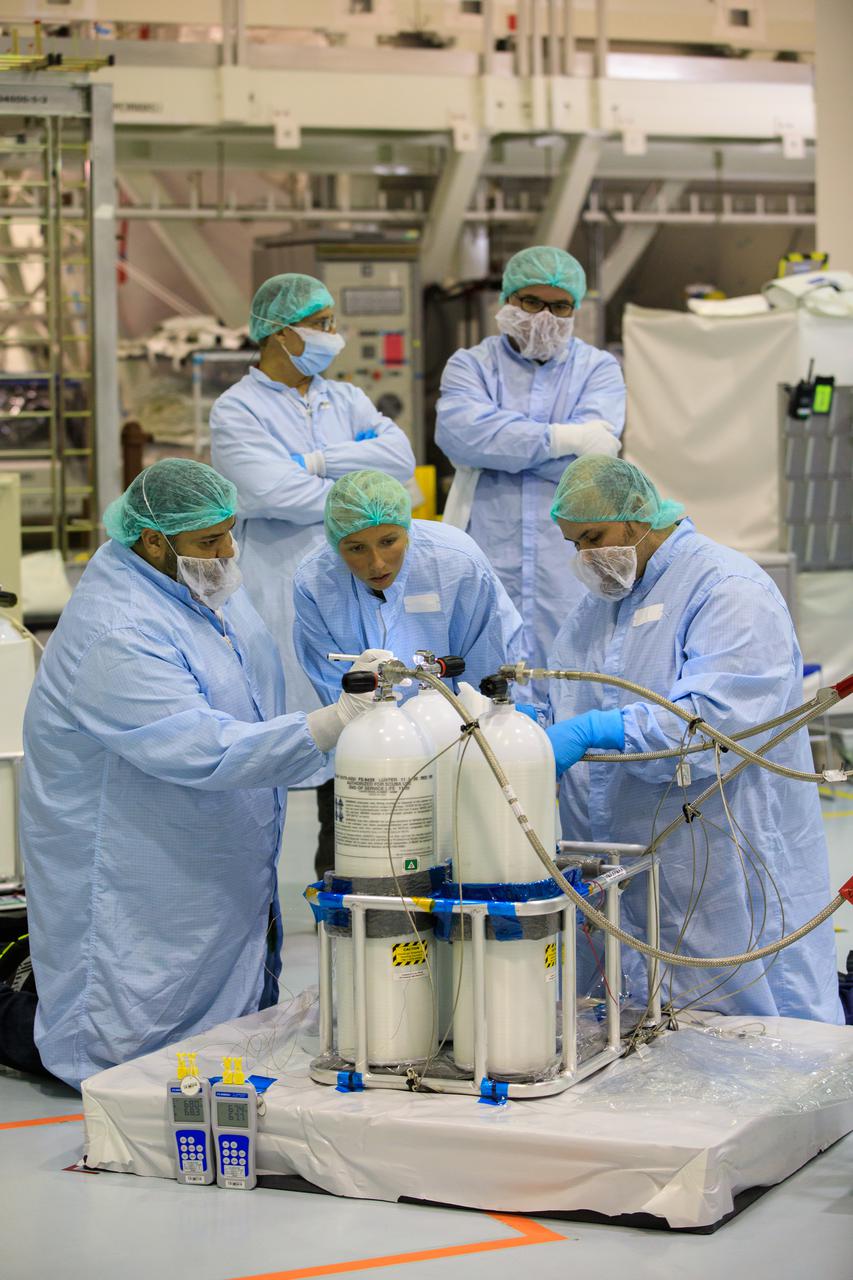
Inside the Space Station Processing Facility at NASA’s Kennedy Space Center in Florida on June 25, 2021, commercial off-the-shelf air tanks – normally used by divers – are filled with breathing air for use on the International Space Station. Using expendable air tanks for this purpose increases the efficiency of supplying air to the orbital laboratory. It also will supplement the reusable Nitrogen Oxygen Recharge System (NORS) tanks that NASA currently uses.
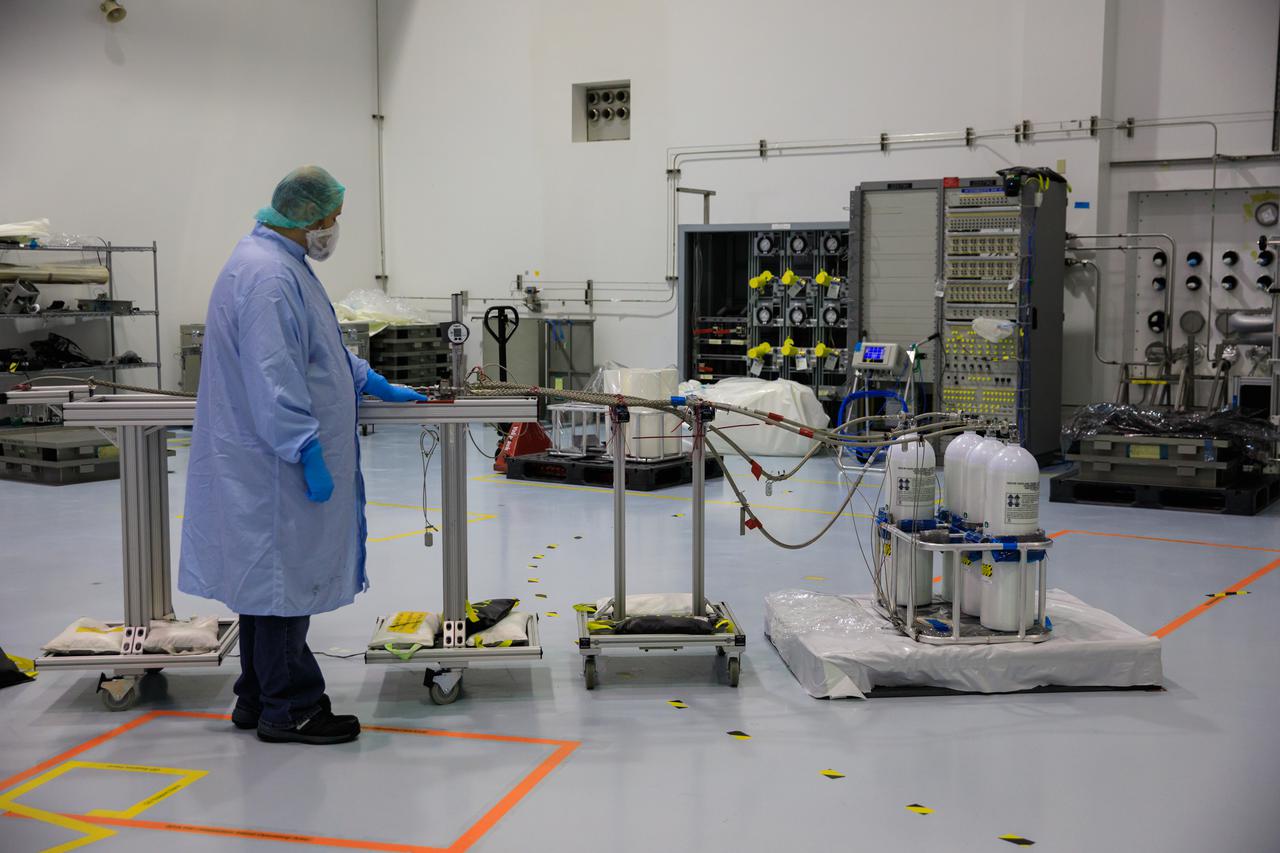
Inside the Space Station Processing Facility at NASA’s Kennedy Space Center in Florida on June 25, 2021, commercial off-the-shelf air tanks – normally used by divers – are filled with breathing air for use on the International Space Station. Using expendable air tanks for this purpose increases the efficiency of supplying air to the orbital laboratory. It also will supplement the reusable Nitrogen Oxygen Recharge System (NORS) tanks that NASA currently uses.
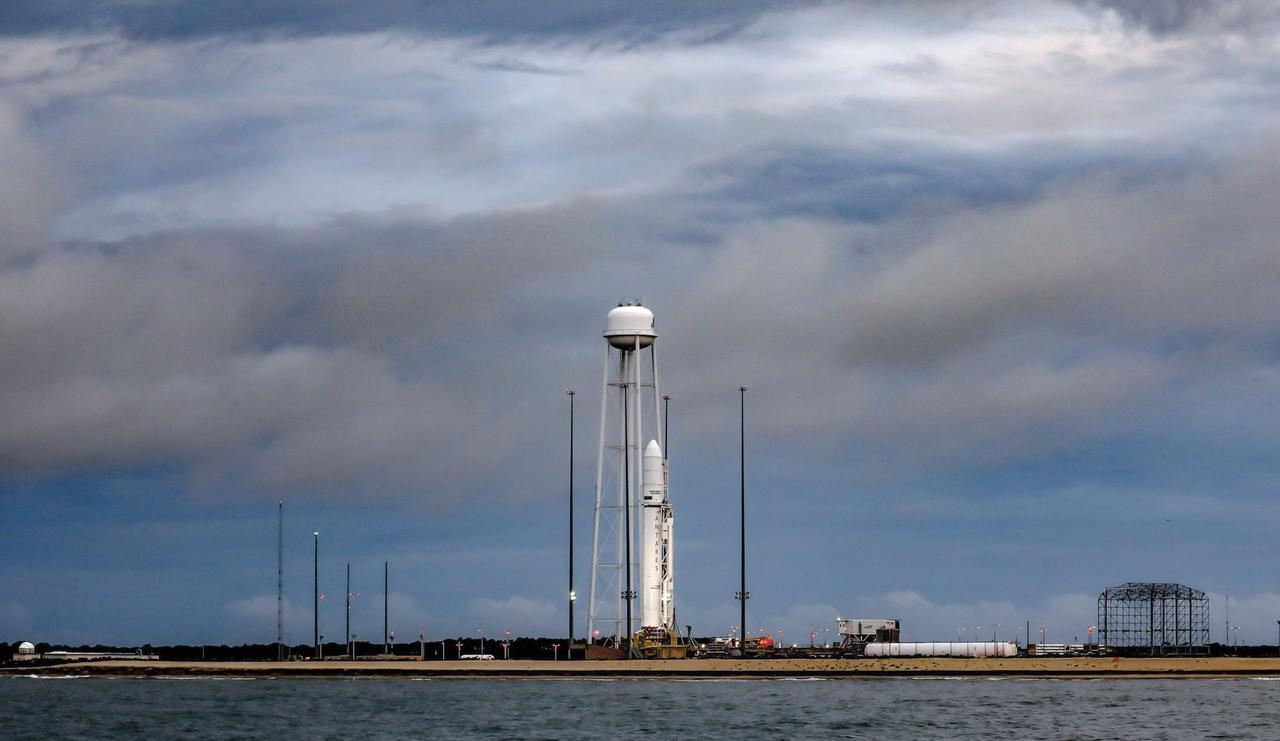
A Northrop Grumman Antares rocket carrying a Cygnus resupply spacecraft is seen at sunrise on the Mid-Atlantic Regional Spaceport’s Pad-0A, Aug. 7, 2021, at NASA's Wallops Flight Facility in Virginia. Northrop Grumman’s 16th contracted cargo resupply mission with NASA to the International Space Station will deliver nearly 8,200 pounds of science and research, crew supplies and vehicle hardware to the orbital laboratory and its crew. Northrop Grumman named the NG CRS-16 Cygnus spacecraft after NASA astronaut Ellison Onizuka, in honor of his prominence as the first Asian American astronaut. Onizuka was hired in 1978 in the first class of diverse astronauts, and his first spaceflight was aboard space shuttle Discovery in January 1985 for STS-51-C. He lost his life aboard the space shuttle Challenger in 1986. Launch is scheduled for 5:56 p.m. EDT, Tuesday, Aug. 10, 2021. Photo Credit: NASA/Terry Zaperach
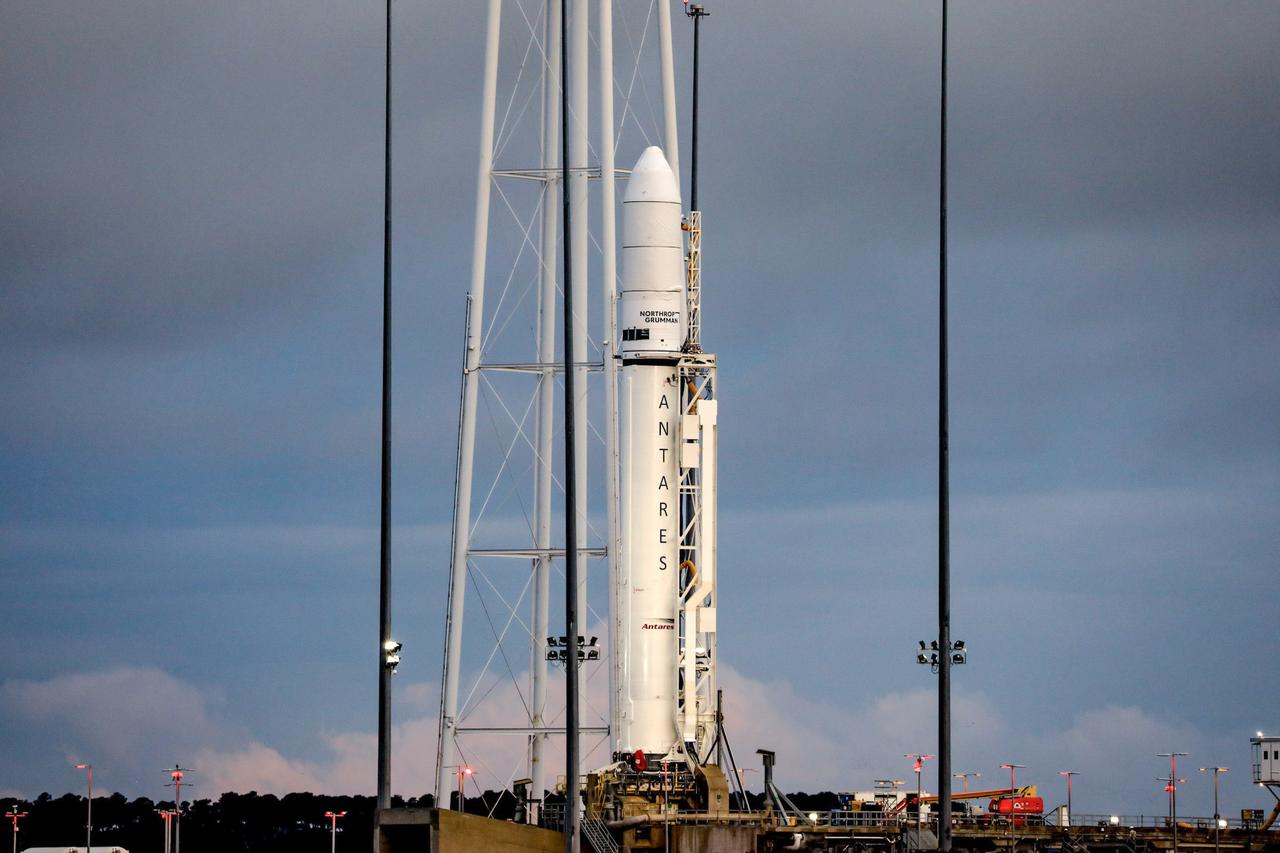
A Northrop Grumman Antares rocket carrying a Cygnus resupply spacecraft is seen at sunrise on the Mid-Atlantic Regional Spaceport’s Pad-0A, Aug. 7, 2021, at NASA's Wallops Flight Facility in Virginia. Northrop Grumman’s 16th contracted cargo resupply mission with NASA to the International Space Station will deliver nearly 8,200 pounds of science and research, crew supplies and vehicle hardware to the orbital laboratory and its crew. Northrop Grumman named the NG CRS-16 Cygnus spacecraft after NASA astronaut Ellison Onizuka, in honor of his prominence as the first Asian American astronaut. Onizuka was hired in 1978 in the first class of diverse astronauts, and his first spaceflight was aboard space shuttle Discovery in January 1985 for STS-51-C. He lost his life aboard the space shuttle Challenger in 1986. Launch is scheduled for 5:56 p.m. EDT, Tuesday, Aug. 10, 2021. Photo Credit: NASA/Terry Zaperach
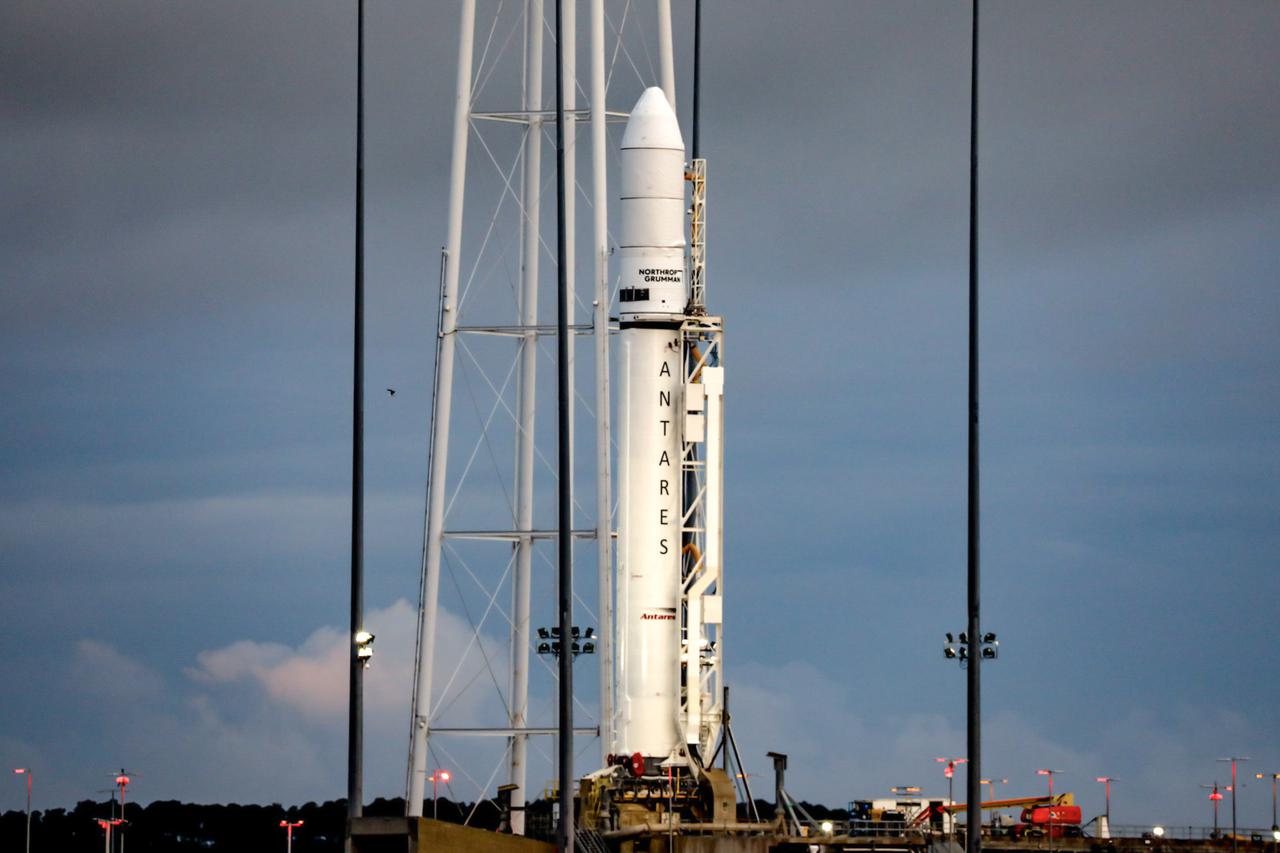
A Northrop Grumman Antares rocket carrying a Cygnus resupply spacecraft is seen at sunrise on the Mid-Atlantic Regional Spaceport’s Pad-0A, Aug. 7, 2021, at NASA's Wallops Flight Facility in Virginia. Northrop Grumman’s 16th contracted cargo resupply mission with NASA to the International Space Station will deliver nearly 8,200 pounds of science and research, crew supplies and vehicle hardware to the orbital laboratory and its crew. Northrop Grumman named the NG CRS-16 Cygnus spacecraft after NASA astronaut Ellison Onizuka, in honor of his prominence as the first Asian American astronaut. Onizuka was hired in 1978 in the first class of diverse astronauts, and his first spaceflight was aboard space shuttle Discovery in January 1985 for STS-51-C. He lost his life aboard the space shuttle Challenger in 1986. Launch is scheduled for 5:56 p.m. EDT, Tuesday, Aug. 10, 2021. Photo Credit: NASA/Terry Zaperach
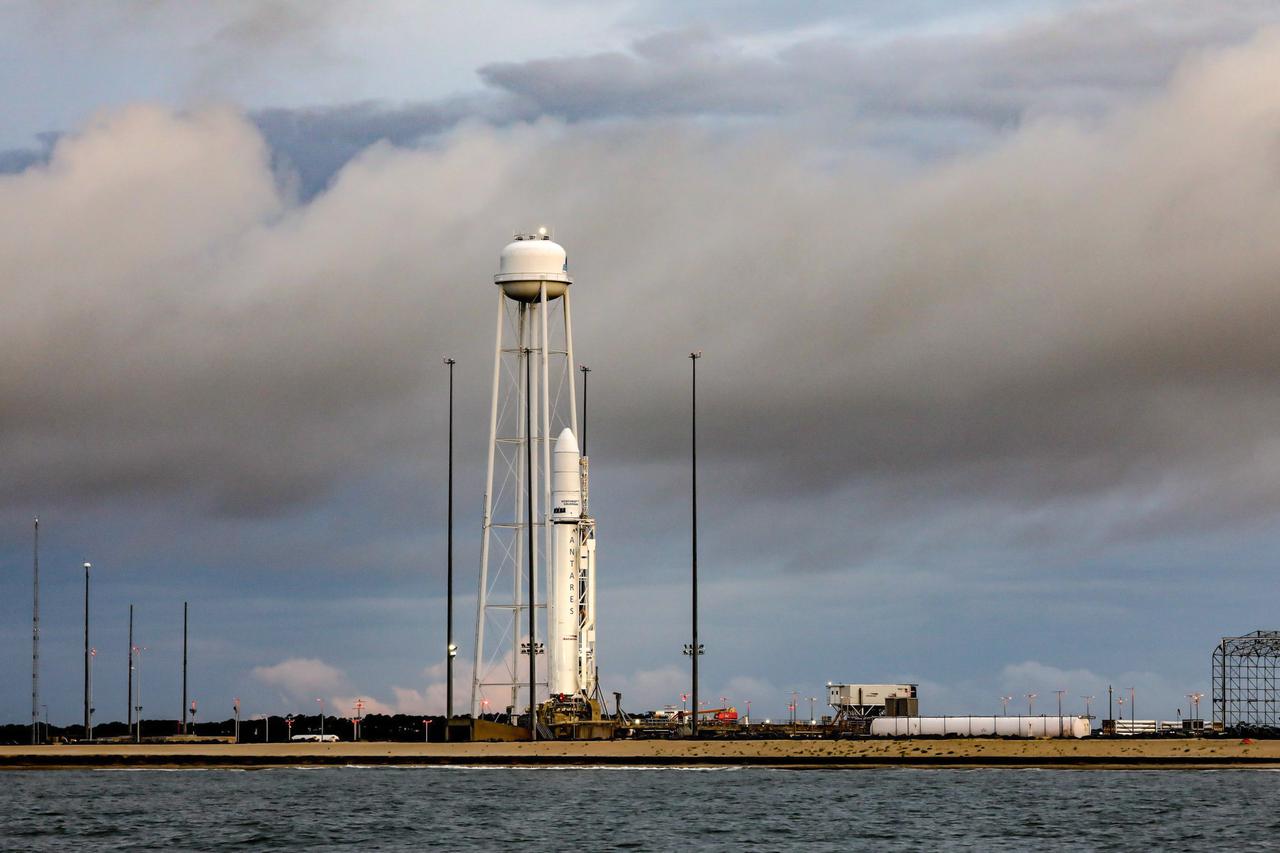
A Northrop Grumman Antares rocket carrying a Cygnus resupply spacecraft is seen at sunrise on the Mid-Atlantic Regional Spaceport’s Pad-0A, Aug. 7, 2021, at NASA's Wallops Flight Facility in Virginia. Northrop Grumman’s 16th contracted cargo resupply mission with NASA to the International Space Station will deliver nearly 8,200 pounds of science and research, crew supplies and vehicle hardware to the orbital laboratory and its crew. Northrop Grumman named the NG CRS-16 Cygnus spacecraft after NASA astronaut Ellison Onizuka, in honor of his prominence as the first Asian American astronaut. Onizuka was hired in 1978 in the first class of diverse astronauts, and his first spaceflight was aboard space shuttle Discovery in January 1985 for STS-51-C. He lost his life aboard the space shuttle Challenger in 1986. Launch is scheduled for 5:56 p.m. EDT, Tuesday, Aug. 10, 2021. Photo Credit: NASA/Terry Zaperach