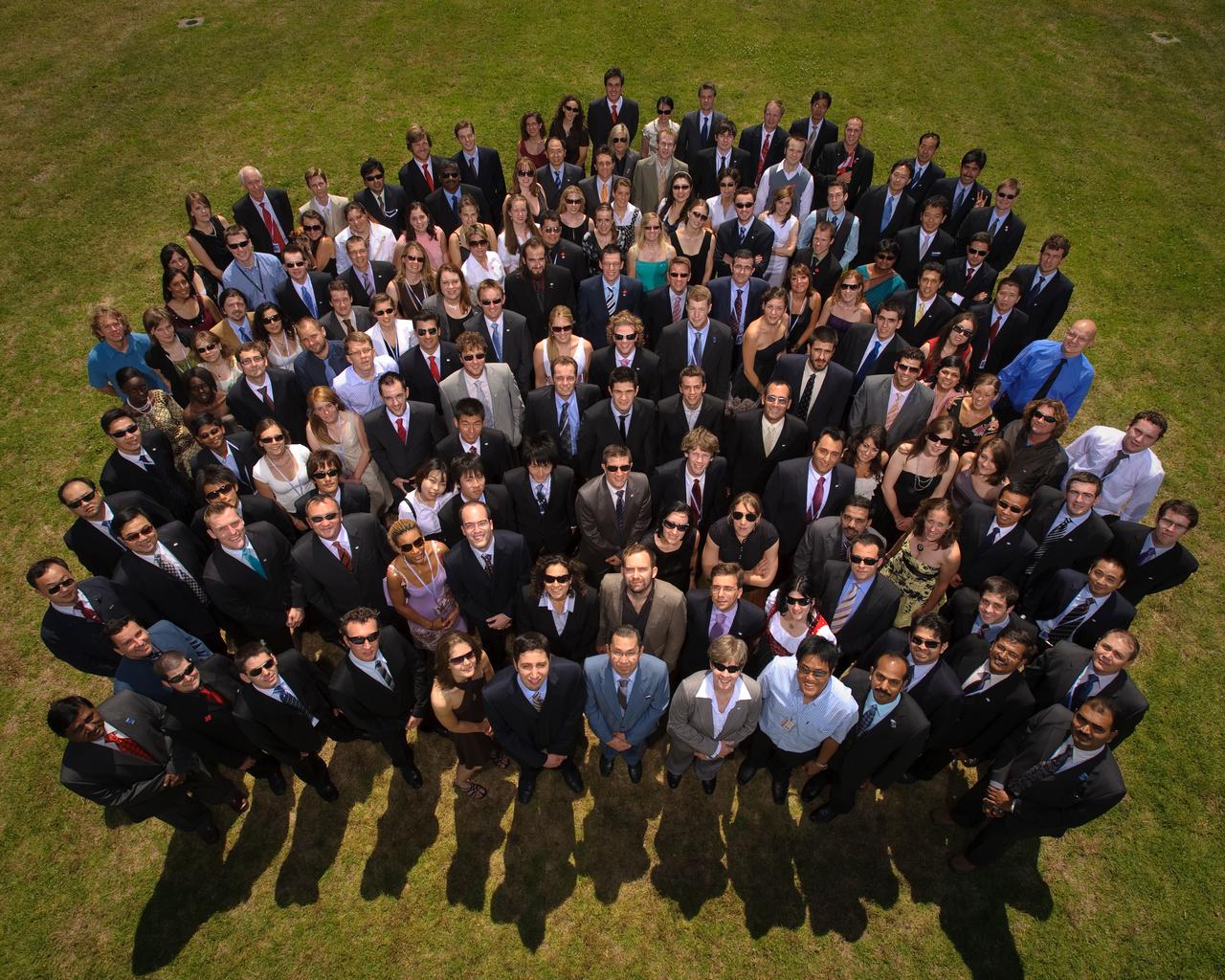
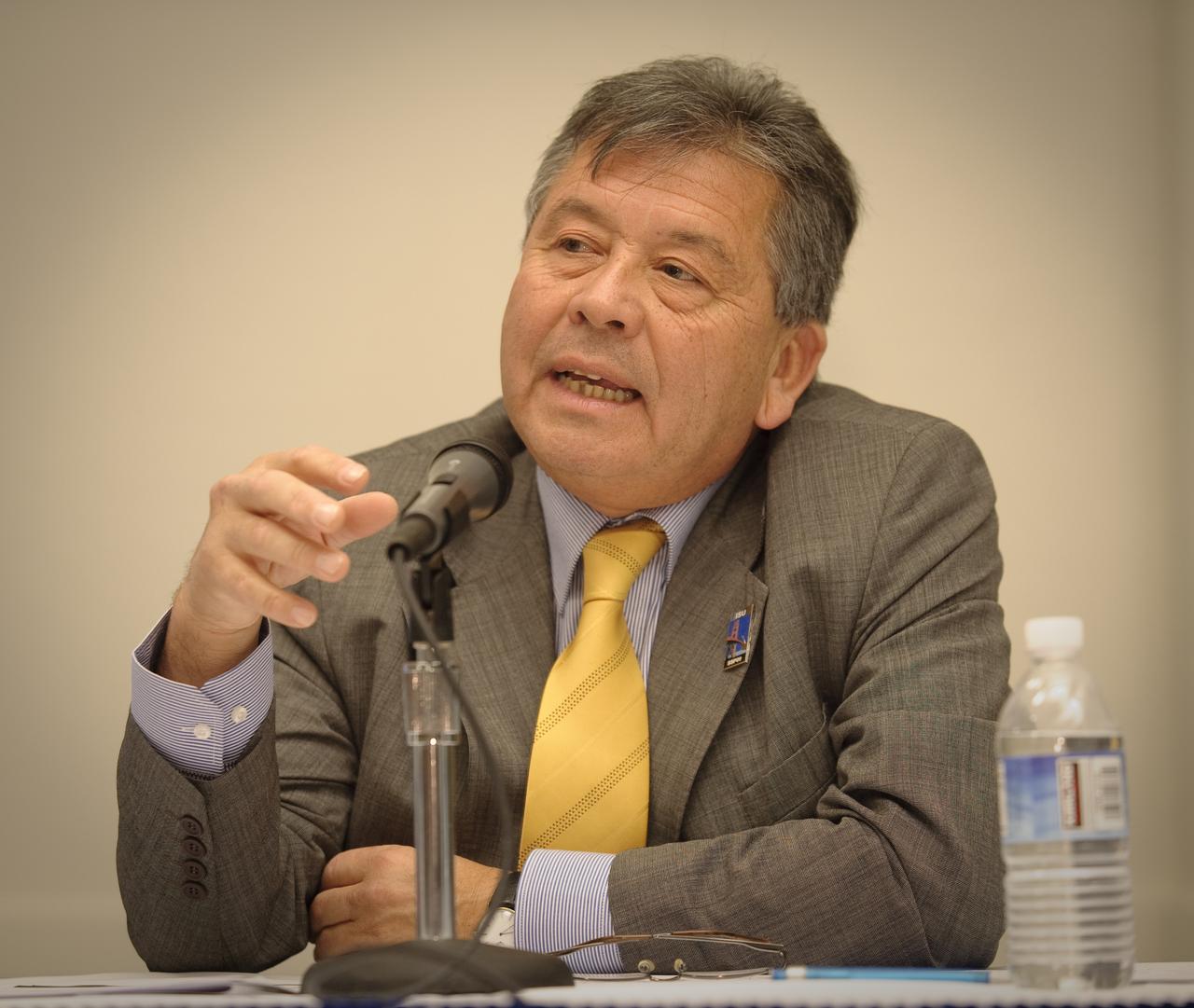
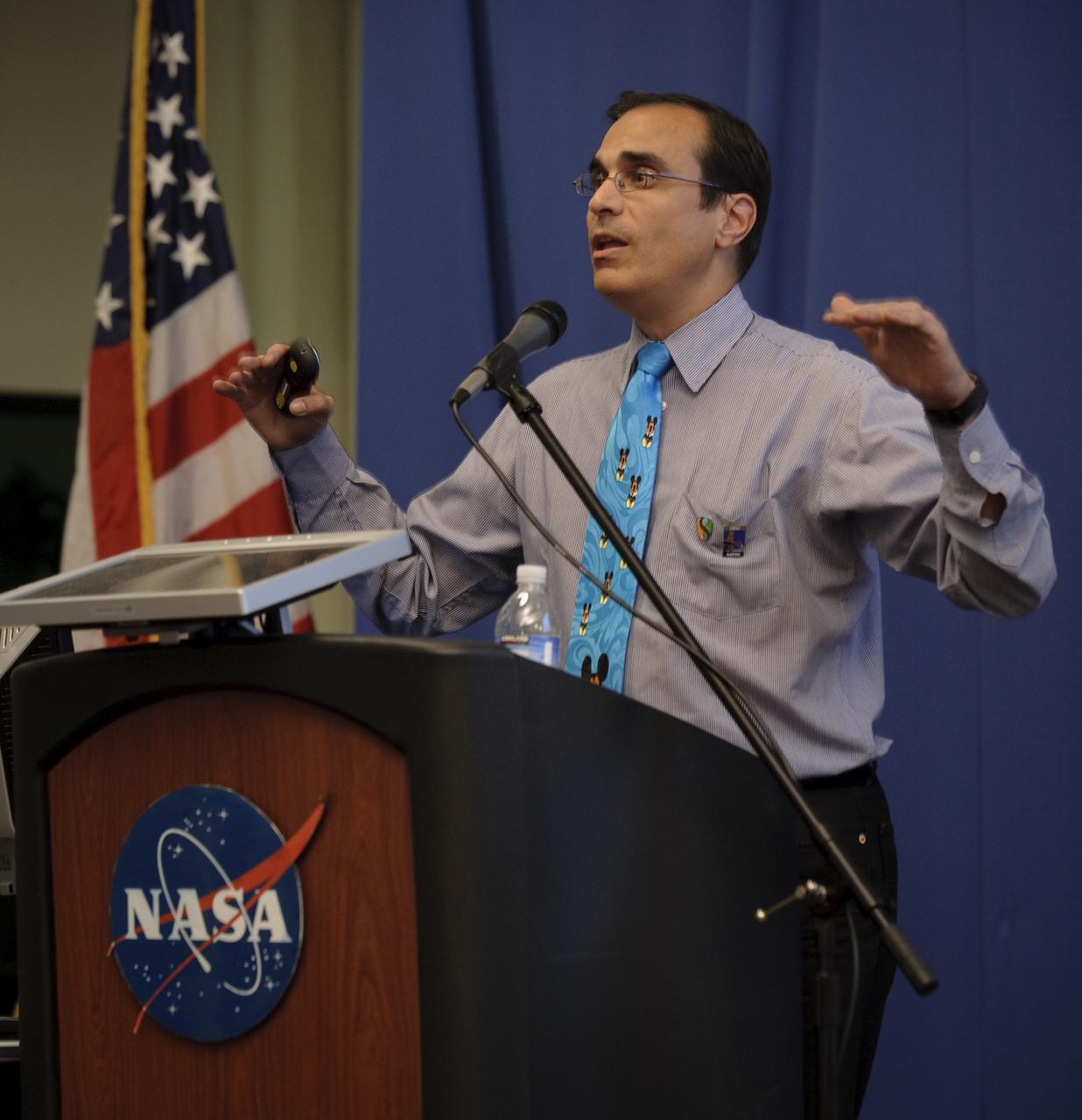
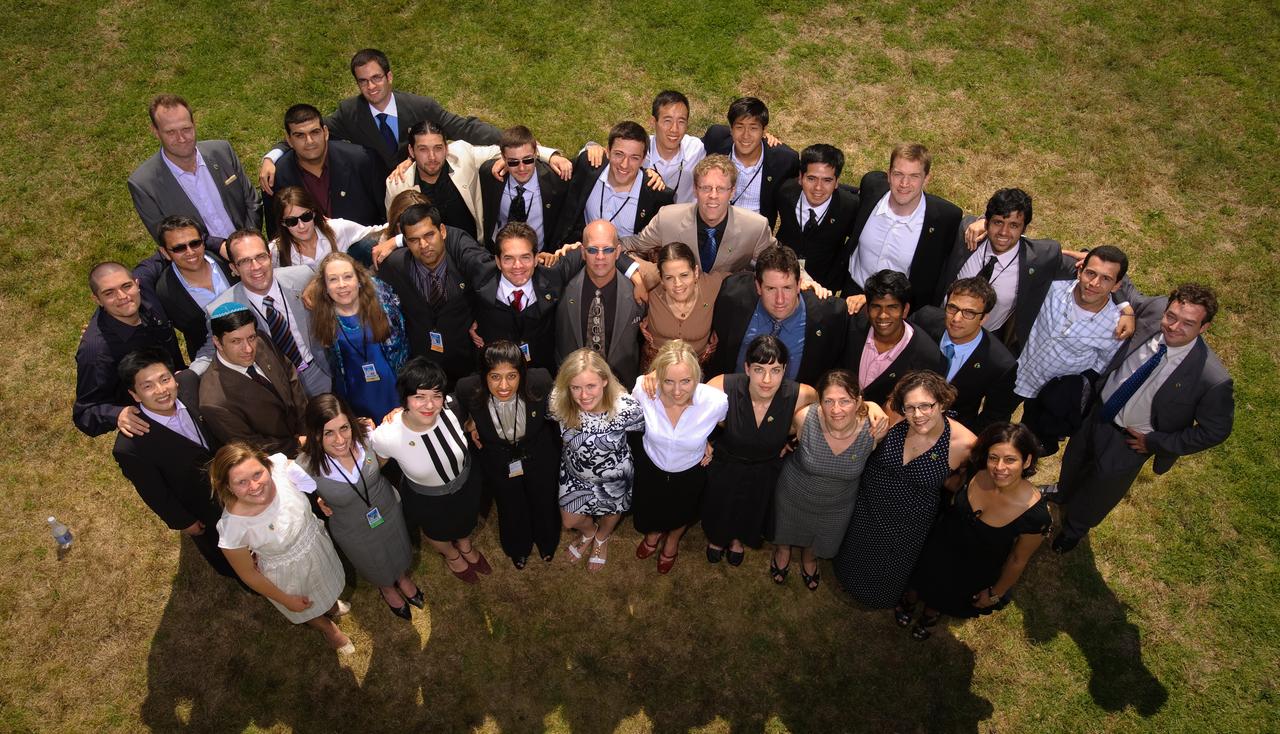
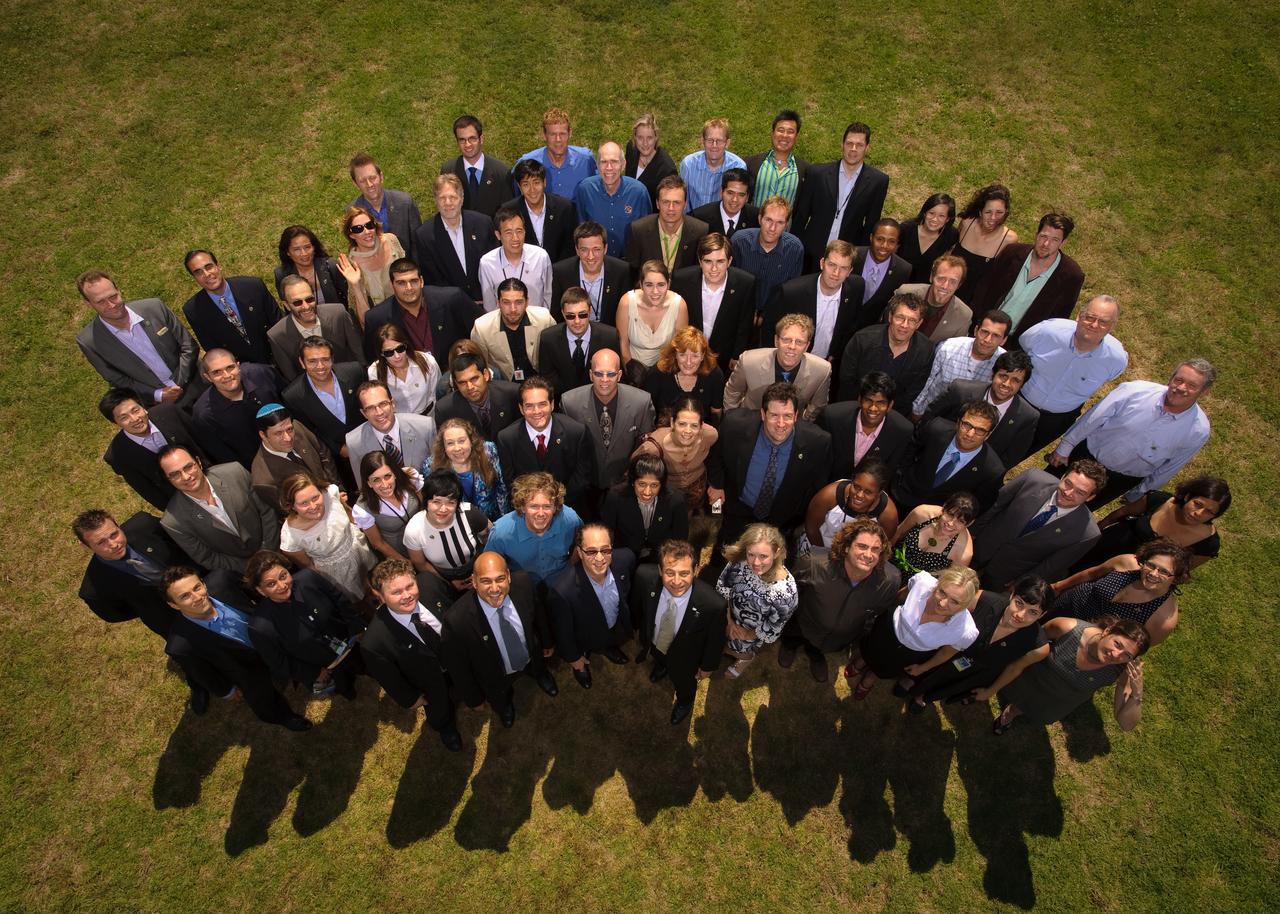
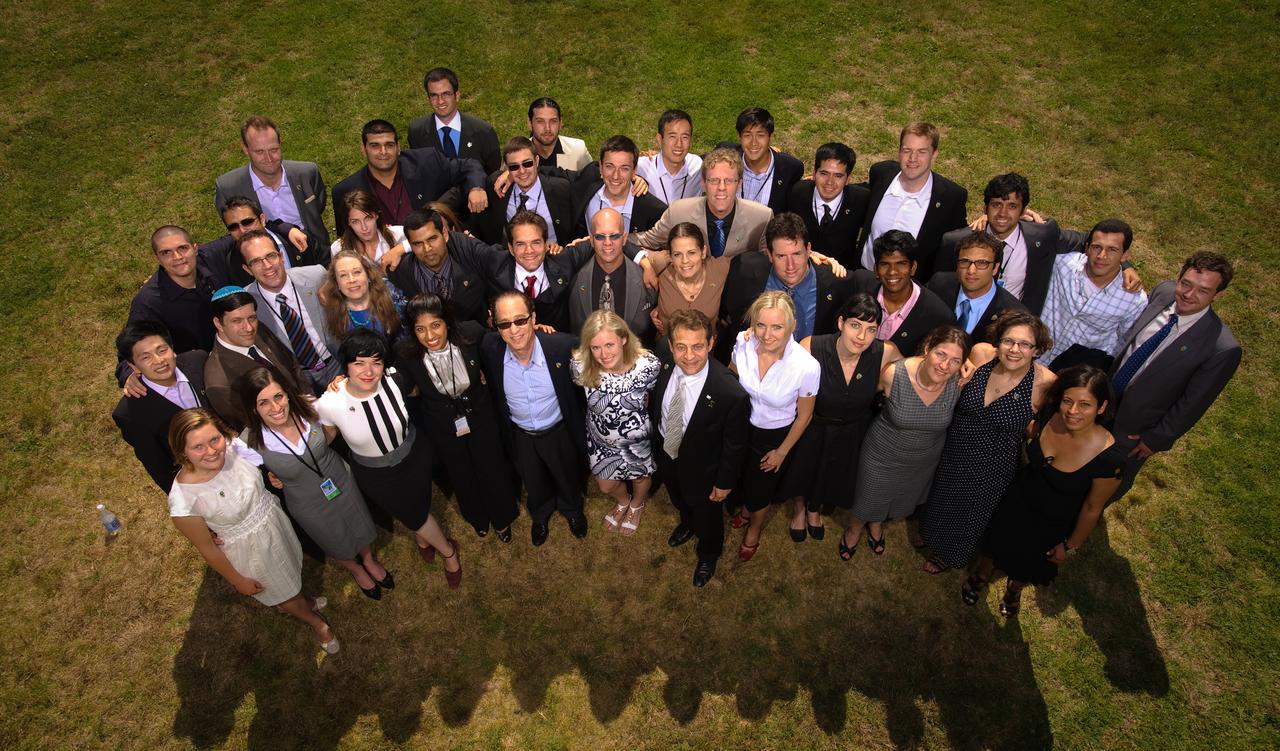
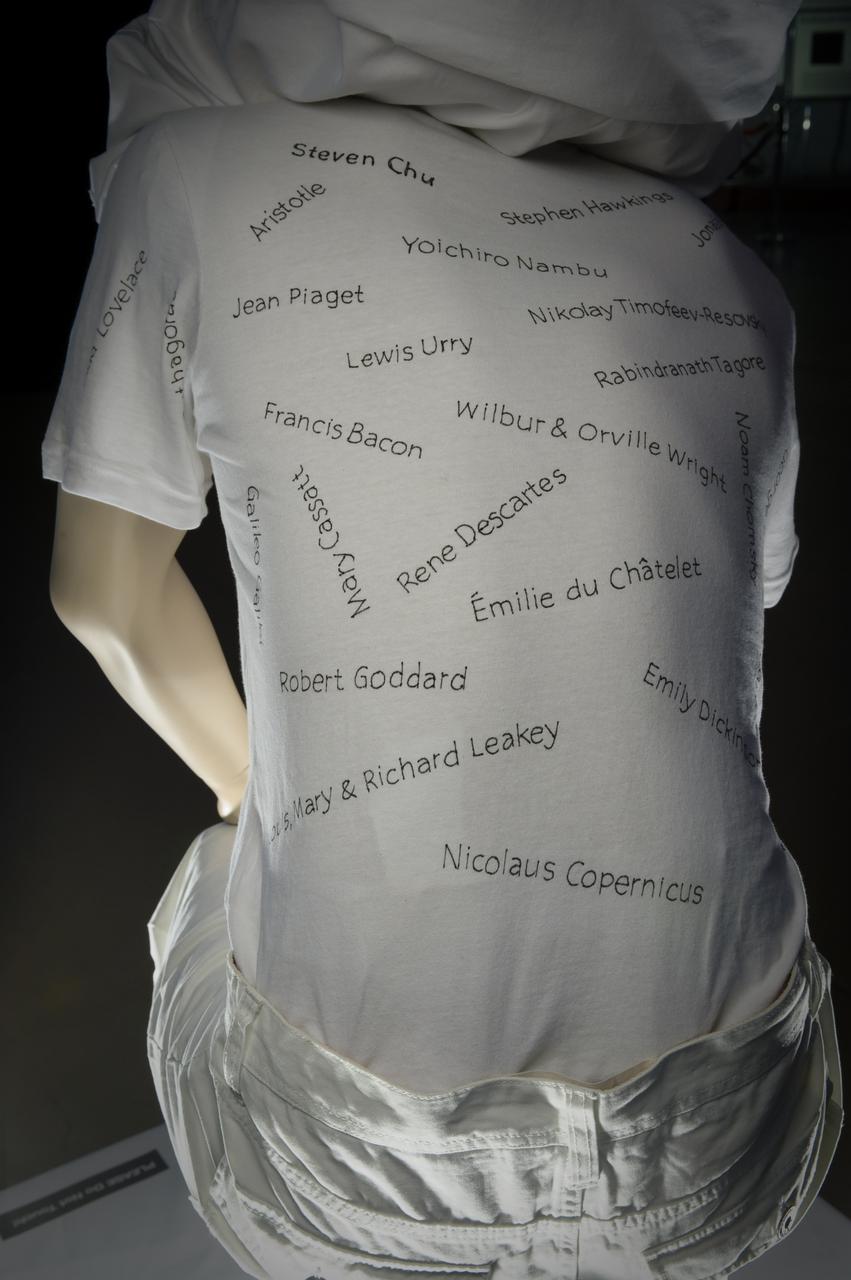
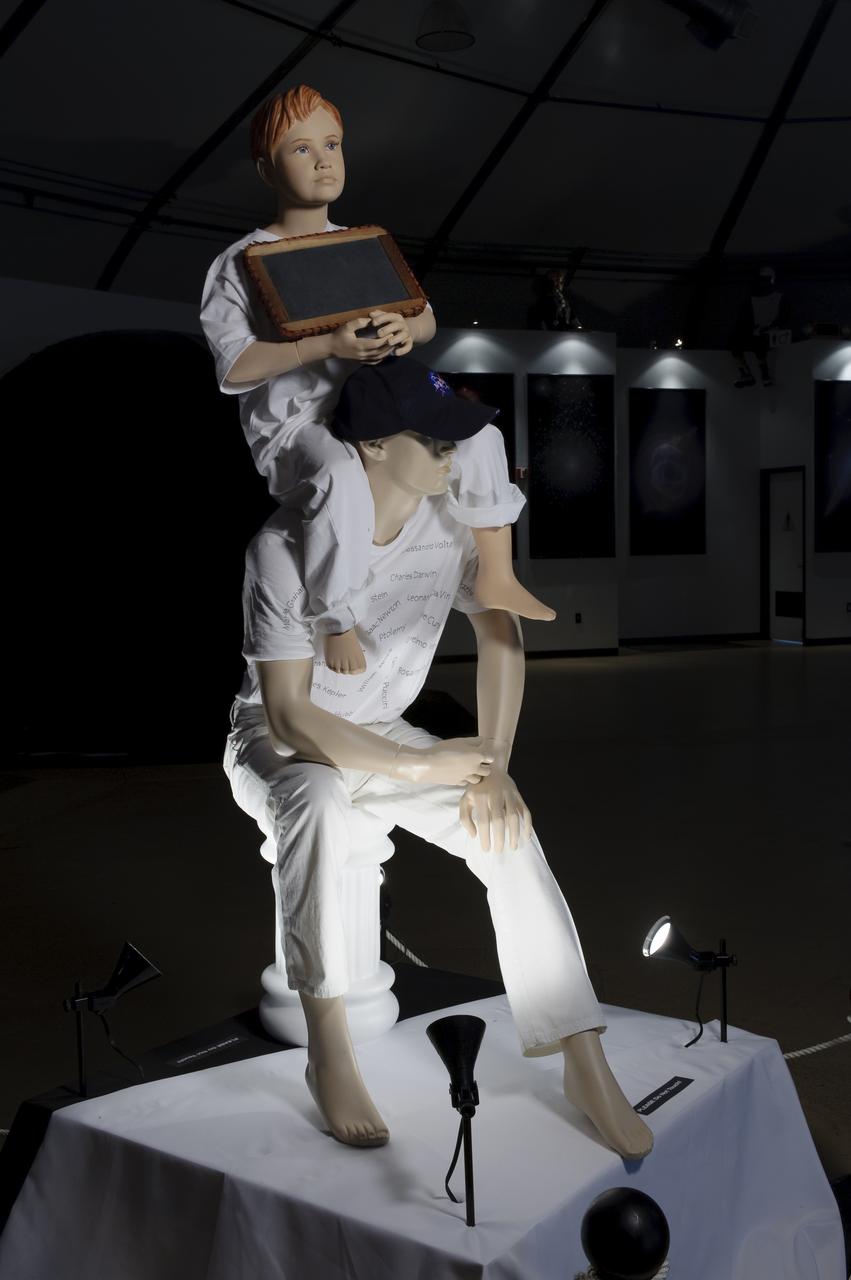
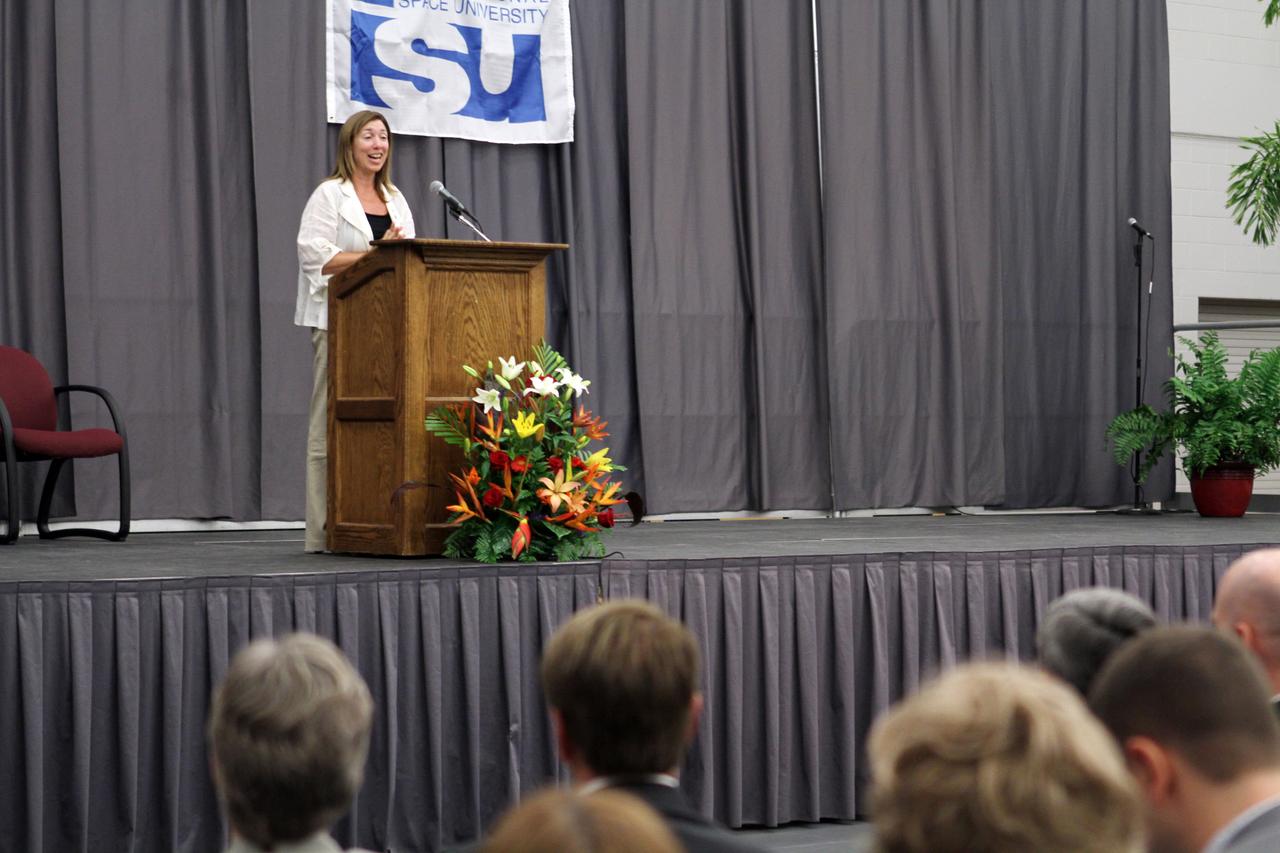
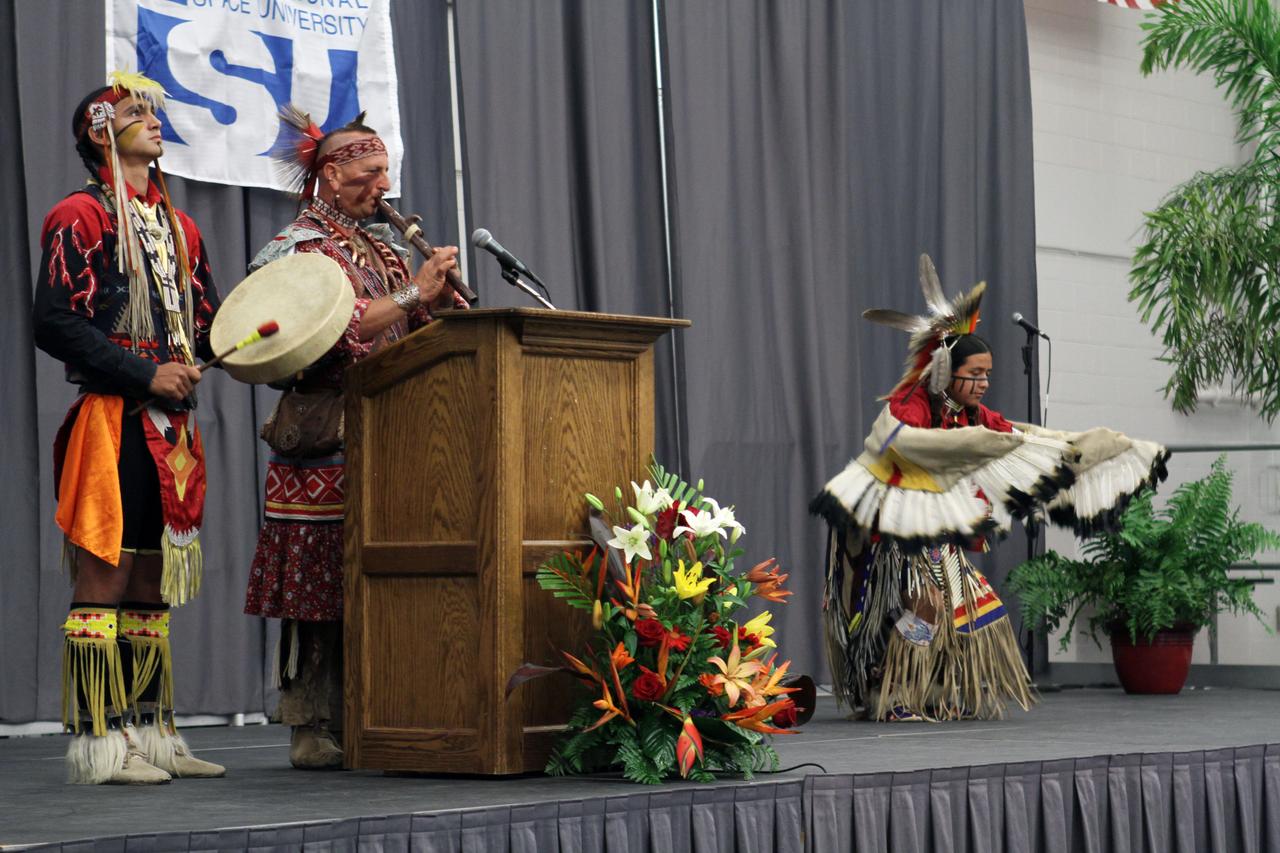
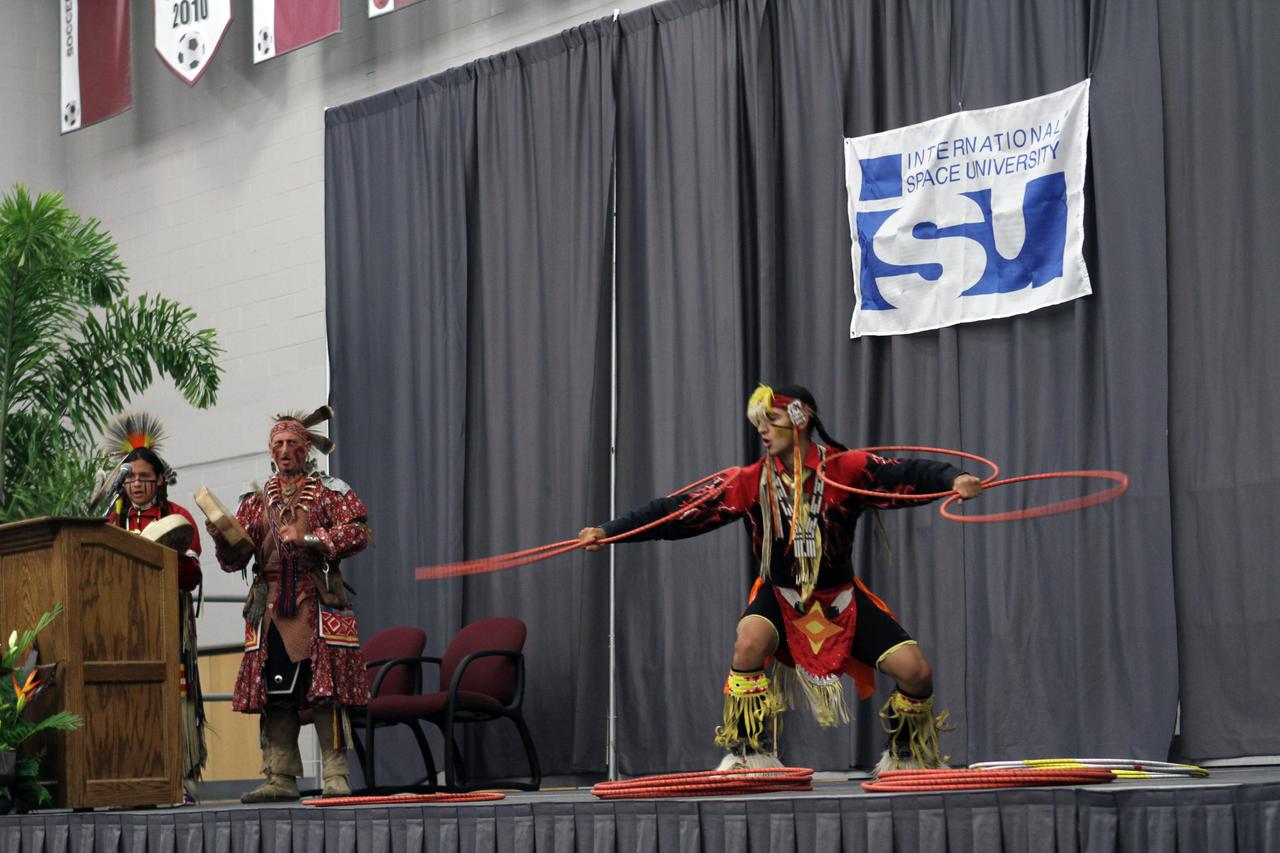
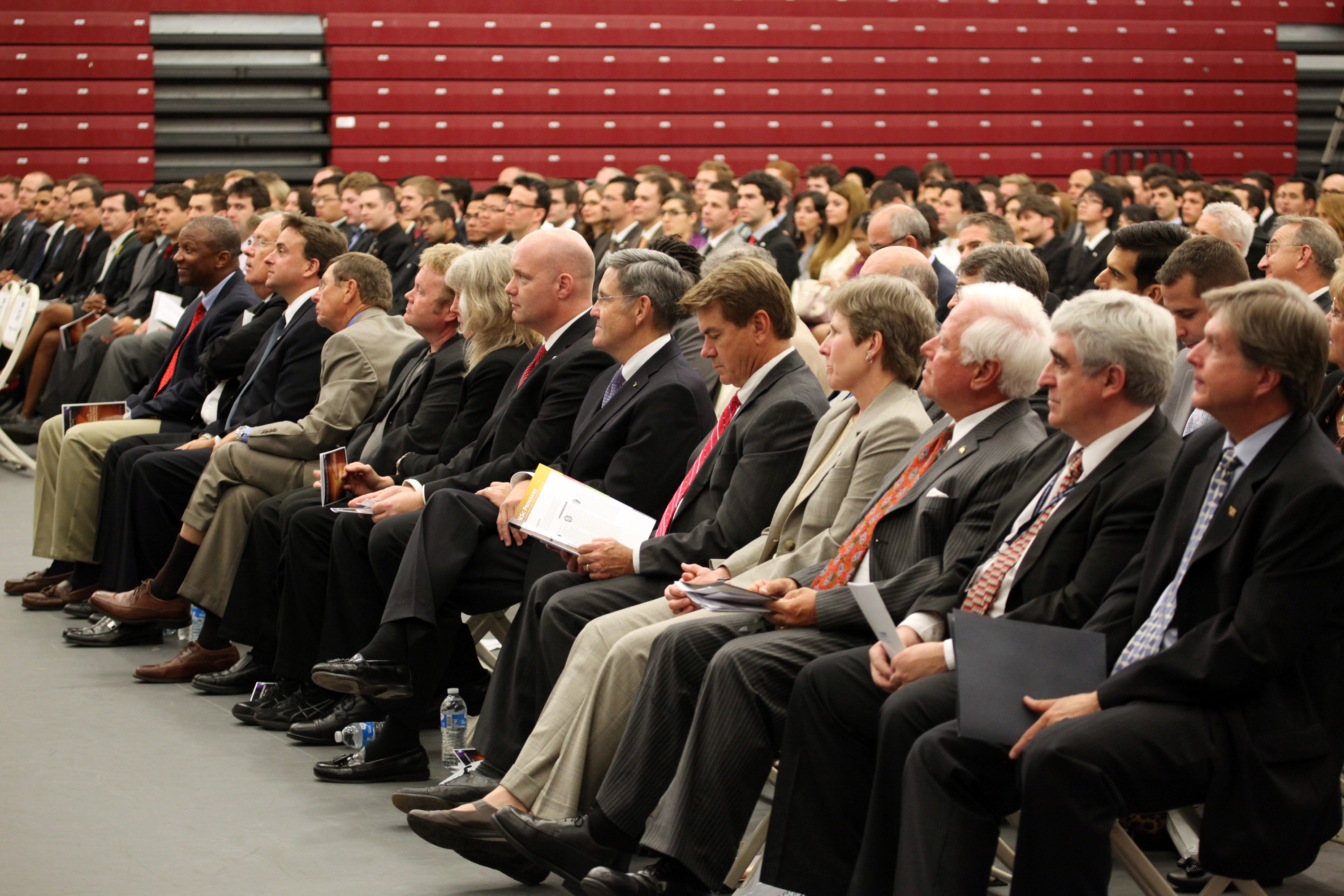
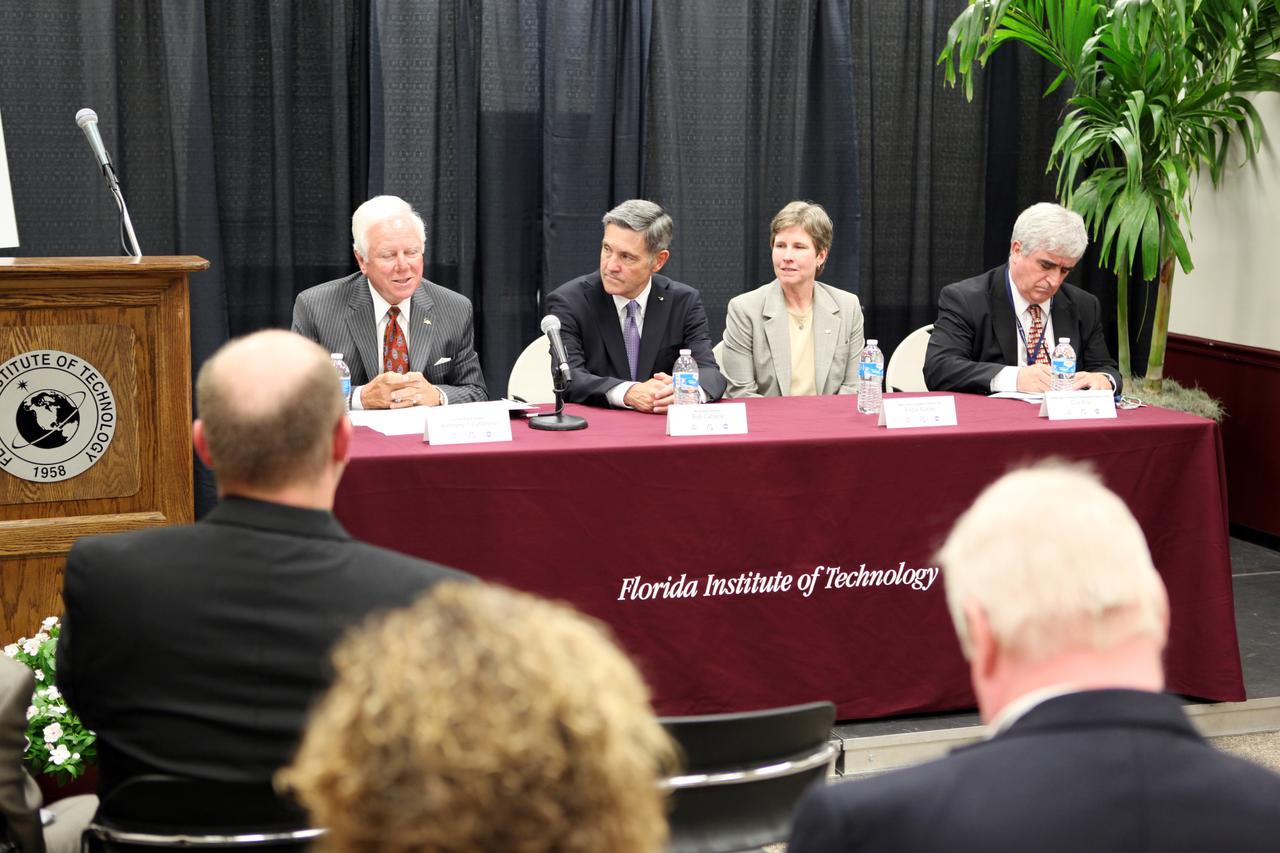
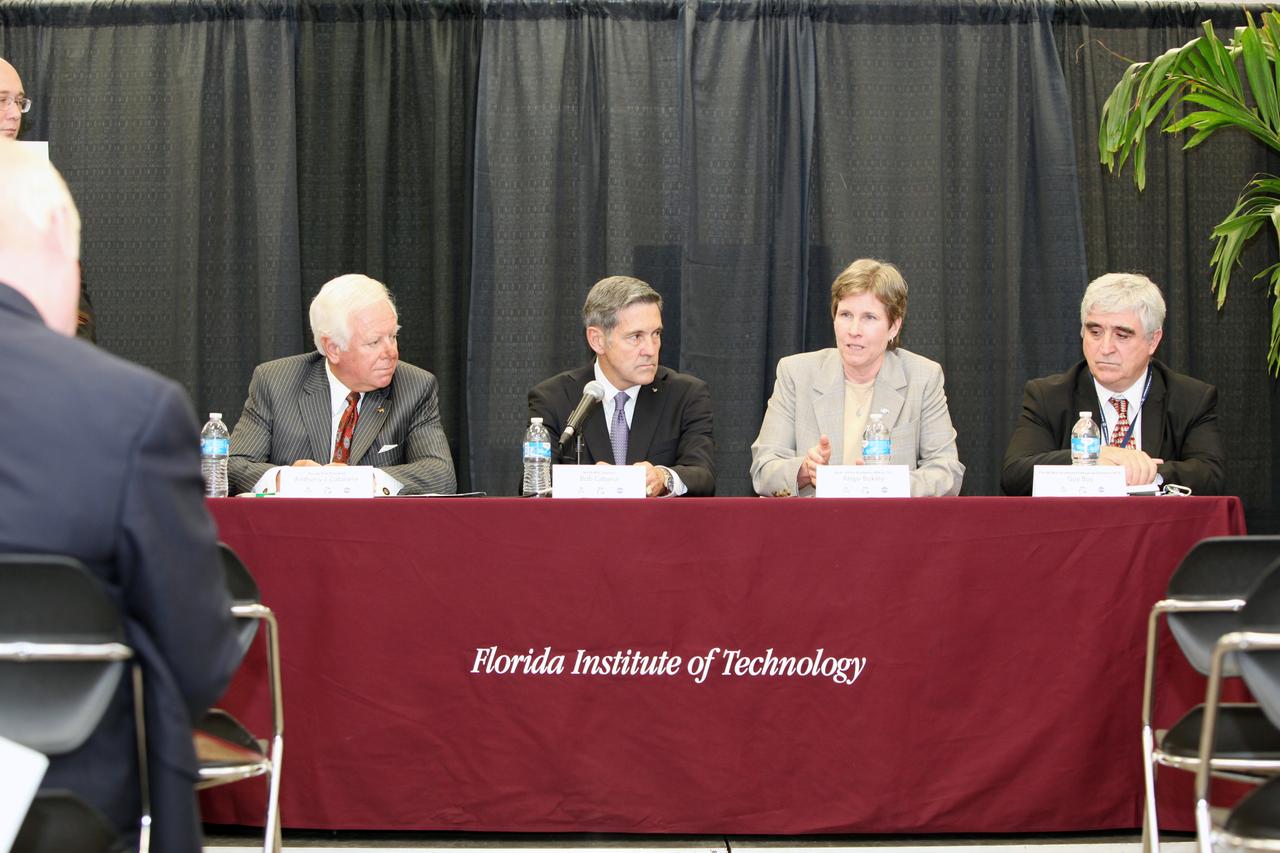
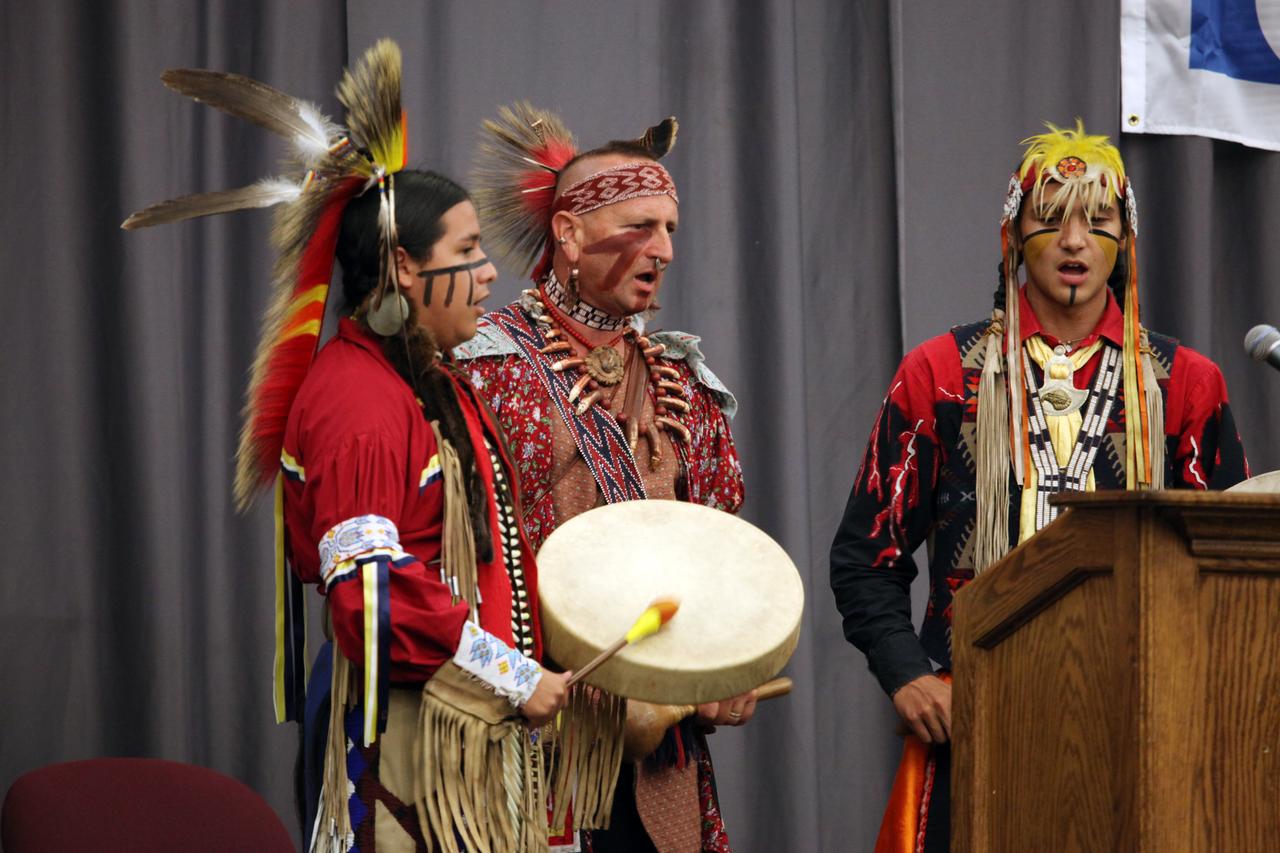
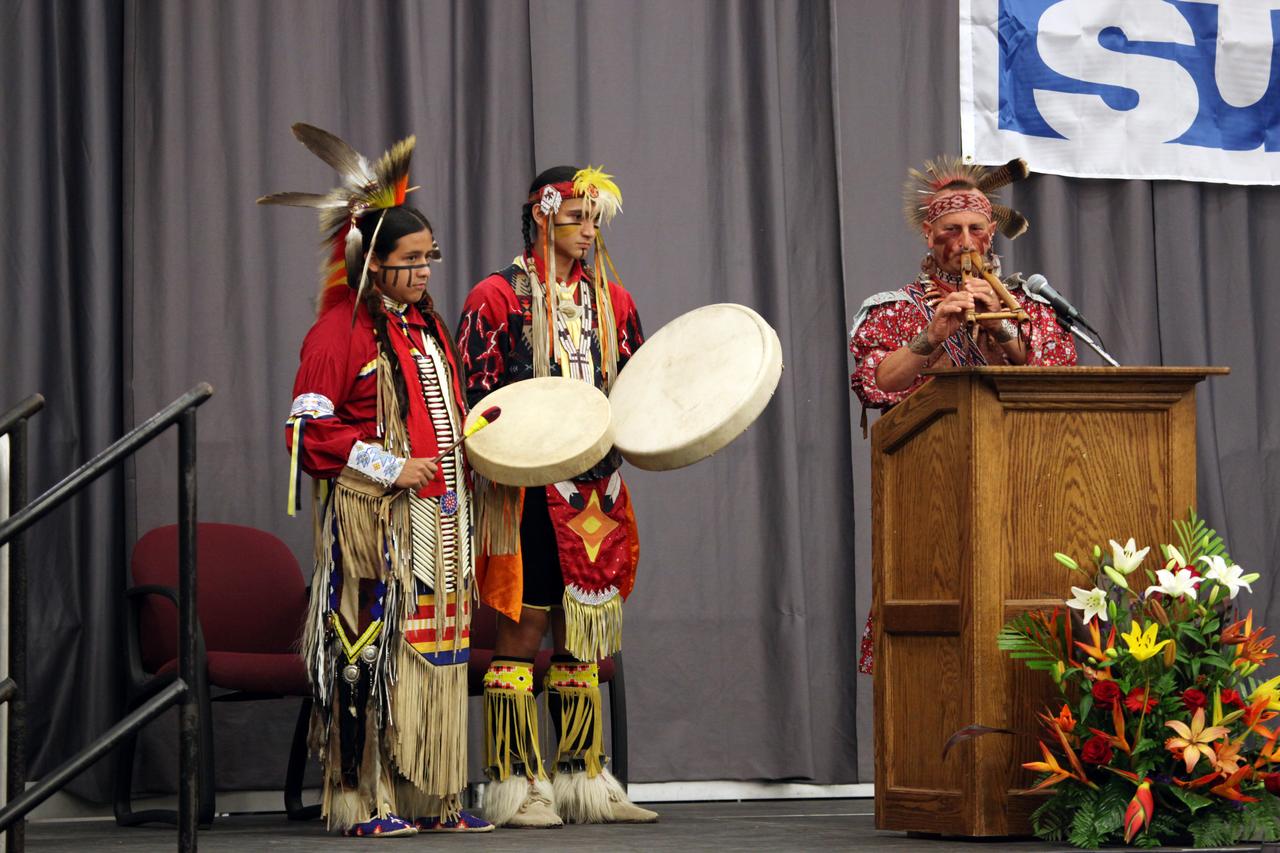
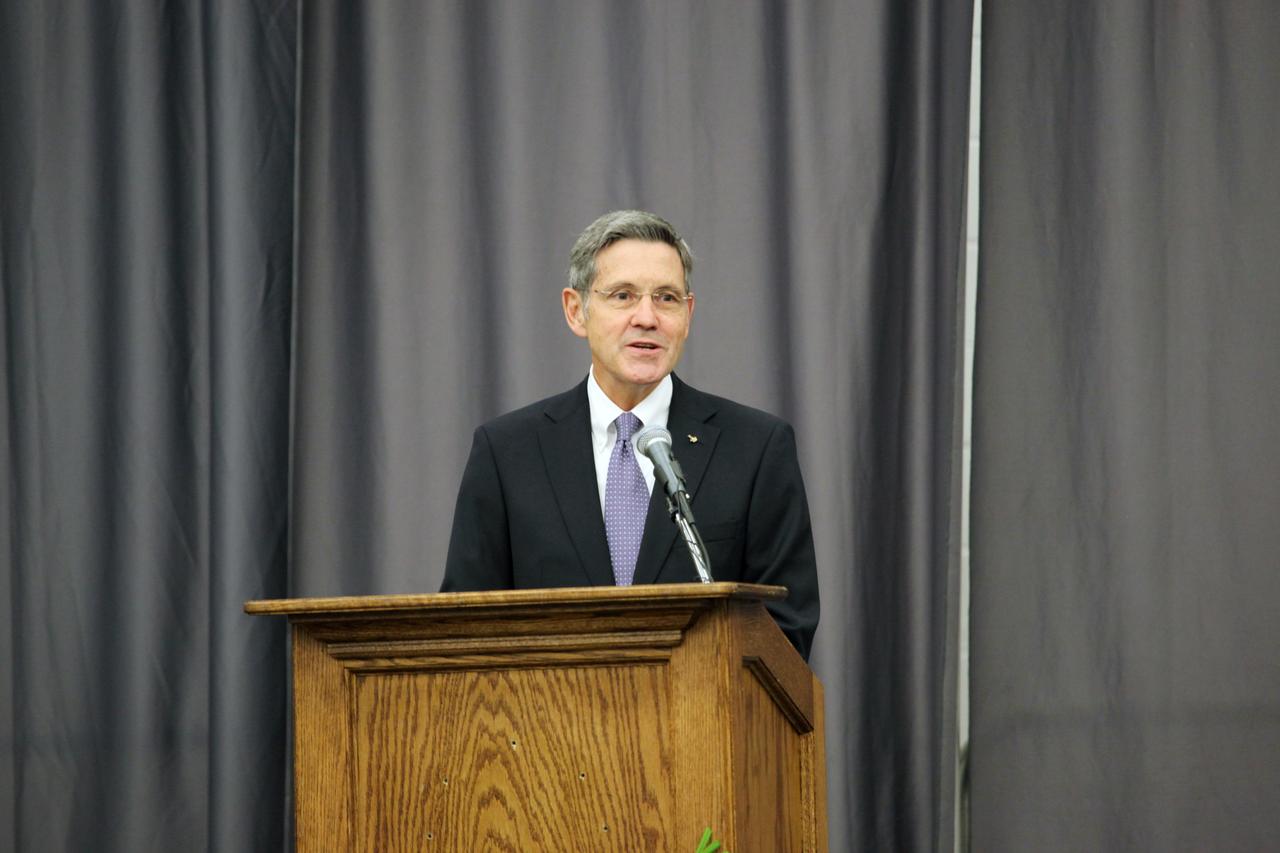
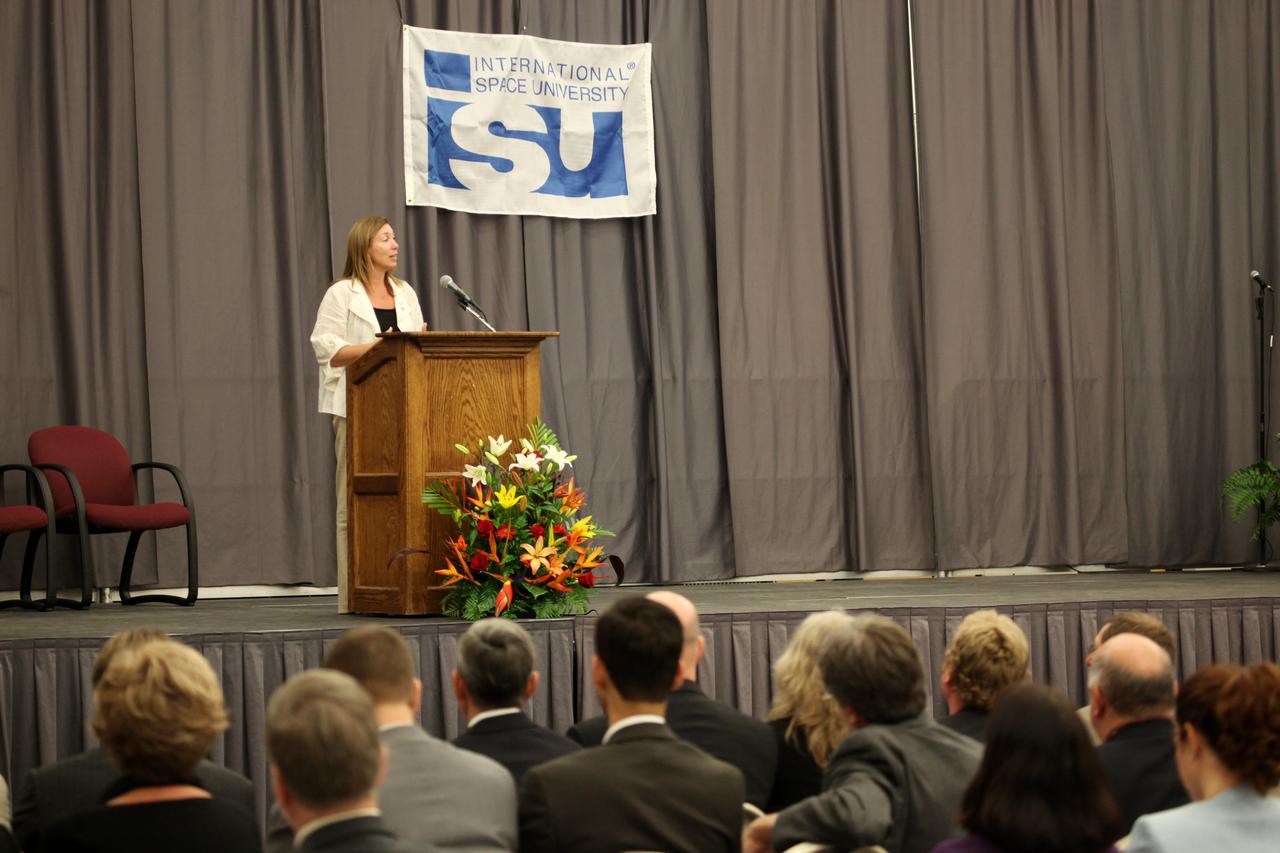
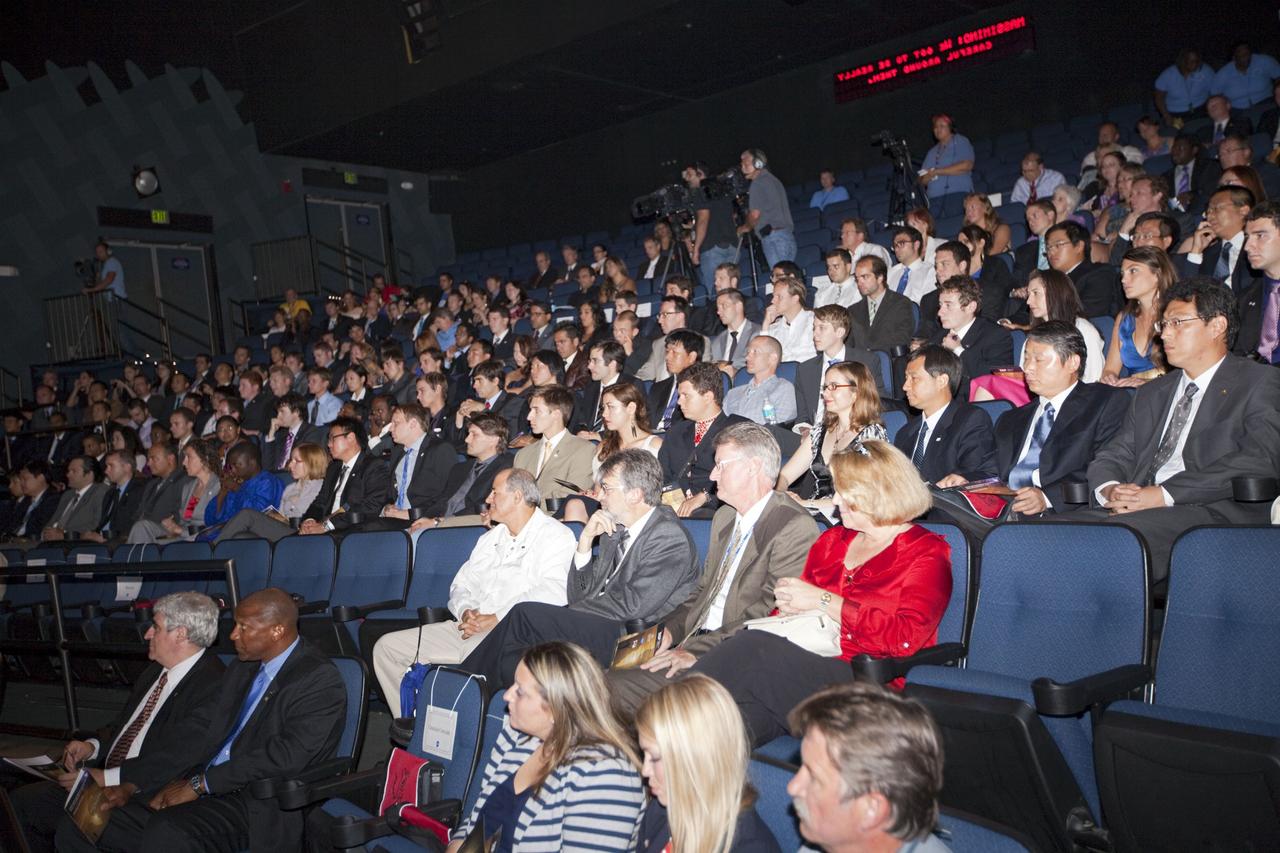
International Space University Class Photos 2009
ARC-2009-ACD09-0121-004
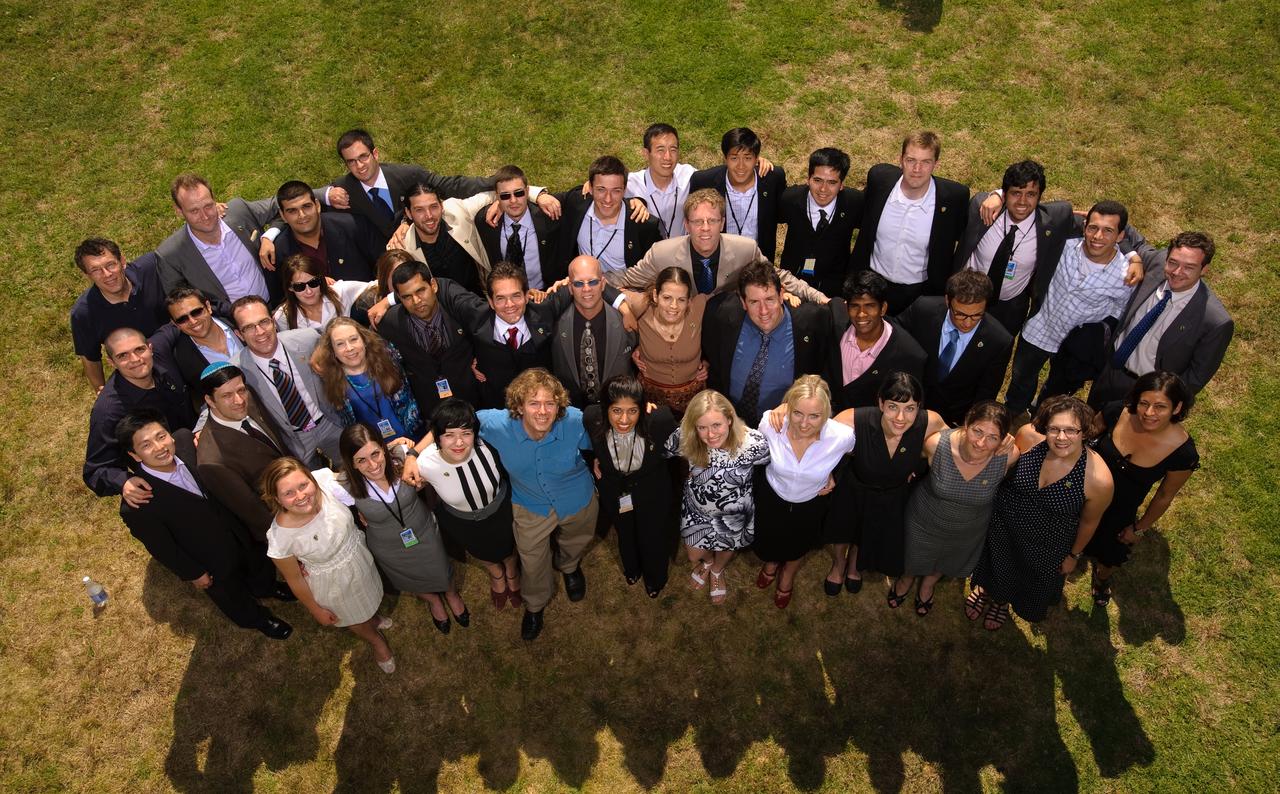
International Space University Class Photos 2009
ARC-2009-ACD09-0121-002
International Space University Class Photos 2009
ARC-2009-ACD09-0121-001
International Space University Class Photos 2009
ARC-2009-ACD09-0121-003
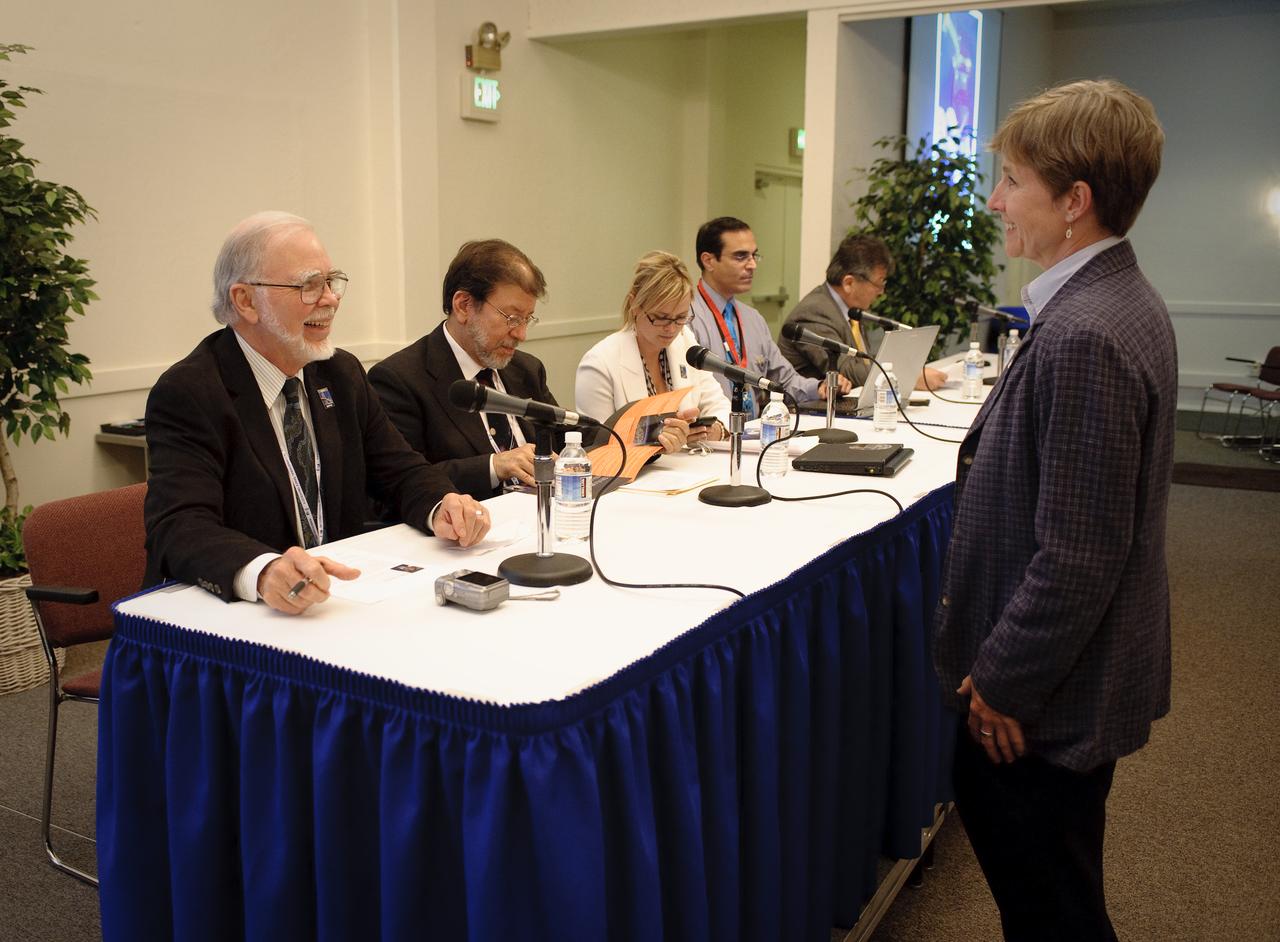
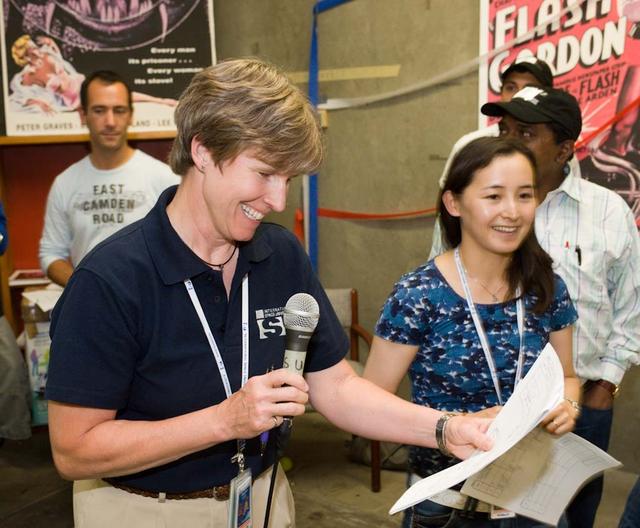
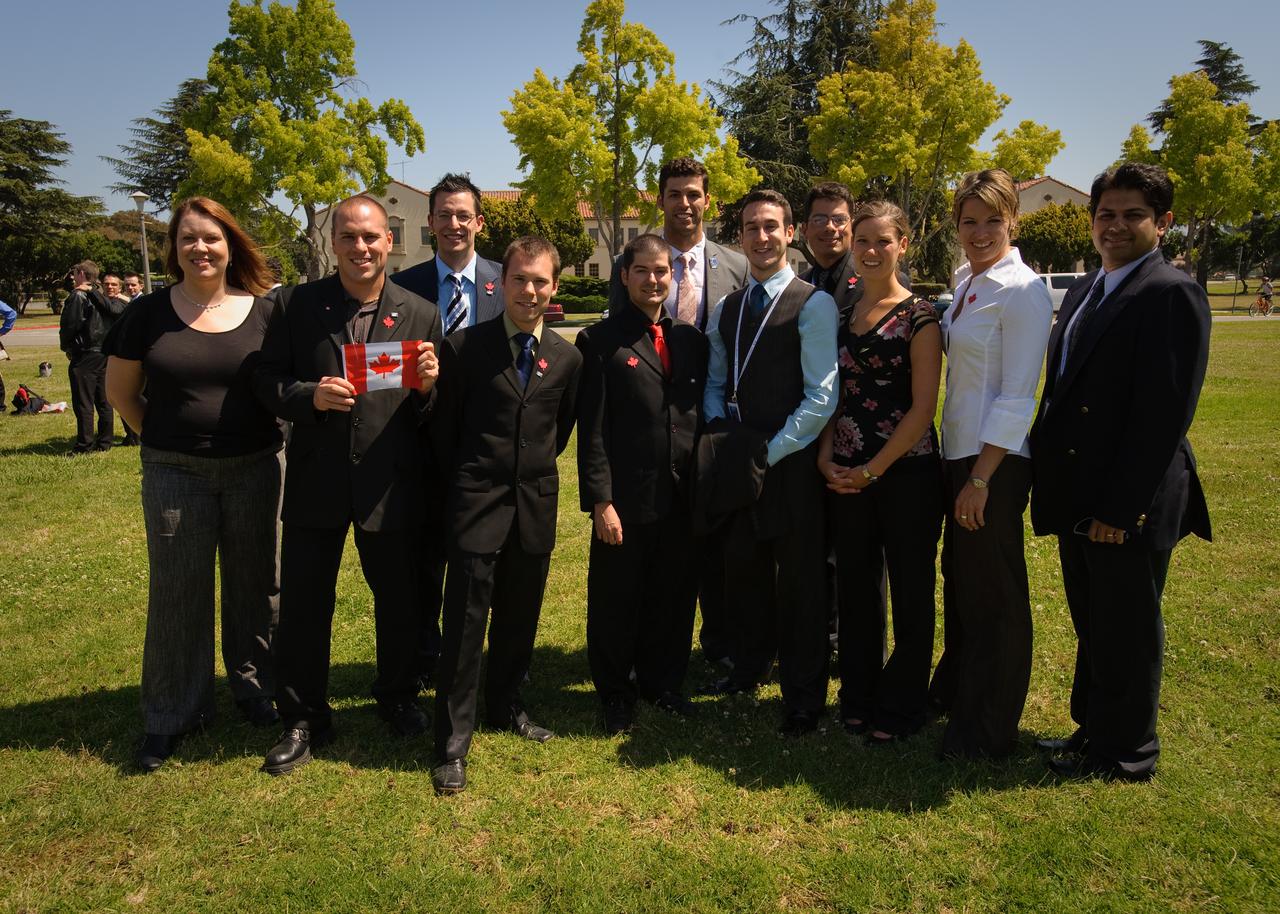
International Space University (ISU) and Singularity University (SU) Emerging Space Nations Panel held at NASA's Ames Research Center 2009 host site. Angie Bukley, ISU SSP09 program director, speaks with the panel moderator, Ray Williamson, ISU SSP09 distinguished lecturer and executive director of the Secure World Foundation, Superior, Colo., before the discussion begins.
ARC-2009-ACD09-0155-006
International Space University (ISU) and Singularity University (SU) Emerging Space Nations Panel held at NASA's Ames Research Center 2009 host site. Angie Bukley, ISU SSP09 program director, speaks with the panel moderator, Ray Williamson, ISU SSP09 distinguished lecturer and executive director of the Secure World Foundation, Superior, Colo., before the discussion begins.
ARC-2009-ACD09-0155-024
International Space University (ISU) and Singularity University (SU) Emerging Space Nations Panel held at NASA's Ames Research Center 2009 host site. Angie Bukley, ISU SSP09 program director, speaks with the panel moderator, Ray Williamson, ISU SSP09 distinguished lecturer and executive director of the Secure World Foundation, Superior, Colo., before the discussion begins.
ARC-2009-ACD09-0155-013
International Space University (ISU) and Singularity University (SU) Emerging Space Nations Panel held at NASA's Ames Research Center 2009 host site. Angie Bukley, ISU SSP09 program director, speaks with the panel moderator, Ray Williamson, ISU SSP09 distinguished lecturer and executive director of the Secure World Foundation, Superior, Colo., before the discussion begins.
ARC-2009-ACD09-0155-020
International Space University (ISU) and Singularity University (SU) Emerging Space Nations Panel held at NASA's Ames Research Center 2009 host site. Angie Bukley, ISU SSP09 program director, speaks with the panel moderator, Ray Williamson, ISU SSP09 distinguished lecturer and executive director of the Secure World Foundation, Superior, Colo., before the discussion begins.
ARC-2009-ACD09-0155-018
International Space University (ISU) and Singularity University (SU) Emerging Space Nations Panel held at NASA's Ames Research Center 2009 host site. Angie Bukley, ISU SSP09 program director, speaks with the panel moderator, Ray Williamson, ISU SSP09 distinguished lecturer and executive director of the Secure World Foundation, Superior, Colo., before the discussion begins.
ARC-2009-ACD09-0155-010
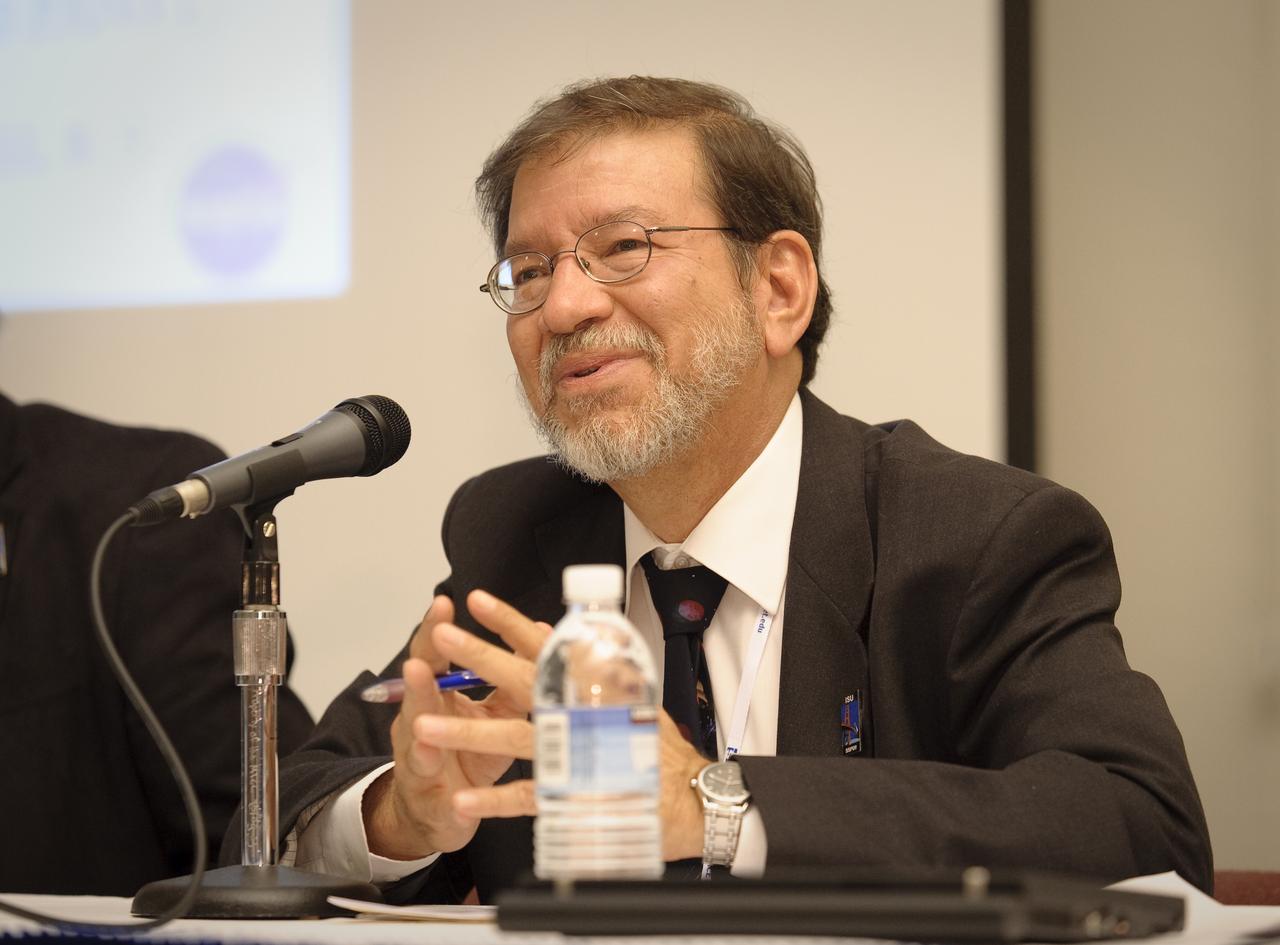
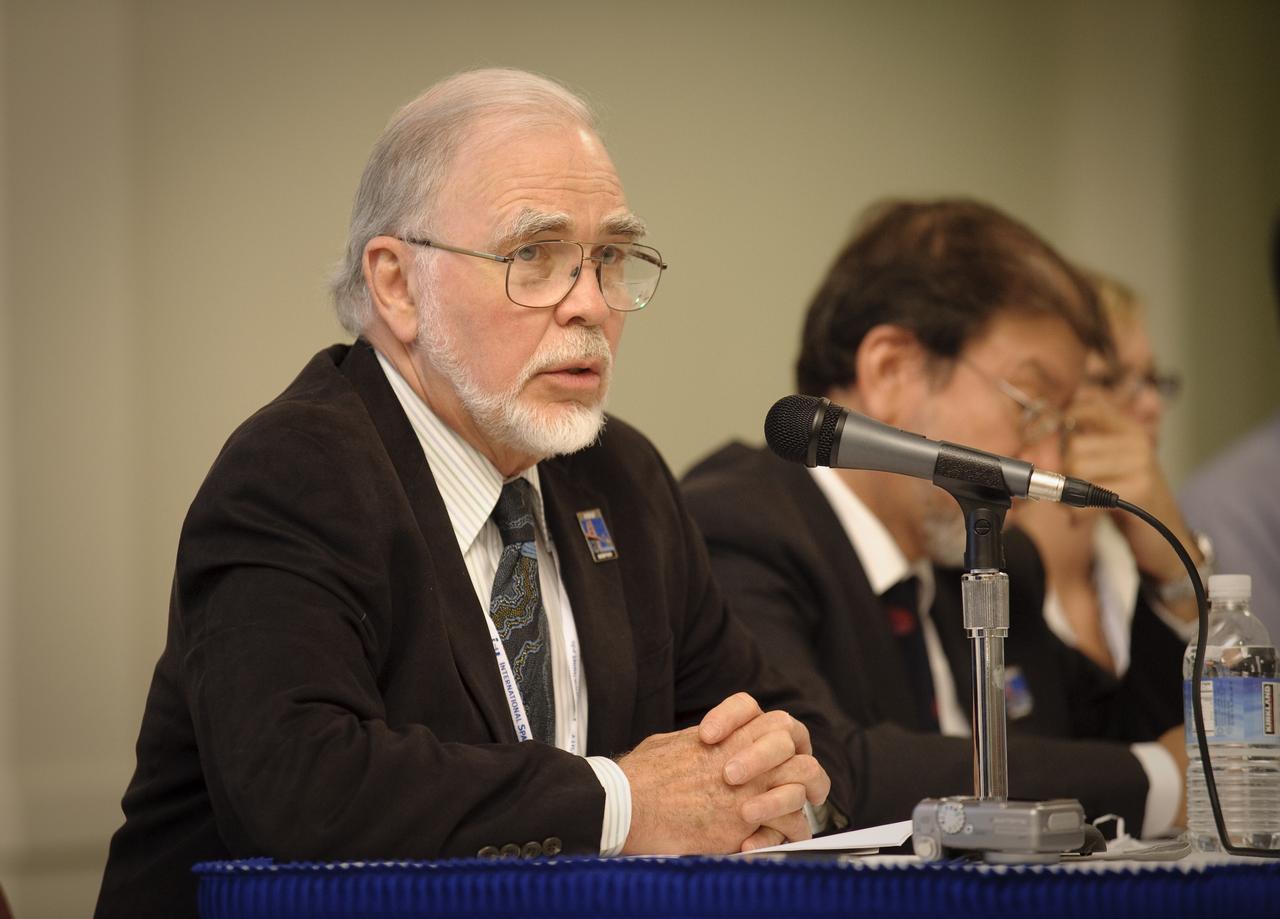
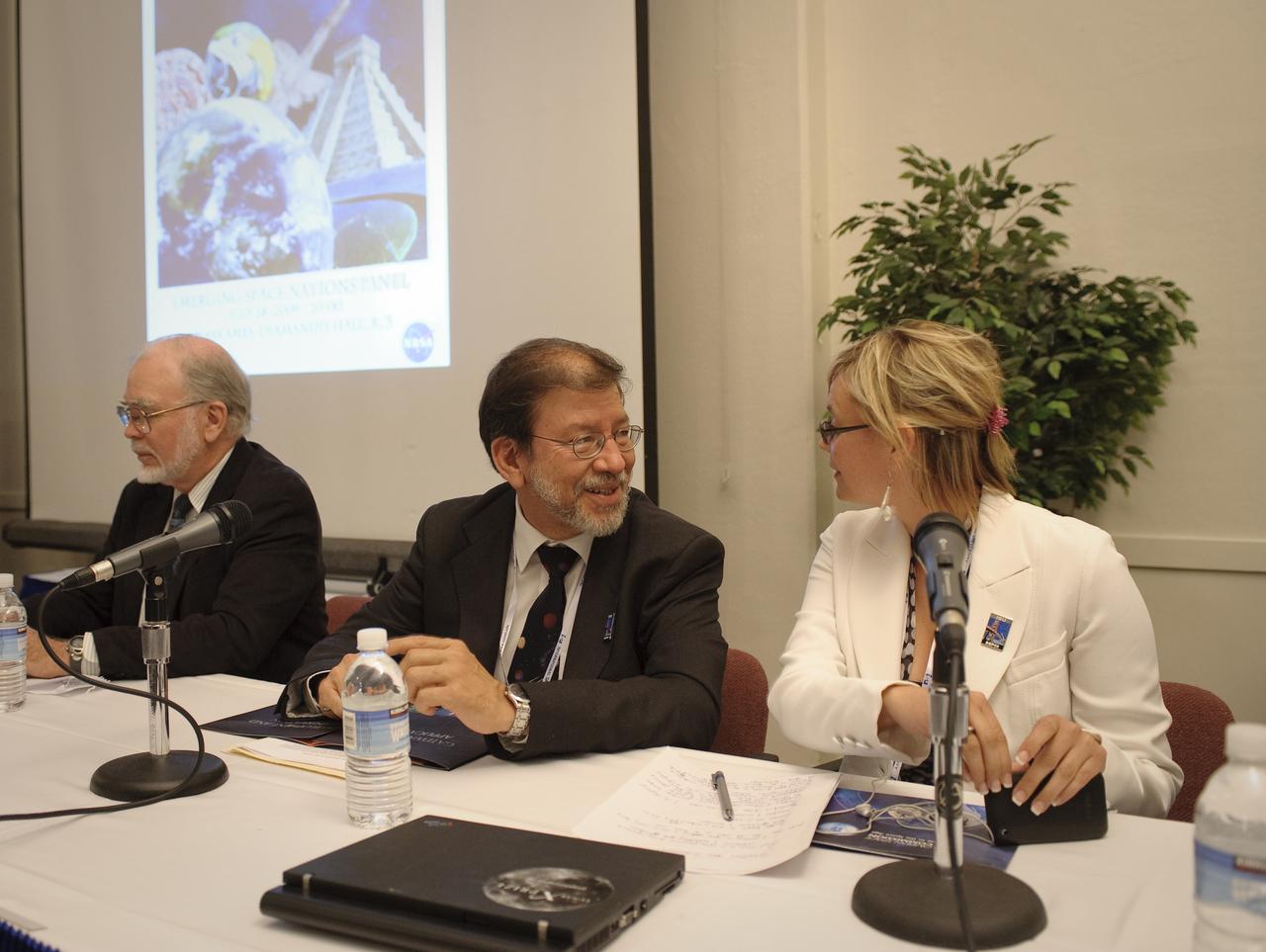
International Space University (ISU) and Singularity University (SU) Emerging Space Nations Panel held at NASA's Ames Research Center 2009 host site. (From let to right) The panel moderator, Ray Williamson, ISU SSP09 distinguished lecturer and exectuive director of the Secure World Foundation and panelsists Sergio Camacho, secretary genreal, Regional Center for Space Science and Tecnology Education fo rLatin America and the Caribbean, and Nicole Jordan, associate liaison for space prizes for the X Prize Foundation, Playa Vista, Calif., prepare before the discussion begins.
ARC-2009-ACD09-0155-007
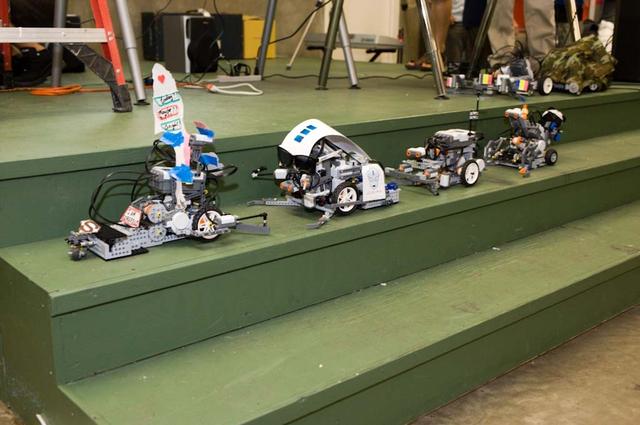
International Space University (ISU - 2009) students participated in a  Robotic Competition at NASA'A Ames Research Center, Moffett Field, Calif. This panel featured astronauts from four different space agencies with different areas of expertise and diverse perspectives.
ARC-2009-ACD09-0143-011
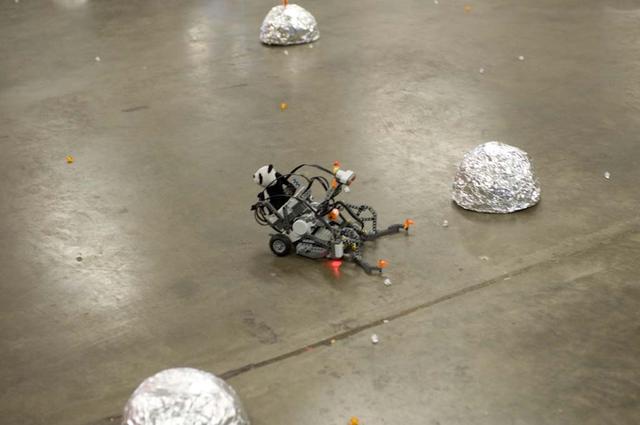
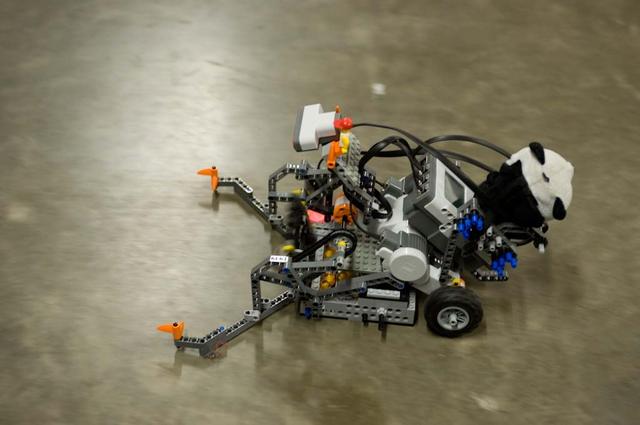
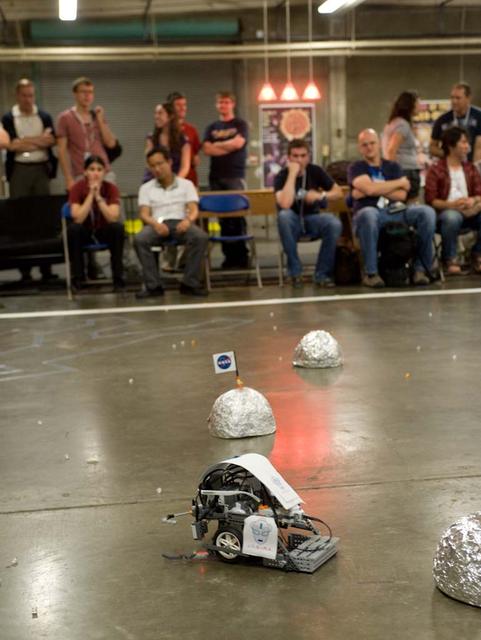
International Space University (ISU - 2009) students participated in a  Robotic Competition at NASA'A Ames Research Center, Moffett Field, Calif. This panel featured astronauts from four different space agencies with different areas of expertice and diverse perspectives. A student-built robot rolls across the obstacle course.
ARC-2009-ACD09-0143-050
International Space University (ISU - 2009) students participated in a  Robotic Competition at NASA'A Ames Research Center, Moffett Field, Calif. This panel featured astronauts from four different space agencies with different areas of expertice and diverse perspectives. A student-built robot rolls across the obstacle course.
ARC-2009-ACD09-0143-053
International Space University (ISU - 2009) students participated in a  Robotic Competition at NASA'A Ames Research Center, Moffett Field, Calif. This panel featured astronauts from four different space agencies with different areas of expertice and diverse perspectives. Angie Bukley, ISU SSP09 program director, and Satoko Abiko, an ISU SSP systems engineering guest lecturer, acted as judges.
ARC-2009-ACD09-0143-058
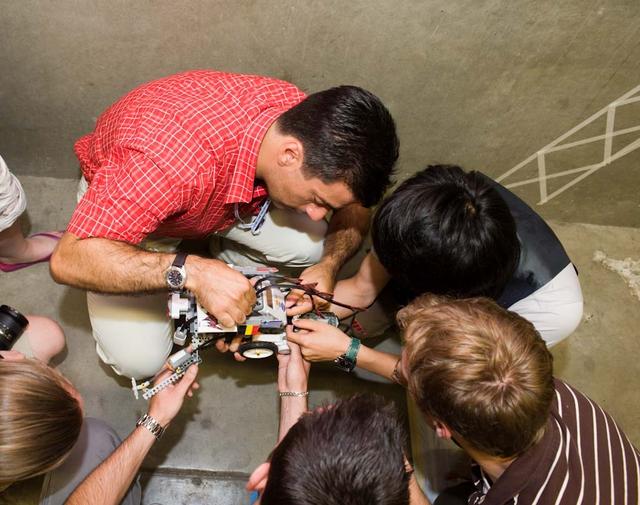
International Space University (ISU - 2009) students participated in a  Robotic Competition at NASA'A Ames Research Center, Moffett Field, Calif. This panel featured astronauts from four different space agencies with different areas of expertice and diverse perspectives. Konstantin Anonakopoulos, ISU SSP09 student makes last minute adjustments to a robot with his team members before the competition begins,
ARC-2009-ACD09-0143-040
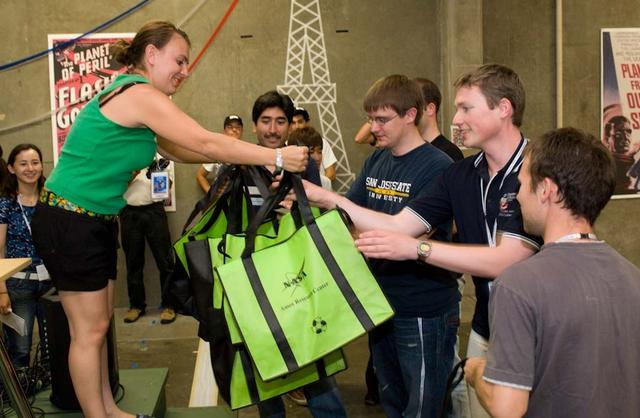
International Space University (ISU - 2009) students participated in a  Robotic Competition at NASA'A Ames Research Center, Moffett Field, Calif. This panel featured astronauts from four different space agencies with different areas of expertice and diverse perspectives. Left to Right: Luisa Fernanda Zambrano Marin, ISU SSP09 external relaations coordinator awards the winning Robotic Competition team members and ISU SSP09 students Felipe Sauced, Kenneth Ashford, Rogan Shimmin and Guy De Carufel.
ARC-2009-ACD09-0143-095
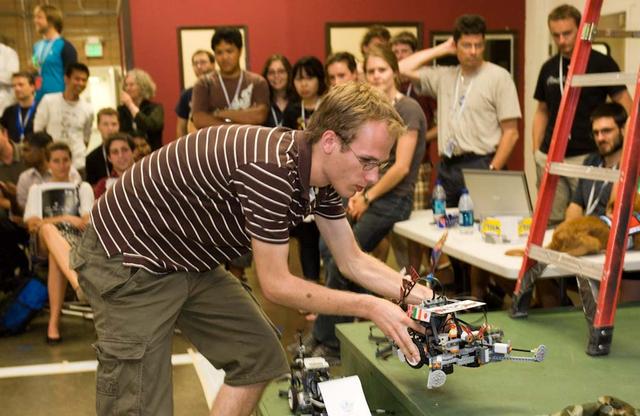
International Space University (ISU - 2009) students participated in a  Robotic Competition at NASA'A Ames Research Center, Moffett Field, Calif. This panel featured astronauts from four different space agencies with different areas of expertice and diverse perspectives. Thibault DeLeu, ISU SSP09 student, takes his team's robot from the stage before placing it on the Robotic Competition's obstacle course.
ARC-2009-ACD09-0143-035
International Space University (ISU - 2009) students participated in a  Robotic Competition at NASA'A Ames Research Center, Moffett Field, Calif. This panel featured astronauts from four different space agencies with different areas of expertice and diverse perspectives. A student-built robot rolls across the obstacle course. A student-built robot rolls across the obstacle course.
ARC-2009-ACD09-0143-071
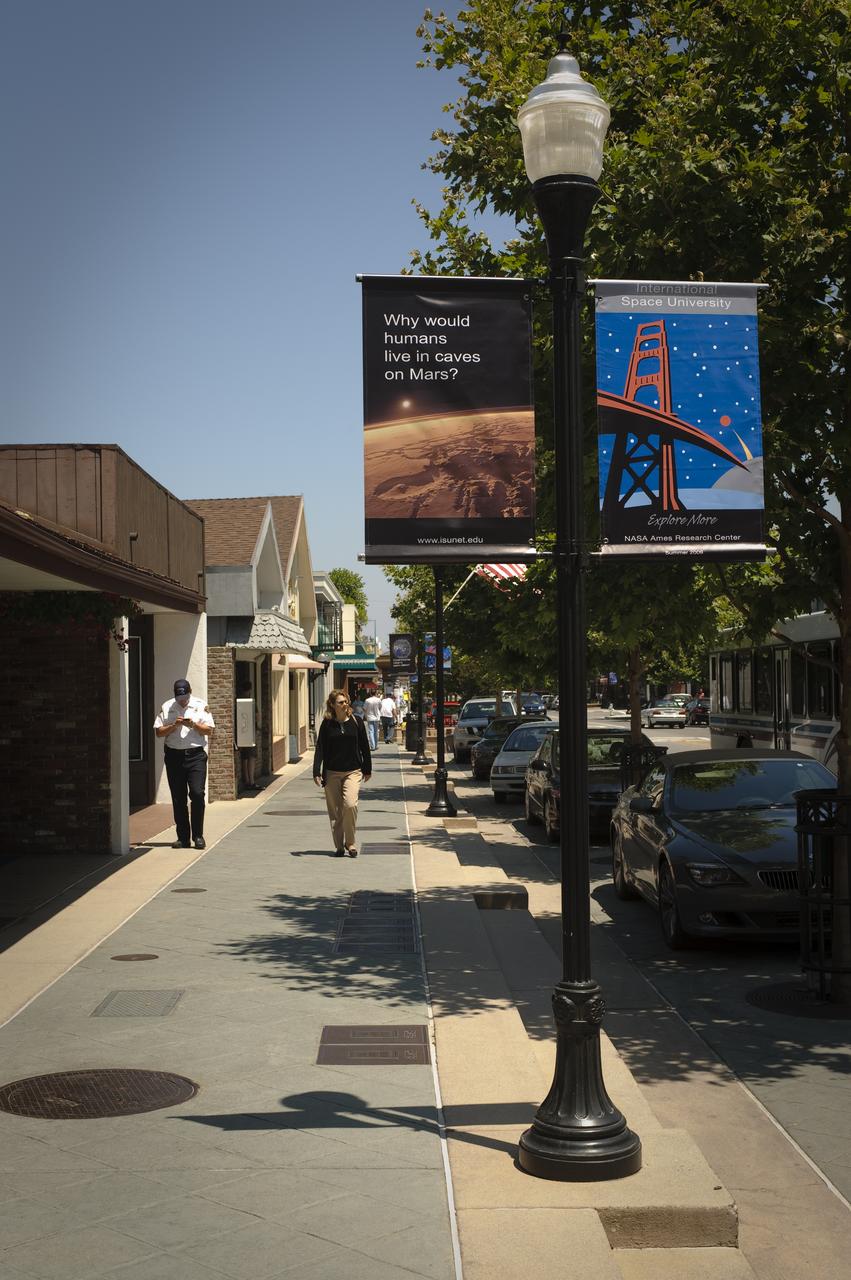
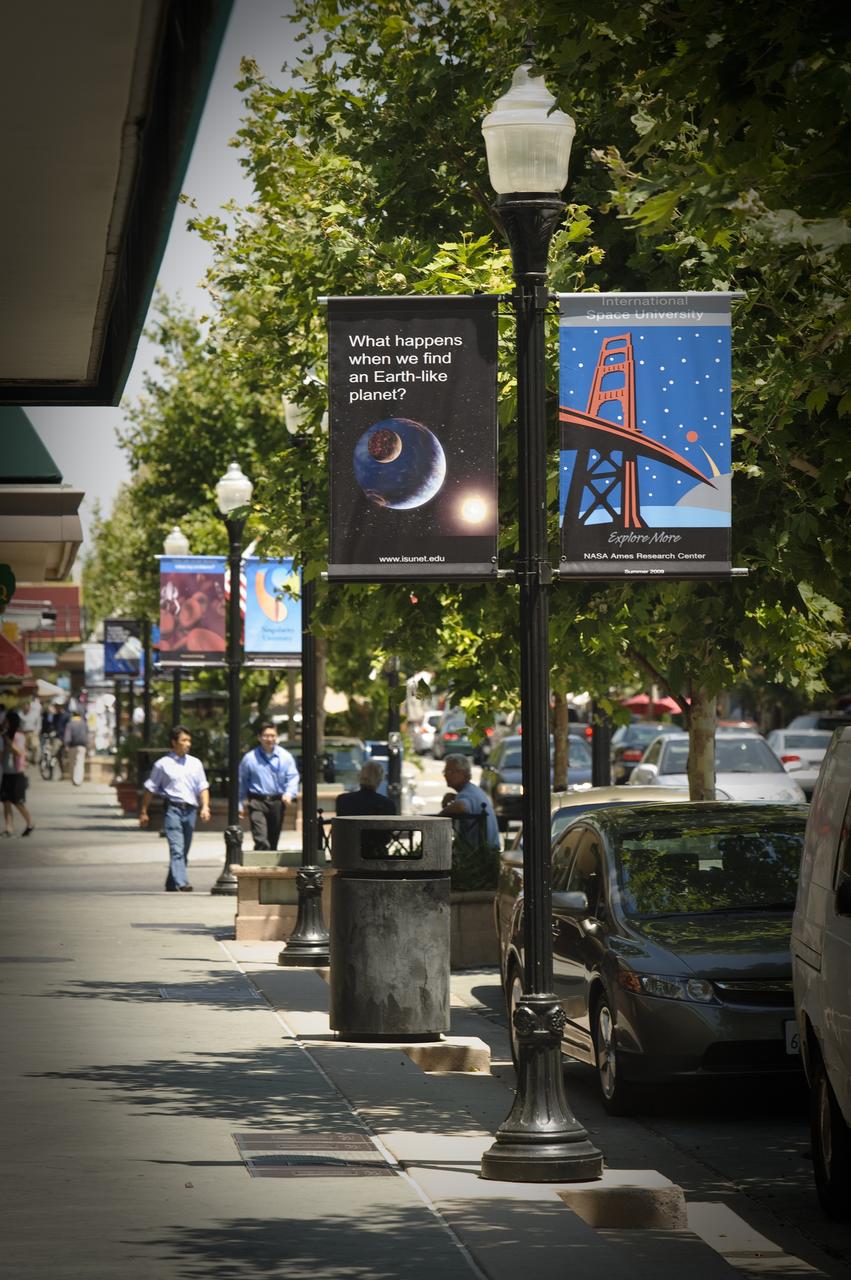
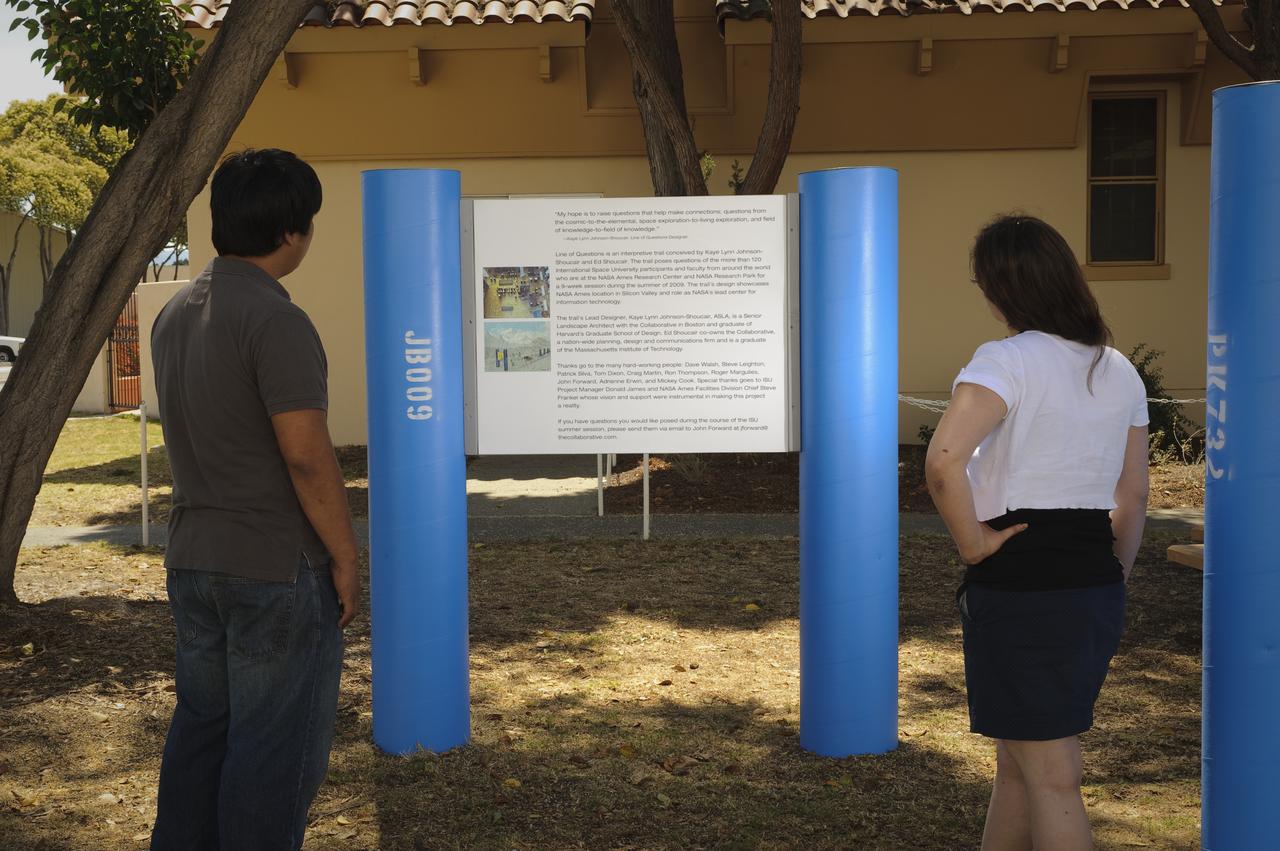
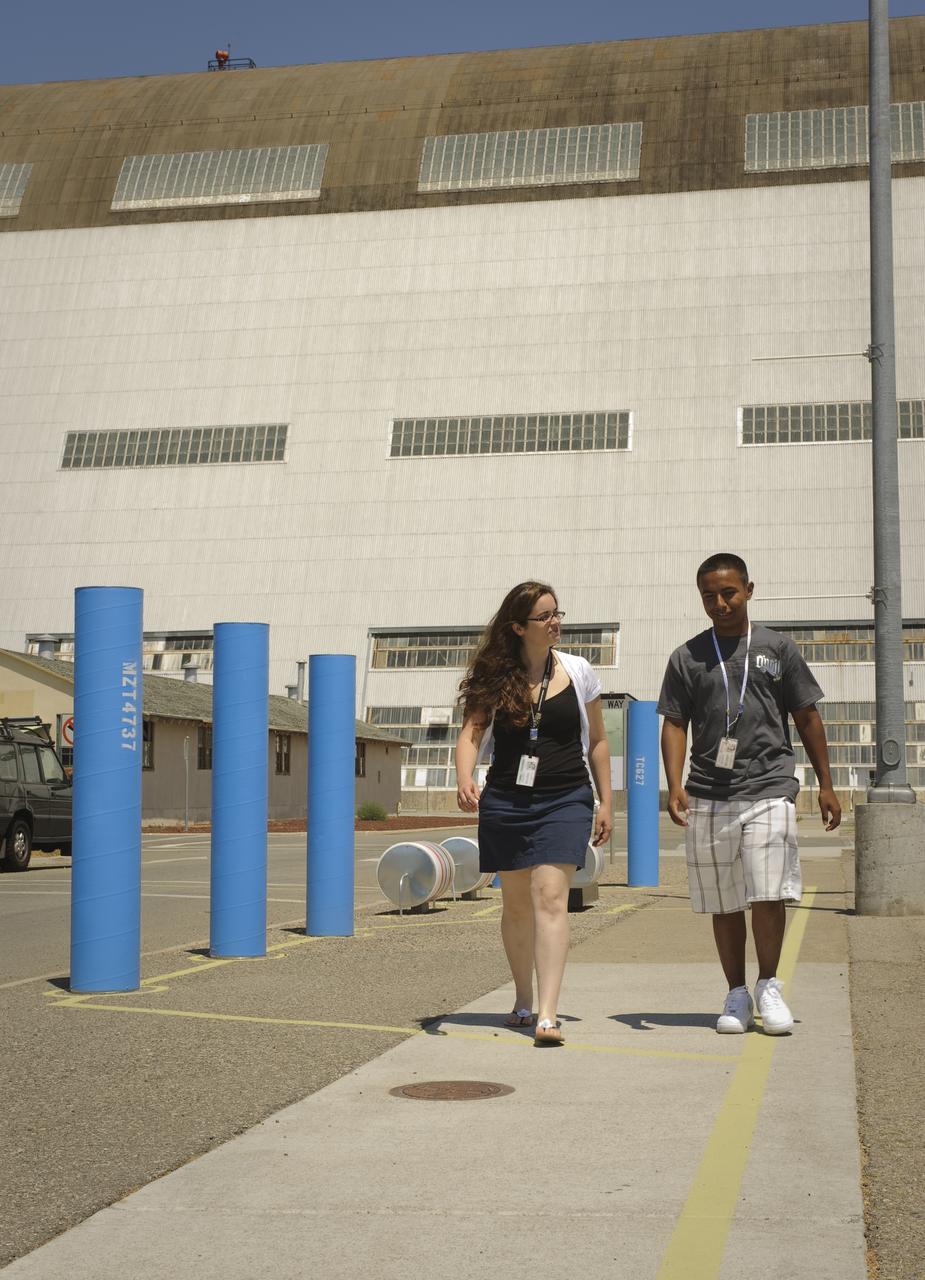
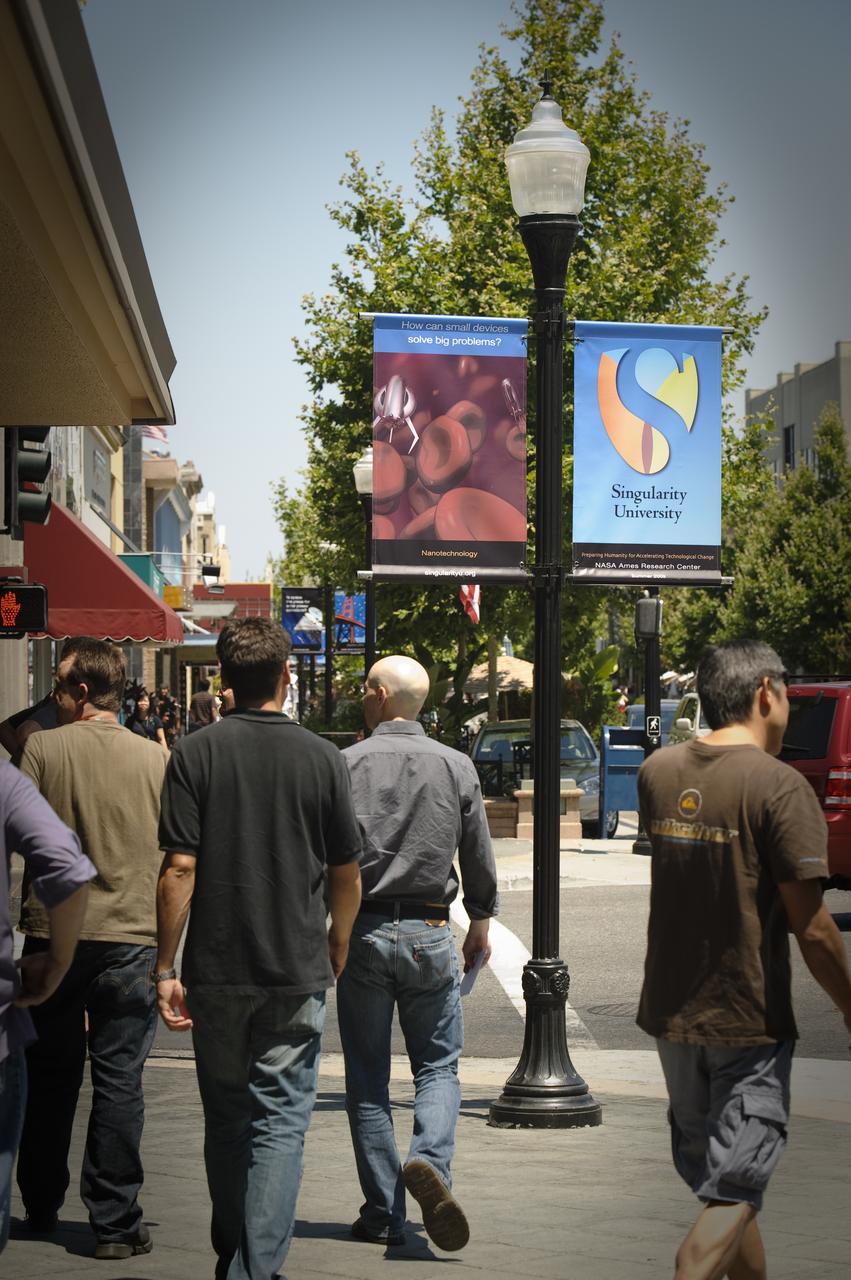
International Space University (ISU) SSP 2009 NASA ISU signage on Castro Street, Mountain View, Calif.  Questions seeking answers.
ARC-2009-ACD09-0158-033
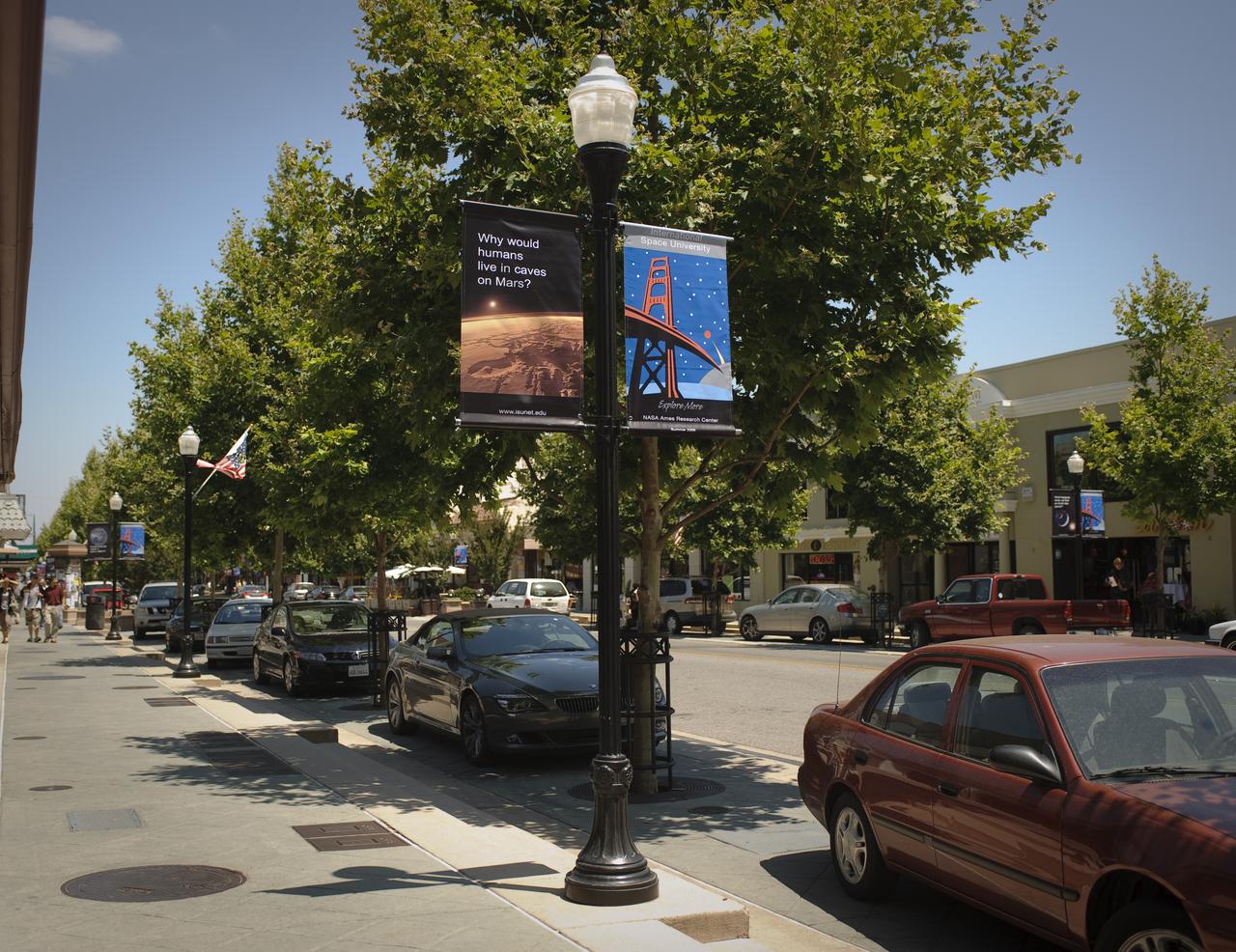
International Space University (ISU) SSP 2009 NASA ISU signage on Castro Street, Mountain View, Calif.  Questions seeking answers.
ARC-2009-ACD09-0158-031
International Space University (ISU) SSP 2009 NASA ISU signage on Castro Street, Mountain View, Calif.  Questions seeking answers.
ARC-2009-ACD09-0158-030
CAPE CANAVERAL, Fla. – Faculty of the International Space University stand with their 1/60th scale model of the Space Launch System rocket during the rocket launch competition of the ISU's summer session. The competition was conducted at Launch Complex 39A at NASA's Kennedy Space Center in Florida, which co-hosted this year's ISU.    Six teams designed and built large model rockets, each between three and five feet tall, and launched them from Launch Pad 39A, the starting point for Apollo missions to the moon and dozens of space shuttle flights. Each launch carried a raw egg, dubbed "eggstronauts" and had to recover it intact to be declared successful.  Photo credit: NASA/Charisse Nahsser
KSC-2012-3852
CAPE CANAVERAL, Fla. – Faculty of the International Space University assemble their 1/60th scale model of the Space Launch System rocket during the rocket launch competition of the ISU's summer session. The competition was conducted at Launch Complex 39A at NASA's Kennedy Space Center in Florida, which co-hosted this year's ISU.    Six teams designed and built large model rockets, each between three and five feet tall, and launched them from Launch Pad 39A, the starting point for Apollo missions to the moon and dozens of space shuttle flights. Each launch carried a raw egg, dubbed "eggstronauts" and had to recover it intact to be declared successful.  Photo credit: NASA/Charisse Nahsser
KSC-2012-3844
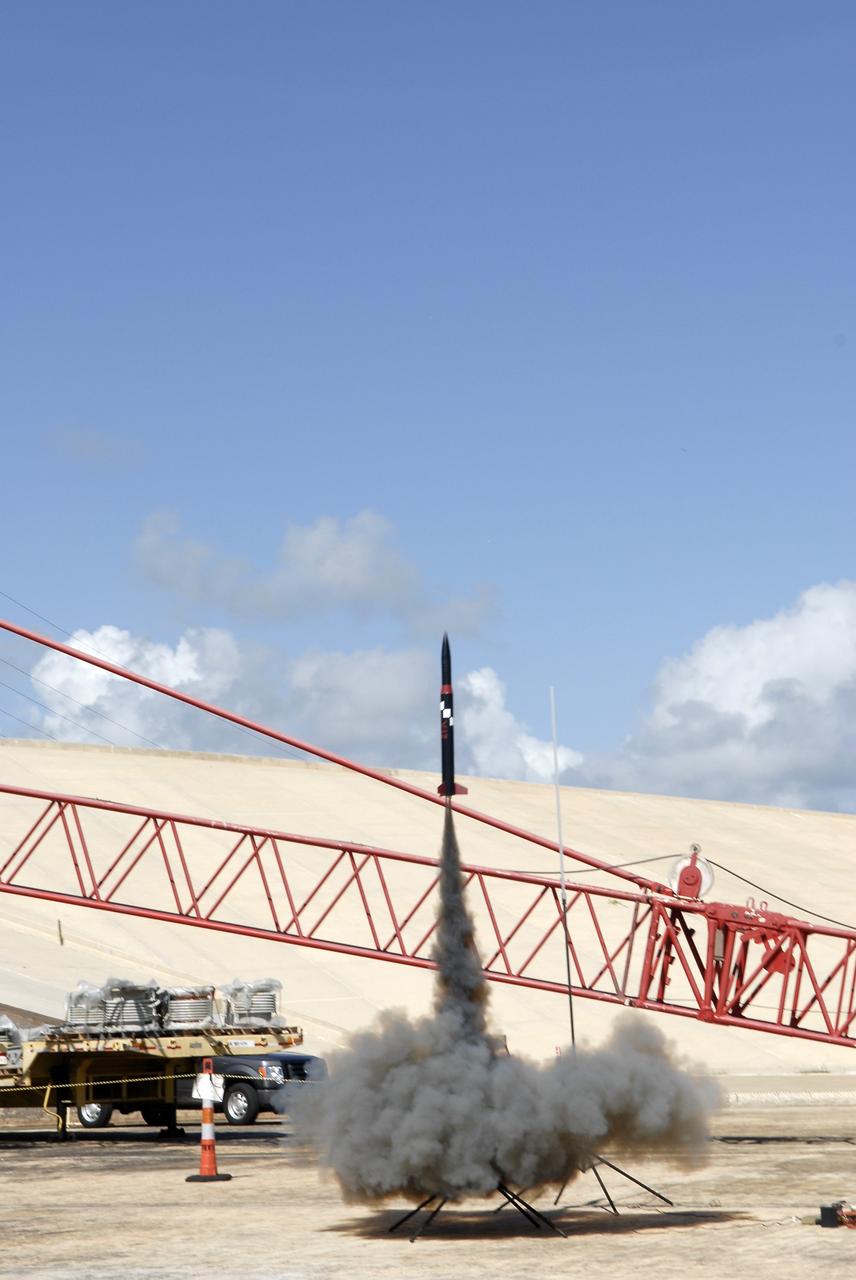
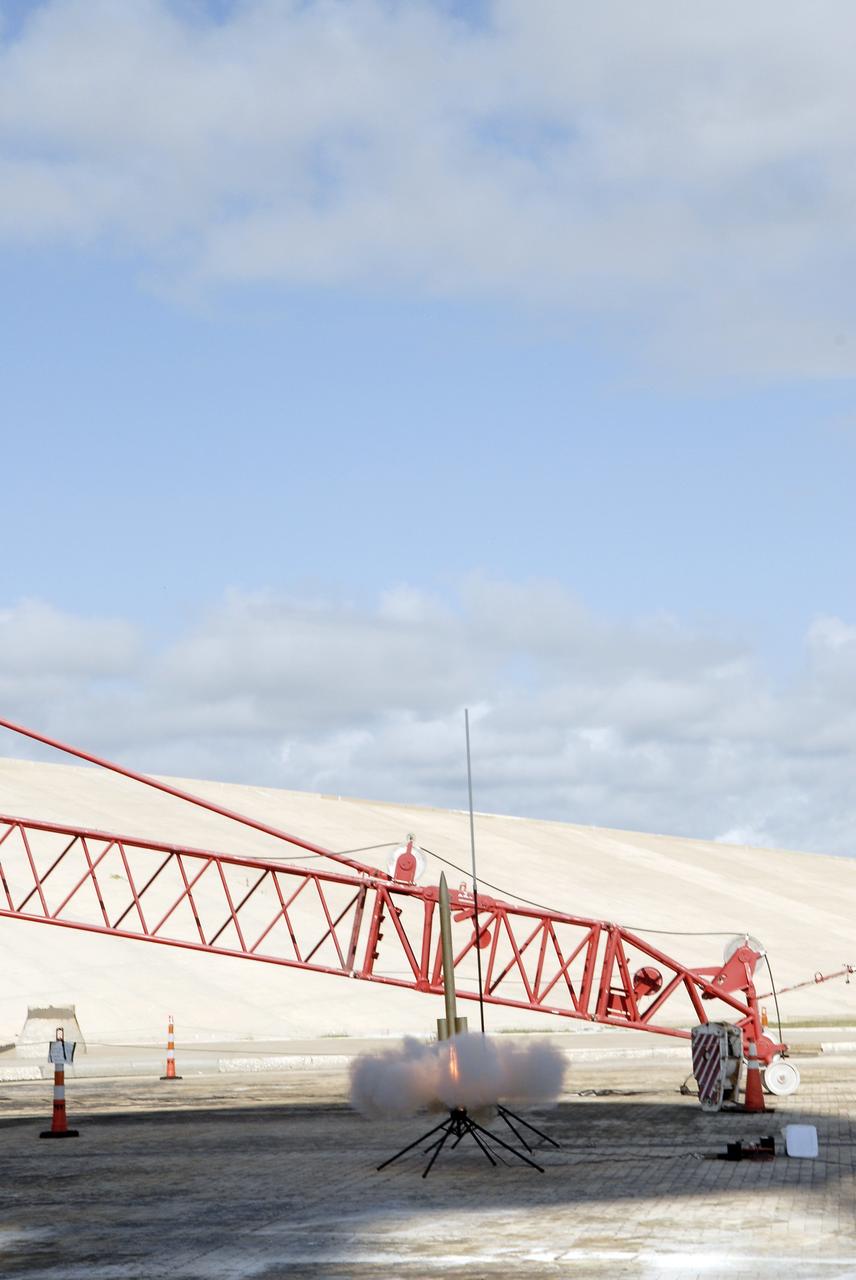
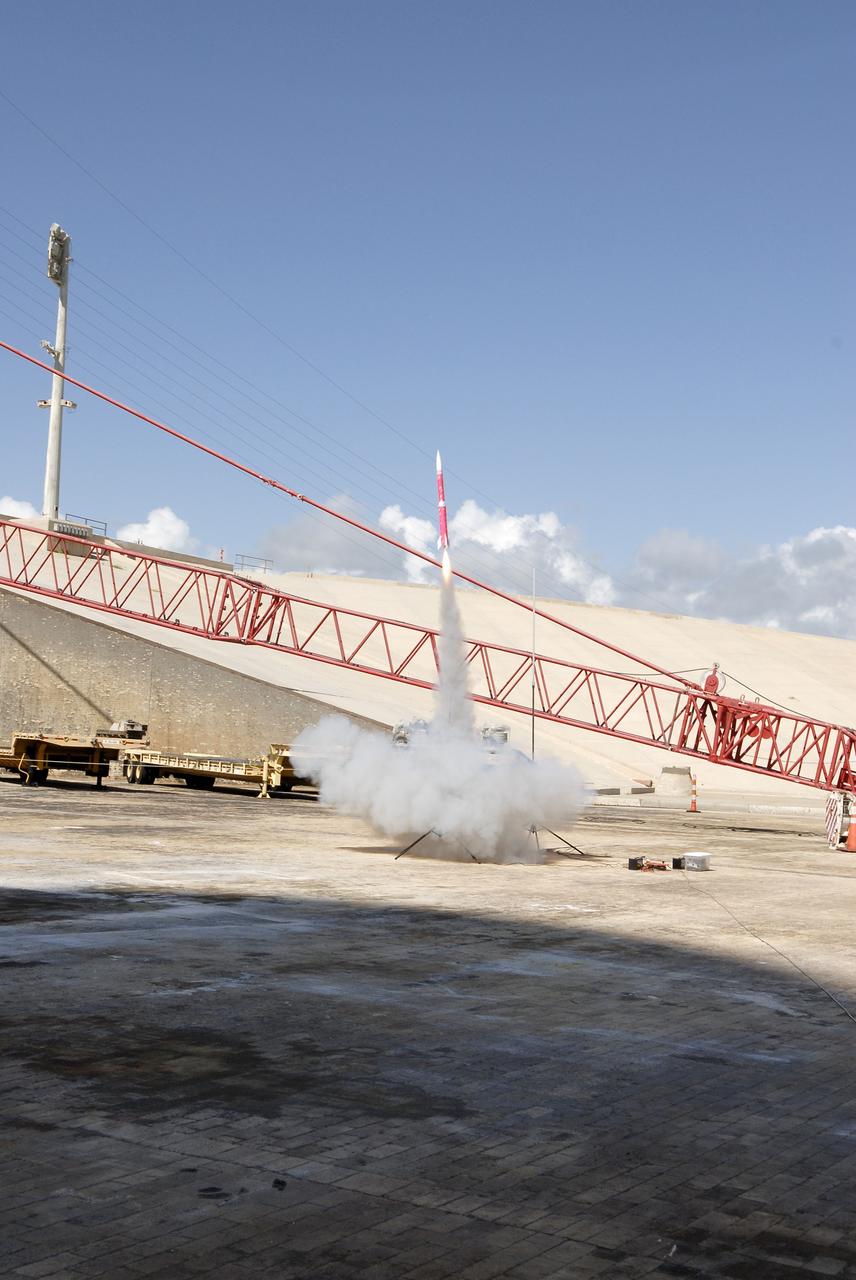
CAPE CANAVERAL, Fla. – A model rocket built by students of the International Space University launches during the rocket launch competition of the ISU's summer session. The competition was conducted at Launch Complex 39A at NASA's Kennedy Space Center in Florida, which co-hosted this year's ISU.    Six teams designed and built large model rockets, each between three and five feet tall, and launched them from Launch Pad 39A, the starting point for Apollo missions to the moon and dozens of space shuttle flights. Each launch carried a raw egg, dubbed "eggstronauts" and had to recover it intact to be declared successful.  Photo credit: NASA/Charisse Nahsser
KSC-2012-3851
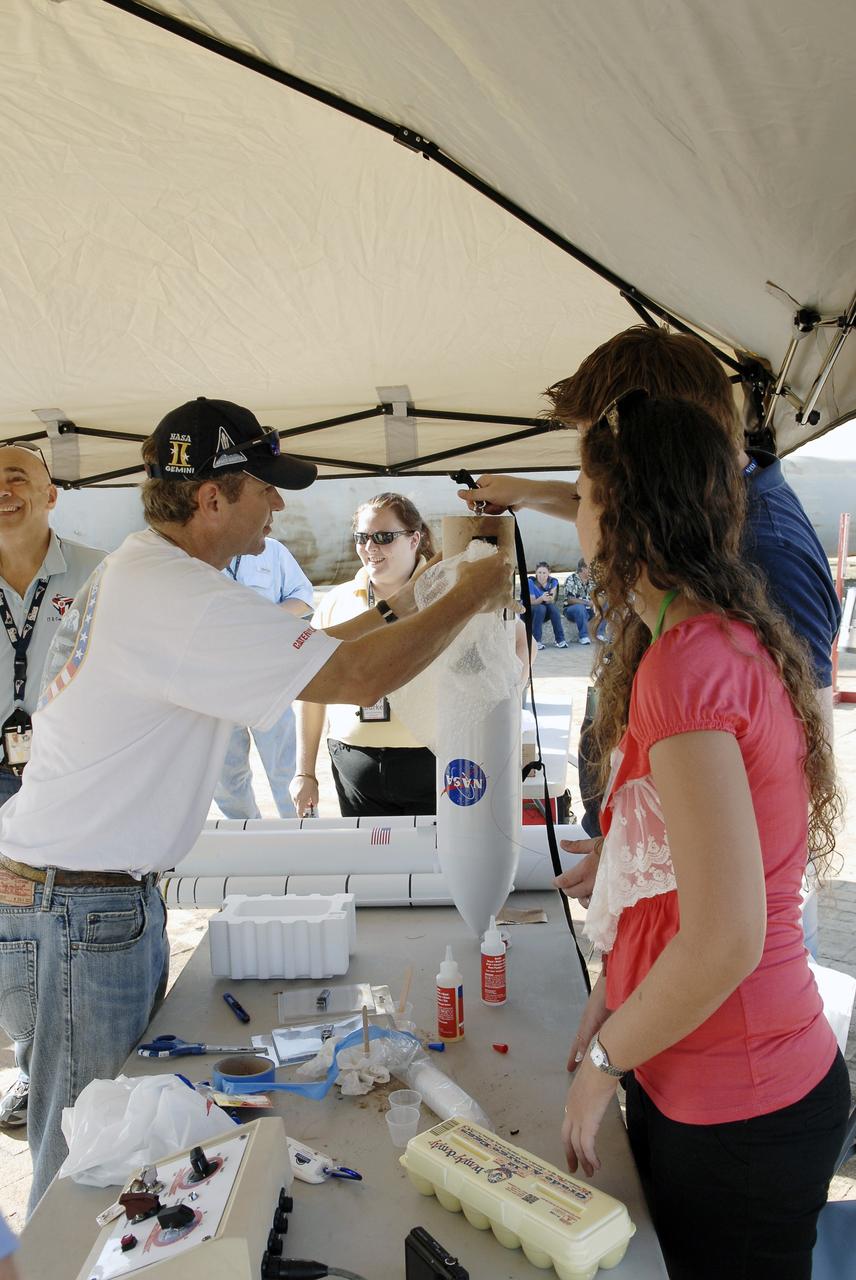
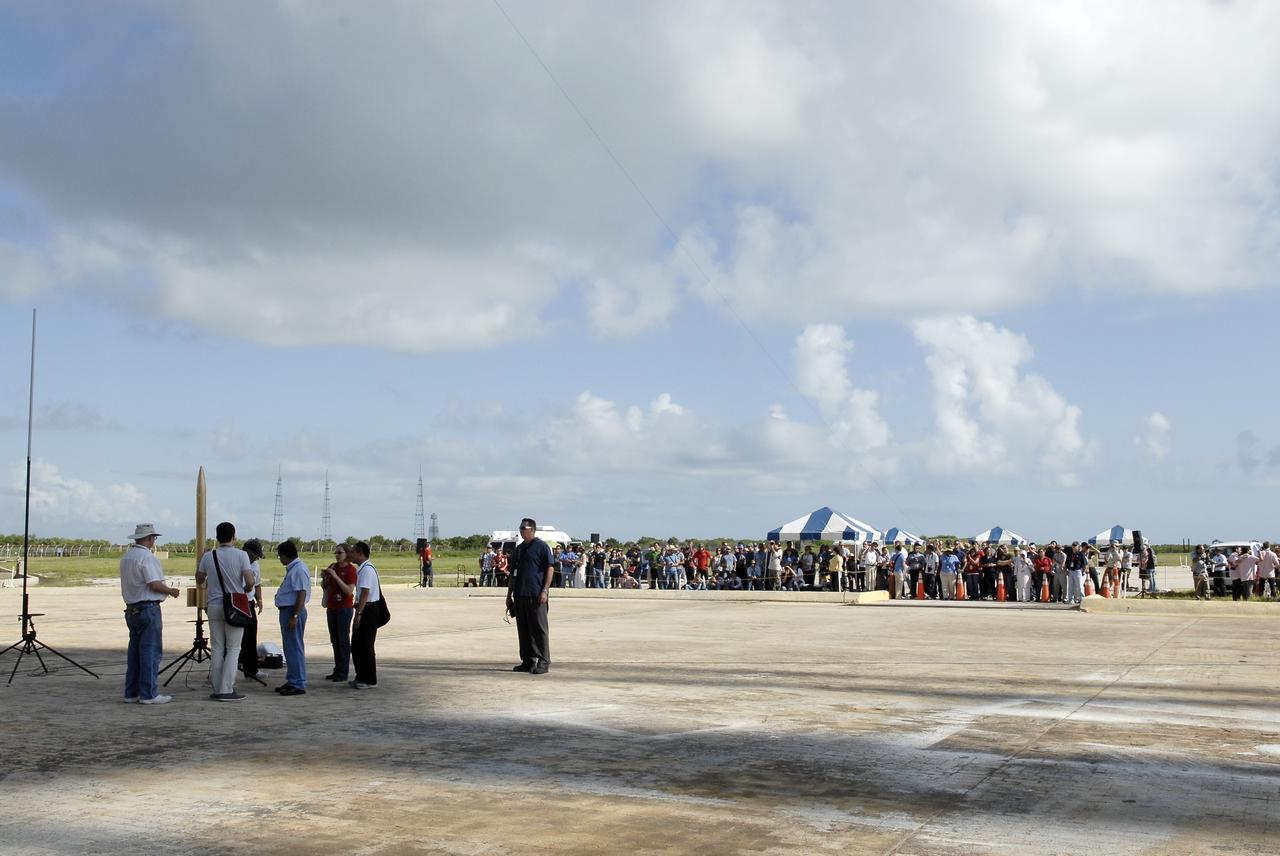
CAPE CANAVERAL, Fla. – Students of the International Space University stand with their model rocket during the rocket launch competition of the ISU's summer session. The competition was conducted at Launch Complex 39A at NASA's Kennedy Space Center in Florida, which co-hosted this year's ISU.    Six teams designed and built large model rockets, each between three and five feet tall, and launched them from Launch Pad 39A, the starting point for Apollo missions to the moon and dozens of space shuttle flights. Each launch carried a raw egg, dubbed "eggstronauts" and had to recover it intact to be declared successful.  Photo credit: NASA/Charisse Nahsser
KSC-2012-3846
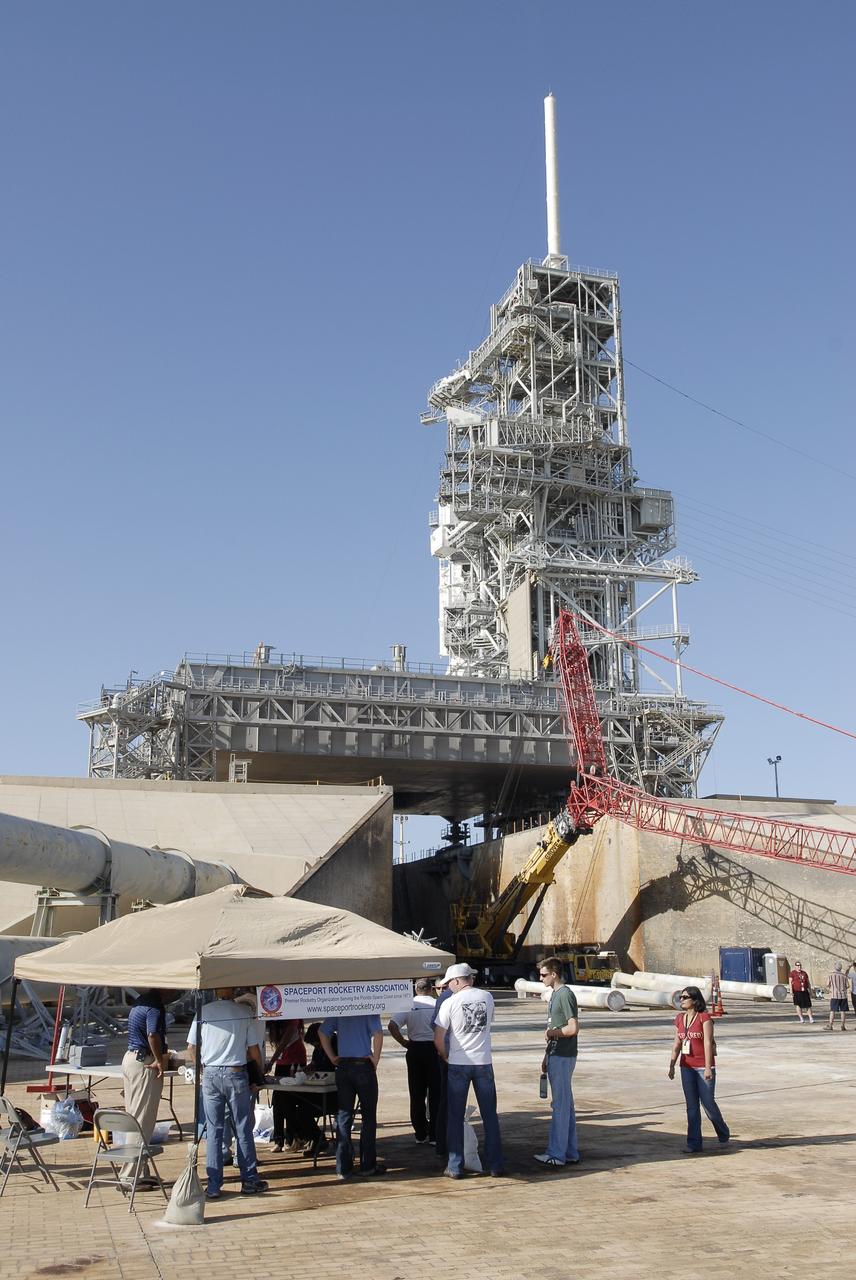
CAPE CANAVERAL, Fla. –Faculty of the International Space University prepares for the rocket launch competition of the ISU's summer session. The competition was conducted at Launch Complex 39A at NASA's Kennedy Space Center in Florida, which co-hosted this year's ISU.    Six teams designed and built large model rockets, each between three and five feet tall, and launched them from Launch Pad 39A, the starting point for Apollo missions to the moon and dozens of space shuttle flights. Each launch carried a raw egg, dubbed "eggstronauts" and had to recover it intact to be declared successful. Photo credit: NASA/Charisse Nahsser
KSC-2012-3843
CAPE CANAVERAL, Fla. – A model rocket built by students of the International Space University launches during the rocket launch competition of the ISU's summer session. The competition was conducted at Launch Complex 39A at NASA's Kennedy Space Center in Florida, which co-hosted this year's ISU.    Six teams designed and built large model rockets, each between three and five feet tall, and launched them from Launch Pad 39A, the starting point for Apollo missions to the moon and dozens of space shuttle flights. Each launch carried a raw egg, dubbed "eggstronauts" and had to recover it intact to be declared successful.  Photo credit: NASA/Charisse Nahsser
KSC-2012-3849
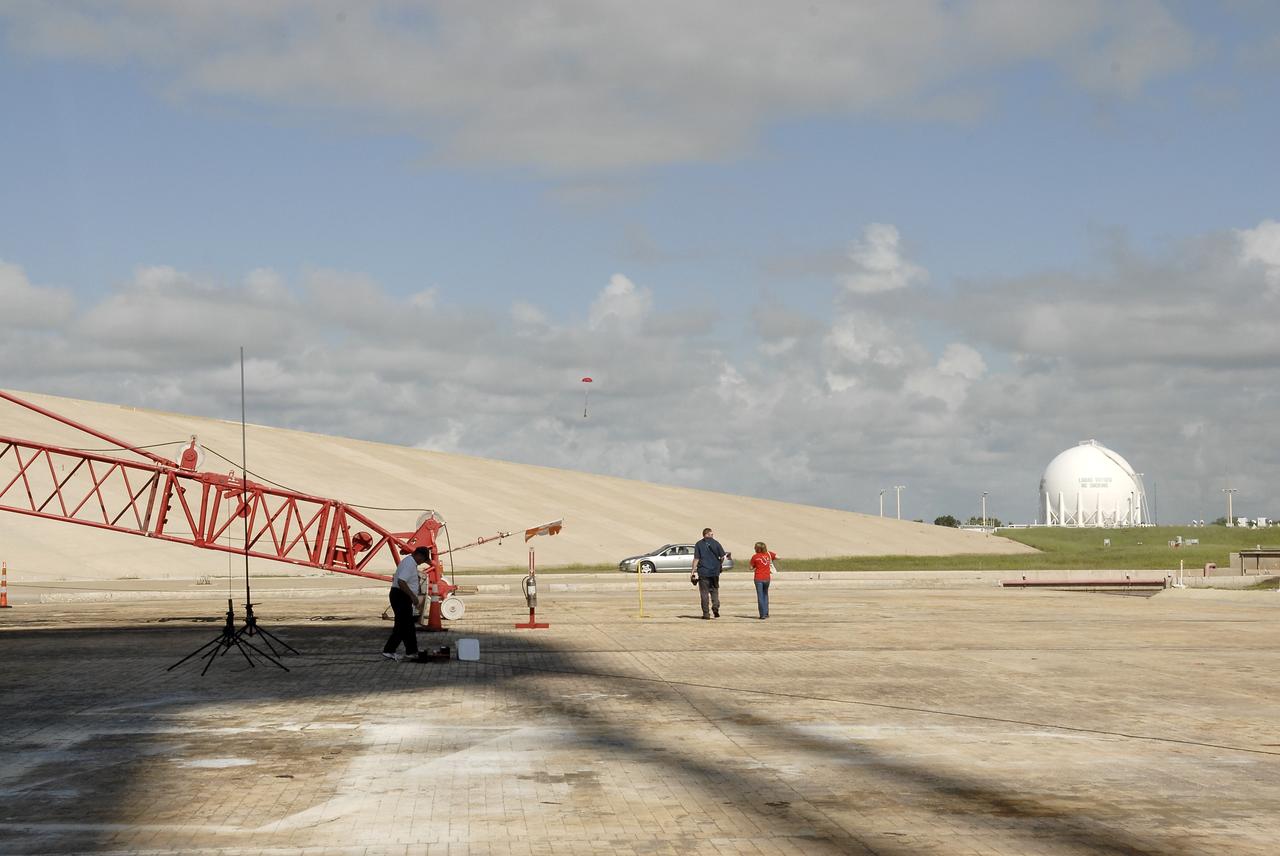
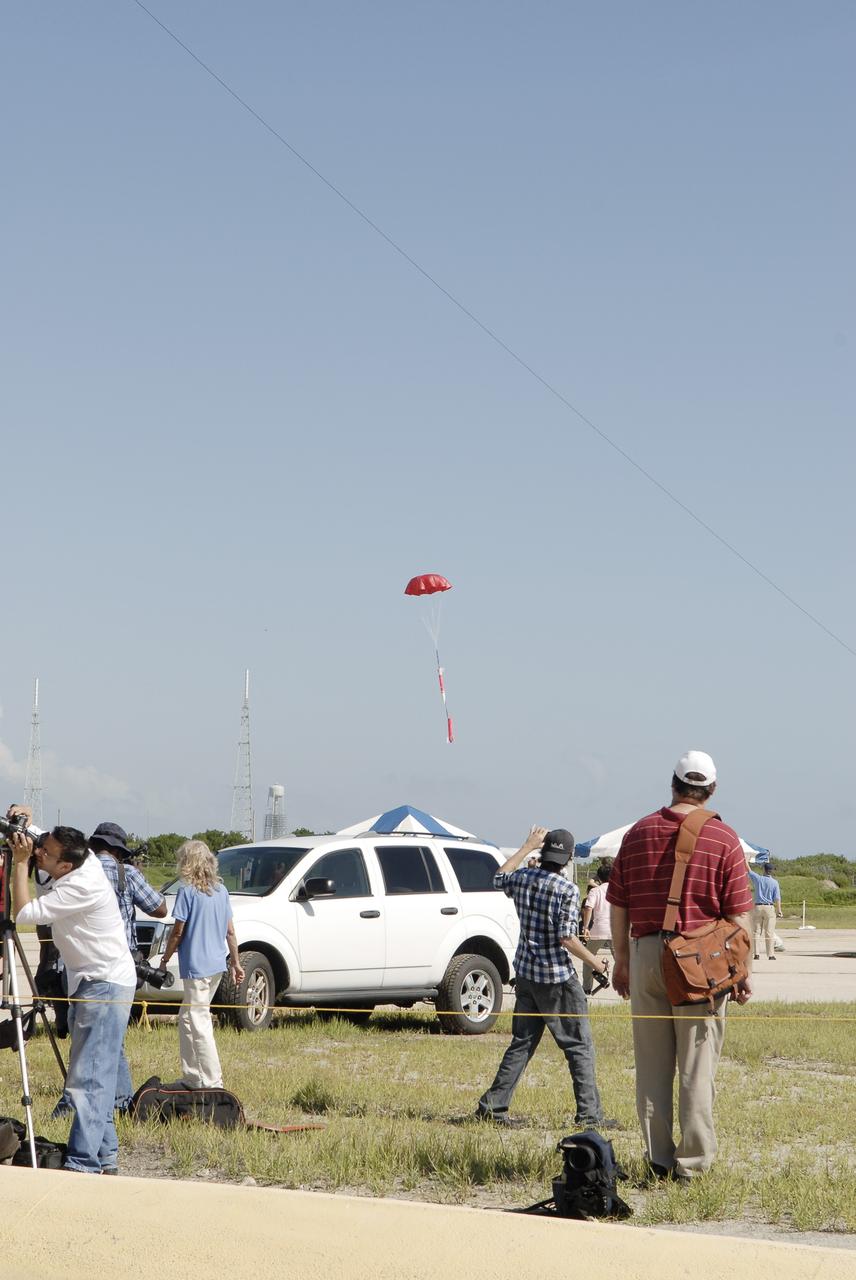
CAPE CANAVERAL, Fla. – A model rocket built by students of the International Space University parachutes back to Earth during the rocket launch competition of the ISU's summer session. The competition was conducted at Launch Complex 39A at NASA's Kennedy Space Center in Florida, which co-hosted this year's ISU.    Six teams designed and built large model rockets, each between three and five feet tall, and launched them from Launch Pad 39A, the starting point for Apollo missions to the moon and dozens of space shuttle flights. Each launch carried a raw egg, dubbed "eggstronauts" and had to recover it intact to be declared successful.  Photo credit: NASA/Charisse Nahsser
KSC-2012-3850
CAPE CANAVERAL, Fla. – The International Space University's rocket launch competition begins. The competition was conducted at Launch Complex 39A at NASA's Kennedy Space Center in Florida, which co-hosted this year's ISU.    Six teams designed and built large model rockets, each between three and five feet tall, and launched them from Launch Pad 39A, the starting point for Apollo missions to the moon and dozens of space shuttle flights. Each launch carried a raw egg, dubbed "eggstronauts" and had to recover it intact to be declared successful.  Photo credit: NASA/Charisse Nahsser
KSC-2012-3845
CAPE CANAVERAL, Fla. – A model rocket built by students of the International Space University parachutes back to Earth during the rocket launch competition of the ISU's summer session. The competition was conducted at Launch Complex 39A at NASA's Kennedy Space Center in Florida, which co-hosted this year's ISU.    Six teams designed and built large model rockets, each between three and five feet tall, and launched them from Launch Pad 39A, the starting point for Apollo missions to the moon and dozens of space shuttle flights. Each launch carried a raw egg, dubbed "eggstronauts" and had to recover it intact to be declared successful.  Photo credit: NASA/Charisse Nahsser
KSC-2012-3848
CAPE CANAVERAL, Fla. – A model rocket built by students of the International Space University launches during the rocket launch competition of the ISU's summer session. The competition was conducted at Launch Complex 39A at NASA's Kennedy Space Center in Florida, which co-hosted this year's ISU.    Six teams designed and built large model rockets, each between three and five feet tall, and launched them from Launch Pad 39A, the starting point for Apollo missions to the moon and dozens of space shuttle flights. Each launch carried a raw egg, dubbed "eggstronauts" and had to recover it intact to be declared successful.  Photo credit: NASA/Charisse Nahsser
KSC-2012-3847
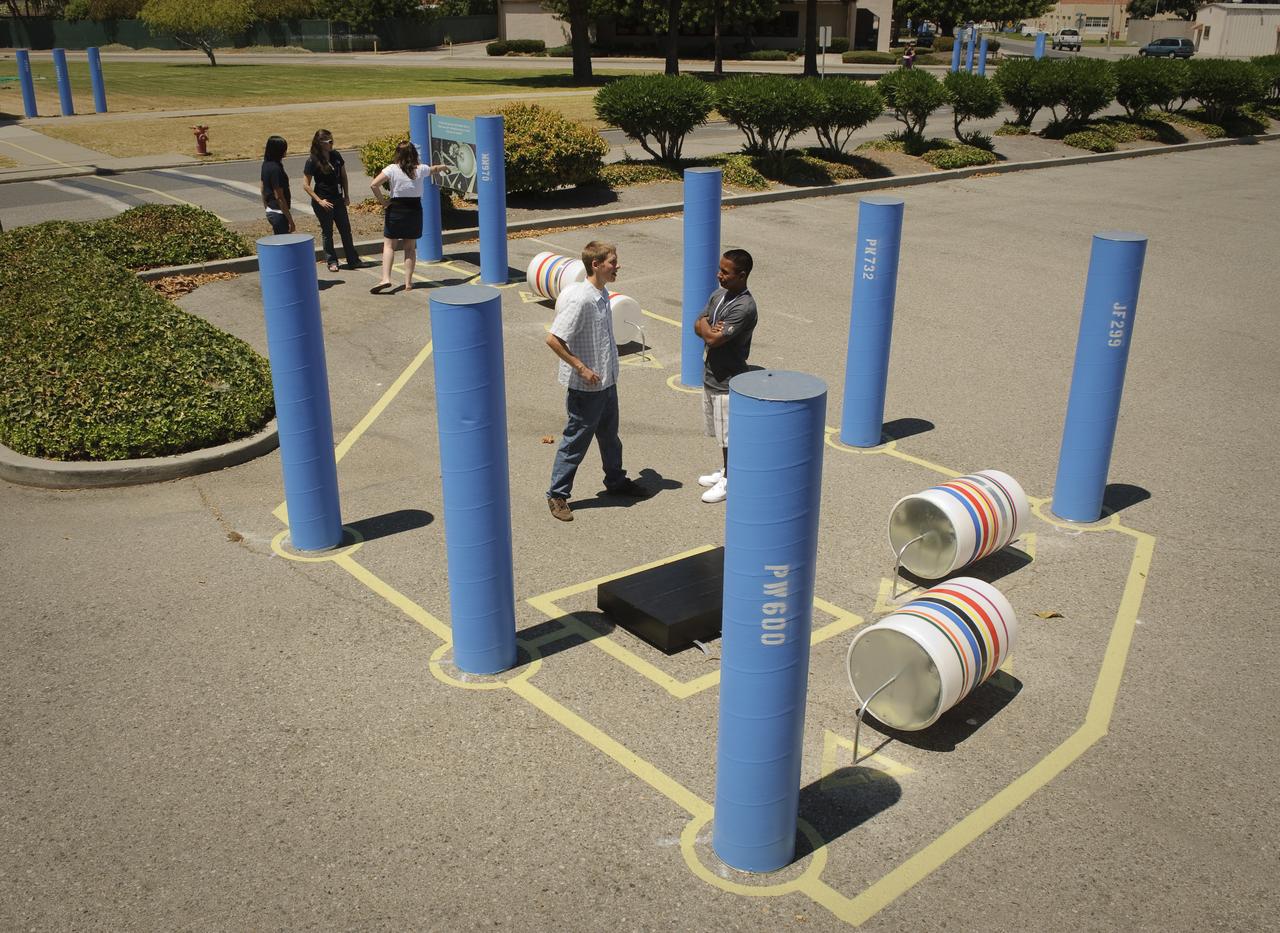
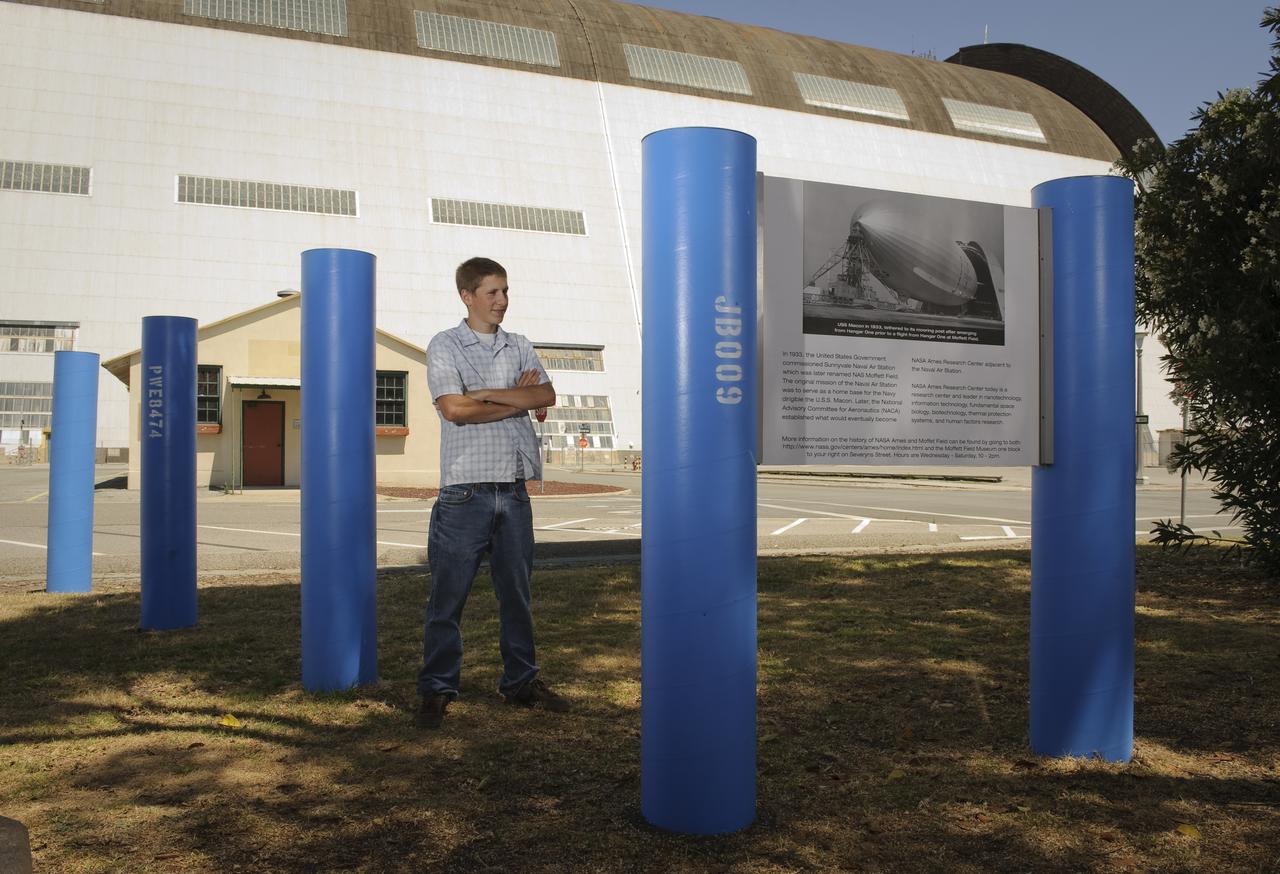
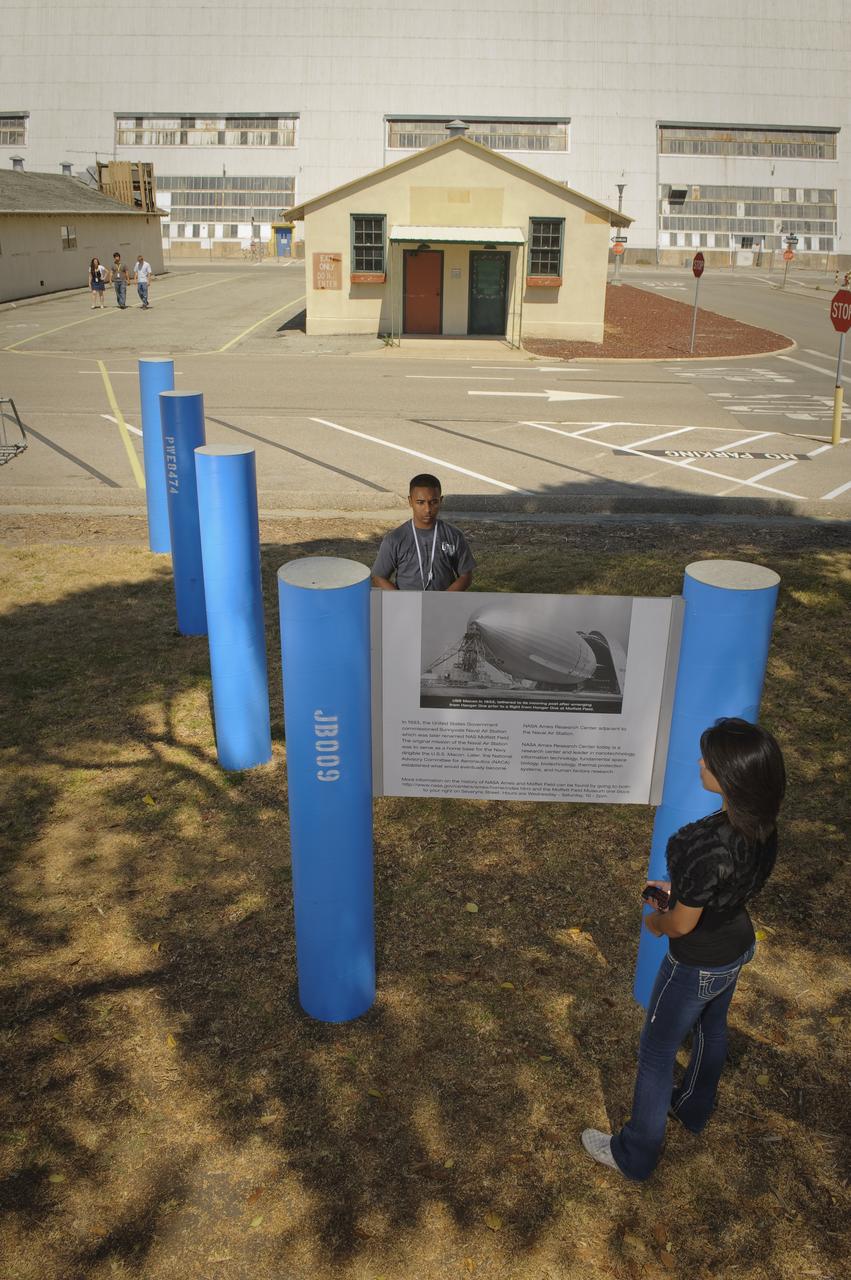
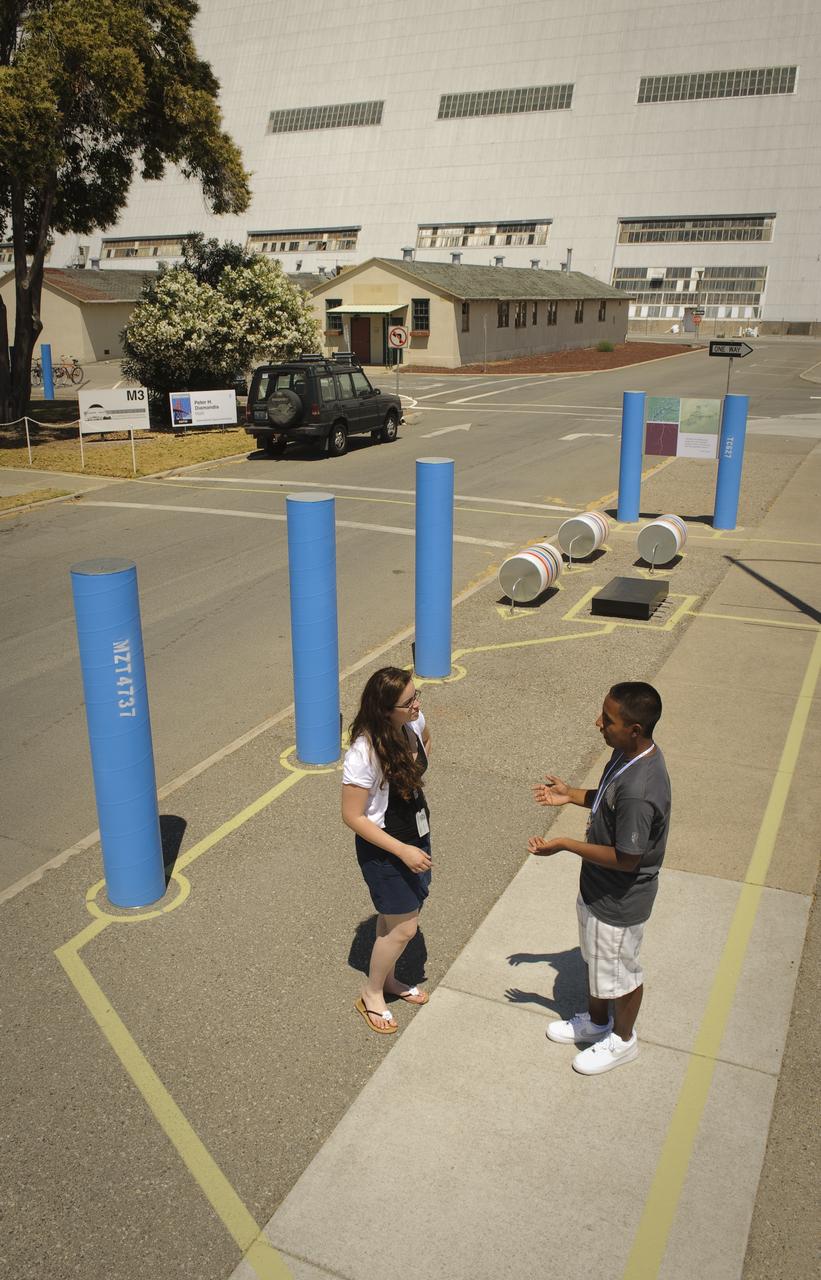
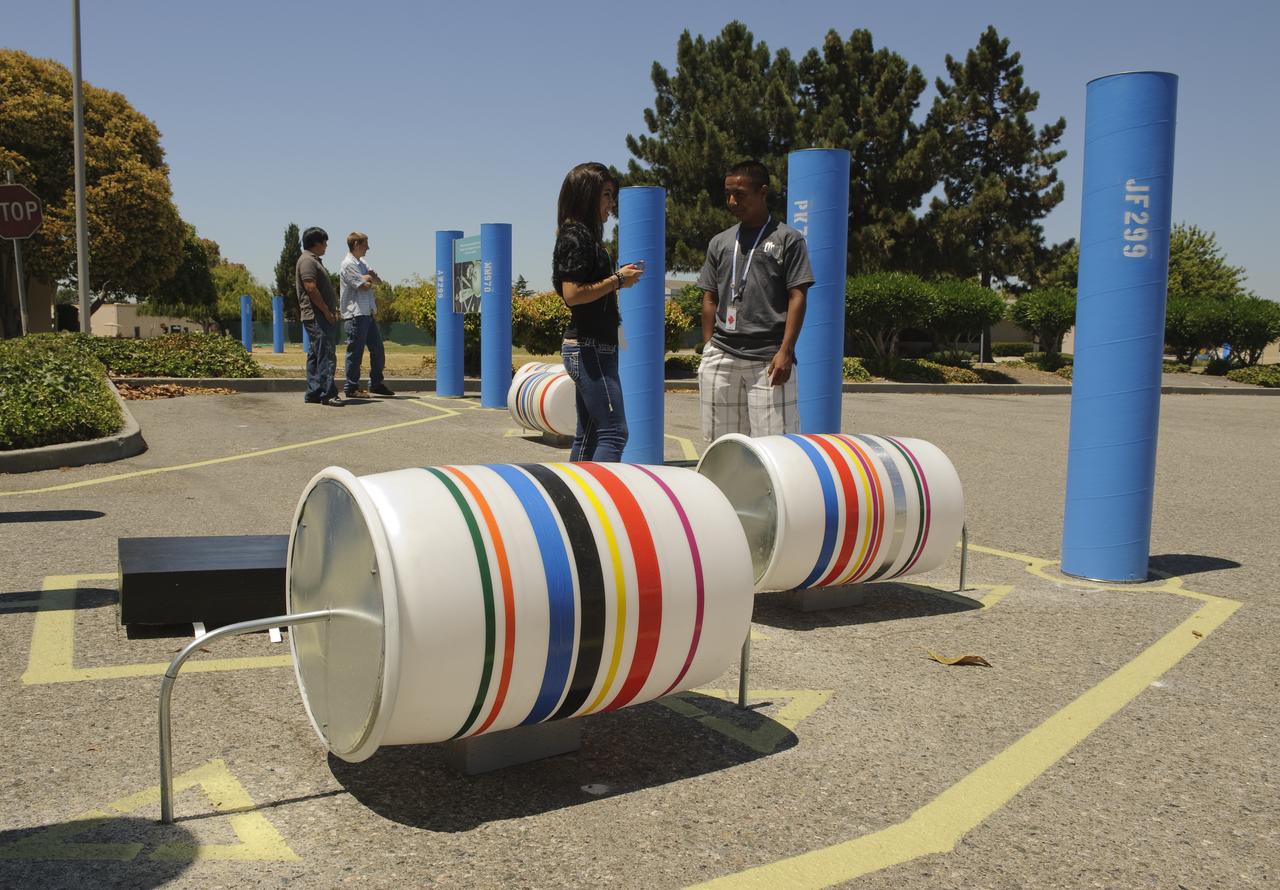
ISU Line of Questions (designed by Planners Collaborative, Inc./depicts a circuit board.) a visual for summer students to find their way around NASA Research Park and to the different venues
ARC-2009-ACD09-0158-049
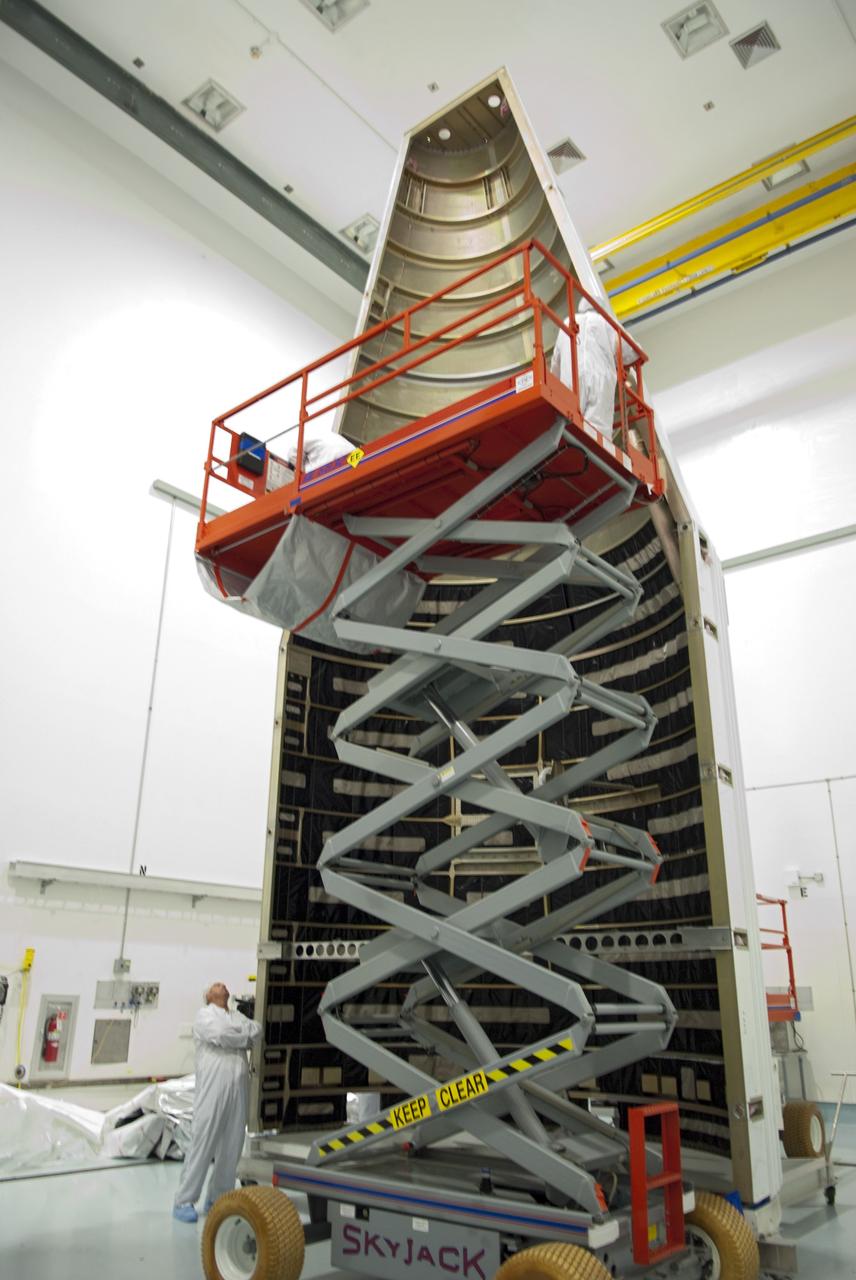
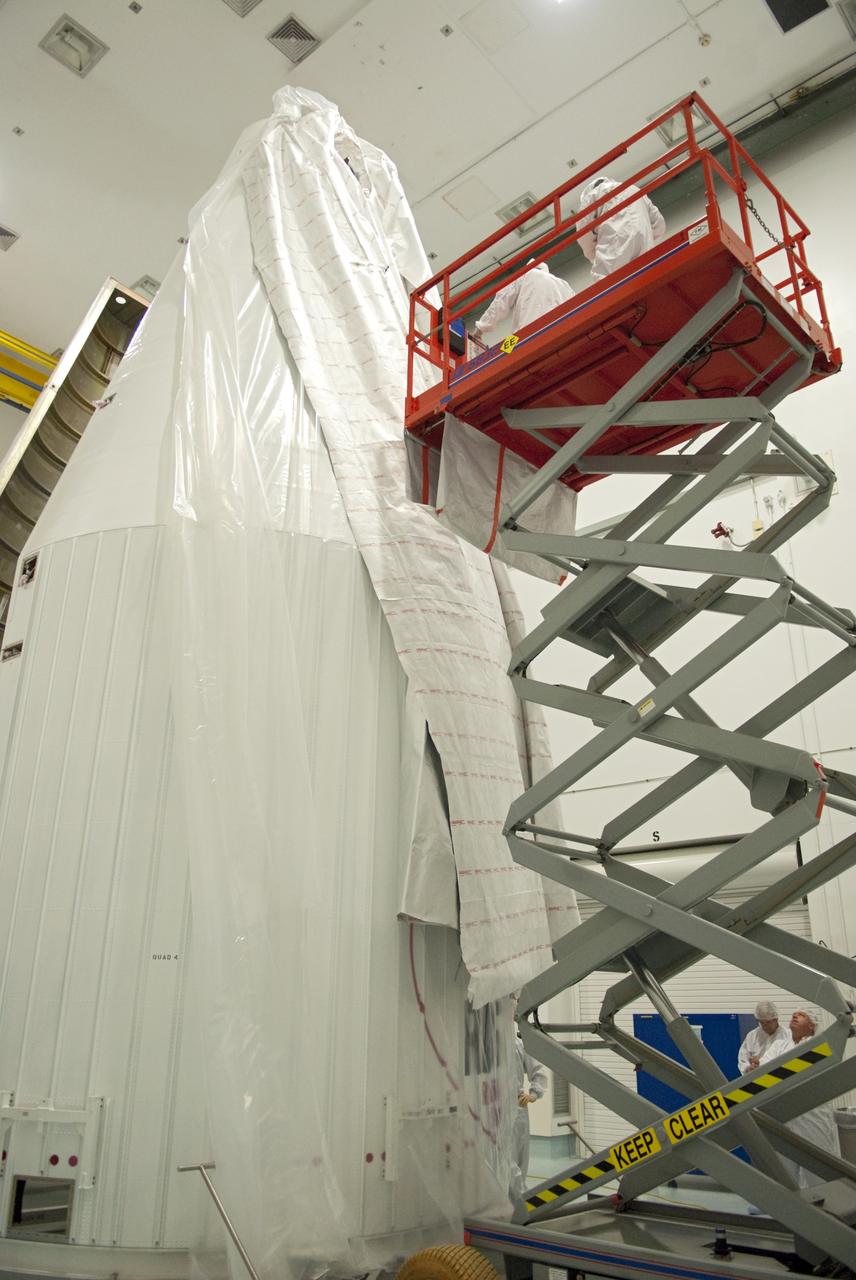
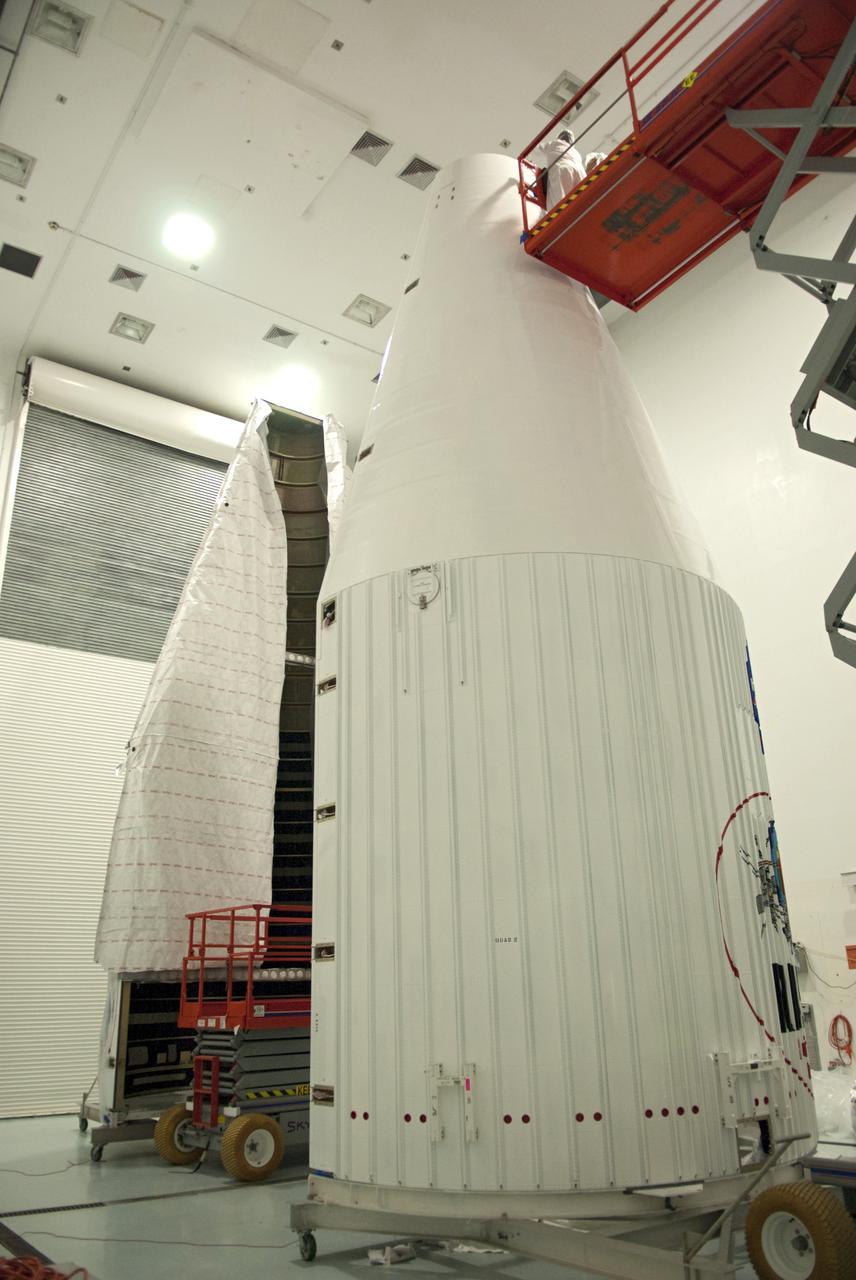
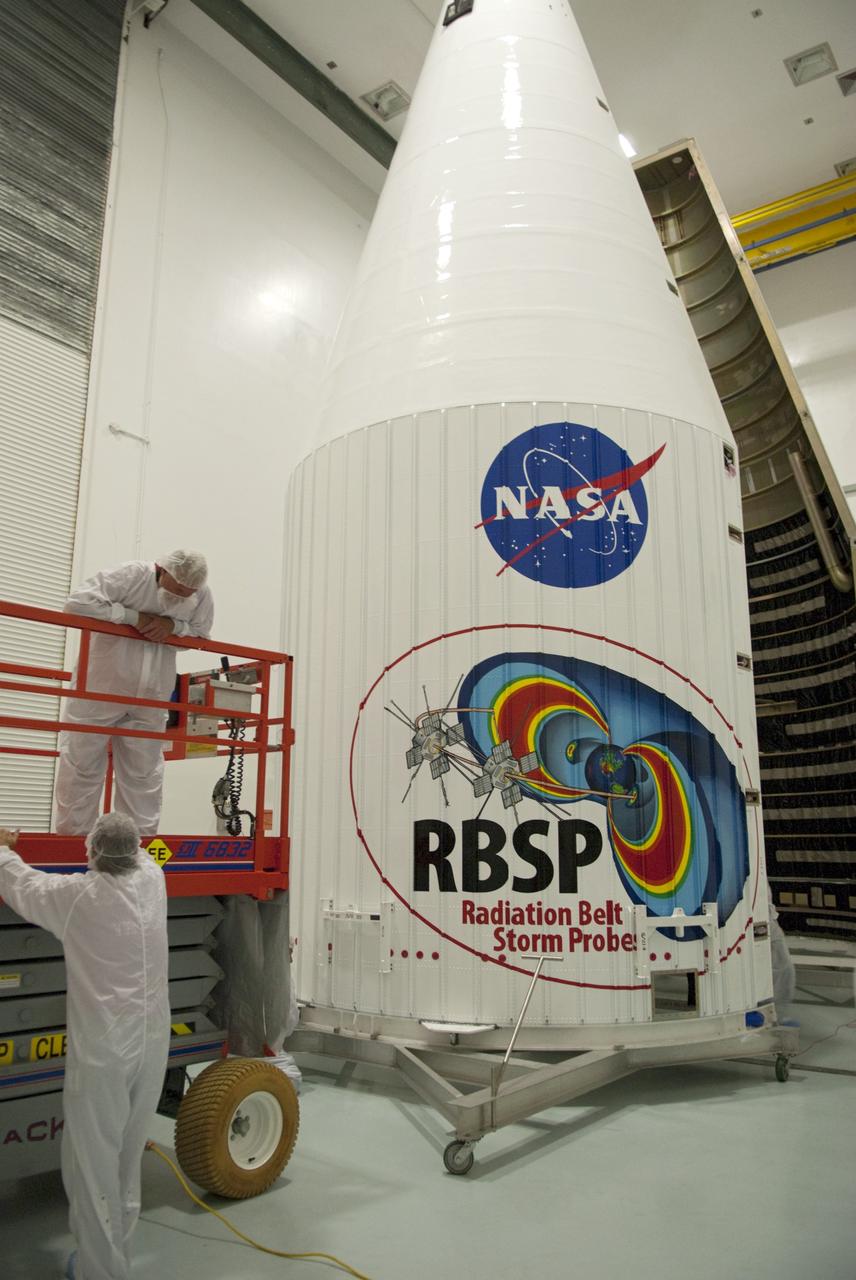
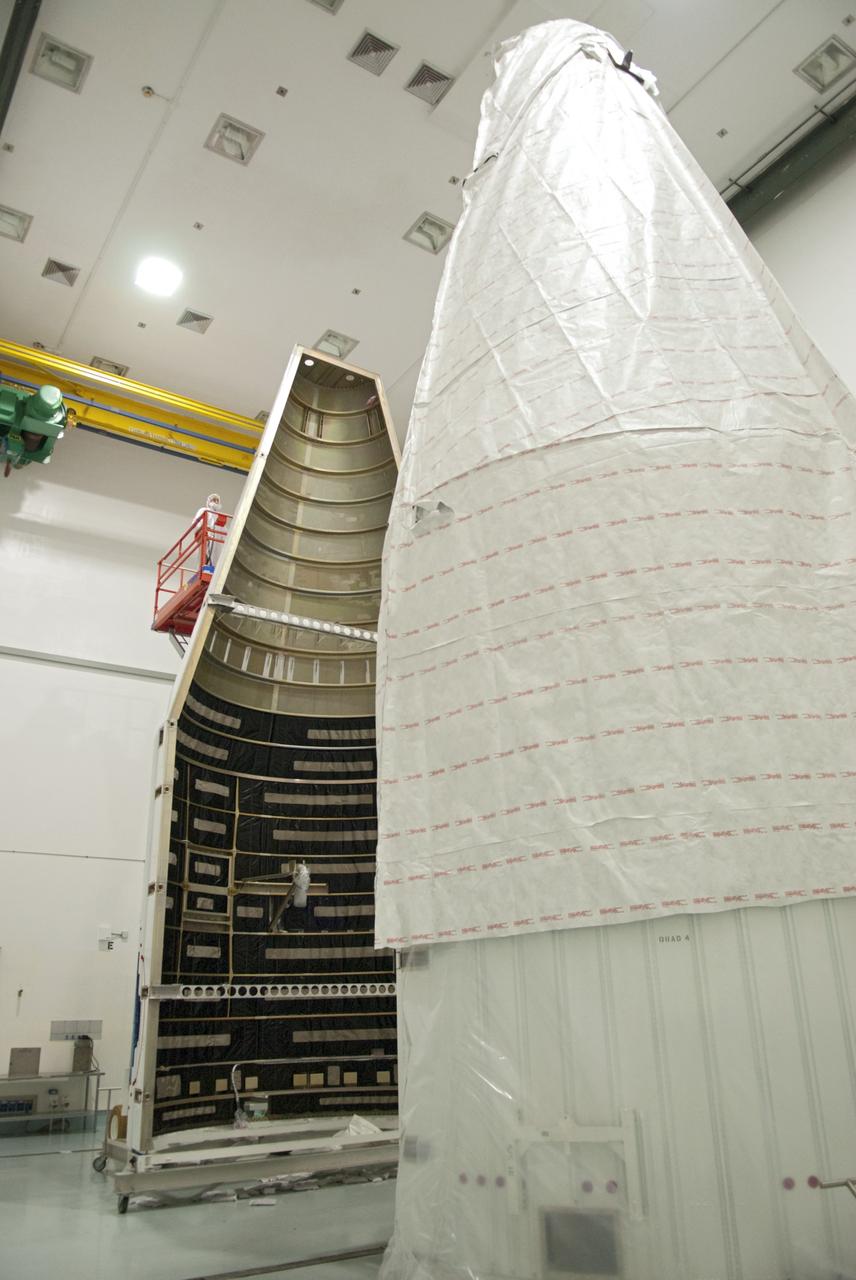
CAPE CANAVERAL, Fla. - Inside the Astrotech payload processing facility near NASA’s Kennedy Space Center in Florida, technicians use a lift to inspect the nose cone fairing for the Radiation Belt Storm Probes, or RBSP, spacecraft. The nose faring will house and protect the RBSP during liftoff aboard an Atlas V rocket.      NASA’s RBSP mission will help us understand the sun’s influence on Earth and near-Earth space by studying the Earth’s radiation belts on various scales of space and time. RBSP will begin its mission of exploration of Earth’s Van Allen radiation belts and the extremes of space weather after its liftoff aboard a United Launch Alliance Atlas V from Space Launch Complex 41 at Cape Canaveral Air Force Station, Fla. Liftoff is targeted for Aug. 23, 2012. For more information, visit http://www.nasa.gov/rbsp. Photo credit: NASA/Charisse Nahser
KSC-2012-3815
ISU Line of Questions (designed by Planners Collaborative, Inc./depicts a circuit board.) a visual for summer students to find their way around NASA Research Park and to the different venues
ARC-2009-ACD09-0158-068
CAPE CANAVERAL, Fla. - Inside the Astrotech payload processing facility near NASA’s Kennedy Space Center in Florida, technicians inspect and prepare to uncover the nose cone fairing for the Radiation Belt Storm Probes, or RBSP, spacecraft. The nose faring will house and protect the RBSP during liftoff aboard an Atlas V rocket.      NASA’s RBSP mission will help us understand the sun’s influence on Earth and near-Earth space by studying the Earth’s radiation belts on various scales of space and time. RBSP will begin its mission of exploration of Earth’s Van Allen radiation belts and the extremes of space weather after its liftoff aboard a United Launch Alliance Atlas V from Space Launch Complex 41 at Cape Canaveral Air Force Station, Fla. Liftoff is targeted for Aug. 23, 2012. For more information, visit http://www.nasa.gov/rbsp. Photo credit: NASA/Charisse Nahser
KSC-2012-3805
ISU Line of Questions (designed by Planners Collaborative, Inc./depicts a circuit board.) a visual for summer students to find their way around NASA Research Park and to the different venues
ARC-2009-ACD09-0158-044
ISU Line of Questions (designed by Planners Collaborative, Inc./depicts a circuit board.) a visual for summer students to find their way around NASA Research Park and to the different venues
ARC-2009-ACD09-0158-074
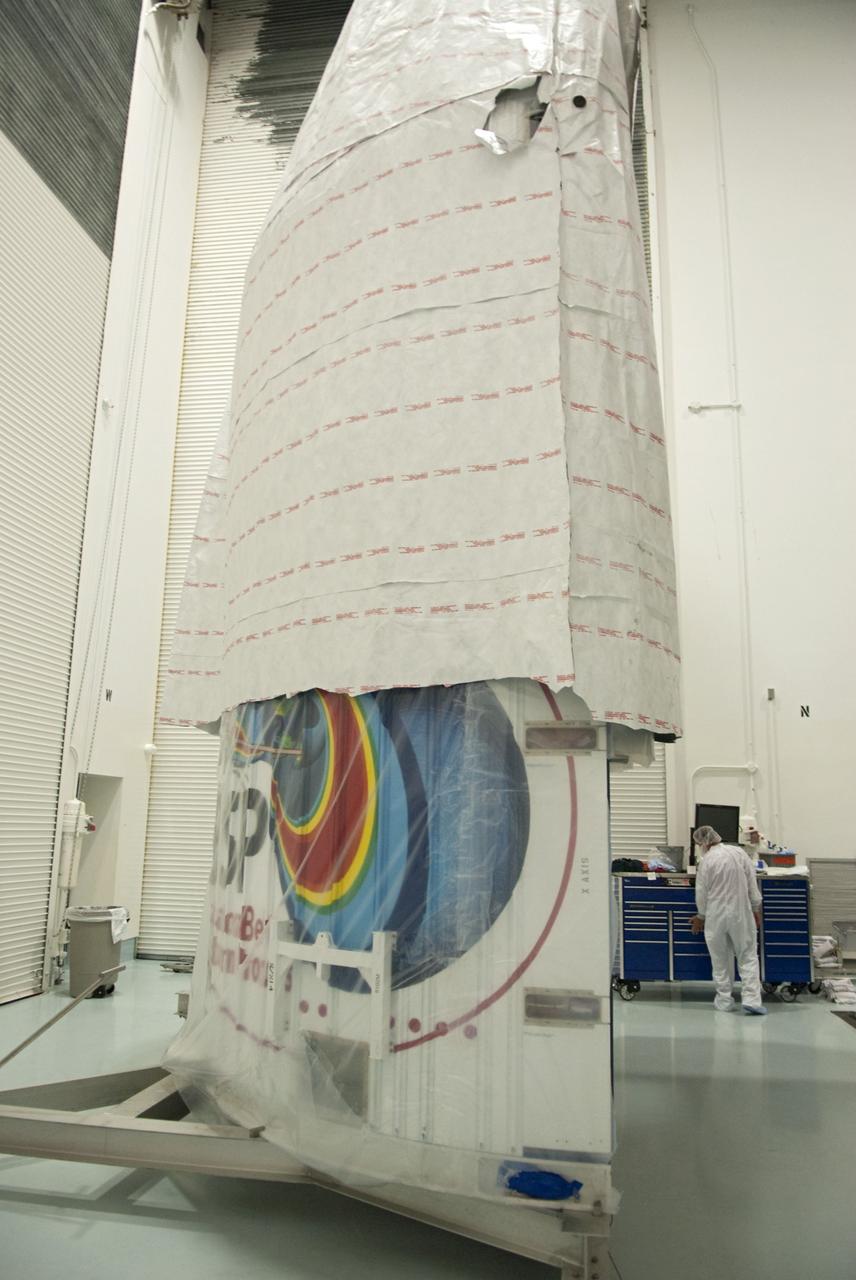
CAPE CANAVERAL, Fla. - Inside the Astrotech payload processing facility near NASA’s Kennedy Space Center in Florida, the nose cone fairing for the Radiation Belt Storm Probes, or RBSP, spacecraft is being uncovered for inspection. The nose faring will house and protect the RBSP during liftoff aboard an Atlas V rocket.      NASA’s RBSP mission will help us understand the sun’s influence on Earth and near-Earth space by studying the Earth’s radiation belts on various scales of space and time. RBSP will begin its mission of exploration of Earth’s Van Allen radiation belts and the extremes of space weather after its liftoff aboard a United Launch Alliance Atlas V from Space Launch Complex 41 at Cape Canaveral Air Force Station, Fla. Liftoff is targeted for Aug. 23, 2012. For more information, visit http://www.nasa.gov/rbsp. Photo credit: NASA/Charisse Nahser
KSC-2012-3810
ISU Line of Questions (designed by Planners Collaborative, Inc./depicts a circuit board.) a visual for summer students to find their way around NASA Research Park and to the different venues
ARC-2009-ACD09-0158-071
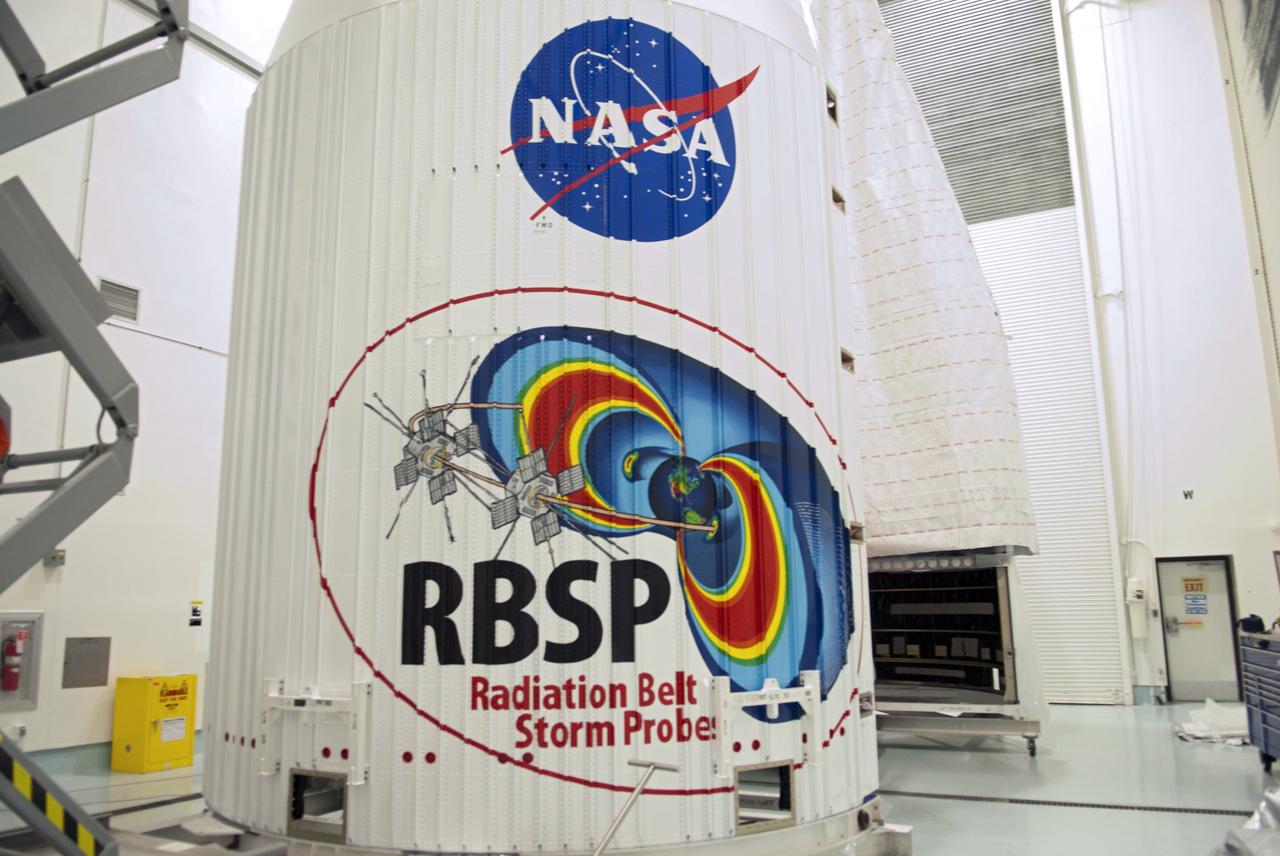
CAPE CANAVERAL, Fla. - Inside the Astrotech payload processing facility near NASA’s Kennedy Space Center in Florida, the nose cone fairing for the Radiation Belt Storm Probes, or RBSP, spacecraft includes an artistic depiction of the probe’s mission. The nose faring will house and protect the RBSP during liftoff aboard an Atlas V rocket.      NASA’s RBSP mission will help us understand the sun’s influence on Earth and near-Earth space by studying the Earth’s radiation belts on various scales of space and time. RBSP will begin its mission of exploration of Earth’s Van Allen radiation belts and the extremes of space weather after its liftoff aboard a United Launch Alliance Atlas V from Space Launch Complex 41 at Cape Canaveral Air Force Station, Fla. Liftoff is targeted for Aug. 23, 2012. For more information, visit http://www.nasa.gov/rbsp. Photo credit: NASA/Charisse Nahser
KSC-2012-3808
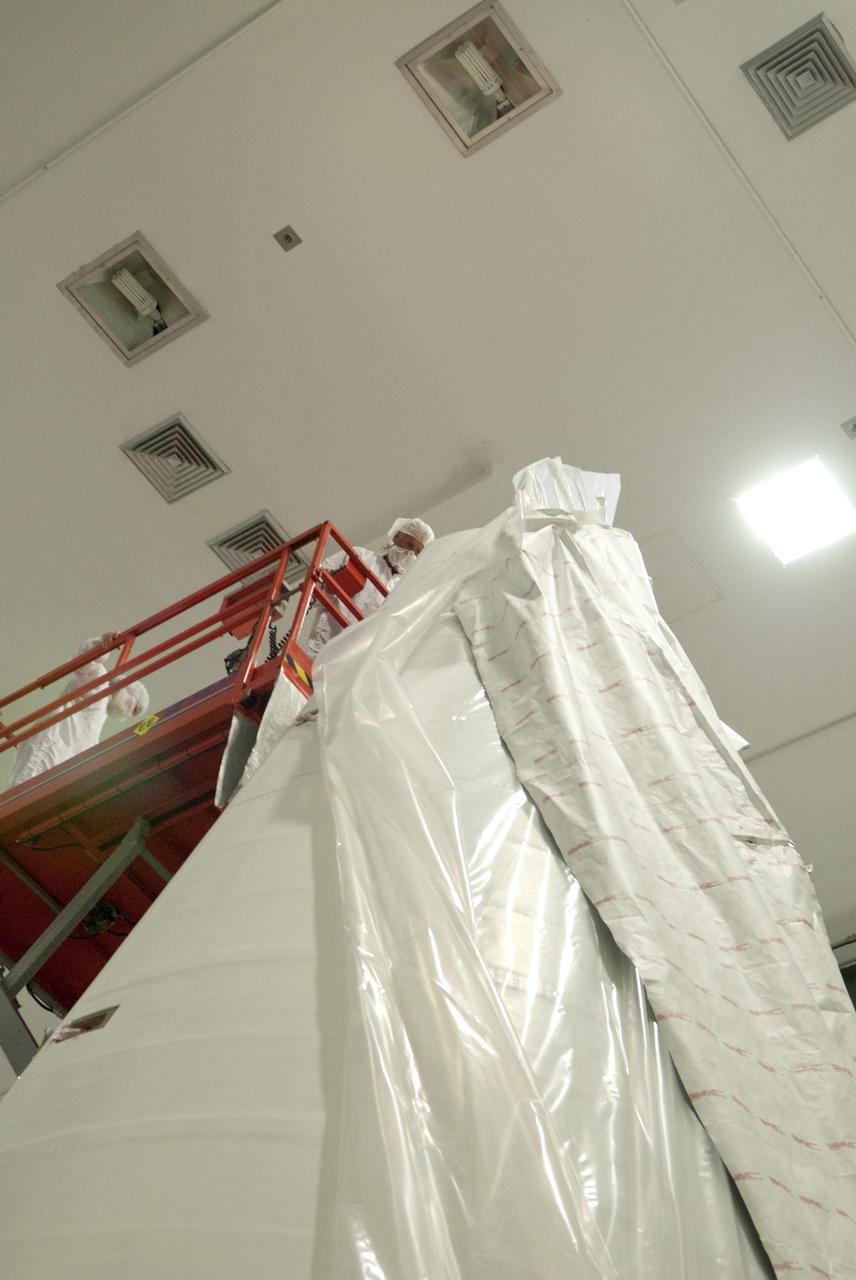
CAPE CANAVERAL, Fla. - Inside the Astrotech payload processing facility near NASA’s Kennedy Space Center in Florida, technicians uncover and inspect the nose cone fairing for the Radiation Belt Storm Probes, or RBSP, spacecraft. The nose faring will house and protect the RBSP during liftoff aboard an Atlas V rocket.      NASA’s RBSP mission will help us understand the sun’s influence on Earth and near-Earth space by studying the Earth’s radiation belts on various scales of space and time. RBSP will begin its mission of exploration of Earth’s Van Allen radiation belts and the extremes of space weather after its liftoff aboard a United Launch Alliance Atlas V from Space Launch Complex 41 at Cape Canaveral Air Force Station, Fla. Liftoff is targeted for Aug. 23, 2012. For more information, visit http://www.nasa.gov/rbsp. Photo credit: NASA/Charisse Nahser
KSC-2012-3811
CAPE CANAVERAL, Fla. - Inside the Astrotech payload processing facility near NASA’s Kennedy Space Center in Florida, technicians use a lift to uncover and inspect the nose cone fairing for the Radiation Belt Storm Probes, or RBSP, spacecraft. The nose faring will house and protect the RBSP during liftoff aboard an Atlas V rocket.      NASA’s RBSP mission will help us understand the sun’s influence on Earth and near-Earth space by studying the Earth’s radiation belts on various scales of space and time. RBSP will begin its mission of exploration of Earth’s Van Allen radiation belts and the extremes of space weather after its liftoff aboard a United Launch Alliance Atlas V from Space Launch Complex 41 at Cape Canaveral Air Force Station, Fla. Liftoff is targeted for Aug. 23, 2012. For more information, visit http://www.nasa.gov/rbsp. Photo credit: NASA/Charisse Nahser
KSC-2012-3813
CAPE CANAVERAL, Fla. - Inside the Astrotech payload processing facility near NASA’s Kennedy Space Center in Florida, technicians use a lift to uncover and inspect the nose cone fairing for the Radiation Belt Storm Probes, or RBSP, spacecraft. The nose faring will house and protect the RBSP during liftoff aboard an Atlas V rocket.      NASA’s RBSP mission will help us understand the sun’s influence on Earth and near-Earth space by studying the Earth’s radiation belts on various scales of space and time. RBSP will begin its mission of exploration of Earth’s Van Allen radiation belts and the extremes of space weather after its liftoff aboard a United Launch Alliance Atlas V from Space Launch Complex 41 at Cape Canaveral Air Force Station, Fla. Liftoff is targeted for Aug. 23, 2012. For more information, visit http://www.nasa.gov/rbsp. Photo credit: NASA/Charisse Nahser
KSC-2012-3814
ISU Line of Questions (designed by Planners Collaborative, Inc./depicts a circuit board.) a visual for summer students to find their way around NASA Research Park and to the different venues
ARC-2009-ACD09-0158-064
CAPE CANAVERAL, Fla. - Inside the Astrotech payload processing facility near NASA’s Kennedy Space Center in Florida, technicians use a lift to uncover and inspect the nose cone fairing for the Radiation Belt Storm Probes, or RBSP, spacecraft. The nose faring will house and protect the RBSP during liftoff aboard an Atlas V rocket.rocket.      NASA’s RBSP mission will help us understand the sun’s influence on Earth and near-Earth space by studying the Earth’s radiation belts on various scales of space and time. RBSP will begin its mission of exploration of Earth’s Van Allen radiation belts and the extremes of space weather after its liftoff aboard a United Launch Alliance Atlas V from Space Launch Complex 41 at Cape Canaveral Air Force Station, Fla. Liftoff is targeted for Aug. 23, 2012. For more information, visit http://www.nasa.gov/rbsp. Photo credit: NASA/Charisse Nahser
KSC-2012-3812
CAPE CANAVERAL, Fla. - Inside the Astrotech payload processing facility near NASA’s Kennedy Space Center in Florida, technicians use a lift to inspect and uncover the nose cone fairing for the Radiation Belt Storm Probes, or RBSP, spacecraft. The nose faring will house and protect the RBSP during liftoff aboard an Atlas V rocket.      NASA’s RBSP mission will help us understand the sun’s influence on Earth and near-Earth space by studying the Earth’s radiation belts on various scales of space and time. RBSP will begin its mission of exploration of Earth’s Van Allen radiation belts and the extremes of space weather after its liftoff aboard a United Launch Alliance Atlas V from Space Launch Complex 41 at Cape Canaveral Air Force Station, Fla. Liftoff is targeted for Aug. 23, 2012. For more information, visit http://www.nasa.gov/rbsp. Photo credit: NASA/Charisse Nahser
KSC-2012-3807
CAPE CANAVERAL, Fla. - Inside the Astrotech payload processing facility near NASA’s Kennedy Space Center in Florida, technicians use a lift to inspect the nose cone fairing for the Radiation Belt Storm Probes, or RBSP, spacecraft. The nose faring will house and protect the RBSP during liftoff aboard an Atlas V rocket.      NASA’s RBSP mission will help us understand the sun’s influence on Earth and near-Earth space by studying the Earth’s radiation belts on various scales of space and time. RBSP will begin its mission of exploration of Earth’s Van Allen radiation belts and the extremes of space weather after its liftoff aboard a United Launch Alliance Atlas V from Space Launch Complex 41 at Cape Canaveral Air Force Station, Fla. Liftoff is targeted for Aug. 23, 2012. For more information, visit http://www.nasa.gov/rbsp. Photo credit: NASA/Charisse Nahser
KSC-2012-3809
ISU Line of Questions (designed by Planners Collaborative, Inc./depicts a circuit board.) a visual for summer students to find their way around NASA Research Park and to the different venues
ARC-2009-ACD09-0158-042
CAPE CANAVERAL, Fla. - Inside the Astrotech payload processing facility near NASA’s Kennedy Space Center in Florida, technicians use a lift to inspect the nose cone fairing for the Radiation Belt Storm Probes, or RBSP, spacecraft. The nose faring will house and protect the RBSP during liftoff aboard an Atlas V rocket.      NASA’s RBSP mission will help us understand the sun’s influence on Earth and near-Earth space by studying the Earth’s radiation belts on various scales of space and time. RBSP will begin its mission of exploration of Earth’s Van Allen radiation belts and the extremes of space weather after its liftoff aboard a United Launch Alliance Atlas V from Space Launch Complex 41 at Cape Canaveral Air Force Station, Fla. Liftoff is targeted for Aug. 23, 2012. For more information, visit http://www.nasa.gov/rbsp. Photo credit: NASA/Charisse Nahser
KSC-2012-3806
ISU Line of Questions (designed by Planners Collaborative, Inc./depicts a circuit board.) a visual for summer students to find their way around NASA Research Park and to the different venues
ARC-2009-ACD09-0158-059
Singularity University Class Photos 2009
ARC-2009-ACD09-0121-006
Singularity University Class Photos 2009
ARC-2009-ACD09-0121-008
Singularity University Class Photos 2009
ARC-2009-ACD09-0121-007
Singularity University Class Photos 2009
ARC-2009-ACD09-0121-009
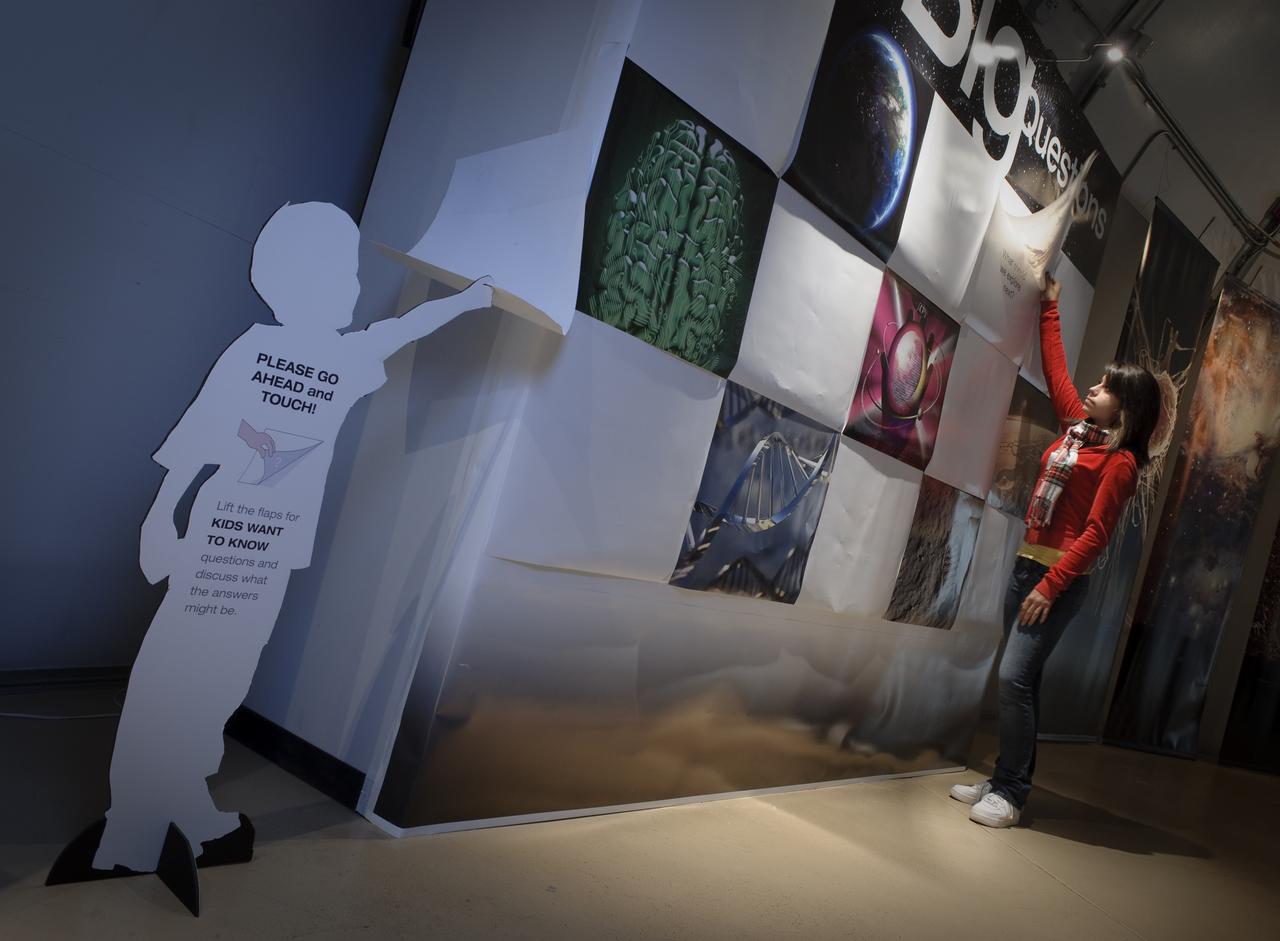
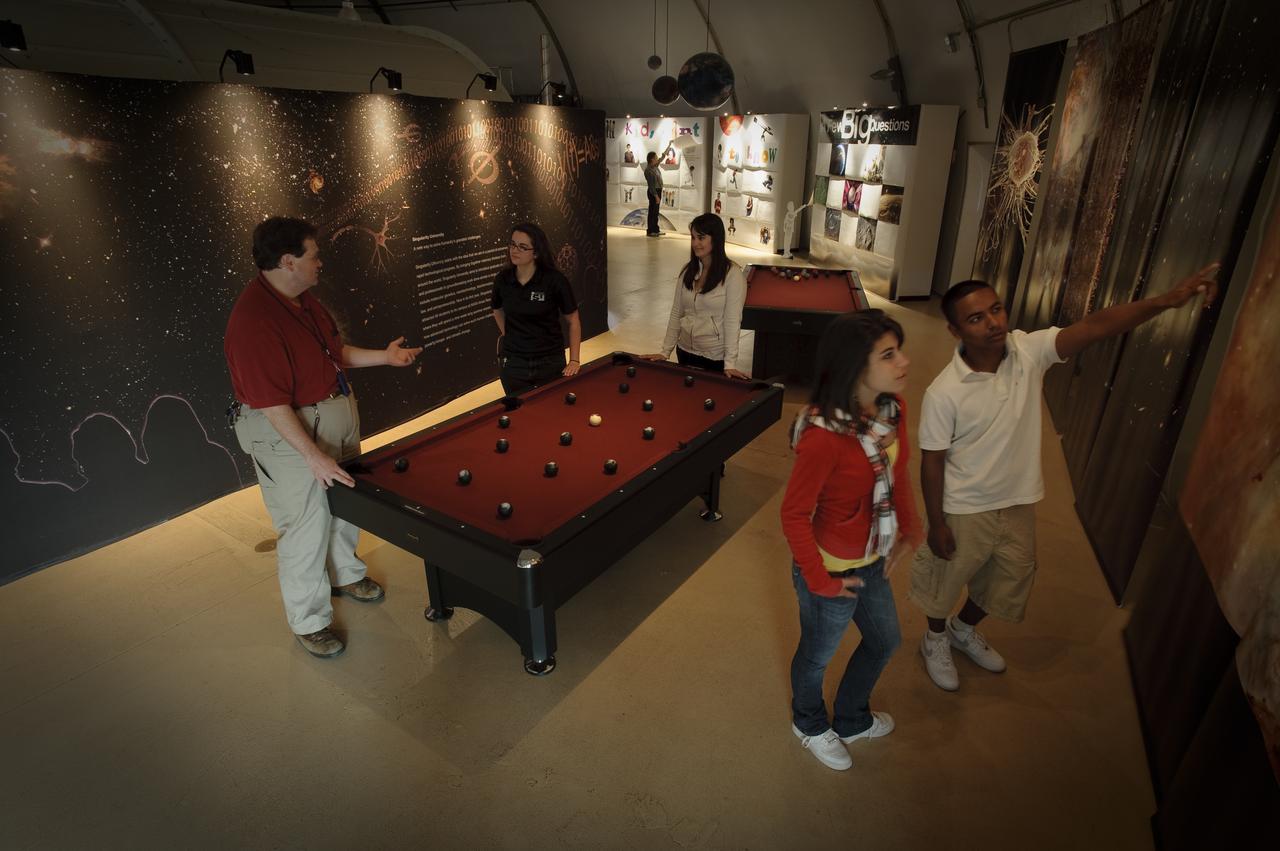
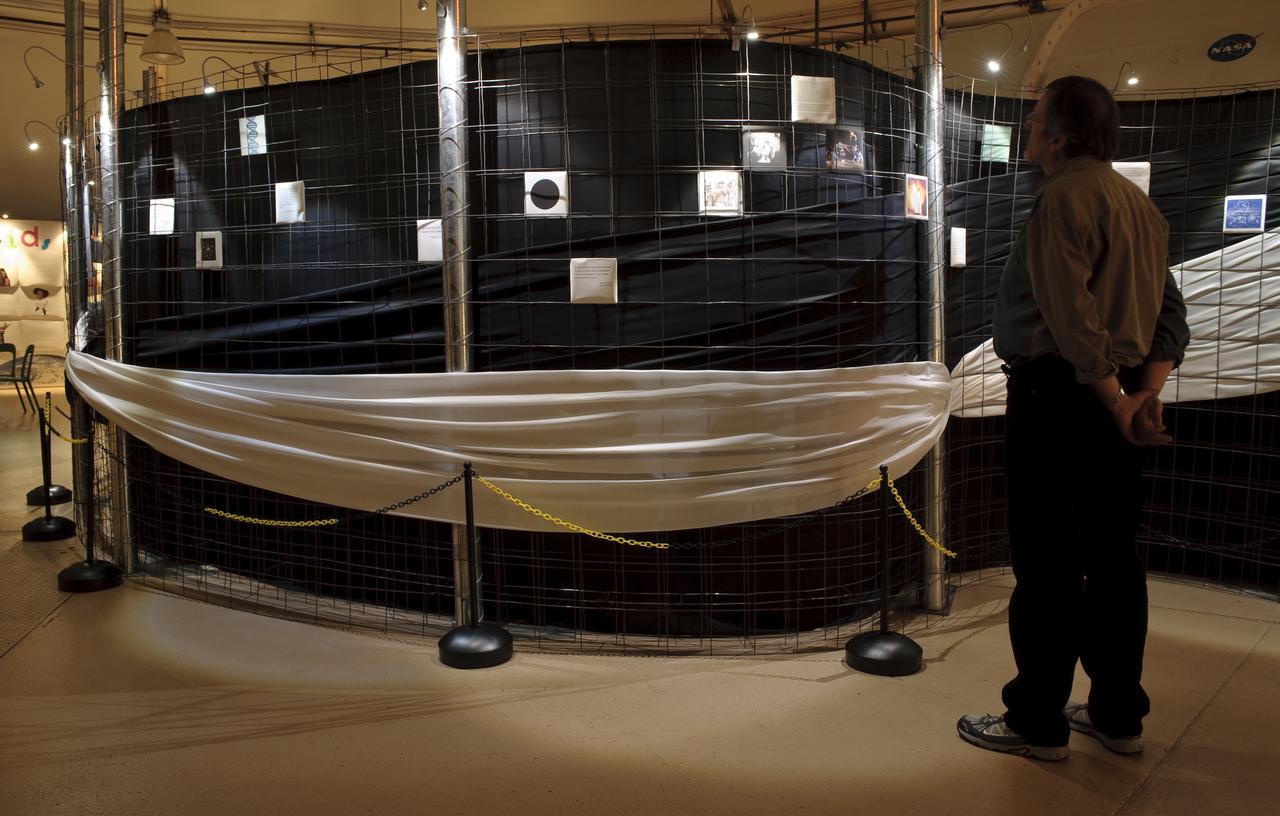
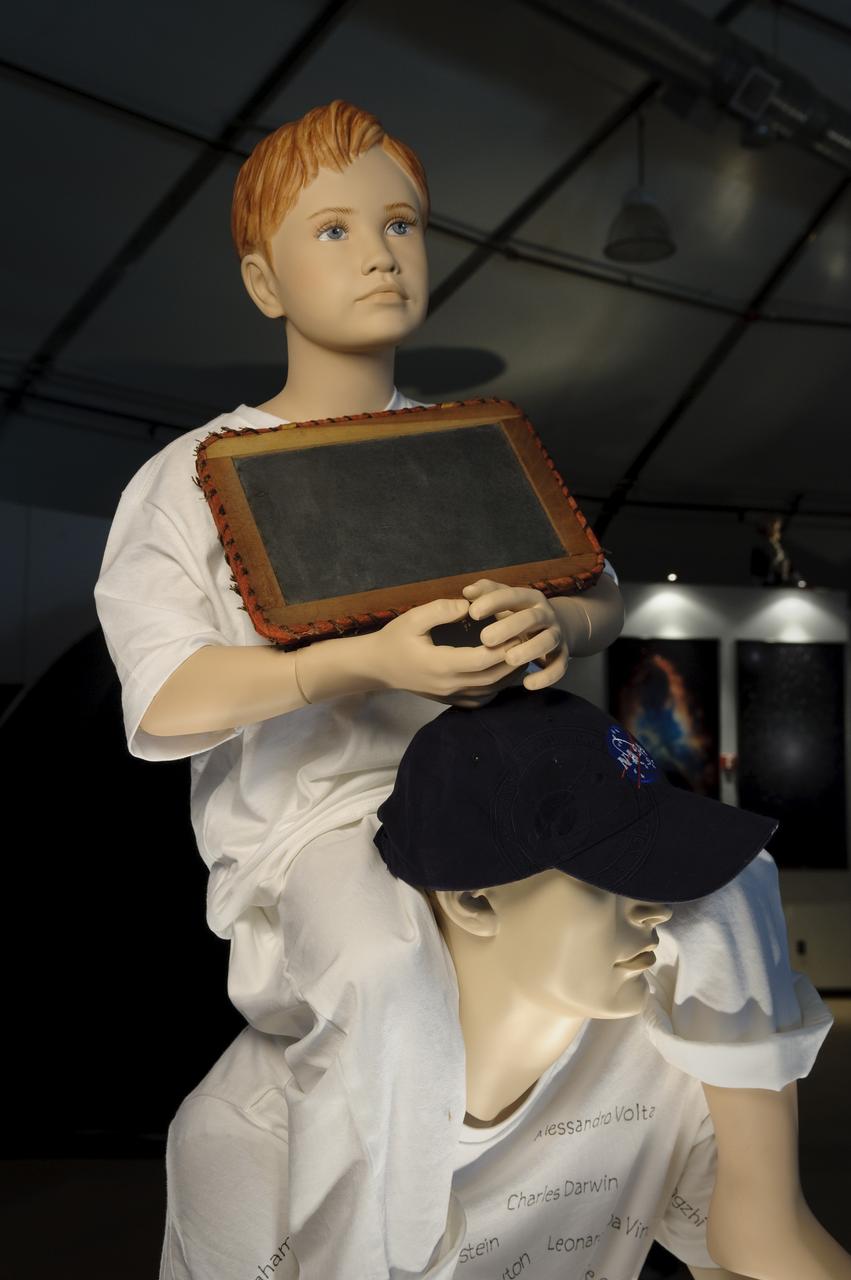
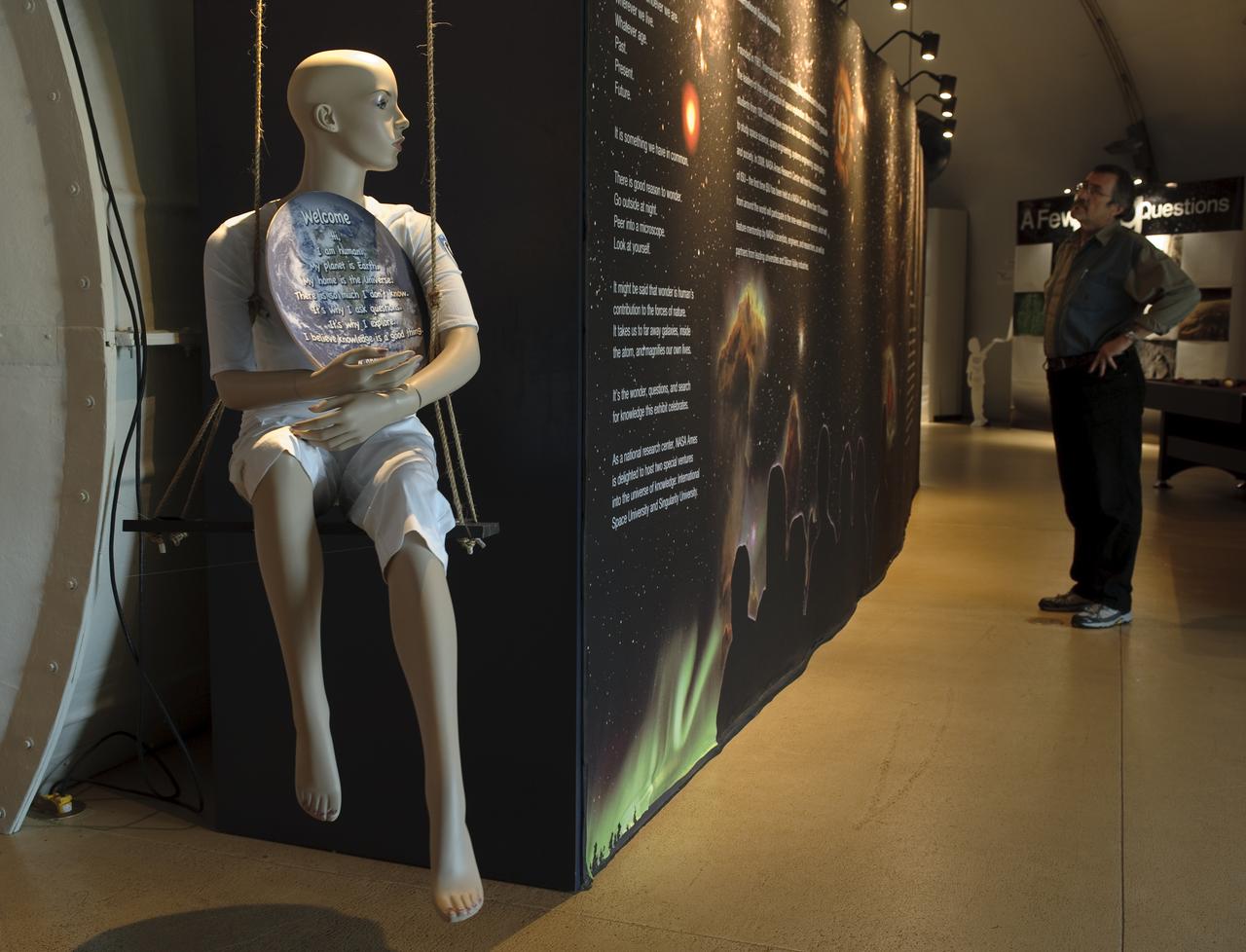
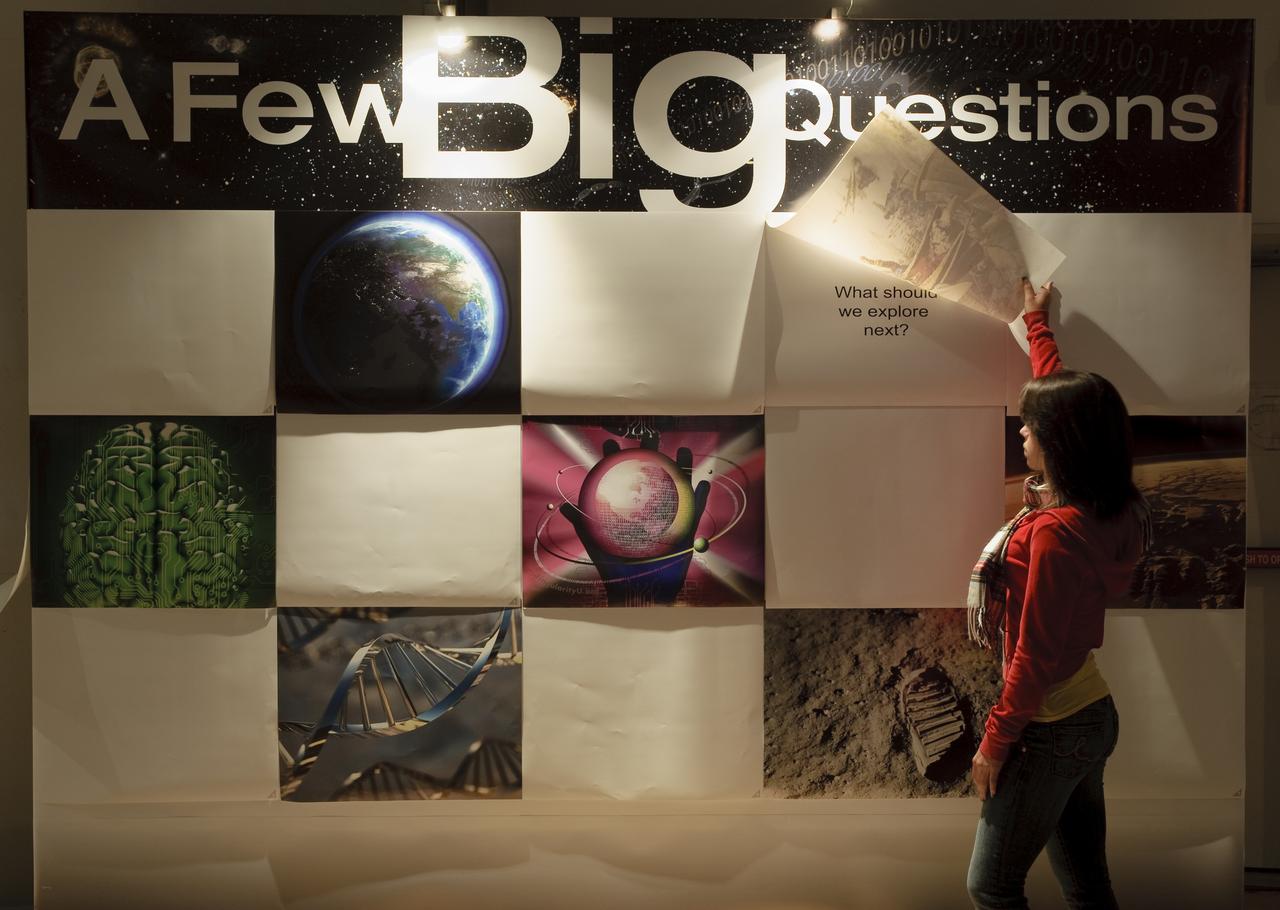
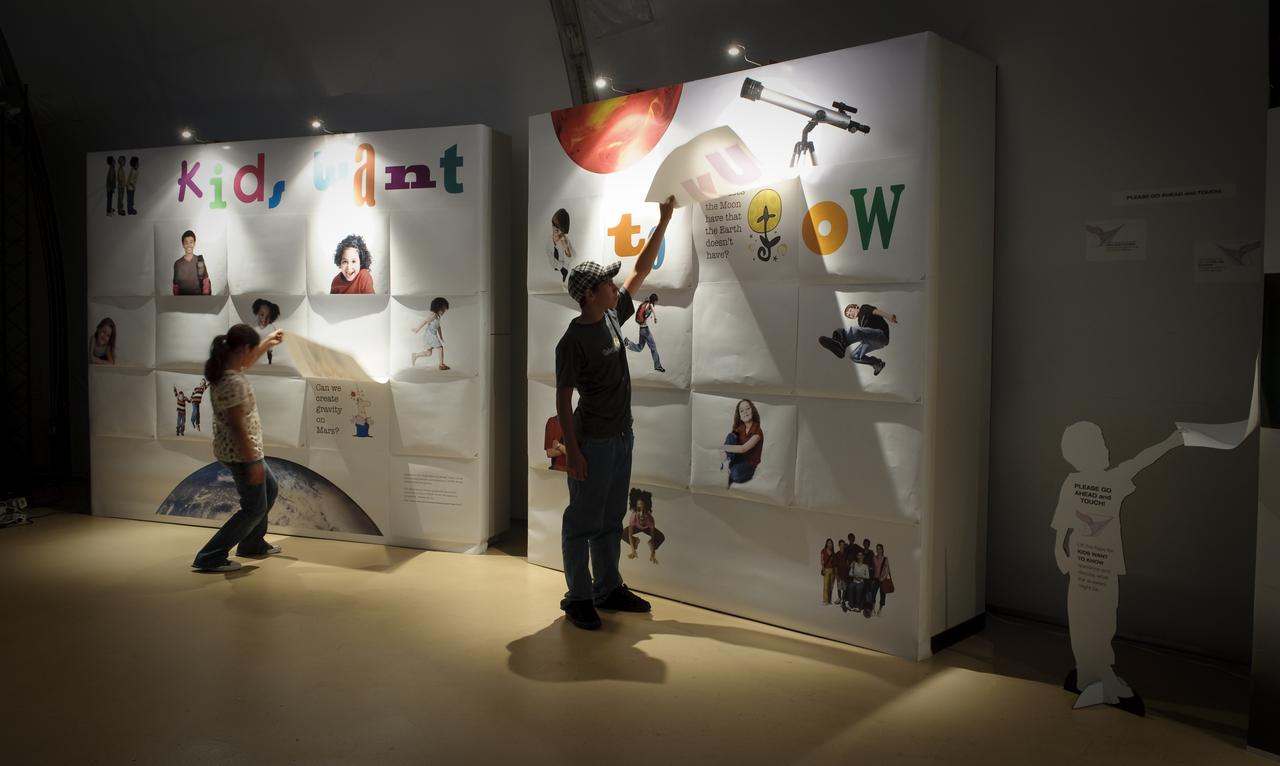
New summer of ISU exhibits at the NASA Ames Exploration Center )designed by Planners Collaborative, Inc.)
ARC-2009-ACD09-0158-025
New summer of ISU exhibits at the NASA Ames Exploration Center )designed by Planners Collaborative, Inc.)
ARC-2009-ACD09-0158-012
New summer of ISU exhibits at the NASA Ames Exploration Center )designed by Planners Collaborative, Inc.)
ARC-2009-ACD09-0158-018
New summer of ISU exhibits at the NASA Ames Exploration Center )designed by Planners Collaborative, Inc.)
ARC-2009-ACD09-0158-009
New summer of ISU exhibits at the NASA Ames Exploration Center )designed by Planners Collaborative, Inc.)
ARC-2009-ACD09-0158-023
New summer of ISU exhibits at the NASA Ames Exploration Center )designed by Planners Collaborative, Inc.)
ARC-2009-ACD09-0158-020
New summer of ISU exhibits at the NASA Ames Exploration Center )designed by Planners Collaborative, Inc.)
ARC-2009-ACD09-0158-029
New summer of ISU exhibits at the NASA Ames Exploration Center )designed by Planners Collaborative, Inc.)
ARC-2009-ACD09-0158-004
New summer of ISU exhibits at the NASA Ames Exploration Center )designed by Planners Collaborative, Inc.)
ARC-2009-ACD09-0158-007
New summer of ISU exhibits at the NASA Ames Exploration Center )designed by Planners Collaborative, Inc.)
ARC-2009-ACD09-0158-001
New summer of ISU exhibits at the NASA Ames Exploration Center )designed by Planners Collaborative, Inc.)
ARC-2009-ACD09-0158-014
New summer of ISU exhibits at the NASA Ames Exploration Center )designed by Planners Collaborative, Inc.)
ARC-2009-ACD09-0158-028
New summer of ISU exhibits at the NASA Ames Exploration Center )designed by Planners Collaborative, Inc.)
ARC-2009-ACD09-0158-003
New summer of ISU exhibits at the NASA Ames Exploration Center )designed by Planners Collaborative, Inc.)
ARC-2009-ACD09-0158-016
Singularity University 2009 NASA ISU signage on Castro Street, Mountain View, Calif.  Questions seeking answers.
ARC-2009-ACD09-0158-035
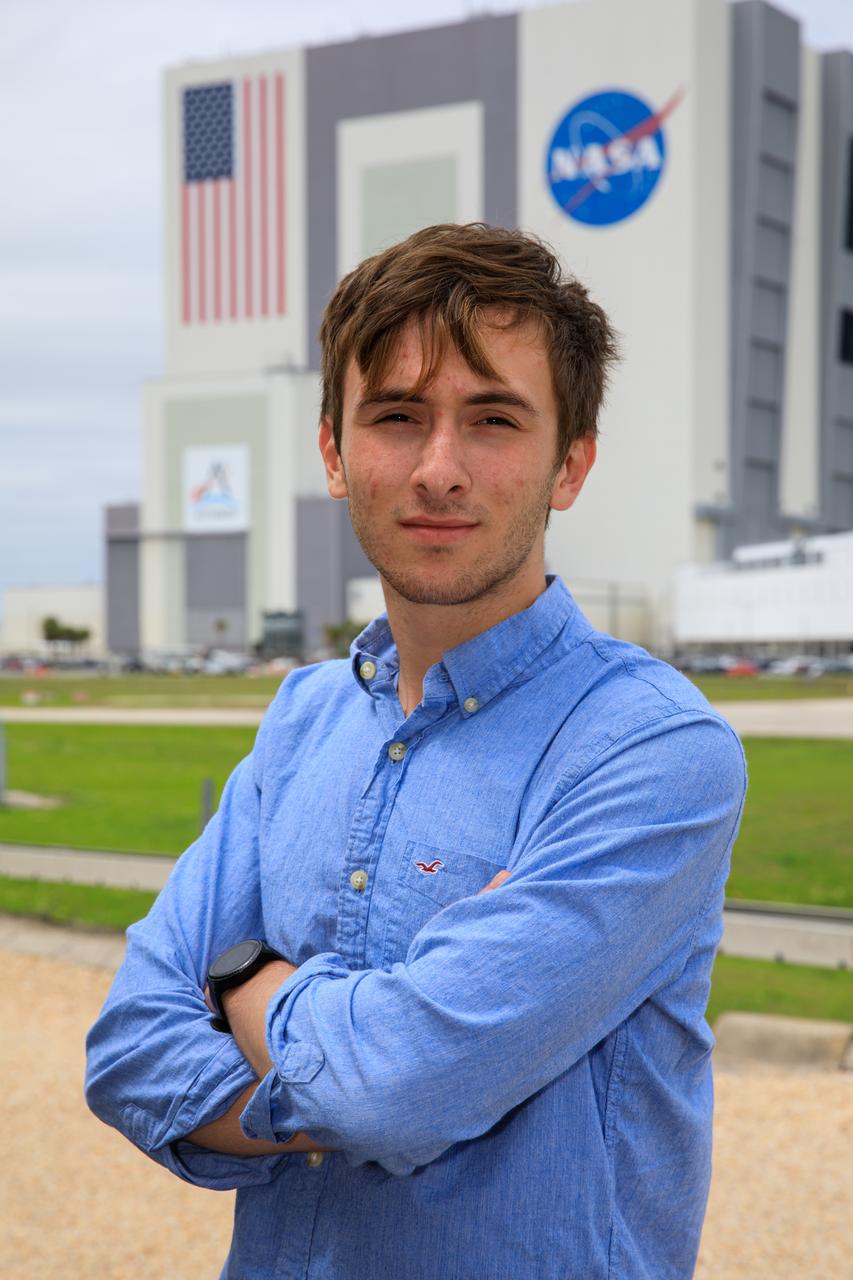
Jonah Saunders, Electrical Engineering Pathways Intern, poses in front of Vehicle Assembly Building at NASA’s Kennedy Space Center in Florida on April 17, 2023.
NE Pathways Intern Headshot
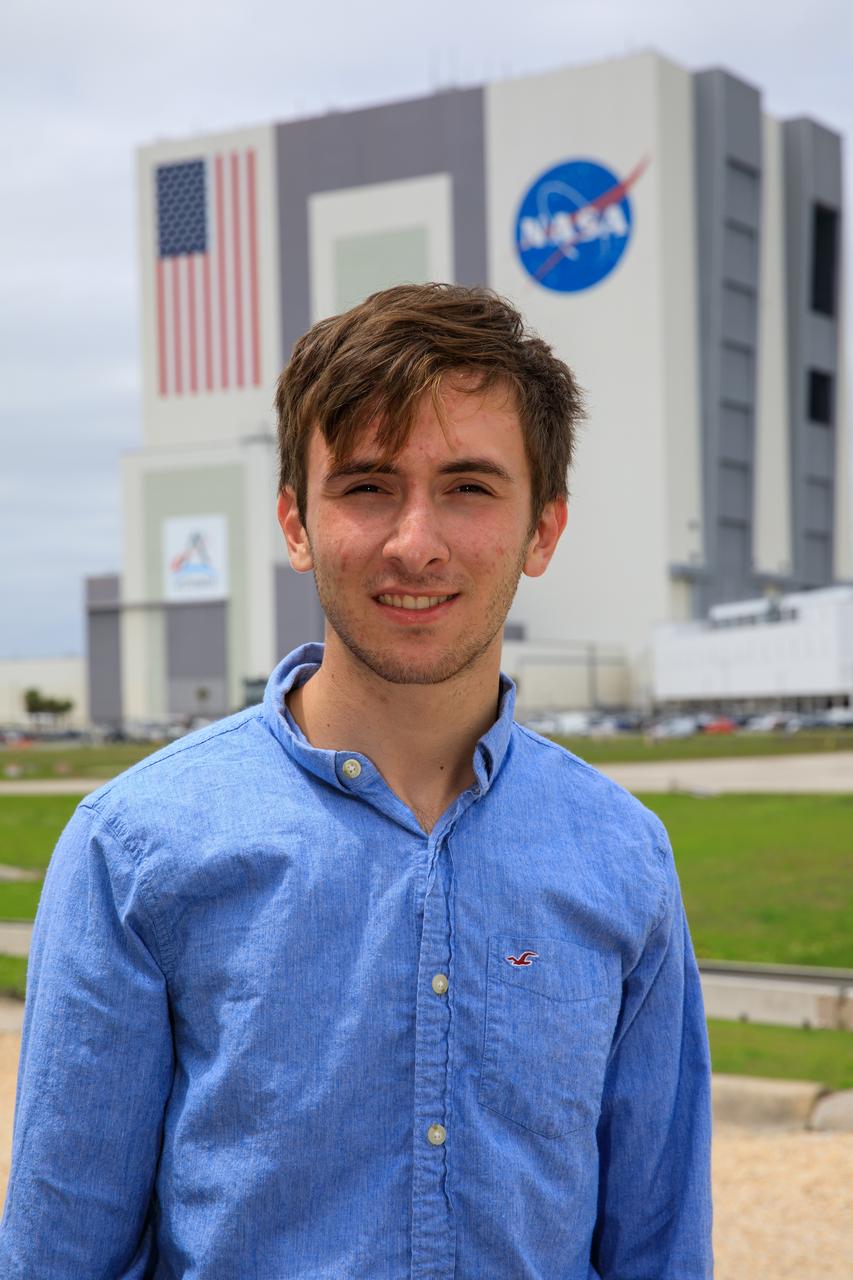
Jonah Saunders, Electrical Engineering Pathways Intern, poses in front of Vehicle Assembly Building at NASA’s Kennedy Space Center in Florida on April 17, 2023.
NE Pathways Intern Headshot
KENNEDY SPACE CENTER, FLA. -   Japanese girls from Urawa Daiichi Girls High School, Urawa, Japan, pose for a group photo during a visit to the Space Station Processing Facility. They were awarded the trip to Kennedy Space Center when their experiments were chosen to fly on mission STS-107. The girls are accompanied by American students from Melbourne and Jacksonville, Fla.  The National Space Development Agency of Japan (NASDA) and the KSC International Space Station/Payload Processing Directorate worked with the NASA KSC Education Programs and University Research Division to coordinate the students’ visit.
KENNEDY SPACE CENTER, FLA. - Japanese girls from Urawa Daiichi Girls High School, Urawa, Japan, pose for a group photo during a visit to the Space Station Processing Facility. They were awarded the trip to Kennedy Space Center when their experiments were chosen to fly on mission STS-107. The girls are accompanied by American students from Melbourne and Jacksonville, Fla. The National Space Development Agency of Japan (NASDA) and the KSC International Space Station/Payload Processing Directorate worked with the NASA KSC Education Programs and University Research Division to coordinate the students’ visit.
International Space University Opening Ceremony & Group Shot
2012-3181
International Space University Opening Ceremony & Group Shot
2012-3183
International Space University Opening Ceremony & Group Shot
2012-3182
KENNEDY SPACE CENTER, FLA. -   Japanese girls from Urawa Daiichi Girls High School, Urawa, Japan, pose for a group photo during a visit to the Orbiter Processing Facility. They were awarded the trip to Kennedy Space Center when their experiments were chosen to fly on mission STS-107. The girls are accompanied by American students from Melbourne and Jacksonville, Fla.  The National Space Development Agency of Japan (NASDA) and the KSC International Space Station/Payload Processing Directorate worked with the NASA KSC Education Programs and University Research Division to coordinate the students’ visit.
KENNEDY SPACE CENTER, FLA. - Japanese girls from Urawa Daiichi Girls High School, Urawa, Japan, pose for a group photo during a visit to the Orbiter Processing Facility. They were awarded the trip to Kennedy Space Center when their experiments were chosen to fly on mission STS-107. The girls are accompanied by American students from Melbourne and Jacksonville, Fla. The National Space Development Agency of Japan (NASDA) and the KSC International Space Station/Payload Processing Directorate worked with the NASA KSC Education Programs and University Research Division to coordinate the students’ visit.
KENNEDY SPACE CENTER, FLA.  -     Japanese girls from Urawa Daiichi Girls High School, Urawa, Japan, carry a floral tribute to the crew of Columbia to place at the STS-107 memorial stone at the Spacehab facility, Cape Canaveral, Fla.   The group was  awarded the trip to Florida when their experiments were chosen to fly on mission STS-107.  The group was also meeting with American students from Melbourne and Jacksonville, Fla.   The National Space Development  Agency of Japan (NASDA) and the KSC International Space Station and Payloads Processing Directorate worked with the NASA KSC Education Programs and University Research Division to coordinate the students’ visit.
KENNEDY SPACE CENTER, FLA. - Japanese girls from Urawa Daiichi Girls High School, Urawa, Japan, carry a floral tribute to the crew of Columbia to place at the STS-107 memorial stone at the Spacehab facility, Cape Canaveral, Fla. The group was awarded the trip to Florida when their experiments were chosen to fly on mission STS-107. The group was also meeting with American students from Melbourne and Jacksonville, Fla. The National Space Development Agency of Japan (NASDA) and the KSC International Space Station and Payloads Processing Directorate worked with the NASA KSC Education Programs and University Research Division to coordinate the students’ visit.
KENNEDY SPACE CENTER, FLA.  -    Japanese girls from Urawa Daiichi Girls High School, Urawa, Japan, carry a floral tribute to the crew of Columbia to place at the STS-107 memorial stone at the Spacehab facility, Cape Canaveral, Fla.   The group was  awarded the trip to Florida when their experiments were chosen to fly on mission STS-107.  The group was also meeting with American students from Melbourne and Jacksonville, Fla.   The National Space Development  Agency of Japan (NASDA) and the KSC International Space Station and Payloads Processing Directorate worked with the NASA KSC Education Programs and University Research Division to coordinate the students’ visit.
KENNEDY SPACE CENTER, FLA. - Japanese girls from Urawa Daiichi Girls High School, Urawa, Japan, carry a floral tribute to the crew of Columbia to place at the STS-107 memorial stone at the Spacehab facility, Cape Canaveral, Fla. The group was awarded the trip to Florida when their experiments were chosen to fly on mission STS-107. The group was also meeting with American students from Melbourne and Jacksonville, Fla. The National Space Development Agency of Japan (NASDA) and the KSC International Space Station and Payloads Processing Directorate worked with the NASA KSC Education Programs and University Research Division to coordinate the students’ visit.
KENNEDY SPACE CENTER, FLA.  -   Japanese girls from Urawa Daiichi Girls High School, Urawa, Japan, pose for a group photo on their visit to the Spacehab facility in Cape Canaveral, Fla.  They were awarded the trip when their experiments were chosen to fly on mission STS-107.  The group was also meeting with American students from Melbourne and Jacksonville, Fla.  The girls planned a floral tribute at the STS-107 memorial stone at the facility.  The National Space Development  Agency of Japan (NASDA) and the KSC International Space Station and Payloads Processing Directorate worked with the NASA KSC Education Programs and University Research Division to coordinate the students’ visit.
KENNEDY SPACE CENTER, FLA. - Japanese girls from Urawa Daiichi Girls High School, Urawa, Japan, pose for a group photo on their visit to the Spacehab facility in Cape Canaveral, Fla. They were awarded the trip when their experiments were chosen to fly on mission STS-107. The group was also meeting with American students from Melbourne and Jacksonville, Fla. The girls planned a floral tribute at the STS-107 memorial stone at the facility. The National Space Development Agency of Japan (NASDA) and the KSC International Space Station and Payloads Processing Directorate worked with the NASA KSC Education Programs and University Research Division to coordinate the students’ visit.
KENNEDY SPACE CENTER, FLA.  -   Japanese girls from Urawa Daiichi Girls High School, Urawa, Japan, carry a floral tribute to the crew of Columbia to place at the STS-107 memorial stone at the Spacehab facility, Cape Canaveral, Fla.   The group was  awarded the trip to Florida when their experiments were chosen to fly on mission STS-107.  The group was also meeting with American students from Melbourne and Jacksonville, Fla.   The National Space Development  Agency of Japan (NASDA) and the KSC International Space Station and Payloads Processing Directorate worked with the NASA KSC Education Programs and University Research Division to coordinate the students’ visit.
KENNEDY SPACE CENTER, FLA. - Japanese girls from Urawa Daiichi Girls High School, Urawa, Japan, carry a floral tribute to the crew of Columbia to place at the STS-107 memorial stone at the Spacehab facility, Cape Canaveral, Fla. The group was awarded the trip to Florida when their experiments were chosen to fly on mission STS-107. The group was also meeting with American students from Melbourne and Jacksonville, Fla. The National Space Development Agency of Japan (NASDA) and the KSC International Space Station and Payloads Processing Directorate worked with the NASA KSC Education Programs and University Research Division to coordinate the students’ visit.
KENNEDY SPACE CENTER, FLA.  -   Japanese girls from Urawa Daiichi Girls High School, Urawa, Japan, place a floral tribute to the crew of Columbia at the STS-107 memorial stone at the Spacehab facility, Cape Canaveral, Fla.   The group was  awarded the trip to Florida when their experiments were chosen to fly on mission STS-107.  The group was also meeting with American students from Melbourne and Jacksonville, Fla.   The National Space Development  Agency of Japan (NASDA) and the KSC International Space Station and Payloads Processing Directorate worked with the NASA KSC Education Programs and University Research Division to coordinate the students’ visit.
KENNEDY SPACE CENTER, FLA. - Japanese girls from Urawa Daiichi Girls High School, Urawa, Japan, place a floral tribute to the crew of Columbia at the STS-107 memorial stone at the Spacehab facility, Cape Canaveral, Fla. The group was awarded the trip to Florida when their experiments were chosen to fly on mission STS-107. The group was also meeting with American students from Melbourne and Jacksonville, Fla. The National Space Development Agency of Japan (NASDA) and the KSC International Space Station and Payloads Processing Directorate worked with the NASA KSC Education Programs and University Research Division to coordinate the students’ visit.
International Space University Opening Ceremony, with Lori Garver speech and Bob Cabana's Press Conference
2012-3175
International Space University Opening Ceremony, with Lori Garver speech and Bob Cabana's Press Conference
2012-3179
International Space University Opening Ceremony, with Lori Garver speech and Bob Cabana's Press Conference
2012-3180
International Space University Opening Ceremony, with Lori Garver speech and Bob Cabana's Press Conference
2012-3177
International Space University Opening Ceremony, with Lori Garver speech and Bob Cabana's Press Conference
2012-3172
International Space University Opening Ceremony, with Lori Garver speech and Bob Cabana's Press Conference
2012-3174
International Space University Opening Ceremony, with Lori Garver speech and Bob Cabana's Press Conference
2012-3178
CAPE CANAVERAL, Fla. – Graduates and guests gather for the closing ceremonies for the International Space University at the Kennedy Space center Visitor Complex on Aug. 3, 2012.      The International Space University is a nine-week intensive course designed for post-graduate university students and professionals during the summer. The program is hosted by a different country each year, providing a unique educational experience for participants from around the world. NASA Kennedy Space Center and the Florida Institute of Technology co-hosted this year's event which ran from June 4 to Aug. 3. There were about 125 participants representing 31 countries. For more information, visit http://www.isunet.edu Photo credit: NASA/Kim Shiflett
KSC-2012-4262
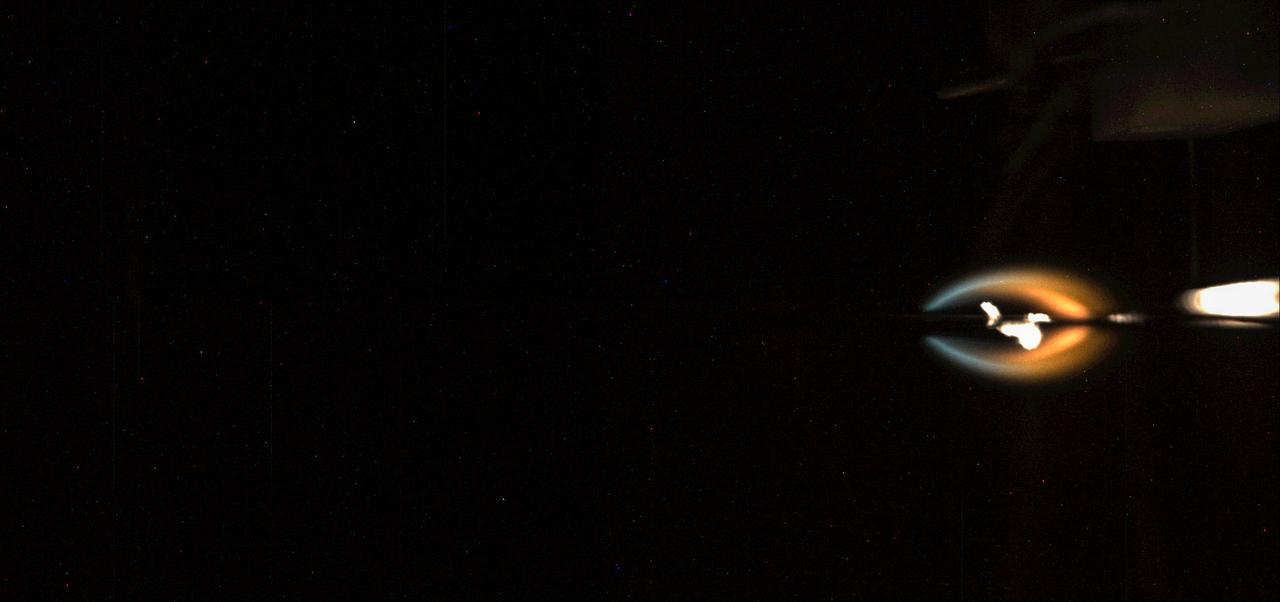
jsc2024e016236 (2/14/2024) --- Image of flame spreading over a filter paper in a moderate opposed flow within the Solid Combustion Experiment Module (SCEM) on the International Space Station. The blue leading edge and the orange flame body are distinctly captured. Fundamental Research on International Standard of Fire Safety in Space – Base for Safety of Future Manned Missions (FLARE), a Japan Aerospace Exploration Agency (JAXA) investigation, explores the flammability of materials in microgravity. Image courtesy of Hirosaki University, Gifu University, Hokkaido University, and JAXA (Japan Aerospace Exploration Agency).
jsc2024e016236
NASA astronaut Ricky Arnold speaks to students in the Science, Discovery and the Universe Scholars Program about his time onboard the International Space Station, Thursday, May 2, 2019 at the University of Maryland in College Park, Md. During Arnold’s 197 days onboard the International Space Station, as part of Expeditions 55 and 56, he ventured outside the space station on three spacewalks in addition to conducting numerous experiments and educational downlink events. Photo Credit: (NASA/Joel Kowsky)
Astronaut Ricky Arnold at University of Maryland
NASA astronaut Ricky Arnold speaks to students in the Science, Discovery and the Universe Scholars Program about his time onboard the International Space Station, Thursday, May 2, 2019 at the University of Maryland in College Park, Md. During Arnold’s 197 days onboard the International Space Station, as part of Expeditions 55 and 56, he ventured outside the space station on three spacewalks in addition to conducting numerous experiments and educational downlink events. Photo Credit: (NASA/Joel Kowsky)
Astronaut Ricky Arnold at University of Maryland
NASA astronaut Ricky Arnold speaks to students in the Science, Discovery and the Universe Scholars Program about his time onboard the International Space Station, Thursday, May 2, 2019 at the University of Maryland in College Park, Md. During Arnold’s 197 days onboard the International Space Station, as part of Expeditions 55 and 56, he ventured outside the space station on three spacewalks in addition to conducting numerous experiments and educational downlink events. Photo Credit: (NASA/Joel Kowsky)
Astronaut Ricky Arnold at University of Maryland
NASA astronaut Ricky Arnold speaks to students in the Science, Discovery and the Universe Scholars Program about his time onboard the International Space Station, Thursday, May 2, 2019 at the University of Maryland in College Park, Md. During Arnold’s 197 days onboard the International Space Station, as part of Expeditions 55 and 56, he ventured outside the space station on three spacewalks in addition to conducting numerous experiments and educational downlink events. Photo Credit: (NASA/Joel Kowsky)
Astronaut Ricky Arnold at University of Maryland
NASA astronaut Ricky Arnold speaks to students in the Science, Discovery and the Universe Scholars Program about his time onboard the International Space Station, Thursday, May 2, 2019 at the University of Maryland in College Park, Md. During Arnold’s 197 days onboard the International Space Station, as part of Expeditions 55 and 56, he ventured outside the space station on three spacewalks in addition to conducting numerous experiments and educational downlink events. Photo Credit: (NASA/Joel Kowsky)
Astronaut Ricky Arnold at University of Maryland
NASA astronaut Ricky Arnold speaks to students in the Science, Discovery and the Universe Scholars Program about his time onboard the International Space Station, Thursday, May 2, 2019 at the University of Maryland in College Park, Md. During Arnold’s 197 days onboard the International Space Station, as part of Expeditions 55 and 56, he ventured outside the space station on three spacewalks in addition to conducting numerous experiments and educational downlink events. Photo Credit: (NASA/Joel Kowsky)
Astronaut Ricky Arnold at University of Maryland
NASA astronaut Jessica Watkins presents Howard University Professor, Dr. Prabhakar Misra, left, and Howard University Professor and Chair of the Department of Physics and Astronomy, Dr. Quinton Williams, right, with a montage from her time as part of Expeditions 67 and 68 aboard the International Space Station, Friday, March 31, 2023, at Howard University in Washington. Photo Credit: (NASA/Aubrey Gemignani)
Astronaut Jessica Watkins at Howard University
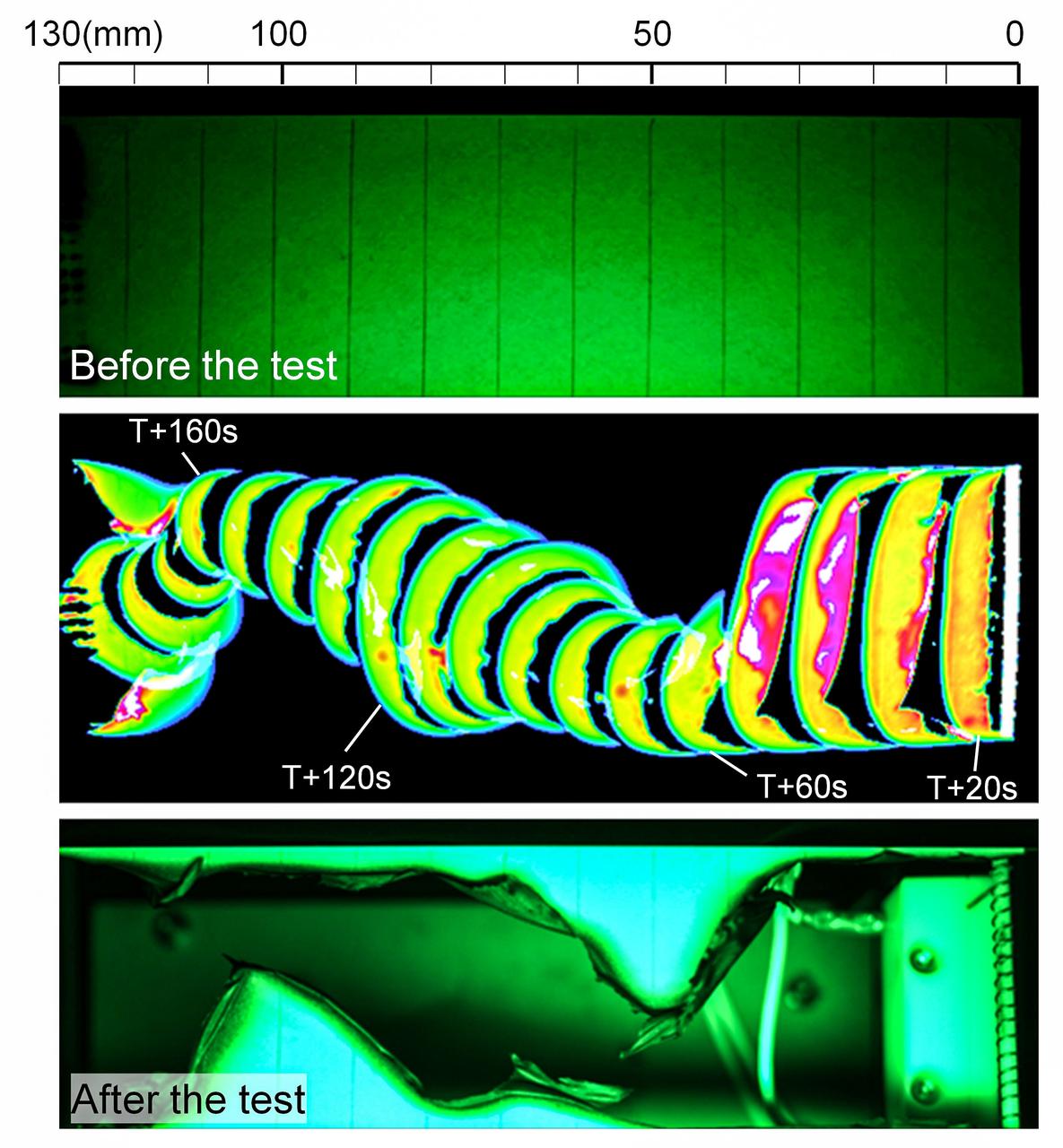
jsc2024e016237 (2/14/2024) --- A trace of the pyrolysis zone captured by an infrared camera at the near-flammability limit. The experiment reveals an initial linear flame spread which subsequently transitions to a swinging spread, taking a rounded shape. Fundamental Research on International Standard of Fire Safety in Space – Base for Safety of Future Manned Missions (FLARE), a Japan Aerospace Exploration Agency (JAXA) investigation, explores the flammability of materials in microgravity. Image courtesy of Hirosaki University, Gifu University, Hokkaido University, and JAXA (Japan Aerospace Exploration Agency).
jsc2024e016237
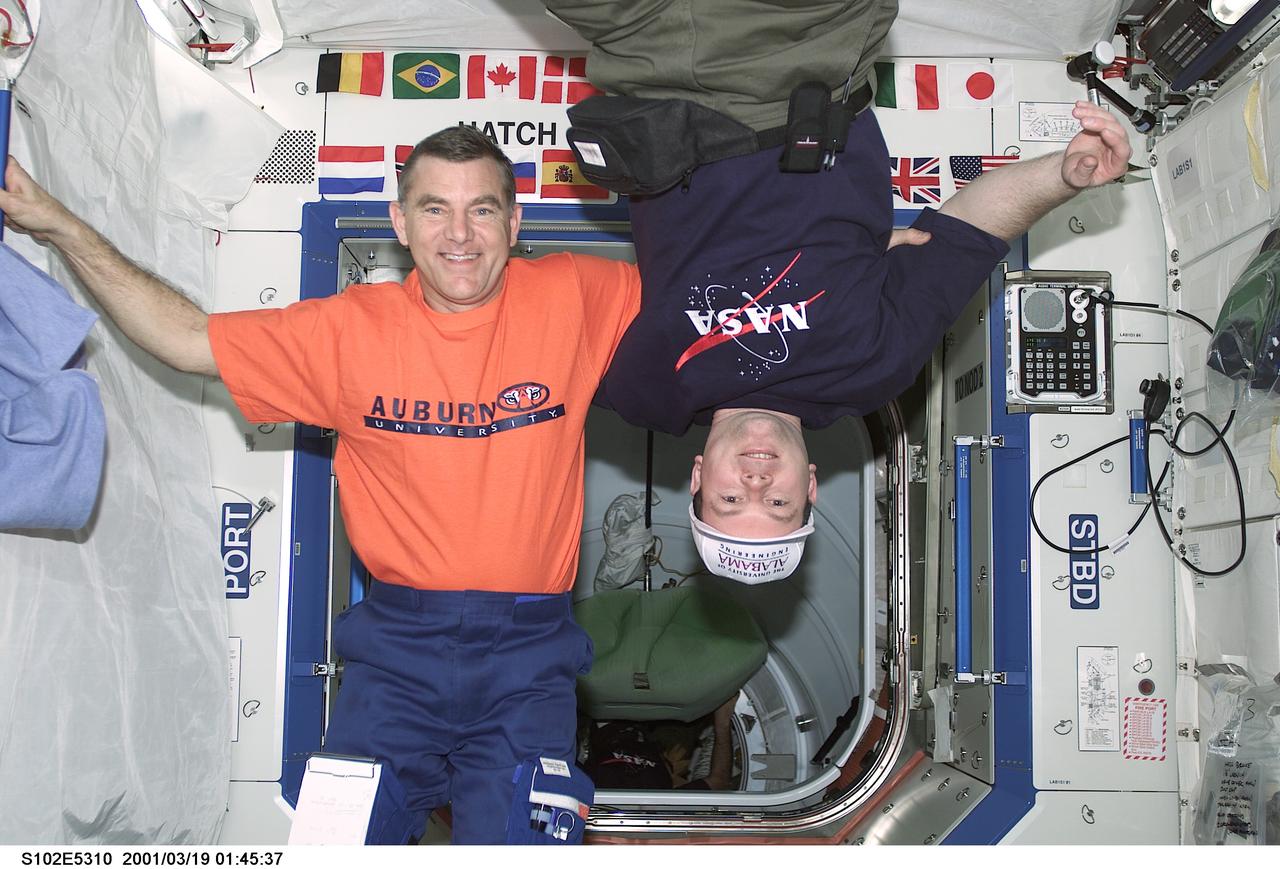
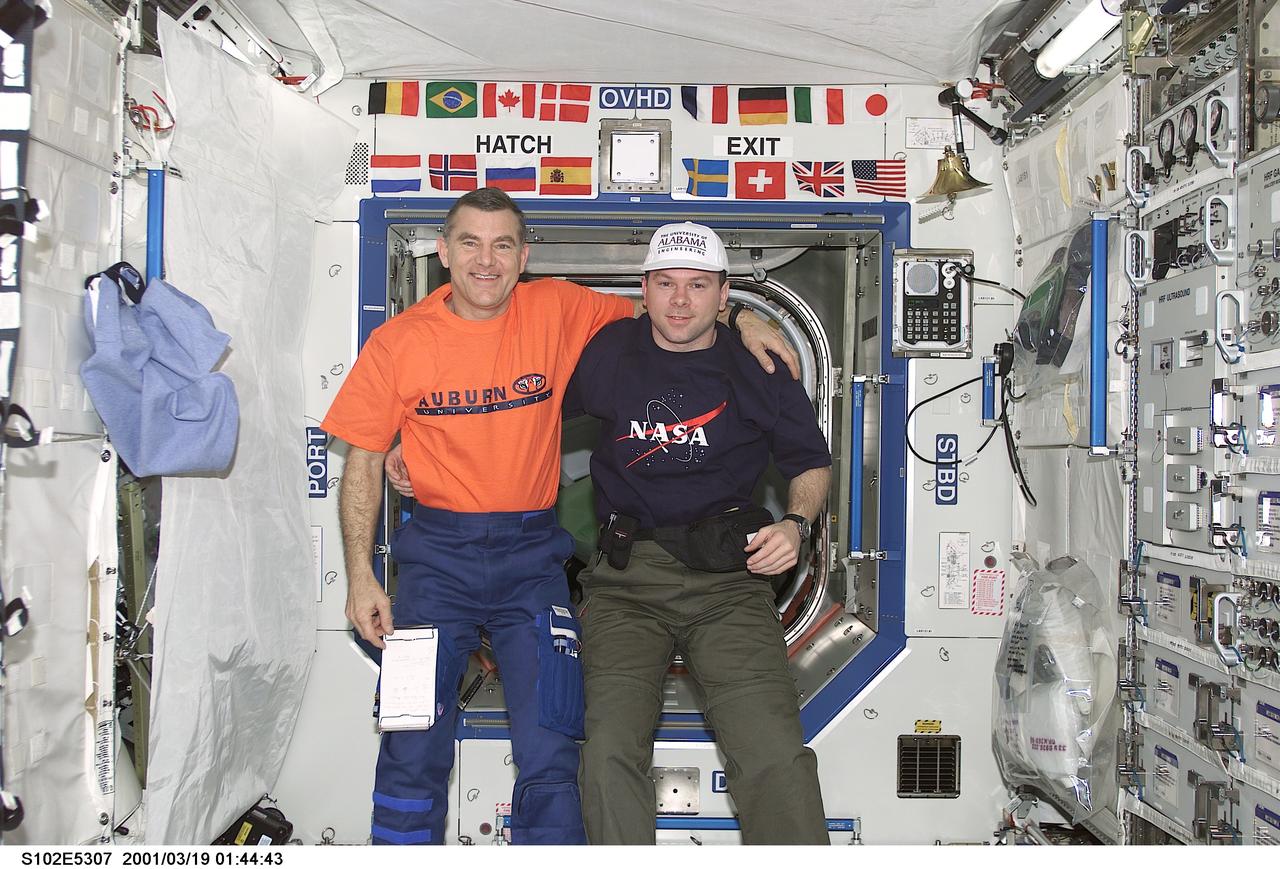
STS102-E-5307 (19 March 2001) --- Astronauts James S. Voss (left) and James M. Kelly share a friendly moment onboard the International Space Station's U.S. laboratory Destiny in spite of the long-standing academic/athletic rivalry between their respective alma maters--Auburn University and the University of Alabama.  Voss, STS-102 mission specialist-turned Expedition Two flight engineer and a 1972 alumnus of Auburn with a bachelor of science degree in aerospace engineering, sports a T-shirt paying tribute to his university.  Kelly, STS-102 pilot and masters of science degree graduate in aerospace engineering from the University of Alabama in 1996, is wearing a cap from that institution of higher learning.
Voss and Kelly in the Laboratory