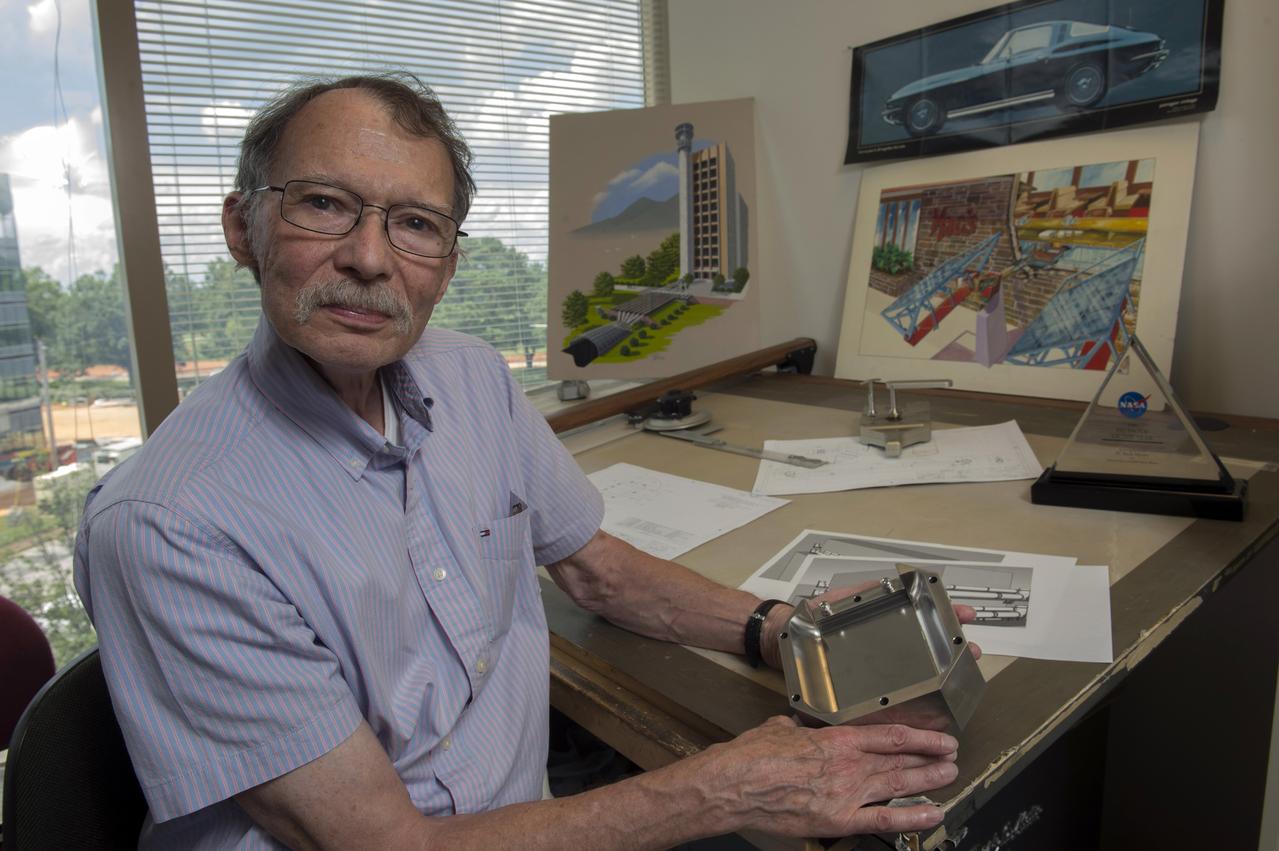
Neill Myers, Marshall’s most patented inventor, demonstrates the Variable-Aperture Reciprocating Reed Valve, an invention that won him his fourth Marshall Invention of the Year award.
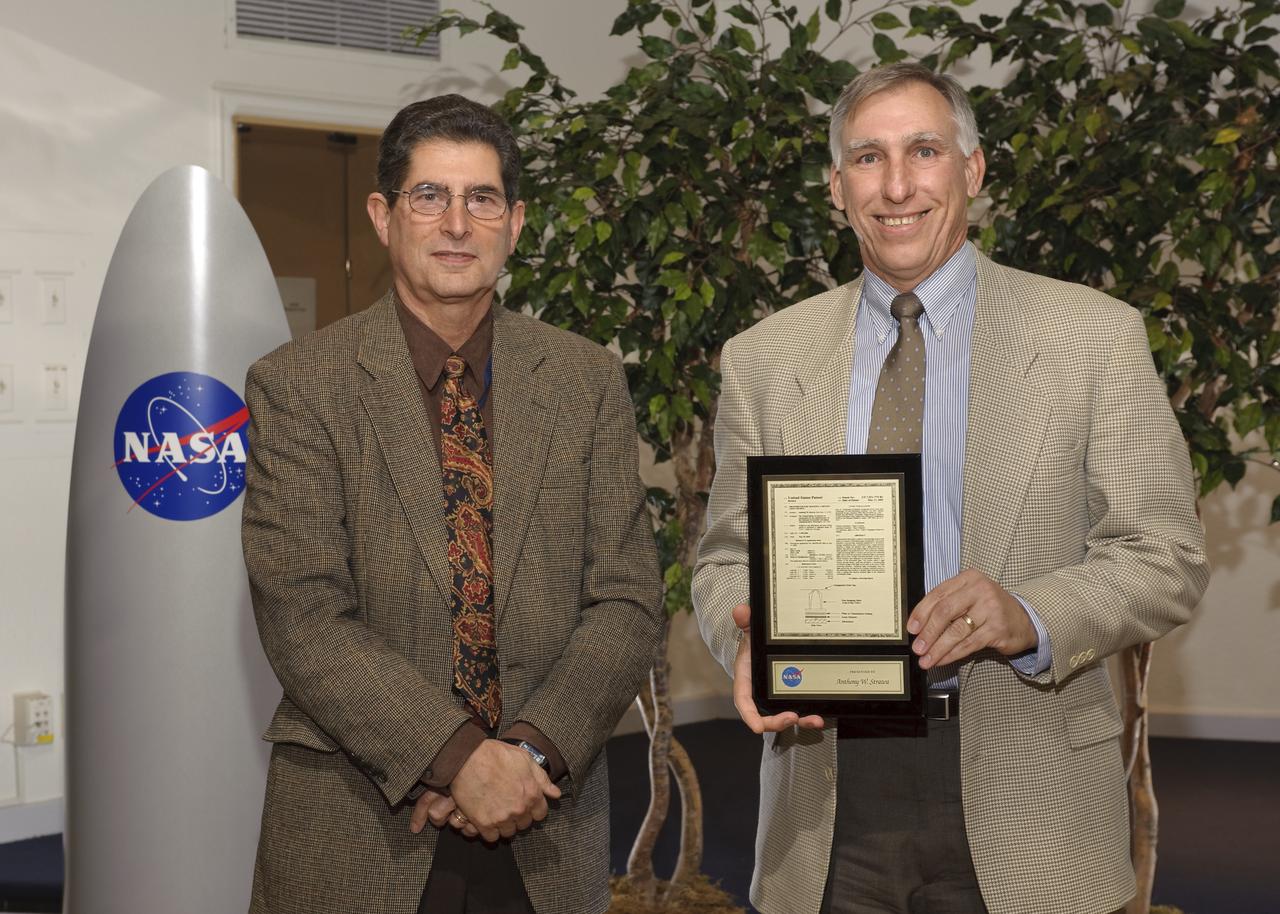
2009 Awards Ceremony; 2008 Government Invention of the Year Award, 2009 Software of the Year Award sponsored by Ames Innovative Partnerships Program Office. Patent Awards, Steve Zornetzer, Associate Director Ames Research Center presenting: Anthony Strawa for Photometer for Tracking a Moving Light Source.
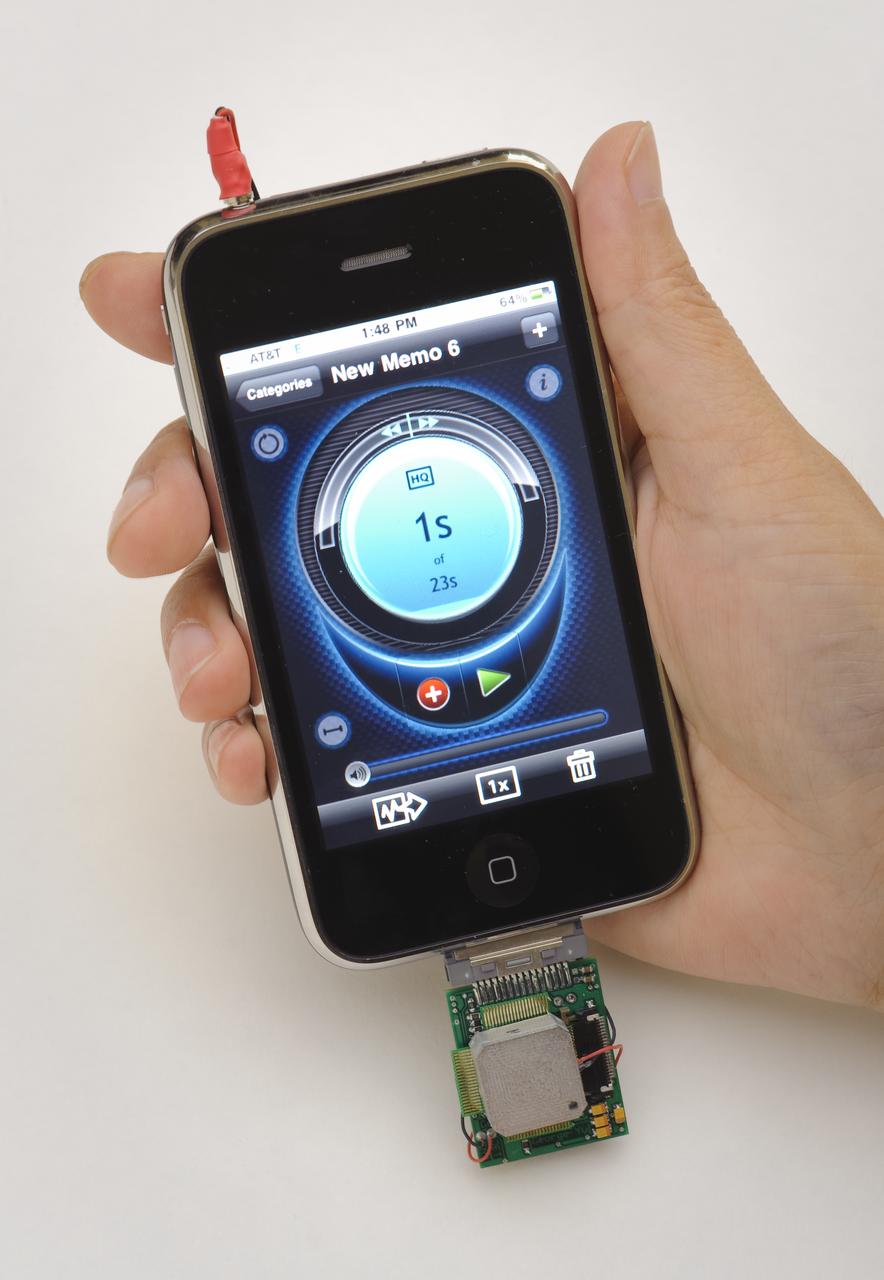
A Nanosensor Device for Cellphone Intergration and Chemical Sensing Network. iPhone with sensor chip, data aquisition board and sampling jet.(Note 4-4-2012:High Sensitive, Low Power and Compact Nano Sensors for Trache Chemical Detection' is the winner of the Government Invention of the Year Award 2012 (winning inventors Jing Li and Myya Meyyappan, NASA/ARC, and Yijiang Lu, University of California Santa Cruz. )
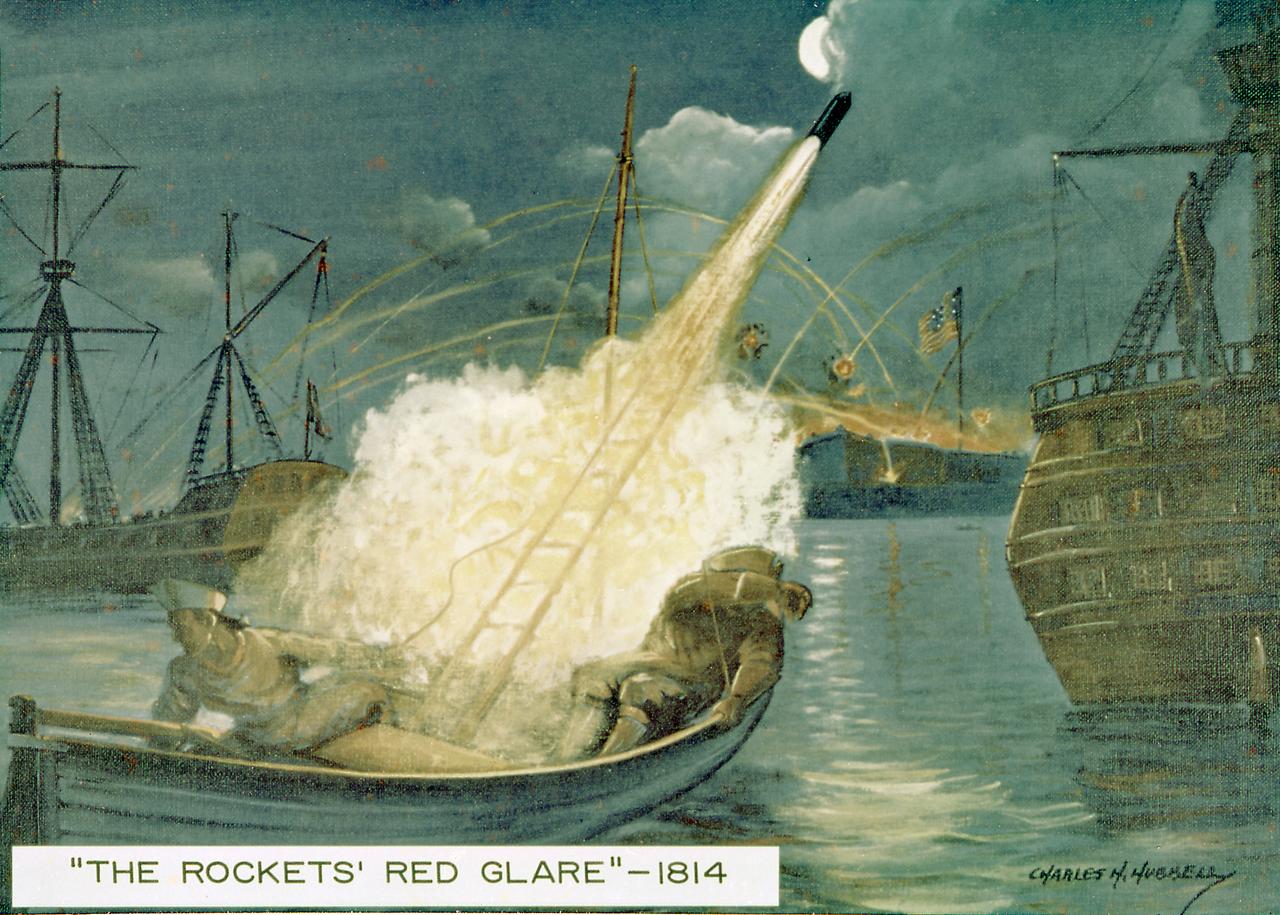
The British fired Congreve rockets against the United States in the War of 1812. As a result Francis Scott Key coined the phrase the "rocket's red glare." Congreve had used a 16-foot guide stick to help stabilize his rocket. William Hale, another British inventor, invented the stickless rocket in 1846. The U.S. Army used the Hale rocket more than 100 years ago in the war with Mexico. Rockets were also used to a limited extent by both sides in the American Civil War.
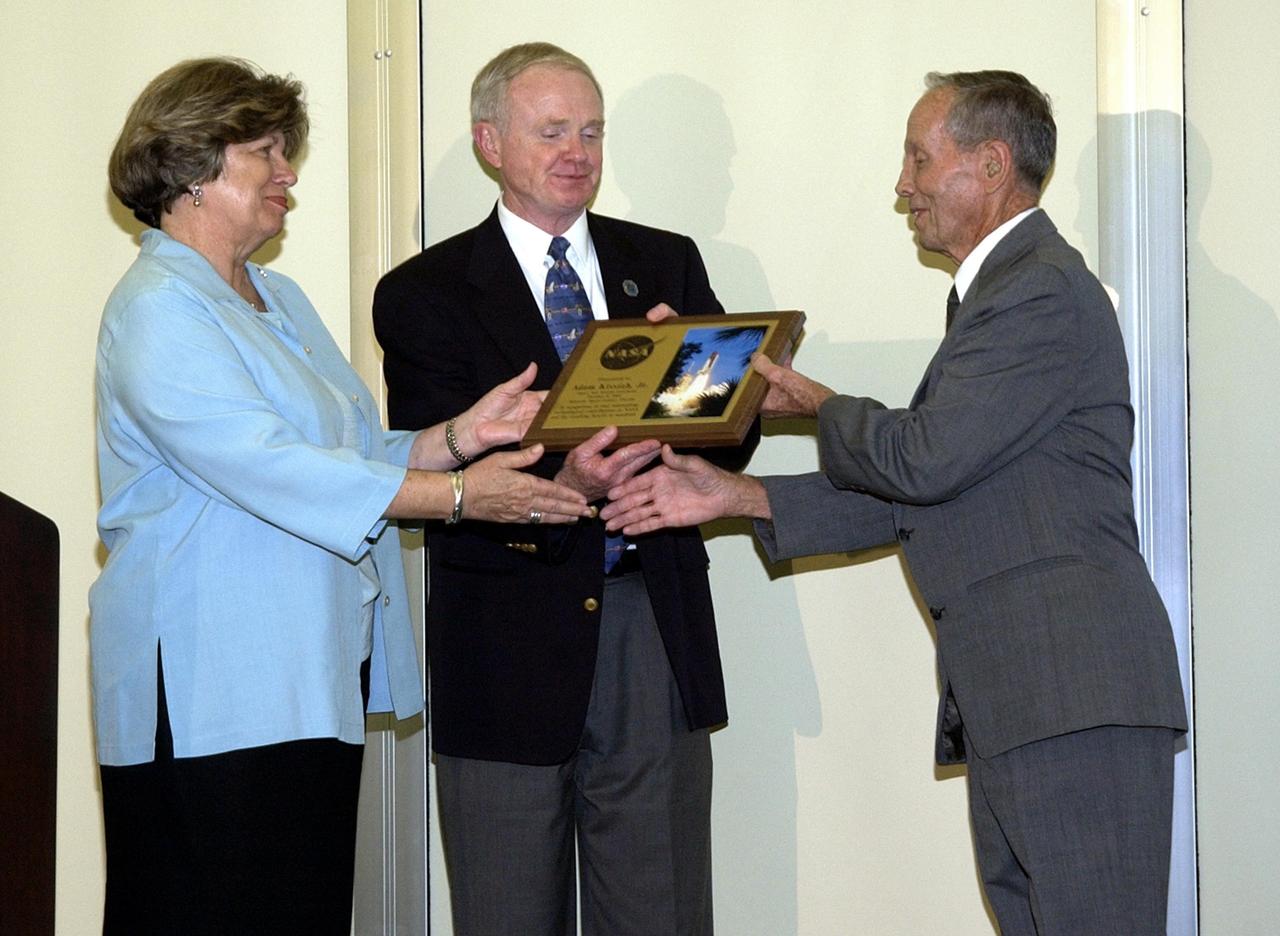
KENNEDY SPACE CENTER, FLA. - Adam Kissiah (right), a retired NASA-KSC engineer and inventor of a cochlear implant, receives an exceptional category NASA Space Act Award for his 25-year-old technology breakthrough during a technology awards luncheon held at the KSC Visitor Complex Debus Center. Presenting the award are, from left, Acting Deputy Center Director JoAnn Morgan, Center Director Roy Bridges, and Kissiah. The award included a monetary award and a certificate signed by the NASA Administrator. Space Act Awards provide official recognition and grant equitable monetary awards for inventions and scientific and technical contributions that have helped achieve NASA's aeronautical and space goals.
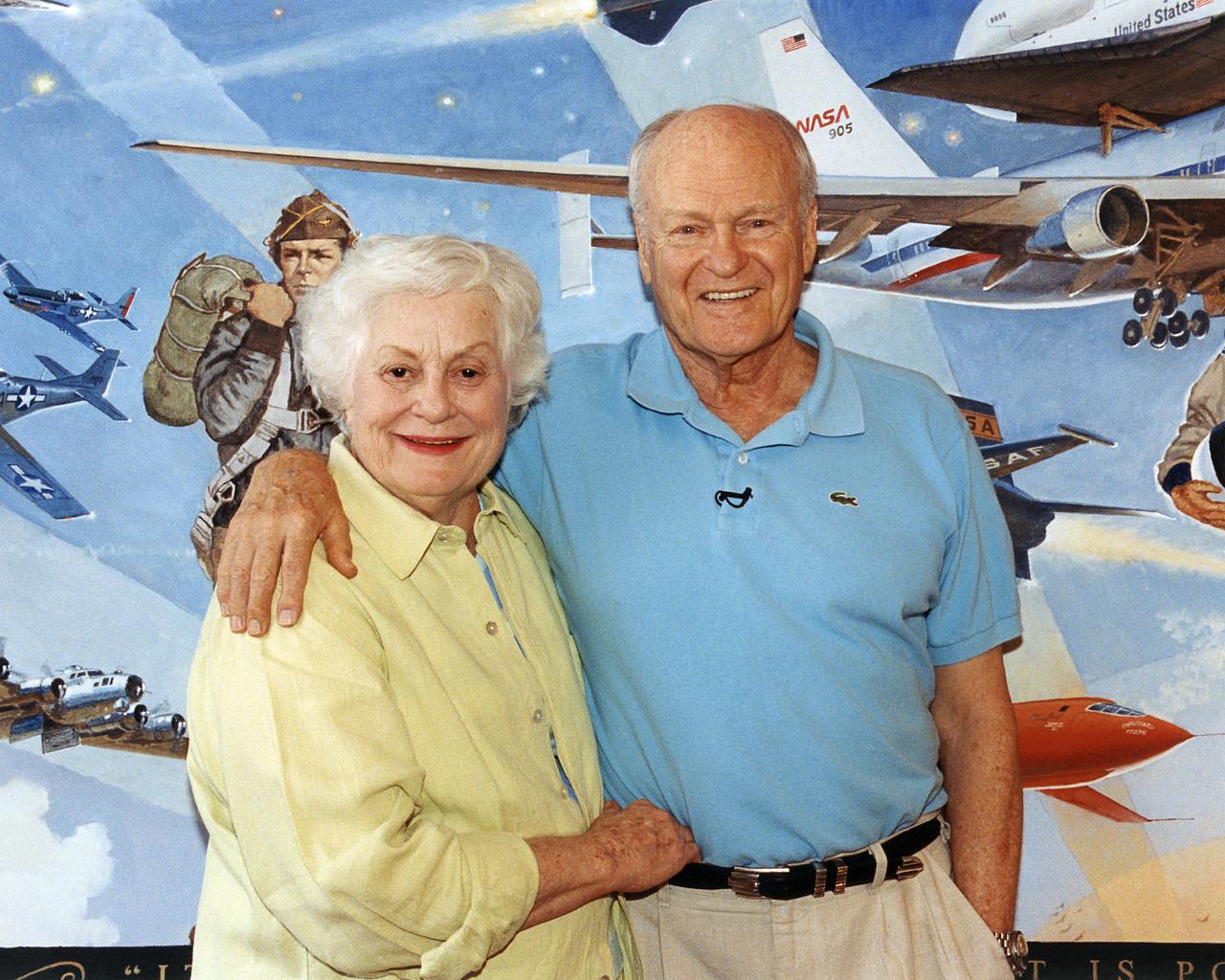
Artists Bob and Louise McCall in their Paradise Valley, Arizona studio, in front of "Celebrating One Hundred Years of Powered Flight 1903-2003." The mural was created to celebrate the achievements of Wilbur and Orville Wright and to commemorate a century of powered flight. Many of the epic flights represented in the painting took place in the skies over NASA Dryden Flight Research Center. An equally important goal of this celebration is to encourage the values that have characterized 100 years of aviation history: ingenuity, inventiveness, persistence, creativity and courage. These values hold true not just for pioneers of flight, but also for all pioneers of invention and innovation, and they will remain an important part of America's future. "Celebrating One Hundred Years of Powered Flight, 1903-2003", documents many significant achievements in aeronautics and space flight from the dawn of powered flight to the present. Historic aircraft and spacecraft serve as the backdrop, highlighting six figures representing the human element that made these milestones possible. These figures stand, symbolically supported by the words of Wilbur Wright, "It is my belief that flight is possible…" The quote was taken from a letter written to his father on September 3rd, 1900, announcing Wilbur's intention to make "some experiments with a flying machine" at Kitty Hawk, North Carolina. "This year, Bob is helping us commemorate the Centennial of Flight with a beautiful mural slated for placement in our Dryden Flight Research Center that documents the history of flight from the Wright Flyer to the International Space Station. We should all take note, I think, that in the grand scheme of things, one hundred years is a very short period of time. In that blink of an eye we've gone from Kitty Hawk to Tranquility Base and now look forward to our rovers traversing the surface of Mars. Despite the challenges we face, the future we envision, like the future depicted in the artwork of Bo
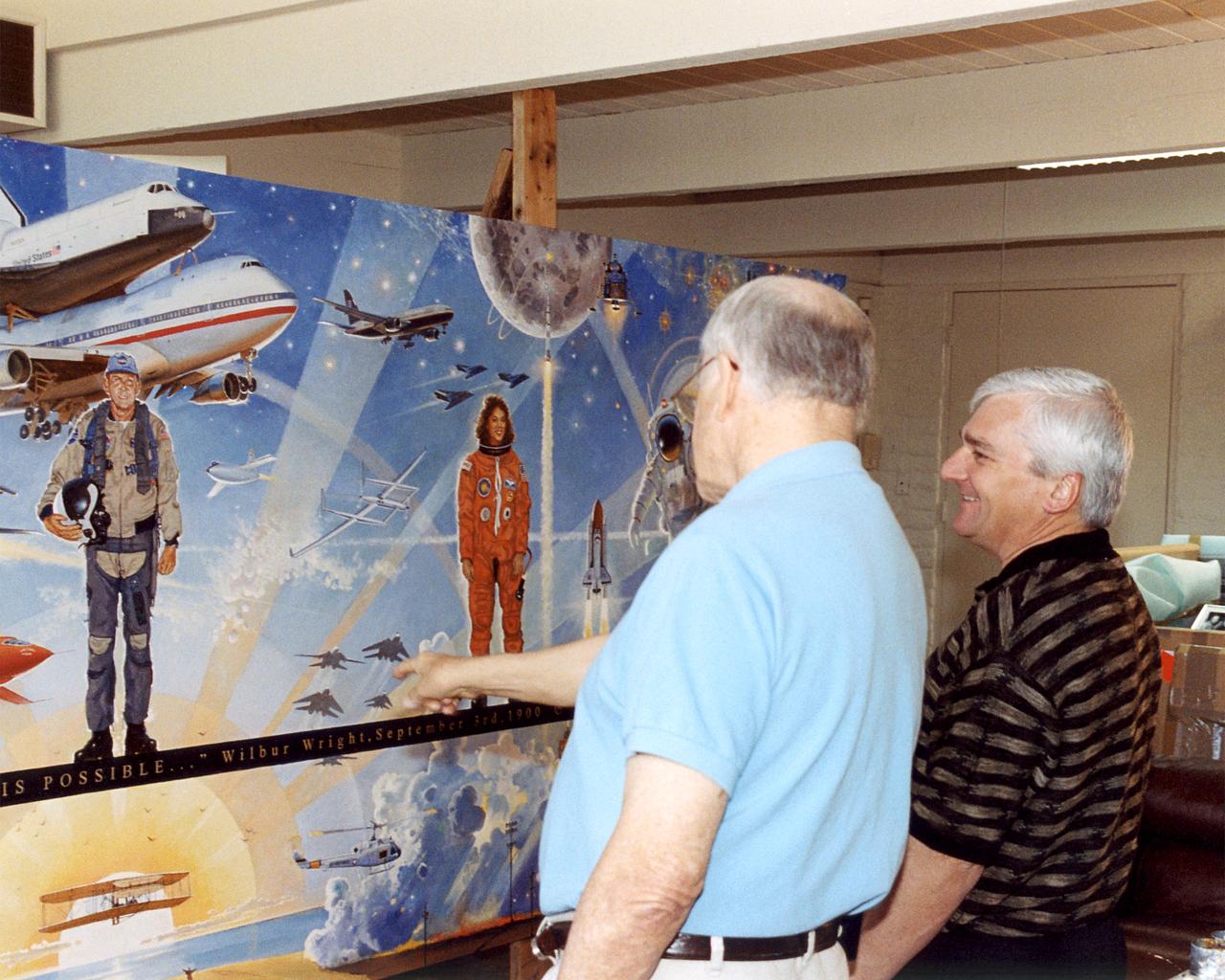
Bob Mccall and NASA Dryden Director Kevin Petersen stand by "Celebrating One Hundred Years of Powered Flight, 1903-2003", in the artist's studio in Paradise Valley, Arizona. The mural was created to celebrate the achievements of Wilbur and Orville Wright and to commemorate a century of powered flight. Many of the epic flights represented in the painting took place in the skies over NASA Dryden Flight Research Center. An equally important goal of this celebration will be to encourage the values that have characterized 100 years of aviation history: ingenuity, inventiveness, persistence, creativity and courage. These values hold true not just for pioneers of flight, but also for all pioneers of invention and innovation, and they will remain an important part of America's future. "Celebrating One Hundred Years of Powered Flight, 1903-2003", documents many significant achievements in aeronautics and space flight from the dawn of powered flight to the present. Historic aircraft and spacecraft serve as the backdrop, highlighting six figures representing the human element that made these milestones possible. These figures stand, symbolically supported by the words of Wilbur Wright, "It is my belief that flight is possible…" The quote was taken from a letter written to his father on September 3rd, 1900, announcing Wilbur's intention to make "some experiments with a flying machine" at Kitty Hawk, North Carolina. "This year, Bob is helping us commemorate the Centennial of Flight with a beautiful mural slated for placement in our Dryden Flight Research Center that documents the history of flight from the Wright Flyer to the International Space Station. We should all take note, I think, that in the grand scheme of things, one hundred years is a very short period of time. In that blink of an eye we've gone from Kitty Hawk to Tranquility Base and now look forward to our rovers traversing the surface of Mars. Despite the challenges we face, the future we envision, like the fu
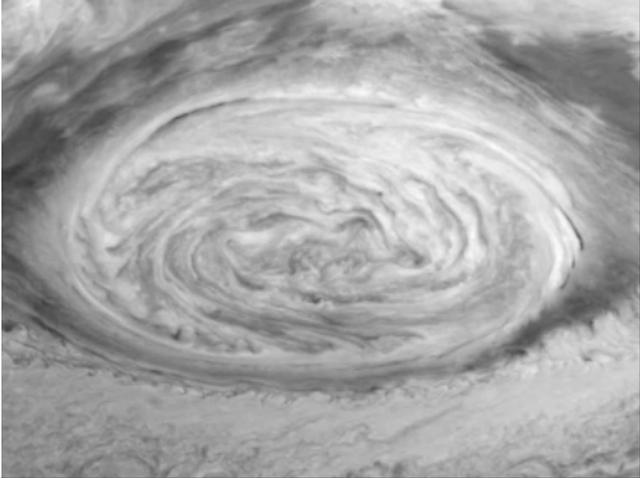
Dynamics of Jupiter's Great Red Spot in the NIR filter (756 nm) of the Galileo imaging system. Each of the three frames is a mosaic of six images that have been map-projected to a uniform grid of latitude and longitude. North is at the top. There is a nine-hour separation between the first two frames and seventy minutes between the next two. All of the images were taken on June 26, 1996. The Red Spot is 20,000 km long and has been followed by observers on Earth since the telescope was invented 300 years ago. It is a huge storm made visible by variations in the composition of the cloud particles and the amount of cloud cover. Winds in the outer part of the Red Spot reach 250 mph while the center remains quiescent. These Galileo data will help scientists understand what drives this storm and why it persists for so many years. http://photojournal.jpl.nasa.gov/catalog/PIA01083
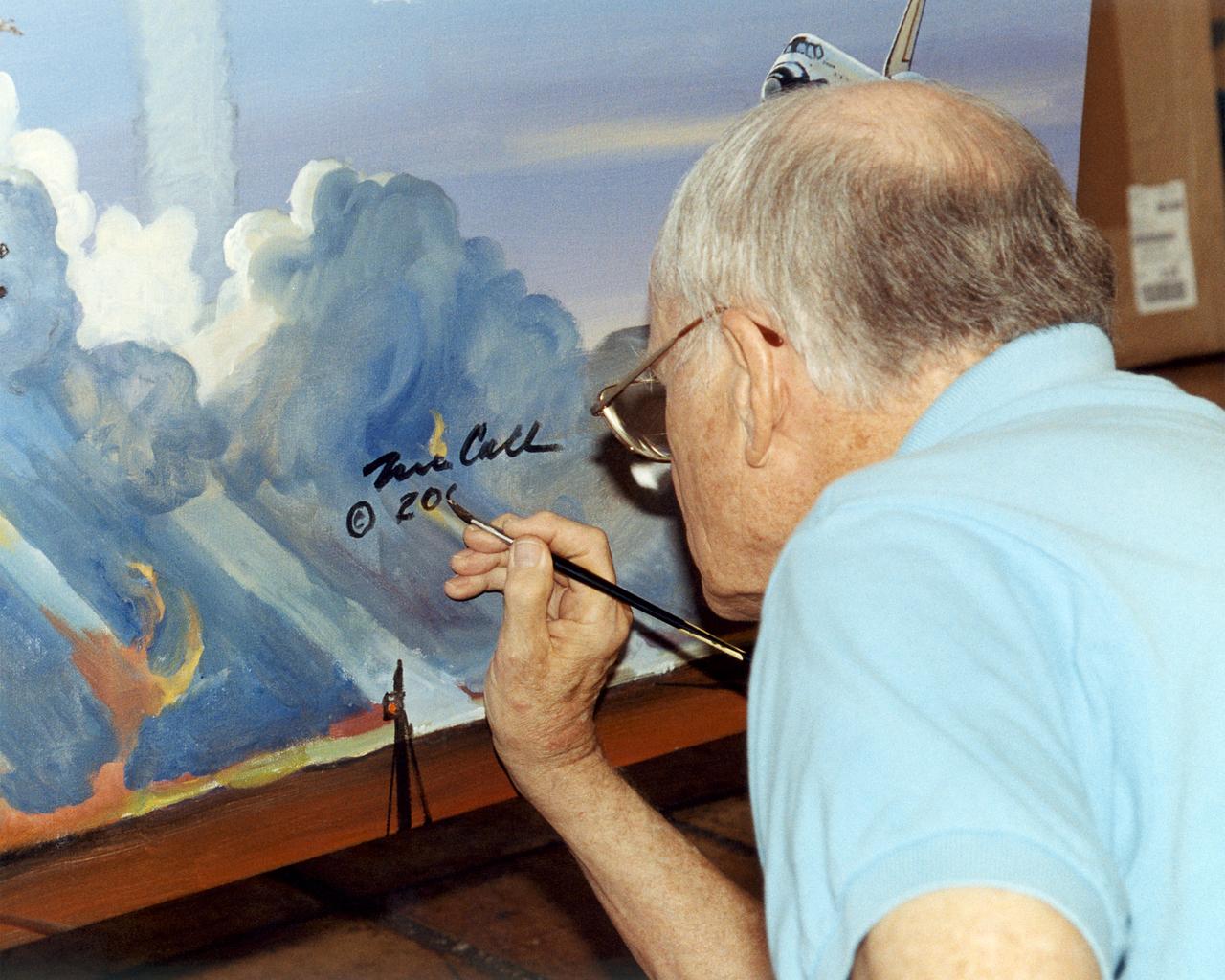
Artist Bob McCall signs the Centennial of Flight Mural in his Paradise Valley, Arizona Studio. The mural was created to celebrate the achievements of Wilbur and Orville Wright and to commemorate a century of powered flight. Many of the epic flights represented in the painting took place in the skies over NASA Dryden Flight Research Center. An equally important goal of this celebration is to encourage the values that have characterized 100 years of aviation history: ingenuity, inventiveness, persistence, creativity and courage. These values hold true not just for pioneers of flight, but also for all pioneers of invention and innovation, and they will remain an important part of America's future. "Celebrating One Hundred Years of Powered Flight, 1903-2003", documents many significant achievements in aeronautics and space flight from the dawn of powered flight to the present. Historic aircraft and spacecraft serve as the backdrop, highlighting six figures representing the human element that made these milestones possible. These figures stand, symbolically supported by the words of Wilbur Wright, "It is my belief that flight is possible…" The quote was taken from a letter written to his father on September 3rd, 1900, announcing Wilbur's intention to make "some experiments with a flying machine" at Kitty Hawk, North Carolina. "This year, Bob is helping us commemorate the Centennial of Flight with a beautiful mural slated for placement in our Dryden Flight Research Center that documents the history of flight from the Wright Flyer to the International Space Station. We should all take note, I think, that in the grand scheme of things, one hundred years is a very short period of time. In that blink of an eye we've gone from Kitty Hawk to Tranquility Base and now look forward to our rovers traversing the surface of Mars. Despite the challenges we face, the future we envision, like the future depicted in the artwork of Bob McCall, is a future of boundless possibility. "
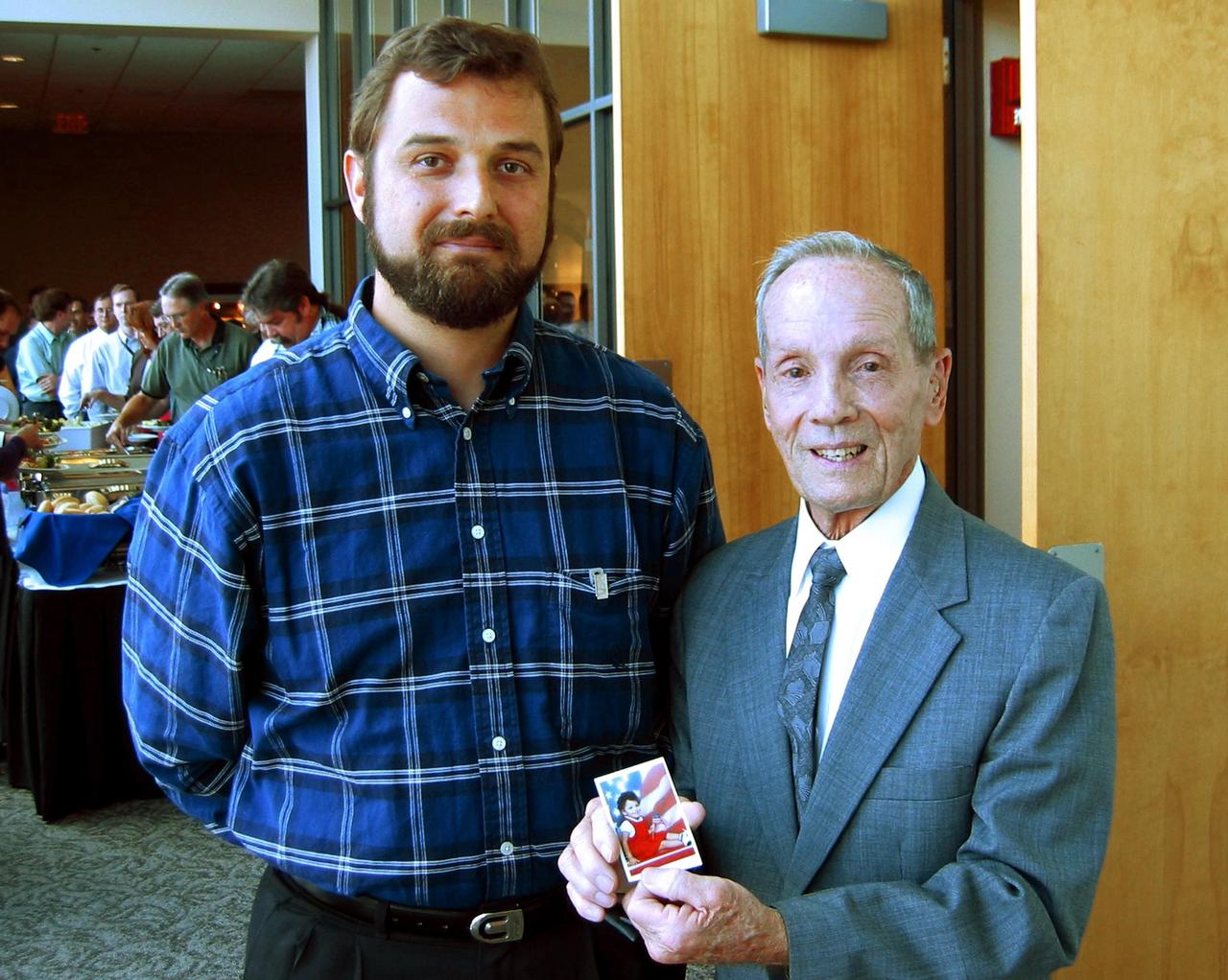
KENNEDY SPACE CENTER, FLA. -- Adam Kissiah (right), a retired NASA-KSC engineer shows a photo of Allan Dianic's daughter, who has benefited from a cochlear implant that Kissiah developed while at NASA. Dianic (left) is a software engineer with ENSCO. Kissiah received an exceptional category NASA Space Act Award for his 25-year-old technology breakthrough during a technology awards luncheon held at the KSC Visitor Complex Debus Center. The award included a monetary award and a certificate signed by the NASA Administrator. Space Act Awards provide official recognition and grant equitable monetary awards for inventions and scientific and technical contributions that have helped achieve NASA's aeronautical and space goals.
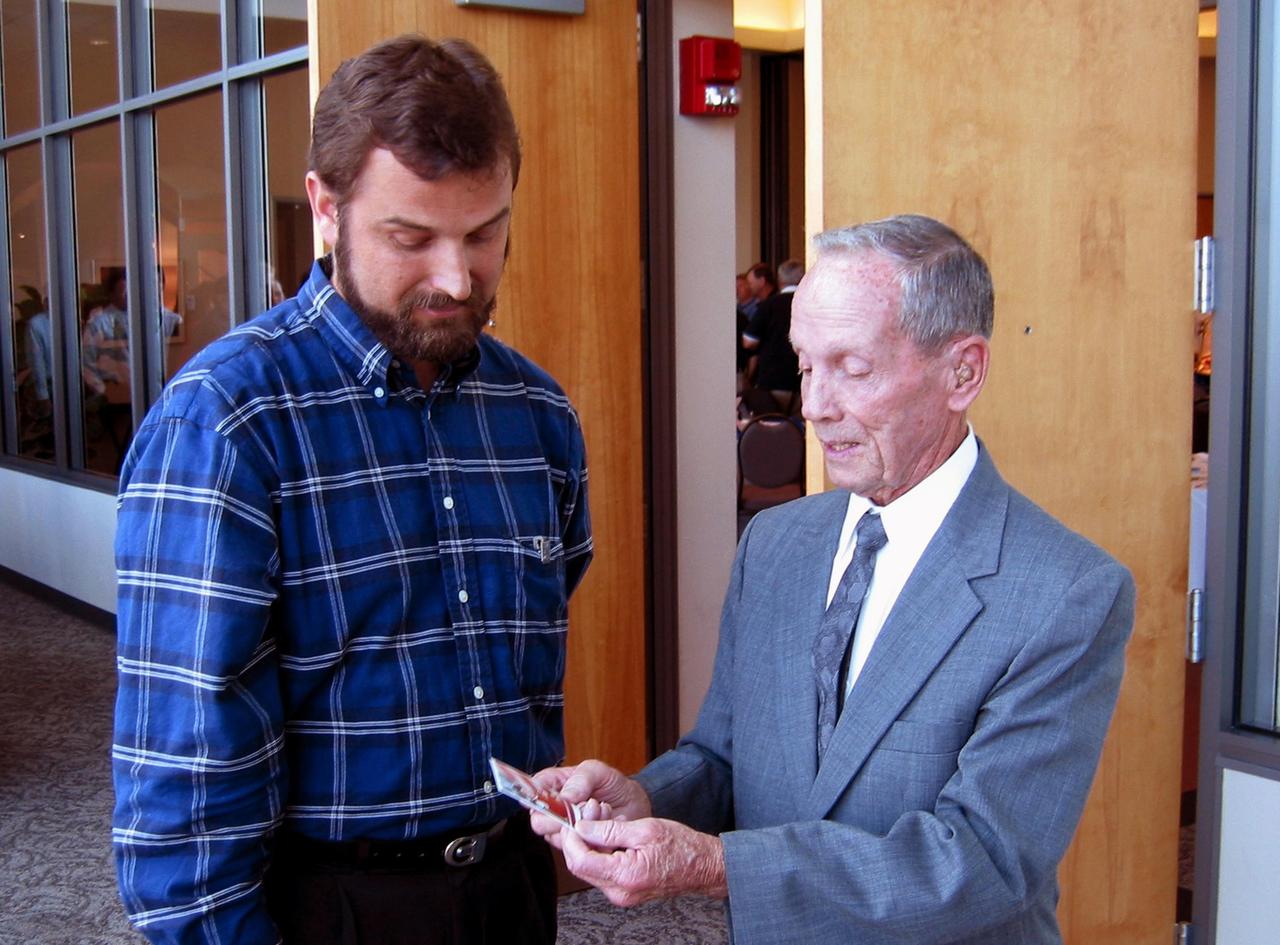
KENNEDY SPACE CENTER, FLA. - Adam Kissiah (right), a retired NASA-KSC engineer, looks at a photo of Allan Dianic's daughter, who has benefited from a cochlear implant that Kissiah developed while at NASA. Dianic (left) is a software engineer with ENSCO. Kissiah received an exceptional category NASA Space Act Award for his 25-year-old technology breakthrough during a technology awards luncheon held at the KSC Visitor Complex Debus Center. The award included a monetary award and a certificate signed by the NASA Administrator. Space Act Awards provide official recognition and grant equitable monetary awards for inventions and scientific and technical contributions that have helped achieve NASA's aeronautical and space goals.

George Edward Alcorn, a pioneering African American physicist and engineer, is credited with dozens of inventions over the course of a distinguished career in private industry and at NASA, for which he earned eight patents. Alcorn joined Goddard Space Flight Center in 1978 and held numerous leadership roles in both research and administration until his retirement in 2012. One of Alcorn’s signature accomplishments at NASA was developing a smaller, more sensitive X-ray spectrometer, changing the way scientists were able to use the powerful tool in deep space exploration missions. His tool, which uses thermomigration of aluminum, can gather information about remote solar systems; for the invention, Alcorn was honored as the NASA Goddard Inventor of the Year in 1984. In addition to his groundbreaking contributions as an inventor and innovator, Alcorn also championed efforts to hire more women and minorities at Goddard, for which he was honored with the NASA Equal Opportunity Medal, and taught students at Howard University and the University of the District of Columbia. He also founded the Saturday Academy, an honors program in math and science for underserved middle school students. He earned many accolades over the years from NASA and beyond. These include, in 2010, the Robert H. Goddard Award for Merit, for his outstanding innovation and significant contributions to space science, technology, and NASA programs, as well as recognition in 1994 at Howard University’s Heritage of Greatness awards ceremony. He was also inducted into the National Inventor’s Hall of Fame in 2015. Alcorn passed away in 2024 at the age of 84.
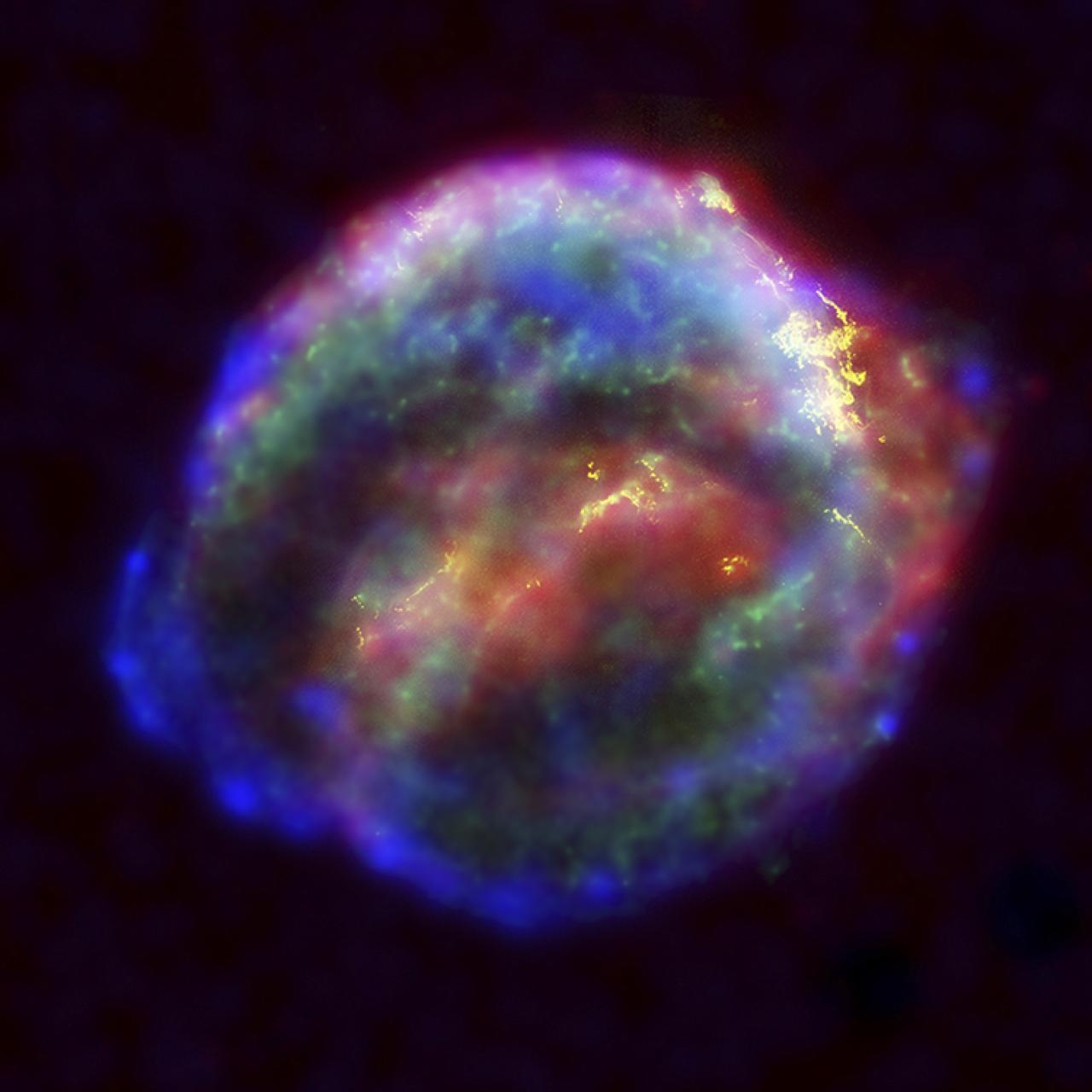
Four hundred years ago, sky watchers, including the famous astronomer Johannes Kepler, best known as the discoverer of the laws of planetary motion, were startled by the sudden appearance of a new star in the western sky, rivaling the brilliance of the nearby planets. Modern astronomers, using NASA's three orbiting Great Observatories, are unraveling the mysteries of the expanding remains of Kepler's supernova, the last such object seen to explode in our Milky Way galaxy. When a new star appeared Oct. 9, 1604, observers could use only their eyes to study it. The telescope would not be invented for another four years. A team of modern astronomers has the combined abilities of NASA's Great Observatories, the Spritzer Space Telescope (SST), Hubble Space Telescope (HST), and Chandra X-Ray Observatory (CXO), to analyze the remains in infrared radiation, visible light, and X-rays. Visible-light images from Hubble's Advanced Camera for Surveys reveal where the supernova shock wave is slamming into the densest regions of surrounding gas. The astronomers used the SST to probe for material that radiates in infrared light, which shows heated microscopic dust particles that have been swept up by the supernova shock wave. The CXO data show regions of very hot gas. The combined image unveils a bubble-shaped shroud of gas and dust, 14 light-years wide and expanding at 4 million mph. There have been six known supernovas in our Milky Way over the past 1,000 years. Kepler's is the only one in which astronomers do not know what type of star exploded. By combining information from all three Great Observatories, astronomers may find the clues they need. Project management for both the HST and CXO programs is the responsibility of NASA’s Marshall Space Flight Center in Huntsville, Alabama.
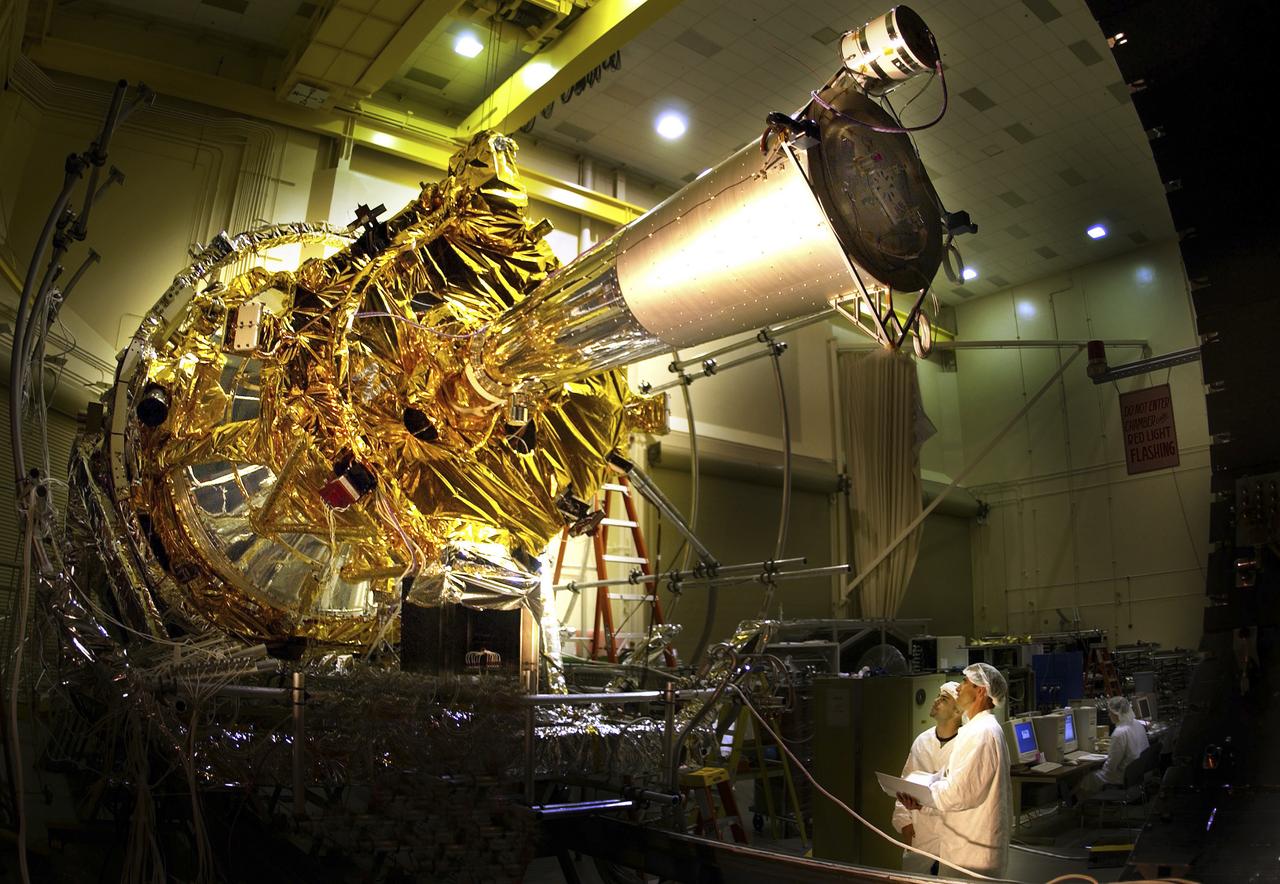
The Gravity Probe B (GP-B) is the relativity experiment developed at Stanford University to test two extraordinary predictions of Albert Einstein’s general theory of relativity. The experiment will measure, very precisely, the expected tiny changes in the direction of the spin axes of four gyroscopes contained in an Earth-orbiting satellite at a 400-mile altitude. So free are the gyroscopes from disturbance that they will provide an almost perfect space-time reference system. They will measure how space and time are very slightly warped by the presence of the Earth, and, more profoundly, how the Earth’s rotation very slightly drags space-time around with it. These effects, though small for the Earth, have far-reaching implications for the nature of matter and the structure of the Universe. In this photograph, the completed space vehicle is undergoing thermal vacuum environment testing. GP-B is among the most thoroughly researched programs ever undertaken by NASA. This is the story of a scientific quest in which physicists and engineers have collaborated closely over many years. Inspired by their quest, they have invented a whole range of technologies that are already enlivening other branches of science and engineering. Launched April 20, 2004 , the GP-B program was managed for NASA by the Marshall Space Flight Center. Development of the GP-B is the responsibility of Stanford University along with major subcontractor Lockheed Martin Corporation. (Image credit to Russ Underwood, Lockheed Martin Corporation.)

The Gravity Probe B (GP-B) is the relativity experiment developed at Stanford University to test two extraordinary predictions of Albert Einstein’s general theory of relativity. The experiment will measure, very precisely, the expected tiny changes in the direction of the spin axes of four gyroscopes contained in an Earth-orbiting satellite at a 400-mile altitude. So free are the gyroscopes from disturbance that they will provide an almost perfect space-time reference system. They will measure how space and time are very slightly warped by the presence of the Earth, and, more profoundly, how the Earth’s rotation very slightly drags space-time around with it. These effects, though small for the Earth, have far-reaching implications for the nature of matter and the structure of the Universe. In this photograph, Stanford engineer, Chris Gray, is inspecting the number 4 gyro under monochromatic light. GP-B is among the most thoroughly researched programs ever undertaken by NASA. This is the story of a scientific quest in which physicists and engineers have collaborated closely over many years. Inspired by their quest, they have invented a whole range of technologies that are already enlivening other branches of science and engineering. Launched April 20, 2004 , the GP-B program was managed for NASA by the Marshall Space Flight Center. Development of the GP-B is the responsibility of Stanford University along with major subcontractor Lockheed Martin Corporation. (Image credit to Russ Leese, Stanford University.)
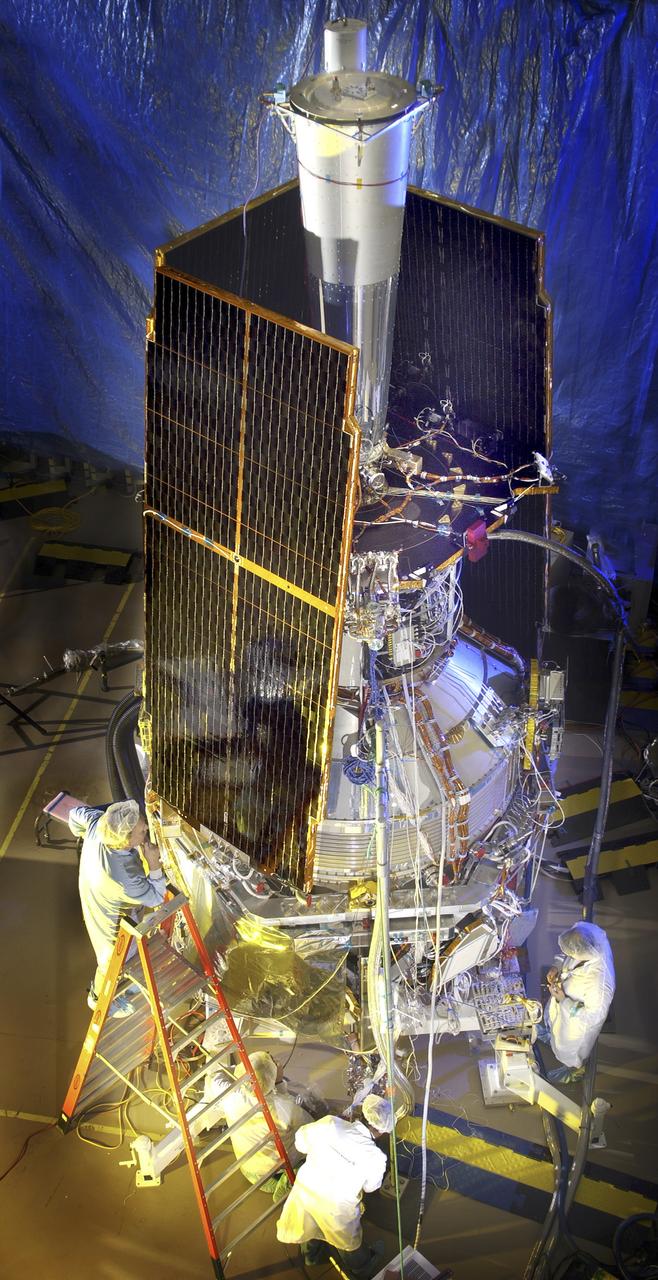
The space vehicle for Gravity Probe B (GP-B) arrives at the launch site at Vandenburg Air Force Base. GP-B is the relativity experiment being developed at Stanford University to test two extraordinary predictions of Albert Einstein's general theory of relativity. The experiment will measure, very precisely, the expected tiny changes in the direction of the spin axes of four gyroscopes contained in an Earth-orbiting satellite at a 400-mile altitude. So free are the gyroscopes from disturbance that they will provide an almost perfect space-time reference system. They will measure how space and time are very slightly warped by the presence of the Earth, and, more profoundly, how the Earth's rotation very slightly drags space-time around with it. These effects, though small for the Earth, have far-reaching implications for the nature of matter and the structure of the Universe. GP-B is among the most thoroughly researched programs ever undertaken by NASA. This is the story of a scientific quest in which physicists and engineers have collaborated closely over many years. Inspired by their quest, they have invented a whole range of technologies that are already enlivening other branches of science and engineering. Scheduled for launch in 2003 and managed for NASA by the Marshall Space Flight Center, development of the GP-B is the responsibility of Stanford University, with major subcontractor Lockheed Martin Corporation.
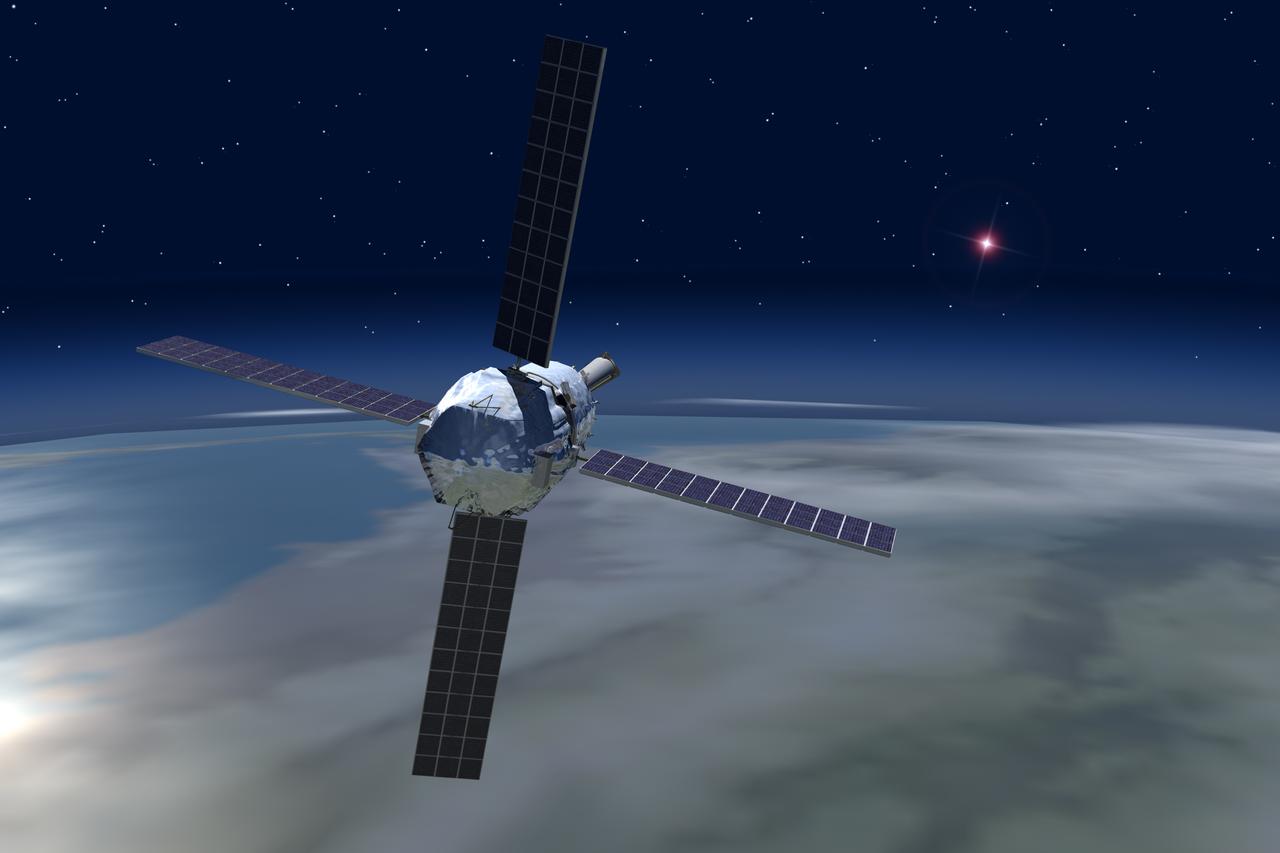
Gravity Probe-B (GP-B) is the relativity experiment being developed at Stanford University to test two extraordinary predictions of Albert Einstein's general theory of relativity. The experiment will measure, very precisely, the expected tiny changes in the direction of the spin axes of four gyroscopes contained in an Earth-orbiting satellite at a 400-mile altitude. So free are the gyroscopes from disturbance that they will provide an almost perfect space-time reference system. They will measure how space and time are very slightly warped by the presence of the Earth, and, more profoundly, how the Earth's rotation very slightly drags space-time around with it. These effects, though small for the Earth, have far-reaching implications for the nature of matter and the structure of the Universe. GP-B is among the most thoroughly researched programs ever undertaken by NASA. This is the story of a scientific quest in which physicists and engineers have collaborated closely over many years. Inspired by their quest, they have invented a whole range of technologies -- technologies that are already enlivening other branches of science and engineering. Scheduled for launch in 2003 and managed for NASA by Marshall Space Flight Center, development of GP-B is the responsibility of Stanford University, with major subcontractor Lockheed Martin Corporation.
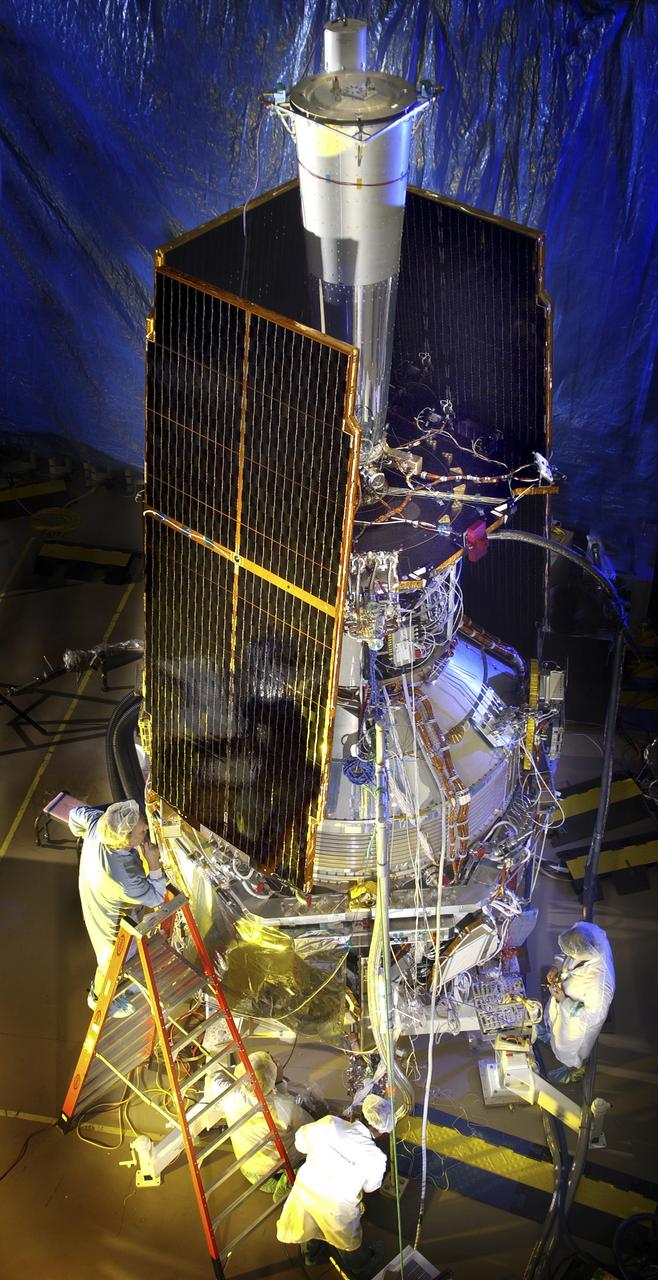
In this photo, the Gravity Probe B (GP-B) space vehicle is completed during the solar array installation. The GP-B is the relativity experiment developed at Stanford University to test two extraordinary predictions of Albert Einstein’s general theory of relativity. The experiment will measure, very precisely, the expected tiny changes in the direction of the spin axes of four gyroscopes contained in an Earth-orbiting satellite at a 400-mile altitude. So free are the gyroscopes from disturbance that they will provide an almost perfect space-time reference system. They will measure how space and time are very slightly warped by the presence of the Earth, and, more profoundly, how the Earth’s rotation very slightly drags space-time around with it. These effects, though small for the Earth, have far-reaching implications for the nature of matter and the structure of the Universe. GP-B is among the most thoroughly researched programs ever undertaken by NASA. This is the story of a scientific quest in which physicists and engineers have collaborated closely over many years. Inspired by their quest, they have invented a whole range of technologies that are already enlivening other branches of science and engineering. GP-B is scheduled for launch in April 2004 and managed for NASA by the Marshall Space Flight Center. Development of the GP-B is the responsibility of Stanford University along with major subcontractor Lockheed Martin Corporation. (Image credit to Russ Underwood, Lockheed Martin Corporation).
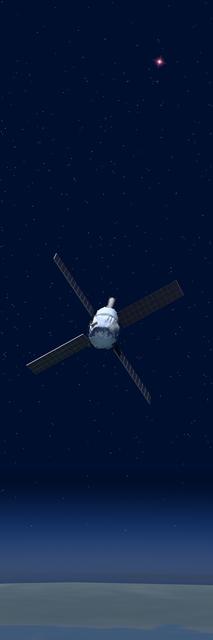
Gravity Probe-B (GP-B) is the relativity experiment being developed at Stanford University to test two extraordinary predictions of Albert Einstein's general theory of relativity. The experiment will measure, very precisely, the expected tiny changes in the direction of the spin axes of four gyroscopes contained in an Earth-orbiting satellite at a 400-mile altitude. So free are the gyroscopes from disturbance that they will provide an almost perfect space-time reference system. They will measure how space and time are very slightly warped by the presence of the Earth, and, more profoundly, how the Earth's rotation very slightly drags space-time around with it. These effects, though small for the Earth, have far-reaching implications for the nature of matter and the structure of the Universe. GP-B is among the most thoroughly researched programs ever undertaken by NASA. This is the story of a scientific quest in which physicists and engineers have collaborated closely over many years. Inspired by their quest, they have invented a whole range of technologies -- technologies that are already enlivening other branches of science and engineering. Scheduled for launch in 2003 and managed for NASA by Marshall Space Flight Center, development of the GP-B is the responsibility of Stanford University, with major subcontractor Lockheed Martin Corporation.
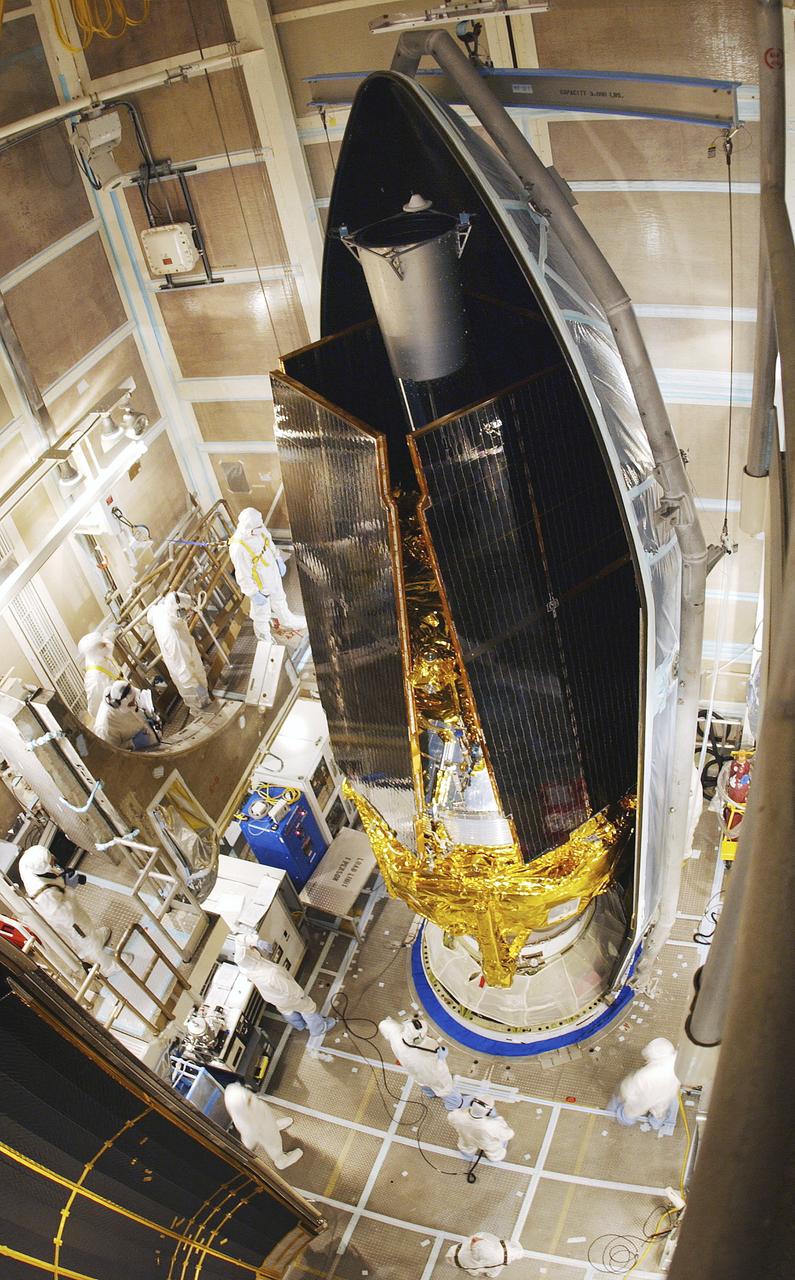
In this photo, the Gravity Probe B (GP-B) space vehicle is being encapsulated atop the Delta II launch vehicle. The GP-B is the relativity experiment developed at Stanford University to test two extraordinary predictions of Albert Einstein’s general theory of relativity. The experiment will measure, very precisely, the expected tiny changes in the direction of the spin axes of four gyroscopes contained in an Earth-orbiting satellite at a 400-mile altitude. So free are the gyroscopes from disturbance that they will provide an almost perfect space-time reference system. They will measure how space and time are very slightly warped by the presence of the Earth, and, more profoundly, how the Earth’s rotation very slightly drags space-time around with it. These effects, though small for the Earth, have far-reaching implications for the nature of matter and the structure of the Universe. GP-B is among the most thoroughly researched programs ever undertaken by NASA. This is the story of a scientific quest in which physicists and engineers have collaborated closely over many years. Inspired by their quest, they have invented a whole range of technologies that are already enlivening other branches of science and engineering. Launched April 20, 2004 , the GP-B program was managed for NASA by the Marshall Space Flight Center. Development of the GP-B is the responsibility of Stanford University along with major subcontractor Lockheed Martin Corporation. (Image credit to Russ Underwood, Lockheed Martin Corporation).
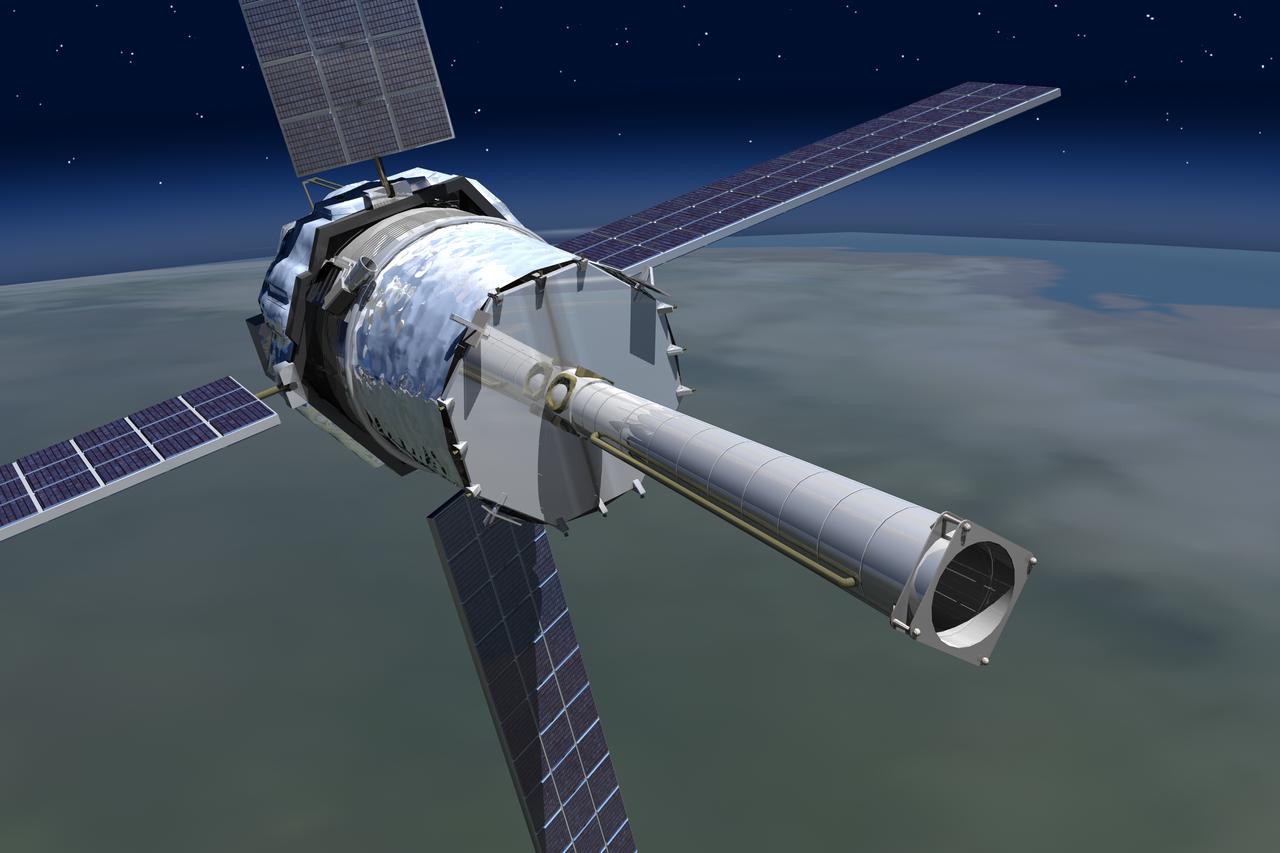
Gravity Probe-B (GP-B) is the relativity experiment being developed at Stanford University to test two extraordinary predictions of Albert Einstein's general theory of relativity. The experiment will measure, very precisely, the expected tiny changes in the direction of the spin axes of four gyroscopes contained in an Earth-orbiting satellite at a 400-mile altitude. So free are the gyroscopes from disturbance that they will provide an almost perfect space-time reference system. They will measure how space and time are very slightly warped by the presence of the Earth, and, more profoundly, how the Earth's rotation very slightly drags space-time around with it. These effects, though small for the Earth, have far-reaching implications for the nature of matter and the structure of the Universe. GP-B is among the most thoroughly researched programs ever undertaken by NASA. This is the story of a scientific quest in which physicists and engineers have collaborated closely over many years. Inspired by their quest, they have invented a whole range of technologies -- technologies that are already enlivening other branches of science and engineering. Scheduled for launch in 2003 and managed for NASA by the Marshall Space Flight Center, development of GP-B is the responsibility of Stanford University, with major subcontractor Lockheed Martin Corporation.
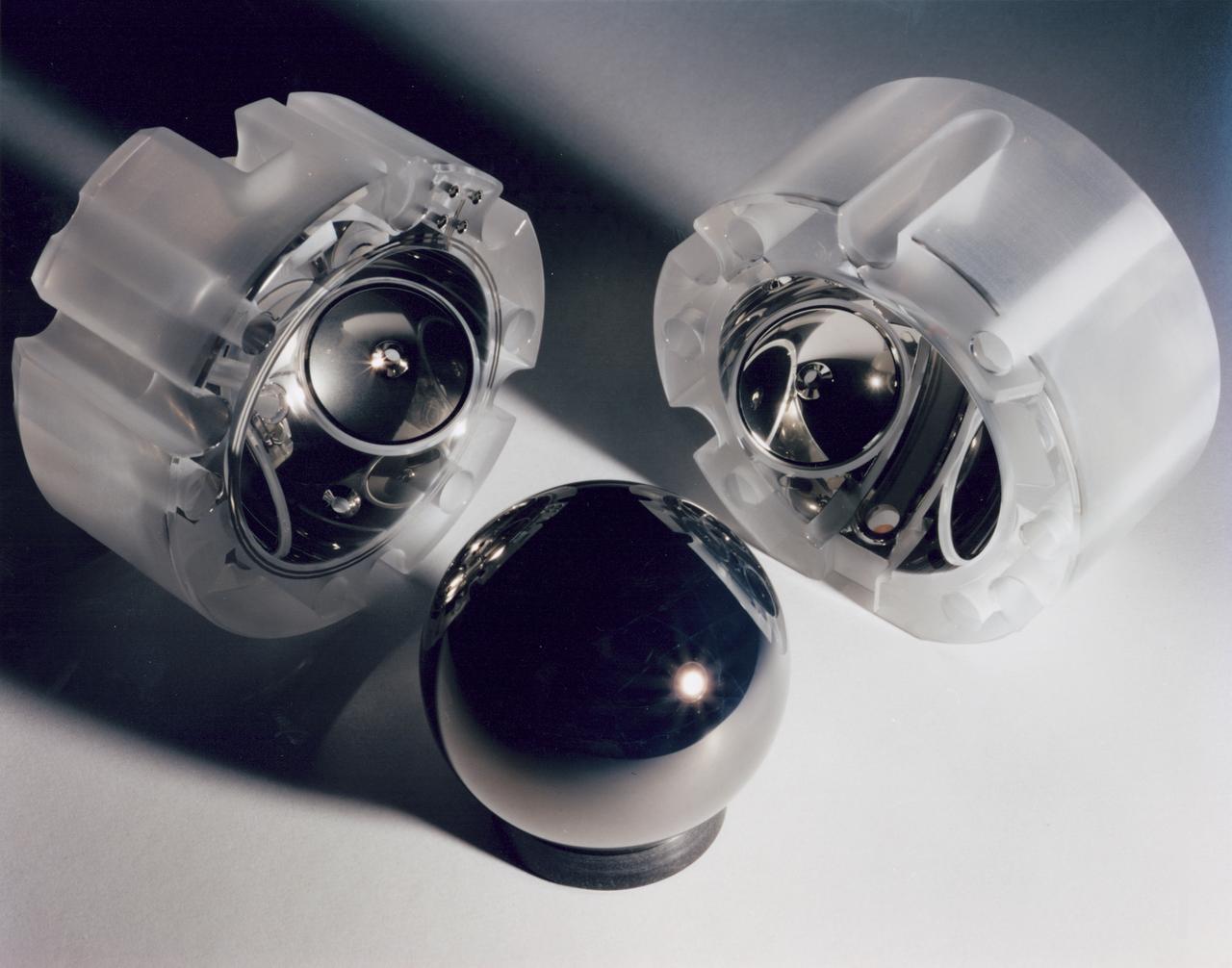
The Gravity Probe B (GP-B) is the relativity experiment developed at Stanford University to test two extraordinary predictions of Albert Einstein’s general theory of relativity. The experiment will measure, very precisely, the expected tiny changes in the direction of the spin axes of four gyroscopes contained in an Earth-orbiting satellite at a 400-mile altitude. So free are the gyroscopes from disturbance that they will provide an almost perfect space-time reference system. They will measure how space and time are very slightly warped by the presence of the Earth, and, more profoundly, how the Earth’s rotation very slightly drags space-time around with it. These effects, though small for the Earth, have far-reaching implications for the nature of matter and the structure of the Universe. This photograph is a close up of a niobium-coated gyroscope motor and its housing halves. GP-B is among the most thoroughly researched programs ever undertaken by NASA. This is the story of a scientific quest in which physicists and engineers have collaborated closely over many years. Inspired by their quest, they have invented a whole range of technologies that are already enlivening other branches of science and engineering. Launched April 20, 2004 , the GP-B program was managed for NASA by the Marshall Space Flight Center. Development of the GP-B is the responsibility of Stanford University along with major subcontractor Lockheed Martin Corporation. (Image credit to Don Harley.)
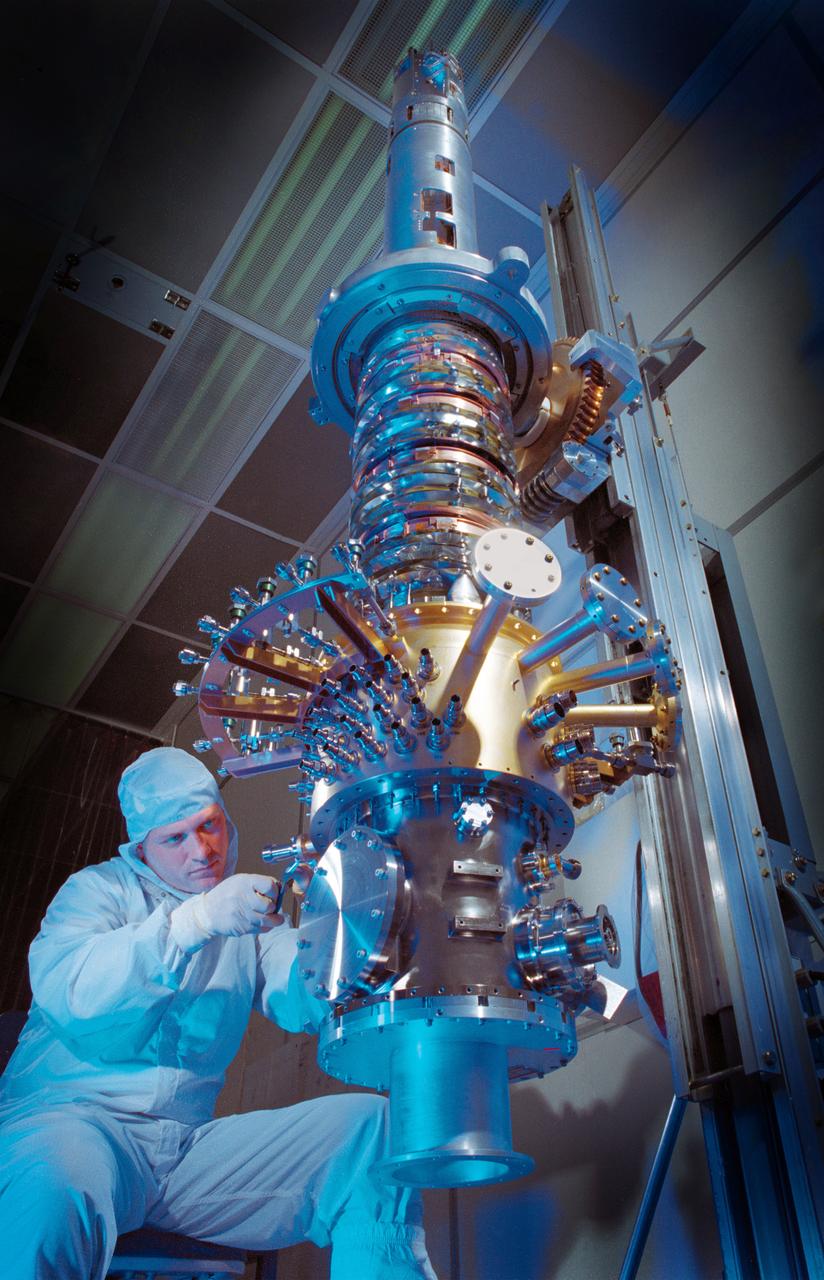
In this photo, the Gravity Probe B (GP-B) space vehicle is being assembled at the Sunnyvale, California location of the Lockheed Martin Corporation. The GP-B is the relativity experiment developed at Stanford University to test two extraordinary predictions of Albert Einstein’s general theory of relativity. The experiment will measure, very precisely, the expected tiny changes in the direction of the spin axes of four gyroscopes contained in an Earth-orbiting satellite at a 400-mile altitude. So free are the gyroscopes from disturbance that they will provide an almost perfect space-time reference system. They will measure how space and time are very slightly warped by the presence of the Earth, and, more profoundly, how the Earth’s rotation very slightly drags space-time around with it. These effects, though small for the Earth, have far-reaching implications for the nature of matter and the structure of the Universe. GP-B is among the most thoroughly researched programs ever undertaken by NASA. This is the story of a scientific quest in which physicists and engineers have collaborated closely over many years. Inspired by their quest, they have invented a whole range of technologies that are already enlivening other branches of science and engineering. Launched April 20, 2004 , the GP-B program was managed for NASA by the Marshall Space Flight Center. Development of the GP-B is the responsibility of Stanford University along with major subcontractor Lockheed Martin Corporation. (Image credit to Russ Underwood, Lockheed Martin Corporation).
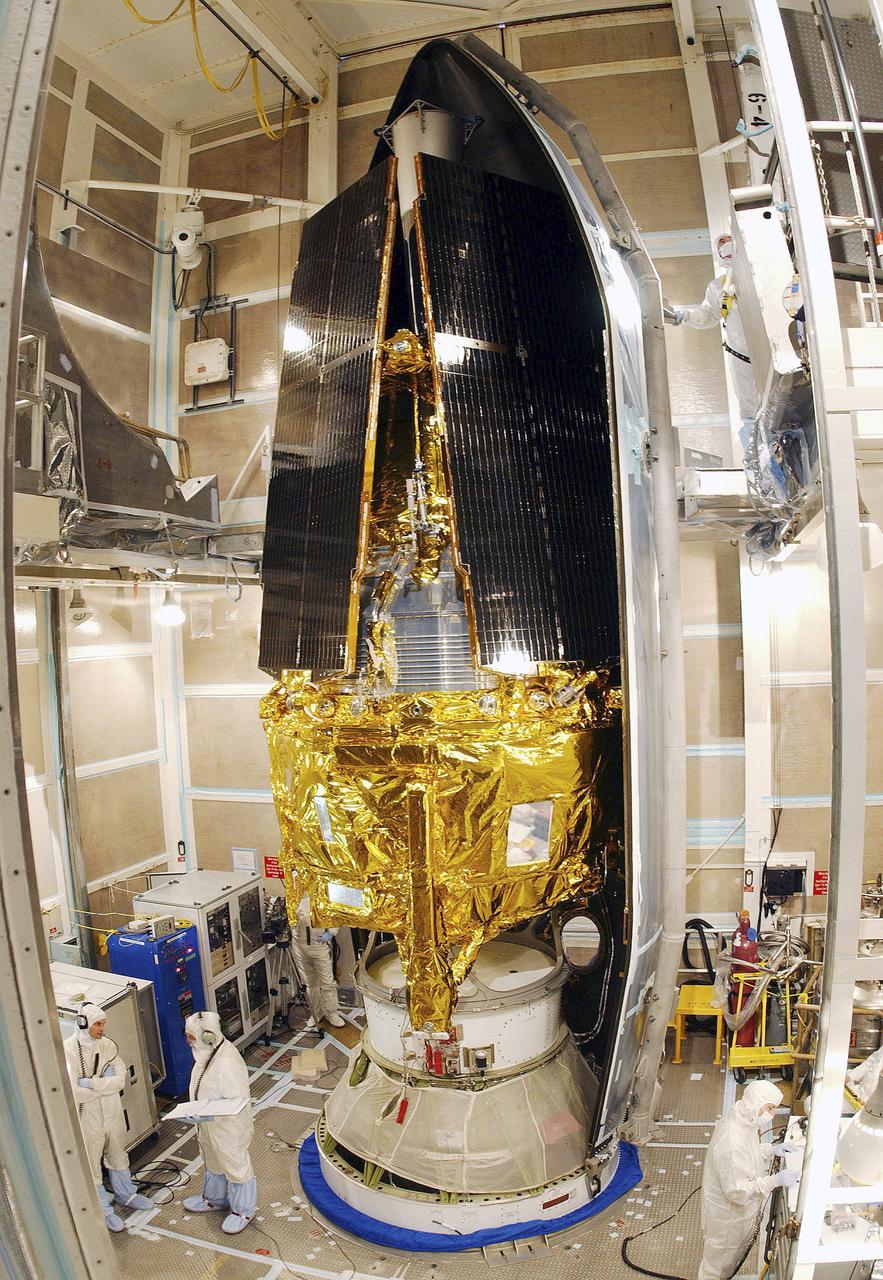
In this photo, the Gravity Probe B (GP-B) space vehicle is being encapsulated atop the Delta II launch vehicle. The GP-B is the relativity experiment developed at Stanford University to test two extraordinary predictions of Albert Einstein’s general theory of relativity. The experiment will measure, very precisely, the expected tiny changes in the direction of the spin axes of four gyroscopes contained in an Earth-orbiting satellite at a 400-mile altitude. So free are the gyroscopes from disturbance that they will provide an almost perfect space-time reference system. They will measure how space and time are very slightly warped by the presence of the Earth, and, more profoundly, how the Earth’s rotation very slightly drags space-time around with it. These effects, though small for the Earth, have far-reaching implications for the nature of matter and the structure of the Universe. GP-B is among the most thoroughly researched programs ever undertaken by NASA. This is the story of a scientific quest in which physicists and engineers have collaborated closely over many years. Inspired by their quest, they have invented a whole range of technologies that are already enlivening other branches of science and engineering. Launched April 20, 2004 , the GP-B program was managed for NASA by the Marshall Space Flight Center. Development of the GP-B is the responsibility of Stanford University along with major subcontractor Lockheed Martin Corporation. (Image credit to Russ Underwood, Lockheed Martin Corporation).
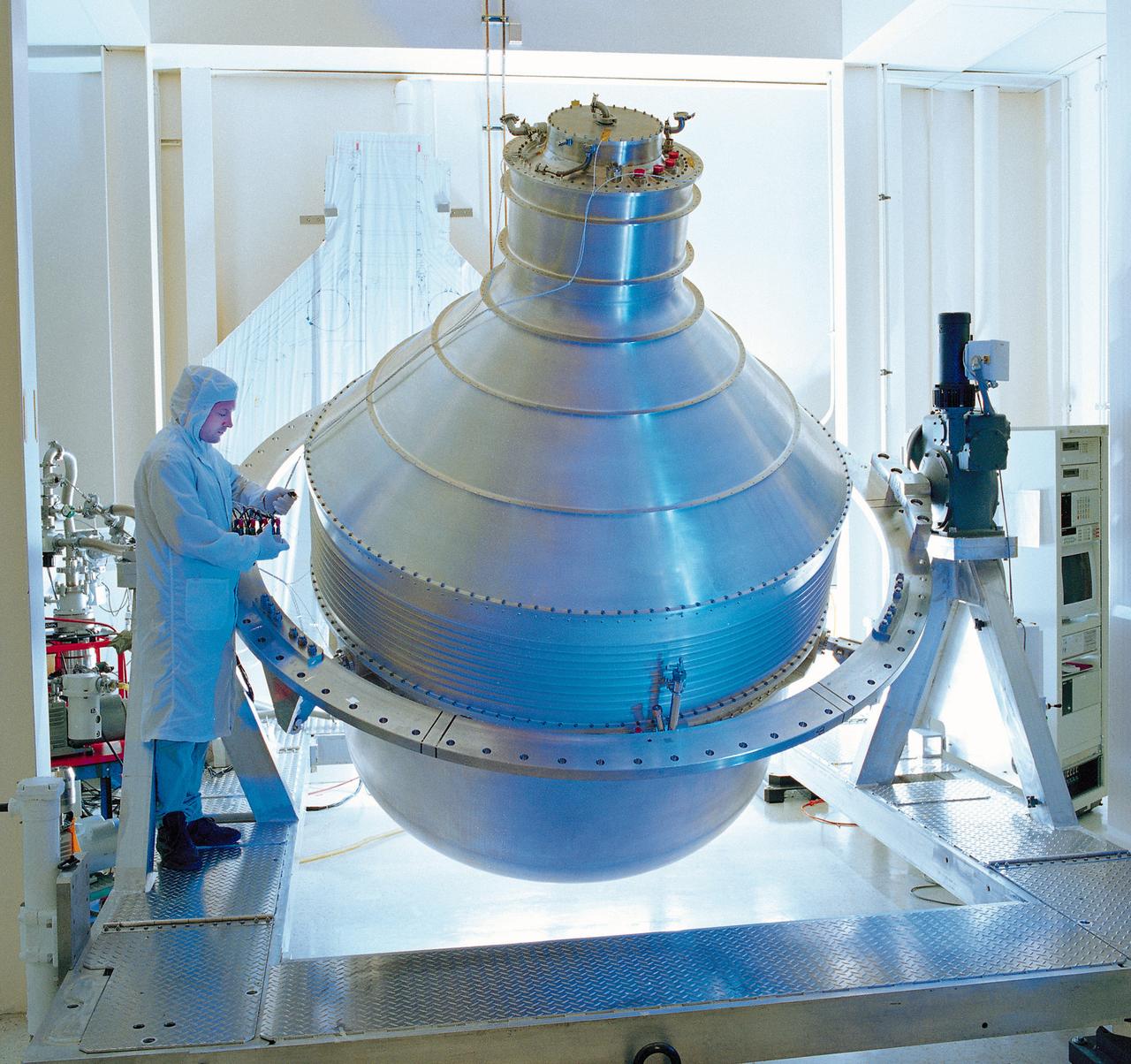
Gravity Probe B (GP-B) is the relativity experiment developed at Stanford University to test two extraordinary predictions of Albert Einstein’s general theory of relativity. This photograph is of the Gravity Probe B flight dewar, a metal container made like a vacuum bottle that is used especially for storing liquefied gases, that will maintain the experiment at a temperature just above absolute zero, staying cold for two years. The experiment will measure, very precisely, the expected tiny changes in the direction of the spin axes of four gyroscopes contained in an Earth-orbiting satellite at 400-mile altitude. So free are the gyroscopes from disturbance that they will provide an almost perfect space-time reference system. They will measure how space and time are very slightly warped by the presence of the Earth, and, more profoundly, how the Earth’s rotation very slightly drags space-time around with it. These effects, though small for the Earth, have far-reaching implications for the nature of matter and the structure of the Universe. GP-B is among the most thoroughly researched programs ever undertaken by NASA. This is the story of a scientific quest in which physicists and engineers have collaborated closely over many years. Inspired by their quest, they have invented a whole range of technologies -- technologies that are already enlivening other branches of science and engineering. Launched in 2004 and managed for NASA by the Marshall Space Flight Center, development of the GP-B is the responsibility of Stanford University, with major subcontractor Lockheed Martin Corporation. (Photo Credit: Lockheed Martin Corporation/R. Underwood)
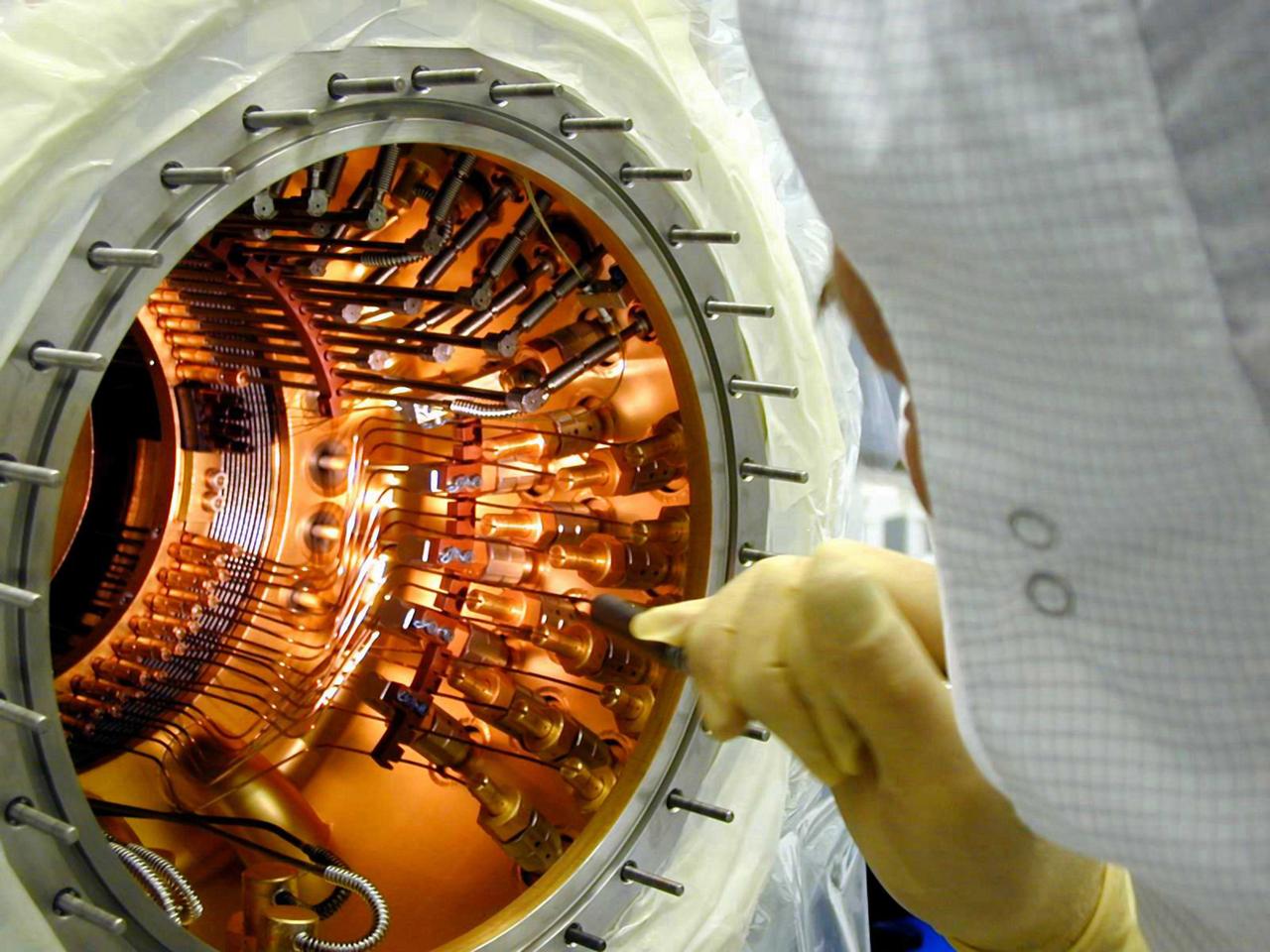
The space vehicle Gravity Probe B (GP-B) is the relativity experiment developed at Stanford University to test two extraordinary predictions of Albert Einstein’s general theory of relativity. The experiment will measure, very precisely, the expected tiny changes in the direction of the spin axes of four gyroscopes contained in an Earth-orbiting satellite at a 400-mile altitude. So free are the gyroscopes from disturbance that they will provide an almost perfect space-time reference system. They will measure how space and time are very slightly warped by the presence of the Earth, and, more profoundly, how the Earth’s rotation very slightly drags space-time around with it. These effects, though small for the Earth, have far-reaching implications for the nature of matter and the structure of the Universe. GP-B is among the most thoroughly researched programs ever undertaken by NASA. This is the story of a scientific quest in which physicists and engineers have collaborated closely over many years. Inspired by their quest, they have invented a whole range of technologies that are already enlivening other branches of science and engineering. In this photograph, engineer Gary Reynolds is inspecting the inside of the probe neck during probe thermal repairs. GP-B is scheduled for launch in April 2004 and managed for NASA by the Marshall Space Flight Center. Development of the GP-B is the responsibility of Stanford University along with major subcontractor Lockheed Martin Corporation. (Image credit to Russ Leese, Gravity Probe B, Stanford University)

Lying more than 110 million light-years away from Earth in the constellation of Antlia (The Air Pump) is the spiral galaxy IC 2560, shown here in an image from NASA/ESA Hubble Space Telescope. At this distance it is a relatively nearby spiral galaxy, and is part of the Antlia cluster — a group of over 200 galaxies held together by gravity. This cluster is unusual; unlike most other galaxy clusters, it appears to have no dominant galaxy within it. In this image, it is easy to spot IC 2560's spiral arms and barred structure. This spiral is what astronomers call a Seyfert-2 galaxy, a kind of spiral galaxy characterized by an extremely bright nucleus and very strong emission lines from certain elements — hydrogen, helium, nitrogen, and oxygen. The bright center of the galaxy is thought to be caused by the ejection of huge amounts of super-hot gas from the region around a central black hole. There is a story behind the naming of this quirky constellation — Antlia was originally named antlia pneumatica by French astronomer Abbé Nicolas Louis de Lacaille, in honor of the invention of the air pump in the 17th century. Credit: Hubble/European Space Agency and NASA <b><a href="http://www.nasa.gov/audience/formedia/features/MP_Photo_Guidelines.html" rel="nofollow">NASA image use policy.</a></b> <b><a href="http://www.nasa.gov/centers/goddard/home/index.html" rel="nofollow">NASA Goddard Space Flight Center</a></b> enables NASA’s mission through four scientific endeavors: Earth Science, Heliophysics, Solar System Exploration, and Astrophysics. Goddard plays a leading role in NASA’s accomplishments by contributing compelling scientific knowledge to advance the Agency’s mission. <b>Follow us on <a href="http://twitter.com/NASA_GoddardPix" rel="nofollow">Twitter</a></b> <b>Like us on <a href="http://www.facebook.com/pages/Greenbelt-MD/NASA-Goddard/395013845897?ref=tsd" rel="nofollow">Facebook</a></b> <b>Find us on <a href="http://instagram.com/nasagoddard?vm=grid" rel="nofollow">Instagram</a></b>
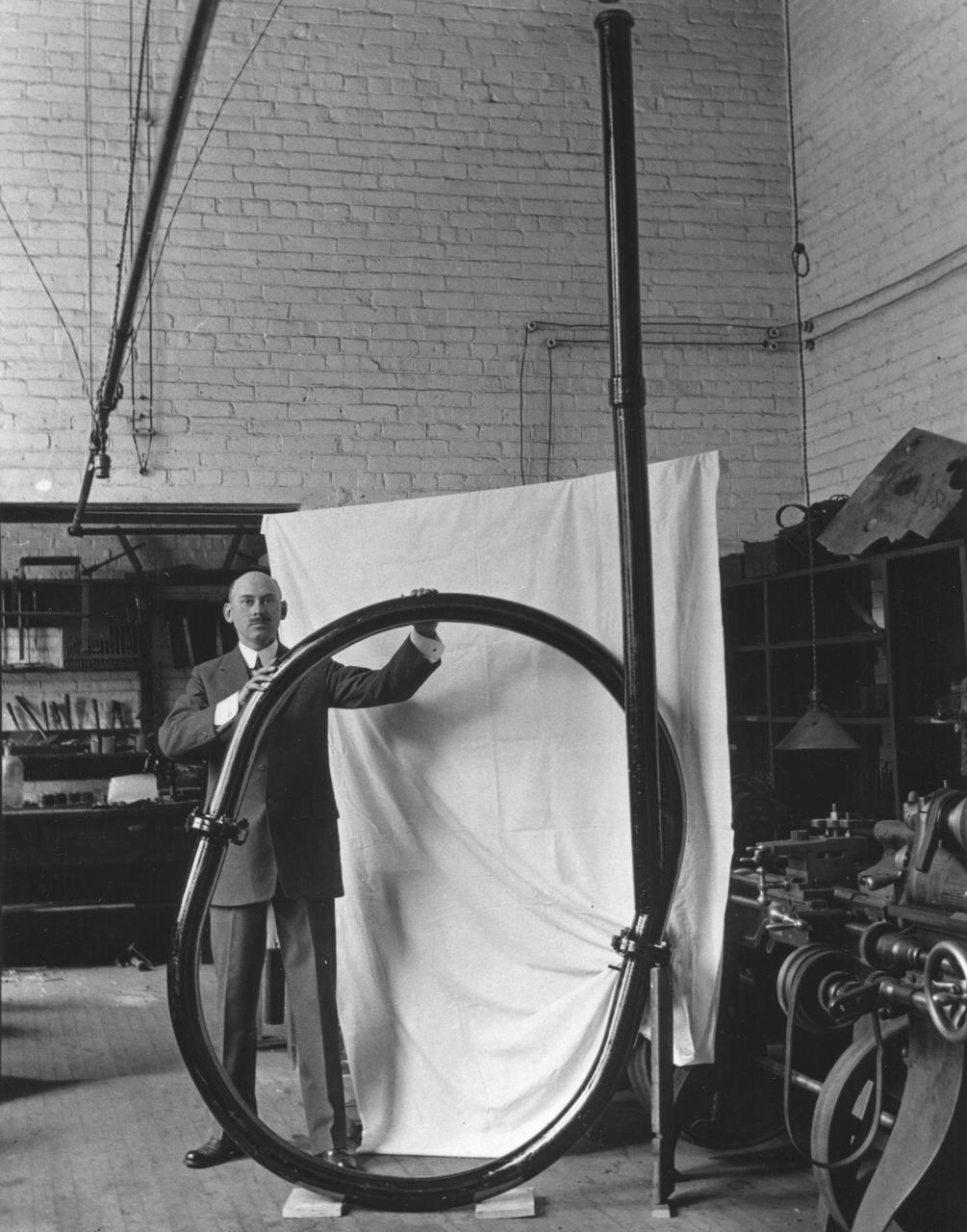
Robert H. Goddard with vacuum tube apparatus he built in 1916 to research rocket efficiency. Dr. Robert Hutchings Goddard is commonly referred to as the father of American rocketry. The same year he built the apparatus, Goddard wrote a study requesting funding from the Smithsonian Institution so that he could continue his rocket research, which he had begun in 1907 while still a student at Worcester Polytechnic Institute. A brilliant physicist, with a unique genius for invention, Goddard may not have succeeded had it not been for the Smithsonian Institution and later the Daniel Guggenheim Foundation and his employer the Worcester Polytechnic Institute of Clark University. The former gave him research monies while the Institute provided leaves of absence so that he could continue his life's work. He was the first scientist who not only realized the potential of missiles and space flight, but also contributed directly to making them a reality. <b><a href="http://www.nasa.gov/centers/goddard/home/index.html" rel="nofollow">NASA Goddard Space Flight Center</a></b> enables NASA’s mission through four scientific endeavors: Earth Science, Heliophysics, Solar System Exploration, and Astrophysics. Goddard plays a leading role in NASA’s accomplishments by contributing compelling scientific knowledge to advance the Agency’s mission. <b>Follow us on <a href="http://twitter.com/NASA_GoddardPix" rel="nofollow">Twitter</a></b> <b>Join us on <a href="http://www.facebook.com/pages/Greenbelt-MD/NASA-Goddard/395013845897?ref=tsd" rel="nofollow">Facebook</a></b>
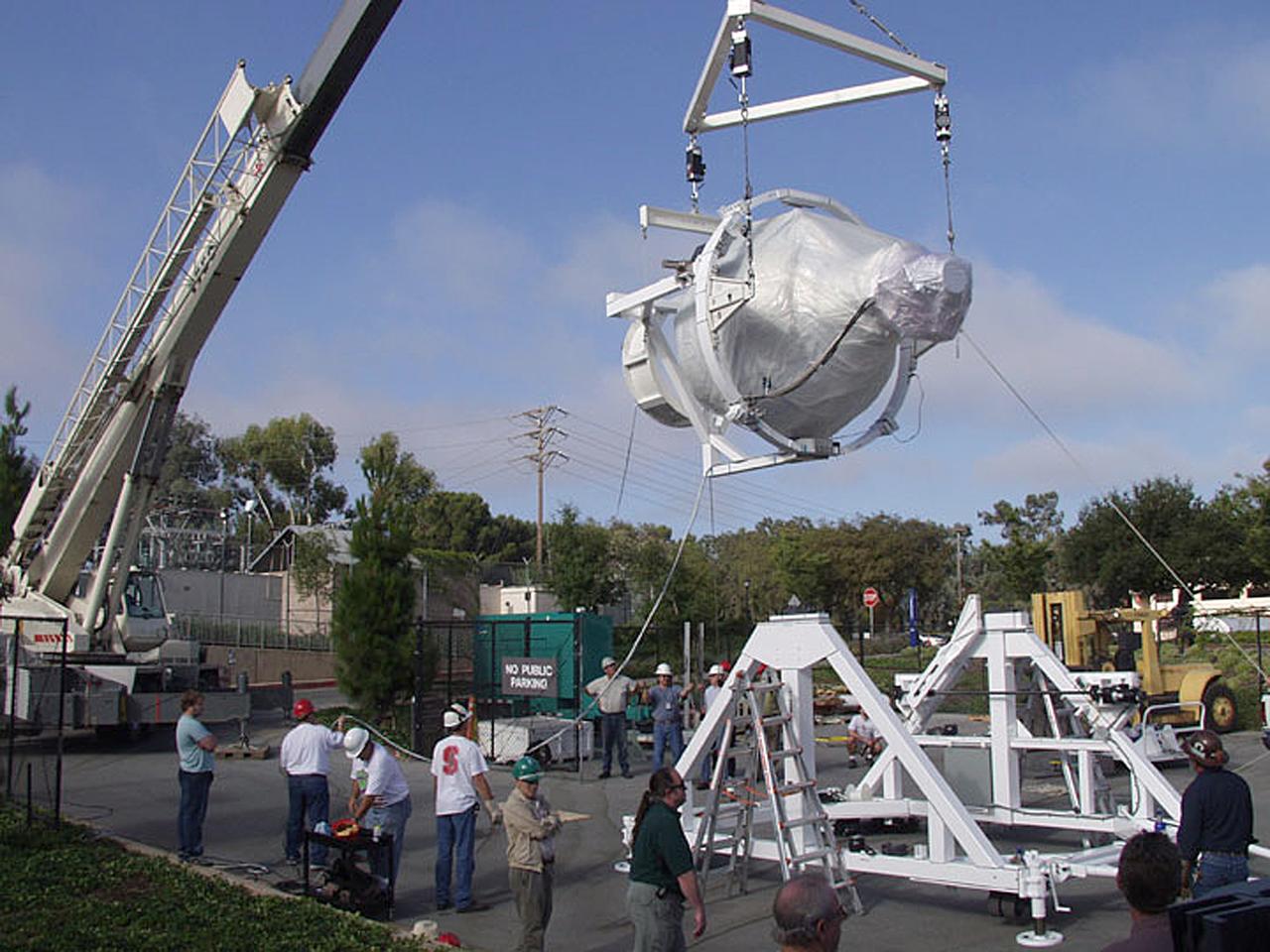
The Gravity Probe B (GP-B) payload was hoisted by crane to the transportation truck in the W.W. Hansen Experimental Physics Laboratory in Stanford, California for shipment to the launch site at Vandenburg Air Force Base. GP-B is the relativity experiment being developed at Stanford University to test two extraordinary predictions of Albert Einstein’s general theory of relativity. The experiment will measure, very precisely, the expected tiny changes in the direction of the spin axes of four gyroscopes contained in an Earth-orbiting satellite at a 400-mile altitude. So free are the gyroscopes from disturbance that they will provide an almost perfect space-time reference system. They will measure how space and time are very slightly warped by the presence of the Earth, and, more profoundly, how the Earth’s rotation very slightly drags space-time around with it. These effects, though small for the Earth, have far-reaching implications for the nature of matter and the structure of the Universe. GP-B is among the most thoroughly researched programs ever undertaken by NASA. This is the story of a scientific quest in which physicists and engineers have collaborated closely over many years. Inspired by their quest, they have invented a whole range of technologies that are already enlivening other branches of science and engineering. Launched April 20, 2004, the GP-B program was managed for NASA by the Marshall Space Flight Center. Development of the GP-B is the responsibility of Stanford University, along with major subcontractor Lockheed Martin Corporation. (Photo Credit: Stanford University)
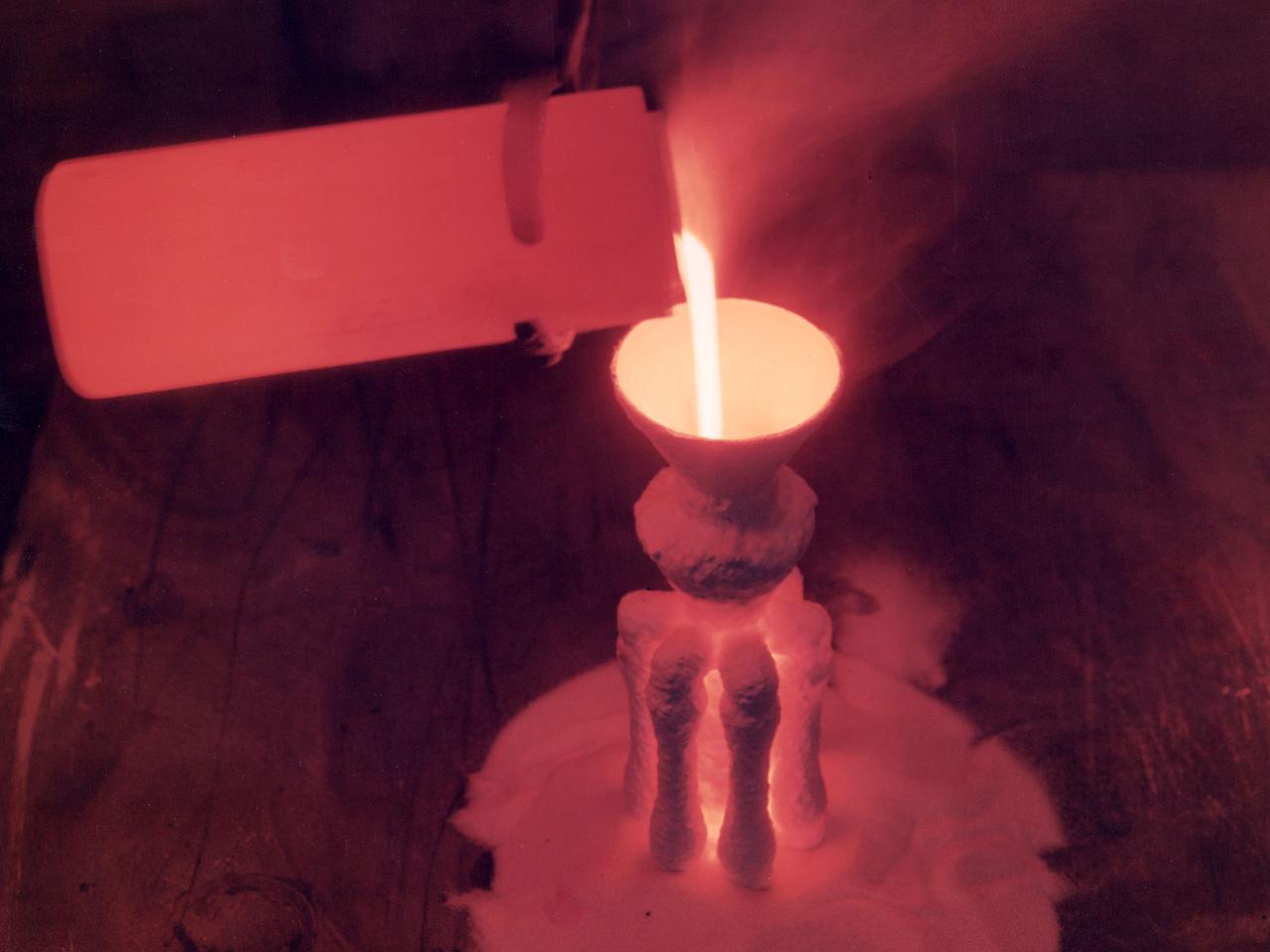
A nickel alloy developed at the National Aeronautics and Space Administration (NASA) Lewis Research Center being poured in a shop inside the Technical Services Building. Materials technology is an important element in the successful development of both advanced airbreathing and rocket propulsion systems. An array of dependable materials is needed to build different types of engines for operation in diverse environments. NASA Lewis began investigating the characteristics of different materials shortly after World War II. In 1949 the materials research group was expanded into its own division. The Lewis researchers studied and tested materials in environments that simulated the environment in which they would operate. Lewis created two programs in the early 1960s to create materials for new airbreathing engines. One concentrated on high-temperature alloys and the other on cooling turbine blades. William Klopp, Peter Raffo, Lester Rubenstein, and Walter Witzke developed Tungsten RHC, the highest strength metal at temperatures over 3500⁰ F. The men received an IR-100 Award for their efforts. Similarly a cobalt-tungsten alloy was developed by the Fatigue and Alloys Research Branch. The result was a combination of high temperature strength and magnetic properties that were applicable for generator rotor application. John Freche invented and patented a nickel alloy while searching for high temperature metals for aerospace use. NASA agreed to a three-year deal which granted Union Carbide exclusive use of the new alloy before it became public property.
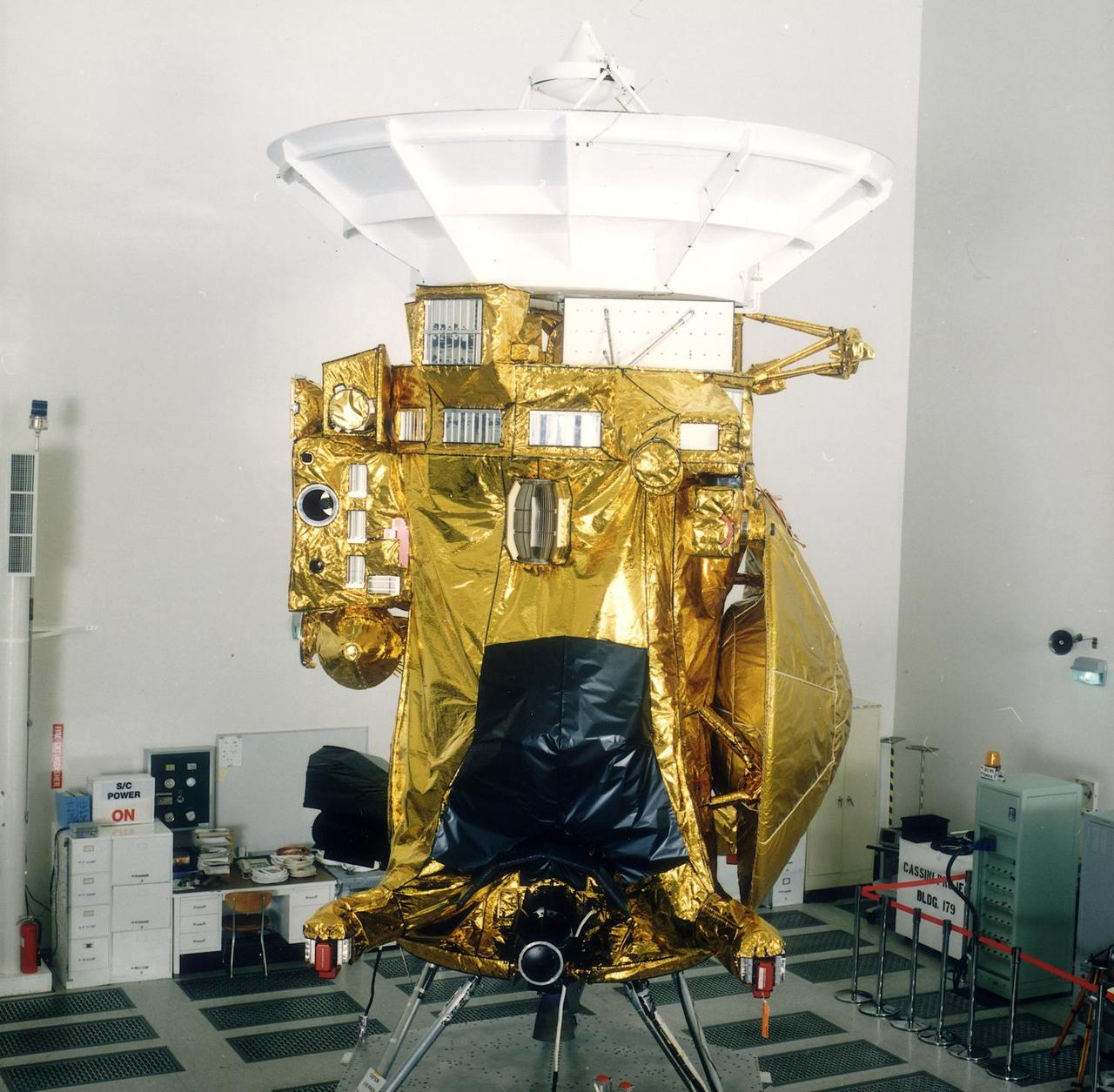
On October of 1997, a two-story-tall robotic spacecraft will begin a journey of many years to reach and explore the exciting realm of Saturn, the most distant planet that can easily be seen by the unaided human eye. In addition to Saturn's interesting atmosphere and interior, its vast system contains the most spectacular of the four planetary ring systems, numerous icy satellites with a variety of unique surface features. A huge magnetosphere teeming with particles that interact with the rings and moons, and the intriguing moon Titan, which is slightly larger than the planet Mercury, and whose hazy atmosphere is denser than that of Earth, make Saturn a fascinating planet to study. The Cassini mission is an international venture involving NASA, the European Space Agency (ESA), the Italian Space Agency (ASI), and several separate European academic and industrial partners. The mission is managed for NASA by JPL. The spacecraft will carry a sophisticated complement of scientific sensors to support 27 different investigations to probe the mysteries of the Saturn system. The large spacecraft will consist of an orbiter and ESA's Huygens Titan probe. The orbiter mass at launch will be nearly 5300 kg, over half of which is propellant for trajectory control. The mass of the Titan probe (2.7 m diameter) is roughly 350 kg. The mission is named in honor of the seventeenth-century, French-Italian astronomer Jean Dominique Cassini, who discovered the prominent gap in Saturn's main rings, as well as the icy moons Iapetus, Rhea, Dione, and Tethys. The ESA Titan probe is named in honor of the exceptional Dutch scientist Christiaan Huygens, who discovered Titan in 1655, followed in 1659 by his announcement that the strange Saturn "moons" seen by Galileo in 1610 were actually a ring system surrounding the planet. Huygens was also famous for his invention of the pendulum clock, the first accurate timekeeping device. http://photojournal.jpl.nasa.gov/catalog/PIA04603
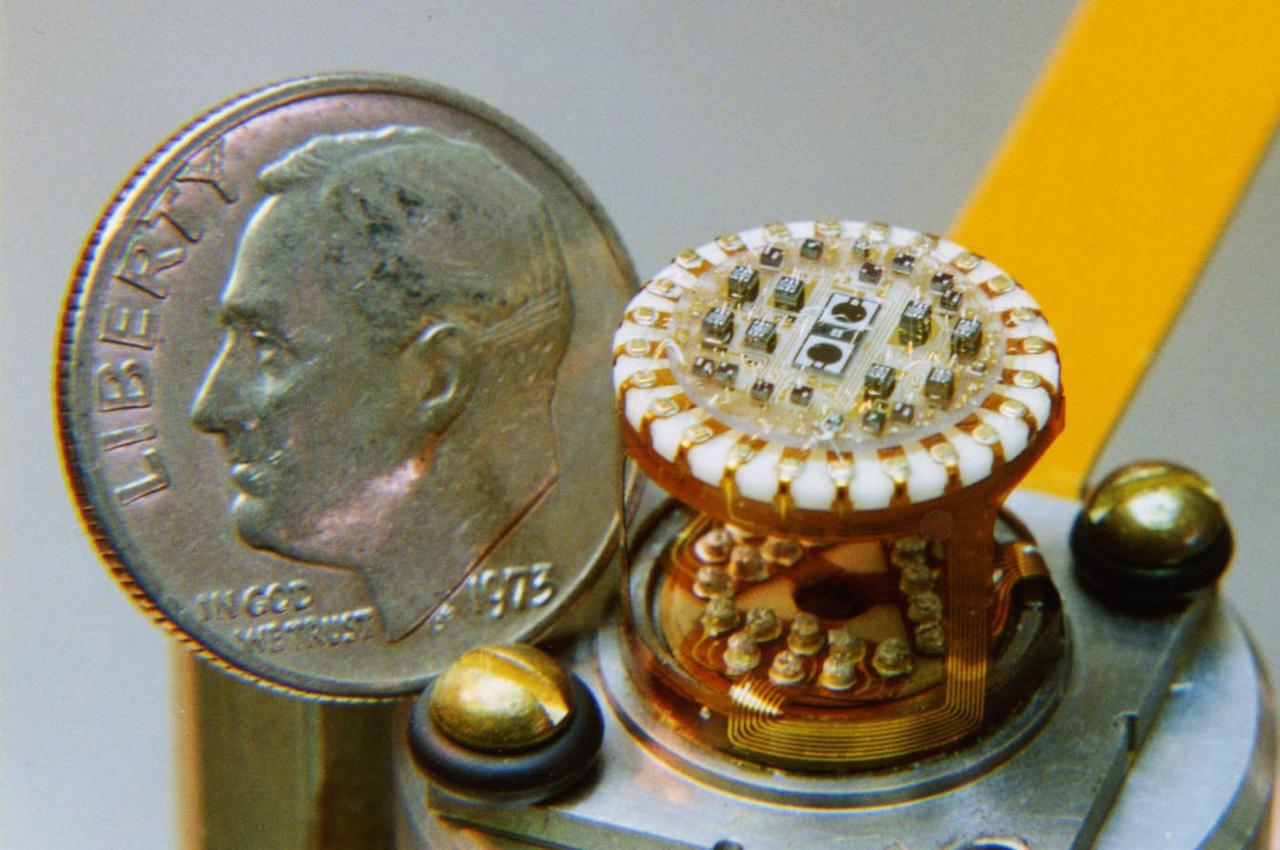
In this photo, the Gravity Probe B (GP-B) detector mount assembly is shown in comparison to the size of a dime. The assembly is used to detect exactly how much starlight is coming through different beams from the beam splitter in the telescope. The measurements from the tiny chips inside are what keeps GP-B aimed at the guide star. The GP-B is the relativity experiment developed at Stanford University to test two extraordinary predictions of Albert Einstein’s general theory of relativity. The experiment will measure, very precisely, the expected tiny changes in the direction of the spin axes of four gyroscopes contained in an Earth-orbiting satellite at a 400-mile altitude. So free are the gyroscopes from disturbance that they will provide an almost perfect space-time reference system. They will measure how space and time are very slightly warped by the presence of the Earth, and, more profoundly, how the Earth’s rotation very slightly drags space-time around with it. These effects, though small for the Earth, have far-reaching implications for the nature of matter and the structure of the Universe. GP-B is among the most thoroughly researched programs ever undertaken by NASA. This is the story of a scientific quest in which physicists and engineers have collaborated closely over many years. Inspired by their quest, they have invented a whole range of technologies that are already enlivening other branches of science and engineering. Launched April 20, 2004 , the GP-B program was managed for NASA by the Marshall Space Flight Center. Development of the GP-B is the responsibility of Stanford University along with major subcontractor Lockheed Martin Corporation. (Image credit to Paul Ehrensberger, Stanford University.)