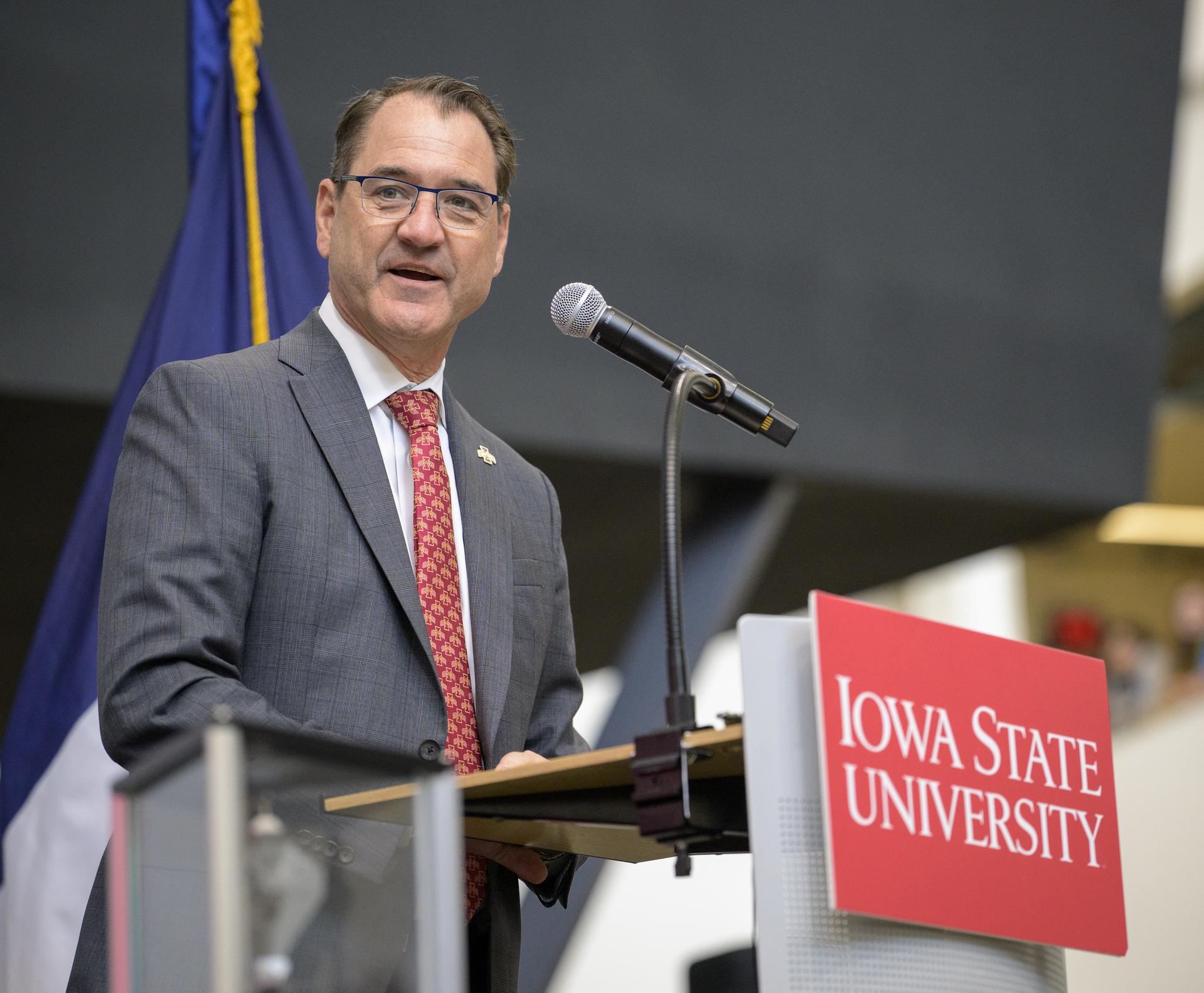
David Cook, President, Iowa State University gives opening remarks during a townhall with students, Tuesday, Sept. 8, 2026, at Iowa State University in Ames, Iowa. Photo Credit: (NASA/Bill Ingalls)
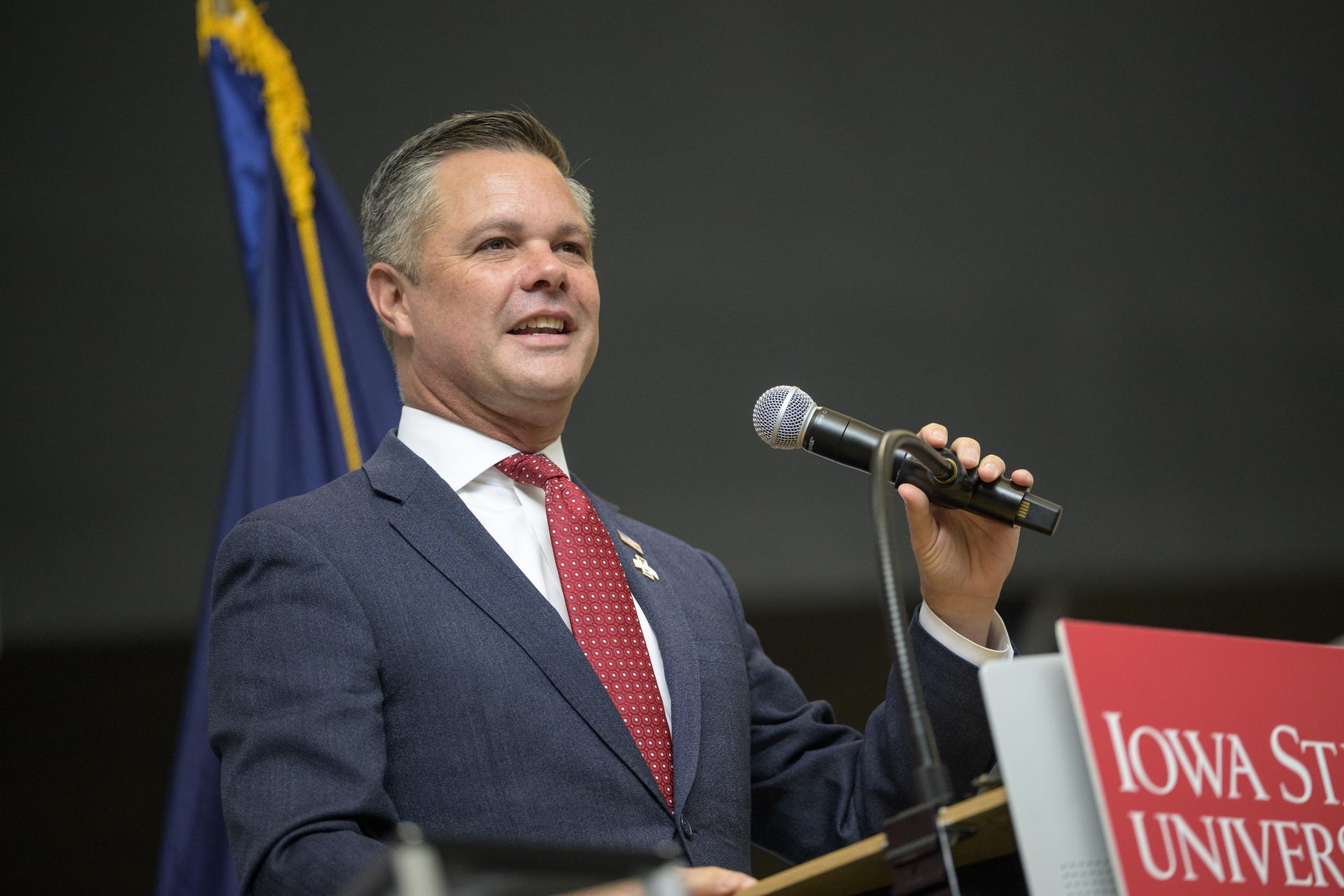
U.S. Representative for Iowa’s 3rd District Zach Nunn gives remarks during a townhall with students, Tuesday, Sept. 8, 2026, at Iowa State University in Ames, Iowa. Photo Credit: (NASA/Bill Ingalls)
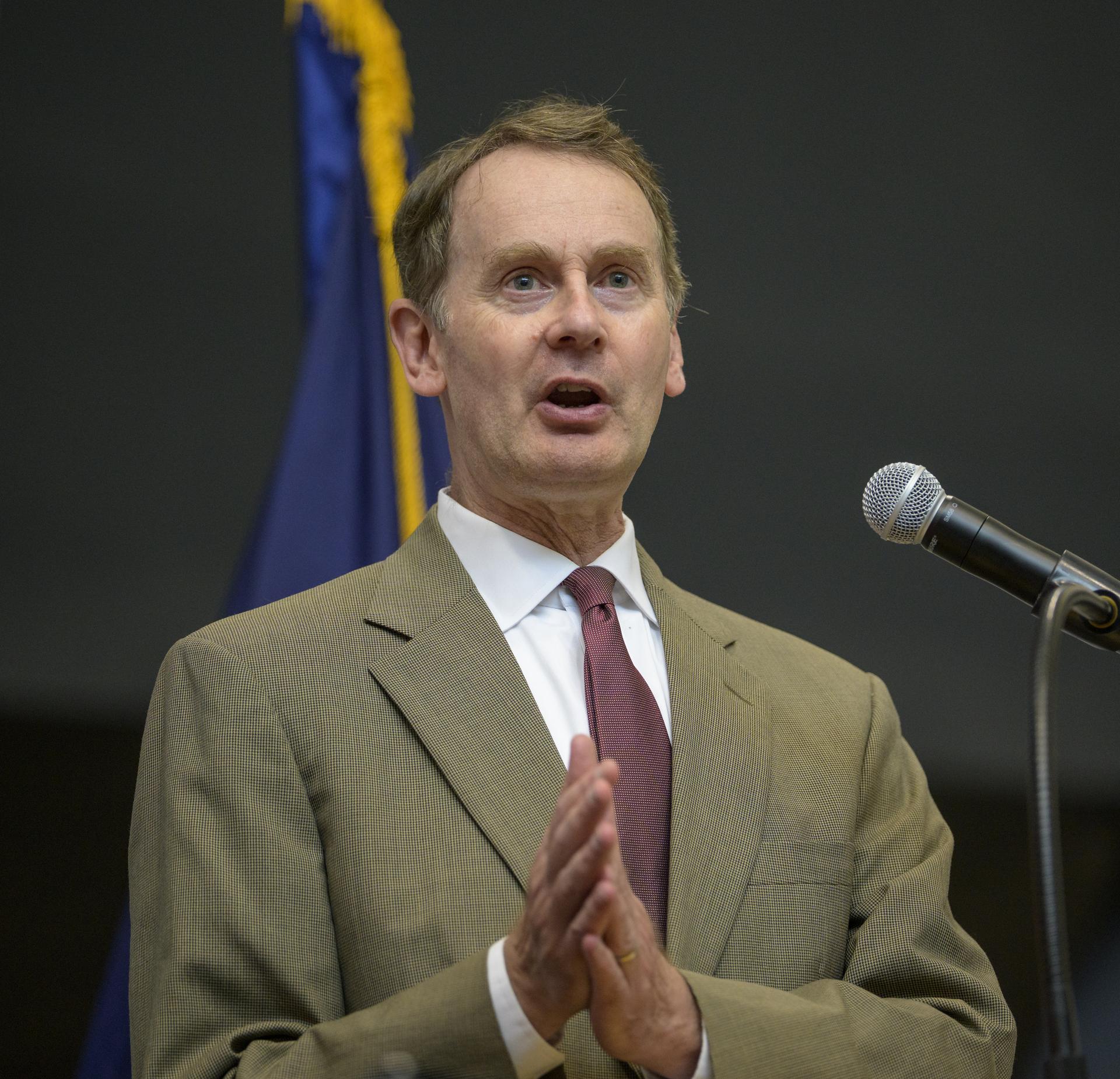
Assistant Secretary of Education, Office of Postsecondary Education David Barker gives remarks during a townhall with students, Tuesday, Sept. 8, 2026, at Iowa State University in Ames, Iowa. Photo Credit: (NASA/Bill Ingalls)
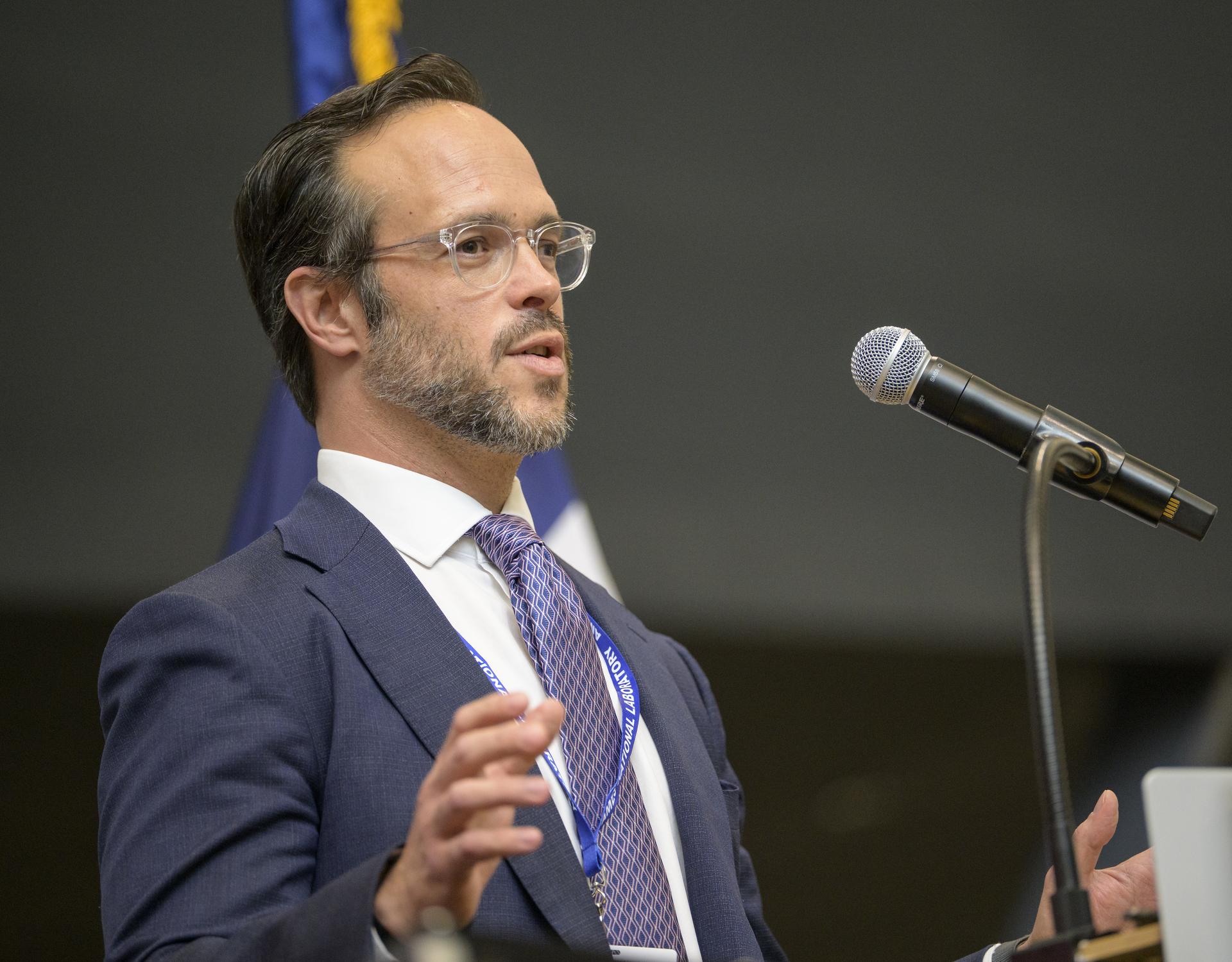
Under Secretary of Science and Technology, Department of Homeland Security Pedro Allende gives remarks during a townhall with students, Tuesday, Sept. 8, 2026, at Iowa State University in Ames, Iowa. Photo Credit: (NASA/Bill Ingalls)
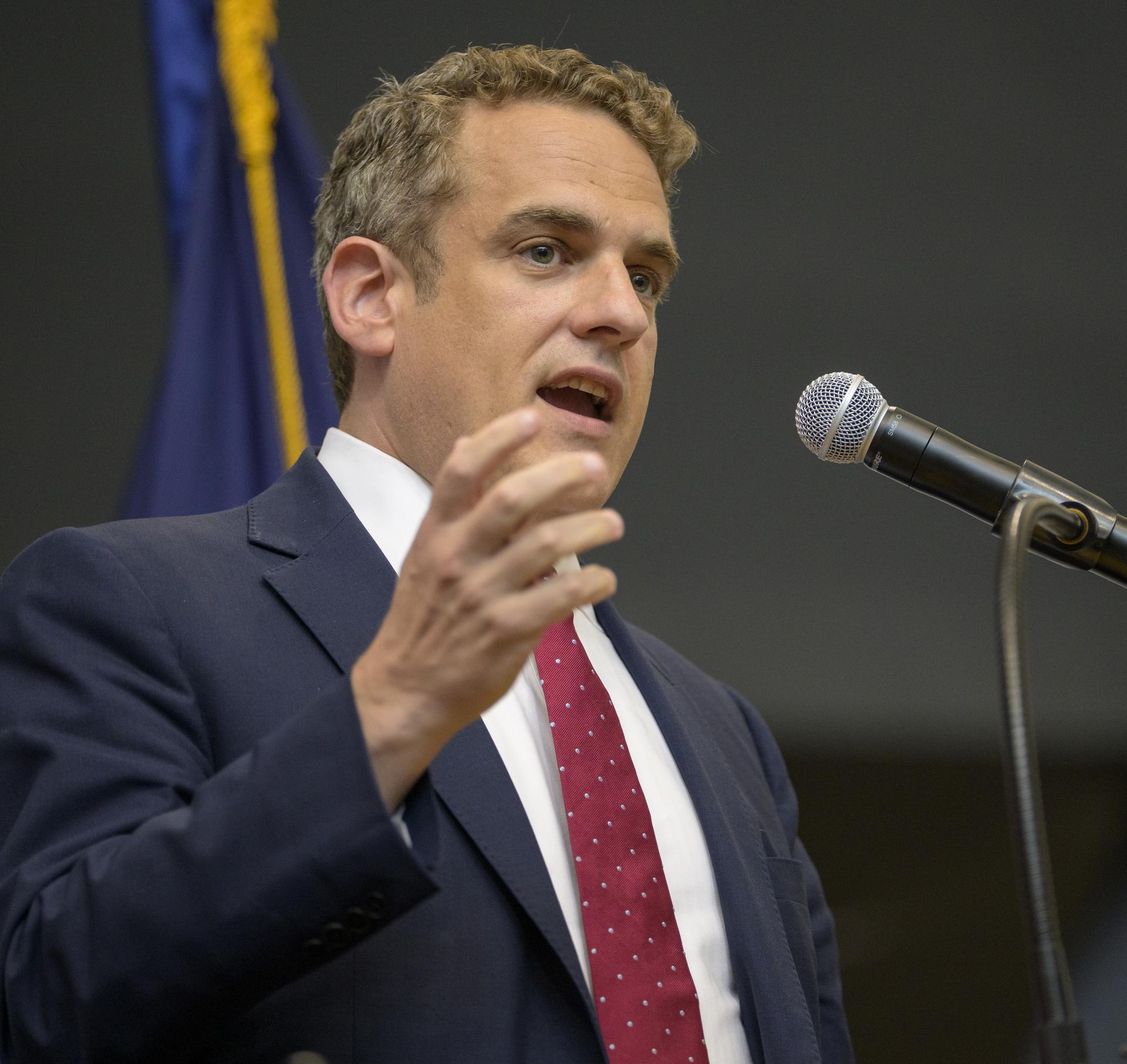
U.S. Deputy Secretary of Energy James Danly gives remarks during a townhall with students, Tuesday, Sept. 8, 2026, at Iowa State University in Ames, Iowa. Photo Credit: (NASA/Bill Ingalls)
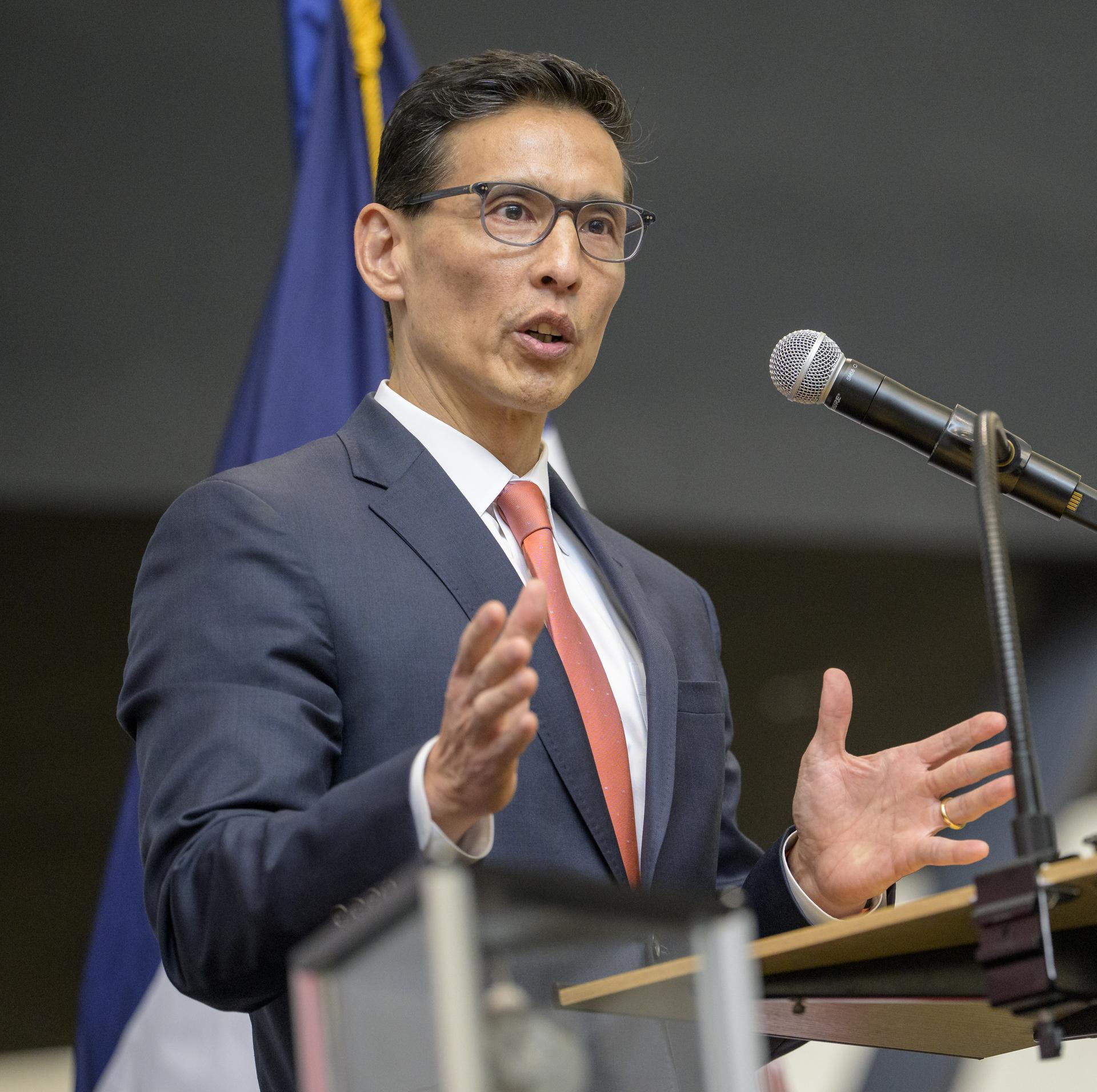
Chairman of the Nuclear Regulatory Commission Ho Nieh gives remarks during a townhall with students, Tuesday, Sept. 8, 2026, at Iowa State University in Ames, Iowa. Photo Credit: (NASA/Bill Ingalls)
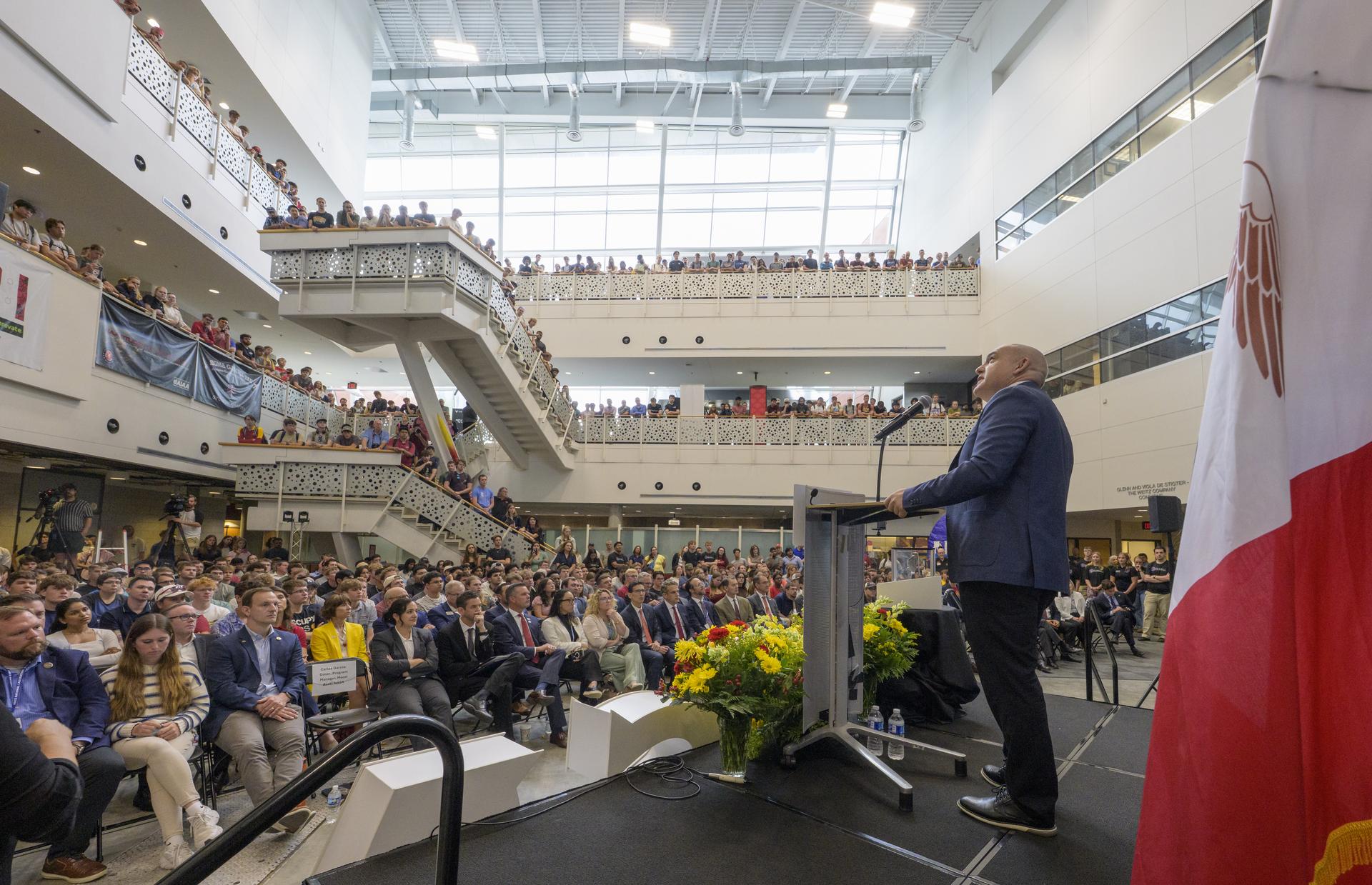
NASA Moon Base Program Executive Carlos Garcia-Galan gives remarks during a townhall with students, Tuesday, Sept. 8, 2026, at Iowa State University in Ames, Iowa. Photo Credit: (NASA/Bill Ingalls)
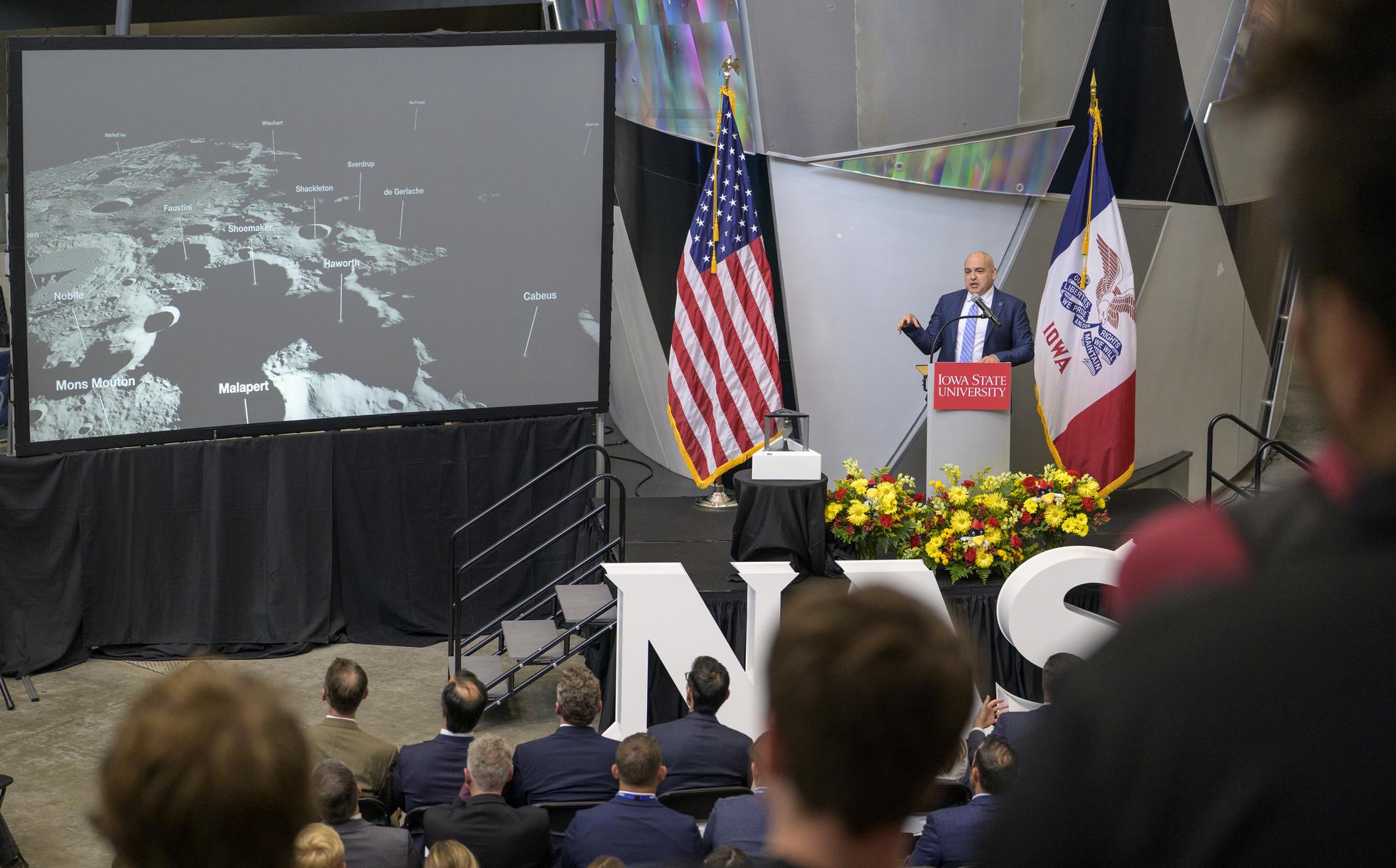
NASA Moon Base Program Executive Carlos Garcia-Galan gives remarks during a townhall with students, Tuesday, Sept. 8, 2026, at Iowa State University in Ames, Iowa. Photo Credit: (NASA/Bill Ingalls)
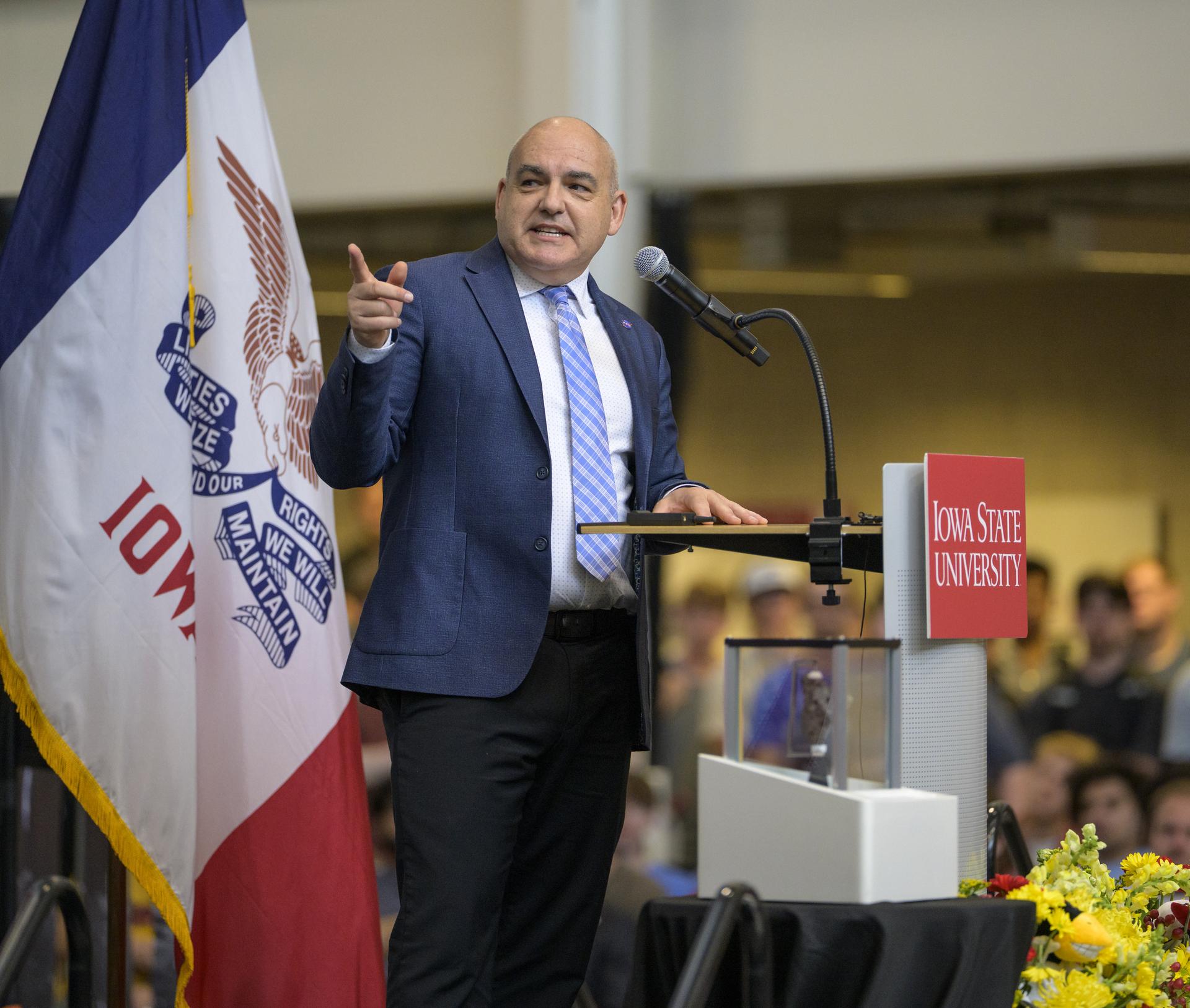
NASA Moon Base Program Executive Carlos Garcia-Galan gives remarks during a townhall with students, Tuesday, Sept. 8, 2026, at Iowa State University in Ames, Iowa. Photo Credit: (NASA/Bill Ingalls)
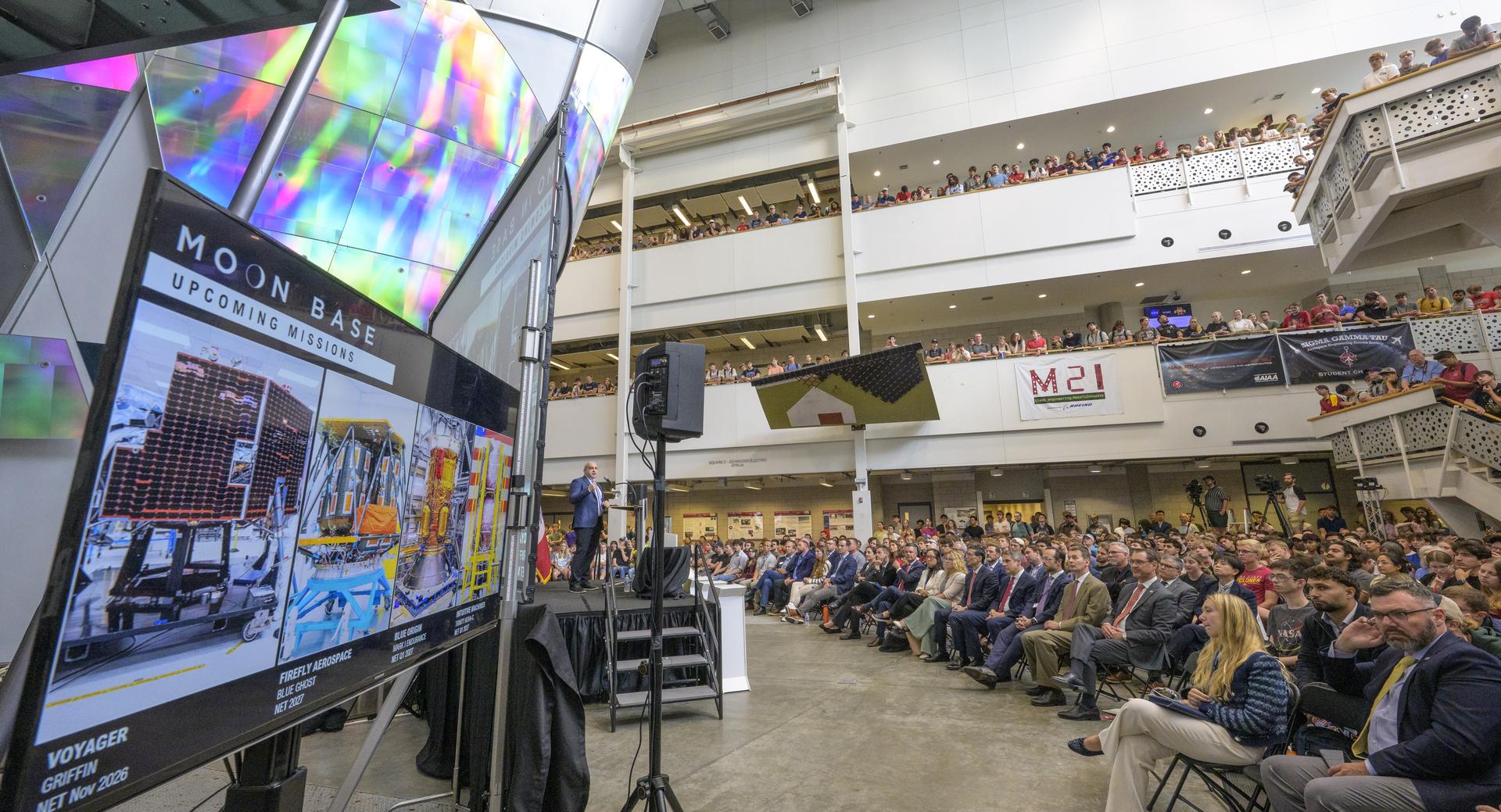
NASA Moon Base Program Executive Carlos Garcia-Galan gives remarks during a townhall with students, Tuesday, Sept. 8, 2026, at Iowa State University in Ames, Iowa. Photo Credit: (NASA/Bill Ingalls)
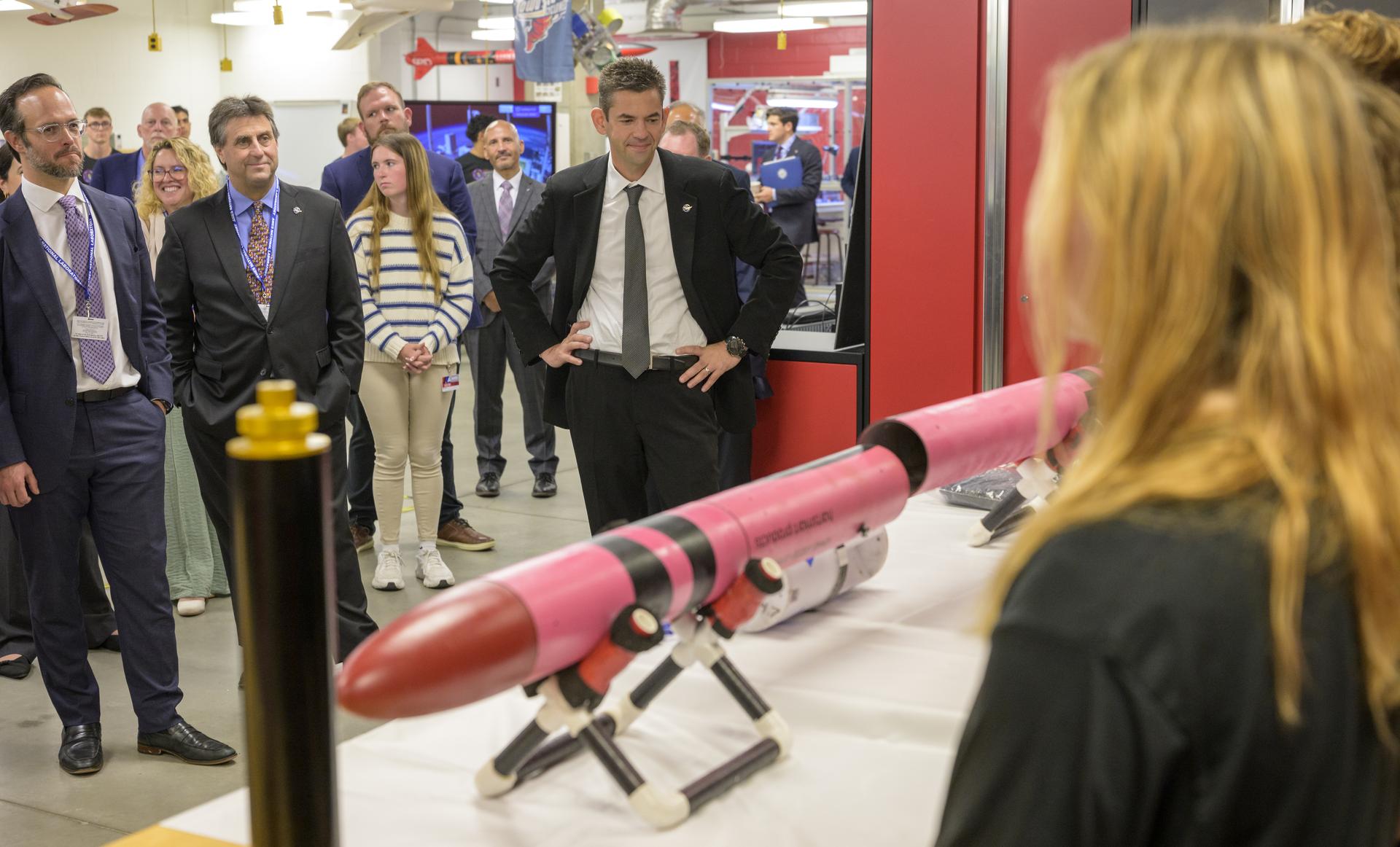
NASA Administrator Jared Isaacman, right, meets with Iowa Space Grant students, Tuesday, Sept. 8, 2026, at Iowa State University in Ames, Iowa. Photo Credit: (NASA/Bill Ingalls)
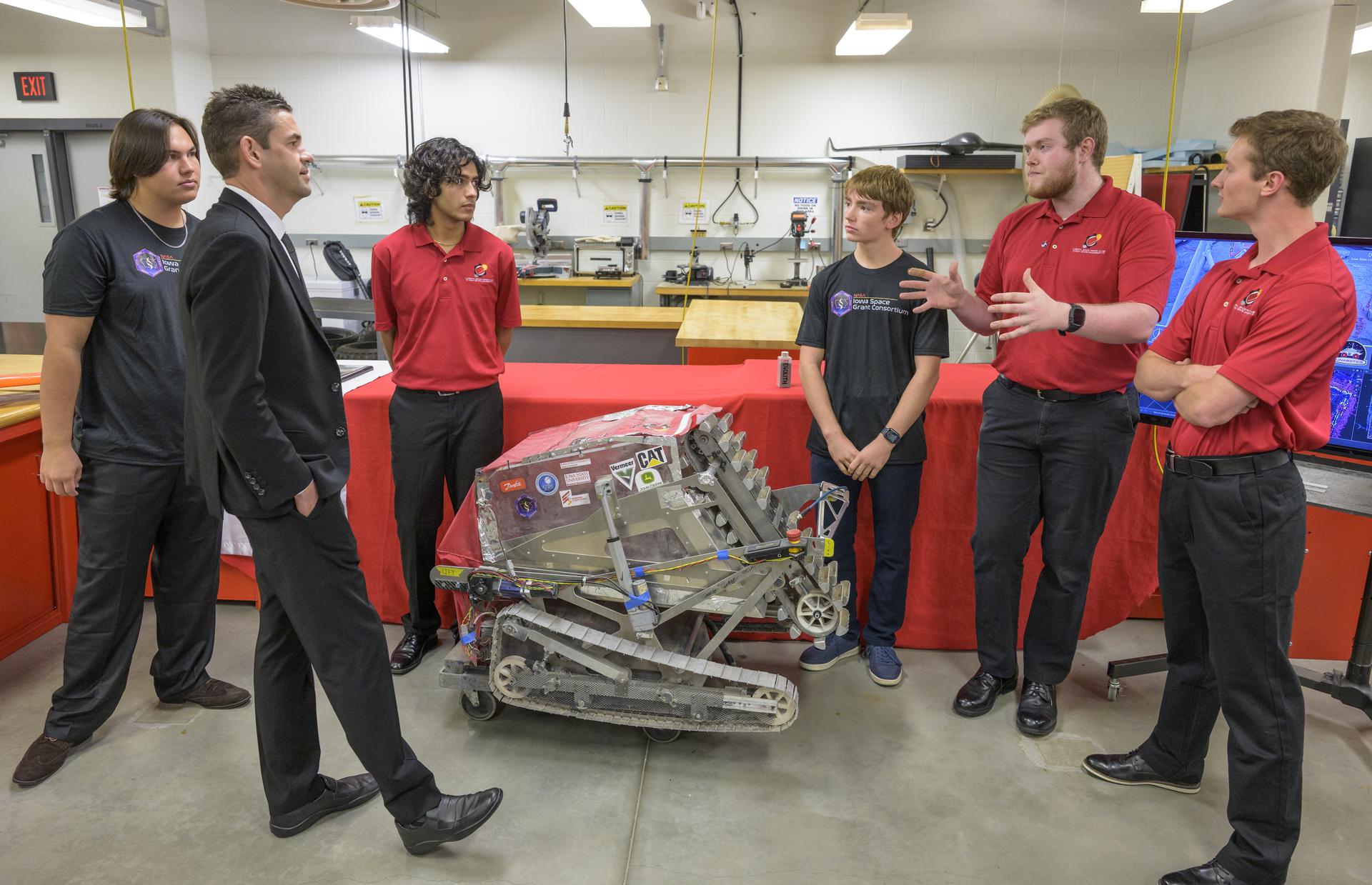
NASA Administrator Jared Isaacman, 2nd from left, meets with Iowa Space Grant students, Tuesday, Sept. 8, 2026, at Iowa State University in Ames, Iowa. Photo Credit: (NASA/Bill Ingalls)
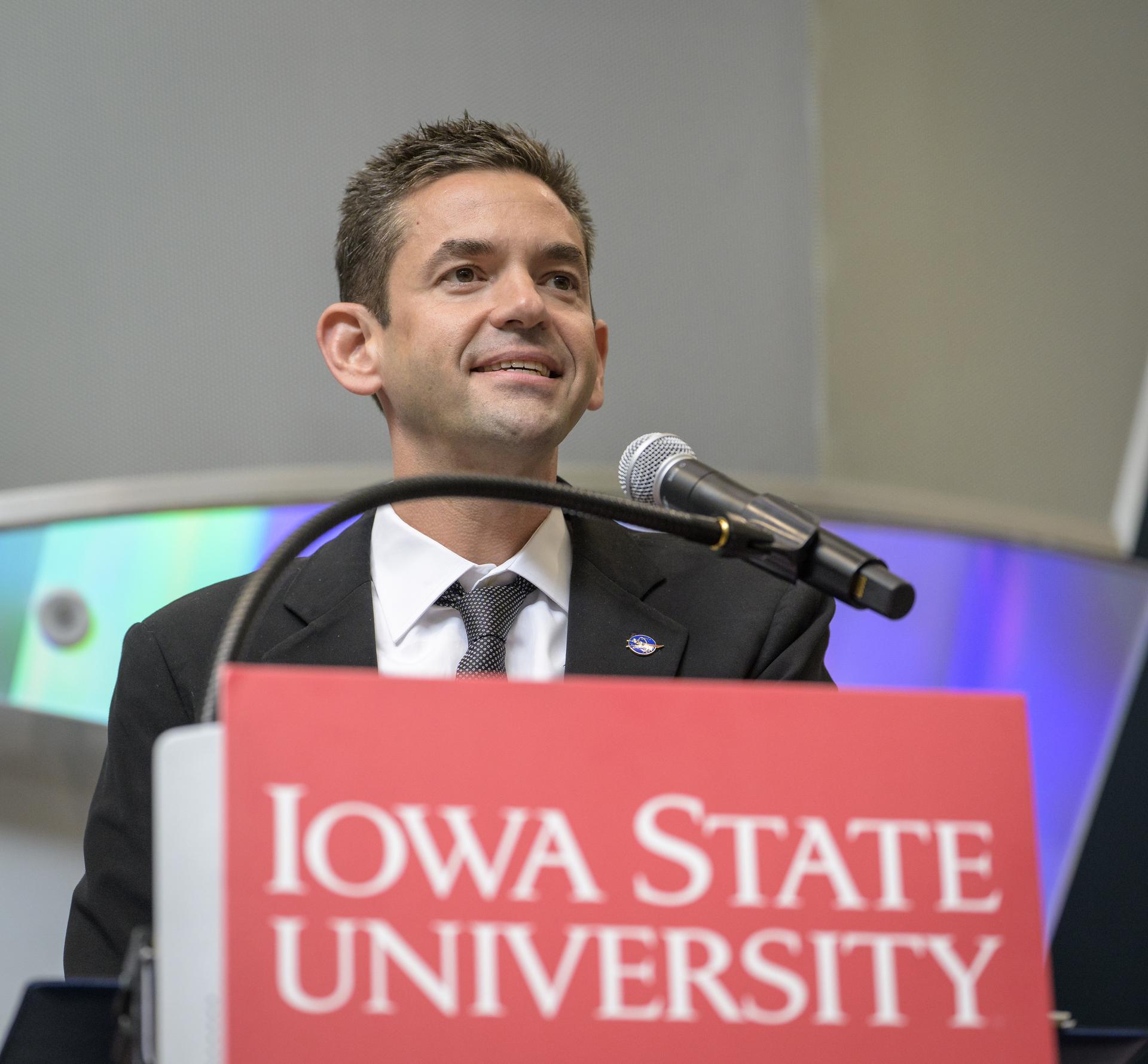
NASA Administrator Jared Isaacman gives remarks during a townhall with students, Tuesday, Sept. 8, 2026, at Iowa State University in Ames, Iowa. Photo Credit: (NASA/Bill Ingalls)
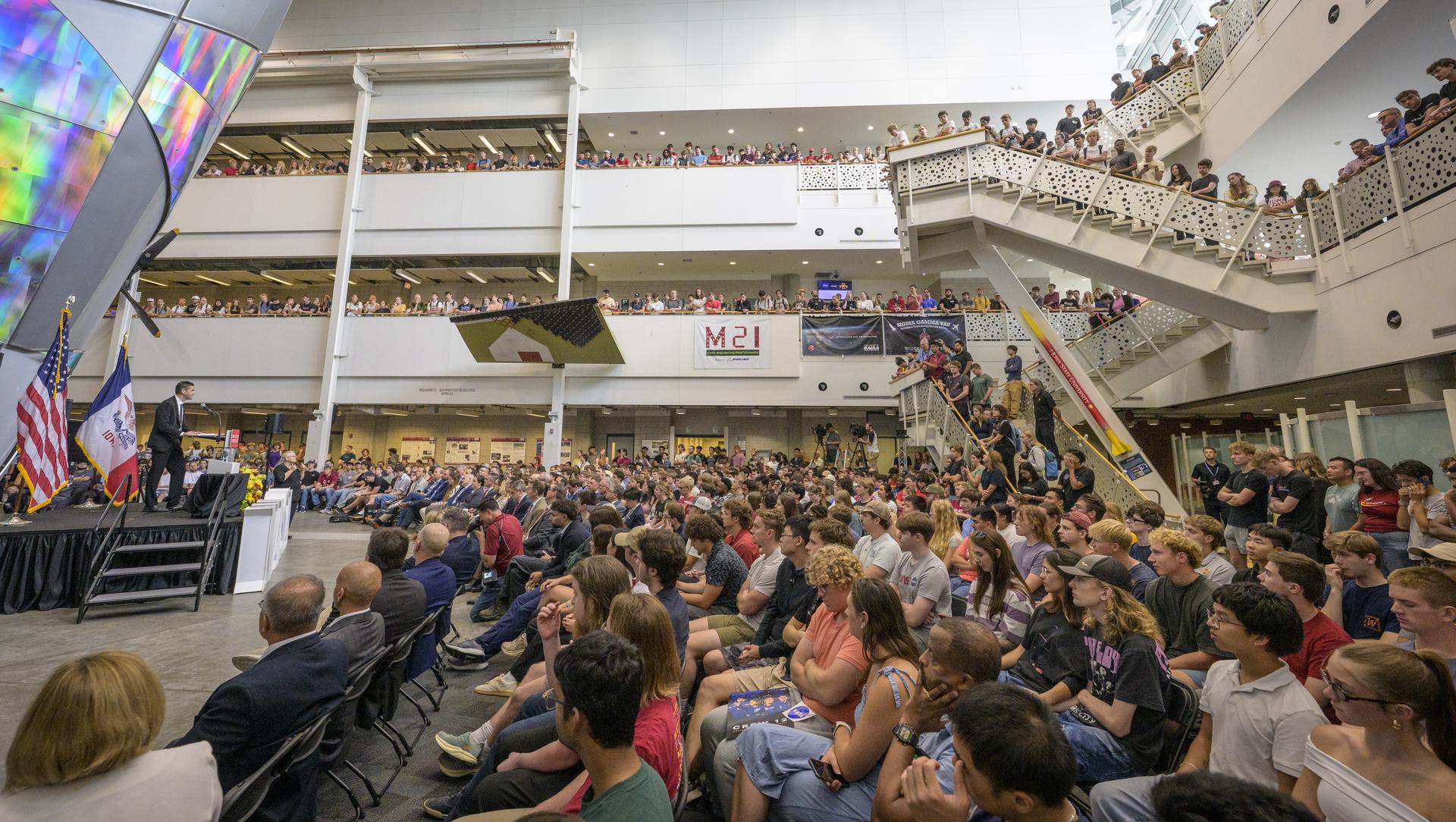
NASA Administrator Jared Isaacman gives remarks during a townhall with students, Tuesday, Sept. 8, 2026, at Iowa State University in Ames, Iowa. Photo Credit: (NASA/Bill Ingalls)
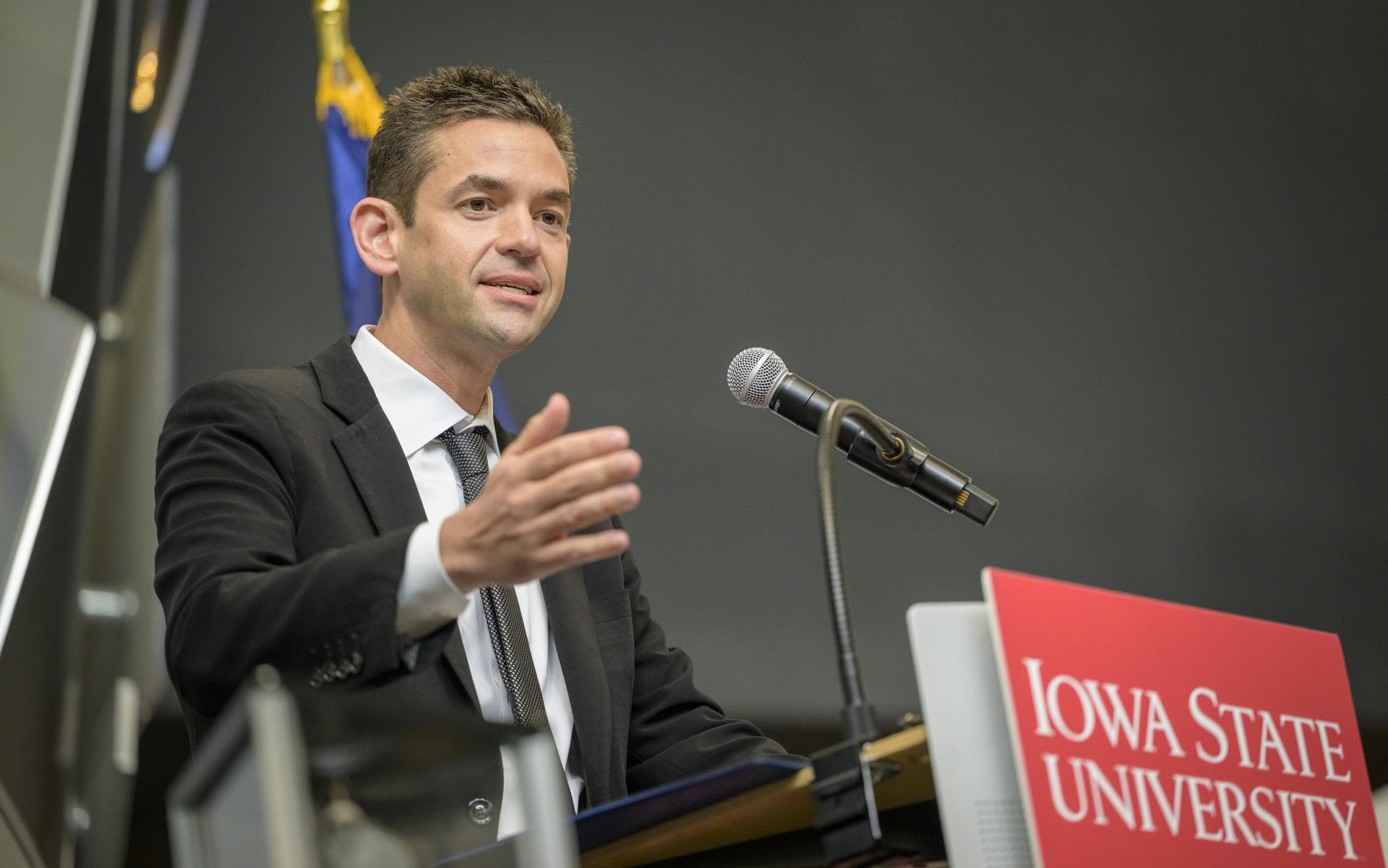
NASA Administrator Jared Isaacman gives remarks during a townhall with students, Tuesday, Sept. 8, 2026, at Iowa State University in Ames, Iowa. Photo Credit: (NASA/Bill Ingalls)
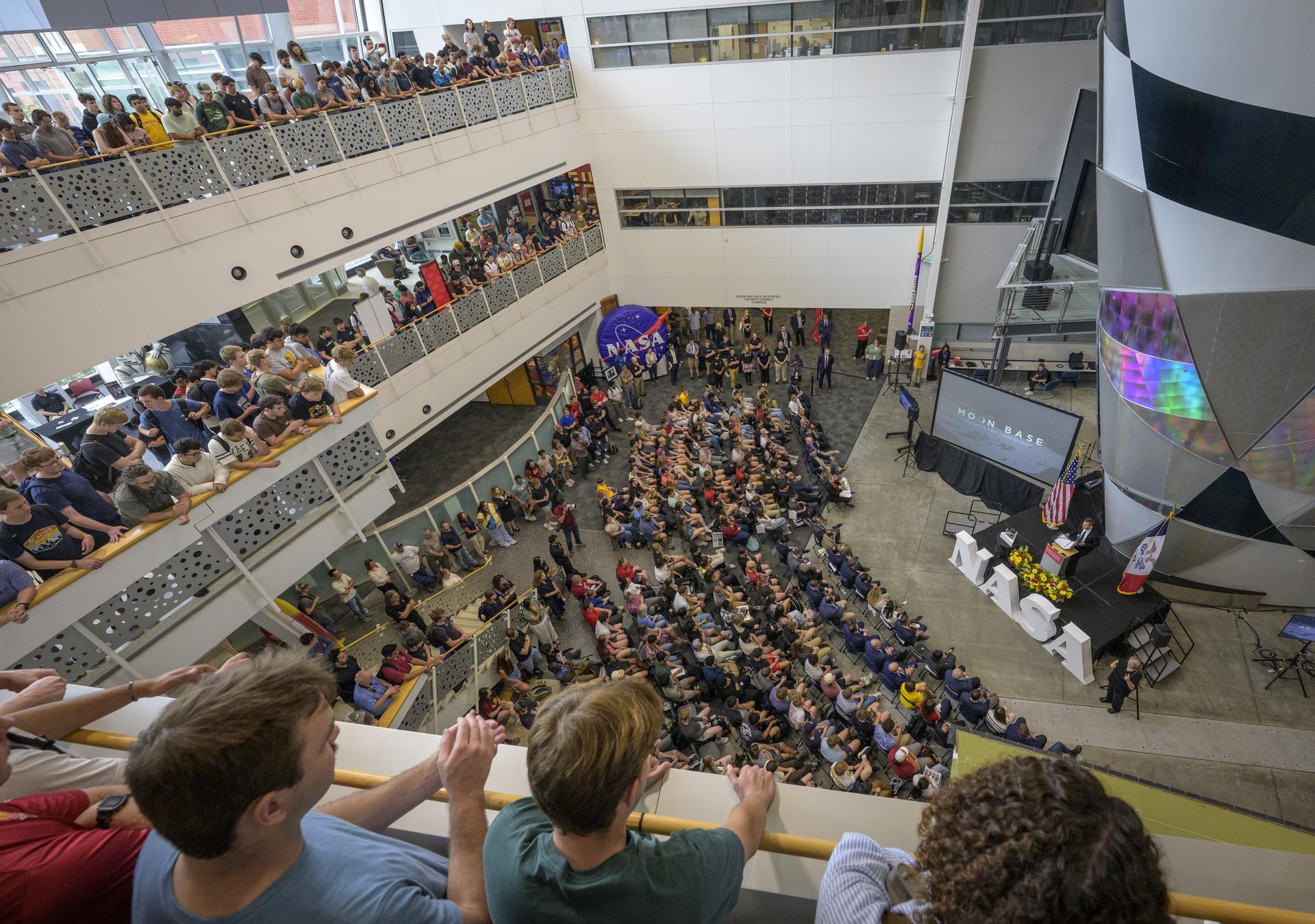
NASA Administrator Jared Isaacman gives remarks during a townhall with students, Tuesday, Sept. 8, 2026, at Iowa State University in Ames, Iowa. Photo Credit: (NASA/Bill Ingalls)
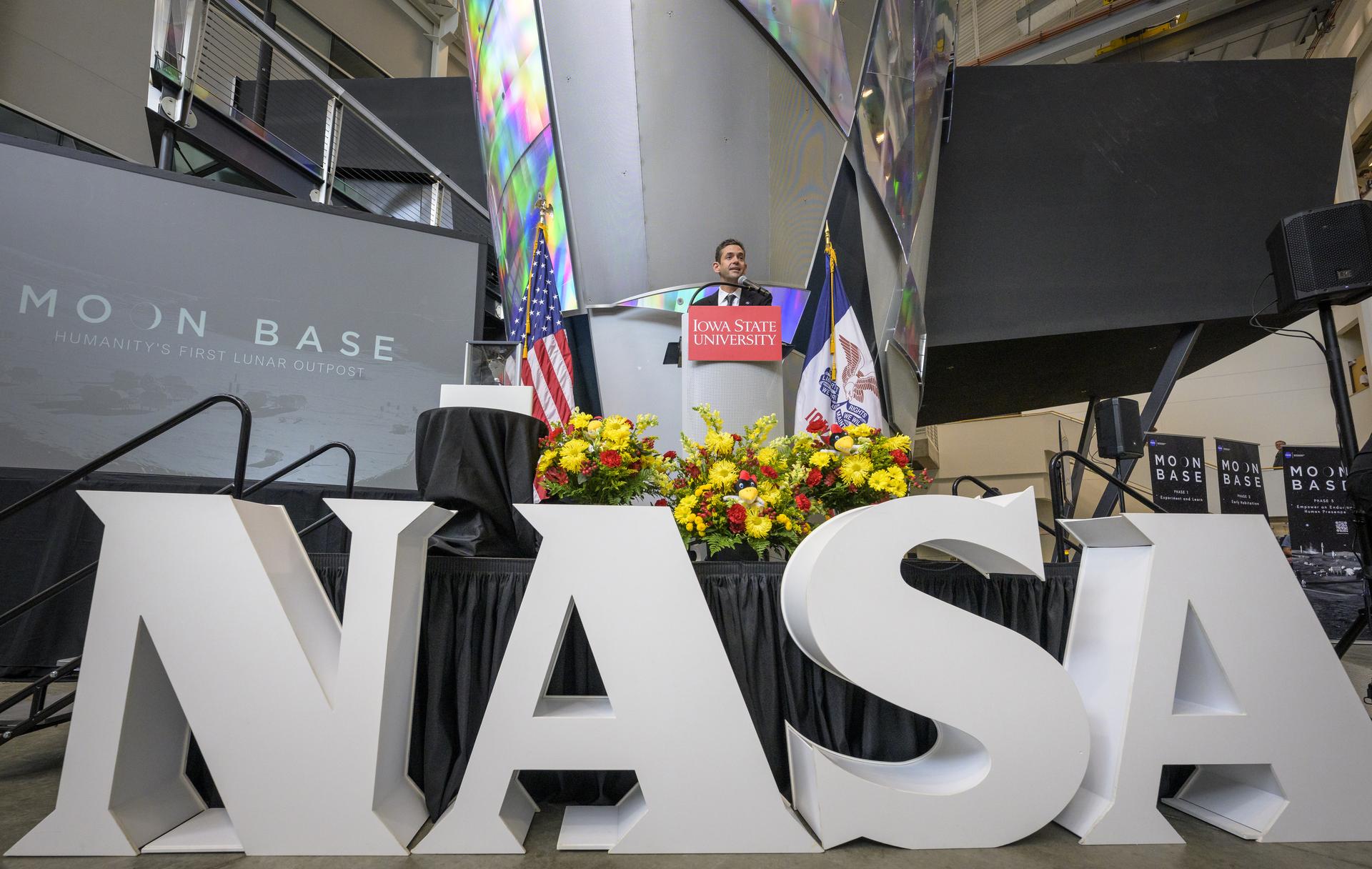
NASA Administrator Jared Isaacman gives remarks during a townhall with students, Tuesday, Sept. 8, 2026, at Iowa State University in Ames, Iowa. Photo Credit: (NASA/Bill Ingalls)
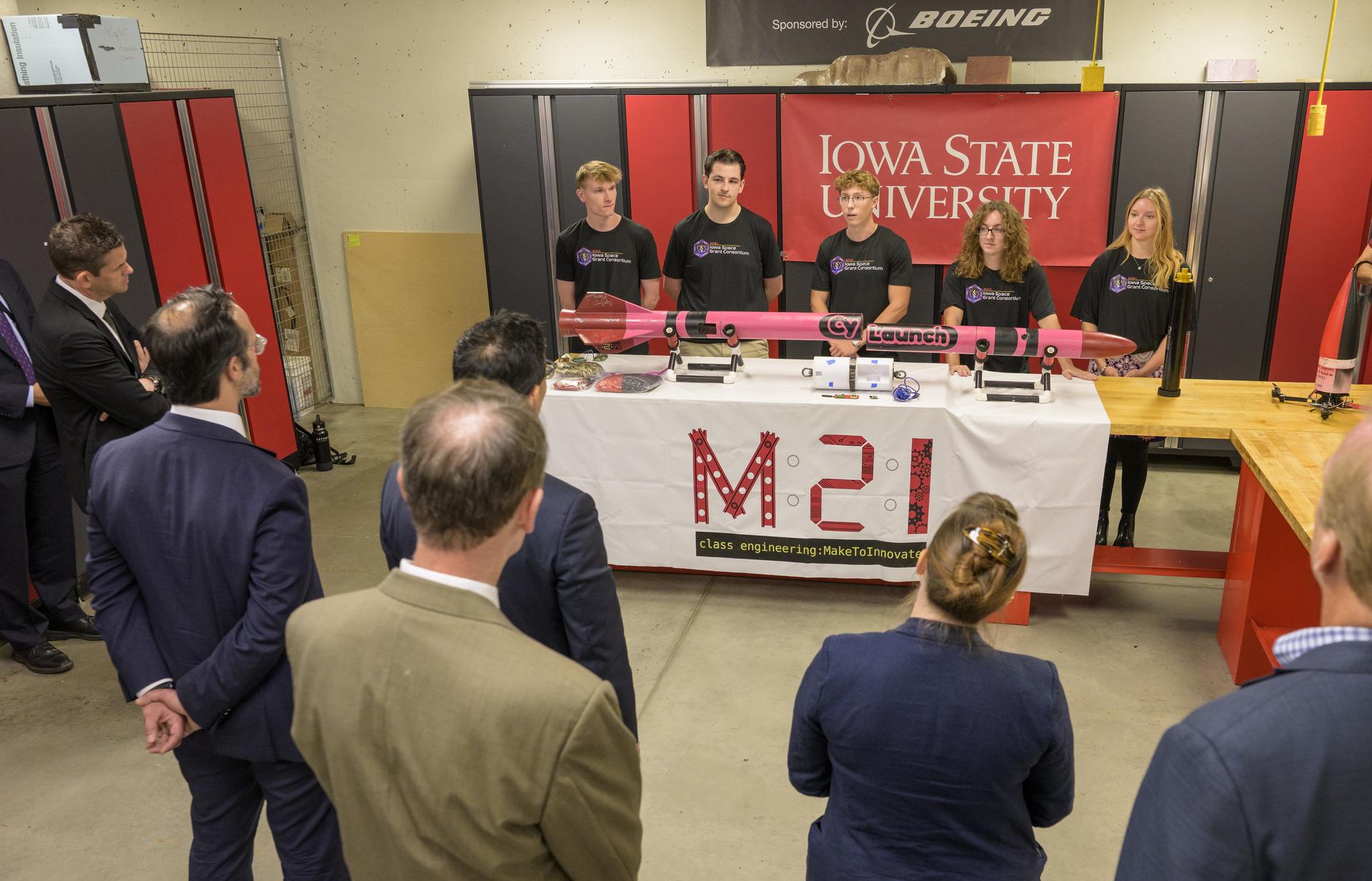
NASA Administrator Jared Isaacman, left, meets with Iowa Space Grant students, Tuesday, Sept. 8, 2026, at Iowa State University in Ames, Iowa. Photo Credit: (NASA/Bill Ingalls)
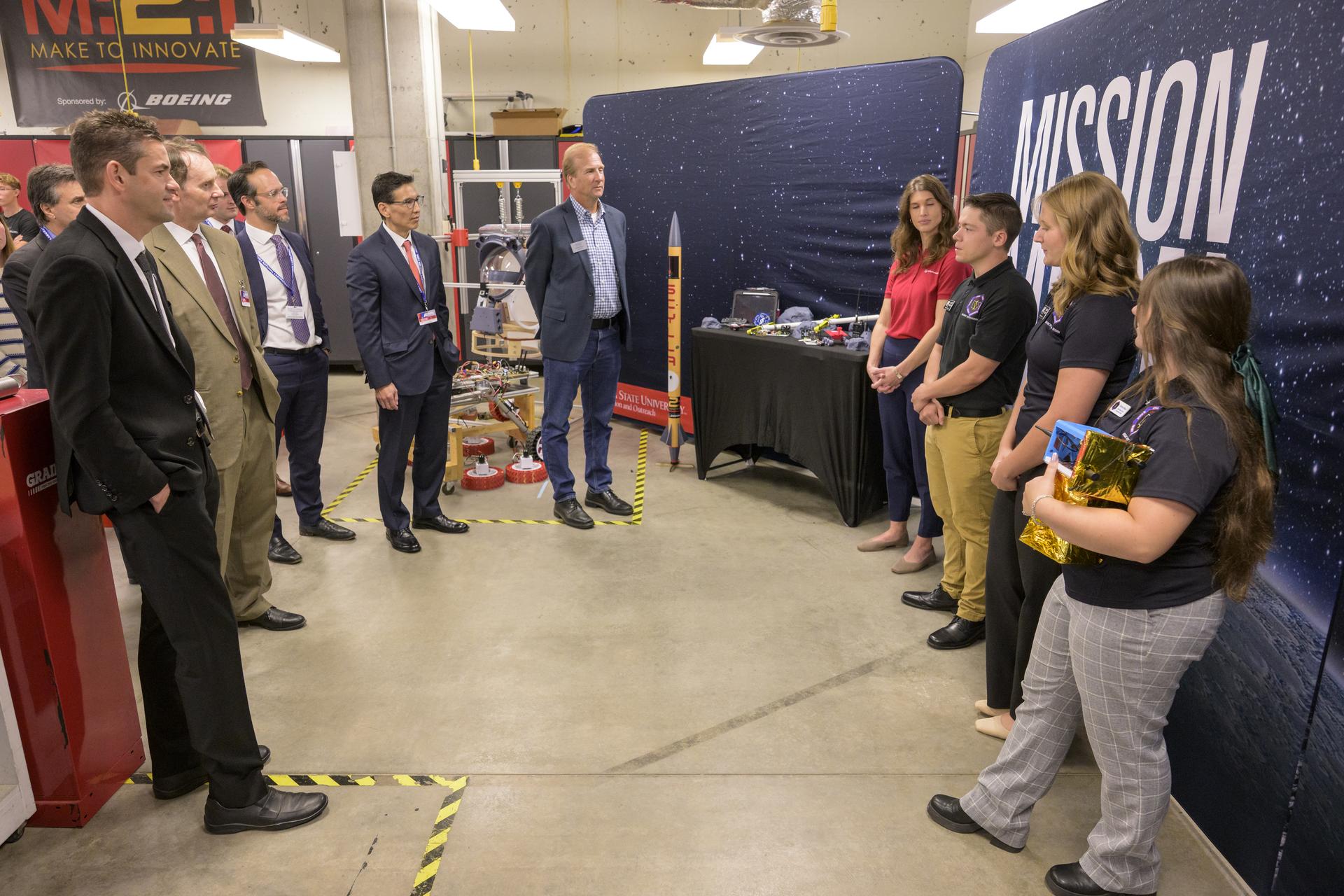
NASA Administrator Jared Isaacman, left, meets with Iowa Space Grant students, Tuesday, Sept. 8, 2026, at Iowa State University in Ames, Iowa. Photo Credit: (NASA/Bill Ingalls)
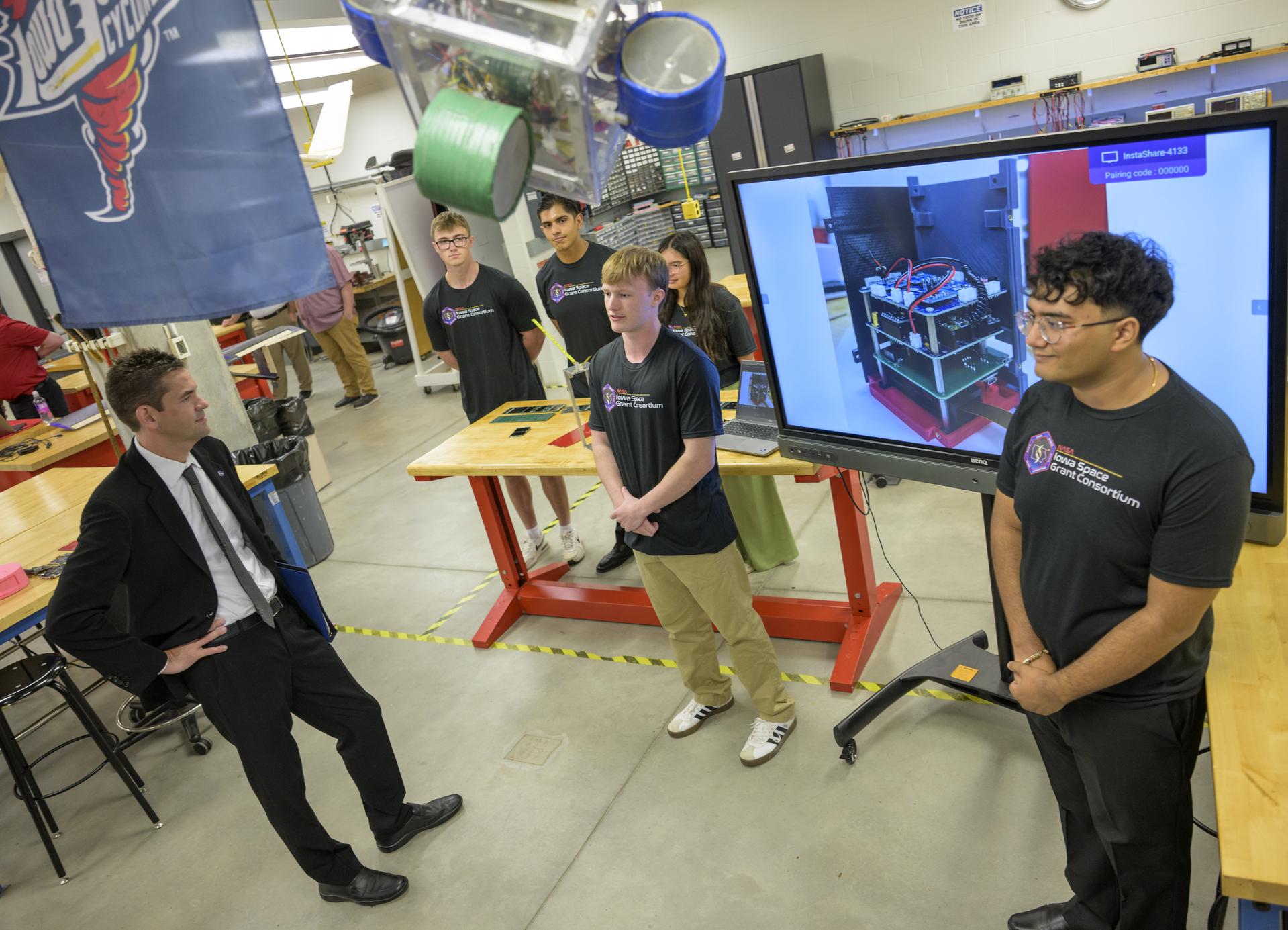
NASA Administrator Jared Isaacman, left, meets with Iowa Space Grant students, Tuesday, Sept. 8, 2026, at Iowa State University in Ames, Iowa. Photo Credit: (NASA/Bill Ingalls)
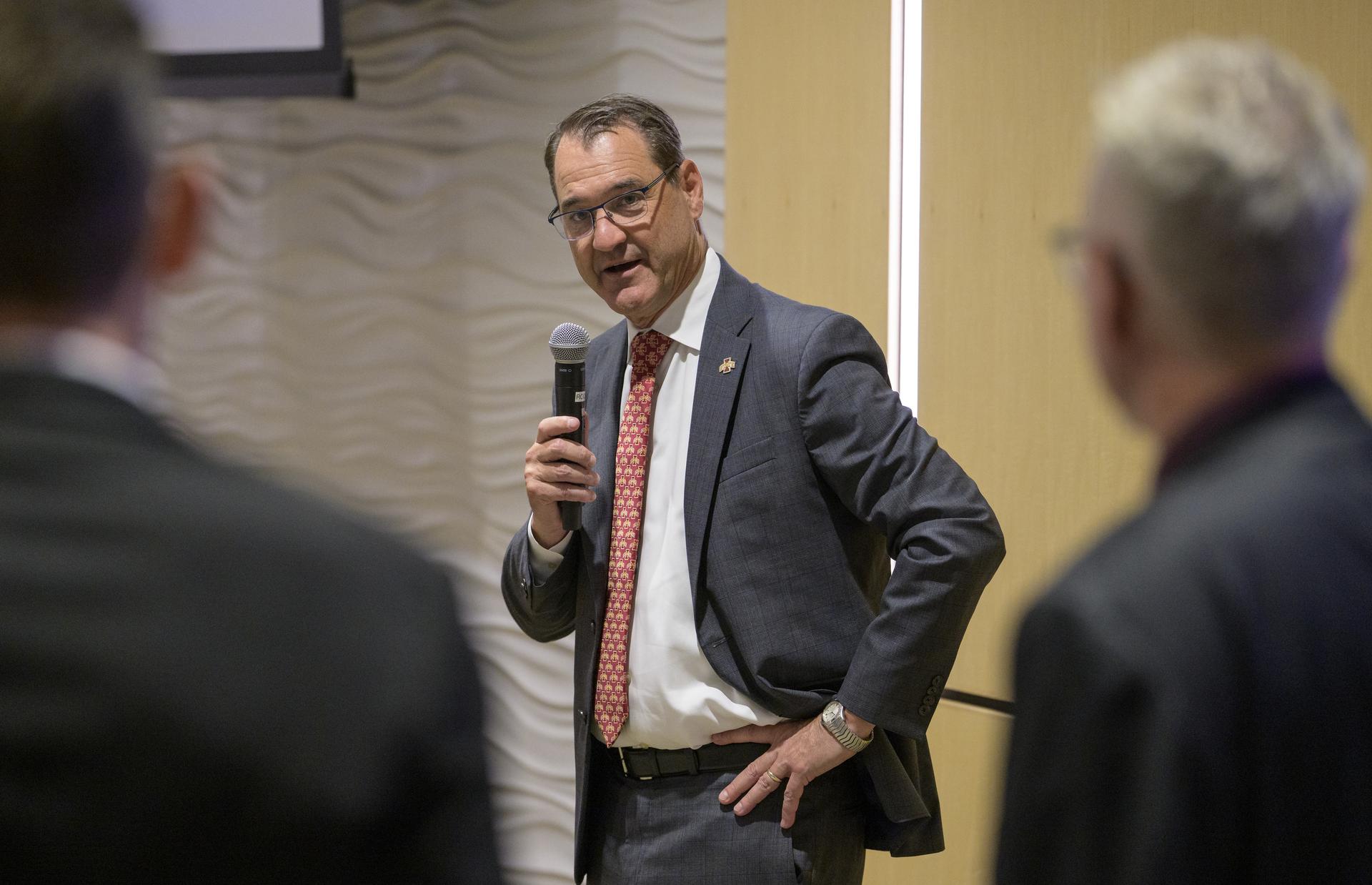
David Cook, President, Iowa State University welcomes NASA Administrator Jared Isaacman to the Ames National Laboratory, Tuesday, Sept. 8, 2026, on the campus of Iowa State University in Ames, Iowa. Photo Credit: (NASA/Bill Ingalls)
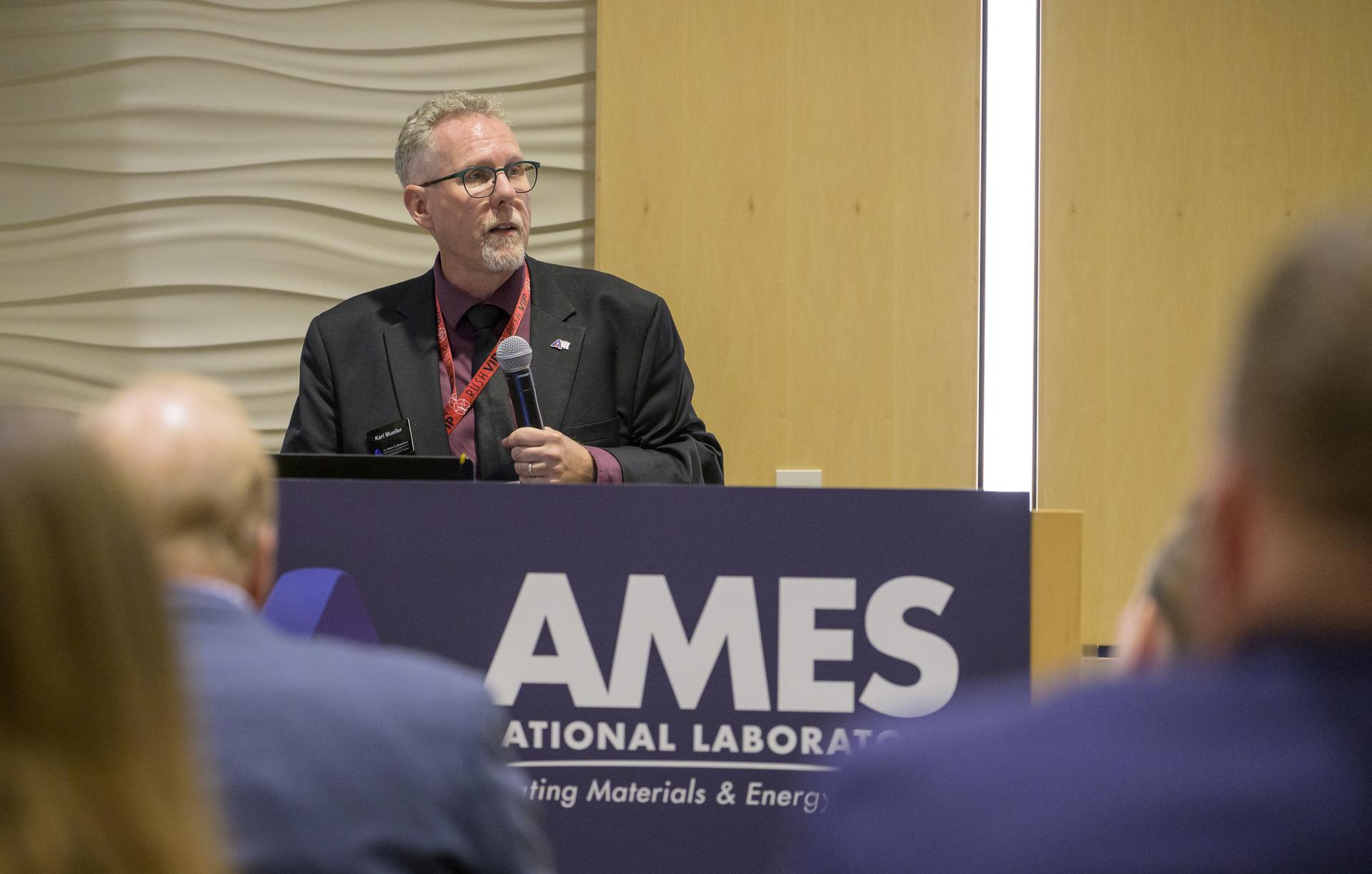
Dr. Karl Mueller, Director, Ames National Laboratory, welcomes NASA Administrator Jared Isaacman to the lab, Tuesday, Sept. 8, 2026, on the campus of Iowa State University in Ames, Iowa. Photo Credit: (NASA/Bill Ingalls)
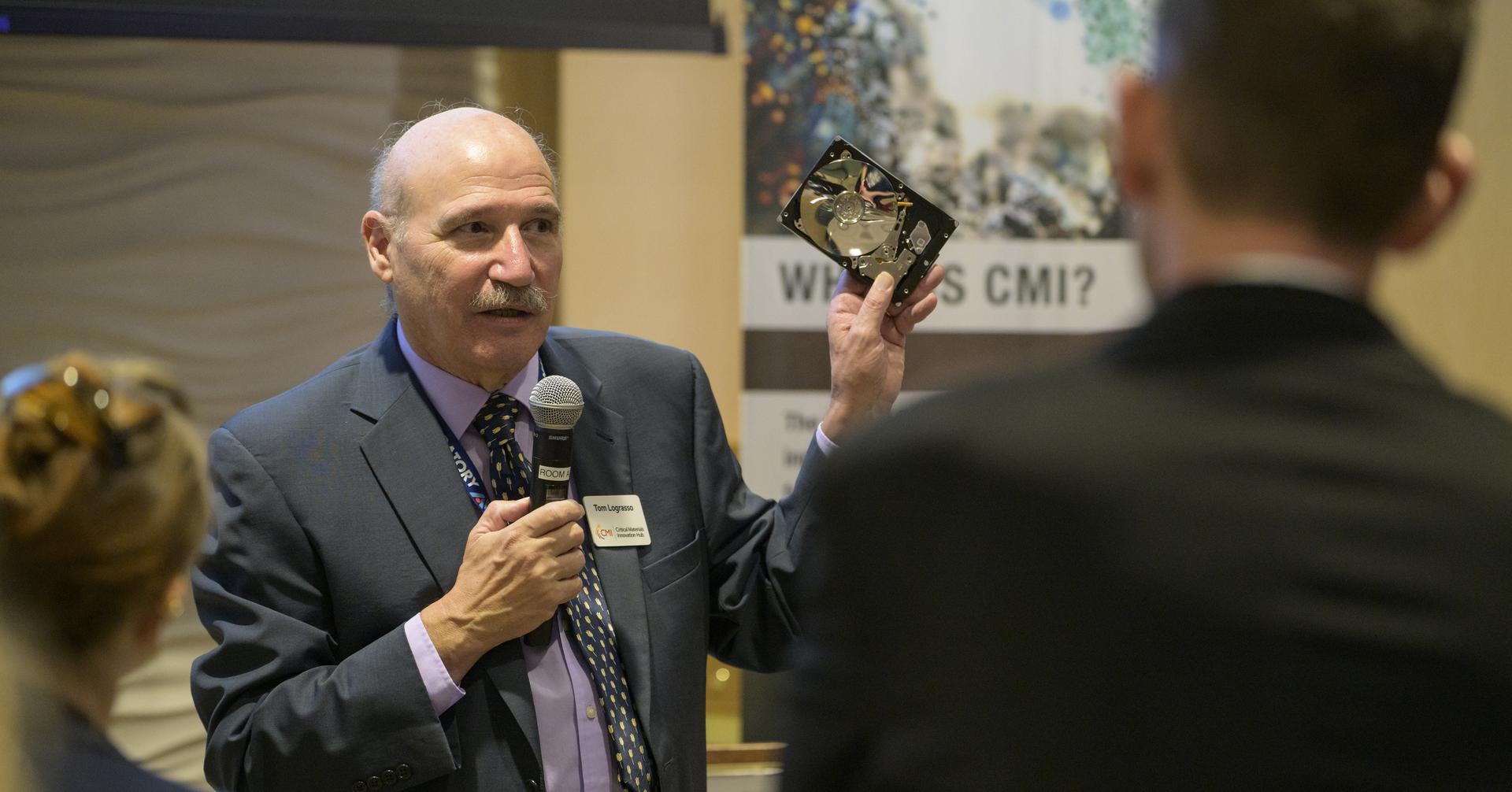
Tom Lograsso, Director, Critical Materials Innovation Hub, talks to NASA Administrator Jared Isaacman, and others, during a tour of lab, Tuesday, Sept. 8, 2026, on the campus of Iowa State University in Ames, Iowa. Photo Credit: (NASA/Bill Ingalls)
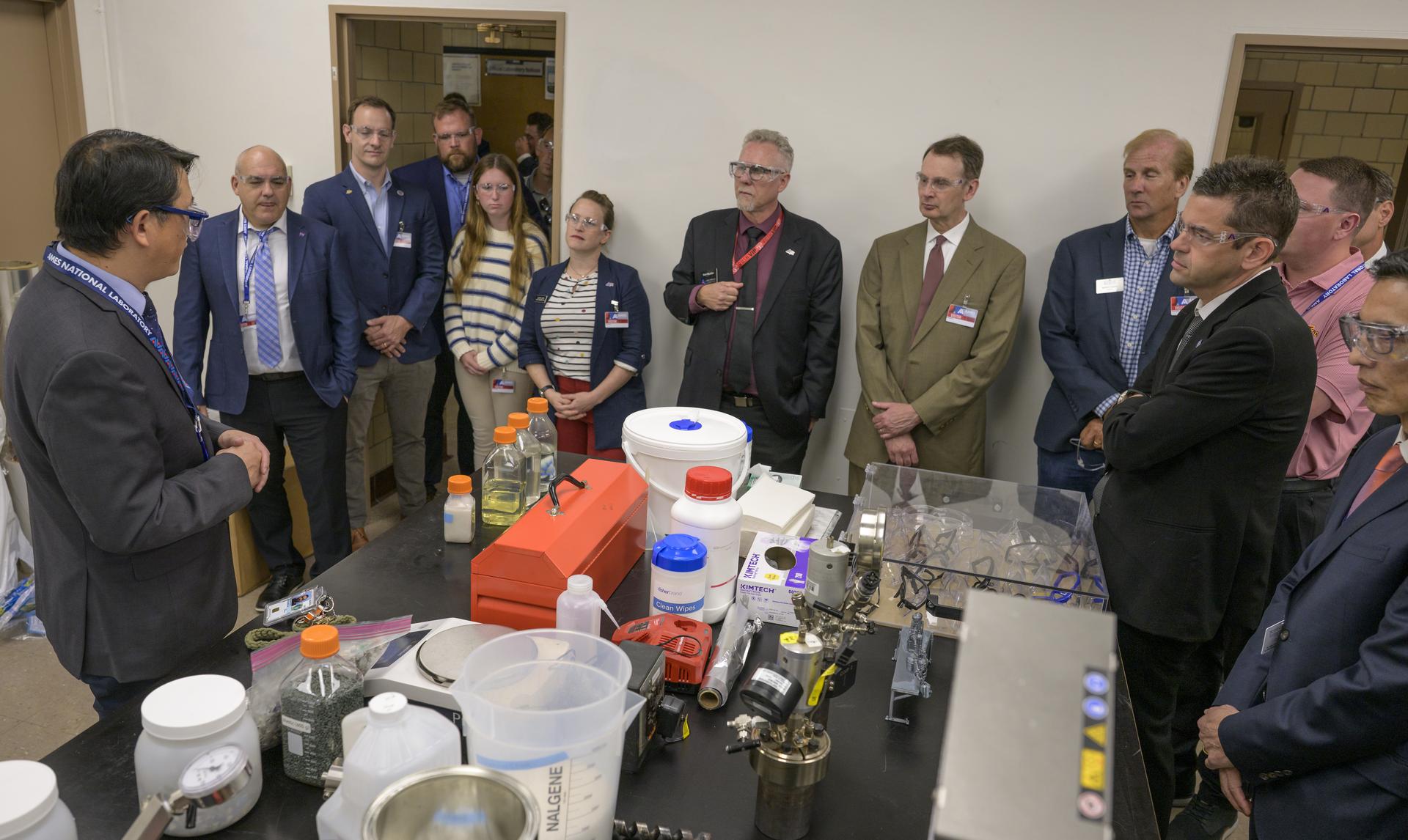
NASA Administrator Jared Isaacman, right, listens to Wenyu Huang, Scientist, Ames National Laboratory, left, as he tours the facility, Tuesday, Sept. 8, 2026, on the campus of Iowa State University in Ames, Iowa. Photo Credit: (NASA/Bill Ingalls)
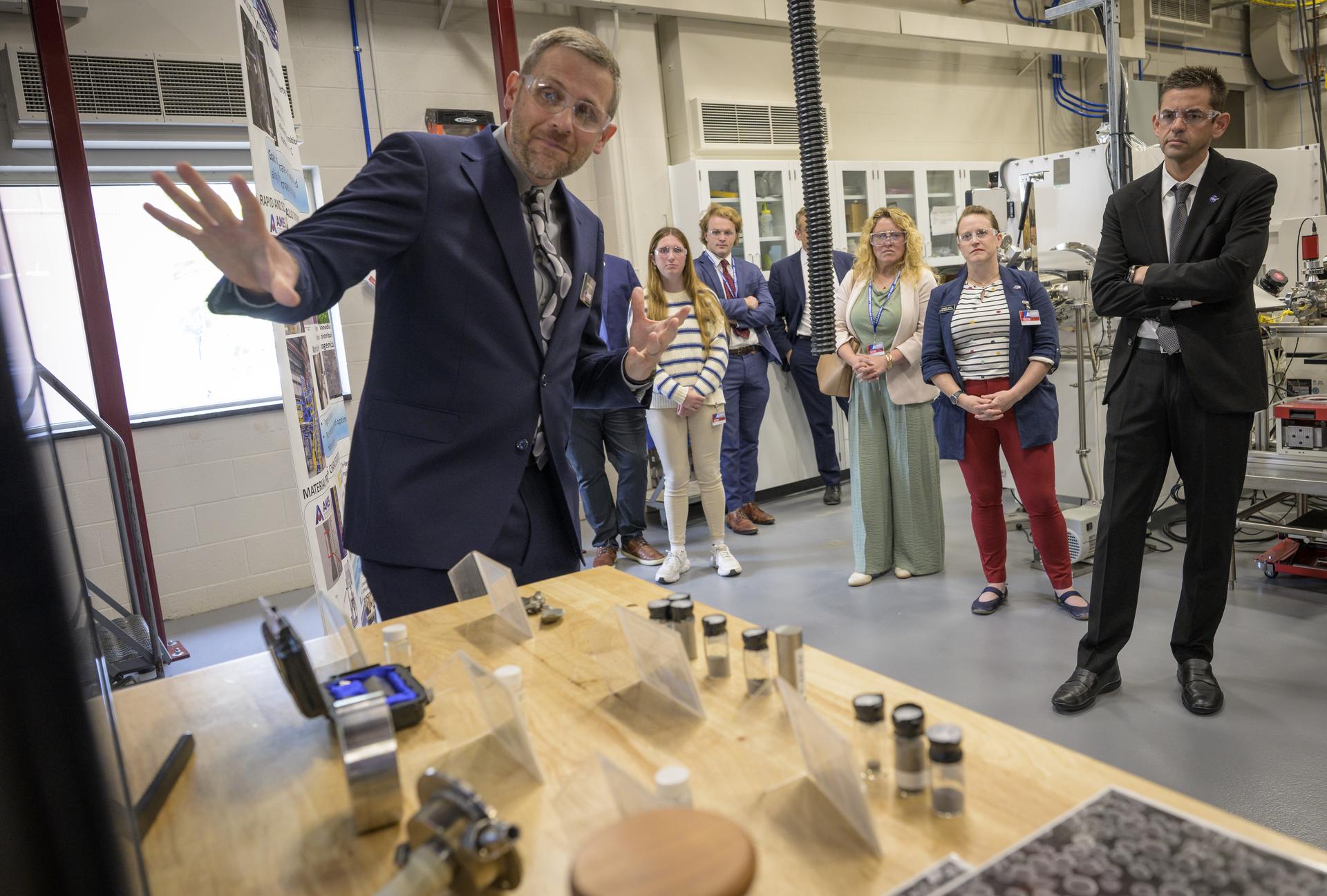
NASA Administrator Jared Isaacman, right, listens to Jordan Tiarks, Scientist, Ames National Laboratory, left, as he tours the lab, Tuesday, Sept. 8, 2026, on the campus of Iowa State University in Ames, Iowa. Photo Credit: (NASA/Bill Ingalls)
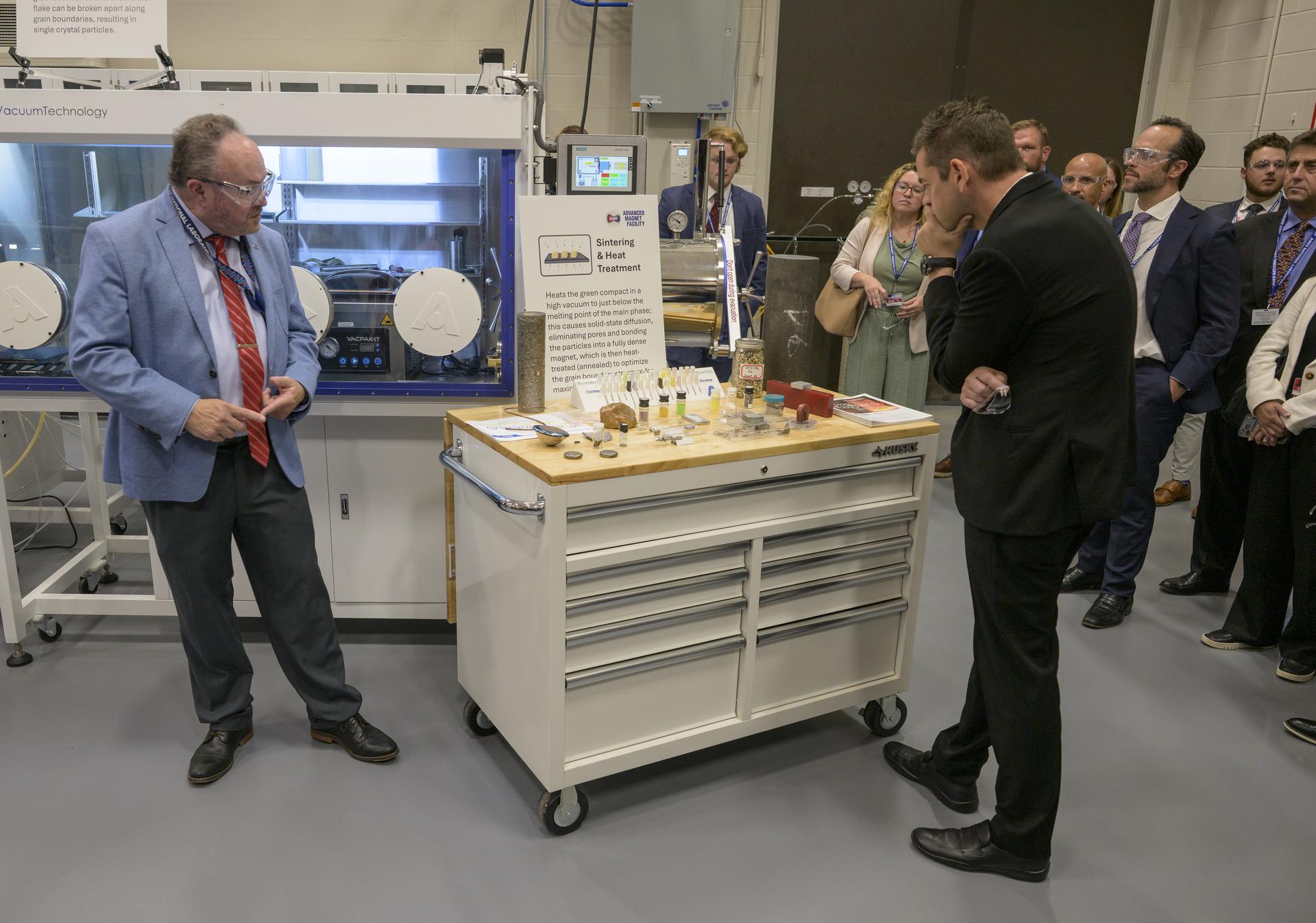
NASA Administrator Jared Isaacman, right, listens to James Morris, Chief Research Officer, Ames National Laboratory, left, as he tours the facility, Tuesday, Sept. 8, 2026, on the campus of Iowa State University in Ames, Iowa. Photo Credit: (NASA/Bill Ingalls)
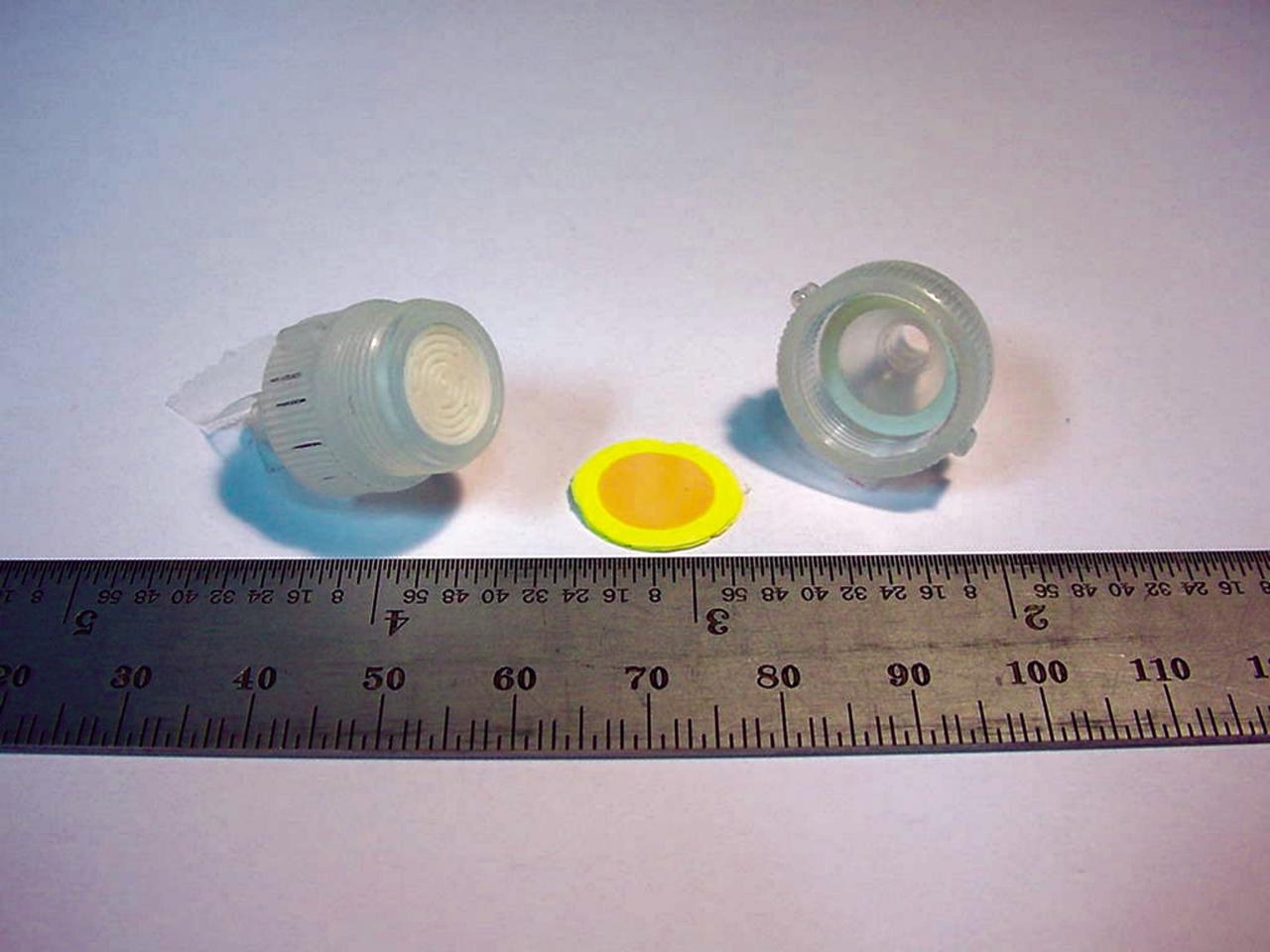
The heart of a colorimetric solid phase extractor (CSPE) test kit quickly measures the concentration of the biocides silver or iodine in astronauts’ drinking water to determine whether concentrations are safe. When 10 milliliters (ml) of water is drawn through the disk, the disk will turn color (yellow in this picture for iodine) indicating the presence of the biocides. The device could someday be used to test water safety at reservoirs and water treatment plants on Earth. (photo credit: Microanalytical Instrumentation Center, Iowa State University).
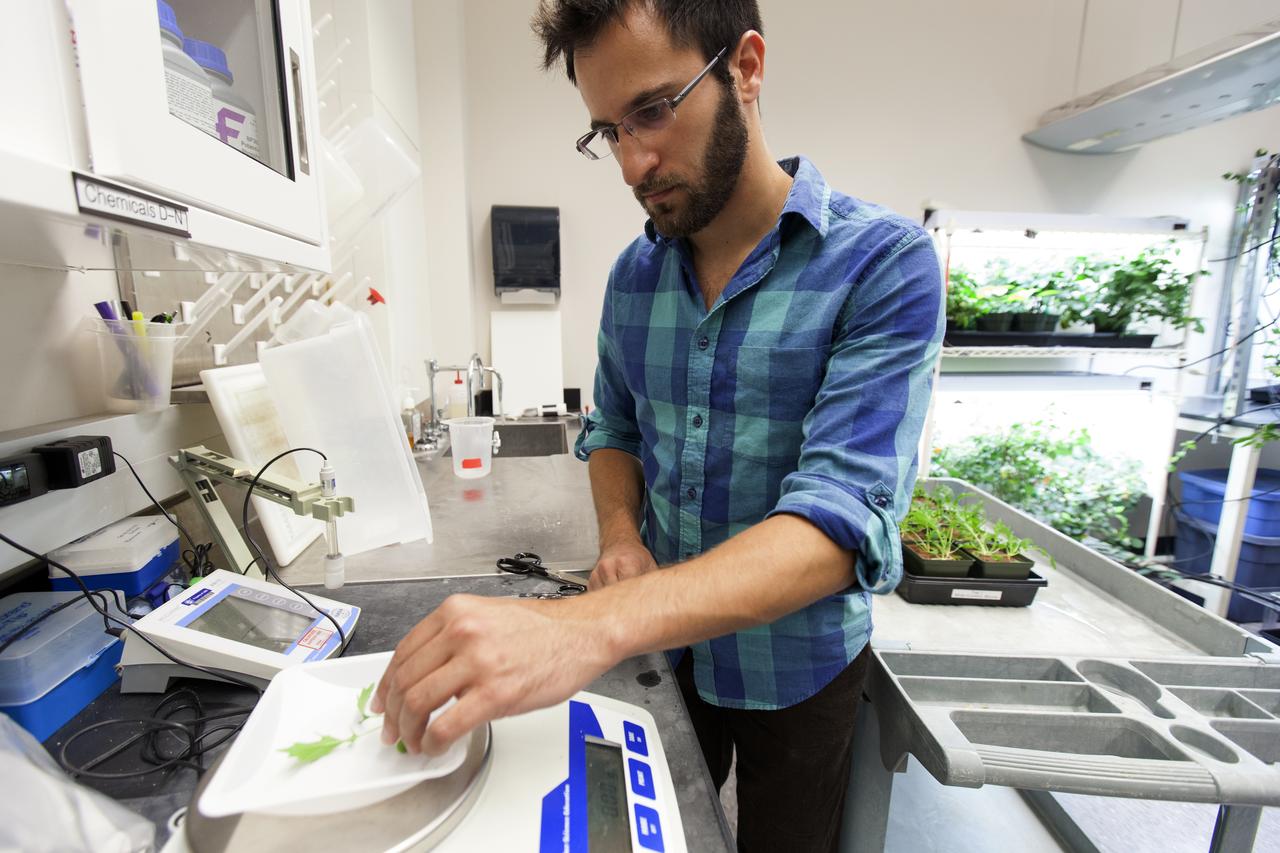
In the Space Life Sciences Laboratory at NASA's Kennedy Space Center in Florida, student interns such as Alex Litvin are joining agency scientists, contributing in the area of plant growth research for food production in space. Litvin is pursuing doctorate in horticulture at Iowa State University. The agency attracts its future workforce through the NASA Internship, Fellowships and Scholarships, or NIFS, Program.
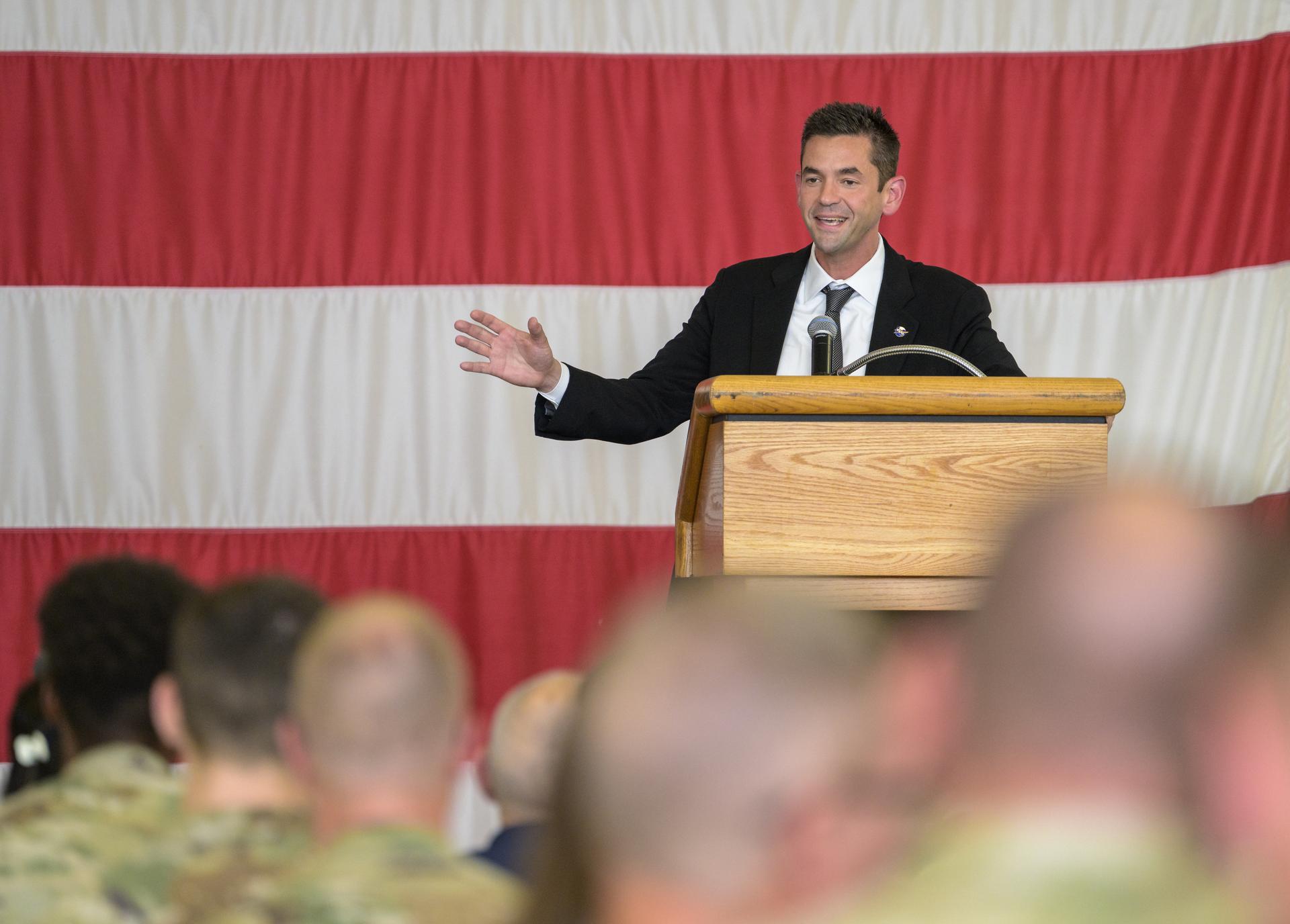
NASA Administrator Jared Isaacman, talks with members of the 132nd Air Wing, Tuesday, Sept. 8, 2026, in Des Moines, Iowa. Photo Credit: (NASA/Bill Ingalls)
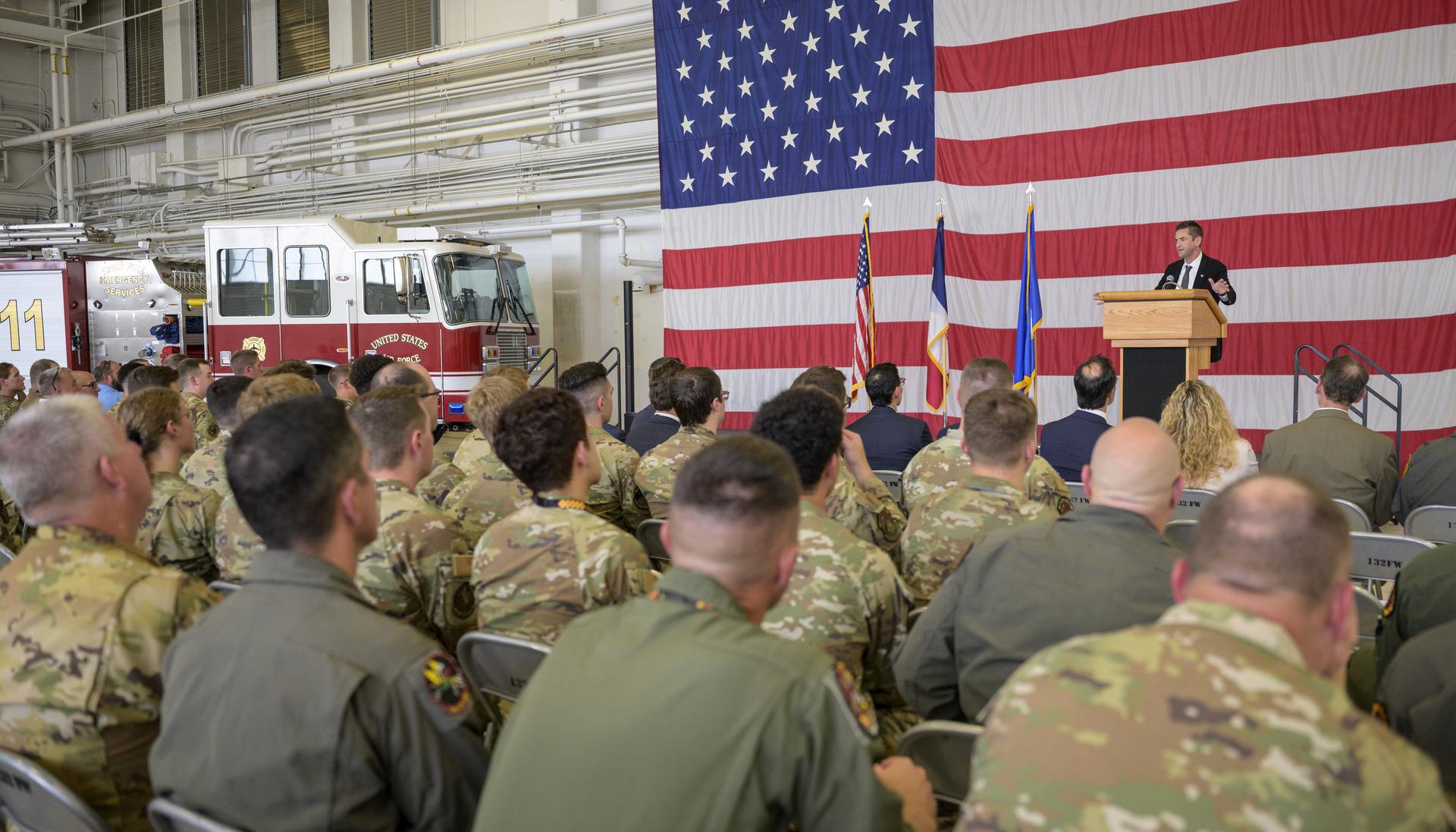
NASA Administrator Jared Isaacman, talks with members of the 132nd Air Wing, Tuesday, Sept. 8, 2026, in Des Moines, Iowa. Photo Credit: (NASA/Bill Ingalls)
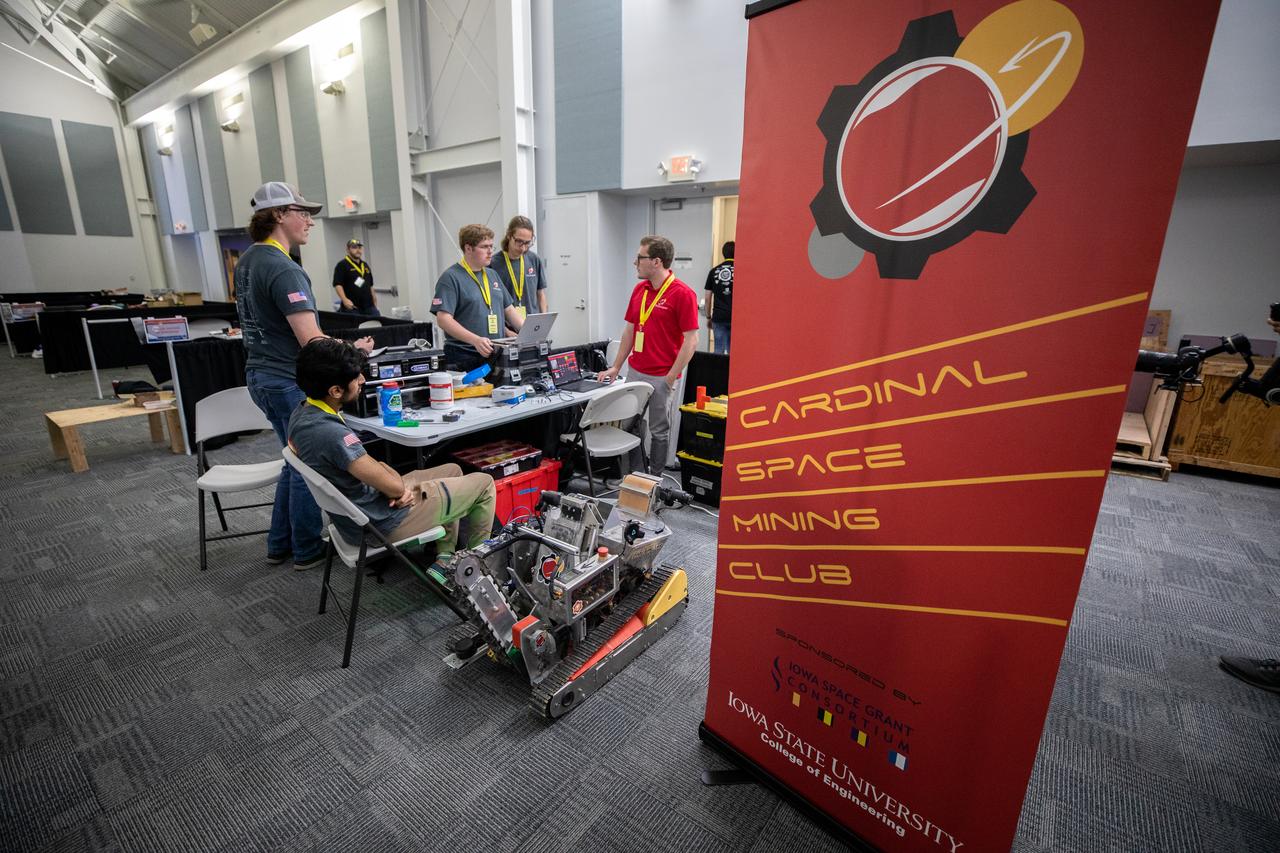
Students from Iowa State University College students prepare their robotic miner for its turn to dig in the mining arena during NASA’s LUNABOTICS competition on May 23, 2022, at the Center for Space Education near the Kennedy Space Center Visitor Complex in Florida. More than 35 teams from around the U.S. have designed and built remote-controlled robots for the mining competition. Teams use their autonomous or remote-controlled robots to maneuver and dig in a supersized sandbox filled with rocks and simulated lunar soil, or regolith. The objective of the challenge is to see which team’s robot can collect and deposit the most rocky regolith within a specified amount of time.

Nico Nevarez, of Iowa State University, prepares his team’s prototype lunar robot for its turn during the finals for NASA’s 2026 Lunabotics Challenge competition on Tuesday, May 19, 2026, inside the Astronauts Memorial Foundation’s Center for Space Education at the Kennedy Space Center Visitor Complex in Florida. Forty-seven teams from around the U.S. designed and built remote-controlled robots capable of traversing challenging lunar terrain while constructing regolith-based berm under conditions similar to those the agency will face as it returns to the lunar surface through Artemis.

Students from Iowa State University prepare their prototype lunar robot for its turn during the finals for NASA’s 2026 Lunabotics Challenge competition on Wednesday, May 20, 2026, inside the Astronauts Memorial Foundation’s Center for Space Education at the Kennedy Space Center Visitor Complex in Florida. Forty-seven teams from around the U.S. designed and built remote-controlled robots capable of traversing challenging lunar terrain while constructing regolith-based berm under conditions similar to those the agency will face as it returns to the lunar surface through Artemis.
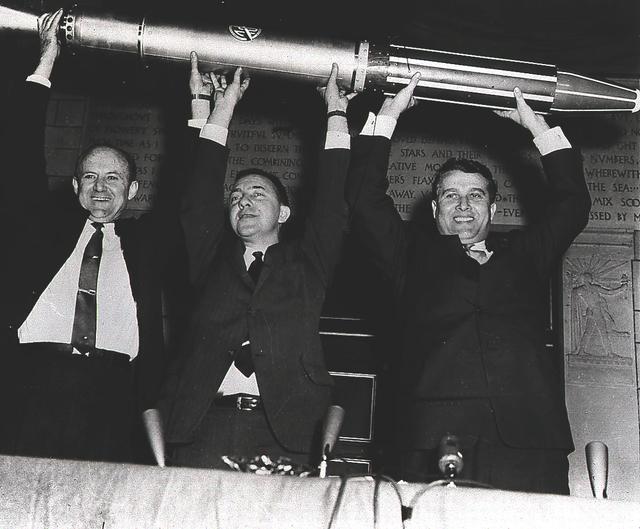
Jet Propulsion Laboratory Director Dr. William Pickering, Dr. James van Allen of the State University of Iowa, and Army Ballistic missionile Agency Technical Director Dr. Wernher von Braun triumphantly display a model of the Explorer I, America's first satellite, shortly after the satellite's launch on January 31, 1958. The Jet Propulsion Laboratory packed and tested the payload, a radiation detection experiment designed by Dr. van Allen. Dr. von Braun's rocket team at Redstone Arsenal in Huntsville, Alabama, developed the Juno I launch vehicle, a modified Jupiter-C.
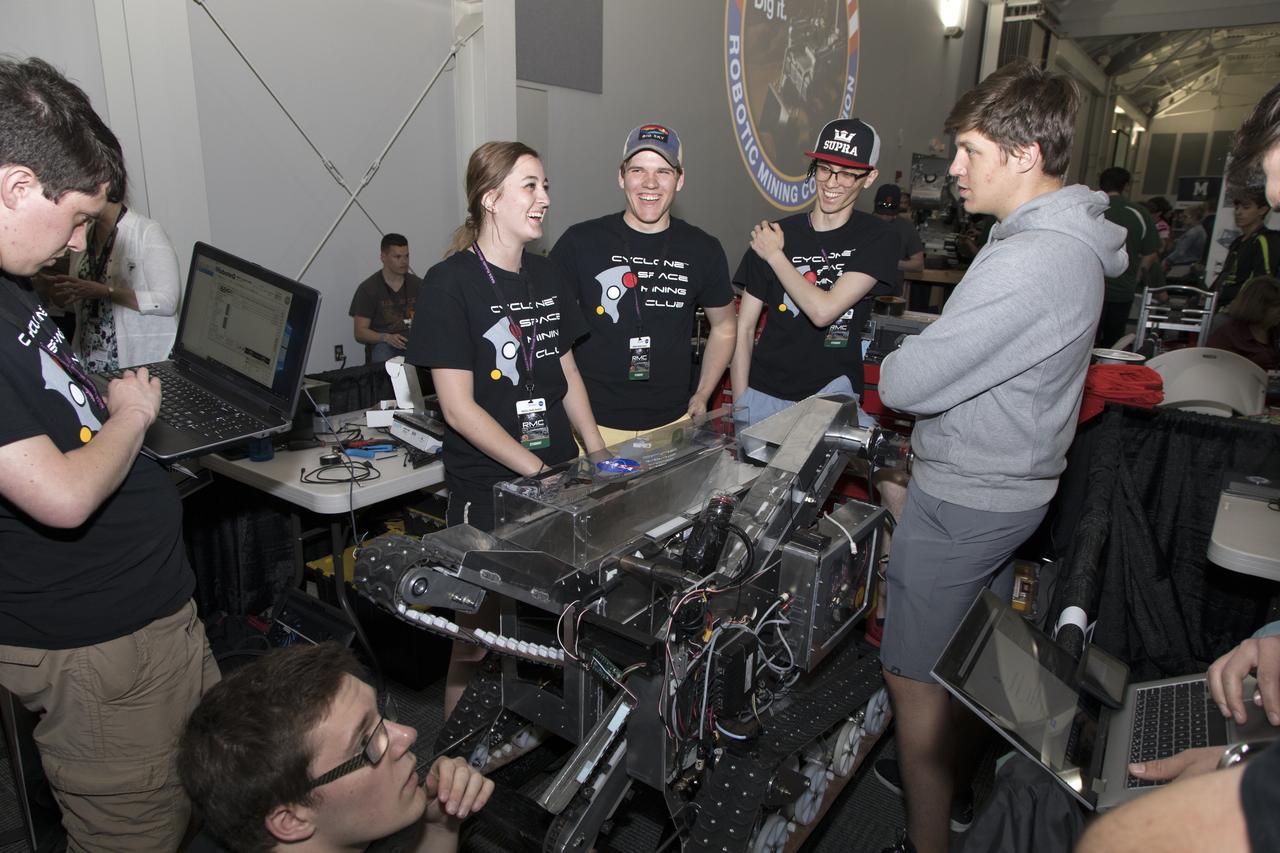
Team members from Iowa State University prepare their robot miner on the second day of NASA's 9th Robotic Mining Competition, May 15, in the RobotPits in the Educator Resource Center at Kennedy Space Center Visitor Complex in Florida. More than 40 student teams from colleges and universities around the U.S. will use their mining robots to dig in a supersized sandbox filled with BP-1, or simulated Lunar soil, gravel and rocks, and participate in other competition requirements. The Robotic Mining Competition is a NASA Human Exploration and Operations Mission Directorate project designed to encourage students in science, technology, engineering and math, or STEM fields. The project provides a competitive environment to foster innovative ideas and solutions that could be used on NASA's deep space missions.
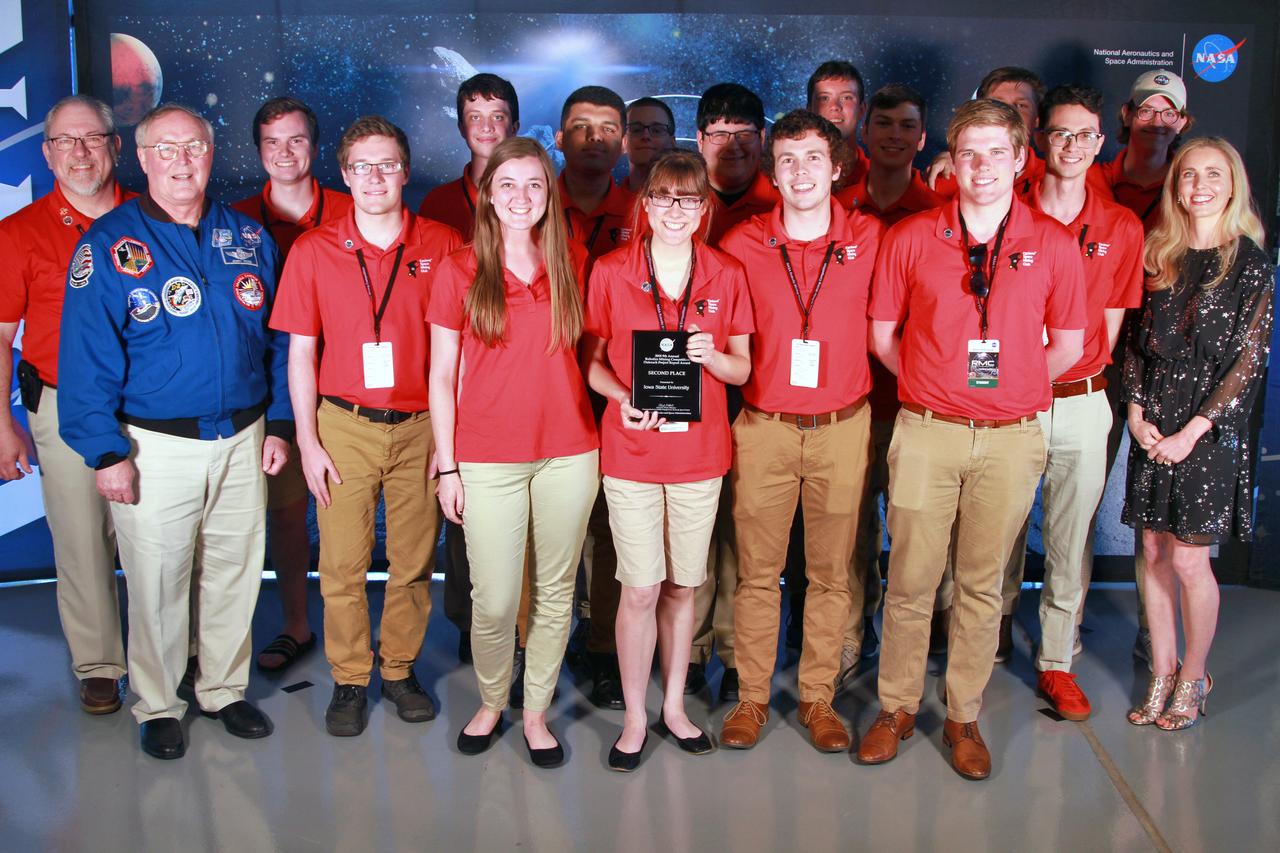
NASA's 9th Annual Robotic Mining Competition concludes with an awards ceremony May 18, 2018, at the Apollo/Saturn V Center at the Kennedy Space Center Visitor Complex in Florida. The team from Iowa State University received second place in the Outreach Project category. At left is retired NASA astronaut Jerry Ross. At right is Bethanne Hull, NASA Education specialist and lead Outreach Project judge. More than 40 student teams from colleges and universities around the U.S. participated in the competition, May 14-18, by using their mining robots to dig in a supersized sandbox filled with BP-1, or simulated lunar soil, gravel and rocks, and participate in other competition requirements. The Robotic Mining Competition is a NASA Human Exploration and Operations Mission Directorate project designed to encourage students in science, technology, engineering and math, or STEM fields. The project provides a competitive environment to foster innovative ideas and solutions that could be used on NASA's deep space missions.
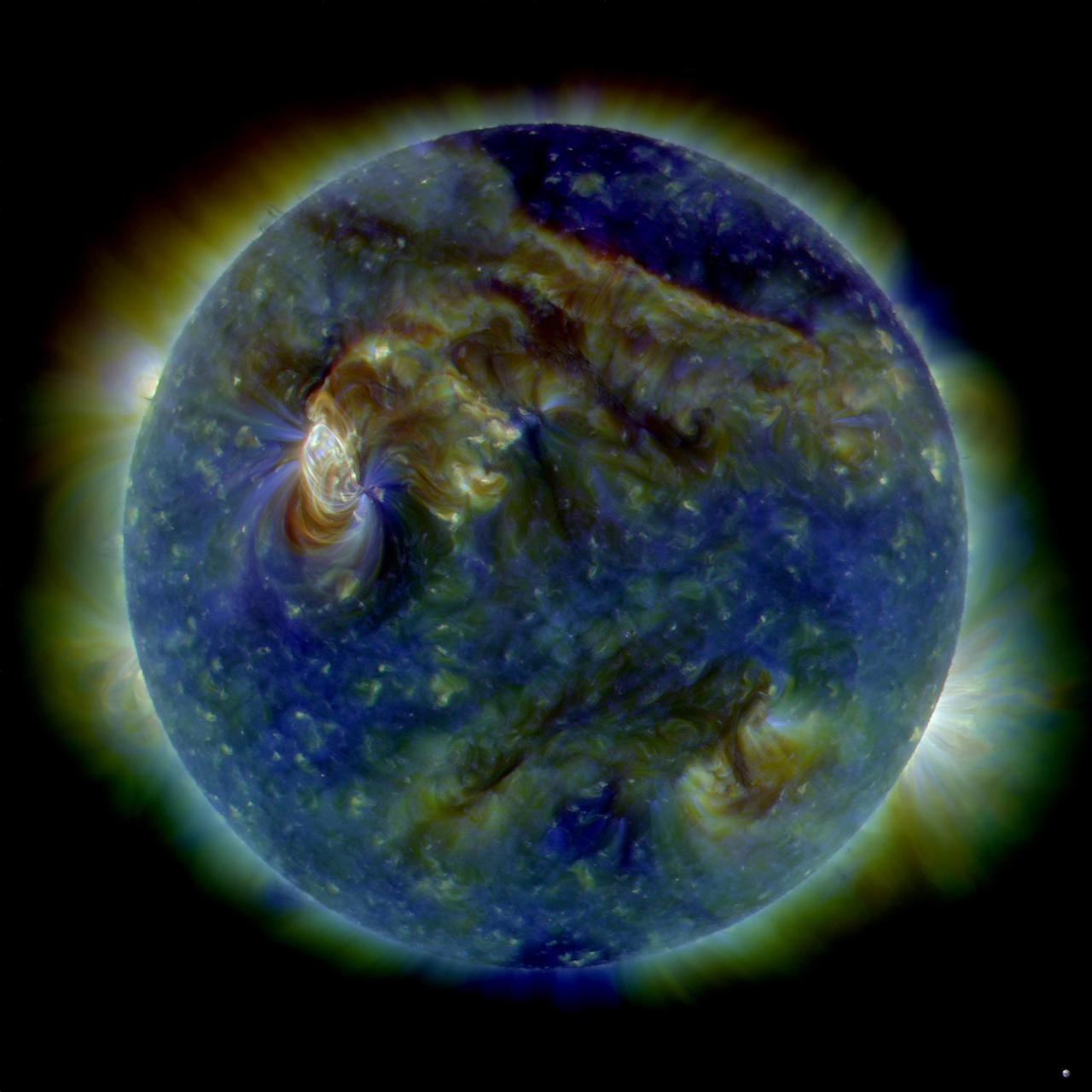
NASA image release August 6, 2010 On August 1, 2010, almost the entire Earth-facing side of the sun erupted in a tumult of activity. This image from the Solar Dynamics Observatory of the news-making solar event on August 1 shows the C3-class solar flare (white area on upper left), a solar tsunami (wave-like structure, upper right), multiple filaments of magnetism lifting off the stellar surface, large-scale shaking of the solar corona, radio bursts, a coronal mass ejection and more. This multi-wavelength extreme ultraviolet snapshot from the Solar Dynamics Observatory shows the sun's northern hemisphere in mid-eruption. Different colors in the image represent different gas temperatures. Earth's magnetic field is still reverberating from the solar flare impact on August 3, 2010, which sparked aurorae as far south as Wisconsin and Iowa in the United States. Analysts believe a second solar flare is following behind the first flare and could re-energize the fading geomagnetic storm and spark a new round of Northern Lights. Credit: NASA/SDO/AIA <b><a href="http://www.nasa.gov/centers/goddard/home/index.html" rel="nofollow">NASA Goddard Space Flight Center</a></b> is home to the nation's largest organization of combined scientists, engineers and technologists that build spacecraft, instruments and new technology to study the Earth, the sun, our solar system, and the universe. <b>Follow us on <a href="http://twitter.com/NASA_GoddardPix" rel="nofollow">Twitter</a></b> <b>Join us on <a href="http://www.facebook.com/pages/Greenbelt-MD/NASA-Goddard/395013845897?ref=tsd" rel="nofollow">Facebook</a><b> </b></b>