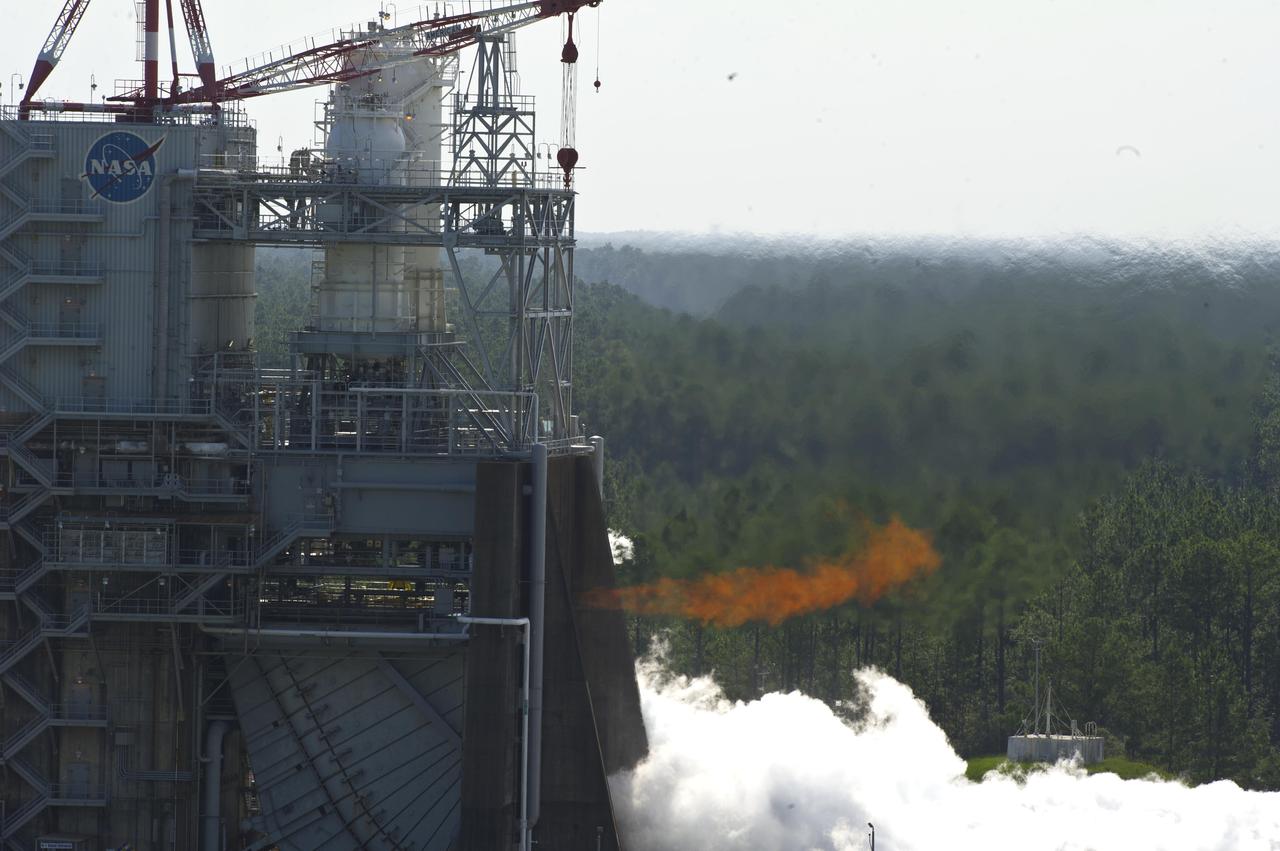
Just two weeks after setting a record with a long-duration test of the J-2X rocket engine powerpack assembly, NASA engineers at Stennis Space Center exceeded it. On July 24, 2012, engineers surpassed the earlier 1,150-second record with a 1,350-second test of the engine component on the A-1 Test Stand at Stennis.
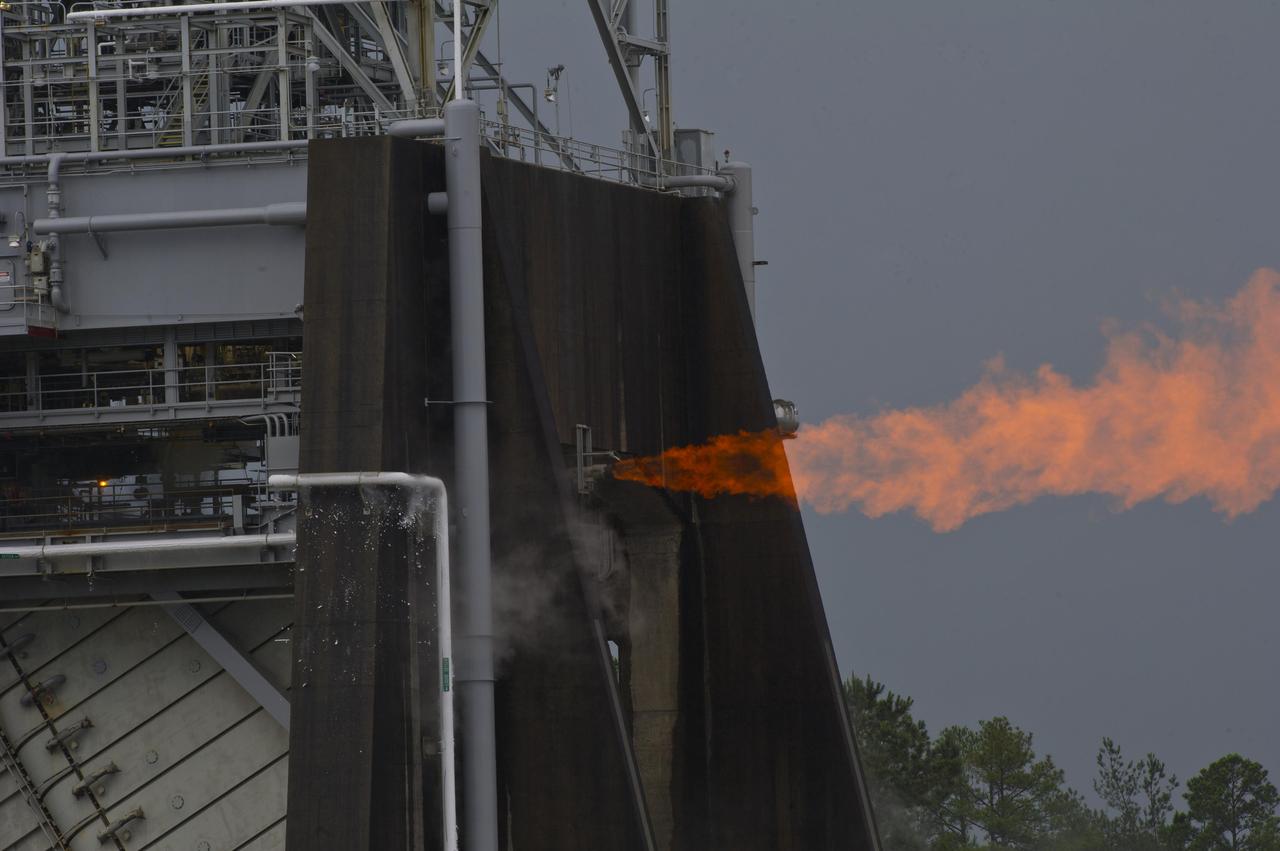
The June 8, 2012, test of the J-2X powerpack on the A-1 Test Stand at NASA's Stennis Space Center set a new record of test duration, lasting 1,150 seconds, almost 20 full minutes. It was the longest-duration test firing ever conducted in the A Test Complex. The results of this test will be useful for determining performance and hardware life for the J-2X engine turbopumps.
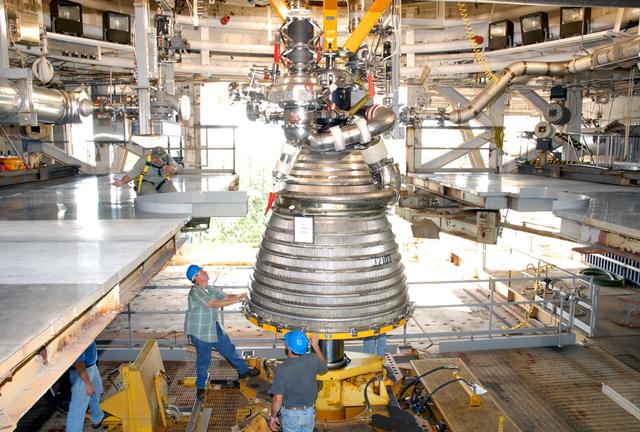
Core components of the J-2X engine being designed for NASA's Constellation Program recently were installed on the A-1 Test Stand at NASA's Stennis Space Center near Bay St. Louis, Miss. Tests of the components, known as Powerpack 1A, will be conducted from November 2007 through February 2008. The Powerpack 1A test article consists of a gas generator and engine turbopumps originally developed for the Apollo Program that put Americans on the moon in the late 1960s and early 1970s. Engineers are testing these heritage components to obtain data that will help them modify the turbomachinery to meet the higher performance requirements of the Ares I and Ares V launch vehicles. The upcoming tests will simulate inlet and outlet conditions that would be present on the turbomachinery during a full-up engine hot-fire test.
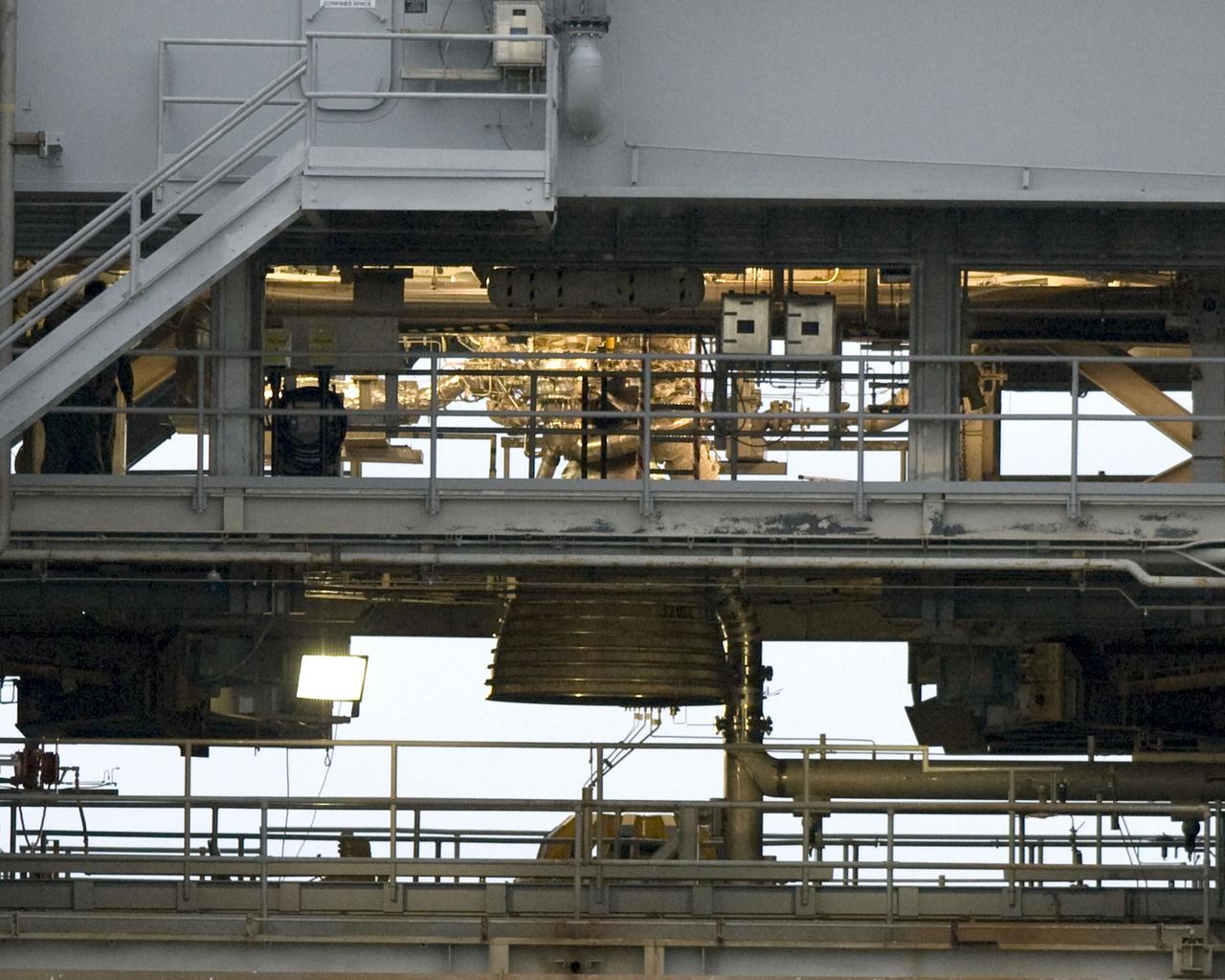
COLD FLOW - Liquid oxygen runs through the piping on Stennis Space Center's A-1 Test Stand on Dec. 18 to test the ability of the J-2X engine's Powerpack 1A to withstand the temperature change and pressure. Just visible above and to the right of the test article's nozzle is a frosty pipe, indicating the supercold fuel is flowing as it should.
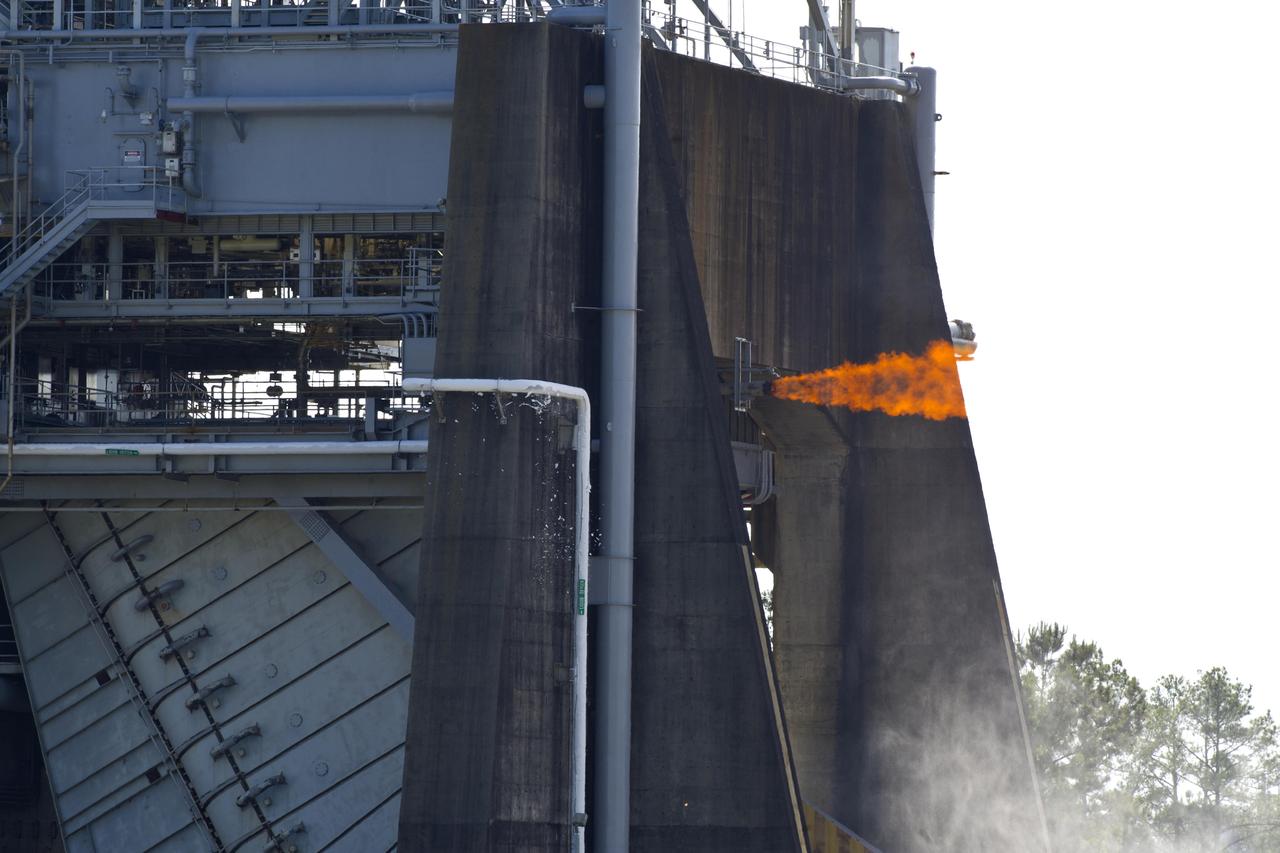
NASA conducted a 340-second test of the J-2X engine powerpack at Stennis Space Center on May 10, 2012, marking another step in development of the next-generation rocket engine. The powerpack is a system of components on the top portion of the J-2X engine.
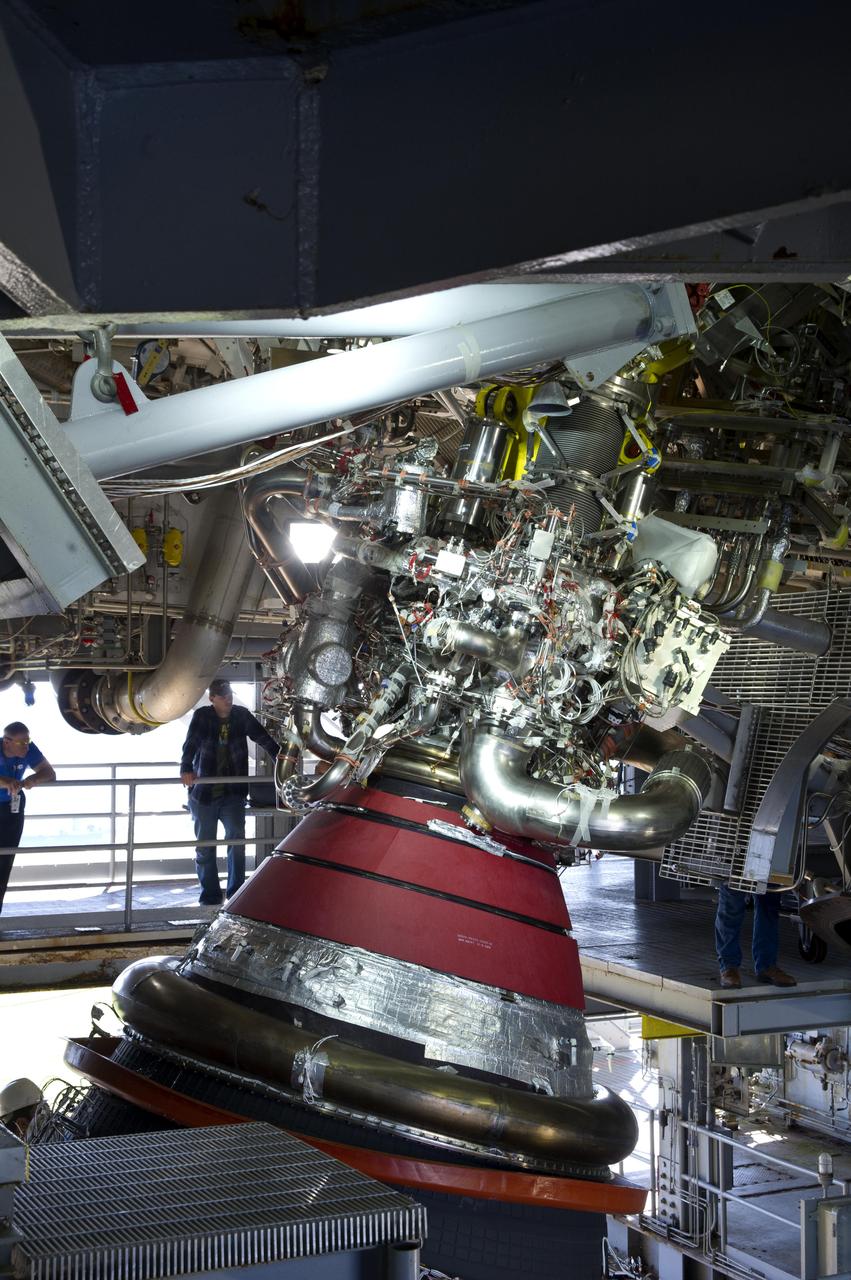
NASA removed J-2X engine No. 10001 from the A-2 Test Stand at Stennis Space Center in early October. Opening of the test stand clamshell flooring allowed a clear view of the next-generation engine and stub nozzle, which is being built to help power future deep-space missions. The engine is an upgrade from the heritage J-2 rocket engine, which helped power Apollo missions to the moon during the late 1960s and early 1970s.
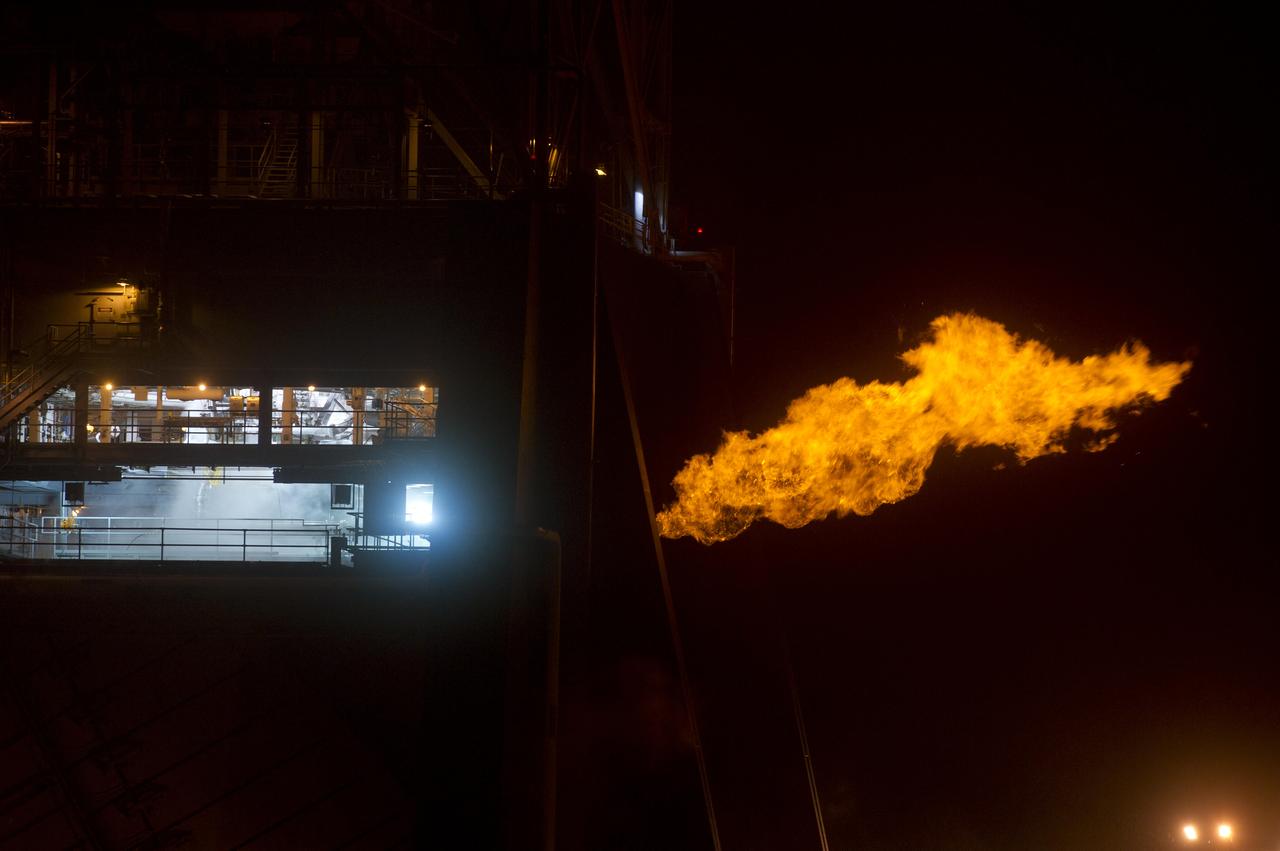
Engineers at NASA's Stennis Space Center conducted a test of the J-2X engine powerpack Feb. 15, 2012, the first in a series of key tests in development of the next-generation rocket.
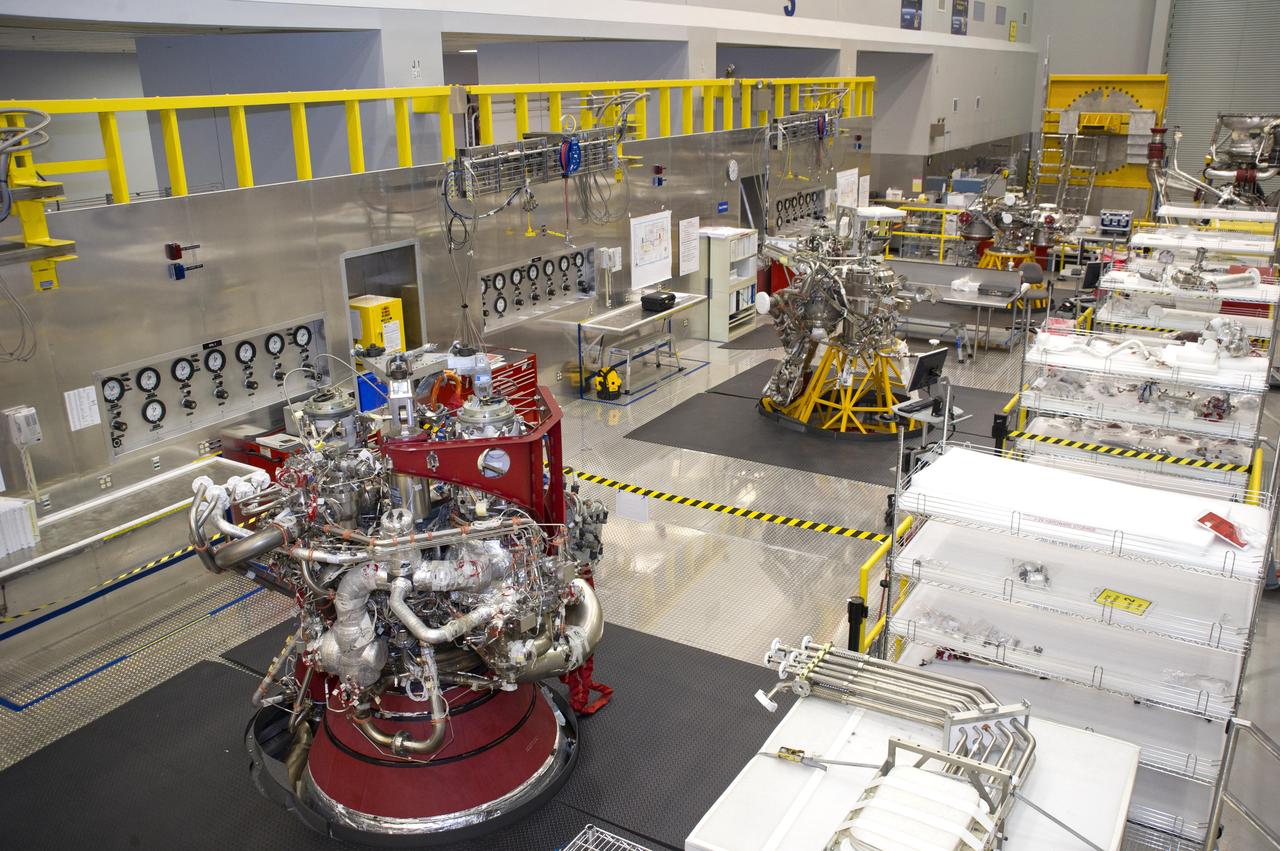
Two J-2X engines and a powerpack, developed for NASA by Pratt and Whitney Rocketdyne, sit side-by-side Oct. 11 at Stennis Space Center as work continues on the Space Launch System. Engine 10001 (far left) has been removed from the A-2 Test Stand after being hot-fire tested 21 times, for a total of 2,697 seconds. The engine is now undergoing a series of post-test inspections. A J-2X powerpack (center) has been removed from the A-1 Test Stand to receive additional instrumentation. So far, the powerpack been hot-fire tested 10 times, for a total of 4,162 seconds. Meanwhile, assembly on the second J-2X engine, known as Engine 10002 and located to the far right, has begun in earnest, with engine completion scheduled for this November. Engine 10002 is about 15 percent complete.
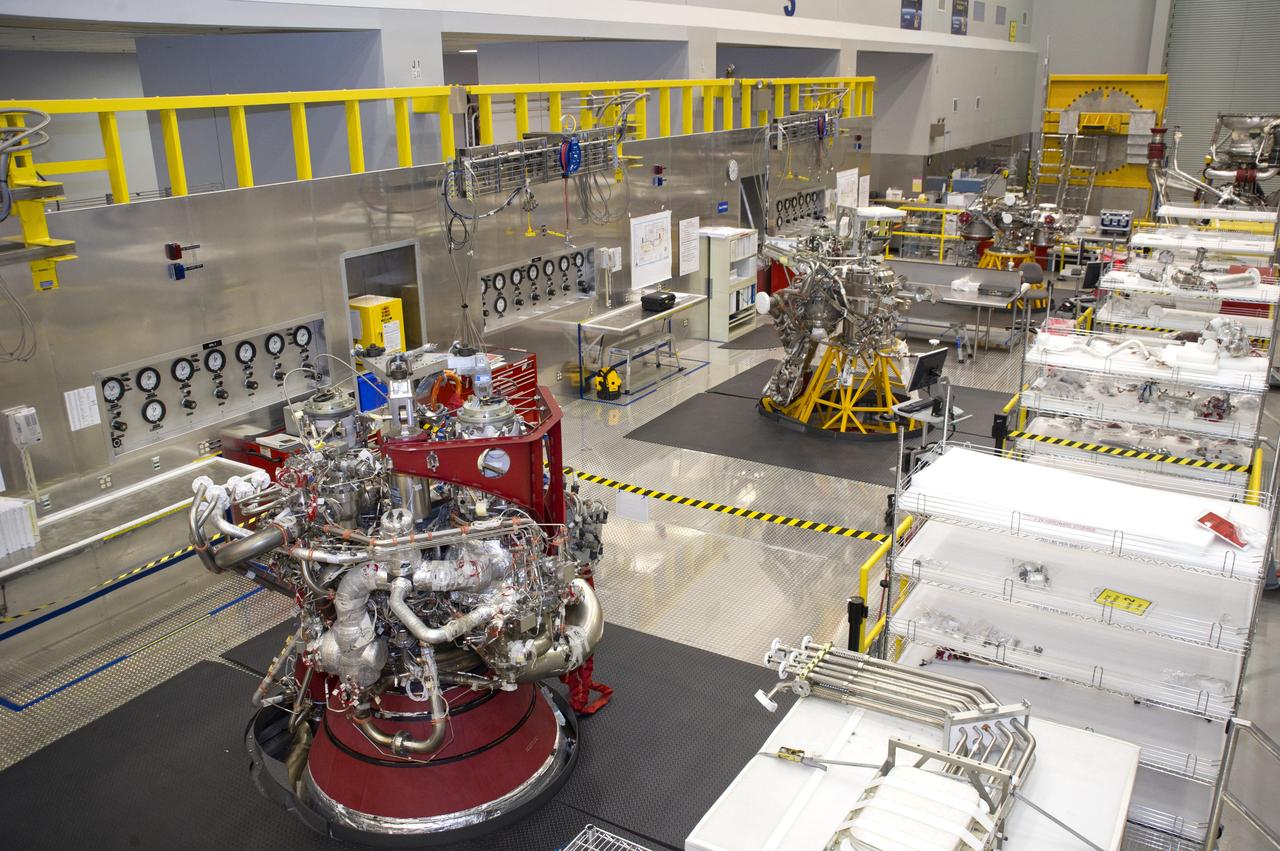
Two J-2X engines and a powerpack, developed for NASA by Pratt and Whitney Rocketdyne, sit side-by-side Oct. 11 at Stennis Space Center as work continues on the Space Launch System. Engine 10001 (far left) has been removed from the A-2 Test Stand after being hot-fire tested 21 times, for a total of 2,697 seconds. The engine is now undergoing a series of post-test inspections. A J-2X powerpack (center) has been removed from the A-1 Test Stand to receive additional instrumentation. So far, the powerpack been hot-fire tested 10 times, for a total of 4,162 seconds. Meanwhile, assembly on the second J-2X engine, known as Engine 10002 and located to the far right, has begun in earnest, with engine completion scheduled for this November. Engine 10002 is about 15 percent complete.
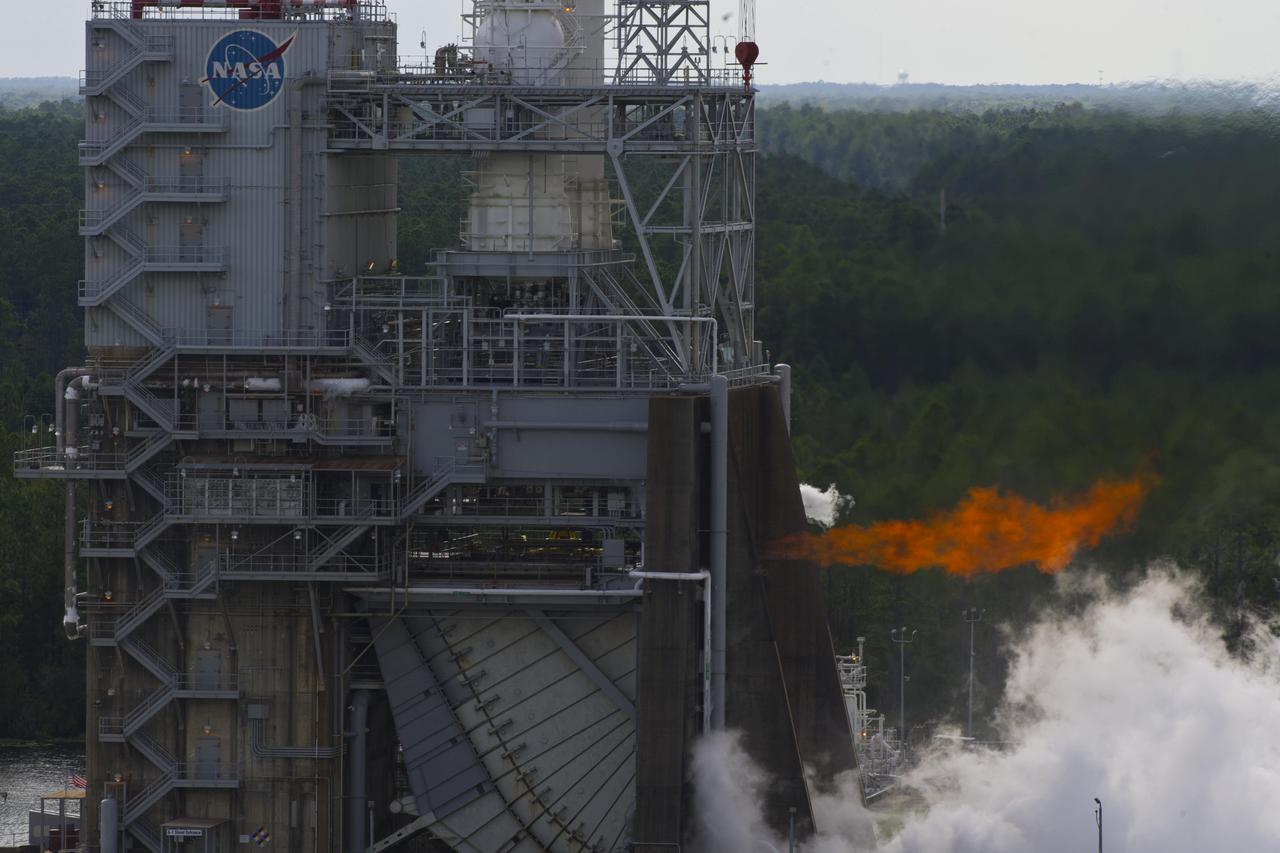
NASA conducted a long-duration test of the J-2X powerpack, 1,261 seconds total, on the A-1 Test Stand at Stennis Space Center on Aug. 16, marking another step in development of the next-generation rocket engine. The powerpack is a system of components on the top portion of the J-2X engine, including the gas generator, oxygen and fuel turbopumps, and related ducts and valves.
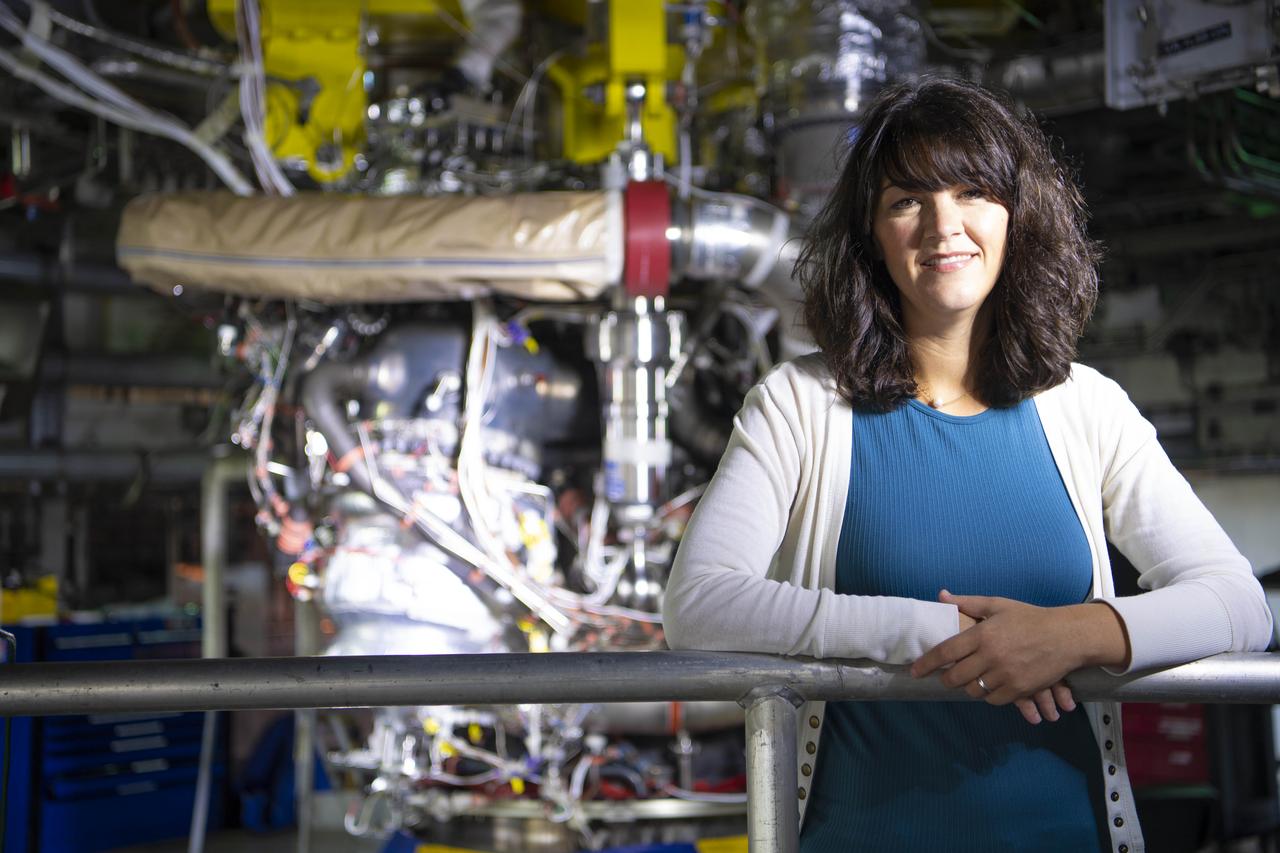
Nyla Trumbach, a NASA lead mechanical engineer, broke barriers as the first female to conduct a J-2X powerpack engine test at Stennis Space Center. She currently works on testing of the RS-25 rocket engine, shown installed on the A-1 Test Stand at SSC.
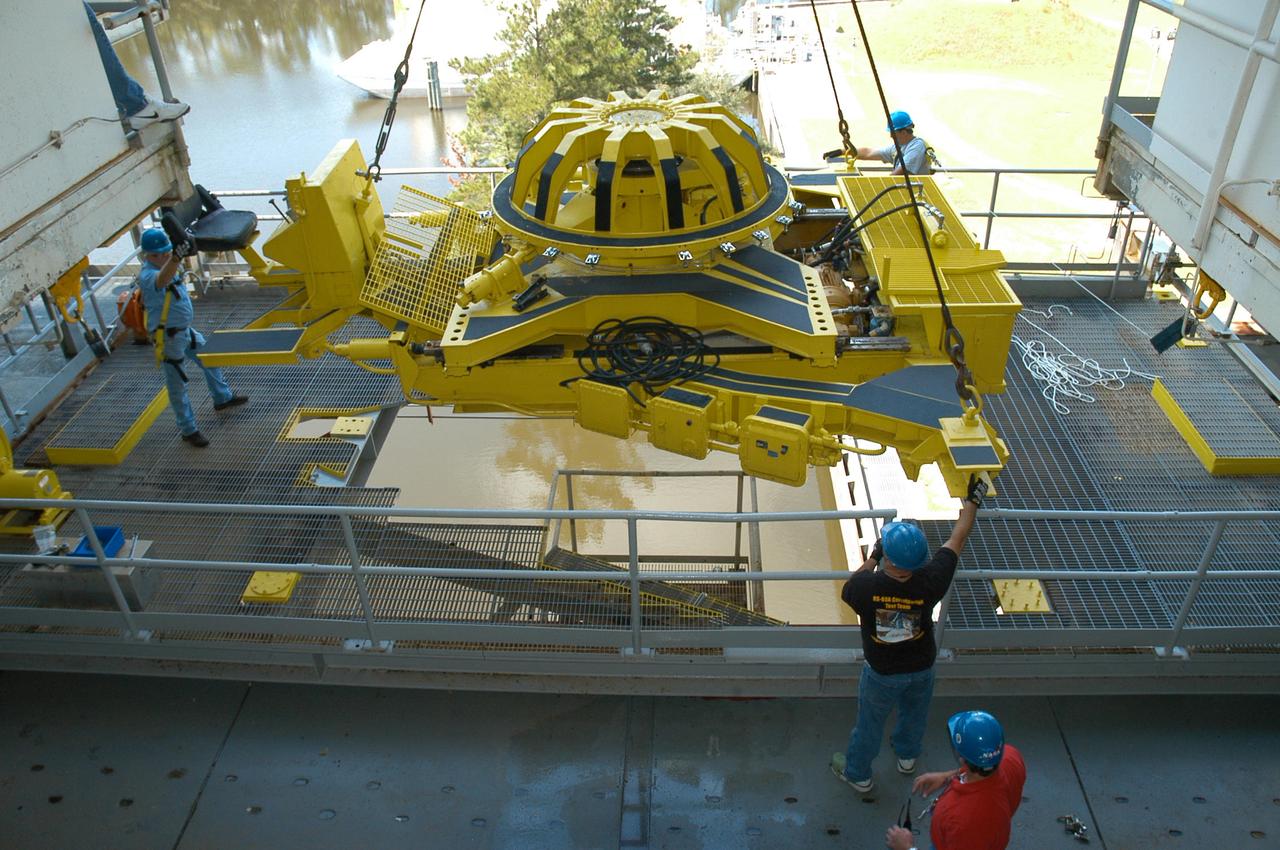
Employees maneuver a vertical engine installer into place on the A-1 Test Stand at Stennis Space Center on Sept. 23. Installation of the equipment was a milestone event as the historic stand underwent modifications for testing the powerpack component of NASA's new J-2X rocket engine in development.
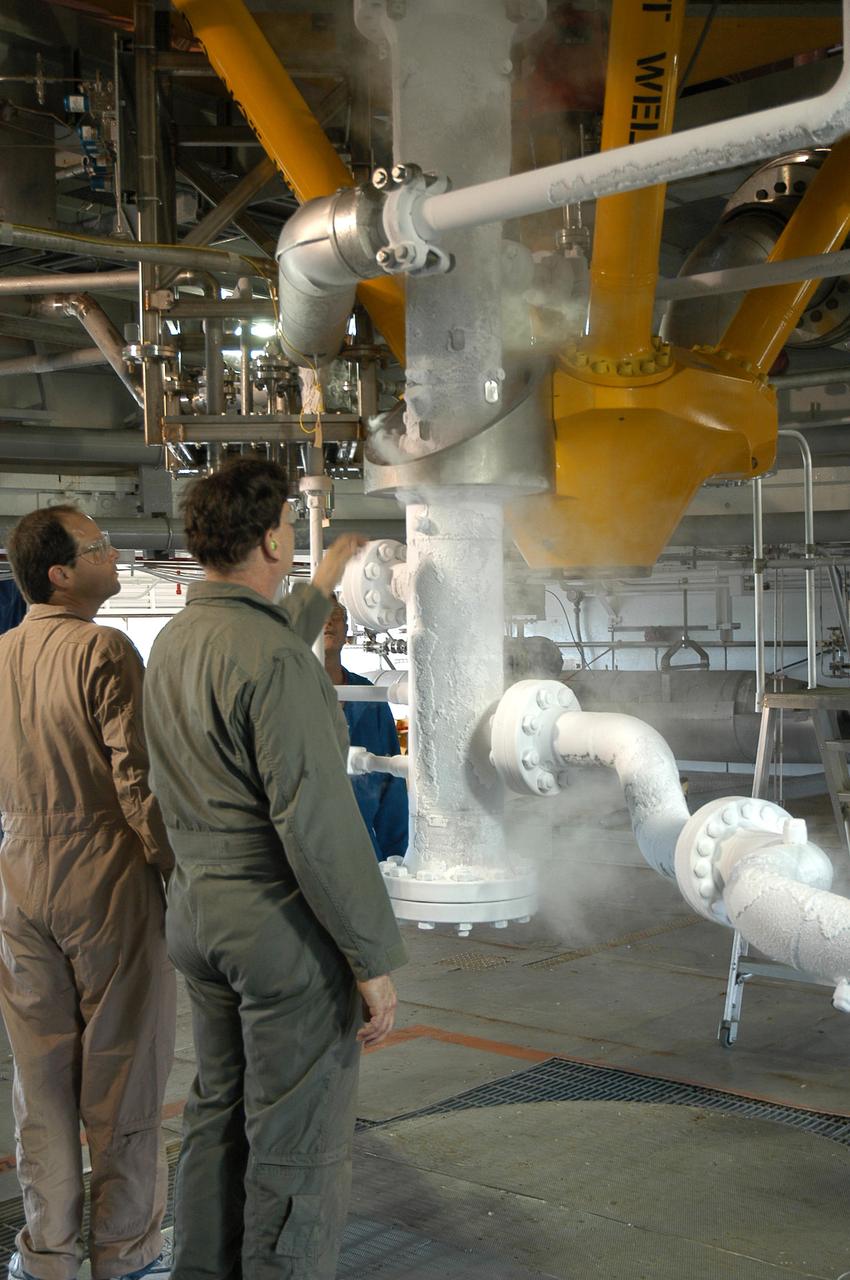
Team members check the progress of a liquid nitrogen cold shock test on the A-1 Test Stand at Stennis Space Center on Sept. 15. The cold shock test is used to confirm the test stand's support system can withstand test conditions, when super-cold rocket engine propellant is piped. The A-1 Test Stand is preparing to conduct tests on the powerpack component of the J-2X rocket engine, beginning in early 2012.
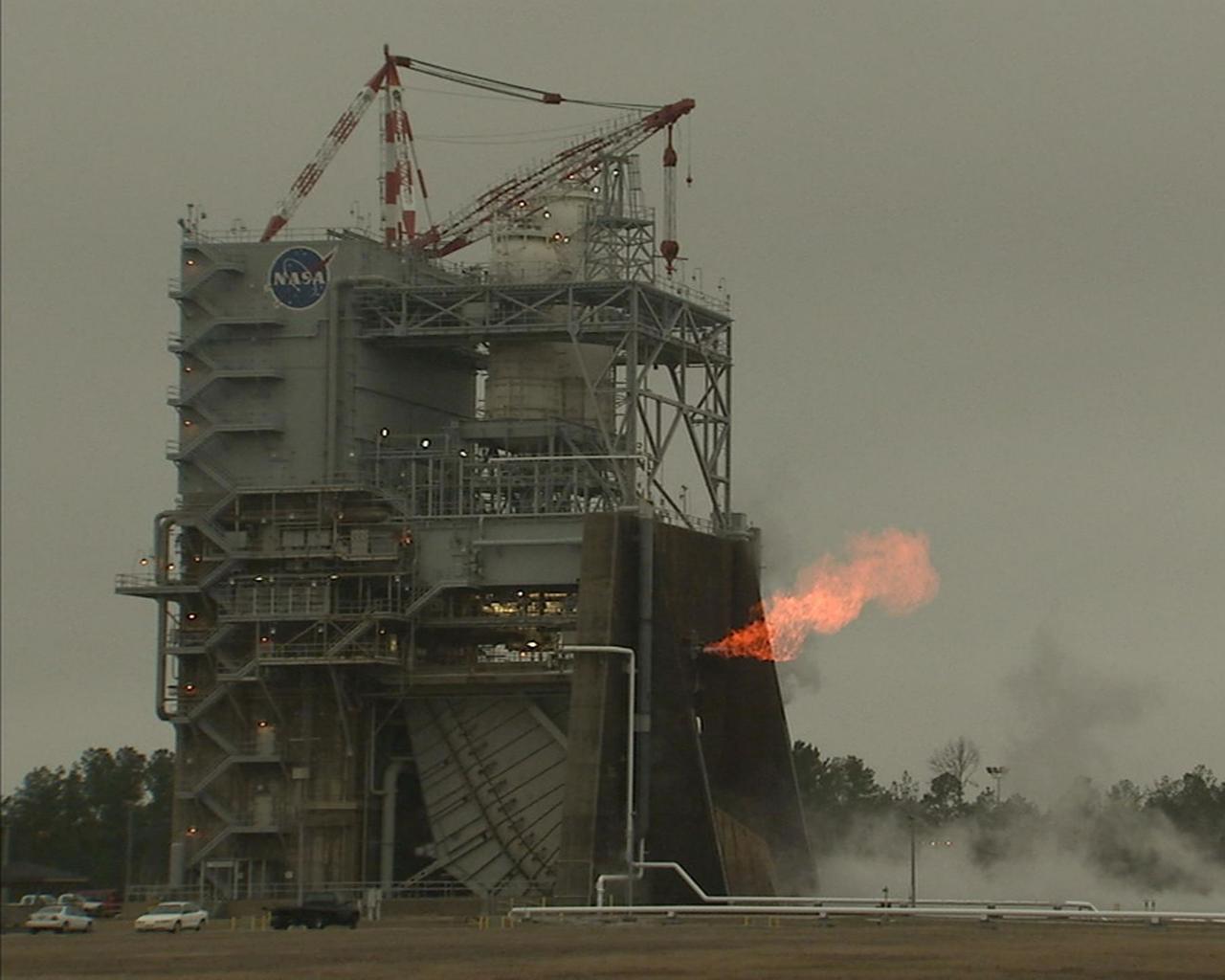
The first hot-fire test of the J-2X power pack 1A gas generator was performed Jan. 31 on the A-1 Test Stand at Stennis Space Center. Initial indications are that all test objectives were met. The test was designed as a 3.42-second helium spin start with gas generator ignition and it went the full scheduled duration. Test conductors reported a smooth start with normal shutdown and described the event as a 'good test.' The test was part of the early component testing for the new J-2X engine being built by NASA to power the Ares I and Ares V rockets that will carry humans back to the moon and on to Mars. It was performed as one in a series of 12 scheduled tests. Those tests began last November at Stennis, but the January 31 event represented the first hot-fire test. The Stennis tests are a critical step in the successful development of the J-2X engine.