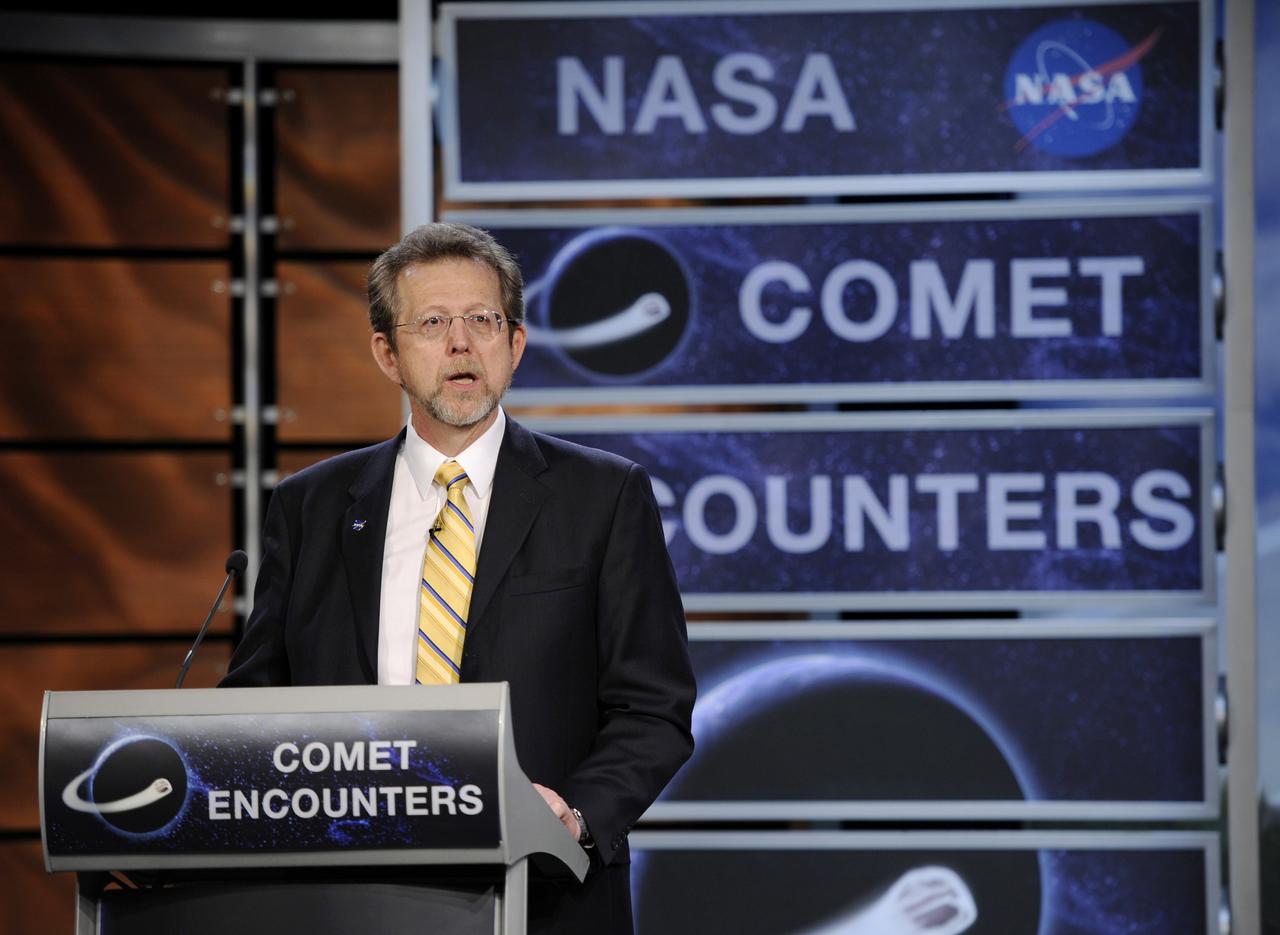
Dr. James L. Green, Director of Planetary Science at NASA, speaks during a symposium commemorating a quarter-century of comet discoveries, Friday, Sept. 10, 2010, in the Knight studio at the Newseum in Washington. The International Sun-Earth Explorer-3 (ISEE-3) spacecraft flew past the comet Giacobini-Zinner on Sept. 11, 1985 which established a foundation of discoveries that continue today. Photo Credit: (NASA/Paul E. Alers)

James L. Green, Director for Planetary Science in NASA's Science Mission Directorate, helps kick off the "Seeking Signs of Life" Symposium, celebrating 50 Years of Exobiology and Astrobiology at NASA, Thursday, Oct. 14, 2010, at the Lockheed Martin Global Vision Center in Arlington, Va. NASA has been researching life in the universe since 1959, asking three fundamental questions: "How does life begin and evolve?"‚ "Is there life beyond Earth and, if so, how can we detect it?" and "What is the future of life on Earth and in the universe?" Photo Credit: (NASA/Bill Ingalls)
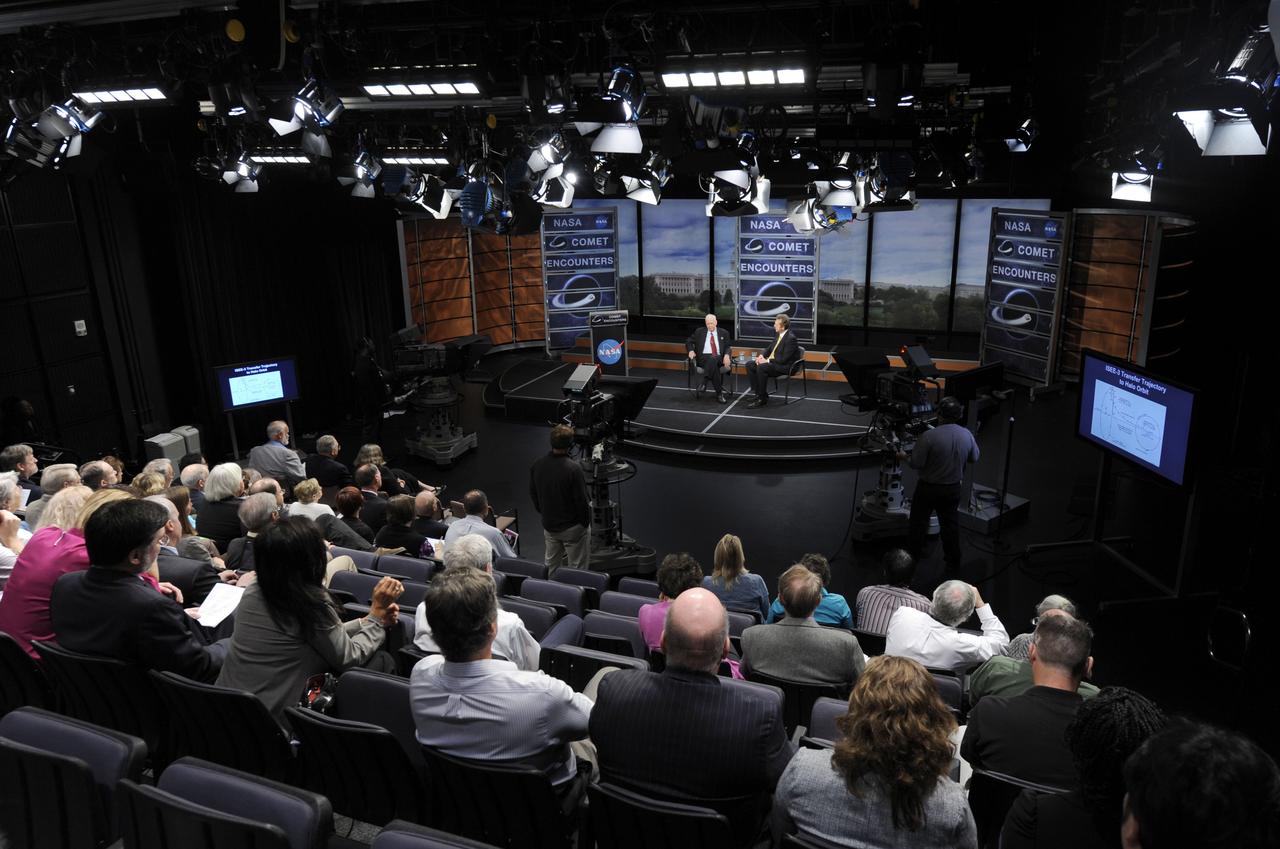
Members of the audience look on as Dr. James L. Green, Director of Planetary Science at NASA, right, speaks with Dr. Robert Farquar, an executive for space exploration at KinetX Inc., during a symposium commemorating a quarter-century of comet discoveries, Friday, Sept. 10, 2010, in the Knight studio at the Newseum in Washington. The International Sun-Earth Explorer-3 (ISEE-3) spacecraft flew past the comet Giacobini-Zinner on Sept. 11, 1985 which established a foundation of discoveries that continue today. Photo Credit: (NASA/Paul E. Alers)
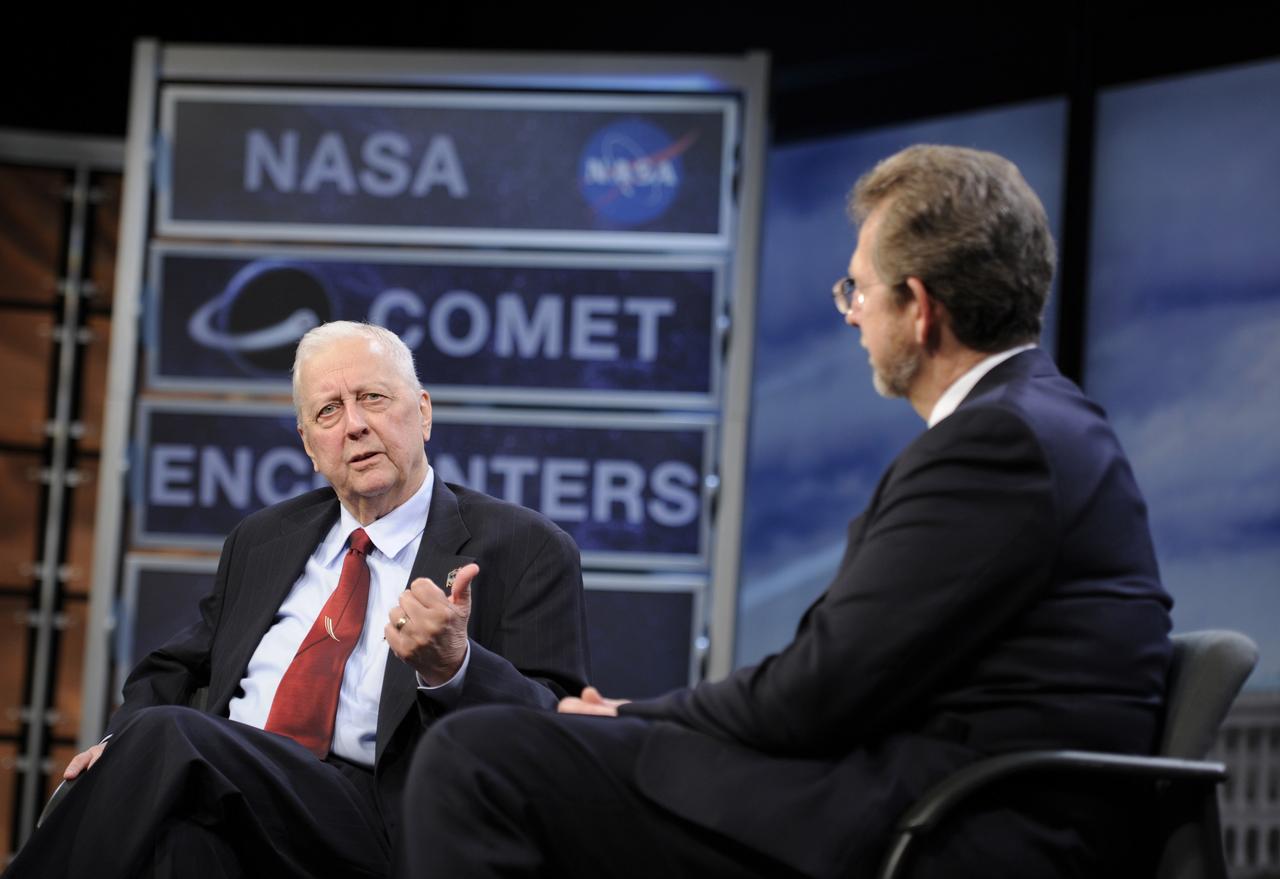
Dr. James L. Green, Director of Planetary Science at NASA, right, speaks with Dr. Robert Farquar, an executive for space exploration at KinetX Inc., during a symposium commemorating a quarter-century of comet discoveries, Friday, Sept. 10, 2010, in the Knight studio at the Newseum in Washington. The International Sun-Earth Explorer-3 (ISEE-3) spacecraft flew past the comet Giacobini-Zinner on Sept. 11, 1985 which established a foundation of discoveries that continue today. Photo Credit: (NASA/Paul E. Alers)
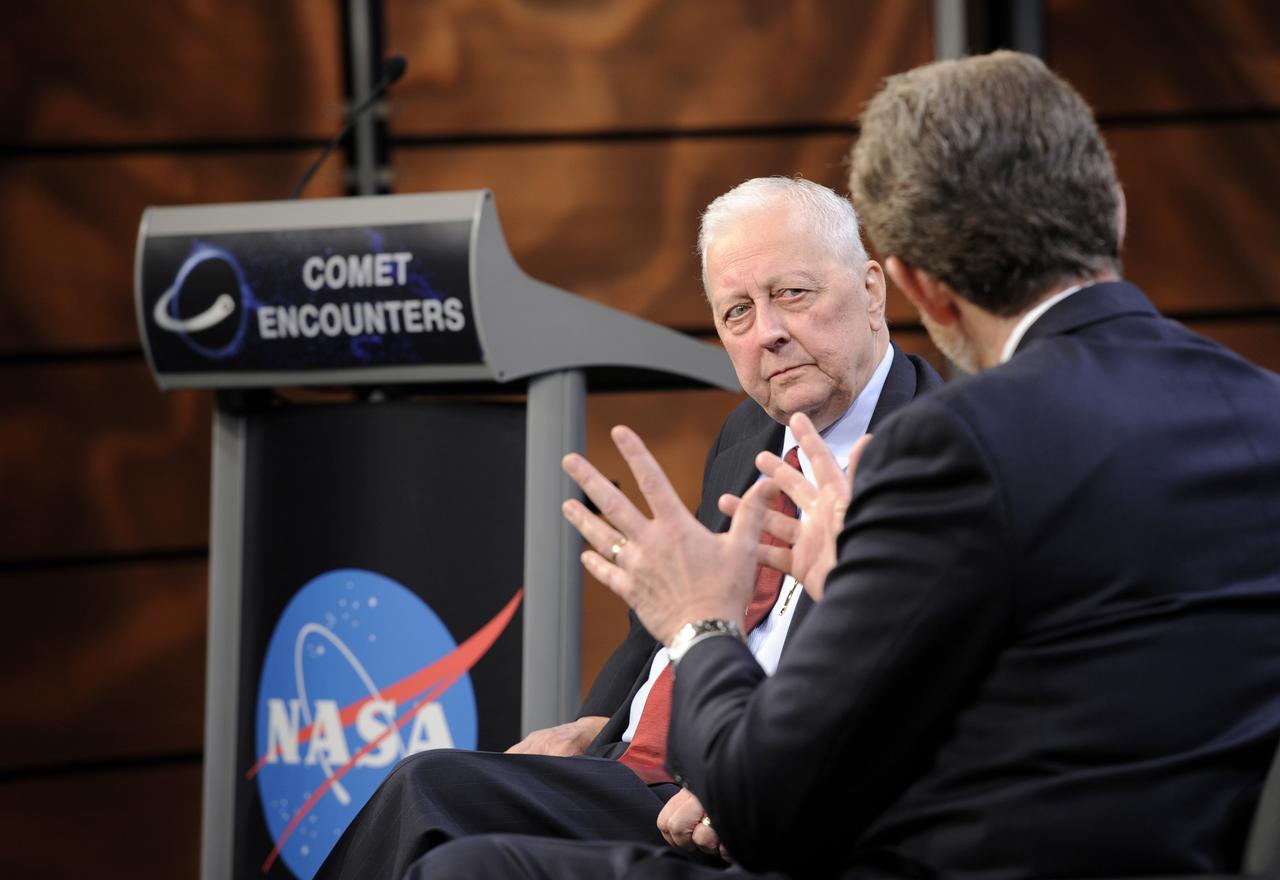
Dr. James L. Green, Director of Planetary Science at NASA, right, speaks with Dr. Robert Farquar, an executive for space exploration at KinetX Inc., during a symposium commemorating a quarter-century of comet discoveries, Friday, Sept. 10, 2010, in the Knight studio at the Newseum in Washington. The International Sun-Earth Explorer-3 (ISEE-3) spacecraft flew past the comet Giacobini-Zinner on Sept. 11, 1985 which established a foundation of discoveries that continue today. Photo Credit: (NASA/Paul E. Alers)
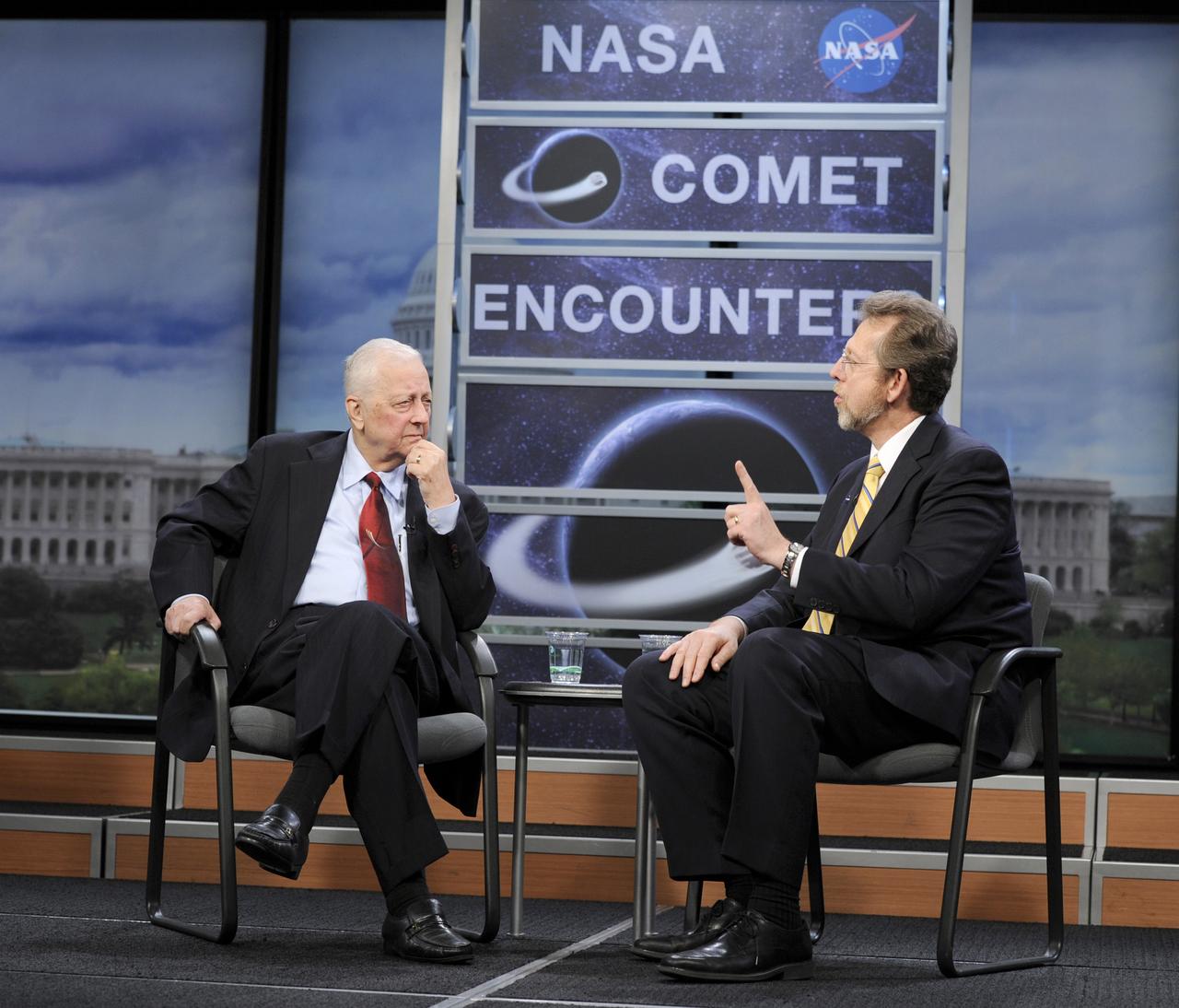
Dr. James L. Green, Director of Planetary Science at NASA, right, speaks with Dr. Robert Farquar, an executive for space exploration at KinetX Inc., during a symposium commemorating a quarter-century of comet discoveries, Friday, Sept. 10, 2010, in the Knight studio at the Newseum in Washington. The International Sun-Earth Explorer-3 (ISEE-3) spacecraft flew past the comet Giacobini-Zinner on Sept. 11, 1985 which established a foundation of discoveries that continue today. Photo Credit: (NASA/Paul E. Alers)
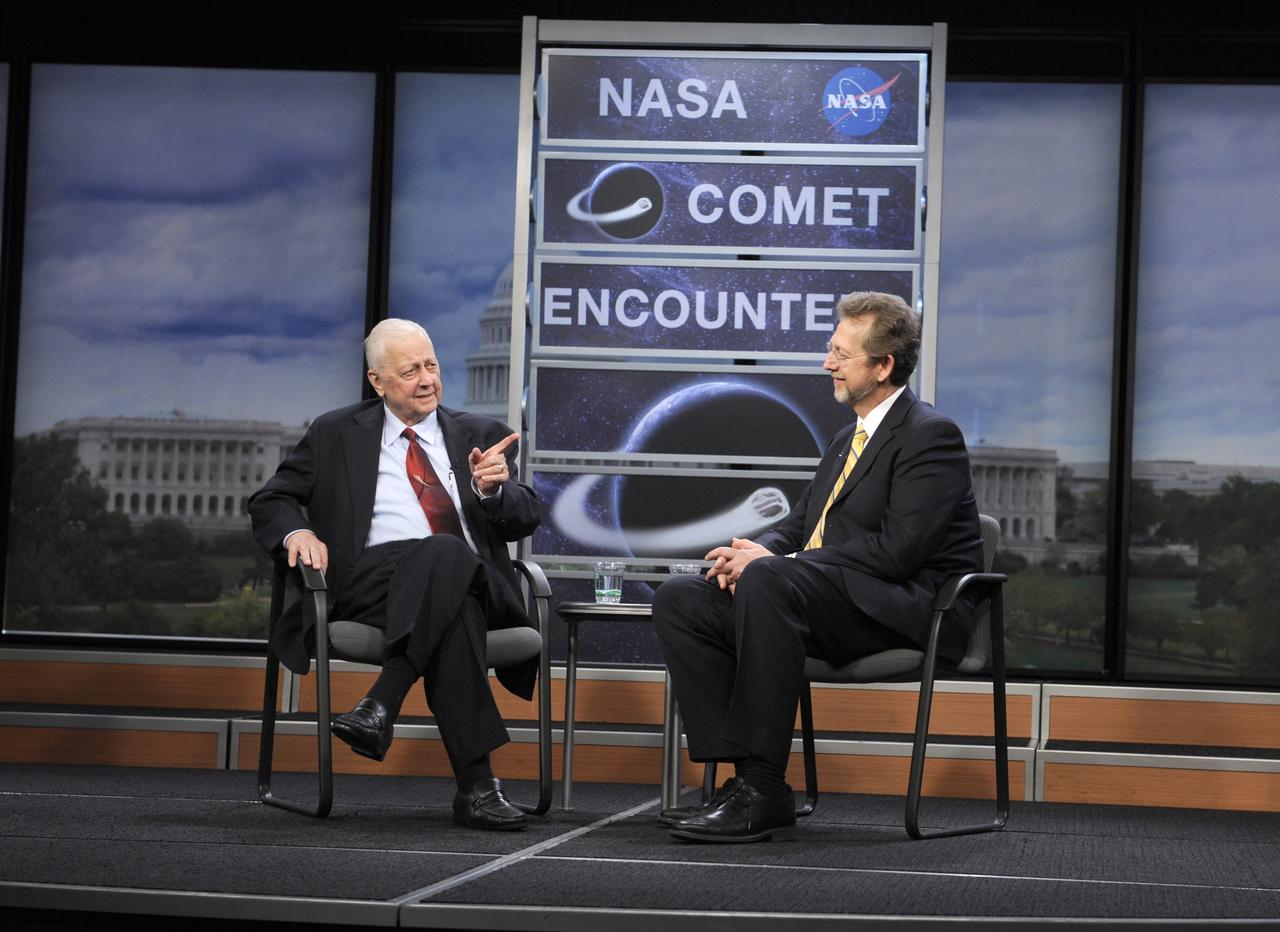
Dr. James L. Green, Director of Planetary Science at NASA, right, speaks with Dr. Robert Farquar, an executive for space exploration at KinetX Inc., during a symposium commemorating a quarter-century of comet discoveries, Friday, Sept. 10, 2010, in the Knight studio at the Newseum in Washington. The International Sun-Earth Explorer-3 (ISEE-3) spacecraft flew past the comet Giacobini-Zinner on Sept. 11, 1985 which established a foundation of discoveries that continue today. Photo Credit: (NASA/Paul E. Alers)
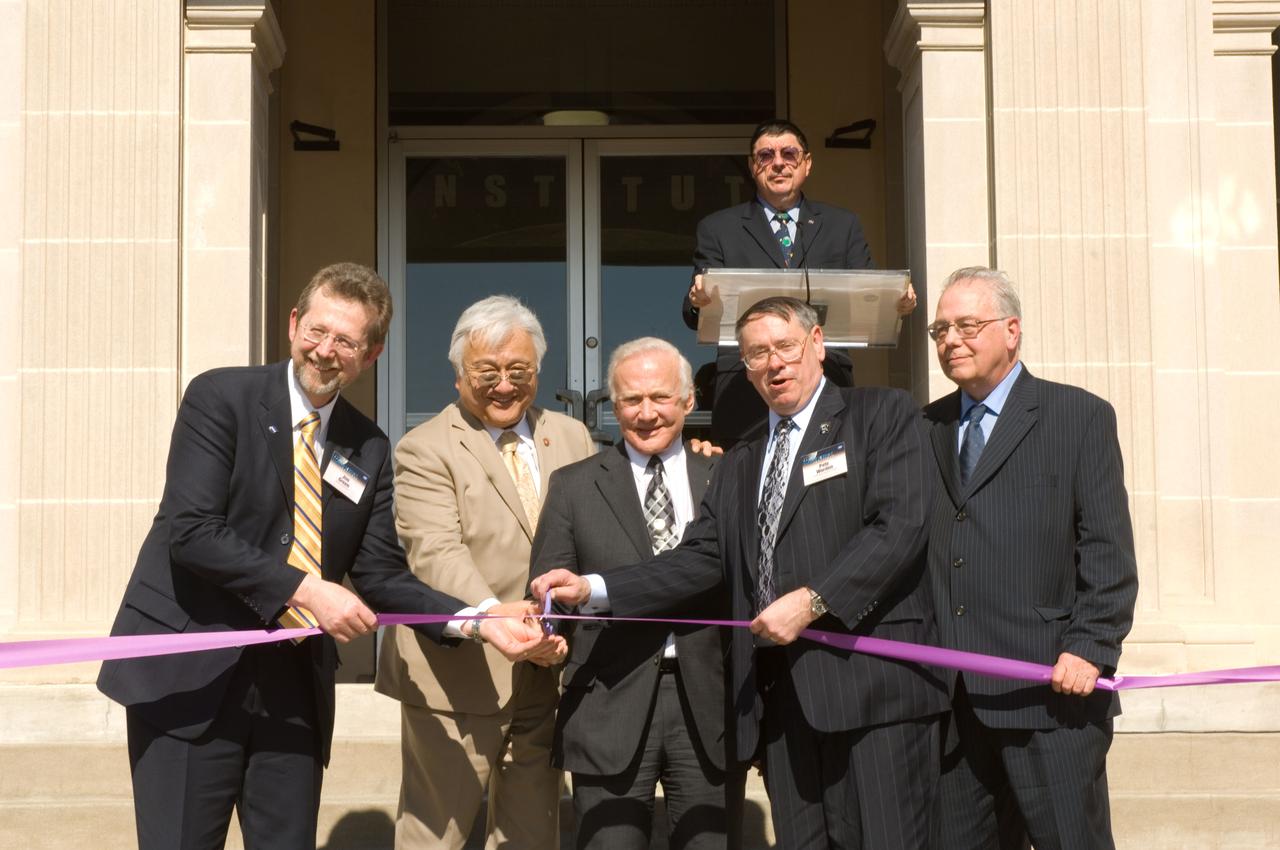
Lunar Science Institute (LSI) Grand Opening. Ribbon Cutting, L-R: James Green, Director, Planetary Programs, NASA Headquarters, Mike Honda, U.S. Congressman,15th District, Apollo Astronaut Buzz Aldrin, S. Pete Worden, Director, NASA Ames Research Center, David Morrison, Interiu Director, NASA Lunar Science Institute. David Morse at podium.