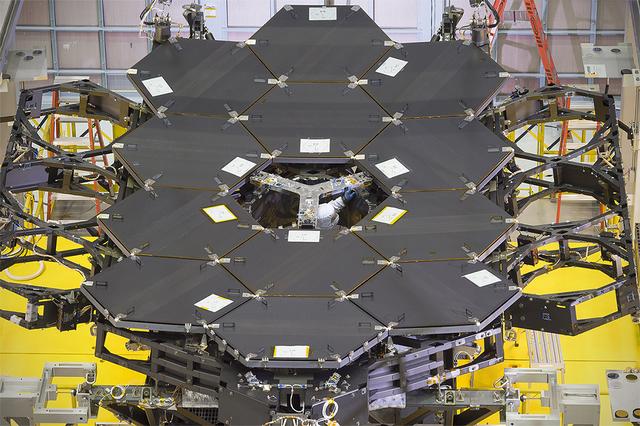
Caption: One dozen (out of 18) flight mirror segments that make up the primary mirror on NASA's James Webb Space Telescope have been installed at NASA's Goddard Space Flight Center. Credits: NASA/Chris Gunn More: Since December 2015, the team of scientists and engineers have been working tirelessly to install all the primary mirror segments onto the telescope structure in the large clean room at NASA's Goddard Space Flight Center in Greenbelt, Maryland. The twelfth mirror was installed on January 2, 2016. "This milestone signifies that all of the hexagonal shaped mirrors on the fixed central section of the telescope structure are installed and only the 3 mirrors on each wing are left for installation," said Lee Feinberg, NASA's Optical Telescope Element Manager at NASA Goddard. "The incredibly skilled and dedicated team assembling the telescope continues to find ways to do things faster and more efficiently." Each hexagonal-shaped segment measures just over 4.2 feet (1.3 meters) across and weighs approximately 88 pounds (40 kilograms). After being pieced together, the 18 primary mirror segments will work together as one large 21.3-foot (6.5-meter) mirror. The primary mirror will unfold and adjust to shape after launch. The mirrors are made of ultra-lightweight beryllium. The mirrors are placed on the telescope's backplane using a robotic arm, guided by engineers. The full installation is expected to be completed in a few months. The mirrors were built by Ball Aerospace & Technologies Corp., Boulder, Colorado. Ball is the principal subcontractor to Northrop Grumman for the optical technology and lightweight mirror system. The installation of the mirrors onto the telescope structure is performed by Harris Corporation of Rochester, New York. Harris Corporation leads integration and testing for the telescope. While the mirror assembly is a very significant milestone, there are many more steps involved in assembling the Webb telescope. The primary mirror and the tennis-court-sized sunshield are the largest and most visible components of the Webb telescope. However, there are four smaller components that are less visible, yet critical. The instruments that will fly aboard Webb - cameras and spectrographs with detectors able to record extremely faint signals — are part of the Integrated Science Instrument Module (ISIM), which is currently undergoing its final cryogenic vacuum test and will be integrated with the mirror later this year.
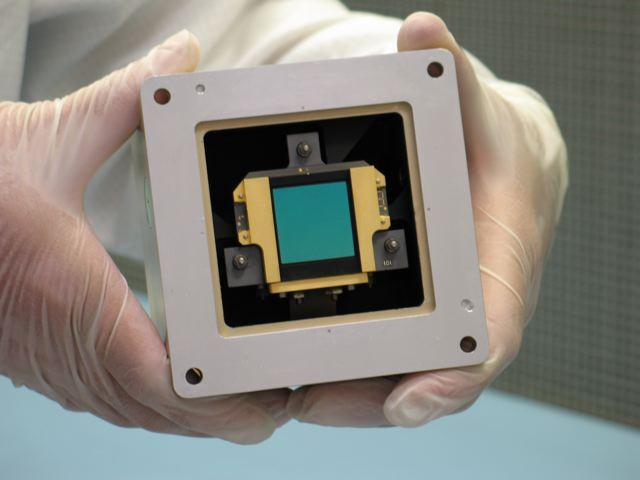
This image shows a model of one of three detectors for the Mid-Infrared Instrument on NASA James Webb Space Telescope.
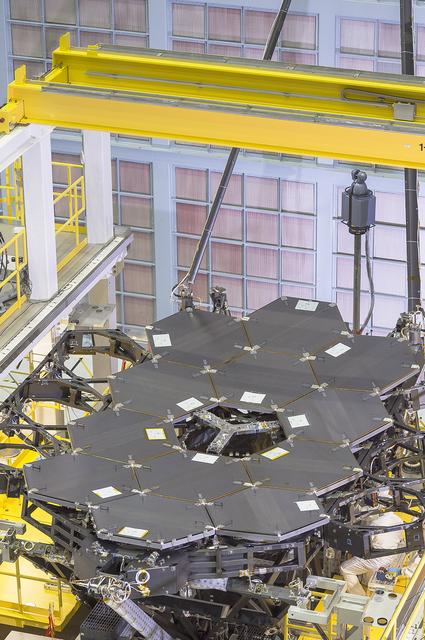
A view of the one dozen (out of 18) flight mirror segments that make up the primary mirror on NASA's James Webb Space Telescope have been installed at NASA's Goddard Space Flight Center. Credits: NASA/Chris Gunn More: Since December 2015, the team of scientists and engineers have been working tirelessly to install all the primary mirror segments onto the telescope structure in the large clean room at NASA's Goddard Space Flight Center in Greenbelt, Maryland. The twelfth mirror was installed on January 2, 2016. "This milestone signifies that all of the hexagonal shaped mirrors on the fixed central section of the telescope structure are installed and only the 3 mirrors on each wing are left for installation," said Lee Feinberg, NASA's Optical Telescope Element Manager at NASA Goddard. "The incredibly skilled and dedicated team assembling the telescope continues to find ways to do things faster and more efficiently." Each hexagonal-shaped segment measures just over 4.2 feet (1.3 meters) across and weighs approximately 88 pounds (40 kilograms). After being pieced together, the 18 primary mirror segments will work together as one large 21.3-foot (6.5-meter) mirror. The primary mirror will unfold and adjust to shape after launch. The mirrors are made of ultra-lightweight beryllium. The mirrors are placed on the telescope's backplane using a robotic arm, guided by engineers. The full installation is expected to be completed in a few months. The mirrors were built by Ball Aerospace & Technologies Corp., Boulder, Colorado. Ball is the principal subcontractor to Northrop Grumman for the optical technology and lightweight mirror system. The installation of the mirrors onto the telescope structure is performed by Harris Corporation of Rochester, New York. Harris Corporation leads integration and testing for the telescope. While the mirror assembly is a very significant milestone, there are many more steps involved in assembling the Webb telescope. The primary mirror and the tennis-court-sized sunshield are the largest and most visible components of the Webb telescope. However, there are four smaller components that are less visible, yet critical. The instruments that will fly aboard Webb - cameras and spectrographs with detectors able to record extremely faint signals — are part of the Integrated Science Instrument Module (ISIM), which is currently undergoing its final cryogenic vacuum test and will be integrated with the mirror later this year.
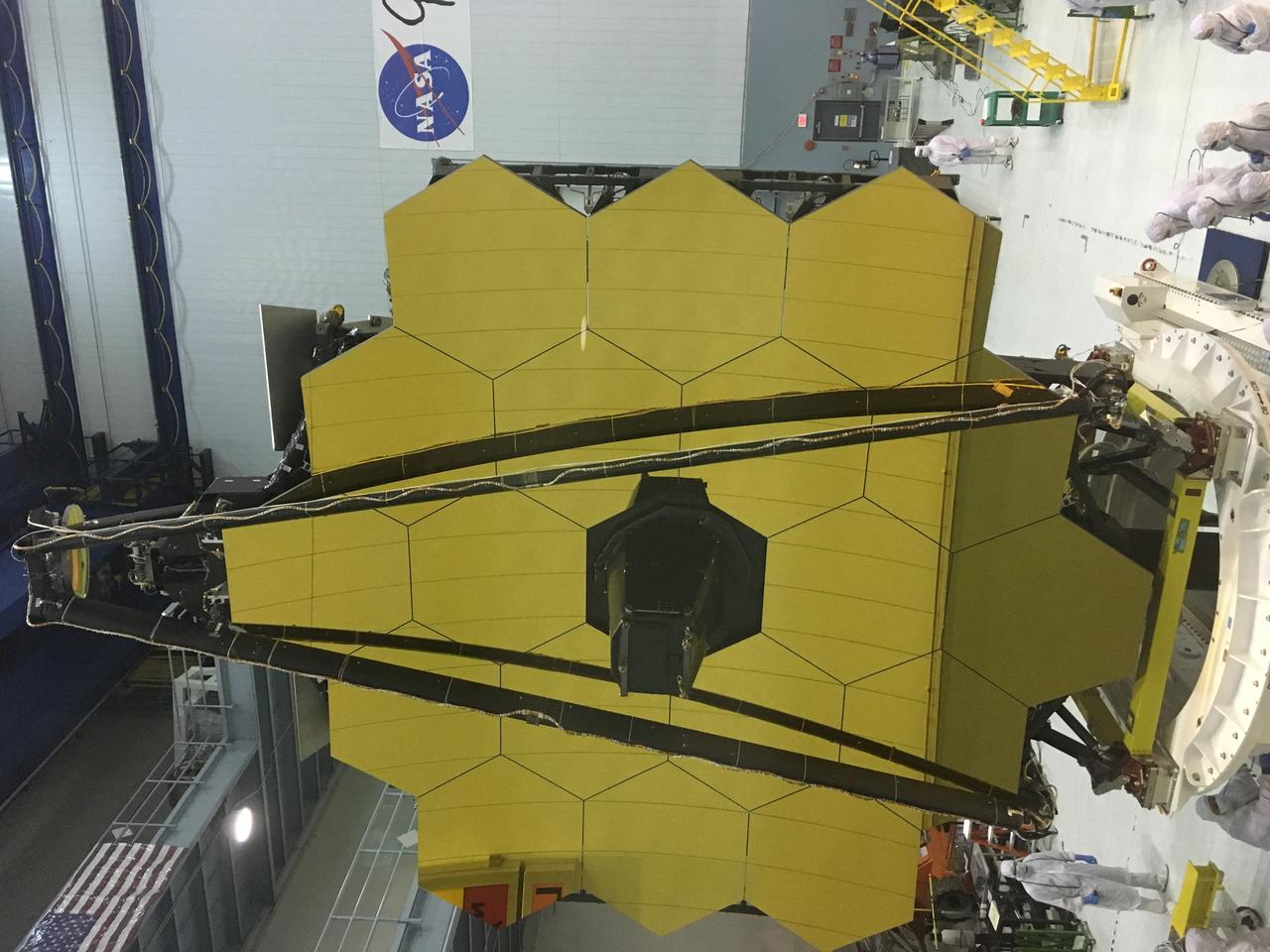
A rare view of the James Webb Space Telescope face-on, from the NASA Goddard cleanroom observation window.

A rare view of the James Webb Space Telescope face-on, from the NASA Goddard cleanroom observation window.
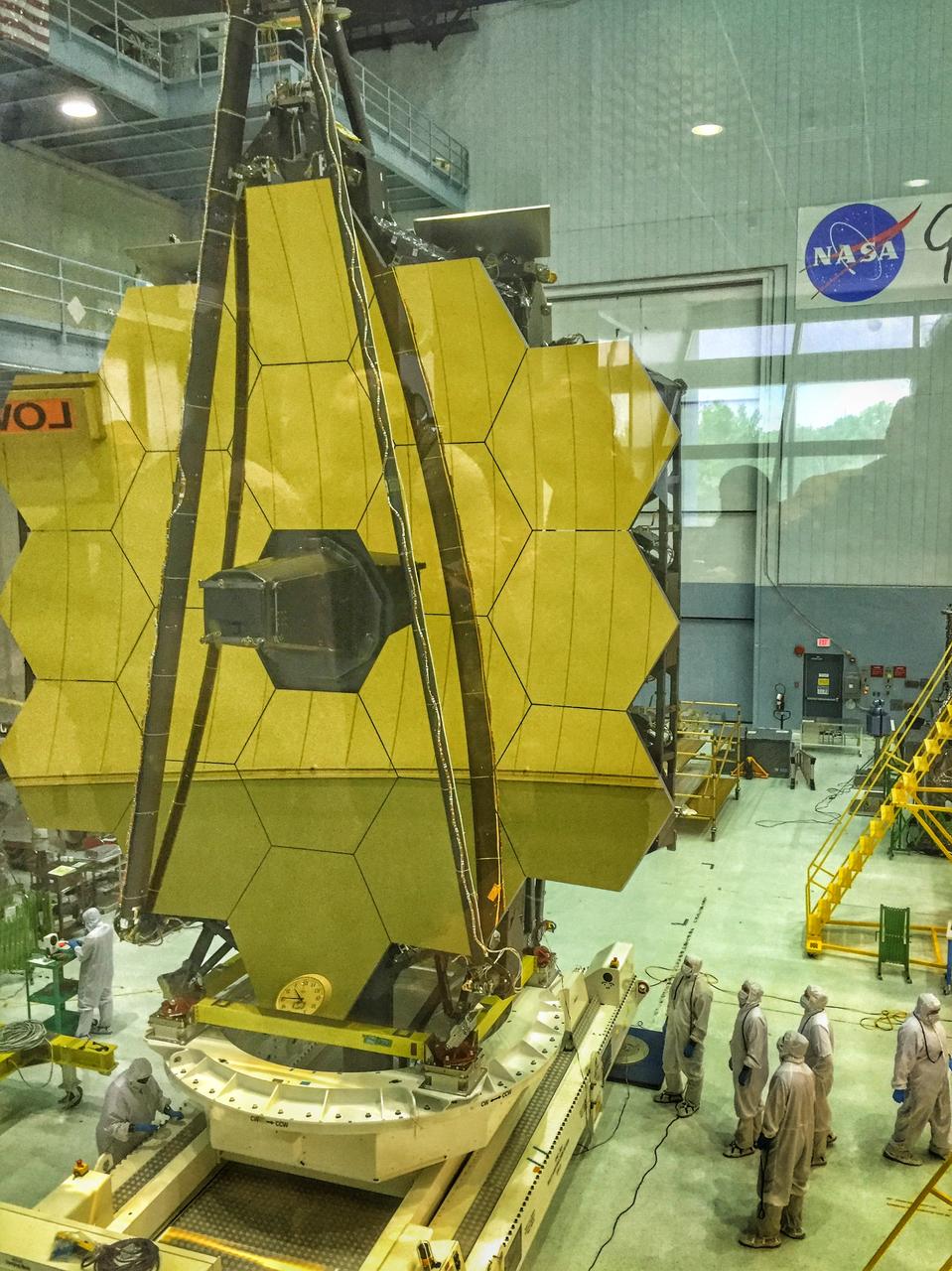
A rare view of the James Webb Space Telescope face-on, from the NASA Goddard cleanroom observation window.
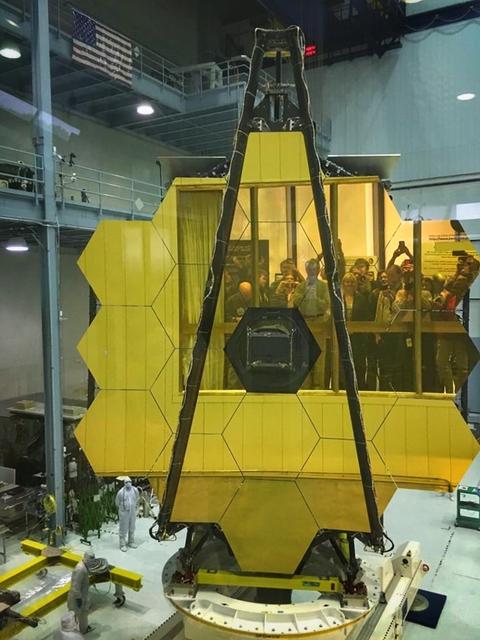
A rare view of the James Webb Space Telescope face-on, from the NASA Goddard cleanroom observation window.

A rare view of the James Webb Space Telescope face-on, from the NASA Goddard cleanroom observation window.
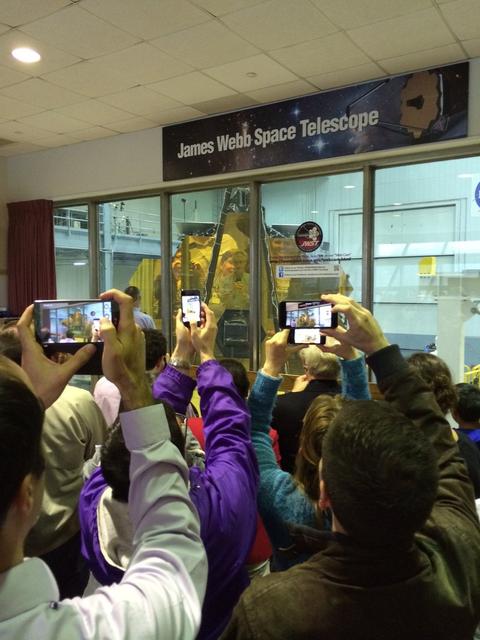
A rare view of the James Webb Space Telescope face-on, from the NASA Goddard cleanroom observation window.
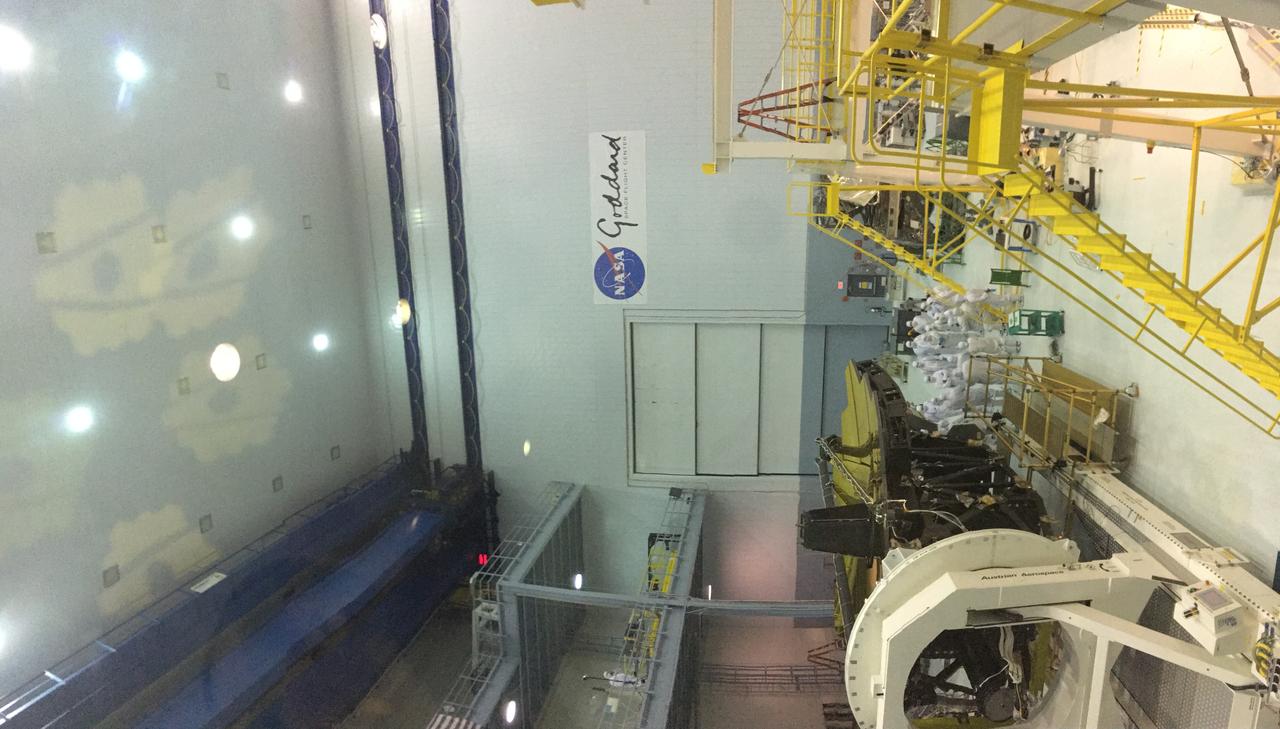
A rare view of the James Webb Space Telescope face-on, from the NASA Goddard cleanroom observation window.
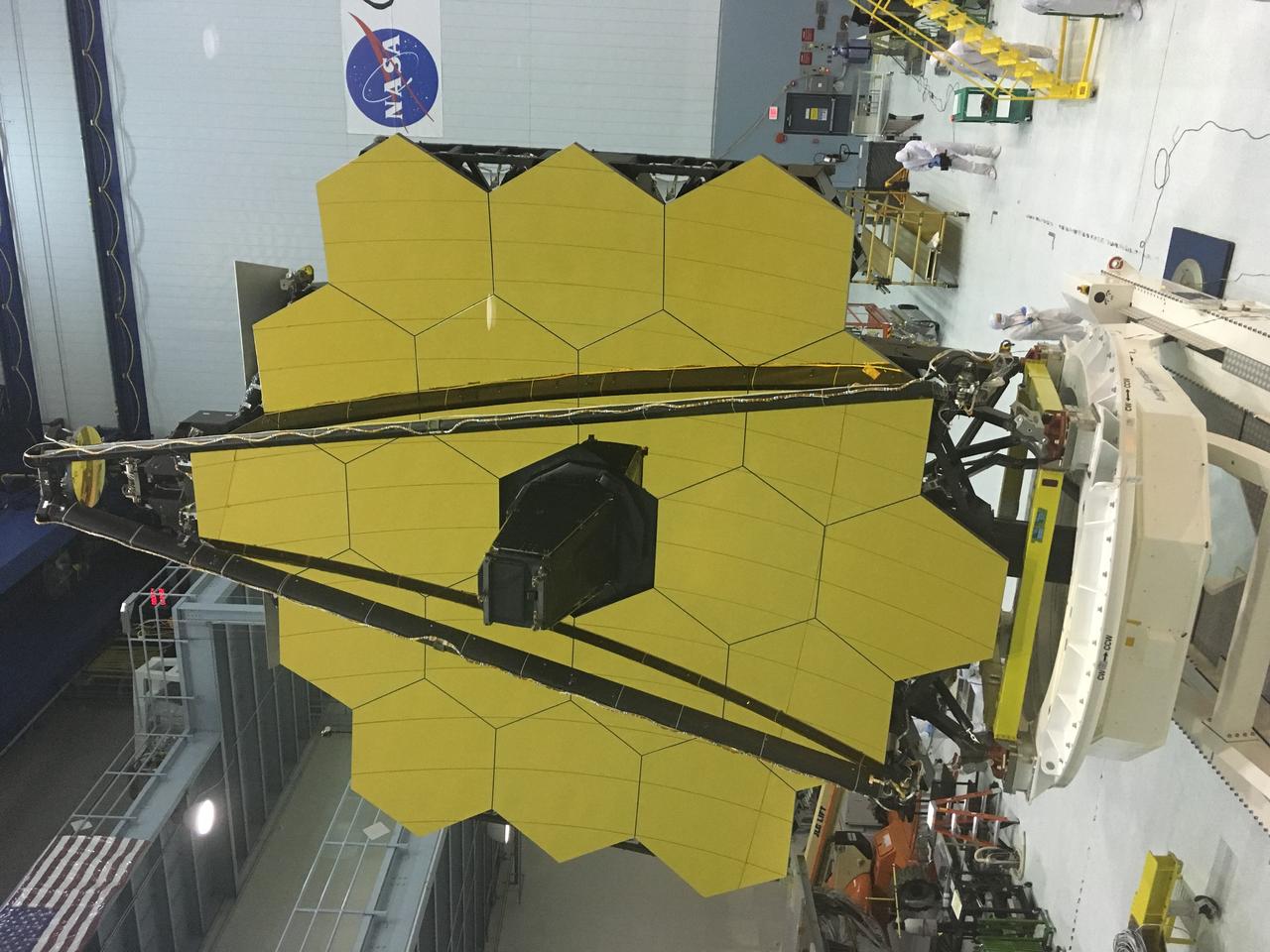
A rare view of the James Webb Space Telescope face-on, from the NASA Goddard cleanroom observation window.
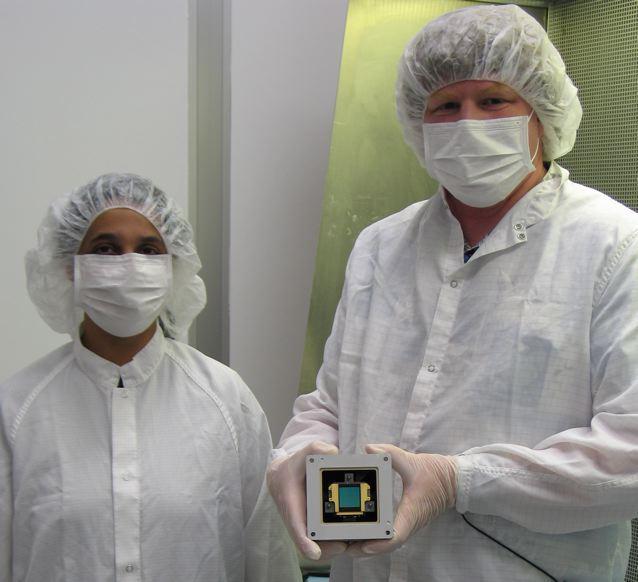
Mike Ressler right and Kalyani Sukhatme of NASA JPL pose in the clean room with a model component, called a focal plane module, of the Mid-Infrared Instrument on NASA James Webb Space Telescope.
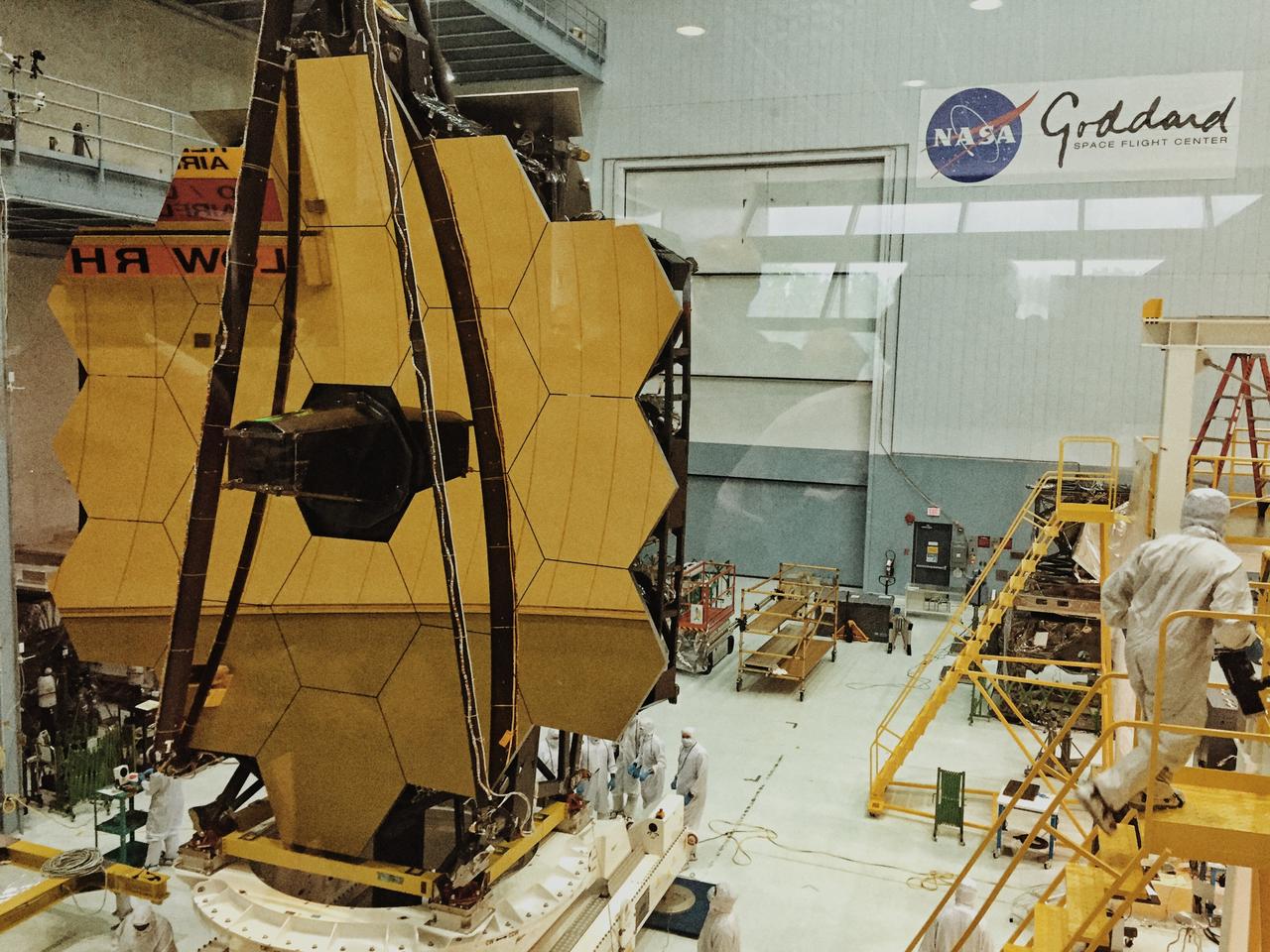
A rare view of the James Webb Space Telescope face-on, from the NASA Goddard cleanroom observation window. Credit: NASA/Goddard/Rebecca Roth
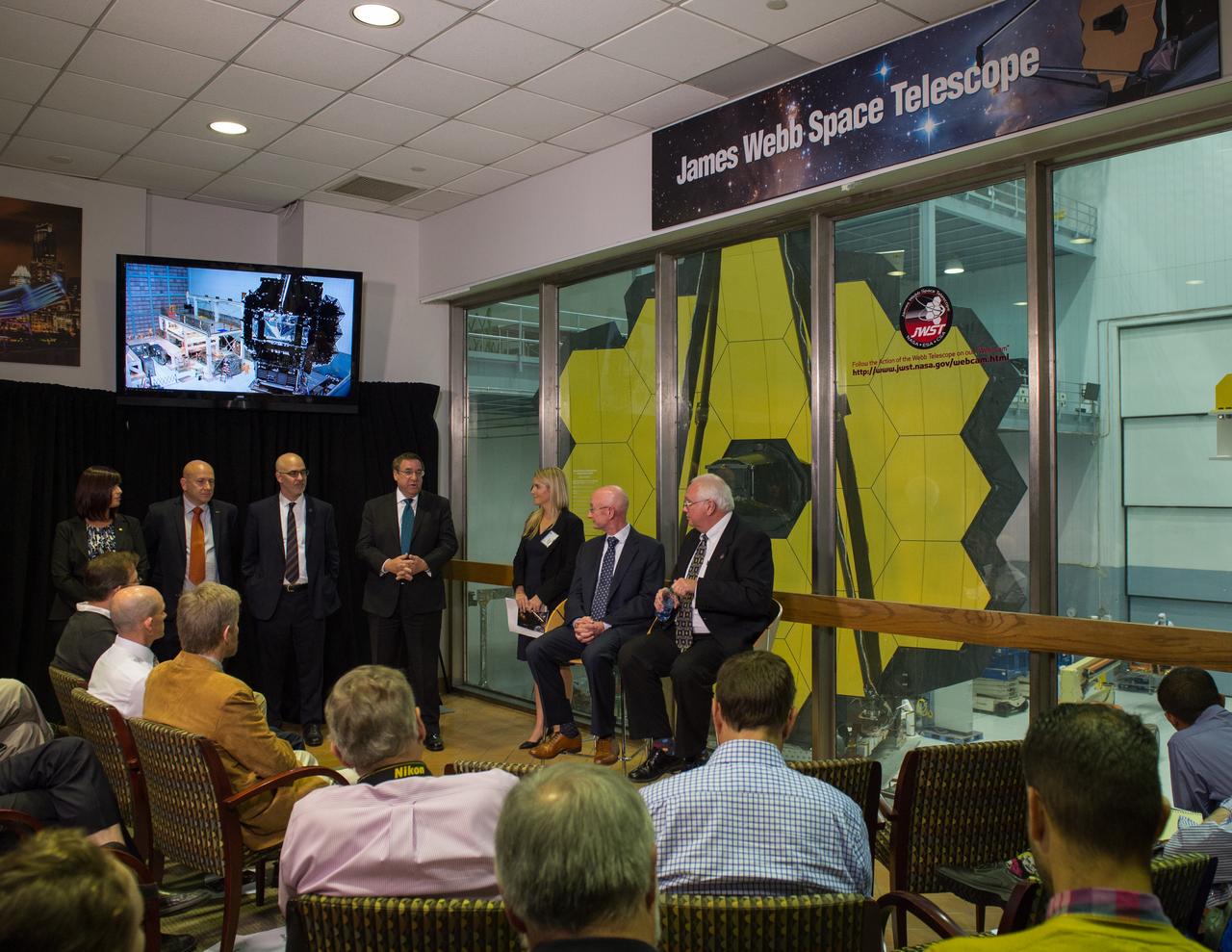
James Webb Space Telescope Mirror Reveal
James Webb Space Telescope (JWST) Town Hall -
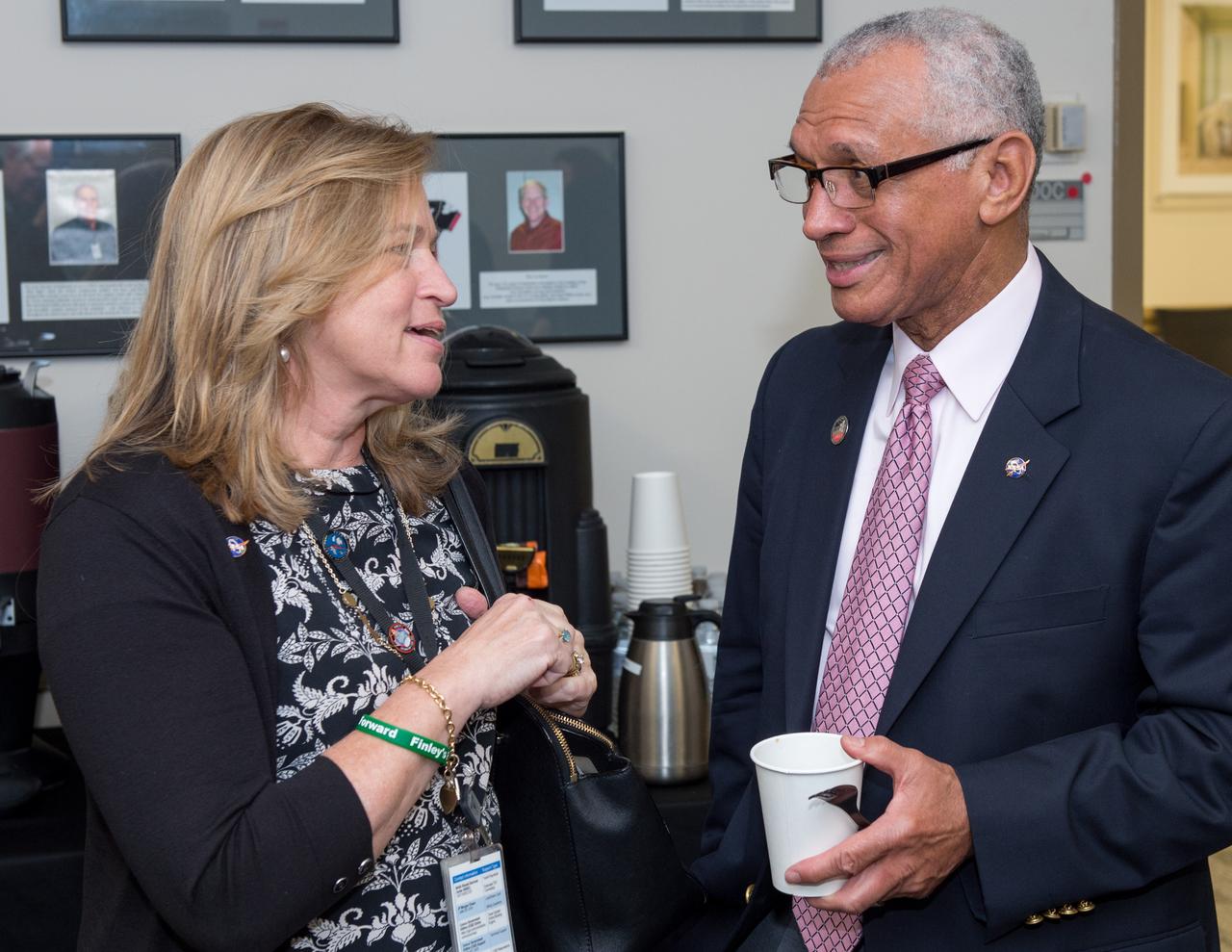
James Webb Space Telescope Mirror Reveal
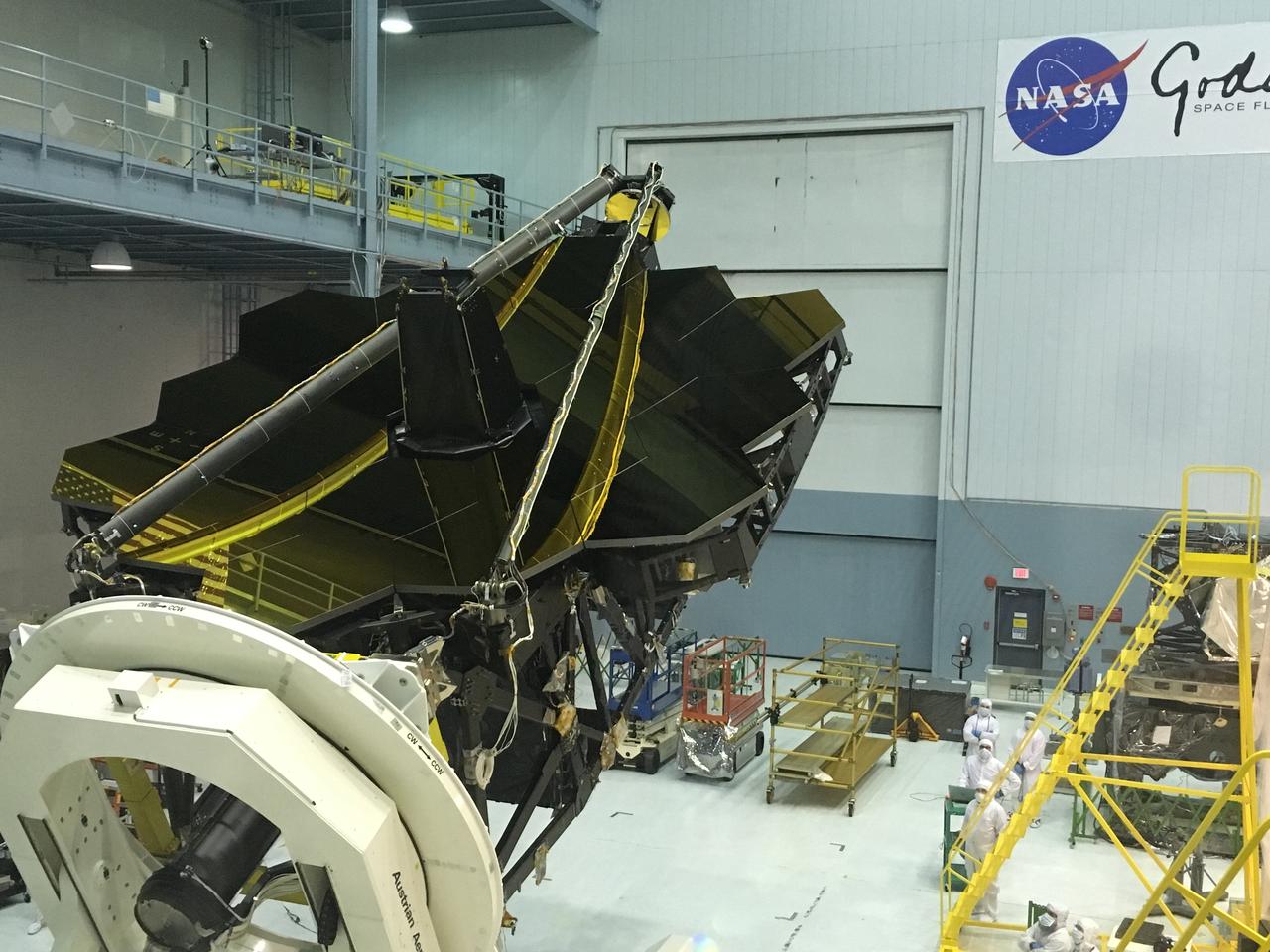
A rare view of the James Webb Space Telescope face-on, from the NASA Goddard cleanroom observation window.
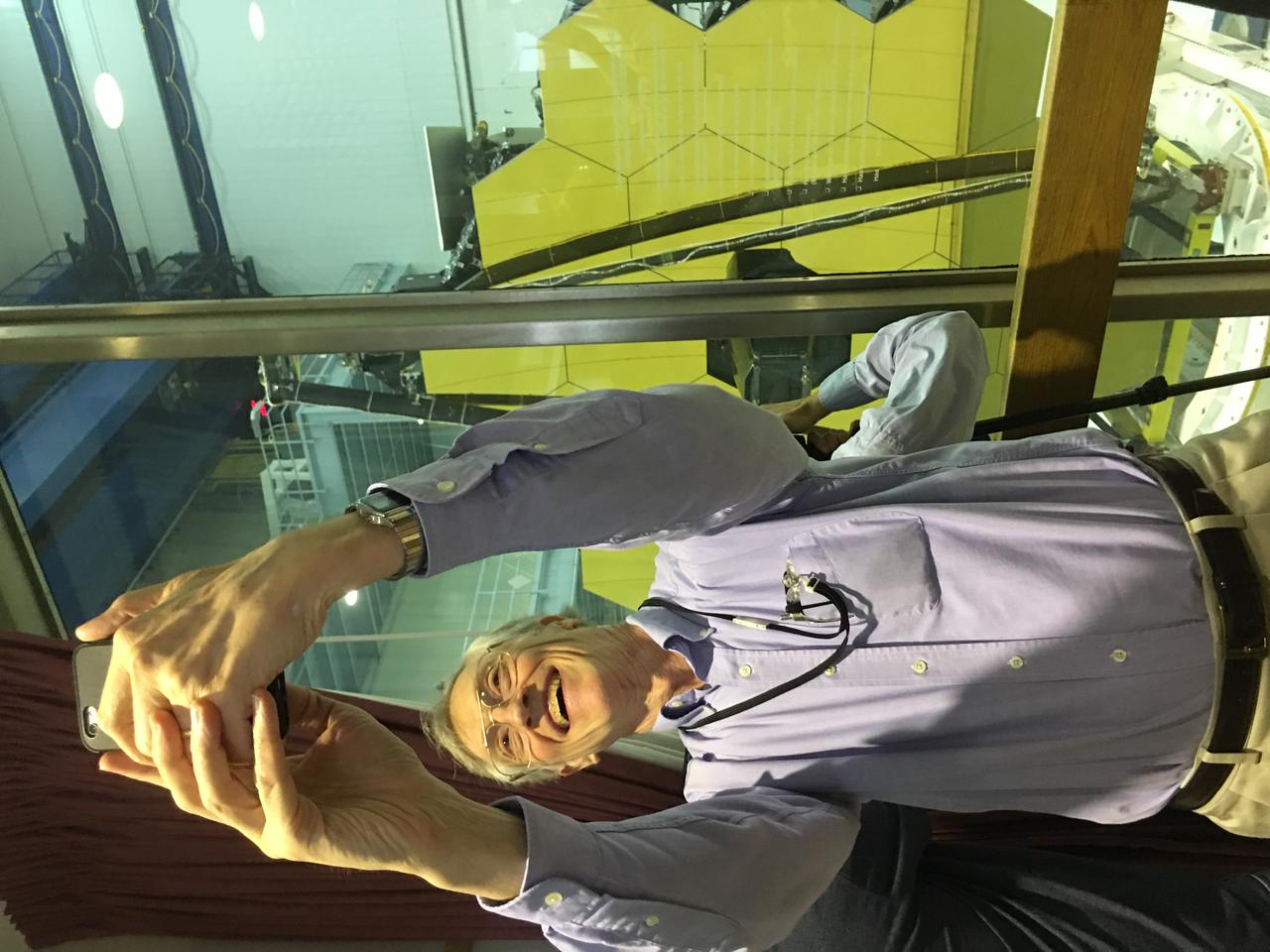
Nobel Laureate and James Webb Space Telescope project scientist Dr. John Mather takes a selfie with the telescope. May 4, 2016 was a rare day for JWST, as it briefly faced the cleanroom observation window. The telescope was eventually rotated face-down in prep for the installation of the flight instruments. Credit: Meredith Gibb
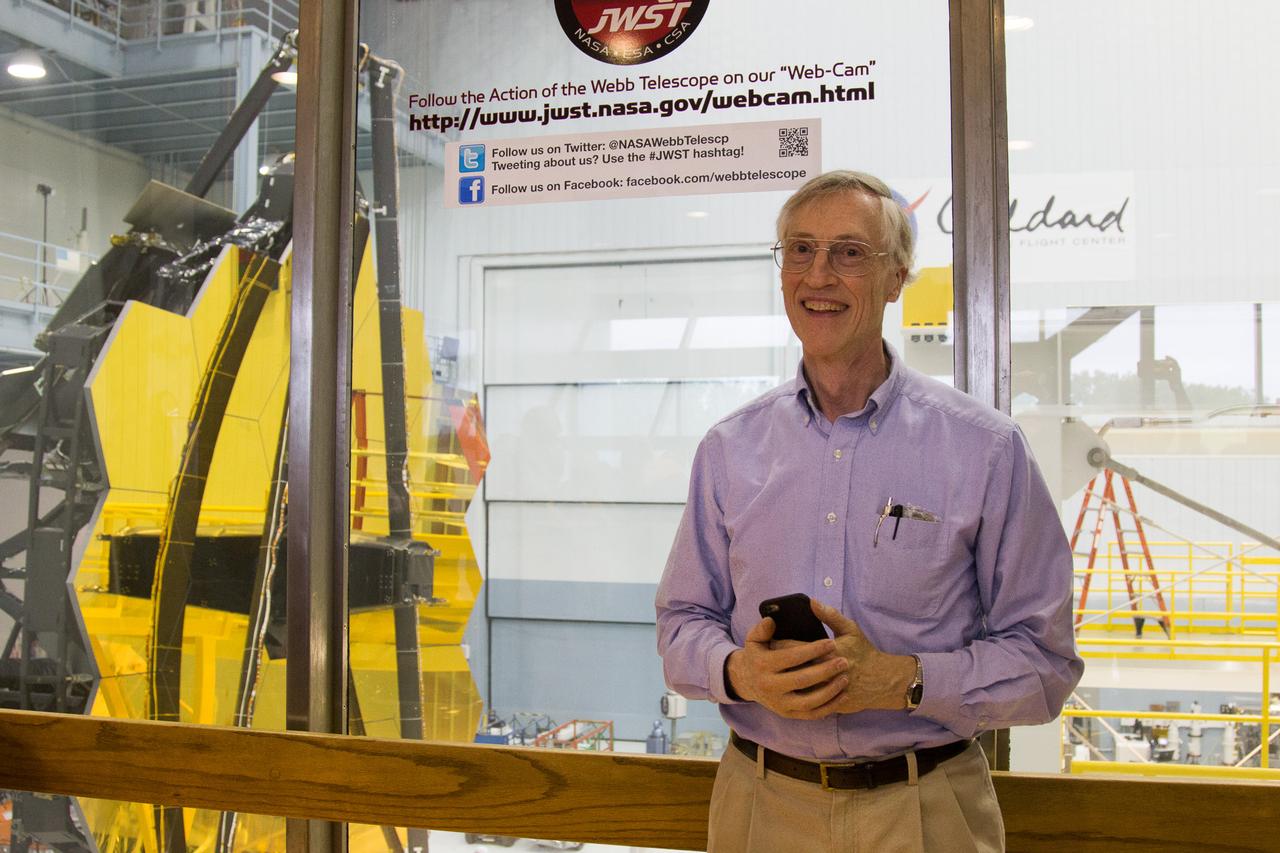
John Mather, Project Scientist for JWST, faces the James Webb Space Telescope primary mirror, NASA/Goddard Space Flight Center, Greenbelt, MD, May 4, 2016
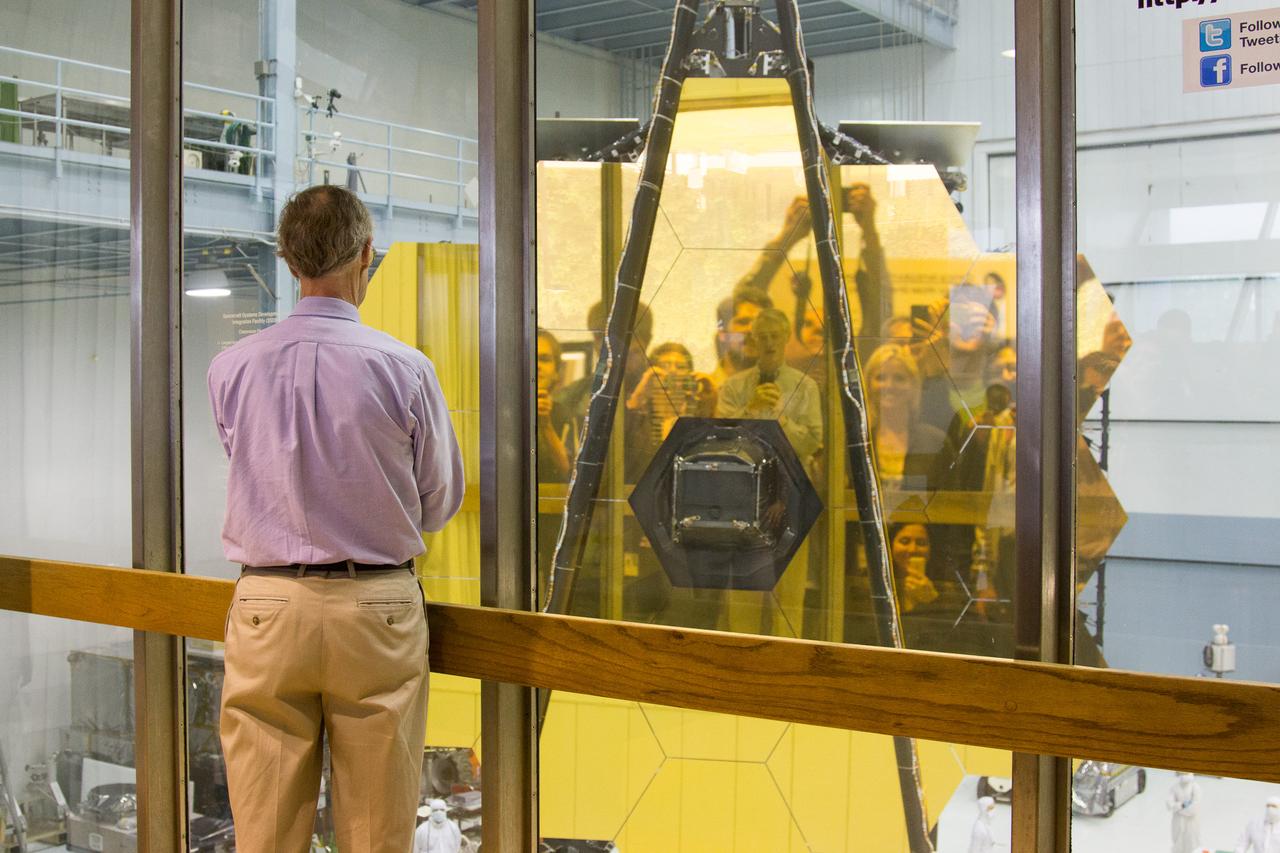
John Mather, Project Scientist for JWST, faces the James Webb Space Telescope primary mirror, taking a selfie, NASA/Goddard Space Flight Center, Greenbelt, MD, May 4, 2016
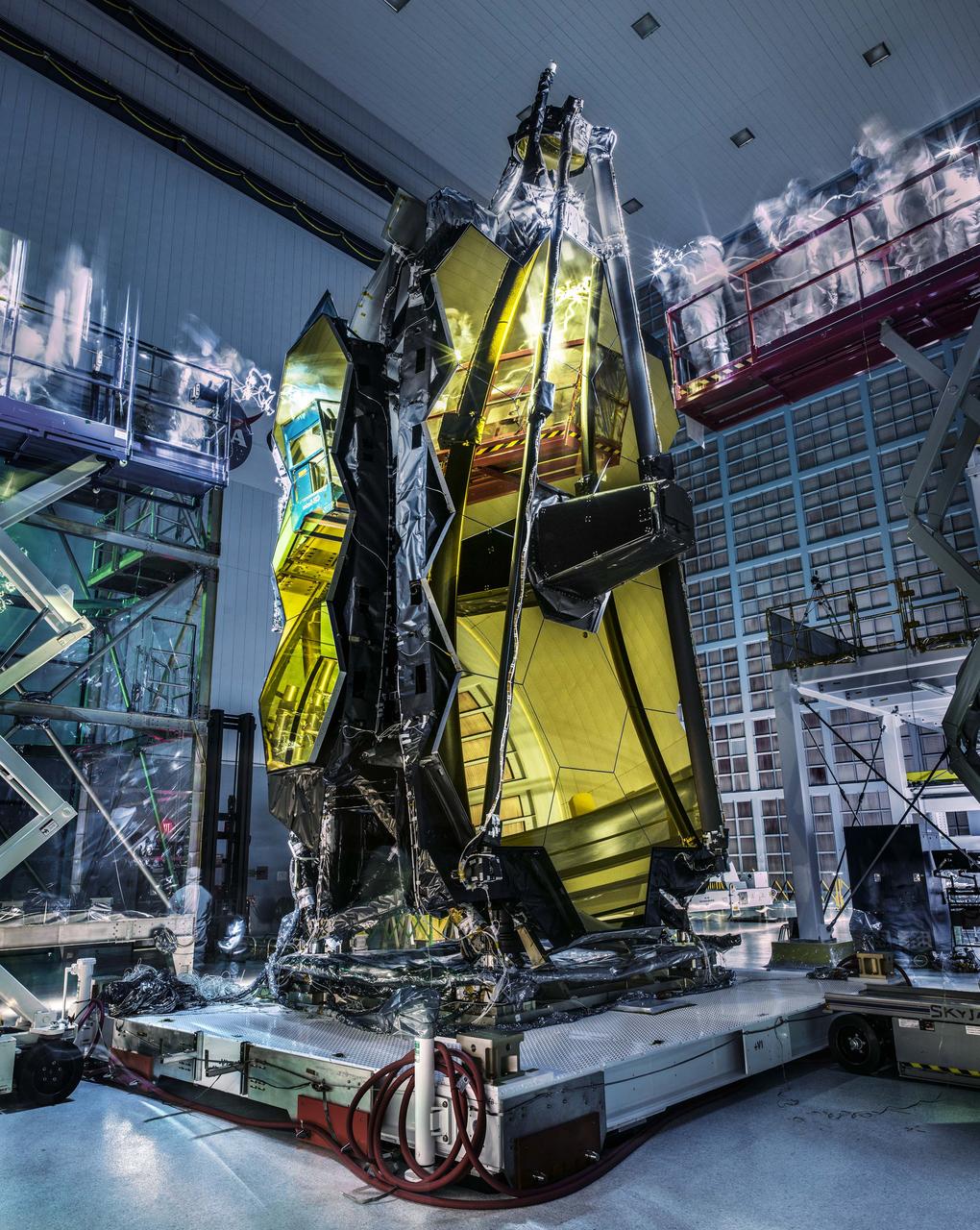
What happens when the lights are turned out in the enormous clean room that currently houses NASA's James Webb Space Telescope? The technicians who are inspecting the telescope and its expansive golden mirrors look like ghostly wraiths in this image as they conduct a "lights out inspection" in the Spacecraft Systems Development and Integration Facility (SSDIF) at NASA's Goddard Space Flight Center in Greenbelt, Maryland. The clean room lights were turned off to inspect the telescope after it experienced vibration and acoustic testing. The contamination control engineer used a bright flashlight and special ultraviolet flashlights to inspect for contamination because it's easier to find in the dark. NASA photographer Chris Gunn said "The people have a ghostly appearance because it's a long exposure." He left the camera's shutter open for a longer than normal time so the movement of the technicians appear as a blur. He also used a special light "painting" technique to light up the primary mirror. The James Webb Space Telescope is the scientific successor to NASA's Hubble Space Telescope. It will be the most powerful space telescope ever built. Webb is an international project led by NASA with its partners, ESA (European Space Agency) and the Canadian Space Agency. For more information about the Webb telescope visit: <a href="http://www.jwst.nasa.gov" rel="nofollow">www.jwst.nasa.gov</a> or <a href="http://www.nasa.gov/webb" rel="nofollow">www.nasa.gov/webb</a> Image Credit: NASA/Chris Gunn
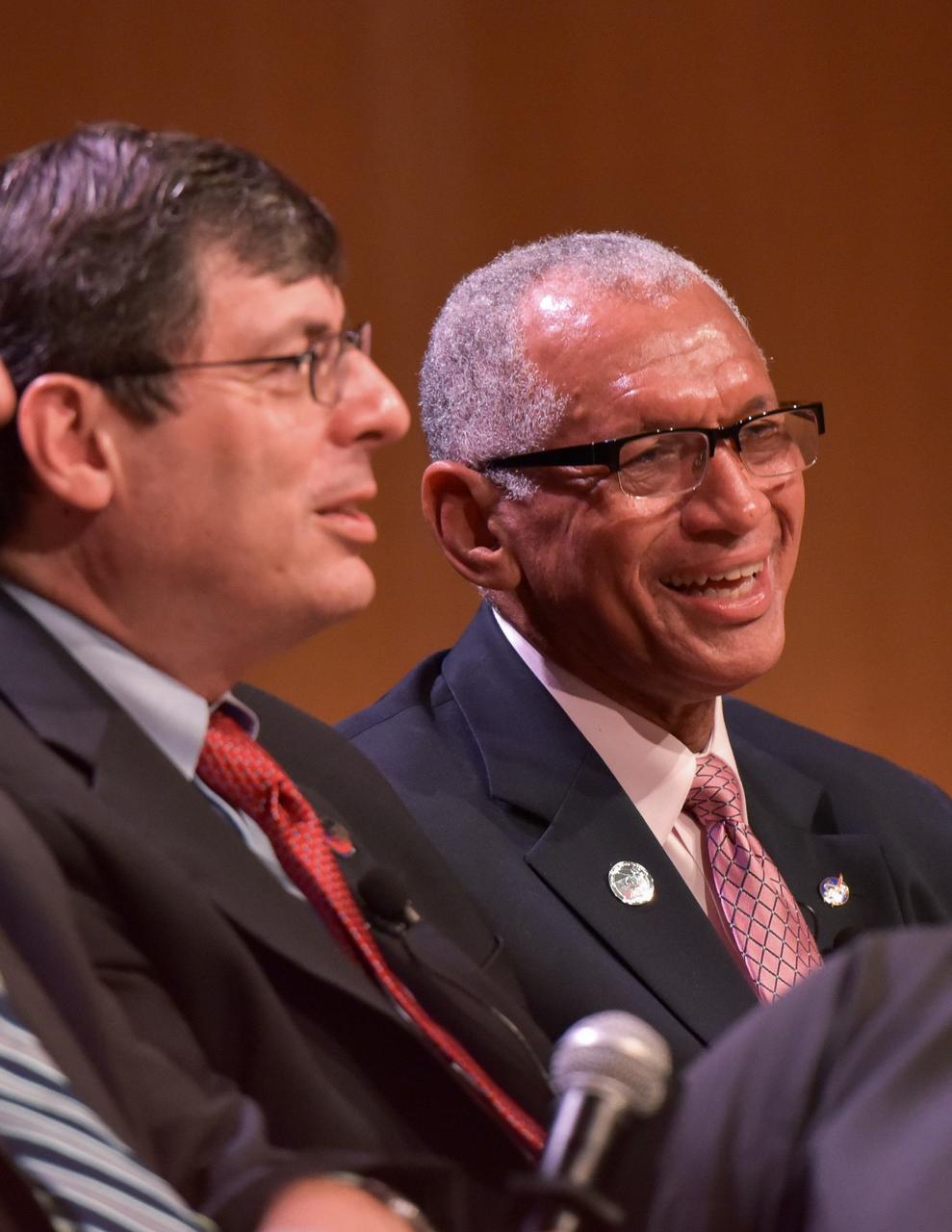
James Webb Space Telescope (JWST) Town Hall - Panel question and answer -
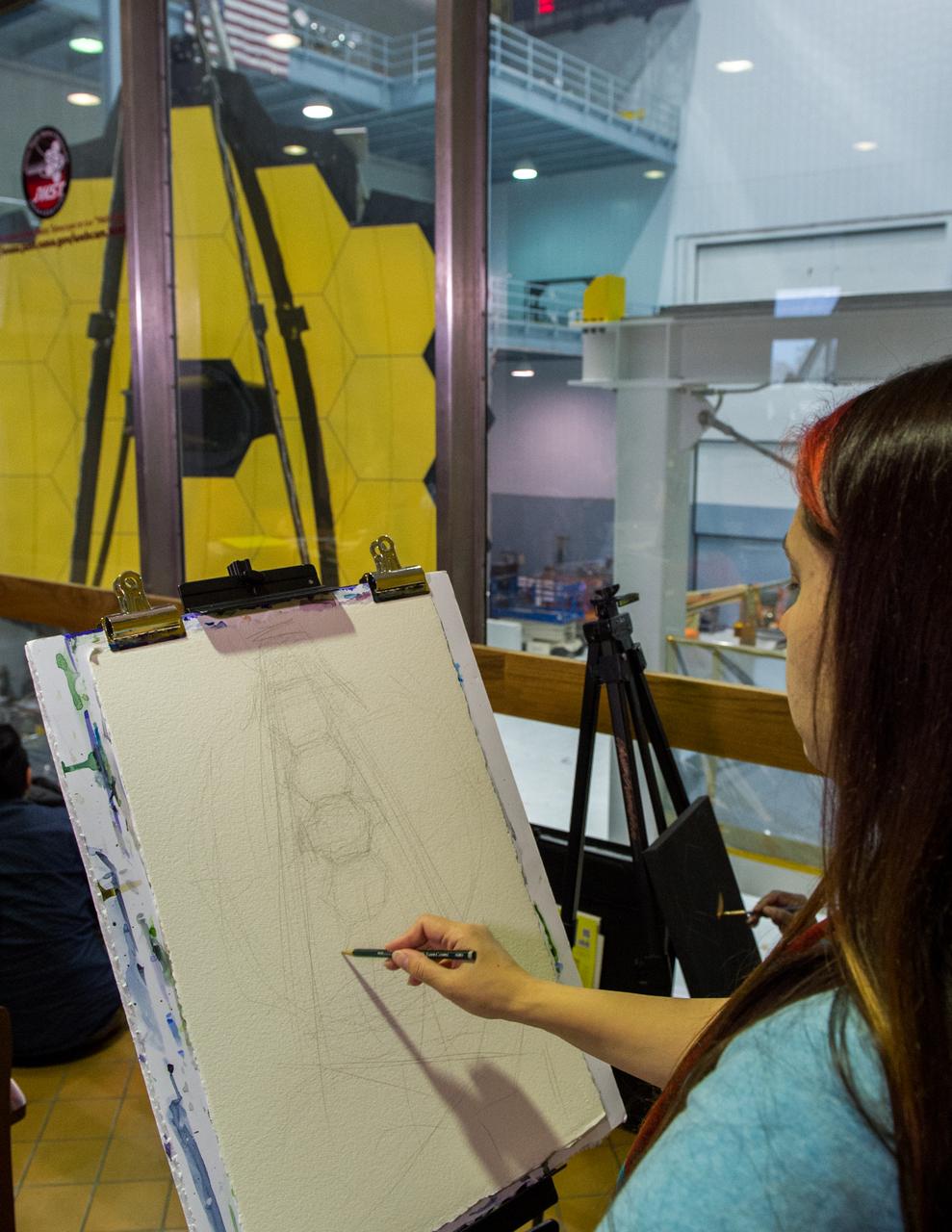
James Webb Space Telescope (JWST) Golden Mirrors artist event.
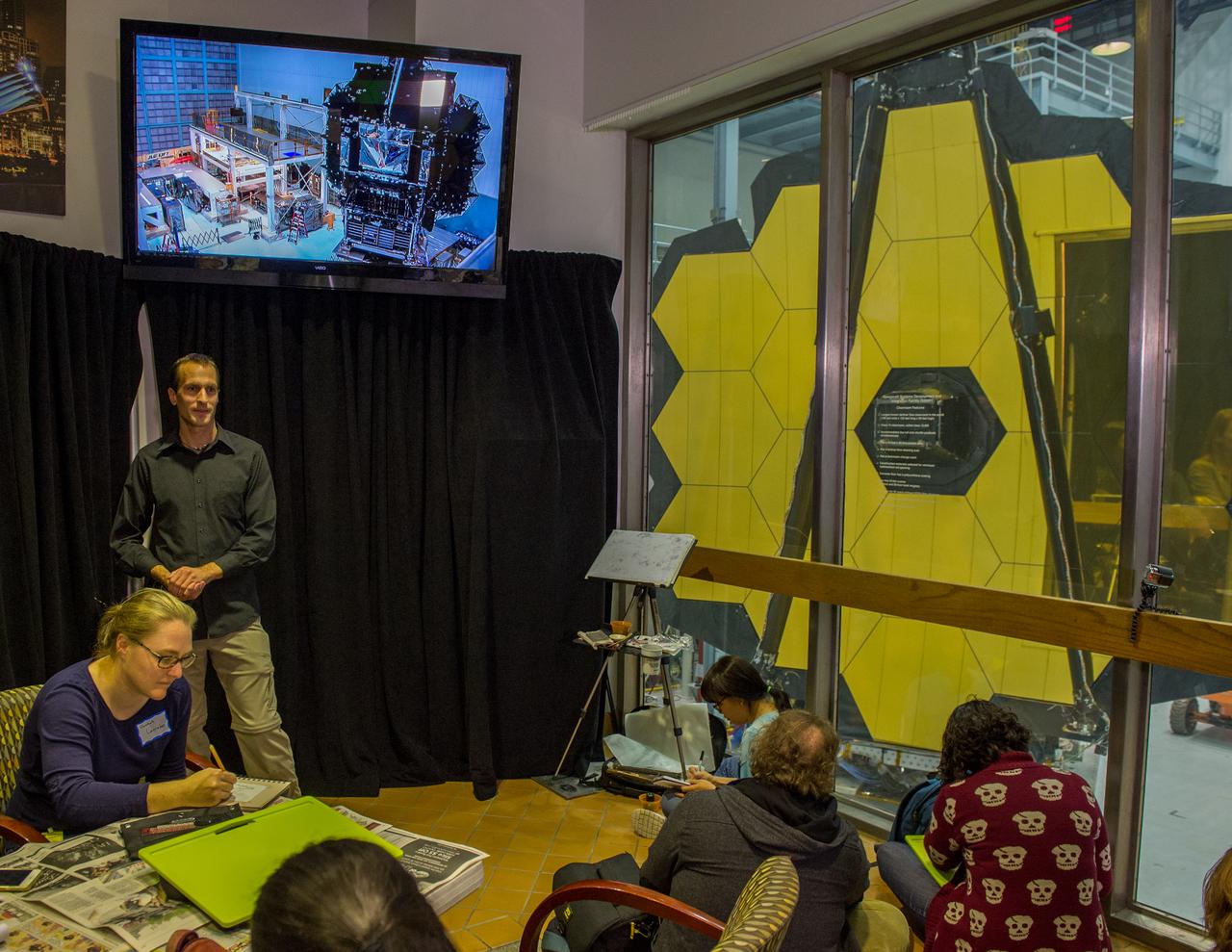
James Webb Space Telescope (JWST) Golden Mirrors artist event.
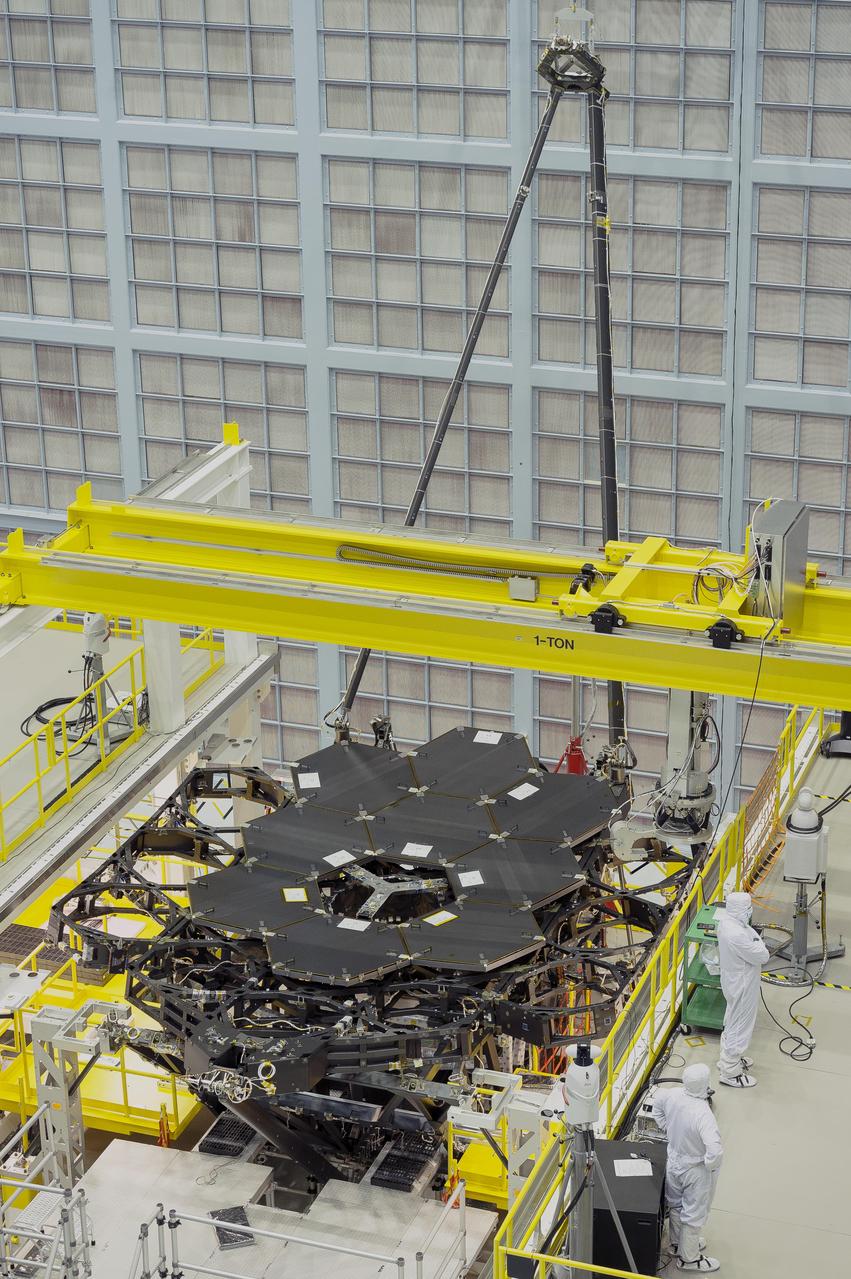
Inside NASA's Goddard Space Flight Center's massive clean room in Greenbelt, Maryland, the ninth flight mirror was installed onto the telescope structure with a robotic arm. This marks the halfway completion point for the James Webb Space Telescope's segmented primary mirror. Nine of the James Webb Space Telescope's 18 primary flight mirrors have been installed on the telescope structure. This marks the halfway point in the James Webb Space Telescope's primary mirror installation. Credit: NASA's Goddard Space Flight Center/Chris Gunn Read more: <a href="http://go.nasa.gov/1kqK6fW" rel="nofollow">go.nasa.gov/1kqK6fW</a>
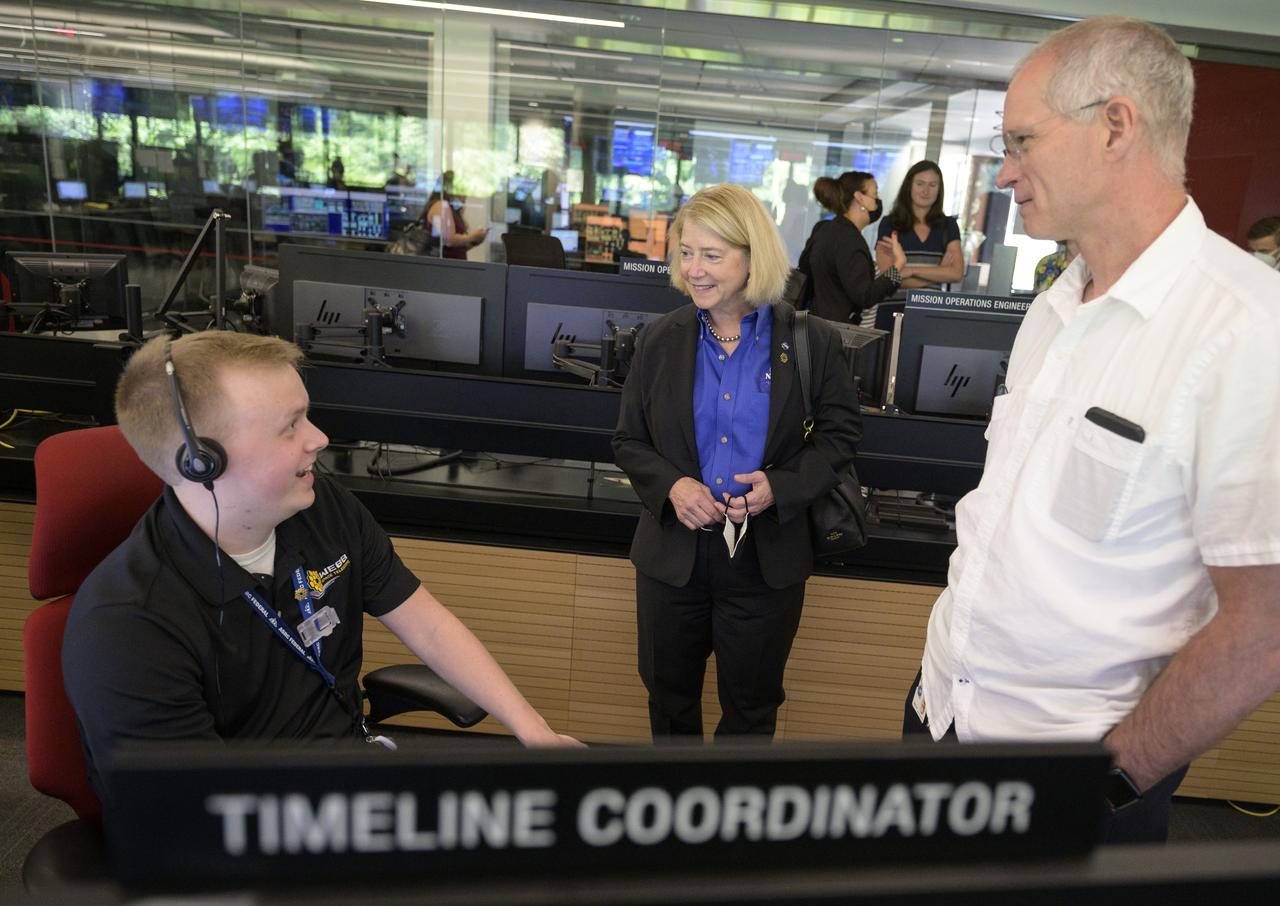
NASA Deputy Administrator Pam Melroy, center, meets with NASA James Webb Space Telescope Timeline Controller Matt Wasiak, left, and NASA James Webb Space Telescope Deputy Mission Operations Manager Ron Jones, right, during a tour of the NASA James Webb Space Telescope Mission Operations Center, Wednesday, June 29, 2022, at the Space Telescope Science Institute (STScI) in Baltimore. Prior to the tour the deputy spoke at a briefing that focused on the status of NASA’s James Webb Space Telescope in its final weeks of preparing for its science mission, as well as overviews of planned science for Webb’s first year of operations. Photo Credit: (NASA/Bill Ingalls)
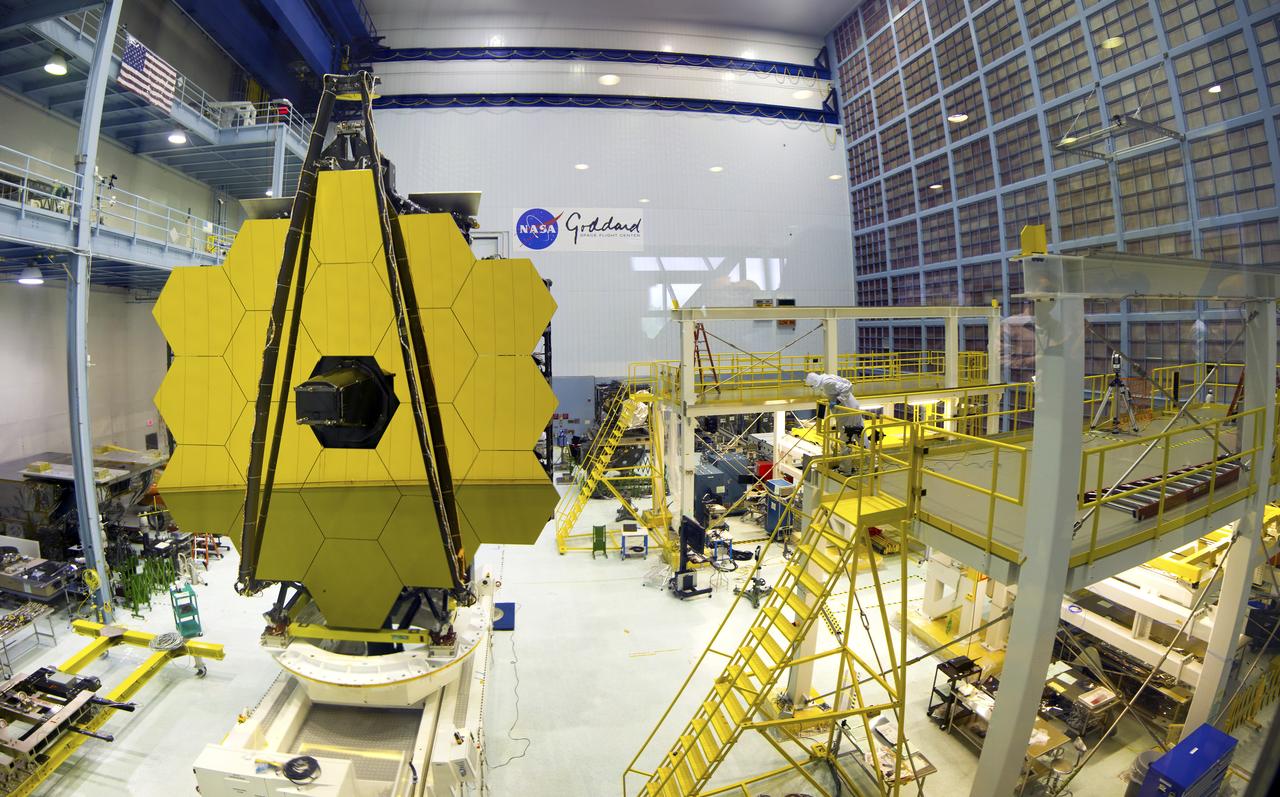
Webb Mirror Tilt Panorama, May 4, 2016 This image is a composite of nine wide-angle photos of the biggest clean room at NASA Goddard on May 4, 2016, when the uncovered flight primary mirror of the James Webb Space Telescope was tilted into a vertical position. Credit: NASA/Francis Reddy (Syneren Technologies) <b><a href="http://www.nasa.gov/audience/formedia/features/MP_Photo_Guidelines.html" rel="nofollow">NASA image use policy.</a></b> <b><a href="http://www.nasa.gov/centers/goddard/home/index.html" rel="nofollow">NASA Goddard Space Flight Center</a></b> enables NASA’s mission through four scientific endeavors: Earth Science, Heliophysics, Solar System Exploration, and Astrophysics. Goddard plays a leading role in NASA’s accomplishments by contributing compelling scientific knowledge to advance the Agency’s mission. <b>Follow us on <a href="http://twitter.com/NASAGoddardPix" rel="nofollow">Twitter</a></b> <b>Like us on <a href="http://www.facebook.com/pages/Greenbelt-MD/NASA-Goddard/395013845897?ref=tsd" rel="nofollow">Facebook</a></b> <b>Find us on <a href="http://instagrid.me/nasagoddard/?vm=grid" rel="nofollow">Instagram</a></b>

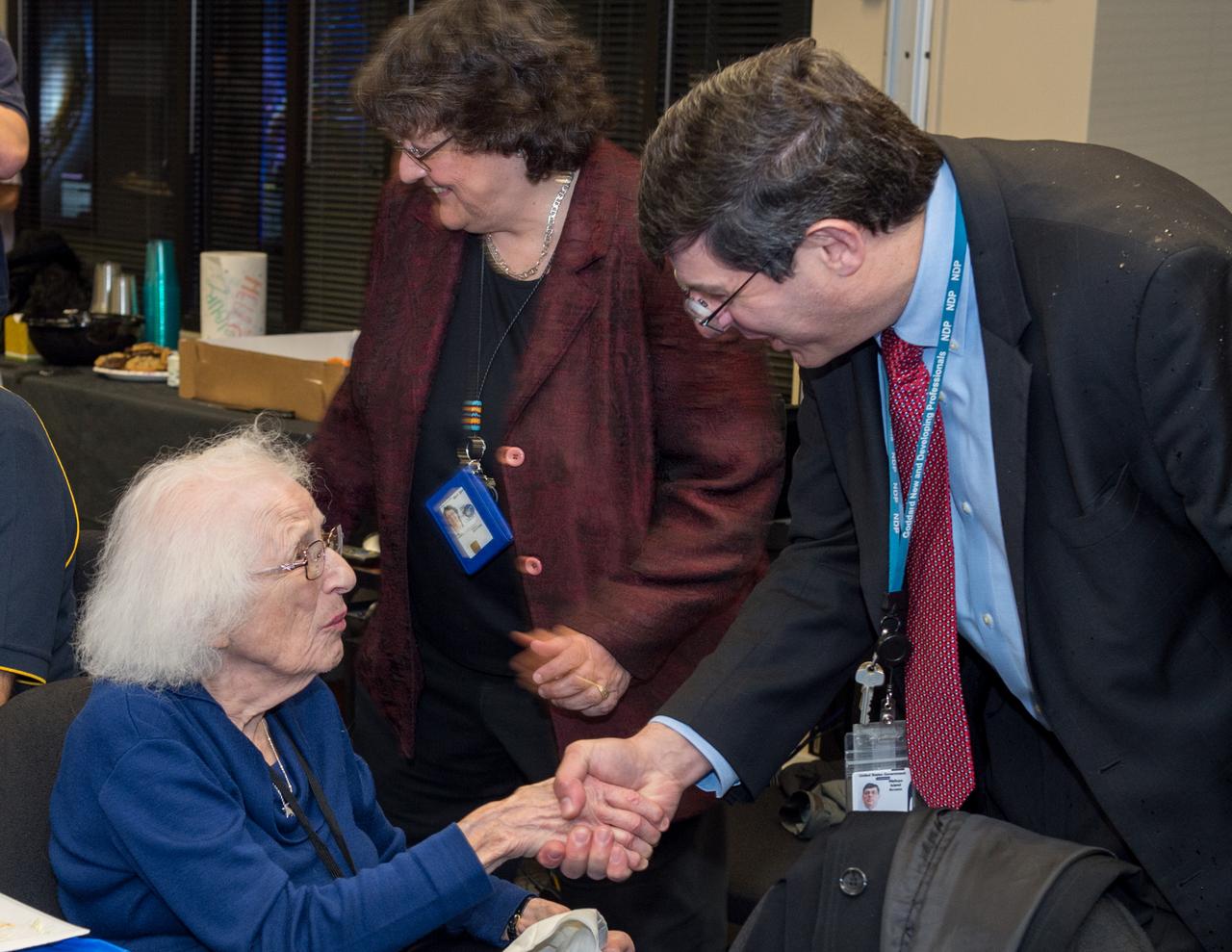
Dr. Nancy Grace Roman visits James Webb Space Telescope (JWST) and the Hubble Project Team.
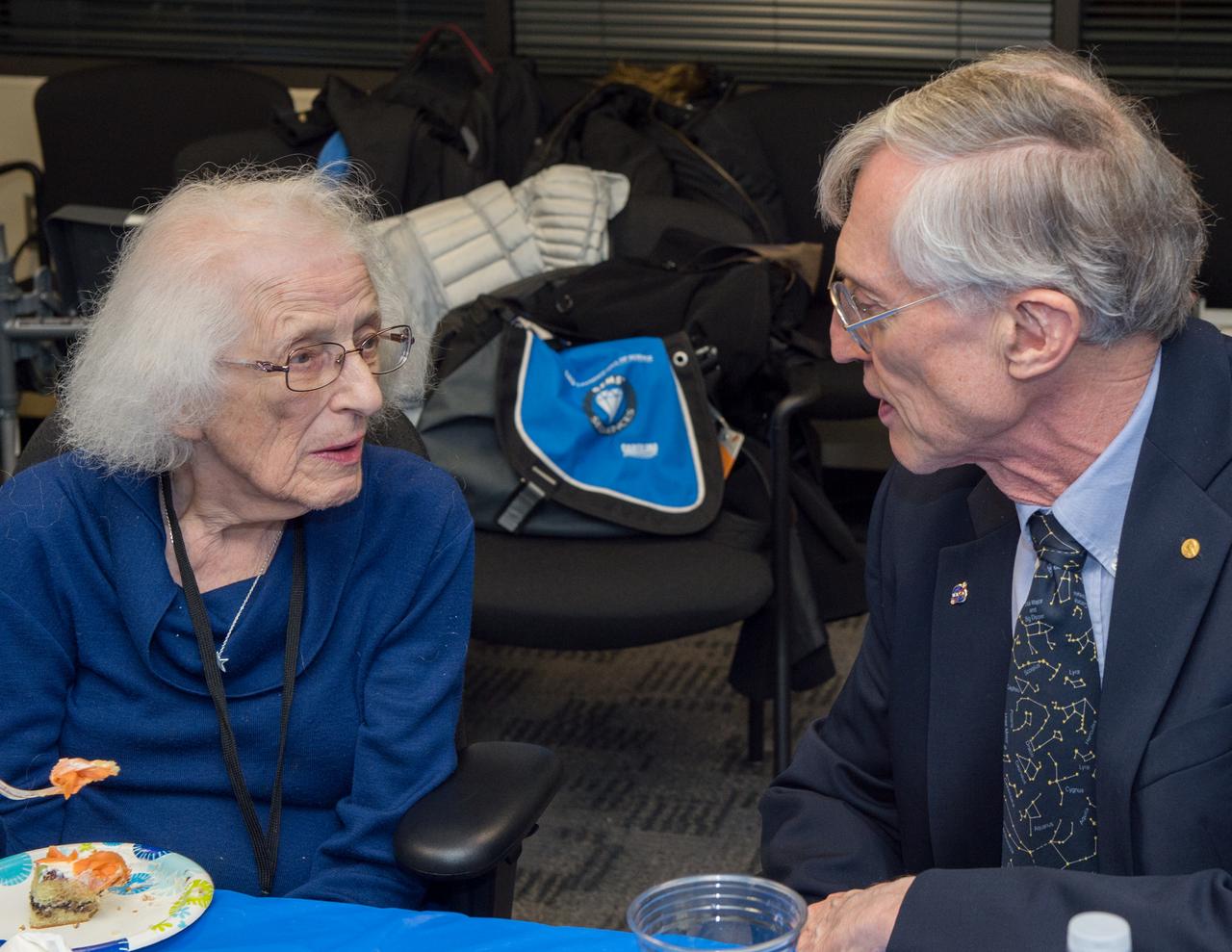
Dr. Nancy Grace Roman visits James Webb Space Telescope (JWST) and the Hubble Project Team. Dr. John Mather.

Dr. Nancy Grace Roman visits James Webb Space Telescope (JWST) and the Hubble Project Team.
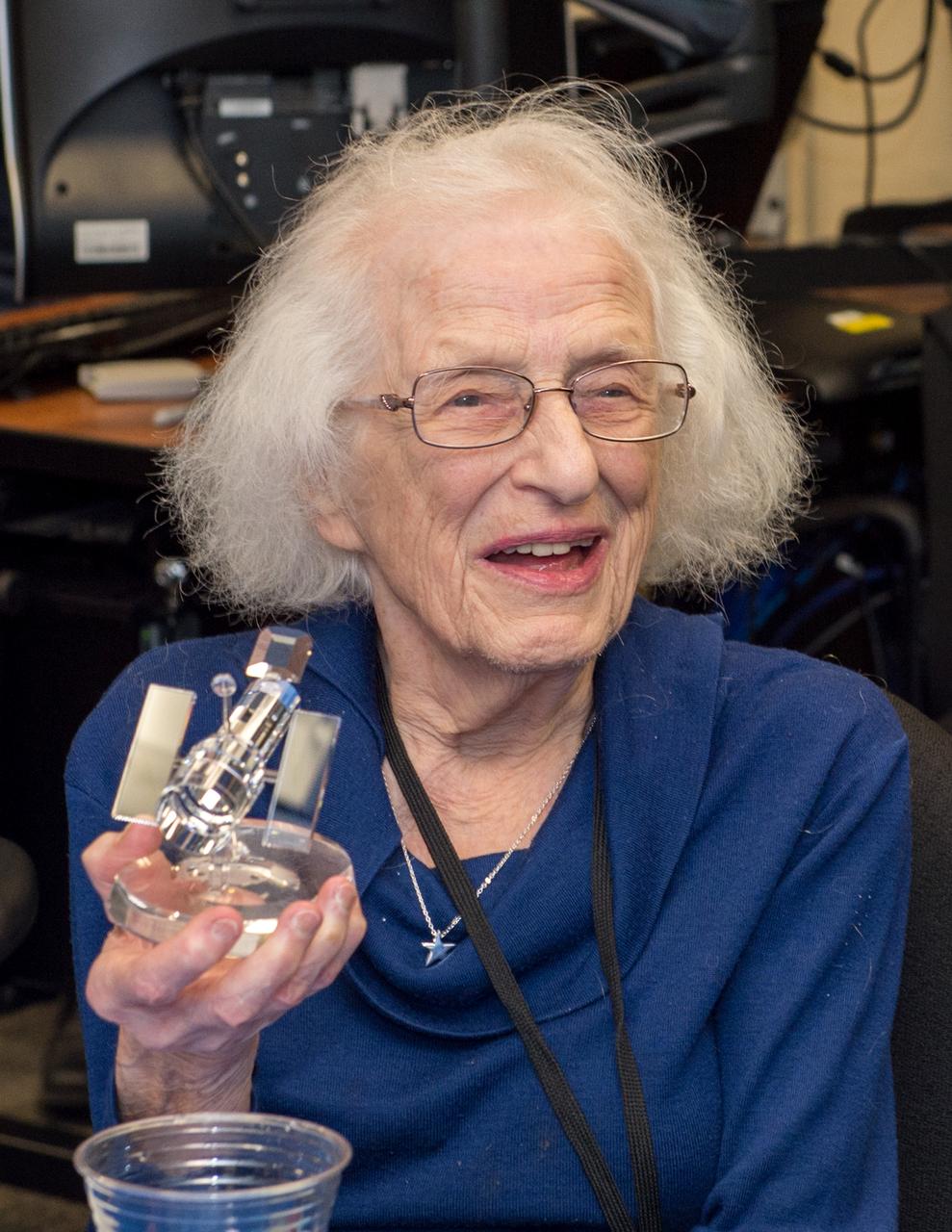
Dr. Nancy Grace Roman visits James Webb Space Telescope (JWST) and the Hubble Project Team.
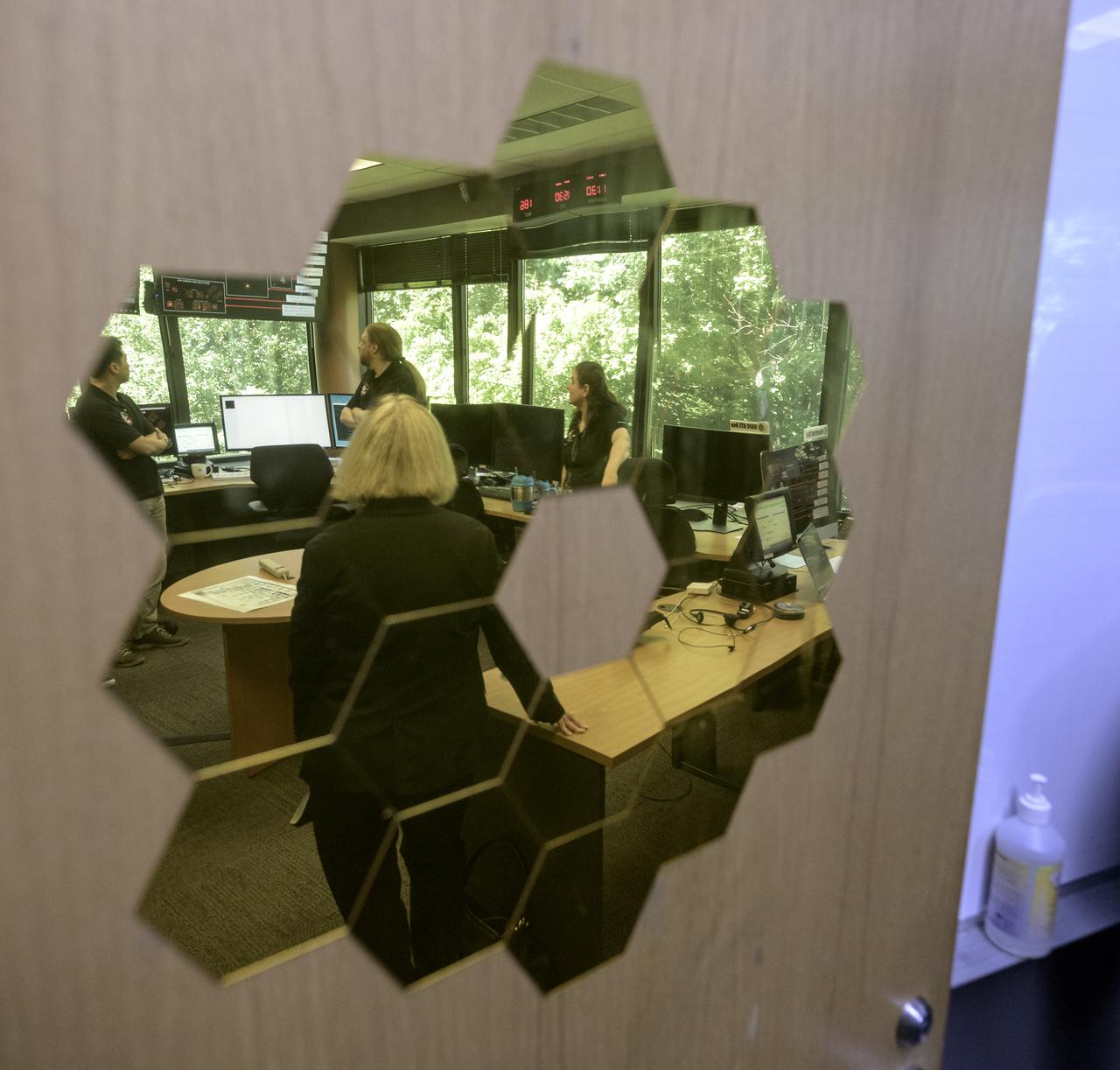
NASA Deputy Administrator Pam Melroy, back to camera, is seen reflected in a door mirror decoration as she meets with members of the NASA James Webb Space Telescope wavefront sensing and control analysis office, Wednesday, June 29, 2022, at the Space Telescope Science Institute (STScI) in Baltimore. Prior to the tour the deputy spoke at a briefing that focused on the status of NASA’s James Webb Space Telescope in its final weeks of preparing for its science mission, as well as overviews of planned science for Webb’s first year of operations. Photo Credit: (NASA/Bill Ingalls)
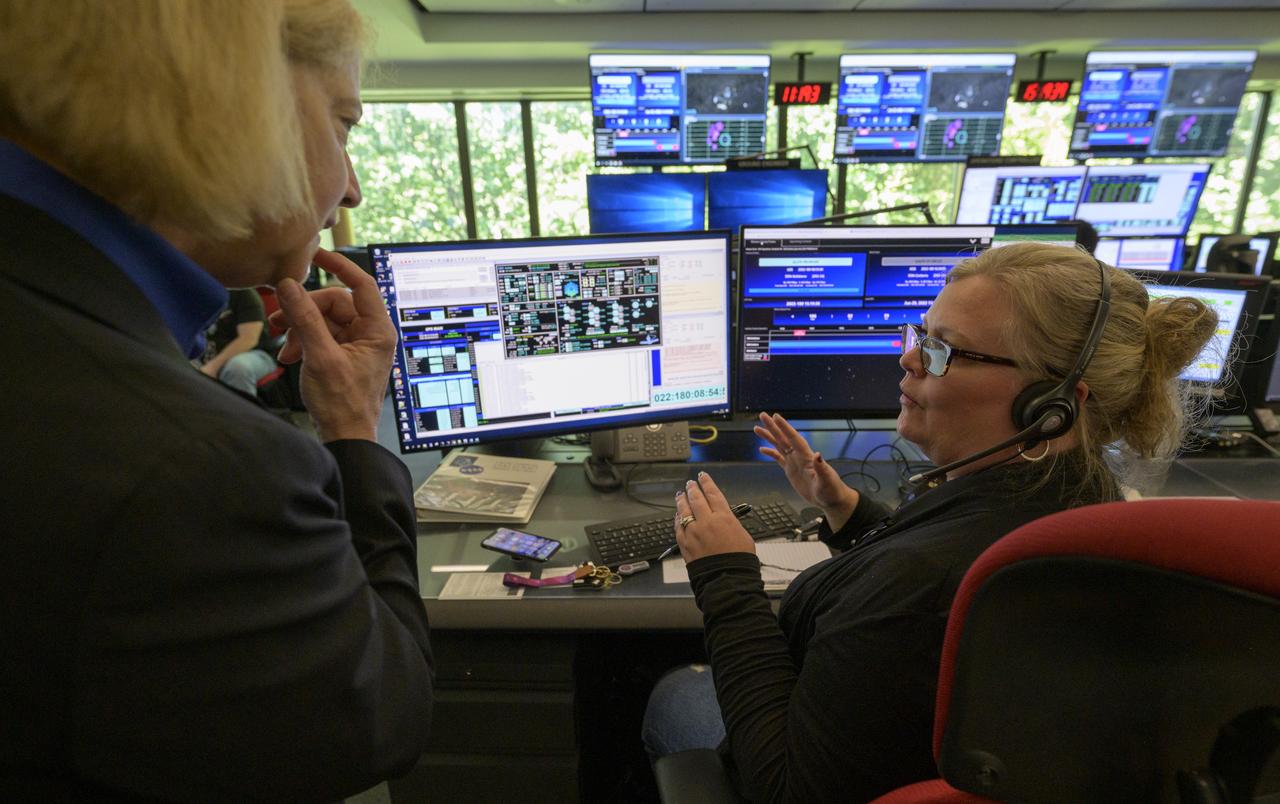
NASA Deputy Administrator Pam Melroy, left, meets with NASA James Webb Space Telescope Mission Planner Kari Bosley during a tour of the NASA James Webb Space Telescope Mission Operations Center, Wednesday, June 29, 2022, at the Space Telescope Science Institute (STScI) in Baltimore. Prior to the tour the deputy spoke at a briefing that focused on the status of NASA’s James Webb Space Telescope in its final weeks of preparing for its science mission, as well as overviews of planned science for Webb’s first year of operations. Photo Credit: (NASA/Bill Ingalls)
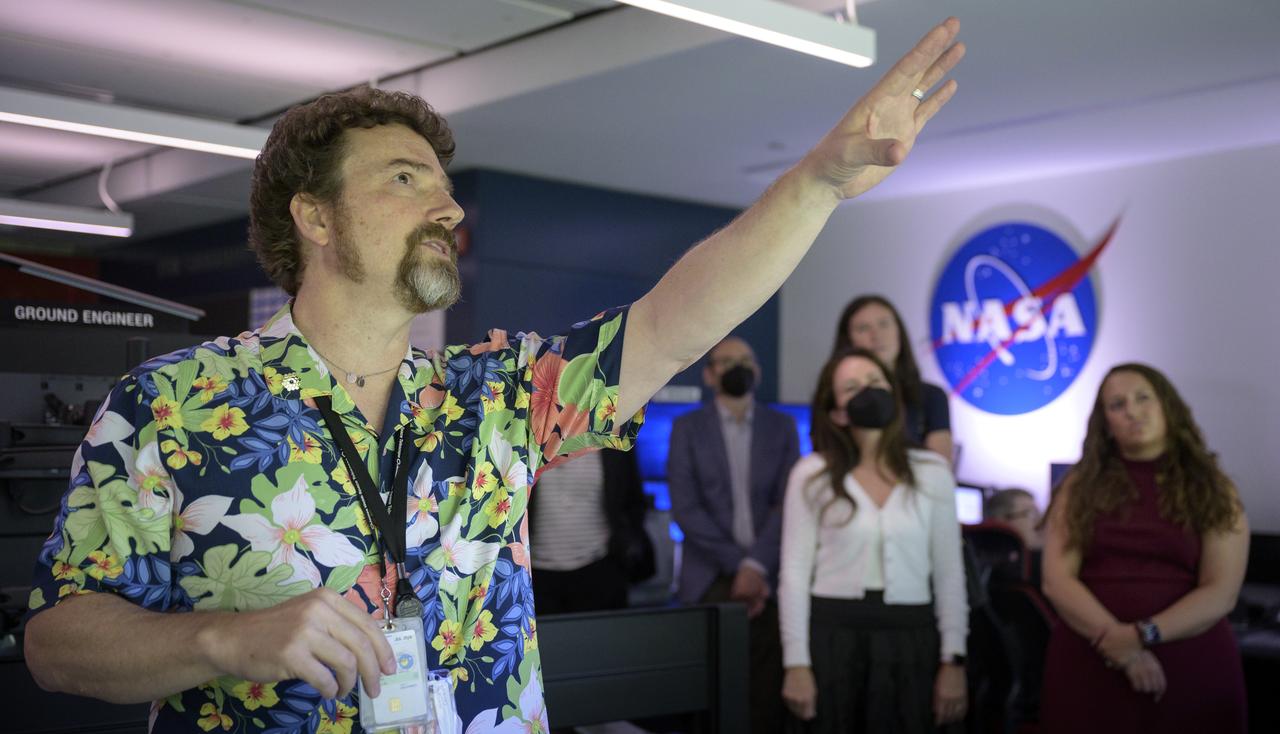
NASA James Webb Space Telescope Mission Operations Manager Carl Starr gives a tour of the NASA James Webb Space Telescope Mission Operations Center, Wednesday, June 29, 2022, at the Space Telescope Science Institute (STScI) in Baltimore. Prior to the tour the NASA Deputy Administrator Pam Melroy and NASA Associate Administrator for the Science Mission Directorate Thomas Zurbuchen spoke at a briefing that focused on the status of NASA’s James Webb Space Telescope in its final weeks of preparing for its science mission, as well as overviews of planned science for Webb’s first year of operations. Photo Credit: (NASA/Bill Ingalls)
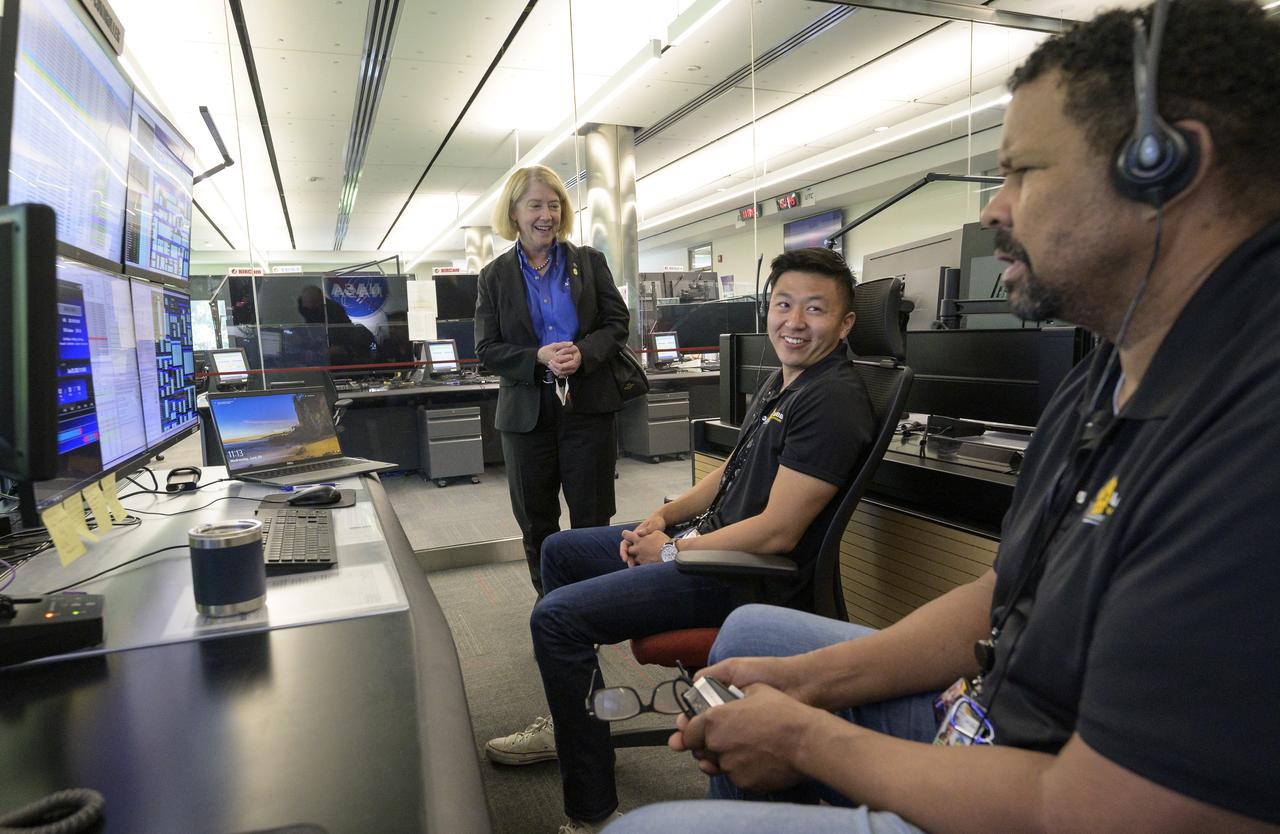
NASA Deputy Administrator Pam Melroy, left, meets with NASA James Webb Space Telescope Command Controllers Justin Truing, and Phil Johnson, right, during a tour of the NASA James Webb Space Telescope Mission Operations Center, Wednesday, June 29, 2022, at the Space Telescope Science Institute (STScI) in Baltimore. Prior to the tour the deputy spoke at a briefing that focused on the status of NASA’s James Webb Space Telescope in its final weeks of preparing for its science mission, as well as overviews of planned science for Webb’s first year of operations. Photo Credit: (NASA/Bill Ingalls)
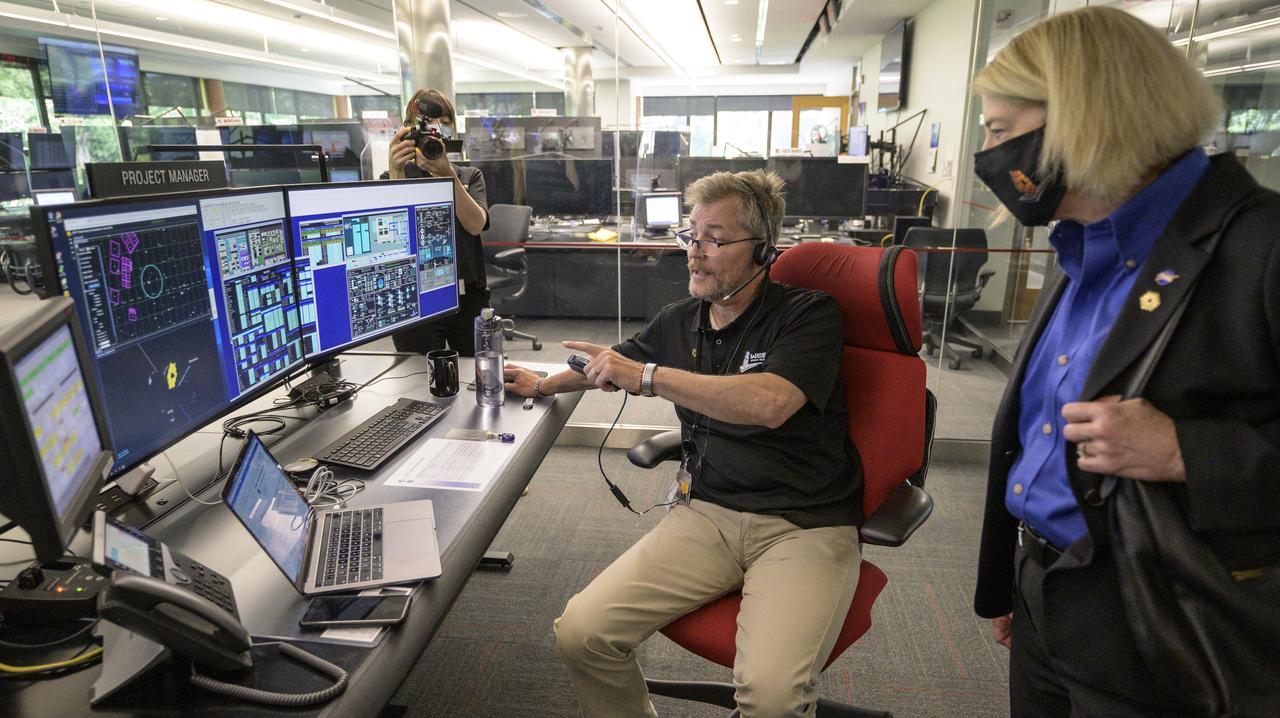
NASA Deputy Administrator Pam Melroy, right, talks with NASA James Webb Space Telescope deputy senior project scientist Jon Gardner, as she is given a tour of the NASA James Webb Space Telescope Mission Operations Center, Wednesday, June 29, 2022, at the Space Telescope Science Institute (STScI) in Baltimore. Prior to the tour the deputy spoke at a briefing that focused on the status of NASA’s James Webb Space Telescope in its final weeks of preparing for its science mission, as well as overviews of planned science for Webb’s first year of operations. Photo Credit: (NASA/Bill Ingalls)
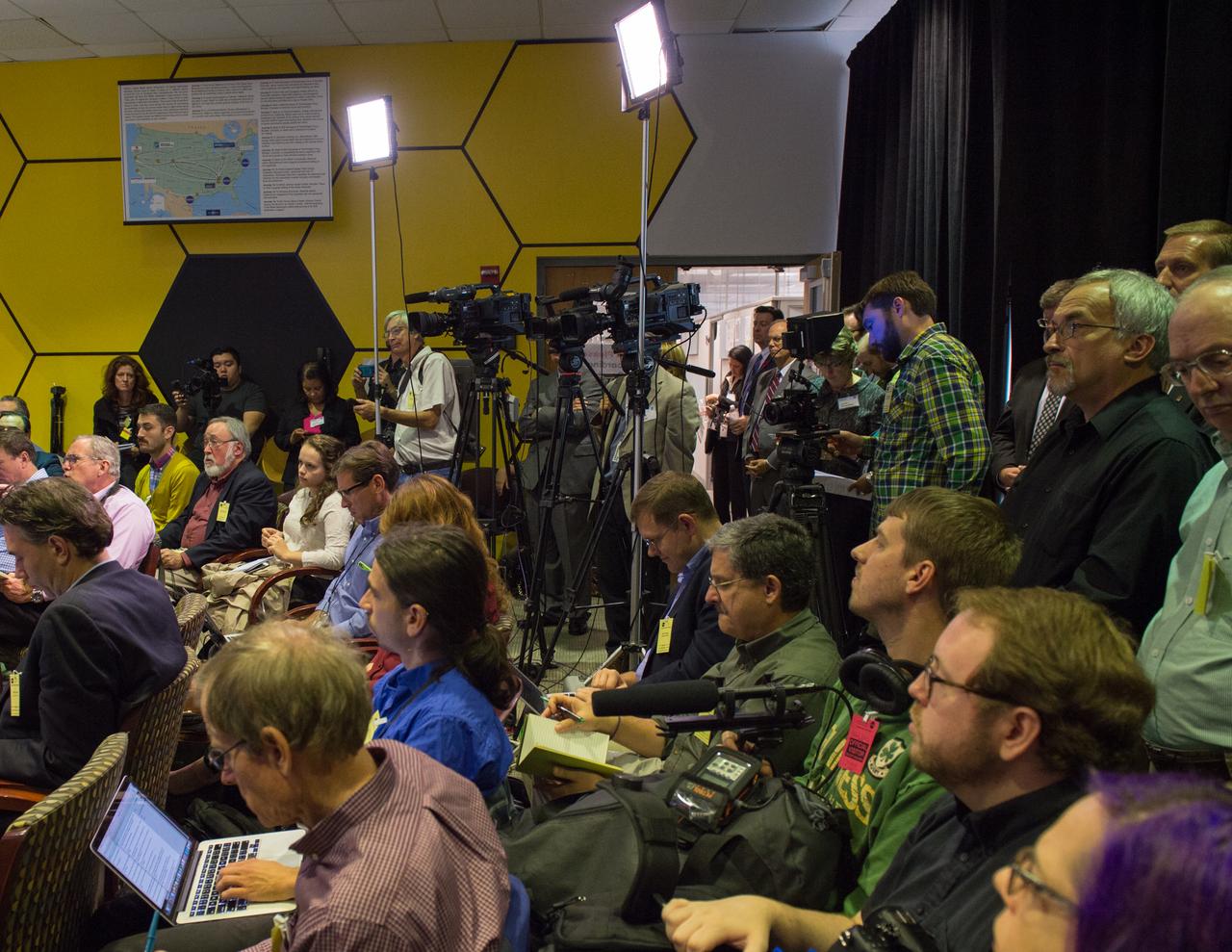
Goddard employees were invited to a town hall with NASA Administrator Charlie Bolden, Associate Administrator for the NASA Science Mission Directorate Thomas Zurbuchen and Goddard Center Director Chris Scolese, Nov. 2, at 11:30 a.m. in the Hinners Auditorium in Building 8. Bolden thanked the James Webb Space Telescope team at Goddard as well as our international and corporate partners for their exceptional support. Credit: NASA/Goddard
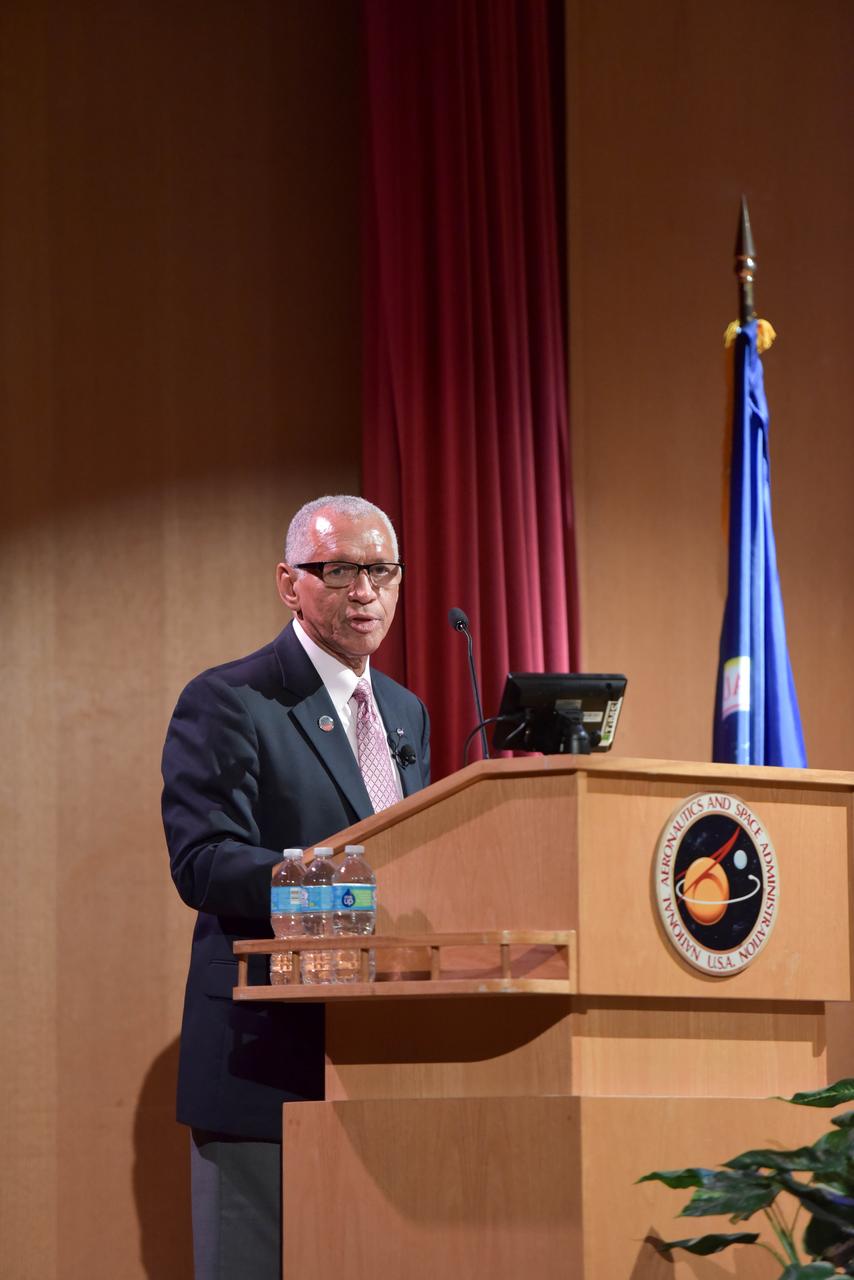
Goddard employees were invited to a town hall with NASA Administrator Charlie Bolden, Associate Administrator for the NASA Science Mission Directorate Thomas Zurbuchen and Goddard Center Director Chris Scolese, Nov. 2, at 11:30 a.m. in the Hinners Auditorium in Building 8. Bolden thanked the James Webb Space Telescope team at Goddard as well as our international and corporate partners for their exceptional support. Credit: NASA/Goddard

Goddard employees were invited to a town hall with NASA Administrator Charlie Bolden, Associate Administrator for the NASA Science Mission Directorate Thomas Zurbuchen and Goddard Center Director Chris Scolese, Nov. 2, at 11:30 a.m. in the Hinners Auditorium in Building 8. Bolden thanked the James Webb Space Telescope team at Goddard as well as our international and corporate partners for their exceptional support. Credit: NASA/Goddard
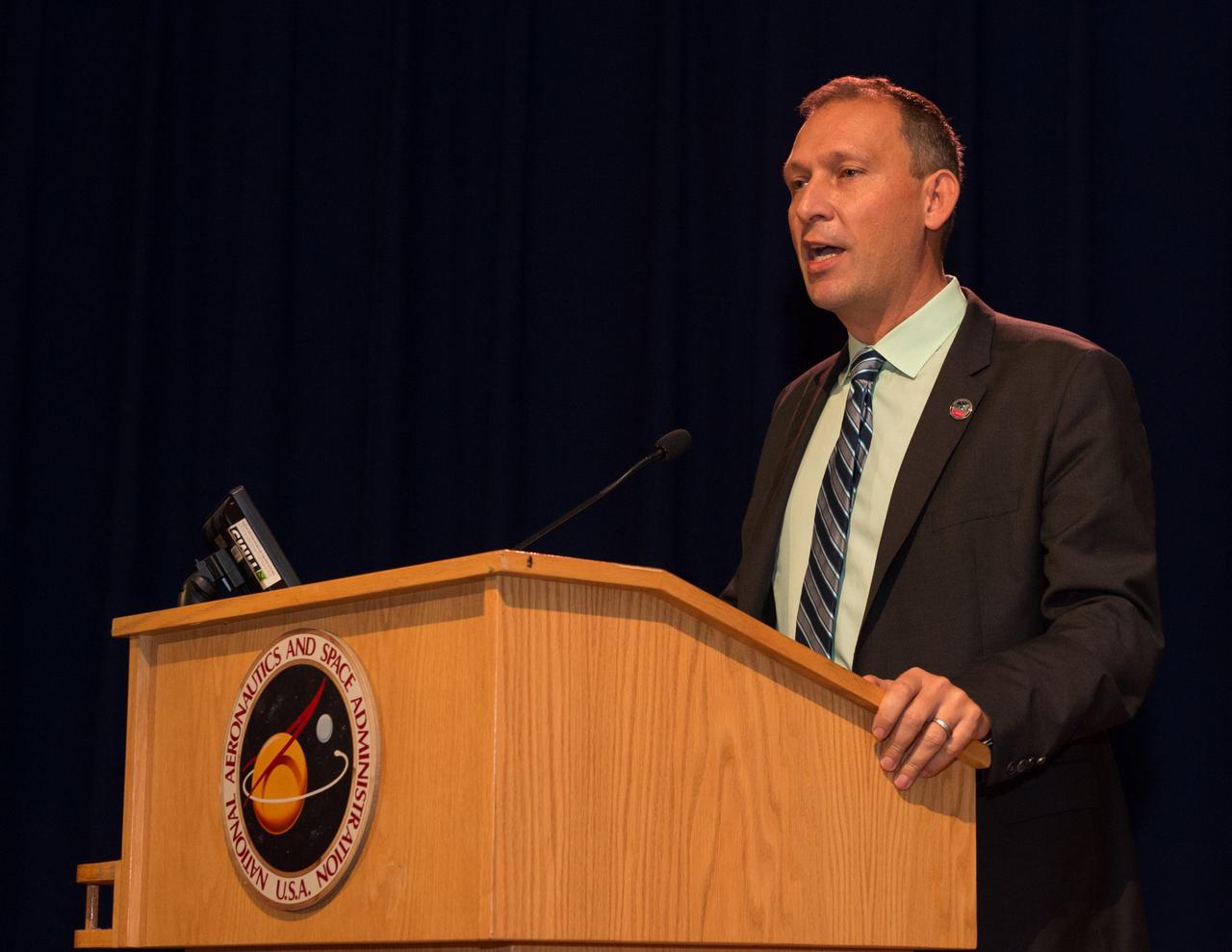
Goddard employees were invited to a town hall with NASA Administrator Charlie Bolden, Associate Administrator for the NASA Science Mission Directorate Thomas Zurbuchen and Goddard Center Director Chris Scolese, Nov. 2, at 11:30 a.m. in the Hinners Auditorium in Building 8. Bolden thanked the James Webb Space Telescope team at Goddard as well as our international and corporate partners for their exceptional support. Credit: NASA/Goddard
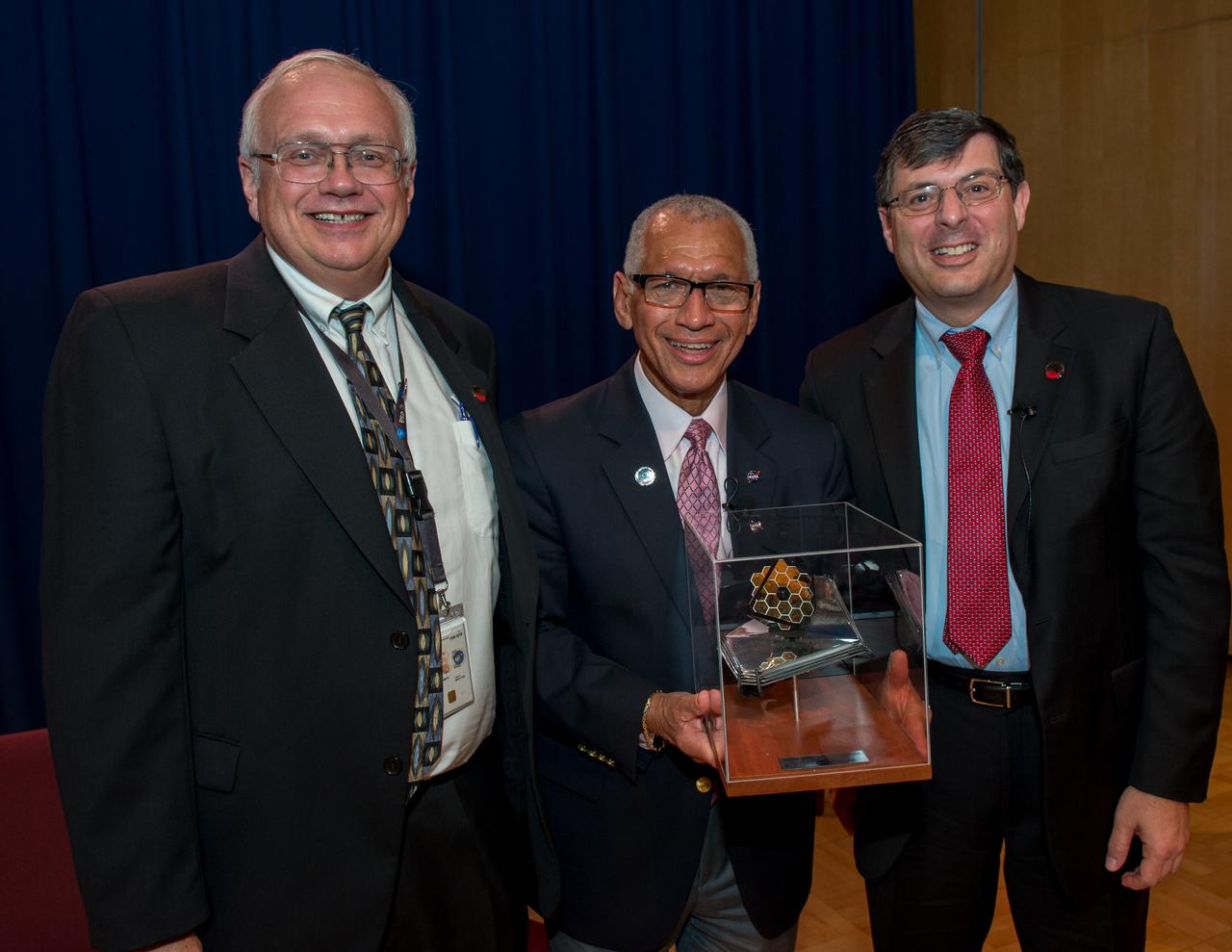
Goddard employees were invited to a town hall with NASA Administrator Charlie Bolden, Associate Administrator for the NASA Science Mission Directorate Thomas Zurbuchen and Goddard Center Director Chris Scolese, Nov. 2, at 11:30 a.m. in the Hinners Auditorium in Building 8. Bolden thanked the James Webb Space Telescope team at Goddard as well as our international and corporate partners for their exceptional support. Credit: NASA/Goddard
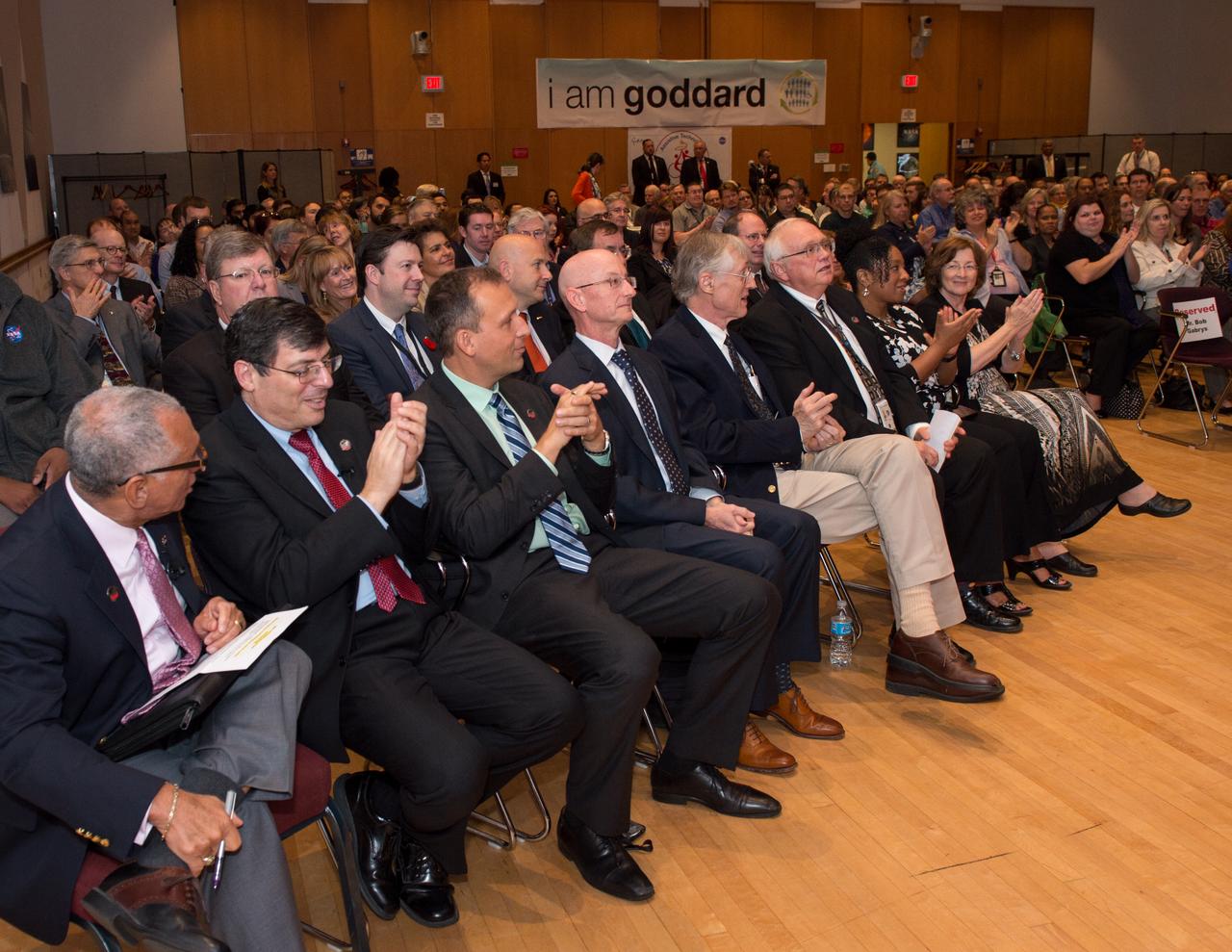
Goddard employees were invited to a town hall with NASA Administrator Charlie Bolden, Associate Administrator for the NASA Science Mission Directorate Thomas Zurbuchen and Goddard Center Director Chris Scolese, Nov. 2, at 11:30 a.m. in the Hinners Auditorium in Building 8. Bolden thanked the James Webb Space Telescope team at Goddard as well as our international and corporate partners for their exceptional support. Credit: NASA/Goddard

Goddard employees were invited to a town hall with NASA Administrator Charlie Bolden, Associate Administrator for the NASA Science Mission Directorate Thomas Zurbuchen and Goddard Center Director Chris Scolese, Nov. 2, at 11:30 a.m. in the Hinners Auditorium in Building 8. Bolden thanked the James Webb Space Telescope team at Goddard as well as our international and corporate partners for their exceptional support. Credit: NASA/Goddard
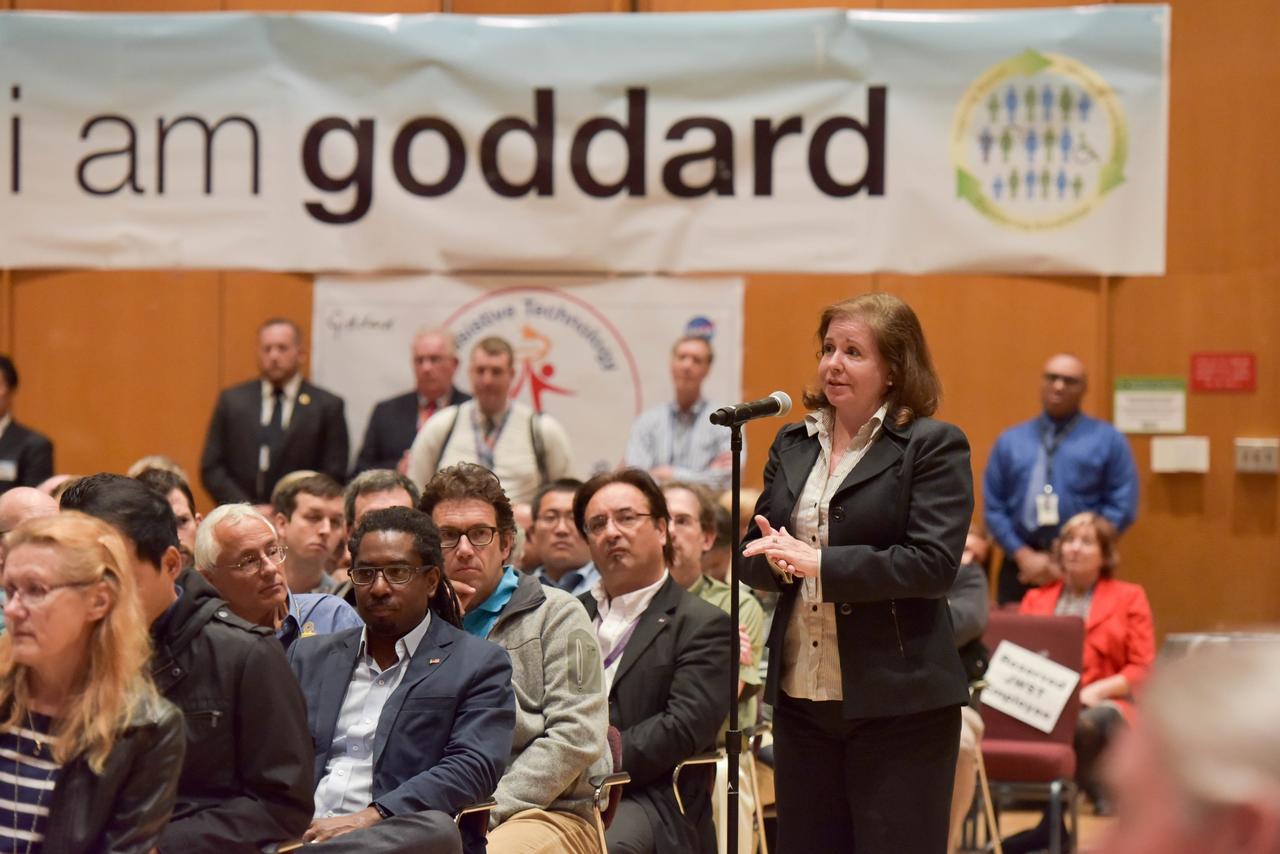
Goddard employees were invited to a town hall with NASA Administrator Charlie Bolden, Associate Administrator for the NASA Science Mission Directorate Thomas Zurbuchen and Goddard Center Director Chris Scolese, Nov. 2, at 11:30 a.m. in the Hinners Auditorium in Building 8. Bolden thanked the James Webb Space Telescope team at Goddard as well as our international and corporate partners for their exceptional support. Credit: NASA/Goddard
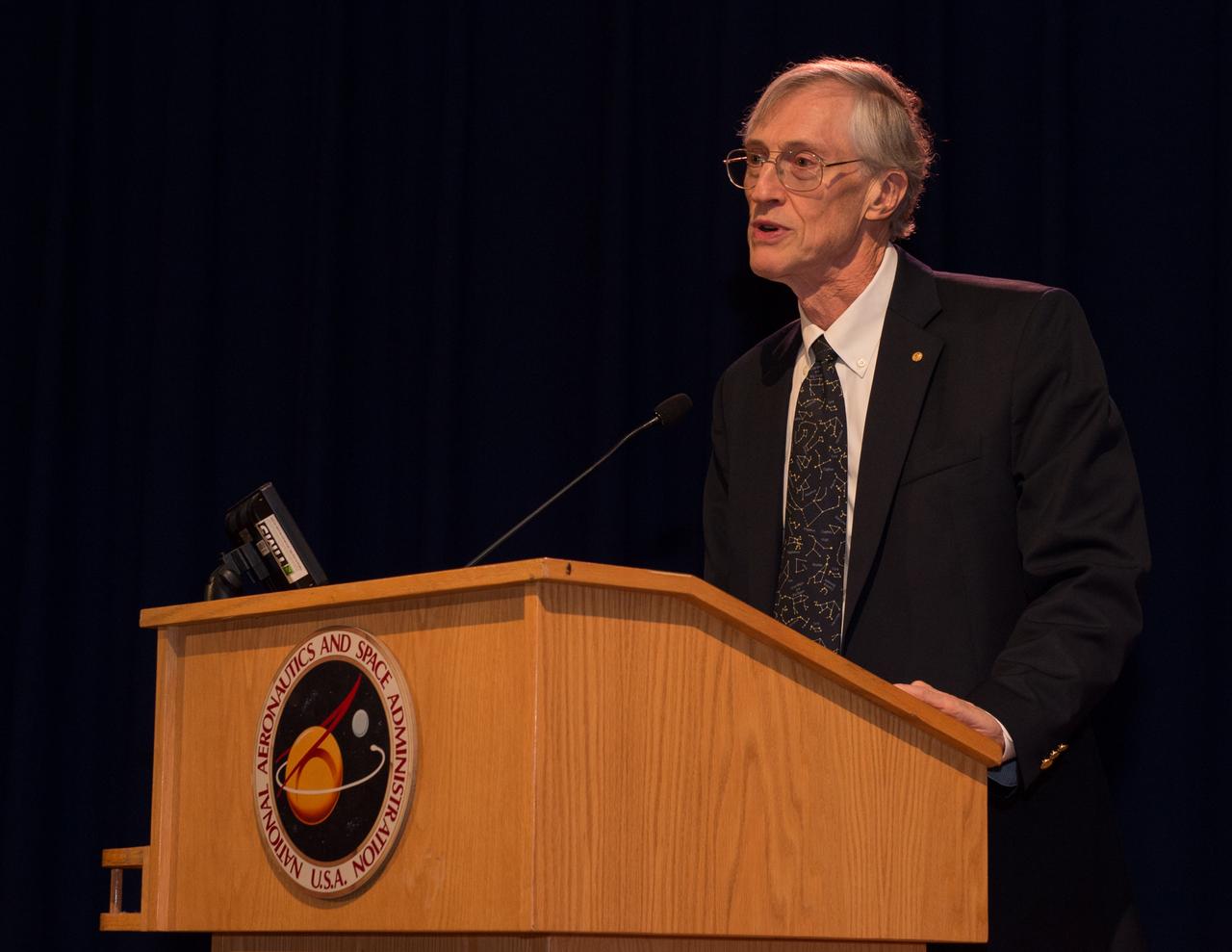
Goddard employees were invited to a town hall with NASA Administrator Charlie Bolden, Associate Administrator for the NASA Science Mission Directorate Thomas Zurbuchen and Goddard Center Director Chris Scolese, Nov. 2, at 11:30 a.m. in the Hinners Auditorium in Building 8. Bolden thanked the James Webb Space Telescope team at Goddard as well as our international and corporate partners for their exceptional support. Credit: NASA/Goddard
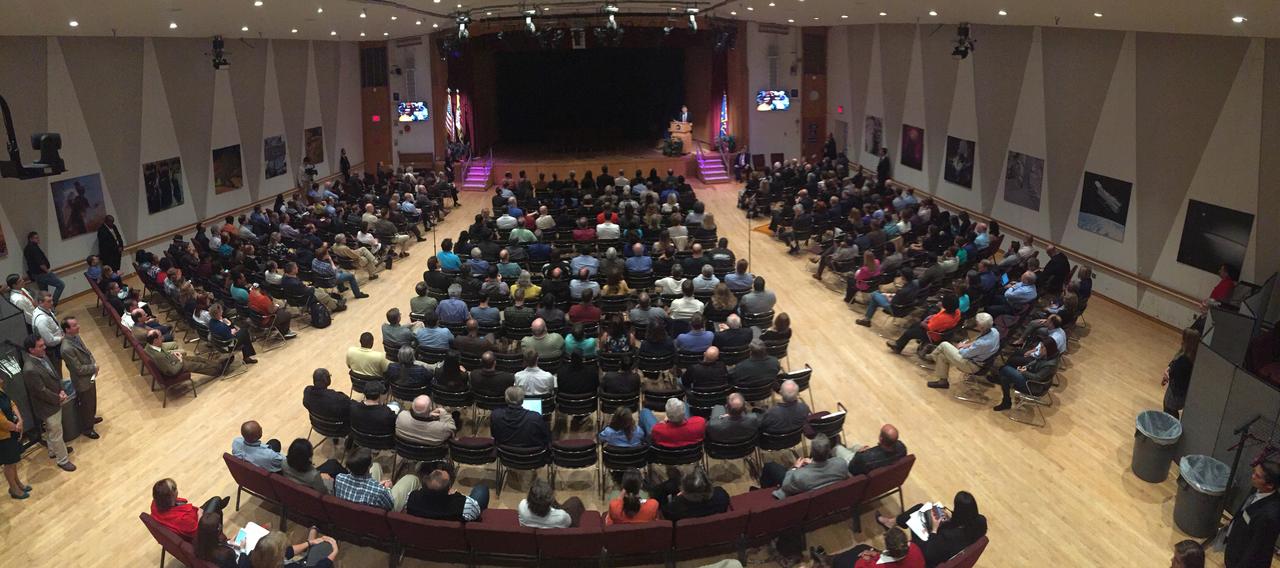
Goddard employees were invited to a town hall with NASA Administrator Charlie Bolden, Associate Administrator for the NASA Science Mission Directorate Thomas Zurbuchen and Goddard Center Director Chris Scolese, Nov. 2, at 11:30 a.m. in the Hinners Auditorium in Building 8. Bolden thanked the James Webb Space Telescope team at Goddard as well as our international and corporate partners for their exceptional support. Credit: NASA/Goddard
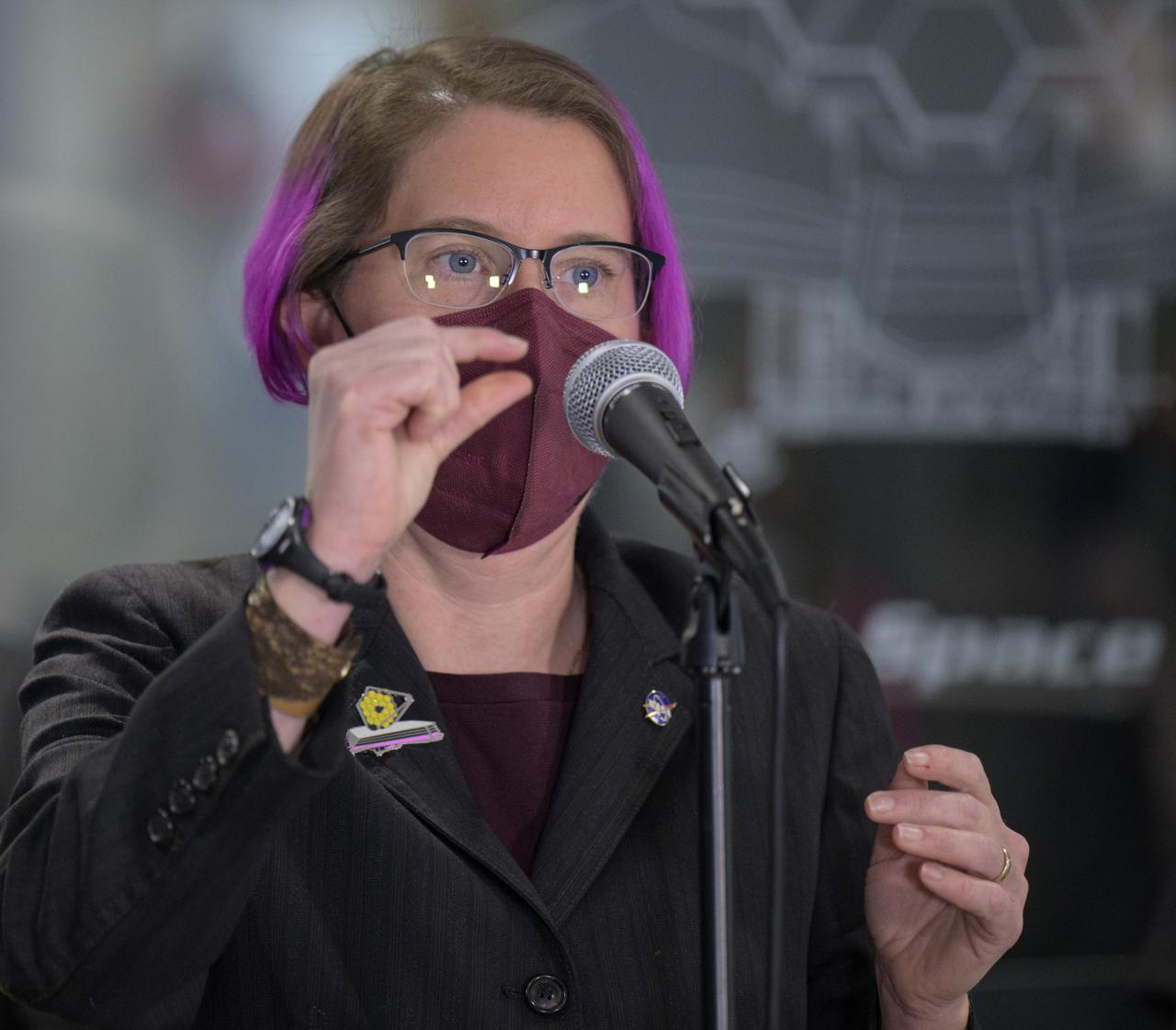
NASA James Webb Space Telescope Operations Project Scientist Jane Rigby answers questions from the media during a briefing following the successful deployment of NASA’s James Webb Space Telescope primary mirror, Saturday, Jan. 8, 2022, from the Webb Space Telescope Mission Operations Center at the Space Telescope Science Institute in Baltimore. With Webb’s 21.3-foot (6.5-meter) primary mirror fully deployed, the infrared observatory has completed its unprecedented process of unfolding in space to prepare for science operations. The observatory will study every phase of cosmic history—from within our solar system to the most distant observable galaxies in the early universe. Photo Credit: (NASA/Bill Ingalls)

NASA James Webb Space Telescope Operations Project Scientist Jane Rigby answers questions from the media during a briefing following the successful deployment of NASA’s James Webb Space Telescope primary mirror, Saturday, Jan. 8, 2022, from the Webb Space Telescope Mission Operations Center at the Space Telescope Science Institute in Baltimore. With Webb’s 21.3-foot (6.5-meter) primary mirror fully deployed, the infrared observatory has completed its unprecedented process of unfolding in space to prepare for science operations. The observatory will study every phase of cosmic history—from within our solar system to the most distant observable galaxies in the early universe. Photo Credit: (NASA/Bill Ingalls)
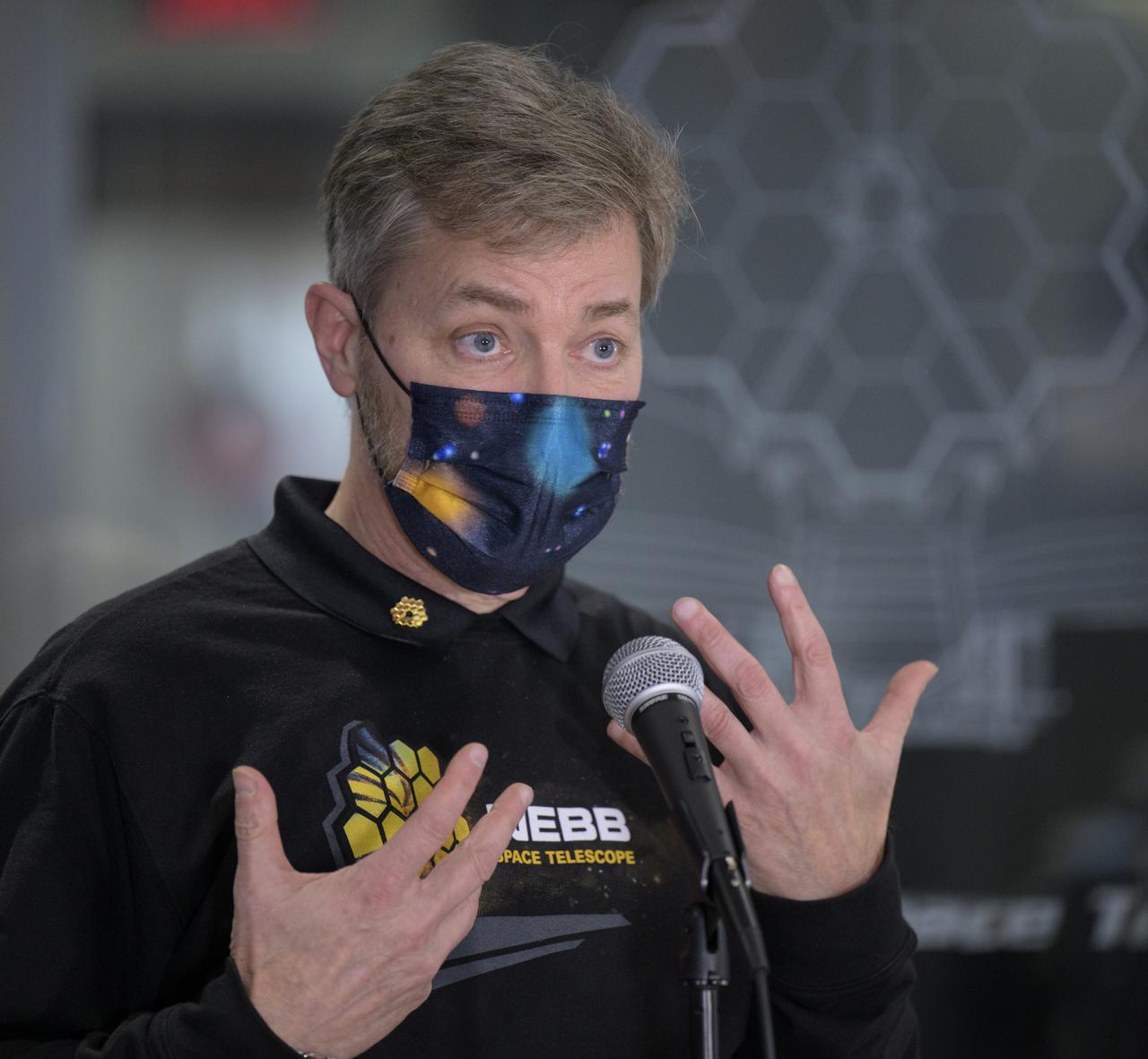
NASA James Webb Space Telescope Commissioning Manager John Durning answers questions from the media during a briefing following the successful deployment of NASA’s James Webb Space Telescope primary mirror, Saturday, Jan. 8, 2022, from the Webb Space Telescope Mission Operations Center at the Space Telescope Science Institute in Baltimore. With Webb’s 21.3-foot (6.5-meter) primary mirror fully deployed, the infrared observatory has completed its unprecedented process of unfolding in space to prepare for science operations. The observatory will study every phase of cosmic history—from within our solar system to the most distant observable galaxies in the early universe. Photo Credit: (NASA/Bill Ingalls)
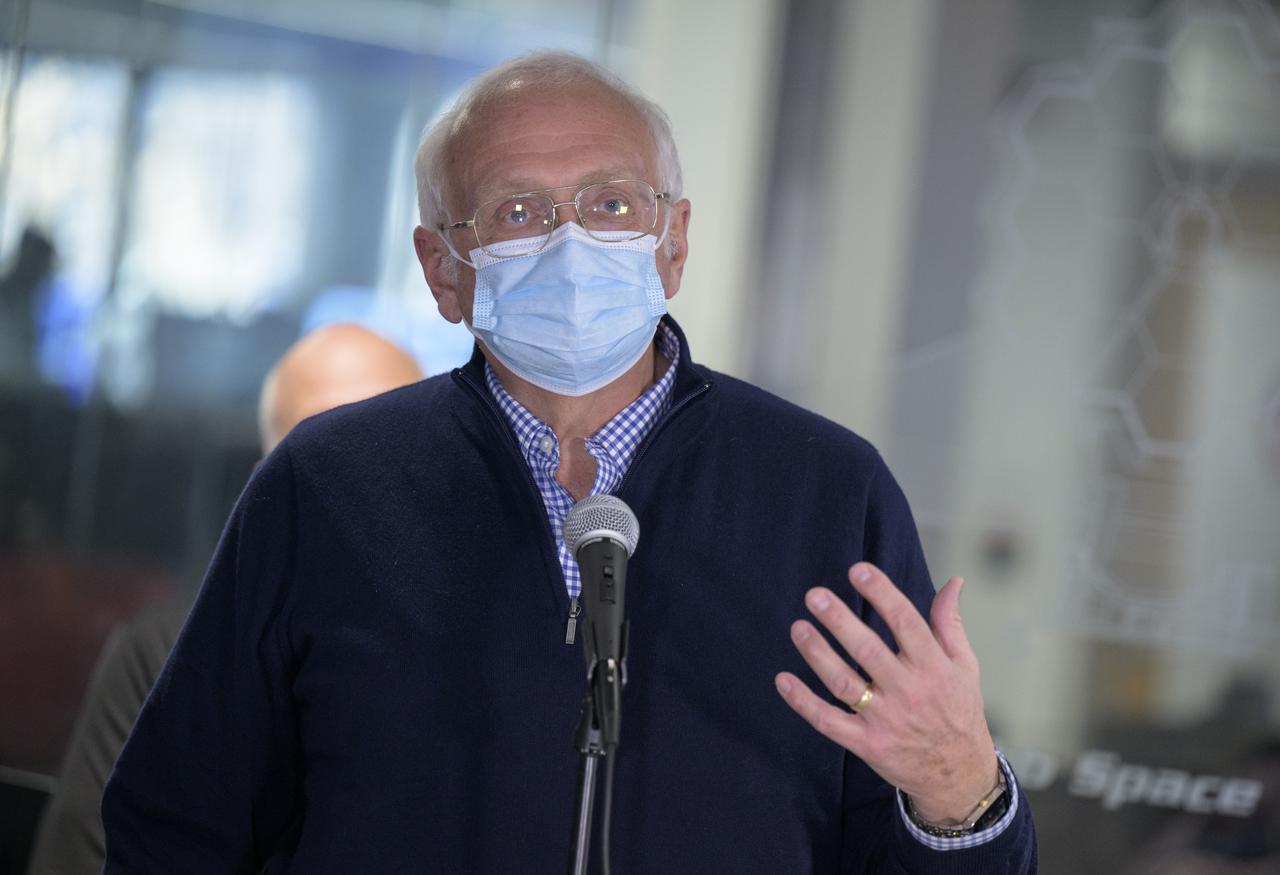
NASA James Webb Space Telescope Project Manager Bill Ochs answers questions from the media during a briefing following the successful deployment of NASA’s James Webb Space Telescope primary mirror, Saturday, Jan. 8, 2022, from the Webb Space Telescope Mission Operations Center at the Space Telescope Science Institute in Baltimore. With Webb’s 21.3-foot (6.5-meter) primary mirror fully deployed, the infrared observatory has completed its unprecedented process of unfolding in space to prepare for science operations. The observatory will study every phase of cosmic history—from within our solar system to the most distant observable galaxies in the early universe. Photo Credit: (NASA/Bill Ingalls)
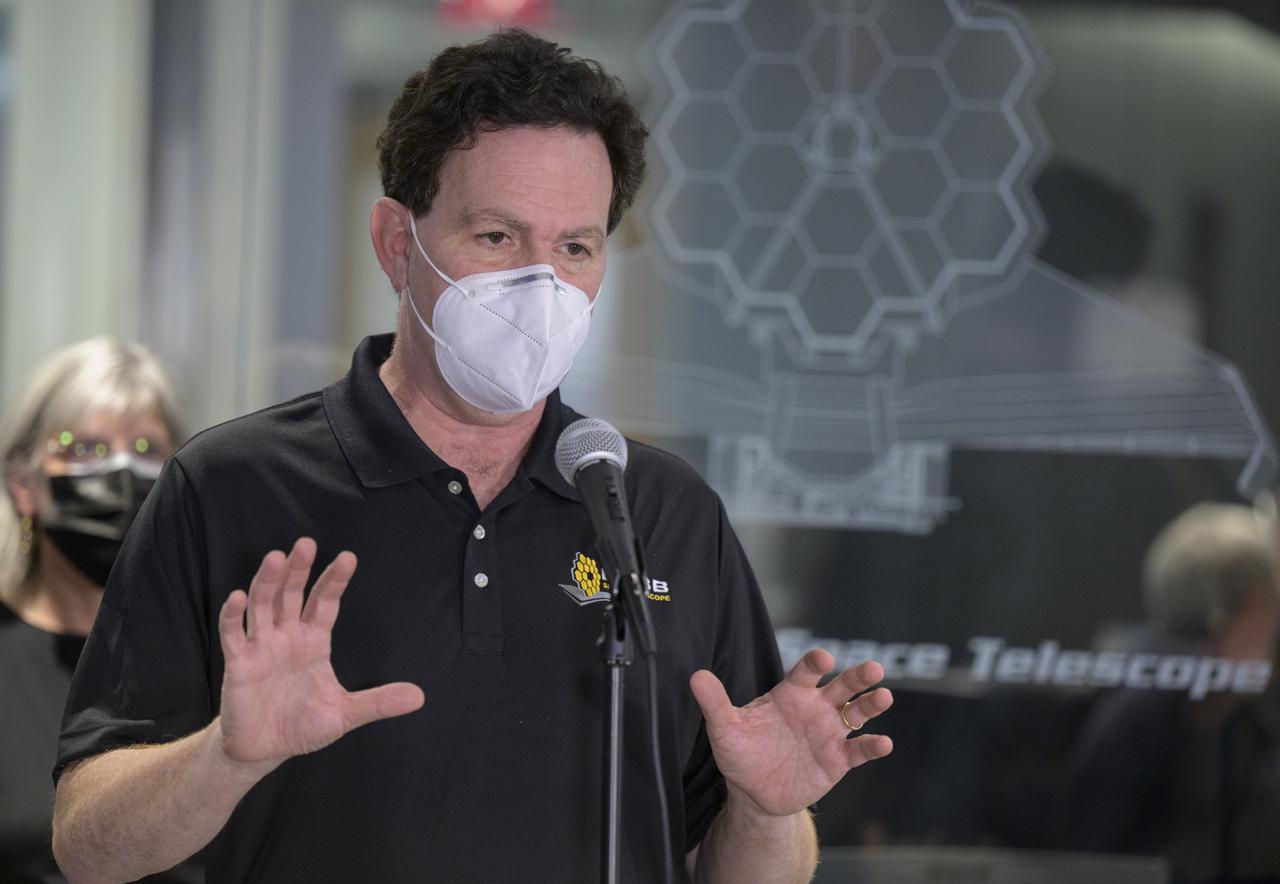
NASA James Webb Space Telescope Element Manager Lee Feinberg answers questions from the media during a briefing following the successful deployment of NASA’s James Webb Space Telescope primary mirror, Saturday, Jan. 8, 2022, from the Webb Space Telescope Mission Operations Center at the Space Telescope Science Institute in Baltimore. With Webb’s 21.3-foot (6.5-meter) primary mirror fully deployed, the infrared observatory has completed its unprecedented process of unfolding in space to prepare for science operations. The observatory will study every phase of cosmic history—from within our solar system to the most distant observable galaxies in the early universe. Photo Credit: (NASA/Bill Ingalls)
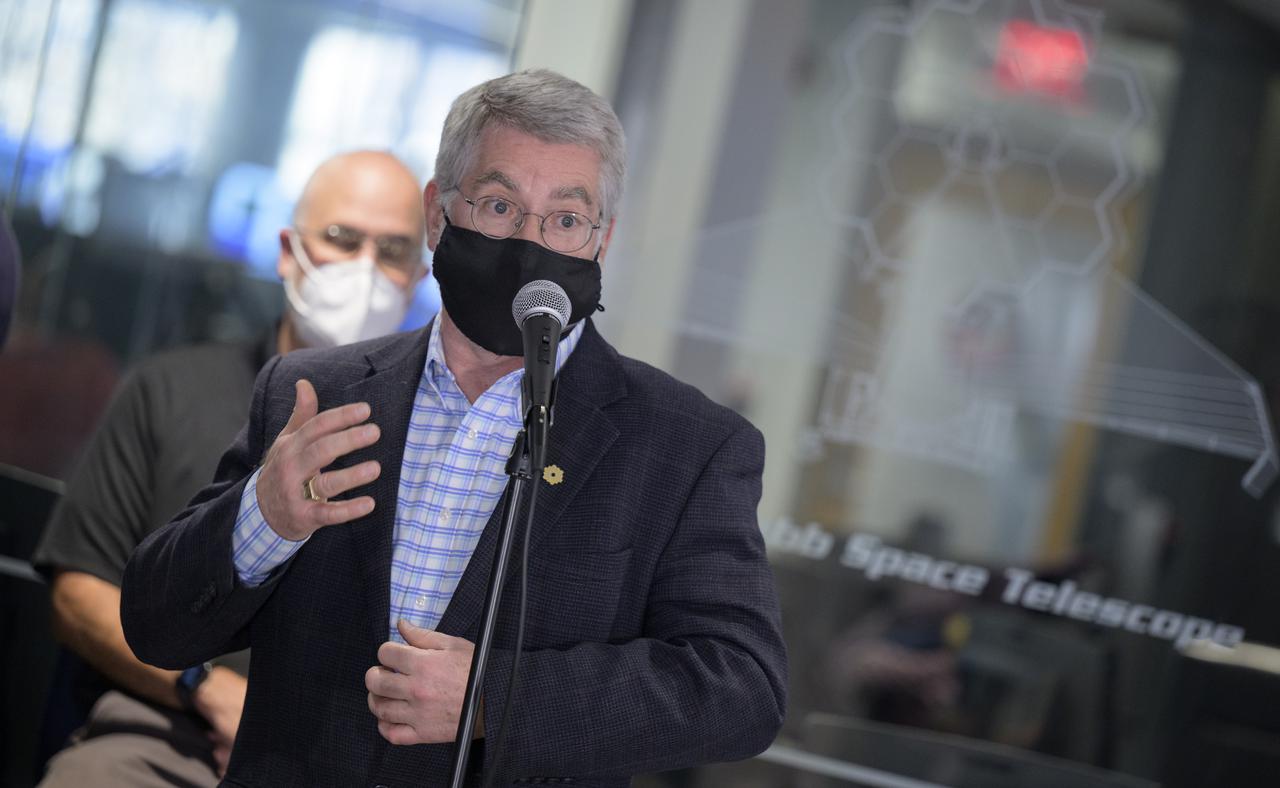
NASA James Webb Space Telescope Mission Systems Engineer Mike Menzel answers questions from the media during a briefing following the successful deployment of NASA’s James Webb Space Telescope primary mirror, Saturday, Jan. 8, 2022, from the Webb Space Telescope Mission Operations Center at the Space Telescope Science Institute in Baltimore. With Webb’s 21.3-foot (6.5-meter) primary mirror fully deployed, the infrared observatory has completed its unprecedented process of unfolding in space to prepare for science operations. The observatory will study every phase of cosmic history—from within our solar system to the most distant observable galaxies in the early universe. Photo Credit: (NASA/Bill Ingalls)
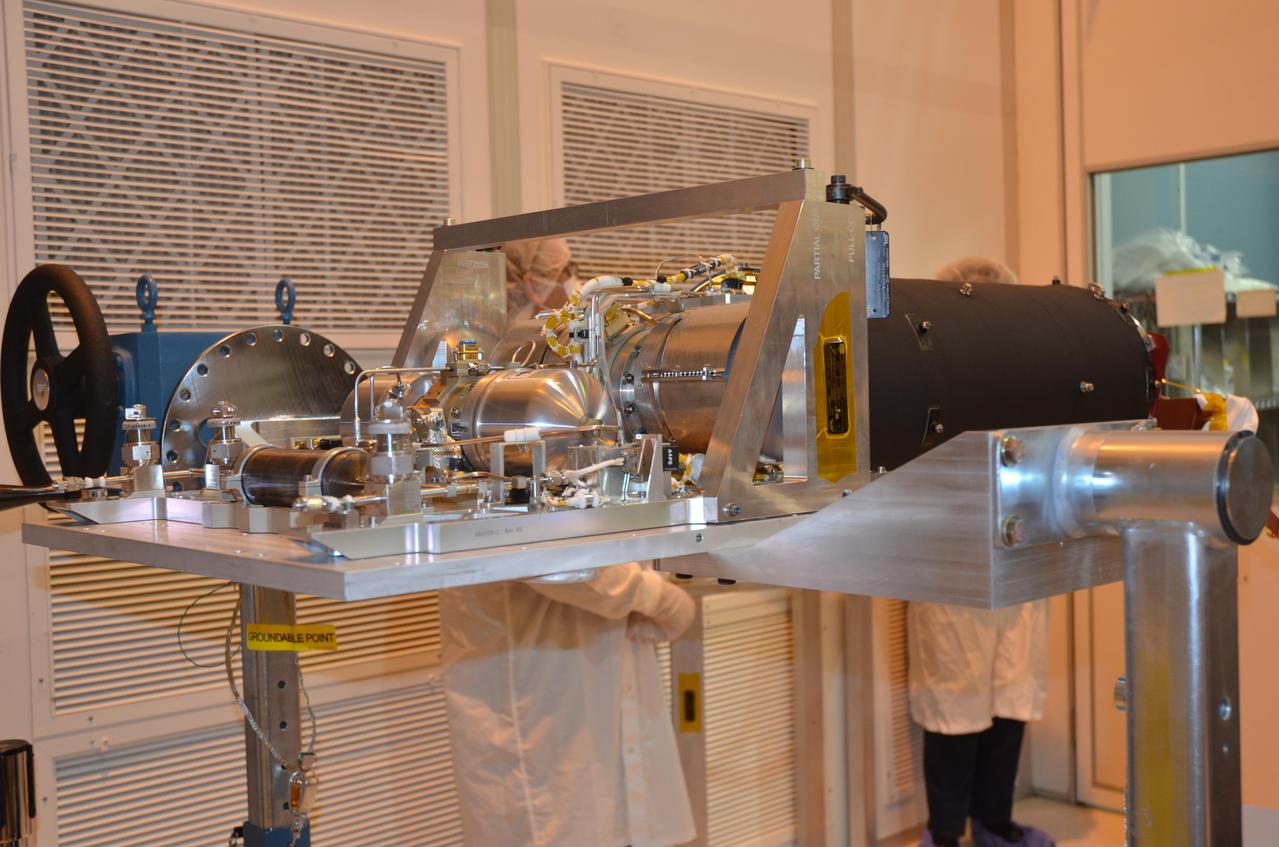
This image shows the cooling device for the Mid-Infrared Instrument, or MIRI, one of the James Webb Space Telescope's four instruments. This photo was taken after the cryocooler had completed testing, and was taken out of the test chamber in preparation for being placed into its shipping container. The cooler was shipped to the Northrop Grumman Aerospace Systems facility in Redondo Beach, California, on May 26, 2016. There, the cooler will be attached to the body of the Webb telescope. http://photojournal.jpl.nasa.gov/catalog/PIA20688
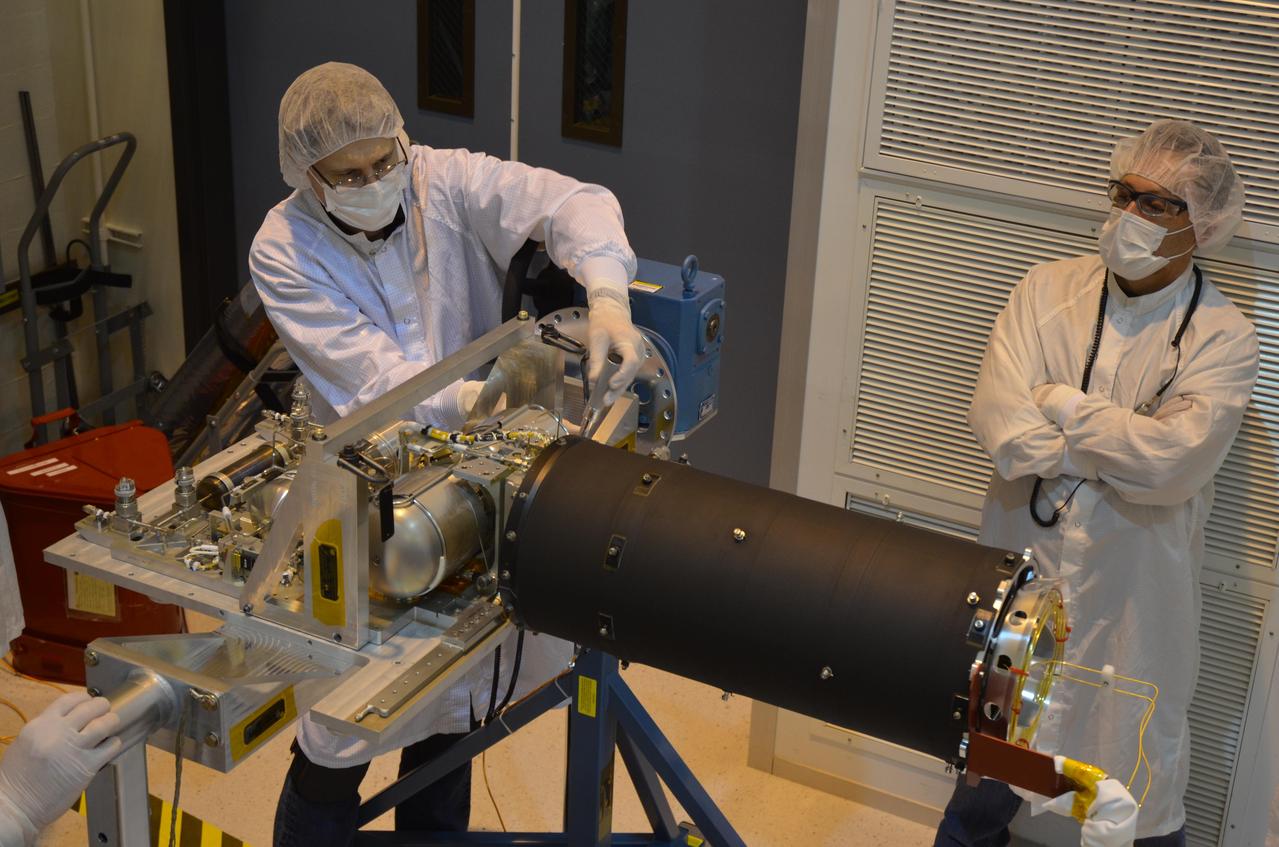
Technicians inspect a component of the cryocooler for the Mid-Infrared Instrument, or MIRI, part of NASA's James Webb Space Telescope. This photo was taken after the cooler had completed testing, and was taken out of the test chamber in preparation for being placed into its shipping container. The cooler was shipped to the Northrop Grumman Aerospace Systems facility in Redondo Beach, California, on May 26, 2016. There, the cooler will be attached to the body of the Webb telescope. http://photojournal.jpl.nasa.gov/catalog/PIA20686
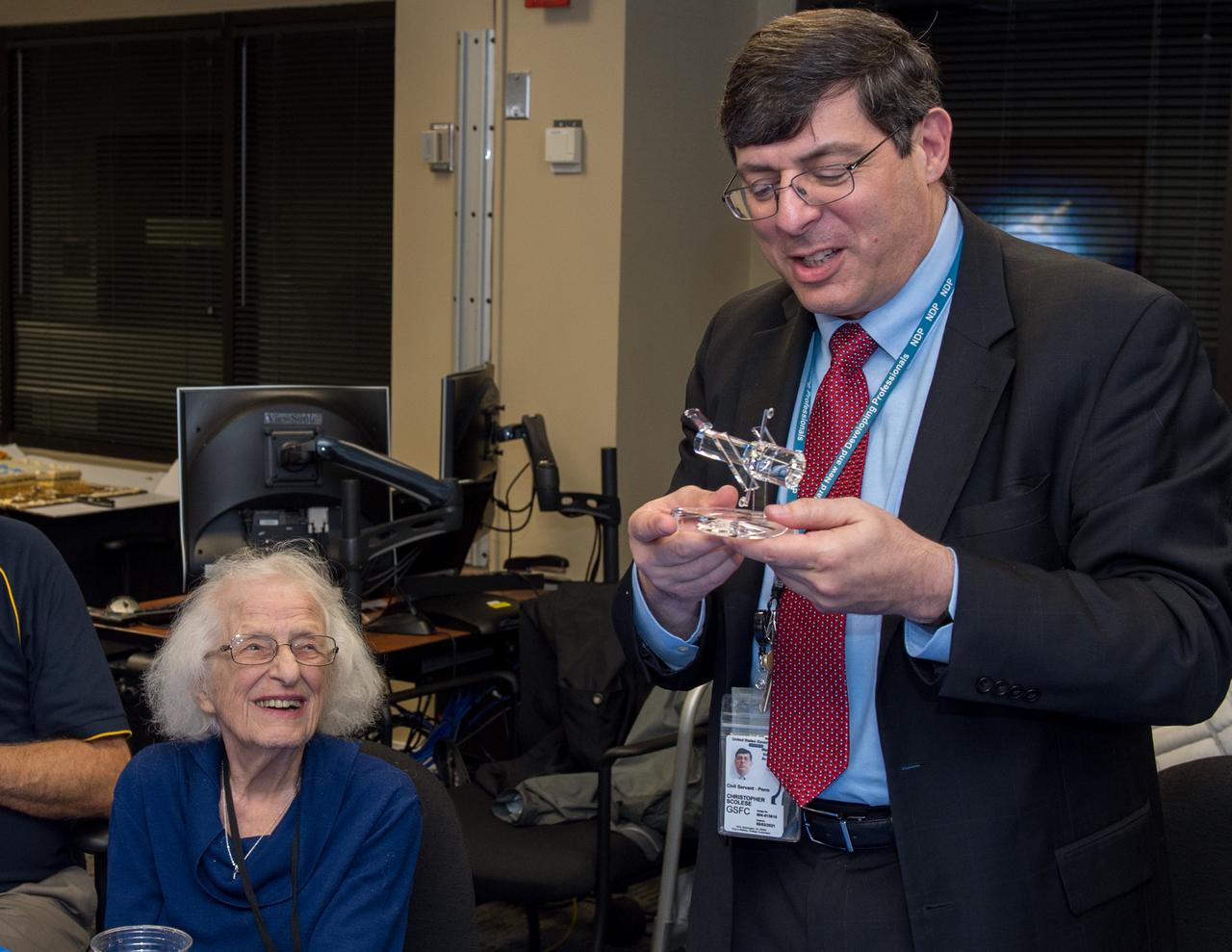
Dr. Nancy Grace Roman visits James Webb Space Telescope (JWST) and the Hubble Project Team. Center Director Chris Scolese
Dr. Nancy Grace Roman visits James Webb Space Telescope (JWST) and the Hubble Project Team. Center Director Chris Scolese
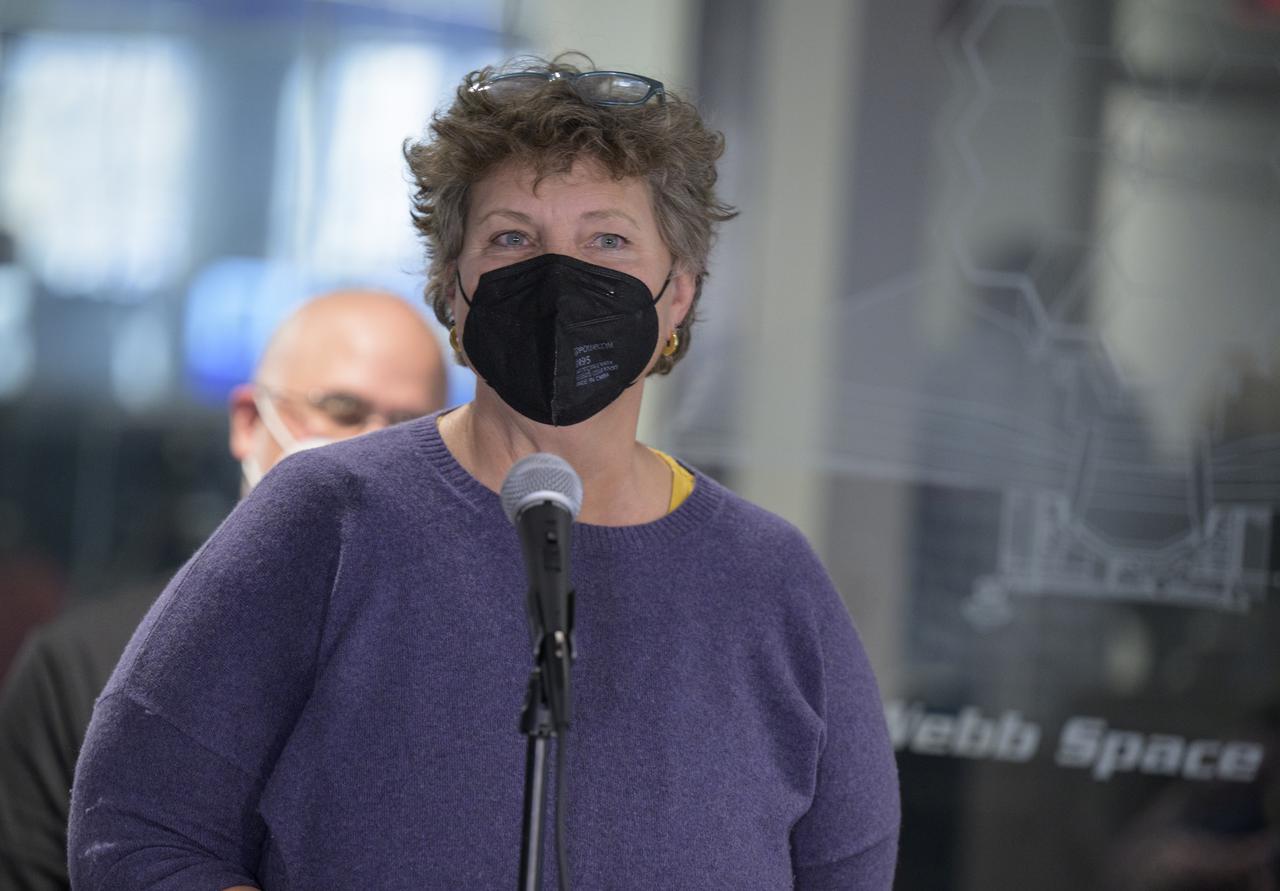
Senior Systems Engineer, Webb, Northrop Grumman, Nanci Shawger answers questions from the media during a briefing following the successful deployment of NASA’s James Webb Space Telescope primary mirror, Saturday, Jan. 8, 2022, from the Webb Space Telescope Mission Operations Center at the Space Telescope Science Institute in Baltimore. With Webb’s 21.3-foot (6.5-meter) primary mirror fully deployed, the infrared observatory has completed its unprecedented process of unfolding in space to prepare for science operations. The observatory will study every phase of cosmic history—from within our solar system to the most distant observable galaxies in the early universe. Photo Credit: (NASA/Bill Ingalls)
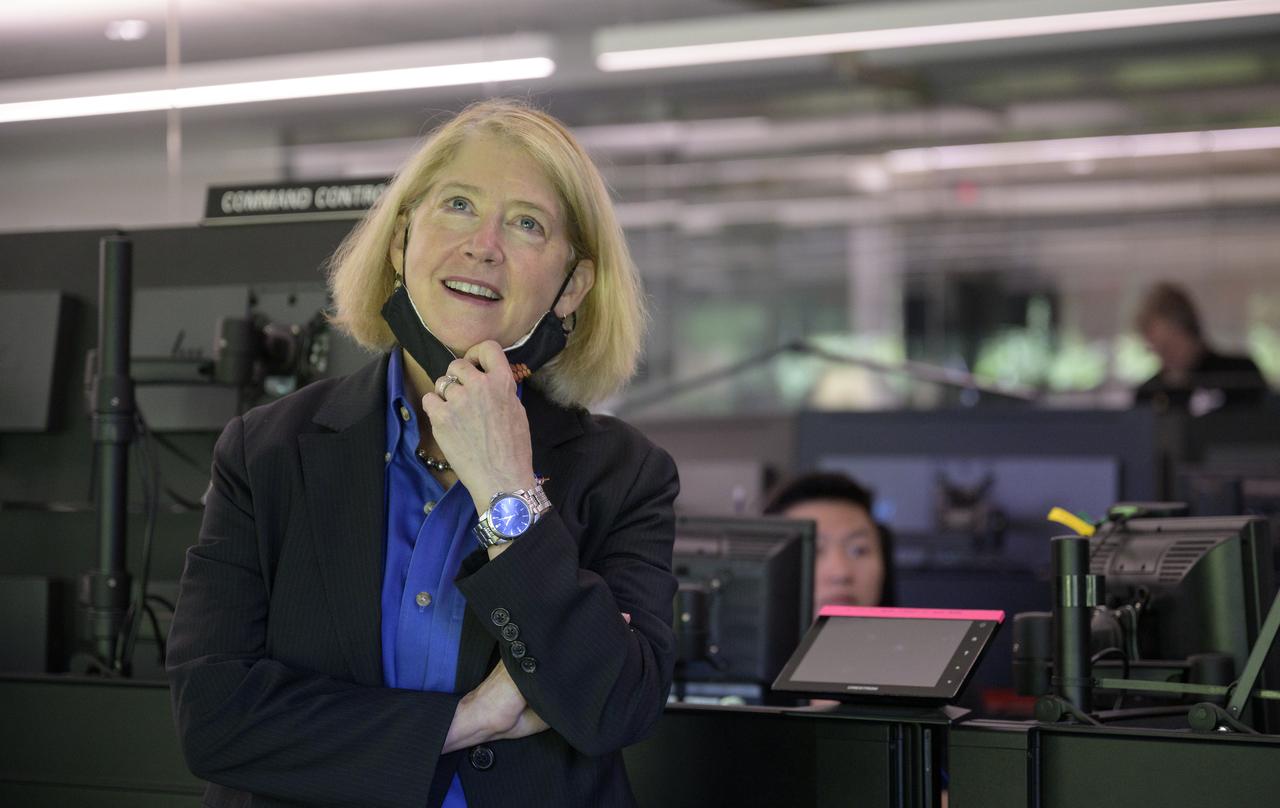
NASA Deputy Administrator Pam Melroy reacts to being shown some raw images from NASA’s James Webb Space Telescope during a tour of the Mission Operations Center, Wednesday, June 29, 2022, at the Space Telescope Science Institute (STScI) in Baltimore. Prior to the tour the deputy spoke at a briefing that focused on the status of NASA’s James Webb Space Telescope in its final weeks of preparing for its science mission, as well as overviews of planned science for Webb’s first year of operations. Photo Credit: (NASA/Bill Ingalls)
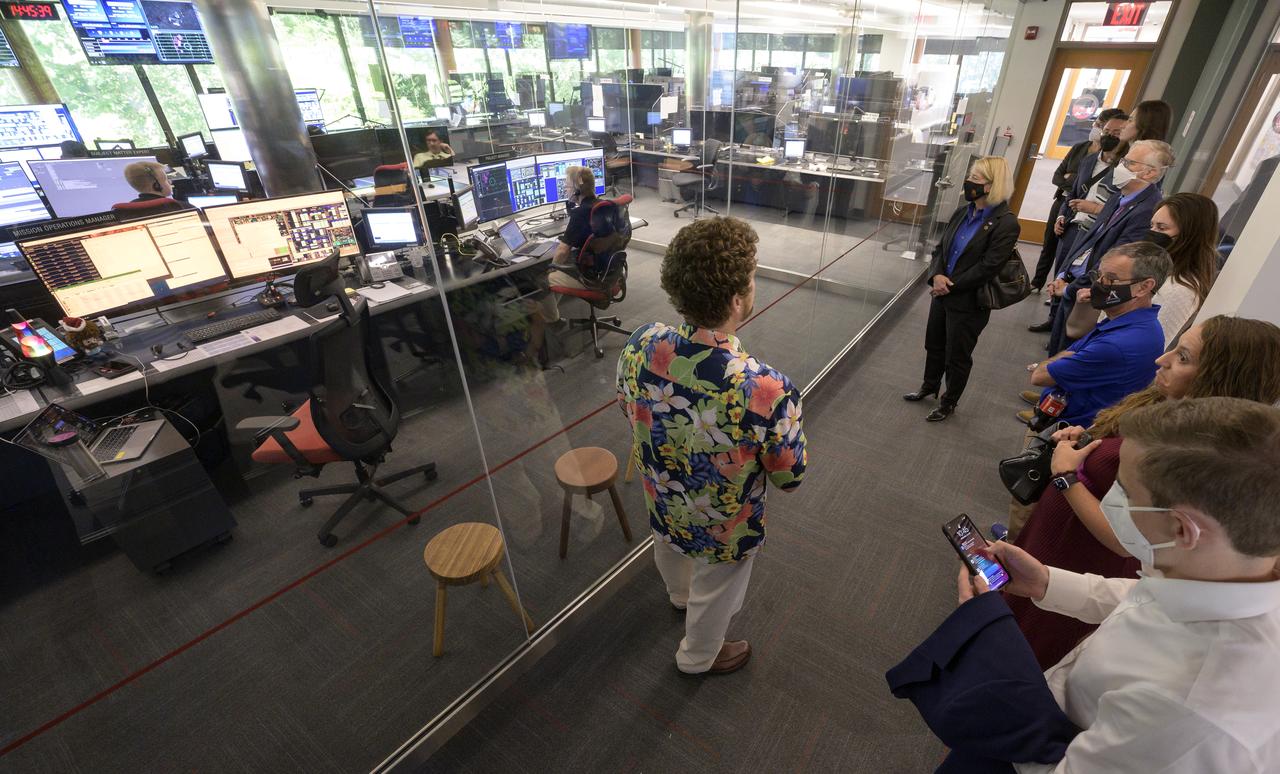
NASA Deputy Administrator Pam Melroy is given a tour of the NASA James Webb Space Telescope Mission Operations Center, Wednesday, June 29, 2022, at the Space Telescope Science Institute (STScI) in Baltimore. Prior to the tour the deputy spoke at a briefing that focused on the status of NASA’s James Webb Space Telescope in its final weeks of preparing for its science mission, as well as overviews of planned science for Webb’s first year of operations. Photo Credit: (NASA/Bill Ingalls)
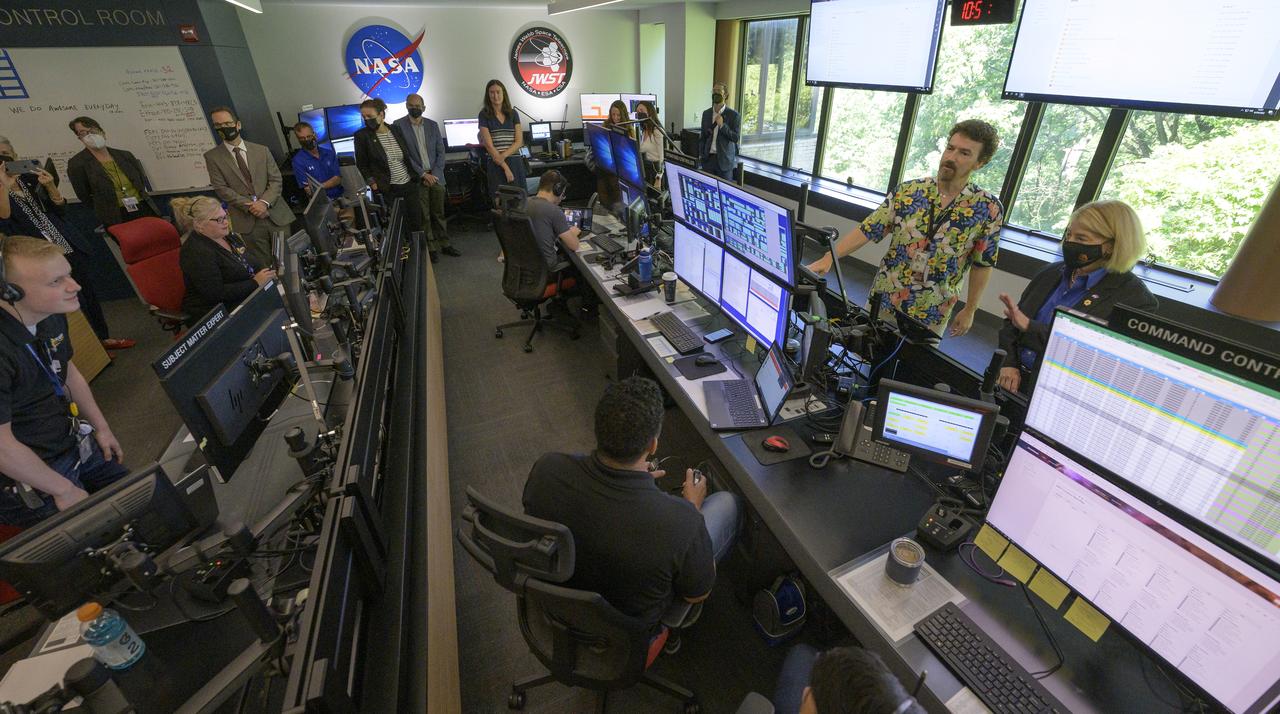
NASA Deputy Administrator Pam Melroy is given a tour of the NASA James Webb Space Telescope Mission Operations Center, Wednesday, June 29, 2022, at the Space Telescope Science Institute (STScI) in Baltimore. Prior to the tour the deputy spoke at a briefing that focused on the status of NASA’s James Webb Space Telescope in its final weeks of preparing for its science mission, as well as overviews of planned science for Webb’s first year of operations. Photo Credit: (NASA/Bill Ingalls)
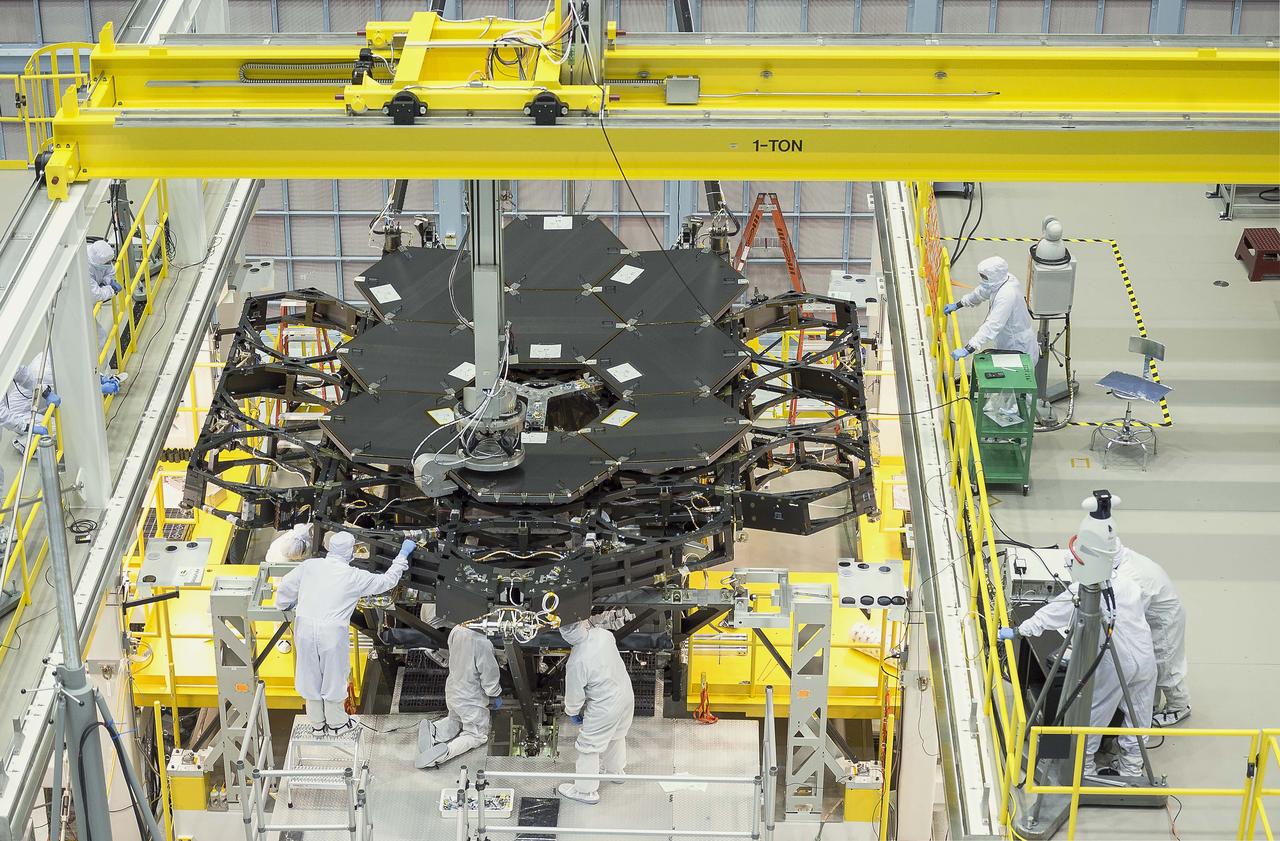
Inside NASA's Goddard Space Flight Center's massive clean room in Greenbelt, Maryland, the ninth flight mirror was installed onto the telescope structure with a robotic arm. This marks the halfway completion point for the James Webb Space Telescope's segmented primary mirror. This rare overhead shot of the James Webb Space Telescope shows the nine primary flight mirrors installed on the telescope structure in a clean room at NASA's Goddard Space Flight Center in Greenbelt, Maryland. Credits: NASA's Goddard Space Flight Center/Chris Gunn Read more: <a href="http://go.nasa.gov/1kqK6fW" rel="nofollow">go.nasa.gov/1kqK6fW</a>
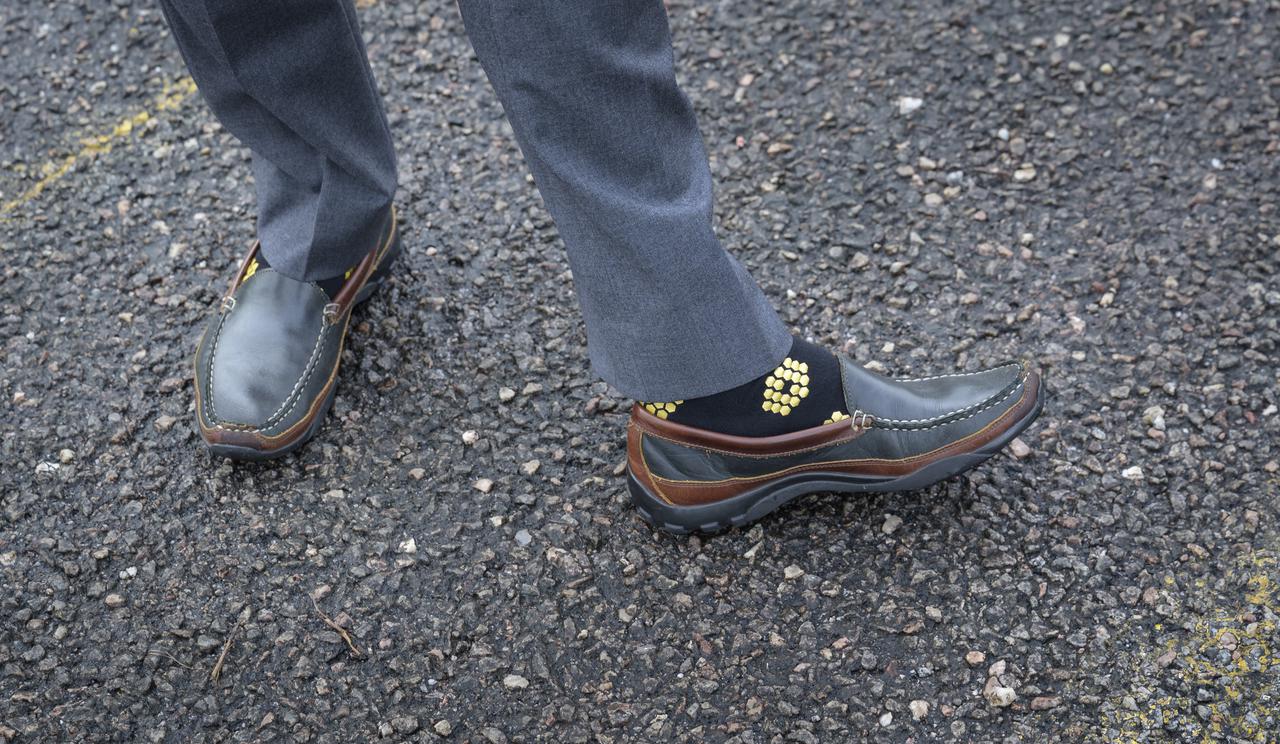
NASA James Webb Space Telescope Program Scientist Eric Smith, wearing Webb themed socks, waits for Arianespace's Ariane 5 rocket with NASA’s James Webb Space Telescope onboard, to rollout to the launch pad, Thursday, Dec. 23, 2021, at Europe’s Spaceport, the Guiana Space Center in Kourou, French Guiana. The James Webb Space Telescope (sometimes called JWST or Webb) is a large infrared telescope with a 21.3 foot (6.5 meter) primary mirror. The observatory will study every phase of cosmic history—from within our solar system to the most distant observable galaxies in the early universe. Photo Credit: (NASA/Bill Ingalls)
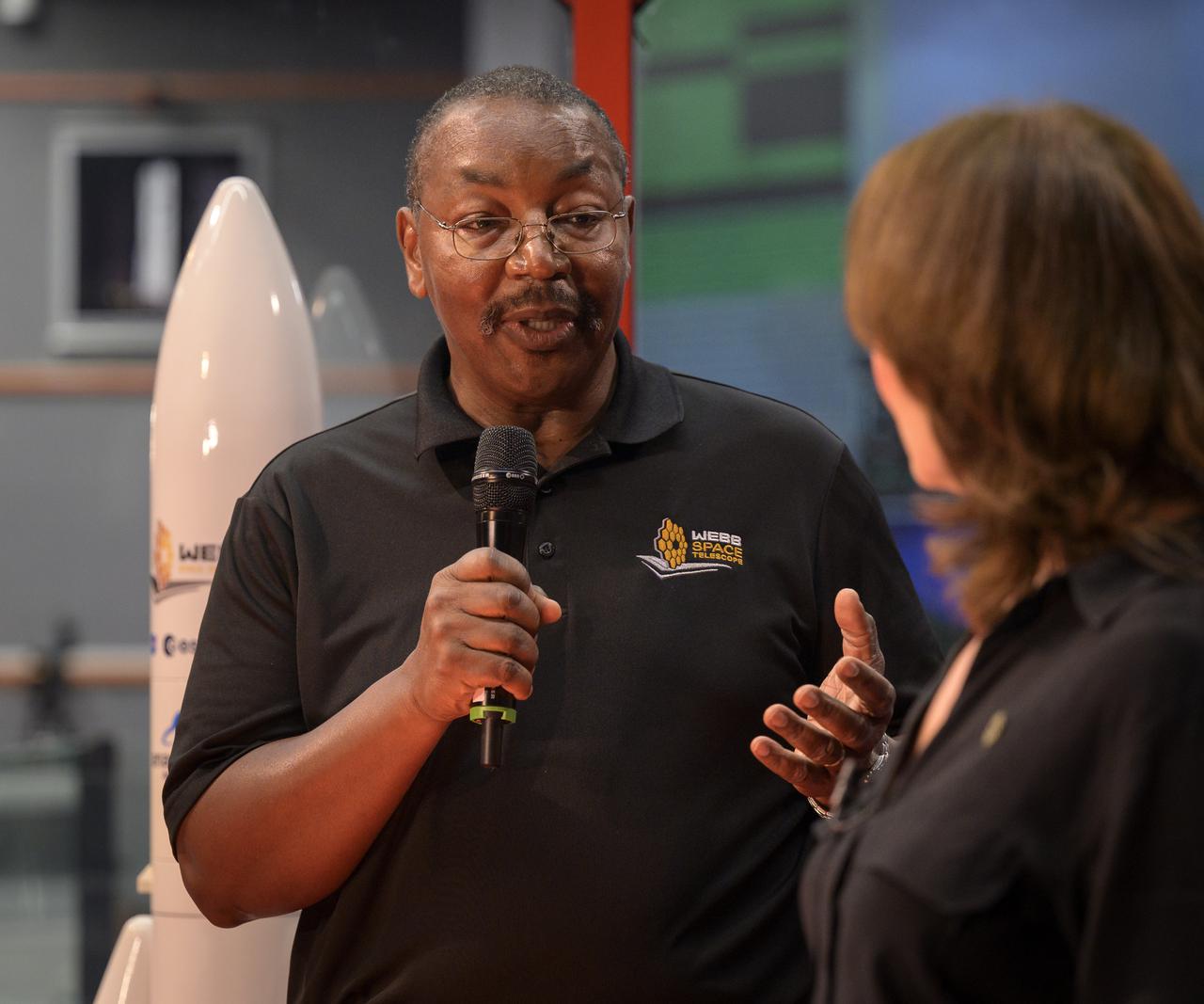
NASA Program Director for the James Webb Space Telescope Program Greg Robinson gives a brief interview on NASA television as he and the launch team monitor the countdown of the launch of Arianespace's Ariane 5 rocket carrying NASA’s James Webb Space Telescope, Saturday, Dec. 25, 2021, in the Jupiter Center at the Guiana Space Center in Kourou, French Guiana. The James Webb Space Telescope (sometimes called JWST or Webb) is a large infrared telescope with a 21.3 foot (6.5 meter) primary mirror. The observatory will study every phase of cosmic history—from within our solar system to the most distant observable galaxies in the early universe. Photo Credit: (NASA/Bill Ingalls)
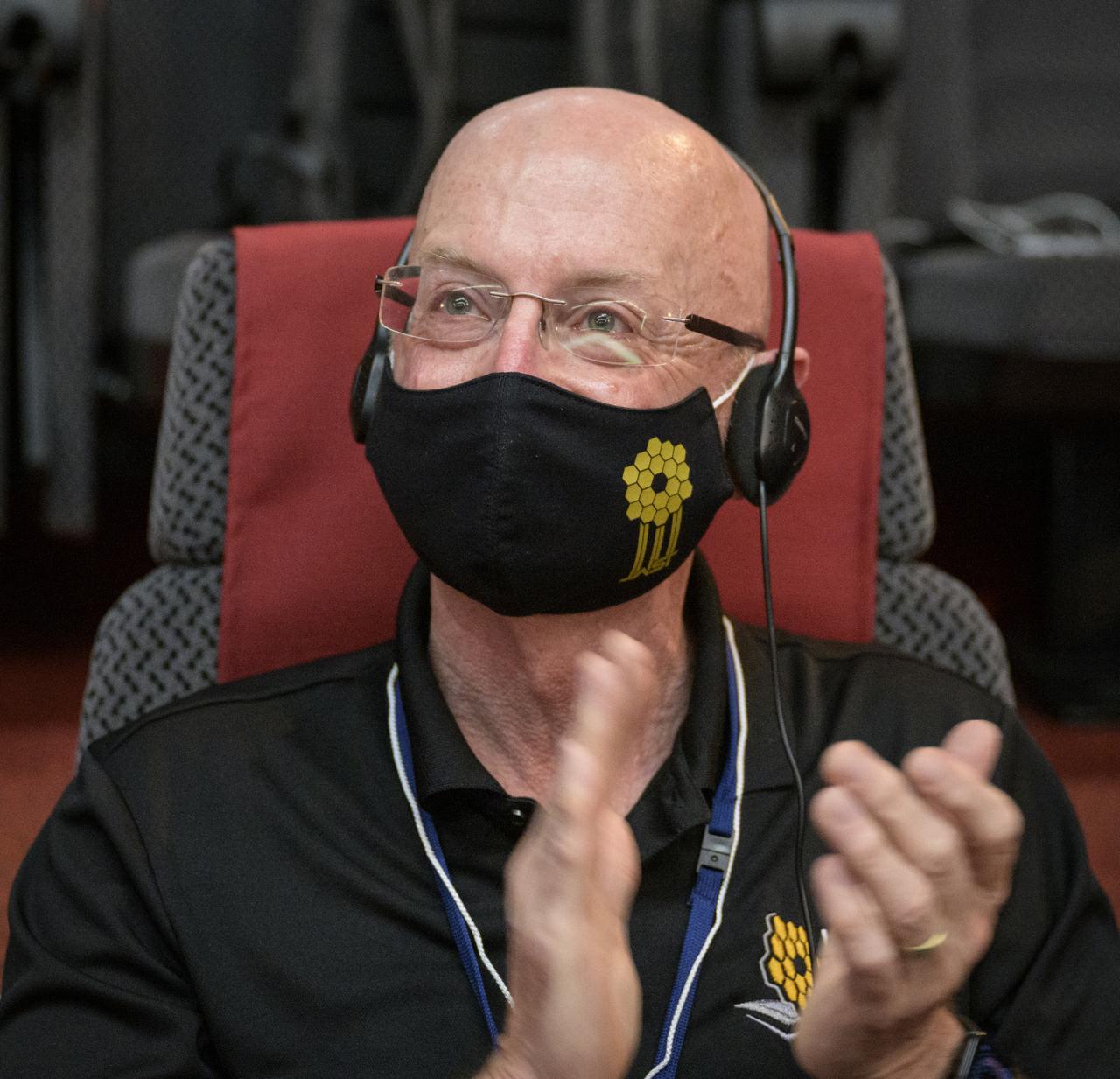
NASA James Webb Space Telescope Program Scientist Eric Smith reacts after hearing confirmation that the James Webb Space Telescope successfully separated from the Ariane 5 rocket, Saturday, Dec. 25, 2021, in the Jupiter Hall of the Guiana Space Centre in Kourou, French Guiana. The James Webb Space Telescope (sometimes called JWST or Webb) is a large infrared telescope with a 21.3 foot (6.5 meter) primary mirror. The observatory will study every phase of cosmic history—from within our solar system to the most distant observable galaxies in the early universe. Photo Credit: (NASA/Bill Ingalls)
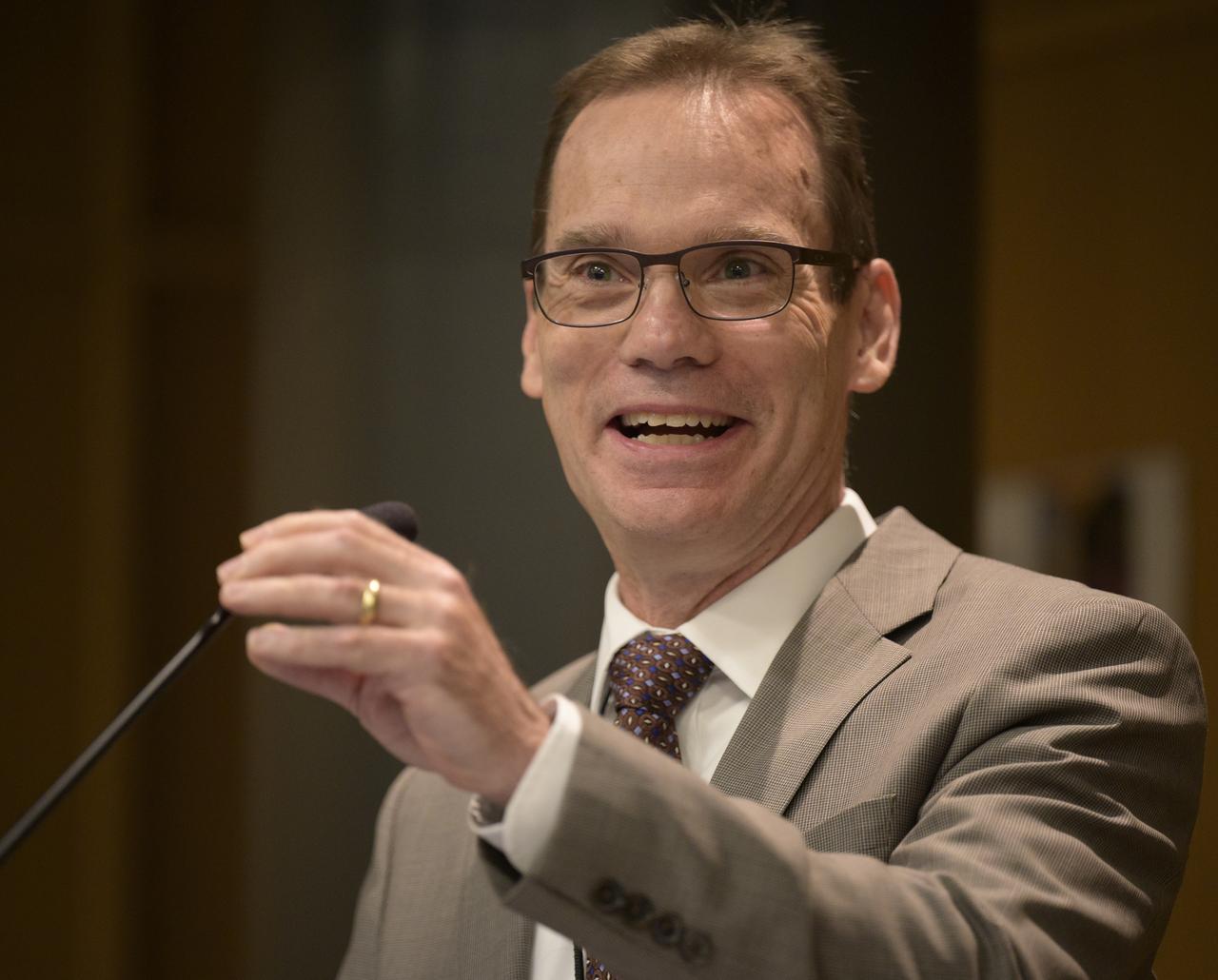
Space Telescope Science Institute (STScI) Director Kenneth Sembach gives remarks during a briefing, Wednesday, June 29, 2022, at the Space Telescope Science Institute (STScI) in Baltimore. The briefing focused on the status of NASA’s James Webb Space Telescope in its final weeks of preparing for its science mission, as well as overviews of planned science for Webb’s first year of operations. Photo Credit: (NASA/Bill Ingalls)
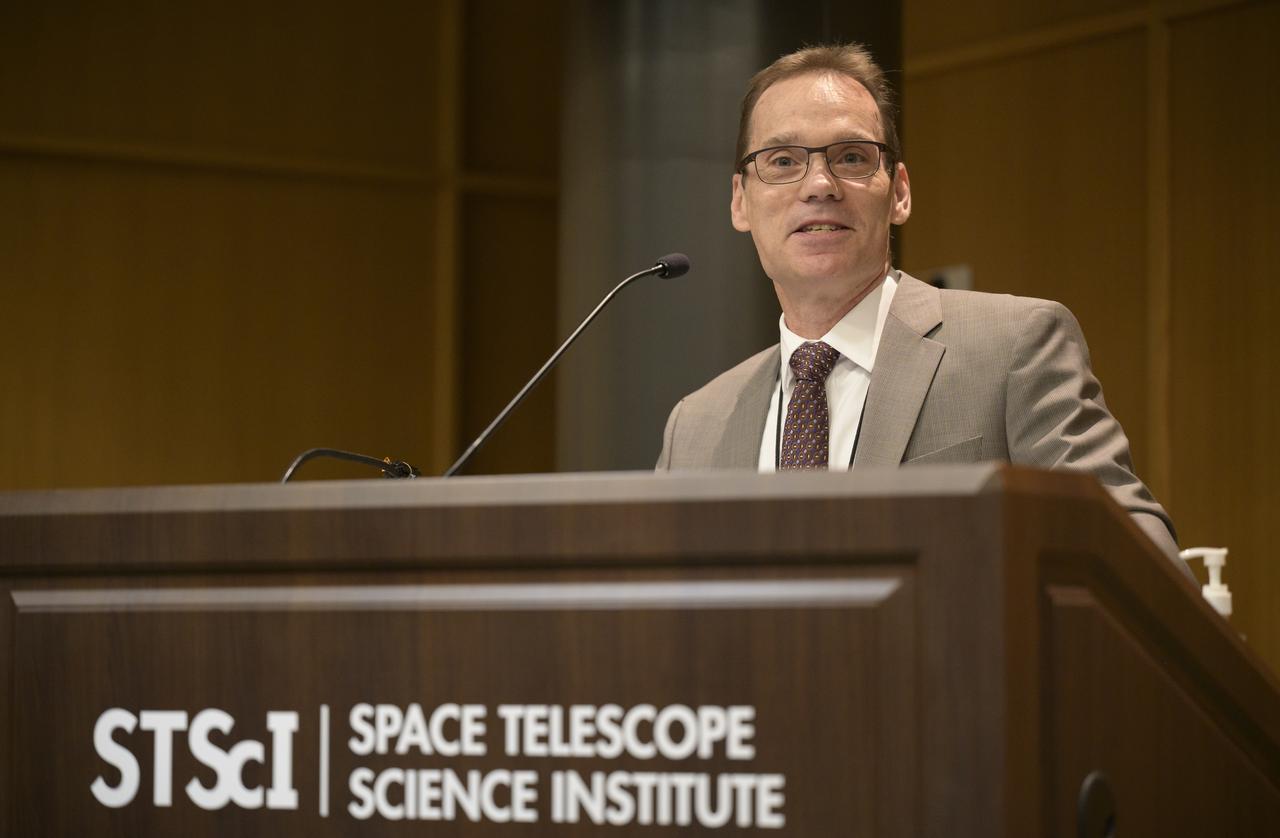
Space Telescope Science Institute (STScI) Director Kenneth Sembach gives remarks during a briefing, Wednesday, June 29, 2022, at the Space Telescope Science Institute (STScI) in Baltimore. The briefing focused on the status of NASA’s James Webb Space Telescope in its final weeks of preparing for its science mission, as well as overviews of planned science for Webb’s first year of operations. Photo Credit: (NASA/Bill Ingalls)
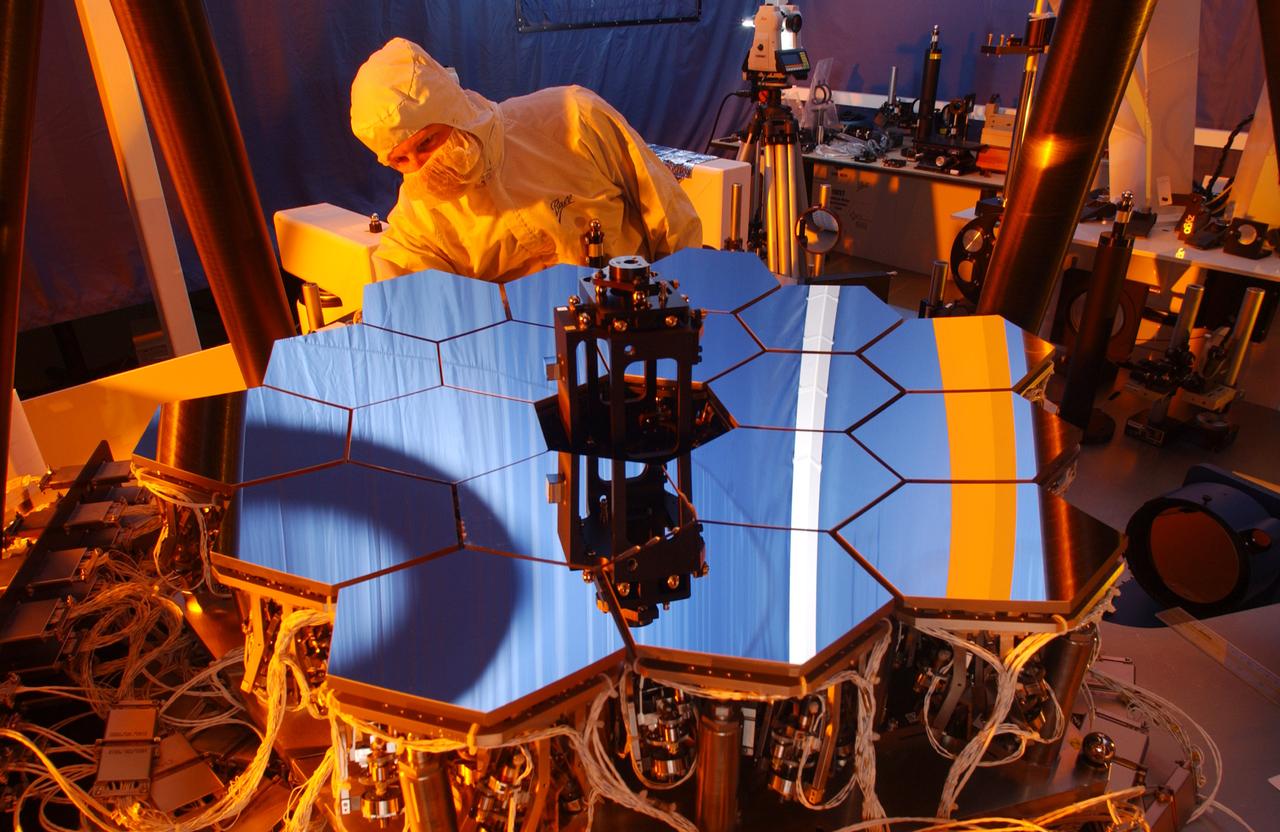
When the James Webb Space Telescope (JWST) reaches its orbit about a million miles (1.5 kilometers) from Earth and begins studying the distant reaches of the universe, the event will mark an unprecedented triumph on several technological fronts. Photo Credit: Chris Gunn For more information go to the Goddard Tech Trends Archive: Spring 2007 (http://gsfctechnology.gsfc.nasa.gov/TechTrendsArchive.html)
ESA (European Space Agency) Director-General Dr. Josef Aschbacher, left, and NASA Associate Administrator for the Science Mission Directorate Thomas Zurbuchen, monitor the progress of the Ariane 5 rocket delivering the James Webb Space Telescope into space, Saturday, Dec. 25, 2021, in the Jupiter Hall of the Guiana Space Centre in Kourou, French Guiana. The James Webb Space Telescope (sometimes called JWST or Webb) is a large infrared telescope with a 21.3 foot (6.5 meter) primary mirror. The observatory will study every phase of cosmic history—from within our solar system to the most distant observable galaxies in the early universe. Photo Credit: (NASA/Bill Ingalls)
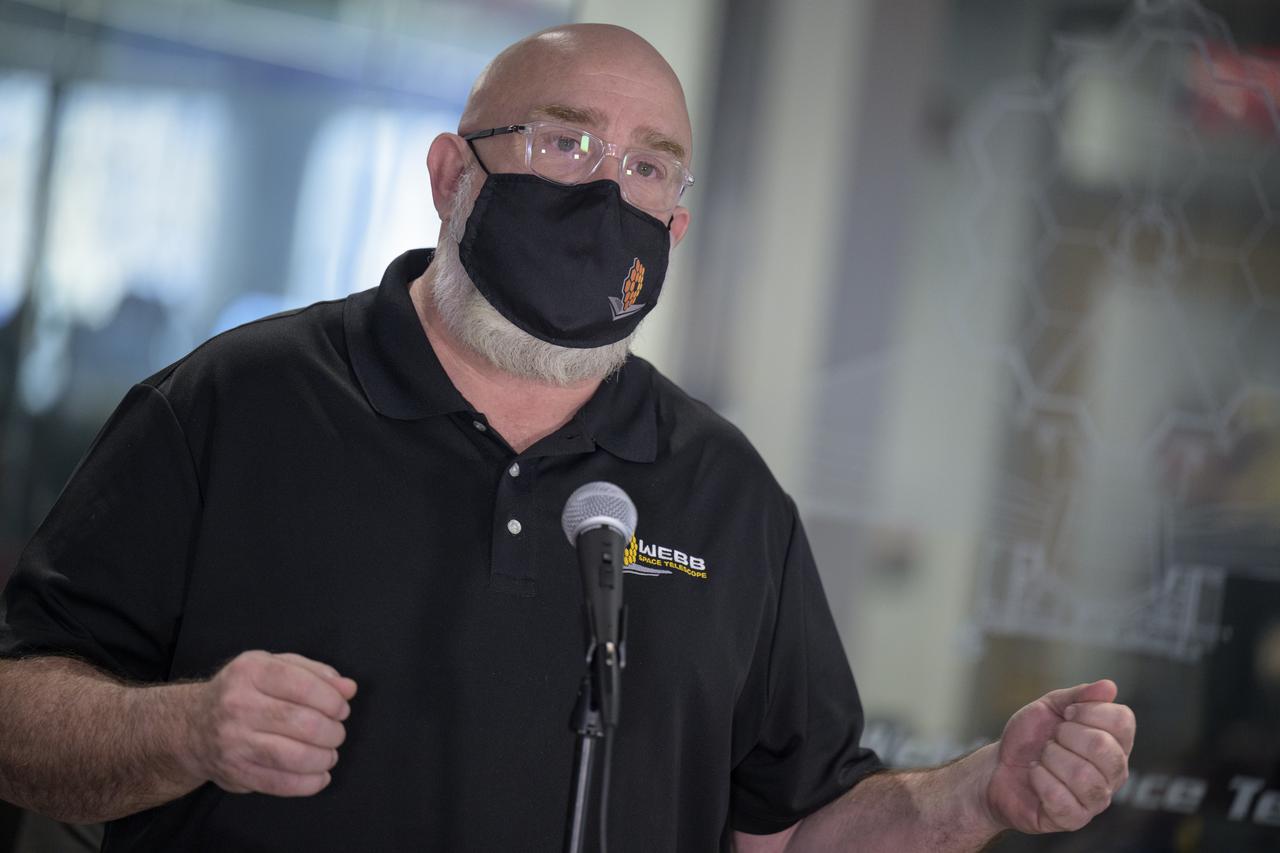
Deputy Program Manager, Northrop Grumman, Vince Heeg answers questions from the media during a briefing following the successful deployment of NASA’s James Webb Space Telescope primary mirror, Saturday, Jan. 8, 2022, from the Webb Space Telescope Mission Operations Center at the Space Telescope Science Institute in Baltimore. With Webb’s 21.3-foot (6.5-meter) primary mirror fully deployed, the infrared observatory has completed its unprecedented process of unfolding in space to prepare for science operations. The observatory will study every phase of cosmic history—from within our solar system to the most distant observable galaxies in the early universe. Photo Credit: (NASA/Bill Ingalls)
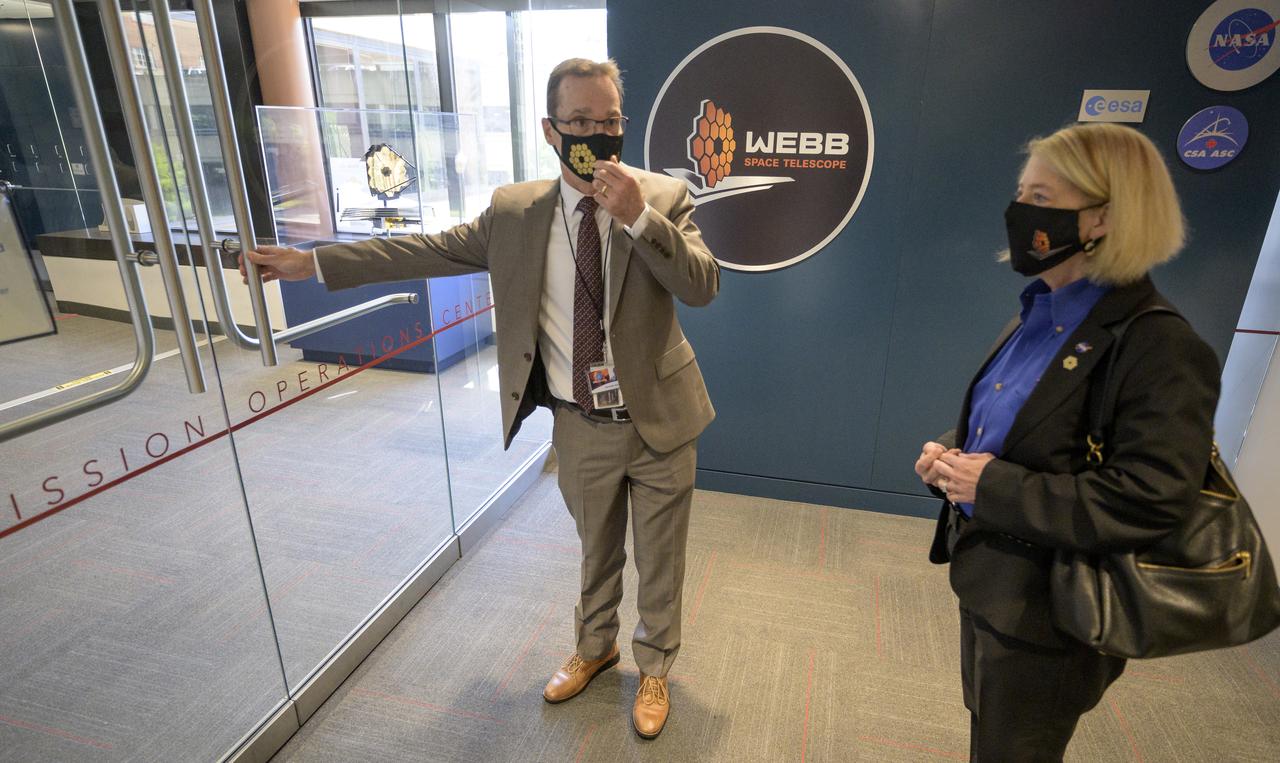
Space Telescope Science Institute (STScI) Director Kenneth Sembach, left, gives NASA Deputy Administrator Pam Melroy a tour of the NASA James Webb Space Telescope Mission Operations Center, Wednesday, June 29, 2022, at the Space Telescope Science Institute (STScI) in Baltimore. Prior to the tour the two spoke at a briefing that focused on the status of NASA’s James Webb Space Telescope in its final weeks of preparing for its science mission, as well as overviews of planned science for Webb’s first year of operations. Photo Credit: (NASA/Bill Ingalls)
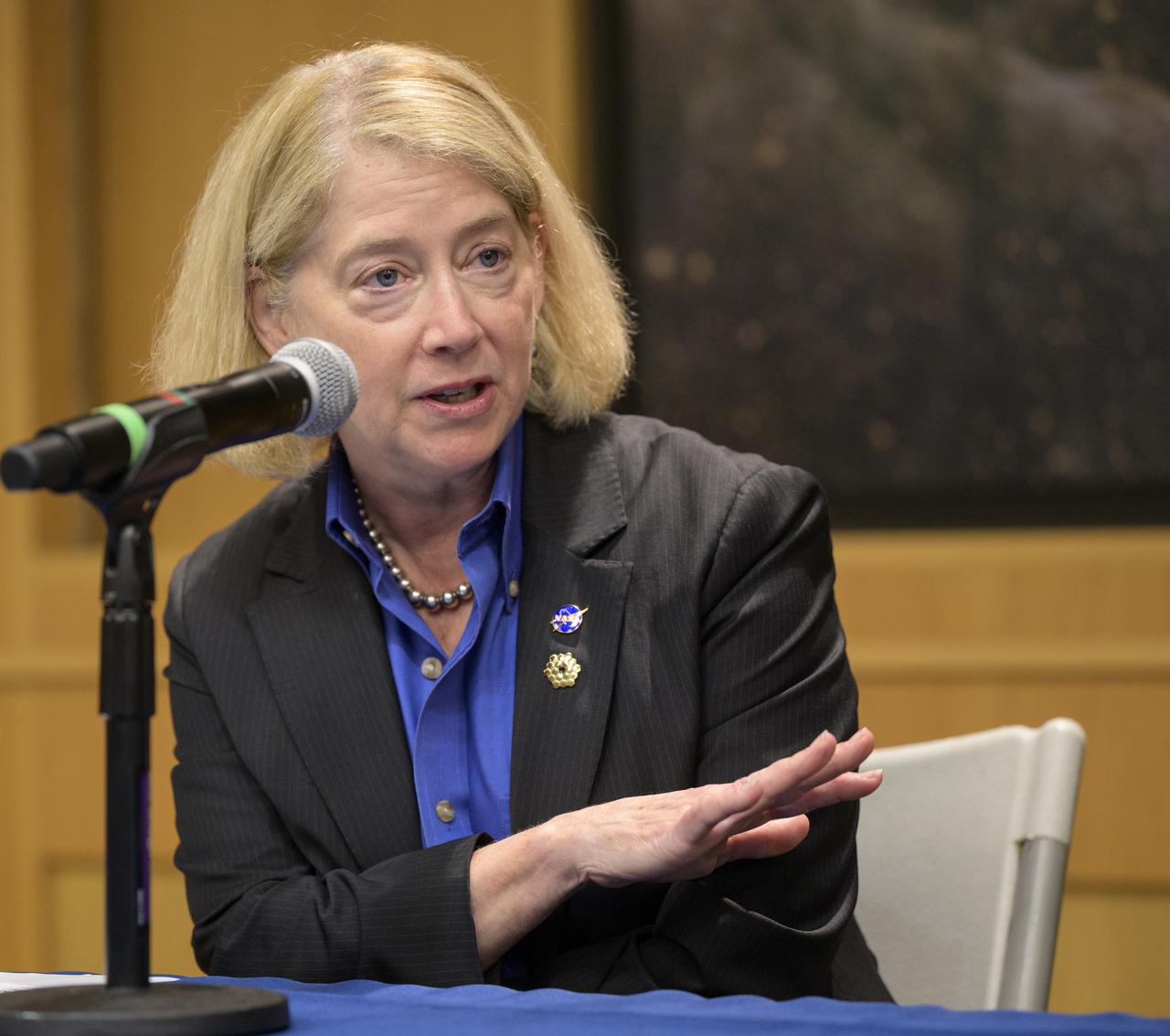
NASA Deputy Administrator Pam Melroy gives remarks during a briefing, Wednesday, June 29, 2022, at the Space Telescope Science Institute (STScI) in Baltimore. The briefing focused on the status of NASA’s James Webb Space Telescope in its final weeks of preparing for its science mission, as well as overviews of planned science for Webb’s first year of operations. Photo Credit: (NASA/Bill Ingalls)
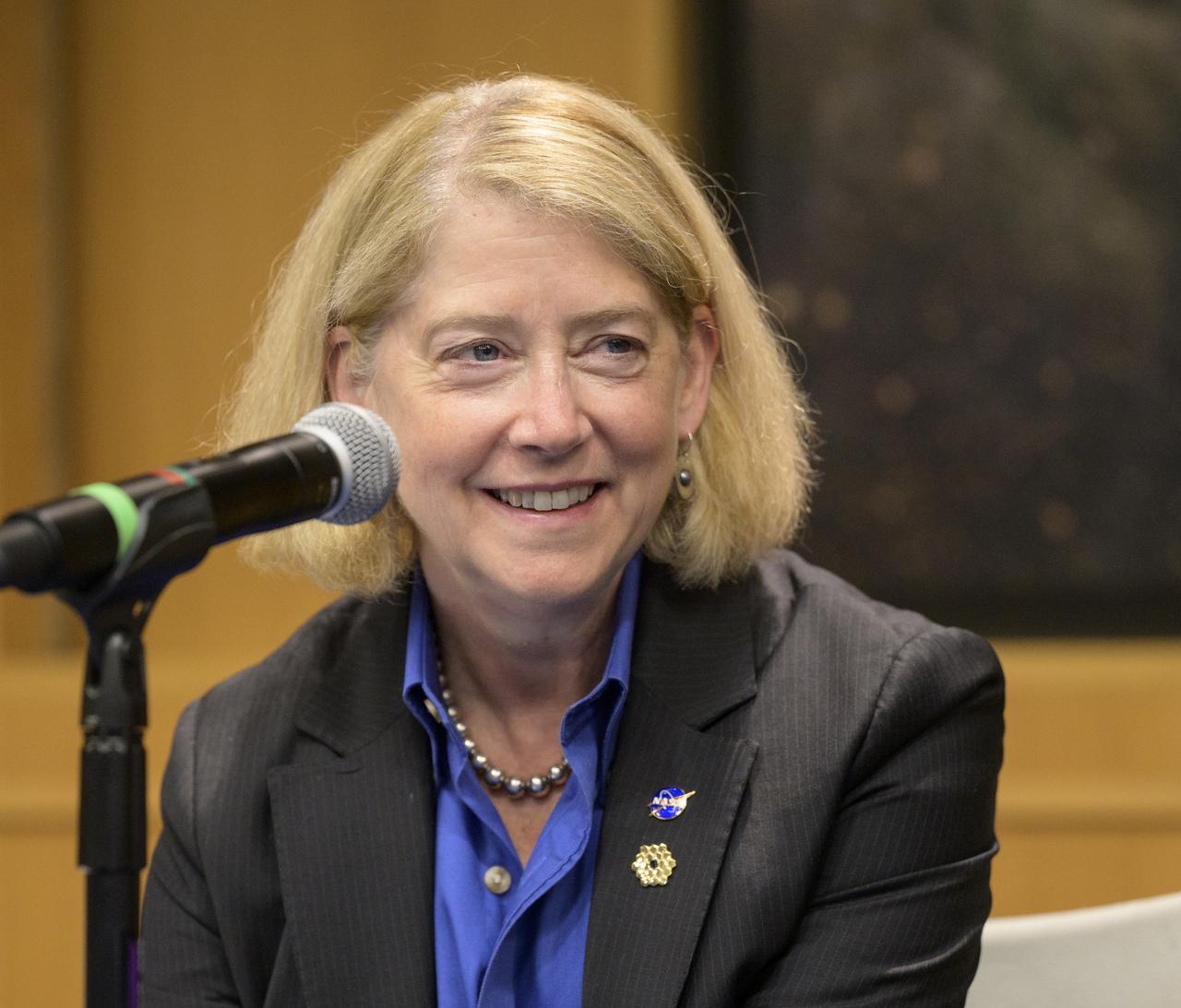
NASA Deputy Administrator Pam Melroy gives remarks during a briefing, Wednesday, June 29, 2022, at the Space Telescope Science Institute (STScI) in Baltimore. The briefing focused on the status of NASA’s James Webb Space Telescope in its final weeks of preparing for its science mission, as well as overviews of planned science for Webb’s first year of operations. Photo Credit: (NASA/Bill Ingalls)
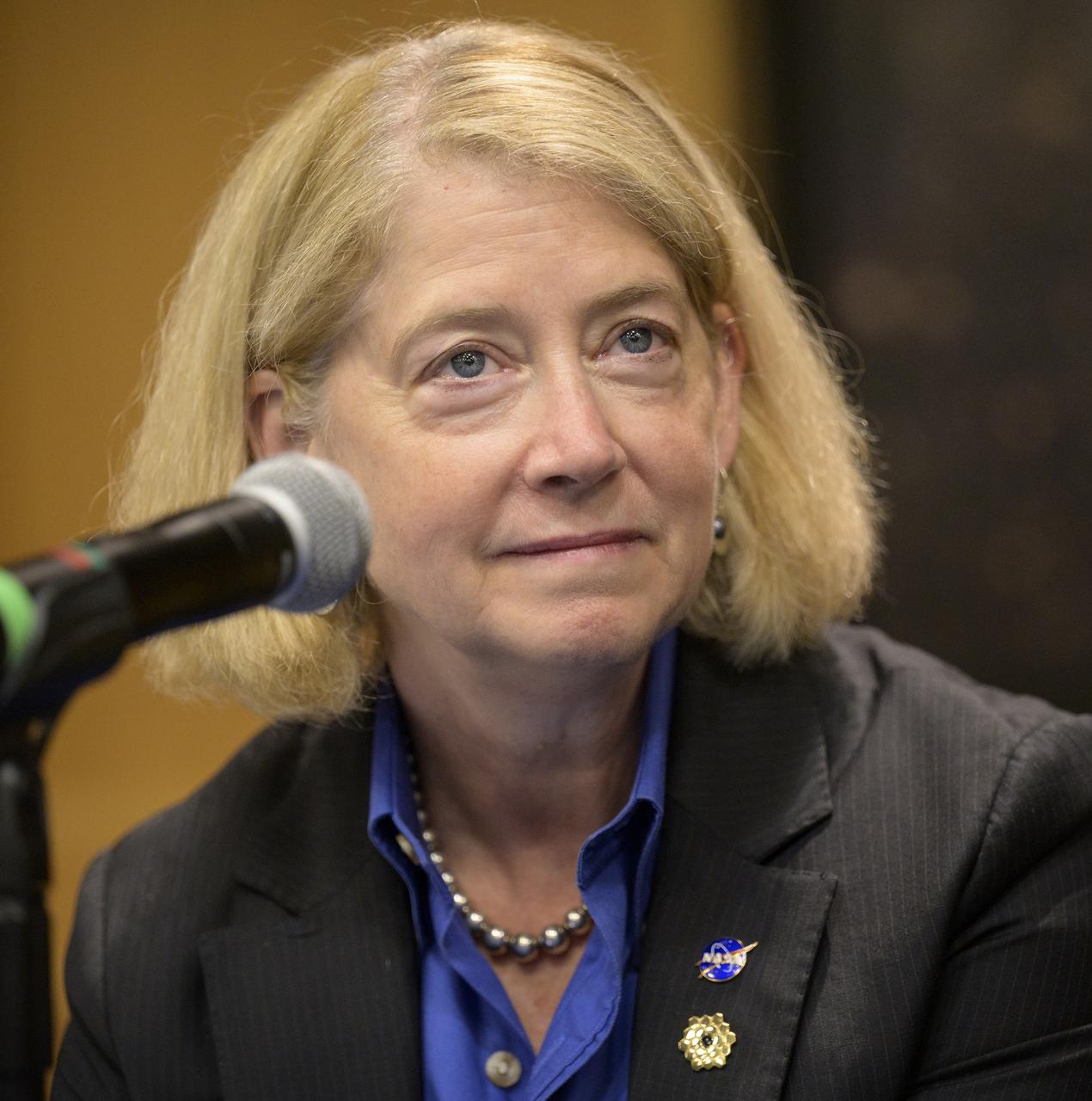
NASA Deputy Administrator Pam Melroy gives remarks during a briefing, Wednesday, June 29, 2022, at the Space Telescope Science Institute (STScI) in Baltimore. The briefing focused on the status of NASA’s James Webb Space Telescope in its final weeks of preparing for its science mission, as well as overviews of planned science for Webb’s first year of operations. Photo Credit: (NASA/Bill Ingalls)
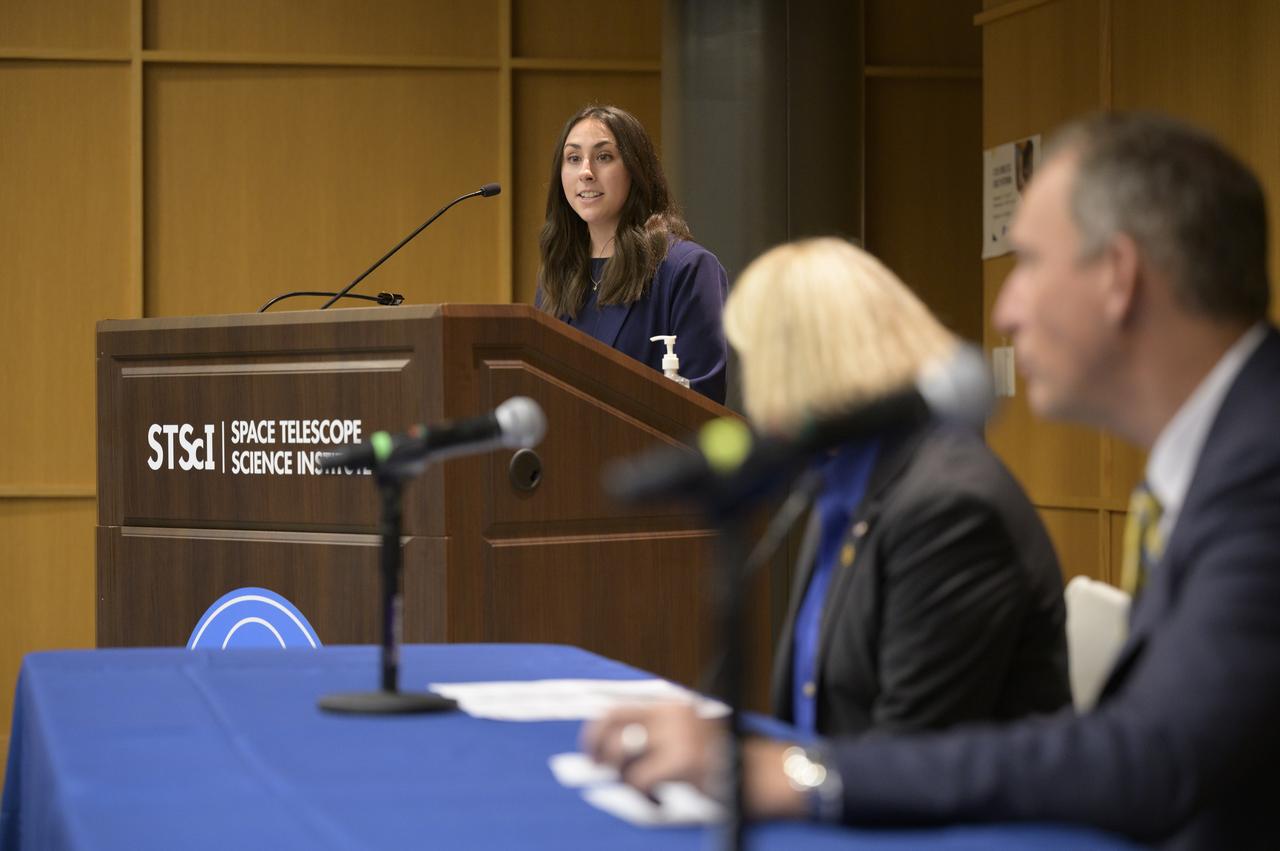
NASA Public Affairs Officer Alise Fisher moderates a briefing, Wednesday, June 29, 2022, at the Space Telescope Science Institute (STScI) in Baltimore. The briefing focused on the status of NASA’s James Webb Space Telescope in its final weeks of preparing for its science mission, as well as overviews of planned science for Webb’s first year of operations. Photo Credit: (NASA/Bill Ingalls)

NASA Deputy Administrator Pam Melroy gives remarks during a briefing, Wednesday, June 29, 2022, at the Space Telescope Science Institute (STScI) in Baltimore. The briefing focused on the status of NASA’s James Webb Space Telescope in its final weeks of preparing for its science mission, as well as overviews of planned science for Webb’s first year of operations. Photo Credit: (NASA/Bill Ingalls)
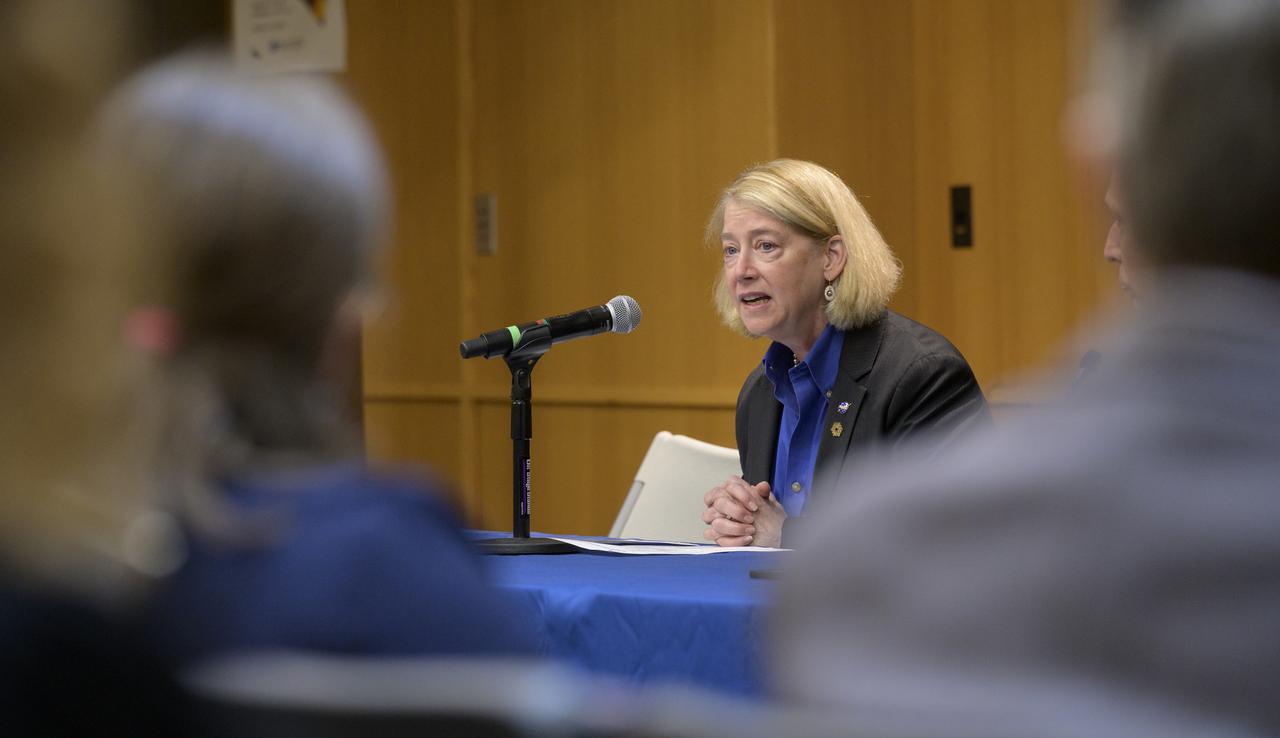
NASA Deputy Administrator Pam Melroy gives remarks during a briefing, Wednesday, June 29, 2022, at the Space Telescope Science Institute (STScI) in Baltimore. The briefing focused on the status of NASA’s James Webb Space Telescope in its final weeks of preparing for its science mission, as well as overviews of planned science for Webb’s first year of operations. Photo Credit: (NASA/Bill Ingalls)

NASA Associate Administrator for the Science Mission Directorate Thomas Zurbuchen gives remarks during a briefing, Wednesday, June 29, 2022, at the Space Telescope Science Institute (STScI) in Baltimore. The briefing focused on the status of NASA’s James Webb Space Telescope in its final weeks of preparing for its science mission, as well as overviews of planned science for Webb’s first year of operations. Photo Credit: (NASA/Bill Ingalls)
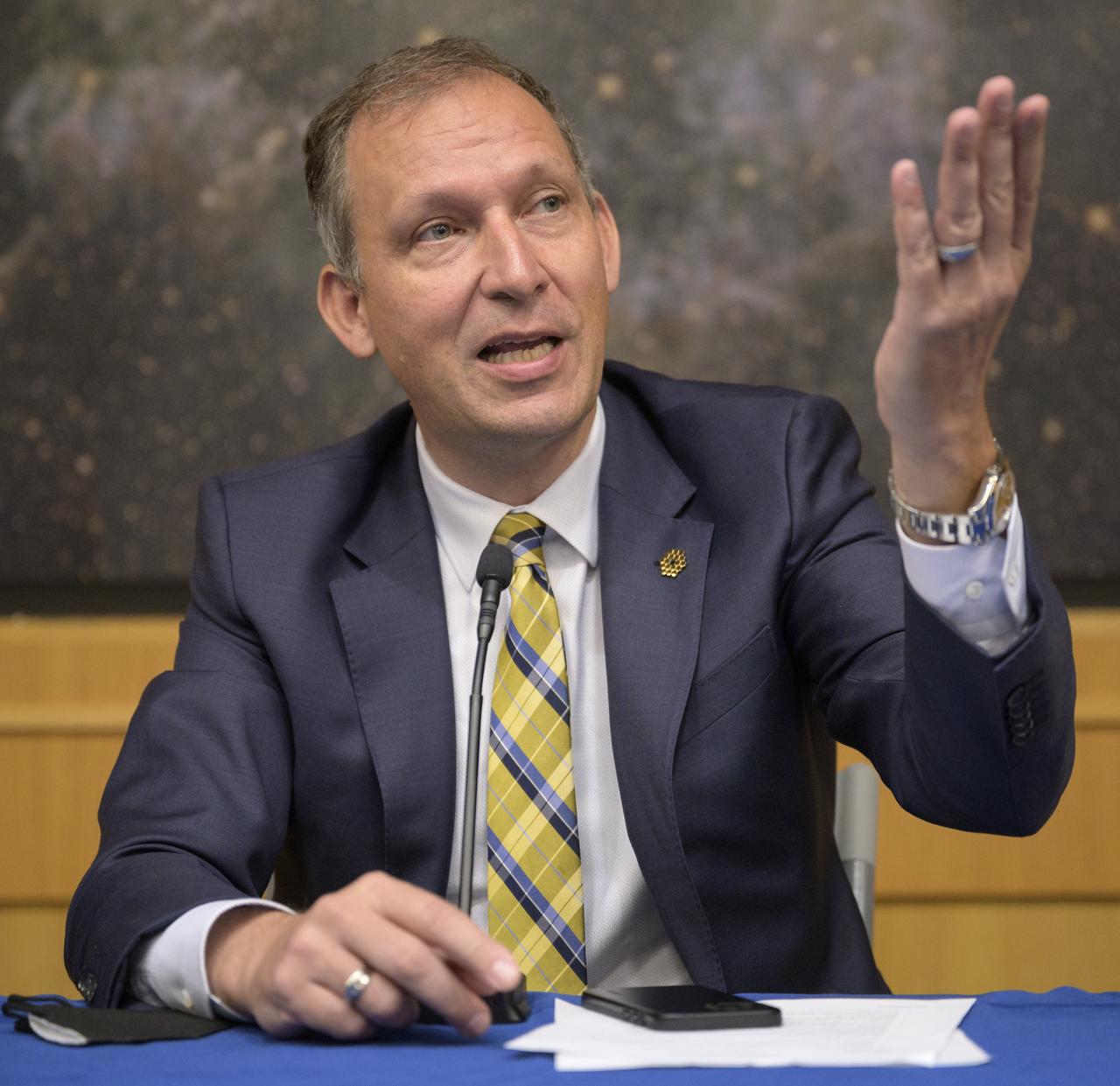
NASA Associate Administrator for the Science Mission Directorate Thomas Zurbuchen gives remarks during a briefing, Wednesday, June 29, 2022, at the Space Telescope Science Institute (STScI) in Baltimore. The briefing focused on the status of NASA’s James Webb Space Telescope in its final weeks of preparing for its science mission, as well as overviews of planned science for Webb’s first year of operations. Photo Credit: (NASA/Bill Ingalls)
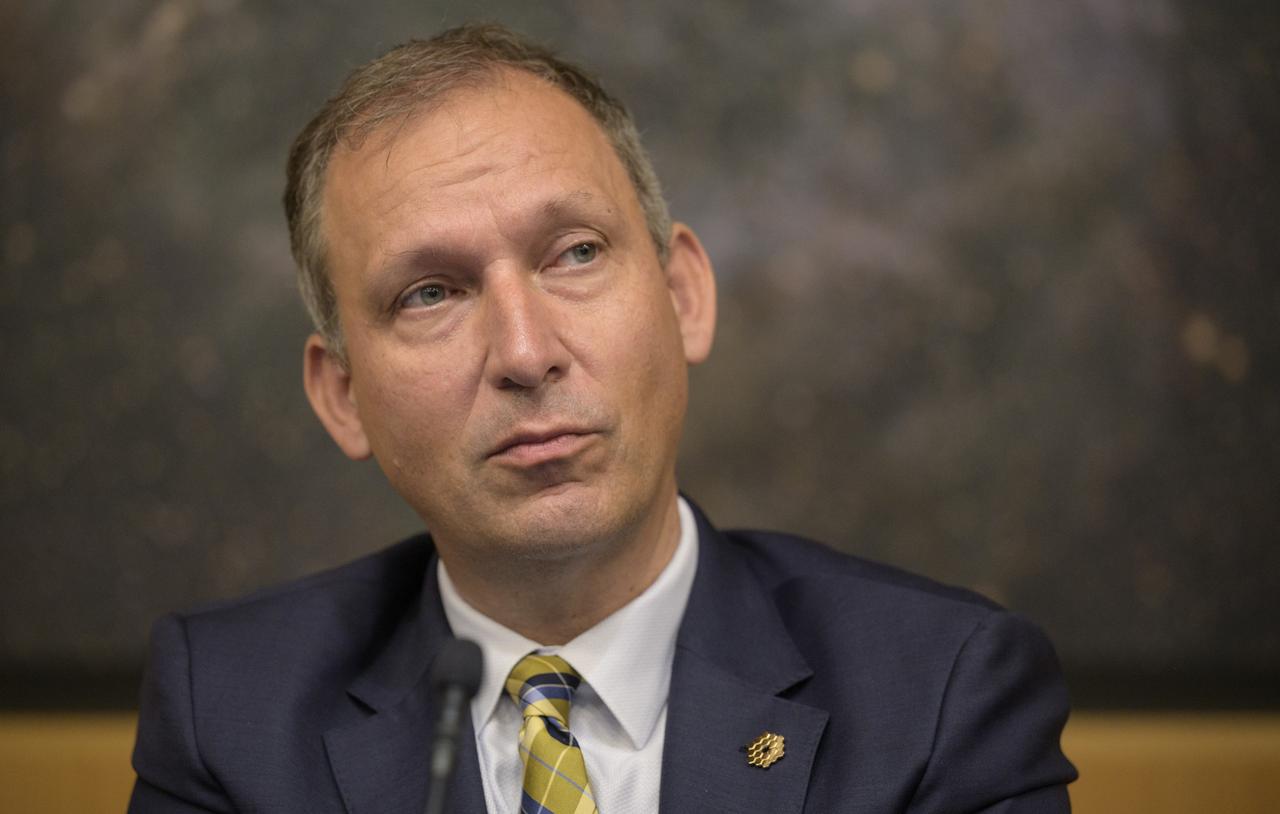
NASA Associate Administrator for the Science Mission Directorate Thomas Zurbuchen gives remarks during a briefing, Wednesday, June 29, 2022, at the Space Telescope Science Institute (STScI) in Baltimore. The briefing focused on the status of NASA’s James Webb Space Telescope in its final weeks of preparing for its science mission, as well as overviews of planned science for Webb’s first year of operations. Photo Credit: (NASA/Bill Ingalls)
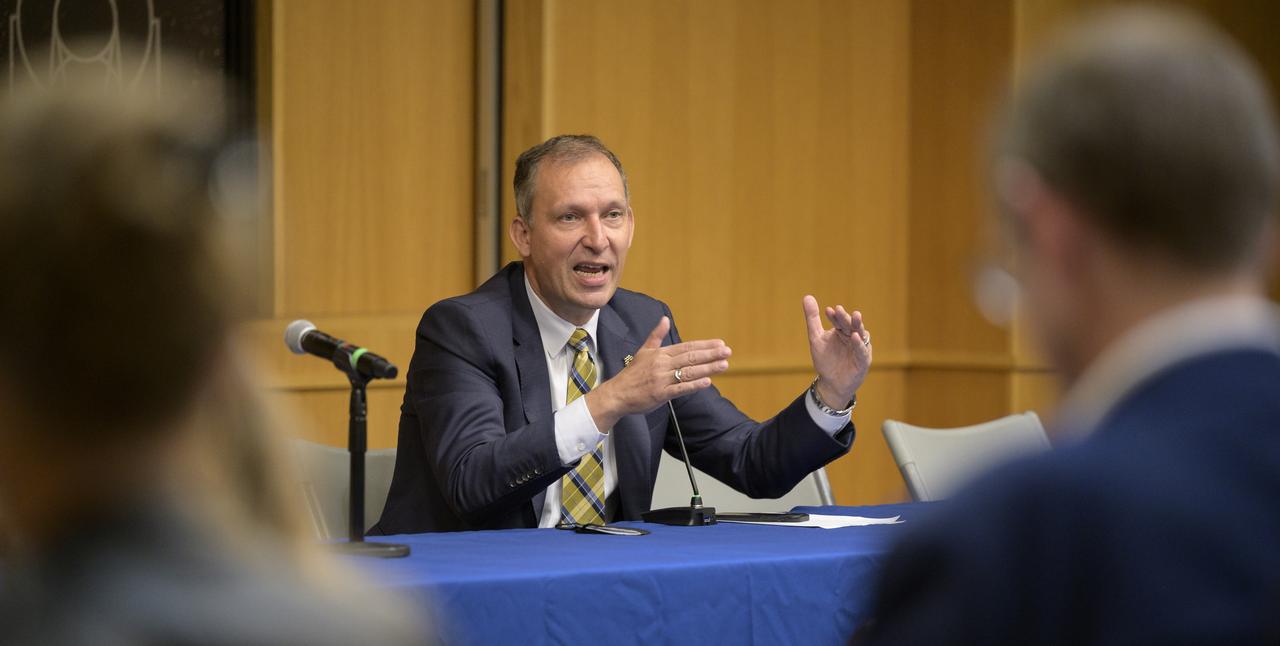
NASA Associate Administrator for the Science Mission Directorate Thomas Zurbuchen gives remarks during a briefing, Wednesday, June 29, 2022, at the Space Telescope Science Institute (STScI) in Baltimore. The briefing focused on the status of NASA’s James Webb Space Telescope in its final weeks of preparing for its science mission, as well as overviews of planned science for Webb’s first year of operations. Photo Credit: (NASA/Bill Ingalls)
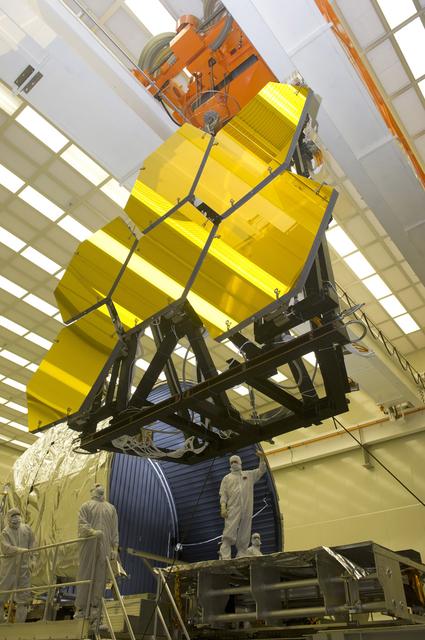
The James Webb Space Telescope mirrors have completed deep-freeze tests and are removed from the X-ray and Cryogenic test Facility at Marshall Space Flight Center. To read more go to: <a href="http://www.nasa.gov/topics/technology/features/webb-mirror-cryo.html" rel="nofollow">www.nasa.gov/topics/technology/features/webb-mirror-cryo....</a> Credit: Emmett Given, NASA Marshall <b><a href="http://www.nasa.gov/audience/formedia/features/MP_Photo_Guidelines.html" rel="nofollow">NASA image use policy.</a></b> <b><a href="http://www.nasa.gov/centers/goddard/home/index.html" rel="nofollow">NASA Goddard Space Flight Center</a></b> enables NASA’s mission through four scientific endeavors: Earth Science, Heliophysics, Solar System Exploration, and Astrophysics. Goddard plays a leading role in NASA’s accomplishments by contributing compelling scientific knowledge to advance the Agency’s mission. <b>Follow us on <a href="http://twitter.com/NASA_GoddardPix" rel="nofollow">Twitter</a></b> <b>Like us on <a href="http://www.facebook.com/pages/Greenbelt-MD/NASA-Goddard/395013845897?ref=tsd" rel="nofollow">Facebook</a></b> <b>Find us on <a href="http://instagrid.me/nasagoddard/?vm=grid" rel="nofollow">Instagram</a></b>
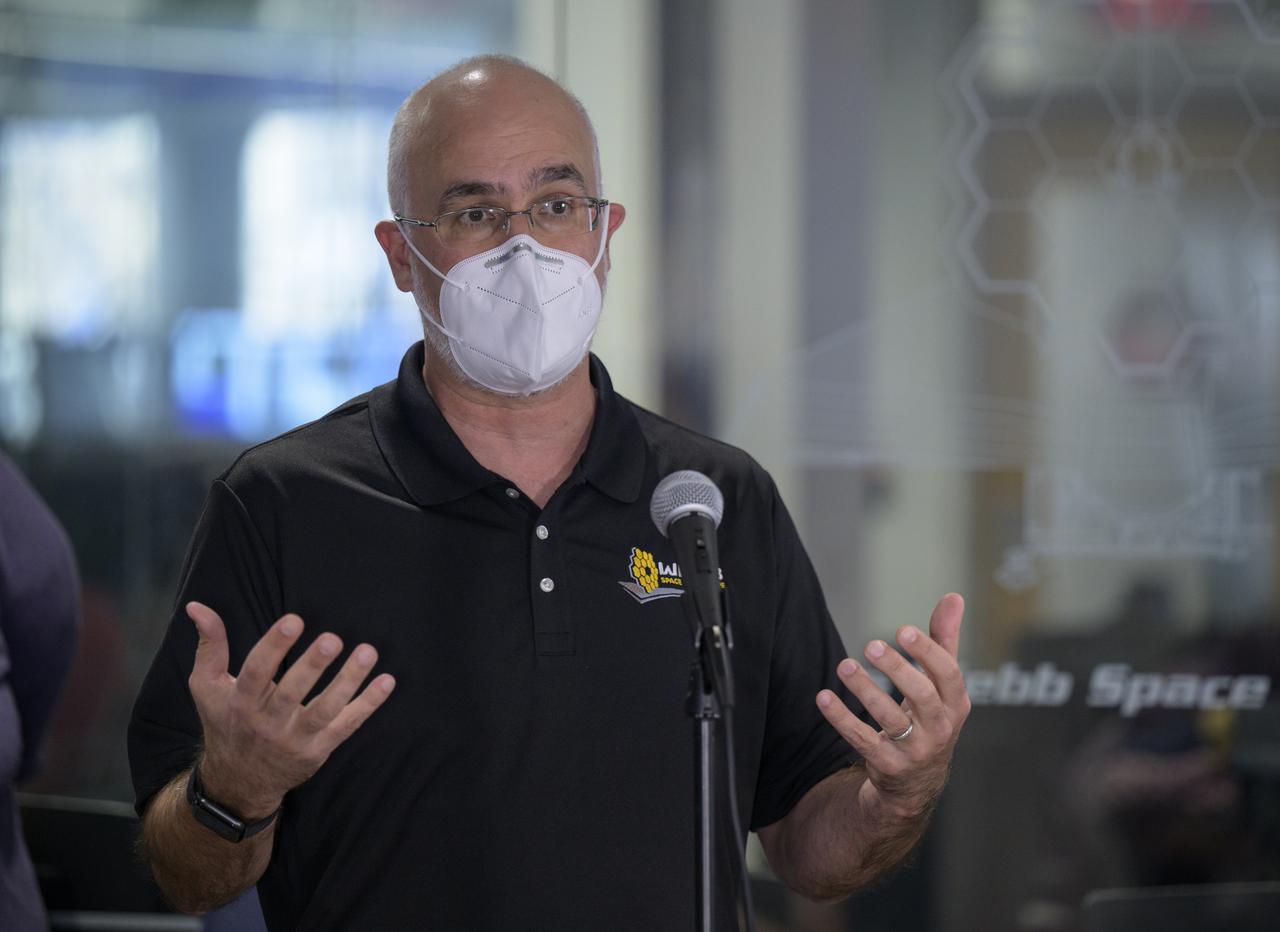
Vice President and Program Manager, Webb, Northrop Grumman, Scott Willoughby answers questions from the media during a briefing following the successful deployment of NASA’s James Webb Space Telescope primary mirror, Saturday, Jan. 8, 2022, from the Webb Space Telescope Mission Operations Center at the Space Telescope Science Institute in Baltimore. With Webb’s 21.3-foot (6.5-meter) primary mirror fully deployed, the infrared observatory has completed its unprecedented process of unfolding in space to prepare for science operations. The observatory will study every phase of cosmic history—from within our solar system to the most distant observable galaxies in the early universe. Photo Credit: (NASA/Bill Ingalls)
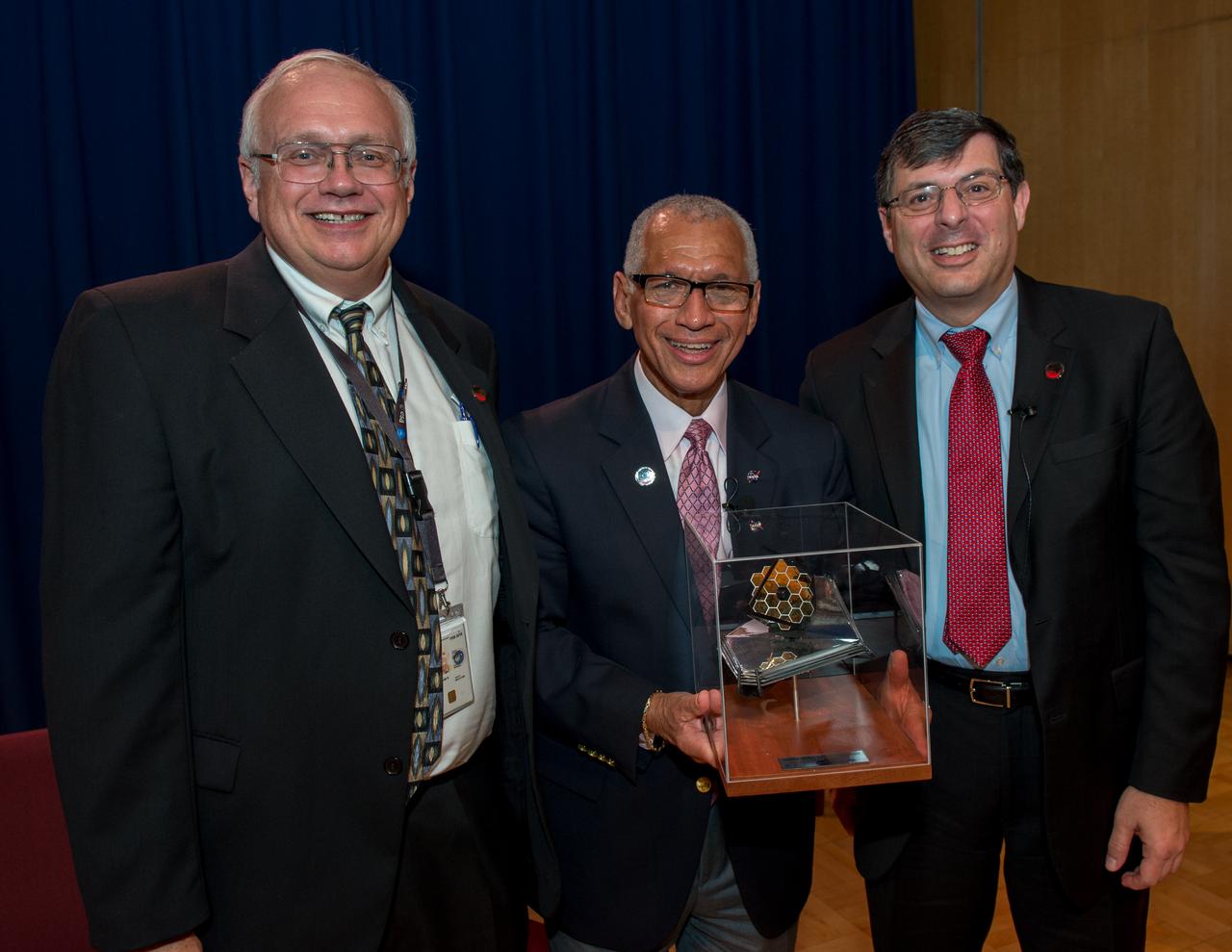
James Webb Space Telescope (JWST) Town Hall - Bill Ochs JWST Project Manager; NASA Administrator Charlie Bolden; Goddard Center Director Chris Scolese
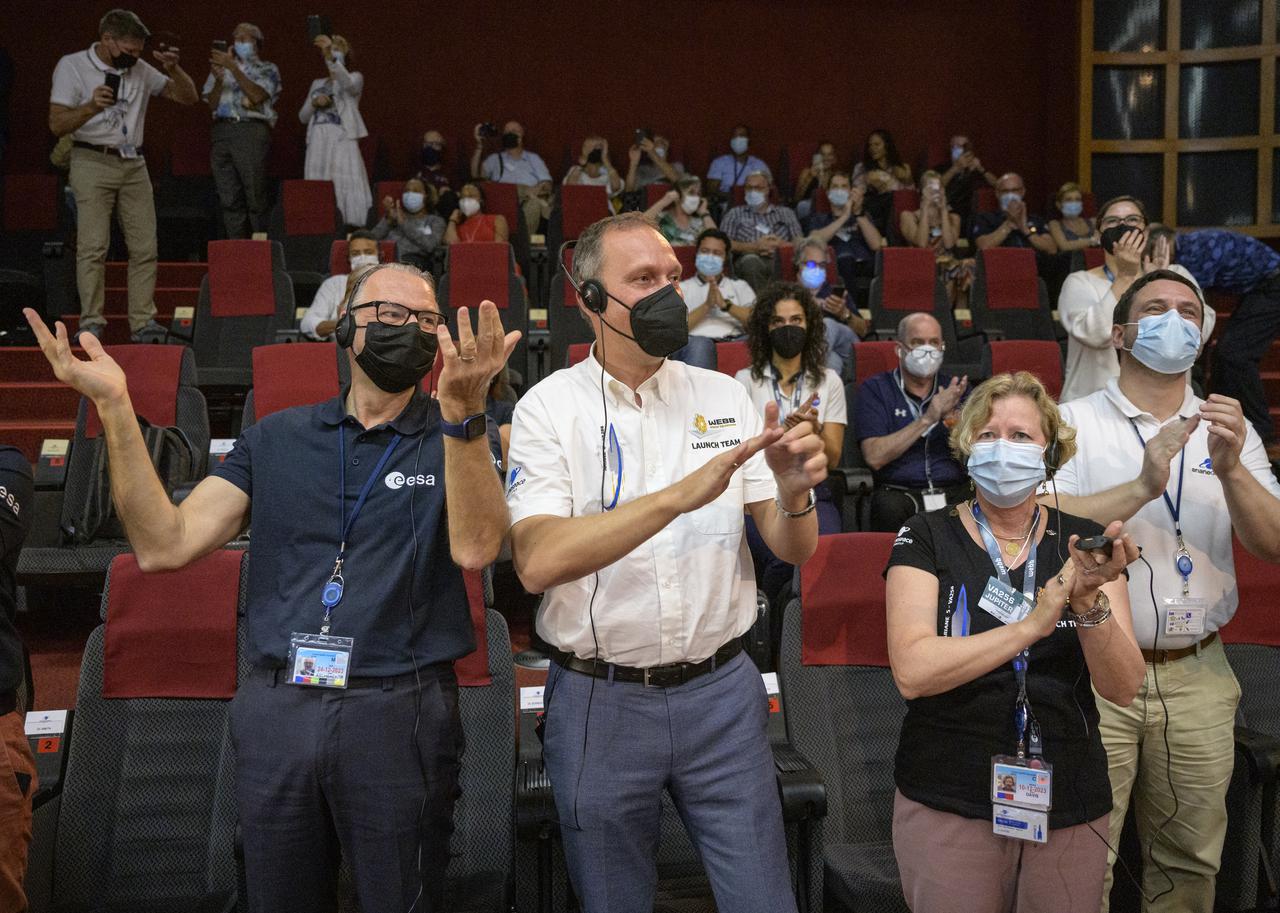
ESA (European Space Agency) Director-General Dr. Josef Aschbacher, left, NASA Associate Administrator for the Science Mission Directorate Thomas Zurbuchen, and NASA James Webb Space Telescope Program Manager Jeanne Davis, celebrate after hearing confirmation that the James Webb Space Telescope successfully deployed it’s solar arrays and the telescope had positive power, Saturday, Dec. 25, 2021, in the Jupiter Hall of the Guiana Space Centre in Kourou, French Guiana. The James Webb Space Telescope (sometimes called JWST or Webb) is a large infrared telescope with a 21.3 foot (6.5 meter) primary mirror. The observatory will study every phase of cosmic history—from within our solar system to the most distant observable galaxies in the early universe. Photo Credit: (NASA/Bill Ingalls)
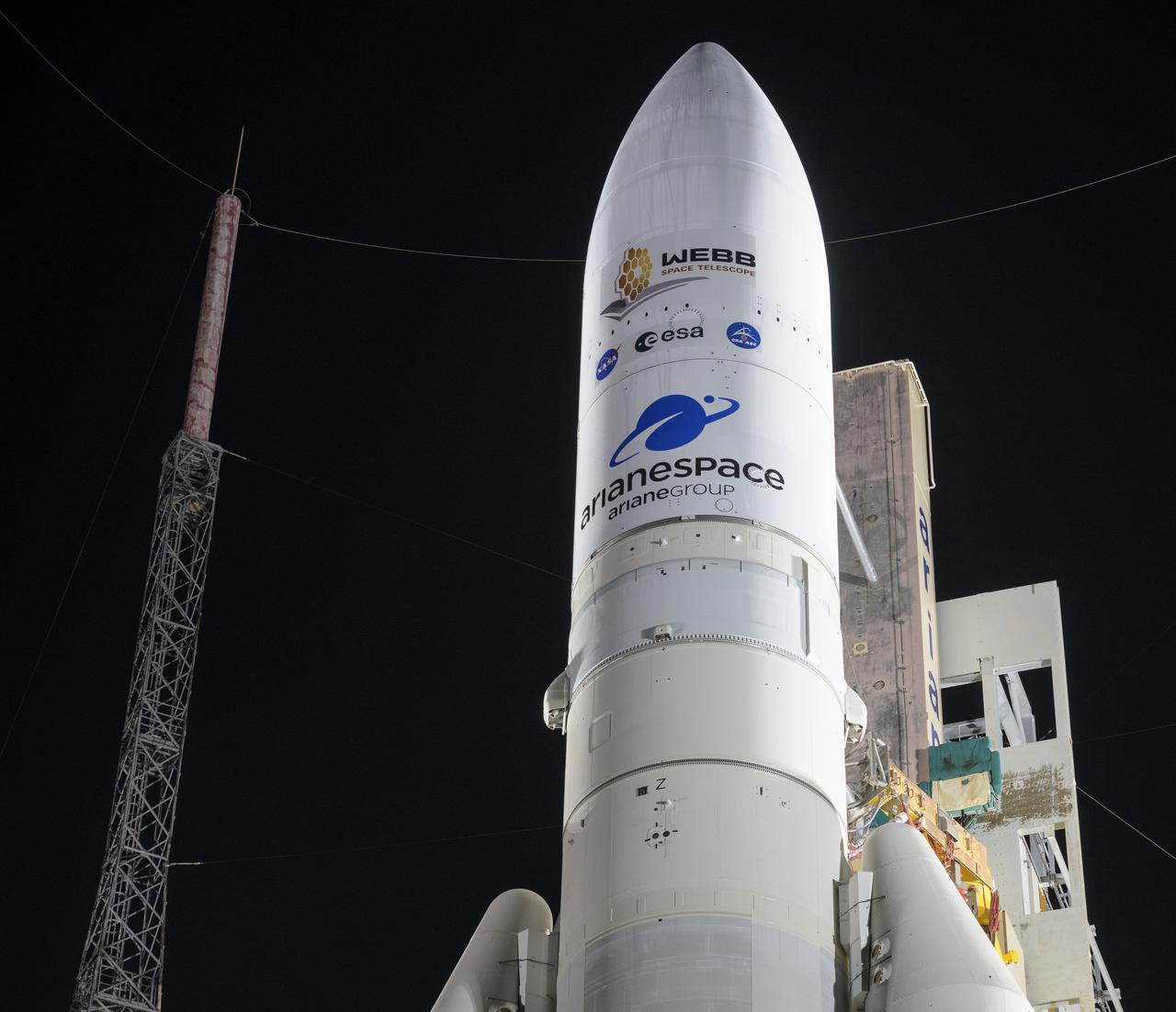
Arianespace's Ariane 5 rocket with NASA’s James Webb Space Telescope onboard, is seen at the launch pad, Thursday, Dec. 23, 2021, at Europe’s Spaceport, the Guiana Space Center in Kourou, French Guiana. The James Webb Space Telescope (sometimes called JWST or Webb) is a large infrared telescope with a 21.3 foot (6.5 meter) primary mirror. The observatory will study every phase of cosmic history—from within our solar system to the most distant observable galaxies in the early universe. Photo Credit: (NASA/Bill Ingalls)
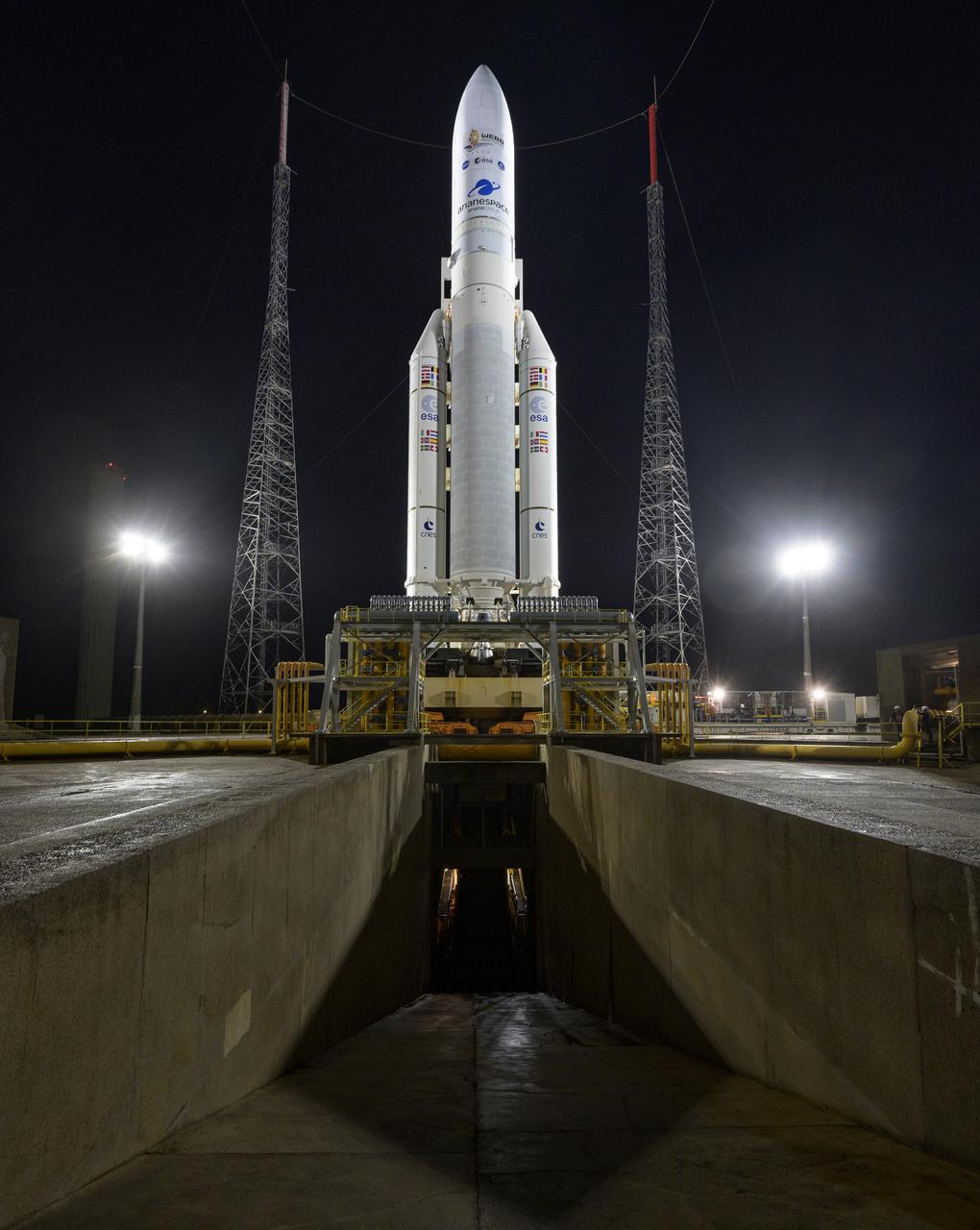
Arianespace's Ariane 5 rocket with NASA’s James Webb Space Telescope onboard, is seen at the launch pad, Thursday, Dec. 23, 2021, at Europe’s Spaceport, the Guiana Space Center in Kourou, French Guiana. The James Webb Space Telescope (sometimes called JWST or Webb) is a large infrared telescope with a 21.3 foot (6.5 meter) primary mirror. The observatory will study every phase of cosmic history—from within our solar system to the most distant observable galaxies in the early universe. Photo Credit: (NASA/Bill Ingalls)
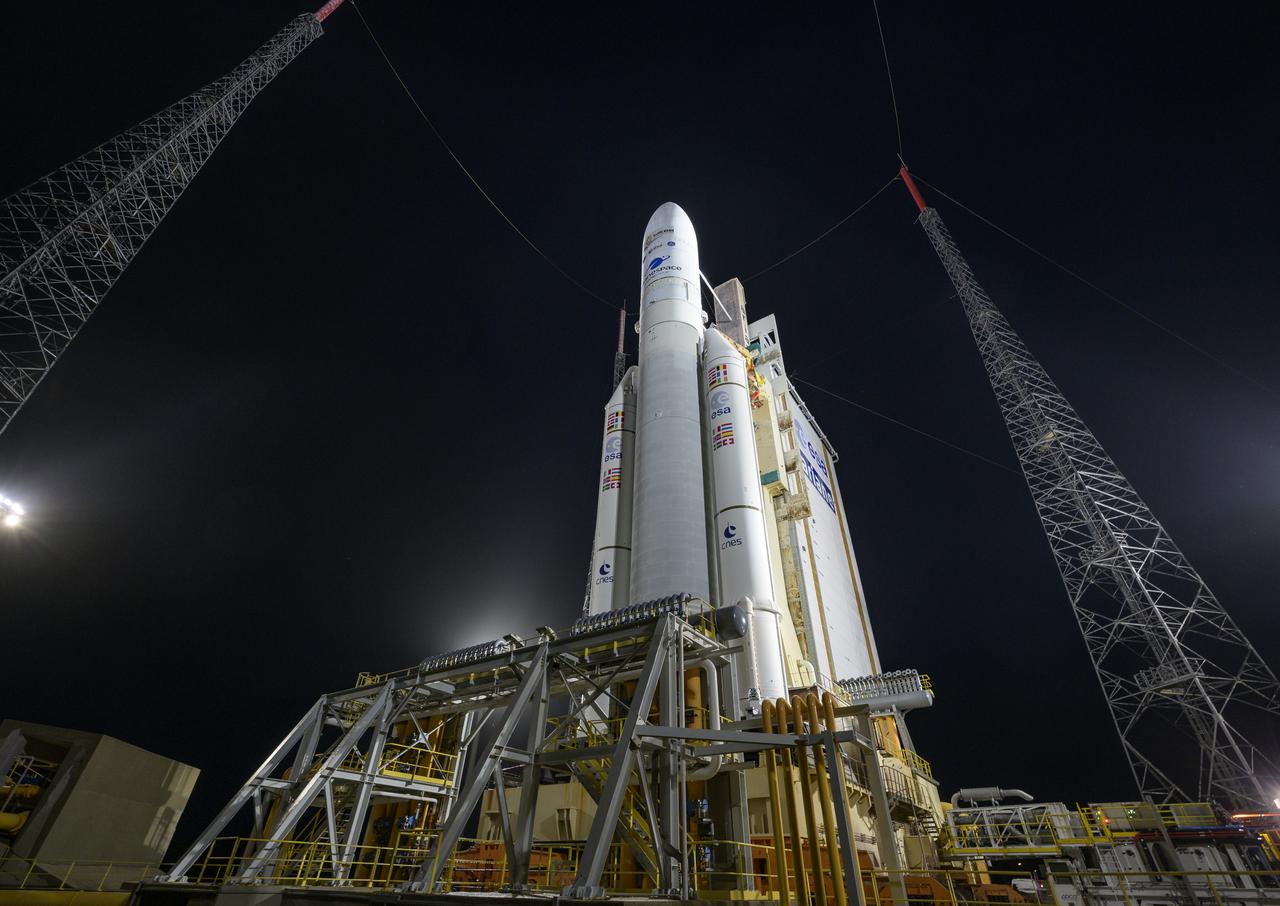
Arianespace's Ariane 5 rocket with NASA’s James Webb Space Telescope onboard, is seen at the launch pad, Thursday, Dec. 23, 2021, at Europe’s Spaceport, the Guiana Space Center in Kourou, French Guiana. The James Webb Space Telescope (sometimes called JWST or Webb) is a large infrared telescope with a 21.3 foot (6.5 meter) primary mirror. The observatory will study every phase of cosmic history—from within our solar system to the most distant observable galaxies in the early universe. Photo Credit: (NASA/Bill Ingalls)

Arianespace's Ariane 5 rocket with NASA’s James Webb Space Telescope onboard, is seen at the launch pad, Thursday, Dec. 23, 2021, at Europe’s Spaceport, the Guiana Space Center in Kourou, French Guiana. The James Webb Space Telescope (sometimes called JWST or Webb) is a large infrared telescope with a 21.3 foot (6.5 meter) primary mirror. The observatory will study every phase of cosmic history—from within our solar system to the most distant observable galaxies in the early universe. Photo Credit: (NASA/Bill Ingalls)
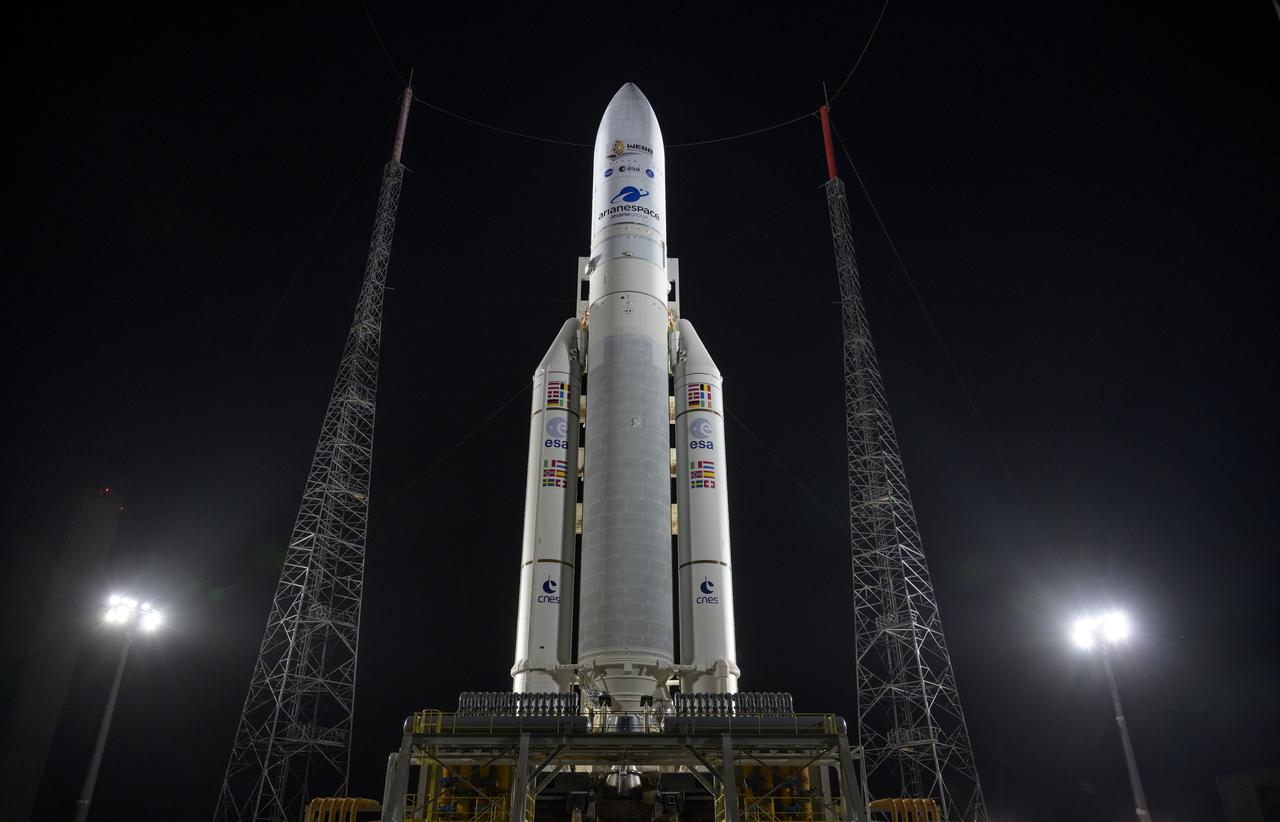
Arianespace's Ariane 5 rocket with NASA’s James Webb Space Telescope onboard, is seen at the launch pad, Thursday, Dec. 23, 2021, at Europe’s Spaceport, the Guiana Space Center in Kourou, French Guiana. The James Webb Space Telescope (sometimes called JWST or Webb) is a large infrared telescope with a 21.3 foot (6.5 meter) primary mirror. The observatory will study every phase of cosmic history—from within our solar system to the most distant observable galaxies in the early universe. Photo Credit: (NASA/Bill Ingalls)
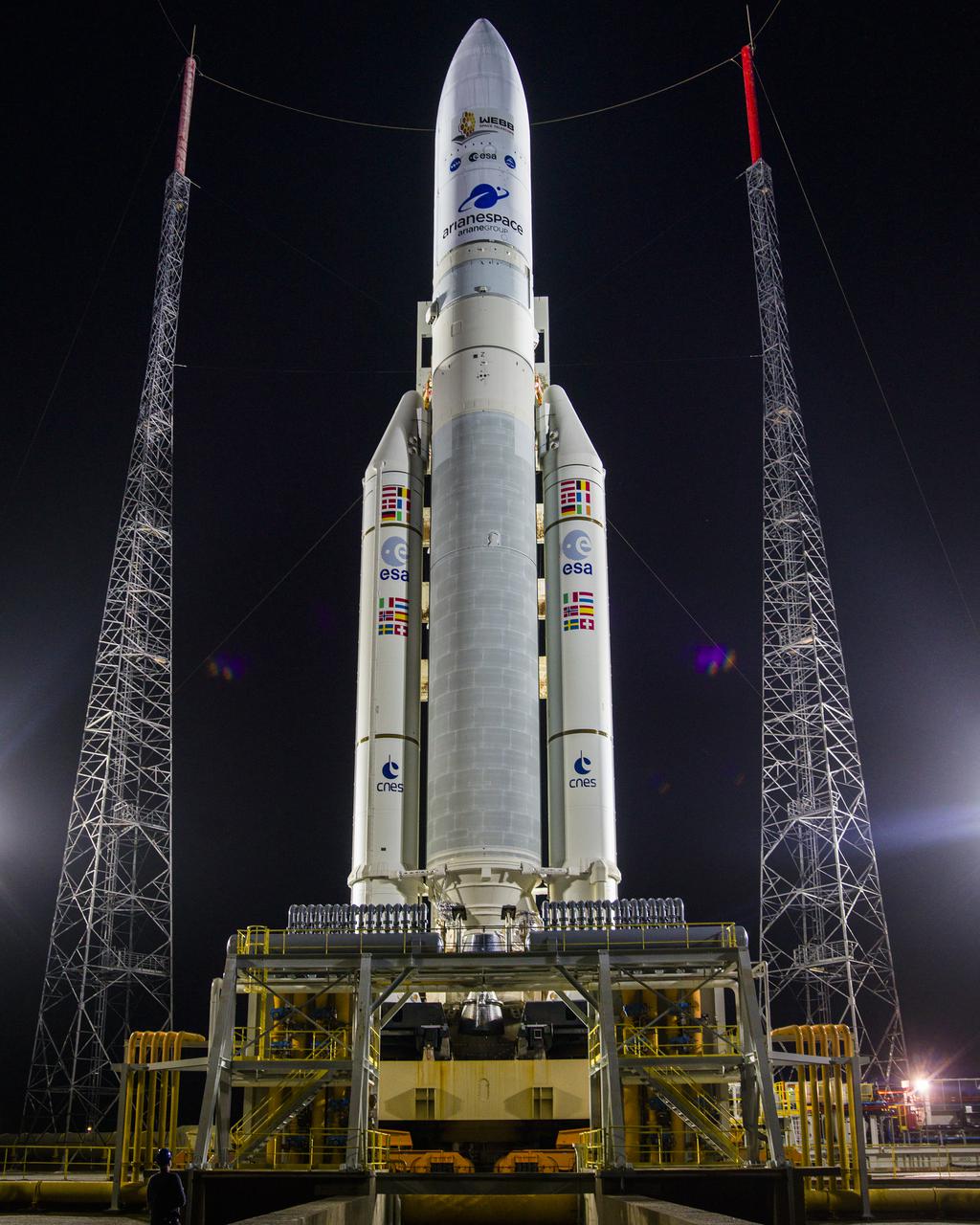
Arianespace's Ariane 5 rocket with NASA’s James Webb Space Telescope onboard, is seen at the launch pad, Thursday, Dec. 23, 2021, at Europe’s Spaceport, the Guiana Space Center in Kourou, French Guiana. The James Webb Space Telescope (sometimes called JWST or Webb) is a large infrared telescope with a 21.3 foot (6.5 meter) primary mirror. The observatory will study every phase of cosmic history—from within our solar system to the most distant observable galaxies in the early universe. Photo Credit: (NASA/Chris Gunn)
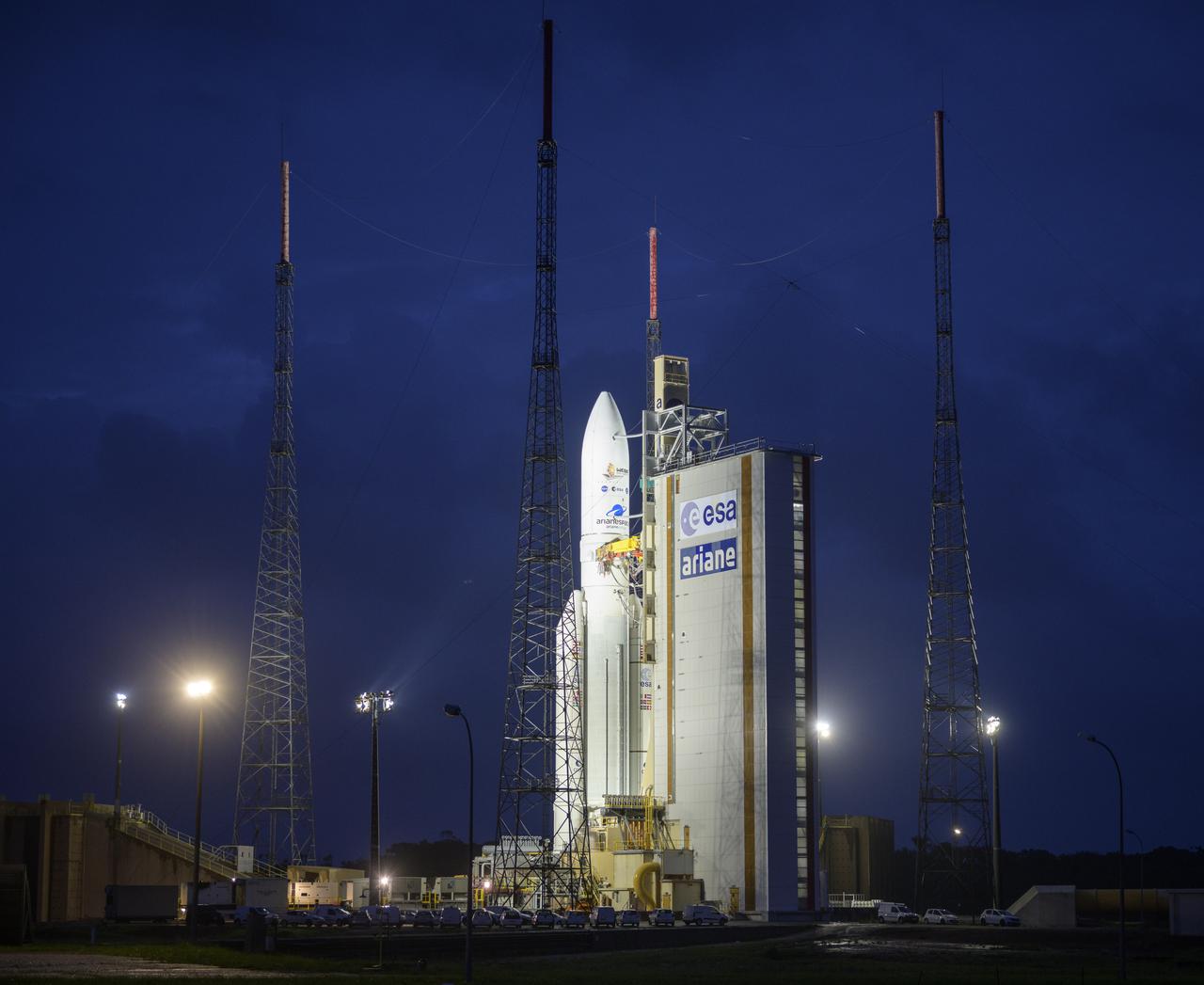
Arianespace's Ariane 5 rocket with NASA’s James Webb Space Telescope onboard, is seen at the launch pad, Thursday, Dec. 23, 2021, at Europe’s Spaceport, the Guiana Space Center in Kourou, French Guiana. The James Webb Space Telescope (sometimes called JWST or Webb) is a large infrared telescope with a 21.3 foot (6.5 meter) primary mirror. The observatory will study every phase of cosmic history—from within our solar system to the most distant observable galaxies in the early universe. Photo Credit: (NASA/Bill Ingalls)
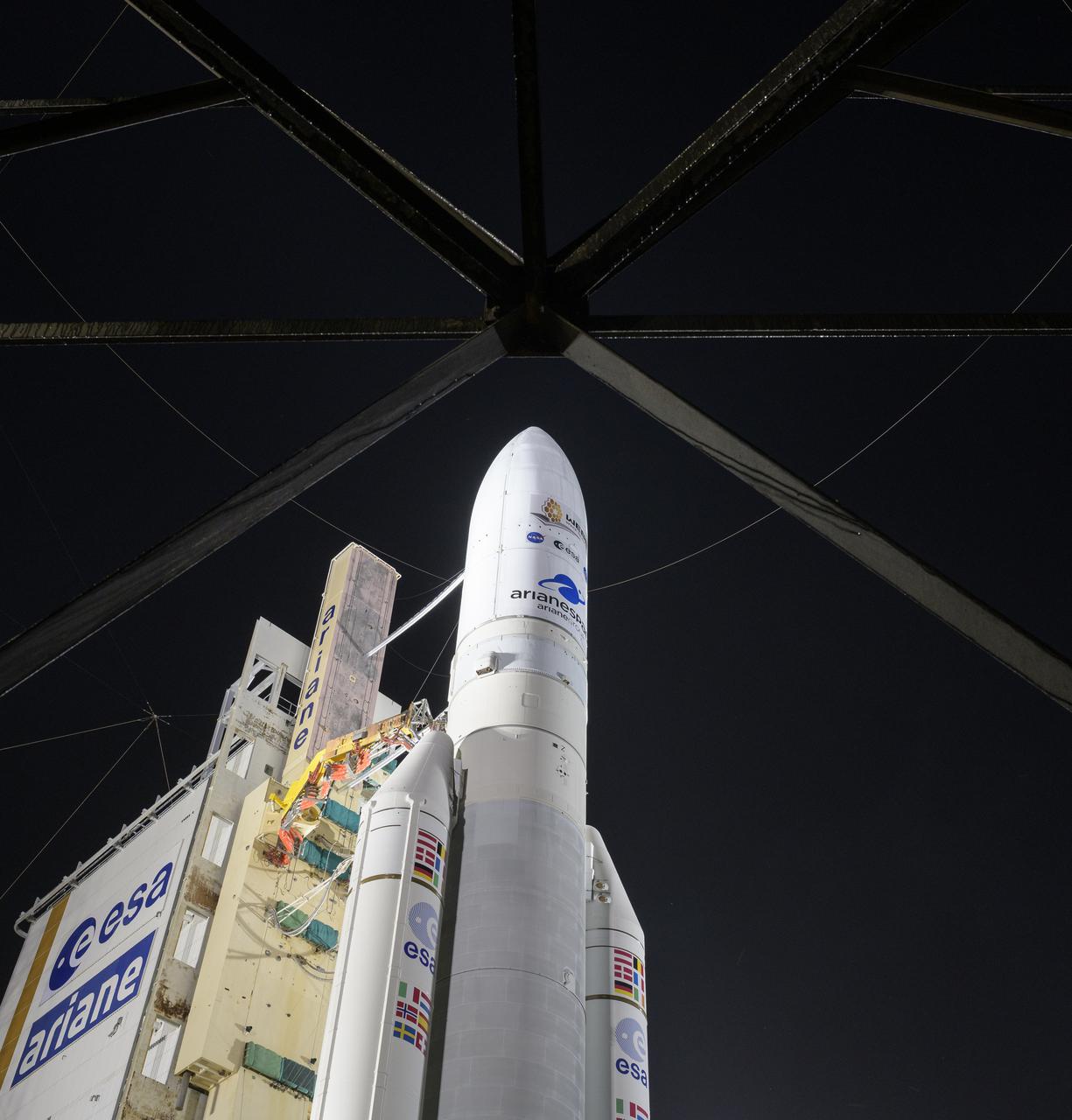
Arianespace's Ariane 5 rocket with NASA’s James Webb Space Telescope onboard, is seen at the launch pad, Thursday, Dec. 23, 2021, at Europe’s Spaceport, the Guiana Space Center in Kourou, French Guiana. The James Webb Space Telescope (sometimes called JWST or Webb) is a large infrared telescope with a 21.3 foot (6.5 meter) primary mirror. The observatory will study every phase of cosmic history—from within our solar system to the most distant observable galaxies in the early universe. Photo Credit: (NASA/Bill Ingalls)
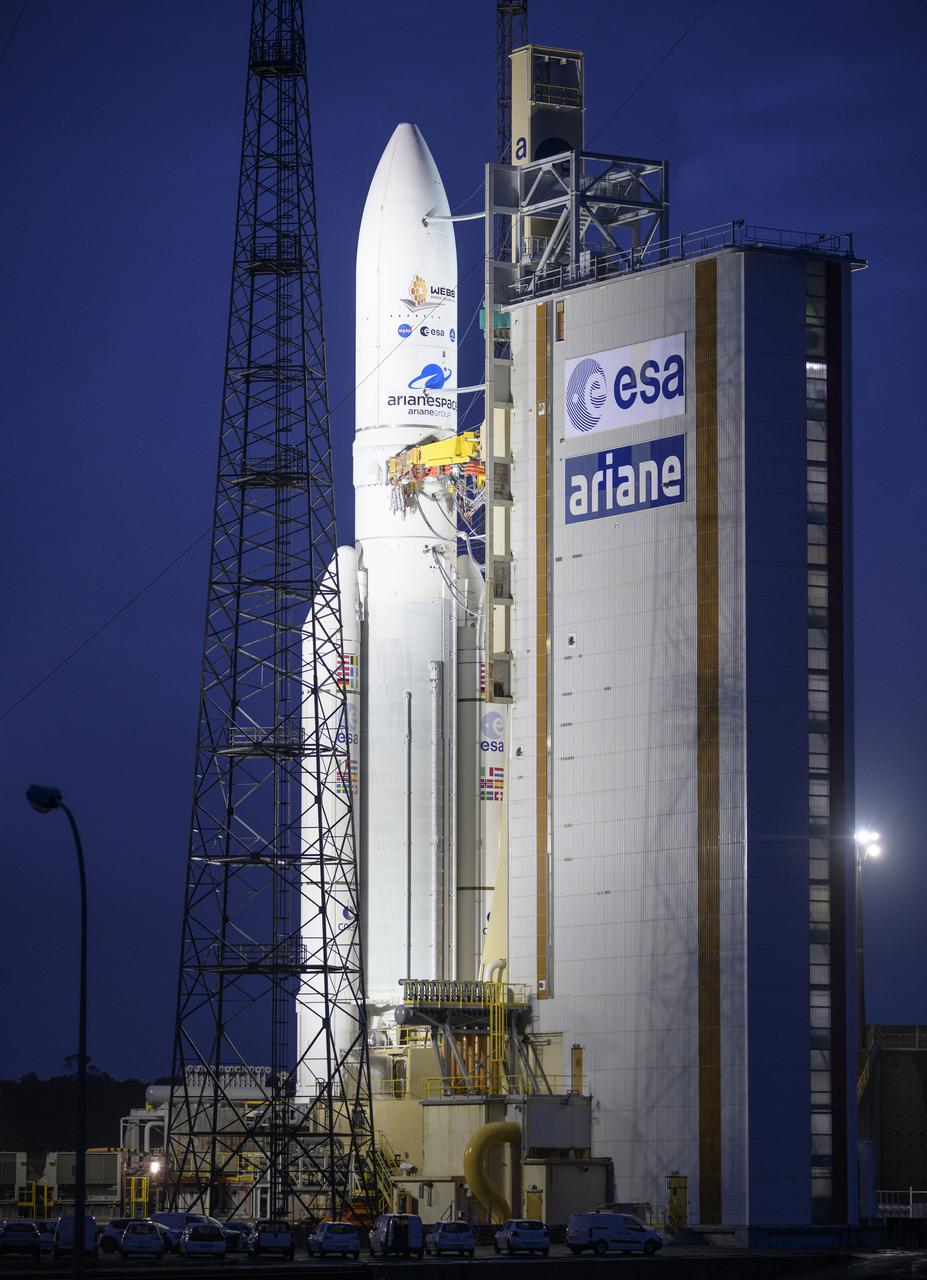
Arianespace's Ariane 5 rocket with NASA’s James Webb Space Telescope onboard, is seen at the launch pad, Thursday, Dec. 23, 2021, at Europe’s Spaceport, the Guiana Space Center in Kourou, French Guiana. The James Webb Space Telescope (sometimes called JWST or Webb) is a large infrared telescope with a 21.3 foot (6.5 meter) primary mirror. The observatory will study every phase of cosmic history—from within our solar system to the most distant observable galaxies in the early universe. Photo Credit: (NASA/Bill Ingalls)
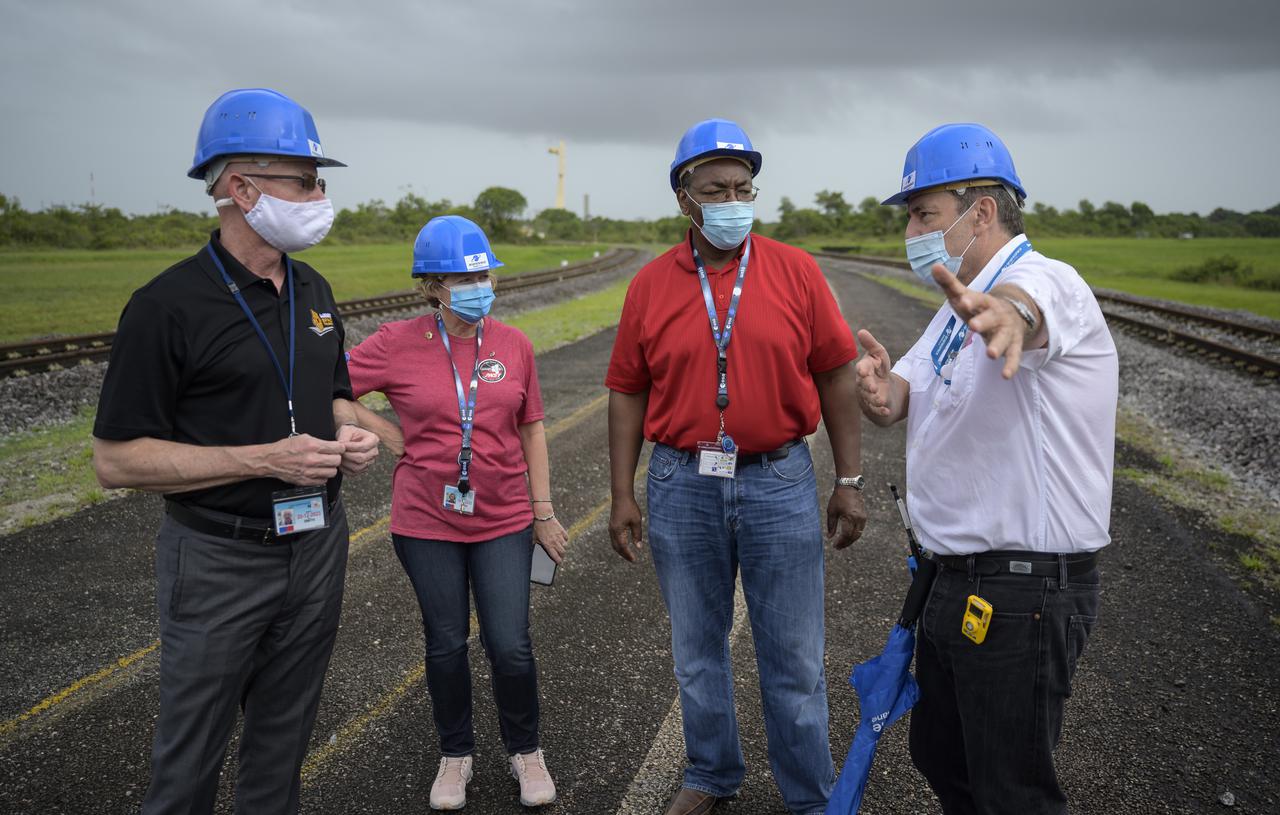
NASA James Webb Space Telescope Program Scientist Eric Smith left, NASA James Webb Space Telescope Program Manager Jeanne Davis, NASA Program Director for the James Webb Space Telescope Greg Robinson, and Arianespace’s Vice President for French Guiana Bruno Gérard, right, talk as they wait for Arianespace's Ariane 5 rocket with NASA’s James Webb Space Telescope onboard, to rollout to the launch pad, Thursday, Dec. 23, 2021, at Europe’s Spaceport, the Guiana Space Center in Kourou, French Guiana. The James Webb Space Telescope (sometimes called JWST or Webb) is a large infrared telescope with a 21.3 foot (6.5 meter) primary mirror. The observatory will study every phase of cosmic history—from within our solar system to the most distant observable galaxies in the early universe. Photo Credit: (NASA/Bill Ingalls)
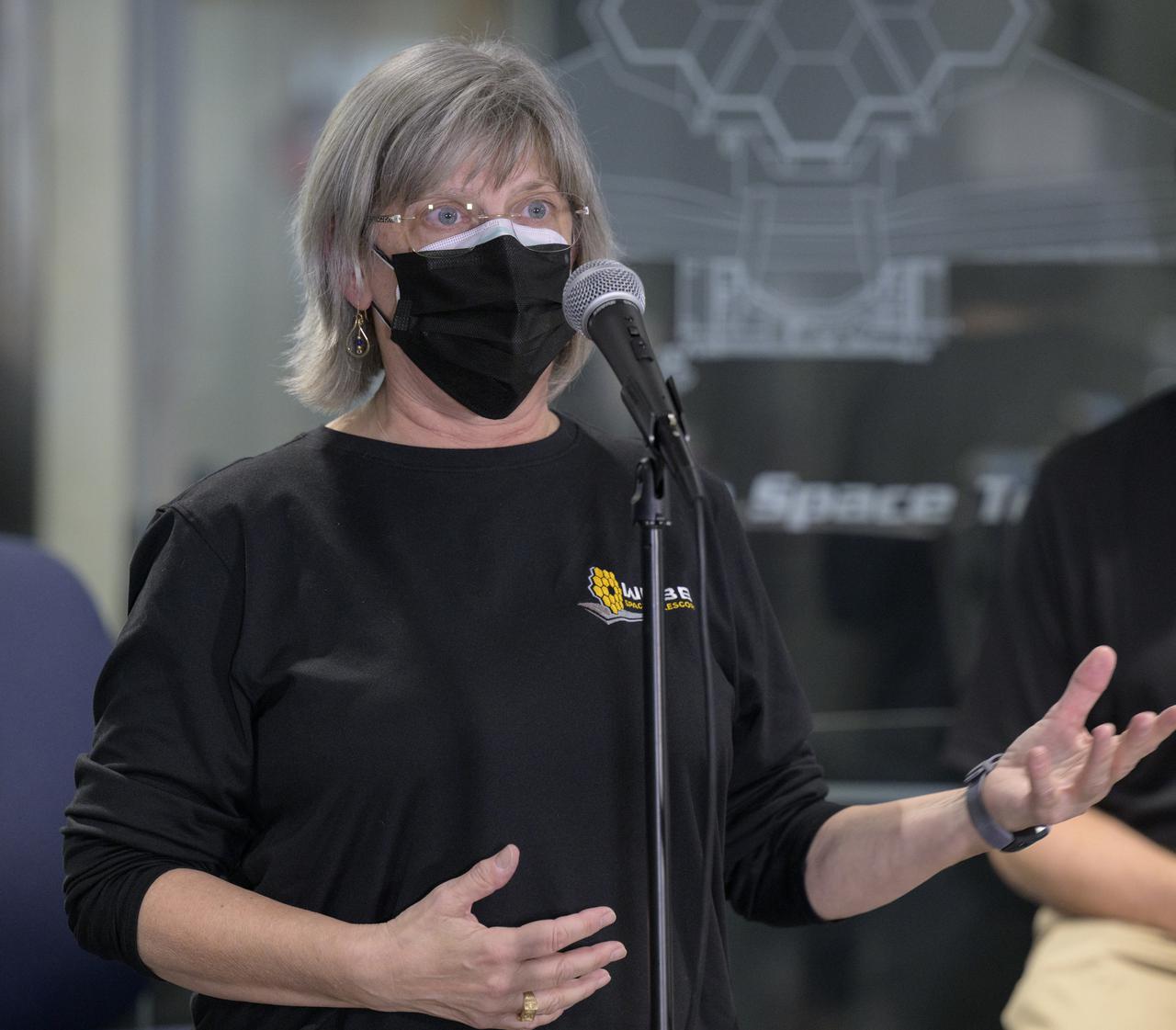
Vice President for Science, Space Telescope Science Institute, Heidi Hammel answers questions from the media during a briefing following the successful deployment of NASA’s James Webb Space Telescope primary mirror, Saturday, Jan. 8, 2022, from the Webb Space Telescope Mission Operations Center at the Space Telescope Science Institute in Baltimore. With Webb’s 21.3-foot (6.5-meter) primary mirror fully deployed, the infrared observatory has completed its unprecedented process of unfolding in space to prepare for science operations. The observatory will study every phase of cosmic history—from within our solar system to the most distant observable galaxies in the early universe. Photo Credit: (NASA/Bill Ingalls)

Goddard employees were invited to a town hall with NASA Administrator Charlie Bolden, Associate Administrator for the NASA Science Mission Directorate Thomas Zurbuchen and Goddard Center Director Chris Scolese, Nov. 2, at 11:30 a.m. in the Hinners Auditorium in Building 8. Bolden thanked the James Webb Space Telescope team at Goddard as well as our international and corporate partners for their exceptional support. Credit: NASA/Goddard
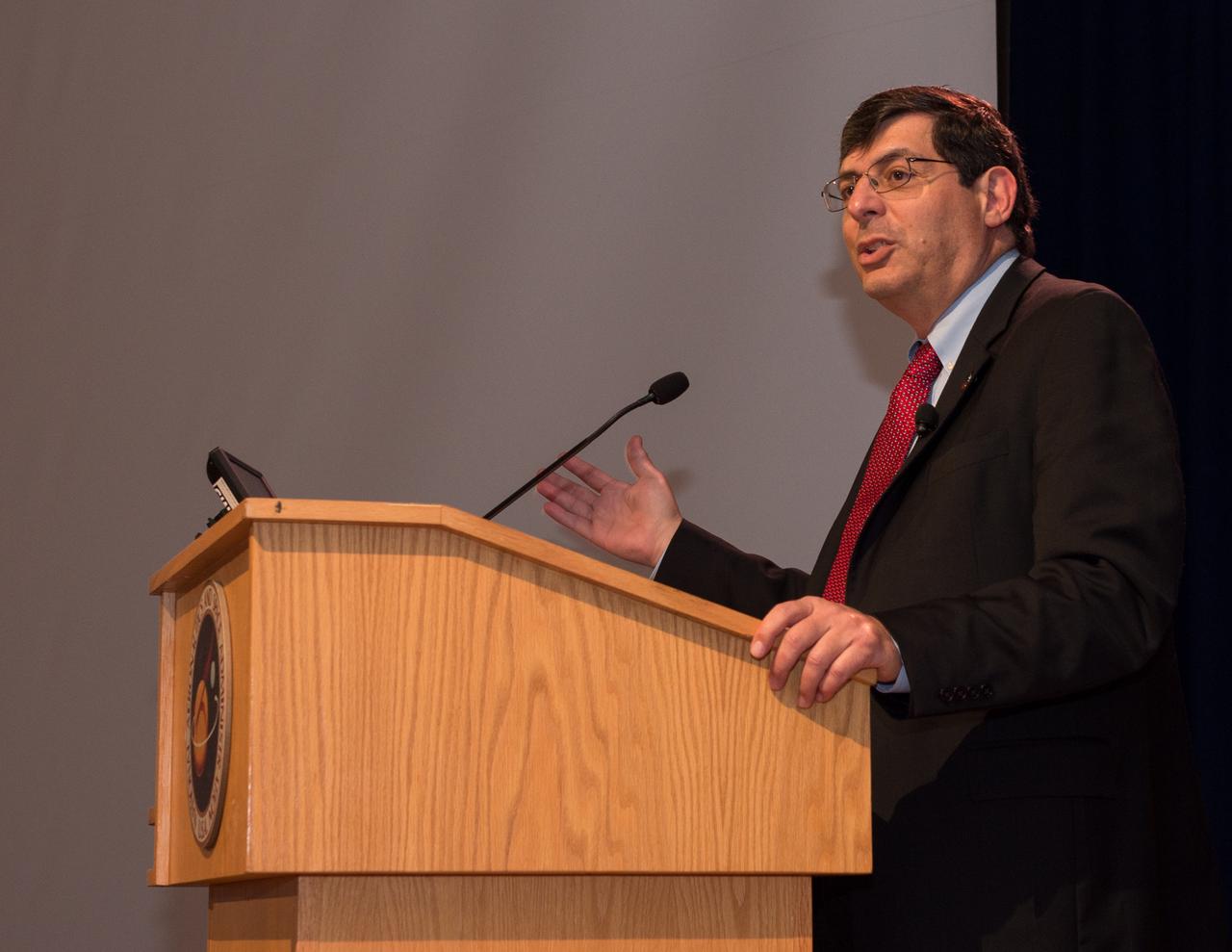
Goddard employees were invited to a town hall with NASA Administrator Charlie Bolden, Associate Administrator for the NASA Science Mission Directorate Thomas Zurbuchen and Goddard Center Director Chris Scolese, Nov. 2, at 11:30 a.m. in the Hinners Auditorium in Building 8. Bolden thanked the James Webb Space Telescope team at Goddard as well as our international and corporate partners for their exceptional support. Credit: NASA/Goddard
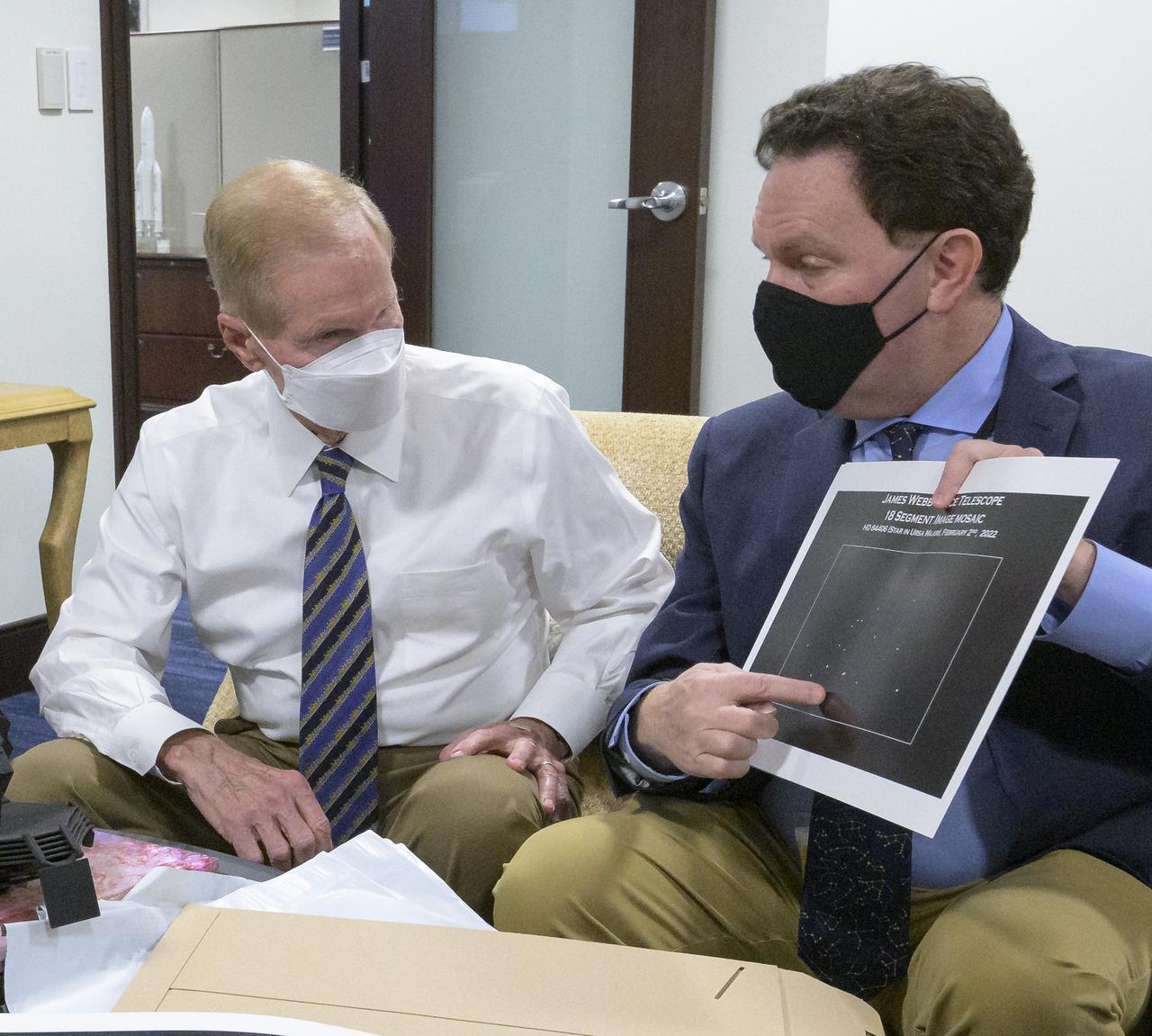
NASA Administrator Bill Nelson, left, is shown an early mirror alignment image from the James Webb Space Telescope, by NASA Webb Optical Telescope Element Manager Lee Feinberg, Monday, Feb., 7, 2022, at the Mary W. Jackson NASA Headquarters building in Washington. This engineering visual, which features 18 unfocused dots of light, demonstrates that the Webb team has successfully identified starlight through each of Webb’s 18 hexagonal mirror segments – the starting point in a months-long process to progressively align the segments into a single, precise mirror to prepare the telescope for science. Photo Credit: (NASA/Bill Ingalls)
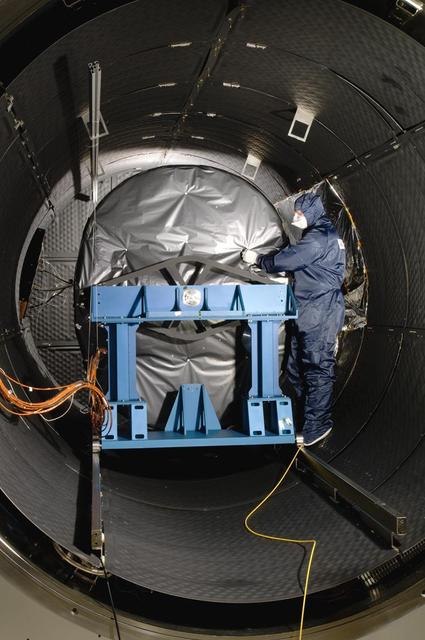
The Mid-Infrared Instrument, a component of NASA James Webb Space Telescope, underwent testing inside the thermal space test chamber at the Science and Technology Facilities Council Rutherford Appleton Laboratory Space in Oxfordshire, England.
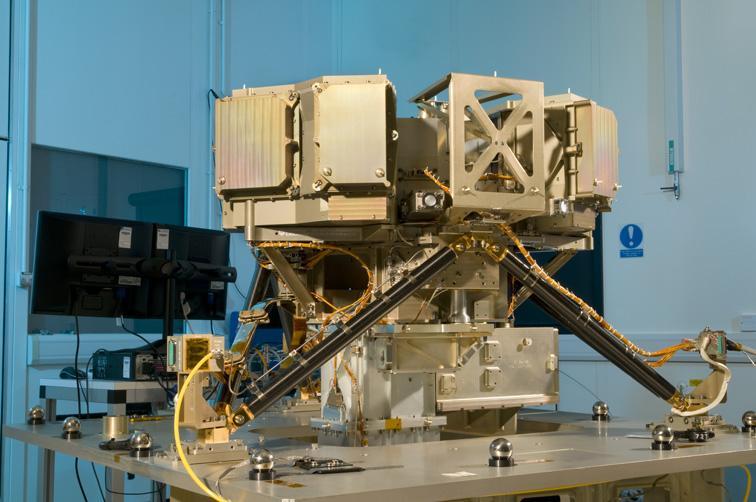
The Mid-Infrared Instrument, a component of NASA James Webb Space Telescope, underwent alignment testing at the Science and Technology Facilities Council Rutherford Appleton Laboratory Space in Oxfordshire, England.