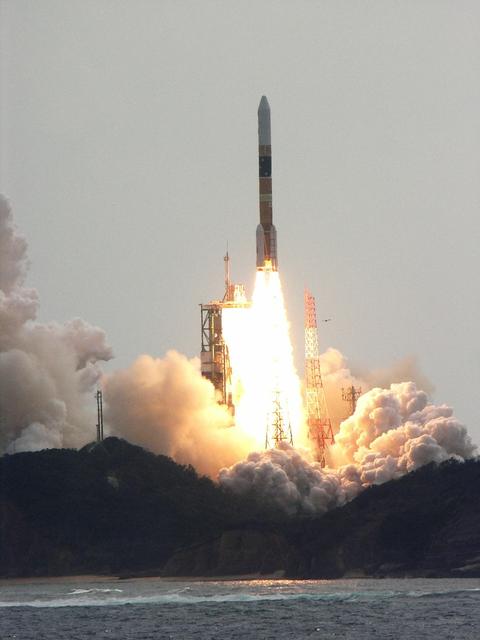
The Japanese H-IIA rocket will be launching the GPM Core Observatory into orbit in 2014. Credit: JAXA The Global Precipitation Measurement (GPM) mission is an international partnership co-led by NASA and the Japan Aerospace Exploration Agency (JAXA) that will provide next-generation global observations of precipitation from space. GPM will study global rain, snow and ice to better understand our climate, weather, and hydrometeorological processes. As of Novermber 2013 the GPM Core Observatory is in the final stages of testing at NASA Goddard Space Flight Center. The satellite will be flown to Japan in the fall of 2013 and launched into orbit on an HII-A rocket in early 2014. For more on the GPM mission, visit <a href="http://gpm.gsfc.nasa.gov/" rel="nofollow">gpm.gsfc.nasa.gov/</a>. <b><a href="http://www.nasa.gov/audience/formedia/features/MP_Photo_Guidelines.html" rel="nofollow">NASA image use policy.</a></b> <b><a href="http://www.nasa.gov/centers/goddard/home/index.html" rel="nofollow">NASA Goddard Space Flight Center</a></b> enables NASA’s mission through four scientific endeavors: Earth Science, Heliophysics, Solar System Exploration, and Astrophysics. Goddard plays a leading role in NASA’s accomplishments by contributing compelling scientific knowledge to advance the Agency’s mission. <b>Follow us on <a href="http://twitter.com/NASA_GoddardPix" rel="nofollow">Twitter</a></b> <b>Like us on <a href="http://www.facebook.com/pages/Greenbelt-MD/NASA-Goddard/395013845897?ref=tsd" rel="nofollow">Facebook</a></b> <b>Find us on <a href="http://instagram.com/nasagoddard?vm=grid" rel="nofollow">Instagram</a></b>
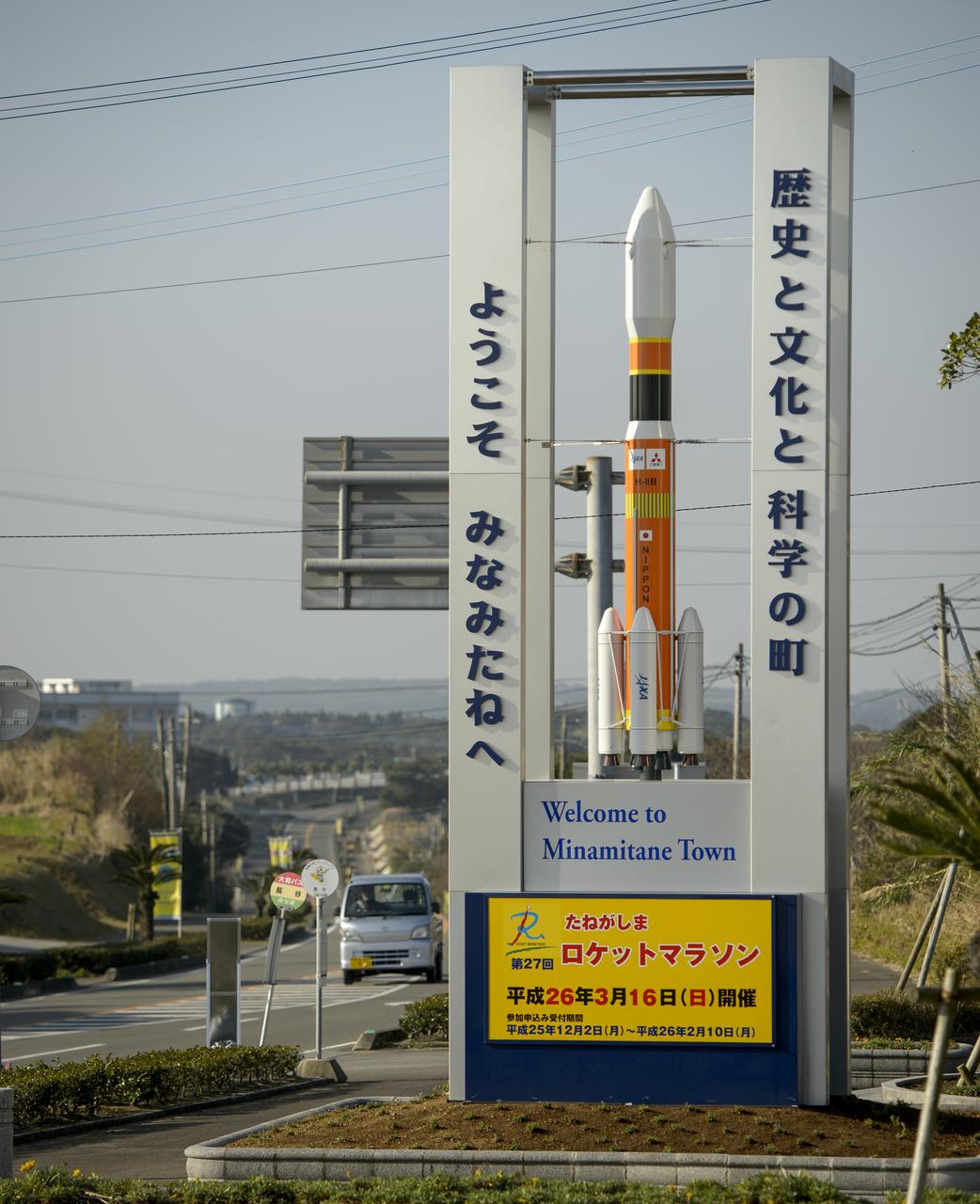
A sign with a model of the Japanese H-IIB rocket welcomes visitors to Minamitane Town, one of only a few small towns located outside of the Japan Aerospace Exploration Agency’s (JAXA) Tanegashima Space Center (TNSC), where the launch of an H-IIA rocket carrying the Global Precipitation Measurement (GPM) Core Observatory will take place in the next week, Saturday, Feb. 22, 2014, Tanegashima Island, Japan. The NASA-Japan Aerospace Exploration Agency (JAXA) GPM spacecraft will collect information that unifies data from an international network of existing and future satellites to map global rainfall and snowfall every three hours. Photo Credit: (NASA/Bill Ingalls)
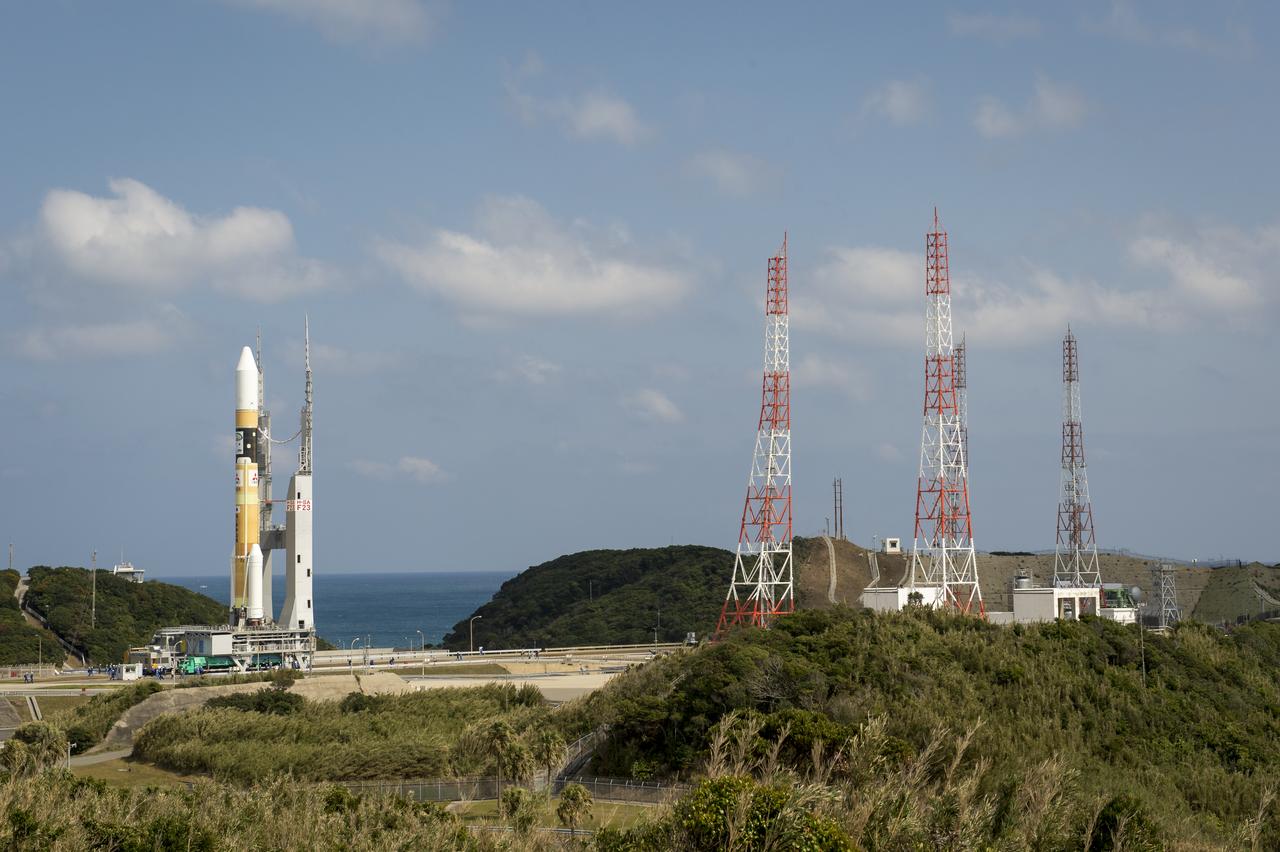
A Japanese H-IIA rocket carrying the NASA-Japan Aerospace Exploration Agency (JAXA), Global Precipitation Measurement (GPM) Core Observatory is seen as it rolls out to launch pad 1 of the Tanegashima Space Center, Thursday, Feb. 27, 2014, Tanegashima, Japan. Once launched, the GPM spacecraft will collect information that unifies data from an international network of existing and future satellites to map global rainfall and snowfall every three hours. Photo Credit: (NASA/Bill Ingalls)

A Japanese H-IIA rocket carrying the NASA-Japan Aerospace Exploration Agency (JAXA), Global Precipitation Measurement (GPM) Core Observatory is seen as it rolls out to launch pad 1 of the Tanegashima Space Center, Thursday, Feb. 27, 2014, Tanegashima, Japan. Once launched, the GPM spacecraft will collect information that unifies data from an international network of existing and future satellites to map global rainfall and snowfall every three hours. Photo Credit: (NASA/Bill Ingalls)
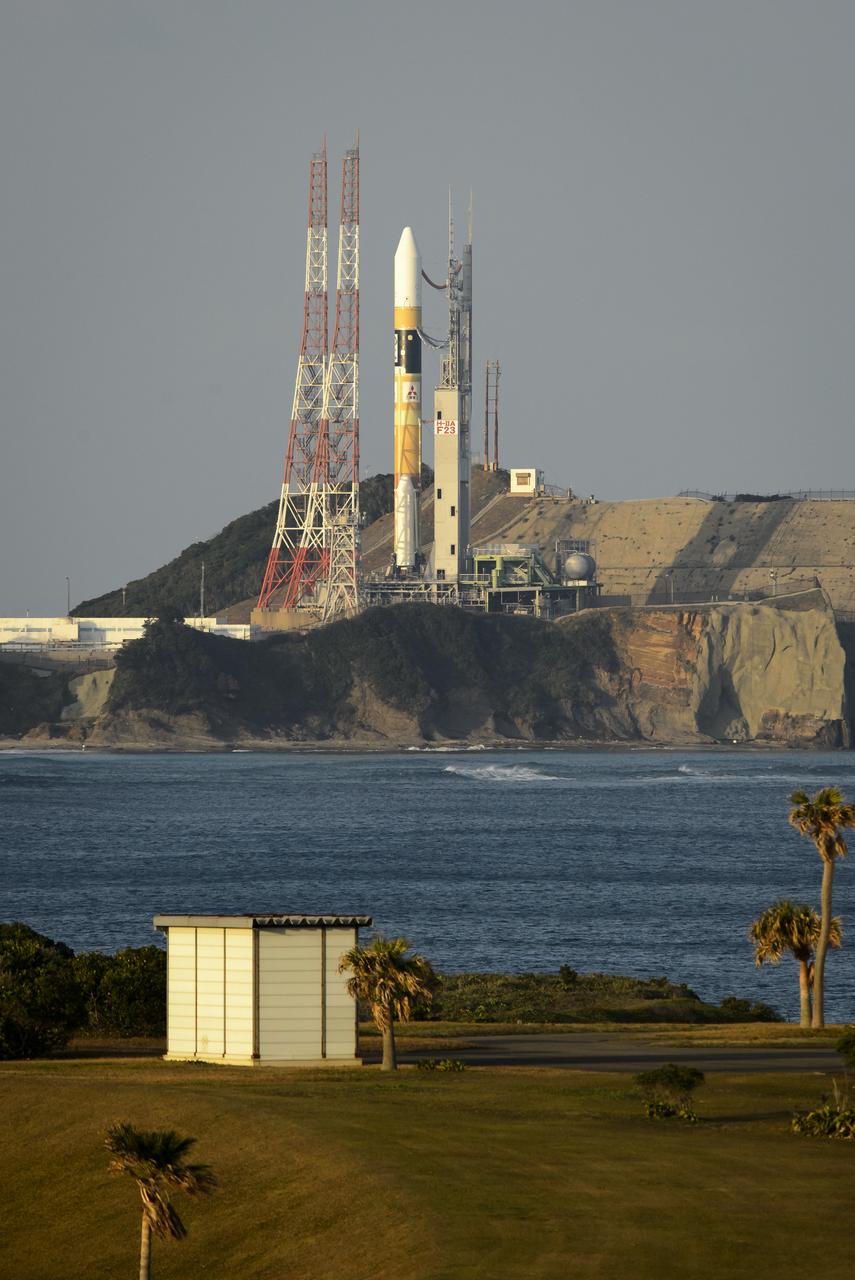
A Japanese H-IIA rocket with the NASA-Japan Aerospace Exploration Agency (JAXA), Global Precipitation Measurement (GPM) Core Observatory onboard is seen on launch pad 1 of the Tanegashima Space Center, Thursday, Feb. 27, 2014, Tanegashima, Japan. Once launched, the GPM spacecraft will collect information that unifies data from an international network of existing and future satellites to map global rainfall and snowfall every three hours. Photo Credit: (NASA/Bill Ingalls)
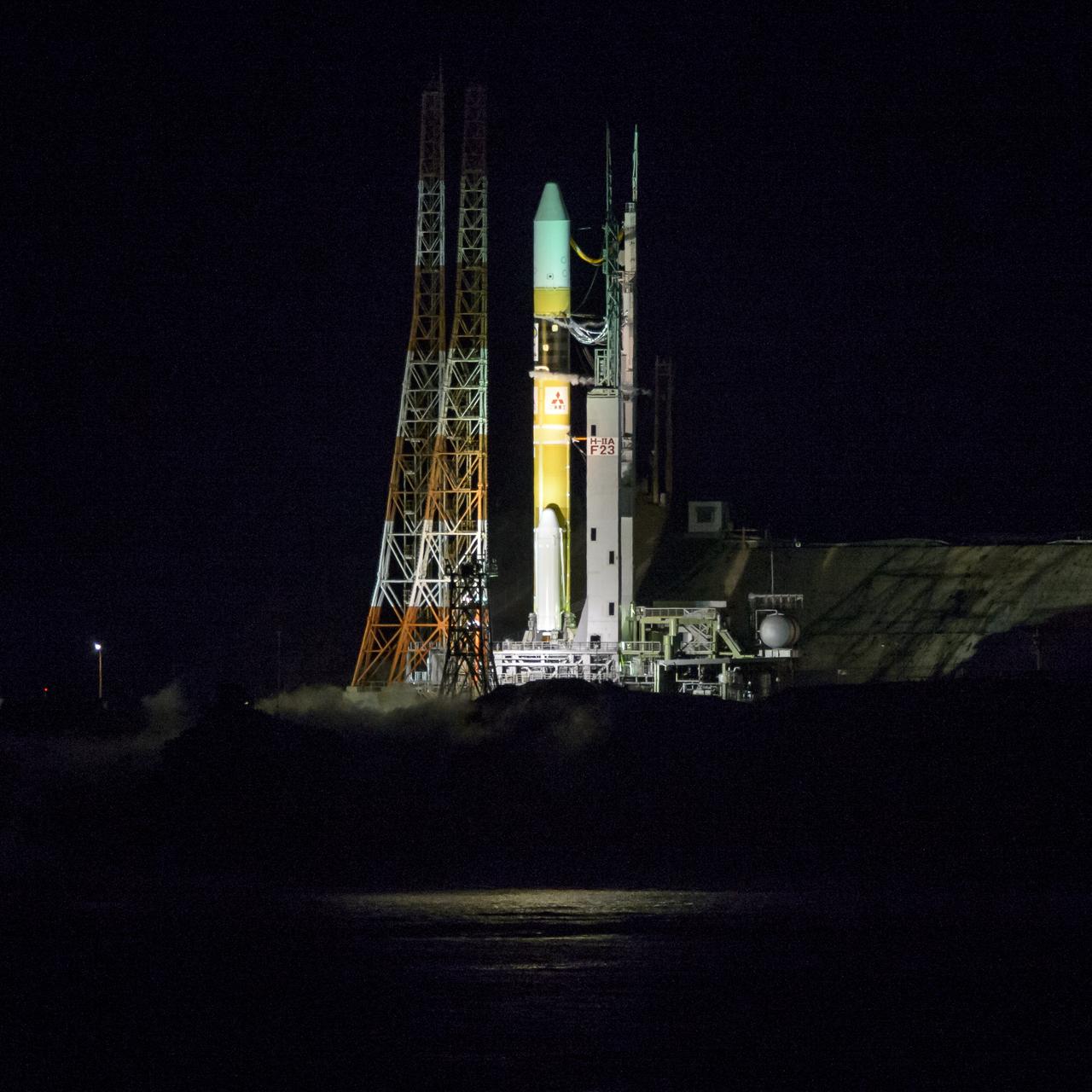
A Japanese H-IIA rocket with the NASA-Japan Aerospace Exploration Agency (JAXA), Global Precipitation Measurement (GPM) Core Observatory onboard, is seen on launch pad 1 of the Tanegashima Space Center, Friday, Feb. 28, 2014, Tanegashima, Japan. Once launched, the GPM spacecraft will collect information that unifies data from an international network of existing and future satellites to map global rainfall and snowfall every three hours. Photo Credit: (NASA/Bill Ingalls)
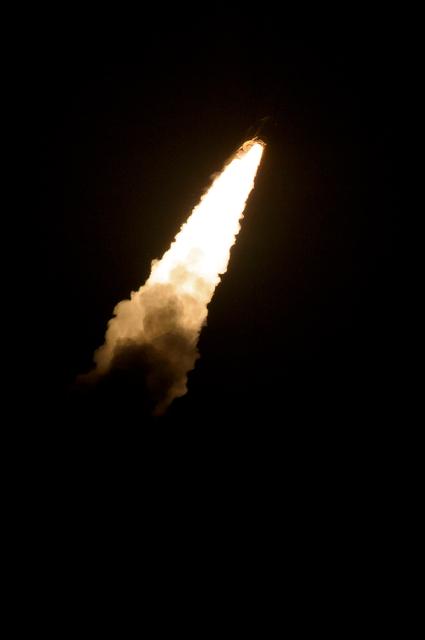
A Japanese H-IIA rocket with the NASA-Japan Aerospace Exploration Agency (JAXA), Global Precipitation Measurement (GPM) Core Observatory onboard, fades into the dark as it launches from the Tanegashima Space Center, Friday, Feb. 28, 2014, Tanegashima, Japan. The GPM spacecraft will collect information that unifies data from an international network of existing and future satellites to map global rainfall and snowfall every three hours. Photo Credit: (NASA/Bill Ingalls)
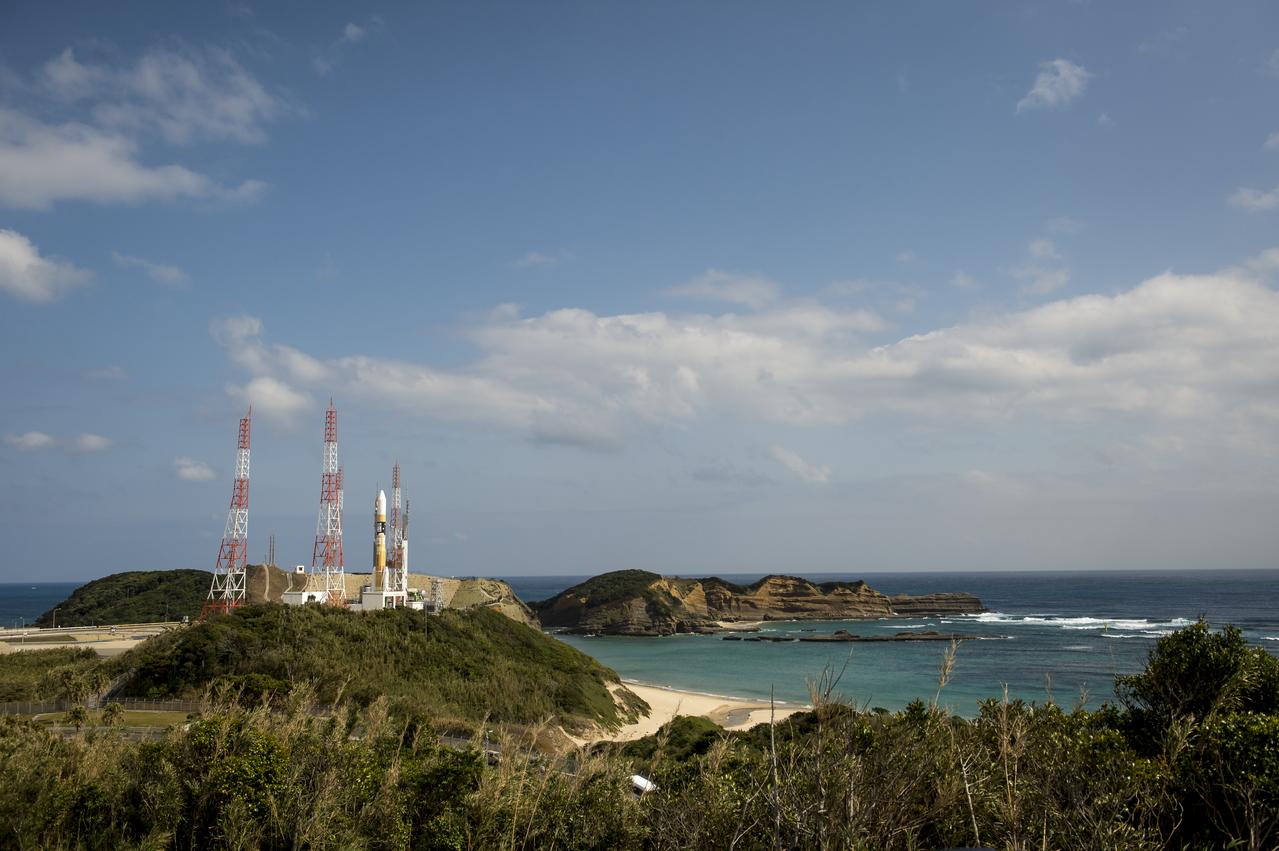
A Japanese H-IIA rocket carrying the NASA-Japan Aerospace Exploration Agency (JAXA), Global Precipitation Measurement (GPM) Core Observatory is seen as it rolls out to launch pad 1 of the Tanegashima Space Center, Thursday, Feb. 27, 2014, Tanegashima, Japan. Once launched, the GPM spacecraft will collect information that unifies data from an international network of existing and future satellites to map global rainfall and snowfall every three hours. Photo Credit: (NASA/Bill Ingalls)

A Japanese H-IIA rocket carrying the NASA-Japan Aerospace Exploration Agency (JAXA), Global Precipitation Measurement (GPM) Core Observatory is seen as it rolls out to launch pad 1 of the Tanegashima Space Center, Thursday, Feb. 27, 2014, Tanegashima, Japan. Once launched, the GPM spacecraft will collect information that unifies data from an international network of existing and future satellites to map global rainfall and snowfall every three hours. Photo Credit: (NASA/Bill Ingalls)
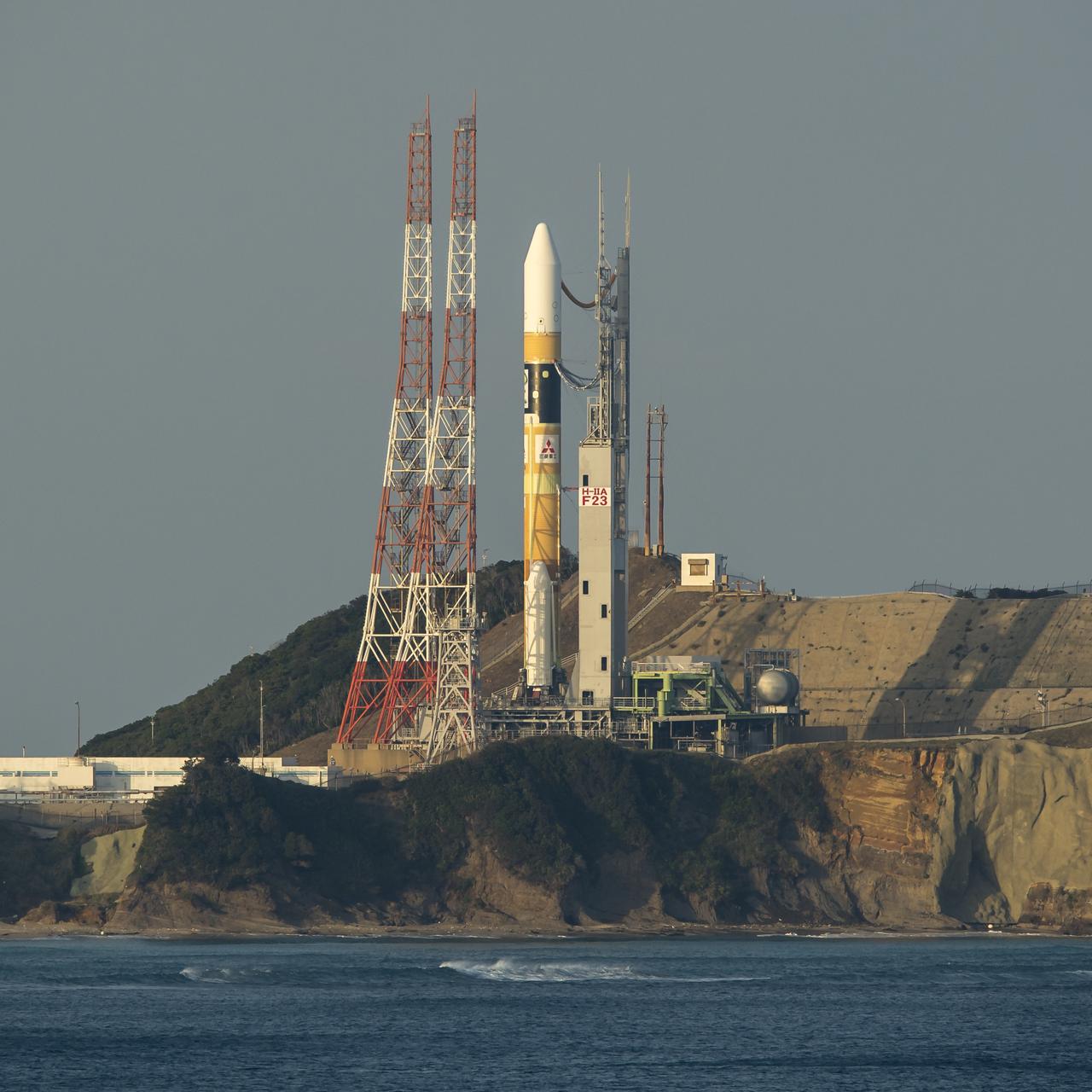
A Japanese H-IIA rocket with the NASA-Japan Aerospace Exploration Agency (JAXA), Global Precipitation Measurement (GPM) Core Observatory onboard is seen on launch pad 1 of the Tanegashima Space Center, Thursday, Feb. 27, 2014, Tanegashima, Japan. Once launched, the GPM spacecraft will collect information that unifies data from an international network of existing and future satellites to map global rainfall and snowfall every three hours. Photo Credit: (NASA/Bill Ingalls)
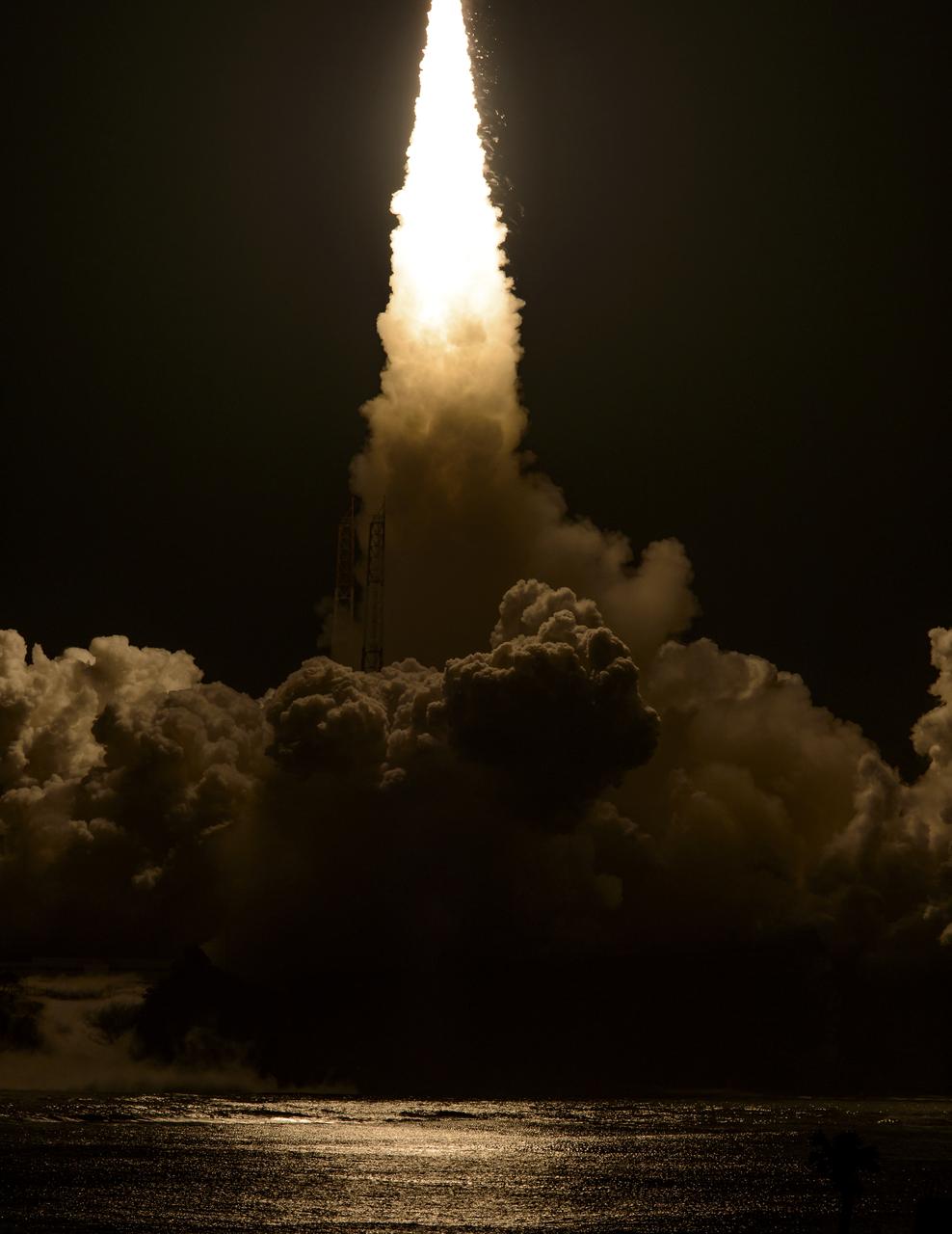
Flames and smoke from a Japanese H-IIA rocket with the NASA-Japan Aerospace Exploration Agency (JAXA), Global Precipitation Measurement (GPM) Core Observatory onboard, are seen during the launch from the Tanegashima Space Center, Friday, Feb. 28, 2014, Tanegashima, Japan. The GPM spacecraft will collect information that unifies data from an international network of existing and future satellites to map global rainfall and snowfall every three hours. Photo Credit: (NASA/Bill Ingalls)

A Japanese H-IIA rocket carrying the NASA-Japan Aerospace Exploration Agency (JAXA), Global Precipitation Measurement (GPM) Core Observatory is seen as it rolls out to launch pad 1 of the Tanegashima Space Center, Thursday, Feb. 27, 2014, Tanegashima, Japan. Once launched, the GPM spacecraft will collect information that unifies data from an international network of existing and future satellites to map global rainfall and snowfall every three hours. Photo Credit: (NASA/Bill Ingalls)

A Japanese H-IIA rocket carrying the NASA-Japan Aerospace Exploration Agency (JAXA), Global Precipitation Measurement (GPM) Core Observatory is seen as it rolls out to launch pad 1 of the Tanegashima Space Center, Thursday, Feb. 27, 2014, Tanegashima, Japan. Once launched, the GPM spacecraft will collect information that unifies data from an international network of existing and future satellites to map global rainfall and snowfall every three hours. Photo Credit: (NASA/Bill Ingalls)
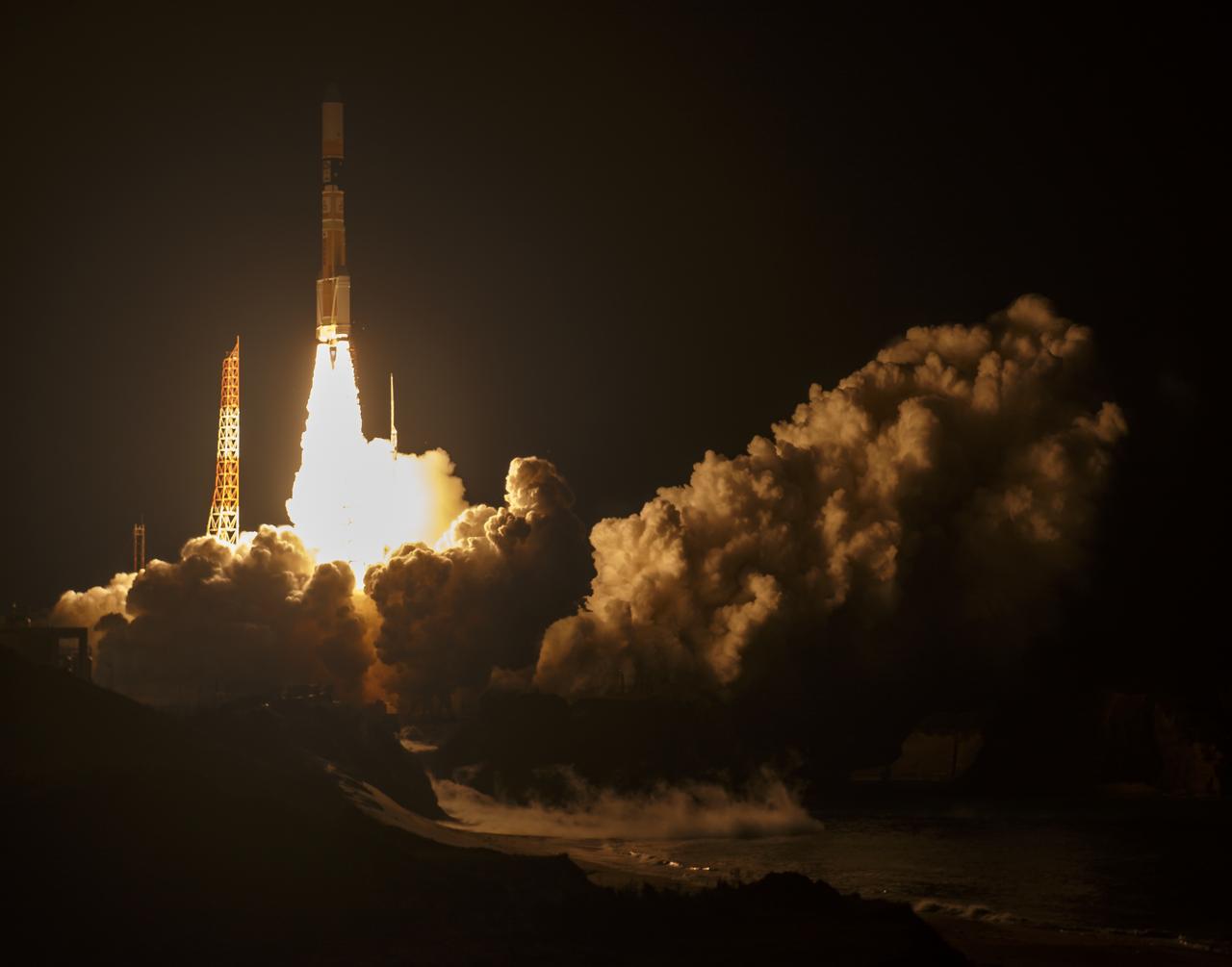
A Japanese H-IIA rocket with the NASA-Japan Aerospace Exploration Agency (JAXA), Global Precipitation Measurement (GPM) Core Observatory onboard, is seen launching from the Tanegashima Space Center, Friday, Feb. 28, 2014, Tanegashima, Japan. The GPM spacecraft will collect information that unifies data from an international network of existing and future satellites to map global rainfall and snowfall every three hours. Photo Credit: (NASA/Bill Ingalls)
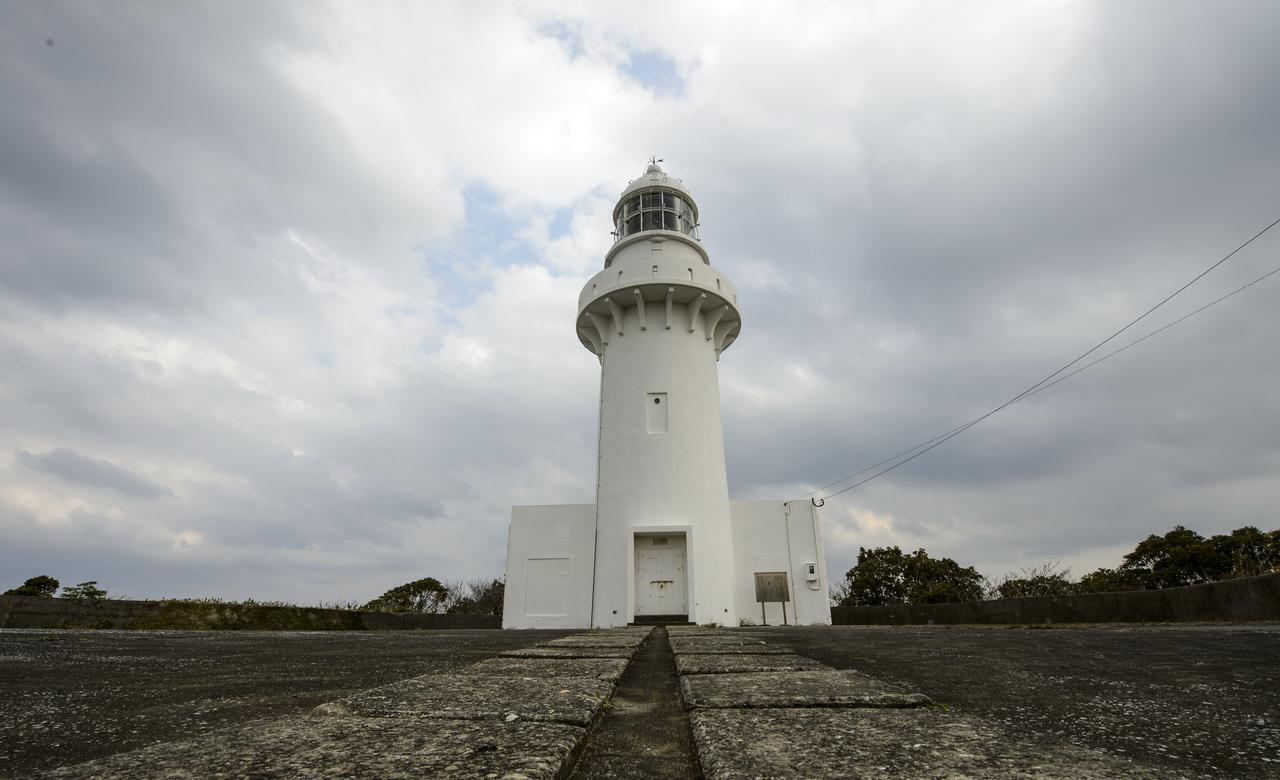
The Tanegashima Space Center (TNSC) lighthouse is seen on Sunday, Feb. 23, 2014, Tanegashima Island, Japan. A Japanese H-IIA rocket carrying the NASA-Japan Aerospace Exploration Agency (JAXA), Global Precipitation Measurement (GPM) Core Observatory is planned for launch from the space center on Feb. 28, 2014. Once launched, the GPM spacecraft will collect information that unifies data from an international network of existing and future satellites to map global rainfall and snowfall every three hours. Photo Credit: (NASA/Bill Ingalls)
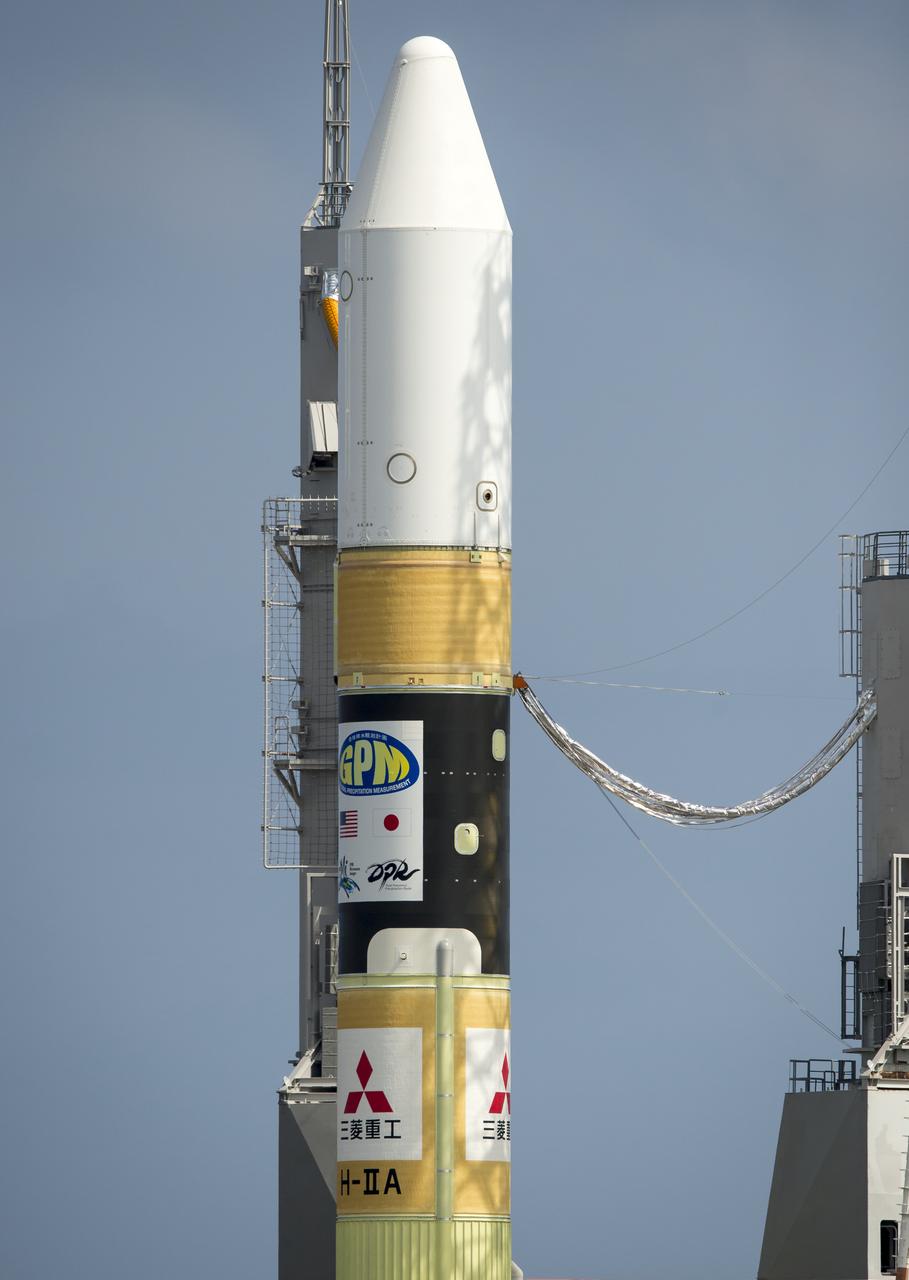
A Japanese H-IIA rocket carrying the NASA-Japan Aerospace Exploration Agency (JAXA), Global Precipitation Measurement (GPM) Core Observatory is seen as it rolls out to launch pad 1 of the Tanegashima Space Center, Thursday, Feb. 27, 2014, Tanegashima, Japan. Once launched, the GPM spacecraft will collect information that unifies data from an international network of existing and future satellites to map global rainfall and snowfall every three hours. Photo Credit: (NASA/Bill Ingalls)
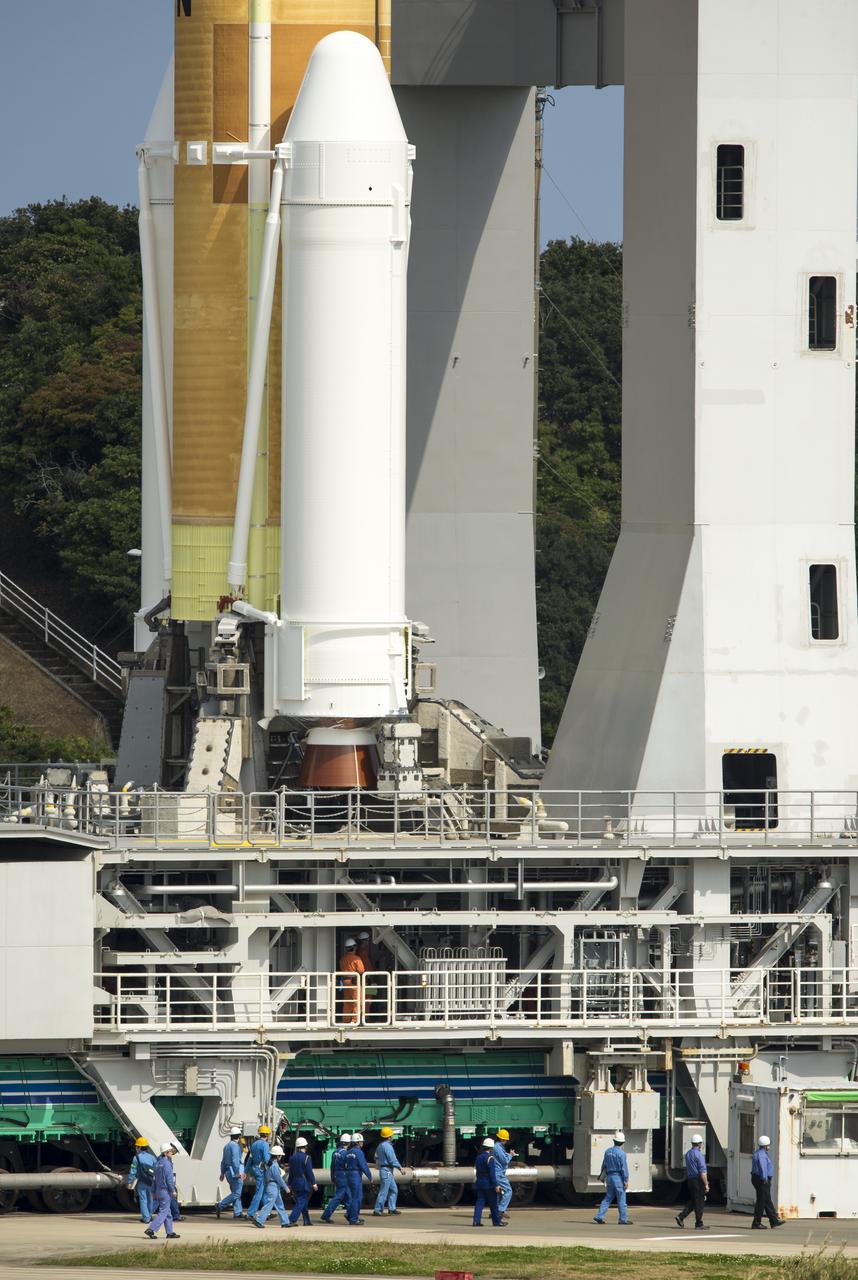
A Japanese H-IIA rocket carrying the NASA-Japan Aerospace Exploration Agency (JAXA), Global Precipitation Measurement (GPM) Core Observatory is seen as it rolls out to launch pad 1 of the Tanegashima Space Center, Thursday, Feb. 27, 2014, Tanegashima, Japan. Once launched, the GPM spacecraft will collect information that unifies data from an international network of existing and future satellites to map global rainfall and snowfall every three hours. Photo Credit: (NASA/Bill Ingalls)
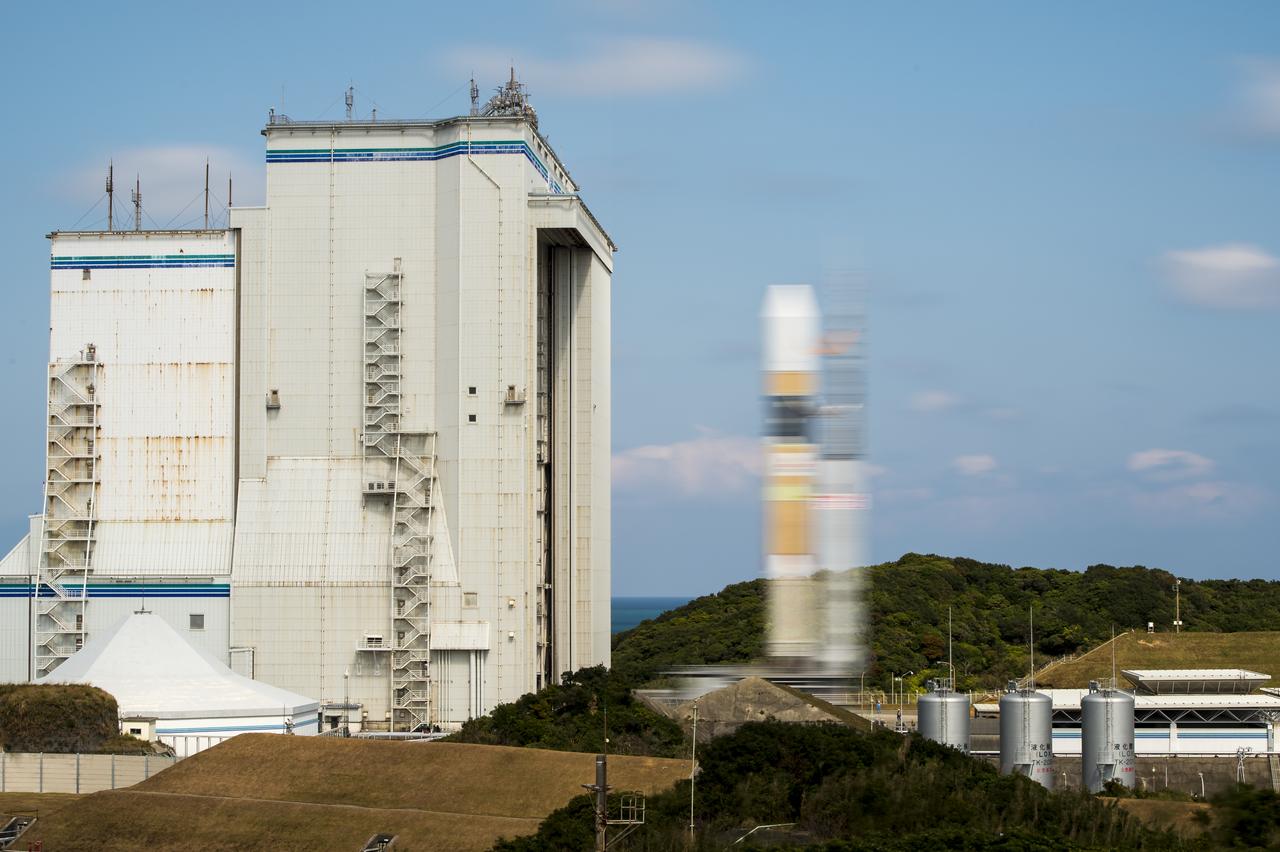
A Japanese H-IIA rocket carrying the NASA-Japan Aerospace Exploration Agency (JAXA), Global Precipitation Measurement (GPM) Core Observatory is seen in this 10 second exposure as it rolls out to launch pad 1 of the Tanegashima Space Center, Thursday, Feb. 27, 2014, Tanegashima, Japan. Once launched, the GPM spacecraft will collect information that unifies data from an international network of existing and future satellites to map global rainfall and snowfall every three hours. Photo Credit: (NASA/Bill Ingalls)

A Japanese H-IIA rocket carrying the NASA-Japan Aerospace Exploration Agency (JAXA), Global Precipitation Measurement (GPM) Core Observatory is seen as it rolls out to launch pad 1 of the Tanegashima Space Center, Thursday, Feb. 27, 2014, Tanegashima, Japan. Once launched, the GPM spacecraft will collect information that unifies data from an international network of existing and future satellites to map global rainfall and snowfall every three hours. Photo Credit: (NASA/Bill Ingalls)
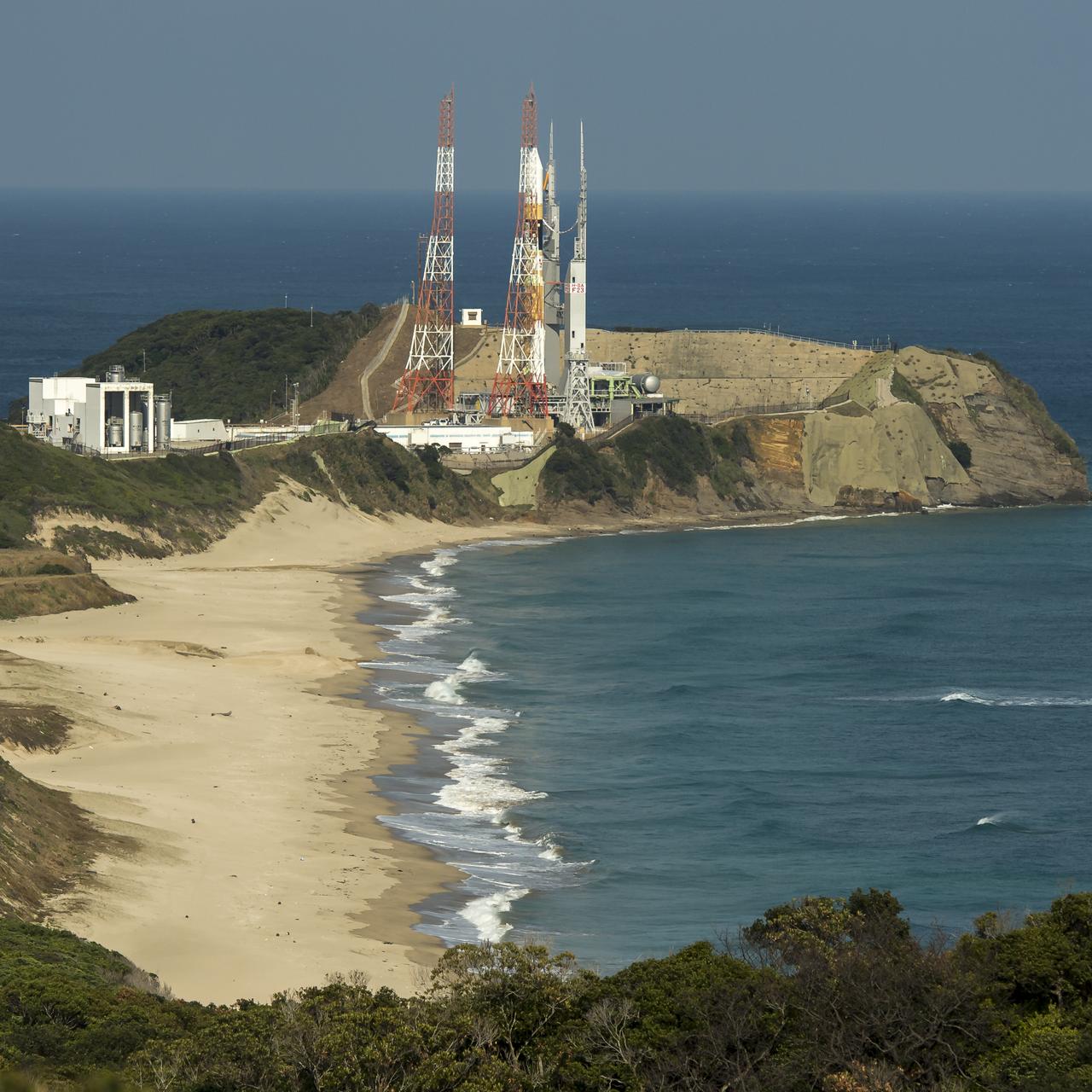
A Japanese H-IIA rocket with the NASA-Japan Aerospace Exploration Agency (JAXA), Global Precipitation Measurement (GPM) Core Observatory onboard is seen on launch pad 1 of the Tanegashima Space Center, Thursday, Feb. 27, 2014, Tanegashima, Japan. Once launched, the GPM spacecraft will collect information that unifies data from an international network of existing and future satellites to map global rainfall and snowfall every three hours. Photo Credit: (NASA/Bill Ingalls)
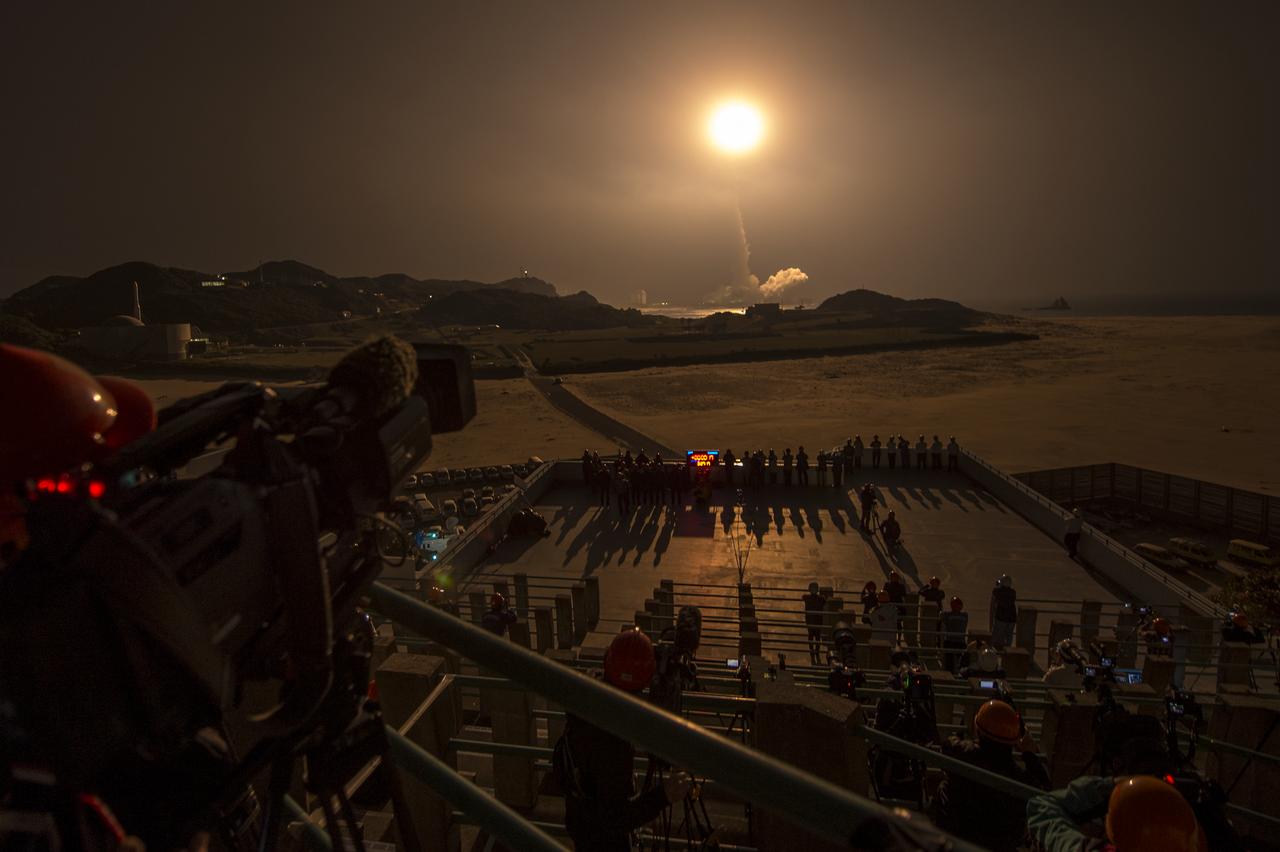
A Japanese H-IIA rocket with the NASA-Japan Aerospace Exploration Agency (JAXA), Global Precipitation Measurement (GPM) Core Observatory onboard, is seen launching from the Tanegashima Space Center, Friday, Feb. 28, 2014, Tanegashima, Japan. The GPM spacecraft will collect information that unifies data from an international network of existing and future satellites to map global rainfall and snowfall every three hours. Photo Credit: (NASA/Bill Ingalls)
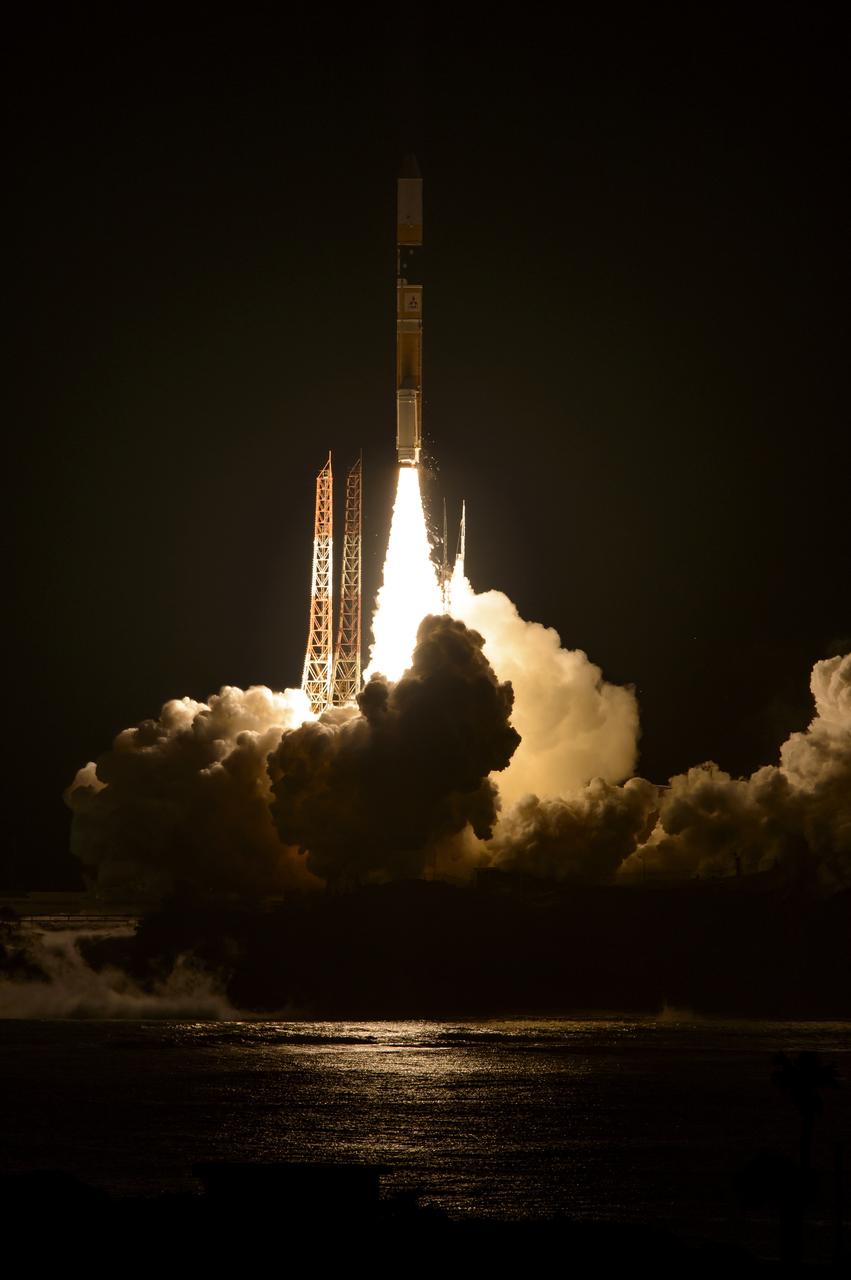
A Japanese H-IIA rocket with the NASA-Japan Aerospace Exploration Agency (JAXA), Global Precipitation Measurement (GPM) Core Observatory onboard, is seen launching from the Tanegashima Space Center, Friday, Feb. 28, 2014, Tanegashima, Japan. The GPM spacecraft will collect information that unifies data from an international network of existing and future satellites to map global rainfall and snowfall every three hours. Photo Credit: (NASA/Bill Ingalls)

A Japanese H-IIA rocket carrying the NASA-Japan Aerospace Exploration Agency (JAXA), Global Precipitation Measurement (GPM) Core Observatory is seen as it rolls out to launch pad 1 of the Tanegashima Space Center, Thursday, Feb. 27, 2014, Tanegashima, Japan. Once launched, the GPM spacecraft will collect information that unifies data from an international network of existing and future satellites to map global rainfall and snowfall every three hours. Photo Credit: (NASA/Bill Ingalls)
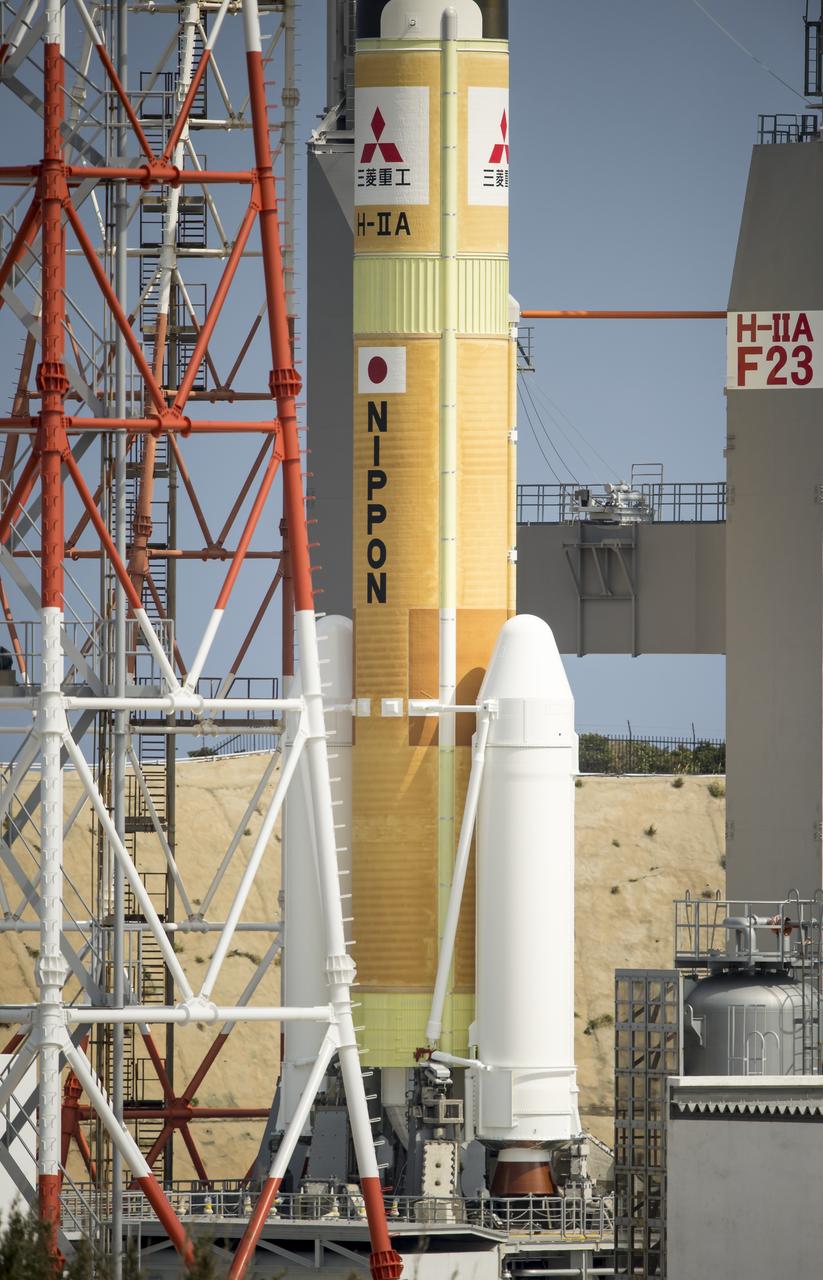
A Japanese H-IIA rocket carrying the NASA-Japan Aerospace Exploration Agency (JAXA), Global Precipitation Measurement (GPM) Core Observatory is seen as it rolls out to launch pad 1 of the Tanegashima Space Center, Thursday, Feb. 27, 2014, Tanegashima, Japan. Once launched, the GPM spacecraft will collect information that unifies data from an international network of existing and future satellites to map global rainfall and snowfall every three hours. Photo Credit: (NASA/Bill Ingalls)

A Japanese H-IIA rocket with the NASA-Japan Aerospace Exploration Agency (JAXA), Global Precipitation Measurement (GPM) Core Observatory onboard, is seen on launch pad 1 of the Tanegashima Space Center, Friday, Feb. 28, 2014, Tanegashima, Japan. Once launched, the GPM spacecraft will collect information that unifies data from an international network of existing and future satellites to map global rainfall and snowfall every three hours. Photo Credit: (NASA/Bill Ingalls)
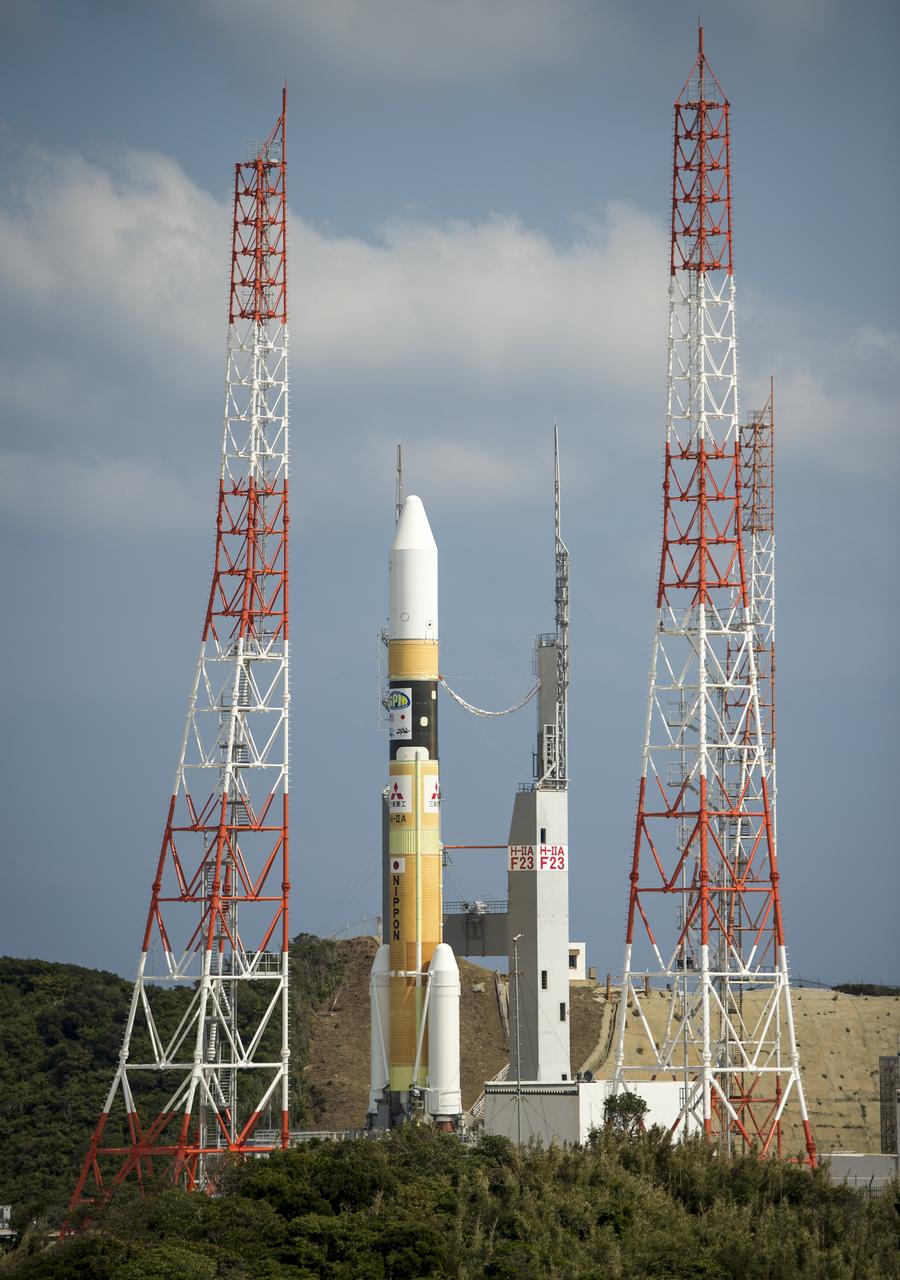
A Japanese H-IIA rocket carrying the NASA-Japan Aerospace Exploration Agency (JAXA), Global Precipitation Measurement (GPM) Core Observatory is seen as it rolls out to launch pad 1 of the Tanegashima Space Center, Thursday, Feb. 27, 2014, Tanegashima, Japan. Once launched, the GPM spacecraft will collect information that unifies data from an international network of existing and future satellites to map global rainfall and snowfall every three hours. Photo Credit: (NASA/Bill Ingalls)

A Japanese H-IIA rocket carrying the NASA-Japan Aerospace Exploration Agency (JAXA), Global Precipitation Measurement (GPM) Core Observatory is seen as it rolls out to launch pad 1 of the Tanegashima Space Center, Thursday, Feb. 27, 2014, Tanegashima, Japan. Once launched, the GPM spacecraft will collect information that unifies data from an international network of existing and future satellites to map global rainfall and snowfall every three hours. Photo Credit: (NASA/Bill Ingalls)
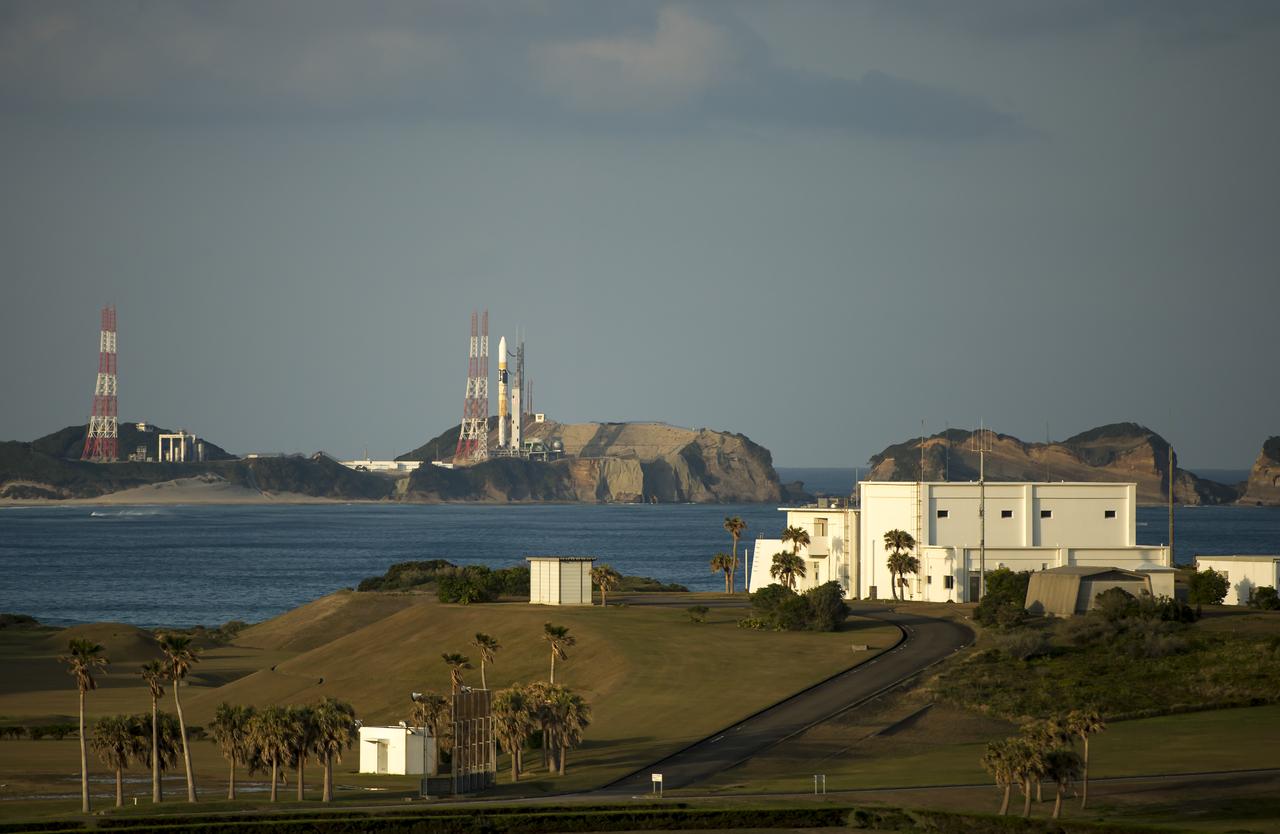
A Japanese H-IIA rocket with the NASA-Japan Aerospace Exploration Agency (JAXA), Global Precipitation Measurement (GPM) Core Observatory onboard is seen on launch pad 1 of the Tanegashima Space Center, Thursday, Feb. 27, 2014, Tanegashima, Japan. Once launched, the GPM spacecraft will collect information that unifies data from an international network of existing and future satellites to map global rainfall and snowfall every three hours. Photo Credit: (NASA/Bill Ingalls)
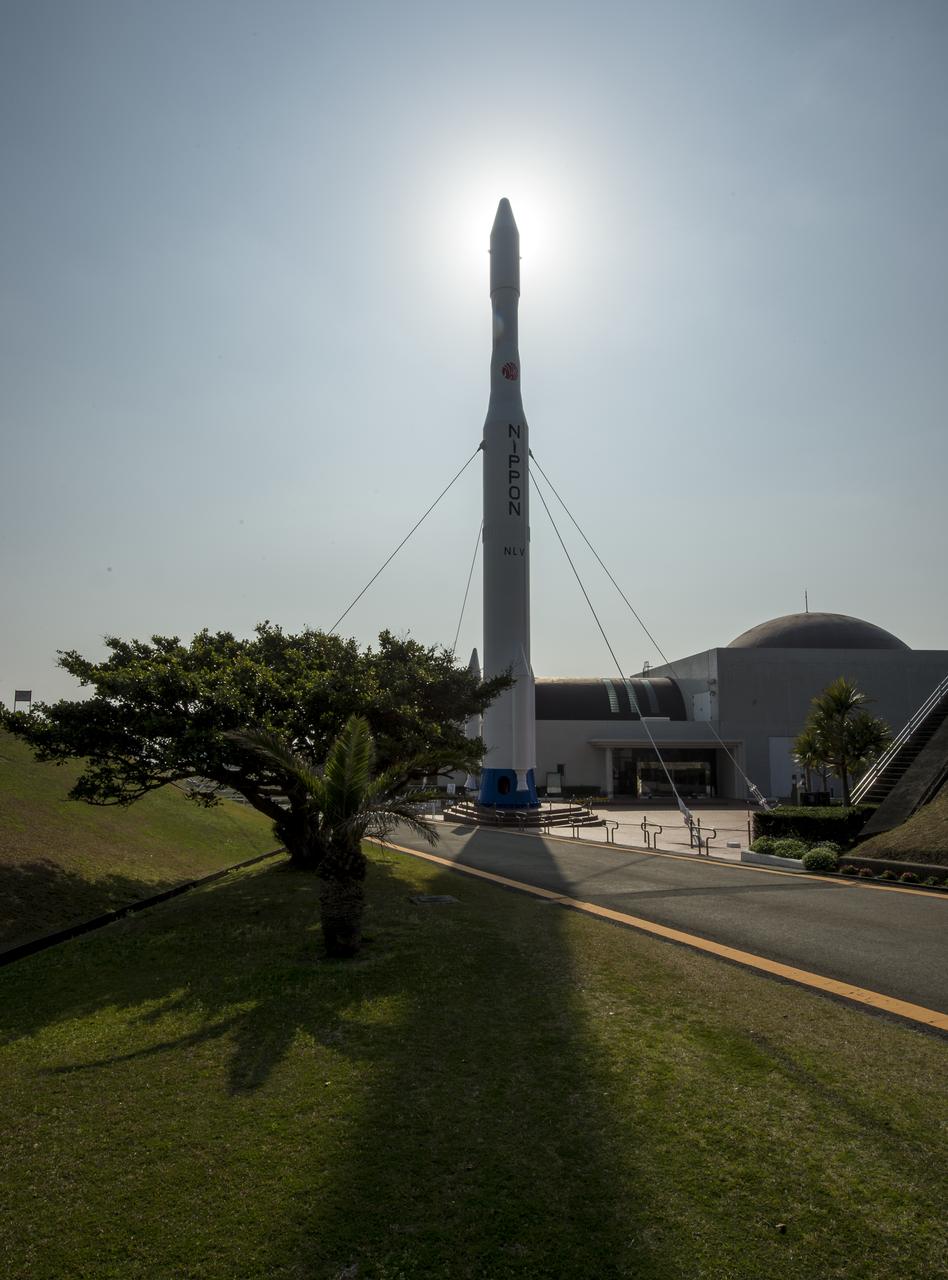
A rocket is seen at the entrance to the visitor's center of the Tanegashima Space Center (TNSC), Sunday, Feb. 23, 2014, Tanegashima Island, Japan. A Japanese H-IIA rocket carrying the NASA-Japan Aerospace Exploration Agency (JAXA), Global Precipitation Measurement (GPM) Core Observatory is planned for launch from the space center on Feb. 28, 2014. Once launched, the GPM spacecraft will collect information that unifies data from an international network of existing and future satellites to map global rainfall and snowfall every three hours. Photo Credit: (NASA/Bill Ingalls)
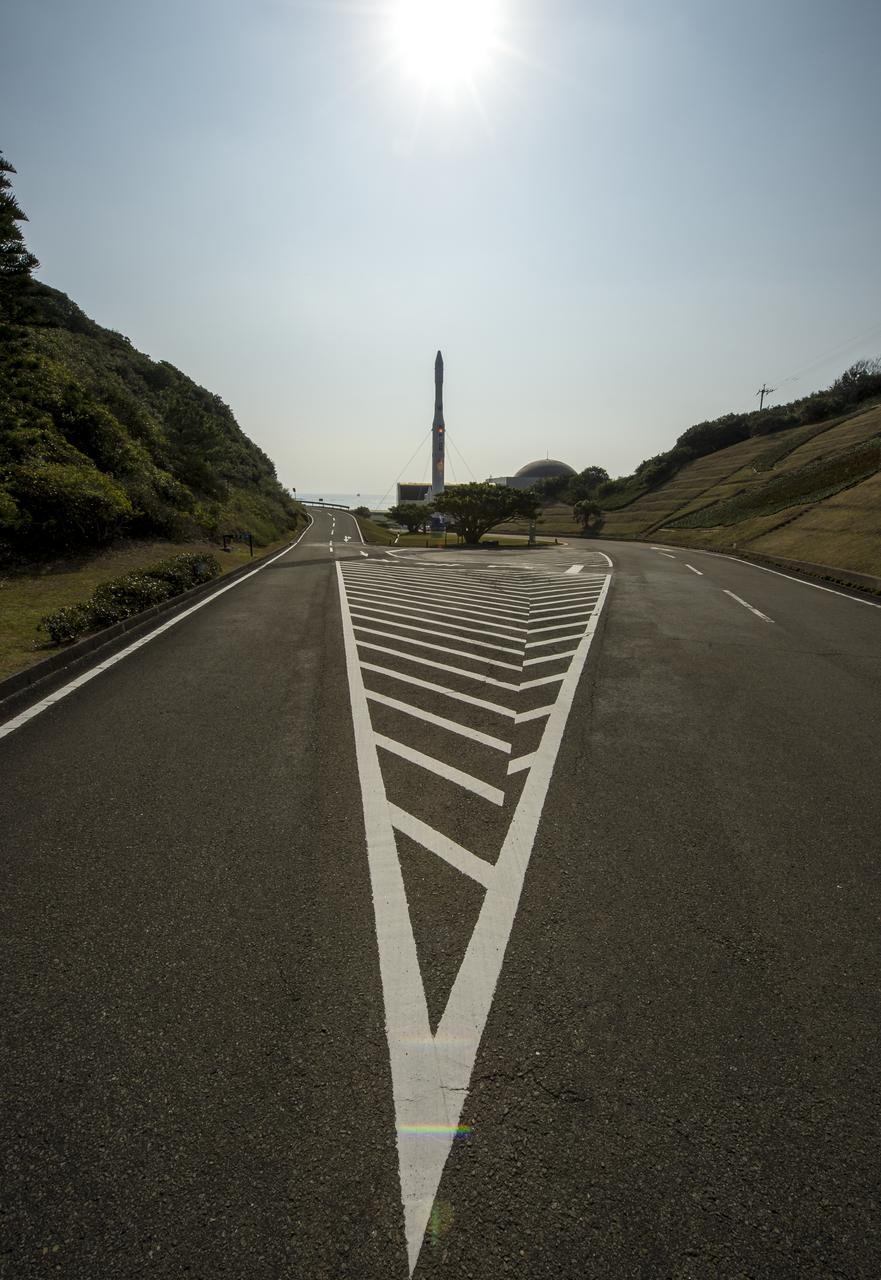
A rocket is seen at the entrance to the visitor's center of the Tanegashima Space Center (TNSC), Sunday, Feb. 23, 2014, Tanegashima Island, Japan. A Japanese H-IIA rocket carrying the NASA-Japan Aerospace Exploration Agency (JAXA), Global Precipitation Measurement (GPM) Core Observatory is planned for launch from the space center on Feb. 28, 2014. Once launched, the GPM spacecraft will collect information that unifies data from an international network of existing and future satellites to map global rainfall and snowfall every three hours. Photo Credit: (NASA/Bill Ingalls)

A NASA Global Precipitation Measurement (GPM) mission shirt is seen drying in the mid-day sun outside the Sun Pearl Hotel where many of the NASA GPM team are staying, Sunday, Feb. 23, 2014, Tanegashima Island, Japan. A Japanese H-IIA rocket carrying the NASA-Japan Aerospace Exploration Agency (JAXA), Global Precipitation Measurement (GPM) Core Observatory is planned for launch from the space center on Feb. 28, 2014. Once launched, the GPM spacecraft will collect information that unifies data from an international network of existing and future satellites to map global rainfall and snowfall every three hours. Photo Credit: (NASA/Bill Ingalls)
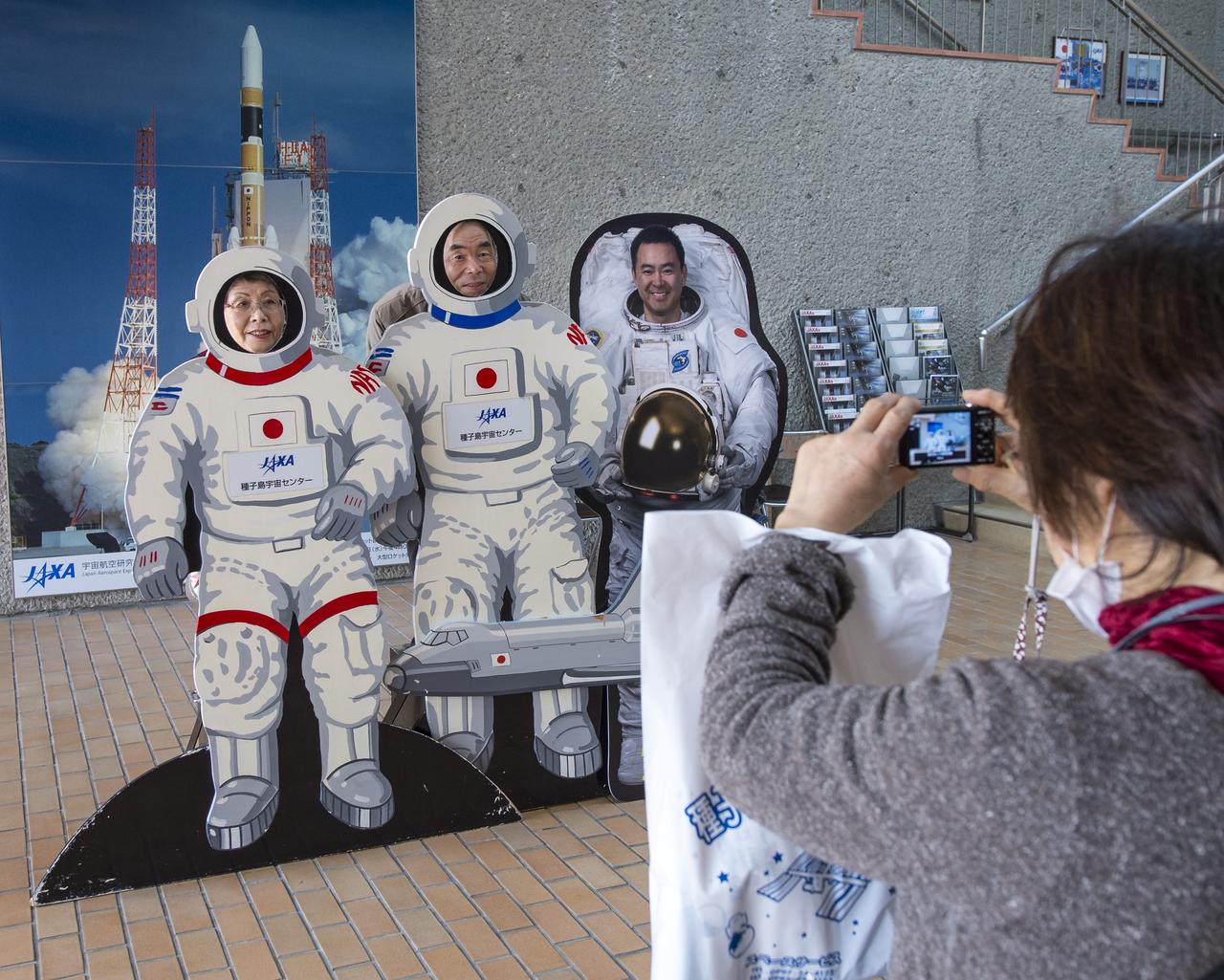
Tourist photograph themselves in astronaut space suites next to a cardboard cutout of Japan Aerospace Exploration Agency (JAXA) Astronaut Akihiko Hoshide at the visitor's center of the Tanegashima Space Center (TNSC), Sunday, Feb. 23, 2014, Tanegashima Island, Japan. A Japanese H-IIA rocket carrying the NASA-Japan Aerospace Exploration Agency (JAXA), Global Precipitation Measurement (GPM) Core Observatory is planned for launch from the space center on Feb. 28, 2014. Once launched, the GPM spacecraft will collect information that unifies data from an international network of existing and future satellites to map global rainfall and snowfall every three hours. Photo Credit: (NASA/Bill Ingalls)
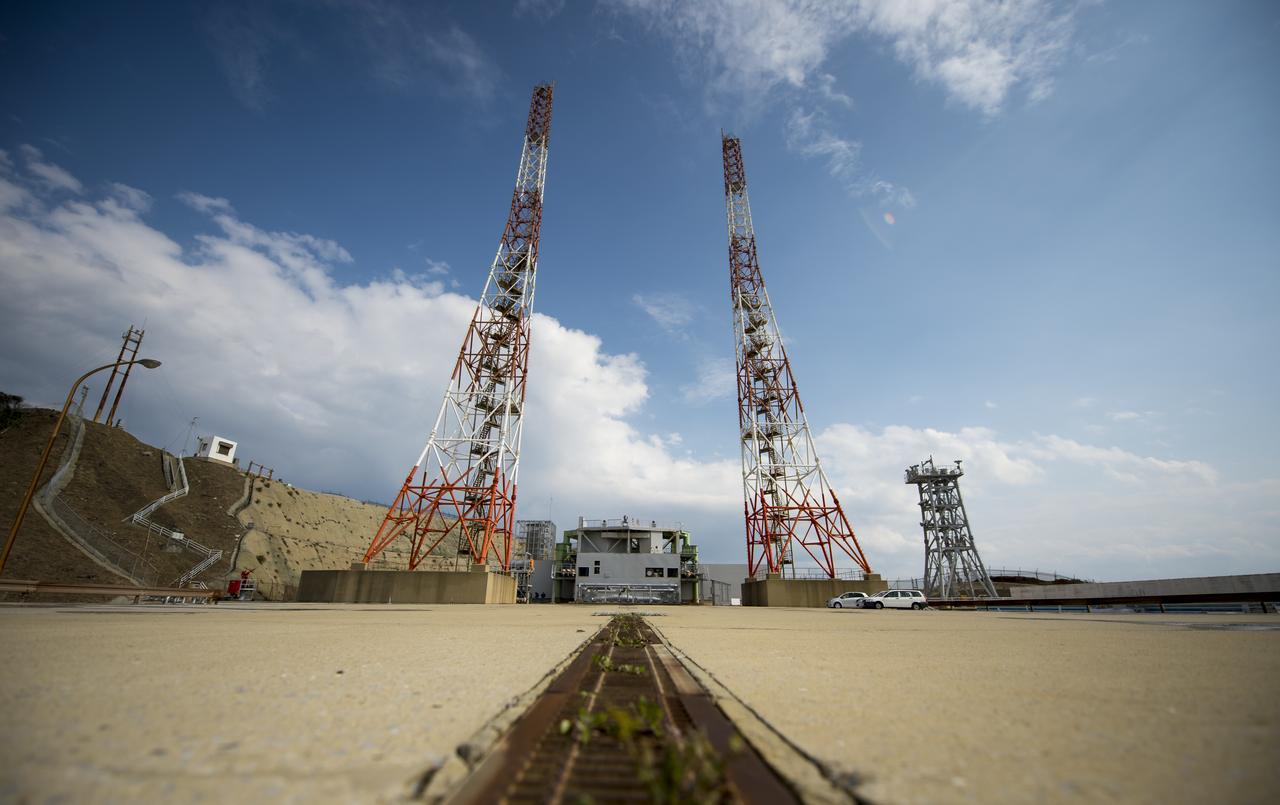
Launch pad 1 is seen at the Tanegashima Space Center (TNSC) on Monday, Feb. 24, 2014 in Tanegashima, Japan. A Japanese H-IIA rocket carrying the NASA-Japan Aerospace Exploration Agency (JAXA), Global Precipitation Measurement (GPM) Core Observatory is planned for launch from pad 1 on Feb. 28, 2014. Once launched, the GPM spacecraft will collect information that unifies data from an international network of existing and future satellites to map global rainfall and snowfall every three hours. Photo Credit: (NASA/Bill Ingalls)
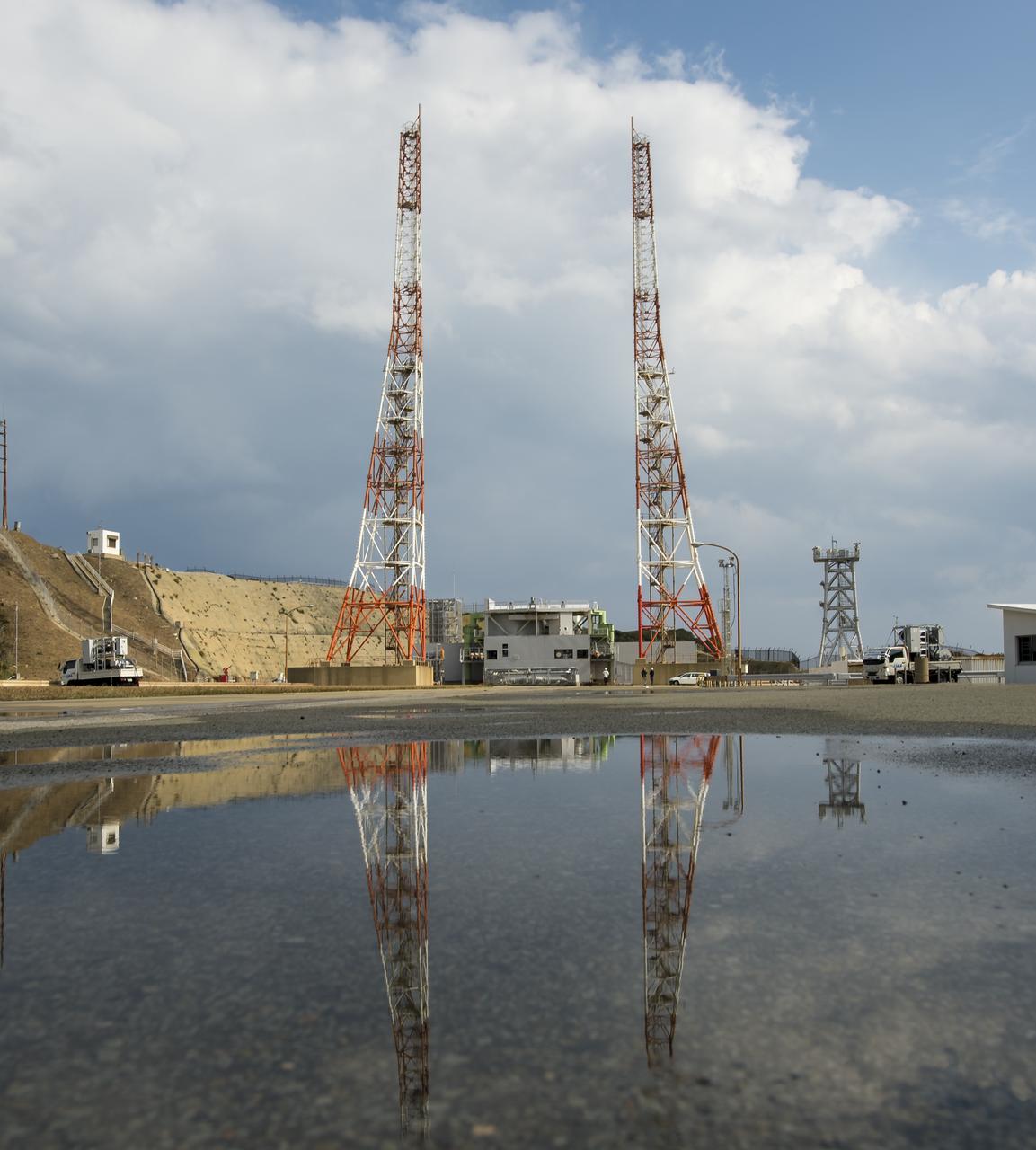
Launch pad 1 is seen at the Tanegashima Space Center (TNSC) on Monday, Feb. 24, 2014 in Tanegashima, Japan. A Japanese H-IIA rocket carrying the NASA-Japan Aerospace Exploration Agency (JAXA), Global Precipitation Measurement (GPM) Core Observatory is planned for launch from pad 1 on Feb. 28, 2014. Once launched, the GPM spacecraft will collect information that unifies data from an international network of existing and future satellites to map global rainfall and snowfall every three hours. Photo Credit: (NASA/Bill Ingalls)
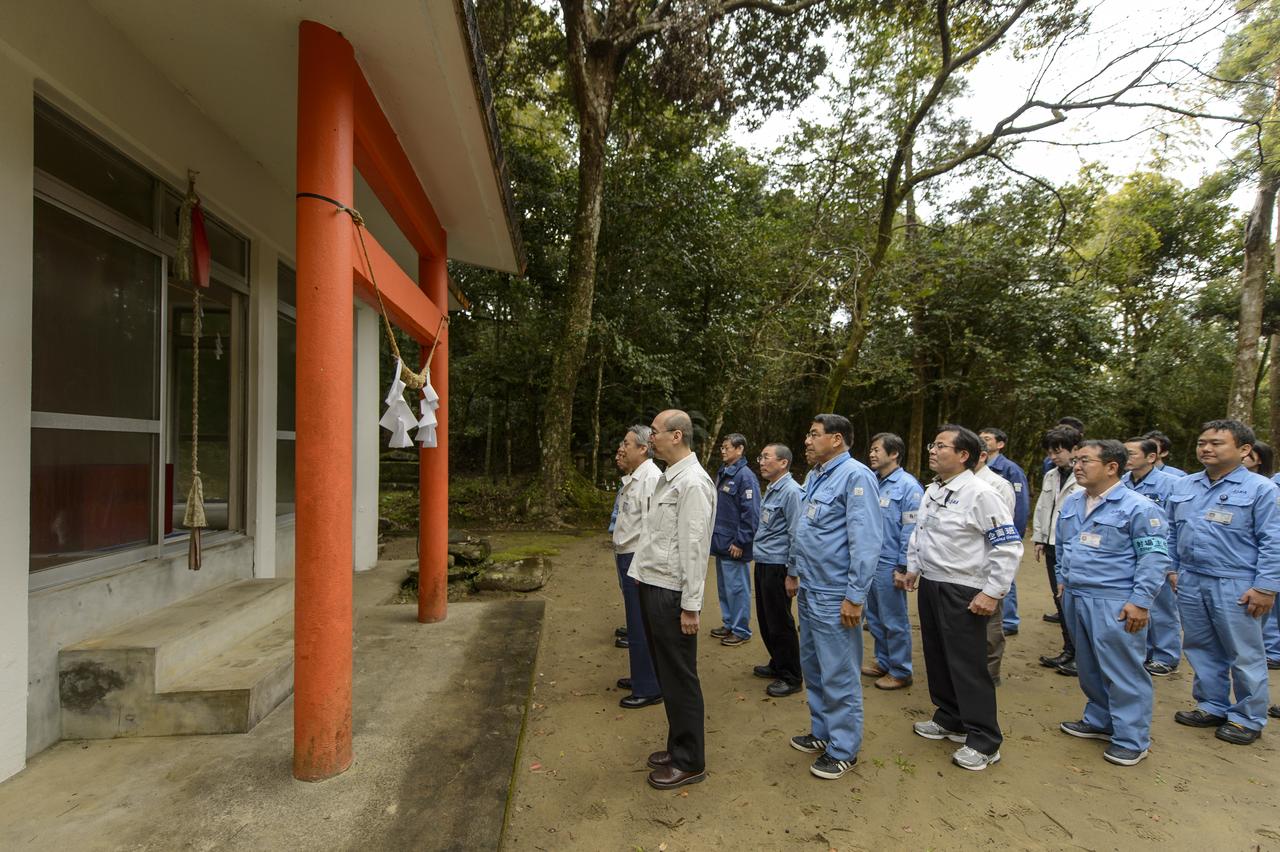
Japan Aerospace Exploration Agency (JAXA) team members stand before at the Kawachi Shrine, the second shrine in a traditional San-ja Mairi, or Three Shrine Pilgrimage, where the team prays for a successful launch, Tuesday, Feb. 25, 2014, Tanegashima Island, Japan. A Japanese H-IIA rocket carrying the NASA-JAXA, Global Precipitation Measurement (GPM) Core Observatory is planned for launch from the Tanegashima Space Center (TNSC) on Feb. 28, 2014. Once launched, the GPM spacecraft will collect information that unifies data from an international network of existing and future satellites to map global rainfall and snowfall every three hours. Photo Credit: (NASA/Bill Ingalls)
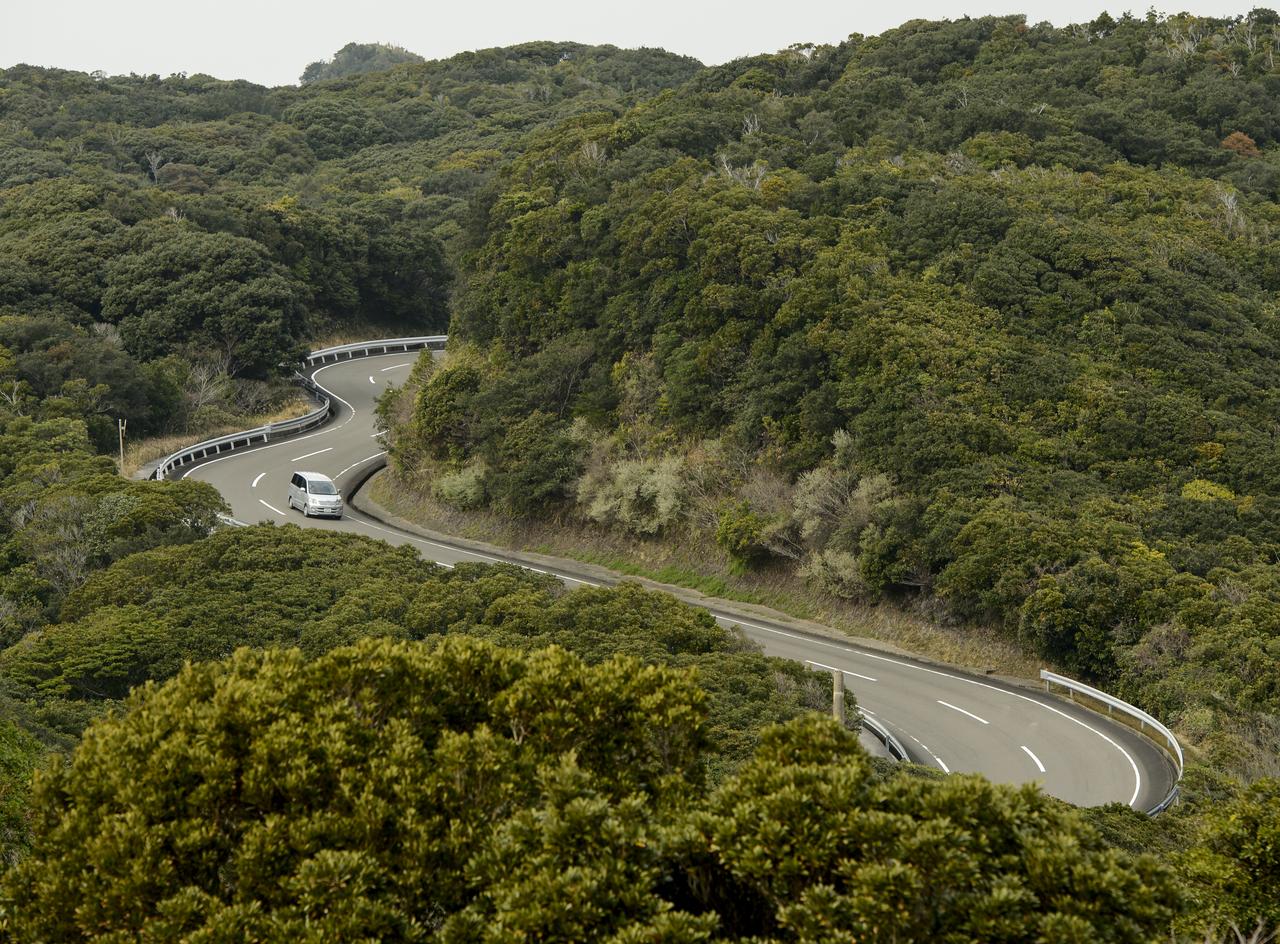
A car drives on the twisty roads that hug the coast line of the Tanegashima Space Center (TNSC) on Sunday, Feb. 23, 2014, Tanegashima Island, Japan. A Japanese H-IIA rocket carrying the NASA-Japan Aerospace Exploration Agency (JAXA), Global Precipitation Measurement (GPM) Core Observatory is planned for launch from the space center on Feb. 28, 2014. Once launched, the GPM spacecraft will collect information that unifies data from an international network of existing and future satellites to map global rainfall and snowfall every three hours. Photo Credit: (NASA/Bill Ingalls)
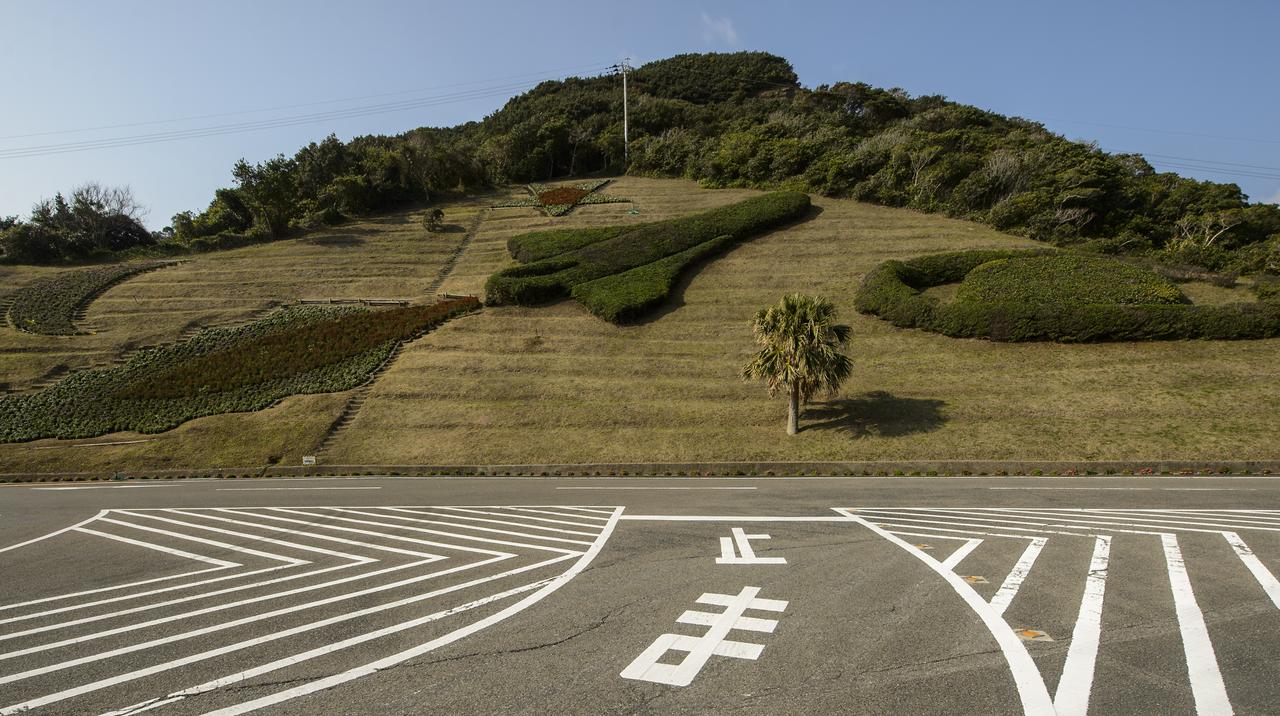
Shrubs and flowers in the shape of a space shuttle, star and planet are seen just outside the visitor's center of the Tanegashima Space Center (TNSC), Sunday, Feb. 23, 2014, Tanegashima Island, Japan. A Japanese H-IIA rocket carrying the NASA-Japan Aerospace Exploration Agency (JAXA), Global Precipitation Measurement (GPM) Core Observatory is planned for launch from the space center on Feb. 28, 2014. Once launched, the GPM spacecraft will collect information that unifies data from an international network of existing and future satellites to map global rainfall and snowfall every three hours. Photo Credit: (NASA/Bill Ingalls)
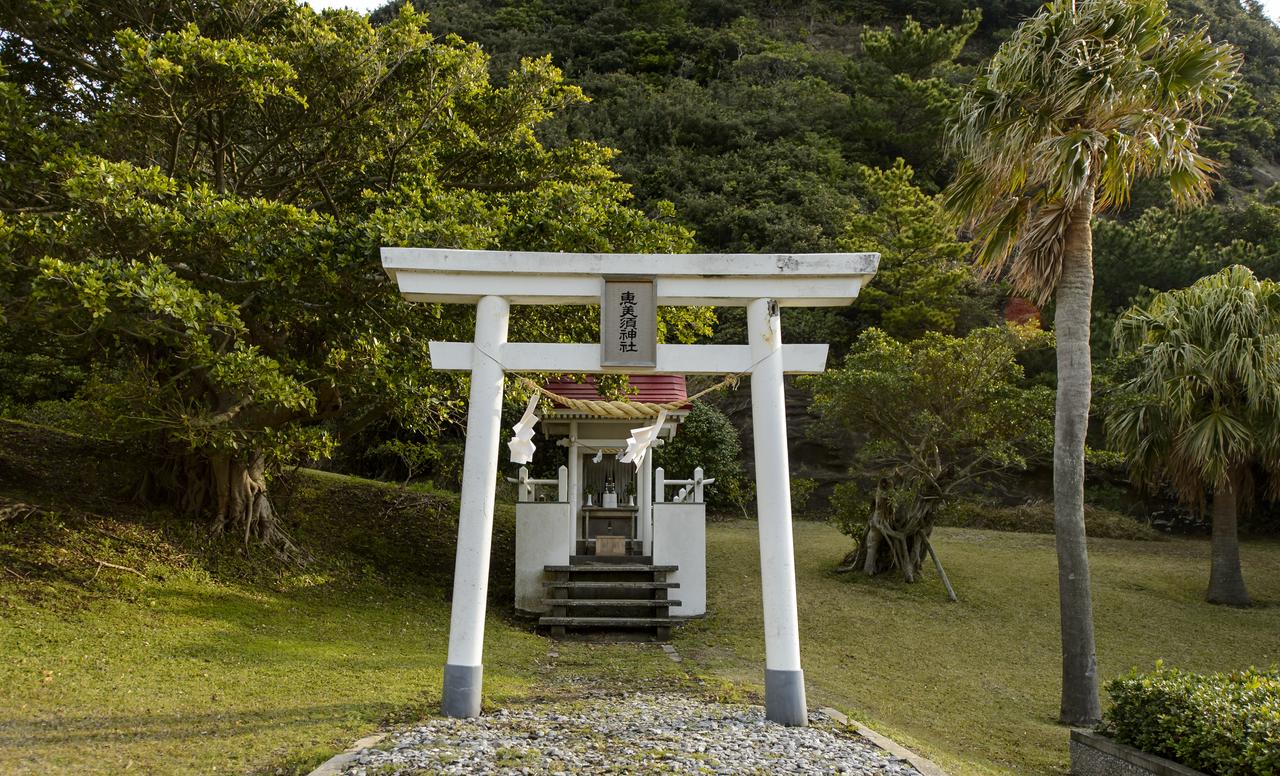
The Ebisu Shrine, the first shrine in a traditional San-ja Mairi, or Three Shrine Pilgrimage, is seen just after members of the Japan Aerospace Exploration Agency (JAXA) team prayed for a successful launch, Tuesday, Feb. 25, 2014, Tanegashima Island, Japan. A Japanese H-IIA rocket carrying the NASA-JAXA, Global Precipitation Measurement (GPM) Core Observatory is planned for launch from the Tanegashima Space Center (TNSC) on Feb. 28, 2014. Once launched, the GPM spacecraft will collect information that unifies data from an international network of existing and future satellites to map global rainfall and snowfall every three hours. Photo Credit: (NASA/Bill Ingalls)
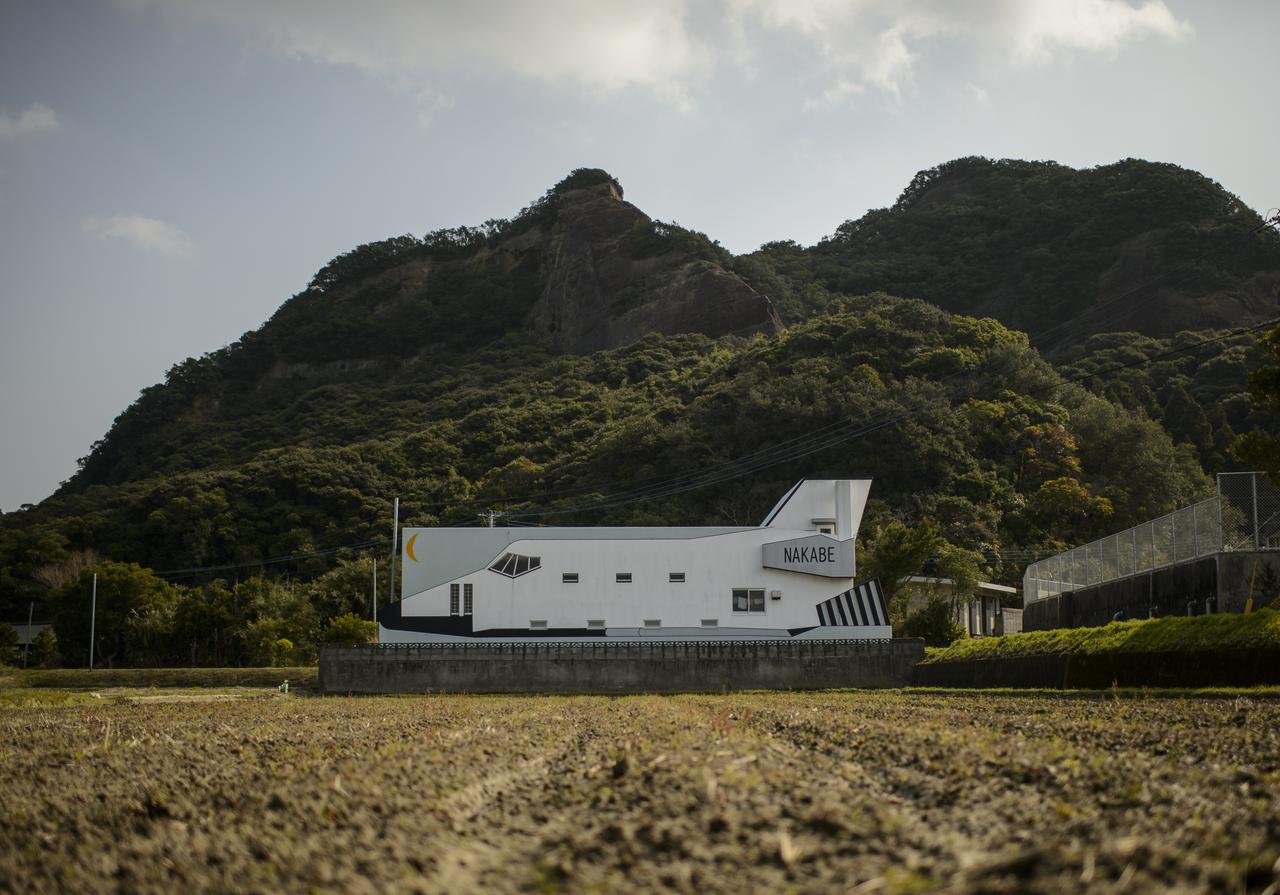
A building designed to look like a space shuttle is seen a few kilometers outside of the Tanegashima Space Center (TNSC), Sunday, Feb. 23, 2014, Tanegashima Island, Japan. A Japanese H-IIA rocket carrying the NASA-Japan Aerospace Exploration Agency (JAXA), Global Precipitation Measurement (GPM) Core Observatory is planned for launch from the space center on Feb. 28, 2014. Once launched, the GPM spacecraft will collect information that unifies data from an international network of existing and future satellites to map global rainfall and snowfall every three hours. Photo Credit: (NASA/Bill Ingalls)
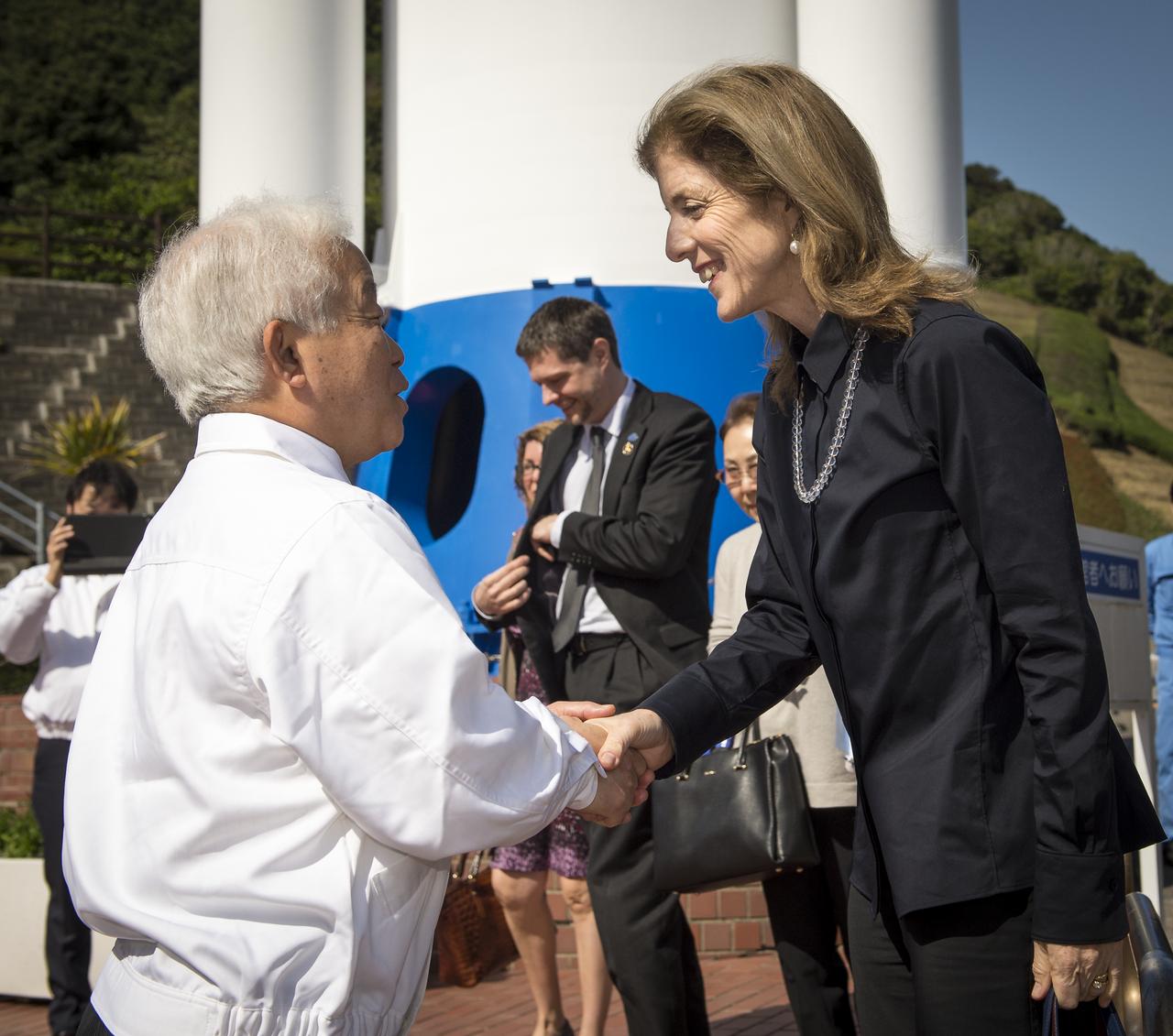
Caroline Kennedy, U.S. Ambassador Extraordinary and Plenipotentiary to Japan, right, is welcomed by Japan Aerospace Exploration Agency (JAXA), President, Naoki Okumura, at the Tanegashima Space Center Visitors Center on Thursday, Feb. 27, 2014, Tanegashima, Japan. The Ambassador is visiting the space center and hopes to witness the planned launch of a Japanese H-IIA rocket carrying the NASA-JAXA, Global Precipitation Measurement (GPM) Core Observatory. Once launched, the GPM spacecraft will collect information that unifies data from an international network of existing and future satellites to map global rainfall and snowfall every three hours. Photo Credit: (NASA/Bill Ingalls)
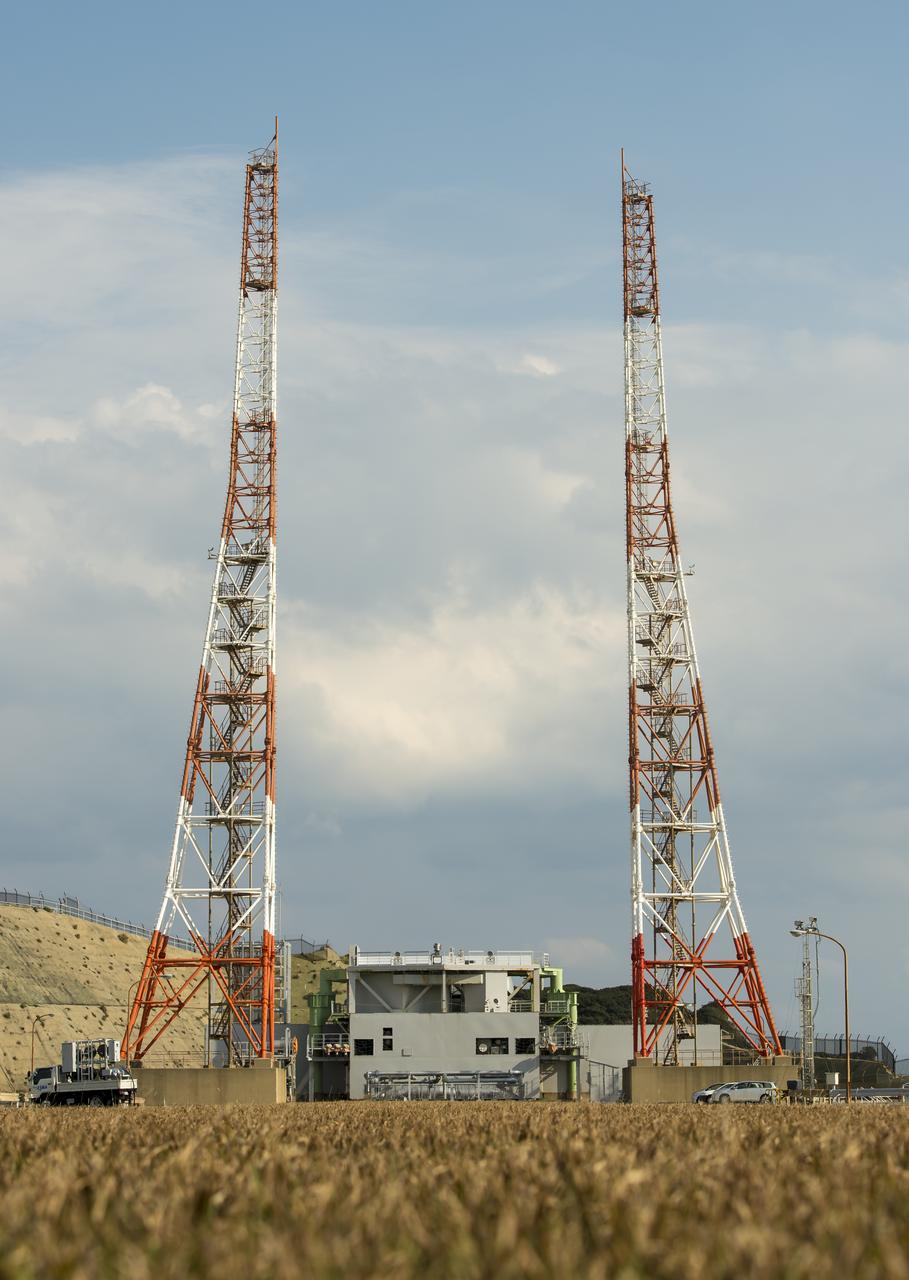
Launch pad 1 is seen at the Tanegashima Space Center (TNSC) on Monday, Feb. 24, 2014 in Tanegashima, Japan. A Japanese H-IIA rocket carrying the NASA-Japan Aerospace Exploration Agency (JAXA), Global Precipitation Measurement (GPM) Core Observatory is planned for launch from pad 1 on Feb. 28, 2014. Once launched, the GPM spacecraft will collect information that unifies data from an international network of existing and future satellites to map global rainfall and snowfall every three hours. Photo Credit: (NASA/Bill Ingalls)

Caroline Kennedy, U.S. Ambassador Extraordinary and Plenipotentiary to Japan, congratulated both NASA and the Japan Aerospace Exploration Agency (JAXA) Global Precipitation Measurement (GPM) Core Observatory teams and noted it was an example of over 40 years of strong U.S. and Japan relations, Friday Feb. 28, 2014, Tanegashima Space Center (TNSC) Tanegashima, Japan. The Ambassador witnessed the launch of a Japanese H-IIA rocket carrying the NASA-JAXA, GPM Core Observatory. The GPM spacecraft will collect information that unifies data from an international network of existing and future satellites to map global rainfall and snowfall every three hours. Photo Credit: (NASA/Bill Ingalls)
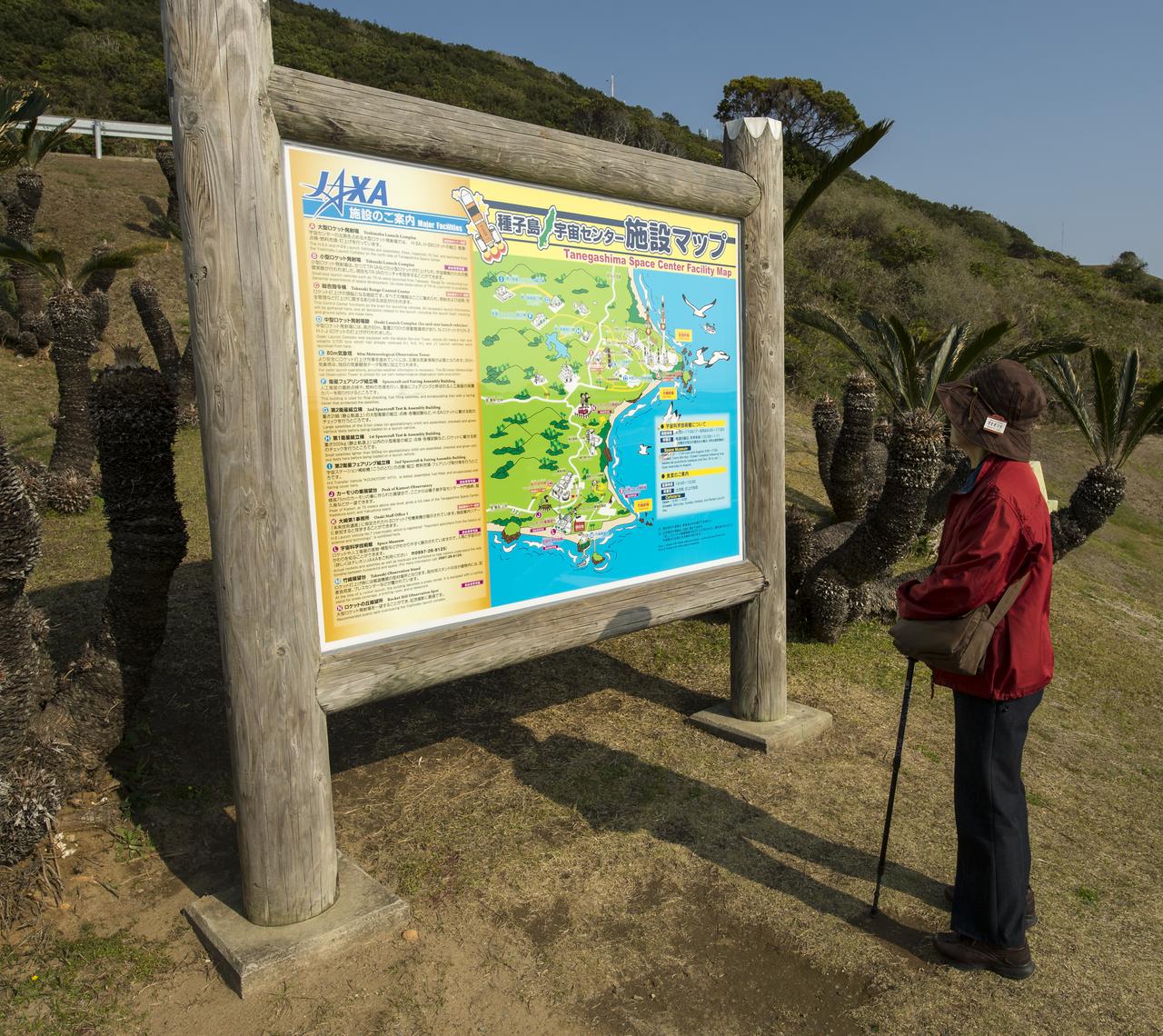
A visitor looks over a Tanegashima Space Center (TNSC) Facility Map, Sunday, Feb. 23, 2014, Tanegashima Island, Japan. A Japanese H-IIA rocket carrying the NASA-Japan Aerospace Exploration Agency's (JAXA), Global Precipitation Measurement (GPM) Core Observatory is planned for launch from the space center on Feb. 28, 2014. Once launched, the GPM spacecraft will collect information that unifies data from an international network of existing and future satellites to map global rainfall and snowfall every three hours. Photo Credit: (NASA/Bill Ingalls)
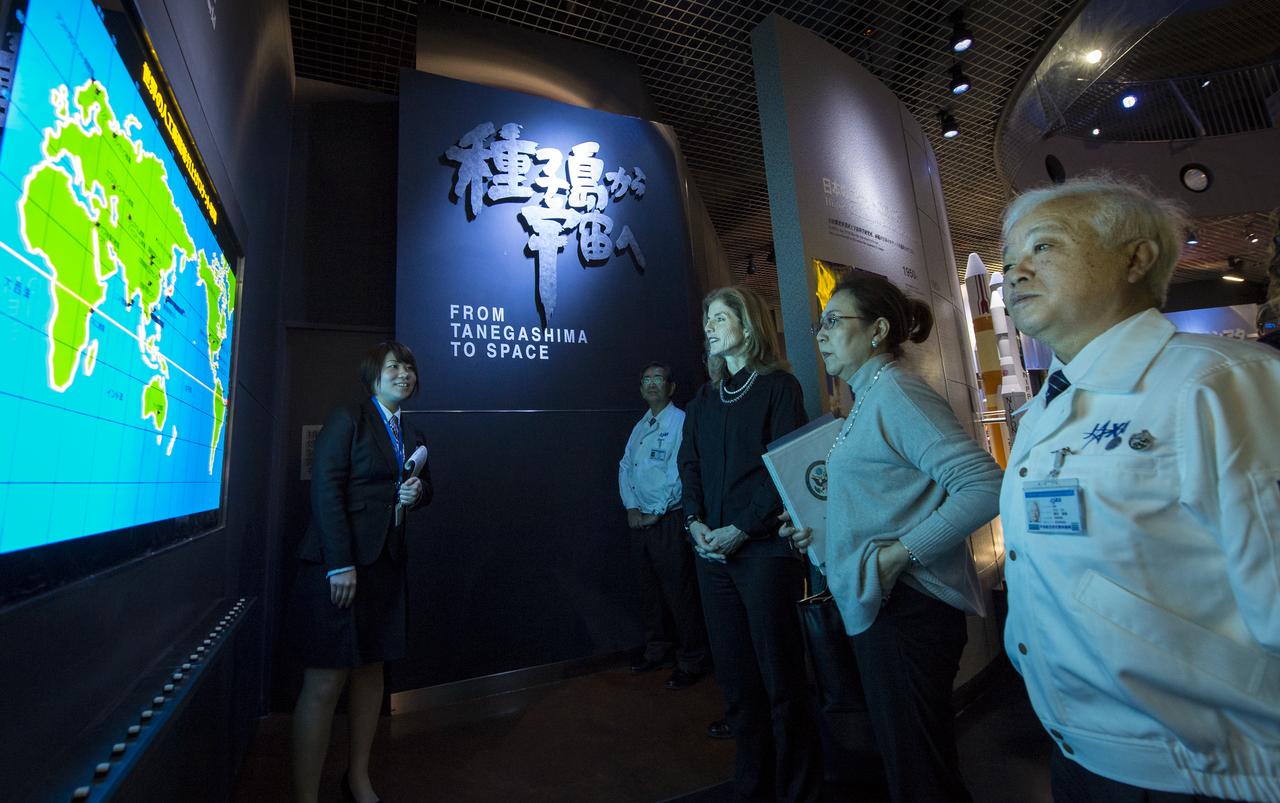
Caroline Bouvier Kennedy, U.S. Ambassador Extraordinary and Plenipotentiary to Japan, center, tours the Tanegashima Space Center, Visitors Center with Japan Aerospace Exploration Agency (JAXA), President, Naoki Okumura, right, on Thursday, Feb. 27, 2014, Tanegashima, Japan. The Ambassador visiting the space center and hopes to witness the planned launch of a Japanese H-IIA rocket carrying the NASA-JAXA, Global Precipitation Measurement (GPM) Core Observatory. Once launched, the GPM spacecraft will collect information that unifies data from an international network of existing and future satellites to map global rainfall and snowfall every three hours. Photo Credit: (NASA/Bill Ingalls)
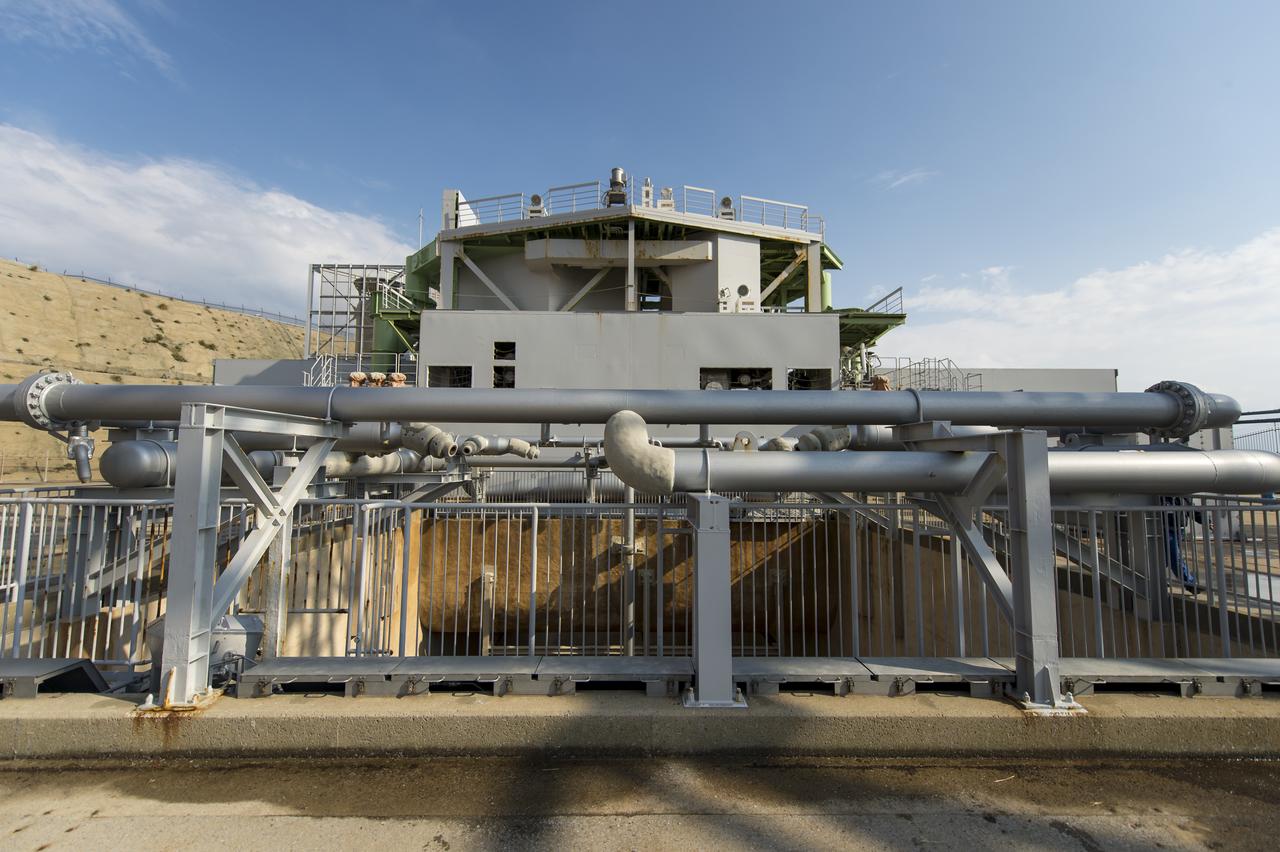
Launch pad 1 is seen at the Tanegashima Space Center (TNSC) on Monday, Feb. 24, 2014 in Tanegashima, Japan. A Japanese H-IIA rocket carrying the NASA-Japan Aerospace Exploration Agency (JAXA), Global Precipitation Measurement (GPM) Core Observatory is planned for launch from pad 1 on Feb. 28, 2014. Once launched, the GPM spacecraft will collect information that unifies data from an international network of existing and future satellites to map global rainfall and snowfall every three hours. Photo Credit: (NASA/Bill Ingalls)
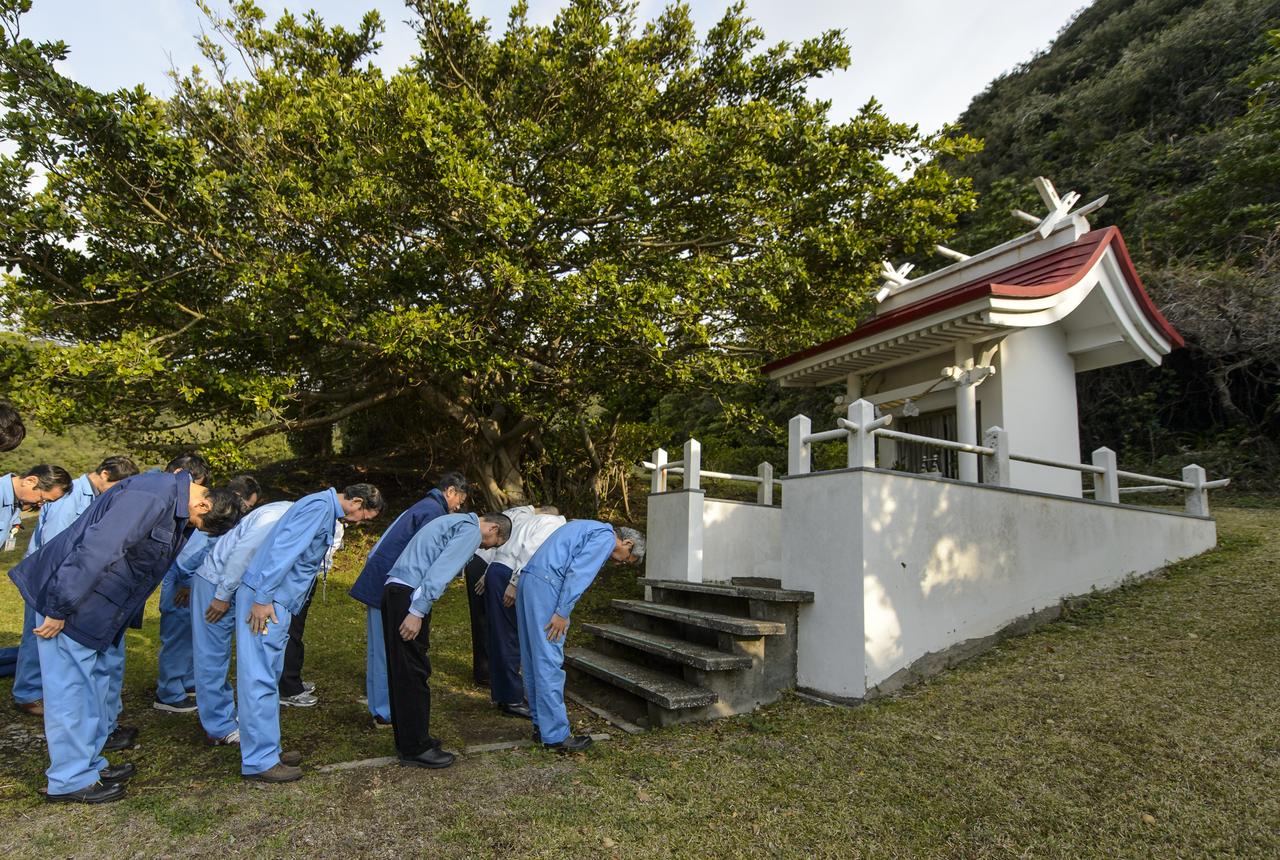
Japan Aerospace Exploration Agency (JAXA) team members bow at the Ebisu Shrine, the first shrine in a traditional San-ja Mairi, or Three Shrine Pilgrimage, where the team prays for a successful launch, Tuesday, Feb. 25, 2014, Tanegashima Island, Japan. A Japanese H-IIA rocket carrying the NASA-JAXA, Global Precipitation Measurement (GPM) Core Observatory is planned for launch from the Tanegashima Space Center (TNSC) on Feb. 28, 2014. Once launched, the GPM spacecraft will collect information that unifies data from an international network of existing and future satellites to map global rainfall and snowfall every three hours. Photo Credit: (NASA/Bill Ingalls)
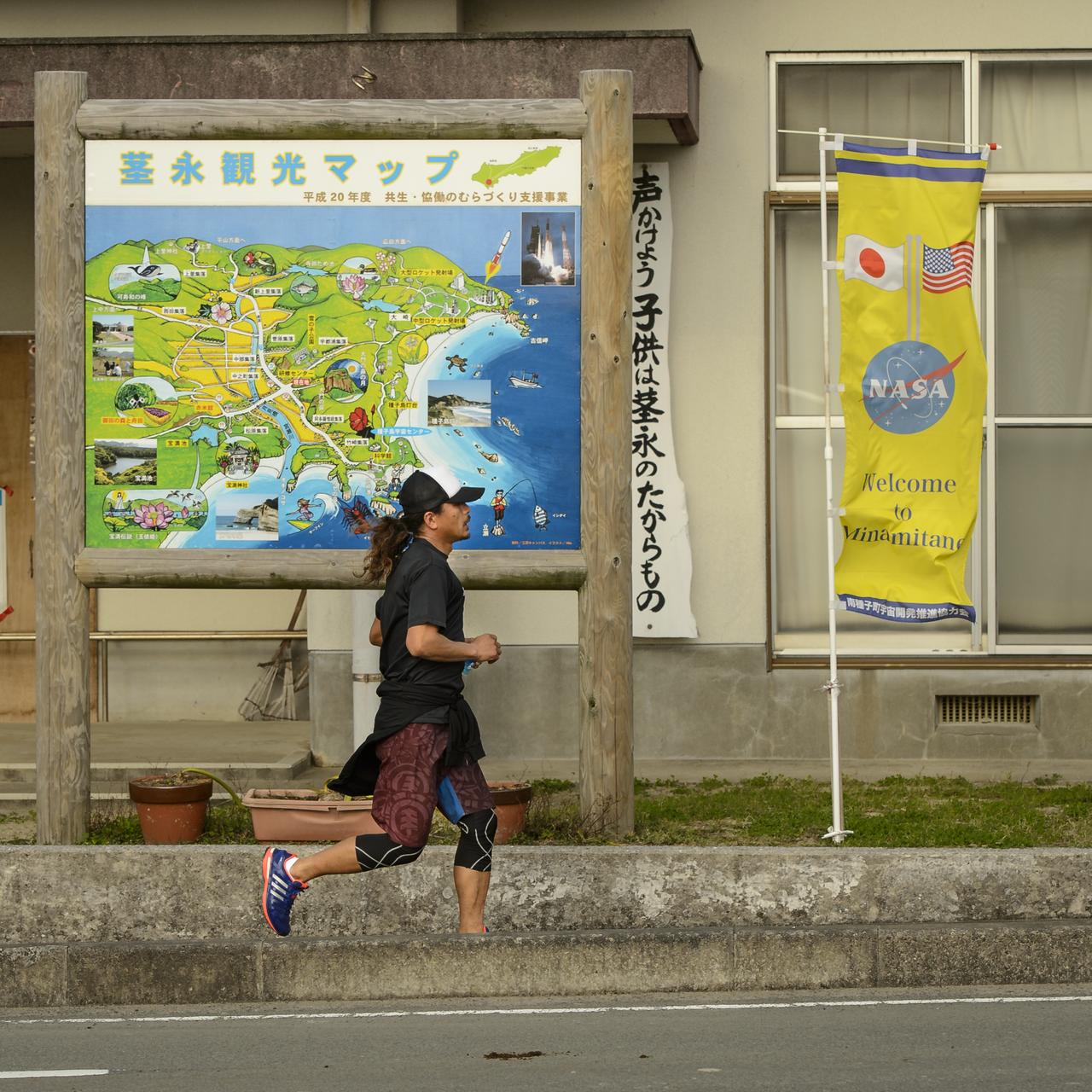
A jogger runs past a sign welcoming NASA and other visitors to Minamitane Town on Sunday, Feb. 23, 2014, Tanegashima Island, Japan. A Japanese H-IIA rocket carrying the NASA-Japan Aerospace Exploration Agency (JAXA), Global Precipitation Measurement (GPM) Core Observatory is planned for launch from the space center on Feb. 28, 2014. Once launched, the GPM spacecraft will collect information that unifies data from an international network of existing and future satellites to map global rainfall and snowfall every three hours. Photo Credit: (NASA/Bill Ingalls)
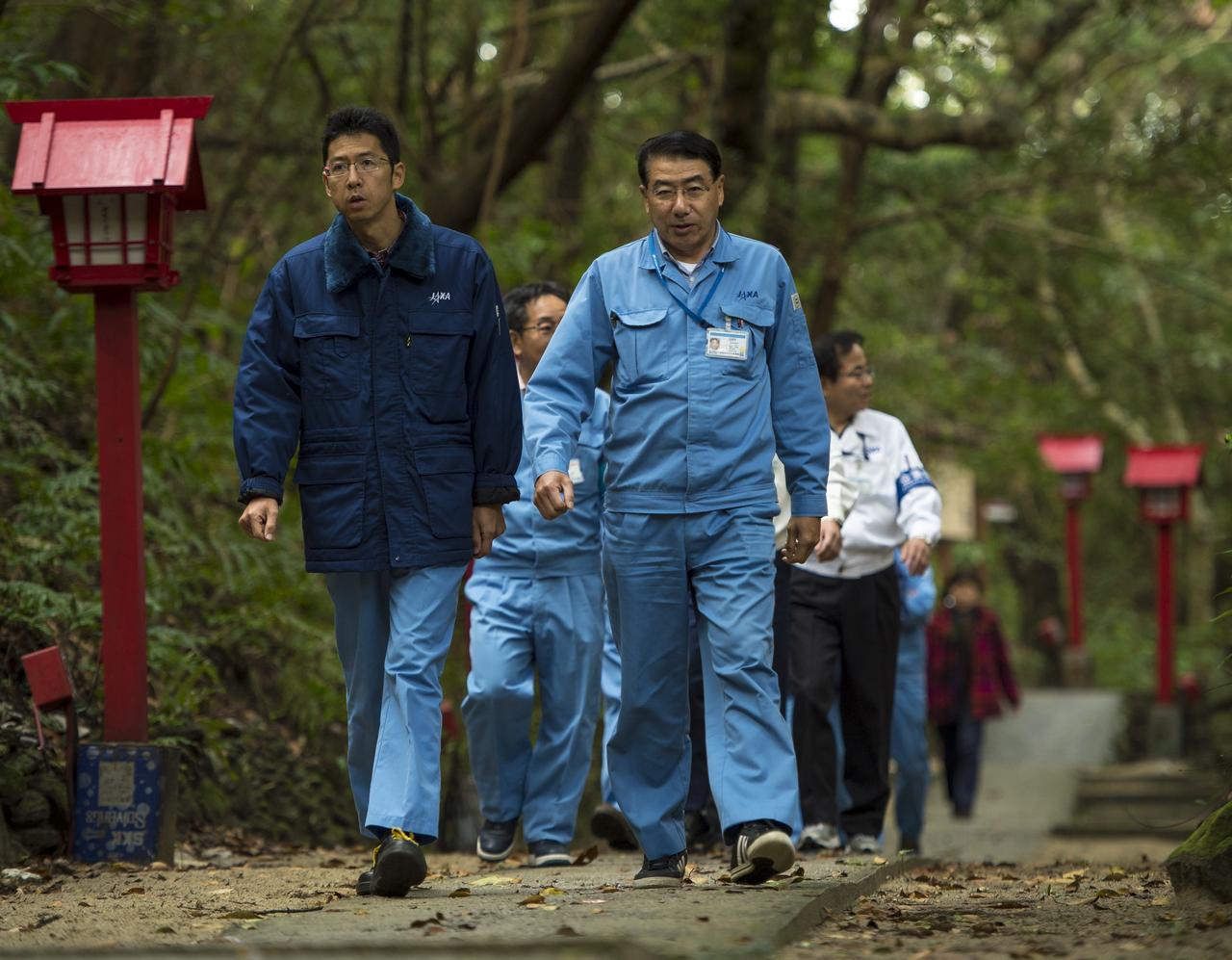
Japan Aerospace Exploration Agency (JAXA) are seen as they depart the Houman Shrine, the third, and final, shrine in a traditional San-ja Mairi, or Three Shrine Pilgrimage, where the team prays for a successful launch, Tuesday, Feb. 25, 2014, Tanegashima Island, Japan. A Japanese H-IIA rocket carrying the NASA-JAXA, Global Precipitation Measurement (GPM) Core Observatory is planned for launch from the Tanegashima Space Center (TNSC) on Feb. 28, 2014. Once launched, the GPM spacecraft will collect information that unifies data from an international network of existing and future satellites to map global rainfall and snowfall every three hours. Photo Credit: (NASA/Bill Ingalls)
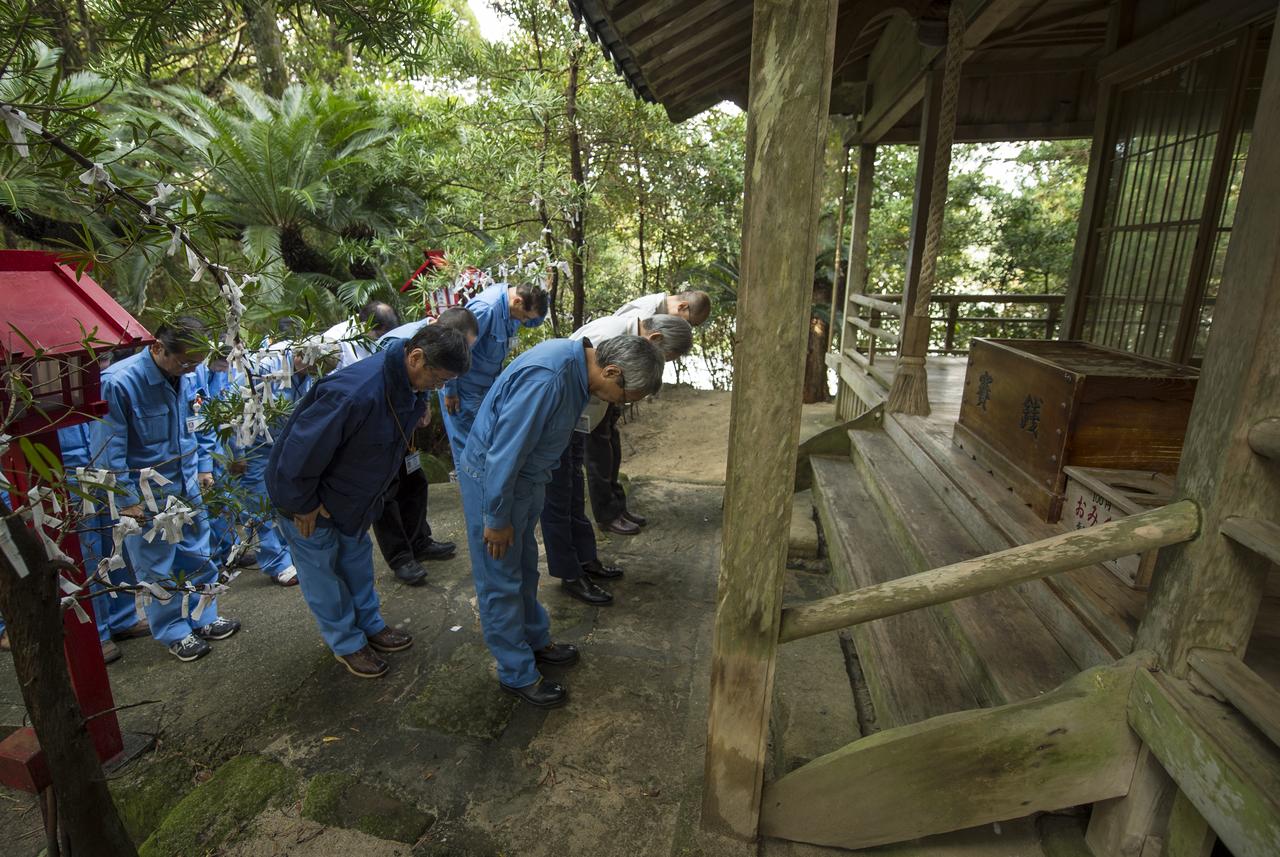
Japan Aerospace Exploration Agency (JAXA) team members pray at the Houman Shrine, the third, and final, shrine in a traditional San-ja Mairi, or Three Shrine Pilgrimage, where the team prays for a successful launch, Tuesday, Feb. 25, 2014, Tanegashima Island, Japan. A Japanese H-IIA rocket carrying the NASA-JAXA, Global Precipitation Measurement (GPM) Core Observatory is planned for launch from the Tanegashima Space Center (TNSC) on Feb. 28, 2014. Once launched, the GPM spacecraft will collect information that unifies data from an international network of existing and future satellites to map global rainfall and snowfall every three hours. Photo Credit: (NASA/Bill Ingalls)

Caroline Bouvier Kennedy, U.S. Ambassador Extraordinary and Plenipotentiary to Japan, right, is welcomed by Japan Aerospace Exploration Agency (JAXA), President, Naoki Okumura, at the Tanegashima Space Center Visitors Center on Thursday, Feb. 27, 2014, Tanegashima, Japan. The Ambassador is visiting the space center and hopes to witness the planned launch of a Japanese H-IIA rocket carrying the NASA-JAXA, Global Precipitation Measurement (GPM) Core Observatory. Once launched, the GPM spacecraft will collect information that unifies data from an international network of existing and future satellites to map global rainfall and snowfall every three hours. Photo Credit: (NASA/Bill Ingalls)

An offering of sake can be seen at the Ebisu Shrine, the first shrine in a traditional San-ja Mairi, or Three Shrine Pilgrimage, in which members of the Japan Aerospace Exploration Agency (JAXA) team pray for a successful launch, Tuesday, Feb. 25, 2014, Tanegashima Island, Japan. A Japanese H-IIA rocket carrying the NASA-JAXA, Global Precipitation Measurement (GPM) Core Observatory is planned for launch from the Tanegashima Space Center (TNSC) on Feb. 28, 2014. Once launched, the GPM spacecraft will collect information that unifies data from an international network of existing and future satellites to map global rainfall and snowfall every three hours. Photo Credit: (NASA/Bill Ingalls)
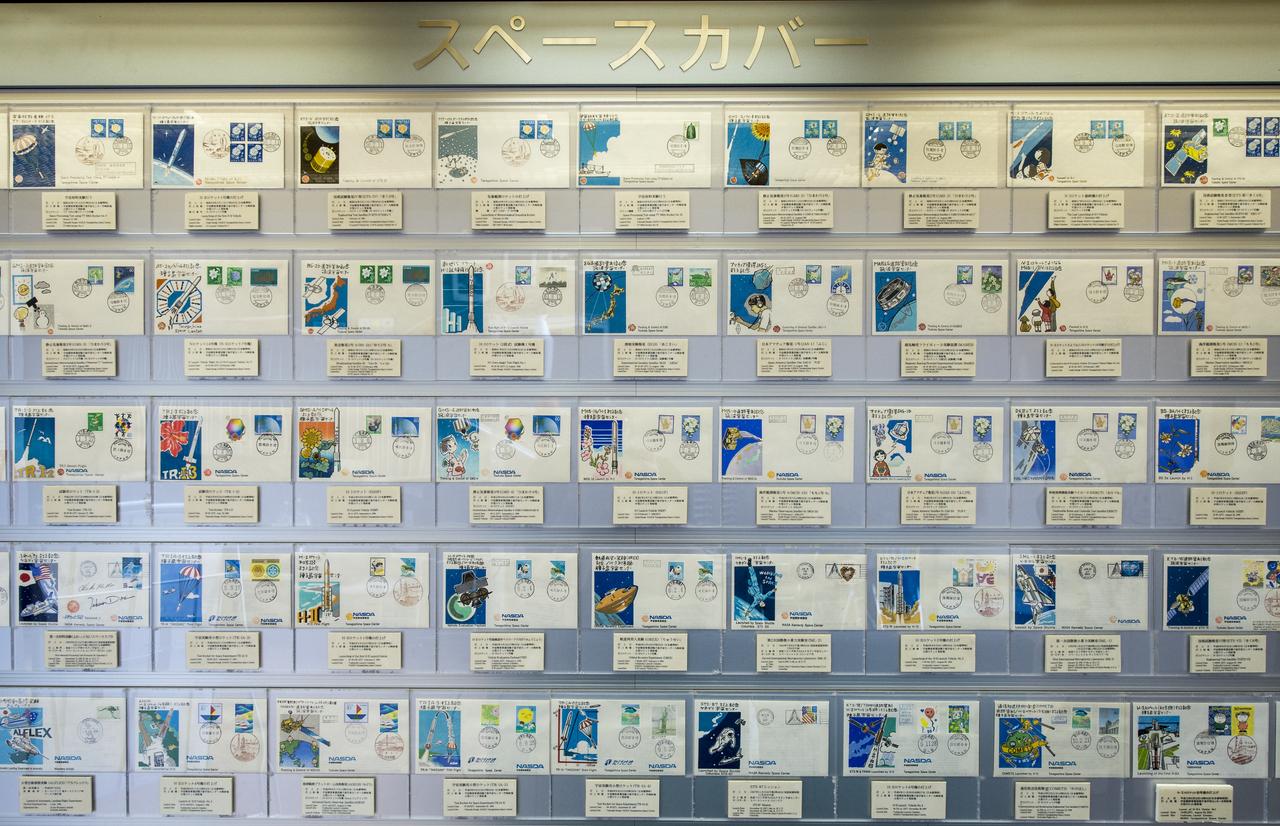
Envelopes with stamps depicting various space missions are shown at the visitor's center of the Tanegashima Space Center (TNSC), Sunday, Feb. 23, 2014, Tanegashima Island, Japan. A Japanese H-IIA rocket carrying the NASA-Japan Aerospace Exploration Agency (JAXA), Global Precipitation Measurement (GPM) Core Observatory is planned for launch from the space center on Feb. 28, 2014. Once launched, the GPM spacecraft will collect information that unifies data from an international network of existing and future satellites to map global rainfall and snowfall every three hours. Photo Credit: (NASA/Bill Ingalls)

Caroline Bouvier Kennedy, U.S. Ambassador Extraordinary and Plenipotentiary to Japan, center, tours the Tanegashima Space Center, Visitors Center with Japan Aerospace Exploration Agency (JAXA), President, Naoki Okumura, right, on Thursday, Feb. 27, 2014, Tanegashima, Japan. The Ambassador visiting the space center and hopes to witness the planned launch of a Japanese H-IIA rocket carrying the NASA-JAXA, Global Precipitation Measurement (GPM) Core Observatory. Once launched, the GPM spacecraft will collect information that unifies data from an international network of existing and future satellites to map global rainfall and snowfall every three hours. Photo Credit: (NASA/Bill Ingalls)
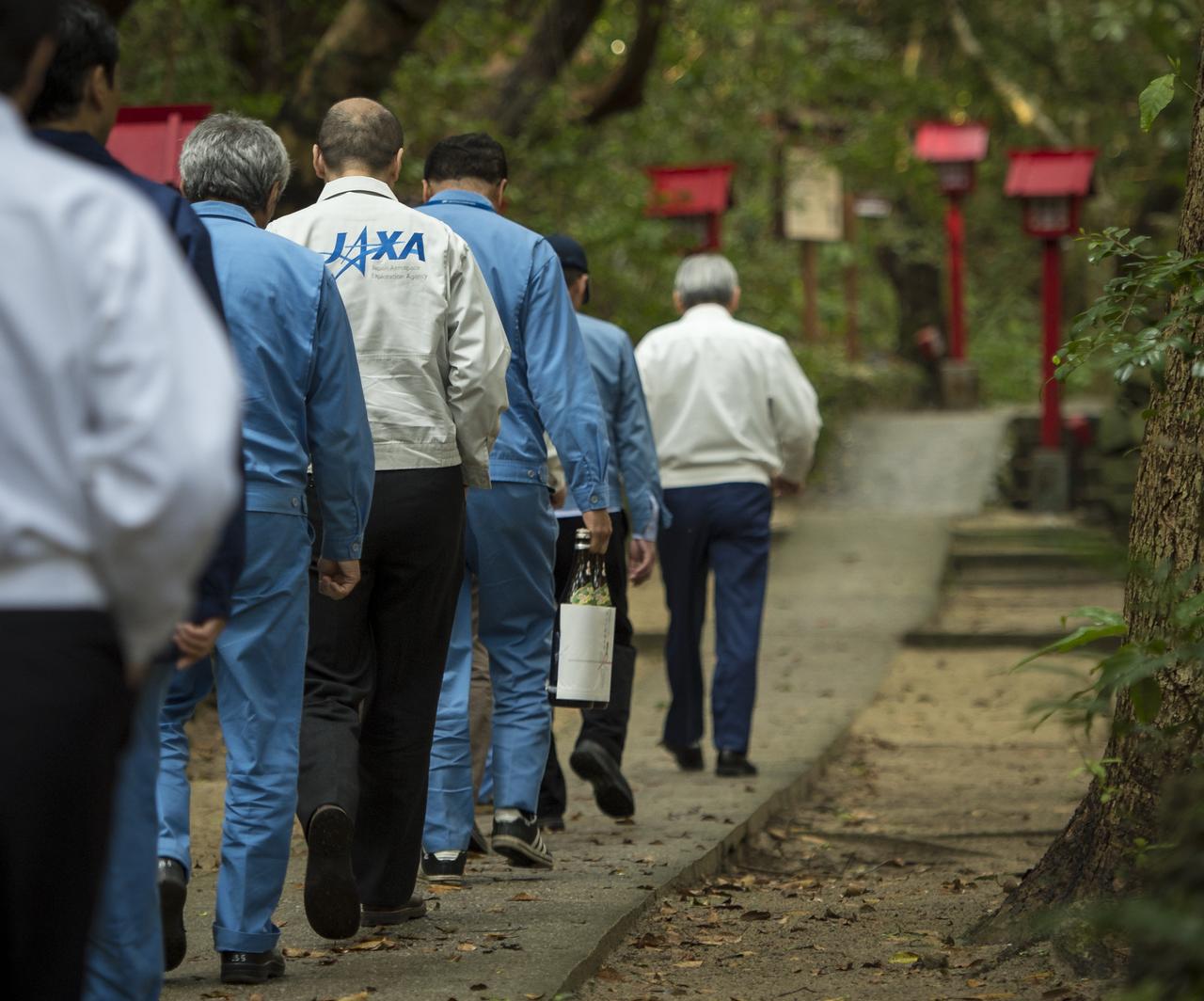
Japan Aerospace Exploration Agency (JAXA) team members walk with their offering of sake to the Houman Shrine, the third, and final, shrine in a traditional San-ja Mairi, or Three Shrine Pilgrimage, where the team prays for a successful launch, Tuesday, Feb. 25, 2014, Tanegashima Island, Japan. A Japanese H-IIA rocket carrying the NASA-JAXA, Global Precipitation Measurement (GPM) Core Observatory is planned for launch from the Tanegashima Space Center (TNSC) on Feb. 28, 2014. Once launched, the GPM spacecraft will collect information that unifies data from an international network of existing and future satellites to map global rainfall and snowfall every three hours. Photo Credit: (NASA/Bill Ingalls)
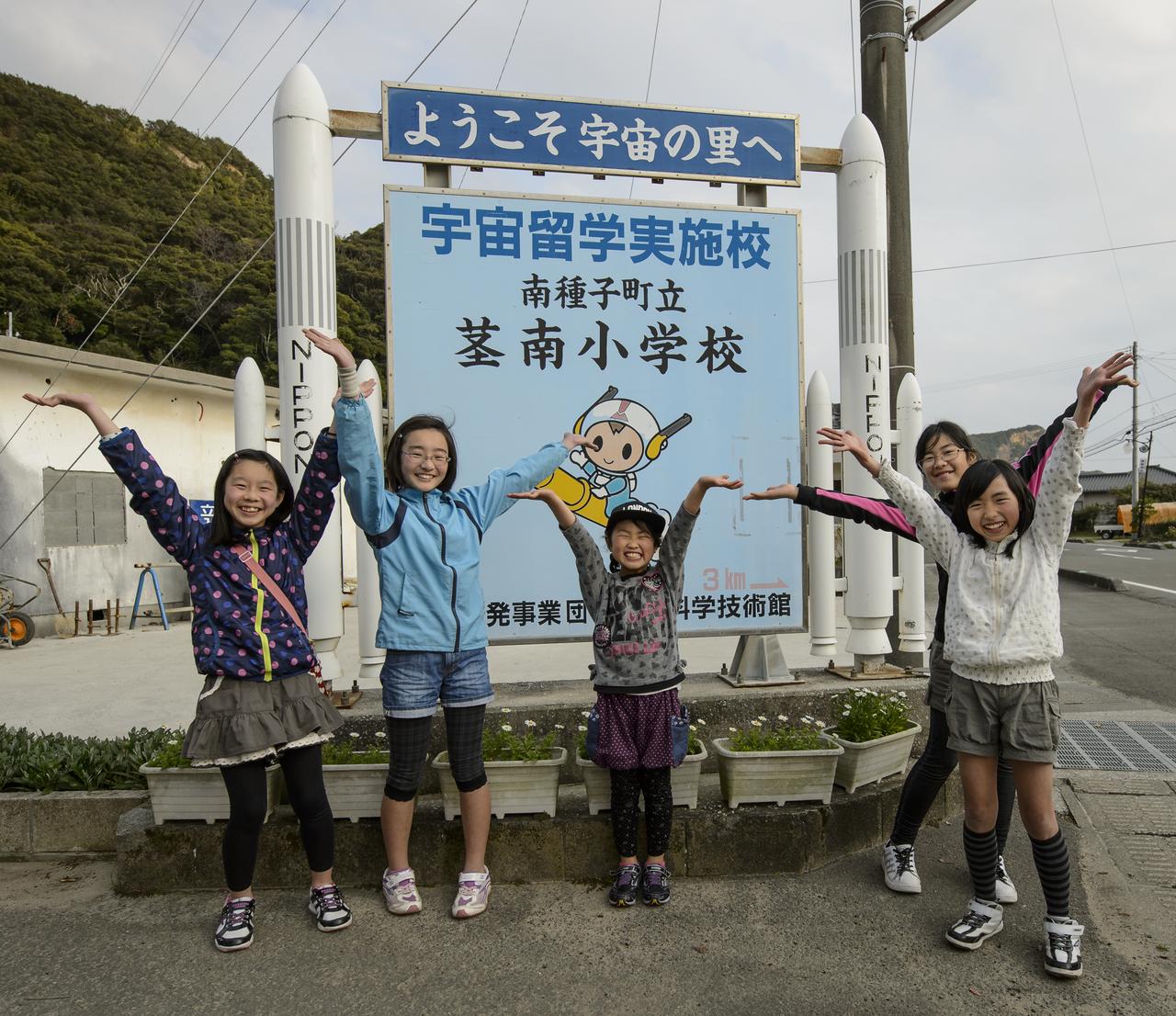
Minamitane elementary school girls pose for a photo in front of a sign featuring the town's mascot "Chuta-kun", Sunday, Feb. 23, 2014, Tanegashima Island, Japan. The Chuta-kun mascot rides a rocket and has guns on the side of his helmet to show the areas history as the site of the first known contact of Europe and the Japanese, in 1543 and the introduction of the gun. A Japanese H-IIA rocket carrying the NASA-Japan Aerospace Exploration Agency (JAXA), Global Precipitation Measurement (GPM) Core Observatory is planned for launch from the space center on Feb. 28, 2014. Once launched, the GPM spacecraft will collect information that unifies data from an international network of existing and future satellites to map global rainfall and snowfall every three hours. Photo Credit: (NASA/Bill Ingalls)
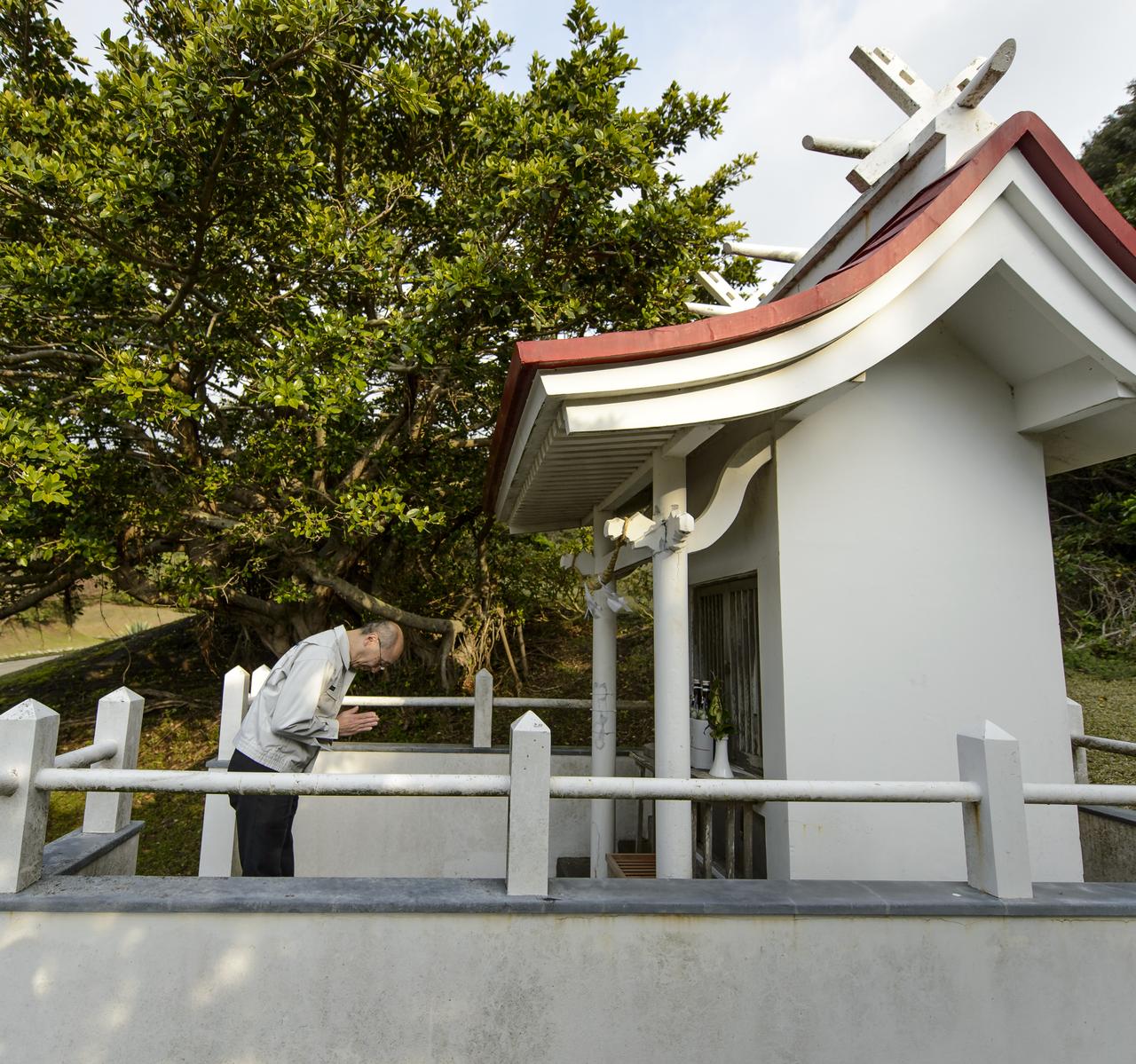
Masahiro Kojima, GPM Dual-frequency Precipitation Radar project manager, Japan Aerospace Exploration Agency (JAXA), Tsukuba, bows at the Ebisu Shrine, the first shrine in a traditional San-ja Mairi, or Three Shrine Pilgrimage, in which members of the JAXA team pray for a successful launch, Tuesday, Feb. 25, 2014, Tanegashima Island, Japan. A Japanese H-IIA rocket carrying the NASA-JAXA, Global Precipitation Measurement (GPM) Core Observatory is planned for launch from the Tanegashima Space Center (TNSC) on Feb. 28, 2014. Once launched, the GPM spacecraft will collect information that unifies data from an international network of existing and future satellites to map global rainfall and snowfall every three hours. Photo Credit: (NASA/Bill Ingalls)

Japan Aerospace Exploration Agency (JAXA) team members wash their hands before praying at the Houman Shrine, the third, and final, shrine in a traditional San-ja Mairi, or Three Shrine Pilgrimage, where the team prays for a successful launch, Tuesday, Feb. 25, 2014, Tanegashima Island, Japan. A Japanese H-IIA rocket carrying the NASA-JAXA, Global Precipitation Measurement (GPM) Core Observatory is planned for launch from the Tanegashima Space Center (TNSC) on Feb. 28, 2014. Once launched, the GPM spacecraft will collect information that unifies data from an international network of existing and future satellites to map global rainfall and snowfall every three hours. Photo Credit: (NASA/Bill Ingalls)