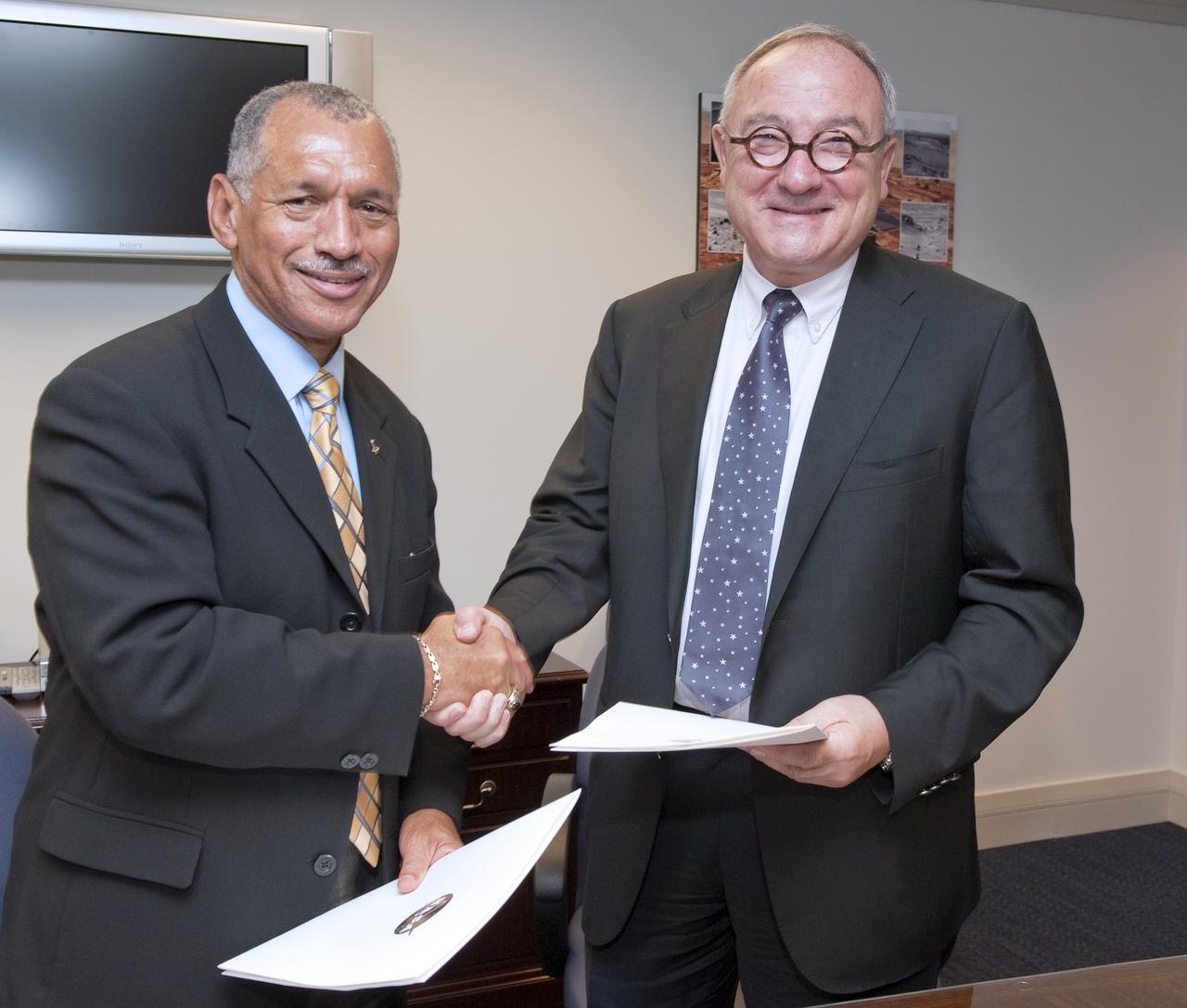
NASA Adminiistrator Charles F. Bolden, left, and Jean-Jacques Dordain, Director General of the European Space Agency (ESA), shake hands, Friday, Sept. 11, 2009, after signing a Space Transportation Memorandum of Understanding (MOU) at NASA Headquarters in Washington. Photo Credit: (NASA/Paul E. Alers)
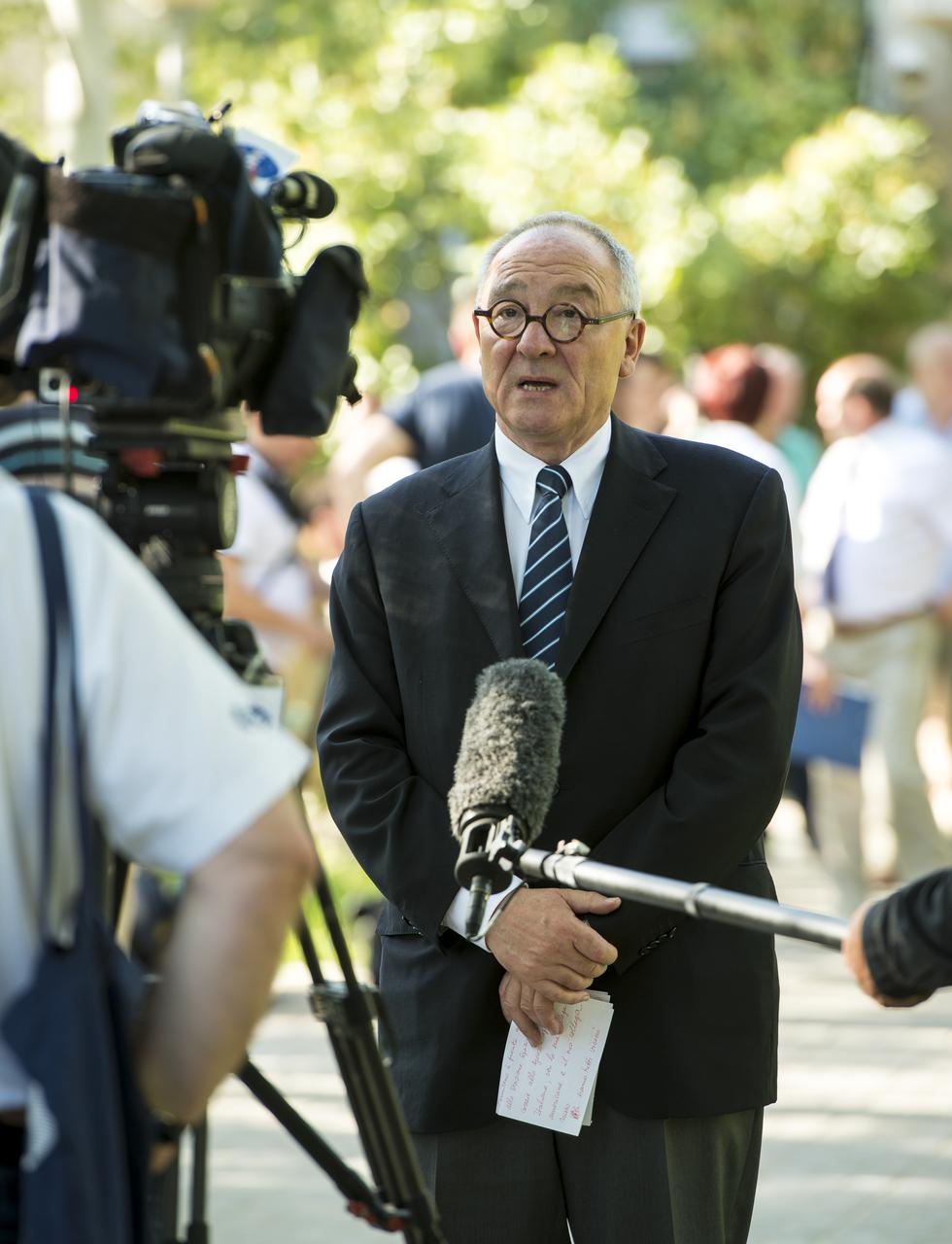
Jean-Jacques Dordain, ESA Director-General, is seen giving a television interview shortly after the State Commission meeting to approve the Soyuz launch of Expedition 36 Soyuz Commander Fyodor Yurchikhin of the Russian Federal Space Agency (Roscosmos), Flight Engineers; Karen Nyberg of NASA, and Luca Parmitano of the European Space Agency at the Cosmonaut Hotel, Monday, May 27, 2013, in Kazakhstan. Photo credit: (NASA/Bill Ingalls)

Jean-Jacques Dordain, ESA Director-General, speaks during the State Commission meeting to approve the Soyuz launch of Expedition 36 Soyuz Commander Fyodor Yurchikhin of the Russian Federal Space Agency (Roscosmos), Flight Engineers; Karen Nyberg of NASA, and Luca Parmitano at the Cosmonaut Hotel, Monday, May 27, 2013, in Kazakhstan. Photo credit: (NASA/Bill Ingalls)
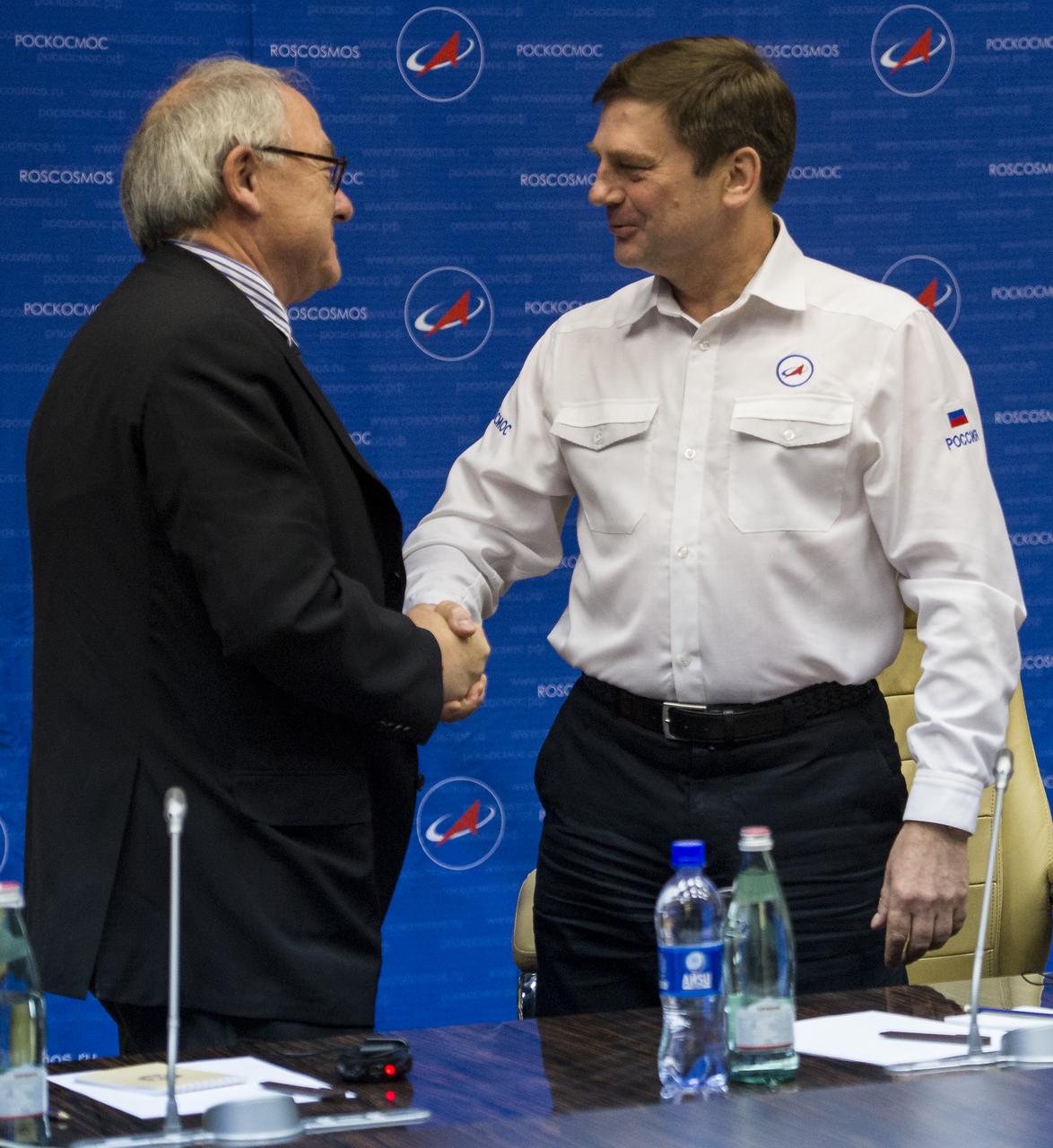
Jean-Jacques Dordain, Director General of the European Space Agency, left, and Oleg Ostapenko, General Director of the Russian Federal Space Agency, Roscosmos, right, shake hands following a joint statement after the docking of the Soyuz TMA-13M spacecraft with the International Space Station on Thursday, May 29, 2014 at the Baikonur Hotel in Baikonur, Kazakhstan. Photo Credit: (NASA/Joel Kowsky)
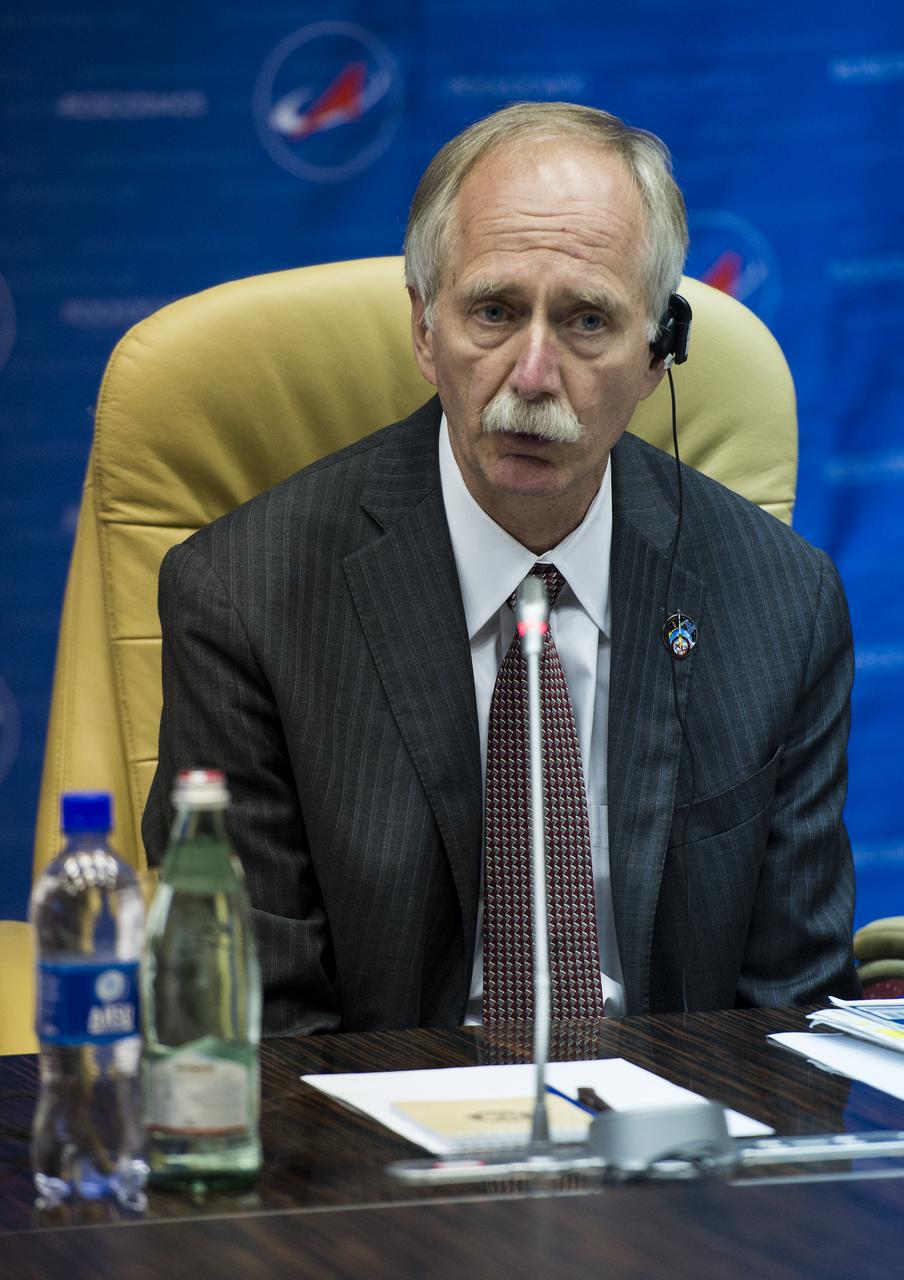
William Gerstenmaier, NASA Associate Administrator for Human Exploration and Operations, speaks during a joint statement with Jean-Jacques Dordain, Director General of the European Space Agency, and Oleg Ostapenko, General Director of the Russian Federal Space Agency, Roscosmos, following the docking of the Soyuz TMA-13M spacecraft with the International Space Station on Thursday, May 29, 2014 at the Baikonur Hotel in Baikonur, Kazakhstan. The three spoke on the importance of international cooperation in human spaceflight. Photo Credit: (NASA/Joel Kowsky)
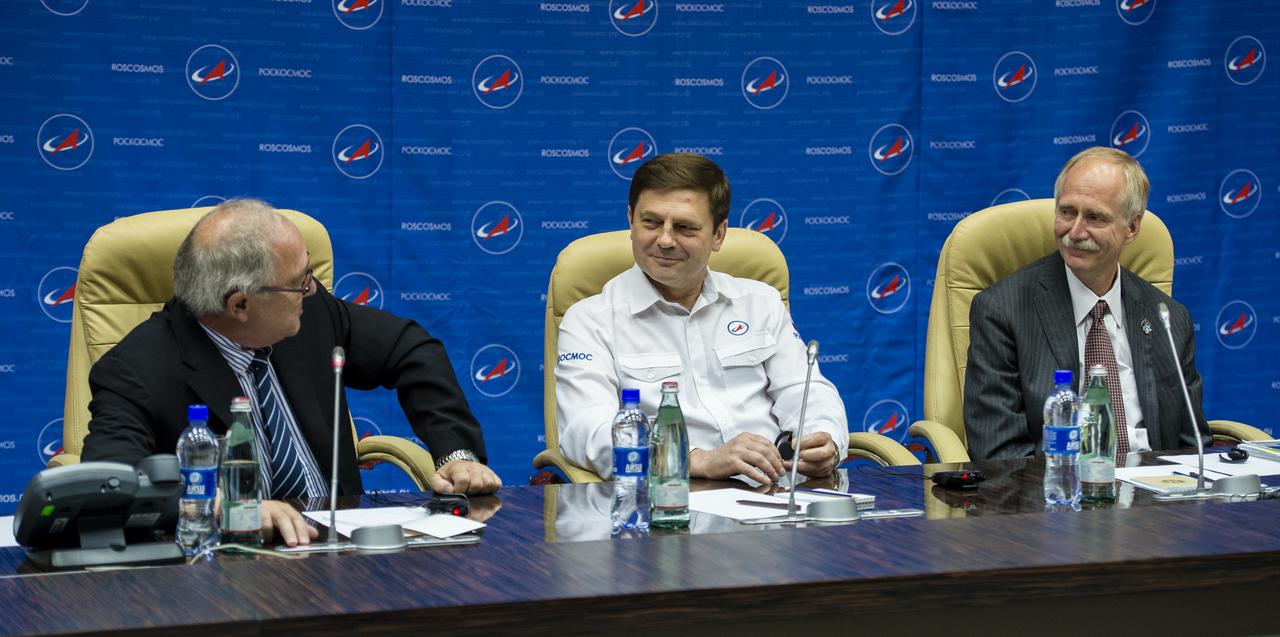
Jean-Jacques Dordain, Director General of the European Space Agency, left, Oleg Ostapenko, General Director of the Russian Federal Space Agency, Roscosmos, center, and William Gerstenmaier, NASA Associate Administrator for Human Exploration and Operations, right, are seen during a joint statement after the docking of the Soyuz TMA-13M spacecraft with the International Space Station on Thursday, May 29, 2014 at the Baikonur Hotel in Baikonur, Kazakhstan. The three spoke on the importance of international cooperation in human spaceflight. Photo Credit: (NASA/Joel Kowsky)
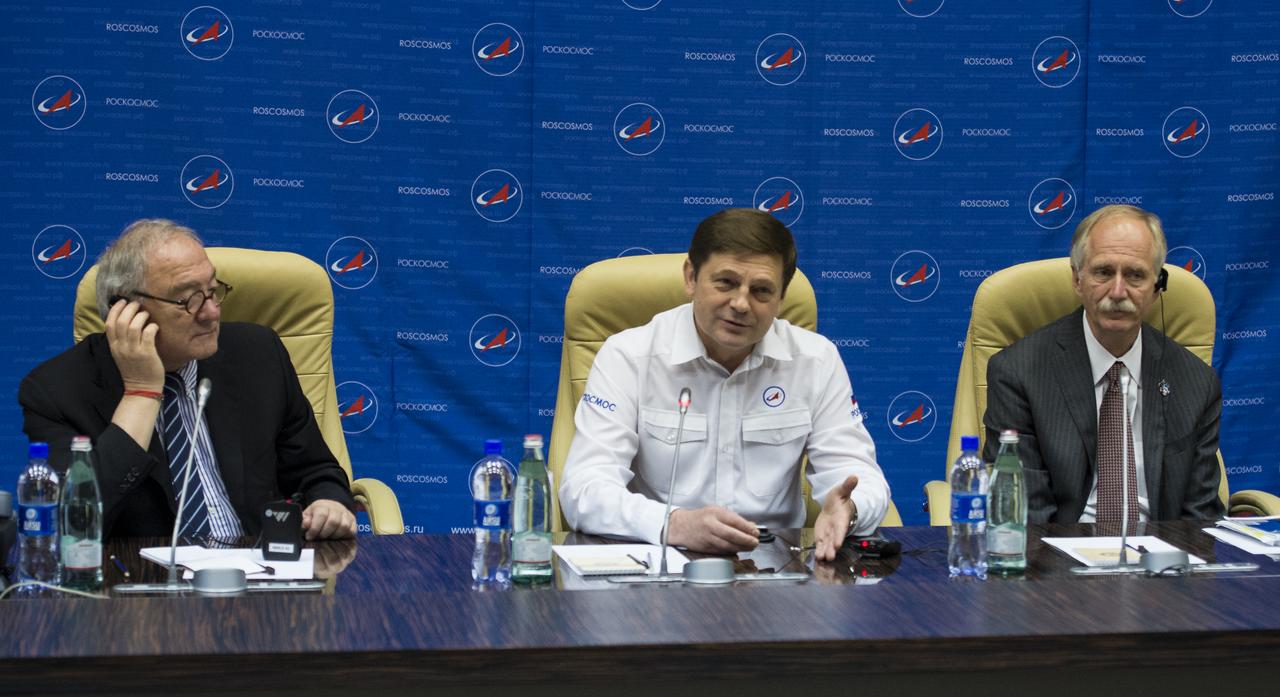
Jean-Jacques Dordain, Director General of the European Space Agency, left, Oleg Ostapenko, General Director of the Russian Federal Space Agency, Roscosmos, center, and William Gerstenmaier, NASA Associate Administrator for Human Exploration and Operations, right, are seen during a joint statement after the docking of the Soyuz TMA-13M spacecraft with the International Space Station on Thursday, May 29, 2014 at the Baikonur Hotel in Baikonur, Kazakhstan. Photo Credit: (NASA/Joel Kowsky)
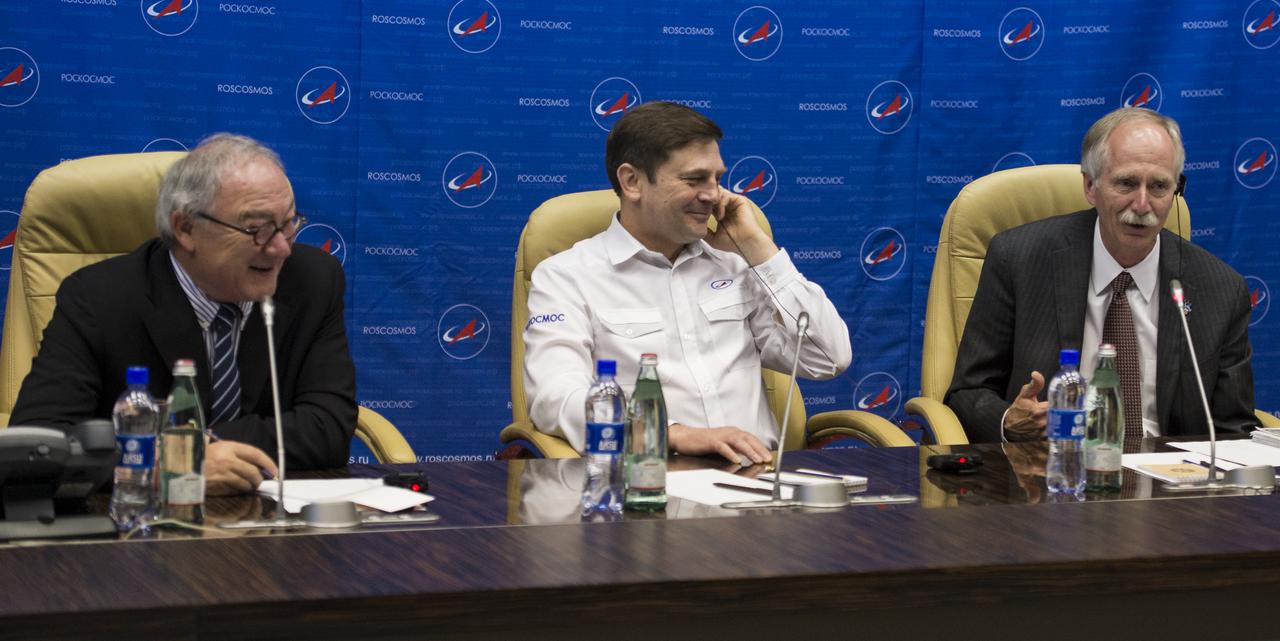
Jean-Jacques Dordain, Director General of the European Space Agency, left, Oleg Ostapenko, General Director of the Russian Federal Space Agency, Roscosmos, center, and William Gerstenmaier, NASA Associate Administrator for Human Exploration and Operations, right, are seen during a joint statement after the docking of the Soyuz TMA-13M spacecraft with the International Space Station on Thursday, May 29, 2014 at the Baikonur Hotel in Baikonur, Kazakhstan. The three spoke on the importance of international cooperation in human spaceflight. Photo Credit: (NASA/Joel Kowsky)
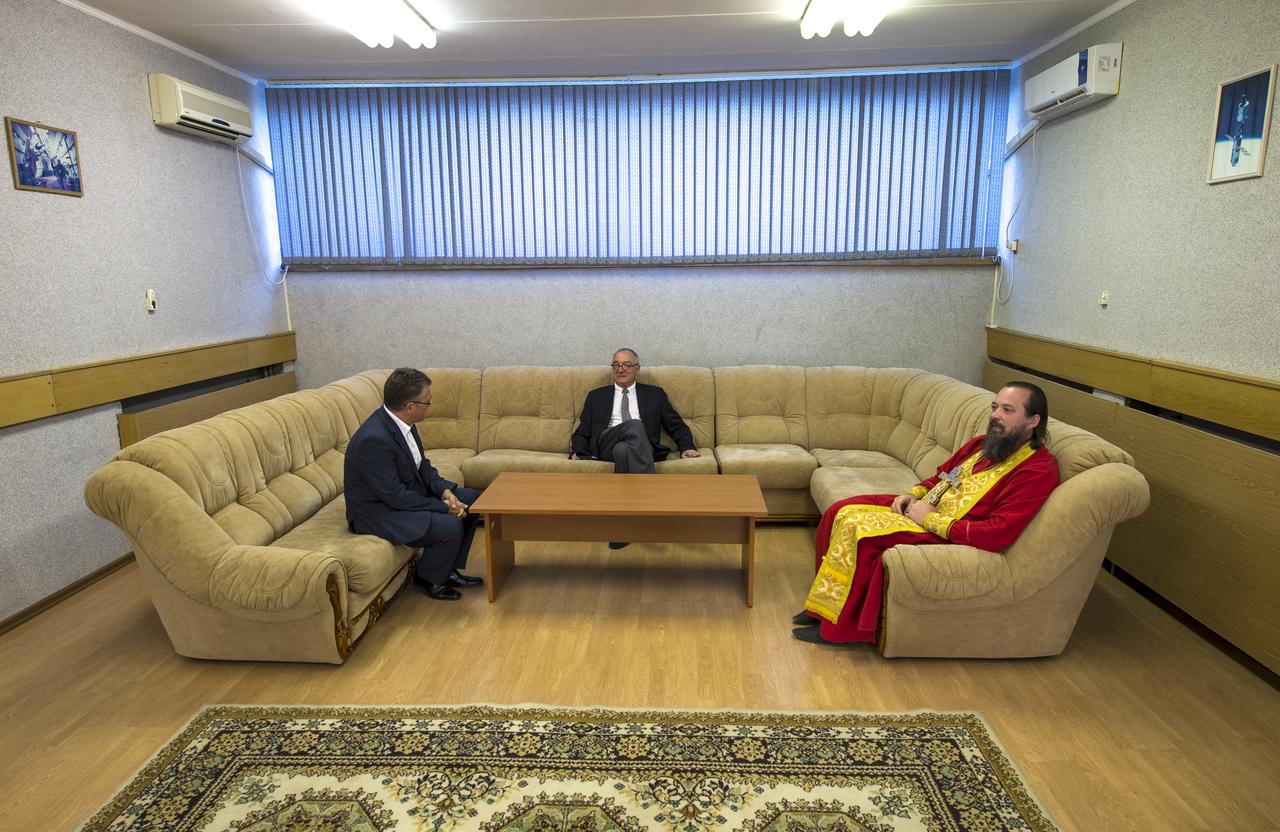
Jean-Jacques Dordain, ESA Director-General, center, talks with unidentified ESA manager as an Orthodox Priest waits for Expedition 36/37 Soyuz Commander Fyodor Yurchikhin of the Russian Federal Space Agency (Roscosmos), Flight Engineers: Flight Engineer Karen Nyberg of NASA, and, Luca Parmitano of the European Space Agency, so that he may preform the traditional blessing prior to the three crew members departing the Cosmonaut Hotel for launch onboard a Soyuz to the International Space Station, Tuesday, May 28, 2013, Baikonur Kazakhstan. The crew's Soyuz rocket is scheduled to launch at 2:31a.m., Wednesday May 29, Kazakh time. Yurchikhin, Nyberg, and, Parmitano, will remain aboard the station until mid-November. Photo credit: (NASA/Bill Ingalls)
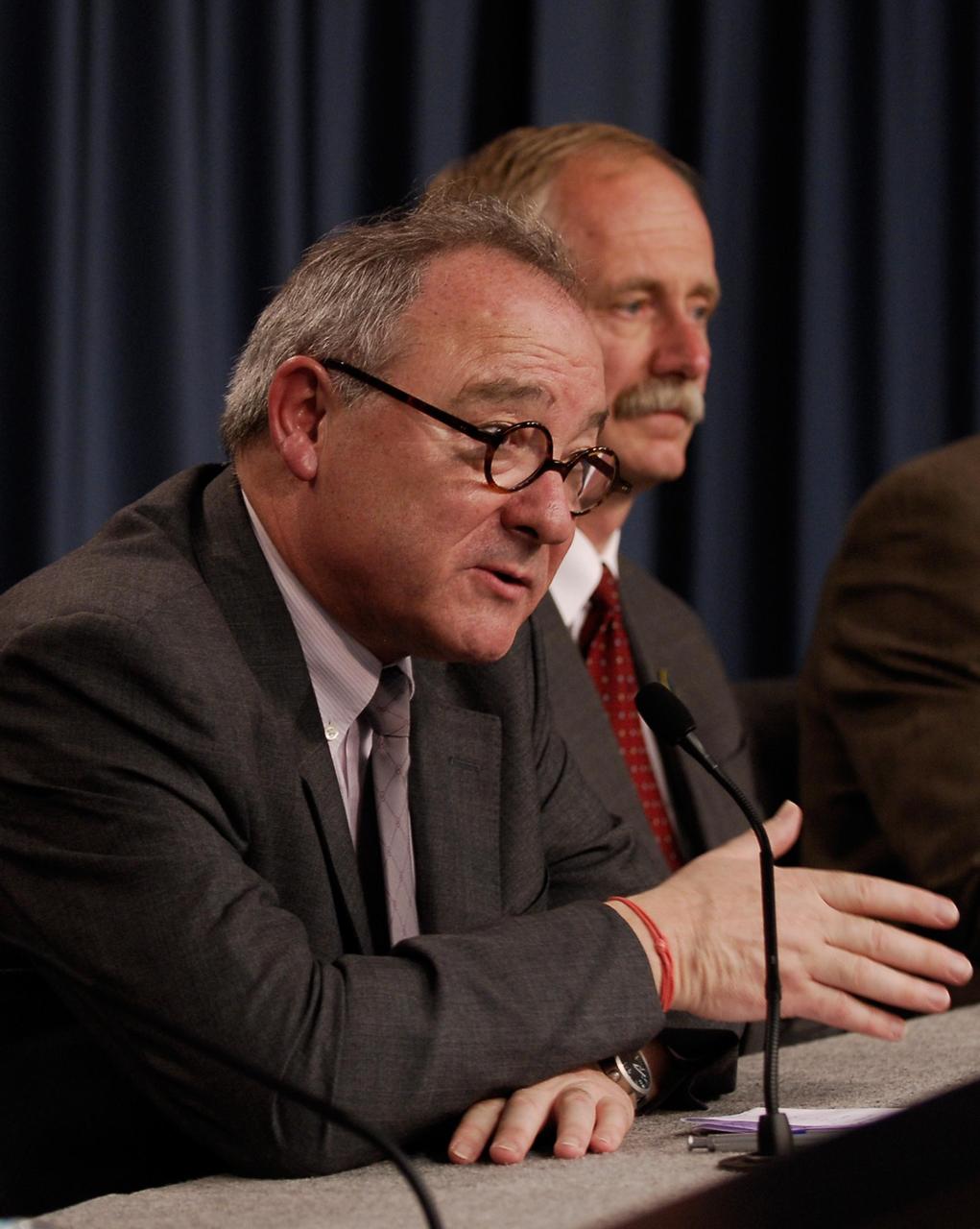
KENNEDY SPACE CENTER, FLA. -- Following the successful launch of space shuttle Atlantis on mission STS-122, European Space Agency Director General Jean-Jacques Dordain states that the launch ensures ESA is a capable partner in the International Space Station. Behind Dordain is Associate Administrator for Space Operations Bill Gerstenmaier. During the 11-day mission, the crew's prime objective is to attach the Columbus laboratory to the Harmony module, adding to the station's size and capabilities. Photo credit: NASA/Kim Shiflett
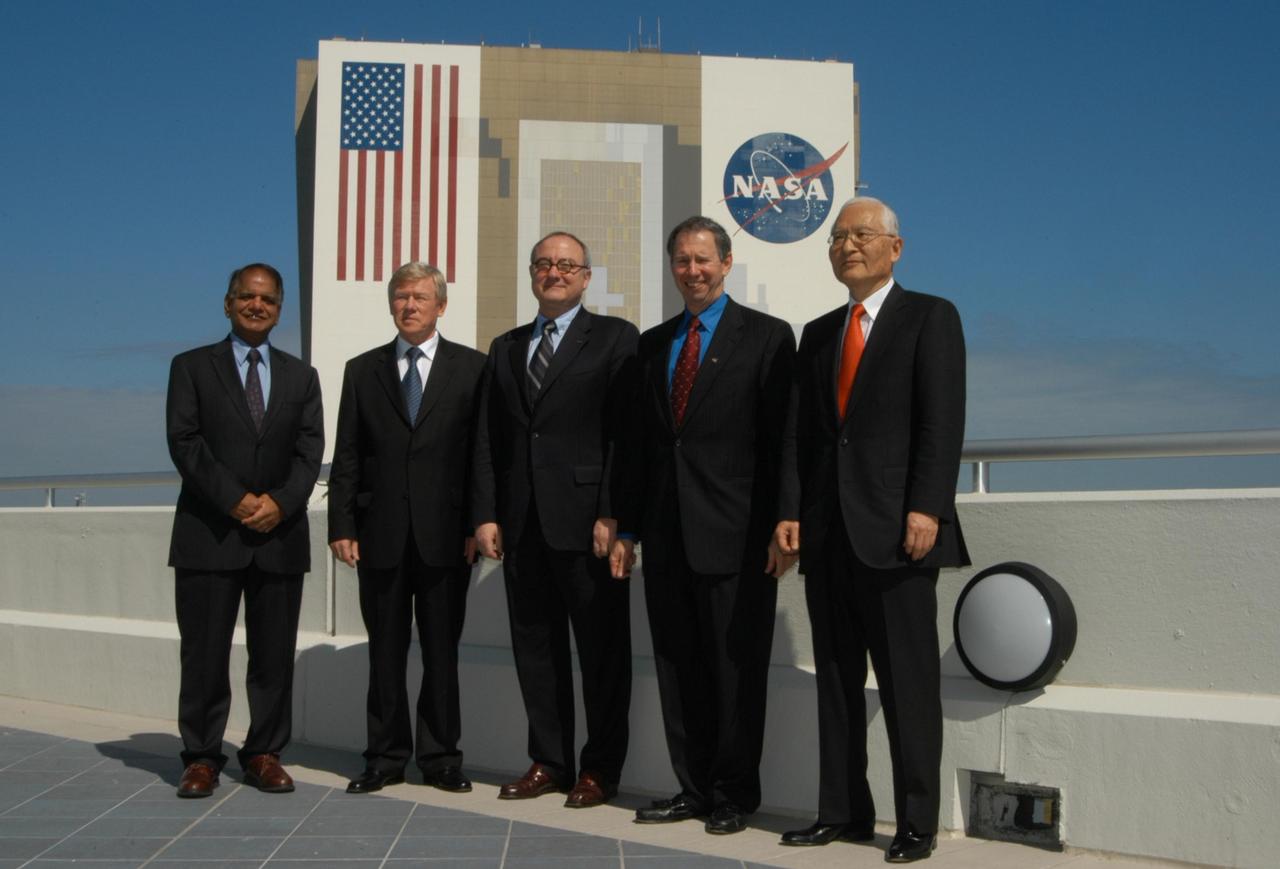
KENNEDY SPACE CENTER, FLA. - Leaders from space agencies around the world take a moment from the International Space Station Heads of Agency meeting being held at Kennedy Space Center for a group portrait in front of the Vehicle Assembly Building. From left are Canadian Space Agency Vice-President Space Science, Technology and Programs Virendra Jha; Russian Federal Space Agency Head Anatolii Perminov; European Space Agency Director-General Jean-Jacques Dordain; NASA Administrator Michael Griffin; and Japan Aerospace Exploration Agency President Keiji Tachikawa. The purpose of the meeting is to review International Space Station cooperation and endorse a revision to the station configuration and assembly sequence.
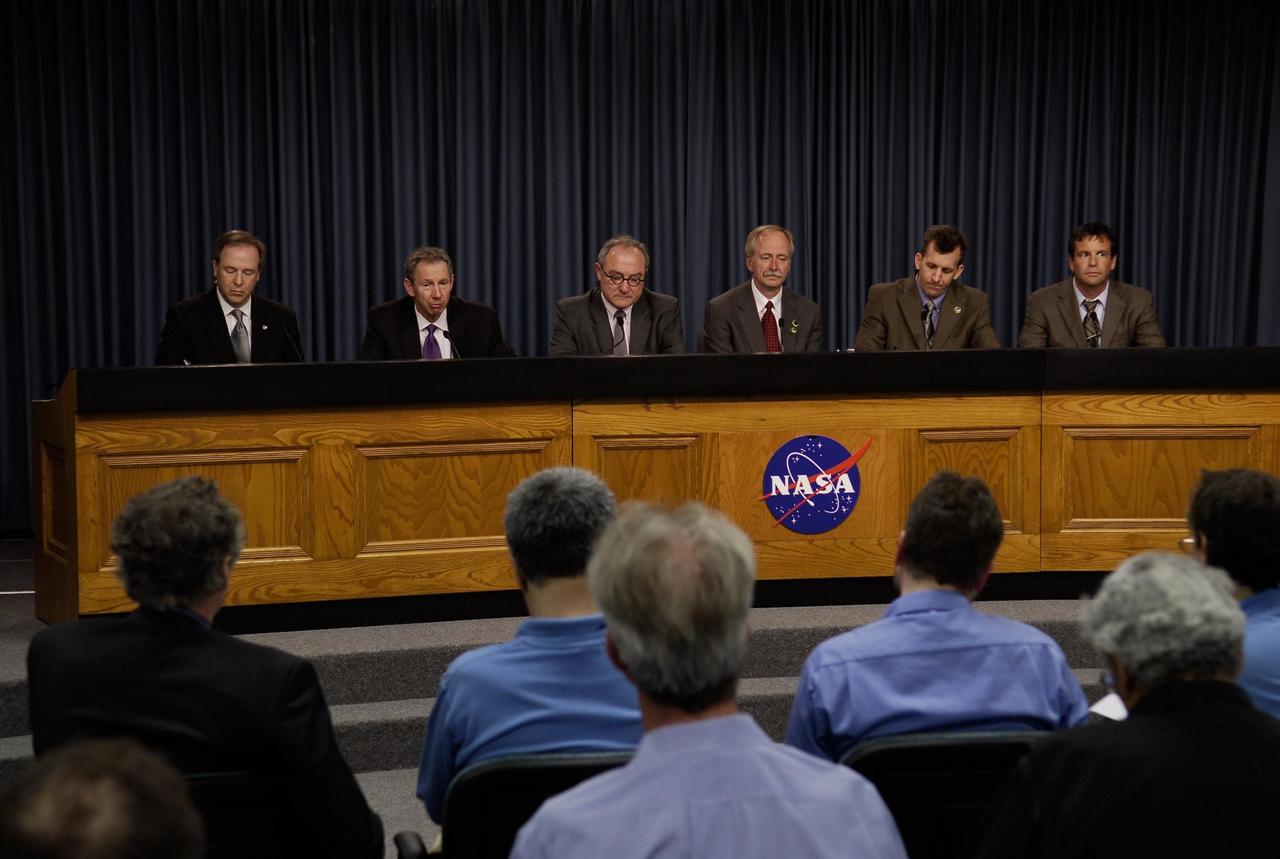
KENNEDY SPACE CENTER, FLA. -- Following the successful launch of space shuttle Atlantis on mission STS-122, NASA VIPs appear at a news conference to give their views about the launch and mission. From left are NASA Assistant Administrator for Public Affairs David Mould, NASA Administrator Michael Griffin, European Space Agency Director General Jean-Jacques Dordain, Associate Administrator for Space Operations Bill Gerstenmaier, Director of Mission Launch Integration LeRoy Cain and STS-122 Launch Director Doug Lyons. During the 11-day mission, the crew's prime objective is to attach the Columbus laboratory to the Harmony module, adding to the station's size and capabilities. Photo credit: NASA/Kim Shiflett
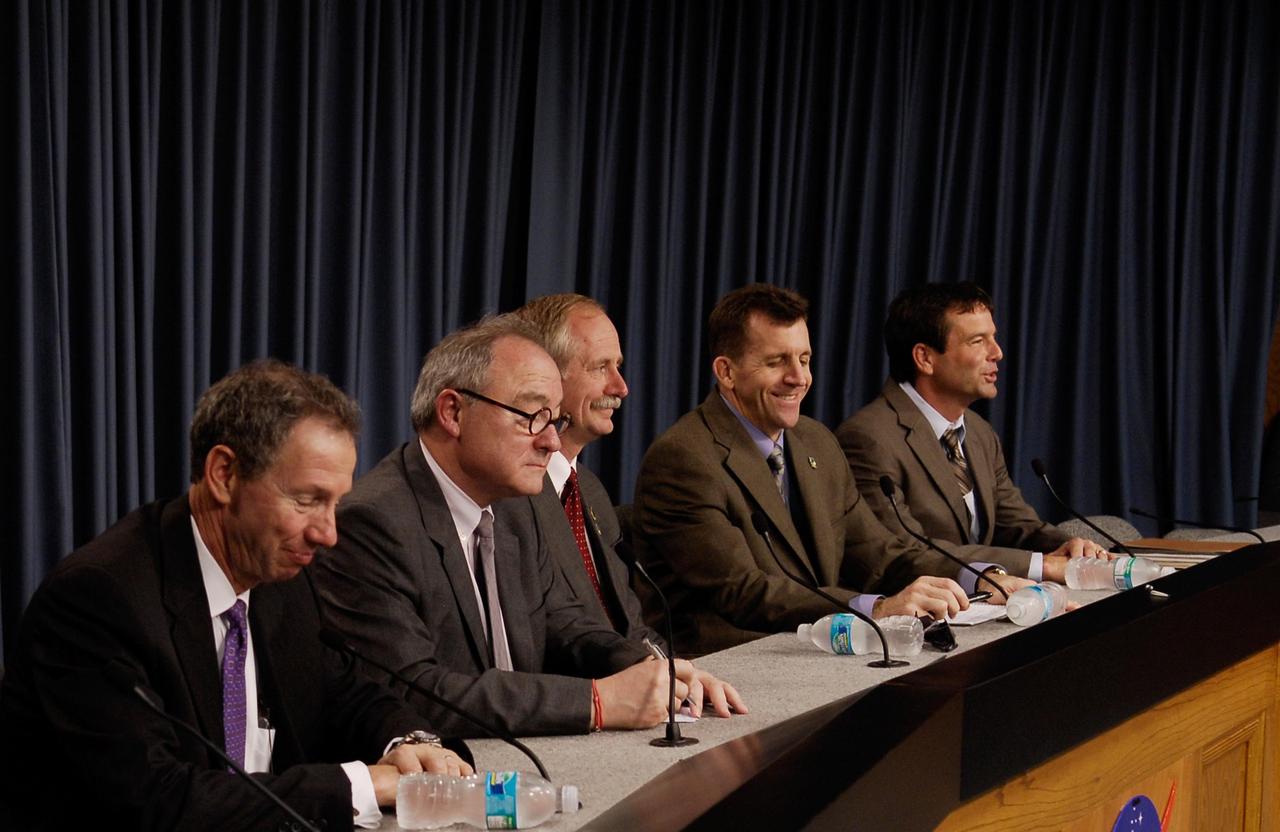
KENNEDY SPACE CENTER, FLA. -- Following the successful launch of space shuttle Atlantis on mission STS-122, NASA VIPs appear at a news conference to give their views about the launch and mission. From left are NASA Administrator Michael Griffin, European Space Agency Director General Jean-Jacques Dordain, Associate Administrator for Space Operations Bill Gerstenmaier, Director of Mission Launch Integration LeRoy Cain and STS-122 Launch Director Doug Lyons. During the 11-day mission, the crew's prime objective is to attach the Columbus laboratory to the Harmony module, adding to the station's size and capabilities. Photo credit: NASA/Kim Shiflett
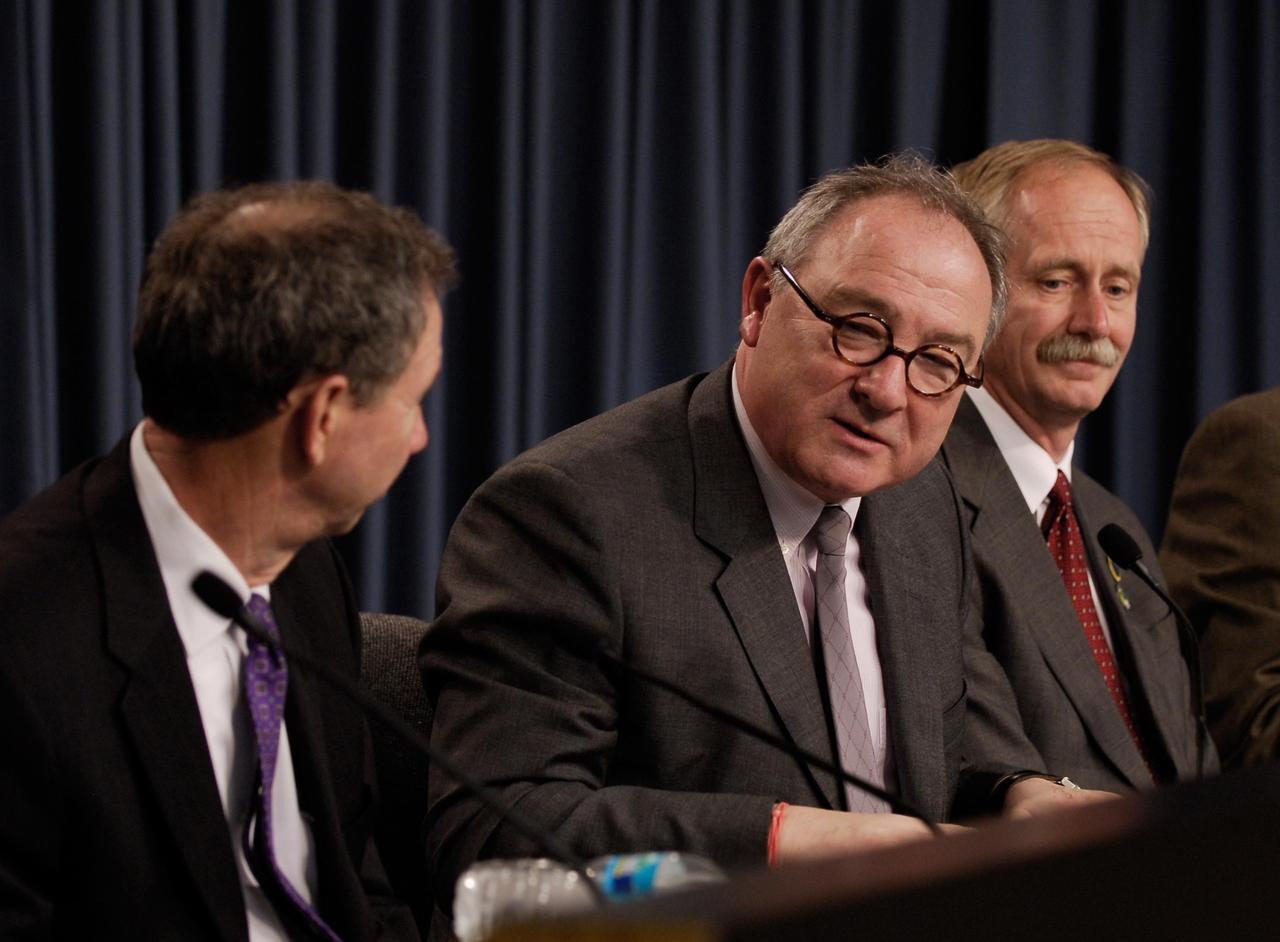
KENNEDY SPACE CENTER, FLA. -- Following the successful launch of space shuttle Atlantis on mission STS-122, European Space Agency Director General Jean-Jacques Dordain (center) thanks NASA and Administrator Michael Griffin (left) for the launch of the ESA Columbus laboratory that ensures ESA is a capable partner in the International Space Station. At right is Associate Administrator for Space Operations Bill Gerstenmaier. During the 11-day mission, the crew's prime objective is to attach the Columbus laboratory to the Harmony module, adding to the station's size and capabilities. Photo credit: NASA/Kim Shiflett
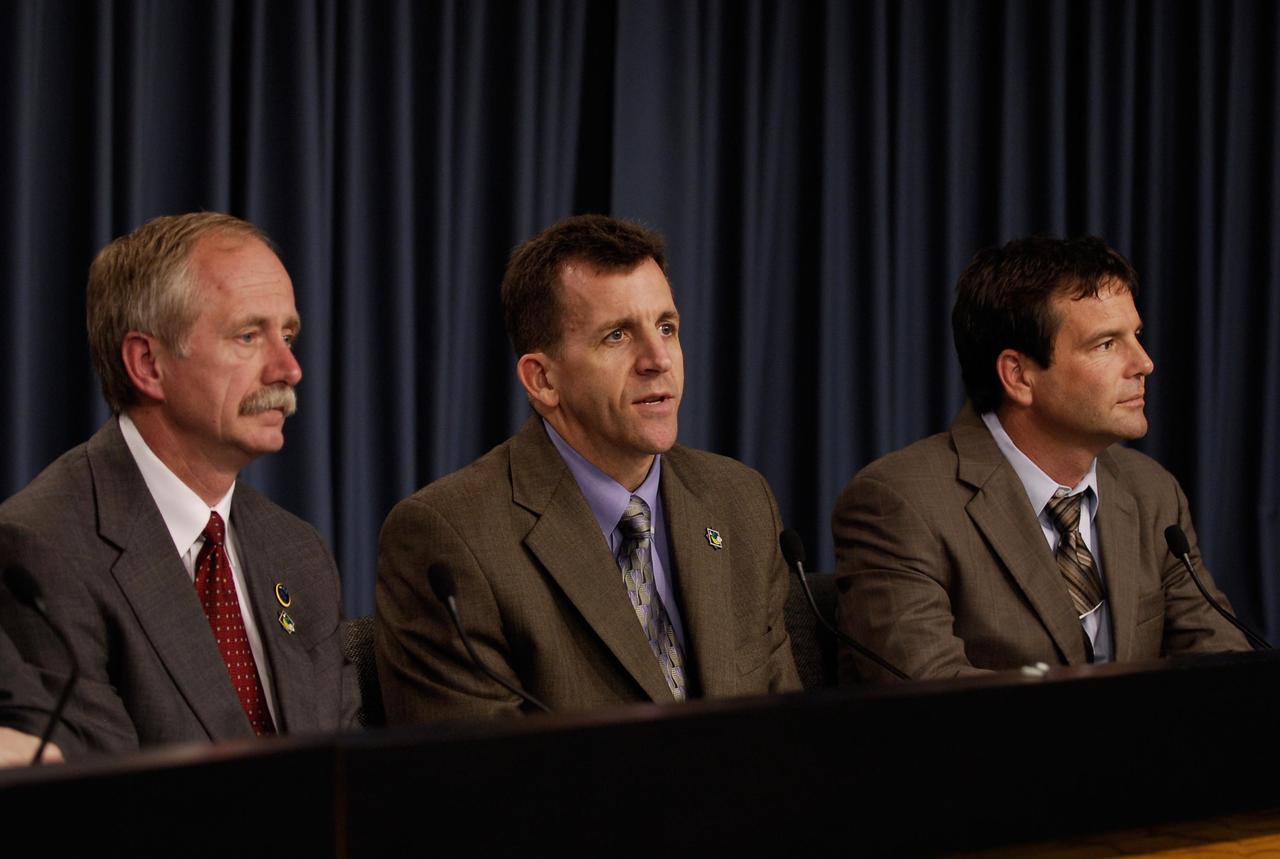
KENNEDY SPACE CENTER, FLA. -- Following the successful launch of space shuttle Atlantis on mission STS-122, NASA VIPs appear at a news conference to give their views about the launch and mission. Seen here are Associate Administrator for Space Operations Bill Gerstenmaier, Director of Mission Launch Integration LeRoy Cain and STS-122 Launch Director Doug Lyons. Also on the dais but not pictured are NASA Administrator Michael Griffin and European Space Agency Director General Jean-Jacques Dordain. During the 11-day mission, the crew's prime objective is to attach the Columbus laboratory to the Harmony module, adding to the station's size and capabilities. Photo credit: NASA/Kim Shiflett
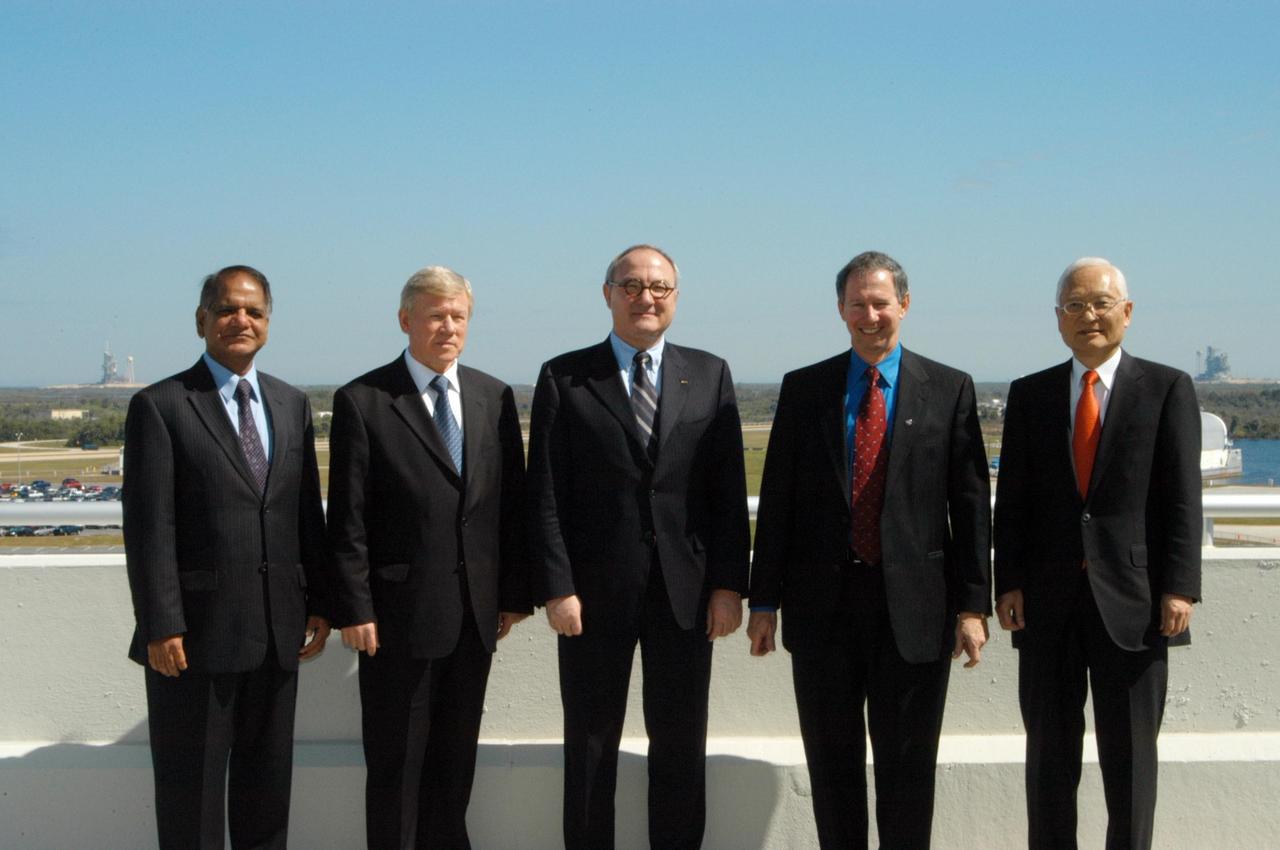
KENNEDY SPACE CENTER, FLA. - Leaders from space agencies around the world take a moment from the International Space Station Heads of Agency meeting being held at Kennedy Space Center for a group portrait, framed by the space shuttle launch pads in Launch Complex 39. From left are Canadian Space Agency Vice-President Space Science, Technology and Programs Virendra Jha; Russian Federal Space Agency Head Anatolii Perminov; European Space Agency Director-General Jean-Jacques Dordain; NASA Administrator Michael Griffin; and Japan Aerospace Exploration Agency President Keiji Tachikawa. The purpose of the meeting is to review International Space Station cooperation and endorse a revision to the station configuration and assembly sequence.
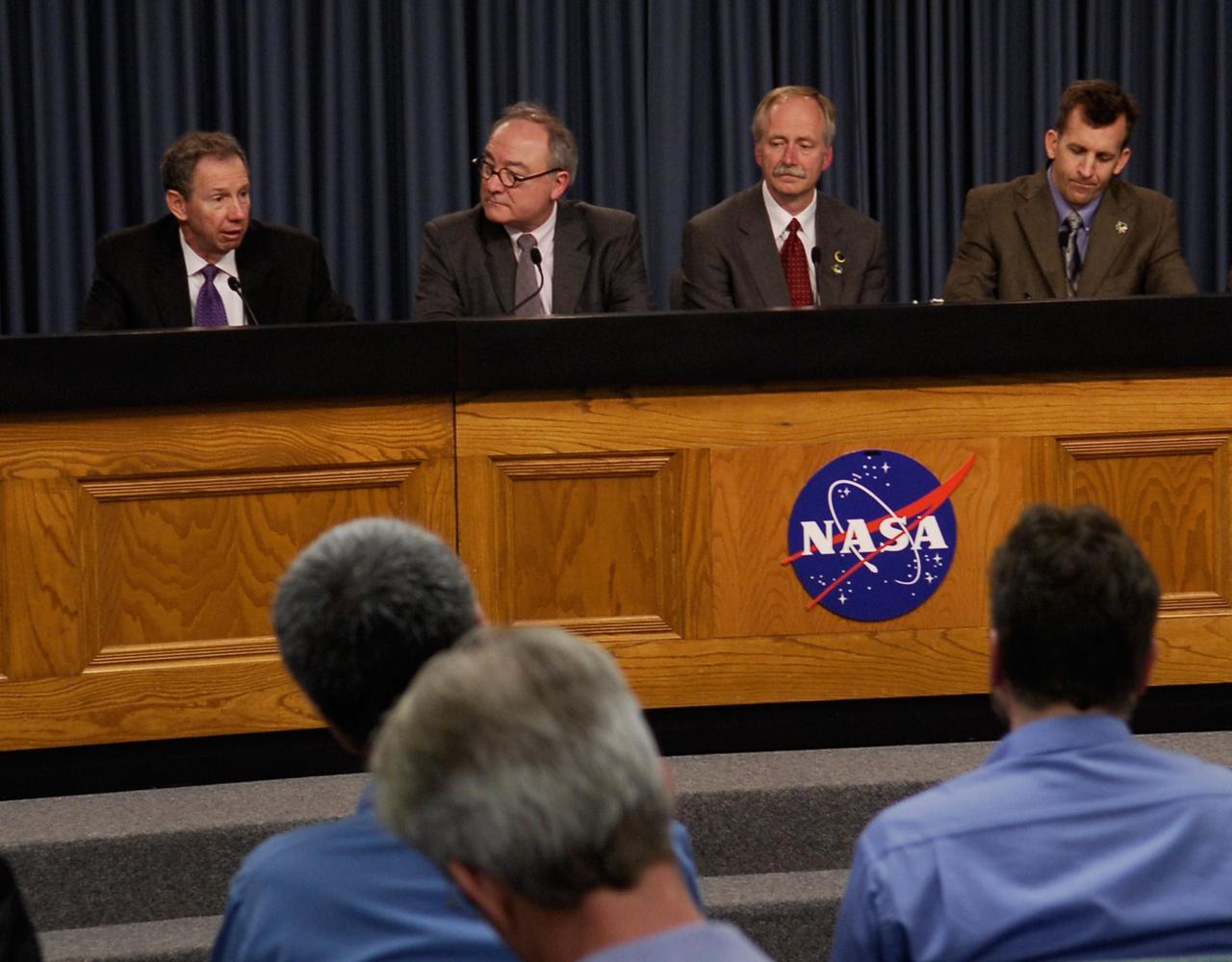
KENNEDY SPACE CENTER, FLA. -- Following the successful launch of space shuttle Atlantis on mission STS-122, NASA Administrator Michael Griffin tells the media at a news conference that the European Space Agency's (ESA) Columbus laboratory will bring a truly international capability to the International Space Station. Also seen on the dais are ESA's Director General Jean-Jacques Dordain, Associate Administrator for Space Operations Bill Gerstenmaier and Director of Mission Launch Integration LeRoy Cain. Not pictured but present at the conference is STS-122 Launch Director Doug Lyons. During the 11-day mission, the crew's prime objective is to attach the Columbus laboratory to the Harmony module, adding to the station's size and capabilities. Photo credit: NASA/Kim Shiflett
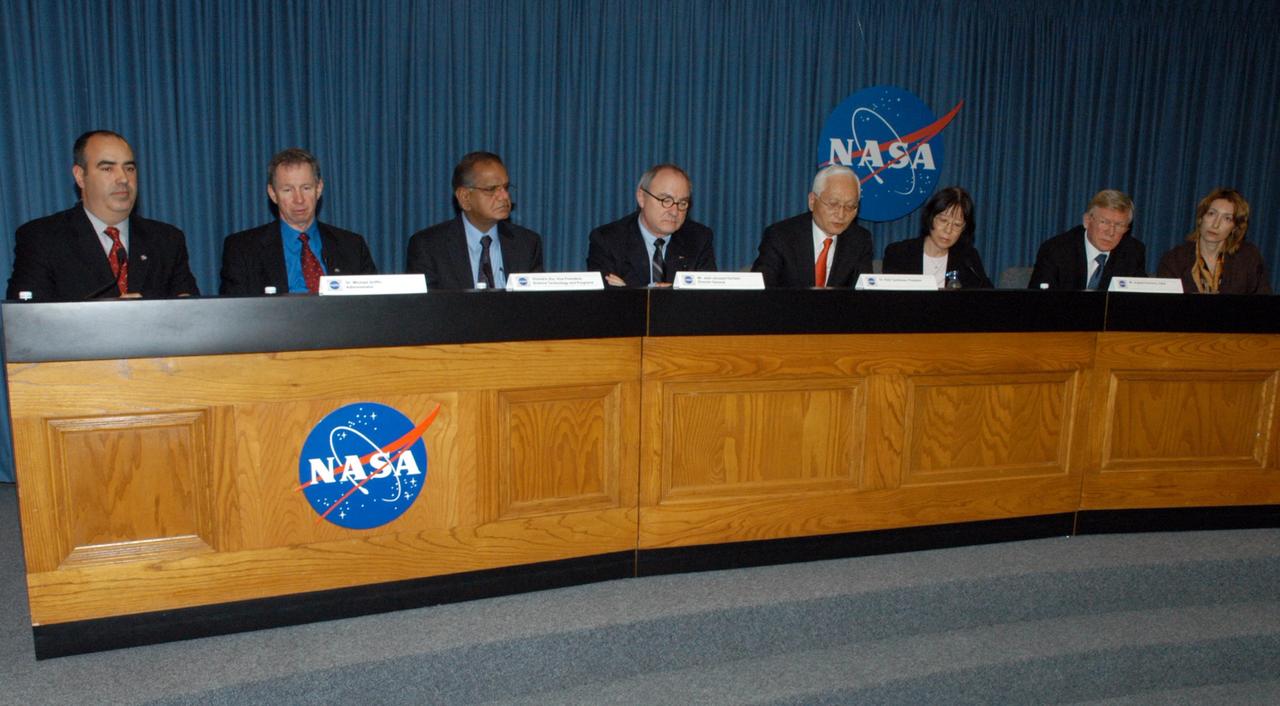
KENNEDY SPACE CENTER, FLA. - Leaders from space agencies around the world participate in a news briefing following the International Space Station Heads of Agency meeting held at Kennedy Space Center. From left are NASA Press Secretary Dean Acosta; NASA Administrator Michael Griffin; Canadian Space Agency Vice-President Space Science, Technology and Programs Virendra Jha; European Space Agency Director-General Jean-Jacques Dordain; Japan Aerospace Exploration Agency President Keiji Tachikawa; Japanese interpreter Masako Kaharia; Russian Federal Space Agency Head Anatolii Perminov; and Russian interpreter Elena Maroko. The purpose of the meeting was to review International Space Station cooperation and endorse a revision to the station configuration and assembly sequence. At the meeting, the partners reaffirmed their agencies' commitment to meet their mutual obligations, to implement six person crew operations in 2009 and an adequate number of shuttle flights to complete the assembly of the space station by the end of the decade. Photo credit: NASA/George Shelton
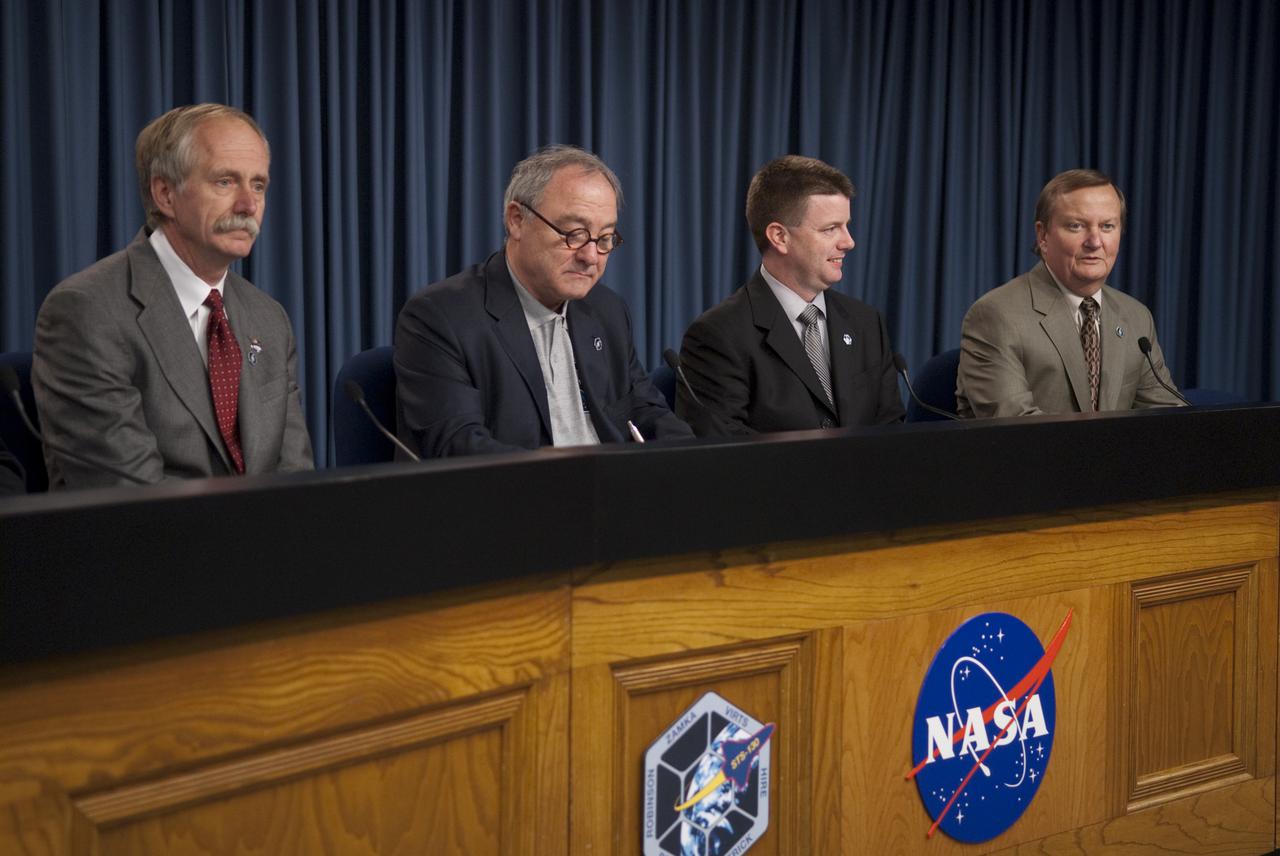
CAPE CANAVERAL, Fla. - NASA managers participate in a news conference in the Press Site auditorium at NASA's Kennedy Space Center in Florida following the successful launch of space shuttle Endeavour. From left are Bill Gerstenmaier, associate administrator for Space Operations; Jean-Jacques Dordain, European Space Agency director general; Mike Moses, shuttle launch integration manager; and Mike Leinbach, shuttle launch director. Launch of the STS-130 mission to the International Space Station was at 4:14 a.m. EST. This was the second launch attempt for space shuttle Endeavour's STS-130 crew and the final scheduled space shuttle night launch. The first attempt on Feb. 7 was scrubbed due to unfavorable weather. The primary payload for the STS-130 mission to the International Space Station is the Tranquility node, a pressurized module that will provide additional room for crew members and many of the station's life support and environmental control systems. Attached to one end of Tranquility is a cupola, a unique work area with six windows on its sides and one on top. The cupola resembles a circular bay window and will provide a vastly improved view of the station's exterior. The multi-directional view will allow the crew to monitor spacewalks and docking operations, as well as provide a spectacular view of Earth and other celestial objects. The module was built in Turin, Italy, by Thales Alenia Space for the European Space Agency. For information on the STS-130 mission and crew, visit http:__www.nasa.gov_mission_pages_shuttle_shuttlemissions_sts130_index.html. Photo credit: Photo credit: NASA_Kim Shiflett
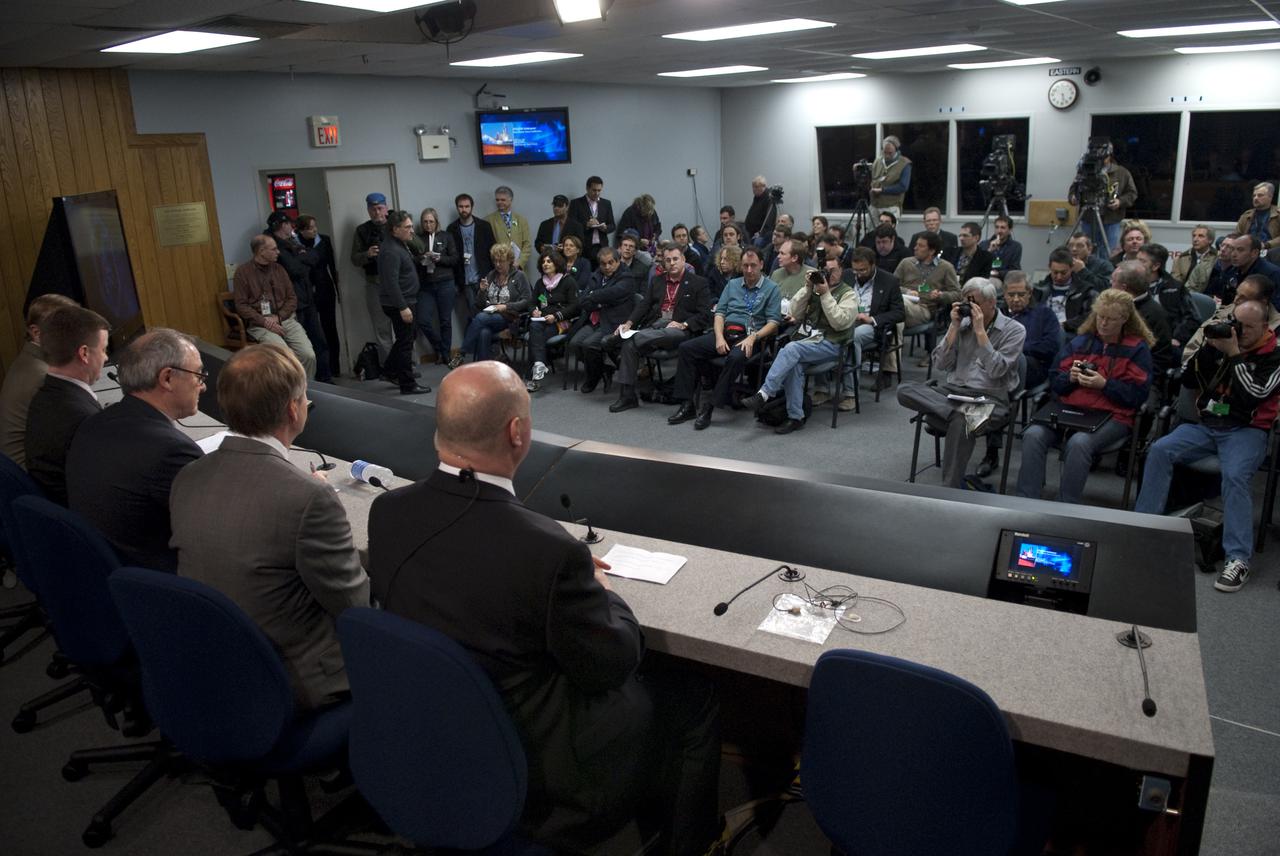
CAPE CANAVERAL, Fla. - Representatives from media outlets worldwide are given the opportunity to ask questions of NASA managers following the successful launch of space shuttle Endeavour during a news conference held in the Press Site auditorium at NASA's Kennedy Space Center in Florida. Participating in the briefing are, from left with their backs to the camera, Mike Leinbach, shuttle launch director; Mike Moses, shuttle launch integration manager; Jean-Jacques Dordain, European Space Agency director general; Bill Gerstenmaier, associate administrator for Space Operations; and moderator Mike Curie, NASA Public Affairs. Launch of the STS-130 mission to the International Space Station was at 4:14 a.m. EST. This was the second launch attempt for space shuttle Endeavour's STS-130 crew and the final scheduled space shuttle night launch. The first attempt on Feb. 7 was scrubbed due to unfavorable weather. The primary payload for the STS-130 mission to the International Space Station is the Tranquility node, a pressurized module that will provide additional room for crew members and many of the station's life support and environmental control systems. Attached to one end of Tranquility is a cupola, a unique work area with six windows on its sides and one on top. The cupola resembles a circular bay window and will provide a vastly improved view of the station's exterior. The multi-directional view will allow the crew to monitor spacewalks and docking operations, as well as provide a spectacular view of Earth and other celestial objects. The module was built in Turin, Italy, by Thales Alenia Space for the European Space Agency. For information on the STS-130 mission and crew, visit http:__www.nasa.gov_mission_pages_shuttle_shuttlemissions_sts130_index.html. Photo credit: Photo credit: NASA_Kim Shiflett
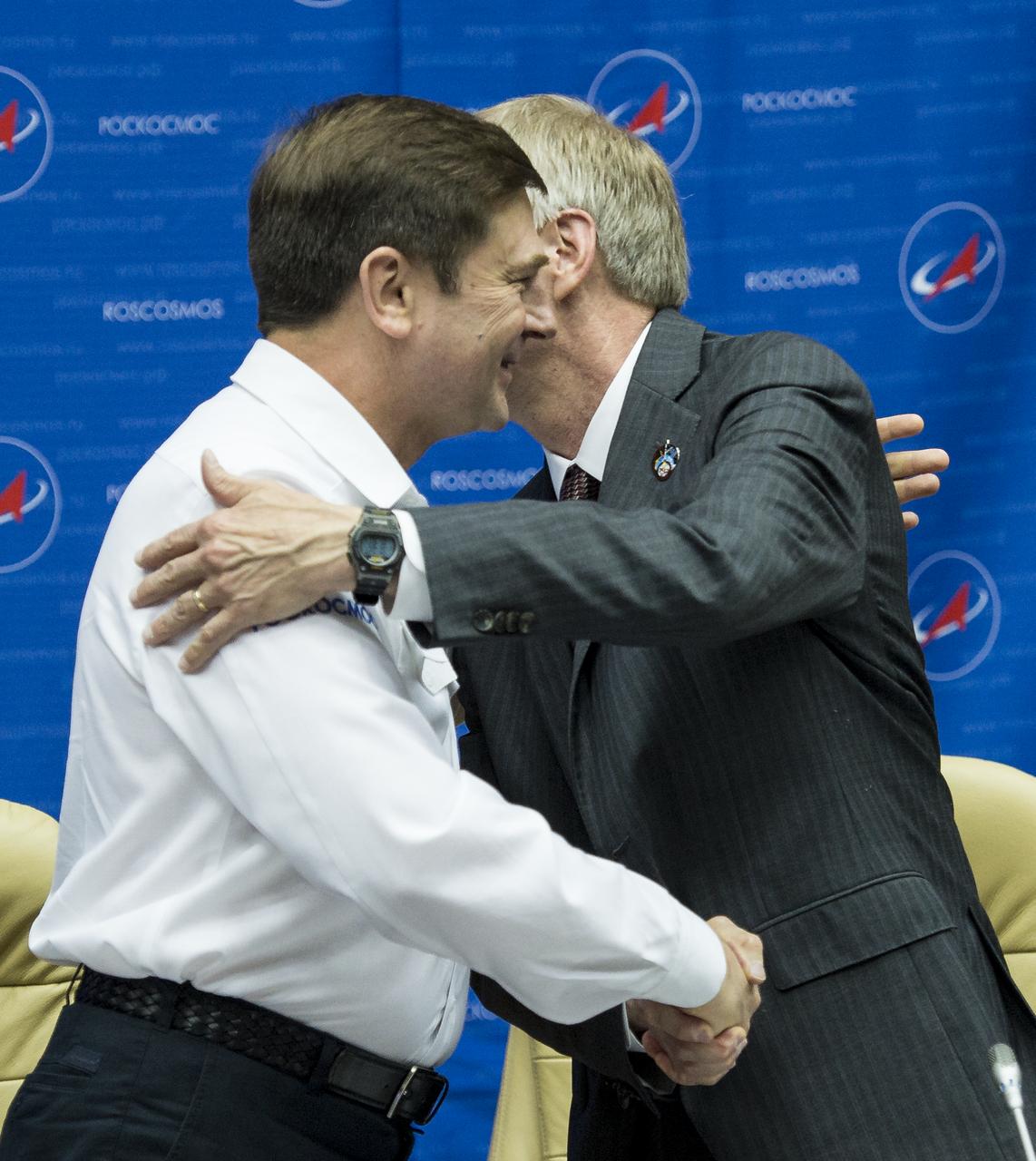
Oleg Ostapenko, General Director of the Russian Federal Space Agency, Roscosmos, left, and William Gerstenmaier, NASA Associate Administrator for Human Exploration and Operations, right, shake hands following a joint statement after the docking of the Soyuz TMA-13M spacecraft with the International Space Station on Thursday, May 29, 2014 at the Baikonur Hotel in Baikonur, Kazakhstan. Photo Credit: (NASA/Joel Kowsky)
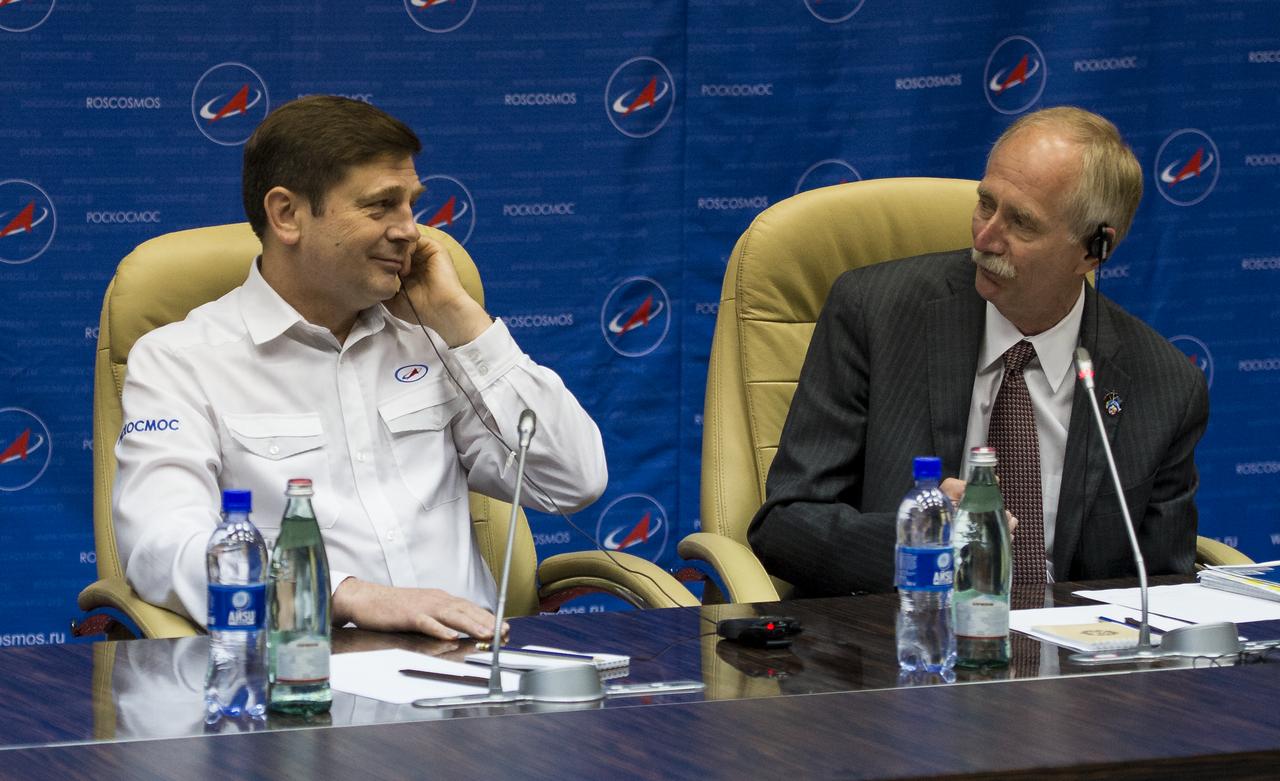
General Director of the Russian Federal Space Agency, Roscosmos, left, and William Gerstenmaier, NASA Associate Administrator for Human Exploration and Operations, right, are seen during a joint statement after the docking of the Soyuz TMA-13M spacecraft with the International Space Station on Thursday, May 29, 2014 at the Baikonur Hotel in Baikonur, Kazakhstan. Photo Credit: (NASA/Joel Kowsky)