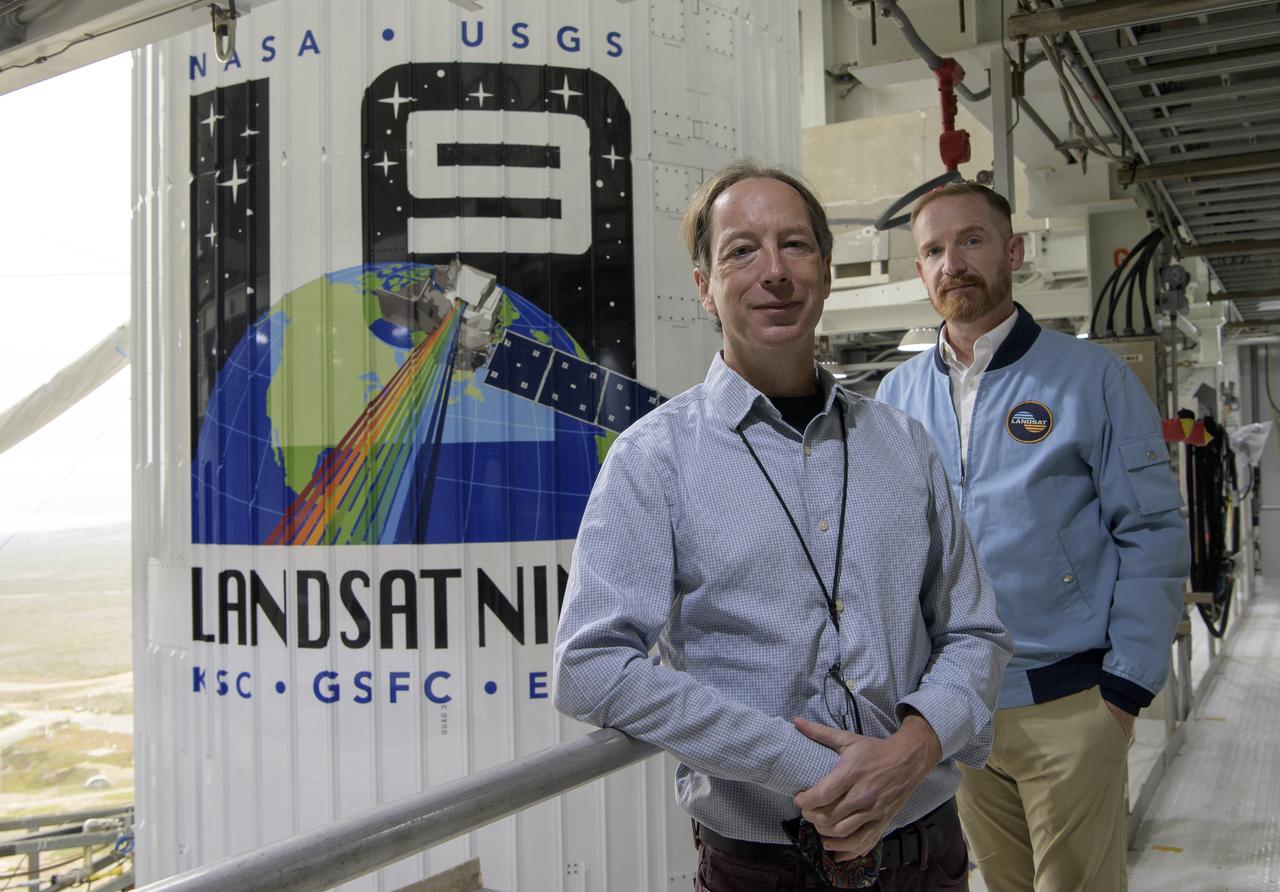
NASA Landsat 9 Project Scientist Jeff Masek, left, and Actor Marc Evan Jackson, pose for a photograph by the United Launch Alliance (ULA) Atlas V rocket with the Landsat 9 satellite onboard, Sunday, Sept. 26, 2021, at Vandenberg Space Force Base in California. The Landsat 9 satellite, a joint NASA/U.S. Geological Survey mission that will continue the legacy of monitoring Earth’s land and coastal regions, is scheduled for liftoff Monday, Sept. 27. Photo Credit: (NASA/Bill Ingalls)
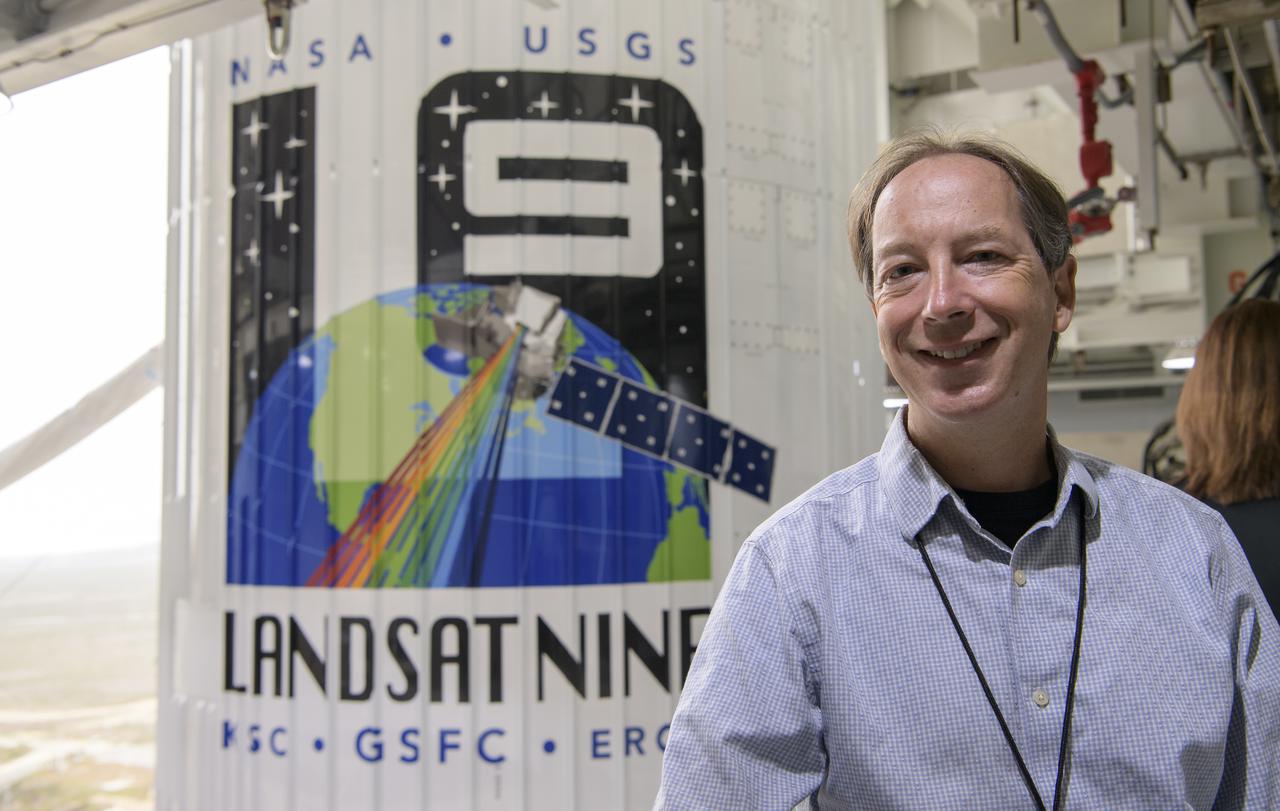
NASA Landsat 9 Project Scientist Jeff Masek poses for a photograph by the United Launch Alliance (ULA) Atlas V rocket with the Landsat 9 satellite onboard, Sunday, Sept. 26, 2021, at Vandenberg Space Force Base in California. The Landsat 9 satellite, a joint NASA/U.S. Geological Survey mission that will continue the legacy of monitoring Earth’s land and coastal regions, is scheduled for liftoff Monday, Sept. 27. Photo Credit: (NASA/Bill Ingalls)
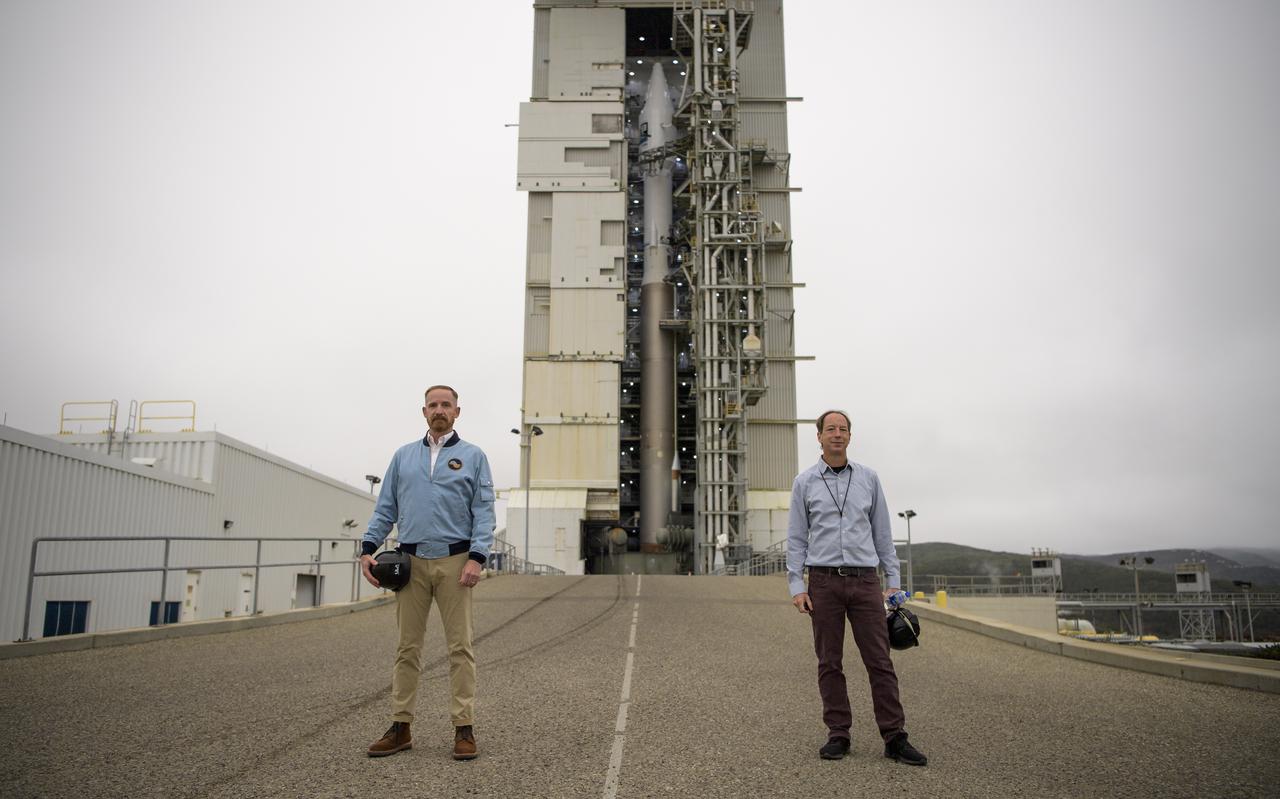
Actor Marc Evan Jackson, left, and NASA Landsat 9 Project Scientist Jeff Masek pose for a photograph by the United Launch Alliance (ULA) Atlas V rocket with the Landsat 9 satellite onboard, Sunday, Sept. 26, 2021, at Vandenberg Space Force Base in California. The Landsat 9 satellite, a joint NASA/U.S. Geological Survey mission that will continue the legacy of monitoring Earth’s land and coastal regions, is scheduled for liftoff Monday, Sept. 27. Photo Credit: (NASA/Bill Ingalls)
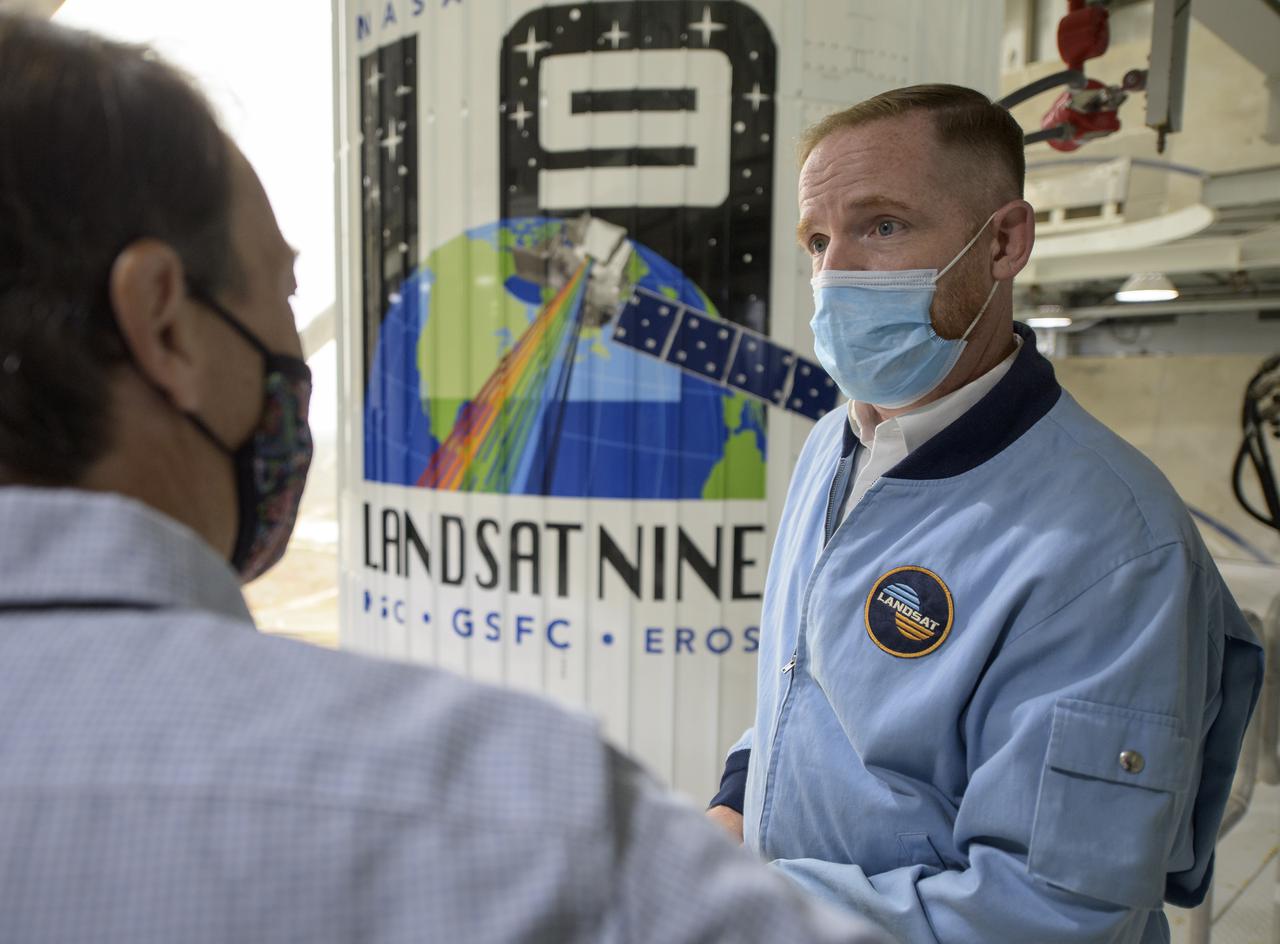
Actor Marc Evan Jackson listens as NASA Landsat 9 Project Scientist Jeff Masek, left, talk next to the United Launch Alliance (ULA) Atlas V rocket with the Landsat 9 satellite onboard, Sunday, Sept. 26, 2021, at Vandenberg Space Force Base in California. The Landsat 9 satellite, a joint NASA/U.S. Geological Survey mission that will continue the legacy of monitoring Earth’s land and coastal regions, is scheduled for liftoff Monday, Sept. 27. Photo Credit: (NASA/Bill Ingalls)
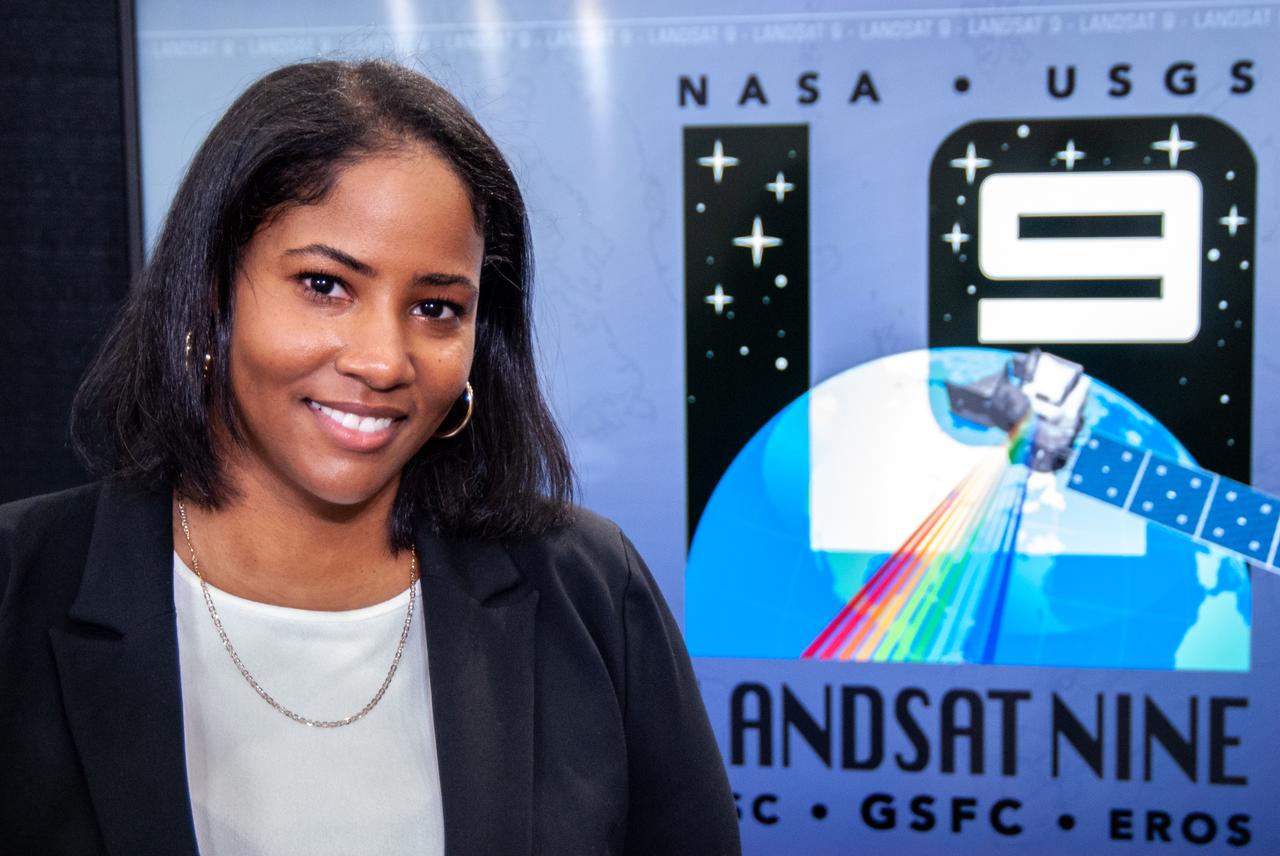
Tylar Greene, NASA Communications, moderates a mission and science briefing for NASA’s Landsat 9 mission at Vandenberg Space Force Base in California on Sept. 24, 2021. Virtual participants (not shown) are Jeff Masek, Landsat 9 project scientist at NASA’s Goddard Space Flight Center; Chris Crawford, Landsat 9 project scientist at USGS; Inbal Becker-Reshef, director of NASA’s Harvest food security and agriculture program; Del Jenstrom, Landsat 9 project manager at Goddard; Brian Sauer, Landsat 9 project manager at USGS; Sabrina Chapman, manager, system engineering, Northrop Grumman Space Systems; and Sarah Lipscy, OLI-2 senior engineer, Ball Aerospace & Technologies. Landsat 9 is scheduled to launch at 2:11 p.m. EDT (11:11 a.m. PDT) on Monday, Sept. 27, on a United Launch Alliance Atlas V 401 rocket from Space Launch Complex 3 at Vandenberg. The launch is managed by NASA’s Launch Services Program, based at the agency’s Kennedy Space Center in Florida. Landsat 9 will join its sister satellite, Landsat 8, in orbit in collecting images from across the planet every eight days. This calibrated data will continue the Landsat program’s critical role in monitoring the health of Earth and helping people manage essential resources, including crops, irrigation water, and forests.
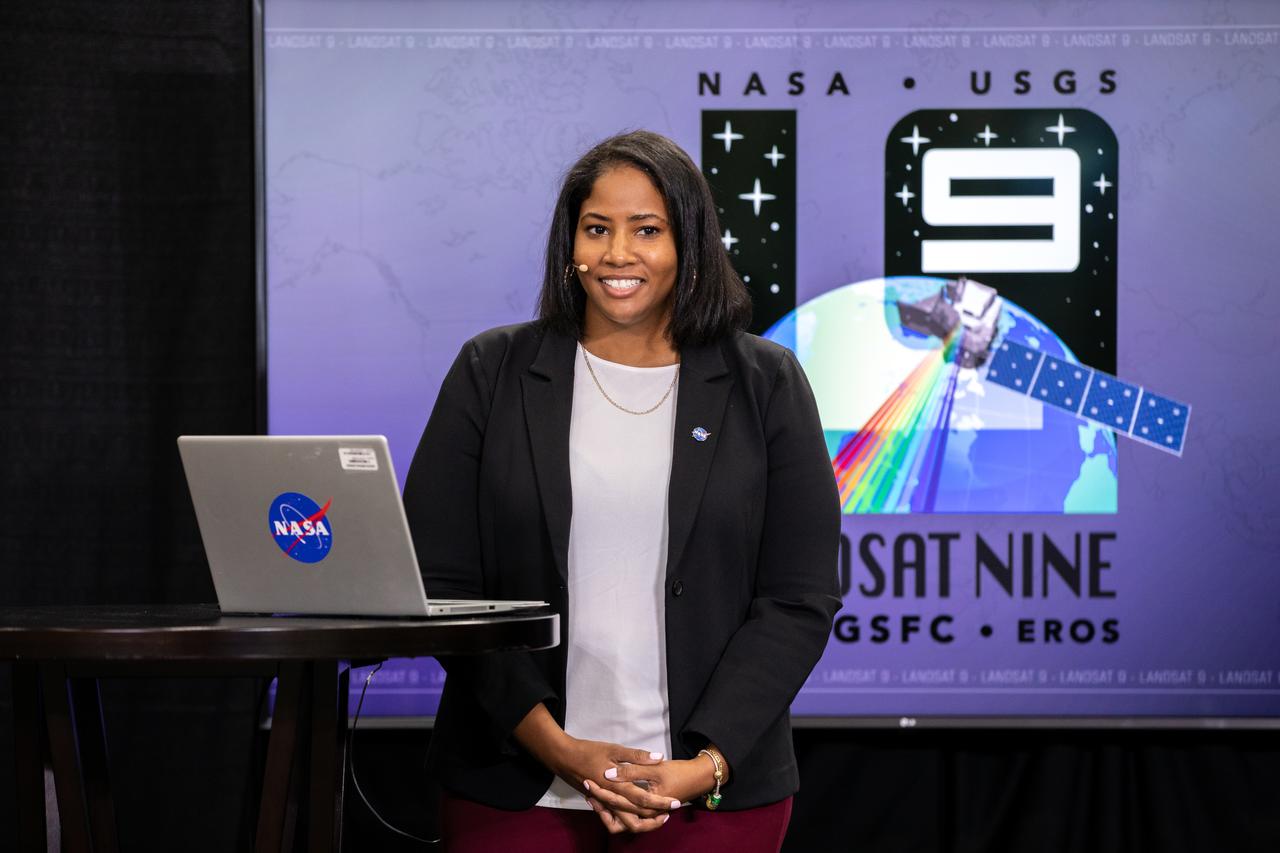
Tylar Greene, NASA Communications, moderates a mission and science briefing for NASA’s Landsat 9 mission at Vandenberg Space Force Base in California on Sept. 24, 2021. Virtual participants (not shown) are Jeff Masek, Landsat 9 project scientist at NASA’s Goddard Space Flight Center; Chris Crawford, Landsat 9 project scientist at USGS; Inbal Becker-Reshef, director of NASA’s Harvest food security and agriculture program; Del Jenstrom, Landsat 9 project manager at Goddard; Brian Sauer, Landsat 9 project manager at USGS; Sabrina Chapman, manager, system engineering, Northrop Grumman Space Systems; and Sarah Lipscy, OLI-2 senior engineer, Ball Aerospace & Technologies. Landsat 9 is scheduled to launch at 2:11 p.m. EDT (11:11 a.m. PDT) on Monday, Sept. 27, on a United Launch Alliance Atlas V 401 rocket from Space Launch Complex 3 at Vandenberg. The launch is managed by NASA’s Launch Services Program, based at the agency’s Kennedy Space Center in Florida. Landsat 9 will join its sister satellite, Landsat 8, in orbit in collecting images from across the planet every eight days. This calibrated data will continue the Landsat program’s critical role in monitoring the health of Earth and helping people manage essential resources, including crops, irrigation water, and forests.
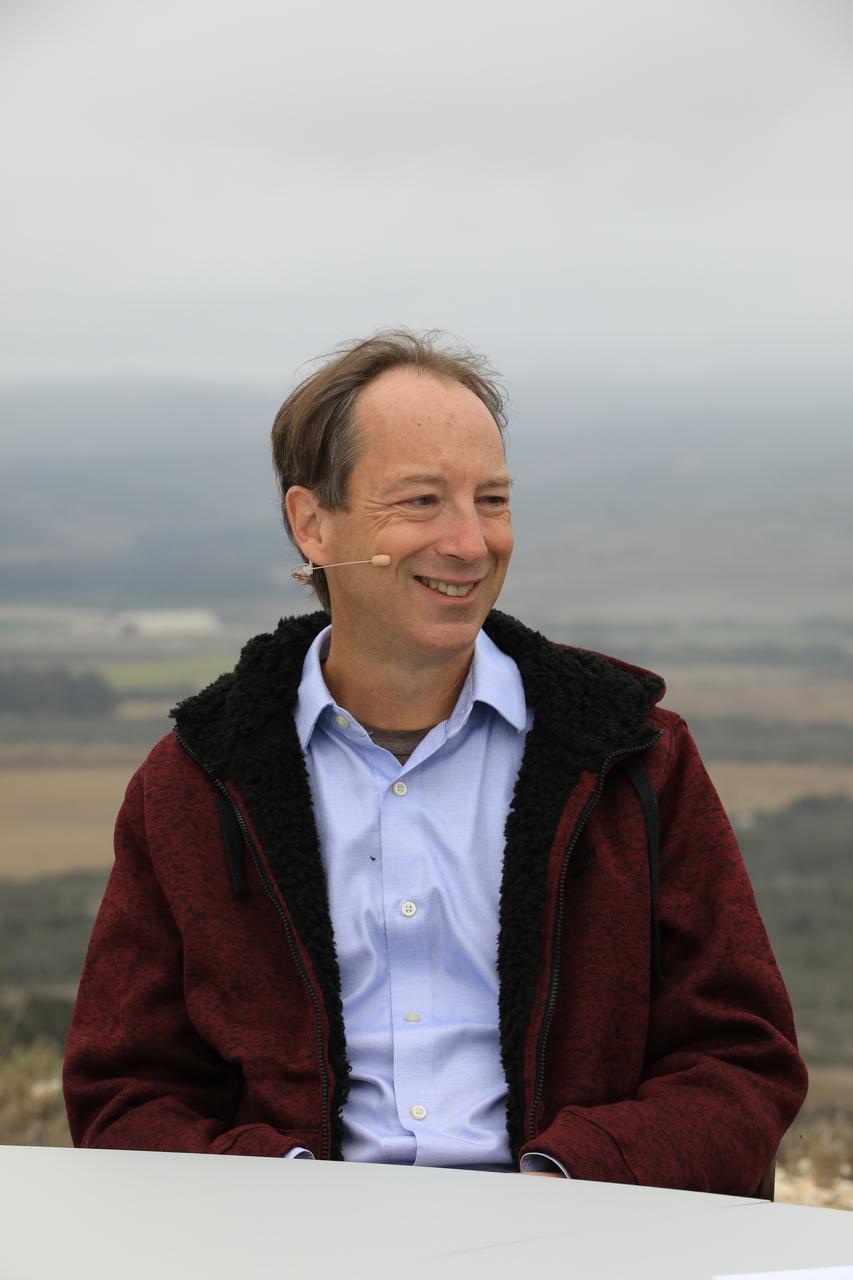
Jeff Masek, Landsat 9 project scientist at NASA’s Goddard Space Flight Center, participates in the launch broadcast for the Landsat 9 mission on Sept. 27, 2021, at Vandenberg Space Force Base in California. NASA’s Landsat 9 satellite launched on a United Launch Alliance Atlas V 401 rocket from Vandenberg's Space Launch Complex 3 at 2:12 p.m. EDT (11:12 a.m. PDT). The launch is managed by NASA’s Launch Services Program, based at the agency’s Kennedy Space Center in Florida. Landsat 9 will join its sister satellite, Landsat 8, in orbit in collecting images from across the planet every eight days. This calibrated data will continue the Landsat program’s critical role in monitoring the health of Earth and helping people manage essential resources, including crops, irrigation water, and forests. NASA Goddard manages the Landsat 9 mission. Goddard teams also built and tested one of the two instruments on Landsat 9, the Thermal Infrared Sensor 2 (TIRS-2) instrument. TIRS-2 will use thermal imaging to make measurements that can be used to estimate soil moisture and detect the health of plants.