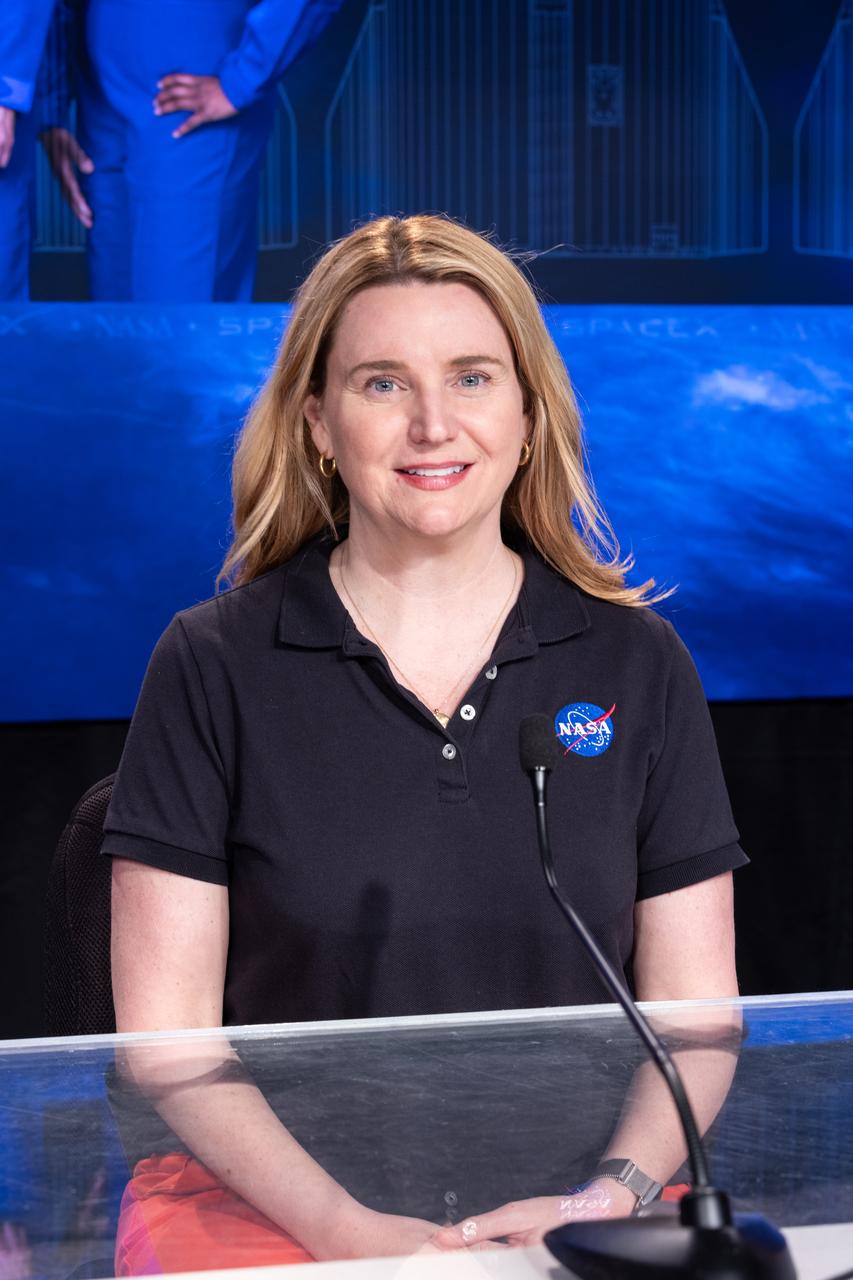
Chief Scientist of NASA’s International Space Station Program Jennifer Buchli participates in a social media panel discussion inside the John Holliman Auditorium of the News Center at NASA’s Kennedy Space Center in Florida on Wednesday, Feb. 28, 2024, ahead of NASA’s SpaceX Crew-8 mission to the International Space Station. Liftoff of the eighth crew rotation mission with SpaceX to the station and the ninth flight of Dragon with people as part of the agency’s Commercial Crew Program from Kennedy’s Launch Complex 39A is targeted for 12:04 a.m. on Friday, March 1.
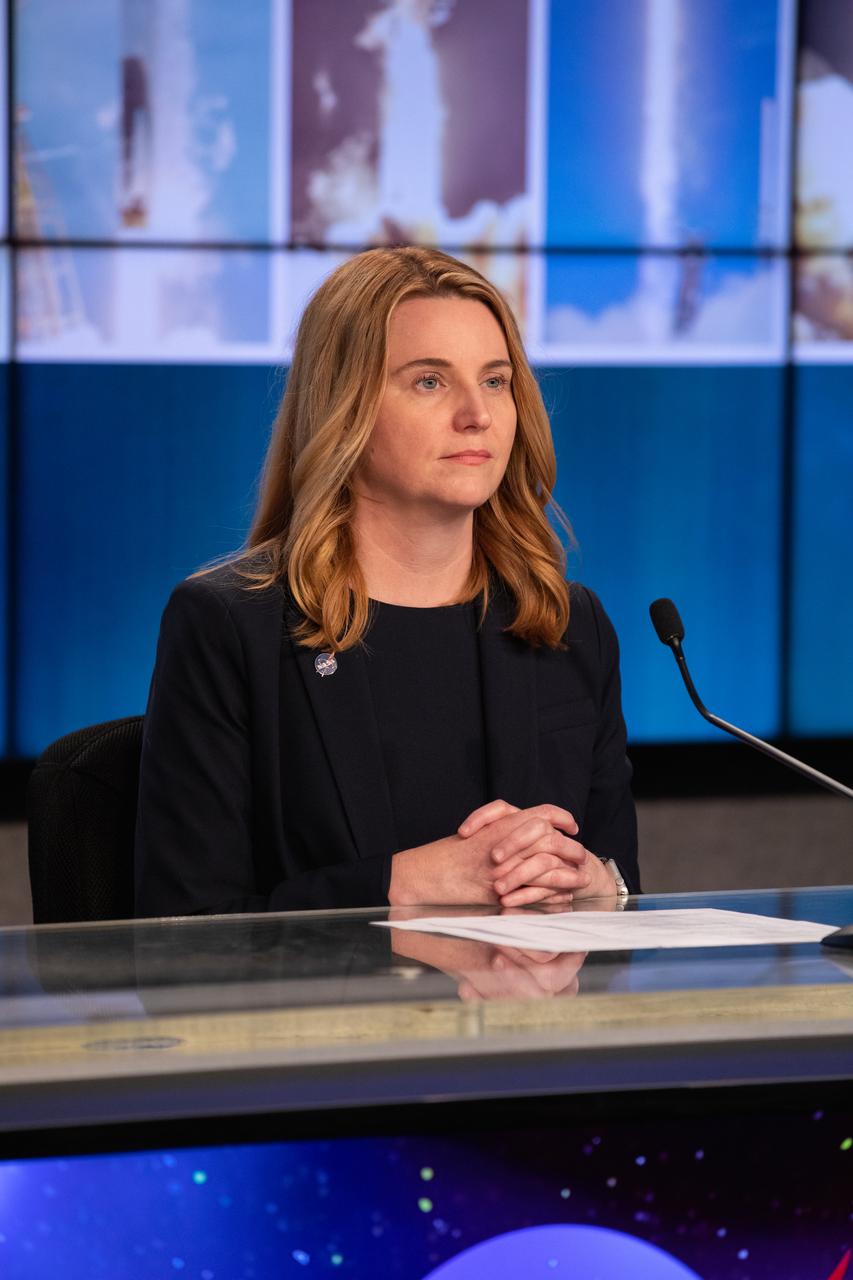
Jennifer Buchli, deputy chief scientist for NASA’s International Space Station Program, participates in a prelaunch news conference for SpaceX’s 20th Commercial Resupply Services (CRS-20) mission to the International Space Station at the agency’s Kennedy Space Center in Florida on March 6, 2020. The company’s Falcon 9 rocket and cargo Dragon spacecraft are scheduled to lift off from Cape Canaveral Air Force Station’s Space Launch Complex 40 at 11:50 p.m. EST on March 6, 2020.
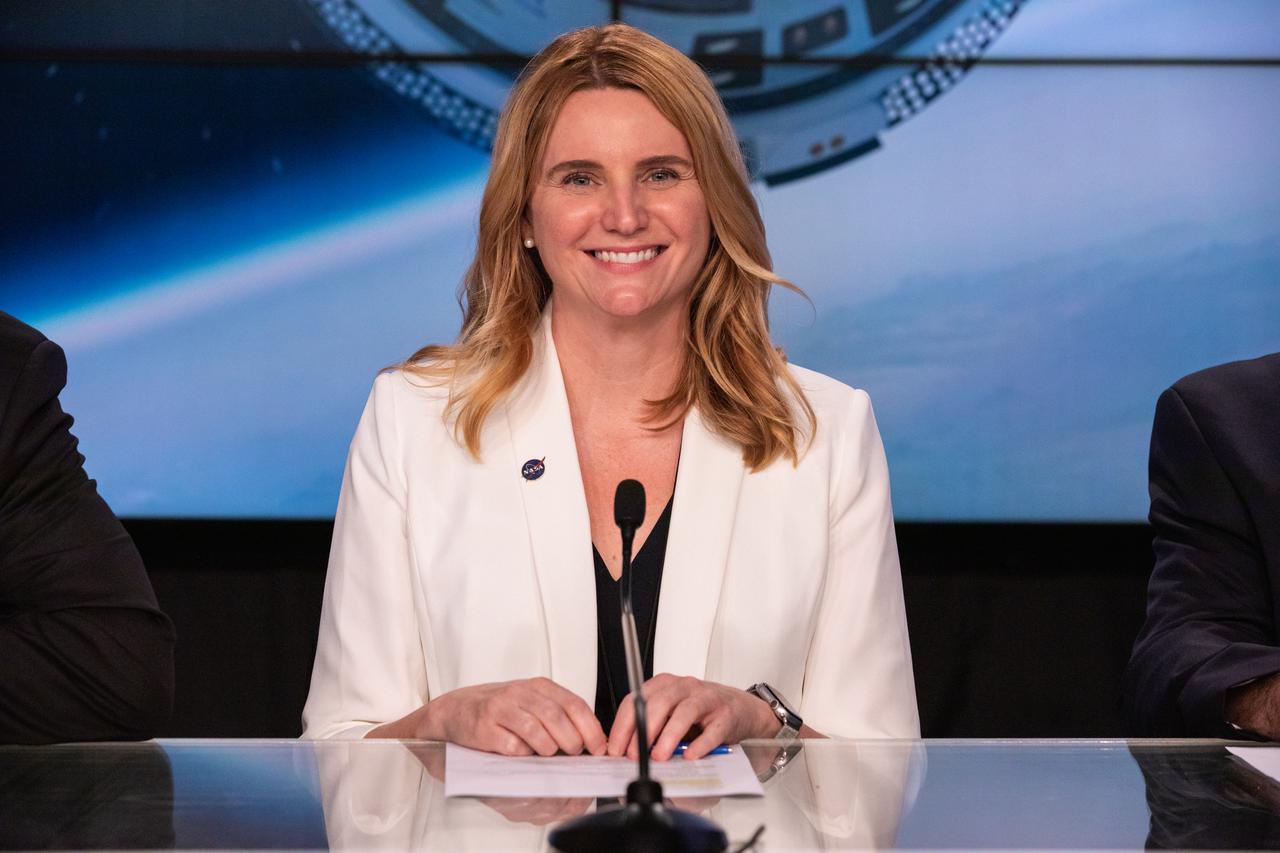
Jennifer Buchli, deputy chief scientist, NASA’s International Space Station Program, participates in a prelaunch briefing for Boeing’s Orbital Flight Test-2 (OFT-2) at the agency’s Kennedy Space Center in Florida, July 27, 2021. Boeing’s CST-100 Starliner spacecraft will launch atop a United Launch Alliance Atlas V rocket from Space Launch Complex-41 at Cape Canaveral Space Force Station. The uncrewed OFT-2 will be the Starliner’s second flight for NASA’s Commercial Crew Program.
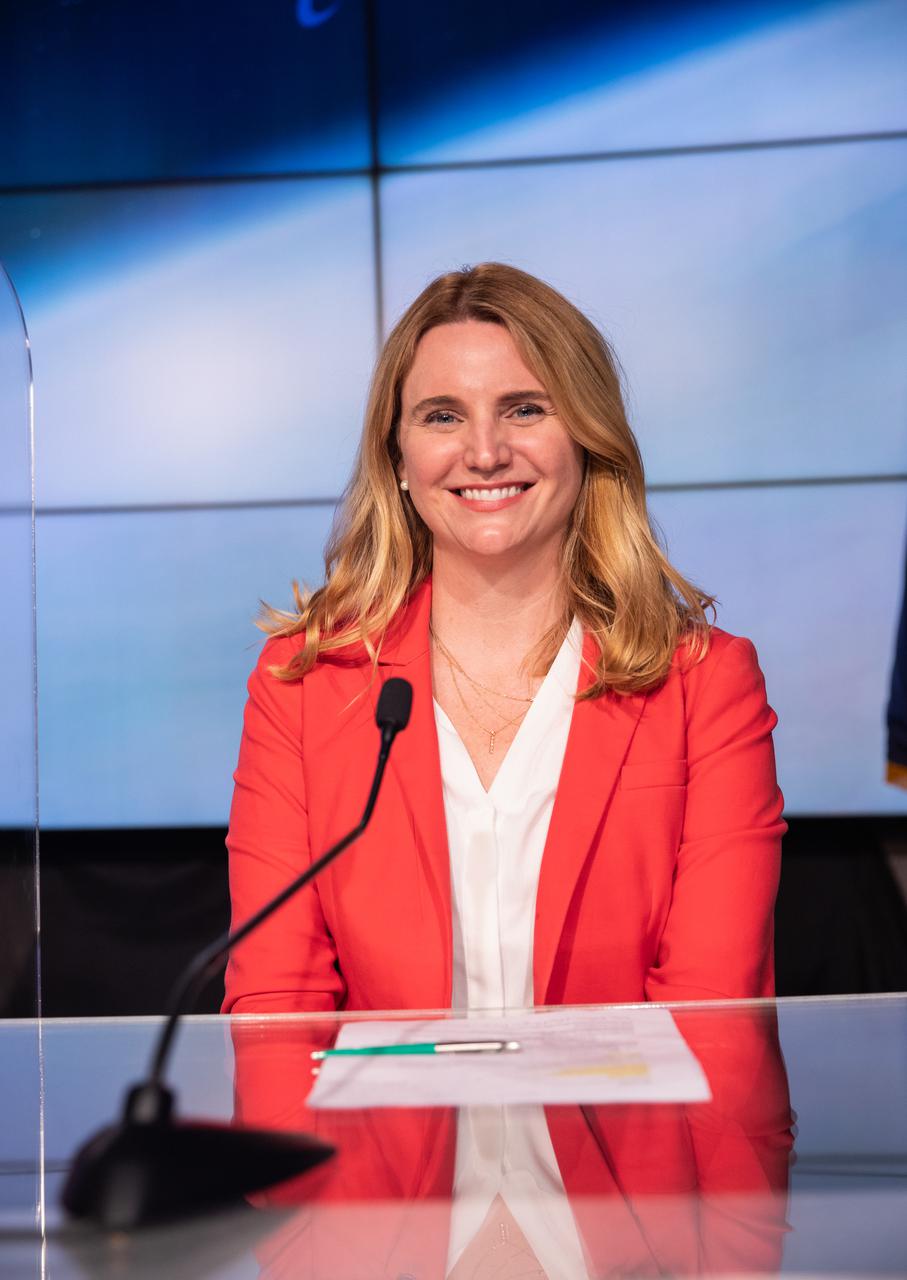
Jennifer Buchli, deputy chief scientist, NASA’s International Space Station Program, participates in a crew and science media briefing ahead of Boeing’s Orbital Flight Test-2 (OFT-2) at the agency’s Kennedy Space Center in Florida, July 29, 2021. Boeing’s CST-100 Starliner spacecraft will launch atop a United Launch Alliance Atlas V rocket from Space Launch Complex-41 at Cape Canaveral Space Force Station. The uncrewed OFT-2 will be the Starliner’s second flight for NASA’s Commercial Crew Program.
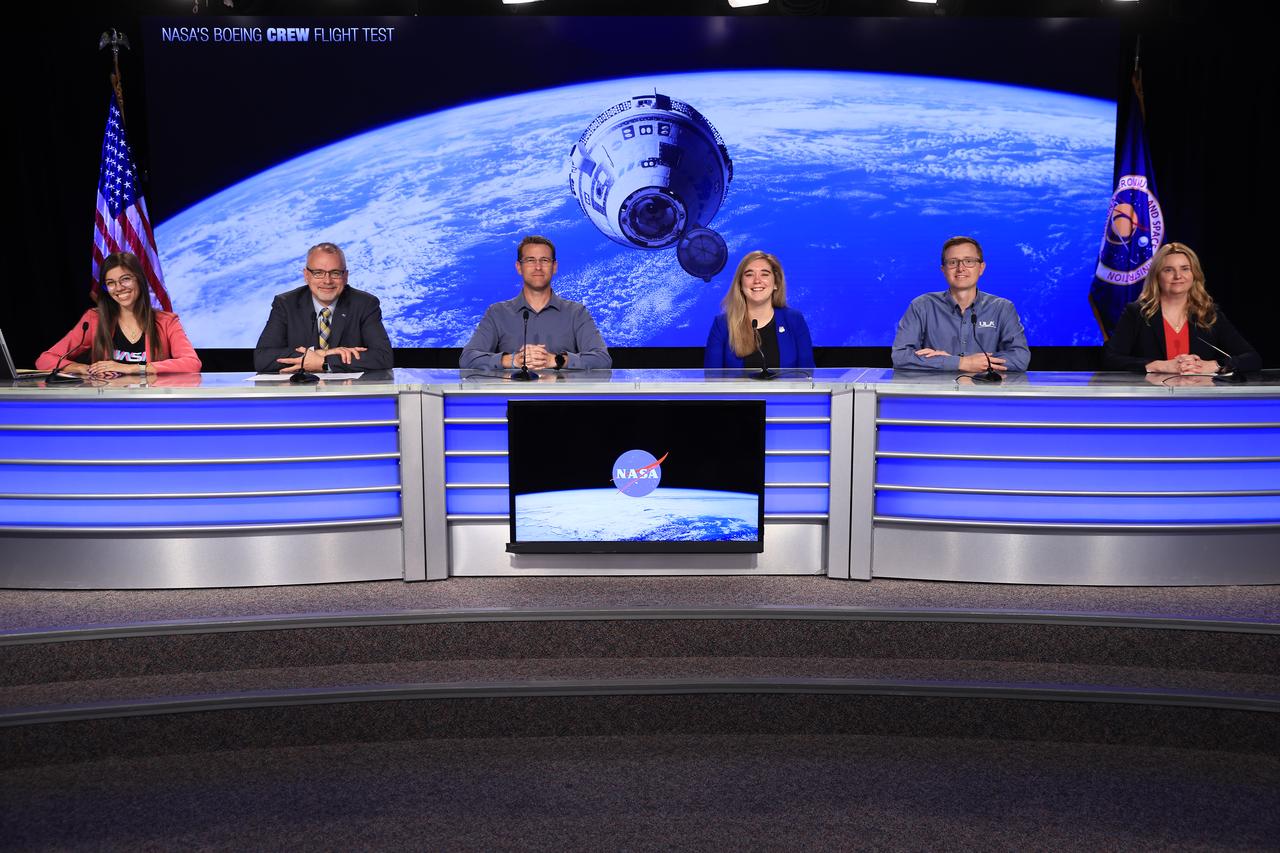
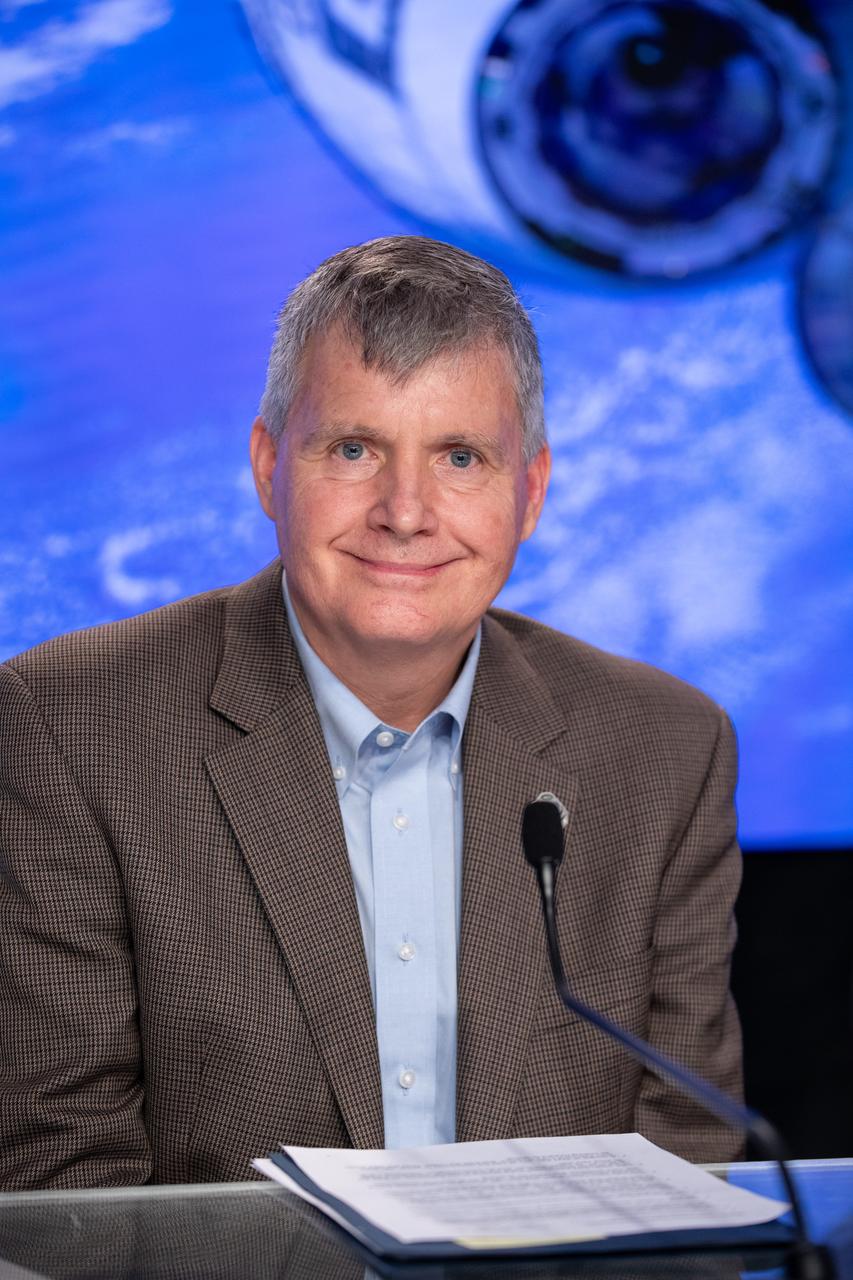
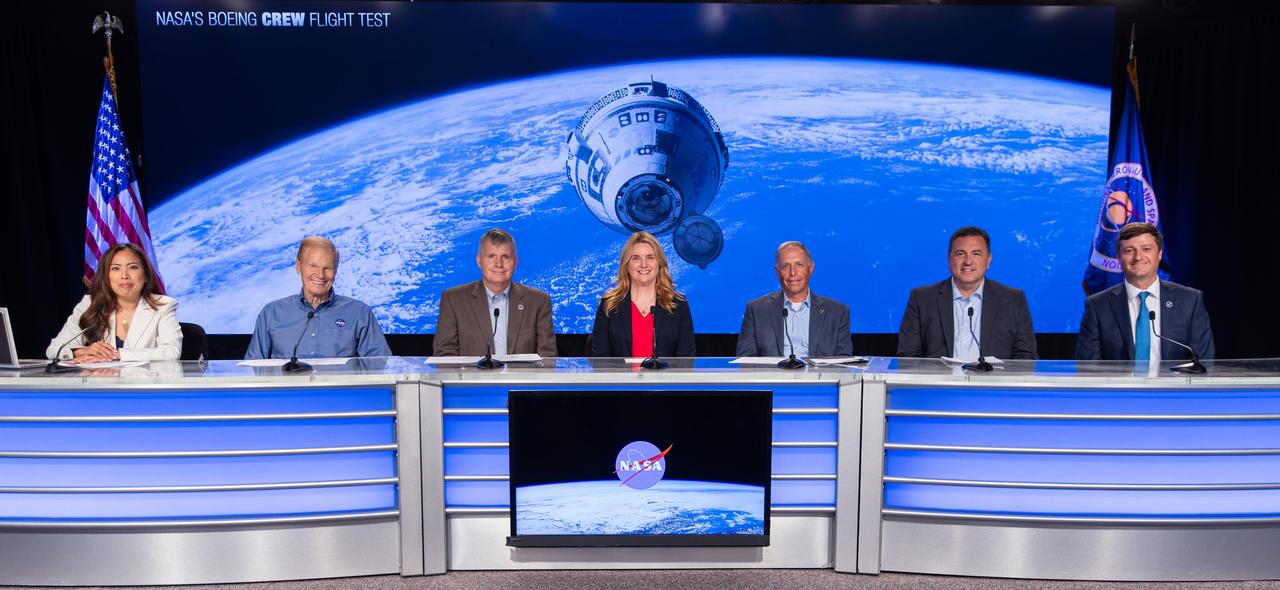
A social media panel discussion takes place at NASA’s Kennedy Space Center in Florida on Friday, May 3, 2024, ahead of NASA’s Boeing Crew Flight Test. Participants, from left to right are Antonia Jaramillo, NASA Communications; Jim Free, NASA associate administrator; Ian Kappes, deputy launch vehicle office manager, NASA’s Commercial Crew Program; Amy Comeau Denker, Starliner associate chief engineer, Boeing; Caleb Weiss, system engineering & test leader, ULA (United Launch Alliance); and Jennifer Buchli, chief scientist, NASA’s International Space Station Program. NASA astronauts Butch Wilmore and Suni Williams are the first to launch aboard Boeing’s Starliner spacecraft atop a ULA Atlas V rocket from Space Launch Complex-41 at Cape Canaveral Space Force Station in Florida. Liftoff is scheduled for 4:43 p.m. ET on Tuesday, May 21.
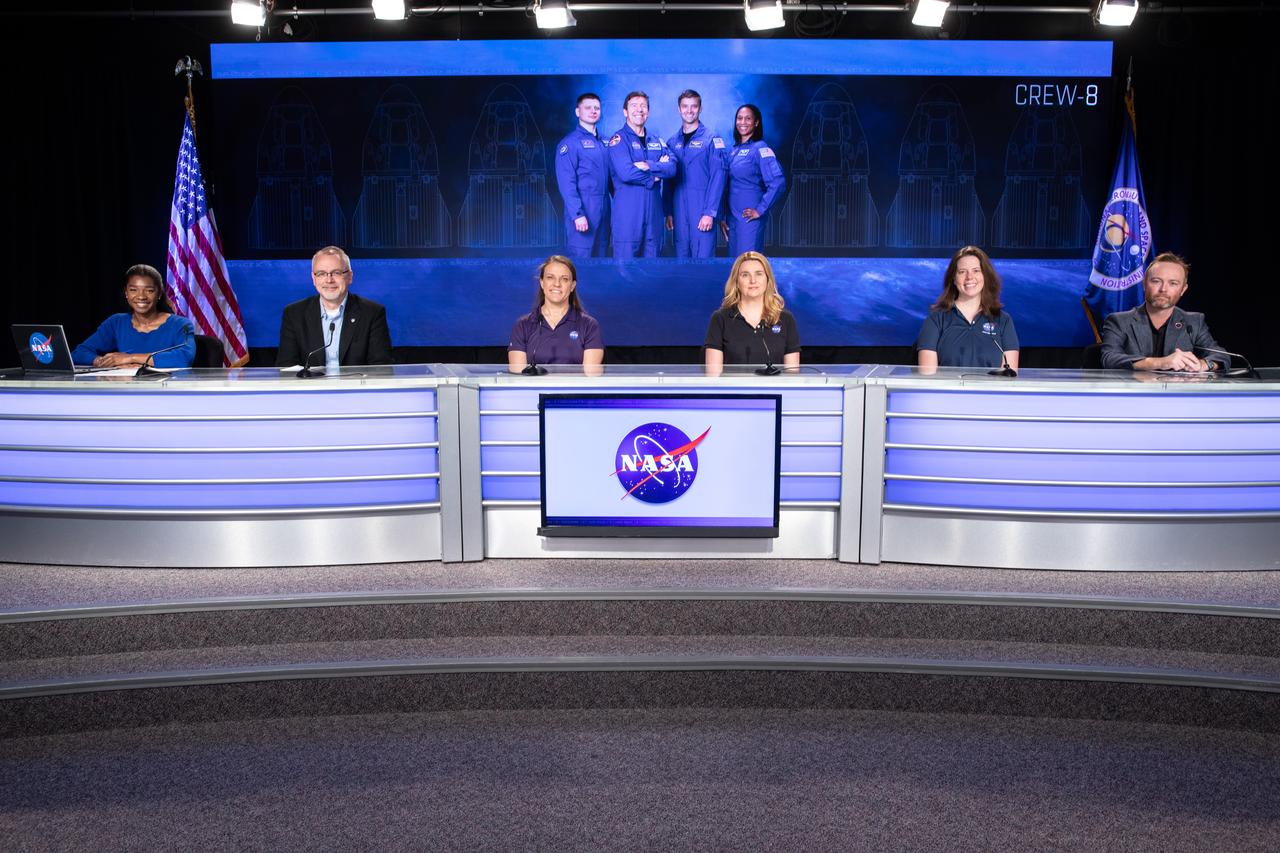
A social media panel discussion takes place inside the John Holliman Auditorium of the News Center at NASA’s Kennedy Space Center in Florida on Wednesday, Feb. 28, 2024, ahead of NASA’s SpaceX Crew-8 mission to the International Space Station. Participants, from left to right are Jasmine Hopkins, NASA Communications; NASA Associate Administrator Jim Free; Carla Koch, mission manager of NASA’s Commercial Crew Program; Jennifer Buchli, chief scientist, International Space Station; Kristin Fabre, deputy chief scientist of NASA’s Human Research Program; and Patrick O’Neill, public affairs and outreach lead of the ISS National Laboratory. Liftoff of the eighth crew rotation mission with SpaceX to the station and the ninth flight of Dragon with people as part of the agency’s Commercial Crew Program from Kennedy’s Launch Complex 39A is targeted for 12:04 a.m. on Friday, March 1.
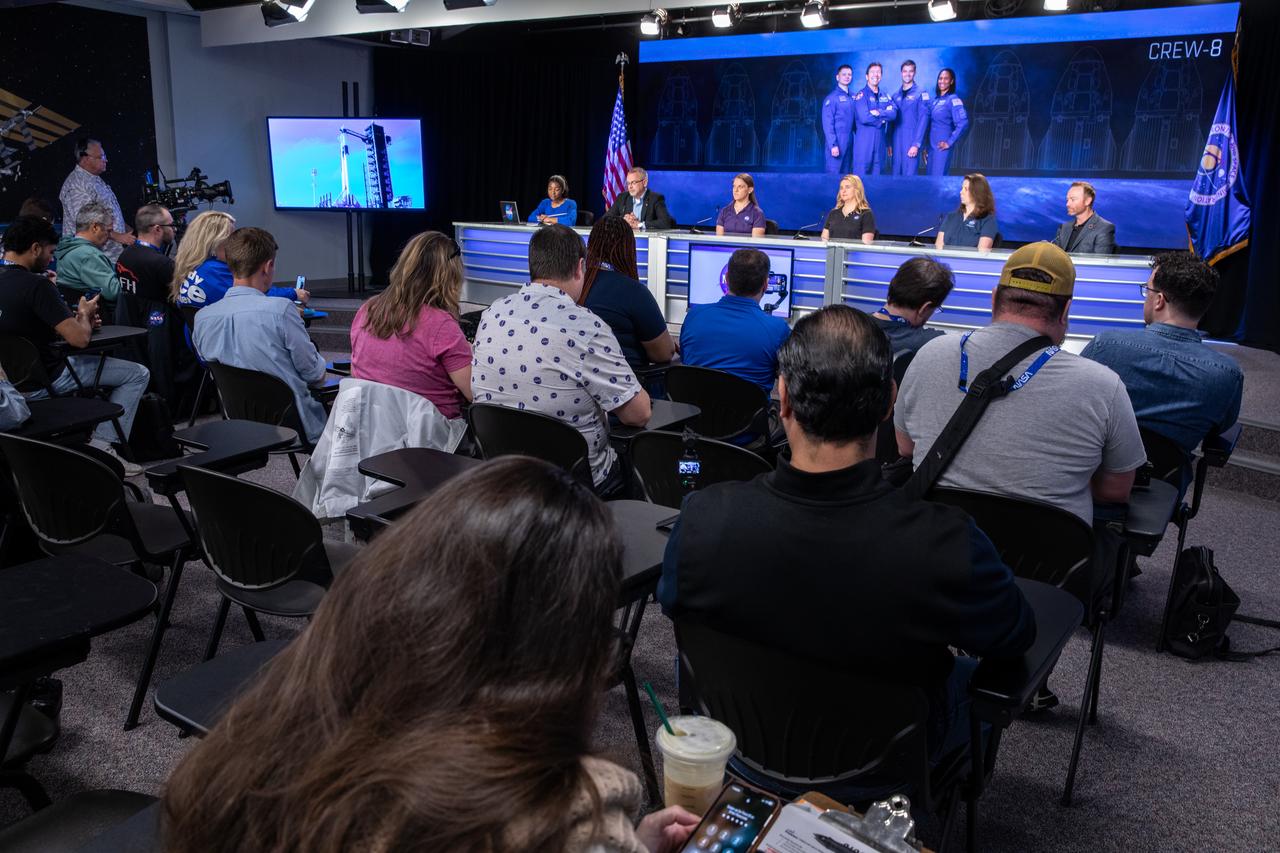
A social media panel discussion takes place inside the John Holliman Auditorium of the News Center at NASA’s Kennedy Space Center in Florida on Wednesday, Feb. 28, 2024, ahead of NASA’s SpaceX Crew-8 mission to the International Space Station. Participants, from left to right are Jasmine Hopkins, NASA Communications; NASA Associate Administrator Jim Free; Carla Koch, mission manager of NASA’s Commercial Crew Program; Jennifer Buchli, chief scientist, International Space Station; Kristin Fabre, deputy chief scientist of NASA’s Human Research Program; and Patrick O’Neill, public affairs and outreach lead of the ISS National Laboratory. Liftoff of the eighth crew rotation mission with SpaceX to the station and the ninth flight of Dragon with people as part of the agency’s Commercial Crew Program from Kennedy’s Launch Complex 39A is targeted for 12:04 a.m. on Friday, March 1.
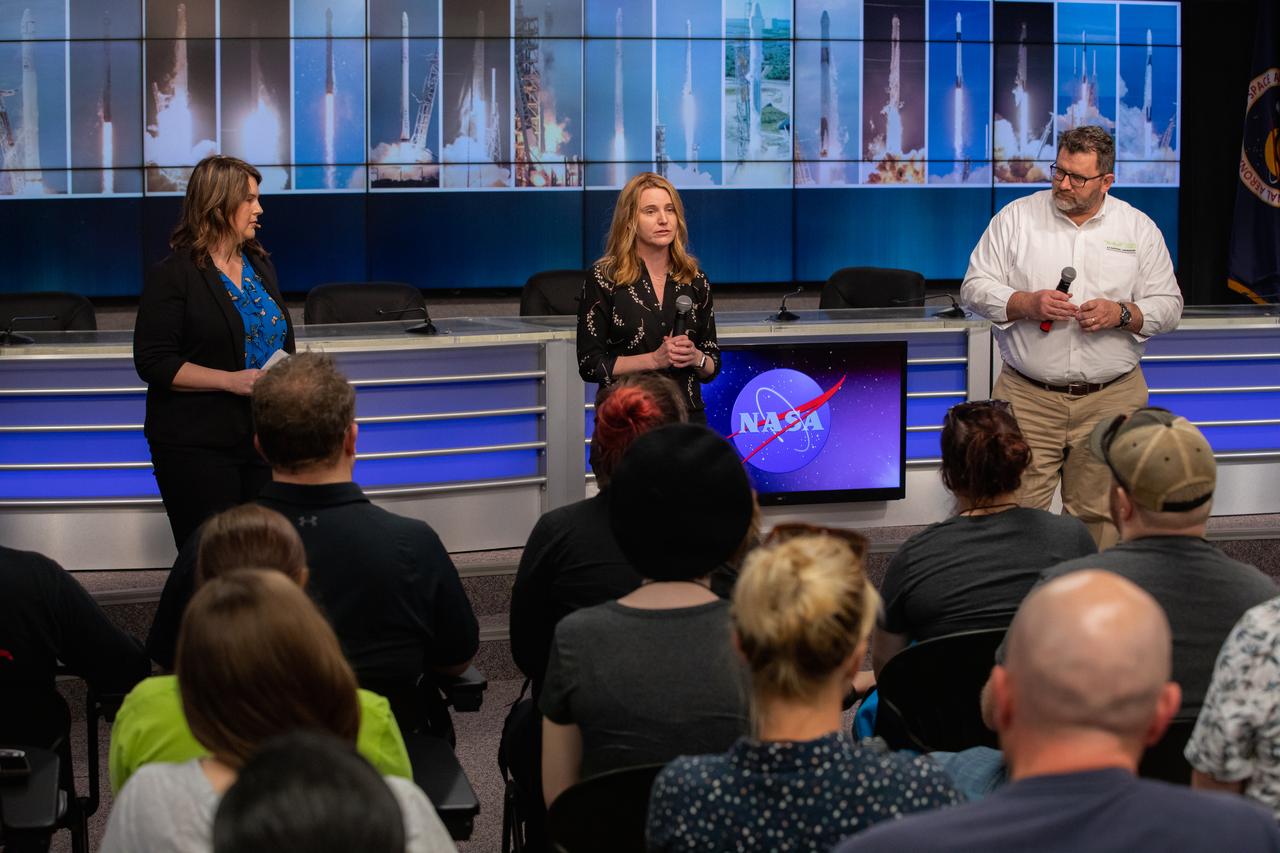
From left, NASA Communications’ Jennifer Wolfinger, briefing moderator; Jennifer Buchli, deputy chief scientist for NASA’s International Space Station Program Science Office; and Michael Roberts, interim chief scientist for the International Space Station U.S. National Laboratory, address NASA Social participants during a What’s on Board science briefing at the agency’s Kennedy Space Center in Florida on March 5, 2020. The briefing provided a closer look at some of the payloads launching on SpaceX’s 20th Commercial Resupply Services (CRS-20) mission to the International Space Station. The company’s Falcon 9 rocket is scheduled to lift off from Cape Canaveral Air Force Station’s Space Launch Complex 40 at 11:50 p.m. EST on March 6, 2020.

Jennifer Buchli, deputy chief scientist for NASA’s International Space Station Program Science Office, addresses NASA Social participants during a What’s on Board science briefing at the agency’s Kennedy Space Center in Florida on March 5, 2020. The briefing provided a closer look at some of the payloads launching on SpaceX’s 20th Commercial Resupply Services (CRS-20) mission to the International Space Station. The company’s Falcon 9 rocket is scheduled to lift off from Cape Canaveral Air Force Station’s Space Launch Complex 40 at 11:50 p.m. EST on March 6, 2020.
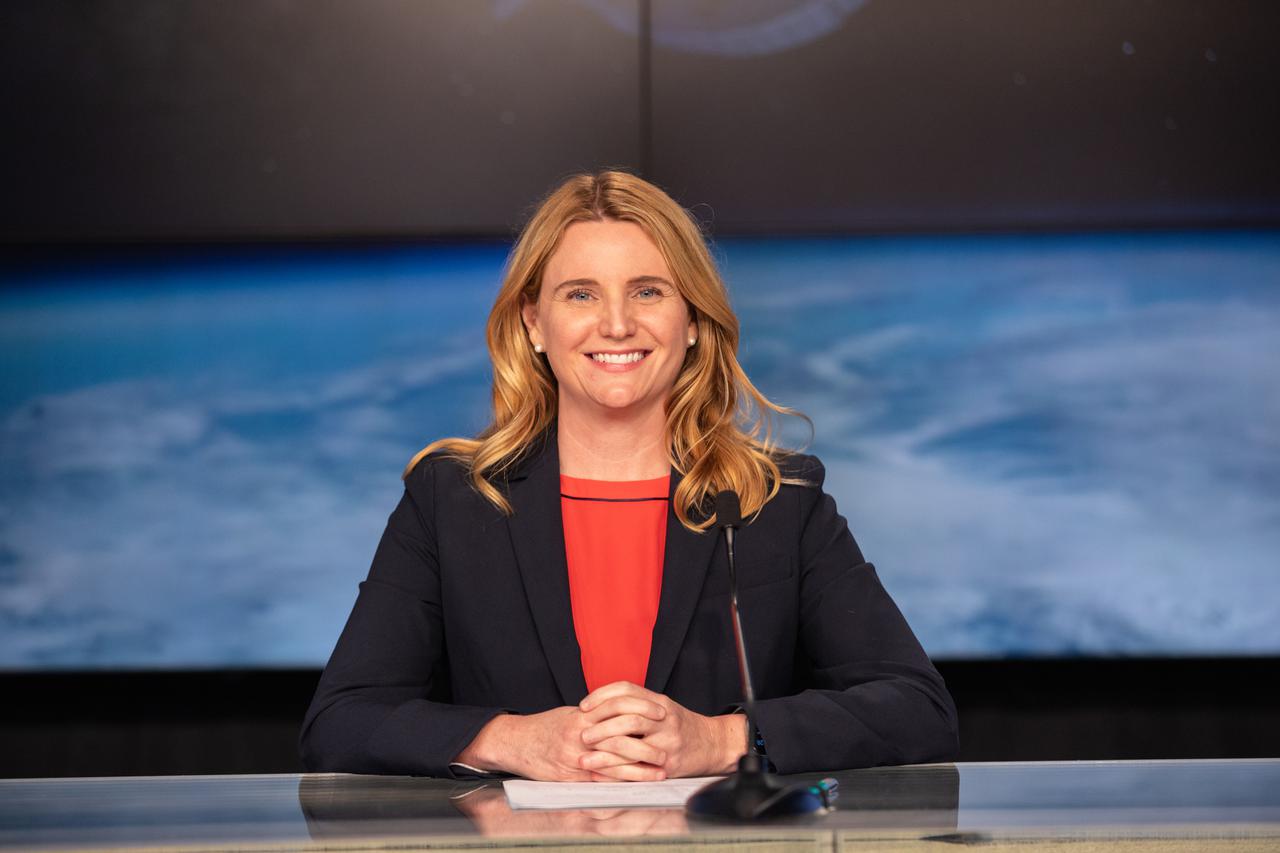
A prelaunch news conference for SpaceX’s 22nd Commercial Resupply Services mission for NASA to the International Space Station is held on June 2, 2021 at Kennedy Space Center in Florida. Jennifer Buchli, deputy chief scientist for International Space Station Program, answers questions from members of the media. The Dragon capsule atop SpaceX’s Falcon 9 rocket is scheduled to lift off from Launch Complex 39A at 1:29 p.m. EDT on Thursday, June 3. Dragon will deliver more than 7,300 pounds of cargo to the space station.
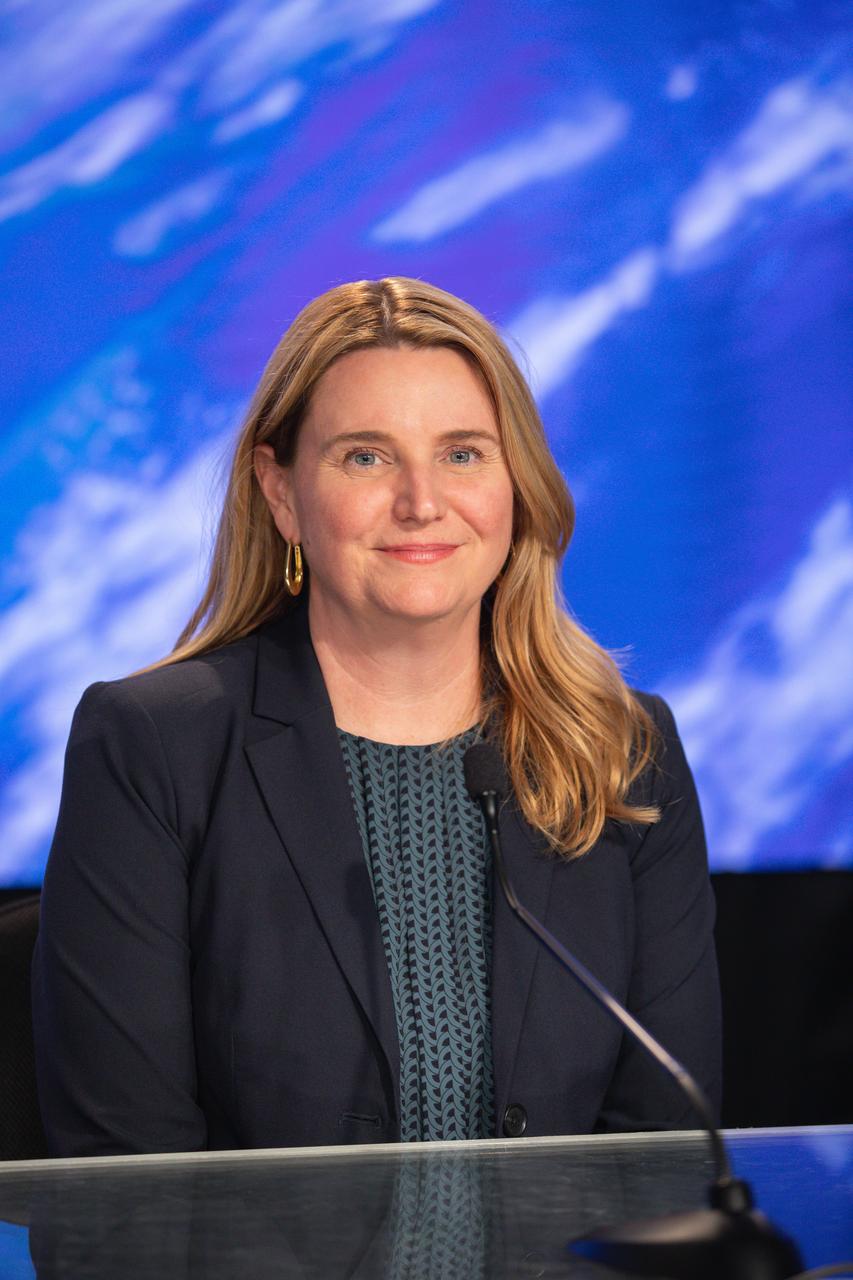
Jennifer Buchli, chief scientist, NASA’s International Space Station Program, participates in an International Space Station 101 Panel Livestream inside the John Holliman Auditorium of the News Center at NASA’s Kennedy Space Center in Florida on Friday, Sept. 27, 2024, ahead of NASA’s SpaceX Crew-9 mission to the International Space Station. Liftoff of the ninth crew rotation mission with SpaceX to the space station as part of the agency’s Commercial Crew Program is targeted for 1:17 p.m. EDT Sept. 28, 2024, from Space Launch Complex-40 at Cape Canaveral Space Force Station in Florida.
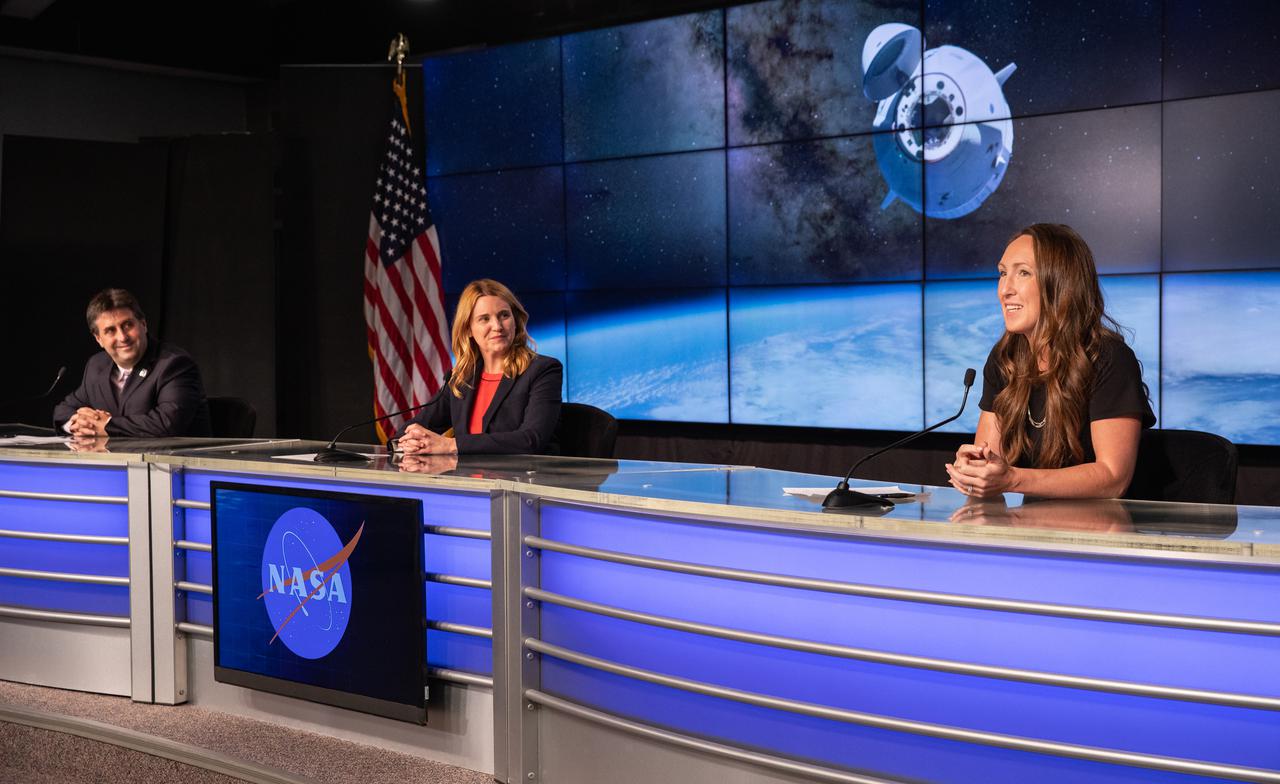
A prelaunch news conference for SpaceX’s 22nd Commercial Resupply Services mission for NASA to the International Space Station is held on June 2, 2021 at Kennedy Space Center in Florida. From left are Joel Montalbano, manager for International Space Station Program; Jennifer Buchli, deputy chief scientist for International Space Station Program; and Sarah Walker, director, Dragon mission management at SpaceX. The Dragon capsule atop SpaceX’s Falcon 9 rocket is scheduled to lift off from Launch Complex 39A at 1:29 p.m. EDT on Thursday, June 3. Dragon will deliver more than 7,300 pounds of cargo to the space station.
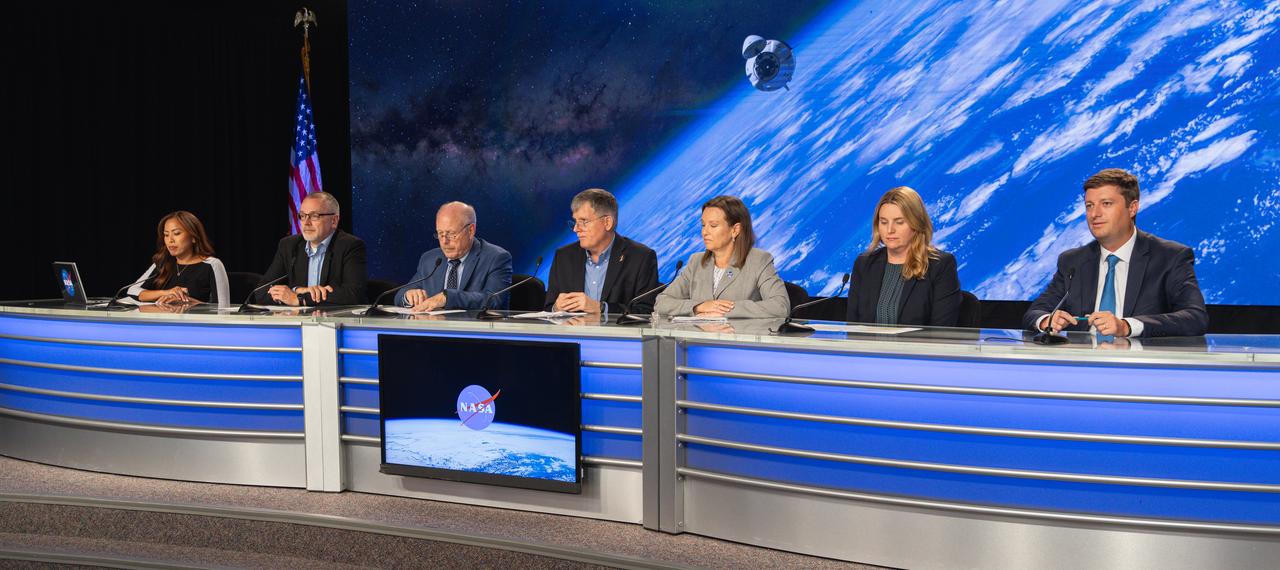
A prelaunch news briefing takes place inside the John Holliman Auditorium of the News Center at NASA’s Kennedy Space Center in Florida on Friday, Sept. 27, 2024, ahead of NASA’s SpaceX Crew-9 mission to the International Space Station. Participants, from left to right, are Megan Cruz, NASA Communications; NASA Associate Administrator Jim Free; Ken Bowersox, associate administrator, NASA’s Space Operations Mission Directorate; Steve Stich, manager, NASA’s Commercial Crew Program; Dina Contella, deputy manager, NASA’s International Space Station Program; Jennifer Buchli, chief scientist, NASA’s International Space Station Program; and Brian Cizek, launch weather officer, 45th Weather Squadron, Cape Canaveral Space Force Station. Liftoff of the ninth crew rotation mission with SpaceX to the space station as part of the agency’s Commercial Crew Program is targeted for 1:17 p.m. EDT Sept. 28, 2024, from Space Launch Complex-40 at Cape Canaveral Space Force Station in Florida.
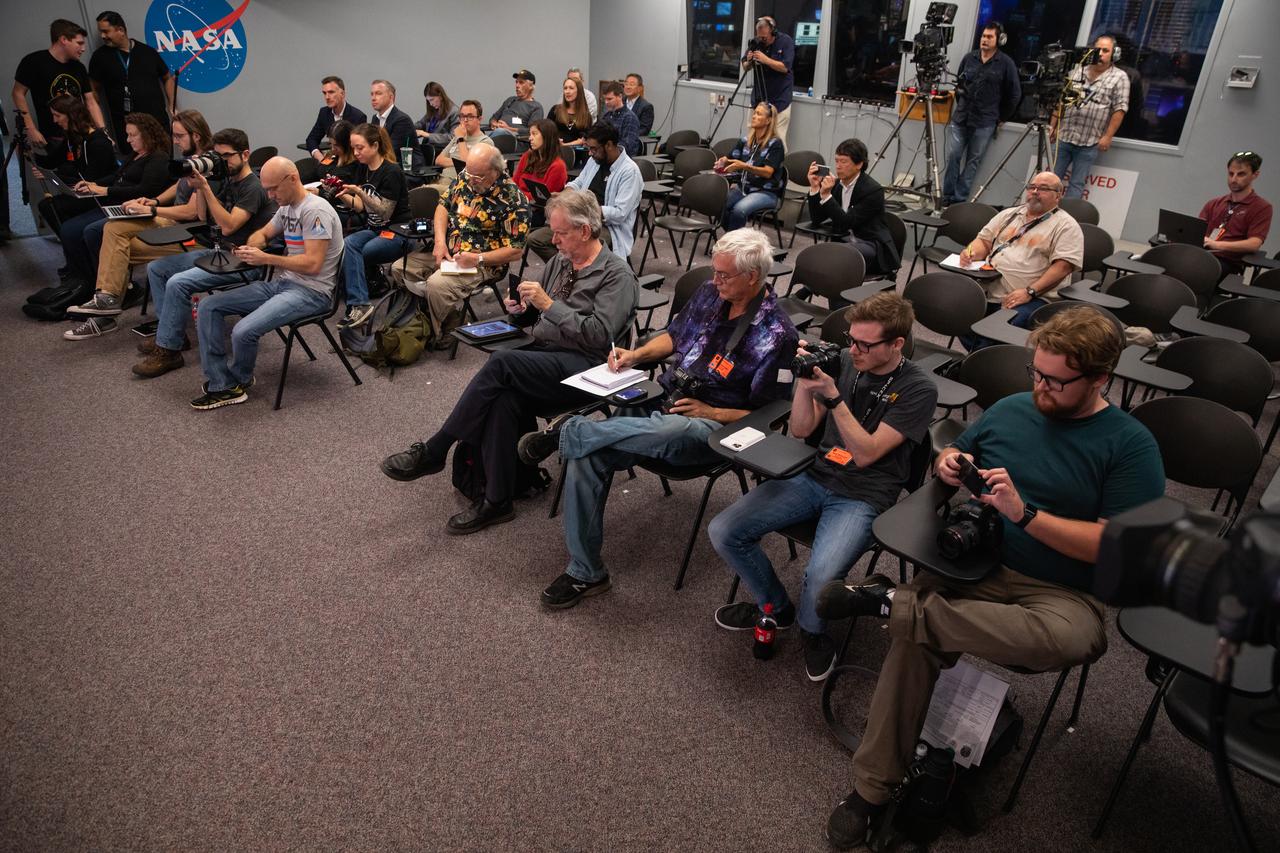
Members of the media attend a prelaunch news conference for SpaceX’s 20th Commercial Resupply Services (CRS-20) mission to the International Space Station at NASA’s Kennedy Space Center in Florida on March 6, 2020. Participants included conference moderator Heather Scott of NASA Communications; Joel Montalbano, manager of the agency’s International Space Station Program; Jennifer Buchli, deputy chief scientist for the International Space Station Program; Hans Koenigsmann, vice president of Build and Flight Reliability at SpaceX; and Mike McAleenan, launch weather officer with the U.S. Air Force 45th Space Wing. SpaceX’s Falcon 9 rocket and cargo Dragon spacecraft are scheduled to lift off from Cape Canaveral Air Force Station’s Space Launch Complex 40 at 11:50 p.m. EST on March 6, 2020.
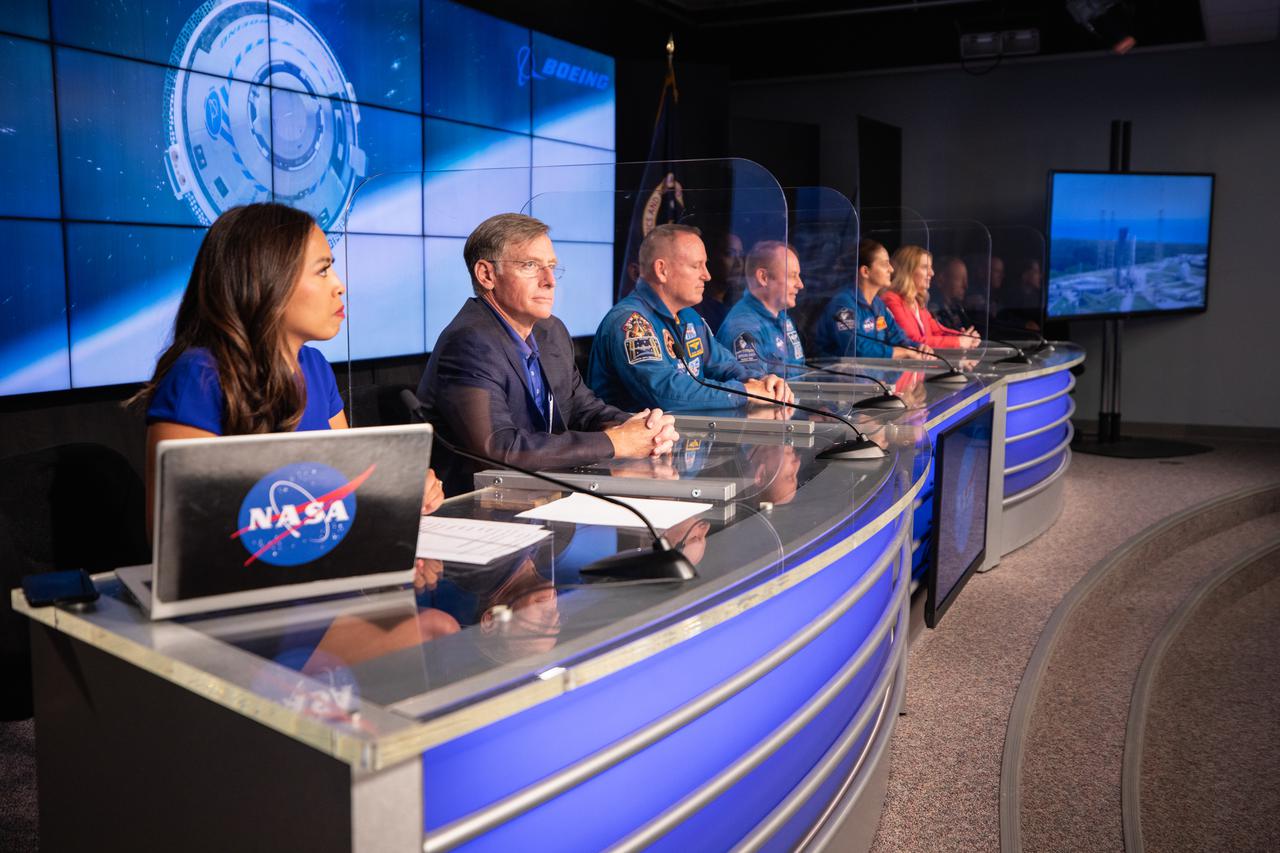
Officials from NASA participate in a crew and science media briefing ahead or Boeing’s Orbital Flight Test-2 (OFT-2) at the agency’s Kennedy Space Center in Florida, July 29, 2021. From left to right are Megan Cruz, NASA Communications; Chris Ferguson, director, Starliner Mission Operations and Integration/Crew Systems; Barry “Butch” Wilmore, NASA astronaut, Crew Flight Test; E. Michael “Mike” Fincke, NASA astronaut, Crew Flight Test; Nicole Mann, NASA astronaut, Crew Flight Test; Jennifer Buchli, deputy chief scientist, NASA’s International Space Station Program. Boeing’s CST-100 Starliner spacecraft will launch atop a ULA Atlas V rocket from Space Launch Complex-41 at Cape Canaveral Space Force Station on a mission to dock with the space station. The uncrewed OFT-2 will be the Starliner’s second flight for NASA’s Commercial Crew Program.
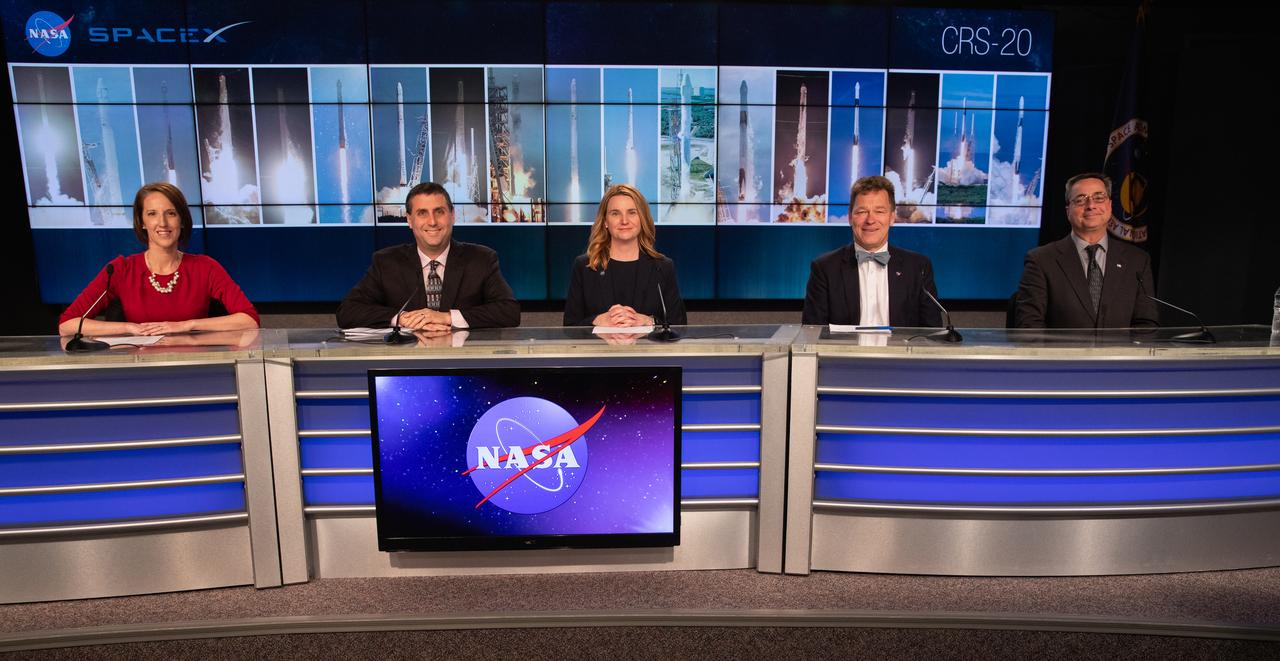
A prelaunch news conference for SpaceX’s 20th Commercial Resupply Services (CRS-20) mission to the International Space Station is held at NASA’s Kennedy Space Center in Florida on March 6, 2020. From left are conference moderator Heather Scott of NASA Communications; Joel Montalbano, manager of the agency’s International Space Station Program; Jennifer Buchli, deputy chief scientist for the International Space Station Program; Hans Koenigsmann, vice president of Build and Flight Reliability at SpaceX; and Mike McAleenan, launch weather officer with the U.S. Air Force 45th Space Wing. SpaceX’s Falcon 9 rocket and cargo Dragon spacecraft are scheduled to lift off from Cape Canaveral Air Force Station’s Space Launch Complex 40 at 11:50 p.m. EST on March 6, 2020.
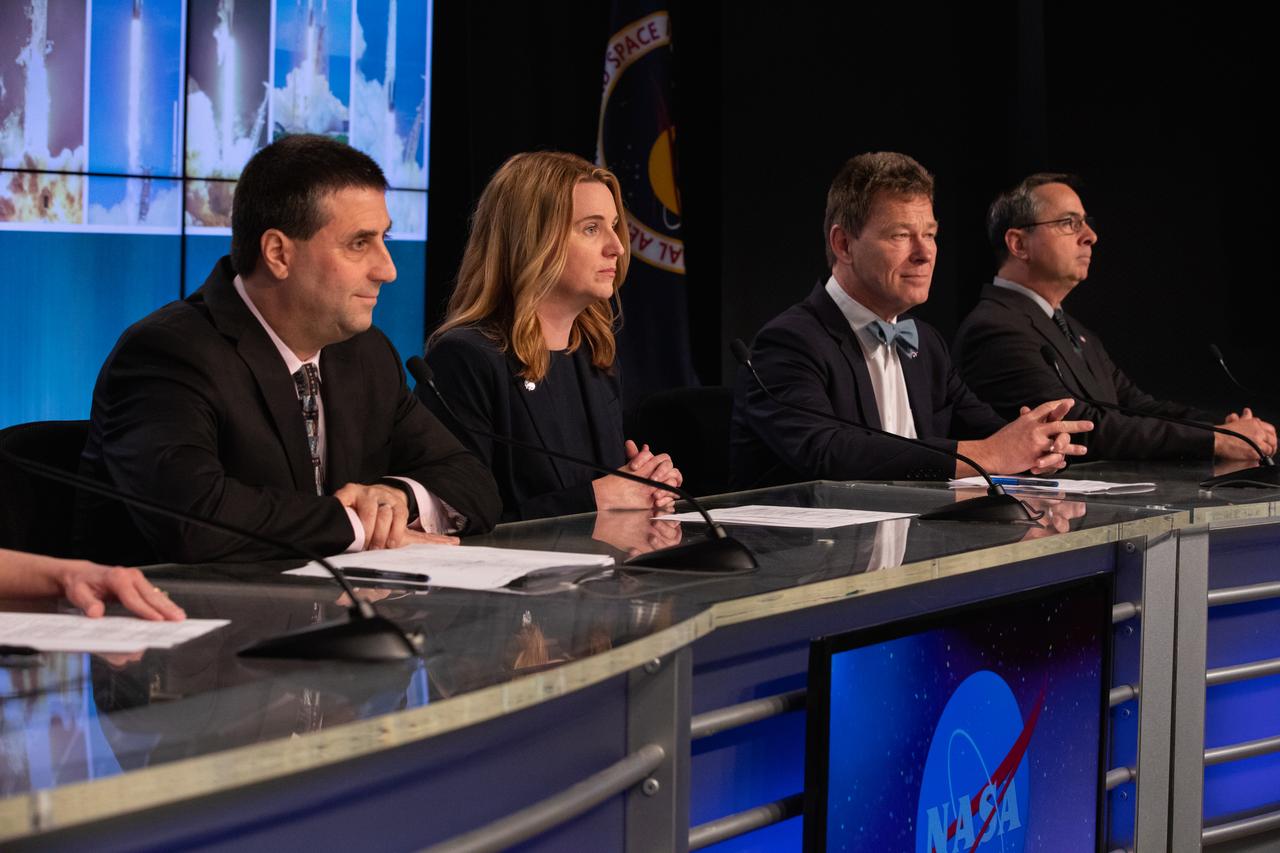
A prelaunch news conference for SpaceX’s 20th Commercial Resupply Services (CRS-20) mission to the International Space Station is held at NASA’s Kennedy Space Center in Florida on March 6, 2020. From left are Joel Montalbano, manager of the agency’s International Space Station Program; Jennifer Buchli, deputy chief scientist for the International Space Station Program; Hans Koenigsmann, vice president of Build and Flight Reliability at SpaceX; and Mike McAleenan, launch weather officer with the U.S. Air Force 45th Space Wing. SpaceX’s Falcon 9 rocket and cargo Dragon spacecraft are scheduled to lift off from Cape Canaveral Air Force Station’s Space Launch Complex 40 at 11:50 p.m. EST on March 6, 2020.
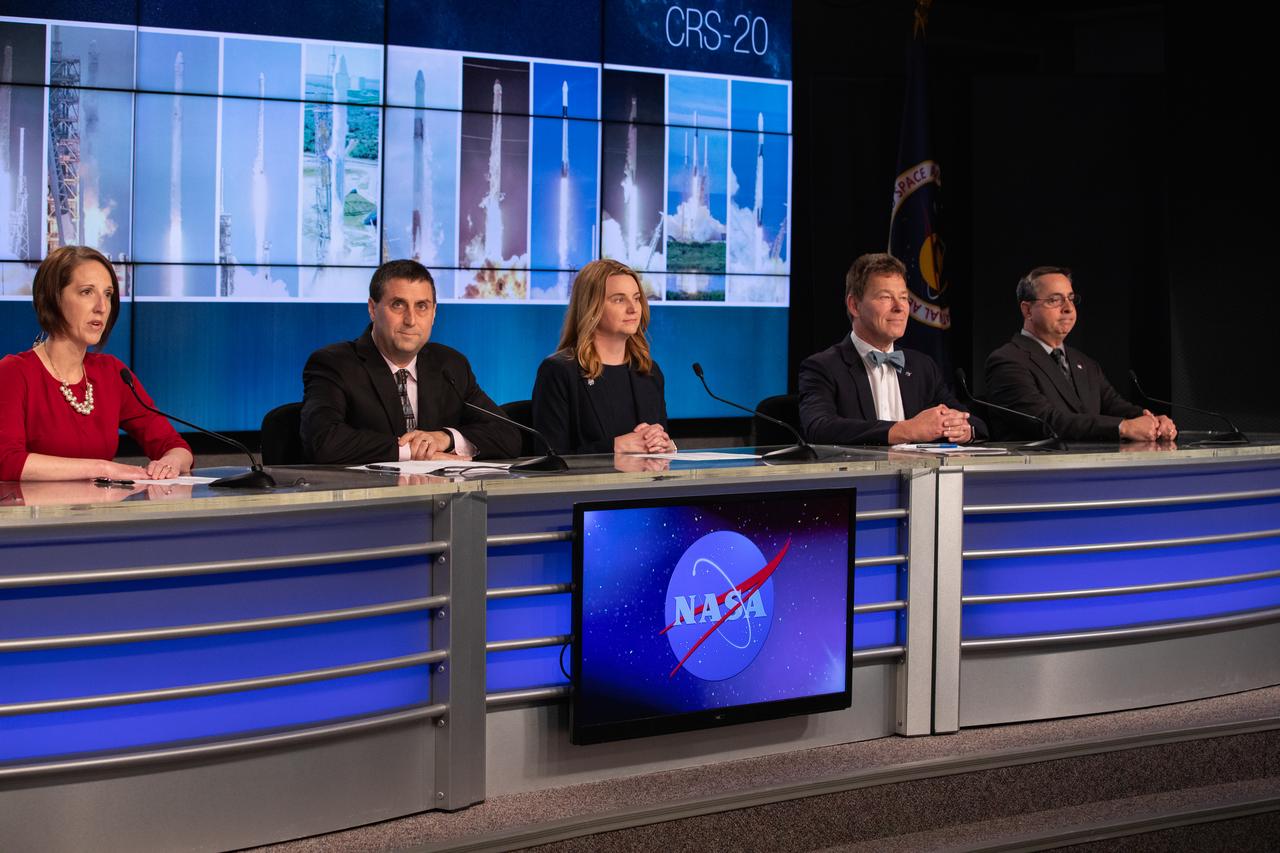
A prelaunch news conference for SpaceX’s 20th Commercial Resupply Services (CRS-20) mission to the International Space Station is held at NASA’s Kennedy Space Center in Florida on March 6, 2020. From left are conference moderator Heather Scott of NASA Communications; Joel Montalbano, manager of the agency’s International Space Station Program; Jennifer Buchli, deputy chief scientist for the International Space Station Program; Hans Koenigsmann, vice president of Build and Flight Reliability at SpaceX; and Mike McAleenan, launch weather officer with the U.S. Air Force 45th Space Wing. SpaceX’s Falcon 9 rocket and cargo Dragon spacecraft are scheduled to lift off from Cape Canaveral Air Force Station’s Space Launch Complex 40 at 11:50 p.m. EST on March 6, 2020.
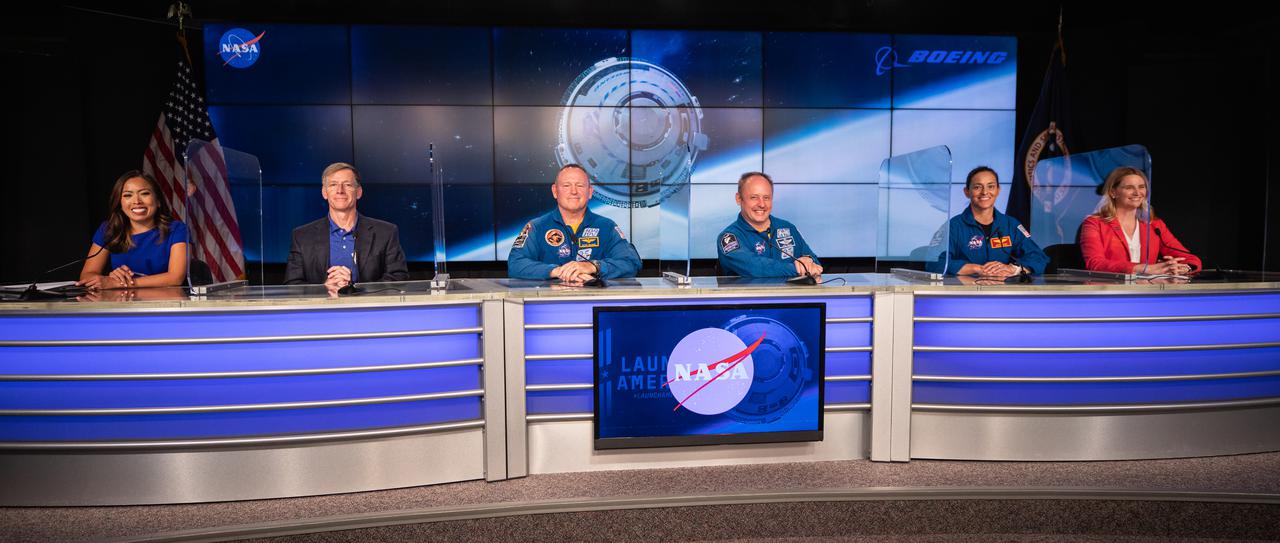
Officials from NASA participate in a crew and science media briefing ahead or Boeing’s Orbital Flight Test-2 (OFT-2) at the agency’s Kennedy Space Center in Florida, July 29, 2021. From left to right are Megan Cruz, NASA Communications; Chris Ferguson, director, Starliner Mission Operations and Integration/Crew Systems; Barry “Butch” Wilmore, NASA astronaut, Crew Flight Test; E. Michael “Mike” Fincke, NASA astronaut, Crew Flight Test; Nicole Mann, NASA astronaut, Crew Flight Test; Jennifer Buchli, deputy chief scientist, NASA’s International Space Station Program. Boeing’s CST-100 Starliner spacecraft will launch atop a ULA Atlas V rocket from Space Launch Complex-41 at Cape Canaveral Space Force Station on a mission to dock with the space station. The uncrewed OFT-2 will be the Starliner’s second flight for NASA’s Commercial Crew Program.
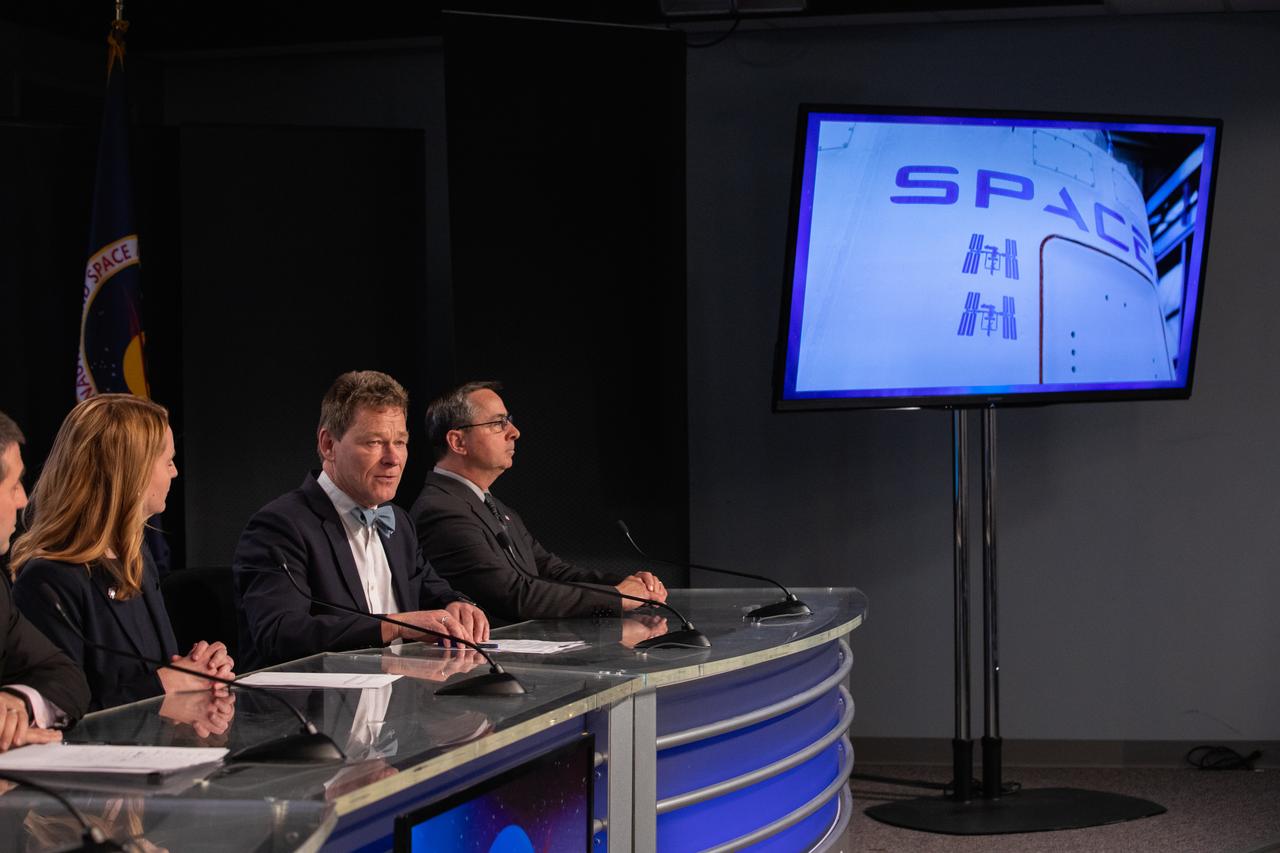
A prelaunch news conference for SpaceX’s 20th Commercial Resupply Services (CRS-20) mission to the International Space Station is held at NASA’s Kennedy Space Center in Florida on March 6, 2020. From left are Joel Montalbano, manager of the agency’s International Space Station Program; Jennifer Buchli, deputy chief scientist for the International Space Station Program; Hans Koenigsmann, vice president of Build and Flight Reliability at SpaceX; and Mike McAleenan, launch weather officer with the U.S. Air Force 45th Space Wing. SpaceX’s Falcon 9 rocket and cargo Dragon spacecraft are scheduled to lift off from Cape Canaveral Air Force Station’s Space Launch Complex 40 at 11:50 p.m. EST on March 6, 2020.
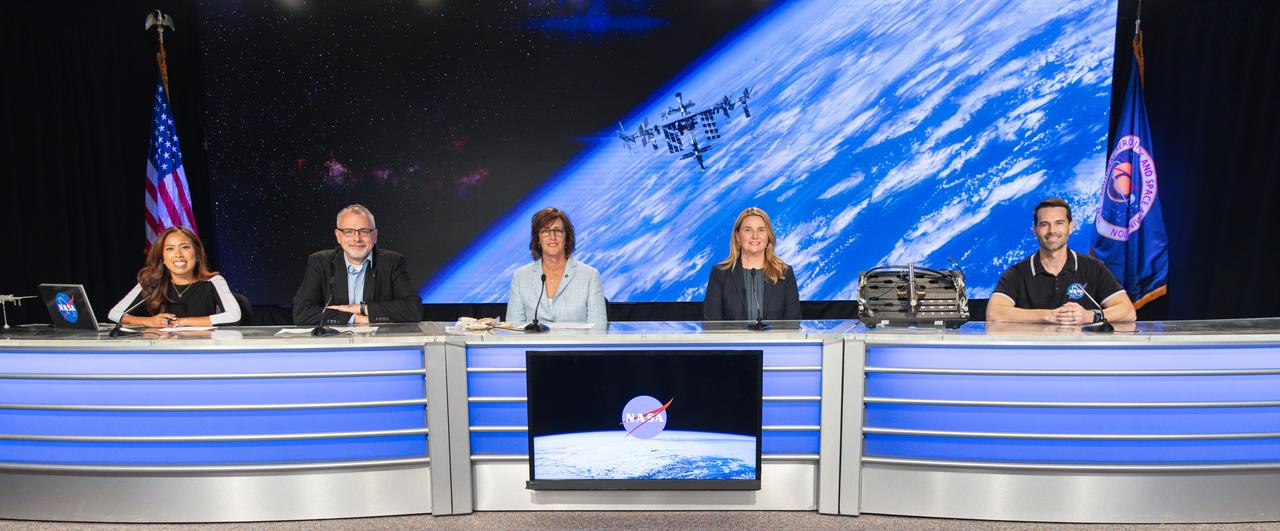
NASA leaders participate in an International Space Station 101 Panel Livestream inside the John Holliman Auditorium of the News Center at the agency’s Kennedy Space Center in Florida on Friday, Sept. 27, 2024, ahead of NASA’s SpaceX Crew-9 mission to the International Space Station. Participants, from left to right, are Megan Cruz, NASA Communications; NASA Associate Administrator Jim Free; Robyn Gatens, director, NASA’s International Space Station Program, and acting director, NASA’s Commercial Spaceflight Division; Jennifer Buchli, chief scientist, NASA’s International Space Station Program; and John Posey, Dragon engineer, NASA’s Commercial Crew Program. Liftoff of the ninth crew rotation mission with SpaceX to the space station as part of the agency’s Commercial Crew Program is targeted for 1:17 p.m. EDT Sept. 28, 2024, from Space Launch Complex-40 at Cape Canaveral Space Force Station in Florida.
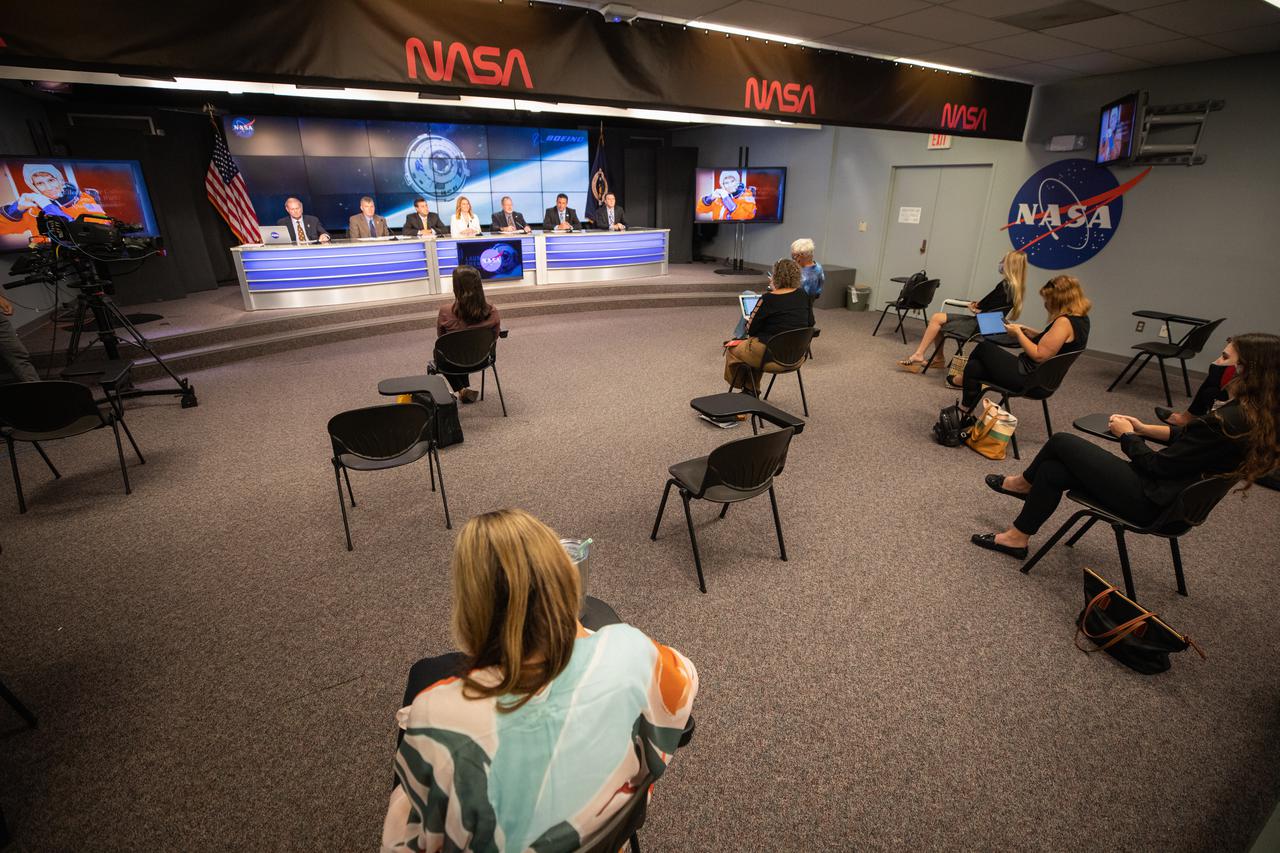
Members of the media gather in the Kennedy Space Center’s Press Site auditorium in Florida during a prelaunch news conference with NASA, Boeing, United Launch Alliance (ULA) and the U.S. Space Force 45th Weather Squadron officials, July 27, 2021, prior to the Friday, July 30, launch of NASA’s Boeing Orbital Flight Test-2 (OFT-2). . From left to right at the dais are Kyle Herring, NASA Communications; Steve Stich, manager, NASA’s Commercial Crew Program; Joel Montalbano, manager, NASA’s International Space Station Program; Jennifer Buchli, deputy chief scientist, NASA’s International Space Station Program; John Vollmer, vice president and program manager, Boeing Commercial Crew Program; Gary Wentz, vice president, Government and Commercial Programs, ULA; Will Ulrich, launch weather officer, U.S. Space Force, 45th Weather Squadron. Boeing’s CST-100 Starliner spacecraft will launch atop a ULA Atlas V rocket from Space Launch Complex-41 at Cape Canaveral Space Force Station on a mission to dock with the space station. The uncrewed OFT-2 will be the Starliner’s second flight for NASA’s Commercial Crew Program.
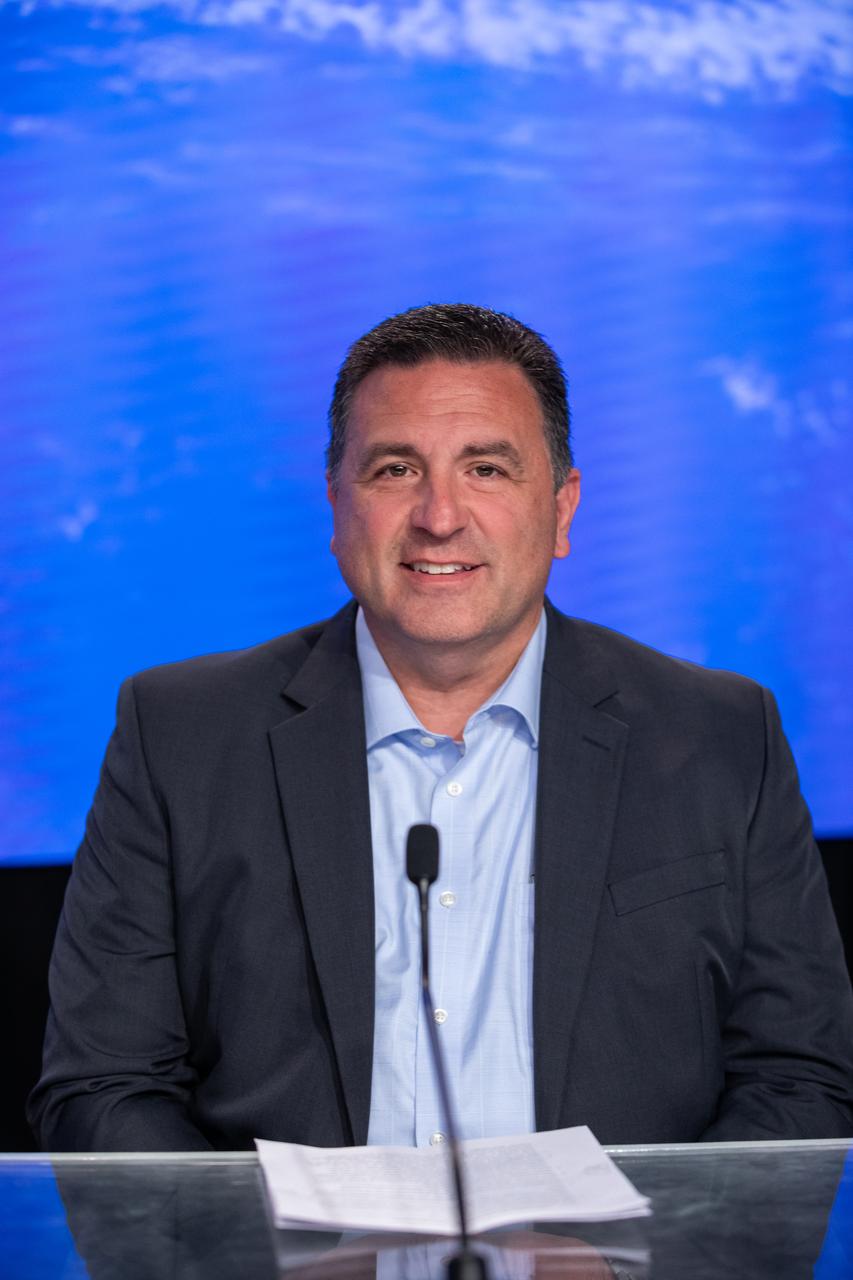
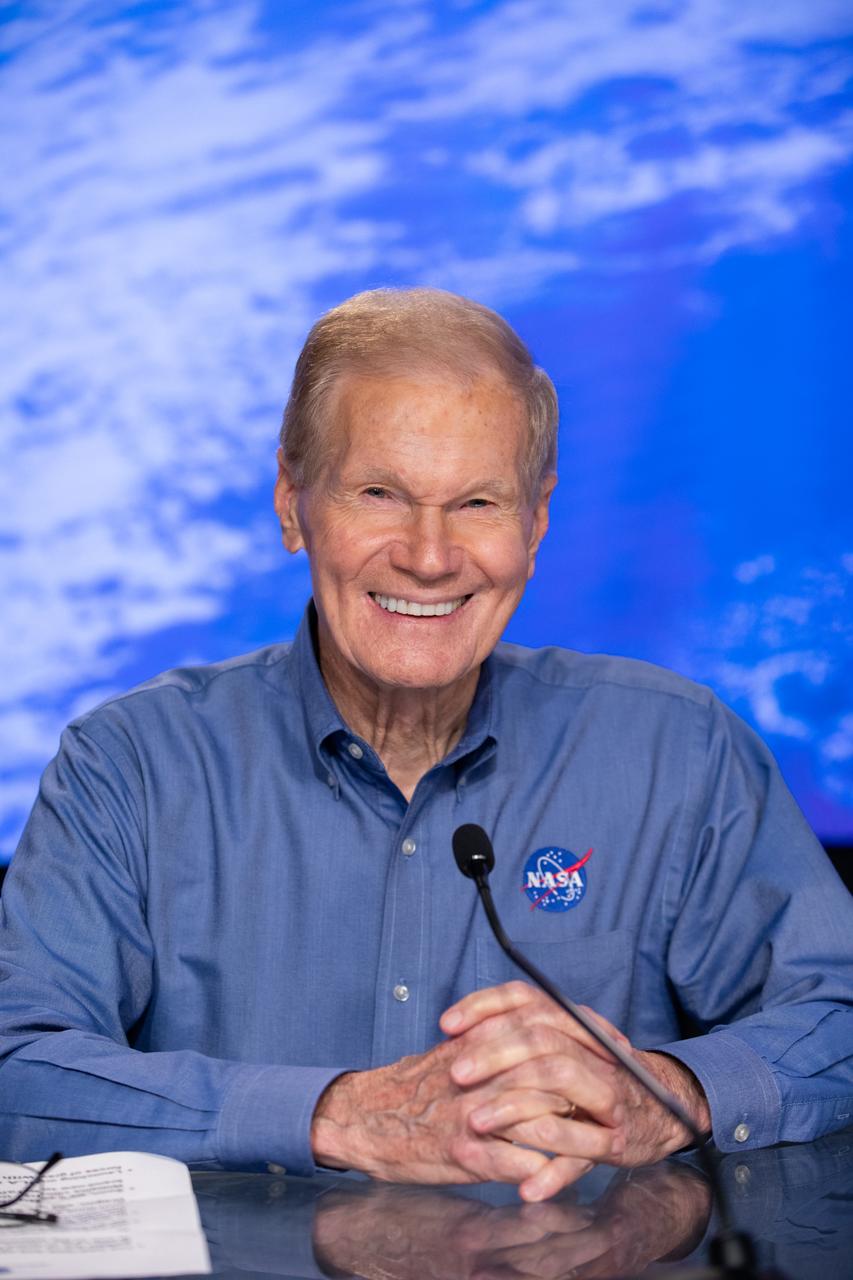
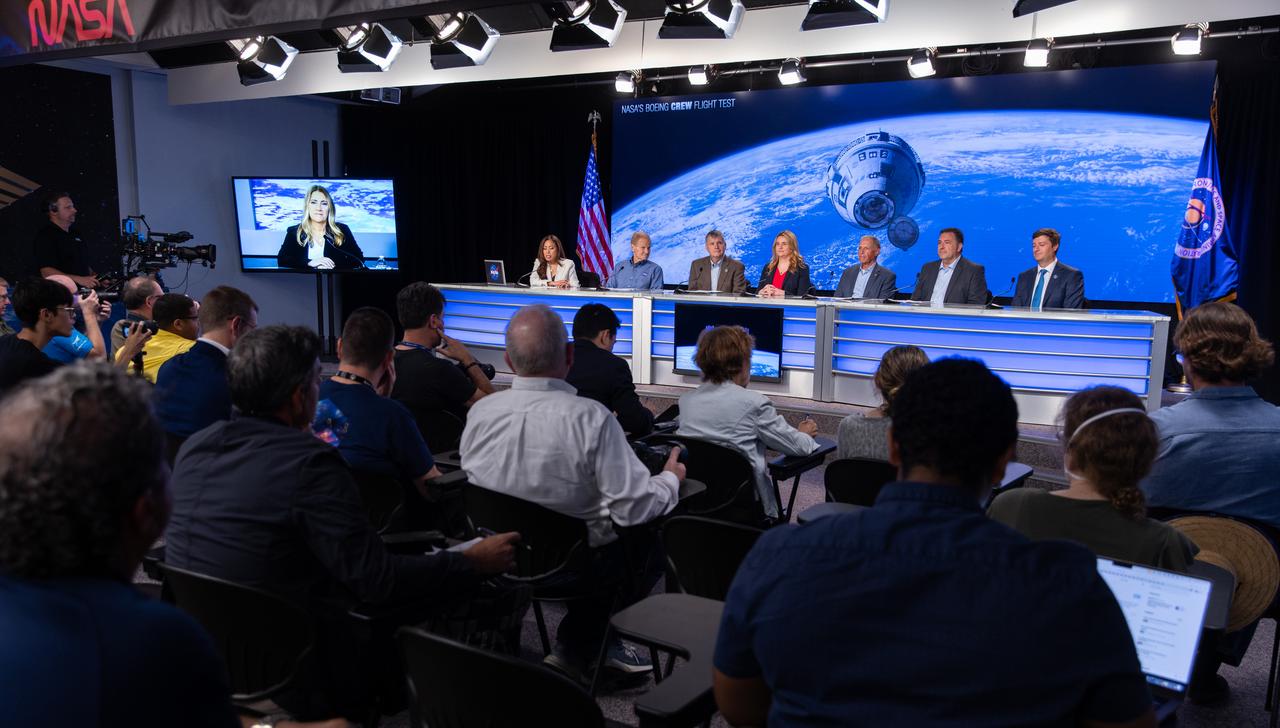
Officials from NASA, Boeing, ULA (United Launch Alliance) , and the U.S. Space Force 45th Weather Squadron participate in a prelaunch briefing for NASA’s Boeing Crew Flight Test at the agency’s Kennedy Space Center in Florida, Friday, May 3, 2024. From left to right at the dais are Megan Cruz, NASA Communications; Bill Nelson, NASA administrator; Steve Stich, manager, NASA’s Commercial Crew Program; Dana Weigel, manager, NASA’s International Space Station Program; Jennifer Buchli, chief scientist, NASA’s International Space Station Program; Mark Nappi, vice president and program manager, Boeing Commercial Crew Program; Gary Wentz, vice president, Government and Commercial Programs, ULA; Brian Cizek, launch weather officer, U.S. Space Force, 45th Weather Squadron. As part of the agency’s Commercial Crew Program, NASA astronauts Butch Wilmore and Suni Williams are the first to launch aboard Boeing’s Starliner spacecraft atop a ULA Atlas V rocket from Space Launch Complex-41 at Cape Canaveral Space Force Station in Florida. Liftoff is scheduled for 10:34 p.m. ET on Monday, May 6.
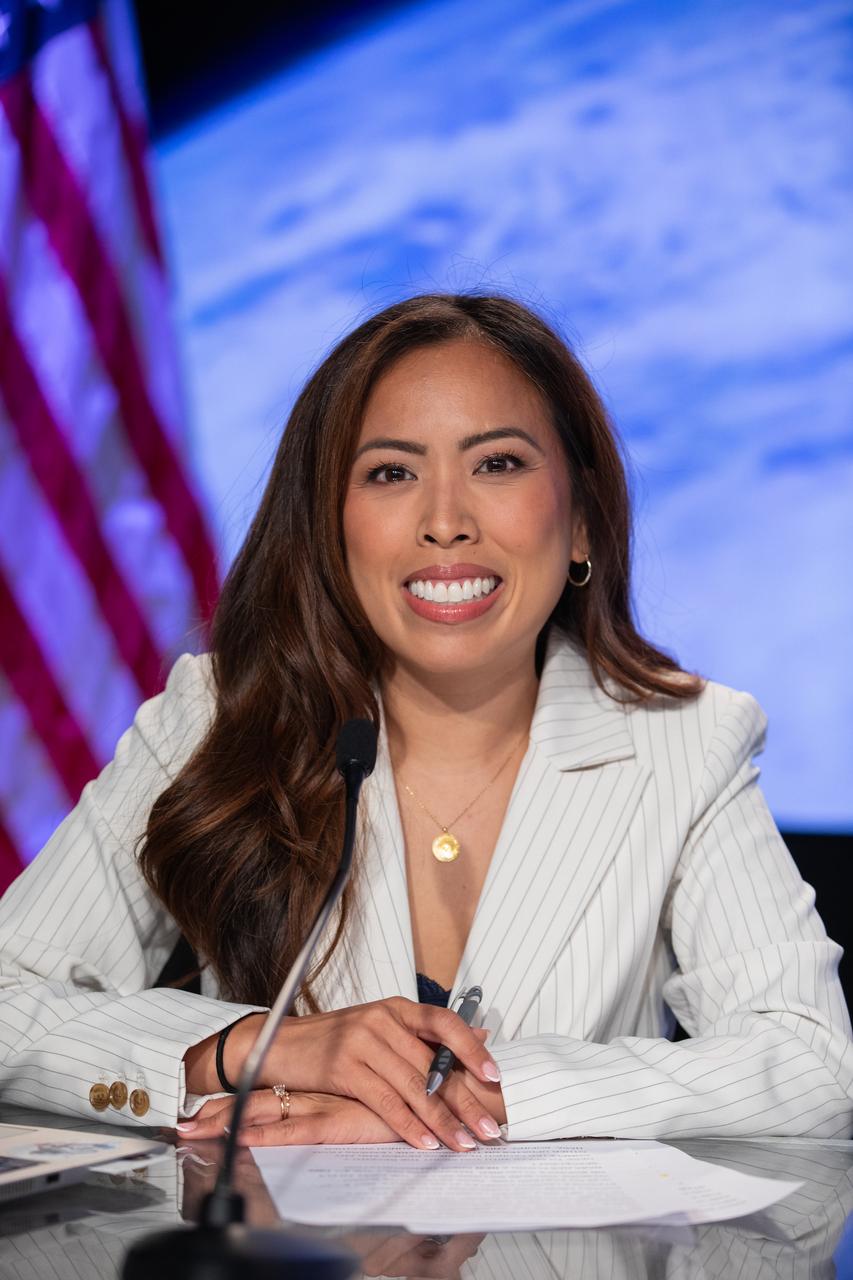
Officials from NASA, Boeing, ULA (United Launch Alliance) , and the U.S. Space Force 45th Weather Squadron participate in a prelaunch briefing for NASA’s Boeing Crew Flight Test at the agency’s Kennedy Space Center in Florida, Friday, May 3, 2024. From left to right at the dais are Megan Cruz, NASA Communications; Bill Nelson, NASA administrator; Steve Stich, manager, NASA’s Commercial Crew Program; Dana Weigel, manager, NASA’s International Space Station Program; Jennifer Buchli, chief scientist, NASA’s International Space Station Program; Mark Nappi, vice president and program manager, Boeing Commercial Crew Program; Gary Wentz, vice president, Government and Commercial Programs, ULA; Brian Cizek, launch weather officer, U.S. Space Force, 45th Weather Squadron. As part of the agency’s Commercial Crew Program, NASA astronauts Butch Wilmore and Suni Williams are the first to launch aboard Boeing’s Starliner spacecraft atop a ULA Atlas V rocket from Space Launch Complex-41 at Cape Canaveral Space Force Station in Florida. Liftoff is scheduled for 10:34 p.m. ET on Monday, May 6.
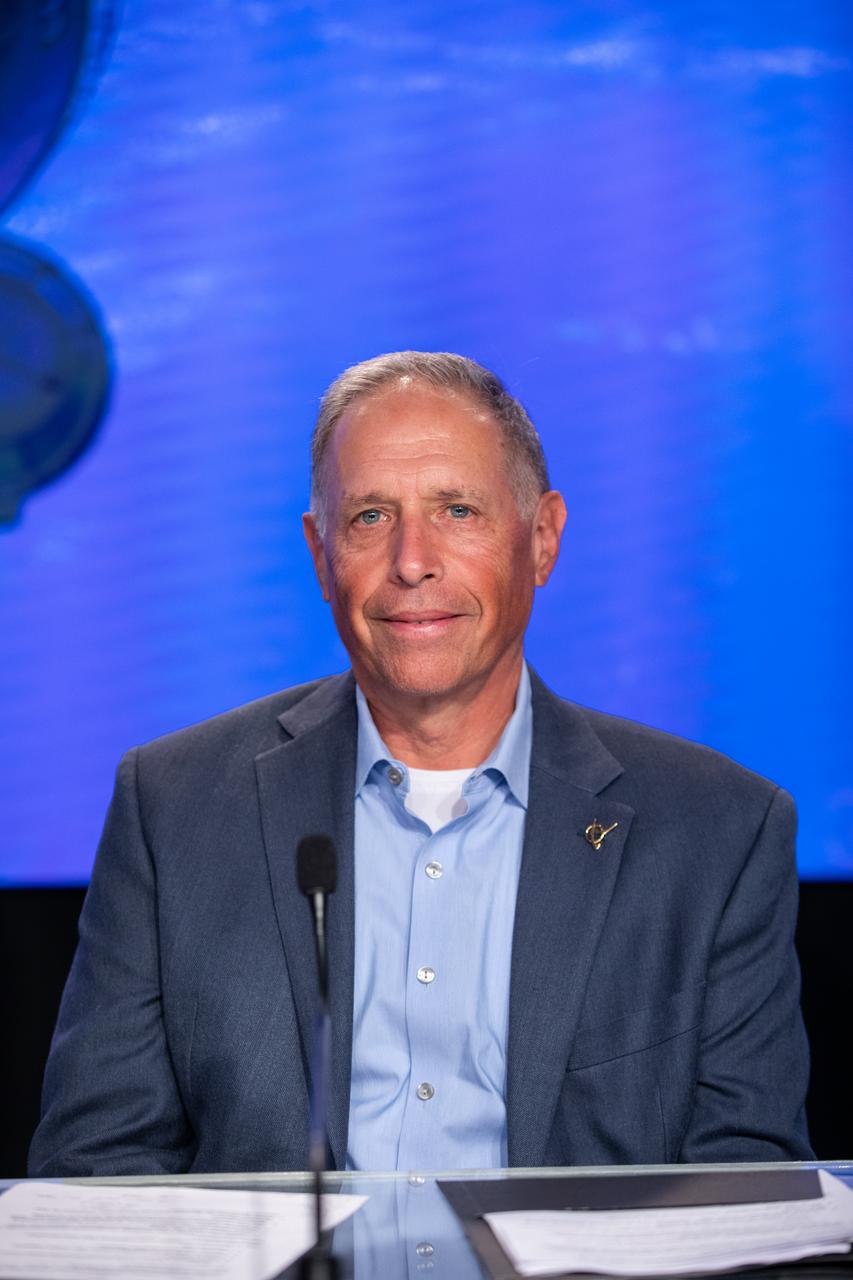
Officials from NASA, Boeing, ULA (United Launch Alliance) , and the U.S. Space Force 45th Weather Squadron participate in a prelaunch briefing for NASA’s Boeing Crew Flight Test at the agency’s Kennedy Space Center in Florida, Friday, May 3, 2024. From left to right at the dais are Megan Cruz, NASA Communications; Bill Nelson, NASA administrator; Steve Stich, manager, NASA’s Commercial Crew Program; Dana Weigel, manager, NASA’s International Space Station Program; Jennifer Buchli, chief scientist, NASA’s International Space Station Program; Mark Nappi, vice president and program manager, Boeing Commercial Crew Program; Gary Wentz, vice president, Government and Commercial Programs, ULA; Brian Cizek, launch weather officer, U.S. Space Force, 45th Weather Squadron. As part of the agency’s Commercial Crew Program, NASA astronauts Butch Wilmore and Suni Williams are the first to launch aboard Boeing’s Starliner spacecraft atop a ULA Atlas V rocket from Space Launch Complex-41 at Cape Canaveral Space Force Station in Florida. Liftoff is scheduled for 10:34 p.m. ET on Monday, May 6.
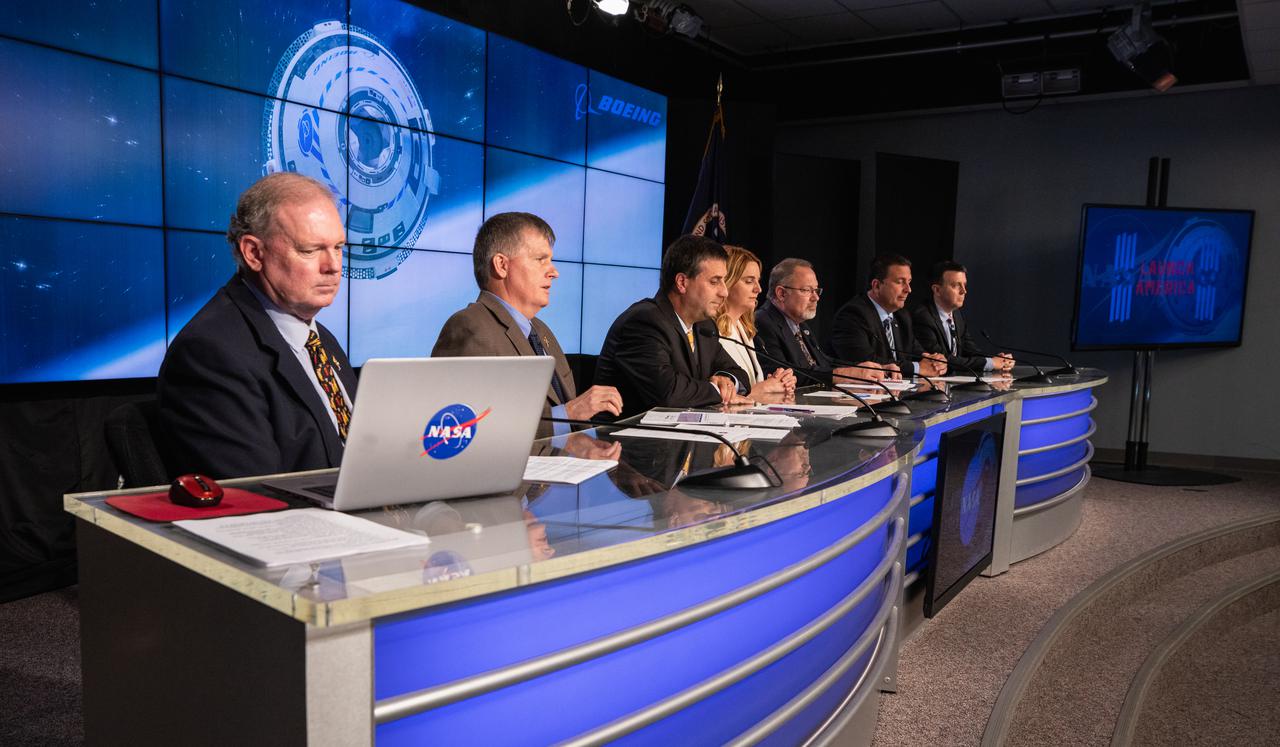
Officials from NASA, Boeing, United Launch Alliance (ULA) and the U.S. Space Force 45th Weather Squadron participate in a prelaunch briefing for Boeing’s Orbital Flight Test-2 (OFT-2) at the agency’s Kennedy Space Center in Florida, July 27, 2021. From left to right are Kyle Herring, NASA Communications; Steve Stich, manager, NASA’s Commercial Crew Program; Joel Montalbano, manager, NASA’s International Space Station Program; Jennifer Buchli, deputy chief scientist, NASA’s International Space Station Program; John Vollmer, vice president and program manager, Boeing Commercial Crew Program; Gary Wentz, vice president, Government and Commercial Programs, ULA; Will Ulrich, launch weather officer, U.S. Space Force, 45th Weather Squadron. Boeing’s CST-100 Starliner spacecraft will launch atop a ULA Atlas V rocket from Space Launch Complex-41 at Cape Canaveral Space Force Station on a mission to dock with the space station. The uncrewed OFT-2 will be the Starliner’s second flight for NASA’s Commercial Crew Program.
Officials from NASA, Boeing, ULA (United Launch Alliance) , and the U.S. Space Force 45th Weather Squadron participate in a prelaunch briefing for NASA’s Boeing Crew Flight Test at the agency’s Kennedy Space Center in Florida, Friday, May 3, 2024. From left to right at the dais are Megan Cruz, NASA Communications; Bill Nelson, NASA administrator; Steve Stich, manager, NASA’s Commercial Crew Program; Dana Weigel, manager, NASA’s International Space Station Program; Jennifer Buchli, chief scientist, NASA’s International Space Station Program; Mark Nappi, vice president and program manager, Boeing Commercial Crew Program; Gary Wentz, vice president, Government and Commercial Programs, ULA; Brian Cizek, launch weather officer, U.S. Space Force, 45th Weather Squadron. As part of the agency’s Commercial Crew Program, NASA astronauts Butch Wilmore and Suni Williams are the first to launch aboard Boeing’s Starliner spacecraft atop a ULA Atlas V rocket from Space Launch Complex-41 at Cape Canaveral Space Force Station in Florida. Liftoff is scheduled for 10:34 p.m. ET on Monday, May 6.
Officials from NASA, Boeing, ULA (United Launch Alliance) , and the U.S. Space Force 45th Weather Squadron participate in a prelaunch briefing for NASA’s Boeing Crew Flight Test at the agency’s Kennedy Space Center in Florida, Friday, May 3, 2024. From left to right at the dais are Megan Cruz, NASA Communications; Bill Nelson, NASA administrator; Steve Stich, manager, NASA’s Commercial Crew Program; Dana Weigel, manager, NASA’s International Space Station Program; Jennifer Buchli, chief scientist, NASA’s International Space Station Program; Mark Nappi, vice president and program manager, Boeing Commercial Crew Program; Gary Wentz, vice president, Government and Commercial Programs, ULA; Brian Cizek, launch weather officer, U.S. Space Force, 45th Weather Squadron. As part of the agency’s Commercial Crew Program, NASA astronauts Butch Wilmore and Suni Williams are the first to launch aboard Boeing’s Starliner spacecraft atop a ULA Atlas V rocket from Space Launch Complex-41 at Cape Canaveral Space Force Station in Florida. Liftoff is scheduled for 10:34 p.m. ET on Monday, May 6.
Officials from NASA, Boeing, ULA (United Launch Alliance) , and the U.S. Space Force 45th Weather Squadron participate in a prelaunch briefing for NASA’s Boeing Crew Flight Test at the agency’s Kennedy Space Center in Florida, Friday, May 3, 2024. From left to right at the dais are Megan Cruz, NASA Communications; Bill Nelson, NASA administrator; Steve Stich, manager, NASA’s Commercial Crew Program; Dana Weigel, manager, NASA’s International Space Station Program; Jennifer Buchli, chief scientist, NASA’s International Space Station Program; Mark Nappi, vice president and program manager, Boeing Commercial Crew Program; Gary Wentz, vice president, Government and Commercial Programs, ULA; Brian Cizek, launch weather officer, U.S. Space Force, 45th Weather Squadron. As part of the agency’s Commercial Crew Program, NASA astronauts Butch Wilmore and Suni Williams are the first to launch aboard Boeing’s Starliner spacecraft atop a ULA Atlas V rocket from Space Launch Complex-41 at Cape Canaveral Space Force Station in Florida. Liftoff is scheduled for 10:34 p.m. ET on Monday, May 6.
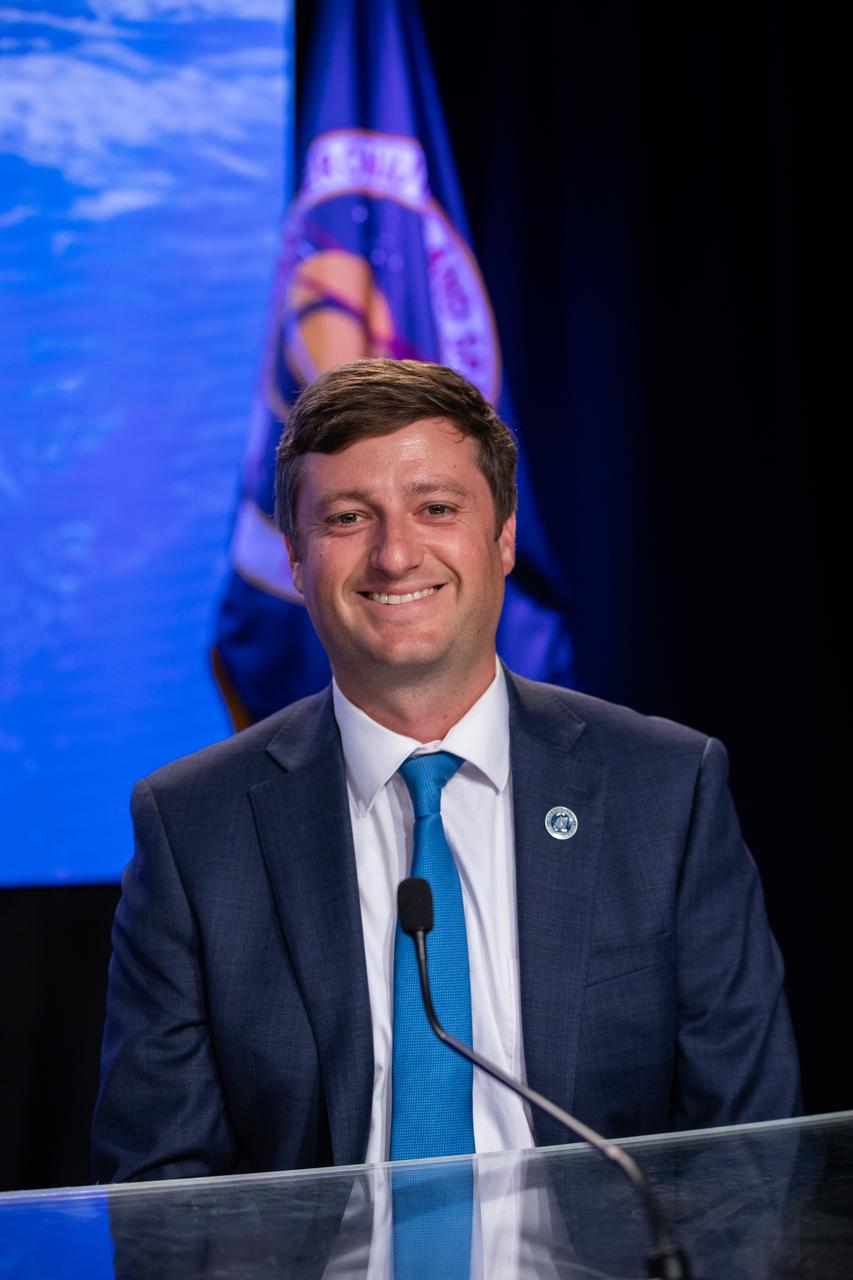
Officials from NASA, Boeing, ULA (United Launch Alliance) , and the U.S. Space Force 45th Weather Squadron participate in a prelaunch briefing for NASA’s Boeing Crew Flight Test at the agency’s Kennedy Space Center in Florida, Friday, May 3, 2024. From left to right at the dais are Megan Cruz, NASA Communications; Bill Nelson, NASA administrator; Steve Stich, manager, NASA’s Commercial Crew Program; Dana Weigel, manager, NASA’s International Space Station Program; Jennifer Buchli, chief scientist, NASA’s International Space Station Program; Mark Nappi, vice president and program manager, Boeing Commercial Crew Program; Gary Wentz, vice president, Government and Commercial Programs, ULA; Brian Cizek, launch weather officer, U.S. Space Force, 45th Weather Squadron. As part of the agency’s Commercial Crew Program, NASA astronauts Butch Wilmore and Suni Williams are the first to launch aboard Boeing’s Starliner spacecraft atop a ULA Atlas V rocket from Space Launch Complex-41 at Cape Canaveral Space Force Station in Florida. Liftoff is scheduled for 10:34 p.m. ET on Monday, May 6.
Officials from NASA, Boeing, ULA (United Launch Alliance) , and the U.S. Space Force 45th Weather Squadron participate in a prelaunch briefing for NASA’s Boeing Crew Flight Test at the agency’s Kennedy Space Center in Florida, Friday, May 3, 2024. From left to right at the dais are Megan Cruz, NASA Communications; Bill Nelson, NASA administrator; Steve Stich, manager, NASA’s Commercial Crew Program; Dana Weigel, manager, NASA’s International Space Station Program; Jennifer Buchli, chief scientist, NASA’s International Space Station Program; Mark Nappi, vice president and program manager, Boeing Commercial Crew Program; Gary Wentz, vice president, Government and Commercial Programs, ULA; Brian Cizek, launch weather officer, U.S. Space Force, 45th Weather Squadron. As part of the agency’s Commercial Crew Program, NASA astronauts Butch Wilmore and Suni Williams are the first to launch aboard Boeing’s Starliner spacecraft atop a ULA Atlas V rocket from Space Launch Complex-41 at Cape Canaveral Space Force Station in Florida. Liftoff is scheduled for 10:34 p.m. ET on Monday, May 6.
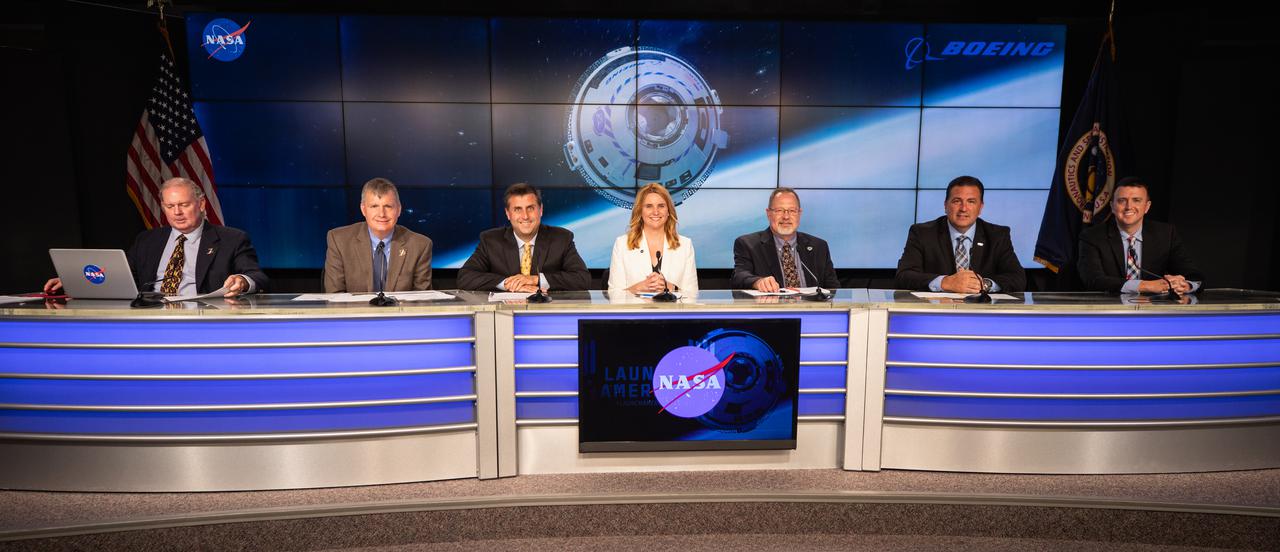
Officials from NASA, Boeing, United Launch Alliance (ULA) and the U.S. Space Force 45th Weather Squadron participate in a prelaunch briefing for Boeing’s Orbital Flight Test-2 (OFT-2) at the agency’s Kennedy Space Center in Florida, July 27, 2021. From left to right are Kyle Herring, NASA Communications; Steve Stich, manager, NASA’s Commercial Crew Program; Joel Montalbano, manager, NASA’s International Space Station Program; Jennifer Buchli, deputy chief scientist, NASA’s International Space Station Program; John Vollmer, vice president and program manager, Boeing Commercial Crew Program; Gary Wentz, vice president, Government and Commercial Programs, ULA; Will Ulrich, launch weather officer, U.S. Space Force, 45th Weather Squadron. Boeing’s CST-100 Starliner spacecraft will launch atop a ULA Atlas V rocket from Space Launch Complex-41 at Cape Canaveral Space Force Station on a mission to dock with the space station. The uncrewed OFT-2 will be the Starliner’s second flight for NASA’s Commercial Crew Program.
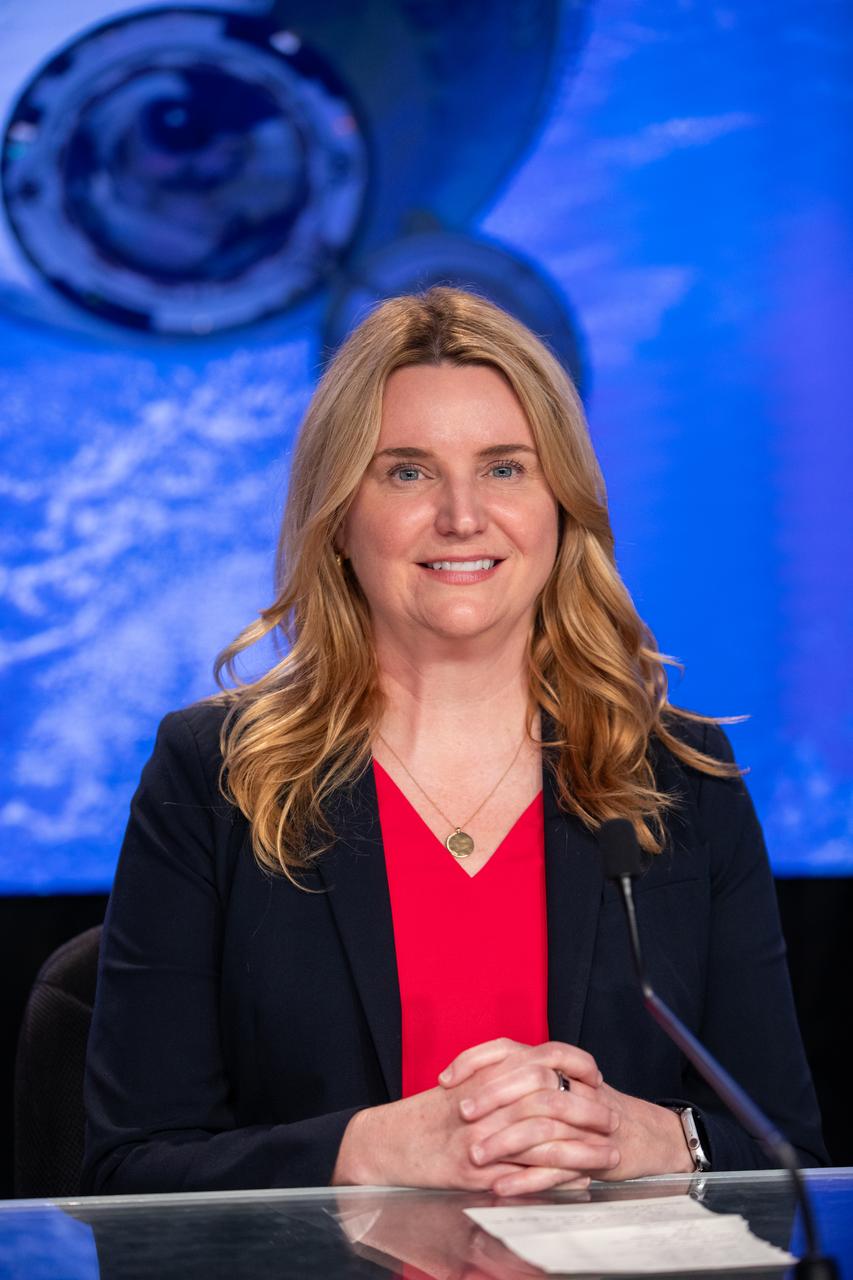
Officials from NASA, Boeing, ULA (United Launch Alliance) , and the U.S. Space Force 45th Weather Squadron participate in a prelaunch briefing for NASA’s Boeing Crew Flight Test at the agency’s Kennedy Space Center in Florida, Friday, May 3, 2024. From left to right at the dais are Megan Cruz, NASA Communications; Bill Nelson, NASA administrator; Steve Stich, manager, NASA’s Commercial Crew Program; Dana Weigel, manager, NASA’s International Space Station Program; Jennifer Buchli, chief scientist, NASA’s International Space Station Program; Mark Nappi, vice president and program manager, Boeing Commercial Crew Program; Gary Wentz, vice president, Government and Commercial Programs, ULA; Brian Cizek, launch weather officer, U.S. Space Force, 45th Weather Squadron. As part of the agency’s Commercial Crew Program, NASA astronauts Butch Wilmore and Suni Williams are the first to launch aboard Boeing’s Starliner spacecraft atop a ULA Atlas V rocket from Space Launch Complex-41 at Cape Canaveral Space Force Station in Florida. Liftoff is scheduled for 10:34 p.m. ET on Monday, May 6.
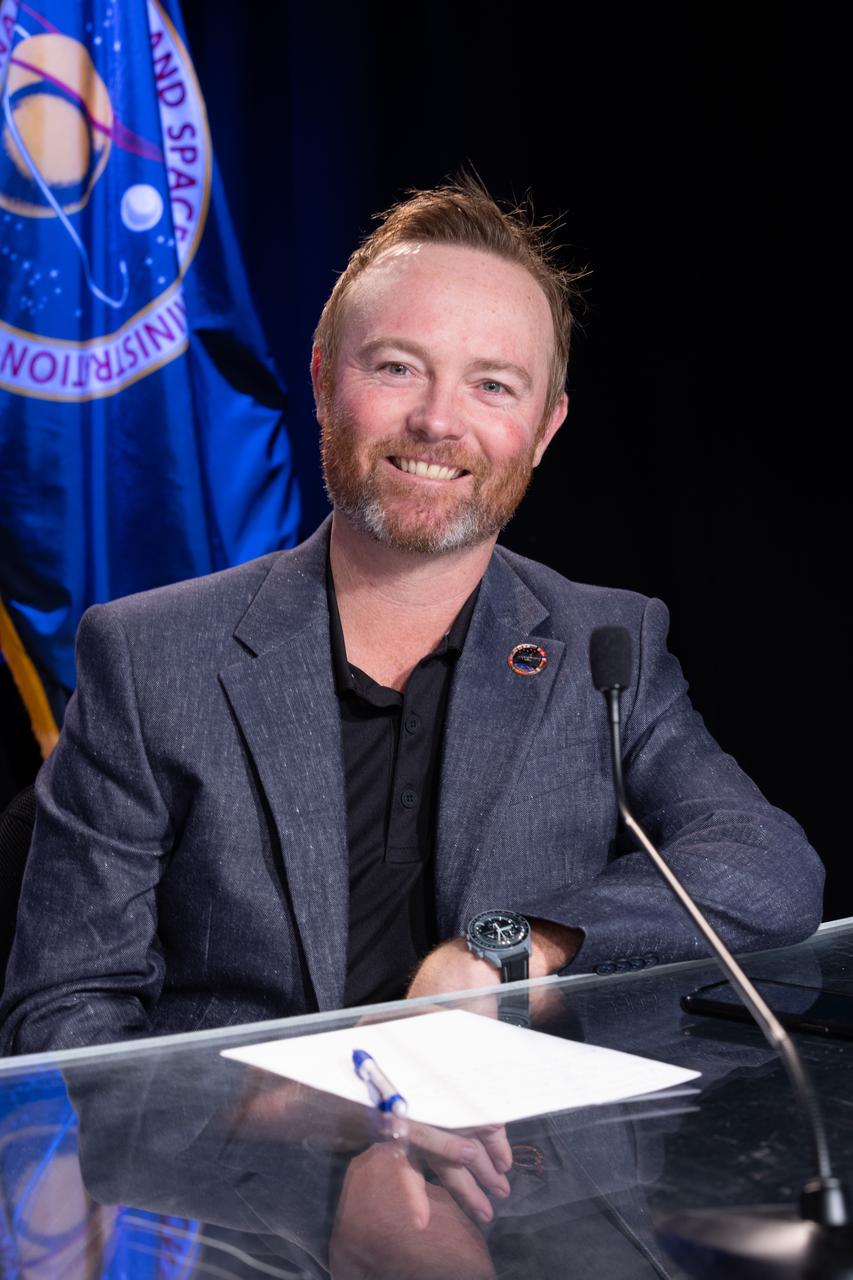
Public Affairs and Outreach Lead of the ISS National Laboratory Patrick O’Neill participates in a social media panel discussion inside the John Holliman Auditorium of the News Center at NASA’s Kennedy Space Center in Florida on Wednesday, Feb. 28, 2024, ahead of NASA’s SpaceX Crew-8 mission to the International Space Station. Liftoff of the eighth crew rotation mission with SpaceX to the station and the ninth flight of Dragon with people as part of the agency’s Commercial Crew Program from Kennedy’s Launch Complex 39A is targeted for 12:04 a.m. on Friday, March 1.
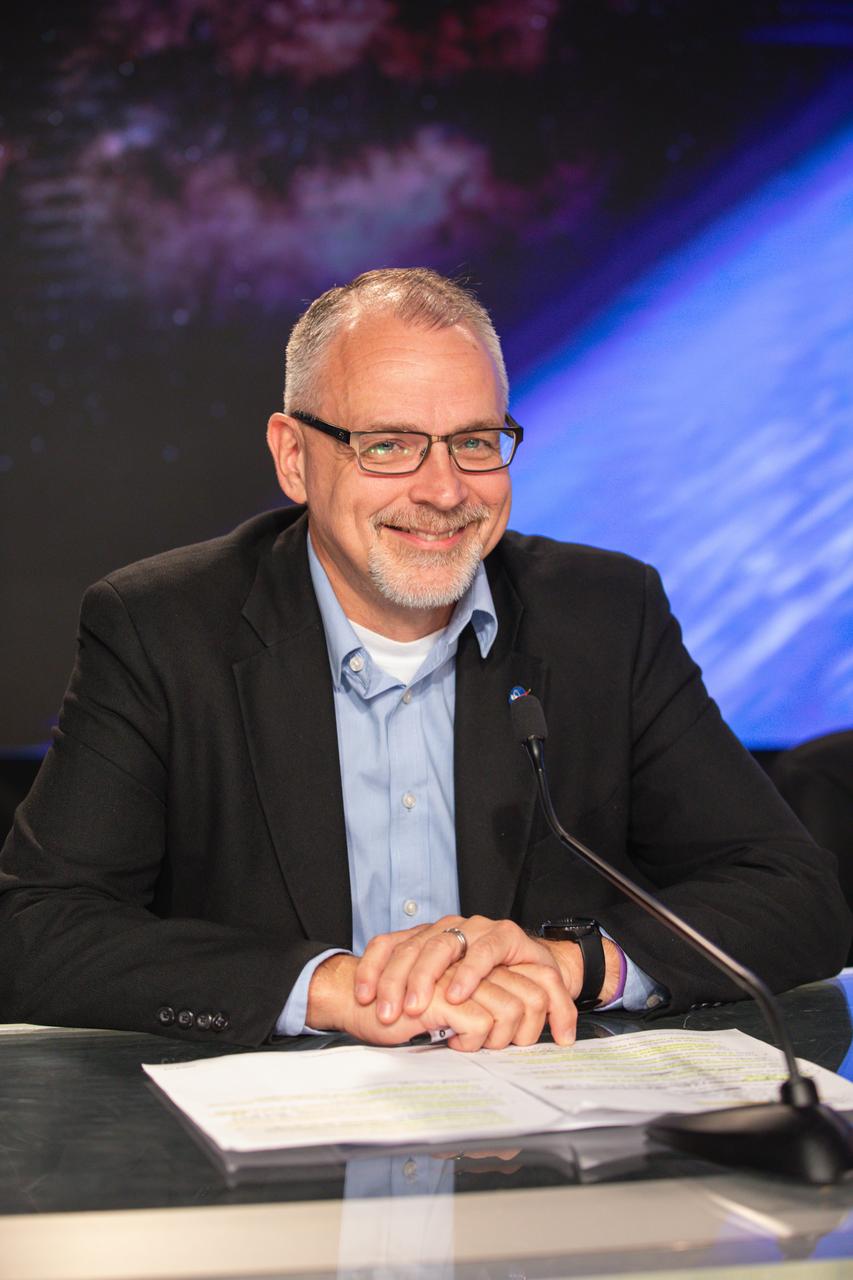
NASA Associate Administrator Jim Free addresses the media during a prelaunch news conference at NASA’s Kennedy Space Center in Florida on Friday, Sept. 27, 2024, ahead of the agency’s SpaceX Crew-9 launch. NASA astronaut Nick Hague and Roscosmos cosmonaut Aleksandr Gorbunov will launch to the International Space Station aboard SpaceX’s Dragon spacecraft and Falcon 9 rocket. Launch is targeted for 1:17 p.m. EDT Sept. 28, 2024, from Space Launch Complex-40 at Cape Canaveral Space Force Station in Florida. Crew-9 is the ninth crew rotation mission with SpaceX to the space station as part of the agency’s Commercial Crew Program.
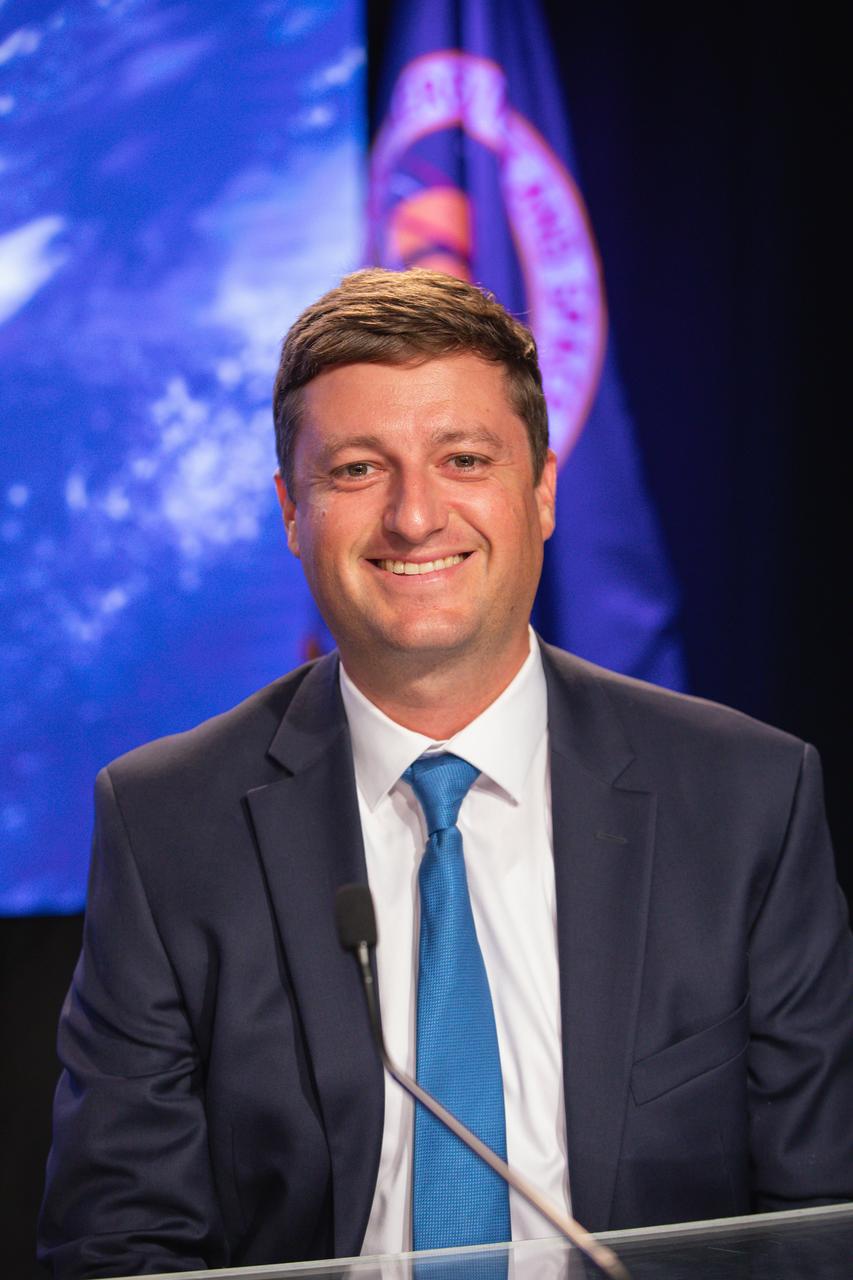
Brian Cizek, launch weather officer, 45th Weather Squadron, Cape Canaveral Space Force Station, addresses the media during a prelaunch news conference at NASA’s Kennedy Space Center in Florida on Friday, Sept. 27, 2024, ahead of the agency’s SpaceX Crew-9 launch. NASA astronaut Nick Hague and Roscosmos cosmonaut Aleksandr Gorbunov will launch to the International Space Station aboard SpaceX’s Dragon spacecraft and Falcon 9 rocket. Launch is targeted for 1:17 p.m. EDT Saturday, Sept. 28, 2024, from Space Launch Complex-40 at Cape Canaveral Space Force Station in Florida. Crew-9 is the ninth crew rotation mission with SpaceX to the space station as part of the agency’s Commercial Crew Program.
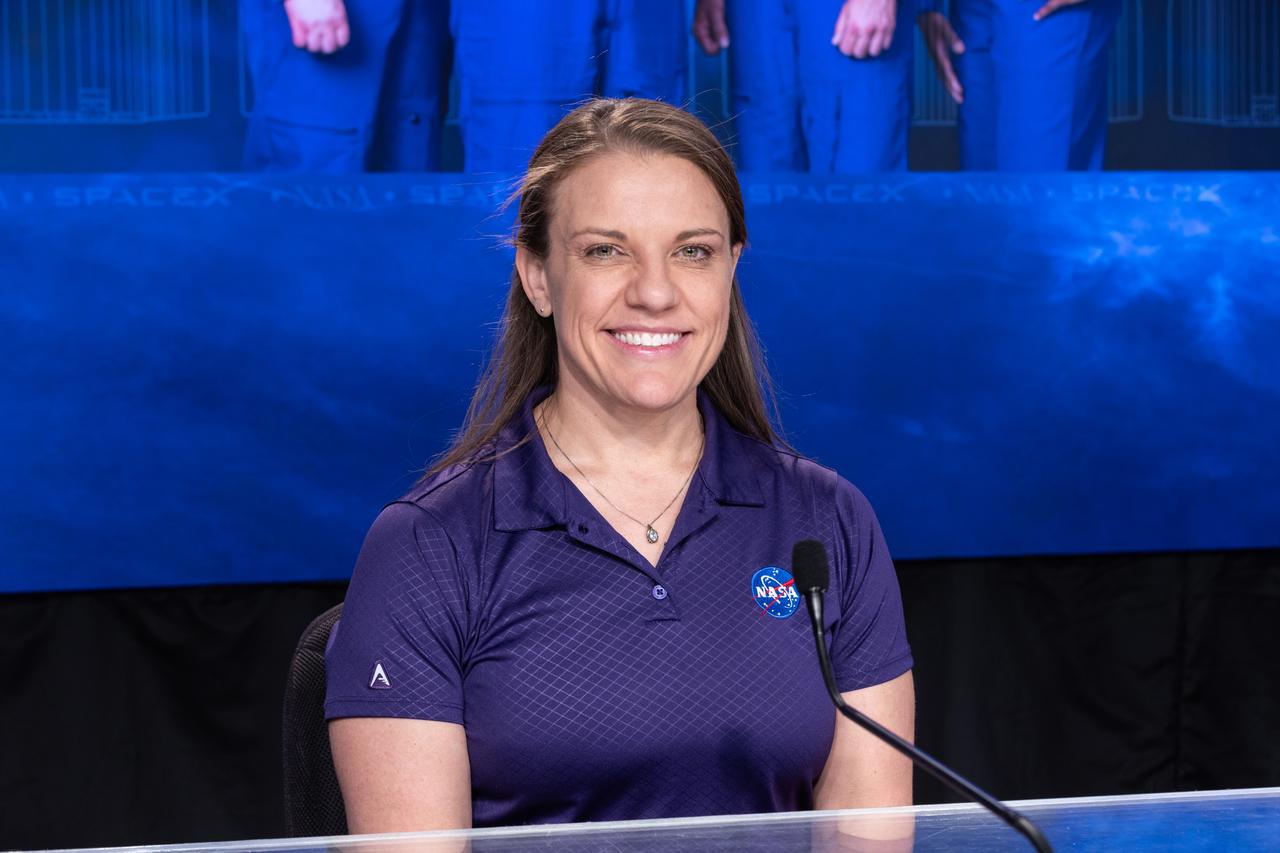
Mission Manager of NASA’s Commercial Crew Program Carla Koch participates in a social media panel discussion inside the John Holliman Auditorium of the News Center at NASA’s Kennedy Space Center in Florida on Wednesday, Feb. 28, 2024, ahead of NASA’s SpaceX Crew-8 mission to the International Space Station. Liftoff of the eighth crew rotation mission with SpaceX to the station and the ninth flight of Dragon with people as part of the agency’s Commercial Crew Program from Kennedy’s Launch Complex 39A is targeted for 12:04 a.m. on Friday, March 1.
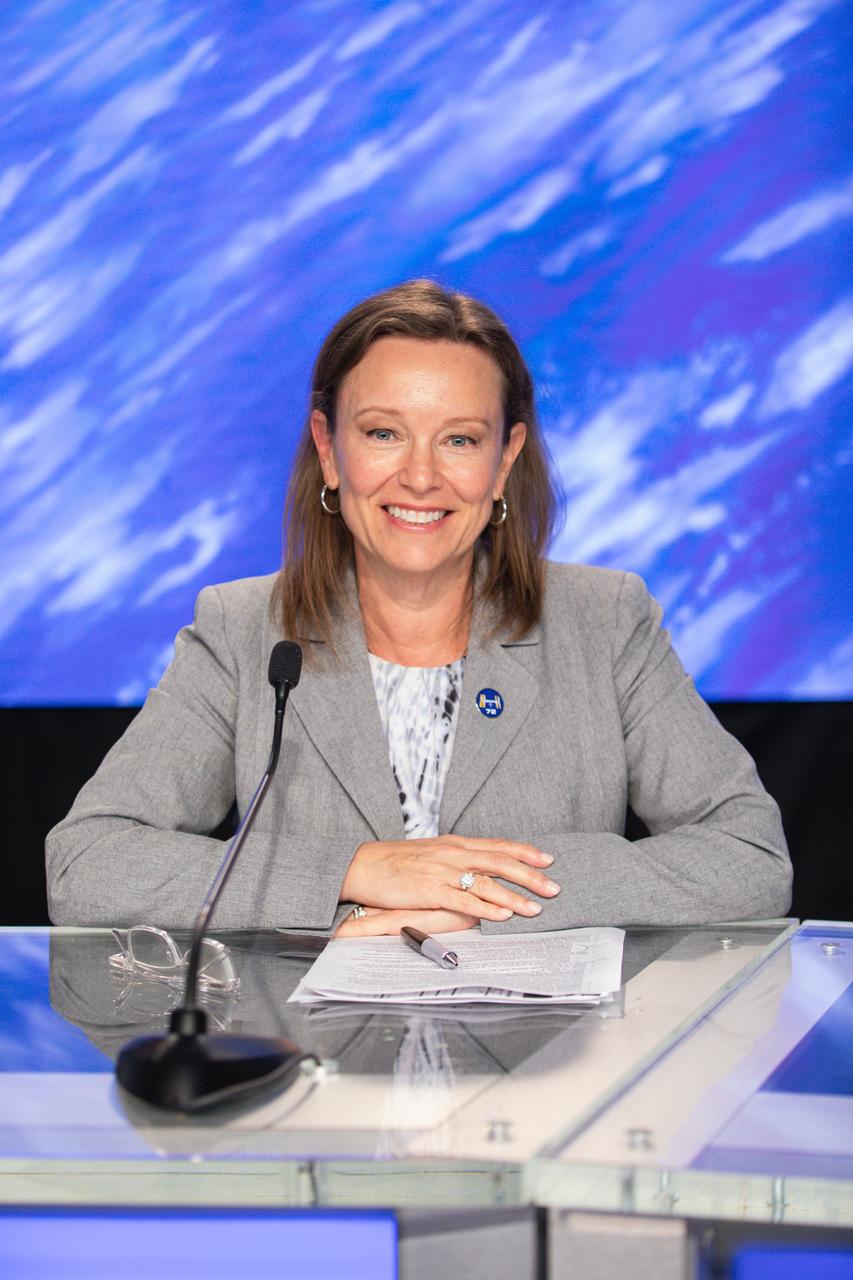
NASA and SpaceX representatives participate in a prelaunch news conference on Friday, Sept. 27, ahead of NASA’s SpaceX Crew-9 mission to the International Space Station. The launch is targeted for no earlier than 1:17 p.m. EDT Saturday, Sept. 28, from Space Launch Complex-40 at Cape Canaveral Space Force Station in Florida. SpaceX’s Dragon spacecraft and Falcon 9 rocket will carry NASA astronaut Nick Hague, commander, and Roscosmos cosmonaut Aleksandr Gorbunov, mission specialist, to the space station for about a five-month science mission.
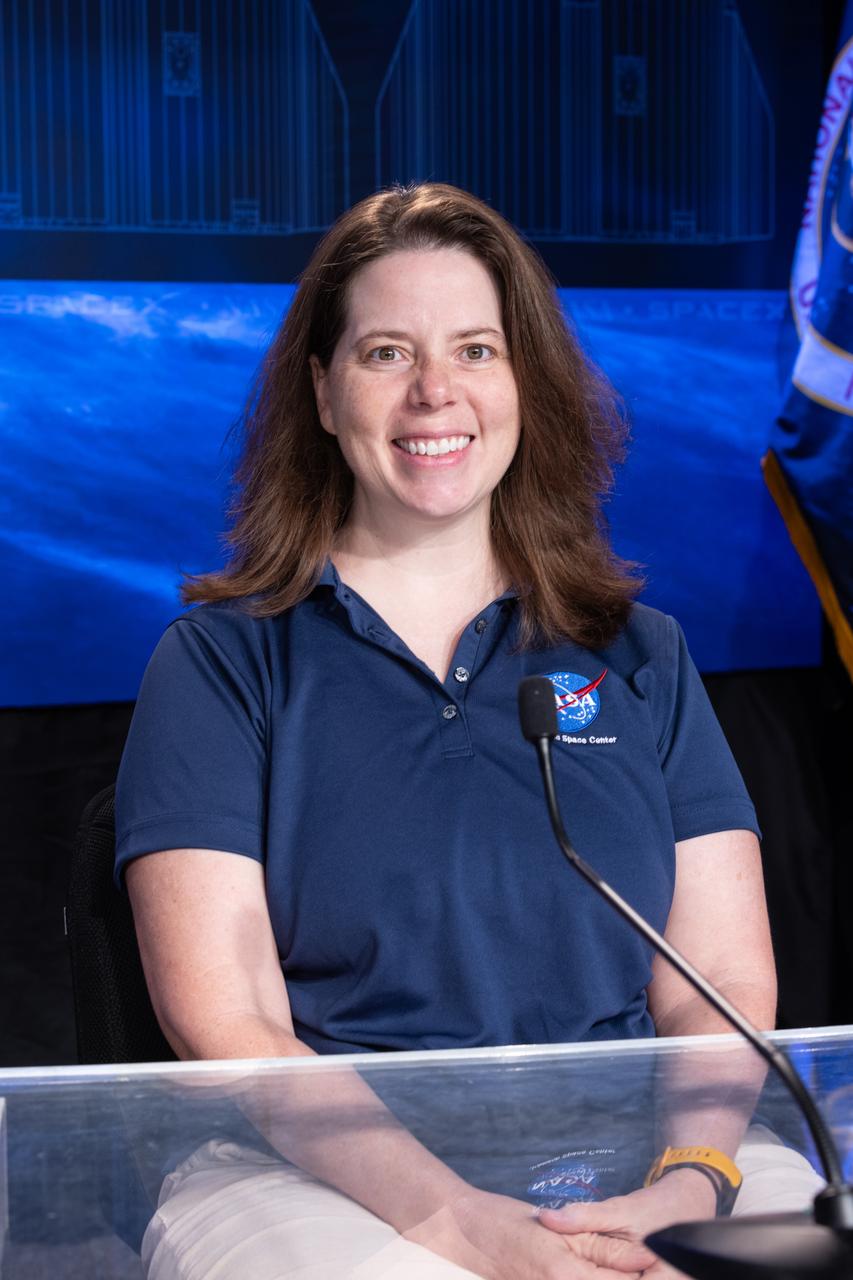
Deputy Chief Scientist of NASA’s Human Research Program Kristin Fabre participates in a social media panel discussion inside the John Holliman Auditorium of the News Center at NASA’s Kennedy Space Center in Florida on Wednesday, Feb. 28, 2024, ahead of NASA’s SpaceX Crew-8 mission to the International Space Station. Liftoff of the eighth crew rotation mission with SpaceX to the station and the ninth flight of Dragon with people as part of the agency’s Commercial Crew Program from Kennedy’s Launch Complex 39A is targeted for 12:04 a.m. on Friday, March 1.
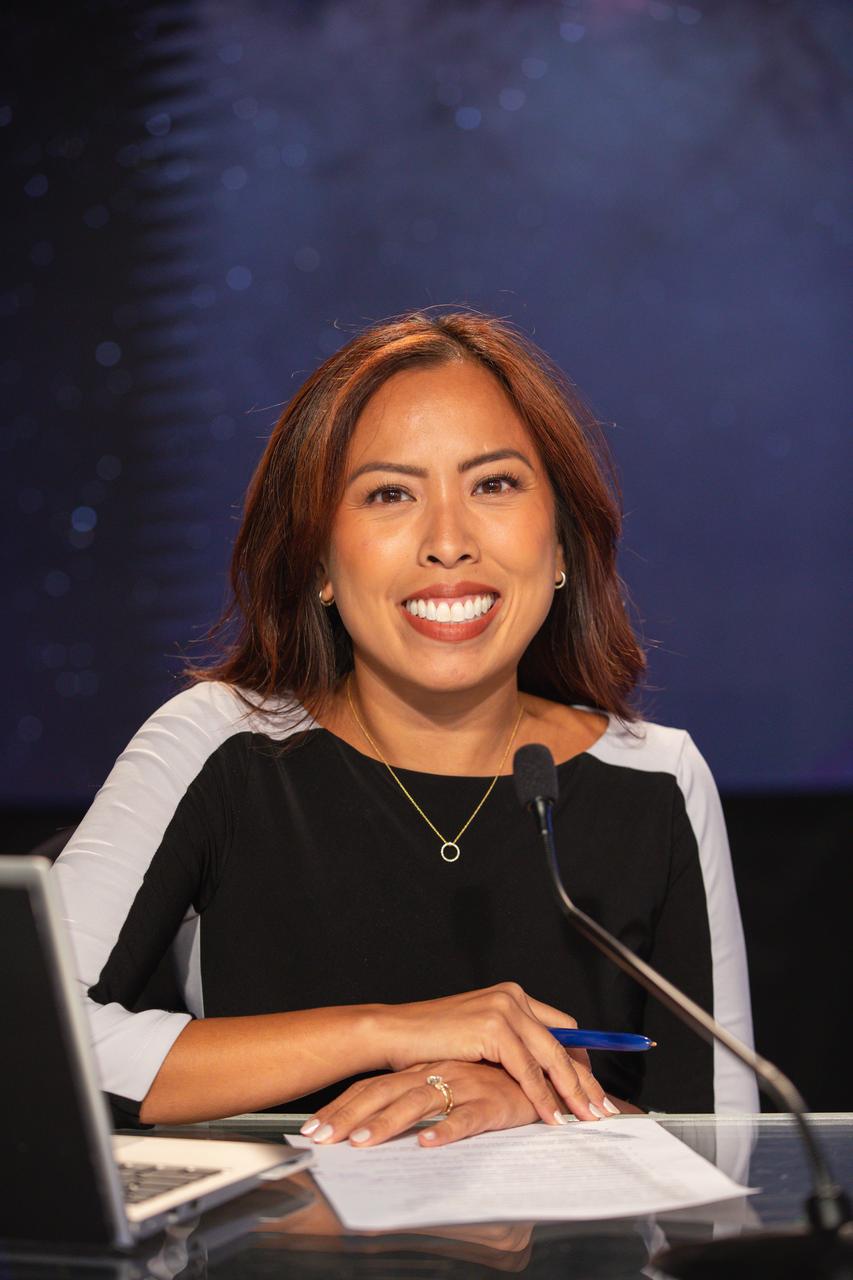
Megan Cruz, NASA Communications, participates in a prelaunch news conference at NASA’s Kennedy Space Center in Florida on Friday, Sept. 27, 2024, ahead of the agency’s SpaceX Crew-9 launch. NASA astronaut Nick Hague and Roscosmos cosmonaut Aleksandr Gorbunov will launch to the International Space Station aboard SpaceX’s Dragon spacecraft and Falcon 9 rocket. Launch is targeted for 1:17 p.m. EDT Sept. 28, 2024, from Space Launch Complex-40 at Cape Canaveral Space Force Station in Florida. Crew-9 is the ninth crew rotation mission with SpaceX to the space station as part of the agency’s Commercial Crew Program.
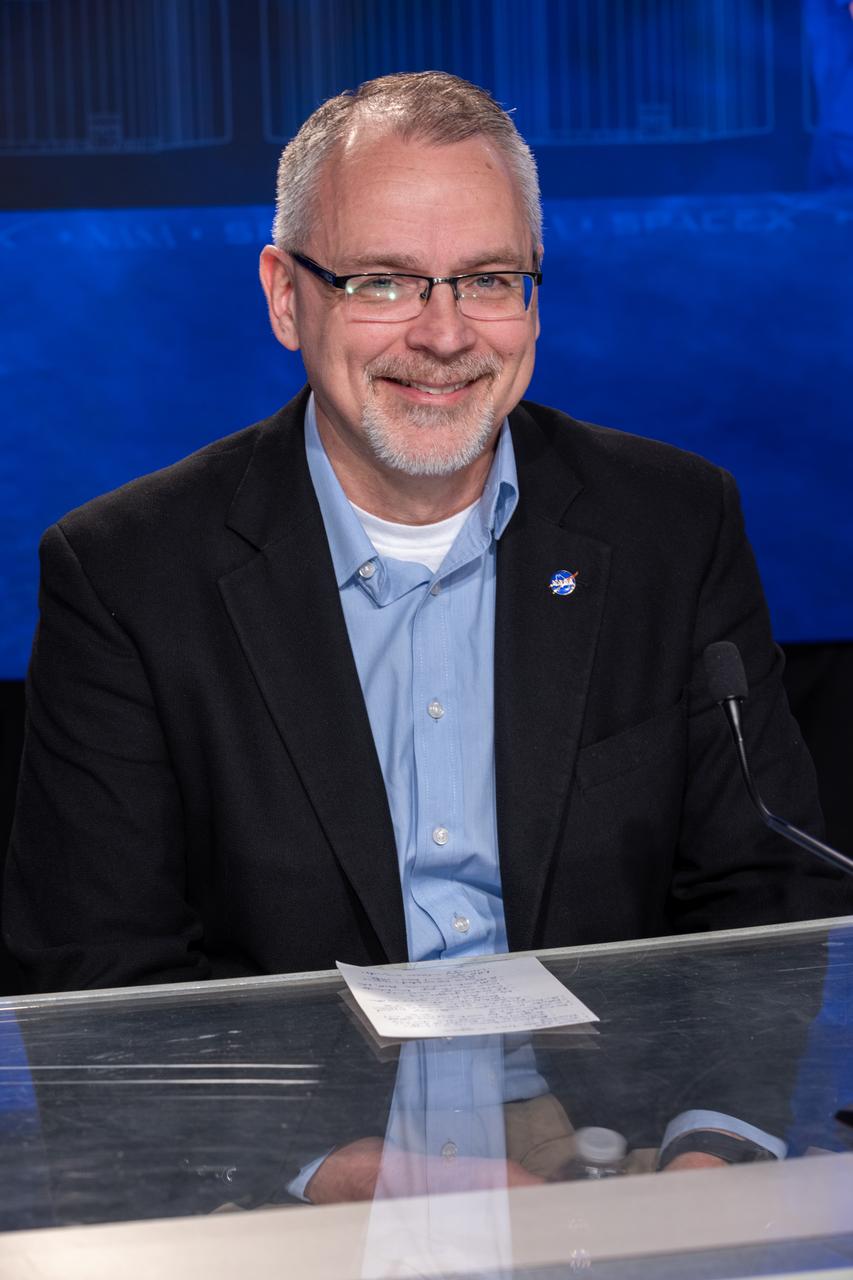
NASA Associate Administrator Jim Free participates in a social media panel discussion inside the John Holliman Auditorium of the News Center at NASA’s Kennedy Space Center in Florida on Wednesday, Feb. 28, 2024, ahead of NASA’s SpaceX Crew-8 mission to the International Space Station. Liftoff of the eighth crew rotation mission with SpaceX to the station and the ninth flight of Dragon with people as part of the agency’s Commercial Crew Program from Kennedy’s Launch Complex 39A is targeted for 12:04 a.m. on Friday, March 1.

Steve Stich, manager, NASA’s Commercial Crew Program, addresses the media during a prelaunch news conference at NASA’s Kennedy Space Center in Florida on Friday, Sept. 27, 2024, ahead of the agency’s SpaceX Crew-9 launch. NASA astronaut Nick Hague and Roscosmos cosmonaut Aleksandr Gorbunov will launch to the International Space Station aboard SpaceX’s Dragon spacecraft and Falcon 9 rocket. Launch is targeted for 1:17 p.m. EDT Sept. 28, 2024, from Space Launch Complex-40 at Cape Canaveral Space Force Station in Florida. Crew-9 is the ninth crew rotation mission with SpaceX to the space station as part of the agency’s Commercial Crew Program.
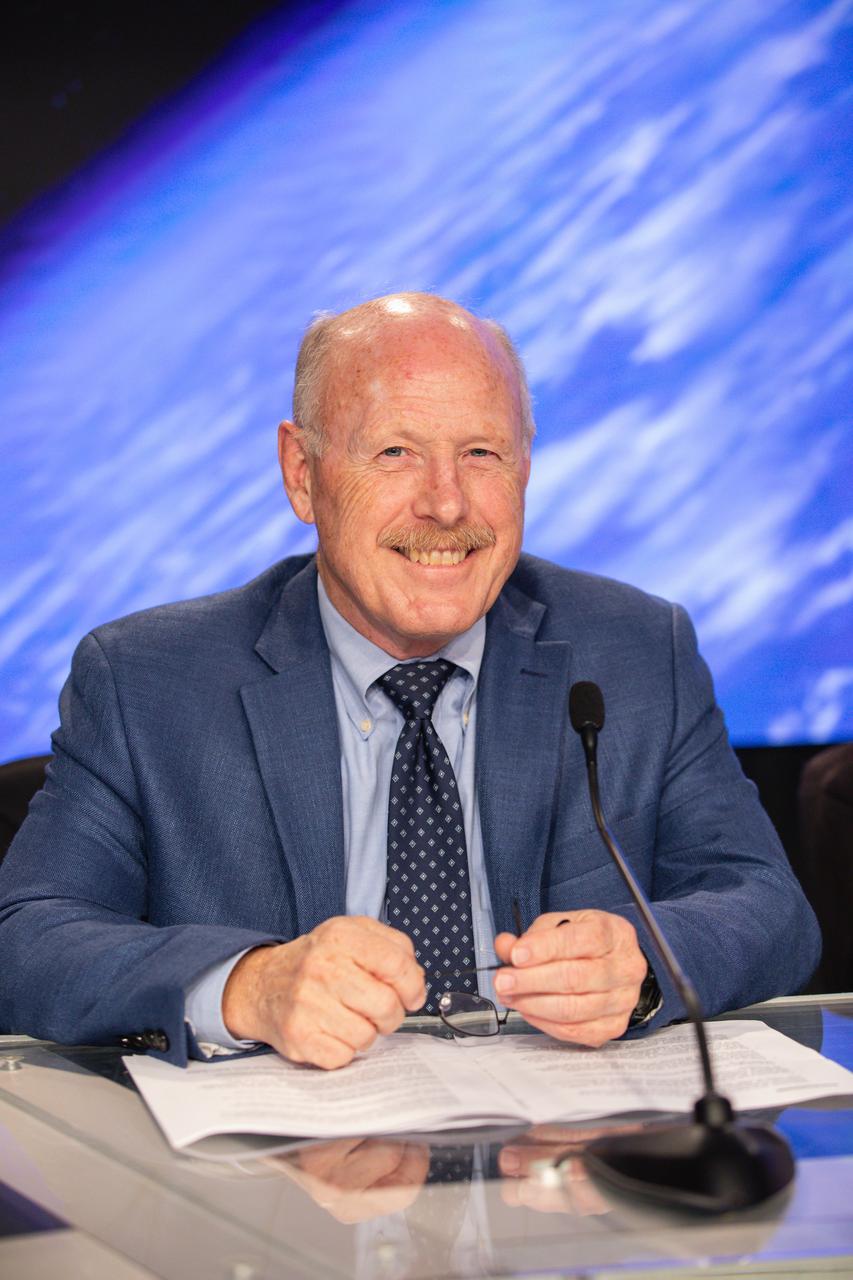
NASA and SpaceX representatives participate in a prelaunch news conference on Friday, Sept. 27, ahead of NASA’s SpaceX Crew-9 mission to the International Space Station. The launch is targeted for no earlier than 1:17 p.m. EDT Saturday, Sept. 28, from Space Launch Complex-40 at Cape Canaveral Space Force Station in Florida. SpaceX’s Dragon spacecraft and Falcon 9 rocket will carry NASA astronaut Nick Hague, commander, and Roscosmos cosmonaut Aleksandr Gorbunov, mission specialist, to the space station for about a five-month science mission.
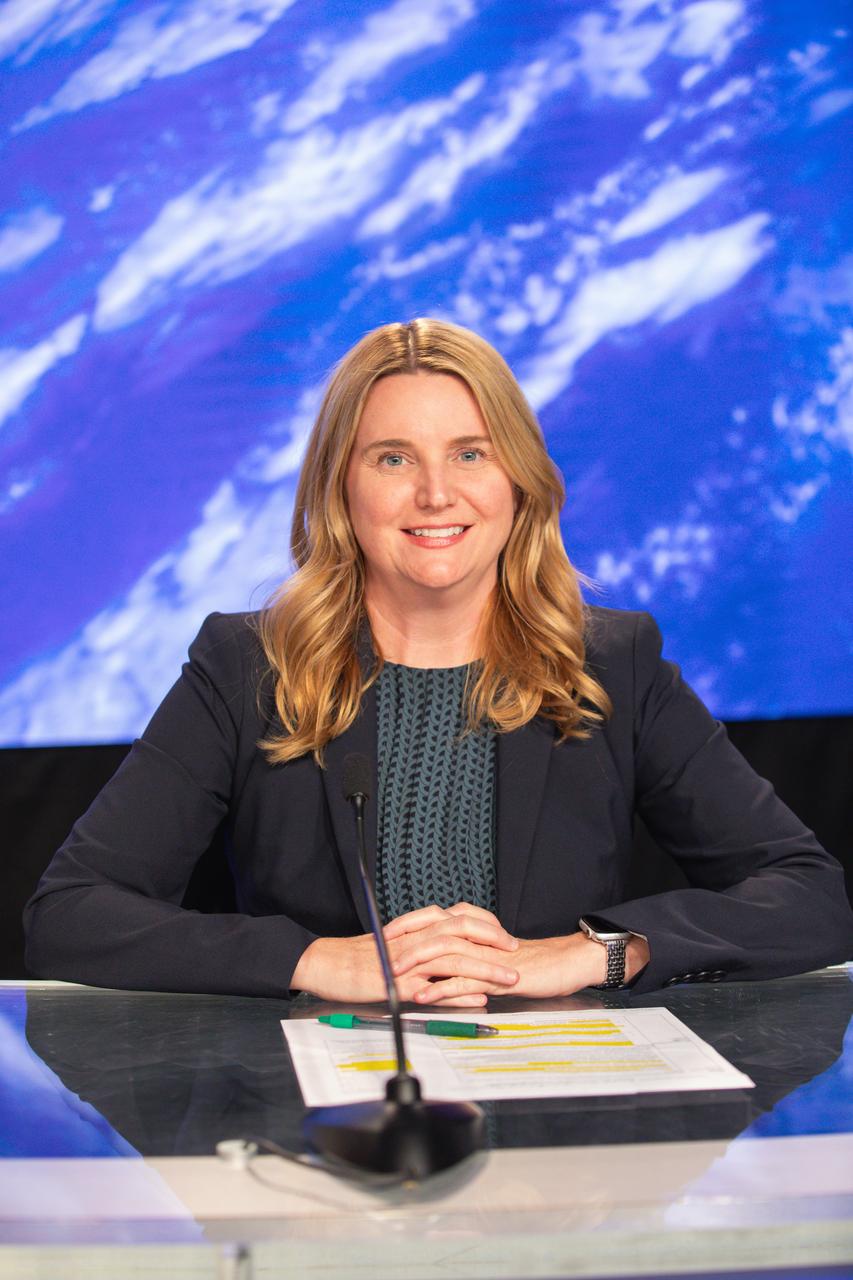
NASA and SpaceX representatives participate in a prelaunch news conference on Friday, Sept. 27, ahead of NASA’s SpaceX Crew-9 mission to the International Space Station. The launch is targeted for no earlier than 1:17 p.m. EDT Saturday, Sept. 28, from Space Launch Complex-40 at Cape Canaveral Space Force Station in Florida. SpaceX’s Dragon spacecraft and Falcon 9 rocket will carry NASA astronaut Nick Hague, commander, and Roscosmos cosmonaut Aleksandr Gorbunov, mission specialist, to the space station for about a five-month science mission.
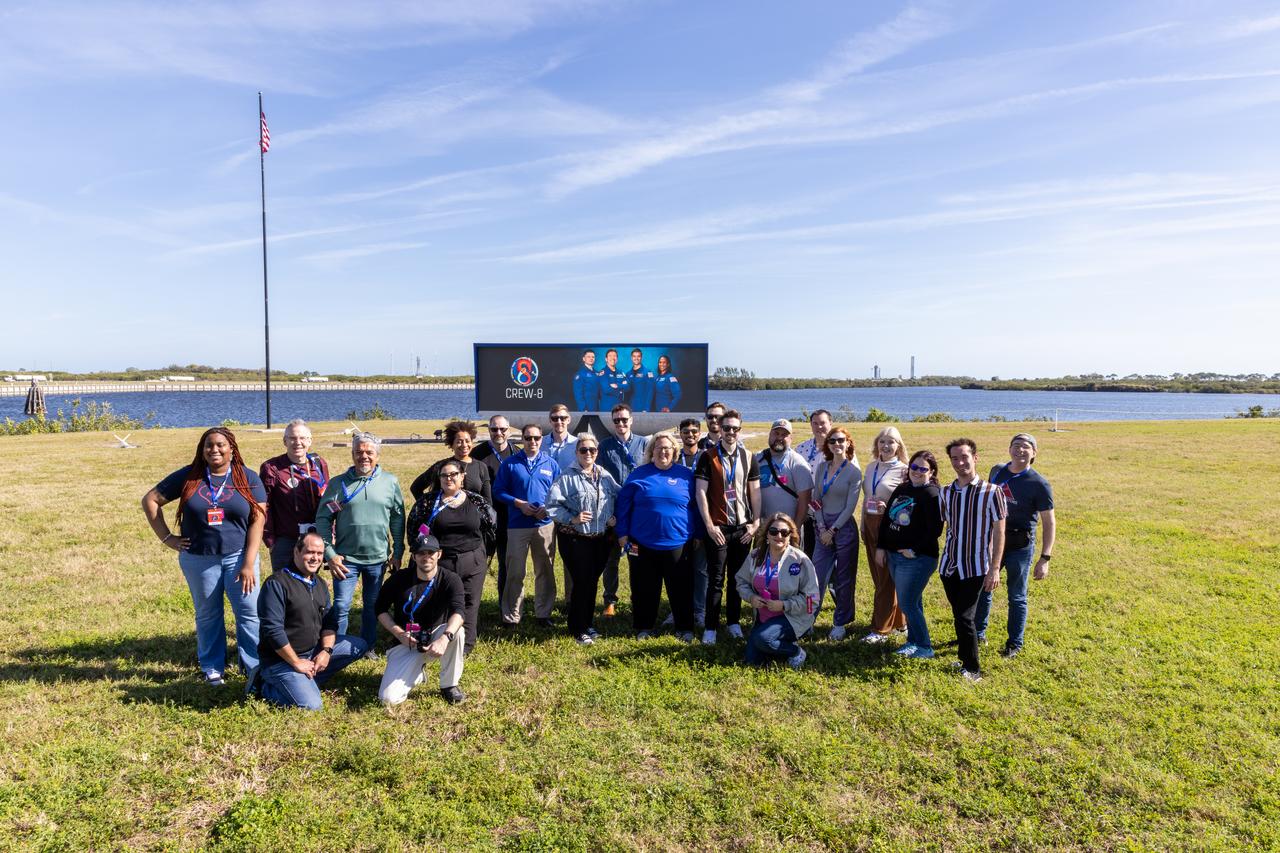
Digital content creators pause for a group photo near the countdown clock at the NASA News Center at the agency’s Kennedy Space Center in Florida on Wednesday, Feb. 28, 2024, ahead of NASA’s SpaceX Crew-8 mission to the International Space Station. The launch is targeted for 12:04 a.m. EST, Friday, March 1, from Launch Complex 39A at Kennedy and will carry NASA astronauts Commander Matthew Dominick, Pilot Michael Barratt, and Mission Specialist Jeanette Epps, along with Roscosmos cosmonaut Mission Specialist Alexander to the orbiting laboratory for a stay of about six months as part of the agency’s Commercial Crew Program.