
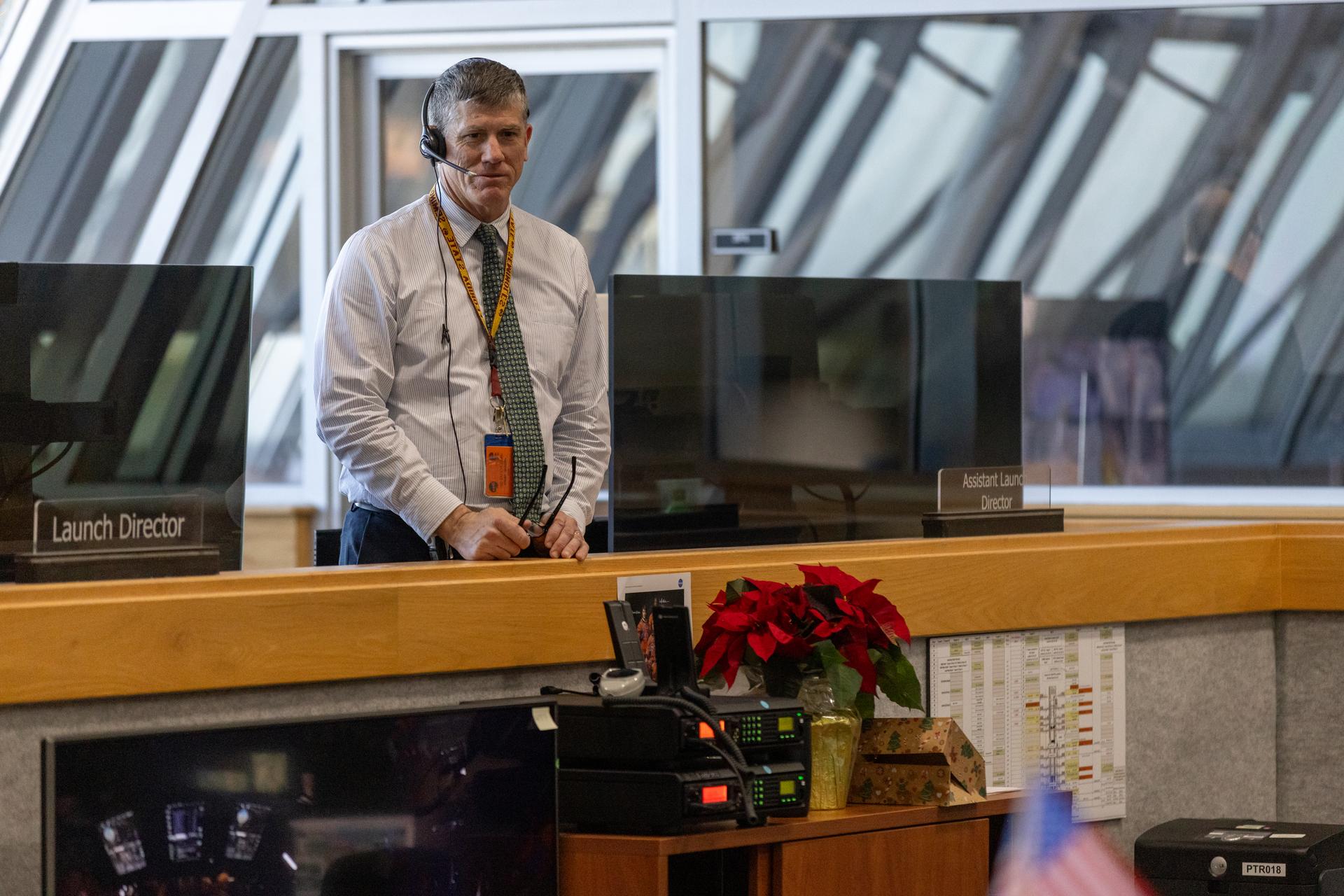
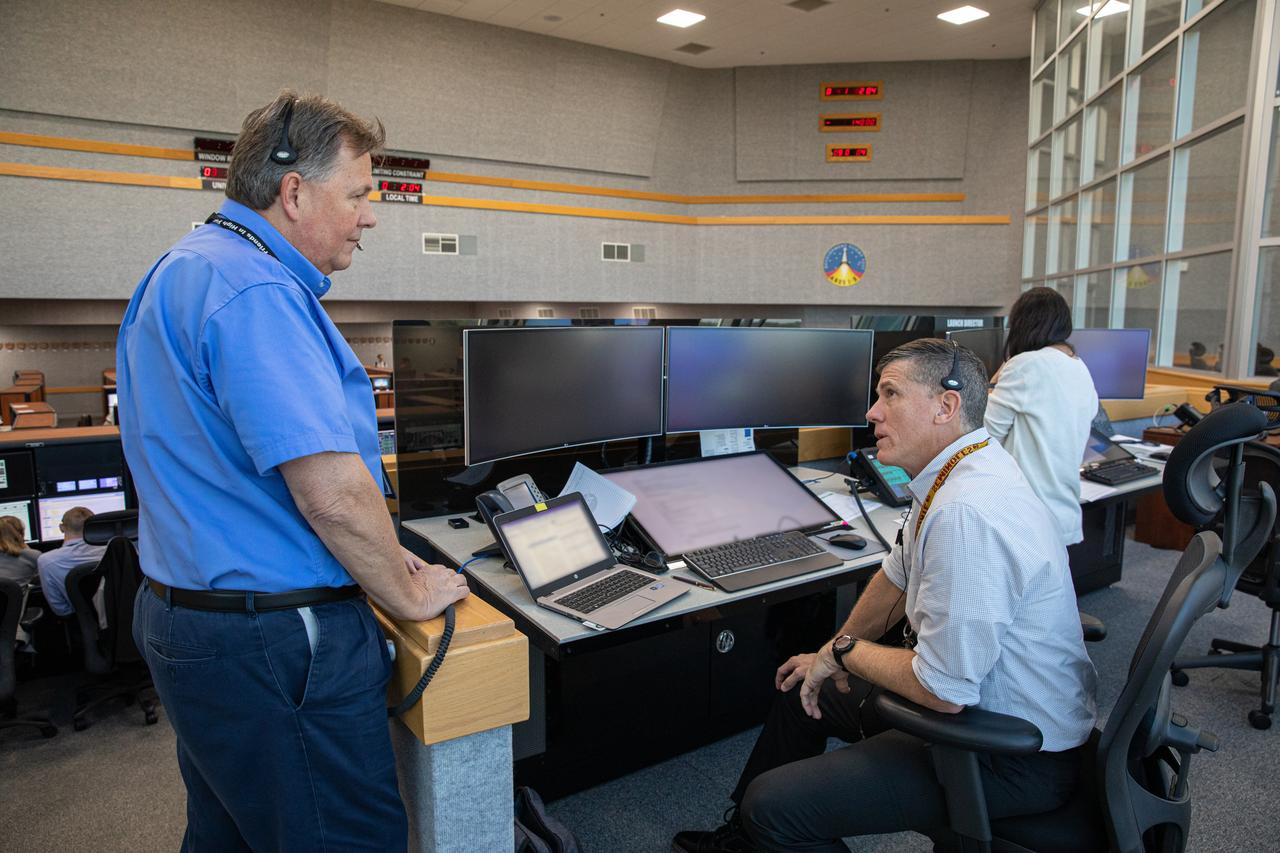
Artemis II Assistant Launch Director Jeremy Graeber, is seen as teams meet for the Artemis II launch countdown pre-test briefing, Saturday, March 28, 2026, at NASA’s Kennedy Space Center, Operations Support Building II in Florida. Photo Credit: (NASA/Bill Ingalls)
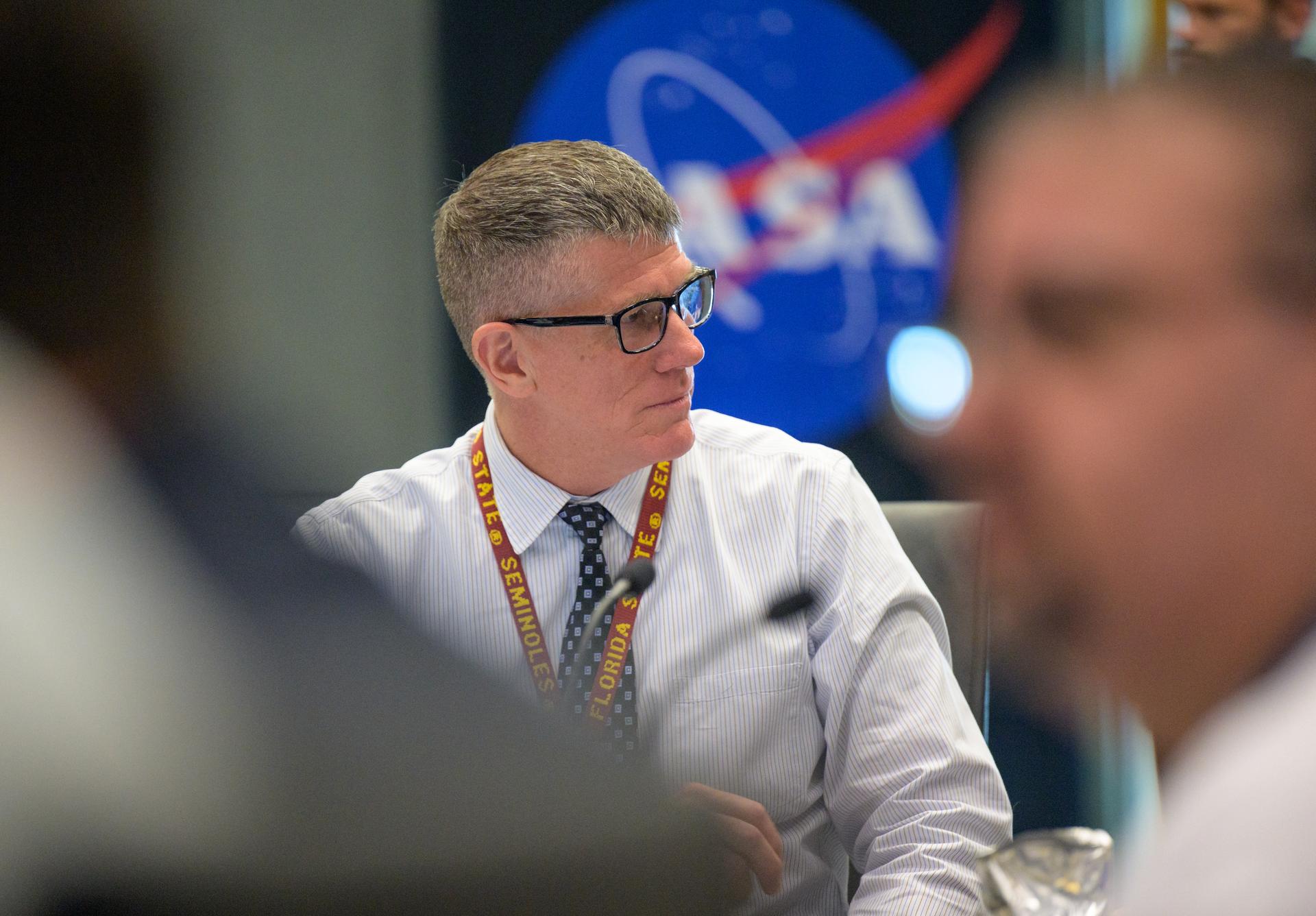
Artemis II Assistant Launch Director Jeremy Graeber, is seen as teams meet for the Artemis II launch countdown pre-test briefing, Saturday, March 28, 2026, at NASA’s Kennedy Space Center, Operations Support Building II in Florida. Photo Credit: (NASA/Bill Ingalls)
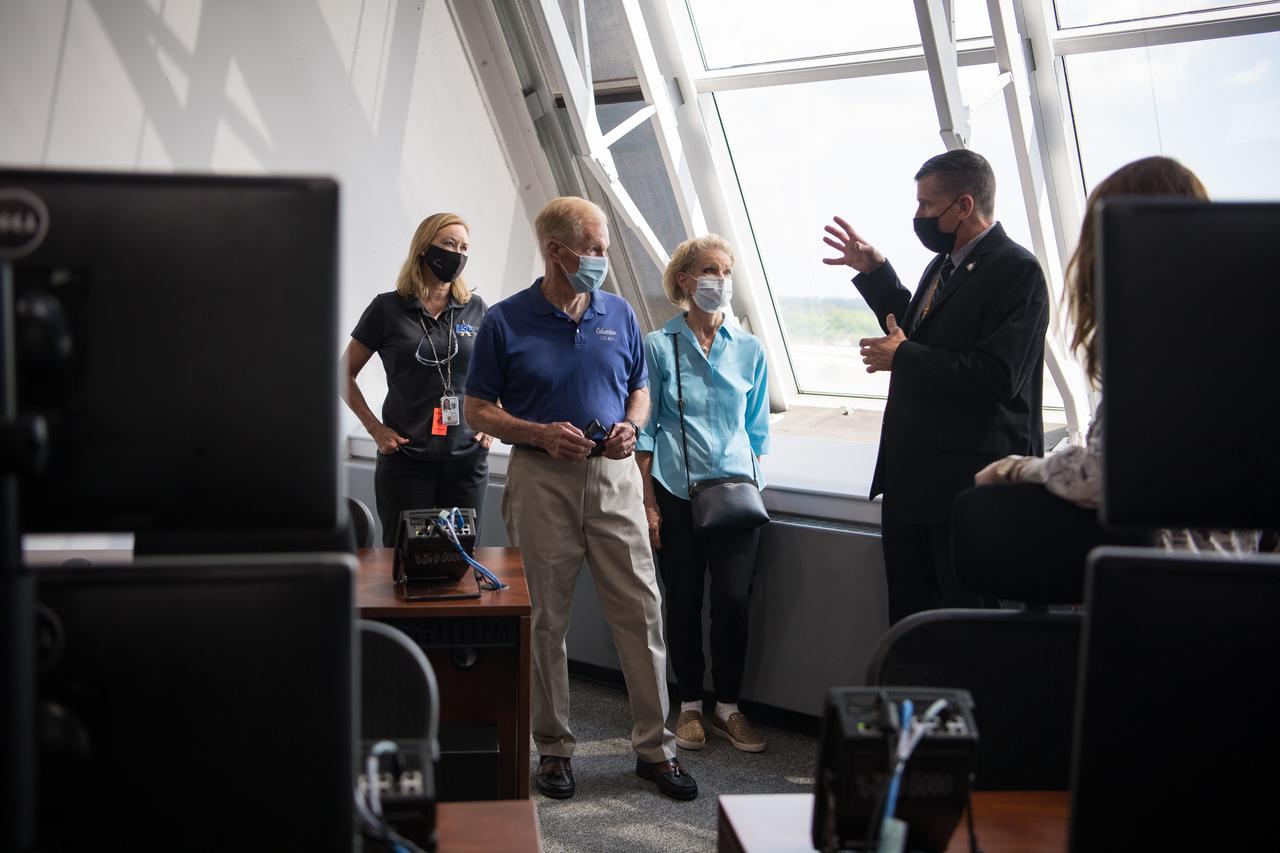
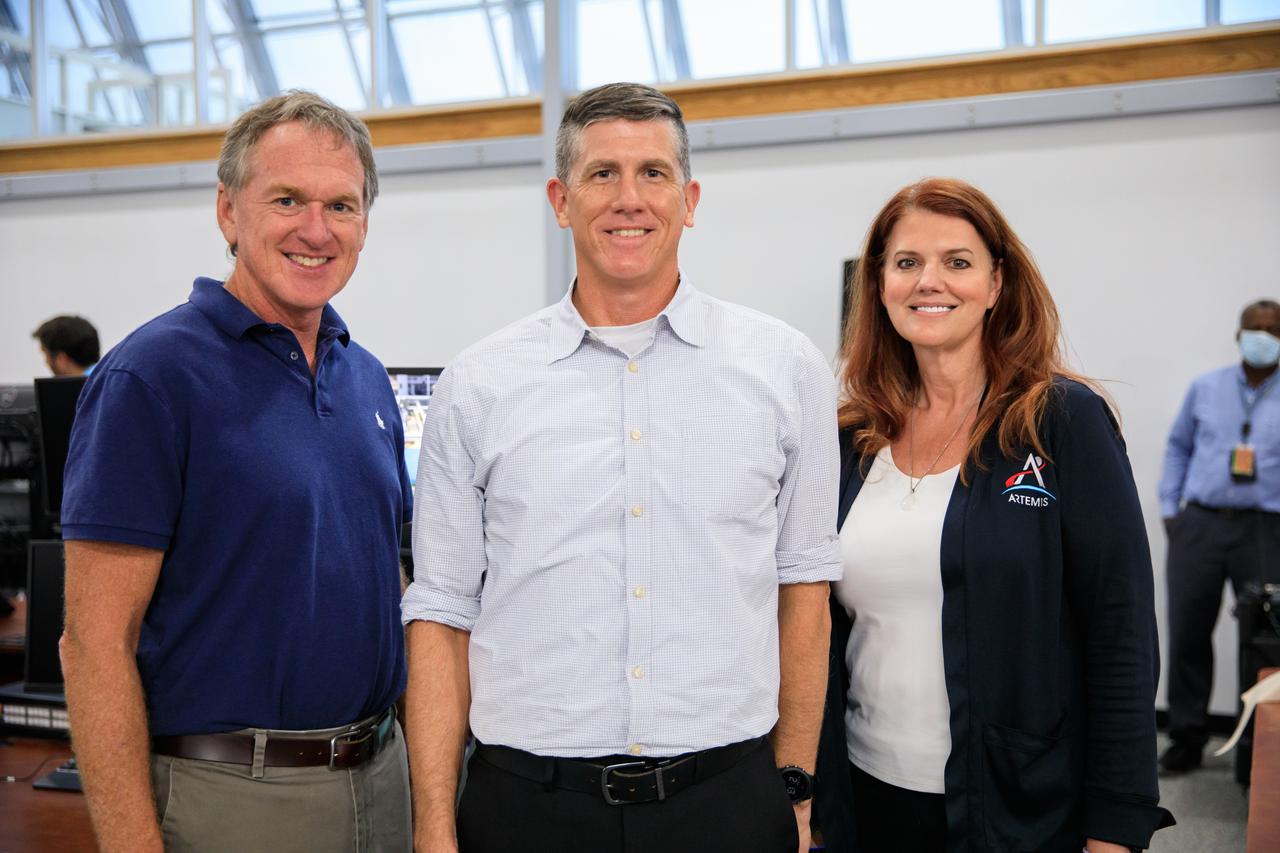
NASA Chief of Test, Launch and Recovery Operations, Jeremy Graeber, right, speaks to NASA Kennedy Space Center Director, Janet Petro, left, NASA Administrator Bill Nelson, center, and his wife Grace Nelson during a tour of Firing Room 3 at the Launch Control Center, Wednesday, July 28, 2021, at NASA’s Kennedy Space Center in Florida. Photo Credit: (NASA/Aubrey Gemignani)
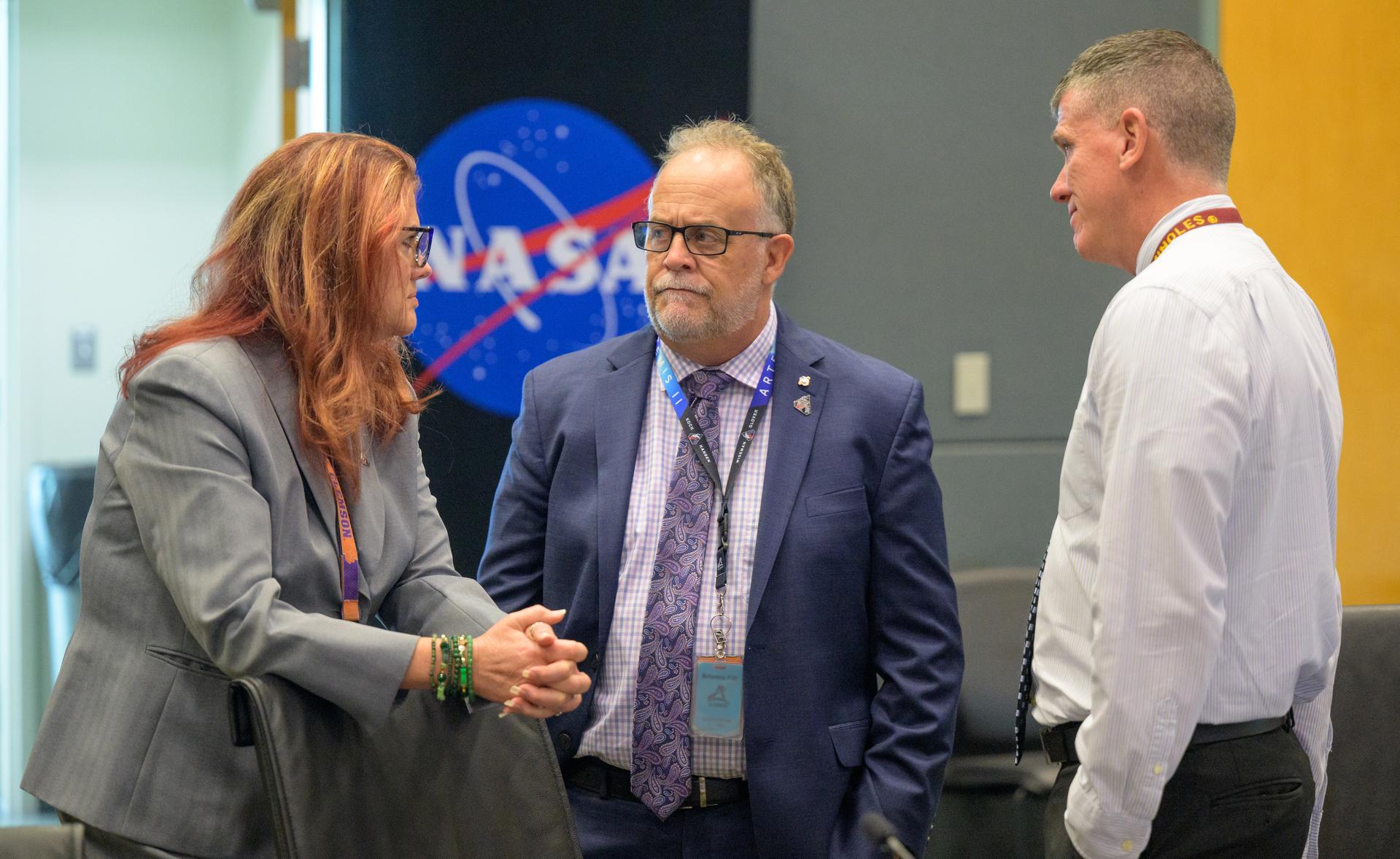
Charlie Blackwell-Thompson, Artemis II launch director, left, and speaks with Shawn Quinn, manager of Exploration Ground Systems, and Artemis II Assistant Launch Director Jeremy Graeber, right, as they meet for the Artemis II launch countdown pre-test briefing, Saturday, March 28, 2026, at NASA’s Kennedy Space Center, Operations Support Building II in Florida. Photo Credit: (NASA/Bill Ingalls) NOTE - Portions of this image have been blurred for security reasons.
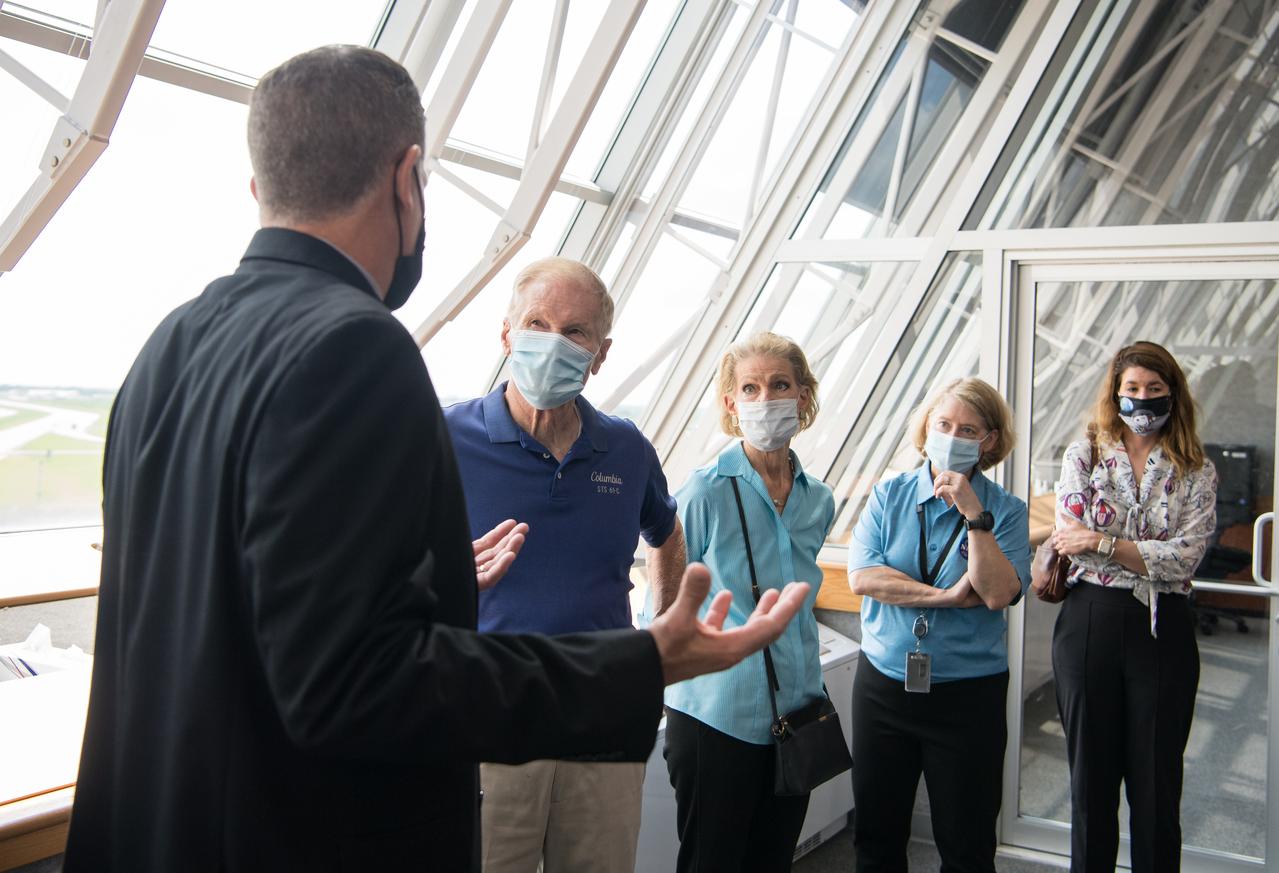
NASA Chief of Test, Launch and Recovery Operations, Jeremy Graeber, left, speaks with NASA Administrator Bill Nelson, second from left, his wife Grace Nelson, center, NASA Deputy Administrator Pam Melroy, second from right, and NASA Deputy Chief of Staff Casey Swails, right, at the Launch Control Center, Wednesday, July 28, 2021, at NASA’s Kennedy Space Center in Florida. Photo Credit: (NASA/Aubrey Gemignani)
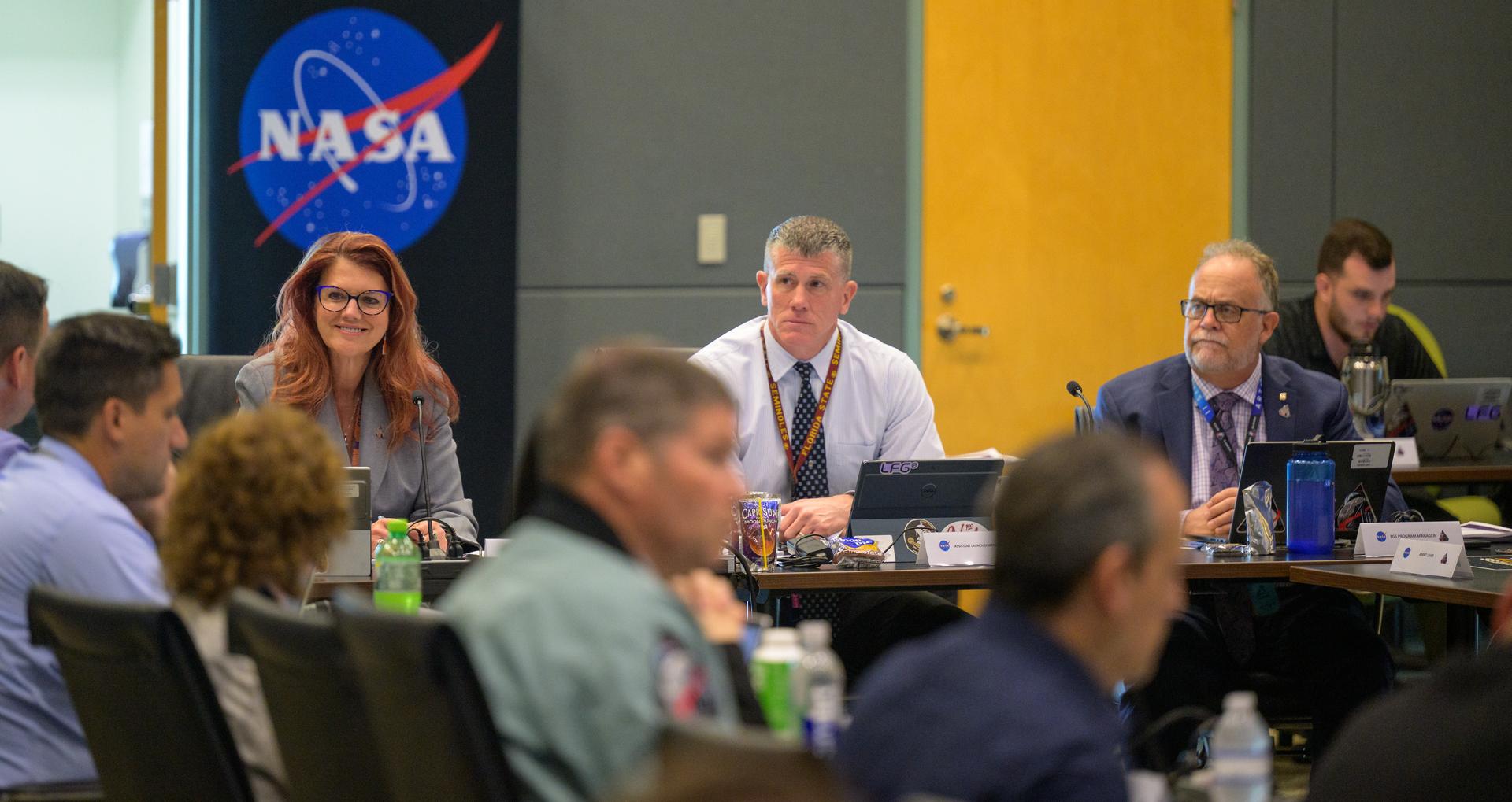
Charlie Blackwell-Thompson, Artemis II launch director, left, and Artemis II Assistant Launch Director Jeremy Graeber, and Shawn Quinn, manager of Exploration Ground Systems, right, are seen as teams meet for the Artemis II launch countdown pre-test briefing, Saturday, March 28, 2026, at NASA’s Kennedy Space Center, Operations Support Building II in Florida. Photo Credit: (NASA/Bill Ingalls)
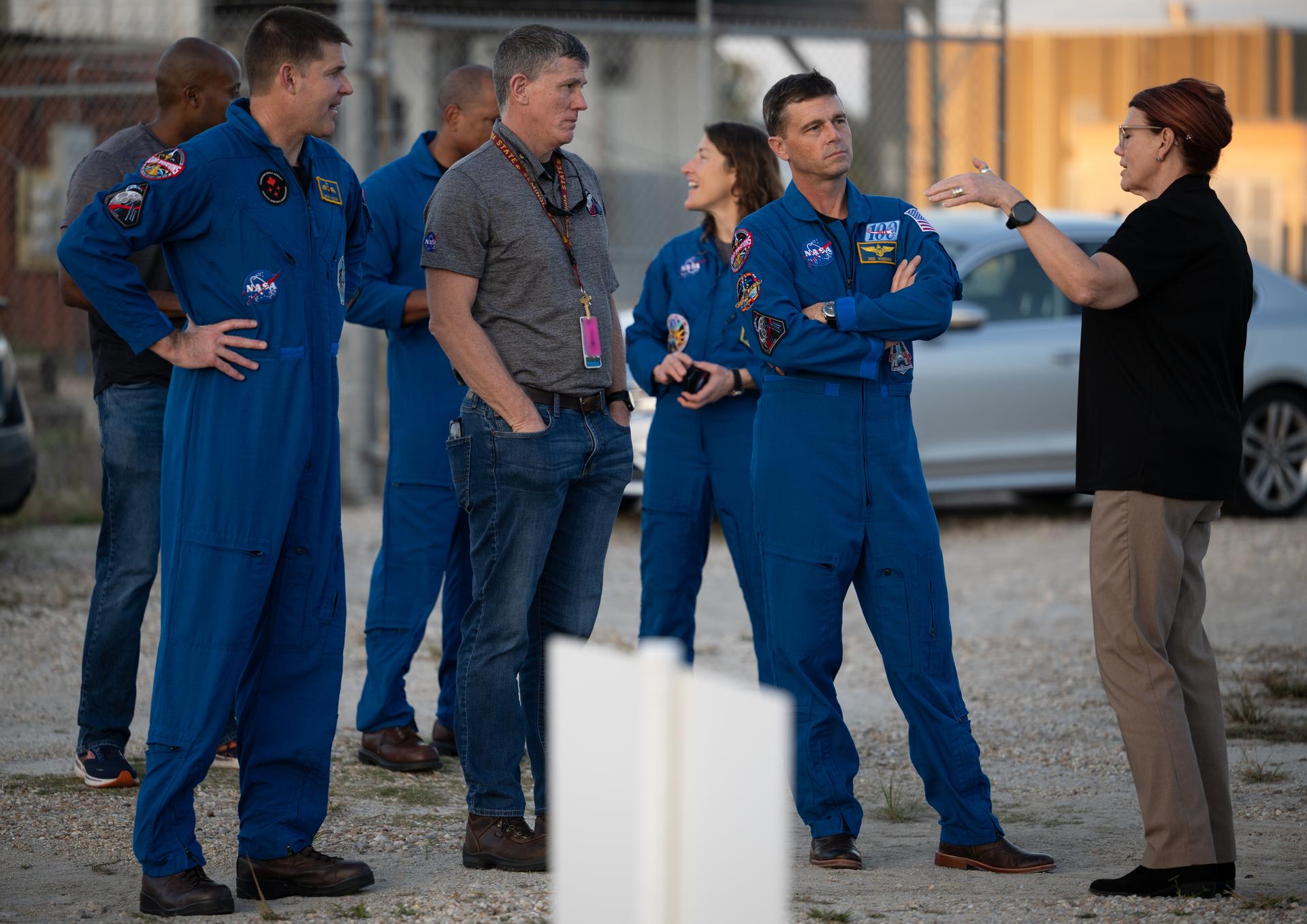
Charlie Blackwell-Thompson, Artemis II Launch Director, right, and Jeremy Graeber, Artemis II Assistant Launch Director, second from left, talk to NASA astronaut Reid Wiseman, Artemis II commander, second from right, and CSA (Canadian Space Agency) astronaut Jeremy Hansen, Artemis II mission specialist, as teams at NASA's Kennedy Space Center in Florida practiced various emergency rescue training scenarios with the Artemis II crew, Friday, Dec. 19, 2025, ahead of the Artemis II mission. In the unlikely event of an emergency during launch countdown at Launch Complex 39B, personnel will be transported in mine-resistant ambush protected vehicles, or MRAPS, from the pad and to one of the triage site locations at Kennedy. Photo Credit: (NASA/Joel Kowsky) NOTE - Portions of this image have been blurred for security reasons.
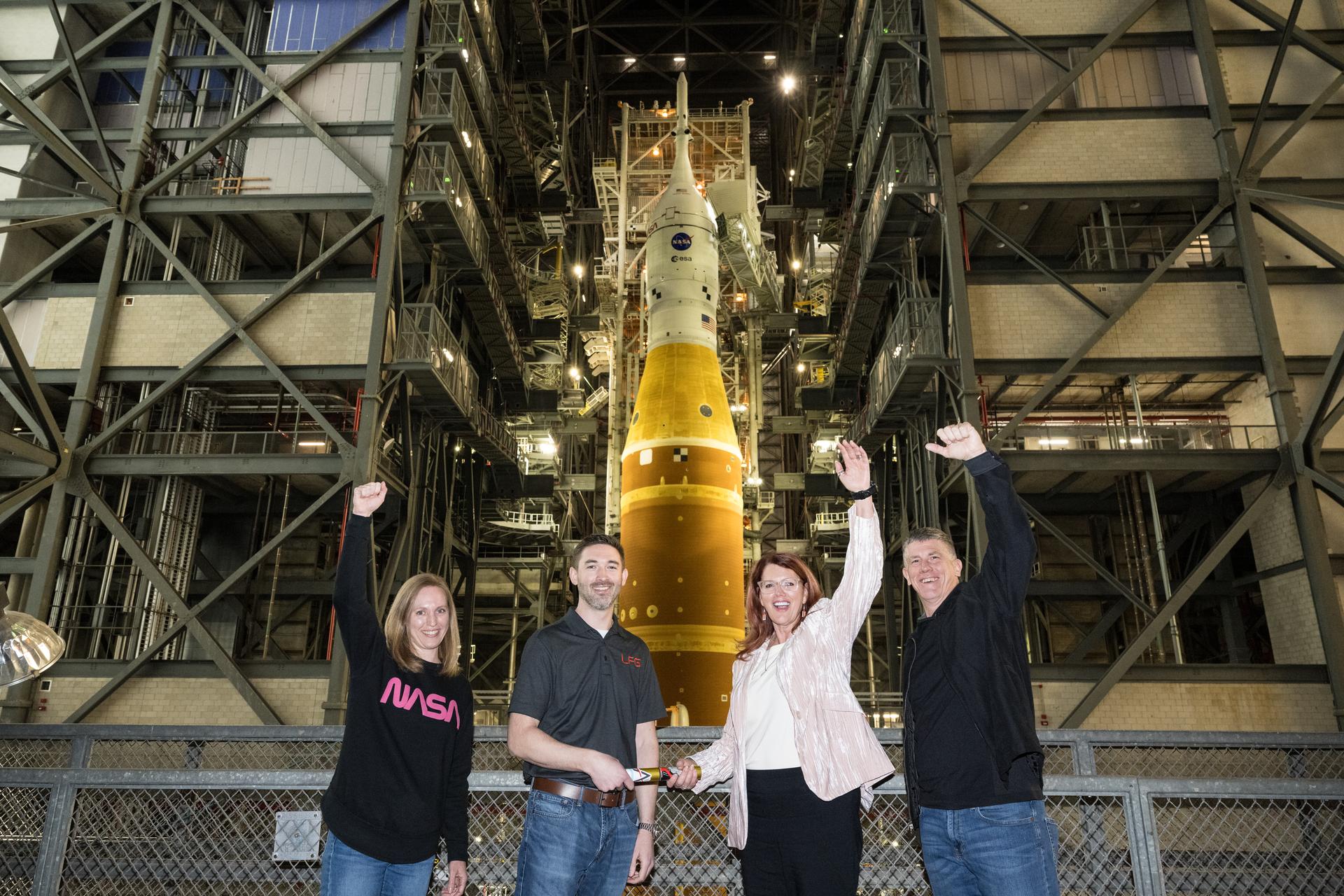
From left to right, NASA Exploration Ground System’s Cross-Program Integration Lead Allison Mjoen, Senior Vehicle Operations Manager Matt Czech, Artemis II Launch Director Charlie Blackwell-Thompson, and Artemis II Assistant Launch Director Jeremy Graeber, pose for a photo, Friday, Jan. 16, 2026, at NASA’s Kennedy Space Center in Florida, after Matt Czech passed the baton to Charlie Blackwell-Thompson signaling the teams are ready for NASA’s Artemis II SLS (Space Launch System) rocket and Orion spacecraft to depart the Vehicle Assembly building and head to Launch Complex 39B ahead of the Artemis II mission. Photo Credit: (NASA/Aubrey Gemignani)
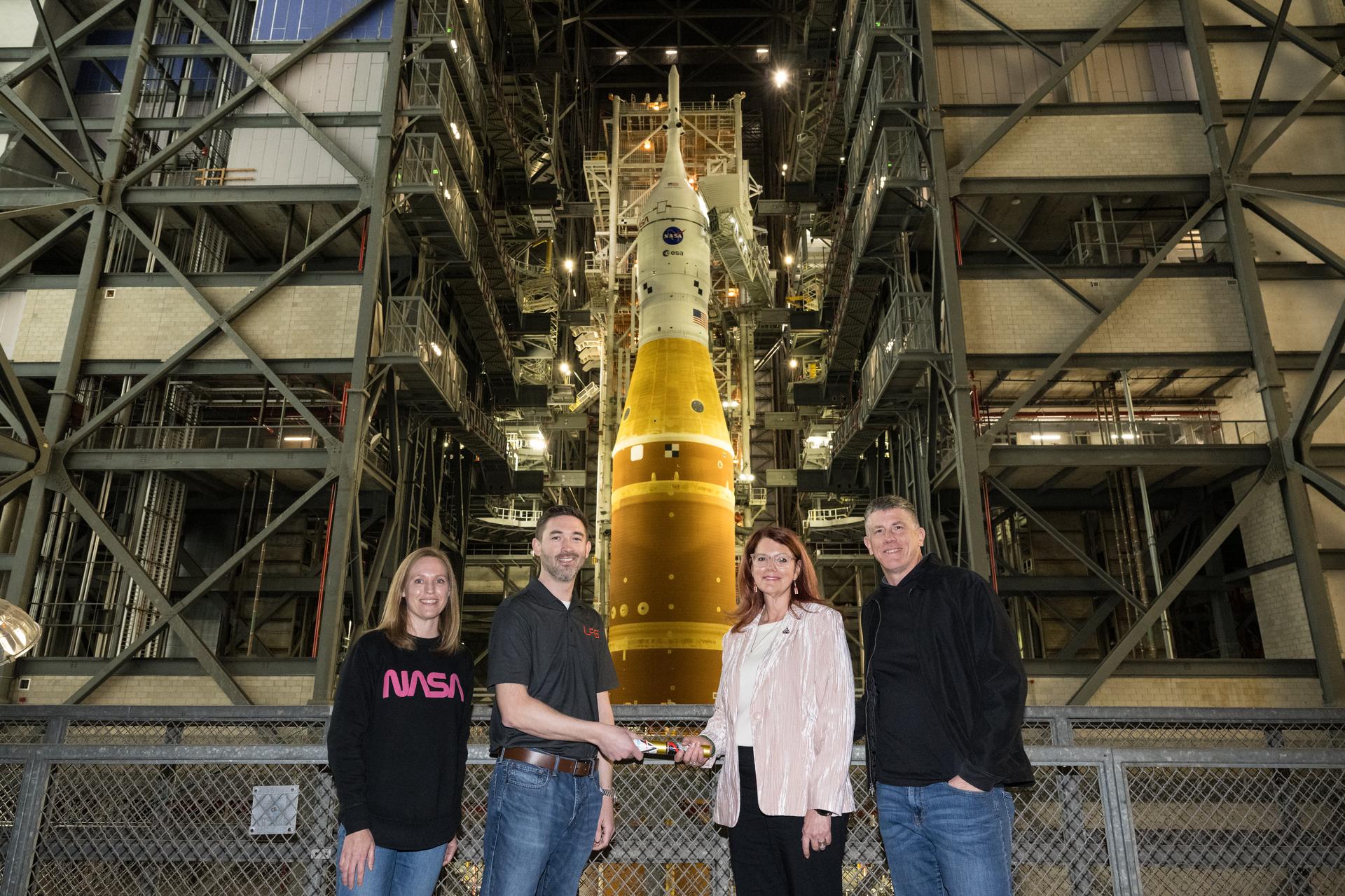
NASA’s Exploration Ground System’s Senior Vehicle Operations Manager Matt Czech, second from left, passes the baton to Artemis II Launch Director Charlie Blackwell-Thompson, second from right, as NASA Exploration Ground System’s Cross-Program Integration Lead Allison Mjoen, left, and Artemis II Assistant Launch Director Jeremy Graeber, right, look on, Friday, Jan. 16, 2026, at NASA’s Kennedy Space Center in Florida. The passing of the baton signals the teams are ready for NASA’s Artemis II SLS (Space Launch System) rocket and Orion spacecraft to depart the Vehicle Assembly building and head to Launch Complex 39B ahead of the Artemis II mission. Photo Credit: (NASA/Aubrey Gemignani)
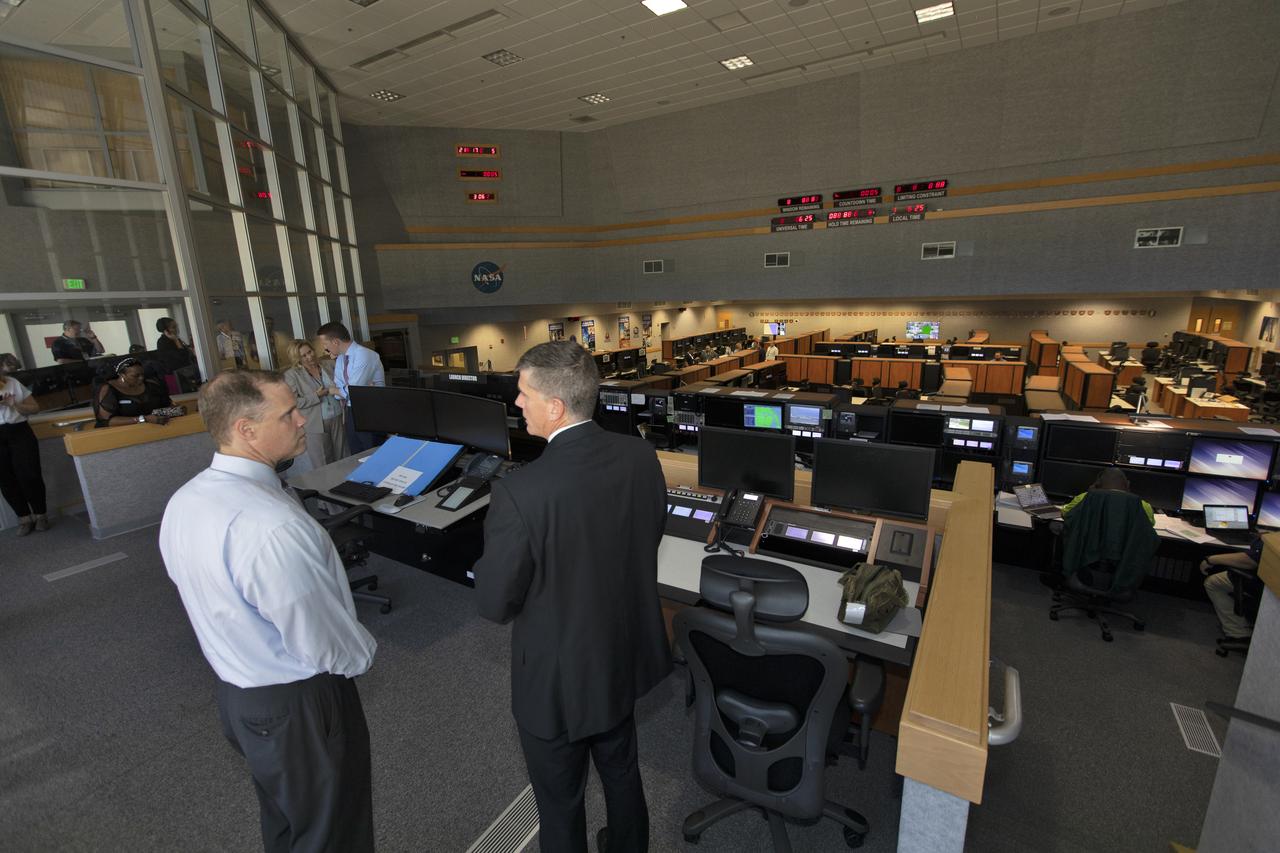
NASA Administrator Jim Bridenstine (left) is briefed by Jeremy Graeber, chief of Test, Launch and Recovery Operations during a tour of the Firing Room of the Launch Control Center at NASA's Kennedy Space Center. Bridenstine made his first official visit to the Florida spaceport on Aug. 6 and 7, 2018.
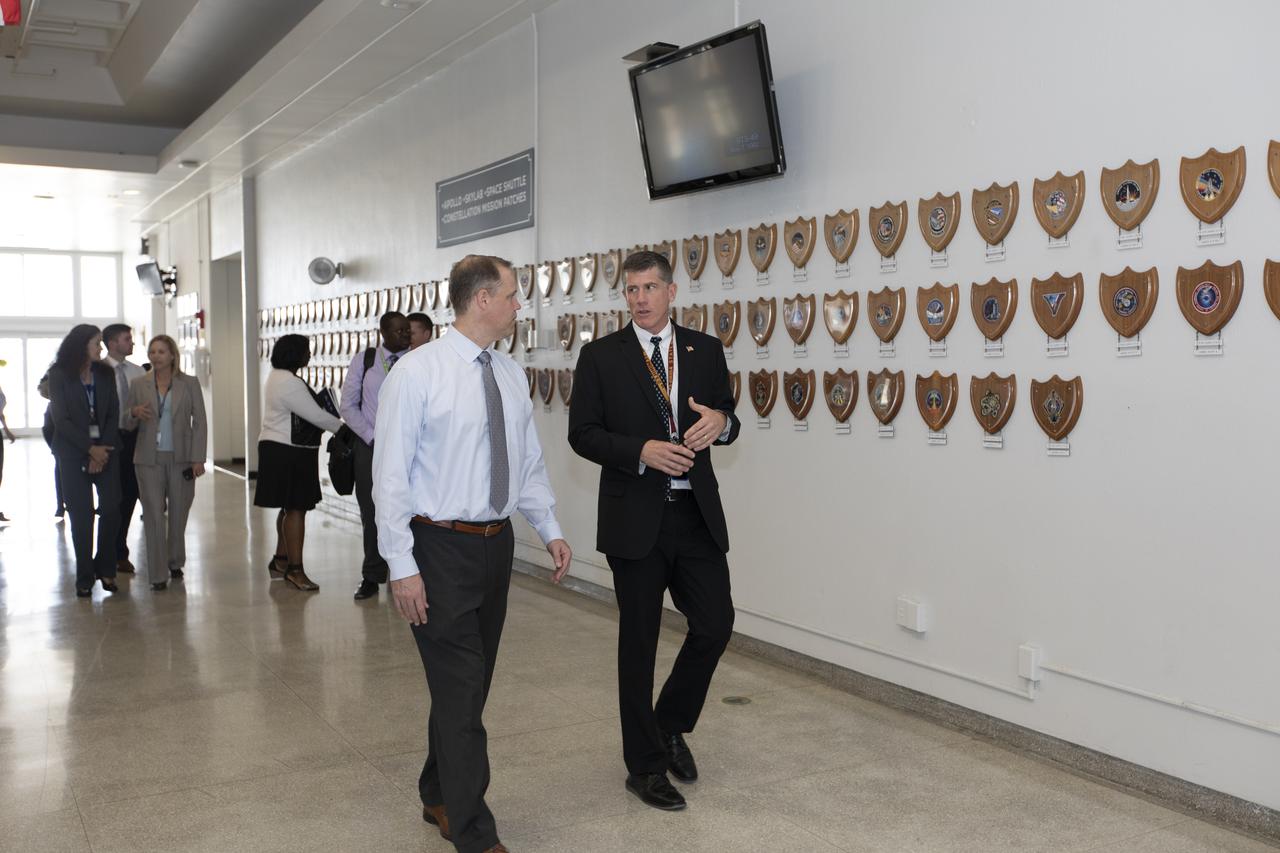
NASA Administrator Jim Bridenstine (left) is briefed by Jeremy Graeber, chief of Test, Launch and Recovery Operations, during a tour of the Launch Control Center at NASA's Kennedy Space Center. Bridenstine made his first official visit to the Florida spaceport on Aug. 6 and 7, 2018.
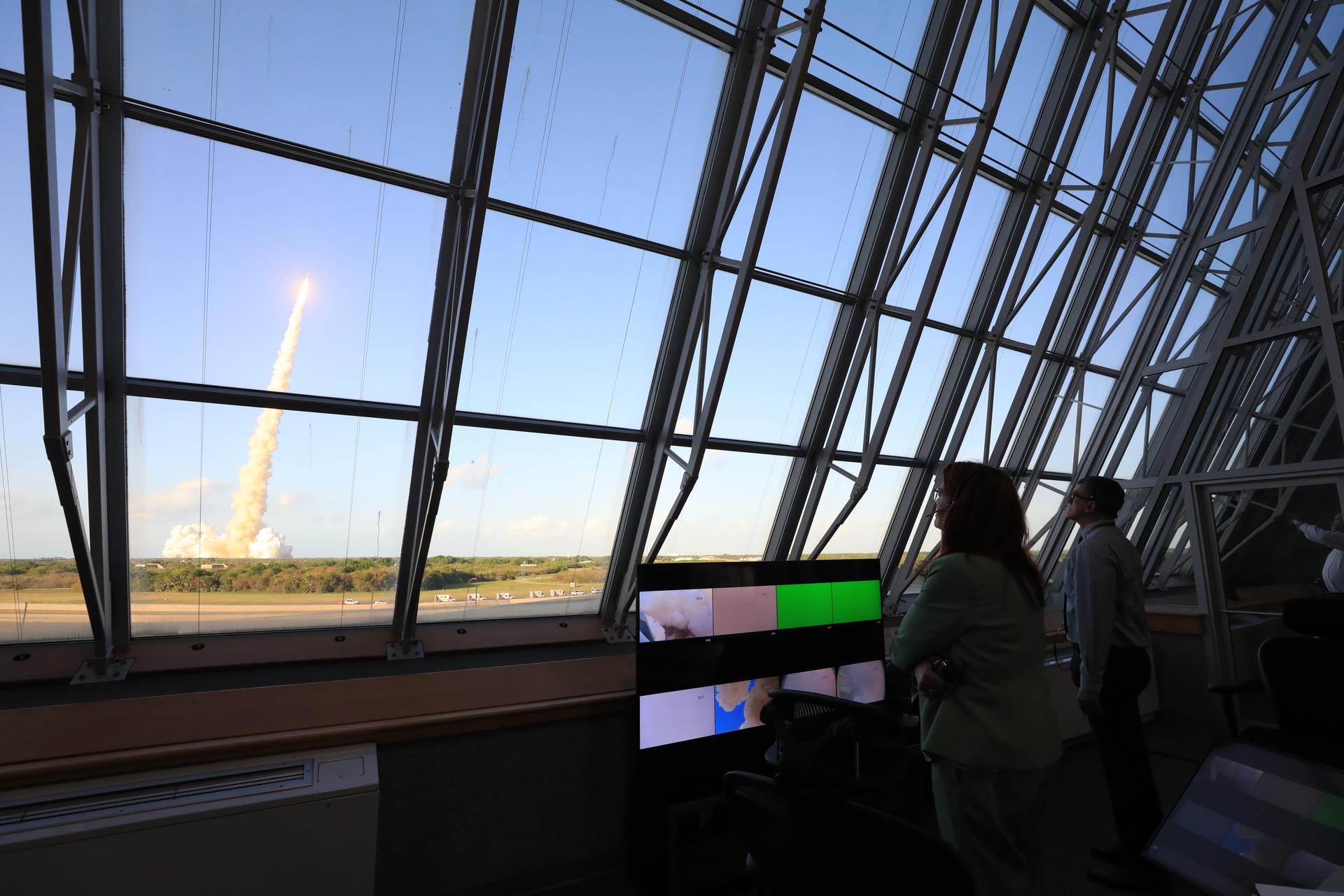
Charlie Blackwell-Thompson, Artemis launch director, and Jeremy Graeber, assistant launch director, each from NASA’s Exploration Ground Systems Program, watch the launch of NASA’s Artemis II test flight launch inside Firing Room 1 of the Rocco Petrone Launch Control Center on Wednesday, April 1, 2026. The Artemis II mission launched Commander Reid Wiseman, Pilot Victor Glover, and Mission Specialist Christina Koch from NASA, and Mission Specialist Jeremy Hansen from the CSA (Canadian Space Agency), aboard NASA’s SLS (Space Launch System) rocket and Orion spacecraft to journey for 10 days around the Moon and back to Earth.
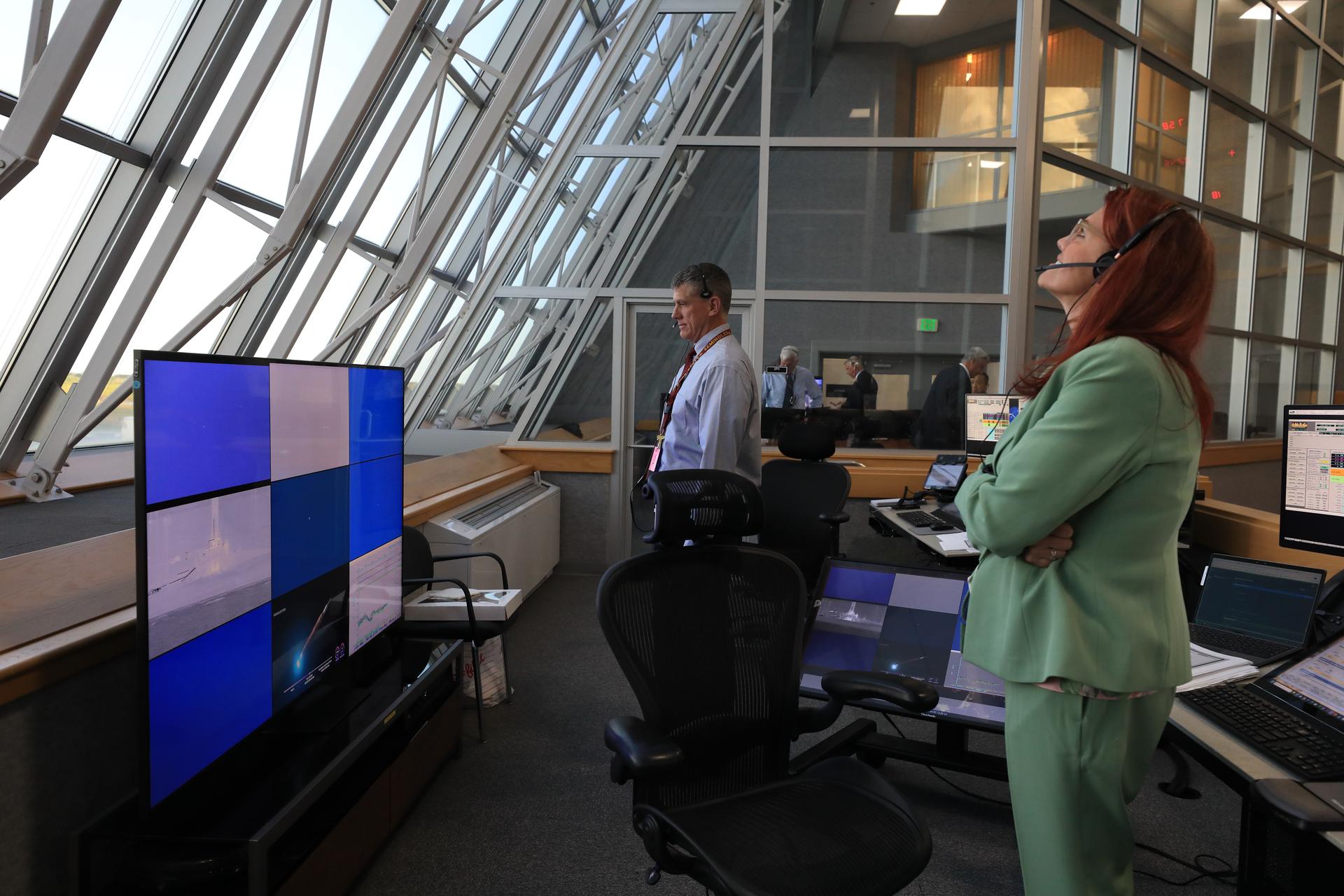
Charlie Blackwell-Thompson, Artemis launch director, and Jeremy Graeber, assistant launch director, each from NASA’s Exploration Ground Systems Program, watch the launch of NASA’s Artemis II test flight launch inside Firing Room 1 of the Rocco Petrone Launch Control Center on Wednesday, April 1, 2026. The Artemis II mission launched Commander Reid Wiseman, Pilot Victor Glover, and Mission Specialist Christina Koch from NASA, and Mission Specialist Jeremy Hansen from the CSA (Canadian Space Agency), aboard NASA’s SLS (Space Launch System) rocket and Orion spacecraft to journey for 10 days around the Moon and back to Earth.
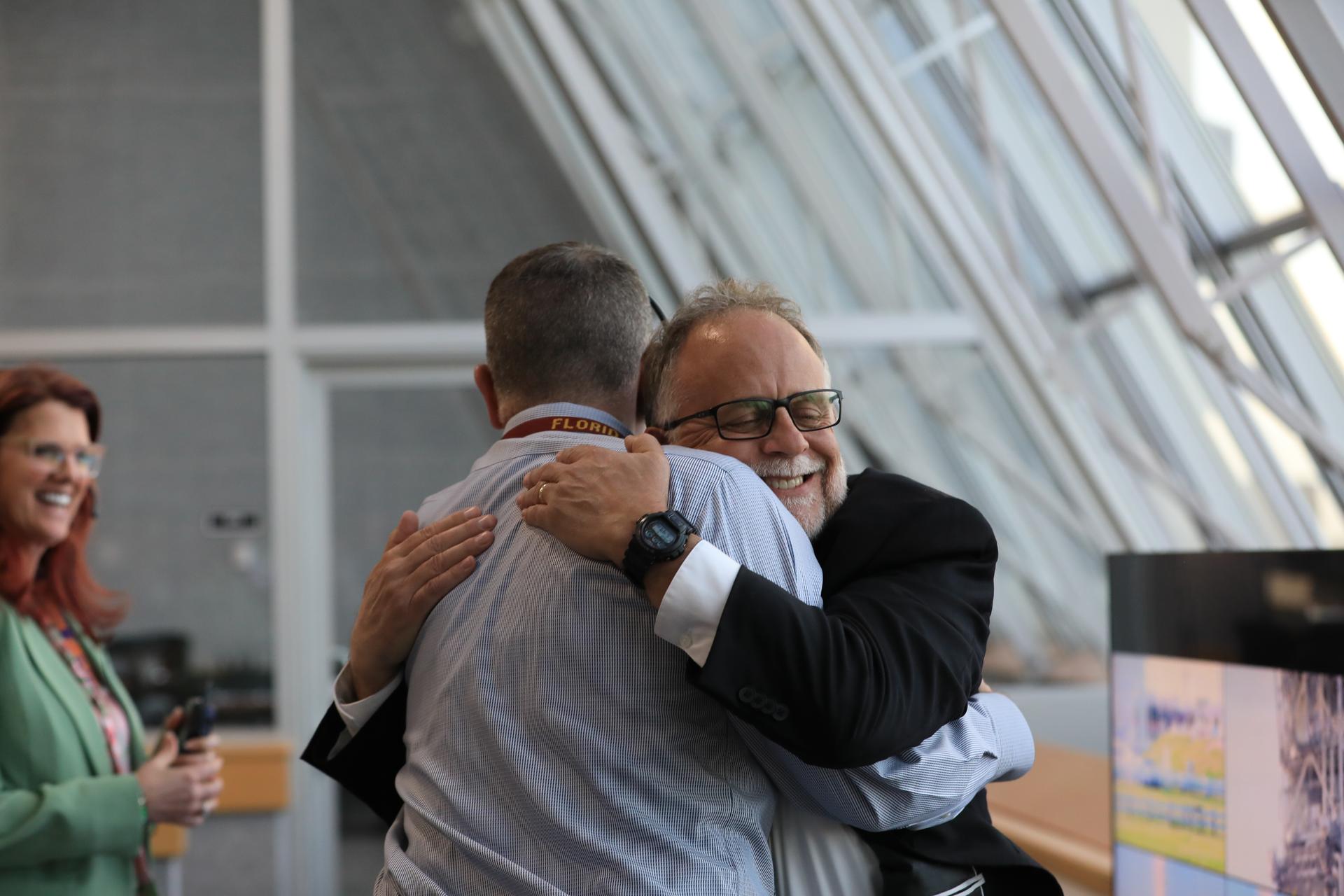
From left, Jeremy Graeber, assistant launch director, and Shawn Quinn, manager, each from NASA’s Exploration Ground Systems Program, smile and hug inside Firing Room 1 of the Rocco A. Petrone Launch Control Center following the launch of the Artemis II test flight on Wednesday, April 1, 2026. The Artemis II mission launched Commander Reid Wiseman, Pilot Victor Glover, and Mission Specialist Christina Koch from NASA, and Mission Specialist Jeremy Hansen from the CSA (Canadian Space Agency), aboard NASA’s SLS (Space Launch System) rocket and Orion spacecraft to journey for 10 days around the Moon and back to Earth.

Jeremy Graeber, assistant launch director, watch inside Firing Room 1 of the Rocco A. Petrone Launch Control Center the Artemis II rollout of the SLS (Space Launch System) rocket and Orion spacecraft from the Vehicle Assembly Building to Launch Complex 39B at NASA’s Kennedy Space Center in Florida on Friday, March 20, 2026. The Artemis II test flight will take Commander Reid Wiseman, Pilot Victor Glover, and Mission Specialist Christina Koch from NASA, and Mission Specialist Jeremy Hansen from the CSA (Canadian Space Agency), around the Moon and back to Earth with launch opportunities beginning in April 2026.
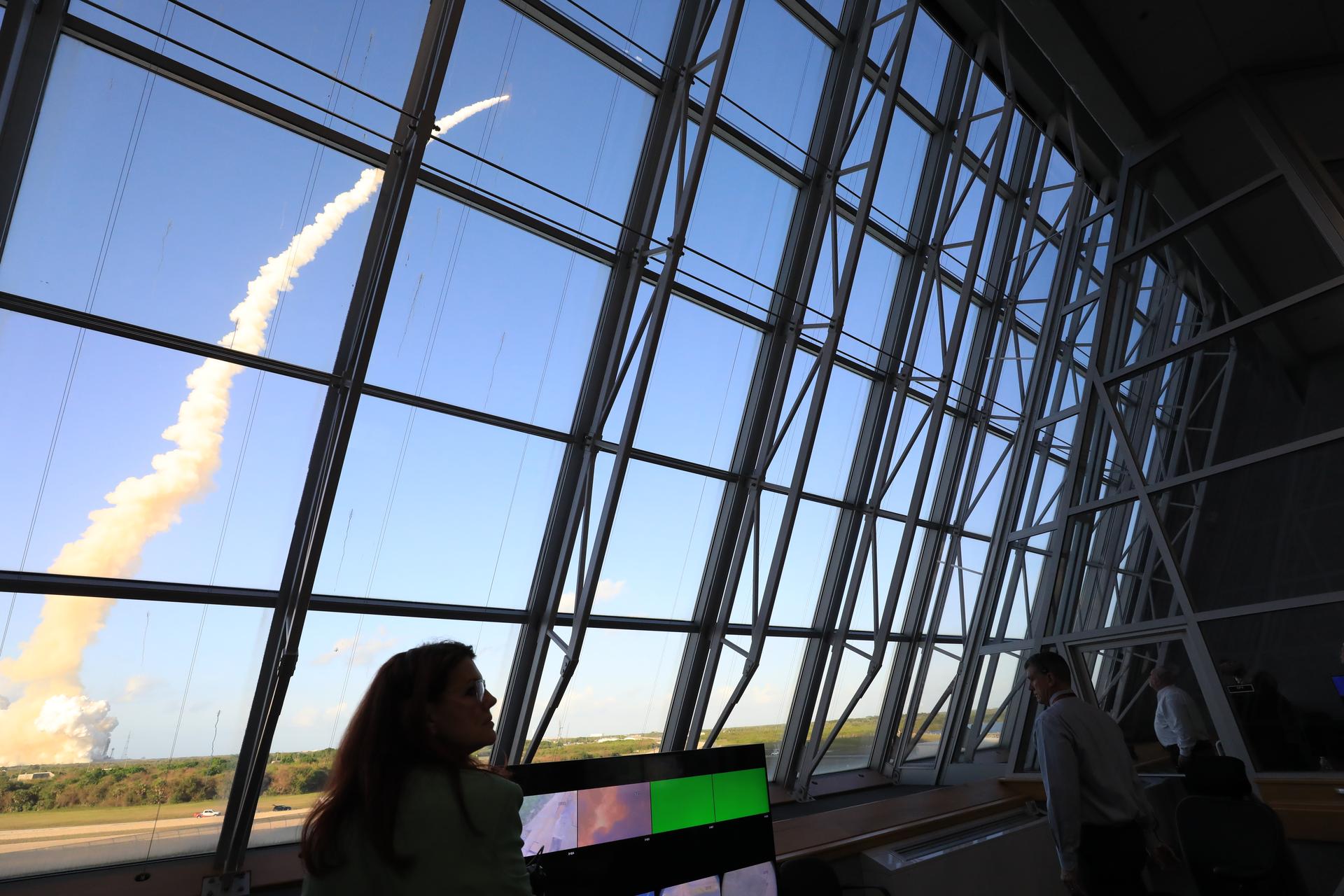
Charlie Blackwell-Thompson, Artemis launch director, and Jeremy Graeber, assistant launch director, each from NASA’s Exploration Ground Systems Program, watch the launch of NASA’s Artemis II test flight launch inside Firing Room 1 of the Rocco Petrone Launch Control Center on Wednesday, April 1, 2026. The Artemis II mission launched Commander Reid Wiseman, Pilot Victor Glover, and Mission Specialist Christina Koch from NASA, and Mission Specialist Jeremy Hansen from the CSA (Canadian Space Agency), aboard NASA’s SLS (Space Launch System) rocket and Orion spacecraft to journey for 10 days around the Moon and back to Earth.
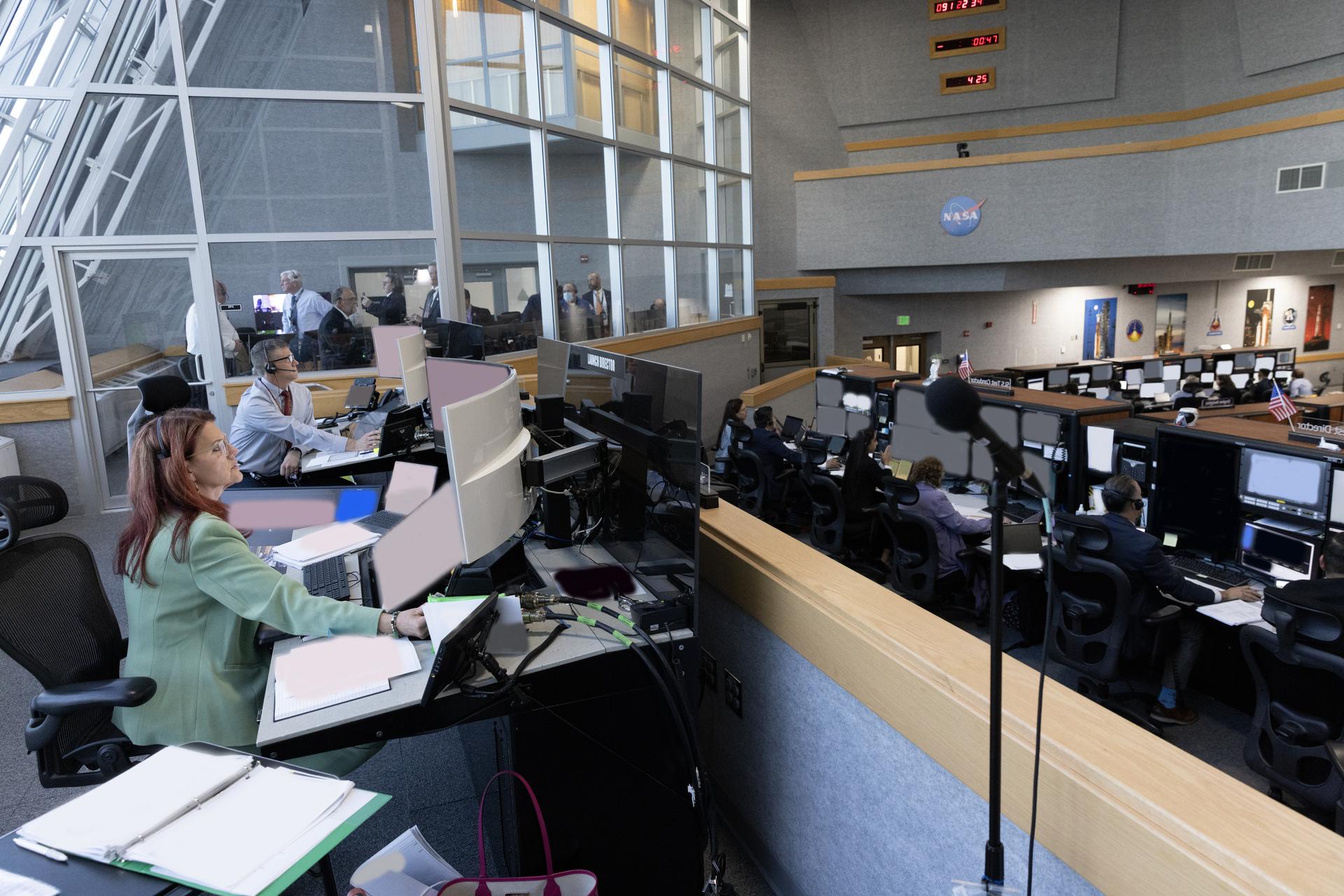
From left, Jeremy Graeber, assistant launch director, and Charlie Blackwell-Thompson, Artemis launch director, each from NASA’s Exploration Ground Systems Program, are seen inside Firing Room 1 of the Rocco Petrone Launch Control Center ahead of launch of the Artemis II test flight on Wednesday, April 1, 2026. The Artemis II mission launched Commander Reid Wiseman, Pilot Victor Glover, and Mission Specialist Christina Koch from NASA, and Mission Specialist Jeremy Hansen from the CSA (Canadian Space Agency), aboard NASA’s SLS (Space Launch System) rocket and Orion spacecraft to journey for 10 days around the Moon and back to Earth.
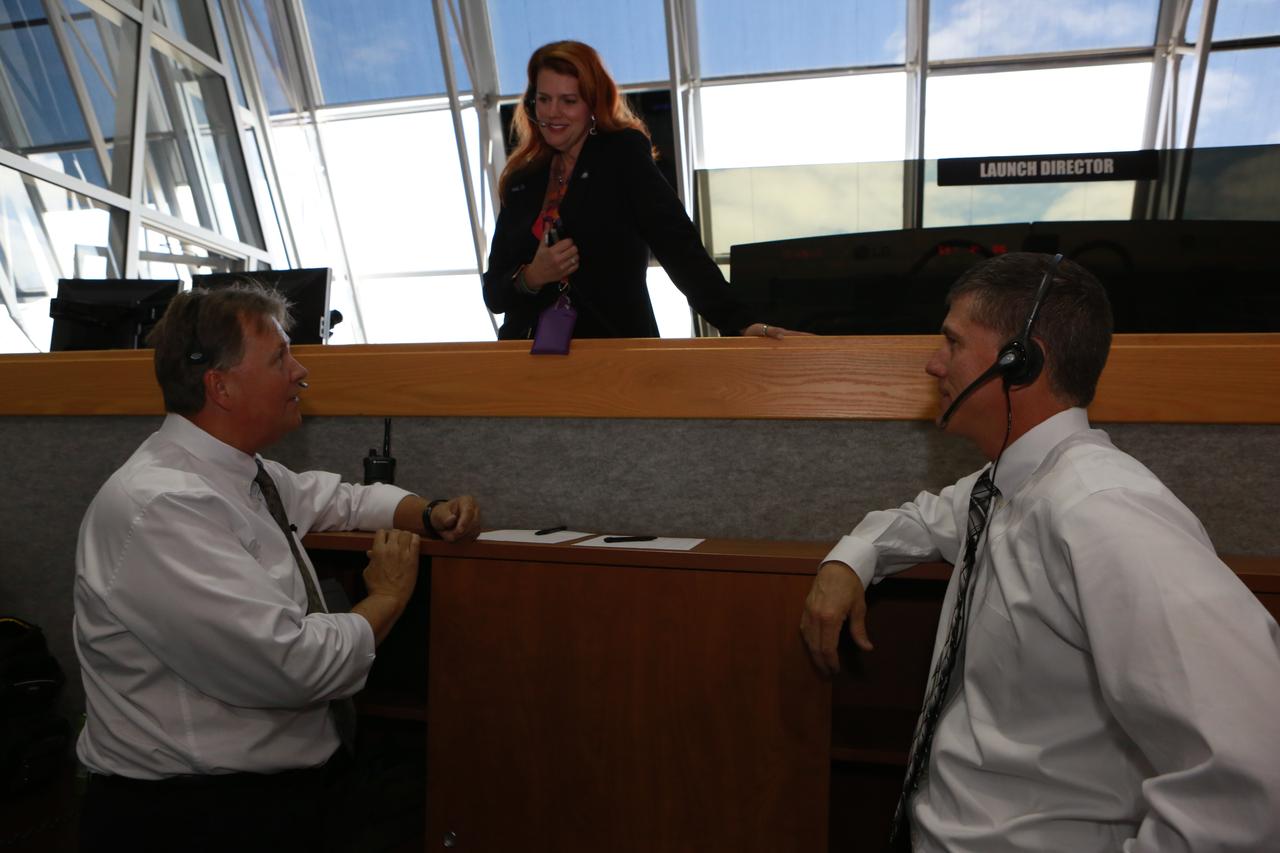
NASA Launch Director Charlie Blackwell-Thompson, above, confers with Senior NASA Test Director Jeff Spaulding, left, and Chief NASA Test Director Jeremy Graeber in Firing Room 1 at the Kennedy Space Center's Launch Control Center during a countdown simulation for Exploration Mission 1. It was the agency's first simulation of a portion of the countdown for the first launch of a Space Launch System rocket and Orion spacecraft that will eventually take astronauts beyond low-Earth orbit to destinations such as the Moon and Mars.
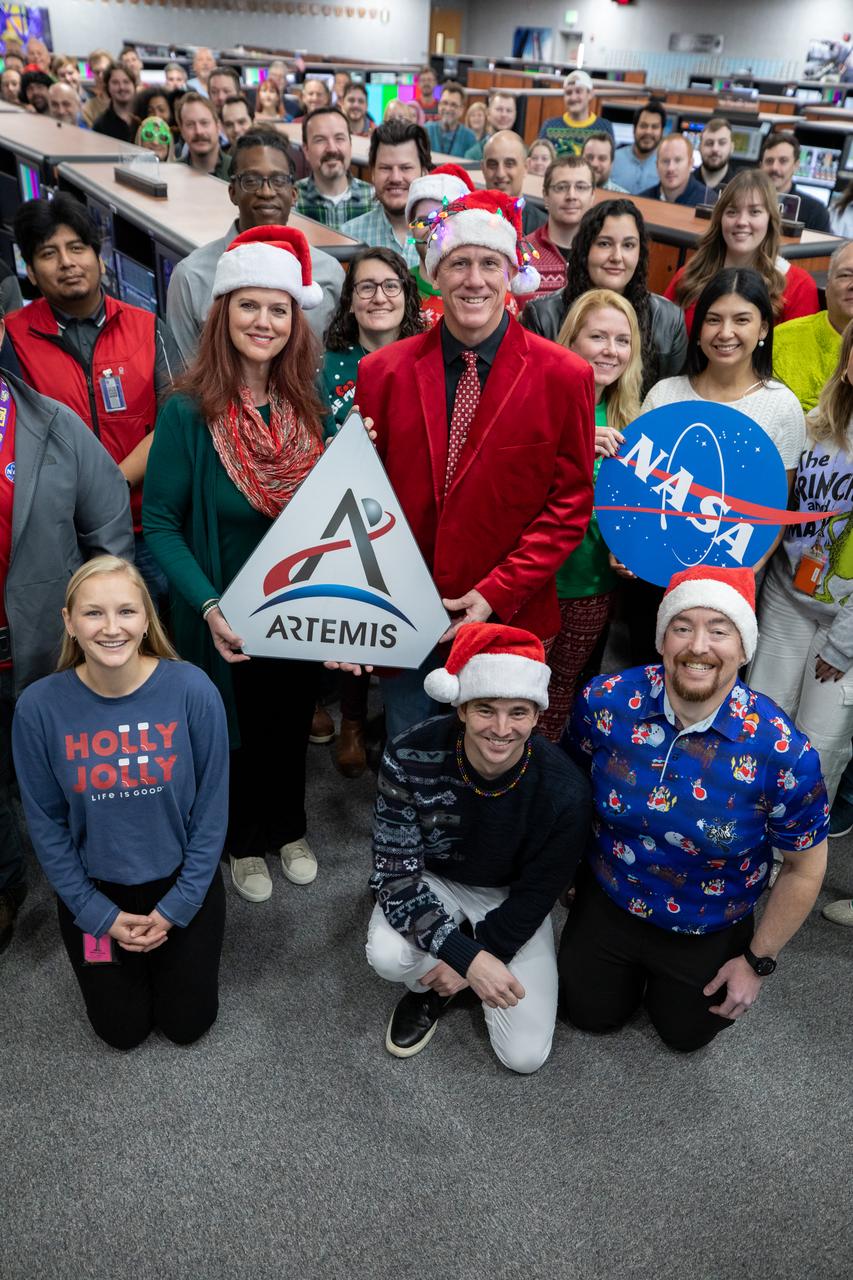
Charlie Blackwell-Thompson, center left, NASA Artemis launch director; and Jeremy Graeber, center right, assistant Artemis launch director, along with members of the Artemis launch team participate in a terminal countdown simulation for Artemis II in Firing Room 1 inside the Launch Control Center at NASA’s Kennedy Space Center in Florida on Thursday, Dec. 12, 2024. Four astronauts will venture around the Moon on Artemis II, the first crewed mission on NASA’s path to establishing a long-term presence for science and exploration through Artemis.
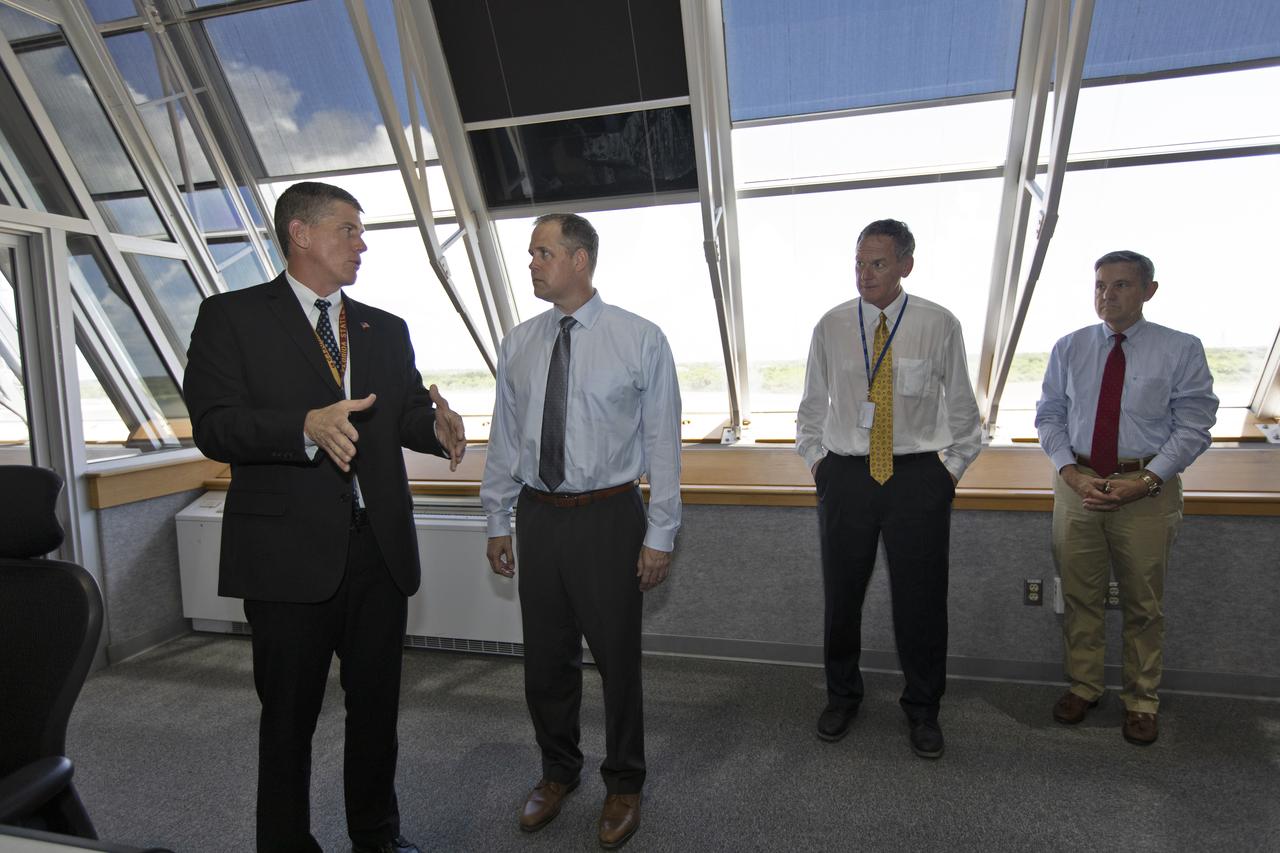
NASA Administrator Jim Bridenstine (second from the left) is briefed by Jeremy Graeber, chief of Test, Launch and Recovery Operations (left), Mike Bolger, Exploration Ground Systems program manager, (second from the right), and Kennedy Space Center Director Bob Cabana, during a tour of the Firing Room of the Launch Control Center. Bridenstine made his first official visit to the Florida spaceport on Aug. 6 and 7, 2018.
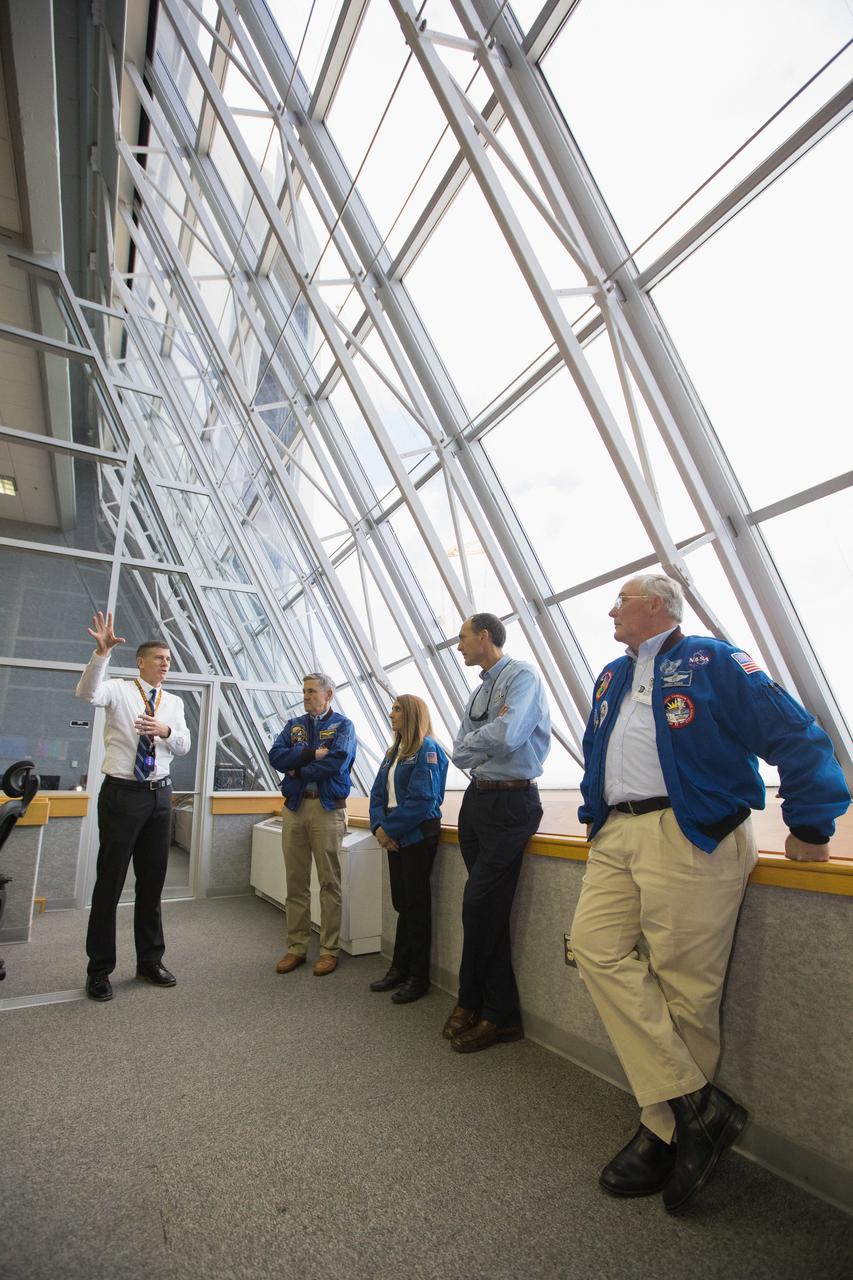
Chief NASA Test Director Jeremy Graeber, left, talks with members of the STS-88 crew inside the Launch Control Center at Kennedy Space Center in Florida on Dec. 10, 2018. They are, from left, Commander Bob Cabana, and mission specialists Nancy Currie-Gregg, Jim Newman and Jerry Ross. Earlier in the day, the group held a panel discussion in recognition of the 20th anniversary of the mission.
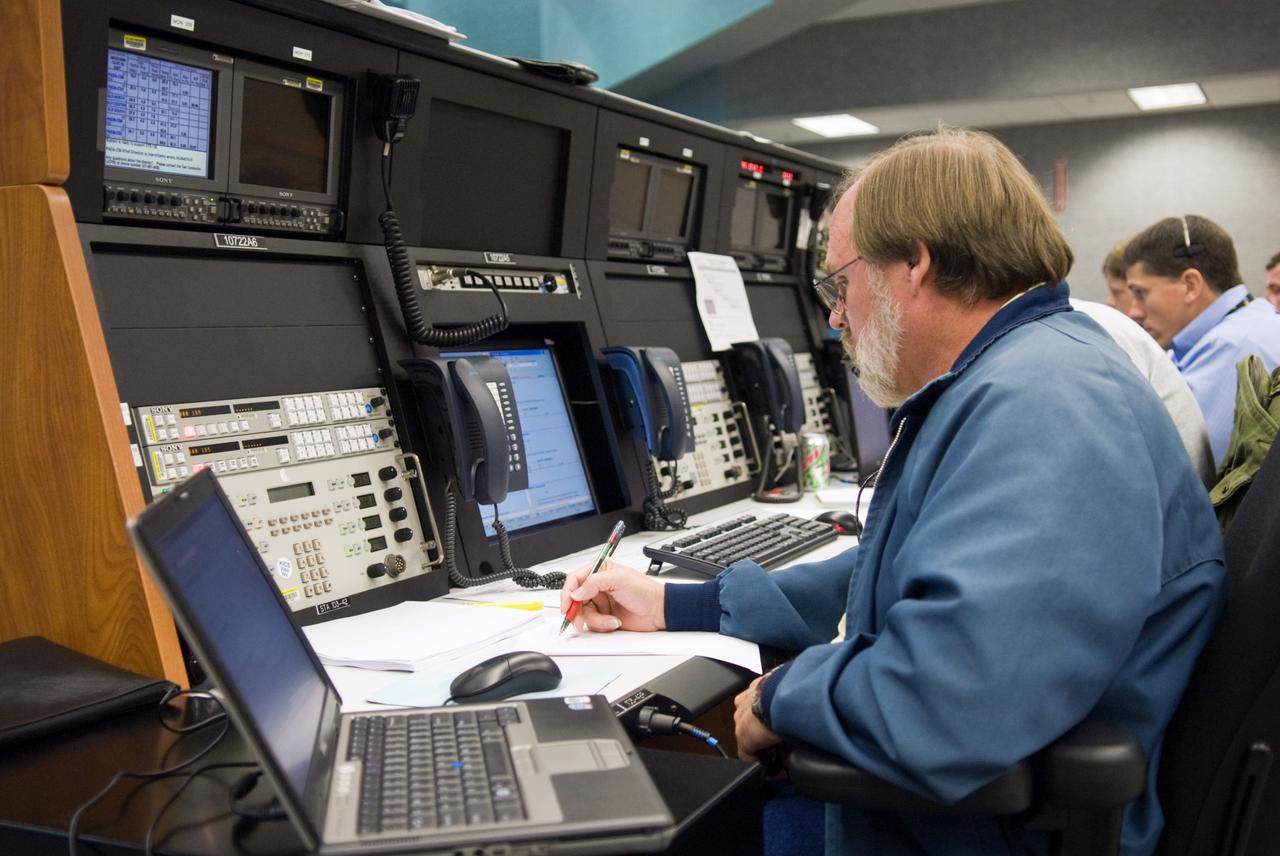
CAPE CANAVERAL, Fla. – In Firing Room 1 at NASA's Kennedy Space Center in Florida, mission engineers take part in a countdown simulation for the upcoming Ares I-X flight test. Ares I-X is targeted for the test on Oct. 31. In the foreground is George Odom. Seen in the back is Jeremy Graeber. Photo credit: NASA/Kim Shiflett
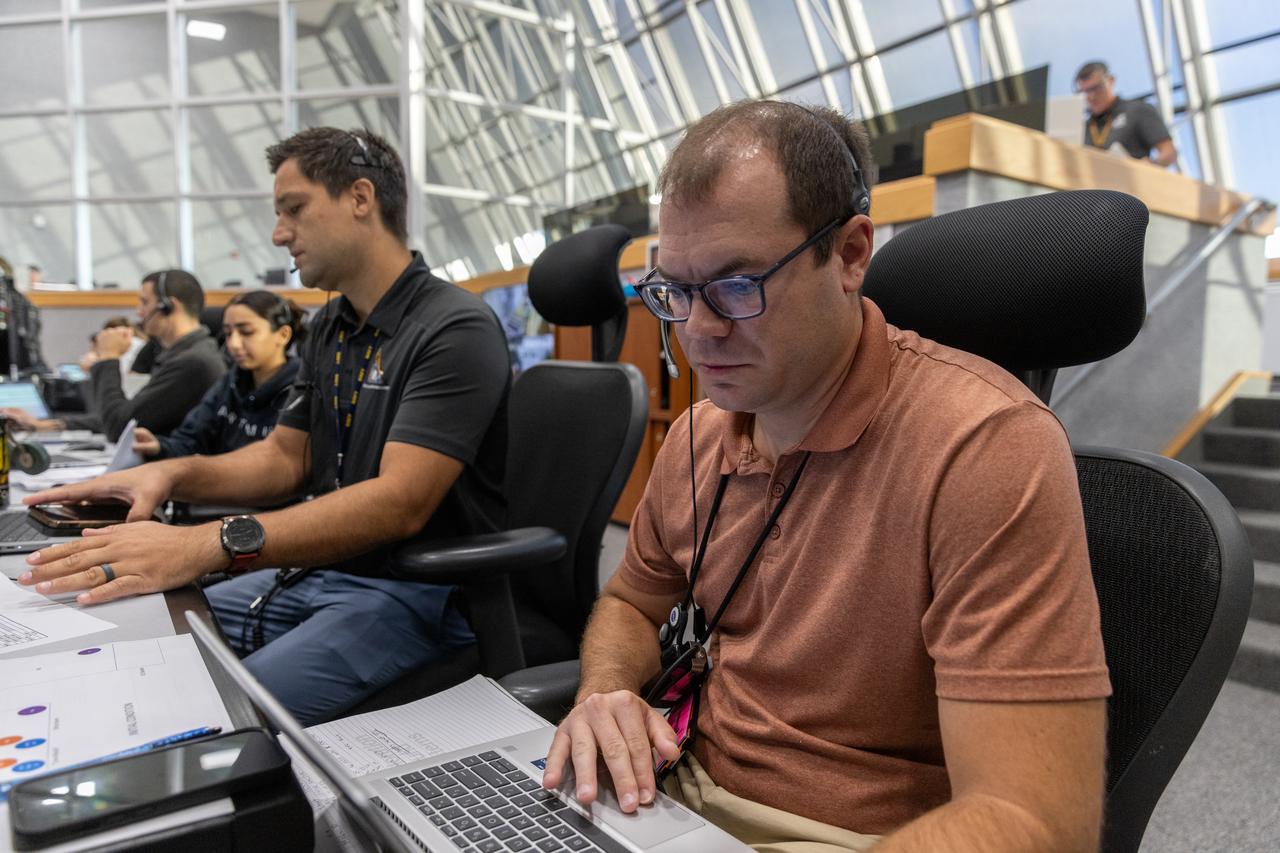
Jeremy Graeber, Artemis assistant launch director, Exploration Ground Systems at NASA’s Kennedy Space Center in Florida, participates in an emergency escape or egress demonstration simulation for the Artemis II mission inside Firing Room 1 in the Launch Control Center at NASA’s Kennedy on Monday, Aug. 12, 2024. Other members of the closeout crew, pad rescue team, and the Exploration Ground Systems Program performed emergency egress demonstrations during a series of integrated system verification tests at Launch Pad 39B in preparation for the Artemis II launch.

Jeremy Graeber, assistant launch director, Exploration Ground Systems Program, participates in the Artemis III terminal countdown simulation on Thursday, May 7, 2026, inside Firing Room 1 of the Rocco A. Petrone Launch Control Center at NASA’s Kennedy Space Center in Florida. This marked the first simulation the launch team performed ahead of Artemis III.
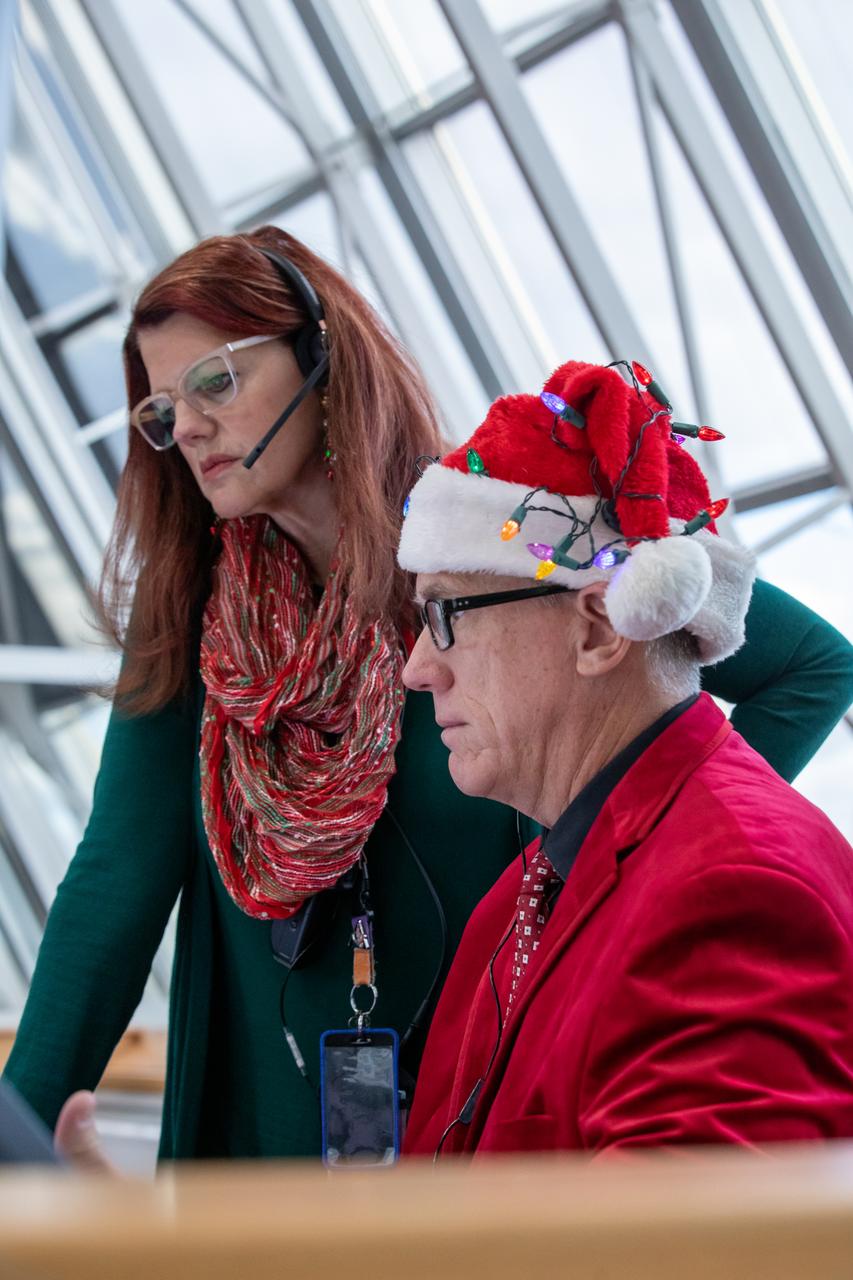
Charlie Blackwell-Thompson, at left, NASA Artemis launch director; and Jeremy Graeber, assistant Artemis launch director, monitor the terminal countdown simulation for the Artemis II mission inside Firing Room at the Launch Control Center at NASA’s Kennedy Space Center in Florida on Thursday, Dec. 12, 2024. Four astronauts will venture around the Moon on Artemis II, the first crewed mission on NASA’s path to establishing a long-term presence for science and exploration through Artemis.
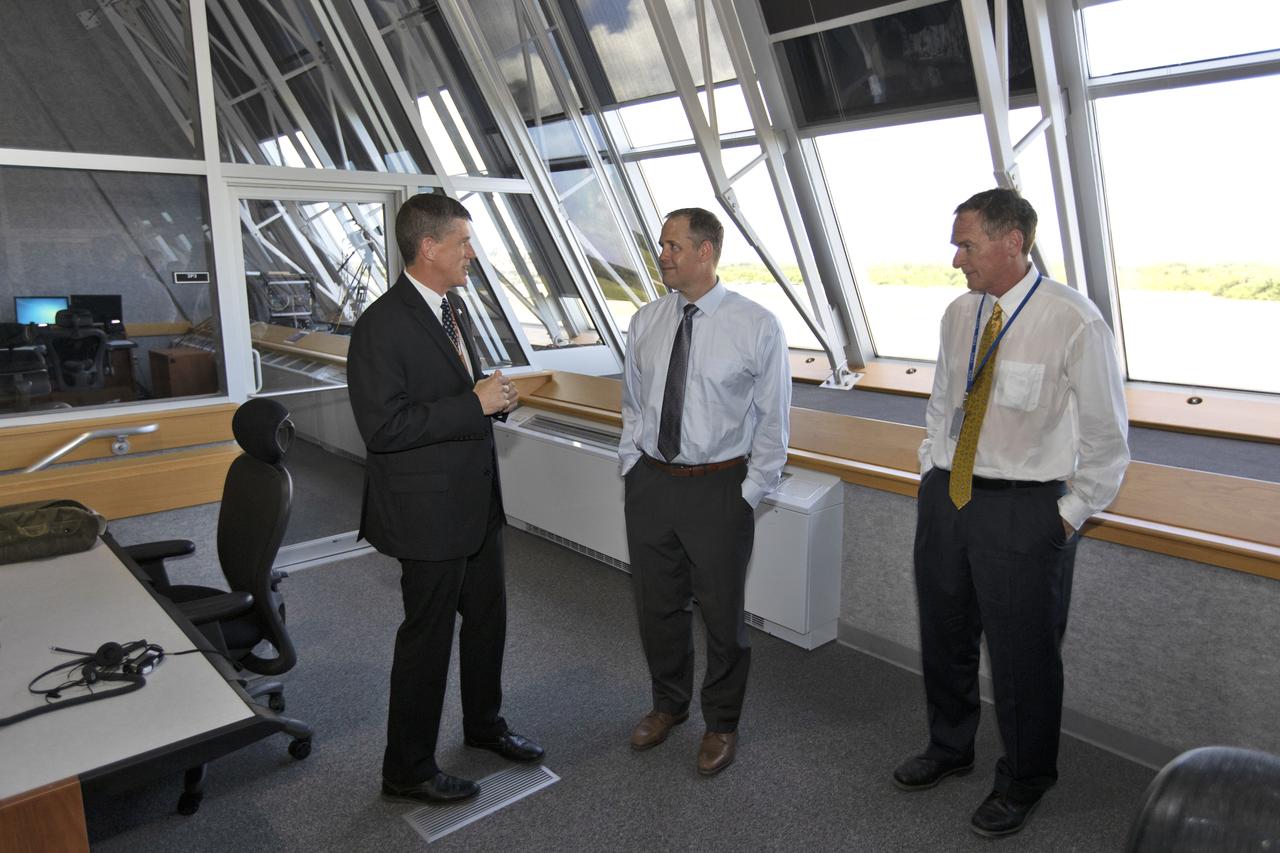
NASA Administrator Jim Bridenstine (center) is briefed by Jeremy Graeber, chief of Test, Launch and Recovery Operations (left), and Mike Bolger, Exploration Ground Systems program manager, during a tour of the Firing Room of the Launch Control Center at NASA's Kennedy Space Center. Bridenstine made his first official visit to the Florida spaceport on Aug. 6 and 7, 2018.

Jeremy Graeber, assistant launch director, Exploration Ground Systems Program, participates in the Artemis III terminal countdown simulation on Thursday, May 7, 2026, inside Firing Room 1 of the Rocco A. Petrone Launch Control Center at NASA’s Kennedy Space Center in Florida. This marked the first simulation the launch team performed ahead of Artemis III.
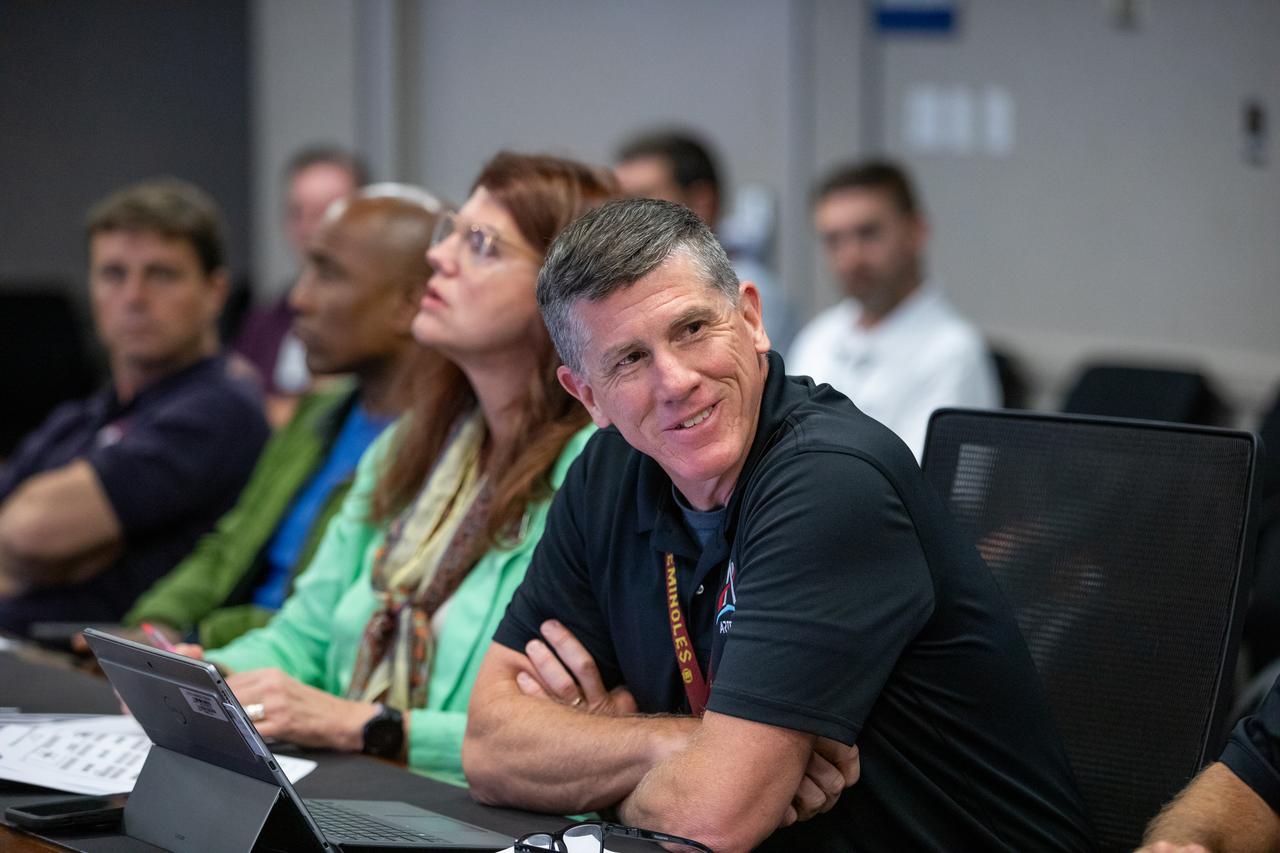
NASA astronauts Reid Wiseman and Victor Glover participate in an Artemis II pre-task briefing alongside NASA Artemis Launch Director Charlie Blackwell-Thompson and Assistant Launch Director Jeremy Graeber on Tuesday, Sept. 19, 2023, held in the Rocco A. Petrone Launch Control Center at NASA’s Kennedy Space Center in Florida. The briefing allows teams to collaborate ahead of a series of integrated system verification and validation tests conducted at Kennedy to evaluate the readiness of the crew and ground equipment ahead of launch day.
From left, NASA’s Exploration Ground Systems Manager Mike Bolger, Artemis I Assistant Launch Director Jeremy Graeber, and Launch Director Charlie Blackwell-Thompson are photographed inside Firing Room 2 of the Rocco A. Petrone Launch Control Center at the agency’s Kennedy Space Center in Florida during a certification ceremony on Aug. 12, 2022. The ceremony was held to commemorate the certification of the Artemis I launch team following their launch simulation held in December 2021. During the ceremony, Bolger, Graeber, and Blackwell-Thompson handed out certificates to individual members of the launch team. The first in an increasingly complex series of missions, Artemis I will test NASA’s Space Launch System rocket and Orion spacecraft as an integrated system prior to crewed flights to the Moon. Through Artemis, NASA will land the first woman and the first person of color on the lunar surface, paving the way for long-term lunar presence and using the Moon as a steppingstone before venturing to Mars.
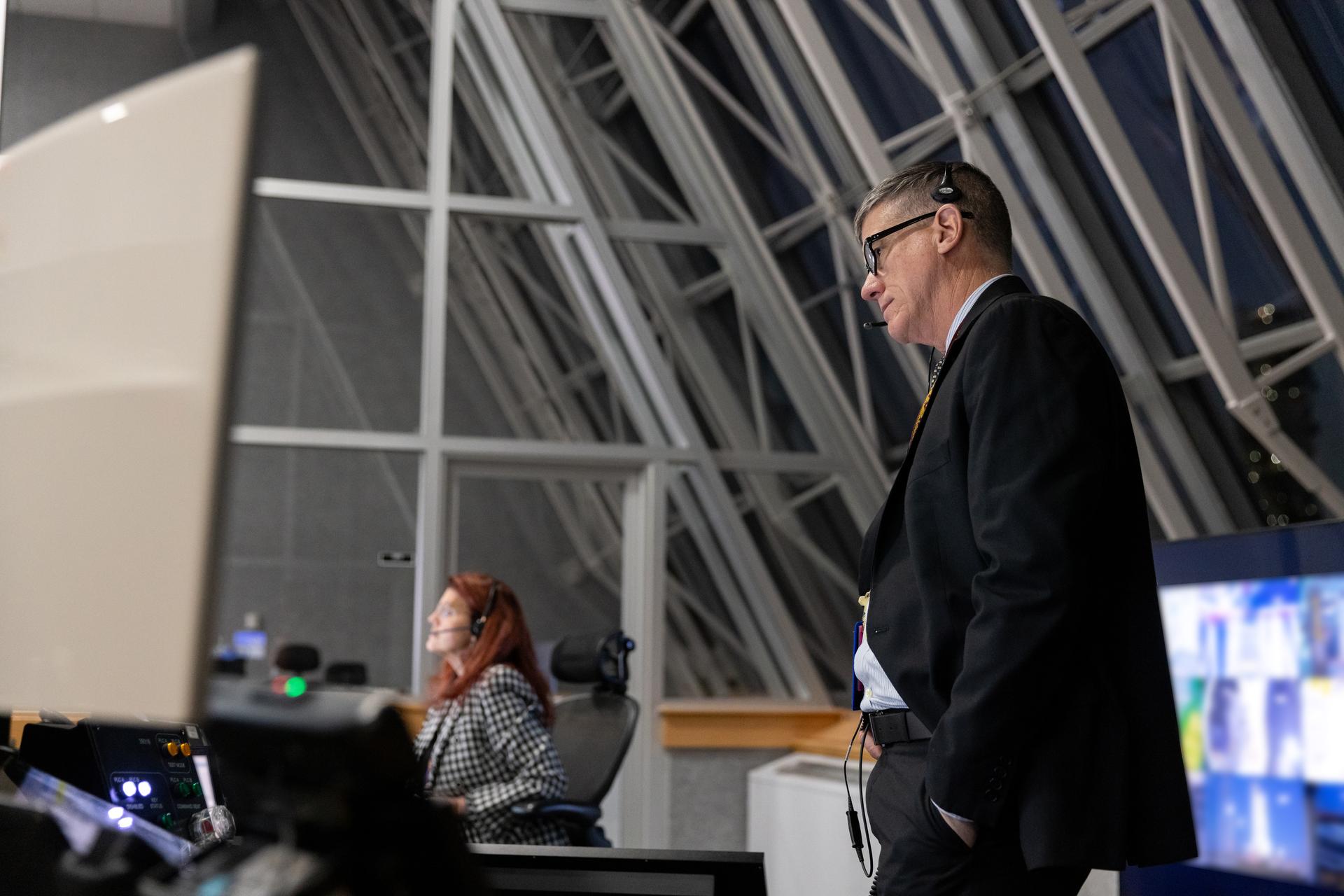
Jeremy Graeber, assistant launch director, participates in a wet dress rehearsal for the Artemis II mission on Monday, Feb. 2, 2026, inside Firing Room 1 at the Rocco A. Petrone Launch Control Center at NASA’s Kennedy Space Center in Florida. The wet dress rehearsal allows the Artemis II launch team to run through operations to load propellant, conduct a full launch countdown, demonstrate the ability to recycle the countdown clock, and drain the tanks to practice timelines and procedures for launch. The Artemis II test flight will take Commander Reid Wiseman, Pilot Victor Glover, and Mission Specialist Christina Koch from NASA, and Mission Specialist Jeremy Hansen from the CSA (Canadian Space Agency), around the Moon and back to Earth from Launch Complex 39B at NASA Kennedy.
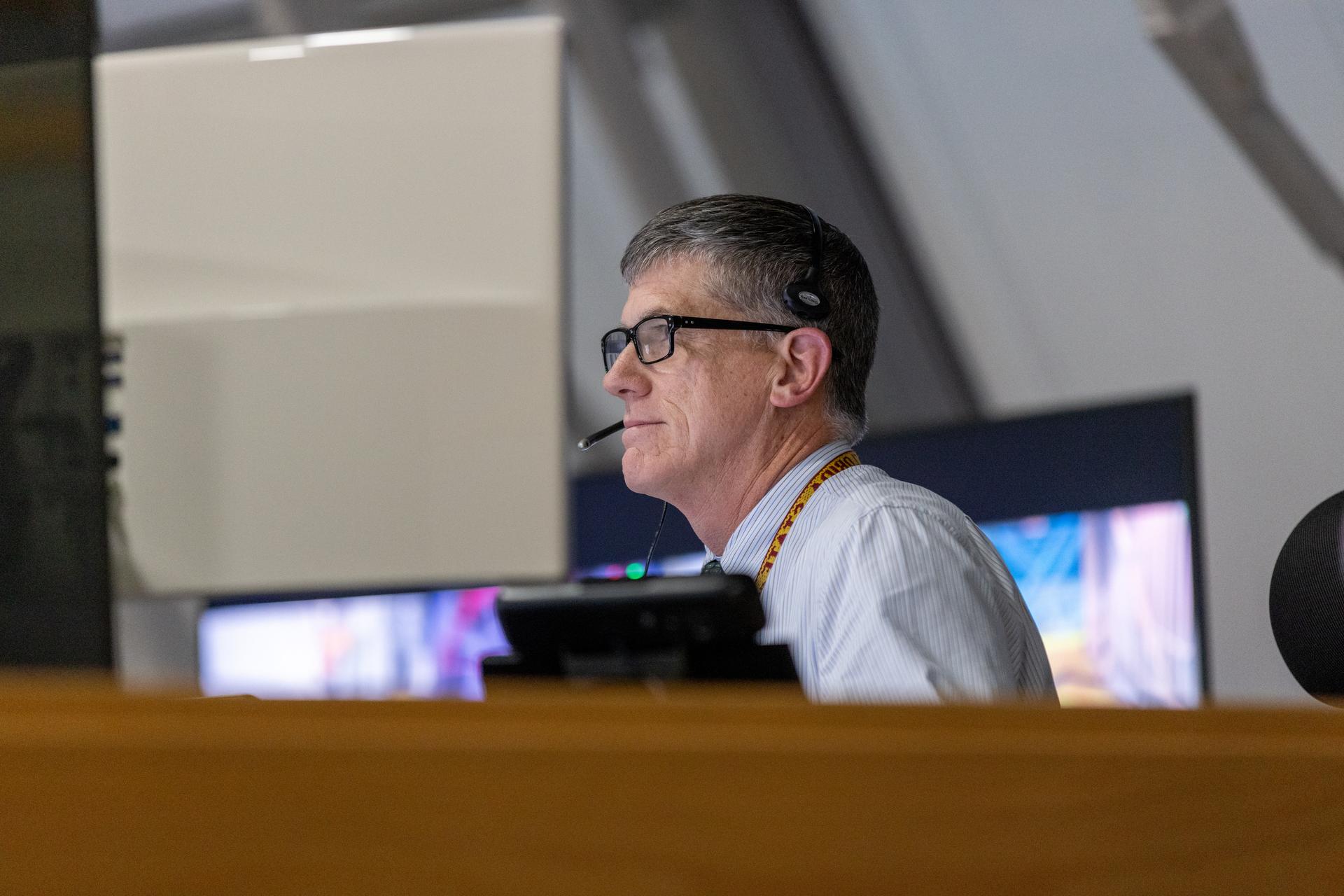
Jeremy Graeber, assistant launch director, monitors the progress of a countdown demonstration test with Artemis II crewmembers NASA astronauts Reid Wiseman, commander; Victor Glover, pilot; Christina Koch, mission specialist; and CSA (Canadian Space Agency) astronaut Jeremy Hansen, mission specialist onboard their Orion spacecraft from Firing Room 1 of the Rocco A. Petrone Launch Control Center, Saturday, Dec. 20, 2025, at NASA’s Kennedy Space Center in Florida. For this operation, the Artemis II crew and launch teams are simulating the launch day timeline including suit-up, walkout, and spacecraft ingress and egress. Through the Artemis campaign, NASA will send astronauts to explore the Moon for scientific discovery, economic benefits, and to build the foundation for the first crewed missions to Mars, for the benefit of all.
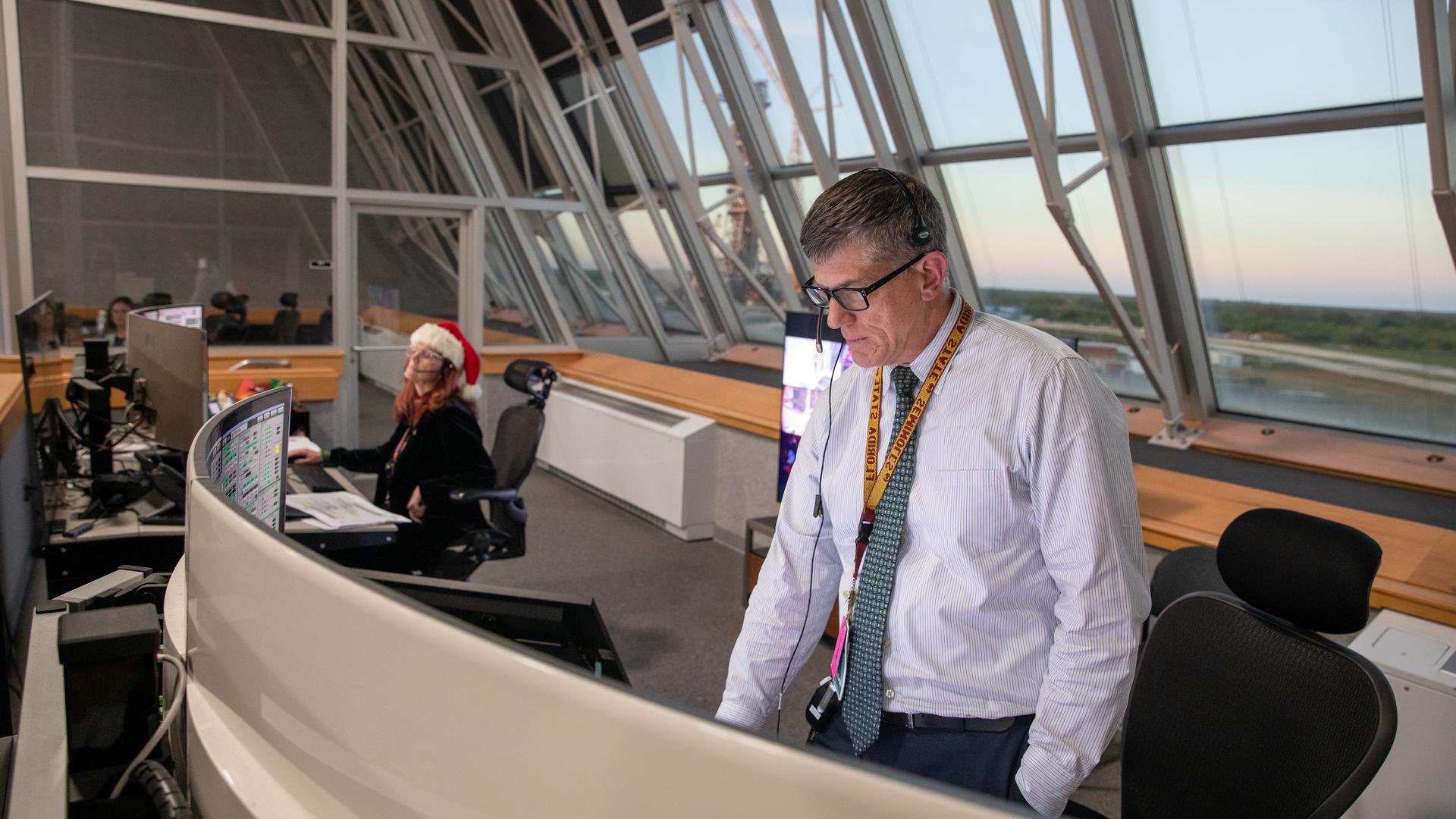
Jeremy Graeber, assistant launch director, monitors the progress of a countdown demonstration test with Artemis II crewmembers NASA astronauts Reid Wiseman, commander; Victor Glover, pilot; Christina Koch, mission specialist; and CSA (Canadian Space Agency) astronaut Jeremy Hansen, mission specialist onboard their Orion spacecraft from Firing Room 1 of the Rocco A. Petrone Launch Control Center, Saturday, Dec. 20, 2025, at NASA’s Kennedy Space Center in Florida. For this operation, the Artemis II crew and launch teams are simulating the launch day timeline including suit-up, walkout, and spacecraft ingress and egress. Through the Artemis campaign, NASA will send astronauts to explore the Moon for scientific discovery, economic benefits, and to build the foundation for the first crewed missions to Mars, for the benefit of all.

From left, Charlie Blackwell-Thompson, Artemis launch director, NASA’s Exploration Ground Systems Program, and Jeremy Graeber, assistant launch director, watch inside Firing Room 1 of the Rocco A. Petrone Launch Control Center the Artemis II rollout of the SLS (Space Launch System) rocket and Orion spacecraft from the Vehicle Assembly Building to Launch Complex 39B at NASA’s Kennedy Space Center in Florida on Friday, March 20, 2026. The Artemis II test flight will take Commander Reid Wiseman, Pilot Victor Glover, and Mission Specialist Christina Koch from NASA, and Mission Specialist Jeremy Hansen from the CSA (Canadian Space Agency), around the Moon and back to Earth with launch opportunities beginning in April 2026.
Jeremy Graeber, assistant launch director, monitors the progress of a countdown demonstration test with Artemis II crewmembers NASA astronauts Reid Wiseman, commander; Victor Glover, pilot; Christina Koch, mission specialist; and CSA (Canadian Space Agency) astronaut Jeremy Hansen, mission specialist onboard their Orion spacecraft from Firing Room 1 of the Rocco A. Petrone Launch Control Center, Saturday, Dec. 20, 2025, at NASA’s Kennedy Space Center in Florida. For this operation, the Artemis II crew and launch teams are simulating the launch day timeline including suit-up, walkout, and spacecraft ingress and egress. Through the Artemis campaign, NASA will send astronauts to explore the Moon for scientific discovery, economic benefits, and to build the foundation for the first crewed missions to Mars, for the benefit of all.
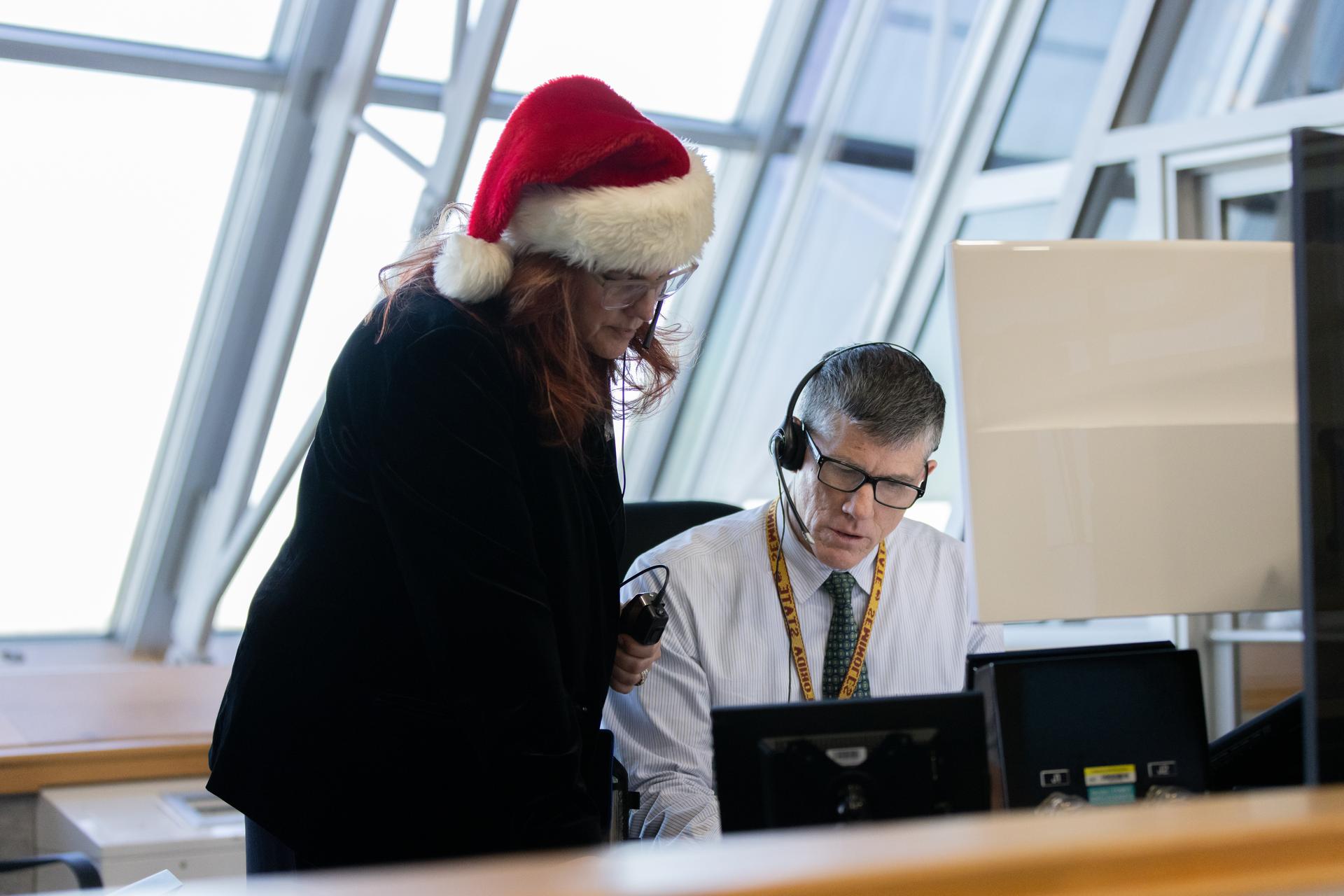
Charlie Blackwell-Thompson, Artemis launch director, and Jeremy Graeber, assistant launch director, monitor the progress of a countdown demonstration test with Artemis II crewmembers NASA astronauts Reid Wiseman, commander; Victor Glover, pilot; Christina Koch, mission specialist; and CSA (Canadian Space Agency) astronaut Jeremy Hansen, mission specialist onboard their Orion spacecraft from Firing Room 1 of the Rocco A. Petrone Launch Control Center, Saturday, Dec. 20, 2025, at NASA’s Kennedy Space Center in Florida. For this operation, the Artemis II crew and launch teams are simulating the launch day timeline including suit-up, walkout, and spacecraft ingress and egress. Through the Artemis campaign, NASA will send astronauts to explore the Moon for scientific discovery, economic benefits, and to build the foundation for the first crewed missions to Mars, for the benefit of all.
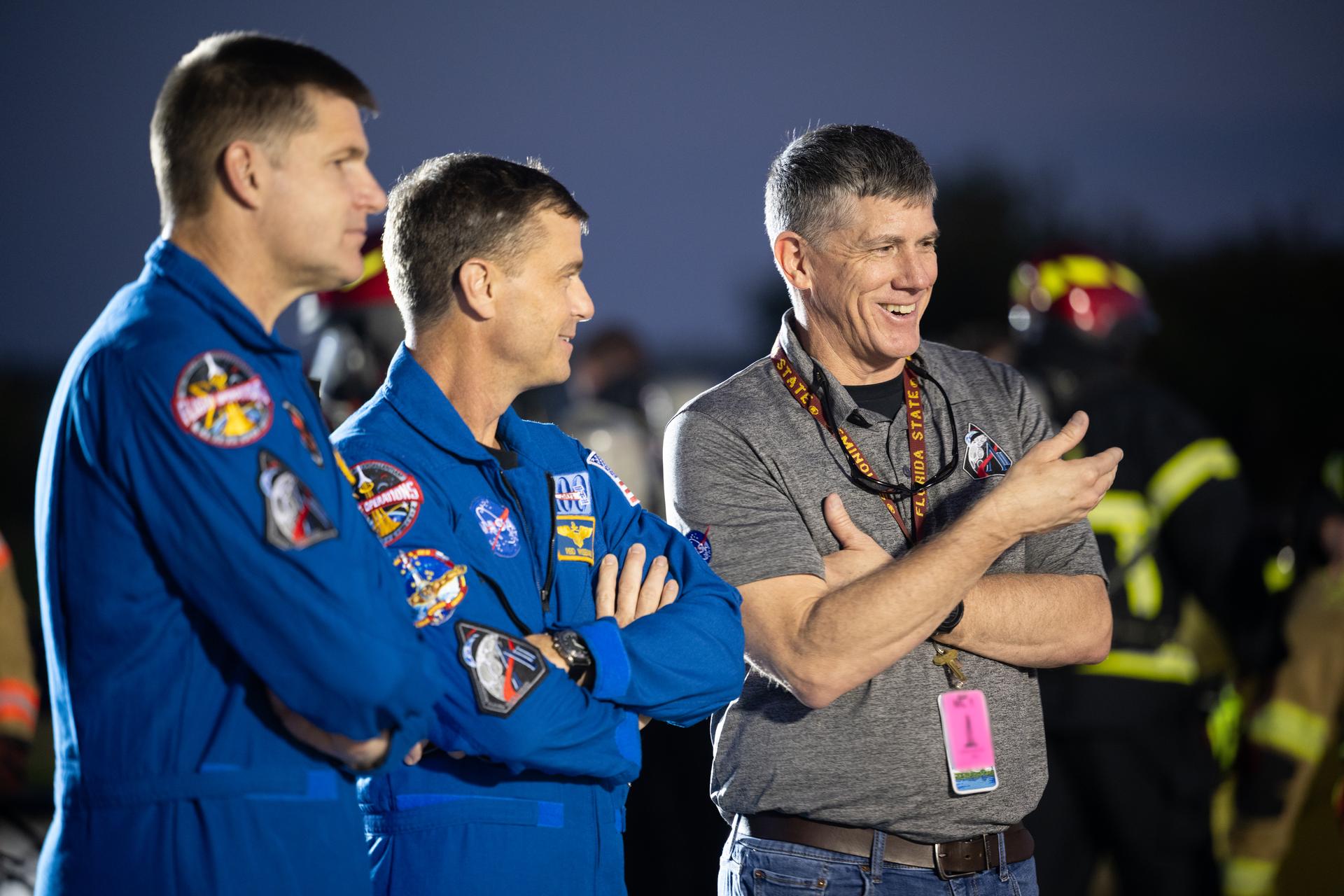
Jeremy Graeber, Artemis II Assistant Launch Director, talks with NASA astronaut Reid Wiseman, Artemis II commander, and CSA (Canadian Space Agency) astronaut Jeremy Hansen, Artemis II mission specialist, as teams at NASA's Kennedy Space Center in Florida practiced various emergency rescue training scenarios with the Artemis II crew, Friday, Dec. 19, 2025, ahead of the Artemis II mission. In the unlikely event of an emergency during launch countdown at Launch Complex 39B, personnel will be transported in mine-resistant ambush protected vehicles, or MRAPS, from the pad and to one of the triage site locations at Kennedy. Photo Credit: (NASA/Joel Kowsky) NOTE - Portions of this image have been blurred for security reasons.

From left, Charlie Blackwell-Thompson, Artemis launch director, NASA’s Exploration Ground Systems Program, and Jeremy Graeber, assistant launch director, watch inside Firing Room 1 of the Rocco A. Petrone Launch Control Center the Artemis II rollout of the SLS (Space Launch System) rocket and Orion spacecraft from the Vehicle Assembly Building to Launch Complex 39B at NASA’s Kennedy Space Center in Florida on Friday, March 20, 2026. The Artemis II test flight will take Commander Reid Wiseman, Pilot Victor Glover, and Mission Specialist Christina Koch from NASA, and Mission Specialist Jeremy Hansen from the CSA (Canadian Space Agency), around the Moon and back to Earth with launch opportunities beginning in April 2026.
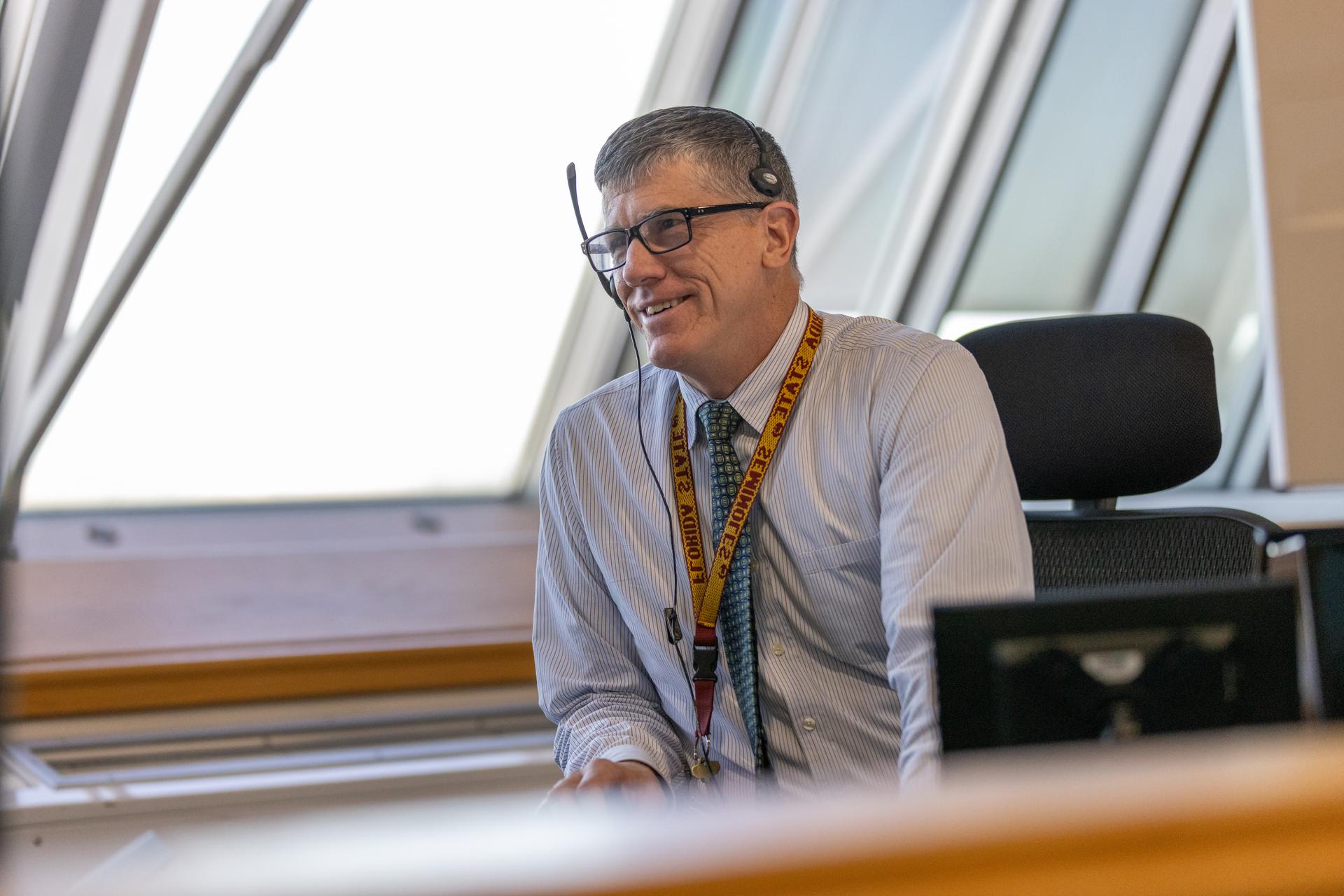
Jeremy Graeber, assistant launch director, monitors the progress of a countdown demonstration test with Artemis II crewmembers NASA astronauts Reid Wiseman, commander; Victor Glover, pilot; Christina Koch, mission specialist; and CSA (Canadian Space Agency) astronaut Jeremy Hansen, mission specialist onboard their Orion spacecraft from Firing Room 1 of the Rocco A. Petrone Launch Control Center, Saturday, Dec. 20, 2025, at NASA’s Kennedy Space Center in Florida. For this operation, the Artemis II crew and launch teams are simulating the launch day timeline including suit-up, walkout, and spacecraft ingress and egress. Through the Artemis campaign, NASA will send astronauts to explore the Moon for scientific discovery, economic benefits, and to build the foundation for the first crewed missions to Mars, for the benefit of all.
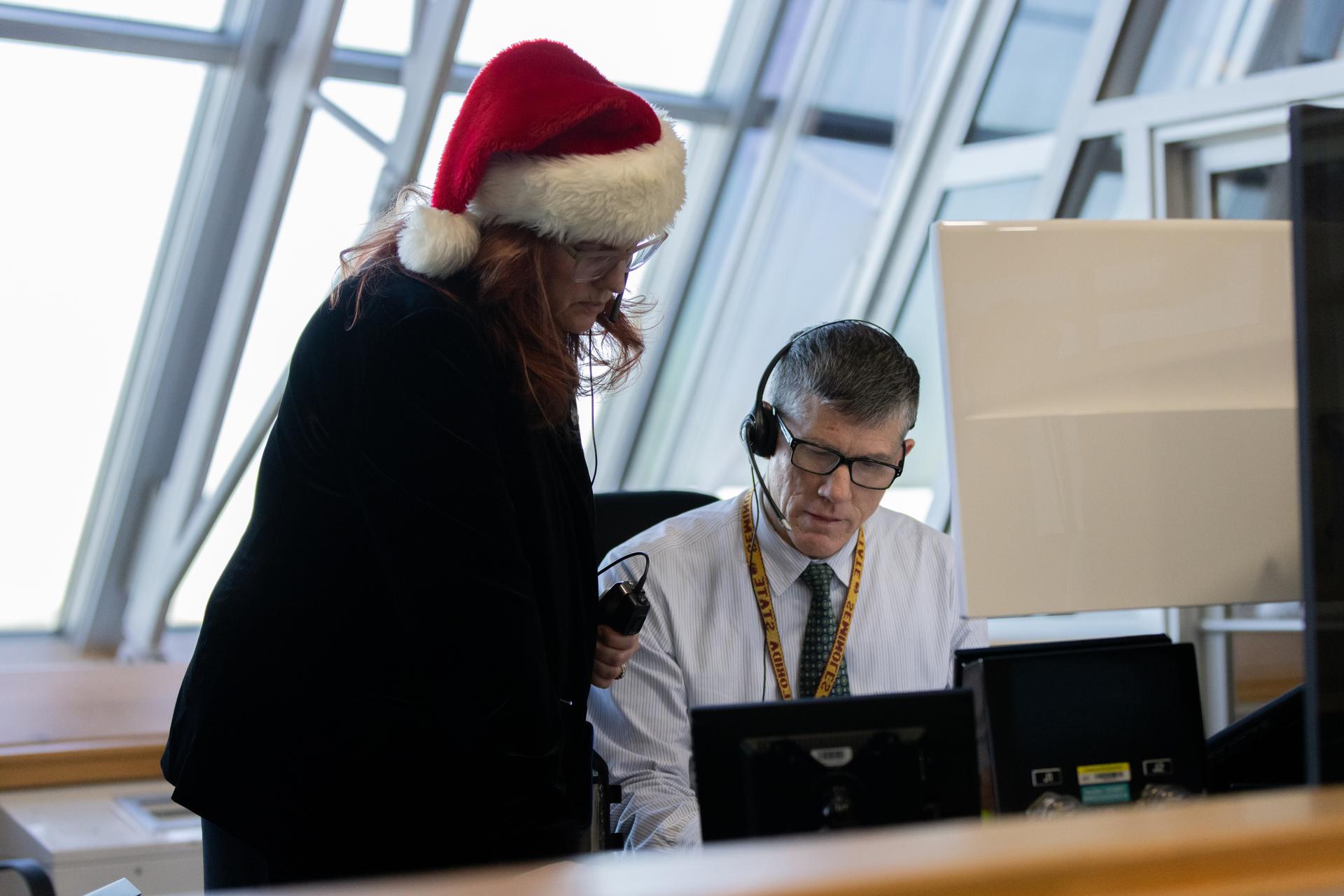
Charlie Blackwell-Thompson, Artemis launch director, and Jeremy Graeber, assistant launch director, monitor the progress of a countdown demonstration test with Artemis II crewmembers NASA astronauts Reid Wiseman, commander; Victor Glover, pilot; Christina Koch, mission specialist; and CSA (Canadian Space Agency) astronaut Jeremy Hansen, mission specialist onboard their Orion spacecraft from Firing Room 1 of the Rocco A. Petrone Launch Control Center, Saturday, Dec. 20, 2025, at NASA’s Kennedy Space Center in Florida. For this operation, the Artemis II crew and launch teams are simulating the launch day timeline including suit-up, walkout, and spacecraft ingress and egress. Through the Artemis campaign, NASA will send astronauts to explore the Moon for scientific discovery, economic benefits, and to build the foundation for the first crewed missions to Mars, for the benefit of all.
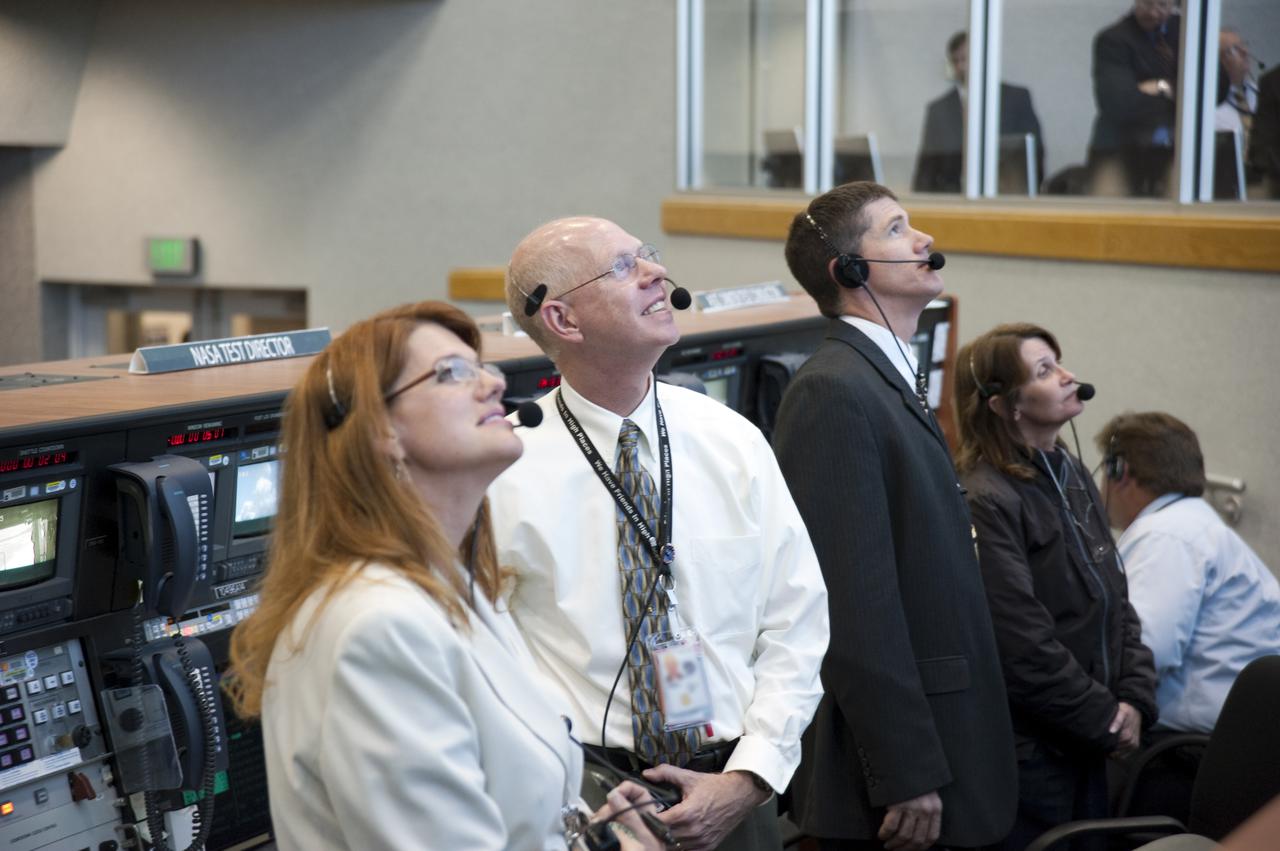
CAPE CANAVERAL, Fla. -- NASA test directors, from left, Charlie Blackwell-Thompson, Steve Payne and Jeremy Graeber, and Orbiter Test Conductor Teresa Annulis, watch space shuttle Atlantis lift off on its STS-132 mission to the International Space Station through the windows of Firing Room 4 of the Launch Control Center at NASA's Kennedy Space Center in Florida. Launch was on time at 2:20 p.m. EDT. STS-132 is the 132nd shuttle flight, the 32nd for Atlantis and the 34th shuttle mission dedicated to station assembly and maintenance. For more information on the STS-132 mission objectives, payload and crew, visit www.nasa.gov_mission_pages_shuttle_shuttlemissions_sts132_index.html. Photo credit: NASA_Kim Shiflett
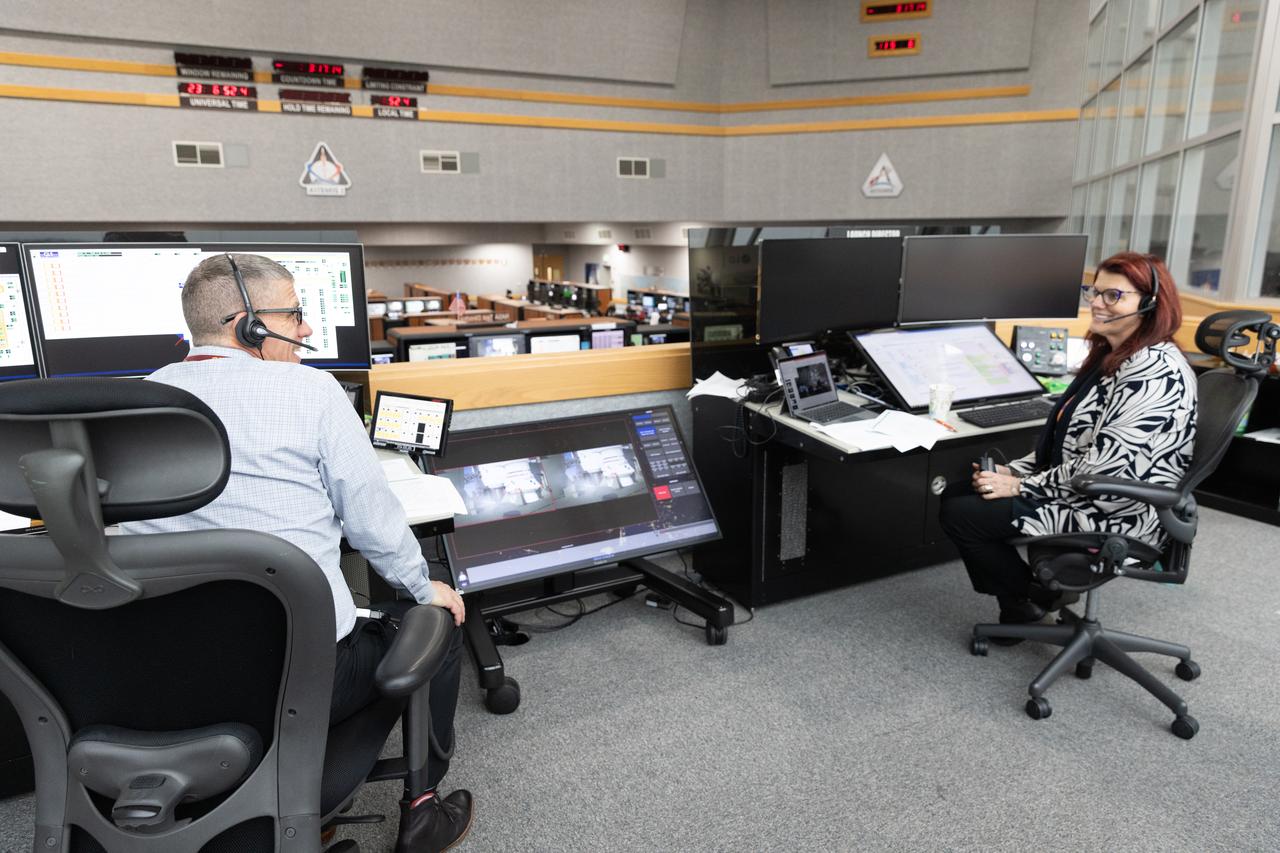
Jeremy Graeber, at left, assistant Artemis launch director, and Charlie Blackwell-Thompson, at left, NASA Artemis launch director, participate in an Artemis II launch countdown simulation inside Firing Room 1 in the Launch Control Center at NASA’s Kennedy on Thursday, Jan. 23, 2025. The simulations go through launch day scenarios to help launch team members test software and make adjustments if needed during countdown operations. For Artemis II, four astronauts will venture around the Moon, the first crewed mission on NASA’s path to establishing a long-term presence for science and exploration through Artemis.
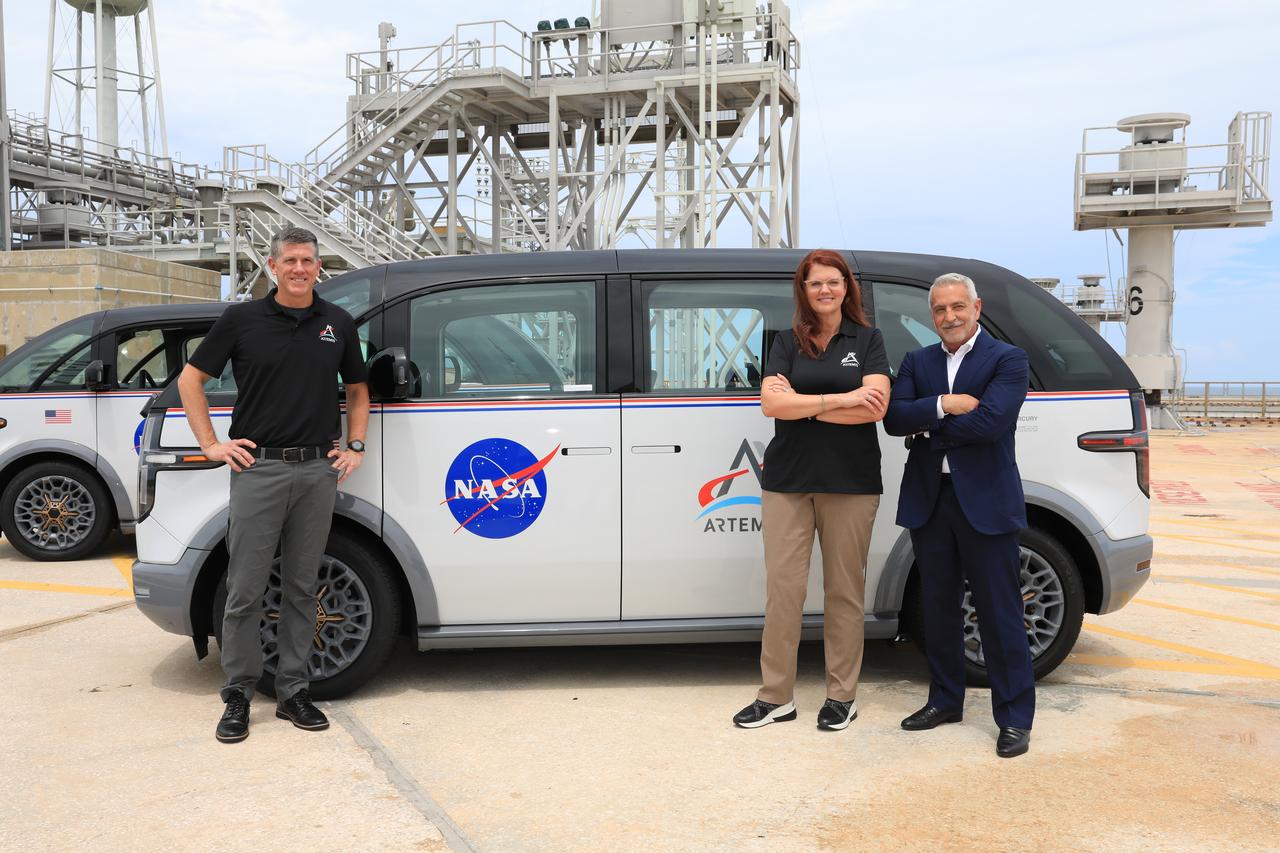
Three specially designed, fully electric, environmentally friendly crew transportation vehicles for Artemis missions arrived at NASA’s Kennedy Space Center in Florida on July 11, 2023. One of the zero-emission vehicles is shown here at Launch Pad 39B. From left are Jeremy Graeber, Artemis assistant launch director; Charlie Blackwell-Thompson, Artemis launch director; and Tony Aquila, chairman and CEO, Canoo Technologies Inc.. The fleet, which will carry astronauts to Launch Complex 39B for Artemis missions, was delivered by the manufacturer, Canoo Technologies Inc. of Torrance, California.
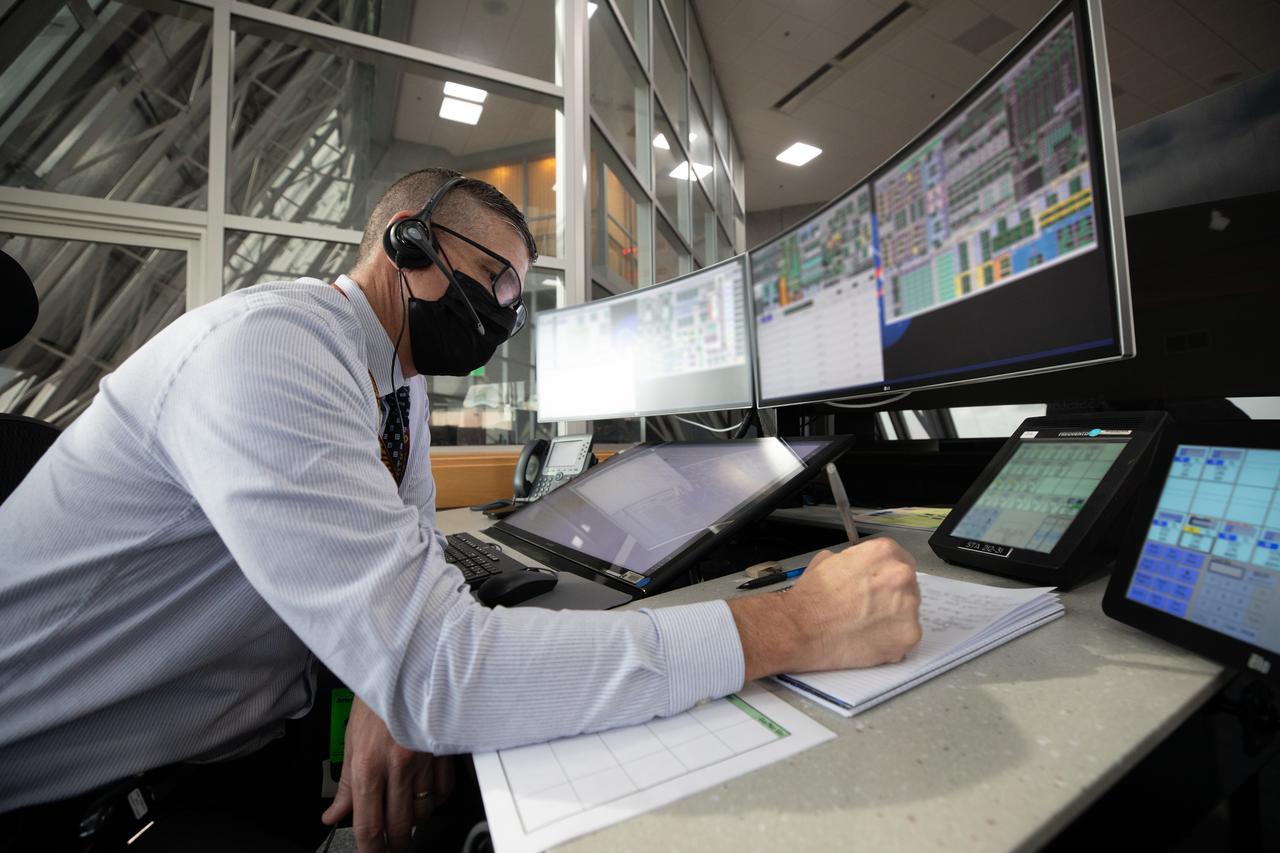
Chief of the Test, Launch and Recovery Operations Branch within the Exploration Ground Systems (EGS) Program Jeremy Graeber monitors activities during the ninth formal terminal countdown simulation inside Firing Room 1 in the Launch Control Center at NASA’s Kennedy Space Center in Florida on June 24, 2021. Members of the Artemis I launch team include personnel with EGS and contractor Jacobs. This is part of a series of simulations to help the team prepare for the launch of Artemis I, the uncrewed first flight of the Space Launch System rocket and Orion spacecraft.
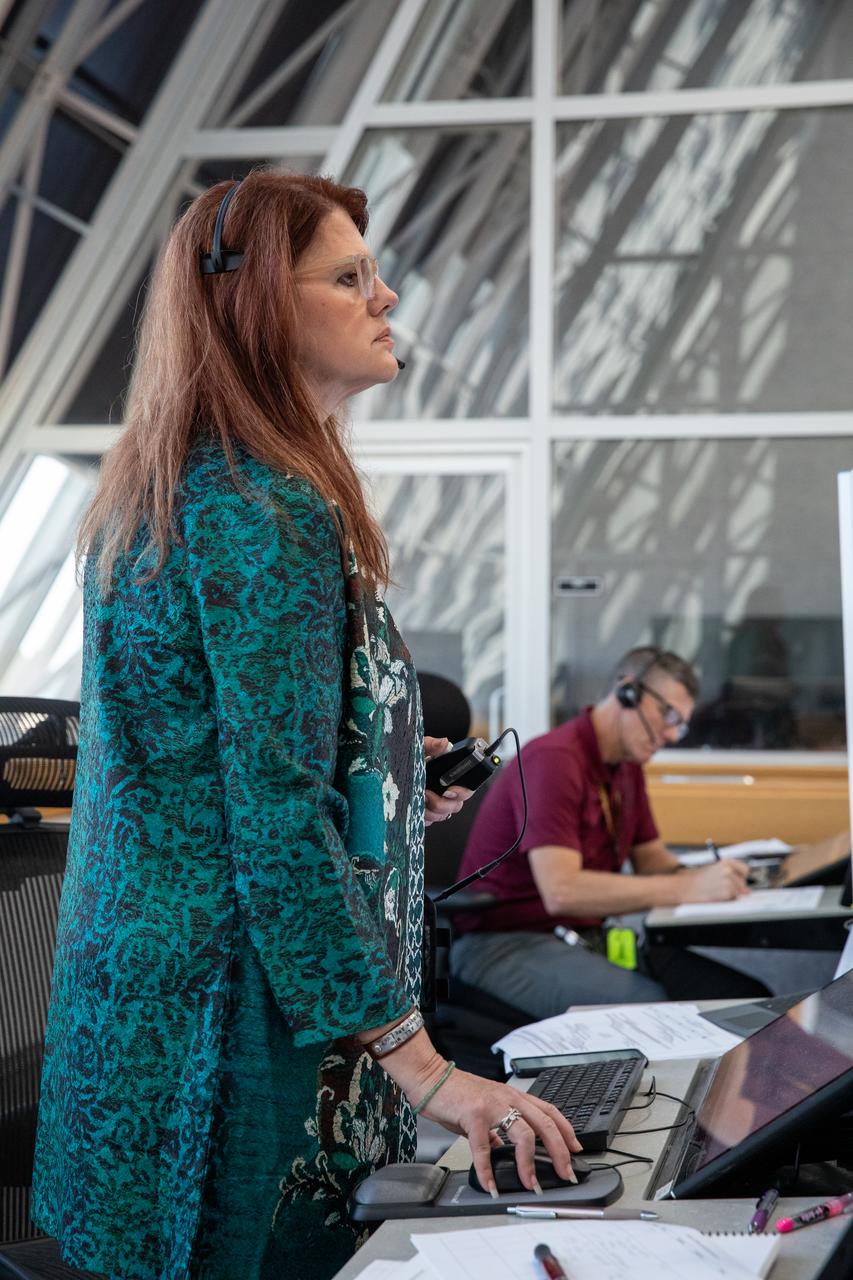
NASA Artemis Launch Director Charlie Blackwell-Thompson, left, and Assistant Artemis Launch Director Jeremy Graeber monitor activities during the Artemis II terminal countdown simulation inside Firing Room 1 in the Launch Control Center at NASA’s Kennedy Space Center in Florida on Monday, Sept. 11, 2023. Members of the Artemis II launch team include personnel with NASA’s Exploration Ground Systems and contractor Jacobs. This is part of a series of simulations to help the team prepare for the launch of Artemis II, the first mission with astronauts under Artemis that will test and check out all of the Orion spacecraft’s systems needed for future crewed missions.
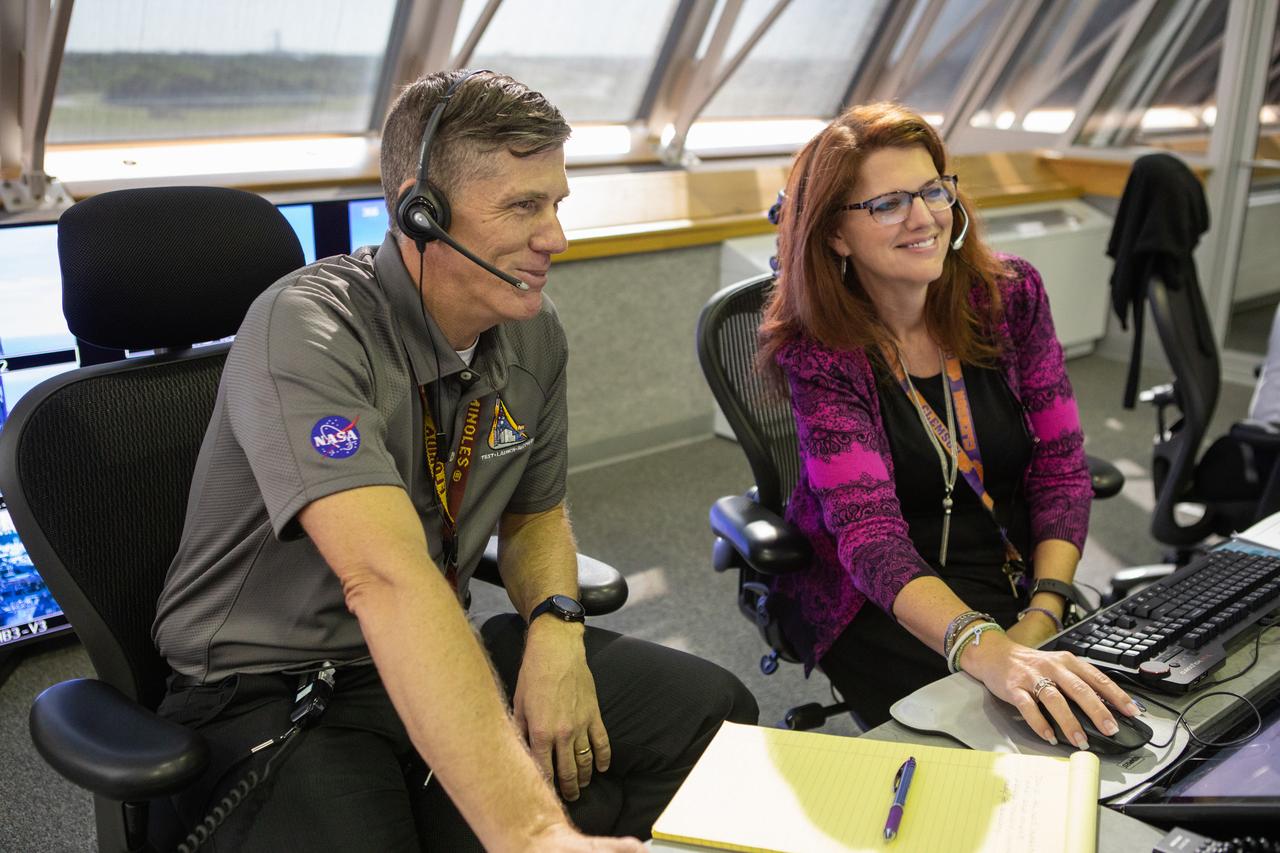
From left, Jeremy Graeber, chief NASA test director, and Charlie Blackwell-Thompson, Artemis 1 launch director, participate in validation testing inside Firing Room 1 in the Launch Control Center at NASA’s Kennedy Space Center in Florida on July 11, 2019. The launch team includes personnel with NASA’s Exploration Ground Systems (EGS) and Jacobs Test and Operations Contract (TOSC). The simulation was designed to validate the firing room consoles and communications systems, as well as the new Spaceport Command and Control System (SCCS), which will operate, monitor and coordinate ground equipment in preparation for Artemis 1, the uncrewed first flight of the Space Launch System rocket and Orion spacecraft.
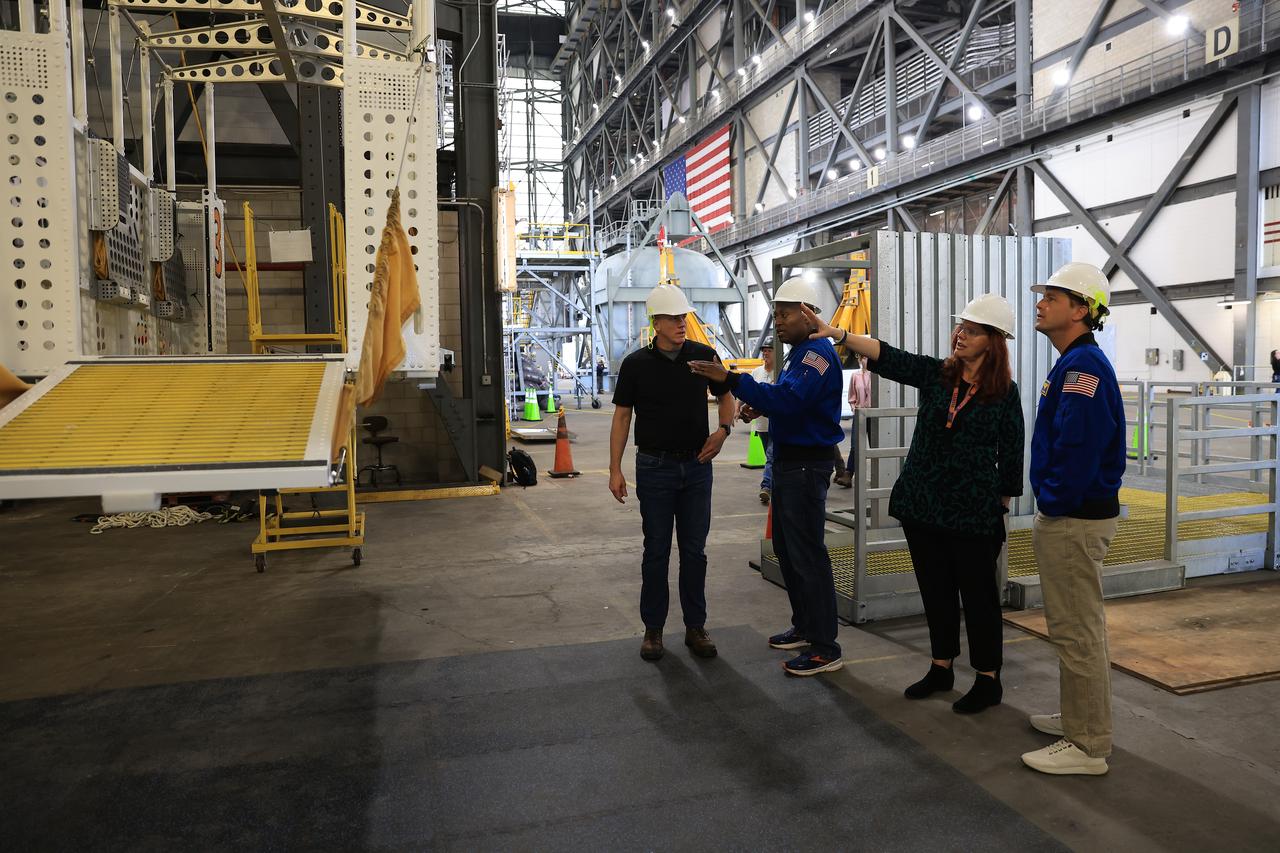
From left, Jeremy Graeber, Artemis assistant launch director Exploration Ground Systems at NASA’s Kennedy Space Center in Florida; NASA astronaut Andre Douglas, Artemis II backup crew member; Charlie Blackwell-Thompson, launch director for NASA’s Exploration Ground Systems Program at Kennedy Space Center; and Artemis II NASA astronaut Reid Wiseman, commander, look at the emergency egress basket inside the Vehicle Assembly Building at NASA Kennedy on Thursday, Feb. 27, 2025. For Artemis II, four astronauts will venture around the Moon, the first crewed mission on NASA’s path to establishing a long-term presence for science and exploration through Artemis.
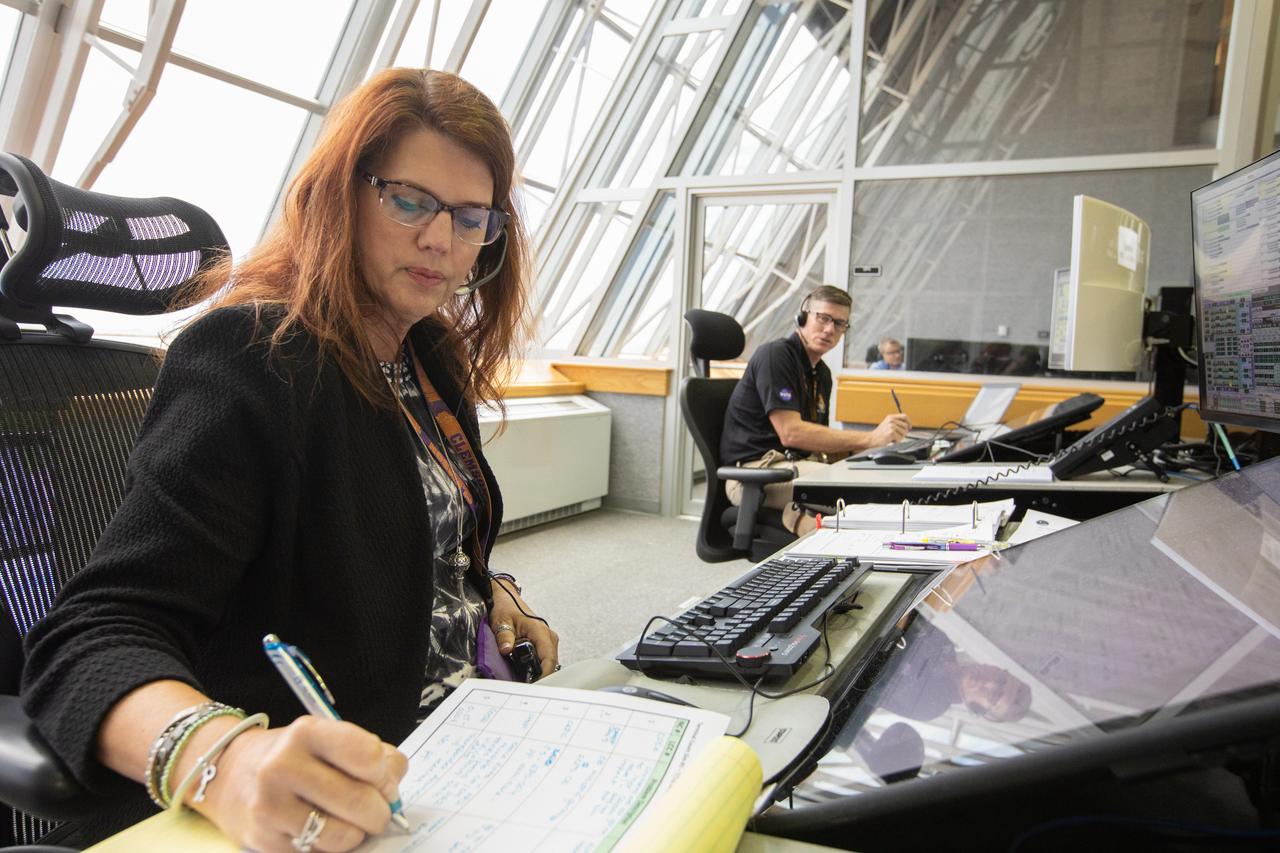
Charlie Blackwell-Thompson, left, launch director for Artemis 1, and Jeremy Graeber, right, chief NASA test director, monitor activities during the first formal terminal countdown simulation inside Firing Room 1 in the Launch Control Center at NASA’s Kennedy Space Center in Florida on July 12, 2019. This was the first in a series of simulations to help the members of the launch team, including personnel with NASA’s Exploration Ground Systems (EGS) and Jacobs Test and Operations Contract (TOSC), prepare for the launch of Artemis 1, the uncrewed first flight of the Space Launch System rocket and Orion spacecraft.
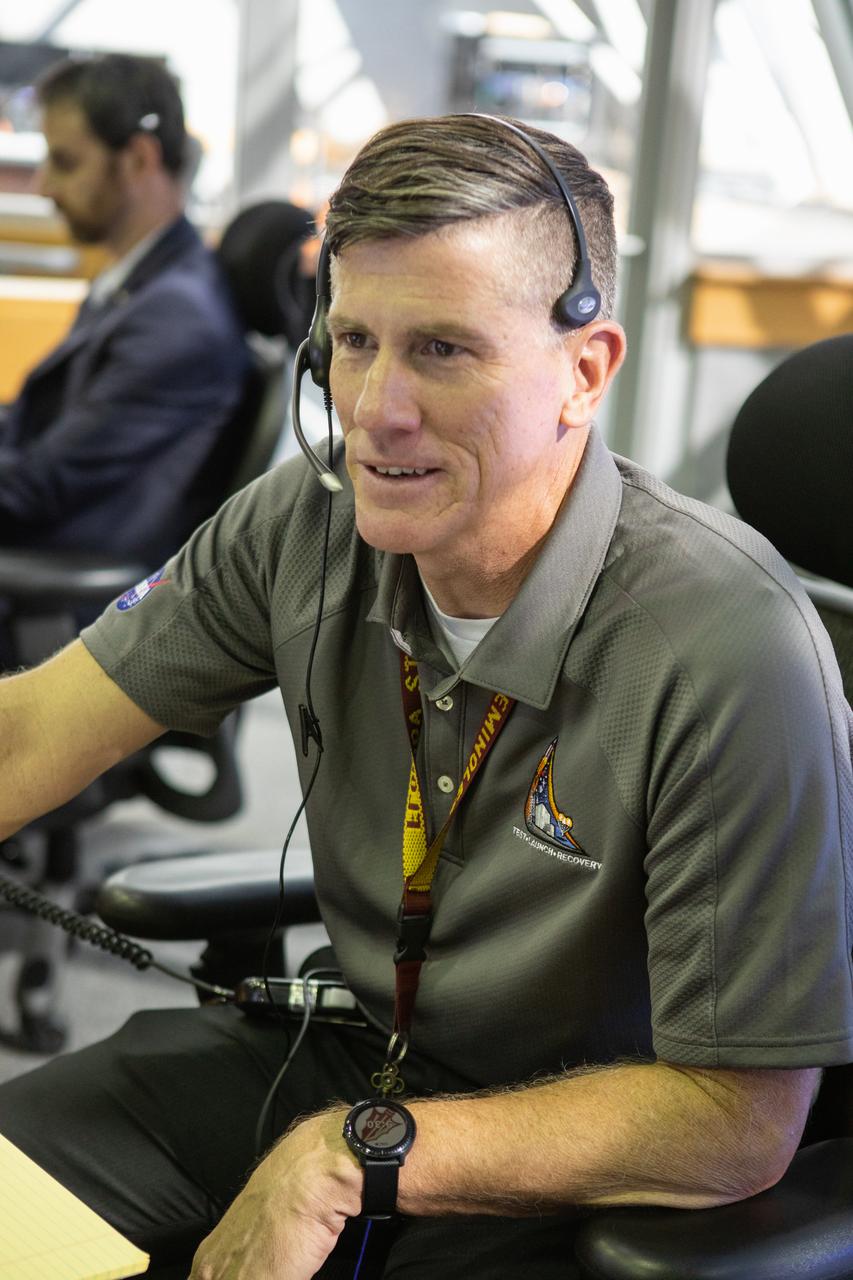
Jeremy Graeber, chief NASA test director, participates in validation testing inside Firing Room 1 in the Launch Control Center at NASA’s Kennedy Space Center in Florida on July 11, 2019. The Artemis 1 launch team includes personnel with NASA’s Exploration Ground Systems (EGS) and Jacobs Test and Operations Contract (TOSC). The simulation was designed to validate the firing room consoles and communications systems, as well as the new Spaceport Command and Control System (SCCS), which will operate, monitor and coordinate ground equipment in preparation for Artemis 1, the uncrewed first flight of the Space Launch System rocket and Orion spacecraft.
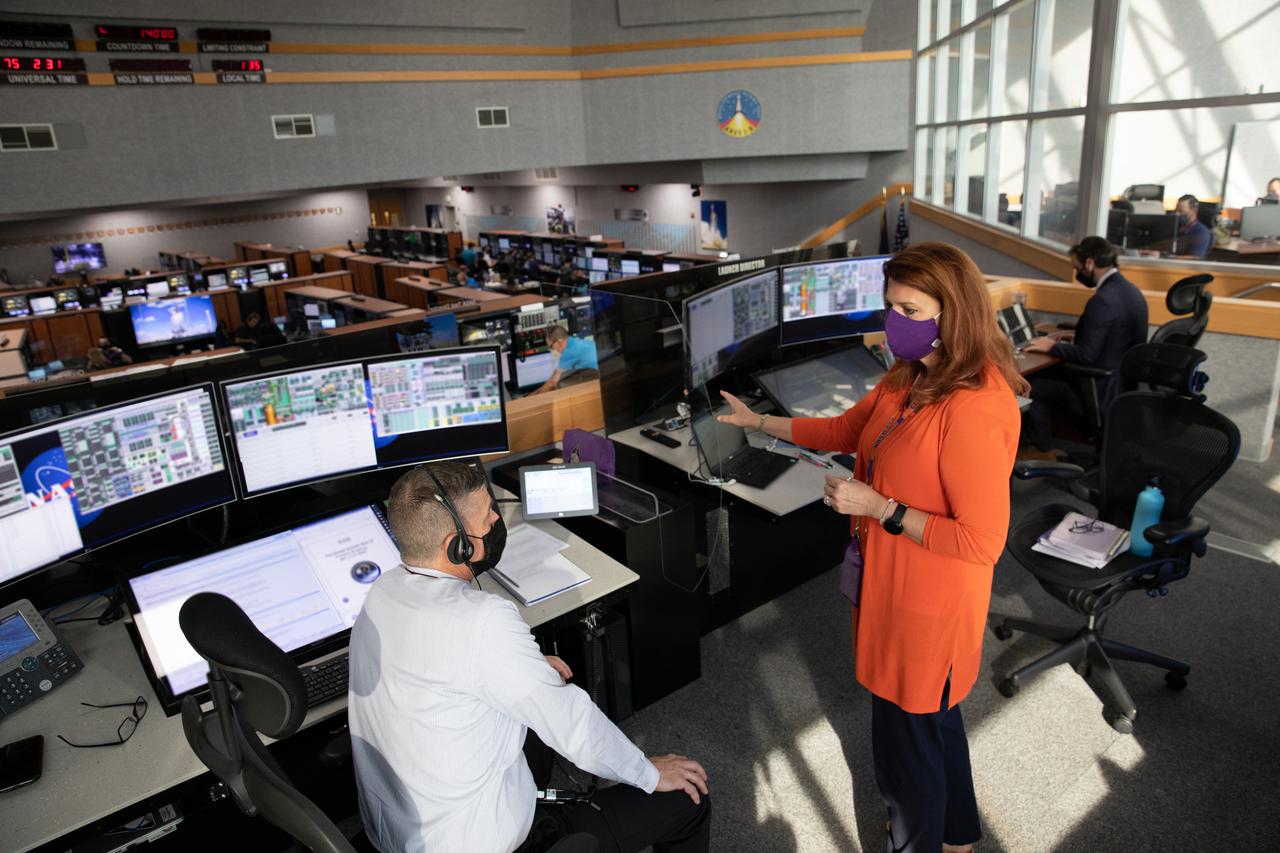
Chief of the Test, Launch and Recovery Operations Branch within the Exploration Ground Systems (EGS) Program Jeremy Graeber, (left) and Artemis I Launch Director Charlie Blackwell-Thompson (right), along with members of the Artemis I launch team, including personnel with EGS and contractor Jacobs, monitor activities during the ninth formal terminal countdown simulation inside Firing Room 1 in the Launch Control Center at NASA’s Kennedy Space Center in Florida on June 24, 2021. This is part of a series of simulations to help the team prepare for the launch of Artemis I, the uncrewed first flight of the Space Launch System rocket and Orion spacecraft.

From left, Artemis II backup crew members, NASA astronaut Andre Douglas and CSA (Canadian Space Agency) astronaut Jenni Gibbons, speak to Jeremy Graeber, assistant launch director, for NASA’s Exploration Ground Systems during a visit at NASA’s Kennedy Space Center on Thursday, Jan. 16, 2025. In the background is the Orion Environmental Test Article spacecraft which was flown around the Moon and back during Artemis I on Nov. 16, 2022. Orion will carry four astronauts around the Moon and back during the Artemis II mission.
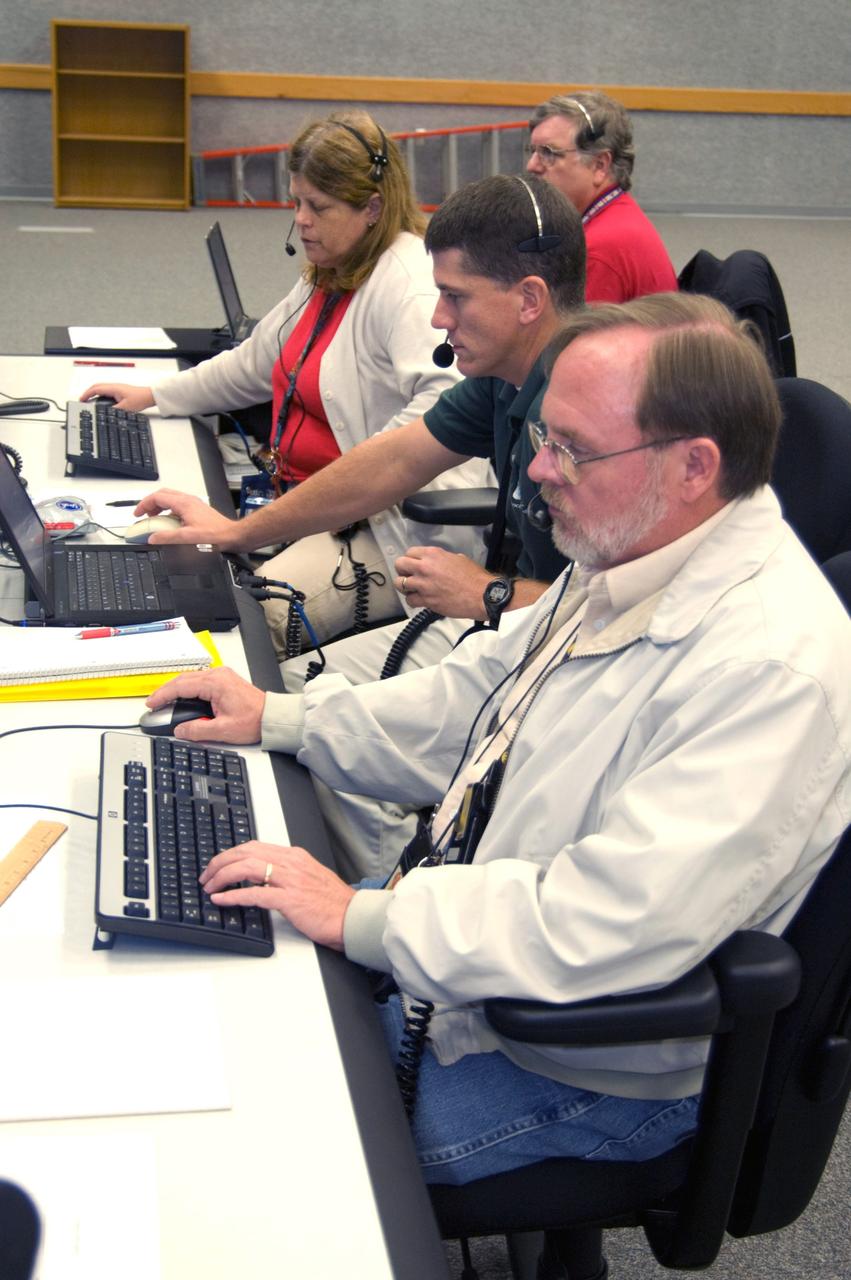
CAPE CANAVERAL, Fla. – In NASA Kennedy Space Center's Launch Control Center, NASA's Ares I-X mission engineers (from front) George Odom, Jeremy Graeber, Roberta Wyrick and Rudy Tench monitor data in the firing room as the rocket undergoes its first power-up. Part of the Constellation Program, the Ares I-X is the test vehicle for the Ares I, which is the essential core of a space transportation system that eventually will carry crewed missions back to the moon, on to Mars and out into the solar system. The Ares I-X flight test is targeted for Oct. 31. Photo credit: NASA/Cory Huston
NASA Artemis Launch Director Charlie Blackwell-Thompson, left, and Assistant Artemis Launch Director Jeremy Graeber monitor activities during the Artemis II terminal countdown simulation inside Firing Room 1 in the Launch Control Center at NASA’s Kennedy Space Center in Florida on Monday, Sept. 11, 2023. Members of the Artemis II launch team include personnel with NASA’s Exploration Ground Systems and contractor Jacobs. This is part of a series of simulations to help the team prepare for the launch of Artemis II, the first mission with astronauts under Artemis that will test and check out all of the Orion spacecraft’s systems needed for future crewed missions.
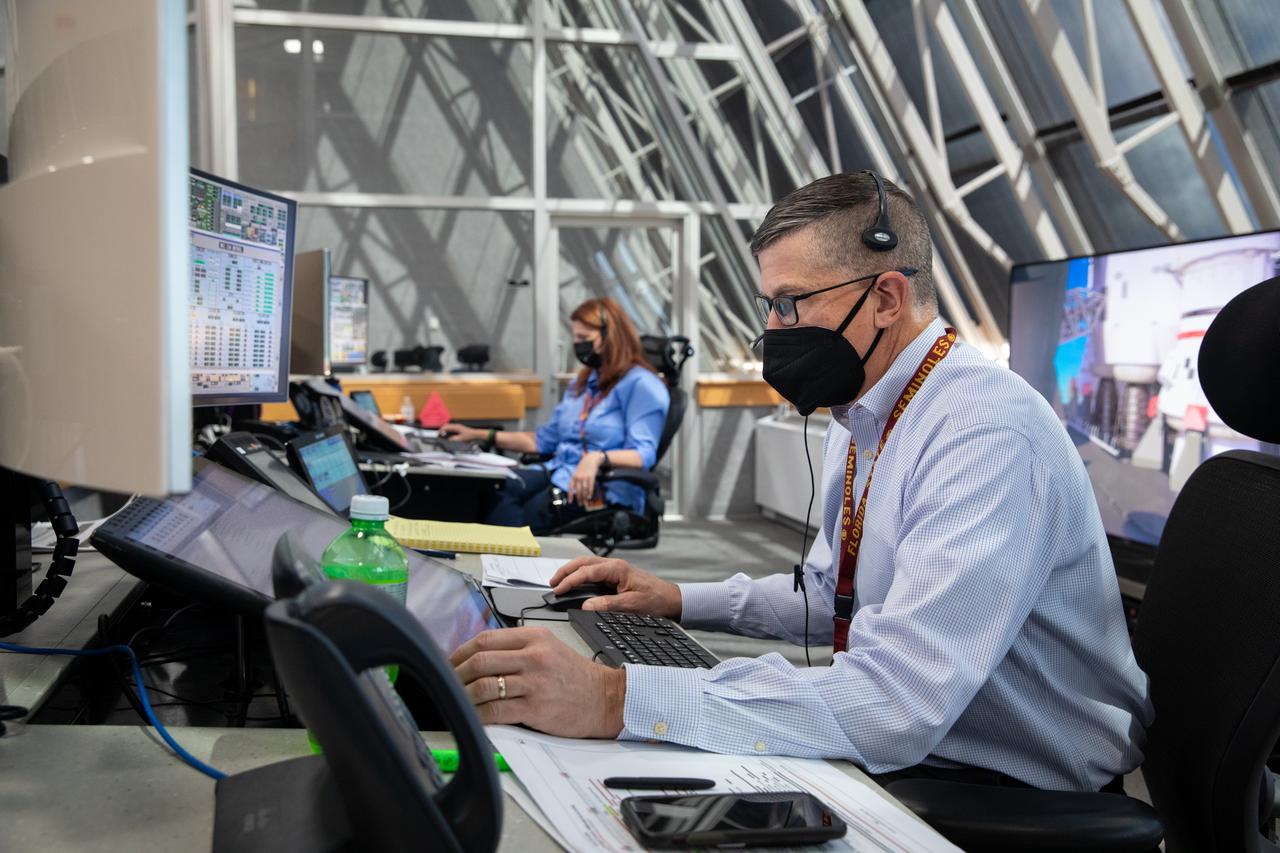
Artemis teams conduct the final simulation for the Artemis I mission inside the Launch Control Center at NASA’s Kennedy Space Center in Florida on Aug. 4, 2022. Artemis I will be the first integrated test of NASA’s Space Launch System (SLS) rocket and Orion spacecraft. During the flight, Orion will launch atop the most powerful rocket in the world and fly farther than any spacecraft for humans has ever flown. The spacecraft will stay in space longer than any human spacecraft has without docking to the International Space Station and return home faster than ever before. Shown here is Assistant Launch Director Jeremy Graeber and Launch Director Charlie Blackwell-Thompson.
Artemis I Launch Director Charlie Blackwell-Thompson, left, and Assistant Launch Director Jeremy Graeber participate in a wet dress rehearsal for the Artemis I mission on April 14, 2022, inside Firing Room 1 in the Launch Control Center at NASA’s Kennedy Space Center in Florida. The wet dress rehearsal is the final major test before launch and allows the launch team to run through all countdown operations prior to liftoff. The first in an increasingly complex series of missions, Artemis I will test NASA’s Space Launch System rocket and Orion spacecraft as an integrated system prior to crewed flights to the Moon.
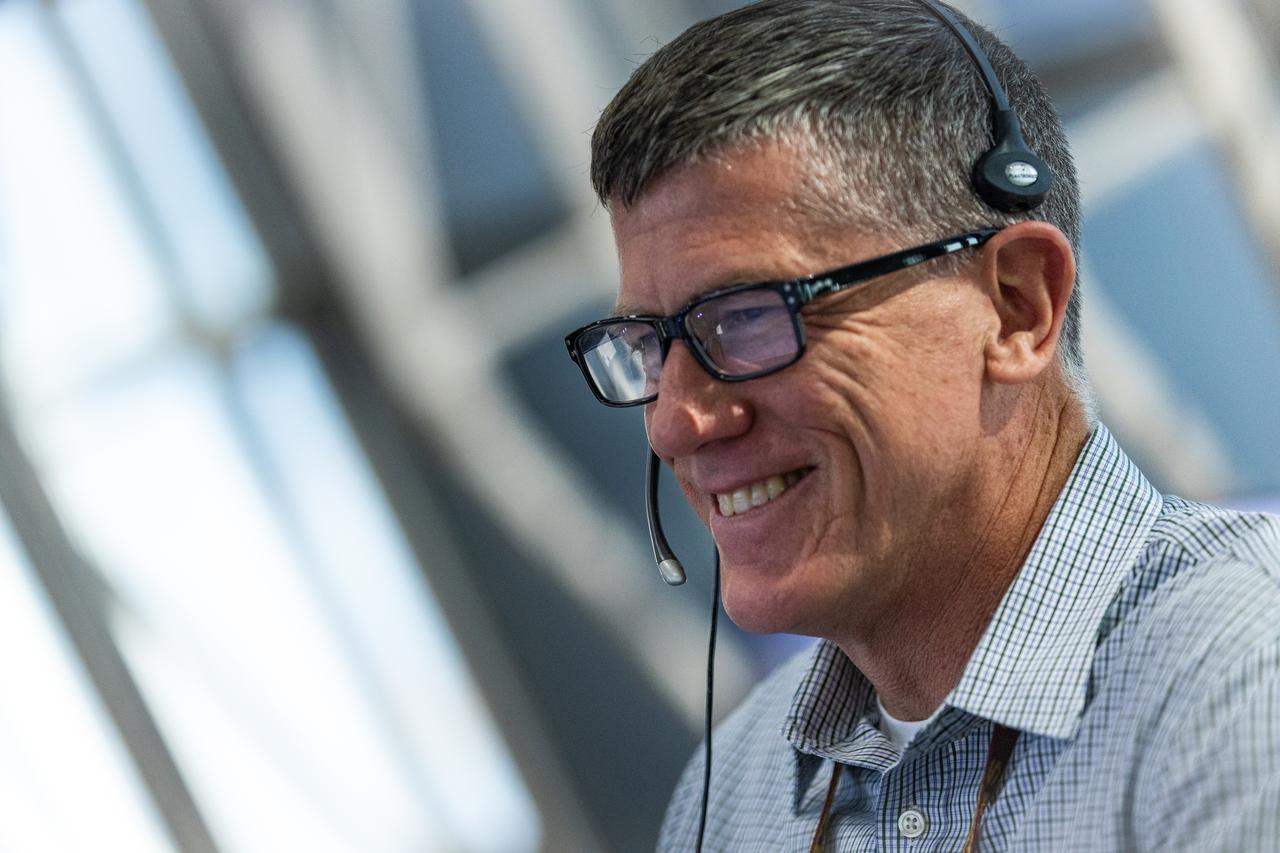
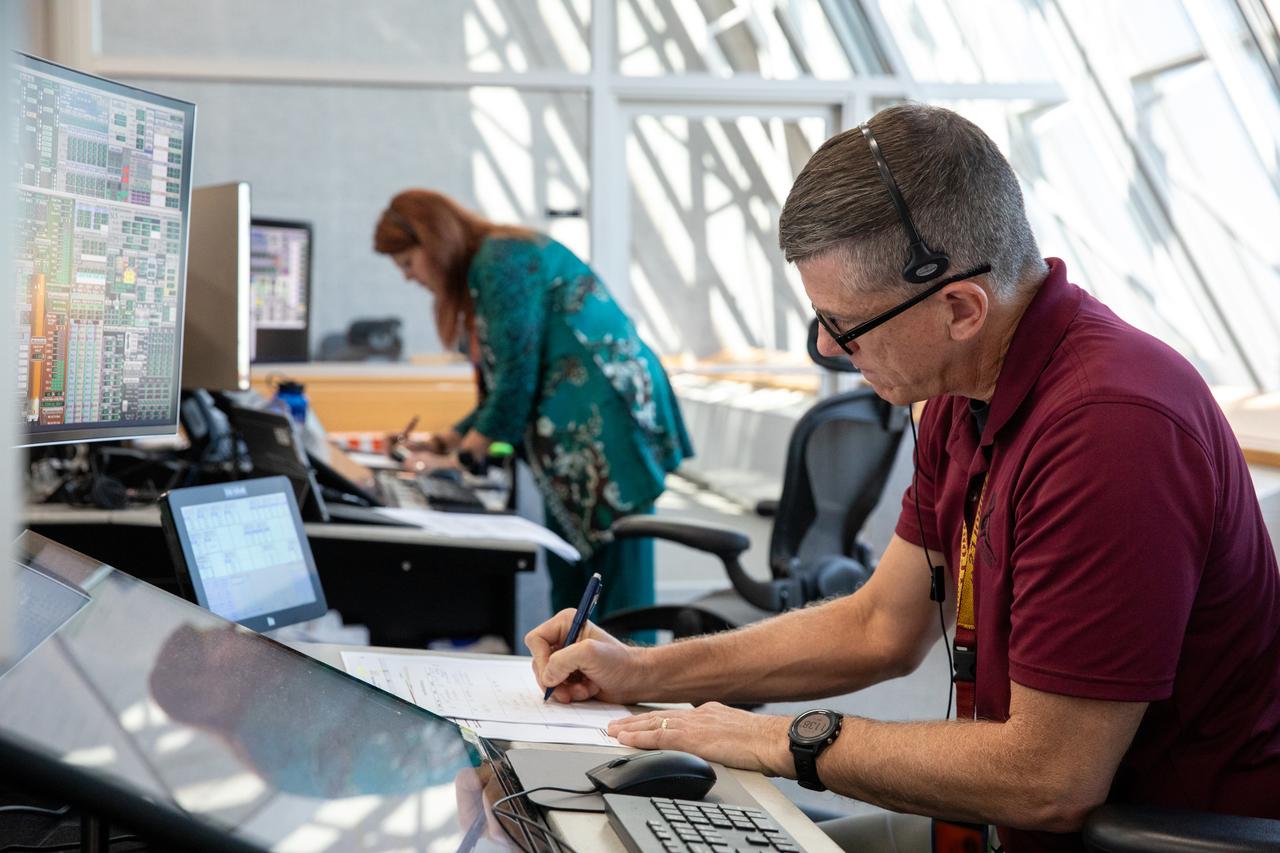
Jeremy Graeber, Artemis assistant launch director within NASA’s Exploration Ground Systems Program, participates in an Artemis II launch countdown simulation inside Firing Room 1 in the Launch Control Center at NASA’s Kennedy Space Center in Florida on Thursday, May 8, 2025. The simulations go through launch day scenarios to help launch team members test software and make adjustments if needed during countdown operations. Artemis II is the first crewed flight under NASA’s Artemis campaign and is another step toward missions on the lunar surface and helping the agency prepare for future human missions to Mars.
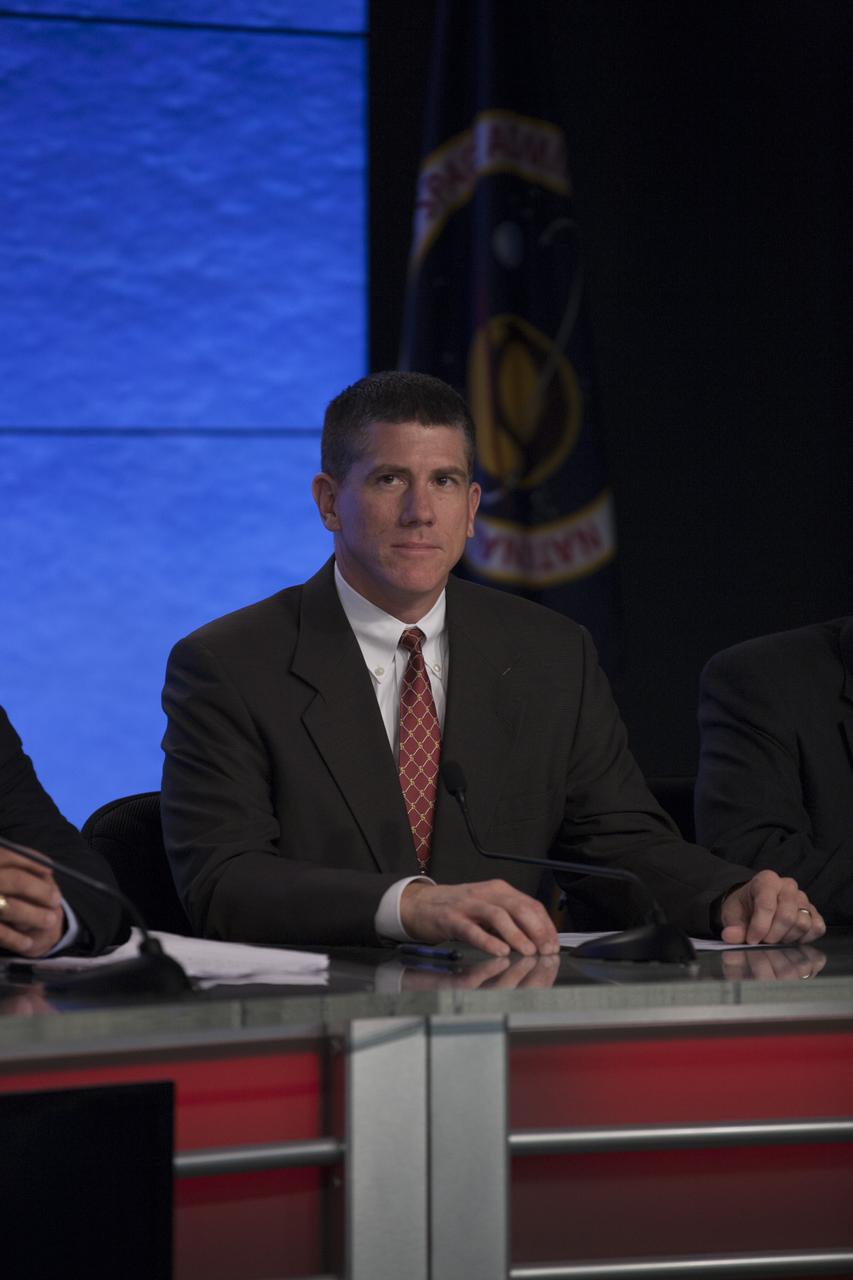
In the Kennedy Space Center’s Press Site auditorium, members of the news media are briefed on the upcoming Orion flight test by Jeremy Graeber, Orion Recovery Director in Ground Systems Development and Operations at Kennedy. Orion is the exploration spacecraft designed to carry astronauts to destinations not yet explored by humans, including an asteroid and Mars. It will have emergency abort capability, sustain the crew during space travel and provide safe re-entry from deep space return velocities. The first unpiloted flight test of Orion is scheduled to launch Dec. 4, 2014 atop a United Launch Alliance Delta IV Heavy rocket, and in 2018 on NASA’s Space Launch System rocket.
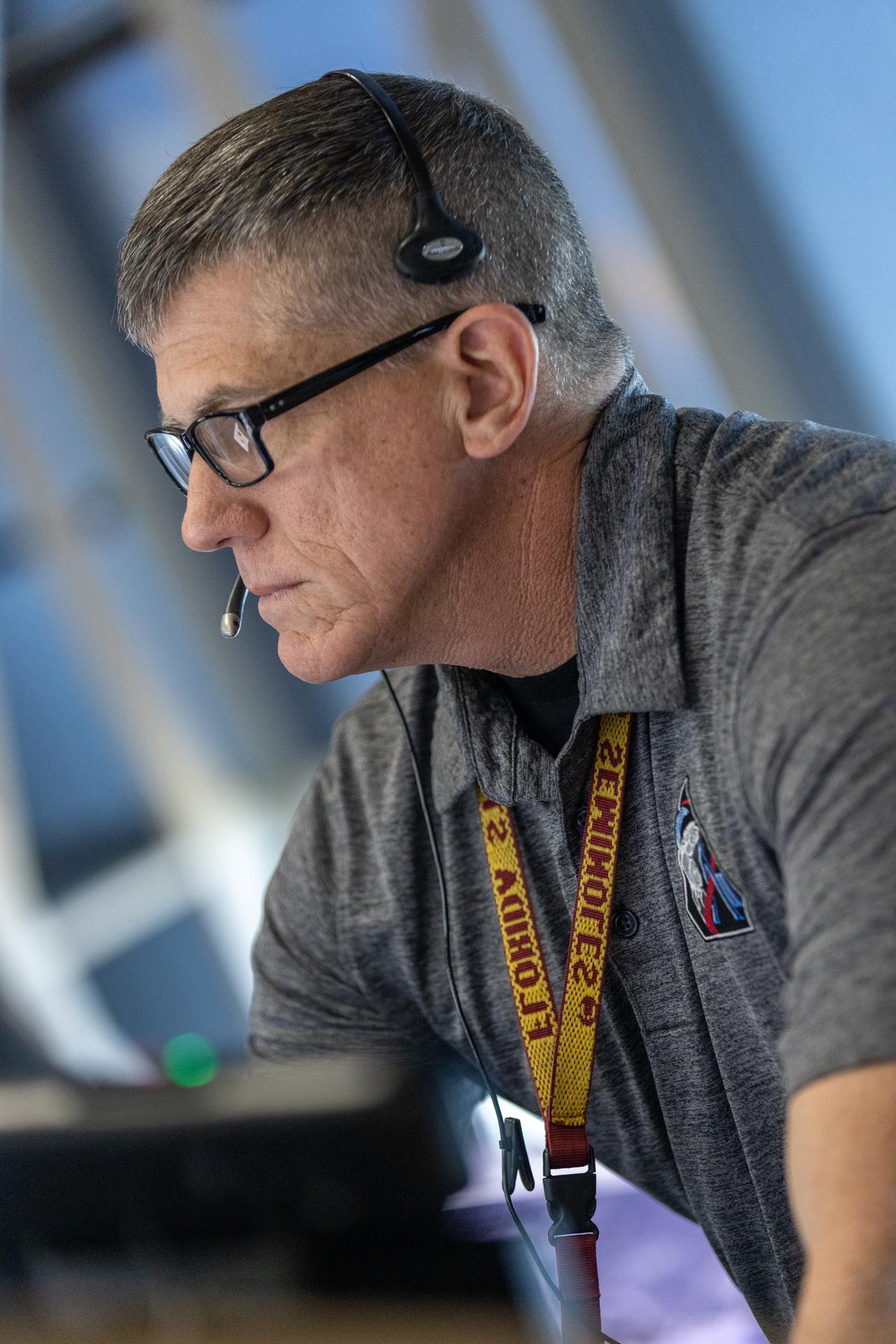
Jeremy Graeber, Artemis assistant launch director within NASA’s Exploration Ground Systems Program, participates in an Artemis II launch countdown simulation inside Firing Room 1 in the Launch Control Center at NASA’s Kennedy Space Center in Florida on Wednesday, Nov. 5, 2025. The simulations go through launch day scenarios to help launch team members test software and make adjustments if needed during countdown operations. For Artemis II, four astronauts will venture around the Moon, the first crewed mission on NASA’s path to establishing a long-term presence for science and exploration through Artemis.
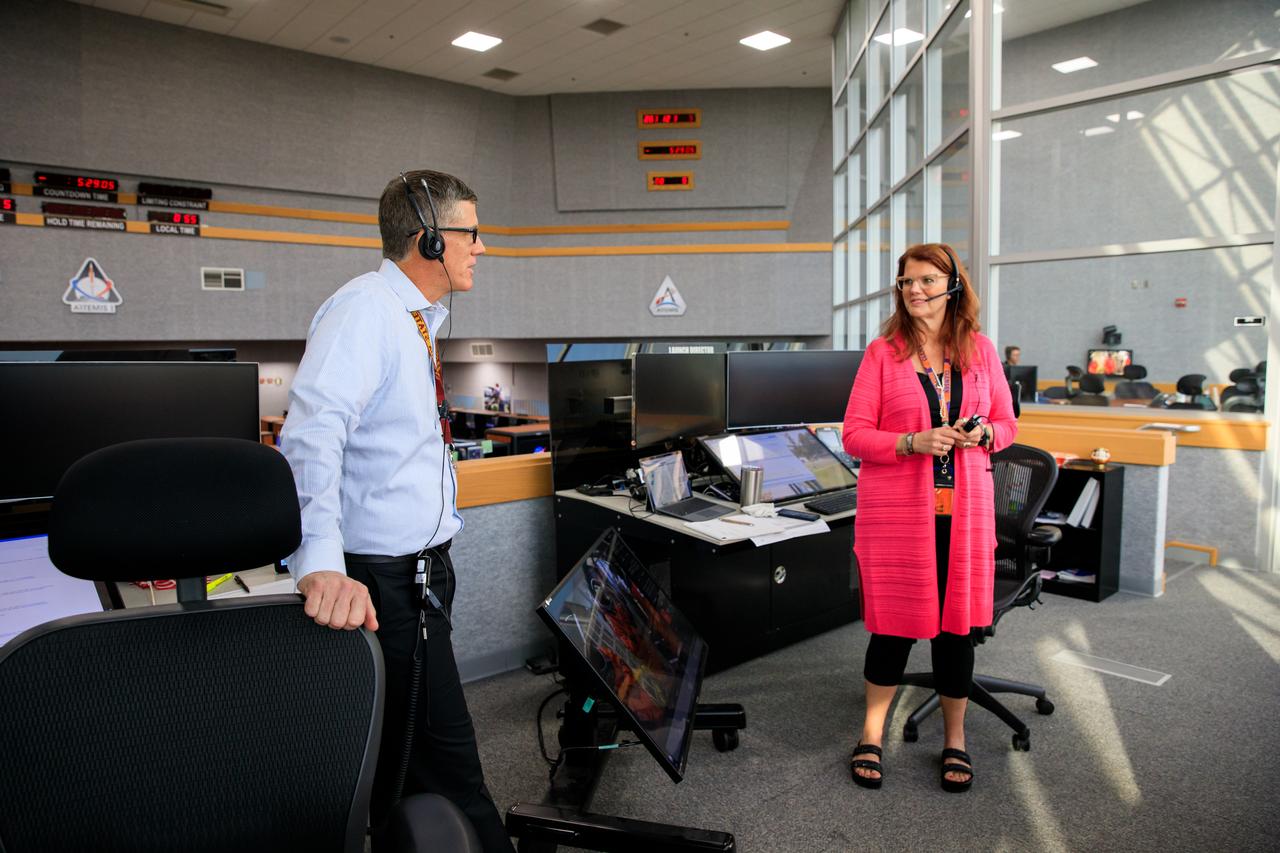
Assistant Artemis Launch Director Jeremy Graeber (left) and NASA Artemis Launch Director Charlie Blackwell-Thompson monitor activities during the launch day demonstration for one of the Artemis II integrated ground systems tests inside Firing Room 1 in the Launch Control Center at Kennedy Space Center in Florida on Wednesday, Sept. 20. This is part of a series of tests to ensure the ground systems team is ready to support the crew timeline on launch day. Artemis II is the first mission with astronauts under Artemis that will test and check out all of the Orion spacecraft’s systems needed for future crewed missions.
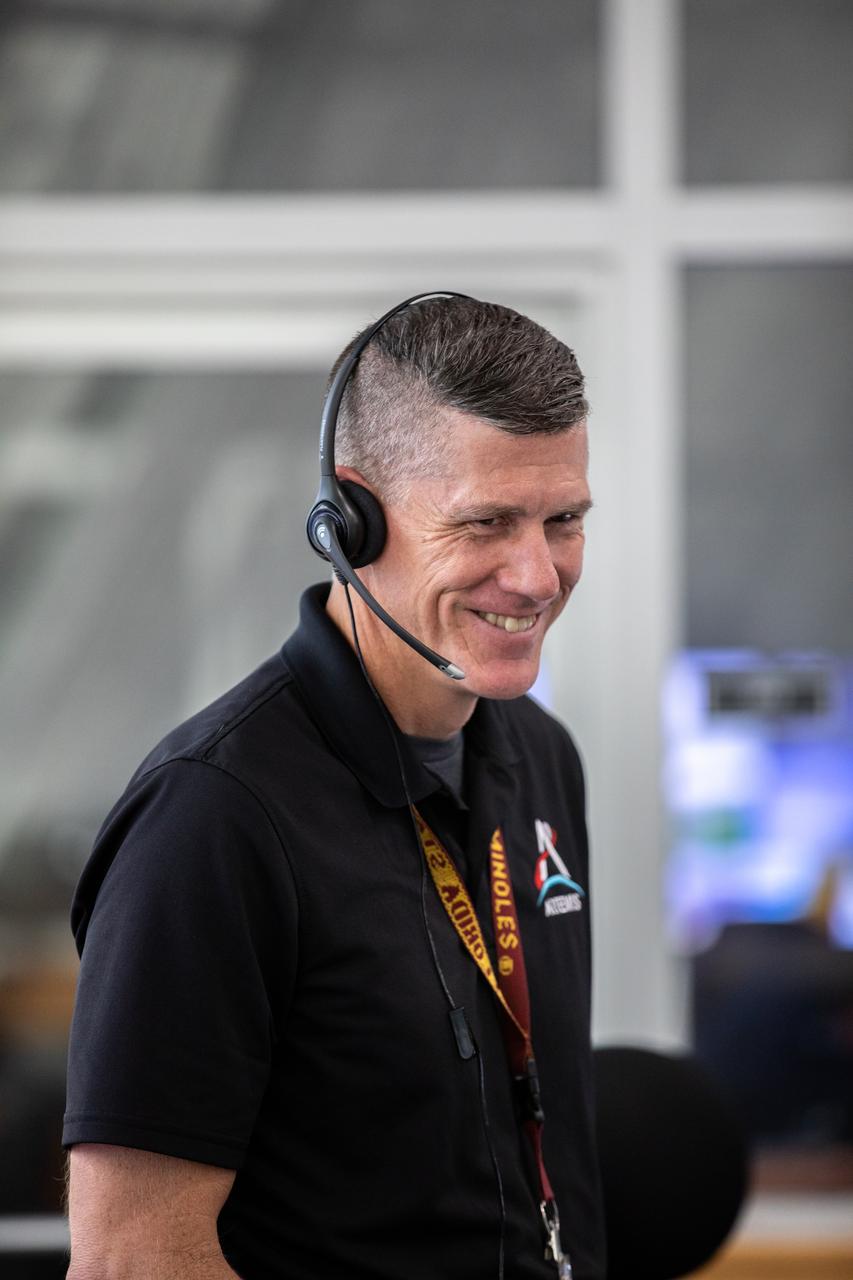
Artemis I Assistant Launch Director Jeremy Graeber helps lead a cryogenic propellant tanking demonstration inside Firing Room 1 of the Rocco A. Petrone Launch Control Center at NASA’s Kennedy Space Center in Florida on Sept. 21, 2022. The first in a series of increasingly complex missions, Artemis I will provide a foundation for human deep space exploration and demonstrate our commitment and capability to extend human presence to the Moon and beyond. The primary goal of Artemis I is to thoroughly test the integrated systems before crewed missions by operating the spacecraft in a deep space environment, testing Orion’s heat shield, and recovering the crew module after reentry, descent, and splashdown.
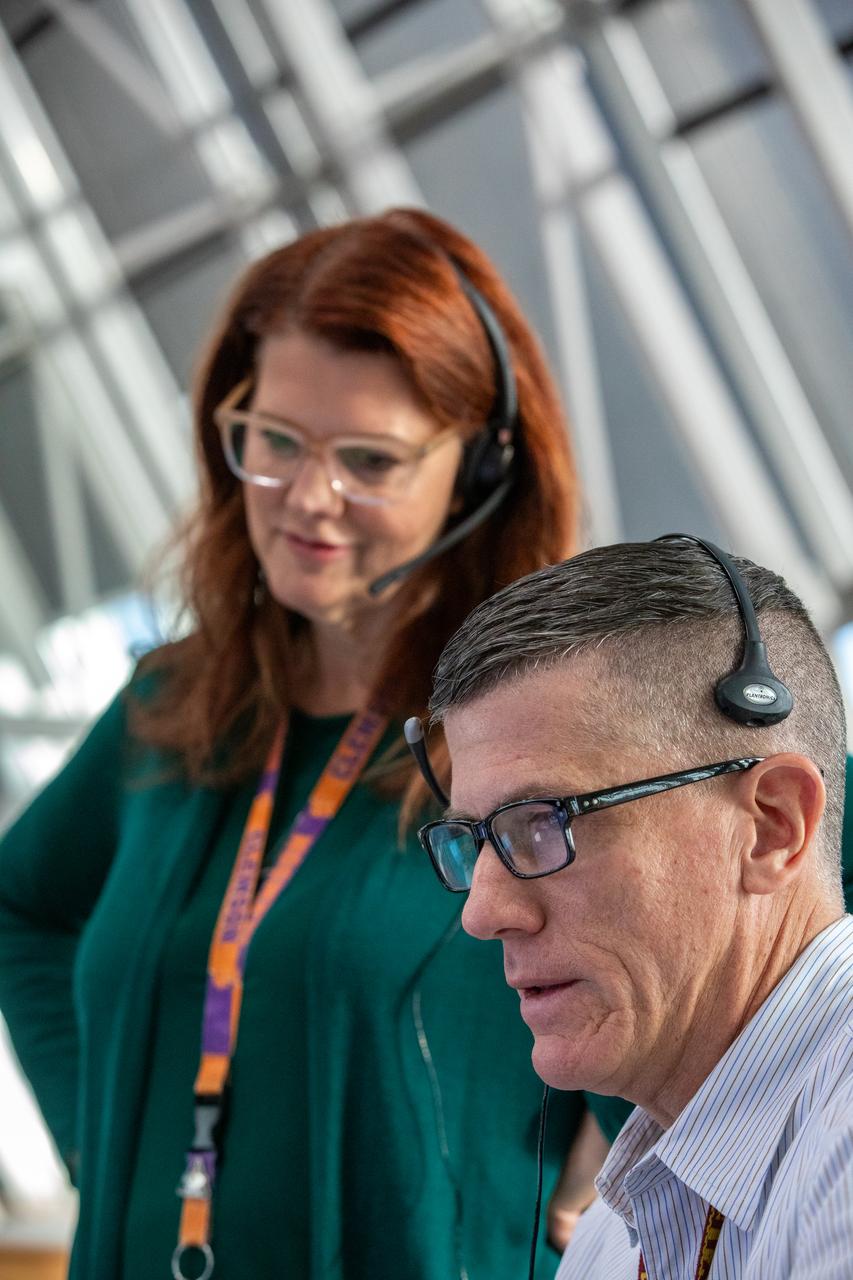
Charlie Blackwell-Thompson, at left, NASA Artemis launch director; and Jeremy Graeber, assistant Artemis launch director, monitor the first launch simulation for the Artemis II mission inside Firing Room at the Launch Control Center at NASA’s Kennedy Space Center in Florida on July 20, 2023. A team of engineers with Exploration Ground Systems and Jacobs, are rehearsing the steps to launch NASA’s Space Launch System and Orion spacecraft for the Artemis II crewed mission. Artemis II will be the first mission with astronauts under Artemis that will test and check out all of Orion’s systems needed for future crewed missions.
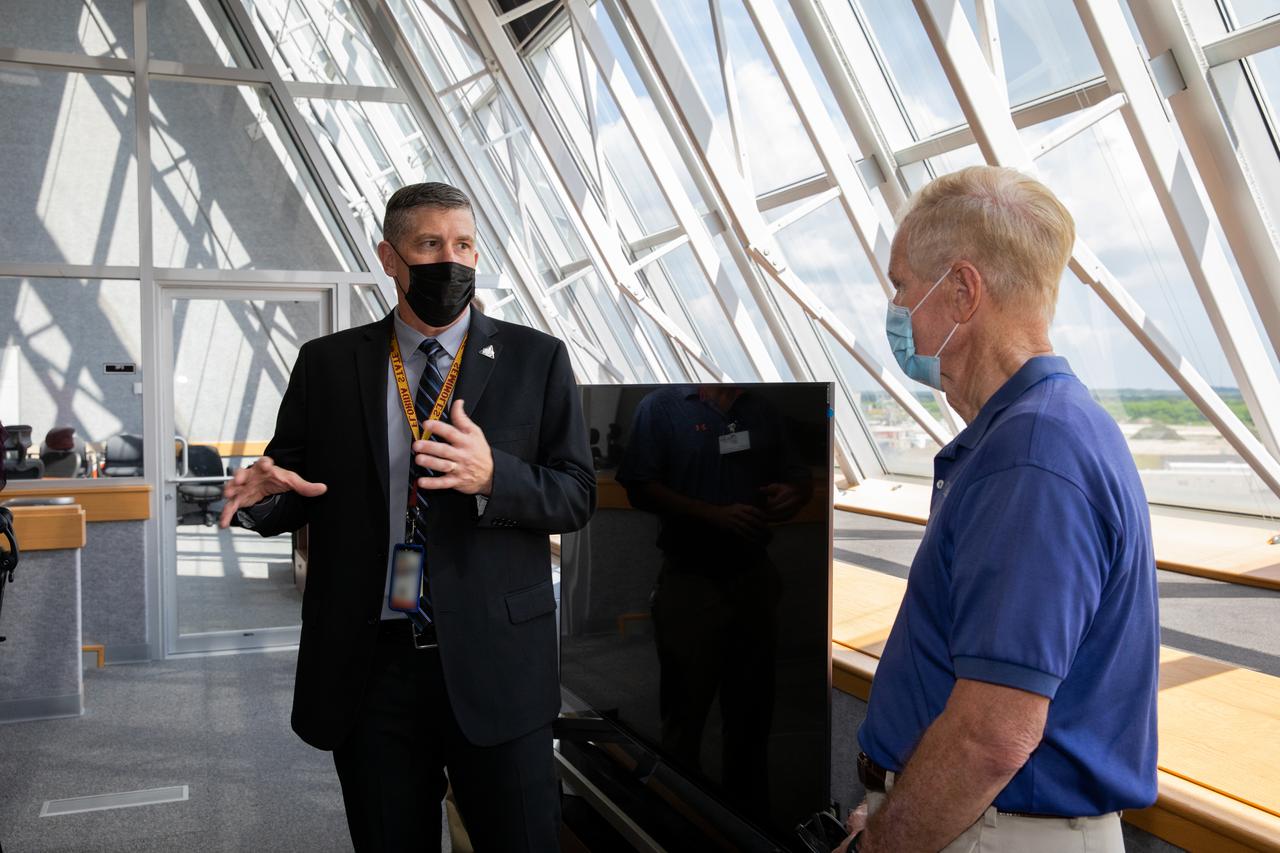
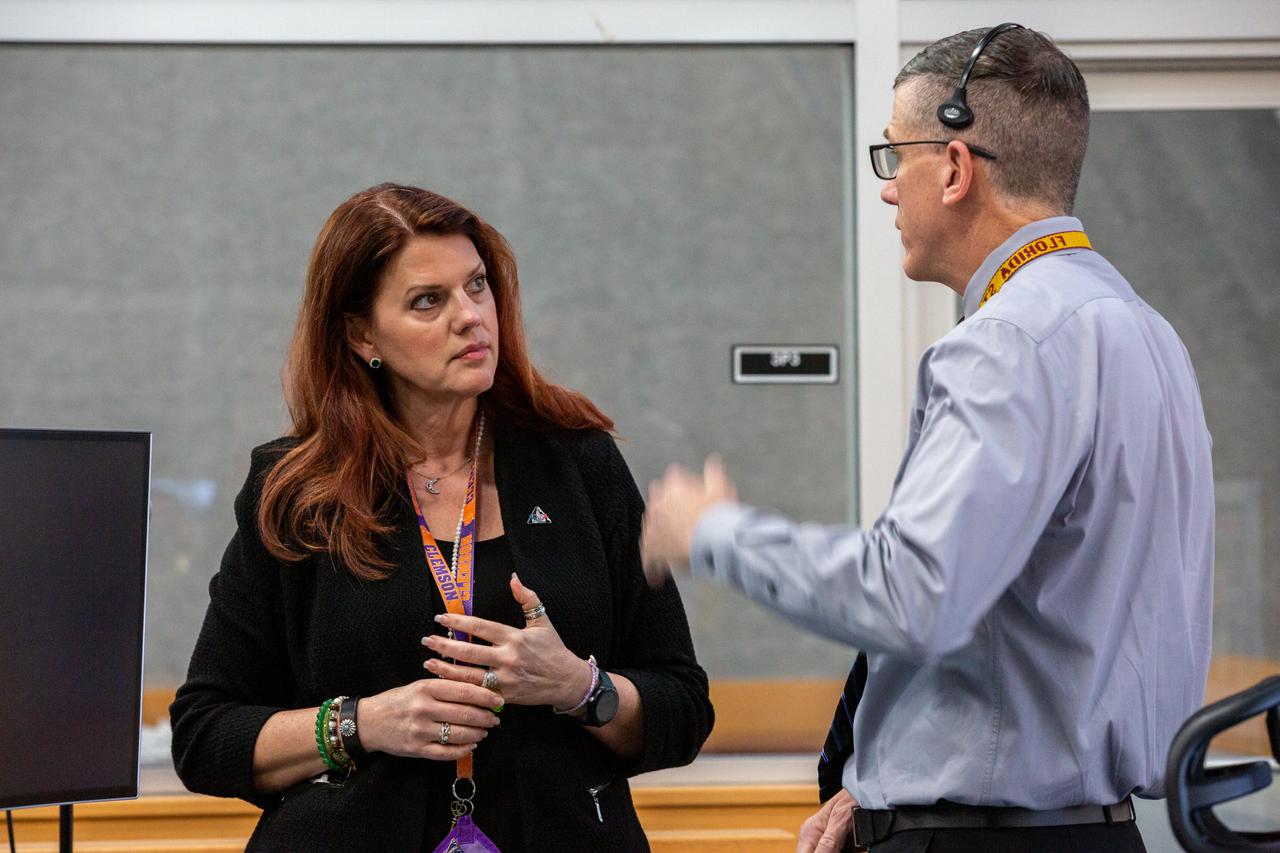
Jeremy Graeber, left, chief of the Test, Launch, and Recovery Operations Branch within the agency’s Exploration Ground Systems Program, speaks with NASA Administrator Bill Nelson inside the Launch Control Center (LCC) at the agency’s Kennedy Space Center in Florida on July 28, 2021. During Nelson’s visit to Kennedy, he had the opportunity to tour the LCC and learn about the launch team as preparations for Artemis I continue. The first in an increasingly complex set of missions, Artemis I will test SLS and Orion as an integrated system prior to crewed flights to the Moon. Through Artemis, NASA will land the first woman and first person of color on the lunar surface, as well as establish a sustainable presence on and around the Moon.
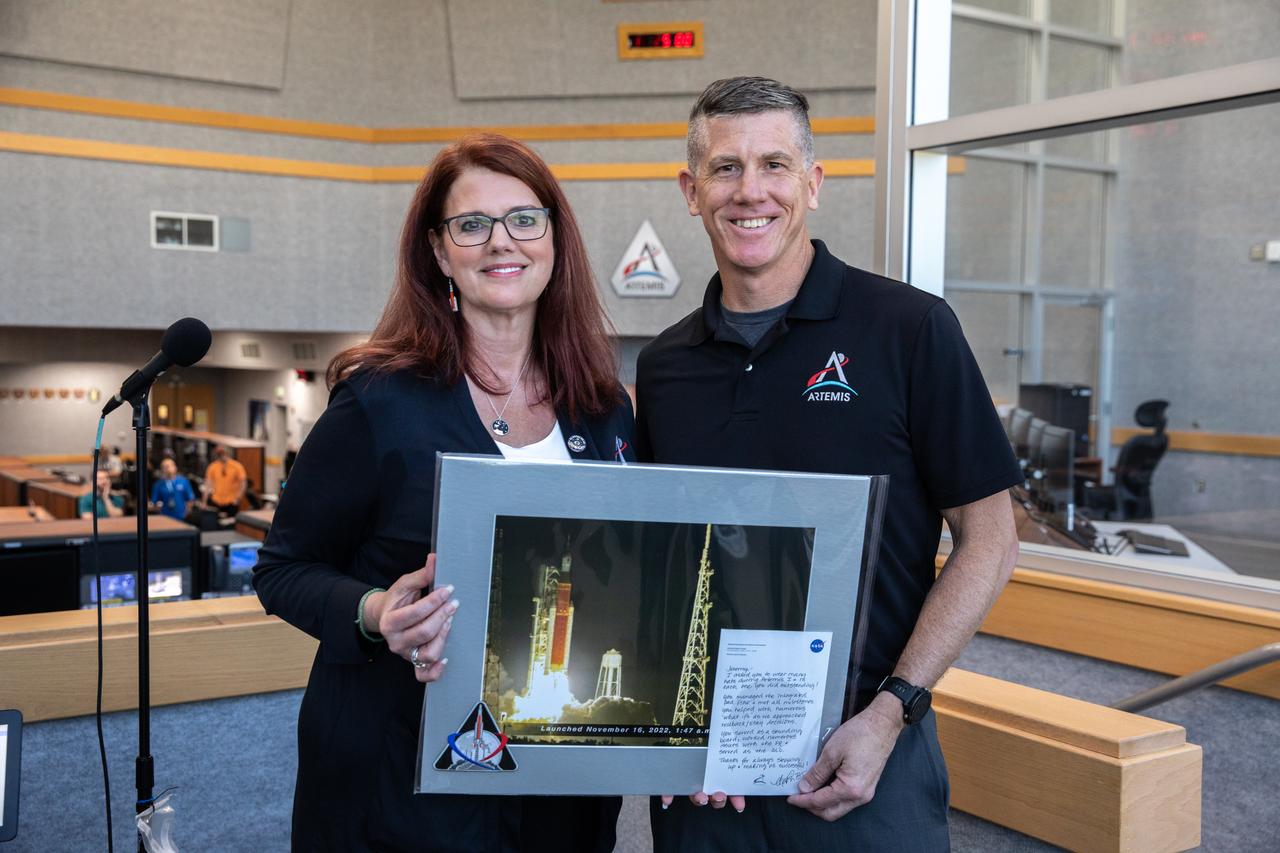
Artemis Launch Director Charlie Blackwell-Thompson (left) acknowledged and honored members of the Artemis team during the inaugural Artemis Launch Director Awards, held March 24, 2023, inside Firing Room 1 of the Rocco A. Petrone Launch Control Center at NASA’s Kennedy Space Center in Florida. Award recipients included Assistant Launch Director Jeremy Graeber, who directly supports and assists Blackwell-Thompson during launch countdown operations. Artemis I launched successfully from Kennedy's Launch Pad 39B at 1:47 a.m. EST on Nov. 16, 2022.
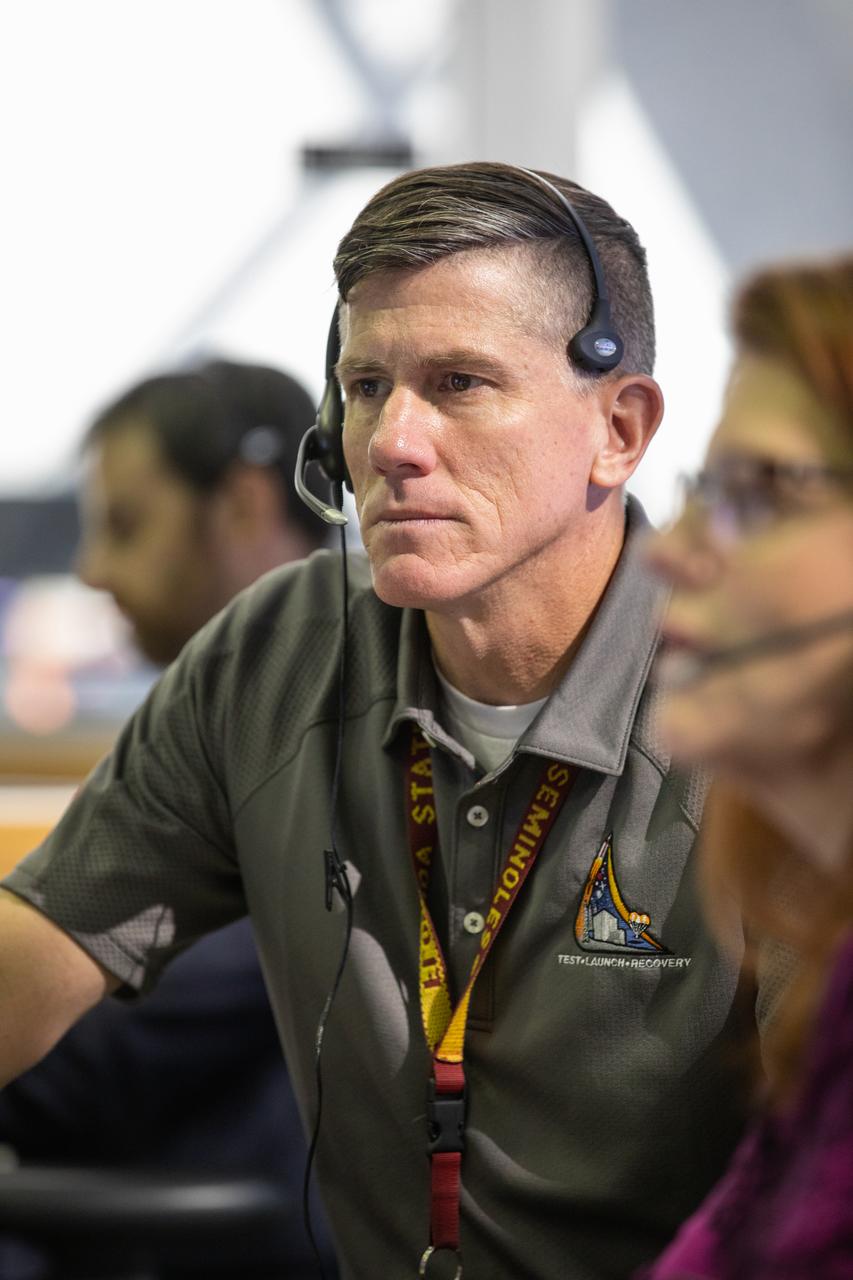
Jeremy Graeber, chief NASA test director, participates in validation testing inside Firing Room 1 in the Launch Control Center at NASA’s Kennedy Space Center in Florida on July 11, 2019. The Artemis 1 launch team includes personnel with NASA’s Exploration Ground Systems (EGS) and Jacobs Test and Operations Contract (TOSC). The simulation was designed to validate the firing room consoles and communications systems, as well as the new Spaceport Command and Control System (SCCS), which will operate, monitor and coordinate ground equipment in preparation for Artemis 1, the uncrewed first flight of the Space Launch System rocket and Orion spacecraft.
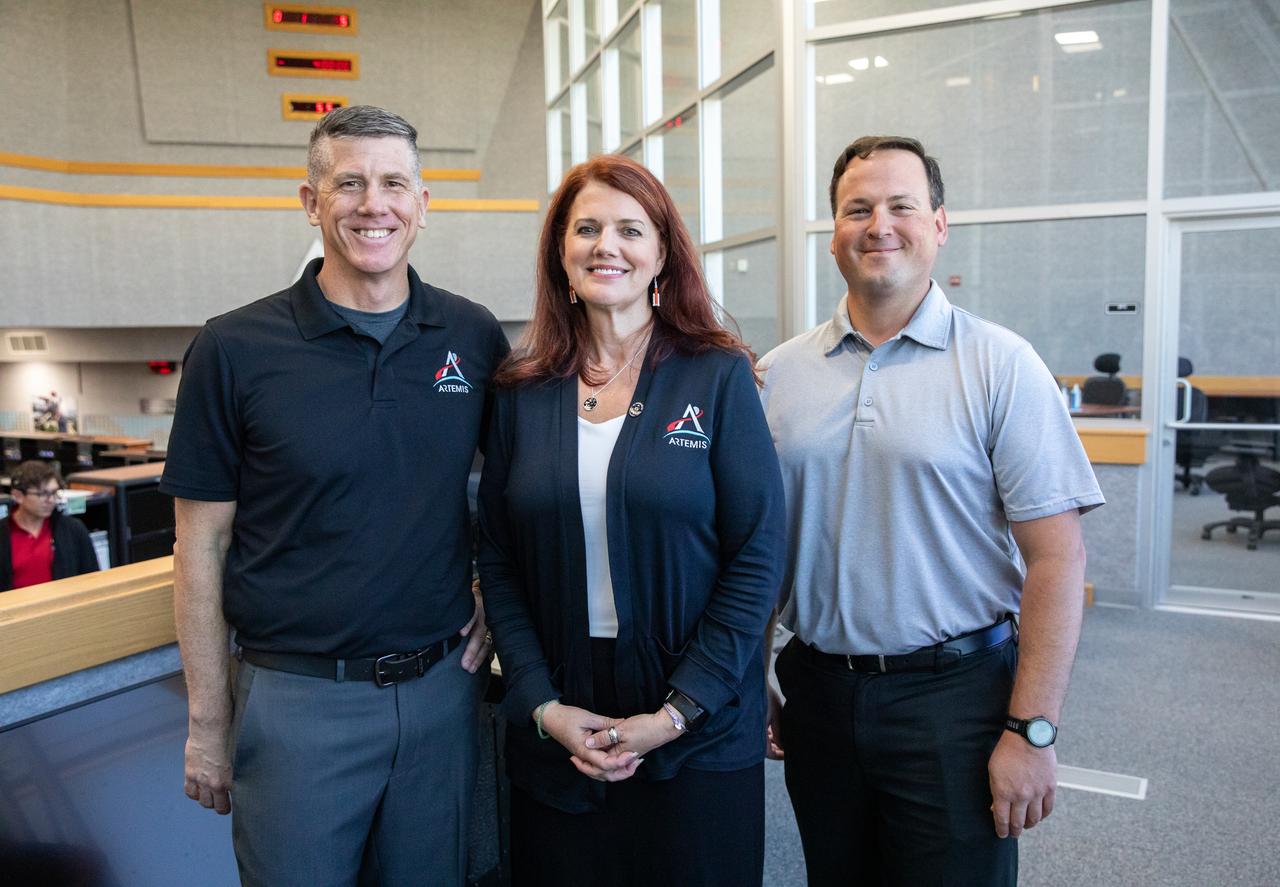
Artemis Launch Director Charlie Blackwell-Thompson, center, is inside Firing Room 1 of the Launch Control Center at NASA’s Kennedy Space Center in Florida during the inaugural Artemis I launch director awards and plaque ceremony on March 24, 2023. At left is Jeremy Graeber, Artemis assistant launch director. At right is Wes Mosedale, technical assistant to the launch director. Following tradition from the Apollo and Space Shuttle Programs, the Artemis I plaque was added to the wall in Firing Room 1 by Blackwell-Thompson. The first in a series of increasingly complex missions, Artemis I launched successfully from Kennedy’s Launch Pad 39B at 1:47 a.m. EST on Nov. 16, 2022.

Artemis I Assistant Launch Director Jeremy Graeber monitors his console during launch countdown activities inside Firing Room 1 of the Launch Control Center at NASA’s Kennedy Space Center in Florida on Nov. 16, 2022. Liftoff of the agency’s Space Launch System and Orion spacecraft from Launch Complex 39B was at 1:47 a.m. EST. The first in a series of increasingly complex missions, Artemis I will provide a foundation for human deep space exploration and demonstrate our commitment and capability to extend human presence to the Moon and beyond. The primary goal of Artemis I is to thoroughly test the integrated systems before crewed missions by operating the spacecraft in a deep space environment, testing Orion’s heat shield, and recovering the crew module after reentry, descent, and splashdown.

Artemis I Assistant Launch Director Jeremy Graeber monitors countdown activities inside Firing Room 1 of the Launch Control Center at NASA’s Kennedy Space Center in Florida on Nov. 16, 2022. Liftoff of the agency’s Space Launch System and Orion spacecraft from Launch Complex 39B was at 1:47 a.m. EST. The first in a series of increasingly complex missions, Artemis I will provide a foundation for human deep space exploration and demonstrate our commitment and capability to extend human presence to the Moon and beyond. The primary goal of Artemis I is to thoroughly test the integrated systems before crewed missions by operating the spacecraft in a deep space environment, testing Orion’s heat shield, and recovering the crew module after reentry, descent, and splashdown.
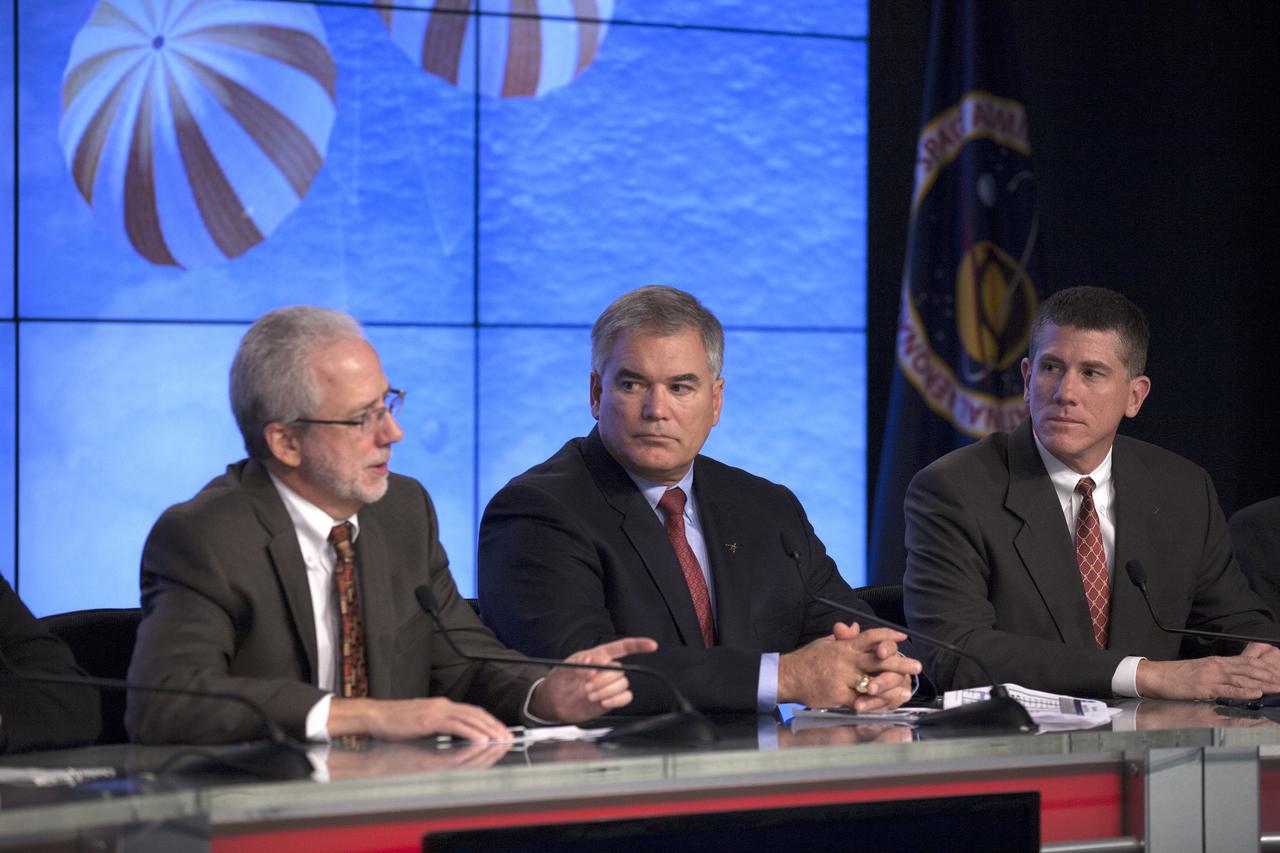
CAPE CANAVERAL, Fla. – In the Kennedy Space Center’s Press Site auditorium, members of the news media are briefed on the upcoming Orion flight test by Mark Geyer, NASA Orion Program manager. Also participating in the news conference are Bryan Austin, Lockheed Martin mission manager, center, and Jeremy Graeber, Orion Recovery Director in Ground Systems Development and Operations at Kennedy. Orion is the exploration spacecraft designed to carry astronauts to destinations not yet explored by humans, including an asteroid and Mars. It will have emergency abort capability, sustain the crew during space travel and provide safe re-entry from deep space return velocities. The first unpiloted flight test of Orion is scheduled to launch Dec. 4, 2014 atop a United Launch Alliance Delta IV Heavy rocket, and in 2018 on NASA’s Space Launch System rocket. For more information, visit www.nasa.gov/orion Photo credit: NASA/Kim Shiflett

Jeremy Graeber, assistant launch director, NASA’s Exploration Ground Systems Program, smiles during a cryogenic propellant loading simulation for NASA’s Artemis III mission on Wednesday, Aug. 5, 2026, inside Firing Rooms 1 and 2 of the Rocco A. Petrone Launch Control Center at the agency’s Kennedy Space Center in Florida. Members of NASA’s Exploration Ground Systems team rehearse the steps to load the super-cooled liquid hydrogen and liquid oxygen into the SLS (Space Launch System) rocket core stage, a process that starts several hours before liftoff for the Artemis III mission. Artemis III will carry out a series of objectives in low Earth orbit designed to demonstrate critical systems needed for future lunar landings, beginning with Artemis IV.
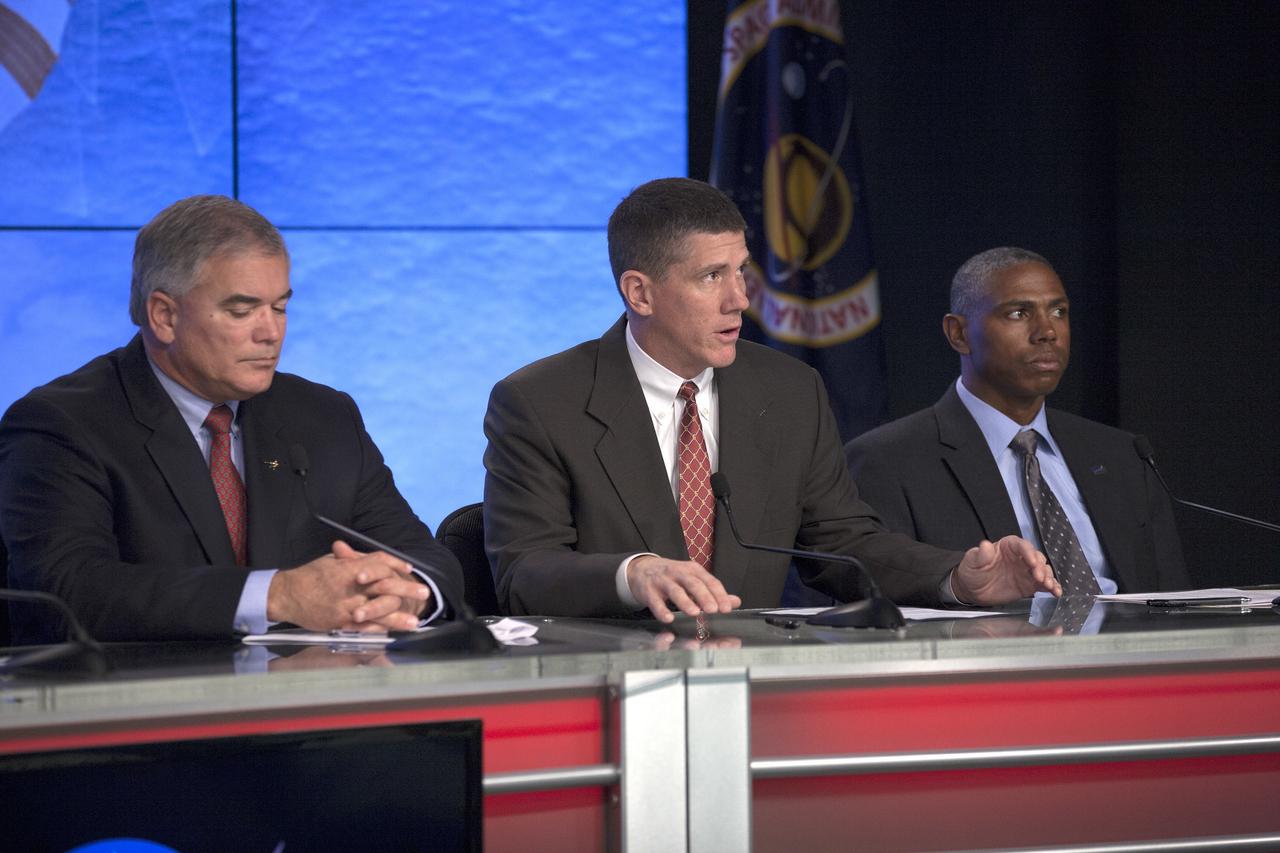
CAPE CANAVERAL, Fla. – In the Kennedy Space Center’s Press Site auditorium, members of the news media are briefed on the upcoming Orion flight test by Jeremy Graeber, Orion Recovery Director in Ground Systems Development and Operations at Kennedy. Also participating in the news conference are Bryan Austin, Lockheed Martin mission manager, left, and Ron Fortson, United Launch Alliance director of Mission Management. Orion is the exploration spacecraft designed to carry astronauts to destinations not yet explored by humans, including an asteroid and Mars. It will have emergency abort capability, sustain the crew during space travel and provide safe re-entry from deep space return velocities. The first unpiloted flight test of Orion is scheduled to launch Dec. 4, 2014 atop a United Launch Alliance Delta IV Heavy rocket, and in 2018 on NASA’s Space Launch System rocket. For more information, visit www.nasa.gov/orion Photo credit: NASA/Kim Shiflett
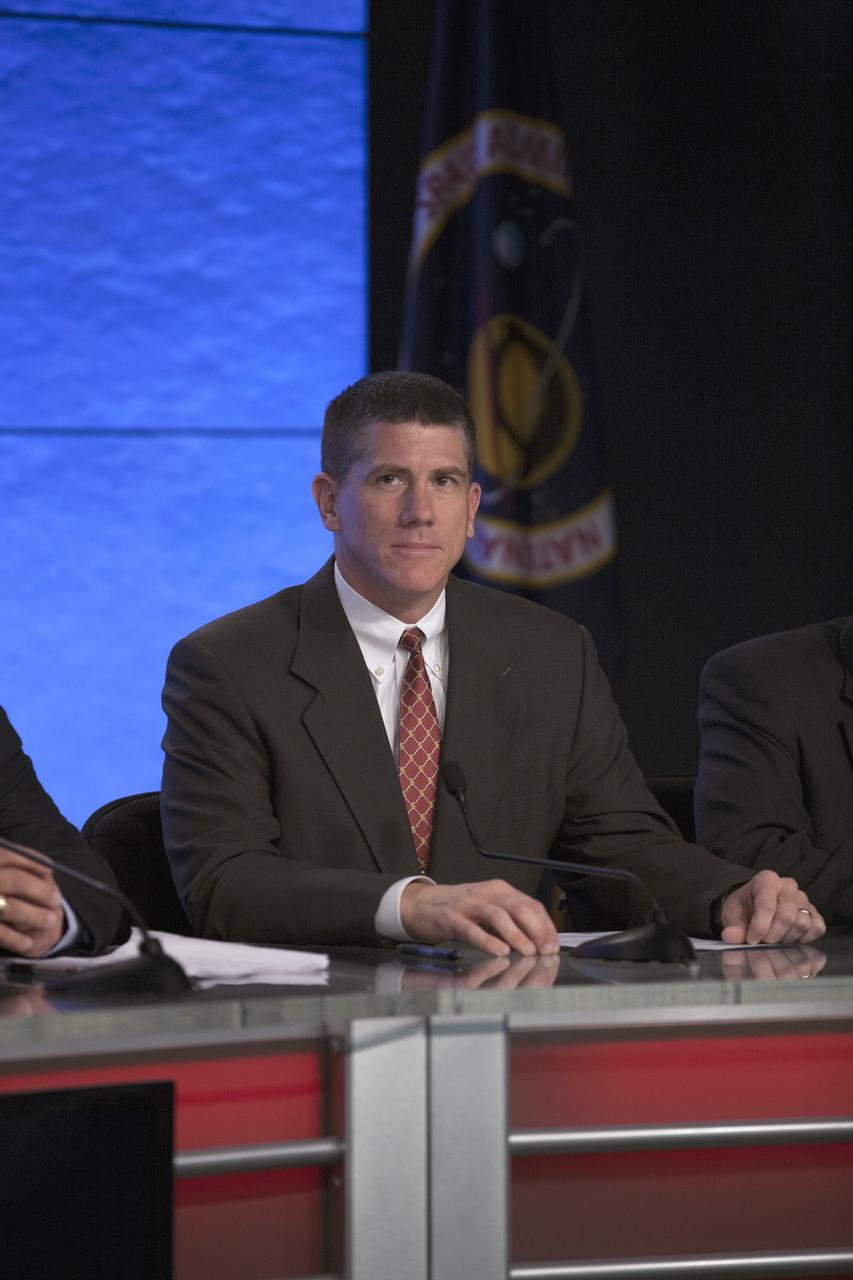
CAPE CANAVERAL, Fla. – In the Kennedy Space Center’s Press Site auditorium, members of the news media are briefed on the upcoming Orion flight test by Jeremy Graeber, Orion Recovery Director in Ground Systems Development and Operations at Kennedy. Orion is the exploration spacecraft designed to carry astronauts to destinations not yet explored by humans, including an asteroid and Mars. It will have emergency abort capability, sustain the crew during space travel and provide safe re-entry from deep space return velocities. The first unpiloted flight test of Orion is scheduled to launch Dec. 4, 2014 atop a United Launch Alliance Delta IV Heavy rocket, and in 2018 on NASA’s Space Launch System rocket. For more information, visit www.nasa.gov/orion Photo credit: NASA/Kim Shiflett

NASA’s Test, Launch and Recovery Operations Branch Chief Jeremy Graeber, who also serves as the assistant launch director, participates in Artemis I launch countdown training on Feb. 3, 2020, inside the Kennedy Space Center’s Firing Room 1 in the Launch Control Center. Under the leadership of Launch Director Charlie Blackwell-Thompson, a team of nearly 100 engineers from Orion, Space Launch System (SLS) and NASA’s Exploration Ground Systems came together to work through a series of simulated challenges, as well as a final countdown procedure. During these exercises, different issues were introduced to familiarize the team with launch day operations, while providing them with an opportunity to practice how they would handle those issues in real-time. Artemis I will be the first integrated test flight of the Orion spacecraft and SLS rocket – the system that will ultimately land the first woman and the next man on the Moon.
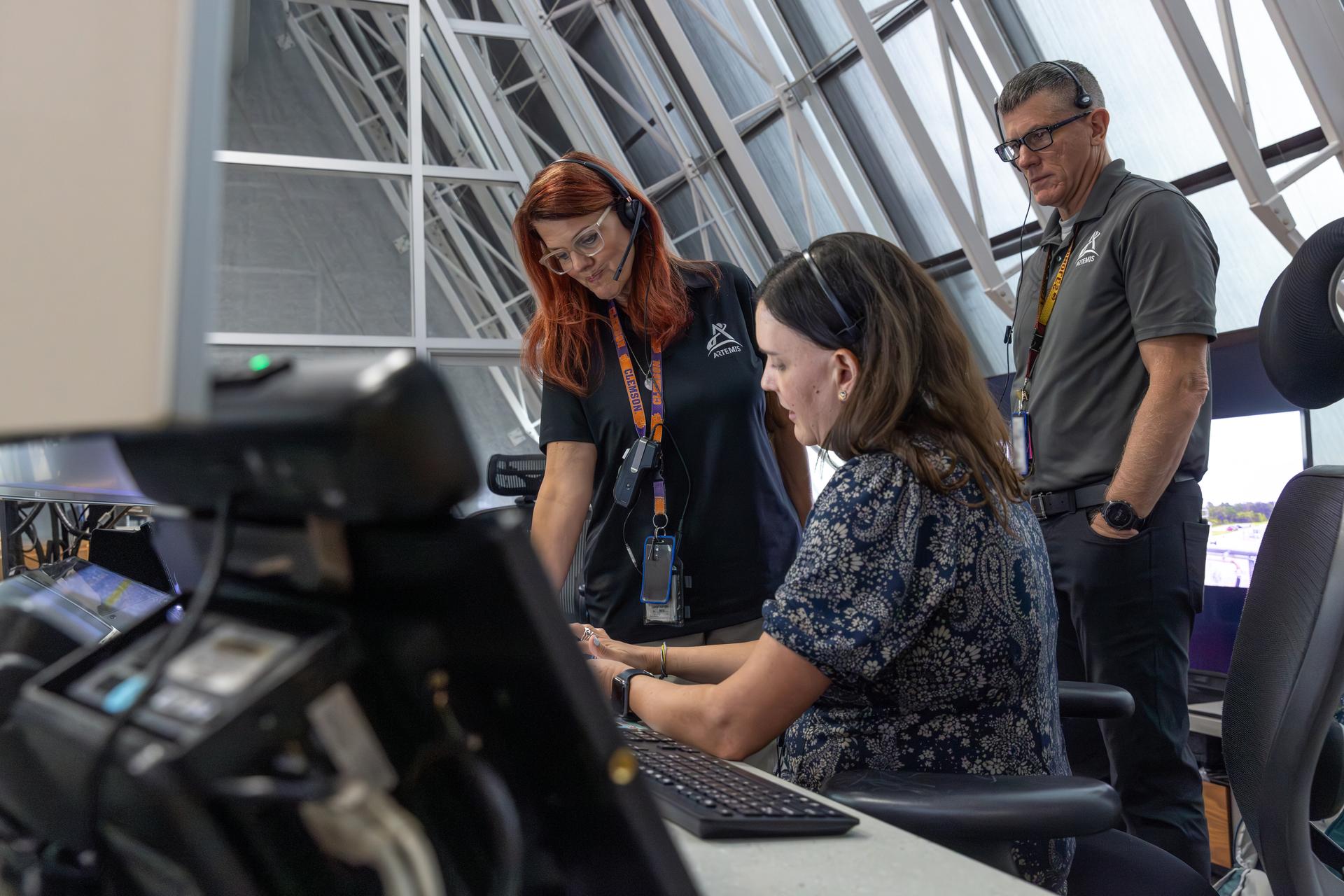
From left, Charlie Blackwell-Thompson, Artemis launch director; Mari Forrestel, Artemis launch director technical assistant; and Jeremy Graeber, assistant launch director, all with NASA’s Exploration Ground Systems Program, participate in a cryogenic propellant loading simulation for NASA’s Artemis III mission on Wednesday, Aug. 5, 2026, inside Firing Rooms 1 and 2 of the Rocco A. Petrone Launch Control Center at the agency’s Kennedy Space Center in Florida. Members of NASA’s Exploration Ground Systems team rehearse the steps to load the super-cooled liquid hydrogen and liquid oxygen into the SLS (Space Launch System) rocket core stage, a process that starts several hours before liftoff for the Artemis III mission. Artemis III will carry out a series of objectives in low Earth orbit designed to demonstrate critical systems needed for future lunar landings, beginning with Artemis IV.
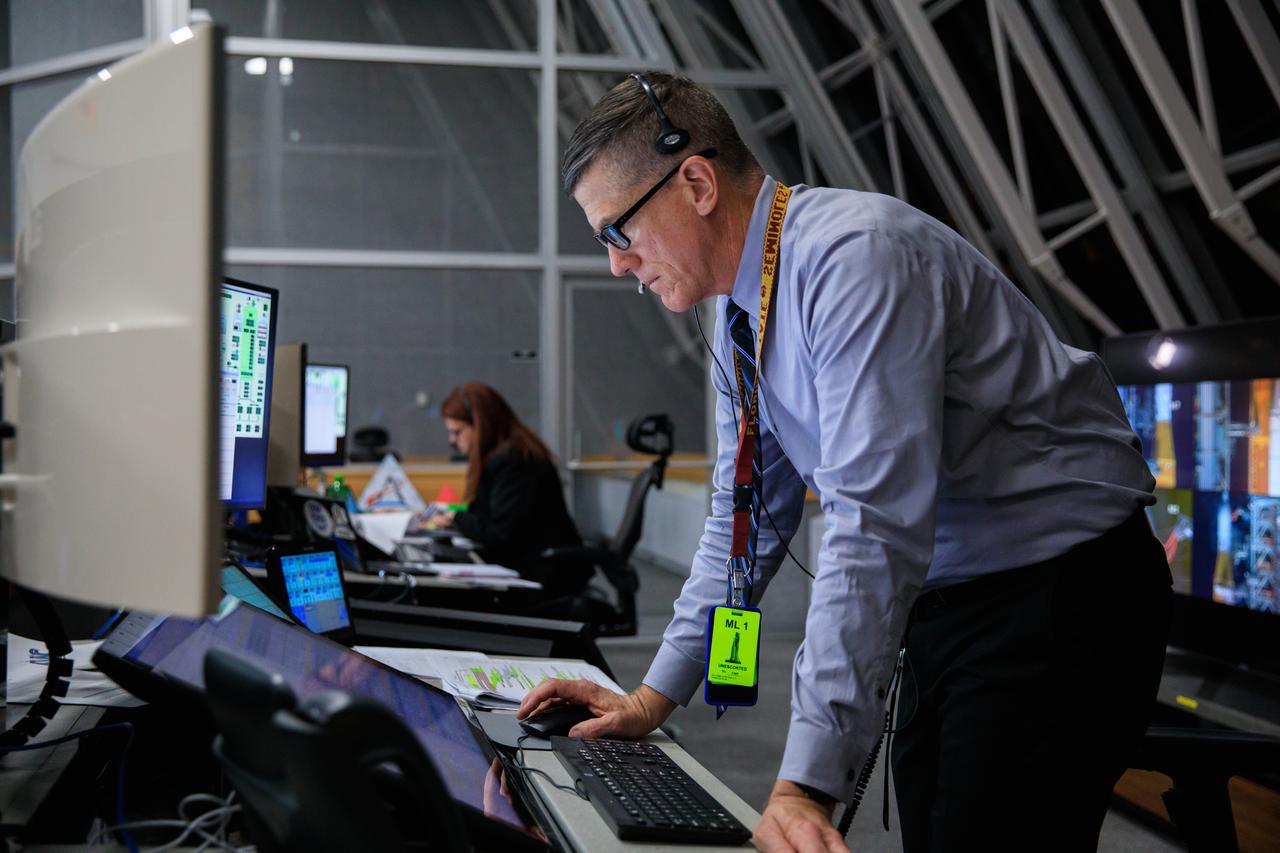
Artemis I Assistant Launch Director Jeremy Graeber monitors countdown activities inside Firing Room 1 of the Launch Control Center at NASA’s Kennedy Space Center in Florida on Nov. 16, 2022. Liftoff of the agency’s Space Launch System and Orion spacecraft from Launch Complex 39B was at 1:47 a.m. EST. The first in a series of increasingly complex missions, Artemis I will provide a foundation for human deep space exploration and demonstrate our commitment and capability to extend human presence to the Moon and beyond. The primary goal of Artemis I is to thoroughly test the integrated systems before crewed missions by operating the spacecraft in a deep space environment, testing Orion’s heat shield, and recovering the crew module after reentry, descent, and splashdown.
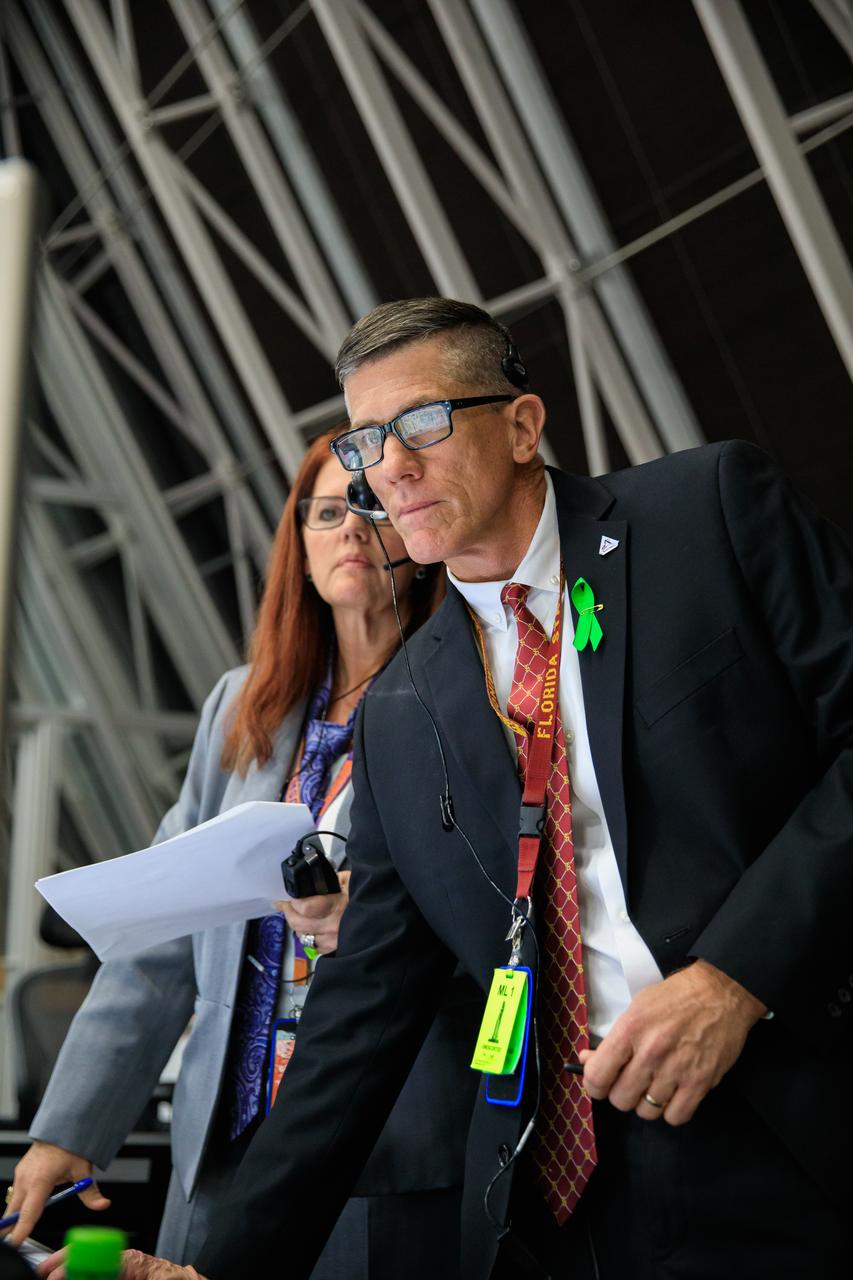
From left, Artemis I Launch Director Charlie Blackwell-Thompson, and Assistant Launch Director Jeremy Graeber, monitor launch countdown events inside Firing Room 1 of the Rocco A. Petrone Launch Control Center at NASA’s Kennedy Space Center in Florida on Aug. 29, 2022. Launch of the agency’s Space Launch System and Orion spacecraft was waved off due to an issue during tanking. Launch is now no earlier than Sept. 3, at 2:17 p.m. EDT from Kennedy’s Launch Complex 39B. The first in a series of increasingly complex missions, Artemis I will provide a foundation for human deep space exploration and demonstrate our commitment and capability to extend human presence to the Moon and beyond. The primary goal of Artemis I is to thoroughly test the integrated systems before crewed missions by operating the spacecraft in a deep space environment, testing Orion’s heat shield, and recovering the crew module after reentry, descent, and splashdown.
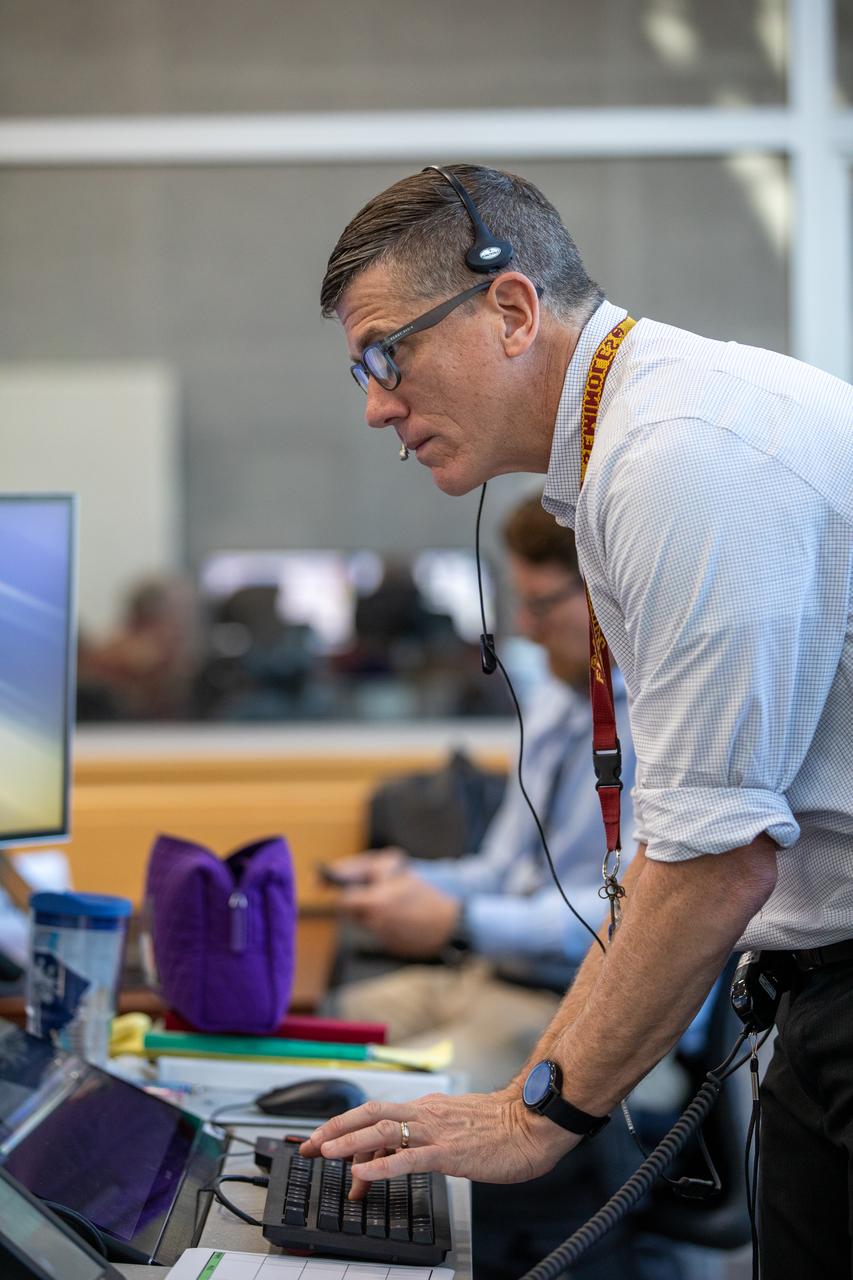
Jeremy Graeber, NASA’s Test, Launch and Recovery Operations branch chief, who also serves as the assistant launch director, participates in an Artemis I launch countdown training simulation inside the Launch Control Center’s Firing Room 1 at NASA’s Kennedy Space Center in Florida. Under the leadership of Launch Director Charlie Blackwell-Thompson, a team of nearly 100 engineers from Orion, Space Launch System (SLS) and NASA’s Exploration Ground Systems came together Feb. 3, 2020, to work through a series of simulated challenges, as well as a final countdown procedure. During these exercises, different issues were introduced to familiarize the team with launch day operations, while providing them with an opportunity to practice how they would handle those issues in real-time. Artemis I will be the first integrated test flight of the Orion spacecraft and SLS rocket – the system that will ultimately land the first woman and the next man on the Moon.
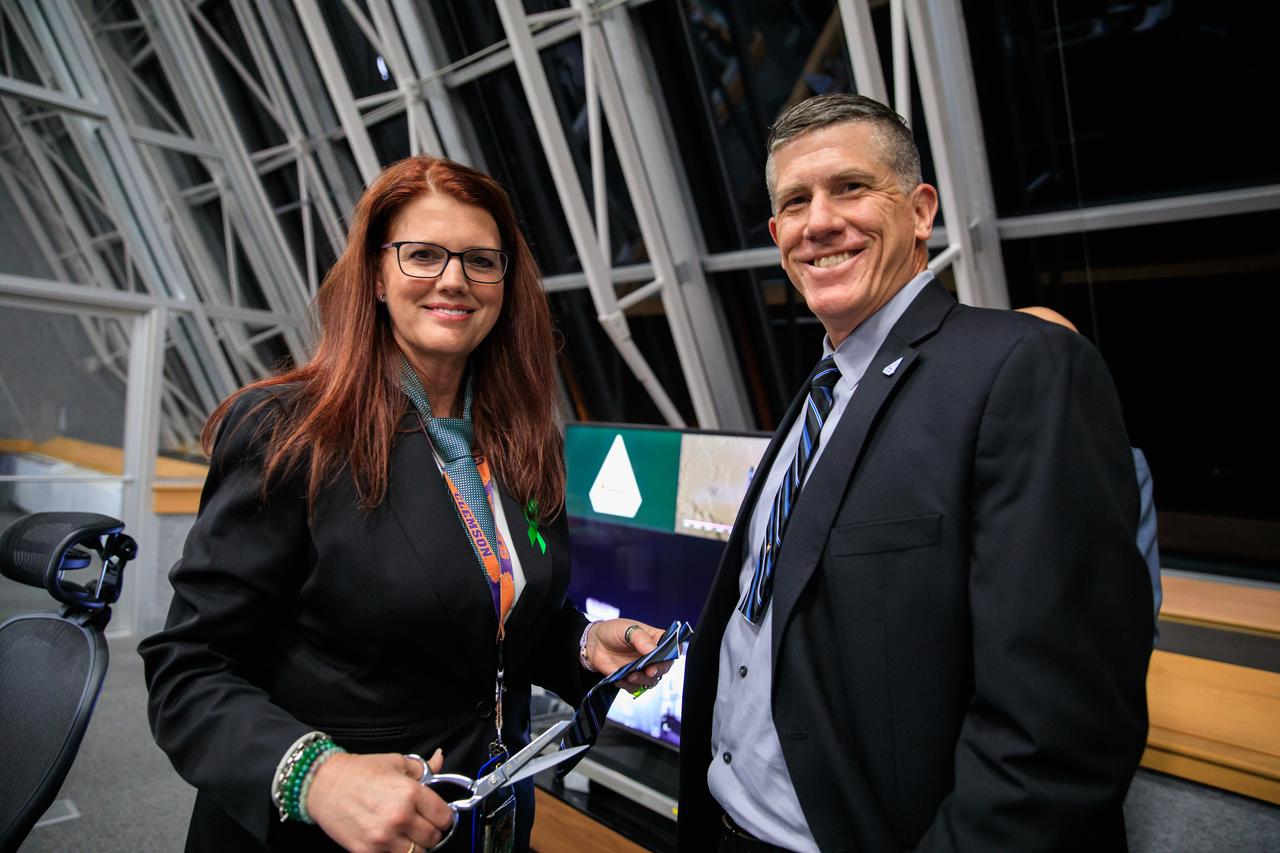
Artemis I Launch Director Charlie Blackwell-Thompson, at left, performs the traditional cutting of the tie for Assistant Launch Director Jeremy Graeber after the successful liftoff of NASA’s Space Launch System and Orion spacecraft from Kennedy’s Launch Complex 39B on Nov. 16, 2022. Liftoff was at 1:47 a.m. EST. The first in a series of increasingly complex missions, Artemis I will provide a foundation for human deep space exploration and demonstrate our commitment and capability to extend human presence to the Moon and beyond. The primary goal of Artemis I is to thoroughly test the integrated systems before crewed missions by operating the spacecraft in a deep space environment, testing Orion’s heat shield, and recovering the crew module after reentry, descent, and splashdown.

Artemis I Assistant Launch Director Jeremy Graeber monitors launch countdown events inside Firing Room 1 of the Rocco A. Petrone Launch Control Center at NASA’s Kennedy Space Center in Florida on Aug. 29, 2022. Launch of the agency’s Space Launch System and Orion spacecraft was waved off due to an issue during tanking. Launch is now no earlier than Sept. 3, at 2:17 p.m. EDT from Kennedy’s Launch Complex 39B. The first in a series of increasingly complex missions, Artemis I will provide a foundation for human deep space exploration and demonstrate our commitment and capability to extend human presence to the Moon and beyond. The primary goal of Artemis I is to thoroughly test the integrated systems before crewed missions by operating the spacecraft in a deep space environment, testing Orion’s heat shield, and recovering the crew module after reentry, descent, and splashdown.
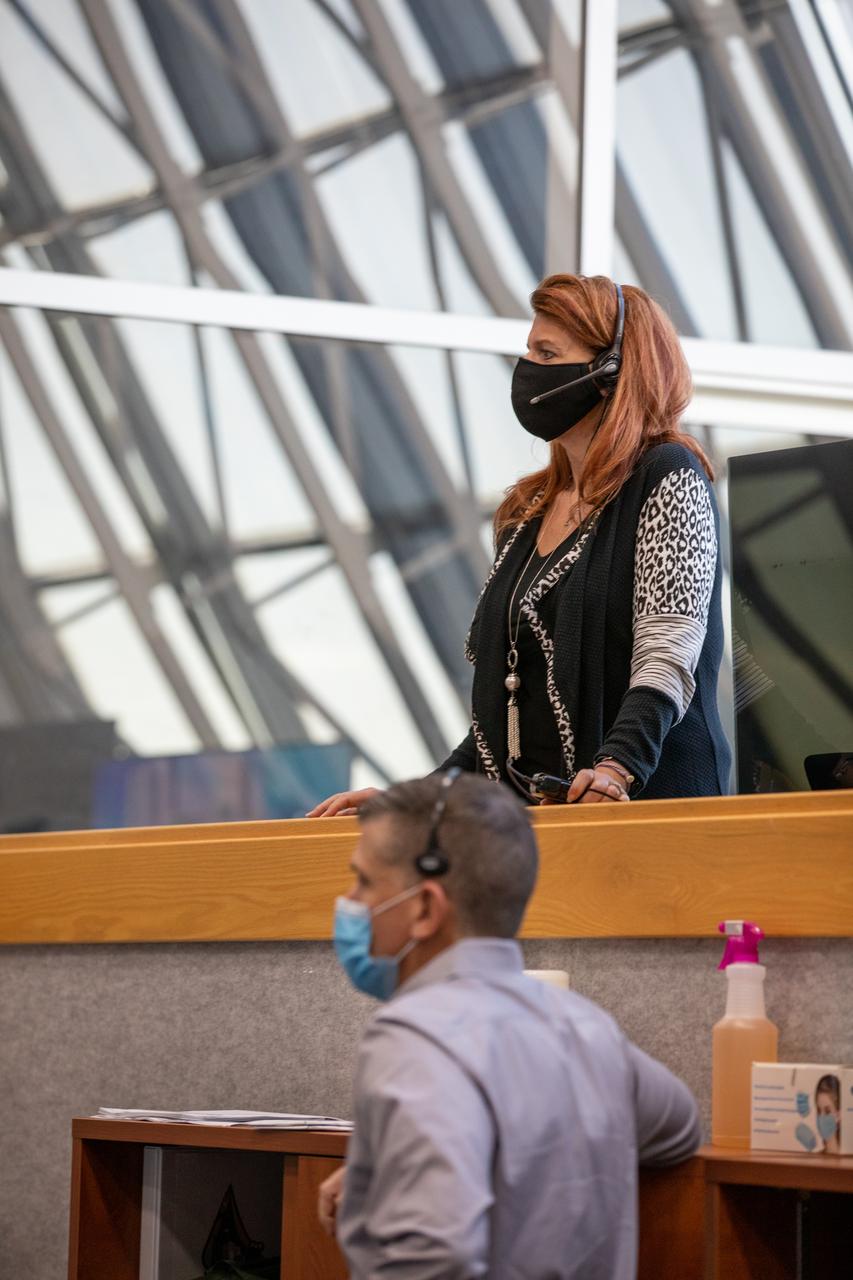
Charlie Blackwell-Thompson, standing, NASA Artemis launch director; and Jeremy Graeber, chief of the Test, Launch and Recovery Operations Branch within Exploration Ground Systems (EGS), monitor a cryogenic propellant loading simulation inside Firing Room 1 in the Launch Control Center on Nov. 2, 2020, at NASA’s Kennedy Space Center in Florida. A team of engineers with EGS and Jacobs, members of the cryogenics launch team, are rehearsing the steps to load the super-cooled liquid hydrogen and liquid oxygen into the Space Launch System’s (SLS) core and second stages to prepare for Artemis I. The first in a series of increasingly complex missions, Artemis I will test the Orion spacecraft and Space Launch System as an integrated system ahead of crewed flights to the Moon. NASA will land the first woman and the next man on the Moon in 2024.
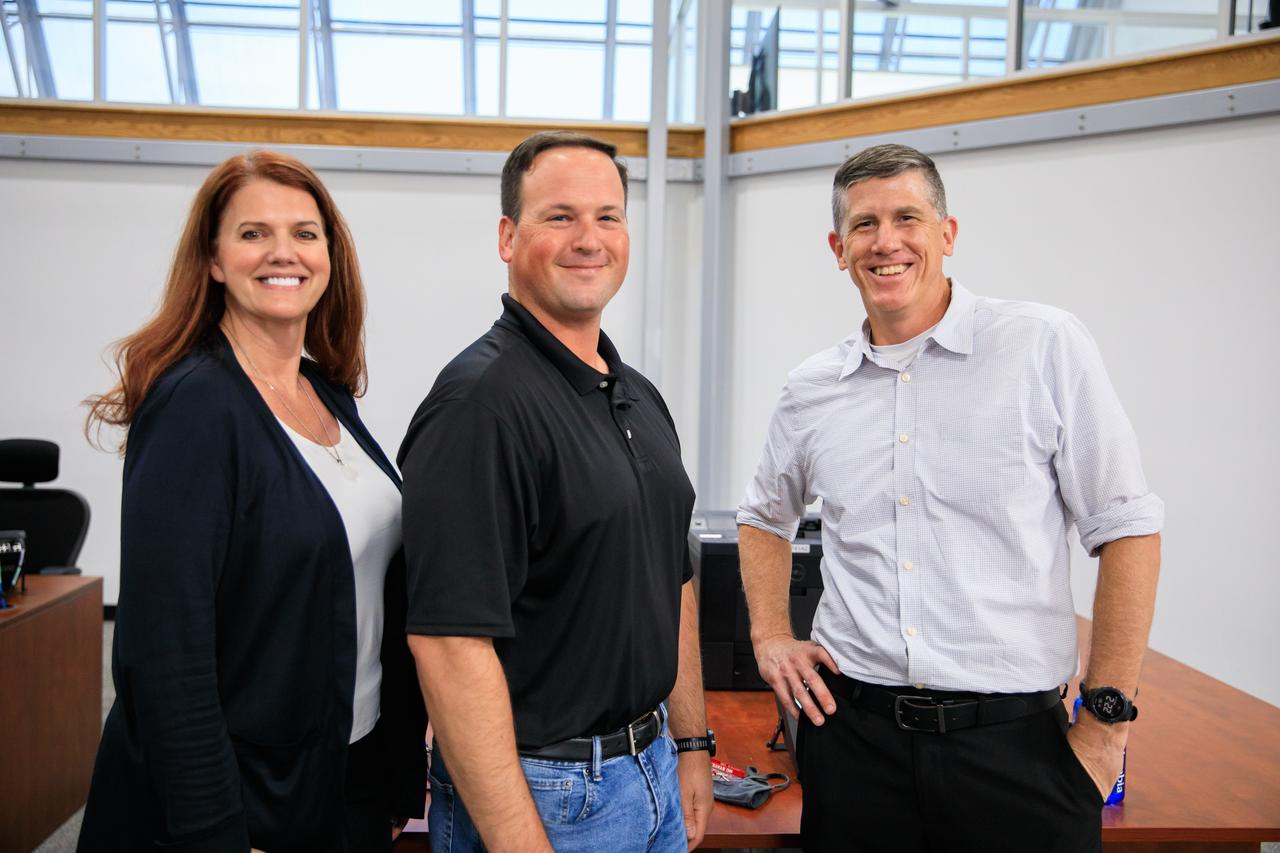
From left, Artemis I Launch Director Charlie Blackwell-Thompson, Technical Assistant to the Launch Director Wes Mosedale, and Assistant Launch Director Jeremy Graeber are photographed inside Firing Room 2 of the Rocco A. Petrone Launch Control Center at the agency’s Kennedy Space Center in Florida during a certification ceremony on Aug. 12, 2022. The ceremony was held to commemorate the certification of the Artemis I launch team following their launch simulation held in December 2021. During the ceremony, management staff handed out certificates to individual team members. The first in an increasingly complex series of missions, Artemis I will test NASA’s Space Launch System rocket and Orion spacecraft as an integrated system prior to crewed flights to the Moon. Through Artemis, NASA will land the first woman and the first person of color on the lunar surface, paving the way for long-term lunar presence and using the Moon as a steppingstone before venturing to Mars.
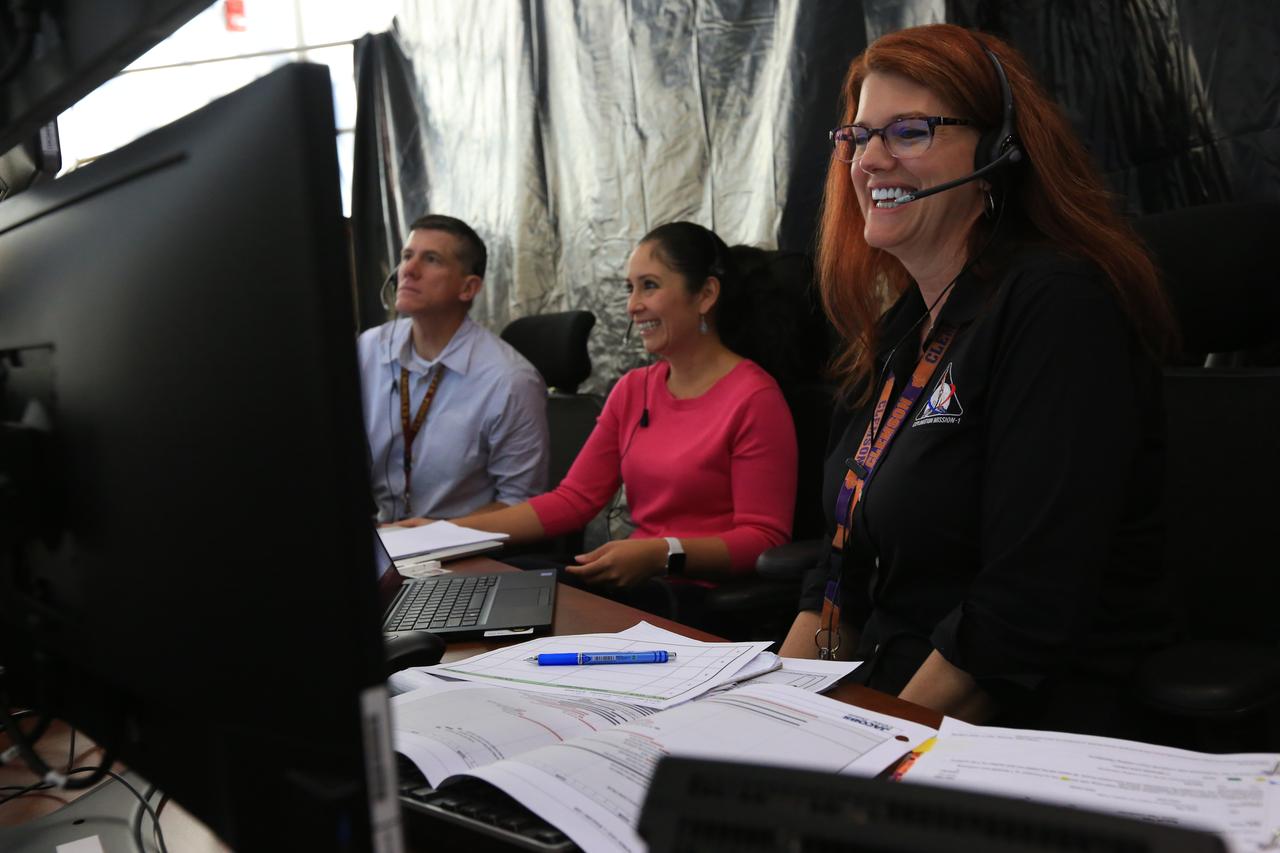
From left, Jeremy Graeber, chief NASA test director; Jessica Parsons, technical assistant to the launch director; and Charlie Blackwell-Thompson, Exploration Mission-1 (EM-1) launch director, participate in a countdown demonstration event of cryogenic propellant loading April 12, 2019, inside Firing Room 2 in the Launch Control Center at NASA’s Kennedy Space Center in Florida. The practice simulation involved loading of liquid hydrogen and liquid oxygen into the Space Launch System rocket’s core and upper stages to prepare for Exploration Mission-1 (EM-1). During the tanking exercise, the team worked through surprise issues in real-time. The practice countdown events are training opportunities coordinated by Blackwell-Thompson with Exploration Ground Systems.
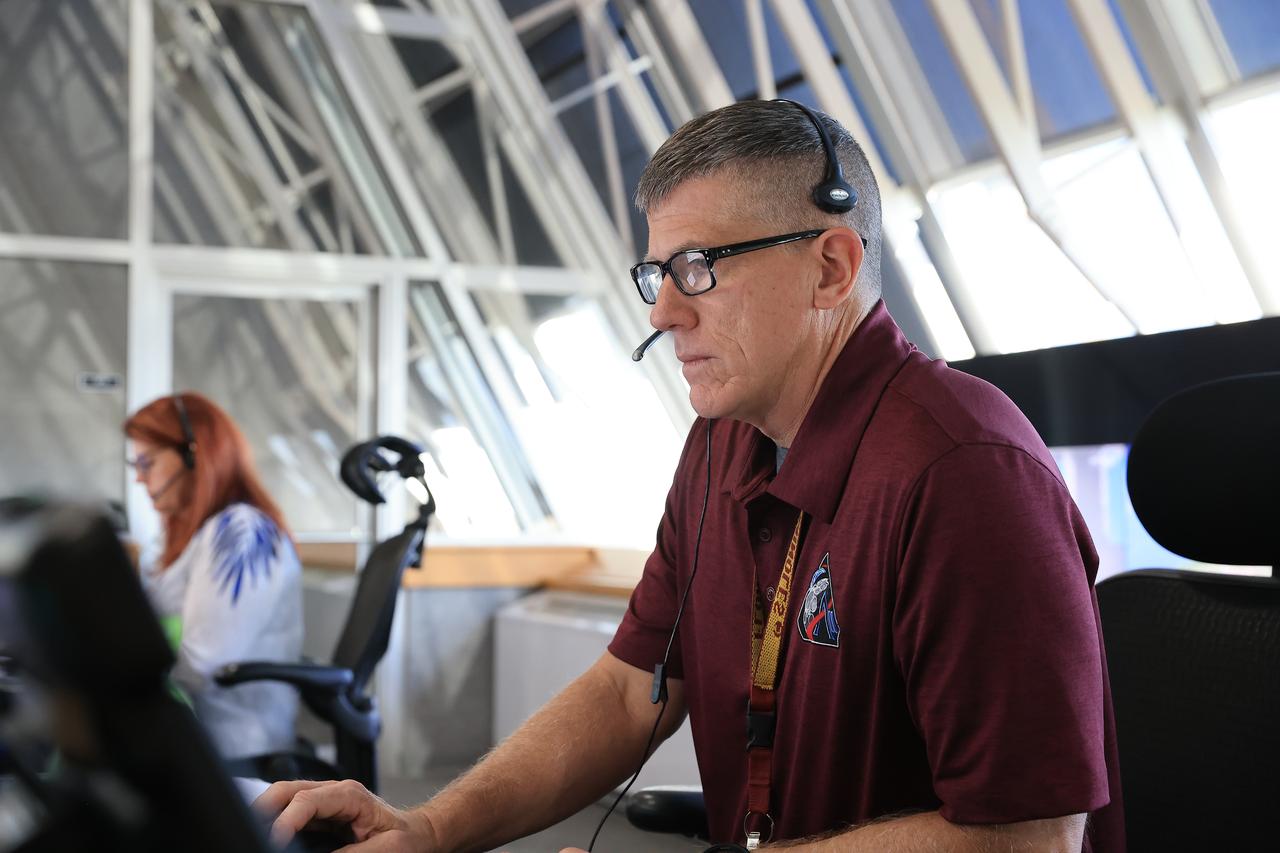
Jeremy Graeber, Artemis assistant launch director within NASA’s Exploration Ground Systems Program, participates in the first joint integrated launch countdown simulation for Artemis II inside Firing Room 1 of the Launch Control Center on Thursday, Sept. 11, 2025 at the agency’s Kennedy Space Center in Florida. The training exercise involved engineers from Kennedy, Marshall Space Flight Center in Huntsville, Alabama, and Johnson Space Center in Houston coming together to rehearse all aspects of the launch countdown, from cryogenic loading – filling tanks in the SLS (Space Launch System) rocket’s core stage with liquid hydrogen and liquid oxygen – to liftoff. These simulations will help certify that the launch team is ready for Artemis II – the first crewed Artemis mission that will send four astronauts around the Moon and back.

In the Kennedy Space Center’s Press Site auditorium, members of the news media are briefed on the upcoming Orion flight test by Jeremy Graeber, Orion Recovery Director in Ground Systems Development and Operations at Kennedy. Also participating in the news conference are Bryan Austin, Lockheed Martin mission manager, left, and Ron Fortson, United Launch Alliance director of Mission Management. Orion is the exploration spacecraft designed to carry astronauts to destinations not yet explored by humans, including an asteroid and Mars. It will have emergency abort capability, sustain the crew during space travel and provide safe re-entry from deep space return velocities. The first unpiloted flight test of Orion is scheduled to launch Dec. 4, 2014 atop a United Launch Alliance Delta IV Heavy rocket, and in 2018 on NASA’s Space Launch System rocket.
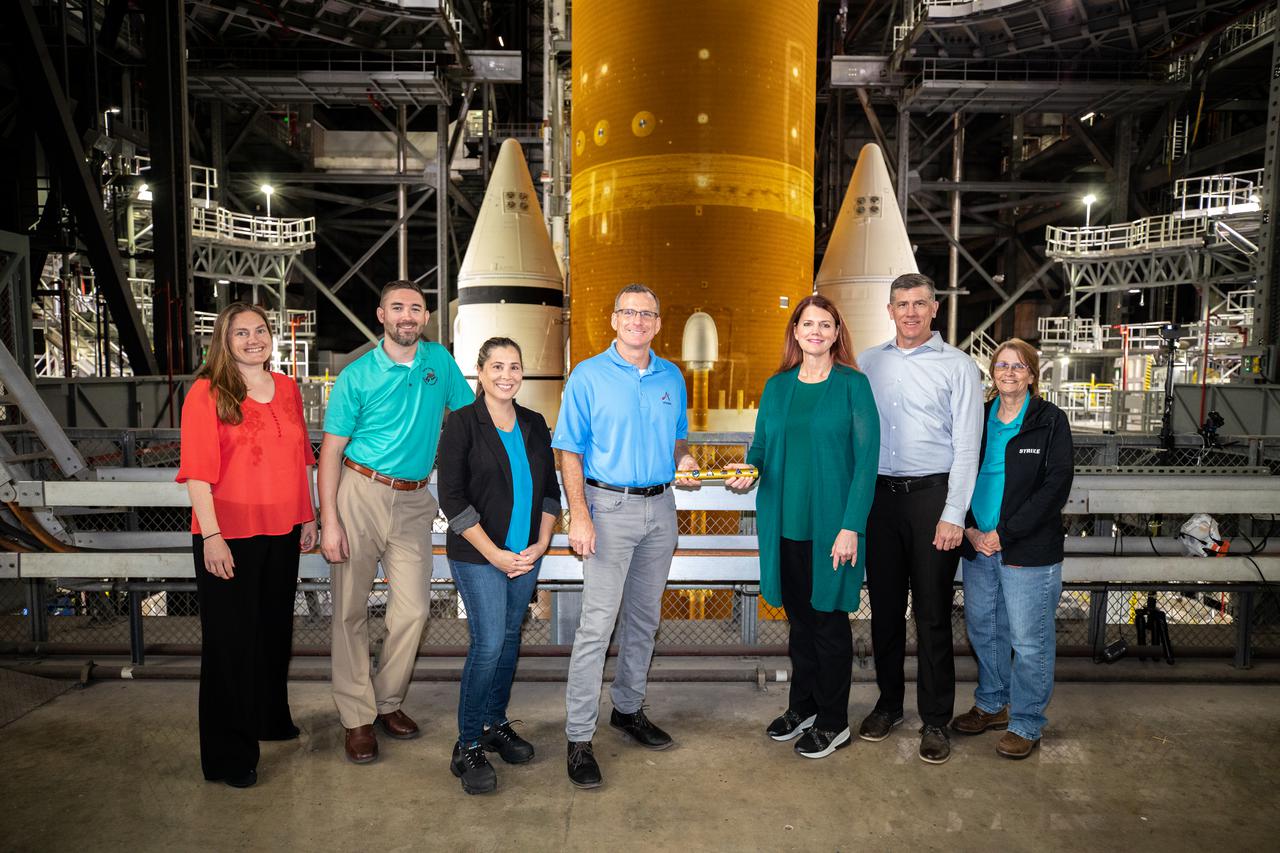
Cliff Lanham, fourth from left, ground operations manager with Exploration Ground Systems (EGS), passes the baton to Charlie Blackwell-Thompson, Artemis I launch director, inside the Vehicle Assembly Building at NASA’s Kennedy Space Center in Florida on March 16, 2022. Joining them from left, are Stacey Bagg, Matt Czech, and Liliana Villareal, with EGS. Next to Blackwell-Thomson are Jeremy Graeber, deputy launch director, and Teresa Annulis. The Space Launch System (SLS) and Orion will make the trek to Launch Complex 39B for a wet dress rehearsal ahead of launch atop the crawler-transporter 2. Artemis I will be the first integrated test of the SLS and Orion spacecraft. In later missions, NASA will land the first woman and the first person of color on the surface of the Moon, paving the way for a long-term lunar presence and serving as a steppingstone on the way to Mars.
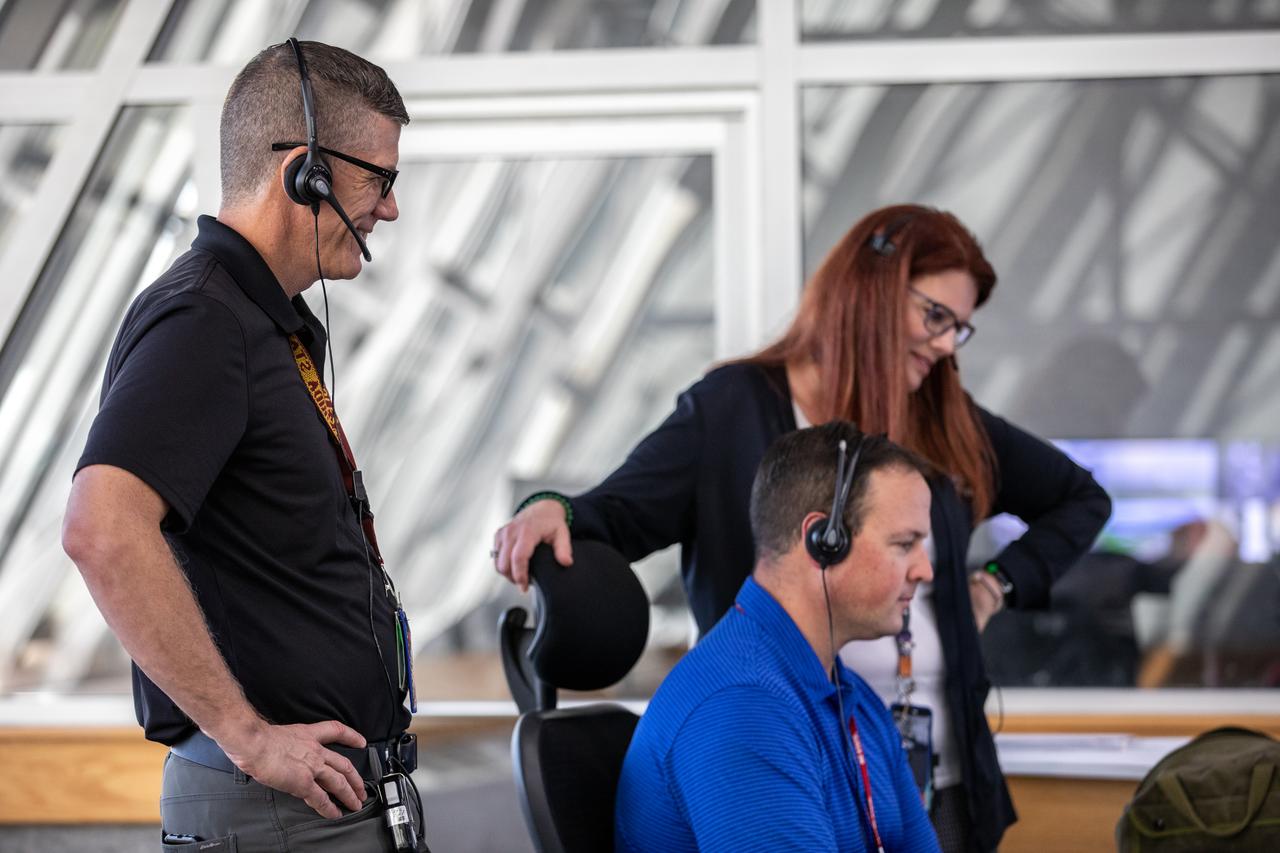
Artemis I Launch Director Charlie Blackwell-Thompson, at right, monitors data inside Firing Room 1 of the Rocco A. Petrone Launch Control Center at NASA’s Kennedy Space Center in Florida during a cryogenic propellant tanking demonstration on Sept. 21, 2022. Seated at his console is Wes Mosedale, technical assistant to the launch director. At left is Jeremy Graeber, Artemis I assistant launch director. The first in a series of increasingly complex missions, Artemis I will provide a foundation for human deep space exploration and demonstrate our commitment and capability to extend human presence to the Moon and beyond. The primary goal of Artemis I is to thoroughly test the integrated systems before crewed missions by operating the spacecraft in a deep space environment, testing Orion’s heat shield, and recovering the crew module after reentry, descent, and splashdown.
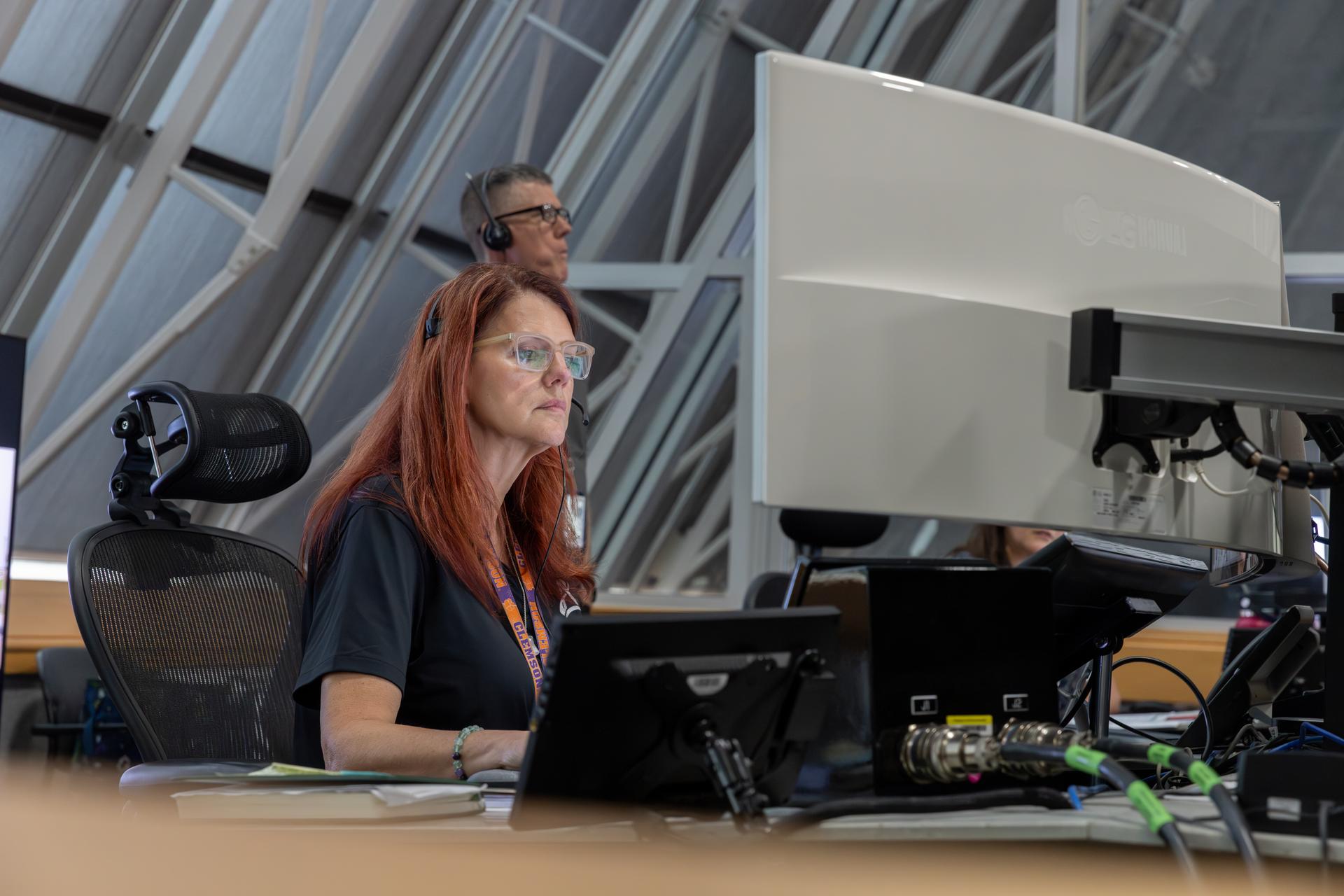
From left, Charlie Blackwell-Thompson, Artemis launch director and Jeremy Graeber, assistant launch director, both with NASA’s Exploration Ground Systems Program, participate in a cryogenic propellant loading simulation for NASA’s Artemis III mission on Wednesday, Aug. 5, 2026, inside Firing Rooms 1 and 2 of the Rocco A. Petrone Launch Control Center at the agency’s Kennedy Space Center in Florida. Members of NASA’s Exploration Ground Systems team rehearse the steps to load the super-cooled liquid hydrogen and liquid oxygen into the SLS (Space Launch System) rocket core stage, a process that starts several hours before liftoff for the Artemis III mission. Artemis III will carry out a series of objectives in low Earth orbit designed to demonstrate critical systems needed for future lunar landings, beginning with Artemis IV.
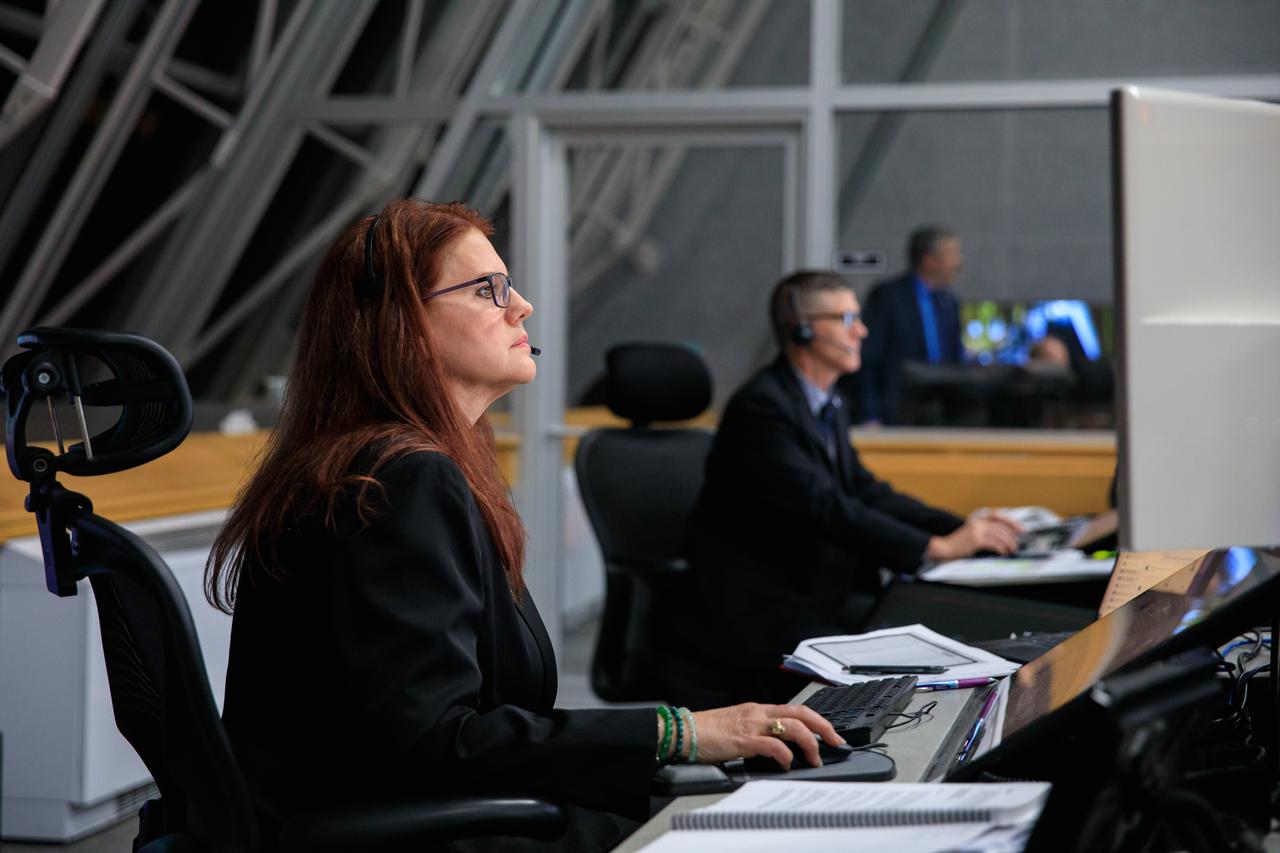
Artemis I Launch Director Charlie Blackwell-Thompson, at left, and Assistant Launch Director Jeremy Graeber, monitor launch countdown activities inside Firing Room 1 of the Launch Control Center at NASA’s Kennedy Space Center in Florida on Nov. 16, 2022. Liftoff of the agency’s Space Launch System and Orion spacecraft from Launch Complex 39B was at 1:47 a.m. EST. The first in a series of increasingly complex missions, Artemis I will provide a foundation for human deep space exploration and demonstrate our commitment and capability to extend human presence to the Moon and beyond. The primary goal of Artemis I is to thoroughly test the integrated systems before crewed missions by operating the spacecraft in a deep space environment, testing Orion’s heat shield, and recovering the crew module after reentry, descent, and splashdown.
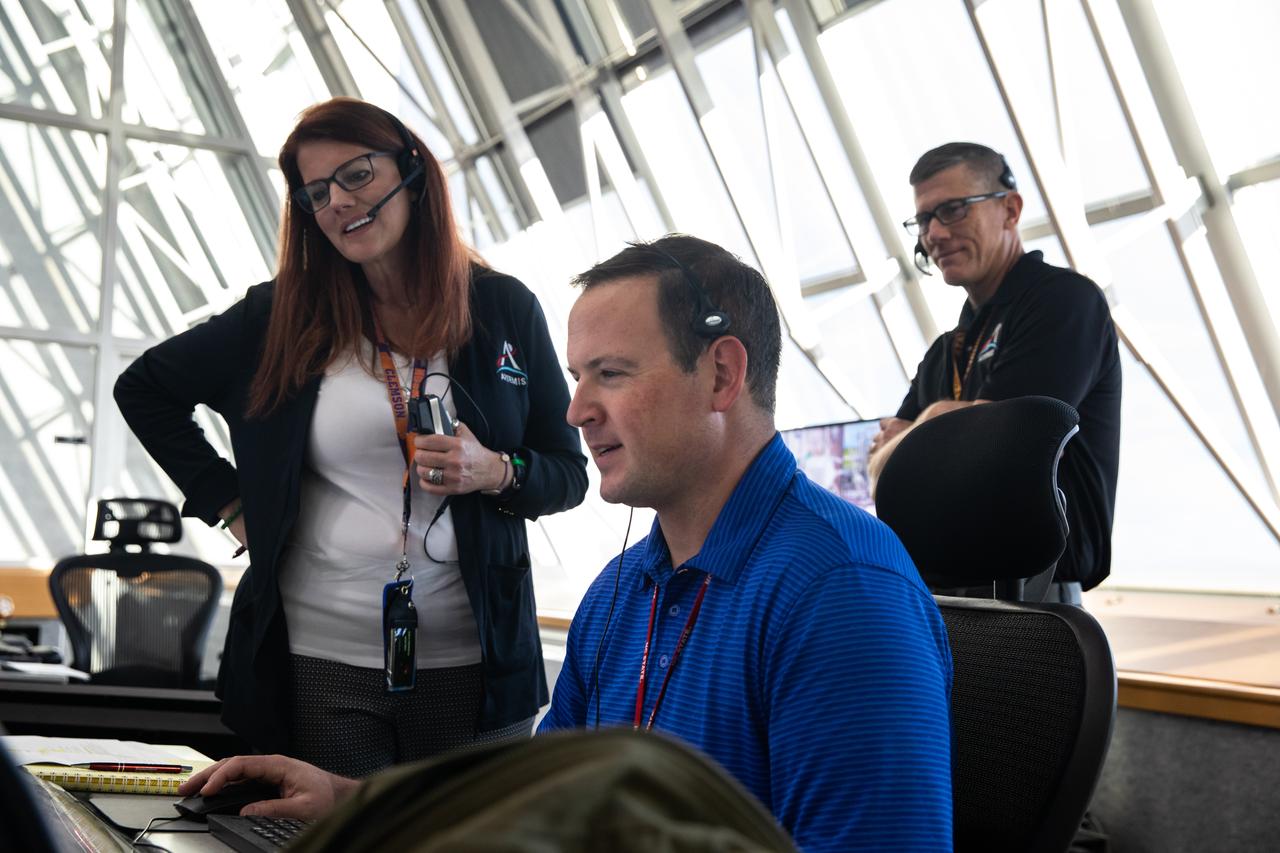
Artemis I Launch Director Charlie Blackwell-Thompson, at left, monitors data inside Firing Room 1 of the Rocco A. Petrone Launch Control Center at NASA’s Kennedy Space Center in Florida during a cryogenic propellant tanking demonstration on Sept. 21, 2022. At right is Wes Mosedale, technical assistant to the launch director. Behind them is Jeremy Graeber, Artemis I assistant launch director. The first in a series of increasingly complex missions, Artemis I will provide a foundation for human deep space exploration and demonstrate our commitment and capability to extend human presence to the Moon and beyond. The primary goal of Artemis I is to thoroughly test the integrated systems before crewed missions by operating the spacecraft in a deep space environment, testing Orion’s heat shield, and recovering the crew module after reentry, descent, and splashdown.
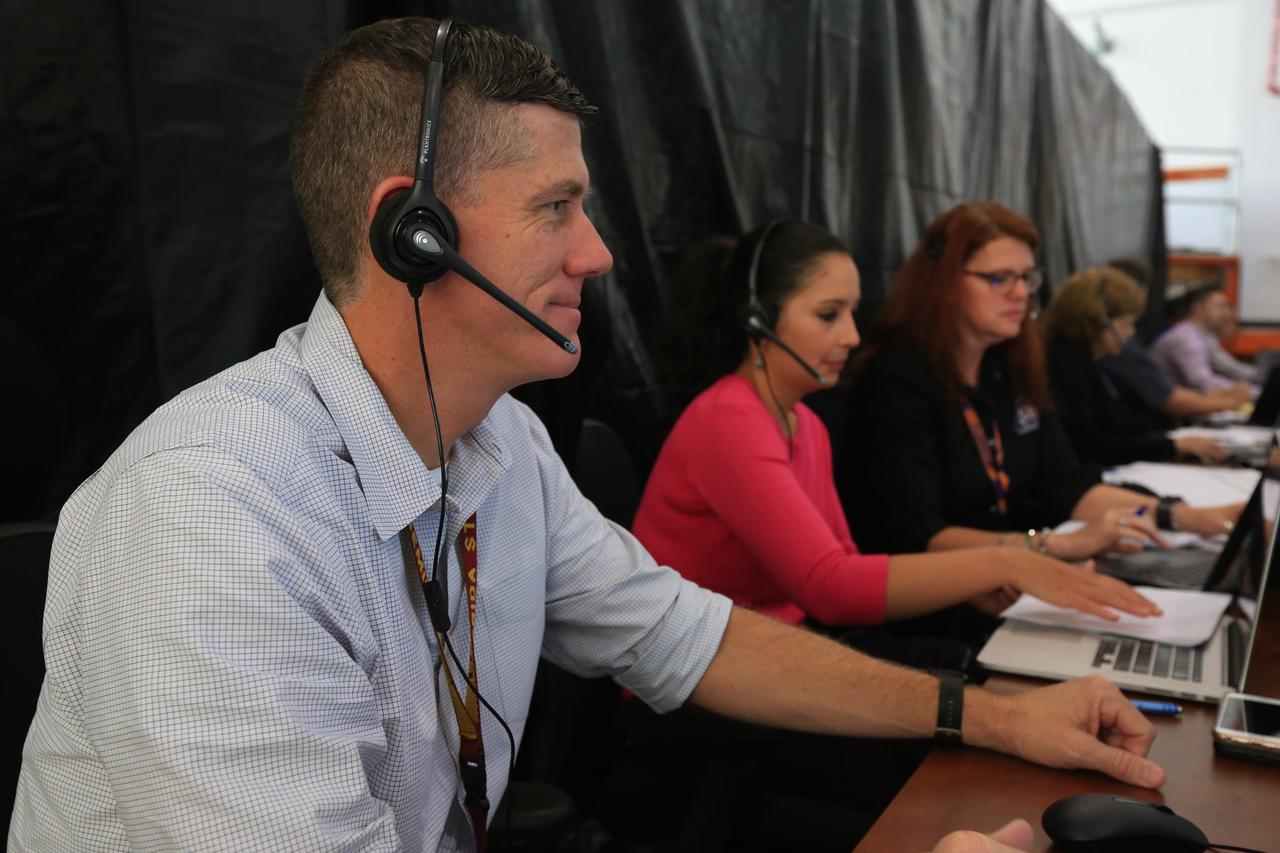
From left, Jeremy Graeber, chief NASA test director; Jessica Parsons, technical assistant to the launch director; and Charlie Blackwell-Thompson, Exploration Mission-1 (EM-1) launch director, participate in a countdown demonstration event of cryogenic propellant loading April 12, 2019, inside Firing Room 2 in the Launch Control Center at NASA’s Kennedy Space Center in Florida. The practice simulation involved loading of liquid hydrogen and liquid oxygen into the Space Launch System rocket’s core and upper stages to prepare for Exploration Mission-1 (EM-1). During the tanking exercise, the team worked through surprise issues in real-time. The practice countdown events are training opportunities coordinated by Blackwell-Thompson with Exploration Ground Systems.
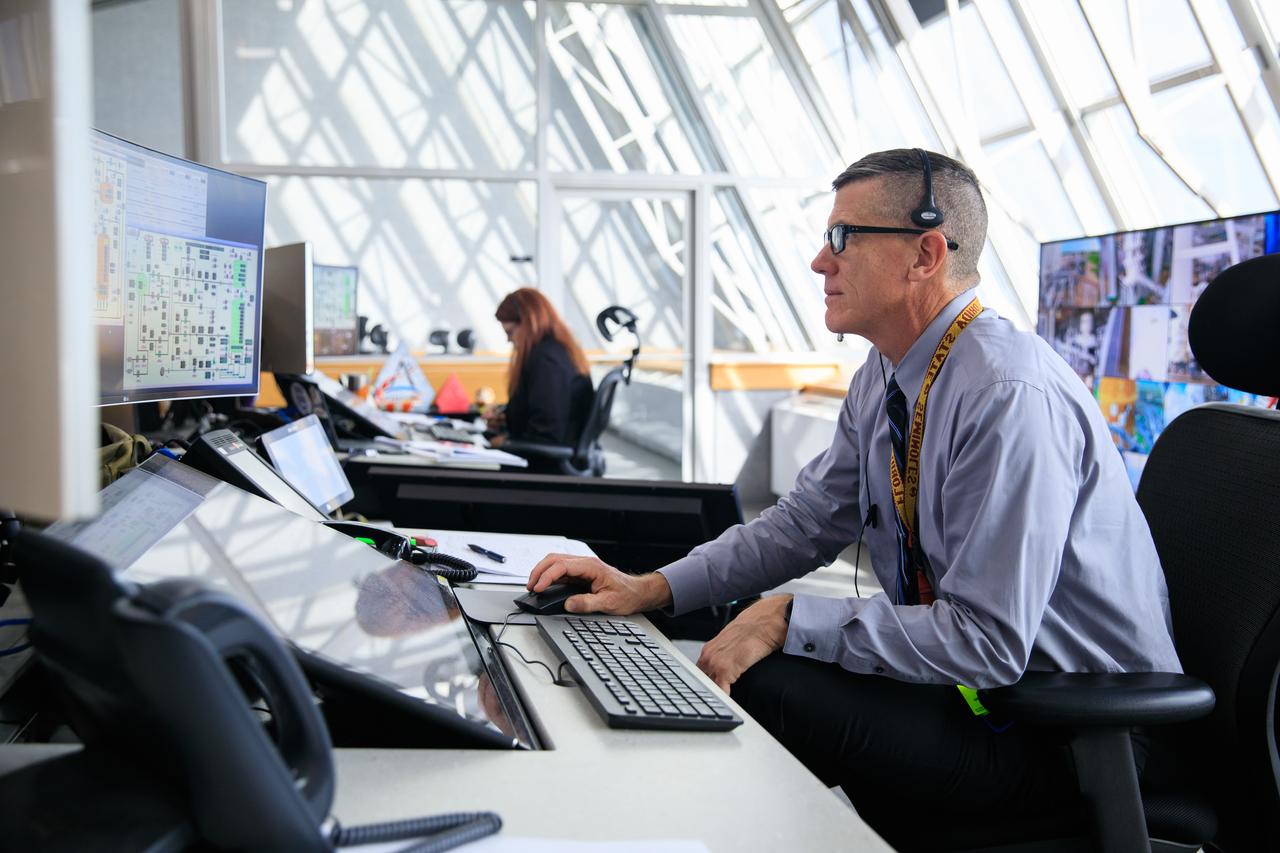
Artemis I Assistant Launch Director Jeremy Graeber monitors launch countdown events inside Firing Room 1 of the Rocco A. Petrone Launch Control Center at NASA’s Kennedy Space Center in Florida on Sept. 3, 2022. Launch of the agency’s Space Launch System and Orion spacecraft from Kennedy’ Launch Complex 39B was waved off due to an issue during tanking. The first in a series of increasingly complex missions, Artemis I will provide a foundation for human deep space exploration and demonstrate our commitment and capability to extend human presence to the Moon and beyond. The primary goal of Artemis I is to thoroughly test the integrated systems before crewed missions by operating the spacecraft in a deep space environment, testing Orion’s heat shield, and recovering the crew module after reentry, descent, and splashdown.

In the Kennedy Space Center’s Press Site auditorium, members of the news media are briefed on the upcoming Orion flight test by Mark Geyer, NASA Orion Program manager. Also participating in the news conference are Bryan Austin, Lockheed Martin mission manager, center, and Jeremy Graeber, Orion Recovery Director in Ground Systems Development and Operations at Kennedy. Orion is the exploration spacecraft designed to carry astronauts to destinations not yet explored by humans, including an asteroid and Mars. It will have emergency abort capability, sustain the crew during space travel and provide safe re-entry from deep space return velocities. The first unpiloted flight test of Orion is scheduled to launch Dec. 4, 2014 atop a United Launch Alliance Delta IV Heavy rocket, and in 2018 on NASA’s Space Launch System rocket.
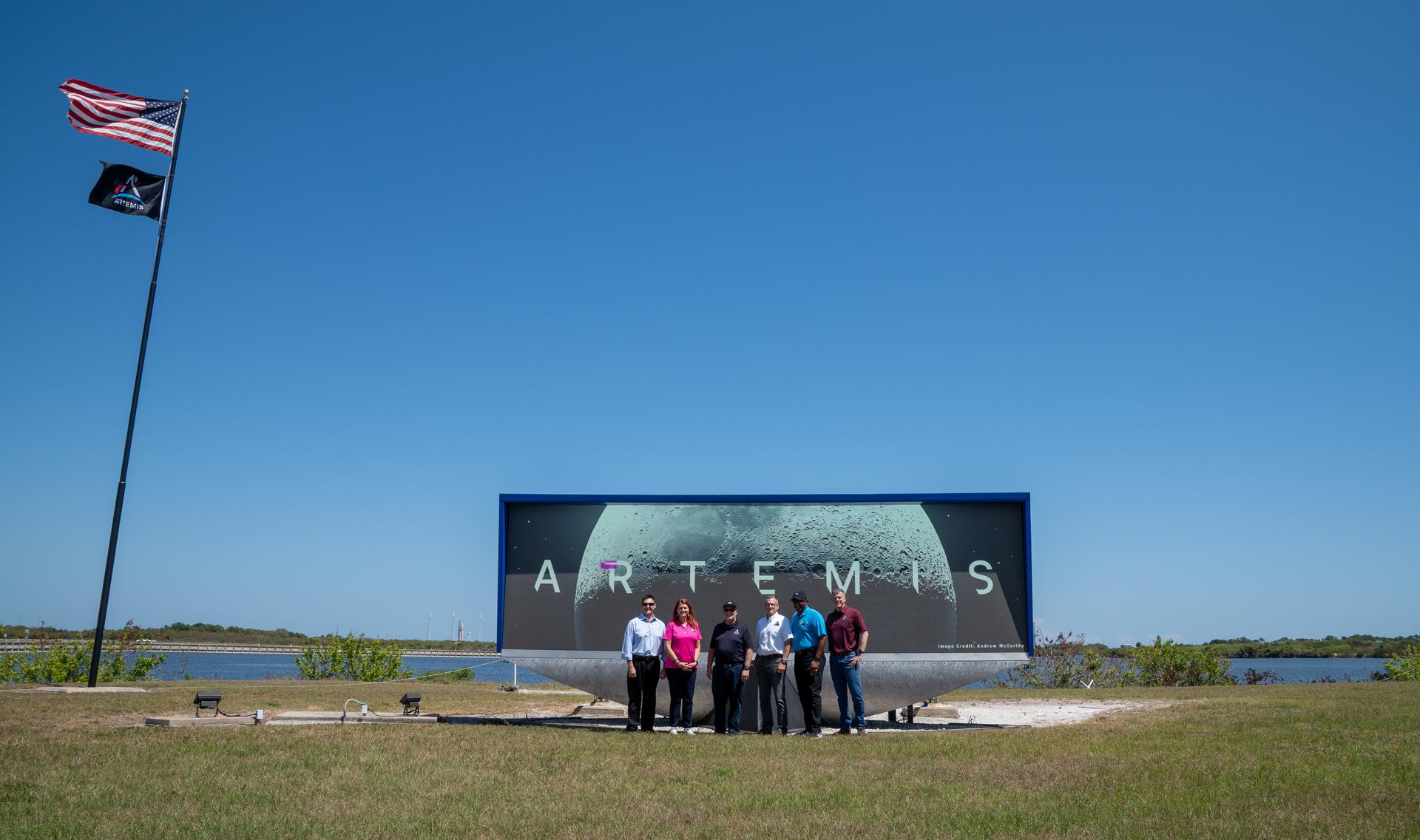
Robert Yaskovic, associate manager, Exploration Ground Systems Program; Charlie Blackwell-Thompson, Artemis II launch director; Shawn Quinn, manager, Exploration Ground Systems Program; Cliff Lanham, deputy manager, Exploration Ground Systems Program; NASA Kennedy Space Center Deputy Director Kelvin Manning; and Jeremy Graeber, assistant launch director, Exploration Ground Systems Program raise the Artemis flag near the countdown clock at the NASA News Center at NASA’s Kennedy Space Center in Florida on Friday, March 27, 2026. The Artemis II test flight mission will take Artemis II Commander Reid Wiseman, Pilot Victor Glover, and Mission Specialist Christina Koch from NASA, and Mission Specialist Jeremy Hansen from the CSA (Canadian Space Agency) on a 10-day journey around the Moon and back aboard NASA’s SLS (Space Launch System) rocket and Orion spacecraft from Launch Complex 39B no earlier than 6:24 p.m. EDT on Wednesday, April 1.
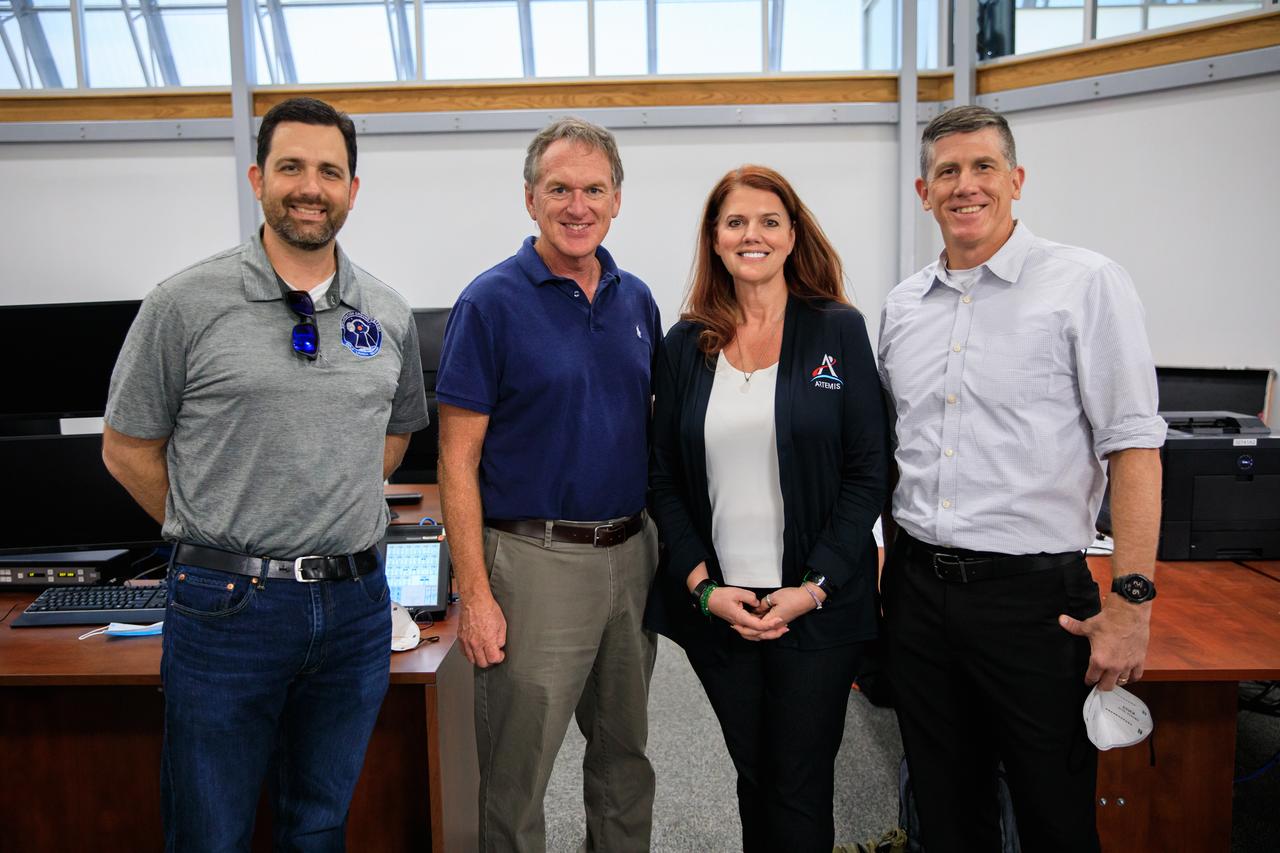
From left, NASA’s Exploration Ground Systems (EGS) Deputy Manager Jeremy Parsons, EGS Manager Mike Bolger, Artemis I Launch Director Charlie Blackwell-Thompson, and Assistant Launch Director Jeremy Graeber are photographed inside Firing Room 2 of the Rocco A. Petrone Launch Control Center at the agency’s Kennedy Space Center in Florida during a certification ceremony on Aug. 12, 2022. The ceremony was held to commemorate the certification of the Artemis I launch team following their launch simulation held in December 2021. During the ceremony, management staff handed out certificates to individual team members. The first in an increasingly complex series of missions, Artemis I will test NASA’s Space Launch System rocket and Orion spacecraft as an integrated system prior to crewed flights to the Moon. Through Artemis, NASA will land the first woman and the first person of color on the lunar surface, paving the way for long-term lunar presence and using the Moon as a steppingstone before venturing to Mars.
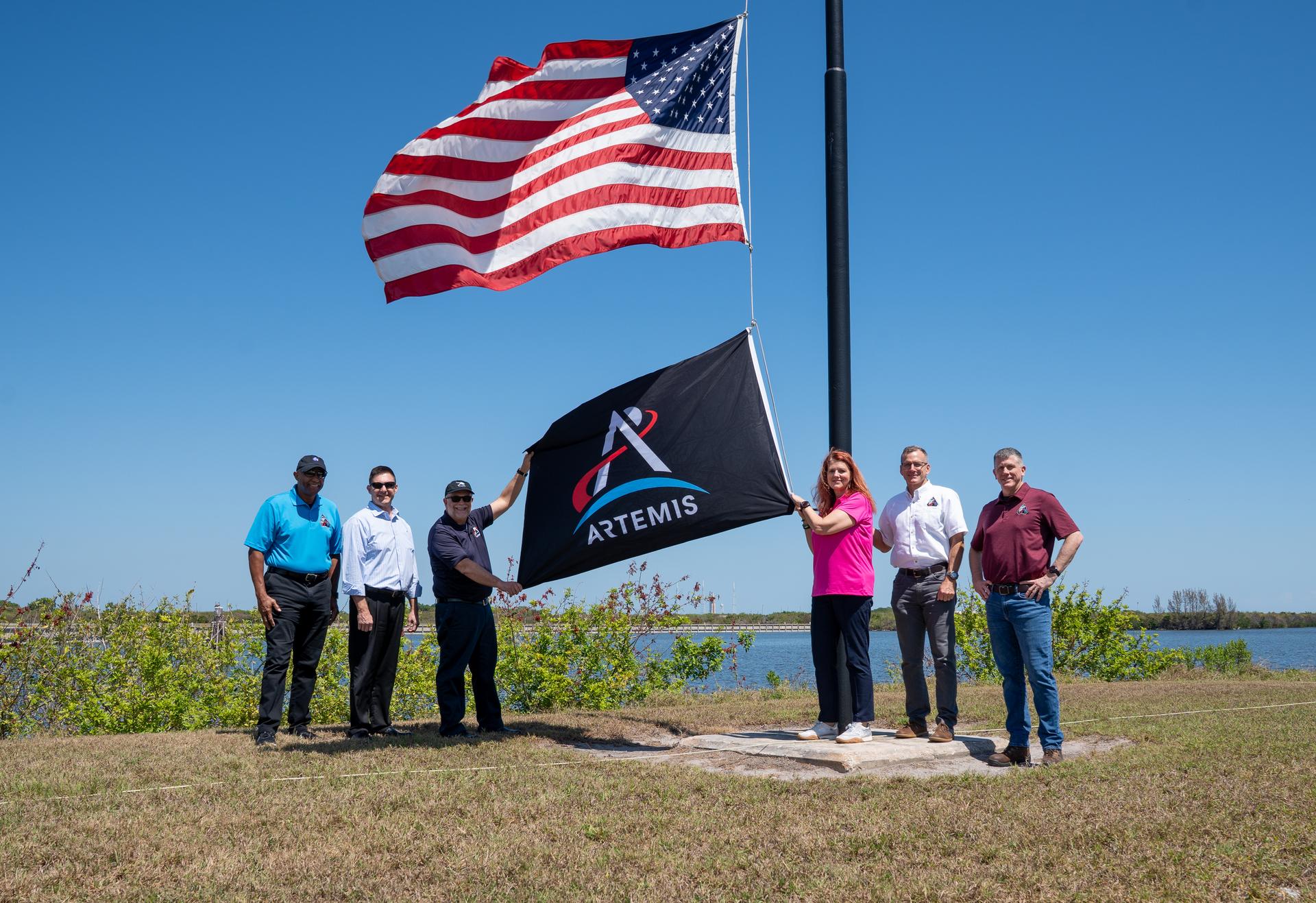
From left, NASA Kennedy Space Center Deputy Director Kelvin Manning; Robert Yaskovic, associate manager, Exploration Ground Systems Program; Shawn Quinn, manager, Exploration Ground Systems Program; Charlie Blackwell-Thompson, Artemis II launch director; Cliff Lanham, deputy manager, Exploration Ground Systems Program; and Jeremy Graeber, assistant launch director, Exploration Ground Systems Program raise the Artemis flag near the countdown clock at the NASA News Center at NASA’s Kennedy Space Center in Florida on Friday, March 27, 2026. The Artemis II test flight mission will take Artemis II Commander Reid Wiseman, Pilot Victor Glover, and Mission Specialist Christina Koch from NASA, and Mission Specialist Jeremy Hansen from the CSA (Canadian Space Agency) on a 10-day journey around the Moon and back aboard NASA’s SLS (Space Launch System) rocket and Orion spacecraft from Launch Complex 39B no earlier than 6:24 p.m. EDT on Wednesday, April 1.

From left, NASA Kennedy Space Center Deputy Director Kelvin Manning; Robert Yaskovic, associate manager, Exploration Ground Systems Program; Shawn Quinn, manager, Exploration Ground Systems Program; Charlie Blackwell-Thompson, Artemis II launch director; Cliff Lanham, deputy manager, Exploration Ground Systems Program; and Jeremy Graeber, assistant launch director, Exploration Ground Systems Program raise the Artemis flag near the countdown clock at the NASA News Center at NASA’s Kennedy Space Center in Florida on Friday, March 27, 2026. The Artemis II test flight mission will take Artemis II Commander Reid Wiseman, Pilot Victor Glover, and Mission Specialist Christina Koch from NASA, and Mission Specialist Jeremy Hansen from the CSA (Canadian Space Agency) on a 10-day journey around the Moon and back aboard NASA’s SLS (Space Launch System) rocket and Orion spacecraft from Launch Complex 39B no earlier than 6:24 p.m. EDT on Wednesday, April 1.
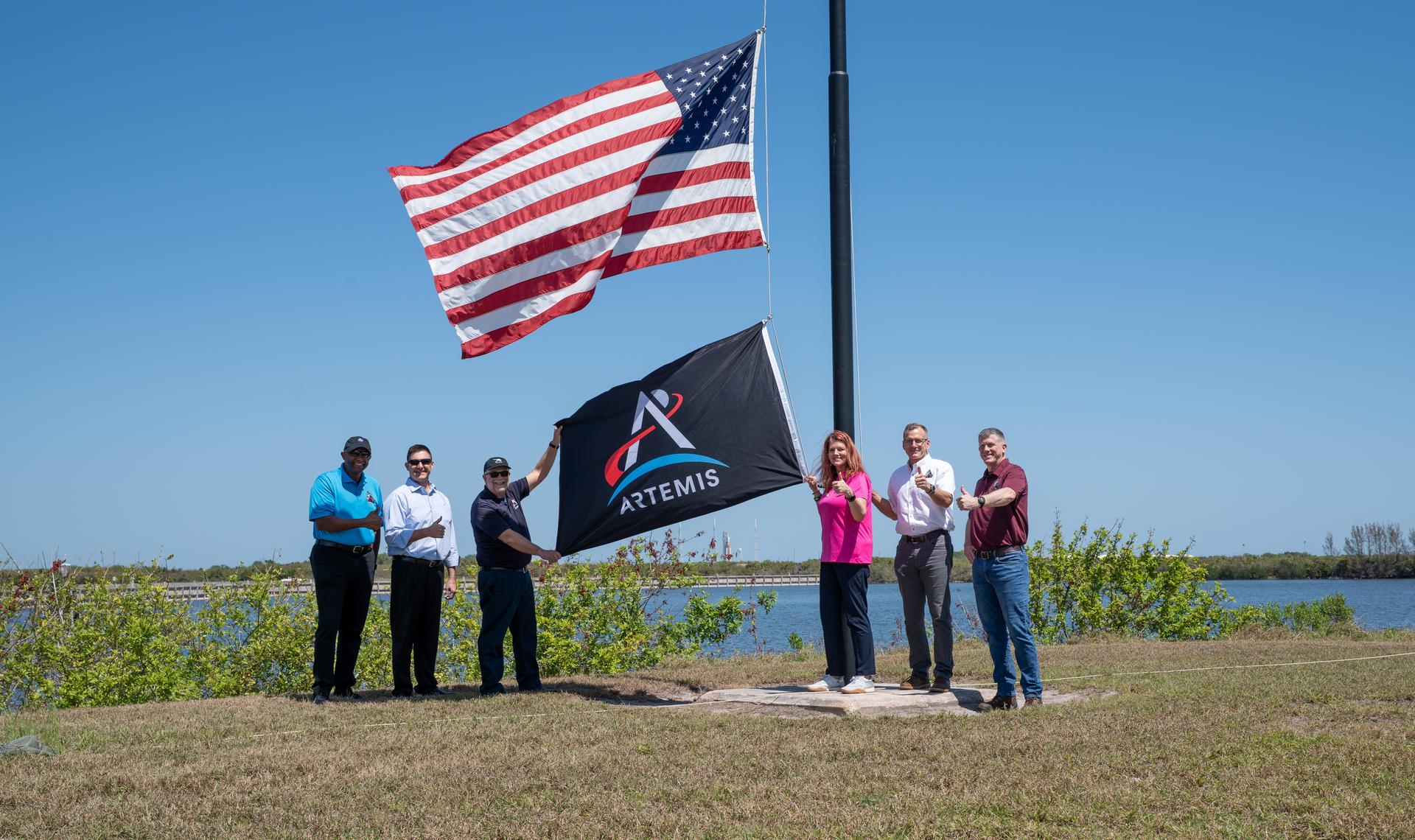
From left, NASA Kennedy Space Center Deputy Director Kelvin Manning; Robert Yaskovic, associate manager, Exploration Ground Systems Program; Shawn Quinn, manager, Exploration Ground Systems Program; Charlie Blackwell-Thompson, Artemis II launch director; Cliff Lanham, deputy manager, Exploration Ground Systems Program; and Jeremy Graeber, assistant launch director, Exploration Ground Systems Program raise the Artemis flag near the countdown clock at the NASA News Center at NASA’s Kennedy Space Center in Florida on Friday, March 27, 2026. The Artemis II test flight mission will take Artemis II Commander Reid Wiseman, Pilot Victor Glover, and Mission Specialist Christina Koch from NASA, and Mission Specialist Jeremy Hansen from the CSA (Canadian Space Agency) on a 10-day journey around the Moon and back aboard NASA’s SLS (Space Launch System) rocket and Orion spacecraft from Launch Complex 39B no earlier than 6:24 p.m. EDT on Wednesday, April 1.
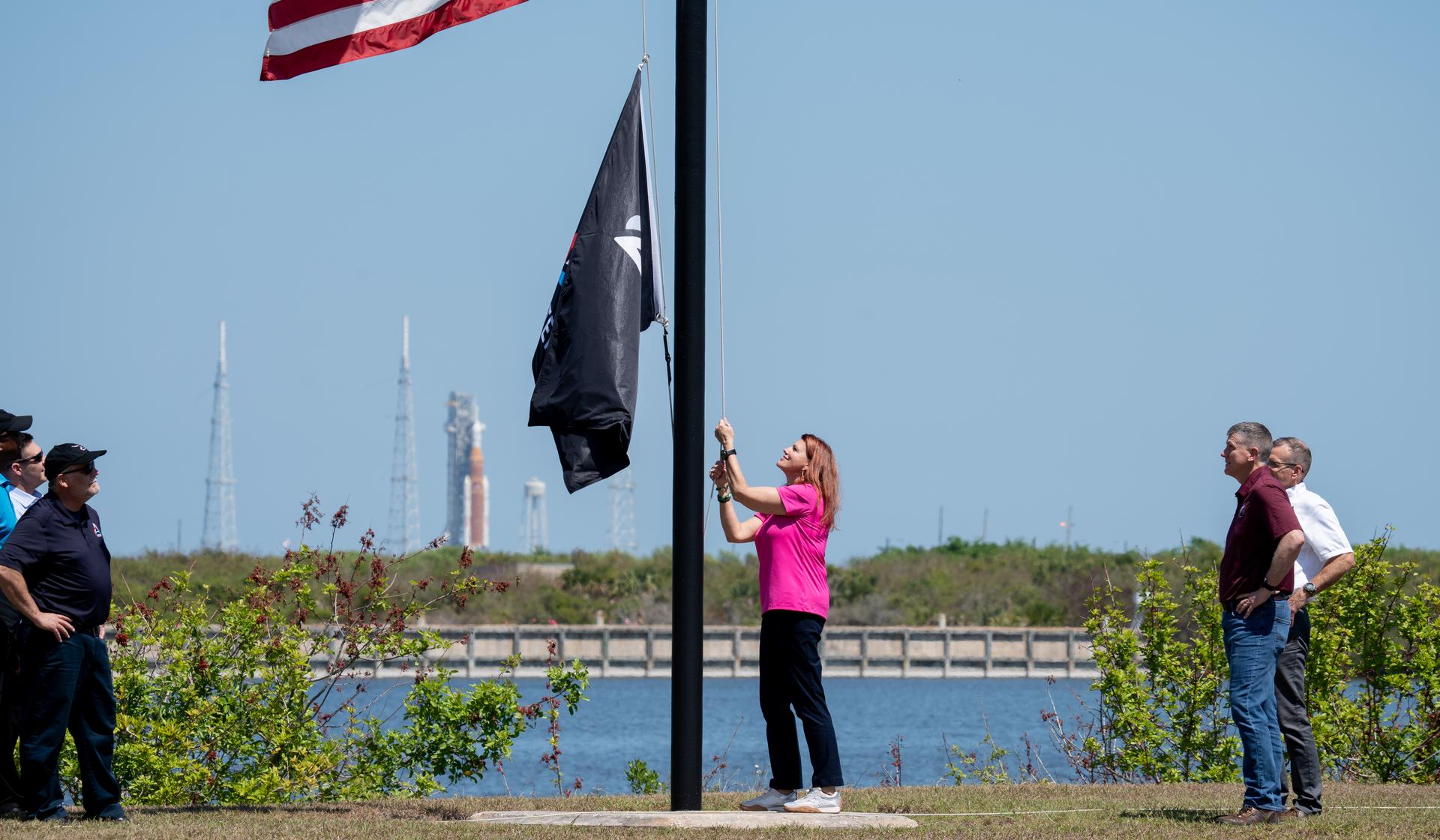
From left, NASA Kennedy Space Center Deputy Director Kelvin Manning; Robert Yaskovic, associate manager, Exploration Ground Systems Program; Shawn Quinn, manager, Exploration Ground Systems Program; Charlie Blackwell-Thompson, Artemis II launch director; Cliff Lanham, deputy manager, Exploration Ground Systems Program; and Jeremy Graeber, assistant launch director, Exploration Ground Systems Program raise the Artemis flag near the countdown clock at the NASA News Center at NASA’s Kennedy Space Center in Florida on Friday, March 27, 2026. The Artemis II test flight mission will take Artemis II Commander Reid Wiseman, Pilot Victor Glover, and Mission Specialist Christina Koch from NASA, and Mission Specialist Jeremy Hansen from the CSA (Canadian Space Agency) on a 10-day journey around the Moon and back aboard NASA’s SLS (Space Launch System) rocket and Orion spacecraft from Launch Complex 39B no earlier than 6:24 p.m. EDT on Wednesday, April 1.
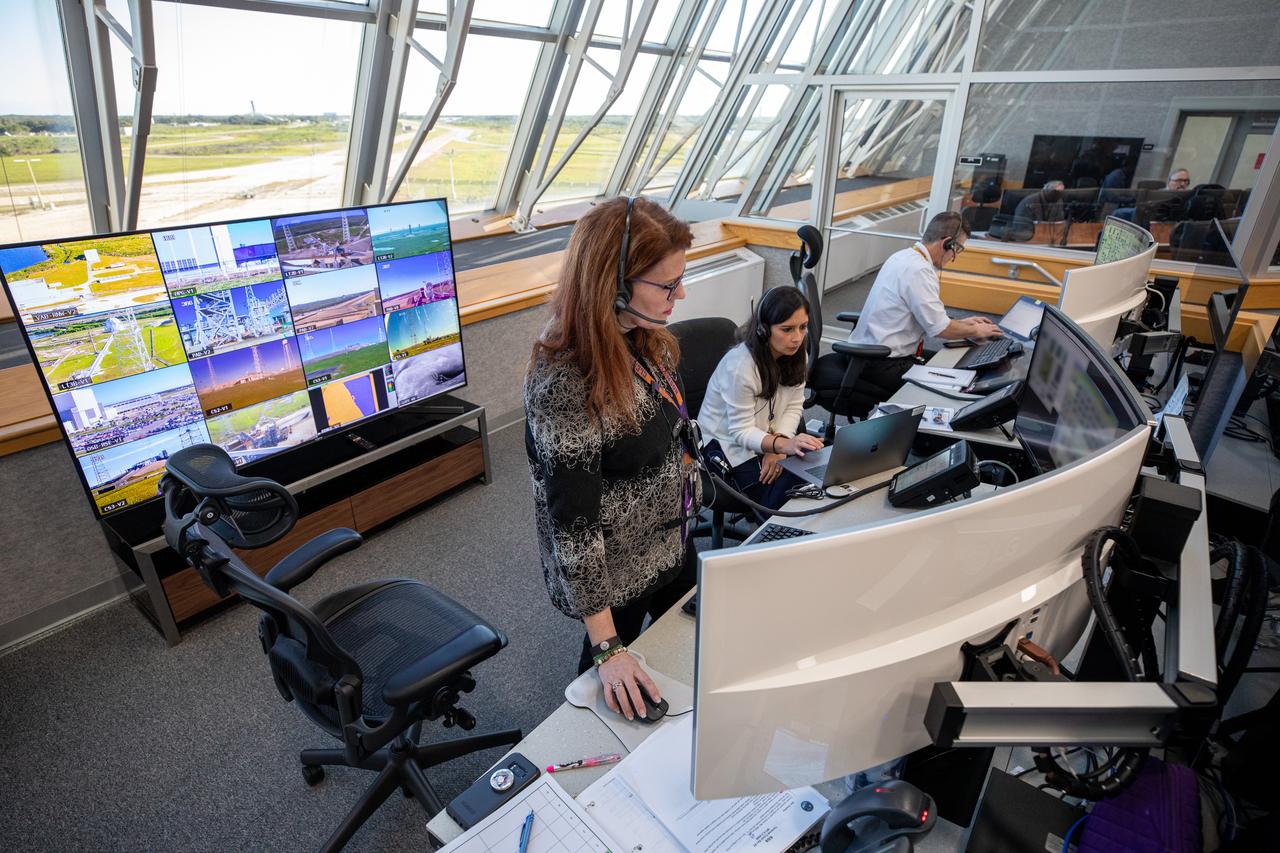
Artemis I Launch Director Charlie Blackwell-Thompson (left) stands at the launch console inside the Launch Control Center’s Firing Room 1 at the Kennedy Space Center in Florida during a countdown simulation. Next to her are Jessica Parsons, technical assistant to the launch director, and Jeremy Graeber, NASA’s Test, Launch and Recovery Operations branch chief, who also serves as the assistant launch director. A team of nearly 100 engineers from Orion, Space Launch System (SLS) and the agency’s Exploration Ground Systems coming together on Feb. 3, 2020, to work through a series of simulated challenges, as well as a final countdown procedure. During these exercises, different issues were introduced to familiarize the team with launch day operations, while providing them with an opportunity to practice how they would handle those issues in real-time. Artemis I will be the first integrated test flight of the Orion spacecraft and SLS rocket – the system that will ultimately land the first woman and the next man on the Moon.
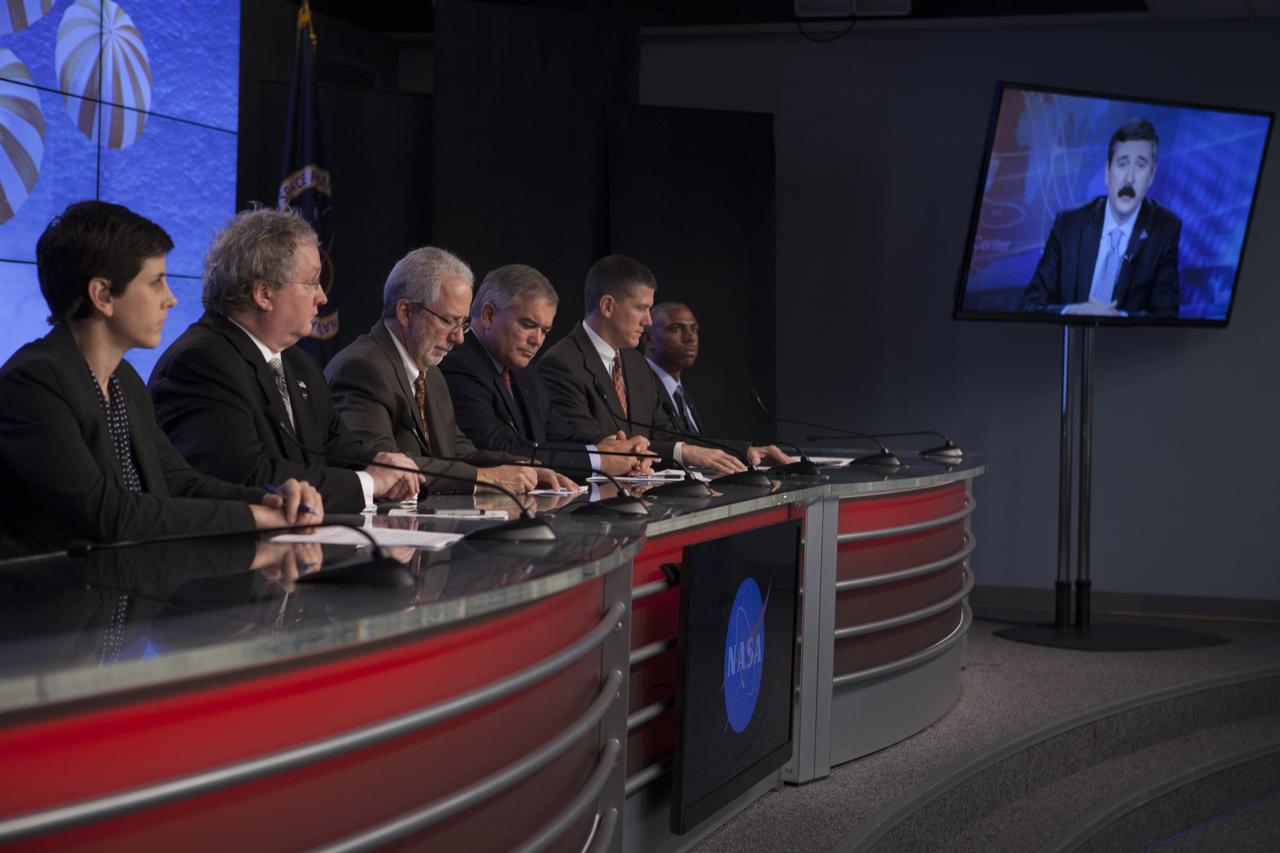
In the Kennedy Space Center’s Press Site auditorium, members of the news media are briefed on the upcoming Orion flight test. From left are: Rachel Kraft, NASA Public Affairs, Bill Hill, NASA deputy associate administrator for Exploration Systems Development, Mark Geyer, NASA Orion Program manager, Bryan Austin, Lockheed Martin mission manager, Jeremy Graeber, Operations Integration Branch of Ground Systems Development and Operations at Kennedy, and Ron Fortson, United Launch Alliance director of Mission Management. Mike Sarafin, NASA's lead flight director, participated by video from the Johnson Space Center. Orion is the exploration spacecraft designed to carry astronauts to destinations not yet explored by humans, including an asteroid and Mars. It will have emergency abort capability, sustain the crew during space travel and provide safe re-entry from deep space return velocities. The first unpiloted flight test of Orion is scheduled to launch Dec. 4, 2014 atop a United Launch Alliance Delta IV Heavy rocket, and in 2018 on NASA’s Space Launch System rocket.
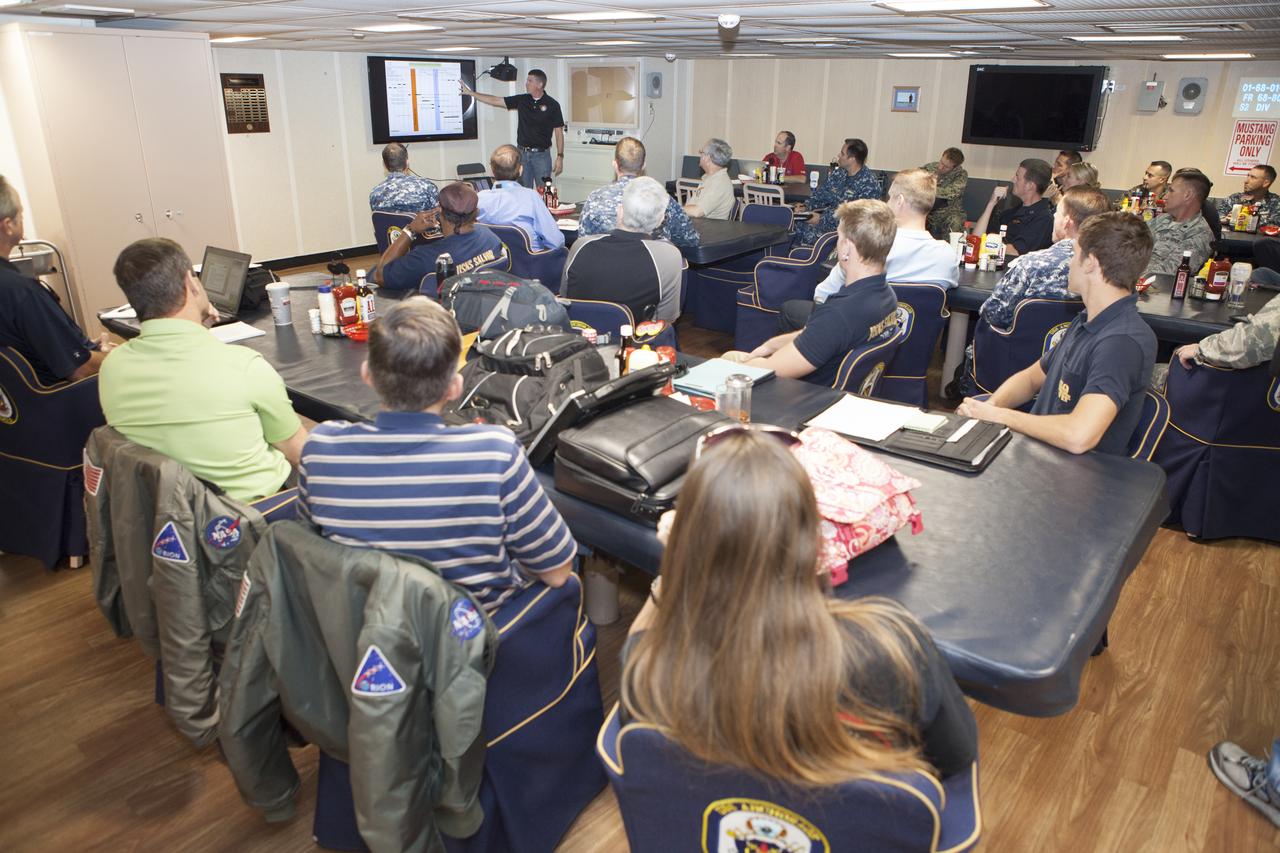
NASA Orion Recovery Director Jeremy Graeber, with the Ground Systems Development and Operations Program at Kennedy Space Center in Florida, reviews Orion recovery procedures with NASA, Lockheed Martin and U.S. Navy personnel aboard the USS Anchorage at Naval Base San Diego in California. Before the launch of Orion on its first flight test atop a Delta IV Heavy rocket from Cape Canaveral Air Force Station in Florida, NASA, Lockheed Martin and the U.S. Navy personnel will head out to sea in the USS Anchorage and the USNS Salvor, a salvage ship, and wait for splashdown of the Orion crew module in the Pacific Ocean. The GSDO Program will lead the recovery efforts. Orion is the exploration spacecraft designed to carry astronauts to destinations not yet explored by humans, including an asteroid and Mars. It will have emergency abort capability, sustain the crew during space travel and provide safe re-entry from deep space return velocities. The first unpiloted flight test of Orion is scheduled to launch in December atop a United Launch Alliance Delta IV Heavy rocket and in 2018 on NASA’s Space Launch System rocket.
Jeff Spaulding, left, NASA test director, and NASA’s Test, Launch and Recovery Operations Branch Chief Jeremy Graeber, who also serves as the assistant launch director, participate in an Artemis I launch countdown simulation inside the Launch Control Center’s Firing Room 1 at the Kennedy Space Center in Florida. Under the leadership of Launch Director Charlie Blackwell-Thompson, a team of nearly 100 engineers from Orion, Space Launch System (SLS) and the agency’s Exploration Ground Systems came together Feb. 3, 2020, to work through a series of simulated challenges, as well as a final countdown procedure. During these exercises, different issues were introduced to familiarize the team with launch day operations, while providing them with an opportunity to practice how they would handle those issues in real-time. Artemis I will be the first integrated test flight of the Orion spacecraft and SLS rocket – the system that will ultimately land the first woman and the next man on the Moon.